COMPLETE CARE AT HERITAGE LLC
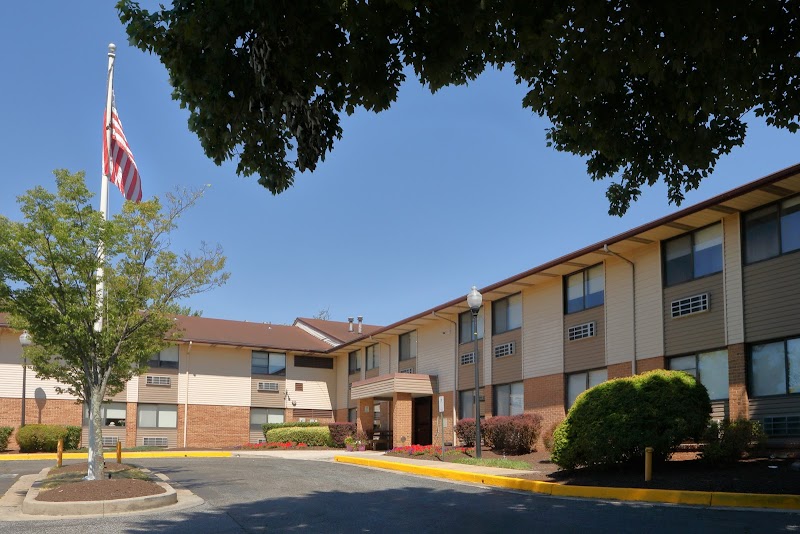
7232 GERMAN HILL ROAD, DUNDALK, MD 21222 (410) 282-6310
For profit - Limited Liability company 177 Beds COMPLETE CARE Data: November 2025 2 Immediate Jeopardy citations
Trust Grade
0/100
#151 of 219 in MD
Last Inspection: August 2023

Over 2 years since last inspection. Current conditions may differ from available data.

Overview

Complete Care at Heritage LLC in Dundalk, Maryland has a Trust Grade of F, indicating a poor reputation with significant concerns about care quality. It ranks #151 out of 219 facilities in Maryland, placing it in the bottom half, and #28 out of 43 in Baltimore County, meaning only a few local options are worse. Although the facility is showing an improving trend, reducing issues from 29 in 2023 to 4 in 2025, it still has a concerning staffing rating of 2 out of 5 stars, with a high turnover rate of 60%, significantly above the state average. The facility has accumulated $162,297 in fines, which is higher than 91% of Maryland facilities, indicating ongoing compliance problems. Specific incidents of concern include a critical medication error where a resident received the wrong medication, and failures to protect residents from abuse, leading to harm. While there are some strengths, such as a 5 out of 5 star rating for quality measures, the overall picture suggests families should approach with caution.

Trust Score
F
0/100
In Maryland
#151/219
Bottom 32%
Safety Record
High Risk
Review needed
Inspections
Getting Better
29 → 4 violations
Staff Stability
⚠ Watch
60% turnover. Above average. Higher turnover means staff may not know residents' routines.
Penalties
✓ Good
$162,297 in fines. Lower than most Maryland facilities. Relatively clean record.
Skilled Nurses
✓ Good
Each resident gets 44 minutes of Registered Nurse (RN) attention daily — more than average for Maryland. RNs are trained to catch health problems early.
Violations
⚠ Watch
66 deficiencies on record. Higher than average. Multiple issues found across inspections.
★★☆☆☆
2.0
Overall Rating
★★☆☆☆
2.0
Staff Levels
★★★★★
5.0
Care Quality
★☆☆☆☆
1.0
Inspection Score
Stable
2023: 29 issues
2025: 4 issues

The Good

  • 5-Star Quality Measures · Strong clinical quality outcomes
  • Full Sprinkler Coverage · Fire safety systems throughout facility
  • No fines on record

Facility shows strength in quality measures, fire safety.

The Bad

2-Star Overall Rating

Below Maryland average (3.0)

Below average - review inspection findings carefully

Staff Turnover: 60%

14pts above Maryland avg (46%)

Frequent staff changes - ask about care continuity

Federal Fines: $162,297

Well above median ($33,413)

Significant penalties indicating serious issues

Chain: COMPLETE CARE

Part of a multi-facility chain

Ask about local staffing decisions and management

Staff turnover is elevated (60%)

12 points above Maryland average of 48%

The Ugly 66 deficiencies on record

2 life-threatening 1 actual harm
Sept 2025 3 deficiencies
CONCERN (D) 📢 Someone Reported This

A family member, employee, or ombudsman was alarmed enough to file a formal complaint

Potential for Harm - no one hurt, but risky conditions existed

ADL Care (Tag F0677)

Could have caused harm · This affected 1 resident

**NOTE- TERMS IN BRACKETS HAVE BEEN EDITED TO PROTECT CONFIDENTIALITY** Based on observations, interviews, and a medical record review, it was determined that facility staff failed to provide personal...

Read full inspector narrative →
**NOTE- TERMS IN BRACKETS HAVE BEEN EDITED TO PROTECT CONFIDENTIALITY** Based on observations, interviews, and a medical record review, it was determined that facility staff failed to provide personal hygiene services to totally dependent residents. This was evident in 2 (Residents #96 and #42) of the 5 residents reviewed for activities of daily living (ADL) care during the recertification/complaint survey. The findings include: The Minimum Data Set (MDS) is a standardized screening and assessment tool for the health status of all residents in long-term care facilities that are certified to participate in Medicare or Medicaid. Activities of Daily Living (ADLs) are the basic, essential self-care tasks people need to perform to maintain their health, safety, and well-being, such as bathing, dressing, eating, and toileting. 1) During a phone interview on 9/08/25 at 9:53 AM. with Resident #96's responsible party, they reported that the resident had long toenails, and one had fallen off. On 9/10/25 at 11:23 AM, a surveyor observed Resident #96's toenail with Staff #21 (Registered Nurse). The toenail appeared yellowed, thickened, and misshapen. A review of Resident #96's MDS, dated [DATE], revealed that the resident was totally dependent on personal hygiene. During an interview on 9/10/25 at 10:51 AM, Staff #11 (Geriatric Nursing Aide) stated that they assess residents' ADL needs. While they provide and document nail trims when needed, they noted that toenail care is managed by nurses or doctors. Staff #3 (Educator) confirmed in a 9/10/25 interview at 12:06 PM that residents' toenails are managed by Podiatry. When the surveyor shared concerns about Resident #96, Staff #3 stated that the resident might have refused care. On 9/10/25 at 2:10 PM, Staff #3 confirmed that Resident #96 had not yet been seen by Podiatry. She noted that a consultation was placed on 9/09/25, only after the surveyor's intervention. 2) Complaint 333464 was reviewed on 9/10/25 at 8:39 AM. The review revealed the complainant stated Resident #42 had not received a shower in years and s/he loves showers. On 9/10/25 at 11:44 AM in an interview with the complainant s/he stated they do not give him/her a shower, that s/he had a layer of filth on his/her head, and [family member's name] had to scrape his/her head with a comb to try to get the dirt off. On 9/15/25 at 12:01 PM review of Resident #42's medical record revealed s/he was originally admitted to the facility on [DATE] with diagnoses including, but not limited to, muscular dystrophy, Friedreich ataxia, and generalized muscle weakness. Further review of the medical record revealed the MDS [Minimum Data Set] dated 7/21/25 coded the resident as “dependent” for shower/bathe self and personal hygiene. Additionally, in section: GG0115. Functional Limitation in Range of Motion, Resident #42 was coded “2. Impairment on both sides” for his/her upper and lower extremities. The Documentation Survey Report from April 2025 through August 2025 was reviewed on 9/14/25 at 8:43 PM and revealed no documented showers or bed baths for Resident #42. Review of “Tasks: Shower/Bathing” on 9/15/25 at 11:26 AM and looking back 30 days (to 8/17/25) for “Question 1. Was shower given?” it was documented “No Data Found”. The answer choices to the question for facility staff to document were the following: “Yes”, “Resident Not Available”, “Resident Refused”, and “Not Applicable”; however, there were no dates listed, or responses documented for the dates of 8/17/25 through 9/15/25. On 9/9/25 at 7:55 AM in an interview with the Unit Manager (UM #1) when asked about showers, she stated that showers were offered 2 days a week for the residents. During the interview, she stated that Geriatric Nursing Assistants (GNAs) were responsible for providing the showers. When asked how the GNAs knew which residents were supposed to be showered, she stated a list was put on the assignment board and the GNAs have been trained and educated to look at the board to see which residents need to be showered. When asked if this was documented, she stated yes, on the shower papers and the POC's [In Point Click Care, the facility's electronic health record, POC stands for Point of Care. It refers to a feature or solution that enables healthcare staff to document resident care and other information in real-time, directly at or near the patient's location, using mobile devices, kiosks, or other digital tools. This system improves the accuracy and efficiency of documentation for things like activities of daily living (ADLs), vitals, and behaviors.] On 9/10/25 at 9:57 AM in an interview with UM #1, the surveyor asked to see the shower sheets for the year (2025) for Room [Resident #42's room number]. During a dual observation, the surveyor noted many shower lists with no date on the paper. When asked about the dates, UM #1 stated, yes, there should be a date written on the paper. When asked how it was identified who provided the shower, she stated by looking at the assignment sheet for the day. After looking through all the shower sheets in the folder, she provided the surveyor with two sheets for Room [Resident #42's room number] dated 6/25 and 7/16, which she confirmed were from 2025. On both dates, it was documented that the resident refused. When asked if there were any other places additional shower sheets might be, UM #1 stated, “No”. The surveyor shared this was a concern and UM #1 verbalized and acknowledged understanding of the concern. Resident #42's care plan was reviewed on 9/11/25 at 12:50 PM. The review revealed: Focus: [Resident #42's name] is dependent for ADL [activities of daily living] care in: bathing, grooming, personal hygiene, dressing, eating, bed mobility, transfer, locomotion, toileting related to: Friedreich's ataxia, muscular dystrophy, limited mobility. Goal: Resident's ADL needs will be met: bathing, grooming/personal hygiene, dressing, eating, bed mobility, transfer, locomotion, toileting. On 9/15/25 at 7:34 AM the surveyor requested documentation of showers for Resident #42 from January 2025 to present. On 9/15/25 at 11:28 AM in an interview with the Nursing Home Administrator (NHA), he provided the Documentation Survey Reports from January 2025 to present and had highlighted “GG-Shower/Bathe Self”. The surveyor shared the concern that this section just documented the resident's ability to shower/bathe and not whether the resident actually received a shower. The NHA verified and confirmed there was no evidence the facility could provide that Resident #42 had been given a shower in 2025. The surveyor shared this was a concern and the NHA verified and confirmed understanding.
CONCERN (D) 📢 Someone Reported This

A family member, employee, or ombudsman was alarmed enough to file a formal complaint

Potential for Harm - no one hurt, but risky conditions existed

Quality of Care (Tag F0684)

Could have caused harm · This affected 1 resident

**NOTE- TERMS IN BRACKETS HAVE BEEN EDITED TO PROTECT CONFIDENTIALITY** Based on complaint intake, resident and staff interviews and record reviews, it was determined that the facility failed to provi...

Read full inspector narrative →
**NOTE- TERMS IN BRACKETS HAVE BEEN EDITED TO PROTECT CONFIDENTIALITY** Based on complaint intake, resident and staff interviews and record reviews, it was determined that the facility failed to provide quality of care services to their resident secondary to a delay in medication administration and wound treatments. This was evident for 2 (Residents #2, #174) of 37 residents reviewed for medication administration and wound treatment during the recertification/complaint survey.The findings include: 1) On 09/11/2025 at 2:39 PM review of a complaint incident #2580727 alleged that Resident #2's medications are given late and that this happens a lot. In an Interviews with Resident #2 on 9/9/25 at 9:30AM regarding late medication administration. The resident blamed it on the agency staff that the facility frequently uses and stated that his/her medications are given late most of the time. On 9/9/25 at 9:45 AM a review of the August 2025 Medication administration records (MAR) did confirm that numerous medications (Meds) were given 2-4 hours late on different days. For instance, on: 8/1/25: the 8:00 AM meds. Renvela and Ferrous sulphate was given at 11:22 AM 9/2/25: The 10:00 AM meds. Lidocaine patch and Jardiance were given at 16:33 PM 8/3/25: the 10:00 AM meds. Pregabalin and lidocaine patch were given at 12:58 PM 8/6/25: the 8:00 AM meds. Iron sulphate and Renvela were given at 12:50 PM 8/6/25: the 10:00 Am meds Keppra and senna were given at 13:02 PM 8/11/25: the 10:00 AM Metoprolol was given at 15:15 PM including some other medications. This late medication administration continued throughout the month of August. On 9/11/25 at 1:24 PM Staff #2 a Registered Nurse who was also contracted from the agency was asked in an interview to explain the policy for med administration. He said that medications should be given one hour before or one hour after the medication administration scheduled time. He was asked to explain some of the reasons why meds are given late. He stated that sometimes they are short staffed and have only 2 nurses available in their unit. Sometimes a medicine aide was not available to help, or an emergency could occur that could delay medication administration. He was asked what the major contributor was, and he said it's mostly from being short staffed. On 9/11/25 at 8:15 AM the Director of Nursing was made aware that meds are given late to the residents and that this was a concern. She explained that the facility was aware of the late medication pass and has recently changed the times meds are given on different units to help decrease the lateness issue. She was made aware that the lateness is still a concern. 2) Complaint 333453 was reviewed on 9/10/25 at 8:01 AM. The review revealed that the complainant stated that it took two days for the facility staff to clean or change the bandages for Resident #174's left foot wound. Additionally, the review revealed that the complainant said that it took two days for the resident to receive his/her IV [intravenous] antibiotic. On 9/15/25 at 10:01 AM review of Resident #174's medical record revealed s/he was admitted on [DATE]. Further review of the medical record revealed the following order: Wound: (L) plantar foot - cleanse wound with ns [normal saline], pack with silver alginate, cover with abd [abdominal gauze pad, used to absorb discharges from draining wounds] pad then wrap with kling [a stretchy gauze bandage that sticks to itself]. Every day shift for wound care AND as needed for wound care. This was ordered on 10/31/23. On 9/15/25 at 11:39 AM in an interview with the Director of Nursing (DON) the concern was shared that the resident's wound treatment was not cleaned or dressed until two days after his/her admission. During the interview, a dual observation of the resident's October TAR [Treatment Administration Record] the wound treatment order Resident #174's left foot wound was observed with an order date of 10/31/23. The surveyor shared the concern that this treatment was not ordered until two days after the resident was admitted to the facility. The DON acknowledged the concern and stated she would see if there was any additional documentation/evidence of earlier wound treatment. On 9/15/25 at 12:57 PM in an interview with the DON she stated she looked and there was no additional wound treatment order aside from the 10/31/23 order. The surveyor shared this was a concern and the DON confirmed understanding. On 9/15/25 at 12:59 PM review of Resident #174's physician orders and his/her October 2023 MAR revealed the following orders for IV antibiotics: - Vancomycin Intravenous Solution, order date: 10/29/23 12:00 PM. There were no doses documented as administered by nursing staff in the MAR [Medication Administration Record]. - Vancomycin Intravenous Solution, order date: 10/29/23 10:48 PM The first dose documented as administered by nursing staff in the October MAR was on 10/30/23. On 9/15/25 at 12:29 PM review of the Medication Administration Audit Report [MAAR] for Resident #174 revealed the IV vancomycin (antibiotic) was first scheduled for 10/30/2023 at 9:00 AM and first administered 10/30/2023 at 11:57 AM; however, the resident was admitted to the facility on [DATE] at 11:02 AM. On 9/15/25 at 2:27 PM in an interview with the NHA he stated there were no additional orders for the IV vancomycin aside from the one ordered a day after Resident #174's admission. The surveyor shared this a concern and the NHA acknowledged understanding.
CONCERN (D) 📢 Someone Reported This

A family member, employee, or ombudsman was alarmed enough to file a formal complaint

Potential for Harm - no one hurt, but risky conditions existed

Deficiency F0697 (Tag F0697)

Could have caused harm · This affected 1 resident

Based on investigating complaints, medical record review, and staff interview it was determined that the facility failed to provide pain management timely. This was found to be evident for one (Reside...

Read full inspector narrative →
Based on investigating complaints, medical record review, and staff interview it was determined that the facility failed to provide pain management timely. This was found to be evident for one (Resident #178) out of 10 residents reviewed for pain management during the recertification/complaint survey. The findings include: A complaint review on 09/11/25 at 9:00 AM showed that a complainant reported that Resident #178 experienced severe pain from approximately 9:00 PM on 05/12/24 until 10:20 AM on 05/13/24. The resident was reported to have cried and screamed in pain, but no pain assessment or medication was provided. On 9/11/25 at 9:57 AM, a review of Resident #178's medical records revealed that the resident was alert and oriented with a BIMS score of 15/15. A progress notes dated on 5/12/24 at 10:58 AM documented that the resident complained of bilateral leg pain with a pain level of 10/10, indicating severe pain. Additional progress noted dated 5/12/24 at 15:10 (3:10 PM) documented that “…MD ordered routine typenol 1000mg q 12 hrs and Tylenol 650 mg q 6 PRN (as needed), Tylenol 1000mg administered, lidocaine patch administered, resident repositioned. Approximately 10 mins after medications was administered, family visited.” The transfer form for Resident #178 was documented that he/she was transferred to the hospital on 5/12/24 at 4:30 PM. On 9/11/25 at 10:30 AM, review of the Medical Administration Record (MAR) showed no documentation to support that Tylenol was ever administered to the resident on 05/12/24 Additionally, there was no pain assessment documented in the medical record. On 09/10/25 at 10:33 AM, Staff #28 (Registered Nurse) stated that every resident is evaluated for pain every shift. This statement contradicts the lack of a documented pain assessment for Resident #178. The Director of Nursing (DON), interviewed on 09/11/25 at 11:50 AM, confirmed that if staff noted a resident's pain, it should be managed immediately and all medication administration must be documented in the MAR. The DON also confirmed that the five-hour gap between the initial documentation of pain at 10:58 AM and the resident's transfer to the hospital at 4:30 PM was a failure to address the resident's pain in a timely manner.
Feb 2025 1 deficiency 1 IJ
CRITICAL (J) 📢 Someone Reported This

A family member, employee, or ombudsman was alarmed enough to file a formal complaint

Immediate Jeopardy (IJ) - the most serious Medicare violation

Deficiency F0760 (Tag F0760)

Someone could have died · This affected 1 resident

Based on review of a facility reported incident, review of administrative and medical records, and staff interviews, it was determined that the facility failed to ensure a resident was free of a signi...

Read full inspector narrative →
Based on review of a facility reported incident, review of administrative and medical records, and staff interviews, it was determined that the facility failed to ensure a resident was free of a significant medication error when a nurse incorrectly administered the medication Methadone to a resident instead of the prescribed medication Methylphenidate. This was evident for 1 of 1 resident (Resident #1) reviewed for unnecessary medications during a complaint survey. The failure of the facility to ensure that Resident #1 was free of a significant medication error resulted in the determination of an immediate jeopardy situation being identified on February 25, 2025, at 6 PM. The findings include: Resident #1 was admitted to the facility after a brief hospital stay on 01/26/25 with diagnoses that included but were not limited to Narcolepsy, muscle weakness and recurrent falls. On 01/28/25, the plan for Resident #1 was to be discharged home. Review of facility reported incident #MD00214721 revealed Resident #1 received 100 milligrams of Methadone on 02/15/25 between 12 noon and 1 PM. Resident #1 should have received 20 milligrams of Methylphenidate which was prescribed for Narcolepsy. A review of the facility investigation on 02/24/25 at 3 PM revealed that RN#1 was performing treatments and then stopped and began administering medications. When RN#1 saw the letters M-E-T-H on Resident #1's MAR (medication administration record) RN#1 assumed the medication name was Methadone and administered a dose to Resident #1. It was not until about an hour later that RN#1 realized that he had given the wrong medication to Resident #1. RN#1 reported that he immediately assessed Resident #1 and stated that Resident #1 was sleepy, and his/her vital signs were stable. RN#1 then informed the nursing supervisor, RN#2, of the medication error. RN#2 instructed RN#1 how to complete the Change in Condition documentation, contact the on-call physician provider, and notify Resident #1's family. The third party physician service was notified of the error at this time. Further review of the facility's investigation revealed that RN#1 indicated that he did not compare the medication pulled from the cart (Methadone) to Resident #1's medication administration record and did not confirm the medication. RN#1 stated in the investigation that I was moving too fast and that he made an honest mistake. RN#1 indicated he saw the METH and assumed it was Methadone and administered the medication to Resident #1. RN#1 also indicated that he did not look at the bottle to see if was for Resident #1. RN#1 indicated that he did not check to see if the medication was in the correct form. Methylphenidate is prepared in a tablet (pill) and the Methadone that was administered to Resident #1 was in a liquid form. RN#1 indicated that he assumed the medication to be administered to Resident #1 was to be Methadone. In an interview with the third party physician service provider, CRNP#1, on 02/25/25 at 10 AM, CRNP#1 stated that she was on-call from 1 PM to 3 PM on 02/15/25. CRNP#1 stated that she received a telephone call on 02/15/25 at 2:14 PM regarding a medication error regarding Resident #1. CRNP#1 stated that during the a video telephone call she asked for the name of Resident #1 the date of birth which RN#1 could not provide. CRNP#1 stated she was informed that Resident #1 received a dose of another resident's Methadone in error. RN#1 was unable to provide CRNP#1 the exact dose of Methadone administered. CRNP#1 stated she was also informed the Methadone was located in the medication cart for a resident who had not been admitted to the facility. CRNP#1 stated she continued to ask RN#1 for the dose that was administered to Resident #1 but RN#1 was unable to inform her. CRNP#1 stated that she educated RN#1 on Methadone overdose and withdrawal signs and symptoms. CRNP#1 stated she confirmed that the facility had a supply of Narcan in the facility with RN#1. CRNP#1 stated that RN#1 informed her that Resident #1 was stable, in no distress, and that RN#1 would not administer Narcan to Resident #1 because Resident #1 had no symptoms of overdose. CRNP#1 asked for RN#1 to take the phone to Resident #1's bedside and was told by RN#1 that Resident #1 did not want to be bothered. CRNP#1 asked RN#1 to hold up the bottle of Methadone that was administered to Resident #1. CRNP#1 stated that RN#1 could not find the discarded bottle of Methadone administered to Resident #1 and held up a sealed unused container of Methadone to the camera. The sealed unused dose of Methadone was listed as having 100 milligrams in the bottle. CRNP#1 again asked RN#1 what was the dose of Methadone administered to Resident #1 and RN#1 stated that he did not know because he did not measure the dose of Methadone. RN#1 indicated that he could not find the empty bottle of Methadone administered to Resident #1. CRNP#1 was asked if she had access and if she reviewed Resident #1's electronic clinical record. CRNP#1 stated that she did not have access to Resident #1's clinical record due to the software not being the same. CRNP#1 stated that she relied on RN#1's information at the time of the call. CRNP#1 stated that RN#1 again informed her that Resident #1 was not symptomatic and stable. CRNP#1 stated that she did not think Resident #1 needed to be sent to the hospital at that time based on the report from RN#1. When asked, CRNP#1 stated that she did not call the facility back to check on Resident #1, did not speak with Resident #1's attending physician, and did not inform the oncoming CRNP of Resident #1's medication error after the phone call from the facility. In an interview with RN #1 on 02/25/2025 at 2:22 PM, RN#1 stated that he was an agency nurse and that 02/15/25 day shift was the very first shift working in the facility. RN#1 stated that he became aware of administering Methadone to Resident #1 in error during the shift. RN#1 stated that he called the nursing supervisor and reported the medication error. The nursing supervisor instructed him to notify the medical provider and the family. RN#1 stated that he was not familiar with the facility procedure on how to notify the medical provider and had to go to the nursing office to receive assistance from the nursing supervisor to notify the medical provider. RN#1 stated that he received instructions to monitor Resident #1 frequently and notify the medical provider if there were any changes. When asked, RN#1 stated that he did not follow the 5 rights for administering medications to Resident #1 on 02/15/25. RN#1 stated that he was also heavily distracted during the medication pass on 02/15/25 when he incorrectly administered a dose of Methadone to Resident #1. Resident #1 was incorrectly administered a dose of Methadone at approximately 12 noon on 02/15/25. Resident #1 was found pulseless and without respirations by the nursing staff at approximately 9:50 PM on 02/15/25. Resident #1's death was reported to the Medical Examiners office. These failures resulted in an Immediate Jeopardy situation being identified on February 25, 2025 at 6 PM. The Maryland Office of Health Care Quality (OHCQ) determined that F 760 concerns, affecting Resident #1, met the Federal definition of Immediate Jeopardy and the facility was given the template and notified of this determination 02/25/25 at 6:00 PM. On 02/25/25 at 9:56 PM, the facility provided a plan to remove the immediacy while the surveyor was onsite. The removal plan was accepted by OHCQ at 9:56 PM on 02/25/25 and verified by the surveyor at that time. The abatement plan included: 1) Education of all nurses was initiated overnight on 02/15-02/16 on medication administration with focus on the six-rights medication administration, opioid management, and signs of opioid overdose, and in-house escalation protocol. All outstanding education will be completed prior to the next scheduled shift. 2) Medicine Pass evaluations and competencies will be completed for all licensed nurses. Each nurse will undergo a thorough assessment of their medication administration skills. Any identified areas for improvement will be addressed through additional training, and successful completion will be documented in the employee ' s personnel file. All medication evaluations will be completed prior to the next scheduled shift. 3) Staff will be quizzed on their understanding of the opioid overdose management policy post education. The quizzes will cover key topics, including recognizing the signs and symptoms of opioid overdose, appropriate response protocols, and steps for escalation. Results will be reviewed, and any areas of concern will be addressed through additional training or clarification. All quizzes will be completed prior to the next scheduled shift. 4) Nursing staff will be quizzed on their understanding of the medication administration policy post education. The quiz will focus on the rights of medication administration. Any knowledge gaps identified will be addressed through additional training and support. All quizzes will be completed prior to the next scheduled shift. 5) Ongoing monthly medication evaluations will be conducted for all licensed nurses and Certified Medicine Aides by DON/designee for the next 6 months. Each nurse will undergo a thorough assessment of their medication administration skills. Any identified areas for improvement will be addressed through additional training, and successful completion will be documented in the employee ' s personnel file. 6) The results will be reported by the DON to the Quality Assurance Performance Improvement Committee for at least six months or until 100% compliance is achieved. The alleged date of compliance is 02/25/2025. After removal of the immediacy, the deficient practice continued with a scope and severity of D with potential for more than minimal harm for the remaining residents.
Aug 2023 26 deficiencies 1 IJ
CRITICAL (J) 📢 Someone Reported This

A family member, employee, or ombudsman was alarmed enough to file a formal complaint

Immediate Jeopardy (IJ) - the most serious Medicare violation

Accident Prevention (Tag F0689)

Someone could have died · This affected 1 resident

**NOTE- TERMS IN BRACKETS HAVE BEEN EDITED TO PROTECT CONFIDENTIALITY** 2.) A review of Resident #144 's medical record on 07/11/23 revealed the resident was totally dependent for care. The review of ...

Read full inspector narrative →
**NOTE- TERMS IN BRACKETS HAVE BEEN EDITED TO PROTECT CONFIDENTIALITY** 2.) A review of Resident #144 's medical record on 07/11/23 revealed the resident was totally dependent for care. The review of the medical records on 08/18/23 at 12:30 PM revealed that on 12/15/18, the resident was admitted with a side rail order (no indication for the purpose of side rails). On 12/17/18 the side rails order was discontinued. On 12/17/18 at 11:49 AM, the half-side rails were reordered for turning and positioning. On 01/06/19, the side rails order was discontinued and no further physician orders for side rails were found in the medical record. Resident #144 was readmitted to the facility on [DATE] and the resident was re-evaluated for side rails. However, no written physician orders for the installation of side rails could be found in the medical record. A review of the Minimum Data Set (MDS), Section P for the time period of 12/15/21, revealed the resident did have side rails, not used as a restraint, had a left-hand contracture, and the resident was coded as a two-person assistance for activities of daily living. On 07/17/23 the review of attending medical doctor (MD) #23 ' s orders revealed Resident #144 was transferred to the hospital at 16:21(4:21 PM) on 12/9/2022 via ambulance due to injury to the right arm when it became stuck in the bed rail. The resident was treated for a fracture to the right ulna and humerus and discharged back to the facility on [DATE]. Review of the medical record on 07/11/23 revealed a change in condition progress note written by Staff # 61 on 12/09/22 at 12:30 PM regarding what occurred between the hours of 2:00 AM and 5:00 AM. The progress note stated that while the resident was receiving care on 12/09/22, the resident's right hand was found caught in between the right-side rail and the mattress per GNA # 56. GNA #56 removed the resident's arm and Resident #144 complained that his/her whole arm was painful, and refused to be moved, touched, or receive care. Staff #61 documented that passive range of motion was unable to be performed. No swelling or bruising was noted by Staff #61 and the resident was found with his/her arm resting on his/her chest when Staff #61 entered the room. Staff # 61 documented that the physician was notified and ordered an X-ray of the right arm to rule out a fracture. A progress note written by Staff # 58 on 12/09/22 at 12:43 PM titled change in condition documented Resident #144's right arm pain with swelling and bruising to the inner forearm present at 07:30 AM during the change of shift rounds. The Resident complained of pain with motion of the right arm. The resident was described as currently resting with arm on chest. Tylenol was given with effective results and Mobilex called for an estimated time of arrival for X-ray at 10:00 AM. A review of the medical record revealed that on 12/09/22 a bed evaluation was performed for installation of ¼ side rails on the left upper and right upper sides after Resident #144's injury was reported. On the bed evaluation document, the following check marks were selected under the section titled: with the final actions for bedrail use: 2. Obtain consent, 2a. Physician Order. The document was signed by LPN # 58. However, upon further review of the medical records the surveyor did not find a consent form signed by the resident ' s representative for 12/09/22 or any date thereafter. On 08/18/23 at 10:30 AM the review of the progress note dated 12/10/22 at 12:30 PM written by Staff #61 revealed that Resident #144 returned to the facility from the hospital at 12:20 PM on 12/10/22 via ambulance. Per the hospital discharge report, Resident #144 had a fracture of the right ulna and humerus bones and was treated with a Splint applied with a sling. On 08/18/22 at 2:20 PM, the surveyor interviewed Staff #1 and Staff # 49 regarding Resident # 144's right arm fracture injury on 12/9/22 that was a result of the right arm being caught in between the mattress and the side rail. Both admitted the incident occurred as described in the medical record. In an interview with the resident's family member/resident representative on 08/18/23 at 2:40 PM he/she stated that the resident's right arm was broken in two places. This family was present while the resident was treated in the emergency room. Additionally, the family member described the resident as unable to move around in the bed independently, so the resident did not do this on his/her own. The family member stated that, after talking with staff members, the facility Administrator and the Director of Nursing, the details are still unknown as to how it happened. During an interview on 08/21/23 at approximately 3:20 PM, the surveyor asked the Administrator to explain the bedrail evaluation and assessment process, and the specific events that occurred on the night of the injury to the resident's right arm. The administrative staff stated that the facility believed the injury was a result of the resident throwing his/her arm against the bedrail. The surveyor asked the administrative staff to provide evidence of the resident meeting the criteria for bed rails as an enabler. On 08/22/23 at approximately 3:20 PM the administrator provided a copy of the 12/18/18 consent form for bed rails signed by the resident representative. The administrator stated that there had been discussions with the resident's representative regarding the need for the side rails during the past three years. However, the administrative staff could not provide an explanation of why the consent form had not been updated each time the resident was discharged and readmitted to the facility or why the resident continued to have side rails without an active physician order. A discussion was held with the surveyor regarding the side rail policy compliance of the facility based on the lack of consistent and frequent reassessments during a three-year period. The administrator and Staff #49 acknowledged that no additional consent forms were signed by the resident's representative and/or power of attorney after 12/18/18. A review on 08/21/23 of the facility's Side Rail Use policy with the creation date of 11/2019, and a last reviewed date of 01/2021, stated the interdisciplinary care plan team would: On admission, readmission, with a significant change in condition or change of bed surface assess the resident for the need for side rails to assist in bed mobility. On 08/22/23 at 09:22 AM, the maintenance director, Staff # 29 presented a hard copy of the bed system measurement device test results worksheet dated 12/09/22, related to Resident #144's bed. This assessment was performed after the Resident's injury was discovered on 12/9/22. Staff #29 stated that on 12/09/22, Resident #144's bed did not pass the bed assessment secondary to the five-inch gap between the headboard and the side rail on the right side. Staff #29 stated that he replaced the entire bed on 12/09/22. Staff #29 stated and provided a written statement that on 12/09/22 he performed a whole house audit for all beds in the facility Also, Staff # 29 stated that he/she was unable to locate a bed rail assessment for all beds for the year 2021. Additionally, Staff #29 observed Resident #144 in the bed with the side rails up prior to completing the assessment on 12/09/22. The concerns related to the deficient practice of not providing an accident-free environment for Resident #144 were reviewed again with the DON, NHA, and the VP of Clinical Operations during the exit conference on 08/22/23 Based on observation, medical record reviews, staff, and family interviews, it was determined the facility failed to: 1.) correctly assess a resident for smoking independently to include an accurate account of incidents of past unsafe smoking behaviors; 2) provide increased supervision and safety interventions after multiple unsafe smoking incidents; 3) keep a resident who had multiple smoking-related incidents from igniting flammable materials and safe from self-harm. This was evident for 1 of 4 (#92) residents reviewed for smoking. As a result of the deficient practice, residents were placed at risk for harm/injury causing an immediate jeopardy. The facility also failed to protect a resident who was totally dependent on staff for all aspects of activities of daily living, from an accident with injury (Resident #144). The failure resulted in harm to the resident who sustained a right arm fracture. The facility also failed to utilize the correct transfer tool to transfer a resident back to bed (R#157). This was evident for 2 of 13 residents reviewed for accidents. The immediate jeopardy(IJ) template was provided to the facility and an IJ was called on August 10, 2023, at 9:25 AM. The initial plan of action was submitted on August 10, 2023, at 12:20 PM, and was rejected and returned. The final plan of action was received at 2:24 PM and accepted at 3:00 PM. The IJ was abated on 8/17/2023 at 11:30 AM. After removal of the immediacy, the deficient practice remained with a scope and severity of G. The findings include: 1.) Record review of Resident #92's medical record on 07/14/23 at 10:15 AM revealed the resident was admitted to the facility on [DATE]. A smoking care plan was initiated on 2/23/21 with the goal for the resident to smoke safely for 90 days with a target date of 3/10/21 with the resident being reminded of the location of smoking areas and times. Additionally, on 2/23/21 a behavioral contract was signed with the resident with smoking goals for the resident not to smoke in his/her room or other areas of the facility not designated for smoking and the resident would not pick up or handle used cigarette butts from the floor, ash tray and/or trash can. Further review on Resident #92's medical record on 07/14/23 at 2:03 PM revealed that on 04/07/22 Resident #92 was found smoking in the dining room by a security guard who also found 7 cigarette butts in a cup in the sink. No new interventions were added to the smoking care plan after this incident. A goal for the resident to only smoke in designated areas was added to the care plan on 04/07/22. The target date was updated to 5/23/22. On 07/25/23 10:04 AM a review of the smoking assessment dated [DATE], it was documented the resident was no longer a smoker and recently quit within a month which was incorrect information. During an interview with Resident #92, on 08/07/23 at 5:09 pm he/she stated that he/she enjoyed smoking, had always smoked, and had no desire to stop. DON #2 was present during the interview. Review of Resident #92's electronic medical record (EMR) on 08/03/23 at 10:15 AM revealed that on 6/12/22 Resident #92 sustained a partial thickness burn to the tip of the nose from lighting a cigarette. The burn was discovered on 6/13/22 by Licensed Practice Nurse (LPN) #66. A note written by Nurse Practitioner (NP) #47 on 6/13/22 indicated Resident #92's smoking privileges were revoked, however the record failed to reveal details regarding the length of the revoked smoking privileges. During an interview with LPN #66 on 08/07/23 at 4:23 pm he/she was unable to remember the incident when Resident #92 burned his/her nose. During an interview with the DON#2 on 08/03/23 at 12:44 PM, she revealed that after the incident when Resident #92 burned his/her nose, staff education and education with the resident was done, and staff made sure the resident did not have a lighter. She also revealed an updated smoking assessment should have been done as the resident was care planned prior to the smoking incident and that the resident had been a smoker since he had been in the facility. Review of the EMR on 08/03/23 at 12:25 PM revealed a smoking assessment dated [DATE] that documented that the resident did not have a history of smoking-related incidents which was incorrect. The assessment also noted the staff reviewed the policy related to smoking times and storage materials with the resident. The section for care plan initiated/updated was documented as N/A for not applicable. Further review of the EMR revealed that on 10/12/22 Resident #92 was found smoking in the bathroom and refused to give the cigarettes and lighter to staff. Staff reminded the resident of the smoking times and areas and educated about safety and the resident stated, I don't care. Six days later 10/18/22 a smoking assessment was completed on Resident #92 and indicated the resident did not have a history of smoking-related incidents which was incorrect. Again, the section for care plan initiated/updated was documented as N/A. On 1/19/23 a smoking assessment was completed for Resident #92 and categorized the resident as an independent smoker and that the resident did not have a history of smoking-related incidents which was incorrect. The section for listing previous assessments was documented as N/A. The section for care plan initiated/updated was documented as yes, however, none of the interventions on the form were checked off. On 07/14/23 while reviewing Resident #92's EMR it was documented that on 4/8/2023 Resident #92 was found with a lit cigarette butt along with 7-8 cigarette butts wrapped around a towel on his/her wheelchair cushion. The towel and part of the wheelchair cushion had burned, and staff put the fire out. The smoking assessment completed on 04/08/23 indicated the resident was an assisted smoker with a history of smoking-related incidents that included: burning clothing, burning furniture, disposing of lighted products in trash, smoking in bed, dropping ashes on self, and smoking in a non-smoking area. It was also documented the resident did not have the ability to extinguish a cigarette safely. Continued review of Resident #92's EMR revealed that on 07/05/23 a smoking assessment was completed on Resident #92 and categorized the resident as an independent smoker and that the resident did not have a history of smoking-related incidents which was incorrect. Under the smoking care plan focus section, the following was documented: the resident had been found smoking in the bathroom and leaving lit cigarette butts on a wheelchair or other places. The goal was documented as resident will smoke in designated smoking areas during smoking times with interventions listed as; instruct resident about smoking risks/hazards and about smoking cessation aids that are available. Instruct resident about the facility policy on smoking: locations, times, and safety concerns. Provide cigarettes and lighters to the resident only at facility smoking times at facility-designated smoking areas. The resident requires supervision while smoking. On 7/13/23 a smoking assessment was completed on Resident #92 and categorized the resident as an Assisted Smoker and failed to document the resident's history of smoking-related incidents as that section on the assessment had nothing checked off. The section for care plan initiated/updated was documented as yes but the only intervention checked off was the resident requires supervision while smoking. On 7/13/23 Resident #92 had two goals initiated to a care plan dated 04/08/23 and revised on 07/17/23. The care plan did not have any goals or interventions documented prior to 07/13/23. The focus was the resident was a smoker and had been found smoking in the bathroom and left lit cigarette butts on the wheelchair or other places. The goals added on 07/13/23 were: the resident will not smoke without supervision through the review date, and the resident will not suffer injury from unsafe smoking practices through the review date which was documented as 08/13/23. The intervention dated 07/13/23 read: notify the charge nurse immediately if it is suspected the resident has violated the facility smoking policy. The interventions added on 07/17/23 were listed as: instruct resident about the facility policy on smoking: times, safety, and concerns; the resident requires a smoking apron while smoking, and the resident requires assistance when smoking. During a follow-up interview with the DON#2 on 08/07/23 at 05:12 PM she revealed a smoking assessment is completed on admission and when changes occur and every time Resident # 92 had an incident. She indicated she was not sure if the smoking assessment triggered a care plan and stated the care plan is updated any time an incident happens and if there is a change in the assessment. She also indicated an independent smoker doesn't need supervision and independent smokers are allowed to have their cigarettes, but no one is allowed to have a lighter. She continued that a designated staff assists an assisted smoker depending on their need and that one staff member lights everybody's cigarettes. The facility plan of correction to remove the IJ immediacy was as follows: a) An updated smoking assessment was completed on Resident #92 on 7/13/23 which categorized the resident as an assisted smoker with a history of smoking-related incidents. Resident's care plan was updated on 7/17/23 to include the use of a smoking apron for safety. Resident #92 was discharged to another facility on 8/8/23. b) On 8/10/23, smoking assessments for all current residents were audited by the nursing management team to ensure no further inaccuracies. Nursing Managers, DON, and Regional Clinical Consultant reviewed the medical records of all current residents in the facility who smoke to ensure that all current smokers have an updated, accurate smoking assessment and an updated, accurate care plan which includes appropriate interventions to prevent smoking-related injury. On 8/10/23, recreation staff verified via direct observation that smoking supervision was provided, and care plan interventions related to smoking safety are being carried out appropriately for current residents who smoke. Residents who fail to comply with the rules of the facility's smoking contract, which is signed on admission by the resident, or with safety interventions as outlined in their care plan, will be issued a behavioral contract. Continued noncompliance after issuance of behavioral contract may result in involuntary discharge notice. This was reviewed with current smokers by NHA during an ad hoc meeting on 8/10/23 and was added to the facility's smoking contract. c) Unit Managers and Nurse Practice Educator were educated via speakerphone while in the NHA office by Director of Nursing on 8/10/23 on smoking assessment accuracy, timeliness of smoking assessment, care plan intervention updates and accuracy related to smoking. Education of all licensed nurses working 7-3 shift on 8/10/23 was immediately performed by Nurse Practice Educator (NPE) and NPE will continue to educate all other licensed nurses on smoking assessment accuracy, timelines of smoking assessment, and care plan intervention updates and accuracy related to smoking. Education of all licensed nurses will be completed by 8/14/23. NHA educated Department Heads on 8/10/23 regarding safe smoking practices while supervising smoking. Department Heads began educating their staff on safe smoking practices on 8/10/23 and will continue to educate all staff within their department. Education of all facility staff will be completed by 8/14/23. NHA educated recreation staff on 8/10/23 to verify via direct observation that smoking supervision was provided, and that care plan interventions related to smoking safety are being carried out appropriately for current residents who smoke. Any facility staff member or agency staff member unable to be reached by 8/14/23 (i.e., call-out, vacation) will be educated upon arrival at the facility; NHA will ensure that education has been provided to them prior to beginning their shift. Education will be validated by quizzes performed randomly by Nurse Practice Educator with 10% of staff weekly for a period of 3 months. d) DON, Unit Managers, and Nursing Supervisors will conduct audits on smoking assessments and care plan updates (related to smoking) weekly x 3 months to determine compliance with smoking assessment accuracy, timeliness of smoking assessments, and care plan updates related to smoking. Recreation staff will conduct daily audits to verify that smoking supervision was provided, and care plan interventions related to smoking safety are being carried out appropriately for current residents who smoke. Findings will be reported by the DON at the monthly Quality Assurance Performance Improvement (QAPI) meeting for a period of 3 months to monitor progress towards improvement and recommendation 3) On 08/03/23 10:08 AM, facility incident MD00190558 was reviewed and revealed that Resident #157 was transferred to bed without using the mechanical lift causing a bruise on the resident's shoulder blade. Review of the medical record on 8/3/23 at 10:15 AM revealed the resident was admitted to the facility for rehabilitation and with diagnoses that include generalized muscle weakness, and difficulty walking. Further review of the lift transfer repositions assessment revealed the following: the resident is not able to transfer independently, full body sling the resident is not able to bear weight, a total lift is required ( indicating a hoyer lift to be used.) Further review of the assessment revealed that the resident was documented as needing a 1 person assist for bed mobility. A hoyer lift requires a 2 person assist with the correct sling for lifting. Further review of the facility investigation revealed that on 3/23/23 the resident had asked the Geriatric Nursing Assistant (GNA) # 96 to put him back in bed. When GNA#96 came to the resident's room he picked the resident up by himself placing Resident #157 in bed bruising his/her back. During an interview with the DON on 8/3/21 at 10:30 AM, the surveyor asked about the incident with Resident #157 and she reported that GNA #96 was employed through a nursing staffing agency who was notified the GNA should not return to the facility for failing to follow the resident treatment plan on transfer causing a bruise. The concern regarding the failure to ensure the resident was transferred via Hoyer lift with the assist of two persons was reviewed with the DON and the Administrator on 8/22/23 during the survey exit.
SERIOUS (G) 📢 Someone Reported This

A family member, employee, or ombudsman was alarmed enough to file a formal complaint

Actual Harm - a resident was hurt due to facility failures

Free from Abuse/Neglect (Tag F0600)

A resident was harmed · This affected 1 resident

**NOTE- TERMS IN BRACKETS HAVE BEEN EDITED TO PROTECT CONFIDENTIALITY** Based on medical records review, facility investigation review and interviews with staff it was determined that the facility fai...

Read full inspector narrative →
**NOTE- TERMS IN BRACKETS HAVE BEEN EDITED TO PROTECT CONFIDENTIALITY** Based on medical records review, facility investigation review and interviews with staff it was determined that the facility failed to protect cognitively impaired residents from physical, sexual, emotional, and verbal abuse which resulted in harm to Resident #144 and Resident #76. This was evident for 3 of 28 residents (Resident #144, #76, #103) reviewed for abuse during the survey. The Findings Include: The Minimum Data Set (MDS) is a federally mandated assessment tool used by nursing home staff to gather information on each resident's strengths and needs. Information collected drives resident care planning decisions. MDS assessments need to be accurate to ensure each resident receives the care they need. A care plan is a guide that addresses the unique needs of each resident. It is used to plan, assess, and evaluate the effectiveness of resident care. 1. Review of complaint MD00164757 on 8/18/23 at 12:54 PM revealed that on March 5, 2021, Resident #144 had her/his hair shaven to the scalp causing him/her emotional distress. On 8/18/23 review of Resident #144's medical records revealed the resident was admitted to the facility with a diagnosis that included dementia, dysphagia, legal blindness and was hard of hearing. Review of the Minimum Data Set (MDS) for Resident #144 revealed that in February 2021, the BIMS (Brief Interview for Mental Status) score was a 9 indicating that the resident's cognition was moderately impaired. BIMS is a mandatory tool used to screen and identify the cognitive condition of residents. Review of the MD00164757 and the facility grievance form revealed that when the complainant went to see the resident in March 2021, she noticed that the resident's hair had been shaved and the resident told the complainant that she/he begged them not to cut it. The complainant also revealed that the resident started to cry. Continued review of a facility grievance/concern form dated 3/5/2021 revealed that during an interview with the resident regarding his/her hair, it was revealed that the resident was unable to remember it happened or who may have cut it. During an interview with the Director of Nursing (DON) on 8/18/23 at 2:30 PM the surveyor asked about the hair cutting incident for Resident #144. The DON stated, I remember it very well. I was notified by the niece that the resident's hair was cut. She further revealed that she has a good rapport with the family and when she was told by the niece what happened she immediately went to observe the resident. The surveyor asked what she saw, she replied it appeared that the resident's hair had been shaved. The surveyor also asked what the length of her hair was prior to the incident and the DON replied that Resident #144's hair was ½ way down her/his back and it did not appear that the hair was cut with scissors but with a razor. The DON further revealed that the resident did not cut her/his hair due to religious reasons. The surveyor asked the DON if everyone was aware that the resident's hair should not be cut, she replied our staff knew not to cut it. During an interview with geriatric nursing assistant (GNA) #46 on 8/18/23 at 2:50 PM, she acknowledged that when she returned from vacation on 1/29/21 she noticed that the resident's hair had been cut. She further revealed that she told the resident's nurse, who was an agency nurse, that the resident's hair had been cut. The surveyor asked what the agency nurse's name was, and she stated I'm not sure. The surveyor asked if she knew what the nurse did with the information she replied, nothing. The DON and GNA # 46 were unable to provide the agency nurse's name. GNA #46 also revealed that when the resident's nurse, Staff # 58, returned from vacation she was informed that the resident's hair had been shaved. On 8/18/23 at 3:15 PM, Staff # 58 was interviewed about the resident's haircut. The surveyor asked when she was notified of the resident's haircut and she replied it was when she returned from vacation. When asked whom she informed that the resident's hair had been shaved and she replied, no one. During a follow-up interview with the DON on 8/22/23 at 11 AM the surveyor asked if the facility investigation determined who shaved the resident's hair and she replied, no we didn't. During the survey exit on 8/22/23 the NHA and the DON again was notified of the harm to the resident and all questions regarding the harm were answered. 2. Review of the medical records on 8/7/23 at 9 AM revealed Resident # 76 was admitted to the facility in October 2021 for long-term care and with diagnoses that include Alzheimer's. Review of the care plan meeting dated 3/15/23 revealed that the resident was always confused and liked to walk around with a walker. Review of the facility-reported incident MD00194493 on 08/07/23 at 8 AM revealed an allegation that on 7/17/23 GNA #88 was physically abusive towards Resident # 76. Further review of the facility investigation documentation revealed the following: On 7/17/23 the Director of Nursing was notified by the night shift supervisor of the report that was given to her. Around 4 AM, a resident was heard yelling stop you're hurting me. It was further reported that Staff # 55 heard the resident yelling and recognized the voice as being her assigned resident and when she looked outside the door, she observed (GNA) #88 pushing and shaking the resident. Staff# 55 shouted No to GNA #88 who then went up the hallway away from the resident. Afterward the resident walked to the nurse's station and told staff #8 she hurt me. During an interview with the DON on 08/07/23 at 11:29 AM in reference to the allegation of abuse the surveyor asked the DON about the investigation. The DON reported that she received notification of an allegation of abuse, she further reported that she reviewed the facility cameras and saw that GNA #88 had acted aggressively with the resident #76. The DON revealed that the video showed GNA # 88 as she ran past the resident and came back to the resident and started shaking the resident and walker. The DON acknowledged it was abusive. GNA #88 was terminated and reported to the Maryland Board of Nursing. On 8/7/23 the NHA reviewed the video coverage with the survey team. This video showed Resident #76 ambulating in the the hallway with her/his walker and you could see GNA # 88 as she ran past the resident and turned back and grabbed the walker and the resident and started shaking the resident. In addition, the video showed Staff # 55 peek out of a resident's room. During an interview with Staff #55, she informed the surveyor that she was in another resident's room giving care, and she heard a commotion in the hallway. She then revealed she heard a resident yell stop it you're hurting me, so she went to the door and observed a GNA #88 with the resident shoving him/her and shoving his/her walker and Staff #55 yelled stop and she then revealed that the GNA #88 went up the hall and the resident went towards the nursing station. The GNA revealed that she was scared at first, but she reported it immediately. The surveyor asked why she was scared she stated because residents should not be abused by anyone. During an interview with staff # 93 on 8/7/23 at 5:30 PM she verbalized that she did not see Resident #76 being shaken just that the resident appeared at the nursing station and said she hurt me. 3. Facility reported incident MD00189348 was reviewed on 8/7/23 at 2:30 PM for allegations of abuse. Review of the facility's investigation, on 2/24/23 at approximately 3:30 pm, revealed a Licensed Practical Nurse (LPN) #54 heard a (GNA) # 91 cursing at Resident # 76. Further review of the facility's investigation and a statement by LPN # 54, revealed the following: while she was in the hallway, she heard someone say, what did you say and she looked up and saw Resident # 76 walking towards room [ROOM NUMBER] and GNA # 91 started walking towards the resident saying what did you say multiple times. The resident stopped walking and turned towards GNA # 91 and said [expletive] you. GNA # 91 said to the resident [expletive] you and walked away, LPN # 54 called out to GNA # 91 multiple times but was ignored, LPN # 54 revealed she reported it immediately. Further review of the investigative interview revealed GNA # 91 allegedly stated [expletive] you in a joking way, she further reported that she did not think it was that serious. During an interview with LPN # 54 on 8/7 at 3:15 PM, she acknowledged that she heard the resident say expletive word GNA # 91, she also reported that how GNA #91 said it back to the resident was not in a joking manner and when she tried to question GNA #91, she kept walking and it was reported. LPN #54 informed the surveyor that GNA #91 was removed from the floor and sent home. On 8/7/23 at 3 PM, a review of the social work note (undated) stated Resident #76 has dementia and cognitive impairments in relation to the diagnosis. Social work followed up with the resident for a supportive visit and no further distress was noted. Resident as stated above has short and long-term memory deficits and did not recall the incident. An interview was conducted with the DON on 8/7/23 at 4:30 PM about the incident and the DON stated that GNA # 91 admitted to using an expletive word to the resident and that there were witnesses that overheard the GNA use the curse word. As a result, GNA # 91 was placed on the do not return list and was reported to the Board of Nursing.4. MD00174320 was reviewed on 7/25/23 for allegations of abuse. According to the facility's investigation, on 11/13/21 GNA # 31 reported that upon entering the facility's dining room, she observed Resident # 103 sitting on the lap of Resident # 240 who was in a wheelchair. Resident # 240 was observed with his/her pants lowered and Resident # 103 was wearing a gown. The staff immediately separated the residents and notified the supervisor. The staff stated that she did not see any genitalia exposed from either resident. Skin checks were done, and no concerns were noted. Review of the medical record for Resident # 103 on 7/25/23 at 10:00AM revealed the resident was admitted to the facility with the following but not limited diagnoses: Dementia, Cognitive Communication Deficit. Continued review of Resident #103's Quarterly MDS assessment dated [DATE] Section C for cognitive patterns revealed a BIMS score of 4/15. BIMs is a brief screen that aids in detecting cognitive impairment. A score of 0-7 indicates severe impairment. Further review on 7/25/23 of resident # 240's 5 Day admission MDS assessment dated [DATE] Section C for cognitive status revealed a BIMS score of 13/15. A score of 13-15 indicates cognitive intact. Review of resident #103's care plan on 7/25/23 at 10:00AM revealed the resident had impaired cognitive function and impaired thought processes. Continued review on 7/25/23 of resident # 240's care plan revealed a care plan that was initiated on 10/9/21 for behavior problems including saying sexually inappropriate things, verbal/physical touching to female resident/staff members. The interventions listed on the care plan were as follows: Administer medications as ordered; Monitor/document for side effects and effectiveness; Anticipate and meet the resident's needs; If reasonable, discuss the resident's behavior; Explain/reinforce why behavior is inappropriate and/or unacceptable to the resident; Intervene as necessary to protect the rights and safety of others; Approach/speak in a calm manner; Divert attention; Remove from situation and take to alternate location as needed; Praise any indication of the resident's progress/improvement in behavior. The care plan did not address the specific behaviors of touching female staff and or residents inappropriately. On 11/15/21 the care plan was updated to include a one-one sitter. This intervention was put in place after Resident # 240 made sexual contact with Resident # 103. An interview was conducted with the DON on 7/25/23 at 2:00 PM and she stated the following: On approximately 11/13/21 in the late afternoon, close to evening, Resident # 103 was in the dining room with Resident # 240 after dinner time. There was no staff present while the residents were in the dining room. Resident # 103 was observed sitting in resident # 24's lap as the resident sat in the wheelchair. Resident # 103's walker was nearby. The DON stated that Resident # 103 stated that Resident # 240 was his/her spouse. The DON stated that both residents were fully clothed and that Resident # 240 had on jeans that were lowered exposing the resident's incontinence brief. The residents were witnessed together by the front office GNA #31. The DON stated that Resident # 103 was resistant to leaving because the resident made statements that Resident # 240 was his/her spouse. The DON went on to say that both residents were immediately separated and taken to their prospective places where they reside. The DON stated that Resident # 103 lacked adequate decision making and Resident # 240 was alert and oriented. She further stated that this was the first and only encounter with these residents. The police were notified and Resident # 103 was sent to the emergency room for evaluation. Resident # 240 was placed on 1:1 monitoring due to the resident's sexually inappropriate behavior. The DON was asked if Resident # 240 had any previous sexually inappropriate behaviors, and she stated the resident had a history of being flirtatious and that a care plan was initiated on 10/9/21 due to an incident that occurred with Resident # 240 and a rehabilitation staff member where the resident displayed sexually inappropriate behaviors. A phone interview was conducted with GNA#31, on 7/25/23 at 3:40 PM and she was asked about the incident that occurred on 11/13/21 and she stated the following: she worked at the facility for approximately 19 years as of this November. On 11/13/21 at approximately 8:00PM in the evening she was going through the dining room to get to her locker, and she heard water running. She then looked over and saw Resident # 103 sitting on top of Resident # 240's lap. She went onto say that she heard Resident # 240 say it feels good and Resident # 103 responded, yes. Resident # 240's hands was on the waist of Resident # 103 and moving Resident # 103 up and down on his/her lap. GNA # 31 stated that Resident # 103 had a gown on that was covering Resident # 240 but she was able to see Resident # 240's right leg. GNA# 31 told Resident # 103 to get off the lap of Resident # 240 and called for the supervisor to come to the dining room. GNA # 31 stated that Resident # 103's gown was up in the back, but it was covering Resident # 240 so genitalia was not exposed. GNA # 31 further stated that a staff member that usually eats in the dining room at 8pm was not in the dining room at the time of the incident because the staff was out in the lobby. She confirmed that there was no staff present in the dining room at the time of the incident. GNA # 31 went on to say that the police were notified and resident # 103 was taken to the emergency room for evaluation. GNA# 31 also stated that on the day before the incident Resident # 240 was sitting in the front of the building near the dining room and said to another Resident # 109 who was going to their room, I will take you to your room. GNA # 31 interjected and told Resident # 240 to go to their room and directed Resident # 109 to their room. GNA # 31 stated that she did not report the incident with Resident #240 and Resident #109. An interview was conducted on 7/26/23 at 8:45 AM with Unit Manager (UM)# 8, Unit manager, # 9, and they were asked to describe any behaviors that Resident # 240 exhibited and they both stated the following: Resident # 240 was flirtatious towards female staff and would make cat calls, such as calling staff sugar pie and sweetie pie however, the resident was redirectable and apologetic. An interview was conducted on 7/26/23 at 9:15 AM with Occupation Therapist Staff #34 and she stated the following: Resident # 240 was on caseload and the resident was sexually inappropriate. Staff # 34 stated that the resident was difficult to engage because of his/her behaviors. Staff # 34 went on to say that the resident was sexually inappropriate to the degree that it would hinder the therapy sessions, and the sessions would have to stop. Staff # 34 stated that she reported the resident behaviors to her rehabilitation director, staff # 32. A phone interview was conducted with Rehabilitation Director Staff # 32, on 7/26/23 at 9:42 AM and she was asked if she recalled working with Resident # 240 and she stated that she was very familiar with the resident. She stated that she has worked at the facility for thirteen years, however, she stopped working at the facility in March 2023. She went on to say that Resident # 240 was sexually inappropriate, verbally and that the resident would grab parts of her body where s/he was not supposed to. She further stated that the resident's inappropriate behavior was so significant because it would occur during the entire session and Resident #240 had to be assigned to a male Physical Therapist Staff # 32 and that Resident # 240 was at the facility for a short stay and was on caseload during the stay. She went on to say that during Interdisciplinary Team (IDT) meetings that occurred every week with the administration, the resident's behaviors were discussed and Resident # 240's sexually inappropriate behaviors were added to the resident care plan. Another interview was conducted with the DON and the Administrator on 7/26/23 at 1:00PM and she was asked what the facility put in place to protect vulnerable residents from a resident with known sexually inappropriate behaviors and she stated that the IDT team spoke about this resident and the administration met with the staff and told them that if they see Resident # 240 making any advances towards residents, they are to redirect the resident. The administrative team stated that they did not provide additional monitoring of the resident. They stated that they would not have known that Resident # 240 would be with Resident # 103 even though they were aware of Resident # 240's sexually inappropriate behaviors. The DON stated that Resident # 240 was placed on one-to-one monitoring immediately after the incident with Resident #103. The survey team requested documentation of the one-to-one monitoring and they were unable to provide documentation of the monitoring. Resident # 240 was discharged against medical advice on 11/16/21.
CONCERN (D)

Potential for Harm - no one hurt, but risky conditions existed

Resident Rights (Tag F0550)

Could have caused harm · This affected 1 resident

Based on observation, medical record, administrative review, and interview with facility staff, it was determined that the facility staff failed to: 1.) Promote respect and dignity of a cognitively im...

Read full inspector narrative →
Based on observation, medical record, administrative review, and interview with facility staff, it was determined that the facility staff failed to: 1.) Promote respect and dignity of a cognitively impaired resident when an employee posted a picture of the resident on a mobile photo-sharing application and social network and 2.) promote care for a resident in a manner and in an environment that maintained or enhanced the resident's dignity and respect. This was found to be true for 2 (R#48 #76) out of 5 residents reviewed for dignity. The finding include: 1. Medical records review on 8/8/23 at 1030 AM revealed that Resident #48 was admitted to the facility with diagnoses that included, but were not limited to, Dementia and Depression. Review of the Quarterly MDS Assessment, dated 4/17/23, revealed that the facility staff entered a Brief Interview for Mental Status (BIMS) score of 6 out of 15. BIMS is an assessment that assists staff in determining a resident's cognitive status. A score of 00-07 indicates severe impairment. Review of the investigation notes revealed that the resident, without her/his knowledge or consent or the resident's responsible party's knowledge or consent, was put on social media wearing only her/his top and briefs. The resident's identification arm band was hidden by a smiley emoji. Surveyor review of the facility reported incident MD00152580 revealed that, on 3/16/2020, the facility was made aware that GNA #92 posted a picture of Resident #48 with the following caption: messy bun by me and a smiley emoji over the arm band This is my Baby. The picture appears to be the resident sitting on her/his bed with a shirt and brief on. On 8/8/23, during an interview with the Director of Nursing (DON) the surveyor asked if she had any additional information on this allegation, she replied she was not employed at the facility during the time of the incident. Review of the facility investigation documents revealed that, on 3/16/20, the facility received a report that a nursing assistant GNA #92 posted a picture on social media on 3/15/20. A review of GNA #92's interview statement revealed that she denied posting the picture. She informed them that someone must have set up a fake account and posted it. On 8/9/23 at 12:30 PM, the surveyor attempted to interview the resident, however, she/he was unable to recall anything from 2020. GNA #92 was terminated for this violation of Resident #48's rights and reported to the board of nursing. 2. On 07/10/23 at 01:35 PM Resident # 76 was observed leaving her/his room with a walker. The resident turned right, and the gown was only tied at the top allowing the resident's buttocks to be exposed to other residents and staff in the hallway. Staff #15 was at the medication cart and the surveyor asked her if she saw anything wrong, and she stated no. Staff #12 (housekeeping manager) came up the hallway and fastened the bottom half of the resident's gown. The Director of Nursing and the Administrator was made aware of the concern for dignity for the resident on 7/10/23 at 3:30 PM.
CONCERN (D)

Potential for Harm - no one hurt, but risky conditions existed

Deficiency F0557 (Tag F0557)

Could have caused harm · This affected 1 resident

Based on observation and interviews, it was determined that the facility failed to provide a dignified existence to a vulnerable resident. This deficient practice was evidenced in 1 (#92) of 2 residen...

Read full inspector narrative →
Based on observation and interviews, it was determined that the facility failed to provide a dignified existence to a vulnerable resident. This deficient practice was evidenced in 1 (#92) of 2 residents reviewed for dignity during a Medicare/Medicaid recertification survey. The findings include: During the initial observation rounds on 07/10/23 at 9:52 am, the surveyor observed Resident #92 sitting on the side of the bed with his/her hair and clothes in disarray. There was a urinal on the bedside table and spilled urine on the floor near the distal part of the bed. The wheelchair had brown matter around both wheels. On 07/18/23 at 10:25 am, the surveyor went to Resident#92's room and observed him/her lying in bed; the bottom of his/her feet were brown. There were two 120 ml cups of urine on the bedside table. When the resident transferred to the wheelchair, the surveyor observed a large wet spot on the back of his/her pants and the resident's hair was not combed. On 07/18/23 at 11:29 am, during an interview with Director of Nursing #2 reported that every resident had a shower schedule; if a resident refused a shower or Activity's of Daily Living (ADL) care, the nursing staff were supposed to document. Environmental services are supposed to clean the resident's wheelchairs. On 07/18/23 at 12:52 PM, a review of Resident #92 electronic medical record revealed there was no documentation indicating that the resident was refusing a shower or ADL care.
CONCERN (D) 📢 Someone Reported This

A family member, employee, or ombudsman was alarmed enough to file a formal complaint

Potential for Harm - no one hurt, but risky conditions existed

Notification of Changes (Tag F0580)

Could have caused harm · This affected 1 resident

Based on the medical record review and staff interview, it was determined the facility failed to notify the physician of a medication that was not administered to a resident. This was evident for 1 re...

Read full inspector narrative →
Based on the medical record review and staff interview, it was determined the facility failed to notify the physician of a medication that was not administered to a resident. This was evident for 1 resident (#64) out of 8 residents reviewed at the time of the survey. The findings include the following: On 07/14/23 at 9:00 AM, review of resident #64's medical record revealed that a physician ordered on 12/08/2022 to administer Ezetimibe tab 10 mg give 1 tab by mouth one time a day for cholesterol. During the review of the 06/2023 Medication Administration Record, on 06/18/2023, 06/19/2023 and 06/21/2023, it was noted that medication Ezetimibe was not given to resident (#64). There was no documentation provided or found verifying that the doctor was made aware that the medication was not given. During an interview on 07/14/23 at 12:30 PM with Director of Nursing (DON) #2 , she stated that there was no documentation that the physician was made aware that the medication Ezetimibe was not administered to the resident (#64).
CONCERN (D) 📢 Someone Reported This

A family member, employee, or ombudsman was alarmed enough to file a formal complaint

Potential for Harm - no one hurt, but risky conditions existed

Deficiency F0604 (Tag F0604)

Could have caused harm · This affected 1 resident

Based on administrative and medical record review and interviews with facility staff, it was determined the facility failed to ensure that a resident was kept free from physical restraints. This was f...

Read full inspector narrative →
Based on administrative and medical record review and interviews with facility staff, it was determined the facility failed to ensure that a resident was kept free from physical restraints. This was found to be evident for 1 (Resident # 150) of 28 residents reviewed for abuse during the facility's annual Medicare/Medicaid survey. Findings include: Intake # MD00188916 was reviewed on 8/8/23 for allegations of abuse. According to the facility's investigation and a statement by staff # 62, a Registered Nurse (RN) stated that, on 2/12/23, he placed a sheet around resident # 150's Geri chair and tucked a sheet and blanket snugly around the resident and brought the resident close to the nurse's station. Resident # 150 was redirected to sit down upon standing and staff # 62 stated the resident was not restrained. Review of resident # 150 care plan on the same date reveals the resident was resistive to care, had cognitive and self-care deficits, history of falls and poor balance. During an interview with staff # 63 on 8/8/23 at 3:03 PM, she stated that, on 2/12/23, resident # 150 kept trying to get up from the chair and the nurse, staff # 62 proceeded to tie a sheet around the resident waist and then to the back of the resident Geri chair. Staff # 63 stated that she untied the sheet from around resident # 150 and told the nurse that he cannot restrain a resident. She stated that she asked staff # 64, who was present on the unit, to keep an eye on the resident. Upon staff # 63's return to the unit, she was told by staff # 64 that the nurse tied the sheet to resident # 150 again. Staff # 63 stated that both she and staff # 64 immediately reported the nurse to the DON. An interview was conducted with staff # 64 on 8/8/23 at 3:10 PM, she stated that at PM, she saw resident # 150 sitting in a Geri chair with a big blanket around the waist and the end of the blanket was attached to the back of the Geri chair. She stated that she immediately untied the resident because it is a restraint, the resident has the right to freely move around in the chair. The nurse, staff # 62 became very upset and stated that he has to keep getting up to put the resident back into the chair, so the nurse again, tied the blanket around the resident. I called the DON who told me that I would not get in trouble for reporting, and she called the nurse, staff # 62 regarding this issue. A phone interview was conducted with the DON, with the Nursing Home Administrator and Clinical Corporate Nurse present on 8/9/23 at 2:40 PM and she was asked to explain what the facility's expectation of a nurse is, who has to care for a resident with impulsive behaviors. The DON stated that the nurse who carries a professional license is to adhere to the facility's restraint free policy. The nurse should not have tied the resident to the Geri-chair to restrain and restrict the resident movement. The DON stated that the nurse was not allowed to return to the facility. All concerns were discussed with the Administrative team at the time of exit on 8/22/23 at 6:45 PM.
CONCERN (D) 📢 Someone Reported This

A family member, employee, or ombudsman was alarmed enough to file a formal complaint

Potential for Harm - no one hurt, but risky conditions existed

Report Alleged Abuse (Tag F0609)

Could have caused harm · This affected 1 resident

2. Review of complaint MD00164757, on 8/18/23 at 2:30 PM, revealed that on January 29, 2022, it was discovered that someone had shaved Resident #144's hair off causing emotional harm. Resident #144's ...

Read full inspector narrative →
2. Review of complaint MD00164757, on 8/18/23 at 2:30 PM, revealed that on January 29, 2022, it was discovered that someone had shaved Resident #144's hair off causing emotional harm. Resident #144's family member reported that the resident never cut her/his hair for religious reasons and cried to the family member because of the head shaving. Resident # 144's medical records were reviewed on 8/21/23 and revealed that the resident was admitted to the facility in 2019 for long term care and with diagnoses that include dementia, hard of hearing and legal blindness. During an interview with the Director of Nursing (DON) on 8/18/23 at 2:30 PM, the DON revealed that the resident did not cut her/his hair due to religious reasons. The surveyor asked the DON if everyone was aware that the resident's hair should not be cut, and she replied that staff knew not to cut it. During an interview with the Director of Nursing and Corporate staff on 8/18/23 at 3 PM, the surveyors asked why the incident was not reported as abuse since it was known that the resident did not cut their hair. Corporate staff reported that if the resident's family had mentioned abuse or assault, the facility would have reported it. During a follow-up interview on 8/22/23 at 1:30 PM, the facility administration reported that, in hindsight, the incident could have been taken as abuse towards the resident. All concerns were discussed with the Administrative team at the time of exit on 8/22/23 at 6:45 PM Based on administrative and medical record review and interviews with facility staff, it was determined the facility staff failed to report allegations of abuse to the State Office and Certification Agency. This was found to be evident for 2 (Resident # 103 and Resident # 144) of 28 residents reviewed for abuse during the facility's annual Medicare/Medicaid survey. Findings include: 1. Intake # MD00174320 was reviewed on 7/25/23 at 10:00 AM for allegations of abuse. According to the facility's investigation, staff # 31 reported observing resident # 103 sitting on the lap of resident # 240 who was sitting in their wheelchair. The two residents were alone in the dining room at the time of the observation. Resident # 240 was observed with his/her pants lowered and resident # 103 had on a gown. Staff # 31 immediately separated the residents. On 7/25/23 at 3:40 PM, a phone interview was conducted with staff # 31, a Geriatric Nurse Assistant (GNA) and she was asked about the incident that occurred on 11/13/21. She stated the following: On 11/13/21 at approximately 8:00 PM in the evening, she was going through the dining room to get to her locker, and she heard water running. She then looked over and saw resident # 103 sitting on top of resident # 240 lap. She went onto say that she heard resident # 240 say it feels good and resident # 103 responded, yes. Resident # 240 hands was on the waist of resident # 103 and moving resident # 103 up and down on his/her lap. Staff # 31 stated that resident # 103 had a gown on that was covering resident # 240 but was able to see resident # 240 right leg. Staff # 31 told resident # 103 to get off the lap of resident # 240 and called for the supervisor to come to the dining room. Staff # 31 stated that resident # 31 gown was up in the back, but it was covering resident # 240 so genitalia was not exposed. Staff # 31 further stated that a staff member that usually eats in the dining room was not in the dining room at the time of the incident because the staff was out in the lobby. She confirmed that there was no staff present in the dining room at the time of the incident. Staff # 31 stated that, on the day before the incident, resident # 240 was sitting in the front of the building near the dining room and said to another resident # 109 that was going to their room, I will take you to your room. Staff # 31 interjected and told resident # 240 to go to their room and directed # 109 to their room. Staff # 31 stated that she did not report this incident to anyone. Staff # 31 went on to say that the police was notified and resident # 103 was taken to the emergency room for evaluation. An interview was conducted with the DON on the same date at 4:00 PM, and she was made aware of the incident that involved resident # 240 in which the resident attempted to lure another resident to his/her room on the day before the incident on 11/13/21, and the DON stated that she was unaware of this. The DON stated that staff is to report all allegations of abuse to administration and that staff did not report this incident. During another interview on 7/28/23 at 12:00 PM, the DON informed the survey team that staff # 31 was terminated for not reporting abuse allegations.
CONCERN (D) 📢 Someone Reported This

A family member, employee, or ombudsman was alarmed enough to file a formal complaint

Potential for Harm - no one hurt, but risky conditions existed

Investigate Abuse (Tag F0610)

Could have caused harm · This affected 1 resident

Based on administrative record review and interviews with facility staff it was determined the facility failed to thoroughly investigate abuse allegations. This was found to be evident for 1 Resident ...

Read full inspector narrative →
Based on administrative record review and interviews with facility staff it was determined the facility failed to thoroughly investigate abuse allegations. This was found to be evident for 1 Resident # 103 of 28 residents reviewed for abuse during the facility's annual Medicare/Medicaid survey. Findings include: Intake # MD00188482 was reviewed on 7/25/23 at 10:00 AM for abuse allegations. According to the facility's investigation, staff # 31 reported observing resident # 103 sitting on the lap of resident # 240 who was sitting in their wheelchair. The two residents were alone in the dining room at the time of the observation. Resident # 240 was observed with his/her pants lowered and resident # 103 had on a gown. Staff # 31 immediately separated the residents. A phone interview was conducted with staff # 31, a Geriatric Nurse Assistant (GNA) on 7/25/23 at 3:40 PM and she was asked about the incident that occurred on 11/13/21 and she stated the following: On 11/13/21 at approximately 8:00 PM in the evening, she was going through the dining room to get to her locker, and she heard water running. She then looked over and saw resident # 103 sitting on top of resident # 240 lap. She went onto say that she heard resident # 240 say it feels good and resident # 103 responded, yes. Resident # 240 hands was on the waist of resident # 103 and moving resident # 103 up and down on his/her lap. Staff # 31 stated that resident # 103 had a gown on that was covering resident # 240 but was able to see resident # 240 right leg. Staff # 31 told resident # 103 to get off the lap of resident # 240 and called for the supervisor to come to the dining room. Staff # 31 stated that resident # 31 gown was up in the back, but it was covering resident # 240 so genitalia was not exposed. Staff # 31 further stated that a staff member that usually eats in the dining room at PM was not in the dining room at the time of the incident because the staff was out in the lobby. She confirmed that there was no staff present in the dining room at the time of the incident. Staff # 31 stated that on the day before the incident resident # 240 was sitting in the front of the building near the dining room and said to another resident # 109 that was going to their room, I will take you to your room. Staff # 31 interjected and told resident # 240 to go to their room and directed # 109 to their room. Staff # 31 stated that she did not report this incident to anyone. Staff # 31 went on to say that the police was notified and resident # 103 was taken to the emergency room for evaluation. Upon review of staff # 31 employee file on 7/28/23 at 11:00 AM, there was an interview form, signed by staff # 31 indicating that staff # 44, a dietary staff reported an incident that involved resident # 240 smacking resident # 103 on the butt. Staff # 44 told staff # 31 that she was scared to tell anyone about what she saw because she did not want to get anyone in trouble. During an interview with the DON on the same date at 11:40 AM, she was asked if an investigation was done regarding staff # 44 allegations of resident # 240 smacking resident # 103 on the butt and she stated, no. The DON further stated the facility did not do an investigation because the incident on 11/13/21 involving resident # 103 and resident # 240, was lumped all together with this and that the facility did not look at it as a separate incident. The facility determined that there were conflicting stories and brought both staff back to work. The DON confirmed that the allegations from staff # 44 was not investigated and should have been. All concerns were discussed with the Administrative team at the time of exit on 8/22/23 at 6:45 PM.
CONCERN (D)

Potential for Harm - no one hurt, but risky conditions existed

Deficiency F0658 (Tag F0658)

Could have caused harm · This affected 1 resident

**NOTE- TERMS IN BRACKETS HAVE BEEN EDITED TO PROTECT CONFIDENTIALITY** Based on observation, medical record review, and interviews, it was determined the facility failed to ensure that residents wer...

Read full inspector narrative →
**NOTE- TERMS IN BRACKETS HAVE BEEN EDITED TO PROTECT CONFIDENTIALITY** Based on observation, medical record review, and interviews, it was determined the facility failed to ensure that residents were ordered treatments according to professional nursing standards. This deficient practice was evidenced in 2 residents (#78, #238) of 3 records reviewed for oxygen and/or colostomy orders reviewed during the Medicare/Medicaid recertification survey. The findings include: According to the Maryland Nurse Practice Act guide that governs nursing practice in the state of Maryland. Registered Nurses, Licensed practical Nurses, and certificate holders are expected to practice within the established regulations defined by the Nurse Practice Act. According to 10.27.09.03 (A) (1) The RN systematically shall evaluate the quality and effectiveness of nursing practice in the aggregate. According to 10.27.10.02 B (1) (a) (c) (iii) the LPN contributes to the nursing assessment by collecting data of the client through direct observation; from the review of the client's medical records including, but not limited to, medications. On 07/10/23 at 9:50 AM during observation rounds, the surveyor noticed Resident #78 was receiving oxygen therapy 2 liters via nasal cannula. On 07/21/23 at 12:08 PM during an interview with LPN (#15), he/she reported that if a resident was receiving oxygen therapy, there should be an order in PointClickCare (PCC). On 07/21/23 at 12:10 PM, the surveyor asked RN Unit Manager #9 to print a copy of Resident #78's order for oxygen therapy. RN Unit Manager #9 made the surveyor aware that Resident #78 did not have an order for oxygen. On 07/21/23 at 12:15 PM during an interview with RN Unit Manager #9, he/she reported the nurses are supposed to check the orders throughout the day. There was no specific time that they were required to check the orders. On 07/27/23 at 11:18 AM during an interview with RN Unit Manager#9, he/she verified that an order, on 04/06/23 at 8:53 am, was written for an oxygen concentrator set to 5 liters/min. however, Resident #78 had a tracheostomy tube with a tracheostomy collar which was not documented as a route of delivery. RN Unit Manager confirmed the order written was incomplete. On 07/27/23 11:55 AM during an interview with the Director of Nursing (DON) #2, they reported that the Unit Managers were responsible for reviewing the orders and updating the care plans. DON #2 verified that the oxygen order for Resident #78 was incomplete because the order did indicate the route of the oxygen. A review of Resident #238's electronic medical record on 08/21/23 at 11:05 AM revealed the resident went to the hospital on [DATE] and returned to the facility on [DATE]; there was not an order for the resident to receive colostomy care. DON #2 confirmed Resident #238 did not have an order for ostomy care upon return to the facility on [DATE]. The unit managers are responsible to check the charts for orders.
CONCERN (D) 📢 Someone Reported This

A family member, employee, or ombudsman was alarmed enough to file a formal complaint

Potential for Harm - no one hurt, but risky conditions existed

Deficiency F0700 (Tag F0700)

Could have caused harm · This affected 1 resident

**NOTE- TERMS IN BRACKETS HAVE BEEN EDITED TO PROTECT CONFIDENTIALITY** Based on record review, staff, and family interview, it was determined that the facility staff failed to follow their own polici...

Read full inspector narrative →
**NOTE- TERMS IN BRACKETS HAVE BEEN EDITED TO PROTECT CONFIDENTIALITY** Based on record review, staff, and family interview, it was determined that the facility staff failed to follow their own policies and procedures related to the use of siderails Additionally, the facility failed to obtain a physician's order for continued use of the siderails. This was evident for 1 of 1 (resident #144) reviewed for siderails. The findings include: Entrapment: An event where a resident becomes caught, trapped or entangled in the space in or about the bedrail. A review of Resident #144's medical record on 07/11/23 revealed the resident was admitted to the facility in December 2018 and totally dependent upon staff. The attending physician determined the resident to be lacking decision-making capacity (the ability to consent to treatment) on 10/09/20. On 08/18/23 at 12:30 PM, a review of Resident #144's medical records revealed that on 12/15/18, the resident was admitted with an order for side rails, however, there was no indication for their use. On 12/17/18, the order was discontinued, however, at 11:49 AM that same day, half-side rails were reordered for turning and positioning. On that date, the resident's representative signed the consent form for the use of the side rails. Continued review revealed the resident was transferred/discharged to the hospital on [DATE] until their readmission on [DATE], and after their hospital transfer on 12/10/22 with a return on the same date 12/10/22. Resident #144 was readmitted to the facility on [DATE] and the resident was re-evaluated for side rails. However, a new physician order for the installation of side rails could not be found in the medical record. A review of the Minimum Data Set (MDS), Section P for the time period of 12/15/21, revealed the resident used side rails, and had a left-hand contracture. On 07/11/23, a review of the medical record revealed a change in condition progress note written by Staff # 61 on 12/09/22 at 12:30 PM that documented Resident #144's right hand was found caught in between the right-side rail and the mattress per GNA # 56. GNA #56 released the resident's arm. Resident #144 then complained that his/her right arm was painful, and they refused to be moved, touched, or receive care. Staff #61 documented that passive range of motion was unable to be performed. No swelling or bruising was noted by Staff #61 and the resident was found with his/her arm resting on his/her chest when Staff #61 entered the room. Staff # 61 documented that the physician was notified and ordered an X-ray of the right arm to rule out a fracture. A progress note written by Staff # 58 on 12/09/22 at 12:43 PM titled change in condition documented Resident #144's right arm pain, with swelling and bruising to the inner forearm that was present at 07:30 AM during the change of shift rounds. The Resident complained of pain with motion of the right arm. A review of the medical record revealed that, on 12/09/22, an evaluation was performed for installation of ¼ side rails on the left upper and right upper sides after Resident #144's injury was reported. On the evaluation document, the following check marks were noted under the section titled: with the final actions for bedrail use: Obtain consent, Physician Order. The document was signed by LPN # 58. However, upon further review of the medical records, the surveyor did not find a consent form signed by the resident's representative for 12/09/22 or any date thereafter. On 08/18/22 at 2:20 PM, the surveyor interviewed Staff #1 and Staff # 49 regarding Resident # 144's right arm fracture injury on 12/9/22 that was a result of their right arm being caught in between the mattress and the side rail. Both stated that the incident occurred as described in the medical record. On 08/18/23 at 2:40 PM, in an interview with the resident's family member/resident representative, he/she stated that the resident's right arm was broken in two places. The family was present while the resident was treated in the emergency room. Additionally, the family member described the resident as unable to move around in the bed independently, so they believed that the injury was not caused as a result of the resident's movement. The family member stated that, after talking with staff members, the facility Administrator and the Director of Nursing, the details of the injury were still unknown. On 08/21/23 at approximately 3:20 PM, the surveyor asked the Administrator to explain the bedrail evaluation and assessment process, and the specific events that occurred on the night of the injury to the resident's right arm. The staff stated that the facility believed the injury was a result of the resident throwing his/her arm against the bedrail. The surveyor asked the administrative staff to provide evidence of the resident meeting the criteria for bed rails as an enabler. On 08/22/23 at approximately 3:20 PM, the administrator provided a copy of the 12/18/18 consent form for bed rails signed by the resident representative. The administrator stated that there had been discussions with the resident's representative regarding the need for the side rails during the past three years, however, the administrative staff could not provide an explanation as to why the resident continued to have side rails without an active physician order nor consent from Resident #144's representative. The administrator and Staff #49 acknowledged that no additional consent forms were signed by the resident's representative and/or power of attorney after 12/18/18. On 08/21/23, a review of the facility's Side Rail Use policy, with the creation date of 11/2019, revealed the facility did not follow its own policy which documented that the interdisciplinary care plan team would assess the resident for the need for side rails to assist in bed mobility: on admission, readmission, with a significant change in condition or change of bed surface. The facility was not able to provide an updated bedrails usage consent form signed by the resident representative prior to the exit conference on 08/22/23 at 5:45 PM. The concerns related to the deficient practice of not providing an accident-free environment for resident #144 were reviewed again with the DON, NHA, and the VP of Clinical Operations during the exit conference on 08/22/23.
CONCERN (D)

Potential for Harm - no one hurt, but risky conditions existed

Deficiency F0728 (Tag F0728)

Could have caused harm · This affected 1 resident

Based on record review and interviews, it was determined the facility failed to ensure that a Certified Nursing Assistant (CNA) received training to become a Geriatric Nursing Assistant (GNA) within t...

Read full inspector narrative →
Based on record review and interviews, it was determined the facility failed to ensure that a Certified Nursing Assistant (CNA) received training to become a Geriatric Nursing Assistant (GNA) within the required 4-month timeframe. This was evidenced in 1 of 5 CNA/GNA employee records reviewed during the annual survey. The findings include: On 08/03/23 at 2:24 PM, during an interview with CNA#90, he/she reported receiving his/her CNA certificate in September 2022 and has been working at the facility since October 2022. On 08/03/23 at 2:45 PM, a review of CNA #90's employee file revealed the staff member was a CNA, which was confirmed on the Maryland Board of Nursing website. On 08/03/23 at 3:15 PM, during an interview with Director of Nursing #2, she stated the facility employed two CNA's. On 08/07/23 at 2:11 PM, during an interview with Human Resources Director (HRD) #16, the facility sponsored the two employees to go through a learning center to become Geriatric Nursing Assistants. They were supposed to see them through the certification process. HRD # 16 verbalized being aware that a CNA must receive a GNA certification within 4 months of working in a nursing home facility.
CONCERN (D)

Potential for Harm - no one hurt, but risky conditions existed

Staffing Information (Tag F0732)

Could have caused harm · This affected 1 resident

Based on record review and interviews, it was determined that the facility failed to ensure that staffing information was complete and accurate. This deficient practice was discovered during the Medic...

Read full inspector narrative →
Based on record review and interviews, it was determined that the facility failed to ensure that staffing information was complete and accurate. This deficient practice was discovered during the Medicare/Medicaid survey. The findings include: On 07/20/23 at 9:40 AM, a review of the assignment sheets received from the Director of Nursing #2 on 07/19/23 at 1:55 PM revealed the assignment sheets for 07/10/23 were not completed for Station 2 during 3PM -11 PM and 11PM-7AM shifts. The assignment sheet for 07/19/23 and 07/20/23 Station 1 7-3 PM shift were incorrect and did not have GNA #67 on the schedule. On 07/20/23 at 11:55 AM, the surveyor went to Station 1 to verify that GNA #67 was working, spoke with the Unit Manager (UM), LPN (#19) and she verbalized the GNA was working in the dining area assisting with lunch. The surveyor walked to the dining room and observed GNA # 67 in the dining area. The UM reported the staff was on light duty; she served the resident's drinks on the unit, assisted with giving meals, and does vital signs. She was not on the schedule because she was on light duty.
CONCERN (D)

Potential for Harm - no one hurt, but risky conditions existed

Medication Errors (Tag F0758)

Could have caused harm · This affected 1 resident

Based on medical record review and interviews with facility staff, it was determined the facility failed to keep a resident free from unnecessary psychotropic medications. This was found to be evident...

Read full inspector narrative →
Based on medical record review and interviews with facility staff, it was determined the facility failed to keep a resident free from unnecessary psychotropic medications. This was found to be evident for 1 (Resident #106) of 5 residents reviewed for unnecessary medications during the facility's Medicare/Medicaid recertification survey. The findings include: On 8/3/23 at 11:30 AM, Resident #106's medical records were reviewed and revealed the resident was admitted to the facility with the following, but not limited to diagnoses: major depressive disorder (single episode) and anxiety disorder. Further review of the medical records revealed an order for Seroquel 200 milligram every night for depression, Mirtazapine 7.5 mg every night for depression and Venlafaxine 37.5 mg every day for depression. Continued review revealed a psychiatrist NP #97 note, dated 3/15/23, regarding follow-up on psychiatric issues of anxiety, depression, and insomnia and assessment, plan, orders and a recommendation to begin a slow gradual dose reduction of medication as the resident had been without any psychotic symptoms for a while. Review of the nurse practitioner (NP) staff # 47 note written on 3/17/23 revealed the following: patient seen for mood disorder prescribed Seroquel, appears overly sedated, discussed gradual dose reduction, resident very resistant. During an interview with the Director of Nursing (DON) on 8/3/23 at 12:30 PM , the surveyor requested any documentation that the resident was having any behaviors, however, no documentation was provided to the surveyor. On 8/3/23 at 12:15 PM, during an interview with NP staff #47, the surveyor asked about the resident's current antipsychotic medication use and the concern that Resident #106 was not displaying any documented behaviors requiring the use of those medications. NP #47 was asked if she had considered the recommendation of the psychiatrist NP #97 to attempt a gradual dose reduction, however, she replied that the resident did not want us to make changes. No further documentation was provided on why the resident remained on all 3 medications without indications for it. The concern was discussed with the the NHA and DON.
CONCERN (D) 📢 Someone Reported This

A family member, employee, or ombudsman was alarmed enough to file a formal complaint

Potential for Harm - no one hurt, but risky conditions existed

Deficiency F0760 (Tag F0760)

Could have caused harm · This affected 1 resident

Based on medical record review and family and staff interview, it was determined the facility failed to ensure that a resident was free of significant medication error as evidenced by the failure of t...

Read full inspector narrative →
Based on medical record review and family and staff interview, it was determined the facility failed to ensure that a resident was free of significant medication error as evidenced by the failure of the nurse to verify the correct dosage and/or medication prior to administration. This was evident for 1 (Resident # 10) of 6 residents reviewed during the annual survey for medications. The findings include: Diazepam used to treat anxiety disorders and severe muscle spasms, and spasticity associated with neurologic disorders. Methadone is an opioid medication used to treat severe pain and opioid addiction. When used to treat severe pain, methadone is available as a tablet or oral solution. Resident #10 was admitted to the facility with diagnoses that included, but were not limited to, Muscular Dystrophy (a group of diseases that cause progressive weakness and loss of muscle mass) and anxiety disorder (persistent and excessive worry that interferes with daily activities). The resident was alert and oriented and cognitively intact. Complaint MD000179262 alleged that Resident #10 received 40(mg) milligrams of Diazepam instead of 40(mg) of Methadone during the medication pass on 5/16/23. Review of the medical record on 8/1/23 at 10 am revealed the following physicians' orders: Diazepam Tablet 10 mg. Give 1 tablet to total (10 mg) via G-Tube every 8 hours for Anxiety/Muscle spasms. Methadone HCL Tablet 10 mg. Give 4 tablets to total (40 mg) via G-Tube every 8 hours for pain. On 8/1/23 at 11 am, a review of the Medication Administration Record (MAR) revealed that the resident was scheduled to receive the Diazepam Tablet 10 mg at 6 am, 2pm and 10pm and the Methadone HCL Tablet 10 mg 12 am, 8 am and 4pm. On 8/1/23 at 1pm, further review of the medical record revealed a change in condition, dated 5/16/23 at 7pm, that documented the resident was administered 4 tablets of Diazepamat 4pm on 5/16/23 instead of the 4 tablets of Methadone HCL as ordered by the physician. According to the documentation, the physician was notified of the medication error and gave an order to hold resident #10's 12 am dosage of Methadone HCL and monitor for any changes in the resident's condition. On 8/2/23 at 10 am, during an interview with the DON, she stated that the nurse Licensed Practical Nurse (LPN) staff # 24 reported to the Unit Manager (staff # 19) on 5/16/23 during the 4pm medication pass, that she administered resident #10 (4) tablets of Diazepam instead of (4) tablets of Methadone. The DON stated she was notified; the resident responsible party and the physician was notified. The resident had no adverse outcome due to the medication error. During an interview with staff # 24 on 8/2/23 at 11:30 am, she stated that both pills were the same color and size in a blister pack in the locked drawer, and she pulled the Diazepam out of the medication cart instead of the Methadone. She stated that she realized the medication error when she was signing off the medication on the narcotic sheet. During an interview with resident #10 on 8/2/23 at 2pm, s/he stated that s/he received extra medication; however, s/he had no problems with it.
CONCERN (D)

Potential for Harm - no one hurt, but risky conditions existed

Food Safety (Tag F0812)

Could have caused harm · This affected 1 resident

Based on observation and staff interview, it was determined the facility failed to store food and fluids in accordance with professional standards for food service safety, during the annual survey. T...

Read full inspector narrative →
Based on observation and staff interview, it was determined the facility failed to store food and fluids in accordance with professional standards for food service safety, during the annual survey. The findings include the following: On 07/10/23 at 09:10 AM, An initial tour of the facility Kitchen was completed with Dietary Manager staff (#4) and the following was found: 1. Expired fluids noted in the facility's dry storage room that included: (6) boxes of Thickened Orange Juice from Concentrate, moderately thick that had expired on 06/14/2023. (4) boxes of Thickened Lemon-Flavored Water, moderately thick that had expired on 06/19/2023. (3) boxes of Thickened Apple Juice from Concentrate, moderately thick that had expired on 5/08/2023. 2. A bread crate containing bread was found directly on the facility's dry storage room floor. 3. Ice buildup was noted on the floor in the facility's kitchen walk-in freezer. 4. Raw meat was found uncovered in the facility's walk-in refrigerator (#1). 5. A red color substance was noted to have spilled all over metal shelves in the facility's walk- in refrigerator. During the tour and interview on 07/10/23 at 09:30 AM with the Dietary Manager (#4), he stated that the fluids were expired and that he would get rid of them right away. Dietary Manager (#4) threw away the expired fluids after surveyor intervention. The Dietary Manager (#4) also stated that he would clean up the ice buildup on the floor of the walk-in freezer as well as clean up the red substance noted on the metal shelves. During a follow-up observation on 8/3/23 at 10:44 am, no further issues were observed.
CONCERN (D)

Potential for Harm - no one hurt, but risky conditions existed

Infection Control (Tag F0880)

Could have caused harm · This affected 1 resident

**NOTE- TERMS IN BRACKETS HAVE BEEN EDITED TO PROTECT CONFIDENTIALITY** Based on observation, review of medical records and facility policy, and interviews with facility staff, it was determined that ...

Read full inspector narrative →
**NOTE- TERMS IN BRACKETS HAVE BEEN EDITED TO PROTECT CONFIDENTIALITY** Based on observation, review of medical records and facility policy, and interviews with facility staff, it was determined that the facility failed to ensure an effective infection control precaution during an outbreak of COVID-19 in the facility. This was evidenced by a nursing staff entering a COVID-19 isolated room without applying adaptable Personal Protective Equipment (PPE). The findings include: An N95 mask (respirator) is a respiratory protective device designed to achieve a very close facial fit and very efficient filtration of airborne particles. On 10/23/23 at 08:10 AM, the facility's receptionist stated that the facility was currently in a COVID-19 outbreak. At 9:30 AM, during the initial tour of the facility, the surveyor observed that some of the residents' rooms had a sign of contact/droplet precaution on the 2-south unit. In the hall of each unit, a PPE drawer was placed with disposable gowns, N-95 masks, and hand sanitizers. On 10/24/23 at 8:51 AM, the surveyor observed a Geriatric Nurse Aide (GNA #3) enter room [ROOM NUMBER], which was closed with a contact/droplet precaution sign posted in front of the door. GNA #3 was observed with wearing a dental mask and applied a disposable gown before entering the room. At 8:55 AM, another observation by the surveyor was that GNA #3 entered room [ROOM NUMBER], which also had a contact/droplet precaution sign, with a gown. Right after the GNA came out of the room, the surveyor interviewed her. GNA #3 said that she had just come out of the COVID-19 isolated room. And she said, I had a gown for precaution. I took it off in the room before I came out. The surveyor asked whether she changed the mask from a dental to N-95 while she cared for residents. GNA #3 confirmed she had kept her dental mask on and had not applied an N-95 mask. A review of residents' medical record on 10/24/23 at 11:40 AM revealed that residents (Resident #7 and #13) in room [ROOM NUMBER] tested positive COVID-19 on 10/18/23, and Resident #14, who was in room [ROOM NUMBER], tested positive COVID-19 on 10/15/23. A review of the facility's policy of Management of Residents with Suspected/Actual COVID-19 on 10/24/23 at 12:01 PM revealed that Healthcare personnel will wear all recommended PPE (gown, gloves, eye protection, N95 respirator or, if not available, a facemask) for the care of residents, regardless of the presence of symptoms. The surveyor informed the above findings during an interview with the Director of Nursing (DON) on 10/24/23 at 3:00 AM. The DON verbalized that she understood.
CONCERN (D)

Potential for Harm - no one hurt, but risky conditions existed

Deficiency F0925 (Tag F0925)

Could have caused harm · This affected 1 resident

**NOTE- TERMS IN BRACKETS HAVE BEEN EDITED TO PROTECT CONFIDENTIALITY** Based on observation and interviews, it was determined the facility failed to maintain effective pest control as evidenced by gn...

Read full inspector narrative →
**NOTE- TERMS IN BRACKETS HAVE BEEN EDITED TO PROTECT CONFIDENTIALITY** Based on observation and interviews, it was determined the facility failed to maintain effective pest control as evidenced by gnats in the residents rooms. This deficient practice was evidenced in 2 resident rooms (234 & 236) during the annual survey. The findings include: During observation rounds on 07/10/23 at 09:31 AM, the surveyor observed dozens of gnats flying around the living space of Resident #42 in room [ROOM NUMBER]. The gnats were observed flying around the light above the bed, on left side of curtain of the bed, and the trashcan. On 07/10/23 at 9:35 AM, Occupational Therapy Assistant #13 confirmed the surveyor's findings. On 07/10/23 at 9:44 AM, while the surveyor was in room [ROOM NUMBER], gnats were observed flying around in the bathroom. On 07/20/23 at 12:59 PM, during an interview with Maintenance Director #29 the facility does have a contract with a pest control company. The last time the company had been in the facility was 07/14/23; they treated three rooms for gnats not including room [ROOM NUMBER].
CONCERN (D) 📢 Someone Reported This

A family member, employee, or ombudsman was alarmed enough to file a formal complaint

Potential for Harm - no one hurt, but risky conditions existed

Deficiency F0940 (Tag F0940)

Could have caused harm · This affected 1 resident

Based on record reviews and staff interviews, it was determined that the facility failed to ensure that annual 12-hour competency training and annual Dementia and Behavioral Health training for geriat...

Read full inspector narrative →
Based on record reviews and staff interviews, it was determined that the facility failed to ensure that annual 12-hour competency training and annual Dementia and Behavioral Health training for geriatric nursing assistants (GNAs) were provided. Additionally, the facility failed to ensure that a computerized educational training program, Relias, was available to their staff to ensure mandatory annual training on abuse, resident neglect, and resident rights, as well as training related to the topics previously mentioned, were kept up to date for all employees. This was evident to be true for 4 (GNA #11, #21, # 53, # 56) out of 5 employees reviewed for annual GNA training. This deficient practice resulted in the facility employing GNAs who were not clinical prepared to care for all types of residents. The findings include: A review of the human resources files for the following staff members revealed: 1. Staff # 11, GNA's human resources file failed to show any dementia or behavioral health training completed between the years, 06/15/21 through 08/22/23. Additionally, the total number of skilled nursing training was not met. 2. Staff # 21, GNA's human resources file failed to show any dementia or behavioral health training completed between from 03/24/22 through 08/22/23. Additionally, the total number of skilled nursing training was not met. 3. Staff #53, geriatric nursing assistant (GNA)'s human resources file failed to show that any dementia training or behavioral health training completed between the years 05/19/21 and 08/22/23. Additionally, the total number of skilled nursing training was not met. 4. Staff #56, GNA's human resources file failed to show that any dementia training or behavioral health training completed between the years, 05/19/21 and 08/22/23. Additionally, the total number of skilled nursing training was not met. On 07/20/2023 at 10:17 AM, The Director of Nursing (DON) #2 presented the surveyor with copies of the educational and human resources records for 5 employees. A discussion was held with the DON and the nursing home administrator (NHA) regarding the annual training requirements for GNAs. The NHA #1 stated that the facility was working with a hospice organization to create a dementia training program for all facility. The NHA #1 stated that currently no staff members were receiving dementia training including GNAs. A minimum of 12 hours of nurse aide training per year is required. The annual training must be sufficient to ensure the continuing competence of the nurse aides, which may require more than 12 hours of training per year to meet identified staff or resident needs. On 08/03/23 02:13 PM, during an interview with GNA # 89, s/he stated that annual training is done every year on the computer, Relias Training. GNA #89 does not remember the last time s/he had annual training. S/he recently completed monthly training but was not certain when the last in-service was done. An interview was conducted on 08/22/23 02:01 PM with DON #2. The surveyor asked the following question: When is the GNA's yearly 12 hours training provided by the facility? The DON #2's response: Typically, the facility has a skills fair every year and additional training was available on Relias system. Relias is a computerized training program, purchased by the facility which has not been up and running since October 2022. The facility had been without a nurse practice educator since October 2022. No other staff members within the facility had the skills set to initiate the Relias program at present. The facility hired a new Nurse Practice Educator (NPE) in June 2023, however, his/her start date was 07/10/23 at the facility. The previous NPE resigned in October 2022. The facility had access to Relias, but did not have personnel onsite manage the online training. On 08/03/23 02:24 PM, during an interview with CNA, # 90, the employee stated that he/she just got her CNA in September 2022. He/ she had not received any annual training. He/she had not done any Relias Training since he/she started working at the facility. On 08/03/23 03:19 PM, during an interview with the director of nursing (DON) #2, she stated that the facility typically provided the 12-hour clinical/nursing training, but they are behind this year. The DON stated the facility was projecting to complete the annual the training in July, but the recertification survey started on 07/10/23. The facility performs the GNA and nurse competency training during the month of February, usually. The last nursing competencies were done during the skills fair last year in March 2022. The facility was unable to provide evidence demonstrating that a minimum of 12 hours of nurse aide training per year was documented for all GNAs nor was the facility able to demonstrate that annual competency training included the topics of dementia and behavioral health. The facility assessment revealed that the GNAs were providing clinical care services to a large population of residents with diagnoses of dementia and/or depression/mental health related issues. These training related concerns related to the 12- hour clinical training requirement for geriatric nursing assistants was reviewed during the exit conference on 08/22/23.
CONCERN (D) 📢 Someone Reported This

A family member, employee, or ombudsman was alarmed enough to file a formal complaint

Potential for Harm - no one hurt, but risky conditions existed

Deficiency F0949 (Tag F0949)

Could have caused harm · This affected 1 resident

Based on the record reviews and interviews, it was determined that the facility failed to ensure the behavioral health and dementia training for geriatric nursing assistants (GNAs) were provided. This...

Read full inspector narrative →
Based on the record reviews and interviews, it was determined that the facility failed to ensure the behavioral health and dementia training for geriatric nursing assistants (GNAs) were provided. This was evident to be true for 4 (GNA #11, #21, # 53, # 56) out of 5 employees reviewed for annual GNA training. The findings include: On 07/20/2023 at 10:17 AM, the Director of Nursing (DON) #2 presented the surveyor with copies of the educational and human resources records for 5 employees. A discussion was held with the DON and the nursing home administrator (NHA) regarding the annual training requirements for GNAs. The NHA #1 stated that the facility was working with a hospice organization to create a dementia training program for all facility staff. The NHA #1 stated that staff members were not receiving dementia training (including GNAs). On 07/21/23, a review of the human resources files for the following staff members revealed: 1. Staff # 11, geriatric nursing assistant's (GNA) human resources file failed to show that any dementia or behavioral health training was completed between the years, 06/15/21 through 08/22/23. 2. Staff # 21's, (GNA) human resources file failed to show that any dementia or behavioral health training was completed between from 03/24/22 through 08/22/23. 3. Staff #53, (GNA)human resources file failed to show any dementia training or behavioral health training was completed between the years 05/19/21 and 08/22/23. 4. Staff #56's, GNA's human resources file failed to show that any dementia training or behavioral health training was completed between the years, 05/19/21 and 08/22/23. On 08/03/23 02:13 PM during an interview with GNA # 89, s/he stated that annual training was done every year on the computer, via Relias training system. They did not remember the last time s/he had annual training. S/he recently completed monthly training, but was not certain when the last in-service was done. An interview was conducted on 08/22/23 02:01 PM with DON #2. The surveyor asked the following question: When is the GNA's yearly 12 hours training provided by the facility? The DON #2's response: Typically, the facility has a skills fair every year and additional training was available on the Relias system. Relias is a computerized training program, purchased by the facility, which had not been up and running since October 2022. The facility had been without a nurse practice educator since October 2022. No other staff members within the facility had the skills set to initiate the Relias program at the time of the interview. The facility hired a new Nurse Practice Educator (NPE) in June 2023 however, his/her start date was 07/10/23 at the facility. The previous NPE resigned in October 2022. The facility had access to Relias but did not have personnel onsite to manage the online training. The DON stated the facility was projecting to complete the annual the training in July, but the annual survey started on 07/10/23. The facility performed the GNA and nurse competency training during the month of February, usually. The last nursing competencies were done during the skills fair last year in March 2022. The facility was unable to provide evidence demonstrating that yearly behavioral health and dementia training were provided and documented for the clinical nursing staff as well as all GNAs. Also, the facility was not able to demonstrate that annual competency training included the topics of dementia and behavioral health. The facility assessment revealed that the GNAs are providing clinical care services to a large population of residents with the diagnoses of dementia and/or depression/mental health related issues as well as other physical illnesses. These training related concerns regarding the behavioral health and dementia training requirement for geriatric nursing assistants and clinical nursing staff were reviewed with the DON and Administrator during the exit conference on 08/22/23.
CONCERN (E)

Potential for Harm - no one hurt, but risky conditions existed

Safe Environment (Tag F0584)

Could have caused harm · This affected multiple residents

Based on observations and interviews with facility staff, it was determined the facility failed to provide a clean and comfortable environment for residents. This deficient practice has the potential ...

Read full inspector narrative →
Based on observations and interviews with facility staff, it was determined the facility failed to provide a clean and comfortable environment for residents. This deficient practice has the potential to affect all residents residing at the facility and was found to be evident during the facility's Medicare/ Medicaid recertification survey. Findings include: On 7/18/23 at approximately 11:00 AM, an observation was made of the hallways on the first and second floor. The rugs, that were the length of the entire hallway, had large dark brown stains noted throughout length of the carpet. There was also a pungent odor present. The surveyor walked the hallways with the Director of Nursing (DON), and she confirmed that the carpet in the hallways needed cleaning and that the carpet would be replaced. On 7/19/23 at 1:15 PM, an observation was made of the linen carts on the first floor hallway. There were large dark colored drippings noted on the side covers of the cart. There was linen on the shelves of the cart. An environmental staff, that was in the hall at the time, was asked who was responsible for changing the linen carts and s/he stated nursing staff. At that time, a nursing staff removed the linen cart from the hallway and told the surveyors that the linen cart coverings and linen would be washed. The DON was made aware on 7/19/23 at 2 PM. An interview was conducted with the maintenance director on 7/19/23 at 2:45 PM and he stated that facility will be getting new carpet as a part of their plan of correction. All concerns were discussed with the Administrative team on 8/22/23 at 6:45 PM.
CONCERN (E) 📢 Someone Reported This

A family member, employee, or ombudsman was alarmed enough to file a formal complaint

Potential for Harm - no one hurt, but risky conditions existed

Deficiency F0657 (Tag F0657)

Could have caused harm · This affected multiple residents

Based on administrative record review and interviews with facility staff, it was determined the facility failed to 1.)perform quarterly interdisciplinary care plan meetings for Resident # 92, 2.) upda...

Read full inspector narrative →
Based on administrative record review and interviews with facility staff, it was determined the facility failed to 1.)perform quarterly interdisciplinary care plan meetings for Resident # 92, 2.) update the care plan to the address the specific needs for Resident # 103, a cognitively impaired resident that experienced sexual contact by a cognitively intact resident, and for resident # 166 that was administered Narcan for substance abuse. This was found to be evident for 3 of 90 residents reviewed during the investigation stage of the facility's annual Medicare/Medicaid survey. Findings include, 1. On 07/24/23 at 2:57 PM, a review of Resident #92's electronic medical record (EMR) revealed the resident did not have quarterly care plan meetings. The most recent meeting was held on 07/13/23 at 2:10 PM. The care plan meeting prior was held on 12/28/22 at 1:30 PM. The meeting prior to the December 2022 meeting was held on 08/24/22. During an interview with Licensed Master Social Worker (LMSW) #26 on 07/24/23 at 3:11 PM, they stated that resident care plan meetings are held quarterly. When a resident is first admitted they have an initial meeting within 72 hours. If something comes up the medical team may request a meeting, a resident may request one, and any type of hospitalization the interdisciplinary team will meet within that 21 day time frame. Social work would do a 1:1 visit with a resident if something happens outside of the norm. 2. Intake # MD00174218, MD00188482 and MD00174320 were reviewed on 7/24/23 at 1:00 PM for allegations of abuse. According to the facility's investigation that was reviewed on 7/25/23 at 10:00AM, staff # 31 observed a sexual encounter in which resident # 103 was on the lap of resident # 240. Review of resident # 103's medical record on the same date reveals the following diagnoses: Dementia and Cognitive Communication Deficit. Review of a care plan for mood problems related to Disease Process-Dementia had one listed intervention for behavioral health consults as needed: psycho-geriatric team, psychiatrist that was initiated on 6/7/22. Resident # 103 was not evaluated by psychiatric services at the time of the incident on 11/13/21 and the care plan was not updated to include this incident. During an interview with the Director of Nursing (DON) and the Nursing Home Administrator (NHA) on 7/31/23 at 2:15 PM, they both stated that they did not have documentation of a psychiatric consult for resident # 103 and confirmed that the resident was not seen by psychiatric services at the time of the incident on 11/13/21. 3. Intake # MD00181402 was reviewed on 8/10/23 at 3:55 PM for resident safety regarding substance abuse. According to the facility's investigation, the resident was administered Narcan (used for complete or partial reversal of opioid overdose) for symptoms of lethargy (sluggish) and decreased respirations. Interview of the NHA on 8/10/23 at 4:30 PM revealed that, according to her recollection, resident # 166 had a history of substance abuse and was a challenge because the resident would go out on Leave of Absence (LOA) and upon the residents' return, they would often appear lethargic and sleepy . The Administrator stated that the resident's care plan was updated with a behavior agreement to adhere to facility's policy on drug use. She went on to say that the resident would refuse toxicology screens upon return from LOA's. The [NAME] President of Clinical Operations (VPCO) Staff # 49 provided a copy of resident # 166 substance abuse care plan to the survey team on 8/11/23 at 9:00 AM and upon review, it revealed the resident had a behavior problem related to substance abuse. At this time, the VPCO was made aware that, according to the facility's investigation, the resident received Narcan on 7/28/22. The care plan was not updated to include the administration of Narcan to the resident and there were no new interventions listed to address the resident substance use. The VPCO stated that the care plan should have been updated to address those specific concerns. She went on to say that although resident # 166 was discharged , and the care plan was not updated, the facility put measures in place for current residents with these concerns. All concerns were discussed with the administrative team at the time of exit on 8/22/23 at 6:45 PM.
CONCERN (E) 📢 Someone Reported This

A family member, employee, or ombudsman was alarmed enough to file a formal complaint

Potential for Harm - no one hurt, but risky conditions existed

Quality of Care (Tag F0684)

Could have caused harm · This affected multiple residents

Based on the medical record review and staff interview, it was determined the facility, 1.) failed to ensure that medications were administered to residents (#684, and # 438) as prescribed by the phys...

Read full inspector narrative →
Based on the medical record review and staff interview, it was determined the facility, 1.) failed to ensure that medications were administered to residents (#684, and # 438) as prescribed by the physician, 2.) failed to ensure that psychiatric consultations were done as ordered by the physician for resident (#123 and # 103) and 3.) failed to ensure that a Peripherally Inserted Central Line (PICC) was removed for resident (# 165) prior to discharge. This was evident for 5 residents of 90 residents reviewed during the investigation stage of the facility's annual Medicaid/Medicare survey. The findings include the following: 1. Ezetimibe is a medication used to lower high cholesterol levels. O 07/14/23 at 9:00 AM, a review of resident's (#684) medical record revealed that a physician ordered on 12/08/2022 to administer medication Ezetimibe tab 10 mg, give 1 tab by mouth one time a day, for cholesterol. Review of the 06/2023 Medication Administration Record, on 06/18/2023, 06/19/ 2023 and 06/21/2023 revealed that medication Ezetimibe was not documented as given to resident. On 7/14/23 at 12:30 PM, during an interview with Director of Nursing (#2), she stated that there was no documentation that the medication Ezetimibe had been given to the resident. 2. Bupropion HCL SR (sustained released) is a medication used to treat depression. On 7/25/23 at 11:00 AM, a review of resident's (#438) medical record revealed a Pharmacist's Medication Regimen Review, dated 6/27/23, which recommended that the dosage and the frequency for Bupropion SR 12 hrs. should be every 12 hours instead of once a day, or consider changing the medication to Bupropion XL 24 hr to continue once daily dosing. The physician signed the Pharmacist's Medication Regimen Review on 6/28/23 indicating he agreed with the recommendation; however, the order was not transcribed to the Physician order sheet, therefore, the resident did not receive the correct medication as ordered. On 7/25/23 at 2:00 PM during an interview with the DON (Director of Nursing) staff (#2) and the Administrator (#1), the DON stated she was not aware of this Pharmacist's Medication Regimen Review; however, she would follow-up on it. On 7/26/23 at 11 am, during a follow-up interview, she stated that resident (#438's) physician was contacted and the Bupropion SR 12 hrs. was changed to Bupropion XL 24 hr per the physician order. 3. On 8/01/2023 at 1:00 PM, a review of resident (#123)'s medical record revealed that on 6/15/2023 at 4:25 PM an order was written by the physician for the resident to have a Psychiatric consult for evaluation. On 8/01/2023 at 1:30 PM, further review of resident (#123)'s medical record revealed that, on 6/16/2023 at 2:00 AM, the order was processed by staff (#102) for resident (#123) to have a psych consult for evaluation. There was no documentation provided or found that resident (#123) was seen by the psychiatrist as ordered by the physician. During an interview on 08/01/2023 at 1:50 PM with Director of Nursing (DON) staff (#2) she stated that the resident was not seen as ordered by the physician. 5. On 8/4/23 at 12:00 PM, review of facility reported incident MD00153685 revealed that on 3/30/20 Resident #165 was discharged home after receiving intravenous antibiotics. The medical record for Resident #165 was reviewed on 8/4/23 at 12:30 PM and revealed that the resident was admitted to the facility in March 2020 for intravenous (IV) antibiotic therapy via PICC (a peripherally inserted central catheter or 'PICC is a thin, soft, flexible tube - an intravenous (IV) line.) Treatments, such as IV medications, can be given though a PICC. PICC lines should be removed when no longer needed to minimize the risk of infection and blood clots. Medical records for Resident #165 revealed diagnoses that included: Cutaneous abscess of groin, (a cutaneous abscess is a localized collection of pus in the skin and may occur on any skin surface), major depressive disorder, long term antibiotics. The resident's admission was also noted to include the presence of a PICC line to complete antibiotic therapy (that was started initially in the hospital). The resident was due to have the PICC line removed prior to discharge from the facility. Review of facility's investigation revealed that the resident completed antibiotic therapy and was to have a PICC line discontinued on 3/30/20 prior to discharge. The resident informed LPN #97 that her PICC line was out and showed the nurse a piece of gauze where the PICC line had been inserted. LPN # 97 documented what the resident said without assessing what the PICC line site looked like, or checked to see if it was removed from the resident's body. On 8/8/23 at 12 PM, during an interview with Staff # 49, the surveyor asked if she could provide any information as the acting Director of Nursing. Staff #49 revealed she remembered the situation very well and reported that all nurses who took care of the resident were interviewed at the time of the incident. She further reported that LPN # 97 was unable to remove PICC lines, but could not verbalize who removed it. LPN #97 was put on the do not return list for the nursing staffing agency utilized by the facility. The administration team was made aware of all concerns at the time of exit on 8/22/23 at 6:45 PM. 4. Intake # MD00174320 was reviewed on 7/26/23 at 10:00 AM for allegations of sexual abuse. Review of resident # 103's medical record on the same date at 10:30 AM revealed that the resident had the following diagnoses: Dementia and Cognitive Communication Deficit. On 8/1/23 at 3:00 PM, Resident # 103's physician orders were reviewed and there was an order dated 5/26/23 for a psychiatric consultation. An interview was conducted with the DON on 8/2/23 at 3:30 PM and she was asked to provide a copy of the consultation form to the survey team. The DON stated that the resident did not go to this appointment and that the facility dropped the ball. She further stated that the resident will be scheduled.
CONCERN (E)

Potential for Harm - no one hurt, but risky conditions existed

Drug Regimen Review (Tag F0756)

Could have caused harm · This affected multiple residents

Based on review of medical records and interview with staff, it was determined that the facility failed to: 1.) ensure pharmacy recommendations to nursing were addressed during the monthly pharmacy re...

Read full inspector narrative →
Based on review of medical records and interview with staff, it was determined that the facility failed to: 1.) ensure pharmacy recommendations to nursing were addressed during the monthly pharmacy reviews 2.) ensure the monthly reviews were reviewed by the physician and that the physician acted on and addressed irregularities identified by the pharmacist. This was found to be evident for 3 (R#106, #37 and # 10 ) out of the 5 residents sampled for medication regimen review during the facility's Medicare/Medicaid recertification survey. The findings include: 1. On 8/4/23, Resident #106's medical records were reviewed and revealed that the resident was admitted to the facility in September 2023 for long term care. Review of the medication revealed the following: Hydroxyzine as needed, Seroquel, Remeron and Venlafaxine. Continued medical record review revealed that, on 12/29/22, 3/21/23, 6/29/23, the pharmacist recommended an Abnormal Involuntary Movement Scale (AIMS) test be performed at least every 6 months due to the prescribed medication Seroquel, an antipyschotic. Antipsychotics like Seroquel have the capacity to cause tardive dyskinesia (TD) which is a movement disorder characterized by uncontrollable, abnormal, and repetitive movements of the face, torso. An AIMS test is used not only to detect tardive dyskinesia but also to follow the severity of a patient's TD over time. The last documented AIMS test was dated 9/9/22. After surveyor intervention, Resident #106 had an AIMS test completed. Review of the unsigned monthly pharmacy medication review sheet revealed that, in February and March 2023, the pharmacist found irregularities with the medication and made recommendations to the physician. The pharmacist had recommended on 2/10/23 that the PRN (as needed) Psychoactive medication needed a 14 day stop date and at that time, the physician would need to re-evaluate the medication use. Review of a psychiatric note, dated 3/15/23, revealed a recommended gradual dose reduction of the Seroquel and to discontinue Remeron. The rationale was that the resident had been without any psychotic or agitation symptoms. The physician response to the two recommendations was blank and no change or gradual dose reduction was noted in the resident's medication. On 8/8/23, during an interview with the nurse practitioner (NP) #47, the surveyor asked if they were aware that the pharmacy did reviews on the residents and sometimes made recommendations and she replied, yes. The surveyor also asked if she was aware of the recommendations given for Resident #106, or that only 1 of the recommendations had been addressed. 2. On 8/8/23, review of Resident # 37's medical record revealed that the resident was admitted to the facility for long term care in December 2021. Review of the admitting orders revealed the following: Buspirone since 3/6/20, Seroquel and Fluoxetine since 12/20/19 with a notation to please evaluate the current dose and consider a dose reduction. The physician response to the two recommendations was blank and no change or gradual dose reduction was noted in the resident's medication regimen. Continued review of Resident # 37's record revealed a pharmacy recommendation on 3/21/23 for an AIMS test be performed at least every 6 months due to use of an antipsychotic medication which has the capacity to cause tardive dyskinesia. The last documented test was dated 9/17/22. After surveyor intervention, Resident #37 had an AIMS test completed. 3. On 7/31/23 at 10:43 am, a review of Resident #10's Electronic Medical Record revealed that a monthly pharmacy review was conducted by the pharmacist on 2/8/23, 3/14/23, 4/16/23, and 5/5/23 which indicated: See report for any noted irregularities and/or recommendations. Resident #10's paper record was reviewed on 7/31/23 at 11:15 am. The pharmacist report from 2/8/23, 3/14/23, 4/16/23, and 5/5/23 was not found in Resident #10's paper or Electronic Medical Record (EMR). On 7/31/23 at 12pm, the Director of Nursing (DON) (Staff #2) was made aware that the surveyor was unable to find the pharmacy recommendation from 2/8/23, 3/14/23, 4/16/23, and 5/5/23. At 2 PM on 7/31/23, the DON provided a copy of the pharmacist recommendations. They requested that the physician review the resident's Diazepam for a possible dose reduction. According to the medical record, the resident was receiving the medication for anxiety and muscle spasms. The copy provided by the DON did not include the physician's response to indicate that it was reviewed and addressed, nor was it signed by the physician. On 8/2/23 at 11 am, the DON with the Administrator (Staff #1) present, was asked where she found the pharmacist reviews. She indicated that she requested it from pharmacy. When asked for a copy with the physicians' response, date and signature, she confirmed that there was none. On 8/3/24 at 10 am, during interview with the pharmacist (staff#33), she stated that a copy of the pharmacy reviews/ recommendations were sent to the DON and the Medical Director after completion of the reviews each month. On 8/3/23 at 10:30 am, during an interview with Nurse Practitioner (staff #47) , she stated she fell behind in reviewing the resident pharmacy reviews/recommendations. On 8/3/23 at 12pm,, during interview with the Medical Director (staff #52), he stated the pharmacy review should have been addressed and he would be reviewing the residents' medical record to address the pharmacy recommendation and meeting with the Nurse Practitioners regarding timely pharmacy reviews/ recommendations. On 8/3/23 at 2pm, during a follow-up interview with the Medical Director, he stated that the pharmacy recommendation was declined due to the residents 'medical condition.
CONCERN (E)

Potential for Harm - no one hurt, but risky conditions existed

Unnecessary Medications (Tag F0759)

Could have caused harm · This affected multiple residents

Based on medication administration observation, medical record review, and staff interview, it was determined the facility staff failed to ensure a medication error rate of less than 5 %. This was evi...

Read full inspector narrative →
Based on medication administration observation, medical record review, and staff interview, it was determined the facility staff failed to ensure a medication error rate of less than 5 %. This was evidenced by 6 errors observed during the medication administration of 31 opportunities for errors, that resulted in a medication error rate of 19.35%. This was found to be evident for 3 (R #101, # 99 #55) out of 5 residents observed during the medication administration. The findings include: 1. On 7/10/23 at 11:30 AM, surveyor observed a red/pink medication administration screen during medication administration. The surveyor asked what that color screen indicated and LPN #100 revealed that it meant the medication was late or they hadn't signed off the medicine administration. On 7/10/23 at 11:40 AM, LPN #100 was observed on the 2nd floor nursing unit preparing the following medications for Resident #101: Depakote 500 milligram 2 times a day due at 9 am, given at 11:35 AM Keppra 750 milligram 2 times a day due 9am, given 11:37 AM Doxycycline 100 milligram by mouth 2 times day at 9 am, given at 11:42 AM Buspirone HCL 5 milligram 2 times a day given at 14:30 (2:30 PM) On 7/10/23 at 12 PM, during an interview with the Director of nursing (DON) and the Administrator, the surveyor discussed the concern of the timing of the medication administration. The DON questioned if they were medications that were to be given once a day and the surveyor informed the DON that once a day medication was not included in the error rate. She verbalized understanding. 2. During a medication administration observation on 8/11/23 the following was observed with RN #99. Resident #99 was given Simethicone 1 tablet chewable, however, RN #99 gave the medication with water and it was swallowed whole. 3. A medication administration observation for Resident #55 on 8/11/23 revealed the following prescribed medication: Advair disc 1 puff. Resident #55 revealed to RN # 99 that the medicine tasted gritty, so RN #99 gave Resident #55 a cup of water to drink, the resident drank the water, but did not rinse and spit the water out afterwards. Instructions for use of Advair disc include rinsing the mouth with water without swallowing after each dose to help lessen the chance of getting a yeast infection (thrush) in the mouth and throat. 08/11/23 11:31 AM, after completion of the medication administration observation, the facility was made aware of the concern of the timing and the medication administration errors resulting in an error rate of 19.35%.
CONCERN (E)

Potential for Harm - no one hurt, but risky conditions existed

Medical Records (Tag F0842)

Could have caused harm · This affected multiple residents

3. The facility failed to ensure that a blood glucose result was documented accurately. A blood glucose test is a sample of a person's blood that is obtained to measure the amount of glucose in a pers...

Read full inspector narrative →
3. The facility failed to ensure that a blood glucose result was documented accurately. A blood glucose test is a sample of a person's blood that is obtained to measure the amount of glucose in a person's body. Review of resident (#438) medical record on 07/19/23 at 2:11 PM revealed a physician's order, dated 07/10/2023, that resident (#438's) was to receive blood glucose testing prior to insulin administration. Insulin is a hormone created by your pancreas that controls the amount of glucose in your bloodstream at any given moment. Continued review of the EMR (Electronic Medical Record) on 07/19/2023 at 2:30 PM revealed a Medication Administration Record that showed at 4:30 PM on 7/18/2023, staff (#28) documented two numbers 159 and 178 as the resident's glucose level. On 7/19/23 at 3PM, the DON was made aware of the findings. She stated that she would investigate it. During an interview on 07/20/23 at 9:05 AM with Director of Nursing (DON) staff (#2), she stated that she spoke with staff member (#28) regarding the blood sugar discrepancies on 07/18/2023 at 4:30 PM, and staff member (#28) stated that 2 results were documented in error. The DON stated that staff member (#28) was not able to recall which results were correct. She also stated that staff #28 was re-inserviced on documentation of blood sugars. 2. Review of the Facility Reported Incident (FRI) MD00191422 on 07/18/23 at 2:02 PM revealed that Resident #92 had a physical altercation with a roommate on 04/18/23. During an interview with LPN # 15 at 2:15 PM, he/she verbalized not seeing the altercation between the residents; however, while they were sitting at the nurse's station, one of the staff yelled down the hall and said the residents were fighting. When LPN #15 reached the room, the residents were separated. A Nurse Practitioner (NP) saw Resident #92 because his/her eye was red, but LPN #15 could not remember which NP saw the resident. On 07/21/23 at 9:52 AM review of the electronic medical record (EMR) revealed that a Change in Condition note was completed by LPN#15 on 04/18/23 at 3:47 PM. It was documented in the note that NP #47 was notified on 04/18/23 at 1:00 PM of Resident #92 altercation with the roommate and the redness to his/her right eye. On 08/15/23 at 10:38 AM, the surveyor received a copy of NP #47's timecard which revealed that NP #47 was in the building on 04/18/23, 04/19/23, and 04/20/23 although there was no documentation to support that NP #47 assessed Resident #92 on the dates mentioned. However, continued review of the EMR revealed an encounter note from NP#47 on 04/21/23 at midnight, but the note was signed on 04/22/23 at 11:35 AM. There was no mention of Resident #92 physical altercation with his/her roommate and no mention of right eye redness. NP#47 documented Resident#92 was anicteric, (without jaundice) dirty, and disheveled (untidy). On 08/15/23 at 10:31 AM during an interview, NP #47 verbalized that she typically worked in the facility five days a week. He/she had a list of residents to follow-up on from the day before. After a resident was assessed, a note is written, but he/she was unsure why a note was not written after Resident #92 was seen on 04/18/23. NP #47 was unsure if the resident had scleral (white aspect of eye) redness, but the resident did not have photophobia or vision changes. Based on administrative record review and interviews with facility staff, it was determined the facility failed to ensure that complete and accurate records were maintained for residents. This was found to be evident for 3 (Resident # 240, # 92, and # 438) of 90 residents reviewed during the investigation stage of the facility's Medicare/Medicaid recertification survey. Findings include: 1. Intake # MD00174320 was reviewed on 7/25/23 for allegations of abuse. According to the facility's investigation, on 11/13/21, GNA # 31 reported that upon entering the facility's dining room, she observed Resident # 103 sitting on the lap of Resident # 240 who was in a wheelchair. Resident # 240 was observed with his/her pants lowered and Resident # 103 was wearing a gown. The staff immediately separated the residents and notified the supervisor. The staff stated that she did not see any genitalia exposed from either resident. Skin checks were done, and no concerns were noted. On 7/26/23 at 1:00 PM, during an interview with the DON, she stated that Resident # 240 was placed on one-to-one monitoring immediately after the incident with Resident #103. The survey team requested documentation of the one-to-one monitoring and they were unable to provide documentation of the monitoring. During an interview with the NHA on 7/31/23 at 3:00 PM she was asked to define what one-to-one sitter responsibilities were and she stated that a 1:1 sitter was to keep eyes on the resident for the entirety of the one-to-one assignment. Staff are instructed to get a relief person if they have to go to the bathroom. The resident is not to be alone. All concerns were discussed with the Administrative team at the time of exit on 8/22/23 at 6:45 PM.
CONCERN (E) 📢 Someone Reported This

A family member, employee, or ombudsman was alarmed enough to file a formal complaint

Potential for Harm - no one hurt, but risky conditions existed

Deficiency F0947 (Tag F0947)

Could have caused harm · This affected multiple residents

Based on the record reviews and interviews, it was determined that the facility failed to that ensure 4 Geriatric Nursing Assistants (GNA)s received the required 12 hours of in-service training. This ...

Read full inspector narrative →
Based on the record reviews and interviews, it was determined that the facility failed to that ensure 4 Geriatric Nursing Assistants (GNA)s received the required 12 hours of in-service training. This was found to be evident for 4 (GNA #11, #21, # 53, # 56) out of 5 employees reviewed for annual GNA training reviewed during the recertification survey. The findings include: On 07/20/2023 at 10:17 AM, The Director of Nursing (DON) #2 presented the surveyor with copies of the educational and human resources records for 5 employees. A discussion was held with the DON and the nursing home administrator (NHA) regarding the annual training requirements for GNAs. A minimum of 12 hours of nurse aide training per year are required. A record review of the human resources files for the following staff members on 07/21/23 at 09:30 AM revealed: 1. Staff # 11, Geriatric Nursing Assistant (GNA's) human resources file failed to show the required 12-hour clinical training between 06/15/21 through 08/22/23. 2. Staff # 21, (GNA)'s human resources file failed to show the required 12-hour clinical training between from 03/24/22 through 08/22/23. 3. Staff #53, (GNA)'s human resources file failed to show the required 12-hour clinical training between the years 05/19/21 and 08/22/23. 4. Staff #56, GNA's human resources file failed to show the required 12-hour clinical training between the years, 05/19/21 and 08/22/23. On 08/03/23 03:19 PM, during an interview with the director of nursing, (DON) #2 stated that the facility typically provides the 12-hour nursing training, but they are behind this year. The DON stated the facility was projecting to complete the annual the training in July of this year, but the OHCQ annual survey started on 07/10/23. Also, the DON stated that the facility performs the GNA and nurse competency training during the month of February, usually. The last nursing competencies were done during the skills fair last year in March 2022. The facility was unable to provide evidence demonstrating that a minimum of 12 hours of nurse aide training per year was documented for all GNAs prior to the exit conference on 08/23/23.
Apr 2023 3 deficiencies
CONCERN (D) 📢 Someone Reported This

A family member, employee, or ombudsman was alarmed enough to file a formal complaint

Potential for Harm - no one hurt, but risky conditions existed

Pharmacy Services (Tag F0755)

Could have caused harm · This affected 1 resident

Based on observation, reviews of administrative records, and staff interview, it was determined that the facility nursing staff failed to destroy Schedule II narcotic medications in the presence of tw...

Read full inspector narrative →
Based on observation, reviews of administrative records, and staff interview, it was determined that the facility nursing staff failed to destroy Schedule II narcotic medications in the presence of two nursing staff members. This was evident for 3 of 3 Schedule II narcotic destruction records reviewed during a complaint survey. The findings include: A review of Resident #1's Schedule II medication records on 04/14/23 revealed that the nursing staff had removed twenty-three 2 mg Hydromorphone tablets from the nursing medication cart on 04/07/23. Resident #1's Schedule II medication record did not indicate that the twenty-three 2 mg Hydromorphone tablets had been destroyed. In an interview with the second-floor nursing unit manager #2 on 04/14/23 at 2:25 PM, Unit Manager #2 stated that S/he was not aware the facility had a dedicated schedule II destruction day. During an observation of the facility Director of Nurses (DON) office with the facility administrator and Unit Manager #2 on 04/14/23 at 2:45 PM, the surveyor observed three controlled dangerous substance reports that were housed in a ground-level file. Reviews of the three controlled dangerous substance reports indicated that a total of 57 resident containers of Schedule II through V residents' medications had been listed as being destroyed. Page 1, did not list any nursing staff signatures indicating the medications were destroyed. Page 2, listed one staff signature indicating the medications listed were destroyed. On page 3, only one staff signature was observed indicating the medications listed were destroyed. In an interview with the facility desk nurse (Staff #3) on 04/14/23 at 3:15 PM, Staff #3 stated that S/he has destroyed narcotics with the facility DON and/or the former administrator three times since 01/01/23. Staff #3 stated that after destroying the residents Schedule II medications, S/he recalled signing and dating the controlled dangerous substance destruction report. Staff #3 stated that S/he was not aware if the DON had ever destroyed Schedule II medications by himself/herself. Staff #3 stated that S/he has never destroyed schedule II medications without another staff person present.
CONCERN (D) 📢 Someone Reported This

A family member, employee, or ombudsman was alarmed enough to file a formal complaint

Potential for Harm - no one hurt, but risky conditions existed

Deficiency F0761 (Tag F0761)

Could have caused harm · This affected 1 resident

Based on observation, reviews of administrative records, and staff interview, it was determined that the facility nursing staff failed to maintain Schedule II narcotic medications under 2 lock system ...

Read full inspector narrative →
Based on observation, reviews of administrative records, and staff interview, it was determined that the facility nursing staff failed to maintain Schedule II narcotic medications under 2 lock system while waiting for destruction. This was evident for one resident's (Resident #1)Schedule II narcotic medications reviewed during a complaint survey. The findings include: A review of Resident #1's Schedule II medication records on 04/14/23 revealed that the nursing staff had removed 23 tablets of 2 mg Hydromorphone from the nursing medication cart on 04/07/23. Resident #1's Schedule II medication record did not indicate that the 23 tablets of 2 mg Hydromorphone had been destroyed. In an interview with the second-floor nursing unit manager (UM #2) on 04/14/23 at 2:25 PM, UM #2 stated that S/he was not aware the facility had a dedicated schedule II destruction day. During an observation of the facility Director of Nurses (DON) office with the facility administrator and UM #2 on 04/14/23 at 2:45 PM, UM #2 indicated that all discontinued schedule II medications are removed from the medicine carts and brought to the DON's office. UM #2 indicated that these schedule II medications are stored in the DON's filing cabinet. An observation of the DON's filing cabinet revealed an unlocked filing cabinet that housed a blue-colored canvas bag that held several residents' Schedule II through V medications that had not been destroyed. Observation of the blue canvas bag revealed Resident #1's 23 tablets of 2 mg Hydromorphone. Other medications observed in the blue canvas bag included bottles of methadone, Soboxone, morphine tablets, Tramadol, and Lyrica tablets. The DON's locked door was the only noted lock between the DON's filing cabinet and the administrative hallway.
CONCERN (D) 📢 Someone Reported This

A family member, employee, or ombudsman was alarmed enough to file a formal complaint

Potential for Harm - no one hurt, but risky conditions existed

Medical Records (Tag F0842)

Could have caused harm · This affected 1 resident

Based on complaint, observation, reviews of medical records and administrative documents, and staff interviews, it was determined that the facility failed to ensure that a resident's (Resident #1) Sch...

Read full inspector narrative →
Based on complaint, observation, reviews of medical records and administrative documents, and staff interviews, it was determined that the facility failed to ensure that a resident's (Resident #1) Schedule II administration records were accurate. This was evident for one resident reviewed during a complaint survey. The findings include: A review of of complaint MD00191123 and Resident #1's medical record on 04/14/23 revealed that Resident #1 had just been readmitted to the facility in April 2023 with diagnoses that included: hepatic encephalopathy, cirrhosis of the liver. A review of the facility nurse practitioner (NP) #4 readmission note dated 04/08/23 at 1:24 PM, revealed that at the hospital Resident #1 was switched from Hydromorphone to Morphine to manage Resident #1's pain. LPN #4 indicated in the admission note that Morphine is better for hepatic patients. A review of Resident #1's schedule II narcotic administration record on 04/14/23 revealed that Resident #1 had a physician's order instructing the nursing staff to administer the medication, Morphine Sulfate, 5 mg/0.25 ml, orally, every 4 hours, as needed for pain. Between 04/07/23 and 04/10/23 at 10 AM, Resident #1 received a total of 10 doses of the as-needed pain medication Morphine. Further review of Resident #1 Schedule II medication administration record revealed that on 04/10/23 at 10 AM, Staff members #5 and #6 corrected Resident #1's Schedule II medication administration record from reading that 27.5 ml (milliliters) was left in Resident #1's Morphine Elixir bottle to 24.0 ml's. In an interview with Staff #5 on 04/14/23 at 1:20 PM, Staff #5 stated that S/he and Staff #6 corrected the amount in the Morphine Elixir bottle from 27.5 to 24.0 milliliters (3.5 ml's = 14 doses or 70 milligrams) on 04/10/23 when Resident #1 was moved to a different unit. Staff #5 stated that S/he did not report this discrepancy to either the facility Director of Nurses or the unit manager on 04/10/23. A review of the facility's Narcotic Management Policy on 04/14/23 revealed that any discrepancy in shift-to-shift narcotic count must be immediately communicated to the Director of Nurses.
Jan 2019 18 deficiencies
CONCERN (D)

Potential for Harm - no one hurt, but risky conditions existed

Resident Rights (Tag F0550)

Could have caused harm · This affected 1 resident

Based on observation and interview, it was determined the facility staff failed to maintain a resident's (#105) privacy. This was evident for 1 of 5 residents investigated for dignity. The findings i...

Read full inspector narrative →
Based on observation and interview, it was determined the facility staff failed to maintain a resident's (#105) privacy. This was evident for 1 of 5 residents investigated for dignity. The findings include: On 1-16-19 at 12:16 PM with Unit Manager #4 it was confirmed that the facility had thumb tacked to the bulletin board in their room a copy of Resident #105's physician orders, initial nursing assessment, and care plans. This private information was left in view of anyone in the room and was unsecured. Unit Manger #4 did not know why the information was left on the bulletin board.
CONCERN (D)

Potential for Harm - no one hurt, but risky conditions existed

Deficiency F0561 (Tag F0561)

Could have caused harm · This affected 1 resident

Based on observation and interview it was determined the facility staff failed to honor 2 resident's choices. This was evident for 1 of 5 residents (#131) selected for review for advanced directives a...

Read full inspector narrative →
Based on observation and interview it was determined the facility staff failed to honor 2 resident's choices. This was evident for 1 of 5 residents (#131) selected for review for advanced directives and 1 of 4 (#28) resident reviewed for choices. The findings include: 1. Maryland Medical Orders for Life-Sustaining Treatment (MOLST) is a portable and enduring medical order form covering options for cardiopulmonary resuscitation and other life-sustaining treatments. The medical orders are based on a resident's wishes about medical treatments. Resident #131's MOLST dated 12-20-18 and completed with his/her physician stated he/she did not want to have medical tests performed including blood drawn for laboratory testing. The physician ordered laboratory tests to be performed on 12/20/18, 12-30-18, 1-1-19, 1-3-19, 1-6-19, and 1-8-19. During interview with Resident #131 at 9:50 AM revealed he/she Stated sure it's okay to draw blood for laboratory testing. During interview with Physician #3 on 1-18-19 at 12:40 PM stated he/she wrote the MOLST with no laboratory tests to be performed because Resident #131 had kept changing their mind. On 1-18-19 at 12:50 PM the Administrator and Physician #3 verbalized understanding that the MOLST is a binding agreement on end of life wishes and needs to be accurate for it is used across all medical entities. 2. This surveyor interviewed Resident #28 on 1/17/19 at 11:29 AM. The resident stated that he/she does not get showered every week. The Director of Nursing (DON) was interviewed on 1/22/19 at 8:54 AM. The DON produced a task schedule for the Geriatric Nursing Assistants. This schedule showed the resident received a shower on 1/10/19 and 1/17/19. A review of the tub/shower schedule for the period of 12/22/18 to 1/22/19 showed the resident received a shower on 12/24/18 and 1/17/19 but refused on 1/10/19. Review revealed there was no documentation that the resident received two showers a week. The DON was interviewed on 1/22/19 at 11:02 AM. The DON confirmed that there was no documentation of refusals or that showers were provided twice a week. She said she would be addressing this finding with staff.
CONCERN (D)

Potential for Harm - no one hurt, but risky conditions existed

Safe Environment (Tag F0584)

Could have caused harm · This affected 1 resident

**NOTE- TERMS IN BRACKETS HAVE BEEN EDITED TO PROTECT CONFIDENTIALITY** Based on observation and facility policy review, it was determined that the facility failed to provide a safe, clean, comfortabl...

Read full inspector narrative →
**NOTE- TERMS IN BRACKETS HAVE BEEN EDITED TO PROTECT CONFIDENTIALITY** Based on observation and facility policy review, it was determined that the facility failed to provide a safe, clean, comfortable homelike environment. The findings include: 1. On 1/16/2019 at 9:40 AM surveyors observed cracked caulking around the bathroom sink of room [ROOM NUMBER]. 2. On 1/16/2019 at 11:55 AM surveyors observed soiled chairs along with multiple chips and holes in the walls of room [ROOM NUMBER]. 3. On 1/16/2019 at 12:55 PM surveyors observed spills and debris on the floor of room [ROOM NUMBER]. 4. On 1/17/2019 at 8:26 AM surveyors completed a walkthrough of room [ROOM NUMBER] and identified multiple environmental issues. The table acting as the residents TV stand in room [ROOM NUMBER] was soiled and had multiple brown stains from spilled drinks. The heating unit under the window was observed to have broken fins and the linens on Bed A had multiple brown stains. A pile of soiled, wet, white rags with brown stains was observed piled in the corner of room [ROOM NUMBER]'s bathroom. The rim of the toilet and the underside of the toilet assist seat was soiled with dried feces and toilet paper. On 1/22/2019 at 2:00 PM the Administrator and Director of Nursing were informed of these findings.
CONCERN (D)

Potential for Harm - no one hurt, but risky conditions existed

Deficiency F0625 (Tag F0625)

Could have caused harm · This affected 1 resident

Based on record review and staff interview it was determined that the facility failed staff to provide residents and or their representative (RP) with the proper paper documentation of the facilities ...

Read full inspector narrative →
Based on record review and staff interview it was determined that the facility failed staff to provide residents and or their representative (RP) with the proper paper documentation of the facilities bed hold policy. This was evident for 1 (Resident 142) out of 3 residents reviewed for discharge during the investigative portion of the survey. The findings include: A bed hold policy is written information to the resident or resident representative that specifies the duration that the resident is permitted to return and resume residence in the nursing facility. It is given before a nursing facility transfers a resident to a hospital or the resident goes out on therapeutic leave. A medical record review for Resident #142 was conducted on 01/22/19 at 8:30 AM. Review of a progress note written on 10/14/18 revealed that the resident had an unplanned transfer to an acute care hospital. Further review of the medical record revealed that a copy of the facility's bed hold policy was not given to the resident or their RP. During an interview with the Administrator on 01/22/2019 at 1:15 PM she acknowledged that the facility did not send out the bed- hold policy to Resident #142, and/or their RP confirming surveyor's findings.
CONCERN (D)

Potential for Harm - no one hurt, but risky conditions existed

Comprehensive Care Plan (Tag F0656)

Could have caused harm · This affected 1 resident

**NOTE- TERMS IN BRACKETS HAVE BEEN EDITED TO PROTECT CONFIDENTIALITY** 3. During an initial tour on 1/17/2019 at 8:42 AM this surveyor noted Resident #13 sleeping in their bed. Further observation re...

Read full inspector narrative →
**NOTE- TERMS IN BRACKETS HAVE BEEN EDITED TO PROTECT CONFIDENTIALITY** 3. During an initial tour on 1/17/2019 at 8:42 AM this surveyor noted Resident #13 sleeping in their bed. Further observation revealed that both forearms had areas of discoloration and redness. On 1/18/2019 at 11:43 AM a review of Resident #13's medical records was conducted. Review of the Care Plan revealed that the resident exhibits or is at risk for bruising/skin tears as evidenced by frail fragile skin and poor safety awareness. Resident #13 had a physician's order from 12/10/2018 for Geri sleeves to both arms every shift for skin tear prevention. (Geri sleeves are fabric sleeves designed to slide over residents' arms to protect them from skin tears and prevent injuries.) However, at 11:55 AM on 1/18/2019 resident was observed outside their room without wearing their Geri sleeves. During an additional observation on 1/22/2019 at 9:18 AM, this surveyor noted Resident #13 asleep in their room without wearing their Geri sleeves. During an interview with the resident on 1/22/2019 at 10:03 AM, when asked about the facility's use of Geri sleeves, the resident responded that this was the first time they had heard of a Geri sleeve. He/she added that they could not recall if staff had placed a Geri sleeve on their arms in the past. Upon further observation of the resident, this surveyor noted a new skin injury on their L elbow/forearm. When asked, the resident could not recall how or when the injury occurred. During an interview with Resident #13's Licensed Practical Nurse (LPN) (staff #11) on 1/22/2019 at 10:18 AM, this surveyor asked if there was anything available to help Resident #13 avoid skin injuries. LPN (staff #11) replied that Geri sleeves are placed on the resident's arms after 11:00 am with morning care. However, at 11:13 AM this surveyor observed Resident #13 asleep in their bed with no Geri sleeves on their arms. On 1/22/2019 at 2:00 PM the Administrator and Director of Nursing were informed of these findings. 2. On 01/18/19 at 01:57 PM a record review was conducted for Resident #342. The resident's diagnosis included; Chronic Obstructive pulmonary disease (COPD), right hip fracture, right leg pain, impaired mobility, depression, and history of falling. Review of the Medication Administration Record (MAR) revealed that the resident received pain management multiple medications routinely and as needed such as antidepressant, anti-anxiety, analgesics, and narcotics. Although the use of certain drugs such as narcotics and antidepressants, certain medical conditions such as depression and anxiety, along with lack of mobility can increase the risk of constipation, a review of the resident care plan failed to address the risk. Further review of the care plan indicated the resident's diagnosis of COPD, Review the interventions revealed that the patient's pulse ox (blood oxygen level) will be 90% or greater x 90 days however, review of Treatment Administration Record (TAR) found no order to correspond with the intervention. Another goal stated that the patient will be able to speak in full sentences x 90 days. Further review found there was no intervention specified on how the goal was to be obtained. The Administrator and Director of Nursing was made aware of surveyor's findings during the exit meeting on 12/15/19. Based on medical record review and interview, it was determined the facility staff failed to initiate, provide and implement comprehensive care plans for residents. This was evident for 3 (Residents #23, #342 and #13) of 54 residents selected for review during the annual survey process. The findings include: A care plan is a guide that addresses the unique needs of each resident. It is used to plan, assess and evaluate the effectiveness of the resident's care. 1. Medical record review for Resident #23 revealed the resident was admitted to the facility on [DATE] with diagnosis that included but not limited to seizures. A seizure is a sudden, uncontrolled electrical disturbance in the brain. It can cause changes in your behavior, movements or feelings, and in levels of consciousness. It was further noted; the facility staff assessed the resident on 10/9/18 and 1/8/19 and completed on the MDS-Section I 5400-Active Diseases: Y-Seizure Disorder- Yes. The Minimum Data Set (MDS) is part of the federally mandated process for clinical assessment of all residents in Medicare and Medicaid certified nursing homes. This process provides a comprehensive assessment of each resident's functional capabilities and helps nursing home staff identify health problems. Care Area Assessments (CAAs) are part of this process and provide the foundation upon which a resident's individual care plan is formulated. MDS assessments are completed for all residents in certified nursing homes, regardless of source of payment for the individual resident. MDS assessments are required for residents on admission to the nursing facility, periodically, and on discharge. At the time of each MDS assessment, the expectation of the facility staff is to initiate a care plan or revise a current care plan to reveal current and appropriate interventions. A nursing care plan contains all of the relevant information about a patient's diagnoses, the goals of treatment, the specific nursing orders (including what observations are needed and what actions must be performed), and a plan for evaluation. Over the course of the patient's stay, the plan is updated with any changes and new information as it presents itself; however, the facility staff failed to initiate a care plan to address seizures for Resident #23. After surveyor inquiry, the facility staff initiated a care plan for seizures on 1/18/19. Interview with the Director of Nursing on 1/22/19 at 2:30 PM confirmed the facility staff failed to initiate a care plan to address seizures for Resident #23 in a timely manner.
CONCERN (D)

Potential for Harm - no one hurt, but risky conditions existed

Deficiency F0676 (Tag F0676)

Could have caused harm · This affected 1 resident

Based on resident interview, staff interview, and clinical record review it was determined that the facility staff failed to ensure medical appointments were made for the residents (#52). This was tru...

Read full inspector narrative →
Based on resident interview, staff interview, and clinical record review it was determined that the facility staff failed to ensure medical appointments were made for the residents (#52). This was true for 1 out of the 1 resident reviewed for communication and sensory issues. The findings are: Resident #52 was interviewed on 1/16/19 at 9:36 AM. Resident stated he/she was supposed to have had an appointment for glasses but has not as of that date. A review of the clinical record revealed that the primary physician wrote an order on 10/31/18 for: Please schedule for next optometrist appt & Podiatry. The Director of Nursing (DON) was interviewed on 1/22/19 at 11:06 AM. She was shown that the appointments have not been made nor was there evidence that an attempt to make the appointment was made. The DON confirmed on 1/22/19 at 12:27 PM that the appointment had not been made prior to this surveyor's review but she did share that appointments were made as a result.
CONCERN (D)

Potential for Harm - no one hurt, but risky conditions existed

Quality of Care (Tag F0684)

Could have caused harm · This affected 1 resident

Based on medical record review and interview, it was determined the facility staff failed to provide care in the highest practicable manner for Residents (#23 and # 116). This was evident for 2 of 54 ...

Read full inspector narrative →
Based on medical record review and interview, it was determined the facility staff failed to provide care in the highest practicable manner for Residents (#23 and # 116). This was evident for 2 of 54 residents selected for review during the annual survey process. The findings include: 1. The facility staff failed to thoroughly evaluate and determine if the correct blood test was ordered for Resident #23. Medical record review for Resident #23 revealed on 10/10/18 the facility staff obtained a potassium level with the results of 3.3 (normal range 3.5-5.5). Potassium is one of the most important minerals in the body. It helps regulate fluid balance, muscle contractions and nerve signals. At that time the physician was notified and ordered: potassium chloride 20 meq x 1 as a supplement to increase the potassium level. Further record review revealed the physician ordered laboratory blood work for 10/11/18. The facility staff took the laboratory blood test as BNP (Brain natriuretic peptide -BNP test is a blood test that measures levels of a protein called BPN that is made by your heart and blood vessels. BNP levels are higher than normal when you have heart failure. The term heart failure makes it sound like the heart is no longer working at all and there's nothing that can be done. Heart failure means that the heart isn't pumping as well as it should be. Heart failure is a chronic, progressive condition in which the heart muscle is unable to pump enough blood to meet the body's needs for blood and oxygen. Basically, the heart can't keep up with its workload. Further record reviews the resident does not have a history or past diagnosis of heart failure in which the BNP would be an appropriate blood test. It would be the standard of practice for the facility staff to have obtained a BMP to determine the effectiveness of the potassium supplement. The basic metabolic panel (BMP) is a group of blood tests that provides information about your body's metabolism. This test is done to evaluate: kidney function, blood acid/base balance and blood sugar levels. A component of the BMP is the potassium level (which would be the most appropriate blood test to determine the effectiveness of the potassium supplement administered on 10/11/18). It is the expectation of the facility staff to be aware of the significance and differences of a BMP and BNP and intervene to assure Resident #23 obtained the correct laboratory blood test. Interview with the Director of Nursing on 1/22/19 at 2:30 PM confirmed the facility staff failed to thoroughly evaluate and transcribe the correct laboratory blood test for Resident #23. 2. The facility staff failed to thoroughly intervene and determine the significance of an ordered laboratory blood test. Medical record review for Resident # 116 revealed on 12/8/18 the physician ordered: Eliquis 5 milligrams by mouth 2 times a day for A fib. Atrial fibrillation (A Fib) is the most common type of irregular heartbeat. The abnormal firing of electrical impulses causes the atria (the top chambers in the heart) to quiver (or fibrillate). It means the heart's normal rhythm is out of whack. Because the blood isn't moving well, blood can also pool inside the heart and form clots. Eliquis belongs to the group of medications called anticoagulants. Anticoagulants prevent harmful blood clots from forming in the blood vessels. They do this by reducing the ability of the blood to clot. Eliquis may also be used to prevent stroke or blood clots in people with atrial fibrillation. Further record review revealed on 1/7/19 (no time) ordered: INR on 1/9/19. The INR, or international normalized ratio measures the time for the blood to clot. It is used to monitor blood-thinning medicines, which are also known as anticoagulants. Because of this, people taking Coumadin (another anti-coagulant) need to monitor the INR to keep their medication level in the target range. Eliquis does not have a narrow therapeutic range; therefore, if you're taking Eliquis, you don't need to have routine INR blood testing. Further record review revealed the facility staff obtained the INR on 1/10/19. Interview with the Director of Nursing on 1/22/19 at 2:30 PM confirmed the facility staff failed to thoroughly intervene and determine if the ordered laboratory blood test for Resident #116 was appropriate. See F 711
CONCERN (D)

Potential for Harm - no one hurt, but risky conditions existed

Pressure Ulcer Prevention (Tag F0686)

Could have caused harm · This affected 1 resident

Based on clinical record review and staff interview it was determined that the facility staff failed to ensure residents were being turned and repositioned as ordered. This was true for 1 out of 4 res...

Read full inspector narrative →
Based on clinical record review and staff interview it was determined that the facility staff failed to ensure residents were being turned and repositioned as ordered. This was true for 1 out of 4 residents selected to be reviewed for pressure ulcers. The findings are: A review of Resident #28's clinical record revealed the primary physician wrote an order for the resident to not remain on his/her back. This surveyor observed on 1/16/19 at 11:16 AM a sign on the resident's wall behind the bed saying that the resident should stay on his/her back. The resident was observed on 1/18/19 at 9:37 AM, 11:07 AM, and 1:30 PM to be on his/her back. The Director of Nursing was interviewed on 1/22/19 at 11:02 AM. The observations were shared with her and she acknowledged what was said.
CONCERN (D)

Potential for Harm - no one hurt, but risky conditions existed

Deficiency F0692 (Tag F0692)

Could have caused harm · This affected 1 resident

Based on medical record review and interview, it was determined the facility staff failed to obtain weights as ordered on Resident #109. This was evident for 1 of 54 residents selected for review duri...

Read full inspector narrative →
Based on medical record review and interview, it was determined the facility staff failed to obtain weights as ordered on Resident #109. This was evident for 1 of 54 residents selected for review during the annual survey process. The findings include: Medical record review for Resident #109 revealed on 12/30/18 (a Sunday) the physician ordered: weigh every week on day shift on Wednesday for 4 weeks then monthly. Further record review revealed the facility staff failed to weigh the resident on 1/2/19 (Wednesday). On 1/3/19 at 4:25 PM, the physician ordered: weigh 1/4/19; however, the facility staff failed to obtain the weight as ordered by the physician. On 1/7/19, the dietician in collaboration with the physician: ordered weigh 1/8/19; however, the facility staff failed to obtain the weight as ordered. (Of note, the facility staff obtained weight on 1/9/19). As noted, the documented weights obtained by the facility staff: 12/8/18: 161.8 (Saturday), 12/12/18: 157.6 (Wednesday)' 12/21/18: 153.5 (Friday) a 5.13. % noted weight loss 1/4/19: order to obtain weight, 1/8/19: order to obtain weight, 1/9/19: 142.8 (Wednesday) 1/16/19:143.9 (Wednesday) a 11.06% noted weight loss. Interview with the Director of Nursing on 1/22/19 at 2:30 PM confirmed the facility staff failed to obtain weights on Resident #116 as ordered by the physician.
CONCERN (D)

Potential for Harm - no one hurt, but risky conditions existed

Deficiency F0711 (Tag F0711)

Could have caused harm · This affected 1 resident

Based on medical record review and interview, it was determined the physician failed to determine the significance and need of an ordered laboratory blood test for Resident #116. This was evident for ...

Read full inspector narrative →
Based on medical record review and interview, it was determined the physician failed to determine the significance and need of an ordered laboratory blood test for Resident #116. This was evident for 1 of 54 residents selected for review during the annual survey process. The findings include: Medical record review for Resident # 116 revealed on 12/8/18 the physician ordered: Eliquis 5 milligrams by mouth 2 times a day for A fib. Atrial fibrillation (A Fib) is the most common type of irregular heartbeat. The abnormal firing of electrical impulses causes the atria (the top chambers in the heart) to quiver (or fibrillate). It means the heart's normal rhythm is out of whack. Because the blood isn't moving well, blood can also pool inside the heart and form clots. Eliquis belongs to the group of medications called anticoagulants. Anticoagulants prevent harmful blood clots from forming in the blood vessels. They do this by reducing the ability of the blood to clot. Eliquis may also be used to prevent stroke or blood clots in people with atrial fibrillation. Further record review revealed on 1/7/19 (no time) the physician ordered: INR on 1/9/19. The INR, or international normalized ratio measures the time for the blood to clot. It is used to monitor blood-thinning medicines, which are also known as anticoagulants. Because of this, people taking Coumadin (another anti-coagulant) need to monitor the INR to keep their medication level in the target range. Eliquis does not have a narrow therapeutic range; therefore, if you're taking Eliquis, you don't need to have routine INR blood testing. Although ordered by the physician, the significance and need of the laboratory blood test for a resident receiving Eliquis was not done. Further record review revealed the facility staff obtained the INR on 1/10/19. Interview with the Director of Nursing on 1/22/19 at 2:30 PM confirmed the physician failed to determine the significance and need of an INR for Resident #116 who was administered Eliquis. See F 684
CONCERN (D)

Potential for Harm - no one hurt, but risky conditions existed

Deficiency F0730 (Tag F0730)

Could have caused harm · This affected 1 resident

Based on review of employee files and staff interview, it was determined that the facility failed to provide at least 12 hours of nursing aides' in-services within a year. This was evident for 3 of 5 ...

Read full inspector narrative →
Based on review of employee files and staff interview, it was determined that the facility failed to provide at least 12 hours of nursing aides' in-services within a year. This was evident for 3 of 5 randomly selected staff members reviewed during an annual recertification survey. The findings include: Review of the facility assessment on 01/18/19 revealed the facility does care for residents that suffer from cognitive, behavior, and substance abuse issues. 1) Review of Employee #13's employee and education records on 01/22/19 revealed Employee #13's only received 4 hours of nursing aides' in-services in 2018. It was also noted that Employee #13 did not receive any additional dementia training in 2018. 2) Review of Employee #14's employee and education records on 01/22/10 revealed Employee #14's only received 4 hours of nursing aides' in-services in 2018. It was also noted that Employee #14 did not receive any additional dementia training in 2018. 3) Review of Employee #15's employee and education records on 01/22/19 revealed that Employee #15 did not receive any hours of nursing aides' in-services in 2018 that included abuse training and dementia. Employee #15 did not receive yearly performance evaluation in 2018.
CONCERN (D)

Potential for Harm - no one hurt, but risky conditions existed

Drug Regimen Review (Tag F0756)

Could have caused harm · This affected 1 resident

Based on review of the medical record, facility policies, and staff interview it was determined that the facility failed to have an effective system in place to ensure pharmacists' review recommendati...

Read full inspector narrative →
Based on review of the medical record, facility policies, and staff interview it was determined that the facility failed to have an effective system in place to ensure pharmacists' review recommendations were addressed and acted on by the physicians in a timely manner. This was found to be evident for 1 (Resident #342) of 3 residents reviewed for drug regimen review during the investigative portion of the survey. The findings include: On January 22, 2019 at 10:52 AM a medical record review was conducted for Resident #342. The resident was admitted in December 2018 with diagnoses that included Chronic Obstructive Pulmonary Disease (COPD), and chronic pain. Review of the Medication Administration Record (MAR) for the month of January 2019 revealed that the resident had orders for 2 types of laxatives, (Miralax and Glycolax). In addition, surveyor noted that the resident received 2 types of breathing medications, (Breo and Fluticasone). A review of the January 15, 2019 pharmacist review consultation report for Resident #342 confirmed the duplicate therapies and recommended that the physician evaluate if one of the breathing medications and the Miralax order should be discontinued. Further review of the resident's medical record revealed that although an order to discontinue the medication Fluticasone was entered on 01/19/19, there was no order to discontinue the Miralax. Additional record review failed to indicate a reason from the physician to not discontinue the duplicate laxative as recommended. A review of the facility's Pharmacy Services and Procedure Manual and interview with the Assistant Director of Nursing (aDON) on 01/18/19 at 1:57 PM revealed that Pharmacists' recommendations that require a Physician/Prescriber's response, the facility expects the Physician/Prescriber to act upon or reject the recommendations and provide the reason for rejection in writing in the resident's health record confirming surveyor's findings. (Cross Reference F 757) The Administrator and the Director of nursing was made aware of surveyor's concerns during exit meeting on 01/22/19.
CONCERN (D)

Potential for Harm - no one hurt, but risky conditions existed

Deficiency F0757 (Tag F0757)

Could have caused harm · This affected 1 resident

Based on review of the medical record, facility policies, and staff interview it was determined that the facility failed to have an effective system in place to ensure residents are free from unnecess...

Read full inspector narrative →
Based on review of the medical record, facility policies, and staff interview it was determined that the facility failed to have an effective system in place to ensure residents are free from unnecessary drugs. This was evident for 1 (Resident #342) of 3 residents reviewed for Unnecessary Medications during the survey. Findings include; A review of the pharmacist review consultation report dated January 15, 2019 for Resident #342 was conducted on 01/22/19 at 11:19 PM. The report revealed that that pharmacist noted duplicate therapies for breathing medications; Breo and Fluticasone, and 2 types of laxatives; Miralax and Glycolax. Further review of the report revealed the pharmacist recommended that the resident's physician evaluate if one of the breathing medications and the Miralax order should be discontinued. However, review of the resident's medical record revealed that there was no order to discontinue the laxative. Further record review failed to indicate a reason from the resident's physician to not discontinue the Miralax as recommended. A review of the facility's Pharmacy Services and Procedure Manual and interview with the Assistant Director of Nursing (aDON) on 01/18/19 at 1:57 PM revealed that Pharmacists' recommendations that require a Physician/Prescriber's response, the facility expects the Physician/Prescriber to act upon or reject the recommendations and provide the reason for rejection in writing in the resident's health record and confirmed surveyor's findings. The Administrator and the Director of nursing was made aware of surveyor's concerns during exit meeting on 01/22/19. (Cross Reference F 757)
CONCERN (D)

Potential for Harm - no one hurt, but risky conditions existed

Unnecessary Medications (Tag F0759)

Could have caused harm · This affected 1 resident

Based on medical record review, observation and interview, it was determined the facility staff failed to obtain a medication error rate less than 5%. This was evident for 1 of 4 residents observed fo...

Read full inspector narrative →
Based on medical record review, observation and interview, it was determined the facility staff failed to obtain a medication error rate less than 5%. This was evident for 1 of 4 residents observed for medication pass and 2 of 25 opportunities for error. The findings include: Error #1: The facility staff failed to administer medications to Resident #56. Medical record review for Resident #56 revealed on 1/19/18 the physician ordered: Duloxetine HCL delayed release 60 milligrams by mouth every day for depression. Duloxetine is used to treat depression and anxiety. Surveyor observation of medication pass on 1/17/19 at 8:10 AM revealed facility staff #16 failed to administer the medication to Resident #56. Error #2: The facility staff failed to administer medications to Resident #56. Medical record review for Resident #56 revealed on 4/10/18 the physician ordered: Vitamin D 3, 2000 international units by mouth, every day as a supplement. Vitamin D is essential for strong bones, because it helps the body use calcium from the diet. Vitamin D 3 can be taken as a supplement to improve overall health or used to treat osteoporosis (loss of bone calcium and vitamin D). Surveyor observation of medication pass on 1/17/19 at 8:10 AM revealed facility staff #16 failed to administer the medication to Resident #56. Surveyor observation of medication pass revealed facility staff #16 administered medications to Resident #56 (Januvia and Metformin- for diabetes; Lidocaine patch- for pain; artificial tear-for dry eyes; Prednisone- a steroid and Singular- for allergies). After the medications were administered, the facility staff #16 administered medications to Resident #69. At that time, the surveyor intervened to facility staff #16 that Resident #56 had not been administered the Duloxetine and Vitamin D 3. Interview with the Director of Nursing on 1/22/19 at 2:30 PM confirmed the facility staff failed to administer medications to Resident #56 as ordered until surveyor intervention.
CONCERN (D)

Potential for Harm - no one hurt, but risky conditions existed

Deficiency F0761 (Tag F0761)

Could have caused harm · This affected 1 resident

Based on observation and staff interview it was determined that the facility staff failed to ensure medications were kept in a locked and secured location (2nd floor). This was evident for 1 out of th...

Read full inspector narrative →
Based on observation and staff interview it was determined that the facility staff failed to ensure medications were kept in a locked and secured location (2nd floor). This was evident for 1 out of the 2 facility nursing stations. The findings include: It was observed on 1-18-19 at 9:30 AM that the medications for a discharged resident (#344) were left unsecured and unattended on the desk top of the 2nd floor nursing station. The following medications were left unattended ascorbic acid, risperdene, sertraline, melatonin, aspirin, iron, famotidine, eye drops timolol, dorzolamide, igtanoprost, and 2 bottles of liquid antacid. From 9:30 AM to 9:45 AM no facility staff were in the nursing station. Staff #3 returned at 9:45 AM and stated the practice is for the medicine aides to pull discharged resident's medication from their cart and place it at the nursing station until the registered nurse can inventory and remove them. On 1-18-19 at 9:45 AM Staff #3 confirmed the medications were left unattended and unsecured. On 1-18-19 at 10:00 AM the Administrator was notified of the medications left unattended and unsecured.
CONCERN (D)

Potential for Harm - no one hurt, but risky conditions existed

Medical Records (Tag F0842)

Could have caused harm · This affected 1 resident

2. Coumadin is a prescription medication commonly known as a blood thinner. Although they do not actually cause the blood to become less thick it decreases risk for developing harmful blood clots in t...

Read full inspector narrative →
2. Coumadin is a prescription medication commonly known as a blood thinner. Although they do not actually cause the blood to become less thick it decreases risk for developing harmful blood clots in the blood stream. The dose of Coumadin is adjusted by way of a blood test called the INR (international normalized ratio) Because the risk of bleeding, the INR (international normalized ratio) is closely monitored and adjustments are made to the medication dosage as needed to maintain the INR within the target range. Review of the Resident #13's medical records were conducted on 01/22/19 at 9:00 AM. Review of the Medication Administration record revealed that the resident was receiving Coumadin. Review of the resident's Coumadin monitoring flow sheet failed to indicate a Target INR Range. Further review of the flow record indicated the use for the Coumadin was for a diagnosis of Atrial Fibrillation and the use of a mechanical prosthetic heart valve. However further review of the diagnosis list on the resident's Medication Administration Record (MAR) failed to indicate these diagnoses. The Assistant Director of Nursing (ADON) (staff #7) acknowledged surveyor's finding during an interview on 01/22/19 at 11:19 AM. Based on medical record review and interview, it was determined the facility staff failed to maintain the medical record for a residents (#342 and #13) in the most complete and accurate form. This was evident for 2 of 54 residents selected for review during the annual survey process. The findings include: 1. A medical record is the official documentation for a healthcare organization. As such, it must be maintained in a manner that follows applicable regulations, accreditation standards, professional practice standards, and legal standards. All entries to the record should be legible and accurate. On 1-22-19 at 10:00 AM a review of Resident #342's medical record revealed that the physician had completed an initial History and Physical (H&P) on 1-2-19 and a followup visit on 1-8-19. The chart had a signed form from the physician that the work was dictated however the H&P and followup note were not on the medical record. Interview with Staff #9 on 1-22-19 at 10:00 AM confirmed the physician had dictated the visits but had not faxed to the facility to be included in the medical record. On 1-22-19 at 10:30 AM the Director of Nursing confirmed the two visits notes had not been faxed to the facility and were not on the medical record.
CONCERN (D)

Potential for Harm - no one hurt, but risky conditions existed

Infection Control (Tag F0880)

Could have caused harm · This affected 1 resident

Based on observation and resident and staff interviews it was determined the facility staff failed to assess a Resident's (#343) ability to perform their own wound care. This was evident for 1 of 2 re...

Read full inspector narrative →
Based on observation and resident and staff interviews it was determined the facility staff failed to assess a Resident's (#343) ability to perform their own wound care. This was evident for 1 of 2 residents reviewed for infections. The findings include: During initial resident interview on 1-16-19 at 12:50 PM Resident #343 stated the staff have given him/her the supplies to complete the daily ordered care to the open areas on the skin where the external orthopeadic devices were attached to his/her lower extremities. Resident #343 had continued to complete the daily wound care since admission. On 1-18-19 at 1:30 PM Unit Manager #4 confirmed Resident #343 does his/her own wound care. Unit Manager #4 confirmed the facility nurses had signed on the treatment record that they completed the daily ordered wound care when in fact the resident had accomplished the wound care themselves. Unit Manager #4 also confirmed the facility had not assessed Resident #343's knowledge and ability to complete the ordered wound treatment unsupervised.
CONCERN (E)

Potential for Harm - no one hurt, but risky conditions existed

Food Safety (Tag F0812)

Could have caused harm · This affected multiple residents

Based on observation and interview while conducting the initial kitchen tour and observation of the walk-in refrigerator, it was determined that the dietary and facility staff failed to maintain the r...

Read full inspector narrative →
Based on observation and interview while conducting the initial kitchen tour and observation of the walk-in refrigerator, it was determined that the dietary and facility staff failed to maintain the refrigerated food in a clean and sanitary manner. The findings included: On 1-16-19 at 8:50 AM during the initial kitchen tour with the Dietary Manager: The walk-in refrigerator had Jello and pudding stored in individual bowls without a cover. The pureed oatmeal was half covered and the shelf above had dried debris and lunch meat stored. The dessert refrigerator had 2 carrot cakes stored with out a covering to prevent against contamination. These findings were discussed with the Dietary Manager on 1-16-19 during the tour.
Sept 2017 15 deficiencies
CONCERN (D)

Potential for Harm - no one hurt, but risky conditions existed

Deficiency F0248 (Tag F0248)

Could have caused harm · This affected 1 resident

Based on resident interview, staff interview, resident observation, and clinical record review it was determined that the facility staff failed to ensure resident preferred activities were provided to...

Read full inspector narrative →
Based on resident interview, staff interview, resident observation, and clinical record review it was determined that the facility staff failed to ensure resident preferred activities were provided to the residents (#2 and #88). This was true for 2 out of the 24 residents in the Stage 2 sample. The findings include: 1. This surveyor interviewed Resident # 2 on 9/19/17 and the resident stated a preference to going outside for fresh air. A review of the clinical records revealed that the resident has an activities care plan that includes preferences for listening to soft ballads, table games, music events, and church services. The Activities Department assessed the resident on admission and the resident expressed an interest in going outside and an interest in animals. On 7/5/17 the Care Plan was evaluated and it was noted that the Activities Department will continue to provide him/her with 1:1 interventions a few times a week for increased socialization. This surveyor observed the resident in room and in bed without activities on 9/20/15 at 9:12 AM. Further observations revealed that the resident was in bed either staring in space or watching television on 9/20/17 at 2:49 PM, on 9/21/17 at 10:15 AM, and at 8:15 AM on 9/22/17. A review of the facility's Recreation Activity Log for September revealed that the only activities offered were Pet Visit which occurred on 9/16/17 and 9 incidents of Supportive/Individual visit. There was no information as to what was discussed during the Supportive/Individual visits or if any of them were in the courtyard where the resident could get fresh air. The Director of Nursing (DON) was interviewed on 9/22/17 at 11:02 AM. We discussed the lack of activity variety presented to the resident. The resident has stated a preference for fresh air and music but neither was provided to the resident. Shared activity schedule with DON and discussed options including today's Elephant appreciation day 2. A review of Resident #88's clinical record revealed that the resident has care planning addressing activities. Two interventions were noted: Listen to music and Participate in religious services and practices. The resident was observed on 9/20/17 at 2:48 PM to be sleeping. The resident was observed on 9/21/17 at 10:30 AM in a geri-chair in the hallway outside of the resident's room. The resident was interviewed on 9/21/17 at 10:30 AM. The resident stated that he/she has not been outside or downstairs. A review of the facility's Recreation Activity Log for September revealed that Recreation provided three activities for the month and the resident had daily visits from family. Listening to music and participating in religious services and practices were not offered. The DON was interviewed on 9/22/17 at 11:02 AM. The findings were provided and discussed.
CONCERN (D)

Potential for Harm - no one hurt, but risky conditions existed

Deficiency F0278 (Tag F0278)

Could have caused harm · This affected 1 resident

Based on review of medical record documentation and staff interview, it was determined that the facility failed to ensure that Minimum Data Set (MDS) assessments were accurately coded. These concerns ...

Read full inspector narrative →
Based on review of medical record documentation and staff interview, it was determined that the facility failed to ensure that Minimum Data Set (MDS) assessments were accurately coded. These concerns with inaccuracy were evident for Resident # 7, of 24 residents reviewed during Stage 2 of the Quality Indicator Survey. The findings include: The Minimum Data Set (MDS) is part of the U.S. federally mandated process for clinical assessment of all residents. This process provides a comprehensive assessment of each resident's functional capabilities and helps nursing home staff identify health problems. At the end of the MDS assessment, the interdisciplinary team develops a plan of care for the resident to obtain optimal care. Review of Resident #7's quarterly MDS assessment with an assessment reference date (ARD) of 08/04/17. Section B 1000, Vision; was checked as adequate with no corrective lenses. It should have been checked positively as a physician's progress note, dated 03/02/17, stated that the resident had and was being treated for macular degeneration and that he wears glasses. The care plan stated that the Resident has impaired vision related to macular degeneration. In addition, the facility failed to capture in Section I the active diagnoses of macular degeneration. Interview with the MDS Coordinator on 09/21/17 at 10:30 AM confirmed the MDS documented on 08/04/17 for Resident # 7 and an error.
CONCERN (D)

Potential for Harm - no one hurt, but risky conditions existed

Deficiency F0279 (Tag F0279)

Could have caused harm · This affected 1 resident

Based on review of medical record, observation and staff interview, it was determined the facility staff failed to develop comprehensive care plan addressing insomnia for Resident (# 278) and failed t...

Read full inspector narrative →
Based on review of medical record, observation and staff interview, it was determined the facility staff failed to develop comprehensive care plan addressing insomnia for Resident (# 278) and failed to initiate a care plan addressing a wander-guard for Resident (#6). This was evident for 2 of 24 residents selected for review in the stage 2 survey sample. The findings include: A care plan is an outline of nursing care showing all of the resident's needs and the ways of meeting the needs. Care plans provide direction for individualized care of the resident. A care plan flows from each resident's unique list of diagnoses and should be organized by the individual's specific needs. It is a dynamic document initiated at admission and subject to continuous reassessment and change by the nursing staff caring for the resident. The care plan typically includes nursing and medical diagnoses, nursing interventions, and outcomes to ensure consistency of care. Insomnia is a common sleep disorder that can make it hard to fall asleep, hard to stay asleep, or cause you to wake up too early and not be able to get back to sleep. A care plan for Insomnia could include some of the following non-pharmacological approaches and home remedies for insomnia including: Improving sleep hygiene - not sleeping too much or too little, exercising daily, not forcing sleep, maintaining a regular sleep schedule, avoiding caffeine at night, avoiding smoking, avoiding going to bed hungry, and ensuring a comfortable sleeping environment Using relaxation techniques - such as meditation and muscle relaxation Cognitive therapy - one-on-one counseling or group therapy Stimulus control therapy - only go to bed when sleepy, avoid watching TV/ reading/ eating/ worrying in bed, set an alarm for the same time every morning (even weekends), avoid long daytime naps Sleep restriction - decrease the time spent in bed and partially deprive the body of sleep, this increases tiredness ready for the next night 1. The facility staff failed to develop comprehensive care plan addressing insomnia for Resident # 278. Review of the medical record for Resident # 278 revealed on 5/7/17 the physician ordered Ambien 5 milligrams by mouth every night as needed for insomnia. Ambien is a sedative, also called a hypnotic and affects chemicals in the brain that may be unbalanced in people with sleep problems insomnia. The immediate-release tablet is used to help the resident fall asleep when you first go to bed. Review of the Medication Administration Record (MAR) revealed the facility staff administered the Ambien on: 6/1/17, 6/3/17-6/4/17, 6/6/17-6/9/17, 7/1/17-7/7/17, 7/9/17-7/11/17, 7/15/17-7/17/17, 7/19/17-7/23/17, 7/25/17-7/31/17, 8/1/17, 8/3/17-8/6/17, 8/8/17, 8/10/17, 8/12/17, 8/14/17 and 8/16/17-8/17/17. On 8/19/17 the physician ordered Melatonin 3 milligrams by mouth every 12 hours as needed for insomnia. Melatonin is a hormone made by the pineal gland, a small gland in the brain. Melatonin helps control the sleep and wake cycles. Very small amounts of it are found in foods such as meats, grains, fruits, and vegetables. Review of the MAR revealed the facility staff documented the administration of the Melatonin on: 8/19/17-8/27/17, 8/31/17, 9/4/17, 9/7/17, 9/9/17-9/10/17, 9/13/17-9/14/17, 9/16/17 and 9/18/17 at hour of sleep; however, the facility staff failed to initiate a care plan to address the insomnia with non-pharmacological interventions. Interview with the Director of Nursing on 9/22/17 at 1:30 PM confirmed the facility staff failed to initiate a care plan to address insomnia for Resident # 278. 2. The facility staff failed to initiate a care plan addressing a wander-guard for Resident (#6). A wander-guard is an active tracking application designed to prevent persons at risk from leaving a facility unless they are accompanied. The system tracks the person using a wrist or ankle band and automatically locks doors or alarms if the person moves outside a defined area without being accompanied by an authorized person. Surveyor observation of Resident # 6 on 9/20/17 at 2:30 PM revealed the resident in dining room - playing BINGO. Further observation of the resident at that time revealed the resident had a wander-guard in place on his/her left ankle. Observation of Resident # 6 on 9/21/17 at 1:30 PM revealed the resident in bed and the wander-guard remained in place on the left ankle; however, the facility staff failed to initiate a care plan to address the wander-guard. Interview with the Director of Nursing on 9/22/17 at 9:20 AM confirmed the facility staff failed to thoroughly assess for the need of a wander-guard for Resident # 6 and failed to obtain a physician's order for that wander-guard. It was noted at that time, the length of time the wander-guard was in place or the person that applied the wander-guard was not known. Refer to F 272
CONCERN (D)

Potential for Harm - no one hurt, but risky conditions existed

Deficiency F0280 (Tag F0280)

Could have caused harm · This affected 1 resident

3. Medical record review reveal for Resident # 250 on 06/18 /17 the physicians assessed the resident and documented Resident # 250 was capable to make informed decisions. It was determined Resident # ...

Read full inspector narrative →
3. Medical record review reveal for Resident # 250 on 06/18 /17 the physicians assessed the resident and documented Resident # 250 was capable to make informed decisions. It was determined Resident # 250 was capable of understanding the nature, extent, or probable consequences of the proposed treatment or course of treatment and is able to make a rational evaluation of the burdens, risks, and benefits of the treatment. On 09/18/17 during stage, I of the survey sample Resident # 250 was asked do staff involve you in decisions about your medication, therapy or other treatment. Resident # 250 stated no they do not tell me anything and I would like to be involved. During an interview with the ADON on 09/22/2017, 10:30 AM she was made aware of this concern and was asked if there was any information available that would show that Resident # 250 was included in the plan of care. The ADON confirmed that there was no additional information available. Based on medical record review, observation and staff interview, it was determined the facility staff failed to review and revise the interdisciplinary care plans to reveal accurate interventions for Resident (# 119) and to include the resident in the care planning process (# 234 and # 250). This was evident for 3 of 24 residents reviewed during the stage 2 survey process. Findings include: The MDS is a federally-mandated assessment tool that helps nursing home staff gathers information on each resident's strengths and needs. Information collected drives resident care planning decisions. MDS assessments need to be accurate to ensure each resident receives the care they need. Categories of MDS (Minimum Data Set) are: Cognitive patterns, Communication and hearing patterns, Vision patterns, Physical functioning and structural problems which includes the assessment of range of motion, Continence, Psychosocial well-being, Mood and behavior patterns, Activity pursuit patterns, Disease diagnosis, Other health conditions, Oral/nutritional status, Oral/dental status, Skin condition, Medication use and Treatments and procedures. At the end of the MDS assessment the interdisciplinary team develops the plan of care for the resident to obtain the optimal care for the resident. Once the facility staff completes an in-depth assessment of the resident, the interdisciplinary team meet and develop care plans. Care plans provide direction for individualized care of the resident. A care plan flows from each resident's unique list of diagnoses and should be organized by the resident's specific needs. The care plan is a means of communicating and organizing the actions and assure the resident's needs are attended to. The care plan is to be reviewed and revised at each assessment time of the resident to ensure the interventions on the care plan is accurate and appropriate for the resident. 1 A. The facility staff failed to review and revise a care plan addressing activities for Resident # 119. Medical record review for Resident # 119 revealed on 4/18/17 and 6/25/17 the facility staff assessed the resident and documented it was very important for the resident to- have music. It was also revealed the facility staff initiated a care plan with the intervention that the facility staff would provide the resident with a radio. Surveyor observation of the resident's room on 9/19/17 at 10:00 AM as well as a family interview at that time revealed the facility staff failed to provide the resident with a radio. The facility staff also assessed the resident and documented animals very important to him/her and an intervention would be Pets on Wheels for the resident. Pets on Wheels is a non-profit organization that brings therapy animals to facilities across Maryland for friendly visits. Review of the Recreation Activity Log documentation revealed the resident was not taken to or provided with Pets on Wheels visit. Once the facility staff assessed the resident on 4/18/17 and 6/25/17 it is expected the facility staff review and revise the care plans at the time of assessments to reflect current and appropriate interventions for the resident. Interview with the Director of Nursing on 9/22/17 at 1:30 PM confirmed the facility staff failed to review and revise care plans for Resident # 119 to reflect current and appropriate interventions. 1 B. The facility staff failed to review and revise the care plan addressing Resident # 119's cognitive state. Medical record review for Resident # 119 revealed on 4/18/17 and 6/25/17 the facility staff assessed the resident and documented a care plan- the resident exhibits symptoms of decline in cognitive function related to diagnosis of dementia: intervention of- allow the resident to make daily decisions about clothing, daily care, meal alternatives. Initiated 4/2/13. Cognition is the mental action or process of acquiring knowledge and understanding through thought, experience, and the senses. Dementia is not a specific disease. It's an overall term that describes a wide range of symptoms associated with a decline in memory or other thinking skills severe enough to reduce a person's ability to perform everyday activities. Surveyor observation of the resident during the survey process from 9/18/17-9/22/17 revealed the resident was non-verbal and therefore not able to verbalize any preferences. Of note, the resident was admitted to the facility in 2013 and with documented MDS assessments on: 6/25/17, 4/18/17, 1/18/17 and 10/18/16. Interview with the Director of Nursing on 9/22/17 at 1:30 PM confirmed the facility staff failed to review and revise care plans for Resident # 119 to reflect current and appropriate interventions related his/her to cognitive state. 2. Surveyor interviewed Resident # 234 on 9/18/17 at 12:14 PM. Resident stated that the facility calls daughter if they schedule medical appointments. The facility staff does not include the resident in care planning. This surveyor interviewed the resident on 9/21/17 at 9:54 AM and the resident stated that he/she was not invited to any care plan meeting(s). The Director of Nursing was interviewed on 9/22/17 at 11:05 AM. The concern was brought to her attention. We looked at that the electronic record together and it was verified that a signature page for the care plan meeting and/or note with the information was not present.
CONCERN (D)

Potential for Harm - no one hurt, but risky conditions existed

Deficiency F0281 (Tag F0281)

Could have caused harm · This affected 1 resident

Based on observation of medication administration and interview, it was determined the facility staff failed to discard a medication per the standard of practice. This was evident for 1 of 6 residents...

Read full inspector narrative →
Based on observation of medication administration and interview, it was determined the facility staff failed to discard a medication per the standard of practice. This was evident for 1 of 6 residents observed during medication pass and 1 out of 26 opportunities for error. The findings include: Medical record review for Resident # 92 revealed on 5/24/16 the physician ordered: Metoprolol 25 milligrams by mouth 2 times a day, hold for systolic blood pressure (top number) less than 100 or diastolic blood pressure (bottom number) less than 50. Metoprolol is a medication that lowers the blood pressure and heart rate. Surveyor observation of medication pass with Certified Medication Aide# 1 (CMA) on 9/20/17 at 8:30 AM revealed the CMA opened a dose of Metoprolol. The CMA noted the Metoprolol was not due until 2:00 PM. At that time, the CMA placed the Metoprolol back in the medication cart, in a box which contained other sealed doses of Metoprolol. It is the expectation medications not administrated be disposed of in a safe manner such as: flushing the medication, mix the medicines (do not crush tablets or capsules) with an unpalatable substance such as dirt, kitty litter, or used coffee grounds; place the mixture in a container such as a sealed plastic bag, throw the container in the trash or a sharps container. Interview with the Director of Nursing on 9/20/17 at 12:00 PM verified it is the expectation that un-used medications be discarded and not replaced in the medication cart.
CONCERN (D)

Potential for Harm - no one hurt, but risky conditions existed

Deficiency F0311 (Tag F0311)

Could have caused harm · This affected 1 resident

Based on medical record review and interview, it was determined the facility staff failed to ambulate a Resident (# 278) every night as ordered by the physician. This was evident for 1 of 24 residents...

Read full inspector narrative →
Based on medical record review and interview, it was determined the facility staff failed to ambulate a Resident (# 278) every night as ordered by the physician. This was evident for 1 of 24 residents selected for review in the stage 2 survey sample. The MDS is a federally-mandated assessment tool that helps nursing home staff gathers information on each resident's strengths and needs. Information collected drives resident care planning decisions. MDS assessments need to be accurate to ensure each resident receives the care they need. Categories of MDS (Minimum Data Set) are: Cognitive patterns, Communication and hearing patterns, Vision patterns, Physical functioning and structural problems which includes the assessment of range of motion, Continence, Psychosocial well-being, Mood and behavior patterns, Activity pursuit patterns, Disease diagnosis, Other health conditions, Oral/nutritional status, Oral/dental status, Skin condition, Medication use and Treatments and procedures. At the end of the MDS assessment the interdisciplinary team develops the plan of care for the resident to obtain the optimal care for the resident. The findings include: Review of medical record for Resident # 278 revealed the physician ordered: walk in hall up to 50 feet with gait belt, RW (rolling walker) every evening. Review of facility staff documentation revealed the facility staff documented the intervention of walking up to 50 feet every night as ordered by the physician did not occur from: 9/1/17-9/20/17, 8/1/17-8/12/17, 8/14/17-8/22/17, 8/23/17-8/30/17, 7/1/17-7/31/17 and 6/8/17-6/30/17. Further record review revealed the facility staff assessed the resident on 5/13/17 and completed on the MDS- Section G 0110--Activities of Daily Living Assistance: D- walk in hall-- how resident walks in hall on unit and responded- activity did not occur. On 6/6/17 the facility staff assessed the resident and documented on the MDS ambulation during the 7 day look back period revealed the resident ambulation occurred only once or twice with 1 person assist and on 9/1/17 assessed and completed the MDS the ambulation did not occur during the 7 day look back period. Interview with the Director of Nursing on 9/22/17 at 1:30 PM confirmed the facility staff failed to ambulate Resident # 278 every night at least 50 feet as ordered by the physician.
CONCERN (D)

Potential for Harm - no one hurt, but risky conditions existed

Deficiency F0325 (Tag F0325)

Could have caused harm · This affected 1 resident

Based on record review and interview, it was determined that the facility staff failed to thoroughly assess and intervene for a resident noted with documented weight changes (# 107). This was evident ...

Read full inspector narrative →
Based on record review and interview, it was determined that the facility staff failed to thoroughly assess and intervene for a resident noted with documented weight changes (# 107). This was evident for 1 of 24 residents selected for review in the stage 2 survey sample. The findings include: Medical record review for Resident # 104 revealed the facility staff documented the resident's weight on : 7/6/17 as 344 pounds (lbs.); on 7/24/17 as 253 lbs. (a 91 lb. loss in 18 days) and on 7/20/17 a weight of 251.6 lbs.; however, the facility staff failed to thoroughly assess and intervene with the documented weighs. On 7/31/17 the facility documented the resident's weights as 352 lbs. (a 100.4 lb. increase in 11 days). On 8/15/17 the facility staff documented the resident' weight as 350 lbs. and on 8/28/17, 8/31/17 and 9/4/17 documented the resident's weight as 168 (a documented loss of 182 lbs. in 13-15 days); however, the facility staff failed to thoroughly assess and intervene with the documented variances of weights for the resident. On 9/11/17 the facility staff documented the resident's weight as 350 lbs. (an increase of 182 lbs. in 7 days); however, again failed to thoroughly assess and intervene with the documented weight changes. Interview with the Director of Nursing on 9/22/17 at 1:30 PM confirmed the facility staff failed to thoroughly assess and intervene when the facility staff documented weights for Resident # 107 noted with large variances in a short period of time.
CONCERN (D)

Potential for Harm - no one hurt, but risky conditions existed

Deficiency F0329 (Tag F0329)

Could have caused harm · This affected 1 resident

Based on record review and interview, it was determined that the facility staff failed to ensure that medication regimens were free from unnecessary medications for Resident #250. This is evident for ...

Read full inspector narrative →
Based on record review and interview, it was determined that the facility staff failed to ensure that medication regimens were free from unnecessary medications for Resident #250. This is evident for 1 of 24 residents selected for review in the stage 2 survey process. The findings include: Medical record review for Resident # 250 revealed on 06/15/17 the physician ordered Metoprolol (a medication used to lower blood pressure) 25 mg by mouth two times a day for Hypertension (high blood pressure) and to hold for systolic blood pressure (top number) less than 100 and heart rate <60 (HR). Record review of the Medication Administrator Record (MAR) and Electronic Medical Record (EMR) revealed the facility staff failed to obtain/document the blood pressures (BP) as ordered by the physician; however, documented the administration of the medication. In July 2017, there were 62 opportunities for the resident to receive his/her Metoprolol as ordered. On 62 occasions the staff initialed the medication as given but failed to assess the resident's BP to determine if the resident should receive the medication or not. In August 2017, there were 62 opportunities for the resident to receive his/her Metoprolol as ordered. On 62 occasions the staff initialed the medication as given but failed to assess the resident's BP to determine if the resident should receive the medication or not. In September 2017, there were 38 opportunities for the resident to receive his/her Metoprolol as ordered. On 38 occasions the staff initialed the medication as given but failed to assess the resident's BP to determine if the resident should receive the medication or not. The facility staff failed to adequately assess the resident as per the physicians order prior to administering a blood pressure lowering medication. On 09/20/17 during an interview at 11:30 AM, the Unit Manager indicated that when the BP and HR are ordered prior to administering medications, staff are to document the assessed BP and HR readings on the MAR in a space provided that corresponds with each scheduled medication administration opportunity. The Unit Manager was made aware of the above findings at that time and confirmed that the BP and HR was not taken.
CONCERN (D)

Potential for Harm - no one hurt, but risky conditions existed

Deficiency F0428 (Tag F0428)

Could have caused harm · This affected 1 resident

Based on record review and interview, it was determined the consultant pharmacist failed to bring to the facility staff's attention an irregularity between the physician's order for blood pressure par...

Read full inspector narrative →
Based on record review and interview, it was determined the consultant pharmacist failed to bring to the facility staff's attention an irregularity between the physician's order for blood pressure parameters and the failure of the facility staff to obtain/document those blood pressure for Resident (#250). This was evident for 1 of 24 residents selected for review in the stage 2 survey sample. The findings include: Medical record review for Resident # 250 revealed on 06/15/17 the physician ordered Metoprolol (a medication used to lower blood pressure) 25 mg by mouth two times a day for Hypertension (high blood pressure) and to hold for systolic blood pressure (top number) less than 100 and heart rate <60. Record review of the Medication Administrator Record (MAR) and Electronic Medical Record (EMR) revealed the facility staff failed to obtain/document the blood pressures as ordered by the physician; however, documented the administration of the medication. It was also noted the Consultant Pharmacist reviewed the resident's medical record every month; however, failed to report to the physician or the Director of Nursing the blood pressures were not obtained/documented as ordered by the physician to monitor the effectiveness of the Metoprolol. A component of the monthly pharmacy review is the monitoring, collection and analysis of information to evaluate the resident's response to treatment. Interview with the Director of Nursing on 09/20/17 at 11:30 AM confirmed the Consultant Pharmacist failed to identify and notify the physician or Director of Nursing when blood pressures for Resident # 250 were not obtained/documented and parameters were ordered.
CONCERN (D)

Potential for Harm - no one hurt, but risky conditions existed

Deficiency F0502 (Tag F0502)

Could have caused harm · This affected 1 resident

Based on medical record review and interview, it was determined the facility staff failed to obtain a laboratory blood test as ordered by the physician for Resident (# 107). This was evident for 1 of ...

Read full inspector narrative →
Based on medical record review and interview, it was determined the facility staff failed to obtain a laboratory blood test as ordered by the physician for Resident (# 107). This was evident for 1 of 24 residents selected for review in the stage 2 survey sample. The findings include: Medical record review for Resident # 107 revealed on 4/18/17 the physician ordered: FLP (Fasting Lipid Profile) in the morning. Fasting Lipid Profile assesses the blood for: Cholesterol is a type of fat, found in the blood. It is produced by the body and also comes from the foods you eat (animal products). Cholesterol is needed by the body to maintain the health of your cells. Too much cholesterol leads to coronary artery disease. High Density Lipoprotein (HDL) Good cholesterol- High levels linked to a reduced risk of heart and blood vessel disease. The higher the HDL level, the better. Low Density Lipoprotein (LDL) Bad cholesterol-High levels are linked to an increased risk of heart and blood vessel disease, including coronary artery disease, heart attack and death. Reducing LDL levels is a major treatment target for cholesterol-lowering medications, and Triglycerides (TG) - Elevated in obese or diabetic patients. Level increases from eating simple sugars or drinking alcohol. Associated with heart and blood vessel disease. Further record review revealed the facility staff failed to obtain the FLP as ordered. Interview with the Director of Nursing on 9/22/17 at 1:30 PM confirmed the facility staff failed to obtain the laboratory blood test- FLP as ordered by the physician for Resident # 107.
CONCERN (D)

Potential for Harm - no one hurt, but risky conditions existed

Deficiency F0514 (Tag F0514)

Could have caused harm · This affected 1 resident

Based on medical record review and interview and observation, it was determined the facility staff failed to maintain the medical record in the most accurate form as possible for Resident (# 6 and # 1...

Read full inspector narrative →
Based on medical record review and interview and observation, it was determined the facility staff failed to maintain the medical record in the most accurate form as possible for Resident (# 6 and # 123). This was evident for 2 of 24 resident selected for review in the stage 2 survey sample. The findings include: A medical record is the official documentation for a healthcare organization. As such, it must be maintained in a manner that follows applicable regulations, accreditation standards, professional practice standards, and legal standards. All entries to the record should be legible and accurate. 1. Medical record review for Resident # 6 on 12/23/15 the physician ordered ted (compression) stockings on AM and off PM. Compression stockings are to improve blood flow in the legs. Compression stockings gently squeeze the legs to move blood up the legs. This helps prevent leg swelling and, to a lesser extent, blood clots. Surveyor observation of resident on 9/20/17 at 2:30 PM revealed the resident in the dining room playing BINGO without evidence of ted stockings on and again surveyor observation of the resident on 9/21/17 at 1:30 PM revealed the resident in bed; however, the facility staff failed to apply the ted stockings as ordered. Review of the Treatment Administration Record revealed the facility staff documented the application of the ted stockings on: 9/20/17 and 9/21/17 and subsequent removal of those stockings on the 3-11 shift. Interview with the Director of Nursing on 9/22/17 at 1:30 PM confirmed the facility staff failed to maintain the medical record in the most complete and accurate form for Resident # 6 in the documentation of the application of ted compression stockings which were observed by the surveyor as off on 2 occasions. 2. A review of Resident #123's clinical record revealed that the resident had an order for sliding scale insulin (the amount of insulin to be administered is based on the resident's blood sugar). The order further included the provision that the physician be called if the blood sugar was above 400. The resident's blood sugar was above 400 on 9/6/17 and 9/17/17. Evidence for physician notification was not immediately clear. The Director of Nursing (DON) was interviewed on 9/22/17 at 8:36 AM. She was shown the findings. The DON was interviewed again on 9/22/17 at 10:46 AM. She stated that she reviewed the clinical record and interviewed the appropriate staff. The physician was called for both but she could only provide proof of one. One nurse told the DON that she called but did not document that she did.
CONCERN (E)

Potential for Harm - no one hurt, but risky conditions existed

Deficiency F0272 (Tag F0272)

Could have caused harm · This affected multiple residents

Based on medical record review, observation and interview, it was determined the facility staff failed to thoroughly assess a resident for the initiation/justification of a wander-guard bracelet. This...

Read full inspector narrative →
Based on medical record review, observation and interview, it was determined the facility staff failed to thoroughly assess a resident for the initiation/justification of a wander-guard bracelet. This was evident for 1 of 24 residents selected for review in the stage 2 survey sample. A wander-guard is an active tracking application designed to prevent persons at risk from leaving a facility unless they are accompanied. The system tracks the person using a wrist or ankle band and automatically locks doors or alarms if the person moves outside a defined area without being accompanied by an authorized person. The MDS is a federally-mandated assessment tool that helps nursing home staff gathers information on each resident's strengths and needs. Information collected drives resident care planning decisions. MDS assessments need to be accurate to ensure each resident receives the care they need. Categories of MDS (Minimum Data Set) are: Cognitive patterns, Communication and hearing patterns, Vision patterns, Physical functioning and structural problems which includes the assessment of range of motion, Continence, Psychosocial well-being, Mood and behavior patterns, Activity pursuit patterns, Disease diagnosis, Other health conditions, Oral/nutritional status, Oral/dental status, Skin condition, Medication use and Treatments and procedures. At the end of the MDS assessment the interdisciplinary team develops the plan of care for the resident to obtain the optimal care for the resident. The findings include: Surveyor observation of Resident # 6 on 9/20/17 at 2:30 PM revealed the resident in dining room - playing BINGO. Further observation of the resident at that time revealed the resident had a wander-guard in place on his/her left ankle. Observation of Resident # 6 on 9/21/17 at 1:30 PM revealed the resident in bed and the wander-guard remained in place on the left ankle. On 9/22/16 the facility staff assessed the resident and documented on the MDS Section E 1000--wandering to dangerous places--outside of the facility and answered- NO- the resident was not assessed to be an elopement risk. An elopement risk would justify the application of the wander-guard. Medical record review on 9/21/17 at 1:45 PM and 9/22/17 at 9:15 AM revealed the facility staff failed to assess the resident for the potential for elopement and failed to obtain a physician's order for the wander-guard. Interview with the Director of Nursing on 9/22/17 at 9:20 AM confirmed the facility staff failed to thoroughly assess for the need of a wander-guard for Resident # 6 and failed to obtain a physician's order for that wander-guard. It was noted at that time, the length of time the wander-guard was in place or the person that applied the wander-guard was not known. Refer to F 279
CONCERN (E)

Potential for Harm - no one hurt, but risky conditions existed

Deficiency F0309 (Tag F0309)

Could have caused harm · This affected multiple residents

5. On 9/20/17 Medical record review revealed a Care plan for alterations in comfort related to acute and chronic pain. Interventions included: - Evaluation of pain characteristics: quality, severity,...

Read full inspector narrative →
5. On 9/20/17 Medical record review revealed a Care plan for alterations in comfort related to acute and chronic pain. Interventions included: - Evaluation of pain characteristics: quality, severity, location, precipitating/relieving factors. - Utilization of pain scale - medicate as ordered for pain and monitor for effectiveness - Complete pain assessment per protocol - assist resident to a position of comfort utilizing pillows and appropriate positioning devices. Additionally the Medication Administration Record (MAR) revealed that Resident #217 had an order dated 8/17/17 for Non-pharmacological Interventions to be used before offering PRN Pain medication. To be documented by number: 1) Reposition for comfort 2) Massage 3) Involve in activity to divert 4) Provide quiet setting with reduced stimuli 5)Relaxation technique 6) Music 7) Remove from area 8) Direction/distraction 9) Toilet 10) Ambulate 11) Provide food/drink 12) Educated 13) One: one Review of the nursing notes and the MAR for 8/17/17 through 9/20/17 revealed that resident was medicated for pain at least daily however staff failed to document non-pharmacological interventions on the MAR for any of those dates and therefore management according to physicians order and the subsequent care plan that was put in place regarding chronic pain. The Director of Nursing and the Assistant Director of Nursing were made aware of this surveyors concerns on 9/20/17 at 3:20 PM. Based on medical record review, observation and interview, it was determined the facility staff failed to apply Ted stockings for Resident (# 6), failed to thoroughly clarify a physician's order for Resident (#278), and failed to offer/administer non-pharmacological interventions (# 21, # 51, and #217). This was evident for 5 of 24 residents selected for review in the stage 2 survey sample. The findings include: 1. The facility staff failed to apply ted stockings as ordered by the physician. Medical record review for Resident # 6 on 12/23/15 the physician ordered ted (compression) stockings on AM and off PM. Compression stockings are to improve blood flow in the legs. Compression stockings gently squeeze the legs to move blood up the legs. This helps prevent leg swelling and, to a lesser extent, blood clots. Surveyor observation of resident on 9/20/17 at 2:30 PM revealed the resident in the dining room playing BINGO without evidence of ted stockings on and again surveyor observation of the resident on 9/21/17 at 1:30 PM revealed the resident in bed; however, the facility staff failed to apply the ted stockings as ordered. Interview with the Director of Nursing on 9/22/17 at 1:30 PM confirmed the facility staff failed to apply Ted stockings on Resident # 278 as ordered by the physician. 2. The facility staff failed to clarify a physicians' order for Resident # 278. Medical record review for Resident # 278 revealed on 8/19/17 the physician ordered Melatonin 3 milligrams by mouth every 12 hours as needed for insomnia. Insomnia is a common sleep disorder that can make it hard to fall asleep, hard to stay asleep, or cause you to wake up too early and not be able to get back to sleep. Melatonin is a hormone made by the pineal gland, a small gland in the brain. Melatonin helps control the sleep and wake cycles. Very small amounts of it are found in foods such as meats, grains, fruits, and vegetables. Melatonin is not a medication that is to be administered every 12 hours for insomnia. Review of the Medication Administration Record revealed the resident did not receive the medication every 12 hours; however, interview with the Director of Nursing on 9/22/17 at 10:55 AM revealed the medication transcription was an error and the facility staff failed to identify the error in transcription until 9/13/17 and it was corrected to be administered every 24 hours as needed. The facility staff also failed to identify the discrepancy during the 24 hour chart check. Interview with the Director of Nursing on 9/22/17 at 1:30 PM confirmed the facility staff failed to clarify the transcription of a medication used for insomnia every 12 hours for accuracy in a timely manner. 3. A review of Resident #21's clinical record revealed that the resident was prescribed Tramadol 25 mg twice a day and Acetaminophen 650 mg every 6 hours as needed. A review of the medication administration record revealed that the resident was not offered a non-pharmacological intervention to address pain. The DON was interviewed on 9/21/17 and she could not provide evidence that non-pharmacological interventions were being attempted. 4. A review of Resident #51's clinical record revealed that the resident had a care plan addressing pain. The plan of care included the administration of non-pharmacological interventions first and then administer pain medication if necessary. A review of the resident's Medication Administration Records (MAR) revealed that the resident received Acetaminophen as needed on 8/1/17, 8/4/17, 8/6/17, 8/7/17, 8/17/17, 8/18/17, 8/19/17, 8/20/17, 8/21/17, 8/22/17, 8/23/17, 8/24/17, 8/25/17, 8/26/17, 8/27/17, 8/28/17, 8/29/17, 8/30/17, 8/31/17, and from 9/1/17 to 9/20/17. There was no evidence that nursing attempted non-pharmacological interventions prior to administering the Acetaminophen. The resident received Oxycodone 5mg as needed on 8/1/17, 8/2/17, 8/3/17, 8/6/17, 8/7/17, 8/8/17, 8/9/17, 8/10/17, 8/11/17, 8/17/17, 8/18/17, 8/19/17, 8/20/17, 8/21/17, 8/23/17, 8/24/17, 8/25/17, 8/27/17, 8/28/17, 8/29/17, 8/30/17, 8/31/17, 9/1/17, 9/2/17, 9/3/17, 9/4/17, 9/5/17, 9/6/17, 9/7/17, 9/11/17, 9/12/17, 9/13/17, 9/14/17, 9/15/17, 9/16/17, 9/17/17, and 9/18/17. There was no evidence that nursing attempted non-pharmacological interventions prior to administering the Oxycodone. The DON was interviewed on 9/21/17 and she could not provide evidence that non-pharmacological interventions were being attempted.
CONCERN (E)

Potential for Harm - no one hurt, but risky conditions existed

Deficiency F0371 (Tag F0371)

Could have caused harm · This affected multiple residents

Based on observation of the kitchen during the initial tour of September 18, 2017, it was revealed that the kitchen was not being maintained in a clean and sanitary manner and all foods were not store...

Read full inspector narrative →
Based on observation of the kitchen during the initial tour of September 18, 2017, it was revealed that the kitchen was not being maintained in a clean and sanitary manner and all foods were not stored in a manner that they were protected against contamination. The findings included: On September 18, 2017, during a Medicare recertification survey, this surveyor conducted an initial tour of the kitchen at approximately 8:30 AM. Upon arrival, this surveyor was informed that the manager was enroute but was not on site. A cook escorted this surveyor on a tour. Upon entry, the floors were found to be dirty and appeared to not have been swept or cleaned for several days. Inspection of the janitorial closet revealed wet mops lying on the floor, a dirty floor sink, and the presence of drain flies. Inspection of the hand washing station near to the cooking area revealed that it was located in between a shelf full of clean kitchenware on the right and a food preparation table on the left. As such, a user to the hand washing station could spray water from hand washing onto food being prepared on the table, or onto clean kitchenware in storage for use. The hand washing sink lacked any side panels to prevent the spray of water during hand washing onto food preparation surfaces or clean kitchenware. Inspection of other spaces in the kitchen revealed that non-food contact surfaces were in evidence of residues. All such surfaces must be left in a clean condition by the end of each work day. These surfaces were found to be soiled at the beginning of September 18, 2017. Inspection of the floor sinks revealed that presence of accumulated debris. Again, such structures as floor sinks should be left in a clean condition at the end of each workday. Observation of the walk-in refrigerator revealed the storage of raw chicken in plastic bags. Instead of these bags of raw chicken being placed into a cooking pan, were placed on the lower wire shelf of a storage rack. Beneath the chicken, on a rolling cart, cups of mandarin oranges were found beneath the chicken. The bags of raw chicken were dripping liquid onto parchment paper that was draped over the open cups of mandarin orange slices. After surveyor intervention, all of the cups of fruit found below a wet spot on the paper were discarded by dietary staff. All raw foods must never be stored above ready-to-eat foods. Also, when storing raw meats the food must be contained so that liquids do not drip onto shelving or the floors below. All nursing care centers must assure that the kitchen is maintained in a clean and sanitary manner, and that all food is protected against contamination. Trained staff must be retained so that monitoring for food safety issues would be an ongoing and continuous activity.
CONCERN (E)

Potential for Harm - no one hurt, but risky conditions existed

Deficiency F0431 (Tag F0431)

Could have caused harm · This affected multiple residents

**NOTE- TERMS IN BRACKETS HAVE BEEN EDITED TO PROTECT CONFIDENTIALITY** Based on observation and staff interview it was determined the facility staff failed to dispose of expired medical supplies on 2...

Read full inspector narrative →
**NOTE- TERMS IN BRACKETS HAVE BEEN EDITED TO PROTECT CONFIDENTIALITY** Based on observation and staff interview it was determined the facility staff failed to dispose of expired medical supplies on 2 of 2 nursing units observed. The findings include: Observation was made on [DATE] at 8:20 AM of the medication room on the first floor Nursing Unit # 1: 1) 1 Medline Intravenous start kit expired 04/2016 2) 1 [NAME] 20 gauge Safety Intravenous catheter 1 expired 09/2016, 4 expired 04/2017 3) 1 Medline Central catheter line dressing tray expired 07/2015 4) 1 Covidien Gastrostomy Feeding Tube with Y ports expired 03/2017 5) Heparin Lock Flush 5 milliliters (ml) (50USP units/5ml (10USP units/ml)) 3 expired 01/2017, 16 expired 02/2017, 16 expired 07/2017 and 1 expired 08/2017. LPN Staff #1 and Unit Manager Staff #2 were present and immediately made aware of concerns. Staff disposed of expired supplies. An observation of the second floor medication room Nursing unit 2 was made on [DATE] at 9:12 AM: 1) [NAME] Filter Straw 5 micron-4 inch; 1 expired 08/2015, 2 expired 01/2017 2) Heplock Flush 1 expired 09/2016, 1 expired 11/2016 and 1 expired 04/2017 3) 1 Small bore Extension set expired 12/2015 LPN Staff #3 was present and immediately made aware of concerns. Second floor Unit Manager Staff #4 was notified of concerns at 9:45 AM and disposed of expired supplies.
Understanding Severity Codes (click to expand)
Life-Threatening (Immediate Jeopardy)
J - Isolated K - Pattern L - Widespread
Actual Harm
G - Isolated H - Pattern I - Widespread
Potential for Harm
D - Isolated E - Pattern F - Widespread
No Harm (Minor)
A - Isolated B - Pattern C - Widespread

Questions to Ask on Your Visit

  • "What changes have you made since the serious inspection findings?"
  • "What safeguards are in place to prevent abuse and neglect?"
  • "Why is there high staff turnover? How do you retain staff?"
  • "Can I speak with families of current residents?"
  • "What's your RN coverage like on weekends and overnight?"

Our Honest Assessment

Strengths
  • • Licensed and certified facility. Meets minimum state requirements.
Concerns
  • • Multiple safety concerns identified: Federal abuse finding, 2 life-threatening violation(s), 1 harm violation(s), $162,297 in fines. Review inspection reports carefully.
  • • 66 deficiencies on record, including 2 critical (life-threatening) violations. These warrant careful review before choosing this facility.
  • • $162,297 in fines. Extremely high, among the most fined facilities in Maryland. Major compliance failures.
  • • Grade F (0/100). Below average facility with significant concerns.
Bottom line: This facility has a substantiated abuse finding. Extreme caution advised. Explore alternatives.

About This Facility

What is Complete Care At Heritage Llc's CMS Rating?

CMS assigns COMPLETE CARE AT HERITAGE LLC an overall rating of 2 out of 5 stars, which is considered below average nationally. Within Maryland, this rating places the facility higher than 0% of the state's 100 nursing homes. A rating at this level reflects concerns identified through health inspections, staffing assessments, or quality measures that families should carefully consider.
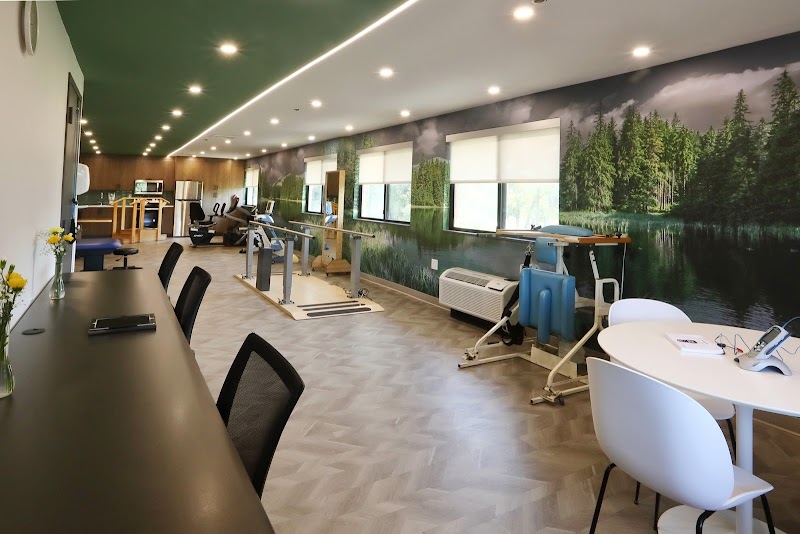
How is Complete Care At Heritage Llc Staffed?

CMS rates COMPLETE CARE AT HERITAGE LLC's staffing level at 2 out of 5 stars, which is below average compared to other nursing homes. Staff turnover is 60%, which is 14 percentage points above the Maryland average of 46%. High turnover can affect care consistency as new staff learn residents' individual needs. RN turnover specifically is 66%, which is notably high. RNs provide skilled clinical oversight, so turnover in this role can affect medical care quality.

What Have Inspectors Found at Complete Care At Heritage Llc?

State health inspectors documented 66 deficiencies at COMPLETE CARE AT HERITAGE LLC during 2017 to 2025. These included: 2 Immediate Jeopardy (the most serious level, indicating potential for serious harm or death), 1 that caused actual resident harm, and 63 with potential for harm. Immediate Jeopardy findings are rare and represent the most serious regulatory concerns. They require immediate corrective action.

Who Owns and Operates Complete Care At Heritage Llc?

COMPLETE CARE AT HERITAGE LLC is owned by a for-profit company. For-profit facilities operate as businesses with obligations to shareholders or private owners. The facility is operated by COMPLETE CARE, a chain that manages multiple nursing homes. With 177 certified beds and approximately 146 residents (about 82% occupancy), it is a mid-sized facility located in DUNDALK, Maryland.
How Does Complete Care At Heritage Llc Compare to Other Maryland Nursing Homes?

Compared to the 100 nursing homes in Maryland, COMPLETE CARE AT HERITAGE LLC's overall rating (2 stars) is below the state average of 3.0, staff turnover (60%) is significantly higher than the state average of 46%, and health inspection rating (1 stars) is much below the national benchmark.

What Should Families Ask When Visiting Complete Care At Heritage Llc?

Based on this facility's data, families visiting should ask: "What changes have been made since the serious inspection findings, and how are you preventing similar issues?" "What safeguards and monitoring systems are in place to protect residents from abuse or neglect?" "How do you ensure continuity of care given staff turnover, and what is your staff retention strategy?" "Can you walk me through typical staffing levels on day, evening, and night shifts?" These questions are particularly relevant given the facility's Immediate Jeopardy citations, the substantiated abuse finding on record, the facility's high staff turnover rate, and the below-average staffing rating.

Is Complete Care At Heritage Llc Safe?

Based on CMS inspection data, COMPLETE CARE AT HERITAGE LLC has documented safety concerns. The facility has 1 substantiated abuse finding (meaning confirmed case of resident harm by staff or other residents). Inspectors have issued 2 Immediate Jeopardy citations (the most serious violation level indicating risk of serious injury or death). The facility has a 2-star overall rating and ranks #100 of 100 nursing homes in Maryland. Families considering this facility should ask detailed questions about what corrective actions have been taken since these incidents.

Do Nurses at Complete Care At Heritage Llc Stick Around?

Staff turnover at COMPLETE CARE AT HERITAGE LLC is high. At 60%, the facility is 14 percentage points above the Maryland average of 46%. Registered Nurse turnover is particularly concerning at 66%. RNs handle complex medical decisions and coordinate care — frequent RN changes can directly impact care quality. High turnover means new staff may not know residents' individual needs, medications, or preferences. It can also be disorienting for residents, especially those with dementia who rely on familiar faces. Families should ask: What is causing the turnover? What retention programs are in place? How do you ensure care continuity during staff transitions?

Was Complete Care At Heritage Llc Ever Fined?

COMPLETE CARE AT HERITAGE LLC has been fined $162,297 across 2 penalty actions. This is 4.7x the Maryland average of $34,702. Fines at this level are uncommon and typically indicate a pattern of serious deficiencies, repeated violations, or failure to correct problems promptly. CMS reserves penalties of this magnitude for facilities that pose significant, documented risk to resident health or safety. Families should request specific documentation of what issues led to these fines and what systemic changes have been implemented.

Is Complete Care At Heritage Llc on Any Federal Watch List?

COMPLETE CARE AT HERITAGE LLC is not on any federal watch list. The most significant is the Special Focus Facility (SFF) program, which identifies the bottom 1% of nursing homes nationally based on persistent, serious quality problems. Not being on this list means the facility has avoided the pattern of deficiencies that triggers enhanced federal oversight. This is a positive indicator, though families should still review the facility's inspection history directly.