AUTUMN LAKE HEALTHCARE AT RIVERVIEW
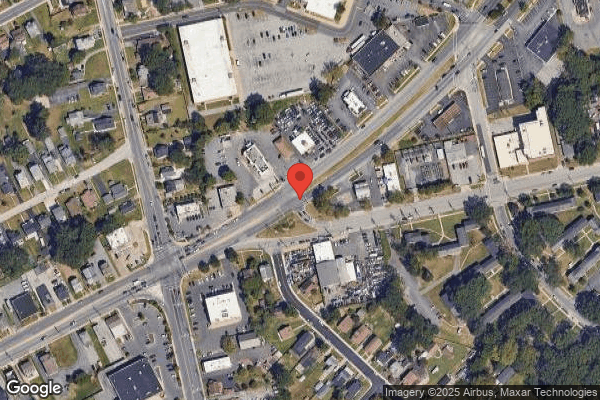
1 EASTERN BOULEVARD, ESSEX, MD 21221 (410) 574-1400
For profit - Limited Liability company 238 Beds AUTUMN LAKE HEALTHCARE Data: November 2025
Trust Grade
80/100
#4 of 219 in MD
Last Inspection: October 2021

Over 2 years since last inspection. Current conditions may differ from available data.

Overview

Autumn Lake Healthcare at Riverview has a Trust Grade of B+, indicating it is above average and recommended for families considering this facility. It ranks #4 out of 219 nursing homes in Maryland, placing it in the top tier, and is the highest-ranked facility in Baltimore County. The facility is improving, with issues decreasing from 10 in 2021 to only 2 in 2025. Staffing is a concern, with only 2 out of 5 stars and RN coverage lower than 88% of Maryland facilities, which means they may not have enough registered nurses to adequately monitor residents. While there have been no fines, which is a positive sign, specific incidents like the failure to post complaint information and unsafe conditions in resident areas highlight areas needing attention. Overall, the facility has strengths in its quality measures but should address its staffing and environmental safety issues.

Trust Score
B+
80/100
In Maryland
#4/219
Top 1%
Safety Record
Low Risk
No red flags
Inspections
Getting Better
10 → 2 violations
Staff Stability
○ Average
39% turnover. Near Maryland's 48% average. Typical for the industry.
Penalties
✓ Good
No fines on record. Clean compliance history, better than most Maryland facilities.
Skilled Nurses
⚠ Watch
Each resident gets only 29 minutes of Registered Nurse (RN) attention daily — below average for Maryland. Fewer RN minutes means fewer trained eyes watching for problems.
Violations
⚠ Watch
29 deficiencies on record. Higher than average. Multiple issues found across inspections.
★★★★★
5.0
Overall Rating
★★☆☆☆
2.0
Staff Levels
★★★★★
5.0
Care Quality
★★★★☆
4.0
Inspection Score
Stable
2021: 10 issues
2025: 2 issues

The Good

  • 5-Star Quality Measures · Strong clinical quality outcomes
  • Full Sprinkler Coverage · Fire safety systems throughout facility
  • No fines on record
  • Staff turnover below average (39%)

    9 points below Maryland average of 48%

Facility shows strength in quality measures, fire safety.

The Bad

Staff Turnover: 39%

Near Maryland avg (46%)

Typical for the industry

Chain: AUTUMN LAKE HEALTHCARE

Part of a multi-facility chain

Ask about local staffing decisions and management

The Ugly 29 deficiencies on record

Jun 2025 2 deficiencies
CONCERN (D) 📢 Someone Reported This

A family member, employee, or ombudsman was alarmed enough to file a formal complaint

Potential for Harm - no one hurt, but risky conditions existed

Report Alleged Abuse (Tag F0609)

Could have caused harm · This affected 1 resident

2. MD00204713 was reviewed on 5/30/25 at 1:15 PM for allegations of abuse to Resident #232. According to the investigation and a statement provided by staff, Environmental Staff (EVS) #18, who indicat...

Read full inspector narrative →
2. MD00204713 was reviewed on 5/30/25 at 1:15 PM for allegations of abuse to Resident #232. According to the investigation and a statement provided by staff, Environmental Staff (EVS) #18, who indicated that she overheard the resident say to GNA (#17), you are hurting me and the GNA went on to use [explicative] at the resident. Further review of the investigation revealed that the allegation could not be verified or refuted based on the timeline of events, interviews with the resident and other residents and no one else reported hearing cursing from the resident room. There was a possibility that Staff # 18 voiced the concern as retaliation towards Staff #17 due to the staff making a complaint about Staff #18 the previous day. An interview was conducted with the DON on 5/30/25 at 2:00 PM and she stated that according to the investigation, Staff # 18 allegedly overheard staff verbal abuse and did not report it until the next day. The DON stated that Staff #18 received a written warning for failure to report in a timely manner and that education was provided to staff. 3. MD00204531 was reviewed on 6/2/25 at 2:30PM for allegations of sexual abuse to Resident #222. According to the facility's investigation, two staff, a GNA (#26) and a Nurse (#27) overheard the resident screaming and immediately went to the resident room to see what was wrong. At that time the resident made accusations alleging seeing a black figure under the covers. Further review of statements provided by the speech therapist (Staff # 25) on 4/9/24 indicates the resident appeared visibly upset and distressed and reported to the therapist that someone tried to rape him/her last night. The resident told the therapist that two staff came into the room the previous night after s/he screamed and told him/her that she was dreaming and that no one was in the room. An interview was conducted with the DON on 6/3/25 at 1:30PM and she was asked to explain what the expectation of staff is when a resident report abuse allegations and she said that staff are to report any allegations of abuse immediately. The DON was then asked if Staff # 26 and # 27 were to report the resident allegations and she stated, yes. The staff should have reported this to administration, and they did not. The abuse allegations was unsubstantiated. All concerns were discussed with the Administration team on 6/3/25 at 6:15 PM at the exit conference. Based on review of administration documentation and interviews with facility staff it was determined the facility failed to report an injury of unknown origin and allegations of abuse to the State Agency in a timely manner. This was found to be evident for 3 (Resident #11, #232, #222) of 18 residents reviewed for abuse allegations during the survey. Findings include 1. On 5/30/2024 at 7:53 AM, a review of Resident #11's electronic medical record revealed a nursing note dated 6/23/2024 at 5:13 PM which state, Resident c/o left leg pain from the knee down while nurse and resident's daughter was in the room. X-ray of left leg was ordered awaiting for it to be done. Further review revealed imaging results for the left tibia and fibula, and left ankle exam completed on 6/23/2024 at 3:30PM and the report at 9:59 PM revealed that the resident sustained a left tibial fracture. An additional review of the resident's electronic medical record revealed a nursing note dated 6/23/2024 at 10:58 PM which stated, Resident transferred to [hospital] for acute nondisplaced mid tibial fracture. Further review failed to reveal documentation to verify if the source of the injury was observed by any person nor if the source of the injury could be explained by the resident. On 6/2/2025 at 11:40AM during an interview conducted with the Nursing Home Administrator (NHA), the Surveyor expressed the concern that Resident #11 sustained an injury of unknown origin on 6/23/2024, which x-ray confirmed a fracture of the left tibia. The Surveyor informed the NHA and the Director of Nursing (DON) that there was no documentation within the resident's medical record to indicate how and when the fracture occurred and if the facility investigated the injury. An injury of unknown origin, unobserved/unexplained fracture, is an incident that should be reported to the Office of Health Care Quality within 2 hours of their knowledge. The NHA nor the DON were able to provide documentation of an investigation in which the staff and resident were able to explain how the resident sustained the injury. There was no record of a facility reported incident from the facility.
CONCERN (D) 📢 Someone Reported This

A family member, employee, or ombudsman was alarmed enough to file a formal complaint

Potential for Harm - no one hurt, but risky conditions existed

Food Safety (Tag F0812)

Could have caused harm · This affected 1 resident

2. Food temperatures above 41 degrees Fahrenheit (for cold foods) and below 135 degrees Farhenheit (for hot foods) allow the rapid growth of pathogenic microorganisms that can cause foodborne illness....

Read full inspector narrative →
2. Food temperatures above 41 degrees Fahrenheit (for cold foods) and below 135 degrees Farhenheit (for hot foods) allow the rapid growth of pathogenic microorganisms that can cause foodborne illness. On 06.01.25 at 12:30 PM the surveyor observed the kitchenette/galley serving station in the Seagull activity room/dining room. There was no dietary aide present in the galley preparation area. The surveyor observed a bin of small containers/cups of apricots and applesauce that were not refrigerated on the second shelf next to the hot water/steam serving table. The outside of the containers were warm to touch. The surveyor observed the 40 residents in the Seagull dining room waiting to be served their lunch meal. Six geriatric nursing assistants (GNAs) were present in the dining room. On 06.01.25 at 1:07 PM the surveyor observed the dietary staff # 11 enter the galley area and unloaded the food items to the steam table. The surveyor during the interview informed dietary staff #11 of the presence of the cups of apricots and applesauce that were unrefrigerated. Staff #11 stated that he/she had prepared the fruit cups in the kitchen earlier that morning and could place these items in the refrigerator now to chill. The surveyor requested that dietary staff #11 perform a temperature test on the cups of fruit and the results were: 1. Applesauce temperature: 70.2 degrees Fahrenheit 2. Apricot slices: 50 degrees Fahrenheit Since the temperatures for the applesauce and apricot slices should have tested at 41 degrees Farhenheit or lower, after the temperature testing of the fruit and applesauce cups staff #11 stated that he/she would dispose of the food items in the kitchen after the noon meal was served to the residents. These potential deficiencies were discussed with the administrator, and the director of nursing on 06.01.25 prior to the surveyors leaving the facility at 2:30 PM. Based on observations and interviews with facility staff it was determined the facility failed to ensure staff wore appropriate hair restraints while in food preparation areas and failed to store and/or refrigerate food items at a safe temperature. This was found to be evident during initial tour of the kitchen and during observations made during dining experiences during the survey. The findings include: 1. On 05/27/25 at 7:45 AM, during the initial kitchen observation and tour, the surveyor observed Staff #33 walking towards the exit of the kitchen from the area where food was prepared without wearing a hairnet. A clearly posted sign at the kitchen entrance stated, Hairnets Required Beyond This Point. This concern was brought to the attention of the Director of Nursing and the Nursing Home Administrator (NHA) during the end-of-day conference on 05/27/25. The NHA stated at this time that hairnets were to be worn in the kitchen areas which is in accordance with professional standards for food service safety.
Oct 2021 10 deficiencies
CONCERN (D)

Potential for Harm - no one hurt, but risky conditions existed

Resident Rights (Tag F0550)

Could have caused harm · This affected 1 resident

Based on surveyor observations and interview with facility staff and residents, the facility staff failed to protect and value resident's private space (residents #22, #45, #72 & #110). This was evide...

Read full inspector narrative →
Based on surveyor observations and interview with facility staff and residents, the facility staff failed to protect and value resident's private space (residents #22, #45, #72 & #110). This was evident for 4 out of 75 residents reviewed during a recertification survey. The findings include: On 10/13/21 at 11:30 AM, during the initial tour of the Swan and Egret units, the Surveyor observed several incidents of facility nursing staff failing to protect and value residents' private space by not knocking on resident doors and requesting permission before entering residents' rooms. The Surveyor observed facility staff failing to knock on resident doors and request permission before entering resident's rooms for residents #22, #45, #72 & #110. Interview with resident #110 on 10/14/21 at 10:45 AM revealed that it was normal for facility staff to enter resident #110's room without knocking on the door or asking permission. The surveyor observed facility staff failing to knock on resident #110's room door and request permission before entering on 10/15/21 at 9:15 AM, 10/19/21 at 10:15 AM and 10/21/21 at 11:50 AM. On 10/27/21 at 12:45 PM, the Surveyor voiced concerns of a patient's right to dignity and privacy with the Director of Nursing (DON). The DON acknowledged the deficient practice.
CONCERN (D)

Potential for Harm - no one hurt, but risky conditions existed

Investigate Abuse (Tag F0610)

Could have caused harm · This affected 1 resident

2. On 10/25/21 at 10:15 am surveyor investigated Facility Report Incident MD#00166368 which included reviewing the facility ' s investigation. Resident #125 reported on 04/21/21 he/she had been molest...

Read full inspector narrative →
2. On 10/25/21 at 10:15 am surveyor investigated Facility Report Incident MD#00166368 which included reviewing the facility ' s investigation. Resident #125 reported on 04/21/21 he/she had been molested for over a year and his/her roommate was cutting his/her hair every night. The facility interviewed staff who provided care to the resident; none of the staff heard or saw anything unusual regarding Resident #125. The roommate was bedbound when the incident was reported and Resident #125 had multiple accounts of what happened. The person Resident #125 accused of molesting her, the facility did not have any employees or residents with that name. The resident had a care plan for sexual inappropriateness. The allegations could not be substantiated. The facility did not notify law enforcement of the sexual allegations. On 10/25/21 at 10:46 AM an interview with the Director of Nursing (DON), Staff #3, revealed after Resident #125 reported being molested for a year, facility staff reviewed the cameras in the hallway to see if there was any kind of abnormal activity. There was no type of evidence that anything had occurred. At the time of the reported incident, the facility did not have a resident or employee with that name working there. They were unable to substantiate the allegation of abuse. The Director of Nursing Staff #3 confirmed law enforcement was not called; the incident was not reported to law enforcement. Based on review of the facility's investigative report, record review, observation, and staff interview it was determined that the facility staff failed to thoroughly investigate an allegation of resident abuse nor notify law enforcement when a resident reported sexual and physical abuse. This was evident for 2 of 13 residents (Resident #133, #125) reviewed for abuse during this recertification/complaint survey. The findings include: On 10/20/2021, Surveyor review of the facility reported incident #MD00138808 revealed that on 4/1/2019 Resident #133 complained to the nurse manager that on Saturday 11-7 shift, resident's Geriatric Nursing Assistant (GNA # 81) threw a small piece of a diaper tab in their face while receiving incontinence care. Further review of the facility investigation revealed the facility was not able to substantiate the abuse, however the facility failed to do a thorough investigation. The facility failed to interview other staff members or residents during the investigation. Surveyor found written interviews from the resident, the nurse, and GNA #81. GNA #81's statement revealed that she got help from another GNA on Sunday 3/31/2019. However, there were no interviews on file from that GNA, other staff members or residents. An interview was conducted on 10/20/2021 at 12:14 PM with the Director of Nursing (DON). The DON was asked if anyone else was interviewed. She said she would check with the unit manager, Staff # 78. On 10/20/2021 at 1:38 PM, the DON came back and said she checked with the unit manager (Staff # 78) and no other residents or staff were interviewed. On 10/21/2021 at 11:19 AM, When the DON was asked why a thorough investigation was not conducted, she responded by saying that GNA #81 worked every other weekend and has never had any issues with the staff or any other resident. On 10/27/2021 at 12:16 PM, in an interview with the surveyor, Staff #78 was asked if anyone else was interviewed apart from the resident, the nurse, and GNA # 81. Staff # 78 responded I don't remember interviewing the other residents on the GNA's team. Resident's roommate at the time had dementia and was non-interviewable.
CONCERN (D)

Potential for Harm - no one hurt, but risky conditions existed

Pharmacy Services (Tag F0755)

Could have caused harm · This affected 1 resident

**NOTE- TERMS IN BRACKETS HAVE BEEN EDITED TO PROTECT CONFIDENTIALITY** FACILITY Medication Storage and Labeling Med Carts: 100- Crane [DATE] 12:38 PM Team 1 Med Cart [DATE] 12:41 PM [NAME] RN- demo...

Read full inspector narrative →
**NOTE- TERMS IN BRACKETS HAVE BEEN EDITED TO PROTECT CONFIDENTIALITY** FACILITY Medication Storage and Labeling Med Carts: 100- Crane [DATE] 12:38 PM Team 1 Med Cart [DATE] 12:41 PM [NAME] RN- demonstrated Narc count procedure. Able to unlock the narc box on the med cart. total of 16 cards on narc sheet and 16 cards counted in lock box. [NAME]- Inhaler Albuterol still here (resident has expired) . RN [NAME] made aware. Team 2 Med cart; Clean organized cart. If there is an expired medication what do you do We waste them in the locked sharps box on the side of the cart. we do not -- [NAME], LPN Following residents randomly selected for review for d/c status [NAME] RM [ROOM NUMBER]-3 [NAME] RM [ROOM NUMBER]-1 [NAME] RM [ROOM NUMBER]-2 [NAME] RM [ROOM NUMBER]-1 300- Swan [DATE] 12:54 PM [NAME], LPN Team A Med Cart Basalar & Novolg x 4 no open date listed- correction made and dates added by Unit Manager Team B Med Cart Vit D exp 6/21 expired meds taken by RN [NAME] Following residents randomly selected from Med cart to verify residence or discharged [NAME] RM [ROOM NUMBER]-1 [NAME] RM [ROOM NUMBER]-2 [NAME] RM [ROOM NUMBER]-2 400- Egret: [DATE] 09:57 AM LPN [NAME] verified 3 residents randomly chosen are still here. Med cart #1 third draw down sticky red substance seen on bottom interior surface--LPN made aware. Med cart # 2LPN verified Team 1 narcotic count. No concerns. [DATE] 10:10 AM Med cart (3) [NAME] LPN Following residents randomly selected from Med cart to verify residence or discharged [NAME]-- RM [ROOM NUMBER]-2 [NAME]-- RM [ROOM NUMBER]-3 [NAME]-- RM [ROOM NUMBER]-1 Med Storage 200- [NAME]: [DATE] 12:34 PM Lock box unlocked and removable from refrigerator. Empty - no contents inside. Temp on inside fridge door reading is 40 deg F. Contents feel colder than 40 deg. Temp log has 4 areas where entries are missing. [DATE], 22, 25. 500- [NAME]: [DATE] 09:45 AM 52 deg viewed on both internal thermometers RECHECKXXX[DATE] 01:10 PM [NAME], nurse gave an update on the refrigerator: a new refrigerator is on the unit and has been plugged in to create the appropriate temperature while the original refrigerator remained on to keep the medication chilled. Narcotic lock box is removable from the refrigerator. Biscodyl 10mg suppository exp 08-31-2021 opened box with 2 units inside. Aspirin 325 mg open bottle open date [DATE] expired 01/2021, calcium 600 mg exp 9/021, Cranberry 405mg exp 4/2021 opened on [DATE], docusate 100mg exp [DATE]. [NAME] Unit manager made aware of findings. UM removed expired mediations. States she will make maintenance aware of the lock box to be secured to refrigerator. [DATE] 12:21 PM Surveyors revisited the fridge to check temp. Interviewed the UM and she stated [NAME] (Maintenance) addressed the temp and will replace fridge if needed and she made maintenance aware of the lock box. 600- Seagull: Locked box is removable from refrigerator. Able to pick it up and remove it. It contained 3 unopened boxes of Lorazepam 2mg/mL. Expiration dates of October and [DATE] which are good. Review of Humalog Kwick pens (insulin pens) 19 total. and 1 of 19 expired on 1/2021 for resident [NAME], [NAME] ([NAME]). Nurse says pens expiration dates would be checked before administering to resident. Also notified of detached narcotic box. States she will notify maintenance immediately. Temp log is missing entries for [DATE] 21 23 25 Glucometer checks have same dates as above One of the above head middle cabinet contain medications ( Albuterol Sulfate Ipratropium Bromide inhaler) and other items such as pill crush pouches, glucometers, resident personal belongings (wrist watch and bracelet) also a resident's mail (sealed) for [NAME]. Based on review of narcotic change of shift counts, it was determined that the facility failed to ensure that narcotic medications were consistently reconciled by two nurses at change of shift. This was evident for 1 (Egret, 400's unit) of 3 nursing units reviewed for accuracy and completeness of controlled medication storage and documentation. The findings include: Narcotic (controlled) medication, due to its potential for abuse and addiction, is required to be thoroughly tracked and accounted for by the facility. This includes but is not limited to an accounting of all narcotics in storage whenever a change of shift among nursing staff occurs. This medication count must be performed by two nursing staff at the same time to verify the counts being conducted. Any discrepancy in the count from what is expected to be found must be addressed immediately. In the course of performing the medication storage facility task, the surveyor reviewed the narcotic count logs for October, 2021, for the Egret unit at [DATE] at 1:20 PM. During the review, it was noted that two signatures were not present for the following changes of shift: For Cart 1: [DATE], 3-11 shift: only one signature [DATE], 11-7 shift: no signatures [DATE], 7-3 shift: only one signature [DATE], 3-11 shift: only one signature [DATE], 3-11 shift: only one signature [DATE], 11-7 shift: only one signature [DATE], 11-7 shift: only one signature [DATE], 3-11 shift: only one signature For Cart 2: [DATE], 11-7 shift: only one signature [DATE], 3-11 shift: only one signature [DATE], 11-7 shift: only one signature [DATE], 3-11 shift: no signatures [DATE], 11-7 shift: only one signature [DATE], 11-7 shift: only one signature [DATE], 7-3 shift: only one signature [DATE], 11-7 shift: no signatures [DATE], 7-3 shift: only one signature [DATE], 3-11 shift: only one signature The facility provided the surveyor with staffing logs for the Egret unit in October and these were reviewed on [DATE]. Based on the review of staffing sheets, the gaps on [DATE]'s 3-11 shift and [DATE]'s 7-3 and 3-11 shifts can be explained because of staff working double shifts. The provided staffing sheets did not explain the other gaps in the narcotic signature log.
CONCERN (E)

Potential for Harm - no one hurt, but risky conditions existed

Deficiency F0574 (Tag F0574)

Could have caused harm · This affected multiple residents

**NOTE- TERMS IN BRACKETS HAVE BEEN EDITED TO PROTECT CONFIDENTIALITY** AL Riverview F574 Based on observations and interviews, the facility failed to post contact information for the Ombudsman and p...

Read full inspector narrative →
**NOTE- TERMS IN BRACKETS HAVE BEEN EDITED TO PROTECT CONFIDENTIALITY** AL Riverview F574 Based on observations and interviews, the facility failed to post contact information for the Ombudsman and provide the correct contact information to file a complaint with the Office of Healthcare Quality. The findings include: The Long-Term Care (LTC) Ombudsman advocates for residents of nursing homes by protecting their rights and promoting the well-being of residents of Long-Term Care facilities. They work to resolve problems of individual residents and to bring about changes at the local, state, and national levels that will improve residents' care and quality of life. The Office of Health Care Quality (OHCQ) is the agency within the Maryland Department of Health charged with monitoring the quality of care in Maryland ' s health care facilities and community-based programs. On 10/21/21 at 11:33 am during the Resident Council meeting the residents denied knowing how to file a complaint with the state and how to reach the LTC Ombudsman ' s office about concerns. 10/21/21 at 11:52 am Next to the elevator on the Seagull unit there is a poster with information to file nursing home complaints, but the information is outdated. A copy of the residents ' rights and ombudsman contact information was not posted. There is not a copy of the resident's rights, the ombudsman contact information, and the state phone number listed on the units Egret and [NAME] located on the second floor. On the first floor on the wall between the Mailroom and the Admissions office, there is a plaque with information to file a Nursing Home Complaint and information about resident abuse. The plaques do not have updated information to file a complaint. 10/22/21 at 11:29 am interview with Ombudsman #80: He/she has been the ombudsman for [NAME] Lake Riverview for about two years. He/she visited the facility twice this week. He/she plans to ask the Activities Director for permission to attend the next Resident Council meeting. The Ombudsman office has a strong volunteer presence and they can come to the facility to do teaching and routine advocacy visits. On 10/22/21 at 1:38 pm the DON#3 was made aware, during the resident council meeting the residents reported they are not aware of their rights, how to file a complaint with the state, and they do not know who the ombudsman is or how to contact the ombudsman. On 10/22/21 at 1:55 pm an interview with DON#3, when residents are admitted they receive a copy of their rights, how to file a complaint with the state, and contact information for the ombudsman. This was the ombudsman ' s second time in the building; there have been telephone conferences since COVID. Typically they come around and introduce themselves. On 10/25/21at 8:30 am reviewed the facility's admission packet, the resident's rights are included, and the information to reach the ombudsman. Information to contact OHCQ was not included in the packet.
CONCERN (E)

Potential for Harm - no one hurt, but risky conditions existed

Deficiency F0577 (Tag F0577)

Could have caused harm · This affected multiple residents

AL Riverview F577 Based on observation and interviews, the facility staff failed to have the survey results book readily accessible for review by residents, family members, and legal representatives o...

Read full inspector narrative →
AL Riverview F577 Based on observation and interviews, the facility staff failed to have the survey results book readily accessible for review by residents, family members, and legal representatives of residents in areas of the facility that are prominent and accessible to the public. This was found to be evident during observations made during the facility's annual Medicare/Medicaid survey. The findings include: On 10/21/21 at 11:33 am during the resident council meeting the residents verbalized they were not aware the facility had a copy of the survey results nor where to find the survey book. On 10/21/21 at 12:00 pm, two surveyors went to the front lobby to assess whether the survey book was readily accessible. Observation of the area confirmed the facility ' s survey book was not was not visible. The surveyors asked the receptionist for the facility ' s survey book. On 10/25/21 at 8:48 am during an interview with the Director of Nursing (DON) (Staff #3). The DON stated the facility ' s lobby has changed since COVID, and the survey book was on a table in the front lobby between chairs prior to COVID. The book will be moved to another location so it can be accessible. On 10/26/21 at 11:12 am during an interview with the Front Desk Receptionist #81 he/she stated the survey results book has been in the corner since May of 2020 when he/she started working at the facility. No one has asked to look at the surveyor book, and the DON has not said anything to him/her about moving the book to another location.
CONCERN (E)

Potential for Harm - no one hurt, but risky conditions existed

Safe Environment (Tag F0584)

Could have caused harm · This affected multiple residents

**NOTE- TERMS IN BRACKETS HAVE BEEN EDITED TO PROTECT CONFIDENTIALITY** AL Riverview F584 Based on observations and interviews the facility failed to ensure the environment was maintained in a manner ...

Read full inspector narrative →
**NOTE- TERMS IN BRACKETS HAVE BEEN EDITED TO PROTECT CONFIDENTIALITY** AL Riverview F584 Based on observations and interviews the facility failed to ensure the environment was maintained in a manner that was safe, comfortable, and homelike. This was evidenced for 4 of 46 resident rooms and in 1of 2 communal dining areas observed during the survey. The findings include: On 10/13/21 at 7:47 am during the initial tour, the communal dining room located on the 2nd floor had two chairs that were broken. There was a white substance in an electrical outlet on the wall near the emergency cart, and a metal hook on the wall about 12 inches from the electrical outlet. On 10/14/21 at 11:20 am the air conditioner near the window in room [ROOM NUMBER] had a black substance on the exterior grate. On 10/15/21 at 12:02 pm the hand sanitizer dispenser in room [ROOM NUMBER] did not work and it was not tightly secured to the wall. On 10/26/21 at 10:08 am during a walk-through of [NAME] with Maintenance Director #30 the commode in room [ROOM NUMBER] was stopped up. On 10/26/21 at 10:26 am during a walk-through of Egret with Maintenance Director #30 room [ROOM NUMBER] had a hole in the wall behind the resident ' s bed and the wall next to the resident ' s bed had a large area with paint rubbed off the wall. On 10/26/21 at 10:04 am during an interview with the Director of Maintenance # 30 stated the maintenance schedule is computer-based and they have a set schedule. Preventive maintenance is done daily, weekly, quarterly, and biannually. If a repair is needed they would be notified via computer and fix it. Environmental rounds are done monthly per unit. The water is checked daily. He/she makes sure the repairs are done and monitors if the repairs are done in a timely matter. Safety concerns are addressed immediately. On 10/26/21 at 10:28 am during an interview with GNA#33 he/she reported if there is broken equipment he/she would tell the nurse and enter the information into the maintenance tracker. On 10/26/21 at 10:38 am during an interview with LPN#76 he/she reported if any equipment is broken, paint chipping, or call bell is not working maintenance will be notified.
CONCERN (E)

Potential for Harm - no one hurt, but risky conditions existed

Deficiency F0658 (Tag F0658)

Could have caused harm · This affected multiple residents

Based on observation of medication administration, interview with facility staff, and review of facility policy, it was determined that the facility failed to ensure that nursing staff followed profes...

Read full inspector narrative →
Based on observation of medication administration, interview with facility staff, and review of facility policy, it was determined that the facility failed to ensure that nursing staff followed professional standards of medication administration when Certified Medical Assistant (CMA) #6 failed to document all medications that were administered to Resident #24 at the time that they were administered. This was evident for 5 of 26 medications observed during the medication administration observation. The findings include: The surveyor observed CMA #6 administer medication to Resident #24 on 10/20/21 at 7:45 AM. During the observation, CMA #6 administered nine different medications to Resident #24: lisinopril, colace, a multivitamin, metoprolol, glipizide, low-dose aspirin, vitamin D3, Januvia, and gabapentin. The resident took and ingested all medication. The surveyor reviewed Resident #24's Medication Administration Record (MAR) on 10/20/21 at 8:50 AM, 9:20 AM, and 9:55 AM. On all three checks, the MAR showed that only four medications had been administered by CMA #6: lisinopril, colace, the multivitamin, and metoprolol. In reviewing the five administered medications that were not documented, it was noted by the surveyor that all five medications were scheduled to be administered relatively later in the morning. Whereas lisinopril, colace, the multivitamin, and metoprolol were all scheduled to be administered at 8:00 AM, glipizide, low-dose aspirin, and vitamin D3 were scheduled for 9:00 AM and Januvia and gabapentin were scheduled for 10:00 AM. The MAR was rechecked at 10:20 AM and all nine medications were documented as having been given. The surveyor interviewed CMA #6 on 10/20/21 at 10:25 AM. At first during the interview, CMA #6 indicated that certain medications were not signed off because of a need to move between the dining room and resident hallways, changing computer terminals in the process. But when pressed further about why certain medications were not signed off for Resident #24, CMA #6 then indicated that she had to wait awhile for some medications to be signed off. The surveyor reviewed the policy titled Administering Medications on 10/20/21 at 2:00 PM. The policy stated, Medications must be administered in accordance with the orders, including any required time frame, and, Medications must be administered within one (1) hour of their prescribed time, unless otherwise specified. It also stated, The individual administering the medication must initial the resident's MAR on the appropriate line after giving each medication and before administering the next ones. The DON was made aware of these findings on 10/20/21 at 12:05 PM.
CONCERN (E)

Potential for Harm - no one hurt, but risky conditions existed

Unnecessary Medications (Tag F0759)

Could have caused harm · This affected multiple residents

Based on observation, interview with facility staff, and review of facility policies, it was determined that the facility failed to have a medication error rate of less than 5% during the medication o...

Read full inspector narrative →
Based on observation, interview with facility staff, and review of facility policies, it was determined that the facility failed to have a medication error rate of less than 5% during the medication observation facility task. This was evident for 4 of 26 medications administered during the observation. The findings include: During a medication administration observation that took place on 10/20/21 at 7:36 AM, the surveyor observed Certified Medical Assistant (CMA) #6 administer medications to Resident #80. The medications included a tablet of Lexapro 10mg (miligrams). Later at 7:45 AM, the surveyor observed CMA #6 administer medications to Resident #24 including Januvia and Gabapentin. During a second medication administration observation that took place on 10/20/21 at 8:01 AM, the surveyor observed Registered Nurse (RN) #7 administer medications to Resident #3. During the administration, RN #7 gave Resident #3 a dose of Wixela inhaler. The RN administered the medication by placing the mouthpiece of the inhaler in Resident #3's mouth and depressing the plunger. RN #7 failed to provide instructions to Resident #3 regarding breathing in or holding the breath, and Resident #3 did not hold his/her breath after receiving the dose. The surveyor reviewed Resident #80's medical record on 10/20/21 at 8:40 AM. The revew revealed that Resident #80's Lexapro dose was changed from 10mg to 15mg on 10/19/21. The surveyor reviewed Resident #24's medical record on 10/2/21 at 8:45 AM. The review revealed that Resident #24's Januvia and Gabapentin were both scheduled to be administered at 10:00 AM. The surveyor reviewed the administration instructions for Wixela on 10/2/21 at 9:16 AM. The instructions state, Before you breathe in your dose from the inhaler, breathe out (exhale) as long as you can while you hold the inhaler away from your mouth. Do not breathe into the mouthpiece. Put the mouthpiece to your lips. Breathe in quickly and deeply through the inhaler. Do not breathe in through your nose. Remove the inhaler from your mouth and hold your breath for about 10 seconds, or for as long as is comfortable for you. Breathe out slowly for as long as you can. The surveyor reviewed the policy titled Administering Medications on 10/20/21 at 2:00 PM. The policy stated, Medications must be administered in accordance with the orders, including any required time frame, and, Medications must be administered within one (1) hour of their prescribed time, unless otherwise specified.
CONCERN (E)

Potential for Harm - no one hurt, but risky conditions existed

Deficiency F0761 (Tag F0761)

Could have caused harm · This affected multiple residents

Based on observation and interview with facility staff, it was determined that the facility failed to ensure that medications requiring refrigeration were stored at the correct temperature, that medic...

Read full inspector narrative →
Based on observation and interview with facility staff, it was determined that the facility failed to ensure that medications requiring refrigeration were stored at the correct temperature, that medication was not kept in storage beyond its expiration date, and that narcotic lock boxes in medication refrigerators were secured to the inside of the refrigerator and could not be removed. This was evident for 1 of 3 medication refrigerators and 3 of 3 medication rooms reviewed during the survey. The findings include: During a tour of the 600 unit medication room that took place on 10/25/21 at 9:16 AM, the surveyor found that the lock box in the refrigerator was not permanently affixed to the inside of the refrigerator. It contained three unopened 30 mL vials of Lorazepam, 2mg per mL. A pack of 19 Humanlog Kwikpen insulin pens were reviewed and 1 of the 19 had expired, with an expiration date of January, 2021. Review of the temperature logs showed that temperatures were not recorded 10/9/21, 10/19/21, 10/21/21, 10/23/21, and 10/25/21. The surveyor spoke with Licensed Practical Nurse (LPN) #75 at that time. LPN #75 discarded the expired Kwikpen and placed a call to the Director of Maintenance (Staff #30) to communicate regarding the lock box. During a tour of the 500 unit medication room that took place on 10/25/21 at 9:53 AM, the surveyor identified that the narcotic lock box in this refrigerator was also removable. The refrigerator temperature was 52 degrees. The temperature log stated that the temperature of the refrigerator should not exceed 45 degrees fahrenheit. None of the readings on the temperature log for the month of October, 2021, exceeded 45 degrees. Also, the following expired medications were found in the refrigerator: Biscodyl 10mg suppository exp 08-31-2021 opened box with 2 units inside. Aspirin 325 mg open bottle open date 3/29/2021 expired 01/2021, calcium 600 mg exp 9/021, Cranberry 405mg exp 4/2021 opened on 3/29/2021, docusate 100mg exp August 2021. In an interview with Unit Manager (UM) #78, the UM confirmed that the temperature of the refrigerator in the medication room exceeded the acceptable limit and that a call had been placed to the maintenance department. The maintenance director was also expected to place a thermometer deeper inside the refrigerator. During a tour of the 200 unit medication room that took place on 10/25/21 at 12:31 PM, the surveyor identified that the narcotic lock box in this refrigerator was also removable. Review of the temperature log revealed that temperatures were not recorded for 10/1/21, 10/12/21, 10/17/21, 10/22/21, and 10/25/21. During an interview with the Maintenance Director (Staff #30) that took place on 10/26/21 at 10:12 AM, the maintenance director indicated that the medication refrigerator had been replaced yesterday but that the replacement refrigerator was maintaining temperatures too low. So medication was returned to the first refrigerator supplemented with ice packs and a new refrigerator has been ordered. The maintenance director also stated that the lock box in the 600 unit had been permanently affixed to the refrigerator's interior. He stated that all medication refrigerator lock boxes would be reviewed and attached.
CONCERN (E)

Potential for Harm - no one hurt, but risky conditions existed

Food Safety (Tag F0812)

Could have caused harm · This affected multiple residents

Based on observation and interview with facility staff, it was determined that the facility failed to ensure that food was prepared and stored in accordance with professional standards for food servic...

Read full inspector narrative →
Based on observation and interview with facility staff, it was determined that the facility failed to ensure that food was prepared and stored in accordance with professional standards for food service safety. This had the potential to affect all residents in the facility. The findings include: The surveyor conducted an initial brief tour of the kitchen on 10/13/2021 at 7:44 AM with the Kitchen Supervisor/ [NAME] (staff #13). During the tour, the surveyor observed 1) a tray with one pork tenderloin thawing in the refrigerator on bottom shelf without a date the thawing began, 2) paper trash in the ice cream freezer which was contained a small cardboard box on top of frozen goods, 3) wet nesting of clean white dessert bowls, wet-nesting occurs when wet dishes or pots and pans are stacked, preventing them from drying, and creating conditions that are ripe for microorganisms to grow, 4) alfredo sauce in a metal container laid on top of several loaves of bread in the freezer 5) ice on the ceiling of the walk in freezer with evidence of droplets of condensation with multiple small ice mounds on the back ceiling of the freezer and water damage to the boxes directly below on the top shelf of the storage rack. Staff #13 made aware of findings at that time. On 10/26/2021 10:09 AM the surveyor held an Interview with Maintenance Director (staff #30) who said, The dishwasher is a leased machine and so they get in contact with the company directly. That's the only leased item in the kitchen. We are aware of the freezer ice. We've taken some steps to correct the problem but we'll eventually have to replace. We had the refrigeration company come in to review the controls, sealed some of the spots inside. Typically it sucks in the moisture and that's what happens. I truly believe the insulation has deteriorated behind it because it's happened for so long. We had to remove everything out to the kitchen. That was the first time it had been fully defrosted and that may have helped the ventilation deteriorate further. During an inspection of the dry storage area that took place on 10/21/2021 9:30 AM the surveyor and staff #13 observed 1) canned goods -alpine apple sauce, monarch sliced beets, monarch dark red kidney beans- with a compromised seal, 2) Twenty to Thirty expired packaged food items were on the shelves in the emergency storage area. These items included Ritz crackers that expired on 11/26/2019 where the packaging of the individual crackers were sticky and melted. Also, part of the expired items were multiple boxes canned meat ravioli that expired in 2020. Staff #13 stated, We discarded the identified expired items and have ordered new items. The surveyor conducted a follow up tour of the kitchen on 10/21/2021 12:02 PM. During the tour the surveyor observed 1) staff #20 handling clean cups on the inside without gloves on for tray line service, 2) temperature and pressure dials on the dishwasher were not working 3) the triple sink sanitizer level was too low, registering at less than 100 parts per million, this was demonstrated and confirmed by staff #13, 4) holding temperatures for two pans of a food tray line item- baked ziti (a pasta dish)- were recorded by staff #13. The first recorded temperature was at 125 degrees Fahrenheit and then retested a few seconds later and measured at 132 degrees Fahrenheit. Corrective action taken by staff #13 to increase food temperature to 135 degree Fahrenheit were made immediately. During a follow up tour of the kitchen that took place on 10/26/2021 12:40 PM the surveyor and the Director of Food service (staff #73) observed the dials and thermometers functioning while the dishwasher was in use. The CDM stated the dish washer maintained heat but it often mixes with the cold water supply line that is on the same side as the dishwasher and the facility is aware of the issue and has a ticket in for repair. On 10/26/2021 1:15 PM surveyors held an interview with staff #73 and discussed the findings during the initial tour of the kitchen held on 10/13/2021 and the follow up tour of the kitchen on 10/21/2021 and 10/26/2021.
Sept 2018 12 deficiencies
CONCERN (D)

Potential for Harm - no one hurt, but risky conditions existed

Resident Rights (Tag F0550)

Could have caused harm · This affected 1 resident

Based on observation, it was determined that the facility staff failed to provide a dignified dining experience for a resident. This was evident during the initial tour and observation of Geriatric Nu...

Read full inspector narrative →
Based on observation, it was determined that the facility staff failed to provide a dignified dining experience for a resident. This was evident during the initial tour and observation of Geriatric Nursing assistants aiding during breakfast. The findings include: Observation of the breakfast meal service on the first floor on 09/24/18 at 9:15 AM revealed Resident #35 was left sitting in his/her recliner chair with food particles all over the front of Resident #35's shirt. No staff were around Resident #35 at the time of this observation.
CONCERN (D)

Potential for Harm - no one hurt, but risky conditions existed

Deficiency F0561 (Tag F0561)

Could have caused harm · This affected 1 resident

Based on record review, observation and interview, it was determined the facility staff failed to provide Resident #19 with food choices. This was evident for 1 of 41 residents selected for review dur...

Read full inspector narrative →
Based on record review, observation and interview, it was determined the facility staff failed to provide Resident #19 with food choices. This was evident for 1 of 41 residents selected for review during the survey process. The findings include: 1 A. The facility staff failed to provide Resident #19 with finger foods as ordered by the physician. Medical record review for Resident #19 revealed the resident was admitted to the facility with diagnosis which included, but not limited to dementia. Dementia is a general term for a decline in mental ability severe enough to interfere with daily life. Further record review revealed on 1/30/18 the physician ordered: finger foods. People with dementia can face several challenges when sitting down to a meal. A common difficulty faced in middle to late stage dementia is coordinating eating and drinking. People with dementia might also struggle to use a knife and fork. Using finger foods in place of traditional meals may prolong a resident's independence and stimulate them to eat more frequently. Finger foods can be eaten easily, without the need for cutlery, hold their form when picked up and require limited chewing. Surveyor observation of the resident's breakfast on 9/26/18 at 8:30 AM revealed the resident served a bowl of oatmeal. On 9/26/18 at 1:00 PM the resident's lunch observed, and the resident was noted to have a bowl of pudding with whipped cream. 1 B. The facility staff failed to honor Dislikes/Do Not Serve foods for Resident #19. Surveyor observation of Resident #19's lunch on 9/26/18 at 1:00 PM revealed the resident's lunch ticket from the kitchen revealed Resident #19 disliked and was not to be served: turkey sandwich, tuna salad sandwich, egg salad sandwich, chef's salad, chicken noodle soup and tomato soup. Further observation of the resident's lunch revealed the facility staff served Resident #19 tomato soup. Interview with the Director of Nursing on 9/26/18 at 1:00 confirmed the facility staff failed to provide Resident #19 with finger foods as ordered and provided Resident #19 with tomato soup which was noted as a dislike and not to be served.
CONCERN (D)

Potential for Harm - no one hurt, but risky conditions existed

Deficiency F0608 (Tag F0608)

Could have caused harm · This affected 1 resident

Based on a resident complaint, reviews of administrative documents and staff interview, it was determined that the facility failed to 1) notify the State Survey Agency of 2 allegations of misappropria...

Read full inspector narrative →
Based on a resident complaint, reviews of administrative documents and staff interview, it was determined that the facility failed to 1) notify the State Survey Agency of 2 allegations of misappropriation of resident property on 03/07/18 and 07/12/18, and 2) notify local law enforcement of an allegation of misappropriation of resident property on 07/12/18. This was evident for 1 (Resident #84) of 6 residents reviewed for abuse during an annual recertification survey. The findings include: During an interview with Resident #84 on 09/25/18 at 9:54 AM, Resident #84 stated that s/he had missing money 6 months ago. Resident #84 stated s/he reported to the facility staff. In an interview with the facility Director of Nurses (DON) on 09/26/18 at 10:45 AM, the facility DON produced 2 facility grievance forms, one dated 03/07/18 in which Resident #84 alleged $105 dollars went missing from Resident #84's locked drawer, and the other, dated 07/12/18 in which Resident #84 reported someone had broken into his/her locked drawer and stole $50 dollars. The 03/07/18 grievance form documented that the local police had been notified on 03/07/18 and that an investigative report was generated by the local police. The facility DON stated that neither of the 2 allegations of stolen money were reported to the State Survey Agency as misappropriation of resident property due to the fact that the amounts of money listed in the 2 grievance forms were low. The facility staff must take steps to notify local law enforcement of any allegation of misappropriation of a resident's property and also report allegations of misappropriation of resident property to the State Survey Agency.
CONCERN (D)

Potential for Harm - no one hurt, but risky conditions existed

Report Alleged Abuse (Tag F0609)

Could have caused harm · This affected 1 resident

Based on reviews of administrative documents and staff interview, it was determined that a facility staff member failed to report an allegation of physical abuse immediately to the facility administra...

Read full inspector narrative →
Based on reviews of administrative documents and staff interview, it was determined that a facility staff member failed to report an allegation of physical abuse immediately to the facility administrator. This was evident for 1 (Resident #527) of 6 residents reviewed for abuse during an annual recertification survey. The findings include: Review of facility reported incident MD00128495 on 09/25/18 revealed an allegation Resident #527 was allegedly abused by a staff member on 07/01/18. In an interview with the facility administrator on 09/25/18 at 3:25 PM, the facility administrator stated that s/he became aware of the incident on 07/03/18 when another resident's family member came into the facility and reported that s/he had witnessed GNA #1 being rough with Resident #527 while positioning Resident #527 in bed and feeding Resident #527 to fast with a spoon during lunch on 07/01/18. In an interview with LPN #1 on 09/26/18 at 10:45 AM, LPN #1 stated that on 07/01/18 another resident's family member came to the nursing station and reported that s/he witnessed GNA #1 feeding Resident #527 to fast and was also concerned that GNA #1 had pulled Resident #527 up in bed by himself/herself. LPN #1 stated s/he went to assess Resident #527 and spoke to GNA #1 about the incident. LPN #1 stated that Resident #527 did not appear to be in any distress and there were no signs of any trauma to Resident #527. LPN #1 stated that s/he did not report the incident to the nursing supervisor nor to the facility administrator on 07/01/18. All facility staff members must take steps to immediately report any allegation of alleged abuse to the facility administrator.
CONCERN (D)

Potential for Harm - no one hurt, but risky conditions existed

Transfer Notice (Tag F0623)

Could have caused harm · This affected 1 resident

Based on medical record review and interview with staff it was determined that the facility staff failed to provide a written notice for emergency transfers to the resident and/or the resident represe...

Read full inspector narrative →
Based on medical record review and interview with staff it was determined that the facility staff failed to provide a written notice for emergency transfers to the resident and/or the resident representative. This was found to be evident for 1 out of 1 (# 1) residents reviewed for a facility-initiated transfer during the investigative portion of the survey. The findings include: A medical record review for Resident # 1 was conducted on 9/26/18. Review of the physician order written on 2/16/2018, 2/25/2018, 3/3/2018 and 5/28/18 revealed that Resident # 1 had a change in their medical condition that required an immediate transfer to an acute care hospital for further evaluation. Review of the medical record failed to reveal a written notice for emergency transfers to the resident, and or resident representative. On 09/28/18 1:34 PM, an interview with the Director of Nursing revealed that a written notice for emergency transfers to the resident and/or the resident representative was not initiated until July, 2018.
CONCERN (D)

Potential for Harm - no one hurt, but risky conditions existed

Deficiency F0657 (Tag F0657)

Could have caused harm · This affected 1 resident

Based on medical record review, observation and staff interview, it was determined the facility staff failed to review and revise the interdisciplinary care plans to reveal accurate interventions for ...

Read full inspector narrative →
Based on medical record review, observation and staff interview, it was determined the facility staff failed to review and revise the interdisciplinary care plans to reveal accurate interventions for Resident (# 171 and # 527). This was evident for 2 of 55 residents selected for investigation during annual survey process. Findings include: Once the facility staff completes an in-depth assessment of the resident, the interdisciplinary team meet and develop care plans. Care plans provide direction for individualized care of the resident. A care plan flows from each resident's unique list of diagnoses and should be organized by the resident's specific needs. The care plan is a means of communicating and organizing the actions and assure the resident's needs are attended to. The care plan is to be reviewed and revised at each assessment time of the resident to ensure the interventions on the care plan is accurate and appropriate for the resident. 1. Medical record review for Resident # 171 revealed the facility staff failed to initiate a care plan on 9/10/18, which stated: Resident is at risk for safe smoking techniques related to physical limitation due to right hemiplegia (paralysis of one side of the body) and that protective smoker's apron and supervision is required. Interview with the Director of Nursing on 9/28/18 at 1:30 PM confirmed the facility staff failed to initiate a care plans for Resident # 171 to reflect current and appropriate interventions for safe smoking 2. Review of Resident #527's closed medical record on 09/25/18 revealed a quarterly nursing Lift/Mobility evaluation, dated 06/07/18, that indicated Resident #527 was totally dependent upon staff members and required two staff to turn Resident #527 and to also use reposition sheet when repositioning Resident #527. Reviews of Resident #527's care plans failed to reveal the nursing staff updated Resident #527's ADL care plan to indicate that two staff members were required to reposition Resident #527 in bed. In an interview with Employee #13 on 09/25/18 at 3:05 PM, Employee #13 confirmed that the 2-person lift/mobility nursing intervention did not make it onto Resident #527's care plan.
CONCERN (D)

Potential for Harm - no one hurt, but risky conditions existed

Quality of Care (Tag F0684)

Could have caused harm · This affected 1 resident

Based on medical record review, observation and interview, it was determined the facility staff failed to maintain a fluid restriction for Resident #6 as ordered by the physician. This was evident for...

Read full inspector narrative →
Based on medical record review, observation and interview, it was determined the facility staff failed to maintain a fluid restriction for Resident #6 as ordered by the physician. This was evident for 1 of 41 residents selected for review during the annual survey process. The findings include: Medical record review for Resident #6 revealed the resident has a diagnosis but not limited to heart failure. Heart failure, sometimes known as congestive heart failure, occurs when the heart muscle doesn't pump blood as well as it should. In heart failure, the main pumping chambers of the heart (the ventricles) may become stiff and not fill properly between beats. In some cases of heart failure, the heart muscle may become damaged and weakened, and the ventricles stretch (dilate) to the point that the heart can't pump blood efficiently throughout the body. Over time, the heart can no longer keep up with the normal demands placed on it to pump blood to the rest of the body. Fluid restriction has long been considered one of the cornerstones in self-care management of residents with heart failure. Many doctors suggest that people with heart failure limit their total fluid to 8 cups per day. This includes fluids taken with medicines. The doctor will tell you how much fluid you should have each day. Usually, it will range from 4 to 8 cups a day, which is about 1 to 2 liters. On 9/20/18 the physician ordered 1.5 Liters fluid restriction per day (approximately 1.5 quarts). Surveyor observation of the resident on 9/27/18 at 8:00 AM and 8:30 AM revealed the facility staff failed to maintain the fluid restriction as ordered. It was noted at that time; the facility staff provided the resident with an ice water pitcher which contains approximately .5 quart of liquids. It was further noted the water pitcher was dated 9/27/18. Interview with the unit manager at that time revealed the facility staff provided Resident #6 with a water pitcher. The unit manger also stated at that time, the water pitcher is approximately 500cc. The unit manager removed the water pitcher from Resident 6's room and discarded it. Interview with the Director of Nursing on 9/27/18 at 1:00 PM confirmed the facility staff failed to maintain a fluid restriction for Resident #6 as ordered by the physician.
CONCERN (D)

Potential for Harm - no one hurt, but risky conditions existed

Deficiency F0790 (Tag F0790)

Could have caused harm · This affected 1 resident

Based on review of a medical record and staff interview, it was determined that the facility staff failed to take steps to ensure that a resident received dental services as ordered by the resident's ...

Read full inspector narrative →
Based on review of a medical record and staff interview, it was determined that the facility staff failed to take steps to ensure that a resident received dental services as ordered by the resident's physician. This was evident for 1 (Resident #35) of 4 residents reviewed during an annual recertification survey. The findings include: Review of Resident #35's medical record on 09/27/18 revealed a physician's order, dated 08/27/17 instructing the nursing staff to obtain a dental consult for Resident #35. In an interview with Employee #8 on 09/27/18 at 3:30 PM, Employee #8 stated Resident #35 has a history of grinding his/her teeth. Employee #8 stated there is no documentation in Resident #35's medical record that Resident #35 was seen by a dentist in 2017. Employee #8 also stated that Resident #35's dental consult order was discontinued on 01/31/18. Employee #8 stated there is no documentation in Resident #35's medical record as to why Resident #35 did not receive a dental consult nor why the 08/27/17 physician order was discontinued on 01/31/18. The nursing staff must take steps to obtain physician ordered consults and also take steps to document the reasons why consult orders could not be carried out.
CONCERN (D)

Potential for Harm - no one hurt, but risky conditions existed

Food Safety (Tag F0812)

Could have caused harm · This affected 1 resident

Based on observation and interview, it was determined facility staff failed to fully cover all their hair with a required hairnet while in the kitchen preparing resident meal trays. The findings incl...

Read full inspector narrative →
Based on observation and interview, it was determined facility staff failed to fully cover all their hair with a required hairnet while in the kitchen preparing resident meal trays. The findings included: On 9-27-18 at 12:10 AM while preparing resident lunch trays Staff #1 and Staff #2 failed to cover all their hair with the required hairnet. Staff #1 had hair hanging down to their shoulder and Staff #2 failed to cover the front of their hair. This finding was confirmed with the Director of Dining Services on 9-27-18 at 12:10 AM.
CONCERN (D)

Potential for Harm - no one hurt, but risky conditions existed

Medical Records (Tag F0842)

Could have caused harm · This affected 1 resident

**NOTE- TERMS IN BRACKETS HAVE BEEN EDITED TO PROTECT CONFIDENTIALITY** Based on reviews of a medical record and staff interview, it was determined that the facility staff failed to maintain an accura...

Read full inspector narrative →
**NOTE- TERMS IN BRACKETS HAVE BEEN EDITED TO PROTECT CONFIDENTIALITY** Based on reviews of a medical record and staff interview, it was determined that the facility staff failed to maintain an accurate medical record by not documenting a resident's annual nutritional assessment correctly in the medical record. This was evident for 1 (Resident #35) of 4 residents reviewed for dental services during an annual recertification survey. The findings include: Review of Resident #35's medical record revealed an Annual MDS, dated [DATE], that indicated Resident #35 currently has his/her own teeth and there were no dentures or broken teeth. Further review of Resident #35's medical record revealed an annual nutritional assessment, dated 09/10/18, which indicated Resident #35 had a partial upper denture and lower dentures. In an interview with GNA #2 on 09/27/18 at 10:20 AM, GNA #2 stated Resident #35 had his/her own teeth. GNA #2 showed the surveyor Resident #35's resident care sheet which indicated Resident #35 had his/her own teeth. GNA #2 also stated the nursing staff could check a resident's care sheet to review each resident's care needs. In an interview with Employee #11 on 09/27/18 at 10:40 AM, Employee #11 reviewed the 09/10/18 annual nutritional assessment and again indicated Resident #35 currently had a partial upper denture and lower dentures. The facility staff must take steps to accurately document each resident assessment in the medical record.
CONCERN (D)

Potential for Harm - no one hurt, but risky conditions existed

Deficiency F0923 (Tag F0923)

Could have caused harm · This affected 1 resident

Based on observation, it was determined the facility failed to maintain enough outside ventilation to keep all parts of the facility odor free. This was evident during the initial tour of the facility...

Read full inspector narrative →
Based on observation, it was determined the facility failed to maintain enough outside ventilation to keep all parts of the facility odor free. This was evident during the initial tour of the facility on 09/24/18 at 9:00 AM. The findings include: During the initial observational tour of the facility on 09/24/18 at 9:00 AM the surveyor noticed lingering odors at the end of the Crane unit. There were no trash cans observed in the hallway at this time and there were no odors coming from resident rooms. Observations of the small area outside the Crane unit exit door revealed 4 large trash dumpster's. The surveyor also observed a floor technicians transporting one of the large trash dumpster's thru the unit. The facility staff must take steps to maintain proper outside ventilation to keep all parts of the facility odor free.
CONCERN (E)

Potential for Harm - no one hurt, but risky conditions existed

Safe Environment (Tag F0584)

Could have caused harm · This affected multiple residents

**NOTE- TERMS IN BRACKETS HAVE BEEN EDITED TO PROTECT CONFIDENTIALITY** Based on observation and staff interview during the annual survey the facility failed to provide maintenance and housekeeping se...

Read full inspector narrative →
**NOTE- TERMS IN BRACKETS HAVE BEEN EDITED TO PROTECT CONFIDENTIALITY** Based on observation and staff interview during the annual survey the facility failed to provide maintenance and housekeeping services to maintain the environment and resident equipment (#46) in a sanitary, safe, orderly, and, comfortable manner. The findings included: 1. On 9-27-18 at 11:30 AM Resident #46's standing walker with a seat was covered with spills on the arms and legs and the padding on both arms was torn. 2. On 9-24-18 at 10:00 AM and on 9-27-18 at 11:35 AM room [ROOM NUMBER] had a strong odor of urine and the main door was chipped and cover peeling. 3. On 9-24-18 at 9:00 AM and on 9-27-18 at 11:40 AM room [ROOM NUMBER] had a main door with chipped and peeling cover, the bottom of the heating/air conditioning unit had paint chipped and gouges in the frame, the cable outlet was torn off the wall, and the bathroom had a strong odor of urine and cleaning fluid. 4. On 9-24-18 at 10:05 AM and 9-27-18 at 11:40 AM room [ROOM NUMBER] had the main door with chips, scrapes and stains and the bathroom had a strong odor. 5. On 9-24-18 at 10:10 AM and on 9-27-18 at 11:40 AM room [ROOM NUMBER] had the main door chipped with pieces separating and peeling and the bathroom had a strong pungent odor. 6. On 9-27-18 at 11:45 AM room [ROOM NUMBER]'s bathroom had a strong pungent odor. 7. On 9-27-18 at 12:00 PM room [ROOM NUMBER]'s bathroom had a strong pungent odor. These findings were confirmed with the Director of Nursing on 9-27-18 at 1:55 PM.
Jun 2017 5 deficiencies
CONCERN (D)

Potential for Harm - no one hurt, but risky conditions existed

Deficiency F0280 (Tag F0280)

Could have caused harm · This affected 1 resident

Based on medical record review, observation and staff interview, it was determined the facility staff failed to review and revise the interdisciplinary care plans to reveal accurate interventions for ...

Read full inspector narrative →
Based on medical record review, observation and staff interview, it was determined the facility staff failed to review and revise the interdisciplinary care plans to reveal accurate interventions for Residents (# 42 and # 175). This was evident for 2 of 33 residents reviewed during Stage 2 of the survey process. Findings include: Once the facility staff completes an in-depth assessment of the resident, the interdisciplinary team meet and develop care plans. Care plans provide direction for individualized care of the resident. A care plan flows from each resident's unique list of diagnoses and should be organized by the resident's specific needs. The care plan is a means of communicating and organizing the actions and assure the resident's needs are attended to. An Indwelling Foley catheter is a thin, sterile tube inserted into the bladder to drain urine. Because it can be left in place in the bladder for a period of time, it is also called an Indwelling catheter. It is held in place with a balloon at the end, which is filled with sterile water to prevent the catheter from being removed from the bladder. The urine drains through the catheter tube into a bag, which is emptied when full. 1. The facility staff failed to revise care plans to reflect current interventions for a resident. Medical record review for Resident # 42 revealed the resident was admitted to the facility with an Indwelling Foley catheter. Further record review revealed the facility staff initiated a care plan on 2/9/17: Resident has Indwelling catheter with the intervention of: Maintain Indwelling catheter dignity bag at all times. Urinary Drain Bag Privacy Cover improve patient dignity with blue nonwoven material which conceals fluid in the drain bag. The two closure devices make it easy to affix to a urinary drain bag. Its design allows for easy-access drainage and fits most urinary drain bags. Surveyor observation of the resident on 6/20/17 at 11:00 AM and on 6/21/17 at 9:20 AM revealed the facility staff failed to provide the resident with an Indwelling catheter privacy bag. 2. The facility staff failed to revise care plans to reflect current interventions for a resident. Medical record review for Resident # 175 revealed the resident was admitted to the facility with an Indwelling Foley catheter. Further record review revealed the facility staff initiated a care plan on 5/12/17 address: Resident has Indwelling catheter. An intervention on that care plan was: anchor catheter with leg strap maintain dignity bag at all times. Anchor catheter to prevent excess tension and pulling. Catheter leg straps anchors the catheter to the resident's leg to prevent the catheter from being stretched, pulled or inadvertently dislodge. Another intervention on the Indwelling catheter care plan was: Maintain Indwelling catheter dignity bag at all times. Urinary Drain Bag Privacy Cover improve patient dignity with blue nonwoven material which conceals fluid in the drain bag. The two closure devices make it easy to affix to a urinary drain bag. Its design allows for easy-access drainage and fits most urinary drain bags. Surveyor observation of Resident # 175 on 6/21 at 12:00 PM revealed the resident in bed; however, the facility staff failed to apply the catheter strap and the privacy dignity bag. Interview with the Director of Nursing on 6/22/17 at 1:00 PM confirmed the facility staff failed to apply a catheter strap as indicated in the care plan for Resident # 175 and failed to apply Indwelling catheter privacy bags as noted in the care plan for Residents # 42 and # 175.
CONCERN (D)

Potential for Harm - no one hurt, but risky conditions existed

Deficiency F0371 (Tag F0371)

Could have caused harm · This affected 1 resident

Based on observation of the kitchen on June 19, 2017, it was revealed that all foods were not being rapidly cooled as required. Failure to properly cool potentially hazardous food may result in the sp...

Read full inspector narrative →
Based on observation of the kitchen on June 19, 2017, it was revealed that all foods were not being rapidly cooled as required. Failure to properly cool potentially hazardous food may result in the spread of food borne illnesses. In addition, other concerns with respect to general sanitation and maintenance were in evidence. The findings included: On June 19, 2017, an inspection of the kitchen was conducted at 8:00 AM. Based on observations made during this inspection, one large foil-wrapped roast turkey was found in the walk-in refrigerator such that it was in the original pan used to cook it, all in one large piece that was greater than 4 inches in thickness, and the meat was resting in cooking juices accumulated during the cooking process. The meat was not reduced in volume, transferred to a clean pan in storage, and allowed to cool rapidly. Food safety procedures and requirements dictate the specific manner in which meats must be rapidly cooled after being cooked. Required procedures include removing the roasts from the original cooking pan, breaking the roasts into pieces not more than three inches thick, and monitoring the cooling to assure that the roast are reduced in temperature to 70 degrees Fahrenheit within the first two hours, and to 41 degrees Fahrenheit within the next four hours. Interview of the assistant to the food service manager, and after review of logs that were to track such cooling, revealed that the cook on duty failed to follow the department's internal procedures. Responsibility for monitoring of worker activities resides within the manager. The manager on duty failed to observe the error being made by the cook and failed to intervene so as to self-correct. Failure to properly cool meats may result in the spread of a food-borne disease. In addition to the concern regarding improper cooling of meats, other concerns include failure to maintain refrigeration equipment and their components, failure to maintain lighting in all storage areas, and failure to promptly repair plumbing connections. Refer to CMS 2567, F465. During the initial tour of the kitchen on June 19, 2017, it was revealed that the walls, lower work table shelves, and other surfaces rear of the cooking line and near to the manual wash and sanitation station were in need of deep cleaning. All food service facilities must be cleaned at the end of each work day. All nursing care facilities must store, prepare and serve all food under sanitary conditions and in a manner that would not allow for the propagation and spread of food borne illnesses
CONCERN (D)

Potential for Harm - no one hurt, but risky conditions existed

Deficiency F0441 (Tag F0441)

Could have caused harm · This affected 1 resident

**NOTE- TERMS IN BRACKETS HAVE BEEN EDITED TO PROTECT CONFIDENTIALITY** Based on observation and staff interview the facility staff failed to post any sign on the rooms' door of Resident # 42, Residen...

Read full inspector narrative →
**NOTE- TERMS IN BRACKETS HAVE BEEN EDITED TO PROTECT CONFIDENTIALITY** Based on observation and staff interview the facility staff failed to post any sign on the rooms' door of Resident # 42, Resident # 323, and Resident # 169 on isolation to alert visitors, residents, and staff to see the nurse before entering the room. This was evident for 3 of 33 residents selected for review in Stage 2 of the survey. The findings include: On 6/19/17 at 8:00 AM, observed outside Resident # 42, Resident # 323, and Resident # 169 rooms', on the door was a yellow over the door pocket container, which contained items necessary for isolation, gowns, masks, and gloves. The yellow over the door container had no signage indicating the items needed to be worn before, entering the room or to see the nurse before entering. No one entering without previous knowledge would know that the yellow over the door container meant isolation was expected. On 6/19/17 at 8:25 AM, The Unit Managers on the [NAME] and Crane Unit confirmed there was not signage to indicate to stop and see a nurse before entering. On 6/22/17, The Director of Nursing was made aware the facility staff failed to post any sign on the rooms' door of residents indicating isolation.
CONCERN (D)

Potential for Harm - no one hurt, but risky conditions existed

Deficiency F0465 (Tag F0465)

Could have caused harm · This affected 1 resident

**NOTE- TERMS IN BRACKETS HAVE BEEN EDITED TO PROTECT CONFIDENTIALITY** Based on observation of this nursing care center between the dates of June 19 and 22, 2017, it was revealed that there were unat...

Read full inspector narrative →
**NOTE- TERMS IN BRACKETS HAVE BEEN EDITED TO PROTECT CONFIDENTIALITY** Based on observation of this nursing care center between the dates of June 19 and 22, 2017, it was revealed that there were unattended maintenance needs in evidence. Several of these needs was found with the potential to cause a negative impact upon residents, staff, and/or the general public. The findings included: On June 19, 2017, a Medicare recertification survey was initiated at this nursing care center. Upon touring the kitchen, several issues were identified by this surveyor: a. A large roast turkey was found within a walk-in refrigerator. It was improperly cooled. (Refer to CMS 2567, c/o F371). b. Inspection of the dish machine revealed that there was an air conditioning unit installed at the wall common with the stainless steel discharge counter from the dish machine. A plastic insulated condensate drain line was located just above this counter. A portion from the air condition unit detached from a plastic drain pipe leading to a floor sink (drain). Condensate dripping from the open drain line onto the discharge counter. c. The light switch for an equipment storage did not activate the light fixtures. Then, one of the two fixtures came on after successive attempts to turn on the lights, but the light produced was very dim. d. The receiver for a latch on the door to the walk-in refrigerator was missing. On June 22, 2017, during a tour of the environment of care throughout the complex, this surveyor discovered that room [ROOM NUMBER] was under renovation, room containing materials for the renovation and tools. The door to the room from the hallway found to have the door knob switched to a keyed entry door knob. Upon entering room [ROOM NUMBER], and then the bathroom common to both rooms [ROOM NUMBERS], the door to the bathroom was not equipped with a keyed entry door knob. This surveyor found the floor covering in the bathroom removed, the toilet removed, and a rag pushed into the sanitary connection where the toilet would be installed. Continuing, the surveyor was able to open the door from the bathroom into room [ROOM NUMBER]. As a result of conducting this tour, this surveyor discovered that a space that may be unsafe for residents was accessible to them. Further, it was likely that a resident may have entered this space through room [ROOM NUMBER] and staff would not have been aware. All areas that may be unsafe for residents must be maintained in a manner where they can not be accessed by the residents. Other issues noted during this survey included the following: -room [ROOM NUMBER], large gaps between tiles in the bathroom, including around and rear of the toilet. -The faucet of the resident bathroom, 500 unit, adjacent to the conference room, found where the hot water spigot was dripping continuously and the cold water spigot was loose within its hole within the sink. -Sink counter coming apart in room [ROOM NUMBER]. -Wall damage at room [ROOM NUMBER], bed 4, likely from a trapeze attached to the headboard. All nursing care center must provide for an environment of care that is safe and comfortable for residents, staff, and the general public.
CONCERN (E)

Potential for Harm - no one hurt, but risky conditions existed

Deficiency F0278 (Tag F0278)

Could have caused harm · This affected multiple residents

5. Facility staff failed to accurately code the MDS (Minimum Data Set) Assessment for Resident # 274. The MDS (Minimum Data Set) is a complete assessment of the resident which provides the facility i...

Read full inspector narrative →
5. Facility staff failed to accurately code the MDS (Minimum Data Set) Assessment for Resident # 274. The MDS (Minimum Data Set) is a complete assessment of the resident which provides the facility information necessary to develop a plan of care, provide the appropriate care and services to the resident and to modify the care plan based on the resident's status. Review of Resident # 274's medical record revealed a MDS Assessment with an Assessment Reference Date (ARD) of 3/25/2017. Section H. Bowel and Bladder was coded to reflect that the Resident was Frequently Incontinent of urine. The Resident's previous MDS Assessments with ARDs of 3/6/2017 and 3/11/2017 were coded to reflect that the Resident was Occasionally Incontinent of urine. The MDS assessment with an ARD of 3/25/2017 thus indicated that there had been a decrease in Resident # 274's bladder function. The findings were shared with the Director of Nursing on 6/22/2017 at 1:25 PM. The DON stated that Resident # 274 did not experience a decline in bladder function and the MDS was coded incorrectly. Based on medical record review and staff interview it was determined the facility staff failed to document accurate MDS assessments for Residents (# 53, # 153, # 349, # 383 and # 274). This was evident for 5 of 33 residents selected for review in the stage 2 survey sample. The MDS is a federally-mandated assessment tool that helps nursing home staff gathers information on each resident's strengths and needs. Information collected drives resident care planning decisions. MDS assessments need to be accurate to ensure each resident receives the care they need. Categories of MDS (Minimum Data Set) are: Cognitive patterns, Communication and hearing patterns, Vision patterns, Physical functioning and structural problems which includes the assessment of range of motion, Continence, Psychosocial well-being, Mood and behavior patterns, Activity pursuit patterns, Disease diagnosis, Other health conditions, Oral/nutritional status, Oral/dental status, Skin condition, Medication use and Treatments and procedures. At the end of the MDS assessment the interdisciplinary team develops the plan of care for the resident to obtain the optimal care for the resident. The findings include: 1 A. The facility staff failed to accurately document on bed mobility for a Resident # 53 on the MDS. Medical record review of resident # 53's record revealed the facility staff assessed the resident on 2/15/17 and documented on the MDS Section G 0110 ADL Assistance- A -Bed Mobility: how the resident moves to and from lying position turns side to side, and positions body while in bed that the resident was (3)-extensive assist with 1 staff person. On 5/1/17 the facility staff assessed the resident and documented the resident's bed mobility as (4) totally dependent on the facility staff and needed the assistance of 2 persons. 1 B. The facility staff failed to accurately document eating assessment on the MDS for Resident # 53. Medical record review for Resident # 53 revealed on 2/15/17 the facility staff assessed the resident and documented in G0110: H- eating-how the resident eats and drinks. The facility staff assessed the resident and documented the resident was (3) an extensive assist. On 5/1/17 the facility staff assessed the resident and documented on the MDS that the resident was (4) dependent of the facility staff for eating. Interview with the Director of Nursing on 6/22/17 at 9:00 AM confirmed the documented assessments for Resident # 53 related to eating on 2/15/17 was an error and the documented assessment on 5/1/17 for bed mobility was an error- Resident # 53 had not declined in the eating or bed mobility activities. 2. The facility staff failed to accurately document a wandering assessment on the MDS for Resident # 153. Medical record for Resident # 153 revealed on 5/18/17 the facility assessed the resident and documented on the MDS-Section E- Behavior: 0900- Wandering that Resident # 153 wandered 4-6 days during the look back period, but less than daily. The facility staff also assessed and documented on 5/18/17, Section E 1000- Impact of Wandering: A-Does the wandering place the resident at significant risk of getting to a potentially dangerous place (stair, outside the facility ) and the facility documented: Yes. Interview with the Director of Nursing on 6/22/17 at 1:30 PM confirmed the documented MDS assessment for Resident # 153 wandering to a dangerous place was an error. There is no evidence of that behavior. 3. The facility staff failed to accurately document a Urinary Continence assessment on the MDS for Resident # 349. Medical record review for Resident # 349 revealed on 1/17/17 the facility staff assessed the resident and documented on the MDS- Section H: Bladder and Bowel- H0300: Urinary Continence that Resident # 349 was (0)- totally continent of urine. On 4/17/17 and 4/26/17 the facility staff assessed the resident and documented on the MDS, the resident was (1)-occasionally incontinent of urine (less than 7 episodes of incontinence). Interview with the Director of Nursing on 6/22/17 at 1:30 PM confirmed the facility staff documented inaccurate urinary assessments for Resident on 4/17/17 and 4/26/17 in that Resident # 349 had not declined in urinary continence. 4. The facility staff failed to accurately document a wandering assessment on the MDS for Resident # 383. Medical record for Resident # 383 revealed on 2/28/17 the facility assessed the resident and documented on the MDS-Section E- Behavior: 0900- Wandering that Resident # 383 wandered daily. The facility staff also assessed and document on 2/28/17, Section E 1000- Impact of Wandering: A-Does the wandering place the resident at significant risk of getting to a potentially dangerous place (stair, outside the facility ) and the facility documented: Yes. Interview with the Director of Nursing on 6/22/17 at 1:30 PM confirmed the documented MDS assessment for Resident # 383 wandering to a dangerous place was an error. There is no evidence of that behavior.
Understanding Severity Codes (click to expand)
Life-Threatening (Immediate Jeopardy)
J - Isolated K - Pattern L - Widespread
Actual Harm
G - Isolated H - Pattern I - Widespread
Potential for Harm
D - Isolated E - Pattern F - Widespread
No Harm (Minor)
A - Isolated B - Pattern C - Widespread

Questions to Ask on Your Visit

  • "Can I speak with families of current residents?"
  • "What's your RN coverage like on weekends and overnight?"

Our Honest Assessment

Strengths
  • • Grade B+ (80/100). Above average facility, better than most options in Maryland.
  • • No major safety red flags. No abuse findings, life-threatening violations, or SFF status.
  • • No fines on record. Clean compliance history, better than most Maryland facilities.
  • • 39% turnover. Below Maryland's 48% average. Good staff retention means consistent care.
Concerns
  • • 29 deficiencies on record. Higher than average. Multiple issues found across inspections.
Bottom line: Generally positive indicators. Standard due diligence and a personal visit recommended.

About This Facility

What is Autumn Lake Healthcare At Riverview's CMS Rating?

CMS assigns AUTUMN LAKE HEALTHCARE AT RIVERVIEW an overall rating of 5 out of 5 stars, which is considered much above average nationally. Within Maryland, this rating places the facility higher than 99% of the state's 100 nursing homes. This rating reflects solid performance across the metrics CMS uses to evaluate nursing home quality.
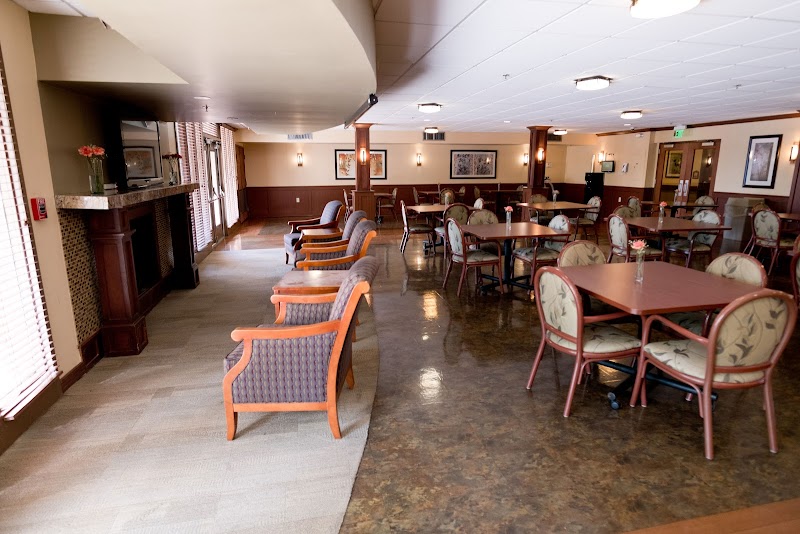
How is Autumn Lake Healthcare At Riverview Staffed?

CMS rates AUTUMN LAKE HEALTHCARE AT RIVERVIEW's staffing level at 2 out of 5 stars, which is below average compared to other nursing homes. Staff turnover is 39%, compared to the Maryland average of 46%. This relatively stable workforce can support continuity of care.

What Have Inspectors Found at Autumn Lake Healthcare At Riverview?

State health inspectors documented 29 deficiencies at AUTUMN LAKE HEALTHCARE AT RIVERVIEW during 2017 to 2025. These included: 29 with potential for harm.
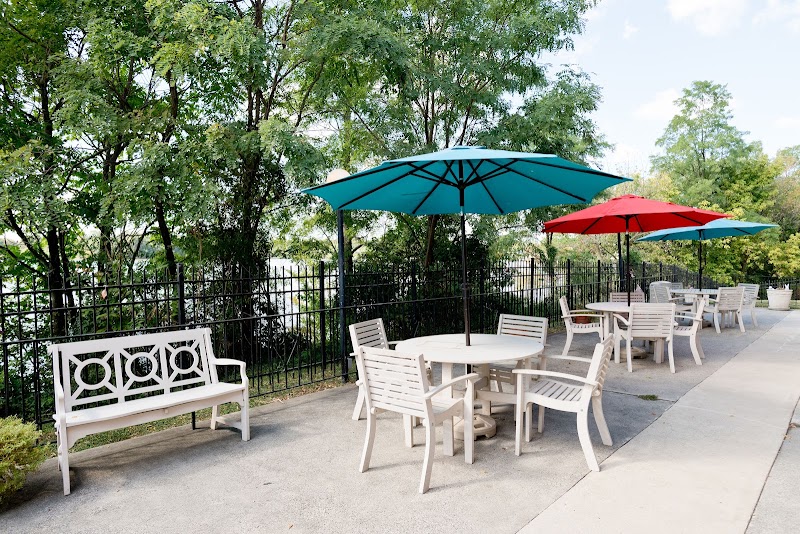
Who Owns and Operates Autumn Lake Healthcare At Riverview?

AUTUMN LAKE HEALTHCARE AT RIVERVIEW is owned by a for-profit company. For-profit facilities operate as businesses with obligations to shareholders or private owners. The facility is operated by AUTUMN LAKE HEALTHCARE, a chain that manages multiple nursing homes. With 238 certified beds and approximately 222 residents (about 93% occupancy), it is a large facility located in ESSEX, Maryland.
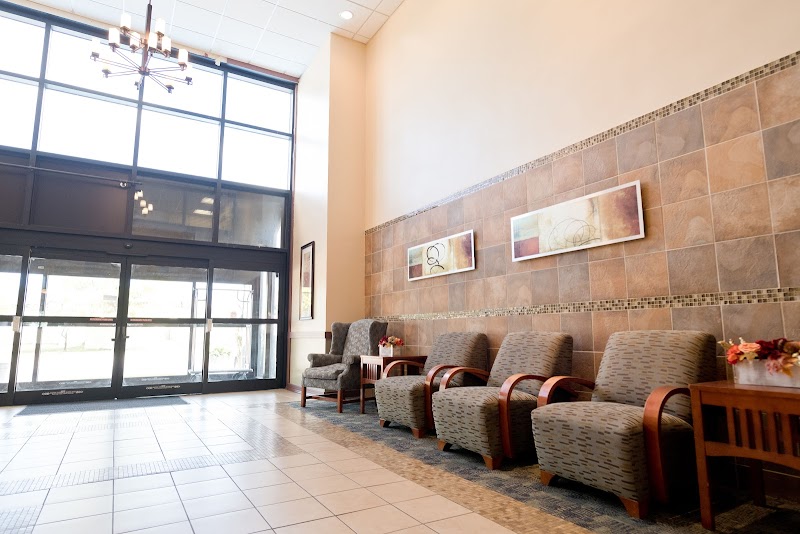
How Does Autumn Lake Healthcare At Riverview Compare to Other Maryland Nursing Homes?

Compared to the 100 nursing homes in Maryland, AUTUMN LAKE HEALTHCARE AT RIVERVIEW's overall rating (5 stars) is above the state average of 3.1, staff turnover (39%) is near the state average of 46%, and health inspection rating (4 stars) is above the national benchmark.

What Should Families Ask When Visiting Autumn Lake Healthcare At Riverview?

Based on this facility's data, families visiting should ask: "Can you walk me through typical staffing levels on day, evening, and night shifts?" "Can I visit during a mealtime to observe dining assistance and food quality?" "How do you handle medical emergencies, and what is your hospital transfer rate?" "Can I speak with family members of current residents about their experience?" These questions are particularly relevant given the below-average staffing rating.

Is Autumn Lake Healthcare At Riverview Safe?

Based on CMS inspection data, AUTUMN LAKE HEALTHCARE AT RIVERVIEW has a clean safety record: no substantiated abuse findings (meaning no confirmed cases of resident harm), no Immediate Jeopardy citations (the most serious violation level indicating risk of serious injury or death), and is not on the Special Focus Facility watch list (a federal program monitoring the lowest-performing 1% of nursing homes). The facility has a 5-star overall rating and ranks #1 of 100 nursing homes in Maryland. While no facility is perfect, families should still ask about staff-to-resident ratios and recent inspection results during their visit.

Do Nurses at Autumn Lake Healthcare At Riverview Stick Around?

AUTUMN LAKE HEALTHCARE AT RIVERVIEW has a staff turnover rate of 39%, which is about average for Maryland nursing homes (state average: 46%). Moderate turnover is common in nursing homes, but families should still ask about staff tenure and how the facility maintains care continuity when employees leave.

Was Autumn Lake Healthcare At Riverview Ever Fined?

AUTUMN LAKE HEALTHCARE AT RIVERVIEW has no federal fines on record. CMS issues fines when nursing homes fail to meet care standards or don't correct problems found during inspections. The absence of fines suggests the facility has either maintained compliance or corrected any issues before penalties were assessed. This is a positive indicator, though families should still review recent inspection reports for the full picture.

Is Autumn Lake Healthcare At Riverview on Any Federal Watch List?

AUTUMN LAKE HEALTHCARE AT RIVERVIEW is not on any federal watch list. The most significant is the Special Focus Facility (SFF) program, which identifies the bottom 1% of nursing homes nationally based on persistent, serious quality problems. Not being on this list means the facility has avoided the pattern of deficiencies that triggers enhanced federal oversight. This is a positive indicator, though families should still review the facility's inspection history directly.