AUTUMN LAKE HEALTHCARE AT BRADDOCK HEIGHTS
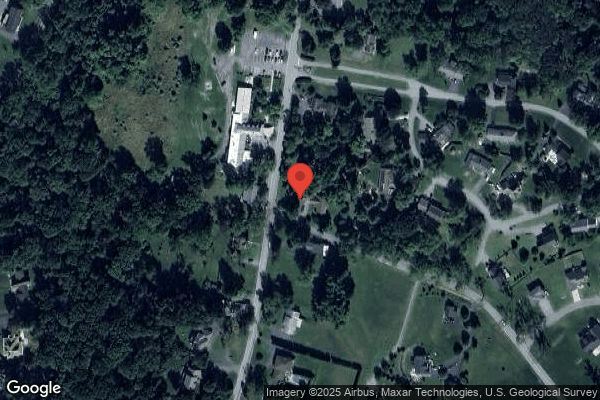

6012 JEFFERSON BOULEVARD, FREDERICK, MD 21703 (301) 371-7160
For profit - Individual 65 Beds AUTUMN LAKE HEALTHCARE Data: November 2025
Trust Grade
65/100
#54 of 219 in MD
Last Inspection: August 2024

Within standard 12-15 month inspection cycle. Federal law requires annual inspections.

Overview

Autumn Lake Healthcare at Braddock Heights has a Trust Grade of C+, which indicates it is slightly above average but not exceptional. It ranks #54 out of 219 nursing homes in Maryland, placing it in the top half of facilities in the state, and #3 out of 8 in Frederick County, meaning only two local homes are rated higher. The facility is showing improvement, as the number of issues identified has decreased from 16 in 2019 to 7 in 2024. Staffing is a concern, with a rating of 2 out of 5 stars and a high turnover rate of 55%, which is above the state average. On a positive note, there have been no fines, and the facility provides more RN coverage than 90% of Maryland nursing homes, which is beneficial for addressing resident needs. However, there are some weaknesses to consider. Recent inspector findings revealed that the facility failed to notify residents of their Medicare coverage termination, which can affect their rights to service reviews. Additionally, there was no qualified dietetic service supervisor overseeing food preparation, and food storage practices were inadequate, with improperly labeled and dated food items. Families should weigh these strengths and weaknesses when considering this nursing home for their loved ones.

Trust Score
C+
65/100
In Maryland
#54/219
Top 24%
Safety Record
Low Risk
No red flags
Inspections
Getting Better
16 → 7 violations
Staff Stability
⚠ Watch
55% turnover. Above average. Higher turnover means staff may not know residents' routines.
Penalties
✓ Good
No fines on record. Clean compliance history, better than most Maryland facilities.
Skilled Nurses
✓ Good
Each resident gets 57 minutes of Registered Nurse (RN) attention daily — more than average for Maryland. RNs are trained to catch health problems early.
Violations
⚠ Watch
54 deficiencies on record. Higher than average. Multiple issues found across inspections.
★★★★☆
4.0
Overall Rating
★★☆☆☆
2.0
Staff Levels
★★★☆☆
3.0
Care Quality
★★★★☆
4.0
Inspection Score
Stable
2019: 16 issues
2024: 7 issues

The Good

  • Full Sprinkler Coverage · Fire safety systems throughout facility
  • No fines on record

Facility shows strength in fire safety.

The Bad

Staff Turnover: 55%

Near Maryland avg (46%)

Frequent staff changes - ask about care continuity

Chain: AUTUMN LAKE HEALTHCARE

Part of a multi-facility chain

Ask about local staffing decisions and management

Staff turnover is elevated (55%)

7 points above Maryland average of 48%

The Ugly 54 deficiencies on record

Aug 2024 7 deficiencies
CONCERN (D) 📢 Someone Reported This

A family member, employee, or ombudsman was alarmed enough to file a formal complaint

Potential for Harm - no one hurt, but risky conditions existed

Grievances (Tag F0585)

Could have caused harm · This affected 1 resident

Based on record review and staff interview it was determined that the facility failed to investigate a grievance regarding care concerns for a resident. This was evident for 1 (#14) of 8 residents rev...

Read full inspector narrative →
Based on record review and staff interview it was determined that the facility failed to investigate a grievance regarding care concerns for a resident. This was evident for 1 (#14) of 8 residents reviewed for complaints. The findings include: An observation on 8/12/24 at 1:35 PM revealed Resident #14 turned on his/her call light. When the call light came on there was 2 geriatric nursing assistants (GNA) sitting in the nurses' station that had a notification that the call light was on. There was 1 activity assistant (AA) in the common area (across the hallway from Resident #14's room) providing an activity to the residents. The 2 GNAs, later identified as GNA #2 and GNA #3 made no attempt to answer the call light. At 1:38 PM, AA #1 went to answer the resident's call light. She came out of the room and went to the nurses' station and addressed GNA #2 and GNA #3. The surveyor was unable to hear what AA #1 stated to them, but overheard GNA #3 state she had to complete documentation. AA #1 went back to the resident's room and went in, turned off the call light and came back out. An interview was conducted with AA #1 on 8/12/24 at 1:40 PM revealed the resident had been requested incontinence care. She reported that she cannot provide the care, so she went to the nurses' station and made GNA #2 (was not able to provide incontinence care due to gender) and GNA #3 aware of the resident's needs and was told the resident needed to wait for his/her assigned GNA to return from break. When asked if she was told to turn the resident's light off before their needs were met, she stated she had not been told to do that, however, she did not go back in and turn the light back on. She returned to her duties in the common area. The surveyor continued their observation and on 8/12/24 at 2:04 PM the assigned GNA returned to the unit and GNA #2 made her aware that Resident #14 needed to see her. During the 26 minutes that the resident had waited GNA #3 was observed in the nurses' station working on the computer and on her cell phone. At no point did GNA #2 or GNA #3 go to a nurse on the unit to let them know the resident needed care. During an interview on 8/12/24 at 2:05 PM with GNA #3, she confirmed that AA #1 had come to her and told her the needs of Resident #14. She reported that Resident #14 had requested that she not provide care to her. A medical record review on 08/12/2024 11:47 AM revealed a care plan for the resident which documented the resident required extensive assistance for incontinence care. An interview with Resident #14 on 8/13/24 at 12:34 PM revealed she had recently had care provided by GNA #3 and that she had never asked not to have her as an aide. On 8/15/24 at 7:47 AM during a review of the grievances reported to the facility regarding Resident #14's care concerns in the past 2 years. It was noted on one report date 8/17/23 taken by the previous Social Service Director (SSD) #2, that the resident reported s/he had put on the call light for assistant on 8/17/23 at 6:45 AM. SSD #2 noted under the same section that this was also the same time that breakfast was being initiated. According to the documentation it was investigated by the former Director of Nursing (DON) #2. DON #2 documented under the results that several staff were interviewed and determined that they made the resident aware that his/her light would be answered when they were finished with breakfast trays. The corrective action read that staff were reeducated to reassure the resident that a staff member was on their way to provide care. However, she failed to conduct a full investigation to determine what the resident was requesting at that time, how urgent the need was, and how long the resident waited to have their call light answered to determine a resolution for the resident's concern. On 8/13/24 at 10:40 AM it was confirmed with the Administrator that there was no other documentation related to this grievance. She reported that everything was documented on the grievance form provided. An interview with Licensed Practical Nurse (LPN) #3 on 8/15/24 at 10:47 AM revealed Resident #14 was particular about his/her care and required additional time. An interview with the Administrator and DON on 8/15/24 at 1:43 PM revealed that GNA #3 was unable to provide Resident #14's care as requested by the Resident. However, the DON reported that both (GNA #2 and GNA #3) should have alerted the resident's assigned nurse or a supervisor that the resident needed care instead of making the resident wait for their assigned GNA to come back. They both confirmed that 26 minutes was not an acceptable wait time. The Administrator reported that regarding the grievance on 8/17/24 that she was unaware of the resident's need or the length of time the resident waited for the need to be provided. She stated that the resident has a behavior of requesting care during mealtimes, however confirmed that this was not on the care plan. Confirmed that the resident was particular about care and would intimidate staff and staff were reluctant to care for the resident. However, she reported that staff had not been educated regarding the resident's care needs related to the resident's diagnosis and how to provide the care based on the resident's preferences. In addition, staff had not been educated on the proper way to excuse themselves when the resident was taking extended time. Therefore, the lack of investigation into the grievance for 8/17/23 resulted in the facility not fully addressing the concern to find a resolution that worked for the resident and staff.
CONCERN (D)

Potential for Harm - no one hurt, but risky conditions existed

Deficiency F0625 (Tag F0625)

Could have caused harm · This affected 1 resident

**NOTE- TERMS IN BRACKETS HAVE BEEN EDITED TO PROTECT CONFIDENTIALITY** Based on record review, interview, and facility policy review, the facility failed to ensure two of two residents (Resident (R) ...

Read full inspector narrative →
**NOTE- TERMS IN BRACKETS HAVE BEEN EDITED TO PROTECT CONFIDENTIALITY** Based on record review, interview, and facility policy review, the facility failed to ensure two of two residents (Resident (R) 23 and R55) reviewed for hospital transfers in the sample of 29 was given a written copy of a bed hold notice prior to or within 24-hours of emergency transfer to the hospital. This failure created the potential for the residents and/or responsible parties to not have the information needed to safeguard their return to the facility. Findings include: Review of the facility's policy titled, Bed Hold Notice Upon Transfer, dated 12/27/22, revealed At the time of transfer for hospitalization or therapeutic leave, the facility will provide to the resident and/or the resident representative written notice which specifies the duration of the bed-hold policy and addresses information explaining the return of the resident to the next available bed .Information will specify the duration of the state bed-hold policy, if any, during which the resident is permitted to return and resume residence in the nursing facility; The reserve bed payment policy in the state plan policy; The facility policy regarding bed-hold periods to include allowing a resident to return to the next available bed . Documentation that the bed-hold notice was provided will be maintained in the medical record. 1. Review of R23's undated admission Record located in the electronic medical record (EMR) under the Profile tab revealed R23 was admitted to the facility on [DATE]. Review of the EMR Progress Notes located under the Progress Notes tab, revealed R23 was hospitalized on [DATE] to 09/04/23 for an intertrochanteric fracture of the right hip; hospitalized on [DATE] to 10/18/23 for a left stump infection; hospitalized on [DATE] to 10/24/23 for chronic infection to left stump and acute osteomyelitis; hospitalized on [DATE] to 11/21/23 for a urinary tract infection and positive stool culture for Clostridioides difficile (C.diff.); hospitalized on [DATE] for right shoulder pain; hospitalized from [DATE] to 12/22/23 in Intensive Care (ICU) for Septic Shock; and hospitalized from [DATE] to 03/12/24 in the ICU for Septic and Cardiogenic shock. 2. Review of R55's undated admission Record,'' located in the EMR under the ''Profile'' tab, revealed R55 was admitted to the facility on [DATE]. Review of R55's Progress Note, dated 05/17/24, located in the EMR under the ''Progress Note'' tab, revealed that R55 was sent to the hospital's emergency room (ER) due to an episode of agitation and aggressiveness towards staff. Interview with the Administrator on 08/15/24 at 9:45 AM, when asked if the facility had documentation of the Bed Hold Notifications for each transfer to the hospital, the Administrator stated, probably not.
CONCERN (D) 📢 Someone Reported This

A family member, employee, or ombudsman was alarmed enough to file a formal complaint

Potential for Harm - no one hurt, but risky conditions existed

ADL Care (Tag F0677)

Could have caused harm · This affected 1 resident

**NOTE- TERMS IN BRACKETS HAVE BEEN EDITED TO PROTECT CONFIDENTIALITY** Based on record review and staff interview it was determined facility staff failed to ensure that a resident who relied on staff...

Read full inspector narrative →
**NOTE- TERMS IN BRACKETS HAVE BEEN EDITED TO PROTECT CONFIDENTIALITY** Based on record review and staff interview it was determined facility staff failed to ensure that a resident who relied on staff for care needs had the care provided. This was evident for 2 (#14 and 902) of 8 residents reviewed for complaints. The finding include: A care plan is a guide that addresses the unique needs of each resident. It is used to plan, assess, and evaluate the effectiveness of the resident's care. The MDS (Minimum Data Set) is a complete assessment of the resident which provides the facility information necessary to develop a plan of care, provide the appropriate care and services to the resident, and to modify the care plan based on the resident's status. 1) A review of a compliant in 3/2023 for Resident #14 on 8/12/24 at 9:30 AM revealed a concern that the resident was not assigned an aide on night shift for 9/16/23 as care had not been provided. Review of a complaint in 10/23 revealed a concern with the resident receiving showers. On 8/12/24 at 11:47 AM a medical record Resident #14 revealed a care plan that was initiated on 12/16/21 that documented the resident required assistance with activities of daily living, such as bathing, personal hygiene, dressing, and etc. The care plan [NAME] noted that the resident's shower days are on day shift on Wednesdays and Fridays. On 8/14/24 at 10:43 AM a review of the schedules for 9/15/23 11-7 am shift revealed geriatric nursing assistant (GNA) #6 was assigned to the resident. A record review for the GNA documentation for 9/15/23 11-7 am shift on 8/14/24 at 1:22 PM revealed that staff had not documented care given to Resident #14 on 9/15/23 and 9/16/23 on the 11 PM - 7 AM shift. A review of the GNA documentation for 10/23 revealed in the section for bathing documentation that the resident was given a shower on 2 (10/18/23 and 10/25/23) of the 8 days s/he was assigned. On 10/11/23 and 10/13/23 staff marked it was not applicable, causing the resident to go a full week with no shower. On 8/15/24 at 11:35 AM Human Resource Director reported that GNA #6 had not clocked in that day. She stated she found that another GNA had clocked in, however, she was not on the assignment sheet and based on the lack of documentation it was uncertain she was aware she was assigned to Resident #14. The Administrator and Director of Nursing were made aware of the findings on 8/15/24 at 2:03 PM. 2) A medical record review on 8/19/24 at 10:00 AM for Resident #902 was conducted. According to the MDS dated [DATE] Resident # 902 needed extensive assistance with toileting. Resident was alert to person, place and time. On 8/14/24 at 9:05 AM a review of the facility investigation file for the incident that occurred on 1/19/22 was conducted. Resident was admitted to the facility in January 2022 and discharged on 3/25/22. The resident came to the facility for surgical aftercare following surgery on the digestive system. On 1/19/22 at 5: 00 PM the resident reported that he/she was left soiled after calling for help multiple times. On the morning of 1/19/22, before change of shift, resident # 902 put on the call bell. A GNA responded to the call bell and stated she would find help and turned off the bell. No one came and resident turned on the call bell again. Another GNA responded to the call bell and the resident stated again, 'I need be changed'. GNA stated 'I have someone in the shower, I will get you help'. Again, no one arrived. After putting his/her call bell on a third time, a GNA responded, 'Let me get my supplies and returned to the room to change the resident. Resident was soiled and asked for assistance on 1/19/22, around change of shift, and it was 11 AM when 3rd GNA answered the call bell and changed the resident. Although the facility was unable to substantiate exactly how much time had passed during this incident, as the resident was unable to visualize the clock from his/her location, due to his/her request to keep his/her curtain drawn and therefore could not definitively tell what time it was when s/he used the call bell. The facility administrator was interviewed on 8/15/24 at 11AM stated 'We are able to substantiate that resident was soiled for longer than reasonable'.
CONCERN (D)

Potential for Harm - no one hurt, but risky conditions existed

Deficiency F0726 (Tag F0726)

Could have caused harm · This affected 1 resident

**NOTE- TERMS IN BRACKETS HAVE BEEN EDITED TO PROTECT CONFIDENTIALITY** Based on observation, interview, record review, document review, and manufacturer's instruction review, the facility failed to p...

Read full inspector narrative →
**NOTE- TERMS IN BRACKETS HAVE BEEN EDITED TO PROTECT CONFIDENTIALITY** Based on observation, interview, record review, document review, and manufacturer's instruction review, the facility failed to provide education for one of one Licensed Practical Nurse (LPN1) to possess the competencies and skill set necessary to ensure proper technique was used to administer insulin for one of two residents (Resident (R)52) that received insulin during medication administration. This failure had the potential to result in the resident receiving the wrong dose of insulin. Findings include: Review of R52's undated admission Record located in the electronic medical record (EMR) under the Profile tab, revealed R52 was admitted to the facility on [DATE] with a diagnosis of type 2 diabetes mellitus (DM) with hyperglycemia. Review of R52's Physician Orders, dated 05/31/24, located in the EMR under the Orders tab, revealed an order for Insulin Lispro (1 [one] unit dial) subcutaneous solution pen-injector [short acting insulin] 100 Unit/Milliliter (ML). During an observation on 08/13/24 at 12:06 PM, LPN1 retrieved R52's insulin pen (a pen contains the vial of insulin inside the pen and has a mechanism where the dose to be administered is set on a dial at the top of the pen, and only that amount can then be injected) from the medication cart, wiped the top with an alcohol wipe, attached a needle to the pen then dialed the dose to one unit and pushed the plunger. LPN1 carried the pen to R52's room. LPN1 washed her hands, applied gloves, observed R52's left arm, cleansed the back of the arm with an alcohol wipe, gently inserted the pen needle into the flesh, injected the dose, then removed the needle after five seconds. LPN1 carried the pen to the medication cart, disposed of the needle, and performed hand hygiene. During an interview on 08/13/24 at 12:17 PM, LPN1 confirmed she did not prime the pen with two units to ensure the needle was working instead she primed it with one unit to get the air out of the pen. LPN1 stated she received orientation with a nurse about seven months ago but didn't recall if she was trained on use of the insulin pen and did not recall receiving an in-service on insulin pen administration. During an interview on 08/13/24 at 12:45 PM, the Assistant Director of Nursing (ADON) acknowledged LPN1 should have been trained on insulin administration during orientation and he performed random medication administration observations, but they did not include insulin pen administration. During an interview on 08/13/24 at 1:14 PM, the Director of Nursing (DON) verified she completed LPN1's charge nurse competency but it did not include insulin pen administration. The DON stated the medication administration observation form needed to be revised to include insulin pen administration. The DON stated she expected the nursing staff to administer insulin via the manufacturer's directions and the insulin pen should be primed with two units after attaching the needle to ensure it worked. Review of the undated facility-provided document titled Instructions for Use LYUMJEV Kwik pen (insulin lispro) injection, for subcutaneous use 3 [three] ML [milliliters] single-patient-use pen 100 units/ML revealed, . Priming your Pen Prime before each injection. Priming your Pen means removing the air from the needle and cartridge that may collect during normal use and ensures that your Pen is working correctly. If you do not prime before each injection, you may get too much or too little insulin. Step 6: To prime your Pen, turn the dose knob to select 2 [two] units. Step 7: Hold your Pen with the needle pointing up. Tap the cartridge holder gently to collect air bubbles at the top. Step 8: Continue holding your Pen with the needle pointing up. Push the dose knob in until it stops and 0 is seen in the dose window. Hold the dose knob in and count to 5 [five] slowly. You should see insulin at the tip of the needle. If you do not see insulin, repeat priming steps 6 [six] to 8 [eight], but not more than 4 [four] times. If you still do not see insulin, change the needle, and repeat priming steps 6 to 8. Small air bubbles are normal and will not affect your dose Review of the facility-provided undated document titled, Medication Pass Observation, dated 07/03/24, revealed LPN1 was observed administering medications satisfactorily; however, insulin pen administration was not included on the form. Review of the facility-provided document titled, Facility Assessment Tool, dated 08/01/24, revealed, . Staff training/education and competencies . Licensed Nurses Valid Nursing License (Registered Nurse (RN) or LPN) All Staff Training Role Licensed Nurse Competency . [the facility] provides the training on topics and competencies that include, but are not limited to: . medication administration . Review of the facility-provided job description titled, Charge Nurse/Staff Nurse, revealed . Drug Administration Functions: Prepare and administer medications as ordered by the physician .
CONCERN (D)

Potential for Harm - no one hurt, but risky conditions existed

Deficiency F0883 (Tag F0883)

Could have caused harm · This affected 1 resident

**NOTE- TERMS IN BRACKETS HAVE BEEN EDITED TO PROTECT CONFIDENTIALITY** Based on interview, record review, review of the Centers for Disease Control and Prevention (CDC) guidelines, and facility polic...

Read full inspector narrative →
**NOTE- TERMS IN BRACKETS HAVE BEEN EDITED TO PROTECT CONFIDENTIALITY** Based on interview, record review, review of the Centers for Disease Control and Prevention (CDC) guidelines, and facility policy review, the facility failed to offer one of six residents (Resident (R) 37) and/or their representatives reviewed for immunizations, the opportunity for the resident to be vaccinated in accordance with nationally recognized standards out of a current facility census of 54. This practice had the potential to increase the risk for the residents to contract pneumonia. Findings include: Review of the facility's policy titled Pneumococcal Vaccines dated 12/18/22 indicated .It is our policy to offer our residents . immunization against pneumococcal disease in accordance with current CDC guidelines and recommendations.For adults 65 years' or older who have not previously received any pneumococcal vaccine.Give 1 dose of PCV15 or PCV20.If PCV15 is used, this should be followed by a dose of PPSV23 at least one year later. The minimum interval is 8 weeks and can be considered in adults with an immunocompromising condition, cochlear implant, or cerebral fluid leak.if PVC20 is used, a dose of PPSV23 is not indicated.For adults 65 years' or older who have only received a PPSV23.Give 1 dose PCV15 or PCV20.The PCV15 or PCV20 is given, an additional dose of PPSV23 is not recommended since they already received it. Review of the CDC website titled Pneumococcal Vaccination: Summary of Who and When to Vaccinate, effective 01/28/22, indicated . CDC recommends pneumococcal vaccination for all adults 65 years or older . for older who have only received PCV13, CDC recommends you . Give PPSV23 as previously recommended . For adults who have received PCV13 but have not completed their recommended pneumococcal vaccine series with PPSV23, one dose of PCV20 may be used if PPSV23 is not available. Review of R37's electronic medical record (EMR) titled Immunization located under the Immun (Immunization) tab indicated the resident received the PCV13 on 02/03/16. Review of R37's EMR titled admission Record located under the Profile tab indicated the resident was admitted to the facility on [DATE]. The resident was over the age of 65 upon admission. During an interview on 08/13/24 4:01 PM, the Infection Preventionist (IP) confirmed R37 had the PCV13, and she had administered the PCV20 this morning. During an interview on 08/15/24 at 8:58 AM, the IP stated that she completed a recent audit for the PCV20, and just missed R37.
CONCERN (E)

Potential for Harm - no one hurt, but risky conditions existed

Free from Abuse/Neglect (Tag F0600)

Could have caused harm · This affected multiple residents

**NOTE- TERMS IN BRACKETS HAVE BEEN EDITED TO PROTECT CONFIDENTIALITY** Based on record review, staff interviews, and facility policy review, the facility failed to ensure four of six residents review...

Read full inspector narrative →
**NOTE- TERMS IN BRACKETS HAVE BEEN EDITED TO PROTECT CONFIDENTIALITY** Based on record review, staff interviews, and facility policy review, the facility failed to ensure four of six residents reviewed for abuse (Residents (R) 22, R11, R106 and R35) out of a total sample 29 were free from resident-to-resident abuse. This failure had the potential to cause physical injury or psychosocial distress for the four residents involved. Findings include: Review of the facility's policy titled Abuse, Neglect and Exploitation dated 11/13/23 indicated, .It is the policy of this facility to provide protections for the health, welfare and rights of each resident by developing and implementing written policies and procedures that prohibit and prevent abuse, neglect, exploitation and misappropriation of resident property .'Abuse' means the willful inflection of injury, unreasonable confinement, intimidation, or punishment with resulting physical harm, pain or mental anguish, which can include staff to resident abuse and certain resident to resident altercations. 1. Review of R22's electronic medical record (EMR) titled admission Record located under the Profile tab indicated the resident was admitted to the facility on [DATE] with a diagnosis of Down's syndrome. Review of R22's admission Minimum Data Set (MDS) with an Assessment Reference Date (ARD) date of 10/03/23. The assessment indicated the resident had a Brief Interview for Mental Status (BIMS) score of three out of 15 revealed the resident was severely cognitively impaired. The assessment indicated the resident was dependent on staff, for on all activities of daily living. Review of R22's EMR titled change in condition Progress Notes located under the Prog (Progress) Note tab dated 10/14/23 indicated the resident was identified with a bruise to his left eye. Review of R22's Care Plan dated 10/17/23 located in the EMR under the Care Plan tab indicated R22 had the potential to demonstrate physical/verbal behaviors related to his diagnosis of dementia. The care plan indicated the resident had poor impulse control, would make racial comments, throw food, and would throw himself on the floor. In addition, the care plan revealed the resident would hit others. Review of R11's EMR titled admission Record located under the Profile tab indicated the resident was admitted to the facility on [DATE] with a diagnosis of cerebral infarction (stroke). Review of R11's EMR titled Care Plan located under the Care Plan dated 01/16/23 indicated the resident had impaired thought processes related to his diagnosis of a stroke. In addition, the care plan was updated on 03/13/23 which indicated the resident had behavioral problems such as aggression and depression. One of the interventions was to monitor the resident's behavior episodes and attempt to determine the underlying cause. Review of a document provided by the facility titled Physical dated 10/16/23 indicated R11 was interviewed on 10/15/23, as part of the facility's investigation, and specifically questioned R11 about R22's bruise to his eye. R11 stated on 10/14/23, that R22 was yelling and making noise, and he was unable to sleep. R11 stated he told R22 to stop making noise and R22 would not, so R11 stated he got out of bed, fell, got himself up, and then went over and slapped R22 in his face. Both residents were separated. Review of R11's quarterly MDS with an ARD of 02/18/24 indicated the resident had a BIMS score of 12 out of 15 which revealed the resident was cognitively intact. The assessment indicated the resident had no behaviors directed towards others. The assessment indicated the resident used a wheelchair for locomotion. Review of the facility's investigation titled Facility Reported Incidents Initial Report Form dated 10/15/23, indicated there were no witnesses to the resident-to-resident altercation which involved R11 and R22. As part of the facility's investigation, R22's roommate R11 was interviewed and informed the facility that he had slapped R22's face on 10/14/23. 2. Review of the facility document located in the EMR titled admission Record under the Profile tab indicated R35 was admitted to the facility on [DATE]. Review of R35's Care Plan dated 01/18/23 in the EMR under the Care Plan tab indicated R35 had severe dementia and had a wander guard due to roaming. Review of R35's quarterly MDS with an ARD of 04/18/24 in the EMR under the MDS tab indicated R35 had a BIMS score of zero out of 15 which revealed the resident was severely cognitively impaired. The assessment indicated the resident had no behavioral issues directed to staff or to other residents. Review of a facility document titled, Facility Reported Incident Follow-Up Investigation Report Form dated 06/11/24 indicated R35 was in the dining room when R22 wheeled over to the table where R35 was sitting and smacked R35 with her open hand across R35's right eye/face. There had been no previous conflict between the two residents, and they were immediately separated. Review of R22's admission Record located in the EMR under the Profile tab indicated R22 was admitted to the facility on [DATE]. Review of R22's quarterly MDS with an ARD of 04/04/24 indicated the resident had a BIMS score of 03 out of 15 which revealed the resident was severely cognitively impaired. The assessment indicated the resident had Down Syndrome and dementia with behavioral disturbances, psychotic disturbance, and anxiety. Review of R22's Care Plan dated 04/13/24 in the EMR under the Care Plan tab indicated R22 had physical/verbal behaviors due to dementia. R22 has a pillow with his mother's picture on it for anxiety and comfort. Review of a facility document titled Facility Reported Incident Follow-Up Investigation Report Form dated 06/11/24 indicated R35 was in the dining room when R22 wheeled over to the table where R35 was sitting and smacked R35 with an open hand across R35's right eye/face. There had been no previous conflict between the two residents, and they were immediately separated. R22 was taken to his room and assessed for injury. A skin assessment was completed and R35's right eye was red and swollen. R35 had no knowledge that she had been smacked in the eye. R22 had no injuries and R22 stated, My mother not here, am sorry. Interview with the Administrator on 08/14/24 at 3:42 PM revealed We tried a pillow that had R22's mother's face on it for his anxiety and it works at times. 3. Review of R106's EMR titled admission Record located under the Profile tab indicated the resident was admitted to the facility on [DATE] with a diagnosis of cerebral infarction. Review of R106's EMR admission MDS with an ARD of 01/08/24 indicated the resident had a BIMS score of 14 out of 15 which revealed the resident was cognitively intact. The assessment indicated the resident had no behavior directed to others during this assessment period. The assessment indicated the resident used a walker for ambulation. Review of R106's Care Plan located in the EMR under the Care Plan tab dated 02/23/24 had the potential to demonstrate physical or verbal behaviors related to a diagnosis of depression and poor impulse control. The intervention revealed when the resident became agitated to intervene before agitation escalated and to guide away from source of distress and attempt to engage calmly in conversation. Review of a facility document titled, Facility Reported Incident Follow-Up Investigation Report Form dated 02/27/24 indicated R106 entered his room and pushed past his roommate R11 and told R11 to move out of his way. R106 then hit R11 and R11 then hit R106 on the left side of his face. According to the investigation, the incident was verified by R13 and R40. During an interview on 08/14/24 03:40 PM, the Administrator was asked to define abuse. The Administrator requested the facility's policy and read from the policy the definition of abuse. During an interview on 08/15/24 09:45 AM, the Administrator confirmed all of the above resident-to-resident altercations were considered abuse.
CONCERN (E)

Potential for Harm - no one hurt, but risky conditions existed

Infection Control (Tag F0880)

Could have caused harm · This affected multiple residents

**NOTE- TERMS IN BRACKETS HAVE BEEN EDITED TO PROTECT CONFIDENTIALITY** Based on policy review, interviews, and review of Centers for Disease Control (CDC) and American Society of Heating, Refrigerati...

Read full inspector narrative →
**NOTE- TERMS IN BRACKETS HAVE BEEN EDITED TO PROTECT CONFIDENTIALITY** Based on policy review, interviews, and review of Centers for Disease Control (CDC) and American Society of Heating, Refrigerating and Air-Conditioning Engineers (ASHRAE) guidelines, the facility's water management program was incomplete in that it was not consistent with current ASHRAE guideline, which specifically called for the design to evaluate the potential exposure of Legionnaire's disease (a serious pneumonia infection) within a healthcare facility. This failure created a potential for the 43 facility residents, who were over the age of 65, to be infected by Legionella Findings include: Review of the CDC website titled Legionella. Prevention and Control, dated 03/25/21, indicated, The key to preventing Legionnaires' disease is to reduce the risk of Legionella growth and spread. Building owners and managers can do this by maintaining building water systems and implementing controls for Legionella.Key Elements.Seven key elements of a Legionella water management program are to. Establish a water management program team. Describe the building water systems using text and flow diagrams. Identify areas where Legionella could grow and spread. Decide where control measures should be applied and how to monitor them. Establish ways to intervene when control limits are not met. Make sure the program is running as designed (verification) and is effective (validation). Review of ASHRAE website titled Risk Management For Legionellosis dated 10/2015 indicated, The design engineer first needs to evaluate which requirements of the standard apply to their project. This evaluation determines if the project contains any of the following building risk factors.Health-care facility with patient stays over 24 hours.Facilities designated for housing occupants over age [AGE].The risk of disease or illness from exposure to Legionella bacteria is not as simple as the bacteria being present in a water system. Other factors that contribute to the risk are environmental conditions that promote the growth and amplification of the bacteria in the system, a means of transmitting this bacteria (via water aerosols generated by the system), and the ultimate exposure of susceptible persons to the colonized water that is inhaled or aspirated by the host providing a pathway to the lungs. The bacteria are not transmitted person-to-person, or from normal ingestion of water. Susceptible persons at high risk for legionellosis include, among others, the elderly, dialysis patients, persons who smoke, and persons with medical conditions that weaken the immune system. Review of a facility policy titled Water Management Program dated 12/04/22 indicated .It is the policy of this facility to establish water management plans for reducing the risk of legionellosis and other opportunistic pathogens.in the facility's water system based on nationally accepted standards.Data to be used for completing the risk assessment may include, but are not limited to.Water system schematic/description.Based on the risk assessment, control points will be identified. During an interview on 08/14/24 at 1:00 PM, the Maintenance Director stated there have been no Legionnaires outbreaks and stated that the water enters from the county water supply. During this interview, he presented a hand drawing of the facility's water system, and he verified that he completed it on this date. During this interview, the Maintenance Director provided a document titled Furnace Location undated which provided a description of the locations of each hot water furnace and how to turn off during an emergency. The document failed to contain information on how water enters into the facility and potential areas for water pathogens to develop.
Jun 2019 16 deficiencies
CONCERN (D)

Potential for Harm - no one hurt, but risky conditions existed

Deficiency F0558 (Tag F0558)

Could have caused harm · This affected 1 resident

Based on observation, it was determined that the facility staff failed to ensure that a call bell was within reach for every resident. This was evident for 2 (Residents #8, #47) residents observed dur...

Read full inspector narrative →
Based on observation, it was determined that the facility staff failed to ensure that a call bell was within reach for every resident. This was evident for 2 (Residents #8, #47) residents observed during the initial tour of the facility. The findings include: A call bell is a bedside button tethered to the wall in the resident's room, which directs signals to the nursing station; a call light usually indicates that the patient has a need or perceived need requiring attention from the nurse or geriatric nursing assistant on duty. There is a call light for each resident in the room, for each bed. 1) During an observation on 06/24/19 at 8:05 AM, Resident #8 was noted to be seated in his/her bed and the Resident's pressure sensitive call bell was sitting on the table located to the side and behind the bed. 2) During an observation on 06/24/19 at 8:15 AM, Resident #47 was noted lying in his/her bed and the Resident's pressure sensitive call bell was sitting on the table located to the side of the bed and not within reach.
CONCERN (D)

Potential for Harm - no one hurt, but risky conditions existed

Deficiency F0565 (Tag F0565)

Could have caused harm · This affected 1 resident

Based upon record review, resident interview, and staff interview, it was determined that facility staff failed to put a system in place to ensure that resident's grievances regarding call bell respon...

Read full inspector narrative →
Based upon record review, resident interview, and staff interview, it was determined that facility staff failed to put a system in place to ensure that resident's grievances regarding call bell response time and staff interaction with residents were addressed in a timely manner and outcomes communicated back to the resident. This was true for three out of 48 resident council members but had the potential to affect all residents in the facility. The findings include: On 6/25/19 at 12:17 PM, Record review for the month of March Resident Council meeting minutes revealed resident's concerns regarding call bells not being answered in a timely manner. Review of April's resident council meeting minutes failed to reveal that the concerns of call bells were addressed by the staff. Record review of Resident Council meeting minutes for the month of May revealed concerns of care and treatment of residents. The June resident council meeting minutes revealed that the facility's staff failed to address the previous month's concerns. In an interview on 6/25/19 at 1:08 PM with Activities Director, (Staff #12) stated that the grievance process for resident concerns begins with filling out a grievance report and then it is given to the responsible department to consider the request. After the responsible department addresses the concern, the issue is brought up in the following meeting and discussed with the concerned resident(s) to either ensure it had been resolved or required further follow up. Staff #12 stated that during the resident council meeting s/he updates the resident on the status of their concerns. On 6/25/19 at 1:56 PM, an interview was conducted with Administrator, (Staff #1) confirmed that the process of filing a grievance begins with filling out a grievance report, it is sent to the department that would examine the concern(s). When a decision or resolution has been made, the outcome is discussed with the attending residents at the next Resident council meeting. Record review of the resident council meeting minutes revealed that the staff failed to document the status or resolution of the resident's concerns. An interview on 6/26/19 at 10:25 AM, with [NAME] President of Resident Council (Resident #11) confirmed that s/he had experienced care concerns with staff, slow answering call bells, rudeness, and s/he has addressed them with administration by way of resident council meeting. Resident #11 stated that sometimes you have to holler in desperation to get care attention after ringing the call bell. The resident said this is not a pattern that occurs any particular time of day. Resident confirmed that facility staff had responded to the Resident Council regarding these grievances. On 6/26/19 at 11:06 AM, the Administrator was made aware of surveyors' findings. The Administrator stated that the Activities Director started two months ago, however, she is well aware of the grievance process and did not have an answer why these issues were not fully addressed.
CONCERN (D)

Potential for Harm - no one hurt, but risky conditions existed

Deficiency F0578 (Tag F0578)

Could have caused harm · This affected 1 resident

**NOTE- TERMS IN BRACKETS HAVE BEEN EDITED TO PROTECT CONFIDENTIALITY** Based on record review and staff interview, it was determined that the facility staff failed to discuss changes in the resident'...

Read full inspector narrative →
**NOTE- TERMS IN BRACKETS HAVE BEEN EDITED TO PROTECT CONFIDENTIALITY** Based on record review and staff interview, it was determined that the facility staff failed to discuss changes in the resident's medical status related to end stage condition with the Resident Representative (RR). This was evident in 1 (R#45) of 1 resident reviewed regarding advanced directives in the investigative portion of the survey. The findings include: Review of the medical record for Resident #45, on [DATE] at 10:18 AM, revealed a Maryland order for life sustaining treatment (MOLST) completed on [DATE]. The MOLST developed for Resident #45 was for him/her to have full code status, should the resident require cardiopulmonary resuscitation (CPR). Further review of Resident #45's medical record revealed a physician visit on [DATE] and [DATE] certifying that any life sustaining treatment rendered for Resident #45 would be medically ineffective, including CPR. The facility social work designee was interviewed on [DATE] at 11:22 AM. The paperwork regarding Resident #45's code status and certifications were reviewed. She stated that the family was adamant about the resident being full code. However, she was unable to confirm that there was any documentation in the chart that she, or the physicians who completed the certification of medically ineffective treatment, discussed this with the family. Follow up interview with the social work designee on [DATE] at 12:51 PM revealed that the facility would follow the instructions in the MOLST, and complete CPR on Resident #45 should the situation arise. She also verbalized understanding of the concern that the resident's certification of medically ineffective was not discussed with the family.
CONCERN (D)

Potential for Harm - no one hurt, but risky conditions existed

Notification of Changes (Tag F0580)

Could have caused harm · This affected 1 resident

2. On 06/27/19 from 7:20 AM to 9:15 AM, a medication administration observation was conducted on the Skyline unit with Certified Medication Administer (CMA) staff #14). At 8:40 AM, the CMA completed t...

Read full inspector narrative →
2. On 06/27/19 from 7:20 AM to 9:15 AM, a medication administration observation was conducted on the Skyline unit with Certified Medication Administer (CMA) staff #14). At 8:40 AM, the CMA completed the administration of Resident #36 medications. Upon review of the electronic administration log, surveyor noted that one of the medications, a probiotic was selected not administered by the CMA. Interview with the CMA revealed that she administered the last available dose of the medication to the resident on the morning of 6/26/19. She added that, although she notified the resident's nurse (staff #17) and electronically requested a refill, she did not know that the medication was not available this morning to give to the resident until she attempted to retrieve it from the medication cart. An interview was conducted, on 6/27/19 at 9:21 AM, with the Assistant Director of Nursing (ADON) staff # 19 and the Skyline unit Charge Nurse (staff #16). The Charge Nurse stated that she was not on the unit the previous day however, expected that the nurse on duty (staff #17) would have contacted the pharmacy, notified the resident, their physician and family then documented the outcome of the notifications in the electronic record. The ADON added that the resident's family member was present in the facility the previous day. However, the Charge Nurse failed to find documentation by staff #17 to support that notifications were made. When asked how the CMA or any staff assigned to administer medications would be informed of unavailable medications, the Charge Nurse replied that it would be communicated verbally and / or provided on a pre-printed report sheet. Review of CMA's (staff # 14) copy of the unit's report sheet failed to show any evidence that Resident # 36's probiotic medication was not available that day, or if the issue was addressed with the pharmacy. The ADON acknowledged that there have been issues with timely medication refills in the past. The Charge nurse added that she had identified communication issues among the staff and with pharmacy regarding the process of receiving medications for resident in the facility. Surveyor's findings were shared during an interview with the Director of Nursing on 06/27/19 at 10:36 AM. She acknowledged those issues in regard to the lack of timely medication refills by pharmacy and the limited variety of commonly used medications stored for interim access for residents in the facility. Based on record review, observation, and staff interview, it was determined that the facility staff failed to 1. notify or include a Resident Representative (RR) in changes regarding residents' care and 2. to notify the physician, resident and/or their family and care staff of the unavailability of medications.This was evident for 2 (R#6 and #36) of 20 residents reviewed during the investigative portion of the survey. The findings include: 1. Interview with Representative of Resident #6 on 6/24/19 at 9:25 AM revealed a concern that, during a recent visit with Resident #6, s/he noted that the chair alarm that was ordered for Resident #6 was no longer in place. When the representative inquired with staff where it was, s/he was told that the 'state said they could not have them anymore.' The representative was very upset regarding the change as s/he is here to visit Resident #6 everyday all day and this change was not discussed with him/her prior to it occurring. The Administrator was interviewed on 6/26/19 at 10:31 AM regarding the Representative's concerns. She stated the alarms were discontinued based on research that the facility had conducted. A meeting was held, on 6/27/19 at 9:35 AM, with the facility Administrator and Resident #6's Representative regarding the concerns that were verbalized; specifically, the concern about the bed and chair alarms. Resident #6's medical record was reviewed again, this time with both individuals. On 6/17/19 at 9:00 AM, it was noted that the bed and chair alarms were discontinued. Review of the care plan meeting minutes, social work notes, and nursing notes failed to reveal that documentation was in place that the resident's representative was notified regarding the change in the resident's care related to the alarms. The Administrator agreed that,, although she had spoken directly to another family regarding the facility's change in using the alarms, she could not recall speaking directly to this family. It was also discussed that it was a facility change, not a directive from the state. Although Resident #6's representative was not in agreement with the change, s/he just wanted to be included in the residents plan of care. The Administrator verbalized understanding and agreement as well.
CONCERN (D)

Potential for Harm - no one hurt, but risky conditions existed

Deficiency F0583 (Tag F0583)

Could have caused harm · This affected 1 resident

**NOTE- TERMS IN BRACKETS HAVE BEEN EDITED TO PROTECT CONFIDENTIALITY** Based on review of a facility reported incident and staff interview, it was determined that the facility staff failed to protect...

Read full inspector narrative →
**NOTE- TERMS IN BRACKETS HAVE BEEN EDITED TO PROTECT CONFIDENTIALITY** Based on review of a facility reported incident and staff interview, it was determined that the facility staff failed to protect a cognitively impaired resident's right to privacy. This was evident for 1 (R #98) of 20 residents reviewed during an annual recertification survey. The findings include: Review of facility reported incident MD00129799 on 06/24/19 revealed an allegation that GNA #5 took a cell phone picture of Resident #98 on 08/06/18, and then posted the picture to a social media site. In an interview on 06/24/19 at 2:25 PM, GNA #4 stated that s/he observed a picture, that was posted by GNA #5 to a social media site, of Resident #98 seated in his/her wheelchair while in the facility. GNA #4 stated s/he witnessed the picture within 24 hours of being posted to the social media site. GNA #4 stated s/he brought this information the facility administration. In an interview on 06/25/19 at 8:17 AM, the former administrator stated s/he recalled the incident and that there was no nudity involved in the posted picture. The former facility administrator stated that GNA #5 had indicated on the social media post that Resident #98 was continually following GNA #5 throughout the facility. A review of the facility cell [NAME] policy on 06/25/19 revealed that employees may only use personal cell phones while on break outside of the facility. The facility determined that GNA #5 did not follow the cell phone policy and was terminated. The facility conducted a facility wide inservice on 08/31/18 regarding staff use of cell phones and other devices during working hours.
CONCERN (D)

Potential for Harm - no one hurt, but risky conditions existed

Abuse Prevention Policies (Tag F0607)

Could have caused harm · This affected 1 resident

Based on review of Facility Reported Incident MD00 1390223, investigation review, and interview with staff, it was determined that the facility failed to follow policy on completing background employe...

Read full inspector narrative →
Based on review of Facility Reported Incident MD00 1390223, investigation review, and interview with staff, it was determined that the facility failed to follow policy on completing background employee checks of potential new employees. This was evident in 1 of 2 employees records reviewed. The findings include; On 6/27/19, a facility reported incident involving a geriatric nursing assistant (GNA staff # 20) and a resident was reviewed. This review revealed an allegation of abuse. Further review of the investigation revealed that the facility, per abuse policy and procedure, immediately reported to the Director of Nursing (DON) and the administrator, who then reported it to the state agency the allegation of abuse. Review of staff # 20's employee file failed to reveal a prior employment reference check. During an nterview with the facility Administrator, on 6/27/19, the surveyor requested a copy of the prior employee reference. The administrator acknowledged that it was not done. Review of the abuse prevention policy and procedure revealed the following: Pre-Employment Screening- Prior Employment reference(s) -Reference check(s) of the candidate's prior employment must be conducted by the department director or designee hiring the candidate. A facility must implement and follow written policies regarding hiring on all potential employees to ensure a safe environment for all residents in the facility. All findings and concerns discussed during the survey exit on 6/27/19.
CONCERN (D)

Potential for Harm - no one hurt, but risky conditions existed

Investigate Abuse (Tag F0610)

Could have caused harm · This affected 1 resident

Based on review of the medical record, facility investigations and interviews, it was determined that the facility failed to complete a thorough investigations of abuse allegations related to injury o...

Read full inspector narrative →
Based on review of the medical record, facility investigations and interviews, it was determined that the facility failed to complete a thorough investigations of abuse allegations related to injury of unknown origins. This was found to be evident for one out of the seven facility reported incidents (FRI) reviewed during the investigative portion of the survey (R#149). The findings include: During the review of the FRI on 6/26/19, it was noted in the facility report that Resident #149 was found with an injury of unknown origin. Further review of the FRI revealed that Resident #149 had increased complaints of pain and an x-ray was completed. The results of the x-ray showed a fracture requiring intervention. Further review of the facility investigation failed to reveal any interviews with any staff or attempts to determine when this injury could have occurred. The FRI included the nursing notes for 72 hours around the time that Resident #149's complaints of pain started, the x-ray, and an updated care plan. The facility DON and Chief Nursing Officer were interviewed on 6/26/19 at 2:10 PM. Surveyor asked for any information or details regarding the occurrence of the resident's injury. They stated that what was submitted was all that they had. They also stated that, upon their independent review of the investigation provided to the survey team the prior evening, they also found that it was incomplete. They were unable to provide any further documentation to the survey team as to how the injury potentially had occurred. Surveyor review of Resident #149's medical record revealed that, during the time frame of when s/he had complaints of pain, s/he had also been out on a leave of absence with a family member at an appointment. Surveyor is unable to substantiate when the injury occurred however, concern about the facilities lack of investigation into the incident, including interviews was reviewed with the DON and CNO on 6/26/19, and again at exit on 6/27/19.
CONCERN (D)

Potential for Harm - no one hurt, but risky conditions existed

Deficiency F0655 (Tag F0655)

Could have caused harm · This affected 1 resident

**NOTE- TERMS IN BRACKETS HAVE BEEN EDITED TO PROTECT CONFIDENTIALITY** Based on medical record review and staff interview, it was determined the facility staff failed to provide the resident/resident...

Read full inspector narrative →
**NOTE- TERMS IN BRACKETS HAVE BEEN EDITED TO PROTECT CONFIDENTIALITY** Based on medical record review and staff interview, it was determined the facility staff failed to provide the resident/resident representative with a copy within 48 hours of admission to the facility. This was evident for 1 (Residents #36) of 20 residents reviewed during an annual recertification survey. The findings include: A care plan is a guide that addresses the unique needs of each resident. It is used to plan, assess and evaluate the effectiveness of the resident's care. Review of Resident #36's medical record on 6/25/19 revealed that Resident #36 was admitted to the facility on [DATE]. Review of the medical record failed to reveal documentation that a baseline care plan was provided to the resident/resident representative at that time. In an interview on 6/25/19 at 2:14 PM, the facility social service designee stated that s/he was not able to locate any documentation that Resident #36 or Resident #36's representative was provided with a copy of the base line care plan within 48 hours after his/her 4/01/19 admission.
CONCERN (D)

Potential for Harm - no one hurt, but risky conditions existed

Comprehensive Care Plan (Tag F0656)

Could have caused harm · This affected 1 resident

Based on medical record review, and interview with facility staff, it was determined that the facility failed to develop a person-centered comprehensive care plan to as evidenced by the facility's fai...

Read full inspector narrative →
Based on medical record review, and interview with facility staff, it was determined that the facility failed to develop a person-centered comprehensive care plan to as evidenced by the facility's failure to develop a care plan to address a resident's chronic diagnosis and long-term use of antibiotics. This was found to be evident for 1 out of 20 residents (Resident #23) reviewed during the investigative stage of the survey. The findings include: A care plan is a guide that addresses the unique needs of each resident. It is used to plan, assess and evaluate the effectiveness of the resident's care. On 6/27/19, Resident # 23 medical records and care plans were reviewed. This review revealed that the resident had a diagnosis of chronic urinary tract infection (UTI) and was taking Bactrim DS (double strength) for chronic UTI's. Review of the care plans failed to reveal a care plan for Chronic UTI and the prophylactic use of an antibiotic. During an interview with the Director of Nursing on 6/27/19, the surveyor requested the resident care plans for chronic UTI and antibiotic use. The DON gave the surveyor a care plan for urinary overactive bladder, however, she acknowledged that there wasn't a care plan for Chronic UTI and antibiotic use. All findings and concern discussed with the DON and the administrator during the survey exit on 6/27/19
CONCERN (D)

Potential for Harm - no one hurt, but risky conditions existed

Deficiency F0657 (Tag F0657)

Could have caused harm · This affected 1 resident

Based on medical record review and interview, it was determined the facility staff failed to revise Resident #27's oxygen care plan regarding weaning Resident #27 from the use of continuous oxygen. Th...

Read full inspector narrative →
Based on medical record review and interview, it was determined the facility staff failed to revise Resident #27's oxygen care plan regarding weaning Resident #27 from the use of continuous oxygen. This was evident for 1 of 1 resident reviewed for oxygen use. The findings include: A care plan is a guide that addresses the unique needs of each resident. It is used to plan, assess, and evaluate the effectiveness of the resident's care. Review of Resident #27 medical record on 6/27/19 revealed a physician's order, dated 6/18/19, instructing the nursing staff to administer 2 liters of oxygen by nasal cannula to Resident #27 and to wean Resident #27 off of oxygen as tolerated. Review of Resident #27's care plan failed to reveal a revision for oxygen use and the process of how the nursing staff were going to wean Resident #27 off of oxygen. In an interview on 6/27/19 at 9:35 AM, Nurse #18 stated that Resident #27 does need oxygen at present and that the nursing staff were checking Resident #27's oxygen saturations. A review of the care plan failed to reveal the new nursing interventions to wean Resident #27 off of oxygen.
CONCERN (D)

Potential for Harm - no one hurt, but risky conditions existed

Quality of Care (Tag F0684)

Could have caused harm · This affected 1 resident

Based on observation, medical record review and interview with staff, it was determined that the facility failed to ensure that residents receive treatment and care in accordance with professional sta...

Read full inspector narrative →
Based on observation, medical record review and interview with staff, it was determined that the facility failed to ensure that residents receive treatment and care in accordance with professional standards of practice and the comprehensive person-centered care plan, as evidenced by failure to ensure a follow up urology consult to determine if the continued use of an antibiotic was necessary. This was evident for 1 of 20 (R#23) residents reviewed during the investigative stage of the long-term care survey process. The findings include: On 6/27/19, Resident # 23's medical records were reviewed. This review revealed that the resident was admitted to the facility in March 2016 with diagnoses and symptoms which included, Overactive Bladder (a sudden, uncontrolled need or urge to urinate) high blood pressure, and diabetes. During a review of the medical records on 6/27/19, a urologist consult was completed for R# 23 in February 2017 which revealed the following: Start Bactrim DS (double strength) every 12 hours dispense 20 (for 10 days) and after that, Bactrim SS (single strength) 1 tablet by mouth every night. Bactrim is a combination of two antibiotics: sulfamethoxazole and trimethoprim. It is used to treat a wide variety of bacterial infections. Further review of the medical records failed to reveal any additional urology consults after the February 2017 appointment. Medical record review revealed that the facility obtained a urine sample from the resident on 7/23/18 with multiple organisms present in the urine, laboratory results also revealed that the urine sample was found to have contamination consistent with mixed fecal flora. During an interview with the Director of Nursing (DON) on 6/27/19, the surveyor requested any additional urology consults and repeated urinalysis test. The DON acknowledged that there were no additional urology consults or follow up and that no follow up urinalysis was obtained from the contaminated urine sample. All findings and concerns discussed with the DON and Administrator during the survey exit on 6/27/18.
CONCERN (D)

Potential for Harm - no one hurt, but risky conditions existed

Drug Regimen Review (Tag F0756)

Could have caused harm · This affected 1 resident

Based on review of medical records and interview with staff, it was determined that the facility failed to have an effective system in place to ensure that pharmacist recommendations (resulting from i...

Read full inspector narrative →
Based on review of medical records and interview with staff, it was determined that the facility failed to have an effective system in place to ensure that pharmacist recommendations (resulting from identified irregularities during the monthly pharmacy review were addressed and acted upon by the physician. This was found to be evident for 1 out of the 5 residents (Resident #23) sampled for medication regimen review during the investigative stage of the survey. The findings include: On 6/27/19, Resident # 23's medical records were reviewed. This review revealed that, on 3/14/19, a pharmacist completed the required monthly medication review. The review found irregularities with the resident medication and recommendations were made. The March pharmacy recommendation revealed the following documentation, 'The resident is currently receiving Bactrim prophylactically and is normally subjected to a stop date. Please provide a stop date/therapeutic endpoint or taper to D/C (discontinue) if reasonable or document contradiction to D/C based on prior failure and subsequent recurrence'. On 5/1/19, the physician responded: cont (continue) with Bactrim and checked the Disagree box on the consult form with no explanation as to why the medication should continue. During an interview with the Director of Nursing on 6/27/19/19 after a review of the pharmacy consultation, she acknowledged that the attending physician's documentation to continue Bactrim and checking Disagree was not addressing the recommendation. The surveyor asked the DON about the continued use of Bactrim and she replied that they had spoken with the physician who wanted the resident to remain on the medication. The DON verbalized understanding that, if the doctor wanted the resident to remain on the Bactrim, an explanation needed to be documented on the pharmacy recommendation form All findings discussed with the Director of Nursing, Nursing Home Administrator and Corporate during the survey exit.
CONCERN (D)

Potential for Harm - no one hurt, but risky conditions existed

Unnecessary Medications (Tag F0759)

Could have caused harm · This affected 1 resident

Based on medication administration observation and staff interview, it was determined that the facility staff failed to ensure a medication administration error rate of less than 5 percent. This was e...

Read full inspector narrative →
Based on medication administration observation and staff interview, it was determined that the facility staff failed to ensure a medication administration error rate of less than 5 percent. This was evident for 3 errors involving Residents # 36 and #47 out of 30 opportunities for error observed on the Skyline Unit resulting in a medication administration error rate of 10%. The findings include: On 06/27/19 from 7:20 AM to 9:15 AM, a medication administration observation was conducted on the Skyline unit with Certified Medication Administer (CMA) staff #14). At 8:40 AM, the CMA completed the administration of Resident #36 medications. Upon review of the electronic administration log, surveyor noted that one of the medications, a probiotic was selected not administered by the CMA. Interview with the CMA revealed that she administered the last available dose of the medication to the resident on the morning of 6/26/19. She added that, although she notified the resident's nurse (staff #17) and electronically requested a refill, she did not know that the medication was not available this morning to give to the resident until she attempted to retrieve it from the medication cart. She also stated that the unit report sheet given to her the morning on 6/27/19 did not indicate that the resident's medication was not available to administer. An interview was conducted on 6/27/19 at 9:21 AM with the Assistant Director of Nursing (ADON) staff # 19 and the Skyline unit Charge Nurse (staff #16). The ADON stated that the Charge Nurse was not on the unit the previous day. The Charge Nurse stated that, in her absence, it was expected that when there was approximately 2 - 3 doses left of a resident's medication, the nurse would contact the pharmacy to have the prescription refilled to ensure that the resident did not miss a medication dose. When asked how the CMA or any staff assigned to administer medications would be informed of unavailable medications, the Charge Nurse replied that it would be communicated verbally and / or provided on a pre-printed report sheet prior to the day's administration. However, review of CMA's (staff # 14) copy of the unit's report sheet failed to show any evidence that Resident # 36's probiotic medication was not available that day. On 06/27/19 at 8:06 AM, surveyor observed CMA (staff #14) prepare 2 medications (Omeprazole and Amiodarone) for administration to Resident #47. The CMA crushed the two tablets into a small medication cup with a spoonful of applesauce and entered the resident's room. The resident shakily held the cup in one hand to scoop the medications into their mouth, then handed the cup back to the CMA. Further observation revealed that, although approximately 1/3 of the mixture had remained in the cup, the CMA discarded the rest of the medications and documented in the electronic administration log that the doses were given. Interview with CMA (Staff #14) at 9:18 AM on 6/27/19, revealed that she liked for the resident to be as independent as possible when taken their medications and added that s/he would get nervous if watched. She admitted she saw medication left in the cup but was hesitant to give it to the resident so as to not offend him/her. When asked if she could determine if the resident received the entire prescribed amount of any of the medications offered in the cup, she stated no and acknowledged surveyor's concerns. The Director of Nursing was made aware of surveyor's findings during an interview on 06/27/19 at 10:36 AM.
CONCERN (D)

Potential for Harm - no one hurt, but risky conditions existed

Deficiency F0761 (Tag F0761)

Could have caused harm · This affected 1 resident

Based on observation, record review and staff interview, it was determined that the facility staff failed to put a system in place to; ensure all drugs and biologicals in the facility are labeled acco...

Read full inspector narrative →
Based on observation, record review and staff interview, it was determined that the facility staff failed to put a system in place to; ensure all drugs and biologicals in the facility are labeled according to professional standards, keep consistent temperature logs for medication and biological storage, and keep an accurate inventory log for controlled substances. This was true for 2 of 3 medication carts and 2 of 2 storage rooms reviewed during the survey. Findings include: An observation was conducted on the Skyline unit medication storage room on 06/27/19 at 11:13 AM. Charge Nurse (Staff #16) was present. Review of the January through June 2019 Refrigerator Temperature Logs revealed that for the months of May and June, there were several missing temperature entries. Observation of the refrigerator found one undated and unlabeled multi-use vial of insulin. In addition there was ice noted on the inside walls of the freezer compartment. Interview with the charge nurse revealed that it was her expectation that the night shift nurse would measure and document refrigerator temperatures daily and clean and defrost the refrigerator as needed. Observation of the top shelf above the medication refrigerator revealed an unpackaged syringe noted with a clear fluid inside and a pill crusher device encrusted with a white colored substance. The items were handed to the charge nurse. She acknowledged the items and their contents before she tossed them into a trash bin. An observation of the Skyline medication cart (cart # 2) with charge nurse staff #16 present was conducted on 06/27/19 at 11:25 AM. Review of the controlled substance log indicated that Resident #10 had 13 of 30 tablets remaining of the medication Tramadol. However, review of the blister packet that contained the medication revealed only 12 tablets. Further review of the packet showed that one of the enclosed blisters was empty. The charge nurse acknowledge the surveyors findings. An observation was conducted on the Roosevelt unit medication storage room with Licensed Practical Nurse (LPN) (Staff #15) on 06/27/19 at 11:39 AM. Review of the Storage Room Temperature Logs from January 2019 through June 2019 revealed several missing entries. Review found no refrigerator temperature logs from the months of January 2019 to June 2019. Observation of the refrigerator revealed several blue colored items encased in a thick layer of ice inside the freezer compartment. An observation of the unit medication cart and controlled substance log was conducted with LPN (Staff #15) on 06/27/19 at 11:49 AM. Observation of the top drawer of the cart revealed a multi-use vial of insulin (Lantus) was found unlabeled, opened, and undated. Further review found a box of Lidocaine patches opened and unlabeled. The LPN indicated she did not know which resident the Lidocaine patches were prescribed. Review of the controlled substance log indicated several dates with missing entries. On 06/27/19 at 12:20 PM, the Director of Nursing was made aware of surveyors' findings. DELETE - KS TO IMPORT
CONCERN (D)

Potential for Harm - no one hurt, but risky conditions existed

Infection Control (Tag F0880)

Could have caused harm · This affected 1 resident

Based on observation and staff interview, it was determined that the facility staff failed to apply standard infection control practices while administering medications to residents. This was true for...

Read full inspector narrative →
Based on observation and staff interview, it was determined that the facility staff failed to apply standard infection control practices while administering medications to residents. This was true for 2 (Residents # 10 and #36) of 3 residents reviewed during a medication administration observation on the Skyline unit. However, this deficient practice has the potential to affect all residents, visitors, and staff in the facility. Findings include: On 06/27/19 from 7:20 AM to 9:15 AM, a medication administration observation was conducted on the Skyline unit with Certified Medication Administer (CMA) staff #14. At 07:35 AM, the CMA entered the room of Resident #10 to administer medications. At the bedside table, she repositioned the resident's personal items to one side, placed the resident's medications which included a cup of 6 pills, a box with a bottle of eye drops and another that held a bottle nasal spray in the emptied space without application of a disinfectant or provision of a protective barrier. The resident refused the receipt of the medications, but agreed to have the CMA reposition them to remove a medicated patch from their body. With the patch in hand, the CMA gathered the medications from the bedside table, placed the unused medications on top of the unit's medication cart then transferred the boxes that contained the nasal spray and eye drops back in the drawer without sanitizing their hands or sanitizing the top of the cart. Further observations of subsequent medication preparations failed to show that the CMA sanitized or provided a protective barrier on the top of the cart between contact with residents. At 8:40 AM on 6/27/19, the CMA entered the room of Resident #36 to administer medication. Although there were several personal items on the resident's bedside table, the CMA placed a small cup of medications, which included a box containing nasal spray, in an available space without sanitizing or providing a protective barrier. Once the resident received their medications, the CMA walked out of the room with the box, placed it on the medication cart, opened and transferred the box to a drawer on the cart without sanitizing their hands or the top of the medication cart before she documented on the attached touch screen device. Subsequent medication administration observations with staff #14 failed to show that the medication preparation and storage areas, or the attached touch screen on the cart was disinfected. During an interview with the CMA 0n 6/27/19 at 09:00 AM, she admitted she had not realized that, when she bought reusable medications containers in and out of residents' rooms without proper safety precautions, there was an increased risk of cross contamination and confirmed surveyor's concerns. The Director of Nursing was informed of surveyor's concerns during an interview on 06/27/19 at 10:36 AM.
CONCERN (D)

Potential for Harm - no one hurt, but risky conditions existed

Deficiency F0883 (Tag F0883)

Could have caused harm · This affected 1 resident

**NOTE- TERMS IN BRACKETS HAVE BEEN EDITED TO PROTECT CONFIDENTIALITY** Based on medical record review and staff interview, it was determined the facility staff failed to take steps to offer a residen...

Read full inspector narrative →
**NOTE- TERMS IN BRACKETS HAVE BEEN EDITED TO PROTECT CONFIDENTIALITY** Based on medical record review and staff interview, it was determined the facility staff failed to take steps to offer a resident the pneumococcal and flu vaccine after admission. This was evident for 1 (Residents #47) of 5 residents reviewed for immunizations during an annual recertification survey. The findings include: A vaccination is the act of introducing a vaccine into the body to produce immunity to a specific disease. Immunization is a process by which a person becomes protected against a disease through vaccination. Review of Resident #47's medical record on 6/25/19 revealed that Resident #47 was admitted to the facility on [DATE]. Further review of Resident #47's medical record failed to reveal documentation that the facility staff offered the pneumococcal and flu vaccine after admission. In an interview on 6/27/19 at 8:40 AM, the infection control practitioner stated that s/he was also unable to locate any documentation in Resident #47's medical record that indicated the facility staff offered the pneumococcal and flu vaccination after admission on [DATE].
Feb 2018 31 deficiencies
CONCERN (D)

Potential for Harm - no one hurt, but risky conditions existed

Resident Rights (Tag F0550)

Could have caused harm · This affected 1 resident

Based on observation, it was determined that the facility staff failed to treat each resident in a dignified manner by failing to provide privacy to a resident while a treatment was performed. This wa...

Read full inspector narrative →
Based on observation, it was determined that the facility staff failed to treat each resident in a dignified manner by failing to provide privacy to a resident while a treatment was performed. This was evident for 1 (#27) of 8 residents participating in an interview. The findings include: On 2/22/18 at 1:45 PM, in the activity room, during a Resident Council interview between the surveyor and 8 (#3, #4, #11, #23, #27, #28, #32, #36) residents, LPN (Licensed Practical Nurse) #12 walked into the activity room and changed a dressing on Resident #27's left arm. LPN #12 then walked out of the room. LPN #12 failed to provide privacy to the resident. On 2/22/18 at 2:58 PM the Administrator and the Assistant Director of Nurses were advised of these findings.
CONCERN (D)

Potential for Harm - no one hurt, but risky conditions existed

Deficiency F0578 (Tag F0578)

Could have caused harm · This affected 1 resident

**NOTE- TERMS IN BRACKETS HAVE BEEN EDITED TO PROTECT CONFIDENTIALITY** Based on medical record review and staff interview, it was determined that the facility staff failed to assess a resident to det...

Read full inspector narrative →
**NOTE- TERMS IN BRACKETS HAVE BEEN EDITED TO PROTECT CONFIDENTIALITY** Based on medical record review and staff interview, it was determined that the facility staff failed to assess a resident to determine the resident's current wishes related to life-sustaining treatment. This was evident for 1 (#203) of 5 residents reviewed for unnecessary medications. The findings include: On [DATE] at 1:38 PM, a review of Resident #203's medical record revealed the resident was admitted to the facility following a hospitalization. In the hospital discharge summary, the physician wrote that, per the physician's discussion with the resident, Resident #203 was a full code, indicating that if the resident stopped breathing or his/her heart stopped, the resident would want all resuscitation procedures to stay alive, including CPR (cardiopulmonary resuscitation). Review of a [DATE] Physician Order Sheet and Plan of Care form, signed by the physician on [DATE], revealed CPR was checked yes, indicating Resident 203 wanted CPR if cardiac or pulmonary arrest occurred. Further review of the medical record revealed that on [DATE], in a Physician's Certification of Incapacity to Make an Informed Decision form, the physician documented that Resident #203 was capable of making an informed decision. Review of Resident #203's MOLST (Medical Orders for Life-Sustaining Treatment), indicated that Resident #203 was to be a No CPR, option B, Palliative and Supportive Care: Prior to arrest, provide passive oxygen for comfort and control any external bleeding. Prior to arrest, provide medications for pain relief as needed, but no other medications. Do not intubate or use CPAP or BiPAP. If cardiac and/or pulmonary arrest occurs, do not attempt resuscitation (No CPR). Allow death to occur naturally. Option 2d - Do not use any artificial ventilation (no intubation, CPAP or BIPAP). The MOLST was signed by the physician on [DATE]. Continued review of the medical record revealed that, on [DATE] at 4:00 PM, the nurse wrote an unsigned verbal order from the nurse practitioner (NP) which stated that Resident #203 was a DNR (do not resuscitate), No CPR, and wrote new MOLST in chart. Review of Resident #203's medical record failed to reveal documentation to support that the NP had verbally given the nurse the order and failed to reveal a new MOLST. Resident #203's MOLST was dated [DATE], which was not new. Further review of the medical record failed to reveal documentation that Resident #203's preferences related to life sustaining treatment had been assessed. In Resident #203's medical record was a [DATE] Social Services Assessment & History form. On the form, under the section Resident Rights, MOLST was checked, indicating the resident had a MOLST. The question If no existence of document, were they offered was checked Yes. The question Have the resident's rights been reviewed with the resident and/or Representative?, resident was circled and the box was checked Yes. On [DATE] at 1:07 PM during an interview, when asked what the process was for determining a resident's wishes for an advanced directive (a written statement of a person's wishes regarding medical treatment), the Social Worker (SW) stated that, if the resident was capable, the SW and NP would have a conversation with the resident to determine the resident's wishes and would expect the conversation would be documented. The SW confirmed there was no further documentation in the medical record to indicate an assessment of Resident #203's preferences related to life-sustaining treatment had been conducted. Staff #5 was advised of the above findings and stated that Resident #203 did not have a MOLST when he/she was admitted to the facility so he/she was automatically a full code on admission and the hospital faxed the resident's MOLST to the facility the next day. Staff #5 confirmed at that time that there was no documentation in the medical record to support that Resident #203's choices or preferences related to life-sustaining treatment had been assessed to see if the resident's preferences had changed and to confirm the accuracy of the MOLST.
CONCERN (D)

Potential for Harm - no one hurt, but risky conditions existed

Abuse Prevention Policies (Tag F0607)

Could have caused harm · This affected 1 resident

Based on medical record review, facility documentation, and staff interview, it was determined the facility failed to immediately investigate an allegation of abuse. This was evident for 1 (#37) of 3 ...

Read full inspector narrative →
Based on medical record review, facility documentation, and staff interview, it was determined the facility failed to immediately investigate an allegation of abuse. This was evident for 1 (#37) of 3 residents reviewed for abuse. The findings include: On 2/21/18 at 1:57 PM, a review of Resident #37's electronic medical record revealed a progress note, dated Friday, 12/29/17 at 6:48 PM : Resident remain alert verbal and oriented x 3. Skin warm and dry to touch. Tolerated all meds well. Son visited today and resident was concerned that someone had threaten her stating that it was a male nurse telling her that if she ever get out of her chair again he was going to open the window and make her freeze. Resident was reassure that will never happen and staff are here to keep her safe from falling due to too many falls. Resident was also concerned that she could get the nurse in trouble and she didn't want anyone to lose their job or get in any kind of trouble again resident was reassure and made comfortable. Assisted back to bed in bed resting soundly and comfortable. All staff during this shift was made aware and were all informed to treat resident with respect and dignity. On 2/21/18 at 1:58 PM, the surveyor asked the Nursing Home Administrator (NHA) if the incident was reported to the Office of Health Care Quality (OHCQ), the State Survey Agency. On 2/21/18 at 3:40 PM, the NHA found a file that showed the incident was investigated, however, it was not reported to OHCQ. Review of the investigation revealed that the investigation was not started until Tuesday, 1/2/18, which was 4 days after the allegation. The facility failed to implement their abuse policy which stated all employees are required to immediately notify the administrative or nursing supervisory staff that is on duty of any complaint allegation, observation or suspicion of resident abuse, mistreatment or neglect, so that the resident's needs can be attended to immediately and investigation can be undertaken promptly. An interview was conducted with Staff #5 who confirmed that he/she was not made aware until 1/2/18, and that is when he/she started the investigation.
CONCERN (D)

Potential for Harm - no one hurt, but risky conditions existed

Report Alleged Abuse (Tag F0609)

Could have caused harm · This affected 1 resident

Based on medical record review and staff interview, it was determined that the facility failed to report to the State Survey Agency an allegation of abuse. This was evident for 1 (#37) of 3 residents ...

Read full inspector narrative →
Based on medical record review and staff interview, it was determined that the facility failed to report to the State Survey Agency an allegation of abuse. This was evident for 1 (#37) of 3 residents reviewed for abuse. The findings include: On 2/21/18 at 1:57 PM, a review of Resident #37's electronic medical record revealed a progress note dated 12/29/17 at 6:48 PM: Resident remain alert verbal and oriented x 3. Skin warm and dry to touch. Tolerated all meds well. Son visited today and resident was concerned that someone had threated her stating that it was a male nurse telling her that if she ever get out of her chair again he was going to open the window and make her freeze. Resident was reassure that will never happen and staff are here to keep her safe from falling due to too many falls. Resident was also concerned that she could get the nurse in trouble and she didn't want anyone to lose their job or get in any kind of trouble again resident was reassure and made comfortable. Assisted back to bed in bed resting soundly and comfortable. All staff during this shift was made aware and were all informed to treat resident with respect and dignity. On 2/21/18 at 1:58, the surveyor asked the Nursing Home Administrator (NHA) if the incident was reported to the Office of Health Care Quality (OHCQ), the State Survey Agency. On 2/21/18 at 3:40 PM, the NHA found a file that showed the incident was investigated, however,/ it was not reported to OHCQ.
CONCERN (D)

Potential for Harm - no one hurt, but risky conditions existed

Deficiency F0658 (Tag F0658)

Could have caused harm · This affected 1 resident

Based on observation, staff interview, and medical record review, it was determined that facility staff failed to provide services that met professional standards of quality by 1) failing to pour medi...

Read full inspector narrative →
Based on observation, staff interview, and medical record review, it was determined that facility staff failed to provide services that met professional standards of quality by 1) failing to pour medications to the prescribed amount, 2) failing to check J tube placement prior to administering medications, 3) failing to flush the J tube prior to administering medications, 4) failing to follow physician's orders and check blood glucose levels at the prescribed time, instead checking the level 2 hours and 11 minutes late, 5) failing to give physician ordered Insulin at the prescribed time, instead placing the resident (a brittle diabetic) at risk by administering 2 hours and 11 minutes late and 6) failing to accurately document that a resident refused a medication by signing off that a resident received the medication. This was evident for 1 (#2) of 6 residents observed during medication administration. The findings include: Observation was made of Staff #9, a licensed practical nurse, preparing medications for Resident #2 outside the resident's room, in the hallway. Staff #9 had (2) plastic 120 ml cups full of water. Staff #9 had 2 plastic medication cups in which he/she put each of the 2 crushed pills (1 in each cup). Staff #9 then proceeded to pour the Miralax powder into the cap of the container that the Miralax came in. Staff #9 poured the powder and then proceeded to put the bottle down when the surveyor asked him/her to confirm how much powder was in the cap as it was not filled up to the 17 gm (gram) mark. Staff #9 then proceeded to pour more Miralax powder in the cap and said yeah, I should have put more in there. Staff #9 then proceeded to pour the other medications. Staff #9 looked at the surveyor and stated I am going to have to make 2 trips in there (meaning to carry all the medication cups and the 2 cups of water. The surveyor stated how do you normally do it. Staff #9 stated I normally just combine all the medications in 1 cup and take it in there. He has been here awhile so he hasn't had a reaction to all the medications being mixed. The surveyor stated so because I am here watching you, you are doing it the correct way? Staff #9 responded yes. I am doing it the right way today. Staff #9 and the surveyor proceeded to go into Resident #2's room. Staff #9 stopped the tube feeding and proceeded to check bowel sounds. (The resident had a J tube (jejunostomy tube)which is a soft, plastic tube placed through the skin of the abdomen into the midsection of the small intestine which delivers food and medicine to a person that cannot take anything by mouth.) Staff #9 then injected air into the tube without listening to the resident's abdomen to check placement. Staff #9 then proceeded to pour the liquid Paxil, which was a thick, pink liquid into the tube. Staff #9 failed to flush the tube with water prior to putting the first medication in the tube. Once the Paxil was put in the tube, it just sat in the tube, not moving as it was thick. Staff #9 added water and after 8 minutes, poured the Paxil out of the piston syringe it was in, put the medication in a cup and proceeded to flush the tube with water. Staff #9 then poured the Paxil back into the tube and then went to administer the Miralax and the resident waved indicating he/she did not want it. Staff #9 proceeded to put the remaining medications 1 by 1 into the tube with a 5 ml flush in between and then flushed. Staff #9 walked back to the medication cart and signed off that the Miralax was given when it wasn't. Once Staff #9 signed off the medications, he/she said he/she had to do a fingerstick (Accucheck) on the resident. At 10:11 AM, a fingerstick was done with the results of 336 mg/dl. Staff #9 then drew up Levemir 5 units and Novolog 8 units which was given at 10:11 AM. On 2/2/18 at 10:30 AM, the surveyor reviewed the February 2018 physician's orders for Resident #2 and noted the physician's order for the Accuchecks was (fingerstick) to be done every 4 hours and Insulin coverage to be given according to the numerical scale. The Accucheck was done at 10:11 AM which was 2 hours after the ordered time of 8:00 AM. Also noted was the order for Levemir Flextouch 100 units/1 ml Insulin Pen, inject 5 units sub-Q twice daily at 8:00 AM and 8:00 PM for Diabetes Mellitus. There was also an order for Levetiracetam (Keppra) 5 ml/500 mg twice daily for seizures to be given at 8:00 AM and 7:00 PM. This was administered 2 hours late. On 2/22/18 at 2:56 PM, the Corporate Nurse, Acting Director of Nursing, Unit Manager, and Nursing Home Administrator were advised of the surveyor's observation and concerns.
CONCERN (D)

Potential for Harm - no one hurt, but risky conditions existed

Quality of Care (Tag F0684)

Could have caused harm · This affected 1 resident

Based on medical record review and staff interview, it was determined that the facility staff failed to ensure that each resident received treatment and care in accordance with professional standards ...

Read full inspector narrative →
Based on medical record review and staff interview, it was determined that the facility staff failed to ensure that each resident received treatment and care in accordance with professional standards of practice by failing to ensure that a resident attend an appointment scheduled with a physician. This was evident for 1 (#27) of 5 residents reviewed for unnecessary medications. The findings include: On 2/26/18 at 1:38 PM, a review of Resident #27's medical record revealed that Resident #27 was followed by psychogeriatric services. On 9/27/17, in a psychotherapy follow-up progress note, the physician wrote that Resident #27 was seen for follow-up for a change in mental status, anxiety, and depression. The physician documented that Resident #27 was physically and verbally agitated and had visual and auditory hallucinations and delusional beliefs. The physician indicated that Resident #27 was scheduled to be seen by a neurologist on 9/29/17. Further review of Resident #27's medical record revealed on 9/29/17, in a progress note, the neurologist indicated the resident had been seen by the neurologist and hand wrote that Resident #27 was to follow-up with the neurologist in 2 months. Also in the medical record was a 9/29/17 Neurology Center Scheduled Appointments document which indicated that Resident #27 had a scheduled appointment with the neurologist on 11/30/17 at 12:30 PM. The medical record review failed to reveal evidence that Resident #27 attended his/her 11/30/17 appointment with the neurologist as scheduled. There was no documentation in the medical record to indicate that Resident #27 was seen by the neurologist on 11/30/17 as scheduled, and there was no documentation in the medical record to indicate that Resident #27's appointment with the neurologist had been rescheduled. On 2/27/18 at 12:09 PM, the Assistant Director of Nurses (ADON) was advised of the above findings and confirmed that Resident #27 did not attend his/her appointment with the neurologist on 11/30/17 as scheduled. The ADON stated he/she spoke with the facility scheduler and the scheduler did not know why Resident #27 did not attend the neurology appointment. The ADON confirmed that there was no documentation in the medical record to indicate why Resident #27 did not attend the 11/30/17 neurology appointment and no documentation that neurology appointment had been rescheduled.
CONCERN (D)

Potential for Harm - no one hurt, but risky conditions existed

Pressure Ulcer Prevention (Tag F0686)

Could have caused harm · This affected 1 resident

Based on review of the observation, medical record review, and staff interviews, it was determined that the facility staff failed to provide appropriate care for a resident that required extensive ass...

Read full inspector narrative →
Based on review of the observation, medical record review, and staff interviews, it was determined that the facility staff failed to provide appropriate care for a resident that required extensive assist with positioning and was assessed to be at risk for developing pressure ulcers. Resident #103 developed a pressure ulcer 19 days after admission. This was evident for 1 (#103) of 3 residents reviewed for pressure ulcers. The findings include: Review of the medical record for Resident #103 revealed that the resident was admitted to the facility on Hospice services on 1/31/18. The resident's skin was intact at the time of admission. A review of the skin sheet for Resident #103 documented on 2/19/18 new wound stage 2 to left buttock which measured 3.5 cm by 2.5 cm (centimeters). Review of the admission assessment, with an ARD of 2/12/18, documented that resident was extensive 2 person assist for bed mobility, transfer, dressing, toilet use, personal hygiene, and bathing, Section G0400 had impairment on 1 side for upper extremity, and impairment both sides for lower extremities. Resident #103 was observed, on 2/20/18 at 11:26 AM, laying on the left side in bed. The resident did not have any pillows behind their back or between their knees. The resident's feet/heels were directly on the mattress. Resident #103 was observed again, on 2/26/18 at 11:21 AM, and at 1:48 PM, lying in bed on the left side. The resident's heels were directly on the mattress and there was nothing between the resident's knees. Review of the initial care plan for skin integrity for Resident #103 stated to elevate heels when in bed. The care plan was not followed as the resident was observed with heels directly on the mattress. There were no pillows between the legs. On 2/26/18 at 1:48 PM, the surveyor went to the resident's room with Staff #5 to show the concerns. Review of a Hospice visit note, dated 2/20/18, revealed the following pt has a stage 2 to left buttocks which is covered by a dressing. Pt. has air mattress in place. Encouraged staff to reposition pt more frequently as pt is always on her left side during visits. Further documentation stated pt. needs to be turned and repositioned frequently and not always on her left side. On 2/26/18 at 11:55 AM, the Hospice Nurse was interviewed and stated that the resident was on Hospice due to decline with dementia, however, had no predisposing factors, such as Diabetes that would contribute to the development of a pressure ulcer. The Hospice Nurse confirmed that the resident was always on the left side when observed and expressed concerns about repositioning when in bed. Review of the nutritional assessment, which was ompleted on 2/5/18 revealed that the resident was 5 feet 3 inches with a weight of 133.5 pounds. The assessment documented that the nutritional needs were being met with a meal intake of 75%. On 2/26/18 at 12:33 PM Staff #17 stated that the resident eats 100% and drinks everything given to him/her and that the resident was fed by staff. Discussed with the Acting Director of Nursing on 2/27/18 at 3:30 PM.
CONCERN (D)

Potential for Harm - no one hurt, but risky conditions existed

Deficiency F0697 (Tag F0697)

Could have caused harm · This affected 1 resident

Based on observation, review of the medical record, and staff interview, it was determined that the facility staff failed to do a complete pain assessment when a resident verbalized pain, failed to as...

Read full inspector narrative →
Based on observation, review of the medical record, and staff interview, it was determined that the facility staff failed to do a complete pain assessment when a resident verbalized pain, failed to assess the effectiveness of pain medication given and failed to document the resident's pain in the medical record. This was evident for 1 (#8) of 2 residents reviewed for pain. The findings include: Observation was made of Resident #8, on 2/20/18 at 10:03 AM, lying in bed complaining of tooth pain and left jaw pain. Staff #8, a registered nurse, walked in and asked the resident if the Tylenol helped and the resident stated no. Staff #8 asked Resident #8 where the pain was and Resident #8 rubbed the left jaw area. Staff #8 stated to the surveyor he/she always complains of mouth pain. Staff #8 said to the resident I will go see if you can have more Tylenol as he/she walked out of the room. Review of Resident #8's February 2018 Treatment Administration Record revealed documentation that the resident received Tylenol 325 mg (2) tablets on 2/20/18, however, there was no time documented when the Tylenol was given. There was no effectiveness noted on the TAR. Review of the pain assessment on the February 2018 TAR for 2/20/18 documented that the resident did not verbalize pain, as evidenced by 0, and the nurse's initials in the 7-3 pain assessment box, along with a pain intensity rating of 0. Review of Resident #8's progress note section in the electronic record along with the COMS assessments, was void of any note where the resident complained of pain. Discussed with the Unit Manager on 2/22/18 at 11:00 AM.
CONCERN (D)

Potential for Harm - no one hurt, but risky conditions existed

Deficiency F0760 (Tag F0760)

Could have caused harm · This affected 1 resident

Based on observation, staff interview, and medical record review, it was determined that the facility failed to keep a resident free from a significant medication error as evidenced by obtaining a blo...

Read full inspector narrative →
Based on observation, staff interview, and medical record review, it was determined that the facility failed to keep a resident free from a significant medication error as evidenced by obtaining a blood glucose level and administering Insulin to a brittle diabetic resident 2 hours after the physician ordered time and administering an anti-seizure medication 2 hours after the designated time. This was evident for 1 (#2) of 6 residents observed during medication administration. The findings include: Observation was made, on 2/22/18 at 9:49 AM of Staff #9, a licensed practical nurse, preparing medications for Resident #2 outside the resident's room, in the hallway. Staff #9 prepared medications one at a time, as Resident #2 received medications via a J tube. A J tube is a jejunostomy tube which is a soft, plastic tube placed through the skin of the abdomen into the midsection of the small intestine which delivers food and medicine to a person that cannot take anything by mouth. Staff #9 went into Resident #2's room and administered the medications which included Levetiracetam 5 milliliters (ml) which was an anti-seizure medication. The medication was administered at 10:03 AM. After administering the medications via J-tube the surveyor and Staff #9 walked back to the medication cart. Staff #9 advised the surveyor that he/she had to do a fingerstick on the resident. Staff #9 stated I always save him until last because he has so much that has to be done. At 10:11 AM, Staff #9 did a fingerstick on Resident #2 with a result of 336 mg/dl (milligrams per deciliter). Staff #9 then proceeded to go back out to the medication cart and draw up in an insulin syringe 8 Units of Novolog Insulin and 5 Units of Levemir Insulin. Staff #9 then went back to Resident #2 and administered the 2 Insulin injections. On 2/2/18 at 10:30 AM, the surveyor reviewed the February 2018 physician orders for Resident #2 and noted the physician's order for the Accuchecks (fingerstick) to be done every 4 hours and insulin coverage to be given according to the numerical scale. The Accucheck was done at 10:11 AM which was 2 hours after the ordered time of 8:00 AM. Also noted was the order for Levemir Flextouch 100 units/1 ml Insulin Pen, inject 5 units sub-Q twice daily at 8:00 AM and 8:00 PM for Diabetes Mellitus. There was also an order for Levetiracetam (Keppra) 5 ml/500 mg twice daily for seizures to be given at 8:00 AM and 7:00 PM. This was administered 2 hours late. The February 2018 Medication Administration Record (MAR) was also reviewed which documented accuchecks ranging from 80 mg/dl to 449 mg/dl throughout the day. Failure to administer the Insulin at the physician ordered times placed Resident #2 at risk of developing low blood glucose levels as the next sliding scale and insulin coverage was ordered for 12:00 PM (noon). If the times of the injections are not given when ordered, the doses can overlap with the other dose, resulting in too much insulin circulating in the bloodstream. On 2/22/18 at 2:56 PM, the surveyor told the Corporate Nurse, the Acting Director of Nursing, the Unit Manager and the Nursing Home Administrator.
CONCERN (D)

Potential for Harm - no one hurt, but risky conditions existed

Deficiency F0761 (Tag F0761)

Could have caused harm · This affected 1 resident

Based on observation and staff interview, it was determined the facility failed to properly store medications as evidenced by failing to ensure that medication carts were locked when unattended. This ...

Read full inspector narrative →
Based on observation and staff interview, it was determined the facility failed to properly store medications as evidenced by failing to ensure that medication carts were locked when unattended. This was evident on 1 of 2 nursing units observed. The findings include: Observation was made, on 2/20/18 at 11:51 AM, of a medication cart left unlocked and unattended. The medication cart was sitting against a wall in the dayroom where residents were sitting in wheelchairs. Staff #5, a registered nurse, walked down the hall, away from the medication cart. Staff #5 walked back to the medication cart where the surveyor had the drawers to the cart opened. The surveyor advised that the cart was left unlocked and unattended and Staff #5 stated I know. The Unit Manager was advised of the observation on 2/23/18 at 9:29 AM.
CONCERN (D)

Potential for Harm - no one hurt, but risky conditions existed

Deficiency F0804 (Tag F0804)

Could have caused harm · This affected 1 resident

Based on observation and interview, it was determined that the facility staff failed to ensure food is served at a safe and appetizing temperature. This was evident for 2 of 3 food items tested for te...

Read full inspector narrative →
Based on observation and interview, it was determined that the facility staff failed to ensure food is served at a safe and appetizing temperature. This was evident for 2 of 3 food items tested for temperature. The findings include: At 2/20/18 at 10:53 AM, during an interview, when asked Are the hot foods served hot and the cold foods served cold?, Resident #38 stated the hot food doesn't always come hot; they'll warm it up for you in the microwave. On 2/20/18 at 12:06 PM, during an interview, when asked Are the hot foods served hot and the cold foods served cold?, Resident #46 stated they don't have the right carts to bring the food here. It's always really cold when they bring the food here and they have to heat it up, indicating the facility had to reheat the food. On 02/22/18 at 12:18 PM, in the Roosevelt Unit hallway, observation was made of the facility staff removing trays from an open metal cart and bringing the trays to resident rooms. On the trays were plates of food covered by plastic domes. At that time, the surveyor requested that the Dietary Director test the temperature of food items that were on a covered plate, on a tray, and had been prepared for a resident residing on the Roosevelt Unit. The Dietary Director was observed removing the dome cover of a plate on a tray, test the temperature of a piece of chicken, test the temperature of a serving of stewed tomatoes and test the temperature of a serving of macaroni and cheese. The temperature of the chicken was 118 degrees F (Fahrenheit) and the temperature of the stewed tomatoes was 120 degrees F. During an interview, the Dietary Director stated he/she was aware that some residents complain that when their food is served, it is not hot enough and stated he/she had requested insulated covers. The facility staff failed to ensure the chicken and the stewed tomatoes were served at a safe and appetizing temperature by failing to serve the food at a temperature of 135 degrees F or above. The Administrator was advised of these findings on 2/23/18 at 1:20 PM.
CONCERN (E)

Potential for Harm - no one hurt, but risky conditions existed

Notification of Changes (Tag F0580)

Could have caused harm · This affected multiple residents

**NOTE- TERMS IN BRACKETS HAVE BEEN EDITED TO PROTECT CONFIDENTIALITY** 4) Resident #32's medical record was reviewed on 2/23/18 at 10:37 AM. The weight record revealed that, on 2/15/18, Resident #32 ...

Read full inspector narrative →
**NOTE- TERMS IN BRACKETS HAVE BEEN EDITED TO PROTECT CONFIDENTIALITY** 4) Resident #32's medical record was reviewed on 2/23/18 at 10:37 AM. The weight record revealed that, on 2/15/18, Resident #32 weighed 119.5 lbs (pounds), on 1/8/18 he/she weighed 129 lbs, which reflected a 9.5 lb or 7.9% weight loss in 1 month. The resident's weight 6 months prior, on 8/11/17, was 135.9 lbs and reflected a 16.4 lb, 12.07% loss on 2/15/18. Further review of the record failed to reveal that the Physician and the residents' RP (responsible party) were notified of Resident #32's weight loss. Staff #1 was made aware of the above findings on 2/23/18 at 11:21 AM. During an interview on 2/23/18 at 11:30 AM, Staff #5 confirmed that the record failed to reflect that the physician or the RP were notified of the Residents' weight loss, and indicated that it was the nurses' responsibility to notify the physician and the Resident's RP. The above concerns were reviewed with Staff #3 on 2/27/18 at 3:30 PM. Cross Reference F 692 and F 657. Based on medical record review and staff interview, it was determined that facility staff failed to 1) notify the physician of a late administration of Insulin to a brittle diabetic and 2) failed to notify the physician of significant weight loss. This was evident for 1 (#2) of 6 residents observed during medication administration and 3 (#37, #8 and #32) of 5 residents reviewed for nutrition. The findings include: 1) Observation was made, on 2/22/18 at 10:11 AM, of Staff #9 performing a fingerstick (Accucheck) on Resident #2 with a result of 336 mg/dl (milligrams per deciliter). Staff #9 proceeded to administer 8 Units of Novolog Insulin and 5 Units of Levemir Insulin. On 2/2/18 at 10:30 AM, the surveyor reviewed the February 2018 physician orders for Resident #2, and noted the physician's order for the Accuchecks to be done every 4 hours, and insulin coverage to be given according to the numerical scale. The Accucheck was done at 10:11 AM which was 2 hours after the ordered time of 8:00 AM. Also noted was the order for Levemir Flextouch 100 units/1 ml Insulin Pen, inject 5 units sub-Q twice daily at 8:00 AM and 8:00 PM for Diabetes Mellitus. The next time schedule for the Accucheck to be done was 12:00 noon along with Insulin coverage depending on the result. The February 2018 Medication Administration Record (MAR) was also reviewed which documented accuchecks ranging from 80 mg/dl to 449 mg/dl throughout the day. A review of nursing progress notes for 2/2/18 and 2/3/18 did not have physician notification regarding the 2 hour and 15 minute late administration of the Insulin. The nurse failed to call and ask the physician what should have been done about the noon Accucheck and Insulin coverage. Failure to notify the physician placed the resident at risk of developing low blood glucose levels, as the next sliding scale and insulin coverage was ordered for 12:00 PM (noon). If the times of the injections are not given when ordered, the doses can overlap with the other dose, resulting in too much Insulin circulating in the bloodstream. On 2/22/18 at 2:56 PM, the surveyor told the Corporate Nurse, the Acting Director of Nursing, the Unit Manager and the Nursing Home Administrator. 2) Review of the weights, on 2/21/18 at 10:39 AM, for Resident #37 revealed that, upon admission on [DATE], the resident weighed 118.1 pounds (lbs.). The next week, on 11/5/17, the documented weight was 115.0 lbs. and 3 days later, on 11/8/17, the resident's weight was documented at 110.5 lbs. which was a 6.44 % weight loss in 12 days. On 11/15/17, the weight was 110.0 lbs., which was a 6.86 % weight loss in 1 month. There was no documentation found in nursing progress notes, no evidence of physician or dietician notification, or a change in condition which noted the weight loss. Failure to notify the physician placed the resident at risk nutritionally, as the physician could not timely implement additional interventions or address the issue. 3) A review of Resident #8's medical record on 2/22/18 at 12:13 PM revealed an 11/5/17 weight of 124.6 lbs. and a 12/12/17 weight of 117 lbs. which was a 6.83% weight loss in 1 month. There was no documentation found in the medical record which indicated the physician was made aware of the weight loss.
CONCERN (E)

Potential for Harm - no one hurt, but risky conditions existed

Safe Environment (Tag F0584)

Could have caused harm · This affected multiple residents

**NOTE- TERMS IN BRACKETS HAVE BEEN EDITED TO PROTECT CONFIDENTIALITY** room [ROOM NUMBER]A was observed on 2/20/18 at 10:19 AM. The brown veneer surface of the overbed table was separated from the un...

Read full inspector narrative →
**NOTE- TERMS IN BRACKETS HAVE BEEN EDITED TO PROTECT CONFIDENTIALITY** room [ROOM NUMBER]A was observed on 2/20/18 at 10:19 AM. The brown veneer surface of the overbed table was separated from the underlying board in several places across the top surface. This separation was causing a bubble-like appearance and curling along the edges where it had separated. The above concerns were reviewed with Staff #3 on 2/27/18 at 3:30 PM. Based on observations and staff interview during facility environmental observations, it was determined that the facility staff failed to provide housekeeping and maintenance services necessary to maintain a sanitary, orderly, and comfortable interior. This was observed on 2 of 3 nursing hallways. The findings include: The following observations were made during initial observations of residents on 2/20/18 and during environmental rounds with the Nursing Home Administrator (NHA) on 2/21/18 at 12:20 PM. The blue plastic pillow coverings were torn exposing the underneath stuffing/padding on resident beds in rooms 224A, 225A, 223B, 211 A&B, 203A, 201 A&D, 202 C&D, 210 A&C, and 214A, which was 37% of the beds observed on the north and south hallways. The bedside commode in room [ROOM NUMBER] had rusted areas on the front of the frame with paint chipped away by the seat in 2 locations. It was also noted that the resident was on isolation. The sheets on the bed were torn in room [ROOM NUMBER]A, 219A (hole on top of sheet and along the side) and room [ROOM NUMBER]A. The privacy curtains in rooms 219, 201, 216, 214 were not all attached to the hooks, and were just hanging without being attached. There were no door knobs on the closet doors in room [ROOM NUMBER]. The closet doors were off the track in room [ROOM NUMBER]. The laminate on the over the bed tray table in room [ROOM NUMBER]B was chipped and rough on the edges. The NHA stated that he/she would have it taken care of right away.
CONCERN (E)

Potential for Harm - no one hurt, but risky conditions existed

Assessment Accuracy (Tag F0641)

Could have caused harm · This affected multiple residents

6) On 2/26/18 at 12:00, a review of Resident #20's medical record revealed that, on 6/26/17, in a psycho-geriatric services note, the nurse practitioner documented that Resident #20 had diagnoses that...

Read full inspector narrative →
6) On 2/26/18 at 12:00, a review of Resident #20's medical record revealed that, on 6/26/17, in a psycho-geriatric services note, the nurse practitioner documented that Resident #20 had diagnoses that included senile dementia with delusional features and that the resident took Risperdal (risperidone) (an antipsychotic medication) for delusions (a psychotic disorder). A review of Resident #20's December 2017 MAR (medication administration record) revealed that the resident took Risperdal 2 mg (milligrams) by mouth daily at bedtime for delusional disorder. Review of the MDS revealed that Resident #20's quarterly MDS with an ARD (assessment reference date) of 12/14/17 was inaccurate. Section I, Active Diagnosis, I5950. Psychotic disorder (other than schizophrenia) was blank, indicating that the resident did not have a psychotic disorder and Section I8000. Additional active diagnosis failed to capture Resident #20's active diagnosis of delusional disorder. 7) On 2/26/18 at 1:40 PM, a review of Resident #27's medical record revealed that, on 12/13/17, in a progress note, the nurse practitioner documented that Resident #27 had swelling of both hands and trace edema to both lower extremities. Review of Resident #27's December MAR revealed that the resident received Furosemide (Lasix) (a diuretic) by mouth every day for edema (swelling). Review of the MDS revealed that Resident #27's quarterly MDS, with an ARD of 12/19/17, was inaccurate. Section I, I800. Additional Active Diagnosis, failed to capture Resident #27's active diagnosis of edema (swelling). The Assistant Director of Nurses was advised of the above findings on 2/27/18 at 2:45 PM. 4) A review of Resident #43's medical record was conducted on 2/21/18 at 9:26 AM. A wound care specialist evaluation note, dated 2/1/18, indicated that the resident had an Unstageable DTI (Deep Tissue Injury) on his/her right heel. On 1/18/18, the wound care specialist note described the area as Unstageable DTI, dry blood blister, stable. On 2/22/18, the wound was described as black eschar. A review of the MDS, with an ARD (assessment reference date) of 1/16/18, Section M Skin Conditions, indicated the most severe tissue type was granulation tissue - pink or red tissue with shiny, moist, granular appearance. Granulation tissue is new connective tissue with microscopic blood vessels that form on the surface of a wound during the healing process. On 2/23/18 at 12:52 PM Staff #4 was asked how he/she determined how to code the tissue type on the MDS for 1/16/18 as granulation tissue. Staff #4 indicated that he/she looked at the wound himself/herself and indicated that the area was pinkish purple. He/She was asked if he/she saw the wound bed and indicated no. Staff #4 was asked how he/she determined the tissue type was granulation tissue. He/She indicated that it wasn't black, brown or tan, that it was pinkish purple so he/she felt that was the best description and chose granulation tissue. Staff #4 confirmed that the wound was not open. If the wound was not open as Staff #4 indicated he/she would be unable to visually confirm the presence of granulation tissue. 5) On 2/27/18 at 12:56 PM, Resident #31's medical record was reviewed. The Residents' diagnoses included, but were not limited to, atrial fibrillation (an irregular heart rate). Resident #31's Annual MDS with the ARD of 12/28/17, section I Active Diagnoses, failed to indicate that the resident's active diagnoses included Atrial Fibrillation (I0300). Staff #3 was made aware of the above findings on 2/27/18 at 3:30 PM. Based on observation, medical record review and staff interview, it was determined that the facility staff failed to ensure that Minimum Data Set (MDS) assessments were accurately coded. This was evident for 7 (#37, #16, #103, #43, #31, #20, #27) of 37 residents reviewed. The findings include: The MDS is part of the Resident Assessment Instrument that was Federally mandated in legislation passed in 1986. The MDS is a set of assessment screening items employed as part of a standardized, reproducible, and comprehensive assessment process that ensures each resident's individual needs are identified, that care is planned based on those individualized needs, and that the care is provided as planned to meet the needs of each resident. 1) Observation was made of Resident #37 on 2/21/18 at 10:09 AM. The resident was sitting in a chair with a chair alarm attached. Review of Resident #37's February 2018 physician orders revealed an order written on 11/15/17, which stated Pressure pad alarm to bed and chair at all times when unattended. Review of Resident #73's care plan for falls had the intervention pressure pad alarm to bed and chair while unattended. Check placement and function every shift. Review of the quarterly MDS with an assessment reference date (ARD) of 1/9/18, section P0200B failed to capture the use of the chair alarm. The MDS Coordinator confirmed the error on 2/21/18 at 12:45 PM. Further review of the quarterly MDS with an ARD of 1/9/18, Section J1900, Number of Falls since admission/entry or reentry or prior assessment, was incorrectly coded. The MDS coded that there was only 1 fall with a minor injury from 11/8/17 to 1/9/18. Review of the medical record revealed that the resident had 8 falls, with 2 falls with injuries. The medical record review revealed falls on 11/10/17, with complaints of head hurt and was sent out 911, 11/17/17 fall with a 2 cm (centimeter) abrasion on the left side of the chin, 11/20/17, 11/21/17, 11/26/17, 12/1/17, 12/5/17 falls and on 1/3/18 with a 2 cm abrasion on the left temple and left hand, arm and left side of body as well as lumbar spine pain. The MDS should have coded 2 for two or more falls with no injury and 2 for two or more falls with injury (except major). Reviewed with the MDS Coordinator on 2/23/18 at 9:55 AM. 2) Review of a significant change MDS for Resident #16, with an ARD of 9/7/17, Section M, Pressure Ulcers, M0100A was blank, M0210 unhealed pressure ulcer stage 1 or higher was coded no, and all other areas regarding pressure ulcers were blank. Review of a skin assessment, dated 9/5/17, revealed documentation of sacrum, open area 1.60 cm by .70 cm. This was not captured on the MDS. Continued review of the significant change MDS with an ARD of 9/7/17, Section J1400 Prognosis was coded 0, however, the Initial Physician Certification of Terminal Illness form, dated 8/25/17, certified that the resident was terminally ill with a life expectancy of six months or less, with the coverage period from 8/26/17 to 11/23/17. 3) Review of Resident #103's admission MDS with an ARD of 2/12/18, Section J1400 Prognosis, life expectancy of less than 6 months, was coded 0 which indicated no. Review of the Physician's orders/plan of care that was faxed to the facility on 1/25/18 at 11:09 AM, the last page had a signature from a physician, dated 12/6/17, which certified that the patient is considered terminally ill and has a life expectancy of six (6) months or less if the terminal illness runs it normal course. The resident was admitted to the facility on Hospice. The facility failed to capture the prognosis.
CONCERN (E)

Potential for Harm - no one hurt, but risky conditions existed

Comprehensive Care Plan (Tag F0656)

Could have caused harm · This affected multiple residents

**NOTE- TERMS IN BRACKETS HAVE BEEN EDITED TO PROTECT CONFIDENTIALITY** 5) The facility failed to have individualized resident specific care plans that identified measurable objectives for medication ...

Read full inspector narrative →
**NOTE- TERMS IN BRACKETS HAVE BEEN EDITED TO PROTECT CONFIDENTIALITY** 5) The facility failed to have individualized resident specific care plans that identified measurable objectives for medication usage/side effects and hypertension. a. Resident #31's record was reviewed on 2/27/18 at 12:56 PM. The resident had experienced behavioral problems with a history of anxiety, depression and cognitive (mental perception) deficits. Resident #31 had a plan of care for risk for side effects from antidepressant medication use. The resident's goal was I will have no injury related to medication usage/side effects - the target date was revised to 4/10/18. The approaches included, but were not limited to, Monitor and record my target behaviors. The plan of care failed to identify the resident specific target behaviors and to identify specific measurable objectives to evaluate the resident's progress or lack of progress toward reaching his/her goals. b. Resident #31 also had a plan of care for at risk for complications related to diagnosis of hypertension (high blood pressure). The plan had a goal of Will maintain BP (blood pressure) and pulse within acceptable limits as determined by MD through next review, with a target date of 4/10/18. The plan of care failed to identify the acceptable parameters for the residents BP and pulse, and to identify specific measurable objectives to evaluate the residents progress or lack of progress toward reaching his/her goals. The above findings were reviewed with Staff #3 on 2/27/18 at 3:30 PM. Surveyor: [NAME], [NAME] A. 6) On 2/23/18, a review of Resident #20's February 2018 MAR (medication administration record) revealed that Resident #20 received the psychotropic medication: Risperdal (Risperidone) an antipsychotic medication by mouth every day for delusional disorders, Klonopin (Clonazepam) by mouth every day for anxiety and Prozac (Fluoxetine) by mouth every day for depression. Review of Resident #20's care plans found: 1) a care plan, I am at risk for side effects from antipsychotic drug use; I receive Risperdal for delusions had the intervention Monitor me for adverse side effects, document and report to my physician and 2) a care plan I am at risk for side effects from antidepressant medication use had the intervention Observe me for adverse side effects, document and report to physician, monitor for side effects. Review of the medical record failed to reveal documentation that the facility staff monitored Resident #20 for medication side effects related to the resident's use of psychotropic medication. Continued review of Resident #20's care plans revealed a care plan I am feeling down and depressed at times and have a diagnosis of depression and anxiety had the intervention Evaluate my effectiveness of anti-depressant and antianxiety medication therapy and Record/Monitor me for patterns of target behaviors. The care plan failed to identify resident centered, targeted behaviors related to the resident's depression and anxiety. The medical record review failed to reveal documentation the facility staff monitored Resident #20 for behaviors related to the resident's anxiety and use of antianxiety medication. Further review of Resident #20's care plans failed to reveal a resident centered plan of care with measurable goals and individualized, non-pharmacological approaches to care that addressed Resident #20's behaviors related the resident's delusional disorder and use of an antipsychotic. The Assistant Director of Nurses was advised of these findings on 2/27/18 at 2:45 PM. 7) On 2/26/18, a review of Resident #27's medical record revealed the resident received the psychotropic medication: Prozac (Fluoxetine), an antidepressant, by mouth every day and Seroquel (Quetiapine), an antipsychotic by mouth every day. On 9/29/17, in a physician note, the neurologist hand wrote that the resident had Parkinson's Disease, hallucinations and aggressive behavior and recommended Resident #27 start Seroquel, 25 mg by mouth daily at dinner. Review of Resident #27's care plans failed to reveal a resident centered plan of care with measurable goals and individualized, non-pharmacological approaches to care that addressed Resident #27's behaviors, such as hallucinations and aggressive behaviors necessatating the use of an antipsychotic. Further review of Resident #27's care plans found: 1) a care plan, I am at risk for side effects from antidepressant medication had the intervention Monitor me for signs of extrapyramidal symptoms and document and Observe me for potential side effects from antidepressants and 2) a care plan I am at risk for side effects from antipsychotic drug use with the intervention Observe me for adverse side effects, document and report to my physician. Review of the medical record failed to reveal evidence the facility staff monitored Resident #27 for medication side effects related to the resident's use of psychotropic medication. Continued review Resident #27's medical record revealed that, on 12/13/17, in a progress note, the nurse practitioner documented that Resident #27 had swelling of both hands and trace edema to both lower extremities. Review of Resident #27's February 2018 MAR revealed that the resident received Furosemide (Lasix) (a diuretic) by mouth every day for edema (swelling). A review of Resident #27's care plans failed to reveal a resident centered plan of care that had measurable goals and interventions addressing Resident #27's edema and use of a diuretic for edema. The Assistant Director of Nurses was advised of these findings on 2/27/18 at 2:45 PM 8) On 2/27/18, a review of Resident #40's medical record revealed, on 2/8/18, in a psychogeriatric progress note, the physician documented patient has been anxious and pulling hair and this is a very long-term issue. On 2/8/18 at 3:15 pm, in a progress note, the nurse wrote that Resident #40 was seen by the physician and there was a new order for Zyprexa (an antipsychotic). Review of Resident #40's February 2018 MAR revealed the resident received Zyprexa by mouth every day for Trichotillomania (a hair pulling disorder). A review of Resident #40's care plans found a care plan I am at risk for side effects from antipsychotic drug use Zyprexa for delusions and agitation. Further review of Resident #40's care plans failed to reveal a resident centered plan of care with measurable goals and individualized, non-pharmacological approaches to care that addressed Resident #40's behaviors, such as delusions, agitation, hair pulling and the resident's use of an antipsychotic. The Assistant Director of Nurses was advised of these findings on 2/27/18 at 2:45 PM was advised of the findings. Based on resident representative and resident interview, observation, medical record review, and staff interview, it was determined that the facility failed to develop and implement comprehensive person-centered care plans. This was evident for 8 (#2, #8, #37, #103, #31, #20, #27 and #40) of 37 residents reviewed. The findings include: A care plan is a guide that addresses the unique needs of each resident. It is used to plan, assess and evaluate the effectiveness of the resident's care. 1) a. The facility failed to implement (follow) the care plan by failing to do Accuchecks (fingersticks) per orders and failing to administer insulin per orders: Review of the medical record, on 2/26/18, for Resident #2 revealed a care plan I have labile blood sugars r/t type I Diabetes Mellitus with a goal my blood sugars will be below 120 by 5/18/18 with approaches obtain my finger stick blood sugars as ordered and administer insulin per orders. A second care plan stated I require frequent adjustments to my insulin order with the approaches Monitor my blood sugars as ordered and administer my insulin as ordered. Observation was made, on 2/22/18 at 10:11 AM, of Staff #9, a licensed practical nurse, passing medications to Resident #2. Staff #9 advised the surveyor that he/she had to do a fingerstick on the resident. Staff #9 stated I always save him until last because he has so much that has to be done. At 10:11 AM, Staff #9 did a fingerstick on Resident #2 with a result of 336 mg/dl (milligrams per deciliter). Staff #9 then proceeded to go back out to the medication cart and draw up in an insulin syringe 8 Units of Novolog Insulin and 5 Units of Levemir Insulin. Staff #9 then went back to Resident #2 and administered the 2 Insulin injections. On 2/2/18 at 10:30 AM, the surveyor reviewed the February 2018 physician's orders for Resident #2 and noted that the physician's order for the Accuchecks (fingerstick) to be done every 4 hours and insulin coverage to be given according to the numerical scale. The Accucheck was done at 10:11 AM, which was 2 hours after the ordered time of 8:00 AM. Also noted was the order for Levemir Flextouch 100 units/1 ml Insulin Pen, inject 5 units sub-Q twice daily at 8:00 AM and 8:00 PM for Diabetes Mellitus. b. The facility failed to follow the care plan to flush a feeding tube prior to medication administration. The care plan at risk for aspiration, weight loss and infection, NPO (nothing by mouth) and has a J tube w/Glucerna 1.5 via pump with the first approach take meds as ordered, check tube placement prior to each feeding, flush or medication administration and flush tube with 30 ml water before and after medication as needed was not followed. Observation was made, on 2/22/18 at 9:49 AM, of Staff #9, a licensed practical nurse, preparing to administer medications for Resident #2 via a J tube. A J tube is a jejunostomy tube which is a soft, plastic tube placed through the skin of the abdomen into the midsection of the small intestine which delivers food and medicine to a person that cannot take anything by mouth. Staff #9 did not do a water flush prior to administering medications. c. The facility failed to follow the care plan by failing to give medication as ordered. The care plan I am at risk for injury r/t seizure disorder with the approach administer my anti convulsant medication as ordered was not followed. There was a physician's order for Levetiracetam (Keppra) 5 ml/500 mg twice daily for seizures to be given at 8:00 AM and 7:00 PM. During medication administration, on 2/22/18, observation was made of the medication being prepared at 9:49 AM, however, was not administered until 10:05 AM. The medication was administered 2 hours late. 2) The facility failed to individualize the care plan. a. Review of the medical record for Resident #8, on 2/21/18 at 8:42 AM, revealed the resident had a 6% weight loss in December 2017. The resident weighed 124.6 lbs. on 11/5/17 and 117 lbs on 12/12/17. A care plan that was in place for chewing problem and weight loss was not resident centered, as the weight on the care plan did not match the weight on the nutritional assessment of 11/18/17. The care plan stated 125 lbs, and the nutritional assessment stated 115.5 lbs. The next weight on the care plan was documented on 12/23/17 as 117. The goal stated po (by mouth) intake = 75%, goal PO intake = 75% and weight stable by next review. There was no time period for the next review, the care plan just had check marks, there were no dates of the interventions, so it was unknown when the interventions were created and implemented and it was not individualized for this resident. b. The facility failed to individualize a care plan for pain. Observation was made of Resident #8, on 2/20/18 at 10:03 AM, lying in bed complaining of tooth pain and left jaw pain. Staff #8, a registered nurse, walked in and asked the resident if the Tylenol helped and the resident stated no. Staff #8 asked Resident #8 where the pain was and Resident #8 rubbed the left jaw area. Staff #8 stated to the surveyor he/she always complains of mouth pain. Staff #8 said to the resident I will go see if you can have more Tylenol as he/she walked out of the room. Review of Resident #8's medical record revealed a care plan Potential for injury, fracture, or pain r/t dx of osteoporosis/osteoarthritis with a date initiated 1/15/16. There was nothing on the care plan about tooth pain. The goal stated will have adequate pain management which was not specific to the resident. 3) The facility failed to have a complete resident centered care plan for weight loss. a. Review of the medical record for Resident #37 documented that the resident had a 6.86 % weight loss in 1 month. A care plan meeting was held on 11/21/17, in which the 8 lb. weight loss was noted. The Dietician did not attend the care plan as evidenced by a blank on the care plan sign in sheet next to the dietary signature line. Review of the Nutritional Care Plan in the medical record had the problem diagnosis CVA and had under problem slight loss. There were no dates next to the problems so it was unknown when they were written. The intervention column of the care plan had diet order regular and weekly weights x 4, 2 Cal med pass 120 ml qd for slight weight decrease and some confusion w/utensils at meals, adaptive equipment. Again, there were no dates for the interventions, so it is unknown when the interventions were put into place. The goal stated PO (by mouth), intake 75%, which was crossed out, and 50% was next to that and goal PO intake = 75%. The goal weight stable by next review. Stable by next review was not specific. Under the weight/bmi column, it had the weight 118/21 with a signature and date of 10/30/17 and under that a weight of 110/20 with a signature and date of 1/15/18. The care plan was incomplete. b. The facility failed to have a pain care plan. Review of the February 2018 physician's orders for Resident #37 revealed the order for Acetaminophen 325 mg (2) three times per day for pain. Review of the February 2018 Treatment Administration Record (TAR) documented that a pain assessment was being done every shift. The November and December 2017 TAR also documented the use of Aspercream three times per day to both knees for 12 weeks due to knee pain. The admission MDS, with an assessment reference date (ARD) of 11/8/17, captured the use of routine pain medication, and a pain assessment was done. The quarterly MDS with an ARD of 1/9/18 had a pain assessment. There was no care plan found in the medical record, even though Resident #37 was taking routine pain medication, and having every shift pain assessments. 4) The facility failed to have a nutritional care plan that was individualized for a Hospice resident. a. Review of the medical record, on 2/1/18 at 8:36 AM, revealed that Resident #103 was admitted to the facility on [DATE] on Hospice services. A physician's ordered, dated 1/31/18, stated no vital signs, weights, labs, PT, diagnostic tests without consultation. Review of the dietary care plan, that was signed on 2/5/18, had the intervention weekly weights x 4. The care plan was not patient centered related to weights. b. Review of the initial care plan for skin integrity stated to elevate heels when in bed. The care plan was not followed as Resident #103 was observed with heels directly on mattress on 2/26/18 at 11:21 AM, and on 2/26/18 at 1:48 PM, in which the Staff #5 was with the surveyor for the observation. Reviewed all care plan concerns with the Acting Director of Nursing on 2/27/18 at 3:30 PM.
CONCERN (E)

Potential for Harm - no one hurt, but risky conditions existed

Deficiency F0657 (Tag F0657)

Could have caused harm · This affected multiple residents

Based on medical record review and staff interview, it was determined that the facility staff failed to evaluate and update a resident's plan of care after each assessment. This was evident for 1 (#27...

Read full inspector narrative →
Based on medical record review and staff interview, it was determined that the facility staff failed to evaluate and update a resident's plan of care after each assessment. This was evident for 1 (#27) of 5 residents reviewed for unnecessary medications. The findings include: On 2/26/18, a review of Resident #27's medical record revealed that, on 9/29/17, in a physician's note, the neurologist documented that the resident had Parkinson's Disease, hallucinations and aggressive behavior and recommended that the resident take Seroquel (Quetiapine) an antipsychotic, by mouth daily. Review of the physician orders indicated that Resident #27 received Seroquel by mouth every day for Parkinson's disease with hallucinations. Review of Resident #27's care plans found: 1) a Parkinson's Disease care plan with a goal target date of 4/2/18, and 3 prior target dates (8/4/17, 11/1/17, 1/9/18) crossed out, and 7 non-resident specific approaches listed. Resident #27 had a quarterly assessment completed on 10/9/17 and 12/19/17. Review of the medical record failed to reveal that the care plan had been reviewed after each assessment and failed to reveal evidence that the care plan had been updated based on the needs of the resident or in response to current interventions. The Assistant Director of Nurses was advised of these findings on 2/27/18 at 2:45 PM 4) Review of Resident #32's medical record, on 2/21/18 at 10:37 AM, revealed that the resident experienced a significant weight loss of 9.5 lb or 7.9% weight loss in 1 month and 16.4 lb or 12.07% weight loss in 6 months. A Dietary progress note, dated 2/10/18, reflected that the resident had a significant weight loss with suggestion to liberalize the residents diet and discontinue his/her controlled carbohydrate diet to encourage oral intake. A review of Resident #32's plan of care for Nutrition at risk reflected that the controlled carbohydrate diet was discontinued on 2/10/18. The plan of care failed to reflect that the resident had a significant weight loss, failed to reflect that the interventions had been reviewed, and that the plan was revised when the resident experienced asignificant weight loss. Cross reference F 692. 5) Resident #43's medical record was reviewed on 2/21/18 at 9:26 AM. A Plan of Care was developed on 12/25/17 for an unstageable pressure wound to my right heel - DTI (Deep Tissue Injury). The goals were - My area will decrease in size by 50% by 2/25/18 and My area will remain free from infection 2/25/18. Both goals were revised from the original date of 1/25/18. The plan of care failed to reflect Resident #43's progress or lack of progress toward reaching his/her goals. The plan of care also failed to reflect documentation of an evaluation and revision of the approaches when it was reviewed and goal date was revised on 1/25/18. Based on observation, medical record review and staff interview, it was determined that the facility failed to evaluate and revise resident care plans. This was evident for 6 (#8, #16, #37, #32, #43, and #27) of 37 residents reviewed. The findings include: A care plan is a guide that addresses the unique needs of each resident. It is used to plan, assess and evaluate the effectiveness of the resident's care. 1) Review of Resident #8's care plans, on 2/22/18 at 9:10 AM, revealed a care plan apt to remain in room becoming increasingly disoriented. The goal was attend at least one group activity per week. A second care plan need for activities participation with a potential for non-participation due to cognitive deficits had the goal, will attend at least 2 group activities of choice per week. A third care plan short-term memory deficit related to impaired thought processes had a goal attend activities at least 3 times per week. There were 3 activities related care plans with 3 different participation goals. On 2/22/18 at 11:00 AM, surveyor met with Staff #5 to discuss concerns. 2) Review of Resident #16's medical record revealed documentation that the resident had falls on 8/10/17, 11/18/17 and 11/25/17. Review of the falls care plan, initiated on 11/8/16 , had a goal target date through 2/18/17. The care plan had not been reviewed or updated in the past year. In addition, a care plan meeting was held on 12/8/17 and the only attendee from the facility was the MDS Coordinator. Nursing, which included direct care staff, social services, activities, dietary or hospice did not attend the meeting. 3) Review of the medical record for Resident #37 revealed that the resident had multiple falls dated 10/31/17, 11/2/17, 11/10/17, 11/17/17, 11/20/17, 11/21/17, 11/26/17, 12/1/17, 12/5/17, 1/3/18 and 2/6/18. Review of the MDS with an assessment reference date (ARD) of 1/9/18 documented in Section G that the resident was an extensive assist with 2+ person assist for bed mobility, transfer, dressing, toilet use and personal hygiene. Review of Resident #37's care plan in the electronic portion of the medical record stated resident requires assistance with and/or provision for ADLs had the first intervention: transfer with one assist. Assist as needed with turning and positioning in bed and chair as needed to prevent pressure. Review of the same care plan in the paper medical record had transfer with one assist crossed out and written, instead of typed transfers with assist x 2. Review of Resident #37's care plan in the electronic portion of the medical record for falls stated Potential for falls r/t impaired mobility, impaired cognition, poor safety awareness, and requires assist with ADLs had the intervention one assist with transfers every shift. The same care plan in the paper medical record had typed one assist with transfers every shift and hand written transfer with assist x 2, however, that line was wedged between 2 other handwritten interventions dated 11/20/17 and 11/22/17. The typed intervention did not have a line through it so there was a discrepancy of whether to assist with 1 or 2 assist. Also, there was not a date next to the intervention of 2 assist. On 2/23/18 at 9:39 AM, Staff #15 was asked what care plan he/she used, the electronic or the paper copy in the medical chart on the unit. Staff #15 stated that he/she used the paper care plan but interventions are updated in the electronic record. On 2/23/18 at 9:55 AM the MDS Coordinator stated I update the electronic care plans quarterly, however, the paper care plan in the chart is the working care plan even though they have an electronic care plan in the Echart. The surveyor explained that, when the nurse fills out the accident form in the Echart, there is a box to click that the nurse can add an intervention to the care plan and the nurse thinks that the care plan is updated. The MDS Coordinator stated that it does not update the care plan so there is confusion. The surveyor showed the MDS Coordinator both care plans and the discrepancy between 1 and 2 person assist. The care plan was not definitive. A care plan meeting was held on 2/13/18 and the care plan had not been revised to address the discrepancies.,
CONCERN (E)

Potential for Harm - no one hurt, but risky conditions existed

Deficiency F0692 (Tag F0692)

Could have caused harm · This affected multiple residents

**NOTE- TERMS IN BRACKETS HAVE BEEN EDITED TO PROTECT CONFIDENTIALITY** 3) Resident #32's medical record was reviewed on 2/23/18 at 10:37 AM. His/Her weight record revealed the following weights: 8/11...

Read full inspector narrative →
**NOTE- TERMS IN BRACKETS HAVE BEEN EDITED TO PROTECT CONFIDENTIALITY** 3) Resident #32's medical record was reviewed on 2/23/18 at 10:37 AM. His/Her weight record revealed the following weights: 8/11/17 = 135.9 lbs (pounds), 9/1/17 = 132 lbs, 10/6/17 = 130 lbs, 11/5/17 = 134 lbs, 12/12/17 = 131 lbs, 1/8/18 = 129 lbs, 2/1/18 = 120 lbs, 2/8/18 = 118 lbs and on 2/15/18 = 119.5 lbs. The residents' weight on 2/15/18 reflected a 9.5 lb or 7.9% weight loss in 1 month and 16.4 lb or 12.07% weight loss in 6 months. Further review of the record revealed a Dietary progress note, dated 2/10/18 at 3:29 PM, which noted that the resident had variable oral intake, a 6% weight loss in 1 month and an 11% weight loss in 6 months, and suggested to liberalize diet and discontinue therapeutic CCHO (controlled carbohydrate) diet to encourage oral intake, and continue to monitor intake and weights. The record revealed that the last nutritional assessment completed by the dietitian for Resident #32 was 8/21/17, 6 months prior. The record failed to reveal that the Dietitian evaluated Resident #32's nutritional status and needs when the resident experienced the significant weight loss, that the physician and resident's representative were notified of the significant weight loss, nor that the residents plan of care for nutrition risk was reviewed and revised when Resident #32 was identified to have had an actual significant weight loss. The above concerns were reviewed with Staff #3 on 2/27/18 at 3:30 PM. Cross reference F 580 and F 657. Based on medical record review, and staff interview, it was determined the facility failed to have a system in place to 1) immediately assess a resident with weight loss, 2) immediately notify the physician, dietician and family of weight loss and 3) failed to revise a care plan for nutrition when weight loss was recognized. Failure of the facility staff to immediately assess and notify the physician and dietician of weight loss delayed interventions that the physician could have put in place at the first sign of weight loss. This was evident for 3 (#37, #8, #32) of 5 residents reviewed for nutrition. The findings include: 1) Review of the weights on 2/1/18 at 10:39 AM for Resident #37 revealed documentation that, on admission on [DATE], the resident weighed 118.1 pounds (lbs.). The next week, on 11/5/17, the documented weight was 115.0 lbs. and 3 days later on 11/8/17 the resident's weight was documented at 110.5 lbs. which was a 6.44 % weight loss in 12 days. On 11/15/17, the weight was 110.0 lbs. which was a 6.86 % weight loss in 1 month. There was no documentation found in nursing progress notes or a change in condition which noted the weight loss and no immediate assessment of the resident with a significant weight loss. There was no physician or dietician notification found in the medical record of a significant weight loss. Continued review of the medical record revealed that a nutritional assessment was done on admission, dated 10/30/17, however no other nutritional assessments were done until 1/15/18, when the quarterly review was due. At that time, the dietician documented that it was a slight weight loss and an order was written for Medpass 120 ml every day. A care plan is a guide that addresses the unique needs of each resident. It is used to plan, assess and evaluate the effectiveness of the resident's care. A care plan meeting was held on 11/21/17, in which the 8 lb. weight loss was noted, however, no one who attended the care plan meeting contacted the physician or dietician to see if other interventions could be implemented. In addition, the resident was seen by either the physician or Certified Registered Nurse Practitioner (CRNP) 20 times in a 3 month span on 11/15/17, 11/29/17, 12/5/17, 1/2/18, 1/3/18, 1/4/18, 1/8/18, 1/9/18, 1/16/18, 1/21/18, 1/23/18, 1/24/18, 1/25/18, 1/29/18, 1/31/18, 2/7/18, 2/8/18, 2/13/18, 2/14/18, and 2/15/18 and the weight loss was never mentioned or addressed. On 2/22/18 at 8:48 AM, Staff #5 confirmed the above findings. 2) Review of weights for Resident #8 documented that, on 11/5/17, the resident weighed 124.6 lbs. and on 12/12/17, weighed 117 lbs. which was a 7.6 lb. weight loss (6%) in 1 month. There was no documentation found in the medical record which indicated that the physician was notified. A care plan in the medical record was in place for chewing problems and weight loss, however, the weight on the care plan did not match the weight on the nutritional assessment of 11/18/17. The care plan documented the resident weighed 125 lbs. and the nutritional assessment documented a weight of 115.5 lbs. The next weight on the care plan was 12/23/17 which documented 117 lbs. The 11/16/17 MDS, section K documented the weight as 125 lbs. The goal on the care plan was po (by mouth) intake = 75%, goal PO intake = 75% and weight stable by next review. There was no time period of the next review. The care plan just had check marks and was not individualized related to Resident #8. There were no dates of interventions and the care plan was not re-evaluated, as it only documented the weight. On 2/22/18 at 11:00 AM, discussed with Staff #5 that the dietary assessment, dated 11/18/17, had a current weight of 115.5 lbs which was not noted anywhere in the medical record and that the dietary assessment stated variance was stable and there was nothing else in the assessment about the weight loss. The next dietary assessment in the medical record was dated 2/10/18, which was 3 months later. The unit manager gave the surveyor nutrition charting notes that were not a part of the medical record,, as they were for the manager. It was noted on 12/16, 12/18, 12/14 and 12/23 that the resident had a 6% weight loss in 1 month, however, the weight loss was not noted in the medical record until 12/12/17. It was noted that the resident was already on Med Pass 2.0 120 cc every day at 10:00 AM to supplement meal intake, however, the Med Pass was initiated on 9/18/15 which was over 2 years ago.
CONCERN (E)

Potential for Harm - no one hurt, but risky conditions existed

Deficiency F0710 (Tag F0710)

Could have caused harm · This affected multiple residents

**NOTE- TERMS IN BRACKETS HAVE BEEN EDITED TO PROTECT CONFIDENTIALITY** Based on medical record review and staff interview, it was determined that the physican and Certified Registered Nurse Practitio...

Read full inspector narrative →
**NOTE- TERMS IN BRACKETS HAVE BEEN EDITED TO PROTECT CONFIDENTIALITY** Based on medical record review and staff interview, it was determined that the physican and Certified Registered Nurse Practitioner (CRNP) failed to address a resident with weight loss (which included care planning). This was evident for 1 (#37) of 5 residents reviewed for nutrition. The findings include: Review of the medical record for Resident #37 revealed that the resident was admitted to the facility on [DATE], and the documented weight was 118.1 pounds (lbs.). The next week, on 11/5/17, the documented weight was 115.0 lbs. and 3 days later, on 11/8/17, the resident's weight was documented at 110.5 lbs., which was a 6.44 % weight loss in 12 days. On 11/15/17, the weight was 110.0 lbs. which was a 6.86 % weight loss in 1 month. The resident's weight remained at 110.0 lbs. until 2/1/18, when the weight was documented at 106.5 lbs, which was a 9.82% in 3 months. A care plan meeting was held on 11/21/17 in which the 8 lb. weight loss was noted, however no one that attended the care plan meeting addressed additional interventions for the weight loss. A second care plan meeting was held on 2/13/18, which stated weight was 107 lbs, and that the resident had some weight loss and multiple falls. The medical record documented falls on 10/31/17, 11/2/17, 11/10/17 with complaints of head hurt and was sent out 911, 11/17/17 fall with a 2 cm (centimeter) abrasion on the left side of the chin, 11/20/17, 11/21/17, 11/26/17, 12/1/17, 12/5/17, and on 1/3/18 with a 2 cm abrasion on the left temple and left hand, arm and left side of body, as well as lumbar spine pain. Continued review of the medical record revealed that the resident was seen by either the physician or Certified Registered Nurse Practitioner (CRNP) 20 times in a 3 month span on 11/15/17, 11/29/17, 12/5/17, 1/2/18, 1/3/18, 1/4/18, 1/8/18, 1/9/18, 1/16/18, 1/21/18, 1/23/18, 1/24/18, 1/25/18, 1/29/18, 1/31/18, 2/7/18, 2/8/18, 2/13/18, 2/14/18, and 2/15/18. Even though the facility staff failed to notify the physician/CRNP of the resident's weight loss, the weights were located in the electronic medical record under vital signs. The weight loss was never mentioned or addressed in any of the physician/CRNP visits. A telephone order was received on 1/15/18 for 120 ml of 2Cal med pass every day for slight weight loss on 1/15/18, however, visits after 1/15/18 never mentioned the weight loss. On 2/2/18 at 8:48 AM, Staff #5 confirmed the above, and on 2/27/18 at 3:30 PM, the Acting Director of Nursing discussed with the surveyor, and confirmed that the weight loss was not addressed.
CONCERN (E)

Potential for Harm - no one hurt, but risky conditions existed

Deficiency F0711 (Tag F0711)

Could have caused harm · This affected multiple residents

3) Review of Resident #20's medical record revealed that nurse practitioner (NP) visit progress notes for Resident #20 were not documented in the medical record at the time of the NP's visit. A progre...

Read full inspector narrative →
3) Review of Resident #20's medical record revealed that nurse practitioner (NP) visit progress notes for Resident #20 were not documented in the medical record at the time of the NP's visit. A progress note, with the encounter date 1/4/18, was electronically signed by the NP on 1/7/18, a progress note with the encounter date 1/31/18, was electronically signed by the NP on 2/5/18, a progress note with the encounter date 2/1/18, was electronically signed by the NP on 2/7/18, and a progress note with the encounter date 2/14/18, was electronically signed by the NP on 2/19/18. On 2/23/18 at 11:35 AM, during an interview, Staff #18 stated that physician and nurse practitioner progress notes are emailed to the facility's medical records within a couple of days of the resident visit, and indicated that, if the resident was seen today (Friday), the facility would probably get the notes on Monday or Tuesday. Staff #18 stated that the process changed about 3 months ago, when the visit notes were faxed over. Now when the notes are emailed, Staff #18 stated that he/she makes a list of who was seen and tries to put them in the chart on the same day, but sometimes it takes a couple days for her/him to enter the notes in the chart. On 2/26/18 at 1:08 PM, Staff #5 was advised of the above findings. 4) Resident #31's medical record was reviewed on 2/27/18 at 12:56 PM. An active physician's order, with the original order dated 1/27/17, indicated: Furosemide (a fluid pill also known as Lasix) 40 mg (milligrams) 1 tablet by mouth every morning, give with 10 mg to equal 50 mg for edema. The record failed to reveal a physicians' order for Furosemide 10 mg. During an interview, on 2/27/18 at approximately 2:20 PM, Staff #5 indicated that the physician had discontinued the Furosemide 10 mg order on 11/6/17, that Resident #31 had been receiving 40 mg since that time, and confirmed that the physician's order was unclear. The physician's orders also revealed that the physician had failed to identify and correct the unclear Furosemide order when he/she reviewed, signed and dated the orders each month since 11/6/17. Staff #1 was made aware of these findings on 2/21/18 at 1:40 PM. These findings were reviewed with Staff #3 on 2/27/18 at 3:30 PM. Based on medical record review and staff interview, it was determined that the physician failed to write, sign, and date medical visits in resident medical records the day the residents were seen, and failed to identify and correct unclear medication orders during monthly visit and review. This was evident for 4 (#27, #37, #20 and #31) of 37 residents reviewed. The findings include: 1) Review of Resident #27's medical record, on 2/27/18 at 12:15 PM, revealed that physician's notes were not in the medical record on the date that the resident was seen. The 10/29/17 CRNP's (Certified Registered Nurse Practitioner) visit, dated 10/29/17, was not received in the facility until 11/16/17 via fax, along with visits dated 11/1/17, 11/2/17 and 11/6/17. An 11/15/17 visit note was received on 11/27/17. A 1/4/18 visit was not electronically signed until 1/7/18, a 1/8/18 visit was not signed until 1/13/18, a 1/24/18 visit was not signed until 1/28/18, a 1/25/18 visit was not signed until 1/29/18, a 1/31/18 visit was not signed until 2/5/18, a 2/8/18 visit was not signed until 2/11/18, a 2/15/18 visit was signed on 2/19/18, and a 2/14/18 visit was signed on 2/19/18. 2) Review of the medical record for Resident #37 revealed that physician visits were not in the medical record the same day as the visits. The 10/29/17 visit was faxed over on 11/16/17, the 11/1/17, 11/2/17 and 11/6/17 visits were faxed over on 11/16/17 and the 11/15/17 was faxed over on 11/27/17. On 2/23/18 at 11:35 AM, the medical records staff stated now they are emailed within a couple of days. If a resident is seen on Friday the note will probably be received on Monday or Tuesday, most likely Tuesday. The process changed 3 months ago from faxing to emailing. Once emailed, I make a checklist of who was seen and try to get them in on the same day. I am only here 1/2 days so sometimes it takes me a couple of days to get them in the charts. The Corporate Nurse was advised of the regulation on 2/23/18 at 11:39 AM .
CONCERN (E)

Potential for Harm - no one hurt, but risky conditions existed

Drug Regimen Review (Tag F0756)

Could have caused harm · This affected multiple residents

Based on medical record review and interview with staff, it was determined that the facility failed to ensure that the physician received, reviewed and documented irregularities identified by the phar...

Read full inspector narrative →
Based on medical record review and interview with staff, it was determined that the facility failed to ensure that the physician received, reviewed and documented irregularities identified by the pharmacist . This was evident for 1 (#3) of 5 residents reviewed during unnecessary medication review. The findings include: Resident #31's medical record was reviewed on 2/27/18 at 12:56 PM. The monthly clinical pharmacist reviews identified that irregularities were referred to the physician by the pharmacist on 12/7/17 and 1/4/18. However, the record failed to reveal documentation of the specific irregularities that had been referred to the physician, or that they had been addressed by the physician. On 2/27/18 at 2:18 PM, Staff #3 confirmed that no pharmacist recommendations were found in the record from 12/7/17 or 1/4/18. Staff #3 indicated that the procedure for physician notification was as follows: the pharmacist gave a copy of recommendations to the Director of Nursing (DON) and Assistant Director of Nursing (ADON), the recommendations were printed out and placed on the residents' chart for the Physician to review. Staff #5 was interviewed on 2/27/18 at approximately 3:30 PM, and provided the surveyor with a copy of the pharmacy recommendation from 1/4/18. The recommendation requested that the physician consider discontinuing Resident #31's potassium and indicated that this was a repeated recommendation from 12/7/17. Staff #5 confirmed that the concern had not been reviewed and addressed by the physician as of 2/27/18. The above concerns were reviewed with Staff #3 on 2/27/18 at 3:30 PM.
CONCERN (E)

Potential for Harm - no one hurt, but risky conditions existed

Medication Errors (Tag F0758)

Could have caused harm · This affected multiple residents

Based on medical record review and staff interview, it was determined that the facility staff administered anti-anxiety medication without adequate indication of need. This was evident for 1 (#20) of ...

Read full inspector narrative →
Based on medical record review and staff interview, it was determined that the facility staff administered anti-anxiety medication without adequate indication of need. This was evident for 1 (#20) of 5 resident's reviewed for unnecessary medications. The findings include: On 2/23/18, a review of Resident #20's medical record revealed a 10/19/17 physician order for Klonopin (Clonazepam) (antianxiety medication) by mouth every day for anxiety. Review of Resident #20's medical record failed to reveal evidence that the facility staff monitored Resident #20 for changes in behaviors which necessitated the use of anti-anxiety medication. Review of Resident #20's January 2018 and February 2018 Behavior Monitoring Flow Record revealed no documentation of behavior monitoring related to the resident's use of antianxiety medication. The Assistant Director of Nurses was advised of these findings on 2/27/18 at 2:45 PM
CONCERN (E)

Potential for Harm - no one hurt, but risky conditions existed

Unnecessary Medications (Tag F0759)

Could have caused harm · This affected multiple residents

Based on medication administration observation, staff interview and medical record review, it was determined that the facility staff failed to ensure a medication error rate of less than 5 percent for...

Read full inspector narrative →
Based on medication administration observation, staff interview and medical record review, it was determined that the facility staff failed to ensure a medication error rate of less than 5 percent for 2 of 6 residents observed with 5 errors for 34 medication administration opportunities resulting in an error rate of 14.71% by 1 of 2 licensed practical nurses observed. The findings include: 1) Observation was made, on 2/22/18 at 7:40 AM, of Staff #9 dispensing medications to administer to Resident #19. Staff #9 dispensed 6 pills into a medication cup with 1 of the pills being Metoprolol 50 mg (milligrams) ER (extended release). Staff #9 then proceeded to put the pills in a small clear plastic container and the pills were crushed. The (ER) initials that follow the name of the medication stand for extended release, which means the medication will be released in the blood stream over an extended period of time. Breaking or crushing the pill form of the medication may cause too much of the medication to be released at one time which could cause serious side effects. 2) Observation was made, on 2/22/18 at 9:49 AM, of Staff #9 preparing medications for Resident #2 outside the resident's room in the hallway. Staff #9 had (2) plastic 120 ml cups full of water. Staff #9 had 2 plastic medication cups in which he/she put each of the 2 crushed pills (1 in each cup). Staff #9 then proceeded to pour the Miralax powder into the cap of the container that the Miralax came in. Staff #9 poured the powder and then proceeded to put the bottle down. The surveyor asked Staff #9 to confirm how much powder was poured into the cap, as it was not filled up to the 17 gm (gram) mark on the cap. Staff #9 then picked up the bottle and poured more in the cap and said, yeah I should have put more in there. Staff #9 then proceeded to pour the other liquid medications into individual plastic medication cups. Staff #9 then looked at the surveyor and stated I am going to have to make 2 trips in there (meaning to carry all the medication cups and the 2 cups of water). The surveyor stated how do you normally do it. Staff #9 stated I normally just combine all the medications in 1 cup and take it in there. He has been here awhile so he hasn't had a reaction to all the medications being mixed. The surveyor stated so because I am here watching you, you are doing it the correct way? Staff #9 responded yes, I am doing it the right way today. Staff #9 and the surveyor proceeded to go into Resident #2's room. Staff #9 stopped the continuous tube feeding and proceeded to check bowel sounds as the resident had a J-tube. A J tube is a jejunostomy tube which is a soft, plastic tube placed through the skin of the abdomen into the midsection of the small intestine which delivers food and medicine to a person that cannot take anything by mouth. Staff #9 then proceeded to administer the medications into the J-tube. Staff #9 went to administer the Miralax and the resident waved at Staff #9 indicating that he/she did not want it. Staff #9 put the Miralax on the nightstand and then proceeded to put the remaining medications into the tube.Staff #9 signed off that the Miralax was given when it was not given, it was refused. Staff #9 proceeded to sign off that the other medications were given. At 10:11 AM, Staff #9 advised the surveyor that he/she had to do a fingerstick on the resident. Staff #9 stated I always save him until last because he has so much that has to be done.Staff #9 did a fingerstick on Resident #2 with a result of 336 mg/dl (milligrams per deciliter). Staff #9 then proceeded to go back out to the medication cart and draw up in an insulin syringe 8 Units of Novolog Insulin and 5 Units of Levemir Insulin. Staff #9 then went back to Resident #2 and administered the 2 Insulin injections. On 2/2/18 at 10:30 AM, the surveyor reviewed the February 2018 physician orders for Resident #2 and noted the physician's order for the Accuchecks (fingerstick) to be done every 4 hours and insulin coverage to be given according to the numerical scale. The Accucheck was done at 10:11 AM which was 2 hours after the ordered time of 8:00 AM. Also noted was the order for Levemir Flextouch 100 units/1 ml Insulin Pen, inject 5 units sub-Q twice daily at 8:00 AM and 8:00 PM for Diabetes Mellitus. There was also an order for Levetiracetam (Keppra) 5 ml/500 mg twice daily for seizures to be given at 8:00 AM and 7:00 PM. This was administered 2 hours late. All of the 8:00 AM ordered medications were given 2 hours late, however, the other medications were ordered for once per day. The Keppra and Insulin were not. Staff #9 committed 4 errors while administering medications to Resident #2. The Miralax was not poured to the proper dosage until the surveyor questioned the amount. In addition, the Miralax was signed off as given when it was refused by the resident. The Keppra and the 2 Insulin injections were given over 2 hours late. On 2/22/18 at 2:56 PM, the surveyor told the Corporate Nurse, the Acting Director of Nursing, the Unit Manager and the Nursing Home Administrator.
CONCERN (E)

Potential for Harm - no one hurt, but risky conditions existed

Medical Records (Tag F0842)

Could have caused harm · This affected multiple residents

1) Resident #2's medical record was reviewed on 2/21/18 at 1:00 PM. A nursing progress note written 2/19/18 at 6:21 AM stated Res (resident) is in w/c (wheelchair) on and off tonight, no c/o (complain...

Read full inspector narrative →
1) Resident #2's medical record was reviewed on 2/21/18 at 1:00 PM. A nursing progress note written 2/19/18 at 6:21 AM stated Res (resident) is in w/c (wheelchair) on and off tonight, no c/o (complaint of) discomfort, lump on head smaller from 2-7-18 fall, neuros (neurological checks) at baseline. Further review of the record failed to reveal documentation that resident #2 sustained a recent fall resulting in a lump on his/her head. Staff #4 confirmed at that time that Resident #2 had not fallen, and that the progress note was written in the wrong medical record. Staff #1 was made aware of these findings on 2/21/18 at 1:40 PM 2) Resident #31's medical record was reviewed on 2/27/18 at 12:56 PM. An active physicians order, originally dated 1/27/17, for Furosemide (a fluid pill also known as Lasix) 40 mg (milligrams) 1 tablet by mouth every morning, give with 10 mg to equal 50 mg for edema. The record failed to reveal a physicians' order for the Furosemide 10 mg. During an interview, on 2/27/18 at approximately 2:20 PM, Staff #5 indicated that the physician had discontinued the Furosemide 10 mg order on 11/6/17, that Resident #31 had been receiving 40 mg since that time, and confirmed that the physicians order for the Furosemide 40 mg had not been revised to the correct dosage when the dosage was decreased from 50 mg to 40 mg on 11/6/17. The above concerns were reviewed with Staff #3 on 2/27/18 at 3:30 PM. Based on medical record review and staff interview, it was determined that the facility failed to keep complete and accurate medical records. This was evident for 6 (#8, #10, #37, #27, #2, #31) of 37 residents reviewed. The findings include: 1) During the survey process, the surveyors must have access to all resident medical record documentation in order to do a complete and accurate investigation. Many times during the 6 day survey, the surveyors asked about SBAR (change in condition) forms and documentation and the surveyors were told by nursing administration that all of the documentation was either in the electronic portion (COMS) or paper portion of the medical record. On the 5th day of the survey, 2/26/18 at 2:58 PM, the Corporate Nurse advised the surveyors that her boss told her she would have to put the surveyors in as active users in order to view the SBAR documentation. On 2/27/18 at 7:50 AM, the surveyors were given a website that the surveyors could use to see the SBARs related to accidents. At 10:31 AM, the surveyors were still unable to access SBAR evaluations. At that time, the surveyors advised that on day 6 of the survey, the entire medical record should have been accessible. 2) The medical record for Resident #8 was reviewed on 2/22/18. The 11/18/17 Nutrition At Risk/Subacute Review documented his/her current weight to as 115.5 lbs (pounds). The Nutritional Care Plan that was signed by the Dietician on 11/18/17 documented the current weight as 125 lbs. The weight that the Dietician documented on the care plan did not match the Nutrition At Risk/Subacute Review. In addition, there were no weights found in the vital sign section of the medical record under weights which indicated a weight of 115.5 lbs. 3) Continued review of Resident #8's medical record revealed an 11/8/17 progress note which stated bruise to right thumb area is approx 3.5 x 2.5 and dark purple. Resident states it is sore. He had remained in his room so far this shift. A second note, dated 11/9/17 at 11:34 PM, stated bruise to right hand between the thumb and index finger with no s/s (signs/symptoms) of infection noted. The medical record failed to have further documentation regarding the bruise. Review of the weekly skin assessment from 11/4/17 to 11/25/17 revealed skin intact, no bruising. Further review of the medical record revealed a progress note dated 11/13/17 at 7:21 AM which stated Resident had no c/o of pain. However, per the GNA report the resident does not want to void in his briefs. Resident was informed to use the urinal bottle placed at his bedside to prevent him from getting his bed wet. The medical record that was reviewed was a female, not a male. Interview of the unit manager on 2/3/18 at 8:30 AM confirmed that the above documentation was all placed in the wrong medical record. The resident did not have a bruise and the resident was a female, therefore didn't use a urinal. 4) Further review of Resident #8's medical record revealed that Staff #8 failed to document the resident's complaint of tooth/mouth pain. Observation was made of Resident #8, on 2/20/18 at 10:03 AM, lying in bed complaining of tooth pain and left jaw pain. Staff #8, a registered nurse, walked in and asked the resident if the Tylenol helped and the resident stated no. Staff #8 asked Resident #8 where the pain was and the resident rubbed the left jaw. Staff #8 stated I will go see if you can have more Tylenol. Review of Resident #8's February 2018 Treatment Administration Record revealed documentation that the resident received Tylenol 325 mg (2) tablets on 2/20/18, however, there was no time documented that the Tylenol was given. There was no effectiveness noted on the TAR. Review of the pain assessment on the February 2018 TAR for 2/20/18 revealed that the resident did not verbalize pain as evidenced by 0 and the nurse's initials in the 7-3 pain assessment box along with a pain intensity rating of 0. Review of Resident #8's progress note section in the electronic record, along with the COMS assessments, was void of any note that the resident complained of pain. 5) On 2/21/18 at 1:54 PM, while reviewing Resident #10's paper medical record for medications given in December and November 2017, it was noted that the medications did not match the physician's orders. Upon further review, it was noted that Resident #10's MAR/TAR were in Resident #37's paper medical record, and Resident #37's MAR/TAR were in Resident #10's medical record. 6) Review of Resident #27's medical record on 2/27/18 at 8:30 AM revealed a physician's note, dated 2/20/18, which stated the resident was being seen for a monthly recap visit and seen for a capability evaluation. The assessment/plan stated exactly as it appeared in the medical record; left hip fracture status post surgery Parkinson disease senile dementia depression history of spinal stenosis Patient's medications are reviewed continue all current medications the capacity paper signed he is considering Dr. competent to make his own decision as patient has poor thought process 9 anterior night. The note was electronically signed on 2/20/18 at 8:10 AM by the physician. The note did not make sense and the note was conflicting as the physician signed a form Physician's Certification of Incapacity to Make an Informed Decision that the resident was incapable of making an informed decision about his/her medical treatment. Because of the resident's condition, which included Dementia, the resident was unable to understand the nature, extent, or probably consequences of the proposed treatment or course of treatment.
CONCERN (E)

Potential for Harm - no one hurt, but risky conditions existed

Infection Control (Tag F0880)

Could have caused harm · This affected multiple residents

**NOTE- TERMS IN BRACKETS HAVE BEEN EDITED TO PROTECT CONFIDENTIALITY** 7) On 2/20/18 at 12:21 PM, observation of room [ROOM NUMBER]'s shared bathroom revealed that a pink, plastic bedpan was on the b...

Read full inspector narrative →
**NOTE- TERMS IN BRACKETS HAVE BEEN EDITED TO PROTECT CONFIDENTIALITY** 7) On 2/20/18 at 12:21 PM, observation of room [ROOM NUMBER]'s shared bathroom revealed that a pink, plastic bedpan was on the bathroom floor, between the wall and the left side of the toilet. The bedpan was labeled with Resident #46's name, and the bed pan was not covered or in a bag. On 2/21/18 at 10:30 AM, a second observation of room [ROOM NUMBER]'s shared bathroom revealed a pink, plastic bedpan on the bathroom floor, between the wall the left side of the toilet. The bedpan was labeled with Resident #46's name, and the bed pan was not covered or in a bag. Staff #1 confirmed the findings at that time Based on review of facility records and interview with staff, it was determined that the facility failed to maintain an effective infection prevention and control program by failing to establish a system for preventing infections and communicable diseases for all residents and staff as per infection control standards, by 1) failing to implement pneumococcal immunization protocol, this was evident for 5 (#28, #17, #45, #15 and #44) of 5 residents; 2) failing to monitor the relevant health status of newly hired staff, this was evident for 3 (#12, #13 and #14) out of 5 of 23 newly hired staff; 3) failing to ensure that 1 newly hired staff received Hepatitis B vaccine, 4) failing to ensure that 12 of 23 newly hired staff were screened/offered seasonal Influenza immunizations, 5) failing to ensure that staff practiced proper hand hygiene and 6) failing to ensure sanitary storage of bedpans. This was evident during review of the facility's infection control program and for observations made throughout the survey process. The findings include: 1) During review of the facility's infection control program, on 2/23/18 at 8:36 AM, the surveyor asked Staff #5 for documentation reflecting the education that was provided to the residents or their representatives on the benefits related to pneumococcal immunization and the documented consent or declination for administration of the pneumococcal vaccine. He/She indicated that education is not provided to all residents/representatives prior to offering the immunization, but only to the residents who are to receive the vaccine. He/She also confirmed that there was no documentation in the resident's record that the education had been provided or that the immunization had been declined. During an interview, at 9:24 AM on 2/27/18, Staff #5 indicated that he/she is considered the infection preventionist, but had not taken the certification course. He/She added that both Staff #2 and #3 were certified and that Staff #3 was responsible for oversight of the program. The above concerns were reviewed with Staff #3 on 2/27/18 at 3:30 PM. Cross reference F 883. 2) On 2/26/18 at 11:29 AM, the surveyor reviewed health files for 5 of 23 staff members who were hired within the past 6 months. The Pre-Placement Health Questionnaire, section 7, asked the staff member to indicate if they have had the communicable diseases Tuberculosis, Chickenpox, Hepatitis, Measles, Mumps, Rheumatic/[NAME] Fever and Polio. Section 8 asked if the staff member had been immunized for Diphtheria/Tetanus, Measles/Mumps/Rubella, Polio, Hepatitis B and Varicella (Chicken Pox) with a space provided to indicate the date of immunization if indicated. Review of the questionnaire for the 5 selected staff members revealed the following: Staff #12 did not indicate that he/she had Chicken Pox nor the vaccine. Staff #13 did not indicate that he/she had Diphtheria/Tetanus, Measles/Mumps/Rubella, Polio, Hepatitis B and Varicella (Chicken Pox) and did not indicate if he/she had been immunized for these communicable diseases. Staff #14 indicated that he/she had not been immunized for Chicken Pox and did not indicate that he/she had the disease. Further review of these employee health records failed to reveal that the employees had been offered blood titers to establish immunity status related to the common childhood infections Measles, Mumps, Rubella and Varicella after the employee indicated not having either the disease nor the immunization and if nonreactive for Varicella, request that the employee receive immunization. 3) Review of Staff #14's employee health file also revealed a signed consent form indicating acceptance of the Hepatitis B Vaccine, which was dated 9/20/17, but no further documentation to indicate that the vaccine had been administered. 4) Review of the facility's 2017 Flu Vaccine/Employee Log revealed that the influenza vaccine was administered to employees from 10/16/17 - 12/14/17. The log included, but was not limited to, notations as to when the vaccine was given, and if staff received the vaccine from an outside provider. 12 of 23 staff hired in the past 6 months were not included on the Flu vaccine/Employee log. During an interview, on 2/27/18 at 9:43 AM, Staff #3 indicated that he/she is responsible for employee health, has taken the infection control certification course and has oversight of the infection control program. Staff #3 was asked how he/she is notified if a newly hired staff member accepts the offer of the Hepatitis B vaccine and any other health screening results. He/She indicated that he/she is notified by the Human Resources (HR) department if the newly hired employees need anything. Staff #3 was unable to find documentation of communication from the Human Resources department to indicate that Staff #14 was to receive the Hepatitis B vaccine. Staff #3 added that HR does not routinely give the Health Questionnaire forms to him/her to review or notify him/her of staff Varicella status. He/She confirmed that staff are not offered titers when immunity to common childhood illness is unclear nor offered Varicella testing when immunity is unclear and offer immunization as needed. He/She was made aware that the employee flu vaccine list does not capture all newly hired staff and indicated that the facility ran out of the influenza vaccine. He/She added that it required special ordering by the Director of Nursing, that it had not been received and was uncertain if it had been ordered. During an interview, on 2/27/18 at 11:42 AM, Staff #6 was asked how new employee health screening was conducted. He/She explained that the new employee filled out the Pre-Placement Health Questionnaire, a copy was sent to the corporate office, one would have been kept on file and a copy would have been provided to the employee. The originals were to be placed in a blue file to be reviewed by Staff #3. He/She added that, if a new employee indicated they wanted to receive the Hepatitis B vaccine, a copy of the form would have been forwarded to Staff #3. The above concerns were reviewed with Staff #3 on 2/27/18 at 3:30 PM. Cross reference F883. 5) Observation was made on 2/20/18 at 11:37 AM of Staff #8 (a registered nurse) at the medication cart in the dayroom. Staff #8 coughed in his/her hand, then proceeded to touch the keys to the medication cart, coughed again without covering his/her mouth, walked over to the nurse's station and picked up the telephone, took his/her glasses off, then walked out and grabbed a resident's wheelchair handles and pushed the resident down the hall. Staff #8 proceeded to touch the handle to the bathroom door and push the resident in the bathroom. A second observation was made of Staff #8 on 2/20/18 at 11:53 AM. Staff #8 touched a resident that was bleeding, went into the nursing station and picked up the resident's chart, picked up the telephone, walked out of the nurse's station, touched the keypad and punched in numbers on the wall, went through the door, came back and touched the telephone again. While Staff #8 was on the telephon,e Staff #8 continued to cough in his/her right hand and run his/her hands through his/her hair. During both observations, Staff #8 never sanitized his/her hands. 6) Observation was made, on 2/20/18 at 1:11 PM, in the bathroom of room [ROOM NUMBER] of a pink fracture bedpan wedged between the wall and the grab bar next to the toilet. The bedpan was not wrapped in a protective covering or labeled. Two residents shared the bathroom. The Unit Manager was advised of the observations on 2/23/18 at 9:29 AM.
CONCERN (E)

Potential for Harm - no one hurt, but risky conditions existed

Deficiency F0883 (Tag F0883)

Could have caused harm · This affected multiple residents

Based on record review and interview with staff, it was determined that the facility staff failed to provide education regarding benefits and potential side effects prior to offering the pneumococcal ...

Read full inspector narrative →
Based on record review and interview with staff, it was determined that the facility staff failed to provide education regarding benefits and potential side effects prior to offering the pneumococcal immunization, and failed to properly document in the residents' medical records education an acceptance or declination of the pneumococcal vaccine. This was evident for 5 (#28, #17, #45, #15 and #44) of 5 residents reviewed during Infection control review. The findings include: During review of the facility's infection control program, on 2/23/18 at 8:36 AM, the surveyor requested to review the facility's documentation of resident influenza and pneumococcal immunization. Staff #5 provided a list which included 13 residents who had no entries indicating when they had received pneumococcal immunizations. Staff #5 was asked for pneumococcal vaccine documentation for Resident's #28, #17, #45, #15 and #44 and provided the surveyor with copies of forms. Hand written on the back of the forms for Resident's #28, #17, #15 and #44 was noted PNA (pneumonia) Does not want. The checklist for Resident #45 indicated PNA, but had no related notation. Staff #5 confirmed, on 2/27/18 at 10:26 AM, that the form he/she provided to the surveyor was an admission checklist which was a tool he/she used, and was not part of the resident's records. Staff #5 was asked for documentation reflecting that education was provided to the residents or their representatives on the benefits and risks related to pneumococcal immunization and the documented consent or declination for administration of the pneumococcal vaccine. He/She indicated that education is not provided to all residents/representatives prior to offering the immunization, but only to the residents who are to receive the vaccine. He/She also confirmed that there was no documentation in the resident's record that the education had been provided or that the immunization had been declined. The above concerns were reviewed with Staff #3 on 2/27/18 at 3:30 PM. Cross reference F 880.
CONCERN (F)

Potential for Harm - no one hurt, but risky conditions existed

Deficiency F0582 (Tag F0582)

Could have caused harm · This affected most or all residents

Based on review of facility records and interview with staff, it was determined that the facility failed to issue the Notice to Medicare Provider Non-coverage (NOMNC) form to residents who were termin...

Read full inspector narrative →
Based on review of facility records and interview with staff, it was determined that the facility failed to issue the Notice to Medicare Provider Non-coverage (NOMNC) form to residents who were terminated from all Medicare Part A services. This was evident for 3 (#153, #155 and #154) of 3 residents reviewed for Beneficiary Protection Notification. The NOMNC informs the beneficiary of his or her right to an expedited review o services termination and must be issued when there is a termination of all Medicare Part A services for coverage reasons. The findings include: A review of Beneficiary Protection Notification was done on 2/21/18 at 12:08 PM. The facility was requested to provide the surveyor with all copies of the forms that were issued to Resident's #153, #155 and #154, notifying them of their last day of Medicare part A services. All 3 residents were discharged from the facility prior to exhausting their Medicare part A benefits. The facility had Skilled Nursing Facility Advanced Beneficiary Notice (SNFABN) forms signed by all 3 residents or their representatives informing them why specific services may not be covered and their potential liability for payment of the non-covered services. The facility failed to have signed NOMNC forms for all 3 residents, informing them of their right to an expedited review of service termination. During an interview on 2/21/18 at 12:54 PM, Staff #7 confirmed that he/she did not issue the NOMNC form to discharged residents, because he/she did not know that they had to be provided. Staff #2 was made aware of these findings on 2/21/18 at 1:55 PM.
CONCERN (F)

Potential for Harm - no one hurt, but risky conditions existed

Deficiency F0801 (Tag F0801)

Could have caused harm · This affected most or all residents

Based on interview of facility staff and review of the dietary supervisor credentials, it was determined the facility staff failed to ensure a full time qualified dietetic service supervisor for overs...

Read full inspector narrative →
Based on interview of facility staff and review of the dietary supervisor credentials, it was determined the facility staff failed to ensure a full time qualified dietetic service supervisor for oversight of food preparation. The findings include: On 2/20/18 at 9:30 AM, an initial tour of the kitchen was conducted with the Staff #11, who stated he/she was the Dietary Director and in charge of the kitchen full time. On 2/23/18, a review of the Staff #11's credentials revealed that Staff #11 failed to possess certification as a Certified Dietary Manager (CDM) as required by the Certifying Board for the Dietary Managers Association. On 2/23/18 at 1:40 PM, during an interview, the Administrator confirmed that Staff #11, the facility's Dietary Director, did not possess current certification as a Certified Dietary Manager and stated that Staff #11 was currently enrolled in a class to obtain his/her CDM certification and confirmed the facility did not have a full time qualified dietetic service supervisor.
CONCERN (F)

Potential for Harm - no one hurt, but risky conditions existed

Food Safety (Tag F0812)

Could have caused harm · This affected most or all residents

**NOTE- TERMS IN BRACKETS HAVE BEEN EDITED TO PROTECT CONFIDENTIALITY** Based on surveyor observation and staff interview, it was determined that the facility staff failed to properly label and date f...

Read full inspector narrative →
**NOTE- TERMS IN BRACKETS HAVE BEEN EDITED TO PROTECT CONFIDENTIALITY** Based on surveyor observation and staff interview, it was determined that the facility staff failed to properly label and date food items stored in the main kitchen and the snack refrigerator. This was evident during the initial tour of the kitchen. The findings include: On 2/20/18 at 9:30 AM, an initial tour of the kitchen and the snack refrigerator was conducted with the Dietary Director and the following concerns were identified: In the walk-in refrigerator, there was a 1-gallon size container of Sysco Imperial Caesar salad dressing that was half full and dated 10/18/17. When asked about the date, the Dietary Director was unable to state if it was the date the dressing was delivered, or if it was the date the product was opened. When asked how long the dressing was good for once the container was opened, the Dietary Director stated he/she was not sure, but would dispose it. There was 1-gallon container of Sysco Imperial [NAME] French Dressing, not labeled with date open, and there was 1-gallon size container of Milk, not labeled with date opened. 02/20/18 09:45 AM, observation of the snack refrigerator revealed there was 1 bottle of Red Wine Vinegar Salad Dressing labeled with Resident #44's last name and room number, not labeled with date opened and there was 1 bottle Annie's Red Wine & Olive Oil salad dressing, not labeled with name nor labeled with date opened. The Dietary Director was present and confirmed the above findings at that time.
CONCERN (F)

Potential for Harm - no one hurt, but risky conditions existed

QAPI Program (Tag F0867)

Could have caused harm · This affected most or all residents

Based on staff interview, observations, and review of the medical record, it was determined that the facility staff failed to have an effective quality assessment and assurance program based on repeat...

Read full inspector narrative →
Based on staff interview, observations, and review of the medical record, it was determined that the facility staff failed to have an effective quality assessment and assurance program based on repeat deficiencies related to reporting allegations of abuse and/or neglect, development of resident care plans, food storage and medication storage. This was evident during the survey process and review of the Quality Assurance Program. The findings include: Review of the Quality Assurance Program with the Acting Director of Nursing on 2/27/18 at 10:58 AM revealed that effective processes had not been put in place regarding repeat deficiencies from the annual survey dated 12/2/16 and complaint survey dated 7/14/17. Reporting and investigation of abuse/neglect was cited on 7/14/17. The facility alleged compliance on a Plan of Correction (POC) as of 8/1/17. This was also cited during the annual survey on 12/2/16 and September 2015. This was a repeat citation as the facility failed to report an alleged abuse. Cross reference F609 Development of resident centered care plans was cited during the annual survey of 12/2/16. Effective processes have not been put in place to correct the deficiency. Cross Reference F656. Food storage was cited during the annual survey of 12/2/16 and was a repeat citation. Cross Reference F812. Medication storage has been a repeat deficiency from 5/2013, 6/2014, 9/2015 and 12/2/16. Effective processes have not been put into place to correct the deficiency. Cross Reference F761. The Acting Director of Nursing confirmed the findings.
CONCERN (F)

Potential for Harm - no one hurt, but risky conditions existed

Room Equipment (Tag F0908)

Could have caused harm · This affected most or all residents

Based on observation and interviews, it was determined that the facility staff failed to maintain all essential mechanical, electrical, equipment in safe operating condition in the kitchen. The findi...

Read full inspector narrative →
Based on observation and interviews, it was determined that the facility staff failed to maintain all essential mechanical, electrical, equipment in safe operating condition in the kitchen. The findings include: On 2/20/18 at 9:40 AM during the initial tour of the kitchen, observation of the kitchen's walk-in refrigerator revealed droplets of condensation on the black tubing that lead to the refrigeration condenser and water dripping from the condensation. The Dietary Director was present at that time and stated that the condensation dripping from the black tubing was new, and he/she would look into it. 02/23/18 at 1:00 PM, with the Dietary Director present, the surveyor again observed the kitchen's walk-in refrigerator and water droplets were observed dripping from the black tubing that lead to the refrigeration condenser. The Administrator was advised of this finding on 2/23/18 at 1:20 PM.
CONCERN (F)

Potential for Harm - no one hurt, but risky conditions existed

Deficiency F0922 (Tag F0922)

Could have caused harm · This affected most or all residents

Based on observation and staff interview, it was determined that the facility staff failed to ensure that the facility maintained an adequate amount of potable emergency water available. This was evid...

Read full inspector narrative →
Based on observation and staff interview, it was determined that the facility staff failed to ensure that the facility maintained an adequate amount of potable emergency water available. This was evident during the facility's annual survey. The findings include: Potable water on hand is calculated at 1 gallon per resident (total bed capacity) x 3 days. The total bed capacity was 65 residents at 3 gallons which would be a total of 195 gallons needed on hand. During an interview on 2/23/18 at 1:00 PM, the Dietary Director revealed there were (28) 5-gallon containers of potable water on hand for emergency use, which was 140 gallons of available emergency water, which was 55 gallons less than required. When asked if this is all the water available at the facility for emergency use, the Dietary Director stated yes. On 2/23/18 at 1:20 PM, the Administrator was advised of the finding. At 1:40 PM, the Maintenance Director, along with the Administrator, told the surveyor that the facility had (35) 5- gallon containers of potable water on hand for emergency use, which was 175 gallons of available emergency water, which was 20 gallons less than required. At that time, the nursing home administrator was advised that there was not enough potable water on hand.
Understanding Severity Codes (click to expand)
Life-Threatening (Immediate Jeopardy)
J - Isolated K - Pattern L - Widespread
Actual Harm
G - Isolated H - Pattern I - Widespread
Potential for Harm
D - Isolated E - Pattern F - Widespread
No Harm (Minor)
A - Isolated B - Pattern C - Widespread

Questions to Ask on Your Visit

  • "Why is there high staff turnover? How do you retain staff?"
  • "Can I speak with families of current residents?"
  • "What's your RN coverage like on weekends and overnight?"

Our Honest Assessment

Strengths
  • • No major safety red flags. No abuse findings, life-threatening violations, or SFF status.
  • • No fines on record. Clean compliance history, better than most Maryland facilities.
Concerns
  • • 54 deficiencies on record. Higher than average. Multiple issues found across inspections.
  • • 55% turnover. Above average. Higher turnover means staff may not know residents' routines.
Bottom line: Mixed indicators with Trust Score of 65/100. Visit in person and ask pointed questions.

About This Facility

What is Autumn Lake Healthcare At Braddock Heights's CMS Rating?

CMS assigns AUTUMN LAKE HEALTHCARE AT BRADDOCK HEIGHTS an overall rating of 4 out of 5 stars, which is considered above average nationally. Within Maryland, this rating places the facility higher than 99% of the state's 100 nursing homes. This rating reflects solid performance across the metrics CMS uses to evaluate nursing home quality.
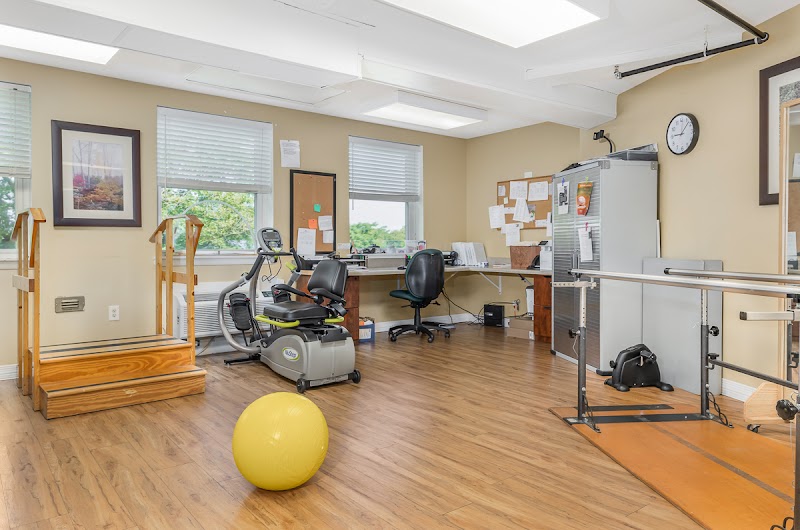
How is Autumn Lake Healthcare At Braddock Heights Staffed?

CMS rates AUTUMN LAKE HEALTHCARE AT BRADDOCK HEIGHTS's staffing level at 2 out of 5 stars, which is below average compared to other nursing homes. Staff turnover is 55%, which is 9 percentage points above the Maryland average of 46%. High turnover can affect care consistency as new staff learn residents' individual needs. RN turnover specifically is 62%, which is notably high. RNs provide skilled clinical oversight, so turnover in this role can affect medical care quality.

What Have Inspectors Found at Autumn Lake Healthcare At Braddock Heights?

State health inspectors documented 54 deficiencies at AUTUMN LAKE HEALTHCARE AT BRADDOCK HEIGHTS during 2018 to 2024. These included: 54 with potential for harm. While no single deficiency reached the most serious levels, the total volume warrants attention from prospective families.
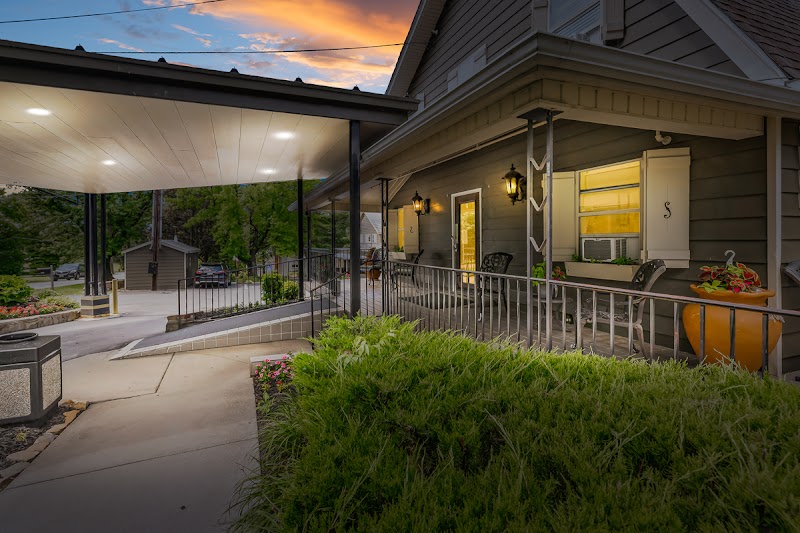
Who Owns and Operates Autumn Lake Healthcare At Braddock Heights?

AUTUMN LAKE HEALTHCARE AT BRADDOCK HEIGHTS is owned by a for-profit company. For-profit facilities operate as businesses with obligations to shareholders or private owners. The facility is operated by AUTUMN LAKE HEALTHCARE, a chain that manages multiple nursing homes. With 65 certified beds and approximately 57 residents (about 88% occupancy), it is a smaller facility located in FREDERICK, Maryland.

How Does Autumn Lake Healthcare At Braddock Heights Compare to Other Maryland Nursing Homes?

Compared to the 100 nursing homes in Maryland, AUTUMN LAKE HEALTHCARE AT BRADDOCK HEIGHTS's overall rating (4 stars) is above the state average of 3.0, staff turnover (55%) is near the state average of 46%, and health inspection rating (4 stars) is above the national benchmark.

What Should Families Ask When Visiting Autumn Lake Healthcare At Braddock Heights?

Based on this facility's data, families visiting should ask: "How do you ensure continuity of care given staff turnover, and what is your staff retention strategy?" "Can you walk me through typical staffing levels on day, evening, and night shifts?" "Can I visit during a mealtime to observe dining assistance and food quality?" "How do you handle medical emergencies, and what is your hospital transfer rate?" These questions are particularly relevant given the facility's high staff turnover rate and the below-average staffing rating.

Is Autumn Lake Healthcare At Braddock Heights Safe?

Based on CMS inspection data, AUTUMN LAKE HEALTHCARE AT BRADDOCK HEIGHTS has a clean safety record: no substantiated abuse findings (meaning no confirmed cases of resident harm), no Immediate Jeopardy citations (the most serious violation level indicating risk of serious injury or death), and is not on the Special Focus Facility watch list (a federal program monitoring the lowest-performing 1% of nursing homes). The facility has a 4-star overall rating and ranks #1 of 100 nursing homes in Maryland. While no facility is perfect, families should still ask about staff-to-resident ratios and recent inspection results during their visit.

Do Nurses at Autumn Lake Healthcare At Braddock Heights Stick Around?

Staff turnover at AUTUMN LAKE HEALTHCARE AT BRADDOCK HEIGHTS is high. At 55%, the facility is 9 percentage points above the Maryland average of 46%. Registered Nurse turnover is particularly concerning at 62%. RNs handle complex medical decisions and coordinate care — frequent RN changes can directly impact care quality. High turnover means new staff may not know residents' individual needs, medications, or preferences. It can also be disorienting for residents, especially those with dementia who rely on familiar faces. Families should ask: What is causing the turnover? What retention programs are in place? How do you ensure care continuity during staff transitions?

Was Autumn Lake Healthcare At Braddock Heights Ever Fined?

AUTUMN LAKE HEALTHCARE AT BRADDOCK HEIGHTS has no federal fines on record. CMS issues fines when nursing homes fail to meet care standards or don't correct problems found during inspections. The absence of fines suggests the facility has either maintained compliance or corrected any issues before penalties were assessed. This is a positive indicator, though families should still review recent inspection reports for the full picture.

Is Autumn Lake Healthcare At Braddock Heights on Any Federal Watch List?

AUTUMN LAKE HEALTHCARE AT BRADDOCK HEIGHTS is not on any federal watch list. The most significant is the Special Focus Facility (SFF) program, which identifies the bottom 1% of nursing homes nationally based on persistent, serious quality problems. Not being on this list means the facility has avoided the pattern of deficiencies that triggers enhanced federal oversight. This is a positive indicator, though families should still review the facility's inspection history directly.