MONTGOMERY VILLAGE CARE CENTER
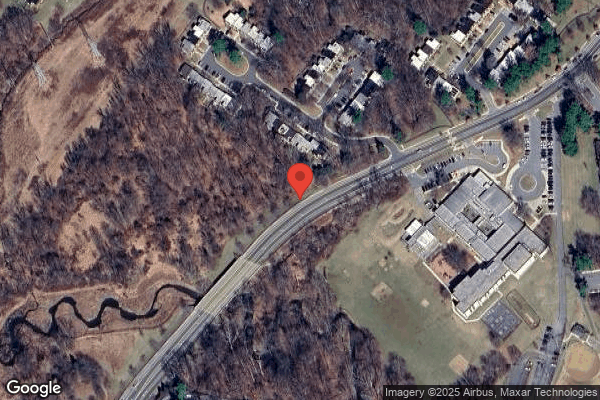

19301 WATKINS MILL ROAD, GAITHERSBURG, MD 20879 (301) 527-2500
For profit - Corporation 147 Beds Independent Data: November 2025
Trust Grade
83/100
#33 of 219 in MD
Last Inspection: January 2021

Over 2 years since last inspection. Current conditions may differ from available data.

Overview

Montgomery Village Care Center has a Trust Grade of B+, which means it is recommended and above average among nursing homes. It ranks #33 out of 219 facilities in Maryland, placing it in the top half, and #7 out of 34 in Montgomery County, indicating that only six other local options are better. The facility's performance is stable, with two issues reported in both 2021 and 2025, and it has a strong staffing situation with a turnover rate of 25%, well below the state average. Notably, there are no fines on record, and the facility has more registered nurse coverage than 80% of others in the state, which is a positive sign for resident care. However, there are some weaknesses to consider. The facility has faced issues such as failing to develop comprehensive care plans for residents who refuse treatment, and not inviting resident representatives to care plan meetings, which may impact communication and care quality. Additionally, a lack of proper monitoring of weight loss and infection control measures has been identified, indicating areas for improvement in oversight and support. Overall, while there are strengths in staffing and RN coverage, families should be aware of these concerns when considering Montgomery Village Care Center.

Trust Score
B+
83/100
In Maryland
#33/219
Top 15%
Safety Record
Low Risk
No red flags
Inspections
Holding Steady
2 → 2 violations
Staff Stability
✓ Good
25% annual turnover. Excellent stability, 23 points below Maryland's 48% average. Staff who stay learn residents' needs.
Penalties
✓ Good
No fines on record. Clean compliance history, better than most Maryland facilities.
Skilled Nurses
✓ Good
Each resident gets 51 minutes of Registered Nurse (RN) attention daily — more than average for Maryland. RNs are trained to catch health problems early.
Violations
⚠ Watch
39 deficiencies on record. Higher than average. Multiple issues found across inspections.
★★★★★
5.0
Overall Rating
★★★☆☆
3.0
Staff Levels
★★★★★
5.0
Care Quality
★★★★★
5.0
Inspection Score
Stable
2021: 2 issues
2025: 2 issues

The Good

  • 5-Star Quality Measures · Strong clinical quality outcomes
  • Low Staff Turnover (25%) · Staff stability means consistent care
  • Full Sprinkler Coverage · Fire safety systems throughout facility
  • No fines on record
  • Staff turnover is low (25%)

    23 points below Maryland average of 48%

Facility shows strength in quality measures, staff retention, fire safety.

The Bad

No Significant Concerns Identified

This facility shows no red flags. Among Maryland's 100 nursing homes, only 1% achieve this.

The Ugly 39 deficiencies on record

Apr 2025 2 deficiencies
CONCERN (D) 📢 Someone Reported This

A family member, employee, or ombudsman was alarmed enough to file a formal complaint

Potential for Harm - no one hurt, but risky conditions existed

Deficiency F0660 (Tag F0660)

Could have caused harm · This affected 1 resident

**NOTE- TERMS IN BRACKETS HAVE BEEN EDITED TO PROTECT CONFIDENTIALITY** Based on review of resident medical records and interview with facility staff, it was determined that the facility failed to imp...

Read full inspector narrative →
**NOTE- TERMS IN BRACKETS HAVE BEEN EDITED TO PROTECT CONFIDENTIALITY** Based on review of resident medical records and interview with facility staff, it was determined that the facility failed to implement an effective discharge process that adequately prepared Resident # 394 for transition to post-discharge care. This was evidenced by the failure to: 1) develop a discharge care plan for Resident # 394, 2) coordinate the referral to an outside provider for the transition of care, 3) order the recommended medical equipment and 4) provide complete and adequate discharge instructions for Resident # 394. This was evident for 1 (Resident #394) of 39 residents reviewed during the annual survey. The findings include: On 4/14/2025 at 10:10 AM, the Surveyor reviewed a complaint, MD00206515, submitted to the Office of Health Care Quality. The facility allegedly failed to adequately coordinate the discharge of Resident #394 from the facility. A record review was conducted for Resident # 394. He/She was admitted to this facility on 5/3/2024 from the hospital due to multiple fractures post fall and was discharged on 6/7/2024 to home after he/she was notified on 6/7/2024 that he/she had to go since his/her payer discontinued his/her coverage in the facility. Upon further record review, the resident had a care conference held on 5/6/2024 categorized as introductory care conference noted for the discharge plan, home with Mother No other care conference was found. Upon review of the Minimum Data Set (MDS) dated [DATE] Section GG - Resident # 394 required maximal to moderate assistance with toilet transfers, sit to stand, sit to lying, lower body dressing, toileting hygiene and bathing. Limited range of motion, on bilateral lower extremities. He/She was not able to control the bladder, with intermittent self-catheterization and not able to control bowel movements. Further record review revealed that on 6/7/2024 at 3:42 PM, an email was sent to Staff # 34 (Social Worker) by the insurance representative notifying the end of coverage was on 6/6/2024. It was noted that the discharge packet My Transition was incomplete, unlocked, and no home medication listed. It was initiated on 6/7/2024 at 5:42 PM. Review of the physician's discharge summary and instruction written on 6/7/2024 at 8:43 PM stated: He/She remained non-weight-bearing on the right lower extremity per orthopedic surgeon. He/She participated in Physical Therapy (PT)/Occupational Therapy (OT) as he/she was able. He/She had follow-up with urology, where urodynamic testing was not yet completed. Patient was discharged with wheelchair for movement due to end of payer benefit. Continue PT/OT Instructions: Non weight bearing to Right Lower Extremity; Urinary catheterization every 6 hours; Follow up with Orthopedic surgery on 6/19/2024; Follow up with Urology when ambulating; Neurology consult; Continue medications; Diabetic Diet. On 4/15/2025 at 8:42 AM, Staff # 34 (Director of Social Services) was interviewed. She confirmed that she was in charge of the discharge planning, setting up for any referral to a home health agency. She also added that discharge planning starts on admission. Discharge paperwork includes medication list, Advance Directives, contact information for vendors and home health agencies. Staff # 34 provided a copy of Resident #394's discharge paperwork titled My transition.
CONCERN (D) 📢 Someone Reported This

A family member, employee, or ombudsman was alarmed enough to file a formal complaint

Potential for Harm - no one hurt, but risky conditions existed

Deficiency F0661 (Tag F0661)

Could have caused harm · This affected 1 resident

**NOTE- TERMS IN BRACKETS HAVE BEEN EDITED TO PROTECT CONFIDENTIALITY** Based on review of interviews and record review, it was determined that the facility staff failed to provide a resident with a c...

Read full inspector narrative →
**NOTE- TERMS IN BRACKETS HAVE BEEN EDITED TO PROTECT CONFIDENTIALITY** Based on review of interviews and record review, it was determined that the facility staff failed to provide a resident with a completed discharge summary upon discharge. This was found to be evident for 1 of 39 residents (Resident #335) that were reviewed during the recertification survey. The findings include: On 4/14/2025 at 8:42 AM, the Director of Social Services for the facility was interviewed by surveyors. The Director stated that social services is responsible for arranging home health referrals and discharge paperwork will have contact information for any post facility agencies continuing care in the community. He/She also stated that residents and family members are made aware of any home health agencies that have been sent referrals by the facility. Resident #335's medical record was reviewed on 4/15/2025 at 8:25 AM. Record review revealed that the resident was admitted to the facility on [DATE] for short term rehabilitation after an acute care stay at a hospital due to a fall with fracture. The resident requested to leave the facility and was discharged on 3/8/2025. A social services note was reviewed with an effective date of 3/7/2025 at 9:34 AM and a created date of 3/9/2025 at 7:53 AM that stated that home health services were arranged through a local agency. On 4/15/2025 at 12:30 PM, the surveyor spoke with complainant about the resident's discharge from the facility. The complainant stated that the resident requested to leave the facility earlier and was informed that the facility would arrange home health services upon discharge. The complainant stated that the resident was discharged on 3/8/2025, was given discharge paperwork, and was picked up by their spouse. The complainant stated that the discharge paperwork the resident received was incomplete, missing pages (pages 11-13), and did not have contact information for the home health agency. The complainant tried contacting social services at the facility without success and stated it wasn't until two weeks later she was emailed a complete discharge summary on 3/21/2025 that had all sections filled out and included contact information for home health. The complainant also stated that when they were able to contact the home health agency, the agency stated that they were told that the resident was discharged on 3/11/2025. On 4/22/2025, the complainant sent a copy of the initial discharge paperwork to this writer. Review of the initial discharge paperwork dated 3/8/2025 revealed multiple sections that were not filled out, pages 11-13 were missing, and there was no contact information for any home health agency.
Jan 2021 2 deficiencies
CONCERN (D)

Potential for Harm - no one hurt, but risky conditions existed

Deficiency F0578 (Tag F0578)

Could have caused harm · This affected 1 resident

Based on surveyor review of clinical records and staff interviews, it was determined that the facility staff failed to implement a resident's wishes as stated in an advance directive, and failed to ve...

Read full inspector narrative →
Based on surveyor review of clinical records and staff interviews, it was determined that the facility staff failed to implement a resident's wishes as stated in an advance directive, and failed to verify the authority of a medical decision maker on a Maryland Medical Orders for Life-Sustaining (MOLST) form. This finding was evident for 1 of 3 residents reviewed for advance directive care area (Resident #72). The findings include: A MOLST is a portable and enduring medical order form covering options for cardiopulmonary resuscitation and other life-sustaining treatments. Advance directive is a written instruction, such as a living will or durable power of attorney for health care, recognized under State law (whether statutory or as recognized by the courts of the State), relating to the provision of health care when the individual is incapacitated. On 01-25-2021, a review of Resident #72's clinical record revealed the resident had an advance medical directive which stated that the resident required to be certified incompetent for making informed medical decisions before Resident #72's named health care agent shall be granted authority to make health care decisions on the resident's behalf. Further review of Resident #72's clinical record revealed no evidence that a physician had certified the resident as incompetent for making medical decisions. A review of the MOLST revealed it was completed and signed by their attending physician on 06-14-2019 as a result of discussion with the resident's health care agent, as named in the resident's advance directive. On 01-27-2021 at 5:00 PM, an interview with Resident #72's attending physician revealed she neither read resident #72's advance directive nor completed incapacity certification of the resident as of 01-27-2021. She revealed she filled Resident #72s MOLST on 06-14-2019 after discussion with the resident's health care agent. On 01-28-2021 at 2:00 PM, an interview with facility Administrator revealed no additional information.
CONCERN (D)

Potential for Harm - no one hurt, but risky conditions existed

Medical Records (Tag F0842)

Could have caused harm · This affected 1 resident

Based on medical record review, resident interview and staff interview, it was determined that the facility staff failed to maintain complete and accurate medical records for residents. This finding w...

Read full inspector narrative →
Based on medical record review, resident interview and staff interview, it was determined that the facility staff failed to maintain complete and accurate medical records for residents. This finding was evident for 1 of 26 residents reviewed during survey ( Resident #88). The findings include: On 01-25-2021 at 10:00 AM, surveyor interview with Resident #88 revealed the resident received a lab report on 12-11-2020 which had the wrong room number. On 01-26-2021 review or Resident #88's clinical record revealed her/his lab report on 12-11-2020 had her name and date of birth correct but had wrong room number. On 01-27-2021 at 5:00 PM unit manager accompanied by facility administrator came to surveyor and provided evidence that the resident had blood draw order on 12-11-2020. They said the nurse who filled out the lab requisition form might have entered wrong room number on the form. On 01-28-2021 at 3:00 PM, an interview with DON revealed no additional information.
Apr 2019 16 deficiencies
CONCERN (D)

Potential for Harm - no one hurt, but risky conditions existed

Deficiency F0561 (Tag F0561)

Could have caused harm · This affected 1 resident

Based on surveyor observations, record review, and interviews with residents and facility staff, it was determined that the facility failed to allow a resident the ability to choose whether to partici...

Read full inspector narrative →
Based on surveyor observations, record review, and interviews with residents and facility staff, it was determined that the facility failed to allow a resident the ability to choose whether to participate in group activities or eat in the dining room. This was evident for 1 of 3 residents selected for review of the choices care area during the survey (#77). The findings include: On 04-23-19 at 04:16 PM, surveyor observation revealed an isolation cart in front of resident #77's room and instructions to see the nurse prior to entering the room. On 04-25-19, review of resident #77's clinical record revealed a physician's order written on 04-22-19 for contact isolation due to a urinary tract infection. On 04-25-19 at 01:05 PM, interview with resident #77 revealed that he/she would like to leave their room to participate in group activities and eat meals in the dining room but he/she has not been allowed to leave their room since they were put on contact isolation precautions. Surveyor observation revealed the resident was lying in bed with a Foley catheter (a flexible tube that a clinician passes through the urethra and into the bladder to drain urine) that was intact. Review of the facility policy on contact isolation revealed no requirement that the resident must stay in their room for the duration of the contact isolation order. On 04-26-19 at 11:32 AM, surveyor interview with the fourth floor unit manager revealed that the resident was not allowed to participate in group activities or eat in the dining room because he/she was on contact isolation precautions. On 04-26-19 at 11:48 AM, surveyor interview with staff member #2 revealed that the resident was not allowed to participate in group activities or eat in the dining room because he/she was on contact isolation precautions. On 04-26-19 at 11:58 AM, surveyor interview with staff member #3 revealed that the resident was not allowed to participate in group activities or eat in the dining room because he/she was on contact isolation precautions. On 04-26-19 at 12:15 PM, surveyor interview with the Director of Nursing revealed resident #77 should have been allowed to participate in group activities and eat in the dining room because the urine infection was self-contained in the Foley catheter.
CONCERN (D)

Potential for Harm - no one hurt, but risky conditions existed

Deficiency F0578 (Tag F0578)

Could have caused harm · This affected 1 resident

**NOTE- TERMS IN BRACKETS HAVE BEEN EDITED TO PROTECT CONFIDENTIALITY** Based on surveyor record reviews, interviews with the residents, resident representatives and facility staff, it was determined ...

Read full inspector narrative →
**NOTE- TERMS IN BRACKETS HAVE BEEN EDITED TO PROTECT CONFIDENTIALITY** Based on surveyor record reviews, interviews with the residents, resident representatives and facility staff, it was determined that the facility failed to recognize the inconsistency between the resident's physician order and the resident's Maryland Medical Orders for Life-Sustaining Treatment (MOLST) form. This finding was evident for 2 of 6 residents selected for the advanced directive review during this survey (#16 and #35). The findings include: 1. On 04-29-19, surveyor review of resident #16's MOLST form, dated 07-25-11, revealed that the resident's representative selected the option to perform cardiopulmonary resuscitation (CPR) if a cardiac and/or pulmonary arrest occurs. However, further review of resident #16's monthly physician orders for 01-01-19 and 02-01-19 signed by the physician on 02-18-19, and monthly physician orders for 03-01-19 signed by the physician on 03-05-19, revealed that an order was written for Do Not Resuscitate (DNR) if a cardiac and/or pulmonary arrest occurs, which was inconsistent with the resident's current MOLST form. (Maryland Medical Orders for Life-Sustaining Treatment form, a two-page portable and enduring medical order form covering options for cardiopulmonary resuscitation and other life-sustaining treatments. The medical orders are based on the residents and resident representatives wishes about medical treatments and makes those treatment wishes known to health care professionals) On 04-29-19 at 3:00 PM, interview with the Director of Nursing revealed no additional information. 2. On 04-23-19 at 12:24 PM, and 04-24-19 at 9 AM, interviews with resident #35 revealed that the resident was alert and oriented. On 04-24-19, review of the the care plan sign-in sheet revealed the resident attended their quarterly care plan meetings in [DATE] and February 2019. Further review of monthly physician order sheets for February and [DATE], revealed that the resident's code status was full code, that the facility staff should attempt cardiopulmonary resuscitation (CPR) when cardiac and/or pulmonary arrest occurred. However, review of the resident's Maryland Medical Orders for Life-Sustaining Treatment (MOLST), signed in 2018, revealed a physician's order not to perform CPR when cardiac and/ or pulmonary arrest occurs after being discussed with the resident's adult child. There was no evidence that the MOLST form was updated to reflect the current code status. 04-24-19 at 10 AM, interview of the Director of Nursing (DON) and the Administrator revealed no additional information.
CONCERN (D)

Potential for Harm - no one hurt, but risky conditions existed

Notification of Changes (Tag F0580)

Could have caused harm · This affected 1 resident

Based on surveyor review of clinical records, the facility's policy and procedures, and interviews of the facility staff and the resident's responsible party, it was determined that the facility staff...

Read full inspector narrative →
Based on surveyor review of clinical records, the facility's policy and procedures, and interviews of the facility staff and the resident's responsible party, it was determined that the facility staff failed to notify the physician or the responsible party in a timely manner when there was a change in condition or treatment. This finding was evident for 2 of 4 residents selected for notification of change review (#21 & #90). The findings include: 1. On 04-29-19, review of resident #21's weight record revealed that the resident's admission weight was 151 lb. The resident's weight dropped to 137 lbs., 11 days after admission to the facility. Therefore, a re-weigh was done on 01-09-19, which confirmed a 14 lbs. weight loss in 12 days for resident #21 after admission. However, there was no documented evidence that the attending physician or nurse practitioner (NP) were notified about this unplanned, significant weight loss. Further review of the facility's policy and procedure related to unplanned weight loss revealed that the facility staff were instructed to report to the physician significant weight gains or losses or any abrupt or persistent change. On 04-29-19 at 2 PM, interview of the Administrator and the Director of Nursing revealed no additional information. 2. On 04-23-19 at 10:45 AM, surveyor observation revealed that resident #90 was receiving liquid nutrition, Osmolite 1.2, at 70 ml/hour via a gastric tube (a gastric tube is a plastic tube that is inserted into an individual's stomach to deliver nutrition and fluid). On 04-23-19, review of the dietitian's note dated on 04-23-19 revealed that resident #90 had a significant weight loss since re-admission. Therefore, the dietitian recommended to increase the liquid nutrition. Further review of the clinical record revealed that a new order was written to increase liquid nutrition from 65 ml/hour to 70 ml/ hour for resident #90. However, there was no evidence that the resident's surrogate decision maker was informed about the significant weight loss and the change of liquid nutrition orders. On 04-26-19 at 11:30 AM, interview of the resident's surrogate decision maker revealed that he/she visited resident #90 daily in the facility. However, no facility staff reported to him/her about resident #90's significant weight loss and the change of liquid nutrition. On 04-26-19 at 5 PM, interview of the Administrator and the Director of Nursing revealed no additional information.
CONCERN (D)

Potential for Harm - no one hurt, but risky conditions existed

Deficiency F0658 (Tag F0658)

Could have caused harm · This affected 1 resident

Based on surveyor review of the clinical record, surveyor observation, interviews with the resident and facility staff, it was determined that the facility's dietician failed to ensure dietetic standa...

Read full inspector narrative →
Based on surveyor review of the clinical record, surveyor observation, interviews with the resident and facility staff, it was determined that the facility's dietician failed to ensure dietetic standards of practice regarding resident #67's weight loss. This finding was evident for 1 of 13 residents selected for the Food/Nutrition review (#67). The findings include: On 04-24-19, surveyor review of the clinical record for resident #67 revealed that the attending physician ordered the facility staff to obtain daily weights in the morning for the resident. Additionally, if there was a weight gain of 2-3 lbs. (pounds) overnight, or 4-5 lbs. over a 5 day period, then the facility staff were to notify the attending physician. Review of the March and April 2019 weight summary for resident #67 revealed that staff documented the resident's weight to be 191.2 lbs. on 03-31-19. However, on 04-01-19, the weight was recorded at 168.6 lbs. Therefore, the documented weights would indicate that the resident had a weight loss of 22.6 lbs. within a 24 hour time period. Nursing documentation on 04-03-19 revealed a change in condition for the recorded weight loss on resident #67 and this was an initial occurrence. Further review of the change in condition documentation revealed that the nursing staff notified the attending physician, who then recommended a dietician consult should be conducted. On 04-26-19, record review revealed a nutritional evaluation was conducted on 04-08-19 by the facility's dietician. Further review of the evaluation revealed that resident #67's current weight of 168.6 was a noted significant weight loss of 15.7% over 30 days. The dietician documented that the resident's weight loss was partially related CHF (Congestive Heart Failure) and diuretic therapy with slight decreased intake from baseline. In addition, the care plan will be updated and a plan to monitor the resident's appetite and intake with further weight fluctuation expected due to the CHF and medications. Surveyor interview on 04-24-19 at 1PM with the facility's dietician and resident #67, revealed that the resident's appetite with food likes and dislikes were indicated on the tray tickets. The resident also verbalized that the food served at times was not appetizing and unrecognizable. No further information provided at that time. Surveyor observation on 04-29-19 at 10:34AM of resident #67's daily weight, obtained by the assigned GNA (Geriatric Nursing Assistant) and the fourth floor unit manager, revealed the resident's weight as167.6 lbs. However, there was no documented evidence of any further nutritional assessments, monitoring or evaluations completed by the facility's dietician since 04-08-19 as the resident's weight fluctuations continued. On 04-29-19 at 11:30AM and 2:30PM, surveyor interviews with the Director of Nursing and the fourth floor unit manger revealed a quarterly inspection of the facility's scales used in obtaining resident's weights were in good condition. On 04-29-19 at 3:30PM, surveyor interview with the Director of Nursing and the facility Administrator revealed no additional information. Per the Academy of Nutrition and Dietetics, the standard of practice for the registered dietician is to maintain the Nutrition Care Process, which provides a systematic approach to providing high-quality nutritional care. This process includes performing a nutritional assessment, diagnosis of nutritional problems, development of nutrition-related priorities, goals and objectives and to establish, implement, and provide ongoing management and revision of interventions based on the resident's response to nutritional care.
CONCERN (D)

Potential for Harm - no one hurt, but risky conditions existed

Deficiency F0685 (Tag F0685)

Could have caused harm · This affected 1 resident

Based on surveyor review of the clinical record and interviews with residents and the facility staff, it was determined that the facility staff failed to refer resident #70 for low vision services. Th...

Read full inspector narrative →
Based on surveyor review of the clinical record and interviews with residents and the facility staff, it was determined that the facility staff failed to refer resident #70 for low vision services. This finding was evident for 1 of 2 residents selected for the communication-sensory review (#70). The findings include: On 04-23-19 at 9:29 AM, surveyor interview of resident #70 revealed the resident was alert and oriented. The resident stated he/she could not see the surveyor clearly. On 04-23-19 at 1 PM, a lunch tray with chicken and squash was served to resident #70 in their room. The resident observed the lunch tray and told the surveyor that the brussels sprouts did not look good. The surveyor clarified with the resident that the vegetable was squash, not brussels sprouts. After the resident tasted it, he/she confirmed that it was squash, not brussels sprouts. On 04-29-19, review of the consultations dated on 10-03-17 and 06-27-18 revealed that resident #70 was recommended for low vision evaluation/services. However, there was no evidence that the resident was referred for low vision services. On 04-29-19 at 2:30 PM, interview of the Administrator and the Director of Nursing (DON) revealed that they would follow up. On 04-29-19 at 4:10 PM, the DON informed the surveyor that the facility staff did not refer the resident for low vision services because the resident did not need it. The DON further stated that the resident's activities of daily living (ADL) were not being impacted by low vision.
CONCERN (D)

Potential for Harm - no one hurt, but risky conditions existed

Accident Prevention (Tag F0689)

Could have caused harm · This affected 1 resident

Based on surveyor observation, review of the clinical record and interviews with the resident and the facility staff, it was determined that the facility staff failed to secure resident #76's lighter....

Read full inspector narrative →
Based on surveyor observation, review of the clinical record and interviews with the resident and the facility staff, it was determined that the facility staff failed to secure resident #76's lighter. This finding was evident for 1 of 6 residents selected for the accidents review (#76). The findings include: On 04-24-19 at 10:45 AM, surveyor interview of resident #76 revealed that the resident smoked and kept their own lighter in a locked drawer in the resident's room. The resident further stated that he/she could smoke anytime in the designated smoking area without supervision. The green/blue lighter was observed in the nightstand drawer during the interview. On 04-26-19, surveyor review of the smoking evaluation, dated 12-06-18, revealed that the resident was evaluated to be a safe smoker. The resident smoked occasionally. Most of the time, the resident smoked with their spouse present. Further review of the smoking rules, which was signed by resident #76 and spouse in 2016, revealed that the lighting materials should be given to the facility nurses after return from smoking if one is evaluated as an independent smoker. This was inconsistent with surveyor's observation on 04-24-19. On 04-26-19 at 1:49 PM, surveyor interview with staff #7 revealed the nursing staff did not keep the resident's cigarettes or lighter because the resident was considered as a safe smoker, which was inconsistent with the smoking rules. Review of the care plan related to smoking, revealed that the resident's spouse was responsible to hold onto the lighting material, which was inconsistent with surveyor's observation on 04-24-19 and the smoking rules. On 04-26-19 at 3 PM, interview of staff #7 and the third floor unit manager revealed staff #7 did not know that the resident kept the lighter in his/her room at all times. On 04-26-19 at 5 PM, surveyor interview with the Administrator and the Director of Nursing (DON) revealed no additional information.
CONCERN (D)

Potential for Harm - no one hurt, but risky conditions existed

Deficiency F0697 (Tag F0697)

Could have caused harm · This affected 1 resident

Based on record review and interviews with residents and facility staff, it was determined that the facility staff failed to provide pain management medication as ordered by a physician. This was evid...

Read full inspector narrative →
Based on record review and interviews with residents and facility staff, it was determined that the facility staff failed to provide pain management medication as ordered by a physician. This was evident for 2 of 2 residents selected for review of pain management during the survey (#1 & #70). The findings include: 1. On 04-23-19 at 9:15 AM, surveyor interview with resident #1 revealed that the resident experienced chronic pain, which increased during physical activity. On 04-24-19, surveyor review of resident #1's clinical record revealed that he/she participated in physical therapy from 04-04-19 to 04-17-19, and occupational therapy from 04-04-19 to 04-19-19. In addition, there was a physician's order, written on 04-09-19, to give resident #1 a specific pain medication one hour before therapy. On 04-09-19, the physician documented that resident #1 requested pain medication for chronic pain, especially prior to therapy. There was no evidence in the clinical record that the pain medication was given before therapy on 04-11-19 and 04-16-19 through 04-19-19. On 04-26-19 at 02:15 PM, interview with the Administrator revealed no new information. 2. On 04-23-19 at 9 AM, surveyor interview with resident #70 revealed the resident was alert and oriented. The resident could communicate his/her needs to the facility staff. On 04-29-19, surveyor review of the clinical record and Medication Administration Record (MAR) revealed that the attending physician ordered a PRN (as needed) order of Tylenol 1000mg, three times a day, to treat pain level between 1 and 4 in November 2017. Subsequently, a routine order of Tylenol 650mg was ordered three times a day for pain starting in August 2018. On 04-03-19, an additional PRN order of Tylenol 650mg was ordered every 4 hours for pain level between 1-4. Further review of April 2019 MAR revealed that resident #70 received routine Tylenol 650 mg three times a day at 9 AM, 1 PM, and 5 PM on 04-03-19. In addition, the nursing staff gave PRN Tylenol 1000mg at 2 PM on 04-03-19 and PRN Tylenol 650mg at 7 PM on 04-03-19. Resident #70 received a total of 3900mg of Tylenol in a 10 hour period, which exceeds the daily maximum dosage of 3000mg per the manufacture's recommendation. There was no evidence that the nursing staff clarified the pain management routine and multiple orders for Tylenol with the attending physician. On 04-29-19 at 5:30 PM, interview with the Administrator and the Director of Nursing (DON) revealed no additional information.
CONCERN (D)

Potential for Harm - no one hurt, but risky conditions existed

Medication Errors (Tag F0758)

Could have caused harm · This affected 1 resident

Based on surveyor record review and interviews with facility staff, it was determined that the facility staff failed to implement nonpharmacological behavioral interventions for a resident using as ne...

Read full inspector narrative →
Based on surveyor record review and interviews with facility staff, it was determined that the facility staff failed to implement nonpharmacological behavioral interventions for a resident using as needed psychotropic medication. This was evident for 1 of 5 residents selected for the unnecessary medication review (#77). The findings include: On 04-24-19, surveyor review of resident #77's clinical record revealed an active physician's order for an as needed anti-anxiety medication from 11-29-18 until 04-05-19. Review of the medication administration record revealed that the medication was administered to resident #77 on 11-19-18, 02-17-19, 02-21-19, 03-1-19, 03-02-19, 03-03-19, 03-04-19, 03-05-19, 03-07-19, 03-08-19, 03-12-19, 03-17-19, 03-21-19, 03-23-19, and 03-24-19. However, there was no evidence that any nonpharmacological behavioral interventions were attempted prior to the medication administration. In addition, there was no care plan in the clinical record addressing the use of the anti-anxiety medication or the implementation of any behavioral interventions. On 04-24-19 at 11 AM, interview with the fourth floor unit manager revealed that the staff were supposed to attempt and document nonpharmacological interventions prior to administering an as needed psychotropic medication (a psychotropic medication is any drug capable of affecting the mind, emotions, and behavior). On 04-24-19 at 11:29 AM, interview with the Administrator revealed no new information.
CONCERN (D)

Potential for Harm - no one hurt, but risky conditions existed

Medical Records (Tag F0842)

Could have caused harm · This affected 1 resident

Based on surveyor review of the clinical record and interviews with facility staff, it was determined that the facility staff failed to ensure accurate clinical documentation. This finding was evident...

Read full inspector narrative →
Based on surveyor review of the clinical record and interviews with facility staff, it was determined that the facility staff failed to ensure accurate clinical documentation. This finding was evident for 2 of 37 residents selected for review during this survey (#68, #14). The findings include: 1. The Maryland Medical Orders for Life-Sustaining Treatment (MOLST) is a portable and enduring medical order covering options for cardiopulmonary resuscitation and other life-sustaining treatments. The medical orders are based on the resident's wishes about medical treatments listed on the form. On 04-24-19, surveyor review of the clinical record for resident #68 revealed that the resident's family member was identified as the designated surrogate decision maker. Further review of the 2012 social services evaluation revealed that resident #68 had no Advance Directives at that time. Additionally, the March 2018 social services progress note indicated that the resident had no Advance Directives at this time, MOLST in chart to be updated by MD (medical doctor) as needed. Further record review of the October 2012 MOLST for resident #68 revealed that the completed MOLST certified that the orders for the MOLST were the result of a discussion and a informed consent of the patient's (resident's) health care agent as named in the patient's (resident's) advance directive and the attending physician. However, further record review revealed no documented evidence of a Advance Directive being in place for resident #68, as was indicated on the MOLST document. On 04-25-19 at 4PM, interview with the facility's Administrator and the Director of Nursing revealed no additional information. 2. On 04-24-19, surveyor review of resident #14's tube feeding protocol for April 2019 revealed that an order was written to administer a calorically dense, fiber-fortified therapeutic nutrition unit, Jevity 1.5, four times a day at 8 AM, 1 PM, 7 PM & 10 PM. However, there was no evidence that the resident received his/her nutrition at 7 PM and 10 PM on 04-23-19 as ordered. On 04-24-19 at 2:45 PM, surveyor interview of the Administrator and the third floor unit manager revealed they would follow up. On 04-24-19 at 4 PM, surveyor interview of staff #6 revealed that he/she administered the nutrition at 7 PM and 10 PM on 04-23-19 as ordered for resident #14, but forgot to sign off the administration order as given.
CONCERN (E)

Potential for Harm - no one hurt, but risky conditions existed

Comprehensive Care Plan (Tag F0656)

Could have caused harm · This affected multiple residents

3. Based on surveyor review of the closed clinical record and interview with facility staff, it was determined that the facility staff failed to develop a comprehensive plan of care to address residen...

Read full inspector narrative →
3. Based on surveyor review of the closed clinical record and interview with facility staff, it was determined that the facility staff failed to develop a comprehensive plan of care to address resident #268's refusal of care/treatment. On 04-26-19, surveyor review of the February 2019 physical therapy and nursing documentation revealed multiple occasions of resident #268's refusal to participate in the prescribed treatment plan, including the use of the required brace on the left upper extremity as well as personal care needs. On 04-29-19 at 2PM, surveyor interview with the first floor unit manager revealed that resident #268 had documented incidents in which the resident refused staff to provide personal care needs and refused to comply with the use of a brace to their left upper extremity for stabilization. However, review of the comprehensive care plan for resident #268 revealed no evidence of a plan of care to address the resident #268's refusal with the treatment plan and/or care. On 04-29-19 at 3:45PM, surveyor interview with the facility's Administrator and the Director of Nursing revealed no additional information. 4. On 04-25-19 at 9 AM, surveyor observation revealed resident #1 smoking independently in the designated smoking area. Review of resident #1's clinical record revealed that safe smoking evaluations were performed on 08-29-18 and 04-24-19, which assessed resident #1 as a safe smoker. There was no evidence in resident #1's clinical record that a care plan for smoking was developed or safety interventions related to smoking were implemented. On 04-25-19 at 10 AM, interview with the Administrator revealed no new information. 5. On 04-23-19 at 9 AM, surveyor observed a PICC line (is an acronym for Peripherally Inserted Central Catheter, a long intravenous tube, usually inserted in a smaller vein in the upper arm which terminates in a larger vein in the chest near the heart. It is used to access the blood stream in order to deliver intravenous medications or draw blood) to resident #110's right upper arm. Surveyor review of resident #110's clinical record revealed that a physician's order for IV antibiotics was written on 04-12-19. There was no evidence in resident #110's clinical record of a care plan to address the infection treated by the IV antibiotics or care of the PICC line. On 04-29-19 at 9 AM, interview with the Director of Nursing and the first floor unit manager revealed no new information. Based on surveyor review of the clinical record and interviews with residents and facility staff, it was determined that the facility staff failed to develop comprehensive plans of care for the residents. This finding was evident for 5 of 37 residents selected for review during the survey (#35, #70, #268, #1 & #110). The findings include: 1. On 04-23-19 at 12:45 PM and 04-24-19 at 9 AM, surveyor observation revealed a hand splint noted on resident #35's nightstand. Interview of the resident revealed that the facility staff applied the left hand splint daily. On 04-29-19, review of the clinical record revealed an order, written on 11-24-18, to wear the left hand splint daily from 9 AM to 12 PM. In addition, the application schedule of the left hand splint was written on the Geriatric Nursing Assistant (GNA)'s tasks. Further review revealed the quarterly MDS assessment was done on 02-01-19. A care plan meeting was held with the resident on the same day. However, there was no evidence that a care plan related to contracture management was developed. On 04-29-19 at 2 PM, interview of the Administrator and the Director of Nursing revealed no additional information 2. On 04-23-19 at 9:29 AM, interview of resident #70 revealed the resident was alert and oriented. The resident stated he/she could not see the surveyor clearly. On 04-29-19, review of the consultations dated on 10-03-17 and 06-27-18 revealed resident #70 was recommended for low vision evaluation/services due to macular degeneration. However, there was no evidence that a care plan related to vision was developed during quarterly care plan meetings on 01-11-19 and 03-08-19. On 04-29-19 at 2:30 PM, surveyor interview of the Administrator and the Director of Nursing (DON) revealed no additional information.
CONCERN (E)

Potential for Harm - no one hurt, but risky conditions existed

Deficiency F0657 (Tag F0657)

Could have caused harm · This affected multiple residents

**NOTE- TERMS IN BRACKETS HAVE BEEN EDITED TO PROTECT CONFIDENTIALITY** 6. On 04-29-19, surveyor record review revealed that resident #16 lacked capacity to make health care decisions and had a reside...

Read full inspector narrative →
**NOTE- TERMS IN BRACKETS HAVE BEEN EDITED TO PROTECT CONFIDENTIALITY** 6. On 04-29-19, surveyor record review revealed that resident #16 lacked capacity to make health care decisions and had a resident representative. Further review of the clinical record revealed a care plan meeting progress note, a care conference note and a sign-in sheet for the care plan meeting on 04-12-19. However, there was no documented evidence that resident #16's representative was invited or attended the meeting. On 04-29-19 at 3:00 PM, surveyor interview with the Director of Nursing and the Administrator revealed no additional information.Based on surveyor observations, record review, interviews with residents, resident representatives and facility staff, it was determined that the facility failed to invite residents/representatives to care plan meetings, failed to provide care plan meetings that were comprised of a comprehensive interdisciplinary team, and failed to revise care plans as necessary. This was evident for 12 of 37 residents selected for review during this survey (#4, #10, #16, #23, #54,# 68, #70, #77, #86, #95, #103, & #114) . The findings include: 1a. On 04-24-19 at 09:28 AM, surveyor interview with resident #77 revealed that that he/she had not been invited to participate in a care plan meeting with the facility staff to discuss his/her plan of care. On 04-24-19 at 12 PM, surveyor interview with the fourth floor unit manager revealed that the interdisciplinary team uses a care plan meeting sign-in sheet to document the meeting and who was in attendance. There was no documented evidence in resident #77's record that the resident was invited to any care plan meeting. On 04-25-19 at 12 PM, interview with the Administrator revealed no new information. 1b. On 04-24-19, surveyor review of resident #77's clinical record revealed an active physician's order for an as needed anti-anxiety medication from 11-29-18 until 04-05-19. On 03-29-19, a routine anti-anxiety medication was prescribed to resident #77. There was no evidence that the care plan in the clinical record was revised to address the use of the anti-anxiety medication or any behavioral interventions implemented. On 04-24-19 at 11:29 AM, interview with the Administrator revealed no new information. 2. On 04-24-19 at 10:53 AM, surveyor interview with resident #114's representative revealed that the facility has not held a care plan meeting with him/her or the resident since the resident's admission to the facility on [DATE]. On 04-24-19 at 12:51 PM, surveyor interview with the first floor unit manager revealed the interdisciplinary team uses a care plan meeting sign-in sheet to document the meetings and who was in attendance. There was no documented evidence in resident #114's record that the resident or representative were invited to a care plan meeting. On 04-25-19 at 12 PM, interview with the Administrator revealed no new information.7. On 04-24-19 at 12:40 PM, surveyor interview with resident #86 revealed that the resident could not recall attending any care plan meetings. The resident was his/her own responsible party. Review of resident #86's record revealed that the resident had quarterly MDS assessments completed on 03-15-19 and 01-07-19. However, the facility was unable to provide documented evidence of any care plan conference conducted in 2019. On 04-26-19 at 10:24 AM, surveyor interview of the fourth floor unit manager provided no additional information. On 04-29-19 at 09:35AM, surveyor interview with staff #3 provided no additional information. 8. On 04-23-19 at 11:43 AM, surveyor interview with resident #10's family member revealed that there had been no care plan meetings held at the facility since one was held shortly after admission. The resident was their own responsible party however preferred that a family representative be present for care meetings. Resident record review revealed that resident #10 had a quarterly MDS assessment completed on 01-09-19. However, a care conference note, dated 03-19-19, revealed that a care conference was not scheduled until 03-20-19 and the family member was unable to attend. On 04-26-19 at 10:24 AM, surveyor interview with fourth floor unit manager revealed no additional information. On 04-29-19 at 09:35AM, surveyor interview with the staff #3 provided no additional information. 9.On 04-24-19 at 8:38 AM, surveyor interview with resident #95 revealed that the resident had not had a care plan meeting recently. Resident #95 was their own responsible party. Surveyor review of resident #95's record revealed that resident had a quarterly MDS assessments completed on 03-16-19. However, the facility was unable to provide documented evidence of any care plan meeting conducted in 2019. On 04-26-19 at 10:24 AM, surveyor interview of the fourth floor unit manager provided no additional information. On 04-29-19 at 09:35AM, surveyor interview with the staff #3 provided no additional information.3. On 04-25-19 surveyor review of the clinical record for resident #23 revealed that the resident had an identified responsible party. Further review revealed the next scheduled interdisciplinary care plan conference was held on 04-19-19. Staff documentation on the 04-19-19 care conference note revealed that resident #23 was present. However, review of the 04-19-19 care conference note and the care plan sign-in sheet revealed no documented evidence that the responsible party was invited or present at the conference. The only people in attendance, according to the sign-in sheet were two facility staff representatives, one from nursing and one from activities. There was no documented evidence that any other interdisciplinary team members had participated in the scheduled conference On 04-29-19 at 3PM, interview with the facility Administrator and the Director of Nursing revealed no additional information. 4. On 04-25-19 surveyor review of the clinical record for resident #68 revealed a care conference note and a care plan sign-in sheet for 02-01-19 that the resident's responsible party was invited to, but was unable to attend. No explanation for the absence was documented. However, further review revealed that only two facility staff representatives, nursing and activities, had attended the interdisciplinary care conference on 02-01-19. There was no documented evidence that any other interdisciplinary team members had participated in the scheduled conference. On 04-25-19 at 2PM, surveyor interview with the facility Administrator and the Director of Nursing revealed an interdisciplinary care conference include staff member representatives from social services, dietary, rehabilitation when applicable and at times the attending physician. No additional information was provided. 5. On 04-29-19, surveyor review of the clinical record for resident #103 revealed that quarterly MDS (Minimum Data Set) assessments were completed for 12-29-18 and 03-26-19. The Minimum Data Set (MDS) is a mandated process for clinical assessment of all residents in Medicare or Medicaid certified nursing homes. This process provides a comprehensive and accurate assessment of each resident's functional capacity and health status to assist nursing home staff in identifying health problems. MDS assessments are required for residents on admission to the nursing facility and then periodically, within specific guidelines and time frames. However, further review of the clinical record revealed no documented evidence that any quarterly interdisciplinary care conferences were held for resident #103 since 05-03-18. In addition, there was no evidence that the resident's responsible party had been invited to or had participated in a care conference since 05-03-18. On 04-29-19 at 2PM, surveyor interview with staff #3 revealed no additional information. On 04-29-19 at 3:30PM, surveyor interview with the facility Administrator and the Director of Nursing revealed no additional information. 10. On 04-24-19, surveyor review of resident #4's clinical record revealed that the resident's adult child was the power of attorney for health care decisions. On 04-08-18, a quarterly MDS assessment was completed. However, there was no evidence that a quarterly care plan meeting was arranged with the power of attorney. On 04-24-19 at 2:45 PM, surveyor interview of the Administrator and third floor unit manager revealed no additional information. 11. On 04-23-19, surveyor review of the clinical record for resident #54 revealed that the resident's spouse was the responsible party for health care decisions. On 04-23-19 at 4 PM, surveyor telephone interview with the resident's spouse revealed that the spouse was at work and not available for an interview. The spouse referred the surveyor to speak with the resident's parent, who visited the resident daily. On 04-23-19 at 4:10 PM, surveyor telephone interview of the resident's parent revealed the resident was admitted to the facility 6 months ago. The parent and the spouse were not aware of any quarterly care plan meetings. On 04-24-19, surveyor review of the clinical record revealed that a quarterly Minimum Data Set (MDS) assessment was done on 02-14-19. MDS is an assessment to reflect an individual's physical and functional status. A quarterly care plan meeting was held on 02-08-19, about a week before the MDS assessment. However, there was no documented evidence that the resident's spouse or the parent were involved in the care plan meeting on 02-08-19. 04-25-19 at 8:50 AM, surveyor interview of the Administrator and third floor unit manager revealed they would follow up. 04-26-19 at 7:40 AM, surveyor interview of the Administrator revealed no additional information. 12. On 04-29-19, surveyor review of the clinical record revealed that resident #70 had a power of attorney (POA) to make health care decisions. Further review of the care plan sign-in sheet, dated 03-08-19, revealed that the resident attended the quarterly care plan meeting. However, there was no documented evidence that the resident's POA was invited to attend the quarterly care plan meeting in March 2019. On 04-29-19 at 2 PM, surveyor interview of the Administrator and the Director of Nursing (DON) revealed no additional information.
CONCERN (E)

Potential for Harm - no one hurt, but risky conditions existed

Quality of Care (Tag F0684)

Could have caused harm · This affected multiple residents

3. On 04-25-19, surveyor review of resident #1's clinical record revealed a physician's order, written on 04-03-19, to weigh the resident daily due to a medical condition. Review of the April 2019 tre...

Read full inspector narrative →
3. On 04-25-19, surveyor review of resident #1's clinical record revealed a physician's order, written on 04-03-19, to weigh the resident daily due to a medical condition. Review of the April 2019 treatment administration record and weight log revealed that the resident was weighed on 04-03-19, 04-06-19, 04-07-19, 04-17-19, and 04-23-19. On 04-10-19, the staff documented that the resident refused to be weighed. There was no evidence in the clinical record that resident #1 was weighed the remaining days between 04-03-19 and 04-25-19, or that the resident refused to be weighed. Furthermore, there was no evidence that the attending physician was notified that the daily weights were not performed as ordered. On 04-25-19 at 10 AM, interview with the first floor unit manager revealed no new information. On 04-25-19 at 2PM, interview with the Administrator revealed no new information. The resident's care plan was updated and the attending physician was notified of the missing weights on 04-25-19, after surveyor intervention. Based on surveyor record review and facility staff interviews, it was determined that the facility staff failed to follow physicians' orders. This was evident for 3 of 37 residents reviewed during this survey (#21, #4 & #1) . The findings include: 1a. On 04-29-19, review of resident #21's clinical record revealed a new order, written on 01-30-19, to administer Melatonin for sleep. However, there was no evidence that the Melatonin was given on 01-31-19 as ordered. b. Further review of the physician order, dated 01-31-19, revealed that a diabetic medication, Glipizide 5 mg, was prescribed for resident #21 daily at 6 AM. However, there was no evidence that the diabetic medication was given on 02-01-19. Based on the facility's medication inventory report, Glipizide 5 mg was available on 02-01-19. On 04-29-19 at 2 PM, interview with the Administrator and the Director of Nursing revealed no additional information. 2a. On 04-24-19, review of resident #4's clinical record revealed that the attending physician ordered Midodrine 5 mg be administered three times a day for hypotension upon admission. In addition, the nursing staff was instructed to hold the medication if the resident's systolic blood pressure (SBP) was greater than 120 mmHg. However, review of April 2019 Medication Administration Record (MAR) revealed that Midodrine 5 mg was given at 5 PM on 04-09-19 and 04-20-19 when the resident's SBP was greater than 120 mmHg, which was inconsistent with the physician's order. b. On 04-24-19, review of the physician's order revealed that a new order was written to administer a medication, Carbidopa/Levodopa 25-100 mg, three times a day (9 AM, 5 PM & 10PM) for Parkinson's disease. However, review of April 2019 MAR revealed that the nursing staff signed off that Carbidopa/Levodopa 25-100 mg was given three times a day at 9 AM, 1 PM & 5 PM three times a day between 04-01-19 and 04-24-19, which is inconsistent with the physician's order. On 04-26-19 at 9 AM, interview of the Administrator and the Director of Nursing (DON) revealed no additional information.
CONCERN (E)

Potential for Harm - no one hurt, but risky conditions existed

QAPI Program (Tag F0867)

Could have caused harm · This affected multiple residents

Based on surveyor review of facility's Quality Assurance and Performance Improvement (QAPI) program, review of previous Centers for Medicare and Medicaid Services (CMS) 2567 forms and interviews with ...

Read full inspector narrative →
Based on surveyor review of facility's Quality Assurance and Performance Improvement (QAPI) program, review of previous Centers for Medicare and Medicaid Services (CMS) 2567 forms and interviews with the Administrator and the Director of Nursing, it was determined that the facility's QAPI committee failed to monitor the corrective actions related to advance directives and care plan revisions. The findings include: On 04-29-19, surveyor review of the CMS 2567 form revealed that a deficiency related to advance directives was identified on 10-17-18 during a complaint survey. In addition, a deficiency related to care plan revision was identified on 11-18-19 during another complaint survey. Further review of the facility's plan of correction revealed the alleged date of compliance was 01-04-19 for advance directives and care plan revisions. The Director of Nursing (DON) would audit weekly for 2 months and then monthly for 2 months to ensure the Maryland Order for Life Sustaining Treatment (MOLST) form, advance directives and face sheets are complete and accurate. In addition, the DON would audit 5 residents' care plans 3x/ week for a month and 10 residents' care plans for 2 months to ensure the care plans are revised. Then, the audit reports would be reviewed in the QAPI process. The Administrator was the designated person to monitor this QAPI process. On 04-29-19, surveyor review of the facility's QAPI program revealed that the QAPI's strategic elements included feedback, data system and monitoring. However, deficient practices related to advance directives and care plan revisions were identified during this annual survey. On 04-29-19 at 5:45 PM, interview with the Administrator and the Director of Nursing (DON) revealed that the DON did not conduct any audits in February and March 2019 related to advance directives and care plan revision, as stated on the facility's plan of correction. The Administrator did not have any additional information.
MINOR (B)

Minor Issue - procedural, no safety impact

Deficiency F0712 (Tag F0712)

Minor procedural issue · This affected multiple residents

Based on surveyor review of the clinical record and interviews with the facility staff, it was determined that the facility staff failed to ensure that the attending physician sees the resident once e...

Read full inspector narrative →
Based on surveyor review of the clinical record and interviews with the facility staff, it was determined that the facility staff failed to ensure that the attending physician sees the resident once every 60 days after the first 90 days of admission. This finding was evident for 1 of 37 residents reviewed during the survey (#54). The findings include: On 04-23-19 at 1 PM, resident #54 was observed during dining observation. The resident was non-verbal and required total assistance with feeding and other activities of daily living. On 04-24-19, surveyor review of the clinical record revealed that resident #54 was admitted to the facility in November 2018. The attending physician visited the resident in November & December 2018 and January 2019. However, there was no evidence that the attending physician or his/her nurse practitioner visited the resident in March or April 2019. On 04-25-19 at 8:40 AM, interview with the Administrator and the third floor unit manager revealed they would follow up. On 04-26-19 at 9 AM, interview with the third floor unit manager revealed no additional information.
MINOR (B)

Minor Issue - procedural, no safety impact

Deficiency F0761 (Tag F0761)

Minor procedural issue · This affected multiple residents

Based on surveyor observation and interviews with the facility staff, it was determined that the facility staff failed to discard expired medications timely. This finding was evident for 1 of 2 medica...

Read full inspector narrative →
Based on surveyor observation and interviews with the facility staff, it was determined that the facility staff failed to discard expired medications timely. This finding was evident for 1 of 2 medication rooms observed during the survey. The findings include: On 04-26-19 at 2:30 PM, surveyor tour of the third floor medication room was done with the third floor unit manager. The following expired medications were found in the medication room: 1. Two 8 oz bottles of Advanced Formula Cerovite liquid (lot #20471615) with an expiration date of 12/18 (December 2018) as house stock. 2. One 8 oz bottle of Chlorhexidine Gluconate 4% solution with an expiration date of 2-20-2018 for resident # 69. 3. One 8 oz bottle of Chlorhexidine Gluconate 4% solution with an expiration date of 2-20-2018 for resident # 22. 4. Twenty-six 10ml pre-filled normal saline solution syringes (lot # 714191N) with an expiration date of 11-25-2018 for resident # 68. 5. Thirty 10ml pre-filled normal saline solution syringes (lot #710171N) with an expiration date of 10-10-2018 for resident # 14. On 04-26-19 at 3 PM, surveyor interview with the third floor unit manager revealed the night shift nursing staff were assigned to inspect the medication room routinely. On 04-29-19 at 2 PM, interview with the Administrator and the Director of Nursing revealed no additional information.
MINOR (C)

Minor Issue - procedural, no safety impact

Social Worker (Tag F0850)

Minor procedural issue · This affected most or all residents

Based on surveyor review of administrative records and interviews facility staff, it was determined that the facility failed to employ a full time social worker between 02-23-19 and 04-22-19. The find...

Read full inspector narrative →
Based on surveyor review of administrative records and interviews facility staff, it was determined that the facility failed to employ a full time social worker between 02-23-19 and 04-22-19. The findings include: The facility is licensed for 147 beds. The census at the time of the survey was 105. Federal regulations require that any facility with more than 120 beds must employ a qualified social worker on a full-time basis. On 04-29-19 at 09:35AM, surveyor interview with the social worker (staff #3) revealed that they currently work part-time, approximately 15-18 hours a week. Staff #3 revealed that the facility had recently hired a new, full-time social worker and prior to that hire, staff # 3 was the only licensed social worker employed at the facility during the period of 02-23-19 through 04-22-19. On 04-29-19 at 2:45PM, surveyor interview with the Administrator, revealed that the facility terminated the employment of the previous full-time social worker on 02-22-19. The facility awaited on corporate approval to hire a new, full-time social worker. The new, full-time social worker started their employment at the facility on 04-23-19. The Administrator confirmed that there was no full-time, social worker, employed or supervising, in the facility during that interval.
Apr 2018 19 deficiencies
CONCERN (D)

Potential for Harm - no one hurt, but risky conditions existed

Comprehensive Care Plan (Tag F0656)

Could have caused harm · This affected 1 resident

Based on surveyor review of the clinical records and staff interview it was determined that the facility staff failed to develop a comprehensive resident centered care plan to meet the residents clini...

Read full inspector narrative →
Based on surveyor review of the clinical records and staff interview it was determined that the facility staff failed to develop a comprehensive resident centered care plan to meet the residents clinical condition. This finding was evident for 1 of 32 residents selected for review during the survey. (#210). The findings include: On 04-25-18 at 2:00 PM, review of the clinical record for resident #210 revealed multiple medications including but not limited to Eliquis (an anticoagulant/blood thinner to prevent blood clots) 2.5 mg tablet two times a day. However, there was no evidence in the clinical record of a care plan addressing the potential risks of bleeding/bruising or other side effects associated with anticoagulant use for resident #210, or interventions to prevent the associated risks. On 04-25-18 at 2:15 PM, surveyor interview with the administrator and director of nursing (DON) revealed no additional information.
CONCERN (D)

Potential for Harm - no one hurt, but risky conditions existed

Quality of Care (Tag F0684)

Could have caused harm · This affected 1 resident

Based on surveyor review of the clinical record it was determined that the facility staff failed to coordinate the care necessary to insure follow up visits with neurology and urogynecology physicians...

Read full inspector narrative →
Based on surveyor review of the clinical record it was determined that the facility staff failed to coordinate the care necessary to insure follow up visits with neurology and urogynecology physicians. This finding was evident for 1 of 32 residents selected for review during the survey. (#36) The findings include: On 04-26-18, review of the clinical record for resident #36 revealed a physicians order dated 02-20-18 from the urogynecologist to follow up in one month as the physician ordered new medication for the resident during the 02-20-18 visit. An appointment was scheduled for 03-30-18 at 3:00 PM. Upon further review, there was no evidence in the clinical record that resident #36 went for the follow-up appointment, and there was no documentation in the record to explain why the follow up appointment did not occur. In addition, resident #36 had a neurology consultation on 03-02-18. The neurologist determined the resident needed additional tests to facilitate a diagnosis, so a follow up appointment in one month was ordered. The follow up appointment was scheduled for 04-06-18 to allow all recommended tests to be completed. Review of the clinical record revealed a treatment administration record for the month of March revealed follow up in one month 04-06-18 with documentation written to carry over to next month. In reviewing the April treatment administration record there is no evidence that the follow up appointment was carried over as written on the March treatment administration record to remind the staff of resident #36's follow up appointment. There was also no evidence in the clinical record that resident #36 went for the follow up appointment with the neurologist on 04-06-18. On 04-26-18 at 2:40 PM, interview with the interim director of nursing revealed no additional information that facility staff insured resident #36 had his/her follow up appointment with the neurologist on 04-06-18.
CONCERN (D)

Potential for Harm - no one hurt, but risky conditions existed

Deficiency F0697 (Tag F0697)

Could have caused harm · This affected 1 resident

Based on surveyor review of the clinical record and interviews with resident and facility staff, it was determined that the facility staff failed to adequately manage a resident's pain on admission. T...

Read full inspector narrative →
Based on surveyor review of the clinical record and interviews with resident and facility staff, it was determined that the facility staff failed to adequately manage a resident's pain on admission. This finding was evident for 1 of 32 residents (#261) selected for the survey, and was the result of the investigation of complaint #MD00125656 which was valid. This finding includes: On 04-27-18 surveyor review of the clinical record revealed that resident #261 was admitted to the facility on 04-05-18 after hip surgery. On the evening of admission, the resident complained of pain in the left hip rated in severity as a 6 on a scale of 1-10. The facility staff administered Tylenol 650 mg by mouth for the pain at 9:00 PM. There was no documentation in the clinical record to reflect whether the Tylenol was effective in alleviating resident #261's pain. Review of the hospital discharge summary for resident #261 revealed a physicians order for the narcotic pain medication, Vicodin 5-325 (5mg Hydrocodone and 325mg acetaminophen). The Vicodin order included the following administration dosage (1 tab for rating on a pain scale of 1 thru 5; or 2 tabs for pain scale of 6 thru 10. The discharge summary listed Tylenol for pain, headache or fever. The medication administration record (MAR) for resident #261 revealed no evidence that Vicodin had been administered as ordered for pain described by the resident as 6 on a scale of 1-10 until the following morning. In addition, a review of the automated medication dispensing system (pyxis) inventory revealed that Vicodin was available to be dispensed when resident #261 initially complained of pain rated as a 6. On 04-27-18 at 09:30 AM, interview with the administrator and an in-house facility physician revealed that the facility staff failed to notify the medical director of their inability to administer the Vicodin for pain as ordered. The pharmacy required physician intervention prior to facility staff retrieving the Vicodin from the pyxis machine. Notification of the medical director would have allowed the intervention necessary for facility staff to retrieve the pain medication ordered for pain rated as 6 (2 Vicodin) per the in-house physician during interview. On 04-27-18 at 2:30 PM interview with resident #261 revealed he/she had asked the nurse for a strong pain reliever like the one in the hospital. The resident was told that they were waiting for the strong medication to be delivered and offered to give the resident Tylenol. The resident reported that the Tylenol had reduced the pain, but not as much as with narcotic pain medicine I got in the hospital. There was no documentation in the clinical record by facility staff to determine the effectiveness of the Tylenol. On 05-02-18 at 4:15 PM, interview with staff #13, (the 3 to 11 shift nurse who documented resident #261's pain symptoms) revealed he/she recalled providing 2 Tylenol tablets to the resident. Staff # 13 stated he/she explained to resident # 261 that the narcotic pain medication was on order with the pharmacy and would be administered when available. Staff #13 revealed that the resident achieved some level of pain reduction but was unable to quantify that number from the pain scale. Staff #13 also revealed that resident #261 had a restful night. When asked why the resident was not offered the Vicodin from the pyxis machine no additional information was provided. On 05-02-18 at 4:30 PM, interview with the 11 to 7shift nurse supervisor on the night of 04-05-18 (staff #12), revealed no additional information.
CONCERN (E)

Potential for Harm - no one hurt, but risky conditions existed

Drug Regimen Review (Tag F0756)

Could have caused harm · This affected multiple residents

3. On 04-25-18 surveyor review of the clinical record for resident #11 revealed that the resident was admitted to the facility in 2015. At the time of admission, the resident was taking Prozac 60mg fo...

Read full inspector narrative →
3. On 04-25-18 surveyor review of the clinical record for resident #11 revealed that the resident was admitted to the facility in 2015. At the time of admission, the resident was taking Prozac 60mg for depression. At the time of the survey, the resident was taking the following psychotropic medications: Klonopin 0.5mg twice a day, Klonopin 1mg daily, for anxiety, Ritalin 5mg daily for alertness/MS (mental status) fatigue, Prozac 60mg daily for depression and Abilify 12.5mg at bedtime for psychosis (A psychotropic drug is any drug that affects brain activities associated with mental processes and behavior). In addition, surveyor review of resident #11's medication regimen review revealed there were no identified irregularities reported to the facility staff for the continued use of Prozac during the previous 12 months. Surveyor review of the progress notes, behavior sheets and physician notes did not offer any evidence to contradict a gradual dosage reduction attempt. 2. On 04-25-18 surveyor review of resident #52's clinical record revealed that the resident was admitted to the facility in 2016. At the time of admission, the resident was taking Xanax 0.25mg three times a day for anxiety, Buspirone 5mg daily for depression and Zyprexa 5mg daily for psychosis. In addition, surveyor review of resident #52's medication regimen revealed there was no identified irregularity reported to the facility staff for the continued use of Buspirone during the previous 12 months. Surveyor review of the progress notes, behavior sheets, and physician notes did not offer any evidence to support contraindication of a gradual dosage reduction. On 04-26-18 at 08:55 AM, interview with staff #10 revealed that the contracted pharmacy contacts facility staff regarding medication regimen review irregularities by fax or email. There was no evidence to support the pharmacist requesting consideration for or contraindication of a gradual dosage reduction of the anti-anxiety medications Xanax or Buspirone by the attending physician for resident #52. On 04-26-18 at 9:30 AM, interview with the facility administrator revealed no additional information. Based on surveyor review of the clinical record and facility staff interview it was determined that the facility failed to provide a clinical rationale on a declined Gradual Dose Reduction (GDR). In addition, the pharmacist failed to identify that Gradual Dose Reductions had not been attempted for psychotropic drugs. This finding was identified for 4 of 32 residents selected during the survey. (#23, #68, #11, #52) The findings include: 1. On 04-25-18 surveyor review of the clinical record revealed that resident #23 was receiving an antipsychotic medication since 08-23-16. Further review of the clinical record revealed that on 12-17-17 the pharmacist notified the physician that resident #23 had not had any recent behaviors documented, that a GDR of the antipsychotic had not been attempted. As a result, the pharmacist asked the physician to determine if resident #23 was a candidate for a GDR. On 12-20-17 the physician documented on the pharmacist's medication review continue for 30 days. No rationale was offered as to why the GDR was clinically contraindicated documented by the physician, and there was no documentation to support the continuation of the antipsychotic for 30 additional days for resident #23. On 04-25-18 at 2:30 PM surveyor interview with the administrator provided no additional information. 2. On 04-25-18 surveyor review of the clinical record revealed that resident #68 was receiving an anti-anxiety medication twice a day and an antidepressant once a day. Review of the pharmacist monthly medication reviews revealed no evidence that the pharmacist had identified that a GDR had been attempted or addressed for the anti-anxiety or the antidepressant medications. On 04-25-18 at 2:30 PM surveyor interview with the administrator provided no additional information.
CONCERN (E)

Potential for Harm - no one hurt, but risky conditions existed

Medication Errors (Tag F0758)

Could have caused harm · This affected multiple residents

**NOTE- TERMS IN BRACKETS HAVE BEEN EDITED TO PROTECT CONFIDENTIALITY** 3. On 04-25-18 surveyor review of resident #11's clinical record revealed the resident was admitted to the facility in 2015. At ...

Read full inspector narrative →
**NOTE- TERMS IN BRACKETS HAVE BEEN EDITED TO PROTECT CONFIDENTIALITY** 3. On 04-25-18 surveyor review of resident #11's clinical record revealed the resident was admitted to the facility in 2015. At the time of admission, resident #11 was taking Prozac 60mg daily for depression. Surveyor review of the clinical record revealed resident #11 continued taking Prozac 60mg daily for depression. There was no evidence that a GDR was clinically contraindicated. In addition, there was no evidence of any non-pharmacological approaches to care that were attempted to avoid this medication's continued use. 4. On 04-25-18 surveyor review of resident #52's clinical record revealed the resident was admitted to the facility in 2016. At the time of admission, the resident was taking Buspirone 5mg daily for depression. Surveyor review revealed that resident #52 continued taking Buspirone 5mg daily for depression. There was no evidence of a GDR being attempted during the previous 12 months for this medication. There was no evidence of, or rationale to support, a GDR being clinically contraindicated. In addition, there was no evidence of any non-pharmacological approaches to care that were attempted to avoid this medication's continued use. Additionally, surveyor review of the progress notes, behavior sheets and physicians notes do not offer any evidence to support GDR attempts. . Based on surveyor review of the clinical record and facility staff interview it was determined the facility failed to ensure residents who were prescribed psychotropic medications received Gradual Dose Reductions (GDR) in an effort to discontinue the medication. This finding was evident for 4 of 32 residents selected during the survey. (#23, #68, #11, and #52) The findings include: 1. On 04-25-18 surveyor review of the clinical record for resident #23 revealed the resident was prescribed an antipsychotic for delusions since 08-23-16, and an antidepressant for depression since 08-26-18. Surveyor review of the nursing notes revealed no evidence of behavior issues or delusions. On 04-25-18 surveyor observation of resident #23 revealed no evidence of behaviors or delusions. On 04-25-18 at 11 AM surveyor interview with the unit manager revealed that resident #23 occasionally had behaviors where the resident was resistive to care. However, there was no documented evidence of these behaviors. Further review of the clinical record revealed a psychiatrist note written on 11-01-17 that stated that staff report patient has not been agitated or attempting to get out of (her/his) wheelchair and had not exhibited any mood lability. Has been compliant with care. Does not appear agitated or sedated Also, the psychiatrist documented under GDR information: that resident #23 had been on a different antipsychotic that had been discontinued on 05-20-15. In addition, the psychiatrist documented decline GDR for (antidepressant) on 05-20-15 as patient's (antipsychotic) is being discontinued as part of GDR. However, there was no evidence that a GDR for the antipsychotic that resident #23 had been on since 08-23-18 or the antidepressant had been attempted since the resident was prescribed both psychotropic medications. In addition, on 12-20-17 the attending physician documented on the pharmacist's medication review that asked for GDR on the antipsychotic, continue for 30 days. There was no evidence of a clinical rationale why the GDR was not indicated nor was it further addressed after the 30 days. On 04-25-18 at 2:30 PM surveyor interview with the administrator provided no additional information. 2. On 04-25-18 surveyor review of the clinical record for resident #68 revealed that the resident was prescribed an antidepressant medication for depression since 02-07-17. Surveyor review of the progress notes revealed no evidence of signs or symptoms of depression. Surveyor review of section D Mood of an MDS (Minimum Data Set) assessment dated [DATE] revealed no evidence of signs or symptoms of depression. Review of the psychiatrist notes from 01-24-18 and 12-28-17 revealed the psychiatrist documented Clinical depression is documented as negative. Further review of the clinical record revealed no evidence that a GDR was attempted on the antidepressant. On 04-25-18 at 2 PM surveyor interview with the unit manager provided no additional information. On 04-25-18 at 2:30 PM surveyor interview of the administrator provided no additional information.
CONCERN (E)

Potential for Harm - no one hurt, but risky conditions existed

Infection Control (Tag F0880)

Could have caused harm · This affected multiple residents

**NOTE- TERMS IN BRACKETS HAVE BEEN EDITED TO PROTECT CONFIDENTIALITY** Based on surveyor observation, review of the clinical records and facility infection control policy and staff interview, it was ...

Read full inspector narrative →
**NOTE- TERMS IN BRACKETS HAVE BEEN EDITED TO PROTECT CONFIDENTIALITY** Based on surveyor observation, review of the clinical records and facility infection control policy and staff interview, it was determined that the facility staff failed to maintain the appropriate precautions to prevent the spread of a multi-drug resistant organism. This finding was evident for 1 of 32 records reviewed during the survey. (#21). The findings include: On 04-25-18 at 2:12 PM, review of the clinical record for resident #21 revealed a hospital Discharge summary dated [DATE] which informed facility staff the resident was to continue treatment for the multi-drug resistant organism for 10 days intravenously. Further review of the clinical record for resident #21 revealed no physician's order for contact precautions. Surveyor observation revealed no precautionary sign or instructions for visitors to check at the nurses station prior to entering the room, and no resident care equipment in or near the resident's room. Review of the facility infection control policy revealed contact precautions were required for infections with multi-drug resistant organisms (determined on a case by case basis). There was no evidence in the clinical record to reflect the interdisciplinary team determined that contact precautions were not necessary for resident #21. On 04-25-18 at 2:30 PM, interview with charge nurse staff #11 revealed resident #21 was not on contact precautions, however a review of the nurses' progress notes revealed random documentation that the resident was on contact precautions. On 04-25-18 at 4:00 PM, interview with the facility administrator revealed no additional information.
CONCERN (F)

Potential for Harm - no one hurt, but risky conditions existed

QAPI Program (Tag F0867)

Could have caused harm · This affected most or all residents

Based on surveyor review of administrative records and staff interview, it was determined that the facility staff failed to identify and correct systemic areas requiring performance improvement. This ...

Read full inspector narrative →
Based on surveyor review of administrative records and staff interview, it was determined that the facility staff failed to identify and correct systemic areas requiring performance improvement. This finding includes: On 04-27-18 at 9:10 AM, interview with the dietitian regarding the monitoring of weight loss revealed the facility had no facility employed or consulting dietitian from the beginning of February until his/her start date in mid April. As a result, nutritional assessments were completed by the nursing staff. In addition, the interview also revealed at the time of survey the facility had no infection control preventionist. There was no evidence of surveillance or reporting of antibiotic utilization. Although the facility had an antibiotic stewardship policy there was no evidence that the program had been implemented. Further investigation of radiology results revealed a pneumonia outbreak during the months of February and March which were not reported to the appropriate authorities such as the communicable disease department. There was no evidence of a system for conducting surveillance (line list with resident names, locations and symptoms) during the pneumonia outbreak. On 04-27-17 at 11:30 AM, interview with the facility administrator revealed the quality assurance committee did not discuss the absence of a dietitian for an extended period of time as a quality improvement concern. In addition the facility administrator acknowledged that the pneumonia outbreak was not discussed by the quality assurance committee. Finally, there was no evidence presented by facility staff at the time of survey of the medical director's oversight of physician practice being discussed during the quality assurance meeting or the medical director's review of unanticipated deaths or unanticipated emergent transfers.
MINOR (B)

Minor Issue - procedural, no safety impact

Deficiency F0578 (Tag F0578)

Minor procedural issue · This affected multiple residents

Based on surveyor review of the clinical record, it was determined that the facility staff failed to determine the resident's decision making capacity and failed to verify the authority of a medical d...

Read full inspector narrative →
Based on surveyor review of the clinical record, it was determined that the facility staff failed to determine the resident's decision making capacity and failed to verify the authority of a medical decision maker. This finding was evident for 3 of 32 residents selected for review during the survey. (#36, #69, #210) The finding includes: 1. On 04-26-18 review of the clinical record for resident #36 revealed a Maryland MOLST dated 11-15-17 in which the attending physician certified the orders based on the patients surrogate as per the authority granted by the Health Care Decisions Act. The Maryland MOLST (Medical Orders for Life Sustaining Treatment) is a portable and enduring medical order form covering options for cardiopulmonary and other life sustaining treatments. The Health Care Decisions Act specifies if a patient has not picked a heath care agent, or if no health care agent is available, and the patient is no longer able to make health care decisions personally, as determined by two physicians, a surrogate has authority to make these decisions. The attending physician determined that resident #36 was no longer able to make health care decisions personally on 11-15-17, however at the time of survey there was no evidence in the clinical record that a second physician had determined the resident was unable to make an informed decision. As a result, there was no evidence to support the attending physician allowing anyone other than the resident to make a decision about cardiopulmonary resuscitation (CPR). Further review of the clinical record for resident #36 revealed a physical examination form completed on 03-18-18 which stated the resident was aware of diagnosis, should be told about the plan of care, and was informed of medical condition. There was no evidence in the clinical record that the facility staff attempted to revise the Maryland MOLST to allow the resident to make a decision about life sustaining treatment. On 04-26-18 at 1:40 PM, interview with the social worker for the short stay unit revealed no additional information. 2. On 04-26-18 at 11:27 PM, review of the clinical record for resident #210 revealed a MOLST dated 02-28-18 with certification for the orders based on the patient's health care agent as named in the patient's advance directive. However, further review of the clinical record revealed no evidence of an advance directive in the clinical record which would reflect the decision makers authorization to make end of life decisions for resident #210. On 04-26-18 at 11:30 AM, surveyor interview with the unit manager revealed that social worker may have the advance directive document. On 04-26-18 at 11:42 AM, interview with the social worker revealed the facility staff had not obtained a copy of resident #210's written advance directive to verify the decision maker had the authority. The interview provided no additional information. 3. On 04-23-18 surveyor review of the clinical record for resident #69 revealed a Maryland Medical Orders for Life-Sustaining Treatment (MOLST) with certification for the basis of the orders based on the patient's health care agent as named in the patient's advance directive. Further review of the clinical record on 04-26-18 revealed no evidence that the advance directive for resident #69 was available in the clinical record. On 04-26-18 at 2:00 PM surveyor interview with the medical records staff confirmed the advance directive was not in the clinical record of resident #69.
MINOR (B)

Minor Issue - procedural, no safety impact

Deficiency F0582 (Tag F0582)

Minor procedural issue · This affected multiple residents

Based on surveyor review of the clinical record and interview with facility staff, it was determined that the facility failed to provide Advanced Beneficiary Notice of Noncoverage (ABN) as required. T...

Read full inspector narrative →
Based on surveyor review of the clinical record and interview with facility staff, it was determined that the facility failed to provide Advanced Beneficiary Notice of Noncoverage (ABN) as required. This finding was identified for 2 of 3 residents selected during the Beneficiary Protection Reviews. (#2 and #8) The findings include: The ABN notice is provided to residents/responsible parties in order to provide information so the resident/responsible party can make a decision to continue to receive services that may not be paid for by Medicare and assume the financial responsibility prior to services ending. 1. On 04-25-18 surveyor review of the clinical record for resident #2 revealed that the last day the resident was covered by medicare benefits was 12-04-17. However, there was no evidence that the ABN notice was provided to resident #2 as required. On 04-25-18 at 2 PM surveyor interview of the administrator provided no additional information. 2. On 04-25-18 surveyor review of the clinical record for resident #8 revealed that the last day the resident was covered by medicare benefits was 03-22-18. However, there was no evidence that the ABN notice was provided to resident #8 as required. On 04-25-18 at 2 PM surveyor interview of the administrator provided no additional information.
MINOR (B)

Minor Issue - procedural, no safety impact

Transfer Notice (Tag F0623)

Minor procedural issue · This affected multiple residents

**NOTE- TERMS IN BRACKETS HAVE BEEN EDITED TO PROTECT CONFIDENTIALITY** 4. On 04-25-18 resident #42 was transferred to the hospital to be evaluated in the emergency room. There was no documentation in...

Read full inspector narrative →
**NOTE- TERMS IN BRACKETS HAVE BEEN EDITED TO PROTECT CONFIDENTIALITY** 4. On 04-25-18 resident #42 was transferred to the hospital to be evaluated in the emergency room. There was no documentation in the clinical record to support the fact that the resident and/or their responsible party or the ombudsman were notified in writing of the need to transfer resident #42 out of the facility to the acute care setting to further meet their clinical needs. On 04-27-18 at 3:10 PM, interview with the facility administrator revealed no additional information. Based on surveyor review of the clinical record, interview with facility staff and resident, it was determined that the facility staff failed to notify the resident's responsible party or the Ombudsman in writing when a resident was transferred to the hospital. This finding was evident for 4 of 32 residents selected for review during the survey. (#73, #67, #96 and #42). The findings include: 1. On 04-26-18 at 10:30 AM, surveyor review of the clinical record revealed that resident #73 was transferred to the hospital on [DATE] due to increased temperature and vomiting. There was no evidence in the clinical record to indicate that resident #73's responsible party or the Ombudsman were notified in writing about the transfer to the hospital. On 04-27-18 at 1:30 PM, surveyor interview with the ombudsman revealed that no written notification was given regarding resident #73's transfer to the hospital. On 04-27-18 at 1:40 PM, interview with the administrator and director of nursing revealed no additional information. 2. On 04-26-18 surveyor review of the closed clinical record revealed that resident #67 was transferred to the hospital on [DATE], 02-01-18, and 02-08-18. There was no evidence that the resident/responsible party was notified in writing of the hospital transfers. In addition, there was no evidence that the Ombudsman's office was notified of the hospital transfers. On 04-26-18 at 2 PM surveyor interview with the administrator revealed no additional information. 3. On 04-26-18 surveyor review of the clinical record revealed that resident #96 was transferred to the hospital on [DATE]. There was no evidence that the resident/responsible party was notified in writing of the hospital transfer. In addition, there was no evidence that the Ombudsman's office was notified of the hospital transfers. On 04-26-18 at 2 PM surveyor interview with the administrator provided no additional information.
MINOR (B)

Minor Issue - procedural, no safety impact

Deficiency F0625 (Tag F0625)

Minor procedural issue · This affected multiple residents

**NOTE- TERMS IN BRACKETS HAVE BEEN EDITED TO PROTECT CONFIDENTIALITY** 4. On 04-25-18 resident #42 was transferred to the hospital to be evaluated in the emergency room. There was no documentation i...

Read full inspector narrative →
**NOTE- TERMS IN BRACKETS HAVE BEEN EDITED TO PROTECT CONFIDENTIALITY** 4. On 04-25-18 resident #42 was transferred to the hospital to be evaluated in the emergency room. There was no documentation in the clinical record to the resident/responsible party were notified of the facility bed hold policy in writing either at the time of transfer, or within 24 hours of the transfer. On 04-27-18 at 3:10 PM, interview with the facility administrator revealed no additional information. Based on surveyor review of the clinical record(s) resident and staff interview, it was determined that the facility staff failed to provide written information about the bed-hold policy to the resident or their responsible party when a resident was transferred out to the hospital. This finding was evident for 4 of 32 residents selected for review during the survey. (#73, #67, #96, and #42). The finding includes: 1. On 04-26-18 at 10:30 AM, surveyor review of the clinical record revealed that resident #73 was transferred to the hospital on [DATE] due to an increased temperature and vomiting. There was no evidence in the clinical record to indicate that resident #73's responsible party was given a copy of the bed-hold policy as required at the time of transfer. On 04-26-18 at 11:30 AM, surveyor interview with resident #73 revealed that no one told him/her about bed-hold policy prior to being transferred to the hospital. There was no evidence in the clinical record to indicate that a bed-hold policy was given to resident #73's responsible party. On 04-27-18 at 1:30 PM, surveyor interview with the administrator revealed that bed hold notifications were given to residents upon admission, but not at the time of transfer. No additional information was provided. 2. On 04-26-18 surveyor review of the closed clinical record revealed that resident #67 was transferred to the hospital on [DATE], 02-01-18, and 02-08-18. However there was no evidence that the resident/responsible party was provided written notice of the bed hold policy at the time of transfer. On 04-26-18 at 2 PM surveyor interview with the administrator provided no additional information. 3. On 04-26-18 surveyor review of the clinical record revealed that resident #96 was transferred to the hospital on [DATE]. However there was no evidence that the resident/responsible party was provided written notice of the bed hold policy at the time of transfer. On 04-26-18 at 2 PM surveyor interview with the administrator provided no additional information.
MINOR (B)

Minor Issue - procedural, no safety impact

MDS Data Transmission (Tag F0640)

Minor procedural issue · This affected multiple residents

Based on surveyor review of the clinical record and facility staff interview it was determined that the facility failed to complete discharge resident assessments as required. This finding was evident...

Read full inspector narrative →
Based on surveyor review of the clinical record and facility staff interview it was determined that the facility failed to complete discharge resident assessments as required. This finding was evident for 2 of 4 residents reviewed during the resident assessment task. (#28 and #105) The findings included: 1. On 04-25-18 surveyor review of the clinical record for resident #28 revealed that the resident was discharged from the facility on 12-02-18. Further review of the clinical record revealed no evidence that a discharge assessment was completed as required. On 04-25-18 at 2:30 PM surveyor interview with the administrator provided no additional information. 2. On 04-25-18 surveyor review of the clinical record for resident #105 revealed that the resident was discharged from the facility on 12-22-18. Further review of the clinical record revealed no evidence that a discharge assessment was completed as required. On 04-25-18 at 2:30 PM surveyor interview with the administrator provided no additional information.
MINOR (B)

Minor Issue - procedural, no safety impact

Assessment Accuracy (Tag F0641)

Minor procedural issue · This affected multiple residents

Based on surveyor review of the clinical record and facility staff interview it was determined that the facility failed to ensure accuracy of resident assessments. This finding was identified for 3 of...

Read full inspector narrative →
Based on surveyor review of the clinical record and facility staff interview it was determined that the facility failed to ensure accuracy of resident assessments. This finding was identified for 3 of 32 residents reviewed during the survey. (#43, #59, and #68) The findings included: The Minimum Data Set (MDS) is a mandated process for clinical assessment of all residents in Medicare or Medicaid certified nursing homes. This process provides a comprehensive assessment of each resident's functional capabilities and health problems to assist nursing home staff provide appropriate care. MDS assessments are required for residents on admission to the nursing facility and then periodically, within specific guidelines and time frames. 1. On 04-25-18 surveyor review of the clinical record for resident #43 revealed Section N- Medications, of an MDS assessment completed on 02-04-18 indicated that resident #43 had not received any of the following medication: antipsychotic, diuretic, or anticoagulant during the 7 day look back period. However, further review of the clinical record revealed that at the time of the assessment, resident #43 had received an antipsychotic, a diuretic, and an anticoagulant 7 out of 7 days of the look back period. on 04-25-18 at 2:30 PM surveyor interview with the administrator provided no additional information. 2. On 04-25-18 surveyor review of the clinical record for resident #59 revealed Section N- Medications, of an MDS assessment completed on 03-06-18 indicated that resident #59 had not received an antipsychotic medication during the 7 day look back period. However, further review of the clinical record revealed that at the time of the assessment, resident #59 had received an antipsychotic 7 out of 7 days of the look back period. on 04-25-18 at 2:30 PM surveyor interview with the administrator provided no additional information. 3. On 04-25-18 surveyor review of the clinical record for resident #68 revealed Section N- Medications, of an MDS assessment completed on 04-12-18 indicated that resident #59 had not received an antipsychotic medication during the 7 day look back period. However, further review of the clinical record revealed that at the time of the assessment, resident #68 had received an antipsychotic 7 out of 7 days of the look back period. on 04-25-18 at 2:30 PM surveyor interview with the administrator provided no additional information.
MINOR (B)

Minor Issue - procedural, no safety impact

Deficiency F0655 (Tag F0655)

Minor procedural issue · This affected multiple residents

**NOTE- TERMS IN BRACKETS HAVE BEEN EDITED TO PROTECT CONFIDENTIALITY** Based on surveyor review of the clinical record(s) and staff interview, it was determined that facility staff failed to provide ...

Read full inspector narrative →
**NOTE- TERMS IN BRACKETS HAVE BEEN EDITED TO PROTECT CONFIDENTIALITY** Based on surveyor review of the clinical record(s) and staff interview, it was determined that facility staff failed to provide evidence that a written summary of the baseline careplan was done and provided to the resident/representative. This finding was evident for 2 of 32 residents selected for survey. (#40 and #42) The findings include: 1. On 04-24-18, review of the hospital Discharge summary dated [DATE] revealed that resident #40 was admitted to the facility with multiple pressure areas, a suprapubic catheter with a multi-drug resistant urinary tract infection. (a suprapubic catheter is surgically placed to drain urine from the bladder to a collection bag) and a diagnosis of failure to thrive. There was no evidence in the clinical record that a baseline careplan had been developed or provided to the resident/family member prior to development of the comprehensive care plan. On 04-27-18 at 9:20 AM, interview with the social worker revealed no additional information. 2. On 03-29-18, review of the clinical record for resident #42 revealed the resident was admitted to the facility on [DATE] with infected pressure wounds which were being treated with intraveous antibiotics and a wound vac. (A wound vac is negative pressure wound therapy which uses a vacuum to promote wound healing.) There was no evidence in the clinical record that a baseline careplan had been developed or provided to the resident/responsible party prior to development of the comprehensive care plan. On 04-27-18 at 9:20 AM, interview with the social worker revealed no additional information.
MINOR (C)

Minor Issue - procedural, no safety impact

Deficiency F0730 (Tag F0730)

Minor procedural issue · This affected most or all residents

Based on surveyor review of employee files and facility staff interview it was determined that the facility failed to complete performance reviews of nurse aides every 12 months and to provide trainin...

Read full inspector narrative →
Based on surveyor review of employee files and facility staff interview it was determined that the facility failed to complete performance reviews of nurse aides every 12 months and to provide training based on the reviews. This finding was evident for 3 of 3 nurse aide employee records reviewed during the sufficient staffing task. (#1, #2, and #3) The findings include: 1. On 04-26-18 at 3 PM surveyor review of the nurse aide employee records revealed there was no evidence that nurse aide #1 had a yearly performance review and did not have any training since 2016. On 04-26-18 at 4:15 PM surveyor interview with the administrator confirmed there was no performance review or other training records available. 2. On 04-26-18 at 3 PM surveyor review of the nurse aide employee records revealed there was no evidence that nurse aide #2 had a yearly performance review and did not have any training since 2016. On 04-26-18 at 4:15 PM surveyor interview with the administrator confirmed there was no performance review or other training records available. 3. On 04-26-18 at 3 PM surveyor review of the nurse aide employee records revealed there was no evidence that nurse aide #3 had a yearly performance review and did not have any training since 2015. On 04-26-18 at 4:15 PM surveyor interview with the administrator confirmed there was no performance review or other training records available.
MINOR (C)

Minor Issue - procedural, no safety impact

Deficiency F0838 (Tag F0838)

Minor procedural issue · This affected most or all residents

Based on surveyor review of the facility assessment and staff interview it was determined that the facility staff failed to adequately identify and address the human resources needed to provide the ne...

Read full inspector narrative →
Based on surveyor review of the facility assessment and staff interview it was determined that the facility staff failed to adequately identify and address the human resources needed to provide the necessary care and services required. The findings include: On 04-26-18 surveyor review of the facility assessment revealed no evidence that the facility had determined the overall number of staff and staff competency required to care for the resident population. (Competency is a measurable pattern of knowledge, skills, abilities, behaviors and other characteristics in performance that individuals need to function in their work role successfully.) On 04-26-18 at 4:15 PM surveyor interview of the administrator provided no additional information.
MINOR (C)

Minor Issue - procedural, no safety impact

Deficiency F0841 (Tag F0841)

Minor procedural issue · This affected most or all residents

Based on surveyor review of administrative records, and interview of facility staff, it was determined that the facility medical director failed to insure adequate implementation of resident care poli...

Read full inspector narrative →
Based on surveyor review of administrative records, and interview of facility staff, it was determined that the facility medical director failed to insure adequate implementation of resident care policies. The findings include: On 04-27-18 at 9:10 AM, interview with the dietitian regarding the monitoring of weight loss revealed the facility had no facility employed or consulting dietitian from the beginning of February until his/her start date in mid April. As a result, some nutritional assessments were completed by the nursing staff. In addition, the interview also revealed at the time of the survey the facility had no infection control preventionist. There was no evidence of surveillance or reporting of antibiotic utilization. Although the facility had an antibiotic stewardship policy there was no evidence that the program had been implemented. Further investigation of radiology results revealed a pneumonia outbreak during the months of February and March which were not reported to the appropriate authorities. (Greater than five percent of the average daily census of 109 for February and 110 for March) In addition, no system for conducting surveillance (line list with resident names, locations and symptoms) during the pneumonia outbreak had been implemented. On 04-27-17 at 11:30 AM, interview with the facility administrator revealed the medical director did not provide the oversite to the quality assurance committee to discuss the impact the absence of a dietitian for an extended period of time might have on the provision of care, or to thoroughly review antibiotic utilization which would have more readily allowed the committee to identify the pneumonia outbreak. There was no evidence presented by facility staff at the time of survey of the medical director's oversight of the pneumonia outbreak, antibiotic stewardship, monitoring of resident nutritional status, monitoring and evaluation of medical and physician services, review of unanticipated deaths or review of unanticipated emergent transfers.
MINOR (C)

Minor Issue - procedural, no safety impact

Deficiency F0868 (Tag F0868)

Minor procedural issue · This affected most or all residents

Based on surveyor review of administrative records and facility policy, it was determined that the facility staff failed to demonstrate the presence of required quality assurance committee members for...

Read full inspector narrative →
Based on surveyor review of administrative records and facility policy, it was determined that the facility staff failed to demonstrate the presence of required quality assurance committee members for consecutive quarters during 2017-2018. This finding includes: On 04-27-18 at 11:30 AM, interview with the facility administrator to review attendance sheets for the quality assurance committee revealed no evidence presented that the required committee members were present for the months of October 2017, and January, February 2018, in the two consecutive quarters requested by the surveyor. In addition, there was no evidence that contracted services i.e. psychiatric services, radiology services or laboratory services participated in the quarterly quality assurance meetings for the two quarters reviewed.
MINOR (C)

Minor Issue - procedural, no safety impact

Deficiency F0947 (Tag F0947)

Minor procedural issue · This affected most or all residents

6. On 04-23-18 at 09:40 AM, during initial screening of residents, surveyor observation revealed an employee with an agency name badge sitting at the bedside of resident #36. Interview of the caregive...

Read full inspector narrative →
6. On 04-23-18 at 09:40 AM, during initial screening of residents, surveyor observation revealed an employee with an agency name badge sitting at the bedside of resident #36. Interview of the caregiver revealed he/she was a private duty nursing assistant hired by the family. The caregiver also stated he/she works from 7:00 AM to 7:00 PM, then is replaced by another private duty caregiver. The caregiver stated facility staff did not provide any assistance for the resident with activities of daily living (ADL's). All care, including bathing, dressing, toileting, meal assistance and showers were provided by the private duty aides. Review of administrative records revealed no evidence that the caregiver had the appropriate training to provide care i.e. no evidence of caring for the cognitively impaired (resident #36 has a diagnosis of dementia), no abuse training, no resident rights etc. Review of facility policy revealed a statement that the facility will hold private duty CNA's (certified nursing assistants) to the same standards as staff members employed by the facility. On 04-27-18 at 11:30 AM, interview of the facility administrator revealed information that private duty licenses, background check, tuberculosis screening etc. were not obtained prior to the date of survey. Based on surveyor review of employee records, administrative records, facility policy, and facility staff and caregiver interviews it was determined that the facility failed to provide 12 hours of yearly in-service training for nurse aides that included dementia, cognitive impairment, and abuse prevention training. This finding was evident for 5 out of 5 nurse aide employee records reviewed. (#1, #2, #3, #5, #7) In addition, facility staff failed to insure that all nursing assistants who provided hands on care to the residents had received proper training. This finding was evident in a private duty aide hired by family in the facility (resident #36). The findings include: 1. On 04-26-18 surveyor review of the employee training records for staff #1 revealed no evidence of training since 2016. On 04-26-18 at 4:15 PM surveyor interview with the administrator confirmed there was no further evidence that training was provided. 2. On 04-26-18 surveyor review of the employee training records for staff #2 revealed no evidence of training since 2016. On 04-26-18 at 4:15 PM surveyor interview with the administrator confirmed there was no further evidence that training was provided. 3. On 04-26-18 surveyor review of the employee training records for staff #3 revealed no evidence of training since 2015. On 04-26-18 at 4:15 PM surveyor interview with the administrator confirmed there was no further evidence that training was provided. 4. On 04-26-18 surveyor review of the employee training records for staff #5 revealed no evidence of dementia or cognitive training. On 04-26-18 at 4:15 PM surveyor interview with the administrator confirmed there was no further evidence that training was provided. 5. On 04-26-18 surveyor review of the employee training records for staff #7 revealed no evidence of dementia or cognitive training. On 04-26-18 at 4:15 PM surveyor interview with the administrator confirmed there was no further evidence that training was provided.
Understanding Severity Codes (click to expand)
Life-Threatening (Immediate Jeopardy)
J - Isolated K - Pattern L - Widespread
Actual Harm
G - Isolated H - Pattern I - Widespread
Potential for Harm
D - Isolated E - Pattern F - Widespread
No Harm (Minor)
A - Isolated B - Pattern C - Widespread

Questions to Ask on Your Visit

  • "Can I speak with families of current residents?"
  • "What's your RN coverage like on weekends and overnight?"

Our Honest Assessment

Strengths
  • • Grade B+ (83/100). Above average facility, better than most options in Maryland.
  • • No major safety red flags. No abuse findings, life-threatening violations, or SFF status.
  • • No fines on record. Clean compliance history, better than most Maryland facilities.
  • • 25% annual turnover. Excellent stability, 23 points below Maryland's 48% average. Staff who stay learn residents' needs.
Concerns
  • • 39 deficiencies on record. Higher than average. Multiple issues found across inspections.
Bottom line: Generally positive indicators. Standard due diligence and a personal visit recommended.

About This Facility

What is Montgomery Village 's CMS Rating?

CMS assigns MONTGOMERY VILLAGE CARE CENTER an overall rating of 5 out of 5 stars, which is considered much above average nationally. Within Maryland, this rating places the facility higher than 99% of the state's 100 nursing homes. This rating reflects solid performance across the metrics CMS uses to evaluate nursing home quality.
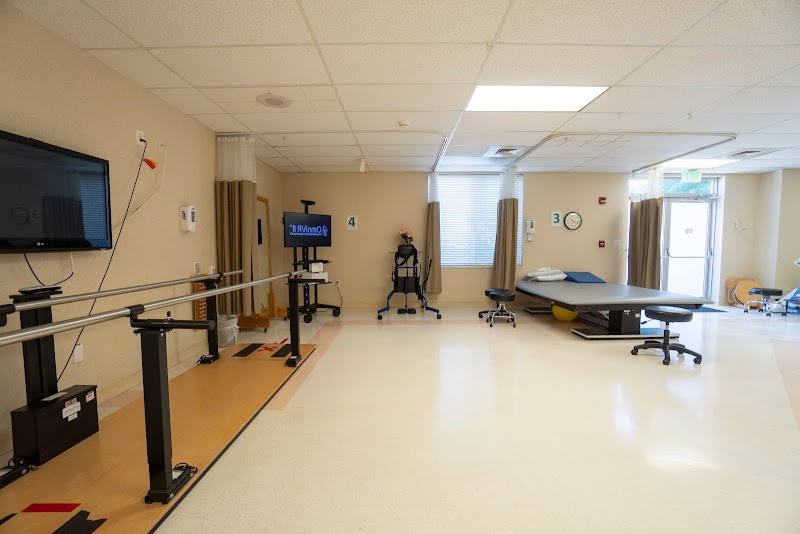
How is Montgomery Village Staffed?

CMS rates MONTGOMERY VILLAGE CARE CENTER's staffing level at 3 out of 5 stars, which is average compared to other nursing homes. Staff turnover is 25%, compared to the Maryland average of 46%. This relatively stable workforce can support continuity of care.

What Have Inspectors Found at Montgomery Village ?

State health inspectors documented 39 deficiencies at MONTGOMERY VILLAGE CARE CENTER during 2018 to 2025. These included: 24 with potential for harm and 15 minor or isolated issues.
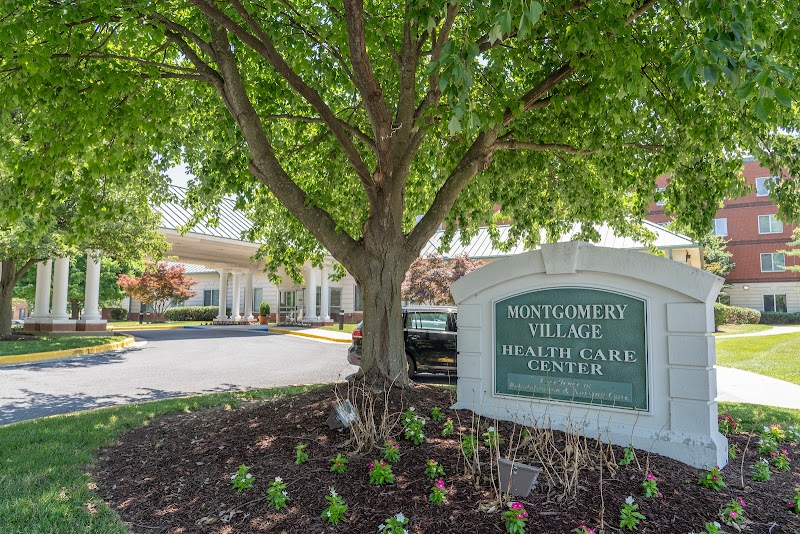
Who Owns and Operates Montgomery Village ?

MONTGOMERY VILLAGE CARE CENTER is owned by a for-profit company. For-profit facilities operate as businesses with obligations to shareholders or private owners. The facility operates independently rather than as part of a larger chain. With 147 certified beds and approximately 151 residents (about 103% occupancy), it is a mid-sized facility located in GAITHERSBURG, Maryland.
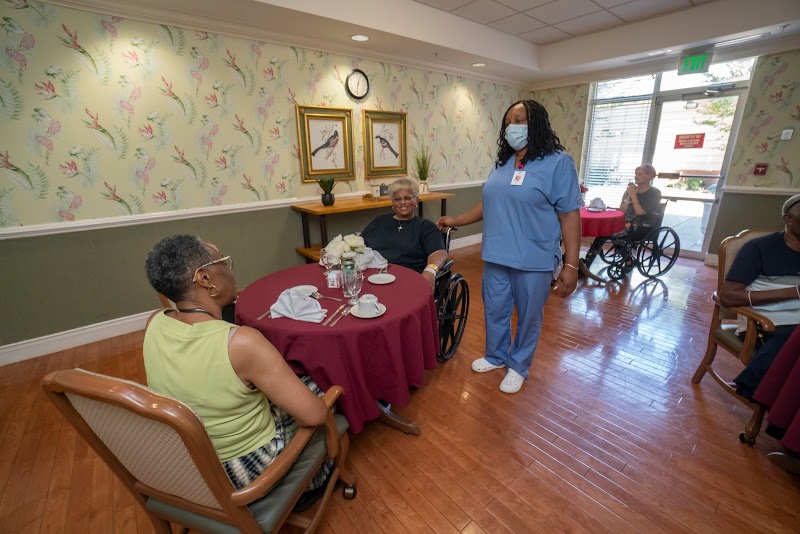
How Does Montgomery Village Compare to Other Maryland Nursing Homes?

Compared to the 100 nursing homes in Maryland, MONTGOMERY VILLAGE CARE CENTER's overall rating (5 stars) is above the state average of 3.1, staff turnover (25%) is significantly lower than the state average of 46%, and health inspection rating (5 stars) is much above the national benchmark.

What Should Families Ask When Visiting Montgomery Village ?

Based on this facility's data, families visiting should ask: "Can I visit during a mealtime to observe dining assistance and food quality?" "How do you handle medical emergencies, and what is your hospital transfer rate?" "Can I speak with family members of current residents about their experience?"

Is Montgomery Village Safe?

Based on CMS inspection data, MONTGOMERY VILLAGE CARE CENTER has a clean safety record: no substantiated abuse findings (meaning no confirmed cases of resident harm), no Immediate Jeopardy citations (the most serious violation level indicating risk of serious injury or death), and is not on the Special Focus Facility watch list (a federal program monitoring the lowest-performing 1% of nursing homes). The facility has a 5-star overall rating and ranks #1 of 100 nursing homes in Maryland. While no facility is perfect, families should still ask about staff-to-resident ratios and recent inspection results during their visit.

Do Nurses at Montgomery Village Stick Around?

Staff at MONTGOMERY VILLAGE CARE CENTER tend to stick around. With a turnover rate of 25%, the facility is 21 percentage points below the Maryland average of 46%. Low turnover is a positive sign. It means caregivers have time to learn each resident's needs, medications, and personal preferences. Consistent staff also notice subtle changes in a resident's condition more quickly.

Was Montgomery Village Ever Fined?

MONTGOMERY VILLAGE CARE CENTER has no federal fines on record. CMS issues fines when nursing homes fail to meet care standards or don't correct problems found during inspections. The absence of fines suggests the facility has either maintained compliance or corrected any issues before penalties were assessed. This is a positive indicator, though families should still review recent inspection reports for the full picture.

Is Montgomery Village on Any Federal Watch List?

MONTGOMERY VILLAGE CARE CENTER is not on any federal watch list. The most significant is the Special Focus Facility (SFF) program, which identifies the bottom 1% of nursing homes nationally based on persistent, serious quality problems. Not being on this list means the facility has avoided the pattern of deficiencies that triggers enhanced federal oversight. This is a positive indicator, though families should still review the facility's inspection history directly.