AUTUMN LAKE HEALTHCARE AT WAUGH CHAPEL

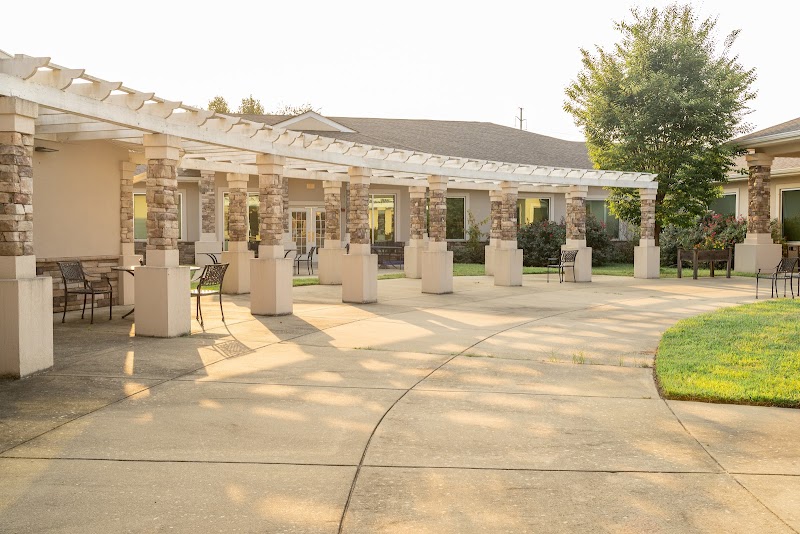
1221 WAUGH CHAPEL ROAD, GAMBRILLS, MD 21054 (410) 923-2020
For profit - Limited Liability company 110 Beds AUTUMN LAKE HEALTHCARE Data: November 2025
Trust Grade
80/100
#5 of 219 in MD
Last Inspection: March 2025

Within standard 12-15 month inspection cycle. Federal law requires annual inspections.

Overview

Autumn Lake Healthcare at Waugh Chapel has a Trust Grade of B+, which means it is above average and recommended for care. It ranks #5 out of 219 facilities in Maryland, placing it in the top half, and #1 out of 13 in Anne Arundel County, indicating it is the best option locally. The facility is improving, with issues decreasing from 11 in 2020 to 8 in 2025. Staffing is average with a 3/5 star rating and a turnover rate of 40%, which is on par with the state average. Notably, there have been no fines reported, suggesting a good compliance record. However, there are some concerns. Recent inspections revealed issues such as unsafe food storage, with expired items found in refrigerators, which poses a risk for foodborne illness. Additionally, there were complaints of staff misconduct, including an incident where a resident reported being hit with a glove by a staff member. Overall, while there are strengths in the quality of care, families should be aware of these specific areas needing improvement.

Trust Score
B+
80/100
In Maryland
#5/219
Top 2%
Safety Record
Low Risk
No red flags
Inspections
Getting Better
11 → 8 violations
Staff Stability
○ Average
40% turnover. Near Maryland's 48% average. Typical for the industry.
Penalties
✓ Good
No fines on record. Clean compliance history, better than most Maryland facilities.
Skilled Nurses
○ Average
Each resident gets 39 minutes of Registered Nurse (RN) attention daily — about average for Maryland. RNs are the most trained staff who monitor for health changes.
Violations
⚠ Watch
24 deficiencies on record. Higher than average. Multiple issues found across inspections.
★★★★★
5.0
Overall Rating
★★★☆☆
3.0
Staff Levels
★★★★★
5.0
Care Quality
★★★★☆
4.0
Inspection Score
Stable
2020: 11 issues
2025: 8 issues

The Good

  • 5-Star Quality Measures · Strong clinical quality outcomes
  • Full Sprinkler Coverage · Fire safety systems throughout facility
  • No fines on record
  • Staff turnover below average (40%)

    8 points below Maryland average of 48%

Facility shows strength in quality measures, fire safety.

The Bad

Staff Turnover: 40%

Near Maryland avg (46%)

Typical for the industry

Chain: AUTUMN LAKE HEALTHCARE

Part of a multi-facility chain

Ask about local staffing decisions and management

The Ugly 24 deficiencies on record

Mar 2025 8 deficiencies
CONCERN (D) 📢 Someone Reported This

A family member, employee, or ombudsman was alarmed enough to file a formal complaint

Potential for Harm - no one hurt, but risky conditions existed

Resident Rights (Tag F0550)

Could have caused harm · This affected 1 resident

Based on observations, interviews and record reviews it was determined that the facility failed to maintain a resident's dignity by not covering the urinary drainage bag when the resident was being tr...

Read full inspector narrative →
Based on observations, interviews and record reviews it was determined that the facility failed to maintain a resident's dignity by not covering the urinary drainage bag when the resident was being transported to and from rehabilitation activities. This was evident for 1 (Resident #73) of 2 residents reviewed for urinary catheter during a recertification/complaint survey. The findings include: On 3/10/25 at 7:55 AM during the initial tour of the facility, Resident #73 was observed with a Foley catheter, a device that drains urine from the bladder. The catheter was observed attached to a urinary drainage bag 1/3 filled with urine hanging under the bed. The Resident was asleep in bed at the time. 03/10/25 at 11:19 AM the surveyor returned to check on the resident and observed Staff #31, a Certified Occupational Therapy Assistant (COTA) as she wheeled the resident back to their room in a wheelchair. The urinary bag was not covered in a dignity bag, it was hanging on the wheelchair. In an interview with staff #31 she stated that part of her job description was to transport residents to and from therapy. She was asked the process for covering the urinary bag with a dignity bag during transport. Staff #31 stated that residents with foley catheters would have a dignity bag covering the urinary drainage bag during transport and if the resident did not have a bag, she would contact nursing to provide one for the resident. Staff #31 was asked about the process for applying the dignity bag and stated that nurses were responsible for applying it and that she gets instructions from them to conceal the urinary bags prior to taking the residents out of their rooms. She acknowledged that the resident did not have the covering on when she took them to therapy, but should have. On 3/11/25 at 7:45 AM an interview with Staff #1 the acting Director of Nursing (DON), she was asked about the process for concealing the urinary bags during transport. Staff #1 stated that the facility provides each resident with a foley catheter, a leaf bag used to conceal the urinary bags during transport. Residents with foley catheter are offered leg bags as alternates during transport and leaf bags are provided if they decline to use the leg bags to ensure dignity. She was asked if residents with urinary drainage bags should be transported out of their rooms without the leaf bag covering and she said no. She was made aware of the concern and said she would go and check it out.
CONCERN (D) 📢 Someone Reported This

A family member, employee, or ombudsman was alarmed enough to file a formal complaint

Potential for Harm - no one hurt, but risky conditions existed

Free from Abuse/Neglect (Tag F0600)

Could have caused harm · This affected 1 resident

Deficiency Text Not Available

Read full inspector narrative →
Deficiency Text Not Available
CONCERN (D) 📢 Someone Reported This

A family member, employee, or ombudsman was alarmed enough to file a formal complaint

Potential for Harm - no one hurt, but risky conditions existed

Report Alleged Abuse (Tag F0609)

Could have caused harm · This affected 1 resident

Deficiency Text Not Available

Read full inspector narrative →
Deficiency Text Not Available
CONCERN (D) 📢 Someone Reported This

A family member, employee, or ombudsman was alarmed enough to file a formal complaint

Potential for Harm - no one hurt, but risky conditions existed

Comprehensive Care Plan (Tag F0656)

Could have caused harm · This affected 1 resident

Based on record review and interviews with facility staff, it was determined that the facility failed to initiate and develop a comprehensive person-centered care plan for Residents who had frequent u...

Read full inspector narrative →
Based on record review and interviews with facility staff, it was determined that the facility failed to initiate and develop a comprehensive person-centered care plan for Residents who had frequent urinary tract infections (UTI). This was evident for one Resident (Resident #35), out of one Resident reviewed for urinary tract infections during the recertification/complaint survey. The findings include: On 03/11/25 at 10:15 AM medical record review revealed that Resident #35 had UTIs and used antibiotic therapy on 01/19/24: Keflex, on 05/22/24: Cipro, on 06/05/24: Cipro and on 12/30/24: Bactrim. The care plan was not initiated for risks and prevention of UTI. On 03/11/25 at 9:57 AM, an Interview with Social Services staff # 4 revealed that the Care plans are conducted regularly. The social worker documents the overview of the care plan meeting notes, and individual departments initiate and revise their care plans. On 03/12/25 at 03:59 PM, Reviewed with Infection Preventionist Staff # 1 and validated that Resident #35 ' s care plan did not include the risks and prevention for getting frequent urinary tract infections.
CONCERN (D) 📢 Someone Reported This

A family member, employee, or ombudsman was alarmed enough to file a formal complaint

Potential for Harm - no one hurt, but risky conditions existed

Deficiency F0657 (Tag F0657)

Could have caused harm · This affected 1 resident

**NOTE- TERMS IN BRACKETS HAVE BEEN EDITED TO PROTECT CONFIDENTIALITY** Based on staff Interviews and medical record reviews, it was determined that the facility failed to review and revise the Reside...

Read full inspector narrative →
**NOTE- TERMS IN BRACKETS HAVE BEEN EDITED TO PROTECT CONFIDENTIALITY** Based on staff Interviews and medical record reviews, it was determined that the facility failed to review and revise the Resident's comprehensive care plan by an interdisciplinary team (IDT). This was evident for 2 Residents (Residents #13 and #35) out of forty-four Residents reviewed for care plan revisions during the recertification/ Complaint survey. A care plan is used to assess, plan, and evaluate the effectiveness of the resident's care, and it flows from each Resident's unique list of diagnoses. It should be organized according to the Resident's specific needs. The care plan is a means of communicating and organizing the actions and assuring the Resident's needs are attended to. The care plan is to be reviewed and revised at each assessment time of the Resident to ensure the interventions on the care plans are accurate and appropriate for the Resident. The findings include: 1) Resident # 13 was admitted to the facility on [DATE] and received long-term care, with a diagnosis of hemiplegia and hemiparesis following cerebral infarction affecting the left side. On 03/10/25 at 10:55 AM, the surveyor observed Resident #13 with left arm contracture without having the bolster in place. On 03/14/25 at 11 AM medical record review revealed that Resident #13 had an order for a soft bolster for LEFT arm positioning r/t contracture. Gently place bolster between elbow and ribs for abduction and between forearm and bicep to allow the antecubital space to allow airflow every shift, dated 09/13/2023. (As per the National Institutes of Health (NIH), Bolsters are cushions that elevate a part of the body) On 03/14/25 at 11:10 AM, in an Interview with the unit manager, staff # 3 confirmed that Resident #13 had an order for a bolster. The care plan did not reflect the intervention of Bolster usage. The care plan was last revised on 08/21/23. On 03/14/25 at 11:30 AM, Infection Preventionist Staff # 1 validated that the care plan for Resident #13 did not reflect the intervention for contracture management. 2) Resident # 35 was admitted to the facility on [DATE], receiving long term care. On 03/12/25 at 09:42 AM, a medical record review of the Medication administration record (MAR) for January and February 2025 revealed that resident #35 had an order dated 12/22/23 for Non-pharmacological interventions were attempted prior to administering any PRN pain med. as needed. Document the number corresponding to the NonPharmacological Interventions attempted: 1. Warm beverage offered 2. Repositioned 3. Soft music played 4. Lights dimmed 5. Other (document in a progress note) 6. The resident refused. On 03/14/25 at 11:30 AM, Infection Preventionist Staff # 1 validated that the care plan was revised on 08/21/23 and the revised care plan does not reflect the intervention of nonpharmacological interventions prior to administering the pain medication.
CONCERN (D) 📢 Someone Reported This

A family member, employee, or ombudsman was alarmed enough to file a formal complaint

Potential for Harm - no one hurt, but risky conditions existed

Quality of Care (Tag F0684)

Could have caused harm · This affected 1 resident

**NOTE- TERMS IN BRACKETS HAVE BEEN EDITED TO PROTECT CONFIDENTIALITY** Based on the interview of the facility staff and review of the medical records, it was determined that the facility failed to pr...

Read full inspector narrative →
**NOTE- TERMS IN BRACKETS HAVE BEEN EDITED TO PROTECT CONFIDENTIALITY** Based on the interview of the facility staff and review of the medical records, it was determined that the facility failed to provide needed care and services that are resident-centered, in accordance with the resident's goals for care and professional standards of practice that will meet each resident's physical needs. This was evident for one Resident (Resident #13) out of 44 residents reviewed for quality of care during the recertification/complaint survey. The findings include: Resident # 13 was admitted to the facility on [DATE] and received long-term care, with a diagnosis of hemiplegia and hemiparesis following cerebral infarction affecting the left side. On 03/10/25 at 10:55 AM, the surveyor observed Resident #13 with left arm contracture without any pillow or device in place to treat the contracture. On 03/14/25 at 11 AM medical record review revealed that Resident #13 had an order for a soft bolster for LEFT arm positioning r/t contracture. Gently place bolster between elbow and ribs for abduction and between forearm and bicep to allow the antecubital space to allow airflow every shift, dated 09/13/2023. (As per the National Institutes of Health (NIH), Bolsters are cushions that elevate a part of the body) On 03/14/25 at 11 AM, an Interview with Licensed Practical Nurse (LPN) staff #29 revealed that he/she did not see a bolster or pillow being used during the medication administration earlier that morning. He/she stated that the staff used a folded pillow sometimes in place of a bolster. On 03/14/25 at 11:10 AM, in an Interview with the unit manager, staff # 3 confirmed that Resident #13 had an order for a bolster, but the staff used a folded pillow. On 03/14/25 at 11:11 AM , in an interview, the Infection Preventionist Staff # 1 validated that Resident #13 used the bolster for contracture management, and the bolster was found in the resident's closet.
CONCERN (D) 📢 Someone Reported This

A family member, employee, or ombudsman was alarmed enough to file a formal complaint

Potential for Harm - no one hurt, but risky conditions existed

Deficiency F0697 (Tag F0697)

Could have caused harm · This affected 1 resident

Based on resident interview, staff interviews and medical record review, the facility failed to ensure that pain management is provided to residents who require such services, consistent with professi...

Read full inspector narrative →
Based on resident interview, staff interviews and medical record review, the facility failed to ensure that pain management is provided to residents who require such services, consistent with professional standards of practice, the comprehensive person-centered care plan, recognition and management of Pain. This was evident for one resident (Resident # 35) out of two residents reviewed for pain management, during the recertification/Complaint survey. The findings include: On 03/12/25 at 09:42 AM, a medical record review of the Medication administration record (MAR) for January and February 2025 for Resident #35 revealed that Pain medication was administered without attempting to offer any nonpharmacological interventions. Further review of physician's orders revealed: - Acetaminophen Tablet 325 MG, Give 2 tablets by mouth every 8 hours as needed for Mild Pain 1-4, Order Dated 06/20/2024. - Non-pharmacological interventions were attempted prior to administering any PRN pain med. as needed. Document the number corresponding to the NonPharmacological Interventions attempted: 1. Warm beverage offered 2. Repositioned 3. Soft music played 4. Lights dimmed 5. Other (document in a progress note) 6. Resident refused, Order dated 12/22/23. Resident # 35 received Acetaminophen Tablet 325 MG 2 tablet for mild pain On 01/11/25 at 9:17 PM from License Practical Nurse (LPN) staff # 36, on 02/06/25 at 4: 39 PM from LPN, Staff # 28, and on 02/07/25 at 4:03 PM from LPN staff #28. There was no documentation that the resident # 35 was offered any non pharmacological interventions, before administering the medication for pain. Further review of medical records revealed a medication order for OxyCODONE HCl Tablet 10 MG Give 1 tablet by mouth every 4 hours as needed for moderate to severe pain, order dated 01/02/2025. Resident # 35 received Oxycodone 10mg, on 01/18/25 at 5:57 PM by LPN staff #28, on 01/19/25 at 08:01 PM from LPN staff # 28, on 02/08/25 at 11:30 AM from LPN staff # 29, and on 02/23/25 at 9:12 PM from LPN staff # 28. There was no documentation that the resident # 35 was offered any non pharmacological interventions, before administering the medication for pain. On 03/12/25 at 03:00 PM, an interview with License Practical Nurse (LPN) staff # 29 revealed that he/she administered pain medication after assessing the pain but was unable to confirm if any nonpharmacological interventions were offered to the Resident before administering the pain medication. On 03/14/25 at 11:01 AM, Reviewed with Infection Preventionist Staff # 1 and validated that PRN Acetaminophen and Oxycodone were administered without offering nonpharmacological interventions.
CONCERN (E) 📢 Someone Reported This

A family member, employee, or ombudsman was alarmed enough to file a formal complaint

Potential for Harm - no one hurt, but risky conditions existed

Food Safety (Tag F0812)

Could have caused harm · This affected multiple residents

Based on observation and interview with facility staff, it was determined that the facility failed to maintain the safety of the food items to prevent foodborne illness. This was evident for two nouri...

Read full inspector narrative →
Based on observation and interview with facility staff, it was determined that the facility failed to maintain the safety of the food items to prevent foodborne illness. This was evident for two nourishment room refrigerators out of two nourishment room refrigerators audited during the recertification/complaint survey. The findings include: During the surveyor's tour of the facility on 03/13/25 at 12:10 PM, the surveyor observed a large zip-lock bag with cooked food items dated 03/08/25 and an uncooked cauliflower, brown to black in color in a plastic bag dated 03/08 in the refrigerator, located in the nourishment room, close to the 400-unit Nurses' station. Licensed Practical Nurse (LPN) staff # 29 validated the findings and removed the resident's food from the refrigerator. The surveyor's further observation on 03/13/25 at 12:20 PM noted apple sauce dated 03/08/25 in the refrigerator, located near the 200-unit Nurses station. Unit secretary staff #37 witnessed and validated the findings and removed the apple sauce from the refrigerator. On 03/13/25 at 12:10 PM, an interview with LPN staff # 29 revealed that the food brought from outside the facility for the residents was dated and saved in the refrigerator for three days, and the resident's food should have been out of the fridge, as it was past three days. On 03/13/25 at 1 PM, Reviewed with the Infection Preventionist (Staff #1), and Staff # 1 validated the concerns.
Feb 2020 11 deficiencies
CONCERN (D)

Potential for Harm - no one hurt, but risky conditions existed

Resident Rights (Tag F0550)

Could have caused harm · This affected 1 resident

Based on surveyor observation, resident and staff interviews, it was determined that the facility failed to maintain and enhance the dignity of the Resident # 19. This occurred in 1 of 7 sampled resid...

Read full inspector narrative →
Based on surveyor observation, resident and staff interviews, it was determined that the facility failed to maintain and enhance the dignity of the Resident # 19. This occurred in 1 of 7 sampled residents. The findings include: While interviewing the resident in the fifth-floor dining room during the resident council meeting on 1/29/20 at 11:00 am, and later in the day at 2:00 pm, the resident was noted with dried food particles on his/her wheelchair leg rests. On 2/3/20 at 11 am during a follow-up visit, the resident was again observed with the same dried food particle on his/her wheelchair footrests. During an interview with the resident at that time s/, he stated, my wheelchair is never washed. During an interview with the Director of Nursing on 2/3/20 at 1 pm, she states, the resident refuses to have his/her wheelchair washed. A review of the medical record did not reveal in the progress notes, or Care Plans that the resident refused to have his/her wheelchair washed. During an interview with the Administrator on 2/3/19, 1:30 pm she stated, the wheelchairs are scheduled to be washed every Wednesday and do not know why the residents were missed. After the surveyor intervention, the wheelchair and legs were washed.
CONCERN (D)

Potential for Harm - no one hurt, but risky conditions existed

Assessment Accuracy (Tag F0641)

Could have caused harm · This affected 1 resident

Based on medical record review and interview it was determined that the facility staff failed to accurately code a resident's discharge from the facility. This was evident for 1 out of 1 residents (Re...

Read full inspector narrative →
Based on medical record review and interview it was determined that the facility staff failed to accurately code a resident's discharge from the facility. This was evident for 1 out of 1 residents (Resident #111) reviewed for discharges. The findings include: Review of the medical record on 1/31/2020 for Resident #111 for hospitalizations, revealed a discharge from the facility on 1/3/2020. Review of the Residents Minimum Data Set (MDS) assessments revealed a discharge MDS assessment completed 1/3/2020 documenting that the resident was discharged to the hospital. However, a review of the resident's paper chart and electronic nursing notes documented that the resident was discharged home. Interview with the MDS Coordinator #15, on 1/31/2020 at 12:44 PM revealed that the resident did go home and was not discharged to the hospital as was coded in section 'A' of the MDS and a correction would be completed.
CONCERN (D)

Potential for Harm - no one hurt, but risky conditions existed

Comprehensive Care Plan (Tag F0656)

Could have caused harm · This affected 1 resident

Based on medical record review and interviews with the facility staff it was determined the facility failed to follow the care plan for a resident noted to be resistant to care. This was found to be e...

Read full inspector narrative →
Based on medical record review and interviews with the facility staff it was determined the facility failed to follow the care plan for a resident noted to be resistant to care. This was found to be evident when abuse allegations were reviewed for (Resident #64) during the facility's annual survey. Findings include: The investigation for facility reported incident MD00149497 was reviewed on 1/28/20. It revealed the family of Resident #64 reported that Geriatric Nursing Assistant (GNA) #26 was rude while providing care and told the resident, don't be resisting, you're hurting my back. Resident # 64 care plan was reviewed on 1/28/20 and it noted that the resident was resistive to care. Under interventions it indicated: if the resident becomes combative or resistive, postpone care/activity and allow time for him/her to regain composure. The Director of Nursing (DON) was interviewed on 1/28/20 at 2:55 PM and she was made aware of the concern of GNA #26 not following the care plan when the resident became resistive. The DON stated that the GNA's have been educated to stop the activity/care and to report to the nurse. The DON was made aware the care plan did not indicate to report resistant behaviors to the nurse. The DON stated that she will update the care plan to include the GNA to report to the nurse if resident is resistive with care.
CONCERN (D)

Potential for Harm - no one hurt, but risky conditions existed

Deficiency F0657 (Tag F0657)

Could have caused harm · This affected 1 resident

Based on medical record review and interview with a resident and facility staff, it was determined the facility failed to update a care plan for a resident with a recent fall. This was evident for 1 o...

Read full inspector narrative →
Based on medical record review and interview with a resident and facility staff, it was determined the facility failed to update a care plan for a resident with a recent fall. This was evident for 1 of 6 residents (Resident #31) reviewed for falls during the survey. The findings include: Resident #31 was admitted with diagnoses that included Peripheral Vascular Disease, lack of coordination and Diabetes. A review of the Electronic Medical Record (EMR) on 1/28/20 at 10 AM revealed that on 1/10/20, the resident was found on the floor near his/her bed. S/he was assessed by the facility nursing staff, and no injuries were noted. Further review of the medical record revealed a physician ordered dated 6/27/18 for Non-Skid footwear for safety. Non-skid footwear has pliable soles with an intricate tread that helps to prevent slipping. Continued review of the medical record revealed a care plan dated 6/8/18 was in place for falls, however, Non-Skid footwear was not added as an intervention for safety. During an interview with Resident #31 on 1/28/20 s/he, stated: I was sitting on the edge the bed and slid to the floor. When asked if s/he was wearing any non-skid footwear, the resident answered I cannot remember. Interview with the Director of Nursing on 1/28/20 at 1 PM, she stated, the care plan should have been updated to reflect the interventions for Non-Skid footwear for safety.
CONCERN (D)

Potential for Harm - no one hurt, but risky conditions existed

Deficiency F0730 (Tag F0730)

Could have caused harm · This affected 1 resident

Based on the review of employee files and staff interview, it was determined that the facility failed to complete Geriatric Nurse Assistant (GNA) performance reviews annually. This was evident for 3 o...

Read full inspector narrative →
Based on the review of employee files and staff interview, it was determined that the facility failed to complete Geriatric Nurse Assistant (GNA) performance reviews annually. This was evident for 3 of 3 employee files reviewed (GNA #22, #23 and #24). The findings include: Review of the GNA employee files for GNA #22, #23 and #24 on 2/3/2020 at 11:15 AM, failed to reveal that an annual evaluation was completed for the identified staff. The Director of Nursing was interviewed on 2/3/2020 at 11:52 AM and she stated that she was aware annual assessments needed completed but did state that the annual competencies were in place. The concern that for the identified employees whose hire date varied from 2017-2018 who were chosen for review and who had been employed consistently at this facility for over 12 months had not had an individual performance review to verify their abilities was reviewed at that time.
CONCERN (D)

Potential for Harm - no one hurt, but risky conditions existed

Deficiency F0757 (Tag F0757)

Could have caused harm · This affected 1 resident

2. Review of the medical record for Resident #24 on 1/28/2020 at 11:09 AM revealed diagnoses including abnormalities of gait, disorders of the autonomic nervous system that can cause orthostatic hypot...

Read full inspector narrative →
2. Review of the medical record for Resident #24 on 1/28/2020 at 11:09 AM revealed diagnoses including abnormalities of gait, disorders of the autonomic nervous system that can cause orthostatic hypotension (low blood pressure upon rising) and muscle weakness. A review of the Resident #24's physician orders revealed an order for Midodrine, a blood pressure medication ordered to be administered three times a day for hypotension with directions for administration including for the medication to be held if the resident's systolic blood pressure was greater than 110. Review of the Medication Administration Record (MAR) for January 2020 for Resident #24 and the documented blood pressures according to the MAR, out of 51 opportunities to administer the medication there were 3 times the medication was not administered, 6 times it was incorrectly administered and 5 times where there was no documentation for a total of 14 errors or 27% of the time the medication was administered incorrectly. The concerns related to the documented errors in the administration of the Midodrine for Resident #24 for the month of January 2020 was discussed with the Director of Nursing (DON) on 1/30/2020 at 1:49 PM. 3. Review of the medical record for Resident #24 on 1/28/2020 at 11:09 AM revealed on admission an order for the medication Fludrocortisone. According to the hospital discharge summary the resident was on Fludrocortisone for arthritis, however, it can also help with hypotension. Further review of the medical record revealed a request from the pharmacy sent on 1/11/2020 and again on 1/13/2020 requesting the facility to clarify the order for the Fludrocortisone that was sent in on 1/11/2020 as the dose was outside of the recommended parameters. Although the physician and on-call physician both confirmed the dosage of the medication, according to Resident #24's MAR the Fludrocortisone was not administered to the resident until 1/16/2020. The medication was signed on 1/11/2020 through 1/14/2020 as NN see nurses notes the medication was unavailable. The concern about the unavailability of the medication was reviewed with the DON on 1/30/2020 at 1:50 PM Based on medical record review, interview with facility staff it was determined that the facility failed to: 1) monitor and assess the continued need for potassium for a resident (Resident #82) and 2) monitor a resident's blood pressure as ordered by the physician and administer an ordered medication (Resident #24). This was evident in the review of 2 of 5 residents (Resident #82 and Resident #24) reviewed during the investigative stage of the survey. The findings include: 1. Review of Resident #82's electronic medical record on 1/22/20 at 10 AM revealed the resident was admitted 12/2019 with the diagnoses that included hypokalemia, cognitive impairment, chronic kidney failure and atrial fibrillation. Review of the Medication Administration Record for December 2019 revealed the resident was admitted on Lasix 40 milligrams by mouth for edema. Lasix is a diuretic used to treat edema and swelling caused by congestive heart failure, kidney disease, and other medical conditions. According to the Medication Administration Record, the diuretic (Lasix) was discontinued on 12/31/19. A review of the medical record revealed the resident was started on Potassium Chloride Extended-Release 20 mEq (milliequivalents) by mouth once a day for hypokalemia on 12/26/19. Potassium Chloride is used to treat or to prevent low blood levels of potassium (hypokalemia). Potassium levels can be low as a result of a disease or from taking certain medications. Continued review of the medical record on 1/23/20 at 10 AM revealed on 12/26/19 a blood level potassium with a result of 3.35 mEq/L. According to the facility Lab Result Report the normal potassium level is 3.5 mEq/L to 5.3 mEq/L. On 1/6/20 the resident had a blood level potassium result of 4.81 mEq/L. According to the medical record the resident was seen on 1/10/20 by the Nurse Practitioner #1 who documented the hypokalemia had resolved and the lowered the potassium medication from 20 mEq to 10 mEq every day. On 1/22/20 the resident had a blood level potassium of 4.80 mEq/L. Review of the medical record on 1/27/20 at 3 PM revealed a blood level potassium was done the morning of 1/27/20 which resulted in blood level potassium of 3.89 mEq/L. During interview with the Nurse Practitioner #2 on 1/28/20 at 1 PM, she stated, I did not order the Potassium for this resident, not sure why this resident continued to receive potassium when the hypokalemia had resolved, the resident was receiving Lasix therapy. Review of the medical record on 1/29/20 at 2 PM revealed a STAT (now) potassium blood level was ordered and a result of 4.40 mEq and the potassium was discontinued on 1/29/20.
CONCERN (D)

Potential for Harm - no one hurt, but risky conditions existed

Medical Records (Tag F0842)

Could have caused harm · This affected 1 resident

2. On 1/31/2020 Resident #38's medical records were reviewed and revealed that the resident was admitted to an acute care hospital in August 2019 for hallucinating. Review of the discharged summary re...

Read full inspector narrative →
2. On 1/31/2020 Resident #38's medical records were reviewed and revealed that the resident was admitted to an acute care hospital in August 2019 for hallucinating. Review of the discharged summary revealed that the resident was known to have dementia with intermittent hallucination and confusion. Resident #38 was started on Risperidone and Behavioral Health to follow. Review of the medical records revealed Behavioral Health notes with a plan for monthly follow-up. Further review of the medical records failed to reveal a note for November 2019. During an interview with the Director of Nursing on 1/31/2020 the surveyor asked if the resident was seen by Behavioral Health, the DON revealed she would check the chart to see if she could locate it. The DON informed the surveyor that the note was not in the resident's chart and that the nurse practitioner for Behavioral Health would fax the November 2019 note to the facility to be placed in the chart. On 2/3/2020 at 4:30 PM surveyor reviewed the concern with the DON regarding the missing November 2019 Behavioral Health note from the resident medical record during the survey exit. Based on medical record review and interview it was determined the facility staff failed to: 1) maintain the medical record in the most complete and accurate form for residents and 2) ensure Behavioral Health consultant progress notes were kept on the chart for other health care providers to review in a timely manner. This was evident for 2 of 8 residents (Resident #82 and Resident #38) reviewed during the annual survey. The findings include: Medical record documentation is a primary method ensuring communication of important clinical information between all shifts and amongst the interdisciplinary team members. Failing to ensure complete documentation in the resident's medical record increases the risk for adverse events related to communication failures between and amongst team members. A medical record is the official documentation for a healthcare organization. As such, it must be maintained in a manner that follows applicable regulations, accreditation standards, professional practice standards, and legal standards. All entries to the record should be legible and accurate. 1. Review of the Electronic Medical Record (EMR) for Resident #82 on 1/27/20 at 1 PM, revealed that Resident #9's progress note was a part of Resident #82's EMR. During interview with the DON and the Administrator on 1/27/20 at 2 PM, the findings were verified and Resident #9's progress note was removed from Resident #82's EMR by the DON.
CONCERN (E)

Potential for Harm - no one hurt, but risky conditions existed

Investigate Abuse (Tag F0610)

Could have caused harm · This affected multiple residents

2. Facility report MD00149497 was reviewed on 1/28/20. According to the investigation Resident #64 told his/her family on 12/19/19 that a Geriatric Nursing Assistant (GNA) #26 hit him/her with a glove...

Read full inspector narrative →
2. Facility report MD00149497 was reviewed on 1/28/20. According to the investigation Resident #64 told his/her family on 12/19/19 that a Geriatric Nursing Assistant (GNA) #26 hit him/her with a glove in the face and told him/her to shut up. On 12/26/19 the family visited the resident and GNA #26 was rude while providing incontinence care. The family reported this concern to the facility after the resident identified GNA #26 as the same person who had hit him/her with the glove. The facility interviewed Resident #64 and 3 other residents residing on the unit as well as 3 staff who also worked on the unit. No other residents in the facility or staff were interviewed. An interview was conducted with the DON, Administrator and the Social Work Coordinator on 1/30/20 at 2:55 PM and were asked to explain the facility's process of investigating abuse allegations and the Administrator stated that the resident is interviewed and if an employee is identified, that employee is removed from the schedule. The facility will then interview 3 residents and the staff who is assigned to the resident will be interviewed. The surveyor asked if there is any reason why additional staff and/or residents are not interviewed and the Administrator stated, this is how we have been doing this for years. She further stated that she is aware that a thorough investigation requires that all residents that are interviewable are to be interviewed and those not interviewable are assessed to ensure that they are free of abuse. The Administrator confirmed that the facility did not do a thorough investigation and stated that moving forward these concerns will be reported to Quality Assurance. Based on review of the medical record and other pertinent documentation and interviews of facility staff, it was determined the facility failed to complete a thorough investigation when allegations of abuse and or misappropriation of property were reported by residents. This was found to be evident for 2 of 2 facility reported incidents effecting the following residents (Resident #57 and Resident #64) The findings include: 1. Review of the medical record for Resident #57 on 1/31/2020 revealed diagnosis including weakness, abnormalities of gait and mobility, generalized anxiety disorder and adjustment disorder. On 6/4/19, Resident #57 reported that s/he was missing $50.00. According to the facility investigation and facility report MD00141259, the business office confirmed that $50.00 was withdrawn from the residents account on 5/7/19 by the resident. The investigation also documented that the Business office also discussed with the resident any possible recent purchases and the resident agreed that there was still $34.50 unaccounted for. According to the facility investigation that was provided to the survey team on 1/31/2020, a written statement was made by the Administrator about the timeline of events, including contacting the police. The Guest Services Director was interviewed, on 6/4/19, to see if she had assisted Resident #57 with any recent purchases but the name of the interviewer was left blank. The Recreation Program Manager was also interviewed on 6/7/19 by the Administrator and stated that she recalled assisting the resident 3 weeks ago with some purchases at the vending machine. Surveyor attempted to interview the Resident #57 on 1/27/2020 and he/she refused. The facility had no other interviews of staff or other residents that Resident #57 could have interacted with or were in the vicinity of or her belongings that could have witnessed or been in contact with his/her money. Although the facility investigation stated that Resident #57 has some history of problems with recall and will readily admit to same, they still failed to thoroughly investigate the possibility the resident's money was stolen and not lost due to the resident's impairment. This was reviewed on 1/31/2020 and again during survey exit on 2/3/2020 with the Administrator.
CONCERN (E)

Potential for Harm - no one hurt, but risky conditions existed

Deficiency F0692 (Tag F0692)

Could have caused harm · This affected multiple residents

**NOTE- TERMS IN BRACKETS HAVE BEEN EDITED TO PROTECT CONFIDENTIALITY** 3. Resident #107's medical record was reviewed on 1/28/20 at 11:57 AM and it revealed the resident with admission to the facilit...

Read full inspector narrative →
**NOTE- TERMS IN BRACKETS HAVE BEEN EDITED TO PROTECT CONFIDENTIALITY** 3. Resident #107's medical record was reviewed on 1/28/20 at 11:57 AM and it revealed the resident with admission to the facility around December 2019. Further review revealed the resident weight history as follows: 12/27/19 at 142.8 pounds, 12/18/19 at 144.8 pounds, 12/11/19 at 153.2 pounds. The nutrition assessment was completed on 1/9/2020. An interview was conducted with the Registered Dietician #10 on 2/3/20 at 10:25 AM and she was asked when a resident is admitted to the facility, when the nutrition assessment is completed. She stated that an assessment is to be completed anywhere from 7-14 days after admission. The RD #10 was asked to provide documentation of the completed assessment for Resident #107. In another interview with the RD #10 on 2/3/20 at 12:25 PM, she stated that she did not see the resident for December 2019 because she was away on vacation. She further stated that the facility was to provide coverage for her, but they did not. The RD #10 confirmed that she did not do an assessment on the resident for the entire admission from 12/11/19 thru 12/30/19. Resident #107 was readmitted to the facility on [DATE] and the dietician assessed the resident on 1/9/20. The DON was made aware of all concerns on 2/3/20 at 1:00 PM. Based on medical record review and interview with facility staff it was determined that the facility failed to timely assess a resident's nutritional status. This was evident during the initial review of 3 of 7 of residents (Resident #65, Resident #99, Resident #107). The findings include: 1. Review of the medical record for Resident #65 on 1/28/2020 at 2:22 PM revealed diagnosis including admission secondary to fracture and admission for rehabilitation. Further review of the resident's medial record revealed a documented weight on 12/16/2019 at 120 pounds (lbs.) and the current weight from 1/24/2020 as 110 lbs., a noted 8.33% weight loss. The resident's medical record revealed that a nutritional assessment was completed by the Registered dietitian (RD), #10 on 1/3/2020, 22 days after the resident's admission. The assessment noted that the resident had a fair appetite, a weight loss of 4%, an intake of 75-100%, a stage 1 pressure ulcer to the resident's sacrum and bilateral heels. A review of the resident's current medical record including skin assessments failed to reveal any documentation related to pressure ulcers or skin breakdown after admission to the facility. The RD was interviewed on 1/29/2020 at 1:33 PM regarding the assessment completed on Resent #65 on 1/3/2020 versus the documented nursing assessments completed at that time and compared to the resident's current status. The RD stated that the pressure ulcers noted on the 1/3/2020 assessment were referring to the resident hospital discharge assessment. She did confirm that she did not review any nursing assessments to confirm if the residents had any current pressure ulcers. She also stated that she likes to see residents within 7 days of admission and is not sure why this resident went 22 days without an assessment. RD #10 was also asked why the 8.33% weight loss was not addressed and she stated that when the resident was weighed on 1/24/2020 and the weight was down 9.8 lbs. from the previous weight, the resident should have been weighed again as anyone that has a weight increase or decrease of 5 lbs. is supposed to be reweighed per policy. On 1/30/2020 at 7:34 AM the Director of Nursing (DON) provided documentation that upon admission the resident was assessed and was documented on the skin assessment as having reddened areas that were noted as healed the next day. Surveyor reviewed the RD documentation from the 1/3/2020 assessment that noted the resident had the wounds on 1/3/2020 that did not state history of or at risk of wounds in addition to, the delay in completing an initial assessment timely. The DON stated that any weight discrepancies are reviewed in the facility weight meetings and she was not sure how this weight was not reviewed. The RD #10 was interviewed again on 1/30/2020 at 8:46 AM as a care plan regarding nutritional status was noted in the chart for Resident #65 that was created on 12/24/2019 by the RD, although she did not document a formal assessment until 1/3/2020. The RD stated that the care plan was initiated as it was policy to have a care plan in place but no the formal assessment was not completed until 1/3/2020. The RD went on to further state that Resident #65's weight loss should have been reviewed at the weight meetings, however, did not provide any documentation that this occurred. 2. Review of the medical record for Resident #99 on 1/28/2020 at 9:54 AM revealed that the resident was admitted to the facility, post operatively for management of infection, abnormality of gait, pain and muscle weakness. Further review of Resident #99s medical record revealed an acquired weight on 12/26/19 of 236 lbs. with a subsequent weight completed on 1/23/2020 of 220 lbs., a 6.78% loss. On 1/29/2020 at 1:29 PM RD #10 was interviewed and she stated that the weight loss should have been reviewed and the resident should have been assessed within 7-10 days of admission in late December 2019, not the 18 days later on 1/13/2020 when the RD assessment was completed. Assistant Director of Nursing (ADON) # 9 was interviewed on 1/31/2020 at 11:25 AM and she stated that the weight losses were reviewed yesterday (1/30/2020), and they are not sure how the weight loss was missed. Surveyor asked who was responsible for making sure that the weights were on track and she stated, ultimately me.
CONCERN (E)

Potential for Harm - no one hurt, but risky conditions existed

Food Safety (Tag F0812)

Could have caused harm · This affected multiple residents

**NOTE- TERMS IN BRACKETS HAVE BEEN EDITED TO PROTECT CONFIDENTIALITY** Based on observations and interviews with the facility staff it was determined the facility staff failed to store foods properly...

Read full inspector narrative →
**NOTE- TERMS IN BRACKETS HAVE BEEN EDITED TO PROTECT CONFIDENTIALITY** Based on observations and interviews with the facility staff it was determined the facility staff failed to store foods properly in the dry storage area. This was found to be evident during an initial tour of the facility conducted during the facility's annual survey. Findings include: An initial tour of the main kitchen was conducted on 1/27/20 at 8:25 AM with the Food Service Director (FSD) present. There were multiple food items stored on the shelf (not in the original box) that were not date labeled, and as follows: 32 oz lemon juice with 5 bottles not date labeled 1 box of coffee packets, not date labeled 17 boxes (24 packs in each box) of fudge rounds not date labeled 8 (1 pound) boxes of [NAME] Orzo not date labeled 1 (18 oz) container of Pepper not date labeled 1 (18 oz) container of [NAME] not date labeled 1 (18 oz) container of Cayenne Pepper, not date labeled During an interview with the FSD after the initial tour was completed, she was asked about the process by which foods are date labeled. She stated that she is aware that only the first item was date labeled when the items were removed from the original box and were stored on the shelf. The FSD stated that all food items are to be date labeled and if a food item is removed from its original box, the item is to be dated. She further stated that her staff will be educated regarding this. An interview was conducted with the Corporate Operations Manager on 1/30/20 at 12:10 PM and he stated that he will make sure that each item removed from the initial box will be date labeled upon removal.
CONCERN (E)

Potential for Harm - no one hurt, but risky conditions existed

Infection Control (Tag F0880)

Could have caused harm · This affected multiple residents

Based on observation, interviews and medical record review, it was determined that the facility failed to ensure all staff followed contact precaution guidelines set by the facility by 1) wearing pers...

Read full inspector narrative →
Based on observation, interviews and medical record review, it was determined that the facility failed to ensure all staff followed contact precaution guidelines set by the facility by 1) wearing personal protective equipment (PPE) as directed and 2) properly cleaning equipment that goes from room to room of a resident diagnosed with a communicable disease. This was evident during tours of the facility throughout the annual survey, observations and interviews with the staff. The findings include: Personal protective equipment (PPE) acts as a barrier between infectious materials and skin, nose, mouth or eyes. This barrier has the potential to block the transmission of contaminants from blood, bodily fluids or respiratory secretions and to prevent the spreading of germs. They are used for infection control purposes, designated according to the resident's individual diagnosis and the route that the contaminant could be spread. 1. During the tour of the facility on 1/28/2020 at 11:36 AM, surveyor observed Staff #13 exiting a resident room, Resident #38, was identified as being on contact precautions. The staff was observed coming out of the Resident #38's bathroom with items in her hand, no personal protective equipment (PPE) was observed on the employee and she was not observed washing her hands. Staff #13 was interviewed after she exited the room and asked if she knew what the resident was on contact precautions for and she stated clostridium difficile (also known as c-diff, an inflammation of the colon caused by the bacteria and spread by touching contaminated surfaces). She further stated that she was just in there looking in the bathroom. The Director of Nursing (DON) was notified of the observation at 11:40 AM and asked what the expectation is for staff when entering a resident room when they are on contact precautions. She stated they can walk in to hand a resident something, unless the resident is diagnosed with c-diff, staff need to gown and glove when entering the room. The DON was made aware that this did not happen with Staff #13. During exit from the facility on 2/3/2020, the DON stated that Staff #13 made her aware the Resident #38 was supposed to come off contact precautions, but they have not removed the cart yet. Survey team made the DON aware that the concern was that upon observation the cart and contact sign were still at the resident room and the staff were not following what was posted. 2. Observation on 1/28/2020 of the room for Resident #259 at 11:38 AM in the 100 halls, revealed environmental services (EVS), Staff #11, cleaning the room. She was gowned and gloved sweeping the floor into a dustpan. Resident #259's medical record was previously reviewed and noted to be diagnosed with pseudomonas aeruginosa in the stool. The resident also had a sign and cart outside of the room noting that s/he was on contact precautions. The sign also stated do not to remove dedicated equipment from this room or when dedicated equipment is not possible, disinfect shared patient equipment with EPA (environmental protection agency) approved disinfectant. The EVS supervisor Staff #12 was interviewed on 1/28/2020 at 12:40 PM regarding his expectation for his EVS staff cleaning residents' room that are on contact precautions. He stated that for those rooms, when they are mopped the mop pads goes in a separate bag and the dustpan is to be cleaned with a specific cleaning agent before it is placed in the cleaning cart and enters another resident room. At 12:53 PM on 1/28/2020 Surveyor and Staff #12 approached Staff #11 as she was cleaning a different room in the 300 hall. She was asked what her process was when she finished cleaning the rooms. She stated that all the pads go in the same bag and when she was done, she also put the broom and the dustpan on the cart and never verbalized about cleaning them. A second mop pad disposal bag was not observed on the cart. Staff #12 further reviewed the appropriate process with Staff #11 and what his expectation was for cleaning rooms with residents that are on contact precautions. At the time of the observation there were 7 rooms noted between the 100, 200 and 300 halls that were on contact precautions. 3. On 1/30/2020 at 7:02 AM Staff # 14 was observed in Resident #259's room and interacting with the resident. She was also noted not wearing any PPE. When Staff #14 exited Resident #259's room she was asked if the resident was on any contact precautions. She looked around and noticed the cart outside of his/her room. She stated that yes, s/he was, what the resident was on contact for, and that she should have been wearing a mask, gown and gloves. She further apologized and said that all she did was wash her hands. The DON was notified of the observation at 7:04 AM on 1/30/2020. The nurse practice educator (NPE)/infection control (IC) nurse was interviewed on 1/27/2020 and throughout the survey. She provided the survey team with training that was provided to the staff including rehab, and environmental service about infection control and prevention as the Health Department was in recently regarding a discharged resident's diagnosis. She further provided documentation that Staff #13 and Staff#14 were up-to-date on their annual in-services regarding infection control prevention prior to the recent in-services. On 1/30/2020 at 1:54 PM during interview with the NPE/IC nurse she was notified of the concerns about staff not following proper procedure regarding the facility policy on infection control that was posted outside of the residents' rooms. The continued breaks in infection control with the residents that were on contact precautions by multiple staff, on multiple days and multiple disciplines was reviewed with the DON and Administrator throughout the survey and again prior to exit on 2/3/2020.
Aug 2018 5 deficiencies
CONCERN (D)

Potential for Harm - no one hurt, but risky conditions existed

Resident Rights (Tag F0550)

Could have caused harm · This affected 1 resident

Based on observation and interview, it was determined the facility staff failed to provide and promote an environment that enhanced the resident's dignity and home like atmosphere. This was evident fo...

Read full inspector narrative →
Based on observation and interview, it was determined the facility staff failed to provide and promote an environment that enhanced the resident's dignity and home like atmosphere. This was evident for 3 of 4 residents observed for medication pass. The findings include: Observation of medication pass on 7/25/18 at 8:55 AM revealed facility staff nurse #1 entered the room of resident (#36) without knocking on the resident's door and waiting for the resident to respond and grant permission for the staff to enter the room. Staff nurse entered the room of resident (#73) at 9:02 AM, again without knocking and waiting for permission to enter. The staff nurse then entered the room of resident (#17) without knocking or waiting for the resident to grant permission for the nurse to enter the room at 9:10 AM. When questioned by the surveyor at that time, staff nurse could not respond as to why he/she failed to knock on the resident's door and wait to be granted permission to enter the room. The staff nurse was made aware at that time, the nurse was notified that it was a regulation to knock on the door and wait to be granted permission to enter. Interview with the Director of Nursing on 7/25/18 at 2:00 PM confirmed the staff nurse #1 failed to knock on the door of residents #36, #73 and #17 and wait to be granted permission to enter the room.
CONCERN (D)

Potential for Harm - no one hurt, but risky conditions existed

Quality of Care (Tag F0684)

Could have caused harm · This affected 1 resident

Based on medical record review and interview, it was determined the facility staff failed to administer all medications to Resident #73 as ordered by the physician. This was evident for 1 of 4 residen...

Read full inspector narrative →
Based on medical record review and interview, it was determined the facility staff failed to administer all medications to Resident #73 as ordered by the physician. This was evident for 1 of 4 residents observed during medication pass. The findings include: Medical record review for review for Resident #73 revealed on 3/16/17 the physician ordered: Calcium-D tablet 600-400 (calcium carbonate-vitamin d) 1 tablet by mouth 2 times a day for supplement. Calcium is a mineral that is found naturally in foods. Calcium is necessary for many normal functions of your body, especially bone formation and maintenance. Vitamin D is important for the absorption of calcium from the stomach and for the functioning of calcium in the body. Calcium and vitamin D combination is used to prevent or to treat a calcium deficiency. Review of medication pass on 7/25/18 at 9:02 AM revealed facility staff nurse #1 omitted the calcium-vitamin D tablet. After surveyor intervention, the facility staff nurse obtained the medication and administered it to Resident #73. Interview with the Director of Nursing on 7/25/18 at 2:00 PM confirmed the facility staff nurse #1 failed to administer the calcium-vitamin D as ordered by the physician. COMAR 10.07.02.12R---charge nurse daily rounds
CONCERN (D)

Potential for Harm - no one hurt, but risky conditions existed

Deficiency F0687 (Tag F0687)

Could have caused harm · This affected 1 resident

**NOTE- TERMS IN BRACKETS HAVE BEEN EDITED TO PROTECT CONFIDENTIALITY** Based on observation, medical record review and interview, the facility staff failed to ensure a resident was provided foot care...

Read full inspector narrative →
**NOTE- TERMS IN BRACKETS HAVE BEEN EDITED TO PROTECT CONFIDENTIALITY** Based on observation, medical record review and interview, the facility staff failed to ensure a resident was provided foot care and treatment (Resident #25). This was evident for 1 out of 31 residents reviewed during the survey process. The findings include: Observation of Resident #25 on 7/25/18 at 11:55 am revealed long untrimmed toenails that curled under at the ends. Interview with the Resident at that time revealed his/her toenails have not been trimmed since admission to the facility and he/she would like to have his/her toenails trimmed. Review of the Resident's medical record revealed the Resident was admitted to the facility on [DATE] with multiple diagnosis including diabetes. Further review of the medical record revealed a physician order on 12/4/17 for Podiatry Consult and treatment as needed for patient health and comfort. On 7/25/18 at 12:11 PM the Director of Nursing (DON) was brought to the Resident's bedside and the DON confirmed the Resident's nails needed to be trimmed. On 7/26/18 at 9:00 am the DON stated the Resident's nails were trimmed on 7/25/18 and the Resident has been placed on the list to be seen by podiatry. Review of Resident #25's medical record revealed on 7/25/18 the Resident was seen by the nurse practitioner who documented on the progress note Patient has hypertrophic toenails and needs them trimmed. Podiatry has not yet completed visit as was requested and ordered. Observation of Resident #25 on 7/27/18 at 10:30 AM revealed his/her toenails had been trimmed. Interview with the Director of Nursing on 7/25/18 at 9:00 AM confirmed the facility staff failed to ensure a resident received foot care and treatment until surveyor intervention.
CONCERN (D)

Potential for Harm - no one hurt, but risky conditions existed

Deficiency F0761 (Tag F0761)

Could have caused harm · This affected 1 resident

Based on observation and staff interview it was determined that the facility staff failed to ensure resident medications were properly secured. This was true for 1 out of the 5 nursing units. This su...

Read full inspector narrative →
Based on observation and staff interview it was determined that the facility staff failed to ensure resident medications were properly secured. This was true for 1 out of the 5 nursing units. This surveyor observed the medication cart for the 400's unit to be unlocked and unattended on 7/25/18 at 9:52 AM. Drawers filled with medications could be opened and pose a risk to any resident opening the drawers. Nurse approached cart and locked it at 9:55 AM. Nurse #1 was interviewed and the findings were explained to him. The Director of Nursing was interviewed on 7/25/18 and she expressed an understanding of the findings.
CONCERN (D)

Potential for Harm - no one hurt, but risky conditions existed

Room Equipment (Tag F0908)

Could have caused harm · This affected 1 resident

**NOTE- TERMS IN BRACKETS HAVE BEEN EDITED TO PROTECT CONFIDENTIALITY** Based upon staff interview and a review of facility documentation it was determined that facility staff failed to develop and im...

Read full inspector narrative →
**NOTE- TERMS IN BRACKETS HAVE BEEN EDITED TO PROTECT CONFIDENTIALITY** Based upon staff interview and a review of facility documentation it was determined that facility staff failed to develop and implement a process to ensure that the Residents electrical or electronic equipment were inspected. The findings included: A review of Facility policy requires that all Resident electrical or electronic equipment are inspected and contain the date of inspection and the initials of the inspector before use in the Resident's room. During a tour of this nursing care center with the Facility Operations Manager on July 26, 2018, at 10:00 am the following was observed: 1. In room [ROOM NUMBER] the portable projector, two fans and laptop were not inspected for safety. 2. In room [ROOM NUMBER] one fan was not inspected for safety. 3. In room [ROOM NUMBER] two fan were not inspected for safety. The findings were shared with the DON on 8/1/2018 at 10:40 am and it was confirmed that facility staff failed to implement a log and/or label of the condition of all inspected Resident electrical or electronic equipment.
Understanding Severity Codes (click to expand)
Life-Threatening (Immediate Jeopardy)
J - Isolated K - Pattern L - Widespread
Actual Harm
G - Isolated H - Pattern I - Widespread
Potential for Harm
D - Isolated E - Pattern F - Widespread
No Harm (Minor)
A - Isolated B - Pattern C - Widespread

Questions to Ask on Your Visit

  • "Can I speak with families of current residents?"
  • "What's your RN coverage like on weekends and overnight?"

Our Honest Assessment

Strengths
  • • Grade B+ (80/100). Above average facility, better than most options in Maryland.
  • • No major safety red flags. No abuse findings, life-threatening violations, or SFF status.
  • • No fines on record. Clean compliance history, better than most Maryland facilities.
  • • 40% turnover. Below Maryland's 48% average. Good staff retention means consistent care.
Concerns
  • • 24 deficiencies on record. Higher than average. Multiple issues found across inspections.
Bottom line: Generally positive indicators. Standard due diligence and a personal visit recommended.

About This Facility

What is Autumn Lake Healthcare At Waugh Chapel's CMS Rating?

CMS assigns AUTUMN LAKE HEALTHCARE AT WAUGH CHAPEL an overall rating of 5 out of 5 stars, which is considered much above average nationally. Within Maryland, this rating places the facility higher than 99% of the state's 100 nursing homes. This rating reflects solid performance across the metrics CMS uses to evaluate nursing home quality.
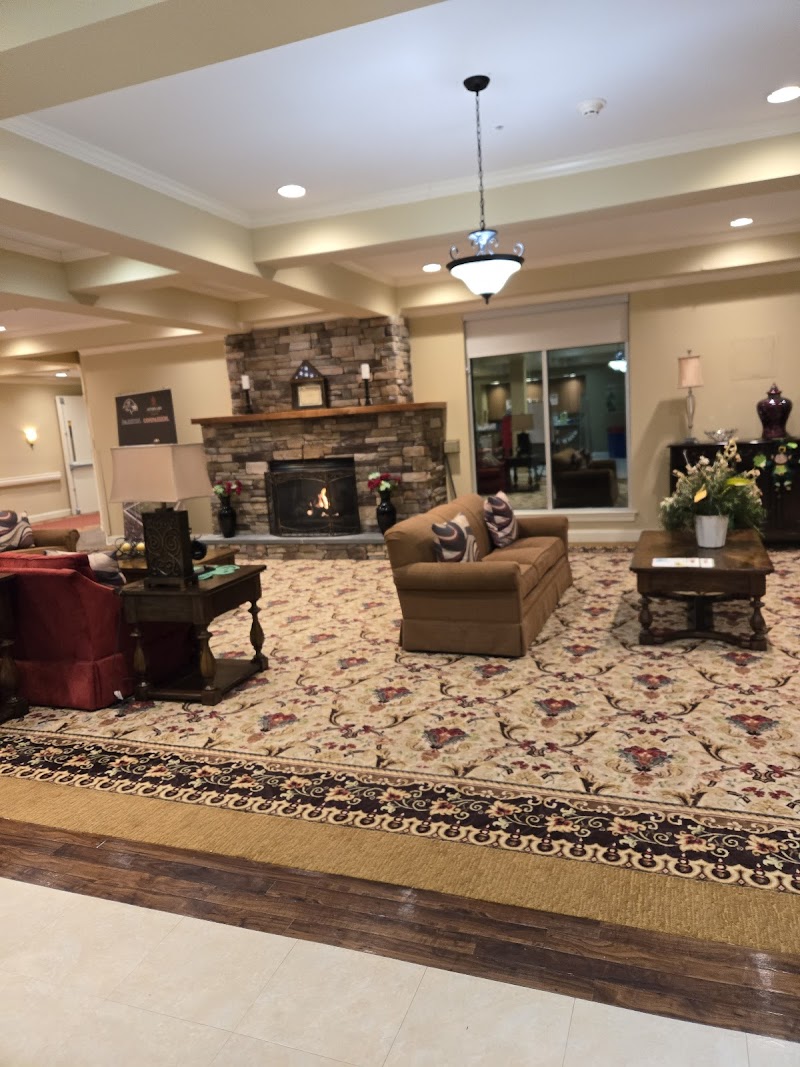
How is Autumn Lake Healthcare At Waugh Chapel Staffed?

CMS rates AUTUMN LAKE HEALTHCARE AT WAUGH CHAPEL's staffing level at 3 out of 5 stars, which is average compared to other nursing homes. Staff turnover is 40%, compared to the Maryland average of 46%. This relatively stable workforce can support continuity of care.

What Have Inspectors Found at Autumn Lake Healthcare At Waugh Chapel?

State health inspectors documented 24 deficiencies at AUTUMN LAKE HEALTHCARE AT WAUGH CHAPEL during 2018 to 2025. These included: 24 with potential for harm.
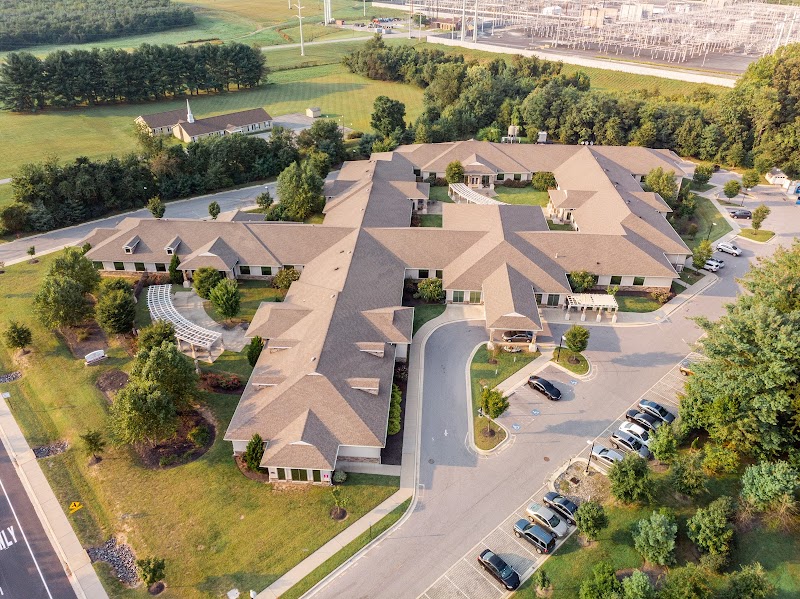
Who Owns and Operates Autumn Lake Healthcare At Waugh Chapel?

AUTUMN LAKE HEALTHCARE AT WAUGH CHAPEL is owned by a for-profit company. For-profit facilities operate as businesses with obligations to shareholders or private owners. The facility is operated by AUTUMN LAKE HEALTHCARE, a chain that manages multiple nursing homes. With 110 certified beds and approximately 101 residents (about 92% occupancy), it is a mid-sized facility located in GAMBRILLS, Maryland.
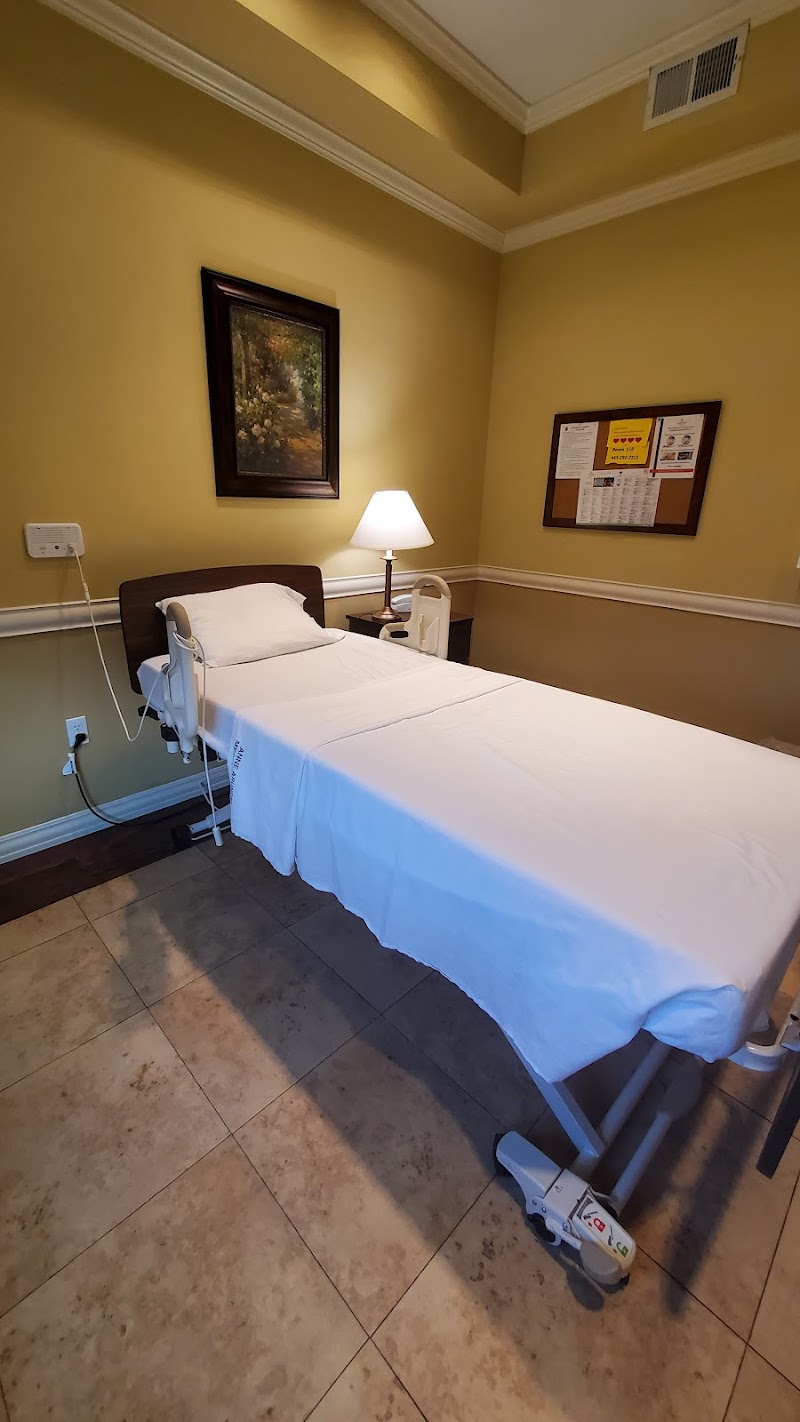
How Does Autumn Lake Healthcare At Waugh Chapel Compare to Other Maryland Nursing Homes?

Compared to the 100 nursing homes in Maryland, AUTUMN LAKE HEALTHCARE AT WAUGH CHAPEL's overall rating (5 stars) is above the state average of 3.1, staff turnover (40%) is near the state average of 46%, and health inspection rating (4 stars) is above the national benchmark.

What Should Families Ask When Visiting Autumn Lake Healthcare At Waugh Chapel?

Based on this facility's data, families visiting should ask: "Can I visit during a mealtime to observe dining assistance and food quality?" "How do you handle medical emergencies, and what is your hospital transfer rate?" "Can I speak with family members of current residents about their experience?"

Is Autumn Lake Healthcare At Waugh Chapel Safe?

Based on CMS inspection data, AUTUMN LAKE HEALTHCARE AT WAUGH CHAPEL has a clean safety record: no substantiated abuse findings (meaning no confirmed cases of resident harm), no Immediate Jeopardy citations (the most serious violation level indicating risk of serious injury or death), and is not on the Special Focus Facility watch list (a federal program monitoring the lowest-performing 1% of nursing homes). The facility has a 5-star overall rating and ranks #1 of 100 nursing homes in Maryland. While no facility is perfect, families should still ask about staff-to-resident ratios and recent inspection results during their visit.

Do Nurses at Autumn Lake Healthcare At Waugh Chapel Stick Around?

AUTUMN LAKE HEALTHCARE AT WAUGH CHAPEL has a staff turnover rate of 40%, which is about average for Maryland nursing homes (state average: 46%). Moderate turnover is common in nursing homes, but families should still ask about staff tenure and how the facility maintains care continuity when employees leave.

Was Autumn Lake Healthcare At Waugh Chapel Ever Fined?

AUTUMN LAKE HEALTHCARE AT WAUGH CHAPEL has no federal fines on record. CMS issues fines when nursing homes fail to meet care standards or don't correct problems found during inspections. The absence of fines suggests the facility has either maintained compliance or corrected any issues before penalties were assessed. This is a positive indicator, though families should still review recent inspection reports for the full picture.

Is Autumn Lake Healthcare At Waugh Chapel on Any Federal Watch List?

AUTUMN LAKE HEALTHCARE AT WAUGH CHAPEL is not on any federal watch list. The most significant is the Special Focus Facility (SFF) program, which identifies the bottom 1% of nursing homes nationally based on persistent, serious quality problems. Not being on this list means the facility has avoided the pattern of deficiencies that triggers enhanced federal oversight. This is a positive indicator, though families should still review the facility's inspection history directly.