GOODWILL MENNONITE HOME, INC.

891 DORSEY HOTEL ROAD, GRANTSVILLE, MD 21536 (301) 895-5194
Non profit - Church related 107 Beds Independent Data: November 2025 1 Immediate Jeopardy citation
Trust Grade
56/100
#68 of 219 in MD
Last Inspection: April 2025

Within standard 12-15 month inspection cycle. Federal law requires annual inspections.

Overview

Goodwill Mennonite Home, Inc. has a Trust Grade of C, which means it is average compared to other facilities, indicating it is not great but also not terrible. It ranks #68 out of 219 nursing homes in Maryland, placing it in the top half, and #2 out of 4 in Garrett County, suggesting only one local option is better. Unfortunately, the facility's performance is worsening, with issues increasing from 7 in 2020 to 19 in 2025. Staffing is a strong point, rated 5 out of 5 stars with a turnover rate of 25%, which is well below the state average, indicating that staff members tend to stay longer and build relationships with residents. However, there are concerning incidents, such as a resident with cognitive impairment being able to leave the facility without supervision, which posed immediate risks, and another incident where a dependent resident fell out of bed, resulting in serious injuries. Overall, while the staffing and ranking are positive aspects, families should be aware of the recent increase in issues and specific incidents impacting resident safety.

Trust Score
C
56/100
In Maryland
#68/219
Top 31%
Safety Record
High Risk
Review needed
Inspections
Getting Worse
7 → 19 violations
Staff Stability
✓ Good
25% annual turnover. Excellent stability, 23 points below Maryland's 48% average. Staff who stay learn residents' needs.
Penalties
○ Average
$13,250 in fines. Higher than 67% of Maryland facilities. Some compliance issues.
Skilled Nurses
✓ Good
Each resident gets 46 minutes of Registered Nurse (RN) attention daily — more than average for Maryland. RNs are trained to catch health problems early.
Violations
⚠ Watch
37 deficiencies on record. Higher than average. Multiple issues found across inspections.
★★★★☆
4.0
Overall Rating
★★★★★
5.0
Staff Levels
★★★★☆
4.0
Care Quality
★★★☆☆
3.0
Inspection Score
Stable
2020: 7 issues
2025: 19 issues

The Good

  • 5-Star Staffing Rating · Excellent nurse staffing levels
  • 4-Star Quality Measures · Strong clinical quality outcomes
  • Low Staff Turnover (25%) · Staff stability means consistent care
  • Full Sprinkler Coverage · Fire safety systems throughout facility
  • No fines on record
  • Staff turnover is low (25%)

    23 points below Maryland average of 48%

Facility shows strength in staffing levels, quality measures, staff retention, fire safety.

The Bad

Federal Fines: $13,250

Below median ($33,413)

Minor penalties assessed

The Ugly 37 deficiencies on record

1 life-threatening 1 actual harm
Apr 2025 19 deficiencies 1 IJ
CRITICAL (J)

Immediate Jeopardy (IJ) - the most serious Medicare violation

Accident Prevention (Tag F0689)

Someone could have died · This affected 1 resident

Based on interviews and record reviews, it was determined that the facility failed to have an effective system in place to prevent cognitively impaired residents from leaving the facility without appr...

Read full inspector narrative →
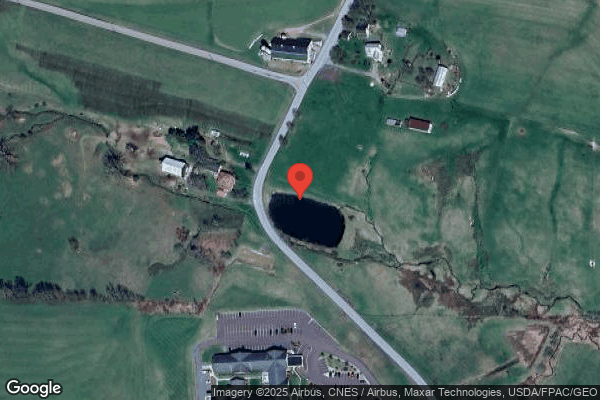
Based on interviews and record reviews, it was determined that the facility failed to have an effective system in place to prevent cognitively impaired residents from leaving the facility without appropriate supervision. This was evident for 1 of 3 residents (#102) reviewed for elopement. This deficient practice led to immediate jeopardy for Resident #102 on 11/13/24. Following the incident, the facility implemented effective and thorough corrective measures. The facility's plan and action were verified during this survey; therefore, this deficiency was cited as past noncompliance. The date of correction was 11/13/24. The findings include: Dementia is a term that describes a group of symptoms associated with a decline in memory or other thinking skills. Brief Interview for Mental Status. The BIMS test is used to evaluate cognitive impairment. A BIMS score can range from 0 to 15, with lower scores indicating a decline in cognitive performance. In an interview on 4/4/25 at 8:30 AM, staff #10, Unit Manager for the Memory Lane Unit, reported that Resident #102 had eloped in the past. A medical record review on 4/4/25 at 10:53 AM showed that Resident #102 had resided in the facility since November 2024. Resident #102 was ambulatory and confused due to the diagnosis of Dementia (Dementia is a general term for impaired ability to remember, think, or make decisions). A review of staff #6, the social services director ' s clinical documentation dated 11/8/24, revealed that due to wandering behavior and diagnosis of dementia, Resident #102 was no longer safe to live at home. Continued review of an Elopement evaluation dated 11/8/24 documented that Resident #102 was a wanderer and had a history of elopement or attempted elopement while at home (A wanderer is someone who roams from place to place, often without a fixed route or purpose. An elopement is when a resident leaves the facility unsupervised). Further record review revealed a Baseline care plan (A baseline care plan is a document outlining initial instructions for providing care to a resident in a long-term care facility developed within 48 hours of admission) initiated on 11/8/24 that stated Resident #102 was a wanderer. However, the review failed to show what interventions were implemented to monitor the resident. Further review revealed a physician certification of medical condition and competency /incompetency form completed on 11/9/24 by two attending providers that indicated that Resident #102 could not understand any information to make informed decisions. Resident #102's medical record review included a nurse's note that had documented that Resident #102 was found outside the facility by housekeeping staff on 11/13/24. A review of the facility's investigation of Resident #102's elopement showed that the resident had followed another resident's family out of the exit door at the end of the Memory Lane C Hallway to the outside of the building at approximately 2:16 PM. Resident #102 traveled down a steep hill from the exit door to the parking lot, which was also near a public road, and across the road was a large pond down another steep hill. An interview on 4/4/25 at approximately 11:00 AM with the director of nursing indicated that Resident #102 had been outside the building for approximately 10 minutes without any supervision on 11/13/24. A corrective action plan was developed and started on 11/13/24 after the incident occurred: a) 15-minute elopement checks were initiated on 11/13/2024 and completed by the nursing staff on 12/3/24 for Resident #102. b) The nursing staff initiated door safety checks every 2 hours on 11/13/24 and completed them on 12/6/24 to ensure all doors at the end of Memory Lanes A, B, and C hallways were closed and latched properly. c) All doors at the end of the hallways of Memory Lane A, B, and C were checked by maintenance on 11/13/24 to ensure that the doors were locked and latched. d) Staff was notified via message and email on 11/13/24 at 4:19 PM to utilize the main entrance doors to enter the Memory Lane Unit and not the exit doors at the end of the Hallways. e) Family members were notified via email on 11/13/24 at 4:25 PM to utilize the main entrance doors and not the exit doors at the end of Hallways A, B, and C into the Memory Lane unit. f) Signage was placed on all the doors at the end of the Hallways of Memory Lane A, B, and C to use the main entrance doors on 11/13/24. g) On 11/13/24, a care plan with interventions to prevent elopement for Resident #102 was initiated. h) An air tag (an Air Tag is a tracking device designed to act as a finder, which helps people find personal objects such as keys, bags, apparel, small electronic devices, and vehicles) was placed on Resident #102 ' s wrist on 12/31/24 to help the staff know the resident ' s location per time. On 4/4/25, a review of credible evidence, including elopement checks, door safety checks, staff and family notifications, and interviews with multiple staff, showed that the facility had identified this deficient practice and implemented interventions to prevent a recurrence. The date of compliance was determined to be 11/13/24.
CONCERN (D)

Potential for Harm - no one hurt, but risky conditions existed

Safe Environment (Tag F0584)

Could have caused harm · This affected 1 resident

**NOTE- TERMS IN BRACKETS HAVE BEEN EDITED TO PROTECT CONFIDENTIALITY** Based on observations and interviews, it was determined that the facility failed to ensure that holes were repaired in drywall. ...

Read full inspector narrative →
**NOTE- TERMS IN BRACKETS HAVE BEEN EDITED TO PROTECT CONFIDENTIALITY** Based on observations and interviews, it was determined that the facility failed to ensure that holes were repaired in drywall. This was evident for two of the two bathrooms reviewed for the facility environment. The findings include: On 4/2/2025 at approximately 11:00 AM, the surveyor observed a gap in the drywall near the pipe beneath the bathroom sink shared by residents in rooms [ROOM NUMBERS]. A few minutes later, a similar gap was noted in the drywall beneath the sink in the bathroom for room [ROOM NUMBER]. Additionally, in room [ROOM NUMBER]'s bathroom, the plate covering the area where the pipe from the toilet enters the wall had come loose, exposing a gap in the drywall. On 4/08/2025 at 10:58 AM, the surveyor interviewed the Environmental Services Director (ESD #17). When asked about the process for addressing areas in need of repair, ESD #17 explained that maintenance staff regularly walk the facility to identify necessary repairs and that housekeepers or other staff members also report issues as they arise. The surveyor informed ESD #17 about the gaps observed in the residents' bathroom areas. In response, he stated that someone would be sent to inspect the issue. On 4/08/2025 at 11:06 AM, the surveyor noted that there had not been repairs to the wall around the pipes in the shared bathroom between rooms [ROOM NUMBERS]. On 04/10/25 at 1:05 PM, the surveyor discussed concerns with the Director of Nursing regarding the failure to identify gaps around the pipes beneath the sinks, as well as the loose plate on the resident's toilet.
CONCERN (D) 📢 Someone Reported This

A family member, employee, or ombudsman was alarmed enough to file a formal complaint

Potential for Harm - no one hurt, but risky conditions existed

Free from Abuse/Neglect (Tag F0600)

Could have caused harm · This affected 1 resident

Based on record reviews and interviews, it was determined that the facility failed to ensure residents were protected from abuse. This was evident for 1 (Resident #60) of 5 residents reviewed for abus...

Read full inspector narrative →
Based on record reviews and interviews, it was determined that the facility failed to ensure residents were protected from abuse. This was evident for 1 (Resident #60) of 5 residents reviewed for abuse. The findings include: Resident #60 was admitted to the facility in 2021. The investigation packet for an abuse allegation on the resident, related to MD00216040 was reviewed on 4/7/25 at 9:43 AM. The review revealed that a Geriatric Nursing Assistant (GNA #14) had pinched Resident #60. The facility's Abuse Coordinator was the Social Services Coordinator (Staff #6). Staff #6 was interviewed on 4/7/25 at 1:22 PM. During the interview, Staff #6 reported that abuse was substantiated after the facility's investigation. Staff #6 indicated that the facility was able to substantiate abuse due to reports by GNA #18, who was also providing care to Resident #60 at the time of the allegation. On 4/7/25 at 2:37 PM, the Chief Human Resources Officer (Staff #13) provided documentation to indicate that GNA #14's employment was terminated on 3/27/25. Furthermore, GNA #14 was banned from coming into the vicinity of the facility and from contacting other employees and/or residents. Staff #13 also provided documentation to indicate that GNA #14's abuse allegation was reported to the Maryland Board of Nursing. On 4/10/25 at 10:18 AM, the Director of Nursing (DON) was interviewed. During the interview, the concern was discussed that the facility had failed to protect Resident #60 from abuse. The DON verbalized understanding and acknowledged the concern.
CONCERN (D)

Potential for Harm - no one hurt, but risky conditions existed

Deficiency F0637 (Tag F0637)

Could have caused harm · This affected 1 resident

**NOTE- TERMS IN BRACKETS HAVE BEEN EDITED TO PROTECT CONFIDENTIALITY** Based on record review and staff interview, it was determined that the facility failed to complete a Significant Change in Statu...

Read full inspector narrative →
**NOTE- TERMS IN BRACKETS HAVE BEEN EDITED TO PROTECT CONFIDENTIALITY** Based on record review and staff interview, it was determined that the facility failed to complete a Significant Change in Status Minimum Data Set (MDS) assessment within 14 days for a resident admitted to hospice care. This was evident for 1 (Resident #80), who was reviewed for hospice. The findings include: The Minimum Data Set (MDS) is a federally mandated assessment tool used by nursing home staff to gather information on each Resident's strengths and needs. Information collected on the MDS drives Resident care planning decisions. MDS assessments must be accurate to ensure that each Resident receives the care they need. The nursing home should complete a Significant Change in Status MDS assessment within 14 days when there's a major decline or improvement in a resident's status. A record review on 4/3/25 at 10:36 AM showed that Resident #80 had resided in the facility since May 2023. A review of Resident #80's current attending provider's orders showed that the Resident was admitted to hospice care effective 1/22/25. The continued review contained a Significant Change in Status MDS assessment dated [DATE] for Resident #80. The MDS assessment was completed and signed in sections Z0500B & V0200B2 on 2/19/25, 29 days after admission to hospice care and 15 days late. During an interview on 4/9/25 at 3:18 PM, staff #22, the MDS coordinator, indicated that she was unaware of the time frame for completing a Significant Change in Status MDS assessment after a resident was admitted to hospice care. Staff #22 confirmed that Resident #80's Significant Change in Status MDS assessment dated [DATE] was completed late.
CONCERN (D)

Potential for Harm - no one hurt, but risky conditions existed

MDS Data Transmission (Tag F0640)

Could have caused harm · This affected 1 resident

**NOTE- TERMS IN BRACKETS HAVE BEEN EDITED TO PROTECT CONFIDENTIALITY** Based on record review and interview, it was determined that the facility failed to accurately reflect Resident #107's discharge...

Read full inspector narrative →
**NOTE- TERMS IN BRACKETS HAVE BEEN EDITED TO PROTECT CONFIDENTIALITY** Based on record review and interview, it was determined that the facility failed to accurately reflect Resident #107's discharge plan on the Minimum Data Set (MDS) assessment. This was evident for one out of one resident reviewed for discharge planning. The findings include: A Minimum Data Set (MDS) is a standardized assessment tool that helps to evaluate the health status of residents in long-term care facilities. The information gathered helps facilities to develop patient centered care plans based on the resident's unique needs. On 4/9/25 review of the Resident 107's progress notes revealed the following: A review of the care plan dated 1/27/25 indicates that Resident #107 wishes to be discharged to their home. On 1/29/25 - Nursing Note: Resident #107's representative visited and inquired about their return to their apartment. Resident representative was informed that we would consult with Physical Therapy (PT) to assess their progress. PT later reported s/he is doing very well-independent in their room via wheelchair-and has also been performing well during sessions in their assisted living apartment. On 1/30/25 - Social Services Note: Received notification from Humana that the resident's skilled stay will end on Saturday, 2/1/25. Discharge to their assisted living apartment is planned for Sunday, 2/2/25. The resident's family member was notified and are aware of the discharge plan. On 1/31/25 - Restorative Program Note: Resident's therapy was scheduled to end today; no restorative care is planned at this time. Therapy provided a home exercise program in preparation for discharge to assisted living on Sunday, 2/2/25. Further review of the medical record revealed in Section A of the 2/2/25 MDS that the resident intended to discharge with a return to the facility anticipated. On 4/09/25 at 3:28 PM, the surveyor interviewed the facility's MDS Coordinator (Staff #22), who confirmed that she is responsible for completing Section A of the MDS assessment. The surveyor asked how she determines how to answer Section A, Question F. Staff #22 explained that it depends on the residents and their expressed wishes for discharge. The surveyor then asked her to review Resident #107's MDS assessment dated [DATE], where Section A, Question F was marked as Discharge assessment - return anticipated. The surveyor questioned this choice, noting that both the progress notes and care plan indicated the resident planned to return to their apartment in an assisted living setting. Upon reviewing the MDS assessment again, Staff #22 acknowledged that she should have selected return not anticipated because the resident intended to return to their assisted living apartment. She added that although return not anticipated was the appropriate response in this case, she often chooses return anticipated for residents who frequently return to the facility.
CONCERN (D)

Potential for Harm - no one hurt, but risky conditions existed

Deficiency F0655 (Tag F0655)

Could have caused harm · This affected 1 resident

Based on record review and interviews, it was determined that the facility staff failed to develop a person-centered baseline care plan that included interventions for monitoring a resident who was id...

Read full inspector narrative →
Based on record review and interviews, it was determined that the facility staff failed to develop a person-centered baseline care plan that included interventions for monitoring a resident who was identified as an elopement risk. This was evident for 1 (#102) of 9 residents reviewed for accidents. The findings include: A baseline care plan is a document outlining initial instructions for providing care to a resident in a long-term care facility, developed within 48 hours of admission. A record review on 4/4/25 at 10:53 AM, showed that Resident #102 was admitted to the facility in November 2024 with diagnosis including Dementia (Dementia is a general term for impaired ability to remember, think, or make decisions). The Resident was confused and walked independently. The review also contained an Elopement evaluation completed on 11/8/24 that indicated that Resident #102 was a wanderer and had a history of elopement or attempted elopement while at home (A wanderer is someone who roams from place to place, often without a fixed route or purpose). Continued review of a baseline care plan completed on 11/8/24 for Resident #102 showed that the resident was a wanderer. However, the review failed to show what staff did to monitor him/her. Further review included a nurse's note dated 11/13/24 that stated that Resident #102 was found outside of building by housekeeping staff The resident was assessed at that time and noted to be very confused. In an interview on 4/9/25 at 8:09 AM, staff #25, an MDS coordinator reported that the baseline care plan was expected to document the care needs of residents. During an interview on 4/9/25 at 5:01 PM, staff #22, an MDS coordinator reported that Resident #102 was identified as a wanderer on the baseline care. The staff continued to state that the baseline care plan did not contain any intervention for monitoring Resident #102 because s/he was on the locked unit. However, earlier review showed that the resident was ultimately able to leave the facility unsupervised on 11/13/24, a few days after admission.
CONCERN (D)

Potential for Harm - no one hurt, but risky conditions existed

Comprehensive Care Plan (Tag F0656)

Could have caused harm · This affected 1 resident

Based on observation, record review, and interviews, it was determined that the facility failed to implement a resident-centered care plan, as evidenced by the failure to implement interventions to pr...

Read full inspector narrative →
Based on observation, record review, and interviews, it was determined that the facility failed to implement a resident-centered care plan, as evidenced by the failure to implement interventions to prevent skin injury. This was evident for 1 (#67) of 33 residents reviewed during the survey. The findings include: A care plan is a guide that addresses each resident's unique needs. It is used to plan, assess, and evaluate the effectiveness of the resident's care. In an observation on 4/2/25 at 12:10 PM, Resident #67 was noted with a wound dressing to his/her right elbow. The resident's representative was present and stated, Sometimes she gets skin tears from falls. A review later that day of Resident #67's treatment orders included an attending provider's order dated 10/22/2023 for Resident #67 to get Geri Gloves applied to [bilateral] arms to prevent injury, on [in the morning] [and off in the evening] every day and evening shift. A continued review of Resident #67's care plan revealed the potential for alterations in skin integrity as one of the problems. The care plan documented as one of the interventions for Resident #67 to have Geri Gloves applied to [bilateral] arms to prevent injury, [to be put on in the morning] and [to be taken off in the evening]. However, earlier observation of Resident #67 failed to show that he/she had the Geri- gloves on both arms. A subsequent observation on 4/3/25 at 9:15 AM showed Resident #67 sitting in a wheelchair by the bedside and had no Geri gloves to bilateral arms. In an interview on 4/3/25 at 4:42 PM, staff #32, a geriatric nurse aid, was asked about Resident #67's Geri gloves and reported that I've never seen [him/her] with Geri gloves since I've been working here over a year. In an interview on 4/3/25 at 4:44 PM, the director of nursing was made aware of the concern and stated, I will take care of it.
CONCERN (D) 📢 Someone Reported This

A family member, employee, or ombudsman was alarmed enough to file a formal complaint

Potential for Harm - no one hurt, but risky conditions existed

Quality of Care (Tag F0684)

Could have caused harm · This affected 1 resident

**NOTE- TERMS IN BRACKETS HAVE BEEN EDITED TO PROTECT CONFIDENTIALITY** Based on interview, observation and record review it was determined that the facility failed to 1) ensure that a resident receiv...

Read full inspector narrative →
**NOTE- TERMS IN BRACKETS HAVE BEEN EDITED TO PROTECT CONFIDENTIALITY** Based on interview, observation and record review it was determined that the facility failed to 1) ensure that a resident received the correct cream/protectant ordered by a physician, and 2) protect residents from injury. This was evident for 2 (Resident # 5 and #160) out of 5 residents reviewed for non-pressure skin conditions. The findings include: 1) On 4/2/25 at 10:16 AM an interview was conducted with Resident #5, a long-term resident residing in the dementia care unit. During the interview s/he complained that s/he had an itchy back which was being treated with a cream kept by her/his bedside. On 4/2/25 at 10:17 AM a tube of Dimethicone skin protectant was observed next to the Resident #5. On 4/9/25 a review of Resident #5 physician orders failed to reveal an order for Dimethicone skin protectant. On 4/9/25 4:41 PM during an interview with the Assistant Director of Nursing (Staff #8) she confirmed that Resident #5 did not have an order for the Dimethicone skin protectant. Staff #8 reported that Resident #5 had a different cream ordered. Staff # 8 reported that she had started an in-service to educate the staff on how to ensure a resident received the correct lotion per physician's orders. On 4/9/25 an observation of the dementia unit revealed an educational document dated 4/9/25, with an attached education sign in sheet. The educational documents included the following instructions: Residents can only have creams that are ordered at the bedside. We went through and had to pull a lot of creams that we found without orders. 2) Resident #160 was admitted to the facility on [DATE] for care related to dementia. The surveyor reviewed complaint MD00195657 which expressed concern that Resident #160 had multiple bruises. * 4/08/25 at 2:15 PM, surveyor review of Resident #160's medical record revealed the following: * 6/27/23- admission skin evaluation revealed that the resident's skin was within normal limits with no bruising noted. * 7/6/23, 7/18/23, and 7/20/23, there were three treatment administration notes that stated that the resident had bruising: Orders: Administration Note: Observe closely for significant side effects of Anticoagulant medication including discolored urine, black tarry stools, sudden severe headache, nausea or vomiting, diarrhea, muscle joint pain, lethargy, bruising, sudden changes in mental status or vital signs, shortness of breath, nose bleeds every shift. Findings-Bruising * 7/8/23- Skin only evaluation- Skin warm and dry, skin color within normal limits, turgor normal. The skin evaluation didn't mention the bruising noted on 7/6/23. * 7/22/23- Skin Only Evaluation- Skin warm and dry, skin color within normal limits, turgor normal. No Skin Issues. The skin evaluation didn ' t mention the bruising that was noted on the 7/18/23 or 7/20/23 Administration notes. * 7/24/23- Nursing Note- Geriatric Nursing Assistant notified this nurse during morning care of bruised area to top of left foot and under 2nd 3rd and 4th toes, bruise bluish purple in color, 4.5cm x 2.0cm, denies pain, moves toes without difficulty, ambulates without difficulty, usual edema noted, lines up with bar at the bottom of tray table, Doctor notified and ordered an x-ray of left foot. * 8/4/23: Nursing Note: Noted deep purple bruise to right foot/toes, 3x2cm, lines up with bottom of tray table, staff reported to this nurse that resident has been seen sliding feet under and kicking tray table. Range of Motion within normal limits, no complaint of pain to the area. Ambulating with no concerns. Doctor is aware and provided no new orders. On 4/8/25 at 10:00 AM, the surveyor was provided with copies of two injury investigation reports for Resident #160. One was dated 7/24/23 and the other dated 8/4/23. Surveyor review of the injury investigation report dated 7/24/23 revealed that the report stated the following: The resident's foot was assessed for pain, and an X-ray showed no acute fracture. The injury was consistent with the resident striking their foot on the bottom of a tray table commonly positioned in front of them. The resident is at an increased risk for bruising due to Plavix [blood thinner] use. Staff were advised to keep the area around feet clear and to apply protective footwear when the resident is out of bed. However, a review of Resident #160's July 2023 physician orders showed no documentation of instructions to apply protective footwear or to maintain a clutter-free area around their feet. Review of injury investigation report dated 8/4/23 stated: Area and pain assessed. Bruising occurred as a result of the resident kicking tray table away from self. Protective footwear placed on resident and tray table placed away from resident to avoid further injury. Review of the Resident #160's August 2023 physician orders do not show evidence of orders to apply protective footwear or keep the area clear around the resident's feet. On 4/08/25 at 4:15 PM, the surveyor interviewed Assistant Director of Nursing (ADON #10), who confirmed she conducted investigations into unusual events related to resident care. When asked about her process for investigating injuries for unexplained bruising, she stated that the goal is to figure out if it was abuse and report it, if the injury can't be explained. When asked if she expects physician orders to be placed for interventions, she responded, yes, absolutely. The surveyor then presented nursing chart notes indicating that Resident #160 had documented bruising on 7/6/23, 7/18/23, and 7/20/23. However, skin-only assessments on 7/8/23 and 7/22/23 did not reflect any bruising. The surveyor expressed concern that Resident #160 was later found to have significant bruises to their left foot on 7/24/23 and then to the right foot on 8/4/23, with no evidence that the interventions suggested on the incident report had been implemented to prevent further harm. ADON #10 confirmed that the bruising should have been documented on the skin assessment sheets and agreed that the expectation would be to have orders for Resident #160 to have protective footwear and a clutter-free environment around her feet. On 4/10/25 at 1:05 PM, the surveyor discussed concerns with the Director of Nursing regarding the facility's failure to protect the resident from bruising and injury. Specifically, the facility did not implement interventions to prevent recurrence. She agreed that the interventions should have been implemented.
CONCERN (D)

Potential for Harm - no one hurt, but risky conditions existed

Deficiency F0700 (Tag F0700)

Could have caused harm · This affected 1 resident

**NOTE- TERMS IN BRACKETS HAVE BEEN EDITED TO PROTECT CONFIDENTIALITY** Based on observations, record review, and interviews, it was determined that the facility failed to assess the risk of entrapmen...

Read full inspector narrative →
**NOTE- TERMS IN BRACKETS HAVE BEEN EDITED TO PROTECT CONFIDENTIALITY** Based on observations, record review, and interviews, it was determined that the facility failed to assess the risk of entrapment from side rails and failed to re-evaluate the need for side rails. This was found to be evident for two (Resident #29 and #26) out of two residents reviewed for side rail use. The findings include: 1) On 4/2/25 at 12:56 PM, during an observation, the surveyor noted that Resident #29 had a one-half side rail on their bed. On 4/3/25 at 2:42 PM, the surveyor observed Resident #29 in bed with the side rail raised. A noticeable gap was observed between the mattress and the side rail. Review of Resident #29's Bed Rail Assessments, completed on 4/4/24, 7/3/24, 10/01/24, 12/19/24, 1/25/25, and 4/4/25, revealed that the facility did not include assessing the risk of side rail placement for entrapment. On 4/3/25, at 2:47 PM, the surveyor spoke with the Director of Nursing (DON) and asked whether side rail assessments are completed for residents. DON stated that assessments are conducted monthly. When asked if the assessment includes monitoring the space between the mattress and the bed frame, she replied, No, I don't think so. The surveyor then informed DON of a concern regarding Resident #29's side rail, noting a significant gap between the bed and the siderail, and asked if anyone had inspected it. DON stated that she was not aware of anyone checking it. On 4/7/25 at 12:10 PM, the surveyor spoke with the Environmental Services Director (ESD #17), who provided the manufacturer's instructions for the bed. He stated that the beds come equipped with side rails from the manufacturer and that therapy services are responsible for assessing the space between the mattress and side rails to prevent entrapment. On 4/07/25 at 1:33 PM, the surveyor observed Resident #29 in bed with the side rail up. On 4/7/25, at 2:46 PM, the surveyor spoke with the Therapy Director (Staff #27) regarding therapy's involvement in the side rail assessment process. When asked, 'Do you take measurements for safety?' she responded, 'Only if assessing for using a wedge,' and clarified that therapy is not responsible for performing safety checks. She stated that the nursing department is responsible for conducting the side rail assessments. On 4/7/25, at 3:11 PM, the surveyor spoke with DON to inform her that Environmental Services stated therapy was responsible for performing bed entrapment assessments, while therapy indicated that nursing or maintenance was to perform these assessments. DON acknowledged that it appears side rail entrapment assessments are not currently being conducted. Review of the facility's Bed/Side-rail policy revealed it failed to include assessing the bed for risk of entrapment from side rail use or of monitoring for safety. 2) On 4/07/25 at 1:29 PM the surveyor observed Resident #26 in bed with side rails up. Resident #26's care plan revealed that the resident was dependent on staff for bed mobility. The surveyor conducted a review of Resident #26's care plan and noted that interventions to assist with bed mobility included the following: SIDE RAILS: Two half-rails raised, per the physician's order, to assist with bed mobility. Monitor for injury or entrapment related to side rail use. Reposition as necessary to prevent injury. Review of Resident #26's Bed Rail Assessments, completed on 3/23/24, 6/16/24, 9/3/24, 12/19/24, and 3/14/25, revealed that the facility did not include assessing the risk of side rail placement for entrapment. Review of Resident #26's physician orders revealed that the resident has orders to use half side rails during each shift, as needed, to aid with bed mobility. Further review of Resident #26's Bed Rail assessment dated [DATE] revealed the following:Side rails/assist bar are not indicated at this time; and Removal will be attempted, as the resident is no longer using them for mobility. However, the surveyor's review of the subsequent quarterly Bed Rail assessment dated [DATE] states:Side rails/assist bars are indicated and serve as an enabler to promote independence. On 4/07/25 at 3:11 PM, the surveyor spoke with the Director of Nursing (DON) and inquired about the facility's process when there is a recommendation to remove bed rails. The DON stated that when such a recommendation is made, the resident is placed into open charting. She explained that during open charting, the resident is assessed over a three-day period, and if deemed appropriate, a request for new orders is made to the resident's primary care physician. The surveyor then asked the DON to provide documentation showing that the reevaluation had been completed. The DON responded that she would look into it and follow up with the surveyor. Surveyor review of nursing progress notes revealed: 12/19/24 at 2:34 PM- Resident monitored for the use of side rails. Resident does not utilize side rails for bed mobility. 12/19/24 at 10:12 PM- Resident being monitored for side rail use. Resident doesn't use side rails to help with mobility. Side Rails are not needed at this time. The surveyor was unable to locate any additional documentation regarding side rail evaluations, and the DON did not provide further information to confirm that side rail assessments continued beyond 12/19/24. As of April 2025, the resident's current orders include the use of side rails-specifically, two half side rails each shift to assist with bed mobility. The order has been in place since 8/17/23. Review of the facility policy Bed Side-Rail states: Half bed side-rails may be considered a restraint and will only be used under the direction of the charge nurse and after completion of the Side Rail Assessment form. Half bed side-rails may be applied: 1. When a less restrictive intervention will not produce the desired results. 2. As an enabler to assist the resident in repositioning in bed and/or transferring in/out of bed, when required. All residents will be assessed on admission, at intervals of every three months (and/or as needed) and if requested. Bed side-rails will be used when determined appropriate for use by the charge nurse. On 4/10/25 at approximately 1:05 PM, the surveyor spoke with the DON to discuss concerns regarding Resident #26. Specifically, the surveyor addressed that the resident had not been reevaluated for the removal of side rails following the recommendation for possible removal noted in the assessment dated [DATE]
CONCERN (D)

Potential for Harm - no one hurt, but risky conditions existed

Pharmacy Services (Tag F0755)

Could have caused harm · This affected 1 resident

Based on interviews, observations, and record reviews, it was determined that the facility failed to ensure that an accurate inventory of controlled medications was maintained. This was evident for on...

Read full inspector narrative →
Based on interviews, observations, and record reviews, it was determined that the facility failed to ensure that an accurate inventory of controlled medications was maintained. This was evident for one medication cart (on Memory Lane) of three medication carts observed. The findings include: During an observation on the Memory Lane unit on 4/02/25 at 1:04 PM, the facility pharmacy service delivered medication to the nurses station, and the Licensed Practical Nurse (LPN #11) was observed to sign for the delivery. The surveyor then asked LPN #11 to show the surveyor where medications were stored. During the observation of the medication storage room on Memory Lane Unit on 4/02/25 at 1:06 PM with LPN #11, the medication cart and controlled substance storage was also reviewed. During this observation, it was revealed that LPN #11 had presigned and dated the controlled substance log count for the 3 PM - 11 PM shift for 4/02/25 as being a completed count off. LPN #11 told the surveyor that they had gotten ahead of themselves. The deficiency was confirmed with the Director of Nursing (DON) on 4/10/25 at 1:29 PM
CONCERN (D)

Potential for Harm - no one hurt, but risky conditions existed

Deficiency F0757 (Tag F0757)

Could have caused harm · This affected 1 resident

Based on record review and staff interviews, it was determined that the facility failed to ensure a resident received their medications according to the attending physician's orders. This was evident ...

Read full inspector narrative →
Based on record review and staff interviews, it was determined that the facility failed to ensure a resident received their medications according to the attending physician's orders. This was evident for 1 (#4) out of 6 residents reviewed for unnecessary medications. The findings include: A pulse is the heart rate. It's the number of times the heart beats in one minute. A normal resting heart rate for most adults is between 60 and 100 beats per minute. A record review on 4/7/25 at 4:22 PM showed that Resident #4's diagnoses included high blood pressure and received antihypertensive medicine twice daily per the attending provider's orders. The order also stated to hold (not give) the medication for a Pulse less than 70. A subsequent review of Resident #4's medication administration records (MARs) from March 1- April 10, 2025, showed that the resident received the antihypertensive medicine on 3/16/25 for a pulse of 63, 3/24/25 for a pulse of 66, 3/31/25 for a pulse of 64, 4/5/25 for a pulse of 66 and 4/10/25 for a pulse of 64. In an interview on 4/8/25 at 2:00 PM, staff #8, an assistant director of nursing (ADON), confirmed that per the MARs, Resident #4's antihypertensive medications were given to him/her when they should have been held on 3/16/25, 3/24/25, 3/31/25, 4/5/25, and 4/10/25. The ADON added that the facility reviewed Residents' MARs monthly for medication administration issues, which were later discussed at Quality Assurance and Performance Improvement (QAPI) meetings. In a subsequent interview on 4/8/25 at 2:44 PM, staff #15, a QAPI nurse, reported that her review of the MARs was done retrospectively. So, the errors in Resident #4's MAR had not yet been identified.
CONCERN (D)

Potential for Harm - no one hurt, but risky conditions existed

Food Safety (Tag F0812)

Could have caused harm · This affected 1 resident

Based on observations and interviews, it was determined that the facility failed to store food in accordance with professional standards. This deficient practice has the potential to affect all reside...

Read full inspector narrative →
Based on observations and interviews, it was determined that the facility failed to store food in accordance with professional standards. This deficient practice has the potential to affect all residents. The findings include: An observation of the facility's walk-in refrigerator #1 on 4/2/25 at 9:36 AM with staff #29, dietary services director present, showed an opened container of coleslaw dressing not labeled with an open date or use-by date. Staff stated that all opened food items were to be labeled with the opening date. A subsequent observation of the Memory care unit snack refrigerator on 4/2/25 at 11:32 AM, with staff #30, a Geriatric nurse aide present, showed an opened carton of Thickened lemon-flavored water with an open date of 4/17/24. The best by date on the carton was July 2024. Staff #30 confirmed that it had expired. An interview with Staff #10, the Unit manager for the Memory care unit, confirmed that the Thickened lemon-flavored water had expired. In an interview on 4/3/25 at 3:07 PM, the director of nursing (DON) indicated that her night nurses cleaned out the unit refrigerators every night. The DON added that the nurses missed the Thickened lemon-flavored water in the memory care unit. During an interview on 4/3/25 at 3:10 PM, staff #29 stated that his staff stocked the unit refrigerators daily and were also expected to toss out all the expired items. Staff continued to state that his staff missed the Thickened lemon-flavored water in the memory care unit.
CONCERN (D)

Potential for Harm - no one hurt, but risky conditions existed

Medical Records (Tag F0842)

Could have caused harm · This affected 1 resident

Based on observation and interview, it was determined that that facility failed to protect resident data. This was evident on one out of three nursing units. The findings include: On 4/03/25 at 1:29...

Read full inspector narrative →
Based on observation and interview, it was determined that that facility failed to protect resident data. This was evident on one out of three nursing units. The findings include: On 4/03/25 at 1:29 PM, the surveyor observed an unattended medication cart to the left of the nurse's station on the south wing with an unlocked computer on top. The computer screen displayed visible resident information, including a photo and personal data. Two individuals were seen walking past the unattended cart during this time. The surveyor then witnessed the Infection Control Nurse (Staff #3) notice the unlocked computer and proceed to lock the screen. When speaking to the surveyor, she acknowledged that the computer had been left unattended with resident data displayed. When the surveyor asked which resident's data had been visible, she responded that she was unsure, as she had closed the screen too quickly to identify the resident.
CONCERN (D)

Potential for Harm - no one hurt, but risky conditions existed

Deficiency F0909 (Tag F0909)

Could have caused harm · This affected 1 resident

Based on interviews and reviews of facility documentation, it was determined that the facility failed to inspect beds and identify risks for entrapment. This was evident in two out of two Residents (#...

Read full inspector narrative →
Based on interviews and reviews of facility documentation, it was determined that the facility failed to inspect beds and identify risks for entrapment. This was evident in two out of two Residents (#29 and #26) reviewed for bed safety. The findings include: 1) On 4/2/25 at 12:56 PM, during an observation, the surveyor noted that Resident #29 had a one-half side rail on their bed. Review of Resident #29's care plan revealed that the resident was dependent on staff for bed mobility. A review of Resident #29 ' s Bed Rail Assessments, conducted on 4/4/24, 7/3/24, 10/01/24, 12/19/24, 1/25/25, and 4/4/25, revealed that the facility did not include an inspection of the bed or an assessment of entrapment risks during these evaluations. 2) Resident # 26's care plan revealed that the resident was dependent on staff for bed mobility. Review of Resident #26's Bed Rail Assessments completed on 3/23/24, 6/16/24, 9/3/24, 12/19/24, and 3/14/25, revealed that the facility did not include an inspection of the bed or an assessment of entrapment risks during these evaluations. On 4/3/25 at 2:47 PM the surveyor spoke with the Director of Nursing (DON) and asked whether bed assessments are completed for residents. DON stated that assessments are conducted monthly. When asked if the assessment includes monitoring for entrapment, she replied, No, I don't think so. On 4/7/25 at 12:10 PM, the surveyor spoke with the Environmental Services Director (ESD #17), who provided the manufacturer's instructions for the bed. He stated that the beds are equipped with side rails by the manufacturer. However, he was unable to provide documentation confirming that the beds are inspected or that entrapment risks are assessed. A review of the facility's Bed/Side-Rail policy revealed that it does not address assessing the bed for entrapment risks, nor does it include guidance on monitoring for safety. On 4/7/25 at 3:11 PM, the surveyor spoke with the DON regarding concerns about bed inspection safety. The DON acknowledged that bed assessments do not appear to be currently conducted.
CONCERN (E) 📢 Someone Reported This

A family member, employee, or ombudsman was alarmed enough to file a formal complaint

Potential for Harm - no one hurt, but risky conditions existed

Report Alleged Abuse (Tag F0609)

Could have caused harm · This affected multiple residents

**NOTE- TERMS IN BRACKETS HAVE BEEN EDITED TO PROTECT CONFIDENTIALITY** Based on review of medical records and facility investigation documentation and interviews it was determined that the facility f...

Read full inspector narrative →
**NOTE- TERMS IN BRACKETS HAVE BEEN EDITED TO PROTECT CONFIDENTIALITY** Based on review of medical records and facility investigation documentation and interviews it was determined that the facility failed to follow requirements for reporting incidents to the State Survey Agency. This was found to be evident for 5 (Resident #30, # 76, #60, #26, and #160 ) out of 5 residents reviewed for potential abuse. The findings include: 1) Review of Resident #30's medical record on 4/8/25 revealed the resident has a diagnosis of Alzheimer's dementia with severe cognitive impairment as evidenced by a Brief Interview for Mental Status (BIMS) score of 3 out of 15. The resident had a current order, in effect since 7/31/24, for 2 staff to provide care at all times. The resident also had a current order, in effect since 8/13/24, for the use of a Stander with assist of 2 for transfers. On 4/9/25 review a progress note, dated 3/26/25 at 6:24 AM, revealed that the geriatric nursing assistant (GNA) reported several bruises to the the resident's legs and one to the resident's wrist. The bruises to the legs included: right inner kneecap bruise of 3 X 2 cm; right outer kneecap is 3.5 x 3.0 cm; right lower knee is 1 x 1cm; right shin is 1.3 X 1cm; left upper shin bruise is 5 x 3 cm and left lower shin bruise is 8 x 4 cm; and the left outer wrist bruise was 1.3 X 1 cm. The progress note also indicated the bruises to the legs line up with the stander lift and the discoloration to the left wrist lines up with the dining room table. No documentation was found in the medical record to indicate the resident had sustained a recent fall or other incident to account for the appearance of the six bruises on 3/26/25. The survey agency did not have a facility reported incident report related to Resident #30 for 2025. On 4/9/25 at 6:36 PM surveyor discussed the bruises with the Assistant Director of Nursing (ADON) #8 who reported there may be additional documentation contained in the risk management report and indicated she would provide the report for review. Surveyor then reviewed the concern that the survey agency did not have a facility report related to the bruises. On 4/10/25 review of the risk management report revealed the resident was unable to give a description regarding the bruising. On 4/10/25 01:13 PM the Surveyor reviewed with the Director of Nursing the concern regarding failure to report the multiple bruises to the state survey and certification office. As of time of survey exit on 4/11/25 at 12:15 PM no documentation was provided to indicate these injuries were reported to the state survey and certification office. 2) 4/3/25 at 9:00 AM Resident # 76's, a long-term resident of the facility, medical records were reviewed. The review revealed a note dated 3/12/2025 documenting that Resident #76 had a new purple blue in color skin issue. However, there was no documentation on what caused the skin issue. On 4/07/25 at 11:25 AM the Assistant Director of Nursing ADON, (Staff #10) provided an Incident report for the above injury. On 4/7/25 at 11:30 AM a review of the incident report revealed the conclusion of the investigation was that Resident #76 bumped hip when transferring to wheelchair. In addition, the incident report documented that Resident #76 was verbally reminded to be cautious when going to the wheelchair. Continued review of the incident report failed to determine how the injury happened. On 4/09/25 11:31 AM a review of MDS annual Review dated 11/17/2024 indicated that Resident #76 was unable to transfer her/his self from the bed to the wheelchair or from the wheelchair to the toilet without substantial help from the staff. On 4/10/25 at 8:41 AM geriatric nursing assistant (Staff #26) was interviewed. During the interview she reported Resident #76 and is unable to transfer her/himself from the bed to the wheelchair or the wheelchair to the toilet without staff assistance. On 4/7/25 at 11:54 AM The ADON staff #10 reported that she was responsible for investigating all injuries. She reported that injuries of unknown origin are not reported to the State Agency if she could find a reasonable explanation for the injury. She reported that she did not need to collaborate evidence or statements to determine the origin of the injury. On 4/10/25 at 11:57 AM The Social Service Coordinator (Staff #6) was interviewed. Staff #6 reported that she is responsible for submitting all reportable injuries to the appropriate state agency. She confirmed that she did not report the injury of Resident #76. In addition, she reported that the facility did not submit any reports to the appropriate state agency during the years of 2023 and 2024. On 4/10/25 at 1:33 PM the above concerns were discussed with the Director of Nursing (DON). No additional information was provided. 3) Resident #60 had been residing in the facility since 2021. The investigation packet of a facility reported incident (FRI) related to MD00216040, regarding an allegation of abuse, was reviewed on 4/7/25 at 9:43 AM. The incident alleged that Geriatric Nursing Assistant (GNA #14) had pinched Resident #60 while providing care. Further review of the investigation packet revealed that the incident was first reported to Licensed practical Nurse (LPN #24) on 3/23/25 at 12:19 PM, who then reported to the facility's abuse coordinator (Staff #6) on 3/23/25 at 12:20 PM. The review also stated that the initial report was sent to the state survey agency on 3/24/25 at 4:03 PM. Staff #6 was interviewed on 4/7/25 at 1:22 PM. During the interview, Staff #6 reported her process when an allegation of abuse is made including reporting to the state survey agency immediately but no later than 2 hours. Staff #6 acknowledged that the FRI related to MD00216040 was reported late. She indicated that when she read the instructions on the initial report, she informed the facility and confirmed that they were late in reporting and stated, I informed our facility that we were negligent in reporting the incident. On 4/7/25 at 4:26 PM, the facility's abuse policy was reviewed and indicated that all allegations of abuse should be reported immediately but no later than two hours to law enforcement, Office of Health Care Quality (OHCQ), and Ombudsman. On 4/10/25 at 10:18 AM, the concern was discussed with the Director of Nursing (DON). The DON reported that she was already aware that the facility was late to report the incident of abuse related to MD00216040. 4a) Resident #26 has a history of dementia [impaired memory, language, and problem solving] and physical impairments requiring staff to provide total assistance when moving the resident and providing daily care. On 4/7/25 at approximately 11:00 AM, Surveyor review of Resident #26's skin evaluation assessment note dated 12/7/24 revealed that the resident had acquired an injury as noted: Location: Right eyelid. Issue type: Bruising. Wound acquired in-house. Wound is new. Length (cm): 1, Width (cm): 0.5. On 4/08/25 at 10:00 AM the surveyor reviewed the investigation report dated 12/7/24, which revealed: Nursing description: 1cm x 1 cm light blue discoloration noted to the right lateral eye upper lid. There was no record of the facility reporting the incident to the state regulatory agency. 4b) Resident #160 was admitted to the facility on [DATE] for care related to dementia. The surveyor reviewed complaint MD00195657 which expressed concern that Resident #160 had multiple bruises. On 4/08/25 at 2:15 PM, surveyor review of Resident #160's medical record revealed the following: On 7/6/23, 7/18/23, and 7/20/23, administrative progress notes stated that Resident #160 had bruises. On 7/24/23- Nursing Note- Geriatric Nursing Assistant notified this nurse during morning care of a bruised area to the top of left foot and under 2nd 3rd and 4th toes, bruise bluish purple in color, 4.5cm x 2.0cm. On 8/4/23: Nursing Note: Noted deep purple bruise to right foot/toes, 3x2cm. On 4/8/25 at 10:00 AM, the surveyor was provided with copies of two injury investigation reports for Resident #160. One was dated 7/24/23 and the other dated 8/4/23. There was no record of the facility reporting the incidents to the state regulatory agency. On 4/08/25 at 1:00 PM, the surveyor reviewed the facility policy and procedure titled Abuse Policy dated March 2025 which stated that All alleged incidents of verbal, sexual, physical, and mental abuse; neglect, crime, injury of unknown source; and misappropriation of resident property shall immediately be reported to the Director of Nursing (DON) and the Administrator. The DON will promptly report the alleged abuse to the Social Services Coordinator who is responsible for ensuring that the incident is reported within the appropriate time frame of discovery as listed below: - Serious Bodily Injury or Abuse-reported within 2 hours (to law enforcement, Office of Health Care Quality, and to the Ombudsman. - All others within 24 hours. The facility policy doesn't reflect the state regulation that requires that all injuries of unknown origin are reported within two hours. On 4/08/25 at 4:15 PM, the surveyor interviewed Assistant Director of Nursing (ADON #10), who confirmed that she is responsible for investigating unusual events related to resident care. When asked to describe her process for investigating injuries of unknown origin or unexplained bruising, she stated that her approach includes obtaining and reviewing staff statements, performing a resident assessment, conducting a record review, and asking other residents if they saw anything. When specifically asked whether injuries of unknown origin should be reported, ADON #10 responded, I would figure out if it was abuse and report it. However, when the surveyor requested documentation confirming that such incidents had been reported, ADON #10 stated, I haven't done it, because I haven't received a report of an injury of unknown origin. The surveyor then expressed concern that the bruising of unknown origin for Resident's #26 and #160 had not been reported to the appropriate regulatory agency. In response, ADON #10 confirmed that she had no additional documentation related to the incident. On 4/10/25 at 1:05 PM, the surveyor discussed concerns with the Director of Nursing regarding the facility's failure to report injuries of unknown origin. Specifically, the bruising observed on Resident #26 and Resident #160 had not been reported, and the facility's policy did not align with regulatory requirements for reporting such incidents. The Director of Nursing agreed that the bruising should have been reported and acknowledged that the incidents should have been reported within two hours, as required.
CONCERN (E) 📢 Someone Reported This

A family member, employee, or ombudsman was alarmed enough to file a formal complaint

Potential for Harm - no one hurt, but risky conditions existed

Investigate Abuse (Tag F0610)

Could have caused harm · This affected multiple residents

Based on review of medical records, facility investigation documentation, and interviews it was determined that the facility failed to ensure injuries of unknown origin were thoroughly investigated. T...

Read full inspector narrative →
Based on review of medical records, facility investigation documentation, and interviews it was determined that the facility failed to ensure injuries of unknown origin were thoroughly investigated. This was found to be evident for 2(Resident #30 and #26) out of 5 residents reviewed for potential abuse. The findings include: 1) Review of Resident #30's medical record on 4/8/25 revealed the resident had a diagnosis of Alzheimer's dementia with severe cognitive impairment as evidenced by a Brief Interview for Mental Status (BIMS) score of 3 out of 15. The resident had a current order, in effect since 7/31/24, for 2 staff to provide care at all times. The resident also had a current order, in effect since 8/13/24, for the use of a Stander with assist of 2 for transfers. On 4/9/25 review a progress note, dated 3/26/25 at 6:24 AM, revealed that the geriatric nursing assistant (GNA) reported several bruises to the the resident's legs and one to the resident's wrist. The bruises to the legs included: right inner kneecap bruise of 3 X 2 cm; right outer kneecap is 3.5 x 3.0 cm; right lower knee is 1 x 1 cm; right shin is 1.3 X 1 cm; left upper shin bruise is 5 x 3 cm and left lower shin bruise is 8 x 4 cm; and the left outer wrist bruise was 1.3 X 1 cm. The progress note also indicates the bruises to the legs line up with the stander lift and the discoloration to the left wrist lines up with the dining room table. On 4/9/25 at 6:36 PM the Assistant Director of Nursing (ADON #8) indicated there was a risk management report that she would provide for surveyor review regarding the resident bruising. On 4/10/25 review of the risk management report revealed the resident was unable to give a description regarding the bruising. In the section of the report for statements, four staff were listed with the shifts they had worked from 3/24 night shift through 3/25 night shift. The statement from the staff who worked the 3/25 night shift was dated 3/26/25, and consisted of Noticed multiple discolorations while giving care and reported to my nurse. The entirety of the statements, dated 3/28/25, from the three staff that worked with the resident in the three shifts prior to the identification of the bruising consisted of : didn't notice. No documentation was found in this report to indicate that these three staff were asked any questions regarding events that may have contributed to the bruising. Further review of the risk management report revealed the following statements: Areas bumped into stander lift when being transferred; and Resident bumped left wrist on edge of table in dining room producing bruise. On 4/10/25 at 12:26 PM surveyor reviewed the risk management report with the Director of Nursing (DON). When asked how they came to the conclusions about the source of the bruising, the DON stated we would have to ask ADON #10. On 4/10/25 at approximately 12:46 PM interview with ADON #10 revealed the ADON did interview staff, including asking if they had two staff to assist with care. Surveyor reviewed the concern that the investigation documentation provided failed to support that a thorough investigation had been conducted. On 4/10/25 01:13 PM Surveyor reviewed with the Director of Nursing the concern regarding failure to have documentation of a thorough investigation. 2) Resident #26 has a history of dementia [impaired memory, language, and problem solving] and physical impairments requiring staff to provide total assistance when moving the resident and providing daily care. On 4/7/25 at approximately 11:00 AM, Surveyor review of Resident #26's skin evaluation assessment note dated 12/7/24 revealed that the resident had acquired an injury as noted below: Location: Right eyelid. Issue type: Bruising. Wound acquired in-house. Wound is new. Length (cm): 1 Width (cm): 0.5 The note did not indicate how the bruise to the right eyelid occurred. On 4/08/25 at 10:00 AM the surveyor reviewed the investigation report dated 12/7/24, which revealed: *Nursing description: 1cm x 1 cm light blue discoloration noted to the right lateral eye upper lid, probably occurred with transfer with the hoyer lift pad. *According to staff statements, three out of four individuals reported that they did not notice the bruise, while one stated they found and documented it-though no additional details were provided. *The final investigation conclusion dated 1/7/25 written by Assistant Director of Nursing (ADON#10) stated that the bruise was caused by the hoyer lift. On 4/08/25 at 4:15 PM, the surveyor interviewed ADON #10, who confirmed she conducts investigations into unusual events related to resident care. When asked about her process for investigating injuries of unknown origin or unexplained bruising, she stated that her process includes obtaining and reviewing staff statements, performing a resident assessment, conducting a record review, and asking other residents if they saw anything. She then summarized the findings. The surveyor asked if she interviews and assesses other residents in cases of unknown-origin injuries, and she replied, oh, yes. However, when asked for documentation of such investigations, she stated, I haven't done it, because I haven't received a report of an injury of unknown origin. Regarding whether a bruise on the eye is considered normal, she responded, are you talking about Resident #26? and explained she did not work at the facility at the time of the incident; a previous nurse initiated the investigation, but acknowledged she was aware of the incident and that she did complete the final note concerning the investigation about the bruise to the resident's eye. The surveyor then expressed concerns that the investigation failed to include evidence to support how the determination was made that the bruise was caused by the hoyer lift. ADON #10 stated that she had no additional documentation about this incident. On 4/10/25 at 1:05 PM, the surveyor discussed concerns with the Director of Nursing regarding the facility's failure to conduct a thorough investigation for injuries of unknown origin. Specifically, the facility did not document a thorough investigation into the cause of the bruising to Resident #26's right eye. She agreed that the facility needed to do a more in depth investigation. On 4/10/25 at 4:50 PM, Surveyor review of facility Policy and Procedure titled Injuries of Unknown Source revealed the following: An injury should be classified as an injury of an unknown source when all of the following criteria are met: The source of the injury was not observed, the source of the injury could not be explained by the resident and the injury is suspicious because of the extent of the injury or the location of the injury. The Procedure section of the policy states that the facility will obtain written statements from any GNAs assigned to the resident and if no cause is evident, the nurse is to attempt two phone calls to each GNA working on the past three shifts, if necessary, to determine the cause of the injury. The nurse will obtain the GNA's statement. Injuries of unknown sources will be tracked by Quality Assurance to determine potential causes and preventions. On 4/10/25 at 5:05 PM, the surveyor interviewed the Quality Assurance Nurse (Staff #15) and asked if incidents involving injuries of unknown origin are discussed in the quality meetings. She stated that ADON #10 does bring concerns, but was unable to provide any additional clarification about any changes that may have been made to prevent future occurrences or improve the investigations related to the incidents.
CONCERN (E)

Potential for Harm - no one hurt, but risky conditions existed

Medication Errors (Tag F0758)

Could have caused harm · This affected multiple residents

Based on observations, record review, and interviews, it was determined that the facility failed to 1) document why a Gradual Dose Reduction (GDR) was contraindicated for the use of psychotropic drug ...

Read full inspector narrative →
Based on observations, record review, and interviews, it was determined that the facility failed to 1) document why a Gradual Dose Reduction (GDR) was contraindicated for the use of psychotropic drug and document specific indications for administering the medicine to a resident and 2) adequately monitor residents for behaviors, side effects, or adverse consequences related to the use of psychotropic drugs. This was evident for 3 (#4, #67, and #7) of 6 residents reviewed for unnecessary medications. The findings include: A psychotropic drug is any drug that affects brain activities associated with mental processes and behavior. Gradual Dose Reduction (GDR) is the stepwise tapering of a dose to determine if a lower dose can manage symptoms, conditions, or risks or if the medication can be stopped. 1) In an initial tour of the South A unit on 4/2/25 at 11:22 AM, Resident #4 was observed in a wheelchair sitting in a common area. The resident was sleeping while other residents were participating in an activity program. A record review on 4/8/25 at 8:38 AM contained a monthly pharmacy review note dated 12/5/2024 that revealed that Resident #4 was Started on Seroquel [a psychotropic drug] 12.5mg [twice daily] on 11.20.24 r/t [related to] increased agitation. Further review of an attending physician's order showed that on 11/20/24, Resident #4 started on Seroquel 12.5mg twice daily. The continued review contained a nurse's note dated 12/1/2024 that documented that Resident #4 refused all medications this morning. [S/he] has been sleepy throughout this shift and noted to be napping in [his/her] [wheelchair] or while sitting up in bed. [S/he] has had no abnormal behaviors or wandering. Continues Seroquel. A review of Resident #4's care plan initiated on 8/3/2022 and revised on 1/23/2025 for mood and behavior was completed. One of the interventions on the care plan stated to observe closely for side effects of psychotropic medications, including drowsiness, hallucinations, and fatigue. A review of the facility's policy titled monitoring of antipsychotics presented to the surveyor stated that the effect of pharmacologic, behavioral modifiers are addressed in nursing notes in the resident's chart and the resident's care planning. However, a review of Resident #4's medical record revealed that it lacked continued monitoring of the resident's behaviors before and after starting the drug, as well as side effects. During an interview on 4/8/25 at 9:13 AM, Staff #8, a registered nurse (RN), reported that Resident #4 slept a lot in the mornings and mid-mornings and then woke up by 1:00 PM. Staff #8 continued to state that probably [his/her] medication needs to be tweaked, referring to the resident's psychotropic medicine. In a subsequent interview on 4/8/25 at 12:38 PM, staff #31, a pharmacist, reported that she depended on the staff's documentation, attending provider's notes, and behavior monitoring flow records to determine if a resident was experiencing any adverse effects to help her make recommendations. However, an earlier record review of Resident #4's medical record lacked documentation of continued monitoring of behaviors, side effects, or adverse consequences related to the use of his/her psychotropic drug. After the surveyor's intervention, the facility initiated an order for the nurses to observe Resident #4 closely for side effects of Antipsychotic medication and document every shift. 2a) In an observation on 4/2/25 at 12:10 PM, Resident #67 was sitting in the wheelchair by the bedside and sleeping. The resident's representative was present in his/her room and reported, Sometimes [s/he] sleeps a lot; I don't know why. A subsequent observation on 4/3/25 at 10:21 AM showed Resident #67 sitting in a wheelchair by the bedside and sleeping. Staff #32, a geriatric nurse aid (GNA), was present and stated, [s/he] sleeps a lot sometimes in the mornings, [his/her] drugs are hard on [him/her] in the morning. A review on 4/8/25 at 3:06 PM showed that Resident #67 had been residing in the facility since 2022. A continued review of Resident #67's attending physician's orders revealed an order for Seroquel 37.5 mg twice daily for Dementia with other behaviors. The review also showed a pharmacy monthly medication regimen review (MMR) report dated 4/05/23 with a recommendation for Resident #67's attending physician to review the resident's use of Depakote and Seroquel for a GDR. The attending physician signed the recommendation on 4/11/23 with a response: Stable for now. Will start Depakote GDR next month. Further review found another MMR report dated 10/5/23 that recorded that GDR was declined in April when the pharmacy asked. Noted at that time a GDR would be started in May on Depakote. I do not see any changes made, please review. Resident #67's attending physician responded that the resident has been quite stable on this regimen, No [changes] at this time. The review failed to show that Resident #67's use of Seroquel was addressed with a clinical rationale by the physician of why an attempted reduction for the drug should not be attempted. The physician also failed to follow up on his written statement that he would GDR the Depakote. A continued review of an order summary report as of 4/9/25 revealed that Resident #67 continued to receive Seroquel twice daily for Dementia with other behaviors. However, a review of Resident #67's attending physician's note failed to give a specific indication of why the resident was getting the medicine and whether a GDR had been attempted since the medication was ordered again in January 2024. In an interview on 4/10/25 at 9:15 AM, the director of nursing (DON) said that a GDR should be attempted yearly after the first year of use of psychotropic medication. The DON also added that Resident #67 was not followed by the facility's Psychiatric group but was managed by attending Physician #28 for all his/her psychiatric needs. After checking the attending physician's notes, the DON confirmed that it lacked documentation of GDR attempts. In an interview on 4/10/25 at 1:14 PM, attending physician #28 confirmed that his notes did not show attempted GDR after the first year of Resident #67 using the antipsychotic medication and stated he would improve on his documentation. The attending physician was also made aware of the concern of not documenting the specific indication for the continued need for the antipsychotic medication for Resident #67. 2b) Psychotropic drug is defined as any drug that affects brain activities associated with mental processes and behavior. Psychotropic drugs include but are not limited to the following categories: anti-psychotics, anti-depressants, anti-anxiety, and hypnotics. Resident #7 was admitted to the facility in 2024 with diagnosis that includes depression, anxiety and psychotic disorder. On 4/3/25 at 12:17 PM, a review of Resident #7's medical orders were conducted. The review revealed that the resident was on anti-psychotics, anti-anxiety and anti-depressants. On 4/3/25 at 12:50 PM, a review of Resident #7's electronic Medication Administration Record (eMAR) for the month of March 2025 was conducted. The review confirmed the medications that the president was taking under the classification of anti-psychotic, anti-anxiety, and anti-depressant. However, there was no documentation to indicate that the facility was monitoring its use and side effects. On 4/7/25 at 3:17 PM, the Director of Nursing (DON) was interviewed about the use and monitoring of psychotropic medications. The DON reported that she had not seen orders to monitor and document side effects from the use of psychotropic medications and indicated that there were behavior sheets that the nursing staff documents on and should have an area for documenting side effects. The DON also reported that this document is filled out by hand and is then scanned into the resident's chart. A review of Resident #7's electronic health record on 4/7/25 at 3:25, revealed the latest scanned behavior monitoring sheet. The document was done for the month of January 2025 and was titled Behavior/Intervention monthly flow record. The upper right corner of the document indicated that this was to be used for anti-anxiety, anti-depressant, anti-psychotic, sedative/hypnotic medications; and the lower right portion of the form listed the potential side effects from numbers 1 to 28, where number 28 was none or no side effects. The nursing staff had documented daily on the number of behavior episodes. However, out of the 31 days reviewed, the nursing staff had documented 1 day for side effects. On a subsequent interview with the DON on 4/7/25 at 3:50 PM, the concern was discussed, and she indicated that she reviewed Resident #7's medical record and confirmed that there was no order to document and monitor the side effects from the use of psychotropic medications. She also confirmed that the behavior sheet scanned in the resident's record was mostly blank for side effects. The DON stated, I'm surprised our pharmacist hadn't identified that. Further review of Resident #7' medical records on 4/8/25 at 10:49 AM, revealed new orders starting on 4/7/25 at 11:00 PM, to observe closely for significant side effects for anti-anxiety, anti-depressant, and anti-psychotic medication every shift.
CONCERN (E)

Potential for Harm - no one hurt, but risky conditions existed

Deficiency F0761 (Tag F0761)

Could have caused harm · This affected multiple residents

Based on observations, staff interviews, and a review of facility documentation, it was determined that the facility failed to store controlled substances in a double-locked system and did not maintai...

Read full inspector narrative →
Based on observations, staff interviews, and a review of facility documentation, it was determined that the facility failed to store controlled substances in a double-locked system and did not maintain proper medication storage temperatures. This was evident for three of three secured medication rooms and three of three medication refrigerators observed for medication storage. The findings include: On 4/10/25 at 10:21 AM, the surveyor observed the medication storage room in the Memory Care unit with Nurse #19. A storage box containing various medications was on top of the medication cart, with drawers sealed by red or green zip ties. Nurse #19 explained that the box holds facility stock (interim) medications: green ties indicate unopened drawers, and red ties indicate opened ones. The surveyor noted that the interim box included Ativan 0.5 mg and Phenobarbital 16.2 mg. Phenobarbital and Ativan are Schedule IV drugs. The facility's Controlled Drug Policy dated 4/8/25, stated: A secured area is one that is kept under two locks; and Schedule II-V controlled drugs must be stored in a locked drawer, separate from all other medications. On 4/10/25 at 10:34 AM, the surveyor observed the medication room in the South Wing with Nurse #21. The same type of stock medication box was present, sealed with red and green zip ties. Drawers were labeled Ativan and Phenobarbital. When asked if these medications were secured, Nurse #21 referred to the zip ties. He stated that two signatures are required when removing medications, but no daily counts are performed. The inventory is managed by the pharmacy during restocking. On 4/10/25 at 10:39 AM, the surveyor observed the medication storage room on the North Unit with Nurse #20. The same type of storage box with green zip-tied drawers was present. When asked about the process for using stock medications, Nurse #20 explained they use a carbon copy logbook and sign out medications with a second nurse. She stated that no daily count is performed; instead, they document each use in the logbook, switch the zip tie to red, and notify the pharmacy. The surveyor observed drawers containing Ativan and another drawer storing Phenobarbital, Ultram, and Xanax together, and the nurse confirmed that they are not included in the daily controlled substances count but that the pharmacy is responsible for tracking the quantities. According to the Drug Enforcement Administration (DEA), Ativan, Phenobarbital, Ultram, and Xanax are all considered Schedule IV drugs. On 4/10/25 at 1:05 PM, the surveyor discussed concerns with the Director of Nursing regarding the controlled substances within the stock medication drawers not being secured with a lock or included in the daily controlled substances count. The Director confirmed that controlled substances should be locked and included in the daily counts. 2.) On 4/08/25 at 11:07 AM, the surveyor observed the secured medication storage room in the South Wing with Nurse #19. The surveyor asked about the facility's process for monitoring refrigerator temperatures. Nurse #19 explained that the night shift maintains the temperature logs and showed the surveyor a log posted next to the refrigerator. When asked about the current temperature, Nurse #19 stated it was 32 degrees. The surveyor then asked what would be done if the temperature was out of range. Nurse #19 replied that she would inform the Director of Nursing (DON). When asked if the current temperature was a concern, Nurse #19 referred to the refrigerator's log instructions, which state, If temperatures are not within the 34 to 44 degree range, promptly notify the DON and the Director of Environmental Services (DES). She confirmed that she should notify the DON. On 4/08/25 at 11:31 AM, the surveyor observed the secured medication room in the Memory Care unit with Nurse #11. When asked about the process for checking refrigerator temperatures, she stated that the night shift is responsible. Upon checking, she reported the current temperature was between 33 and 34 degrees. When asked what she would do if the temperature was out of range, she responded that she would tell maintenance. On 4/08/25 at 11:49 AM, the surveyor observed the secured medication room in the North Wing with Nurse #20. When asked about the current refrigerator temperature, she stated it was between 32 to 33 degrees. The surveyor observed a box of Trulicity stored on a shelf and asked about the manufacturer's storage instructions. After reading the box, Nurse #20 confirmed it should be stored between 36 to 46 degrees. When asked what action she should take, she responded, Call maintenance. On 4/08/25 at 12:04 PM, the surveyor reviewed the medication refrigerator temperature logs for the North Hall and Memory Lane units. The North Hall log instructs staff to notify the DON and DES if the temperature falls outside the 34 to 44°F range. On 3/15/25, the temperature was recorded at 32°F. The Memory Lane log instructs notification if the temperature is outside the 34 to 41 degree range. The following dates had temperatures below the acceptable range: 3/27/25 - 32°F 4/01/25 - 33°F 4/02/25 - 33°F 4/05/25 - 33°F On 4/08/25 at 2:03 PM, the surveyor spoke with the Assistant Director of Nursing (ADON #8) to share concerns about the medication refrigerator temperatures. The surveyor noted that insulin was not being stored according to manufacturer instructions, which require a range of 36 to 46 degrees, yet the facility's guidelines state that refrigerators should be maintained between 34 to 44 degrees. On 4/09/25 at 6:37 PM, the surveyor reviewed the facility's Insulin Storage policy dated 4/8/25. The policy states that both insulin bottles and pens should be stored in the refrigerator but does not specify the required storage temperature. The surveyor observed that insulin was stored in the facility refrigerators. On 4/10/25 at 1:05 PM, the surveyor discussed concerns with the Director of Nursing (DON) regarding the facility's failure to store medications at appropriate temperatures. The surveyor noted that the posted temperature guidelines in each medication room did not align with the manufacturer's instructions for insulin storage. The DON acknowledged that the temperature range guidelines, on the logs currently being used by staff, do not reflect the correct storage temperature range.
MINOR (C)

Minor Issue - procedural, no safety impact

Staffing Information (Tag F0732)

Minor procedural issue · This affected most or all residents

Based on observation and interview, it was determined that the facility failed to post daily staffing information. This was evident during the staffing investigation portion of the recertification sur...

Read full inspector narrative →
Based on observation and interview, it was determined that the facility failed to post daily staffing information. This was evident during the staffing investigation portion of the recertification survey. The findings include: When the main facility entrance was observed by surveyors on 4/03/25 at 2:06 PM for the daily posting of facility staffing, there was no posting found. During an interview on 4/03/25 at 2:26 PM with the Nursing Home Administrator (NHA), they disclosed that they were unaware of the need for a facility-wide daily staffing posting in a prominent location, such as the main visitor entrance. When asked about this, the NHA stated that daily staffing ratios are provided for each unit at a nursing station, not the whole facility in a general or central area. Therefore, consolidated daily staffing information for the facility was unavailable and not posted in a publicly accessible space and format. The NHA confirmed the deficiency.
Mar 2020 7 deficiencies
CONCERN (D)

Potential for Harm - no one hurt, but risky conditions existed

Deficiency F0553 (Tag F0553)

Could have caused harm · This affected 1 resident

Based on resident interview, record review and staff interviews, it was determined that the facility failed to ensure that residents were included in their plan of care. This was evident for 1 (#39) o...

Read full inspector narrative →
Based on resident interview, record review and staff interviews, it was determined that the facility failed to ensure that residents were included in their plan of care. This was evident for 1 (#39) of resident of 2 residents reviewed for care plans during investigation phase. The findings include: A care plan is a guide that addresses the unique needs of each resident. It is used to plan, assess, and evaluate the effectiveness of the resident's care. During an interview with Resident #39 on 3/3/20 at 9:30 AM, the resident reported that he/she had not been invited to their care plan meetings. A record review on 3/6/20 at 8:18 AM, revealed care plan evaluation notes, dated 4/24/19, 10/15/19, and 1/14/20, that did not mention Resident #39 being present or declining to be at the care plan meeting. A care plan evaluation note, dated 7/17/19, stated that resident declined to attend the meeting. An interview with MDS Coordinators #10 and #11 on 3/6/20 at 8:56 AM, revealed that they go to the resident and invite them to the care plan meeting verbally and have them sign an Invitation Form. When MDS Coordinators #10 and #11 were asked about Resident #39, they provided an Invitation Form which documented the resident's signature, except for the meetings dated 7/17/19, 10/15/19 and 1/4/20. They were unable to provide a rationale for the reason Resident #39 had not been invited to the last two care plan meetings. The Director of Nursing (DON), Assistant Director of Nursing (ADON) #4, and ADON #5 were made of aware of findings on 3/6/20 at 12:16 PM.
CONCERN (D)

Potential for Harm - no one hurt, but risky conditions existed

Deficiency F0578 (Tag F0578)

Could have caused harm · This affected 1 resident

**NOTE- TERMS IN BRACKETS HAVE BEEN EDITED TO PROTECT CONFIDENTIALITY** Based on medical record review and staff interview, it was determined that the facility staff failed to void an older MOLST form...

Read full inspector narrative →
**NOTE- TERMS IN BRACKETS HAVE BEEN EDITED TO PROTECT CONFIDENTIALITY** Based on medical record review and staff interview, it was determined that the facility staff failed to void an older MOLST form located in a resident's active medical record. This was evident for 1 (Residents #97) of 2 residents reviewed for Advance Directives during an annual recertification survey. The findings include: A Maryland MOLST (Medical Orders for Life-Sustaining Treatment) form is used for documenting a resident's specific wishes related to life-sustaining treatments. The MOLST form includes medical orders for Emergency Medical Services (EMS) and other medical personnel regarding cardiopulmonary resuscitation and other life-sustaining treatment options for a specific patient. Instructions for completing a Maryland MOLST include: A Physician, Nurse Practitioner (NP), or a Physician Assistant (PA) must be accurately and legibly complete the form and then sign and date it. Voiding the Form: to void this medical order form, a physician or nurse practitioner shall draw a line through the sheet, write VOID in large letters across the page, and sign and date below the line. A nurse may take a verbal order from a physician or nurse practitioner to void the MOLST order from. Keep the voided order form in the patient's active or archived medical record. Review of Resident #97's medical record, on [DATE] at 1:10 PM, revealed that Resident #97's health care agent and Resident #97's physician completed a Maryland MOLST form on [DATE], that indicated Resident #97 should be a No CPR, Option B, Palliative and Supportive Care: Prior to arrest, provide passive oxygen for comfort and control any external bleeding. Prior to arrest, provide medications for pain relief as needed, but no other medications. Do not intubate or use CPAP or BiPAP. If cardiac and/or pulmonary arrest occurs, do not attempt resuscitation (No CPR). Allow death to occur naturally. Do not use any artificial ventilation (no intubation, CPAP or BiPAP). May give any blood products, transfer to hospital for any situation requiring hospital-level care, may perform any medical tests indicated to diagnose and/or treat a medical condition, may use antibiotics. Do not provide artificially administered fluids or nutrition. Do not provide acute or chronic dialysis. Further review of Resident #97's medical record revealed a second active MOLST form, dated [DATE] at 10:00 AM, which revealed Resident #97's health care agent wanted Resident #97 to be a Full Code. The back page to the [DATE] MOLST form was left blank which indicated there were no restrictions to other forms of care Resident #97 could receive. In an interview on [DATE] at 1:15 PM, the facility social work director confirmed that there should not be 2 active MOLST forms in Resident #97's medical record. The facility social worker stated that Resident #97 had a recent hospitalization and that was when the new [DATE] MOLST form had been completed. The facility social worker correctly identified the incongruence of the 2 MOLST forms and that the facility staff needed to void the older MOLST form.
CONCERN (D)

Potential for Harm - no one hurt, but risky conditions existed

Deficiency F0679 (Tag F0679)

Could have caused harm · This affected 1 resident

Based on observation, record review, and staff interview, it was determined that staff failed to ensure that activities were provided to residents meet their individual needs and preferences. This was...

Read full inspector narrative →
Based on observation, record review, and staff interview, it was determined that staff failed to ensure that activities were provided to residents meet their individual needs and preferences. This was evident for 2 (#16 and #23) of 2 residents reviewed for activities. The findings include: The MDS (Minimum Data Set) is a complete assessment of the resident which provides the facility information necessary to develop a plan of care, provide the appropriate care and services to the resident, and to modify the care plan based on the resident's status. 1) A record review for Resident #16 on 3/5/20 at 12:00 PM, revealed that resident was admitted to the facility 2 years ago. The medical record indicated the resident had a diagnosis of dementia. Review of the MDS with an Assessment Reference Date (ARD) of 12/16/19, revealed in Section C Cognitive Patterns that the resident was rarely understood and was unable to be interviewed to determine a level of cognitive impairment. Section F Preferences for Customary Routine and Activities documented resident enjoys listening to music, doing things in a group of people, and participating in favorite activities. A review of the resident's care plan revealed that, on 2/26/19, a care plan was initiated [Resident] needs sensory stimulation. [Resident] is dependent on staff for his/her leisure time. There was goal that stated the resident will be out of his/her room every day and will eat meals with his/her peers and listen to music. However, review of the activities documentation revealed resident had not had a room visit in 2/2020, and it was unknown regarding previous months because the documents had not be retained. Review of the activity's attendance records for 12/2019, 1/2020, and 2/2020, revealed the resident had not attended an activity since 1/2020. An observation of Resident #16 on 3/2/20 at 1:30 PM and 4:01 PM, revealed resident sitting in his/her room alone. A subsequent observation on 3/5/20 at 9:05 AM, revealed the resident was sitting in his/her room alone. 2) A record review for Resident #23 on 3/5/20 at 3:00 PM, revealed resident was admitted to the facility 5 years ago. The medical record indicated the resident had a diagnosis of dementia. Review of the Activity care plan, dated 4/2/19, revealed the resident was dependent on staff for leisure time. The goal documented resident was to have peer to peer opportunities 5 times a week. However, review of the daily forms revealed resident had not had a room visit in 2/2020, and was unable to determine the last room visit because these forms were not retained. Review of the attendance logs for 12/2019, 1/2020, and 2/2020, revealed Resident #23 had not attended any activities during these months. An observation of the resident on 3/2/20 at 3:43 PM, revealed the resident sitting in his/her room dressed and groomed. A subsequent observation of Resident #23 on 3/5/20 at 2:58 PM and 3/6/20 at 9:33 AM, revealed the resident sitting in his/her room. An interview with the Activity Director on 3/5/20 at 1:24 PM, regarding documentation of activities for residents. She reported that a daily sheet was completed by the Activity Aids and they maintained an attendance sheet for group activities. An interview with the Activity Aid # on 3/5/20 at 1:47 PM, revealed that she worked two days a week. She reported that activity aides who worked in the evenings completed the daily sheets, she only documented on the attendance sheet. When asked about room visits and small groups she stated she only did the group activities when she was on duty. A subsequent interview with the Activities Director on 3/5/20 at 1:50 PM, revealed that the Activity Aids who work in the evenings completed the daily sheets. When asked how she determined which residents needed small group activities and room visits and how this was reported to staff she stated she reviewed the monthly attendance logs and those not participating needed room visits and small group activities. She stated she had no process to report to the Activity Aides which residents were in need of small groups and room visits. She reported that the Activity Aides were given the responsibility to choose what activities to do with the residents and they tended to have favorites that they did more frequently. She reported she was unable to determine the last activity provided to Resident #16 and Resident #23. The Activity Director was made aware of these concerns on 3/6/20 at 12:18 PM.
CONCERN (D)

Potential for Harm - no one hurt, but risky conditions existed

Quality of Care (Tag F0684)

Could have caused harm · This affected 1 resident

Based on observations, reviews of a medical record and staff interview, it was determined that the facility staff failed to assess a resident's bruising timely. This was evident for 1 (Resident #82) o...

Read full inspector narrative →
Based on observations, reviews of a medical record and staff interview, it was determined that the facility staff failed to assess a resident's bruising timely. This was evident for 1 (Resident #82) of 2 residents reviewed for non-pressure related skin conditions during an annual recertification survey. The findings include: Review of Resident #82's medical record on 03/03/2020 at 1:00 PM revealed Resident #82 was admitted to the facility 2 years ago and resided on the memory care unit. Resident #82's medical record indicated that Resident #82 suffered from dementia with behaviors that include hitting and kicking. During the initial tour of the facility on 03/03/2020 at 1:00 PM, the surveyor observed discoloration and/or bruising to Resident #82's left hand and wrist. There was no bleeding observed. Resident #82 did not look to be in pain while sitting in a lounge chair on the unit. Review of Resident #82's medical record, on 03/03/2020 at 1:00 PM, failed to reveal any assessment nor documentation of Resident #82's left hand bruising. In an interview on 03/04/2020 at 2:26 PM, the memory care unit manager was asked how Resident #82 obtained the bruising to the left hand. The memory care unit manager stated that she was not aware and indicated that she would inquire and follow up with the surveyor. In a follow up interview on 03/05/2020 at 9:00 AM, the memory care unit manager stated that the nursing staff were not aware of the bruising to Resident #82's left hand and wrist that was observed on 03/03/2020 at 1:00 PM when the surveyor initially observed the bruising. The memory care unit manager stated the staff were only aware and documented bruising to Resident #82's right hand on 02/20/2020. The memory care unit manager stated the bruising to the left hand was new. In an interview on 03/05/2020 at 10:45 AM, the charge nurse for the Memory Care Unit stated Resident #82 tends to bang their hands on the doors at times.
CONCERN (D)

Potential for Harm - no one hurt, but risky conditions existed

Deficiency F0804 (Tag F0804)

Could have caused harm · This affected 1 resident

Based on staff interview and surveyor observation, it was determined the facility failed to provide food in a safe manner. This was evident for 1 (Resident #59) of 37 residents reviewed during an annu...

Read full inspector narrative →
Based on staff interview and surveyor observation, it was determined the facility failed to provide food in a safe manner. This was evident for 1 (Resident #59) of 37 residents reviewed during an annual recertification survey. The findings include: Resident #59 has resided in the facility for 7 years and is totally dependent upon the facility staff for all aspects of his/her care including being fed all meals. On 03/03/2020 at 12:35 PM, Resident #59 was observed being fed by staff member #6. Observed on Resident #59's lunch meal tray were large chunks of what appeared to be fruit pushed to one side of the plate. In an interview with staff member #6 at this time, staff member #6 stated that Resident #59 was on a pureed diet but the peaches that came with Resident #59's lunch meal tray were not entirely pureed. Staff member #6 pointed out the 2 large chunks that had not been totally pureed on Resident #57's lunch meal plate, and that she had moved the non- pureed peaches to the side of the plate. In an interview on 03/03/2020 at 12:41 PM, the facility administrator was made aware that the peaches that came up on Resident #59's lunch meal tray had not been fully pureed.
CONCERN (E)

Potential for Harm - no one hurt, but risky conditions existed

Comprehensive Care Plan (Tag F0656)

Could have caused harm · This affected multiple residents

Based on observations, record review, and staff interviews, it was determined that facility staff failed to develop and implement a resident-centered care plan for a resident with behaviors. This was ...

Read full inspector narrative →
Based on observations, record review, and staff interviews, it was determined that facility staff failed to develop and implement a resident-centered care plan for a resident with behaviors. This was evident for 1 (#98) of 36 residents reviewed for care plans. The findings include: A care plan is a guide that addresses the unique needs of each resident. It is used to plan, assess, and evaluate the effectiveness of the resident's care. The MDS (Minimum Data Set) is a complete assessment of the resident which provides the facility information necessary to develop a plan of care, provide the appropriate care and services to the resident, and to modify the care plan based on the resident's status. 1) An observation of Resident #98 on 3/3/20 at 9:41 AM and on 3/5/20 at 8:58 AM revealed the resident had facial hair and his/her hair was disheveled. A record review for Resident #98 on 3/5/20 at 2:20 PM, revealed that the facility staff failed to have a care plan in place for resistance to care and implemented interventions to assists staff when they attempt to give care. During an interview with Geriatric Nursing Assistant (GNA) #12 on 3/5/20 at 9:09 AM, she reported that the resident had been resistant to care for the last month. She reported that the resident's nurse was aware of the behavior. An interview with the Licensed Practical Nurse (LPN) #13 on 3/5/20 at 9:13 AM, revealed the resident had been resistive to care and was started on an as needed antianxiety medication for the behavior that day. She reported that the resistive behaviors had been going on for a month. When asked about the interventions that were in place, she stated that when the resident is resistive and staff re-approach him/her at a later time, the resident would be more cooperative. The Minimum Data Set (MDS) Coordinator #10 and #11 were interviewed on 3/6/20 at 9:13 PM, regarding the development and implementation of care plans. During this interview, MDS Coordinator #10 revealed that staff would make them aware of resident changes and they would update/revise the care plans. MDS Coordinator #11 reported that she was aware of the resistive behaviors with Resident #98, however, was unable to provide a rationale as to why this had not been care planned and interventions put into place. The Director of Nursing and Assistant Director of Nursing #5 was made aware of the concerns on 3/6/20 at 12:16 pm.
CONCERN (E)

Potential for Harm - no one hurt, but risky conditions existed

Deficiency F0761 (Tag F0761)

Could have caused harm · This affected multiple residents

Based on surveyor observation and interview with staff, it was determined the facility staff failed to properly store medications by failing to ensure schedule III - V medications were stored in separ...

Read full inspector narrative →
Based on surveyor observation and interview with staff, it was determined the facility staff failed to properly store medications by failing to ensure schedule III - V medications were stored in separately locked, permanently affixed compartments. This was evident in 1 of 5 facility medication carts observed during medication storage review. Per the Federal Comprehensive Drug Abuse Prevention and Control Act of 1970: Controlled substances are generally defined as medications that are considered easily abusable. Under the Controlled Substances Act, these medications are categorized into 5 schedules. Schedule I medications have the highest abuse potential, while medications in Schedule V have a low abuse potential. The findings include: On 3/5/20 at 9:22 AM, the surveyor observed the Memory Care medication cart. The cart contained a separately locked drawer containing Fentanyl Patches and liquid Morphine. Both were schedule II medications. A storage drawer located above the locked drawer contained the following medications: 17 tablets of Lorazepam 0.5 mg (milligrams) and 16 tablets of Lorazepam 1 mg in punch cards labeled for Resident #9; 29 tablets of Tramadol Hcl 50 mg in a punch card labeled for Resident #37; A punch card contained 13 capsules of Pregabalin (Lyrica) labeled for Resident #11; A punch card labeled with Resident #50's name contained 6 tablets of Lorazepam 1 mg; Resident #97's name was on punch cards containing 27 tablets of Alprazolam 0.5mg and 23 tablets of Tramadol HCl 50 mg; 14 Tramadol HCl 50 mg tablets were in a punch card labeled for Resident #83 and a punch card containing 7 Clonazepam 0.5 mg Tablets, one containing 25 tablets of Clonazepam 0.5 mg and 1 full punch card of Clonazepam 25 mg were labeled for Resident #52. Lorazepam, Clonazepam, Tramadol and Alprazolam are Schedule IV controlled drugs, Pregabalin (Lyrica) is Schedule V controlled drug. They were not located in a separately locked permanently affixed compartment. Staff #8 the Memory Care unit charge nurse was present during the observation. She was asked what criteria was used to determine which medications were kept in the locked drawer and which were not. She indicated that the Fentanyl and Morphine were given as needed but the other medications were given on a routine basis. The Director of Nursing was made aware of the above findings on 3/5/20 at 10:58 AM. She indicated that she thought that only schedule 2 medications required a double lock, which would be the lock on the medication cart and on the medication room door, and that she thought the medications would not all fit in the locked drawer. She confirmed that the medication cart is taken out of the medication room during medication passes and upon observation with the surveyor, she confirmed that all of the schedule II - V medications would fit in the locked drawer. During observations of the 3 medication carts on South hall on 3/5/20 at 11:03 AM and 1 medication cart on North Hall on 3/5/20 at 11:15 AM, all schedule II - V medications were stored in the separately locked drawer of each cart.
Sept 2018 11 deficiencies 1 Harm
SERIOUS (G)

Actual Harm - a resident was hurt due to facility failures

Accident Prevention (Tag F0689)

A resident was harmed · This affected 1 resident

Based on medical record review, facility investigation, and staff interviews, it was determined that the facility staff failed to maintain the safety of a totally dependent resident while providing ro...

Read full inspector narrative →
Based on medical record review, facility investigation, and staff interviews, it was determined that the facility staff failed to maintain the safety of a totally dependent resident while providing routine care resulting in the resident falling out of bed. This action resulted in a 5 cm(centimeter) hematoma to the right side of the head, abrasions across the back, bruising to the chest, left arm, right arm and the back of the head requiring pain management. This was evident for 1 (#16) of 4 residents reviewed for accidents. The finding included the following: A hematoma is localized swelling that is filled with blood caused by a break in the wall of a blood vessel. The breakage may be spontaneous, as in the case of an aneurysm, or caused by trauma. By way of history, according to the medical record, (resident #16) had End Stage Alzheimer's Disease, History of falls, Osteoporosis, Osteoarthritis, Dysphagia, Abnormal posture, muscle weakness and contracture of the right ankle and foot. The resident was nonverbal and totally dependent on staff for all aspects of care. Review of the medical record on 9/4/18 at 11:56 AM, revealed that, on 10/13/17 at approximately 8:25 PM, GNA #1(Geriatric Nursing Assistant) and GNA #2 were providing incontinence care to Resident #16. GNA #2 went into the bathroom to obtain additional washcloths and wipes. While GNA #2 was retrieving wash cloths and wipes, GNA #1 moved the resident in a way that caused him/her to slide out of the bed onto the floor, hitting his/her head on the side of the bed. This action resulted in a 5 cm(centimeter) hematoma to the right side of the head, abrasions across the back, bruising to the chest, left arm, right arm and the back of the head. Ice was applied to the forehead at the time of the incident. According to a nurse's note, dated 10/14/17 at 2:48 AM, the resident was noted with facial grimacing. PRN Tylenol was given for comfort from the fall. Further review of Resident # 16's medical record on 9/4/18 revealed that the facility staff conducted a Quarterly MDS (Minimum Data Set) assessment and coded Section G 0110 A Bed Mobility as 4/3 (Total dependence with 2-person physical assist). Review of the October 2017 physician's orders revealed , Assist of 2 with turning and positioning -one on each side of the bed each shift for safety due to no side rails The order was initially written on 1/16/17. During an interview with GNA#1 on 9/5/18 at 2:09 PM, s/he stated the following: I had gloves on. [GNA#2] is over there and I'm here (meaning opposite sides of the bed), one on each side of the resident. I rolled him/her up away from me, one hand on the shoulder and one on the waist. The resident was a big mess and [GNA#2] went to get more washrags and wipes. I already had my hand in it. The resident was coming back towards me, and I started pushing away from him/her and the sheet and everything went. I think s/he fell from the way that I was trying to go up, because I had bent down, and s/he just kept going. The education I got was that I should have only rolled the resident towards me. But my mindset at the time was that I wanted to keep the resident out of the mess we were cleaning up. Review of the facility investigation on 9/6/18 revealed the following: [GNA #2] wrote in a statement dated 10/14/17, I went in to help with resident care. There was a big mess, I went into the bathroom to get more towels and wash cloths. [GNA#1] said in a loud voice, I need help fast. When I came out of the bathroom the resident was on the floor on his/her back. Continued review of the medical record revealed the following: 10/16/17 at 11:07 AM- Left lower extremity edematous per his/her usual self. Right shoulder, upper right arm and right side of upper neck noted with increased swelling, purple discoloration remains. Facial grimacing and crying out when repositioned by staff. Md notified. New order received to administer Hydrocodone/APAP 5mg/325mg one by mouth every 4 hours as needed for moderate to severe pain times 14 days. Review of the October 2018 MAR (Medication Administration Record) failed to reveal that the pain medication was administered on 10/16/18. 10/17/17 at 2:53 pm- Discoloration remains to right side of the head, neck area, and right side of the back of neck. Right shoulder remains swollen. Continues with facial grimacing and crying out when being repositioned by staff. Review of the October 2018 MAR revealed that the resident received the PRN pain medication on 10/17/17 at 9 AM; however, there was no documentation which indicated the medication was effective. During an interview with the Director of Nursing on 9/6/18 at 1 PM, he/she stated that GNA (#1) and GNA (# 2) had been in-serviced on the proper positioning of a resident.
CONCERN (D)

Potential for Harm - no one hurt, but risky conditions existed

Deficiency F0582 (Tag F0582)

Could have caused harm · This affected 1 resident

Based on review of facility records and interview with staff, it was determined that the facility staff failed to provide residents/representatives with a Skilled Nursing Facility Advanced Beneficiary...

Read full inspector narrative →
Based on review of facility records and interview with staff, it was determined that the facility staff failed to provide residents/representatives with a Skilled Nursing Facility Advanced Beneficiary Notice of Non-coverage (SNFABN) for 1 (#99) of 3 residents, reviewed for Beneficiary Protection Notification. The findings include: The SNFABN provides information to residents/beneficiaries so that they can decide if they wish to continue receiving the skilled services that may not be paid for by Medicare and assume financial responsibility. The NOMNC (Notice of Medicare Non-coverage) informs the beneficiary of his or her right to an expedited review of a services termination. The NOMNC only conveys notice to the beneficiary of his or her right to an expedited review of a service termination and does not fulfill the facility's obligation to advise the beneficiary of potential liability for payment. A facility must issue the SNFABN to address liability for payment. A review was conducted on 9/5/18 at 2:10 PM of the beneficiary notification for Resident #99 was conducted on 9/5/18 at 2:10 PM. The SNF Beneficiary Protection Notification Review worksheet completed by the facility indicated that Resident #99 was discharged from skilled therapy on 6/22/18 with benefit days remaining. The resident remained in the facility. The worksheet indicated that a SNFABN form had not been provided to the resident/representative because not needed - services covered. The MDS coordinator was interviewed on 9/5/18 at 4:00 PM and indicated that he/she had not been issuing the SNFABN notices, only NOMNC forms, because s/he did not think that the SNFABN had to be given.
CONCERN (D)

Potential for Harm - no one hurt, but risky conditions existed

MDS Data Transmission (Tag F0640)

Could have caused harm · This affected 1 resident

**NOTE- TERMS IN BRACKETS HAVE BEEN EDITED TO PROTECT CONFIDENTIALITY** Based on medical record review and staff interview, it was determined that the facility staff failed to ensure that a discharge ...

Read full inspector narrative →
**NOTE- TERMS IN BRACKETS HAVE BEEN EDITED TO PROTECT CONFIDENTIALITY** Based on medical record review and staff interview, it was determined that the facility staff failed to ensure that a discharge Minimum Data Set (MDS) assessment was completed, encoded and electronically transmitted to the CMS System. This was evident for 1 (#2) of 2 residents reviewed for resident assessments for a discharge during the annual survey. The findings include: The MDS is part of the Resident Assessment Instrument that was Federally mandated in legislation passed in 1986. The MDS is a set of assessment screening items employed as part of a standardized, reproducible, and comprehensive assessment process which ensures that each resident's individual needs are identified, that care is planned based on those individualized needs, and that the care is provided as planned to meet the needs of each resident. Review of the medical record for Resident #2 on 9/5/18 revealed that the resident was admitted to the facility on [DATE], and passed away at the facility on 7/30/18. The only MDS documentation in the system was an entry on 7/24/18. There was no MDS assessment for the death in the facility. A death in the facility should have been completed no later than 7 days after the discharge date which was 8/6/18, and submitted within 14 days after discharge which was 8/13/18. Interview of the MDS Coordinator on 9/5/18 at 3:51 PM revealed that the facility overlooked doing Resident #2's discharge MDS assessment.
CONCERN (D)

Potential for Harm - no one hurt, but risky conditions existed

Deficiency F0642 (Tag F0642)

Could have caused harm · This affected 1 resident

**NOTE- TERMS IN BRACKETS HAVE BEEN EDITED TO PROTECT CONFIDENTIALITY** Based on medical record review and staff interview, it was determined that the facility staff failed to ensure that a discharge ...

Read full inspector narrative →
**NOTE- TERMS IN BRACKETS HAVE BEEN EDITED TO PROTECT CONFIDENTIALITY** Based on medical record review and staff interview, it was determined that the facility staff failed to ensure that a discharge Minimum Data Set (MDS) assessment was completed and signed by a registered nurse. This was evident for 1 (#2) of 2 residents reviewed for resident assessments for a discharge during the annual survey. The findings include: The MDS is part of the Resident Assessment Instrument that was Federally mandated in legislation passed in 1986. The MDS is a set of assessment screening items employed as part of a standardized, reproducible, and comprehensive assessment process that ensures each resident's individual needs are identified, that care is planned based on those individualized needs, and that the care is provided as planned to meet the needs of each resident. Review of the medical record for Resident #2 on 9/5/18 revealed that the resident was admitted to the facility on [DATE] and passed away at the facility on 7/30/18. The only MDS documentation in the system was an entry on 7/24/18. There was no MDS assessment for the death in the facility. A death in the facility should have been completed and signed as completed no later than 7 days after the discharge date which was 8/6/18, and submitted within 14 days after discharge which was 8/13/18. Interview of the MDS Coordinator on 9/5/18 at 3:51 PM revealed the facility overlooked doing Resident #2's discharge MDS assessment.
CONCERN (D)

Potential for Harm - no one hurt, but risky conditions existed

Deficiency F0657 (Tag F0657)

Could have caused harm · This affected 1 resident

Based on medical record review and staff interview, it was determined that the facility failed to revise resident care plans. This was evident for 1 (#41) of 4 residents reviewed for hospitalization. ...

Read full inspector narrative →
Based on medical record review and staff interview, it was determined that the facility failed to revise resident care plans. This was evident for 1 (#41) of 4 residents reviewed for hospitalization. The findings include: 1) Review of the medical record for Resident #41 on 9/5/18 revealed a nursing note, dated 6/19/18 at 17:31, which stated that the resident was a new admission to the facility and was wearing a heart monitor due to recent hospitalization for unresponsiveness. On 7/11/18 at 21:51, a concurrent review revealed that the resident was complaining of chest pain and was sent to an acute care facility. The resident returned to the facility on 7/15/18 with an order for Nitroglycerin tablets. Nitroglycerin tablets are taken sublingually (under the tongue) and used to treat episodes of angina (chest pain) in people who have coronary artery disease (narrowing of the blood vessels that supply blood to the heart). A 9/2/18 at 00:11 nursing note revealed, resident c/o c/p (chest pain) and heaviness. Having SOB (shortness of breath). B/P 144/77 Rates pain an 8. Nitro given. A 9/2/18 at 00:55 nursing note stated, resident was wanting up to go to BR (bathroom). While getting resident ready to get up she stated she was having c/p and rating it a 7 with SOB and some heaviness. 2nd Nitro given. Review of Resident #41's care plans revealed a care plan for potential for alteration in comfort related to age related discomfort, indigestion, GERD, DM w/neuropathy. The problem did not address chest pain (angina) with cardiac implications and there were no interventions that mentioned giving the Nitroglycerin. The goal stated resident will express relief of pain/discomfort w/intervention. The goal was not measurable. On 9/5/18 at 3:10 PM, an interview was conducted with Staff #11 who confirmed that the care plan should have been updated to reflect the angina. On 9/6/18 at 8:53 AM, Staff #11 stated the care plan was updated to show angina and the goal was updated.
CONCERN (E)

Potential for Harm - no one hurt, but risky conditions existed

Safe Environment (Tag F0584)

Could have caused harm · This affected multiple residents

**NOTE- TERMS IN BRACKETS HAVE BEEN EDITED TO PROTECT CONFIDENTIALITY** Based on observation and interview with facility staff, it was determined that the facility failed to maintain a clean and homel...

Read full inspector narrative →
**NOTE- TERMS IN BRACKETS HAVE BEEN EDITED TO PROTECT CONFIDENTIALITY** Based on observation and interview with facility staff, it was determined that the facility failed to maintain a clean and homelike environment for residents. This was evidenced by 1.) unpainted sections of wall spackling in residents' living quarters; 2.) missing or broken molding in residents' living quarters; 3.) broken tile in the bathroom and 4.) a dirty grate next to the clothing washing machine. This was true for 7 of 32 rooms (rms 266, 268, 270, 272, 275, 269, 271). The evidence includes: During observations made during the initial tour of the facility that took place on 9/4/18 between 9:17 AM and 2:41 PM, the following findings were identified: 1) Unpainted spackling present next to the shower in room [ROOM NUMBER]'s bathroom in an area measuring 15 x 4; 2) Molding missing next to the shower wall in room [ROOM NUMBER]'s bathroom in an area measuring 4 x 4; 3) 12 missing section of molding in room [ROOM NUMBER]'s bathroom; 4) Unpainted, unsanded spackling in a 2' x 1' area behind the resident's reclining chair next to the bed in room [ROOM NUMBER]; 5) an 8 x 1 area in a corner of the bathroom in room [ROOM NUMBER]; and 6) a 10 segment of base molding missing in the shower wall area. During an observation of the laundry area that took place on 9/6/18 at 2:45 PM, a dirty grate was found above the disposal trough for water leaving the washing machines. The grate was covered in wet masses of lint that clung to the underside and dangled into the disposal water. A tour was performed with the Director of Maintenance on 9/7/18 at 12:23 PM to review these concerns. Observation was made on 9/4/18 at 12:42 PM of the bathing room in the north hall. There were 4 ceramic tiles that were chipped at the corner of the wall approximately 2 inches by 4 inches. There was 1 tile at the corner by the tub with a 1 inch by 1 inch chip and the opposite corner there was 1 tile at corner by the counter that was chipped. In room [ROOM NUMBER] and #271 the base molding by the shower was pulled away from the wall. There was a torn pillow covering approximately 10 inches long in the middle of the pillow in room [ROOM NUMBER]. The pillow was sitting on a floral chair.
CONCERN (E)

Potential for Harm - no one hurt, but risky conditions existed

Comprehensive Care Plan (Tag F0656)

Could have caused harm · This affected multiple residents

3) During a review of Resident #71's medical record that took place on 9/5/18 at 1:39 PM, it was found that the resident's care plan contained nonspecific problems and interventions. The care plan inc...

Read full inspector narrative →
3) During a review of Resident #71's medical record that took place on 9/5/18 at 1:39 PM, it was found that the resident's care plan contained nonspecific problems and interventions. The care plan included the problem Demonstrates behavior issues such as [Resident #71's name] with an effective date of 8/1/18. The goal for the problem was Resident #71 will have improved behavior and the interventions were Attempt to redirect when behavior issues are demonstrated, and provide reassurance and praise appropriate behavior. The care plan also included goals that were not measurable, such as Resident will have cognitive stimulation and improve mood, self esteem and well being. Based on medical record review and staff interview, it was determined that the facility failed to develop and implement comprehensive person-centered care plans with measurable goals. This was evident for 1 (#41) of 4 residents reviewed for hospitalization, 1 (#87) of 4 residents reviewed for accidents and 1 (#71) of 5 residents reviewed for unnecessary medications. The findings include: 1) Review of the medical record for Resident #41 on 9/5/18 revealed that the resident was sent to an acute care facility on 7/11/18 with a complaint of chest pain. The resident was admitted to the hospital and returned to the facility on 7/15/18. The 7/15/18 at 22:09 nursing note documented while in hospital complained of dysuria and diagnosed with (urinary tract infection) UTI. A 7/31/18 at 21:53 concurrent review stated that the resident was lethargic, twitching and blood glucose level was elevated, therefore, resident was sent to acute care facility. A 7/31/18 at 23:55 note stated, resident was admitted to [hospital name] for UTI. The resident returned from the hospital on 8/3/18. An 8/4/18 at 02:58 progress note stated continue to monitor for hospital return. PICC line intact to left upper arm. No redness noted. ABX (antibiotics) to begin via PICC line today for UTI. Contact isolation continues for ESBL of urine. A PICC line is an acronym for a Peripherally Inserted Central Catheter, and it is, in essence, a long IV line. It is usually inserted in a smaller vein in the upper arm (peripheral) and terminates in a larger vein in the chest near the heart (central). Extended spectrum beta-lactamases (or ESBLs for short) are a type of enzyme or chemical produced by some bacteria. ESBL enzymes cause some antibiotics not to work for treating bacterial infections. Further review of Resident #41's medical record failed to produce a care plan for actual UTI and prevention of complications and further UTI's. On 9/5/18 at 3:10 PM, an interview was conducted with Staff #11 who confirmed that a care plan should have been initiated. 2) An interview was conducted with Resident #87 on 9/4/18 at 2:36 PM and when asked about urinary incontinence, the resident stated, I have a little problem due to my age. Review of Resident #87's admission MDS assessment with an assessment reference date (ARD) of 5/22/18, Section H, bladder, was coded 1 occasionally incontinent of urine. The 5/28/18 MDS assessment documented occasionally incontinent of urine and the 8/8/18 MDS assessment documented frequently incontinent. Review of Resident #87's care plan I have occasional episodes of urinary incontinence which could cause me to have skin breakdown with the goal s/s of skin breakdown will be identified and treated promptly as ordered had the interventions monitor skin for redness, open areas, sponginess, G-tube cleanse and apply dressing daily, I feed myself and my appetite is good, I can change my position when I need to, I have a gel cushion in my w/c, I have a pressure relieving mattress on my bed and The nurses clean around my tube and change the dressing every night. The care plan did not address the reason for the urinary incontinence, why there was an increase, and what measurable goals and interventions could be put in place to decrease the urinary incontinence. On 9/5/18 at 3:44 PM, Staff #11 stated he/she worked with rehab and they were helping make him/her more independent and he/she was having issues getting to the bathroom on time. Reviewed the care plan with Staff #11.
CONCERN (E)

Potential for Harm - no one hurt, but risky conditions existed

Food Safety (Tag F0812)

Could have caused harm · This affected multiple residents

Based on observation and interview with staff, it was determined that the facility staff failed to date and label food items and failed to discard damaged food items. This was evident during the initi...

Read full inspector narrative →
Based on observation and interview with staff, it was determined that the facility staff failed to date and label food items and failed to discard damaged food items. This was evident during the initial tour of the kitchen. The findings include: On 9/4/18 at 11:10 AM, a tour of the kitchen was conducted along with the Dietary Manager (Staff #4). Observation was made of the stand-up refrigerator. In the refrigerator were 2 racks of 1/2 sandwiches that were in wax paper sandwich bags on trays which were not dated or labeled. The freezer below the refrigerator, the second rack, had rust on the front of the rack. Observation was made in the dry storage room of (1) 6 lb. 10 oz. can of salsa with the top dented, (1) 6 lb. 10 oz. can of sliced peaches with the side dented and (1) 6 lb. 10 oz. can of sliced peaches with the top edge dented. Staff #4 acknowledged the areas of concern.
CONCERN (E)

Potential for Harm - no one hurt, but risky conditions existed

Medical Records (Tag F0842)

Could have caused harm · This affected multiple residents

2) Restorative nursing is performed under the supervision of physical and occupation therapy services to promote a resident's ability to adapt and adjust to living as independently and safely as possi...

Read full inspector narrative →
2) Restorative nursing is performed under the supervision of physical and occupation therapy services to promote a resident's ability to adapt and adjust to living as independently and safely as possible. Restorative nursing services often are based on physician order and can be documented in the Treatment Administration Record (TAR) or in documentation specific for nursing assistant documentation. Geriatric Nursing Assistants (GNAs) who performed restorative nursing therapy with Resident #9 per physician order failed to sign off that the treatment had been completed on the medical record. During a review of Resident #9's medical record performed on 9/6/18 at 8:42 AM, it was found that the resident had an order, dated 3/12/18, that stated, Restorative level III Passive Range of Motion arms & legs days and evenings at shift 2 and shift 3. In the treatment administration record (TAR) for resident #9, a line was found for the resident's nurse to document that this passive range of motion (PROM) was performed by nursing aides. An interview was conducted with licensed practical nurse (LPN) #6 on 9/6/18 at 9:37 AM. During the interview, LPN #6 stated that signing off on the PROM line of the TAR for Resident #9 indicated that the GNAs have done it to the best of my knowledge. LPN #6 also states that the GNAs should be signing off on the task in their own documentation. Restorative III documentation was found for the months of July, August, and September of 2018. In July, 33 of 62 entries were missing, primarily during the 11p - 7a shift. In August, 31 of 62 entries were missing. And in September, 4 of 10 entries were missing. During an interview that took place on 9/6/18 at 9:49 AM, GNA #7 stated that s/he is always able to perform the PROM with this resident. GNA #7 also stated that, even if a resident refused the treatment or it otherwise couldn't be provided, that the software used by the GNAs allows for refusals to be documented. These concerns were reviewed with the Assistant Director of Nursing on 9/6/18 and with the Administrator during survey exit. Based on observation, medical record review, and staff interview, it was determined that the facility failed to keep complete and accurate medical records. This was evident for 1 (#86) of 1 residents reviewed for Hospice and 1 (#9) of 2 residents reviewed for activities of daily living. The findings include: 1) Observation was made of Resident #86, on 9/4/18 at 12:32 PM, lying very still in bed with sunken features around the mouth. At 12:34 PM, the surveyor asked Staff #9 how the resident was doing, as the resident appeared to be hardly breathing. Staff #9 advised the surveyor that the Hospice nurse was in earlier in the day that the resident had a noticeable change, had rattles and was end stage. Resident #86's medical record was reviewed on 9/4/18 at 12:34 PM and the last Hospice note found in the paper medical record was dated 7/26/18. There was no documentation related to the resident's noticeable change in either the paper medical record or the electronic record. On 9/5/18 at 8:30 AM, the surveyor walked to Resident #86's room on the North hall and the resident's bed was not in the room. The surveyor inquired and was advised the resident was moved to the day room on the South B hall for privacy with family. Again, the medical record was reviewed on 9/5/18 and there was no documentation about the resident's condition. The last documentation in the electronic medical record was on 8/31/18. Staff #6 was interviewed on 9/6/18 at 11:59 AM and stated that Hospice sends over notes once a month. The surveyor advised Staff #6 that the last notes were dated 7/26/18. On 9/6/18 at 12:45 PM, Staff #6 came to the surveyor and showed that hospice notes, dated 8/22/18, were in the med room. The surveyor asked for Hospice notes since 8/22/18, since the resident had a significant change in condition and more recent notes were not in the medical record. The medical record was reviewed again on 9/7/18, and a late entry nursing note for 9/4/18 had been entered in the electronic record on 9/7/18 which documented that the resident's condition had deteriorated and the resident was given Morphine. Review of the Documentation Policy for Hospice had the purpose to meet State and Federal guidelines for documentation and create a record keeping system available to the entire hospice/nursing facility team. Procedure #4 stated a copy of each nursing visit note will be put into the nursing facility record as well as a copy of the other hospice admission forms.
MINOR (C)

Minor Issue - procedural, no safety impact

Transfer Notice (Tag F0623)

Minor procedural issue · This affected most or all residents

**NOTE- TERMS IN BRACKETS HAVE BEEN EDITED TO PROTECT CONFIDENTIALITY** Based on medical record review and staff interview it was determined the facility failed to notify the resident/resident represe...

Read full inspector narrative →
**NOTE- TERMS IN BRACKETS HAVE BEEN EDITED TO PROTECT CONFIDENTIALITY** Based on medical record review and staff interview it was determined the facility failed to notify the resident/resident representative in writing of a transfer/discharge of a resident along with the reason for the transfer. This was evident for 4 (#87, #41, #76, #88) of 4 residents reviewed for hospitalization. The findings include: 1) Review of the medical record for Resident #87 on 9/4/18 revealed the resident fell on 8/11/18 and was sent to the hospital. There was no written documentation that the resident or responsible party (RP) were notified in writing of the transfer to the hospital. 2) Review of Resident #41's medical record on 9/5/18 revealed that on 7/11/18 the resident was sent to the emergency room for complaints of chest pain and was admitted to the hospital. Resident #41 was readmitted to the facility on [DATE] and then sent out to the hospital again on 7/31/18 for increased blood glucose levels and was admitted . The resident returned to the facility on 8/3/18 and was sent to the hospital again on 8/11/18. There was no written documentation found in the resident's medical record that the resident or RP was notified in writing of each transfer to the hospital. 3) Review of the medical record for Resident #76 on 9/5/18 revealed that the resident was sent out to the hospital on 7/3/18 and returned on 7/17/18. There was no written documentation that the resident or RP were notified in writing of the transfer to the hospital. 4) Review of the medical record on 9/7/18 for Resident #88 revealed the resident was sent to the hospital for unresponsiveness. There was no written documentation that the resident or RP were notified in writing of the transfer to the hospital. The DIrector of Nursing (DON) and Staff #10 stated on 9/5/18 at 1:50 PM that there is currently no written notification that is given to the resident or RP regarding transfer.
MINOR (C)

Minor Issue - procedural, no safety impact

Deficiency F0625 (Tag F0625)

Minor procedural issue · This affected most or all residents

**NOTE- TERMS IN BRACKETS HAVE BEEN EDITED TO PROTECT CONFIDENTIALITY** Based on medical record review and staff interview, it was determined the facility failed to notify the resident/resident repres...

Read full inspector narrative →
**NOTE- TERMS IN BRACKETS HAVE BEEN EDITED TO PROTECT CONFIDENTIALITY** Based on medical record review and staff interview, it was determined the facility failed to notify the resident/resident representative in writing of the bed-hold policy upon transfer of a resident to an acute care facility. This was evident for 3 (#41, #76, #88) of 4 residents reviewed that were transferred to an acute care facility. The findings include: 1) Review of Resident #41's medical record on 9/5/18 revealed that, on 7/11/18, the resident was sent to the emergency room for complaints of chest pain and was admitted to the hospital. Resident #41 was readmitted to the facility on [DATE] and then sent out to the hospital again on 7/31/18 for increased blood glucose levels and was admitted . The resident returned to the facility on 8/3/18 and was sent to the hospital again on 8/11/18. There was no written documentation found in the resident's medical record that the resident or RP was notified in writing of the bed hold policy upon transfer to the hospital. 2) Review of the medical record for Resident #76 on 9/5/18 revealed that the resident was sent out to the hospital on 7/3/18 and returned on 7/17/18. There was no written documentation found in the resident's medical record that the resident or RP was notified in writing of the bed hold policy upon transfer to the hospital. 3) Review of the medical record on 9/7/18 for Resident #88 revealed that the resident was sent to the hospital for unresponsiveness. There was no written documentation found in the resident's medical record that the resident or RP was notified in writing of the bed hold policy upon transfer. The Director of Nursing (DON) and Staff #10 stated on 9/5/18 at 1:50 PM that there they were sending a copy of the bed hold policy with the resident when transferred to the hospital and documenting in the medical record that it was sent, however, the DON confirmed there was no documentation found in Resident #41, #76 and #88's medical record.
Understanding Severity Codes (click to expand)
Life-Threatening (Immediate Jeopardy)
J - Isolated K - Pattern L - Widespread
Actual Harm
G - Isolated H - Pattern I - Widespread
Potential for Harm
D - Isolated E - Pattern F - Widespread
No Harm (Minor)
A - Isolated B - Pattern C - Widespread

Questions to Ask on Your Visit

  • "What changes have you made since the serious inspection findings?"
  • "Can I speak with families of current residents?"
  • "What's your RN coverage like on weekends and overnight?"

Our Honest Assessment

Strengths
  • • 25% annual turnover. Excellent stability, 23 points below Maryland's 48% average. Staff who stay learn residents' needs.
Concerns
  • • Multiple safety concerns identified: 1 life-threatening violation(s), 1 harm violation(s). Review inspection reports carefully.
  • • 37 deficiencies on record, including 1 critical (life-threatening) violation. These warrant careful review before choosing this facility.
  • • $13,250 in fines. Above average for Maryland. Some compliance problems on record.
  • • Grade C (56/100). Below average facility with significant concerns.
Bottom line: Mixed indicators with Trust Score of 56/100. Visit in person and ask pointed questions.

About This Facility

What is Goodwill Mennonite Home, Inc.'s CMS Rating?

CMS assigns GOODWILL MENNONITE HOME, INC. an overall rating of 4 out of 5 stars, which is considered above average nationally. Within Maryland, this rating places the facility higher than 99% of the state's 100 nursing homes. This rating reflects solid performance across the metrics CMS uses to evaluate nursing home quality.

How is Goodwill Mennonite Home, Inc. Staffed?

CMS rates GOODWILL MENNONITE HOME, INC.'s staffing level at 5 out of 5 stars, which is much above average compared to other nursing homes. Staff turnover is 25%, compared to the Maryland average of 46%. This relatively stable workforce can support continuity of care.

What Have Inspectors Found at Goodwill Mennonite Home, Inc.?

State health inspectors documented 37 deficiencies at GOODWILL MENNONITE HOME, INC. during 2018 to 2025. These included: 1 Immediate Jeopardy (the most serious level, indicating potential for serious harm or death), 1 that caused actual resident harm, 32 with potential for harm, and 3 minor or isolated issues. Immediate Jeopardy findings are rare and represent the most serious regulatory concerns. They require immediate corrective action.

Who Owns and Operates Goodwill Mennonite Home, Inc.?

GOODWILL MENNONITE HOME, INC. is owned by a non-profit organization. Non-profit facilities reinvest revenue into operations rather than distributing to shareholders. The facility operates independently rather than as part of a larger chain. With 107 certified beds and approximately 102 residents (about 95% occupancy), it is a mid-sized facility located in GRANTSVILLE, Maryland.

How Does Goodwill Mennonite Home, Inc. Compare to Other Maryland Nursing Homes?

Compared to the 100 nursing homes in Maryland, GOODWILL MENNONITE HOME, INC.'s overall rating (4 stars) is above the state average of 3.0, staff turnover (25%) is significantly lower than the state average of 46%, and health inspection rating (3 stars) is at the national benchmark.

What Should Families Ask When Visiting Goodwill Mennonite Home, Inc.?

Based on this facility's data, families visiting should ask: "What changes have been made since the serious inspection findings, and how are you preventing similar issues?" "Can I visit during a mealtime to observe dining assistance and food quality?" "How do you handle medical emergencies, and what is your hospital transfer rate?" "Can I speak with family members of current residents about their experience?" These questions are particularly relevant given the facility's Immediate Jeopardy citations.

Is Goodwill Mennonite Home, Inc. Safe?

Based on CMS inspection data, GOODWILL MENNONITE HOME, INC. has documented safety concerns. Inspectors have issued 1 Immediate Jeopardy citation (the most serious violation level indicating risk of serious injury or death). The facility has a 4-star overall rating and ranks #1 of 100 nursing homes in Maryland. Families considering this facility should ask detailed questions about what corrective actions have been taken since these incidents.

Do Nurses at Goodwill Mennonite Home, Inc. Stick Around?

Staff at GOODWILL MENNONITE HOME, INC. tend to stick around. With a turnover rate of 25%, the facility is 21 percentage points below the Maryland average of 46%. Low turnover is a positive sign. It means caregivers have time to learn each resident's needs, medications, and personal preferences. Consistent staff also notice subtle changes in a resident's condition more quickly. Registered Nurse turnover is also low at 22%, meaning experienced RNs are available to handle complex medical needs.

Was Goodwill Mennonite Home, Inc. Ever Fined?

GOODWILL MENNONITE HOME, INC. has been fined $13,250 across 1 penalty action. This is below the Maryland average of $33,211. While any fine indicates a compliance issue, fines under $50,000 are relatively common and typically reflect isolated problems that were subsequently corrected. Families should ask what specific issues led to these fines and confirm they've been resolved.

Is Goodwill Mennonite Home, Inc. on Any Federal Watch List?

GOODWILL MENNONITE HOME, INC. is not on any federal watch list. The most significant is the Special Focus Facility (SFF) program, which identifies the bottom 1% of nursing homes nationally based on persistent, serious quality problems. Not being on this list means the facility has avoided the pattern of deficiencies that triggers enhanced federal oversight. This is a positive indicator, though families should still review the facility's inspection history directly.