COFFMAN NURSING HOME
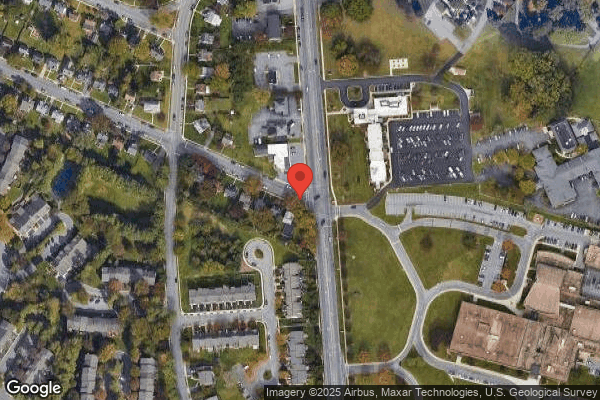
1304 PENNSYLVANIA AVENUE, HAGERSTOWN, MD 21742 (301) 733-2914
Non profit - Corporation 59 Beds Independent Data: November 2025
Trust Grade
60/100
#101 of 219 in MD
Last Inspection: July 2025

Inspected within the last 6 months. Data reflects current conditions.

Overview

Coffman Nursing Home in Hagerstown, Maryland has a Trust Grade of C+, indicating it is slightly above average but not without issues. It ranks #101 out of 219 facilities in Maryland, placing it in the top half, and #2 out of 10 in Washington County, meaning it has only one competitor that is better. Unfortunately, the facility is worsening, with the number of reported issues rising from 1 in 2024 to 12 in 2025. Staffing is a relative strength, with a rating of 4 out of 5 stars and a turnover rate of 38%, which is below the state average, suggesting staff are experienced and familiar with the residents. On the downside, there are concerning food safety practices, such as meals being served cold and improper food storage, including expired items and unclean dishes that could lead to contamination. While there have been no fines recorded, the increase in issues and specific incidents regarding food quality and safety raise significant red flags that families should consider when researching this facility.

Trust Score
C+
60/100
In Maryland
#101/219
Top 46%
Safety Record
Low Risk
No red flags
Inspections
Getting Worse
1 → 12 violations
Staff Stability
○ Average
38% turnover. Near Maryland's 48% average. Typical for the industry.
Penalties
✓ Good
No fines on record. Clean compliance history, better than most Maryland facilities.
Skilled Nurses
✓ Good
Each resident gets 55 minutes of Registered Nurse (RN) attention daily — more than average for Maryland. RNs are trained to catch health problems early.
Violations
⚠ Watch
45 deficiencies on record. Higher than average. Multiple issues found across inspections.
★★★☆☆
3.0
Overall Rating
★★★★☆
4.0
Staff Levels
★★☆☆☆
2.0
Care Quality
★★★☆☆
3.0
Inspection Score
Stable
2024: 1 issues
2025: 12 issues

The Good

  • 4-Star Staffing Rating · Above-average nurse staffing levels
  • Full Sprinkler Coverage · Fire safety systems throughout facility
  • No fines on record
  • Staff turnover below average (38%)

    10 points below Maryland average of 48%

Facility shows strength in staffing levels, fire safety.

The Bad

3-Star Overall Rating

Near Maryland average (3.0)

Meets federal standards, typical of most facilities

Staff Turnover: 38%

Near Maryland avg (46%)

Typical for the industry

The Ugly 45 deficiencies on record

Jul 2025 12 deficiencies
CONCERN (D)

Potential for Harm - no one hurt, but risky conditions existed

Assessment Accuracy (Tag F0641)

Could have caused harm · This affected 1 resident

Based on record review and staff interviews, it was determined that the facility failed to ensure that Minimum Data Set (MDS) assessments were accurately recorded. This was evident for 1 (#8) of 5 res...

Read full inspector narrative →
Based on record review and staff interviews, it was determined that the facility failed to ensure that Minimum Data Set (MDS) assessments were accurately recorded. This was evident for 1 (#8) of 5 residents reviewed for unnecessary medications and 1 (#40) of 2 residents reviewed for the Preadmission Screening and Resident Review (PASSR) screening.The findings include: The MDS (Minimum Data Set) is a complete assessment of the Resident that provides the facility with the information to develop a care plan, provide the appropriate care and services to the Resident, and modify the care plan based on the Resident's status. MDS assessments must be accurate to ensure that each Resident receives the care they need.Active diagnoses documented on the MDS assessment are attending provider-documented diagnoses in the last 60 days that directly relate to the Resident's current functional status, cognitive status, mood or behavior, medical treatments, nursing monitoring, or risk of death during the 7-day look-back period.1) A review of Resident #8's medical record included an order audit report that showed an attending provider's order for Resident #8 to receive an antipsychotic medicine for mood and behavior, effective 3/14/25. And the diagnosis for the medicine was Dementia with other behavioral disturbance.Further review included MDS assessments for Resident #8 dated 3/26/25 and 6/24/25. The MDSs recorded in section I0020B and I8000A that Resident #8 had an active diagnosis of Dementia without behavioral disturbance.In an interview on 7/22/2025 at 4:28 PM, Staff #13, the MDS Coordinator, reported that she missed it when Resident #8's diagnosis of Dementia was updated with behavioral disturbance. Staff #13 added that she would correct the MDS assessments.2) A review of Resident #40's MDS assessments dated 12/25/24, 3/25/25, and 6/23/25 showed a documentation of Psychotic disorder as one of the Resident's diagnoses in section I. Further review of the record did not reveal supporting documentation for the diagnosis.In an interview with Staff #13, it was indicated that to code an active diagnosis on the MDS assessment, it should have been documented in an attending provider's note within the last 60 days and treated over the previous 7 days preceding the assessment date, including the assessment date itself.However, earlier record review did not show that Resident #40 was treated for Psychotic disorder during the last 7days to the assessment date, and the attending providers' notes for the past 60 days did not show the diagnosis.During a subsequent interview on 7/22/2025 at 4:40 PM, staff #13 confirmed that Resident #40's MDSs dated 12/25/24, 3/25/25, and 6/23/25 were recorded inaccurately and that she would correct them.
CONCERN (D)

Potential for Harm - no one hurt, but risky conditions existed

Deficiency F0657 (Tag F0657)

Could have caused harm · This affected 1 resident

Based on interviews and a review of medical records, it was determined that the facility failed to ensure an interdisciplinary team (IDT) care plan meeting was conducted for a resident. This was evide...

Read full inspector narrative →
Based on interviews and a review of medical records, it was determined that the facility failed to ensure an interdisciplinary team (IDT) care plan meeting was conducted for a resident. This was evident for one Resident (#48) who was reviewed for care planning.The findings include: A care plan guides each resident's care based on their specific needs. Care plans must be created within 7 days of the admission MDS and updated quarterly or as needed.The Minimum Data Set (MDS) assessment is a federally mandated tool used by nursing home staff to gather information on each Resident's strengths and needs. The information collected is used in the Resident's care planning decisions.The facility must have care plans developed and revised by an interdisciplinary team (IDT), including the attending physician, a registered nurse, a nursing aide, a representative from dietary services, the Resident, and the Resident's representative (as practicable).In an interview on 7/15/2025 at 2:50 PM, Resident #48 was asked if s/he participated in his/her care plan meetings and responded that s/he was not aware of any care plan meeting.A review of Resident #48's medical record revealed that s/he had been residing in the facility since June 2025. The review also noted an admission MDS assessment for Resident #48, dated 6/30/25, and completed on 7/1/25. However, the review failed to indicate that a care plan meeting took place following the completion of the MDS assessment.During an interview on 7/22/2025, at 8:01 AM, Staff #4, Social Services Director (SSD), reported that IDT care plan meetings were scheduled for Residents based on their MDS schedules. The SSD stated that she missed scheduling a care plan meeting for Resident #48 because the date for his/her MDS had been changed.Later that day, the SSD reported that a care plan meeting had been scheduled for Resident #48 after the surveyor's intervention.
CONCERN (D) 📢 Someone Reported This

A family member, employee, or ombudsman was alarmed enough to file a formal complaint

Potential for Harm - no one hurt, but risky conditions existed

Quality of Care (Tag F0684)

Could have caused harm · This affected 1 resident

Based on review of medical records and complaint 316958, and interviews it was determined that the facility failed to ensure a resident received care in accordance with professional standards of pract...

Read full inspector narrative →
Based on review of medical records and complaint 316958, and interviews it was determined that the facility failed to ensure a resident received care in accordance with professional standards of practice. This was found to be evident for one (Resident #23) of five residents reviewed for unnecessary medication.The findings include:1)Review of Resident #23's medical record on 7/17/25 revealed the resident has resided in the facility for more than 8 months. The resident was admitted with an implanted port in place and orders to access the port once a month to complete a flush with saline and heparin (a medication used to prevent blood clots). A port is a medical device that is surgically implanted under the skin that allows health care providers easy access to a vein. A port can be used for access to give medications, intravenous (IV) fluids, blood transfusions or for obtaining blood samples. Flushing the port lowers the risk of clots and blockages.Review of the nursing progress notes revealed that on 2/3/25 a nurse from the pharmacy completed the flush. This note was completed by the facility Nurse (Staff #1).Further review of the medical record revealed that in the beginning of March 2025 the order to flush the port once a month was still in place. However, review of the Licensed Nurse Administration Record (where the nurse's document the medications they administer to the resident) revealed a blank in the area for staff to document the flush when due on 3/3/25 and a notation that the order was discontinued on 3/3/25. Review of corresponding progress notes, completed by Nurse #1 revealed a notation: port flush changed to every 3 months, last flushed on 2/3/25.Further review of the medical record revealed an Implanted Port Infusion Protocol and Orders form, dated 3/3/25, that included orders to flush the port with saline and heparin once every 3 months. Nurse (#1) had signed the form. On 7/17/25 at 2:09 PM an interview with Nurse #1 revealed that an infusion nurse had completed a training with the staff in regard to completing the flush and referenced her note from February. Nurse (#1) went on to report that the nurse who conducted the training had recommended the flush be completed every 3 months rather than every month.No documentation was found to indicate the physician or nurse practitioner were notified of this recommendation when it was made in February. The surveyor discussed the concern with the DON on 7/22/25 at 4:53 PM, that the staff had received education in February but no documentation was found to indicate the physician was notified about the recommendation to change the order until the next month when Nurse #1 identified that the order should have been changed.Since a flush was completed on 2/3/25, and the order was changed in March to every three months then the next flush would be due in May. Further review of the Licensed Nurse Administration Record revealed a flush was completed on 4/3/25, which was a month before it was due.On 7/17/25 further review of the Licensed Nurse Administration Record revealed a current order was in place to complete the flush once every three months and that it was due to be administered on 7/3/25. In the area to document administration the nurse (Staff #9) documented a 9 which indicates Other/See Progress Notes.There was a corresponding progress note written by Nurse #9 on 7/3/25 at 11:28 PM. Review of this note revealed the nurse had attempted to access the port with the needle, but the needle would not fully access, there was no blood return and was unable to flush. The note also documented that the on-call nurse was made aware and that the night shift nurse had also attempted.Further review of the progress notes revealed a note completed by Nurse #10 on 7/3/25 at 11:44 PM. This note revealed the following: This RN attempted access without results. Resident screaming and waving [his/her] arms during access attempt. Attempts and educating resident and talking with resident were without results. DSD [dry sterile dressing] applied.On 7/17/25 further review of the medical record failed to reveal documentation to indicate the port flush was completed after the unsuccessful attempts on 7/3/25. No documentation was found to indicate the physician or nurse practitioner was notified that the nursing staff was unable to complete the flush as ordered.On 7/17/25 at 11:20 AM Nurse (Staff #12) reported she was aware the resident has a port and that staff flush it, but she was unsure how often and stated that she had never completed the flush. The surveyor then reviewed the concern that the record review revealed the flush was due on 7/3 but that progress notes indicated nursing staff could not access the port, no documentation was found to indicate any follow up or if the port has been flushed in the two weeks since. Nurse #12 stated: the doctor should have been notified.On 7/17/25 at 12:15 PM the surveyor informed the Director of Nursing (DON) that no documentation was found to indicate the port was flushed since it was due on 7/3/25. The DON indicated she would check if there was any documentation to indicate the port was flushed.On 7/17/2025 at 12:28 PM the DON confirmed there was no documentation to indicate the port was flushed or that the physician or nurse practitioner was notified. DON reported she was going to have staff contact the doctor today.2) Continued review of Resident #23's medical record revealed an order, in effect since October 2024, for acetaminophen (also known as Tylenol) 325 mg tablets, give 2 tablets every 6 hours as needed for generalized pain or fever over 100 degrees. This is a PRN (as needed) order and requires an assessment be completed to determine if the acetaminophen was actually needed or not. Acetaminophen is a medication used for pain relief as well as a fever reducer. Review of complaint 316958 revealed an allegation that the Certified Medication Aides (CMA) were completing pain assessments.The Director of Nursing reported, on 7/15/25 at 11:52 AM, that the medicine aides do give the PRN Tylenol, but only after the nurses complete the assessment.CMA (Staff #14) reported, on 7/22/25 at 11:50 AM, that in regard to PRN medications they communicate with the nurse who will assess the resident and then tell them to go ahead and administer the medication. CMA #14 also reported that she would document why the medication was given.CMA (Staff #15) reported, on 7/22/25 at 1:01 PM, that she has to report all the pain to the nurse. If the pain is below 5 the nurse will say give the Tylenol. She went on to report that she does follow up with the patient and documents the follow up. And that if the medication does not work she documents that and tells the nurse.Review of the Medication Administration Record (MAR) revealed documentation that on 7/16/25 at 1:34 PM a dose of the PRN acetaminophen was administered to the resident by CMA #15. The pain level was documented as a 5 (on a scale of 1-10). Review of corresponding progress notes revealed that at 1:34 PM CMA #15 documented c/o [complaint of] shoulder pain; and at 2:32 PM CMA #15 documented that the PRN administration was effective and follow up pain scale was 0. No documentation was found in these notes, or elsewhere in the medical record, that the nurse was made aware of the resident's report of pain or that the acetaminophen was administered.Further review of the medical record failed to reveal documentation to indicate the resident had reported pain of any type in the month of July prior to the shoulder pain on the 16th. No documentation was found by a licensed nurse addressing the report of shoulder pain on July 16th.Nurse #1 reported on 7/23/25 at 10:30 AM, that if a CMA told her of a resident's report of pain, she would speak with the resident, offer position change, or an ice pack prior to instructing the CMA to give the prn Tylenol. Offering a position change or an ice pack are what is known as non-pharmaceutical interventions (NPI) that can help relieve pain without the use of medication. It is generally expected that staff offer NPI prior to the administration of prn pain medication.During the 7/23/25 interview, when asked about documentation of a report of pain by the CMA, Nurse #1 indicated she would include this information on the 24-hour report. She then showed the surveyor a binder with 24-hour report documentation. Review of this binder with Nurse #1 failed to reveal an entry for Resident #23 on 7/16/25.Further review of the electronic medical record on 7/23/25 at 10:37 AM with Nurse #1, revealed that Nurse #1 was assigned to care for the resident during the day shift of 7/16/25. Nurse #1 reported that it would be unusual for this resident to report pain, and denied recalling being told about shoulder pain, and indicated she would have documented about it if she was aware.On 7/23/25 at 10:52 AM the surveyor reviewed the concern, with the DON, that the CMA had documented shoulder pain, which was a new and unusual complaint. And that a nurse had not been informed of this report of shoulder pain.
CONCERN (D)

Potential for Harm - no one hurt, but risky conditions existed

Deficiency F0757 (Tag F0757)

Could have caused harm · This affected 1 resident

Based on medical record review and interviews it was determined that the facility failed to ensure the residents were free from unnecessary antibiotics. This was found to be evident for one (Resident ...

Read full inspector narrative →
Based on medical record review and interviews it was determined that the facility failed to ensure the residents were free from unnecessary antibiotics. This was found to be evident for one (Resident #54) out of five residents reviewed for unnecessary medications.The findings include:Review of Resident #54's medical record revealed the resident has resided at the facility for more than one year. Review of the primary physician (Staff #16) progress note, signed on 5/16/25 at 10:30 AM revealed the resident was seen that day for a sick visit, patient had a cough with phlegm and that he was waiting on chest x-ray results. The physician assessed the resident as having bronchitis and possible pneumonia. The plan included: Will start Levaquin 500 mg p.o.[by mouth] daily for 7 days; Waiting for chest x-ray if antibiotic needs to be changed; [Discussed] with staff continue to monitor closely.Review of the chest x-ray results, dated 5/16/25 at 4:25 PM, revealed: No active cardiopulmonary disease.Review of the May 2025 Medication Administration Record (MAR) revealed the resident received 500 mg of levofloxacin (also known as Levaquin) for 10 days from May 16 through May 25. The first dose was administered on 5/16/25 at 9:00 PM.On 7/22/25 at approximately 4:15 PM an interview was conducted, in the presence of the infection preventionist nurse (Staff #11), with physician #16. Surveyor requested clarification regarding the Waiting for chest x-ray if antibiotic needs to be changed statement in the 5/16/25 progress note. The physician reported that if the resident had pneumonia then he would have extended the treatment or ordered IV [intravenous] antibiotics. The physician reported that he talks to the nursing staff and gives verbal orders which the nurses then put into the medical record. When asked about the discrepancy of the number of days for the antibiotic treatment, the physician said he thinks it was a misunderstanding. The physician went on to confirm that the order for the antibiotic should have been for 7 days.Antibiotic Stewardship refers to a set of commitments and actions designed to optimize the treatment of infections while reducing the adverse events associated with antibiotic use. This can be accomplished through improving antibiotic prescribing, administration, and management practices thus reducing inappropriate use to ensure that residents receive the right antibiotic for the right indication, dose, and duration. Review of the facility's Antibiotic Stewardship policies revealed they were last revised in December 2016. On 7/23/25 at 3:15 PM the surveyor reviewed with the Director of Nursing the concern related to the administration of an antibiotic for 10 days rather than for 7 days.
CONCERN (D)

Potential for Harm - no one hurt, but risky conditions existed

Deficiency F0761 (Tag F0761)

Could have caused harm · This affected 1 resident

Based on observation and staff interviews, it was determined that the facility failed to ensure that drugs and biologicals were stored in areas that are secure against unauthorized access. This was ev...

Read full inspector narrative →
Based on observation and staff interviews, it was determined that the facility failed to ensure that drugs and biologicals were stored in areas that are secure against unauthorized access. This was evident in 2 (the 200 hall and the 300 hall) out of 3 rooms being used to store medications, as observed during the completion of the medication storage and labeling task for the annual recertification survey.The findings include:On 7/18/25 at 11:08 AM, the clean utility supply room located at the end of the 300 hall was observed to be unlocked and accessible. The room contained over the counter (OTC) medications and biologicals, including, but not limited to: vitamin A&D ointment, saline enemas, iodoform packing strips, hydrogel wound dressing, calcium alginate dressings, Silvasorb (Silvadene) for wound care, COVID-19 test kits, razors, and direct care supplies.At 11:28 AM, Nurse #1, was observed in the hallway and was asked whether the door to the clean utility room was normally secured. Nurse #1 stated they did not have a key to the door and further stated, The other clean utility closet does not stay locked, referring to the clean utility room on 200 hall, and then demonstrated that the door to the clean utility room on 200 hall opened freely and was not equipped with a lock or keypad where similar OTC medications and biologicals were stored with direct care supplies. At 11:47 AM, a handwritten sign was observed taped to the 300 hall clean utility room door stating, See the nurse for the key. The 200 hall clean utility room door remained open and accessible.On 7/18/25 at 1:35 PM, during an interview with the Director of Nursing, she was informed of the observations on the 200 hall and 300 hall and acknowledged the deficiency.
CONCERN (D) 📢 Someone Reported This

A family member, employee, or ombudsman was alarmed enough to file a formal complaint

Potential for Harm - no one hurt, but risky conditions existed

Deficiency F0810 (Tag F0810)

Could have caused harm · This affected 1 resident

**NOTE- TERMS IN BRACKETS HAVE BEEN EDITED TO PROTECT CONFIDENTIALITY** Based on a record review, observation, and interviews, it was determined that the facility failed to provide an assistive device...

Read full inspector narrative →
**NOTE- TERMS IN BRACKETS HAVE BEEN EDITED TO PROTECT CONFIDENTIALITY** Based on a record review, observation, and interviews, it was determined that the facility failed to provide an assistive device for eating to a Resident. This was evident in one of four dining observations during the survey.The findings include:On 7/15/25, at 8:14 AM, a review of a report provided by the dietary manager for Residents who require special utensils during meals was completed. The review showed that Resident #40 required “a [NAME] anti-spill cup, a yellow-lipped plate, and small built-up utensils [special fork and spoon with built-up handles to aid people with a weakened grip]” for every meal. However, during dinner observation on 7/17/25, at 5:35 PM, Resident #40 was eating dinner in his/her room and did not have his/her weighted utensils. Staff #6, a geriatric nurse aid, was present and stated that she had given Resident #40 regular utensils because the weighted utensils had not been received from the dietary staff. In an interview on 7/17/25 at 6:05 PM, Staff #17, a dietary aid, confirmed that Resident #40 did not receive his/her weighted utensils on the meal tray and stated that she would notify her supervisor of the concern. During an interview on 7/21/2025 at 8:11 AM, Staff #19, an occupational therapist, reported that Resident #40’s weighted utensils were to help limit spillage and gather food during meals due to decreased fine motor strength and coordination. However, earlier observations failed to show that staff provided utensils to the resident during mealtime.
CONCERN (E)

Potential for Harm - no one hurt, but risky conditions existed

Safe Environment (Tag F0584)

Could have caused harm · This affected multiple residents

**NOTE- TERMS IN BRACKETS HAVE BEEN EDITED TO PROTECT CONFIDENTIALITY** Based on observations and interviews, it was determined that the facility failed to provide a home-like environment for resident...

Read full inspector narrative →
**NOTE- TERMS IN BRACKETS HAVE BEEN EDITED TO PROTECT CONFIDENTIALITY** Based on observations and interviews, it was determined that the facility failed to provide a home-like environment for residents. This was evident in three of the three hallways reviewed for the environment.The findings include:During an observation on 7/17/2025, at 12:34 PM, in the 200 hallway, six tiles between room [ROOM NUMBER] and the nurses' station were noted to be cracked.Continued observation of the 300-hallway showed that room [ROOM NUMBER] had eight cracked tiles. Additionally, two tiles under the head of the first bed had bubbles, and six tiles to the right had black discoloration. The observation also found that the trim guard was detached from the bathroom door post, and the P-trap under the bathroom sink was rusted in room [ROOM NUMBER].Further observation showed six cracked tiles between rooms [ROOM NUMBERS]. Then, in the 400 hallway, four tiles between rooms [ROOM NUMBERS] were broken.An observation of the unit shower room revealed two cracked tiles behind the door.During an environmental tour on 7/21/25, at 10:14 AM, Staff #5, the Maintenance Director, confirmed all the findings and stated that they would address them.
CONCERN (E) 📢 Someone Reported This

A family member, employee, or ombudsman was alarmed enough to file a formal complaint

Potential for Harm - no one hurt, but risky conditions existed

Menu Adequacy (Tag F0803)

Could have caused harm · This affected multiple residents

**NOTE- TERMS IN BRACKETS HAVE BEEN EDITED TO PROTECT CONFIDENTIALITY** Based on a record review, observations, and interviews, it was determined that the facility failed to serve residents meals acco...

Read full inspector narrative →
**NOTE- TERMS IN BRACKETS HAVE BEEN EDITED TO PROTECT CONFIDENTIALITY** Based on a record review, observations, and interviews, it was determined that the facility failed to serve residents meals according to a predetermined menu that reflected their preferences. This was evident in four out of four dining observations during the survey.The findings include:1) A review of the facility's food committee meeting notes was done. The notes revealed that the residents voiced concerns and grievances, including the dietary staff consistently not serving their meals according to their preferences on the meal tickets.A dining observation on 7/17/2025 at 5:35 PM, in the 300 Hall, showed Resident #56 eating dinner in the room. On the Resident's meal tray was a ticket that listed all the food items to be on the tray: sloppy joe on Bun, xplain potato chips, steamed corn, salt and pepper, chocolate pudding, 2% milk, Ice water, vanilla ice cream.However, continued observation failed to show that Resident #56's tray contained vanilla ice cream, salt, and pepper. The Resident's Representative was present and said, We don't always get everything on the ticket.2) An observation of dinner in the 300 Hallway included Resident #11, eating dinner in his/her room. The observation noted from the Resident's meal ticket was that s/he was to receive a red inner lip plate, a sloppy joe on a bun, mashed potatoes, cream-style corn, salt and pepper, chocolate pudding, ice water, cranberry juice, chocolate ice cream, 2% milk, and low-fat yogurt.However, the observation failed to show that Resident #11 received milk and low-fat vanilla yogurt on his/her tray. The resident stated that s/he did not receive milk or yogurt and added that s/he had requested cottage cheese with his/her meals but did not receive it at times.In an interview on 7/17/2025 at 6:05 PM, staff #17, a dietary aid, confirmed concerns about missing food items on the trays for Residents #56 and #11. And added that missing food items on the residents' trays were dependent on which dietary staff member loaded the meal cart.3) An observation of breakfast on 7/18/2025 at 8:00 AM showed that Resident #40 was eating breakfast in the room. The resident's tray contained corn flakes, scrambled eggs, hash brown patty, special cup, special spoon and fork, special yellow plate, dry wheat toast, butter, salt and pepper, grape jelly, creamer, cranberry juice, 2% milk, coffee, and Prune juice. However, the Resident's meal ticket listed the following items: corn flakes, scrambled eggs, hash brown patty, [NAME] anti-spill cup, small built-up utensils, yellow-lipped plate, dry wheat toast, butter, salt and pepper, grape jelly, creamer, cranberry juice, 2% milk, coffee, Prune juice, and banana. The Resident stated, They missed my banana.4) While observing the dinner tray line on 7/22/2025 at 5:15 PM, the surveyor requested a test tray. The tray contained a meal ticket for Resident #52, which listed the following food items to be served: Manicott Alfredo, Spinach with garlic butter, Wheat roll, butter, salt, pepper, chocolate pudding, 2% milk, Ice water, and a Chocolate ice cream cup.However, continued observation failed to show that Resident #52's tray contained chocolate pudding. The dietary manager was present and was made aware of the concern that Resident #52's tray did not contain chocolate pudding, and he confirmed the concern.In an interview on 7/23/2025, at 11:12 AM, the dietary manager confirmed the concerns and verbalized understanding.
CONCERN (E)

Potential for Harm - no one hurt, but risky conditions existed

Infection Control (Tag F0880)

Could have caused harm · This affected multiple residents

Based on observations, review of policies and medical records, and interviews it was determined that the facility failed to ensure staff maintained standard and enhanced barrier precautions (EBP) whil...

Read full inspector narrative →
Based on observations, review of policies and medical records, and interviews it was determined that the facility failed to ensure staff maintained standard and enhanced barrier precautions (EBP) while providing care; and failed to ensure the infection prevention and control policies and procedures were reviewed and revised at least annually. This was found to be evident for 3 (Resident # 3, #37 and #29) out of 40 residents included in the sample.The findings include: 1a) An observation made on 7/16/2025 at 9:31 AM noted a sign outside Resident #3's room that indicated that the Resident was on EBP and required staff to wear gowns and gloves during high-contact care activities. Enhanced Barrier Precautions (EBP) are infection control measures designed to reduce the transmission of infections in healthcare settings, including nursing homes. EBP involves wearing gowns and gloves during high-contact care such as dressing, bathing, transferring, changing linens, providing hygiene, changing briefs, or assisting with toileting for residents with infections, MDRO colonization, indwelling devices, or wounds. A review of Resident #3's record showed that s/he was on EBP due to having a wound. The review also included an EBP care plan for Resident #3. The care plan had recorded that “Staff will don[wear] gown and gloves for all high contact Resident care activities”. However, during a subsequent observation of morning care for Resident #3, staff #6 and #7, both geriatric nurse aids (GNAs), wore gloves but did not wear gowns, despite the posted EBP requirements. In an interview on 7/16/25 at 9:50 AM, both GNA #6 and #7 stated that Resident #3 did not have a wound and therefore were not required to wear a gown during high-contact resident care. Both staff members confirmed seeing the EBP signage outside the resident's room, but indicated it needed to be removed because Resident #3 did not have a wound. A subsequent interview on 7/17/2025 at 11:18 AM, with staff #8, a licensed practical nurse, revealed that Resident #3 had a wound that required daily treatment, and staff needed to gown up before providing high-contact resident care. In an interview on 7/17/2025 at 11:59 AM, Staff #11, the infection preventionist (IP) nurse, indicated that she was made aware of the concern regarding not wearing a gown before providing high-contact care to Resident #3. The IP nurse indicated that steps would be taken to address the concern. 1b) Review of Resident #37's medical record on 7/15/25, revealed the presence of a stage 3 pressure ulcer on the resident's heel. A Stage 3 pressure ulcer indicates there is full thickness skin loss. Enhanced Barrier Precautions (EBP) refers to an infection control intervention designed to reduce transmission of multidrug-resistant organisms that employs targeted gown and glove use during high contact resident care activities. EBP are indicated for residents with pressure ulcers. On 7/17/25 at 9:59 AM the surveyor arrived at the resident's room and observed Nurse (Staff #1) completing Resident #37's dressing change. There was a sign posted outside of the resident's room indicating Enhanced Barrier Precautions were in place for this resident. The nurse had already removed the old dressing and was in the process of cleaning the wound when surveyor arrived for the observation. Surveyor noted that Nurse #1 was not wearing a protective gown while completing the dressing change. On 7/17/2025 at 10:13 AM, after the dressing change was complete, the surveyor asked Nurse #1 what was her understanding of EBP? The nurse responded she was not 100 % sure, indicated the infection control nurse would know more and then stated: “I was suppose to wear a gown, wasn't I?” On 7/17/25 at 11:59 AM the Infection Preventionist (IP) Nurse (Staff #11) reported that EBP was reviewed with the staff within the last month or two. The Infection Preventionist Nurse confirmed that any resident with a pressure ulcer would require the use of gown and gloves during high contact care. The Surveyor then reviewed the observation from this morning of the nurse performing a dressing change without wearing a gown. 1c) On 7/17/25 at 08:16 AM, during the observation of medication administration with Nurse#1 for Resident #29, Nurse #1 was observed preparing and priming an intravenous (IV) line and pump without donning gloves. Nurse #1 handled the IV equipment and tubing without adherence to standard infection control precautions. On 7/21/25 at 4:09 PM, an interview was conducted with the Director of Nursing (DON) regarding the facility's infection prevention and control policies and the facility's annual review process. The DON stated that there was no evidence the infection prevention and control program had been reviewed in the past year, and no documentation could be provided to demonstrate that policies, procedures, and standards had been evaluated or revised based upon the current facility assessment or resident population. The policies presented were generalized, templated forms with dates ranging from 2017 to 2023 and lacked facility-specific identifiers based on the facility assessment. On 7/23/25 at 12:47 PM, the DON confirmed again that the facility was unable to provide evidence that a review or revision of the infection prevention and control policies had occurred to ensure alignment with current standards or the facility's specific assessment.
CONCERN (F)

Potential for Harm - no one hurt, but risky conditions existed

Deficiency F0804 (Tag F0804)

Could have caused harm · This affected most or all residents

Based on record review, interviews, and observations, it was determined that the facility failed to ensure that meals were delivered to residents at an appropriate and palatable temperature. This defi...

Read full inspector narrative →
Based on record review, interviews, and observations, it was determined that the facility failed to ensure that meals were delivered to residents at an appropriate and palatable temperature. This deficient practice has the potential to affect all residents who receive meals from the facility's kitchen. The findings include:A review of complaint #316959 contained a statement that, “The meals are cold and half-cooked”. A subsequent review of the facility's food committee meeting notes revealed that residents had voiced concerns about the presentation, taste, and temperature of foods. A review of the food service temperature logs was completed. The review failed to show food service line temperature records for dinner on 3/6/25, breakfast, lunch, and dinner on 3/13/25, dinner on 3/20/25, dinner on 3/27/25, lunch and dinner on 5/1/25, dinner on 5/20/25, dinner on 5/21/25, dinner on 6/14/25, dinner on 6/15/25, dinner on 6/16/25, and dinner on 6/18/25. The review also revealed two undated food temperature log forms, which also lacked records of food temperatures for lunch and dinner. Continued review of the food temperature policy showed a statement: “Foods will be served at proper temperature to ensure food safety. If temperatures are not at acceptable levels and cannot be corrected in time for meal service, make an appropriate menu substitution and [discard] out-of-temperature range foods.” However, earlier log reviews failed to show that the required food temperatures were consistently obtained before serving residents. During an interview on 7/15/2025, Resident #1 reported, “The food is always cold.” The resident also added that the liners, which were to be placed between the plates holding the food and the plastic covers to keep the food warm, were rarely present. During a meal observation on 7/17/2025, another Resident, #56, reported that the food was served cold. While observing the dinner tray line on 7/22/2025, at 5:15 PM, the surveyor requested a test tray. The tray contained Manicott Alfredo, Spinach, Wheat roll, butter, salt, pepper, vanilla pudding, 2% milk, Ice water, and Chocolate ice cream. The dietary manager was present and obtained the food temperatures, which showed 57 degrees for the milk. Staff indicated that the acceptable temperature range for the milk should have been less than 41 degrees and verbalized understanding of the concern. In a subsequent interview, the dietary manager reported that to address the concerns about food temperatures, he had ordered additional food liners for the food warming systems. However, his department had just been fully staffed, and he had yet to train them to use the liners. On 7/23/2025 at 12:30 PM, the Nursing Home administrator was informed of the food concerns and verbalized understanding.
CONCERN (F)

Potential for Harm - no one hurt, but risky conditions existed

Food Safety (Tag F0812)

Could have caused harm · This affected most or all residents

**NOTE- TERMS IN BRACKETS HAVE BEEN EDITED TO PROTECT CONFIDENTIALITY** Based on observations and interviews, it was determined that the facility failed to store and prepare food in accordance with pr...

Read full inspector narrative →
**NOTE- TERMS IN BRACKETS HAVE BEEN EDITED TO PROTECT CONFIDENTIALITY** Based on observations and interviews, it was determined that the facility failed to store and prepare food in accordance with professional standards and guidelines. This deficient practice has the potential to affect all residents.The findings include:An observation of the facility's walk-in refrigerator on 7/15/25, at 8:14 AM, with staff #18, the dietary manager, present, revealed nine cabbages with a grayish substance growing on them. He indicated that the cabbages had gone bad and discarded them.Continued observation revealed a bag of broccoli with a label stating, Best if used by 7/8/25. Staff confirmed that it had expired and removed it for disposal.Further observation noted a bag of shredded cheese with an open date of 7/14/25 but had no use by date.The observation also showed an opened and halfway used [NAME] buttermilk ranch dressing labelled with a received date of 3/20/25. However, the label did not indicate the open or use-by date.An observation of the facility's walk-in freezer revealed a container of prepared spaghetti sauce with a date of preparation listed as 5/29/25. It did not have a use-by date. Staff #18 said it should have been used within 4 weeks and took it out to discard. He also said he was aware of the labeling issues, so he had initiated a Performance Improvement Plan (PIP) to address this issue.A subsequent observation of the nutrition room refrigerator on the nursing unit with staff #20, a licensed practical nurse, showed a carton of thickened orange juice with a use-by date of 4/30/25. Staff #20 indicated it had expired and discarded it after the surveyor's intervention. She also noted that the dietary staff were responsible for stocking and disposing of expired food items from the nutrition room refrigerator.In an interview on 7/21/25 at 2:48 PM, Staff #21, the Culinary Operations Manager, said she had provided training to the dietary staff regarding labeling, dating, and rotating perishable food items after the surveyor's intervention.
MINOR (C)

Minor Issue - procedural, no safety impact

Staffing Information (Tag F0732)

Minor procedural issue · This affected most or all residents

Based on observation and interview it was determined that the facility failed to maintain the daily posted staffing information in a readily accessible format. This practice has the potential to affec...

Read full inspector narrative →
Based on observation and interview it was determined that the facility failed to maintain the daily posted staffing information in a readily accessible format. This practice has the potential to affect all residents.The findings include:On 7/23/25 at 12:38 PM observation on the nursing unit, with the Director of Nursing (DON), revealed staffing information posted on a large white wipe board for the current day shift. The information on the wipe board included the number of hours worked for registered nurses, licensed practical nurses, certified nurse aides (including geriatric nursing assistants and certified medicine aides) and the current resident census. There was separate paper documentation, also posted, that included the specific staff room assignments but failed to include the actual hours worked for nurses and aides. Surveyor then reviewed the concern with the DON that the posting of the actual hours worked is only on the wipe board and that the regulation requires this information to be readily available and kept for 18 months. DON reported the hours worked information was kept on other reports, not on the saved posted assignment sheets.
Mar 2024 1 deficiency
CONCERN (D) 📢 Someone Reported This

A family member, employee, or ombudsman was alarmed enough to file a formal complaint

Potential for Harm - no one hurt, but risky conditions existed

Notification of Changes (Tag F0580)

Could have caused harm · This affected 1 resident

Based on complaint, review of the facility policies and a closed medical record, as well as staff interviews, it was determined that the facility staff failed to immediately notify a resident's physic...

Read full inspector narrative →
Based on complaint, review of the facility policies and a closed medical record, as well as staff interviews, it was determined that the facility staff failed to immediately notify a resident's physician and responsible party when a resident had fallen and received an injury. This was evident for 1 (Resident #6) of 6 residents reviewed during a complaint survey. The findings include: A review of complaint MD00183144 on 03/22/24 revealed an allegation that Resident #6 had fallen and was not assessed or treated for 6 hours. A review of the facility Change in a Resident's Condition or Status policy on 03/22/24, revealed that: 1) The nurse will notify the resident's attending physician or the physician on-call when there has been an accident or incident involving the resident. Under #4 of the policy: Unless otherwise instructed by the resident, a nurse will notify the resident's representative when: the resident is involved in any accident or incident that results in an injury including injuries of an unknown source. A review of Resident #6's closed medical record on 03/22/24 at 11 AM revealed that Resident #6 had been admitted to the facility for rehab after being treated at the hospital for a fall and subsequent neck surgery. Upon admission to the rehab facility, on 04/22/22, Resident #6 was noted with: not being steady on his/her feet, having numbness in the hands and feet, requiring a maximum assist of 2 staff members while ambulating with a walker. Resident #6 was also receiving the anticoagulant medications, Eliquis, orally, twice daily for blood clot prevention. Further review of Resident #6's closed medical record revealed that on 06/13/22 at 3:30 am, RN #7 was alerted to Resident #6's room by Resident #6 calling out for help. Upon entering the room, RN #7 observed Resident #6 lying on the floor beside the bed. RN #7 documented that Resident #6 was unable to give a response as to how he/she fell. RN #7 also documented that Resident #6 was observed with new bruising and skin tears to the extremities. In an interview with the complainant #1, for complaint MD00183144, on 03/25/24 at 10:24 am, complainant #1 stated that he/she was not notified until 9 am on 06/13/22 that Resident #6 had fallen and had injuries. In an interview with Resident #6's attending physician on 03/26/24 at 10:38 am, Resident #6's attending physician stated that he/she was not immediately notified of Resident #6's fall with injuries until later in the morning on 06/13/22. Resident #6's attending physician also stated that Resident #6 was receiving an oral anticoagulant at this time. Resident #6's attending physician stated that upon notification of Resident #6's 3:30 am fall on 06/13/22, Resident #6's attending physician instructed the nursing staff to send Resident #6 to the emergency room for evaluation and to rule out bleeding in the brain. Resident #6 was later readmitted to the facility with no indication of bleeding on the brain.
Apr 2022 18 deficiencies
CONCERN (D)

Potential for Harm - no one hurt, but risky conditions existed

Deficiency F0582 (Tag F0582)

Could have caused harm · This affected 1 resident

Based on review of facility records and interview with staff, it was determined that the facility staff failed to provide residents/representatives with a Skilled Nursing Facility Advanced Beneficiary...

Read full inspector narrative →
Based on review of facility records and interview with staff, it was determined that the facility staff failed to provide residents/representatives with a Skilled Nursing Facility Advanced Beneficiary Notice of Non-coverage (SNFABN) for 1 (#291) of 3 residents reviewed for Beneficiary Protection Notification. The findings include: The SNFABN (Skilled Nursing Facility Advanced Beneficiary Notice of Non-coverage) provides information to residents/beneficiaries that services may no longer be covered by Medicare and addresses the resident's liability for payment should they wish to continue receiving the skilled services. The NOMNC (Notice of Medicare Non-coverage) informs the beneficiary of his or her right to file appeal of the decision and right to an expedited review of Medicare non-coverage of services. On 4/20/22 at 2:28 PM, a review of the SNF Beneficiary Protection Notification Review worksheet completed by the facility indicated Resident #291 was discharged from the facility on 1/18/22 with benefit days remaining and a SNFABN form was not provided to the resident/representative. An explanation on the form indicated the resident planned to discharge on the last covered day of his/her benefit period but, instead, stayed in the facility a few days longer. A Notice of Medicare Non-coverage documented the effective date the coverage of the resident's current skilled nursing stay services would end on 1/14/22 and was signed by Resident #291's representative on 1/12/22. On 4/20/22 at 2:00 PM, the above concerns were discussed with Staff #11, who confirmed the SNFABN form was not provided to the resident/representative prior to or after the service coverage end date.
CONCERN (D)

Potential for Harm - no one hurt, but risky conditions existed

Abuse Prevention Policies (Tag F0607)

Could have caused harm · This affected 1 resident

Based on record review and staff interview, it was determined that the facility failed to develop and implement policies and procedures to ensure their residents were free of abuse. This was evident d...

Read full inspector narrative →
Based on record review and staff interview, it was determined that the facility failed to develop and implement policies and procedures to ensure their residents were free of abuse. This was evident during the annual survey and has the potential to affect all residents. The findings include: A review of the facility's Resident Abuse and Neglect policy, dated 5/2/18 with the last revision on 9/20/21, revealed that the facility had failed to establish a procedure for 1) staff to identify the types of abuse, 2) screening of all new employees to prohibit abuse, 3) notification of the State Agency with appropriate timeframes, 4) protecting the resident from the alleged perpetrator until an investigation can be completed, 5) conducting an investigation of alleged abuse, and 6) education of staff at least annually. In addition, the abuse policy failed to address how to identify, report, and investigate an injury of unknown origin. During a review of the concerns with the Assistant Director of Nursing (ADON) #13 on 4/22/22 at 11:38 AM, she reported that the facility needed to review and update their policies and procedures. ADON #13 reported she would further review the policies and procedures to see if additional ones existed. On 4/25/22 at 1:30 PM, the ADON #13 provided a copy of a policy titled, First Aid for Unexplained Injuries, Skin Lacerations and Bruises dated 9/25/00, with the last revision date of 5/11/15. A review of this policy revealed that it failed to address how to identify an injury of unknown origin and what the facility expected staff to do when an injury of unknown injury was identified. An interview with Social Work Director (SSD) on 4/25/22 at 9:50 AM revealed that the policy referenced above was facility's complete policy and procedure for resident abuse and neglect. The Administrator was made aware of these concerns on 4/26/22 at 9:18 AM and at that time he confirmed that the facility did not have additional policies and procedures for abuse. (Cross Reference F608 and F609)
CONCERN (D)

Potential for Harm - no one hurt, but risky conditions existed

Deficiency F0608 (Tag F0608)

Could have caused harm · This affected 1 resident

Based on record review and staff interview, it was determined that the facility failed to develop and implement policies and procedures to establish when to report suspicion of a crime and mandated ti...

Read full inspector narrative →
Based on record review and staff interview, it was determined that the facility failed to develop and implement policies and procedures to establish when to report suspicion of a crime and mandated time frames to report those suspicions. This was evident during the annual survey and has the potential to affect all residents. The findings include: On 4/21/22 at 1:00 PM, a review of the facility's Resident Abuse and Neglect Policy, dated 5/2/18 and revised 9/20/21, revealed that the facility failed to include in the policy to report to local law enforcement any suspicions of a crime and include the required timeframes of such reports. While reviewing the concerns with the Assistant Director of Nursing (ADON) #13 on 4/22/22 at 11:38 AM, she reported she had been aware that the facility's policies and procedures needed to be reviewed and updated. On 4/26/22 at 9:18 AM, the Administrator was made aware of the concern with the Resident Abuse and Neglect policy.
CONCERN (D)

Potential for Harm - no one hurt, but risky conditions existed

Report Alleged Abuse (Tag F0609)

Could have caused harm · This affected 1 resident

Based on medical record review and interview with staff it was determined that the facility failed to ensure that staff identified injuries of unknown origin and reported them to the state survey and ...

Read full inspector narrative →
Based on medical record review and interview with staff it was determined that the facility failed to ensure that staff identified injuries of unknown origin and reported them to the state survey and certification agency. This was found to be evident for 2 ( #22, #16) of 31 residents reviewed during the survey.The findings include: 1) A record review for Resident #22 on 4/21/22 at 8:33 AM, revealed an annual Minimum Data Set (MDS) with the assessment reference date of 11/22/21. Review of section C revealed Resident #22 had a Brief Interview of Mental Status score of 3 out of 15, indicating that Resident #22 had severe cognitive impairment. Review of section G revealed Resident #22 was totally dependent and required extensive assistance from staff for bed mobility and transfers to a chair. Further review of the medical record revealed a progress note that was entered on 3/21/22, by Licensed Practical Nurse (LPN) #20 that read Resident #22 had a purple bruise on right eyebrow area, no complaints when it was touched, Resident #22 was not sure how it had happened. LPN #20 also documented that Resident #22 had a transfer rail on the bed and was transferred by Hoyer Lift (a mechanical lift) and Resident #22 may have bumped it and then provided the measurements of the bruise, which was 2 centimeters (cm) by 0.5 cm. On 4/21/22 at 1:00 PM, a review of the facility's Resident Abuse and Neglect Policy dated 5/2/18, and revised 9/20/21, revealed the facility failed to include injury of unknown origin in the policy. On 4/22/22 at 6:18 AM, an interview was conducted with LPN #20, the nurse who had documented the note regarding the bruise. It was revealed that LPN #20 did not recall how she found the bruise on Resident #22's face. When LPN #20 was asked about the normal process when a resident was found to have a bruise, she reported that she asked the resident how it happened, then measured the bruise and completed a Bruise Investigation form in the computer. LPN #20 stated that if staff were not sure how it happened, then they would ask the Geriatric Nursing Assistants (GNA) who had cared for that resident in the past 24 hours.LPN #20 reported that she would document the location and size of the bruise and determine if she thought that the bruise was a result of abuse. If so, a report would be made to the Director of Nursing (DON) immediately. When asked if she had reported the bruise to the RN on-call, she stated she was unable to recall, so it was unclear if an assessment of the bruise had been done. On 4/22/22 at 6:40 AM, an interview with GNA #21 was conducted. GNA #21 had worked the night when the bruise was found on Resident #22's face. GNA #21 reported that they had not been assigned to Resident #22 that night, but was familiar with Resident #22. When asked the process that was followed when a resident had a bruise, GNA #21 reported that LPN #10 would complete the top portion of the investigation statement and then put the assigned GNAs name on it and post the form next to the time clock. GNA #21 reported that staff would write a statement as to what they thought had caused the bruise. GNA #21 reported that she was not aware of the bruise on Resident #22 and stated that Resident #22 was fully dependent on staff for assistance with mobility from their bed. GNA #21then stated that if staff transferred Resident #22 in the mechanical lift sling a certain way, Resident #22 tended to lean forward and may have bumped his/her head. An interview with GNA #22 on 4/22/21 at 6:47 AM, revealed that they had been assigned to Resident #22 on the evening that the bruise was found. GNA #22 reported that there was no incident that stood out to them that may have caused a bruise on Resident #22's face and that that Resident #22 was fully dependent on the staff for bed mobility and was stiff while being moved in bed. GNA #22 reported sometimes the bedside was situated too close to the residents and it was possible that Resident #22 bumped his/her head on the bedside table. On 4/22/22 at 8:18 AM, an interview with LPN #10 revealed that she would review the Bruise Investigation forms the next day she worked, and then write the information on investigation statement forms for each GNA who had cared for the resident in the last 24 hours. She stated this process would take a few days to complete. When asked why it had not been reported as an injury of unknown origin, LPN #10 reported that due to the size of the bruise, they had not been concerned about abuse. LPN #10 reported that the investigation form and statements from GNAs were given to the Director of Nursing. A copy of the Bruise Investigation was requested from the Assistant Director of Nursing on 4/22/22 at 8:30 AM. Review of the Bruise Investigation Form revealed that, in the Physical Observation section, it asked if the injury causing the bruise was witnessed or not and LPN #10 documented it had not been witnessed. In the Notification Guidelines section, it stated to notify MD/NP/PA immediately by phone or beeper for any of the following: bruise of unknown origin, bruise associated with moderate to severe pain or swelling, and/or loss of ROM [range of motion], or large bruise associated with known incident. LPN #20 failed to mark any of the options, although she had been unable to determine the cause of the bruise. On 4/25/22 at 1:30 PM, a review of the facility's First Aid for Unexplained Injuries, Skin Lacerations and Bruises policy, dated 9/25/00 with a revision date of 5/11/15, revealed the treatment nurse will assess injury type, location, size, and, if known, address the cause of injury. Furthermore, a pain committee nurse will initiate an investigation sheet where a list of staff members who cared for the injured resident during the last 48 hours wiould be created and statements from staff collected as to how the injury occurred and then forwarded to the Director of Nursing (DON) and Medical Director for signatures and then forwarded to the QAPI coordinator to file. An interview with the ADON #13 on 4/22/22 at 11:58 AM, revealed that the facility policy was to have LPN #10 review the Bruise Investigation form and start an investigation of the cause. ADON #13 reported that there had been no time frames set for the investigation to be completed and then the information was sent to the DON to review and sign. ADON #13 reported that if the bruise had been consistent with abuse, then the nurse would have called the DON within 2 hours of finding it. When asked to define, consistent with abuse, the ADON #13 reported the size and locations would be factors to determine if it was possible abuse. ADON #13 agreed that a facial bruise would have been consistent with possible abuse, but staff had thought it had to do with the mechanical lift. ADON #13 reported that they had been confused about when to report a bruise or not. While reviewing the concerns with the DON and interviewing her on 4/25/22 at 9:11 AM, it was determined that the facility looked at the size and location of the bruise to determine if it was consistent with abuse and had not been reporting bruises that were from an unknown origin. The DON reported that an investigation of bruises was conducted by LPN #10 and then when the paperwork had been given to her [the DON]. The DON reported that she reviewed the Bruise Investigation Forms, so she had been aware, as the wound nurse, of the skin issues of the residents and not for the purpose of determining that bruises of an unknown origin had been reported to the State Agency as required. On 4/26/22 at 9:18 AM, the Administrator confirmed that an injury where the cause could not be identified would be reported to the State Agency. The Administrator also confirmed that the abuse policy documentation that was provided to survey team at the start of the survey was the only policy they had regarding abuse. Surveyors reviewed the concern regarding the failure to ensure that a registered nurse assessed an injury of unknown origin and failure to have a system to ensure injuries of unknown origin were identified and reported to DON or Administrator and thus reported to the State Agency. (Cross Reference F607 and F608) 2) On 4/25/22, review of Resident #16's medical record revealed the resident has resided at the facility for several years. Review of the Minimum Data Set Assessment, with a reference date of 2/5/22, revealed a Brief Interview of Mental Status score of 9 which indicates moderate cognitive impairment. Review of a nursing progress note, dated 2/11/22, revealed that the geriatric nursing assistant had reported to the nurse a bruise to the resident's left forearm. The nurse documented pt [patient] presented with dark purple bruise measuring 9.5 cm long by 5 cm wide to left outer forearm. Pt states she does not know how it happened and denies pain. On 4/25/22 at 4:07 PM, surveyor reviewed this progress note with the Director of Nursing (DON) and requested any additional information regarding this injury of unknown origin. On 4/26/22 at 8:54 AM, Licensed Practical Nurse (LPN#10) presented with a Skin Integrity Event -- Bruise Investigation Form and three signed Injury Investigated Statements. Nurse #10 was unable to tell the surveyor what the policy and procedure called for when an injury of unknown origin was identified. But Nurse #10 did report that the nurse that finds the bruise is expected to write a note, find out who worked with the resident in the past 24 hours and initiate obtaining the statements. Nurse #10 confirmed that this injury of unknown origin had not been reported to the state agency. Further review of the Skin Integrity Event- Bruise Investigation Form revealed it was initiated on 2/11/22 by licensed practical nurse #17 and completed on 2/22/2022 by licensed practical nurse #10. Further review of the Bruise Investigation Form revealed documentation that the bruising was of unknown origin. Review of the Evaluation section of this form revealed: Event still open. No documentation was found to indicate the staff had reported the injury of unknown origin to the DON for follow up of the investigation.
CONCERN (D)

Potential for Harm - no one hurt, but risky conditions existed

Transfer Notice (Tag F0623)

Could have caused harm · This affected 1 resident

Based on medical record review and interview, it was determined that the facility 1) failed to include the required statement of the resident's appeal rights and contact information in the written not...

Read full inspector narrative →
Based on medical record review and interview, it was determined that the facility 1) failed to include the required statement of the resident's appeal rights and contact information in the written notice of transfer, 2) failed to notify the resident/representative of the reason for the transfer, and 3) failed to notify the resident representative in writing of a transfer/discharge. This was evident for 1 (#30) of 1 resident reviewed for hospitalization. The findings include: On 4/26/22 at 10:00 AM, a review of Resident #30's medical record revealed the resident was transferred to an acute care facility on 4/7/22. On 4/26/22 at 1:35 PM, review of a Notice of Intent to Discharge form, dated 4/7/22 was initialed by Resident #30, and documented the resident was being discharged /transferred from the facility to an acute care facility. 1) The Notice of Intent to Discharge form indicated the resident had a right to appeal the discharge/transfer to the appropriate State Long-Term Care Agency and included phone numbers, fax number and mailing address. However, the written notice failed to include the name of the State entity that receives the appeal requests and failed to include an email address of the entity. 2) The discharge notice form had the statement Resident is being discharged /transferred for the following reason(s), which was followed by a check list of reasons for the discharge/transfer, however, none of the listed reasons were checked, and there was no documentation on the form to indicate the reason for Resident #30's transfer. On 4/26/22 at 2:50 PM, the above concerns were reviewed with the Nursing Home Administrator. 3) During an interview on 4/26/22 at 2:55 PM, the SW (social worker), Staff #9 indicated that a Notice of Intent to Discharge form, with the appeal rights, \would be given to the resident when the resident was transferred to the hospital, and the resident representative would be notified of the resident's transfer by phone. The SW stated the resident representative would only be notified in writing of the resident's transfer/discharge with a reason for the transfer when the resident was cognitively impaired. The SW was made aware of the above concerns at that time.
CONCERN (D)

Potential for Harm - no one hurt, but risky conditions existed

PASARR Coordination (Tag F0644)

Could have caused harm · This affected 1 resident

Based on record review and staff interview, it was determined that the facility failed to have a process in place to ensure that a Preadmission Screening and Resident Review level II (PASARR II) refer...

Read full inspector narrative →
Based on record review and staff interview, it was determined that the facility failed to have a process in place to ensure that a Preadmission Screening and Resident Review level II (PASARR II) referral was completed for a resident who was newly diagnosed with a mental illness while living in the nursing home. This was evident for 1 (#25) of 14 residents reviewed during annual survey. The findings include: According to the State Operations Manual, a PASARR Level II is a comprehensive evaluation by the appropriate state-designated authority and determines whether the individual has MD, ID or a related condition, determines the appropriate setting for the individual and recommends what, if any, specialized services and/or rehabilitative services the individual needs. The Level II evaluation report must be used by the facility when conducting assessments of the resident, developing the care plan, and when transitions of care occur. Incorporating the Level II information in these processes promotes comprehensive assessment and provision of care for residents with MD or ID. On 4/20/22 at 9:53 AM, a review of Resident #25's Preadmission Screening Resident Review (PASRR) dated 9/26/19, revealed that upon admission, Resident #25 diagnoses included anxiety and alcohol withdrawal syndrome. A review of Resident #25's medical record on 4/20/22 at 11:00 AM revealed mental health services progress notes which documented that Resident #25 was being seen by a Psychiatric - Mental Health Nurse Practitioner (PMHNP) and a Psychologist (PsyD). A progress note written by the PMHNP on 10/5/20 revealed that a new diagnosis of delusional disorder was added to Resident #25's list of psychiatric diagnoses. A review of Resident #25's diagnosis list on the medical record revealed that a diagnosis of schizoaffective disorder was added on 10/13/20. An interview with the Social Services Director (SSD) on 4/20/22 at 1:59 PM revealed that she had been aware that Resident #25 had been newly diagnosed with schizoaffective disorder on 10/13/20 and although the SSD had not been able to provide documentation, she reported she had completed a PASARR I form in response to the new diagnosis. Surveyor reviewed the concern that a PASARR II referral had not been completed as per regulatory requirements. The SSD reported that she had been unaware that when a resident had a new diagnosis of a mental disorder, the facility was required to complete a PASARR II referral.
CONCERN (D)

Potential for Harm - no one hurt, but risky conditions existed

Comprehensive Care Plan (Tag F0656)

Could have caused harm · This affected 1 resident

Based on medical record review and interview, it was determined the facility failed to develop a care plan to address a resident's needs related to activities. This was found to be evident for 1 (#9) ...

Read full inspector narrative →
Based on medical record review and interview, it was determined the facility failed to develop a care plan to address a resident's needs related to activities. This was found to be evident for 1 (#9) of 3 residents reviewed for activities. The findings include: A care plan is a guide that addresses the unique needs of each resident. It is used to plan, assess and evaluate the effectiveness of the resident's care. Review of Resident #9's medical record revealed that the resident was admitted to the facility in January 2022. The resident was dependent on staff for assistance with activities of daily living such as dressing, bathing and eating. The resident had unclear speech and was rarely understood. The resident was observed in bed, but no television or other activity was observed on 4/14/22 at 11:39 AM, 4/15/22 at 10:22 AM, 4/20/22 at 9:59 AM, 4/21/22 at 9:39 AM and 4/25/22 at 1:15 PM. Further observations of the resident throughout the survey failed to reveal the provision of activity services. On 4/26/22, review of the Activity admission Assessment, completed by the Activity Director (#14) on 1/17/22, revealed a care plan meeting occurred on 1/17/22 with the resident and a responsible representative. The assessment revealed the resident enjoys reading, music country old, enjoys doing the NY Times crossword puzzle. Activity will continue to do one on ones Review of the 1/19/22 Minimum Data Set assessment revealed documentation of an Interview for Activity Preferences. Review of this assessment revealed that it was very important to the resident to listen to music s/he likes, and somewhat important to have books, newspapers and magazines to read, do things with groups of people, go outside to get fresh air when the weather is good and to participate in religious services. Further review of the medical record revealed a progress note, written by the Activity Director on 4/14/22, that stated a care plan meeting had occurred that day with the resident and the responsible representative. Included in the note: Enjoys reading and doing the NY times crossword puzzle. We will visit [him/her] daily to give [him/her] the Chronicle to read. On 4/26/22 further review of the medical record failed to reveal a care plan to address the resident's activity preferences. On 4/26/22 at 10:11 AM, activity aide (#15) reported she hands out the Chronicle to everyone before starting activities for the day. The Activity Aide denied having access to the care plans. Further review of the Resident Activity Sheets and the electronic health record failed to reveal documentation to indicate activities staff provided, offered, or assisted with activities on 18 out of 25 days reviewed in April for Resident #9. For April 19 and 21, 2022, the only activity documented was the provision of the Chronicle. On 4/26/22 at 11:41 AM, the Activity Director reported that she completes the assessments and develops the care plans. She confirmed that the care plan includes the resident's preferences. She went on to report that she only verbally informs the two activity aides of her assessments. When asked how the aides would access the care plan, the Activity Director reported that she has a drawer that has a copy of the care plans. Surveyor then reviewed the concern that there was no care plan addressing activities for this resident. Cross reference to F 679
CONCERN (D)

Potential for Harm - no one hurt, but risky conditions existed

Deficiency F0657 (Tag F0657)

Could have caused harm · This affected 1 resident

Based on medical record review and staff interview, it was determined the facility staff who evaluate care plans failed to revise the interdisciplinary care plans to reveal accurate approaches. This w...

Read full inspector narrative →
Based on medical record review and staff interview, it was determined the facility staff who evaluate care plans failed to revise the interdisciplinary care plans to reveal accurate approaches. This was evident for 1 (#30) of 1 resident reviewed for pressure ulcers. The findings include: A care plan is a guide that addresses the unique needs of each resident. It is used to plan, assess, and evaluate the effectiveness of the resident's care. Review of Resident #30's medical record revealed that Resident #30 received treatment for a pressure ulcer on his/her left heel. Review of Resident #30's care plans revealed a care plan with the start date 3/11/22, Resident has potential for skin injury R/T (related to) fragile skin, that included the approaches 1) Benadryl capsule; 25 mg; amt: 1, oral. Special instructions: 1 TID (3 times a day) PRN (as needed) for c/o (complaint) itching d/t (due to) rash and 2) Nystatin-triamcinolone cream; amt: small amount; topical. Special instructions: apply small amount to bilateral feet BID. Both care plan approaches had the start date 3/11/22. Review of the care plan revealed on 4/19/22, in an evaluation note, the nurse wrote care plan review, goal met. No new injuries since admission. Continue current approaches. Review of Resident #30's medical record revealed an order for Benadryl 25 mg capsule as needed TID PRN with a start date of 3/3/22 was discontinued on 4/2/22, and an order for Nystatin-triamcinolone cream topical twice a day, apply to feet BID (twice a day), with a start date 3/1/22 was discontinued on 4/2/22 Resident #30's care plan was not updated to reflect that the Benadryl order and the Nystatin-triamcinolone cream order were discontinued, and the approaches were no longer accurate for Resident #30. The Director of Nurses was made aware of this finding on 4/26/22 at 4:30 PM and confirmed the care plan approaches were inaccurate.
CONCERN (D)

Potential for Harm - no one hurt, but risky conditions existed

Deficiency F0679 (Tag F0679)

Could have caused harm · This affected 1 resident

**NOTE- TERMS IN BRACKETS HAVE BEEN EDITED TO PROTECT CONFIDENTIALITY** Based on review of observation, interviews, and review of medical records and activity staff documentation, it was determined th...

Read full inspector narrative →
**NOTE- TERMS IN BRACKETS HAVE BEEN EDITED TO PROTECT CONFIDENTIALITY** Based on review of observation, interviews, and review of medical records and activity staff documentation, it was determined that the facility failed to ensure that each resident received an ongoing program to support their choice of activities. This was found to be evident for 2 (#9, #16) of 3 residents reviewed for activities during the survey. The findings include: 1) Review of Resident #9's medical record revealed that the resident was admitted to the facility in Januray 2022. The resident was dependent on staff for assistance with activities of daily living such as dressing, bathing and eating. The resident had unclear speech and was rarely understood. The resident was observed in bed, but no television or other activity was observed on 4/14/22 at 11:39 AM, 4/15/22 at 10:22 AM, 4/20/22 at 9:59 AM, 4/21/22 at 9:39 AM and 4/25/22 at 1:15 PM. Further observations of the resident throughout the survey failed to reveal the provision of activity services. On 4/26/22, review of the Activity admission Assessment, completed by the Activity Director (#14) on 1/17/22, revealed that a care plan meeting occurred on 1/17/22 with the resident and a responsible representative. This assessment revealed the resident enjoys reading, music country old, enjoys doing the NY Times crossword puzzle. Activity will continue to do one on ones Review of the 1/19/22 Minimum Data Set assessment revealed documentation of an Interview for Activity Preferences. Review of this assessment revealed it was very important to the resident to listen to music s/he likes, and somewhat important to have books, newspapers and magazines to read, do things with groups of people, go outside to get fresh air when the weather is good and to participate in religious services. Further review of the medical record revealed a progress note, written by the Activity Director on 4/14/22, that stated a care plan meeting had occurred that day with the resident and the responsible representative. Included in the note: Enjoys reading and doing the NY times crossword puzzle. We will visit [him/her] daily to give [him/her] the Chronicle to read. On 4/26/22, further review of the medical record failed to reveal a care plan to address the resident's activity preferences. On 4/26/22 at 10:11 AM, activity aide (#15) reported she hands out the Chronicle to everyone before starting activities for the day. She confirmed that when a room visit occurs it is documented, if the computer is available, in the electronic health record under activity assessment. She also reported there is additional paper documentation. On 4/26/22 at 10:30 AM, surveyor reviewed the paper documentation provided by the Activity Aide. This documentation consisted of Resident Activity Sheets, for 4/13 - 4/22. On 4/26/22 at 3:45 PM, surveyor requested any additional paper documentation for Resident #9 and #16 for April 2022 from the Activity Director. At 4:00 PM the Activity Director confirmed the only additional documentation she could provide was for 4/4 and 4/5. The Resident Activity Sheet consisted of a list of the residents' names in alphabetical order. There were five columns next to each name creating a grid with five boxes next to each name that a check ccould be placed in to indicate the resident received or attended an activity. There wa a hand written date at the top of each Resident Activity Sheet reviewed. At the top of each column were hand written activities, for example: bingo, 1.1 visits. The activities listed at the top of the columes varied on each Resident Activity Sheet reviewed. Further review of the Resident Activity Sheets provided revealed one sheet was dated 4/4 and 4/5; and one sheet was also used for 4/13 and 4/14. No Resident Activity Sheets were provided for April 1, 2, 3, 6, 7, 8, 9, 10, 11, 12, 18, 23, 24 or 25, 2022. On 4/26/22 review of the electronic health record revealed documentation of Activity Daily Assessment on four occassions in March and two in April (4/9 and 4/14). Further review of the Resident Activity Sheets and the electronic health record failed to reveal documentation to indicate activities staff provided, offered, or assisted with activities on 18 out of 25 days reviewed in April for Resident #9. For April 19 and 21 the only activity documented was the provision of the Chronicle. On 4/26/22 at 11:41 AM, the Activity Director reported that she completed the assessments and developed the care plans. She confirmed that the care plan included the resident's preferences. She went on to report that she only verbally informs the two activity aides of her assessments. When asked how the aides would access the care plan, the Activity Director reported that she has a drawer that had a copy of the care plans. Surveyor then reviewed the concern regarding the failure to provide activity services for this resident based on failure to have a care plan, limited documentation of services in April and multiple observations of the resident without any activities observed. Cross reference to F 656 2) Review of Resident #16's medical record revealed the resident had resided at the facility for several years. The resident had a care plan addressing Activities with a goal: Resident will accept to attend group activity of assessed interest 4 times a week by next review. The most recent evaluation of this care plan was dated 11/22/2021 and included the following note: .favorite group activity is Bingo. [name] enjoys staying in [his/her] room, watching Movies, spiritual guidance, outdoors and playing cards. Activity staff will continue 1.1 visits and encourage [him/her] to participate in group activities. On 4/15/22 at 2:27 PM, surveyor noted that the resident had not been observed in activities out of room. The resident was observed in his/her room on multiple occassions throughout the survey, but was not observed in any activities. Upon further review of the electronic health record, the most recent Activity Daily Assessment documentation found was dated 3/27/22. Review of the 3/27/22 documentation revealed the Chronicle was delivered to the resident. No documentation was found to indicate other activities were provided, offered or refused on that date. On 4/26/22 at 12:41 PM, further review of the electronic health record failed to reveal Activity Daily Assessments for April 2022 for Resident #16. On 4/26/22 at 2:49 PM the Assistant Director of Nursing confirmed there were no additional Activity Daily Assessments since 3/27/22. Review of electronic health record and the eight Resident Activity Sheets provided for the month of April failed to reveal documentation to indicate if activities were provided, offered or refused for 20 out of 25 days reveiwed in April. Two of the five days with documentation (4/19 and 4/21) failed to reveal documentation other than provision of the Chronicle. The Resident Activity Sheet, dated 4/4 and 4/5/22, included documentation that the resident had refused services that day. No other documentation was found to indicate the resident refused Activity interventions in April. On 4/26/22 at 3:12 PM, surveyor reviewed the concern with Activity Director regarding limited documentation of activity involvement for Resident #16.
CONCERN (D)

Potential for Harm - no one hurt, but risky conditions existed

Pharmacy Services (Tag F0755)

Could have caused harm · This affected 1 resident

Based on medical record review and interview, it was determined that the facility failed to ensure that staff completed the controlled drug count at the change of shift as evidenced by documentation b...

Read full inspector narrative →
Based on medical record review and interview, it was determined that the facility failed to ensure that staff completed the controlled drug count at the change of shift as evidenced by documentation by nursing staff that the count had been completed prior to the end of the shift. This was found to be evident for 1 out of 3 controlled substance log books reviewed. The findings include: Review of the facility's Controlled Medications policy, updated 8/19/2015, revealed the following: Narcotics are counted at the end of each shift by the off-going and on-coming staff and both sign for correctness of the count. On 4/20/22 at 10:10 AM, review of the Shift Count signature sheet for the narcotics kept on the nurse's treatment cart revealed the nurse who was currently responsible for the cart (nurse #4) had already signed her name in the space designated for Going Off Duty. On 4/20/22 at 10:15 AM, nurse #4 confirmed that narcotics are kept in a lock box on the treatment cart and that she is responsible for their administration. When asked about the process for the count, nurse #4 reported: nurse going out counts and we verify, she signs and I sign, and repeat the next shift. When asked when does she sign, the nurse reported at 7 in the morning and again at 3 when I leave. After surveyor reviewed the concern that she had already signed in the area for the 3 pm check, the nurse reported she does this not every day just sometimes. On 4/20/22 upon reviewing the Shift Count sheet with the surveyor, the Assistant Director of Nursing (ADON #13) acknowledged the concern that nurse had pre-signed the sheet.
CONCERN (D)

Potential for Harm - no one hurt, but risky conditions existed

Unnecessary Medications (Tag F0759)

Could have caused harm · This affected 1 resident

Based on medication administration observation, medical record review and staff interview, it was determined that the facility staff failed to ensure a medication error rate of less than 5 percent for...

Read full inspector narrative →
Based on medication administration observation, medical record review and staff interview, it was determined that the facility staff failed to ensure a medication error rate of less than 5 percent for 1 (#18) of 3 residents observed with 28 medication administration opportunities resulting in an error rate of 6.9 % by 1 of 2 certified nursing assistants. The findings include: EC (enteric coated) initials following the name of medication means a substance has been applied to the drug to protect the stomach from the drug, protect the drug from stomach acid, or release of the drug past the stomach. Crushing EC medication may result in the drug being released too early, being destroyed by stomach acid, or irritating the stomach lining. ER (extended release) initials that follow the name of the medication means the medication will be released in the blood stream over an extended period. Breaking or crushing the pill form of the medication may cause too much of the medication to be released at one time which could cause serious side effects. EC and ER medications should not be crushed. On 4/21/22 at 8:25 AM, during an observation of medication administration, Staff #5, CMA (certified medication aide) was observed dispensing 9 pills into a medication cup for Resident #18. One of the pills was Aspirin EC, and one of the pills was Potassium Chloride ER. Staff #5 was then observed to crush the pills and mix the crushed pills with applesauce for the resident to take by mouth. The Aspirin EC and the Potassium Chloride ER should not have been crushed. The Assistant Director of Nurses was made aware of these findings on 4/21/22 at approximately 3:00 PM
CONCERN (D)

Potential for Harm - no one hurt, but risky conditions existed

Deficiency F0761 (Tag F0761)

Could have caused harm · This affected 1 resident

Based on observation and staff interview, it was determined that the facility failed to store medications in a locked container and limit access to those medications as evidenced by a medicine cart le...

Read full inspector narrative →
Based on observation and staff interview, it was determined that the facility failed to store medications in a locked container and limit access to those medications as evidenced by a medicine cart left unlocked and unsupervised with topical medications and the keys to the cart in a cup sitting on top of the cart. This was evident for 1 of 3 medicine carts observed during the survey. The findings include: An observation on 4/20/22 at 9:16 AM, revealed a medication cart in 200 hallway that was unlocked and unattended. On the top of the cart was an unlabeled medicine cup with a dab of white cream in it, a second unlabeled medicine cup with a clear liquid in it, and a green colored packet of OcuSoft (a treatment for eyelids). Also, under the computer was a plan white paper cup. Licensed Practical Nurse (LPN) #4 returned to the cart at 9:21 AM. There were 4 residents sitting in wheelchairs in the hallway and 1 of the residents was mobile in his/her wheelchair going up and down the hallway and passing the unattended cart. An interview was conducted with LPN #4 on 4/20/22 at 9:21 AM, when she had returned to the unlocked medication cart. LPN #4 reported she had been doing treatments and had gone down the 300 hallway for a minute. When asked what was stored in the cart, LPN #4 obtained the keys to the cart from the white cup that had been sitting on the cart while LPN #4 had been away from the cart. Furthermore, when asked where the keys to the narcotic drawer were stored LPN #4 left the cart unlocked and went into the nurses' station to retrieve them from a drawer that was unlocked and keys available to anyone in the nurses' station. Review of the content in the medicine cart revealed insulin pens, multiple blister packs with Resident's oral medications, multiple bottles of shared over-the-counter medication bottles, and a drawer with topical treatments and treatment supplies. On 4/26/22 at 3:38 PM, a review of the concern with the Assistant Director of Nursing (ADON) #13 revealed she had been aware of the findings and agreed that it was a concern.
CONCERN (D)

Potential for Harm - no one hurt, but risky conditions existed

Deficiency F0804 (Tag F0804)

Could have caused harm · This affected 1 resident

Based on observation, record review, and resident and staff interview, it was determined that the facility failed to serve meals and beverages at an appetizing temperature as evidenced by resident com...

Read full inspector narrative →
Based on observation, record review, and resident and staff interview, it was determined that the facility failed to serve meals and beverages at an appetizing temperature as evidenced by resident complaints that the food and coffee were served cold when they eat in their rooms. This was evident for 2 (#31 and #10) of 14 residents screened for dining concerns. The findings include: During the initial screening process on 4/14/22 at 9:15 AM, an interview with Resident #31 revealed that the food was being served cold and the coffee was lukewarm. An observation on 4/14/22 at 12:15 PM, of the lunch trays being served on the 300 unit revealed that the food was brought to the unit in an unheated cart, on regular dinner plates with cellophane wrapped over them. An interview with Resident #10 on 4/15/22 at 11:21 AM, revealed that Resident #10 was being served cold food when eating in his/her room and that the coffee was not warm enough. On 4/21/22 at 12:30 PM, a second observation of lunch trays being delivered to the 300 unit revealed the trays were in an unheated cart, on regular dinner plates with cellophane wrapped over them. A test tray was obtained on 4/21/22 during lunch service and the plate had been placed in a burgundy dome warmer unit, however, these dome warmer units had not been used to serve the resident's food on the units. On 4/22/22, a breakfast tray for Resident #31 was tested and a new tray had been sent to Resident #31. The tray had a piece of sausage cut up and 1 pancake on it. The sausage and pancake were cold. The coffee was lukewarm. While reviewing the concern with the Assistant Director of Nursing (ADON) #13 on 4/22/22 approximately 1:00 PM, she revealed they had identified an issue with the temperature of the food and had been addressing it in Quality Assurance Program Improvement (QAPI). ADON #13 was not certain, but thought a plate warming system had been purchased. During an interview on 4/25/22 at 12:38 PM with [NAME] #12, it was reported that the facility had purchased a plate warming system and had an adequate supply to use during meals. [NAME] #12 reported that staff were not using the lids because they cannot fit trays on each row in the delivery cart when they use them. Surveyor reviewed with [NAME] #12 that when a test tray had been ordered by surveyor, it came out with a plate warmer bottom wrapped in cellophane, however during multiple observations of trays being delivered to the residents on the units the warming plate was not included and during a second test tray the food was found to be cold. An interview with the Registered Dietitian #20 on 04/25/22 at 12:45 PM was conducted. RD #20 reported the facility had identified during a food committee meeting the concern with cold food and coffee The food committee meeting included residents. RD #20 reported that they had purchased a plate warming system, which included warming the dinner plates and placing them in a dome warming unit which had a piece that the plate is put on and then a dome lid goes on top. RD #20 reported that the dietary staff were to use the dome warmer unit and unless the entire system is not used it will not help with the temperature of the food being served to residents.
CONCERN (D)

Potential for Harm - no one hurt, but risky conditions existed

QAPI Program (Tag F0867)

Could have caused harm · This affected 1 resident

Based on medical record review and interview, it was determined that the facility failed to develop effective plans of correction (PoC) to correct previously cited deficiencies. This has the potential...

Read full inspector narrative →
Based on medical record review and interview, it was determined that the facility failed to develop effective plans of correction (PoC) to correct previously cited deficiencies. This has the potential to affect all residents. The findings include: Review of the plan of correction for the last annual survey, conducted in December 2018, revealed that the facility had been cited under F 609 due to failure to report injuries of unknown origin to the state agency as required. This deficient practice was identified again during this survey. Cross reference to F 609. The previous POC included education. It did not include a review or revision of the abuse policy or procedures. It failed to address the entire regulation, focusing only on the specific example provided to support the deficient practice. The QA component indicated that the QA nurse would review all skin injury reports for injury of unknwon origin for appropriate reporting monthly for 3 months with results to QAPI for review and recommendations. Additionally, the facility was cited under F 609 in November 2020 due to failure to ensure that staff reported suspicion of verbal abuse to the administration in a timely manner; resulting in accused staff being allowed to continue to provide services to residents prior to the initiation of the investigation and failed to report allegations of abuse to the police in accordance with State law. On 4/26/22 at 4:44 PM, surveyor reviewed with the QA nurse (Staff #13) the concern regarding the failure to develop an effective plan of correction for F 609, resulting in a repeat deficiency. The QA nurse acknowledged the concern.
CONCERN (E)

Potential for Harm - no one hurt, but risky conditions existed

Infection Control (Tag F0880)

Could have caused harm · This affected multiple residents

Based on observation and staff interview, it was determined that the facility failed to implement an effective infection control program and facility staff failed to follow infection control practices...

Read full inspector narrative →
Based on observation and staff interview, it was determined that the facility failed to implement an effective infection control program and facility staff failed to follow infection control practices and guidelines to prevent the development and transmission of disease by 1) failing to store insulin pens and glucometers in a way that reduced the risk of bloodborne pathogen exposure, 2) failing to have a process in place to screen and educate visitors regarding infection control procedures for visiting, 3) failing to review and update Infection Prevention and Control policies and procedures on an annual basis. 4) failing to follow hand hygiene procedures during medication administration, 5) failing to properly store resident care equipment, and 6) failing to ensure daily COVID symptom assessments were being completed. This was evident during the annual survey and had the potential to affect all residents, staff, and visitors. This was also evident during an observation of 1 of 2 certified medication aides administering medications for 1 (#39) of 3 residents, and for 2 (#9, #19) out of 2 residents reviewed for respiratory care The findings include: 1) On 4/20/22 at 9:21 AM, an observation was made of the top drawer of the medication/treatment cart's top drawer which revealed that all the resident's insulin pens were placed in one section and were laying on top of each other. Secondly, each resident had an assigned glucometer, however they were laying in a row and touching each other. An interview with the Infection Control Preventionist (ICP) #13 on 4/26/22 at 10:00 AM revealed that she had been unaware of the storage of the glucometers and insulin pens and agreed that this practice was not acceptable. 2) On 4/16/22 at 8:30 AM upon entry to the facility, an observation of the lobby area where staff, visitors, volunteers, and vendors were screened before entering the facility revealed that a receptionist was sitting at the desk but had not actively been involved in the screening process. Reviewing some of the forms completed by people entering revealed temperatures of 91.9, 92.4, 95.9, 95.6, 93 degrees in Fahrenheit. There had been no instructions regarding the infection control practices that should be followed by visitors and vendors. Furthermore, throughout the survey, multiple observations of this area revealed that a receptionist was not always at the desk, therefore, at times there had been no one monitoring the screening process to ensure it had been completed and to ensure that visitors knew the infection control measures to follow. An interview with the ICP #13 on 4/26/22 at 10:00 AM, revealed that the facility was not monitoring the screening process for visitors and was relying on the honor system that each visitor had screened properly and knew the infection control measures to follow. The ICP #13 had agreed that the temperatures taken had not been within a normal range. 3) A review of the facility's infection control policies and procedures revealed no evidence that the facility had reviewed and updated them annually. During an interview with the ICP #13 on 4/26/22 at 10:00 AM, she reported that she knew the policies and procedures needed to be reviewed and updated, but had not instituted a process to ensure they had been. 4) On 4/21/22 at 9:30 AM, during an observation of medication administration by 2 surveyors, CMA (certified medication aide) (Staff #6) was observed dispensing medications into a medication cup for Resident #39, which were crushed and mixed with applesauce. CMA #6 was then observed pouring a beverage for Resident #39 into a cup, placing a plastic lid on the cup, then with his/her bare hands, pinched the tip of the straw and inserted the straw through the opening of the plastic lid. The CMA did not sanitize his/her hands prior to touching the resident's straw. 5) On 4/21/22 at 9:35 AM, during an observation of medication administration, an observation was made of Resident #39's bathroom. At that time, a turquoise-colored fracture pan (small bed pan) was observed on the floor, next to the toilet commode. On top of the fracture pan was a white specipan (a plastic, container with measurements used to collect urine or stool). The fracture pan, and the specipan were not covered or bagged and were not stored properly to prevent the transmission of disease and infection. Following the medication administration observation, CMA #6 was made aware of this finding and confirmed the finding. The Assistant Director of Nurses was made aware of the above findings on 4/21/22 at 11:20 AM. 6) Review of Maryland Department of Health (MDH) Amended Directive and Order Regarding Nursing Home Matters, dated 1/13/2022, revealed the following: Each nursing home resident shall be evaluated daily to check for COVID-19 by the nursing home's clinical staff. The evaluation shall include vital signs as well as the identification of new or worsening signs or symptoms. Review of the CDC website page for Interim Infection Prevention and Control Recommendations to Prevent SARS-CoV-2 Spread in Nursing Homes, updated 2/2/2022 revealed the following: Actively monitor all residents upon admission and at least daily for fever (temperature greater than or equal to 100.0* F) and symptoms consistent with COVID-19. Ideally, include an assessment of oxygen saturation via pulse oximetry. Review of the CDC website page for Symptoms of COVID-19, updated 3/22/2022, reveal the following symptoms: fever or chills, cough, shortness of breath or difficulty breathing, fatigue, muscle or body aches, headache, new loss of taste or smell, sore throat, congestion or runny nose, nausea or vomiting and diarrhea. 6a) On 4/25/22, a review of Resident #19's medical record revealed the resident was admitted to the facility in February. Review of the medical record failed to reveal documentation of COVID 19 screenings for March 4, 5, 6, or 11, 2022 or for April 20, 2022. Further review of the medical record also failed to reveal documentation of vital sign assessments for these dates. On 4/25/22 at 3:53 PM, surveyor reviewed that no daily COVID 19 screens could be found for these 5 dates with the Director of Nursing (DON), who indicated she would investigate. At 4:07 PM, the DON confirmed that they had no additional documentation to indicate the assessments had been completed. 6b) On 4/26/22, review of Resident #9's medical record revealed the resident was admitted to the facility several months ago. Further review of the medical record failed to reveal documentation to indicate that a screen for COVID signs and symptoms was completed on 3/20 or 3/28/22. This concern was reviewed with the Assistant Director of Nursing on 4/26/22 at 2:38 PM. As of time of exit at 6:15 PM on 4/26/22, no additional documentation was provided regarding this concern.
CONCERN (F)

Potential for Harm - no one hurt, but risky conditions existed

Food Safety (Tag F0812)

Could have caused harm · This affected most or all residents

**NOTE- TERMS IN BRACKETS HAVE BEEN EDITED TO PROTECT CONFIDENTIALITY** Based on observation, interview and review of relevant documentation, it was determined that the facility failed 1) to ensure th...

Read full inspector narrative →
**NOTE- TERMS IN BRACKETS HAVE BEEN EDITED TO PROTECT CONFIDENTIALITY** Based on observation, interview and review of relevant documentation, it was determined that the facility failed 1) to ensure that clean dishes were stored in a manner to prevent contamination; 2) maintain a cleaning schedule for the ice machine 3) ensure bulk food items were labeled and dated and 4) failed to ensure the temperature of the nourishment refrigerator was monitored. These practices have the potential to affect all the residents in the facility. The findings include: 1) On 4/14/22 at 9:44 AM surveyor observed a tray of coffee cups sitting open side down on a tray. Per surveyor request, when the certified dietary manager (CDM #8) picked up two of the cups, water was noted to be present inside the cup. The CDM removed the tray from the clean area and indicated they should have been dried on the drying rack prior to being put in the clean area. The practice of storing dishes prior to being completely air dried is known as wet nesting. Wet nesting creates conditions in which microorganism can grow. On 4/21/22, a revisit to the kitchen was conducted between 11:25 AM and 12:15 PM. Surveyor observed a tray in the clean dish storage area with three brown coffee cups stored upside down. Observation of the inside of the cups revealed water inside one of the cups. The CDM was alerted to the observation. Additionally a blackish residue was noted inside the cup when it was wiped with a paper towel. The CDM reported they have hard water which may be the cause of the residue. Surveyor reviewed the concern that the wet nesting had been identified during the initial kitchen tour. Further observation of the clean dish storage area revealed a tray of cups stored upside down. The CDM identified these as clean cups. A random observation of one of the red cups revealed a white residue with a fuzzy appearance. One of five additional cups observed from the tray was also found to have water inside the cup. Additional observation of plastic pans stored in food prep area and identified as clean by the CDM revealed at least one container with a small bit of water and a crack in the plastic. Observation of the metal pans identified as clean by the CDM revealed at least one pan with whitish/bluish spot with fuzzy appearance on the bottom of the pan. CDM removed these items from clean area. Surveyor reviewed the concern that wet nesting had been identified on first day of survey and again today, as well as the other issues with the cleanliness of the dishes. The CDM indicated he would inservice the staff. 2) Further observations during the kitchen revisit on 4/22/22 revealed a significant amount of dust built up on the air vent on the ice machine. Observation of the ceiling of the inside of the ice machine revealed the presence of several small black spots. This observation was confirmed by the CDM. The CDM was unable to provide information regarding a cleaning schedule for the ice machine or when it was last cleaned. 3) Further observations during the kitchen revisit on 4/22/22 revealed in the food prep area two plastic storage containers. One contained dry yellow substance (like cornmeal), and another with dry white substance. Neither container was labeled with either contents or date. CDM was unable to definitively identify contents of either container, but indicated the yellow looked like potatoes and the white was possible sugar. CDM removed both containers and indicated would discard. 4) On 4/22/22 at 1:44 PM, observation of nourishment refrigerator, located in the nourishment room on the nursing unit, with the Assistant Director of Nursing (ADON) revealed the temperature was currently an acceptable 40 degrees. The refrigerator contained facility provided snacks and some resident food items which were labeled. Observation of the Freezer and Frig Temps log found on the door of the nourishment refrigerator revealed it was dated [DATE] and only had temperatures documented on two dates in February. Behind the [DATE] log sheet, sheets dated March 2022 and April 2022 were also found. Review of these two logs failed to reveal documentation of any temperatures for either month. The ADON acknowledged the concern regarding the failure to monitor the temperature of the refrigerator and freezer and reported that dietary was responsible for checking the temperature. On 4/25/22 at 3:51 PM, surveyor reviewed the kitchen concerns with the Director of Nursing and with the Administrator at approx 4:15 PM.
MINOR (C)

Minor Issue - procedural, no safety impact

Deficiency F0838 (Tag F0838)

Minor procedural issue · This affected most or all residents

Based on review of the facility assessment and interview, it was determined that the facility had failed to ensure the assessment had been reviewed at least annual. This deficient practice has the pot...

Read full inspector narrative →
Based on review of the facility assessment and interview, it was determined that the facility had failed to ensure the assessment had been reviewed at least annual. This deficient practice has the potential to affect all residents in the facility. The findings include: On 4/26/22, review of the Facility Resource Assessment, dated 11/28/2017, failed to reveal documentation to indicate it had been reviewed since 2017. On 4/26/22 at 4:31 PM, the Administrator confirmed there was no documentation to indicate the assessment had been reviewed since 2017. The concern regarding the failure to update and review the facility assessment was reviewed during the survey exit at approximately 6:15 PM on 4/26/21.
MINOR (C)

Minor Issue - procedural, no safety impact

Deficiency F0888 (Tag F0888)

Minor procedural issue · This affected most or all residents

Based on record review and interview, it was determined that the facility failed to develop comprehensive COVID-19 vaccination policies and procedures to ensure that all staff were fully vaccinated by...

Read full inspector narrative →
Based on record review and interview, it was determined that the facility failed to develop comprehensive COVID-19 vaccination policies and procedures to ensure that all staff were fully vaccinated by failing to implement 1) include a date of implementation on the policy and to clearly define who the vaccination policy pertained to, 2) include a process for ensuring the implementation of additional precautions for all staff who were not yet fully vaccinated or who a medical or nonmedical exemption, 3) a process by which all facility staff would have their COVID-19 vaccination information collected, secured, and tracked and to include any booster doses, 4) a hiring process for ensuring that all staff hired were fully vaccinated with COVID-19, 5) a process for medical and non-medical exemptions, for the COVID-19 vaccination, that have been requested and granted to ensure that all required documentation was collected, secured, and tracked, 6) a process for tracking and securing documentation of the COVID-19 vaccination status for staff for whom COVID-19 vaccinations must be temporarily delayed. This was evident during the annual survey with the potential to affect all residents. The findings include: On 4/18/22 at 1:30 PM, an offsite review of the facility's COVID 19 Vaccination Policy revealed that the facility failed to date the policy to indicate when it had been implemented. In addition, the facility failed to clearly define to whom this policy pertained to, by failing to identify who they considered to be staff. The facility policy stated that staff with an approved medical or nonmedical exemption for the COVID-19 vaccination would be required to wear a face-covering at all times, unless in an office with the door closed, practice social distancing at all times and would be required to be tested every 7 days. and wear other appropriate personal protective equipment (PPE) as determined by the facility's management, however, the facility failed to include a process to ensure that these additional precautions had been implemented. In addition, the facility failed to include additional precautions for staff who were not fully vaccinated due to the hiring process, had a temporary delay, and the policies had not included information for contracted staff who had not been fully vaccinated due to a temporary delay in vaccination, new hire, or medical or nonmedical exemption. The facility had a section in the policy outlining the documentation that was required to verify the COVID-19 vaccination status, however, the facility failed to provide a process for collecting, securing, and tracking all staff's COVID-19 primary vaccination status and any booster doses received. The facility failed to provide a process for collecting and securing documentation and tracking newly hired staff's COVID-19 vaccination status or their status for requesting a medical or nonmedical exemption. The facility failed to include in the policy a process for collecting exemption forms, identifying who was responsible for reviewing and approving those exemptions and the criteria used for the approval. In addition, the facility failed to include the process for tracking and securing the documentation for exemptions. The facility had not included in the COVID-19 vaccination policies and procedures a way to track staff with a temporary delay in COVID-19 vaccinations. On 4/26/22 at 3:38 PM, the concerns were discussed with the Infection Control Preventionist Staff #13.
Dec 2018 14 deficiencies
CONCERN (D)

Potential for Harm - no one hurt, but risky conditions existed

Resident Rights (Tag F0550)

Could have caused harm · This affected 1 resident

Based on surveyor observation, it was determined that the facility staff failed to treat each resident with respect and dignity by failing to accommodate the dining needs of all residents seated toget...

Read full inspector narrative →
Based on surveyor observation, it was determined that the facility staff failed to treat each resident with respect and dignity by failing to accommodate the dining needs of all residents seated together at a meal in a timely manner. This was evident for 2 (#6 and #7) of 4 residents seated together during breakfast service. The findings include: On 12/4/18 at 8:15 AM, the surveyor observed 4 residents sitting at a table in the dining room. One resident at the table had already begun eating his/her breakfast while getting occasional prompts from staff. Staff #18 began feeding Resident #2 his/her breakfast at 8:18 AM. Resident's #6 was sitting reclined approximately 2 feet away from the table dozing. An open plastic container of fruit loops, a carton of milk and 2 full beverage cups were on the table beside Resident #6. At 8:19 AM, staff placed a plate containing a poached egg and bread, and a cup of yogurt on the table with the other food near Resident #6. At 8:29AM Staff #19 began feeding Resident #6. Resident #6 was not provided with the assistance he/she required to eat breakfast for more than 15 minutes after other residents at the table had started eating. Resident #7 was seated approximately 2 feet away from the same table, accross from resident #6. He/She was looking around the dining room and closing his/her eyes intermittently. On the table beside Resident #7 were 2 green covered plastic bowls and 3 glasses of thickened beverages. At 8:18 AM, a staff member placed a cup of yogurt on the table with Resident #7's food. At 8:49 AM, Staff #18 finished feeding Resident #2, took Resident #7's green bowls to the kitchen and indicated he/she was having them reheated. At 8:5,3 AM Staff #18 returned with the bowls and began to feed resident #7 his/her breakfast. Resident #7 was not provided with the assistance he/she needed to eat his/her breakfast for more than 35 minutes after others at the table had started eating their meals.
CONCERN (D)

Potential for Harm - no one hurt, but risky conditions existed

Notification of Changes (Tag F0580)

Could have caused harm · This affected 1 resident

Based on record review and interview with facility staff, it was determined that the facility failed to notify the physician and resident's representative timely of a residents injury. This was eviden...

Read full inspector narrative →
Based on record review and interview with facility staff, it was determined that the facility failed to notify the physician and resident's representative timely of a residents injury. This was evident for 1 (#6) of 18 residents reviewed during the investigative phase of the survey. The findings include: Resident #6's record was reviewed on 12/7/18 at 9:53 AM. The record revealed an event report, dated 9/25/18 12:05 AM, which indicated that the resident had a scratch type area with swelling on forehead. The report indicated that, neither the physician, nor the resident's representative/family were notified of this injury. An event report, dated 9/26/18 12:00 AM, 24 hours later, documented a reddish purple bruise to right inner aspect and underneath side of right eye. It also indicated may be result of injury to head yesterday. The report indicated that the physician and the resident's family were notified of this injury on 9/26/18 at 3:15 PM. This was 39 hours after the injury on 9/25/18. During an interview on 12/7/18 at 12:10 PM Staff #1 confirmed that the resident's representative/family was not notified of the injury of 9/25/18. Cross reference F 609.
CONCERN (D)

Potential for Harm - no one hurt, but risky conditions existed

Deficiency F0624 (Tag F0624)

Could have caused harm · This affected 1 resident

Based on medical record review and staff interview, it was determined the facility failed to document what preparation and orientation was given to a resident to ensure an orderly transfer to an acute...

Read full inspector narrative →
Based on medical record review and staff interview, it was determined the facility failed to document what preparation and orientation was given to a resident to ensure an orderly transfer to an acute care facility. This was evident for 1 (#37) of 1 resident reviewed for hospitalization. The findings include: Review of the medical record for Resident #37 on 12/10/18 revealed that, on 12/6/18, the resident complained of shortness of breath and was sent to an acute care facility. There was no documentation in the medical record that the resident was prepared and oriented about the transfer. Interview of the Assistant Director of Nursing (ADON) on 12/10/18 at 11:15 AM confirmed that the documentation was not there. The ADON stated, I am sure they are doing it. It is just not documented.
CONCERN (D)

Potential for Harm - no one hurt, but risky conditions existed

Quality of Care (Tag F0684)

Could have caused harm · This affected 1 resident

Based on observation, medical record review, and family and staff interview, it was determined the facility failed to render care in accordance with the resident's care plan and failed to apply an ord...

Read full inspector narrative →
Based on observation, medical record review, and family and staff interview, it was determined the facility failed to render care in accordance with the resident's care plan and failed to apply an ordered treatment. This was evident for 1 (#7) of 2 residents reviewed for positioning/mobility. The findings include: Review of Resident #7's medical record, on 12/4/18, documented that the resident had frequent skin tears. Review of the care plan section of the medical record revealed a care plan, Resident at risk for skin injury d/t (due to) fragile skin. The interventions on the care plan included Geri sleeves to bilateral arms for skin protection. Review of Resident #7's December 2018 physician's orders stated, geri sleeves to bilateral arms for skin protection. This was initially ordered on 1/26/15. Another order patient is to wear edema glove to left hand before rising out of bed in AM and off when in bed in evening was noted with an order date of 9/28/18. Observation was made, on 12/4/18 at 1:04 PM, of the resident sitting in a wheelchair in his/her room. The resident's daughter was present at the time. The resident was not wearing geri-sleeves. The daughter confirmed that she had not seen the geri-sleeves on Resident #7 in a while and stated that the resident was supposed to wear an edema glove, but had not seen the glove. The resident was not wearing an edema glove. A second observation was made on 12/6/18 at 1:20 PM. The resident was not wearing geri-sleeves or the edema glove. Further review of care plans revealed a quarterly review, written on 8/13/18, which stated, multiple skin tears since last review--geri-sleeves on arms for protection--continue current interventions. Medical record documentation revealed that, on 8/10/18, 8/13/18, 9/20/18, 10/1/18 and 10/22/18, the resident obtained skin tears to the arms. The skin integrity care plan was not updated to reflect new interventions following 5 additional episodes of skin tears for a resident that was totally dependent on staff for all activities of daily living (ADL) and a 2 plus person assist. In addition, the 2018 December Treatment Administration Record (TAR) for Resident #7 had documentation that the nursing staff signed off on 12/4/18 and 12/6/18 that the resident was wearing the geri sleeves and the edema glove, even though it was observed that the resident was not wearing either item. On 12/6/18 at 2:17 PM, the Director of Nursing (DON) went with the surveyor to observe the resident. It was confirmed that the geri sleeves and the edema glove were not on the resident.
CONCERN (D)

Potential for Harm - no one hurt, but risky conditions existed

Deficiency F0688 (Tag F0688)

Could have caused harm · This affected 1 resident

Based on observation, family interview, medical record review and staff interview, it was determined that the facility failed to ensure that residents with a limited range of motion received the appro...

Read full inspector narrative →
Based on observation, family interview, medical record review and staff interview, it was determined that the facility failed to ensure that residents with a limited range of motion received the appropriate treatment and services to prevent further decline in range of motion. This was evident for 1 (#7) of 2 residents reviewed for mobility. The findings include: Observation was made, on 12/4/18 at 9:12 AM, of Resident #7. Resident #7's hands were closed in a fist like position. The resident did not have on a brace or splint device. The resident's daughter stated that the resident wore a brace at night. The daughter stated that the right hand was contracted and the left hand appeared to be getting worse. Review of Resident #7's medical record on 12/4/18, documented that the resident wore a resting hand splint from 9 PM to 5 AM daily on the left hand. On 12/10/18 at 9:08 AM, the Occupational Therapist (OT) was asked if the resident had a contracture in his/her hands. The OT stated, in August 2018 we picked him/her up for a left-hand contracture, but I could range him/her out quite easily. I decided to use a resting hand splint to prevent further tightening. There is an order to wear the splint at night and the compression glove during the day for the left hand. The right hand was totally within functional limits. Therapy does screen every quarter, so the resident would be due this month. It was noted that, on 12/4/16 and 12/6/16, the resident was not wearing the compression glove during the day; however, it was signed off on the December 2018 Treatment Administration Record (TAR) that was worn. Cross Reference F684 & F842. On 12/10/18 at 9:24 AM, the OT went with the surveyor to see the resident. The resident was wearing the glove on the left hand. The therapist stated he/she felt that the ROM (range of motion) in the left-hand fingers had worsened and agreed that therapy should have been notified. The therapist stated the interventions that could have been put in place would have been to change the splinting schedule or put a carrot or something similar in the resident's hand. The therapist that the resident was going to be evaluated. On 12/10/18 at 9:34 AM, Staff #16 stated, he/ she gets ROM daily of hands, wrist and shoulders. The surveyor asked if Staff #16 noticed that the resident's hand was more contracted, and the response was, It is not as noticeable day to day to us - we wouldn't notice that. Further review of Resident #7's medical record failed to produce a care plan for hand contracture.
CONCERN (D)

Potential for Harm - no one hurt, but risky conditions existed

Deficiency F0700 (Tag F0700)

Could have caused harm · This affected 1 resident

Based on observation, staff interview and record review, it was determined that the facility staff 1) failed to ensure the maintenance of bedrails, 2) failed to ensure that resident bed rail assessmen...

Read full inspector narrative →
Based on observation, staff interview and record review, it was determined that the facility staff 1) failed to ensure the maintenance of bedrails, 2) failed to ensure that resident bed rail assessments were kept in the resident's medical record, 3) failed to ensure that resident's bed rail assessment information included attempts at using alternatives to bed rails, including how the alternatives did not meet the resident's medical or safety need or were inappropriate and 4) failed to reveal ongoing assessment to assure that the bed rail is used to meet the resident's needs. This was evident for 1 (#16) of 1 residents reviewed for accidents. The findings include: On 12/4/18 at 8:55 AM, Resident #16 was observed lying in bed. Observation of the resident's bed revealed that there was a metal half bed rail attached to each side of the resident's bed and both bed rails were loose, putting the resident at risk for entrapment. On 12/4/18 at 3:09 PM, the Director of Nurses (DON) accompanied the surveyor to the resident's room and confirmed that the side rails on Resident #16's bed were loose. On 12/7/18, a review of Resident #16's medical record failed to reveal documentation that the resident had been assessed for the use of bed rails. On 12/7/18 at 1:34 PM, during an interview, the DON stated that the maintenance department completed resident bed rail assessments and would provide the surveyor with a copy of Resident #16's assessment. On 12/10/18, a review of Resident #16's Bed Rail Assessment form indicated the resident's initial assessment was done on 3/5/18. There was no documentation on the form to indicate an evaluation of the alternatives to the use of a bed rail had been attempted and how these alternatives failed to meet the resident's assessed needs and there was no evidence that a health care professional had completed the assessment of Resident #16's use of a bed rail. Continued review of the form failed to reveal documentation that the resident had been reassessed to assure that the bed rail continued to be used to meet the resident's needs and the evaluation of risks. On 12/10/18 at 12:37 PM, the Director of Nurses confirmed these findings.
CONCERN (D)

Potential for Harm - no one hurt, but risky conditions existed

Deficiency F0757 (Tag F0757)

Could have caused harm · This affected 1 resident

Based on medical record review and staff interview it was determined the facility staff failed to ensure a resident's medication regimen was free from unnecessary drugs by failing to assure a medicati...

Read full inspector narrative →
Based on medical record review and staff interview it was determined the facility staff failed to ensure a resident's medication regimen was free from unnecessary drugs by failing to assure a medication had a clear dosage regimen. This was evident for 1 (#35) of 7 residents reviewed for unnecessary medication. The findings include: On 12/7/18, review of Resident #35's December 2018 MAR (medication administration record) revealed a 3/7/18 physician's order for Acetaminophen 650 mg by mouth as needed for pain or temperature greater than 100. The order failed to indicate the time between doses or how often the resident could take the medication. On 12/10/18 at 2:53 PM, the Director of Nurses confirmed the findings.
CONCERN (D)

Potential for Harm - no one hurt, but risky conditions existed

Medical Records (Tag F0842)

Could have caused harm · This affected 1 resident

Based on observation and medical record review, it was determined the facility failed to keep accurate medical records as evidenced by professional nursing staff signing off that a treatment was perfo...

Read full inspector narrative →
Based on observation and medical record review, it was determined the facility failed to keep accurate medical records as evidenced by professional nursing staff signing off that a treatment was performed when it was observed not to be done. This was evident for 1 (#7) of 2 residents reviewed for mobility. The findings include: Review of Resident #7's December 2018 physician's orders stated, geri sleeves to bilateral arms for skin protection and patient is to wear edema glove to left hand before rising out of bed in AM and off when in bed in evening. Observation was made on 12/4/18 at 1:04 PM, of the resident sitting in a wheelchair in his/her room. The resident's daughter was present at the time. The resident was not wearing geri-sleeves. The daughter confirmed that she had not seen the geri-sleeves on Resident #7 in a while and stated that the resident was supposed to wear an edema glove but had not seen the glove. The resident was not wearing an edema glove. A second observation was made on 12/6/18 at 1:20 PM. The resident was not wearing geri-sleeves or the edema glove. Resident #7's December 2018 Treatment Administration Record (TAR) was reviewed and revealed nurse's initials which checked off that, on 12/4/18 and 12/6/18, the resident was wearing the geri sleeves and the edema glove, even though it was observed that the resident was not wearing either item. On 12/6/18 at 2:17 PM, the Director of Nursing (DON) went with the surveyor to observe the resident. It was confirmed that the geri sleeves and the edema glove were not on the resident.
CONCERN (E)

Potential for Harm - no one hurt, but risky conditions existed

Safe Environment (Tag F0584)

Could have caused harm · This affected multiple residents

**NOTE- TERMS IN BRACKETS HAVE BEEN EDITED TO PROTECT CONFIDENTIALITY** Based on observations and staff interview, it was determined the facility failed to provide housekeeping and maintenance service...

Read full inspector narrative →
**NOTE- TERMS IN BRACKETS HAVE BEEN EDITED TO PROTECT CONFIDENTIALITY** Based on observations and staff interview, it was determined the facility failed to provide housekeeping and maintenance services necessary to keep the resident's environment clean and in good repair. This was evident on 3 of 3 hallways. The findings include: The following environmental concerns were observed during the survey: In room [ROOM NUMBER], there was a shared bathroom. The left flange was loose on the hand rail on the wall to the left of the toilet. The interior door frames of the door which led into room [ROOM NUMBER] had scrape marks with paint missing. The door guard to the left door frame of the interior bathroom door was peeling. In room [ROOM NUMBER]B, the middle of the exterior bathroom door had an area of finish that was missing, which exposed the wood. In room [ROOM NUMBER], the bedroom side of the bathroom door had a deep gash, approximately 7 inches long, 2 inches high and 2 inches deep. The grab bar to the left of the bathroom door was loose and there was spackling around the flange on the right that was not painted. The beauty shop doorway had missing areas of the door guard. In room [ROOM NUMBER], there was approximately 12 inches of the door guard that was missing at doorway to the entrance to the room, and approximately 4 inches of base molding was coming apart from the wall at the bathroom door. In room [ROOM NUMBER], there were 2 large patches of spackle on the wall to the left of the bathroom door approximately 6 inches by 6 inches. The areas were not sanded or painted and had smudges on the top. In room [ROOM NUMBER], the outside corner between the sink and the bathroom door were dinged up with noticeable grime. In room [ROOM NUMBER], there was approximately 8 inches of the inside corner molding at the door that was missing, which exposed the underneath wood. In room [ROOM NUMBER], the base molding by the closet door was pulled away approximately 5 inches and on the corner of the wall the gray corner beading was exposed approximately 8 inches. The molding strip on the right side of the bathroom door at the bottom had approximately 5 inches missing which exposed the underneath wood. There were several stains on the privacy curtain. In room [ROOM NUMBER]A, there was a brown stain on second ceiling tile from the door above television. There was 8 inches of base molding separated from the wall. A tour was conducted with the Director of Maintenance on 12/6/18 at 2:00 PM. All areas of concern were discussed. The Director of Maintenance stated that he/she was made aware of concerns through email or a submitted work order by staff.
CONCERN (E)

Potential for Harm - no one hurt, but risky conditions existed

Assessment Accuracy (Tag F0641)

Could have caused harm · This affected multiple residents

3) On 12/7/18, a review of Resident #4's medical record revealed that, on 11/14/18 at 11:00 PM, in a progress note, the nurse documented that the resident was on an antibiotic for a MRSA (methicillin ...

Read full inspector narrative →
3) On 12/7/18, a review of Resident #4's medical record revealed that, on 11/14/18 at 11:00 PM, in a progress note, the nurse documented that the resident was on an antibiotic for a MRSA (methicillin resistant staphylococcus aureus) infection in a scalp wound. Review of Resident #4's November 2018 MAR documented that, from 11/14/18 to 11/24/18, Resident #4 took the antibiotic medication, Bactrim DS twice a day for a MRSA infection. Review of Resident #4's quarterly MDS assessment, with an ARD of 11/19/18, Section I, diagnosis, revealed the MDS assessment failed to capture the wound infection diagnosis. Continued review of Resident #4's November 2018 MAR revealed documentation that the resident received the medication Lovastatin 20 mg, by mouth every day for hyperlipidemia (high cholesterol). Review of Resident #4's quarterly MDS assessment with an ARD of 11/19/18, revealed Section I, diagnosis, 13300. Hyperlipidemia was left blank; the MDS failed to capture the hyperlipidemia diagnosis. The MDS Coordinator confirmed the inaccuracies on 12/6/18 at 2:30 PM. 4) On 12/718, review of Resident #21's September 2018 MAR revealed documentation that the resident took the medication Coumadin (Warfarin) (anticoagulant) 2 mg by mouth every day for Atrial fibrillation (irregular heart beat) and the medication Omeprazole 20 mg once a day for GERD. Review of the quarterly MDS with an ARD of 9/21/18 revealed Section I, diagnosis, failed to capture the resident's diagnosis of Atrial Fibrillation and GERD. The MDS Coordinator confirmed the inaccuracies on 12/10/18 at 10:15 AM. Based on medical record review and staff interview, it was determined the facility staff failed to ensure that Minimum Data Set (MDS) assessments were accurately coded. This was evident for 1 (#47) of 1 resident reviewed for death and 3 (#31) of 7 residents reviewed for unnecessary medications. The MDS is part of the Resident Assessment Instrument that was federally mandated in legislation passed in 1986. The MDS is a set of assessment screening items employed as part of a standardized, reproducible, and comprehensive assessment process that ensures each resident's individual needs are identified, that care is planned based on those individualized needs, and that the care is provided as planned to meet the needs of each resident. The findings include: 1) Review of the medical record for Resident #47 on 12/6/18 revealed documentation on the September 2018 Medication Administration Record (MAR) that the resident took the medication Xanax 0.25 milligrams (mg) for anxiety on 9/14/18, 9/16/18 and 9/18/18. The resident took the medications Pantoprazole 40 mg. every day from 9/14/18 to 9/24/18 and took the medication Ranitidine 150 mg. twice per day from 9/13/18 to 9/25/18. Those medications were for GERD (gastroesophageal reflux disease). Review of the 5-day MDS assessment, with an assessment reference date (ARD) of 9/20/18, Section I, diagnosis, failed to capture the anxiety and GERD diagnosis. The MDS Coordinator confirmed the error on 12/6/18 at 1:05 PM. 2) Review of the medical record for Resident #31 on 12/10/18 revealed that the resident took the antipsychotic medication, Seroquel 12.5 mg. at bedtime for unspecified psychosis. Review of the annual MDS with an ARD of 10/6/18 and the quarterly MDS with an ARD of 7/6/18, Section I, diagnosis, failed to capture the diagnosis unspecified psychosis, which was the reason the resident took Seroquel every evening. The MDS Coordinator confirmed the error on 12/10/18 at 1:32 PM.
CONCERN (E)

Potential for Harm - no one hurt, but risky conditions existed

Comprehensive Care Plan (Tag F0656)

Could have caused harm · This affected multiple residents

**NOTE- TERMS IN BRACKETS HAVE BEEN EDITED TO PROTECT CONFIDENTIALITY** 6) On 12/4/18 at 11:14 AM, observation of Resident #4 revealed the resident was using oxygen. On 12/6/18, review of Resident #4'...

Read full inspector narrative →
**NOTE- TERMS IN BRACKETS HAVE BEEN EDITED TO PROTECT CONFIDENTIALITY** 6) On 12/4/18 at 11:14 AM, observation of Resident #4 revealed the resident was using oxygen. On 12/6/18, review of Resident #4's December 2018 Respiratory Administration History record revealed a 4/4/15 physician's order for Oxygen via nasal cannula, may titrate to keep SPO2 (saturation of peripheral oxygen) above 90%, check SP02 every shift while in use every shift which was documented as being administered every shift from 12/1/18 through 12/6/18, days. Review of Resident #4's quarterly assessment dated [DATE], documented diagnoses that included dependence on supplemental oxygen. Review of Resident #4's care plans failed to reveal that a comprehensive care plan had been developed to address Resident #4's respiratory status and use of oxygen. On 12/7/18 at 12:59 PM, the Director of Nurses was made aware of these findings. 7) On 12/10/18, a review of Resident #35's December 2018 Medication Administration Record (MAR) revealed a 3/7/18 physician order for Acetaminophen (pain medication) 650 mg (milligrams) 3 times a day for pain, which was documented as given as scheduled for 10 out of 10 days and a 9/13/17 order for Clonazepam (anxiolytic medication) 0.5 mg 2 times a day for anxiety that was documented as given as scheduled on 10 of 10 days. Review of Resident #35's care plans failed to reveal a comprehensive care plan with resident centered, individualized approaches to care to address Resident #35's pain and failed to reveal a comprehensive care plan to address Resident #35's to address the resident's anxiety and behaviors for which the Clonazepam had been prescribed. 3) Resident #6's record was reviewed on 12/10/18 at 10:34 AM. The resident had a plan of care with the listed problem ADL Functional / Rehabilitation Potential Restorative Nursing Program. The resident's goal was Palm posey protectors to be worn on bilateral hands at all times during the 11-7 shift to prevent increased hand contractures and promote skin integrity. Check every 3-4 hours and assess for any irritation. A second plan of care also listed the same problem with the resident's goal moist heat to bilateral hands/wrist/digits flexion and extension along with shoulder/elbow flexion extension abduction for one set of 20. The plans of care did not identify Resident #6's medical, nursing, physical, mental or psychosocial needs, the goals did not identify resident centered goals, nor did they include person-specific, measurable objectives and timeframes in order to evaluate the resident's progress toward his/her goal(s). 4) Resident # 24's record was reviewed on 12/10/18 at 12:58 PM. The resident had a plan of care for Mood State the resident exhibiting change in usual behavior as evidenced by increased restlessness, fidgety, lack of initiative/involvement, tearfulness. Etc. The resident's goal was 'resident will not exhibit signs of isolation'. The goal did not identify what Resident #24's signs of isolation were, nor did the plan identify measurable objectives and timeframes to determine the resident's progress. The resident's plan of care for history of anxiety identified the resident's goal of mood will remain stable and he/she will show fewer symptoms of anxiety over the next review period. The goal did not identify what was meant by fewer, nor did it identify what Resident #24's symptoms of anxiety were. The resident's plan of care for ADL (Activity of Daily Living) Functional/ Rehabilitation potential Restorative dining program did not identify a resident need/problem. The goal will feed self with min. verbal and tactile cues while seated at restorative dining table. Did not include measurable objectives and timeframes. The Restorative Nursing program care plan did not identify a problem, nor measurable objectives and timeframes. The plan of care for Dementia goal was Resident will not become frustrated or frightened secondary to lack of orientation. No measurable objectives nor timeframes were identified. The resident's insomnia plan of care had the goal Resident will appear well rested thru next review it did not include measurable objectives nor the criteria staff should have used to determine if the resident appeared well rested. The goal for the ADL Deficit care plan was resident will be able to maintain level of functionality or improve level however it did not identify the resident's baseline and the objectives to be measured when determining if he/she maintained or improved his/her level of functionality. The fall care plan goal was a staff goal and was not resident centered. No measurable objectives or timeframes were identified. Resident #24's plan of care for trouble concentrating indicated that the goal was mood will not decline thru next review however, it did not specify the how staff would measure the resident's mood to determine if he/she had a decline. The resident's activities care plan did not include measurable objectives and timeframes to evaluate the resident's progress toward his/her goal. Staff #1 was made aware of these findings on 12/10/18 at approximately 2:30 PM. Based on medical record review, observation and family and staff interview, it was determined the facility failed to develop and implement comprehensive person-centered care plans with measurable goals. This was evident for 7 (#7, #31, #6, #24, #33, #4, #35) of 18 residents investigated during the survey. The findings include: A care plan is a guide that addresses the unique needs of each resident. It is used to plan, assess and evaluate the effectiveness of the resident's care. 1) Observation was made, on 12/4/18 at 9:12 AM, of Resident #7 sitting in a wheelchair. The resident's hands were clenched shut and it could not be determined at that time if the hands were contracted. The resident was not wearing any type of brace or splint device. Review of Resident #7's medical record on 12/4/18 revealed documentation that the resident wore a resting hand splint from 9 PM to 5 AM daily on the left hand. Further review of the medical record revealed documentation that the resident had frequent skin tears due to fragile skin. Review of the care plan section of the medical record revealed a care plan, Resident at risk for skin injury d/t (due to) fragile skin with the goal, To provide adequate skin care to reduce risk of skin breakdown. The goal was not measurable. The interventions on the care plan included Geri sleeves to bilateral arm for skin protection. Observation was made, on 12/4/18 at 1:04 PM, of the resident sitting in a wheelchair in his/her room. The resident's daughter was present at the time. The resident was not wearing geri-sleeves. The daughter confirmed that she had not seen the geri-sleeves on Resident #7 in a while and stated that the resident was supposed to wear an edema glove but had not seen the glove. The resident was not wearing an edema glove. The daughter also stated the resident's right hand was contracted and that the left hand appeared to be getting worse. A second observation was made on 12/6/18 at 1:20 PM. The resident was not wearing geri-sleeves or the edema glove. On 12/6/18 at 2:17 PM, the surveyor went back in the resident's room with the Director of Nursing (DON) to discuss the absence of geri sleeves and edema glove. Further review of care plans for Resident #7 failed to produce a care plan for the edema glove or the contractures. The DON confirmed on 12/6/18 at 2:17 PM that there was no care plan for the edema glove or contractures and that the care plan was not being followed for the geri sleeves. 2) Review of the medical record for Resident #31 on 12/10/18 revealed an activity care plan with the goal resident will express satisfaction with quality and quantity of activities. Review of the MDS with an assessment reference date (ARD) of 10/6/18, Section C, cognition, documented the resident had a BIMS (brief interview of mental status) of 8 and on the MDS with an ARD of 7/6/18 it was documented as a 3. BIMS stands for Brief Interview for Mental Status. The BIMS test is used to get a quick snapshot of how well someone is functioning cognitively at the moment. A BIMS of 0-7 indicates severely impaired cognition and a BIMS of 8-12 indicates moderately impaired cognition. Discussed with the Activity Director, on 12 /10/18 at 12:45 PM, that the goal of the care plan was not measurable and not specific to Resident #31 due to the cognitive level of the resident. 5) Review of resident #33's medical record on 12/10/18 revealed that this resident was dependent on staff for care, comfort, and safety. Resident #33 was admitted to the facility in 2017 with a suprapubic catheter. (Suprapubic catheter is a surgically created connection between the urinary bladder and the skin used to drain urine from the bladder in individuals with obstruction of normal urinary flow.) Review of resident #33's written care plans revealed that a care plan related to the suprapubic catheter was developed upon admission to the facility. The goal for the identified problem of caring for the suprapubic catheter was not measurable as written. The goal target date for this care area was documented as 6/7/17. The last care plan conference was conducted on 10/23/2018. Review of all of the resident #33's written care plans reveals that the goal target dates were past due for 12 additional care plan problems.
CONCERN (E)

Potential for Harm - no one hurt, but risky conditions existed

Deficiency F0657 (Tag F0657)

Could have caused harm · This affected multiple residents

2) On 12/6/18, a review of Resident #4's care plans revealed a care plan, Resident has auditory hallucinations R/T (related to) reports hearing things in her head like people talking and hymns with th...

Read full inspector narrative →
2) On 12/6/18, a review of Resident #4's care plans revealed a care plan, Resident has auditory hallucinations R/T (related to) reports hearing things in her head like people talking and hymns with the goal Resident will interact appropriately with staff, other residents, and family members per (the resident's) norm thru next review had the interventions 1) Determine type of hallucinations, the resident experiences (e.g., auditory, visual, tactile, olfactory, gustatory) and Maintain a consistent routine. The care plan was not resident centered with appropriate, measurable goals and interventions to address the resident's auditory hallucinations. The evaluation note, dated 11/20/18, indicated there was no change since previous review and to continue with the plan of care. The evaluation did not evaluate the effectiveness of the interventions in assisting the resident in his/her progress or lack of progress in reaching his/her goals. On 12/7/18 at 7:30 AM, during an interview, Staff #4 was made aware the findings. On 12/7/18 at 12:59 PM, the Director of Nurses was made aware the findings. 4) Resident #24's medical record was reviewed on 12/10/18 at 12:58 PM. The resident had a physician's order for Amitriptyline 10 mg (milligrams) at bedtime for insomnia, which was decreased on 8/25/18, from 25 mg at bedtime. The resident had a plan of care for insomnia, which included the intervention 'Administer medications: Amitriptyline 25 mg every night at bedtime'. The Evaluation note, dated 9/18/18, indicated Care Plan reviewed and current. The plan of care was not updated to reflect the dosage change of the resident's Amitriptyline, nor did the plan evaluate the resident's progress or lack of progress toward reaching his/her goal. Staff #1 was made aware of these findings on 12/10/18 at approximately 2:30 PM. Based on record review and interview with staff, it was determined that the facility staff failed to review and revise the residents' care plans. This was evident for 4 (#7, #4, #14, #24) of 18 residents reviewed during the investigative phase of the survey. The findings include: A care plan is a guide that addresses the unique needs of each resident. It is used to plan, assess and evaluate the effectiveness of the resident's care. 1) Review of Resident #7's medical record on 12/4/18 documented that the resident had frequent skin tears. Review of the care plan section of the medical record revealed a care plan, Resident at risk for skin injury d/t (due to) fragile skin with the goal To provide adequate skin care to reduce risk of skin breakdown. The interventions on the care plan included Geri sleeves to bilateral arm for skin protection. Further review of the medical record revealed documentation that, on 8/10/18, 8/13/18, 9/20/18, 10/1/18 and 10/22/18, the resident obtained skin tears to the arms. The skin integrity care plan was not updated to reflect new interventions following 5 additional episodes of skin tears for a resident that was totally dependent on staff for all activities of daily living (ADL) and a 2 plus person assist. Reviewed with the Director of Nursing on 12/6/18 at 2:17 PM. 3) Review of the written care plans for Resident #14 on 12/10/18 revealed a plan for activities with a stated goal Resident will express satisfaction with daily routine and leisure activities. There were three written evaluations for the activities plan of care, with the last evaluation dated 11/27/2018. All three evaluations indicated that a care conference was held for resident #14, who was present, and the care plan was reviewed with no changes or concerns. There was not an evaluation related to the stated goal. Interview of the Activities Director (staff #5) on 12/10/18 revealed how the resident was involved in activities. Staff #5 acknowledged that the care plan evaluations were not based on the stated goals of the care plan.
CONCERN (E)

Potential for Harm - no one hurt, but risky conditions existed

QAPI Program (Tag F0867)

Could have caused harm · This affected multiple residents

Based on surveyor observation, interviews with staff and review of resident and facility records, it was determined that the facility failed to have an effective quality assessment and assurance progr...

Read full inspector narrative →
Based on surveyor observation, interviews with staff and review of resident and facility records, it was determined that the facility failed to have an effective quality assessment and assurance program by failing to implement plans of action to correct quality deficiencies identified during the prior annual quality indicator survey. The findings include: On 12/10/18 at 3:15 PM, the surveyor reviewed the results of the facility's last quality indicator survey dated 8/16/17. The corrective actions implemented by the facility after the last annual survey failed to effectively correct deficiencies related to failing to maintain a safe, clean, comfortable homelike environment, failing to ensure the accuracy of assessments and failing to develop/implement comprehensive care plans. These failures resulted in a continuation of the deficient practices as identified during the current recertification survey. Cross reference F 584, F 641 and F 656. On 12/10/18 at 3:36 PM, the Quality Assessment and Improvement program was reviewed with staff #17. Deficient practices cited during the last annual survey and identified again during the current survey were reviewed. He/She indicated that the facility implemented a system for staff to report areas in need of repair and that periodic walk through audits continued to be conducted by the Administrator. He/She also indicated that the MDS (Minimum Data Set) assessments were audited for 3 months after the last survey with 100% accuracy and the facility felt the deficient practice was resolved. Staff #17 confirmed that care plan development continued to be an area of concern.
MINOR (C)

Minor Issue - procedural, no safety impact

Transfer Notice (Tag F0623)

Minor procedural issue · This affected most or all residents

Based on medical record review and staff interview, it was determined the facility failed to notify the resident/resident representative in writing of a transfer/discharge of a resident along with the...

Read full inspector narrative →
Based on medical record review and staff interview, it was determined the facility failed to notify the resident/resident representative in writing of a transfer/discharge of a resident along with the reason for the transfer. This was evident for 1 (#37) of 1 resident reviewed for hospitalization. The findings include: Review of the medical record for Resident #37 on 12/10/18 revealed that, on 12/6/18, the resident complained of shortness of breath and was sent to an acute care facility. There was no documentation in the medical record that the family or resident were given written notice of the transfer. Interview of the Assistant Director of Nursing (ADON), on 12/10/18 at 11:15 AM, revealed the facility had not been giving written notice of transfer to residents or resident representatives.
Understanding Severity Codes (click to expand)
Life-Threatening (Immediate Jeopardy)
J - Isolated K - Pattern L - Widespread
Actual Harm
G - Isolated H - Pattern I - Widespread
Potential for Harm
D - Isolated E - Pattern F - Widespread
No Harm (Minor)
A - Isolated B - Pattern C - Widespread

Questions to Ask on Your Visit

  • "Can I speak with families of current residents?"
  • "What's your RN coverage like on weekends and overnight?"

Our Honest Assessment

Strengths
  • • No major safety red flags. No abuse findings, life-threatening violations, or SFF status.
  • • No fines on record. Clean compliance history, better than most Maryland facilities.
  • • 38% turnover. Below Maryland's 48% average. Good staff retention means consistent care.
Concerns
  • • 45 deficiencies on record. Higher than average. Multiple issues found across inspections.
Bottom line: Mixed indicators with Trust Score of 60/100. Visit in person and ask pointed questions.

About This Facility

What is Coffman's CMS Rating?

CMS assigns COFFMAN NURSING HOME an overall rating of 3 out of 5 stars, which is considered average nationally. Within Maryland, this rating places the facility higher than 0% of the state's 100 nursing homes. This mid-range rating indicates the facility meets federal standards but may have areas for improvement.

How is Coffman Staffed?

CMS rates COFFMAN NURSING HOME's staffing level at 4 out of 5 stars, which is above average compared to other nursing homes. Staff turnover is 38%, compared to the Maryland average of 46%. This relatively stable workforce can support continuity of care.

What Have Inspectors Found at Coffman?

State health inspectors documented 45 deficiencies at COFFMAN NURSING HOME during 2018 to 2025. These included: 41 with potential for harm and 4 minor or isolated issues.

Who Owns and Operates Coffman?

COFFMAN NURSING HOME is owned by a non-profit organization. Non-profit facilities reinvest revenue into operations rather than distributing to shareholders. The facility operates independently rather than as part of a larger chain. With 59 certified beds and approximately 51 residents (about 86% occupancy), it is a smaller facility located in HAGERSTOWN, Maryland.

How Does Coffman Compare to Other Maryland Nursing Homes?

Compared to the 100 nursing homes in Maryland, COFFMAN NURSING HOME's overall rating (3 stars) is below the state average of 3.0, staff turnover (38%) is near the state average of 46%, and health inspection rating (3 stars) is at the national benchmark.

What Should Families Ask When Visiting Coffman?

Based on this facility's data, families visiting should ask: "Can I visit during a mealtime to observe dining assistance and food quality?" "How do you handle medical emergencies, and what is your hospital transfer rate?" "Can I speak with family members of current residents about their experience?"

Is Coffman Safe?

Based on CMS inspection data, COFFMAN NURSING HOME has a clean safety record: no substantiated abuse findings (meaning no confirmed cases of resident harm), no Immediate Jeopardy citations (the most serious violation level indicating risk of serious injury or death), and is not on the Special Focus Facility watch list (a federal program monitoring the lowest-performing 1% of nursing homes). The facility has a 3-star overall rating and ranks #100 of 100 nursing homes in Maryland. While no facility is perfect, families should still ask about staff-to-resident ratios and recent inspection results during their visit.

Do Nurses at Coffman Stick Around?

COFFMAN NURSING HOME has a staff turnover rate of 38%, which is about average for Maryland nursing homes (state average: 46%). Moderate turnover is common in nursing homes, but families should still ask about staff tenure and how the facility maintains care continuity when employees leave.

Was Coffman Ever Fined?

COFFMAN NURSING HOME has no federal fines on record. CMS issues fines when nursing homes fail to meet care standards or don't correct problems found during inspections. The absence of fines suggests the facility has either maintained compliance or corrected any issues before penalties were assessed. This is a positive indicator, though families should still review recent inspection reports for the full picture.

Is Coffman on Any Federal Watch List?

COFFMAN NURSING HOME is not on any federal watch list. The most significant is the Special Focus Facility (SFF) program, which identifies the bottom 1% of nursing homes nationally based on persistent, serious quality problems. Not being on this list means the facility has avoided the pattern of deficiencies that triggers enhanced federal oversight. This is a positive indicator, though families should still review the facility's inspection history directly.