KENSINGTON HEALTHCARE CENTER
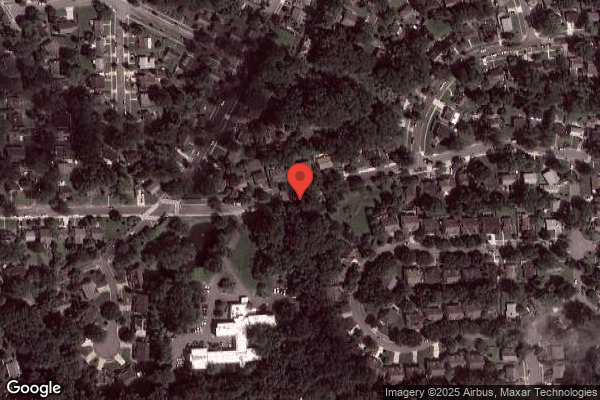

3000 MCCOMAS AVENUE, KENSINGTON, MD 20895 (301) 933-0060
For profit - Corporation 140 Beds COMMUNICARE HEALTH Data: November 2025
Trust Grade
40/100
#109 of 219 in MD
Last Inspection: February 2025

Within standard 12-15 month inspection cycle. Federal law requires annual inspections.

Overview

Kensington Healthcare Center has a Trust Grade of D, indicating below-average performance with some concerns about care quality. They rank #109 out of 219 facilities in Maryland, placing them in the top half, but rank #23 out of 34 in Montgomery County, meaning there are better local options. The facility is experiencing a worsening trend, with the number of issues increasing from 14 in 2024 to 20 in 2025. Staffing rates are decent, with a turnover of 31%, which is good compared to the state average of 40%. However, the facility has received fines totaling $51,545, which is higher than 81% of Maryland facilities, suggesting ongoing compliance issues. There are some positives, such as good quality measures rated at 4 out of 5 stars. Additionally, the facility has reported serious incidents, including a failure to respect a resident's wishes, resulting in a fractured finger, and another case where a resident was not protected from abuse, leading to actual harm. There's also a concern about the lack of a full-time social worker, which affected communication and care coordination for residents. Families should weigh these strengths and weaknesses carefully when considering this facility for their loved ones.

Trust Score
D
40/100
In Maryland
#109/219
Top 49%
Safety Record
High Risk
Review needed
Inspections
Getting Worse
14 → 20 violations
Staff Stability
○ Average
31% turnover. Near Maryland's 48% average. Typical for the industry.
Penalties
✓ Good
$51,545 in fines. Lower than most Maryland facilities. Relatively clean record.
Skilled Nurses
○ Average
Each resident gets 32 minutes of Registered Nurse (RN) attention daily — about average for Maryland. RNs are the most trained staff who monitor for health changes.
Violations
⚠ Watch
42 deficiencies on record. Higher than average. Multiple issues found across inspections.
★★★☆☆
3.0
Overall Rating
★★★☆☆
3.0
Staff Levels
★★★★☆
4.0
Care Quality
★★★☆☆
3.0
Inspection Score
Stable
2024: 14 issues
2025: 20 issues

The Good

  • 4-Star Quality Measures · Strong clinical quality outcomes
  • Full Sprinkler Coverage · Fire safety systems throughout facility
  • No fines on record
  • Staff turnover below average (31%)

    17 points below Maryland average of 48%

Facility shows strength in quality measures, fire safety.

The Bad

3-Star Overall Rating

Near Maryland average (3.0)

Meets federal standards, typical of most facilities

Staff Turnover: 31%

15pts below Maryland avg (46%)

Typical for the industry

Federal Fines: $51,545

Above median ($33,413)

Moderate penalties - review what triggered them

Chain: COMMUNICARE HEALTH

Part of a multi-facility chain

Ask about local staffing decisions and management

The Ugly 42 deficiencies on record

2 actual harm
Feb 2025 20 deficiencies
CONCERN (D)

Potential for Harm - no one hurt, but risky conditions existed

Resident Rights (Tag F0550)

Could have caused harm · This affected 1 resident

**NOTE- TERMS IN BRACKETS HAVE BEEN EDITED TO PROTECT CONFIDENTIALITY** Based on record review and interview it was determined that the facility failed to recognize the rights of a Resident. This was ...

Read full inspector narrative →
**NOTE- TERMS IN BRACKETS HAVE BEEN EDITED TO PROTECT CONFIDENTIALITY** Based on record review and interview it was determined that the facility failed to recognize the rights of a Resident. This was found evident of 1 (Resident #56) of 46 residents reviewed during the survey. The findings include: On [DATE] at 11:20 AM, the surveyor reviewed Resident #56's medical record. The record revealed that Resident #56 had a Maryland Order for Life Sustaining Treatment (MOLST) form dated [DATE] that indicated Resident #56 decided for him/herself that he/she wanted Cardiopulmonary resuscitation (CPR) in the event of cardiac arrest. On further review the surveyor reviewed a psychologist note dated [DATE]. In the note Psychologist Staff #29 documented that Resident #56 was non-verbal in that he/she cannot clearly speak. She further documented that Resident #56 could however, communicate using a flip phone and text. She wrote; Resident #56's writing suggests he/she is bright with good vocabulary and faster than expected speed of processing, based on the speed in which he/she types/texts. On [DATE] at 11:13 AM, the surveyor reviewed a social history assessment dated [DATE]. The assessment documented that Resident #56 did not have decision making capacity and named a health care proxy. On further review a wound note written by Nurse Practitioner (NP) #28 wrote she contacted Resident #56's Power of Attorney and obtained consent for multiple debridement's. However, there was no documentation in the medical record to indicate that Resident #56 was determined to be incapable of making his/her own decision. On [DATE] at 12 noon, the surveyor requested the documentation to support that Resident #56 was not his/her own decision maker. On [DATE] at 1:06 PM, the surveyor interviewed the Director of Nursing (DON). During the interview the DON produced documentation dated [DATE] that determined Resident #56 lacked adequate decision making capacity by two providers. The surveyor asked prior to today whether the resident was able to make his/her own decisions. The DON stated he was unable to find the documentation from a prior evaluation and made sure there was one today. The surveyor relayed the concern that Resident #56 right to make his/her own decision appeared not to be honored without appropriate evaluations in place.
CONCERN (D)

Potential for Harm - no one hurt, but risky conditions existed

Deficiency F0561 (Tag F0561)

Could have caused harm · This affected 1 resident

Based on resident interview, medical record review, and staff interviews, it was determined that the facility failed to adjust the care plan to reflect the resident's preferences. This was evident for...

Read full inspector narrative →
Based on resident interview, medical record review, and staff interviews, it was determined that the facility failed to adjust the care plan to reflect the resident's preferences. This was evident for 1 (Resident #22) of 8 residents reviewed during the annual survey. The findings include: On 2/18/25 at 11:46 AM, during an interview with Resident #22, the resident reported that the facility failed to honor his/her preference for female healthcare providers. On 2/21/25 at 10:34 AM, a review of Resident #22's medical record failed to reveal documentation of Resident #22's healthcare provider preference. On 2/21/25 at 11:00 AM, an interview with Staff #26 was conducted. Staff #26 stated that Resident #22 only requested female healthcare providers to care for him/her. Staff #26 also reported that all staff members and the facility management were aware of Resident #22's preferences. On 2/21/25 at 12:09 PM, an interview with the Director of Nursing (DON) was conducted. The DON confirmed that the facility failed to update Resident's #22 care plan to reflect his/her preferences.
CONCERN (D)

Potential for Harm - no one hurt, but risky conditions existed

Deficiency F0578 (Tag F0578)

Could have caused harm · This affected 1 resident

**NOTE- TERMS IN BRACKETS HAVE BEEN EDITED TO PROTECT CONFIDENTIALITY** Based on record review and interview, it was determined that the facility staff failed to ensure the accuracy of the Medical Ord...

Read full inspector narrative →
**NOTE- TERMS IN BRACKETS HAVE BEEN EDITED TO PROTECT CONFIDENTIALITY** Based on record review and interview, it was determined that the facility staff failed to ensure the accuracy of the Medical Orders for Life-Sustaining Treatment (MOLST) order. This was found to be evident for 1 (Resident #24) out of 5 residents reviewed for MOLST orders and advance directives during an annual survey. The findings include: Maryland Medical Orders for Life-Sustaining Treatment (MOLST) portable and enduring medical order form covering options for cardiopulmonary resuscitation and other life-sustaining treatments. The medical orders are based on a patient's wishes about medical treatments. An incapacitated person cannot sign a Medical Orders for Life-Sustaining Treatment (MOLST) form. Instead, a health care agent or surrogate can sign the form on their behalf. Record Review, on 02/18/25 at 03:33 PM, found that MOLST was from year 2020 with Resident #24 as the decision maker for his medical treatments. However, a legal court Gaudian Appointed Order was issued on 6/16/2022. Further record review, on 02/20/25 at 09:04 AM, indicated the following: the MOLST signed by Nursing Practitioner Staff #34 on 12/31/20 who discussed with and had the informed consent of this resident. Also, a copy of the Circuit Court of [NAME] County appointed a legal guardian on 6/16/22 that was present in the medical file. Interview, on 2/20/25 at 10:00 AM, Unit Manager, Staff #5, stated that she did not review Resident 24's record. That made her aware of the discrepancy which there was an appointed legal guardian to follow-up with. Interview, on 02/25/25 at 10:43 AM, Director of Nursing (DoN) revealed that he reviewed both documents and the facility staff had made an error; not incorporating the court appointed legal guardian order and to update a new MOLST back in June 2022. The DoN agreed that the practice was a deficiency
CONCERN (D)

Potential for Harm - no one hurt, but risky conditions existed

Deficiency F0604 (Tag F0604)

Could have caused harm · This affected 1 resident

**NOTE- TERMS IN BRACKETS HAVE BEEN EDITED TO PROTECT CONFIDENTIALITY** Based on observation, record review, review of facility's policy and interview, it was determined that the facility staff failed...

Read full inspector narrative →
**NOTE- TERMS IN BRACKETS HAVE BEEN EDITED TO PROTECT CONFIDENTIALITY** Based on observation, record review, review of facility's policy and interview, it was determined that the facility staff failed to document ongoing re-assessments that would help determine the necessity of restraints for a resident who utilized a restraint. This was evident for 1 (Resident #10) of 1 resident reviewed for restraints during the survey. The findings include: Physical restraint includes all devices and practices used by the facility that restrict freedom of movement or normal access to one's body. On 2/18/25 at 9:13 AM, the surveyor observed a half gate across Resident #10's doorway. Resident #10 was noted walking up to the door and resting his/her hands on the top of the gate. When the surveyor approached the door Resident #10 smiled and walked back to his/her bed and sat down. On 2/25/25 at 1:46 PM, the surveyor reviewed the restraint order dated 11/17/17. The order stated, may apply a gate at the resident's door for safety every shift. Next the surveyor reviewed Resident #10's care plan. A care plan written on 2/20/18 stated, Resident #10 used a half gate restraint at his/her door to prevent him/her from going into others rooms and maintaining his/her safety related to anoxic (without oxygen, or deficient in oxygen) brain damage, aphasia (a language disorder that affects a person's ability to communicate effectively), attention and concentration deficits, lack of awareness of boundaries, and poor safety awareness. One of the interventions listed was, evaluate restraint use of the gait quarterly and as needed. Evaluate and record continued risk and benefits of the restraint and need for ongoing use and reason for restraint use. 02/26/25 12:03 PM, the surveyor reviewed the facility policy titled, Restraint - Use and Management. The policy stated that medical symptoms warranting the use of restraints should be documented in the resident's medical record. The resident's record needs to include documentation that less restrictive alternatives were attempted to treat the medical symptoms but were ineffective, ongoing re-evaluation of the need for the restraint, and the effectiveness of the restraint in treating the medical symptom. On 2/26/25 at 1 PM, the surveyor requested Resident #10's most recent physical restraint assessments from the Director of Nursing (DON). The facility provided a physical restraint follow-up quarterly assessment dated [DATE]. On 2/27/25 at 9:07 AM, the surveyor reviewed the concern that the facility was not documenting the re-evaluation of restraint use, or attempts to use a less restrictive intervention. The DON stated he would look for the documentation. At the time of exit no other documentation was provided to the surveyor.
CONCERN (D) 📢 Someone Reported This

A family member, employee, or ombudsman was alarmed enough to file a formal complaint

Potential for Harm - no one hurt, but risky conditions existed

Investigate Abuse (Tag F0610)

Could have caused harm · This affected 1 resident

**NOTE- TERMS IN BRACKETS HAVE BEEN EDITED TO PROTECT CONFIDENTIALITY** Based on the facility's investigation on report, staff record review, the facility's policy and procedures for abuse prevention,...

Read full inspector narrative →
**NOTE- TERMS IN BRACKETS HAVE BEEN EDITED TO PROTECT CONFIDENTIALITY** Based on the facility's investigation on report, staff record review, the facility's policy and procedures for abuse prevention, and facility staff interview, it was determined the facility failed to prevent further potential abuse during an active investigation of abuse. This was evident for 1 resident (#143) of 7 residents reviewed for abuse during the annual survey. The findings include: On 2/19/25 at 1PM, the surveyor reviewed the facility's investigation report (FRI) MD00164084. The report revealed that on 2/18/21 around 8:20 PM Resident #143 reported to county police that Geriatric Nursing Assistant (GNA), Staff #35, punched him/her in the face four times. The facility began their investigation on 2/18/21 and concluded the allegation of abuse on 2/24/21 as allegation not verified. Review of the facility's initial report to the Office of Health Care Quality (OHCQ) revealed a statement from Staff #35 that he/she worked with the resident on 2/18/21 3p-11p shift; denied touching resident- said resident followed him/her to the nursing station after he/she was in their room (caring for roommate) screaming to get out or he/she (resident) will call the police. On 2/25/25 at 10 AM review of the facility's policy titled MARYLAND Abuse, Neglect & Misappropriation showed in Section 5, Subsection 1, Part F: The accused staff member will be suspended, pending the outcome of the investigation of the incident. On 2/25/25 at 10:35 AM, the surveyor reviewed Staff #35's personnel file which did not reveal that the facility issued a suspension notice in relation to the investigation of abuse on 2/18/21. The surveyor requested a copy of Staff #35's timecard for the month of February 2021. Review of Staff #35's timecard revealed that he/she worked on: - [DATE]th 2021 3pm to 11pm - [DATE]nd 2021 3pm to 11pm - [DATE]rd 2021 3pm to 11pm An interview with the Director of Nursing was held on 2/26/25 at 12:07 PM. The surveyor and the DON reviewed the investigation report and the evidence that showed Staff #35 had worked during the facility's investigation into abuse. The DON acknowledged that although he himself was not employed at the facility at the time, it was not acceptable that Staff #35 continued to work with residents during an investigation into staff to resident abuse.
CONCERN (D) 📢 Someone Reported This

A family member, employee, or ombudsman was alarmed enough to file a formal complaint

Potential for Harm - no one hurt, but risky conditions existed

Transfer Notice (Tag F0623)

Could have caused harm · This affected 1 resident

**NOTE- TERMS IN BRACKETS HAVE BEEN EDITED TO PROTECT CONFIDENTIALITY** Based on record review, and interviews, it was determined the facility failed to notify the Ombudsman of resident's transfers. T...

Read full inspector narrative →
**NOTE- TERMS IN BRACKETS HAVE BEEN EDITED TO PROTECT CONFIDENTIALITY** Based on record review, and interviews, it was determined the facility failed to notify the Ombudsman of resident's transfers. This was found evident of 3 (Resident #27, #4, & #40) of 6 residents reviewed for hospitalization during the survey. The findings include: The facility ombudsman was contacted on 2/18/2025 at 12:34 PM by surveyors during the recertification survey. The ombudsman addressed concern to surveyors that she was not receiving consistent transfer and discharge notifications monthly from the facility. 1) On 2/19/25 at 9:19 AM, the surveyor reviewed Resident #27's medical record. The review revealed that Resident #27 had to be transferred to the hospital on [DATE]. On 2/24/25 at 1:33 PM, the surveyor interviewed the Director of Nursing (DON). During the interview the DON was asked if the facility updates and informs the Ombudsman of resident's transfers and discharges. The DON stated that he informs the Ombudsman when she comes into the facility but stated that he was not sending or providing a formal report to the Ombudsman with a list of transfers and discharges. The DON stated he would follow-up and look to see if the Ombudsman was made aware of Resident #27's transfer in October of 2024. On 2/25/25 at 12 PM, the surveyor conducted a follow-up interview with the DON. During the interview the DON stated he could not find any communication with the Ombudsman regarding transfers and discharges. He further stated the Social Worker will now be responsible for communicating the facility's resident transfers and discharges with the Ombudsman. 2) A record review of Resident #4 on 2/24/2025 by surveyors revealed that the resident was transferred to a hospital due to the dehiscence of the cranioplasty site on 11/4/2024. Further record review did not reveal documentation that the facility's ombudsman was notified. On 2/24/2025 at 1:33 PM, the Director of Nursing (DON) was interviewed by surveyors. The DON was asked about the facility ' s procedure to update the ombudsman of transfers and discharges. The DON stated the ombudsman visits the facility frequently and he will update her at that time. The DON acknowledged they were aware the facility is required to update the ombudsman in writing and stated he has not sent any reports recently and that it has been more of a verbal report. The DON stated he would look to see if other facility staff members have been communicating in writing with the ombudsman. 3) A record review of Resident #40 on 2/25/2025 by surveyors revealed that the resident was transferred to a hospital due to a femur fracture noted on x-ray on 1/18/2025. Further record review did not reveal documentation that the facility's ombudsman was notified. On 02/25/25 at 12:00 PM, the DON provided a copy of an email draft dated 2/25/2025 created by the facility Social Worker (SW). The email draft listed transfers and discharges of residents for February 2025. The DON was unable to provide any documentation of ombudsman notification in prior months. An interview was conducted by surveyors on 2/26/2025 at 11:38 AM with the facility's SW. The SW stated that she had started working at the facility in January 2025 and was not aware how the facility previously notified the ombudsman of transfers and discharges. The SW stated that she is currently responsible for ombudsman notifications. She stated her process is to send the ombudsman a monthly list of all discharges and transfers with an attached facility transfer and discharge report. The DON was interviewed on 2/26/2025 at 2:44 PM and acknowledged the surveyors' concern about ombudsman notification. The DON stated it is the facility's expectation that the ombudsman is made aware of all transfers and discharges in writing.
CONCERN (D)

Potential for Harm - no one hurt, but risky conditions existed

Assessment Accuracy (Tag F0641)

Could have caused harm · This affected 1 resident

**NOTE- TERMS IN BRACKETS HAVE BEEN EDITED TO PROTECT CONFIDENTIALITY** Based on medical record review and staff interview, it was determined that the facility failed to code the resident's discharge ...

Read full inspector narrative →
**NOTE- TERMS IN BRACKETS HAVE BEEN EDITED TO PROTECT CONFIDENTIALITY** Based on medical record review and staff interview, it was determined that the facility failed to code the resident's discharge status accurately on the Minimum Data Set (MDS) assessment. This was evident for 1 (Resident #141) of 1 resident reviewed during the annual survey. The findings include: The MDS is a federally mandated assessment tool that helps nursing home staff members gather information on each resident's strengths and needs. The information collected drives resident care planning decisions. MDS assessments need to be accurate to ensure each resident receives the care they need. On 2/25/25 at 8:41 AM, a review of Resident #141's medical record revealed an order to discharge Resident #141 to home on 1/15/25. Further review of the record revealed a Discharge summary dated [DATE] that indicated Resident #141 was discharged to home. On 2/25/25 at 9:08 AM, a review of Resident #141's MDS Section A -2105 assessment completed on 1/16/25 and signed 1/17/25, indicated that Resident #141 was discharged to a short-term general hospital. On 2/25/25 at 9:25 AM, an interview with the MDS Coordinator (Staff #21) was conducted. Staff # 21 stated that Resident #141 was discharged home and confirmed that the MDS was inaccurately documented.
CONCERN (D)

Potential for Harm - no one hurt, but risky conditions existed

Deficiency F0660 (Tag F0660)

Could have caused harm · This affected 1 resident

Based on record review and interview, it was determined that the facility staff failed to prepare all relevant resident information incorporated into the discharge plan to facilitate its implementatio...

Read full inspector narrative →
Based on record review and interview, it was determined that the facility staff failed to prepare all relevant resident information incorporated into the discharge plan to facilitate its implementation and to avoid unnecessary delays in the resident's transfer request to another nursing facility. This was evident for 1 (Resident #54) out of 2 residents reviewed for timely safe discharge during an annual survey. The findings include: Interview, on 02/19/25 at 12:38 PM, Resident #54's family by phone revealed that, we have requested this facility to move Resident #54 to another facility since 2/5/25 and we were okay the next facility's location in different counties if it cannot be near by the family. During an interview, on 02/19/25 at 01:00 PM, Social Services Assistant Staff #23 and Director of Nursing (DoN) stated that they were aware of the transfer request but needed to get back due to Social Services Staff #22 having discussions with Resident #54 and the family. Record review, on 02/20/25 at 11:15 AM, found that Resident # 54 was admitted to this facility on 12/3/23, with diagnosis of dementia, multiple sclerosis, dysarthria and anarthria, major depression without behavioral disturbance, psychotic disturbance, mood disturbance and anxiety. Further record review, Nursing Manager Staff #5 documented that on 2/4/25 at 12:15 PM revealed that Resident #54 had an incident with the roommate which triggered the transfer request. Social Worker Staff #22 had an initial transfer discussion on 2/5/25 with the family and she was to follow up on 2/6/25. However, no follow-up notes were found. After the surveyor's intervention, Social Worker Staff #22 entered a late entry note on 02/19/25, stated that there was one facility on 2/5/25 had beds available so she notified the family to check it out. No other referrals were made. Interview, on 02/20/25 at 01:36 PM, Social Worker Staff #22 stated that she was following the family's request to locate a nearby facility where family lives, however, that was not the case. Additionally, Staff #22 had not made any referrals out to other nursing homes since 2/5/25 and still wanted the family to check out the one facility from 02/05/25. During an interview, on 02/20/25 at 02:15 PM, the DoN and Administrator were made aware of the above findings. Both agreed that the transfer request was not well planned and the lack of progress was a deficiency concern.
CONCERN (D)

Potential for Harm - no one hurt, but risky conditions existed

Quality of Care (Tag F0684)

Could have caused harm · This affected 1 resident

Based on record reviews and interviews it was determined that the facility failed to provide treatments according to a Resident's plan of care. This was found evident of 2 (Resident #56, #51) out of 5...

Read full inspector narrative →
Based on record reviews and interviews it was determined that the facility failed to provide treatments according to a Resident's plan of care. This was found evident of 2 (Resident #56, #51) out of 5 residents reviewed for pressure ulcers. The findings include: 1a) On 2/20/25 at 11:13 AM, the surveyor reviewed Resident #56's medical record which revealed that Resident #56 was being seen by a wound team for two wounds in February of 2025. The surveyor reviewed the February 2025 Treatment Administration Record (TAR). An order was written for the left buttock wound treatment to start on 2/6/25. This treatment was discontinued on 2/11/25. A new order was written for treatment to start on 2/14/25. The order stated, to cleanse wound with normal saline, pat dry, and apply Medihoney to the wound and cover with a dressing. A new order was written to start on 2/20/25 that stated, cleanse wound with normal saline, pat dry and apply calcium alginate to wound can cover dressing with a border dressing daily and as needed. The older order was not discontinued and both treatments were documented as being done on 2/20/25. On further review of the February 2025 TAR a treatment order was written for Resident #56' s right upper arm skin tear and treatment was to start on 2/20/25. The order stated, cleanse with normal saline, pat dry and apply xerofoam to the wound and roll gauze daily and as needed. Next the surveyor reviewed the wound note written on 2/28/25 by wound Nurse Practitioner (NP) # 28. NP #28 wrote a plan for treatments of Resident #56's two wounds. NP #28 recommended Resident #56's left buttock wound treated as, cleanse wound with normal saline, pat dry and apply calcium alginate to wound can cover dressing with a border dressing daily and as needed. Nowhere in the note did she recommend using Medihoney. She further recommended treatment to the right arm as, cleanse with normal saline, pat dry and apply xerofoam to the wound and roll gauze every other day and as needed not every day. On 2/26/25 at 12:47 PM, the surveyor interviewed the Director of Nursing (DON). During the interview the surveyor asked who was responsible for writing the wound treatment orders. The DON stated the nurse that worked with the wound Nurse Practitioner was currently on leave and the nurse in charge of the resident would be taking orders for the new wound treatments. The surveyor reviewed the concern that the current orders and treatments being documented as being completed are not current with the recommendation from the wound team. 1b) On 2/26/25 at 9:24 AM, the surveyor reviewed Resident #51's medical record. The review revealed that Resident #51 had two wounds being treated by the wound team in February of 2025. On further review it was noted that Wound Nurse Practitioner (NP) #28 wrote progress notes on 2/4/25, 2/11/25, 2/28/25 and 2/25/25. The recommended treatment for Resident #51's right knee skin tear was the same for all of the February dates. The treatment recommendation was, cleanse wound with normal saline, apply Hydrogel to the base of the wound, secure with Abdominal (ABD) pad (these pads are used to absorb discharges from abdominal and other heavily draining wounds) and rolled gauze. The frequency was daily and as needed Next the surveyor reviewed Resident # 51's Treatment Administration Record (TAR). The treatment ordered was, cleanse the wound with soap and water, apply Hydrogel, and border gauze. The frequency was daily and as needed. On 2/26/25 at 12:47 PM, the surveyor interviewed the Director of Nursing (DON). During the interview the surveyor asked who was responsible for writing the wound treatment orders. The DON stated the nurse that worked with the wound practitioner is currently on leave and the nurse in charge of the resident would be taking orders for the new wound treatments. The surveyor reviewed the concern that the current orders and treatments being documented as being completed are not current with the recommendation from the wound team.
CONCERN (D)

Potential for Harm - no one hurt, but risky conditions existed

Deficiency F0725 (Tag F0725)

Could have caused harm · This affected 1 resident

Based on review of staffing information, medical records and interviews, it was determined that the facility failed to ensure sufficient weekend staffing on each type of personnel on a 24-hour basis t...

Read full inspector narrative →
Based on review of staffing information, medical records and interviews, it was determined that the facility failed to ensure sufficient weekend staffing on each type of personnel on a 24-hour basis to provide nursing care and answering call lights. This was found to be evident weekends during the period of 12/29 to 2/1/25 of an annual survey. The findings include: Interviewed Residents #55, #102 and #292 during the tour of the facility on 2/11/25, revealed that the unit staff did not answer or late answering the call lights on weekends. During an interview, on 02/24/25 at 11:26 AM, Director of Nursing (DoN) stated that the staffing scheduling was managed by Bridgeway Staffing, Monday through Friday from 8AM to 5PM only and including finding replacements for call outs. And the facility's Administration staff managed the staffing, after-hours including weekends' call outs. Record review, on 02/24/25 at 12:31 PM, found that the staffing reports (from 12/29/24 to 02/1/25) weekends staff hours fell consistently below 3.0 hours per resident per day (HPPD): 12/29/24 required 422.98 hr. and filled 352.00 hr. which HPPD was 2.532 1/11/25 required 416.89 hr. and filled 388.00 hr. which HPPD was 2.832 1/12/25 required 416,89 hr. and filled 341.50 hr. which HPPD was 2.493 1/19/25 required 413.85 hr. and filled 404.25 hr. which HPPD was 2.972 1/26/25 required 422.98 hr. and filled 374.50 hr. which HPPD was 2.694 1/02/25 required 442.69 hr. and filled 438.79 hr. which HPPD was 2.906 The HPPD in the context of Long-Term Care (LTC) stands for Hours Per Patient Day and is a metric used to measure the amount of nursing care provided to Residents within a 24-hour period, essentially indicating the level of staffing in a facility; a higher HPPD signifies more nursing hours available per Resident per day. Interview, on 02/27/25 at 10:34 AM, the DoN reviewed the above findings of residents' complaints and the HPPD below 3.0 weekend staffing requirement. He admitted that on weekends' call-outs/ short staffing couldn't be replaced even if they tried. He admitted that the facility failed to ensure sufficient weekend staffing was a deficiency.
CONCERN (D)

Potential for Harm - no one hurt, but risky conditions existed

Pharmacy Services (Tag F0755)

Could have caused harm · This affected 1 resident

Based on record review and staff interviews, it was determined that the facility failed to ensure medications were administered to a resident as ordered. This was evident for 1 (Resident #51) out 6 re...

Read full inspector narrative →
Based on record review and staff interviews, it was determined that the facility failed to ensure medications were administered to a resident as ordered. This was evident for 1 (Resident #51) out 6 residents reviewed for medication regimen review. The findings include: On 2/18/25 at 10:33 AM, the surveyor interviewed Resident #51. During the interview Resident #51 stated that on multiple occasions he/she was not able to get his/her prescribed Pregabalin (a medication used to treat seizures and nerve pain). On 2/25/25 at 8:53 AM, the surveyor reviewed Resident #51's November 2024, December 2024 and January 2025 Medication Administration Record (MAR) for Pregabalin. The order was for Resident #51 to get Pregabalin 200 mg every 8 hours for neuropathic pain. The review revealed on 11/4/24, 9 was coded, as other/see progress notes. In November on 12/6/24, the 2 PM dose, and 10 PM doses were coded with a 9, as well as the 6 AM dose on 12/7/24. On 1/6/25 the 6 AM and 2 PM doses were coded as 9 and the 10 PM dose was coded as 5, Held/see progress notes. On 1/7/25 the 6 AM and 10 AM doses were coded with a 9. On further review of the progress notes, 5 of the above coded see progress notes stated that the medication was not available or waiting for pharmacy. On 2/25/25 at 9:56 AM, the surveyor interviewed the Director of Nursing (DON). During the interview the DON confirmed that Resident #51 should not have had his/her medication not available and would look into the concern.
CONCERN (D)

Potential for Harm - no one hurt, but risky conditions existed

Drug Regimen Review (Tag F0756)

Could have caused harm · This affected 1 resident

2b) On 2/26/25 at 10:20 AM, the surveyor reviewed Resident #56's pharmacy Medication Regimen Review (MMR) evaluations. The MMR evaluations were being conducted each month by pharmacy. On 9/11/24 and 1...

Read full inspector narrative →
2b) On 2/26/25 at 10:20 AM, the surveyor reviewed Resident #56's pharmacy Medication Regimen Review (MMR) evaluations. The MMR evaluations were being conducted each month by pharmacy. On 9/11/24 and 11/13/24 the Pharmacist noted an irregularity and generated a report with recommendations. The surveyor asked the Director of Nursing (DON) for the reports. On 2/26/25 at 12:29 PM, the surveyor conducted an interview with the Assistant Director of Nursing (ADON) Staff #15. During the interview Staff #15 stated he obtained the reports from his email and printed the reports. The surveyor asked how he would know the provider response to the recommendation if the report was just printed and there was nothing documented on the physician/prescriber response section. Staff # 15 stated he believed that the recommendations were ordered and completed. The surveyor further reviewed the recommendations from the 9/11/24 irregularity report. The report stated that Resident #56 received Valproic Acid and recommended a Valproic Acid level at the next convenient laboratory blood draw. Next the surveyor reviewed the progress notes for Resident #56. Nurse Practitioner NP #33 wrote a progress note dated 9/26/24 that stated Resident #56 was seen for a Keppra laboratory result that was normal. Nowhere in the note did NP#33 acknowledge the pharmacy's recommendation to have Resident #56's Valproic Acid level drawn. No laboratory order was written after NP #33 saw Resident #56 on 9/26/24 even though an irregularity report was written on 9/11/24 suggesting a laboratory level be drawn. On further review a Valproic Acid level was ordered on 10/2/24. This was a week after the provider had seen the Resident on 9/26/24. On 2/26/25 at 12:47 PM, the surveyor interviewed the Director of Nursing (DON). During the interview the surveyor reviewed the concern that Resident #56's irregularity recommendations were not addressed by the provider on the next visit and without any documentation on the report it was difficult to know when the provider was notified of the recommendations. Based on record review and interviews it was determined that the facility failed to 1) act upon recommendations made by consulting the Pharmacist in a timely manner; and 2) the attending Physician failed to document that he reviewed and addressed the Pharmacist's identified irregularities in the resident's medical record. This was found evident of 2 (Resident #56 & #92) of 5 residents reviewed for unnecessary medication during the annual survey. The findings include: 1.) On 2/26/25 at 9:50 AM, a review of Resident #92's medical record revealed four medical regimen reviews were conducted from November 2024 to February 2025. During these reviews, irregularities were identified on 1/28/25 and 2/14/25. Further review of Resident #92's record failed to show the details of the irregularities. The Director of Nursing (DON) was asked to provide details of the Pharmacist's identified irregularities. On 2/26/25 at 10:23 AM, the surveyor received the identified irregularities details for Resident #92. A review of the medication irregularities details revealed: On 1/28/25- The pharmacy recommended order clarification to change the route of medication from dental to mouth. On 2/14/25- The pharmacy recommended to add rinse mouth after albuterol use in the order directions. On 2/26/25 at 10:33 AM, a review of the facility's medical regimen review policy indicated that non-urgent irregularities should be addressed by the attending Physician no later than the resident's next routine visit or 60 days. Additionally, the consulting Pharmacist must provide the DON with a report of non-urgent irregularities within 72 hours. On 2/26/25 at 10:43 AM, a further review of Resident #92's medical record revealed that the resident was seen by the attending Physician on 2/4/25, 2/18/25, 2/20/25, and 2/25/25. On 2/26/25 at 10:55 AM, during an interview with the DON, s/he confirmed that s/he received Resident #92's Pharmacist's identified irregularities and recommendations for dates 1/28/25 and 2/14/25 on 2/26/2025. The DON also confirmed that the attending Physician reviewed and addressed the identified medication irregularities for 1/28/25 and 2/14/25 on 2/26/25. 2a.) On 2/26/25 at 10:45 AM, a review of physician notes on 2/4/25, 2/18/25, 2/20/25, and 2/25/25 failed to show that the Physician documented that s/he reviewed the Pharmacist's identified irregularities. On 2/26/25 at 10:50 AM, further review of Resident #92's records failed to reveal documentation of the Physician's actions taken or not taken to address the irregularities. On 2/26/25 at 11:20 AM, a follow-up interview with the DON was conducted. The DON confirmed that Resident #92's medical record lacked the Physician's documentation that s/he reviewed and addressed the Pharmacist's identified irregularities.
CONCERN (D)

Potential for Harm - no one hurt, but risky conditions existed

Unnecessary Medications (Tag F0759)

Could have caused harm · This affected 1 resident

Based on observation and staff interview, it was determined that the facility failed to ensure a medication error rate of less than 5% during the medication administration observation. This was eviden...

Read full inspector narrative →
Based on observation and staff interview, it was determined that the facility failed to ensure a medication error rate of less than 5% during the medication administration observation. This was evident for 3 medication errors out of 25 opportunities which resulted in a medication error rate of 12%. The findings include: On 2/21/25 at 8:05 AM, a Licensed Practical Nurse (LPN) #24 was observed preparing medications for Resident #106. LPN #24 administered 1 tablet of Ibuprofen 600mg, and 2 tablets of Tizanidine 4 mg to the resident. (Ibuprofen is a non-inflammatory medication used to treat pain and Tizanidine is used to help relax tight muscles and reduce muscle spasms). On 2/21/25 at 9:30 AM, a review of Resident #106's medical record revealed Ibuprofen 600mg 1 tab order was discontinued on 2/16/25. Further review of the Physician's order revealed that the correct ordered dose to be given for Tizanidine was 6mg. On 2/21/25 at 9:46 AM, an interview with LPN #24 was conducted. The LPN confirmed that s/he gave Resident #106 a discontinued medication (ibuprofen 600mg), and an incorrect dose for Tizanidine (Tizanidine 8mg). On 2/21/25 at 8:15 AM, during another observation, LPN #24 prepared and administered Vitron C 1 tab to Resident #25. (Vitron C is an Iron supplement with Vitamin C). On 2/21/25 at 9:30 AM, a record review of Resident #25's ordered medications revealed that Vitron C was discontinued on 2/16/25. On 2/21/25 at 9:46 AM during a follow-up interview with LPN #24, s/he confirmed that s/he administered a discontinued medication (Vitron C) to Resident #25.
CONCERN (D)

Potential for Harm - no one hurt, but risky conditions existed

Deficiency F0761 (Tag F0761)

Could have caused harm · This affected 1 resident

Based on observations, interviews, and record review, it was determined that the facility failed to: 1) properly store medications and 2) ensure medications were properly labeled with expiration date....

Read full inspector narrative →
Based on observations, interviews, and record review, it was determined that the facility failed to: 1) properly store medications and 2) ensure medications were properly labeled with expiration date. This was evident for 2 of 3 medication carts observed during the annual survey. The findings include: 1.) On 2/21/25 at 8:05 AM, during medication administration observation, a Licensed Practical Nurse (LPN) #24 was observed administering medications to Resident #106 (Ibuprofen 600mg, pain relief medication) and Resident #25 (Vitron C, an iron supplement with Vitamin C). On 2/21/25 at 9:30 AM, a record review for Resident #106 and Resident #25 was conducted, The review of record revealed that Ibuprofen 600mg was discontinued for Resident #106. A review of Resident #25's medication orders revealed that Vitron C was discontinued. On 2/21/25 at 9:46 AM, an interview with LPN #24 was conducted. The LPN confirmed that the discontinued medications were stored in the medication cart. On 2/24/25 at 8:10 AM, an interview with the Assistant Director of Nursing (ADON) was conducted. The ADON confirmed that discontinued medications should not be stored in the medication carts. 2.) On 2/24/25 at 7:55 AM, during medication storage observation conducted with Staff #25. The surveyor observed Resident #102's Methadone medication labels had no expiration dates. Methadone is used for pain relief and treatment of drug addiction. On 2/24/25 at 8:10 AM, an interview with Staff #25 was conducted. Staff #25 confirmed that Resident # 102's medication had no expiration dates on the label. On 2/24/25 at 1:58 PM, a review of Resident #102's methadone log form failed to show an expiration date. Staff #25 was made aware of Surveyor's concerns.
CONCERN (D)

Potential for Harm - no one hurt, but risky conditions existed

Garbage Disposal (Tag F0814)

Could have caused harm · This affected 1 resident

Based on observation and interviews, it was determined that the facility failed to maintain the outdoor garbage storage area in a manner to prevent the harboring pests. The findings include: On 2/25/...

Read full inspector narrative →
Based on observation and interviews, it was determined that the facility failed to maintain the outdoor garbage storage area in a manner to prevent the harboring pests. The findings include: On 2/25/25 at 10:37 AM, the surveyor took a tour of the outdoor dumpster that the kitchen utilized for waste removal. The surveyor noted that four mattresses were piled up next to the dumpsters with other materials surrounding the mattresses. On 2/25/25 at 10:40 AM, the surveyor conducted an interview with Maintenance Director Staff #6. During the interview the Staff #6 confirmed that the wooded area surrounding the building was a habitat for multiple types of potential vermin. The surveyor asked how long the mattresses were left there and why the mattresses and other material were not put into the dumpster. Staff #6 stated he did not now know long the mattresses had been there and that the garbage removal company would not take mattresses. He further stated that he had another dumpster he could move the mattresses to. On 2/25/25 at approximately 2 PM, the surveyor conducted a follow-up interview with Staff #6. During the interview Staff #16 confirmed that the 4 mattresses had been removed from the side of the dumpster.
CONCERN (D)

Potential for Harm - no one hurt, but risky conditions existed

Medical Records (Tag F0842)

Could have caused harm · This affected 1 resident

Based on interviews, and record review, it was determined that the facility failed to maintain medical records in accordance with acceptable professional standards and practices by keeping complete an...

Read full inspector narrative →
Based on interviews, and record review, it was determined that the facility failed to maintain medical records in accordance with acceptable professional standards and practices by keeping complete and accurate documentation. This was found evident in 1 (Resident #50) of 46 residents reviewed during the survey. The findings include: Preadmission Screening and Resident Review (PASARR): is a federal requirement to help ensure that individuals are not inappropriately placed in nursing homes for long term care. A preliminary assessment is done to determine whether a resident might have a Severe Mental Illness (SMI) or Intellectual Disability (ID). This is called a Level I screen. Those individuals who test positive at Level I are then evaluated in depth, called Level II PASRR. The results of this evaluation result in a determination of need, determination of appropriate setting, and a set of recommendations for services to inform the individual's plan of care. On 2/29/25 at 8:38 AM, the surveyor reviewed Resident #50's medical record. The review revealed on 11/10/22 a level one evaluation was completed for Resident #50 with a positive Yes documented in the SMI section requiring a level II to be completed. On further review two out of the three questions asked were marked as yes and the last question was marked as no. The instructions for a positive test were to have all three-questions marked, yes. On 2/26/25 at 8:09 AM, the surveyor conducted an interview with the Director of Nursing (DON). The surveyor asked the DON if Resident #50 was required to have level II screening completed. The DON stated he would talk to the Social Worker. On 2/26/25 at 9:45 AM, the surveyor conducted an interview with the Social Service Assistant, Staff #23. During the interview Staff #23 stated that the need for level II screening was marked in error and that the resident did not need the level II screening.
CONCERN (D)

Potential for Harm - no one hurt, but risky conditions existed

Safe Environment (Tag F0921)

Could have caused harm · This affected 1 resident

**NOTE- TERMS IN BRACKETS HAVE BEEN EDITED TO PROTECT CONFIDENTIALITY** Based on observation and interview, it was determined that the facility failed to provide maintenance services necessary to main...

Read full inspector narrative →
**NOTE- TERMS IN BRACKETS HAVE BEEN EDITED TO PROTECT CONFIDENTIALITY** Based on observation and interview, it was determined that the facility failed to provide maintenance services necessary to maintain a clean, comfortable, and homelike environment in the kitchen and resident rooms. This was found evident on: 1) one exterior door leading to the garbage disposal area, and 2) 2 resident rooms (#113 and #117) and one resident shower room during the recertification survey. The findings include: 1) On 2/25/25 at 10:37 AM, the surveyor observed the door that the kitchen staff utilizes to remove the garbage to the outdoor dumpsters. The surveyor noted light coming in from the outside from an opening at the junction where the wall and the right corner of the door met. On 2/25/25 at 10:44 AM, the surveyor conducted an interview with the Director of Maintenance Staff #6. During the interview the surveyor was able to show Staff #6 the concern, the open area on the exterior door. Staff #6 stated that the hole had been concreted before but due to rough handling at the door the concrete had broken away. Staff #6 stated he would need to repair the open area again. 2) On 02/18/25 at 10:30 AM, surveyors observed crumbling drywall in the bathroom window of room [ROOM NUMBER]. At 10:35 AM, surveyors observed multiple repair patches and water stains on the ceiling tile in room [ROOM NUMBER]. Extensive scratches on the wall next to bed A in room [ROOM NUMBER] were also observed. On 02/20/25 at 09:49 AM, the shower room across from room [ROOM NUMBER] was observed to have a nail sticking out of the wall between shower stall #1 and #2 approximately 12 inches off the ground. The Maintenance Director (MD) was interviewed on 2/25/2025 at 11:10 AM. The MD toured areas of concern with the surveyors. The MD stated it is the facility's expectation that staff make the maintenance department aware of issues by documenting in maintenance logs located at each nurse station or through direct phone call to the MD or other maintenance staff. On 02/26/25 at 02:44 PM, The Director of Nursing was interviewed by surveyors and acknowledged maintenance concerns.
CONCERN (E) 📢 Someone Reported This

A family member, employee, or ombudsman was alarmed enough to file a formal complaint

Potential for Harm - no one hurt, but risky conditions existed

Safe Environment (Tag F0584)

Could have caused harm · This affected multiple residents

Based on record review, observation and interview, the facility failed to provide residents with an adequate supply of linens. This has the potential to affect all residents residing in the facility. ...

Read full inspector narrative →
Based on record review, observation and interview, the facility failed to provide residents with an adequate supply of linens. This has the potential to affect all residents residing in the facility. The findings include: During a review of Intake #MD00164452 on 2/19/25 at 08:30 AM the complainant stated that the facility did not have enough towels and washcloths. On 2/20/25 at 09:30 AM, 2/20/25 at 12:30 PM and 2/21/25 at 8:00 AM, the surveyors observed that the linen carts in the hall contained only one or two towels and washcloths in the cart. During those observations Geriatric Nursing Assistants #7, #11, #12 and #13 were interviewed about the amount of linen they have to provide for resident care. They stated they have enough linen to provide care, but they often have to go down to the laundry to get extra linens. During an interview on 02/21/2025 at 8:06 AM, laundry staff #9 stated she never has enough laundry to give staff when they come down and request it because they are very short on all laundry but especially washcloths, towels, and gowns. During an interview on 02/21/2025 at 9:00 AM, the Regional Environmental Director stated that the linen Periodic Automatic Replacement (PAR) level is low in the facility. She stated the expected PAR is 3 linen changes per resident per day, however the facility is currently well below the expected PAR level, and they are ordering more linen from the vendor. She stated the expectation is the linen PAR level is checked monthly, and replacement linen ordered.
CONCERN (E)

Potential for Harm - no one hurt, but risky conditions existed

Food Safety (Tag F0812)

Could have caused harm · This affected multiple residents

Based on observations and interviews it was determined that the facility staff failed to properly store food in accordance with professional standards for food service and safety. This was found evide...

Read full inspector narrative →
Based on observations and interviews it was determined that the facility staff failed to properly store food in accordance with professional standards for food service and safety. This was found evident in 1 of 3 kitchen observations and 2 out of 2 unit storage refrigerators during the survey. This has the potential to affect all residents. The findings include: On 2/18/25 at 8:18 AM, the surveyor conducted initial observation of the facility kitchen. During the observation the facility's Dietitian and interim-Dietary Manager Staff #17 was present. On 2/18/25 at 8:20 AM, the surveyor along with Staff #17 observed the dry storage room. Staff #17 stated that dietary staff are expected to date the food items when they are received. The surveyor noted one can of sliced peaches without a labeled received date. The surveyor also noted that one can of mandarin oranges that did not have a receive date. The can also did not have an expiration date. On a different row 6 cans of the same product, mandarin oranges, we noted all to have recently received dates. The surveyor asked Staff #17 how without a date on the can she could assure that the can would not be left and used past the best buy date. Staff #17 stated she would be removing the non dated cans. The surveyor noted a three compartment container labeled Flour, [NAME] and Sugar. The Flour had no date. The [NAME] and Sugar were both dated 10/24/24. Staff #17 stated that the flour should have been dated when it was placed into the container. Next the surveyor observed the kitchen cooler. The surveyor asked how long items should be left in the cooler. Staff #17 stated leftover food should be tossed after three days. A container of cut pineapple was noted. It was covered in plastic wrap and dated 2/13/25 with a used by label dated 2/16/25. Staff #17 stated she would toss the pineapple. She further stated the Dietary Aid evaluates the food every morning. On further observation an unlabeled non dated, what appeared to be butter, was noted. Staff #17 stated she would get rid of the item. Additionally a tray of what appeared to be sausage patties were laid out on a covered tray, however it had no label or date. Staff stated that they were sausages that were thawing for the breakfast club that was to take place this morning but should have been labeled and dated. On 2/18/25 at 8:41 AM, the surveyor observed the kitchen freezer. A bag of cheese omelets were in the labeled box however, the bag was open and the food was open to air. No date was noted as to when the box was opened. The same was noted for a bag of turkey paddies. The surveyor noted a bag that was resealed and closed however there was no label or date as to when the bag had been opened. The bag was next to a box that was labeled breaded chicken portions and appeared to be additional breaded chicken portions. Also noted with no date or label was a bag of croissants. The surveyor reviewed the concerns of open bags, non label and dated items with Staff #17. On 2/18/25 at 8:52 AM, the surveyor observed an opened and resealed bag of Italian steak rolls on the top rack of the break rack. No date was noted on the bag. On further observation down a few racks additional bags of the Italian steak rolls were present. These bags had a closing tab that noted the best by date. Staff #17 stated she would toss the opened bag with no date. On 2/27/25 at 5:53 AM, the surveyor reviewed the first floor nourishment room. In the resident refrigerator a 1/4th full water bottle filled with a yellow substance was noted. No date or label was on the bottle. A bag of food labeled with a resident's room number was noted. The dates on the bag were 2/17/25 and 2/20/25. The surveyor also noted on the shelf next to the refrigerator a fast food bag and a half empty beverage. The surveyor reviewed the findings with Staff #30. After reviewing Staff #30 stated he would toss the items and that everything should be labeled and dated and thrown out after three days. On 2/27/25 at 6:02 AM, the surveyor observed the 2nd floor nourishment room. In the refrigerator 7 bags of food were labeled with one resident room number. No dates were noted on any of the bags. Additionally that same resident had a take out container labeled with a date of 2/18/25 on the container. A second resident also had a bag of food and the date on the bag was 2/18/25. The facility's apple sauce container was also noted in the refrigerator and dated 2/24/25. The surveyor noted on the shelf next to the refrigerator an open bag with what appeared to be a sandwich. A note was attached to the bag with a name on it. On 2/27/25 at 6:17 AM, the surveyor interviewed the charge nurse Licensed Practical Nurse (LPN) #31. The surveyor reviewed the observation with LPN #31. LPN #31 stated she would address the food in the refrigerator. She also stated she would toss the apple sauce and that the name on the sandwich bag was a day shift Geriatric Nursing Assistant (GNA)#32. She stated the employees' food should not be stored in that refrigerator and would get rid of the sandwich. On the day of exit the surveyor reviewed the concerns and findings of the nourishment rooms with the Staff #17.
CONCERN (E)

Potential for Harm - no one hurt, but risky conditions existed

Deficiency F0910 (Tag F0910)

Could have caused harm · This affected multiple residents

Based on observations and staff interviews, it was determined that the facility failed to provide adequate privacy in resident bathrooms. This was found to be evident throughout the facility during th...

Read full inspector narrative →
Based on observations and staff interviews, it was determined that the facility failed to provide adequate privacy in resident bathrooms. This was found to be evident throughout the facility during the recertification survey. The findings include: On 2/18/2025 at 9:10 AM, surveyors conducted on interview with Resident #442's family member who addressed concerns about bathroom privacy for the resident due to lack of blinds in the resident bathroom. On 2/18/2025, surveyors observed multiple bathrooms located in resident rooms on the ground floor with no blinds or curtains covering the windows. Brackets were observed hung in resident window frames in bathrooms without blinds or curtains. Windows in resident bathrooms were also observed not to be frosted. On 2/20/2025 at 2:30 PM, surveyors toured outside the facility. During this tour, surveyors were able to see inside residents' bathrooms from outside on the ground level. The Maintenance Director (MD) was interviewed on 2/25/2025 at 11:10 AM. The MD stated that he had worked at the facility for 8 years and was not aware at any time that blinds or curtains were used in resident bathrooms. On 2/26/2025 at 2:44 PM, the Director of Nursing (DON) was interviewed and acknowledged concerns about the lack of privacy in resident bathrooms.
Oct 2024 14 deficiencies 1 Harm
SERIOUS (G) 📢 Someone Reported This

A family member, employee, or ombudsman was alarmed enough to file a formal complaint

Actual Harm - a resident was hurt due to facility failures

Free from Abuse/Neglect (Tag F0600)

A resident was harmed · This affected 1 resident

Based on review of a facility reported incident, medical record review, facility documentation review, and staff interviews, it was determined the facility failed to honor a resident's wishes to not c...

Read full inspector narrative →
Based on review of a facility reported incident, medical record review, facility documentation review, and staff interviews, it was determined the facility failed to honor a resident's wishes to not change position which resulted in a staff member pulling a resident's contracted fingers which resulted in a fractured finger. The failure to honor a resident's wishes while assisting in bed mobility resulted in actual harm to Resident #2. This was evident for 1 (#2) of 20 residents reviewed for facility reported incidents. The findings include: Review of facility reported incident MD00195473 on 9/26/24 at 8:22 AM revealed Resident #2 was admitted to the facility in June 2023 with diagnoses that included hemiplegia and hemiparesis following a cerebral infarction affecting the left non-dominant side, type 2 diabetes mellitus, chronic kidney disease, and contracture of the muscles with multiple sites. The MDS (Minimum Data Set) is part of the Resident Assessment Instrument that was Federally mandated in legislation passed in 1986. The MDS is a set of assessment screening items employed as part of a standardized, reproducible, and comprehensive assessment process that ensures each resident's individual needs are identified, that care is planned based on those individualized needs, and that the care is provided as planned to meet the needs of each resident. Review of Resident #2's admission MDS assessment with an assessment reference date of 6/13/23, Section G, Functional Status, documented A: Bed mobility - how a resident moves to and from lying position, turns side to side, and positions body while in bed or alternate sleep furniture as (3) extensive assistance with (2) which was one-person physical assist. Section G0400 functional limitation in range of motion, upper extremity, documented, impairment on one side, lower extremity - impairment on 1 side. A care plan is a guide that addresses the unique needs of each resident. It is used to plan, assess, and evaluate the effectiveness of the resident's care. Review of Resident #102's initial activities of daily living care plan (ADL), that was created on 6/12/23 documented, has ADL self-care performance deficit, requires assistance with ADL disease process with interventions, assistance required with ADL's may fluctuate based on time-of-day, mood, pain, or fatigue. Adjust and document as indicated. Report significant changes to charge nurse. There was nothing documented on the initial care plan as to how many staff were required to help the resident with bed mobility. The facility reported incident documented that the assigned GNA (geriatric nursing assistant) came to Resident #2's room on 8/10/23 at 3:00 PM and wanted to turn the resident while the resident was in bed. The resident stated that he/she told the GNA I am comfortable facing the wall, I don't want to be turned. The resident stated that the GNA ignored his/her request and proceeded in pulling his/her left contracted fingers to turn him/her, and the resident heard a pop at the pulling site. The facility documented on assessment, swelling was noted to the left second and third metatarsals of the left hand and the resident reported that the area was painful. Review of the progress notes in Resident #'2 medical record dated 8/11/23 at 12:54 PM documented the resident verbalized mild pain of 4 on a pain scale of 1 to 10. Tylenol was offered but refused, however a stat (immediate) x-ray was ordered. The results of the x-ray that was done at the facility were negative for fracture. The x-ray documented, hand arthritis w/contraction. No fracture. An 8/13/23 at 11:54 AM a physician's telehealth visit documented that the patient was aware of x-rays and that there was no fracture but was insistent on going to the emergency room (ER) for evaluation. The note documented that the resident was alert and oriented and did not want to follow up with the PCP (primary care physician) but wanted to go the ER instead. The resident was transported to the hospital at 12:40 PM. An 8/13/23 physician's telehealth visit documented, resident returned from ER after transfer this morning. Reason for visit is finger injury. Diagnosis is closed non-displaced fracture of proximal phalanx of left index finger. A splint is placed on the index finger. On 9/26/24 at 9:33 AM an interview was conducted with the Director of Nursing (DON) who stated that the GNA that was involved in the incident, GNA #31, was initially suspended and then terminated. Review of GNA #31's personnel file revealed an Employee Corrective Action form that documented on 7/8/22 GNA #31, used foul or abusive language, conduct issues. It was reported to the DON by one of the residents that GNA #31 was verbally abusive. On 2/14/23 an employee corrective action form documented GNA #31, was written up for falsification of documentation. On 8/16/23 an employee corrective action form documented, termination. Safety/carelessness violation: resident abuse to police - after 3 days suspension, decided to terminate. On 9/26/24 at 12:49 PM an interview was conducted with Resident #2. Resident #2 was showing the surveyor his/her left-hand fingers and stated that he/she was receiving electric therapy to those fingers and stated that therapy was helping and that his/her left hand and left leg were doing pretty good. Resident #2 stated to the surveyor, my fingers were broken by an aide here. The aide grabbed and pulled and tried to roll me over. I said you can't do it that way and he said you are going to go, meaning roll over. I went to the hospital, and they said they were broken. Resident #2 was asked if the aide was by himself or if he had help. Resident #2 stated the aide was by himself and the bed was against the wall. It happened between 10 and 11 in the morning. He was rough with me all the time. He was hardheaded and said it was his way or the highway. The resident was asked if he had any pain because the surveyor did not see that the resident received pain medication. Resident #2 stated, yes, I had pain, and I still do when it rains. I don't believe in taking pills. I will take Tylenol every once in a while, but I don't believe in it. Resident #2 was asked why he insisted on going to the hospital when the facility told him/her that the x-ray was negative. Resident #2 stated, because my fingers hurt. On 9/26/24 at 1:40 PM the Nursing Home Administrator (NHA) was interviewed and stated she was the RN supervisor at that time. The NHA stated, I remember that employee. That was not his first incident. Not only the way [resident #2 name] described it but he had previous incidents. The NHA stated that Resident #2 stated something about him (GNA) trying to turn Resident #2 a certain way and the guy said, no, that is how I am going to turn you. He has had incidents in the past, so this was the last thing and that is why he was terminated. Residents complained about the GNA's approach to them and how he talked to them. The NHA stated, we did not know if the resident tried to hit the GNA first. On 9/26/24 at 1:57 PM a call was placed, and a voice mail message was left for GNA #31. As of 10/2/24 at 3:30 PM, GNA #31 had not returned the surveyor's call.
CONCERN (D) 📢 Someone Reported This

A family member, employee, or ombudsman was alarmed enough to file a formal complaint

Potential for Harm - no one hurt, but risky conditions existed

Resident Rights (Tag F0550)

Could have caused harm · This affected 1 resident

Based on observation and staff interview, it was determined that facility staff failed to treat each resident in a dignified manner by pulling a resident down the hallway backwards. This was evident f...

Read full inspector narrative →
Based on observation and staff interview, it was determined that facility staff failed to treat each resident in a dignified manner by pulling a resident down the hallway backwards. This was evident for 2 (#48, #4) residents observed during random observations on 2 of 3 nursing units during a complaint survey. The findings include: On 9/25/24 at 2:27 PM observation was made in the hallway of licensed practical nurse (LPN) #7 pulling Resident #4 down 2 hallways backwards. LPN #7 pulled Resident #4 from the dining room to the end of the hallway, turned the corner and pulled Resident #4 down towards the end of the Potomac hallway where his/her room was located. On 9/26/24 at 11:33 AM observation was made in the hallway by the Chesapeake unit of geriatric nursing assistant (GNA) #30 pulling Resident #48 down the hallway backwards and placing Resident #48 in the activity room. The surveyor walked up to GNA #30 to ask what the resident's name was and she looked at the resident and said, I don't know his/her name. Resident #48 blurted out the name. On 10/2/24 at 9:10 AM an interview was conducted with Staff #13. Staff #13 was informed of the observation and confirmed it was a dignity issue and she shook her head.
CONCERN (D) 📢 Someone Reported This

A family member, employee, or ombudsman was alarmed enough to file a formal complaint

Potential for Harm - no one hurt, but risky conditions existed

Notification of Changes (Tag F0580)

Could have caused harm · This affected 1 resident

**NOTE- TERMS IN BRACKETS HAVE BEEN EDITED TO PROTECT CONFIDENTIALITY** Based on medical record review and interview, the facility staff failed to notify a resident's physician for a change in status ...

Read full inspector narrative →
**NOTE- TERMS IN BRACKETS HAVE BEEN EDITED TO PROTECT CONFIDENTIALITY** Based on medical record review and interview, the facility staff failed to notify a resident's physician for a change in status (Resident #10). This was evident for 1 of 51 residents reviewed during a complaint survey. The findings include: Review of Resident #10's medical record on 9/26/24 revealed the Resident was admitted to the facility on [DATE] and transferred to the hospital on 6/23/24. The Resident did not return to the facility. Further review of Resident #10's medical record revealed the facility staff documented the Resident's blood pressure as 73/49 mmHg on 6/4/24 at 10:39 AM. Review of the nurse's notes and assessments on 6/4/24 revealed the facility staff failed to notify the physician of the low blood pressure. Low blood pressure occurs when blood pressure is much lower than normal. This means the heart, brain, and other parts of the body may not get enough blood. Normal blood pressure is mostly between 90/60 mmHg and 120/80 mmHg. Interview with the Director of Nursing on 9/30/24 at 10:50 AM confirmed that the physician should have been notified for a documented blood pressure of 73/49 mmHg and there is no documentation of notification in Resident #10's medical record.
CONCERN (D) 📢 Someone Reported This

A family member, employee, or ombudsman was alarmed enough to file a formal complaint

Potential for Harm - no one hurt, but risky conditions existed

Deficiency F0655 (Tag F0655)

Could have caused harm · This affected 1 resident

**NOTE- TERMS IN BRACKETS HAVE BEEN EDITED TO PROTECT CONFIDENTIALITY** Based on record review and interview it was determined that the facility failed to have a process in place to ensure that a base...

Read full inspector narrative →
**NOTE- TERMS IN BRACKETS HAVE BEEN EDITED TO PROTECT CONFIDENTIALITY** Based on record review and interview it was determined that the facility failed to have a process in place to ensure that a baseline care plan was provided to the resident and resident representative within 48 hours of admission to the facility (Resident #40). This was evident for 1 of 3 residents reviewed for baseline care plans during a complaint survey. The findings include: The baseline care plan is given to residents within 48 hours of their admission and details a variety of components of the care that the facility intends to provide to that resident. In addition to the baseline care plan, residents are also expected to receive a list of their admission medications. This allows residents and their representatives to be more informed about the care that they receive. Review of Resident #40's medical record on 10/1/24 to investigate a complaint regarding lack of communication to the Resident's representative on admission to the facility revealed the Resident was admitted to the facility on [DATE] from the hospital. The medical record review failed to reveal evidence that the facility offered the Resident and their representative a summary of the baseline care plan that included initial goals, physician orders, therapy services, dietary services, and social services within 48 hours of the resident's admission to the facility. Interview with the Regional Nurse on 10/1/24 at 1:27 PM confirmed the facility staff failed to provide a summary of the baseline care plan to Resident #40 and their representative within 48 hours of the resident's admission to the facility. .
CONCERN (D) 📢 Someone Reported This

A family member, employee, or ombudsman was alarmed enough to file a formal complaint

Potential for Harm - no one hurt, but risky conditions existed

Comprehensive Care Plan (Tag F0656)

Could have caused harm · This affected 1 resident

Based on medical record review and interview it was determined the facility staff failed to ensure a resident's plans of care included individual resident care needs and interventions to assist each r...

Read full inspector narrative →
Based on medical record review and interview it was determined the facility staff failed to ensure a resident's plans of care included individual resident care needs and interventions to assist each resident in reaching their highest practicable level of wellbeing. This was evident for 1 (#24) of 51 residents reviewed during a complaint survey. A care plan is a guide that addresses the unique needs of each resident. It is used to plan, assess and evaluate the effectiveness of the resident's care. The findings include: Review of Resident #24's medical record on 9/23/24 revealed on 5/21/23 the Resident left the facility without notifying staff to go to a family member's house. Further review of Resident #24's medical record revealed a nurse's note on 5/25/23 at 4:00 PM that stated, While doing my round, resident was observed sitting alone by the Gateway dining room exit door. He/she requested writer open the door for him/her to exit but was reminded that as per MD order, he/she cannot go out unaccompanied. Review of Resident #24's care plans revealed no care plan that the Resident is at risk for elopement to provide interventions for the Resident. Interview with the Director of Nursing on 9/25/24 at 9:05 AM confirmed the facility staff failed to develop a care plan for Resident #24's risk for elopement.
CONCERN (D) 📢 Someone Reported This

A family member, employee, or ombudsman was alarmed enough to file a formal complaint

Potential for Harm - no one hurt, but risky conditions existed

Deficiency F0660 (Tag F0660)

Could have caused harm · This affected 1 resident

Based on complaint, medical record review and staff interview it was determined the facility failed to develop an individualized discharge plan and update a discharge care plan for a resident admitted...

Read full inspector narrative →
Based on complaint, medical record review and staff interview it was determined the facility failed to develop an individualized discharge plan and update a discharge care plan for a resident admitted to the facility for rehabilitation. This was evident for 1 (#1) of 27 residents reviewed for complaints. The findings include: On 9/24/24 a review of complaint MD00209271 revealed Resident #1's responsible party (RP) had been trying to have Resident #1 return to his/her home state since January 2024. The RP alleged that the facility had not done their due diligence in coordinating a discharge plan. On 9/24/24 at 12:28 PM an interview was conducted with Resident #1's RP who stated that Resident #1 was in an accident and in the hospital for 3 months and had been at the nursing facility since 2023. She stated, we were having a hard time getting the discharge process moved along. Resident #1's RP stated that she had been talking to the previous SW #11, but after he left the current SW assistant had been thrust into the position and nothing was getting done. On 9/24/24 at 2:29 PM a review of the medical record for Resident #1 revealed Resident #1 was admitted to the facility in January 2023 following a 3 month stay in an acute care facility due to an accident. Review of Resident #1's care plans revealed a discharge care plan that was initiated on 11/20/23 that documented Resident #1 along with the RP wished for Resident #1 to be discharged back to Washington State with family when care was up to par for discharge. As of 9/24/24 the care plan had not been updated or evaluated with current interventions. Further review of Resident #1's medical record failed to produce documentation that an active discharge plan was in process. On 9/25/24 at 9:18 AM an interview was conducted with the Director of Nursing (DON) and Nursing Home Administrator (NHA) regarding the discharge issue. The NHA stated, the Ombudsman sent me an email and stated that the family wanted to transfer to Washington State. They said they were having difficulty making arrangements. I asked [Staff #12] to set a zoom call. This was a couple of weeks ago. Both the DON and NHA stated they were not aware of the discharge issue. On 9/25/24 at 9:51 AM an interview was conducted with Staff #12, social work assistant who stated she was working with the previous social worker when the family asked to start a discharge plan, however there was no documentation in the medical record to support the discharge planning. Staff #12 stated she did do a care plan meeting, it was her first without a director, however there was no documentation of that meeting. Staff #12 stated that for Resident #1, she has not put her notes in the system yet. Her notes are through her emails. On 10/2/24 at 3:15 PM the Corporate Nurse was made aware.
CONCERN (D) 📢 Someone Reported This

A family member, employee, or ombudsman was alarmed enough to file a formal complaint

Potential for Harm - no one hurt, but risky conditions existed

Deficiency F0691 (Tag F0691)

Could have caused harm · This affected 1 resident

Based on record review and interviews, it was determined that the facility failed to ensure that colostomy care was provided to a resident with a colostomy. This was evident for 1 (16) of 1 resident r...

Read full inspector narrative →
Based on record review and interviews, it was determined that the facility failed to ensure that colostomy care was provided to a resident with a colostomy. This was evident for 1 (16) of 1 resident reviewed with a colostomy. The findings include: The Minimum Data set (MDS) assessment is a federally mandated assessment tool that nursing home staff use to gather information on each Resident's strengths and needs. The information collected drives resident care planning decisions. A medical record review was done on 9/23/24 at 11:12 for Resident # 16. Records revealed Resident # 16 had a colostomy. The resident had a diagnosis of malignant neoplasm. A subsequent record review completed on 9/23/24 at 10:51 AM revealed an order summary report of January 1/8/24 which revealed an attending providers orders for 1) colostomy care every shift, initiated on 1/8/24 and discontinued on 2/9/24 at 4 AM, 2) Monitor ostomy site for discoloration, change ostomy every shift and as needed, initiated on 1/8/24 and discontinued on 12/9/24. A continued review showed a MDS assessment, dated 1/11/24, which revealed that Resident#16 is Moderate assistant for staff on toilet/ hygiene. Interview with Resident # 16's family member on 09/23/2024 at 12:01 pm indicated in their complaint that they were told by staff that they would have to purchase the colostomy bags themselves. Complainant cannot remember who she spoke to at the time. Family member purchased 3 boxes Convatec, 1-piece drainable pouch. Family member stated the bottom of the bag was not secured by a clip but stapled instead. Therefore, the bag leaked of feces. The surveyor asked the DON to see the supply clerk who came back later with the boxes of colostomy supplies resident had left in the supply closet. The surveyor counted the bags and there were 28 colostomy bags left. All of the colostomy bags found required a clip to secure the bottom of colostomy bag. There were new bags in the convatec box that had the residents name on the colostomy bags and a bag was stapled shut ready for the next use. Surveyor showed the bag to the DON. The DON was made aware on 9/23/24 at 12 noon. There was no response.
CONCERN (D) 📢 Someone Reported This

A family member, employee, or ombudsman was alarmed enough to file a formal complaint

Potential for Harm - no one hurt, but risky conditions existed

Medical Records (Tag F0842)

Could have caused harm · This affected 1 resident

**NOTE- TERMS IN BRACKETS HAVE BEEN EDITED TO PROTECT CONFIDENTIALITY** 4) A medical record view was conducted on 9/24/24 at 10:45 AM. Resident # 26 was readmitted to the facility on [DATE] with a dia...

Read full inspector narrative →
**NOTE- TERMS IN BRACKETS HAVE BEEN EDITED TO PROTECT CONFIDENTIALITY** 4) A medical record view was conducted on 9/24/24 at 10:45 AM. Resident # 26 was readmitted to the facility on [DATE] with a diagnosis of left artificial knee joint infected, bacteremia, and other diagnosis. Medical record review on 1/3/23 revealed resident called 911. EMT responded and the nurse on duty asked why they were there. Resident # 26 complained of right arm pic line being painful. On 1/24/23, Resident rang the call bell, time unknown, resident # 26 complained of her IV site being red and irritated. Nurse assessed the IV site and found it not to be red. Nurse did ask Unit Manager, staff # 33 to verify the results of the IV site and it was not red. On 9/24/24 at 11:15 AM this surveyor had an interview with the unit manager staff # 33. Resident # 26 is receiving Vancomycin for Left Knee infection. Nurse spoke with attending Doctor, who ordered resident # 26 to be sent out with 911. Upon residents return from the hospital, social worker Staff # 11 ( no longer with the facility) spoke to resident # 26 and asked why resident called 911 instead of notifying the nurse and resident stated that they never help. Social Worker was then fired by resident # 26 because the resident was unsatisfied with the actions of social work. Resident # 26 returned to the facility 1/9/23 and inquired about personal belongings that were missing. Resident # 26 stated that she/he personal property which includes a wallet, laptop, bag and charger were missing. On 9/24/24 at 10:45 AM the surveyor requested the medical record from the DON (Director of Nursing). The DON stated the medical chart is off site and he will call the offsite Co. and have the chart delivered. DON stated it will take about a week for the chart to come to the facility. On 10/1/24 at aprox 10:30 AM, DON stated the offsite Co. was unable to find the chart for resident # 26 therefore surveyor is unable to see if resident had an inventory sheet proving resident 26 had the computer, bag and charger when resident # 26 was admitted to the facility. DON aware this is a deficiency on 10/01/24 aprox 10:30. 3) A medical record is the official documentation of a healthcare organization. As such, it must be maintained in a manner that follows applicable regulations, accreditation standards, professional practice standards, and legal standards. All entries to the record should be legible and accurate. Review of Resident #8's medical record on 9/26/24 revealed the Resident was admitted to the facility on [DATE] and discharged on 7/19/24. Further review of Resident #8's medical record revealed the facility staff documented vital signs for Resident #8 on 7/20/24 at 12:01 AM and 7/21/24 at 6:03 AM that included temperature, pulse, blood pressure and oxygen saturation even though the Resident was not in the facility and had been discharged . Interview with the Regional Nurse on 9/27/24 at 11:10 AM confirmed the facility staff inaccurately documented vitals signs for Resident #8 who had been discharged . Based on administrative and medical record reviews and staff interview, it was determined that the facility failed to 1) maintain access to all closed medical records, and 2) maintain accurate electronic medical records. This was evident for 3 ( #35, #8, #26 ) of 51 resident records reviewed for accuracy during a complaint survey. The findings include: 1) Resident #35 was admitted from the hospital to the facility on [DATE]. A review of facility reported incident (FRI) MD00177812 on 09/24/2024 revealed details that Resident #35 eloped from the facility on 05/28/2022. Resident #35 did not return to the facility after 05/28/2022. A request for Resident #35's closed medical record was made to the director of medical records on 09/24/2024 at 1:50 PM. An interview with the medical records director proceeded after the medical record request. The medical records director stated that S/he had been in this position for 6 years and that the facility uses an outside vendor to house the paperwork from closed medical records. The medical records director also stated that the facility had a flood on the lower floor where the medical records were stored in 2019 and that several charts had to be disposed of. The medical record director confirmed that Resident #35's closed medical record was not onsite at the facility. On 09/24/2024 at 3:45 PM, the medical records director asked the nurse surveyor if it would be okay to order Resident #35's closed medical record from the offsite vendor. The surveyor confirmed that Resident #35's closed medical record would be required for the complaint survey review. The medical records director stated that S/he would now request an expedited order from the offsite vendor for Resident #35's closed medical record and that it would take approximately 3-5 days. On 10/01/2024 at 10:20 AM, the medical records director informed the survey team that Resident #35's closed medical record could not be located at the offsite vendor storage facility and would not be available for review. 2) A review of Resident #35's electronic medical record on 10/01/2024 at 11 am revealed a psychiatric nurse practitioners progress note dated 06/02/2022 at 11:24 AM that indicated Resident #35, and the nursing staff were interviewed. Upon completion of the assessment and interview, the psychiatric nurse practitioner documented a primary diagnosis of Paranoid Schizophrenia and indicated the treatment plan for Resident #35 would be to continue supportive therapy and continue current medications and that the psychiatric team will monitor mood and behavior. In a telephone interview with the psychiatric nurse practitioner and the psychiatric business liaison on 10/02/2024 at 3:38 PM, the psychiatric nurse practitioner was asked to confirm that S/he conducted a psychiatric assessment on Resident #35 on 06/02/2022. The psychiatric nurse practitioner stated that S/he was going into the facility to perform consultations in June of 2022 and not conducting consultations via telehealth (via skype video computer). The psychiatric nurse practitioner reviewed his/her 06/02/2022 progress note for Resident #35 and stated that S/he asked Resident #35 questions during the consultation. The psychiatric business liaison was asked if S/he could confirm that psychiatric nurse practitioner billed Resident #35 for the 06/02/2022 consultation. The psychiatric business liaison was able to pull up billing records from June 2022 and confirmed that the psychiatric consultation business billed Resident #35 for the 06/02/2022 consultation performed by the psychiatric nurse practitioner. The nurse surveyor then reported that Resident #35 had eloped from the facility on 05/28/2022 and did not return to the facility after that date.
CONCERN (E) 📢 Someone Reported This

A family member, employee, or ombudsman was alarmed enough to file a formal complaint

Potential for Harm - no one hurt, but risky conditions existed

Safe Environment (Tag F0584)

Could have caused harm · This affected multiple residents

**NOTE- TERMS IN BRACKETS HAVE BEEN EDITED TO PROTECT CONFIDENTIALITY** 2) On 9/25/24 at 11:26 AM observation was made of Resident #4 lying in bed. The bottom sheet had several holes on the right side...

Read full inspector narrative →
**NOTE- TERMS IN BRACKETS HAVE BEEN EDITED TO PROTECT CONFIDENTIALITY** 2) On 9/25/24 at 11:26 AM observation was made of Resident #4 lying in bed. The bottom sheet had several holes on the right side of the sheet by the head of the bed. The left side of the sheet was soiled with a tan liquid. There was a brown molding strip under the white windowsill that was hanging down approximately 5 inches that was 3 feet wide. The white window blinds were soiled with a tan material. The inside of the radiator, which was blowing cool air in the direction of the resident's bed had black, white, and gray material attached to the bottom, back, top, and sides of the inside. There was a 1 inch by 1 inch piece of laminate missing from the corner of the over the bed tray table. The lamp on the nightstand had a silver base with an attached approximate 12-inch-tall rod that was broke, which made the lamp crooked, and it was leaned over to the right. The cream-colored lamp shade was dirty with brown material. On 9/25/24 at 11:35 AM the surveyor asked the corporate nurse Staff #13 to come in the room with the surveyor. The surveyor showed Staff #13 all the areas of concern. When asked what the material was in the radiator, Staff #13 stated, it appears to be mold. It is grayish. When Staff #13 was asked if she agreed with the concerns in the room, she stated, I don't disagree. 3) On 9/25/24 at 11:40 AM observation was made in the Potomac unit hallway of the base molding on the corner by the staffing board that was pulled away from the wall approximately 8 inches long. 4) Observation was made on 9/26/24 at 12:20 PM in the dining room of Resident #49 sitting in a wheelchair. The vinyl on the right armrest was cracked throughout. Observation was made of Resident #50 who was also in the dining room and was in a wheelchair. The vinyl on the right armrest was cracked and missing at the top left front of the wheelchair. 5) On 9/26/24 at 12: PM observation was made in Resident #2's room of 2 linoleum tiles that were cracked in the corners and missing part of the tile that was on the floor in front of the bathroom door. The drywall was peeling off the wall by the radiator approximately 3 inches by 8 inches. The left closet door was cracked in the middle with an area 3 inches by 3 inches. 6) On 9/30/24 at 9:26 AM observation was made of Resident #39's room. The door to the nightstand was missing. The laminate on the left side of the footboard was missing from the top left corner approximately 3 inches, down the left side perimeter to the bottom of the footboard along the edges and around the bottom left corner. On 10/2/24 at 9:10 AM all environmental concerns were discussed with Staff #13. Based on complaint review, environmental observations, and interview, it was determined that the facility staff failed to provide housekeeping and maintenance services necessary to maintain a sanitary, orderly, and comfortable interior. This was evident on 2 of 2 nursing units observed during a complaint survey. The findings include: 1) Review of complaint MD00201103 on 9/25/24 at 10:00 AM revealed allegations that Resident #17's room was unsanitary, the toilet seat was in disrepair, the room was malodorous, and the floor around the resident's bed was soiled and sticky. The following environmental concerns were observed during the survey: The surveyor observed room [ROOM NUMBER] on 9/25/24 at 9:30 AM. The bathroom inspection revealed that the toilet seat had 2 metal bolt covers that appeared covered with a dark substance and rust. The porcelain toilet bowel was soiled with dirt also. room [ROOM NUMBER] restroom lacked toilet tissue and hand towels. On the floor, in front of Resident #17's bed was observed general dirt and food particles. The 2 resident closet compartments were observed to be in disrepair and the doors would not function (open and close). The facility administrator was made aware of the findings at the exit conference.
CONCERN (E) 📢 Someone Reported This

A family member, employee, or ombudsman was alarmed enough to file a formal complaint

Potential for Harm - no one hurt, but risky conditions existed

Report Alleged Abuse (Tag F0609)

Could have caused harm · This affected multiple residents

5) On 9/23/24 a review of facility reported incident MD00199332 was conducted and revealed a written statement documented on 11/8/23 from GNA #43 that on 11/5/23 GNA #43 was notified Resident #20 call...

Read full inspector narrative →
5) On 9/23/24 a review of facility reported incident MD00199332 was conducted and revealed a written statement documented on 11/8/23 from GNA #43 that on 11/5/23 GNA #43 was notified Resident #20 called police on GNA #43 so GNA #43 gave the police a statement on 11/5/23 and he reported the police notified GNA #43 to stay away from the Resident. Review of the Facility Reported Incident Initial Report Form documented the initial report was sent to OHCQ on 11/8/23 at 4:00 PM, which was not within 2 hours of an alleged abuse. Interview with the Administrator on 9/25/24 at 9:11 AM confirmed the facility staff failed to notify OHCQ on 11/5/23 when the police were called to the facility for alleged abuse by Resident #20. Based on reviews of facility reported incidents with documentation and interview, it was determined the facility failed to report allegations of abuse within 2 hours of the allegation to the regulatory agency, the Office of Health Care Quality (OHCQ). This was evident for 5 (#11, #6, #2, #20) of 22 facility reported incidents reviewed during a complaint survey. The findings include: 1) On 9/23/24 at 11:15 PM a review of facility reported incident MD00203077 was conducted and revealed Resident #11 was at the hospital and reported to the hospital social worker that he/she had been hit in the head by a staff member at the nursing facility. On 2/28/24 at 12:30 PM the facility became aware of the incident from the hospital social worker. The facility reported incident initial report form typed in that the Director of Nursing (DON) filled out the form and submitted it to OHCQ on 2/28/24 at approximately 1:30 PM, however the DON was unable to provide the surveyor with an email confirmation of when the form was sent to OHCQ. Review of the ASE Complaint/Incident Investigation Report documented that the report was received on 2/29/24 at 8:49 AM, which was not within 2 hours of receiving a report of suspected abuse. On 9/23/24 at 12:53 PM an interview was conducted with the DON. The DON stated he looked back through his email confirmations and could not find them. The surveyor informed the DON that it was important that he kept his email confirmations of when the reports were submitted, and the DON replied, absolutely. 2) On 9/23/24 at 11:30 PM a review of facility reported incident MD00204934 was conducted and revealed on 4/22/24, at approximately 11:40 AM, a call was received from Adult Protective Services and the staff who called reported that Resident #11 had called to report that he/she was abused by a staff member over the weekend. There was no name or information given about the staff. Resident #11 cannot speak verbally because of a disease process but was able to use his/her phone to type and communicate his/her needs. Resident #11stated that the incident occurred on Sunday, 4/21/24. Resident #11 stated that the staff spit on him/her, but declined to mention any names, when asked. Review of the facility's investigation revealed the staff became aware of the incident on 4/22/24 at 11:40 AM. Review of the Facility Reported Incident Initial Report Form had a blank for the date/time the report was submitted to OHCQ. There were no email confirmations. On 9/23/24 at 12:53 PM an interview was conducted with the DON. The DON stated he looked back through his email confirmations and could not find them. 3) On 9/23/24 at 1:38 PM a review of facility reported incident MD00207915 documented that on 7/19/24 at approximately 13:45 (1:45 PM) Resident #6 complained of pain to the right second finger and the resident mentioned that a male had pulled his/her hand. A 7/19/24 nurse practitioner note documented in Resident #6's medical record that the resident was seen in the room with right wrist swelling with pain and bruises. Patient stated that somebody did that to [him/her]. Nursing notified and investigation is in process. Patient was able to wiggle all the fingers and move the hand but complained of pain during the process. Review of the facility's investigation failed to produce an email confirmation as to when the facility first sent the report to OHCQ. The ASE form documented the date 7/19/24, however there was no time, therefore it could not be confirmed if it was within 2 hours of suspected abuse. On 9/30/24 at 12:55 PM an interview was conducted with the DON. He stated that he did not have the email confirmation, and he will pay attention to that going forward. 4) On 9/26/24 at 8:22 AM a review of facility reported incident MD00195473 revealed on 8/10/23 at 3:00 PM the assigned geriatric nursing assistant (GNA) came to Resident #2's room and wanted to turn Resident #2 while he/she was in bed. Resident #2 stated that he/she told the GNA I am comfortable facing the wall, I don't want to be turned. Resident #2 stated that the GNA ignored his/her request and proceeded in pulling his/her left contracted fingers to turn him/her, and he/she heard a pop at the pulling site. On assessment, swelling was noted to the left 2nd and 3rd metatarsals of the left hand and resident reported that area was painful. Review of the facility's investigation failed to produce an email confirmation as to when the initial report was submitted to OHCQ. On 9/26/24 at 9:33 AM an interview was conducted with the DON. The DON stated, the way the confirmation pops up on the computer screen, I did not print the receipt for the form that was sent.
CONCERN (E) 📢 Someone Reported This

A family member, employee, or ombudsman was alarmed enough to file a formal complaint

Potential for Harm - no one hurt, but risky conditions existed

Deficiency F0657 (Tag F0657)

Could have caused harm · This affected multiple residents

**NOTE- TERMS IN BRACKETS HAVE BEEN EDITED TO PROTECT CONFIDENTIALITY** Based on medical record review and interview, the facility staff failed to have quarterly care plan meetings for residents and r...

Read full inspector narrative →
**NOTE- TERMS IN BRACKETS HAVE BEEN EDITED TO PROTECT CONFIDENTIALITY** Based on medical record review and interview, the facility staff failed to have quarterly care plan meetings for residents and responsible parties). This was evident for 7 (Resident #5, #9, #10, #17, #4, #1, #2) of 51 residents reviewed during a complaint survey. The findings include: Once the facility staff completes an in-depth assessment (MDS) of the resident, the interdisciplinary team meet and develop care plans. Care plans provide direction for individualized care of the resident. A care plan flows from each resident's unique list of diagnoses and should be organized by the resident's specific needs. The care plan is a means of communicating and organizing the actions and assure the resident's needs are attended to. The care plan is to be reviewed and revised at each assessment time of the resident to ensure the interventions on the care plan is accurate and appropriate for the resident. Care plan meetings are held each quarter and as needed. 1. Review of Resident #5's medical record on 9/26/24 revealed the Resident was admitted to the facility on [DATE]. Further review of Resident #5's medical record revealed the facility staff failed to have any quarterly care plan meetings from admission in July 2022 until July 2024. Interview with the Director of Nursing on 9/26/24 at 2:06 PM confirmed the facility staff failed to have quarterly care plan meetings for Resident #5 from admission in July 2022 until July 2024. 2. Review of Resident #9's medical record on 9/27/24 revealed the Resident was admitted to the facility on [DATE]. Further review of Resident #9's medical record revealed the facility staff failed to have any quarterly care plan meetings from 4/19/23 until discharge on [DATE]. Interview with the Director of Nursing on 9/30/24 at 8:20 AM confirmed the facility staff failed to have quarterly care plan meetings for Resident #9 from 4/19/23 until discharge on [DATE]. 3. Review of Resident #10's medical record on 9/26/24 revealed the Resident was admitted to the facility on [DATE]. Further review of Resident #10's medical record revealed the facility staff failed to have any quarterly care plan meetings from admission 1/25/24 until discharge on [DATE]. Interview with the Director of Nursing on 9/26/24 at 2:09 PM confirmed the facility staff failed to have a quarterly care plan meeting for Resident #10 from admission until discharge on [DATE]. 4. Review of Resident #17's medical record on 9/26/24 revealed the Resident was admitted to the facility on [DATE]. Further review of Resident #17's medical record revealed the facility staff failed to have any quarterly care plan meetings from 2/15/23 until 9/25/24. After surveyor intervention, the facility staff held a care plan meeting on 9/26/24. Interview with the Administrator on 9/26/24 at 10:56 AM confirmed the facility staff failed to have a quarterly care plan meetings for Resident #17 from 2/15/23 until 9/26/24. 5. On 9/24/24 at 1:44 PM a review of complaint MD00209234 revealed Resident #4's responsible party (RP) complained that communication from the social work department dropped off in early 2024 after the social worker left and issues that the RP had pertaining to Resident #4's care went unanswered. On 9/25/24 at 12:33 PM an interview with Resident #4's RP was conducted. Resident #4's RP stated that he has not had a care plan meeting with the facility regarding Resident #4. The RP stated he used to talk to the previous SW but has not had any resolution to his issues. The RP stated it has been very frustrating trying to get things done for his sibling. Review of Resident #4's medical record revealed Resident #4 was admitted to the facility in April 2023. There was documentation of a care management strategies meeting on 9/19/23. There were no meetings after that. 6. On 9/24/24 a review of complaint MD00209271 revealed Resident #1's responsible party (RP) had been trying to have Resident #1 return to his/her home state since January 2024. The RP alleged that the facility had not done their due diligence in coordinating a discharge plan and had not had care plan meetings. On 9/24/24 a review of the medical record for Resident #1 revealed Resident #1 was admitted to the facility in January 2023 following a 3 month stay in an acute care facility due to an accident. On 9/24/24 at 12:28 PM an interview was conducted with Resident #1's RP who stated that Resident #1 was in an accident and in the hospital for 3 months and had been at the nursing facility since 2023. She stated, we were having a hard time getting the discharge process moved along. Resident #1's RP stated that she had been talking to the previous SW #11, but after he left the current SW assistant had been thrust into the position and nothing was getting done. The RP stated, we got guardianship in April 2023. During that time period I was not having care plan meetings. We finally had a meeting a couple of weeks ago because the Ombudsman got involved. Review of care plan sign-in sheets revealed there was a care plan meeting on 3/15/23 and 6/1/23. There were no care plan meetings after 6/1/23 until 9/20/24. Review of Resident #1's care plans revealed a discharge care plan that was initiated on 11/20/23 that documented Resident #1 along with the RP wished for Resident #1 to be discharged back to Washington State with family when care was up to par for discharge. As of 9/24/24 the care plan had not been updated or evaluated with current interventions. On 9/26/24 at 2:06 PM the DON confirmed that there were no documented care plan meetings. 7. On 9/26/24 at 8:58 AM Resident #2's medical record was reviewed and revealed Resident #2 was admitted to the facility in June 2023. Further review of the medical record failed to produce evidence of care plan meetings. On 9/26/24 at 1:15 PM the DON and social work assistant were asked if they could produce care plan sign-in sheets. On 9/26/24 at 2:06 PM the DON brought back SW notes for the surveyor and confirmed there was no evidence of care plan meetings. This issue was discussed at the exit conference with the Corporate Administrator and Nurse.
CONCERN (E) 📢 Someone Reported This

A family member, employee, or ombudsman was alarmed enough to file a formal complaint

Potential for Harm - no one hurt, but risky conditions existed

Quality of Care (Tag F0684)

Could have caused harm · This affected multiple residents

**NOTE- TERMS IN BRACKETS HAVE BEEN EDITED TO PROTECT CONFIDENTIALITY** Based on review of complaint, medical record review, and staff interview, it was determined the facility failed to provide care ...

Read full inspector narrative →
**NOTE- TERMS IN BRACKETS HAVE BEEN EDITED TO PROTECT CONFIDENTIALITY** Based on review of complaint, medical record review, and staff interview, it was determined the facility failed to provide care to meet the needs of a resident's physical, mental, and psychosocial health This was evident for 5 (Resident #7, #8, #10, #24, #3) of 51 residents reviewed for quality of care during a complaint survey. The findings include: 1. The facility staff failed to administer Methadone as ordered for Resident #7. Review of Resident #7's medical record on 9/25/24 revealed the Resident was admitted to the facility on [DATE] with a diagnosis of opioid dependence. Opioid dependence is a chronic disease that occurs when someone regularly uses opioids, leading to a strong internal drive to use them. Further review of Resident #7's medical record revealed the Resident was ordered on 4/30/24 by the physician to receive Methadone 10 mg 3 tablets in the morning for pain. Methadone is a medication used to treat Opioid Use Disorder. Review of Resident #7's Medication Administration Records for July and August 2024 revealed the facility staff failed to administer Methadone as ordered on the following dates: 7/8, 7/9, 7/10, 7/11, 7/12, 7/13, 7/14, 7/15, 7/16, 7/17, 7/19, 8/11, 8/12, 8/13, and 8/14/24. The ordered for Methadone was discontinued on 8/14/24. Interview with the Regional Nurse on 9/26/24 at 2:50 PM confirmed the facility staff failed to administer Methadone as ordered by the physician for Resident #7. 2. The facility staff failed to administer medications as ordered by the physician for Resident #8. Review of Resident #8's medical record on 9/26/24 revealed the Resident was admitted to the facility on [DATE] at approximately 10:00 PM and discharged on 7/19/24 at 7:45 PM. Review of Resident #8's July Medication Administration Record for July 2024 revealed the Resident did not receive the following medications on 7/18 and 7/19/24: a) Topiramate 50 mg two times a day for seizures b) Sucralfate 1 gm/10 ml give 10 ml before meals and at bedtime for GI ulcer Interview with the Director of Nursing on 9/27/24 at 9:14 AM confirmed the facility staff failed to administer medications as ordered by the physician for Resident #8. 3. The facility staff failed to administer eye drops as recommended by the eye doctor in a timely manner for Resident #10. Review of Resident #10's medical record revealed the Resident was admitted to the facility on [DATE] and had diagnosis to include bilateral dry eye syndrome. Further review of the Resident's medical record revealed on 3/22/24 the Resident was seen by the eye doctor and ordered to continue artificial tears 3-4 times daily and lid scrubs one time daily. Review of Resident #10's March and April administration records revealed the facility staff did not begin administering the artificial tears and lid scrubs as recommended until 4/16/24. Interview with the Director of Nursing on 10/1/24 at 2:00 PM confirmed the facility staff failed to administer eye drops as ordered for Resident #10 in a timely manner. 4. The facility staff failed to accurately assess Resident #24's risk for elopement. Review of Resident #24's medical record on 9/23/24 revealed on 5/21/23 the Resident left the facility without notifying staff to go to a family member's house. Further review of Resident #24's medical record revealed a nurse's note on 5/25/23 at 4:00 PM that stated, While doing my round, resident was observed sitting alone by the Gateway dining room exit door. He/she requested writer open the door for him/her to exit but was reminded that as per MD order, he/she cannot go out unaccompanied. Review of Resident #24's Wandering Observation Tool for 5/22/23, 11/22/23 and 6/11/24, the facility staff inaccurately documented No for Does the resident have a history of elopement? Interview with the Director of Nursing on 9/25/24 at 9:05 AM confirmed the facility staff inaccurately assessed Resident #24's risk for elopement on 5/22/23, 11/22/23 and 6/11/24.5. Blood pressure is a measurement of the pressure that the blood places on the arteries as it is moving through the arteries. The top number is the systolic pressure (SBP), which is a measurement of the pressure when the heart pumps the blood out into the arteries. The bottom number is the diastolic pressure (DBP) which is a measurement of the pressure when the heart is between beats (resting). On 9/24/24 at 10:40 AM a review of Resident #3's medical record revealed Resident #3 was admitted to the facility in August 2024 with diagnoses that included but were not limited to hypotension, hypoglycemia, adrenocortical insufficiency, and aftercare following surgery on the digestive system. Review of Resident #3's August 2024 physician's orders revealed an order for Midodrine 5 milligrams (mg) 3 times per day for hypotension (low blood pressure). Hold for SBP above 120. Midodrine is a medication used to treat low blood pressure. Midodrine works by causing blood vessels to tighten, which increases the blood pressure. Review of Resident #3's Medication Administration Record (MAR) documented on 8/30/24 at 6:00 AM that Resident #3 had a blood pressure of 130/70. The MAR documented the nurse's initials which indicated the medication was administered. The medication was administered when the blood pressure was outside of physician ordered parameters which documented to hold when SBP above 120. The SBP was 130. The nurse failed to follow physician's orders. Review of Resident #3's care plan, has hypotension that was initiated on 8/28/24, had the intervention, administer medications per medical provider's orders. The care plan was not followed. On 10/1/24 at 9:32 AM an interview was conducted with Staff #13 about the Midodrine being administered when outside of parameters and failure to follow the care plan related to medication administration. On 10/2/24 at 11:42 AM Staff #13 came back to the surveyor and stated she confirmed the error with the Midodrine.
CONCERN (E) 📢 Someone Reported This

A family member, employee, or ombudsman was alarmed enough to file a formal complaint

Potential for Harm - no one hurt, but risky conditions existed

Pressure Ulcer Prevention (Tag F0686)

Could have caused harm · This affected multiple residents

**NOTE- TERMS IN BRACKETS HAVE BEEN EDITED TO PROTECT CONFIDENTIALITY** Based on medical record review and interview, the facility staff failed to provide treatment/services to prevent/heal pressures ...

Read full inspector narrative →
**NOTE- TERMS IN BRACKETS HAVE BEEN EDITED TO PROTECT CONFIDENTIALITY** Based on medical record review and interview, the facility staff failed to provide treatment/services to prevent/heal pressures ulcers (Resident #40). This is evident for 1 of 3 residents reviewed for pressure ulcers during a complaint survey. The findings included: A pressure ulcer also known as pressure sore or decubitus ulcer is any lesion caused by unrelieved pressure that results in damage to the underlying tissue. Pressure ulcers are staged according the their severity from Stage I (area of persistent redness), Stage II ( superficial loss of skin such as an abrasion, blister or shallow crater), Stage III ( full thickness skin loss involving damage to subcutaneous tissue presenting as a deep crater), Stage IV (full thickness skin loss with extensive damage to muscle, bone or tendon) or Unstageable Pressure Ulcer (full thickness tissue loss in which the base of the ulcer is covered by slough and / or eschar in the wound bed). Review of Resident #40's medical record on 10/1/24 revealed the Resident was readmitted to the facility on [DATE] from the hospital with a Stage III pressure ulcer to the sacrum. Further review of Resident #40's medical record revealed the Resident's sacral wound was assessed by the Wound Nurse Practitioner on 3/3/24 and documented measurements of the wound. Further review of Resident #40's medical record revealed the facility staff failed to reassess the Resident's sacral pressure wound weekly on 3/10/24 and the Resident was discharged to the hospital on 3/15/24. Interview with the Director of Nursing on 10/1/24 at 3:29 PM confirmed the facility staff failed to reassess Resident #40's sacral wound on 3/10/24 to determine the wound's status.
CONCERN (F) 📢 Someone Reported This

A family member, employee, or ombudsman was alarmed enough to file a formal complaint

Potential for Harm - no one hurt, but risky conditions existed

Social Worker (Tag F0850)

Could have caused harm · This affected most or all residents

Based on written and verbal complaints, documentation review and staff interview, it was determined the facility failed to obtain a full-time social worker when the certified number of beds exceeded 1...

Read full inspector narrative →
Based on written and verbal complaints, documentation review and staff interview, it was determined the facility failed to obtain a full-time social worker when the certified number of beds exceeded 120 in the facility. Currently the facility was licensed for 140 certified beds. This was evident for 1 out of 1 required personnel and had the potential to affect all residents. The findings include: On 9/24/24 at 1:44 PM a review of complaint MD00209234 revealed Resident #4's responsible party (RP) complained that communication from the social work department dropped off in early 2024 after the social worker left and issues that the RP had pertaining to Resident #4's care went unanswered. On 9/25/24 at 12:33 PM an interview with Resident #4's RP was conducted. Resident #4's RP stated that he has not had a care plan meeting with the facility regarding Resident #4. The RP stated he used to talk to the previous SW but has not had any resolution to his issues. The RP stated it has been very frustrating trying to get things done for his sibling. On 9/24/24 a review of complaint MD00209271 revealed Resident #1's RP had been trying to have Resident #1 return to his/her home state since January 2024. The RP alleged that the facility had not done their due diligence in coordinating a discharge plan. On 9/24/24 at 12:28 PM an interview was conducted with Resident #1's RP who stated that Resident #1 was in an accident and in the hospital for 3 months and had been at the nursing facility since 2022. She stated, we were having a hard time getting the discharge process moved along. Resident #1's RP stated that she had been talking to the previous SW #11, but after he left the current SW assistant had been thrust into the position and nothing was getting done. Resident #1's RP also stated that there were no care plan meetings. On 9/25/24 at 9:51 AM an interview was conducted with Staff #12, who was the SW assistant. Staff #12 stated she had worked at the facility for a year and a couple months. Staff #12 stated, I am enrolled for my bachelor's degree. I am feeling overwhelmed. I have 1 year left plus clinicals. I am doing everybody (all residents) by myself. At the care plan meetings, the Director of Nursing (DON) and I run the meetings. I make calls about care plan meetings to the family. I started doing notification letters in July because I was not aware that that was the way we were supposed to notify family members. Staff #10 is from corporate, and she checks on me 2 times a week. She zoom calls every week. If I have questions I call her. On 10/2/24 at 10:17 AM the Corporate Administrator, that was filling in for the Nursing Home Administrator due to vacation, provided a list of all the social work (SW) staff employed at the facility from January 2022 until current. The facility did not employ a social work director from 1/1/22 to 4/24/22. From 4/25/22 to 12/22/22 the facility had 1 licensed social worker. From 12/13/22 to current, 10/2/24, the facility did not have a licensed full time social worker. There was a typed statement that was given to the surveyor from the Corporate Administrator that read, since then (12/22/22) we have been actively recruiting licensed SW candidates. We have had two licensed applicants accept the job, but both eventually decided not to come aboard. In the meantime, supervision is provided by Staff #10. It was noted that Staff #10 was from corporate and not in the facility on a full-time basis. Cross Reference F657 and F660
Nov 2020 3 deficiencies 1 Harm
SERIOUS (G)

Actual Harm - a resident was hurt due to facility failures

Free from Abuse/Neglect (Tag F0600)

A resident was harmed · This affected 1 resident

**NOTE- TERMS IN BRACKETS HAVE BEEN EDITED TO PROTECT CONFIDENTIALITY** Based on surveyor review of closed clinical records, review of facility administrative records and interviews with the facility ...

Read full inspector narrative →
**NOTE- TERMS IN BRACKETS HAVE BEEN EDITED TO PROTECT CONFIDENTIALITY** Based on surveyor review of closed clinical records, review of facility administrative records and interviews with the facility staff, it was determined that the facility staff failed to ensure Resident #172 was free from abuse. This finding was evident for 1 of 7 residents selected for review of the abuse care area, which resulted in actual harm. This finding was identified during the investigation of a facility reported incident MD00159216. A review of the facility's plan of correction implemented after the facility gained knowledge of the abuse incident resulted in the deficiency being cited as past non-compliance. The correction date was 10-14-2020. The findings include: On 10-27-2020 a review of the closed clinical record for Resident #106 revealed on 10-09-2020 at 1:25 AM a concurrent review noted that Geriatric Nursing Assistant (GNA) #2 responded to the resident's room after hearing a loud noise. Upon entering the room, GNA #2 found Resident #106 holding a lamp stand. The resident's roommate (Resident #172) was bleeding from a forehead laceration. GNA #2 summoned Licensed Practical Nurse (LPN) #3 for assistance as he remained in the room with both residents. LPN #3 initiated an assessment of Resident #172, while Resident #106 was removed from the room by GNA #2. Further record review revealed that Registered Nurse (RN) #1, who was assigned to one to one (1:1) supervision of Resident #106 at the time of the incident, left the residents unattended for a bathroom break. RN #1 had thought that Resident #106 was asleep at the time of her leaving the room, which left Resident #106 in the room unsupervised with Resident #172. Facility staff immediately notified local law enforcement of the incident and they responded to the facility at 1:35 AM on 10-09-2020. Staff requested for law enforcement to transfer Resident #106 to the hospital secondary to violent behavior. However, law enforcement refused the transfer of Resident #106 after their assessment indicated that the resident did not display current violent behavior. Later on 10-09-2020, the attending physician responded to the facility and completed an emergency psychiatric petition in order to transfer Resident #6 for a hospital evaluation. Staff again notified law enforcement, who declined the emergency psychiatric petition citing that the information was documented on the wrong form. On 10-27-2020 closed record review of Resident #172 revealed upon LPN #3's assessment of the forehead laceration that first aid was provided, and the resident's attending physician and responsible party were notified. The physician ordered that the resident should be transferred to the hospital for an evaluation. The resident returned to the facility around 10:00 AM on 10-09-2020 and was transferred to a new room. At 10:15 AM the resident was transferred back to the hospital after a Computed Tomography (CT) (combination of X-rays and a computer to show more detail than a regular X-ray) results revealed Resident #172 had sustained a subdural hematoma. A subdural hematoma can occur from sudden blow to the head that tears blood vessels that run along the surface of the brain. Surveyor interview on 10-28-2020 at 6:38 AM with GNA #2 revealed on 10-09-2020 around 1:30 AM GNA #2 had been in the hallway and heard a loud noise from the room of Resident #106 and Resident #172. Upon entry, he observed Resident #106 holding a bedside lamp and was standing over Resident #172's bed. In addition, he observed Resident #172 bleeding from the forehead. GNA #2 summoned LPN #3 for assistance. Further interview revealed that RN #1 had been assigned to Resident #172 for 1:1 supervision for the shift, but was not in the resident's room when GNA #2 arrived. RN #1 also had not informed GNA #2 that she had planned to leave the resident unattended for a bathroom break. On 10-28-2020 at 6:47 AM interview with LPN #3 revealed that RN #1 had assigned herself for 1:1 supervision with Resident #106 when the initial assigned 1:1 worker had called out for the shift. Then around 1:34 AM she heard GNA #2 ask for assistance in the residents' room. Upon arrival, Resident #106 was observed standing over resident #172, who was in bed and bleeding. LPN #3 immediately applied pressure to the bleeding forehead laceration until RN #1 arrived. Upon RN #1's arrival, the police and ambulance were notified. Resident #172 was transferred to the hospital by 911 after their arrival. Interview on 10-28-2020 at 6:55 AM with RN #1 revealed, at the beginning of the 11:00 AM-7:00 PM shift on 10-08-2020, that the assigned 1:1 for Resident #106 had called out and the outgoing supervisor had been unsuccessful in finding a replacement. Therefore, RN #1 decided to be Resident #106's 1:1 sitter for the shift. Then around 1:23 AM, she left Resident #106's bedside when she thought the resident was sleeping, and went for a bathroom break. RN #1 admitted that she had not asked any other staff members to supervise the resident during that time, but had seen that GNA #2 was in close proximity to the resident's room. Further interview revealed that RN #1 had previously done 1:1 supervision with Resident #106 multiple times and had taken previous bathroom breaks without any incidents. RN #1 further stated she was aware that another staff member should have maintained the 1:1 supervision and the resident should not have been left unsupervised. On 10-28-2020 at 9:53 AM surveyor interview with the Director of Nursing and the facility's Staff Development Nurse revealed that Resident #106 had not returned to the facility and the hospital was looking into a more appropriate psychiatric placement. In addition, Resident #172's family had made the decision not to return the resident to the facility, but transferred to another facility after the hospitalization. Further interview revealed education and counseling was provided to RN #1 after the incident on 10-09-2020. Education was initiated to all licensed staff on 10-09-2020 regarding Abuse Prevention and 1:1 supervised responsibilities, which includes the coverage requirement of the resident. The coverage must be maintained even when the assigned worker needs any form of a break, that involves another staff member is informed to relieve the 1:1 worker, so the resident is not left unsupervised at any time. The facility staff had failed to ensure Resident #172 was free of abuse from Resident #106 when staff did not maintain the 1:1 supervision of Resident #106. This resulted in the actual harm of Resident #172. This incident was found to be past noncompliance. Surveyor review of the administrative records on 10-28-2020 revealed immediate actions taken by the facility included: 1. Resident #106 was immediately removed from the room on 10-09-2020 after the incident. Unsuccessful attempts were made to transfer the resident for hospital psychiatric evaluation on 10-09-2020 and 10-12-2020. 2. Resident #106 was successfully transferred out of the facility on 10-13-2020 on an emergency psychiatric petition and has not returned to the facility since that transfer. 3. Resident #106 was remained on 1:1 supervision and in a private room immediately after the incident with a plan, upon the resident's return to the facility, to be maintained in a private room. 4. Resident #172 was immediately assessed after the incident on 10-09-2020 and transferred to the hospital for evaluation. Resident returned a few hours later to the facility on the same day, but was transferred back to the hospital after CT results revealed the resident had a subdural hematoma. The resident did not return to the facility after return to the hospital on [DATE]. 5. The facility on 10-09-2020 submitted an initial self report to the Office of Health Care Quality (OHCQ) and initiated an investigation into the incident. Employee statements were obtained that included statements from RN #1, GNA #2, and LPN #3. The final investigation was submitted to OHCQ on 10-14-2020. 6. On 10-09-2020 the facility conducted an Quality Assessment and Performance Improvement (QAPI) Ad Hoc meeting to review the incident with a Root Cause analysis completed. 7. Education on 10-09-2020 was completed by the facility to RN #1 regarding the reporting of abuse allegations, as well as 1:1 supervised responsibilities. 8. Education was also initiated on 10-09-2020 to all facility licensed staff regarding Abuse Prevention and 1:1 coverage and responsibilities, including when breaks are necessary that another staff member must relieve the 1:1 first. In addition, education was provided on how to deescalate a situation if a resident is agitated and around another resident. Education was completed for licensed staff as of 10/15/2020. At that point, Resident #106 was no longer in the facility and there were no other residents requiring 1:1 supervision within the facility.
CONCERN (D)

Potential for Harm - no one hurt, but risky conditions existed

Deficiency F0658 (Tag F0658)

Could have caused harm · This affected 1 resident

Based on review of the clinical record, interview with Resident #26's representative and facility staff, it was determined that the facility failed to ensure standards of professional practice. This w...

Read full inspector narrative →
Based on review of the clinical record, interview with Resident #26's representative and facility staff, it was determined that the facility failed to ensure standards of professional practice. This was evident for 1 of 34 residents selected for review during the survey (Resident #26). The findings include: On 10-28-2020 review of Resident #26's clinical record revealed the Resident was re-admitted to the facility on 07-25-2020, after a hospitalization, with a percutaneous endoscopic gastrostomy tube (PEG) to receive artificial nutrition. A PEG tube is used to provide a route for artificial nutrition, hydration, and medication administration in residents who are likely to have prolonged inadequate or absent oral intake. Further review of Resident #26's clinical record revealed page 2 of the Maryland Medical Orders for Life-Sustaining Treatment (MOLST) was completed on 07-28-2020 by Resident #26's attending physician. Page 2, section 7C was selected by the physician, which states, may give fluids for artificial hydration as a therapeutic trial, but do not give artificially administered nutrition. The Maryland MOLST form is a two-page portable and enduring medical order form covering options for cardiopulmonary resuscitation (CPR) and other life-sustaining treatments. The medical orders are based on a patient's/patient representative's wishes about medical treatments and makes those treatment wishes known to health care professionals. On 10-29-2020 at 10:20 AM, surveyor interview with Resident #26's attending physician revealed that he had made an error selecting 7C on page 2 of the MOLST form. In addition, he stated he does not talk to residents or resident representatives to complete page 2 of the MOLST form. On 10-29-2020 at 12:10 PM, surveyor interview Resident #26's representative stated that they had never received a call to review the MOLST with the attending physician nor had they receive a copy of the MOLST. On 11-02-2020 at 10:30 AM, surveyor interview with the facility Administrator and the Director of Nursing revealed no additional information. According to the Maryland MOLST Training Task Force for Healthcare Professionals, updated in February 2020, the MOLST form is to be completed by the healthcare provider based on consultation with the patient or an authorized decision maker (health care agent, guardian, or surrogate) on behalf of an incapacitated patient and is to be signed by a physician, nurse practitioner, or physician assistant (i.e., an authorized practitioner).
CONCERN (E)

Potential for Harm - no one hurt, but risky conditions existed

Deficiency F0657 (Tag F0657)

Could have caused harm · This affected multiple residents

Based on surveyor review of the clinical records, interviews with residents, resident's representatives and facility staff, it was determined that the facility failed to ensure timely interdisciplinar...

Read full inspector narrative →
Based on surveyor review of the clinical records, interviews with residents, resident's representatives and facility staff, it was determined that the facility failed to ensure timely interdisciplinary care conferences for residents. This finding was evident for 2 of 34 residents selected during the survey (Resident #26 and Resident #45). The findings include: 1. On 10-28-2020 surveyor review of Resident #26's clinical record revealed the resident had an admission comprehensive assessment completed by staff on 06-02-2020. However, there was no evidence of a care plan conference with the interdisciplinary team, resident, and/or resident's representative to review the plan of care. Further review of Resident #26's clinical record revealed the resident had a significant change assessment completed by staff on 08-01-2020. However, there was no evidence of a care plan conference with the interdisciplinary team, resident, and/or resident's representative to review the plan of care. On 10-29-2020 at 12:10 PM, surveyor interview with Resident #26's representative stated that they have never been contacted by the facility to participate in a care plan conference. On 10-29-20 at 12:30 PM, surveyor interview with the Director of Social Work revealed that she was newly employed to the facility. However there are no documented evidence of care plan conferences for Resident #26. On 11-02-2020 at 10:30 AM, surveyor interview with the Director of Nursing revealed no additional information. 2. On 10-27-2020 at 11:10 AM surveyor interview with Resident #45 revealed that the resident has had a number of care issues concerns that were addressed in previous care plan conferences. However, the resident stated that there he/she has not been informed of any recent care plan conferences for some time now. Surveyor review of the clinical record for Resident #45 revealed the resident is his/her own responsible party. On 10-28-2020 surveyor review of Resident #45's quarterly Minimum Data Set (MDS) with an Assessment Reference Date (ARD) of 11-15-2019 had been completed by staff. However, there was no documented evidence that an interdisciplinary care conference was conducted that included the involvement of the resident. The Minimum Data Set (MDS) is a mandated process for clinical assessment of all residents in Medicare or Medicaid certified nursing homes. This process provides a comprehensive and accurate assessment of each resident's functional capacity and health status to assist nursing home staff in identifying health problems. MDS assessments are required for residents on admission to the nursing facility and then periodically, within specific guidelines and time frames. An interdisciplinary care conference is held that includes the involvement of the resident and/or responsible party at the time frame of the completion of the assessment. Further review revealed a quarterly assessment MDS with an ARD of 08-15-2020. However there was no documented evidence that a quarterly interdisciplinary care conference had been conducted. On 10-29-2020 at 4:00 PM and 11-02-2020 at 11:00 AM surveyor interview with the Director of Social Services revealed no additional information. On 11-02-2020 at 3:00 PM interview with the Director of Nursing revealed no additional information.
Feb 2019 5 deficiencies
CONCERN (D)

Potential for Harm - no one hurt, but risky conditions existed

Medical Records (Tag F0842)

Could have caused harm · This affected 1 resident

**NOTE- TERMS IN BRACKETS HAVE BEEN EDITED TO PROTECT CONFIDENTIALITY** 2. On 02-25-19 at 09:00 AM, review of resident #381's record revealed a physician's order on the Maryland Medical Orders for Lif...

Read full inspector narrative →
**NOTE- TERMS IN BRACKETS HAVE BEEN EDITED TO PROTECT CONFIDENTIALITY** 2. On 02-25-19 at 09:00 AM, review of resident #381's record revealed a physician's order on the Maryland Medical Orders for Life-Sustaining Treatment (MOLST) form dated 02-17-19 to give blood products to the resident when medically necessary. The Maryland MOLST form is a two-page portable and enduring medical order form covering options for cardiopulmonary resuscitation (CPR) and other life-sustaining treatments. The medical orders are based on a patient's/patient representative's wishes about medical treatments and makes those treatment wishes known to health care professionals. Further review revealed a nursing care plan dated on 02-23-19 that the resident did not want to receive blood products if medically necessary. On 02-26-19 at 09:00 AM, surveyor interview with resident #381 revealed that he/she does not want to receive blood products if medically necessary. On 02-27-19 at 01:30 PM, interview with resident #381's attending physician revealed that resident #381 informed the physician that he/she does not want to receive blood products if medically necessary. However, the attending physician completed the MOLST form inaccurately. On 02-27-19 at 02:30 PM, Interview with the Director of Nursing revealed no additional information. 3. On 02-26-19 at 08:32 AM, review of resident #73's clinical record revealed a physician order for wound care to the left ischium (buttock) wound every other day. Further review of the February 2019 Treatment Administration Record (TAR) revealed nursing staff documentation of the left ischium wound care performed on 02-21-19, 02-23-19, 02-25-19 and 02-27-19. However, surveyor observation on 02-27-19 at 09:30 AM revealed wound care treatment completed by staff #2 to resident #73's right ischium wound. There was no evidence of a left ischium wound was present. On 02-28-19 at 12:30 PM, interview with the Director of Nursing revealed no additional information. Based on surveyor review of the clinical record and interviews with facility staff and residents, it was determined that the facility staff failed to ensure accurate documentation in the clinical record for residents. This finding was evident for 4 of 31 residents selected for review during the survey. (#1, #381, #73, #63) The findings include: 1. On 02-25-19 at 07:51 AM, surveyor review of resident #1's clinical record revealed that he/she was being seen by the facility wound care physician for treatment. Further review of the wound care physician's progress notes, since 06-28-18, revealed that the physician documented that resident #1 had a diagnosis of multiple sclerosis. However, there was no evidence in resident #1's medical history of ever being diagnosed with multiple sclerosis. On 02-25-19 at 9:02 AM, surveyor interview with resident #1 revealed that he/she had never been diagnosed with multiple sclerosis. On 02-28-19 at 11:48 AM, surveyor interview with the facility wound care physician revealed that the diagnosis of multiple sclerosis was an error in documentation. On 02-28-19 at 1:33 PM, surveyor interview with the Director of Nursing revealed no new information.4. Based on surveyor review of the closed clinical record and interview with facility staff, it was determined that the facility staff failed to ensure accurate documentation in the clinical record for resident #63. This finding was identified during complaint investigation MD00135214. On 02-26-19, surveyor review of the closed record revealed resident #63 was admitted to the facility in [DATE] following a hospitalization. The resident was identified as moderate risk of developing a pressure ulcer upon admission, and a care plan related to skin integrity was developed. Further review revealed an open area was identified on resident #63's right buttock on 01-11-19 with wound treatment initiated. On 01-25-19, this open area was documented as resolved, and therefore, no further treatment was necessary. However, review of the wound consultant's skin assessments, completed on 01-31-19 and 02-07-19, revealed resident #63 still had an open area on the right buttock. Review of the January and February 2019 Treatment Administration Record (TAR) revealed no evidence of treatment ordered for the resident's right buttock after 01-25-19. On 02-27-19 at 8 AM, interview of the Director of Nursing (DON) revealed the DON assisted the wound consultant on 01-31-19 and 02-07-19 during wound assessment. The DON revealed there was no open area on resident #63's right buttock, and therefore, no treatment was ordered. On 02-27-19 at 10 AM, interview of staff #2 revealed he/she was present during the wound assessment on 01-31-19 and 02-07-19, and there was no open area on resident #63's right buttock. On 02-28-19 at 1 PM, interview of the wound consultant revealed there was no open area on resident #63's right buttock on 01-31-19 and 02-07-19, and an error was made on those skin assessments. On 02-28-19 at 3 PM, interview of the Director of Nursing revealed no additional information.
CONCERN (E)

Potential for Harm - no one hurt, but risky conditions existed

Quality of Care (Tag F0684)

Could have caused harm · This affected multiple residents

Based on surveyor observations, record review, and interview with facility staff and residents, it was determined that the facility staff failed to follow physicians' orders. This finding was evident ...

Read full inspector narrative →
Based on surveyor observations, record review, and interview with facility staff and residents, it was determined that the facility staff failed to follow physicians' orders. This finding was evident for 4 of 31 residents ( #47, #96, #331, #12) selected for review during the survey. The findings include: 1. On 02-25-19 at 08:41 AM, surveyor observation revealed that resident #47 received oxygen via a tracheostomy mask. A tracheostomy mask is a medical device utilized to deliver oxygen and humidity to tracheostomy patients. The oxygen was set at 3.5 liters per minute. On 02-26-19 at 10:30 AM, additional surveyor observation revealed that resident #47 was using oxygen via a tracheostomy mask at 3.5 liters per minute. On 02-26-19 at 01:00 PM, surveyor review of resident #47's clinical record revealed a physician's order documented on 01-20-19, which ordered continuous oxygen administration at 5 liters per minute via tracheostomy collar. On 02-26-19 at 2:00 PM, surveyor observation with the Director of Nursing confirmed that the oxygen setting for resident #47 was not set at 5 liters per minute as ordered by the physician. 4. On 02-27-19 surveyor review of the clinical record revealed that resident #12 had a PEG ( percutaneous endoscopic gastrostomy) tube in place. PEG is a tube passed into the stomach through the abdominal wall to administer nutrition, fluids and medicines. Further review revealed on 02-05-19 the attending physician ordered the frequency of the administration of the Jevity 1.5 tube feeding 250 ml decreased to twice daily. The scheduled administration times were for 8AM and 4PM. However, review of the February MAR (Medication Administration Record) revealed licensed staff documented the administration of the Jevity 1.5 tube feeding 250 ml for three times daily (6AM, 2PM and 10PM) from 02-05-19 at 6AM to 02-12-19 at 2PM. On 02-28-19 at 1PM, surveyor interview with the Director of Nursing revealed no additional information. 2. On 02-28-19, review of resident #96's clinical record revealed a new order documented on 02-20-19 to administer an anti-anxiety medication, Clonazepam 1 mg, twice daily at 8 AM and 4 PM. Further review of the controlled drug administration record and February 2019 Medication Administration Record revealed that the nursing staff documented that the Clonazepam was administered between 02-20-19 and 02-26-19 as ordered. During the evening of 02-27-19 , the attending physician was notified by staff that the Clonazepam 1 mg was not available to administer. However, there was no evidence of any coordination of services between the nursing staff and the pharmacist prior to 02-27-19 to ensure that an adequate supply of Clonazepam was made available to administer to resident #96 as ordered. On 02-28-19 at 3 PM, interview of the Director of Nursing and the Chesapeake unit manager revealed no additional information. 3. On 02-25-19 at 9 AM, interview of resident #331 revealed that the resident was admitted to the facility around 2:30 PM on 02-20-19 following a hospitalization. Further interview revealed that the nursing staff was unable to administer some of the resident's medications during the evening of 02-20-19 because they were unavailable. In addition, the resident was concerned about the patency of the peripherally inserted central catheter (PICC) line when nursing staff failed to flush the blue lumen of his/her PICC routinely. Surveyor observation during the interview revealed that there were 2 lumens (red and blue in color) of resident #331's PICC line. A PICC line is a flexible long tubing that is inserted into a vein in the arm, leg or neck, which is used for long term intravenous (IV) antibiotics, nutrition or medications, and for blood draws. Additionally, resident #331 informed the surveyor that the nursing staff changed the wound dressings on his/her bilateral legs every other day. The wound dressings were documented as being done on 02-24-19 by the 7-3 shift staff. a. On 02-25-19, review of February 2019 Treatment Administration Record (TAR) revealed the nursing staff documented that the wound dressings for resident #331's right and left lower legs were done twice daily since 02-22-19. In addition, the nursing staff signed that the wound dressings were done during the 3-11 shift on 02-24-19, which was different from the surveyor's observation on 02-25-19 at 9 AM when the dressing was documented as being done on 02-24-19 by the 7-3 shift. On 02-25-19 at 11 AM, interview of the Chesapeake unit manager revealed no additional information. b. On 02-26-19, review of the February 2019 TAR revealed an admission order to flush each lumen of the resident's PICC that was not in use with 10 ml of saline every 8 hours . Further review of the February 2019 TAR revealed staff #1 signed off that both, the blue and red lumens were flushed on 02-26-19 during the day shift. However, on 02-26-19 at 1:05 PM, surveyor observation of the medication pass revealed that staff #1 flushed 10 ml of saline solution into the red lumen of resident #331's PICC line before and after the administration of the intravenous antibiotic therapy. There was no evidence that the blue lumen, which was not in use, was flushed with saline as ordered during the 7-3 shift on 02-26-19. c. Upon admission, the attending physician ordered the administration of Coumadin 5 mg every evening for anti-coagulation, Lasix 80 mg twice a day for edema and Gabapentin 100 mg three times a day for neuropathic pain for resident #331. Further review of February 2019 Medication Administration Record (MAR) revealed no evidence of the administration of the Coumadin, Lasix and Gabapentin to resident #331 during the evening on 02-20-19 as ordered. However, these medications were available in the facility's electronic medication dispenser for administration. d. On 02-27-19, review of the clinical record, the February 2019 MAR and the controlled drug administration record revealed a physician order on 02-20-19 to administer a controlled III substance, Marinol, twice daily (lunch and dinner) due to weight loss for resident #331. Further review revealed that the nursing staff documented that the Marinol was not available for administration during the evening of 02-22-19. The pharmacist was notified and 2 tablets of Marinol were delivered on 02-23-19 for resident #331. However, there was no evidence of coordination of services on 02-23-19 between the nursing staff and the pharmacist to ensure an adequate supply of Marinol was made available for administration as ordered after 02-23-19. On 02-24-19 and 02-25-19, the nursing staff documented that the Marinol was not administered because it was unavailable. On 02-26-19, there were 30 tablets of Marinol delivered to the facility. On 02-28-19 at 8 AM, interview of the Director of Nursing and the Chesapeake unit manager revealed no additional information.
CONCERN (E)

Potential for Harm - no one hurt, but risky conditions existed

Deficiency F0741 (Tag F0741)

Could have caused harm · This affected multiple residents

**NOTE- TERMS IN BRACKETS HAVE BEEN EDITED TO PROTECT CONFIDENTIALITY** Based on surveyor review of employee files, surveyor observations and interview with facility staff, it was determined that the ...

Read full inspector narrative →
**NOTE- TERMS IN BRACKETS HAVE BEEN EDITED TO PROTECT CONFIDENTIALITY** Based on surveyor review of employee files, surveyor observations and interview with facility staff, it was determined that the facility failed to ensure staff who provide services to residents with mental and psychosocial disorders have the appropriate competencies and skills to meet the behavioral health needs of residents. This finding was evident for 5 of 8 employee files reviewed during the survey. (#3, #4, #5. #6, #7) This finding was identified during the investigation of facility reported incident MD00136399. The findings include: a. On 02-24-19 at 9AM and 9:45, resident #12 was observed angry with the staff in the [NAME] dining area and balled up his/her fist when staff removed the resident's emptied breakfast tray. The resident then proceeded to eat other residents' half eaten breakfast trays located in the carrier. Staff were observed walking away from resident #12 and allowed the resident's behavior to continue. Upon surveyor intervention, staff notified the kitchen staff to provide another meal tray for resident #12. Further observations on 02-25-19 at 10:02 AM and on 02-26-19 at 03:14 PM revealed that resident #12 was ambulating unescorted on the Gateway/[NAME] halls, with no evidence of staff interaction with the resident During the above observations, scheduled activities were taking place in another area of the facility. However, there was no evidence of facility staff involvement with resident #12 or the provision of alternative supervised activities as documented in the resident's comprehensive plan of care. (Refer to 742 for additional information) b. Surveyor observations on 02-26-19 at 10:54AM and 3PM revealed resident #110 walking up and down the Gateway/[NAME] hall unescorted by staff, while a scheduled activity was taking place in another area of the facility. Further observation on 02-28-19 at 11:11AM revealed the resident, walking up and down the Gateway/[NAME] hall, with no involvement or interaction from the facility staff. However, there was no evidence of facility staff involvement with resident #110 that included the provision of alternative supervised activities, as documented in the resident's comprehensive plan of care. (Refer to 742 for additional information) c. On 02-25-19 at 10:02AM, surveyor observed resident #96 on the [NAME] Hall, cursing and swearing at staff members while trying to grab staff member # 3 who took the resident's cigarette lighter with no explanation.Staff member #3 with the lighter continued to walk away from the resident with no verbal responses, while other staff members (#4, #5, #6 and #7) watched. The facility administrator and the Assistant Director of Nursing arrived to the [NAME] hall and continued to speak with the resident, who then later agreed to leave the unit. d. On 02-27-19 at 10:30AM, interview with the [NAME] unit manager revealed that local law enforcement were called earlier in the morning for resident #49 after the resident became agitated and hit the [NAME] unit manager in the face. Observation of the unit manager revealed bruising and bloody marks on the facial area around the nose and under the eyes. Resident #49 was transported out of the facility by law enforcement to the hospital for evaluation. On 02-28-19, surveyor review of employee files for staff #3, #4, #5. #6, #7 revealed no documented evidence of appropriate training for facility staff members who work with residents with mental and psychosocial disorders. On 02-28-19 at 1:30PM, surveyor interview with the facility administrator and the Director of Nursing revealed no additional information.
CONCERN (E)

Potential for Harm - no one hurt, but risky conditions existed

Deficiency F0742 (Tag F0742)

Could have caused harm · This affected multiple residents

**NOTE- TERMS IN BRACKETS HAVE BEEN EDITED TO PROTECT CONFIDENTIALITY** Based on surveyor review of the clinical record, surveyor observations and interview with facility staff, it was determined that...

Read full inspector narrative →
**NOTE- TERMS IN BRACKETS HAVE BEEN EDITED TO PROTECT CONFIDENTIALITY** Based on surveyor review of the clinical record, surveyor observations and interview with facility staff, it was determined that the facility failed to provide residents with mental and psychosocial disorders with the appropriate services as indicated on their comprehensive assessment. This finding was evident for 2 of 4 residents selected for the Mood/Behavior Review. (#12, #110). This finding was identified during the investigation of facility reported incident MD00136399. The findings include: 1. On 02-26-19, surveyor review of the clinical record for resident #12 revealed an Activity Preference Interview completed by staff on 05-25-18, that the resident had current interests which included music/watching TV, watching movies/radio, spending time outdoors/walking, talking/conversing, and parties/social events/groups. Further review of the Activity Preference Interview revealed that the resident preferred an activity setting that included his/her own room, dayroom/activity room, inside the facility/off the unit and outside the facility. In addition, staff documented that the resident required reminders/cues and extensive verbal cuing. On 02-26-19, review of the comprehensive plans of care revealed that resident #12 was dependent on staff for activities, cognitive stimulation, and social interaction, secondary to cognitive deficits. On 02-24-19 at 9AM and 9:45, surveyor observed resident #12 angry with the staff in the [NAME] dining area and then balling up his/her fist when staff removed the resident's emptied breakfast tray. The resident then proceeded to eat other residents' half eaten breakfast trays located in the carrier. Staff was observed walking away from resident #12 and allowed the resident's behavior to continue. Upon surveyor intervention, staff notified the kitchen staff to provide another meal tray for resident #12. Further observations on 02-25-19 at 10:02 AM, and on 02-26-19 at 03:14 PM, revealed resident #12 ambulating unescorted on the Gateway/[NAME] halls with no evidence of staff interaction. During the above observations, scheduled activities were taking place in another area of the facility. However, there was no evidence of facility staff involvement with resident #12, or the provision of alternative supervised activities as documented in the resident's comprehensive plan of care. Record review of the 02-04-19 Behavioral Health Progress Note revealed that the consultant psychologist documented a treatment plan for resident #12 that included the encouragement of socialization and cognitive/physical activity, with a goal of integrating the resident into the community milieu. On 02-26-19 at 11AM, surveyor interview with the facility's consultant psychologist revealed that resident #12 was low functioning and required the need for more structure through ongoing activities and staff involvement. The recent 02-04-19 visit by the psychologist was due to a recent 02-01-19 verbal and physical altercation between the resident and his/her previous roommate. Prior consultant visits by the psychologist, psychiatrist and psychiatric nurse practitioner were secondary to referrals for the resident's aggressive behavior and for medication management. The resident was discharged from psychiatric services as of 10-24-18, and not until the 02-04-19 referral had the resident been seen. On 02-27-19 at 11AM, and 02-28-19 at 10AM during surveyor interview with activity staff and review of the December 2018, January 2019 and February 2019 Activity Documentation calendar, activity staff reported and documented 1:1 interventions between staff and resident #12. However, there was no indication of what these 1:1 interventions were. In addition, there was no documented evidence what structured activities were provided to the resident, including music and movies, as indicated as a current interest by the resident's Activity Preference Interview and comprehensive plan of care. No additional information provided. On 02-28-19 at 1:30PM, surveyor interview with the facility administrator and the Director of Nursing revealed no additional information. 2. On 02-26-19, surveyor review of the clinical record for resident #110 revealed documentation by the activity director on 02-16-19 that resident #110 enjoyed self directed activities such as watching TV, listening to music and walking around facility. In addition, interventions included that the activity staff will encourage and invite the resident to attend activity group programming of choice. Further review of the comprehensive plan of care revealed that staff would encourage the resident's involvement in programs of stated interest such as church programs, entertainment and socials with food. Surveyor observations on 02-26-19 at 10:54AM and 3PM revealed that resident #110 was observed walking up and down the Gateway/[NAME] hall unescorted by staff, while a scheduled activity was taking place in another area of the facility. Further observation, on 02-28-19 at 11:11AM, revealed the resident walking up and down the Gateway/[NAME] hall with no involvement or interaction from the facility staff. However, there was no evidence of facility staff involvement with resident #110 that included the resident or the provision of alternative supervised activities as documented in the resident's comprehensive plan of care and documentation by the activity director On 02-26-19 at 11AM, surveyor interview with the facility's consultant psychologist revealed that resident #110 was low functioning and required more structure such as ongoing activities and staff involvement. In addition, previous visits by the attending psychologist, psychiatrist and psychiatric nurse practitioner were for medication management needs of the resident. On 02-27-19 at 11AM and 02-28-19 at 10AM, surveyor interview with the facility's activity director revealed, after review of the December 2018, January 2019 and February 2019 Activity Documentation calendar, activity staff documented that 1:1 interventions between staff and resident #110. However, there was no documented evidence of structured and scheduled group activities provided to the resident by staff. No additional information provided. On 02-28-19 at 1:30PM, surveyor interview with the facility administrator and the Director of Nursing revealed no additional information.
MINOR (C)

Minor Issue - procedural, no safety impact

Food Safety (Tag F0812)

Minor procedural issue · This affected most or all residents

Based on surveyor observation and staff interviews, it was determined that the facility staff failed to store food under sanitary conditions or in accordance with professional food safety standards. T...

Read full inspector narrative →
Based on surveyor observation and staff interviews, it was determined that the facility staff failed to store food under sanitary conditions or in accordance with professional food safety standards. This finding was evident for the facility's kitchen during the initial kitchen tour. The findings include: On 02-24-19 at 6:30 AM initial surveyor tour of the kitchen revealed the following: Observation of the walk-in refrigerator revealed: a. Two trays of left-over desserts with no label or date. b. A bag of loose chocolate chips in a box, opened with no label or date. c. A bag of shredded lettuce opened with no label or date. Additional observation of the reach in refrigeration unit revealed: d. A quart container of Med Plus NSA (no sugar added) nectar thickened dietary supplement drink, opened with no date. Further observation of the kitchen washing and storage area revealed: e. Pooling water from the dishwasher unit's exhaust drain. On 02-24-19 at 10:30 AM, surveyor interview with the facility's Dietary Manager revealed an awareness of the water pooling issue with steps underway to mitigate the problem with the dishwashing machine's maintenance vendor. No additional information provided. On 02-26-19 at 9 AM, surveyor interview with the facility administrator revealed no further information.
Understanding Severity Codes (click to expand)
Life-Threatening (Immediate Jeopardy)
J - Isolated K - Pattern L - Widespread
Actual Harm
G - Isolated H - Pattern I - Widespread
Potential for Harm
D - Isolated E - Pattern F - Widespread
No Harm (Minor)
A - Isolated B - Pattern C - Widespread

Questions to Ask on Your Visit

  • "Can I speak with families of current residents?"
  • "What's your RN coverage like on weekends and overnight?"

Our Honest Assessment

Strengths
  • • 31% turnover. Below Maryland's 48% average. Good staff retention means consistent care.
Concerns
  • • Multiple safety concerns identified: 2 harm violation(s), $51,545 in fines. Review inspection reports carefully.
  • • 42 deficiencies on record, including 2 serious (caused harm) violations. Ask about corrective actions taken.
  • • $51,545 in fines. Extremely high, among the most fined facilities in Maryland. Major compliance failures.
  • • Grade D (40/100). Below average facility with significant concerns.
Bottom line: Trust Score of 40/100 indicates significant concerns. Thoroughly evaluate alternatives.

About This Facility

What is Kensington Healthcare Center's CMS Rating?

CMS assigns KENSINGTON HEALTHCARE CENTER an overall rating of 3 out of 5 stars, which is considered average nationally. Within Maryland, this rating places the facility higher than 0% of the state's 100 nursing homes. This mid-range rating indicates the facility meets federal standards but may have areas for improvement.

How is Kensington Healthcare Center Staffed?

CMS rates KENSINGTON HEALTHCARE CENTER's staffing level at 3 out of 5 stars, which is average compared to other nursing homes. Staff turnover is 31%, compared to the Maryland average of 46%. This relatively stable workforce can support continuity of care.

What Have Inspectors Found at Kensington Healthcare Center?

State health inspectors documented 42 deficiencies at KENSINGTON HEALTHCARE CENTER during 2019 to 2025. These included: 2 that caused actual resident harm, 39 with potential for harm, and 1 minor or isolated issues. Deficiencies causing actual harm indicate documented cases where residents experienced negative health consequences.
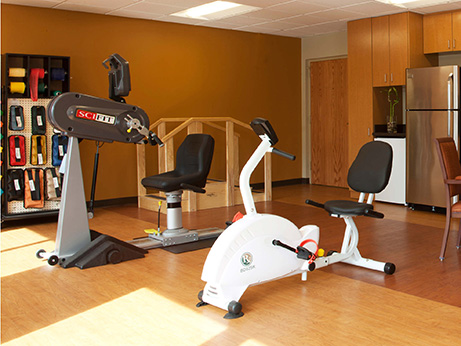
Who Owns and Operates Kensington Healthcare Center?

KENSINGTON HEALTHCARE CENTER is owned by a for-profit company. For-profit facilities operate as businesses with obligations to shareholders or private owners. The facility is operated by COMMUNICARE HEALTH, a chain that manages multiple nursing homes. With 140 certified beds and approximately 135 residents (about 96% occupancy), it is a mid-sized facility located in KENSINGTON, Maryland.
How Does Kensington Healthcare Center Compare to Other Maryland Nursing Homes?

Compared to the 100 nursing homes in Maryland, KENSINGTON HEALTHCARE CENTER's overall rating (3 stars) is below the state average of 3.0, staff turnover (31%) is significantly lower than the state average of 46%, and health inspection rating (3 stars) is at the national benchmark.

What Should Families Ask When Visiting Kensington Healthcare Center?

Based on this facility's data, families visiting should ask: "Can I visit during a mealtime to observe dining assistance and food quality?" "How do you handle medical emergencies, and what is your hospital transfer rate?" "Can I speak with family members of current residents about their experience?"

Is Kensington Healthcare Center Safe?

Based on CMS inspection data, KENSINGTON HEALTHCARE CENTER has a clean safety record: no substantiated abuse findings (meaning no confirmed cases of resident harm), no Immediate Jeopardy citations (the most serious violation level indicating risk of serious injury or death), and is not on the Special Focus Facility watch list (a federal program monitoring the lowest-performing 1% of nursing homes). The facility has a 3-star overall rating and ranks #100 of 100 nursing homes in Maryland. While no facility is perfect, families should still ask about staff-to-resident ratios and recent inspection results during their visit.

Do Nurses at Kensington Healthcare Center Stick Around?

KENSINGTON HEALTHCARE CENTER has a staff turnover rate of 31%, which is about average for Maryland nursing homes (state average: 46%). Moderate turnover is common in nursing homes, but families should still ask about staff tenure and how the facility maintains care continuity when employees leave.

Was Kensington Healthcare Center Ever Fined?

KENSINGTON HEALTHCARE CENTER has been fined $51,545 across 1 penalty action. This is above the Maryland average of $33,594. Fines in this range indicate compliance issues significant enough for CMS to impose meaningful financial consequences. Common causes include delayed correction of deficiencies, repeat violations, or care failures affecting resident safety. Families should ask facility leadership what changes have been made since these penalties.

Is Kensington Healthcare Center on Any Federal Watch List?

KENSINGTON HEALTHCARE CENTER is not on any federal watch list. The most significant is the Special Focus Facility (SFF) program, which identifies the bottom 1% of nursing homes nationally based on persistent, serious quality problems. Not being on this list means the facility has avoided the pattern of deficiencies that triggers enhanced federal oversight. This is a positive indicator, though families should still review the facility's inspection history directly.