ST. MARY'S NURSING CENTER INC
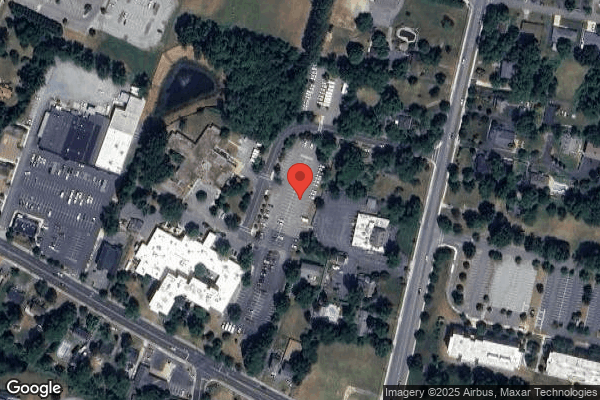
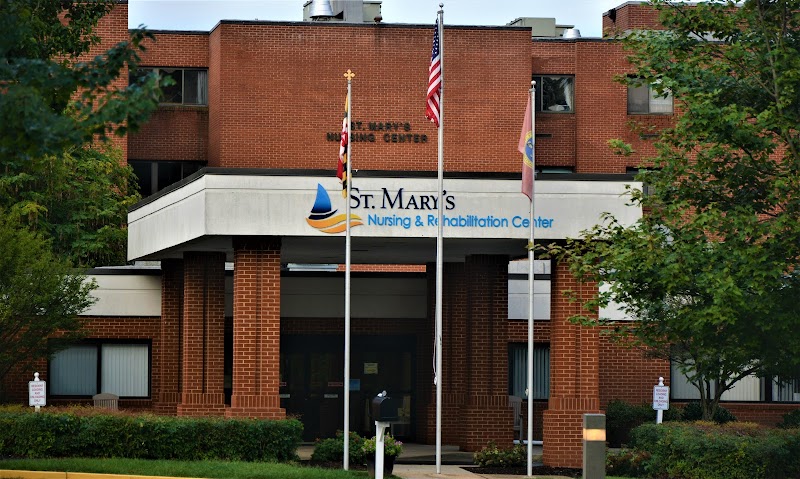
21585 PEABODY STREET, LEONARDTOWN, MD 20650 (301) 475-8000
Non profit - Corporation 160 Beds Independent Data: November 2025
Trust Grade
85/100
#41 of 219 in MD
Last Inspection: November 2024

Within standard 12-15 month inspection cycle. Federal law requires annual inspections.

Overview

St. Mary's Nursing Center Inc has a Trust Grade of B+, indicating it is above average and recommended for families seeking care. It ranks #41 out of 219 nursing homes in Maryland, placing it in the top half, and it is the best option among the three facilities in St. Marys County. However, the facility is experiencing a worsening trend, with the number of issues increasing from 5 in 2019 to 11 in 2024. Staffing is rated as good at 4 out of 5 stars, but the turnover rate of 46% is average, which may affect continuity of care. Notably, there were no fines, which is a positive sign. On the downside, there are concerns about RN coverage, as the facility has less coverage than 76% of Maryland facilities, which could impact the quality of care. Specific incidents noted include a lack of comprehensive care plans for residents who need assistance, leading to potential safety risks, and a failure to maintain good repair in resident rooms, which raises concerns about the overall environment. Families should weigh these strengths and weaknesses when considering St. Mary's Nursing Center for their loved ones.

Trust Score
B+
85/100
In Maryland
#41/219
Top 18%
Safety Record
Low Risk
No red flags
Inspections
Getting Worse
5 → 11 violations
Staff Stability
⚠ Watch
46% turnover. Above average. Higher turnover means staff may not know residents' routines.
Penalties
✓ Good
No fines on record. Clean compliance history, better than most Maryland facilities.
Skilled Nurses
○ Average
Each resident gets 35 minutes of Registered Nurse (RN) attention daily — about average for Maryland. RNs are the most trained staff who monitor for health changes.
Violations
⚠ Watch
18 deficiencies on record. Higher than average. Multiple issues found across inspections.
★★★★★
5.0
Overall Rating
★★★★☆
4.0
Staff Levels
★★★★★
5.0
Care Quality
★★★★★
5.0
Inspection Score
Stable
2019: 5 issues
2024: 11 issues

The Good

  • 4-Star Staffing Rating · Above-average nurse staffing levels
  • 5-Star Quality Measures · Strong clinical quality outcomes
  • Full Sprinkler Coverage · Fire safety systems throughout facility
  • No fines on record

Facility shows strength in staffing levels, quality measures, fire safety.

The Bad

Staff Turnover: 46%

Near Maryland avg (46%)

Higher turnover may affect care consistency

The Ugly 18 deficiencies on record

Nov 2024 6 deficiencies
CONCERN (D)

Potential for Harm - no one hurt, but risky conditions existed

Resident Rights (Tag F0550)

Could have caused harm · This affected 1 resident

Based on observations and interviews with facility staff, it was determined that the facility failed to ensure residents were treated with respect and dignity when requesting assistance and by failing...

Read full inspector narrative →
Based on observations and interviews with facility staff, it was determined that the facility failed to ensure residents were treated with respect and dignity when requesting assistance and by failing to ensure a Foley drainage bag was covered. This was found to be evident for 2 out of 40 (Resident #47 and Resident #461) sampled residents reviewed during the survey. The findings include: 1.) On 11/19/22 at approximately 9:00 AM a record review was conducted by the surveyor for sampled residents residing on the second floor. While at the nurse station the surveyor visibly observed and audibly heard Resident #47 call light alarm at 9:09 AM, and Environmental Services Staff (EVS) #7 went into the resident room. The call light was off prior to Staff #7 exiting the room. Staff # 7 went across the hall into the kitchen and began wiping down counter areas. Moments later GNA # 8 walked the hallway pushing a linen cart and EVS #7 approached the GNA. After the two staff talked for a few moments, GNA #8 walked down the hallway with the linen cart past Resident #47's room. The surveyor went into the resident's room and asked if s/he received assistance, and the resident stated I told the housekeeper (EVS #7) that I urgently needed the bedpan. The surveyor walked out of the room to alert the staff and simultaneously, the resident put his/her call light on again. The surveyor asked GNA #8 who was in the hallway if she was aware that the resident requested assistance and she stated, that is a control thing, the resident always put his/her call light on. The Unit Manager (UM) Staff #9 appeared on the unit within moments and went into the resident room at approximately 9:15 AM to assist the resident. The surveyor remained at the nurse station to continue the chart review and at approximately 9:26 AM, Resident #47's call light was visibly observed and audibly heard. GNA #8 was at the nurse station and stated to the surveyor, you see, s/he put his/her call light on again. The surveyor at this time motioned GNA #8 to accompany her to the resident room to see what the resident needed. The surveyor and GNA #8 entered Resident # 47's room, and the resident stated, I used the bedpan and am finished, and I would like to get cleaned up. The UM #9 was made aware of the concerns at that time at approximately 9:39 AM. The DON was made aware of the observations and concerns on the same date at 12:30 PM and stated that the facility will investigate the concerns. The facility provided the survey team with a copy of their investigation on 11/21/24 and upon review it revealed the abuse allegations were unsubstantiated. The facility provided 1:1 training to GNA #8 with the staff development coordinator to include customer service, verbal abuse, call bells and professionalism. The training was successfully completed on 11/21/24 per the facility's investigation. 2.) A Foley drainage bag, or urinary drainage bag, is a medical device used to collect urine from a catheterized resident. The drainage bag is usually worn on the leg or attached to a bed. During observation rounds on 11/18/24 at 8:54 am, Resident #461 was noted to have a Foley drainage bag attached to his/her bed. The Foley drainage bag was uncovered and contained an amber colored liquid. The bag was attached to the door side of the bed. Resident #461's door was open, and the Foley drainage bag was visible from the hallway. On 11/19/24 at 8:25am, Resident #461 was again observed in bed with Foley drainage bag visible from hallway without a privacy bag. On 11/19/24 at 8:40am, the surveyor interviewed the Licensed Practical Nurse (LPN) #27. She stated the resident's Foley drainage bag should be covered and she would get the resident a privacy bag.
CONCERN (D)

Potential for Harm - no one hurt, but risky conditions existed

Deficiency F0657 (Tag F0657)

Could have caused harm · This affected 1 resident

2.) On 11/19/24 at 11:05 AM, an interview with Resident #12 revealed that he/she was unaware of any care plan meetings for his/her plan of care. On 11/19/24 at 02:22 PM, review of Resident #12's medi...

Read full inspector narrative →
2.) On 11/19/24 at 11:05 AM, an interview with Resident #12 revealed that he/she was unaware of any care plan meetings for his/her plan of care. On 11/19/24 at 02:22 PM, review of Resident #12's medical record revealed the last documentation of a care plan meeting was 3/24/24. The resident's most recent Minimum Data Set (MDS) Assessment had an Assessment Reference Date (ARD) of 10/16/24. The Minimum Data Set (MDS) is an assessment of the resident that provides the facility information necessary to develop a care plan, provide the appropriate care and services to the Resident, and modify the care plan based on the Resident's status. The assessment reference date (ARD) is the specific end point of look-back periods of resident status for the MDS assessment process. On 11/20/24 at 09:14 AM, during an interview with Social Worker (Staff #20) about care plan meetings, she indicated she could do better with inviting the residents. Further interview revealed she does not document when a resident is invited to the care plan meeting. During the same interview, the surveyor asked about Resident #12's involvement with care plan meetings. She was not able to provide documentation of him/her being invited to the care plan meetings. On 11/22/24 at 12:00 PM, at the time of exit, the surveyor reviewed the concern regarding the facility's failure to ensure residents are invited to participate in care plan meetings. Based on record review and interview with staff it was determined that the facility failed to ensure a resident was offered the opportunity to participate in their care planning process by being invited to their care plan meetings. This was evident for 2 (Resident #12 and #31) out of 4 residents investigated for care planning during the survey. The findings include: A care plan is used to summarize a person's health conditions, specific care needs, and current treatments and outlines what needs to be done to plan, assess, and manage care. This helps to evaluate the effectiveness of the resident's care. 1.) On 11/18/2024 at 11:44AM, during an interview conducted with Resident #31, the Surveyor was informed that the resident was unaware of care plan meetings and would like the opportunity to participate in their plan of care. On 11/20/2024 at 8:57AM, a review of Resident #31's electronic and paper medical record failed to reveal a care plan meeting in which the resident was invited since 7/11/2023. Further review failed to reveal an explanation as to why Resident #31 did not participate in the development of the resident's care plan. On 11/20/2024 at 9:15AM, during an interview conducted with Social Worker #20, the Surveyor discovered that care plan meetings are held quarterly, and that Resident #31 had not been invited to any care plan meetings since 7/11/2023. Social Worker #20 stated that she could do better with inviting the residents to their care plan meetings.
CONCERN (D) 📢 Someone Reported This

A family member, employee, or ombudsman was alarmed enough to file a formal complaint

Potential for Harm - no one hurt, but risky conditions existed

Quality of Care (Tag F0684)

Could have caused harm · This affected 1 resident

Based on complaint, review of medical records, and staff interview, it was determined that the facility failed to transcribe a physician's order that directed nurses to obtain a wound care consult for...

Read full inspector narrative →
Based on complaint, review of medical records, and staff interview, it was determined that the facility failed to transcribe a physician's order that directed nurses to obtain a wound care consult for a resident. This was evident for 1 (Resident #313) out of 40 sampled residents reviewed during the survey. The findings include: Review of complaint MD00211390 and Resident # 313's medical record on 11/20/24 at 1:55pm revealed the following: A change in skin note dated 10/5/24, which stated moisture associated skin damage between buttocks. A new order was given by the physician to turn the resident every 2 hours and obtain a wound care consult. Further review of the medical record on 11/20/24 at 3pm failed to reveal a wound consultation was done. During interview with the Director of Nursing on 11/21/22 at 2pm she stated the nurse failed to carry over the order for the wound consultation; therefore, it was missed. During interview with the Quality Assurance Nurse on 11/21/24 at 2:10pm she stated all nursing staff were re-in serviced on the transcription of physician orders.
CONCERN (D)

Potential for Harm - no one hurt, but risky conditions existed

Accident Prevention (Tag F0689)

Could have caused harm · This affected 1 resident

Based on observation, record review, and interviews, it was determined that the facility failed to ensure: 1) a resident's safety was maintained during a transfer. This was evident for 1 of 2 resident...

Read full inspector narrative →
Based on observation, record review, and interviews, it was determined that the facility failed to ensure: 1) a resident's safety was maintained during a transfer. This was evident for 1 of 2 residents (Resident #6) reviewed for accidents and 2) an order for seizure precautions on a resident were correctly maintained. This was evident for 1 of 2 residents (Resident #21) reviewed for position and mobility. The findings include: 1) Review of Resident #6's medical record on 11/19/24 revealed the resident has resided at the facility for several years, was alert and oriented with a A Brief Interview for Mental Status (BIMS) of 15, and able to verbally communicate. Resident #6 was dependent on staff for mobility transfers. A Brief Interview for Mental Status (BIMS) is a tool used to screen and identify the cognitive condition of residents in a long-term care facility. The BIMS assessment uses a points system that ranges from 0 to 15 points. A score of 13-15 indicates cognitively intact. On 11/19/24 at 08:10 AM, an interview with Resident #6 revealed she/he recently had a fall that resulted in hospitalization. Further interview with the resident revealed that the GNA, who she/he did not identify during the interview, spun her/him too fast during a transfer from the toilet in the bathroom. On 11/19/24 at 02:32 PM, review of the resident's medical record revealed a progress note dated 11/15/24 at 09:51 AM completed by Staff #21 that indicated Resident #6 fell during a transfer from the toilet with the Geriatric Nursing Assistant (not identified in the note) present on the previous day around 6:50 PM. Further review of the progress note revealed the resident was sent to the emergency room. On 11/19/24 at 03:07 PM, an interview with Licensed Practical Nurse (Staff #21) revealed she did not witness the fall, but indicated that Geriatric Nursing Assistant (Staff #17) witnessed it and was the GNA assisting her during the transfer. On 11/20/24 at 09:00 AM, review of the fall investigation regarding Resident #6 provided by the facility that was requested by the surveyor revealed a document titled Resident #6 fall 11/14/24 that was typed and signed by the Director of Nursing (Staff #2) dated 11/15/24 which indicated the Unit Manager (who was unidentified on the document) interviewed Resident #6 that read, Resident states that she 'spun me around too fast. ' Further review of the same document at the same time revealed that, . the cushion on Resident #6's wheelchair hangs about 2 inches off of the base of her wheelchair which could have caused an illusion of how far back the resident was sitting in her wheelchair. On 11/20/24 at 09:47 AM, an interview with the Director of Rehabilitation (Staff #29) revealed that the resident has had periods of being a 1 person assist during mobility transfers and periods of a 2 person assist during mobility transfers due to his/her complex medical diagnoses. During the same interview, the surveyor requested notes from the resident's therapy sessions from her/his most recent case load (active therapy) that she indicated the resident had been discharged from in September of 2024. On 11/20/24 at 10:15 AM, review of the therapy session progress notes provided by Staff #29 revealed a Treatment Encounter Note dated 7/24/24 at 3:00 PM completed by Physical Therapy Assistant (Staff #30) with a topic of transfers that said, res stated that GNAs do not give [him/her] enough time that they rush [her/him] On 11/20/24 at 03:30 PM, an interview with Geriatric Nursing Assistant (Staff #17) about Resident #6's recent fall in the bathroom revealed that she/he was transferred to the wheelchair with both wheels locked. She indicated that the resident had been standing in front of the wheelchair using the hand rail. Further interview revealed that Staff #17 then unlocked both wheels of the wheelchair and moved to the back of the wheelchair where she pulled the wheelchair towards her which made the wheelchair move backwards. Further interview with Staff #17 on 11/20/24 at 3:30 PM revealed that the resident started leaning forward and she attempted to grab the resident by the gait belt that was on the resident's at the time. Staff #17 indicated she was unaware if the resident was trying to move but that the resident ended up on the floor. During the same interview with Staff #17 on 11/20/24 at 3:30 PM, a surveyor present during the interview indicated to Staff #17, if she maintained the safety of the resident for the entirety of the transfer, how did the resident end up falling, and she indicated that she should have maintained the safety of the resident during the transfer. On 11/22/24 at 12:00 PM, at the time of exit, the surveyor reviewed the concern of the facility's failure to ensure a resident's safety was maintained during a transfer. 2) On 11/19/24 at 08:40 AM, an initial observation of Resident #21 revealed he/she was in bed that had partially covered bedrails on both sides on the bed with a cushion, revealing about 12 inches on the bedrail side closest to the head of the bed with no cushion. On 11/19/24 at 02:48 PM, an observation of Resident #21 revealed she/he in bed with the bedrails in the same condition as noted in the initial observation. On 11/20/24 at 1:00 PM, review of Resident #21's medical record revealed that he/she has an active medical diagnosis of epilepsy (a chronic brain disorder that causes seizures, which are episodes of abnormal electrical activity in the brain). Further review of Resident #21's medical record at the same time revealed an active order dated 10/16/23 for, 2 padded side rails at HOB for seizure precautions. On 11/20/24 at 01:55 PM, an observation of Resident #21 revealed he/she in bed with the bedrails in the same condition as the two previous observations, partially cushioned bedrails on both sides with about 12 inches closest to the head of the bed with no cushion. On 11/20/24 at 01:57 PM, an interview with Geriatric Nursing Assistant (Staff #19) in Resident #21's room revealed that the seizure precautions for the resident are the cushions on the bedrails. The surveyor noted to Staff #19 during the interview that the bedrails are partially covered. On 11/21/24 at 08:13 AM, an interview with the 4th floor Unit Manager (Licensed Practical Nurse, Staff #18) revealed that the seizure precautions for the resident are the seizure pads on both bedrails. The surveyor indicated to Staff #18 that the bedrail appears to be covered partially. Staff #18 indicated that the cushion padding should be covering the entire bedrail. On 11/22/24 at 12:00 PM, at the time of exit, the surveyor reviewed the concern of the facility's failure to ensure a resident's seizure precautions were correctly maintained.
CONCERN (D)

Potential for Harm - no one hurt, but risky conditions existed

Food Safety (Tag F0812)

Could have caused harm · This affected 1 resident

Based on observation, interview, and documentation review it was determined that the facility staff failed to ensure the walk-in refrigerator temperatures were documented accurately. The findings inc...

Read full inspector narrative →
Based on observation, interview, and documentation review it was determined that the facility staff failed to ensure the walk-in refrigerator temperatures were documented accurately. The findings include: An initial environmental kitchen food services inspection was conducted on 11/18/24 at 8:20am. The walk-in refrigerator temperature logs were not found/observed hanging near the refrigerator. The Dietician staff #13 (who oversees the kitchen) was asked about the temperature log, and she responded, the logs were kept in a book on the side of a table located near her office. During review of the walk-in refrigerator temperature log on 11/18/24 at 9am revealed the refrigerator temperature was documented as 42 for the morning of 11/18/24; however, the thermometer located inside of the refrigerator was reading 38 degrees. The Dietician stated the thermometer inside of the refrigerator is the correct temperature. She stated the thermometer located on the outside of the refrigerator is sometime inaccurate. During a follow-up inspection of the kitchen by the surveyor of the walk-in refrigerator on 11/21/24 at 8:40am, the surveyor observed the outside thermometer on the walk-in refrigerator to be blinking and not registering a temperature. The inside thermometer read 39 degrees. Review of the walk-in refrigerator temperature logs on 11/21/24 at 8:45 am revealed the following documented temperatures: 11/18/24 pm temp 45 11/19/24 am temp 45 11/19/24 pm temp 44 11/20/24 am temp 45 11/20/24 pm temp 40 11/21/24 am temp 45 During an interview with the cook staff #33 on 11/21/24 at 8:50am, she was asked if she knew what the walk in temperature for the refrigerator should be; She stated, yes. It should be 40 or less. When asked did she document the temperature of 45 degrees this morning? She stated yes. I documented the temperature that was located on the outside of the refrigerator instead what the thermometer that was in the refrigerator. During interview with the Dietician staff #13 on 11/21/24 at 9:15am stated the dietary staff are documenting the incorrect temperature that is displayed on the thermometer outside of the walk-in refrigerator instead of the thermometer inside of the walk-in refrigerator and she would be addressing it.
CONCERN (E)

Potential for Harm - no one hurt, but risky conditions existed

Safe Environment (Tag F0584)

Could have caused harm · This affected multiple residents

**NOTE- TERMS IN BRACKETS HAVE BEEN EDITED TO PROTECT CONFIDENTIALITY** Based on observation and interview, it was determined that the facility failed to ensure the facility was in good repair. This w...

Read full inspector narrative →
**NOTE- TERMS IN BRACKETS HAVE BEEN EDITED TO PROTECT CONFIDENTIALITY** Based on observation and interview, it was determined that the facility failed to ensure the facility was in good repair. This was evident for 5 resident rooms observed on the 4th floor nursing unit during the survey. The findings include: On 11/20/24 at 08:31 AM, an observation of room [ROOM NUMBER] revealed that the A bed (the bed closest to the entry door) had several vertical, abraded wall markings. These markings varied in length and width which resembled scratch-like marks behind the headboard of the bed. On 11/20/24 at 01:51 PM, an observation of room [ROOM NUMBER] revealed that the A bed (the bed closest to the entry door) had several vertical, abraded wall markings. These markings varied in length and width which resembled scratch-like marks behind the headboard of the bed. On 11/20/24 at 01:52 PM, an observation of room [ROOM NUMBER] revealed that the B bed (the bed closest to the window) had several vertical, abraded wall markings. These markings varied in length and width which resembled scratch-like marks behind the headboard of the bed. On 11/20/24 at 02:04 PM, an observation of room [ROOM NUMBER] revealed that the A bed (the bed closest to the entry door) had several vertical, abraded wall markings. These markings varied in length and width which resembled scratch like marks behind the headboard of the bed. On 11/20/24 at 02:05 PM, an observation of room [ROOM NUMBER] revealed that the A bed (the bed closest to the entry door) had several vertical, abraded wall markings. These markings varied in length and width which resembled scratch-like marks behind the headboard of the bed. On 11/20/24 at 02:46 PM, an interview with the Facilities Director (Staff #23) revealed that staff can fill out a maintenance slip if they found a maintenance concern which maintenance staff check every hour. The surveyor asked if he was aware of any maintenance concern on the 4th floor and he indicated that he was not. During the same interview, Staff #23 indicated that the facility has had issues with the walls behind resident bed headboards as the staff push the bed up to the wall and when raising and lowering the bed, cause scratches on the wall. He said that they have tried to initiate a solution before but that it has not worked. On 11/22/24 at 12:00 PM, at the time of exit, the surveyor reviewed the concern regarding the facility's failure to ensure that the facility was in good repair.
Jul 2024 5 deficiencies
CONCERN (D) 📢 Someone Reported This

A family member, employee, or ombudsman was alarmed enough to file a formal complaint

Potential for Harm - no one hurt, but risky conditions existed

Transfer Notice (Tag F0623)

Could have caused harm · This affected 1 resident

Based on medical record review and interview, the facility failed provide adequate notice to a resident (resident #1) prior to discharge. This was evident in 1 of 5 residents reviewed during a complai...

Read full inspector narrative →
Based on medical record review and interview, the facility failed provide adequate notice to a resident (resident #1) prior to discharge. This was evident in 1 of 5 residents reviewed during a complaint survey. Findings include: Review of resident #1's medical records on 7/25/24 at 9:30am revealed that on 7/17/24, the resident was transferred from the facility for emergency treatment after the resident's family observed that the resident moved slower than usual. Further review of resident #1's medical records on 7/25/24 at 10:00 am revealed that on 7/18/24, the resident was admitted to the local hospital for observation for sepsis (systemic infection) caused by a urinary tract infection. Continued review of resident #1's medical records on 7/25/24 at 11:00am revealed no evidence of the facility providing the resident/resident representative with notice prior to discharge from the facility. Interview with the complainant/resident #1's power of attorney (POA) on 7/25/24 at 11:30am revealed that on 7/18/24, the complainant/POA requested a care conference to discuss the care of the resident after discharge from the local hospital. On 7/19/24 at 10:30am, the complainant/POA attended the requested care conference with the Administrator, Director of Nursing (DON), and Social Worker #2 in attendance. The complainant/POA stated that he/she requested additional interventions to the resident's care plan. The Administrator told the complainant/POA that the facility would consider the changes to resident#1's care plan. Later in the day on 7/19/24, the facility called the complainant/POA and informed the complainant that the facility could no longer meet the family's care expectations so the facility would not allow the resident to return to the facility after discharge from the local hospital. The complainant/POA stated that prior to the call from facility, the resident's family received no notice or indication that the facility would not allow the resident to return to the facility after hospital treatment. The complainant/POA also revealed that the facility's failure to allow the resident to return causes psychosocial harm to the resident because the facility has the staff and environment that best meets the needs of the resident. Interview with the Administrator and the DON on 7/25/24 at 12:30pm confirmed that the facility refused to allow the resident to return to the facility after discharge from the local hospital. The Administrator stated that the family had unrealistic expectations for the resident's care. The Administrator also confirmed the 7/19/24 care conference with the complainant/POA. During the 7/19/24 care conference meeting, the complainant/POA gave the family's care expectations after the resident returned from the hospital. The Administrator stated that he/she told the complainant/POA that the facility would consider the changes to the care plan. The Administrator further stated that he/she later decided to refuse the resident's return to the facility after discharge from the hospital. The DON provided additional information on the history of the interactions with the complainant/POA and the facility. The DON stated that the complainant/POA would change expectations for the resident's care and expect the change to occur immediately for all staff persons. The DON also stated that the complainant/POA would visit frequently and criticize observed care given to the resident. The Administrator stated, I refuse to let the resident back here. I don't care. I will take the tag. We can provide the care for the resident but not at the expectation of the . (complainant/POA). The surveyor expressed concern to the Administrator and the DON that the facility failed to provide adequate notice to resident #1 or the resident representative prior to discharge. The Administrator and the DON understood.
CONCERN (D) 📢 Someone Reported This

A family member, employee, or ombudsman was alarmed enough to file a formal complaint

Potential for Harm - no one hurt, but risky conditions existed

Deficiency F0624 (Tag F0624)

Could have caused harm · This affected 1 resident

Based on medical record review and interview, the facility failed prepare a resident (resident #1) for discharge. This was evident in 1 of 5 residents reviewed during a complaint survey. Findings inc...

Read full inspector narrative →
Based on medical record review and interview, the facility failed prepare a resident (resident #1) for discharge. This was evident in 1 of 5 residents reviewed during a complaint survey. Findings include: Review of resident #1's medical records on 7/25/24 at 9:30am revealed that on 7/17/24, the resident was transferred from the facility for emergency treatment after the resident's family observed that the resident moved slower than usual. Further review of resident #1's medical records on 7/25/24 at 10:00 am revealed that on 7/18/24, the resident was admitted to the local hospital for observation for sepsis (systemic infection) caused by a urinary tract infection. Continued review of resident #1's medical records on 7/25/24 at 11:00am revealed no evidence of the facility providing the resident/resident representative with notice prior to discharge from the facility. Interview with the complainant/resident #1's power of attorney (POA) on 7/25/24 at 11:30am revealed that on 7/18/24, the complainant/POA requested a care conference to discuss the care of the resident after discharge from the local hospital. On 7/19/24 at 10:30am, the complainant/POA attended the requested care conference with the Administrator, Director of Nursing (DON), and Social Worker #2 in attendance. The complainant/POA stated that he/she requested additional interventions to the resident's care plan. The Administrator told the complainant/POA that the facility would consider the changes to resident#1's care plan. Later in the day on 7/19/24, the facility called the complainant/POA and informed the complainant that the facility could no longer meet the family's care expectations so the facility would not allow the resident to return to the facility after discharge from the local hospital. The complainant/POA stated that prior to the call from facility, the resident's family received no notice or indication that the facility would not allow the resident to return to the facility after hospital treatment. The complainant/POA also revealed that the facility's failure to allow the resident to return causes psychosocial harm to the resident because the facility has the staff and environment that best meets the needs of the resident. Interview with the Administrator and the DON on 7/25/24 at 12:30pm confirmed that the facility refused to allow the resident to return to the facility after discharge from the local hospital. The Administrator stated that the family had unrealistic expectations for the resident's care. The Administrator also confirmed the 7/19/24 care conference with the complainant/POA. During the 7/19/24 care conference meeting, the complainant/POA gave the family's care expectations after the resident returned from the hospital. The Administrator stated that he/she told the complainant/POA that the facility would consider the changes to the care plan. The Administrator further stated that he/she later decided to refuse the resident's return to the facility after discharge from the hospital. The DON provided additional information on the history of the interactions with the complainant/POA and the facility. The DON stated that the complainant/POA would change expectations for the resident's care and expect the change to occur immediately for all staff persons. The DON also stated that the complainant/POA would visit frequently and criticize observed care given to the resident. The Administrator stated, I refuse to let the resident back here. I don't care. I will take the tag. We can provide the care for the resident but not at the expectation of the . (complainant/POA). The surveyor expressed concern to the Administrator and the DON that the facility failed to prepare resident #1 or the resident representative prior to discharge. The Administrator and the DON understood.
CONCERN (D) 📢 Someone Reported This

A family member, employee, or ombudsman was alarmed enough to file a formal complaint

Potential for Harm - no one hurt, but risky conditions existed

Safe Transfer (Tag F0626)

Could have caused harm · This affected 1 resident

Based on medical record review and interview, the facility failed to allow a resident (resident #1) to return to the facility after transfer for emergency treatment. This was evident in 1 of 5 residen...

Read full inspector narrative →
Based on medical record review and interview, the facility failed to allow a resident (resident #1) to return to the facility after transfer for emergency treatment. This was evident in 1 of 5 residents reviewed during a complaint survey. Findings include: Review of resident #1's medical records on 7/25/24 at 9:30am revealed that on 7/17/24, the resident was transferred from the facility for emergency treatment after the resident's family observed that the resident moved slower than usual. Further review of resident #1's medical records on 7/25/24 at 10:00 am revealed that on 7/18/24, the resident was admitted to the local hospital for observation for sepsis (systemic infection) caused by a urinary tract infection. Continued review of resident #1's medical records on 7/25/24 at 11:00am revealed no evidence of the facility providing the resident/resident representative with notice prior to discharge from the facility. Interview with the complainant/resident #1's power of attorney (POA) on 7/25/24 at 11:30am revealed that on 7/18/24, the complainant/POA requested a care conference to discuss the care of the resident after discharge from the local hospital. On 7/19/24 at 10:30am, the complainant/POA attended the requested care conference with the Administrator, Director of Nursing (DON), and Social Worker #2 in attendance. The complainant/POA stated that he/she requested additional interventions to the resident's care plan. The Administrator told the complainant/POA that the facility would consider the changes to resident#1's care plan. Later in the day on 7/19/24, the facility called the complainant/POA and informed the complainant that the facility could no longer meet the family's care expectations so the facility would not allow the resident to return to the facility after discharge from the local hospital. The complainant/POA stated that prior to the call from facility, the resident's family received no notice or indication that the facility would not allow the resident to return to the facility after hospital treatment. The complainant/POA also revealed that the facility's failure to allow the resident to return causes psychosocial harm to the resident because the facility has the staff and environment that best meets the needs of the resident. Interview with the Administrator and the DON on 7/25/24 at 12:30pm confirmed that the facility refused to allow the resident to return to the facility after discharge from the local hospital. The Administrator stated that the family had unrealistic expectations for the resident's care. The Administrator also confirmed the 7/19/24 care conference with the complainant/POA. During the 7/19/24 care conference meeting, the complainant/POA gave the family's care expectations after the resident returned from the hospital. The Administrator stated that he/she told the complainant/POA that the facility would consider the changes to the care plan. The Administrator further stated that he/she later decided to refuse the resident's return to the facility after discharge from the hospital. The DON provided additional information on the history of the interactions with the complainant/POA and the facility. The DON stated that the complainant/POA would change expectations for the resident's care and expect the change to occur immediately for all staff persons. The DON also stated that the complainant/POA would visit frequently and criticize observed care given to the resident. The Administrator stated, I refuse to let the resident back here. I don't care. I will take the tag. We can provide the care for the resident but not at the expectation of the . (complainant/POA).
CONCERN (D) 📢 Someone Reported This

A family member, employee, or ombudsman was alarmed enough to file a formal complaint

Potential for Harm - no one hurt, but risky conditions existed

Administration (Tag F0835)

Could have caused harm · This affected 1 resident

Based on medical record review and interview, the facility's administration failed to provide leadership to facility staff to ensure CMS regulations are being followed when involuntarily discharging a...

Read full inspector narrative →
Based on medical record review and interview, the facility's administration failed to provide leadership to facility staff to ensure CMS regulations are being followed when involuntarily discharging a resident (resident #1). This was evident in 1 of 5 residents reviewed during a complaint survey. Findings include: Review of resident #1's medical records on 7/25/24 at 9:30am revealed that on 7/17/24, the resident was transferred from the facility for emergency treatment after the resident's family observed that the resident moved slower than usual. Further review of resident #1's medical records on 7/25/24 at 10:00 am revealed that on 7/18/24, the resident was admitted to the local hospital for observation for sepsis (systemic infection) caused by a urinary tract infection. Continued review of resident #1's medical records on 7/25/24 at 11:00am revealed no evidence of the facility providing the resident/resident representative with notice prior to discharge from the facility. Interview with the complainant/resident #1's power of attorney (POA) on 7/25/24 at 11:30am revealed that on 7/18/24, the complainant/POA requested a care conference to discuss the care of the resident after discharge from the local hospital. On 7/19/24 at 10:30am, the complainant/POA attended the requested care conference with the Administrator, Director of Nursing (DON), and Social Worker #2 in attendance. The complainant/POA stated that he/she requested additional interventions to the resident's care plan. The Administrator told the complainant/POA that the facility would consider the changes to resident#1's care plan. Later in the day on 7/19/24, the facility called the complainant/POA and informed the complainant that the facility could no longer meet the family's care expectations so the facility would not allow the resident to return to the facility after discharge from the local hospital. The complainant/POA stated that prior to the call from facility, the resident's family received no notice or indication that the facility would not allow the resident to return to the facility after hospital treatment. The complainant/POA also revealed that the facility's failure to allow the resident to return causes psychosocial harm to the resident because the facility has the staff and environment that best meets the needs of the resident. Interview with the Administrator and the DON on 7/25/24 at 12:30pm confirmed that the facility refused to allow the resident to return to the facility after discharge from the local hospital. The Administrator stated that the family had unrealistic expectations for the resident's care. The Administrator also confirmed the 7/19/24 care conference with the complainant/POA. During the 7/19/24 care conference meeting, the complainant/POA gave the family's care expectations after the resident returned from the hospital. The Administrator stated that he/she told the complainant/POA that the facility would consider the changes to the care plan. The Administrator further stated that he/she later decided to refuse the resident's return to the facility after discharge from the hospital. The DON provided additional information on the history of the interactions with the complainant/POA and the facility. The DON stated that the complainant/POA would change expectations for the resident's care and expect the change to occur immediately for all staff persons. The DON also stated that the complainant/POA would visit frequently and criticize observed care given to the resident. The Administrator stated, I refuse to let the resident back here. I don't care. I will take the tag. We can provide the care for the resident but not at the expectation of the . (complainant/POA). The surveyor expressed concern to the Administrator and the DON that the facility failed to provide leadership to facility staff when resident #1 was being involuntarily discharged . The Administrator and the DON understood.
CONCERN (D) 📢 Someone Reported This

A family member, employee, or ombudsman was alarmed enough to file a formal complaint

Potential for Harm - no one hurt, but risky conditions existed

Medical Records (Tag F0842)

Could have caused harm · This affected 1 resident

Based on medical record review and interview, the facility failed to document the discharge of a resident (resident #1). This was evident in 1 of 5 residents reviewed during a complaint survey. Findin...

Read full inspector narrative →
Based on medical record review and interview, the facility failed to document the discharge of a resident (resident #1). This was evident in 1 of 5 residents reviewed during a complaint survey. Findings include: Review of resident #1's medical records on 7/25/24 at 9:30am revealed that on 7/17/24, the resident was transferred from the facility for emergency treatment after the resident's family observed that the resident moved slower than usual. Further review of resident #1's medical records on 7/25/24 at 10:00 am revealed that on 7/18/24, the resident was admitted to the local hospital for observation for sepsis (systemic infection) caused by a urinary tract infection. Continued review of resident #1's medical records on 7/25/24 at 11:00am revealed no document that the facility discharged the resident nor was there evidence that the facility provided the resident/resident representative with notice prior to discharge. Interview with the complainant/resident #1's power of attorney (POA) on 7/25/24 at 11:30am revealed that on 7/18/24, the complainant/POA requested a care conference to discuss the care of the resident after discharge from the local hospital. On 7/19/24 at 10:30am, the complainant/POA attended the requested care conference with the Administrator, Director of Nursing (DON), and Social Worker #2 in attendance. The complainant/POA stated that he/she requested additional interventions to the resident's care plan. The Administrator told the complainant/POA that the facility would consider the changes to resident#1's care plan. Later in the day on 7/19/24, the facility called the complainant/POA and informed the complainant that the facility could no longer meet the family's care expectations so the facility would not allow the resident to return to the facility after discharge from the local hospital. The complainant/POA stated that prior to the call from facility, the resident's family received no notice or indication that the facility would not allow the resident to return to the facility after hospital treatment. The complainant/POA also revealed that the facility's failure to allow the resident to return causes psychosocial harm to the resident because the facility has the staff and environment that best meets the needs of the resident. Interview with the Administrator and the DON on 7/25/24 at 12:30pm confirmed that the facility refused to allow the resident to return to the facility after discharge from the local hospital. The Administrator stated that the family had unrealistic expectations for the resident's care. The Administrator also confirmed the 7/19/24 care conference with the complainant/POA. During the 7/19/24 care conference meeting, the complainant/POA gave the family's care expectations after the resident returned from the hospital. The Administrator stated that he/she told the complainant/POA that the facility would consider the changes to the care plan. The Administrator further stated that he/she later decided to refuse the resident's return to the facility after discharge from the hospital. The DON provided additional information on the history of the interactions with the complainant/POA and the facility. The DON stated that the complainant/POA would change expectations for the resident's care and expect the change to occur immediately for all staff persons. The DON also stated that the complainant/POA would visit frequently and criticize observed care given to the resident. The Administrator stated, I refuse to let the resident back here. I don't care. I will take the tag. We can provide the care for the resident but not at the expectation of the . (complainant/POA). The surveyor expressed concern to the Administrator and the DON that the facility failed to document the discharge of resident #1 on the resident ' s medical records. The Administrator and the DON understood.
Aug 2019 5 deficiencies
CONCERN (D)

Potential for Harm - no one hurt, but risky conditions existed

Accident Prevention (Tag F0689)

Could have caused harm · This affected 1 resident

Based on observation, staff interview and review of medical records and other pertinent documentation, it was determined a nursing staff member failed to ensure adequate supervision was provided to Re...

Read full inspector narrative →
Based on observation, staff interview and review of medical records and other pertinent documentation, it was determined a nursing staff member failed to ensure adequate supervision was provided to Resident #198 when assisting him/her to stand. This was evident for 1 of 40 residents reviewed for falls during the survey. The findings include: Beginning on 8/21/19 at 3:14 PM, the medical record for Resident #198 was reviewed along with other pertinent documentation regarding a fall in November 2018. According to the facility's Sailboat Symbol/Hoyer Lift Policy and Procedure, a sailboat symbol is placed above each resident's bed within 8 hours of admission. The sailboat has a number placed on it to indicate how many staff members are required to assist the resident when transferring from one position to another such as from the bed to a chair. According to a facility report of the fall incident, Geriatric Nursing Assistant (GNA) #5 answered a call light for Resident #198 who asked for help to put on a clean gown. According to the report, the sailboat on the resident's wall had a symbol in it indicating to nursing staff that the resident required 2 staff members for transfers. The report went on to say that the GNA attempted to assist the resident to stand in order to change the gown. Resident #198 fell, complained of pain, and was later found to have fracture. During a review of the resident's physician orders, an order was found to use 2 persons with a rolling walker (to assist the resident) every shift. The order was initiated on 9/25/19 and was still in effect on the day the resident fell. Although GNA #5 no longer worked for the facility, a written statement by her regarding the fall was reviewed. In the statement she wrote that she answered the resident's call light and the resident asked to have her gown removed so she could put on a clean one. She stated she gave the resident's his/her walker to give him/her stability to stand up so she could remove the gown from under the resident's bottom. While standing, the resident's legs gave out and he/she fell to the floor. She then called for a nurse to help. On 8/22/19 at 4:00 PM the Director (DON) was asked if she knew why GNA #5 didn't ask another staff member to help her when assisting the resident. The DON stated the GNA told her she didn't think she needed another staff member to just help the resident stand up. The DON stated the Sailboat policy indicating how many staff were needed includes helping residents to stand and does not just apply to transfers. The DON was then asked for and provided evidence that all nursing staff are educated regarding the Sailboat policy in new employee orientation and annually. On 8/22/19 at 2:45 PM a list of all falls in the last 120 days was requested and received. Falls involving 40 residents including Resident #198 were reviewed. Only 1 of those falls involved an employee violating a transfer policy and that was the incident involving Resident #198. On 8/26/19 at 2:30, physician #6 was interviewed. She stated the resident had a diagnosis of cancer with metastasis and the fracture was more likely related to this than to the fall. The facility is responsible to ensure employees follow physician orders and facility policies.
CONCERN (D)

Potential for Harm - no one hurt, but risky conditions existed

Infection Control (Tag F0880)

Could have caused harm · This affected 1 resident

Based on observation, review of pertinent documentation and staff interview it was determined the facility failed to ensure a nursing staff member washed her hands appropriately after passing medicati...

Read full inspector narrative →
Based on observation, review of pertinent documentation and staff interview it was determined the facility failed to ensure a nursing staff member washed her hands appropriately after passing medications to Residents #46 and #7. This was evident for 2 of 4 times nursing staff were observed for handwashing. The findings include: On 8/22/19 at 8:22 AM Certified Medicine Aide (CMA) #1 was observed passing medications to Resident #46 and then washing her hands. She was observed scrubbing her hands around 7 seconds. After administering medications to Resident #7 she was observed scrubbing her hands around 10 seconds. When CMA #1 was asked how long she is supposed to scrub her hands, she stated it was 20 seconds. According to the Centers for Disease Control and Prevention (CDC) at https://www.cdc.gov/handwashing/when-how-handwashing.html, the following steps should be used when washing hands: -Wet your hands with clean, running water (warm or cold), turn off the tap, and apply soap. -Lather your hands by rubbing them together with the soap. Be sure to lather the backs of your hands, between your fingers, and under your nails. -Scrub your hands for at least 20 seconds. Need a timer? Hum the Happy Birthday song from beginning to end twice. -Rinse your hands well under clean, running water. -Dry your hands using a clean towel or air dry them. On 8/23/19 at about 1:00 PM the facility handwashing policy and procedure was reviewed. Step #4 of the procedure states there should be: Rigorous brief rubbing together of all surfaces of lathered hands for at least twenty (20) seconds covering all surfaces of the hands and fingers.
CONCERN (E)

Potential for Harm - no one hurt, but risky conditions existed

Comprehensive Care Plan (Tag F0656)

Could have caused harm · This affected multiple residents

**NOTE- TERMS IN BRACKETS HAVE BEEN EDITED TO PROTECT CONFIDENTIALITY** 3. Resident #68 was admitted here at the facility on 4/15/17. He/she had a diagnosis of DM2, chronic ischemic heart disease, hyp...

Read full inspector narrative →
**NOTE- TERMS IN BRACKETS HAVE BEEN EDITED TO PROTECT CONFIDENTIALITY** 3. Resident #68 was admitted here at the facility on 4/15/17. He/she had a diagnosis of DM2, chronic ischemic heart disease, hypothyroidism, other non-thrombocytopenic purpura and dementia with behaviors. Resident #68 had problems with gait and balance and was unaware of safety precautions. On 5/9/19, a lap buddy was ordered to be on wheelchair with a pummel cushion for safety precautions. Resident had been known to just stand up out of his/her wheelchair and has a potential to fall. He/she also has an order for gripper socks, low bed, bed alarm, and side rails for mobility. Resident was also noted to scratch self and at times could be combative with care, hitting and kicking staff. He/she was on no medication for this behavior. There was no comprehensive care plan in place for the use of a lap buddy. Director of Nursing was made aware of this on 8/22/19 at 10:42 AM and she also could not find a care plan for lap buddy. Based on medical record review, observation and staff interview, it was determined facility staff failed to ensure that comprehensive person-centered care plans with measurable goals were developed 1) for participation in activities that enhance resident's quality of life for Residents #123, #125 and #35; and 2) for Resident #68 who used a lap buddy. This was evident for 4 of 50 residents whose care plans were reviewed during the survey. The findings include: 1. Review of Resident #123's medical record on 8/26/19 at 10:00 AM revealed an activity assessment dated [DATE] that indicated it had been completed via interview with the resident. The assessment rated the question, how important is it to you to have books, newspapers, and magazines to read? as 'very important.' The assessment rated the question, How important is it to you to do things with groups of people? as 'not very important.' The additional comments at the end of the assessment state, Resident prefers to stay in his/her room in a quiet atmosphere reading. Resident is not very social due to [being hard of hearing] but is very polite about it and states s/he would prefer to be left alone. Will continue to encourage and offer activities s/he may enjoy and monitor for any change. Further review of Resident #123's medical record revealed that the resident's care plan did not have a topic for activities. Resident #123 was observed on 8/20/19 at 1:44 PM resting alone in bed in his/her room. The resident had a book at the bedside. When asked about activities, the resident stated, I prefer to be here in my room reading than going out to do activities. Resident #123 was noted in bed again on 8/21/19 at 10:40 AM and at 2:22 PM. During an interview that took place on 8/26/19 at 10:34 AM, the Director of Activities confirmed that Resident #123 tends to socially isolate and prefers to read, but does receive visits from family and one-on-one visits from activities staff. When asked where this was documented for the resident, the Director of Activities stated they record it in quarterly activities notes and in the activities assessment for the resident. When asked to provide an activities care plan, the Director of Activities stated that there was no activities care plan for the resident because there had been no change in the resident's preferences. 2. Residents #125 and #35 were reviewed for the presence of activity care plans on 8/27/19 at 11:00 AM. Neither had a care plan topic for activities. The Director of Nursing (DON) and the Director of Activities were interviewed on 8/27/19 at 1:00 PM. During the interview, the DON and the Director of Activities stated that, although there were no activities care plans for these three residents, activities was addressed in the interventions of other care plan topics. As an example, it was noted that Resident #123's care plans for 'limited physical mobility related to dementia' has the intervention, ACTIVITIES: Invite the resident to activity programs that encourage physical activity, physical mobility, such as exercise group, walking activities to promote mobility. When asked where documentation of a measurable activities goal could be found for any of the three identified residents, the Director of Activities stated that goals were not addressed anywhere.
CONCERN (E)

Potential for Harm - no one hurt, but risky conditions existed

Food Safety (Tag F0812)

Could have caused harm · This affected multiple residents

Based on observation and staff interviews it was determined that the facility staff failed to ensure that food was stored and prepared in sanitary manner. This practice has a potential of effecting al...

Read full inspector narrative →
Based on observation and staff interviews it was determined that the facility staff failed to ensure that food was stored and prepared in sanitary manner. This practice has a potential of effecting all residents in facility. Finding includes: During the initial tour of the kitchen took place on 08/20/19 at 3:00 P.M. accompanied by the Registered Dietitian who verified all surveyor observed finding. On 08/20/19 at 03:00 p.m. observed during tour of kitchen in clean dry dish area 1- clean 1/4 pan that was dirty with water and dried food though out the pan with RD and dietary supervisor verified finding. On 08/22/19 at 10:26 a.m. observed in clean pan rack observed 2-8-ounce size ice cream scoopers with white residue covering both scoops. The following clean cooking pans observed dried old food with white smeared reside in 1- full size steam, 2 - 8th size steam table pans and 2- full size steam table pans. On 08/22/19 10:51 a.m. observed with Registered Dietitian with the kitchen cook supervisor verified all writer's observations Administrator, Director of Nursing were made aware of surveyor's finding during survey exit.
MINOR (C)

Minor Issue - procedural, no safety impact

Deficiency F0577 (Tag F0577)

Minor procedural issue · This affected most or all residents

Based on observation and interview with facility staff, it was determined that the facility failed to ensure survey results from the most recent Federal survey were readily accessible to residents wit...

Read full inspector narrative →
Based on observation and interview with facility staff, it was determined that the facility failed to ensure survey results from the most recent Federal survey were readily accessible to residents without having to ask staff. This practice had the potential to affect all residents. The findings include: During an observation of the fourth floor that took place on 8/20/19 at 12:45 PM, a binder labeled survey results was found. However, instead of a printout of survey results, the binder contained the following note: You have the right to view, upon request, any surveys, certifications and/or complaint investigations made respecting the Facility during the three preceding years. Please make your request at the Reception Desk. The facility receptionist was interviewed on 8/21/19 at 3:27 PM. During the interview, the receptionist stated that the survey book was kept behind the receptionist's desk and was available upon request. The survey book was shown to the survey team and contained the most recent federal survey. During an interview with five members of the resident council including the resident council president that took place on 8/23/19 at 9:56 AM, the members of the resident council confirmed that the facility has not kept the binder of survey results out for easy access, that residents must request the binder from facility staff to see it.
Jun 2018 2 deficiencies
CONCERN (D)

Potential for Harm - no one hurt, but risky conditions existed

Deficiency F0604 (Tag F0604)

Could have caused harm · This affected 1 resident

**NOTE- TERMS IN BRACKETS HAVE BEEN EDITED TO PROTECT CONFIDENTIALITY** Based on medical record review, and interviews with staff, the facility failed to keep Resident # 128 free from the use of restr...

Read full inspector narrative →
**NOTE- TERMS IN BRACKETS HAVE BEEN EDITED TO PROTECT CONFIDENTIALITY** Based on medical record review, and interviews with staff, the facility failed to keep Resident # 128 free from the use of restraints (seat belt). This was evident for one out of one resident reviewed for restraints during the survey. The findings include: Physical Restraints are defined as any manual method or physical or mechanical device, material, or equipment attached or adjacent to the resident's body that the individual cannot remove easily which restricts freedom of movement or normal access to one's body. These can include belts that the resident cannot remove easily or that prevent the resident from rising. On 06/01/18 at 11:52 AM, a chart review was done on Resident # 128. The resident was admitted to the facility on [DATE] and has a diagnosis of dementia without behaviors, hyperlipidemia, osteoporosis, acute embolism status post fracture of thoracic vertebra. Resident # 128 is independent for ambulation and transfers. On 1/10/18 at 6:20 PM Geriatric Nursing Assistant (GNA) # 4 was seen on camera as Resident # 128 was leaving the dining room on the 3rd floor. GNA # 4 escorted the resident back to the dining room holding her arm and directing her to a chair. According to Unit Manager (employee #3), GNA # 4 appeared to be handling the resident in what appears to be a rough manner. GNA # 4 then placed his/ her hand on resident's torso, pushing the resident into the chair. GNA # 4 then quickly maneuvered and secured a lap belt across the resident's lap. GNA # 4 placed the lap belt without a Doctors order or discussing with the nurse on duty. It was also noted that during this investigation GNA # 4 handled this resident roughly prior to this incident. Responsible Party (R.P) arrived at 6:55 PM and found resident belted in chair and questioned why he/ she had a seatbelt on. The R.P. stated that no one could tell her why. The R.P removed the belt and ambulated with the resident down the hall. Resident #128 has dementia but is alert and confused. There were no injuries noted. The resident is ambulatory and can transfer independently. GNA # 4 was removed from the schedule while the incident was investigated. The Unit Manager spoke to all staff on duty that evening and to get statements. The Unit Manager, also, spoke with staff on the seriousness of the situation, abuse, importance of reporting abuse, chain of command, and how the situation could have been handled better. Once investigated, all involved were disciplined and or counseled. GNA # 4 was terminated and reported to the Maryland Board of Nursing. The Staff Development Coordinator presented house wide in-servicing on abuse and neglect on 6/4/18 at 10:23 PM.
CONCERN (E)

Potential for Harm - no one hurt, but risky conditions existed

Report Alleged Abuse (Tag F0609)

Could have caused harm · This affected multiple residents

Based on the medical record, the facility staff failed to respond in a timely manner to the complaint of physical abuse of Resident #50. This was evident for 1 out of 34 residents investigated during ...

Read full inspector narrative →
Based on the medical record, the facility staff failed to respond in a timely manner to the complaint of physical abuse of Resident #50. This was evident for 1 out of 34 residents investigated during the survey process. The findings include: On 6/7/18 when investigating a facility reported incident, it was noted that on 5/7/18, Resident #50 reported to her daughter that on 5/6/18 while in the dining room during the evening, after most of the residents had left, Resident #17, rolled up and touched Resident #50's right leg. Then Resident #17 rolled around and touched the left leg. Resident # 17 then proceeded to grope Resident #50. Resident #50 stated that Resident #17 put a hand up under the resident's shirt. The facility's review of the video from that night showed Resident #17 grabbing at Resident # 50. Resident # 50 backed away and Resident #17 followed continuing to grab at Resident #50. The facility's further investigation of the incident revealed that staff #13 was in the dining room behind the kitchenette. That staff member witnessed the incident between the 2 residents and without informing anyone, instructed Resident #50 to report it to the nurse if it happens, again. Statements were taken from all staff working on the unit the evening of the incident. GNA #14 reported in the statement that Resident # 50 reiterated the story to the GNA, however instead of reporting it to the proper people, The GNA reported it to another GNA. The charge nurse on the unit that night reported that someone told the charge nurse in passing about Resident #17 's behavior towards Resident #50, but it was thought to be a touch on the leg. Again, the incident was not reported. The facility staff failed to report an incident of abuse in a timely manner to the proper authorities. It took an outside entity to inform the facility what was already known by certain staff before administration could launch an investigation.
Understanding Severity Codes (click to expand)
Life-Threatening (Immediate Jeopardy)
J - Isolated K - Pattern L - Widespread
Actual Harm
G - Isolated H - Pattern I - Widespread
Potential for Harm
D - Isolated E - Pattern F - Widespread
No Harm (Minor)
A - Isolated B - Pattern C - Widespread

Questions to Ask on Your Visit

  • "Can I speak with families of current residents?"
  • "What's your RN coverage like on weekends and overnight?"

Our Honest Assessment

Strengths
  • • Grade B+ (85/100). Above average facility, better than most options in Maryland.
  • • No major safety red flags. No abuse findings, life-threatening violations, or SFF status.
  • • No fines on record. Clean compliance history, better than most Maryland facilities.
Concerns
  • • 18 deficiencies on record. Higher than average. Multiple issues found across inspections.
Bottom line: Generally positive indicators. Standard due diligence and a personal visit recommended.

About This Facility

What is St. Mary'S Nursing Center Inc's CMS Rating?

CMS assigns ST. MARY'S NURSING CENTER INC an overall rating of 5 out of 5 stars, which is considered much above average nationally. Within Maryland, this rating places the facility higher than 99% of the state's 100 nursing homes. This rating reflects solid performance across the metrics CMS uses to evaluate nursing home quality.

How is St. Mary'S Nursing Center Inc Staffed?

CMS rates ST. MARY'S NURSING CENTER INC's staffing level at 4 out of 5 stars, which is above average compared to other nursing homes. Staff turnover is 46%, compared to the Maryland average of 46%. This relatively stable workforce can support continuity of care.

What Have Inspectors Found at St. Mary'S Nursing Center Inc?

State health inspectors documented 18 deficiencies at ST. MARY'S NURSING CENTER INC during 2018 to 2024. These included: 17 with potential for harm and 1 minor or isolated issues.

Who Owns and Operates St. Mary'S Nursing Center Inc?

ST. MARY'S NURSING CENTER INC is owned by a non-profit organization. Non-profit facilities reinvest revenue into operations rather than distributing to shareholders. The facility operates independently rather than as part of a larger chain. With 160 certified beds and approximately 115 residents (about 72% occupancy), it is a mid-sized facility located in LEONARDTOWN, Maryland.

How Does St. Mary'S Nursing Center Inc Compare to Other Maryland Nursing Homes?

Compared to the 100 nursing homes in Maryland, ST. MARY'S NURSING CENTER INC's overall rating (5 stars) is above the state average of 3.1, staff turnover (46%) is near the state average of 46%, and health inspection rating (5 stars) is much above the national benchmark.

What Should Families Ask When Visiting St. Mary'S Nursing Center Inc?

Based on this facility's data, families visiting should ask: "Can I visit during a mealtime to observe dining assistance and food quality?" "How do you handle medical emergencies, and what is your hospital transfer rate?" "Can I speak with family members of current residents about their experience?"

Is St. Mary'S Nursing Center Inc Safe?

Based on CMS inspection data, ST. MARY'S NURSING CENTER INC has a clean safety record: no substantiated abuse findings (meaning no confirmed cases of resident harm), no Immediate Jeopardy citations (the most serious violation level indicating risk of serious injury or death), and is not on the Special Focus Facility watch list (a federal program monitoring the lowest-performing 1% of nursing homes). The facility has a 5-star overall rating and ranks #1 of 100 nursing homes in Maryland. While no facility is perfect, families should still ask about staff-to-resident ratios and recent inspection results during their visit.

Do Nurses at St. Mary'S Nursing Center Inc Stick Around?

ST. MARY'S NURSING CENTER INC has a staff turnover rate of 46%, which is about average for Maryland nursing homes (state average: 46%). Moderate turnover is common in nursing homes, but families should still ask about staff tenure and how the facility maintains care continuity when employees leave.

Was St. Mary'S Nursing Center Inc Ever Fined?

ST. MARY'S NURSING CENTER INC has no federal fines on record. CMS issues fines when nursing homes fail to meet care standards or don't correct problems found during inspections. The absence of fines suggests the facility has either maintained compliance or corrected any issues before penalties were assessed. This is a positive indicator, though families should still review recent inspection reports for the full picture.

Is St. Mary'S Nursing Center Inc on Any Federal Watch List?

ST. MARY'S NURSING CENTER INC is not on any federal watch list. The most significant is the Special Focus Facility (SFF) program, which identifies the bottom 1% of nursing homes nationally based on persistent, serious quality problems. Not being on this list means the facility has avoided the pattern of deficiencies that triggers enhanced federal oversight. This is a positive indicator, though families should still review the facility's inspection history directly.