ADVANCED REHAB AT AUTUMN LAKE HEALTHCARE
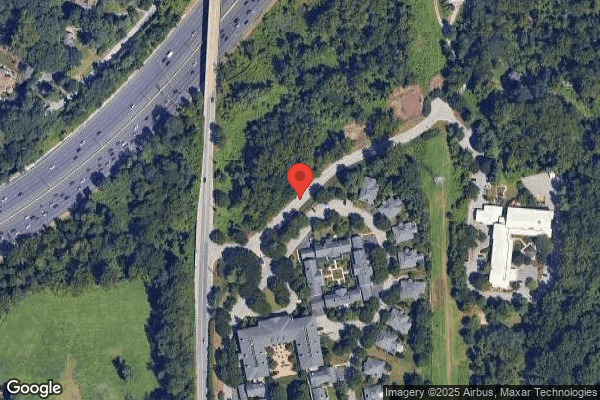
515 BRIGHTFIELD ROAD, LUTHERVILLE, MD 21093 (410) 296-1990
For profit - Limited Liability company 110 Beds AUTUMN LAKE HEALTHCARE Data: November 2025 1 Immediate Jeopardy citation
Trust Grade
51/100
#50 of 219 in MD
Last Inspection: June 2024

Within standard 12-15 month inspection cycle. Federal law requires annual inspections.

Overview

Advanced Rehab at Autumn Lake Healthcare in Lutherville, Maryland, has a Trust Grade of C, which means it is average and sits in the middle of the pack. It ranks #50 out of 219 facilities in Maryland, placing it in the top half, and #12 out of 43 in Baltimore County, indicating that only eleven local options are better. However, the facility is worsening, with issues increasing from 4 in 2019 to 16 in 2024, which raises concerns about its overall quality. Staffing is a mixed bag; while it has a decent 3 out of 5 stars, the turnover rate is concerning at 63%, significantly higher than the state average. Furthermore, the facility faced $8,021 in fines, which is average but indicates some compliance issues. On the positive side, the facility has good overall health inspection ratings with 4 out of 5 stars and some RN coverage, although it is less than 94% of other facilities in the state, which could mean less oversight for resident care. Specific incidents include a critical finding where a resident with exit-seeking behavior did not receive the necessary supervision, creating a serious risk. Additionally, there were concerns about the handling of a physical abuse allegation without thorough investigation, and there were multiple instances where medications were not administered on schedule. Overall, while there are strengths in care quality and inspections, families should be aware of the concerning trends and specific incidents that could impact resident safety and well-being.

Trust Score
C
51/100
In Maryland
#50/219
Top 22%
Safety Record
High Risk
Review needed
Inspections
Getting Worse
4 → 16 violations
Staff Stability
⚠ Watch
63% turnover. Above average. Higher turnover means staff may not know residents' routines.
Penalties
○ Average
$8,021 in fines. Higher than 59% of Maryland facilities. Some compliance issues.
Skilled Nurses
○ Average
Each resident gets 36 minutes of Registered Nurse (RN) attention daily — about average for Maryland. RNs are the most trained staff who monitor for health changes.
Violations
⚠ Watch
40 deficiencies on record. Higher than average. Multiple issues found across inspections.
★★★★☆
4.0
Overall Rating
★★★☆☆
3.0
Staff Levels
★★★★☆
4.0
Care Quality
★★★★☆
4.0
Inspection Score
Stable
2019: 4 issues
2024: 16 issues

The Good

  • 4-Star Quality Measures · Strong clinical quality outcomes
  • Full Sprinkler Coverage · Fire safety systems throughout facility
  • No fines on record

Facility shows strength in quality measures, fire safety.

The Bad

Staff Turnover: 63%

17pts above Maryland avg (46%)

Frequent staff changes - ask about care continuity

Federal Fines: $8,021

Below median ($33,413)

Minor penalties assessed

Chain: AUTUMN LAKE HEALTHCARE

Part of a multi-facility chain

Ask about local staffing decisions and management

Staff turnover is elevated (63%)

15 points above Maryland average of 48%

The Ugly 40 deficiencies on record

1 life-threatening
Jun 2024 14 deficiencies
CONCERN (D)

Potential for Harm - no one hurt, but risky conditions existed

Resident Rights (Tag F0550)

Could have caused harm · This affected 1 resident

Based on observations and staff interview, it was determined that the facility failed to treat each resident with dignity by not ensuring that residents' foley drainage bags were covered. This was evi...

Read full inspector narrative →
Based on observations and staff interview, it was determined that the facility failed to treat each resident with dignity by not ensuring that residents' foley drainage bags were covered. This was evident for 2 (Resident #1 and Resident #504) of 5 residents reviewed for dignity. The findings include: A foley drainage bag, or urinary drainage bag, is a medical device used to collect urine from a catheterized patient. The drainage bag is usually worn on the leg or attached to a bed. During observation rounds on 6/12/24 at 7:50 am, Resident #1 was noted to have a foley catheter bag attached to their bed. The foley drainage bag was uncovered and had amber colored liquid. The bag was attached to the door side of the bed. Resident #1's door was open, and the foley drainage bag was visible from the hallway. On 6/12/24 at 7:54 am, the surveyor interviewed Unit Manager Licensed Practical Nurse (LPN) #6. When asked if residents with foley bags should have covers on the bags, LPN #6 stated foley bags should be covered and that she would ensure that the foley bags were covered. On 6/24/24 at 2:01 PM, Resident #504 was observed ambulating in a wheelchair in the hallway of Unit 3. Attached to the wheelchair was a foley bag with amber colored liquid visible in the bag. There was no covering on the foley bag.
CONCERN (D)

Potential for Harm - no one hurt, but risky conditions existed

Deficiency F0578 (Tag F0578)

Could have caused harm · This affected 1 resident

**NOTE- TERMS IN BRACKETS HAVE BEEN EDITED TO PROTECT CONFIDENTIALITY** Based on record review and staff interviews, it was determined that the facility failed to ensure that a current copy of a resid...

Read full inspector narrative →
**NOTE- TERMS IN BRACKETS HAVE BEEN EDITED TO PROTECT CONFIDENTIALITY** Based on record review and staff interviews, it was determined that the facility failed to ensure that a current copy of a resident's advance directive was in the resident's medical record. This was evident for 1 (Resident #512) of 5 residents reviewed for advanced directives. The findings include: During Record review on 6/13/24 at 1:45 PM, there was no record of an advance directive in Resident #512's electronic chart or paper chart. Based on medical records, the resident was admitted on [DATE]. On 6/13/24 at 2:15 PM, in an interview with the Director of Nursing (DON #17), DON #17 stated that the resident did have a Medical Orders for Life-Sustaining Treatment (MOLST) form created on 5/31/2024. DON #17 provided a copy of resident's MOLST form, which was signed by Doctor #31 on 5/31/2024. DON #17 stated the Doctor had completed the form and left the MOLST form on their desk instead of placing it in the paper chart or uploading it in the electronic chart. The MOLST form was not in Resident #512's chart for nursing staff to use from 5/30/2024 until 6/13/2024. DON #17 stated that if a resident does not have a MOLST or advanced directive then the resident would be considered Full Code. On 6/17/24 at 10:33 AM, the surveyor reviewed the paper chart after surveyor intervention, and a copy of MOLST form was placed in the chart. On 06/17/24 at 1:00 PM during a follow up interview with DON #17, the DON states Medical Director, Doctor #32, addressed Doctor #31 regarding the MOLST form issue.
CONCERN (D) 📢 Someone Reported This

A family member, employee, or ombudsman was alarmed enough to file a formal complaint

Potential for Harm - no one hurt, but risky conditions existed

Report Alleged Abuse (Tag F0609)

Could have caused harm · This affected 1 resident

Based on record review and interview it was determined that the facility staff failed to notify the state agency of an alleged case of abuse within the 2-hour allotted timeframe and failed to report a...

Read full inspector narrative →
Based on record review and interview it was determined that the facility staff failed to notify the state agency of an alleged case of abuse within the 2-hour allotted timeframe and failed to report allegations of abuse to the state health department and to law enforcement. This was found to be evident for 2 (Resident # 83 and Resident #101) of 15 residents reviewed for abuse during the facility's survey. The findings include: 1. On 06/18/24 at 9:20 am surveyor received a copy of the facility's investigation of the facility reported incident MD00183880. Review of the self-report form revealed the alleged incident occurred on 09/25/22 during 3 pm to 11 pm shift. The alleged incident was reported to the state agency on 09/26/22 at 1 pm which was outside of the 2-hour allotted timeframe for reporting alleged abuse case. On 06/20/24 at 10:34 am a review of the facility's Abuse, Neglect, and Exhibition policy revealed under Section VII Reporting Abuse Reporting of all alleged violations to the Administrator, state agency, Adult Protective Services and to all other required agencies immediately but no later than 2 hours after the allegation is made, if the events that cause the allegation involve abuse. On 06/21/24 at 10:29 am during an interview with Administrator #3 who verbalized any concern is followed up with them and the Director of Nursing. They discuss the issue and determine if it is reportable. For alleged abuse cases they are reported within 2 hours. Interviews are done with staff, residents, and witnesses. The police are notified; the alleged employee is suspended. Other residents are interviewed to see if there are any concerns. Administrator #3 was made aware the facility reported incident was reported outside of the allotted 2-hour window, verbalized understanding. 2. During a screening of residents during the facility's annual survey, resident # 83 was interviewed by two surveyors and the resident stated that an agency Registered Nurse (RN) (# 53) was very disrespectful when s/he asked the nurse for a shower. The resident further stated that s/he was called out of their name and the nurse (# 53) was verbally abusive. The resident went on to say that s/he does not feel safe receiving medications from the nurse and that s/he spoke to the Director of Nursing (DON) (# 17) about this incident. On the same date at 9:15 AM an interview was conducted with the DON and the Administrator (# 3), and they were made aware of resident # 83's concerns. The DON stated that she spoke with the resident on 6/11/24 regarding the resident concerns. During a subsequent interview with the DON on 6/12/24 at 1:30 PM, she was asked if the facility reported the abuse allegations to the state office and she responded, no. The DON was asked if law enforcement was notified and she responded, no. She acknowledged that all allegations of abuse are to be reported immediately within the two (2) hour required time frame. On 6/13/24 at 2:00 PM, the DON informed the survey team that the abuse allegations were reported to the Office of Health Care Quality and provided a copy of the initial report to the survey team. All concerns were discussed with the Administration team at the time of exit on 6/28/24 at 3:00 PM.
CONCERN (D)

Potential for Harm - no one hurt, but risky conditions existed

Deficiency F0625 (Tag F0625)

Could have caused harm · This affected 1 resident

Based on record review and staff interviews, it was determined that the facility failed to provide to the resident a copy of the completed bed hold policy prior to transfer. This was evident for 1 (Re...

Read full inspector narrative →
Based on record review and staff interviews, it was determined that the facility failed to provide to the resident a copy of the completed bed hold policy prior to transfer. This was evident for 1 (Resident #1) of 4 residents reviewed for transfer and discharge. The findings include: On 6/17/24 at 9:21 AM, a review of the medical records revealed the resident was sent to the hospital on 6/14/2024. A bed hold notice was identified in the resident's paper chart. The bed hold notice had not been completed and notes [resident's son] approved Bed hold policy via phone initialed KC on the side of the form. The resident's name was not on the bed hold notice nor any of the other fields completed on the form. According to the medical record, the resident was his/her own representative. On 6/17/24 at 2:05 pm, an interview was conducted with Licensed Practical Nurse (LPN) #23. LPN #23 was asked what is expected when notice of transfer is presented to a resident? LPN #23 responded, The resident or representative will sign the notice if they are capable. When asked if Resident #1 could sign the notices prior to discharge, LPN #23 stated, that day he/she was drowsy, and I didn't think he/she was able to sign. When asked if LPN #23 documented this in the resident's chart, the LPN stated, No, I did not. When asked if LPN #23 gave a copy of the notice to the resident prior to discharge, the LPN stated, No I did not.
CONCERN (D)

Potential for Harm - no one hurt, but risky conditions existed

Deficiency F0655 (Tag F0655)

Could have caused harm · This affected 1 resident

Based on interview with the resident, review of medical records, and interview with facility staff, it was determined that the facility failed to provide a baseline care plan summary to residents. Thi...

Read full inspector narrative →
Based on interview with the resident, review of medical records, and interview with facility staff, it was determined that the facility failed to provide a baseline care plan summary to residents. This was evident for 1 (#85) of 5 residents reviewed for baseline care plan summaries during the survey. The Findings Include: On 6/13/24 at 11:30AM, in an interview with Resident #85, they stated they have not been invited to a care plan meeting nor received a baseline care plan summary or baseline care plan. On 6/14/24 at 1:15 PM, review of the medical record did not reveal any evidence that Resident #85 was given a baseline care plan summary or a copy of a baseline care plan. On 6/21/24 at 10:37 AM, in an interview with the Director of Social Services (DSS) #2 she stated she did not have a baseline care plan for Resident #85. During the interview, she further stated that the nurses could not find a progress note or provide any additional documentation to show as evidence that Resident #85 was given a baseline care plan or baseline care plan summary.
CONCERN (D) 📢 Someone Reported This

A family member, employee, or ombudsman was alarmed enough to file a formal complaint

Potential for Harm - no one hurt, but risky conditions existed

Comprehensive Care Plan (Tag F0656)

Could have caused harm · This affected 1 resident

2. On 6/13/24 at 11:31 AM in an interview with Resident #85 they stated they had not been invited or participated in a care plan meeting. Resident #85's medical record was reviewed on 6/14/24 at 1:15...

Read full inspector narrative →
2. On 6/13/24 at 11:31 AM in an interview with Resident #85 they stated they had not been invited or participated in a care plan meeting. Resident #85's medical record was reviewed on 6/14/24 at 1:15PM and revealed the resident's diagnoses included chronic obstructive pulmonary disease, emphysema, atrial fibrillation, and atherosclerotic heart disease, all of which can affect a person's breathing and respiratory care and services needed. However, there was no respiratory care plan that identified a focus, goal, or intervention to address the resident's respiratory care or services. On 6/17/24 at 3:36 PM, review of the facility's Oxygen Administration policy revealed, Oxygen is administered to residents who need it, consistent with professional standards of practice, the comprehensive person-centered care plans, and the resident's goals and preferences. Further review revealed Policy Explanation and Compliance Guidelines section: The resident's care plan shall identify the interventions for oxygen therapy, based upon the resident's assessment and orders, such as, but not limited to: a. The type of oxygen delivery system b. When to administer, such as continuous or intermittent and/or when to discontinue. c. Equipment settings for the prescribed flow rates. d. Monitoring of SpO2 (oxygen saturation) levels and/or vital signs, as ordered. e. Monitoring for complications associated with the use of oxygen. Based on interview and medical record review, it was determined the facility failed to ensure comprehensive care plans were developed and implemented. This was found to be evident for 2 (Resident #112 and Resident #85) of 18 residents reviewed for care plans during the facility's survey. Findings include: 1. A care plan is a guide that addresses the unique needs of each resident. It is used to plan, assess, and evaluate the effectiveness of the resident's care they receive in a facility. It should describe the resident's goals and desired outcomes, the care/services that will be furnished, the resident's discharge plans, and refusals of care and action taken by facility staff to educate the resident. Review of Resident #112's medical record revealed the resident was admitted with the following but not limited diagnosis: Type 1 Diabetes Mellitus (a lifelong condition where the pancreas makes little or no insulin, which leads to high blood sugar levels). MD00203565 was reviewed on 6/25/24 at 4:00 PM for allegations of neglect in which Resident #112 reported not receiving insulin medication when at the facility. The allegation was unsubstantiated. Further record review on the same date revealed resident #112 receives insulin (a hormone that lowers the level of glucose in the blood), however there was no Diabetes care plan in place. An interview was conducted with the DON (# 17) and Regional DON (# 9) on 6/26/24 at 9:45 AM and she was made aware that resident #112 did not have a diabetes care plan. The DON went on to explain that a care plan should have been developed for the resident, specifically to address the resident care concerns related to Diabetes and that education would be provided to her staff. . All concerns were discussed with the administrative team at the time of exit on 6/28/24 at 3:00 PM.
CONCERN (D)

Potential for Harm - no one hurt, but risky conditions existed

ADL Care (Tag F0677)

Could have caused harm · This affected 1 resident

Based on record reviews and interviews the facility failed to provide ADL's (activities of daily living) such as showers according to the resident's preference. This was determined to be true for 1 (R...

Read full inspector narrative →
Based on record reviews and interviews the facility failed to provide ADL's (activities of daily living) such as showers according to the resident's preference. This was determined to be true for 1 (Resident # 44) out of 6 residents reviewed for ADL care during the survey. The findings include: At 2:50 PM on 06.18.24 the surveyor spoke with Resident #44 in his/her room. Resident was observed sitting in a wheelchair dressed in clean civilian clothes. The resident stated that s/he had recently moved from the first floor to the second floor within the last week. Resident #44 stated that he/she had received a shower only twice within the last month. This resident stated that her preference was to receive a shower twice per week. Additionally, the resident stated that he/she had discussed this concern with the unit manager and DON within the last month. On 06/20/24 at 01:56 PM Resident #44 stated that he/she was promised to receive a shower on Wednesday and Saturdays. Also, the Resident stated that he/she must be placed in a shower chair for the Geriatric Nursing Assistant (GNA) to provide the shower in the shower room. On 06.20.24 at 2:10 PM the surveyor reviewed the electronic task documentation form that was completed by the geriatric nursing assistants (GNA)'s assigned to Resident #44 which documented that the resident had refused a shower on 06.14.24 and 06.19.24. On 06/20/24 02:15 PM the surveyor spoke with the nurse manager, LPN # 10. The surveyor asked if he/she had spoken with the resident recently. The nurse manager, LPN #10's response was, no and stated that he had planned to meet with the resident this afternoon to discuss some areas of concern related preferred days to shower. On 06/20/24 at 3:15 PM the DON provided the surveyor with a hard copy of the Task form for the month of June 2024. The surveyor reviewed the task form with the DON and ask why there were blank spaces for some dates related to the Resident #44 either receiving or not receiving a bath or shower. The DON stated that the GNA staff would be reeducated regarding the responsibility to accurately document on the task form. On 06.28.24 at 11:30 AM the surveyor received a hard copy of the task form for the month of June 2024. The June task form indicated that on 06.2: no shower was provided, 06.05: there was no data entry for a shower or bath, on 06.08: resident received a shower, for the following dates: the data entry slots were left blank for the following regarding showers: 06.09, 06.15, 6.18, 6.19, 6.21, 6.22, 6.25. The task form document for 17th and 23rd of June showed the resident received assistance with bathing. In summary, the task form record showed the resident was documented as receiving three showers in the month of June 2024 which were on the 8th , the 14th and the 26th. The deficient practice was reviewed with the unit manager, LPN # 10 and the DON prior to the exit conference on 06.28.24.
CONCERN (D) 📢 Someone Reported This

A family member, employee, or ombudsman was alarmed enough to file a formal complaint

Potential for Harm - no one hurt, but risky conditions existed

Quality of Care (Tag F0684)

Could have caused harm · This affected 1 resident

3) On 06/13/24 at 09:49 am the surveyor observed Resident #37 resting in bed with oxygen tubing in their nose and the oxygen concentrator was set to humidified 3 liters(L) of oxygen (02) via nasal can...

Read full inspector narrative →
3) On 06/13/24 at 09:49 am the surveyor observed Resident #37 resting in bed with oxygen tubing in their nose and the oxygen concentrator was set to humidified 3 liters(L) of oxygen (02) via nasal cannula (NC). On 06/13/24 at 1:43 pm A review of the medical record revealed an order dated 05/02/24, at 6:39 pm for Resident #37 to receive 2 liters of oxygen via nasal cannula continuously. It also specified that after every shift post treatment the resident's heart rate, respiratory rate, pulse oximetry, skin color, and breath sounds should be evaluated. On 06/17/24 at 11:54 am, Resident #37 was observed resting in bed with humified oxygen set at 3L via NC. On 06/17/24 at 11:55 am during an interview with the resident's assigned nurse LPN #14, the surveyor asked how many liters of 02 Resident #37 was ordered. LPN #14 stated it was set to 2 liters. LPN #14 and the surveyor entered Resident #37 room and confirmed that the oxygen concentrator was set at 3 liters. LPN #14 reported they would contact the resident's doctor for a new oxygen order. Based on observations, review of medical records, and interview with facility staff, it was determined that the facility failed to follow physician orders as evidenced by: 1) ensuring ordered ACE wraps were in place, 2) administering medication as ordered by the physician, and 3) a resident not receiving the ordered amount of oxygen. This was evident for 3 (Residents #40, #15, #37) of 9 residents reviewed during the survey. The findings include: 1) On 6/13/24 during initial tours of the facility and multiple surveyor observations of Resident #40 with the last observation of the day made at 2:12 PM, Resident #40 was observed without any ACE wraps in place anywhere on the resident. Medical record review for Resident #40 on 6/14/24 at 10:20 AM revealed multiple diagnosis including lymphedema, essential (primary) hypertension, pulmonary embolism, personal history of transient ischemic attack, atherosclerotic heart disease of native coronary artery, and chronic kidney disease, stage 4 (severe). Furthermore, Resident #40's physician orders were reviewed and noted the following, ACE wraps toes to knees on in am, off in pm, one time a day for edema, with a facility time code noted as QD 9a (every day at 9:00 AM). The order was created by Physician #31 on 6/12/24 at 5:33 PM. Resident #40 was observed again on 6/14/24 at 10:30 AM. The resident was lying in bed and at that time no ACE wraps were observed on the resident. Surveyor observed on 6/18/24 at 9:21 AM, the resident was lying in bed with no ACE wraps observed on their legs. On 6/18/24 at 10:01 AM, in an interview with Licensed Practical Nurse (LPN) #54, when asked about Resident #40's ACE wraps for his/her legs, she stated this is my first day ever working in this building. When asked if LPN #54 had reviewed Resident #40's orders, she indicated she had not logged on to the system yet as she had a log in, but it had to get reset. On 6/18/24 at 10:09 AM in an interview with Unit Manager (UM) #6, when asked the process for when staff do not have access to the electronic health record (EHR), she stated they can come to one of us [clarified us as the UM, Director of Nursing (DON), or Assistant Director of Nursing (ADON)] and we can email IT (information technology for the EHR). They can also call the IT number. The response time is sometimes quick and sometimes not. During the interview, when asked why Resident #40 was ordered ACE wraps she stated, he/she has lymphedema. When asked when they are to be applied, UM #6 stated, in the morning and removed at night. When asked about the application and removal time on the order, she looked in the EHR and stated, it seems the doctor came in after [me] and also created an order. UM #6 stated, I will update and get rid of one of these orders. The second order stated, Apply ace wraps to BLEs (bilateral lower extremities) on in the morning and remove at bedtime every evening and night shift for lymphedema with a facility time code of 3-11/11-7 (ace wraps removed for the 3PM-11PM and 11PM-7AM shift). Therefore, per this order, starting at 7:01AM, the ACE wraps should have been applied to both of the resident's lower legs. When asked why the ACE wraps were not currently on Resident #40's legs, UM #6 stated, Clarification of the orders since there are two ACE wrap orders. However, either order a staff member read in the EHR, the ACE wraps should have been applied to the resident's legs [per the physician orders] at all the above times the resident was observed without ACE wraps. 2) On 6/13/24 10:24 AM in an interview with Resident #15, they stated there are times when they are in pain because their pain medicine has run out and they have to wait for it. Medical record review for Resident #15 on 6/17/24 at 10:33 AM revealed on 4/22/24 the physician ordered: Ibuprofen Oral Tablet 400 MG (Ibuprofen), Give 2 tablet by mouth every 6 hours as needed for pain 1-3, Morphine Sulfate Oral Tablet 15 MG (Morphine Sulfate) *Controlled Drug*, Give 1 tablet by mouth every 4 hours as needed for Pain scale 4-5, Morphine Sulfate Oral Tablet 15 MG (Morphine Sulfate) *Controlled Drug*, Give 2 tablet by mouth every 4 hours as needed for pain scale 6-10. On 6/21/24 at 12:57 PM review of the Medication Administration Record (MAR) revealed the facility staff documented on: 5/27/24 at 5:00 PM a pain score of 5 and administered 2, 15mg tablet of Morphine Sulfate Tablet, 5/29/24 at 9:01 AM a pain score of 5 and administered 2, 15mg tablet of Morphine Sulfate Tablet, 5/31/24 at 5:53 PM a pain score of 8 and administered 1, 15mg tablet of Morphine Sulfate Oral Tablet, 5/31/24 at 10:03 PM a pain score of 8 and administered 1, 15mg tablet of Morphine Sulfate Oral Tablet, 6/1/24 at 3:00 AM a pain score of 5 and administered 2, 15mg tablet of Morphine Sulfate Tablet, 6/1/24 at 9:19 AM a pain score of 6 and administered 1, 15mg tablet of Morphine Sulfate Oral Tablet, 6/1/24 at 2:02: PM a pain score of 8 and administered 1, 15mg tablet of Morphine Sulfate Oral Tablet, 6/1/24 at 5:55 PM a pain score of 5 and administered 2, 400mg tablet of Ibuprofen Oral Tablet, 6/2/24 at 6:13 AM a pain score of 6 and administered 1, 15mg tablet of Morphine Sulfate Oral Tablet, 6/4/24 at 12:30 AM a pain score of 5 and administered 2, 15mg tablet of Morphine Sulfate Tablet, 6/4/24 at 4:00 PM a pain score of 4 and administered 2, 15mg tablet of Morphine Sulfate Tablet, 6/11/24 at 12:30 AM a pain score of 0 and administered 2, 15mg tablet of Morphine Sulfate Tablet; however, the documented pain scale and pain medications administered were outside the parameters as indicated by the physician. Interview with the DON and ADON on 6/21/24 at 1:27 PM were notified of the concerns related to administration of pain medication outside of the physician ordered parameters for Resident #15.
CONCERN (D)

Potential for Harm - no one hurt, but risky conditions existed

Respiratory Care (Tag F0695)

Could have caused harm · This affected 1 resident

Based on surveyor observations, review of the medical record, and interview with facility staff, it was determined the facility staff failed to provide residents with respiratory care consistent with ...

Read full inspector narrative →
Based on surveyor observations, review of the medical record, and interview with facility staff, it was determined the facility staff failed to provide residents with respiratory care consistent with professional standards by failing to ensure there was a physician order for oxygen administration/indication, failing to administer oxygen as prescribed, and failing to develop plans of care to address the resident's respiratory needs. This was evident for 1 (#85) of 3 residents reviewed for respiratory care during the investigation phase of the survey. The findings include: Oxygen flow meters are a relatively simple device that consist of a tube through which gas passes and a small, free-moving indicator such as a ball. When valves are open, the gas moves through the flow meter and causes the ball to float. A numbered scale on the tube along with the indicator allows the healthcare provider to determine the flow rate of oxygen. To ensure the most accurate reading of the flow rate, read the flow meter from a close distance, straight in front of the meter, and at eye level with the indicator. On 6/13/24 at 11:32 AM Resident #85 was observed receiving oxygen via nasal cannula at a flow rate of 2.5 Liters per minute (L/min). A nasal cannula is a device that delivers oxygen directly to a person's nostrils via a flexible plastic tube. On 6/14/24 at 1:19 PM during review of Resident #85's medical record, no physician order for oxygen could be found in the electronic health record (HER) or paper chart. Further review revealed Resident #85's diagnoses included chronic obstructive pulmonary disease, emphysema, atrial fibrillation, and atherosclerotic heart disease, all of which can affect a person's breathing and respiratory care and services needed. However, there was no respiratory care plan that identified a focus, goal, or intervention to address the resident's respiratory care or services. During a second observation that took place on 6/17/24 at 11:31 AM, Resident #85 was noted to still be receiving oxygen at a flow rate of 2.5 L/min. On 6/17/24 at 11:34 AM, in an interview with Licensed Practical Nurse (LPN) #19, when asked how many liters of oxygen Resident #85 was currently receiving, she stated they are on 3L. Upon surveyor intervention, LPN #19 bent down to eye level and stated, Oh, they are on 2.5 L, but they are supposed to be on 3 L. When asked how many liters the order stated the resident is supposed to be receiving, LPN #19 looked in the EHR and stated, it is not on their treatment administration record (TAR), and not under their physician orders. When asked if there should be a physician order for a resident to be on oxygen, LPN #19 stated, yes. LPN confirmed there was no oxygen order for Resident #85 in the EHR. On 6/17/24 at 12:15 PM in an interview with LPN #19, she stated I could not find an oxygen order for the resident in the paper chart. She also stated, I notified the Unit Manager (UM) #10 and he is going to follow up with the doctor(Staff #31.) On 6/17/24 at 12:19 PM in an interview with UM #10, when asked about an oxygen order for Resident #85, he stated, I did not see there was one. I am trying to figure out what they were on it for. I think it was just for comfort in the hospital. When asked if there should be a physician order for residents receiving oxygen he stated, Yeah, there should be an order for a resident to be on oxygen. On 6/17/24 at 1:03 PM, the Director of Nursing (DON) was made aware of the findings. During the interview, she confirmed there should be an oxygen order for residents receiving oxygen. On 6/17/24 at 2:42 PM in an interview with the DON she stated, I just talked to the medical director and will bring a copy of the oxygen order. On 6/17/24 at 3:36 PM, review of the facility's Oxygen Administration policy stated, Oxygen is administered to residents who need it, consistent with professional standards of practice, the comprehensive person-centered care plans, and the resident's goals and preferences. Further review revealed Policy Explanation and Compliance Guidelines: 1.Oxygen is administered under orders of a physician, except in the case of emergency. In such case, oxygen is administered and orders for oxygen are obtained as soon as practicable when the situation is under control. 3. The resident's care plan shall identify the interventions for oxygen therapy, based upon the resident's assessment and orders, such as, but not limited to: a. The type of oxygen delivery system b. When to administer, such as continuous or intermittent and/or when to discontinue. c. Equipment settings for the prescribed flow rates. d. Monitoring of SpO2 (oxygen saturation) levels and/or vital signs, as ordered. e. Monitoring for complications associated with the use of oxygen. On 6/17/24 at 3:46 PM, the DON provided a copy of an oxygen order for Resident #85 that stated, oxygen 2 liters via nasal cannula every shift for COPD, with an order date of 6/17/24 at 3:44 PM. A third observation of Resident #85's oxygen rate was made on 6/18/24 at 10:47 AM. The oxygen rate at that time was noted to be 2.5 L/min. On 6/18/24 at 10:57 AM in an interview with LPN #28, she stated the only one [resident] who has oxygen on my assignment is Resident #85 and they are receiving 2L. On 6/18/24 at 11:16 AM, LPN #28 entered Resident #85's room and reported the resident was receiving 3L and she did not even realize they were supposed to be on 3L of oxygen [surveyor observed resident on 2.5L]. When asked about the resident's oxygen order, LPN #28 pulled up the resident's orders in the EHR and stated the resident is ordered 2L NC. LPN #28 re-entered the resident's room at 11:19 AM and adjusted the knob on the oxygen flow meter stating the resident was now on the 2L of oxygen [surveyor observed resident on 1.5L]. Upon surveyor intervention, LPN #28 adjusted the knob on the oxygen flow meter to read 2L as per the physician order. On 6/18/24 12:30 PM Regional DON and DON made aware of the above findings.
CONCERN (D)

Potential for Harm - no one hurt, but risky conditions existed

Deficiency F0761 (Tag F0761)

Could have caused harm · This affected 1 resident

**NOTE- TERMS IN BRACKETS HAVE BEEN EDITED TO PROTECT CONFIDENTIALITY** Based on observations and interviews the facility failed to properly monitor medications. This was evident in 1 out of 4 medicat...

Read full inspector narrative →
**NOTE- TERMS IN BRACKETS HAVE BEEN EDITED TO PROTECT CONFIDENTIALITY** Based on observations and interviews the facility failed to properly monitor medications. This was evident in 1 out of 4 medication storage rooms and carts during the survey. The findings include: During observation rounds on [DATE] at 03:05 PM the following was found in the 1st floor Unit 2 medication room: 1 expired Influenza Vaccine Afluria Quadrivalent 5ml Multi-dose Vial with an expiration date of [DATE]. During an interview and observation round of the 1st floor Unit 2 medication room with Unit Manager staff #6 on [DATE] at 03:15 PM, staff #6 stated and confirmed that there was 1 expired Influenza Vaccine Afluria Quadrivalent 5ml Multi-dose Vial.
CONCERN (D)

Potential for Harm - no one hurt, but risky conditions existed

Dental Services (Tag F0791)

Could have caused harm · This affected 1 resident

Based on interviews and medical record reviews it was determined that the facility staff failed to schedule a dental appointment and arrange transportation to and from the dental appointment. This def...

Read full inspector narrative →
Based on interviews and medical record reviews it was determined that the facility staff failed to schedule a dental appointment and arrange transportation to and from the dental appointment. This deficient practice was evident for 1 (#37) of 1 resident record reviewed for dental care during the survey. The findings include: On 06/13/24 at 9:28 am, during an interview with Resident #37, he/she reported that his/her bottom dentures were lost. He/she could not recall which staff member he/she reported the incident to, or the exact month it occurred. Review of the resident's personal belongs log in Point Click Care (PCC) revealed there was no documentation of the resident having dentures upon admission to the facility. The resident reported difficulty eating without having bottom dentures. During an interview with Director of Nursing (DON) #17 on 06/17/24 at 12:23 pm, the DON reported all resident's belongings are logged into PCC under the evaluation tabs at the time of admission, discharge, and readmissions. DON #17 explained that a grievance form would be completed for all reported missing or misplaced personal items. Residents are encouraged to report missing items to the Nurse Supervisor, Unit Manager, or Guest Services. On 06/17/24 at 12:23 pm the surveyor and DON #17 reviewed Resident #37's personal belongings log in PCC at the time of admission, which revealed the staff documented that Resident #37 had eyeglasses and an eyeglass case upon admission. On 06/17/24 at 1:10 pm, a review of the grievance form received from the DON#17 and completed by Director of Guest Services (DGS) #22 revealed that Resident #37's family member reported his/her lower dentures missing on 12/28/23 at 1:30 pm. DGS #22 spoke with Resident #37's family member and explained that the dentures were not listed on the personal inventory form. Resident #37's family member stated they would contact the resident's insurance company for a replacement. The grievance form noted that the facility staff would schedule a dental appointment for Resident #37 and the facility agreed to cover transportation costs. On 06/17/24 at 01:57 pm during an interview with DON #17 and Regional Nurse #9 regarding a resident's grievance, the surveyor inquired if the dental appointment and transportation had been arranged. DON #17 and Regional Nurse #9 were unable to confirm transportation arrangements were made. On 06/20/24 at 10:16 am a follow up with Regional Nurse #9 regarding the dental appointment and transportation arrangements. Regional Nurse #9 reported that there was no documentation to verify the dental appointment was scheduled or transportation arrangement were made.
CONCERN (D) 📢 Someone Reported This

A family member, employee, or ombudsman was alarmed enough to file a formal complaint

Potential for Harm - no one hurt, but risky conditions existed

Medical Records (Tag F0842)

Could have caused harm · This affected 1 resident

2) On 06/17/24 at 11:30 am A review of Resident #11 and Resident #21, paper charts and electronic medical records, revealed there were no files or documentation to verify the monthly pharmacy reviews ...

Read full inspector narrative →
2) On 06/17/24 at 11:30 am A review of Resident #11 and Resident #21, paper charts and electronic medical records, revealed there were no files or documentation to verify the monthly pharmacy reviews were completed. On 06/17/24 at 11:40 am During an interview with License Practical Nurse (LPN) Unit Manager (UM) #11 verbalized uncertainty about where to locate the pharmacy reviews. They mentioned that they would contact the pharmacy to obtain this information. The surveyor waited, but LPN UM #11 was unable to confirm the pharmacy reviews for Resident #11 and Resident #21 were completed. On 06/17/24 at 11:43 am During an interview with LPN #34, they checked Resident #11 and #21 charts for the pharmacy reviews and reported they did not see a pharmacy reviews for either resident. LPN #34 explained that when pharmacy reviews are received, the doctor reviews them, and decides the next course of action. However, LPN #34 was not sure about the process of how the pharmacy review is received. On 06/17/24 at 12:02 pm, during an interview with Director of Nursing (DON) #17, they explained that they print the pharmacy reviews, and the Medical Director reviews them. They also report that they keep copies of the reviews in a binder in their office. The surveyor accompanied the DON #17 to their office to review the requested pharmacy reviews for Resident #11 and Resident #21. DON#17 was unable to locate any pharmacy reviews for both residents. On 6/28/24 prior to existing the facility, the DON was not able to provide evidence of monthly pharmacy review for Resident #11 nor Resident #21. Based on record review and interview with facility staff, it was determined the facility failed to provide documentation whether a resident had signs and symptoms of abuse immediately following an allegation of abuse and failed to provide documentation to verify monthly pharmacy review was completed in 2024. This was evident for 3 (#508, #11, #21) of 15 residents reviewed during the survey. The findings include: 1) Review of the facility's Abuse, Neglect and Exploitation Policy on 6/25/24 at 3:01 PM revealed in the Investigation of Alleged Abuse, Neglect and Exploitation section, Written procedures for investigations include: Focusing the investigation on determining if abuse, neglect, exploitation and/or mistreatment has occurred, the extent, and cause; and Providing complete and thorough documentation of the investigation. Further review of the policy in the Protection of Resident section, Examining the alleged victim for any sign of injury, including a physical examination or psychosocial assessment if needed . Resident #508's medical record was reviewed on 6/26/24 at 11:22 AM. During the review, there was no evidence of documentation whether the resident had signs and symptoms of abuse promptly following an allegation of abuse. On 6/26/24 at 12:17 PM in an interview with the Assistant Director of Nursing (ADON), when asked for documentation the physician was notified, she stated I did not see a progress note or documentation that the physician was notified, but I did bring a copy of the x-ray ordered by the physician. Review of the Radiology Results Report on 6/26/24 at 12:44 PM revealed, Findings: There is shoulder arthritis .There is no acute fracture. However, the alleged abuse occurred on the 5/29/23 11PM-7AM shift and the x-ray order date and time was 5/31/23 at 10:18 AM. On 6/26/24 at 12:51PM in an interview with the ADON, when asked the expectation if a resident alleges abuse, she stated the expectation is that nurses complete a change in condition or risk management. On 6/26/24 at 2:00 PM, review of the facility's policy, Charting and Documentation revealed, All services provided to the resident, or any changes in the resident's medical or mental condition, shall be documented in the resident's medical record. Furthermore, it stated, All incidents, accidents, or changes in the resident's condition must be recorded. On ADON 6/26/24 at 2:18PM in an interview with the ADON she stated, I do not see a change in condition or risk management in the medical record for Resident #508. On 6/27/24 at 12:25PM in an interview with the DON, when asked after Resident #508 reported an allegation of abuse if a nurse assessed the resident, she stated the expectation was to complete a head to toe assessment and document a progress note or a change in condition. During the interview, she reported there was no progress note or change in condition from a nurse that is documented in the resident's medical record.
CONCERN (E) 📢 Someone Reported This

A family member, employee, or ombudsman was alarmed enough to file a formal complaint

Potential for Harm - no one hurt, but risky conditions existed

Investigate Abuse (Tag F0610)

Could have caused harm · This affected multiple residents

4. On 6/17/24 at 12:36 pm, the surveyor received a copy of the facility's self-report investigation MD00166760 for Resident #99. The report revealed physical abuse allegation from Geriatric Nursing As...

Read full inspector narrative →
4. On 6/17/24 at 12:36 pm, the surveyor received a copy of the facility's self-report investigation MD00166760 for Resident #99. The report revealed physical abuse allegation from Geriatric Nursing Assistant (GNA) #51. Further review of investigation revealed no staff interviews or staff written statements, and there was not a copy of the 5-day investigation results. During an interview on 6/21/24 at 10:31am, Administrator #3 and Regional Nurse #9 regarding the process for reporting abuse allegations, the Administrator #3 explained that all grievances reported by staff should be reported to either the Administrator or Director of Nursing. The alleged staff member would be suspended pending an investigation and written statements are gathered from alleged staff members. On 06/21/24 at 11:29 am during an interview with Administrator #3 and Regional Nurse #9, who verbalized that the facility did not have a complete investigation file for MD00166760. All concerns were discussed with the administrative team at the time of exit on 6/28/24 at 3:00PM. 3. The surveyor reviewed MD00165055 on 06.18.24 at 10:30 AM related to a facility reported incident (FRI) dated 03.14.2021. The facility reported that Resident #120 accused RN staff #27 did not stop pushing while administering an enema as requested by the resident. On 06.18.24 at 09:15 AM the surveyor interviewed the regional nurse, staff # 9. Staff # 9 stated that the facility incident reports prior to the year 2023 may be in storage and would take a couple of days to retrieve. During an interview with staff #9 on 06.18.24 at 10:38 AM stated that she was not able to find the complete facility report for Resident #120. However, she would look within the system to try to retrieve additional information. The surveyor requested the hard copy of Resident #120's closed record and FRI for the second time on 06.21.24 at 11:40 AM. The facility failed to provide the complete facility report by the close of the exit conference on 06.28.24 at 3:00 PM. The facility reported incident documents provided did not include any documentation related to post event educational training of facility staff related to resident rights, abuse training, or documentation or the suspension of the alleged perpetrator, RN #27 immediately after the incident was reported by Resident #120. 2. On 06/18/24 at 9:20 AM, a review of the facility reported incident MD00183880 revealed Resident #101 reported verbal abuse from a Registered Nurse (RN) #50. Further review of the investigation revealed a Geriatric Nursing Assistant (GNA) notified RN#50 of the alleged verbal abuse, but a statement from the GNA was not included in the investigation. The resident was interviewed by Unit Manager #51, but there was not a statement for the surveyor to review. Also, a statement from Resident #101 was not included in the investigation. On 06/21/24 at 10:29 am during an interview with Administrator #3 the surveyor verbalized different parts of the investigation were missing. Administrator #3 verbalized the case happened prior to the change of ownership of the building and that was all that was in the record. Based on administrative record review and interviews with facility staff, it was determined the facility failed to complete a thorough investigation and maintain documents regarding allegations of resident abuse. This was found to be evident for 4 (Resident #424, Resident #101, Resident #120, and Resident # 99) of 25 residents reviewed for abuse during the facility's survey. Findings include, 1. MD00190231 was reviewed on 6/17/24 at 12:30PM for allegations of abuse. The survey team requested a copy of the facility's investigation for the incident that occurred on 2/27/23 with Resident #424. On the same date at 1:30PM the Regional Nurse (Staff # 9) provided the survey team with a copy of the investigation and upon review, it included the following documents: a list of the resident's diagnosis, an initial 5-day report and a summary page. There were no interviews with residents or staff and no signed statements. The DON was interviewed on the same date at 1:45 PM and she was asked if the facility had any additional documentation of resident and staff interviews as part of their investigation and she stated, no. She further stated that the facility obtained new ownership in May 2023. The DON went on to say that part of completing a thorough investigation is interviews of staff and residents to determine if or not abuse occurred. The DON stated that education would be provided to the staff. On 6/17/24 at 1:45PM the DON provided the survey team a typed statement from the Director of Guest Services (# 22). In the statement, staff # 22 indicated that at the time of the incident residents were interviewed and a handwritten copy of the interviews were provided to the DON. This document was not included in the facility's investigation. The DON again confirmed that they are unable to produce documentation of residents and staff interviews.
CONCERN (E)

Potential for Harm - no one hurt, but risky conditions existed

Deficiency F0658 (Tag F0658)

Could have caused harm · This affected multiple residents

4.) On 06/20/24 at 1:29 pm A review of the medication administration audit for Resident # 102 revealed that it was documented multiple doses of Tylenol 500 mg 2 tablets were not given as ordered. Tyl...

Read full inspector narrative →
4.) On 06/20/24 at 1:29 pm A review of the medication administration audit for Resident # 102 revealed that it was documented multiple doses of Tylenol 500 mg 2 tablets were not given as ordered. Tylenol Extra 500 mg (two tablets) was scheduled to be administered on 05/17/24 at 2:00 pm. However, the medication was given at 7:40 pm. Tylenol Extra 500 mg (2 tablets) was scheduled on 05/14/24 2:00 pm and given at 05/14/24 at 7:03 pm. Tylenol Extra 500mg (2 tablets) was scheduled on 05/04/24 2:00 pm and given at 05/04/24 at 4:07 pm. Tylenol Extra 500mg (2 tablets) was scheduled on 05/01/24 2:00 pm and given at 05/28/24 at 3:58 pm. Tylenol Extra 500mg (2 tablets) was scheduled on 04/15/24 2:00 pm and given at 04/15/24 at 4:37 pm. On 06/21/24 at 1:32 pm during an interview with Director of Nursing (DON) #17 regarding the expectation of medication administration, the DON #17 reported that scheduled medications can be administered up to one hour before or one hour after the due time. DON #17 also mentioned that medication administration audits are overseen by nursing leadership which includes DON#17, Assistant Director of Nursing #8, and the Unit Managers. DON #17 was made aware of the multiple doses of documented late medication administration for Resident #102. 2.) It is a standard of nursing practice to document administered medications immediately after administration. Failing to do this results in an inaccurate record where it cannot be determined when a medication was actually given and has the potential to result in medication errors (such as a resident receiving a dose twice, or two doses of a medication being given too close in time). Resident #15's medication administration audit record (MAAR) was reviewed on 6/20/24 at 2:05 PM for the period of 5/1/24 to 6/20/24. The review revealed multiple staff documenting medication late with some medication documented up to 7 hours late. In an interview with the DON, on 6/21/24 at 1:39 PM, made aware of the above concerns and when asked about the expectation regarding medication administration times, she stated the expectation is to administer 1 hour before or 1 hour after the ordered time and to document the medication after it is administered. 3.) Resident MAARs were reviewed for the following residents: Resident #502 on 6/25/24 at 11:29 AM for the period of 12/7/2022 to 1/14/2023 Resident #509 on 6/24/24 at 3:01 PM for the period of 2/1/23 to 2/25/23 Review of these MAARs demonstrated a pattern of multiple staff documenting medications late with some medications documented several hours late. All concerns were discussed with the Administration team at the time of exit on 6/28/24 at 3:00 PM. Based on interviews with the resident and facility staff and record reviews, it was determined the facility failed to follow professional standards of nursing practice when administering medications to residents. This was found to be evident for 5 (Resident #60, #15, #502, and #509, #102) of 76 residents reviewed during the survey. The findings include: 1.) Resident # 60 was admitted with the following but not limited diagnosis: Chronic Pain An interview was conducted with Resident # 60 on 6/13/24 at 11:15 AM and the resident stated that s/he cannot get medications on time. The resident went on to say that s/he puts the call light on at 2:00 PM to receive PRN (as needed) oxycodone (a controlled medication used to treat moderate to severe pain) and the medication is not given until 4:00 PM, after the next shift comes on duty. The resident also stated that his/her scheduled medications are given late as well. The DON was made aware of the resident concerns on 6/13/24 at 1:45 PM and a request was made by the survey team for access via point click care electronic computer system to review the medication administration audit reports. The facility later provided a copy of the medication administration audit report for Resident # 60. Upon review of resident # 60 medication administration audit report on 6/21/24 at 10:00 AM for the dates: 6/12/24 -6/13/24, it revealed the following: 1. HCL 5 mg (1) tablet every 4 hours for pain was documented on 6/12/24 as administered at 16:11 PM (4:11 PM). 2.Voltaren Gel 1% Apply to back three times a day for pain scheduled for 6/12/24 at 14:00 PM (2 PM) and the documented administration time is 6/12/24 at 16:11 PM (4:11 PM). 3.Cephalexin Oral 500 mg 1 tablet every 12 hours for urinary tract infection (UTI) until 6/16/24 scheduled for 6/13/24 at 9:00 AM and the documented administrated time is 6/13/24 12:53 PM. 4.Apixaban 5 mg 1 tablet two times a day for Atrial Fibrillation (irregular heartbeat) scheduled for 6/13/24 at 9:00 AM and the documented administration time is 12:53 PM. 5.Lamotrigine 200 mg 1 tablet two times a day for Schizoaffective Disorder (Mental Health Disorder) scheduled for 6/13/24 at 9:00 AM and the documented administration time is 12:53 PM. 6.Lidocaine External Patch 4% apply topically 1 time a day for pain scheduled for 6/13/24 at 9:00 AM and the documented administration time is 12:53 PM. 7.Amiodarone HCL 200 mg 1 tablet two times a day for Atrial Fibrillation scheduled for 6/13/24 at 9:00 AM and the documented administration time is 12:53 PM. 8.Gabapentin Capsule 400 mg 2 tablets two times a day for neuro pain scheduled for 6/13/24 at 9:00 AM and the documented administration time is 12:53 PM. 9.Metformin 500 mg 1 tablet two times a day for Diabetes Mellitus scheduled for 6/13/24 at 9:00 AM and the documented administration time is 12:54 PM. 10.Sennosides-Docusate Sodium 8.6-50 mg 2 tablets two times a day for constipation with parameters scheduled on 6/13/24 at 9:00 AM and the documented administration time is 12:54 PM. 11.Lisinopril 10 mg 1 tablet one time a day for Hypertension (HTN) with parameters scheduled on 6/13/24 at 9:00 AM and the documented administration time is 12:54 PM. 12.Risperidone 3 mg 1 tablet two times a day for schizoaffective disorder scheduled on 6/13/24 at 9:00 AM and the documented administration time is 12:54 PM. 13. Multivitamin 1 tablet one time a day for supplement scheduled on 6/13/24 at 9:00 AM and the documented administration time is 12:54 PM. 14.Lactulose 20 gm/30 ml give 30 ml two times a day for constipation with parameters scheduled on 6/13/24 at 9:00 AM and the documented administration time is 12:54 PM. An interview was conducted with the DON on 6/21/24 and she stated that the facility has identified this as a concern and is currently educating staff regarding giving medications within the time frame of one hour before or after the scheduled time and PRN pain medication when requested.
Jan 2024 2 deficiencies 1 IJ
CRITICAL (J) 📢 Someone Reported This

A family member, employee, or ombudsman was alarmed enough to file a formal complaint

Immediate Jeopardy (IJ) - the most serious Medicare violation

Accident Prevention (Tag F0689)

Someone could have died · This affected 1 resident

Based on a review of the facility investigation, resident medical records, and other pertinent documentation, interviews, and observations it was determined that the facility failed to provide immedia...

Read full inspector narrative →
Based on a review of the facility investigation, resident medical records, and other pertinent documentation, interviews, and observations it was determined that the facility failed to provide immediate action, ongoing supervision, and/or a plan of care interventions to address a resident who was known to have exit seeking/elopement behaviors. This was evident for 1 (Resident #1) of 4 residents reviewed for elopement during the complaint survey. This failure resulted in an Immediate Jeopardy for Resident #1. The facility implemented effective and thorough corrective measures following this incident. The facility's plan and action were verified during this survey, therefore this deficiency will be cited as past noncompliance. The date of correction was 1/8/24. The findings include: Medical record review on 1/10/24 at 9am revealed that Resident #1's diagnoses included but were not limited to Severe Dementia, Anxiety, Depression, and Multiple Sclerosis. According to the hospital discharge Resident #1 was admitted in October 2022 for Physical and Occupational Therapy Rehabilitation. The resident was independent in ambulation. The resident has 2 certifications in his/her medical record dated 3/3/23 and 4/26/23 stating the resident was incapable of making his/her medical decisions. According to the medical record, the resident's cognitive status varied with short-term memory loss severely impaired. Further review of the medical record revealed a physician order dated 4/28/23 to apply an alert bracelet (wander guard) to the right lower extremity due to exit seeking/elopement risk - (resident packing belongings and exit seeking.) An elopement risk evaluation dated 10/9/23 resulted in a score of (12) which revealed the resident was at high risk for elopement. Review of the TAR (Treatment Administration Record) on 1/10/24 at 9:30am, revealed the 11pm-7am nurse signed that Resident #1's wander guard was functioning. During the review of the facility reported incident MD00201210 and review of the facility investigation on 1/10/24 at 10:00 am, revealed that on 1/4/24 between 4pm and 5pm GNA #1 (Geriatric Nursing Assistant) delivered resident #1's dinner tray to his/her room, and found the residents' lunch tray undisturbed. Resident #1 was not located in his/her room. The Supervisor from 3-11pm (staff #18) was notified by GNA #1. When the resident's room was checked by the GNA (staff #1) and the Supervisor (staff 18), the resident's belongings were bagged, two cell phones and a tablet were still in the room, but his/her coat was gone. The facility called an Elopement Alarm and an internal and external search began. At approximately 5pm the local police department was notified. At 5:30pm the local police aided with the search of the facility and surrounding areas and a silver alert was called. The family was made aware on 1/4/24 at 6:45pm. During observation rounds on 1/10/24 at 11am with the maintenance director staff #9; all doors with mag locks and keypads were secure. The wander guard system was tested and was in working order the alarm sounded and the second-floor elevator was disabled when the wander guard encountered the elevator. The maintenance director stated all keypads were changed from hand swipes to keypad on 1/4/24 after the resident eloped for added safety. During an interview with the Administrator and the DON (Director of Nurses) on 1/10/24 at 1pm revealed the following: After review of the facility cameras several times on 1/4/24 and 1/5/24 the resident was seen exiting the building through the front door the wander guard s/he was wearing did not disable the elevator on the 2nd floor, so the resident was able to reach the first floor, where there were no wander guard sensors. Resident #1 walked through the parking lot to Brightfield Road and onto Falls Road, where the resident hitched a ride with a female motorist. The DON stated the resident went to his/her previous apartment building, his/her family's home, and then to a friend's home. The police were contacted on 1/5/24 at around 5:30pm by a family friend and the resident was returned to the facility. On 1/5/24 at around 6:30pm the resident was transferred to the hospital for an evaluation. The resident returned at around 4:30am on 1/6/24 with no injuries and no new orders were noted. During the interview with Activity Staff #13 on 1/10/24 at 3pm she stated that while she was helping another resident, she saw Resident #1 on 1/4/24 at around 12 noon on the second floor, walking down the hallway from unit 3 towards the elevator. She stated Resident #1 was wearing a purple Raven hoodie and a black hat. Staff #13 stated to the resident where are you going? Resident #1 responded, I will see you later. Staff #13 stated she finished helping the other resident and wheeled them to the elevator to transport him/her to the hair salon. When Staff #13 arrived at the elevator from unit 4, the doors were closed, and Resident #1 was no longer in the hallway. Staff #13 left the resident that she was taking to the hair salon at the elevator area and went to unit 3 and told the Nurse or GNA, sitting at the desk, that Resident #1 went down the elevator. The Nurse or GNA stated ok, I'll handle it. When asked if she knew the Nurse or GNA name, she stated no but she was wearing purple scrubs. When asked if she saw the resident get onto the elevator she stated no, but I saw him/her walking towards the elevator. I did not see the elevator door open or hear the alarm sound. During an interview with Registered Nurse (RN)#18 on 1/10/24 at 4pm she stated on 1/4/24 after 5pm that 2 GNA's (GNA #1 and GNA #10) reported to her that Resident #1 was missing. She stated she asked both GNA's if they saw the resident at the beginning of the shift. Both GNA's stated no. RN #18 then paged overhead for all staff to search for the resident. The DON and ADON (Assistant Director of Nursing) were made aware of the incident, 911 was called, the resident RP and physician were also called. The maintenance director was called to pull the video footage to see if and how the resident left the facility. RN #18 stated the facility staff was sent to the resident's prior residence and a photo was left at the desk of the apartment building in case s/he returned there. She stated she continued to contact hospital emergency rooms and family members until the end of her shift with no luck. During an interview with GNA #2 on 1/10/24 at 4:30pm she stated she was working on unit 3; but was not assigned to Resident #1. She stated she saw the resident around 1:30-2pm walking up the hall wearing a black jacket and slippers. She stated the resident roamed up and down the hallways but was unable to leave the unit without his/her alarm going off. During the interview with Licensed Practical Nurse (LPN) (agency staff #5) via phone on 1/11/24 at 10am, she stated she worked two shifts on 1/4/24 on unit 2 (7am-3pm) and (3pm-11pm). I laid my eyes on the resident at approximately 8am when I went to do my morning rounds/medication pass. The resident was stable at that time. At 12:45pm, I went to his/her room to give afternoon medications and s/he was not there. I do not recall seeing her after 8am that morning. When asked, if Staff #5 knew the resident was an elopement risk, she replied yes but Staff #5 indicated Resident #1 had a wander guard and could not get off this unit. During an interview with GNA #1 on 1/11/24 at 10:30am she stated she was not assigned to the resident on 1/4/24 but did take his/her vital signs at around 8am. She stated at that time the resident was in unit 3, near the shower door looking down at the hallway. During an interview with GNA #10 on 1/11/24 at 11am she stated she was not assigned to the resident on 1/4/23 from 3-11pm, but she was passing out trays and noticed the resident lunch tray was not touched. She stated she knew something was wrong, as the resident usually ate all his/her food. GNA #10 stated the supervisor was made aware that the resident was missing. During an interview with LPN (agency staff #4) on 1/11/24 at 12:30pm she stated she reported to work at around 4pm, received report and I was handling an emergency and then [GNA #10] informed me that [Resident #1] was missing. After checking for the resident, the supervisor [RN #18] was notified. I was assigned to the resident for the 3-11pm shift on 1/4/24 but had not made rounds yet. In an interview with the DON on 1/10/24 at 2:30pm she stated the following Immediate actions were taken by the facility between 1/4/24 and 1/8/24: (1.) The facility verified the wander guard alarms and would disable the elevator. (2.) The physician, family and the police were contacted. (3.) Several local businesses were canvassed. The video footage from the facility was reviewed. (4.) A head count was done for every resident in the facility. (5.) All staff were re-educated on the facility Elopement procedures, the agency staff and any part-time or PRN staff would not be able to work until they receive the education on elopements. (education was on-going). (6.) All the internal mag locks codes required to open the stairwell doors were checked, and additional sensors for the wander guard were ordered and/or added to the 1st floor and ground hallways from the elevator, along with the hallway leading to the lobby. (7.) The elopement binder was up to date and pictures of residents who were an elopement risk were posted at the reception desk and the nursing units. (8.) Resident #1 wander guard was replaced and verified it alarmed and disabled the elevator on 1/5/24. (9.) Resident #1 was placed on one-to-one after returning to the facility on 1/5/24 from the elopement and 1/6/24 after returning from the hospital. (10.) The facility will continue to pursue alternate placement, and the resident has been counseled to request an LOA if he/she wants to leave the building. (11.) Maintenance will continue to monitor wander guards' effectiveness through random checks of the elevator's sensors. The Director of Nursing (DON) was interviewed on 1/11/24 at 1pm. During the interview, the DON demonstrated Quality Assurance (QA) material that she did a facility wide audit to determine if there were other residents with exit-seeking behaviors located on the first or second floor. From this audit 2 additional residents were added to the elopement list, which brought the facility total to 4 residents for elopement/exiting seeking behaviors. A record review of (Residents #1, #2, #3, and #4) was performed by this surveyor on 1/11/24 at 1:30pm for elopements/wandering behaviors. The review revealed that the residents' care plans had been updated and/or initiated. Based on the above actions taken by the facility and verified by the surveyor on-site, it was determined that the facility had corrected the deficient practice by 1/8/2024, prior to the start of the survey.
CONCERN (E) 📢 Someone Reported This

A family member, employee, or ombudsman was alarmed enough to file a formal complaint

Potential for Harm - no one hurt, but risky conditions existed

Quality of Care (Tag F0684)

Could have caused harm · This affected multiple residents

Based on observation, medical record review and interview with facility staff, it was revealed the facility failed to administer medications as ordered by the physician. This was evident for 1 of 1 (R...

Read full inspector narrative →
Based on observation, medical record review and interview with facility staff, it was revealed the facility failed to administer medications as ordered by the physician. This was evident for 1 of 1 (Resident #1) reviewed during the complaint survey. The findings include: Medical record review on 1/10/24 at 9am revealed that Resident #1's diagnoses included but were not limited to Dementia, Anxiety, high blood pressure, Depression and Multiple Sclerosis. According to the hospital discharge Resident #1 was admitted in October of 2022 for Physical and Occupational Therapy Rehabilitation. Review of resident #1's medical record on 1/10/24 at 2pm revealed the following: 1. On 10/3/2022 a physician ordered resident #1 to receive Amlodipine 10 mg(milligrams) at 10am every day by mouth for high blood pressure. 2. On 5/17/23 a physician ordered resident #1 to receive Seroquel 25mg at 10am every day by mouth for depression. 3. On 9/8/2023 a physician ordered resident #1 to receive Meloxicam 15mg everyday at 12noon by mouth for joint pain. Review of the MAR (Medication Administration Record) for January 2024 revealed on 1/4/24 the medications were signed off as not available from pharmacy. During an audit of Resident #1's medications on 1/11/24 at 10am, the medication Amlodipine 10 mg, Seroquel 25mg and Meloxicam 15mg were missing from the medication cart. During the interview with the LPN (Licensed Practical Nurse)#15, who was administering medications at that time verified the medications were not available in the cart. During an interview with pharmacy (staff #6) on 1/11/24 at 11:30am, revealed the Amlodipine 10 mg was last refilled at the pharmacy on 11/14/23, the Seroquel 25mg was last refilled at the pharmacy on 12/2/23 and the Meloxicam 15mg was refilled on 1/8/24; however, prior to 1/8/24 the medication was last refilled on 11/17/23. Staff #6 also verified the medications were not being taken from the interim box. She stated when medications are removed a slip must be filled to replace the medications and there was no record of the Amlodipine, Seroquel or the Meloxicam being removed from the interim box. The Amlodipine 10 mg was last refilled at the pharmacy on 11/14/23; however, the medication was signed off for the entire month of December 2023 as being administered and signed off for 7 days in January 2024 as being administered. The Seroquel 25mg was last refilled at the pharmacy on 12/2/23; however, the medication had been signed off for 7 days in January 2024 as being administered. The Meloxicam 15mg was refilled on 1/8/24, however prior to 1/8/24 the medication was last refilled on 11/17/23; yet the medication was signed off as being administered for the entire month of December 2023 and 5 days in January 2024. During an interview with DON on 1/11/24 at 1pm, she was made aware of the findings. She stated that she had spoken with the pharmacy and has started to in-service staff on reordering medications.
Sept 2019 4 deficiencies
CONCERN (D)

Potential for Harm - no one hurt, but risky conditions existed

Deficiency F0730 (Tag F0730)

Could have caused harm · This affected 1 resident

Based on reviews of administrative records and staff interview, it was determined that the nursing administrative staff failed to conduct a yearly performance review on 2 of 6 geriatric nursing assist...

Read full inspector narrative →
Based on reviews of administrative records and staff interview, it was determined that the nursing administrative staff failed to conduct a yearly performance review on 2 of 6 geriatric nursing assistants for the prior 12 months. The findings include: On 08/28/19, a review of 6 random geriatric nursing assistant (GNA) for yearly performance appraisal revealed that 2 of the 6 GNA's had not had a yearly appraisal in the previous 12 months. Review of GNA #3's records revealed GNA #3's last performance appraisal was conducted on 08/14/2010. Review of GNA #1's records revealed that GNA #1's last performance appraisal was 08/20/2013. In an interview with the Director of Nursing (DON) on 08/29/19 at 12:25 PM, the facility DON confirmed that GNA #1 and GNA #3 were not given a performance appraisal for the past 12 months.
CONCERN (D)

Potential for Harm - no one hurt, but risky conditions existed

Unnecessary Medications (Tag F0759)

Could have caused harm · This affected 1 resident

Based on observation of medication pass and interview, it was determined the facility staff failed to obtain a medication error rate less than 5% (Resident #286). This includes 1 out of 3 residents ob...

Read full inspector narrative →
Based on observation of medication pass and interview, it was determined the facility staff failed to obtain a medication error rate less than 5% (Resident #286). This includes 1 out of 3 residents observed for medication pass, 2 errors out of 25 opportunities with a medication error rate of 8%. The findings include: The facility uses an Electronic Medical Record (EMR) for the administration and documentation of medications for administration to the residents. The physician's orders for the medications are entered in the EMR with the times of medication administration. The Five Rights of Medication Administration. One of the recommendations to reduce medication errors and harm is to use the five rights: the right patient, the right drug, the right dose, the right route, and the right time. 1. The facility staff #21 failed to administer medication to Resident # 286 as ordered by the physician. Medical record review for Resident #286 revealed the physician ordered: Prednisone 1 mg tablets, give 2 tablets po every day. Prednisone is used as an anti-inflammatory or an immunosuppressant medication. Observation of medication pass on 8/29/19 at 8:30 AM revealed facility staff nurse #21 failed to administer the Prednisone as ordered by the physician and was observed giving a total of 3 Prednisone tablets. 2. The facility staff #21 failed to administer medication to Resident # 286 as ordered by the physician. Medical record review for Resident #286 revealed the physician ordered: Breo Ellipta 1 puff and rinse mouth after use. Breo Ellipta is a steroid inhaler, prescription medicine used to treat chronic obstructive pulmonary disease (COPD) and asthma in adults. Breo Ellipta can cause serious side effects, including fungal infection in your mouth or throat (thrush). Rinsing your mouth with water without swallowing after using helps reduce your chance of getting thrush. Observation of medication pass on 8/29/19 at 8:30 AM revealed facility staff nurse #21 failed to administer the Breo Ellipta as ordered by the physician and was observed giving the resident the inhaler to use with out instructing or giving the resident the necessary supplies to rinse the mouth after medication use. Interview with the Director of Nursing on 8/29/19 at 9:30 AM confirmed the facility staff failed to administer medications according to The Five Rights of Medication Administration and as ordered by the physician.
CONCERN (D)

Potential for Harm - no one hurt, but risky conditions existed

Deficiency F0761 (Tag F0761)

Could have caused harm · This affected 1 resident

Based on observation and interview, it was determined the facility staff failed to ensure medications were thoroughly labeled with residents' name and dated when the medication were open. This was evi...

Read full inspector narrative →
Based on observation and interview, it was determined the facility staff failed to ensure medications were thoroughly labeled with residents' name and dated when the medication were open. This was evident for 2 of 4 medication carts observed during the annual survey process. The findings include: Observation of the medication cart on 08/30/19 at 8:16 AM revealed the following observation: 1. The medication cart 1 on Unit 1 had the following: insulin medications with no open dates, Humalog, Novolog and two Basaglar pens. 2. The medication cart on Unit 2 had the following: brimonidine eye drops with no open date, Plavix with no name and Ipratropium nasal spray with no open date. Interview with the Director of Nursing on 08/30/19 8:30 AM confirmed the facility staff failed to ensure medications were thoroughly labeled with residents' name and dated when open.
CONCERN (D)

Potential for Harm - no one hurt, but risky conditions existed

Deficiency F0919 (Tag F0919)

Could have caused harm · This affected 1 resident

**NOTE- TERMS IN BRACKETS HAVE BEEN EDITED TO PROTECT CONFIDENTIALITY** Based on observations and interviews with staff it was determined that the facility failed to ensure residents had a means of di...

Read full inspector narrative →
**NOTE- TERMS IN BRACKETS HAVE BEEN EDITED TO PROTECT CONFIDENTIALITY** Based on observations and interviews with staff it was determined that the facility failed to ensure residents had a means of directly contacting staff. This was evident for 3 pull chords in 2 resident spa rooms. The findings include: On 8/28/2019 at 8:09 AM the spa room across from room [ROOM NUMBER] was observed to have the call light in the shower suspended between the wall unit and the escutcheon plate for the shower's grab bar. This caused the pull chord to be suspended approximately 30 from the ground and not easily accessible to a resident should they fall. The toilet room within this spa room was observed with the call light chord wrapped around the grab bar preventing the alarm from activating when the chord was pulled. At 8:25 AM observation of the spa room across from room [ROOM NUMBER] revealed the pull chord in the first shower on the left was also wrapped around the grab bar preventing it from functioning properly. These findings were reported immediately to GNA #8. The Administrator and Director of Nursing were made aware of these findings on 8/30/2019 during the exit conference.
May 2018 20 deficiencies
CONCERN (D)

Potential for Harm - no one hurt, but risky conditions existed

Resident Rights (Tag F0550)

Could have caused harm · This affected 1 resident

Based upon resident and staff interview it was determined that the facility failed to support a resident's right to a dignified existence when a resident was informed that he/she had to wait until an ...

Read full inspector narrative →
Based upon resident and staff interview it was determined that the facility failed to support a resident's right to a dignified existence when a resident was informed that he/she had to wait until an employee returned from lunch break to have his/her soiled incontinence briefs changed. This was evident for 1 of 34 residents (Resident # 11) reviewed during survey investigation. The findings include: Resident # 11 was interviewed on 5/10/2018 at 10:00 AM. During interview resident # 11 stated: Last week I knew that I was going to have physical therapy at 1:30 PM. At 1:00 PM I called for help because I had gone to the bathroom in my brief and needed to be changed. I wanted to make sure I was changed and ready when therapy came because I didn't want anything to leak out onto my clothes while I was working with them. Geriatric Nursing Assistant (GNA # 1) came in and said I had to wait until 1:30 when GNA # 2 got off break to be changed. I asked her why she couldn't help me and she told me she was busy. When she went in the hall I heard her telling people I was spoiled for wanting to be changed immediately. Unit Manager # 1 was interviewed on 5/11/2018 at 2:00 PM. Unit Manager # 1 stated: a few days ago GNA # 1 came to me and told me what happened. She said that Resident #11 wanted to be changed and that she told the resident to wait because she was going on break and GNA # 2 would help her when he got off break. A statement written by GNA # 1 on 5/11/2018 reads GNA # 2 and I worked together on Sunday. While he was at lunch, Resident # 11 pressed [his/her] call light. I answered the call and explained to [him/her] that GNA # 1 was at lunch and I was busy helping another patient at that time. I went on to explain that I would come back and help [ the resident] as soon as I was done if I finished with them before GNA # 2 returned from lunch. Otherwise GNA # 2 would assist. The findings were shared with the Director of Nursing on 5/15/2018 at 10:30 AM.
CONCERN (D)

Potential for Harm - no one hurt, but risky conditions existed

Deficiency F0563 (Tag F0563)

Could have caused harm · This affected 1 resident

Based upon resident interview and surveyor observation it was determined that facility staff failed to honor a resident's right to receive or deny visitors when a staff member entered a resident's roo...

Read full inspector narrative →
Based upon resident interview and surveyor observation it was determined that facility staff failed to honor a resident's right to receive or deny visitors when a staff member entered a resident's room without knocking and without requesting or receiving the resident's consent. This was evident for 1 of 34 residents (Resident # 11) reviewed during survey investigation. The findings include: Resident # 11 was interviewed on 5/10/2018 at 10:00 AM and stated: I don't always feel like I have privacy, a lot of them just bust in on you without knocking, it happens all the time. During the interview on 05/10/2018 at 10:20 AM Geriatric Nursing Assistant (GNA # 1) opened the door to Resident # 11's room without knocking and entered without obtaining the resident's permission The findings were shared with the Director of Nursing on 05/15/2018 at 10:30 AM.
CONCERN (D)

Potential for Harm - no one hurt, but risky conditions existed

Report Alleged Abuse (Tag F0609)

Could have caused harm · This affected 1 resident

Based upon record review and staff interview it was determined that facility staff failed to report an incident of alleged abuse to the Office of Health Care Quality (OHCQ) in a timely manner. This wa...

Read full inspector narrative →
Based upon record review and staff interview it was determined that facility staff failed to report an incident of alleged abuse to the Office of Health Care Quality (OHCQ) in a timely manner. This was evident for 1 of 34 residents (Resident #197) reviewed during survey investigation. The findings include: Current regulation requires any allegation of abuse or injury of unknown occurrence be reported to the OHCQ (Office of Health Care Quality) within 24 hours and the conclusion of the investigation to be reported in 5 days. Medical record review reveals that on 7/21/2018 Resident # 197 alleged that a Geriatric Nursing Assistant handled him/her roughly during bathing. Facility documentation reveals that the allegations were reported to OHCQ on 8/04/2017. The findings were shared with the Director of Nursing on 05/15/2018 at 10:30 AM who confirmed that the facility reported the incident on 08/04/2017.
CONCERN (D)

Potential for Harm - no one hurt, but risky conditions existed

Transfer Notice (Tag F0623)

Could have caused harm · This affected 1 resident

Based on clinical record review and staff interview it was determined that the facility staff failed to ensure the local ombudsman was notified of a facility initiated resident discharge or transfer (...

Read full inspector narrative →
Based on clinical record review and staff interview it was determined that the facility staff failed to ensure the local ombudsman was notified of a facility initiated resident discharge or transfer (#42 and #61). This was evident for 2 of 34 residents reviewed during the investigative portion of the survey. The findings are: 1. A review of the medical record on 5/11/2018 at 1:34 PM revealed that on 4/3/18 Resident #61 was sent to the hospital for evaluation and treatment. Resident #61 returned to the facility on 4/20/18 and further review revealed that the facility staff failed to inform the ombudsman of the transfer to the hospital. The Director of Nursing (DON) was interviewed and made aware of the findings on 5/11/2018 at 11:15 AM and confirmed that the facility did not provide notice in these instances. 1. A review of Resident # 42 clinical record revealed that on 4/29/2018 the resident was sent to the hospital for treatment and evaluation and returned on 4/30/2018. The review also revealed that the facility staff failed to inform the ombudsman of the transfer to the hospital. The Director of Nursing (DON) was interviewed and made aware of the findings on 5/12/18 AT 10:25 AM. No evidence of the notification was made provided to the team prior to exit.
CONCERN (D)

Potential for Harm - no one hurt, but risky conditions existed

Assessment Accuracy (Tag F0641)

Could have caused harm · This affected 1 resident

2. Review of Resident #8 MDS, with an assessment date of 03/23/17, was inaccurate. Section H -Bladder and Bowel H0100, (A), indwelling catheter was coded that the resident had an indwelling catheter. ...

Read full inspector narrative →
2. Review of Resident #8 MDS, with an assessment date of 03/23/17, was inaccurate. Section H -Bladder and Bowel H0100, (A), indwelling catheter was coded that the resident had an indwelling catheter. Review of Resident # 8 medical record revealed that the resident had a condom catheter not an indwelling catheter during the lookback period (a condom catheters or male catheters, are used by men to treat urinary incontinence. This type of catheter consists of a flexible sheath that slides over the penis like a condom). Interview with the DON on 5 /15/18 at 2:00 PM confirmed the facility staff failed to accurately code the MDS for Resident # 8 assessment. Based on medical record review and staff interview it was determined the facility staff failed to document accurate MDS assessments for Resident (#8 and #41). This was evident for 2 of 34 residents selected for review during the survey process. The MDS is a federally-mandated assessment tool that helps nursing home staff gather information on each resident's strengths and needs. Information collected drives resident care planning decisions. MDS assessments need to be accurate to ensure each resident receives the care they need. Categories of MDS (Minimum Data Set) are: Cognitive patterns, Communication and hearing patterns, Vision patterns, Physical functioning and structural problems which includes the assessment of range of motion, Continence, Psychosocial well-being, Mood and behavior patterns, Activity pursuit patterns, Disease diagnosis, Other health conditions, Oral/nutritional status, Oral/dental status, Skin condition, Medication use and Treatments and procedures. At the end of the MDS assessment the interdisciplinary team develops the plan of care for the resident to obtain the optimal care for the resident. The findings include: 1 A. The facility staff failed to accurately document on Functional Range of Motion for a Resident #41 on the MDS. Medical record review of Resident #41- Section G0400-Functional Range of Motion- revealed on 4/18/18 and 4/25/18 the facility staff assessed the resident and documented the resident had bilateral (both sides) upper extremity (shoulder, elbow, wrist, hand) and lower extremity (hip, knee, ankle, foot) impairment. On 5/7/18 the facility staff assessed the resident and documented Resident #41 had no upper extremity impairment. Interview with the MDS nurse on 5/15/18 at 10:00 AM revealed the MDS completed on 5/7/18 indicating an improvement in upper extremity was an error, the Functional Range of Motion remained impaired bilaterally for upper and lower extremities. 1 B. The facility staff failed to accurately document a Urinary Continence assessment on the MDS for Resident #41. Medical record review for Resident #41 revealed on 4/18/18 and 4/25/18 the facility staff assessed the resident and documented on the MDS- Section H: Bladder and Bowel- H0300: Urinary Continence that Resident #41 was (1)- occasionally incontinent of urine. On 5/7/18 the facility staff assessed the resident and documented on the MDS, the resident was (3)-always incontinent of urine. Interview with the MDS nurse on 5/15/18 at 10:00 AM revealed the MDS completed on 5/7/18 indicating a decline in urinary continence was an error. Interview with the Director of Nursing (DON) on 5/15/18 at 2:30 PM confirmed the facility staff documented inaccurate MDS assessments for Resident #41 on 5/7/18 referring to ROM and urinary continence.
CONCERN (D)

Potential for Harm - no one hurt, but risky conditions existed

Deficiency F0655 (Tag F0655)

Could have caused harm · This affected 1 resident

Based on review of medical record and staff interview, it was determined the facility staff failed to develop a comprehensive care plan for Residents (#36 and #287). This was evident for 2 of 34 resid...

Read full inspector narrative →
Based on review of medical record and staff interview, it was determined the facility staff failed to develop a comprehensive care plan for Residents (#36 and #287). This was evident for 2 of 34 residents selected for review during the survey process. The findings include: A comprehensive care plan is an outline of nursing care showing all the resident's needs and the ways of meeting the needs. It is a dynamic document initiated at admission and subject to continuous reassessment and change by the nursing staff caring for the patient. The care plan typically includes nursing and medical diagnoses, nursing interventions, and outcomes to ensure consistency of care. 1. The facility staff failed to initiate a care plan to address breast cancer for Resident #36. Medical record review for Resident #36 revealed the resident had a history of a right mastectomy (although date unknown). Mastectomy is the surgical removal of the entire breast. After a mastectomy, some precautions need to be maintained such as: Know your arm. It's normal to have some swelling after surgery but continued swelling or any new swelling should be reported immediately to your medical team. Have a healthy weight. Being overweight increases the risk for lymphedema. Avoid cuts/scrapes in the arm on the side of the surgery. If you do get a cut, wash the area with soap and water and do your best to keep the area clean and free of infection. Exercise. Improving your fitness reduces your risk for lymphedema and helps you regain strength. Blood Pressure: Many organizations, like the American Cancer Society and the National Lymphedema Network, advise survivors to avoid blood pressure on the surgery side, if possible. IV's: It is recommended that IVs are placed in the arm on the opposite side of your surgery, if possible. Therefore, one should request that IVs get placed on the non-affected side, if possible. The above is a few interventions for the care of the mastectomy resident. Further record review revealed the facility staff failed to initiate a care plan to address the mastectomy. Interview with the Director of Nursing on 5/15/18 at 2:30 PM confirmed the facility staff failed to initiate a care plan for Resident #36 to address mastectomy. 2. The facility staff failed to initiate a care plan to address insomnia for Resident #287. Medical record review for Resident #287 revealed on 5/6/18 the physician ordered: Benadryl 50 milligrams hour of sleep for insomnia. Benadryl is an antihistamine used to relieve symptoms of allergy, hay fever, and the common cold. Benadryl can also be used to help the resident relax and fall asleep. Insomnia is the difficulty to fall asleep or stay asleep. There are other interventions to assist with insomnia other than medication: Improving sleep hygiene: Not sleeping too much or too little, exercising daily, not forcing sleep, maintaining a regular sleep schedule, avoiding caffeine at night, avoiding smoking, avoiding going to bed hungry, and ensuring a comfortable sleeping environment. Using relaxation techniques: Examples include meditation and muscle relaxation. Stimulus control therapy - only go to bed when sleepy. Avoid watching TV, reading, eating, or worrying in bed. Set an alarm for the same time every morning (even weekends) and avoid long daytime naps. Sleep restriction: Decreasing the time spent in bed and partially depriving the body of sleep can increase tiredness, ready for the next night. Further record review revealed the facility staff failed to initiate a care plan to address insomnia and non-pharmalogical interventions. Interview with the Director of Nursing on 5/15/18 at 2:30 PM confirmed the facility staff failed to initiate a care plan to address insomnia for Resident #287.
CONCERN (D)

Potential for Harm - no one hurt, but risky conditions existed

Comprehensive Care Plan (Tag F0656)

Could have caused harm · This affected 1 resident

**NOTE- TERMS IN BRACKETS HAVE BEEN EDITED TO PROTECT CONFIDENTIALITY** Based on staff interview and review of the medical record it was determined the facility staff failed to initiate a care plan wh...

Read full inspector narrative →
**NOTE- TERMS IN BRACKETS HAVE BEEN EDITED TO PROTECT CONFIDENTIALITY** Based on staff interview and review of the medical record it was determined the facility staff failed to initiate a care plan which drives the provision of care as required. This was evident for 3 of 34 (#2, #61 and #198) residents reviewed during the survey process. A comprehensive care plan is an outline of nursing care showing all the resident's needs and the ways of meeting the needs. It is a dynamic document initiated at admission and subject to continuous reassessment and change by the nursing staff caring for the patient. The care plan typically includes nursing and medical diagnoses, nursing interventions, and outcomes to ensure consistency of care. The findings included 1.Review of the medical record on 5/9/2018 at 12:07 PM revealed that resident #61 was readmitted to the facility on [DATE] following a 18 day hospital stay. Further review of the medical record revealed an order written on 4/22/18 for a Foley Catheter insertion (A Foley catheter is a thin, sterile tube inserted into the bladder to drain urine) for urinary retention, the foley catheter was inserted on 4/23/18 following a bladder scan confirming urinary retention. Additional medical record review on 5/9/18 revealed an MDS (Minimum Data Set) completed on 4/28/18 following readmission on [DATE]. A MDS is a complete resident assessment tool used to develop the resident plan of care on admission and then completed quarterly or with a significant change in condition. In section H0100 of the assessment it was confirmed that Resident #61 did have an indwelling foley catheter. Review of the Care Plans for Resident #61revealed that the facility staff failed to initiate a care plan for Urinary Retention and the care and management of the Foley catheter. A Care Plan is a comprehensive individualized plan that describes the services that are to be furnished by the facility to assist the resident in attaining or maintaining their highest practicable level of well -being. During an interview with the DON (Director of Nursing) on 5/11/18 11:15AM the DON was made aware of this concern and was asked if there was any additional care plan information available. On 5/11/18 12:45 PM the DON confirmed that there was no additional care plan information available. Based on medical record review and staff interview it was determined that facility staff failed to assist a resident with the insertion of hearing aids as outlined in the plan of care. Resident # 198 has a diagnosis of, but not limited to, a need for assistance with personal care. On 5/15/2018 Resident 198's care plan was reviewed. A Care Plan is a guide that addresses the unique needs of each resident. It is used to plan, assess and evaluate the effectiveness of the resident's care. Resident 198's care plan includes the following focus established on 3/30/2018: The resident has impaired communication as evidenced by Hard of Hearing with an intervention to Assist resident to insert hearing aid. Continued review of the medical record did not reveal any documentation to indicate that Resident # 198 was assisted with the insertion of hearing aids. Unit Manager # 1 was interviewed on 5/15/2018. Unit Manager# 1 stated that the family complained that the resident was not getting help with his/her hearing aids and dentures. Unfortunately, I think the issue was communication amongst the staff. Resident #198 had a different caretaker every day . Unit Manager # 1 was unable to produce any documentation to indicate that staff had assisted Resident # 198 with hearing aid insertion during his/her stay. The findings were shared with the Director of Nursing (DON) on 5/15/2018 at 2:00 PM. 2. A review of Resident # 2's clinical record revealed that the resident's # 2 has a colostomy (a surgical operation in which a piece of the colon is diverted to an artificial opening in the abdominal), suprapubic catheter (suprapubic catheter (tube) drains urine from your bladder. It is inserted into your bladder through a small hole in your belly.) and a PICC line (A PICC line is a thin, soft, long catheter (tube) that is inserted into a vein in your arm. The tip of the catheter is positioned in a large vein that carries blood into the heart). A resident who has a colostomy, PICC line, and suprapubic catheter is at greater risk for infection, bleeding, blockages and spasms. A review of the resident's care plans revealed that care plans for the above mentioned risks were not initiated. The Director of Nursing (DON) was interviewed on 05/11/18 @ 9:34 AM. The DON confirmed that there wasn't a care plan for the risk of infection, bleeding, blockage and spasms after verifying on the electronic medical rec
CONCERN (D)

Potential for Harm - no one hurt, but risky conditions existed

Deficiency F0657 (Tag F0657)

Could have caused harm · This affected 1 resident

Based on medical record review and staff interview, it was determined the facility staff failed to review and revise the interdisciplinary care plan to reveal accurate assessment and interventions for...

Read full inspector narrative →
Based on medical record review and staff interview, it was determined the facility staff failed to review and revise the interdisciplinary care plan to reveal accurate assessment and interventions for Resident (#41). This was evident for 1 of 34 residents reviewed during the survey process. Findings include: The MDS is a federally-mandated assessment tool that helps nursing home staff gathers information on each resident's strengths and needs. Information collected drives resident care planning decisions. MDS assessments need to be accurate to ensure each resident receives the care they need. Categories of MDS (Minimum Data Set) are: Cognitive patterns, Communication and hearing patterns, Vision patterns, Physical functioning and structural problems which includes the assessment of range of motion, Continence, Psychosocial well-being, Mood and behavior patterns, Activity pursuit patterns, Disease diagnosis, Other health conditions, Oral/nutritional status, Oral/dental status, Skin condition, Medication use and Treatments and procedures. At the end of the MDS assessment the interdisciplinary team develops the plan of care for the resident to obtain the optimal care for the resident. Once the facility staff completes an in-depth assessment of the resident, the interdisciplinary team meet and develop care plans. Care plans provide direction for individualized care of the resident. A care plan flows from each resident's unique list of diagnoses and should be organized by the resident's specific needs. The care plan is a means of communicating and organizing the actions and assure the resident's needs are attended to. The care plan is to be reviewed and revised at each assessment time of the resident to ensure the interventions on the care plan is accurate and appropriate for the resident. Medical record for Resident #41 revealed on 4/12/18 the facility staff initiated a care plan noted: Resident is at risk for skin breakdown as evidenced by history of pressure ulcer, incontinence, limited mobility. The facility staff stated the goal of the care plan was: the resident will not show signs of skin breakdown x 90 days. Further record review revealed the resident developed an open area to the buttock are on 4/18/18 (therefore, the resident was no longer at risk, but an actual skin breakdown). It was also noted the facility staff assessed and completed the MDS for the resident on 4/18/18, 4/25/18 and 5/7/18 and at that time was the opportunity to review and revise the care plan to reveal accurate assessments and interventions Interview with the Director of Nursing on 5/15/18 at 2:30 PM confirmed the facility staff failed to review and revise the care plan for Resident #41 to reveal an actual skin breakdown.
CONCERN (D)

Potential for Harm - no one hurt, but risky conditions existed

Deficiency F0658 (Tag F0658)

Could have caused harm · This affected 1 resident

Based on record review, observation and interview, it was determined the facility staff failed to administer a medication to resident (# 28) in accordance with the standard of nursing practice. This w...

Read full inspector narrative →
Based on record review, observation and interview, it was determined the facility staff failed to administer a medication to resident (# 28) in accordance with the standard of nursing practice. This was evident for 1 of 34 residents reviewed during the investigative portion of the survey. The findings include: 1. Medical record review for Resident # 28 revealed on 4/12/2018 the physician ordered chlorhexidine gluconate 0.12% 15 cc two times a day after meals, swish in mouth for 30 seconds than spit out. Chlorhexidine gluconate is used to treat gingivitis (swelling, redness, bleeding gums). Surveyor observation of the resident on 05/09/18 at 10:57 AM revealed the resident in his/her room watching television. It was also noted, blue liquid in a plastic medication cup on the resident's table. The resident had a sitter in her room who stated that the nurse left it and I don't know what it is. Interview with the Unit Manager for unit 2 on 5/9/18 at 11:00 AM revealed the standard of nursing practice is not leaving medications at bedside and to observe all residents taking their medications. Interview with the Director of Nursing on 5/9/18 at 1:00 PM confirmed the facility staff failed to administer medications in accordance with the standard of practice for Resident # 28 by failing to observe the resident taking the medication and leaving the medication at the bedside.
CONCERN (D)

Potential for Harm - no one hurt, but risky conditions existed

Quality of Care (Tag F0684)

Could have caused harm · This affected 1 resident

Based on medical record review, observation and interview, it was determined the facility staff failed to provide the highest practicable care to promote well-being to Residents (# 36, #287 and #289)....

Read full inspector narrative →
Based on medical record review, observation and interview, it was determined the facility staff failed to provide the highest practicable care to promote well-being to Residents (# 36, #287 and #289). This was evident for 3 of 34 residents selected for review during the survey process. The findings include: 1. The facility staff failed to follow physicians' order for no right arm procedures for Resident #36. Medical record review revealed on 4/13/18 the physician ordered: no right arm procedures. Further record review revealed the resident has a history of a right mastectomy (although date unknown). Mastectomy is the surgical removal of the entire breast. After a mastectomy, some precautions need to be maintained such as: Blood Pressure: Many organizations, like the American Cancer Society and the National Lymphedema Network, advise survivors to avoid blood pressure on the surgery side, if possible. Observation of medication pass on 5/14/18 at 10:00 AM revealed the facility staff LPN # 1 used the resident's right arm to obtain the blood pressure. Interview with the Director of Nursing on 5/15/18 at 2:30 PM confirmed the facility staff failed to follow physicians' order for Resident #36 for no right arm procedures. 2 A. The facility staff failed to transcribe a medication accurately for Resident #287. Medical record review for Resident #287 revealed on the discharge summary the following order: Aspirin 325 milligrams (mgs) by mouth, 2 times a day for 30 days and then 81 milligrams every day. Aspirin is commonly used as a pain reliever for minor aches and pains and to reduce fever. It is also an anti-inflammatory drug and can be used as a blood thinner. People with a high risk of blood clots, stroke, and heart attack can use aspirin. Review of the Medication Administration Record (MAR) revealed the facility staff transcribed the Aspirin as 325 mgs one time a day, rather than the 2 times a day as ordered. Further review of the MAR revealed the facility staff documented the Aspirin administered 1 time a day from 5/7/18-5/10/18. Interview with the Director of Nursing on 5/14/18 at 12:00 PM revealed the facility staff is to transcribe the discharge summary medications as written, unless the physician does not agree. (There was no evidence of the facility staff physician not agreeing with the discharge summary medications). Interview with the Director of Nursing on 5/15/18 at 2:30 PM confirmed the facility staff failed to accurately transcribe a medication order for Resident #287. 2 B. The facility staff failed to apply ted stockings as ordered. Medical record review for Resident #287 revealed on 5/6/18 the physician ordered: ted stockings bilateral lower extremities, on in morning and off in evening. [NAME] stockings are specifically designed to prevent the formation of deep vein thrombosis (blood clots in the legs) and pulmonary embolisms (blood clots in the lungs) through the application of graduated compression. [NAME] stockings also assist with swelling that may have accumulated in the lower extremities after surgery. Surveyor observation of the resident on 5/10/18 at 10:00 AM and 5/11/18 at 11:40 AM revealed the resident out of bed in the wheelchair; however, the facility staff failed to apply the ted stockings as ordered. Interview with the Director of Nursing on 5/15/18 at 2:30 PM confirmed the facility staff failed to apply ted stockings as ordered by the physician to Resident #287. 3. The facility staff failed to follow up on a recommendation from a consultant physician for Resident #289. Medical record review for Resident #289 revealed on 12/22/17 the resident was seen by a neurologist. At that time, it was recommended the resident have a 30-day event monitor; however, the facility staff failed to follow through with those recommendations while the resident was in the facility. The resident was in the facility for approximately 45 days after that recommendation was made. Interview with the Director of Nursing on 5/15/18 at 2:30 PM confirmed the facility staff failed to act upon a consultant recommendation for a 30 day event monitor for Resident #289.
CONCERN (D)

Potential for Harm - no one hurt, but risky conditions existed

Accident Prevention (Tag F0689)

Could have caused harm · This affected 1 resident

Based on medical record review, observation and interview, it was determined the facility staff failed to keep a resident's environment free from accident hazards as evidence by surveyor's observation...

Read full inspector narrative →
Based on medical record review, observation and interview, it was determined the facility staff failed to keep a resident's environment free from accident hazards as evidence by surveyor's observation of medications left at resident's bed side (resident #28 and #68). This was evident for 2 of 34 residents reviewed during the survey process. The findings include: 1.On 05/09/18 at 11:31 AM during the initial tour of the facility and resident interviews surveyor interviewed Resident #68 and observed medications on the over bed table. Surveyor observed an Albuterol inhaler and a 30-count bottle of Acetaminophen 500 mg tablets. When asked about the medications Resident #68 stated that in addition s/he has Robitussin in the closet. Resident #68 stated the reason s/he has the medication at the bedside is that if s/he needs any of them s/he may have to wait for days or may not get them at all. Surveyor asked if the staff were aware of when s/he uses these medicines. Resident #68 stated no I just go on and take them when I need them. During this interview 2 facility staff were observed entering the room to speak with resident #68 and did not seem to notice or mention the medications. LPN staff # 2 at the nurse's station was immediately notified. When the surveyor returned on 5/10/18 for a follow up observation Resident #68 had been discharged . Medical record review on 05/10/18 revealed a Physician's order written on 5/4/18 stating that Resident #68 may not administer own meds. Further review of clinical record revealed that Resident #68 did not have a current order for Albuterol inhaler, Tylenol 500mg or Robitussin. In an interview 05/11/18 at 9:20 AM interview with Unit Manager staff #1 who stated that she was aware that resident had Robitussin in the room and confirmed that resident stated that s/he had a friend bring it in because she could not get it when she needed it. staff #1 said she asked resident if s/he would give her the Robitussin and they would give it to him/her when s/he would need it if the doctor ordered it. The resident told her that s/he wanted to keep it in his/her room because if s/he needed it s/he didn't want to have to wait. staff #1 stated that she doesn't know if this information was documented anywhere and stated the Robitussin remained in Resident #68's room at that time. 5/11/18 11:10 AM the Director of Nursing was made aware of this concern.
CONCERN (D)

Potential for Harm - no one hurt, but risky conditions existed

Deficiency F0692 (Tag F0692)

Could have caused harm · This affected 1 resident

Based on record review and interview, it was determined that the facility staff failed to thoroughly assess and intervene for a resident noted with documented weight changes (#38). This was evident fo...

Read full inspector narrative →
Based on record review and interview, it was determined that the facility staff failed to thoroughly assess and intervene for a resident noted with documented weight changes (#38). This was evident for 1 of 34 residents selected for review during the survey process. The findings include: Medical record review for Resident #38 revealed the facility staff documented the resident's weight on: 4/4/18-219 lbs. 4/17/18-219.7 lbs. 4/24/18- 226.8 lbs. (7.1-pound increase in 13 days) 5/1/18-227 and 5/8/18-213 (a 14-pound decrease in 1 week); however, the facility staff failed to thoroughly assess and determine the accuracy of those weights. Interview with the dietician on 5/14/18 at 11:30 AM revealed the facility staff failed to obtain a re-weight when noted changes in the weight was recorded and re-weights should have been obtained. Interview with the Director of Nursing on 5/15/18 at 2:30 PM confirmed the facility staff failed to thoroughly assess and determine the accuracy of documented weights for Resident #38.
CONCERN (D)

Potential for Harm - no one hurt, but risky conditions existed

Deficiency F0697 (Tag F0697)

Could have caused harm · This affected 1 resident

Based on a review of the clinical records and staff interview it was determined that the facility staff failed to properly monitor the effectiveness of administered pain medication. This was true for ...

Read full inspector narrative →
Based on a review of the clinical records and staff interview it was determined that the facility staff failed to properly monitor the effectiveness of administered pain medication. This was true for 2 (#66 and #342) out of the 34 residents reviewed during stage two of the survey. The findings include: 1. A review of Resident #66's clinical record revealed that the resident's primary physician ordered Acetaminophen 650 mg every 6 hours for pain of 1-3 (on a 0 to 10 scale) and oxycodone 5 mg every four hours for pain of 4-10. A review of the May Medication Administration Record (MAR) revealed that the resident received oxycodone 5 mg on the following days and times without a follow up to see if the pain medication was effective: 5/1/18 at 8 AM an 8 PM, 5/3/18 at 8 AM and 7:33 PM, 5/4/18 at 5:42 PM, 5/5/18 at 8:23 AM and 7:26 PM, 5/6/18 at 8:20 AM and 10:09 PM, 5/7/18 at 9:28 AM and 6:28 PM, 5/8/18 at 8:53 AM and 10:25 PM, 5/9/18 at 1:32 PM and 8:57 PM, 5/10/18 at 9:58 PM, 5/11/18 at 6:57 AM, 11:16 AM, and 7:07 PM, 5/12/18 at 12:13 PM and 7:25 PM, 5/13/18 at 11:13 AM, 3:36 PM, and 10:06 PM, and on 5/14/18 at 8:48 AM. Further review of the resident's clinical records revealed that the resident had a care plan for pain: Resident exhibits or is at risk for alterations in comfort r/t acute pain. The 2nd intervention is to: Medicate resident as ordered for pain and monitor for effectiveness and monitor for side effects, report to physician as indicated. Nurse # 1 was interviewed on 5/14/18 at 12:25 PM. She stated that an order for staff to document if pain medication was effective was not put into the system. She confirmed that staff were not documenting effectiveness. 2. A review of Resident #342's clinical record revealed that the resident's primary physician ordered oxycodone 5 mg every 4 hours as needed and to Monitor Pain and follow up in 60 minutes. Further review of the May Medication Administration Record (MAR) revealed that the resident received oxycodone 5 mg on the following days and times without a follow up to see if the pain medication was effective: 5/7/18 at 1:36 PM and 5:25 PM, 5/8/18 at 5:40 AM, 5/9/18 at 1:00 AM, 5:44 AM and 10:34 PM, 5/10/18 at 5:59 PM, 5/12/18 at 6:10 AM, and 5/14/18 at 5:20 AM. The Director of Nursing (DON) was interviewed on 5/14/18 at 11:39 AM. The findings regarding pain levels and the lack of monitoring were discussed. The DON was interviewed again on 5/14/18 at 12:40 PM. The findings were discussed and no further evidence was provided.
CONCERN (D)

Potential for Harm - no one hurt, but risky conditions existed

Drug Regimen Review (Tag F0756)

Could have caused harm · This affected 1 resident

Based on record review and interview, it was determined the Consultant Pharmacist failed to bring to the facility staff's attention an error in medication order transcription and administration of tha...

Read full inspector narrative →
Based on record review and interview, it was determined the Consultant Pharmacist failed to bring to the facility staff's attention an error in medication order transcription and administration of that medication to Resident (#287) by the facility staff. This was evident for 1 of 34 residents selected for review in the survey process. The findings include: Medical record review for Resident #287 revealed on the discharge summary the following order: Aspirin 325 milligrams (mgs) by mouth, 2 times a day for 30 days and then 81 milligrams every day. Aspirin is commonly used as a pain reliever for minor aches and pains and to reduce fever. It is also an anti-inflammatory drug and can be used as a blood thinner. People with a high risk of blood clots, stroke, and heart attack can use aspirin. Review of the Medication Administration Record (MAR) revealed the facility staff transcribed the Aspirin as 325 mgs one time a day, rather than the 2 times a day as ordered. Further review of the MAR revealed the facility staff documented the Aspirin administered 1 time a day from 5/7/18-5/10/18. Further record review revealed the Consultant Pharmacist was in the facility on 5/8/18; however, failed to identify and bring the transcription error to the staff. Interview with the Director of Nursing on 5/15/18 at 2:30 PM confirmed the Consultant Pharmacist failed to identify and notify the facility staff of the error in transcription and administration of Aspirin to Resident #287.
CONCERN (D)

Potential for Harm - no one hurt, but risky conditions existed

Deficiency F0761 (Tag F0761)

Could have caused harm · This affected 1 resident

**NOTE- TERMS IN BRACKETS HAVE BEEN EDITED TO PROTECT CONFIDENTIALITY** Based on observation during the tour of the facility and staff interview it was determined that the facility failed to ensure me...

Read full inspector narrative →
**NOTE- TERMS IN BRACKETS HAVE BEEN EDITED TO PROTECT CONFIDENTIALITY** Based on observation during the tour of the facility and staff interview it was determined that the facility failed to ensure medications were kept locked and secure. This was true for 1 out of the 4 nursing units. The findings include: During a tour of the facility on 5/9/18 at 10:49 AM this surveyor observed a medication cart located between rooms [ROOM NUMBERS] with a set of keys attached to an orange strap labelled team 2 left inside the lock. A staff member walked by at 10:51 AM but did not secure the medication cart. Nurse #3 arrived at the cart at 10:52 AM. I informed her of my observation and she responded, Oh, I'm sorry I'm still in training. The Director of Nursing was interviewed on 5/9/18 and he stated he understood the findings.
CONCERN (D)

Potential for Harm - no one hurt, but risky conditions existed

Laboratory Services (Tag F0770)

Could have caused harm · This affected 1 resident

2. A review of Resident # 8's clinical record revealed that the resident's primary physician ordered on 3/22/18 for CPK's (CPK also called creatinine kinase is an enzyme (chemical) found specifically ...

Read full inspector narrative →
2. A review of Resident # 8's clinical record revealed that the resident's primary physician ordered on 3/22/18 for CPK's (CPK also called creatinine kinase is an enzyme (chemical) found specifically in muscle cells) to be done every week. Further review revealed that CPK's was not done on 3/23 and 4/26/18. The Unit Manager # 1 was interviewed on 5/15/18 at 9:32 AM confirmed that the CPK's were not done as ordered. Based on record review and staff interview, it was determined the facility staff failed to obtain laboratory blood test as ordered by the physician for Resident's (#8 & #38). This was evident for 2 of 34 residents selected for review during the survey process. The findings include: 1. Medical record review for Resident #38 revealed on Friday, 4/13/18 the physician ordered: CBC and BMP every Monday. The Complete Blood Count (CBC) is a common test that can help assess for any infection, inflammation or bleeding. The Basic Metabolic Panel (BMP) can be used to evaluate kidney function, blood acid/base balance, and levels of blood sugar, and electrolytes. Further record review revealed the facility staff failed to obtain the laboratory blood test on Monday 4/13/18. Interview with the Director of Nursing on 5/15/18 at 2:30 PM confirmed the facility staff failed to obtain laboratory blood test for Resident #38 as ordered by the physician.
CONCERN (D)

Potential for Harm - no one hurt, but risky conditions existed

Deficiency F0773 (Tag F0773)

Could have caused harm · This affected 1 resident

Based on medical record review and interview, it was determined the facility staff failed to obtain a laboratory blood specimen with a current physicians' order for Resident (#41). This was evident fo...

Read full inspector narrative →
Based on medical record review and interview, it was determined the facility staff failed to obtain a laboratory blood specimen with a current physicians' order for Resident (#41). This was evident for 1 of 34 resident selected for review during the survey process. The findings include: Medical record review for Resident #41 revealed the facility staff obtained laboratory blood test CBC and CMP on 4/30/18. A complete blood count (CBC) is a test that measures the cells that make up the blood: red blood cells, white blood cells, and platelets. The CBC can help detect any signs of infection, bleeding or anemia. The comprehensive metabolic panel (CMP) is a blood test that gives doctors information about the body's fluid balance, levels of electrolytes like sodium and potassium, and how well the kidneys and liver are working. A CMP is done to learn information about the levels of: Glucose, Calcium, Sodium, potassium, carbon dioxide, and chloride, which help control the body's fluid levels and its acid-base balance, Blood urea nitrogen (BUN) and creatinine, which are waste products filtered out of the blood by the kidneys. Albumin and total protein, which are needed to build and maintain muscles, bones, blood, and organ tissue. Low levels may be seen with liver or kidney disease, or nutritional problems and Liver tests are assessed. Further record review revealed no evidence the facility staff had a current physician's order to obtain that laboratory blood test. On 5/15/18, the facility staff obtained a physician's order to obtain that laboratory blood test that was obtained on 4/30/18. Interview with the Director of Nursing on 5/15/18 at 2:30 PM confirmed the facility staff failed to have a current physicians' order for laboratory blood work prior to obtaining blood work for Resident #41.
CONCERN (D)

Potential for Harm - no one hurt, but risky conditions existed

Medical Records (Tag F0842)

Could have caused harm · This affected 1 resident

**NOTE- TERMS IN BRACKETS HAVE BEEN EDITED TO PROTECT CONFIDENTIALITY** 2. Medical record review revealed that Resident # 2 was admitted to the facility on [DATE] with a colostomy and suprapubic cathe...

Read full inspector narrative →
**NOTE- TERMS IN BRACKETS HAVE BEEN EDITED TO PROTECT CONFIDENTIALITY** 2. Medical record review revealed that Resident # 2 was admitted to the facility on [DATE] with a colostomy and suprapubic catheter. At the time of this survey the physician's order was most recently revised and updated on 4/18. Review of the medical record including assessments and nurse progress notes revealed no evidence of colostomy and suprapubic catheter care for Resident # 2. 3. Medical record review revealed that Resident # 8 was admitted to the facility on [DATE] with a CPAP. At the time of this survey the physician's order was most recently revised and updated on 5/15/18. Review of the medical record including assessments and nurse progress notes revealed no evidence of CPAP care for Resident # 8. On 5/15/18 at10:55 AM in an interview with the Director of Nursing confirmed the facility staff failed to maintain the medical record in the most complete form for Resident # 2 and # 8. Based on medical record review and interview, it was determined the facility staff failed to maintain the medical record in the most accurate and complete form as possible for Resident's (#2, #8 & #41). This was evident for 3 of 34 resident selected for review during the survey process. The findings include: 1. A medical record is the official documentation for a healthcare organization. As such, it must be maintained in a manner that follows applicable regulations, accreditation standards, professional practice standards, and legal standards. All entries to the record should be legible and accurate. Medical record review for Resident #41 revealed the facility staff failed to document the intake of all meals for Resident #41. On 4/16/18 the facility staff initiated a care plan addressing the nutritional status of the resident and an intervention was: monitor intake at all meals. Review of the facility staff documentation of all meal intake percentages revealed the facility staff failed to document intakes on: 4/16/18 at breakfast and lunch, 4/17/18 at breakfast and lunch, 4/19/18 at breakfast and dinner, 4/20/18 at breakfast, 4/28/18 at breakfast and lunch, 4/29/18 at breakfast and lunch, 5/5/18 at breakfast and lunch, 5/6/18 at breakfast and lunch, 5/8/18 and 5/9/18- no meal intake percentages documented for any meals 5/10/18 at breakfast and lunch, 5/12/18 at breakfast and lunch, 5/13/18- no meal intake documented for 3 meals and 5/14/18 at breakfast and lunch. Interview with the Director of Nursing on 5/15/18 at 2:30 PM confirmed the facility staff failed to maintain the medical record for Resident #41 in the most complete and accurate form by failing to complete all meal intake percentages.
CONCERN (D)

Potential for Harm - no one hurt, but risky conditions existed

Infection Control (Tag F0880)

Could have caused harm · This affected 1 resident

Based on observation and interview it was determined that the facility staff failed to provide a safe, sanitary environment to prevent the development and transmission of disease and infection. This w...

Read full inspector narrative →
Based on observation and interview it was determined that the facility staff failed to provide a safe, sanitary environment to prevent the development and transmission of disease and infection. This was evident for 2 of 34 residents (#11 & #42) reviewed during the survey process. The findings include: Facility staff failed to 1. Properly clean a spill of bodily waste and 2.) failed to provide a resident with sanitary supplies for bathing. 1A. Facility staff failed to properly clean a spill of bodily waste. Resident # 11 was interviewed on 5/10/2018 at 10:00 AM. Resident #11 stated over the weekend GNA # 1 helped me on the bedpan and I had a bowel movement. Afterwards GNA # 1 dropped the bedpan on the floor and just cleaned the mess up with water. That didn't remove the smell. It was so bad I couldn't eat my lunch. I had to keep asking them to call housekeeping. In a statement on 5/11/2018 GNA # 1 writes On Saturday [Resident # 11 had a large watery bowel movement. While transporting the basin to the bathroom to be emptied out, unavoidably some of the stool inside of the basin spilled over onto the floor and my shoes. I cleaned up the spill from the floor and my shoes with towels, hot water and soap. I tried to find someone in the Housekeeping Department to further clean up the mess however, I was unsuccessful. Unit Manager #1 was interviewed on 5/11/2018 at 2:00 PM. Unit Manager # 1 stated the proper way to dispose of bodily waste is to clean and disinfect the area with disinfectant wipes. A review of facility policy related to cleaning and disinfecting states that spills are to be cleaned and then disinfected with the appropriate wipes. The Director of Nursing was made aware of the findings on 5/15/2018 at 10:00 AM. 1B. Facility staff failed to provide a resident with sanitary supplies for bathing. Resident # 11 was interviewed on 5/10/2018 at 10:00 PM. Resident #11 stated: Over the weekend GNA # 1 helped me onto the bedpan and I had a bowel movement. Afterwards she dumped it all into wash basin. Then she filled the basin back up with water and gave it to me to wash up with. When I complained she told me that she had rinsed it out. Now I keep two wash basins so that I can tell the difference. In a statement on 5/11/2018 GNA # 1 writes [Resident #11] sometimes has two basins that he/she uses to wash up in. One is for her face and the other is for her bottom. I remember seeing one of the two basins on this specific day. I grabbed the basin and filled it with water, and then I gave it to her along with her additional supplies to bathe with. At that time, I was unware that I had given her the wrong basin. This information was brought to my attention today. The findings were shared with the Director of Nursing on 5/15/2018 at 10:00 AM. 2. Based on observation and interview it was determined that the facility staff failed to provide a safe, sanitary environment to prevent the development and transmission of disease and infection by not washing or sanitizing hands before entering Resident # 42's room. On 05/9/18 10:19 AM, an observation of Unit 2 revealed Resident # 42 had an isolation cart outside the room next to the door. Employee # 10 was observed walking into the room and not washing or sanitizing his/her hands and then started to repair/or adjusting the Resident's wheel chair with the Resident sitting in the wheel chair. Employee # 10 then exit the room and once again observed not washing or sanitizing his/her hands. At that time, an interview with Employee # 10 revealed that he/she notices the isolation cart but stated that there was no sign on the door to indicate what needed to be done. On 05/9/18 at 10:30 AM, an interview with the Unit Manger revealed that Resident # 42 was on Reverse Isolation. (The purpose of reverse isolation is to protect the patient from any germs the staff or visitors are carrying. Patients who have a decreased immune system, usually from chemotherapy, may be placed in reverse isolation). On 05/9/18 at 10:30 AM, the Unit Manager and DON was made aware of the risk of cross contamination and spread of infections by not washing/or sanitizing hands.
CONCERN (D)

Potential for Harm - no one hurt, but risky conditions existed

Room Equipment (Tag F0908)

Could have caused harm · This affected 1 resident

Based upon staff interview and a review of facility documentation it was determined that facility staff failed to develop and implement a process to ensure that the Residents electrical or electronic ...

Read full inspector narrative →
Based upon staff interview and a review of facility documentation it was determined that facility staff failed to develop and implement a process to ensure that the Residents electrical or electronic equipment were inspected. The findings included: The Facility Operations Manager was interviewed on 5/15/2018 at 12:30 PM and stated, that there are no records of Resident electrical or electronic equipment that were inspected, and no equipment was tagged. I started this position on February 29, 2018. A review of Facility policy requires that all Resident electrical or electronic equipment are inspected and contain the date of inspection and the initials of the inspector before use in the Resident's room. The findings were shared with the Director of Nursing on 5/15/2018 at 1:40 PM and it was confirmed that facility staff failed to implement a log and/or label of the condition of all inspected Resident electrical or electronic equipment.
Understanding Severity Codes (click to expand)
Life-Threatening (Immediate Jeopardy)
J - Isolated K - Pattern L - Widespread
Actual Harm
G - Isolated H - Pattern I - Widespread
Potential for Harm
D - Isolated E - Pattern F - Widespread
No Harm (Minor)
A - Isolated B - Pattern C - Widespread

Questions to Ask on Your Visit

  • "What changes have you made since the serious inspection findings?"
  • "Why is there high staff turnover? How do you retain staff?"
  • "Can I speak with families of current residents?"
  • "What's your RN coverage like on weekends and overnight?"

Our Honest Assessment

Strengths
  • • Licensed and certified facility. Meets minimum state requirements.
Concerns
  • • Multiple safety concerns identified: 1 life-threatening violation(s). Review inspection reports carefully.
  • • 40 deficiencies on record, including 1 critical (life-threatening) violation. These warrant careful review before choosing this facility.
  • • Grade C (51/100). Below average facility with significant concerns.
  • • 63% turnover. Above average. Higher turnover means staff may not know residents' routines.
Bottom line: Mixed indicators with Trust Score of 51/100. Visit in person and ask pointed questions.

About This Facility

What is Advanced Rehab At Autumn Lake Healthcare's CMS Rating?

CMS assigns ADVANCED REHAB AT AUTUMN LAKE HEALTHCARE an overall rating of 4 out of 5 stars, which is considered above average nationally. Within Maryland, this rating places the facility higher than 99% of the state's 100 nursing homes. This rating reflects solid performance across the metrics CMS uses to evaluate nursing home quality.

How is Advanced Rehab At Autumn Lake Healthcare Staffed?

CMS rates ADVANCED REHAB AT AUTUMN LAKE HEALTHCARE's staffing level at 3 out of 5 stars, which is average compared to other nursing homes. Staff turnover is 63%, which is 17 percentage points above the Maryland average of 46%. High turnover can affect care consistency as new staff learn residents' individual needs. RN turnover specifically is 65%, which is notably high. RNs provide skilled clinical oversight, so turnover in this role can affect medical care quality.

What Have Inspectors Found at Advanced Rehab At Autumn Lake Healthcare?

State health inspectors documented 40 deficiencies at ADVANCED REHAB AT AUTUMN LAKE HEALTHCARE during 2018 to 2024. These included: 1 Immediate Jeopardy (the most serious level, indicating potential for serious harm or death) and 39 with potential for harm. Immediate Jeopardy findings are rare and represent the most serious regulatory concerns. They require immediate corrective action.

Who Owns and Operates Advanced Rehab At Autumn Lake Healthcare?

ADVANCED REHAB AT AUTUMN LAKE HEALTHCARE is owned by a for-profit company. For-profit facilities operate as businesses with obligations to shareholders or private owners. The facility is operated by AUTUMN LAKE HEALTHCARE, a chain that manages multiple nursing homes. With 110 certified beds and approximately 74 residents (about 67% occupancy), it is a mid-sized facility located in LUTHERVILLE, Maryland.
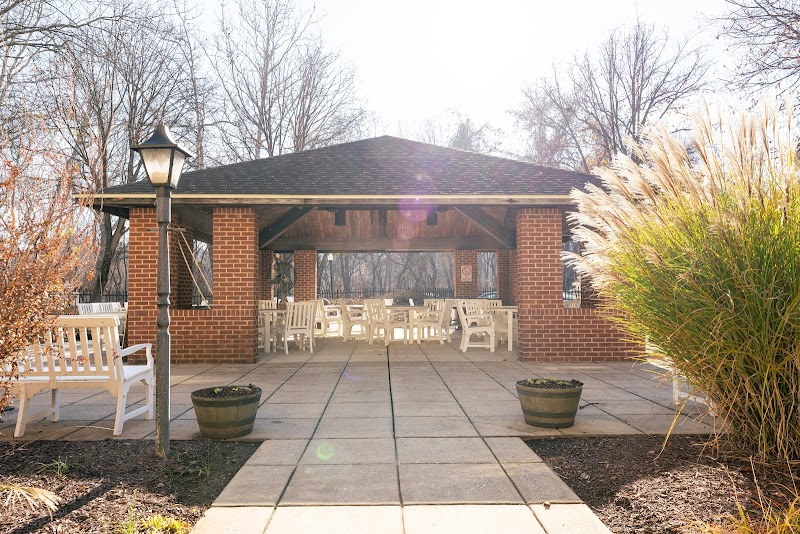
How Does Advanced Rehab At Autumn Lake Healthcare Compare to Other Maryland Nursing Homes?

Compared to the 100 nursing homes in Maryland, ADVANCED REHAB AT AUTUMN LAKE HEALTHCARE's overall rating (4 stars) is above the state average of 3.0, staff turnover (63%) is significantly higher than the state average of 46%, and health inspection rating (4 stars) is above the national benchmark.

What Should Families Ask When Visiting Advanced Rehab At Autumn Lake Healthcare?

Based on this facility's data, families visiting should ask: "What changes have been made since the serious inspection findings, and how are you preventing similar issues?" "How do you ensure continuity of care given staff turnover, and what is your staff retention strategy?" "Can I visit during a mealtime to observe dining assistance and food quality?" "How do you handle medical emergencies, and what is your hospital transfer rate?" These questions are particularly relevant given the facility's Immediate Jeopardy citations and the facility's high staff turnover rate.

Is Advanced Rehab At Autumn Lake Healthcare Safe?

Based on CMS inspection data, ADVANCED REHAB AT AUTUMN LAKE HEALTHCARE has documented safety concerns. Inspectors have issued 1 Immediate Jeopardy citation (the most serious violation level indicating risk of serious injury or death). The facility has a 4-star overall rating and ranks #1 of 100 nursing homes in Maryland. Families considering this facility should ask detailed questions about what corrective actions have been taken since these incidents.

Do Nurses at Advanced Rehab At Autumn Lake Healthcare Stick Around?

Staff turnover at ADVANCED REHAB AT AUTUMN LAKE HEALTHCARE is high. At 63%, the facility is 17 percentage points above the Maryland average of 46%. Registered Nurse turnover is particularly concerning at 65%. RNs handle complex medical decisions and coordinate care — frequent RN changes can directly impact care quality. High turnover means new staff may not know residents' individual needs, medications, or preferences. It can also be disorienting for residents, especially those with dementia who rely on familiar faces. Families should ask: What is causing the turnover? What retention programs are in place? How do you ensure care continuity during staff transitions?

Was Advanced Rehab At Autumn Lake Healthcare Ever Fined?

ADVANCED REHAB AT AUTUMN LAKE HEALTHCARE has been fined $8,021 across 1 penalty action. This is below the Maryland average of $33,159. While any fine indicates a compliance issue, fines under $50,000 are relatively common and typically reflect isolated problems that were subsequently corrected. Families should ask what specific issues led to these fines and confirm they've been resolved.

Is Advanced Rehab At Autumn Lake Healthcare on Any Federal Watch List?

ADVANCED REHAB AT AUTUMN LAKE HEALTHCARE is not on any federal watch list. The most significant is the Special Focus Facility (SFF) program, which identifies the bottom 1% of nursing homes nationally based on persistent, serious quality problems. Not being on this list means the facility has avoided the pattern of deficiencies that triggers enhanced federal oversight. This is a positive indicator, though families should still review the facility's inspection history directly.