LORIEN HEALTH SYSTEMS MT AIRY
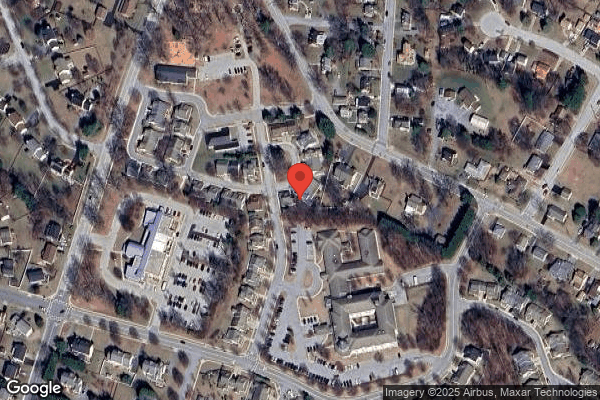
705 MIDWAY AVENUE, MOUNT AIRY, MD 21771 (301) 829-6050
For profit - Corporation 62 Beds LORIEN HEALTH SERVICES Data: November 2025
Trust Grade
70/100
#74 of 219 in MD
Last Inspection: August 2025

Inspected within the last 6 months. Data reflects current conditions.

Overview

Lorien Health Systems Mt. Airy has a Trust Grade of B, indicating it is a good facility and a solid choice for care. It ranks #74 out of 219 nursing homes in Maryland, placing it in the top half of facilities statewide, and #2 out of 10 in Carroll County, meaning only one local option is rated higher. The facility is improving, as the number of reported issues decreased from 14 in 2022 to 13 in 2023. Staffing is rated 4 out of 5 stars with a turnover rate of 39%, which is slightly below the state average, suggesting that staff are stable and familiar with the residents. While the facility has not incurred any fines, there are notable concerns, such as not providing adequate vision care for some residents and issues with maintaining a clean environment, including stained curtains and deteriorating bathroom fixtures. Overall, the facility has strengths in staffing and a good reputation but needs to address specific care and maintenance issues.

Trust Score
B
70/100
In Maryland
#74/219
Top 33%
Safety Record
Low Risk
No red flags
Inspections
Getting Better
14 → 13 violations
Staff Stability
○ Average
39% turnover. Near Maryland's 48% average. Typical for the industry.
Penalties
✓ Good
No fines on record. Clean compliance history, better than most Maryland facilities.
Skilled Nurses
✓ Good
Each resident gets 70 minutes of Registered Nurse (RN) attention daily — more than 97% of Maryland nursing homes. RNs are the most trained staff who catch health problems before they become serious.
Violations
⚠ Watch
43 deficiencies on record. Higher than average. Multiple issues found across inspections.
★★★★☆
4.0
Overall Rating
★★★★☆
4.0
Staff Levels
★★☆☆☆
2.0
Care Quality
★★★★☆
4.0
Inspection Score
Stable
2022: 14 issues
2025: 13 issues

The Good

  • 4-Star Staffing Rating · Above-average nurse staffing levels
  • Full Sprinkler Coverage · Fire safety systems throughout facility
  • No fines on record
  • Staff turnover below average (39%)

    9 points below Maryland average of 48%

Facility shows strength in staffing levels, fire safety.

The Bad

Staff Turnover: 39%

Near Maryland avg (46%)

Typical for the industry

Chain: LORIEN HEALTH SERVICES

Part of a multi-facility chain

Ask about local staffing decisions and management

The Ugly 43 deficiencies on record

Aug 2025 9 deficiencies
CONCERN (D)

Potential for Harm - no one hurt, but risky conditions existed

Deficiency F0578 (Tag F0578)

Could have caused harm · This affected 1 resident

**NOTE- TERMS IN BRACKETS HAVE BEEN EDITED TO PROTECT CONFIDENTIALITY** Based on medical record review and interview, it was determined the facility failed to provide documentation that Advance Direct...

Read full inspector narrative →
**NOTE- TERMS IN BRACKETS HAVE BEEN EDITED TO PROTECT CONFIDENTIALITY** Based on medical record review and interview, it was determined the facility failed to provide documentation that Advance Directives (AD) was reviewed with and/or information/education regarding advance directives provided to residents and/or their responsible representatives (RP). This was evident for 2 (#4 and #11) of 37 residents reviewed during a recertification/complaint survey. The findings include:1) On [DATE] at 2:35 PM, a review of the Resident’s #11’s medical record revealed that there was no documentation to support that the advance directives were obtained as required. On [DATE] at 11:37 AM A review of the resident records revealed that a Social Work admission Assessment was completed on [DATE]; section “F” of the assessment revealed that Resident #11 had a MOLST form in the chart. However, there was no evidence to support that the AD was obtained, or that documentation was provided to the resident and or the representative. On [DATE] at approximately 11:49 AM, in an interview with the Director of Nursing (DON), she was asked for Resident #11’s AD, and she stated that they would investigate further. On [DATE] at 12:40 PM, the surveyor followed up on the AD documentation request and it was revealed that a Power of Attorney (POA) document was obtained from the resident’s representative after the surveyor’s inquiry. However, there was still no documentation to support that the advance directive information was provided to the residents or their representative(s) as required. The DON verbally confirmed and acknowledged that the AD documentation was not available. On [DATE] at 3:12 PM, in an interview with the social work director, she reported that she spoke with the family about the advance directives and they stated that they will have to look to see if they have the resident’s AD in their possession. 2) On [DATE] at 2:03 PM a review of Resident #4's medical records revealed a Maryland Order for Life Sustaining Treatment (MOLST) dated [DATE] which indicated “No CPR, Option B, Palliative and Supportive Care” selected. There was no Advance Directives (AD) found in the resident's records. However, further review of the medical records failed to reveal documentation of advance directives or that a discussion about advance directives had occurred with the resident and/or their RP. On [DATE] at 2:19 PM a review of social services progress notes did not reveal any documentation on Advance Directives. On [DATE] at 3:02 PM, in an interview with the Director of Nursing (DON), she stated she could not find any Advance Directives in Resident #4's chart. However, DON stated that she followed up with the Social Worker (SW #3) who confirmed there was no AD in the resident’s chart. DON further stated that SW #3 was currently calling Resident #4's family. On [DATE] at 3:04 PM, surveyor reviewed the concern regarding the lack of documentation about advance directives in the medical record with the Director of Social Services (Staff #3), in the presence of the DON, Staff #3 confirmed that she did not address Advance Directives with Resident #4 and/or their RP. DON stated that they were doing an audit to make sure all the residents had AD and/or documentation that AD was reviewed and education provided to the residents and their RPs. [DATE] 12:22 PM Review of the facility's Advance Directives/Advance Care Planning policy statement and Procedure noted that 1. Prior to, or upon admission, the admission staff and/or Medical Provider will ask resident's and/or their family members about the existence of any advance directives including the Maryland MOLST form. 2. Should the resident indicate that he or she has issued advance directives about his or her care and treatment, the facility will require that copies of such directives be included in the medical record . The facility staff failed to provide evidence that this was done for Resident #4.
CONCERN (D)

Potential for Harm - no one hurt, but risky conditions existed

Comprehensive Care Plan (Tag F0656)

Could have caused harm · This affected 1 resident

Based on record review and interviews, it was determined that the facility failed to develop a comprehensive person-centered care plan. This is evident for 1 (Resident #11) of 24 resident care plans r...

Read full inspector narrative →
Based on record review and interviews, it was determined that the facility failed to develop a comprehensive person-centered care plan. This is evident for 1 (Resident #11) of 24 resident care plans reviewed during the survey process.The findings Included:A voiding trial is the removal of a urinary catheter allowing the bladder to fill with urine naturally, and monitoring voiding to see if the bladder has returned to normal so that the urinary catheter can be removed permanently.On 08/04/2025 at 2:21 PM, in a resident representative interview, they expressed concern for the Resident #11's recurrent Urinary Tract Infection (UTI).On 08/11/2025 at 1:11 PM, in an interview with RN #10, she reported that Resident #11 had a history of recurrent UTI. The resident was admitted to the facility without a urinary catheter; however, after the resident's admission, the resident began to have difficulty with urination, as a result a urinary catheter was ordered and inserted as ordered. RN #10 reported that they have attempted voiding trials since the resident's admission, but the resident failed them, as a result the resident still had a urinary catheter. She reports that Resident#11's goal is to be discharge home.A review of Resident #11 charts revealed that medication order for Flomax Capsule 0.4 MG, one capsule by mouth at bedtime for urinary retention. On 7/14/2025 urinary catheter was ordered for urinary retention. On 7/28/2025 a urology consults for Urinary retention and chronic UTI's was ordered.On 08/11/2025 at 1:57 PM, a review of Resident #11's care plan revealed that there was no documented evidence to support that the facility developed a person-centered care plan to address urinary retention and urinary catheter usage.On 8/11/2025 at approximately 3:00 PM, in an interview with the unit manager (Staff #5), she explained that care plans are usually done frequently, whenever there is a change in condition, quarterly or a decline in resident status. She was asked if Resident #11's care plan should be updated to reflect the interventions that were implemented such as the voiding trials, and she stated that she will update the care plan with the dates of the voiding trials.8/11/2025 at approximately 3:30 PM, the Director Of Nursing (DON) was notified that the surveyor had concerns that the urinary catheter was initiated in the facility on 7/14/2025 for urinary retention; however, there was no documented evidence to suggest that Resident #11's care plan was developed to address the care needs of urinary retention and urinary catheter care. She acknowledged that it was not developed until 8/11/2025.
CONCERN (D)

Potential for Harm - no one hurt, but risky conditions existed

Deficiency F0657 (Tag F0657)

Could have caused harm · This affected 1 resident

Based on record review and interviews, it was determined that the facility failed to revise the care plan by the interdisciplinary team after each assessment. This was true for 1 (Resident #21) of 3 r...

Read full inspector narrative →
Based on record review and interviews, it was determined that the facility failed to revise the care plan by the interdisciplinary team after each assessment. This was true for 1 (Resident #21) of 3 resident records reviewed for hospitalization during the recertification/complaint survey.The findings include:A care plan is a tool used to summarize the resident's healthcare needs, treatments, and care goals. This tool is to be developed within 7 days after completion of the comprehensive assessment (MDS) and prepared by an interdisciplinary team.The Minimum Data Set (MDS) is a standardized comprehensive assessment tool that measures health status in nursing home residents.Mechanical ventilator is a machine that promotes or supports the movement of air in and out of the lungs. The machine takes over the work of breathing when a person is unable to breathe on their own.Tracheostomy is a surgical hole or stoma which consists of making an incision on the front of the neck to open a direct airway to the trachea. A tracheostomy allows air to pass into the windpipe to help with breathing.On 08/05/2025 at 12:03 PM, in an interview with Resident #21, the resident stated that he/she was sent to the hospital in mid-July 2025 for respiratory distress.On 08/12/2025 at 4:08 PM, a review of the resident's emergency room treatment record indicates that the resident was dependent on a mechanical ventilator via a tracheostomy and resident was sent to the hospital after being found unresponsive and without a pulse in the facility, mid-July, the resident was subsequently resuscitated and sent to the hospital.On 08/13/2025 at 8:45 AM, a review of Resident #21's MDS revealed that an assessment was completed on 7/21/2025 post hospitalization. However, there was no documented evidence to support that the facility reviewed and revised the care plan for continuous mechanical ventilation related to respiratory insufficiency after each MDS assessment.On 8/13/2025 at approximately 11:15 AM, the Director of Nursing was notified that Resident #21's respiratory care plan was not reviewed and revised after the last assessment following the mid-July 2025 hospitalization. She verbally acknowledged the care plan should be reviewed as required.
CONCERN (D) 📢 Someone Reported This

A family member, employee, or ombudsman was alarmed enough to file a formal complaint

Potential for Harm - no one hurt, but risky conditions existed

Quality of Care (Tag F0684)

Could have caused harm · This affected 1 resident

Based on a complaint, medical record review, and interview, it was determined the facility failed to ensure staff followed physician orders as evidenced by failure to ensure residents receive medicati...

Read full inspector narrative →
Based on a complaint, medical record review, and interview, it was determined the facility failed to ensure staff followed physician orders as evidenced by failure to ensure residents receive medications as ordered by the physician. This was evident for 1 (Resident #69) of 37 residents reviewed during a recertification/complaint survey. The findings include:On 8/8/2025 at 11:26 AM, review of a complaint #365844 revealed that Resident #69's medicines were not given as prescribed.On 8/11/2025 at 8:11 AM, a review of Resident #69's Medication Administration Audit Report from 4/3/2025 through 4/9/2025 for actual times meds were given revealed the resident's meds were not given as scheduled on the following dates/time:- On 4/3/2025: Med [Tizanidine HCL 4 mg tab ordered for 23:00 (11:00 PM) was given on the next day (4/4/2025) at 06:40 (6:40 AM)] - more than 7 hours past the scheduled time.- On 4/3/2025: Meds scheduled for 20:00 (8:00 PM) were given on the next day (4/4/2025) at 06:40 (6:40 AM).- On 4/4/2025: Pain med scheduled for 20:00 (8:00 PM) was given at 23:44 (11:44PM); more than 3 hours late.- On 4/6/2025: Meds scheduled for 07:00 (7:00 AM) were given at 14:55 (2:55 PM), 15:05 (3:05 PM), and 15:35 (3:35 PM) respectively.- On 4/9/2025: Meds scheduled for 07:00 (7:00 AM) were given at 12:46 PM.On 8/11/2025 at 10:16 AM a review of the facility's policy and procedure for Administration of Drugs revealed the following It is the policy of this facility that medications shall be administered as prescribed by the attending physician. Under procedure: 7). Medications must be administered within one (1) hour before or after their prescribed time. (Note: before meals = one hour before meals, after meals=two hours after the end of meals). and 9). Unless otherwise specified by the resident's attending physician, routine medications should be administered as scheduled.On 8/11/2025 at 9:19 AM an interview was conducted with the Unit Manager (UM #12) for Prospect Unit, in the presence of the Director of Nursing (DON): Regarding medication administration times, UM #12 stated that meds that have a specific time scheduled to be given were expected to be given either an hour before or an hour after the scheduled time. For example, a med scheduled for 7:00 AM could be given as early as 6:00 AM and/or as late as 8:00 AM.Surveyor reviewed Resident 69's medication administration times for 4/3/2025 through 4/9/2025 with UM #12 and the DON. They both verified and confirmed that there was a delay in Resident #69's med administration on the aforementioned dates. DON stated that they were working with the nursing staff to address issues regarding delays in medication administration to residents.
CONCERN (D)

Potential for Harm - no one hurt, but risky conditions existed

Respiratory Care (Tag F0695)

Could have caused harm · This affected 1 resident

Based on Observation, record reviews and staff interviews, it was determined that the facility failed to label and date humidifier bottles and oxygen tubing with change dates per physician's orders. T...

Read full inspector narrative →
Based on Observation, record reviews and staff interviews, it was determined that the facility failed to label and date humidifier bottles and oxygen tubing with change dates per physician's orders. This was evident for 2 (#33 and #47) of 4 residents reviewed for Respiratory care during the recertification/complaint survey.The findings include:During the initial rounds on 8/4/25 at 10:16 AM and on 8/5/25 at 8: 56 AM, Resident #33 was observed to be on supplemental oxygen (O2) delivered through a nasal cannula (a device that delivers O2 through the nose) and attached to a humidifier bottle on the O2 concentrator at the bedside in the resident's room. The humidifier bottle and the O2 tubing were not dated to indicate when they were last changed. A review of the physician's order on 8/5/25 at 9:10AM revealed an order that reads Check SPO2 Q shift - Administer OXYGEN TO MAINTAIN SPO2 >92% DOCUMENT LITERS PER MINUTE (LPM) VIA NASAL CANNULA APPLICABLE FOR HYPOXIA . A second order reads: OXYGEN EQUIPMENT: 11-7 Shift Weekly O2/NEB Equipment CHANGE O2 TUBING NASAL CANNULA AND HUMIDIFER BOTTLE WEEKLY IF IN USE - LABEL TUBING WITH DATE CHANGED. The order was dated 12/12/24 every night shift every Sun EVERY 7 DAY.On 8/5/25 at 8:30 AM the surveyor went to resident #47's room and observed another O2 concentrator with humidifier bottle attached, at the bedside. An oxygen tubing was connected to the humidifier and was lying on the floor. Both the oxygen (O2) tubing and the humidifier bottle were not dated to indicate when it was last changed. A review of the physician's order for Resident #47 revealed an order dated 6/16/25. The order read, Oxygen 2 LPM via nasal cannula PRN to keep pulse ox above 92% .On 8/5/25 at 9:38 AM, Staff #6, a Licensed Practical Nurse (LPN) was shown the two rooms with the O2 tubing and humidifier bottles not labelled. She acknowledged that they were not and stated that they should have been labelled even if the orders were as needed. She explained that night shift was responsible for labelling the O2 tubing. On 8/5/25 at 9:53 AM The Director of Nursing (DON) was made aware of the concern. She stated that it was unacceptable and will check it out.
CONCERN (D)

Potential for Harm - no one hurt, but risky conditions existed

Deficiency F0697 (Tag F0697)

Could have caused harm · This affected 1 resident

Based on record review and interviews, it was determined that the facility failed to assess the effectiveness of pain medication consistent with professional standards of practice. This was evident fo...

Read full inspector narrative →
Based on record review and interviews, it was determined that the facility failed to assess the effectiveness of pain medication consistent with professional standards of practice. This was evident for 1 (Resident #2) of 5 resident records reviewed for unnecessary medications during the recertification/complaint survey.The findings included:On 08/08/2025 at 12:52 PM, a review of Resident #2's record revealed that the resident had an order for traMADol HCl Tablet 50 MG Give 0.5 tablet by mouth every 6 hours as needed for PAIN. A review of the resident's Medication Administration Record (MAR) revealed that on 6/23/2025 at 05:59 AM the resident received tramadol for a pain level of 7 out of 10 (severe pain); however, it was documented that the medication was not effective. A review of the Treatment Administration Record (TAR) and MAR for medication reassessment and interventions showed that there was no documented evidence that additional interventions were implemented.On 08/11/2025 at 1:15 PM, in an interview RN #10, she was asked about the expectation for the medication administration of as needed (PRN) medication. She explained that PRN pain medications was administered based on a pain scale. A resident reporting a pain score of 4 would be offered a Tylenol first, if available based on the physician order. If the pain score was higher she would offer the narcotics based on the physician order. Reassessment would be done within the hour after administering medication. She was asked if there were any non- pharmalogical interventions that were used to aid with pain. She stated that sometimes an ice pack may be offered as an alternate intervention. When asked if she documented this anywhere in the resident records, she stated that not really unless there was a physician's order for ice pack, in that case it would be found on the TAR. Otherwise, the intervention would be discussed during shift report with the other nurse.08/11/2025 2:40 PM, in an interview with RN #10 and the Director Of Nursing (DON), the surveyor notified them that there was no documentation to support that the above-mentioned pain medication ineffectiveness was addressed. A review of the progress notes revealed that the pain medication was given on 6/23/2025 at 05:59 AM, but additional interventions were not offered to Resident #2's until approximately 10am on 6/23/2025.The professional standard of practice for pain medication reassessment for effectiveness is 1-hour after medication administration.The DON acknowledged that based on the available documentation the pain medication reassessment was completed late.
CONCERN (D)

Potential for Harm - no one hurt, but risky conditions existed

Deficiency F0761 (Tag F0761)

Could have caused harm · This affected 1 resident

**NOTE- TERMS IN BRACKETS HAVE BEEN EDITED TO PROTECT CONFIDENTIALITY** Based on observation and interview it was determined facility staff failed to remove expired supplies from a medication cart. Th...

Read full inspector narrative →
**NOTE- TERMS IN BRACKETS HAVE BEEN EDITED TO PROTECT CONFIDENTIALITY** Based on observation and interview it was determined facility staff failed to remove expired supplies from a medication cart. This was evident for 1 of 3 medication carts reviewed for medication storage and labeling during a recertification survey.The findings include:An IV start kit typically includes essential supplies for inserting an intravenous (IV) line. They usually contain a tourniquet (used to make veins more visible and accessible for needle insertion), antiseptic wipes (used to disinfect the insertion site, minimizing the risk of infection), IV catheter (the device that is inserted into the vein to provide access for fluids or medications), a transparent dressing, gauze, tape, and sterile gloves. They may also include other items like saline syringes, IV tubing, and needles. The specific contents can vary by manufacturer and kit type.Expiration dates are primarily related to maintaining the sterility of the kit's components. Using expired items can pose infection risks.On [DATE] at 8:50 AM, Medication cart #1 on the Prospect Unit was reviewed for Medication Storage and Labeling in the presence of Registered Nurse (RN #7). Surveyor found an IV Start kit with expiration date of [DATE] in the bottom drawer of the med cart.RN #7 confirmed the IV start kit was expired and stated it should not have been in the med cart. He immediately removed the expired IV start kit and stated he was going to discard it. On [DATE] at 1:21 PM, In an interview with the Director of Nursing (DON), surveyor shared concerns regarding findings of expired IV start kit during Medication Storage and Labeling review. DON stated she was aware of the surveyor's finding and added that the expired IV start kit was immediately removed from the med cart. She further stated that the Nurses and Unit Managers were responsible for checking the med carts for expired items.On [DATE] at 1:22 PM a review of the facility's policy and Procedure for Storage of medications revealed the following: It is the policy of this facility that drugs and biologicals shall be stored in a safe, secure, and orderly manner. Under Procedure: .3) No discontinued, outdated, or deteriorated drugs or biologicals are available for use in this facility. All such drugs are destroyed
CONCERN (D)

Potential for Harm - no one hurt, but risky conditions existed

Medical Records (Tag F0842)

Could have caused harm · This affected 1 resident

**NOTE- TERMS IN BRACKETS HAVE BEEN EDITED TO PROTECT CONFIDENTIALITY** Based on medical record review and interview, it was determined the facility failed to maintain complete and accurate medical re...

Read full inspector narrative →
**NOTE- TERMS IN BRACKETS HAVE BEEN EDITED TO PROTECT CONFIDENTIALITY** Based on medical record review and interview, it was determined the facility failed to maintain complete and accurate medical records in accordance with accepted professional standards. This was evident for 1 (Resident #65) of 37 residents reviewed during a recertification / complaint survey.The findings include:A closed record review of Resident #65's medical records for death conducted on [DATE] at 10:47 AM, revealed the resident was admitted to the facility on [DATE] and discharged on [DATE]. On [DATE] at 11:41 AM, review of Medication Administration Record (MAR) and Treatment Administration Record (TAR) for [DATE] revealed staff documentation that assessments were done and treatments were provided during the evening and night shifts on [DATE] for Resident #65:- Medications scheduled to be given in the evening and at bedtime for [DATE] had staff documenting NI.[NI=Clinical Finding WNL(within normal limit) - No intervention required] as indicated under Chart codes/Follow up codes.- Night shift staff documented 0 under Assess Resident daily for change of status/Assess for Delirium daily.- Night shift staff checked that resident was assessed for Bleeding/Bruising Precautions. - Night shift staff checked that resident's Oxygen: Every shift O2 @ 2 L/Min continuous via N/C for hypoxia.Maintain O2 above 93% . was monitored.- Night shift staff documented that they performed pain assessment and resident's pain score/level was 0 (No pain).Aspiration Precautions, Barrier cream to buttocks and peri area every shift after soap/water was checked including Elevate/float heels while in bed, Fall precautions, Pressure relieving device, and Turn and Repositioning every 2 hours.Resident #65 was pronounced dead at 12:30 PM on [DATE] and body released to funeral home at 16:47 (4:47 PM) on [DATE]. Hence, Resident #65 was no longer in the facility when evening and night shift staff documented they completed the above mentioned tasks.On [DATE] at 11:52 AM, a review of nurses' progress notes revealed a change in condition documentation dated [DATE] at 12:10:. Resident was sitting in dining/activity room following BINGO activity and awaiting lunch to arrive when s/he became short of breath.EMTs arrived at approx. 12:23, at which time resident was assessed and about a minute following their arrival resident ceased breathing. Resident assessed for pulse and signs of life which were confirmed to be absent. Resident with no respirations, no heart sounds, and was pronounced deceased by EMTs at 12:30pm.On [DATE] at 12:50 PM in an interview with the Director of Nursing (DON), surveyor reviewed Resident #65's MAR and TAR for [DATE]. DON verified that evening and night shift staff documented on [DATE] that ordered treatments/ assessments/monitoring were performed. She confirmed that the staff documentation was inaccurate as Resident #65 had expired and was no longer in the facility at the time of their documentation. DON stated that she was very disappointed and was going to talk to the specific nurses who documented on [DATE] after Resident #65 was deceased . DON further stated that she was going to provide staff education.
CONCERN (D)

Potential for Harm - no one hurt, but risky conditions existed

Deficiency F0868 (Tag F0868)

Could have caused harm · This affected 1 resident

Based on review of facility documentation and interview, it was determined the facility staff failed to have a social service director and a medical director participate monthly in the facility's Qual...

Read full inspector narrative →
Based on review of facility documentation and interview, it was determined the facility staff failed to have a social service director and a medical director participate monthly in the facility's Quality Assessment Performance Improvement (QAPI) committee meetings.The findings include:Review of the monthly QAPI sign-in sheet for August 2024, the medical director signature block indicated Leave of Absence (LOA) and March 2025 and June 2025, the social service director signature block indicated Leave of Absence (LOA).During an interview on 08/13/2025 at 11:41 AM with the Director of Nursing (DON), and staff # 4, the DON stated that there is no designated person for the Medical director, and the facility had one social services worker, who is the director. Staff #4 stated that he/she would discuss the information from the QAPI meeting during the risk management meeting with the members who were absent from the QAPI committee meeting.On 08/13/2025 at 11:48 AM staff #4 stated that he/she acted as the designee for the Social Services Director and the facility had a covering medical director. When asked if staff #4 has training in social services, he/she stated no. and the sign in roster did not have a signature for the covering medical director.On 8/13/2025 at 12:03 PM the DON and Staff #4 were made aware of the concern for not having a qualified designee for the medical director and social services director in attendance for the months of their absence from the QAPI committee meetings.
Feb 2025 4 deficiencies
CONCERN (D) 📢 Someone Reported This

A family member, employee, or ombudsman was alarmed enough to file a formal complaint

Potential for Harm - no one hurt, but risky conditions existed

Free from Abuse/Neglect (Tag F0600)

Could have caused harm · This affected 1 resident

Based on interview, record review, document review, and facility policy review, the facility failed to protect the residents' rights to be free from verbal abuse perpetrated by staff. This deficient p...

Read full inspector narrative →
Based on interview, record review, document review, and facility policy review, the facility failed to protect the residents' rights to be free from verbal abuse perpetrated by staff. This deficient practice affected 2 (Resident #3 and Resident #5) of 18 sampled residents. Findings included: A facility policy titled, Abuse Policy, revised 02/06/2025, indicated, It is the policy of [facility name] to: Maintain a ZERO tolerance of ANY form of abuse or neglect of a resident. The policy specified, Verbal Abuse - The use of oral, written or gestured language that willfully includes disparaging and derogatory terms to residents or their families, or within their hearing distance, regardless of their age, ability to comprehend or disability. 1. An admission Record indicated the facility admitted Resident #3 on 05/12/2022. According to the admission Record, the resident had a medical history that included diagnoses of pulmonary embolism, cognitive communication deficit, hypertension, and history of falling. The quarterly Minimum Data Set (MDS), with an Assessment Reference Date (ARD) of 12/08/2023, indicated Resident #3 had a Brief Interview for Mental Status (BIMS) score of 15, which indicated the resident had intact cognition. The facility investigation revealed Staff #25, a registered nurse (RN) unit manager (UM) met with the resident who reported that Staff #110, told them [expletive word] off, just [expletive word] off when they requested assistance. Per the investigation, the resident reported the incident took place a couple of week ago. The investigation revealed that when the resident asked Staff #110 to repeat the statement made, Staff #110 repeated the statement. The investigation indicated Staff #25 reported the incident to administration and an investigation was initiated. According to the investigation, Resident #3's roommate, Resident #14, was interviewed and confirmed that they heard the statement [expletive word] off repeated a couple of times. Resident #14 described the incident as two people that lost their temper. Resident #14 identified Staff #110 as the person who made the statement. According to Resident #14, Resident #3 always tried to joke with the staff and made inappropriate comments to the staff. The investigation indicated Staff #110 refused to engage with the facility to investigate the allegation and was terminated. Per the investigation, other residents were interviewed, and no one voiced any concerns, in-service education was completed with current staff, the police were notified, and the allegation was verified by evidence collected during the investigation. In an interview on 02/19/2025 at 11:11 AM, Resident #3 stated they pressed their call light and when Staff #110 came in, he stated he had another person in the air and [expletive word] off. Resident #3 stated they were told Staff #110 no longer worked at the facility. Resident #3 stated they reported the incident, it was taken care of, and they were protected. Resident #3 stated they recalled speaking to the police about the incident on the date they reported it. Resident #3 stated they were not afraid of Staff #110. Resident #3 reported they have had no other issues and was treated well at the facility. In an interview on 02/19/2025 at 12:02 PM, Resident #14 stated they did not remember when the incident occurred, but they did hear a staff person curse at their roommate. Resident #14 stated they felt safe at the facility, and no one had mistreated them. According to Resident #14, the facility did not tolerate mistreatment of residents. The quarterly MDS, with an ARD of 12/12/2024, indicated Resident #14 had a BIMS score of 15, which indicated the resident had intact cognition. In an interview on 02/19/2025 at 12:35 PM, Staff #25, the RN UM stated in 02/2024, Resident #3 stated they pressed their call light for assistance and Staff #110 responded. Per Staff #25, there was an exchange of words between the resident and Staff #110, which was witnessed by Resident #3's roommate, Resident #14. Per Staff #25, Resident #14 reported they witnessed the staff be verbally abusive to Resident #3. Staff #25 stated they reported the allegation of verbal abuse to the social worker, Director of Nursing (DON) and Administrator, who started the investigation. In an interview on 02/19/2025 at 1:06 PM, the Director of Social Services stated the allegation of verbal abuse reported by Resident #3 was confirmed due to the incident being witnessed by the resident's roommate, Resident #14, and Staff #110's lack of cooperation with the investigation. In an interview on 02/19/2025 at 2:00 PM, the DON stated Resident #3 reported an exchange of words with Staff #110. According to the DON, Resident #3 stated that Staff #110 told them to [expletive word] off. The DON stated the incident was witnessed by Resident #3's roommate, Resident #14. The DON stated this was verbal abuse. Per the DON, Staff #110 would not respond or cooperate with the investigation and was reported to the board of nursing. The DON stated the facility substantiated the allegation did occur based on the fact Staff #110 did not cooperate and statements made by the resident and their roommate. 2. An admission Record indicated the facility admitted Resident #5 on 04/06/2022. According to the admission Record, the resident had a medical history that included diagnoses of multiple sclerosis and spinal stenosis. An annual Minimum Data Set (MDS), with an Assessment Reference Date (ARD) of 04/10/2024, indicated Resident #5 had a Brief Interview for Mental Status (BIMS) score of 15, which indicated the resident had intact cognition. The facility investigation revealed on 04/22/2024 at 8:40 AM, Resident #5 reported to the social worker that they requested to have one of their privacy curtains in their room changed because it was too short on 04/19/2024. Per the investigation, a staff member changed the privacy curtain to the correct length later in the afternoon on 04/19/2024. According to the resident, Resident #5 reported Staff #111 came to the room later while they sat in the doorway of their room with Resident #13 and as Staff #111 walked by, he told the resident I ought to knock you out of your chair. The investigation indicated on 04/22/2024 at 9:30 AM, the Director of Nursing (DON) spoke with Resident #13, who stated they overheard the conversation between Resident #5 and Staff #111. Per Resident #13, as they sat in the doorway with Resident #5, Staff #111 commented about how the privacy curtain was done wrong and as Staff #111 left, Resident #13 heard Staff #111 say you're lucky I don't push you out of the wheelchair or you are lucky I don't get you out of that chair. Resident #13 reported they were not sure of Staff #111's exact words, but was shocked to have heard it. Per Resident #13, they told Resident #5 to report the incident to facility on 04/22/2024 if it still bothered them. According to the investigation, on 04/22/2024 at 9:00 AM, Staff #111 was interviewed by their manager and human resources and denied making any negative comment towards the resident. The investigation indicated Staff #111 was reassigned to a different location pending the outcome of the investigation. Per the investigation, the facility notified the Medical Director, Ombudsman and police, other residents who resided on the unit were interviewed and did not report any concerns. The investigation revealed the allegation reported by the resident was verified by evidence collected during the investigation and Staff #111's employment with the facility was terminated. In an interview on 02/18/2025 at 1:18 PM, Resident #13 stated Staff #111 told Resident #5, You're lucky I don't push you out of the wheelchair. Resident #13 stated they thought Staff #111 was kidding, but he was not. Resident #13 stated Staff #111 no longer worked at the facility as he was fired. According to Resident #13, no one else had done or said anything like that and the residents were treated great. Per Resident #13, the statement made by Staff #111 was not called for. An annual MDS, with an ARD of 12/06/2024, indicated Resident #13 had a BIMS score of 15, which indicated the resident had intact cognition. In an interview on 02/18/2025 at 1:24 PM, Resident #5 stated the staff were good to them and they had no complaints. Resident #5 stated their privacy curtain was too short and they requested a new one. Per Resident #5, Staff #111 came into the room after the new privacy curtain was hung, looked at it, and when he left, he stated that he was going to knock the resident out of their chair. Resident #5 there was a witness who heard what Staff #111 said. Resident #5 stated they did not report the incident right away and during the investigation, facility staff told them they should report incident immediately. Resident #5 stated the incident with Staff #111 was the only time something of that nature occurred. In an interview on 02/19/2025 at 1:06 PM, the Director of Social Services stated the facility confirmed the allegation reported by Resident #5 based on the statement made by the resident, Resident #13 and Staff #111's lack of cooperation during the investigation. In an interview on 02/19/2025 at 2:00 PM, the DON stated the allegation reported by Resident #5 was confirmed by Resident #13, who witnessed/overheard the statement made by Staff #111. The DON stated this was verbal abuse and Staff #111 was terminated. In an interview on 02/20/2025 at 12:20 PM, the Administrator the allegation reported by Resident #5 was confirmed as verbal abuse.
CONCERN (D) 📢 Someone Reported This

A family member, employee, or ombudsman was alarmed enough to file a formal complaint

Potential for Harm - no one hurt, but risky conditions existed

Deficiency F0658 (Tag F0658)

Could have caused harm · This affected 1 resident

Based on the review of a facility reported incident, record review, interview with staff and observations, it was determined that the facility failed to administer medications to residents according t...

Read full inspector narrative →
Based on the review of a facility reported incident, record review, interview with staff and observations, it was determined that the facility failed to administer medications to residents according to facility policy and standard nursing practice for resident medication rights. This was evident for 1(Resident #8) of 3 residents reviewed related to medication administration. The findings include: According to the state nurse practice act the five main medication rights to ensure as a licensed nurse that medications are administered safely are to verify prior to administration the; right person, medication, dose, time and route. Review of the facility reported incident MD00190869 on 2/18/25 at 10:37 AM revealed a concern related to an RN, identified as staff #108, who admitted that on 4/2/23 she prepared medications for 2 different Residents, 8 and #12 at the same time. RN #108 then proceeded to the room of Resident #108 with both medicine cups, respectively labeled for each resident. According to the statement from staff #108 included in the facility investigation packet, as she left the room for Resident #8 and proceeded to the room for Resident #12, she realized that she still had the medicine for Resident #8 and that she had administered the medication for Resident #12 to Resident #8. Medical record review for Resident #8 on 2/18/25 revealed diagnosis to include diastolic congestive heart failure, presence of prosthetic heart valve, atrial fibrillation, history of cerebrovascular accident, mitral valve insufficiency and diabetes mellitus. Resident #8 was also ordered one blood pressure medication with parameters ordered to hold for a low heart rate or systolic reading below 110 mm/hg. On 4/2/23, Resident #8, had vital signs taken prior to medication administration as per protocol and physician orders. The results were 105/68, below the administration parameter, therefore, the nurse was to hold the physician ordered blood pressure medication as administering the medication would cause the blood pressure to drop lower. Resident #12, according to medical records reviewed on 2/18/25, had diagnoses to include a history of a cerebrovascular accident and venous embolisms of which s/he was ordered multiple cardiovascular/blood pressure medications and an anticoagulant for embolism prophylaxis. On 4/2/23, RN #108 administered 3 cardiovascular medications used to lower blood pressure and the anticoagulant to Resident #8 that were ordered for Resident #12. Resident #8 after notification to the physician of the medication error, was transferred to the hospital for monitoring where s/he stayed for 4 days. Staff LPN #68 and Staff RN #197 were observed for medication pass and interviewed on 2/19/25. They both stated that 'no' you do not prepare more than one resident medication at a time, and it was not observed in progress or occurring during the complaint survey. According to the facility policy on 'Administration of Drugs' #5: Identification of Resident must be made prior to administration of medication to the resident, and this was not completed by LPN #108 on 4/2/23. There was no date on the policy, and this was reviewed with the facility DON on exit 2/20/25. The findings and concerns were reviewed with the facility DON and NHA throughout the survey and again during exit on 2/20/25. Cross reference F760
CONCERN (D) 📢 Someone Reported This

A family member, employee, or ombudsman was alarmed enough to file a formal complaint

Potential for Harm - no one hurt, but risky conditions existed

Tube Feeding (Tag F0693)

Could have caused harm · This affected 1 resident

Based on the review of a complaint, medical records, facility policy and procedures and interview with staff, it was determined that the facility failed to have processes in place to ensure for the da...

Read full inspector narrative →
Based on the review of a complaint, medical records, facility policy and procedures and interview with staff, it was determined that the facility failed to have processes in place to ensure for the daily care and potential complications of residents' percutaneous endoscopic gastrostomy tubes (PEG inserting a feeding tube directly into the stomach through the abdominal wall). This was evident during the review of 5 (Residents #4, #6, #16, #17, #18) of 6 residents with PEG tubes secondary to a complaint during a complaint survey. The findings include: Review of the complaint #MD00203009 on 2/18/25 at 12:53 revealed concerns related to the care of and replacement of a PEG tube for Resident #6 after it inadvertently came out. After the replacement of Resident #6's PEG tube on 2/3/24, the complainant reported that according to the hospital, there was too much water in the balloon and that s/he was vomiting repeatedly, that's why the family requested the x-ray. Further review currently revealed diagnosis of Resident #6 including admission post anoxic brain injury (a condition where the brain is deprived of oxygen for a prolonged period, leading to damage or death of brain cells), dysphagia (difficulty swallowing-unable) and gastrostomy status. According to the complaint, on 2/3/24 Resident #6's PEG tube came dislodged and was replaced by staff RN #54 with a 20 French PEG tube and inflated with a 15ml balloon as per the SBAR (situation, background, assessment, recommendation) form completed on 2/3/24 at 11:50 AM. The on-call physician was notified prior to the replacement of the PEG tube and again after. Staff #54 requested an x-ray to confirm placement of the PEG tube at the family request as documented in the progress notes. RN #54 was interviewed on 2/19/25 at 3:10 PM. She recalled the occurrence and replaced the PEG tube in Resident #6. When asked how to determine when a PEG tube can be replaced, she stated that it should be in the physician orders along with the size of the PEG tube additionally it will state it on the PEG tube package. Regarding the tube placement with Resident #6, she stated that to check placement she aspirated and pushed air in and auscultated to confirmed placement, additionally with another nurse confirmed placement all as per the facility policy. The facility policy was reviewed at this time. There was no date on the Gastrostomy and Jejunostomy Tubes policy. According to the policy, there was nothing regarding the need for an x-ray to confirm placement. The DON was notified of the concern that the Gastrostomy policy had no date on 2/20/25 Interview with LPN #68 on 2/19/25 at 8:27 AM regarding the care of and replacement of a PEG tube. She stated that there are orders in the computer for each resident regarding what to do. Further she stated that you need physician orders to replace the PEG tube. Additionally, the PEG package tells you how much water to put in the balloon. An interview completed on 2/19/25 at 8:49 AM with RN #107 revealed the same process as RN 54 and LPN #68, that you need a physician order that should already be in the system for residents that reside in the facility with PEG tubes. She further stated that getting x-rays are up to the physician, placement is checked by aspiration and auscultation. Review of the medical record for Resident #6 on 2/20/25 at 9:55 AM failed to reveal any orders for the size of residents PEG tube or directions for placement and monitoring, except for the order that was called in on 2/3/24 when the tube inadvertently came out. Review on 2/20/25 at 10:15 AM for Residents #16, #17 and #18 all who rely on PEG tubes for nutrition and medication administration all had no orders for PEG tube replacement and monitoring. Resident #4 had 2 orders in place noting 2 different sizes of PEG tubes in place. These concerns were reviewed with the facility DON on 2/19/25 at 10:25 AM. The concern for the inconsistency with lack of treatment orders and interventions for potential complications and documentation of the size of the PEG tube and balloon were reviewed throughout the survey and again during exit on 2/20/25.
CONCERN (D) 📢 Someone Reported This

A family member, employee, or ombudsman was alarmed enough to file a formal complaint

Potential for Harm - no one hurt, but risky conditions existed

Deficiency F0760 (Tag F0760)

Could have caused harm · This affected 1 resident

Based on the review of a facility reported incident, record review, interview with staff and observations, it was determined that the facility failed to administer medications to residents without any...

Read full inspector narrative →
Based on the review of a facility reported incident, record review, interview with staff and observations, it was determined that the facility failed to administer medications to residents without any significant medication errors. This was evident for 1(Resident #8) of 3 residents reviewed related to medication administration. The findings include: Review of the facility reported incident MD00190869 on 2/18/25 at 10:37 AM revealed a concern related to an RN, identified as staff #108, who admitted that on 4/2/23 she prepared medications for 2 different residents, #8 and #12 at the same time. RN #108 then proceeded to the room of Resident #8 with both medicine cups, respectively labeled for each resident. According to the statement from staff #108 included in the facility investigation packet, as she left the room for Resident #8 and proceeded to the room for Resident #12, it was then she realized that she still had the medicine for Resident #8 and that she had administered the medication for Resident #12 to Resident #8. Medical record review for Resident #8 revealed diagnosis to include diastolic congestive heart failure, presence of prosthetic heart valve, atrial fibrillation, history of cerebrovascular accident (a sudden interruption of blood flow to the brain), mitral valve insufficiency and diabetes mellitus. Resident #8 was also ordered one blood pressure medication with parameters ordered to hold for a low heart rate or systolic reading below 110 mm/hg. On 4/2/23, Resident #8, had vital signs taken prior to medication administration as per protocol and physician orders. The results were 105/68, below the administration parameter, so the nurse was to hold the blood pressure lowering medication. Resident #12, according to medical records reviewed on 2/18/25, had diagnoses to include a history of a cerebrovascular accident and venous embolisms. Resident #12 also ordered multiple cardiovascular medications and an anticoagulant. On 4/2/23, RN #108 administered 3 blood pressure lowering medications to Resident #8 who, it was already determined should not receive any, in addition Resident #8 received Resident #12's ordered anticoagulant ( blood thinner, when not ordered can lead to a serious risk of bleeding, which can be dangerous and even life-threatening). Resident #8 after notification to the physician of the medication error, was transferred to the hospital for monitoring where s/he stayed for 4 days. While in the hospital Resident #8 was documented as having repeated episodes of tachycardia (fast heartbeat over 100) and bradycardia (heart rate below 60) with recommendations for the placement of a pacemaker (implantable medical device that helps regulate the heart's rhythm by sending electrical impulses to the heart muscle), though the family declined secondary to the resident's age. Staff LPN #68 and Staff RN #107 were observed for medication pass and interviewed on 2/19/25. They both stated that 'no' you do not prepare more than one resident medication at a time, and it was not observed in progress or occurring during the complaint survey. The findings and concerns were reviewed with the facility DON and NHA throughout the survey and again during exit on 2/20/25. cross reference F658
Dec 2022 14 deficiencies
CONCERN (D)

Potential for Harm - no one hurt, but risky conditions existed

Deficiency F0578 (Tag F0578)

Could have caused harm · This affected 1 resident

**NOTE- TERMS IN BRACKETS HAVE BEEN EDITED TO PROTECT CONFIDENTIALITY** Based on clinical record review and staff interviews, it was determined that the facility failed to ensure the resident was offe...

Read full inspector narrative →
**NOTE- TERMS IN BRACKETS HAVE BEEN EDITED TO PROTECT CONFIDENTIALITY** Based on clinical record review and staff interviews, it was determined that the facility failed to ensure the resident was offered the opportunity to develop an advance directive for 2 (#22, #55) of 2 sampled residents for advance directives. The findings include: An advance directive is a written statement of a person's wishes regarding medical treatment, often including a living will be made to ensure those wishes are carried out should the person be unable to communicate them to a doctor. It is a legal document in which a person specifies what actions should be taken for their health if they are no longer able to make decisions for themselves because of illness or incapacity. A Maryland MOLST (Medical Orders for Life-Sustaining Treatment) form is used for documenting a resident's specific wishes related to life-sustaining treatments. The MOLST form includes medical orders for Emergency Medical Services (EMS) and other medical personnel regarding cardiopulmonary resuscitation (CPR) and other life-sustaining treatment options for a specific patient. 1) On [DATE] at 10:28 AM a chart review for Resident #22 revealed the resident was admitted to the facility at the beginning of [DATE] with diagnoses that included but were not limited to; type 2 diabetes mellitus, kidney and heart disease with muscle weakness and difficulty walking. Review of the Social work admission assessment dated [DATE] revealed questions related to Advance Directives were not answered. The following questions were left blank: #14 Resident has Advance Directives and will provide the facility a copy #15 Resident has Advance Directives, and a copy is scanned into PCC. #16 Resident does not have Advance Directives and does not want information or help to formulate one. #17 Resident does not have Advance Directives and would like assistance in formulating one. During a review of the clinical record on [DATE], the resident's MOLST was located, but there was no information indicating that an opportunity to formulate an advance directive was provided to the resident and/or the resident representative. An interview was conducted with resident #22 at 12:15 PM on [DATE]. Upon questioning, Resident #22 indicated that he/she did not have an advance directive and the facility staff have not offered information to formulate one. 2) Resident #55's medical record was reviewed on [DATE]. Resident #55 was admitted to the facility in [DATE] with diagnoses that included cerebrovascular disease (conditions that affect the flow of blood through the brain). Review of the Social work admission assessment dated [DATE] revealed questions related to Advance Directives were not answered. The following questions were left blank: #14 Resident has Advance Directives and will provide the facility a copy #15 Resident has Advanced Directives, and a copy is scanned into PCC. #16 Resident does not have Advance Directives and does not want information or help to formulate one. #17 Resident does not have Advance Directives and would like assistance in formulating one. During a review of the clinical record on [DATE], the resident's MOLST was located, but there was no information indicating that an opportunity to formulate an advance directive was provided to the resident and/or the resident representative. Resident # 55 was interviewed on [DATE] at 11:54 AM. Resident #55 indicated that he/ she had not developed an advance directive and he/she has not been asked about formulating an advance directive or given information about developing one. An interview was conducted with the social worker (staff #10) on [DATE] at 12:35 PM. When asked about advance directives she acknowledged, in recent months a few residents were admitted to the facility without advance directives. She indicated that she documents in the social history assessment if the resident has an advance directive and will upload a copy of the advance directive when available. If the resident does not have an advance directive, she will provide information related to formulating an advance directive, provide a form and document in a progress note as applicable. The social worker was asked to review resident #22, and resident #55's medical record as there was not any indication of the residents having an advance directive and/or documentation that the residents received or were aided to execute an advance directive. The social worker was seated at her computer and collaborated that there was not documentation to show advance directives were discussed with residents #22 or #55. The Nursing home administrator was informed of the concern related to the facility not accessing and aiding residents to formulate an advance directive at 12:18 PM on [DATE].
CONCERN (D)

Potential for Harm - no one hurt, but risky conditions existed

Deficiency F0583 (Tag F0583)

Could have caused harm · This affected 1 resident

Based on observation and interview it was determined that facility staff failed to protect Resident #261's right to confidentiality of his/her medical record. This was evident during a random observat...

Read full inspector narrative →
Based on observation and interview it was determined that facility staff failed to protect Resident #261's right to confidentiality of his/her medical record. This was evident during a random observation on 1 of 2 nursing units. The findings include: On 12/14/22 at 8:57 AM observation was made of an unlocked and unattended medication cart sitting in the hallway on the Prospect nursing unit. There was a laptop computer sitting on the top of the medication cart that was opened and displayed Resident #261's medication administration record (MAR). The surveyor stood at the medication cart until 9:00 AM when Staff #34 walked up to the medication cart. The surveyor asked Staff #34 if she knew that she left the resident's information on the computer screen open and on display. Staff #34 stated that she just went down the hall to get something for the resident. The surveyor asked where she was down the hall and Staff #34 stated she was down the hall and around the corner, out of sight of the medication cart. Staff #34 stated that she didn't mean to leave the medication cart unlocked and the computer screen open. The Director of Nursing and Nursing Home Administrator were informed of the observation on 12/14/22 at 10:40 AM.
CONCERN (D) 📢 Someone Reported This

A family member, employee, or ombudsman was alarmed enough to file a formal complaint

Potential for Harm - no one hurt, but risky conditions existed

Report Alleged Abuse (Tag F0609)

Could have caused harm · This affected 1 resident

Based on record review and staff interview, it was determined the facility failed to report allegations of abuse within 2 hours of the allegation to the regulatory agency, the Office of Health Care Qu...

Read full inspector narrative →
Based on record review and staff interview, it was determined the facility failed to report allegations of abuse within 2 hours of the allegation to the regulatory agency, the Office of Health Care Quality (OHCQ). This was evident for 1 (#63) of 10 residents reviewed for abuse during the annual survey. The findings include: Review of facility reported incident (FRI) MD00150046 on 12/7/22 at 12:45 PM revealed Resident #63 stated on 1/8/2020 that the aide was giving the resident a shower and refused to get the smaller shower chair after Resident #63 requested the smaller chair. Resident #63 stated the aide refused to get the smaller chair and got the larger chair and during the transfer from the wheelchair to the shower chair Resident #63's finger was hit on the chair and started bleeding. Resident #63 stated the aide stated, I can't help that. It was documented that Resident #63 stated she did not want the aide to give him/her a shower again. Review of the investigation that was provided to the surveyor revealed a copy of the email of the initial self-report to OHCQ which documented a time of 1/9/2020 at 12:17 PM. It was documented that Resident #63 told staff about the incident on 1/8/2020 following dinner. The incident of alleged abuse was not submitted within 2 hours of the incident being reported to staff. On 12/12/22 at 9:40 AM an interview was conducted with the Director of Nursing (DON). The DON stated that there was a delay in the resident reporting the incident to staff. The surveyor informed the DON that the conversation was documented between staff and Resident #63 on 1/8/2020 as evidenced by a social work note that stated, SW (social work) met with [name of resident] following dinner on 1/8/2020. The note then went on to document Resident #63's allegations.
CONCERN (D) 📢 Someone Reported This

A family member, employee, or ombudsman was alarmed enough to file a formal complaint

Potential for Harm - no one hurt, but risky conditions existed

Investigate Abuse (Tag F0610)

Could have caused harm · This affected 1 resident

**NOTE- TERMS IN BRACKETS HAVE BEEN EDITED TO PROTECT CONFIDENTIALITY** 3) On 12/6/22 at 2:30 PM, a review of the record of the facility reported incident MD00179281 revealed that Resident #14 had all...

Read full inspector narrative →
**NOTE- TERMS IN BRACKETS HAVE BEEN EDITED TO PROTECT CONFIDENTIALITY** 3) On 12/6/22 at 2:30 PM, a review of the record of the facility reported incident MD00179281 revealed that Resident #14 had alleged that s/he was hurt by Temporary Nursing Assistant (TNA # 33) during AM (morning) care. Resident #14 stated TNA #33 was rough. Further review of the facility investigation revealed the facility conducted staff interviews and was not able to substantiate the allegation of abuse. However, there was no statement or record of interviews of other residents to whom the accused employee (TNA #33) provided care or services. On 12/7/22 at 9:40 AM, in an interview with the Administrator, she stated that she did not have any documentation of residents' interviews pertaining to the above incident. On 12/7/22 at 12:15 PM, a review of the facility's policy on Investigation of Abuse, Neglect or Injury of Unknown Origin last revised on 1/2020, revealed under (#3): While maintaining the confidentiality of all information, the representative's investigation may consist of: . g) Interviews with the resident's roommate, family members, and visitors who have had contact with the resident during the 72-hour period to the time of the alleged incident, and h) An interview of other residents to which a suspected employee provides care or services . On 12/8/22 at 2:47 PM, in an interview with the DON, concerning the above allegation, she stated that TNA #33 was in the resident's room with two other aides, whom she interviewed, and they stated they did not witness anything. When asked if other residents were interviewed, particularly those who were on TNA #33's assignment, the DON stated that she talked to the resident's roommate, and s/he did not have any concerns with TNA #33. The DON further stated that she interviewed all the other residents on the employee's assignment (hallway) and no issues was reported. When asked to provide documentation of the residents' interviews, the DON stated that she did not document those interviews because I went around, and nobody expressed any issues with the employee. On 12/9/22 at 11:45 AM, in an interview with the social worker (SW #9), she was asked if they interviewed other residents on TNA #33's assignment. SW #9 stated that she did but did not remember the residents she had interviewed as those residents verbalized no concerns. However, SW #9 could not provide any documentation to show that other residents to whom TNA #33 provided care and services were interviewed. Based on review of facility reported incident investigations and interviews it was determined the facility failed to produce documentation that allegations of abuse were thoroughly investigated. This was evident for 3 (#65, #58, #14) of 10 residents reviewed for abuse. The findings include: 1) On 12/6/22 at 2:25 PM a review of facility reported incident MD00175906 for Resident #65 revealed Resident #65's family reported in a care plan meeting that a staff member had turned Resident #65 roughly and smacked Resident #65 on the bottom. The Social Worker interviewed Resident #65 and the resident reported that a care giver was mean and told the resident to shut up. Review of the facility's investigation on 12/6/22 revealed a typed statement from a behavioral health professional that documented, when given the opportunity to discuss facility and any concerns, [name] discussed feeling that some staff were unkind but denied any other concerns, including physical mistreatment. The investigation also included a skin assessment of Resident #65. Further review of the investigation revealed documentation that the Director of Nursing (DON) reviewed 3 days of staffing schedules and no employee met the physical description given by the resident. There were no staff interviews of employees that worked during that time period. There were no other resident interviews about care they receive. The investigation was incomplete. On 12/12/22 at 9:45 AM an interview was conducted with the DON. The DON said she would have to look and see if there were any other interviews. The DON stated she did the interviews but didn't write them down. When asked if the interviews should have been included in the investigative packet that was given to the surveyor, the DON stated, yes. 2) On 12/7/22 at 9:10 AM a review of facility reported incident MD00181213 for Resident #58 revealed that on 7/21/22 a GNA (geriatric nursing assistant) observed a bruise/discoloration on the right inner thigh of Resident #58 and Resident #58 shared that a staff member had been rough during care. The facility initiated an investigation by assessing and interviewing the resident. In the documentation provided to the surveyor it was noted that the resident was not sure which night or who the caregiver was. The police were notified and came to interview the resident. There was no additional information provided in the investigation. There were no other documented staff interviews or interview of residents on the same nursing unit. On 12/9/22 at 2:17 PM an interview was conducted with the social worker, Staff #9. Staff #9 stated the story that Resident #58 started out with did not match what he/she initially stated. Staff #9 stated, typically nursing will do the investigation. We collaborate with the interviews, and we like 2 people present so we can write it down and collect all the information. On 12/9/22 at 2:22 PM an interview was conducted with the Nursing Home Administrator (NHA) who stated, typically we will pull the schedule and interview other employees depending on who worked. On 12/12/22 at 9:45 AM the Director of Nursing (DON) was interviewed about the investigation and she stated she would look to see if there were any other interviews. On 12/12/22 at 12:10 PM the NHA confirmed that there was no further documentation of the investigation and stated, they need to take credit for what they do and document.
CONCERN (D) 📢 Someone Reported This

A family member, employee, or ombudsman was alarmed enough to file a formal complaint

Potential for Harm - no one hurt, but risky conditions existed

Quality of Care (Tag F0684)

Could have caused harm · This affected 1 resident

Based on record review, observation, and staff interview, it was determined that the facility failed to follow the physician's orders to protect a resident's arm from altered skin integrity. This was ...

Read full inspector narrative →
Based on record review, observation, and staff interview, it was determined that the facility failed to follow the physician's orders to protect a resident's arm from altered skin integrity. This was evident for 1 of (#20) 6 residents reviewed for skin conditions during the annual survey The findings include: Geri Sleeves are stocking sleeves that protect the arms or legs from friction and shearing(breaking). On 12/5/22 at 10:09 AM a review of Resident #20's medical record revealed that Resident #20 was admitted to the facility in September 2021 with a diagnosis that included but was not limited to Aphasia, diabetes, major depressive disorder, difficulty walking, vascular dementia, and deep vein thrombosis. Resident #20 was also alert but disoriented with a Brief Interview for Mental Status (BIMS) score of 3 (severe cognitive impairment) and required extensive assistance with activities of daily living. On 12/5/22 at 10:12 AM a review of the physician orders dated 5/26/22 revealed an order for Geri sleeves that read: Geri sleeves to bilateral upper extremities daily and remove every shift for skin checks. On 12/5/22 at 10:45 AM Resident #20 was observed lying in bed. Resident #20 was not wearing geri-sleeves. On 12/6/22 at 09:26 AM Resident #20 was observed in his/her room lying in bed. There were no geri-sleeves on the resident. On 12/7/22 at 10:50 AM Resident #20 was observed in the his/her room lying in bed watching TV. Resident #20 was not wearing geri-sleeves. On 12/8/22 at 10.08 AM Resident #20 was observed again with no geri-sleeves on. Review of Resident #20's December 2022 Treatment Administration Records revealed that the geri-sleeves were signed off as worn on 12/5, 12/6, 12/7 and 12/9/22. On 12/9/22 at 10:10 AM observation of Resident #20 was done with the Director of Nursing (DON). Resident #20 was in bed in his/her room and the GNA (geriatric nursing assistant) was at the bedside providing care. Resident #20 was wearing the Geri sleeve on his/her left arm. Resident #20 was not wearing the sleeve on his/her right arm. The DON was made aware that Resident #20 was observed on four consecutive days not wearing geri-sleeves even though they were signed off as worn. On 12/9/22 at 11:05 AM the DON stated that staff reported that Resident #20 sometimes would refuse to have the geri-sleeves placed on and sometimes would allow it. The DON verified that the resident did not have the geri-sleeves on the observed days as ordered.
CONCERN (D)

Potential for Harm - no one hurt, but risky conditions existed

Pressure Ulcer Prevention (Tag F0686)

Could have caused harm · This affected 1 resident

Based on the reviews of a medical record, observation, and interviews with staff, it was determined that the facility staff failed to revise the physician wound care orders. This was evident for 1 (#1...

Read full inspector narrative →
Based on the reviews of a medical record, observation, and interviews with staff, it was determined that the facility staff failed to revise the physician wound care orders. This was evident for 1 (#16) of 5 residents reviewed for pressure sores during an annual recertification survey. The findings include: A pressure ulcer also known as pressure sore, or decubitus ulcer is any lesion caused by unrelieved pressure that results in damage to the underlying tissue. Pressure ulcers are staged according to their severity from Stage I (area of persistent redness), Stage II (superficial loss of skin such as an abrasion, blister, or shallow crater), Stage III ( full-thickness skin loss involving damage to subcutaneous tissue presenting as a deep crater), Stage IV (full-thickness skin loss with extensive damage to muscle, bone or tendon) or Unstageable Pressure Ulcer (full-thickness tissue loss in which the base of the ulcer is covered by slough and/or eschar in the wound bed). A review of Resident #16's December medication administration record (MAR) on 12/12/22 at 9:22 AM, revealed an order instructing the nursing staff to apply a Calcium Alginate Dressing, to the right buttock wound, topically, every day shift for wound care. First, cleanse with normal saline, pat dry and apply treatment, cover with dry, protective, dressing (DPD), to start on 10/12/22 at 0700 AM. During an observation of Resident #16's right buttock wound with the facility Wound Care Physician and the Nursing Unit Manager on 12/12/22 at 9:20 AM, the initial observation of Resident #16's right buttock wound did not reveal a dressing covering the wound. Resident #16's right buttock wound also appeared to be healed. The nurse surveyor did not observe any redness, or drainage, or detect an odor. In an interview with the facility's Wound Care Physician on 12/12/22 at 9:30 AM, the Wound Care Physician stated that Resident #16's right buttock wound healed up on 11/21/22. There was no need to continue the medicated wound dressing after 11/21/22. In an interview with the Nursing Unit Manager on 12/12/22 at 10:55 AM, the Nursing Unit Manager stated that s/he was responsible for not discontinuing, on 11/21/22, the medicated dressing that was to be applied daily to Resident #16's right buttock wound. The Nursing Unit Manager confirmed that Resident #16's right buttock wound healed on 11/21/22 and did not need a medicated dressing change daily. In an interview with the 12/12/22 day shift charge nurse for Resident #16, staff member #20, on 12/12/22 at 11:20 AM, the 12/12/22 day shift charge nurse confirmed that s/he was caring for Resident #16 this day. The 12/12/22 day shift charge nurse also stated that s/he had not completed Resident #16's right hip dressing change that morning, but confirmed that s/he had signed off the dressing change on the December 2022 MAR.
CONCERN (D)

Potential for Harm - no one hurt, but risky conditions existed

Drug Regimen Review (Tag F0756)

Could have caused harm · This affected 1 resident

Based on medical record review and staff interview it was determined the facility pharmacist failed to identify and report irregularities in the resident's drug regimen to the physician, facility's me...

Read full inspector narrative →
Based on medical record review and staff interview it was determined the facility pharmacist failed to identify and report irregularities in the resident's drug regimen to the physician, facility's medical director and the director of nursing. This was evident for 1 (#3) of 7 residents reviewed for unnecessary medications. The findings include: On 12/13/22 at 10:09 AM a review was conducted of Resident #3's medical record. Review of physician's orders that were written on 7/13/22 revealed the order, Carvedilol 12.5 mg. give 1 tablet enterally (via tube) in the morning for Afib (atrial fibrillation). Hold for SBP (systolic blood pressure) less than 110, HR (heart rate) below 80. The top number of the blood pressure refers to the amount of pressure in the arteries during the contraction of the heart muscle. This is called systolic pressure. The bottom number refers to the blood pressure when the heart muscle is between beats. This is called diastolic pressure. The order was not clear as it did not state if the medication should be held when both parameters were not met, or just 1 parameter was not met. Review of Resident #3's November 2022 MAR revealed the Carvedilol was given on 11/23 when the b/p was 105/50 and on 11/30 when the b/p was 108/57. Review of Resident #3's October 2022 MAR revealed the Carvedilol was given on 10/7 when the b/p was 98/67 and on 10/20 when the b/p was 103/48. Continued review of Resident #3's medical record revealed the order, Levemir 100 U/ml inject 5 U (units) SQ (subcutaneously - under the skin) at HS (bedtime), Hold if BS (blood sugar) less than 150. Levemir is a long acting insulin that helps control blood sugar levels. Review of Resident #3's November 2022 MAR documented blood sugar levels were below physician ordered parameters on 11/4 (145), 11/10 (123), 11/11 (142), 11/16 (127), 11/17 (138) 11/20 (125), 11/21 (108) and 11/25 (144). The insulin was administered. Review of Resident #3's October 2022 MAR documented blood sugar levels were below physician ordered parameters on 10/1 (98) and on 10/15 (148) and the insulin was administered. Review of Resident #3's September 2022 MAR documented blood sugar levels were below physician ordered parameters on 9/1 (148), 9/2 (149), 9/4 (117), 9/6 (131), 9/7 (123), 9/12 (94), 9/14 (110), 9/16 (149), 9/17 (149), 9/18 (145), 9/23 (122), and on 9/30 (128). The insulin was administered. Review of monthly pharmacy reviews dated August 2022, September 2022, and November 2022 documented that no recommendations were made regarding the pharmacy reviews. The October 2022 review involved another medication that was not associated with parameters. The pharmacist failed to pick up that the Carvedilol order was not clear and that the medication was being given when outside of physician ordered parameters. The pharmacist also failed to notify the physician when the Levemir was being given outside of parameters. On 12/13/22 at 11:45 AM an interview was conducted with Staff #38, Resident #3's attending physician. Staff #38 was not aware how the Carvedilol order was written and she agreed it was not clear and she would expect the staff to question it and let her know. Staff #38 stated she would expect the pharmacist to pick that up in monthly reviews and would expect the pharmacist to pick up that the Carvedilol and Levemir were administered outside of physician ordered parameters. On 12/13/22 at 11:51 AM the Director of Nursing (DON) was made aware of the Carvedilol parameters and the conversation with the physician. The DON was also made aware that staff were administering the Carvedilol and Levemir outside of physician ordered parameters and that the pharmacist failed to pick up on the errors.
CONCERN (D)

Potential for Harm - no one hurt, but risky conditions existed

Deficiency F0761 (Tag F0761)

Could have caused harm · This affected 1 resident

Based on observation, staff interview, and documentation review, it was determined facility staff failed to keep medication carts locked when unattended. This was evident on 1 of 2 nursing units obser...

Read full inspector narrative →
Based on observation, staff interview, and documentation review, it was determined facility staff failed to keep medication carts locked when unattended. This was evident on 1 of 2 nursing units observed during the annual survey. The findings include: On 12/14/22 at 8:57 AM observation was made of an unattended and unlocked medication cart sitting in the hallway on the Prospect nursing unit. On top of the medication cart was a 30 ml. plastic medicine cup with 7 pills in the cup. The computer screen on top of the medication cart was opened to Resident #261's Medication Administration Record (MAR). The surveyor was able to open all the drawers in the medication cart. In the second drawer observation was made of 2 plastic 30 ml. medication cups. The bottom cup contained 3 pills and the second medication cup, which was sitting inside the other medication cup contained 1 pill. At 9:00 AM Staff #34 walked up to the medication cart and the surveyor asked her if she realized she left the cart unlocked while unattended. Staff #34 stated she just went down the hall to get a tube of cream. The surveyor asked where that was located and she stated down the hall and around the corner, which was out of site of the medication cart. Staff #34 told the surveyor she didn't mean to leave the cart unlocked. Review of the Storage of Medications policy that was given to the surveyor by the Director of Nursing on 12/14/22 at 10:18 AM revealed Procedure #6 documented, compartments containing drugs and biologicals are locked when not is use, and trays or carts are used to transport such items are not left unattended. The Director of Nursing and the Nursing Home Administrator were informed of the observation on 12/14/22 at 10:40 AM.
CONCERN (D)

Potential for Harm - no one hurt, but risky conditions existed

Infection Control (Tag F0880)

Could have caused harm · This affected 1 resident

Based on observation and staff interviews it was determined that the facility failed to implement an effective infection control program and facility staff failed to follow infection control practices...

Read full inspector narrative →
Based on observation and staff interviews it was determined that the facility failed to implement an effective infection control program and facility staff failed to follow infection control practices and guidelines to prevent the development and transmission of disease by failing to follow infection control guidelines during the handling of linens. This was evident for random observations made during the tour of the Prospect unit. The findings include: 1) Observation was made of the Prospect Unit on 12/5/22 at 9:15 AM. The surveyor observed Geriatric Nursing Assistant, GNA #7, attempting to pull out clean linens from a linen cart that was in the hallway by room N09, but the linen she pulled out of the cart fell on to the floor. GNA #7 picked up the linen from the floor and using the same hand reached into the clean linen cart and pulled out more linen. She then placed them on top of the ones she picked up from the floor and using the same hand picked up a piece of paper that was laying on the floor. GNA #7 then went into room N09 and placed the linen on the windowsill. Without performing hand hygiene, she put on a pair of gloves and was about to provide care to the resident in N09-B when the surveyor requested an interview. In an interview with GNA #7 she stated that she had worked in the facility for about eight (8) months. GNA #7 stated the expectation was for her to sanitize hands prior to entering or leaving a resident's room, before putting on gloves and after removing the gloves. GNA #7 added that she did not perform hand hygiene because she had done so prior to getting the linens from the linen cart. When asked about the observation made when the linens fell on the floor, GNA #7 confirmed that the linen that fell on the floor was supposed to be placed in a dirty linen bag and not taken into the resident's room. However, after the interview, GNA #7 went back into room N09 but did not take the contaminated linen out of the resident's room. On 12/5/22 at 9:20 AM, the Unit Manager, Registered Nurse (RN #6) was made aware of surveyor's observation/concerns. RN #6 stated that the expectation was for staff to perform hand hygiene prior to entering and leaving any resident rooms. RN #6 further stated that GNA #7 should not have taken the linen that fell on the floor into the resident's room. RN #6 immediately went into room N09 and shortly after, surveyor observed GNA #7 come out of the room with a bag of linen. On 12/13/22 at 11:45 AM, in an interview with the Infection Control Preventionist (ICP #2), she was asked what the expectation was when staff accidentally dropped clean linens on the floor prior to providing resident care. ICP #2 stated that the staff was not to use any linen that fell on the floor. ICP #2 added that GNA #7 was not supposed to bring the dropped linen into the resident's room because the linen was no longer clean. GNA #7 should have placed the linen that fell on the floor with the dirty linens for laundry. On 12/13/22 at 11:50 AM, in an interview with the Director of Nursing (DON), she stated that the Unit Manager, RN #6, notified her of the surveyor's observations and had already provided a one-on-one education to GNA #7 about handling of linens. Per the DON, GNA #7 was instructed not to take any linen that fell on the floor into any resident's room. On 12/14/22 at 9:10 AM, in an interview with the Director of Housekeeping (Staff #35), she stated that she had worked in the facility for 19 years (7 years as housekeeping director). When asked about what the expectation was for the handling of clean linens that accidentally fell on the floor, she stated that laundry room staff were expected to automatically pick up the linen and take to the dirty side to be rewashed. Staff on the floors were expected to pick up the linen and send down the laundry chute with dirty linen to be rewashed. Staff #35 added that the staff on the floors were not allowed to take laundry (clean or dirty) from one resident room into another.
CONCERN (E)

Potential for Harm - no one hurt, but risky conditions existed

Safe Environment (Tag F0584)

Could have caused harm · This affected multiple residents

**NOTE- TERMS IN BRACKETS HAVE BEEN EDITED TO PROTECT CONFIDENTIALITY** Based on surveyor observations and staff interviews it was determined the facility staff failed to provide housekeeping and main...

Read full inspector narrative →
**NOTE- TERMS IN BRACKETS HAVE BEEN EDITED TO PROTECT CONFIDENTIALITY** Based on surveyor observations and staff interviews it was determined the facility staff failed to provide housekeeping and maintenance services necessary to keep the nursing unit and resident rooms in clean and good repair. This was evident during environmental tours conducted on 2 of 2 nursing units during the annual survey. The findings include: On 12/14/22 at 9:13 AM an environmental tour was conducted with the Director of Maintenance, Staff #36. The following environmental and housekeeping observations were shown to Staff #36 and discussed: The ceiling tile outside of room [ROOM NUMBER] in the hallway had an approximate 6 inch brown circular stain. In room [ROOM NUMBER] the wall to the right of the door and under the window had areas of spackle over the paint. In the bathroom the over the toilet riser was rusted in the front by the seat and by the back hinge. In room [ROOM NUMBER]A the privacy curtain had many stained marks and there was paint peeling above the door by the ceiling. There were areas of spackle on the walls. In room [ROOM NUMBER]B the privacy curtain was stained with orange spills. The bottom corner of the over the bed tray table was missing 2 inches of laminate and particle board was exposed. The blue vinyl pillow plastic covering was ripped approximately 1 foot by 6 inches on the pillow. The walls had orange/brown spill drip marks. On the other side of the room by A bed there were several areas of spackle on the wall by the door. In room [ROOM NUMBER]A the vent cover that was on the wall to the left of the door was crooked and there was a gap between the wall. There was no cord for the light behind the bed. The privacy curtain was stained and there were stains on the wall and base that were brown/orange. In the unit shower room there were missing ceramic tiles on the wall and base. Staff #36 stated he was aware of the tile in the shower room. Staff #36 stated he was going to order a bumper plate, however had not got around to ordering it yet. The ceiling tile outside of Room N02 in the hallway had an approximate 10 inch circular brown stain. In Room N02 the right wall next to the door had an approximate 2 foot piece of vinyl base pulled away from the wall and the drywall was caved in by the base. There was an approximate 4 foot spackled area and in some spots as high as 2 feet tall. There were stains on the privacy curtain. In Room N03 the shower tile was chipped away at the entrance to the shower and there was black underneath material exposed. Staff #36 stated, Oh wow, I was not aware of this. The handrail was missing on the corner of the prospect unit prior to the entrance to the unit doors. In room [ROOM NUMBER]B there was spackle on the wall below the night light by the door. Staff #36 stated the facility had been doing renovations since 2019 to update the facility but COVID hit and everything was paused. Staff #36 stated last month he started spackling the walls but it was not a rush project. When asked how he keeps track of things that needed to be done he said there was a book at all the nurse's stations and he checks them every morning. The staff will write down any maintenance concerns. On 12/14/22 at 10:15 AM Staff #35, the Director of Housekeeping, stated she will go around and look at the rooms. I look at everything top to bottom. Privacy curtains are changed when I get a call that they are stained up. I just got a bunch of new ones in and we are in the process of changing them out. The surveyor informed her of the housekeeping issues that were observed. The Nursing Home Administrator and Director of Nursing were informed of the observations on 12/14/22 at 10:40 AM.
CONCERN (E)

Potential for Harm - no one hurt, but risky conditions existed

Deficiency F0685 (Tag F0685)

Could have caused harm · This affected multiple residents

Based on the medical record review and staff interview, it was determined that the facility failed to provide treatment/services to maintain vision. This was evident for 2 (#16, #29) of 3 residents se...

Read full inspector narrative →
Based on the medical record review and staff interview, it was determined that the facility failed to provide treatment/services to maintain vision. This was evident for 2 (#16, #29) of 3 residents selected for reviews of vision care during the annual survey. The findings include: 1) A review of Resident #16's medical record on 12/07/22 revealed that Resident #16 was seen and assessed by the facility's eye physician on the following days and prescribed medications to treat the following conditions: a) on 07/19/22, Resident #16's eye physician documented that Resident #16 suffered from a history of Corneal neovascularization of the right eye, had Conjunctival hyperemia in both the right and left eyes that were getting worse, and that both eyes have long-standing tenderness that comes and goes, and both are light sensitive. Resident #16's eye physician documented these findings in a consultation note and indicated the plan was to administer in a New Medication Order, 1) Ocuoft Lid Scrubs Plus Pads, apply 1, Both eyes, twice daily indefinitely. Apply with eyes closed, go from inside to outside where lashes meet eyelids, and gently clean the eyelid area from the nose towards the ears top, and bottom eyelid. 2) apply Refresh Dry Eye Therapy ophthalmic solution, preservative-free, and apply 1 drop, Both eyes, twice daily indefinitely. Eyelid care is required twice daily. New Orders? Yes (see plan above). b) On 08/23/22, Resident #16's eye physician documented that Resident #16 was suffering from Conjunctivitis, mucopurulent in both eyes, Filamentary keratitis of both eyes, and suspected Glaucoma, open angle with borderline findings, that is high-risk for both eyes and Myopic astigmatism in both eyes. Resident #16's eye physician documented these findings in a consultation note and indicated the plan was to administer in a New Medication Order 1) Ocuoft Lid Scrubs Plus Pads, and apply them to both eyes, twice daily, indefinitely. Apply with eyes closed, go from inside to outside where lashes meet eyelids and gently clean the eyelid area from the nose towards the ears top, and bottom eyelid. 2) apply Artificial Tear's ophthalmic solution, apply 1 drop, Both eyes, four times a day indefinitely. 3) Apply Tobradex ophthalmic suspension, apply one drop to both eyes, every other day for 90 days. Eyelid care is required twice daily. c) On 10/13/22, Resident #16's eye physician documented that Resident #16 was suffering from Conjunctivitis, mucopurulent in both eyes, and Corneal neovascularization of the Right eye. Resident #16's eye physician documented these findings in a consultation note and indicated the plan was to administer in a New Medication Order 1) Ocuoft Lid Scrubs Plus Pads, and apply them to both eyes, twice daily, indefinitely. Apply with eyes closed, go from inside to outside where lashes meet eyelids and gently clean the eyelid area from the nose towards the ears top, and bottom eyelid. 2) apply Refresh Dry Eye Therapy ophthalmic solution, preservative-free, and apply 1 drop, Both eyes, twice daily, indefinitely. 3) Apply Tobradex ophthalmic suspension, apply one drop to the right eye, twice daily for 14 days. A review of Resident #16's medication administration and treatment administration records for July, August, September, and October 2022 revealed that Resident #16 did not receive any eye medications until 10/27/22. In an interview with the nurse unit manager for Resident #16 on 12/07/22 at 12:18 PM, the nurse unit manager stated that s/he was unaware that Resident #16 had not received any eye medications from 07/19/22 until 10/27/22. The nurse unit manager stated that in the past the facility has had some communication/email issues in the past. In an interview with Resident #16's eye physician on 12/08/22 at 3:03 PM, the eye physician stated that s/he was not aware that Resident #16 had not received any eye medications as ordered after each of the consultations in July, August, and October 2022. The eye physician stated that s/he speaks to the charge nurse after every resident's assessment and updates the charge nurse on any new treatments or medications. The eye doctor also stated that each resident's consultation note is emailed to the director of nurses and the facility social worker within 24 hours and each resident's consultation note is uploaded to each resident's chart. 2) A review of Resident #29's medical record revealed on 12/12/22 revealed that Resident #29 was seen and assessed by the facility's eye physician on the following days and prescribed medications to treat the following conditions: a) On 08/23/22, Resident #29's eye physician documented that Resident #29 suffered from mixed cataracts in both eyes, Dermatochalasis in both eyes, Blepharitis (staph/ulcerative) in both eyes, Hyperopic astigmatism and presbyopia in both eyes, and Dry eye in both eyes. Resident #29's eye physician documented these findings in a consultation note and indicated the plan was 1) not to proceed with Cataract surgery at this time and to just monitor 2) New Medication Orders: to apply Ocusoft Allergy Lid Wipes, to both eyes, twice daily for 14 days, with eyes closed, go from inside to outside where lashes meet eyelids and gently clean the eyelid area from the nose towards the ears top and bottom eyelid, 3) Continue with same eyeglasses 4) apply Artificial tears ophthalmic ointment, apply 1/2 ribbon, to both eyes, at bedtime for 14 days and apply Artificial tears ophthalmic ointment 1/4 ribbon to upper and lower eyelids for both eyes. A review of Resident #29's August 2022 medication and treatment administration records failed to reveal Resident #29 received any eye medications from 08/23/22 thru 08/31/22. On 09/01/22 Resident #29 was sent and admitted to the local hospital.
CONCERN (E)

Potential for Harm - no one hurt, but risky conditions existed

Deficiency F0757 (Tag F0757)

Could have caused harm · This affected multiple residents

2) On 12/6/22 at 11:17 AM a review of Resident #21's medical record revealed a physician's order for Midodrine dated 8/13/21 that read, Midodrine HCl Tablet 10 MG, Give 1 tablet by mouth every morning...

Read full inspector narrative →
2) On 12/6/22 at 11:17 AM a review of Resident #21's medical record revealed a physician's order for Midodrine dated 8/13/21 that read, Midodrine HCl Tablet 10 MG, Give 1 tablet by mouth every morning and at bedtime for hypotension (low Blood Pressure) Hold for Systolic Blood Pressure (SBP)=/> 140 and Heart Rate (HR) > 90. Review of Resident #21's October and November 2022 MAR revealed that the Midodrine was held on October 12, 13, 17, 19, 21, 24, and 30, mostly on the evening shift, and on November 2,18, 21, 22, 26, and 30, sometimes when both parameters were met and sometimes when only one parameter was met. It was also given on November 4 when both parameters to hold the medication were met. On 12/12/22 at 11:00 AM Resident #21 was asked if his/her BP was checked prior to the Midodrine being administered. Resident #21 stated that most of the staff perform a BP check before medication administration. On 12/12/22 at 12:02 PM Staff #28 in an interview stated that Resident #21 was getting Midodrine for hypotension (low blood pressure). He stated that the medication was held when parameters were unmet. When asked if he held the medication when both parameters were met or when only one parameter was met, he admitted that the order was confusing. He stated that the order could be interpreted to mean hold for both parameters or hold when only one parameter was met and the order needed to be clarified. On 12/12/22 at 12:10 PM Staff #29 was asked about the medication parameters and when to hold it. Staff #29 stated that she held the medication based mostly on the resident's blood pressure and not the heart rate. She stated that Resident #21's heart rate stayed below 90. However, Resident #21's heart rate had been documented to be above 90 on some days and the medication was not held. She confirmed that the order was confusing and needed to be clarified. On 12/12/22 at 12:20 PM Staff #6 was asked about her interpretation of the hold parameters for the Midodrine that stated hold for SBP=/> 140 and HR > 90. Staff #6 stated that the staff were supposed to hold the medication for both parameters. Staff #6 stated she was made aware that some staff were holding for one parameter while some were holding for both. Staff #6 confirmed that the order was confusing and would notify the physician for clarification. On 12/12/22 at 1:15 PM the DON was made aware of the conflicting parameters. She acknowledged that it was confusing and would ask the physician to clarify the order. On 12/13/22 at 11:45 AM in an interview with the primary care physician, she was asked to clarify whether staff were expected to hold the medication when both parameters were met or when one parameter was met. She stated that staff were expected to hold the medication when either the heart rate or systolic blood pressure was below the ordered parameters. Her expectation was that the nursing staff would contact her for clarification of confusing orders. She confirmed that the mistake could have been from the way the order was written or the way it was transcribed. Based on medical record review and staff interview it was determined the facility failed to keep a resident's drug regimen free from unnecessary drugs by failing to follow physician ordered blood pressure parameters for administering Carvedilol and Midodrine, blood pressure medications, and physician ordered glucose parameters for Levemir, which is a long acting insulin that helps control blood sugar levels. This was evident for 2 (#3, #21) of 7 residents reviewed for unnecessary drugs during the annual survey. The findings include: 1) On 12/13/22 at 10:09 AM a review was conducted of Resident #3's medical record. Review of physician's orders that were written on 7/13/22 revealed the order, Carvedilol 12.5 mg. give 1 tablet enterally (via tube) in the morning for Afib (atrial fibrillation). Hold for SBP (systolic blood pressure) less than 110, HR (heart rate) below 80. The top number of the blood pressure refers to the amount of pressure in the arteries during the contraction of the heart muscle. This is called systolic pressure. The bottom number refers to the blood pressure when the heart muscle is between beats. This is called diastolic pressure. The order was not clear as it did not state if the medication should be held when both parameters were not met, or just 1 parameter was not met. Review of Resident #3's December 2022 Medication Administration Record (MAR) revealed that the blood pressure (b/p) was 107/58 and the medication was given. Review of Resident #3's November 2022 MAR revealed the Carvedilol was given on 11/23 when the b/p was 105/50 and on 11/30 when the b/p was 108/57. Review of Resident #3's October 2022 MAR revealed the Carvedilol was given on 10/7 when the b/p was 98/67 and on 10/20 when the b/p was 103/48. Continued review of Resident #3's medical record revealed the order, Levemir 100 U/ml inject 5 U (units) SQ (subcutaneously - under the skin) at hs (bedtime), Hold if BS (blood sugar) less than 150. Review of Resident #3's December 2022 MAR documented blood sugar levels were below physician ordered parameters on 12/1 (147) and 12/4 (144) and the insulin was administered. Review of Resident #3's November 2022 MAR documented blood sugar levels were below physician ordered parameters on 11/4 (145), 11/10 (123), 11/11 (142), 11/16 (127), 11/17 (138) 11/20 (125), 11/21 (108) and 11/25 (144). The insulin was administered. Review of Resident #3's October 2022 MAR documented blood sugar levels were below physician ordered parameters on 10/1 (98) and on 10/15 (148) and the insulin was administered. Review of Resident #3's September 2022 MAR documented blood sugar levels were below physician ordered parameters on 9/1 (148), 9/2 (149), 9/4 (117), 9/6 (131), 9/7 (123), 9/12 (94), 9/14 (110), 9/16 (149), 9/17 (149), 9/18 (145), 9/23 (122), and on 9/30 (128). The insulin was administered On 12/13/22 at 11:45 AM an interview was conducted with Staff #38, Resident #3's attending physician. Staff #38 was asked if she would expect staff to hold Levemir if the blood sugar was less than 150 and she said, yes, but there is no need to call me if they hold it. Staff #38 was also asked if she expected staff to hold for both the blood pressure and heart rate for the Carvedilol or for just one of the vital signs that was outside of parameters. Staff #38 stated, I expect staff to hold for either the heart rate or the blood pressure. Staff #38 was not aware how the order was written and she agreed it was not clear and she would expect the staff to question it and let her know. She stated that the mistake could be from the way she wrote the order or the way it was transcribed. On 12/13/22 at 11:51 AM the Director of Nursing (DON) was made aware of the Carvedilol parameters and the conversation with the physician. The DON was also made aware that staff were administering the Carvedilol and Levemir outside of physician ordered parameters.
CONCERN (E)

Potential for Harm - no one hurt, but risky conditions existed

Food Safety (Tag F0812)

Could have caused harm · This affected multiple residents

**NOTE- TERMS IN BRACKETS HAVE BEEN EDITED TO PROTECT CONFIDENTIALITY** Based on observation, interview, and documentation review, it was determined the facility failed to ensure that, 1) equipment wa...

Read full inspector narrative →
**NOTE- TERMS IN BRACKETS HAVE BEEN EDITED TO PROTECT CONFIDENTIALITY** Based on observation, interview, and documentation review, it was determined the facility failed to ensure that, 1) equipment was maintained in proper working condition, 2) sanitary practices were followed while preparing food, and 3) food temperatures were consistently monitored and documented. This was evident during 2 of 2 visits to the facility kitchen during the annual survey. The findings include: 1a. On 12/5/22 at 9:20 AM a tour of the kitchen with the Certified Dietary Manager (CDM) #5 was conducted. Observation was made of the freezer that had small ice mounds on the ceiling in front of the 2 condenser fans. CDM #5 stated that they have had the freezer checked a couple of times. A second observation was made of the freezer on 12/9/22 at 11:59 AM with Staff #41. There were ice mounds on the ceiling and were starting to spread towards the door. Staff #41 stated that the company for the freezer had been notified a few weeks ago and they were still waiting for a callback. Staff #41 stated that the freezer had been like that for a few weeks. 1b. On 12/13/22 at 9:21 AM observation was made of the dishwasher in the kitchen. Staff #41 ran the dishwasher, and the wash temperature was 163 Fahrenheit (F), and the rinse temperature was 152 F. The rinse temperature is required to be at least 180 degrees. Staff #41 confirmed that the temperature did not reach 180 F and she would have to call and have someone come look at the dishwasher. Staff #41 stated that the company was at the facility recently to check the dishwasher. A review of the December 2022 dishwasher temperature log was blank for 12/12/22. Further review revealed the temperatures were below the minimum required temperature of 150 degrees for the wash cycle for breakfast on 12/2 (140), 12/4 (135), 12/5 (135), and 12/9 (142); For lunch on 12/1 (135), 12/4 (142), and for dinner on 12/1 (140) and 12/4 (147). The rinse temperature of 180 was not documented as reached for breakfast on 12/7 (175), lunch on 12/3 (179), and dinner 12/9 and 12/10 (179). The November 2022 dishwashing temperature log was reviewed and revealed that on November 21, 25, and 26 the wash temperature was below 150 F for breakfast and on November 12, 13, 14, 19, 25, and 26, the rinse temperature was below 180. On November 5,10, and 21, the wash temp was also below 150 for lunch and on [DATE] and 18, the rinse temp was below 180. On [DATE], and 27, the rinse temp was below 180 for dinner. There was no comment on the section that read, Action taken if out of range. On 12/13/22 at 9:34 AM the Director of Nursing (DON) was made aware of the findings and stated she was unaware of the issue and would call the repair company immediately. On 12/13/22 at 3:10 PM the Dietician came to tell the surveyors that the company came out and tested the dishwasher and found that it was working. She stated the staff were looking at the wrong gauge along with the kitchen supervisor, Staff #41 who confirmed the out-of-range temperature when the surveyors observed the dishwasher. At that time the surveyor expressed concerns that staff were looking at and documenting what they believed to be the actual temperature of the dish machine, and no one reviewed the logs and addressed the low temperature readings that were out of range for the required temperatures for dishwashing. The dietician agreed that the issue should have been followed up by staff. 2. On 12/9/22 at 11:40 AM, upon entry to the kitchen, observation was made of Staff #37 (dietary aid) wearing a blue surgical mask under his chin. At 11:42 AM he left the kitchen and returned at 11:43 AM with his mask placed under his nose. Staff #37 proceeded to push tray carts with food items in them and then began to put food items in the carts for delivery to the residents. Staff #37 continually failed to properly wear his mask until the surveyor informed Staff #41, the kitchen supervisor who was watching the preparation of food the entire time. Also, upon entry to the kitchen, Staff #39 (chef) had his mask below his nose. Observation was made of Staff #39 standing at the hot steam table that contained food with his mask below his nose. The food was not covered. There was an active COVID outbreak at the facility during the observation. 3. On 12/9/22 at 11:45 AM observation was made of an aide from the assisted living unit that came into the kitchen, leaned over the steam table to get something, and did not have a hair net on. The aide also walked across the kitchen to take a couple of containers of tartar sauce. No one said anything to the aide about putting a hairnet on. On 12/9/22 at 11:50 AM Staff #40, a dietary aide, also came into the kitchen and was not wearing a hair net. Staff #40 proceeded to perform tasks in the kitchen for a least 3 minutes until Staff #41 handed Staff #40 a hair net to be put on. On 12/13/22 at 2:31 PM the Infection Preventionist and DON were informed of the observations of mask wearing in the kitchen and both stated that mask should be worn properly, especially during a COVID outbreak. 4. On 12/9/22 at 11:50 AM, during observation of the plating of food during lunch service, Staff #39 was observed taking the temperature of the food that was at the steam table which included fish, noodles, and zucchini. Staff #39 documented the temperatures in the temperature logbook and put the thermometer away. At that time the surveyor asked Staff #39 about taking the temperature of the pureed food. Staff #39 stated, oh I normally check those temps but there is no place here in the logs to write them down. This was confirmed by a review of the food temperature log sheets for September 2022, October 2022, November 2022, and December 2022 which revealed no temperatures were documented for pureed foods. Further review of the Tray line Taste and Temperature Log dated 12/6/22 and 12/8/22 was done and revealed that the cooked food temperatures were not documented as taken. Review of the surveyor's binder that was given to the surveyors by the Nursing Home Administrator (NHA) for review revealed that the facility was inconsistent in documenting cooked temperatures for all meals for the month of November 2022. On November 3, 4, 5, 6, 10, 23, and 27, there was no documentation of either breakfast, lunch, or dinner temperatures in the temperature log. On November 2, 7, 8, 9, 12, 16, 19, 21, 24, 25, 28, 29 and 30, the dinner temperature was not recorded and on November 22 and 26, only the breakfast temperature was recorded. On 12/14/22 at 10:40 AM the Nursing Home Administrator and DON were informed of the concerns.
CONCERN (E)

Potential for Harm - no one hurt, but risky conditions existed

Medical Records (Tag F0842)

Could have caused harm · This affected multiple residents

**NOTE- TERMS IN BRACKETS HAVE BEEN EDITED TO PROTECT CONFIDENTIALITY** 3) A Geri Sleeve is a stocking sleeve that protects the arms or legs from friction and shearing(breaking). On 12/5/22 at 10:12 A...

Read full inspector narrative →
**NOTE- TERMS IN BRACKETS HAVE BEEN EDITED TO PROTECT CONFIDENTIALITY** 3) A Geri Sleeve is a stocking sleeve that protects the arms or legs from friction and shearing(breaking). On 12/5/22 at 10:12 AM a review of the physician orders for Resident #20 revealed an order for Geri sleeves that read, Geri sleeves to bilateral upper extremities daily and remove every shift for skin checks. On 12/5, 12/6, 12/7 and 12/8 Resident #20 was observed lying in bed without the geri-sleeves on as ordered. Further review of the medical record revealed Resident #20's December 2022 TAR had documented that staff signed off on all four days that Resident #20 was wearing the Geri sleeves when he/she was not wearing the geri-sleeves. On 12/09/22 at 10:10 AM observation was made of Resident #20 with the DON. Resident #20 was observed lying in bed wearing the Geri sleeve on the left arm. Resident #20 did not have a sleeve on the right arm. The DON was made aware that staff were signing off that Resident #20 was wearing the Geri sleeves when S/he was not. On 12/9/22 at 11:05 the DON stated that she was told by staff that Resident #20 would sometimes refuse to wear the Geri sleeves or have it on. The DON stated that she instructed the staff to verify that the resident was wearing the Geri sleeves before signing off that the order was carried out. The DON verified that staff were signing off on orders that they did not implement. 4) A suprapubic catheter is a type of catheter that is left in place that is inserted through the abdomen and directly into the bladder. A leg bag holds urine that drains from the bladder, it wraps around the thigh for ease of use, mobility, and discretion. Review of the Resident #21's physicians orders revealed an order dated 8/14/21 that stated, change catheter leg bag daily, use leg strap to secure catheter in place in the morning Review of Resident #21's November and December 2022 TAR revealed that the order was signed off as daily as done. On 12/12/22 at 11:00 AM Resident #21 was observed sitting in a wheelchair in his/her room. Resident's suprapubic catheter was hooked up to a Foley catheter drainage bag. Resident #21 was asked why the Foley catheter bag was being used and not the leg bag. Resident #21 stated that the leg bag filled up quickly and he/she only wore the leg bag when going out. Resident #21 stated that he/she preferred the Foley drainage bag and had made staff aware of his/her preferences. On 12/12/22 at 12:02 PM Staff #28 was asked in an interview about the leg bag, and he stated that Resident #21refused it. He could not explain why he signed off that Resident #21 had it on when he/she did not. On 12/12/22 at 12:20 PM Staff #14 in an interview was asked about the leg bag and she stated that Resident #21 did not want the leg bag and preferred to use the Foley catheter drainage bag. On 12/12/22 at 12:30 PM in an interview with the Staff #17, she stated that the resident was refusing to wear the leg bag and preferred the Foley drainage bag. Staff #17 was made aware that staff were signing off on the November and December 2022 TAR that they switched the Foley drainage catheter to a leg bag when it was not done. She stated that staff should have documented that Resident #21 refused instead of signing off that it was done and will notify the physician to review the order. On 12/12/22 at 1:14 PM the DON was made aware of these findings. The DON confirmed that staff were signing off on interventions they did not carry out and that the documentation was inaccurate. 2) On 12/8/22 at 8:30 AM, a review of medical records revealed Resident #48 was admitted to the facility on [DATE] with medical diagnosis that included but not limited to saddle embolus of pulmonary artery without acute cor pulmonale, muscle weakness, lack of coordination, transient ischemic attack (TIA) and cerebral Infarction, abnormalities of gait and mobility, and unspecified dementia. On 12/8/22 at 9:00 AM, a review of active orders revealed the following order clarification by OT (Occupational Therapy) dated 11/26/2021: Please have patient wear Resting Hand Splint Left hand at night. Contact therapy if noted. On 12/8/22 at 9:52 AM, a review of Resident #48's MAR and Treatment Administration Record (TAR) for December 2022 was completed. Medications, treatments, assessments, and behavior monitoring were documented. However, there was no notation and/or documentation by staff on the resident wearing the Resting Hand Splint on the left hand at night as ordered by OT. On 12/12/22 at 12:55 PM, Resident #48 was observed sitting up in a wheelchair and her/his spouse at the bedside. Resident #48 could not remember if staff were putting on the splint at nighttime. However, the resident's spouse showed the surveyor the hand splint that was on the nightstand and stated that the resident only wore it at nighttime. On 12/12/22 at 1:00 PM, an interview with Occupational Therapist (OT #17), who has worked in the facility for over 15 years was completed. Regarding the active order for a Resting Hand Splint, OT #17 stated that Resident #48 was supposed to wear it on the left hand at night to stabilize the hand. However, she stated that the resident was getting a return of function to the hand and did not like to wear the splint because it was restrictive. On 12/13/22 at 10:58 AM, a follow up review of the resident's active orders revealed the above order for resting hand splint had been modified with order date of 12/13/22 and start date of 12/13/22 as follows: Wear Resting Hand Splint to Left Hand at night. at bedtime Monitor skin. On 12/13/22 at 11:15 AM, in an interview with the Director of Nursing (DON), she confirmed that the order to wear resting hand splint to left hand should have been in the TAR for staff to sign. She further stated that the staff were not documenting that Resident #48 was wearing the hand splint because of the way the order was put in the system, it did not transfer to the TAR. She added that they have modified the order so staff can now sign in the TAR when the splint was put on and/or removed. Based on the reviews of a medical record, observation, and interviews with staff, it was determined that the facility staff failed to maintain a medical record in the most accurate form. This was evident for 4 (#16, #48, #20, #21) of 34 residents reviewed for medical record accuracy during an annual recertification survey. The findings include: A medical record is an official documentation for a healthcare organization. As such, it must be maintained in a manner that follows applicable regulations, accreditation standards, professional practice standards, and legal standards. All entries to the record should be legible and accurate. 1) A review of Resident #16's December medication administration record (MAR) on 12/12/22 at 9:22 AM, revealed an order instructing the nursing staff to apply a Calcium Alginate Dressing, to the right buttock, topically, every day shift for wound care. First, cleanse with normal saline, pat dry and apply treatment, cover with dry, protective, dressing (DPD), to start on 10/12/22 at 0700 AM. During an observation of Resident #16's right buttock wound with the facility Wound Care Physician and the Nursing Unit Manager on 12/12/22 at 9:20 AM, the initial observation of Resident #16's right buttock wound did not reveal a dressing covering the wound. Resident #16's right buttock wound also appeared to be healed. The nurse surveyor did not observe any redness, or drainage, or detect an odor. In an interview with the facility's Wound Care Physician on 12/12/22 at 9:30 AM, the Wound Care Physician stated that Resident #16's right buttock wound healed up on 11/21/22. There was no need to continue the medicated wound dressing after 11/21/22. In an interview with the Nursing Unit Manager on 12/12/22 at 10:55 AM, the Nursing Unit Manager stated that s/he was responsible for not discontinuing, on 11/21/22, the medicated dressing that was to be applied daily to Resident #16's right buttock wound. The Nursing Unit Manager confirmed that Resident #16's right buttock wound healed on 11/21/22 and did not need a medicated dressing change daily. In an interview with the 12/12/22 day shift charge nurse for Resident #16, staff member #20, the 12/12/22 day shift charge nurse confirmed that s/he was caring for Resident #16 this day. The 12/12/22 day shift charge nurse stated that s/he had not completed Resident #16's right hip dressing change that morning, but confirmed that s/he had signed off the dressing change on the December 2022 MAR. Cross Reference F 686
Jun 2019 16 deficiencies
CONCERN (D)

Potential for Harm - no one hurt, but risky conditions existed

Resident Rights (Tag F0550)

Could have caused harm · This affected 1 resident

Based on observation and medical record review, it was determined that facility staff failed to treat residents with dignity and respect by failing to provide mealtime assistance to eat in timely mann...

Read full inspector narrative →
Based on observation and medical record review, it was determined that facility staff failed to treat residents with dignity and respect by failing to provide mealtime assistance to eat in timely manner to a resident who was dependent on staff . This was evident for 1 (#44) of 27 residents in the final sample. The findings include: During an observation of a resident dining experience, on 5/28/19 at 12:32 PM, there were 2 Geriatric Nursing Assistants (GNA) #13 and GNA #14 in the dining room to assist residents. Resident #44 sat at a table of 7 residents. It was noted that the resident's food remained uncovered and sitting in front of him for 15 minutes until more staff arrived to help feed the other residents. During a review of this resident's Minimum Data Set (MDS) with an Assessment Reference Date (ARD) of 2/2/19 on 5/28/19 at 1:00 PM, revealed resident was totally dependent on staff. Director of Nursing was made aware of these findings on 6/3/19 at 11:20 AM.
CONCERN (D)

Potential for Harm - no one hurt, but risky conditions existed

Deficiency F0553 (Tag F0553)

Could have caused harm · This affected 1 resident

Based on resident interview, medical record review, and staff interview, it was determined that the facility failed to have a process in place to provide prior notice of care plan meetings to the resi...

Read full inspector narrative →
Based on resident interview, medical record review, and staff interview, it was determined that the facility failed to have a process in place to provide prior notice of care plan meetings to the resident. This was evident for 1 (#49) of 27 residents reviewed for care plans during the survey. The findings include: An interview with Resident #49 on 5/31/19 at 11:53 PM, revealed the resident was unaware of the purpose of and their right to attend a care planning meeting. Resident reports he/she has never been to a care planning meeting. During a review of the resident's medical record on 5/31/19 at 10:56 AM, it was noted that the baseline care plan meeting roster did not have a signature for the resident. An interview was conducted with Registered Nurse (RN) #10 on 5/31/19 at 11:10 AM. RN #10 reported that the family had invited the resident, but s/he declined to come. RN #10 added that although she never interviewed him/her, the resident was confused and would not have been able to make good decisions regarding their care. An interview on 5/31/19 at 12:50 PM, with the Social Work Director (SWD) #11, revealed that the process for base line care plan meetings was to make an appointment with the family on the admission day. However, facility staff were not giving residents prior notice of the care plan meeting. During an interview with the Director of Nursing (DON) on 5/31/19 at 1:09 AM, she stated that the expectation was that all residents are invited. However, she was not aware that the process failed to give the resident any prior notice of the care plan meeting.
CONCERN (D)

Potential for Harm - no one hurt, but risky conditions existed

Deficiency F0583 (Tag F0583)

Could have caused harm · This affected 1 resident

**NOTE- TERMS IN BRACKETS HAVE BEEN EDITED TO PROTECT CONFIDENTIALITY** Based on observation and staff interview, the facility failed to 1) ensure that resident records remained secure and confidentia...

Read full inspector narrative →
**NOTE- TERMS IN BRACKETS HAVE BEEN EDITED TO PROTECT CONFIDENTIALITY** Based on observation and staff interview, the facility failed to 1) ensure that resident records remained secure and confidential, and 2) provide privacy for a resident while they were receiving care. This was evident for 1 of 3 observations of medication administration and for 1 (#49) of 1 resident reviewed for privacy. The findings include: 1) A medication observation took place on 5/31/19 at 7:50 AM. During the observation, Licensed Practical Nurse (LPN) #1 stated that s/he needed to return to the nurse's station to obtain medication for Resident #23 that was not available at the medication cart. LPN #1 left the medication cart at 7:53 AM but did not lock the screen, leaving Resident #23's protected health information visible on the screen. The cart was sitting in front of room [ROOM NUMBER] and the screen, fully open, faced into the room. LPN #1 returned to the cart at 7:54 AM. LPN #1 continued to prepare medication for Resident #23 and again stated that s/he needed to return to the nurse's station to obtain additional medication for the resident. LPN #1 left the medication cart at 8:04 AM and again did not lock the screen. LPN #1 returned to the medication cart at 8:07 AM. The Director of Nursing was made aware of these findings at 9:00 AM.
CONCERN (D)

Potential for Harm - no one hurt, but risky conditions existed

Assessment Accuracy (Tag F0641)

Could have caused harm · This affected 1 resident

**NOTE- TERMS IN BRACKETS HAVE BEEN EDITED TO PROTECT CONFIDENTIALITY** Based on medical record review and staff interview, it was determined that the facility staff failed to document accurately the ...

Read full inspector narrative →
**NOTE- TERMS IN BRACKETS HAVE BEEN EDITED TO PROTECT CONFIDENTIALITY** Based on medical record review and staff interview, it was determined that the facility staff failed to document accurately the medication administered to a resident on the Minimum Data Set (MDS). This was evident for 1 (#32) of 27 residents reviewed during the survey. The MDS is a federally-mandated assessment tool that helps nursing home staff gather information on each resident's strengths and needs. Information collected drives resident care planning decisions. MDS assessments need to be accurate to ensure each resident receives the care they need. The findings include: Review of Resident #32 medical record on 5/31/19 at 1:00 PM, revealed the resident was ordered Xarelto 20mg (milligram) by mouth daily for chronic Atrial fibrillation. Xarelto is a blood thinner medication or anticoagulant. Further review of the medical record revealed on 1/30/19, the medication was placed on hold due to vaginal bleeding until lab results were obtained. Continued review of the medical record revealed the lab results were obtained on 1/31/19 at 5:00 PM; however, the medication was not restarted. The required MDS quarterly assessment dated [DATE] and 4/24/19, question N0410(E) asked the number of times the resident had received an anticoagulant in the last 7 days and the facility coded 7 instead of 0. This inaccurate MDS finding was confirmed by the MDS Corporate Nurse on 5/31/19 at 12:19 PM. S/he stated, the MDS was coded incorrectly and a significant correction would be done.
CONCERN (D)

Potential for Harm - no one hurt, but risky conditions existed

Deficiency F0655 (Tag F0655)

Could have caused harm · This affected 1 resident

Based on review of the medical record and interview with staff, it was determined that the facility staff failed to develop a baseline care plan and failed to provide residents/representatives with a ...

Read full inspector narrative →
Based on review of the medical record and interview with staff, it was determined that the facility staff failed to develop a baseline care plan and failed to provide residents/representatives with a copy of their baseline care plan and medication list. This was evident for 1 (#49) of 27 residents reviewed for care plans. The findings include: A care plan is a guide that addresses the unique needs of each resident. It is used to plan, assess, and evaluate the effectiveness of the resident's care. A record review for Resident #49 on 5/31/19 at 10:56 AM, revealed that the resident was admitted with a feeding tube (tube in the stomach to receive nutrition), aspiration precautions, pacemaker, and skin breakdown. However, the baseline did not include guidance to the care team regarding these medical issues and the specialized care for this resident. An interview with Registered Nurse (RN) #10, revealed that she does not consistently print baseline care plan and medication list to give to the resident/representative in 48 hours. She states, I will take the hit on this one because she usually reviewed the care plans and medication at the 7 day care plan meeting that is scheduled with the family on the day of admission. A discussion with the Director of Nursing on 5/31/19, revealed that she was not aware that baseline care plans were not completed and given to resident/resident representative within the 48 hour time frame. She stated that the issue would be discussed with staff and corrected. (Cross Reference F553)
CONCERN (D)

Potential for Harm - no one hurt, but risky conditions existed

Deficiency F0657 (Tag F0657)

Could have caused harm · This affected 1 resident

Based on observation, medical record review, and staff interview, it was determined that facility staff failed to evaluate and update a resident's care plan to reflect current needs and preferences. T...

Read full inspector narrative →
Based on observation, medical record review, and staff interview, it was determined that facility staff failed to evaluate and update a resident's care plan to reflect current needs and preferences. This was evident for 1 (#22) of 27 residents reviewed for care plans. The findings include: A care plan is a guide that addresses the unique needs of each resident. It is used to plan, assess, and evaluate the effectiveness of the resident's care. During an observation of Resident #22 on 5/29/19 at 10:32 AM, Resident #22 was seated in the dining room, while the Activities Aide Staff #6 was playing a game of bingo. Resident's back was to Staff #6 as he called the Bingo numbers and resident was not engaged. A review of the resident's medical record on 5/30/19 at 7:13 AM, revealed that a quarterly Minimum Data Set (MDS) with an Assessment Reference Date (ARD) of 4/3/19 had been completed. However, review of the1/26/18 care plan revealed a focus for activities with a goal that resident would like music programs, 1:30 PM church services, and special events. The interventions were initiated in January 2018. Additionally, there was no documentation indicating that a comprehensive review and evaluation of the care plan was completed. An interview with Director of Activities, Staff #5, on 5/30/19 at 8:03 AM, revealed that the resident spent most of his/her day in the dining room and staff #5 reported she and the resident's family felt that the resident enjoyed being around the activities even though they may not have been actively participating. Furthermore, when offered 1:1 assistance, the resident would participate. However, this information was not reflected in the care plan. Director of Nursing made aware on 5/31/19 at 1:09 PM.
CONCERN (D)

Potential for Harm - no one hurt, but risky conditions existed

Accident Prevention (Tag F0689)

Could have caused harm · This affected 1 resident

Based on review of medical records and interview with facility staff, it was determined that the facility failed to ensure that residents remained free of accidents while being transferred by facility...

Read full inspector narrative →
Based on review of medical records and interview with facility staff, it was determined that the facility failed to ensure that residents remained free of accidents while being transferred by facility staff. This was evident for 1 (#1) of 3 residents reviewed for accidents. The findings include: Resident #1's medical record was reviewed on 5/31/19 at 9:28 AM. During the review, a note was found that had been written in early November, 2018, that stated, Resident received bump at right forehead from Hoyer arm when transferring by Hoyer from bed into shower chair today. Attending physician in building at the time, assessed [him/her] right away . Pressure dressing and ice applied. Neuro checks have been stable per bedside nurse since incident. Resident also has reddened sclera of left eye. Attending physician stated it is a ruptured vessel, and is expected to resolve without intervention. A Hoyer lift is an assistive device that lifts a resident out of bed using a sling that is placed under the resident. It is used for residents who are completely dependent on staff to exit the bed. Moving the resident in the sling via Hoyer lift requires two staff members and special training, and residents transferred via Hoyer are at increased risk of injury during transfer. Neuro checks (short for neurological checks) are short periodic checks that nursing performs to quickly assess for changes in a resident's neurological status. They are performed after an incident of head injury with decreasing frequency, i.e , every 15 minutes, then every hour, then every four hours, etc., to evaluate if an injury caused subtle head trauma. A physician's note was also found that acknowledged the injury during Hoyer transfer. The note was also dated in early November, 2018 and was written by the attending physician. It stated, [Resident #1] is . being seen today for a minor traumatic incident with Hoyer lift transfer. [He/she] sustained mild bump on the right side of [his/her] forehead. This happened at shower time. I have personally evaluated [him/her] after the incident. Minimal soft tissue swelling is personally noted by me right forehead measuring approximately 3x2 centimeters. The Director of Nursing and the Administrator were interviewed on 5/31/2019 at 12:40 PM. During the interview, both acknowledged that Resident #1 received a bruise to the right forehead as a result of an accident during a Hoyer transfer in November, 2018. The Director of Nursing provided training for both of the staff members who were involved in the transfer and provided written discipline for them as a result of the incident.
CONCERN (D)

Potential for Harm - no one hurt, but risky conditions existed

Deficiency F0711 (Tag F0711)

Could have caused harm · This affected 1 resident

Based on medical record review and staff interview, it was determined that what the physician documented in the resident's progress notes, did not accurately reflect what was in the resident's medical...

Read full inspector narrative →
Based on medical record review and staff interview, it was determined that what the physician documented in the resident's progress notes, did not accurately reflect what was in the resident's medical records. This was evident for 2 (#12, #32) of 27 residents reviewed in final sample. The findings include: 1.Review of resident #12's medical record on 5/30/19 at 2pm, revealed two physician's progress notes, dated 4/28/19 and 5/11/19. Both physician progress notes revealed that the physician documented the resident was receiving Lorazepam 0.25mg (milligrams) by mouth twice a day for Anxiety. Further review of the medical record revealed a physician order, dated 4/16/19, and clarified on 4/20/19, to decrease the resident's Lorazepam 0.5mg to Lorazepam 0.25mg three times a day due to excessive sedation. During interview with the physician on 6/1/19 at 4pm, s/he stated, the nursing staff informed me that the resident was receiving the medication twice a day. 2. Review of resident #32 medical record, on 5/31/19 at 10am, revealed a physician order, dated 1/11/19, to administer Xarelto 20mg (milligram) by mouth daily for chronic Atrial fibrillation. Xarelto is a blood thinner medication or anticoagulant. Further review of the medical record revealed that, on 1/30/19, the medication was placed on hold due to vaginal bleeding until lab results were obtained. The lab results were obtained on 1/31/19 at 5pm. According to the medical record, the physician was made aware of the results, however, the medication was not restarted. Continued review of the medical record revealed physician progress notes dated 1/31/19, 2/14/18, 2/28/19 and 3/14/19. During an interview with the DON on 5/31/19 s/he stated, the resident Xarelto 20mg was placed on hold on 1/30/19 awaiting lab results secondary to vaginal bleeding. S/he does not know why the medication was not restarted. The error was not noted until May 20, 2019 at that time the physician was called, and an order was obtained to do an EKG for diagnosis of chronic Atrial fibrillation. Interview with the physician on 6/3/19 at 4pm, s/he stated, I thought the resident was receiving the Xarelto. The medication was placed on hold until the labs results were obtained. The medication should have been restarted on 1/31/19. I did not know until 5/20/19, that the resident was not receiving the medication. I ordered an EKG. Based on the results the medication was not restarted. The resident is currently receiving Aspirin 81mg without any problems.
CONCERN (D)

Potential for Harm - no one hurt, but risky conditions existed

Deficiency F0744 (Tag F0744)

Could have caused harm · This affected 1 resident

2) A medical record review on 6/3/19 at 9:52 AM, for Resident #48 revealed that staff failed to develop and implement a care plan for dementia. During an interview with the Director of Nursing, Unit ...

Read full inspector narrative →
2) A medical record review on 6/3/19 at 9:52 AM, for Resident #48 revealed that staff failed to develop and implement a care plan for dementia. During an interview with the Director of Nursing, Unit Manager #9, and Infection Control Preventionist on 6/3/19 at 11:30 AM, it was revealed that there was an expectation for a resident with dementia to have a care plan. Based on review of resident medical records, it was determined that the facility failed to develop a plan of care that addressed the needs of a resident with dementia. This was evident for 2 (#37 and #48) of 6 residents reviewed for dementia care. The findings include: A care plan is a guide that addresses the unique needs of each resident. It is used to plan, assess, and evaluate the effectiveness of the resident's care. Dementia is a general term used to describe a group of symptoms related to loss of memory, judgment, language, complex motor skills, and other intellectual function, caused by the permanent damage or death of the brain's nerve cells. 1) Resident #37's electronic medical record was reviewed on 5/30/19 at 9:50 AM. During the review, it was found that the resident was diagnosed with unspecified dementia with behavioral disturbance, and was receiving medication treating that diagnosis. The resident's care plan was reviewed for inclusion of goals and interventions that addressed the resident's needs related to his/her dementia diagnosis. No care plan topic was found that addressed dementia, and review of the interventions for other care plan topics failed to reveal interventions that addressed the needs of a patient with dementia to achieve a high quality of life with meaningful relationships and engagement.
CONCERN (D)

Potential for Harm - no one hurt, but risky conditions existed

Drug Regimen Review (Tag F0756)

Could have caused harm · This affected 1 resident

Based on medical record review and staff interview, it was determine that the facility staff failed to follow through on a pharmacy recommendation. This was evident for 1 (#48) of 6 residents reviewed...

Read full inspector narrative →
Based on medical record review and staff interview, it was determine that the facility staff failed to follow through on a pharmacy recommendation. This was evident for 1 (#48) of 6 residents reviewed for unnecessary medications during the investigation phase of the survey. The findings include: A medical record review for Resident #48 on 6/3/19 at 9:30 AM, revealed a pharmacy recommendation, dated 5/12/19, which documented that staff needed to complete an AIMS (Abnormal Involuntary Movement Scale) assessment related to antipsychotic use and to stop a blood thinner. A resident with long term use of an antipsychotic is at risk for developing abnormal involuntary movement that can be a permanent side effect. AIMS is an effective tool to monitor side effects. However, at the time of this medical record review, on 6/3/19, the attending physician had not completed the documentation regarding her/his agreement with, or disagreement with the recommendations made. An interview with the Director of Nursing, Unit Manager Staff #9, and the Infection Control Preventionist on 6/3/19 at 11:30 AM, revealed that a process was in place to address the pharmacy recommendation, but the facility failed to follow through with this review.
CONCERN (D)

Potential for Harm - no one hurt, but risky conditions existed

Deficiency F0757 (Tag F0757)

Could have caused harm · This affected 1 resident

Based on review of medical record and interview with facility staff, it was determined that the facility staff ordered and administered an excessive amount of Coumadin to Resident. This was evident fo...

Read full inspector narrative →
Based on review of medical record and interview with facility staff, it was determined that the facility staff ordered and administered an excessive amount of Coumadin to Resident. This was evident for 1 (#12) of 5 residents reviewed for unnecessary medications. The findings include: The facility staff ordered and administered an excessive amount of Coumadin to Resident (#12). Coumadin is a blood thinner. It can treat and prevent blood clots. Review of the medical record, on 5/31/19 at 10am, for resident #12 revealed a physician's order to administer 2.5mg (milligrams) of Coumadin on Monday, Tuesday, Wednesday, Thursday, Friday and 3mg on Saturday and Sunday. On 5/20/19 the resident had a scheduled PT and INR drawn which resulted in the following: PT 46 (normal range according to this lab was 9-12) and INR 4.59 (critical high)- (normal range according to this lab was 2-3). The PT stands for prothrombin time. The INR stands International Normalized Ratio. Physicians measure patients' INR level during a PT-INR test. The test measures how much time it takes for a patient's blood to clot. This test ensures the patients are receiving the dosage of Coumadin that is right for them. Further review of the medical record revealed a physician order, dated 5/20/19, to hold the Coumadin today and restart Coumadin at 4.5mg po daily on 5/21/19. Repeat INR on Thursday 5/23/19. According to the medical record this was an increase in the Coumadin medication. On 5/23/19 the PT/INR was repeated and resulted in PT 49 and the INR 4.96. An order was obtained to hold the Coumadin for two days and restart the Coumadin 3.5mg on Saturday 5/25/19. During an interview with the DON, on 5/31/19 at 11:30am, this surveyor asked, why was the Coumadin dosage increased instead of being decreased after being on hold for a critical high INR level. S/he stated, The Coumadin should have been decreased and is unaware of why it was not. During an interview with the physician on 6/3/19 at 3:30pm, S/he stated, the facility made him/her aware of the critical high INR levels via eMedicall; however, s/he was told the resident was receiving 5.5mg of coumadin every day. I thought when I ordered the 4.5mg of Coumadin it was a decrease and not an increase. eMedicall is streamline communication between facility nurses and practitioners.
CONCERN (D)

Potential for Harm - no one hurt, but risky conditions existed

Medication Errors (Tag F0758)

Could have caused harm · This affected 1 resident

Based on review of the medical record and interview with facility staff, it was determined the facility failed to ensure that residents receiving psychoactive medication received behavioral and mood m...

Read full inspector narrative →
Based on review of the medical record and interview with facility staff, it was determined the facility failed to ensure that residents receiving psychoactive medication received behavioral and mood monitoring for the conditions that the psychoactive medications were prescribed for. This was evident for 1 (Resident #37) of 6 residents reviewed for unnecessary medication. The findings include: Resident #37's medical record was reviewed on 6/3/19 at 1:35 PM. During the review, it was found that the resident was receiving an antipsychotic medication for the diagnosis, other specified depressive episodes. Review of orders for the resident failed to reveal an order to monitor for specific behaviors related to that diagnosis. Prior to his/her hospitalization in May, 2019, Resident #37's medication management notes from the psychiatric consulting service at the facility demonstrated that the resident had been prescribed more psychiatric medication at that time: two antipsychotic medications, one antidepressant medication, one prescription sleeping aid, and one medication with significant sedating side effects. This information was obtained from the note on 4/15/19. The doses for two medications were recommended for increase at that time. On a follow-up visit on 4/29/19, another antidepressant / antianxiety medication was recommended to be added to the resident's regimen. The notes from both of these visits reflected that the resident was experiencing depressed mood and fear that things are getting worse. The notes also indicated that lower mood may be related to the resident's Parkinson's diagnosis. The last note prior to the resident's hospitalization, with a date of 5/6/19, stated the resident's depressed mood and anxiety were the same without improvement from these medications. The note states, Unlikely to change with med. The provider's own assessment demonstrated that the recommended medication increases failed to alter the resident's symptoms. Only one of the above mentioned psychoactive medications that the resident had been receiving prior to the hospitalization were continued at the hospital and after return to the facility. Review of nursing notes and behavior flow sheets, completed by geriatric nursing assistants, failed to demonstrate that the resident had any signs or symptoms of depressed mood, either prior to or after the resident's hospitalization. Review of the resident's care plan failed to reveal a care plan for the use of antipsychotic medication for the treatment of depression. A care plan topic was found entitled, I have Parkinson's Disease, I am immobile and at risk for contractures. Under this care plan topic, the intervention was found entitled, Monitor for [signs and symptoms] of depression. Mental health consult as needed. Review of the Treatment Administration Record for the resident did not reveal any task that specifically ordered the monitoring of the resident's psychiatric symptoms, including depression. A task was found entitled, Concurrent Review: Assess resident daily for change of status/assess for delirium daily/complete concurrent review form when change in status is noted. However, this task did not specify any psychiatric symptoms to monitor to assess the effectiveness of the medication the resident was receiving. The Director of Nursing (DON) was interviewed on 6/3/19 at 11:00 AM. When asked where behavior monitoring was documented, the DON stated that nursing documents the Concurrent Review task to say that they will complete a concurrent review if any change in condition is noted. Individual behaviors would be documented in nursing notes. When asked which behaviors nursing monitors for a given resident, the DON stated that any negative behavior is reflected in nursing notes, but that targeted behaviors aren't necessarily listed for a given medication.
CONCERN (D)

Potential for Harm - no one hurt, but risky conditions existed

Unnecessary Medications (Tag F0759)

Could have caused harm · This affected 1 resident

Based on observation, it was determined that the facility failed to have a medication error rate of greater than 5%. This was based on 2 errors occurring over 31 opportunities for error during 3 obser...

Read full inspector narrative →
Based on observation, it was determined that the facility failed to have a medication error rate of greater than 5%. This was based on 2 errors occurring over 31 opportunities for error during 3 observations of medication administration. The findings include: During a medication observation that took place on 5/31/19 at 7:42 AM, with Licensed Practical Nurse (LPN) #1, LPN #1 was noted to have touched medication with his/her bare hands prior to administering those medications to residents. This occurred once during administration of medication to Resident #159 and again during administration to Resident #23. This resulted in 2 medication errors occurring over 31 opportunities for error, resulting in a medication error rate of 6.45%. Cross Reference F880.
CONCERN (D)

Potential for Harm - no one hurt, but risky conditions existed

Deficiency F0809 (Tag F0809)

Could have caused harm · This affected 1 resident

Based on observation, interviews with facility staff and resident, it was determined the facility failed to ensure that there was not greater than 14 hours between the resident receiving his/her last ...

Read full inspector narrative →
Based on observation, interviews with facility staff and resident, it was determined the facility failed to ensure that there was not greater than 14 hours between the resident receiving his/her last meal for the evening and the next scheduled meal. This was found to be evident 1 (#32) of 27 residents reveiwed during the facility's annual Medicare/Medicaid survey observation rounds. Findings include: During observation rounds on /28/19 at 10:30am, Resident # 32 said, s/he had not received breakfast yet. Additionally, the resident reported that the facility does not always wake him/her up for breakfast. The Unit Manager and the Dietary manager was made aware at 10:45am. An interview was conducted with the Dietary Manager on 5/28/19 at 11am, and s/he stated, the resident tray was sent to the unit and returned on the cart. I am not sure if the meal was touched. S/he stated, Another tray will be sent to the resident. At 12:30pm during dining observation rounds, the resident still had not received a breakfast tray. The resident's lunch was being delivered by GNA #1 at that time. During interview with the Unit Manager on 5/28/19 at 1pm, s/he stated, the resident is sometimes asleep when breakfast trays arrive. The tray is usually reheated after the resident awakens.
CONCERN (D)

Potential for Harm - no one hurt, but risky conditions existed

Infection Control (Tag F0880)

Could have caused harm · This affected 1 resident

**NOTE- TERMS IN BRACKETS HAVE BEEN EDITED TO PROTECT CONFIDENTIALITY** 2) During a dining observation on 5/28/19 at 12:32 PM, it was noted that Geriatric Nursing Assistant (GNA) Staff #14 used her ba...

Read full inspector narrative →
**NOTE- TERMS IN BRACKETS HAVE BEEN EDITED TO PROTECT CONFIDENTIALITY** 2) During a dining observation on 5/28/19 at 12:32 PM, it was noted that Geriatric Nursing Assistant (GNA) Staff #14 used her bare hands to open Resident #44 sandwich and straightened the fixings and then used the palm of her hand to press it down. During this dining observation it was noted that GNA Staff #13 handed Resident #22 ½ of his/her sandwich with her bare hand then started to feed Resident #24 without sanitizing her hands. An interview with the Director of Nursing, Unit Manager Staff #9, and Infection Control Preventionist Staff #12 on 6/3/19 at 11:30 AM, revealed they were not aware of the staff using bare hands to handle resident ' s food and the expectation is that they use gloves. Based on observation, policy review, and staff interview, the facility 1) failed to ensure that medications were administered in a sanitary manner, and 2) failed to follow infection control practices by handing residents' food in a safe and sanitary manner. This was evident for 1 of 3 medication administration observations for 2 residents (#159, #23) and 3 (#44, #22, and #24) of 7 residents at a table chosen for dining observation. These practices had the potential to affect all residents at the facility. The findings include: A medication observation was performed, on 5/31/19 at 7:42 AM, during which Licensed Practical Nurse (LPN) #1 administered oral medication to Resident #159. After preparing and explaining the medication to the resident, LPN #1 handed the small plastic cup of 10 tablets to the resident who was able to take and swallow the medicine with only supervision. While tipping tablets into his/her mouth, one unknown tablet fell from the plastic cup onto Resident #159's chest. The resident attempted to locate and [NAME] the tablet himself/herself but was having difficulty doing so,. LPN #1 then assisted the resident by grabbing the tablet with his/her bare hand and returning it to the small plastic cup. Resident #159 then successfully got the tablet into his/her mouth and swallowed it. The medication observation continued with an observation at 8:04 AM of LPN #1 administering oral medication to Resident #23. While preparing the medications for administration, one tablet did not fall from the blister pack into the plastic cup but instead rolled onto the preparation surface. LPN #1 then grabbed the tablet with a bare hand and placed it in the plastic cup.
CONCERN (E)

Potential for Harm - no one hurt, but risky conditions existed

Comprehensive Care Plan (Tag F0656)

Could have caused harm · This affected multiple residents

Based on medical record review and interview with facility staff, it was determined that the facility staff failed to develop and implement a comprehensive, resident-centered care plans to meet the di...

Read full inspector narrative →
Based on medical record review and interview with facility staff, it was determined that the facility staff failed to develop and implement a comprehensive, resident-centered care plans to meet the distinct needs of residents with dementia. This was evident for 2 (#48 and #22) of 27 resident reviewed during this survey. The findings include: A care plan is a guide that addresses the unique needs of each resident. It is used to plan, assess, and evaluate the effectiveness of the resident's care. 1) A medical record review, on 6/3/19 at 8:19 AM, for Resident #48, revealed the resident was admitted with a diagnosis of dementia, however, staff failed to have a care plan for dementia. 2) On 5/30/19 at 7:13 AM, a medical record review for Resident #22, revealed the resident was admitted with dementia with behavioral outburst. Review of the care plan revealed a focus of impaired brain function, because of the dementia, with a goal that stated, I (the resident) will be able to communicate basic needs on a daily basis through the review date and the interventions were standard, such as keep a daily routine, Social Work to evaluate as needed, Psychiatric services as needed, and task segmentation (means to break task into small sections). This goal was not measureable and the interventions were not person-centered. A physical therapy notek dated 4/13/18, signed by Physical Therapist (PT) #16, revealed that resident should be up in a tilt and space (which has a high back) wheel chair because the resident does not tolerate sitting straight up in chair. However, further review of care plan revealed that staff failed to have this information in the care plan. A Geriatric Nursing Assistant (GNA) 8# was interviewed on 5/30/19 at 8:51 AM, and it revealed she thought that the resident was placed in a high back wheelchair because of his/her outburst. Director of Nursing made aware on 5/31/19 at 1:09 PM.
Understanding Severity Codes (click to expand)
Life-Threatening (Immediate Jeopardy)
J - Isolated K - Pattern L - Widespread
Actual Harm
G - Isolated H - Pattern I - Widespread
Potential for Harm
D - Isolated E - Pattern F - Widespread
No Harm (Minor)
A - Isolated B - Pattern C - Widespread

Questions to Ask on Your Visit

  • "Can I speak with families of current residents?"
  • "What's your RN coverage like on weekends and overnight?"

Our Honest Assessment

Strengths
  • • No major safety red flags. No abuse findings, life-threatening violations, or SFF status.
  • • No fines on record. Clean compliance history, better than most Maryland facilities.
  • • 39% turnover. Below Maryland's 48% average. Good staff retention means consistent care.
Concerns
  • • 43 deficiencies on record. Higher than average. Multiple issues found across inspections.
Bottom line: Mixed indicators with Trust Score of 70/100. Visit in person and ask pointed questions.

About This Facility

What is Lorien Health Systems Mt Airy's CMS Rating?

CMS assigns LORIEN HEALTH SYSTEMS MT AIRY an overall rating of 4 out of 5 stars, which is considered above average nationally. Within Maryland, this rating places the facility higher than 99% of the state's 100 nursing homes. This rating reflects solid performance across the metrics CMS uses to evaluate nursing home quality.

How is Lorien Health Systems Mt Airy Staffed?

CMS rates LORIEN HEALTH SYSTEMS MT AIRY's staffing level at 4 out of 5 stars, which is above average compared to other nursing homes. Staff turnover is 39%, compared to the Maryland average of 46%. This relatively stable workforce can support continuity of care.

What Have Inspectors Found at Lorien Health Systems Mt Airy?

State health inspectors documented 43 deficiencies at LORIEN HEALTH SYSTEMS MT AIRY during 2019 to 2025. These included: 43 with potential for harm.

Who Owns and Operates Lorien Health Systems Mt Airy?

LORIEN HEALTH SYSTEMS MT AIRY is owned by a for-profit company. For-profit facilities operate as businesses with obligations to shareholders or private owners. The facility is operated by LORIEN HEALTH SERVICES, a chain that manages multiple nursing homes. With 62 certified beds and approximately 55 residents (about 89% occupancy), it is a smaller facility located in MOUNT AIRY, Maryland.

How Does Lorien Health Systems Mt Airy Compare to Other Maryland Nursing Homes?

Compared to the 100 nursing homes in Maryland, LORIEN HEALTH SYSTEMS MT AIRY's overall rating (4 stars) is above the state average of 3.0, staff turnover (39%) is near the state average of 46%, and health inspection rating (4 stars) is above the national benchmark.

What Should Families Ask When Visiting Lorien Health Systems Mt Airy?

Based on this facility's data, families visiting should ask: "Can I visit during a mealtime to observe dining assistance and food quality?" "How do you handle medical emergencies, and what is your hospital transfer rate?" "Can I speak with family members of current residents about their experience?"

Is Lorien Health Systems Mt Airy Safe?

Based on CMS inspection data, LORIEN HEALTH SYSTEMS MT AIRY has a clean safety record: no substantiated abuse findings (meaning no confirmed cases of resident harm), no Immediate Jeopardy citations (the most serious violation level indicating risk of serious injury or death), and is not on the Special Focus Facility watch list (a federal program monitoring the lowest-performing 1% of nursing homes). The facility has a 4-star overall rating and ranks #1 of 100 nursing homes in Maryland. While no facility is perfect, families should still ask about staff-to-resident ratios and recent inspection results during their visit.

Do Nurses at Lorien Health Systems Mt Airy Stick Around?

LORIEN HEALTH SYSTEMS MT AIRY has a staff turnover rate of 39%, which is about average for Maryland nursing homes (state average: 46%). Moderate turnover is common in nursing homes, but families should still ask about staff tenure and how the facility maintains care continuity when employees leave.

Was Lorien Health Systems Mt Airy Ever Fined?

LORIEN HEALTH SYSTEMS MT AIRY has no federal fines on record. CMS issues fines when nursing homes fail to meet care standards or don't correct problems found during inspections. The absence of fines suggests the facility has either maintained compliance or corrected any issues before penalties were assessed. This is a positive indicator, though families should still review recent inspection reports for the full picture.

Is Lorien Health Systems Mt Airy on Any Federal Watch List?

LORIEN HEALTH SYSTEMS MT AIRY is not on any federal watch list. The most significant is the Special Focus Facility (SFF) program, which identifies the bottom 1% of nursing homes nationally based on persistent, serious quality problems. Not being on this list means the facility has avoided the pattern of deficiencies that triggers enhanced federal oversight. This is a positive indicator, though families should still review the facility's inspection history directly.