PLEASANT VIEW HEALTHCARE CENTER
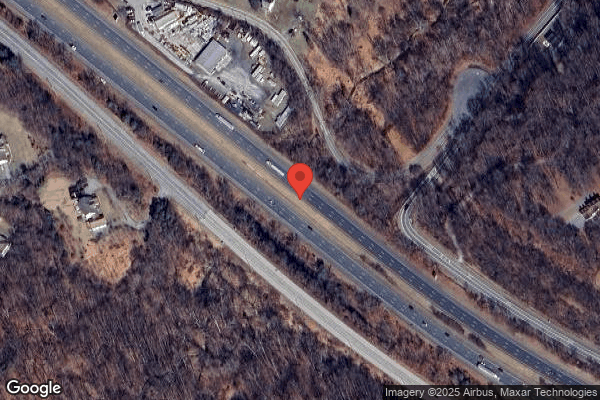

4101 BALTIMORE NATIONAL PIKE, MOUNT AIRY, MD 21771 (301) 829-0800
For profit - Limited Liability company 104 Beds COMMUNICARE HEALTH Data: November 2025
Trust Grade
56/100
#123 of 219 in MD
Last Inspection: August 2025

Inspected within the last 6 months. Data reflects current conditions.

Overview

Pleasant View Healthcare Center has received a Trust Grade of C, which means it is average compared to other facilities and ranks #123 out of 219 in Maryland, placing it in the bottom half of nursing homes in the state. However, it ranks #6 out of 10 in Carroll County, indicating that only four local options are better. The facility is improving, with issues decreasing from 35 in 2023 to 7 in 2025. Staffing is a strength, with a 3 out of 5-star rating and a turnover rate of 27%, significantly lower than the state average. On the downside, the facility faces some concerning incidents; for example, a resident was seriously harmed when a mechanical lift was improperly used, resulting in a fractured pelvis. Additionally, there were issues with staff not knowing how mail is distributed and a lack of a Social Worker, which could affect resident support and communication.

Trust Score
C
56/100
In Maryland
#123/219
Bottom 44%
Safety Record
Moderate
Needs review
Inspections
Getting Better
35 → 7 violations
Staff Stability
✓ Good
27% annual turnover. Excellent stability, 21 points below Maryland's 48% average. Staff who stay learn residents' needs.
Penalties
○ Average
$15,593 in fines. Higher than 72% of Maryland facilities. Some compliance issues.
Skilled Nurses
○ Average
Each resident gets 33 minutes of Registered Nurse (RN) attention daily — about average for Maryland. RNs are the most trained staff who monitor for health changes.
Violations
⚠ Watch
68 deficiencies on record. Higher than average. Multiple issues found across inspections.
★★★☆☆
3.0
Overall Rating
★★★☆☆
3.0
Staff Levels
★★★★☆
4.0
Care Quality
★★★☆☆
3.0
Inspection Score
Stable
2023: 35 issues
2025: 7 issues

The Good

  • 4-Star Quality Measures · Strong clinical quality outcomes
  • Low Staff Turnover (27%) · Staff stability means consistent care
  • Full Sprinkler Coverage · Fire safety systems throughout facility
  • No fines on record
  • Staff turnover is low (27%)

    21 points below Maryland average of 48%

Facility shows strength in quality measures, staff retention, fire safety.

The Bad

3-Star Overall Rating

Near Maryland average (3.0)

Meets federal standards, typical of most facilities

Federal Fines: $15,593

Below median ($33,413)

Minor penalties assessed

Chain: COMMUNICARE HEALTH

Part of a multi-facility chain

Ask about local staffing decisions and management

The Ugly 68 deficiencies on record

1 actual harm
Aug 2025 7 deficiencies
CONCERN (D)

Potential for Harm - no one hurt, but risky conditions existed

Quality of Care (Tag F0684)

Could have caused harm · This affected 1 resident

**NOTE- TERMS IN BRACKETS HAVE BEEN EDITED TO PROTECT CONFIDENTIALITY** Number of residents sampled: Number of residents cited: Based on record review, observation, and interview it was determined tha...

Read full inspector narrative →
**NOTE- TERMS IN BRACKETS HAVE BEEN EDITED TO PROTECT CONFIDENTIALITY** Number of residents sampled: Number of residents cited: Based on record review, observation, and interview it was determined that the facility failed to accurately assess residents' dental status. This was evident for one resident (Resident #69) of one resident reviewed for dental care during the recertification survey.The findings include:A review of Resident #69's nursing admission assessment dated [DATE] stated no oral concerns in section 3B Oral Status. In the same section there were questions to indicate if the resident had no teeth, or had broken or missing teeth, but none of those questions were answered.On 8/20/2025 at 11:25 AM Resident #69 was observed and interviewed in their room. The resident was seated in a wheelchair next to their bed, and was able to respond to questions but they had a soft voice and were difficult to understand. No teeth were observed in the resident's mouth, and when asked, the resident said they had no teeth. They said they had dentures, but they did not know where the dentures were. When asked if they were able to eat the food provided, they did not give a specific answer.On 8/27/2025 at 10:25 AM a joint observation and interview of Resident #69 was conducted with the Director of Nursing (DON) at the resident's bedside. The DON looked in the resident's mouth and determined that the resident did not have any teeth. She also said that the nursing documentation should have described that. On 8/27/2025 at 11:17 AM an interview was conducted with the Nursing Home Administrator (NHA) to review the finding that Resident #69's dental assessment was inaccurate, and she acknowledged the deficiency. No further evidence was provided by the end of the survey.
CONCERN (D)

Potential for Harm - no one hurt, but risky conditions existed

Unnecessary Medications (Tag F0759)

Could have caused harm · This affected 1 resident

Based on observations, record reviews and interviews, it was determined that the facility failed to ensure medication errors were below 5% during the medication administration observation. This was ev...

Read full inspector narrative →
Based on observations, record reviews and interviews, it was determined that the facility failed to ensure medication errors were below 5% during the medication administration observation. This was evident for 2 of 29 medications administered during the observation.The findings include: The medication administration task started on 8/28/25 at 8:04 AM. A total of 29 opportunities for errors were observed between 2 Licensed Practical Nurses (LPN #18 and #19). During the observation, the following concerns were identified:1) On 8/28/25 at 8:16 AM, LPN #18 was observed during her medication administration to Resident #51. Included in the medications that she administered was Geri-Kot (Sennosides 8.6 mg) to the resident.A review of Resident #51's medical orders was conducted on 8/28/25 at 10:07 AM. The review revealed the order was for Senna-S (Sennosides-Docusate Sodium 8.6-50 mg). LPN #18 was interviewed on 8/28/25 at 11:21 AM. During the interview, Resident #51's medical record was reviewed, and she confirmed the order was for Senna-S but administered Geri-Kot instead, which did not have the 50 mg of docusate sodium in the active ingredient. An inspection of her medication cart was also conducted and revealed that Senna-plus (Sennosides-Docusate Sodium 8.6-50 mg) was available. LPN #18 verbalized that she should have administered Senna-plus instead of Geri-Kot.2) On 8/28/25 at 9:12 AM, LPN #19 was observed during her medication administration to Resident #44. Included in the medications that she administered was Geri-Kot (Sennosides 8.6 mg) to the resident.A review of Resident #44's medical records was conducted on 8/28/25 at 10:42 AM. The review revealed the order was for Senna-S (Sennosides-Docusate Sodium 8.6-50 mg).LPN #19 was interviewed on 8/28/25 at 11:32 AM. During the interview, Resident #44's medical record was reviewed, and she confirmed the order was for Senna-S but administered Geri-Kot instead, which did not have the 50 mg of docusate sodium in the active ingredient. An inspection of her medication cart was also conducted and revealed that Senna-plus (Sennosides-Docusate Sodium 8.6-50 mg) was available. LPN #19 verbalized that she should have administered Senna-plus instead of Geri-Kot.The Director of Nursing (DON) was interviewed on 8/28/25 at 11:44 PM. During the interview, the concern was discussed with the DON that both LPN #18 and #19 administered Geri-Kot instead of the available Senna-Plus on their medication carts. These 2 medication administrations were counted as errors out of the 29 total opportunities observed during the medication administration task. The medication error rate was computed as 7%. The DON verbalized understanding and acknowledged the concern.
CONCERN (D)

Potential for Harm - no one hurt, but risky conditions existed

Menu Adequacy (Tag F0803)

Could have caused harm · This affected 1 resident

Based on observation and relevant document review, it was determined that the facility kitchen failed to provide residents with the meals as indicated on their meal tickets. This was evident for 3 res...

Read full inspector narrative →
Based on observation and relevant document review, it was determined that the facility kitchen failed to provide residents with the meals as indicated on their meal tickets. This was evident for 3 residents (Resident #5, #65, and #33) out of 3 observed during a dinner dining observation.The findings include:On 8/19/25 at 10:16 AM during an interview Resident #6, a long-term resident of the facility, they reported the meal portions were small and sometimes the food served was not enough to eat. On 8/27/25 at 5:40 PM, a dinner observation was conducted in the A building dining room. Observation of Resident #5's meal ticket revealed a buttered dinner roll was to be included. However, the served dinner tray did not contain a dinner roll. This was confirmed by GNA Staff #10. After surveyor intervention, Staff #10 requested a buttered dinner roll from the kitchen staff.On 8/27/25 at 5:41 PM, observation of Resident #65's meal ticket revealed a buttered dinner roll was to be included. However, the served dinner tray did not contain a dinner roll. This was confirmed by GNA Staff #11. After surveyor intervention, Staff #11 requested a buttered dinner roll from the kitchen staff.On 8/27/25 at 5:42 PM, observation of Resident #33's meal ticket revealed yogurt was to be included. However, the dinner tray served did not contain yogurt. This was confirmed by GNA Staff #10. After surveyor intervention, Staff #10 requested yogurt from the kitchen staff.On 8/27/25 at 5:47 PM, the above observations were discussed with the Regional Dietary Manager (Staff #12). He stated that he and the Facility Dietary Manager were ensuring the remaining meal trays were complete.
CONCERN (D)

Potential for Harm - no one hurt, but risky conditions existed

Infection Control (Tag F0880)

Could have caused harm · This affected 1 resident

Based on observation, interview, and record review it was determined that the facility failed to use proper infection control strategies. This was evident for 1) one of two laundry rooms observed, and...

Read full inspector narrative →
Based on observation, interview, and record review it was determined that the facility failed to use proper infection control strategies. This was evident for 1) one of two laundry rooms observed, and 2) while providing feeding assistance to a resident(s). The findings include: 1). A review of the facility's laundry policy and procedure revealed a statement that read, in part, “employees should don appropriate PPE (e.g. tear resistant reusable gloves, gown/apron, and/or face shield/goggles) prior to collecting, transporting, or sorting soiled linens.” On 8/25/25 at 8:35 AM during an observation of the soiled laundry room in A building, laundry aide (Staff #4) was observed in front of the washing machine with the door open. She was not wearing any PPE. When interviewed, she said her normal process was to wear gown and gloves and she pointed in the room to where they were stored but said she was busy and so did not put them on. She said she knew that she was supposed to do so. She also said she had worked at the facility for 38 years. On 8/25/25 at 8:40 AM an interview was conducted with the district manager for Health Care Services group, (Staff #5) who in a nearby office. She was informed of the observation that Staff #4 was observed without PPE when she loaded dirty laundry into the washer, and Staff #5 acknowledged the deficient practice and said she would in-service the laundry staff on the proper use of PPE. On 8/29/25 the deficient practice was reviewed with the Director of Nursing and the Nursing Home Administrator, and they provided no further evidence. 2). On 08/23/25 at 12:00 PM, a dining observation was conducted in Building A. Geriatric Nursing Assistant (GNA) Staff #13 was sitting between Resident #14 & Resident #48. Further observation revealed that GNA #13 was observed assisting Resident #14 and Resident #48 with eating. Staff #13 was feeding both residents simultaneously and did not perform hand hygiene in between assisting each of the two residents. On 08/23/25 at 12:10 PM the Director of Nursing (DON) entered the dining room and observed Staff #13 feeding both residents without practicing proper hand hygiene. The DON did not provide a comment at the time of the observation. On 08/25/2025 at 10:10 AM, during an interview, the Administrator acknowledged concerns regarding infection control. She confirmed the issue had been addressed with GNA Staff #13. Stating that education on appropriate feeding practices and hand hygiene, when assisting multiple residents, had been provided.
CONCERN (D)

Potential for Harm - no one hurt, but risky conditions existed

Deficiency F0919 (Tag F0919)

Could have caused harm · This affected 1 resident

Based on observations and interviews, it was determined that the facility failed to ensure call systems devices were within reach and available to the residents. This was evident for one (Resident # 6...

Read full inspector narrative →
Based on observations and interviews, it was determined that the facility failed to ensure call systems devices were within reach and available to the residents. This was evident for one (Resident # 60,) in a random observation during a survey.The findings include: On 8/19/25 at 10:39 AM an observation was made in Resident # 60s room. The observation revealed that the resident's call system device was hooked over the wall light behind the resident's bed, approximately 5 feet off the floor. The call light was beyond the resident's reach and not accessible to the resident.On 8/19/25 at 1:52 PM a second observation was made in Resident # 60s room. The observation revealed the call light in the same place as observed at 10:39 AM. Which was out of reach for the residents and not accessible to them.On 8/19/25 at 1: 53 PM the above observation was confirmed by the infection control nurse (Staff #8). Staff #8 removed the call light from above the wall light and placed the call system on the bed within reach of resident #60.On 8/21/25 at 2:55 PM the surveyor shared this information with the DON (Director of Nursing). She confirmed that the call light should be checked during 2-hour resident rounds to ensure that it is in reach of the resident.
CONCERN (E)

Potential for Harm - no one hurt, but risky conditions existed

Deficiency F0679 (Tag F0679)

Could have caused harm · This affected multiple residents

Based on interview and record review it was determined that the facility failed to provide activities for residents. This was evident for five residents (R #44, #45, #47, #50, #53) of seven residents ...

Read full inspector narrative →
Based on interview and record review it was determined that the facility failed to provide activities for residents. This was evident for five residents (R #44, #45, #47, #50, #53) of seven residents reviewed for Activities during the recertification survey.The findings include:The findings include:On 8/25/2025 at 1:17 PM an interview was conducted with the Activities Director (Staff #20) and the Nursing Home Administrator (NHA). Staff #20 said the activities program at the facility offered mental stimulation, creative expression and physical activity, and that these were provided in both group and individual settings, depending on the residents' needs and preferences. She further described that for residents who don't like group activities or for residents who have dementia the activity staff would try different activities to see what each resident enjoyed the most. She gave examples of music, talking, and tactile activities. When asked how activity participation was tracked, Staff #20 said she kept an activities binder, and she left to retrieve it.On 8/26/25 at 11:00 AM a review of the facility's activities tracking binder revealed blank pages for 5 residents (R #44, #45, #47, #50, #53). On each individual resident's page, the heading indicated the resident's name and that the resident should have weekly one to one activity. There were no activities logged on any of the pages and no documentation of any refusal or unavailability.On 8/26/2025 at 1:57 PM another interview with Staff #20 and the NHA was conducted to review the activities documentation. When Staff #20 was shown the blank forms for the Residents #44, #45, #47, #50, #53, she responded that the activities staff had been inconsistent with their documentation but she confirmed that there was no evidence that any activities were provided to those residents.
CONCERN (E)

Potential for Harm - no one hurt, but risky conditions existed

Deficiency F0761 (Tag F0761)

Could have caused harm · This affected multiple residents

**NOTE- TERMS IN BRACKETS HAVE BEEN EDITED TO PROTECT CONFIDENTIALITY** Based on observation, interview, and record review, it was determined that the facility failed to 1) Ensure medications and trea...

Read full inspector narrative →
**NOTE- TERMS IN BRACKETS HAVE BEEN EDITED TO PROTECT CONFIDENTIALITY** Based on observation, interview, and record review, it was determined that the facility failed to 1) Ensure medications and treatment supplies were secured and stored properly for 4 of 6 medication/treatment carts observed, 2) Discard medications per manufacturer's instructions when opened beyond the recommended timeframe, and 3) Ensure staff consistently followed facility policy and practice for securing medication/treatment carts during the annual recertification survey.The findings include: 1) On [DATE] at 12:03 PM , during an observation of the nursing unit during meal time and tray distribution, it was observed that a treatment cart was unlocked and unattended in front of the nurses' station adjacent to resident room [ROOM NUMBER] in the A building. The surveyor stood nearby, observing for approximately 6 minutes. The drawers opened, revealing supplies that were visible and accessible, including shears, over-the-counter topical medications, and adhesives. Staff Nurse #15 approached when they realized the cart was accessible to the surveyor. At 12:09 PM, Staff Nurse #15 on the unit approached the surveyor who was at the treatment cart. They confirmed it was unlocked, retrieved what was needed from the cart, and walked away. Later, at 12:19 PM, still in the A building during lunchtime and meal tray distribution, an observation of the medication cart near room [ROOM NUMBER] revealed it to be unlocked and unattended. Resident #62 was out of their room, walking in the hallway near the cart. The cart was observed for approximately four minutes with the surveyor opening drawers, exposing resident medication blister packages, until it was noticed by Staff Nurse #15, who quickly came and stated, Sorry! On [DATE] at 12:30 PM, the unit manager, Staff Nurse #16, for A building, was notified of the observation. At 4:09 PM, on the same day, during an Observation of B building, it was observed that one of the two treatment carts for the unit near the nursing station was unlocked and accessible. Resident #46 was nearby in the hallway. Staff Nurse #17 promptly intervened and locked the cart with the surveyor's presence. On [DATE] at 4:20 PM, the Director of Nursing was made aware of observations of unlocked carts at this time. Cross-reference and refer also to CMS F689. 2) On [DATE] at 10:38 AM, an inspection of the medication cart in building “A” assigned to Licensed Practical Nurse (LPN #6) was conducted. During the inspection, an inhaler (Fluticasone Propionate and Salmeterol inhalation powder 250mcg/50 mcg) for Resident #29 was observed to have an open date of [DATE]. Further review of the inhaler packaging revealed instructions to discard the inhaler 1 month after opening. A review of Resident #29's electronic Medication Administration Record (eMAR) for [DATE] was conducted on [DATE] at 10:52 AM. The review revealed that the inhaler was scheduled for 2 times daily (AM and PM) with the AM dose marked as already administered for [DATE] by LPN #6. Resident #29's inhaler was reviewed with LPN #6 and he confirmed the open date and indicated that it should have been discarded already based on the manufacturer's instructions. He also reported that he had already called the pharmacy around 10 AM and that the inhaler would most likely be delivered later today. The eMAR of Resident #29 was being reviewed with LPN #6 and he reported that he did not administer the AM dose when he found out that the medication was already expired. During this time at 11:03 AM, the Director of Nursing (DON) walked in the nursing unit. The DON was asked to look at the resident's eMAR and she confirmed that LPN #6 documented that he administered the AM dose. The DON was asked what her expectation was from staff when a medication has instruction to discard after 1 month. The DON indicated that the facility's practice was to discard medications after 30 days and reported that in the case of Resident #29's inhaler with an open date of [DATE], it should have been discarded on [DATE]. 3) On [DATE] at 3:19 PM, an observation was made in the hallway of Building A. A treatment cart was seen in front of the nursing station. The cart was unlocked, and its doors could be easily opened. No nursing staff were observed nearby. At 3:20 PM on [DATE], Nurse Staff #9 approached the surveyor and the cart. During a brief interview, Staff #9 stated he had just come on shift and had not yet used the treatment cart. He immediately locked the cart. At 3:22 PM on [DATE], Nurse Staff #9 and the surveyor observed the cart's contents. The cart contained, but was not limited to, scissors in the top drawer and a bottle of Dakin's solution in the bottom drawer. Note: Dakin's solution is diluted bleach (sodium hypochlorite) used to clean wounds and prevent infection. At 4:01 PM on [DATE], the Administrator and Director of Nursing (DON) were informed of the unlocked and unattended treatment cart. Both confirmed that it is their expectation for medication and treatment carts to remain locked when unattended. They reported that staff re-education had begun. [DATE] 10:41 AM Administrators provided the facility policy titled “Policy #4.1 Storage of Medications.” Review of the policy revealed that medication and biologicals were to be stored safely, securely and properly following manufacturers' recommendations or those of the supplier. The medication supply is accessible only to licensed nursing personnel, pharmacy personnel, or staff members lawfully authorized to administer medications.
May 2023 35 deficiencies 1 Harm
SERIOUS (G) 📢 Someone Reported This

A family member, employee, or ombudsman was alarmed enough to file a formal complaint

Actual Harm - a resident was hurt due to facility failures

Accident Prevention (Tag F0689)

A resident was harmed · This affected 1 resident

Based on reviews of the resident's medical record and administrative records, and resident and staff interviews, it was determined that the facility staff failed to ensure a mechanical lift sling was ...

Read full inspector narrative →
Based on reviews of the resident's medical record and administrative records, and resident and staff interviews, it was determined that the facility staff failed to ensure a mechanical lift sling was properly positioned under a totally dependent Resident (#11) before initiating the transfer. This failure led to Resident (#11) sliding through the front of the lift sling onto the floor. This failure led to Resident (#11) being sent to the emergency room and being diagnosed with a fractured pelvis. This resulted in harm to Resident #11. This was evident for 1 (Resident #11) of 2 residents reviewed for accidents during an annual Long Term Care Survey Process. After the incident, the facility developed initiated, and completed a plan of correction to prevent further injuries to residents during care. Therefore, this deficiency will be cited as past non-compliance. The date of correction was 03/02/2023 The findings include: During the initial phase of the Long Term Care Survey Process (LTCSP), Resident #11 was identified and selected for review related to having had a fall with a major injury. A review of Resident #11's medical record on 04/21/23 revealed Resident #11 had a history of multiple sclerosis, stroke with lasting paralysis, slurred speech, and anxiety. A review of Resident #11's Activity of Daily Living (ADL) care plan revealed that Resident #11 requires 2 staff members' assistance when providing care and requires dependent assistance with bed mobility. A review of Resident #11's 12/10/22 Fall Risk Observation Tool, indicated Resident #11 was non-ambulatory, and required a total mechanical lift for all transfers. A review of the facility's Mechanical Lifts and Transfer policy on 04/21/23 revealed that the use of mechanical lifts requires a competent and skilled user and requires the use of two employees to perform the lift safely, for both the resident and the employees. In an interview with GNA #42 (Staff #42) on 04/25/23 at 1:39 PM, the GNA stated that S/he has been a GNA for 23 years and has worked in the facility full-time since 2007. GNA #42 stated that S/he and GNA #27 (Staff #27) were in the process of transferring Resident #11 back to bed on 02/25/23 at approximately 6:30 PM. GNA #42 stated that Resident #11 had been placed in his/her Geri chair on the prior shift and that Resident #11's mechanical lift sling was already beneath Resident #11. GNA #42 stated that S/he noticed Resident #11's mechanical sling was not sitting properly beneath Resident #11 before the chair-to-bed transfer was performed. GNA #42 stated that the bottom of the sling rose up beneath Resident #11, towards his/her head, and was not positioned down behind Resident #11's knees. GNA #42 stated that S/he and GNA #27 did try adjusting Resident #11's sling at this time. GNA #42 stated that after Resident #11 fell, it was hard to figure out what had happened. GNA #42 stated, We were using the one sling that fits everyone. One size fits all types of residents. GNA #42 stated, I did what I could and tried to minimize Resident #11's fall. Resident #11 fell approximately 2 - 2.5 feet onto the floor. GNA (#42) stated that the mechanical lift sling did not become disconnected from the mechanical lift during the transfer. GNA (#42) also stated that Resident #11's fall from the mechanical lift was determined to be an accident. A review of GNA (#42) education record on 04/26/23 revealed that GNA (#42) received training on Mechanical Lift Application and Use on 02/27/2023 and 03/15/2023 after Resident #11's fall. A review of GNA (#27) education record on 04/26/23 revealed that GNA (#27) had a hire date of 01/22/2013. GNA (#27) received training on Mechanical Lift Application and Use on 02/27/2023 and 03/02/2023 after Resident #11's fall. The facility administrator and Director provided the survey team with a plan of correction regarding Resident #11's fall with a major injury on 04/22/2023. The plan of correction revealed the following: a) all nursing staff were provided with education on how to transfer a resident using a mechanical lift. This was completed by 03/01/23. b) all residents were screened and sized by the Director of Nurses for the use of a properly sized Hoyer sling. This was completed by 02/25/23. c) the facility initiated a quality assessment and performance improvement plan on 02/26/23. d) the facility conducted a thorough investigation and reported the incident to the State Survey Agency. e) Resident #11 was assessed by his/her physician on 02/28/23. f) Resident #11's plan of care was updated. The survey team determined that the facility corrected the incident. The date of the plan of correction was determined to be 03/02/23.
CONCERN (D) 📢 Someone Reported This

A family member, employee, or ombudsman was alarmed enough to file a formal complaint

Potential for Harm - no one hurt, but risky conditions existed

Resident Rights (Tag F0550)

Could have caused harm · This affected 1 resident

**NOTE- TERMS IN BRACKETS HAVE BEEN EDITED TO PROTECT CONFIDENTIALITY** Based on observation and reviews of a medical record, it was determined that the facility staff failed to treat each resident in...

Read full inspector narrative →
**NOTE- TERMS IN BRACKETS HAVE BEEN EDITED TO PROTECT CONFIDENTIALITY** Based on observation and reviews of a medical record, it was determined that the facility staff failed to treat each resident in a dignified manner by pulling a resident backward down the hallway. This was evident for 1 (Resident #6) resident reviewed for dignity during the Long Term Care Survey Process annual recertification survey. The findings include: During an observation of Resident #6 on 4/18/23 at 4:55 PM, the surveyor observed GNA #27 pulling Resident #6 backward down the hallway to his/her room, while seated in his/her wheelchair. Resident #6 was admitted to the facility on [DATE] with diagnoses that included a cerebrovascular accident with paralysis to one side of the body and dementia. A review of Resident #6's annual MDS assessment, dated 1/10/2023, revealed that Resident #6 is totally dependent upon the nursing staff for transfers and locomotion on the unit. Resident #6 also received a Brief Interview for Mental Status (BIMS) on 1/10/23 in which Resident scored 2 out of 15 which indicates severe cognative impairment. This concern was brought to the attention of the charge nurse on 4/18/23 at 5 PM.
CONCERN (D) 📢 Someone Reported This

A family member, employee, or ombudsman was alarmed enough to file a formal complaint

Potential for Harm - no one hurt, but risky conditions existed

Deficiency F0578 (Tag F0578)

Could have caused harm · This affected 1 resident

**NOTE- TERMS IN BRACKETS HAVE BEEN EDITED TO PROTECT CONFIDENTIALITY** 3) A durable power of attorney is a form of Advanced Directive that authorizes a designee to make healthcare decisions on a pers...

Read full inspector narrative →
**NOTE- TERMS IN BRACKETS HAVE BEEN EDITED TO PROTECT CONFIDENTIALITY** 3) A durable power of attorney is a form of Advanced Directive that authorizes a designee to make healthcare decisions on a person's behalf when they are unable. On [DATE] at 11:00 AM review of Resident #1 medical records revealed that the resident was certified by two physicians to be incapable of making medical decisions on [DATE] and [DATE]. The resident's notice of Medicare noncoverage was issued by the facility and signed by the resident's family member. However, no documentation was found in the medical record to indicate that the family member was authorized to sign documents and make decisions on the resident's behalf. Staff #8 a Social Worker (SW) was asked on [DATE] at 11:18 AM to provide documentation of how it was determined who was authorized to make decisions for the resident. On [DATE] at 3:29 PM Staff #4 Medical Records Coordinator indicated that she looked through the resident's record and could not find documentation related to the designation of the resident's decision maker. The Administrator and Staff #8 were made aware of the above findings on [DATE] at 8:42 AM. The administrator indicated that they were searching through the paper records kept by the former owners. On [DATE] at 9:27 AM staff #4 Medical Records Coordinator provided a copy of the resident's Advance Directive signed and dated [DATE]. She indicated that it was found in the old records kept by the former facility owners. It was not in the residents' current record and was not accessible to staff. The facility's Advance Directive policy, reviewed on [DATE] at 9:30 AM indicated that Advance Directive copies would be made and kept on the hard chart medical record as well as communicated to the staff. 0n [DATE] at 10:30 Am, the Administrator was made aware that the facility failed to maintain readily a copy of Resident #1's Advance Directive in the residents' record. 2) According to the Health Care Decisions Act: 5-602 (d) (1) Any competent individual may make an oral advance directive to authorize the providing, withholding, or withdrawing of any life-sustaining procedure or to appoint an agent to make health care decisions for the individual. (2) An oral advance directive shall have the same effect as a written or electronic advance directive if made in the presence of the attending physician, physician assistant, or nurse practitioner and one witness and if the substance of the oral advance directive is documented as part of the individual's medical record. The documentation shall be dated and signed by the attending physician, physician assistant, or nurse practitioner and the witness. (e) (1) Unless otherwise provided in the document, an advance directive shall become effective when the declarant's attending physician and a second physician certify in writing that the patient is incapable of making an informed decision. On [DATE] at 12:35 PM, a review of Resident #43's medical record revealed that the resident was admitted to the facility in [DATE] with diagnoses including catatonic schizophrenia, dysphagia, epilepsy, and altered mental status. A Review of the resident's paper chart revealed that two different versions of Physician certifications related to a medical condition, decision making, and treatment limitations were filed; one checked unable to make decision due to change in mental status signed and dated [DATE] with a physician's last name handwritten, and other one recorded unable to make decision due to change in mental status signed and dated [DATE] without a printed name. However, the two signatures looked similar. During an interview with the Director of Nursing (DON) on [DATE] at 10:45 AM, the DON was asked to identify a signature on the physician certification without a printed name. The DON said, looked like [ name of Physician (primary attending physician, Staff #33) who signed one form on [DATE] with the sign and printed last name]. I will double-check it with him. At/ 12:07 PM on [DATE], the DON stated that she verified the signature on the form [DATE] with Staff #33 through a text and phone call and confirmed that the signature on the physician certification form was the same one as the form dated [DATE]. On [DATE] at 12:10 PM, the surveyor reviewed two dated physician certifications for decision-making forms with the DON. The DON stated that the physician certifications should be signed by two physicians and said, I'll look more. At the time of the exit meeting held on [DATE] at 3:50 PM, no additional documentation was submitted to the survey team to support the certification was signed by two physicians. Based on clinical record review and staff interviews, it was determined that the facility 1) failed to ensure the resident/responsible party was offered the opportunity to develop an advance directive; 2) failed to ensure that 2 physicians' certificates of incapacity were obtained for residents; and 3) failed to have a copy of the Advance Directive readily accessible in the medical record. This was evident for 3 (#41, #43, and #1) of 5 residents reviewed for advance directives during the annual survey. The findings include: An advance directive is a written statement of a person's wishes regarding medical treatment, often including a living will, made to ensure those wishes are carried out should the person be unable to communicate them to a doctor. It is a legal document in which a person specifies what actions should be taken for their health if they are no longer able to make decisions for themselves because of illness or incapacity. A Maryland MOLST (Medical Orders for Life-Sustaining Treatment) form is used for documenting a resident's specific wishes related to life-sustaining treatments. The MOLST form includes medical orders for Emergency Medical Services (EMS) and other medical personnel regarding cardiopulmonary resuscitation (CPR) and other life-sustaining treatment options for a specific patient. 1) Resident #41 was admitted to the facility on [DATE]. Resident #41's medical record was reviewed on [DATE] at 9:45 AM. Review of the admission social history assessment by the director of social services revealed a templated questionnaire indicating resident #41 did not have an advance directive. A question was written as Does the resident request advanced care planning information? The answer to the question was No. On [DATE] at 1:15 PM, the director of social services was asked if she has educational information related to formulating advance directives and does she offer residents information to formulate advanced directives. She indicated that there is a question in the social history assessment. The templated social history assessment question was reviewed with her, and she was asked if she offers residents information to formulate an advanced directive. She said that was a good idea and she thanked the surveyor for the suggestion. A copy of the facility's Advance Directive policy was obtained on [DATE]. The policy indicated that upon admission if the resident has not executed an advance directive, it will be determined if the resident would like to formulate an advance directive. During the care planning process, the facility will identify, clarify, and review with the resident whether they desire to make any changes related to the advance directive. On [DATE] at 12:15 PM the social services director revealed that she did not have any advance directive education materials related to the Five Wishes. (She indicated that this was the form that the corporation uses). The facility's advance directives policy was reviewed with her, and she shared that she reviews the MOLST form. Review of the most recent care plan conference note dated [DATE] revealed that she only reviewed the MOSLT form and not the advance directive. There was no documentation that resident #41 was asked if s/he desired to formulate an advance directive.
CONCERN (D) 📢 Someone Reported This

A family member, employee, or ombudsman was alarmed enough to file a formal complaint

Potential for Harm - no one hurt, but risky conditions existed

Notification of Changes (Tag F0580)

Could have caused harm · This affected 1 resident

**NOTE- TERMS IN BRACKETS HAVE BEEN EDITED TO PROTECT CONFIDENTIALITY** Based on reviews of a complaint, a closed medical record, administrative records, and staff interviews, it was determined that t...

Read full inspector narrative →
**NOTE- TERMS IN BRACKETS HAVE BEEN EDITED TO PROTECT CONFIDENTIALITY** Based on reviews of a complaint, a closed medical record, administrative records, and staff interviews, it was determined that the facility staff failed to notify a resident's physician and family member regarding new complaints of pain in the right leg. This was evident for 1 (Resident #180) of 3 residents reviewed for pain management during the Long Term Care Survey Process annual recertification survey. The findings include: A review of complaint MD00178602 on 4/27/23 revealed an allegation Resident #180 was sent to the emergency room for a suspicious injury of unknown origin. In the emergency room, Resident #180 was confirmed with a distal right fractured femur on 3/10/22. A review of the facility's Pain Management and Assessment policy on 4/27/23 revealed a definition of breakthrough pain for the purpose of this policy, which is generally associated with cancer and is severe pain that erupts while the resident is already medicated with long-acting pain medications. The facility's Pain Management and Assessment policy on 4/27/23 stated; It is the policy of this facility to provide resident-centered care that meets the psychosocial, physical, and emotional needs and concerns of the residents. Safety is a primary concern for our residents, staff, and visitors. The purpose of this policy is to provide guidance to the clinical staff to support the intent of regulation 483.25(k) that based on the comprehensive assessment of a resident, the facility practice, the comprehensive care plan, and the resident's choices, related to pain management. There is no objective test that can measure pain. The clinician must accept the resident's report of pain. Clinical observations clarify information from the resident. The site of discomfort may direct the nurse to specific types of pain-relief measures. Resident #180 was admitted to the facility on [DATE]. Resident #180 suffers from dementia, hemiparesis of the right side following a cerebrovascular accident, asthma, metabolic encephalopathy, seizure disorder, contractures of the right hand and elbow, and a history of a fractured right fibula and tibia (20150. Reviews of a follow-up x-ray of the right knee, dated 3/29/21, indicated diffuse osteopenia and healed fractures of the right proximal tibia and fibula. Resident #180 is bed-bound and totally dependent upon the facility staff for aspects of his/her care. A review of Resident #180's closed medical record on 4/27/23 revealed a nursing assessment, dated 3/08/22 at 9:50 AM, indicating Resident #180 was having pain in the right lower leg with movement and that turning and repositioning helped to alleviate the right lower leg pain. The nurse documented that Resident #180 described the pain as an ache. On 3/09/22 at 10:30 am, the MDS coordinator documented that Resident #180 was screaming with movement of the right lower extremity. In an interview with the facility MDS director on 5/01/23 at 1:30 PM, the MDS director stated that the 3/09/22 at 10:30 AM a note was generated by the facility IDT (interdisciplinary) team due to reports by the facility director of therapy Resident #180 was screaming with any movement of the right lower extremity. Further review of Resident #180's closed medical record revealed on 3/09/22 at 11:50 AM, that Staff Member/RN #3 documented Resident #180 was having pain in the right leg. In the skilled documentation report dated 3/09/22 at 11:50 AM, Staff Member #3 documented that Resident #180 right leg pain was not relieved with nonpharmacological interventions, but Resident #180's right leg pain was relieved with pharmacological intervention, Tylenol, 500 mg, orally. In an interview with Staff Member/RN #3 on 5/01/23 at 12:09 PM, Staff Member #3 stated that S/he documented Resident #180's complaint of right leg pain on 3/09/22 at 11:50 AM and administered Tylenol to Resident #180 for complaints of pain at the time. A review of Resident #180's March 2022 medication administration record failed to reveal and nursing administration of Tylenol to Resident #180 between 3/03/22 through 3/10/22. Staff Member #3 stated that S/he did not call Resident #180's physician or family member until 3/10/22 regarding Resident #180's complaint of pain in the right leg. Staff member #3 stated that on 3/10/22 the therapy staff were now reporting to him/her that Resident #180 was unable to log roll. In an interview with the Director of Nurses (DON) on 5/01/23 at 3:07 PM, the DON presented the nurse surveyor with documentation that Resident #180 was receiving the medication, Eslicarbazepine acetate, 600 mg orally, every morning, for the indication of neuropathy. A search on the world wide web revealed that Eslicarbazepine acetate, which is sold under the brand names Aptiom and Zebinix among others, is an anticonvulsant medication approved for use in Europe and the United States as monotherapy or as an additional therapy for partial-onset seizures epilepsy.
CONCERN (D) 📢 Someone Reported This

A family member, employee, or ombudsman was alarmed enough to file a formal complaint

Potential for Harm - no one hurt, but risky conditions existed

Free from Abuse/Neglect (Tag F0600)

Could have caused harm · This affected 1 resident

**NOTE- TERMS IN BRACKETS HAVE BEEN EDITED TO PROTECT CONFIDENTIALITY** Based on a facility-reported incident, closed clinical record review, staff interview, and reviews of the facility abuse policy,...

Read full inspector narrative →
**NOTE- TERMS IN BRACKETS HAVE BEEN EDITED TO PROTECT CONFIDENTIALITY** Based on a facility-reported incident, closed clinical record review, staff interview, and reviews of the facility abuse policy, it was determined that facility staff failed to ensure a resident was free of staff abuse. This was evident for 1 (Resident #40) of 14 residents reviewed for abuse during a long-term care survey process recertification survey. The findings are: A review of facility-reported incident #MD00185114 on 5/1/23 revealed that the facility reported an allegation of staff-to-resident abuse on 11/1/23 in which a Geriatric Nursing Assistant (GNA) Staff #46 was observed to hit resident #40 in the head twice with a closed fist. The facility also reported that the local police were notified and conducted an onsite investigation. The resident's physician and responsible party were also made aware of the allegations. Resident #40 was transferred to the emergency room for evaluation without identification of actual injuries to the resident. A review of the facility's Abuse, Neglect, and Misappropriation policy on 5/1/23, revealed a review and revision date of 9/20/22, which defined abuse as the willful infliction of injury, unreasonable confinement, intimidation, or punishment with resulting physical harm, pain, or mental anguish. A review of Resident #40 medical record on 5/1/23 revealed that Resident #40 was admitted to the facility on [DATE] with diagnoses that include Bipolar Disorder, Hypothyroidism, and Difficulty walking. On 5/2/23 at 1:10 PM, an interview was conducted with the director of nursing to discuss the lack of abuse training found in staff #46's employment file. The facility's incident investigation packet showed that the employee received abuse training on 10/26/22 (6 days prior to the abuse incident). Additional training records were provided to show that the employee had an abuse training on 2/11/20. The nursing home administrator that completed the facility self-report no longer works at the facility. Based upon the investigation the allegation of abuse to resident #40 on 11/1/22 was substantiated. The alleged perpetrator was immediately removed from staffing, the facility immediately started an investigation and reported the incident to the State Survey agency, and the local police were called and responded. GNA staff #45 was terminated and reported to the State Board of Nursing.
CONCERN (D) 📢 Someone Reported This

A family member, employee, or ombudsman was alarmed enough to file a formal complaint

Potential for Harm - no one hurt, but risky conditions existed

Report Alleged Abuse (Tag F0609)

Could have caused harm · This affected 1 resident

2. On 5/1/23 at 12:07 PM, a review of the facility's investigative documents revealed that facility reported incident #MD00188733 involving resident to resident verbal abuse occurred on 2/4/23. The fa...

Read full inspector narrative →
2. On 5/1/23 at 12:07 PM, a review of the facility's investigative documents revealed that facility reported incident #MD00188733 involving resident to resident verbal abuse occurred on 2/4/23. The facility reported the incident to the State Agency on 2/6/23. The Director of Nursing (DON) was made aware on 5/2/23 at 10:30 AM that the facility failed to report an allegation of abuse within 2 hours. She acknowledged that it was late. Based on record review and staff interview, it was determined the facility failed to report allegations of abuse within 2 hours of the allegation to the regulatory agency, the Office of Health Care Quality (OHCQ). This was evident for 2 (#36 and #381) of 14 residents reviewed for abuse during the annual survey. The findings include: 1. Review of complaint MD0000143102, the self-report submitted to OHCQ on 7/23/19, on 4/26/23 at 10:52 AM, revealed Resident #36 reported to the charge nurse regarding his/her roommate calling staff members the N-word and statements that two staff members were in his/her room on 6/23/19 stating we should come back and beat the shit out of him/her and might as well get [the resident's name] while we're at it. Further review of the facility investigation documentation revealed that the previous Nursing Home Administrator (staff #35) identified this incident while she reviewed another reported incident on 7/22/19 and started investigating, including submitting a self-report to OHCQ. On 4/26/23 at 12:50 PM, the surveyor requested medical records for Resident #36 from the old electronic medical recording system (not in use since January 2022). The review of Resident #36's nursing progress note on 6/23/19 at 5:49 PM written by a Licensed Practical Nurse (LPN #36) revealed that the staff identified this issue and documented, reassured resident several times that writer will personally see to it that his/her concerns are addressed to the appropriate individual and that writer wants him/her and roommate to feel safe. Passed on to night charge, will follow up with DON (Director of Nursing). However, no additional follow-ups were documented regarding Resident #36's concerns in his/her medical records after LPN #36's note. On 4/28/23 at 11:10 AM, the surveyor interviewed the Director of Nursing (DON) and a medical record director. The DON said, I understand what you are concerned about. the surveyor reviewed the facility's investigative packet with them and confirmed that the facility staff started investigating this incident a month later than initially identified by LPN #36.
CONCERN (D) 📢 Someone Reported This

A family member, employee, or ombudsman was alarmed enough to file a formal complaint

Potential for Harm - no one hurt, but risky conditions existed

Investigate Abuse (Tag F0610)

Could have caused harm · This affected 1 resident

5) A facility-reported incident #MD00181286 related to an employee-to-resident abuse allegation involving Resident #65, was reviewed on 4/24/23 at 11:50 AM. The facility investigation documentation in...

Read full inspector narrative →
5) A facility-reported incident #MD00181286 related to an employee-to-resident abuse allegation involving Resident #65, was reviewed on 4/24/23 at 11:50 AM. The facility investigation documentation included the initial complaint from the resident and a statement from the alleged perpetrator. The documentation also included interviews conducted with Resident #65 by Staff #10 the Minimum Data Set (MDS) Coordinator and Staff #11 a Registered Nurse (RN) after the incident. Their interviews did not address the specifics of the abuse allegation. The facility's investigation did not include documentation to indicate that other residents or staff were interviewed or provided statements regarding the alleged incident. Staff #4, a Medical Records Coordinator was asked on 4/24/23 at 11:56 AM to provide written statements obtained from other residents and staff during the investigation. She stated that the Nursing Home Administrator (NHA) indicated that statements from other residents and staff could not be found. On 4/24/23 at 2:37 PM, an interview was conducted with Staff #10. She was asked to explain why her interview with Resident #65 did not include questions related to the resident's allegation of abuse. She indicated that she was unaware of the specifics and was told by the former NHA to talk to the resident. On 4/27/23 at 8:28 AM the NHA was made aware of the above concerns. Based on a review of medical records, investigative documentation, and interviews, it was determined that the facility failed to have an effective system in place to ensure abuse allegations were thoroughly investigated to determine if abuse occurred and take appropriate action. This was evident for 5 (Resident #70, #36, #28, #430, and #65) out of 14 residents reviewed for abuse during the survey. The findings include: 1) Review of facility-reported incident MD00179136 on 4/28/23 at 9:24 AM revealed that on 6/04/22, Resident #70 had a fall with pain on the left side leg and back. X-ray (thoracic spine, lower thoracic vertebrae, lumbosacral spine, left femur, and bilateral hips including pelvic) was obtained for the resident, and no negative result, including fracture or dislocation reported. On 6/16/22, an occupational therapist noted Resident #70 exhibited pain in the left shoulder with bluish discoloration of the left scapula. The x-ray of the left shoulder and scapula resulted in a left clavicle fracture. Further review of the facility investigation which was provided by the Nursing Home Administrator (NHA) included a form named Injury of Unknown Origin Tool documented that probable from fall on 6/04/22 under immediate cause or concern removed/corrected session. Also, the facility obtained (13) staff witness statements about Resident #70's unknown-origin injury. However, there were no additional witness statements from other residents or root cause investigations. 2) On 4/26/23 at 10:52 AM, a review of complaint MD0000143102, the self-report submitted to OHCQ on 7/23/19 was conducted. The review revealed Resident #36 reported to the charge nurse regarding his/her roommate calling staff members the N-word and statements that two staff members were in his/her room on 6/23/19 stating we should come back and beat the shit out of him/her and might as well get [the resident's name] while we're at it. Further review of Resident #36's nursing progress note dated 6/23/19 at 5:49 PM written by a Licensed Practical Nurse (LPN #36) revealed, reassured resident several times that writer would personally see to it that his/her concerns are addressed to the appropriate individual and that writer wants him/her and roommate to feel safe. Passed on to night charge, will follow up with DON (Director of Nursing). A review of the facility investigation that was provided by the Nursing Home Administrator (NHA) revealed that the facility obtained interviews with (6) employee, Resident #36, and his/her roommate. However, there were no interviews of any other residents. 3) Review of complaint MD00185905, the self-report submitted to OHCQ on 11/21/22, on 4/24/23 at 2:38 PM revealed that Resident #28 was observed sitting on the floor in the sunroom on 11/19/22, and the resident reported Resident #56 kicked him/her in the chest which caused Resident #28 to fall on the floor. Further review of Resident #28 medical records revealed that a nursing staff documented under the progress note as this resident said that [Resident #56's bed number] kicked him/her on the chest, and he/she fell to a sitting position . this resident, [Resident #28's bed number] called 911 to report an incident and complained of the chest, back and leg pain. The resident was taken to the hospital at 6:18 PM, MD, DON, and RP were notified of the incident. Also, a review of Resident #56 medical records revealed that a nursing staff documented on 11/19/22 at 7:58 PM as This writer asked Resident #56 why she/he kicked [Resident #28's ID number] in the chest, this resident replied, [resident #28's ID number] grabbed my hands, and that is what you get for grabbing people hands. However, the facility investigation did not have additional interviews with staff, Resident #28, Resident #56, and other residents regarding this resident-to-resident abuse. Also, there was no further follow-up investigations were conducted for Residents #28 and # 56. 4) Review of facility submitted report, MD 00159635, was conducted on 4/26/23 at 8:30 AM. The report submitted to the OHCQ on 10/27/20 revealed that Resident #430 was held by another resident to a standing position, not to fall on 10/25/20, around 6 PM. A nursing staff assisted Resident #430 to the wheelchair at the side of the bed, assessed for injuries, and no bruises or hematoma was noted during the assessment. Around 8 PM on 10/25/20, two Geriatric Nursing Aides (GNAs) reported a hematoma and bleeding at the back of the head. The resident was transferred to the hospital for further evaluation and had three staples on the scalp wound. On 4/26/23 at 8:58 AM, the surveyor requested the facility investigation documentation from the Nursing Home Administrator (NHA). The NHA stated since the current company took over the facility from the previous owner in January 2022, they also took old records, including this incident's documentation. Also, she stated that the facility had only one device and one person could assess prior medical records. On 4/26/23 at 10:20 AM, the surveyor requested to print out documentation from the old electronic medical record system related to Resident #430's medical records related to this unknown origin injury. The review revealed that a nursing staff documented Resident #430's hematoma and bleeding at the back of the head on 10/24/20 at 10:21 PM (*the self-report form indicated the incident occurred on 10/25/20). A follow-up note was written on 10/25/20 at 7:23 AM, including Resident #430 was back to the facility with three staples on the scalp wound. However, no other investigation and/or follow-up was documented under Resident #430's medical records. During an interview with the NHA on 4/26/23 at 3:00 PM, the surveyor informed concerns that the facility did not have investigative documentation and no follow-up related to the fall was found. The NHA verbalized understood the concerns.
CONCERN (D) 📢 Someone Reported This

A family member, employee, or ombudsman was alarmed enough to file a formal complaint

Potential for Harm - no one hurt, but risky conditions existed

Deficiency F0624 (Tag F0624)

Could have caused harm · This affected 1 resident

Based on medical record review and staff interview, it was determined that the facility failed to orient, prepare, and document a resident's preparation for a transfer to the hospital. This was identi...

Read full inspector narrative →
Based on medical record review and staff interview, it was determined that the facility failed to orient, prepare, and document a resident's preparation for a transfer to the hospital. This was identified for 1 (#34) of 10 residents reviewed for hospitalization during the annual survey. The findings include: 1) On 4/20/23 at 11:45 AM a review of Resident #34's medical record was conducted. Review of a nursing note written on 3/3/23 at 9:14 AM indicated a nurse practitioner ordered to send the resident out for oxygen deficiency. The next nursing note timed for 9:23 AM indicated that resident #34 was picked up by two EMT staff at 9:23 AM and was sent to a local hospital. The next note on 3/3/23 at 9:28 AM was an SBAR (Situation, Background, Assessment, Recommendation) summary for providers, indicating resident #34 was administered oxygen and a nurse practitioner ordered to transfer the resident to the hospital. There was no documentation in the medical record of the preparation of the resident and if the resident was informed of the transfer and understood why he/she was being transferred. The nursing notes of 3/3/23 were reviewed with the director of nursing on 4/25/23 at 2:45 PM. She acknowledged the surveyor's concern related to the lack of documentation related to resident #34 receiving sufficient preparation and orientation prior to the facility-initiated transfer to the hospital.
CONCERN (D) 📢 Someone Reported This

A family member, employee, or ombudsman was alarmed enough to file a formal complaint

Potential for Harm - no one hurt, but risky conditions existed

Assessment Accuracy (Tag F0641)

Could have caused harm · This affected 1 resident

**NOTE- TERMS IN BRACKETS HAVE BEEN EDITED TO PROTECT CONFIDENTIALITY** Based on observation, medical record review, and staff interview, it was determined the facility staff failed to ensure Minimum ...

Read full inspector narrative →
**NOTE- TERMS IN BRACKETS HAVE BEEN EDITED TO PROTECT CONFIDENTIALITY** Based on observation, medical record review, and staff interview, it was determined the facility staff failed to ensure Minimum Data Set (MDS) assessments were accurately coded. This was evident for 1 (#43) of 5 residents reviewed for activities of daily living during the annual survey. The findings include: The MDS is part of the Resident Assessment Instrument that was Federally mandated in legislation passed in 1986. The MDS is a set of assessment screening items employed as part of a standardized, reproducible, and comprehensive assessment process that ensures each resident's individual needs are identified, that care is planned based on those individualized needs, and that the care is provided as planned to meet the needs of each resident. On 4/17/23 at 8:30 AM, observation was made of Resident #43 lying in bed with head elevated with tube feeding infusing, noted vulnerable condition. On 4/20/23 at 9:20 AM, a medical record review was conducted for Resident #43 and revealed the resident was admitted to the facility in April 2022 with diagnoses including catatonic schizophrenia, dysphagia, epilepsy, and altered mental status. During an interview with a Licensed Practical Nurse (LPN #26) on 4/20/23 at 11:39 AM, he confirmed that Resident #43's current medical condition had been the same as his/her initial admission as bedridden, nonverbal, and totally dependent. Resident #43's initial MDS dated [DATE] was reviewed on 4/21/23 at 9:34 AM. The MDS section G for functional status activities of daily living coded: supervision for transfer, activity occurred only once or twice for walk-in room, locomotion on the unit for supervision, and locomotion off the unit for activity occurred only once or twice. During an interview with an MDS coordinator (staff #10) on 4/24/23 at 11:20 AM, she stated that she coded on MDS based on nurse aides' ADL (Activities of Daily Living) documentation. Staff #10 said, I knew [the name of Resident #43] was total dependent since his/her initial admission. On 5/01/23 at 1:30 PM, the surveyor shared an inaccurate coded MDS issue with the Director of Nursing (DON). The DON verbalized that the facility staff was aware of it.
CONCERN (D) 📢 Someone Reported This

A family member, employee, or ombudsman was alarmed enough to file a formal complaint

Potential for Harm - no one hurt, but risky conditions existed

Deficiency F0645 (Tag F0645)

Could have caused harm · This affected 1 resident

Based on medical record reviews and staff interviews, it was determined that the facility social work department failed to obtain a state-designated evaluation for a resident who was determined to hav...

Read full inspector narrative →
Based on medical record reviews and staff interviews, it was determined that the facility social work department failed to obtain a state-designated evaluation for a resident who was determined to have a mental disorder (MD) or intellectual disability (ID), or related condition. This was evident for 1 (Resident #12) of 2 residents reviewed for PASARR screening during the Long Term Care Survey Process annual recertification survey. The findings include: The intent of this regulatory requirement is to ensure each resident in a nursing facility is screened for a mental disorder (MD) or intellectual disability (ID) prior to admission, or within 30 days, and that individuals identified with MD or ID are evaluated and receive care and services in the most integrated setting appropriate to their needs. A review of Resident #12's medical record on 04/17/23 at 1:45 PM, revealed a positive Preadmission Screening and Resident Review (PASARR) that was completed on 09/30/22. The nurse surveyor was unable to determine if a Level II evaluation had been obtained at that time. In an interview with the Social Service Assistant (Staff #8) and the Corporate Social Worker (Staff #44) on 04/21/23 at 11 AM, Staff member #44 stated that the facility made a referral to the local state-designated authority for a Level II PASARR evaluation in September 2022 for Resident #12 and that the state-designated authority has not been to the facility to conduct the evaluation. In a follow-up interview with Staff #8 on 04/21/23 at 12:35 PM, Staff #8 stated that Staff #44 had faxed the September 2022 referral for Resident #12 from a different facility. Staff #2 also stated that Staff #44 was unable to print a copy of Resident #12's referral to the state-designated authority responsible for evaluating the resident for a Level II PASARR. In an interview with a representative (Staff #38) from the state-designated authority on 04/21/23 at 3:21 PM, Staff #38 stated that S/he was unable to locate any documentation of a referral from the facility for Resident #12 since September 2022. In an interview with Staff Member #8 on 04/23/23 at 10:45 AM, Staff Member #8 informed the nurse surveyor that Staff #44 was unable to find any documentation or faxes sent to the state-designated authority requesting an evaluation for Resident #12 from September 2022.
CONCERN (D) 📢 Someone Reported This

A family member, employee, or ombudsman was alarmed enough to file a formal complaint

Potential for Harm - no one hurt, but risky conditions existed

Deficiency F0655 (Tag F0655)

Could have caused harm · This affected 1 resident

**NOTE- TERMS IN BRACKETS HAVE BEEN EDITED TO PROTECT CONFIDENTIALITY** Based on record review and interview, it was determined that the facility failed to provide residents with a copy of their basel...

Read full inspector narrative →
**NOTE- TERMS IN BRACKETS HAVE BEEN EDITED TO PROTECT CONFIDENTIALITY** Based on record review and interview, it was determined that the facility failed to provide residents with a copy of their baseline care plan and their admission medications. This was evident for 1 (#41) of 1 newly admitted resident reviewed for baseline care plans during the annual survey. This has the potential to affect all residents that are newly admitted to the facility. The findings include: The baseline care plan is to be developed within 48 hours of a resident's admission with a variety of detailed components of the care that the facility intends to provide to that resident. The facility is required to provide the resident and the representative with a written summary of the baseline line care plan including a list of current medications, dietary instructions, and services to be administered by the facility and personnel acting on behalf of the facility. Resident #41 was admitted to the facility on [DATE]. An interview with the resident on 4/18/23 at 11:28 AM revealed that resident #41 had not received a copy of a baseline care plan or a list of medications offered on admission. Resident #41 was interviewed on 4/18/23 at 11:28 AM. Upon questioning the resident indicated that he/she was not involved in a care plan meeting and did not receive a copy of the baseline care plan with a list of medications. A discussion was held with the charge nurse RN (staff #3) and the director of nursing on 4/21/23 related to the admission process and providing baseline care plans. The charge nurse indicated that he does not provide newly admitted residents with any copies. On 4/26/23 at 12:14 PM, the director of social services was asked who provides the baseline care plan to the newly admitted residents. She indicated that she heard that it was social services and she acknowledged that she was new to the facility as of February 2023. Review of the social services notes on 4/26/23 at 12:30 PM revealed care conference notes dated 4/6/23 and on 4/13/23. There was no documentation that resident #41's baseline care plan was discussed nor was there any indication the resident was provided a copy of the care plan with a list of medications.
CONCERN (D) 📢 Someone Reported This

A family member, employee, or ombudsman was alarmed enough to file a formal complaint

Potential for Harm - no one hurt, but risky conditions existed

Comprehensive Care Plan (Tag F0656)

Could have caused harm · This affected 1 resident

Based on observation, medical record review, and staff interview, it was determined that facility staff failed to develop and initiate comprehensive, resident-centered care plans for residents timely....

Read full inspector narrative →
Based on observation, medical record review, and staff interview, it was determined that facility staff failed to develop and initiate comprehensive, resident-centered care plans for residents timely. This was evident for 1 (#43) of 57 residents reviewed during the annual survey. The findings include: A care plan is a guide that addresses the unique needs of each resident. It is used to plan, assess, and evaluate the effectiveness of the resident's care. On 4/17/23 at 8:30 AM, observation was made of Resident #43 lying in bed with head elevated with tube feeding infusing, noted vulnerable condition. On 4/20/23 at 9:20 AM, a medical record review was conducted for Resident #43 and revealed the resident was admitted to the facility in April 2022 with diagnoses including catatonic schizophrenia, dysphagia, epilepsy, and altered mental status. During an interview with a Licensed Practical Nurse (LPN #26) on 4/20/23 at 11:39 AM, he confirmed that Resident #43's current medical condition had been the same as his/her initial admission as bedridden, nonverbal, and totally dependent. However, a review of Resident #43's care plan on 4/21/23 at 9:24 AM revealed that the resident's ADL (Activities of Daily Living) care plan (focus: ADL self-care performance deficit, required assistance with ADL cognitive deficit, Functional deficit) was initiated on September 2022, five months later his/her admission. During an interview with the Director of Nursing (DON) on 4/24/23 at 11:01 AM, she stated that Resident #43's current medical condition was as same as his/her initial admission in April 2022, with total dependent. The DON confirmed that Resident #43 needed assistance with ADL. The surveyor shared concerns with DON that the care plan was not initiated promptly. The DON verbalized she understood.
CONCERN (D) 📢 Someone Reported This

A family member, employee, or ombudsman was alarmed enough to file a formal complaint

Potential for Harm - no one hurt, but risky conditions existed

Quality of Care (Tag F0684)

Could have caused harm · This affected 1 resident

**NOTE- TERMS IN BRACKETS HAVE BEEN EDITED TO PROTECT CONFIDENTIALITY** Based on a complaint, reviews of active and closed records, and staff interviews, it was determined that the facility staff fail...

Read full inspector narrative →
**NOTE- TERMS IN BRACKETS HAVE BEEN EDITED TO PROTECT CONFIDENTIALITY** Based on a complaint, reviews of active and closed records, and staff interviews, it was determined that the facility staff failed to 1) document the nurse practitioner wound care orders and implement the wound orders for a resident, 2) and 3) administer an antibiotic to 2 residents as prescribed by the resident's physician. This was evident for 3 (Resident #180, #33, #12) of 3 residents reviewed for quality of care during an annual recertification survey. The findings include: 1) A review of complaint MD00178602 on 04/27/23 revealed an allegation Resident #180 was sent to the emergency room for a suspicious injury of unknown origin and a pressure ulcer on 03/11/22. A review of Resident #180's closed medical record on 04/27/23 revealed that Resident #180 had been readmitted from the hospital on [DATE] after being treated for a urinary tract infection. On 03/07/22, the facility wound consultant assessed Resident #180's skin and identified Resident #180 with a fungal rash in the groin area. The wound consultant recommended applying an antifungal cream, twice daily, to the area, for 7 - 10 days. Further review of Resident #180's closed medical record failed to reveal a physician's order was written to apply the anti-fungal cream on 03/07/22. A review of Resident #180's March 2022 medication and treatment administration records failed to reveal the nursing staff applied the antifungal cream to Resident #180 between 03/07/22 and 03/10/22. In an interview with the facility wound consultant (Staff member #52) on 05/01/23 at 12 PM, the wound consultant stated that S/he is a consultant and does not write any orders in the residents' charts. The wound consultant stated that S/he gives the recommendations to the nursing charge nurse, and they are to contact the Resident's physician for new wound care orders. The wound consultant stated that Resident #180 did not have a pressure wound upon readmission to the facility on [DATE], otherwise, S/he would have taken a picture of the resident's wound. In an interview with the facility wound care nurse (Staff member #3) on 05/01/23 at 12:09 PM, the facility wound care nurse stated that S/he could not recall receiving a verbal order, from the wound consultant, for Resident #180's anti-fungal cream on 03/07/22. The wound care nurse confirmed that S/he performs weekly wound care rounds with the wound consultant. 2) A review of Resident #33's medical record on 04/19/23 at 9:17 AM, revealed that Resident #33 was seen by his/her physician on 03/19/23 and diagnosed with an abscess on the right side of the chest. Resident #33's physician instructed the nursing staff to administer the antibiotic Bactrim DS, one tablet, two times a day, for 7 days. A review of Resident #33's March 2023 medication administration record (MAR) revealed that Resident #33 only received 6 days of the antibiotic. Further review of Resident #33's nursing progress notes revealed that the nursing staff documented that the antibiotic, Bactrim DS, was not available for the 03/19/23 - 12:38 PM and 9:15 PM doses. In an interview and observation with the B-building nursing unit manager (Staff member #11) on 04/19/23 at 9:30 AM, the B-building nursing unit manager and nurse survey observed the facility pharmacy interim dispensing machine. The B-building nursing unit manager confirmed that the antibiotic, Bactrim DS, was available to the nursing staff for off-hour administration. The B-building nursing unit manager confirmed that there was one dose of the antibiotic, Bactrim DS, available to the nursing staff at the time of this observation. 3) A review of Resident #12's medical record on 04/20/23 at 1 PM, revealed that Resident #12 was seen by his/her physician on 04/03/23 and diagnosed with an abscess on the right axilla. Resident #12's physician instructed the nursing staff to administer the antibiotic, Augmentin 875/125, one tablet, two times a day, for 7 days. A review of Resident #12's April 2023 medication administration record (MAR) revealed that Resident #12 only received 6.5 days of the antibiotic. Further review of Resident #12's nursing progress notes revealed that the nursing staff documented that the antibiotic, Augmentin 875/125, was not available for the 04/03/23 - 10:16 PM dose. In an interview with the B-building nursing unit manager (Staff member #11) on 04/20/23 at 1:30 PM, the B-building nursing unit manager confirmed that the antibiotic, Augmentin 875/125, was available to the nursing staff for off-hour administration. The B-building nursing unit manager confirmed that there were doses of the antibiotic, Augmentin 875/125, available to the nursing staff at the time of this interview.
CONCERN (D) 📢 Someone Reported This

A family member, employee, or ombudsman was alarmed enough to file a formal complaint

Potential for Harm - no one hurt, but risky conditions existed

Incontinence Care (Tag F0690)

Could have caused harm · This affected 1 resident

**NOTE- TERMS IN BRACKETS HAVE BEEN EDITED TO PROTECT CONFIDENTIALITY** Based on medical record review, staff interview, and observation, it was determined that the facility failed to provide/document...

Read full inspector narrative →
**NOTE- TERMS IN BRACKETS HAVE BEEN EDITED TO PROTECT CONFIDENTIALITY** Based on medical record review, staff interview, and observation, it was determined that the facility failed to provide/document foley catheter care. This was evident for 1 (#43) of 1 resident reviewed for Foley catheters during the annual survey. The findings include: A suprapubic catheter is a surgically created connection between the urinary bladder and the skin used to drain urine from the bladder in individuals with obstruction of normal urinary flow. On 4/17/23 at 12:35 PM, a review of Resident #43's medical record revealed that the resident was admitted to the facility in April 2022 with diagnoses including catatonic schizophrenia, dysphagia, epilepsy, and altered mental status. Further review revealed that the resident was discharged to an acute care facility on 3/02/23 to evaluate the change of condition and readmitted to the facility on [DATE] with a suprapubic catheter for urethral stricture. The resident had repeated transfers to the hospital and readmissions and stayed stable since the last readmit on 3/22/23 with a suprapubic catheter. On 4/20/23, a review of Resident #43's Treatment Administration Record (TAR) for March 2023 and April 2023 revealed that catheter care with soap and water failed to document catheter care from 03/22/23 to 04/03/23. Also, there was no supportive documentation that Resident #43 received catheter care. During an interview with a Licensed Practical Nurse (LPN #26) on 4/21/23 at 11:45 AM, he stated that aides did empty the foley bags and nurses did foley catheter assessment and documented. On 4/24/23 at 12:19 PM, the surveyor informed the Director of Nursing (DON) of the catheter care documentation issue. The DON verbalized she understood the concerns.
CONCERN (D) 📢 Someone Reported This

A family member, employee, or ombudsman was alarmed enough to file a formal complaint

Potential for Harm - no one hurt, but risky conditions existed

Respiratory Care (Tag F0695)

Could have caused harm · This affected 1 resident

Based on observation, record review, and staff interviews, it was determined that the facility failed to label oxygen and nebulizer tubing with a date. This was evident for 1 (#71) of 3 residents revi...

Read full inspector narrative →
Based on observation, record review, and staff interviews, it was determined that the facility failed to label oxygen and nebulizer tubing with a date. This was evident for 1 (#71) of 3 residents reviewed for respiratory care. The findings include: Observation of Resident #71 on 4/17/23 at 10:15 AM revealed that the resident was on oxygen therapy connected to an oxygen concentrator (an electric machine that concentrates oxygen from the room air). The nasal cannula, which is a tubing used to deliver oxygen through the nose, was not dated as to when it was changed. A second nasal cannula tubing was connected to a portable oxygen tank. The tank was in a tank holder, mounted on the back of Resident #71's wheelchair. The second oxygen tubing did not have a date on it. A nebulizer, which is a small machine that turns liquid medication into a mist for easy inhalation, was observed on the overbed table. It was connected via tubing to a nebulizer mask. The mask/tubing were not dated. A review of the physician order on 4/20/24 at 8:03 AM revealed orders written on 1/13/23 for change oxygen tubing every week and as needed (PRN) in the morning every Monday for oxygen tubing care. Another order was written on 2/25/23 for Change Oxygen Nebulizer Mask and Tubing every week and as needed every night shift every Sunday for Oxygen/Nebulizer mask and Tubing use. On 4/20/23 at 11:15 AM, a second observation was made of the oxygen and nebulizer tubing in Resident #71's room, all three tubing were not dated. Resident #71 was asked how often the staff change the tubing. He/she stated, Every couple of weeks. A review of the March 2023 Medication Administration Record (MAR) and Treatment Administration Records (TAR) on 4/21/23 at 9:53 AM revealed that the order for the nebulizer mask tubing was signed off on 4/16/23 and the oxygen tubing on 4/17/23, indicating it was changed on those dates. On 4/21/23 at 1:52 PM, a third observation was made of the oxygen and nebulizer tubing in the resident's room, all three tubing were not dated. On 4/21/23 at 1:57 PM, staff #3 a Registered Nurse (RN) was asked about the facility's expectation for nurses regarding oxygen and nebulizer tubing change. He stated that they are to be changed weekly and labeled with a change date. He was taken to Resident #71's room and shown the tubing. He confirmed that all three were not labeled with a date. The Director of Nursing (DON) was made aware on 4/24/23 at 10:56 AM that on three separate occasions, Resident #71's oxygen and nebulizer tubing was observed not labeled with a date.
CONCERN (D) 📢 Someone Reported This

A family member, employee, or ombudsman was alarmed enough to file a formal complaint

Potential for Harm - no one hurt, but risky conditions existed

Deficiency F0697 (Tag F0697)

Could have caused harm · This affected 1 resident

**NOTE- TERMS IN BRACKETS HAVE BEEN EDITED TO PROTECT CONFIDENTIALITY** Based on review of a complaint, closed medical record review, administrative record review, and staff interviews, it was determi...

Read full inspector narrative →
**NOTE- TERMS IN BRACKETS HAVE BEEN EDITED TO PROTECT CONFIDENTIALITY** Based on review of a complaint, closed medical record review, administrative record review, and staff interviews, it was determined that the facility staff failed to address a resident's new complaint of pain in the right leg. This was evident for 1 (Resident #180) of 3 residents reviewed for pain management during the Long Term Care Survey Process annual recertification survey. The findings include: A review of complaint MD00178602 on 04/27/23 revealed an allegation Resident #180 was sent to the emergency room for a suspicious injury of unknown origin. In the emergency room, Resident #180 was confirmed with a distal right fractured femur on 03/10/22. A review of the facility's Pain Management and Assessment policy on 04/27/23 revealed a definition of breakthrough pain for the purpose of this policy, which is generally associated with cancer and is severe pain that erupts while the resident is already medicated with long-acting pain medications. The facility's Pain Management and Assessment policy on 04/27/23 stated; It is the policy of this facility to provide resident-centered care that meets the psychosocial, physical, and emotional needs and concerns of the residents. Safety is a primary concern for our residents, staff, and visitors. The purpose of this policy is to provide guidance to the clinical staff to support the intent of regulation 483.25(k) that based on the comprehensive assessment of a resident, the facility practice, the comprehensive care plan, and the resident's choices, related to pain management. There is no objective test that can measure pain. The clinician must accept the resident's report of pain. Clinical observations clarify information from the resident. The site of discomfort may direct the nurse to specific types of pain-relief measures. Resident #180 was admitted to the facility on [DATE]. Resident #180 suffers from dementia, hemiparesis of the right side following a cerebrovascular accident, metabolic encephalopathy, seizure disorder, contractures of the right hand and elbow, and a history of a fractured right fibula and tibia (2015). Reviews of a follow-up x-ray of the right knee, dated 03/29/21 , indicated diffuse osteopenia and healed fractures of the right proximal tibia and fibula. Resident #180 is bed-bound and totally dependent upon the facility staff for aspects of his/her care. A review of Resident #180's care plan for chronic pain on 04/27/23 revealed a goal that Resident #180 will be able to verbalize relief of pain. Nursing interventions to address Resident #180's pain included: Administer non-pharmacological interventions (repositioning, diversion activities, snacks and fluids, ice/heat, music therapy, relaxation techniques, imagery), complete pain assessment on admission / re-admission, quarterly, significant change, and PRN (as needed), notify medical provider, resident representative if interventions are unsuccessful, or if the current complaint is a significant change from residents the past experience of pain, provide medication per orders and monitor for S/S of side effects, and evaluate the effectiveness of the medication. In an interview with the former Director of Therapy (Staff #39), on 04/28/23 at 2:40 PM, Staff #39 stated that Resident #180 had just returned from the hospital on [DATE] after being treated for a UTI. Resident #180 was admitted to the A building on 03/03/22 due to COVID-19 restrictions. Resident #180 usually resided in the B building since admission. Staff #39 stated that Resident #180 continually refused to get out of bed for 2 years and that S/he was bedbound. Staff #39 stated that S/he and a facility GNA went to turn Resident #180, and the resident screamed out in pain. Staff #39 stated that S/he told the nurse Resident #180 was having more pain and that a facility certified medicine aide (CMA) was also informed at that time. No nursing interventions were done at this time. A review of Resident #180's closed medical record on 04/27/23 revealed a nursing assessment, dated 03/08/22 at 9:50 AM, indicating Resident #180 was having pain in the right lower leg with movement and that turning and repositioning helped to alleviate the right lower leg pain. The nurse documented that Resident #180 described the pain as an ache . No nursing interventions were done at this time. Further review of Resident #180's closed record on 04/28/23 revealed that on 03/09/22 at 10:30 am, the MDS coordinator documented that Resident #180 was screaming with movement of the right lower extremity. In an interview with the facility MDS director on 05/01/23 at 1:30 PM, the MDS director stated that the 03/09/22 at 10:30 AM note was generated by the facility IDT (interdisciplinary) team due to reports by the facility director of therapy Resident #180 was screaming with any movement of the right lower extremity. Further review of Resident #180's closed medical record revealed on 03/09/22 at 11:50 AM, that Staff Member/RN #3 documented Resident #180 was having pain in the right leg. In the skilled documentation report dated 03/09/22 at 11:50 AM, Staff Member #3 documented that Resident #180 right leg pain was not relieved with nonpharmacological interventions, but Resident #180's right leg pain was relieved with pharmacological intervention, Tylenol, 500 mg, orally. In an interview with Resident #180's family member on 04/28/23 at 2:06 PM, Resident #180's family member stated that Resident #180 stated that someone had climbed into the bed with him/her at the time. Resident #180's family member also stated that S/he spoke with the Director of Nurses (DON) and was told that Resident #180 had brittle bone disease and that the right leg fracture could have happened when having a brief change. In an interview with Staff Member/RN #3 on 05/01/23 at 12:09 PM, Staff Member #3 stated that S/he documented Resident #180's complaint of right leg pain on 03/09/22 at 11:50 AM and administered Tylenol to Resident #180 for complaints of pain at the time. A review of Resident #180's March 2022 medication administration record failed to reveal nursing administered Tylenol to Resident #180 between 03/03/22 through 03/10/22. Staff Member #3 stated that S/he did not call Resident #180's physician or family member until 03/10/22 regarding Resident #180's complaint of pain in the right leg. Staff member #3 stated that on 03/10/22 the therapy staff were now reporting to him/her that Resident #180 was unable to log roll. Resident was subsequently sent to the emergency room on [DATE]. In an interview with the Director of Nurses (DON) on 05/01/23 at 3:07 PM, the DON presented the nurse surveyor with documentation that Resident #180 was receiving the medication, Eslicarbazepine acetate, 600 mg orally, every morning, for the indication of neuropathy. A search on the world wide web revealed that Eslicarbazepine acetate, which is sold under the brand names Aptiom and Zebinix among others, is an anticonvulsant medication approved for use in Europe and the United States as monotherapy or as an additional therapy for partial-onset seizures epilepsy. Cross reference F 580
CONCERN (D) 📢 Someone Reported This

A family member, employee, or ombudsman was alarmed enough to file a formal complaint

Potential for Harm - no one hurt, but risky conditions existed

Deficiency F0727 (Tag F0727)

Could have caused harm · This affected 1 resident

Based on reviews of presurvey payroll-based journal staff data reports, reviews of facility administrative records, and staff interviews, it was determined that the facility failed to have a Registere...

Read full inspector narrative →
Based on reviews of presurvey payroll-based journal staff data reports, reviews of facility administrative records, and staff interviews, it was determined that the facility failed to have a Registered Nurse for at least 8 consecutive hours in a 24-hour period for 4 out of 17 days reviewed for sufficient and competent nursing staff during an annual recertification survey. The findings include: Reviews of the presurvey documents revealed payroll-based journal (PBJ) staff data reports that indicated there were days the facility failed to minimally have a registered nurse (RN) for 8 consecutive hours a day seven days a week. In an interview with the facility Administrator and Director of Nurses (DON) on 05/01/23 at 1:46 PM, the facility Administrator confirmed that the facility did not have any Federal or State nursing staffing waivers and that currently the facility is not using and contracted or agency nursing staff. The Administrator confirmed that the facility is sending staffing information quarterly to CMS. The facility DON confirmed that S/he has not had to work on the nursing units during day-to-day operations. A review of administrative staffing records from 01/23/22, 02/03/22, 02/06/22, 02/12/22, 02/20/22, and 04/17/23 through 05/02/23 revealed that on 01/23/22, 02/06/22, 02/12/22, 02/20/22 the facility failed to staff a Registered Nurse for at least 8 consecutive hours in a 24-hour period.
CONCERN (D) 📢 Someone Reported This

A family member, employee, or ombudsman was alarmed enough to file a formal complaint

Potential for Harm - no one hurt, but risky conditions existed

Deficiency F0730 (Tag F0730)

Could have caused harm · This affected 1 resident

Based on the review of employee records and staff interview, it was determined that the facility failed to have documentation that Geriatric Nursing Assistants (GNA) were given a yearly performance re...

Read full inspector narrative →
Based on the review of employee records and staff interview, it was determined that the facility failed to have documentation that Geriatric Nursing Assistants (GNA) were given a yearly performance review. This was evident for 1 of 6 GNA employee records (Staff #50) reviewed during the review for sufficient and competent nursing staffing task during an annual recertification survey. The findings include: Interview with the facility assistant director of nurses (ADON) on 05/02/23 at 1:58 PM, the facility ADON stated that he/she was unable to produce documentation that indicated 6 sampled GNA staff members received the following training and performance review. The ADON also stated that S/he was unable to locate any education prior to 01/01/2022 when the new ownership took over the facility: Staff member #50, with a hire date of 06/27/2005, had not received a performance review in the last 12 months. A review of the Facility Assessment on 05/02/23 revealed section 3.4. Staff Training/education and Competencies that: 1) Required in-service training for nurse aides. Inservice training must: be enough to ensure the continuing competence of nurse aides but must be no less than 12 hours per year. 2) include dementia management training and resident abuse prevention training. 3) address areas of weakness as determined in nurse aides' performance reviews and facility assessment and may address the special needs of residents as determined by the facility staff. 4) for nurse aides providing services to individuals with cognitive impairments, also address the care of the cognitively impaired.
CONCERN (D) 📢 Someone Reported This

A family member, employee, or ombudsman was alarmed enough to file a formal complaint

Potential for Harm - no one hurt, but risky conditions existed

Deficiency F0740 (Tag F0740)

Could have caused harm · This affected 1 resident

Deficiency Text Not Available

Read full inspector narrative →
Deficiency Text Not Available
CONCERN (D) 📢 Someone Reported This

A family member, employee, or ombudsman was alarmed enough to file a formal complaint

Potential for Harm - no one hurt, but risky conditions existed

Deficiency F0806 (Tag F0806)

Could have caused harm · This affected 1 resident

Based on record review, and staff interviews, it was determined that the facility failed to accommodate residents' food preferences. This was evident for 1 (#58) of 3 residents reviewed for nutrition ...

Read full inspector narrative →
Based on record review, and staff interviews, it was determined that the facility failed to accommodate residents' food preferences. This was evident for 1 (#58) of 3 residents reviewed for nutrition during the annual survey. The findings include: During an interview on 4/17/24 at 1:29 PM Resident #58's family member revealed that the resident was served spicy foods, meat, and fish which the resident disliked, and the resident had lost a lot of weight because she/he would not eat certain foods. The family member indicated that he/she spoke to the Dietitian a couple of weeks ago and provided her with the resident's food preference list. A review of Resident #58's electronic medical record on 4/19 23 at 1:11 PM revealed a progress note dated 2/13/23 at 13:35 by Staff #37, the Dietitian. The note indicated that she had spoken to the resident's family member regarding Resident #58's food preferences. She indicated that the resident's family member provided a list of foods that the resident would eat. The list included fried egg sandwiches, grilled cheese, cheese, milk, fruit, ice cream, and coffee. The residents' dislikes were also listed as meat, salmon, and catfish. The note indicated that food preferences would be honored as able. On 4/21/23 at 10:48 AM staff #6 the Culinary Director was asked if she was aware of Resident #58's food preference list provided by the resident's son and documented in the Dietitians progress note. She indicated that she did not have access to Point Click Care (PCC) (the electronic medical record system). She revealed that the Dietitian did not place resident #58's food preferences in Meal Tracker (the system used to communicate dietary needs and food preferences with the kitchen staff). Staff #39 the Dietitian was asked on 4/24/23 at 3:10 PM how resident #58's food preferences were communicated to the kitchen staff. She indicated it was done through Meal Tracker. She was made aware that the residents' food preference list was not communicated to the kitchen staff. The Administrator was made aware of these concerns on 4/27/23 at 8:15 AM.
CONCERN (D) 📢 Someone Reported This

A family member, employee, or ombudsman was alarmed enough to file a formal complaint

Potential for Harm - no one hurt, but risky conditions existed

Deficiency F0887 (Tag F0887)

Could have caused harm · This affected 1 resident

Based on record review and staff interview, it was determined that the facility failed to document education was provided regarding the benefits, risks, and potential side effects of receiving the COV...

Read full inspector narrative →
Based on record review and staff interview, it was determined that the facility failed to document education was provided regarding the benefits, risks, and potential side effects of receiving the COVID-19 vaccine to staff who had not received the COVID-19 vaccine. This was evident for 3 (Staff #18, #19, and #20) out of 8 facility staff members reviewed for COVID-19 vaccinations during the survey. The findings include: A review of COVID-19 vaccination records for 8 facility staff members was conducted on 4/20/23 at 10:40 AM. The review revealed that staff #18, #19, and #20 were hired in January 2022 as direct resident care staff. The three staff did not receive COVID-19 vaccination with religious exceptions. Further review of Staff #18, #19, and #20's records revealed that the documents did not contain education regarding COVID-19 vaccination benefits, risks, and potential side effects. An interview was conducted with an Infection Control Preventionist (ICP, also Director of Nursing) on 4/26/23 at 11:21 AM. The ICP confirmed that the facility had three COVID-19 unvaccinated staff (Staff #18, #19, and #20), and the facility did not have these unvaccinated staff ' s education documentation. During an interview with the Director of Nursing (DON) on 5/01/23 at 10:30 AM, the surveyor shared concerns about COVID-19 vaccination education. The DON stated that she understood this issue.
CONCERN (D) 📢 Someone Reported This

A family member, employee, or ombudsman was alarmed enough to file a formal complaint

Potential for Harm - no one hurt, but risky conditions existed

Room Equipment (Tag F0908)

Could have caused harm · This affected 1 resident

Based on observation and staff interview it was determined the facility failed to keep a freezer unit in the A-building kitchen in safe operating condition. This was evident during the initial tour of...

Read full inspector narrative →
Based on observation and staff interview it was determined the facility failed to keep a freezer unit in the A-building kitchen in safe operating condition. This was evident during the initial tour of the kitchen and during a subsequent visit. The findings include: 1) On 4/17/23 at 8:47 AM during the initial tour of the kitchen revealed the tall freezer was noted with mounds of ice covering both fans on the ceiling of the freezer unit and ice/frost was mounding on the items below the fans. The Culinary Director (staff #6) was interviewed on 4/20/23 at 12:20 PM and informed of the observed ice covering the fan units and products. She indicated when she returned on 4/19/23, she chipped away the ice mounds. On 4/24/23 at 10 AM repeat observation of the same tall freezer revealed ice mounds on the two fan units. The Culinary Director was informed of the observations, and she indicated that she would have to remove the ice again and have the freezer serviced/looked at.
CONCERN (D) 📢 Someone Reported This

A family member, employee, or ombudsman was alarmed enough to file a formal complaint

Potential for Harm - no one hurt, but risky conditions existed

Deficiency F0947 (Tag F0947)

Could have caused harm · This affected 1 resident

Based on the review of employee records and staff interview, it was determined that the facility failed to have documentation that Geriatric Nursing Assistant's (GNA) were given 1) dementia management...

Read full inspector narrative →
Based on the review of employee records and staff interview, it was determined that the facility failed to have documentation that Geriatric Nursing Assistant's (GNA) were given 1) dementia management training, 2) a yearly performance review, and 3) training for GNA's that provide services to residents with cognitive impairments. This was evident for 6 of 6 GNA employee records (Staff #13, #23, #48, #49, #50, and #41) reviewed during the sufficient and competent nursing staffing task during an annual recertification survey. The findings include: Interview with the facility assistant director of nurses (ADON) on 05/02/23 at 1:58 PM, the facility ADON stated that he/she was unable to produce documentation that indicated 6 sampled GNA staff members received the following training and performance review. The ADON also stated that S/he was unable to locate any education prior to 01/01/2022 when the new ownership took over the facility: 1) Staff member #23, with a hire date of 12/27/2022. Staff member #51, with a hire date of 01/10/2023. These staff members had not received dementia management training. 2) Staff member #50, with a hire date of 06/27/2005, had not received a performance review in the last 12 months. 3) Staff member #13, with a hire date of 12/07/2021. Staff member #23, with a hire date of 12/27/2022. Staff member #48, with a hire date of 11/01/2017. Staff member #49, with a hire date of 08/15/2011. Staff member #50, with a hire date of 06/27/2005. Staff member #51, with a hire date of 01/10/2023. These staff members have not had any education to address the care of the cognitively impaired. A review of the Facility Assessment on 05/02/23 revealed section 3.4. Staff Training/Education and Competencies that: 1) Required in-service training for nurse aides. Inservice training must: be enough to ensure the continuing competence of nurse aides but must be no less than 12 hours per year. 2) include dementia management training and resident abuse prevention training. 3) address areas of weakness as determined in nurse aides' performance reviews and facility assessment and may address the special needs of residents as determined by the facility staff. 4) for nurse aides providing services to individuals with cognitive impairments, also address the care of the cognitively impaired. Consider the following competencies (this is not an inclusive list): 1) Caring for persons with Alzheimer's or other types of dementia. 2) Caring for residents with mental and psychosocial disorders, as well as residents with a history of trauma and/or post-traumatic stress disorder and implementing nonpharmacological interventions.
CONCERN (E)

Potential for Harm - no one hurt, but risky conditions existed

Deficiency F0575 (Tag F0575)

Could have caused harm · This affected multiple residents

Based on observation and interview, the facility failed to post the required Names, addresses, and telephone numbers for all pertinent State agencies and advocacy groups, such as the State Survey Agen...

Read full inspector narrative →
Based on observation and interview, the facility failed to post the required Names, addresses, and telephone numbers for all pertinent State agencies and advocacy groups, such as the State Survey Agency. This was identified in one of the two facility buildings affecting up to 32 residents at the time of the survey. The findings include. Observation of the entire A-building conducted on 4/21/23 did not reveal any required postings related to contact agencies for Abuse and Nursing Home complaints. At 11:33 AM on 4/21/23, the nursing home administrator was asked where the required posting are, listing the Office of Health Care Quality and the local Office on Aging. She asked the medical records person staff # 4 and they both confirmed that there were not any of the required postings of the contact agencies in the A-building. An empty bulletin board by the nursing station was identified as where the required posting should have been found. Observations of the B-building at 11:50 AM (4/21/23) found the required posting of the agencies to contact for Abuse and nursing home complaints.
CONCERN (E) 📢 Someone Reported This

A family member, employee, or ombudsman was alarmed enough to file a formal complaint

Potential for Harm - no one hurt, but risky conditions existed

Deficiency F0582 (Tag F0582)

Could have caused harm · This affected multiple residents

Based on record review and staff interviews it was determined that the facility failed to have a system in place for notifying residents and their representatives in writing of their remaining Medicar...

Read full inspector narrative →
Based on record review and staff interviews it was determined that the facility failed to have a system in place for notifying residents and their representatives in writing of their remaining Medicare benefit days. This was evident for 1 of (#39) of 3 residents reviewed for beneficiary notice. The findings include: On 4/26/23 at 9:14 AM, a review of Resident #39's Beneficiary Protection Notification revealed that the facility initiated the discharge from Medicare Part A services when benefit days were not exhausted and that notifications were made by phone to the residents' representatives. The Business office manager Staff #33 was asked on 4/26/23 at 10:44 AM about the process for Beneficiary Notification. She explained that Notifications were made by phone calls to resident's representatives and that three staff members (Social Services Designee #32, Minimum Data Set Coordinator #10, and Social Worker #8) were responsible for providing the notifications. The Social Worker SW staff #8 was asked on 4/26/23 at 11:15 AM to explain how Resident #39's representatives were notified. She indicated that it was done by phone call. She was asked if the notices were mailed afterward, and she stated that beneficiary notices are mailed to the resident's representatives only if they were unable to reach them by phone. She was asked if there was a system to ensure that resident's families received written notifications and she stated that there was none. On 4/28/23 at 8:42 AM the administrator was made aware that written notifications were not sent to the resident's representatives.
CONCERN (E) 📢 Someone Reported This

A family member, employee, or ombudsman was alarmed enough to file a formal complaint

Potential for Harm - no one hurt, but risky conditions existed

Safe Environment (Tag F0584)

Could have caused harm · This affected multiple residents

**NOTE- TERMS IN BRACKETS HAVE BEEN EDITED TO PROTECT CONFIDENTIALITY** Based on surveyor observation and staff interview it was determined the facility failed to provide housekeeping and maintenance ...

Read full inspector narrative →
**NOTE- TERMS IN BRACKETS HAVE BEEN EDITED TO PROTECT CONFIDENTIALITY** Based on surveyor observation and staff interview it was determined the facility failed to provide housekeeping and maintenance services to maintain a safe, clean, and comfortable environment. This was evident in 1 of 2 buildings observed during the annual survey. The findings include: On 4/18/23 at 10:25 AM, observation was made of building A, room [ROOM NUMBER]/104 shared bathroom, and revealed a crack in the paint behind the toilet. The water supply pipe extending through the wall to the toilet was damp, there was an approximately ½-inch-wide gap in the wall around the pipe. The wall below the pipe was soft and damp and the floor below the pipe was wet. Black rubber trim approximately 4 inches tall was located along the base of the bathroom walls. At the base of the wall to the left of the toilet, a 10-12-inch-long section of trim was pushed approximately 3 inches into the wall. Approximately 3-4 white clumps of what appeared to be wet toilet paper were located on the floor in front of the damaged area. A crack, the width of the toilet, was observed in the wall immediately above the toilet. A white plastic raised toilet seat was bolted to the top of the toilet bowl. The mounting bolts were exposed and appeared rusted and dirty. The seat riser was not firmly affixed to the toilet and easily moved approximately 5-6 inches to the left and the right when gently pushed. On 4/18/23 at 10:30 AM an observation was made of room [ROOM NUMBER]/103 shared bathroom. A commode (portable toilet) seat cover was wedged between the wall and the grab bar. The shower head was lying on the shower grab bar. A small white plastic trash can was approximately one-third full of clear liquid and sitting in the shower. Staff #30, the maintenance assistant was asked on 4/27/23 at 1:57 PM how staff notify maintenance of items in need of repair. He indicated that notification was done through TELS (a building management software platform). He was unsure if all staff had access to TELS or knew how to use it. The Director of Nursing was made aware of the concerns on 4/27/23 at 2:41 PM and she stated that she would notify maintenance. Observations of the A-building dayroom/sunroom on 4/18/23 revealed excess storage of furniture items along the wall perimeters that included 3 three-drawer dressers, 2 four-drawer dressers, 4 hutches that fit on top of the three-drawer dressers (nightstand dressers), 3 two-drawer plastic containers, and 3 audio speakers. On 5/2/23 the items remained in the dayroom and the director of nursing was notified at 10:32 AM of the observed concern with the facility's environmental staff
CONCERN (E) 📢 Someone Reported This

A family member, employee, or ombudsman was alarmed enough to file a formal complaint

Potential for Harm - no one hurt, but risky conditions existed

Transfer Notice (Tag F0623)

Could have caused harm · This affected multiple residents

3) On 04/19/23 at 8:51 AM a review of Resident #44's medical record revealed nursing documentation, dated 02/15/23, indicating Resident #44 was being sent to the hospital due to a change in mental sta...

Read full inspector narrative →
3) On 04/19/23 at 8:51 AM a review of Resident #44's medical record revealed nursing documentation, dated 02/15/23, indicating Resident #44 was being sent to the hospital due to a change in mental status. In an interview with the B-building unit manager on 04/21/23 at 11 AM, the B-building unit manager stated that s/he was unable to locate any information that Resident #44 or his/her responsible party was made aware of the hospitalization in writing. There was no written documentation in the medical record that the responsible party and/or resident was notified in writing of the hospital transfer. 4) On 04/25/23 at 2 PM a review of Resident #11's medical record revealed nursing documentation, dated 02/23/23, indicating Resident #11 was being sent to the hospital due to a fractured pubic ramus after a fall. In an interview with the facility director of nurses (DON) on 04/25/23 at 2:45 PM, the DON was unable to locate any information that Resident #11 or his/her responsible party was made aware of the hospitalization in writing. There was no written documentation in the medical record that the responsible party and/or resident was notified in writing of the hospital transfer. Based on medical record review and staff interview, it was determined the facility staff failed to notify the resident/resident representative in writing of a transfer/discharge of a resident along with the reason for the transfer. This was identified for 4 (Resident #11, #34, #44, and #72) of 10 residents reviewed for hospitalization during the annual survey. The findings include: 1) On 4/20/23 at 11:45 AM a review of Resident #34's medical record was conducted. Review of a nursing note written on 3/3/23 at 9:14 AM indicated a nurse practitioner ordered to send the resident out for oxygen deficiency. The next nursing note timed for 9:23 AM indicated that resident #34 was picked up by two EMT staff at 9:23 AM and was sent to a local hospital. The next note on 3/3/23 at 9:28 AM was an SBAR (Situation, Background, Assessment, Recommendation) summary for providers. Ongoing review of the medical record did not reveal documentation that the resident or the resident's responsible party was informed in writing related to the transfer to the hospital. It was noted that there was not a transfer form related to resident #34's transfer to the hospital on 3/3/23. The nursing notes of 3/3/23 were reviewed with the director of nursing on 4/25/23 at 2:45 PM. She collaborated that there was no documentation of a transfer form and no documentation that the resident or the resident's responsible party was provided a bed hold policy or written notification for the transfer out of the facility. 2) Resident #72's medical record was reviewed on 4/20/23. Resident #72 was transferred to the hospital on 2/7/23 related to changes in mental status. Review of the eINTERACT Transfer form of 2/7/23 indicated a notice of transfer was sent in a packet with the resident. A copy of the notice of transfer was not found in the resident's medical records. On 4/26/23 the medical records staff (#4) was asked if there was a copy of the written notification of the 2/7/23 hospital transfer. At 1:29 PM on 4/26/23 she indicated that she could not see a copy of the form.
CONCERN (E) 📢 Someone Reported This

A family member, employee, or ombudsman was alarmed enough to file a formal complaint

Potential for Harm - no one hurt, but risky conditions existed

Deficiency F0625 (Tag F0625)

Could have caused harm · This affected multiple residents

3) On 4/19/23 at 8:51 AM a review of Resident #44's medical record revealed nursing documentation, dated 2/15/23, indicating Resident #44 was being sent to the hospital due to a change in mental statu...

Read full inspector narrative →
3) On 4/19/23 at 8:51 AM a review of Resident #44's medical record revealed nursing documentation, dated 2/15/23, indicating Resident #44 was being sent to the hospital due to a change in mental status. In an interview with the B-building unit manager on 4/21/23 at 11 AM, the B-building unit manager stated that S/he was unable to locate any information that Resident #44 or his/her responsible party were made aware of the bed hold policy before being sent to the hospital. There was no written documentation in the medical record that the responsible party and/or resident was notified of the facility bed hold policy. 4) On 4/25/23 at 2 PM a review of Resident #11's medical record revealed nursing documentation, dated 2/23/23, indicating Resident #11 was being sent to the hospital due to a fractured pubic ramus after a fall. In an interview with the facility director of nurses (DON) on 4/25/23 at 2:45 PM, the DON was unable to locate any information that Resident #11 or his/her responsible party was made aware of the hospitalization in writing. There was no written documentation in the medical record that the responsible party and/or resident was notified of the bed hold policy at the time of the hospital transfer. Based on medical record review and staff interview it was determined the facility failed to notify the resident/resident representative in writing of the bed hold policy upon transfer of a resident to an acute care facility. This was identified for 4 (Resident #11, #34, #44, and #72, ) of 10 residents reviewed for hospitalization during the annual survey. The findings include: The bed-hold policy describes the facility's policy of holding or reserving a resident's bed while the resident is absent from the facility for therapeutic leave or hospitalization. 1) On 4/20/23 at 11:45 AM a review of Resident #34's medical record was conducted. Review of a nursing note written on 3/3/23 at 9:14 AM indicated a nurse practitioner ordered to send the resident out for oxygen deficiency. The next nursing note timed for 9:23 AM indicated that resident #34 was picked up by two EMT staff at 9:23 AM and was sent to a local hospital. The next note on 3/3/23 at 9:28 AM was an SBAR (Situation, Background, Assessment, Recommendation) summary for providers. There was no written documentation in the medical record that the responsible party and/or resident was notified in writing of the bed hold policy. The nursing notes of 3/3/23 were reviewed with the director of nursing on 4/25/23 at 2:45 PM. She collaborated that there was no documentation of a transfer form and no documentation that the resident or the resident's responsible party was provided written notification of the facility's bed hold policy. 2) Resident #72's medical record was reviewed on 4/20/23. Resident #72 was transferred to the hospital on 2/7/23 related to changes in mental status. Review of the eINTERACT Transfer form of 2/7/23 did not indicate a notice of bed hold policy was sent in a packet with the resident. A copy of the written notice of the bed hold policy was not found in the resident's medical records.
CONCERN (E) 📢 Someone Reported This

A family member, employee, or ombudsman was alarmed enough to file a formal complaint

Potential for Harm - no one hurt, but risky conditions existed

Deficiency F0657 (Tag F0657)

Could have caused harm · This affected multiple residents

2) Resident #58's medical record was reviewed on 4/17/23 at 1:29 PM. The Resident's weight record revealed a weight of 243.6 lb on 4/7/22 and 182.3 lb on 4/13/23. The findings reflected a 25.10% (61.3...

Read full inspector narrative →
2) Resident #58's medical record was reviewed on 4/17/23 at 1:29 PM. The Resident's weight record revealed a weight of 243.6 lb on 4/7/22 and 182.3 lb on 4/13/23. The findings reflected a 25.10% (61.3 lb) weight loss in 1 year. The dietician's weight change progress note dated 2/13/23 at 1:09 PM revealed the resident had 11.5% weight loss in 3 months, and a 23% weight loss in 6 months. The Dietitian/Dietary progress note dated 2/13/23 at 1:35 PM reflected that the resident's significant weight loss was discussed with the resident's son and a food preference list was obtained with the goal of honoring them as able. Resident #58's record revealed that a plan of care was developed on 1/18/23 with a focus on altered nutritional status/altered nutrition problems. The goal was to maintain an adequate nutritional status. Several interventions were identified including but not limited to identifying resident's food/beverage preferences. However, the nutritional plan of care was not updated to reflect that the resident food preferences were identified nor to include the preferences and dislikes as per the list obtained from the son as indicated in the dietician's progress note dated 2/13/23. On 4/ 24/23 at 3:10 PM, the dietitian Staff #37 was asked about the facility's process for updating care plans. She indicated that updates are done after a nutritional assessment or as needed. She was asked how staff are made aware of residents' food preferences. She indicated that the resident's care plan would be updated to reflect the food preferences. She was made aware that Resident #58's care plan was not updated to include the identified food preferences list obtained from Resident #58's son. She acknowledged that the care plan was not updated. On 4/27/23 at 8:15 AM, the Administrator was made aware of the concerns. Based on a review of resident medical records and interviews with facility staff, it was determined that the facility failed to 1) hold care plan meetings of the interdisciplinary team for residents at the time of the quarterly revision of their care plan and 2) failed to update a resident's care plan to reflect food preferences. This was evident for 3 (#39, #43, #58) of 57 residents reviewed during the annual survey. The findings include: Care plans address the unique needs of each resident, are developed and used plan, assess, and evaluate the effectiveness of the residents' care. They are required to be developed within 7 days of completion of a resident's admission comprehensive Minimum Data Set (MDS) assessment and revised at least every quarter (or more often as needed). The facility is required to have care plans developed and revised by an interdisciplinary team including: the attending physician, a registered nurse, a nursing aide, a representative from dietary services, the resident, and the resident's representative (as practicable). 1) On 4/17/23 at 8:30 AM, observation was made of Resident #43 lying in bed with head elevated with tube feeding infusing, noted vulnerable condition. On 4/20/23 at 9:20 AM, a medical record review was conducted for Resident #43 and revealed the resident was admitted to the facility in April 2022 with diagnoses including catatonic schizophrenia, dysphagia, epilepsy, and altered mental status. Further review of the medical records revealed that Resident #43's MDS assessment was documented on 4/25/22, 5/30/22, 8/30/22, 11/30/22, 3/02/23, 3/17/23, and 4/07/23. However, records of care plan meetings were documented on 6/17/22 and 3/30/23. During an interview with a social worker (staff #8) on 4/20/23 at 1:13 PM, she stated the care plan meeting would be held and documented under PCC (electronic medical records). She explained that since the facility had two previous social workers switch over in a short time, the documentation could not be located at that time. A medical review of Resident #39 was conducted on 4/20/23 at 9:30 AM. The review revealed that Resident #39 has resided in this facility since January 2020. Further review revealed that Resident #39 had nineteen records of MDS assessment, including quarterly and annual evaluations from 1/07/20 to 2/25/23. However, only three care conference notes were found under PCC dated 2/17/22, 1/12/23, and 3/02/23. During an interview with the Director of Nursing (DON) on 5/01/23 at 1:30 PM, the surveyor shared the above concerns with the DON. The DON said, I understood the issue.
CONCERN (E) 📢 Someone Reported This

A family member, employee, or ombudsman was alarmed enough to file a formal complaint

Potential for Harm - no one hurt, but risky conditions existed

Medical Records (Tag F0842)

Could have caused harm · This affected multiple residents

2) On 04/26/23 at 11:00 AM review of Resident #1 medical record revealed that the second page of the Medical Orders for Life-Sustaining Treatment (MOLST) which covers options for cardiopulmonary resus...

Read full inspector narrative →
2) On 04/26/23 at 11:00 AM review of Resident #1 medical record revealed that the second page of the Medical Orders for Life-Sustaining Treatment (MOLST) which covers options for cardiopulmonary resuscitation and other life-sustaining treatments was missing. It was not found in the paper chart or the electronic medical record. Staff #8 a Social Worker (SW) was made aware on 4/26/23 at 11:58 PM that the second page of the MOLST form was not found in Resident #1's medical record. She indicated that the MOLST form should have been in the paper chart with the second page crossed out or voided if it was not completed. She was asked to provide the second page of the MOLST form. On 4/27/23 at 3:39 AM staff #4, the Medical Records Coordinator reported that she searched through the resident's old records but could not find the second page of the MOLST form. On 4/28/23 at 8:42 AM the Administrator was made aware of these concerns. She confirmed that the second page of the MOLST form was missing. Based on reviews of a medical record and staff interview, it was determined that the facility nursing staff failed to document a resident's care in the resident's medical record per nursing standards. This was evident for 1) 1 (Residents #11) of 8 residents reviewed for accurate medical records; and 2) for 1 (#1) of 5 residents reviewed for Advance directives during an annual recertification survey. The findings include: 1) A review of Resident #11's medical record on 04/26/23 at 9 AM, revealed that Resident #11 has a history of multiple sclerosis, stroke with lasting paralysis, slurred speech, and anxiety. A review of Resident #11's Activity of Daily Living (ADL) care plan revealed that Resident #11 requires 2 staff members' assistance when providing care and requires dependent assistance with bed mobility. A review of Resident #11's 12/10/22 Fall Risk Observation Tool, indicated Resident #11 was non-ambulatory and is totally dependent on the nursing staff for his/her care. A review of Resident #11's medical record on 04/26/23 revealed GNA documentation indicating Resident #11 was independently able to self-perform and did not require any staff assistance for bed mobility on the following days: day shift - 04/08, evening shift - 04/08, 04/09, 04/22, night shift - 04/01, 04/04, 04/05, 04/06, 04/08, 04/13, 04/15/2023. In an interview with the facility MDS Coordinator on 04/27/23 at 10:09 AM, the MDS Coordinator and this surveyor reviewed Resident #11's 08/10/22 annual assessment, 01/06/23 quarterly assessment, and 03/10/23 quarterly assessment. These three assessments indicated that Resident #11 was coded for a 2-person assist for bed mobility during each review period. The facility MDS Director stated that Resident #11 is totally dependent upon the nursing staff for all his/her care and that the identified GNA documentation was incorrect.
CONCERN (E) 📢 Someone Reported This

A family member, employee, or ombudsman was alarmed enough to file a formal complaint

Potential for Harm - no one hurt, but risky conditions existed

Deficiency F0919 (Tag F0919)

Could have caused harm · This affected multiple residents

Based on observation and staff interviews, it was determined that the facility staff failed to 1) maintain a resident's call bell within reach of the resident, 2) maintain the resident call system in ...

Read full inspector narrative →
Based on observation and staff interviews, it was determined that the facility staff failed to 1) maintain a resident's call bell within reach of the resident, 2) maintain the resident call system in working order in the B-building, and 3) identify a resident's nonfunctioning call bell and a missing restroom call bell cable. This was identified for the entire B-building that was observed during an annual recertification survey. The findings include: 1) During an interview and observation with Resident #14 on 04/18/23 at 11:27 AM, Resident #14 stated S/he was unable to locate his/her call bell to summon the nursing staff for assistance. The surveyor observed Resident #14's call bell located on the floor behind Resident #14's bed. Staff member #26 was made aware of Resident #14's call bell location and replaced the call bell within Resident #14's reach. 2) During an observation of the facility B-building nursing unit on 04/18/23 at 4:15 PM, the nurse surveyor observed the B-building nursing unit main resident call bell enunciator was nonfunctioning. Some resident call bell lights were observed lit about the resident's doorways, but there was no audible call bell signal heard on the entire B-building nursing unit. In an interview with the B-building nursing unit manager on 04/18/23 at 4:35 PM, the B-building nursing unit manager stated the call bell enunciator is a computer-based monitor located at the nurses' station. No audible call bell signal was enunciating at the nurses' station at this time. 3) During an interview with Resident #8 on 04/18/23 at 4:20 PM, Resident #8 stated that his/her call bell has not been functioning for about 6 weeks. Resident #8 lifted her call bell to a visual level where the surveyor was able to observe Resident #8's call bell was in disrepair with frayed wires hanging out of the base of the handle. Resident #8 also informed the nurse surveyor that the restroom call bell did not have a cord that reached down to the floor. The nurse surveyor did observe Resident #8's restroom call bell was missing an attached cable. This missing call bell cable potentially allows a resident to lie on the floor without access to summon the nursing staff for assistance. The surveyor made the B-building nursing unit manager aware of Resident #8's concerns regarding the call bells in his/her room on 04/18/23 at 4:35 PM.
CONCERN (F) 📢 Someone Reported This

A family member, employee, or ombudsman was alarmed enough to file a formal complaint

Potential for Harm - no one hurt, but risky conditions existed

Deficiency F0576 (Tag F0576)

Could have caused harm · This affected most or all residents

Based on resident and staff interviews it was determined that the facility did not ensure that residents received mail on the weekend. This has the potential to affect all residents. The findings incl...

Read full inspector narrative →
Based on resident and staff interviews it was determined that the facility did not ensure that residents received mail on the weekend. This has the potential to affect all residents. The findings include. On 4/24/23 at 10:15 AM, an interview was conducted with a select sample of resident council members for the B-building and the activities director. The resident council members were asked if mail is delivered on Saturdays. The B-building resident council president responded No. The activities director (staff #7) was asked who gives out the mail on Saturdays, she responded that she did not know. An interview was conducted with the NHA administrator on 4/26/23 at 9 AM. She was asked who distributes mail to the residents. She indicated that the activity staff give out the mail and are responsible for distributing it on weekends. She was informed that the activity staff did not know who distributes the mail on weekends. On 5/2/23 at 11:43 AM activities staff (#34) was asked who gives out the mail to residents and she responded that she did not know.
CONCERN (F) 📢 Someone Reported This

A family member, employee, or ombudsman was alarmed enough to file a formal complaint

Potential for Harm - no one hurt, but risky conditions existed

Grievances (Tag F0585)

Could have caused harm · This affected most or all residents

Based on review of facility records and interview with staff it was determined the facility failed to establish and implement a grievance policy to ensure resolution of all grievances and evidence dem...

Read full inspector narrative →
Based on review of facility records and interview with staff it was determined the facility failed to establish and implement a grievance policy to ensure resolution of all grievances and evidence demonstrating that the result of all grievances were maintained for no less than 3 years. This was evident during review of 1 (#MD00186812) of 8 complaints reviewed during the survey and had the potential to affect all residents in the facility. The findings include: Complaint #MD00186812 was reviewed on 5/1/23 at 1:02 PM. The complaint included concerns related to residents entering another resident's personal space and taking snacks and drinks in November or December 2022. The Nursing Home Administrator (NHA) was asked to provide the grievance logs for November and December 2022. On 5/1/23 at 1:34 PM the NHA reported that there were no grievance logs for that time frame and explained that the Social Worker would have been responsible for investigating grievances however, the facility did not have a Social Worker at that time. On 5/2/23 at 9:15 AM the NHA was asked to provide the facility's grievance logs from January 2022 to present. She indicated that she became the grievance official in January 2023 and could only provide the logs since she took over. She indicated that the logs for 2022 could not be found and that the former owners of the facility took all of the documents when the facility was sold. She provided grievance logs dated 2/9/23 to 4/9/23. The facility failed to maintain grievance logs prior to that time.
MINOR (C) 📢 Someone Reported This

A family member, employee, or ombudsman was alarmed enough to file a formal complaint

Minor Issue - procedural, no safety impact

Deficiency F0565 (Tag F0565)

Minor procedural issue · This affected most or all residents

Based on record review and resident, and staff interviews, it was determined that the facility failed to have a process in place to ensure that concerns and suggestions from the resident group were re...

Read full inspector narrative →
Based on record review and resident, and staff interviews, it was determined that the facility failed to have a process in place to ensure that concerns and suggestions from the resident group were reviewed and responses provided to the group in writing. This was evident for 4 of 4 months of Resident Council meeting minutes reviewed during an annual recertification survey. The findings include: On 4/21/23 the previous monthly resident council meeting minutes from the A- building were reviewed. There were repeat dietary concerns on each monthly meeting minutes written as: *Residents would like to see more alternative options like soup. *Residents would like to have hard-boiled eggs available at all times. *Residents would like to know if alternative breakfast options can be offered The minutes did not include any responses related to these concerns on each of the previous 4 months' meeting minutes, beginning with March 2023. On 4/21/23 at 10:30 AM the minutes were reviewed with Activities Director (staff #7) and the A-building resident council president. The activities director was asked how the facility responds to the resident councils' concerns. She indicated that the minutes are sent out to the department heads. She acknowledged that the council minutes did not reflect any responses from the department heads. The activity director was asked if hard-boiled eggs are available, and she indicated that hard-boiled eggs may not be available related to budgetary constraints. The resident council president was asked if s/he knew about the dietary budget constraints, and the resident council president did not know. There was no documentation that the residents were informed that the kitchen cannot provide hard-boiled eggs due to the budget or to any other concerns documented in the meeting minutes. Other repeated concerns in the resident council minutes without any responses included Residents would like to see pizza more often and would like to have outdoor time. The monthly resident council meeting minutes for the B-building were reviewed on 4/24/23. On 4 of 4 monthly council meeting minutes, repeated dietary concerns were documented as Residents would like to see seasonal fruit as often as possible and Residents would like to bring back residents' choice meals and special birthday meal. A review of the March and February B-building meeting minutes revealed: Residents would like to have the social worker do group therapy. On 4/26/23 at 8:55 AM the concerns related to the lack of facility-documented responses to the resident councils' concerns were discussed with the nursing home administrator. She indicated that she has initiated teaching/instruction to the activities director related to filing concerns on the forms kept by social services. Review of the survey book revealed that this was a repeat citation that the facility failed to provide responses in writing to the resident council for surveys ending on 1/29/20 and on 2/18/19.
MINOR (C) 📢 Someone Reported This

A family member, employee, or ombudsman was alarmed enough to file a formal complaint

Minor Issue - procedural, no safety impact

Staffing Information (Tag F0732)

Minor procedural issue · This affected most or all residents

Based on observations and staff interviews it was determined that the facility failed to post the staffing requirements at the beginning of each shift and failed to ensure the information was complete...

Read full inspector narrative →
Based on observations and staff interviews it was determined that the facility failed to post the staffing requirements at the beginning of each shift and failed to ensure the information was complete, accurate, and current. This was noted during intermittent observations during the survey. All residents and visitors have the potential to be affected by the non-compliance. The findings include. During the initiation of the annual survey on 4/17/23 at 7:30 AM, the one-sheet Federal posting requirements were observed next to the staffing whiteboard across from the entrance to the A-building nursing station. The Federal staffing posting was dated 3/24/23. At 12:15 PM the Federal posting requirement for all three shifts for the current day (4/17/23) was observed. On 4/19/23 at 8:47 AM in the A-building, the staffing sheet from 4/17/23 was still on display. On 4/24/23 at 9:20 AM in the A-building, the staffing sheet dated 4/21/23 (Friday) was still on display. On 4/25/23 at 9:25 AM in the A-building, the staffing sheet dated 4/21/23 was still on display. On 4/26/23 at 10:36 AM in the A-building, the staffing sheet dated 4/25/23 was on display (not posted at the beginning of the day shift) On 5/2/23 at 8:30 AM in the A-building the staffing sheet dated 5/1/23 was on display. At 10:00 AM on 5/2/23, in the B-building, the Federal staff posting dated 5/1/23 was observed. An interview was conducted with the director of nursing on 5/2/23 at 10:34 AM. She indicated the staff scheduler fills out the forms and posts them in the morning. She was asked who is assigned to update the information to reflect staff absences on a shift due to call-outs or staff leaving early. She indicated that the scheduler makes the changes. When asked who updates the information when the scheduler was off she indicated the nurses. The intermittent observations of the survey team were shared with the director of nursing, beginning with March 24, 2023, on display when the surveyors initiated the survey on 4/17/23.
Feb 2019 26 deficiencies
CONCERN (D)

Potential for Harm - no one hurt, but risky conditions existed

Deficiency F0561 (Tag F0561)

Could have caused harm · This affected 1 resident

Based on observation, record review and staff/resident interview, it was determined that the facility staff failed to allow residents to choose a schedule for sleeping and waking. Additionally, Reside...

Read full inspector narrative →
Based on observation, record review and staff/resident interview, it was determined that the facility staff failed to allow residents to choose a schedule for sleeping and waking. Additionally, Resident #4 had a goal that scheduled activities of daily living (ADL) without consideration of the resident's preference. This was evident for 1 (#4) out of 54 residents reviewed for care plans. The finding include: On 2/21/19 at 8:40 AM, Geriatric Nursing Assistant (GNA) #17 was in Resident #4's room and attempted to awaken the resident to eat his/her breakfast. GNA Staff #17 stated, You must have had a late night last night. You know I cannot leave your breakfast tray here for much longer. During an interview with GNA #51 on 2/22/19 11:51 AM, he/she stated that Resident #4 was a 'night owl 'and preferred to stay up all night and sleep all day. On 2/22/19 at 12:09 PM, a review of a care plan for the resident revealed: Sleep pattern disturbance related to preferences as evidenced by staying awake most of the night and sleeping most of the day and refusing to awaken for ADLs (activity of daily living). There was a goal that stated, Resident will allow staff to perform ADLs during the day. The following intervention had been implemented: Encourage resident to go to bed at the same time every night and Staff to attempt to and encourage resident to perform ADL during the day hours. Director of Nursing, Assistant Director of Nursing, and Administrator were made aware of these findings on 2/27/19 at 3:25 PM.
CONCERN (D)

Potential for Harm - no one hurt, but risky conditions existed

Notification of Changes (Tag F0580)

Could have caused harm · This affected 1 resident

Based on record review and interview with facility staff, it was determined that the facility failed to ensure that physicians were notified of changes in resident conditions. This was evident for 1 (...

Read full inspector narrative →
Based on record review and interview with facility staff, it was determined that the facility failed to ensure that physicians were notified of changes in resident conditions. This was evident for 1 (#62) of 5 residents reviewed for unnecessary medications. The findings include: Resident #62's medical record was reviewed on 2/21/19 at 2:30 PM. During the review, an order was found to obtain finger stick blood glucose levels before meals and every evening. The order included the statement, Call MD if [glucose] <(less than) 60 and greater than 250. The order date was 5/24/18. Resident #62's medication administration logs were reviewed concurrently for the months of December, 2018 and January and February, 2019. During those three months, a glucose value of greater than 250 milligrams per deciliter (mg/dl) was obtained and documented 14 times. The Director of Nursing (DON) was interviewed on 2/26/19 at 1:35 PM and stated that a nursing note or a change in condition assessment should be documented in the medical record to demonstrate that the physician had been notified appropriately each time the glucose value was greater than 250 mg/dl. Review of the medical record revealed no note or change in condition assessment addressing the elevated blood glucose on any of the days that the glucose value was greater than 250 mg/dl.
CONCERN (D)

Potential for Harm - no one hurt, but risky conditions existed

Report Alleged Abuse (Tag F0609)

Could have caused harm · This affected 1 resident

2) Resident #8's record was reviewed on 2/26/19 at 12:04 PM. A nursing note dated 2/3/19 indicated that the resident had a bruise noted to the left leg. Further review did not reveal additional docume...

Read full inspector narrative →
2) Resident #8's record was reviewed on 2/26/19 at 12:04 PM. A nursing note dated 2/3/19 indicated that the resident had a bruise noted to the left leg. Further review did not reveal additional documentation by nursing regarding the bruise after it was initially found. Further record review revealed a nursing note dated 2/4/19 at 2:05 PM in which the resident was observed with a purplish discoloration on the right side of her groin, vaginal area which was found by the GNA during care. Further review found no additional documentation by nursing staff that the State Agency had been notified of the 2 injuries of unknown origin. The Director of Nursing (DON) and the Administrator acknowledged surveyors findings, prior to the exit interview on 2/26/19. Cross reference F 610 Based on interviews with the resident and staff, and review of the resident's record it was determined that the facility 1) failed to report a resident's allegation of missing property and report the results of their investigation to the state survey agency for 1 (#7) of 2 residents reviewed for Personal Property and 2) failed to report injuries of unknown origin to the state agency for 1 (#8) of 8 residents reviewed for activities of daily living. The findings include: 1) During an interview on 2/19/19 at 10:54 AM Resident #7 indicated that he/she had a gold colored metal wedding band that went missing a couple of months ago, that he/she reported it to the facility staff. The resident indicated that someone said it was locked in a safe at the facility and someone else said it went missing when he/she was hospitalized , but he/she was never told if it was found. During an interview on 2/22/19 at approximately 10:30 AM Staff #4 indicated that the resident reported the missing ring within the last week or so. Staff #4 was asked for the facility's investigation and documented confirmation that the allegation was reported to the state agency. Staff #4 indicated that the facility did not report the allegation of the missing ring to the state agency because they determined that the resident never had the ring. The facility failed to report an allegation of misappropriation of resident property, and failed to report the results of their investigation to the state agency. Cross reference F 610.
CONCERN (D)

Potential for Harm - no one hurt, but risky conditions existed

Investigate Abuse (Tag F0610)

Could have caused harm · This affected 1 resident

2) A record review conducted on 2/26/19 revealed an entry made by LPN #2, on 2/3/19, that Resident #8 had a bruise noted to the left leg. Further review failed to find evidence that an investigation w...

Read full inspector narrative →
2) A record review conducted on 2/26/19 revealed an entry made by LPN #2, on 2/3/19, that Resident #8 had a bruise noted to the left leg. Further review failed to find evidence that an investigation was conducted to determine the cause/origin of the injury. Further review found an entry made by LPN #5 on 2/4/19, revealed that the resident had a purplish discoloration on the right side of the vaginal area discovered by staff members during care, that day. However, further record review failed to find documentation that a thorough investigation was completed. The Director of Nursing (DON) and the Administrator acknowledged surveyor's findings on 2/26/19, prior to the exit meeting. Cross reference F 609 Based on interviews with the resident and staff, and review of the resident's record it was determined that the facility 1) failed to thoroughly investigate an allegation of misappropriation of property for 1 (#7) of 2 residents reviewed for Personal Property and 2) failed to complete an investigation and maintain documentation for an injury of unknown origin for 1 (#8) of 8 residents reviewed for activities of daily living. The findings include: 1) During an interview on 2/1/9/19 at 10:54 AM Resident #7 indicated that he/she had a gold colored metal wedding band that went missing a couple of months ago and that he/she reported it to the facility staff. The resident indicated that someone said it was locked in a safe at the facility and someone else said it went missing when he/she was hospitalized but he/she was never told if it was found. The resident's record included a personal inventory list which was completed by the facility staff on 5/8/14. The list included 2 gold tone wedding bands with clear stones. No updates were found. During an interview on 2/22/19 at approximately 10:30 AM Staff #4 indicated that the resident reported the missing ring within the last week or so. When Staff #4 was asked for the facility's investigation of the missing ring he/she indicated that staff were asked but no one recalled seeing the ring, the resident's inventory of belongings was reviewed but did not include the ring in question and that Resident #7's brother was called and had no knowledge of the ring. The surveyor requested the facility's documentation of the investigation. Staff #4 indicated it was documented in the resident's progress notes. Further review of the resident's record failed to reveal documentation in the progress notes of a facility investigation into the Resident's report of the missing ring. On 2/22/19 at approximately 3:20 PM Staff #4 confirmed that there was no progress note related to the residents missing ring allegation. The facility failed to have evidence that a resident's allegation of missing property was thoroughly investigated. Cross reference F 609.
CONCERN (D)

Potential for Harm - no one hurt, but risky conditions existed

Deficiency F0624 (Tag F0624)

Could have caused harm · This affected 1 resident

Based on medical record review and staff interview, it was determined the the facility failed to orient, prepare, and document a resident's preparation for transfer to the hospital. This was evident f...

Read full inspector narrative →
Based on medical record review and staff interview, it was determined the the facility failed to orient, prepare, and document a resident's preparation for transfer to the hospital. This was evident for 2 (#46, #59) of 6 residents reviewed for hospitalization. The findings include: 1) On 2/26/19, a review of Resident #46's medical record revealed that, on 1/8/19 at 9:26 PM, in a progress note, the nurse documented that the resident was sent to the emergency department for evaluation following a fall. There was no documentation in the medical record that the resident had been prepared and oriented to the transfer. 2) On 2/26/19, a review of Resident #59's medical record revealed the resident was transferred to an acute care facility following a fall in the facility that occurred in early October 2018. There was no documentation in the medical record that an assessment of the resident had been done prior to transfer to the hospital. There was no documentation in the medical record that the resident had been prepared and oriented to the transfer. On 2/26/19 at 4:34 PM, the Director of Nurses was made aware of the findings.
CONCERN (D)

Potential for Harm - no one hurt, but risky conditions existed

Assessment Accuracy (Tag F0641)

Could have caused harm · This affected 1 resident

**NOTE- TERMS IN BRACKETS HAVE BEEN EDITED TO PROTECT CONFIDENTIALITY** Based on observation, medical record review and staff interview, it was determined the facility staff failed to ensure Minimum D...

Read full inspector narrative →
**NOTE- TERMS IN BRACKETS HAVE BEEN EDITED TO PROTECT CONFIDENTIALITY** Based on observation, medical record review and staff interview, it was determined the facility staff failed to ensure Minimum Data Set (MDS) assessments were accurately coded. This was evident for 2 (#50, #79) of 3 residents reviewed for activities. The findings include: The MDS is part of the Resident Assessment and is a set of assessment screening items that ensures each resident's individual needs are identified, that care is planned based on those individualized needs, and that the care is provided as planned to meet the needs of each resident 1) On 2/22/19, a review of Resident #79's December 2018 MAR (medication administration record) revealed the resident received one anxiolytic (anti-anxiety) medication every day. The MAR documented that Resident #79 received Ativan (Lorazepam) by mouth two times a day for anxiety. Review of Resident #79's annual MDS with an ARD (assessment reference date) of 12/18/18 revealed Section I, Active Diagnosis, Psychiatric/Mood Disorder 15700. Anxiety Disorder was blank. The MDS failed to capture Resident #79's diagnosis of anxiety. Staff #10 confirmed the MDS inaccuracy on 2/22/19 at 1:45 PM. 2) On 2/27/19, a review of Resident #50's medical record revealed documentation that Resident #50 sustained a left hip fracture from a fall that occurred in early October 2018. Following the fall, the resident was hospitalized and returned to the facility on [DATE]. Review of Resident #50's significant change MDS with an ARD (assessment reference date) of 10/19/18, Section I, Active Diagnosis, 13900. Hip Fracture was blank. The MDS failed to capture Resident #50's hip fracture. Staff #10 confirmed the MDS inaccuracy on 2/27/19 at 1:35 PM.
CONCERN (D)

Potential for Harm - no one hurt, but risky conditions existed

Deficiency F0740 (Tag F0740)

Could have caused harm · This affected 1 resident

Based on review of the medical record and interview with facility staff it was determined the facility staff failed to provide necessary behavioral healthcare and services to maintain the highest prac...

Read full inspector narrative →
Based on review of the medical record and interview with facility staff it was determined the facility staff failed to provide necessary behavioral healthcare and services to maintain the highest practicable well being for a resident with behavioral problems. This was evident for 1 (#7) of 4 residents reviewed for behavioral concerns. The findings include: During an interview on 2/19/19 at 11:16 AM Resident #7 indicated that he/she had been involved in several altercations with other residents. Resident #7's medical record was reviewed on 2/22/19 at 2:56 PM. Plan of care comment sheets included notations on 1/30/19: Resident to Resident incident, hit another resident and 2/24/19 Resident hit another resident on the right shoulder. Facility incident reports for resident to resident altercations involving Resident #7 in the past year were reviewed. The reports revealed that Resident #7 was involved in 7 altercations between 2/7/18 and 2/24/19. Review of Resident #7's care plans revealed that Resident #7 had a plan of care for physically abusive towards others that was resolved on 2/6/19. No current plan of care was in place to guide staff in providing Resident #7 with necessary behavioral health care and services to assist him/her to attain or maintain his/her highest practicable mental and psychosocial well-being. During interview on 2/26/19 at 11:24 AM Staff #3 confirmed the facility had no plan of care to address Resident #7's assault behaviors. Cross reference F 656.
CONCERN (D)

Potential for Harm - no one hurt, but risky conditions existed

Deficiency F0744 (Tag F0744)

Could have caused harm · This affected 1 resident

Based on observation and review resident medical records, it was determined that the facility failed to monitor residents with dementia for specific behaviors related to their dementia diagnosis. This...

Read full inspector narrative →
Based on observation and review resident medical records, it was determined that the facility failed to monitor residents with dementia for specific behaviors related to their dementia diagnosis. This was evident for 1 (#62) of 4 residents reviewed for dementia care. The findings include: 1) Resident #62's medical record was reviewed on 2/22/19 at 9:25 AM. The review revealed that the resident's care plan did not include a specific care area related to dementia, but that dementia was involved in five other care areas: antipsychotic medication use, disordered thinking / awareness, impaired decision-making, anticonvulsant medication use, and antidepressant medication use. Of these five areas, behavior monitoring was mentioned only once: monitor behavior every shift and document was an intervention for the antipsychotic medication use care area. No specific behaviors to monitor were described. Physician orders were reviewed concurrently and no active orders could be found that specified which behaviors required monitoring for dementia.
CONCERN (D)

Potential for Harm - no one hurt, but risky conditions existed

Drug Regimen Review (Tag F0756)

Could have caused harm · This affected 1 resident

Based on medical record review the pharmacy failed to clarify the indications for use of 3 psychotropic medications during monthly medication review for 1 (#91) of 7 sampled residents for unnecessary ...

Read full inspector narrative →
Based on medical record review the pharmacy failed to clarify the indications for use of 3 psychotropic medications during monthly medication review for 1 (#91) of 7 sampled residents for unnecessary medications. The findings include: Review of Resident #91's physician's orders on 2/27/19 at 9:40 AM, revealed an order for the following medications: -Trazadone 100mg (milligrams), by mouth, at 8 PM (Used for major depressive disorder and may be used for insomnia), -Depakote sprinkles 125mg capsule, give 4 caps (capsules) to equal 500mg, by mouth, 8 AM & 8 PM (for seizures and mood stabilizer), -and Seroquel (Quetiapine Fumarate) 25mg, by mouth, two times a day (Antipsychotic medication used to treat schizophrenia and bipolar disorder). The diagnoses for all 3 of the medications was listed as Dementia in other diseases, classified elsewhere with behavioral disturbance. Further review of the record revealed that Resident #91 was seen by Psychiatric Services and the clinical indications used for the medications were the following: Trazadone for sleep, Seroquel for delusions and anxiety and Depakote for agitation and mood. The Director of Nursing and the Administrator was made aware of surveyor's concern on 2/27/19 at 3:15 PM.
CONCERN (D)

Potential for Harm - no one hurt, but risky conditions existed

Deficiency F0757 (Tag F0757)

Could have caused harm · This affected 1 resident

Based on medical record review and staff interview it was determined the facility staff failed to ensure a resident's medication regimen was free from unnecessary drugs by failing to assure medication...

Read full inspector narrative →
Based on medical record review and staff interview it was determined the facility staff failed to ensure a resident's medication regimen was free from unnecessary drugs by failing to assure medication orders had adequate parameters to indicate when to administer as needed medications for pain. This was evident for 1 (#50) of 2 residents reviewed for pain management. The findings include: On 2/26/19, review of Resident #50's February 2019 MAR (medication administration record) revealed a 10/10/18 order for Tylenol ES (Acetaminophen) (extended release) 500 mg (milligrams) every 4 hours PRN (as needed) for pain and a 10/10/18 order for Norco 325 mg-5 mg (Acetaminophen/Hydrocodone) by mouth every 6 hours PRN for pain. The orders were unclear as to which medication to give first for pain. The Director of Nurses was made aware of these findings on 2/28/19 at 11:44 AM.
CONCERN (D)

Potential for Harm - no one hurt, but risky conditions existed

Medication Errors (Tag F0758)

Could have caused harm · This affected 1 resident

3) On 2/25/19, Resident #4's medical record was reviewed. The MAR (medication administration record) for December 2018, January and February 2019, revealed that the resident was ordered the following ...

Read full inspector narrative →
3) On 2/25/19, Resident #4's medical record was reviewed. The MAR (medication administration record) for December 2018, January and February 2019, revealed that the resident was ordered the following medications: -an order dated 4/28/18, for Clozaril (antipsychotic) 100 mg (milligram) at bedtime for mental health, -an order dated 7/23/18, for Venlafaxine HCL (antidepressant) 225 mg once a day for depression; -and an order dated 8/11/18, for Neurontin (antiepileptic) 100 mg two times a day for mood stabilization. However, further review of the TAR (treatment administration record) and MAR for December 2018, January and February 2019, revealed that the resident was not being monitored for behaviors that indicated a need for these medications and side effects that the resident may have experienced. On 02/26/19, at 3:34 PM an interview with the Director of Nursing (DON) revealed that behavior monitoring is to be documented on the TAR. S/he states they were unaware that Resident #4 was not monitored for behaviors and or side effects. Based on medical record review and staff interview, it was determined that the facility failed to ensure that a resident's medication regimen was free from an unnecessary psychotropic medication by failing to adequately monitor a resident for behavior, side effects, or adverse consequences related to psychotropic medication use. This was evident for 2 (#46 and #4) of 6 residents reviewed for accidents. The facility also failed to adequately monitor residents for behaviors related to psychotropic medication use for 1 (#4) of 7 residents reviewed for unnecessary medications. The findings include: 1) On 2/26/19, Resident #46's February 2019 MAR (medication administration record) was reviewed. The MAR documented that Resident #46 received Ativan (Lorazepam) (anxiolytic) by mouth three times a day for anxiety, Risperdal (Risperidone) (antipsychotic) by mouth one time a day for bipolar disorder, Trazodone (antidepressant) by mouth every day at bedtime for insomnia, and Zoloft (Sertraline) (antidepressant) every day for bipolar disorder. Continued review of the medical record failed to reveal documentation the facility staff monitored Resident #46's for resident specific behaviors that necessitated the use of the prescribed psychotropic medications or monitored the resident for the potential side effects related to the use of psychotropic medication. The Director of Nurses was advised of these findings on 2/27/19 at 9:15 AM.
CONCERN (D)

Potential for Harm - no one hurt, but risky conditions existed

Deficiency F0761 (Tag F0761)

Could have caused harm · This affected 1 resident

**NOTE- TERMS IN BRACKETS HAVE BEEN EDITED TO PROTECT CONFIDENTIALITY** Based on observation and staff interview it was determined the facility failed to properly store medications as evidenced by 1) ...

Read full inspector narrative →
**NOTE- TERMS IN BRACKETS HAVE BEEN EDITED TO PROTECT CONFIDENTIALITY** Based on observation and staff interview it was determined the facility failed to properly store medications as evidenced by 1) failing to ensure that medication was properly labeled and dated in 1 of 2 medication rooms; and 2) failed to ensure medications were properly secured when unattended for 1 of 4 medication carts observed during the survey. The findings include 1) On [DATE] at 10:10 AM observation of A building medication room refrigerator revealed a small Lantus Insulin (insulin glargine) imprinted box had a pharmacy label with Resident #45's name. Hand written on box was an opened date of [DATE] and an expiration date of [DATE], indicating the Lantus vial in the box expired in 43 day. Per manufacturer recommendation, Lantus insulin should be discarded 28 days after opening. Inside the box was an opened vial of Lantus Insulin, with [DATE] hand written on the vial and not labeled with a resident's name. The date on the vial of insulin did not match the dates on the box the insulin was stored in. The dates on the box did not match the date on the vial and there was no way to ensure that the insulin vial stored in the box had been prescribed to Resident #45. 2) On [DATE] at 11:42 AM the surveyor observed a medication cart which stored medications for rooms 104 to 107 sitting between the Social Worker's office and the dining room. The cart was unlocked and unattended. Staff #1 walked up to the medication cart at 11:44 AM and was made aware by the surveyor that it was left unlocked and unattended. The Director of Nursing was made aware of these findings on [DATE] at 12:05 PM and gave the surveyor a copy of the med storage policy.
CONCERN (D)

Potential for Harm - no one hurt, but risky conditions existed

Deficiency F0805 (Tag F0805)

Could have caused harm · This affected 1 resident

Based on observation and interview with facility staff, it was determined that the facility failed to ensure that residents receiving therapeutic mechanically altered diets were given food of the corr...

Read full inspector narrative →
Based on observation and interview with facility staff, it was determined that the facility failed to ensure that residents receiving therapeutic mechanically altered diets were given food of the correct consistency based on the physician order. This was evident for 1 of 3 meal observations performed during the survey. The findings include: During a dining observation that took place on 2/19/19 at 11:55 AM, the surveyor noted that residents receiving a pureed diet had been given a brown meat-based entree with solid pieces in it the size of tiny beads. A sample of the entree was obtained and tasted by the survey team who found that the particles were solid and discretely perceptible in the mouth. A pureed diet is used for residents who are not able to bite or chew their food or who have difficulty swallowing. A pureed diet should have a smooth texture with no lumps. Failure to ensure a thoroughly smooth texture poses a risk that residents with a swallowing disorder could have food pass down the airway instead of the esophagus when eating. On 2/21/19 at 10:36 AM, Staff #16 provided to the survey team an in-service record for training that was performed on 2/19/19 at 2:30 PM by the Dietary Manager for kitchen staff. The training was titled, proper puree consistency / texture standards / baby food consistency. The training included a follow-up statement that read, Food Service Director and chef manager will be monitoring puree for all meals to ensure consistency standards are being met. Additional training will be provided as needed. The provided educational materials defined pureed consistency as it is a diet in which each food has been put in a blender and pureed to a smooth consistency. Further dining observations during the survey demonstrated pureed food had been prepared to a smooth consistency.
CONCERN (D)

Potential for Harm - no one hurt, but risky conditions existed

Deficiency F0808 (Tag F0808)

Could have caused harm · This affected 1 resident

Based on observation and interview with facility staff, it was determined that the facility failed to ensure that residents receiving therapeutic mechanically altered diets were given food of the corr...

Read full inspector narrative →
Based on observation and interview with facility staff, it was determined that the facility failed to ensure that residents receiving therapeutic mechanically altered diets were given food of the correct consistency based on the physician order. This was evident for 1 of 3 meal observations performed during the survey. The findings include: During a dining observation that took place on 2/19/19 at 11:55 AM, the surveyor noted that residents receiving a pureed diet had been given a brown meat-based entree with solid pieces in it the size of tiny beads. A sample of the entree was obtained and tasted by the survey team who found that the particles were solid and discretely perceptible in the mouth. A pureed diet is used for residents who are not able to bite or chew their food or who have difficulty swallowing. A pureed diet should have a smooth texture with no lumps. Failure to ensure a thoroughly smooth texture poses a risk that residents with a swallowing disorder could have food pass down the airway instead of the esophagus when eating. On 2/21/19 at 10:36 AM, Staff #16 provided to the survey team an in-service record for training that was performed on 2/19/19 at 2:30 PM by the Dietary Manager for kitchen staff. The training was titled, proper puree consistency / texture standards / baby food consistency. The training included a follow-up statement that read, Food Service Director and chef manager will be monitoring puree for all meals to ensure consistency standards are being met. Additional training will be provided as needed. The provided educational materials defined pureed consistency as it is a diet in which each food has been put in a blender and pureed to a smooth consistency. Further dining observations during the survey demonstrated pureed food had been prepared to a smooth consistency.
CONCERN (D)

Potential for Harm - no one hurt, but risky conditions existed

Medical Records (Tag F0842)

Could have caused harm · This affected 1 resident

2) Review of the physician's orders on 2/27/19 at 9:40 AM, revealed that Resident #91 was ordered Trazadone 100mg (milligrams), by mouth, at 8pm (Used for major depressive disorder and may be used for...

Read full inspector narrative →
2) Review of the physician's orders on 2/27/19 at 9:40 AM, revealed that Resident #91 was ordered Trazadone 100mg (milligrams), by mouth, at 8pm (Used for major depressive disorder and may be used for insomnia), Depakote sprinkles 125mg capsule, give 4 caps (capsules) to equal 500mg, by mouth, 8a & 8p ( for seizures and mood stabilizer), and Seroquel (Quetiapine Fumarate) 25mg, by mouth, two times a day ( Antipsychotic medication used to treat schizophrenia and bipolar disorder); the diagnoses for all 3 of the medications were listed as Dementia in other diseases, classified elsewhere with behavioral disturbance. Further review of the record, revealed that Resident # 91 was being followed by Psychiatric Services and the clinical indications used for the medications were the following; Trazadone for sleep, Seroquel for delusions and anxiety and Depakote for agitation and mood. The Director of Nursing and the Administrator was made aware of the findings on 2/27/19 at 3:15 PM. 3) A medical record review for Resident #4 on 2/25/19, revealed that on 10/1/18, the pharmacy review indicated an irregularity. A copy of the Consultation report dated 10/1/18, was provided by the Director of Nursing (DON) on 2/26/19. Review of this report revealed that the pharmacy had recommended Please consider assessing for possible decrease in dose of MiraLAX to once daily. Physician staff #52 signed on 10/17/18 and selected the following: I accept the recommendation above with the following modifications: decrease MiraLAX to once a day At the bottom of the page it is noted, See IPN note and signed by DON. However, review of the MAR (dated 10/2019 - 2/25/19) revealed that the MiraLAX order continued to be administered two times daily. A progress note dated 10/18/18 at 12:11 PM, (signed by the DON) revealed that Resident #4 was made aware of the recommendation to decrease the MiraLAX dosage but did not want the change made until s/he spoke to the primary care doctor. No changes made until physician staff #52 can speak with the resident. During an interview with the DON on 2/26/19, at 11:06 AM, she/he indicated that she/he spoke with physician staff # 52 and no changes were ordered. Neither the physician staff #52 and or the DON documented in the medical record the reason for continuing the medication. Based on resident observation, record review, and interview with facility staff, it was determined that the facility failed to maintain accurate resident medical records by 1) failing to have an order to discontinue a treatment that the resident was no longer receiving, 2) failing to clarify discrepancies for indications for use of 3 psychotropic medications and failing to document the reason for continuing current medication doses despite pharmacy recommendations to decrease the dose. This was evident for 3(#62, #4, and #91) of 54 residents reviewed during the investigation phase of the survey. The findings include: 1) Resident #62 was observed on 2/27/19 at 8:54 AM. During the observation, it was noted that the resident was not wearing any protective headgear. Protective headgear is used for residents who are at risk for falling and requires a physician's order to place on the resident. Resident #62's medical record was reviewed on 2/27/19 at 9:05 AM. An order was found stating Resident to wear helmet at all times except hygiene care. This order was dated 11/16/18. Further review demonstrated that no order to discontinue the helmet was in the record although the most recent printout of the physician order summary, which prints all active orders, did not include the above order regarding the helmet. Licensed Practical Nurse (LPN) #15 was interviewed on 2/27/19 at 9:10 AM. LPN #15 stated that the order was active for several days and then was discontinued because Resident #62 responded to the helmet with increased agitation and constantly attempted to remove it. LPN #15 indicated that the resident had a Brief Interview of Mental Status score of 0/15 (which indicates severe mental impairment) and could not be oriented enough to educate on the importance of the helmet. And so, because the helmet was causing him/her distress, the helmet was no longer being used. The Director of Nursing (DON) was interviewed on 2/27/19 at 11:15 AM and stated that no order for the helmet to be discontinued could be found in the medical record but that the physician was contacted and did not want the resident to wear the helmet. An order to discontinue the helmet was found in the medical record as a telephone order on 2/27/19 at 2:15 PM during a follow up review of the medical record.
CONCERN (E)

Potential for Harm - no one hurt, but risky conditions existed

Deficiency F0565 (Tag F0565)

Could have caused harm · This affected multiple residents

Based on interview with the facility's resident councils, interview with facility staff, and review of resident council minutes, it was determined that the facility failed to demonstrate that a respon...

Read full inspector narrative →
Based on interview with the facility's resident councils, interview with facility staff, and review of resident council minutes, it was determined that the facility failed to demonstrate that a response was given for grievances and recommendations made by the resident councils. This practice has the potential to affect all residents. The findings include: Members of the resident council of Building A were brought together and interviewed by the surveyor on 2/22/19 at 11:05 AM. The members present included Residents #30, #47, #26, and #78. As part of the resident council task, the residents were asked if facility officials respond to the concerns of the resident council, and both Resident #26 and Resident #47 stated sometimes. Members of the resident council of Building B were interviewed in a similar way on 2/25/19 at 2:06 PM and including Residents #46 & #21. Resident #46 answered the same question, They don't always get back to us about what comes up during the meeting. Some of them try to, but sometimes we never hear anything. Permission was obtained to review resident council minutes and the minutes for both buildings' councils were reviewed on 2/22/19 at 12:15 PM. The review revealed that each meeting's minutes included a statement called Old Business that read, Minutes and responses were read and approved. Activity Staff #14 was identified as the staff contact person for the resident council in Building A and was interviewed regarding this statement on 2/22/19 at 1:45 PM. During the interview, Activity Staff #14 stated that s/he reads whatever written responses were given to him/her prior to the meeting but that not all departments have a written statement. Activity Staff #14 confirmed that the minutes do not contain any more information about the facility's response to the concerns of the resident council than this single line regarding old business. On 2/27/19 at 9:00 AM, the Administrator was asked to provide evidence that the facility had responded to the resident council groups based on the minutes that were supplied to the survey team for the months of December, 2018 and January and February, 2019. The Administrator provided papers at 11:00 AM on 2/27/19 that demonstrated three documented responses for the 19 concerns noted in this time period. Further, the Administrator reported that in the process of finding the information, s/he had identified a problem. She/He stated, My department heads know that I expect these responses to be typed out. I've spoken to all of them about this concern.
CONCERN (E)

Potential for Harm - no one hurt, but risky conditions existed

Safe Environment (Tag F0584)

Could have caused harm · This affected multiple residents

**NOTE- TERMS IN BRACKETS HAVE BEEN EDITED TO PROTECT CONFIDENTIALITY** 2. On 2/19/19 at 10:24 AM, the surveyor observed the bathroom shared by rooms [ROOM NUMBERS]. The interior bathroom doors leadin...

Read full inspector narrative →
**NOTE- TERMS IN BRACKETS HAVE BEEN EDITED TO PROTECT CONFIDENTIALITY** 2. On 2/19/19 at 10:24 AM, the surveyor observed the bathroom shared by rooms [ROOM NUMBERS]. The interior bathroom doors leading to both bedrooms had deep scuffs in their surfaces which would prevent adequate cleaning and sanitizing. A strong odor of urine was present in the bathroom. 3) Lunch dining observations were conducted in the Building A dining room on 2/19/19 and on 2/27/19. Food was being served on trays, without removal of the dinnerware from the trays. Based on observations and staff interview during facility environmental observations, it was determined that the facility staff failed to provide housekeeping and maintenance services necessary to maintain a sanitary, orderly, and comfortable interior. This was observed in both buildings of the facility. The findings include: 1. Initial environment concerns were made by multiple surveyors upon initiation of the survey on 2/19/19. On 2/28/19 at 11:00 AM, the concerns were reviewed with the maintenance director (Staff #12) and nursing home administrator. While in the A-building, it was noted that there were many resident bedroom door frames with missing/chipped-off paint with exposure of the previous paint color. It was identified while in the hallway that there were numerous suspended ceiling tiles with stains. Noted in the B-building hallway was stained ceiling tiles near the nursing station. In room [ROOM NUMBER], an insulated pipe running vertically was shown to have a gouge/rip in the insulation approximately 6 to 8 inches long by 3 to 4 inches wide. The door frame to room [ROOM NUMBER] was observed to have scraped off brown paint with blue paint underneath exposed. In room [ROOM NUMBER], the over the toilet seat frame was noted to have rust at the adjustment holes in the legs and the wall behind the toilet had an irregular shaped hole. In room [ROOM NUMBER], the radiator along the outside window wall was noted with flaking chipped paint. In room [ROOM NUMBER], the floor tiles underneath the built-in wardrobes/closet and drawers noted with extensive dark/black discolorations. There was a rusted heat/return air vent near the floor next to the sink. In room [ROOM NUMBER], floor tiles underneath the built-in wardrobes/closet and drawers noted with extensive dark/black discolorations. In both rooms [ROOM NUMBERS] the radiators along the outside window wall was noted with flaking chipped paint and the floor tiles below the built-in wardrobes/closet and drawers noted were noted to be stained and/or discolored. During the discussion with facility staff, the maintenance director indicated that during the winter months weather related events takes priority over painting.
CONCERN (E)

Potential for Harm - no one hurt, but risky conditions existed

Respiratory Care (Tag F0695)

Could have caused harm · This affected multiple residents

3) Review of Resident #5's record on 2/27/19 at 11:00 AM, revealed on order to change tubing, humidifier bottle and to date, time and initial weekly on 11-7 shift, every Wednesday. Review of Resident...

Read full inspector narrative →
3) Review of Resident #5's record on 2/27/19 at 11:00 AM, revealed on order to change tubing, humidifier bottle and to date, time and initial weekly on 11-7 shift, every Wednesday. Review of Resident #5's Treatment Administration Record (TAR) revealed this order being checked off as completed on 2/20/19. Observation of Resident #5 on 2/19/19 at 8:34 AM and on 2/21/19 at 2:30 PM, revealed that the oxygen tubing and the humidifier bottle on the oxygen concentrator was not labeled with date, time, and initials according to the physician order. The Director of Nursing and the Administrator were made aware of surveyor's concern on 2/27/19 at 3:15 PM. Based on surveyor observation, review of the medical record and interview with facility staff it was determined the facility staff failed to provide necessary respiratory care services for residents by failing to date label oxygen administration equipment, failing to maintain a nasal cannula in a sanitary manner, failing to administer oxygen as prescribed and failing to develop and update plans of care to address the resident's respiratory needs. This was evident for 3 (#7, #32 and #5) of 3 residents reviewed for Respiratory Care. The findings include: 1) On 2/19/19 at 10:18 AM, the surveyor observed an oxygen concentrator (a machine that provides oxygen from room air) at Resident #7's bedside. The oxygen concentrator humidification bottle and oxygen tubing were not labeled as to when they were put into use or should be replaced. The nasal cannula was lying on the floor between the bed and the concentrator. Staff #1 entered the room at 10:45 AM picked up the nasal cannula, placed it on top of the concentrator and turned the concentrator off. He/She was asked how staff would know when the tubing and humidification bottle were last changed. He/She stated, I cleaned the filter and the concentrator myself yesterday, and pointed to a sticker with 2/18/19 Cleaned/Filter. He/She confirmed that the tubing and humidification bottle should have been dated when changed. A review of the resident's record on 2/25/19 at 11:25 AM revealed Resident #7's diagnoses list included Acute and chronic respiratory failure with hypoxia, Chronic obstructive pulmonary disease and Emphysema. A plan of care was developed for potential for side effects related to use of respiratory medications and for Individualized restorative program with interventions which included continuous O2 (oxygen) at 2L/min. However, there was no plan of care addressing the resident's respiratory conditions. A physician's order was written on 2/12/19 for: Change tubing, humidifier, bottle date, time and initial weekly daily 11-7 shift weekly on Wednesday. Another order increased Resident #7's oxygen from 2L/min to 3L/min at all times every shift. Resident #7 was observed by the surveyor on 2/25/19 at 10:48 AM in the dining room receiving oxygen at 2 L/min (liters per minute) via nasal cannula, on 2/25/19 at 2:18 PM receiving oxygen at 2L/min and on 2/28/19 at 11:19 AM receiving oxygen at 2.5 L/min. The facility failed to ensure that oxygen administration equipment was date labeled and stored in a sanitary manner when not in use, failed to develop plans of care for respiratory conditions, failed to update the restorative plan of care to reflect the residents current oxygen order and failed to administer oxygen at the resident's prescribed rate. 2) Resident #32 was observed in the A building day room on 2/19/19 at 3:03 PM receiving oxygen via a concentrator. The humidification bottle and oxygen tubing were not labeled as to when they were put into use. On 2/26/19 at 1:16 PM the surveyor observed again that Resident #32's humidification bottle and tubing were not labeled. The facility staff failed to ensure oxygen tubing and humidification bottles were date labeled to ensure timely replacement to minimize risk of infections.
CONCERN (E)

Potential for Harm - no one hurt, but risky conditions existed

QAPI Program (Tag F0867)

Could have caused harm · This affected multiple residents

Based on staff interview, observations and review of medical record it was determined that the facility staff failed to have an effective quality assessment and assurance (QAA) program based on repeat...

Read full inspector narrative →
Based on staff interview, observations and review of medical record it was determined that the facility staff failed to have an effective quality assessment and assurance (QAA) program based on repeat deficiencies related to development and revision of care plans, medication storage, infection control and medical record accuracy. This was evident during the survey process and review of the Quality Assurance Program. The findings include: On 2/28/19, review of the Quality Assurance Program with Staff #9 revealed that effective process had not been put in place regarding repeat deficiencies. The facility's action plans did not resolve quality deficiencies identified during the last re-certification survey which was concluded on 10/18/17 with a plan of correction date of 12/15/17. Development of comprehensive care plans, revision of care plans, drug storage, infection control and medical record accuracy were cited during the annual survey, 10/18/17. During an interview, when asked about the QA process put into place following the prior deficiencies, Staff #9 indicated he/she ran a report for resident status changes. Staff #9 stated the facility did monthly surveillance of infection control processes, that the facility had a percentage goal rate, and if they were below the rate, something would be added to the process, such as education to residents and staff. When asked about the care plan process, Staff #9 stated that the Director of Nursing was more involved in that process. The facility staff failed to have an effective QAA program which effectively monitored, and revised plans of actions to correct quality deficiencies as evidenced by repeat deficiencies. Cross Reference F656, F657, F761, F880, F842.
CONCERN (E)

Potential for Harm - no one hurt, but risky conditions existed

Infection Control (Tag F0880)

Could have caused harm · This affected multiple residents

**NOTE- TERMS IN BRACKETS HAVE BEEN EDITED TO PROTECT CONFIDENTIALITY** 2C) During an observation on 2/19/19 at 8:43 AM, of the shared bathroom between rooms [ROOM NUMBERS], an unlabeled urinal was ha...

Read full inspector narrative →
**NOTE- TERMS IN BRACKETS HAVE BEEN EDITED TO PROTECT CONFIDENTIALITY** 2C) During an observation on 2/19/19 at 8:43 AM, of the shared bathroom between rooms [ROOM NUMBERS], an unlabeled urinal was hanging in the shower on the grab rail, and another one, also unlabeled, was hanging on the grab rail by the toilet. An unlabeled basin was also noted lying on the floor of the shower. On 2/21/19 at 8:36 AM, and 2/25/19 at 9:18 AM, an additional observation of the shared bathroom between rooms [ROOM NUMBERS] was made. The previously identified unlabeled urinals were again noted to be hanging the same way. The Director of Nursing and the Administrator were notified of the findings on 2/27/19 at 3:15 PM. Based on surveyor observation and interview with staff, it was determined that the facility staff 1) failed to date label oxygen administration equipment for 2 (#7 & #32) of 2 residents reviewed for respiratory care, and 2) failed to label and store personal equipment in a hygienic manner in 3 of 5 resident bathrooms in building A. The findings include: 1A) On 2/19/19 at 10:18 AM, the surveyor observed an oxygen concentrator (a machine that concentrates oxygen from the room air) at Resident #7s bedside. The oxygen concentrator humidification bottle and oxygen tubing were not labeled as to when they were put into use or should be replaced. During an interview at 10:45 AM Staff #1 was asked how staff know when the tubing and humidification bottle was changed. He/She stated, I cleaned the filter and the concentrator myself yesterday. He/She confirmed that the humidification bottle and tubing would be changed more often than the filter and concentrator cleaning but did not indicate the frequency. He/She added that the tubing and bottle should be dated when changed. 1B) Resident #32 was observed in the A building day room on 2/19/19 at 3:03 PM receiving oxygen via a concentrator. The humidification bottle and oxygen tubing were not labeled as to when they were put into use. On 2/26/19 at 1:16 PM the surveyor observed again that Resident #32's humidification bottle and tubing were not labeled. The facility staff failed to ensure oxygen tubing and humidification bottles were date labeled to ensure timely replacement to minimize risk of infections. 2A) On 2/19/19 at 10:24 AM the surveyor observed a bathroom shared by the 8 residents who resided in rooms [ROOM NUMBERS]. Four white urinals were hanging side against side, by their handles, on a grab bar to the right of the toilet. None of the urinals were labeled to indicate to whom each belonged to. A second observation was made on 2/19/19 at 2:23 PM. The urinals remained on the grab bar in the shared bathroom. 2B) On 2/19/19 at 2:29 PM the surveyor observed the bathroom shared by the 8 residents who resided in rooms [ROOM NUMBERS]. A blue basin containing a white urinal was on the floor of the shower, neither item was labeled as to whom they belonged. On 2/19/19 at 2:46 PM Staff #17 entered the room, was shown the items in the shower. He/She indicated that he/she did not know to whom the items belonged, and the items should not be stored on the floor. A second observation was made of the bathroom approximately ½ hour later at 3:16 PM. An unlabeled urinal and a second urinal labeled 103B were hanging with their sides touching, on the grab rail to the right of the toilet. The blue basin, still unlabeled, was on the shower chair. The facility staff failed to ensure that personal care equipment was properly labeled and stored to minimize the risk of exposure to potentially harmful organisms.
CONCERN (F)

Potential for Harm - no one hurt, but risky conditions existed

Comprehensive Care Plan (Tag F0656)

Could have caused harm · This affected most or all residents

Based on review of medical record and interview with facility staff, it was determined that the facility failed to ensure that care plans were developed in a way that was person-centered, contained me...

Read full inspector narrative →
Based on review of medical record and interview with facility staff, it was determined that the facility failed to ensure that care plans were developed in a way that was person-centered, contained measurable goals, and accurately reflected the needs of each resident. This was evident for 8 (#5, #50, #7, #40, #4, #53, #82 and #62) of 29 residents reviewed during the investigation phase of the survey. A care plan is a guide that addresses the unique needs of each resident. It is used to plan, assess and evaluate the effectiveness of the resident's care. The findings include: 1) Record review of Resident #5's care plan (last reviewed by facility on 12/18/18) on 02/27/19 at 10:46 AM, failed to capture a diet order for pureed foods with nectar thick liquids and for aspiration precautions. Resident #5's medical record contained a physician's order, dated 2/1/19, indicating that this resident may have unthickened carbonated liquids by single cup sips or spoon sips. Further review revealed a physician order for aspiration precautions. This was not noted on the care plan. Observation of Resident #5 on 2/19/19 at 8:34 AM and 10:10 AM and 2/21/19 at 10:36 AM revealed an 8 ounce soda can with a straw sitting on the bedside table within reach of the resident. The resident was able to pick up the can and take drinks from it. An interview with staff # 5, LPN (Licensed Practica Nurse), revealed that s/he did not know the resident had an order for single cup sips or spoon sips and he stated that the soda comes with the breakfast tray and should not have been left at the bedside. The Administrator was notified of surveyor's concerns on 2/21/19 at 10:45 AM. 5) During an interview on 2/21/19 at 8:51 AM, the surveyor observed that Resident #4 was not wearing hearing aids and did not indicate s/he was having difficulty hearing the conversation, despite having a care plan for a communications deficit related to hearing impairment. On 2/22/19 at 8:56 AM, an interview with resident revealed s/he did not have trouble hearing or use hearing aids. However, review of a care plan on 2/22/19, revealed a problem, dated 4/10/18, that stated, Communication deficit: hearing impaired as evidenced by usually understands, misses some or part/intent of message but comprehends most conversations hearing adequate at this time. Subsequently, the following interventions were in place: Assist with hearing aid placement and maintenance and Ask simple yes and no questions. Review of the Minimal Data Set (MDS) for Resident #4 with Assessment Reference Date (ARD) 4/3/18, revealed that the resident's hearing was adequate and did not require hearing aids. An interview was held with RN Staff #10 on 02/25/19 at 12:37 PM, during which RN Staff # 10 clarified the MDS documentation regarding Resident #4's communication deficit. RN Staff #10 indicated that the MDS finding of a communication deficit was not related to a hearing impairment, rather the resident had been sleepy and not fully awake which impaired their ability to understand during the assessment. On 2/26/19 at 1:53 PM, an interview with Care plan RN Staff #6 and Director of Nursing (DON) revealed that results of the MDS triggered care plan development and that the electronic medical record (EMR) automatically populated preset care plans based on those results. Staff #6 was responsible for the review and revision of the care plan. DON confirmed that Resident #4's care plan for a hearing deficit was not accurate or resident-centered. During a review of the care plan for Resident #4 on 2/22/19, a goal was documented for the resident to maintain the ability to understand speech with no frustration, however, the goal was not measurable and did not indicate a target date or time frame for completion. 6) On 2/22/19, review of the care plan for Resident #53 revealed the goal Resident will be free of anxiety and fear. This was not a measurable goal and had no time frame or target date for completion. In addition, Resident #53's diagnosis of schizophrenia could possibly affect the resident's attainment of the goal. 7) A review of the care plan for Resident #82 on 2/22/19, revealed a problem, dated 1/31/19, Skin, Fragile, Potential for skin breakdown Further review of the medical record and skin sheets indicated that Resident #86 had skin breakdown going back three months. The goal Skin will be free of skin tears, pressure ulcers, infections, bruises was not resident-centered or measurable. Director of Nursing, Assistant Director of Nursing, and Administrator were made aware of these findings on 2/27/19 at 3:25 PM. 8) Resident #62's medical record was reviewed on 2/21/19 at 2:30 PM. During the review of the resident's care plan, the following problem was noted: Cognitive Deficit: Memory Problem related to Dementia. Cognitive skills impacting activities of daily living - severely impaired. The only goal for this problem is Resident will recognize staff faces. 2) On 2/19/19 at 9:29 AM, in an interview with a surveyor, Resident #50 indicated that, at times, he/she was incontinent of urine. On 2/28/19, review of Resident #50's medical record revealed the resident's quarterly assessment with a reference date of 1/18/19 documented the resident was occasionally incontinent of urine. Resident #50's care plans had a 'Urinary/Bowel Continence' care plan with the goal Resident will have no adverse effects from incontinence. The care plan was not comprehensive with a resident centered, measurable goal and measurable objectives. Review of the medical record failed to reveal documentation that the care plan had been reviewed after each assessment and updated based on the needs of the resident. 3) During an interview on 2/19/19 at 11:16 AM, Resident #7 indicated that he/she had been involved in several altercations with other residents. Resident #7's medical record was reviewed on 2/22/19 at 2:56 PM. Plan of care comment sheets included notations on 1/30/19, Resident to Resident incident, hit another resident and 2/24/19 Resident hit another resident on the right shoulder. The facility's incident reports for resident to resident altercations involving Resident #7 in the past year were reviewed. The reports revealed that Resident #7 was involved in 7 altercations between 2/7/18 and 2/24/19. During the interview, Staff #3 indicated that the plan of care comments reflected updates to the resident's plan of care and would be incorporated into Resident #7 care plan at his/her care planning meeting later that week. Further review of the medical record revealed that a plan of care for physically abusive towards others was initiated 8/28/14 and resolved on 2/6/19, the day prior to the resident's most recent hospitalization. The record failed however, to reveal a current plan of care for impulsive or assaultive behavior. The MDS (Minimum Data Set) is a complete assessment of the resident which provides the facility with the information necessary to develop a plan of care, provide the appropriate care and services to the resident, and to modify the care plan based on the resident's status. On 2/26/19 at 8:41 AM, Staff #3 indicated that, if the resident was not having behaviors at the time of the MDS assessment, then the plan of care would be resolved. During further interview on 2/26/19 at 11:24 AM, Staff #3 confirmed that he resident did not have a current plan of care to address Resident #7's assaultive behavior. The facility failed to ensure a resident with a documented history of physically assaultive behavior toward others had a plan of care for his/her behavior. Staff #3 indicated the facility was looking at how care plans were being done. 4) Resident #40's record was reviewed on 2/27/19 at 9:50 AM. The record revealed a 50 page interdisciplinary plan of care which included, but was not limited to: A) Potential for discomfort and side effects related to the resident's use of an anticonvulsant medication, however no plan of care was developed to address Resident #40's care needs related to his/her seizure disorder. B) Anemia, potential for activity intolerance related to fatigue with exertion. The plan had conflicting goals: will demonstrate increased activity tolerance and will maintain current activity tolerance. Additionally, the goals did not identify the resident's baseline activity tolerance, nor the objectives staff were to measure when evaluating the residents progress toward his/her goal. C) Hyperlipidemia (high cholesterol) goals: Blood pressure will be monitored and Hypertension, cardiac symptoms will be reported promptly were staff goals and were not resident centered with measurable objectives. D) Anger & Agitation, related to cognitive deficit or decline secondary to vascular dementia, loss of home or possessions as evidenced by demonstrates ineffective coping skills, persistent anger with self or others. The residents goals: Resident will demonstrate effective coping behavior and Resident will participate in activities were not measurable. E) Blood sugars, unstable; Potential for Coma, impaired vision, skin breakdown care plan included 2 resident goals: Resident will remain free from injury and discomfort was not directed toward stabilization of the resident's blood sugar levels, and Resident will comply with prescribed care was a staff goal, not a resident goal. Neither goal included objectives staff would measure to determine the residents progress toward reaching his/her goal. F) Fall risk care plan goal: Resident will verbalize understanding of the need for assistance was a staff goal and was not measurable. G) Physical mobility impaired, potential for contractures, goal: Resident will demonstrate increased range of motion did not identify the residents baseline range of motion nor have measurable objectives. H) Care plans for decreased cardiac output, signs and symptoms of delirium, cognitive deficit: memory problem, Parkinson's disease, physical mobility: bed mobility, locomotion, transfers; prefers own routine, refusal of medications, self-care deficit: dressing, grooming/personal hygiene; sensory perception, potential for unavoidable weight loss due to diuretic therapy and individualized restorative program, failed to include measurable objectives. Cross reference F 740
CONCERN (F)

Potential for Harm - no one hurt, but risky conditions existed

Deficiency F0657 (Tag F0657)

Could have caused harm · This affected most or all residents

**NOTE- TERMS IN BRACKETS HAVE BEEN EDITED TO PROTECT CONFIDENTIALITY** 3) Resident #82, #53 and #4's medical records were reviewed on 2/22/19. The review did not reveal comprehensive care plan evalua...

Read full inspector narrative →
**NOTE- TERMS IN BRACKETS HAVE BEEN EDITED TO PROTECT CONFIDENTIALITY** 3) Resident #82, #53 and #4's medical records were reviewed on 2/22/19. The review did not reveal comprehensive care plan evaluation notes. During an interview with RN Staff # 6 and Director of Nursing (DON) on 2/26/19 at 1:53 PM, it was reported that the DON was aware that care plans were not being evaluated for effectiveness and updated as necessary. Based on medical record review and staff interview, it was determined that the facility staff failed to evaluate the effectiveness of care plans, including residents' progress or lack of progress toward reaching the care plan goals. This was evident for 7 (#13, #46, #82, #53, #4, #30 and #40) of 29 residents reviewed during the investigative stage of the survey. A care plan is a guide that addresses the unique needs of each resident. It is used to plan, assess and evaluate the effectiveness of the resident's care. The findings include: 1) On 2/19/19 at 9:59 AM, during an interview with a surveyor, Resident #13 indicated he/she currently did not wear eye glasses. On 2/25/19, review of Resident #13's most recent MDS (minimal data set) assessment, with a reference date of 12/18/18, documented the resident did not wear corrective lenses. On 2/25/19 at 2:45 PM, during an interview, Staff #5 stated he had been employed at the facility for many years and had never seen the resident wearing eye glasses. A review of Resident #13's care plans revealed a vision care plan Visual Impairment, at risk for. Vision is impaired, but seems to follow objects and resident doesn't wear glasses with the goal Resident will negotiate environment safely and participate in ADLs (activities of daily living) had interventions initiated on 6/13/17 that included 1) Ensure glasses are appropriate for resident, in good repair and assist with placement if necessary; keep glasses in consistent place, and Investigate if resident stops wearing glasses or begins rubbing eyes. The care plan goal that included participate in ADLS was not resident centered and measurable and did not address the resident's impaired vision. The interventions indicating the resident wore eye glasses were not accurate. Continued review of the medical record failed to reveal the care plan had been reviewed after each assessment and failed to reveal evidence the care plan had been updated based on the needs of the resident. On 2/25/19 at 3:30 PM, during an interview, the Director of Nurses confirmed the above findings. 2) On 2/26/19, review of Resident #46's medical record revealed documentation that, in early January 2019, Resident #46 was sent to the hospital after a fall that resulted in a left hip fracture. Review of Resident #46's significant change MDS, dated [DATE], revealed Section I, Active Diagnosis documented Resident #46 had a hip fracture. Review of Resident #46's care plans revealed a Physical Mobility, Impaired Ambulation care plan with the 11/28/17 initiated goals 1) Resident will maintain ability to ambulate with assist, 2) Resident will accept assistance with ambulation, and 3) Resident will be free of falls or injury had the interventions 1) Ambulates with two person assistance gait belt, rolling walker and follow behind with wheelchair, 2) Encourage resident to participate in ambulation, and praise accomplishments, 3) Assist only as necessary/provide assistive devices - ambulation/mobility with wheelchair and 4) Modify environment as needed to enhance mobility. The care plan goals were not resident centered and measurable and the care plan was not updated to reflect the change in the resident's mobility following his/her hip fracture. There was no evidence in the medical record that the care plan had been reviewed after each assessment and revised based on the needs of the resident or in response to current interventions. 4) Resident #30's medical record was reviewed on 2/26/19. 4 plans of care were developed for impaired physical mobility - bed mobility, locomotion, range of motion and transfers. Further review of the record failed to reveal that the facility staff evaluated Resident #30's plan of care for the effectiveness of the interventions, including the resident's progress or lack of progress toward reaching his/her goals. 5) Resident #40's medical record was reviewed on 2/28/19 at 8:55 AM. The record revealed 43 plans of care for Resident #40 which included, but were not limited to: 3 care plans related to activities; 9 plans of care related to medications including potential for side effects, discomfort and adverse reactions; 4 plans for self-care deficits and several additional plans of care for his/her care needs related to medical and psychological problems which included cognitive deficit, mood and behaviors, low physical ability and poor safety. Progress notes written by the Care Plan nurse on 2/26/19 evaluated the residents discharge plan and addressed the residents behavior and mood care plans but did not accurately measure the resident's progress or lack of progress toward his/her goals. The notes conflicted with the Social Service evaluation note written the same date. Additional plan of care evaluation notes, dated 1/22/19 for: cognitive deficit, self-care activities, 1 medication, dental care, socially inappropriate behavior, urinary retention, and wandering, failed to evaluate and measure the effectiveness of the interventions and the residents progress toward reaching his/her goals. The record failed to reveal that facility staff evaluated all of Resident #40's plans of care.
MINOR (B)

Minor Issue - procedural, no safety impact

Resident Rights (Tag F0550)

Minor procedural issue · This affected multiple residents

Based on observation and interview with residents and staff, it was determined that the facility failed to maintain residents' dignity and privacy as evidenced by 1) residents dependent on staff for a...

Read full inspector narrative →
Based on observation and interview with residents and staff, it was determined that the facility failed to maintain residents' dignity and privacy as evidenced by 1) residents dependent on staff for assistance with dining received minimal attention and no conversation, 2) residents' clothing protectors were placed without permission, 3) staff failed to knock before entering resident rooms for residents interviewed during the initial pool process, and 4) personal articles of clothing being labeled with resident names visible on the outside of the item. These failures were evident for 11 of 54 residents (#60, #8, #54, #59, #32, #22, #25, #32, #86, #53, and #250) reviewed during this survey. The findings include: 1) On 2/19/19 at 8:17 AM, an observation was made in the building A dining room. Geriatric Nursing Assistant (GNA) #51 sat at table #4 where she/he assisted Resident #60, Resident #8, and Resident #54. The staff member was observed entering information on a tablet device, looking up periodically to cue a resident to eat or assist them as needed. There was no conversation at the table. Additionally, a second GNA, Staff #55, sat at table #3 with Resident #59, Resident #32, Resident #22, and Resident #25 and was observed entering information on a tablet device. This staff member also stopped and cued residents to eat or provided mealtime assistance as needed, but gave minimal attention to, and made no conversation with, the residents at the table. Another dining observation in the Building A dining room took place on 2/27/18 at 12:15 PM. During the observation, GNA staff #53 entered information on a tablet device and periodically assisted Resident #22 with his/her meal. At 12:26 PM, GNA #54 was observed feeding Resident #8 while standing up above the resident, despite an available chair nearby. GNA #54 was observed to sit down after standing for about 20 minutes. 2) During a lunch dining observation on 2/27/19 at 12:05 PM, it was noted that Staff #14, placed clothing protectors on Residents #32, and Resident #86 without asking. 3) During an interview with Resident #53 on 2/19/19 at 11:00 AM, GNA Staff #51 entered the room twice without knocking. The Director of Nursing, Assistant Director of Nursing and Administrator were made aware of all of the above findings on 2/27/19 at 3:25 PM. 4) Resident #250 was observed outside his/her room on 2/19/19 at 10:22 AM during the initial tour of the facility. It was observed that the resident had his/her last name written in dark black marker on top of both of his/her brown slippers. Resident #250 was asked if s/he had wanted his/her name written on top of his/her shoes, and s/he stated, no. Further observation of other residents' garments revealed no other residents with labeled clothing or shoes.
MINOR (C)

Minor Issue - procedural, no safety impact

Deficiency F0577 (Tag F0577)

Minor procedural issue · This affected most or all residents

Based on observation and staff interview it was determined the facility failed to have the results of the last annual survey posted in the survey binders that were accessible to residents and the publ...

Read full inspector narrative →
Based on observation and staff interview it was determined the facility failed to have the results of the last annual survey posted in the survey binders that were accessible to residents and the public. This was evident in two of two survey binders. The findings include: On 2/28/19 at 12:45 PM it was discovered that the last annual survey that ended on 10/18/17, was not available for review in Building A of the facility. At 12:50 PM the medical records person (staff #13) brought a copy of the last annual survey to the surveyors. Staff #13 was informed that the absence of the last annual survey would be a concern. At 1:00 PM on 2/28/19, observations of the Survey Binder in Building B was found to be absent of the last annual survey that was concluded on 10/18/17. Additionally at least two complaint surveys that had ended on 7/31/18 and 3/13/18 were not available for review in the survey binder reviewed in Building B of the facility.
MINOR (C)

Minor Issue - procedural, no safety impact

Transfer Notice (Tag F0623)

Minor procedural issue · This affected most or all residents

Based on medical record review and staff interview it was determined the facility failed to notify the resident/resident representative and the Office of the State Long-Term Care Ombudsman in writing ...

Read full inspector narrative →
Based on medical record review and staff interview it was determined the facility failed to notify the resident/resident representative and the Office of the State Long-Term Care Ombudsman in writing of a transfer/discharge of a resident along with the reason for the transfer. This was evident for 4 (#39, #74, #46, #50 ) of 6 residents reviewed for hospitalization. 1) A record review conducted on 2/22/19 at 1:48 pm revealed that Resident #39 was transferred recently to an acute care facility. Further review of the record failed to reveal any documentation to support that the state Ombudsman's office was notified of the transfer. 2) A medical record review for Resident #74 was conducted on 2/22/19 at 1:48 pm. The record indicated that the resident was transferred recently to an acute care facility, however there was no documentation to verify that the State Ombudsman office was notified of the transfer. In an interview with the Ombudsman on 2/27/19 at 3:06 pm, she stated that the Administrator and the Director of Nursing (DON) were aware of the ongoing issue, but no resolution had been made. The DON confirmed the surveyor's findings during an interview on 02/22/19 at 2:40 pm. 3) On 2/26/19, review of the medical record for Resident #46 revealed that the resident was transferred to an acute care facility in early January 2019. Continued review of the medical record failed to reveal documentation that the Office of the State Long Term Care Ombudsman was notified in writing of the resident's transfer to the acute care facility. 4) On 2/26/19, review of the medical record for Resident #50 revealed the resident was transferred to an acute care facility in early October 2018. Continued review of the medical record failed to reveal documentation that the resident/resident representative and the Office of the State Long Term Care Ombudsman were notified in writing of the resident's transfer to the acute care facility. The Director of Nurses was advised of these findings on 2/26/19 at 10:20 AM and confirmed that residents/representatives and Ombudsman were not being given written notification upon transfer.
MINOR (C)

Minor Issue - procedural, no safety impact

Deficiency F0625 (Tag F0625)

Minor procedural issue · This affected most or all residents

Based upon medical record review for 1 (#39) of 8 residents reviewed for hospitalization the facility failed to provide documentation of the bed hold policy was given to the resident and/or resident r...

Read full inspector narrative →
Based upon medical record review for 1 (#39) of 8 residents reviewed for hospitalization the facility failed to provide documentation of the bed hold policy was given to the resident and/or resident representative when resident was transferred to the hospital. The findings include: A review of recent facility hospitalization transfer was conducted on 2/22/19 at 1:48 PM. Resident #39 was transferred out to an acute care facility, however, further review did not reveal documentation that the resident or resident representative was notified in writing of the facility's bed hold policy.
Understanding Severity Codes (click to expand)
Life-Threatening (Immediate Jeopardy)
J - Isolated K - Pattern L - Widespread
Actual Harm
G - Isolated H - Pattern I - Widespread
Potential for Harm
D - Isolated E - Pattern F - Widespread
No Harm (Minor)
A - Isolated B - Pattern C - Widespread

Questions to Ask on Your Visit

  • "Can I speak with families of current residents?"
  • "What's your RN coverage like on weekends and overnight?"

Our Honest Assessment

Strengths
  • • 27% annual turnover. Excellent stability, 21 points below Maryland's 48% average. Staff who stay learn residents' needs.
Concerns
  • • 68 deficiencies on record, including 1 serious (caused harm) violation. Ask about corrective actions taken.
  • • $15,593 in fines. Above average for Maryland. Some compliance problems on record.
  • • Grade C (56/100). Below average facility with significant concerns.
Bottom line: Mixed indicators with Trust Score of 56/100. Visit in person and ask pointed questions.

About This Facility

What is Pleasant View Healthcare Center's CMS Rating?

CMS assigns PLEASANT VIEW HEALTHCARE CENTER an overall rating of 3 out of 5 stars, which is considered average nationally. Within Maryland, this rating places the facility higher than 0% of the state's 100 nursing homes. This mid-range rating indicates the facility meets federal standards but may have areas for improvement.

How is Pleasant View Healthcare Center Staffed?

CMS rates PLEASANT VIEW HEALTHCARE CENTER's staffing level at 3 out of 5 stars, which is average compared to other nursing homes. Staff turnover is 27%, compared to the Maryland average of 46%. This relatively stable workforce can support continuity of care.

What Have Inspectors Found at Pleasant View Healthcare Center?

State health inspectors documented 68 deficiencies at PLEASANT VIEW HEALTHCARE CENTER during 2019 to 2025. These included: 1 that caused actual resident harm, 61 with potential for harm, and 6 minor or isolated issues. Deficiencies causing actual harm indicate documented cases where residents experienced negative health consequences.

Who Owns and Operates Pleasant View Healthcare Center?

PLEASANT VIEW HEALTHCARE CENTER is owned by a for-profit company. For-profit facilities operate as businesses with obligations to shareholders or private owners. The facility is operated by COMMUNICARE HEALTH, a chain that manages multiple nursing homes. With 104 certified beds and approximately 73 residents (about 70% occupancy), it is a mid-sized facility located in MOUNT AIRY, Maryland.

How Does Pleasant View Healthcare Center Compare to Other Maryland Nursing Homes?

Compared to the 100 nursing homes in Maryland, PLEASANT VIEW HEALTHCARE CENTER's overall rating (3 stars) is below the state average of 3.0, staff turnover (27%) is significantly lower than the state average of 46%, and health inspection rating (3 stars) is at the national benchmark.

What Should Families Ask When Visiting Pleasant View Healthcare Center?

Based on this facility's data, families visiting should ask: "Can I visit during a mealtime to observe dining assistance and food quality?" "How do you handle medical emergencies, and what is your hospital transfer rate?" "Can I speak with family members of current residents about their experience?"

Is Pleasant View Healthcare Center Safe?

Based on CMS inspection data, PLEASANT VIEW HEALTHCARE CENTER has a clean safety record: no substantiated abuse findings (meaning no confirmed cases of resident harm), no Immediate Jeopardy citations (the most serious violation level indicating risk of serious injury or death), and is not on the Special Focus Facility watch list (a federal program monitoring the lowest-performing 1% of nursing homes). The facility has a 3-star overall rating and ranks #100 of 100 nursing homes in Maryland. While no facility is perfect, families should still ask about staff-to-resident ratios and recent inspection results during their visit.

Do Nurses at Pleasant View Healthcare Center Stick Around?

Staff at PLEASANT VIEW HEALTHCARE CENTER tend to stick around. With a turnover rate of 27%, the facility is 19 percentage points below the Maryland average of 46%. Low turnover is a positive sign. It means caregivers have time to learn each resident's needs, medications, and personal preferences. Consistent staff also notice subtle changes in a resident's condition more quickly.

Was Pleasant View Healthcare Center Ever Fined?

PLEASANT VIEW HEALTHCARE CENTER has been fined $15,593 across 1 penalty action. This is below the Maryland average of $33,235. While any fine indicates a compliance issue, fines under $50,000 are relatively common and typically reflect isolated problems that were subsequently corrected. Families should ask what specific issues led to these fines and confirm they've been resolved.

Is Pleasant View Healthcare Center on Any Federal Watch List?

PLEASANT VIEW HEALTHCARE CENTER is not on any federal watch list. The most significant is the Special Focus Facility (SFF) program, which identifies the bottom 1% of nursing homes nationally based on persistent, serious quality problems. Not being on this list means the facility has avoided the pattern of deficiencies that triggers enhanced federal oversight. This is a positive indicator, though families should still review the facility's inspection history directly.