TUCKERMAN REHABILITATION AND HEALTHCARE CENTER


5550 TUCKERMAN LANE, NORTH BETHESDA, MD 20852 (301) 897-8566
For profit - Corporation 41 Beds MARQUIS HEALTH SERVICES Data: November 2025
Trust Grade
85/100
#45 of 219 in MD
Last Inspection: February 2021

Over 2 years since last inspection. Current conditions may differ from available data.

Overview

Tuckerman Rehabilitation and Healthcare Center has a Trust Grade of B+, which means it is recommended and performing above average compared to other facilities. It ranks #45 out of 219 nursing homes in Maryland, placing it in the top half, and #8 out of 34 in Montgomery County, indicating only seven local options are better. The facility's performance is stable, having reported one issue in both 2021 and 2025, and it has a good staffing turnover rate of 38%, which is below the Maryland average. While there are strengths such as excellent RN coverage and no fines recorded, the facility has faced concerns including unsanitary food storage practices, such as rotting produce and uncovered food items, and issues with timely medication administration for residents with chronic pain. Overall, families should weigh these strengths against the noted concerns when considering this facility for their loved ones.

Trust Score
B+
85/100
In Maryland
#45/219
Top 20%
Safety Record
Low Risk
No red flags
Inspections
Holding Steady
1 → 1 violations
Staff Stability
○ Average
38% turnover. Near Maryland's 48% average. Typical for the industry.
Penalties
✓ Good
No fines on record. Clean compliance history, better than most Maryland facilities.
Skilled Nurses
✓ Good
Each resident gets 56 minutes of Registered Nurse (RN) attention daily — more than average for Maryland. RNs are trained to catch health problems early.
Violations
⚠ Watch
18 deficiencies on record. Higher than average. Multiple issues found across inspections.
★★★★★
5.0
Overall Rating
★★☆☆☆
2.0
Staff Levels
★★★★★
5.0
Care Quality
★★★★★
5.0
Inspection Score
Stable
2021: 1 issues
2025: 1 issues

The Good

  • 5-Star Quality Measures · Strong clinical quality outcomes
  • Full Sprinkler Coverage · Fire safety systems throughout facility
  • No fines on record
  • Staff turnover below average (38%)

    10 points below Maryland average of 48%

Facility shows strength in quality measures, fire safety.

The Bad

Staff Turnover: 38%

Near Maryland avg (46%)

Typical for the industry

Chain: MARQUIS HEALTH SERVICES

Part of a multi-facility chain

Ask about local staffing decisions and management

The Ugly 18 deficiencies on record

Apr 2025 1 deficiency
CONCERN (D) 📢 Someone Reported This

A family member, employee, or ombudsman was alarmed enough to file a formal complaint

Potential for Harm - no one hurt, but risky conditions existed

Investigate Abuse (Tag F0610)

Could have caused harm · This affected 1 resident

Based on record reviews and interviews, it was determined that the facility failed to ensure a thorough investigation was completed for allegations of abuse. This was found to be evident for 2 (Reside...

Read full inspector narrative →
Based on record reviews and interviews, it was determined that the facility failed to ensure a thorough investigation was completed for allegations of abuse. This was found to be evident for 2 (Resident #189 & 180) out of 8 Residents investigated for abuse during the recertification and complaint survey. The findings include: A review of the Facility Reported Incident (FRI) MD00183205 conducted on 04/24/25 at 9:07 AM revealed an allegation of abuse for Resident #189. The facility investigated the allegation of abuse, however failed to interview staff and obtain statements. During an interview conducted on 04/24/2025 at 10:19 AM, the Director of Nursing (DON) reviewed the facility ' s investigation and confirmed the investigation did not include staff interviews and statements. The DON further stated that he would look for staff statements and would follow up. The DON returned on 04/24/2025 at 12:03 PM and advised this surveyor that he was unable to locate staff interviews and statements. A review of the Facility Reported Incident (FRI) MD00181282 conducted on 04/25 /25 at 7:05 AM revealed an allegation of abuse for Resident #180. The facility investigated the allegation of abuse, however failed to interview residents, staff and obtain statements. During an interview conducted on 04/25/25 at 8:00 am, the DON stated he would look to see if he could locate resident and staff interviews. The DON returned on 04/25/2025 at 11:49 AM and advised this surveyor he was unable to locate interviews and statements for residents and staff. This surveyor advised the DON of the concern of not conducting a thorough investigation for allegations of abuse.
Feb 2021 1 deficiency
CONCERN (D)

Potential for Harm - no one hurt, but risky conditions existed

Deficiency F0773 (Tag F0773)

Could have caused harm · This affected 1 resident

Based on observation, clinical record review and staff interview, it was determined that the facility's staff failed to promptly notify the ordering physician of laboratory results for 1 of 5 resident...

Read full inspector narrative →
Based on observation, clinical record review and staff interview, it was determined that the facility's staff failed to promptly notify the ordering physician of laboratory results for 1 of 5 residents selected for review of Unnecessary Medications during the survey (Resident #122). The findings include: On 02-24-2021, review of Resident #122 physician's orders revealed that the primary doctor ordered a thyroid-stimulating hormone (TSH) test on 02-12-2021. Further record review revealed a lab report dated 02-13-2021 that documented the TSH result was pending. On 02-24-2021 at 3:00 PM, surveyor interviewed the Director of Nursing (DON) about the pending TSH result and she said she would follow up. On 02-24-2021 at 4:07 PM, the DON provided the TSH result that was reported by the lab on 02-16-2021 with a result of 8.37 (H) which was out of reference range (0.35-5.50 uIU/mL). Further interview revealed the staff didn't notify the physician of the results until after surveyor inquired about the results on 02-24-2021.
Jul 2019 3 deficiencies
CONCERN (D)

Potential for Harm - no one hurt, but risky conditions existed

Quality of Care (Tag F0684)

Could have caused harm · This affected 1 resident

Based on resident interview, staff interview and record review, it was determined that facility staff failed to provide timely treatment and care. This was evident for 1 of 17 residents selected to re...

Read full inspector narrative →
Based on resident interview, staff interview and record review, it was determined that facility staff failed to provide timely treatment and care. This was evident for 1 of 17 residents selected to review during the survey (#77). The findings include: On 07-01-19 at 10:30 AM, surveyor interview of resident #77 revealed that he/she was having a burning sensation on urination. Resident #77 was alert and oriented to self, time, place and situation. Resident #77 said he/she had not informed nursing staff or physician about it. However, resident #77 said he/she will talk to staff about his/her condition. On 07-02-19 10:54 AM, surveyor interview with resident #77 revealed that the burning sensation on urination had gotten worse and he/she talked to the evening nursing staff the night before. On 07-02-19 10:32 AM, surveyor interview with staff #2 revealed that resident #77 had not complained of burning on urination and was afebrile. Staff #2 said she/he did not get any report on the resident's condition from the previous shift nursing staff. Staff #2 said he/she will talk to resident #77 and will notify attending physician about resident #77's change in condition. At 3PM, surveyor follow up with staff #2 revealed physician was not yet notified. On 07/03/19 08:04 AM, interview with resident #77 revealed that she/he talked to staff #2 about burning on urination and staff #2 told her/him she/he would call the doctor. However, record review revealed no documentation of an assessment of resident #77 after staff #2 was made aware of the resident's complaint or that the physician was notified of resident #77's complaint about burning on urination. On 07-03-19 at 9 AM, interview with staff #3 revealed that she/he did not get any report from night shift staff of any changes in resident #77's condition in the last 24 hours but resident #77 told staff #3 that morning that she/he was having urinary burning and she/he did report that to nursing staff the day before. Staff #2 said that she/he will follow up with attending physician. On 07-03-19 at 11AM, surveyor interview with the Director Of Nursing revealed no additional information.
CONCERN (D)

Potential for Harm - no one hurt, but risky conditions existed

Room Equipment (Tag F0908)

Could have caused harm · This affected 1 resident

Based on surveyor observation and interview of facility staff, it was determined that the facility staff failed to inspect and maintain an electrically powered air mattress in safe operating condition...

Read full inspector narrative →
Based on surveyor observation and interview of facility staff, it was determined that the facility staff failed to inspect and maintain an electrically powered air mattress in safe operating condition. This finding was evident for 1 of 17 residents selected for review during the survey (#19). The findings include: On 07-01-19 at 1PM, surveyor observation revealed that resident # 19 was laying on an electrically powered air mattress. However, the mattress on the bed was deflated. Surveyor made staff #1 aware. He/she unplugged the mattress power cord and plugged it back in the same wall plug. He/she said it was fixed. Surveyor saw on/off switch in the mattress had light on which indicates electrical power is on. Surveyor noted that the mattress was re-inflated. On 07-02-19, at 9AM, surveyor observed resident #19 laying on the deflated mattress again. Surveyor observed mattress power cord was plugged in wall plug but the on/off switch in the mattress had no light on which indicated that the electrical power was off. Surveyor made the Director of Nursing (DON) aware. The DON came to resident #19's room and checked the mattress, cord plug, and wall plug. The DON agreed that the mattress was not inflated. The DON said new mattress will be ordered for resident #19. Staff plugged in the mattress power cord to a different wall plug and the mattress was inflated. On 07-03-19, at 11 AM, follow up with the DON revealed that new mattress was ordered but was not delivered to facility yet.
CONCERN (E)

Potential for Harm - no one hurt, but risky conditions existed

Food Safety (Tag F0812)

Could have caused harm · This affected multiple residents

Based on surveyor observation and staff interviews, it was determined that the facility staff failed to store and serve food under sanitary conditions. This finding was evident in the facility's kitch...

Read full inspector narrative →
Based on surveyor observation and staff interviews, it was determined that the facility staff failed to store and serve food under sanitary conditions. This finding was evident in the facility's kitchen, dining room and passing of trays during Lunch observation. The findings include: 1. On 07-01-19 at 09:01 AM, surveyor tour of the kitchen revealed the following: A. Rotting lemons in a hard carton box among other non-spoiled lemons, middle shelf of walk-in refrigerator. B. Unlabeled one bag of carrots and 2 bags of bread, upper shelf and middle shelf of walk-in refrigerator C. Uncovered one bag of salad, middle shelf of walk-in refrigerator. D. Open and unlabeled one pack of frozen chicken and one pack of frozen burgers, middle shelf freezer room. E. Unlabeled and loosely covered with paper towel one strawberry cake, middle shelf freezer room. F. Three cartridges labeled Butane sitting next to food, middle shelf dry area food. On 07-01-19 at 09: 20AM, surveyor interview with the Dietary Manager revealed no further information. 2. On 07-01-19 at 12:20 PM surveyor observed facility staff #4 in the dining room when the lunch cart was delivered. Observation of the dining room revealed a hand sanitizer mounted on the wall near the kitchenette. However, surveyor did not observe facility staff washing their hands or applying hand sanitizer prior to serving residents' meals. Additionally, surveyor observed staff #4 who took trays to resident rooms. Staff #4 delivered trays to rooms 521,523, 554, 557 and 558. Staff #4 was not observed washing his/her hand or applying hand sanitizer after delivering and setting up trays in each of these rooms. On 07-01-19 at 12:30 PM, surveyor interview with the Director of Nursing revealed no further information.
May 2018 13 deficiencies
CONCERN (D)

Potential for Harm - no one hurt, but risky conditions existed

Deficiency F0578 (Tag F0578)

Could have caused harm · This affected 1 resident

**NOTE- TERMS IN BRACKETS HAVE BEEN EDITED TO PROTECT CONFIDENTIALITY** 2. On 05-11-18 at 1 PM, surveyor review of the closed clinical record for resident #22 revealed that, on 03-05-18, the resident...

Read full inspector narrative →
**NOTE- TERMS IN BRACKETS HAVE BEEN EDITED TO PROTECT CONFIDENTIALITY** 2. On 05-11-18 at 1 PM, surveyor review of the closed clinical record for resident #22 revealed that, on 03-05-18, the resident was found unconscious, pulseless and not breathing. Per the progress notes, staff initiated CPR until the code status was known. When it was determined that resident #22 had elected for no CPR, they stopped. Further review of the clinical record revealed that, on 02-16-18, resident #22's physician completed the MOLST form with the option No CPR, Do not intubate. According to the MOLST form, the order was entered as a result of a discussion with and the informed consent of the resident. On 05-11-18 at 3 PM, during surveyor interview with the director of nursing (DON) and the administrator, they stated that the staff didn't know the code status for resident #22, so CPR was initiated in case he/she was a full code. Furthermore, staff need to look for the residents' code status in the clinical record (chart) or the electronic medical record. The residents don't wear identification bands with name or code status. On 05-14-18 at 9:30 AM, surveyor interview with the director of rehabilitation revealed that, on 03-05-18, he/she and a nurse performed CPR while the assistant director of nursing and the social worker assisted with determining the code status of the resident. They were unable to quickly determine the code status of resident #22, so they initiated CPR in case he/she was a full code. On 05-14-18 at 1 PM, surveyor interview with the administrator revealed no additional information. Based on surveyor review of the clinical records, observation of resident and staff practice, and interview of a family member and the facility staff, it was determined that the facility staff failed to honor an individual's advance directives. This finding was evident for 2 of 3 residents selected for review of advance directives (#1, #22). The findings include: 1. On 05-09-18, review of resident #1's living will, signed in 2008, revealed the resident's instructions: not to do any form of surgery or invasive diagnostic test when he/she became incompetent, incapacitated or in any way permanently unable by reason of a physical and /or mental disability to participate in decisions regarding medical care. In 2015, two physicians determined that resident #1 was in a terminal condition. Further review of the Maryland Medical Orders for Life-Sustaining Treatment (MOLST) form, which was signed in [DATE], revealed instructions were written to only perform limited medical tests necessary for symptomatic treatment or comfort. At that time, hospice services were initiated. In [DATE], resident #1 was discharged from hospice services. On 05-09-18 at 10 AM, resident #1 was observed playing piano in a sitting room. The resident was alert, but only oriented to name. The facility staff provided total assistance to resident #1 for all activities of daily living. On 05-09-18 at 11:50 AM, interview of resident #1's family member, who was the power of attorney (POA) for health care, revealed the resident's code (CPR- cardiopulmonary resuscitation) status and treatment goals remained the same as while he/she was under hospice services. Review of resident #1's clinical record revealed two blood tests were ordered on 04-26-18 to be completed on 05-01-18. However, there was no change in the resident's health status. The resident's POA was not aware of the laboratory order. On 05-01-18, the attending physician was informed about the abnormal result of thyroid stimulating hormone (TSH), however, there was no change on the treatment. The clinical rationale of initiating the laboratory test on 05-01-18 was unknown when the current plan of care was for comfort. On 05-10-18 at 2 PM, interview of the director of nursing revealed no additional information
CONCERN (D)

Potential for Harm - no one hurt, but risky conditions existed

Notification of Changes (Tag F0580)

Could have caused harm · This affected 1 resident

Based on surveyor review of the clinical records, observation of resident and staff practice, and interview of a resident, a family member, facility staff and a consultant, it was determined that the ...

Read full inspector narrative →
Based on surveyor review of the clinical records, observation of resident and staff practice, and interview of a resident, a family member, facility staff and a consultant, it was determined that the facility staff failed to notify the responsible parties when a change of treatment was made. This finding was evident for 2 of 2 residents selected for review of notification of change (#12 and #20). The findings include: 1. On 05-08-18 at 12:30 PM, resident #12 was observed eating lunch in the dining room with others. The resident was alert, but oriented to name only. The resident required assistance with activities of daily living. On 05-10-18, review of the interdisciplinary care conference/meeting note revealed a care plan meeting was held on 04-24-18. At that time, the resident had no change in mood. On 04-27-18, a psychiatric nurse practitioner (NP) increased an anti-depressant medication, Lexapro, from 10 mg to 15 mg for depression for resident #12. However, there was no evidence that the resident's responsible party was notified about this change. See F 758 & F 842. On 05-10-18 at 4 PM, interview of the director of nursing (DON) revealed no additional information. 2. On 05-08-19 at 2 PM, interview of resident #20 revealed the resident was alert and oriented. The resident preferred the surveyor to discuss issues with his/her adult child, who was the Power of Attorney (POA), due to a language barrier. On 05-09-18, review of the clinical record revealed that resident #20's POA scheduled and transported the resident from the facility to a cardiologist's office every Friday. Further review of resident #20's record revealed that a psychiatric NP added a new antidepressant, Remeron, on 04-27-18, because of depression secondary to appetite augmentation. However, there was no evidence that the NP or the facility staff contacted the POA to review the new treatment. See F758 & F842. On 05-10-18 at 4:25 PM, interview of resident #20's POA revealed that he/she did not know that the resident had been taking Remeron since 04-27-18. On 05-11-18 at 8:45 AM, interview of the NP revealed he/she could not communicate with resident #20 verbally due to the language barrier. The NP stated a call was made, but could not recall whom he/she spoke to related to changes on 04-27-18. On 05-11-18 at 12 PM, interview of the director of nursing revealed no additional information.
CONCERN (D)

Potential for Harm - no one hurt, but risky conditions existed

Deficiency F0678 (Tag F0678)

Could have caused harm · This affected 1 resident

Based on surveyor review of the clinical record and staff interviews, it was determined that the facility staff failed to address how resident preferences and physician orders related to CPR are commu...

Read full inspector narrative →
Based on surveyor review of the clinical record and staff interviews, it was determined that the facility staff failed to address how resident preferences and physician orders related to CPR are communicated throughout the facility so that staff know immediately what action to take or not take when an emergency arises. This finding was evident for 1 of 1 resident selected for review of resident death (#22). The findings include: An advance directive is a written statement of a person's wishes regarding medical treatment, made to ensure those wishes are carried out should the person be unable to communicate them. Code status refers to whether or not a person wishes to have cardiopulmonary resuscitation (CPR). On 05-11-18 at 1 PM, surveyor review of the closed clinical record for resident #22 revealed that, on 03-05-18, he/she was found unconscious, pulseless and not breathing. The facility staff initiated cardiopulmonary resuscitation (CPR) prior to determining the code status. When it was discovered that resident #22 had an advance directive for no CPR, the staff stopped CPR. On 05-11-18 at 3 PM, during surveyor interview with the director of nursing (DON) and the administrator, they stated that facility staff rely on the clinical chart or electronic medical record to determine the code status of a resident in the event of an emergency requiring CPR. The facility doesn't have a system to quickly identify code status. On 05-14-18 at 9:30 AM, surveyor interview with the director of rehabilitation revealed that, on 03-05-18, he/she and a nurse performed CPR while the assistant director of nursing and the social worker assisted with determining the code status of the resident. They were unable to quickly determine the code status of resident #22 so they initiated CPR in case he/she was a full code. On 05-14-18 at 1 PM, surveyor interview with the administrator revealed no additional information.
CONCERN (D)

Potential for Harm - no one hurt, but risky conditions existed

Deficiency F0757 (Tag F0757)

Could have caused harm · This affected 1 resident

Based on surveyor review of the clinical records and interview of the facility staff, it was determined that the facility staff failed to ensure that an individual was free from excessive dosage of an...

Read full inspector narrative →
Based on surveyor review of the clinical records and interview of the facility staff, it was determined that the facility staff failed to ensure that an individual was free from excessive dosage of an antibiotic therapy for a prolonged period of time. This finding was evident for 1 of 7 residents selected for medication regimen review (#7). The findings include: On 05-11-18, review of the clinical record revealed that resident #7 was re-admitted to the facility in May 2017 following a hospitalization. In May 2017, a new order was written to clean the suprapubic site with normal saline solution, pat dry, apply Bacitracin ointment on the suprapubic site every day shift for infection control, and cover with a dry dressing. Bacitracin is an antibiotics to prevent bacterial infections. Further review of Medication Administration Record (MAR) for resident #7 revealed that Bacitracin was being used daily between May 2017 and May 2018. However, there was no clinical rationale documented to explain the continuous use of Bacitracin in the past 12 months. On 05-11-18 at 2:30 PM, interview of the director of nursing revealed there was no stop date for the daily use of Bacitracin.
CONCERN (D)

Potential for Harm - no one hurt, but risky conditions existed

Medication Errors (Tag F0758)

Could have caused harm · This affected 1 resident

Based on surveyor observation, review of the clinical records and interview of a family member, facility staff and consultant, it was determined that the facility staff failed to ensure that an indivi...

Read full inspector narrative →
Based on surveyor observation, review of the clinical records and interview of a family member, facility staff and consultant, it was determined that the facility staff failed to ensure that an individual receive anti-depressants with appropriate clinical indications. This finding was evident for 2 of 7 residents selected for medication regimen review (#12 and #20). The findings include: 1. On 05-08-18 at 12:30 PM, resident #12 was observed eating lunch in the dining room with others. The resident was alert, but oriented to name only. On 05-10-18, review of the interdisciplinary care conference/meeting notes revealed a care plan meeting was held on 04-24-18. There was no change in the resident's mood status in the past 3 months. Further review of a physician's order revealed that a psychiatric nurse practitioner increased an anti-depressant, Lexapro, from 10 mg to 15 mg on 04-27-18 due to depression, but there was no clinical assessment available for review to support the change of Lexapro. See F 842. In addition, review of the resident's behavior sheet for April 2018 revealed no signs and symptoms of sad/depressed mood/tearfulness/crying/refusing to eat noted between 04-01-18 and 04-27-18. On 05-09-18 at 4 PM, interview of the director of nursing (DON) revealed no additional information. On 05-11-18 at 10 AM, interview of staff #1 revealed that resident #12 did not exhibit any signs or symptoms of depression on the day shift in the past 2 months. On 05-11-18 at 10:10 AM, interview of staff #2 revealed the resident was always pleasant. There was no sign or symptom of depression noted in the evenings in the past 2 months. On 05-14-18 at 12 noon, interview of the director of nursing revealed no additional information. 2. On 05-08-18 at 2 PM, interview of resident #20 revealed the resident was alert and oriented. The resident preferred the surveyor talk with the resident's adult child, who was the Power of Attorney (POA), due to a language barrier. On 05-09-18, review of the clinical record revealed that a psychiatric nurse practitioner (NP) prescribed a new anti-depressant, Remeron, on 04-27-18 for depression secondary to appetite augmentation. It was unknown why the NP added another antidepressant, Remeron, for resident #20 on 04-27-18 for appetite augmentation, because there was no NP's note available for review. See F 842. On 05-10-18 at 4 PM, interview of resident #20's POA revealed that a decision was made with the attending physician on 04-17-18 to increase an anti-depressant, Cymbalta, from 20 mg to 30 mg twice a day because the resident was upset with the facility staff and wanted to go home sooner. The POA further clarified that resident #20 did not eat much in the facility, which was unrelated to his/her appetite. The resident always preferred the ethnic food and consumed 100% when the family brought in homemade food. On 05-11-18 at 8:30 AM, interview of the psychiatric NP revealed that the NP only gathered information on 04-27-18 from the facility staff and clinical record due to the language barrier. When asked about the family's input, the NP stated he/she made a call to the family, but did not recall whom he/she spoke to. However, the NP could not explain why the resident lost their appetite. The NP stated that he/she interviewed the nursing staff, who reported that the resident lost their appetite. However, the nursing staff documented that the resident had good appetite with meals between 04-24-18 and 04-27-18. On 04-27-18, the NP still documented that the resident took Cymbalta 20 mg twice a day, even though Cymbalta had been increased since 04-24-18. There was no supportive documentation to indicate that another anti-depressant, Remeron, was needed for resident #20 on 04-27-18 due to depression after clinical review and interview of the family member and NP. On 05-11-18 at 4 PM, interview of the director of nursing revealed no additional information.
CONCERN (D)

Potential for Harm - no one hurt, but risky conditions existed

Unnecessary Medications (Tag F0759)

Could have caused harm · This affected 1 resident

Based on surveyor observation, review of the clinical record and staff interviews, it was determined that the facility staff failed to ensure that medication error rates were not 5 percent or lower. T...

Read full inspector narrative →
Based on surveyor observation, review of the clinical record and staff interviews, it was determined that the facility staff failed to ensure that medication error rates were not 5 percent or lower. This finding was evident during the surveyors' observation of medication administration. The findings include. Medication administration observations were conducted by 2 surveyors on 05-09-18 at 5 PM and 05-10-18 at 9:45AM and 10AM. Surveyors observed 27 opportunities with the outcome of 2 errors. The result was a medication administration error rate of 7.4%. On 05-10-18 at 9:45AM, surveyor observation of medication administration by the nurse (staff #3) revealed that 9 medications were given to resident #21. On 05-10-18 at 10:30 AM, surveyor review of the clinical record for resident #21 revealed that, in addition to the medications that were administered, 2 other medications were scheduled to be given at 10 AM: metoprolol 12.5 mg (cardiac/hypertensive medication) and one multivitamin tablet. The nurse initialed the two medications on the May 2018 Medication Administration to indicate they were given. On 05-10-118 at 10:45 AM, surveyor interview with staff #3 revealed that he/she had accidentally omitted the 2 medications, but initialed them to indicate that they were given. On 05-10-18 at 11 AM, surveyor interview with the director of nursing revealed no additional information. .
CONCERN (E)

Potential for Harm - no one hurt, but risky conditions existed

Quality of Care (Tag F0684)

Could have caused harm · This affected multiple residents

**NOTE- TERMS IN BRACKETS HAVE BEEN EDITED TO PROTECT CONFIDENTIALITY** 4A. On 05-09-18 at 10 AM, surveyor review of the clinical record for resident #122 revealed the resident suffered from chronic b...

Read full inspector narrative →
**NOTE- TERMS IN BRACKETS HAVE BEEN EDITED TO PROTECT CONFIDENTIALITY** 4A. On 05-09-18 at 10 AM, surveyor review of the clinical record for resident #122 revealed the resident suffered from chronic back pain and was routinely administered methadone. Methadone is a therapeutic alternative to morphine sulfate and other opiate analgesics in the treatment of severe, chronic pain and requires specialized monitoring and management. Further review revealed that resident #122 was admitted to the facility on [DATE] upon discharge from the hospital. The hospital discharge prescription was for methadone 10 mg tablet, start with 5 mg nightly, increase by 5 mg as needed to control the pain. However, the medication was ordered as: methadone 10 mg every 6 hours as needed for pain. On 05-02-18, the order was changed to 5 mg nightly as originally prescribed but wasn't administered until 05-03-18 because the resident had nausea. The resident didn't receive the methadone for 3 days. On 05-11-18 at 3 PM, surveyor interview with resident #122's responsible party revealed that the methadone was managed at home by a specialized provider who had advised the resident to not discontinue the medication abruptly. On 05-14-18 at 10 AM, surveyor interview with the director of nursing revealed no additional information. 4 B. On 05-08-18 at 4 PM, surveyor interview with resident #122 revealed that he/she had suffered from insomnia recently and had received benadryl to help with sleep. On 05-09-18 at 10 AM, surveyor review of the clinical record for resident #122 revealed a physician's order, dated 04-03-18, for benadryl 12.5 mg every 6 hours, as needed, for antihistamine. Review of the May 2018 MAR revealed the resident received benadryl on 04-02-03 at 9:08 PM and 04-03-18 at 10:34 PM. E was coded to document the medication was effective. However, there was no information written in the progress notes to describe the symptoms that resident #122 complained of or how it was effective. On 05-14-18 at 10 AM, surveyor interview with the director of nursing revealed no additional information. Based on surveyor review of the clinical records, observation of staff practice and interview of facility staff, it was determined that the facility staff failed to provide care and treatment to meet an individual's need as ordered. This finding was evident for 4 of 16 residents selected for review during the survey process (#1, #73, #20, and #122). The findings include: 1. On 05-09-18 at 11AM, resident #1 was observed playing piano in the sitting room. The resident was alert, but only oriented to name. The facility staff provided total assistance to the resident for activities of daily living. On 05-10-18, review of a nursing note, dated 03-13-18, revealed that the director of rehabilitation (DOR) requested a physician's order to evaluate resident #1's sitting and repositioning. Further review of the Minimum Data Set (MDS), dated [DATE], revealed the resident had impairment on both lower extremities. The MDS is an assessment tool used to assess an individual's physical and functional status. However, there was no evidence that the physical therapy (PT) evaluation was ordered or done. On 05-11-18 at 9:50 AM, interview of the DOR revealed that a nursing assistant reported to the DOR in March 2018 that the resident was unable to sit properly in the wheelchair. Therefore, the DOR requested a PT evaluation in March 2018 to determine whether the resident's wheelchair was appropriate. Since there was no physician's order written, no PT evaluation was done. On 05-11-18 at 10 AM, interview of the director of nursing revealed no additional information. 2. On 05-11-18, review of resident #73's clinical record revealed the resident was admitted to the facility on [DATE]. The attending physician gave an admission order as follows: Prednisone (corticosteroids) 40 mg daily x (for) 5 days, 20 mg daily x 5 days, 10 mg daily x5 days, then D/C (discontinue) for chronic obstructive pulmonary disorder (COPD). However, review of the May 2018 Medication Administration Record (MAR) revealed that Prednisone 40 mg was signed off as given between 05-06-18 and 05-10-18. Then, Prednisone 20 mg was scheduled to be given between 05-12-18 and 05-16-18. There was no Prednisone scheduled to be given to resident #73 on 05-11-18. Then, Prednisone 10 mg was scheduled to be given between 05-18-18 and 05-22-18. There was no Prednisone scheduled to be given to the resident on 05-17-18. The tapering schedule of Prednisone on the MAR was inconsistent with the admission order on 05-05-18. On 05-11-18 at 11 AM, interview of the director of nursing revealed no additional information. 3. On 05-09-18, review of the hospital discharge summary for resident #20 revealed that the resident was recommended to see a cardiologist weekly. In addition, the resident was to be weighed daily. Per discharge instructions, if there was a 2 lb weight gain in a day or 5 lb weight gain in a week, the dosage of a diuretic medication, Bumex, should be doubled until the weight returned to the baseline. On 04-24-18, resident #20 went to see the cardiologist, who instructed the facility staff to weigh the resident daily and monitor for any weight gain as stated on the hospital discharge summary. On 04-27-18, there was a 4 lb weight gain in a day. However, there was no evidence that the resident's attending physician or a cardiologist were informed to determine the course of treatment. On 05-02-18, the resident went to see the cardiologist, who ordered to double the dosage of Bumex, related to the 4 lb weight gain. On 05-09-18 at 4 PM interview of the director of nursing revealed no additional information.
CONCERN (E)

Potential for Harm - no one hurt, but risky conditions existed

Medical Records (Tag F0842)

Could have caused harm · This affected multiple residents

3. On 05-10-18 at 10:30 AM, surveyor review of the clinical record for Resident #21 revealed a physician's order, dated 04-26-18, for a psychiatric consultation. There was no evidence in the clinical ...

Read full inspector narrative →
3. On 05-10-18 at 10:30 AM, surveyor review of the clinical record for Resident #21 revealed a physician's order, dated 04-26-18, for a psychiatric consultation. There was no evidence in the clinical record that the consultation was done. On 05-10-18 at 12 PM, surveyor interview with the director of nursing (DON) revealed that the psychiatric consultation was done by the contracted psychiatric provider on 04-27-18. However, the consultation notes weren't in resident #21's chart. The DON explained that typically, the consultation notes are emailed the day after the consultation is done, at which time they are printed and filed in the chart. The DON stated that he/she never received the notes for the 04-26-18 consultation. On 05-14-18 at 1 PM, surveyor interview with the administrator revealed no additional information. Based on surveyor review of the clinical records and interview of facility staff and the consultant, it was determined that the facility staff failed to obtain a psychiatric nurse practitioner's progress notes timely. This finding was evident for 3 of 16 residents selected for review during the survey process (#12, #20, and #21). The findings include: 1. On 05-08-18 at 12:30 PM, resident #12 was observed eating lunch in the dining room with others. The resident was alert, but oriented to name only. On 04-27-18, a psychiatric nurse practitioner (NP) increased an anti-depressant, Lexapro, from 10 mg to 15 mg for depression. However, there was no NP's progress note available for review on 05-09-18, which was 12 days after the NP wrote the order. On 05-09-18 at 4 PM, interview of the director of nursing (DON) revealed no additional information. On 05-11-18 at 8:30 AM, interview of the NP revealed that the NP documented his/her assessment electronically. Then, the progress note would be sent electronically in 24 hours after the visit. The NP did not know why the progress note for 04-27-18 was not sent to the facility. 2. On 05-08-19 at 2 PM, interview of resident #20 revealed the resident was alert and oriented. The resident preferred the surveyor to talk with the resident's adult child, due to a language barrier. On 05-09-18, review of the clinical record revealed that a psychiatric nurse practitioner (NP) added a new anti-depressant, Remeron, on 04-27-18 for the resident for depression secondary to appetite augmentation. However, there was no NP's progress note for review, which was 12 days after the order was written. On 05-09-18 at 4 PM, interview of the director of nursing revealed no additional information. On 05-11-18 at 8:45 AM, interview of the NP revealed the NP documented his/her assessment electronically. Then, the progress notes would be sent electronically in 24 hours after the visit. The NP did not know why the progress note for 04-27-18 was not sent to the facility.
CONCERN (E)

Potential for Harm - no one hurt, but risky conditions existed

Infection Control (Tag F0880)

Could have caused harm · This affected multiple residents

Based on surveyor observation of staff practices, review of the clinical records and facility policy, and staff interviews, it was determined that the facility staff failed to use the correct transmis...

Read full inspector narrative →
Based on surveyor observation of staff practices, review of the clinical records and facility policy, and staff interviews, it was determined that the facility staff failed to use the correct transmission-based precautions for two residents with infections. This finding was evident for 2 of 16 residents selected for review during the survey process (#16 and #122). The findings include: 1. On 05-09-18 at 7:40 AM, surveyor observation of resident #16's door frame, revealed a sign stop see nurse for instructions; there was a cart near the doorway that held PPE (personal protective equipment). Personal protective equipment is equipment worn to minimize exposure to and transmission of infections. On 05-09-18 at 8 AM, surveyor review of the clinical record for resident #16 revealed a diagnosis of chronic C-diff colitis and had been on contact precautions since 04-03-18. Clostridium difficile infection (C-diff) is a symptomatic infection due to the spore-forming bacterium, Clostridium difficile. Symptoms include watery diarrhea, fever, nausea, and abdominal pain. In the health care setting, C-diff bacteria can easily be transmitted from person to person through hand-to-mouth contact. On 05-09-18 at 5 PM, during surveyor observation of the nurse (staff #2) providing medication administration for resident #16, the nurse entered the resident's room with an electronic blood pressure monitor. After checking resident #16's blood pressure, it was placed in the medication cart drawer. The blood pressure monitor was not cleaned after using it on this resident. On 05-09-18 at 5:20 PM, during surveyor interview with the director of nursing (DON), it was explained per company policy, residents who are isolated with contact precautions are designated a single resident use blood pressure cuff and stethoscope. At that time, the DON checked the PPE cart; there was a blood pressure cuff and stethoscope in the bottom drawer, still in the sealed package. On 05-09-18 at 6 PM, surveyor interview with the administrator revealed no additional information. 2. On 05-09-18 at 08 AM, surveyor observation revealed a sign on resident #122's door frame stop see nurse for instructions with a PPE container near the doorway. On 05-09-18 at 9:20 AM, surveyor review of the clinical record for resident #122 revealed a laboratory result reported on 05-08-18 which showed positive for C-diff infection and a physician's order for contact precautions. On 05-09-18 at 5:30 PM, surveyor observation, with the DON, of resident #122's room and PPE container revealed that the facility staff never designated a single resident blood pressure cuff and stethoscope to this resident. At that time, the DON stated the equipment should have been stored in the bottom drawer of the PPE container. On 05-09-18 at 5:30 PM, during surveyor interview with the charge nurse (staff # 2) it was revealed that he/she hadn't used a resident specific blood pressure cuff and stethoscope for resident #122 on that day. On 05-09-18 at 6 PM, surveyor interview with the administrator revealed no additional information.
MINOR (B)

Minor Issue - procedural, no safety impact

Deficiency F0655 (Tag F0655)

Minor procedural issue · This affected multiple residents

Based on surveyor review of the clinical record and interview of a resident and the facility staff, it was determined that the facility staff failed to develop a baseline care plan within 48 hours aft...

Read full inspector narrative →
Based on surveyor review of the clinical record and interview of a resident and the facility staff, it was determined that the facility staff failed to develop a baseline care plan within 48 hours after admission (#73). This finding was evident for 1 of 5 residents who were admitted within 30 days of the survey. The findings include: On 05-09-18 at 8:30 AM, interview of resident #73 revealed the resident was admitted to the facility in the evening on 05-05-18 following a hospitalization. On 05-10-18, review of the clinical record revealed that an anticoagulant (blood thinner), Eliquis, was prescribed twice a day upon admission for resident #73. However, there was no evidence that a baseline care plan was developed to address the use of the anticoagulant. On 05-11-18 at 2 PM and 05-14-18 at 9 AM, interview of the director of nursing revealed no additional information.
MINOR (B)

Minor Issue - procedural, no safety impact

Comprehensive Care Plan (Tag F0656)

Minor procedural issue · This affected multiple residents

2. On 05-08-18 at 4 PM, during interview with Resident #122, it was revealed that the resident was legally blind. The resident explained that he/she could see shapes but could not see persons' facial ...

Read full inspector narrative →
2. On 05-08-18 at 4 PM, during interview with Resident #122, it was revealed that the resident was legally blind. The resident explained that he/she could see shapes but could not see persons' facial features. During the interview, the resident requested that the surveyor help find a portable radio and the TV remote control that were lost in the bed blankets. On 05-08-18 at 4:30 PM, during surveyor interview with the charge nurse (staff #2) it was revealed that the nurse was unaware that resident #122 was legally blind. On 05-09-18 at 10 AM, surveyor review of the clinical record for resident #122 revealed that there was no care plan to address blindness. On 05-14-18 at 10 AM, surveyor interview with the director of nursing revealed no additional information. Based on surveyor review of the clinical records, observation of resident and staff practice and interview of the facility staff, it was determined that the facility staff failed to develop a person-centered care plan for an individual. This finding was evident for 2 of 16 residents reviewed for comprehensive care plans (#11 and #122). The findings include: 1. On 05-08-18 at 10:30 AM, resident #11 was observed wearing a left hand splint during lunch on 05-08-18. The resident was alert and oriented to name only. On 05-11-18 at 10 AM, interview of staff #1 revealed resident #11 required total assistance with all activities of daily living. Review of the Minimum Data Set (MDS) assessment dated on 02-10-18, 11-10-17 and 08-12-17 revealed resident #11 had impairment on the left upper extremity and bilateral (both) lower extremities. The MDS is an assessment tool to reflect an individual's physical and functional status completed at least quarterly and with a change in condition. Further review revealed a care plan related to the resident's left upper extremity was developed in 2017. However, there was no contracture (permanent shortening of muscle or joint) prevention developed for resident #11's lower extremities. On 05-11-18 at 11 AM, interview of the director of nursing revealed no additional information.
MINOR (B)

Minor Issue - procedural, no safety impact

QAPI Program (Tag F0867)

Minor procedural issue · This affected multiple residents

**NOTE- TERMS IN BRACKETS HAVE BEEN EDITED TO PROTECT CONFIDENTIALITY** Based on surveyor review of the Quality Assurance (QA) minutes and interview of the administrator, it was determined that the QA...

Read full inspector narrative →
**NOTE- TERMS IN BRACKETS HAVE BEEN EDITED TO PROTECT CONFIDENTIALITY** Based on surveyor review of the Quality Assurance (QA) minutes and interview of the administrator, it was determined that the QA committee failed to conduct ongoing monitoring of complaint and grievances. In addition, the QA committee failed to evaluate quality of care for an individual, who expired in the facility. The findings include: 1. On 05-14-18, review of the QA minutes between [DATE] and [DATE] revealed that there was no data related to complaints and grievances collected during monthly QA meeting. Further review of the complaint book revealed a family member filed a complaint about the course of the antibiotic therapy in [DATE]. On 05-14-18 at 12:30 PM, interview of the administrator revealed no additional information. 2. On 05-14-18, review of the closed record revealed resident #22's code status was no CPR (cardiopulmonary resuscitation). However, the director of rehabilitation (DOR) immediately performed CPR when resident #22 was found unconscious with no pulse and respiration in [DATE]. See F 578. On 05-14-18, review of the QA minutes between [DATE] and [DATE] revealed that the medical director only reviewed clinical records related to new admissions and closed records related to hospital transfer. There was no evidence that the medical director reviewed any closed record related to death in the facility between [DATE] and [DATE]. On 05-14-18 at 12:30 PM, interview of the administrator revealed no additional information.
MINOR (C)

Minor Issue - procedural, no safety impact

Garbage Disposal (Tag F0814)

Minor procedural issue · This affected most or all residents

Based on surveyor observation of the building and interview of the facility staff, it was determined that the facility staff failed to maintain the garbage storage in a sanitary condition. The finding...

Read full inspector narrative →
Based on surveyor observation of the building and interview of the facility staff, it was determined that the facility staff failed to maintain the garbage storage in a sanitary condition. The findings include: On 05-08-18 at 12:20 PM, and 05-09-18 at 7:45 AM, the surveyor observed the garbage storage area at the back of the facility building. There were over 20 cardboard boxes and old furniture (hospital bed frames, commode, and dresser) left next to a recycle dumpster. In addition, the lid of the recycle dumpster was open due to the overflow cardboard boxes. Haystacks were stored at the back of the recycle dumpster. On 05-09-18 at 8 AM, interview of the food service manager revealed that the maintenance department was responsible to schedule the recycle dumpster and junk pick up. On 05-09-18 at 12: 30 PM, interview of the administrator revealed that the last recycle dumpster and junk pick up was done in March 2018. Failure to maintain garbage storage in a sanitary and orderly condition could cause harborage and feeding of pests.
Understanding Severity Codes (click to expand)
Life-Threatening (Immediate Jeopardy)
J - Isolated K - Pattern L - Widespread
Actual Harm
G - Isolated H - Pattern I - Widespread
Potential for Harm
D - Isolated E - Pattern F - Widespread
No Harm (Minor)
A - Isolated B - Pattern C - Widespread

Questions to Ask on Your Visit

  • "Can I speak with families of current residents?"
  • "What's your RN coverage like on weekends and overnight?"

Our Honest Assessment

Strengths
  • • Grade B+ (85/100). Above average facility, better than most options in Maryland.
  • • No major safety red flags. No abuse findings, life-threatening violations, or SFF status.
  • • No fines on record. Clean compliance history, better than most Maryland facilities.
  • • 38% turnover. Below Maryland's 48% average. Good staff retention means consistent care.
Concerns
  • • 18 deficiencies on record. Higher than average. Multiple issues found across inspections.
Bottom line: Generally positive indicators. Standard due diligence and a personal visit recommended.

About This Facility

What is Tuckerman Rehabilitation And Healthcare Center's CMS Rating?

CMS assigns TUCKERMAN REHABILITATION AND HEALTHCARE CENTER an overall rating of 5 out of 5 stars, which is considered much above average nationally. Within Maryland, this rating places the facility higher than 99% of the state's 100 nursing homes. This rating reflects solid performance across the metrics CMS uses to evaluate nursing home quality.

How is Tuckerman Rehabilitation And Healthcare Center Staffed?

CMS rates TUCKERMAN REHABILITATION AND HEALTHCARE CENTER's staffing level at 2 out of 5 stars, which is below average compared to other nursing homes. Staff turnover is 38%, compared to the Maryland average of 46%. This relatively stable workforce can support continuity of care.

What Have Inspectors Found at Tuckerman Rehabilitation And Healthcare Center?

State health inspectors documented 18 deficiencies at TUCKERMAN REHABILITATION AND HEALTHCARE CENTER during 2018 to 2025. These included: 14 with potential for harm and 4 minor or isolated issues.
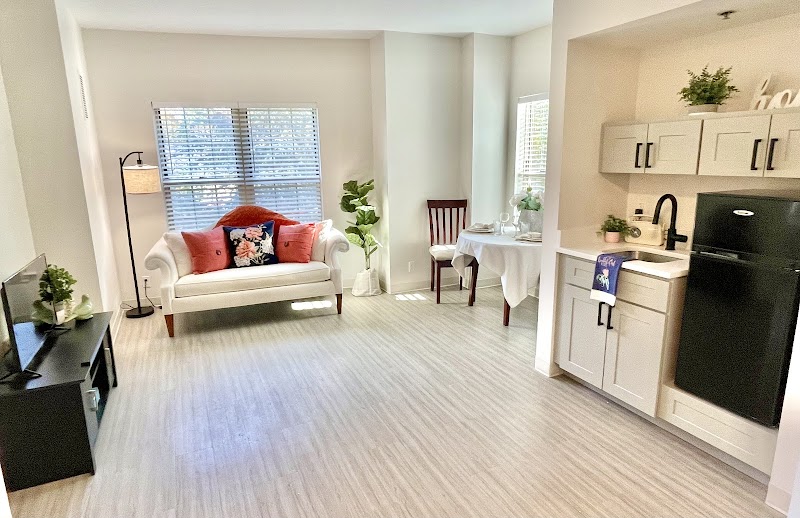
Who Owns and Operates Tuckerman Rehabilitation And Healthcare Center?

TUCKERMAN REHABILITATION AND HEALTHCARE CENTER is owned by a for-profit company. For-profit facilities operate as businesses with obligations to shareholders or private owners. The facility is operated by MARQUIS HEALTH SERVICES, a chain that manages multiple nursing homes. With 41 certified beds and approximately 32 residents (about 78% occupancy), it is a smaller facility located in NORTH BETHESDA, Maryland.

How Does Tuckerman Rehabilitation And Healthcare Center Compare to Other Maryland Nursing Homes?

Compared to the 100 nursing homes in Maryland, TUCKERMAN REHABILITATION AND HEALTHCARE CENTER's overall rating (5 stars) is above the state average of 3.1, staff turnover (38%) is near the state average of 46%, and health inspection rating (5 stars) is much above the national benchmark.

What Should Families Ask When Visiting Tuckerman Rehabilitation And Healthcare Center?

Based on this facility's data, families visiting should ask: "Can you walk me through typical staffing levels on day, evening, and night shifts?" "Can I visit during a mealtime to observe dining assistance and food quality?" "How do you handle medical emergencies, and what is your hospital transfer rate?" "Can I speak with family members of current residents about their experience?" These questions are particularly relevant given the below-average staffing rating.

Is Tuckerman Rehabilitation And Healthcare Center Safe?

Based on CMS inspection data, TUCKERMAN REHABILITATION AND HEALTHCARE CENTER has a clean safety record: no substantiated abuse findings (meaning no confirmed cases of resident harm), no Immediate Jeopardy citations (the most serious violation level indicating risk of serious injury or death), and is not on the Special Focus Facility watch list (a federal program monitoring the lowest-performing 1% of nursing homes). The facility has a 5-star overall rating and ranks #1 of 100 nursing homes in Maryland. While no facility is perfect, families should still ask about staff-to-resident ratios and recent inspection results during their visit.

Do Nurses at Tuckerman Rehabilitation And Healthcare Center Stick Around?

TUCKERMAN REHABILITATION AND HEALTHCARE CENTER has a staff turnover rate of 38%, which is about average for Maryland nursing homes (state average: 46%). Moderate turnover is common in nursing homes, but families should still ask about staff tenure and how the facility maintains care continuity when employees leave.

Was Tuckerman Rehabilitation And Healthcare Center Ever Fined?

TUCKERMAN REHABILITATION AND HEALTHCARE CENTER has no federal fines on record. CMS issues fines when nursing homes fail to meet care standards or don't correct problems found during inspections. The absence of fines suggests the facility has either maintained compliance or corrected any issues before penalties were assessed. This is a positive indicator, though families should still review recent inspection reports for the full picture.

Is Tuckerman Rehabilitation And Healthcare Center on Any Federal Watch List?

TUCKERMAN REHABILITATION AND HEALTHCARE CENTER is not on any federal watch list. The most significant is the Special Focus Facility (SFF) program, which identifies the bottom 1% of nursing homes nationally based on persistent, serious quality problems. Not being on this list means the facility has avoided the pattern of deficiencies that triggers enhanced federal oversight. This is a positive indicator, though families should still review the facility's inspection history directly.