CHAPEL HILL NURSING CENTER

4511 ROBOSSON ROAD, RANDALLSTOWN, MD 21133 (410) 922-2443
For profit - Limited Liability company 63 Beds EPHRAM LAHASKY Data: November 2025 1 Immediate Jeopardy citation
Trust Grade
21/100
#191 of 219 in MD
Last Inspection: January 2025

Within standard 12-15 month inspection cycle. Federal law requires annual inspections.

Overview

Chapel Hill Nursing Center has received a Trust Grade of F, indicating significant concerns about the quality of care provided. It ranks #191 out of 219 facilities in Maryland, placing it in the bottom half, and #40 out of 43 in Baltimore County, meaning only two facilities in the area are rated lower. While the facility is improving, as the number of issues dropped from 25 in 2020 to 18 in 2025, it still has a high total of 51 deficiencies, including a critical incident where medication was improperly administered, and a serious incident where a resident fell from a bed and required surgery due to inadequate staffing. Staffing is generally a strength here, with a rating of 4 out of 5 and a turnover rate of 34%, which is below the state average. However, the facility has incurred $13,247 in fines, which is concerning and suggests ongoing compliance problems. Additionally, there is good RN coverage, exceeding that of 88% of Maryland facilities, which is essential for catching potential issues that nursing assistants might miss.

Trust Score
F
21/100
In Maryland
#191/219
Bottom 13%
Safety Record
High Risk
Review needed
Inspections
Getting Better
25 → 18 violations
Staff Stability
○ Average
34% turnover. Near Maryland's 48% average. Typical for the industry.
Penalties
○ Average
$13,247 in fines. Higher than 56% of Maryland facilities. Some compliance issues.
Skilled Nurses
✓ Good
Each resident gets 61 minutes of Registered Nurse (RN) attention daily — more than 97% of Maryland nursing homes. RNs are the most trained staff who catch health problems before they become serious.
Violations
⚠ Watch
51 deficiencies on record. Higher than average. Multiple issues found across inspections.
★☆☆☆☆
1.0
Overall Rating
★★★★☆
4.0
Staff Levels
★☆☆☆☆
1.0
Care Quality
★★☆☆☆
2.0
Inspection Score
Stable
2020: 25 issues
2025: 18 issues

The Good

  • 4-Star Staffing Rating · Above-average nurse staffing levels
  • Full Sprinkler Coverage · Fire safety systems throughout facility
  • No fines on record
  • Staff turnover below average (34%)

    14 points below Maryland average of 48%

Facility shows strength in staffing levels, fire safety.

The Bad

1-Star Overall Rating

Below Maryland average (3.0)

Significant quality concerns identified by CMS

Staff Turnover: 34%

12pts below Maryland avg (46%)

Typical for the industry

Federal Fines: $13,247

Below median ($33,413)

Minor penalties assessed

Chain: EPHRAM LAHASKY

Part of a multi-facility chain

Ask about local staffing decisions and management

The Ugly 51 deficiencies on record

1 life-threatening 1 actual harm
Jan 2025 18 deficiencies 1 Harm
SERIOUS (G) 📢 Someone Reported This

A family member, employee, or ombudsman was alarmed enough to file a formal complaint

Actual Harm - a resident was hurt due to facility failures

Accident Prevention (Tag F0689)

A resident was harmed · This affected 1 resident

Based on the investigation of the facility reported incident, review of medical records and interview with facility staff, it was determined that the facility failed to follow the specified number of ...

Read full inspector narrative →
Based on the investigation of the facility reported incident, review of medical records and interview with facility staff, it was determined that the facility failed to follow the specified number of staff support needed when providing care for residents. This resulted in the resident falling out of the bed and suffering a left acute frontal subdural hematoma, which required surgery. This was evident for 1 (Resident #264) out of 9 residents reviewed for accidents during the Medicare/Medicaid recertification survey. The findings include: The Brief Interview for Mental Status (BIMS) score is a number between 0 and 15 that indicates a person's cognitive health: 13-15 points: The person's cognition is intact; 8-12 points: The person has moderate cognitive impairment; 0-7 points: The person has severe cognitive impairment. The Minimum Data Set (MDS) is administered to all residents upon admission, quarterly, yearly, and whenever a significant change in an individual's condition occurs. It is a standardized assessment tool to comprehensively evaluate a resident's health status, functional abilities, and needs. It is the foundation for creating a personalized care plan that drives care rendered by the healthcare team within a nursing facility. On 1/09/24 at 09:00 AM, a review of the facility self-reported incident, MD00210423, revealed that Resident #264 had a fall when Geriatric Nursing Assistant (GNA #10) provided morning care on 9/28/24 around 5AM. The report indicated that the fall incident resulted in Resident #264 having an intracranial hemorrhage (also known as brain bleed, is bleeding within the skull or in the brain tissue. It's a life-threatening condition that requires immediate medical attention). Further review of the facility's investigation revealed that: - The facility obtained GNA #10's statement on 09/28/2024. The statement stated that on 9/28/24 around 5 AM GNA #10 admitted to leaving the bed high at her own waist level when she went to perform Activity of Daily Living care(ADL) on Resident #264 and ran out to the bathroom to wet and warm the towel. When she was in the bathroom, GNA #10 heard thud, she came back out and saw Resident #264 was on the floor and she called the nurse. GNA #10 also stated that before she went to the bathroom, the resident was squirming in bed but was able to calm him/her down. - Registered Nurse (RN #11) who was called by GNA #10 for the incident assessed the resident and wrote a progress note on 09/28/2024 at 05:30 AM which stated that assigned GNA reported to nurse that while she was in the room getting ready to provide care to Resident #264 when she heard a loud noise and observed Resident #264 on the floor. On assessment, the resident was noted face down on the floor mat beside his/her bed with a large bleeding. Hematoma noted on the left forehead and the nurse got an order to transfer the resident to the hospital. On 09/28/2024 at 11:36 AM, a note signed by License Practical Nurse (LPN #7) showed that [hospital 1] was contacted for an update on Resident #264's status. The resident was transferred from [hospital 1] to [hospital 2] emergency room and admitted to [hospital 2] Surgical Center at 11 am. No other updates at this time. Per statement by the DON on 09/30/2024, GNA #10's appointment was terminated, and she was reported to the board of nursing. On the initial self-incident report dated 10/01/24 at 1:30 PM, it was documented that [hospital 2] informed the facility that Resident #264 had an Intracranial Hemorrhage. On 1/09/25 at 10:20 AM, the surveyor reviewed Resident #264's medical record. The review revealed that the resident was admitted to the facility in August 2024 with a past medical history that included but was not limited to unspecified dementia with behavioral disturbance, other epilepsy, and seizure disorder. The residents' brief interview for mental status (BIMS) score was 10 out of 15 on 08/07/2024. The Minimum Data Set (MDS) assessment on 08/04/2024 revealed that the resident was dependent on activities of daily living (ADL). Also, a care plan initiated on 08/03/2024 indicated that the resident must have 2 persons assist at all times. On 01/10/2025 at 9:47 AM, an interview was conducted with GNA #16, to inquire how ADL care was performed for residents and how she knew the number of required staff for the residents. She stated that usually when they had a new admission, the resident was first assessed by the rehabilitation team before the GNAs provided any care. She added that the rehabilitation team told them the type of assistance the resident would need, and they took over from there. When she was also asked how she set the beds for the residents during ADL care, she stated that she raised the bed to her waist level. When she was asked how she ensured resident's safety while doing ADL care, she stated that she turned the patients towards her if it was a one person assist or towards another GNA if it was a two-person assistance to prevent rolling onto the floor. On 01/10/25 at 09:58 AM, in an Interview with GNA #17, when she was asked how ADL care was provided for residents, she stated that she washed the residents, cleaned their mouths and got them dressed up. When she was asked how she knew the number of required staff for the residents, she stated that it was attached to the wall on the top of the resident's bed. When she was also asked how she set the beds for the residents' ADL care, she stated that she raised the beds to a comfortable level for her. When she was asked how she ensured residents safety while doing ADL care, she stated that she turned the patients towards her if it was a one-person assist and called another GNA if it was a two-person assistance. She also added that she kept the bed low if she needed to step away from the resident. On 01/10/2025 at 11:05 AM during a tour to B wing of Unit 1 with RN #19, When she was asked how staff would know the type of assistance the resident needed, she stated that it was in the resident's electronic record and that she gave them orientation and reminded them at the beginning of the shifts of the type of assistance the residents needed. On 01/10/2025 at 11:14 AM In an interview with Certified Occupational Therapist Assistant (COTA), staff #18, when she was asked how staff members know the type of assistance a resident needed, she stated that upon admission, the Physical Therapist/Occupational Therapist assessed the residents and communicated the assistance with the PTA/COTA. Then the PT/OT developed a care plan stating the type of assistance and communicated it with the nursing staff. On 01/10/25 at 11:30 AM, in an interview with the Director of Nursing (DON) and Nursing Home Administrator (NHA), when they were asked how many people were in-serviced after the incident, the DON stated that all licensed nurses and GNA's were in serviced, she added that those who were not around in person were giving the education via the phone. She added that the new hires were educated to know that the Physical Therapist/Occupational Therapist needed to see the residents before they took care of the residents. The administrator was asked to provide a copy of the list of nursing employees during that incident. Additionally, on 1/10/25 around 3 PM, a review of the facility's investigation packet revealed that nursing staff, including 19 GNAs and 17 licensed nurses, received education on 10/01/2024 about resident safety and transfer mobility. However, reviewing the entire nursing staff list revealed that 4 staff (GNA #21, #23, #24,, and Assistant Director of Nursing #1) were not listed on their in-service training records. On 1/13/25 at 7:59 AM, in an interview with the Director of Nursing (DON) and Nursing Home Administrator (NHA), when the DON was asked how staff members identify the assistance each resident needed, she stated that the assistance level was indicated in the task in the electronic health record, and that GNAs received reports from the nurses concerning the type of assistance needed by each resident. The NHA added that they stopped posting signs due to HIPPA. The NHA also stated that GNAs could verify care via GNA task in the electronic health record & during shift handover. The surveyors requested a document to support that all GNAs had the same procedure of taking reports from the licensed nurses regarding the required resident assistance levels, but none was provided. On 1/13/25 at 7:50 AM, the Nursing Home Administrator(NHA) and the Director of Nursing (DON) were also informed that the in-service education done did not match the list of nurses employed during that time which included the Assistant Director of Nursing as well. The survey team informed DON and NHA that since the training was not completed and the nursing staff were not aware of the same procedure of taking report from the licensed nurses regarding the required resident assistance levels, this was considered as active harm. On the same day at 08:20 AM, the facility was also asked for a copy of documentation of what the facility did to prevent a similar incident in the future. On 01/14/2025 at 08:30 AM, the NHA submitted copies of interviews with the residents on 10/18/2024 regarding their transfers (the questions included, how do the staff transfer you? Is this the usual way that they transfer you? Do you feel safe?). However, it did not address care received by the residents with accurate numbers of assistance. On the same day at 11:53 AM, the surveyor informed NHA about the findings.
CONCERN (D)

Potential for Harm - no one hurt, but risky conditions existed

Safe Environment (Tag F0584)

Could have caused harm · This affected 1 resident

Based on observation and an interview with facility staff, it was determined that the facility failed to ensure the environment of resident care was kept clean, comfortable and safe for resident use. ...

Read full inspector narrative →
Based on observation and an interview with facility staff, it was determined that the facility failed to ensure the environment of resident care was kept clean, comfortable and safe for resident use. This was evidenced by the floor radiator heater in the bathrooms observed with significant damage, rust build up along the floor radiator heaters, end caps were not in place which exposed sharp edges. This was evident for 2 of 5 bathrooms observed during the recertification survey. The findings include: On 01/08/25 at 01:45 PM it was observed that the bathroom floor radiator heater in rooms 36/38 (they are adjoining rooms and share a bathroom) had no cap at the end of it. Two sharp rusted edges were exposed and sticking out. A resident using the bathroom could potentially cut their leg on the rusted sharp edges. Two long flat metal pieces were also observed leaning on the wall in the bathroom for rooms 36/38. The two long pieces of metal were leaning on the wall from floor to ceiling opposite the toilet and sink. These two long metal pieces were not secured to the wall. The paper towel dispenser was also missing in the bathroom for rooms 36/38. Resident #5 used the bathroom frequently. On 01/08/25 at 1:55 PM the bathroom floor radiator heater for rooms 35/37 (they are adjoining rooms and share a bathroom) was observed with no cap on the end of it. Two sharp rusted edges were exposed and sticking out, where a resident using the bathroom could possibly cut their leg. Resident #40 used the bathroom daily. On 01/08/25 at 2:00 PM The Director of Maintenance, Staff # 8, was interviewed and shown, in rooms 36/38, the floor radiator heater had no cover or cap at the end of it and the edges were sharp, rusted and exposed. Staff #8 was also shown the 2 long white flat metal pieces with rust on them reaching from the floor to the ceiling leaning against the wall in the bathroom on the opposite wall from the toilet. He agreed that this should not be there and stated he would remove those pieces of metal. Staff#8 was also shown that the paper towel dispenser was missing from the wall. On 01/08/25 at 2:05 PM in rooms 35/37, The Director of Maintenance, Staff # 8, was shown the floor radiator heater was rusted, had no cover or cap on the ends and was pulled up towards the toilet with two sharp edges exposed. Staff #8 pushed the rusted steel down and stated that radiator heater should have a cap on it for safety. On 01/09/25 at 01:18 PM it was observed that a cap was put on the floor radiator heater in the bathroom for rooms 35/37. No cap was put on the floor radiator heater in the bathroom for rooms 36/38, sharp edges remained exposed. Resident #5 continues to use the bathroom daily. The two flat metal pieces were removed, and the paper towel dispenser was put on the wall. On 01/10/25 at 10:15 AM in rooms 36/38, the floor radiator heater was observed again with no cap on the end of it exposing the sharp edges. Resident #5 continues to use the rest room daily.
CONCERN (D) 📢 Someone Reported This

A family member, employee, or ombudsman was alarmed enough to file a formal complaint

Potential for Harm - no one hurt, but risky conditions existed

Employment Screening (Tag F0606)

Could have caused harm · This affected 1 resident

Based on review of a facility reported incident, record review and staff interview, it was determined that the facility administration failed to ensure that a background check was done to protect resi...

Read full inspector narrative →
Based on review of a facility reported incident, record review and staff interview, it was determined that the facility administration failed to ensure that a background check was done to protect residents from abuse, neglect, and theft. This was evident for 4 (Staff #26, # 46,# 47, and #48) of 9 employees reviewed for abuse during the re-certification survey. The findings include: 1) On 1/10/2025 at 2:05 PM the Director of Human Resources, Staff #25, was interviewed and asked if GNA #26 had a background check in their employee file. On 1/10/2024 at 2:40 PM Staff #25 was not able to provide a background check for GNA #26 after they reviewed the paper employee records and the electronic employee records. On 1/13/2025 at 8:00 AM Staff #25, the Director of Human Resources was asked again if GNA #26 had a background check in their employee file. Staff #25 replied no, I do not have any paperwork or documentation that showed GNA #26 had a background check during her employment here. 2) On 1/13/2024 at 8:15 AM the Administrator provided their facility reported incident (FRI) for MD00174862. In-services/ training for the staff for this incident were requested from the Administrator as well as the employee's files for the staff whose initials were listed in the FRI for alleged verbal abuse. On 1/14/2024 at 3:00 PM the Administrator was asked for the full names of the following employees: GNA #46, LPN #47 and GNA #48 whose initials were listed on the FRI. The Administrator stated he was not sure who these employees were based on just their initials and therefore could not provide their employee files to show that background checks were completed on GNA#46, LPN#47, and GNA #48.
CONCERN (D) 📢 Someone Reported This

A family member, employee, or ombudsman was alarmed enough to file a formal complaint

Potential for Harm - no one hurt, but risky conditions existed

Report Alleged Abuse (Tag F0609)

Could have caused harm · This affected 1 resident

Based on review of facility records, Medical records, and interview with staff it was determined that the facility staff failed to immediately report an allegation of suspected resident abuse. This wa...

Read full inspector narrative →
Based on review of facility records, Medical records, and interview with staff it was determined that the facility staff failed to immediately report an allegation of suspected resident abuse. This was evident for 1 (#37) of 15 residents reviewed for self-reported incidents during this recertification survey. The findings include: A facility self-reported incident involving Resident #37 was reviewed on 1/9/2025 at 11:01 AM. It was indicated that an allegation of abuse was reported on 12/19/2024 by the ombudsman during a care plan meeting. The family of Resident #37 reported to the ombudsman that a GNA (Geriatric Nursing Assistant), GNA #29, threw a positioning wedge pillow at him. Further review of the facility's investigation packet revealed that it had the following timelines documented: -The alleged incident occurred on 12/15/2024 at 8:45 PM -Nursing Home Administrator (NHA) was notified of the incident on 12/16/2024 -NHA interviewed Resident #37 on 12/17/2024 -NHA interviewed GNA #29 on 12/17/2024 -Ombudsman reported the incident at the Care Plan Meeting on 12/19/2024 -The incident was reported to the Office of Healthcare Quality (OHCQ) on 12/19/2024 at 1:50 PM Further review of the incident packet had copies of a typed statement for Resident #37 signed by the NHA on 12/17/2024 which stated that GNA #29 was putting a wedge under his feet but was having a hard time understanding the instructions. GNA #29 got discouraged and placed the wedge on the bed by his feet and said she/he would come back later. Resident #37 stated that GNA #29 did not throw the wedge at him/her or intended to hurt him/her, but he/she could see that he/she did not understand the instructions. A typed statement was for the roommate, Resident #38 signed by the NHA on 12/17/2024 stated that GNA #29 was discouraged when she could not understand Resident #37 and put the wedge down on the end of the bed and said she would come back later because she needed a breather. On 1/9/2025 at 2:05 PM, an interview was conducted with the NHA. When asked about reporting time for abuse, he stated that it is within 2 hours of hearing about an alleged abuse. NHA stated that Resident #37 was interviewed on 12/16/2024 and denied the incident happened, so therefore he did not report the incident to OHCQ at that time. When the NHA was asked if the interview was part of an investigation, the NHA said that since it was denied by Resident #37 and Resident #38, it was not reported. However, on 12/19/2024 at Resident #37's care plan meeting, when the ombudsman stated that the abuse was reported to her office, the facility then reported it to OHCQ. On 1/16/2025 around 9 AM, the surveyor shared that this was a concern with the Director of Nursing and the NHA.
CONCERN (D) 📢 Someone Reported This

A family member, employee, or ombudsman was alarmed enough to file a formal complaint

Potential for Harm - no one hurt, but risky conditions existed

Investigate Abuse (Tag F0610)

Could have caused harm · This affected 1 resident

Based on medical record review, facility investigation review, and staff interview, it was determined that the facility failed to 1) thoroughly investigate a resident's allegation of unknown origin of...

Read full inspector narrative →
Based on medical record review, facility investigation review, and staff interview, it was determined that the facility failed to 1) thoroughly investigate a resident's allegation of unknown origin of injury, 2) educate all staff to prevent similar elopement episodes in the future, and 3) thoroughly investigate an allegation of abuse, and provide documentation for the incident of an allegation of abuse. This was evident for 3 (Resident #30, #23, #19) of 36 residents reviewed during this recertification/complaint survey. The findings include: 1) A review of the facility's self-reported incident, MD00187097, on 1/09/25 around 10 AM revealed that Resident #30 was found with a bruise on his/her left flank and coccyx on 12/28/22. The facility investigated this incident as an unknown origin of injury through staff interviews, hospital follow-ups, and ADL (Activities of Daily Living) evaluations. However, there was no documentation for other residents' interviews. On 1/09/25 at 1:05 PM, the surveyor interviewed the Nursing Home Administrator (NHA). The NHA stated that the facility staff performed residents' interviews (if they were capable) to verify their safety when an unknown origin of injury was reported. The surveyor reviewed the investigation of Resident #30's reported incident with the NHA. He validated that there were no other resident interviews. 2) On 1/13/25 at 10:14 AM, the surveyor reviewed the facility's investigation documentation for self-reported incident, MD00174880. The incident stated that Resident #23 left the facility building on 11/27/21, which was noticed by a staff member (#36). The staff member followed the resident and brought him/her back to the facility. Further review of the facility's investigation revealed that the facility failed to interview Staff #36, who initially saw Resident #23 leave the building via camera. Also, it was noted that the facility provided in-service training to staff about 'Supervision during smoke break' and 'Resident safety' on the same day the incident occurred. However, the training attendance record indicated that only 9 nursing staff members, including Nurses and aides, signed. During an interview with the Nursing Home Administrator (NHA) on 1/13/25 at 12:47 PM, he confirmed that the facility had more than 9 nursing staff members. He stated that he expected to educate all staff about the elopement incident to prevent a similar event. Also, the NHA verified that the facility's investigation did not include a statement/interview with Staff #36. The surveyor shared concerns, and the NHA validated them. 3) On 1/10/2025 at 9:02 AM records reviewed of facility investigative material, revealed the Initial report for MD00163206 was filed with The Office of Healthcare Quality (OHCQ) on 2/3/2021 at 7:15 AM involving an allegation of abuse from employee to resident. The final report was also filed with OHCQ on the same day 2/3/2021 and at the same time 7:15 AM. On 1/10/2024 at 12:40 PM the Administrator was interviewed and asked if they had a copy of the final report within 5 days of the incident with the conclusion of the investigation? The Administrator replied, when I spoke with the former Administrator, I was told the report was filed and completed on the same day. The Administrator was then asked if they could provide any witness statements from the employees that worked with Resident #19, the alleged abused person, about what happened during the time the abuse was reported. And if any skin assessments were completed on the other residents the GNA # 26 took care of during that shift? And any documentation about abuse training that was given to all staff after the incident. The Administrator replied, No I have given you all the documentation that I have pertaining to this incident.
CONCERN (D)

Potential for Harm - no one hurt, but risky conditions existed

Deficiency F0625 (Tag F0625)

Could have caused harm · This affected 1 resident

**NOTE- TERMS IN BRACKETS HAVE BEEN EDITED TO PROTECT CONFIDENTIALITY** Based on medical record review and staff interviews, it was determined that the facility failed to notify the resident/resident ...

Read full inspector narrative →
**NOTE- TERMS IN BRACKETS HAVE BEEN EDITED TO PROTECT CONFIDENTIALITY** Based on medical record review and staff interviews, it was determined that the facility failed to notify the resident/resident representative in writing about the bed hold policy when the resident was transferred/discharged from the facility to an acute care facility. This was evident for 1 (resident #51) of 2 residents reviewed who were transferred to an acute care facility during the recertification survey. The findings include: Review of the medical record for resident #51 on 01/14/25 at 11:25 AM revealed that resident #51 was admitted to the facility on [DATE] and was sent to an acute care facility on 11/05/24 for a change in his/her medical condition. Further review of the medical record failed to produce written evidence that the resident and /or the resident representative were given written notice of the bed hold policy. The facility's documentation on eINTERACT transfer form reveals Bed hold policy was not sent. The bed hold policy was provided during an interview with the Director of Nursing (DON) on 01/14/25 at 2:12 PM; however, he/she was unable to produce written evidence that the resident or resident representative was given written notice of the policy. During an interview with the Social Worker, staff #10, on 7/9/24 at 3pm, she revealed she was unable to locate a copy of the bed hold policy that was given to the resident /resident representative.
CONCERN (D) 📢 Someone Reported This

A family member, employee, or ombudsman was alarmed enough to file a formal complaint

Potential for Harm - no one hurt, but risky conditions existed

Assessment Accuracy (Tag F0641)

Could have caused harm · This affected 1 resident

**NOTE- TERMS IN BRACKETS HAVE BEEN EDITED TO PROTECT CONFIDENTIALITY** Based on medical record review and staff interviews, it was determined that the facility staff failed to ensure that Minimum Dat...

Read full inspector narrative →
**NOTE- TERMS IN BRACKETS HAVE BEEN EDITED TO PROTECT CONFIDENTIALITY** Based on medical record review and staff interviews, it was determined that the facility staff failed to ensure that Minimum Data Set (MDS) assessments were accurately coded. This was evident for one (Resident #257) of three residents reviewed for smoking during the recertification/complaint survey. The findings include: The Minimum Data Set (MDS) is a federally mandated assessment tool used by nursing home staff to gather information on each Residents' strengths and needs. Information collected drives resident care planning decisions. MDS assessments must be accurate to ensure that each Resident receives the care they need. A portion of the investigation into a facility-reported incident, MD00185418, on 1/13/25 at 10:00 AM revealed that Resident #257 was found smoking in the room on 11/09/2022. The facility staff confiscated the Resident's smoking materials, and an evaluation and audit were conducted. The surveyor reviewed Resident #257's medical records on 1/13/25 around 1 PM. The review revealed that the resident was admitted in October 2022, and the initial smoking assessment was completed upon admission. However, the resident's MDS assessment dated [DATE] documented no cigarette in use. During an interview with Staff #34 ( MDS coordinator) on 1/13/24 at 1:25 PM, Staff #34 said that smoking status should be assessed each time- initial, quarterly, and any significant change occurred. On 1/14/25 at 11:32 AM, the Nursing Home Administrator (NHA) was interviewed. The NHA was informed of the above inaccurate MDS record in Resident #257's initial MDS, which he validated.
CONCERN (D) 📢 Someone Reported This

A family member, employee, or ombudsman was alarmed enough to file a formal complaint

Potential for Harm - no one hurt, but risky conditions existed

Deficiency F0657 (Tag F0657)

Could have caused harm · This affected 1 resident

**NOTE- TERMS IN BRACKETS HAVE BEEN EDITED TO PROTECT CONFIDENTIALITY** Based on the medical record review and staff interview, it was determined the facility staff failed to revise the interdisciplin...

Read full inspector narrative →
**NOTE- TERMS IN BRACKETS HAVE BEEN EDITED TO PROTECT CONFIDENTIALITY** Based on the medical record review and staff interview, it was determined the facility staff failed to revise the interdisciplinary care plans to meet the resident's needs. This was evident for 2 ( Resident #30, #13) of 9 residents reviewed for abuse and 36 residents reviewed for for care plan timing and revision during the survey process. The findings include: A care plan is a guide that addresses the unique needs of each resident. It is used to plan, assess, and evaluate the effectiveness of the resident's care. The interdisciplinary team meets and develops care plans once the facility staff completes a comprehensive resident assessment. Care plans provide direction for individualized care of the resident. A care plan flows from each resident's unique list of diagnoses and should be organized by the resident's specific needs. The care plan is a means of communicating and organizing the actions and assuring the resident's needs are attended to. The care plan is to be reviewed and revised at each assessment time of the resident to ensure the interventions on the care plan are accurate and appropriate for the resident. 1) During a portion of investigating the facility's self-reported incident, MD00212723, on 1/09/25 at 9:51 AM, it was noted that Resident #30 had reported on 12/14/23 that he/she did not feel safe returning due to he/she was touched by someone. Further review of the facility's investigation packet revealed that the facility started investigating this incident on 12/14/24, including interviewing staff and other residents. The interview revealed no visitors for Resident #30 before the incident. Also, their investigation revealed that Resident #30 had a same-gender roommate. During an interview with the Nursing Home Administrator (NHA) on 1/09/25 at 11:00 AM, he stated that the facility concluded that no opposite-gender visitors or staff cared for Resident #30 before the incident. He noted that the resident was confused that he/she had an opposite-gender roommate, and they touched Resident #30. On 1/09/25 around 2 PM, the surveyor reviewed Resident #30's care plan. The review revealed that there was no updated care plan after the incident. In an interview with the Director of Nursing (DON) on 1/09/25 at 2:30 PM, she stated that the DON or the Assistant Director of Nursing should update/revise residents' care plans upon their admission, regularly, and as needed. On 1/10/25 at 8 AM, the surveyor reviewed Resident #30's care plan with the DON. The DON verified that the care plan was not updated after the incident. 2) On 01/10/25 at 11 AM, a medical record review for Resident #13 revealed that an initial order from 12/15/23 for Ativan Tablet 0.5 MG every 12 hours as needed for anxiety was placed for 14 days. The order was renewed to manage resident behaviors on 01/02/24 for 14 days, 01/22/24 for 14 days, and 02/19/24 for 14 days. The interdisciplinary team care plan goals and interventions did not reflect Resident #13's behavior changes requiring anxiolytic administration (Ativan). The Activity's care plan goals were initiated during the resident's admission on [DATE], and a revision was done on 01/08/2025. Interventions were also initiated on 12/18/2023 without any specific interventional updates. A review of individual residents' daily participation records reflects resident participation, but does not reflect the effectiveness or outcome of the activity offered. Review of quarterly activity assessments dated 03/11/24, 06/04/24, 08/29/24, 11/22/24 a) doesn't reflect revised goals or interventions, b) changes to activity focuses (Revised strengths, problems, preferences); not answered, c) describe changes to goals, not answered, d) describe changes to interventions /approaches; not answered. An interview with staff # 51 on 01/13/25 at 09:14 AM confirmed that the Activity Director updates the care plans to reflect any change in resident care. This was reviewed and confirmed with the Activity Director, Director of Nursing (DON), and the Nursing home administrator (NHA) that the facility staff failed to review and revise care plans for Resident # 13 to reflect current and appropriate interventions.
CONCERN (D)

Potential for Harm - no one hurt, but risky conditions existed

Deficiency F0676 (Tag F0676)

Could have caused harm · This affected 1 resident

**NOTE- TERMS IN BRACKETS HAVE BEEN EDITED TO PROTECT CONFIDENTIALITY** Based on observations, staff interviews, and record review, it was determined that the facility failed to maintain a functional ...

Read full inspector narrative →
**NOTE- TERMS IN BRACKETS HAVE BEEN EDITED TO PROTECT CONFIDENTIALITY** Based on observations, staff interviews, and record review, it was determined that the facility failed to maintain a functional communication system for a non-English speaking resident (Resident # 51). This was evident for 1 of 1 resident reviewed for communication, including language and other functional communication systems, during the recertification survey. The findings include: On 01/08/25 at 10:15 AM, the surveyor attempted to interview resident # 51 in his/her room. The resident was not able to answer questions, except for occasional response of yes .yes. On 01/08/25 at 9:15 AM, during an interview with Licensed Practical Nurse (LPN) Staff # 42, when asked what language resident #51 speaks and how he/she communicates, Staff #42 stated, Resident # 51 doesn't speak English, and he/she speaks only Russian, but he/she can express what he/she wants with basic sign language. During business hours, an employee from another department helps when needed, but off hours and weekends, we have to call the resident's family to assist with communication. On 01/08/25 at 10:23 AM, during an interview with Geriatric Nursing Assistant (GNA) staff # 41, when asked about communicating with resident # 51, staff #41 stated that we speak in English, he/she appears to understand, and he/she tried to communicate back. For basic things we can follow his/her gestures, but asking further medical questions, staff calls the family to assist. On 01/13/25 at 11 AM, a review of resident #51's medical record revealed that he/she was admitted to the facility on [DATE], and his/her native language was Russian. Further review of resident #51's care plan dated 11/11/24 revealed that the resident speaks non-English, but there is no evidence of an intervention to utilize any tools to assist resident #51's communication. On 01/14/25 at 12:28 PM, when reviewing resident #51's communication with the Nursing home administrator (NHA) he/she stated that the staff uses a picture board but was unable to find it or verify that the staff was aware of it. He/she also noted that the staff utilizes Google Translate but could not validate this with the staff.
CONCERN (D) 📢 Someone Reported This

A family member, employee, or ombudsman was alarmed enough to file a formal complaint

Potential for Harm - no one hurt, but risky conditions existed

ADL Care (Tag F0677)

Could have caused harm · This affected 1 resident

Based on medical record review and resident and staff interviews it was determined the facility staff failed to ensure that the dependent resident's personal hygiene needs were adequately met by offer...

Read full inspector narrative →
Based on medical record review and resident and staff interviews it was determined the facility staff failed to ensure that the dependent resident's personal hygiene needs were adequately met by offering and providing showers as scheduled. This was evident for 1 (Resident #37) of 2 residents reviewed for Activities of Daily Living (ADL) during this recertification/complaint survey. The findings include: During an interview with Resident #37 on 01/09/25 at 11:43 AM, when the surveyor asked the Resident if he got showers, the Resident stated Heck no. when asked if he would like a shower, he said Yes. On 1/13/2025 at 11:50 AM, an interview was conducted with a Geriatric Nurse Aide (GNA #35) who stated that when residents refused a shower, the GNAs would let the nurse know and document the refusal in the Electronic Health Record. GNA #35 stated that Resident #37 refused showers in the past, and had been getting bed baths. A record Review was conducted on 1/13/2025 at 1:16 PM revealed: -Order for shower and Skin Check 7-3 Shift Tuesday and Friday, written on 12/20/2024 at 07:00 AM. -Resident #37's Brief Interview for Mental Status (BIMS) dated 10/29/2024 revealed a score of 15 indicating adequate cognitive ability. -A care plan with an initiation date of 9/20/2024 and revision on 12/13/2024 indicated that Resident #37 has an Activities of Daily Living (ADL) selfcare deficit related to the disease process with an intervention to provide a sponge bath when a full bath or shower cannot be tolerated. -GNA Task tab within the past 30 days starting on the week of 12/15/2024, the shower dates for Tuesdays and Fridays are 12/20/2024, 12/2/2024, 12/27/2024, and 12/31/2024 had check marks indicating Resident #37 was given a bed bath. There was no documentation that Resident #37 refused a Shower and no documentation that Resident #37 was encouraged to take a shower during this record review. On 1/13/2025 at 12:30 PM in an Interview with the Director of Nursing (DON)and the Nursing Home Administrator (NHA), DON stated that if residents refused a shower, it was documented in the Electronic Health Record. The residents could then be offered a bed bath but were encouraged to take showers. When the DON was informed that Resident #37 stated that he had not had a shower, the DON stated that Resident #37 got a bed bath because the facility shower room did not have a chair that reclined and could not accommodate Resident #37 because of his/her diagnosis. Following that statement, the NHA stated that if Resident #37 wanted a shower he would get one. When asked about shower accommodations for other residents who were disabled and could not sit in a shower chair, the DON and NHA did not provide a response. On 1/14/2025 at 08:00 AM surveyor asked Resident #37 if he had a shower on 1/13/2025, Resident #37 confirmed that he was finally given a shower.
CONCERN (D) 📢 Someone Reported This

A family member, employee, or ombudsman was alarmed enough to file a formal complaint

Potential for Harm - no one hurt, but risky conditions existed

Quality of Care (Tag F0684)

Could have caused harm · This affected 1 resident

Based on record review and interview with facility staff, it was determined that facility staff failed to communicate and document a concern about a resident with a contracted dentist prior to tooth e...

Read full inspector narrative →
Based on record review and interview with facility staff, it was determined that facility staff failed to communicate and document a concern about a resident with a contracted dentist prior to tooth extraction which resulted in a resident having gum bleeding after the tooth extraction. This was evident for 1(Resident #264) out of 4 complaint investigations reviewed during the Medicare/Medicaid recertification survey. The findings include: On 01/13/2025 at 9:09 AM, review of intake MD00200513 showed that a complainant had stated that on July 29, 2024 their loved one, who was a resident at the facility, had a dental procedure (tooth pull) and his/ her blood-thinner medication was not held prior to the procedure which caused a trip to the emergency department due to excessive bleeding. On the same day at 9:14, the surveyor reviewed the electronic health record of the resident and it revealed the following: 1. Health Status Note on 7/27/2024 at 13:17 Note Text: Alert and verbal, no distress noted. was seen by a Dentist today. SBAR progress note on 7/27/2024 at 21:38 Note Text: The change in condition, signs or symptoms observed are other changes in condition, substantial bleeding noted from extracted tooth started on 07/27/2024. Primary Care Clinician notified: 07/27/2024 9:13 PM. 2. A progress note on 7/28/2024 at 08:43 AM showed-Note Text: resident returned from ER at 5:46 AM, bleeding profusely from mouth d/t tooth extraction on 7/27/24, via ambulance with daughter. Gauze applied to tooth cavity to stop bleeding, and the writer called on-call to report residents' current status and approval of new recommendation to hold Eliquis until 7/29/24, awaiting response, and an oncoming nurse made aware. 3. Health status note on 7/28/2024 at 10:25PM Note Text: During rounds, resident is actively bleeding from the extracted tooth site. The bleeding has become more substantial. On-call has been notified and recommendation for the resident to be sent out. Vital signs were stable 136/62, 60, 18, 98% RA and temp 97.9. Resident left dry and clean. The patient has been transported to [Hospital name]. 4. Health status note on 7/30/2024 at 10:55 AM, Note Text: Call place in [Hospital name] ER and ER nurse stated that patient is being admitted . 5. admission summary on 8/3/2024 01:12 AM, Note Text: Resident is alert and responsive, verbal at times, in no acute distress, Status Post return from hospital, presented to ER S/p tooth extraction with persistent bleeding. Discharge Dx: Oral bleed, bleeding gums. On call nurse practitioner notified of return, orders approved and verified, to resume prior meds / treatments. To start insulin Aspart low dose sliding scale Subq Q6H, Oxycodone 5mg Q24, To resume Tube feeding with Glucerna. The resident remains stable, cont. POC. On 01/15/2025 at 12:50 PM, the surveyor reviewed the electronic medication administration record (EMAR) for the resident during that period and it revealed that the resident has been receiving his/her scheduled Eliquis and Aspirin tablets as prescribed and still had them in the morning on the day of the tooth extraction. On 01/15/2025 at 1:15 PM, in an interview with Registered Nurse (RN #19) who administered medications to Resident #264 on 07/27/2024, the day of the tooth extraction. When she was asked what the procedure was for a resident scheduled for tooth extraction, she stated that, the normal thing would have been for the dentist to inform the facility of the visit and if the resident was on any blood thinner, physician would be informed and an order for the blood thinner to be held before the tooth extraction would be obtained. She added that nurses would ensure that the dentist pre-operative orders were kept. She also stated that after the extraction, the nurses followed the post operative orders. When she was informed that she had signed off giving aspirin and Eliquis on the day the resident had the tooth extraction, she stated that she did not know that the dentist was visiting the resident that day as the dentist did not inform the facility of her visits. She also stated that she had informed the dentist that she had administered Eliquis and Aspirin tablets to the resident. When she was asked for the documentation showing that she informed the dentist about the resident receiving the medications prior, she stated that she only informed the dentist verbally. She added that after the extraction was done, she continued to monitor the resident but that later that evening when the bleeding did not stop, she reached out to the dentist, but she was not reachable then she placed a call to the on-call physician who gave an order for the resident to be sent to the ER. On 01/15/2025 at 1:26 PM, the Nursing Home Administrator (NHA) was informed about the complaint, and he stated that the facility stopped using the vendor because of communication problem, when he was asked what he meant by communication problem, he stated that the dentist just visits randomly and did not tell the facility of upcoming visits. When he was asked about consent, he stated that they get consent verbally from residents if they are capable or from family members (Responsible Party) if they are incapable of making decisions. The dentist could not be reached as she no longer works with the facility.
CONCERN (D) 📢 Someone Reported This

A family member, employee, or ombudsman was alarmed enough to file a formal complaint

Potential for Harm - no one hurt, but risky conditions existed

Deficiency F0692 (Tag F0692)

Could have caused harm · This affected 1 resident

**NOTE- TERMS IN BRACKETS HAVE BEEN EDITED TO PROTECT CONFIDENTIALITY** Based on a review of the medical record and interview with staff it was determined that the facility failed to monitor a residen...

Read full inspector narrative →
**NOTE- TERMS IN BRACKETS HAVE BEEN EDITED TO PROTECT CONFIDENTIALITY** Based on a review of the medical record and interview with staff it was determined that the facility failed to monitor a resident's significant weight changes. This was evident for 1 (#37) of 2 residents reviewed for nutrition during the recertification/complaint survey. The findings include: On 1/08/2025 at 1:44 PM, a review of Resident #37's medical record revealed, in a weight tracking system report, Resident #37's weight was documented as 187.2 Lbs. (pounds) on 04/08/2024 and 6/18/2024 Resident #37's weight was documented as 166.5 lbs., which was a 20 lbs weight loss. Further review of Resident #37's medical record revealed a note from the dietician, staff #50 on 5/16/2024 that the resident refused weight, noted with failure to thrive in adult, swallowing difficulty, speech more remote/ slurred, and needs 100% support with meals. However, there was no documentation from a physician that he/she was aware of Resident #37's weight loss, nutritional status, or weight management. The weight log was as follows: 8/2/2024 163.2 Lbs 7/24/2024 163.0 Lbs 7/17/2024 163.6 Lbs 7/9/2024 165.0 Lbs 6/18/2024 166.5 Lbs 4/8/2024 187.2 Lbs On 1/13/2025 at 12:00 PM, an interview was conducted with the Dietician, Staff #49. When the surveyor asked how the resident's residual weight is communicated between staff, dietician, and physician, Staff #49 stated that the resident has a right to refuse, but he is encouraged to have the weight done, the refusal is documented, and staff should continue to encourage daily. If it has been over a couple of months, then the physician is notified for further intervention. During an interview with the Assistant Director of Nursing (ADON) on 1/14/2025 at 12:46 PM, when asked what the facility does when a resident refuses weight. The ADON stated that the Geriatric Nursing Assistant (GNA) would let the nurse know that the resident refused weight, document in the Electronic Health Record (EHR), and the nurse would also notify the physician. The ADON also stated that the dietitian would attend morning meetings on Tuesdays or Thursdays and discuss weight loss. On 1/14/2025 at 2:13 PM, a further record review noted that Resident #37 was hospitalized on [DATE]. The resident was re-admitted on [DATE]. The weight on 6/18/2024 was 166.5. There was no further weight documented until 7/17/2024. On 1/14/2025 at 3:46 PM, a follow-up phone interview was conducted with staff #49 concerning weight management after re-admission. When asked how the baseline body weight was obtained, Staff #49 stated that a resident's body weight was obtained on admission, within the next 3 days, once a week for 4 weeks, then monthly. The surveyor informed Resident #37's case: the resident did not have these weights documented and there was no documentation of refusal or communication with the provider. Staff # 49 shared her professional opinion that Resident #37 should have been encouraged to get weight and other interventions could have been done such as supplements, providing double portions of food, and notifying the provider. On 1/16/2025 around 9 AM, the surveyor shared the above concern with the Nursing Home Administrator, he validated the concern.
CONCERN (D) 📢 Someone Reported This

A family member, employee, or ombudsman was alarmed enough to file a formal complaint

Potential for Harm - no one hurt, but risky conditions existed

Medication Errors (Tag F0758)

Could have caused harm · This affected 1 resident

**NOTE- TERMS IN BRACKETS HAVE BEEN EDITED TO PROTECT CONFIDENTIALITY** Based on the medical record review and staff interview the facility failed to ensure that the use of high-risk psychotropic medi...

Read full inspector narrative →
**NOTE- TERMS IN BRACKETS HAVE BEEN EDITED TO PROTECT CONFIDENTIALITY** Based on the medical record review and staff interview the facility failed to ensure that the use of high-risk psychotropic medication was necessary and justified when staff failed to complete behavior monitoring documentation and utilization of nonpharmacological interventions before administering Anxiolytic medication for the resident (#13). This concern was evident for 1 (Resident #13) of 2 residents reviewed for utilization of unnecessary medication during the recertification survey. The findings include: Resident #13's medical record was reviewed on 01/10/25 at 11:06 AM and revealed that the resident was admitted on [DATE]. Resident #13 was receiving an anxiolytic medication (Ativan) for the diagnosis of Anxiety. On 01/10/25 at 11 AM, a medical record review revealed that an initial order from 12/15/23 for Ativan Tablet 0.5 MG every 12 hours as needed for anxiety was placed for 14 days. The order was renewed to manage resident behaviors on 01/02/24 for 14 days, 01/22/24 for 14 days, and 02/19/24 for 14 days. Further review of resident # 13's medication administration record on 01/10/25 at 11:35 AM revealed that he/she received Ativan 0.5 mg five times in January 2024, on 22nd, 23rd, 24th ,26th, and 29th. Further medical record review on 01/10/25 at 11:45 AM revealed that Nonpharmacological interventions to prevent the usage of psychotropics were not ordered. The facility did not provide nonpharmacological interventions to Resident # 13 before administering Ativan and did not document the types of behaviors that were present requiring anxiolytic administration as needed. On 01/10/25 at 12:30 PM, a review of the Treatment Administration Record for the resident did not reveal any task that specifically ordered the monitoring of the resident's psychiatric symptoms, including anxiety. On 01/15/25 at 1:33 PM, in an Interview with the Director of Nursing (DON) and the Facility Administrator (NHA) it was revealed that the facility did not monitor Resident #13's behaviors when receiving Anxiolytics and did not perform non-pharmacological interventions before administering psychotropics.
CONCERN (D)

Potential for Harm - no one hurt, but risky conditions existed

Deficiency F0761 (Tag F0761)

Could have caused harm · This affected 1 resident

**NOTE- TERMS IN BRACKETS HAVE BEEN EDITED TO PROTECT CONFIDENTIALITY** Based on observation and the staff interviews, it was determined that the facility failed to properly store medications, as evid...

Read full inspector narrative →
**NOTE- TERMS IN BRACKETS HAVE BEEN EDITED TO PROTECT CONFIDENTIALITY** Based on observation and the staff interviews, it was determined that the facility failed to properly store medications, as evidenced by failing to ensure that medication was properly labeled and dated. This was evident in two of the two medication rooms and one of the two refrigerators observed during the recertification survey. The findings include: On [DATE] at 12:48 PM, the surveyor checked the refrigerator in Units 1 A and B and noted two opened resident-specific insulin vials. Vial one was opened on [DATE], and vial two was opened on [DATE]. Per the facility's medication labeling and storage policy, Multi vials that have been opened or accessed are dated and discarded within 28 days. On [DATE] at 12:50 PM, the Surveyor checked the supplies along with the Licensed Practical Nurse(LPN) # 45 at Unit 2 A and B medication storage room and noted an expired spill kit (Econo kit). The kit expired on [DATE] and contained a scoop, a red bag, and gloves. The surveyor also noted three Condom catheter packs (Ref Numbers 7000 ) expired on [DATE]. The findings were reviewed with the Assistant Director of Nursing (ADON) on [DATE] at 1 PM.
CONCERN (D)

Potential for Harm - no one hurt, but risky conditions existed

Infection Control (Tag F0880)

Could have caused harm · This affected 1 resident

3) During the medication administration observation on 01/15/25 at 11:34 AM, observed RN, Staff #43, medication administration for residents #13, #34, #36, #48, and #51. RN Staff # 43 failed to clean ...

Read full inspector narrative →
3) During the medication administration observation on 01/15/25 at 11:34 AM, observed RN, Staff #43, medication administration for residents #13, #34, #36, #48, and #51. RN Staff # 43 failed to clean hands between resident medication prep and going room to room. During the middle of the medication administration, one of the residents asked for assistance to open a beverage bottle, which Staff #43 opened without cleaning his/ her hands. Staff #43 administered medication to the residents in room # 9 and did not use sanitizer or wash hands before going to another room. Staff #43 said he/she uses the dispenser on the wall frequently but forgot this time. In an interview with RN, staff #43, on 01/15/25 at 12:30 pm, he/she stated that he/she used the medication container lid to measure Miralax powder and put the cap back on the container, after measuring. On 01/15/25 at 12:40 PM, an interview with the Assistant Director of Nursing (ADON) revealed that using the medication container lid to measure the medication is breaching the principles of infection control, as the medication does come in contact with an external surface of the lid, and possibly hands may come in contact with the medication. These concerns were brought to the attention of the Director of Nursing on 01/15/25 at 1:30 PM. Based on observation, review of resident's immunizations records, and interviews with residents and facility staff, it was determined that the facility failed to 1) prevent infection in a resident with an indwelling catheter and failed to protect the resident's dignity, 2) perform Tuberculosis screening on all admissions, and 3)ensure that medication administration methods were free from contamination in a manner that minimized the potential spread of infection. This was evidenced by 2 residents (Residents #57 and #207) of 36 residents reviewed during the recertification/complaint survey, and a Registered Nurse (RN) (Staff#43), not sanitizing hands between residents during medication administration during this recertification/complaint survey. 1) On 01/08/25 at 12:21 PM during an initial tour of the facility, the surveyor observed that Resident #207's Foley bag was seen on the floor in a pillowcase. LPN staff#6's attention was called to see resident Foley's bag. When she was asked what was used to cover the Foley bag, she stated that it was a pillowcase and stated that she was not the person who put the bag in a pillowcase and that it was not the right thing to use. Then, she went ahead to remove the pillowcase and tied the Foley bag to the side of the bed and off the floor. Resident #207 mentioned to the nurse and surveyor that the Director of Nursing had put the Foley bag in the pillowcase. On the same day at 12:32 PM, the surveyor also observed that Resident #57's Foley bag was seen on the floor in a pillowcase. LPN #7's attention was called to see resident's Foley bag. When she was asked what was used to cover the folly bag, she stated that it was a pillowcase and went ahead to remove it. She told the surveyor that she knew that it should not be on the floor and that the pillowcase was not the right thing to use for the bag and did not know what could be used instead of the pillowcase. On the same day at 12:50 PM, the surveyor met with the Director of Nursing (DON) in the Hallway and was informed about the identified concerns and she stated that she knew the pillowcase was not the right thing to use and that she improvised. She added that the Geriatric Nursing Assistants (GNAs) must have left the Foley bags on the floor during the resident's care. She also informed the surveyor that the facility had ordered some dignity bags which would be used to cover the Foley bags. 2) On 1/13/25 at 11:15 AM, record review of resident's immunizations revealed that Resident #57 was given step 1 of the purified protein derivative (PPD) skin test to screen for Tuberculosis (TB) on 8/23/24. Review of the Medication Administration Record (MAR) revealed no documentation that step 2 PPD skin test was administered to Resident #57. On 1/13/25 at 1:15 PM the surveyor asked the IP nurse Staff #1 and the Director of Nursing (DON) if they could provide any documentation for Resident #57, showing that their step 2 PPD skin test was given. They replied they do not have any documentation that Resident #57 received their second PPD skin test.
CONCERN (D) 📢 Someone Reported This

A family member, employee, or ombudsman was alarmed enough to file a formal complaint

Potential for Harm - no one hurt, but risky conditions existed

Deficiency F0947 (Tag F0947)

Could have caused harm · This affected 1 resident

2) During a review of the facility self-reported incident, MD00191481, on 1/11/25 at 3:06 PM, it was revealed that Resident #261 reported that a GNA hurt him/her leg and put a dirty brief in his/her f...

Read full inspector narrative →
2) During a review of the facility self-reported incident, MD00191481, on 1/11/25 at 3:06 PM, it was revealed that Resident #261 reported that a GNA hurt him/her leg and put a dirty brief in his/her face on 4/20/23. Further review of the facility's investigation revealed that they conducted head-to-toe assessments, pain assessments, and interviews with residents and staff. The facility noted that GNA #37 cared for Resident #261 while the resident complained about leg pain. GNA #37's statement showed that after she provided care for the resident, the resident complained of leg pain, and a nurse gave the resident medication. In an interview with the Nursing Home Administrator (NHA) on 1/14/25 at 12:35 PM, he stated that the perpetrator, GNA (#37), was removed from the assignment and the facility provided in-service training for 'timely report' and 'customer service-apologize if pt states our actions caused pain'. However, GNA #37 was not signed for customer service- apologize training. The surveyor reviewed the facility's in-service training record with the NHA. The NHA confirmed that GNA #37 had no training records for the above incident. Based on record review and interview with facility staff it was determined that the facility failed to have a system in place to ensure that Geriatric Nursing Assistant (GNA) received education about residents' safety and residents' care after an alleged abuse incident. This was found to be evident for two Geriatric Nursing Assistants (GNA #10 and #37) out of 7 GNAs' reviewed for training records reviewed during this recertification/complaint survey. The findings include: 1)On 01/09/25 at 12:48 PM, a review of GNA #10's employee file revealed that she was hired in July 2023. However, there were no training records for residents' safety and transfer mobility seen for the employee upon hire date and afterward. On 01/09/25 at 12:54 PM, in an interview with the Director of Nursing DON, when she was asked about the training process upon hire, she explained to the surveyor that the education/skills packets are given to the employees, and they take the packets to the employee who is orienting them, and the signed/completed skills packets are put in the new employee file. When she was informed that training on resident safety and mobility transfer for GNA #10 was missing, she stated that she was not a staff at the facility when GNA#10 was employed. On 01/09/25 at 03:57 PM, the Nursing Home Administrator provided a copy of the skills competency and annual in-service training of GNA #10 to the surveyor but there was no record of residents' safety training for the employee. When he was asked for it, he stated that the annual in-service training was the same as the training upon hire and he was informed that resident safety and transfer mobility training was not included in GNA #10's training record. On 01/13/2025 at 8:15 AM, the Nursing Home Administrator and the Director of Nursing were informed that there was no evidence that GNA#10 had any training done on resident safety and transfer mobility. They both agreed that the GNA had no prior training concerning resident safety and transfer mobility.
CONCERN (F)

Potential for Harm - no one hurt, but risky conditions existed

Food Safety (Tag F0812)

Could have caused harm · This affected most or all residents

Based on observations and interviews with the facility staff, it was determined that the dietary staff 1) Failed to maintain the temperature logs on the refrigerator and freezer, 2) failed to date and...

Read full inspector narrative →
Based on observations and interviews with the facility staff, it was determined that the dietary staff 1) Failed to maintain the temperature logs on the refrigerator and freezer, 2) failed to date and label foods stored in the refrigerator and freezer with expiration dates and, 3) failed to put on beard covers while handling the resident's food. These were identified during 2 out of 4 observations of kitchen food service operations during the recertification survey and has the potential to affect all residents. The findings include: 1) On 01/08/25 at 08:28 AM, during the initial tour of the kitchen, the surveyor observed that the temperature logs on the doors of the refrigerator (1 and 2) and freezers (1 and 2) were not charted from 01/04/2025 - 01/06/2025. The Dietary Manager Staff #12 stated that the temperature logs were not completed because they were short staff during those days. The copies of the temperature logs were requested for and provided to the surveyor. On 01/09/2024 at 07:58 AM, during a follow-up visit to the kitchen, surveyor observed that the temperature logs on the refrigerators and the freezers for the missing dates had been completed, and when the Dietary Manager Staff #12 was asked about it she could not give a reason. The newly completed temperature log copies were also asked for and provided to the surveyor. 2) On 01/08/25 at 08:30 AM, during the initial tour of the kitchen, the surveyor observed that a large bowl of beefaroni meal, tomatoes, carrots and cheese in the refrigerator were not dated or labeled with an expiration date. The sour cream also did not have an open date and the frozen vegetables and French fries in the freezer had no expiration dates. On the same day at 08:38 am, the Dietary Manager Staff #12 stated that the beefaroni meal was prepared on 01/07/2025 and was to be used as resident's dinner on 01/08/2025. She stated that the meals and other items should have been dated and labeled accordingly, and she proceeded to date and label them. 3) On 01/08/25 at 08:42 AM, during the initial tour of the kitchen, Dietary Aide staff #13 was seen without a beard cover while handling the resident's food from the cook to the meal cart. When he was asked about the beard cover, he stated that he did not know that he needed to wear one. On 01/09/25 08:06 AM during a follow-up visit to the kitchen, 2 Dietary Aides (Staff #13 and #14) were both seen handling residents' food from the cook to the meal cart without bear covers despite having beards. Dietary Staff #13 stated that he had informed the Dietary Manager about it and that it was being ordered. On 01/09/25 at 08:23 AM, the Dietary Manager Staff #12 and the Administrator were informed about the concerns with the beard covers and the Administrator stated that he had placed orders for the beard cover which should be arriving soon.
CONCERN (F)

Potential for Harm - no one hurt, but risky conditions existed

Deficiency F0943 (Tag F0943)

Could have caused harm · This affected most or all residents

Based on record review and staff interview, it was determined the facility failed to provide evidence that all nursing staff had received education on abuse, neglect, and exploitation training annuall...

Read full inspector narrative →
Based on record review and staff interview, it was determined the facility failed to provide evidence that all nursing staff had received education on abuse, neglect, and exploitation training annually. This was evident for 6 (nurse #11, #28, #38, and Nurse Aides #35, #39, and #40) of 6 nursing staff training records reviewed during the recertification/complaint survey. The findings include: On 1/15/25 at 11:29 AM, the surveyor reviewed randomly selected six nursing staff ( nurse #11, #28, #38, and Nurse Aides #35, #39, and #40) employee files for their training records from 2022 to current. The review revealed that a Registered Nurse ( RN #11) was hired in June 2019, a Licensed Practical Nurse (LPN #28) was hired in January 2023, and LPN #38 was hired in May 2022. There was no abuse, neglect, and exploitation training for all of them. Also, the Geriatric Nurse Aide #40 (hired in September 2017), #39 (hired in March 2019), and #35 (hired in January 2023) did not have any training records for abuse, neglect and exploitation annually. During an interview with the Director of Nursing (DON) and Nursing Home Administrator (NHA) on 1/15/25 at 12:26 PM, the DON stated that the facility offered abuse training annually and/or when an abuse incident occurred. She also added that she had the nursing staff's in-service training records. The surveyor requested that all the training records for the nursing staff regarding the required annual training, abuse, neglect, and exploitation be submitted. On 1/15/25 at 2:06 PM, the NHA provided documentation for staff education, including abuse, neglect, and exploitation in 2023. However, he confirmed that the facility had no records for 2022 and 2024.
Feb 2020 25 deficiencies 1 IJ
CRITICAL (J)

Immediate Jeopardy (IJ) - the most serious Medicare violation

Deficiency F0658 (Tag F0658)

Someone could have died · This affected 1 resident

Based on observation, interview and medical record review, it was determined that the facility failed to administer medication according to professional standards of nursing, monitor the administratio...

Read full inspector narrative →
Based on observation, interview and medical record review, it was determined that the facility failed to administer medication according to professional standards of nursing, monitor the administration of medication to residents and crush medications according to standards of nursing practice. This was evident during the observation of staff putting medication in resident food and not monitoring when the resident gets the medication, who gives the medication and how much of the medication the resident receives and if the appropriate staff administered the medication. Resident #11's ten medications were left unattended on his/her tray and Resident #13's five medications were left unattended. Both medications were administered by a geriatric nursing assistant (GNA) and incorrectly crushed. This was found during the observation of medication pass for 2 of 2 residents observed (Residents #11 and #13). The observations of the medication pass with LPN #4, interviews with staff and their failure to verbalize and identify the safe and proper way to ensure medications were administered to residents by the correct licensed staff resulted in an Immediate Jeopardy (IJ) identified by the survey team and the Office of Health Care Quality (OHCQ) on 2/12/2020 at 3:20 PM. The facility submitted an initial plan to remove the immediacy on 2/12/2020 at 6:28 PM and again at 7:31 PM that was not accepted. The facility submitted another plan to remove the immediacy on 2/12/2020 at 8:05 PM that was accepted. The implementation of the facility plan of removal was confirmed by the survey team on 2/14/2020 at 2:28 PM and the IJ was removed. After removal of the immediacy, the deficient practice remained at a scope and severity of D. The findings include: Review of the medical record of Resident #11 on 2/21/2020 at 9:00 AM revealed diagnoses including paranoid schizophrenia, anxiety and mood disorder. Resident #11's last Brief Interview for Mental Status (BIMS) in November of 2019 revealed a score of '00 indicating severe cognitive impairment. BIMS test is used to get a quick snapshot of how well a resident is functioning cognitively. Review of Resident #13's medical record on 2/12/2020 at 9:00 AM revealed diagnoses of dementia with behavioral disturbances, restlessness and agitation. Resident #13's last BIMS in December of 2019, revealed a score of 6 indicating severe impairment. During observation of medication pass on 2/12/2020 at 7:48 AM, LPN #4 was observed preparing medication for Resident #11. LPN #4 pulled the medication from the medication cart and reviewed the medication with the surveyor. According to the physician orders, the resident was scheduled for 10 medications, including, Divalproex ordered as delayed release (for depression). Delayed release tablets are enteric-coated to delay release so that the medications do not immediately disintegrate and release the active ingredient(s) into the body. Crushing the medication destroys the medications' functional purpose. LPN #4 stated that she was crushing all the resident's medication and that a certain GNA would give the medication with Resident #11's breakfast as the resident would not take the medication from her. She was asked for a do not crush list and for any medications that should not be crushed. Although a do not crush list was not on the medication cart, she stated what medications should not be crushed. LPN #4 placed the Depakote into a bag to crush the medication and into the pill crusher. Surveyor asked LPN #4 at 7:53 AM to look at the order again and she realized and stated that the medication was delayed release and that I've been giving it like this (crushed) the entire time. LPN #4 proceeded to take the other medications that were crushed for Resident #11 and the Depakote pill to Resident #11's breakfast tray that was on top of the tray cart at the top of the hall by the dining hall. The tray was identified by Resident #11's meal ticket. According to LPN #4 she put the medication into Resident #11's food, she was then observed going back down the hall to her medication cart. Surveyor clarified with LPN #4 where the medications for Resident #11 were and she stated that she put the Depakote pill in Resident #11's food along with the other pills that were crushed and when the GNA gets to it she will feed him/her. During the continued observation surveyor observed LPN #4 come up to another tray cart at 8:10 AM, open the lid to a cup and sprinkle medications that were crushed. The meal ticket identified the meal tray was for Resident #13. The tray cart carrying the meal tray for Resident #13 was then wheeled down the hall by GNA staff. Neither tray for Resident #11 nor Resident #13 remained in contact with nursing staff after the medication was placed into the residents' food. A review of the medical record for Resident #13 at 8:15 AM on 2/12/2020 revealed that per the physician orders, medications could be crushed; however, there was an order for Oxcarbazepine (for mood disorder), extended release that should not be crushed. LPN #4 was interviewed at 8:34 AM and was asked if Resident #11 and #13 received all their medications and she said, yes. The tray of Resident #11 was observed at 8:35 AM on 2/12/2020 and noted to be empty of all food and drink. Surveyor went to Resident #13's room and noted that the cup that had medication sprinkled in it was empty. GNA #7 was interviewed at 8:37 AM on 2/12/2020 and stated that she took the tray down to Resident #13's room and noted that he/she was anxious so made sure that she gave him/her the milk that contained all the medication that was put in there by LPN #4. A review of the medication administration record (MAR) at 10:00 AM on 2/12/2020 revealed that the medications for Resident #13 were not signed off as administered. LPN #4 was interviewed at 10:08 AM and stated that she gave all the medications scheduled for Resident #13 but was pulled by the Administrator to give out trays so was not able to sign off the medications for a few residents. According to Resident #13's MAR, Oxcarbazepine was scheduled for 9:00 AM. The Acting Director of Nursing (ADON) was interviewed on 2/12/2020 at 1:22 PM and stated that GNA's are not to give medications to residents. Review of the facility medication administration policy dated 2016 and reviewed on 2/12/2020, also demonstrated that the facility staff failed to follow the procedures outlined in their policy. The policy stated that staff are to follow the 8 rights of medication administration and follow the physician order. Furthermore, medications can only be administered by licensed staff and medications are to be prepared, recorded and administered by the same licensed staff. All the concerns identified were reviewed with the Administrator,Director of Nursing (DON) and ADON throughout the survey process and again during exit from the facility. Failures to administer medications appropriately places residents at risk for sub or super therapeutic doses of medication. Leaving medications on meal trays also places residents at risk for receiving incorrect medications. Immediate action was needed to ensure medications are administered according to professional standards of practice, medications are monitored during the time of administration, medications are directly administered by licensed staff, and that appropriate medications are crushed when necessary. As a result of these findings, an Immediate Jeopardy situation was identified on 2/12/2020 at 3:20 PM and the facility was provided with the Immediate Jeopardy Template at that time. The facility submitted a removal plan on 2/12/2020 at 6:28 PM and again at 7:31 PM that was not accepted. The facility submitted another plan to remove the immediacy at 8:05 PM on 2/12/2020 that was accepted by the survey team and OHCQ. The implementation of the facility plan of removal was confirmed by the survey team on 2/14/2020 at 2:28 PM and the IJ was removed. The facility removal plan included the following: They determined that the facility failed to administer medications according to professional standards of nursing, monitor administration of medication to residents and crushed medications according to standards of nursing practice. Steps put in place included: The facility policy on medication administration was reviewed by the ADON and Administrator on 2/12/2020. No changes made to the policy at that time. LPN #4 was immediately educated on medications administration by the Regional Clinical Director on the facility policy as it relates to: Medication administration 8 Rights of medication pass Ensuring medications are being administered following physician orders Crush/no crush guidelines The facility also reviewed with LPN #4 the scope and practice and understanding that only the nurse assigned to the resident will administer the medications unless the resident has been previously assessed safe to self-administer medications by the facility interdisciplinary team (IDT). Additional licensed nurses were questioned on the facility policy and were deemed to be practicing the proper policy and procedure for medication administration. The facility ensured that the pharmacy crush/no crush medication list as well as the 8 rights of the medication administration are placed on the medication carts and in the medication rooms. Licensed nursing staff will be in-serviced regarding mediation policy and procedures as it relates to medication administration, crushable mediation, Scope and practice, using the education method LPN #4 has been received by the ADON/designee. Licensed nursing staff who have not received the in-services mentioned will be removed from the schedule. The ADON/designee will conduct medication administration observation audits on four medication passes with forty medications on 2/13/2020 with licensed nurses and then five weekly audits on mediation passes alternating shifts for three months. The DON/designee will present the results of the audits at an Ad-hoc Quality Assurance/QAPI meeting on 2/13/2020 and will continue to review results of these audits at the monthly committee meetings for a period of three months or until the committee determines compliance resolution. The survey team confirmed the facility completed in-service education on all staff and observed the ADON/designee completing audits on medication passes on 2/13/2020 prior to removing the Immediate Jeopardy. Cross Reference F759
CONCERN (D)

Potential for Harm - no one hurt, but risky conditions existed

Resident Rights (Tag F0550)

Could have caused harm · This affected 1 resident

**NOTE- TERMS IN BRACKETS HAVE BEEN EDITED TO PROTECT CONFIDENTIALITY** Based on surveyor observation during an initial tour of the facility and an interview with the resident, it was determined that ...

Read full inspector narrative →
**NOTE- TERMS IN BRACKETS HAVE BEEN EDITED TO PROTECT CONFIDENTIALITY** Based on surveyor observation during an initial tour of the facility and an interview with the resident, it was determined that the facility failed to maintain and enhance the dignity of the resident (Resident #37). This occurred in 1 of 6 sampled residents. The findings include: During observations rounds on 2/11/20 at 9:39 AM Resident #37 was noted with a dried yellow sticky substance on the floor next to his/her chair near the bathroom door. While this surveyor was walking in the resident's room a sticking sound could be heard. The resident stated, that is dried urine on the floor, sometimes I don't make it to the bathroom. On 2/13/20 at 1:24 PM during a follow-up interview with the Resident #37, the resident's room floor again was noted with a dried yellow sticky substance throughout the floor. The resident was also noted with a bandage to the right knee. When asked what happened? The resident stated, I fell while coming out of the bathroom [ROOM NUMBER] days ago. I sometimes don't make it to the bathroom and the floor gets wet. On 2/13/20 at 1:35 PM, the Acting Director of Nurses was asked to accompany this writer to the Resident #37's room. He verified the room the floor was dirty and sticky, and the room smelled of urine. The Acting Director of Nurses stated, the resident urinates on the floor and in the corners of the room, and he would notify housekeeping that the room needs to be cleaned.
CONCERN (D)

Potential for Harm - no one hurt, but risky conditions existed

Deficiency F0558 (Tag F0558)

Could have caused harm · This affected 1 resident

Based on observation and interviews with the resident and the facility staff, the facility failed to ensure that Resident #90 had an alternative method to wash his/her hands secondary to a resident wh...

Read full inspector narrative →
Based on observation and interviews with the resident and the facility staff, the facility failed to ensure that Resident #90 had an alternative method to wash his/her hands secondary to a resident wheelchair not being able to fit through the bathroom door. This is evident for 1 of 6 residents reviewed during the annual survey. The findings include: During an interview with Resident #90 on 2/12/20 at 10 AM, s/he stated, I would like to wash my hands in the bathroom, but my wheelchair will not fit through the door. Review of Resident #90's medical record on 2/13/20 revealed the resident was admitted to the facility 02/2020, with a diagnoses that included Paraplegia, depression and Bipolar Disorder. During interview with the Acting Director of Nursing (ADON) and the Administrator on 2/14/20 at 11 AM, the ADON stated, the residents' wheelchair is longer than the average wheelchair and wipes can be supplied to the resident for handwashing. During a follow-up interview with Resident #90 s/he stated, the wipes were given to him/her by Nurse #6.
CONCERN (D)

Potential for Harm - no one hurt, but risky conditions existed

Deficiency F0576 (Tag F0576)

Could have caused harm · This affected 1 resident

Based on interview with facility staff and the resident it was determined the facility failed to ensure a resident receives his/her packages unopened. This was evident for 1 of 7 residents (Resident #...

Read full inspector narrative →
Based on interview with facility staff and the resident it was determined the facility failed to ensure a resident receives his/her packages unopened. This was evident for 1 of 7 residents (Resident #7) reviewed during the annual survey. The findings include: During an interview with Resident #7 on 2/11/20 at 12:24 PM s/he stated, the social worker opens my packages before me receiving them. On 2/12/20 at 2 PM during an interview with the Social Worker she stated, she has opened the resident packages to ensure that the resident can have what is being delivered. She was informed by this surveyor that the resident was concerned about this. The Social Worker stated, it would not happen again.
CONCERN (D)

Potential for Harm - no one hurt, but risky conditions existed

Deficiency F0582 (Tag F0582)

Could have caused harm · This affected 1 resident

Based on medical record review and interview with the facility staff, it was determined that the facility failed to provide notice to residents informing them that Medicare may deny payments for proce...

Read full inspector narrative →
Based on medical record review and interview with the facility staff, it was determined that the facility failed to provide notice to residents informing them that Medicare may deny payments for procedures or treatments and that residents may be personally responsible for full payment. This was evident in 3 of 3 residents (Resident #33, #243 and #24) reviewed during beneficiary protection notification. The findings include: Advance Beneficiary Notice (ABN) is a written notice from Medicare, given to residents before receiving certain items or services notifying beneficiaries that Medicare may deny payment for that specific procedure or treatment. An ABN gives residents the opportunity to accept or refuse the items or services and protects them from unexpected financial liability in cases where Medicare denies payment. 1. On 2/19/2020 at 11:58 AM Resident #33's Beneficiary Protection and Notification task was conducted. This review revealed that the last covered day for skilled nursing facility services for the resident was 1/17/2020, further review revealed that the facility failed to give the detailed services that Medicare may not pay and the cost to continue to the resident if they continue the services. During an interview with Social Services Staff #10 on 2/19/2020 at 12:15 PM she revealed that since resident's had Medicare part A, they did not need an ABN notice. 2. Review of the Beneficiary Protection and Notification for Resident #243 on 2/19/2020 at 11:58 AM revealed that the last covered day was 12/27/19. Review of the of the Beneficiary Protection Notification Review revealed that the resident was not given an ABN notice because Staff #10 revealed that none of the residents received an ABN notice because they had Medicare part A. 3. The Beneficiary Protection and Notification for Resident #24 review was completed on 2/19/2020 at 11:58 AM. This review revealed that the last covered day was 12/19/19 and since the resident had Medicare part A, he/she was not given an ABN notice. During an interview with the Social Services Staff #10 on 2/19/2020 at 12:30 PM she revealed again that residents with Medicare part A do not get ABN notices. Surveyor asked Staff #10 for documentation indicating that residents with Medicare A do not receive ABN notices. At survey exit on 2/19/2020 at 4:15 PM no further documentation had been provided by Staff #10 regarding the ABN notices and Medicare part A to the surveyor. All findings were discussed with the Corporate staff and the Administrator during the survey exit on 2/19/2020.
CONCERN (D)

Potential for Harm - no one hurt, but risky conditions existed

Safe Environment (Tag F0584)

Could have caused harm · This affected 1 resident

Based on observation and staff interview, it was determined that the facility staff failed to maintain a safe, functional, and comfortable environment for residents. This was evident for 2 of 7 reside...

Read full inspector narrative →
Based on observation and staff interview, it was determined that the facility staff failed to maintain a safe, functional, and comfortable environment for residents. This was evident for 2 of 7 residents (Resident #7 and #37) reviewed during the annual survey. The findings include: 1. During a tour of the facility on 2/11/20 at 9:39 AM, upon entering Resident #37's room, occupied by one resident, there was a very strong odor of urine that lingered. The room was noted with a dried yellow sticky substance on the floor next to his/her chair near the bathroom door. While this surveyor was walking in the resident's room a sticking sound could be heard. The resident stated, that is dried urine on the floor. 2. During a tour and interview with Resident #7, on 2/11/20 at 12:24 PM, the surveyor observed that the resident had several boxes in his/her room near the window, behind the boxes were mice droppings. The resident stated, I hear the mice every night rambling through my stuff. The Administrator was made aware of the resident concern and this surveyor's observation. The Administrator placed sticky traps in the resident's room and contacted Ecolab the pest control company used by the facility. On 2/14/20 at 10 AM, the Administrator reported to this surveyor that mice were caught on the sticky traps.
CONCERN (D)

Potential for Harm - no one hurt, but risky conditions existed

Report Alleged Abuse (Tag F0609)

Could have caused harm · This affected 1 resident

Based on observations, medical record review and interviews with facility staff it was determined the facility failed to report an injury of unknown origin to the state regulatory office. This was fou...

Read full inspector narrative →
Based on observations, medical record review and interviews with facility staff it was determined the facility failed to report an injury of unknown origin to the state regulatory office. This was found to be evident for 1 (Resident # 15) that was reviewed for general skin condition during the facility's annual Medicare/Medicaid survey. Findings include: An observation was made on 2/11/10 at 8:40 AM of Resident #15 who was in his/her bedroom in the bed. The resident was noted to have an abrasion to the left arm. Review of the Resident #15's medical record on 2/14/20 revealed the resident was admitted with the following but not limited diagnosis; Stiffness of Right and Left Shoulder, Age-related Osteoporosis. Review of a care plan initiated on 9/19/19 revealed that the resident had a history of wandering and listed as an intervention: Staff will continue to monitor and re-direct the resident. An interview was conducted with the Nurse# 13 assigned to unit one on 2/18/20 at 1:55 PM and she was asked about resident's bruise and she stated that the resident wanders at times and that the bruise could have occurred at that time. Further review of resident #15's medical record revealed a progress note dated 1/11/20: resident was observed by the nurse at 10:50 AM with shoulder bent moderately to the right side while walking in the hallway. Assessment by nurse revealed limited movement with pain. Resident medicated (effective) and physician notified. X-ray ordered and showed Anterior Inferior Medial Shoulder Dislocation with soft tissue swelling and joint effusion. Resident sent out for repair. An interview was conducted with the Director of Nursing (DON) on 2/18/20 at 2:30 PM and he was asked to provide documentation of investigation for the shoulder dislocation and he stated that he would look for it. An interview was conducted with the Regional Clinical Director on 2/18/20 at 3:00 PM and she stated that she was unable to locate an investigation. She also confirmed that this was not reported to the Office of Health Care Quality and that it should have been.
CONCERN (D)

Potential for Harm - no one hurt, but risky conditions existed

Investigate Abuse (Tag F0610)

Could have caused harm · This affected 1 resident

Based on medical record review and interviews with facility staff it was determined the facility failed to complete a thorough investigation for a resident injury with an injury of unknown origin. Thi...

Read full inspector narrative →
Based on medical record review and interviews with facility staff it was determined the facility failed to complete a thorough investigation for a resident injury with an injury of unknown origin. This was found to be evident for 1 resident (Resident #15) reviewed for abuse during the facility's annual survey. Findings include: During the facility's annual survey on 2/11/20 at 8:40 AM, Resident #15 was observed in his/her bedroom with an abrasion to the left arm. Review of the resident's medical record on 2/14/20 revealed the resident was admitted with the following but not limited diagnosis: Stiffness of Right and Left Shoulder, Age-related Osteoporosis. Further review of a care plan initiated on 9/19/19 revealed the resident had a history of wandering and listed as an intervention: Staff will continue to monitor and re-direct the resident. Further review of the medical record revealed the resident was observed by the nurse on 1/11/20 at 10:50 AM with his/her shoulder bent moderately to the right side while walking. X-Ray results indicated Resident #15 had an Anterior Inferior Medial Shoulder Dislocation. An interview was conducted with the Regional Clinical Director on 2/19/20 at 11:00 AM and she was asked if the facility did an investigation into the resident shoulder dislocation. She stated that she tried to contact the previous Director of Nursing to obtain information but was not successful. She further stated that the current Director of Nursing has been in this role for 2 weeks. The facility was not able to provide documentation of an investigation.
CONCERN (D)

Potential for Harm - no one hurt, but risky conditions existed

Transfer Notice (Tag F0623)

Could have caused harm · This affected 1 resident

Based on medical record review and interview with staff it was determined that the facility failed to have a system in place to ensure residents or their responsible party, received written notificati...

Read full inspector narrative →
Based on medical record review and interview with staff it was determined that the facility failed to have a system in place to ensure residents or their responsible party, received written notification of a transfer to the hospital, including appeal rights and Ombudsman contact information. This was found to be evident for 3 out of 3 residents (Residents #20, # 240 and #22) reviewed for hospitalization during the investigative stage of the survey. The findings include: 1. On 2/14/2020 at 9:39 AM review of Resident #20's medical records revealed the resident had been discharged to the hospital on 1/5/2020. Review of the medical records revealed a Nursing Home to Hospital Transfer form revealing that the Responsible Party (RP) was called and made aware of the transfer. Further review of the form failed to reveal documentation that the transfer/discharge information was mailed to the RP nor did it have information about the resident's appeal rights or Ombudsman contact. During an interview with the Director of Nursing (DON) and the Corporate Nurse on 2/14/2020 at 12:30 PM, they both revealed that the nursing transfer form was what the facility was using upon transfer/discharge, they acknowledged that no information revealing the reason for transfer, appeals right and Ombudsman contact is not mailed to the resident or responsible party. On 2/14/2020 at 2:30 PM surveyor discussed the concern with the Director of Nursing that the letter does not include the required information regarding appeal rights. The concern regarding the failure to mail and include the required information in the Notice of Hospital Transfer was again reviewed at time of exit with the Director of Nursing, the Administrator and Corporate on 2/19/2020. 3. An interview was conducted with Resident #22 on 2/11/20 at 9:58 AM and the resident was asked if s/he was provided with documentation prior to going to the hospital for his/her procedure in May 2019 and the resident stated, no. On 2/11/20 at 10:50 AM Resident #22's records were reviewed. The resident was transferred to the hospital in May 2019 for a vascular procedure. The resident returned to the facility on 5/17/19 at 1:30 PM post revascularization surgery. An interview was conducted with a nurse on the unit Staff #13 on 2/14/20 at 1:45 PM and she was asked what is provided when the resident is sent to the hospital and she stated that the residents are given a packet that contains the following documents: medication list, History & Physical form, Maryland Orders of Life Sustaining Treatment form, face sheet and Labs. She stated that no summary was provided to the resident. On 2/19/20 at 11:30 AM the Regional Clinical Director told the survey team that she was not here at the time of the resident hospitalization in May 2019 and that she was unable to produce documentation of the resident transfer packet. 2. Review of Resident #240's medical record on 2/18/20 at 1:56 PM revealed that on 7/24/19 at 1:13 PM the resident was transferred to an acute care facility for evaluation of aggressive and violent behavior and danger to self and others. There was no evidence found in the medical record that written notification was made to the responsible party regarding the reason for the transfer and location of the transfer. During an interview with the Director of Nursing on 2/18/20 at 3:00 PM, he stated he was unable to locate the documentation.
CONCERN (D)

Potential for Harm - no one hurt, but risky conditions existed

Deficiency F0625 (Tag F0625)

Could have caused harm · This affected 1 resident

Based on medical record review and interview with staff it was determined that the facility failed to have a system in place to ensure that residents or residents' responsible party (RP) were given wr...

Read full inspector narrative →
Based on medical record review and interview with staff it was determined that the facility failed to have a system in place to ensure that residents or residents' responsible party (RP) were given written notification of the facility bed-hold policy when they were being transferred out of the facility to a hospital. This was found to be evident for 2 out of 3 residents (Residents #20 and #240) reviewed for hospitalization during the survey investigation. The finding includes: 1. Resident #20's medical records were reviewed on 2/14/2020 at 9:39 AM and revealed that the resident had been discharged to the hospital on 1/5/2020. Further review of the medical records revealed a Nursing Home to Hospital Transfer form revealing that the RP was called and made aware of the transfer. Further review of the form failed to reveal documentation that a copy of the facility bed-hold policy was sent with the resident or mailed to the RP. Review of the facility Nursing Policy and Procedure on Discharge/Transfer documentation that is sent with the resident to the hospital includes the following: Transfer form, current physician orders, Advance Directives, latest laboratory results and Immunization records. Further review of the policy failed to include the bed-hold policy. During an interview with Corporate Nurse on 2/14/2020 at 1:30 PM she revealed that many of the facility's policies are outdated and that the facility is in the process of reviewing and updating all policies. The concern regarding the failure to mail or give the resident a copy of the bed-hold policy was again reviewed at time of exit with the Director of Nursing, the Administrator and Corporate Nurse on 2/19/2020. 2. An interview was conducted with the Resident #22 on 2/11/20 at 9:58 AM and the resident was asked if s/he was provided with documentation prior to going to the hospital for his/her procedure in May 2019 and the resident stated, no. On 2/11/20 at 10:50 AM Resident #22's records were reviewed. The resident was transferred to the hospital in May 2019 for a vascular procedure. The resident returned to the facility on 5/17/19 at 1:30 PM post revascularization surgery. An interview was conducted with a nurse on the unit Staff #13 on 2/14/20 at 1:45 PM and she was asked what is provided when the resident is sent to the hospital and she stated that the residents are given a packet that contains the following documents: medication list, History & Physical form, Maryland Order for Life Sustaining Treatment form, face sheet and Labs. She stated that no bed-hold policy was provided and that no summary was provided to the resident. On 2/19/20 at 11:30 AM the Regional Clinical Director told the survey team that she was not here at the time of the resident's hospitalization in May 2019 and that she is unable to produce documentation of the resident transfer packet.
CONCERN (D)

Potential for Harm - no one hurt, but risky conditions existed

Deficiency F0657 (Tag F0657)

Could have caused harm · This affected 1 resident

Based on medical record review, interviews with family and staff it was determined the facility failed to: 1.) review and update the care plan in relation to the resident's Activities of Daily Living ...

Read full inspector narrative →
Based on medical record review, interviews with family and staff it was determined the facility failed to: 1.) review and update the care plan in relation to the resident's Activities of Daily Living (ADL) care plan based on the resident's current status and needs or include family preferences for dining and getting out of bed or follow the interventions for bladder incontinence and 2.) revise a care plan to specify how frequent staff is to monitor a resident who is at risk for falls. This was evident for 2 of 21 residents (Resident #32 and #21) reviewed for care plan updates during the survey investigation. The findings include: ADLs (Activities of Daily Living) refer to daily self-care activities such as eating, toileting, grooming and dressing. A care plan is a guide that addresses the unique needs of each resident. It is used to plan, assess and evaluate the effectiveness of the resident's care. 1. During an interview with Resident #32's family member on 02/11/2020 at 2:26 PM he/she stated he/she and my sisters attend care plan meetings and they do a lot of talking about the resident's care but they never follow through, my family addresses many things but the facility does not follow-up on the concerns addressed. The surveyor asked what are some of concerns and the family member revealed that he would like the resident to be out of the bed for meals and to be checked at least every 2-3 hours to make sure the resident is dry. On 2/12/2020 Resident #32's quarterly care plan review and updates were reviewed. This review revealed that the care plan updates and focus of the care plan meetings were impaired cognitive function related to dementia and communication problem related to confusion and unclear speech. Further review of the care plan reviews failed to reveal any documentation about family preference. During an interview with Social Service #10 on 2/12/2020 the surveyor asked her about the resident's care plan meetings and she revealed that she does have care plan meetings and most times the meetings can be about rehab or nutrition. Surveyor asked if the resident's family attended the meetings and she stated yes and they are very involved in [his/her] care, most times they talk about making sure the resident is up for meals and kept dry. The surveyor asked how would staff know about the resident's plan of care if it is not in the care plan or care plan notes. Staff #10 acknowledged that it should be in the care plan so staff would be aware of the resident's care. On 02/14/2020 at 08:30 AM the surveyor observed the resident currently sitting in a Geri-chair in in his/her room. During an interview with a Geriatric Nursing Assistance (GNA) #22 at the nursing station, the surveyor asked what time did the resident get out of bed, she replied that she got the resident up as soon as she got to work, the surveyor asked what time she replied around 7:00 AM-7:30 AM. She further replied that once the nurse is finished doing the dressing change, she will take the resident to the activity room. On 2/14/2020 at 9:30 AM, Staff #13 was informed the surveyor wanted observe the resident's dressing change. At 11:30 AM Staff #13 and the surveyor left the nursing station entered the resident's room who was still sitting in the Geri-chair. Staff #13 removed the bandages and revealed that the resident's wounds were dry and that she needed to notify the physician and get updated treatments for the resident. Prior to exiting the room, the surveyor asked if the resident was dry, after checking the resident she replied he/she needs to be changed. The surveyor then asked Staff #22 if the resident had been checked or cleaned earlier and she stated no I'm doing it now. During an interview with the Director of Nursing (DON) on 2/14/2020 at 1:00 PM the surveyor asked what the expectation was of staff caring for a resident who is dependent on staff for positioning and toileting care, he replied that staff is still responsible for positioning and checking the resident every 2 hours. The surveyor discussed the concern with the DON about the observation of the resident sitting in the geri-chair not being repositioned or changed per care plan intervention. The concern regarding the failure to document the family preference regarding ADL's and failure to follow the care plan interventions was again reviewed at time of exit with the Director of Nursing, the Administrator and Corporate on 2/19/2020. 2. Facility reported incident MD00136136 was reviewed on 2/14/20. According to the investigation, Resident #21 was found on the dining room floor of Unit 1 on 1/27/20. The resident was assessed by the nurse and complained of pain to left hip region. Stat X-ray was ordered, and results showed new displaced and angulated left intertrochanteric fracture and the resident was transferred to hospital. Review of the medical record on 2/14/20 revealed Resident #21 the resident's Brief Interview for Mental Status (BIMS) score of 12. BIMS is a quick snapshot of how well a person is functioning cognitively. A score of 12 indicates moderate cognitive impairment. On the most recent assessment, the resident was alert and verbally responsive with some confusion. Review of the Behavioral Symptoms care plan for Resident #21 revealed the resident demonstrates getting out of the wheelchair and bed and crawling on the floor. One of the approaches listed was to increase observation of the resident. Interview of a Nurse #9 on 2/14/20 revealed Resident #21 always tries to stand up and He/she can propel themselves in the wheelchair on the unit and does not require someone to assist. Nurse #9 further stated that Resident #21 was to be checked on every 2 hours and to know where s/he is at. Nurse #9 went on to say the resident tends to stand up at times, so the staff makes sure that he/she is involved in activities. Nurse #9 stated that on 1/27/20 she was sitting at the nurse station and that she was able to see the resident but was not in the dining room when the resident fell. She further stated that she did the assessment and at the time the resident was not exhibiting signs of pain. An X-ray was ordered and after the results were obtained the resident was sent to the hospital. An interview was conducted with the Regional Clinical Director on 2/14/20 at 3:10 PM and she was asked to explain what is meant by increased observation for a resident who exhibits behaviors of getting out of the wheelchair. She stated that the resident is to be monitored frequently stating examples would be every 15 minutes, every 30 minutes or hourly or every 2 hours. She went on to say that the policy should specifically entail what close supervision should be and that she was unable to provide this documentation. She further stated that the care plan should specify what increased observation entails and should indicate the frequency of resident monitoring.
CONCERN (D)

Potential for Harm - no one hurt, but risky conditions existed

Accident Prevention (Tag F0689)

Could have caused harm · This affected 1 resident

2. Facility reported incident MD00136136 was reviewed on 2/14/20. According to the investigation, Resident #21 was found on the dining room floor of Unit 1 on 1/27/20. Resident was assessed by the nur...

Read full inspector narrative →
2. Facility reported incident MD00136136 was reviewed on 2/14/20. According to the investigation, Resident #21 was found on the dining room floor of Unit 1 on 1/27/20. Resident was assessed by the nurse and complained of pain to left hip region. A Stat X-ray was ordered, and results showed new displaced and angulated left intertrochanteric fracture and the resident was transferred to hospital. Review of the medical record on 2/14/20 revealed Resident #21 with a Brief Interview for Mental Status (BIMS) score of 12 indicating moderate cognitive impairment. BIMS is a quick snapshot of how well a person is functioning cognitively. On the most recent assessment, it was noted that Resident #21 was alert and verbally responsive with some confusion. Review of the Behavioral Symptoms care plan for Resident #21 revealed the resident demonstrates getting out of the wheelchair and bed and crawling on the floor. One of the approaches listed was to increase observation. Interview of a Nurse #9 on 2/14/20 revealed Resident #21 always tries to stand up and Resident #21 can propel themselves in the wheelchair on the unit and does not require someone to assist. Nurse #9 further stated that Resident #21 is to be checked on every 2 hours and to know where s/he is located in the facility. She went on to say the resident tends to stand up at times, so the staff makes sure that Resident #21 is involved in activities. Nurse #9 stated that on 1/27/20 she was sitting at the nurse station and that she was able to see the resident but was not in the dining room when the resident fell. She further stated that she did the assessment and at the time the resident was not exhibiting signs of pain. An X-ray was ordered and after the results were obtained the resident was sent to the hospital. An interview was conducted with the Regional Clinical Director on 2/14/20 at 3:10 PM and she was asked to explain what was meant by increased observation for a resident who exhibits behaviors of getting out of the wheelchair. She stated that the resident is to be monitored frequently stating examples would be every 15 minutes, every 30 minutes or hourly or every 2 hours. She went on to say that the policy should specifically entail what close supervision was to be and that she was unable to provide this documentation. She further stated that the care plan should specify what increased observation entails and should indicate the frequency of resident monitoring. Based on observations, tour of the facility, medical record review as well as review of other pertinent documentation and interview of facility staff it was determined the facility failed to: 1.) provide a safe and hazard-free environment for 1 of 1 resident (Resident #37) reviewed for accidents and 2.) ensure a resident at risk for falls received increased monitoring by staff according to the care plan interventions (Resident #21). This was found to be evident for 1 of 1 resident reviewed for falls during the facility's annual survey. The findings include: 1. During observations rounds on 2/11/20 at 9:45 AM Resident #37's room was observed with a fall mat near the window with white board strips 3 feet by 8 feet L shaped nailed to the floor around it. During an interview with the Administrator on 2/13/20 at 10 AM he stated,the prior Maintenance Director was asked to remove the wood strips, however, he quit before removing them. During an interview with the interim Maintenance Director on 2/13/20 at 10:30 AM, he stated, the facility is in the process of removing the wood strips.
CONCERN (D)

Potential for Harm - no one hurt, but risky conditions existed

Deficiency F0711 (Tag F0711)

Could have caused harm · This affected 1 resident

Based on medical record review and interview with facility staff it was determined that a facility physician failed to sign monthly orders timely and when the physician first visited the resident when...

Read full inspector narrative →
Based on medical record review and interview with facility staff it was determined that a facility physician failed to sign monthly orders timely and when the physician first visited the resident when the orders were written. This was evident during the medical record review of Resident #2. The findings include: Review of the medical record for Resident #2 on 2/13/2020 at 10:30 AM revealed that after the resident's December 2019 hospitalization and monthly record turnover was completed the January 2020 orders were printed out from the pharmacy dated 1/2/2020. The turnover and order process was confirmed with Staff #6 on 2/13/2020 at 11:47 AM. The Physician #30 signed the orders on 1/28/2020 although the orders were acted on and implemented all through January 2020. A review of the physician notes and visits with Resident #2 revealed that Physician #30 saw Resident #2 on multiple occasions prior to 1/28/2020, including on 1/7/2020, however, did not sign the orders until 1/28/2020. This concern was reviewed with the Director of Nursing on 2/13/2020 at 4:39 PM.
CONCERN (D)

Potential for Harm - no one hurt, but risky conditions existed

Deficiency F0740 (Tag F0740)

Could have caused harm · This affected 1 resident

Based on medical record review and interview with facility staff, it was determined that the facility failed to have a completed psychiatric consult on the chart and further provide additional psychia...

Read full inspector narrative →
Based on medical record review and interview with facility staff, it was determined that the facility failed to have a completed psychiatric consult on the chart and further provide additional psychiatric services to a resident due to a resident's payor source. This was evident during the review of 1 of 5 residents (Resident #13) for unnecessary medications. The findings include: Review of the medical record for Resident #13 on 2/18/2020 5:18 PM revealed the resident was just re-admitted to the facility after an incident of noted aggression towards other residents and staff. The medical record documented that the resident had a diagnoses including unspecified dementia with behavioral disturbances, mood disorder due to known physiological conditions with manic features and altered mental status. Resident #13's attending physician noted on the resident's history and physical that Patient currently on 2 antipsychotics and not likely benefiting from both with potential for more side effects. Per the history and physical after an initial consultation with behavioral services, the Haldol medication was discontinued and Oxcarbazepine and Seroquel was continued in addition to Memantine for dementia. Further review of the resident medication history from his/her initial admission in September 2019 revealed that after the Seroquel was decreased on 9/13/19 the resident was hospitalization on 9/26/19 for altered mental status. On 11/7/19 the facility Nurse Practitioner (NP) #8 documented on her assessment for Resident #13 that the resident was followed by psych for antipsychotic use of Seroquel, oxcarbazepine, continue memantine and gradual does reduction not recommended at this time due to ongoing behaviors. The review of Resident #13's medical record on 2/18/2020 failed to reveal documentation that the resident was seen by any psychiatric services as documented in the NP note. During an interview with the facility Director of Nursing (DON) on 2/18/2020 at 1:10 PM, surveyor requested any documentation that the resident was seen by a psychiatrist at any time during his/her stay in the facility since his/her admission in September 2019 to the present. On 2/19/2020 at 12:38 PM a note from the Behavioral health services company that was used by the facility was provided to the survey team. The note was from 11/1/19 and was not on the resident's chart. It was scanned to the facility on 2/14/2020. The behavioral health consult recommended an increase in the resident's current dose of Seroquel and to add an Exelon patch in addition to continuing the psych services to evaluate the resident's response to the addition of the medication. The DON was interviewed on 2/19/2020 was asked why the resident was not seen after 11/1/19 as per the recommendations. She stated that the reason the resident was not seen by behavioral health again was that his/her insurance did not cover the company that the facility used and therefore no services were provided. The residents attending physician was interviewed on 2/19/2020 and stated that she was unaware of the consult and that it would have made a difference in Resident #13's care. The DON prior to exit stated that the facility has a contract with a new Psychiatrist that will come see Resident #13. The concern that the resident went without behavioral health services and was hospitalized twice related to his/her behavior was reviewed with the Administrator on 2/18/2020 at 1:18 PM. Additionally the concern about the consult not being on the chart and the medications not being adjusted and the services not being provided as recommended were reviewed with the DON, Assistant Director of Nursing and Administrator prior to exit and again at exit from the facility on 2/19/2020.
CONCERN (D)

Potential for Harm - no one hurt, but risky conditions existed

Drug Regimen Review (Tag F0756)

Could have caused harm · This affected 1 resident

Based on medical record review and interview with facility staff, it was determined that the facility pharmacist failed to identify and act on a medication irregularity. This was identified during the...

Read full inspector narrative →
Based on medical record review and interview with facility staff, it was determined that the facility pharmacist failed to identify and act on a medication irregularity. This was identified during the review of 1 of 1 resident (Resident #14) reviewed for insulin usage. The findings include: Review of the medical record for Resident #14 on 2/12/20 at 5:16 PM revealed diagnosis of insulin dependent diabetes. The resident was also ordered Lantus a long acting insulin at different doses twice a day. Resident #14, according to the physician notes and medication administration records (MAR) reviewed on 2/12/2020 was monitored by glucose checks daily. According to the weekly results of the glucose checks the resident's insulin would be adjusted. On 11/21/2019, the Nurse Practitioner #8, saw Resident #14 and recommended decreasing his/her nightly Lantus dose from 10 units to 7 units. According to the MAR however, the resident's daytime dose of Lantus that was at 30 units was discontinued and 7 units was added to the nighttime regime for a total of 17 units given via 2 injections. NP #8 was interviewed on 2/13/2020 at 11:00 AM and confirmed that her plan was to decrease the nighttime dose not to discontinue the daytime dose of Lantus. The resident's medications and orders were also reviewed with her at that time and discussed that the medication error was not picked up until 12/2/2019 when the monthly record turnover was completed by nursing staff. Pharmacy reviews from November 2019 were also reviewed at that time and were noted to have been completed after the Lantus order change for Resident #14 on 11/21/2019. The pharmacy review documented that there were no irregularities in the resident's orders or medical record. The concern that there was a medication change to the wrong medication that went unnoticed for 12 days during a time frame when a pharmacist completed a documented review and noted no concerns, was reviewed with the Director of Nursing upon initial finding on 2/12/2020 and again with the Director of Nursing and the Administrator during exit on 2/19/2020.
CONCERN (D)

Potential for Harm - no one hurt, but risky conditions existed

Deficiency F0757 (Tag F0757)

Could have caused harm · This affected 1 resident

Based on medical record review and interview with facility staff, it was determined that the facility staff failed to follow physician orders by discontinuing the wrong diabetic medication on a reside...

Read full inspector narrative →
Based on medical record review and interview with facility staff, it was determined that the facility staff failed to follow physician orders by discontinuing the wrong diabetic medication on a resident that was dependent on insulin. This was identified during the review of 1 of 1 resident (Resident #14) reviewed for insulin usage. The findings include: Review of the medical record for Resident #14 on 2/12/20 at 5:16 PM revealed diagnosis of insulin dependent diabetes. The resident was also ordered Lantus, a long acting insulin at different doses twice a day. Resident #14, according to the physician notes and medication administration records (MAR) reviewed on 2/12/2020 was monitored by glucose checks daily. According to the weekly results of the glucose checks the resident's insulin would be adjusted. On 11/21/2019, the Nurse Practitioner #8 saw Resident #14 and recommended decreasing the nightly Lantus dose from 10 units to 7 units. According to the MAR however, the resident's daytime dose of Lantus ordered for 30 units, was discontinued and 7 units was added to the nighttime regime for a total of 17 units of Lantus given via 2 injections. NP #8 was interviewed on 2/13/2020 at 11:00 AM and confirmed that her plan was to decrease the nighttime dose to 7 units, not discontinue the daytime dose of Lantus. Resident #14's medications and orders were also reviewed with her at that time as well as the concern that the medication error was not identified until 12/2/2019 when monthly turnover was completed by nursing staff. The concern that there was a medication change to the wrong medication that went unnoticed for 12 days was reviewed with the Director of Nursing upon initial finding on 2/12/2020 and again with the Director of Nursing and the Administrator during exit on 2/19/2020.
CONCERN (D)

Potential for Harm - no one hurt, but risky conditions existed

Unnecessary Medications (Tag F0759)

Could have caused harm · This affected 1 resident

Based on observation and medical record review it was determined that the facility failed to administer medications and maintain an error rate of less than 5% by following physician orders. This was e...

Read full inspector narrative →
Based on observation and medical record review it was determined that the facility failed to administer medications and maintain an error rate of less than 5% by following physician orders. This was evident during the observation of medication pass completed by 1 licensed nurse during the administration of 26 medications, in addition to administration of 5 medications that were observed for a total of 31 medication opportunities that resulted in 10 errors for an error rate of (32%) for Resident #11 and Resident #13. The findings include: Surveyor completed an observation of a medication pass on 2/12/2020 at 7:48 am with LPN #4. During the observation of the medication pass, LPN #4 pulled the medications from the medication cart for Resident #11 and reviewed the medications with the surveyor. According to the physician orders a medication that was ordered, Divalproex was ordered as Delayed Release (for depression). LPN #4 stated that she was crushing all the resident's medication and that a certain Geriatric Nursing Assistant (GNA) would give the medication as the resident would not take the medication from her. LPN #4 was asked for a do not crush list and for any medications that should not be crushed. Although a do not crush list was not on the medication cart, she was able to state what medications should not be crushed. LPN #4 placed the Depakote pill into a bag to crush the medication and into the pill crusher. Surveyor asked LPN #4 at 7:53 AM to look at the order again and she realized and stated that the medication was delayed released and that I've been giving it like this (crushed) the entire time. LPN #4 proceeded to take the other medications that were crushed for Resident #11 and the Depakote pill to Resident #11's breakfast tray that was at the top of the tray cart at the tope of the hall by the dining hall. The tray was identified by Resident #11's meal ticket. According to LPN #4 she put the medication into the Resident #11's food, she was then observed going back down the hall to her medication cart. Surveyor clarified with LPN #4 where the medications for Resident #11 were and she stated that she put the Depakote pill in Resident #11's food along with the other pills that were crushed and when the GNA gets to it she will feed him/her. The tray for Resident #11 did not remain in contact with nursing staff after the medication was placed into the resident's food. LPN #4 was interviewed at 8:34 AM and was asked if Resident #11 received all of their medications and she said, yes. The tray of Resident #11 was observed at 8:35 AM and noted to be empty of all food and drink. 2. During the continued observation on 2/12/2020, surveyor observed LPN #4 come up to another tray cart at 8:10 AM, open the lid to a cup and sprinkle medications that were crushed. The meal ticket identified the meal tray was for Resident #13. The tray cart carrying the meal tray for Resident #13 was then wheeled down the hall by GNA staff. The tray for Resident #13 did not remain in contact with Nursing staff after the medication was placed into the resident's food. A review of the medical record for Resident #13 at 8:15 AM revealed that per his/her physician orders medications could be crushed; however, there was an order for Oxcarbazepine (for mood disorder), extended release that should not be crushed. LPN #4 was interviewed at 8:34 AM and was asked if Resident #13 received all their medications and she said, yes. Surveyor went to Resident #13's room and noted that the cup that had medication sprinkled in it was empty. GNA #7 was interviewed at 8:37 AM and stated that she took the tray down to Resident #13's room and noted that he was anxious so made sure that she gave him/her the milk that contained all the medication that was put in there by LPN #4. A review of the medication administration record (MAR) at 10:00 AM on 2/12/2020 revealed that the medications for Resident #13, a total of 5 medications that were due for administration were not signed off as administered. Staff # 4 was interviewed at 10:08 AM and stated that she gave all the medications but was pulled by the Administrator to give out trays so was not able to sign off the medications for a few residents. The concern about Resident #11 and Resident #13's medications that were attempted to be crushed and the medication that was crushed and that left the chain of command of the licensed staff that prepared the medication was reviewed with the Director of Nursing, the Assistant Director of Nursing and the Administrator at the time of the incident and again prior to exit from the facility on 2/19/2020. Cross reference F658
CONCERN (D)

Potential for Harm - no one hurt, but risky conditions existed

Deficiency F0760 (Tag F0760)

Could have caused harm · This affected 1 resident

Based on medical record review and interview with facility staff, it was determined that the facility staff failed to follow physician orders and promptly identify a medication error involving diabeti...

Read full inspector narrative →
Based on medical record review and interview with facility staff, it was determined that the facility staff failed to follow physician orders and promptly identify a medication error involving diabetic medication for a resident that was dependent on insulin for daily functioning. This was identified during the review of 1 of 1 resident (Resident #14) reviewed for insulin usage. The findings include: Review of the medical record for Resident #14 on 2/12/20 at 5:16 PM revealed diagnosis of insulin dependent diabetes. The resident was also ordered Lantus, a long acting insulin at different doses twice a day. Resident #14, according to the physician notes and medication administration records (MAR) reviewed on 2/12/2020 was monitored by glucose checks daily. According to the weekly results of the glucose checks the resident's insulin would be adjusted. On 11/21/2019, the Nurse Practitioner #8 saw Resident #14 and recommended decreasing the nightly Lantus dose from 10 units to 7 units. According to the MAR however, the resident's daytime dose of Lantus ordered for 30 units, was discontinued and 7 units was added to the nighttime regime for a total of 17 units of Lantus given via 2 injections. NP #8 was interviewed on 2/13/2020 at 11:00 AM and confirmed that her plan was to decrease the nighttime dose to 7 units, not discontinue the daytime dose of Lantus. Resident #14's medications and orders were also reviewed with her at that time and the concern that the medication error was not identified by facility staff until 12/2/2019 when the monthly turnover was completed by nursing staff. The concern that there was a medication change to the wrong medication that went unnoticed for 12 days was reviewed with the Director of Nursing upon initial finding on 2/12/2020 and again with the Director of Nursing and the Administrator during exit on 2/19/2020. Cross reference F757
CONCERN (D)

Potential for Harm - no one hurt, but risky conditions existed

Food Safety (Tag F0812)

Could have caused harm · This affected 1 resident

Based on observations and interviews with the facility staff it was determined the facility staff failed to store foods properly in the dry storage area. This was found to be evident during an initial...

Read full inspector narrative →
Based on observations and interviews with the facility staff it was determined the facility staff failed to store foods properly in the dry storage area. This was found to be evident during an initial tour of the facility conducted during the facility's annual survey. The Findings include: An initial tour of the main kitchen was conducted on 2/11/20 at 7:25 AM with the Food Service Director present. The main kitchen was noted with water pouring from the ceiling with a gray trash can under the leak to catch the water. The wall in the dry storage room across from the kitchen was observed with water stains and peeling drywall and paint. Additional observation revealed there were multiple food items stored on the shelf that were outdated and identified as follows: Seven expired thickened cranberry thickeners dated 12/25/18 One apple thickener dated 7/18/19 One orange juice honey consistency dated 7/19/19 One pomegranate Berry flavor thickener dated 12/10/19 On 2/14/20 at 7 AM during observation of the breakfast tray line the cart that contained the lids for the plate trays for the residents was dirty with debris. After the surveyor intervention, the cart was cleaned by the Food Service Director.
CONCERN (D)

Potential for Harm - no one hurt, but risky conditions existed

Medical Records (Tag F0842)

Could have caused harm · This affected 1 resident

**NOTE- TERMS IN BRACKETS HAVE BEEN EDITED TO PROTECT CONFIDENTIALITY** 2. An interview was conducted with Resident # 22 on 2/11/20 at 9:36 AM and s/he stated that a resident (Resident #13) hit him/he...

Read full inspector narrative →
**NOTE- TERMS IN BRACKETS HAVE BEEN EDITED TO PROTECT CONFIDENTIALITY** 2. An interview was conducted with Resident # 22 on 2/11/20 at 9:36 AM and s/he stated that a resident (Resident #13) hit him/her on the arm a couple of months ago. Resident #22 went on to say that it only occurred once and that s/he does not feel afraid. On 2/12/20 the facility provided the survey team a copy of the facility's investigation for an incident involving Resident #13 and Resident #22. According to the investigation on 9/29/19 staff observed Resident #13 give a non-forceful strike to Resident #22 on the arm. Review of the Resident #13 care plan as follows: Resident has the potential to demonstrate physical behaviors hitting, swinging r/t Dementia, Poor impulse control, initiated 9/30/19. One of the interventions listed is the resident will be sent to the hospital for Psych consult post aggressive behavior. An interview was conducted with the Regional Clinical Director on 2/18/20 at 11:00 AM and she was asked to provide documentation of the Psych consult that was done after Resident #13 had physical aggression with another resident on 9/29/19 and she stated that she was unable to provide that documentation or the 15 minute checks completed for Resident #13. Based on medical record review and interviews with facility staff it was determined the facility failed to: 1.) maintain accurate documents related to the care of resident (Resident #37) and 2.) provide documentation that a resident was monitored for aggressive behaviors and was sent for an evaluation for those behaviors according to the resident care plan (Resident #13). This was found to be evident for 2 of 24 residents (Resident #37 and #13) reviewed during the facility's annual survey. The findings include: 1. Review of Resident #37's medical record on 2/13/20 at 11 AM revealed a Medication Management assessment dated [DATE] by CRNP (Certified Registered Nurse Practitioner) for Med Option Psych services which indicated the resident was receiving Klonopin 0.5 mg every morning for anxiety and Trileptal 300 mg two times a day for seizures. Klonopin is a sedative used to treat seizures, panic disorder, and anxiety. Trileptal is an Anticonvulsant that can be used for seizures. Continued review of the medical record revealed the Klonopin 0.5 mg was discontinued on 8/22/19 by the resident's primary physician for lethargy and the Trileptal was indicated for Dementia with Behavioral Disturbance. According to the medical record, the resident did not have a diagnosis of seizures. During an interview with the Director of Nurses on 2/13/20 at 12 PM, he stated, the resident did not have a diagnosis for seizures. He also stated he contacted the resident primary physician and the medical record had been corrected. During an interview with the CRNP at 2:45 PM on 2/13/20, she stated, she was not aware of the Klonopin being discontinued and the documentation was incorrect for the usage of the Trileptal.
CONCERN (D)

Potential for Harm - no one hurt, but risky conditions existed

Deficiency F0883 (Tag F0883)

Could have caused harm · This affected 1 resident

**NOTE- TERMS IN BRACKETS HAVE BEEN EDITED TO PROTECT CONFIDENTIALITY** Based on medical record review and interview with staff it was determined that the facility failed to: 1.) ensure that each resi...

Read full inspector narrative →
**NOTE- TERMS IN BRACKETS HAVE BEEN EDITED TO PROTECT CONFIDENTIALITY** Based on medical record review and interview with staff it was determined that the facility failed to: 1.) ensure that each resident or responsible party (RP) received education regarding benefits and risk and document that the residents or the responsible party were provided education regarding the benefits and potential side effects of the influenza and pneumococcal immunization prior to administration. This was evident for 4 residents (Resident #23, #25, #21 and #28) reviewed for immunization. The findings include: On 2/18/2020 the facility influenza and pneumococcal immunization policy and procedure was reviewed and revealed the following: The resident or RP will sign the consent/declination for after receiving education regarding the immunization. Review of Resident #23, #25, #21 and #28's medical records revealed all residents listed had orders for influenza vaccination and for the Pneumococcal 13-[NAME] Conj Vacc Suspension inject 0.5 milliliter intramuscularly one time. Further record review revealed the order was signed off by the Director of Nursing (DON). Further review of the medical records Resident #23, #25, #21 and #28 revealed an informed consent for influenza and pneumococcal consent forms in the chart without signatures indicating information was given to the resident or RP or consent to administer the immunizations. During an interview with the DON on 2/18/2020 he revealed that when he reviewed the residents' charts he was unable to tell if they had any vaccinations, he further revealed that the former DON was responsible and many of the resident's records were in an old documentation system and that he failed to review the records in the old system. The DON further revealed that he may have spoken to some of the residents or the RP but he was not sure. He acknowledged that consents were not obtained prior to administering the medications to the residents. All findings were discussed with the DON and the Nursing Home Administrator during the survey exit on 2/19/2020.
CONCERN (D)

Potential for Harm - no one hurt, but risky conditions existed

Deficiency F0925 (Tag F0925)

Could have caused harm · This affected 1 resident

Based on observation during the initial tour it was determined that facility staff failed to maintain an effective pest control program so that the facility was free of pests. The findings include: Du...

Read full inspector narrative →
Based on observation during the initial tour it was determined that facility staff failed to maintain an effective pest control program so that the facility was free of pests. The findings include: During an observation tour and interview with Resident #7 on 2/11/20 at 12:24 PM, the surveyor observed that the resident had several boxes in his/her room near the window and behind the boxes were mice droppings. The resident stated, I hear the mice every night rambling through my stuff. The Administrator was made aware of the resident concern and surveyor observation. The Administrator placed sticky traps in the resident's room and contacted Ecolab the pest control company used by the facility. On 2/12/20 during an interview with Resident #90 at 10 AM, s/he stated state, a mouse comes to visit my room every night. Several mice dropping were noted under the resident's bed. During an interview with the Administrator on 2/13/20 at 1 PM, he stated, Ecolab pest control comes in monthly. I will notify them. On 2/14/20 at 10 AM, the Administrator reported to this surveyor that mice were caught on the sticky traps in Resident #7's room and that the mouse was caught last night in Resident #90's room.
CONCERN (D)

Potential for Harm - no one hurt, but risky conditions existed

Deficiency F0943 (Tag F0943)

Could have caused harm · This affected 1 resident

Based on the review of facility reported incidents and further review of employee records, including interview with facility staff, it was determined that the facility failed to have documentation tha...

Read full inspector narrative →
Based on the review of facility reported incidents and further review of employee records, including interview with facility staff, it was determined that the facility failed to have documentation that Geriatric Nursing Assistance's (GNA) were given annual abuse training. This was evident during the review of 3 of 4 employee records reviewed (Staff # 16, #17 and #18). The findings include: Interview with the Human Resources Director (HR) #15 on 2/18/2020 at 11:30 AM to review the employee files provided to the survey team, revealed that for Employee #16, #17 and #18 there was no trainer reviewed and dated proof that the training documentation in the files related to annual training of abuse, neglect and exploitation. Within the employee's files was paperwork that the HR Director #15 stated was proof of training. It was a type of post-test that was not reviewed by anyone that the employees would receive after they were given an in-service related to abuse. HR Director #15 stated that after the in-service they discuss what was in the in-service and give the employees a paper to sign and that is their process. The concern that there was nothing further to document that the employee retained the information or a post-test that was reviewed by the trainer to assess staff to ensure the training that was given was effective was discussed with the HR Director #15 and he stated that well that is their process. According to the facility Abuse policy reviewed on 2/18/2020, section 2. A. Annual abuse training and neglect education is provided as required by regulatory agency, ie a minimum of 12 hours a year. This concern was reviewed with the HR Director #15 and the Director of Nursing during the survey and again at exit on 2/19/2020. Cross reference with F947
CONCERN (D)

Potential for Harm - no one hurt, but risky conditions existed

Deficiency F0947 (Tag F0947)

Could have caused harm · This affected 1 resident

Based on the review of facility reported incidents and further review of employee records, including interview with facility staff, it was determined that the facility failed to have documentation tha...

Read full inspector narrative →
Based on the review of facility reported incidents and further review of employee records, including interview with facility staff, it was determined that the facility failed to have documentation that Geriatric Nursing Assistance's (GNA) were given in-service training related to abuse and dementia care upon hire. This was evident during the review of 1 of 2 new employee records reviewed (Staff #16). The findings include: Interview with the Human Resources Director (HR) #15 on 2/18/2020 at 11:30 AM to review the employee files provided to the survey team, revealed that for Staff #16 there was no training provided to the employee for 2019 related to required abuse, neglect and dementia care when the employee was hired. Within the employee's file was paperwork that the HR director stated was proof of training. It was a type of post-test that was not reviewed by anyone that the employees would receive after they were given an in-service related to abuse. HR Director #15 stated that after the in-service they discuss what was in the in-service and give the employees a paper to sign and that is their process. The concern that there was nothing further to document that the employee retained the information or a post-test that was reviewed by the trainer to assess staff to ensure the training that was given was effective was discussed with the HR Director #15 and he stated that well that is their process. According to the facility Abuse policy reviewed on 2/18/2020, dated 11/1/17, section 2. A. Annual abuse training and neglect education is provided as required by regulatory agency, i.e. a minimum of 12 hours a year. According to the facility Facility Assessment reviewed on 2/18/2020 at 1:31 PM, noted in Part 2: Services and Care We Offer Based on our Residents Needs include: activities of daily living; bathing, showers, mobility, bowel and bladder. These trainings were to be reviewed and evaluated on hire and orientation, that were not available in Staff #16's employee file at the time of review on 2/18/2020 at 11:05 AM. This concern was reviewed with the HR Director #15 and the DON during the survey and again at exit. Cross reference with F943
MINOR (C)

Minor Issue - procedural, no safety impact

Deficiency F0577 (Tag F0577)

Minor procedural issue · This affected most or all residents

Based on observations and interviews with facility staff it was determined the facility failed to ensure that residents and or visitors were aware of where the state inspection results were located. T...

Read full inspector narrative →
Based on observations and interviews with facility staff it was determined the facility failed to ensure that residents and or visitors were aware of where the state inspection results were located. This was found to be evident during observations during the facility's annual Medicare/Medicaid survey. Findings include: A resident council meeting was conducted on 2/12/20 at 11:26 AM by the state survey team with several residents who reside at the facility. The residents in attendance were (Resident #16, #22 and #36) and they were asked the following question: Without having to ask, are the results of the state inspection available to read? Resident #22 replied that the previous owner would let the residents know what the facility passed after the state inspection was completed. Resident #22 further stated that s/he was unsure where the survey results were located. Residents #16 and #36 both agreed that the previous owner went over the state inspection results and that they were unaware of the location of the survey results. An observation was made on 2/12/20 at 1:30 PM and at the front lobby there was a bookshelf stand against the wall and located on the bottom shelf was a book with a label on the front cover displaying survey results. Above the book stand was a glass enclosed case that had several papers displayed. The Regional Clinical Director who was present at the lobby during the observation was asked if a sign was posted indicating the location of survey results. The Regional Director began looking for a sign and was able to locate one inside of the glass display case that was hidden behind other papers displayed. She was made aware that a sign is to be visible indicating where the survey results can be found. The Regional Director removed the papers covering the survey sign so that it was visible in the display case.
Aug 2018 8 deficiencies
CONCERN (D)

Potential for Harm - no one hurt, but risky conditions existed

Free from Abuse/Neglect (Tag F0600)

Could have caused harm · This affected 1 resident

Based on medical record review, interviews with staff and resident, it was determined that the facility failed to keep Resident # 27 safe and free from abuse. This is evident for 1 out of 26 residents...

Read full inspector narrative →
Based on medical record review, interviews with staff and resident, it was determined that the facility failed to keep Resident # 27 safe and free from abuse. This is evident for 1 out of 26 residents. investigated during the survey. The findings include: On Thursday 2/21/18, the 3 PM-11 PM assignments were made on the schedule. GNA (Geriatric Nursing Assistant) # 25 was told part of her/his assignment would be to take care of Resident # 27. GNA # 25 responded that she/he would not care for Resident # 27 and if she/he knew that would be her/his assignment that she/he would not have come to work. GNA # 25 felt the her assignment was too hard. Resident # 27 reported to the Social Worker and ADON (Assistant Director of Nursing) that on 2/21/18 she/he asked GNA # 25 to be put to bed. The GNA told the resident If you want to go to bed, get in it.', GNA proceeded to roughly handle the resident's wheelchair, placing the resident beside her/his bed while in the chair and told her/him to 'get in'. Upon assisting the resident to stand, the resident stated she/he was in pain and GNA # 25 proceeded to pull on her/his pants to stand. At this time the supervisor entered the room to see what was happening and she noticed GNA # 25 standing behind the resident's chair and not assisting her/him, therefore she/he intervened and put Resident # 27 to bed . GNA # 25 then assisted the resident to undress. Resident # 27 indicated that GNA # 25 pulled her/his hair. An investigation was started in the morning of 2/22/18 and the GNA was notified by phone that she/he would be suspended pending an investigation. The police were notified on 2/23/18 at 12:30 PM and made a report. Resident # 27 stated that he/she did not understand why the GNA does not like him/her and stated that she/he felt unsafe when GNA # 25 was around. A investigation of GNA # 25's record indicated that she/he had been educated on abuse and the Code of Conduct that is expected from all employees. GNA # 25 had been counseled and educated in the past on her/his approach with the residents. On 2/28/18 GNA #25, after the investigation was completed, was terminated and she/he was reported to the Maryland Board of Nursing.
CONCERN (D)

Potential for Harm - no one hurt, but risky conditions existed

Deficiency F0655 (Tag F0655)

Could have caused harm · This affected 1 resident

Based on medical record review of Resident #7 and Resident #31 the facility failed to have a comprehensive care plan in place for Resident #7 who receives a diuretic and Resident # 31 who receives psy...

Read full inspector narrative →
Based on medical record review of Resident #7 and Resident #31 the facility failed to have a comprehensive care plan in place for Resident #7 who receives a diuretic and Resident # 31 who receives psychotropics and anti-coagulation medications. This was evident for 2 out of 5 residents reviewed for baseline care plans. The findingd include: 1. Resident # 7 was ordered Lasix 80 mg 1 time per day on 3/26/18 for CHF (Congestive Heart Failure). There was no care plan for the use of Lasix. According to the physician's note, dated 4/10/2018, the resident continues to have 2+ edema in bilateral lower legs. The latest lab BMP done on 8/13/18 indicated that the Creatine was high at 1.65 which was lower than the previous lab done on 8/3/18, which indicated the creatine level was 2.96. 2. On 8/29/18 at 10:48 AM a record review was conducted for Resident # 31. Resident # 31was admitted to the facility in May 2018. The resident has a history of Paranoid Schizophrenia and Vascular Dementia. The resident has had behaviors such as hostility, aggressiveness, refusing care, combative, kicking, hitting and spitting. Resident # 31 was sent to another community nursing home and had his/her medications adjusted before returning to this nursing facility for rehabilitation services. On 6/30/18 Resident #31 was ordered Lexapro 10 mg 1-tab every day for depression, Risperdal 75 mg 1 time per day for agitation at 10 AM and Risperdal 0.5 mg 1 tab every evening for agitation. Trazadone 0.5 tab at bedtime was ordered on 5/17/2018 for schizophrenia. The resident was seen by Med Options on 8/13/18. During that session the resident stated, I don't feel too well. I have a good appetite and spirits are all right. The resident was given coping skills and supportive therapy. Further record review revealed that his/her judgement was poor, and she/he was confused. She/he had no thoughts of hallucinations, delusions or suicidal thoughts. The resident had calmer affect than in previous sessions. The resident remained on the same treatment. If treatment is terminated or dose of medications lowered at this time, exacerbation or return of symptoms are likely to reoccur. There were orders on the chart to check and record behaviors. A care plan was in place for the behaviors, but there was no care plan for the use of the psychotropic medications. 3. On 08/28/18 at 2:26 PM a record review was conducted. Resident # 31 was ordered Plavix 75 mg 1 tab per day at 10 AM for PVD (Peripheral Vascular Disease) on 7/31/18. There was no care plan with goals or interventions for this resident on Plavix.
CONCERN (D)

Potential for Harm - no one hurt, but risky conditions existed

Comprehensive Care Plan (Tag F0656)

Could have caused harm · This affected 1 resident

Based on medical record review of Resident #7 and Resident #31 the facility failed to have a comprehensive care plan in place for Resident #7 who receives a diuretic and Resident # 31 who receives psy...

Read full inspector narrative →
Based on medical record review of Resident #7 and Resident #31 the facility failed to have a comprehensive care plan in place for Resident #7 who receives a diuretic and Resident # 31 who receives psychotropics and anti-coagulation medications. This was evident for 2 out of 5 residents reviewed for baseline care plans. The findingd include: 1. Resident # 7 was ordered Lasix 80 mg 1 time per day on 3/26/18 for CHF (Congestive Heart Failure). There was no care plan for the use of Lasix. According to the physician's note, dated 4/10/2018, the resident continues to have 2+ edema in bilateral lower legs. The latest lab BMP done on 8/13/18 indicated that the Creatine was high at 1.65 which was lower than the previous lab done on 8/3/18, which indicated the creatine level was 2.96. 2. On 8/29/18 at 10:48 AM a record review was conducted for Resident # 31. Resident # 31was admitted to the facility in May 2018. The resident has a history of Paranoid Schizophrenia and Vascular Dementia. The resident has had behaviors such as hostility, aggressiveness, refusing care, combative, kicking, hitting and spitting. Resident # 31 was sent to another community nursing home and had his/her medications adjusted before returning to this nursing facility for rehabilitation services. On 6/30/18 Resident #31 was ordered Lexapro 10 mg 1-tab every day for depression, Risperdal 75 mg 1 time per day for agitation at 10 AM and Risperdal 0.5 mg 1 tab every evening for agitation. Trazadone 0.5 tab at bedtime was ordered on 5/17/2018 for schizophrenia. The resident was seen by Med Options on 8/13/18. During that session the resident stated, I don't feel too well. I have a good appetite and spirits are all right. The resident was given coping skills and supportive therapy. Further record review revealed that his/her judgement was poor, and she/he was confused. She/he had no thoughts of hallucinations, delusions or suicidal thoughts. The resident had calmer affect than in previous sessions. The resident remained on the same treatment. If treatment is terminated or dose of medications lowered at this time, exacerbation or return of symptoms are likely to reoccur. There were orders on the chart to check and record behaviors. A care plan was in place for the behaviors, but there was no care plan for the use of the psychotropic medications. 3. On 08/28/18 at 2:26 PM a record review was conducted. Resident # 31 was ordered Plavix 75 mg 1 tab per day at 10 AM for PVD (Peripheral Vascular Disease) on 7/31/18. There was no care plan with goals or interventions for this resident on Plavix.
CONCERN (D)

Potential for Harm - no one hurt, but risky conditions existed

Deficiency F0727 (Tag F0727)

Could have caused harm · This affected 1 resident

Based on review of staffing records and staff interview it was determined the facility failed to ensure that a Registered Nurse (RN) worked in the facility for 8 hours of every 24 hour shift. This was...

Read full inspector narrative →
Based on review of staffing records and staff interview it was determined the facility failed to ensure that a Registered Nurse (RN) worked in the facility for 8 hours of every 24 hour shift. This was evident for 1 of 115 days reviewed during the survey. The findings include: On 8/30/18 at 9:00 AM during a review of staffing records from May 1 through August 23, it was noted that on 5/5/18 there was no RN on the 24-hour schedule. During an interview at about 12:45 PM with the Director of Nursing (DON), she stated that an RN was scheduled but called in on the third shift. The facility is responsible to ensure that a RN works for 8 consecutive hours of every 24 hours, 7 days a week.
CONCERN (D)

Potential for Harm - no one hurt, but risky conditions existed

Drug Regimen Review (Tag F0756)

Could have caused harm · This affected 1 resident

Based on review of medical records and interviews it was found that the facility was deficient on pharmacy review of resident medical records. This occurred on one resident out of 27 residents that we...

Read full inspector narrative →
Based on review of medical records and interviews it was found that the facility was deficient on pharmacy review of resident medical records. This occurred on one resident out of 27 residents that were investigated during the annual survey process. The findings include: On 8/29/2018 at 2:30 P.M. a review of medical records revealed that the pharmacy's monthly review of Resident #50, for June of 2018, did not occur. The medical record for pharmacy review for the month of June was left blank. The facility is required to provide that the drug regimen of each resident must be reviewed at least once a month by a licensed pharmacist. The Director of Nursing (DON) confirmed that the pharmacy review for Resident # 50 was not documented. Failure of the pharmacy to complete a monthly review of a resident's medications can lead to potential harm to the resident. The review by a licensed pharmacist provides a second option on the medications that a resident is receiving. The pharmacist's responsibility is to review all medications for possible drug interactions and proper dosing of medications.
CONCERN (E)

Potential for Harm - no one hurt, but risky conditions existed

Safe Environment (Tag F0584)

Could have caused harm · This affected multiple residents

Based on observations and staff interviews during an environmental tour, it was determined that the facility staff failed to provide maintenance services necessary to maintain a sanitary, orderly inte...

Read full inspector narrative →
Based on observations and staff interviews during an environmental tour, it was determined that the facility staff failed to provide maintenance services necessary to maintain a sanitary, orderly interior. This was evident in the facilities laundry room. The findings include: On 8/29/18 at 11:15 AM during an environmental tour of the facilities laundry room, the following environmental concerns were revealed. All measurement was measured and confirmed by the facilities Director of Maintenance. 1. Observed on the plaster wall located on one interior wall which was detached with visible buckling paint and plaster from the laundry room humidity. Water moisture was observed on the sealed concrete wall measuring 88.5 inches in length x 118 inches in width. 2. Observed on the interior plastered wall, behind both washing machines, buckling paint with visible water damage with crumbling plaster peeling off the wall and falling onto the floor. 3. Observed one light -fixture in the wash machine area missing the light tube cover. 4. Observed a single roof tile measuring ½ inch was observed detached from the ceiling tile. 5. Observed 1-clean linen cart used to transport clean linen to the laundry clean cloths folding area had visible trash debris at the bottom of the cart. 6. Observed a 1-2 x 4 ceiling tile with rusted brown water stains, in need of replacement. 7. Observed on the clean laundry area with clothes dryers, one detached cove-base strip measuring 91 inches in length with a punched out 3 x 5-inch hole with exposed wall gridded mess and brick broken off plaster above the detached cove-base strip. 8. Observed 1-missing ceiling tile measuring 2 x 4 inches. 9. Observed missing door knob on the door separating the dirty and clean rooms. On 8/29/18 at 11:20 AM during an interview with the Administrator, Director of Maintenance and Housekeeping Managers the disrepair was verified to the surveyors. It was stated that the facility has been working on many additional maintenance projects and will address the identified environmental observations/conerns located in the laundry area. TheAdministrator was made aware of the surveyor's concerns prior to and during the survey exit.
CONCERN (E)

Potential for Harm - no one hurt, but risky conditions existed

Quality of Care (Tag F0684)

Could have caused harm · This affected multiple residents

Based on medical record review and staff interview it was determined the facility failed to obtain orders to remove sutures for Resident #2 when he/she returned from the Emergency Department (ED). Thi...

Read full inspector narrative →
Based on medical record review and staff interview it was determined the facility failed to obtain orders to remove sutures for Resident #2 when he/she returned from the Emergency Department (ED). This was evident for 1 of 27 residents reviewed during the survey. The findings include: On 8/27/18, beginning at 12:42 PM, the medical record for Resident #2 was reviewed. During the review it was noted that Resident #2 experienced a fall in July 2018, sustained a laceration and was sent out to the ED. When the resident returned to the facility, he/she had received sutures (stiches) but no order was obtained stating when to remove the sutures until 10 days later. It is a standard of nursing practice for nurses to obtain a physician's order to remove sutures when the sutures are placed. Further review of the medical record revealed that once the physician's order to remove the sutures was received, nursing staff documented on 7/17/18 at 9:13 PM .was able to take most of the sutures out. MD (Medical Doctor) is aware of the little bit that was not taken out due to resident resisting. [MD] said it is okay to continue to try until the rest is out in the next few days. Suture site no bleeding, no drainage. Resident denies pain and discomfort . However, no new order was written stating when nursing was to remove the remainder of the sutures and the remaining sutures were still present when the resident was reviewed on 8/27/18.
CONCERN (E)

Potential for Harm - no one hurt, but risky conditions existed

Infection Control (Tag F0880)

Could have caused harm · This affected multiple residents

Based on observation and staff interviews it was determined that the facility staff failed to follow infection control practices and guidelines to prevent the transmission of disease by failing to: 1)...

Read full inspector narrative →
Based on observation and staff interviews it was determined that the facility staff failed to follow infection control practices and guidelines to prevent the transmission of disease by failing to: 1) store clean linen in a sanitary manner, 2) Keeping dirty floor equipment stored in a sanitary manner, and. 3) Storing the used washing machine lint screen in the facilities laundry room. The findings include: 1) On 8/29/18 at 11:20 AM during an environmental tour of the facility's laundry room the surveyor observed 1-clean linen cart used to transport clean linen to the laundry clean cloths folding area had visible trash debris at the top shelf and bottom of the cart. 2) On 8/29/18 at 11:20 AM during a tour of the facility laundry room the surveyor observed that the laundry door separating the clean and dirty laundry rooms was opened between the clean and dirty laundry areas. On the same day at 11:21 AM the surveyor observed in the clean laundry room side 1-used floor broom covered with dirt and balls of lint placed in the corner of the clean laundry room floor. 3) On 8/29/18 at 11:22 AM the surveyor observed a used rusted metal meshed washing machine lint screen filled with old dried gray, black and white lint lying on the floor in a pool of water. Visible water gnats were flying around the used screen next to the washing machine and at the entrance to laundry clean room. On 8/29/18 at 11:30 AM during an interview with the Administrator, Director of Maintenance and Housekeeping Managers, it was verified to the surveyors that the facility had been working on many additional maintenance projects and would address those identified infection control concerns located in the laundry area. The Administrator was made aware of the surveyors concerns prior to and during the survey exit.
Understanding Severity Codes (click to expand)
Life-Threatening (Immediate Jeopardy)
J - Isolated K - Pattern L - Widespread
Actual Harm
G - Isolated H - Pattern I - Widespread
Potential for Harm
D - Isolated E - Pattern F - Widespread
No Harm (Minor)
A - Isolated B - Pattern C - Widespread

Questions to Ask on Your Visit

  • "What changes have you made since the serious inspection findings?"
  • "Can I speak with families of current residents?"
  • "What's your RN coverage like on weekends and overnight?"

Our Honest Assessment

Strengths
  • • 34% turnover. Below Maryland's 48% average. Good staff retention means consistent care.
Concerns
  • • Multiple safety concerns identified: 1 life-threatening violation(s), 1 harm violation(s). Review inspection reports carefully.
  • • 51 deficiencies on record, including 1 critical (life-threatening) violation. These warrant careful review before choosing this facility.
  • • $13,247 in fines. Above average for Maryland. Some compliance problems on record.
  • • Grade F (21/100). Below average facility with significant concerns.
Bottom line: Trust Score of 21/100 indicates significant concerns. Thoroughly evaluate alternatives.

About This Facility

What is Chapel Hill Nursing Center's CMS Rating?

CMS assigns CHAPEL HILL NURSING CENTER an overall rating of 1 out of 5 stars, which is considered much below average nationally. Within Maryland, this rating places the facility higher than 0% of the state's 100 nursing homes. A rating at this level reflects concerns identified through health inspections, staffing assessments, or quality measures that families should carefully consider.
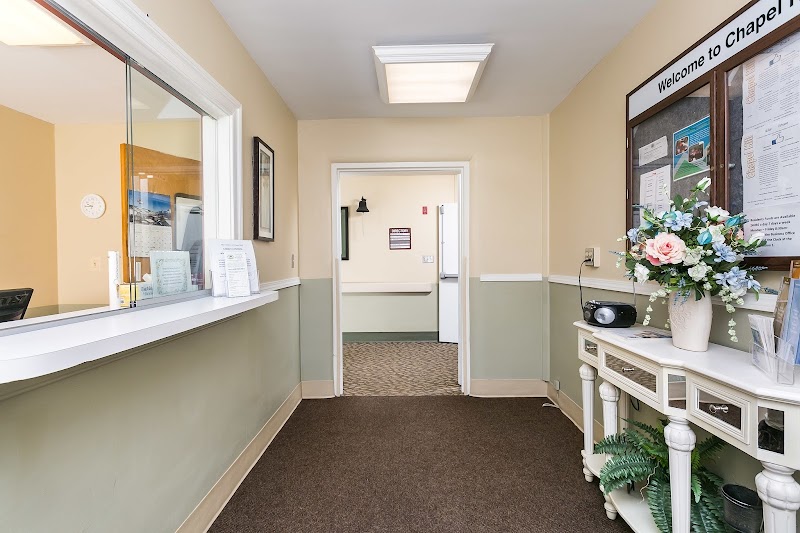
How is Chapel Hill Nursing Center Staffed?

CMS rates CHAPEL HILL NURSING CENTER's staffing level at 4 out of 5 stars, which is above average compared to other nursing homes. Staff turnover is 34%, compared to the Maryland average of 46%. This relatively stable workforce can support continuity of care.

What Have Inspectors Found at Chapel Hill Nursing Center?

State health inspectors documented 51 deficiencies at CHAPEL HILL NURSING CENTER during 2018 to 2025. These included: 1 Immediate Jeopardy (the most serious level, indicating potential for serious harm or death), 1 that caused actual resident harm, 48 with potential for harm, and 1 minor or isolated issues. Immediate Jeopardy findings are rare and represent the most serious regulatory concerns. They require immediate corrective action.
Who Owns and Operates Chapel Hill Nursing Center?

CHAPEL HILL NURSING CENTER is owned by a for-profit company. For-profit facilities operate as businesses with obligations to shareholders or private owners. The facility is operated by EPHRAM LAHASKY, a chain that manages multiple nursing homes. With 63 certified beds and approximately 53 residents (about 84% occupancy), it is a smaller facility located in RANDALLSTOWN, Maryland.
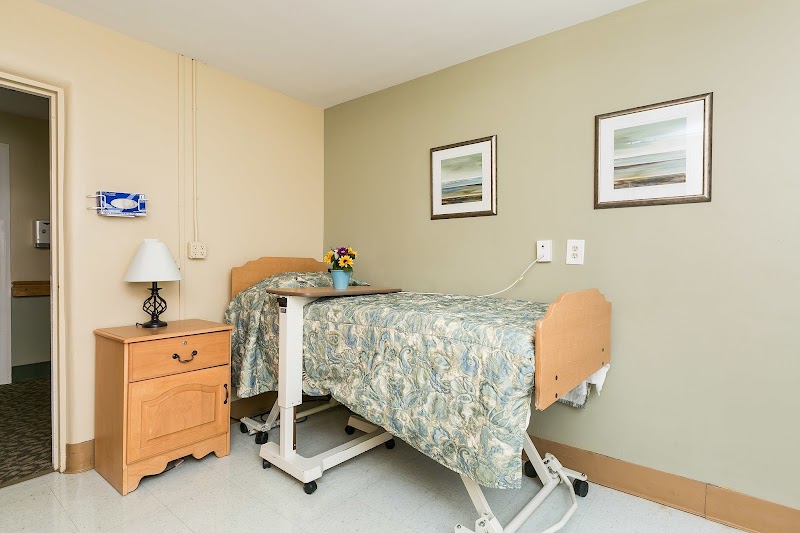
How Does Chapel Hill Nursing Center Compare to Other Maryland Nursing Homes?

Compared to the 100 nursing homes in Maryland, CHAPEL HILL NURSING CENTER's overall rating (1 stars) is below the state average of 3.0, staff turnover (34%) is significantly lower than the state average of 46%, and health inspection rating (2 stars) is below the national benchmark.

What Should Families Ask When Visiting Chapel Hill Nursing Center?

Based on this facility's data, families visiting should ask: "What changes have been made since the serious inspection findings, and how are you preventing similar issues?" "Can I visit during a mealtime to observe dining assistance and food quality?" "How do you handle medical emergencies, and what is your hospital transfer rate?" "Can I speak with family members of current residents about their experience?" These questions are particularly relevant given the facility's Immediate Jeopardy citations.

Is Chapel Hill Nursing Center Safe?

Based on CMS inspection data, CHAPEL HILL NURSING CENTER has documented safety concerns. Inspectors have issued 1 Immediate Jeopardy citation (the most serious violation level indicating risk of serious injury or death). The facility has a 1-star overall rating and ranks #100 of 100 nursing homes in Maryland. Families considering this facility should ask detailed questions about what corrective actions have been taken since these incidents.

Do Nurses at Chapel Hill Nursing Center Stick Around?

CHAPEL HILL NURSING CENTER has a staff turnover rate of 34%, which is about average for Maryland nursing homes (state average: 46%). Moderate turnover is common in nursing homes, but families should still ask about staff tenure and how the facility maintains care continuity when employees leave.

Was Chapel Hill Nursing Center Ever Fined?

CHAPEL HILL NURSING CENTER has been fined $13,247 across 1 penalty action. This is below the Maryland average of $33,211. While any fine indicates a compliance issue, fines under $50,000 are relatively common and typically reflect isolated problems that were subsequently corrected. Families should ask what specific issues led to these fines and confirm they've been resolved.

Is Chapel Hill Nursing Center on Any Federal Watch List?

CHAPEL HILL NURSING CENTER is not on any federal watch list. The most significant is the Special Focus Facility (SFF) program, which identifies the bottom 1% of nursing homes nationally based on persistent, serious quality problems. Not being on this list means the facility has avoided the pattern of deficiencies that triggers enhanced federal oversight. This is a positive indicator, though families should still review the facility's inspection history directly.