FUTURE CARE OLD COURT
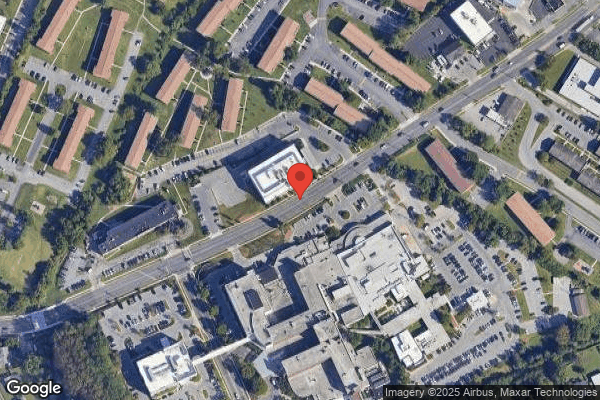
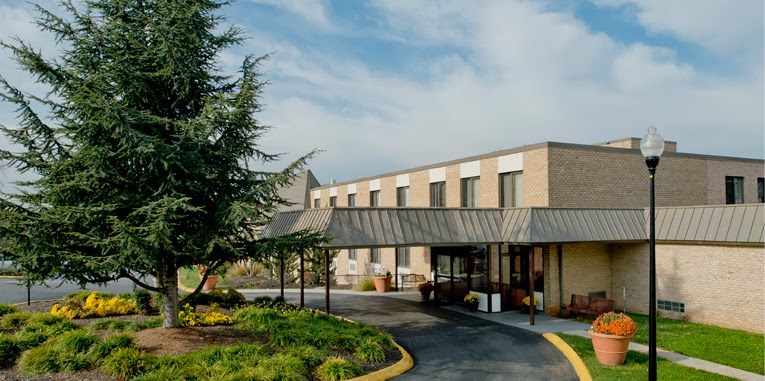
5412 OLD COURT ROAD, RANDALLSTOWN, MD 21133 (410) 922-3200
For profit - Limited Liability company 141 Beds FUTURE CARE/LIFEBRIDGE HEALTH Data: November 2025
Trust Grade
80/100
#22 of 219 in MD
Last Inspection: December 2024

Within standard 12-15 month inspection cycle. Federal law requires annual inspections.

Overview

Future Care Old Court in Randallstown, Maryland has a Trust Grade of B+, which means it is recommended and above average in quality of care. It ranks #22 out of 219 facilities in the state, placing it in the top half, and #7 out of 43 in Baltimore County, indicating only six local options are better. However, the facility is experiencing a worsening trend, with issues increasing from 7 in 2019 to 13 in 2024. Staffing is rated at 4 out of 5 stars, with a turnover rate of 40%, which is on par with the state average, suggesting a stable workforce. Notably, there have been no fines, which is a positive sign, but average RN coverage is a concern as more RN oversight could enhance resident care. Specific incidents include a failure to properly label and date food items in the kitchen, which poses a risk to residents' safety, and a lack of required annual dementia training for a significant number of geriatric nursing assistants, which may affect the quality of care for residents with dementia. While the facility has strengths, such as excellent overall ratings and no fines, these weaknesses indicate areas that need improvement.

Trust Score
B+
80/100
In Maryland
#22/219
Top 10%
Safety Record
Low Risk
No red flags
Inspections
Getting Worse
7 → 13 violations
Staff Stability
○ Average
40% turnover. Near Maryland's 48% average. Typical for the industry.
Penalties
✓ Good
No fines on record. Clean compliance history, better than most Maryland facilities.
Skilled Nurses
✓ Good
Each resident gets 49 minutes of Registered Nurse (RN) attention daily — more than average for Maryland. RNs are trained to catch health problems early.
Violations
⚠ Watch
43 deficiencies on record. Higher than average. Multiple issues found across inspections.
★★★★★
5.0
Overall Rating
★★★★☆
4.0
Staff Levels
★★★★★
5.0
Care Quality
★★★★☆
4.0
Inspection Score
Stable
2019: 7 issues
2024: 13 issues

The Good

  • 4-Star Staffing Rating · Above-average nurse staffing levels
  • 5-Star Quality Measures · Strong clinical quality outcomes
  • Full Sprinkler Coverage · Fire safety systems throughout facility
  • No fines on record
  • Staff turnover below average (40%)

    8 points below Maryland average of 48%

Facility shows strength in staffing levels, quality measures, fire safety.

The Bad

Staff Turnover: 40%

Near Maryland avg (46%)

Typical for the industry

Chain: FUTURE CARE/LIFEBRIDGE HEALTH

Part of a multi-facility chain

Ask about local staffing decisions and management

The Ugly 43 deficiencies on record

Dec 2024 13 deficiencies
CONCERN (D)

Potential for Harm - no one hurt, but risky conditions existed

Resident Rights (Tag F0550)

Could have caused harm · This affected 1 resident

Based on observation and interview, it was determined that the facility failed to ensure residents were treated with respect and dignity while assisting residents with meals. This was evident for 1 (R...

Read full inspector narrative →
Based on observation and interview, it was determined that the facility failed to ensure residents were treated with respect and dignity while assisting residents with meals. This was evident for 1 (Resident #283) of 1 resident observed being fed by staff. The findings include: On 12/10/24 at 1:00 PM, the surveyor observed Geriatric Nursing Assistant (GNA, Staff #46) standing over Resident #283 when feeding the resident. On 12/10/24 at 1:06 PM, an interview with agency GNA #46 revealed that she was agency staff and she was not aware that staff should not stand when feeding residents. On 12/11/24 at 8:43 AM, an interview with agency GNA (Staff #45) revealed that she was agency staff and she was not aware that staff should not stand when feeding residents. On 12/11/24 at 12:43 PM, an interview with the Staffing Coordinator (Staff #22) and the Nursing Home Administrator (NHA, Staff #1) revealed that agency GNAs are not educated on maintaining resident dignity pertaining to feeding upon working at the facility. Staff #22 indicated that GNA's are educated on such skills in school to obtain their GNA license and should be using those skills at the facility. On 12/11/24 at 1:51 PM, the surveyor reviewed the concern with the NHA.
CONCERN (D) 📢 Someone Reported This

A family member, employee, or ombudsman was alarmed enough to file a formal complaint

Potential for Harm - no one hurt, but risky conditions existed

Deficiency F0602 (Tag F0602)

Could have caused harm · This affected 1 resident

Based on reviews of a facility reported incident, interviews, and record review, it was determined that a staff member had removed money from a resident's account without permission. This was evident ...

Read full inspector narrative →
Based on reviews of a facility reported incident, interviews, and record review, it was determined that a staff member had removed money from a resident's account without permission. This was evident for 1 of 36 facility reported incidents reviewed during an annual recertification survey. The findings include: On 12/06/2024 at 12:09 PM, a review of the facility-reported incident, MD00183120, reported on 11/16/2022, revealed an allegation of misappropriation of funds. Resident #23 reported that she/he did not have his/her checkbook. Resident #23's daughter reported that two checks had cleared Resident #23's account, one for $600 and another for $400. Resident #23's bank confirmed that the name on the two checks was Geriatric Nursing Assistant (GNA) #32. The facility confirmed that GNA#32 worked as an agency GNA on 11/16/2022 on 7-3 and 3-11 shifts. The investigation conducted by the facility determined that two checks totaling $1000 were written to GNA #32 and were cashed. Resident #23's bank blocked her/his account and reimbursed Resident #23. The Nursing Home Administrator (NHA) was interviewed on 12/06/2024 at 2:16 PM. The NHA stated that the facility conducted a thorough investigation and provided the information to the staffing agency. On 12/06/2024 at 02:30 PM, an interview was conducted with the staffing coordinator (Staff # 22), who stated that the background checks and training are reviewed on the agency's portal. When asked about the most recent abuse training for GNA #32, she stated that GNA#32 was a DNR Do Not Return to the facility but was able to provide a copy of the training. GNA #32's abuse training was dated 5/19/2021, which was outdated at the time of the incident. On 12/12/24 at 08:30 AM, the surveyor discussed concerns with NHA concerning the outdated abuse training and the failure to protect Resident #23 from misappropriation of resident property.
CONCERN (D) 📢 Someone Reported This

A family member, employee, or ombudsman was alarmed enough to file a formal complaint

Potential for Harm - no one hurt, but risky conditions existed

Report Alleged Abuse (Tag F0609)

Could have caused harm · This affected 1 resident

Based on record review and interview with staff, it was determined that the facility failed to timely report an allegation of abuse to the State Agency, the Office of Health Care Quality (OHCQ), immed...

Read full inspector narrative →
Based on record review and interview with staff, it was determined that the facility failed to timely report an allegation of abuse to the State Agency, the Office of Health Care Quality (OHCQ), immediately but not later than 2 hours after the allegation of abuse was made. This was evident for 2 (Resident #34 and #147) out of 15 residents investigated for abuse during the survey. The findings include: 1) On 12/5/2024 at 1:45PM, the Surveyor reported an allegation of abuse which involved Resident #34 to the Nursing Home Administrator (NHA) #1. On 12/6/2024 at 11:38AM, the NHA #1 provided the Surveyor with the Facility Reported Incident (FRI) initial report form for the abuse investigation. During a review of the FRI document, the Surveyor discovered that the report was completed on 12/6/2024 at 9:45AM and not within the two-hour timeframe. During an interview with NHA #1 and Regional Nurse #3 on 12//6/2024 at 1:40PM, the Surveyor confirmed that the FRI initial report form was not completed within the two-hour timeframe of the abuse allegation. 2) On 12.06.24 at 2:00 PM the surveyor reviewed MD00202200, a facility reported incident (FRI) for Resident #147 related to alleged employee to resident sexual abuse. Per the documentation in the FRI, the facility staff became aware of the incident on 02.04.24 at 9:50 PM. Also, per the facility report the Administrator, Staff #2 was notified of the incident on 02.04.24 at 10 PM by the former director of nursing, (DON) #38. Resident #147 reported to the staff that he/she felt sharp pain near [his/her] vagina and alleged that [Staff # 34] maybe put his finger in there during incontinence care. The Resident had a Brief Interview for Mental Status (BIMS) score of 15. According to the FRI there were no facility staff witnesses, and Resident #147 was not found to have any injuries at the time of the incident on 02.04.24 when examined by a female nurse. On 12.07.24 at 2:30 PM the surveyor reviewed the hard copy of the facility incident report folder provided by the facility. The administrator, Staff #1 documented in the initial facility report was submitted on 02.05.24 at 11:30 PM which was more than 2 hours after the knowledge by staff of the abuse allegation. Additionally, the administrator documented that the resident representative and the medical director were notified on 02.05.24. On 12.09.24 at 1:40 PM the DON and Administrator were advised that the surveyor required a copy of the full FRI documents related to MD00202200. The facility had determined the allegations were not substantiated per the documentation in the hard copy FRI. The surveyor discussed the concern regarding the timely submission of the FRI to the OHCQ department. On 12.12.24 at 1:00 PM the surveyor discussed the concerns again with the Administrator regarding the late submission of the initial facility incident report.
CONCERN (D)

Potential for Harm - no one hurt, but risky conditions existed

Comprehensive Care Plan (Tag F0656)

Could have caused harm · This affected 1 resident

Based on record review and interview with residents and staff, it was determined that the facility failed to develop and implement a comprehensive care plan for residents. This was evident for 1 (Resi...

Read full inspector narrative →
Based on record review and interview with residents and staff, it was determined that the facility failed to develop and implement a comprehensive care plan for residents. This was evident for 1 (Resident #103) out of 61 residents reviewed during survey. The findings include: A care plan is used to summarize a person's health conditions, specific care needs, and current treatments and outlines what needs to be done to plan, assess, and manage a resident's care. On 12/9/2024 at 7:00AM, during an interview with Geriatric Nursing Assistant (GNA) #55, the Surveyor was informed that residents are scheduled to have two showers a week and showers are usually given during the 7AM-3PM shift or 3PM-11PM shift. During review of Resident #103's task care report for November 2024 and December 2024 on 12/9/2024 at 1:30PM, the Surveyor discovered a GNA task for showers/tub bath on Mondays and Thursdays during the 3pm-11pm shift. Further review revealed documentation of N, the resident did not receive a shower or RR, the resident refused a shower on Mondays and Thursdays from November through December 2024 On 12/10/2024 at 10:25AM, the Surveyor reviewed the shower sheet binder at the 1st floor nurses station. The Surveyor did not observe any shower sheets for Resident #103 in the binder. The Surveyor requested Resident #103's shower sheets for November 2024 and December 2024. On 12/10/2024 at 2:10PM, a review of Resident #103's shower sheets revealed the resident refused a shower on Wednesday 11/6/2024, Wednesday 11/13/2024, Wednesday 11/20/2024, Wednesday 11/27/2024, and Wednesday 12/4/2024. On 12/10/2024 at 2:30PM, a review of Resident #103's electronic medical record failed to reveal documentation of a care plan for the residents' refusals of showers, any actions taken by the nursing staff to educate the resident, and any alternatives the nursing staff have taken to meet the resident's needs. On 12/12/2024 at 11:40AM, during an interview with Unit Manager #54, the Surveyor confirmed that if a resident was refusing showers, that resident should be care planned for refusal of showers. The Surveyor expressed the concern that documentation had been reviewed in Resident #103's medical record, which indicate they have been refusing showers and there was no care plan nor education developed and implemented for refusal of showers. On 12/12/2024 at 1:00PM, the Surveyor informed Administrator #1 of the concern regarding failure to develop and implement a care plan for a resident refusing showers.
CONCERN (D)

Potential for Harm - no one hurt, but risky conditions existed

Deficiency F0657 (Tag F0657)

Could have caused harm · This affected 1 resident

Based on record review and interview with staff, it was determined that the facility failed to facilitate timely care plan meetings after a resident's quarterly assessment to allow the resident and re...

Read full inspector narrative →
Based on record review and interview with staff, it was determined that the facility failed to facilitate timely care plan meetings after a resident's quarterly assessment to allow the resident and resident representative to participate in the care planning process. This was evident for 1 (Resident #48) out of 2 residents investigated for care planning during the survey. The findings include: Interdisciplinary team (IDT) is a team of medical professionals that provide specific patient centered care to the residents within a facility. The MDS (Minimum Data Set) is a standardized, comprehensive assessment of a resident's functional, medical, psychosocial, and cognitive status to develop a plan of care based on the resident's individualized needs. A care plan is used to summarize a person's health conditions, specific care needs, and current treatments and outlines what needs to be done to plan, assess, and manage care. Care plans are developed, reviewed, and/or revised by the IDT after the completion of a comprehensive MDS assessment (Admission, Annual, Quarterly, Significant Change) to help to evaluate the effectiveness of the resident's care while in the facility. On 12/4/2024 at 11:53AM, during an interview with Resident #48, the Surveyor discovered that the resident had a care plan meeting in November 2024, however, it was the first care plan meeting in about 7 months. On 12/5/2024 at 2:00PM, a review of Resident #48's paper medical record revealed a care plan meeting sign in sheet with attendance logs for meetings on 2/14/2024 and 11/14/2024. On 12/6/2024 at 8:47AM, the Surveyor conducted and interview with Social Services Director #13 and the Director of Nursing (DON) #2. The Surveyor was informed that care plan meetings are held quarterly, usually within days of the MDS assessment. The Surveyor expressed a concern that Resident #48 did not have a care plan meeting following their MDS assessment in May 2024 and August 2024. On 12/6/2024 at 10:48AM, Social Services Director #13 provided the Surveyor with documentation that a care plan meeting was held on 5/16/2024. Social Services Director #13 and the administrative staff failed to provide the Surveyor with documentation of a care plan meeting in August 2024 following the MDS assessment on 8/6/2024.
CONCERN (D)

Potential for Harm - no one hurt, but risky conditions existed

Deficiency F0676 (Tag F0676)

Could have caused harm · This affected 1 resident

Based on record reviews and interviews, it was determined that the facility failed to provide the necessary Range of Motion (ROM) exercises for a resident in the functional maintenance program. This w...

Read full inspector narrative →
Based on record reviews and interviews, it was determined that the facility failed to provide the necessary Range of Motion (ROM) exercises for a resident in the functional maintenance program. This was evident for 1 (Resident #11) out of the 5 residents reviewed for mobility during the survey. The findings include: A functional maintenance program (FMP) is a set of activities designed to help residents maintain or improve their functional abilities, including range of motion (ROM), after therapy. The program aims to maintain the strength, independence, and functionality gained during therapy and prevent or slow further decline in function. On 12/04/24 at 08:09 AM, during an interview with Resident #11, she/he stated that staff did not provide ROM exercises to his/her wrist and hands. The resident had a history of multiple sclerosis with contractures (permanent restriction to the ROM of a joint). On 12/09/24 at 09:15 AM, the restorative aide (staff # 23) was interviewed. She explained that her job as a restorative aide is to carry out the orders written by the Physical Therapist (PT) or Occupational Therapist (OT). Her work contributes to a resident's functional maintenance program (FMP) after therapy has ended, including exercises to maintain or improve ROM. Staff #23 provided a list of residents who are on an FMP. Resident #11 was listed for ROM to right upper joints 2 times a week for 12 weeks and passive ROM to right upper extremities, wrist, and fingers, PRN (as needed) for 7 AM -3 PM and 3 PM -11 PM. Staff #23 stated that the documentation for the tasks should be found in the electronic medical records. A medical record review was conducted on 12/09/24 at 09:34 AM. Daily documentation on the GNA task under the Restorative/Functional Maintenance area indicated that the resident had a Functional Limitation of Range of Motion. On 12/09/2024 at 09:47 AM, an interview with the Director of PT/OT (Staff #20) revealed that residents not getting ongoing therapy by the PT/OT therapists were placed on the functional maintenance program maintained by nursing. When asked about Resident #11's ROM order written for PRN, Staff #20 stated that it was something that the facility had to clarify. A follow-up interview was conducted on 12/09/24 at 11:43 AM with Staff # 23, who stated that Resident #11 had not had ROM for the past several months because she/he would complain about pain. When asked if this was communicated to anyone, Staff #23 stated that she informed Staff #20 but had not informed the nurse or unit manager. Staff #23 also said she could provide documentation of the times ROM was done. On 12/09/24, at 02:39 PM, Staff #23 provided documentation that the PRN ROM was completed for Resident #11 on 10/11/2024, 11/18/2024, and 12/7/2024. On 12/09/2024 at 2:57 PM, the regional nurse (Staff #3) and Director of Nursing (Staff #2) were interviewed. When asked about the FMP program and the PRN order, they both stated that the program was geared toward residents to help maintain their function, and they had to clarify what constitutes PRN ROM. They both indicated that they were unaware that Resident #11 was not getting ROM due to pain. On 12/12/24 at 08:30 AM, the Administrator was informed of the concern about the lack of communication regarding the resident's ROM not being performed and the clarification and meaning of a PRN ROM order that does not indicate when or under what conditions it should be performed.
CONCERN (D)

Potential for Harm - no one hurt, but risky conditions existed

ADL Care (Tag F0677)

Could have caused harm · This affected 1 resident

**NOTE- TERMS IN BRACKETS HAVE BEEN EDITED TO PROTECT CONFIDENTIALITY** Based on record review and interview with resident and facility staff, it was determined that the facility failed to offer and p...

Read full inspector narrative →
**NOTE- TERMS IN BRACKETS HAVE BEEN EDITED TO PROTECT CONFIDENTIALITY** Based on record review and interview with resident and facility staff, it was determined that the facility failed to offer and provide showers to a dependent resident twice per week. This was evident for 1 (Resident #103) of 2 residents investigated for Activities of Daily Living (ADL) during the annual survey. The findings include: On 12/4/2024 at 11:40AM, the Surveyor conducted an interview with Resident #103, which revealed that the resident would like to have a shower and that he/she had not had a shower in a long while. On 12/9/2024 at 7:00AM, during an interview with Geriatric Nursing Assistant (GNA) #55, the Surveyor was informed that residents are scheduled to have two showers a week and showers are usually given during the 7AM-3PM shift or 3PM-11PM shift. During review of Resident #103's task care report for November 2024 and December 2024 on 12/9/2024 at 1:30PM, the Surveyor reviewed a GNA task for showers/tub bath on Mondays and Thursdays during the 3pm-11pm shift. Further review revealed that the resident did not receive a shower in November 2024 through December 2024. On 12/10/2024 at 7:26AM, the Surveyor reviewed the facility's Skin: Preventative Care Policy and discovered that residents will receive a shower or tub bath twice weekly and PRN. On 12/10/2024 at 10:25AM, a review of the shower sheet binder at the 1st floor nurses station revealed that Resident #103 followed a Wednesday and Saturday 7am-3pm shower schedule. During further review, the Surveyor did not observe any shower sheets for Resident #103 in the binder. The Surveyor requested Resident #103's shower sheets for November 2024 and December 2024. During an interview conducted with Resident #103 on 12/10/2024 at 10:34AM, the Surveyor asked the resident if he/she had a shower recently and the resident shook his/her head no. The Surveyor asked the resident if he wanted a shower, and he/she said yes. The Surveyor asked if he/she ever refused a shower, and the resident said no. The Surveyor asked the resident if he/she was offered a shower, and the resident said no. The MDS (Minimum Data Set) is a standardized, comprehensive assessment of a resident's functional, medical, psychosocial, and cognitive status to develop a plan of care based on the resident's individualized needs. A review of Resident #103's annual MDS assessment dated [DATE], section F, revealed that it was very important to the resident to choose between a tub bath, shower, bed bath, or sponge bath. Additional review revealed that the resident was dependent on staff for ADL care. On 12/10/2024 at 2:10PM, a review of Resident #103's shower sheets revealed the resident refused a shower on Wednesday 11/6/2024, Wednesday 11/13/2024, Wednesday 11/20/2024, Wednesday 11/27/2024, and Wednesday 12/4/2024. There were no shower sheets for the Saturday shower schedule during November or December 2024. Additional review of the electronic medical record failed to support showers offered or received twice per week. On 12/11/2024 at 10:45AM, the Surveyor conducted an interview with Resident #103. During the interview, the Surveyor discovered that the resident had a shower that morning. The Surveyor was informed that the resident was offered a shower and was happy to receive one. The Surveyor asked the resident if he/she knew what days he/she was scheduled for a shower and the resident stated no. The Surveyor informed the resident that he/she is scheduled to have showers two times a week on Wednesdays and Saturdays. During an interview conducted with Unit Manager #54 on 12/12/2024 at 11:45, the Surveyor confirmed that Resident #103 had not had a shower on Wednesdays and Saturdays as scheduled during the month of November 2024 and December 2024, until 12/11/2024. The Surveyor reviewed the concern that during the survey, Resident #103 stated that it had been a while since he/she was offered showers, he/she has not refused showers, would like to have showers, and was not informed of his/her shower schedule. On 12/12/2024 at 1:00PM, the Surveyor informed Administrator #1 of the concern with Resident #103's showers.
CONCERN (D)

Potential for Harm - no one hurt, but risky conditions existed

Quality of Care (Tag F0684)

Could have caused harm · This affected 1 resident

Based on record review and interview with staff, it was determined that the facility failed to ensure a physician's order for a STAT (without delay) x-ray was performed timely, preventing a delay in t...

Read full inspector narrative →
Based on record review and interview with staff, it was determined that the facility failed to ensure a physician's order for a STAT (without delay) x-ray was performed timely, preventing a delay in treatment. This was evident for 1 (Resident #34) out of 3 residents investigated for accidents during the survey. The findings include: On 12/4/2024 at 11:36AM, during an interview with Resident #34, the Surveyor was informed that the resident sustained an injury to his/her left ankle in June 2024 while attempting to be weighed using a wheelchair scale. On 12/6/2024 at 10:00AM, a review of Resident #34's electronic medical record revealed a change in condition note written on 6/14/2024 at stating the resident complained of left ankle pain and the resident stated that he/she got his/her left leg caught on the scale while he/she was being weighed on 6/13/2024. Further review of Resident #34's electronic medical record revealed an physician order for a STAT(without delay) x-ray placed on 6/14/2024 at 1:31PM and confirmed by Registered Nurse (RN) #56. The left x-ray exam was completed on 6/14/2024 at 10:23PM. The findings were reviewed on 6/15/2024 at 7:09AM and confirmed a left ankle fracture. The results were reviewed by the physician and the resident was transferred to the hospital on 6/15/2024 at 1:59PM. During an interview with Regional Nurse #3 on 12/9/2024 at 7:20AM, the Surveyor was informed that STAT orders should be performed within 4-6 hours after the order was placed and called in to the radiology company by the nurse. On 12/9/2024 at 10:07AM, the Surveyor reviewed the provider application for the x-ray for Resident #34 which revealed that the order was called in to the company on 6/14/2024 at 2:09PM by RN #56 and the priority was labeled Routine, a same day request, and was assigned to a technologist at on 6/14/2024 at 2:10PM. During an interview conducted with RN #56 on 12/9/2024 at 2:35PM, the Surveyor reviewed the provider application and the priority stating Routine. RN #56 stated she called in a STAT order for the x-ray and informed the Surveyor that the nurses have to call the company to follow up on orders placed because there is often a delay in services provided. On 12/9/2024 at 2:55PM, Regional Nurse #3 and the Surveyor confirmed the a physician order for a STAT x-ray was called in to the diagnostic company as a Routine x-ray. The Surveyor reviewed the concern for a delay in treatment with Regional Nurse #3.
CONCERN (D)

Potential for Harm - no one hurt, but risky conditions existed

Deficiency F0730 (Tag F0730)

Could have caused harm · This affected 1 resident

Based on interviews, and administrative record reviews, it was determined that the facility staff failed to complete annual nursing aide performance reviews. This was evident for 3 out 7 ( GNA #28, GN...

Read full inspector narrative →
Based on interviews, and administrative record reviews, it was determined that the facility staff failed to complete annual nursing aide performance reviews. This was evident for 3 out 7 ( GNA #28, GNA #31, and GNA #53) nursing aide performance appraisals, reviewed during the survey. The findings include: On 12/09/2024 at 8:59 AM, the review of employee records for Geriatric Nursing Assistant (GNA) #28 revealed the last performance review was conducted on 8/29/18, and GNA #31 showed no evidence of a performance review. On 12/11/24 at 8:16 AM, the surveyor requested annual performance reviews for GNA #23, GNA #28, GNA #31, GNA #52, and GNA #53. On 12/11/24 at 9:44 AM, the surveyor received employee performance appraisal for GNA #23, and GNA #52. On 12/11/24 at 1:12 PM, the Administrator #1 informed the surveyor that Human Resource personnel were having difficulty locating the performance appraisals for GNA #28, GNA #31, and GNA #53. On 12/12/2024 at 7:08am, during an interview with the Human Resource Director (HR) #47 regarding the process for employee annual reviews, she explained that she tracks all employees' annual performance reviews and completes her portion of the appraisal. One month prior to the review due date, she submits the documentation to the employee's manager with a deadline date. One week before the due date, she follows up verbally with the manager, and if the review is still not received, she follows up via email. When asked about the annual employee appraisals for GNA #28, GNA #31, and GNA #53, the HR Director #47 stated that two of the three performance appraisals were completed on 12/11/24. She explained that the remaining employee works the weekends and plans to complete their review upon their return to work. On 12/12/24 at 9:56AM, during an interview with Unit Manager #26, regarding GNA annual reviews she explained that employees are evaluated, and the HR Director #47 provides notification one month prior to the review due date. She further explained that the HR Director #47 follows up a few days before the deadline. The Unit Manager #26 reported that she is behind on several employee performance reviews due to being assigned multiple job responsibilities.
CONCERN (D)

Potential for Harm - no one hurt, but risky conditions existed

Medical Records (Tag F0842)

Could have caused harm · This affected 1 resident

**NOTE- TERMS IN BRACKETS HAVE BEEN EDITED TO PROTECT CONFIDENTIALITY** Based on record review and interview with staff, it was determined that the facility failed to maintain accurate medical records...

Read full inspector narrative →
**NOTE- TERMS IN BRACKETS HAVE BEEN EDITED TO PROTECT CONFIDENTIALITY** Based on record review and interview with staff, it was determined that the facility failed to maintain accurate medical records. This was evident for 2 (Resident #51 and #129) out of 61 resident records reviewed during the survey. The findings include: Maryland Medical Orders for Life-Sustaining Treatment (MOLST) is a form which includes medical orders for emergency medical services or other medical personnel regarding CPR (cardiopulmonary resuscitation) and other life-sustaining treatment options. Cardiopulmonary resuscitation (CPR) is a lifesaving technique used in emergencies in which someone's breathing or heartbeat has stopped. 1) On [DATE] at 12:26PM, a review of Resident #51's paper medical record revealed a MOLST form dated [DATE] and elected a full code status to attempt CPR. An additional review of Resident #51's electronic medical record revealed an Advanced Directive Note which indicated the resident was to remain a Full Code and that an updated MOLST form was completed to reflect that on [DATE]. Do Not Resuscitate (DNR) is an order placed in a person's medical record by a doctor informs the medical staff that CPR should not be attempted. 6 Do Not Intubate (DNI) is an order placed in a person's medical record by a doctor informs the medical staff that chest compressions and cardiac drugs may be used, but no breathing tube will be placed. During a review of Resident #51's electronic medical record on [DATE] at 9:45AM, the Surveyor discovered progress notes written by Physician #51 on [DATE], [DATE], [DATE], [DATE], [DATE], [DATE], [DATE], [DATE], and [DATE] which stated the resident is currently DNR/DNI in the unfortunate event of a cardiopulmonary arrest. On [DATE] at 1:00PM, the Surveyor and the Nursing Home Administrator (NHA) #1 reviewed the concern that Resident #51's current MOLST form code status was Full Code and the documentation within Physician #51's progress notes from [DATE] through [DATE] indicated that the resident was DNR/DNI. 2) On [DATE] at 2:32 PM, the surveyor reviewed three residents' medical records for closed records. The review revealed that Resident #129 was found unresponsive in bed on [DATE] at 1:30 AM, and no code was called per Advanced Directive. Further review of progress notes revealed that the licensed practical nurse (LPN #41) wrote, Patient (Resident #129) was presently on hospice; hospice nurse notified of the situation. A review of Resident #129's medical records on [DATE] at 9:06 AM revealed that the resident's hospice care consent was signed on [DATE]. The change in condition form dated [DATE] documented that the resident enrolled in hospice care. However, MDS (Minimum Data Set: a part of the federally mandated process for clinical assessment of all residents in Medicare and Medicaid certified nursing homes) dated [DATE] was not coded the resident's hospice status. On [DATE] at 9:52 AM, Staff #8 (Regional Nurse) and Staff #42 (MDS coordinator) insisted that Resident #129 did not receive hospice since the court order of care guardian, who signed the resident's hospice care consent, had not been adequately documented: on page 2, option A or option B was not selected, remained blank. Staff #8 said, Since number 2 under option B (the court order) was checked, we believed the order meant option B. However, to avoid making a hasty judgment, we requested and waited for confirmation from the court. That's why even though Resident #129's hospice consent was signed, his/her hospice care was not started till the resident passed away. The surveyor reviewed Resident #129's medical records on [DATE] at 10: 00 AM. The review revealed that the hospice nurses documented notes from [DATE] to [DATE]. Also, progress notes from [DATE] to [DATE] were reported by nurses about being informed/discussed with hospice nurses about Resident #129's condition. In an interview with Staff #8 on [DATE] at 11:11 AM, Staff #8 confirmed that Resident #129 received palliative care under [contracted Hospice care group]. The surveyor asked to provide any documentation to support the resident receiving palliative care, not hospice care. Staff #8 stated that the facility did not have it. On [DATE] at 3:03 PM, the surveyor informed the above concern in an interview with the Director of Nursing (DON). The DON validated it.
CONCERN (D) 📢 Someone Reported This

A family member, employee, or ombudsman was alarmed enough to file a formal complaint

Potential for Harm - no one hurt, but risky conditions existed

Deficiency F0943 (Tag F0943)

Could have caused harm · This affected 1 resident

Based on a review of a Facility Reported Incident, resident interview, and staff interviews, it was determined that the facility failed to ensure that the agency Geriatric Nursing Assistant (GNA) had ...

Read full inspector narrative →
Based on a review of a Facility Reported Incident, resident interview, and staff interviews, it was determined that the facility failed to ensure that the agency Geriatric Nursing Assistant (GNA) had received the annual abuse education required to work with long-term care residents. This was evident for 1 (staff #32) of 3 GNAs reviewed for abuse education during the survey. The findings included: During an interview on 12/05/24 at 12:58 PM with Resident #23, the resident's daughter stated there had been an incident of missing checks. Upon further questioning, Resident #23's daughter stated that a GNA had stolen and cashed two checks, but the funds were reimbursed. On 12/06/24 at 11:50 AM, the Surveyor requested the Facility Reported Incident for the above incident. On 12/06/2024 at 12:09 PM, a review of the facility-reported incident, MD00183120, reported on 11/16/2022, revealed an allegation of misappropriation of funds. Resident #23 reported that she/he did not have his/her checkbook. Resident #23's daughter reported that two checks had cleared Resident #23's account, one for $600 and another for $400. Resident #23's bank confirmed that the name on the two checks was GNA #32. The facility confirmed that GNA#32 worked as an agency GNA on 11/16/2022 on 7-3 and 3-11shifts. The investigation conducted by the facility results determined that two checks totaling $1000 were written to GNA #32 and were cashed. Resident #23 s bank blocked her/his account and reimbursed Resident #23. On 12/06/2024 at 2:16 PM, the Nursing Home Administrator (NHA) was interviewed. The NHA stated that the facility conducted a thorough investigation and provided the information to the staffing agency. In addition, the NHA stated that prior to agency staff working at the facility, the facility staffing coordinator would look up agency staff training and background checks on the agency's portal. The facility staffing coordinator (Staff #22) was interviewed on 12/06/2024 at 2:30 PM. She stated that the agency staff's credentials, background checks, and training were on the agency's portal. Staff #22 provided a printout of GNA# 32's abuse training, signed and dated 5/19/2021. It was noted that the GNA abuse training was overdue for the annual education requirement. The surveyor requested any documentation to support GNA #32, who received abuse, neglect, and misappropriation training annually. However, the facility staff confirmed that GNA #22 did not have additional training records prior to the above incident. On 12/12/2024, NHA was made aware that this was a concern.
CONCERN (F)

Potential for Harm - no one hurt, but risky conditions existed

Food Safety (Tag F0812)

Could have caused harm · This affected most or all residents

Based on the kitchen tour and staff interview, it was determined that the facility failed to ensure that stored food items were properly labeled and dated. This deficient practice has the potential to...

Read full inspector narrative →
Based on the kitchen tour and staff interview, it was determined that the facility failed to ensure that stored food items were properly labeled and dated. This deficient practice has the potential to affect all residents in the facility. The Findings Include: On 12/04/24 at 07:45 AM, during the initial kitchen tour with the Certified Dietary Manager (Staff#10), the following deficiencies were observed: 1. The walk-in refrigerator revealed a stand-alone plastic bag of chicken breast, approximately 20 frozen pieces, and a plastic bag of link sausages that did not have labels and were not dated. 2. A bottle of honey was found in the dry storage area with a prep date of 11/26/2024 and a used date of 12/03/2024. Staff #10 stated, honey is good for 3 years. 3. The dry food section had a container of graham crackers in individual packets that were not dated. An original box of graham crackers had a date. However, there was no way to identify which box the individual crackers came from. 4. Two of one gallon bottles of Cattlemen's BBQ Sauce: one had a sticker label with prep on 11/30/2024 and used by 12/05/2024. The other had a sticker label with prep on 11/16/2024 and used by 11/23/2024. 5. A one gallon of Soy Sauce had a label with a prep date of 11/16/2024 and used by 11/22/2024. 6. A gallon bottle of Worcestershire Sauce had a label with a prep date of 10/29/2024 and used by 11/29/2024. During the tour, Staff #10 was interviewed about the findings. Staff #10 acknowledged that staff were inconsistent in labeling and dating food items, which warrants further staff training. On 12/12/2024 at 09:13 AM, the facility provided the surveyor with the food storage policy. There was no mention of dating or labeling of food written in this policy. The surveyor was not provided a copy of the facility policy that guides the labeling and dating of food items. On 12/12/24 at 08:35 AM, the surveyor discussed these concerns with the Nursing Home Administrator.
CONCERN (F)

Potential for Harm - no one hurt, but risky conditions existed

Deficiency F0947 (Tag F0947)

Could have caused harm · This affected most or all residents

Based on interviews and administrative record review, it was determined that the facility failed to provide all geriatric nursing assistants (GNA) with the required annual dementia training. This defi...

Read full inspector narrative →
Based on interviews and administrative record review, it was determined that the facility failed to provide all geriatric nursing assistants (GNA) with the required annual dementia training. This deficient practice was evident for 32 out of 43 GNA's reviewed during the survey. The findings include: On 12/09/2024 at 8:59 AM, review of employee records for GNA #27, GNA #28, GNA #29, and GNA #31 failed to show evidence of required annual dementia training. During an interview with the Director of Nursing (DON) #2 on 12/09/24 at 10:43 AM she explained that annual competency for GNA includes a skills fair. The fair covers education on dementia care, abuse prevention and reporting, resident rights, infection control, and additional in-services to address any concerns that may have arisen during the year. The DON #2 reported that the most recent skills fair was held on 6/27/24. On 12/9/24 at 11:48 AM, a review of the in-service dementia training provided during the GNA annual skills fair, compared to the facility's current list of active GNA's, revealed that only 11 out of 43 employees received dementia training in 2024. Both the Administrator #1 and DON #2 were informed of the findings and the Administrator #1 explained that the facility recently transitioned from Relias to HealthStream training and would attempt to obtain the GNA dementia training records from Health Stream. On 12/10/24 at 7:38 AM, during a follow-up with the Administrator #1 regarding GNA Dementia training, the Administrator stated that a staff member was working on obtaining online dementia training for 2024. The Administrator #1 also acknowledged that the facility was not fully compliant with GNA training requirements for 2024. On 12/11/24 at 7:56 AM, the Corporate Regional Nurse #8 provided the surveyor with evidence that dementia in-service training was conducted on 12/10/24. On 12/12/24 at 7:29 AM, the Administrator #1 provided the surveyor with evidence that dementia in-service training was conducted on 12/11/24
Dec 2019 7 deficiencies
CONCERN (D)

Potential for Harm - no one hurt, but risky conditions existed

Comprehensive Care Plan (Tag F0656)

Could have caused harm · This affected 1 resident

**NOTE- TERMS IN BRACKETS HAVE BEEN EDITED TO PROTECT CONFIDENTIALITY** Based on medical record review and staff interview it was determined the facility failed to 1) develop and implement an ADL care...

Read full inspector narrative →
**NOTE- TERMS IN BRACKETS HAVE BEEN EDITED TO PROTECT CONFIDENTIALITY** Based on medical record review and staff interview it was determined the facility failed to 1) develop and implement an ADL care plan based on a comprehensive assessment that included special instructions/precautions for repositioning Resident #275 who was noted to have left-sided tenderness and pain; and 2) develop and implement a care plan that addressed nutrition and weight loss for Resident #274 who received nutrition via a feeding tube and was noted to have weight loss. This was evident for 2 of 4 residents reviewed for care plan development during this annual survey. The findings include: Activities of Daily Living (ADL), are the basic tasks of everyday life, such as eating, bathing, dressing, toileting, and transferring. A care plan is a guide that addresses the unique needs of each resident. It is used to plan, assess and evaluate the effectiveness of the resident's care. 1. Medical record review on 12/17/19 revealed Resident #275 was admitted to the facility with diagnoses that included but were not limited to Dementia, Cerebrovascular Accident (stroke), Hemiplegia (paralysis of one side of the body; usually caused by a brain lesion, such as a tumor, or by stroke syndrome) and Aphasia (the loss of ability to understand or express speech, caused by brain damage). A care plan initiated on 10/8/19 addressed the resident's ADL self-care performance deficit related to deconditioning. The plan noted the resident was totally dependent on staff for repositioning and turning in bed and for dressing. A care plan that addressed pain related to deconditioning directed staff to administer pain medications as ordered, anticipate the resident's need for pain relief, respond immediately to complaints of pain, and notify the physician if pain interventions were unsuccessful or for a significant change in the level of pain. A Skilled Charting Summary dated 10/10/19 at 8:43 PM reported the resident's left hand was noted to have 1+ pitting edema and was elevated on a pillow. Pitting edema occurs when an area that is filled with excess fluid is pressed upon and the indentation caused persists for some time after the release of the pressure. (www.medicinenet.com) Review of the admission Minimum Data Set (MDS) assessment dated [DATE] revealed facility staff coded the resident in Section C- Cognitive Patterns, as severely cognitively impaired. Review of section G-Functional status revealed the resident required the extensive assistance of one staff for bed mobility and dressing. The Minimum Data Set (MDS) is a comprehensive assessment of the resident completed by the facility staff. The MDS is a multi-disciplinarian tool that allows many facets of the resident's care [cognition, behavior, mobility, activities of daily living, accidents, activities, weight, pain and medications to name a few] to be addressed. In a written statement dated 10/26/19 geriatric nursing assistant (GNA) #2 reported that while turning Resident #275 the resident grabbed her/his arm and stated, you're hurting me. GNA #2 reported s/he ceased providing care and registered nurse (RN) #6 entered the room to remind her/him about the resident's left arm (pain). Review of facility reported incident MD00148502 revealed a concern that on 11/25/19 Resident #33 voiced concerns that Resident #275 may have been abused in October 2019. Resident #33 reported s/he heard Resident #275's verbal expression of pain while receiving care. During an interview with the surveyor on 12/17/19 at 1:45 PM regarding the incident, Resident #33 stated s/he heard a commotion and her/his roommate said, that hurts. Resident #33 maintained the curtain was closed and s/he did not see anything. In interview with the surveyor on 12/19/19 at 1:45 PM RN #1 stated Resident #275 was admitted with pain. RN #1 reported the resident's left hand was swollen and had to be moved very slowly and carefully to avoid increased pain. During an interview with the surveyor on 12/31/19 at 2:14 PM GNA #2 confirmed the information in her statement. GNA #2 stated she was not familiar with the resident's care routine and the need to take precautions when moving the resident. GNA #2 further stated when the resident expressed pain, she stopped care and the nurse educated her about the resident's left sided tenderness/pain. 2) Medical record review on 12/18/19 revealed Resident #274 was admitted to the facility with diagnoses that included but were not limited to Cerebrovascular Accident (stroke), Dysphagia (difficulty swallowing), Diabetes and Heart Disease. A Dietary Note dated 10/7/19 at 1:16 PM noted the resident was a nutritional risk due to obesity. It was also noted that the resident was dependent on a feeding tube to meet 100% of his/her nutritional needs. A care plan with an initiation date of 10/7/19 addressed the resident's swallowing problem related to Dysphagia as evidenced by his/her NPO (nothing by mouth) status. Interventions included directives to follow the resident's diet (NPO), weigh the resident per protocol, monitor lab work, obtain speech therapy evaluations and treatment as indicated and administer tube feeding, and flushes as ordered. A Dietary Note dated 10/21/19 at 11:35 AM reported a weight loss of 6.7 % which was noted upon the resident's return from the hospital. Weekly weights were recommended. A Plan of Care Note dated 11/13/19 at 3:44 PM noted the resident continued to trigger for weight loss which was noted upon the resident's return from the hospital and previously addressed. A Plan of Care note dated 12/11/19 at 12:39 PM reported the resident remained NPO except for ice chips. It was specified that the resident had to be sitting up to have the ice chips. It was also noted that the resident triggered for significant weight loss, but his/her BMI indicated the resident was overweight. The Dietitian noted the resident was obese on admission with a planned gradual weight loss and the tube feeding formula was increased. Body mass index (BMI) is a measure of body fat based on height and weight that applies to adult men and women. (www.nhlbi.nih.gov) A Plan of Care Note dated 12/18/19 at 3:25 PM reported the resident continued to trigger for weight loss. It was noted that the resident had a consultation with a gastrointestinal specialist due to weight loss and anemia. During an interview with the surveyor on 12/19/19 at 11:55 AM the Dietitian stated the resident's weight loss was planned and the weight loss was faster than she would have liked. During an interview with the surveyor on 12/19/19 at 1:22 PM the Nurse Practitioner agreed that the weight loss was planned. Further medical record review failed to reveal an individualized care plan based on a comprehensive assessment that addressed the resident's specific nutritional concerns and preferences and interventions for a planned weight loss.
CONCERN (D)

Potential for Harm - no one hurt, but risky conditions existed

Quality of Care (Tag F0684)

Could have caused harm · This affected 1 resident

**NOTE- TERMS IN BRACKETS HAVE BEEN EDITED TO PROTECT CONFIDENTIALITY** Based on medical record review and staff interview it was determined the facility staff failed to: 1) consistently follow a phys...

Read full inspector narrative →
**NOTE- TERMS IN BRACKETS HAVE BEEN EDITED TO PROTECT CONFIDENTIALITY** Based on medical record review and staff interview it was determined the facility staff failed to: 1) consistently follow a physician's order for the administration of Insulin for Resident #86; and 2) develop and implement a plan to monitor Resident #119 during periods of excessive drowsiness due to the administration of multiple medications that have the potential to induce excessive drowsiness and compromise the resident's safety. This was evident for 2 of 4 residents reviewed for quality of care during this annual re-certification survey. The findings include 1) Medical record review on 12/17/19 revealed Resident #86 was admitted to the facility with a diagnosis of Diabetes. The resident had a physician's order, dated 11/7/19, for Humalog Kwikpen Solution with meals. KwikPen, is a mealtime insulin pen that can help the with treatment of diabetes by controlling high blood sugar. The physician's order instructed nurses to hold the medication if the resident's blood sugar was less than 120 milligrams per deciliter. Review of the December 2019 Medication Administration Record (MAR) revealed the medication was administered on 12/8/19 at 8:00 AM (blood sugar = 96), 12/8/19 at 12:00 PM (blood sugar = 87) and 12/8/19 at 5:30 PM (blood sugar = 99). The medication was also administered on 12/12/19 at 8:00 AM (blood sugar =113). The findings were discussed with the Director of Nursing during the exit conference on 12/23/19 at approximately 2:00 PM. 2) Medical record review on 12/16/19 revealed Resident #119 was admitted to the facility with diagnoses that included but were not limited to Lupus (a systemic autoimmune disease that occurs when your body's immune system attacks your own tissues and organs. <www.mayoclinic.org>), Chronic Obstructive Pulmonary Disease (a chronic inflammatory lung disease that causes obstructed airflow from the lungs. <www.mayoclinic.org>), Diabetes, Depression, Chronic Pain and Anxiety. The medical record contained a care plan initiated on 11/27/19 that addressed the risk for pain related to surgery and chronic pain. The interventions included the administration of pain medications, follow-up with the physiatrist and performing on-going pain assessments. A care plan that addressed the use of psychotropic medications related to mood disorder was initiated on 11/27/19. Interventions included behavioral health consultations, monitoring for sadness, tearfulness or anxiety, and monitoring the effectiveness of the medications and for side effects. The resident was noted to be ambulatory. Review of the admission MDS assessment dated [DATE] revealed facility staff coded the resident in Section G-Functional status as requiring supervision with walking in her/room and the corridor and locomotion on and off the unit. The Minimum Data Set (MDS) is a comprehensive assessment of the resident completed by the facility staff. The MDS is a multi-disciplinarian tool that allows many facets of the resident's care [cognition, behavior, mobility, activities of daily living, accidents, activities, weight, pain and medications to name a few] to be addressed. Review of the December 2019 Medication Administration Record (MAR) revealed the resident was receiving Trazadone 50 milligrams at bedtime for Depression, Klonopin 1 milligram twice a day for anxiety, Lyrica 100 milligrams twice a day for neuropathic pain and Oxycodone Extended Release (narcotic) 10 milligrams twice a day for chronic pain. The record also contained an order for Oxycodone 20 milligrams every 4 hours as needed for a pain level of 7-10, hold for sedation. The order for Lyrica instructed staff to hold the medication if the resident was sleepy or drowsy. Medications prescribed for the resident also included Dicyclomine four times a day and Levsin every six hours for Irritable Bowel Syndrome. Potential side effects of these medications include dizziness, faintness, drowsiness and weakness. Irritable bowel syndrome (IBS) is a problem that affects the large intestine. It can cause abdominal cramping, bloating, and a change in bowel habits. A Change in Condition note dated 12/3/19 noted Lyrica was decreased from 150 milligrams to 100 milligrams twice a day and should be held if the resident was drowsy. A Physical Medicine and Rehabilitation follow-up noted dated 12/12/19 contained a recommendation for the resident to continue Oxycontin every 12 hours and hold for sedation. The physiatrist noted the registered nurse (RN) Manager was to discuss with the primary team and behavioral health services a proposal to change the administration times of Klonopin due to the resident's report that she/he was more drowsy in the mornings. On 12/13/19 at 12:30 PM the surveyor observed the resident sitting in a wheelchair in his/her room. The resident was very drowsy, unable to hold her/his head up or keep her/his eyes open. The resident had difficulty forming words. The surveyor discussed concerns about the resident sitting in the wheelchair in her/his room without supervision with RN #6. RN #1 stated this (change in condition) sometimes happens after the resident has medications. The Surveyor discussed the risk for falls due to resident's somnolent state. RN #1 wheeled the resident to the lounge where other staff were present and could monitor the resident. Further review of the MAR revealed that on 12/13/19 the resident received Klonopin 1 milligram, Lyrica 100 milligrams and Oxycontin ER 10 milligrams at 9:00 AM. The order for Oxycontin entered on the MAR did not direct staff to hold the medication for sedation. On 12/13/19 at approximately 1:00 PM RN #1 advised the surveyor that she contacted the physician regarding the resident's somnolent state and received an order to decrease the Klonopin from 1 milligram to 0.5 milligrams twice a day.
CONCERN (D)

Potential for Harm - no one hurt, but risky conditions existed

Accident Prevention (Tag F0689)

Could have caused harm · This affected 1 resident

**NOTE- TERMS IN BRACKETS HAVE BEEN EDITED TO PROTECT CONFIDENTIALITY** Based on medical record review, staff and resident interview, it was determined facility staff failed to ensure the appropriate ...

Read full inspector narrative →
**NOTE- TERMS IN BRACKETS HAVE BEEN EDITED TO PROTECT CONFIDENTIALITY** Based on medical record review, staff and resident interview, it was determined facility staff failed to ensure the appropriate method for transferring a functionally impaired resident was utilized to ensure the resident's safety. This was evident for 1 of 3 residents (#114) reviewed for safety. The findings included: Medical record review on 12/17/19 revealed Resident #114 had a history of Muscle Weakness and Communication Deficit. Facility staff initiated a care plan on 8/17/19 that addressed ADL self-care performance deficit related to deconditioning. The care plan did not include interventions for transferring the resident. Activities of Daily Living, or ADLs, are the basic tasks of everyday life, such as eating, bathing, dressing, toileting, and transferring. Review of the quarterly MDS assessment dated [DATE] revealed the facility staff coded the resident in Section G Functional Status G0110 Activities of Daily Living B- Transfers as a 3/3 (required the extensive assistance of 2 staff). The Minimum Data Set (MDS) is a comprehensive assessment of the resident completed by the facility staff. The MDS is a multi-disciplinarian tool that allows many facets of the resident's care [cognition, behavior, mobility, activities of daily living, accidents, activities, weight, pain and medications to name a few] to be addressed. A Change in Condition Note dated 9/17/19 at 2:10 PM noted staff reported to the resident's wife that the resident complained of falling during the night. A Nurses Note dated 9/17/19 at 2:45 PM reported the Nurse Practitioner ordered an x-ray of the resident's left ankle to rule out a fracture or dislocation. Review of the facility's investigation of the resident's allegation of being dropped during a transfer revealed staff education regarding wheelchair transfers included instructions to use a gait belt for transfers. In a written statement dated 9/17/19 geriatric nursing assistant (GNA) #3 reported that she and GNA #4 held the resident by the arms while grabbing his/her pants and used the pivot transfer method to transfer the resident from the wheelchair to the bed. In a written statement dated 9/17/19 GNA #4 stated GNA #3 stood in front of the resident and she in back and holding onto the resident's pants transferred him/her to the bed. A Plan of Care Note dated 9/19/19 at 6:59 AM reported the resident complained of left sided pain and stated s/he was dropped while being transferred by 2 GNAs, GNA #3 and #4. Due to resident's impaired hip extension/knee extension strength the resident will be transferred by hoyer (mechanical lift). A care plan created on 9/18/19 addressed the need for a mechanical lift to get the resident out of bed to the wheelchair due to ataxic movements. An intervention was added on 10/23/19 that directed to staff to use the mechanical lift to transfer the resident from one surface to the next. During the interview with the surveyor on 12/13/19 at 7:26 AM, the resident maintained s/he was dropped to the floor during a transfer that occurred during the 3-11 shift around 4-5 months ago. The Resident was asked to describe the fall. The resident stated s/he put his/her hands out to break the fall. During an interview with the surveyor on 12/17/19 at 12:02 PM the Director of Nursing (DON) stated that on 9/17/19 the resident reported to his/her assigned GNA that on 9/16/19 s/he was dropped during a transfer. The DON stated one of the GNA's was pregnant and had a poor transfer technique. The DON stated this aide was no longer assigned to the resident because the resident expressed that s/he did not have confidence in the GNA. In interview with the surveyor on 12/19/19 at 2:49 PM GNA #3 stated the resident's footing was unsure and the resident thought s/he fell. GNA #3 stated she stood in front of the resident and she and GNA #4 held the resident's pants during the transfer. The failure to use a gait belt during transfers for a functionally impaired resident and grabbing the resident by the arms and pants placed the resident at risk for injury.
CONCERN (D)

Potential for Harm - no one hurt, but risky conditions existed

Deficiency F0692 (Tag F0692)

Could have caused harm · This affected 1 resident

Based on medical record review and staff interview it was determined the facility staff failed to establish and maintain a system for ensuring accuracy in weight measurements for a nutritionally compr...

Read full inspector narrative →
Based on medical record review and staff interview it was determined the facility staff failed to establish and maintain a system for ensuring accuracy in weight measurements for a nutritionally compromised resident (Resident #274). This was evident for 1 of 3 residents reviewed for possible weight loss. The findings include: The facility failed to evidence the use of a consistent method of weighing Resident #274 who was nutritionally compromised. Medical record review on 12/18/19 revealed Resident #274 was admitted to the facility with diagnoses that included but were not limited to Cerebrovascular Accident (stroke), Dysphagia (difficulty swallowing), Diabetes and Heart Disease. The facility's policy and procedure Obtaining Weights, with a revision date of 5/3/19, instructed staff to use the same equipment when weighing residents to provide consistency. A Dietary Note dated 10/7/19 at 13:16 noted the resident was at nutritional risk due to obesity. It was also noted that the resident was dependent on a feeding tube to meet 100% of his/her nutritional needs. A Dietary Note dated 10/21/19 at 11:35 AM reported a weight loss of 6.7 % which was noted upon the resident's return from the hospital. Weekly weights were recommended. Review of the weight record revealed staff often failed to note the method of weighing the resident and a lack of consistency in methods used. Methods included standing, hoyer (mechanical lift), and a chair. The following measurements were noted in the medical record. The blank space next to the readings indicate staff failed to specify the method used to weigh the resident: -12/17/19: 168.7- hoyer -12/10/19: 167.4 -12/9/19: 167.4 -12/3/19: 175.6 -12/3/19: 168 -11/28/19: 174.8- hoyer -11/26/19: 167.2 -11/25/19: 172.2 -11/18/19: 180.4 -11/12/19: 180.8 -11/11/19: 175.8 -11/5/19: 183.6 -11/4/19: 180.8 -10/29/19: 187- chair -10/21/19: 185.4 -10/20/10: 185 -standing -10/18/19: 189.6 -hoyer -10/15/19: 198.6 - chair -10/7/19: 196.4 -hoyer -10/6/19: 195.7 -hoyer The findings were discussed with the Dietitian on 12/19/19 at 11:55 AM.
CONCERN (D)

Potential for Harm - no one hurt, but risky conditions existed

Infection Control (Tag F0880)

Could have caused harm · This affected 1 resident

Based on observations and interviews with facility staff it was determined the facility failed to ensure that staff adhered to infection control policies and practices to prevent the spread of germs a...

Read full inspector narrative →
Based on observations and interviews with facility staff it was determined the facility failed to ensure that staff adhered to infection control policies and practices to prevent the spread of germs and transmission of infections. This was found to be evident during random observations throughout the survey and have the potential of affecting all residents. The findings include: 1. Observation of a lunch dining experience was done on 12/13/19 from 11:50 AM - 12:15 PM. Staff #10, the Quality Assurance Nurse, was sitting between Resident #53 and Resident #29. Resident #53 touched Staff #10's hand several times as she cut food for Resident #29. Staff #10 proceeded to feed both residents and did not wash or sanitize her hands when Resident #53 touched her hands. 2. Medication administration observation was done on 12/12/19 at 8:00 AM. Licensed Practical Nurse (LPN) #1 obtained Resident #28's blood sugar reading and after getting the result she returned to the cart to prepare medications. LPN #1 did not wash or sanitize her hands after obtaining a blood sugar test. Observation was made of the Dietary staff preparing lunch on 12/19/19 at 11:20 AM. While dietary worker (Staff #2) was taking food temperatures, a utensil fell onto the floor. The dietary worker retrieved the item from the floor and removed it. The dietary worker did not wash or sanitize her hands after touching the floor and continued with food temps and lunch preparations. The Dietary Manager (Staff #3) was immediately made aware of the concern as she was in the kitchen at the time of the incident. The Director of Nursing and Nursing Home Administrator were made aware of all concerns at the time of exit.
CONCERN (D)

Potential for Harm - no one hurt, but risky conditions existed

Deficiency F0947 (Tag F0947)

Could have caused harm · This affected 1 resident

Based on review of employee files, training records and staff interview it was determined the facility failed to ensure all nurses' aides received 12 hours of training, annually, that included abuse p...

Read full inspector narrative →
Based on review of employee files, training records and staff interview it was determined the facility failed to ensure all nurses' aides received 12 hours of training, annually, that included abuse prevention and Dementia management, and addressed areas of weakness as determined in the nurse aides' performance reviews. This was evident for 2 of 4 geriatric nursing assistants (GNAs; #3 and #4) reviewed for training compliance during this annual re-certification survey. The findings include: During an interview with the surveyor on 12/13/19 at 7:26 AM, Resident #114 reported a concern about a potential incident of neglect by 2 GNA's. Review of the employee files for GNA #3 and #4, who provided care to the resident on the date of the alleged incident revealed they did not receive the required 12 hours of in-service training for the year 2019. The findings were discussed with the Regional Nurse Consultant on 12/23/19 at approximately 1:15 PM. Refer to F689
CONCERN (E)

Potential for Harm - no one hurt, but risky conditions existed

Medical Records (Tag F0842)

Could have caused harm · This affected multiple residents

3. During the investigation of complaint MD00142782 and review of the medical record revealed for Resident #173 on 12/17/19 at noon revealed a physician order dated 7/8/19 for Oxycontin CR (Controlled...

Read full inspector narrative →
3. During the investigation of complaint MD00142782 and review of the medical record revealed for Resident #173 on 12/17/19 at noon revealed a physician order dated 7/8/19 for Oxycontin CR (Controlled- Release) 30 mg (milligrams) to be administered one tablet by mouth every 12 hours for 14 days. Oxycontin CR is a medication used to help relieve severe ongoing pain. Continued review of the medical record revealed a Controlled Drug Receipt/Record Disposition Form dated 7/12/19 for Resident #173 which revealed on 7/13/19 at 3:40 AM the medication was signed as being administered, however, a line was drawn through the time and written above the line was 6 AM. Further review of the medical record revealed the resident refused the medication at 3:40 AM, however, refusal was not documented on the Controlled Drug Receipt/Record Disposition Form. An interview was conducted with the DON on 12/17/19 at 12:30 PM and she was asked why the drug receipt log had a line drawn through the time of 3:40 AM with another time of 6 AM written above it. The DON stated that the nurse should have another nurse witness and sign if the medication was destroyed and not given. In a later interview on the same date, Regional Nurse # 3 returned to the survey team and explained that the facility was conducting an audit and education was being provided to staff presently. Based on a review of the facility investigations, medical records, interviews with facility staff and other pertinent documentation it was determined that the facility failed to 1) document a Rehabilitation screen was done for resident #89, 2) document the correct dates on a narcotic sheet for Resident #123) and 3.) accurately document on the controlled drug receipt record for a resident that received a narcotic medication (#173). This was true for 3 of 39 residents reviewed during the annual survey. The findings include: 1. Review of Resident #89's medical record on 12/16/19 at revealed on 6/15/19 the resident was noted with a bruise to the right upper inner arm. According to the facility investigation, it was determined that the bruise to the right upper inner arm was consistent with the leaning position of the resident in the wheelchair. The investigation noted the resident was referred to Rehab for positioning and seating. Continued review of the medical record failed to reveal a rehab screen and/or documentation that the resident was evaluated by rehab for seating and positioning. During an interview with the Director of Rehab on 12/16/19 at 1:00 PM, she reported the screen was done and there were no recommended changes, however, staff forgot to document and place the rehab screen on the chart. 2. Review of Resident #123's medical record on 12/17/19 at 11:00 AM revealed a physician order dated 10/31/18 to administer Oxycodone tablet 5mg by mouth every six hours PRN (when needed) for pain. Further review of the medical record revealed the following: A. On 3/25/19 at 1:23 PM the resident was medicated with Oxycodone tablet 5mg for pain by registered nurse (RN) #5, however, the narcotic count sheet was dated 2/25/19 at 1:15 PM. B. On 3/26/19 at 12:54 AM the resident was medicated with Oxycodone tablet 5mg for pain by licensed practical nurse (LPN) #3, however, the narcotic count sheet was dated 2/26/19 at 12:54 AM. C. On 3/26/19 at 11:00 AM the resident was medicated with Oxycodone tablet 5mg for pain by LPN #4, however, the narcotic count sheet was dated 2/26/19 at 11:00 AM. During an interview with the Director of Nursing, the Regional Nurse and the Administrator on 12/17/19 at 2:00 PM, it was verified that RN #5, LPN #3 and LPN #4 documented the incorrect date on Resident #123's narcotic count sheet.
Aug 2018 23 deficiencies
CONCERN (D)

Potential for Harm - no one hurt, but risky conditions existed

Deficiency F0582 (Tag F0582)

Could have caused harm · This affected 1 resident

Based on review of the medical record and interview it was determined that the facility failed to ensure the Skilled Nursing Facility Advance Beneficiary Notice of Non-coverage (SNFABN) was provided t...

Read full inspector narrative →
Based on review of the medical record and interview it was determined that the facility failed to ensure the Skilled Nursing Facility Advance Beneficiary Notice of Non-coverage (SNFABN) was provided to a resident or the responsible party prior to end of service and failed to ensure the resident completed their portion of the form. This was found to be evident for one out of three residents (Resident #55) reviewed for Beneficiary Protection Notification during the investigative portion of the survey. The findings include: On 8/2/18 review of Resident #55's medical record revealed that the resident was admitted to the facility in May 2018 with diagnosis that included dementia. Review of the 6/13/18 Minimum Data Set assessment revealed the resident had a Brief Interview of Mental Status (BIMS) assessment of 6 out of 15 indicating a severe cognitive impairment. On 8/2/18 at 1:06 PM the social worker (SW; Staff #13) reported that the social work department staff hand out the Notice of Medicare Non-Coverage (NOMNC) and that the SNFABNs are handed out by the business office staff. The SW went on to report that if a resident is not able to make their own decisions they follow the state surrogacy law. Review of the NOMNC revealed the resident's family member had signed the notice on 6/7/18, several days before the projected date of non-coverage. Review of the SNFABN revealed that beginning on 6/13/18 the resident may have to pay out of pocket for in patient stay at the facility. The form requires the resident, or authorized representative, to check one of three options regarding their decision to receive the services, or not; and if they want Medicare to be billed. If Option 1 is chosen and Medicare denies payment the resident has the right to appeal to Medicare. If Option 2 or 3 is chosen the resident cannot appeal to Medicare because either Medicare won't be billed or the services would not be provided. Further review of Resident #55's SNFABN failed to reveal a check for any of the three options. The resident did sign the form but in the date section there was only a 6. On 8/3/18 at 9:36 AM the Business Office Manager #5 reported that she discusses the SNFABN with whoever signs the admission contract and that she always makes sure one of the options is marked. In regard to Resident #55 the Business Office Manager confirmed that the resident did not choose any of the Options on the form. Surveyor also reviewed with the Business Office Manager and the regional business representative (Staff #21) that the 6 in the date section failed to provide documentation as to when the resident signed the form. On 8/3/18 at approximately 10:45 AM the Staff #21 confirmed that they cannot verify the date the notice was given to the resident. At time of exit on 8/6/18 surveyor reviewed the concern with the Administrator of the failure to ensure the SNFABN was provided in a timely manner to the resident and failure to ensure resident completed the form.
CONCERN (D)

Potential for Harm - no one hurt, but risky conditions existed

Safe Environment (Tag F0584)

Could have caused harm · This affected 1 resident

**NOTE- TERMS IN BRACKETS HAVE BEEN EDITED TO PROTECT CONFIDENTIALITY** Based on observation and staff interview it was determined that the facility staff failed to maintain residents' physical enviro...

Read full inspector narrative →
**NOTE- TERMS IN BRACKETS HAVE BEEN EDITED TO PROTECT CONFIDENTIALITY** Based on observation and staff interview it was determined that the facility staff failed to maintain residents' physical environment in a clean and safe manner. This deficient practice has the potential to affect all residents, staff and visitors in the facility. Findings include: On 07/31/18 at 08:31 AM during initial tour of the facility surveyor noted from the doorway of room [ROOM NUMBER] the window frame and curtains with visible layers of grey dust along the top and sides. Further observation revealed that the ceiling was bulging above the bed nearest to the window. Observation of room [ROOM NUMBER] revealed in the bathroom a slightly wet towel wrapped around the floor of the toilet. Further observation revealed that when the toilet was flushed, water seeped outs onto the floor at the base of the toilet. Observation of room [ROOM NUMBER] revealed stained ceiling tiles. On 08/01/18 at 10:40 AM surveyor noted in room [ROOM NUMBER] that the toilet seat had not been cleaned, there were several dark splotches noted on the seat; covering an area of approx. 3 inches in circumference. In addition, the sink table was noted to be damaged. Later that day at 3:52 PM the toilet seat was noted to be cleaned. On 8/06/18 at 4:34 PM a facility tour and interview were conducted with the Maintenance Director (staff #32). During the observations he acknowledged surveyor's findings. The Administrator was made aware of concerns immediately following the tour and interview with the Maintenance Director.
CONCERN (D)

Potential for Harm - no one hurt, but risky conditions existed

Abuse Prevention Policies (Tag F0607)

Could have caused harm · This affected 1 resident

Based on medical record review, observation and interview it was determined that the facility failed to ensure staff reported a bruise for investigation. This was found to be evident for one out of fo...

Read full inspector narrative →
Based on medical record review, observation and interview it was determined that the facility failed to ensure staff reported a bruise for investigation. This was found to be evident for one out of four residents (#35) reviewed for abuse during the investigative portion of the survey. The findings include: Review of Resident #35's medical record revealed that the resident had resided at the facility for more than one year and his/her diagnosis included, but are not limited to, diabetes, dementia and depression. On 7/31/18 at 10:22 AM Resident #35 was observed to have a bruise of approximately the size of a half dollar on the left shoulder. The resident was unable to provide an explanation to surveyor as to the cause of the bruise. On 8/2/18 at 9:54 AM nurse #22, who was assigned to care for the resident, reported that she was familiar with Resident #35 and that the resident had no bruises that she knew of. At 9:55 AM after observing the bruise on the resident's left shoulder with the surveyor, the nurse reported that it was not new, that it was like a bruise and was not sure when it showed up but that it had been there a long time. On 8/2/18 review of the medical record failed to reveal any documentation regarding the bruise on the left shoulder. An order, originally dated 9/20/17, to assess entire body one time per week on bath day on Wednesday was found. Review of the Treatment Administration Record failed to reveal any documentation that this assessment had been completed when due on 8/1/18. On 8/2/18 at 10:08 AM the unit nurse manager #23 reported that the nurse completes and documents a skin assessment weekly and that the geriatric nursing assistants (GNA) are expected to report if they see any skin issues, including bruises. He went on to report that if a GNA reports a bruise the nurse completes an assessment, an incident report and if of unknown origin an investigation would be completed. The unit manager also confirmed that a skin sheet would be completed for a bruise and would be in the electronic health record. Review of the medical record with the unit manager revealed the most recently completed skin sheet documentation was on 6/8/18 and did not document a bruise. Surveyor then informed the unit nurse manager of the observation on 7/31 of the bruise on the resident's arm and discussed the concerns regarding staff failure to report a bruise and that nursing had failed to complete the skin assessment as ordered on 8/1/18. On 8/2/18 at 5:49 PM corporate nurse #4 reported they are currently investigating the bruise, and had inserviced the staff on how to report change in skin. He also confirmed no previous report of the bruising. On 8/6/18 surveyor reviewed the concern with the Administrator and Director of Nursing regarding the failure to report and investigate a bruise.
CONCERN (D)

Potential for Harm - no one hurt, but risky conditions existed

Investigate Abuse (Tag F0610)

Could have caused harm · This affected 1 resident

Based on administrative record review and interviews with facility staff it was determined the facility failed to thoroughly investigate allegations of abuse. This was evident for 1 of 4 residents (#1...

Read full inspector narrative →
Based on administrative record review and interviews with facility staff it was determined the facility failed to thoroughly investigate allegations of abuse. This was evident for 1 of 4 residents (#177) reviewed for abuse during the facility's annual Medicare/Medicaid survey. The findings include: Review of facility report #MD00128578 was done during the facility's annual survey. Resident #177 alleged that two ladies hit his/her face while in the therapy gym. Review of the facility's investigation revealed that abuse was unsubstantiated. The investigation included statements from staff working at the facility and an interview of resident #177 and his/her roommate. No other residents were investigated during the investigation. An interview was conducted with the Acting Director of Nursing (ADON) on 8/3/18 at 12:45 PM and s/he stated that the facility conducted an interview with resident #177 roommate and that s/he denied anyone abusing him/her. The ADON confirmed that the only residents that were interviewed were resident #177 and the resident roommate and that no other residents were interviewed. An interview was conducted with the Corporate Nurse (CN) staff #18 with the ADON present on 8/3/18 at 1:30 PM. The CN was asked, what is included in a thorough investigation when allegations of abuse are reported by a resident and/or family of the resident? The CN stated that a thorough investigation includes interviewing staff, the resident and other residents, reviewing employee files and assessments and observations of the resident as necessary.
CONCERN (D)

Potential for Harm - no one hurt, but risky conditions existed

Transfer Notice (Tag F0623)

Could have caused harm · This affected 1 resident

2). Review of Resident #176's medical record on 08/02/18 at 09:41 AM revealed the resident had an unplanned discharge to an acute care hospital in May 2018. Further review of the medical record failed...

Read full inspector narrative →
2). Review of Resident #176's medical record on 08/02/18 at 09:41 AM revealed the resident had an unplanned discharge to an acute care hospital in May 2018. Further review of the medical record failed to reveal any documentation to show that the resident, the resident's family, or the State Ombudsman Office were notified in writing of the transfer and reason for the transfer. Based on medical record review and interview it was determined that the facility failed to have a system in place to ensure the resident and the resident's representatives were provided with written notification of a transfer and the reasons for the move. This was found to be evident for two out of the four residents (#58 and #176) reviewed for hospitalization during the survey. The findings include: 1) Review of Resident #58's medical record revealed the resident had resided at the facility for more than a year and whose diagnosis include, but were not limited to, heart disease, diabetes and dementia. On 8/3/18 review of the medical record revealed the resident had been discharged to the hospital in June 2018. Further review of the medical record failed to reveal any documentation that the resident and the responsible family members had been provided any information in writing regarding the hospital transfer. On 8/3/18 at 4:58 PM, unit nurse manager #23 reported that when a resident is transferred to the hospital they call the family and update them but denied providing any information in writing regarding the transfer. He did report the information could be provided if requested. On 8/3/18 at 5:36 PM surveyor reviewed the concern with the administrator that there was no process in place at present to provide the resident, or the representative, in writing of the reason for the transfer/discharge to the hospital. On 8/03/18 at 6:01 PM the administrator confirmed this information was not being provided to resident/family.
CONCERN (D)

Potential for Harm - no one hurt, but risky conditions existed

Assessment Accuracy (Tag F0641)

Could have caused harm · This affected 1 resident

Based on medical record review and interview with facility staff, it was determined that the Minimum Data set (MDS) Coordinator failed to assess and code a resident accurately regarding the strength o...

Read full inspector narrative →
Based on medical record review and interview with facility staff, it was determined that the Minimum Data set (MDS) Coordinator failed to assess and code a resident accurately regarding the strength of the residents lower extremities. This was evident for 1 of 48 residents reviewed (#113). The findings include: The Minimum Data Set (MDS) is a comprehensive assessment of the resident completed by the facility staff. Review of the medical record for Resident #113 on 7/31/18 at 12:17 PM revealed diagnosis to include cerebral palsy (A congenital disorder of movement, muscle tone, or posture). Surveyor reviewed concerns with the MDS coordinator on 8/2/18 at 12:42 PM regarding documentation on the 7/21/18 MDS that Resident #113's bilateral lower extremities (BLE) were coded as no impairment while all previous assessments coded the resident as having impairment in the bilateral lower extremities. The MDS coordinator conformed on 8/2/18 at 1:02 PM that it was an error that the resident did have an impairment in the BLE.
CONCERN (D)

Potential for Harm - no one hurt, but risky conditions existed

Deficiency F0645 (Tag F0645)

Could have caused harm · This affected 1 resident

**NOTE- TERMS IN BRACKETS HAVE BEEN EDITED TO PROTECT CONFIDENTIALITY** Based on medical record review and interview with staff it was determined that the facility failed to ensure a Preadmission Scre...

Read full inspector narrative →
**NOTE- TERMS IN BRACKETS HAVE BEEN EDITED TO PROTECT CONFIDENTIALITY** Based on medical record review and interview with staff it was determined that the facility failed to ensure a Preadmission Screening and Resident Review (PASRR) had been completed prior to admission to the facility. This was found to be evident for one out of one resident reviewed for PASRR during the investigative portion of the survey (Resident #69). The findings include: On 8/1/18 review of Resident #69's medical record revealed the resident was admitted to the facility on [DATE] with a diagnosis that included, but not limited to, depression. At 10:09 AM further review of the medical record failed to reveal a PASRR on the resident's chart. The facility provided a PASRR completed by the facility's social work assistant #17 on the date of admission. The corporate nurse #4 reported he was looking for the PASRR completed prior to admission. At 10:14 AM the social worker #13 reported the resident was in the building when the PASRR was completed but stated they could complete the PASRR prior to admission because they had access to the hospital records. On 8/2/18 at 1:46 PM the social work assistant #17, who completed the PASRR, confirmed that she had never filled out a PASRR prior to admission. As of time of exit on 8/6/18 no documentation was provided that a PASRR had been received by the facility prior to admission. On 8/6/18 at time of exit surveyor reviewed the concern regarding failure to obtain the PASRR screen prior to admission with the Administrator and the Director of Nursing.
CONCERN (D)

Potential for Harm - no one hurt, but risky conditions existed

Comprehensive Care Plan (Tag F0656)

Could have caused harm · This affected 1 resident

**NOTE- TERMS IN BRACKETS HAVE BEEN EDITED TO PROTECT CONFIDENTIALITY** 2. During tour on 8/1/18 at 8:23 AM Resident #90 was observed sitting in bed with the breakfast tray open and s/he was attemptin...

Read full inspector narrative →
**NOTE- TERMS IN BRACKETS HAVE BEEN EDITED TO PROTECT CONFIDENTIALITY** 2. During tour on 8/1/18 at 8:23 AM Resident #90 was observed sitting in bed with the breakfast tray open and s/he was attempting to feed him/herself. Surveyor returned to Resident #90's room at 8:36 am on 8/1/18 and s/he was still alone and attempting to feed him/herself. Surveyor interviewed the resident's roommate, Resident #57 and s/he reported to the surveyor that staff had brought the tray in and left it there for the roommate to feed him/herself as they often do. Surveyor went to assignment board and identified staff #40 as the residents assigned GNA. At that time, 8:38 AM on 8/1/18, the facility Corporate nurse was present and was asked to accompany the surveyor into the resident's room. GNA #40 came to the resident's room at 8:54 AM and was asked if he was familiar with the resident. He stated 'yes.' He stated that sometimes s/he needs assistance with feeding and sometimes s/he can feed him/herself. 'I'll set the tray up in front of him/her and do what s/he wants.' The GNA was asked if he had access to the residents [NAME] or task list and he stated yes. He was also asked if he was aware that the resident was supposed to have supervision for all meals and he stated yes. The Corporate nurse was present for this interview. Review on 8/1/18 of Resident #90's medical record revealed diagnosis including a recent readmission to the facility into hospice care related to an overall decline in status, poor oral intake, significant weight loss, dysphasia (difficulty swallowing), end stage renal disease and heart failure. Within the resident's care plan was a problem related to swallowing with a goal of no choking problems and an intervention of having feeding/assist/supervision by staff. The facility failed to follow the residents care plan per observation of breakfast on 8/1/18. Based on medical record review and interview with staff it was determined that the facility failed to 1. ensure twice weekly showers were provided as indicated in the resident's care plan (#58) and 2. follow a resident's care plan related to supervision during meals (#90). This was found to be evident for 2 of 48 residents reviewed during the investigation portion of the survey. The findings include: 1. Review of Resident #58's medical record revealed the resident had resided at the facility for more than a year and whose diagnosis included, but was are not limited to, heart disease, diabetes and dementia. Review of the ADL [activities of daily living] self-care performance deficit related to dementia care plan revealed the following intervention: Bathing/Showering: Requires total assistance by 2 staff for showers 2x/week as tolerated. This intervention had been in place since November 2017. On 8/3/18 at 1:37 PM review of the medical record's shower documentation for the past 30 days revealed documentation of showers being provided on three dates only: 7/6, 7/20 and 7/24. After requesting a copy of this documentation a fourth shower was found to have been documented as given on 8/3/18 at 2:14 PM. On 8/6/18 at 2:05 PM the Geriatric Nursing Assistant (GNA) #25 reported that she documented when a shower was given and if the resident did not want a shower they document refused and inform the nurse. She went on to report if a shower could not be given on the scheduled day then they can give the shower the next day. The GNA confirmed that the expectation is for residents to receive two showers per week. Further review of the medical record failed to reveal any documentation that the resident had refused showers or was otherwise unable to receive a shower as scheduled. On 8/6/18 at 3:14 PM surveyor reviewed the concern with corporate nurse #18 that the care plan indicates showers twice weekly but review of the documentation failed to reveal twice weekly shower, or documentation as to why the twice weekly showers were not being provided. As of time of exit no additional documentation regarding the resident's showers had been provided.
CONCERN (D)

Potential for Harm - no one hurt, but risky conditions existed

Deficiency F0657 (Tag F0657)

Could have caused harm · This affected 1 resident

Based on medical record review and interviews with residents and facility staff it was determined the facility failed to 1. update a residents care plan to meet the specific needs of a resident with p...

Read full inspector narrative →
Based on medical record review and interviews with residents and facility staff it was determined the facility failed to 1. update a residents care plan to meet the specific needs of a resident with poor safety awareness and unsteady gait and 2. invite the resident and or family representative to care plan meetings. This was evident for 2 of 48 (#19 and #10) residents reviewed for care plans during the facility's annual Medicare/Medicaid survey. The findings include: 1. A medical record review was completed for Resident #19 on 8/2/18 and upon review, it was noted that the resident had a fall on 7/11/18 and 7/31/18 with no injury, and a hematoma to the forehead was identified by the hospice GNA and investigated by the facility for injury of unknown origin. Review of the Post Fall Assessment for the fall on 7/11/18 identified the root cause as unsteady gait and the fall on 7/31/18 identified the root cause as poor safety awareness. An interview was conducted with the Director of Nursing (DON) on 8/3/18 at 9:40 AM and s/he stated that on 7/11/18 when the hospice GNA found resident #19 with a hematoma to the forehead, an investigation was done and the care plan was updated. The DON went on to say the staff is to observe resident #19 and assist him/her to a chair if fatigued. The DON further stated that resident #19 had come to the nurse station and leaned on the desk and staff would ask if s/he is tired and assist him/her. On 8/3/18 at 4:30 PM the Corporate Nurse (CN) staff #18 submitted a copy of resident #19's careplan to the survey team. Staff #18 confirmed that the careplan did not address the resident specific needs ensuring safety and adequate supervision of the resident. 2. An interview was conducted with resident #10 on 7/31/18 at 10:45 AM and the resident was asked if s/he is invited to care plan meetings and the resident responded, no. An interview was conducted with the Social Worker (SW) Staff #13 on 8/6/18 at 9:18 AM and s/he was asked if resident #10 is invited to careplan meetings and s/he stated that the resident attended the meeting that was conducted on 5/10/18. Staff #13 submitted a copy of the resident care plan attendance sheet in which resident #10 signed. Staff #13 stated that resident #10 was not his/her own representative and that the son sometimes attended the meetings. The Social Worker Assistant (SWA- Staff #17) met with the survey team on 8/6/18 at 11:03 AM and s/he stated that resident #10's son was sent a letter on several dates last year and submitted documentation of the correspondences. Staff #17 went on to say that s/he was unable to provide any documentation of correspondence letters that was sent to the son for 2018. The Nursing Home Administrator (NHA) and Director of Nursing (DON) was made aware of the concerns at the time of exit.
CONCERN (D)

Potential for Harm - no one hurt, but risky conditions existed

Deficiency F0660 (Tag F0660)

Could have caused harm · This affected 1 resident

**NOTE- TERMS IN BRACKETS HAVE BEEN EDITED TO PROTECT CONFIDENTIALITY** Based on medical record review and interview with facility staff, it was determined that the facility failed to have a process i...

Read full inspector narrative →
**NOTE- TERMS IN BRACKETS HAVE BEEN EDITED TO PROTECT CONFIDENTIALITY** Based on medical record review and interview with facility staff, it was determined that the facility failed to have a process in place to follow up with discharge planning. This was evident in the review 1 of 48 sampled residents (#15) discharge plan. The findings include: Review of the medical record for Resident #15 revealed admission to the facility for rehabilitation following hospitalization for lymphedema (Swelling in an arm or leg caused by a lymphatic system blockage). Interview with Resident #15 on 8/1/18 at 11:00 AM revealed that s/he was planning on going home and that it was discussed with the Social worker but there had been no follow-up. The resident further stated in interview that family had been taking his/her personal items home for him/her, but s/he was getting stressed about the actual discharge as s/he it had been a while since she had heard anything new about when it would be occurring. Interview with facility Social Worker #13 on 8/1/18 at 4:25 PM regarding the status of the resident's discharge and paperwork revealed the other social worker was responsible for it and would provide the information in the morning. Review on 8/2/18 at 9:15 AM revealed a social work note completed by Social Work Assistant (staff #17) indicating that she had contacted and left a message for the discharge planner at the location of the residents planned discharge on [DATE] at 4:34 PM regarding discharge, after the surveyor had requested information. Further review revealed that there were no other Social Work notes in the resident's electronic medical record regarding Resident #15's discharge since 6/28/18. The only information in the 6/28/18 note stated that the residents discharge planner was contacted. A care plan was put in place on 10/11/17 regarding the resident's potential for discharge with revisions on 2/14/18 and 5/11/18 with the plan remaining the same with no new approaches. On 6/7/18 the plan of care notes document that the care plan was updated, however no changes or updates to the actual discharge. Interview with the Staff #17 on 8/2/18 at 10:35 AM revealed that, yes she was working with a support planner for Resident #15's discharge and a discharge plan of service was submitted, however she was waiting for it to be approved. Social Worker Staff #17 further stated and agreed that there was lack of communication with the resident and lack of documentation in the care plan and progress notes regarding updates and discharge information.
CONCERN (D)

Potential for Harm - no one hurt, but risky conditions existed

Deficiency F0685 (Tag F0685)

Could have caused harm · This affected 1 resident

Based on observations,medical record review and interviews with facility staff it was determined the facility failed to evaluate the need for visual assistive devices for a resident. This was evident ...

Read full inspector narrative →
Based on observations,medical record review and interviews with facility staff it was determined the facility failed to evaluate the need for visual assistive devices for a resident. This was evident for one resident (#56) reviewed for vision during the facility's annual Medicare/Medicaid survey. Findings include: An observation was made of resident #56 on 7/31/18 at 12:02 PM and s/he was holding a piece of paper close to his/her eyes trying to look at it. The resident was asked if s/he was able to see the writing and s/he stated, no. There was no care plan in place for visual disturbance upon record review on 8/3/18. An interview was conducted with the Corporate Nurse, staff #18 on 8/3/18 at 4:08 PM and s/he stated that resident #56's thinned chart was reviewed and s/he was unable to find any documentation of the resident being seen by an Ophthalmologist. Staff #18 stated that the resident was placed on the schedule to see the Ophthalmologist when they come to the facility next month.
CONCERN (D)

Potential for Harm - no one hurt, but risky conditions existed

Deficiency F0697 (Tag F0697)

Could have caused harm · This affected 1 resident

Based on observation, interview and medical record review, it was determined that the facility failed to administer medication as ordered from hospice for a hospice resident with a change in condition...

Read full inspector narrative →
Based on observation, interview and medical record review, it was determined that the facility failed to administer medication as ordered from hospice for a hospice resident with a change in condition and reports of pain. This was evident in the review of a hospice resident (#90). The findings include: During observation and interview on 8/1/18, Resident #90 reported to the surveyor at 8:38 AM that 'no one washed my face today.' Resident #90 went on to further state that s/he was in pain and discomfort in his/her left chest area, neck and head. S/he additionally complained that the bed was positioned too high. At this time the Corporate nurse, Unit Manager and the residents assigned GNA were all present in the resident's room. The Residents assigned nurse was notified of the resident's discomfort immediately. Secondary to the residents reports of chest pain radiating up his/her neck and head, nitroglycerin was administered along with the as needed dose of morphine. The nurse, staff #12, prior to administering the medication asked the resident where her/his pain was and what the level was on a scale of 1-10, the resident reported the pain to be an 8/10. The resident again repeated that it was in his/her chest, up the neck and head and that the position of the bed was too high as s/he was seated almost at a 90-degree angle. Although staff nurse #12 asked the resident his/her pain level and location no vital signs were acquired prior to administering the nitroglycerin. The Corporate nurse requested for the resident's vital signs after the administration of the nitroglycerin. The nurse assigned to Resident #90 reported to the Hospice nurse that there was a change in the resident and that s/he was reporting pain and discomfort. According to the report and order, staff were to administer morphine to the resident every 4 hours for the next 48 hours. Follow up with the resident at 1:45 PM on 8/1/18 revealed resident in his/her wheelchair, hands clammy and reporting to surveyor that s/he wants to lay down and that s/he was in pain of a 5. Surveyor immediately notified the Unit Manager, staff #23, as the residents assigned nurse was not present. We reviewed the Medication Administration Record (MAR) and it was revealed at that time that the morning morphine dose and the q4 hour dose that would have been due at 12:30 PM was not signed off as given. Interview with staff nurse #12 revealed that she thought that the morphine order that was adjusted that morning by hospice was still an as needed order and the frequency was adjusted, not made a standard dose. She further reported that the resident did receive Tylenol around 10:00 AM for a continued headache. At 3:48 PM on 8/1/18 the Hospice Nurse was in to check on the resident. Surveyor spoke with her to clarify the morning order. She stated that when she was notified of the change in the resident she ordered for the morphine to be given every 4 hours and Tylenol until the resident's pain was reported as a 3 which was the residents baseline. The concern related to the failure of the facility to implement the hospice order to administer the morphine every 4 hours until the resident returns to base line pain score below a 3, was reviewed with the Unit Manager staff #12, the Facility DON and the Corporate Nurse on 8/1/18.
CONCERN (D)

Potential for Harm - no one hurt, but risky conditions existed

Deficiency F0726 (Tag F0726)

Could have caused harm · This affected 1 resident

Based on review of employee files and interview it was determined that the facility failed to have an effective system in place to ensure geriatric nursing assistants (GNA) demonstrated skills compete...

Read full inspector narrative →
Based on review of employee files and interview it was determined that the facility failed to have an effective system in place to ensure geriatric nursing assistants (GNA) demonstrated skills competency prior to being scheduled to work independently with residents. This was found to be evident for one out of three GNAs (#27) hired in the past year reviewed during the sufficient and competent nurse staffing review. The findings include: On 8/6/18 the Administrator reported that for newly hired GNAs after the skills checklist is completed it is given to the staffing coordinator who then gives it to human resources. Review of the [name of company] GNA Skills Checklist revealed areas to document competency in areas of resident care; mobility; restraints; vital signs; nutrition; and infection control. There is a section for the orienting GNA and the coaches to sign. On 8/6/18 review of GNA #27's employee file revealed the GNA was hired in January 2018. Further review of the employee file failed to reveal documentation of a GNA Skills Checklist. Review of time and attendance data revealed the GNA was working in the month of July. On 8/6/18 at 3:17 PM surveyor reviewed with Administrator the concern that there was no documented skills assessment for GNA #27. As of time of exit at 7:00 PM no documentation of a Skills Checklist had been provided.
CONCERN (D)

Potential for Harm - no one hurt, but risky conditions existed

Deficiency F0730 (Tag F0730)

Could have caused harm · This affected 1 resident

Based on review of employee files and interview with staff it was determined that the facility failed to ensure annual geriatric nursing assistants (GNA) received annual performance evaluations. This ...

Read full inspector narrative →
Based on review of employee files and interview with staff it was determined that the facility failed to ensure annual geriatric nursing assistants (GNA) received annual performance evaluations. This was found to be evident for two out of two GNAs who have worked for the facility for more than a year and were reviewed as part of the staffing review during the investigative portion of the survey. The findings include: On 8/6/18 review of GNA #28 employee file revealed a hire date in 2011. Further review failed to reveal an annual evaluation having been completed in the past 12 months. Review of GNA #29's employee file revealed a hire date of more than a year ago and failed to reveal an annual evaluation having been completed in the past 12 months. On 8/6/18 at approximately 4:10 PM surveyor reviewed the concern regarding failure to have annual evaluations for GNA #28 and #29 with the Administrator. As of time of exit at 7:00 PM no evidence of an annual evaluation for either of these GNAs had been provided.
CONCERN (D)

Potential for Harm - no one hurt, but risky conditions existed

Pharmacy Services (Tag F0755)

Could have caused harm · This affected 1 resident

Based on observation of the medication refrigerators, it was determined that the facility failed ensure the temperature on the medication refrigerator was the proper temperature. This was found to be ...

Read full inspector narrative →
Based on observation of the medication refrigerators, it was determined that the facility failed ensure the temperature on the medication refrigerator was the proper temperature. This was found to be evident for one of three medication room refrigerators. The findings include: Tour of the 3rd floor medication room on 8/2/18 at 8:40 AM revealed the presence of 2 thermometers. One thermometer stated 46 degrees and one stated 50 degrees. The refrigerator contained Aranesp and insulin for multiple residents. According to the temperature log maintained by the nursing staff both 8/1 and 8/2 were documented as having internal temperatures of 50 degrees. The findings were reported to the Unit manager, Staff #23 at 8:34 AM. He stated that he was unaware of the temperatures and was not notified of the high temperatures. The findings were further reported to the Corporate Nurse who was in the vicinity at that time. He stated they would have a new form that stated the correct refrigerator temperature parameters on it, so staff would be aware.
CONCERN (D)

Potential for Harm - no one hurt, but risky conditions existed

Deficiency F0757 (Tag F0757)

Could have caused harm · This affected 1 resident

Based on medical record review and interview it was determined that the facility failed prevent the administration of unnecessary medications to treat constipation as evidenced by the administration o...

Read full inspector narrative →
Based on medical record review and interview it was determined that the facility failed prevent the administration of unnecessary medications to treat constipation as evidenced by the administration of a stool softener and two laxatives daily for several weeks while the resident was experiencing multiple occasions of loose stools daily. This was found to be evident for one out of the five residents reviewed for unnecessary medication review (Resident #69) during the investigative portion of the survey. The findings include: On 8/1/18 review of Resident #69's medical record revealed the resident was admitted to the facility in March 2018 with a diagnosis that included, but not limited to, depression, diabetes and malnutrition. The resident had a g-tube for supplemental feedings. Review of the medication orders revealed the following for bowel regimen, in effect since 3/24/18: DocuSoft Capsule 100 mg give one time a day; Senna tablet 8.6 mg give 2 tab two times a day; and Miralax Powder give 17 grams by mouth one time a day. DocuSoft is a stool softener. Senna and Miralax are laxatives used for the treatment of constipation. Review of the July Medication Administration Record revealed the DocuSoft and Miralax were administered as ordered every day of July. The Senna was administered as ordered except for two evening doses. The resident also had orders for tube feedings of 1 can of Glucerna 4 times a day. Review of the July Medication Administration record revealed the tube feeding had been administered as ordered for the month. On 8/2/18 at 4:05 PM the resident reported that s/he doesn't get out of bed often because when they administer the tube feeding it runs right out of me. The resident went on to report that this had been discussed with the dietitian. Review of the medical record immediately following this report failed to reveal any recent dietitian note regarding the resident's report of loose stools. This was discussed with the corporate nurse #18 on 8/2/18 at 5:48 PM. At approx 6:05 PM corporate nurse #18 reported the dietitian had just recently spoken with the resident and then spoke with the nurse practitioner and the plan is to adjust bowel regimen first. Review of the electronic health record revealed pending orders to discontinue the Senna and the Miralax. On 8/3/18 review of the resident's bowel elimination record for the past 30 days revealed documentation of Loose/Diarrhea bowel movements at least once every day. Many days had documentation of multiple Loose/Diarrhea stools. There were over 75 documented occurrences of Loose/Diarrhea stools and only 9 documented occurrence of Formed/Normal stools during this 30 day period. On 8/3/18 further review of the medical record revealed the DocuSoft, Senna and Miralax were all discontinued on 8/2/18. On 8/03/18 at 5:05 PM unit nurse manager #23 reported that if a resident has frequent loose stools then the GNA [geriatric nursing assistant] reports this to the nurse assigned to the resident and they then complete a review of the medications. On 8/6/18 the concern regarding the unnecessary use of the bowel regimen medications was addressed with the Administrator and the DON.
CONCERN (D)

Potential for Harm - no one hurt, but risky conditions existed

Medical Records (Tag F0842)

Could have caused harm · This affected 1 resident

**NOTE- TERMS IN BRACKETS HAVE BEEN EDITED TO PROTECT CONFIDENTIALITY** Based on medical record review and interview with facility staff, it was determined that the facility staff failed to maintain c...

Read full inspector narrative →
**NOTE- TERMS IN BRACKETS HAVE BEEN EDITED TO PROTECT CONFIDENTIALITY** Based on medical record review and interview with facility staff, it was determined that the facility staff failed to maintain complete and accurate medical records for 2 of 48 residents sampled (#90 and #69). The findings include: 1. Review on 8/1/18 of Resident #90's medical record revealed diagnosis including a recent readmission to the facility into hospice care related to an overall decline in status including poor oral intake. During a follow up review of Resident #90 on 8/1/18 at 1:45 PM regarding pain medication administration it was revealed that staff #12 failed to document in the MAR and on the controlled drug receipt that the resident had received nitroglycerin related to chest pain and morphine related to reports of pain of 8/10 earlier that morning. This concern was brought to the attention of the Unit Manager (Staff #23) and the Corporate Nurse on 8/1/18 at 1:50 PM as the resident was observed again and was reporting pain of 5/10. This was significant as the resident was continuing to report pain and the Unit Manager staff #23 independently was not able to determine when the last dose of medication was administered without the presence of the assigned nurse staff #12. 2. On 8/1/18 review of Resident #69's medical record revealed the resident was admitted to the facility on [DATE] with a diagnosis that included, but not limited to, depression, myasthenia gravis [an autoimmune disease causing weakness in the muscles], diabetes and high blood pressure. On 8/3/18 review of the medical record revealed a pharmacist Consultation Report dated 4/17/18. Two copies of this report were found in the medical record. One of the recommendations on this report was in regard to Prednisone. On the copy of the consultation report addressed on 5/25/18 the following order was found : Prednisone for Multiple Sclerosis. Further review of the medical record revealed a current order for Prednisone 10 mg to be given one time a day for Multiple sclerosis. Further review of the medical record failed to reveal any documentation that the resident had a diagnosis of multiple sclerosis (MS). On 8/3/18 at 10:28 AM the unit nurse manager #23 confirmed that the resident does not have MS and reported that the prednisone was being given for myasthenia gravis. On 8/3/18 the NP #26 reported that the diagnosis of multiple sclerosis had been written in error [on the April Consultation report] and that it should of been myasthenia gravis.
CONCERN (D)

Potential for Harm - no one hurt, but risky conditions existed

Deficiency F0919 (Tag F0919)

Could have caused harm · This affected 1 resident

3. An observation was made of resident #54 on 7/31/18 at 12:15 PM by two surveyors conducting an interview with resident #56, who is the roommate of resident #54. The call light for resident #54 was o...

Read full inspector narrative →
3. An observation was made of resident #54 on 7/31/18 at 12:15 PM by two surveyors conducting an interview with resident #56, who is the roommate of resident #54. The call light for resident #54 was on the bed above the resident's head. Resident #54 was asked if s/he could reach his/her call light and s/he stated no. At that time the surveyor pressed resident #54's call light and staff #15, a Licensed Practical Nurse (LPN) came into the room immediately. Staff #15 was asked if resident #54 is able to reach his/her call light, and s/he stated no. Staff #15 went on to say that resident #54 cannot lift his/her arm and replaced the call light on the resident so that the resident could use it properly. The Nursing Home Administrator (NHA) and the Director of Nursing (DON) was made aware of all concerns at the time of exit. Based on observation and interview it was determined that the facility failed to ensure call bells were kept within reach for residents who were capable of using them. This was found to be evident for 3 out of 48 residents in the survey sample (#8, #35, and #54). The findings include: 1) On 7/31/18 at 2:39 PM surveyor observed that Resident #8's call light was not within reach. The resident confirmed that the call bell could not be reached and stated I'll need it. On 7/31/18 at 2:55 PM when asked if anything was not right in the resident's room, the restorative aide #30 identified that the resident did not have the call bell and placed the call bell within reach. 2) On 7/31/18 at 2:05 PM Resident #35 was receiving care from staff. At 2:23 PM resident was observed in bed, the call bell was noted to be out of reach hanging over the headboard. At 2:32 PM surveyor requested GNA #31 enter the room. GNA recognized the call bell was not within reach and placed it within the resident's reach. On 8/6/18 at time of exit surveyor reviewed with the Administrator and the Director of Nursing that at least two residents had been observed with their call bells out of reach during the survey.
CONCERN (E)

Potential for Harm - no one hurt, but risky conditions existed

Deficiency F0574 (Tag F0574)

Could have caused harm · This affected multiple residents

Based on observation and interview it was determined that the facility failed to provide notice to the facility residents on how to report allegations of abuse to the Office of Health Care Quality (OH...

Read full inspector narrative →
Based on observation and interview it was determined that the facility failed to provide notice to the facility residents on how to report allegations of abuse to the Office of Health Care Quality (OHCQ) and/or the Ombudsman. This was evident for 1 of 3 floors toured. The findings include: Interview with residents during the resident council meeting on 8/1/18 at 10:22 AM revealed that the majority of the residents were not sure of how to report allegations of abuse to the OHCQ and the Ombudsman. This was reported specifically from Resident #15 and #92. Tour of the facility on 08/01/18 at 12:00 PM revealed a 'resident abuse' sign on the second floor at the nurses station. The sign contained information related to and contact information for State and local advocacy organizations including but not limited to the State Survey Agency and the State Long-Term Care Ombudsman program. However, the sign was not located in a manner that was accessible to all individuals including those in wheelchairs. The facility Administrator was notified regarding the location of the 'resident abuse' signs on 8/1/18.
CONCERN (E)

Potential for Harm - no one hurt, but risky conditions existed

Quality of Care (Tag F0684)

Could have caused harm · This affected multiple residents

**NOTE- TERMS IN BRACKETS HAVE BEEN EDITED TO PROTECT CONFIDENTIALITY** 3. During the initial tour of the facility on 7/31/18 at 10:07 AM revealed Resident #5 sitting in his/her wheelchair with a lap ...

Read full inspector narrative →
**NOTE- TERMS IN BRACKETS HAVE BEEN EDITED TO PROTECT CONFIDENTIALITY** 3. During the initial tour of the facility on 7/31/18 at 10:07 AM revealed Resident #5 sitting in his/her wheelchair with a lap belt across his/her abdomen. Further observation and interview with the resident on 7/31/18 at 10:19 AM regarding the lap belt revealed that the resident verbalized s/he could remove the belt but would not do it for the surveyor. According to the facility census and condition (designed to be representation of the facilities current residential population during the survey) reviewed on 8/2/18, there were no documented restraints used in the facility. Interview with the facility ADON on 8/2/18 at 10:42 AM revealed that the facility did not consider the lap belt a restraint as the resident was able to remove the belt. Further the ADON stated that the lap belt was in place related to the resident's seizure history and a fall in the past. Review of Resident #5's medical record revealed diagnosis including severe intellectual disabilities, seizure disorder and right hemiplegia. Further interview with the DON on 8/2/18 at 1:40 PM revealed that after their review of the surveyors concerns and findings revealed that an action plan was put in place and completed, and all restraints were removed. Regarding Resident #5 she stated the belt was never removed. Review of Resident #5's closed record on 8/2/18 at 2:00 PM revealed physician orders on 8/20/17 to discontinue the lap belt. In addition, the order was originally for a Velcro belt, not a belt with a plastic fastener as was observed on Resident #5 on 7/31/18 - 8/2/18. On 8/02/18 at 3:12 PM the DON provided copies of Resident #5's care plan and MAR from 2017-showing that the original order for the lap belt was discontinued and the time that staff stopped documenting that the lap belt was present in August of 2017. The DON also verbalized understanding and confirmation that the lap belt was still in place this August of 2018 without and order and without monitoring. Based on medical record review, observation and interview it was determined that the facility staff failed to 1. implement an order for a pain medication (#69), 2. complete a physician ordered weekly skin assessment (#35) and 3. follow physicians orders related to a resident with a lap belt that was ordered to be discontinued in 2017 (#5). This was found to be evident for 3 of 48 residents sampled during the investigative portion of the survey. The findings include: 1) On 8/1/18 review of Resident #69's medical record revealed the resident was admitted to the facility on [DATE] with a diagnosis that included, but not limited to, depression, myasthenia gravis [an autoimmune disease causing weakness in the muscles], diabetes and high blood pressure. On 8/3/18 review of the current medication orders revealed the following order, with a start date of 5/9/18: Voltaren Gel 1% apply 1 application transdermally as needed for pain, apply 2 gms to both hands 2 times daily prn [as needed]. No other orders for Voltaren Gel were found in the current orders. On 8/3/18 review of the medical record revealed a pharmacist Consultation Report dated 4/17/18. Two copies of this report were found in the medical record. One of the recommendations on this report was in regard to the dosing of the Voltaren gel. The first copy of the report was addressed by the nurse practitioner #26 (NP) on 4/20/18 and included the following hand written order: Voltaren 1% apply 2 grams prn [as needed]. The second copy of the April consultation report was addressed by the same NP but on 5/25/18 and revealed the following hand written order: Voltaren gel apply 4 gms QID [four times a day] to knees and ankle. Further review of the medical record failed to reveal any documentation that the 5/25/18 order for the Votaren gel to be administered 4 times a day was implemented as ordered. On 8/3/18 the NP #26 reported that the pharmacy consultation reports are given to her and then she gives them to the unit nurse manager to follow up. The NP confirmed the Voltaren gel 4 gms to be given four times a day should of been administered since 5/25/18 and stated that is what [the resident] should be getting because she was continuing to complain of pain. Of note: there was a second recommendation on the April Consultation Report regarding the use of Prednisone. On the copy of the consultation addressed on 5/25/18 the following order was found [hand written directly below the order for the Voltaren gel to be given 4 times a day]: Prednisone for Multiple Sclerosis. Further review of the medical record revealed a current order for Prednisone 10 mg to be given one time a day for Multiple sclerosis. Further review of the medical record failed to reveal any documentation that the resident had a diagnosis of multiple sclerosis (MS). On 8/3/18 at 10:28 AM the unit nurse manager #23 confirmed that the resident does not have MS and reported that the prednisone was being given for myasthenia gravis. On 8/3/18 the NP #26 reported that the diagnosis of multiple sclerosis had been written in error [on the April Consultation report] and that it should of been myasthenia gravis. On 8/6/18 the concern regarding the failure to implement the order that was documented on the pharmacy consultation form was addressed with the Administrator and the Director of Nursing at time of exit. 2) Review of Resident #35's medical record revealed that the resident has resided at the facility for more than one year and had diagnosis that included, but were not limited to, diabetes, dementia and depression. On 7/31/18 at 10:22 AM Resident #35 was observed to have a bruise of approximately the size of a half dollar on the left shoulder, the resident was unable to provide an explanation to surveyor as to the cause of the bruise. On 8/2/18 review of the medical record failed to reveal any documentation regarding the bruise on the left shoulder. An order, originally dated 9/20/17, to assess entire body one time per week on bath day on Wednesday was found. Review of the Treatment Administration Record failed to reveal any documentation that this assessment had been completed when due on 8/1/18. On 8/2/18 at 10:08 AM the unit nurse manager #23 reported that the nurse completes and documents a skin assessment weekly and that the geriatric nursing assistants (GNA) are expected to report if they see any skin issues, including bruises. He went on to report that if a GNA reports a bruise the nurse completes an assessment, an incident report and an injury of unknown origin investigation would be completed. The unit manager also confirmed that a skin sheet would be completed for a bruise and would be in the electronic health record. Review of the medical record with the unit manager revealed the most recently completed skin sheet documentation was on 6/8/18 and did not document a bruise. Surveyor then informed the unit nurse manager of the observation on 7/31 of the bruise on the resident's arm and discussed the concerns regarding staff failure to report a bruise and that nursing had failed to complete the skin assessment as ordered on 8/1/18. As of time of exit on 8/6/18 no documentation had been provided that the nurse had completed the ordered skin assessment on 8/1/18. At exit, surveyor reviewed the concern with the Administrator and Director of Nursing regarding the failure to complete an ordered skin assessment.
CONCERN (E)

Potential for Harm - no one hurt, but risky conditions existed

Food Safety (Tag F0812)

Could have caused harm · This affected multiple residents

Based on observations and interviews with the facility staff it was determined the facility failed to store foods properly. This was evident during an initial tour of the facility conducted during the...

Read full inspector narrative →
Based on observations and interviews with the facility staff it was determined the facility failed to store foods properly. This was evident during an initial tour of the facility conducted during the facility's annual Medicare/Medicaid survey. Findings include: An initial tour of the main kitchen was conducted on 7/31/18 at 8:41 AM and the following concerns were identified: There were multiple food items that were not date labeled, such as: 1 large package of frozen shells, multiple packs of chicken patties, 1 pack of hamburger patties, multiple packages of pancakes, 1 pack of egg omelettes, 3 large packs of biscuits, and 1 pack of dinner rolls. Staff #16, a dietary worker was made aware of all the above concerns on the same date at 7:55 AM. The Dietary Manager was made aware of the concerns on 8/1/18 at 10:30 AM and s/he stated that the items were removed.
CONCERN (E)

Potential for Harm - no one hurt, but risky conditions existed

Infection Control (Tag F0880)

Could have caused harm · This affected multiple residents

**NOTE- TERMS IN BRACKETS HAVE BEEN EDITED TO PROTECT CONFIDENTIALITY** Based on observation, record review and staff interview it was determined that the facility failed to put a system in place to e...

Read full inspector narrative →
**NOTE- TERMS IN BRACKETS HAVE BEEN EDITED TO PROTECT CONFIDENTIALITY** Based on observation, record review and staff interview it was determined that the facility failed to put a system in place to establish and or maintain an infection prevention and control program for 1. Water surveillance monitoring, 2. Antibiotic Stewardship, and 3. enforcement of infection control safety measures to include Transmission and Standard based precautions to provide a safe, sanitary and comfortable environment and to help prevent the development and transmission of communicable diseases and infections. This deficient practice has the potential to affect all residents, staff and visitors at the facility. Findings include: 1a). The facility must conduct and document a facility-wide assessment to determine what resources are necessary to care for its residents competently during both day-to-day operations and emergencies. The facility must review and update that assessment, as necessary, and at least annually. The facility must also review and update this assessment whenever there is, or the facility plans for, any change that would require a substantial modification to any part of this assessment. Review of the facility assessment on 07/31/18 failed to address the need of water surveillance monitoring. 1b). Water management programs identify hazardous conditions and take steps to minimize the growth and transmission of Legionella and other waterborne pathogens in building water systems. Developing and maintaining a water management program is a multi-step process that requires continuous review. Review of the facility's water management program revealed that facility did not have an algorithm available on survey entrance on 7/31/18. Review of the submitted algorithm on 8/2/18 at 10:00 AM revealed that although the required water testing locations were identified it indicated that testing was not needed. In addition, the testing protocol failed to indicate acceptable limits or what to do if the testing limit/s was not met. 2). Antimicrobial stewardship is a coordinated program that promotes the appropriate use of antimicrobials (including antibiotics), improves patient outcomes, reduces microbial resistance, and decreases the spread of infections caused by multidrug-resistant organisms. Review of the facility's Antibiotic Stewardship Program revealed that the facility failed to have written antibiotic use protocols for review of clinical signs, symptoms diagnostics to ensure that residents are not put on antibiotics unnecessarily or inappropriately. Further review indicated that there were no standardized assessment tools for the initiation of antibiotics, no evidence of monitoring prescribing practices, and no evidence of measurement of antibiotic use in the facility monthly. 3a). Standard-based precautions are a set of infection control practices such as hand hygiene used to prevent transmission of diseases that can be acquired by contact with blood, body fluids, non-intact skin (including rashes), and mucous membranes. Transmission-based precautions are used in addition to standard precautions, where the suspected or confirmed presence of infectious agents represents an increased risk of spreading. 3b) During an interview on 08/02/18 at 11:10 AM the Director of Nursing identified Resident #124 with a transmission-based precaution. An observation of Resident #124's room at 11:15 AM revealed a sign on door with instructions to contact the nurse before entering, and Personal Protective Equipment (PPE) were visible. Further observation revealed the resident sitting in bed with a visitor who was not wearing any PPE. In addition, surveyor noted staff from environmental (EVS staff #10) and Rehabilitation (staff #11) services enter the room without wearing PPE. An interview with the resident's nurse (staff #9) on 08/02/18 at 11: 30 AM revealed that she would instruct all visitors to Resident #124's room to wear PPE such as gowns, gloves, and masks before they entered. However, the Unit Manager (staff #8) during an interview at 11:35 AM stated that although she expected all staff to wear PPE while in the resident's room, she was unsure if visitors had to wear them. It was revealed in an interview with the Director of Nursing (DON) on 08/02/18 at 11:50 AM that it is expected that due to the risk of transmission, the nurses on the unit would instruct all visitors to Resident #124's room to wear PPE and expected all staff to comply and acknowledged surveyor's concerns. 3c) Observation on the 1st floor during lunch service revealed an incident of flooding at the far end of hallway. Surveyor observed numerous staff assisting with providing blankets, towels, laundry etc. to place on the floors at and near the doors of the laundry area. Surveyors that the dining Cart had been delivered to the unit. The Administrator announced to the staff to keep delivering trays. The staff stopped what they were doing, walked to dining cart and began serving trays without sanitizing hands. Also noted was other individuals that approached the dining cart to assist who were not observed sanitizing their hands. At 12:05 PM the Corporate Nurse (staff #18) was present at the nurses' station was alerted to surveyor's observations. She acknowledged and instructed all staff to sanitize their hands. During an observation on the 3rd floor unit on 07/31/18 at 11:49 AM surveyor noted Geriatric Nursing Assistant (GNA) (staff # 30) provide care for the residents in room [ROOM NUMBER]. The GNA wore gloves to provide care to the 1st resident and disposed of soiled linen and trash. However, the GNA failed to change gloves or sanitize hands prior to providing care for the roommate. During a medication administration observation on 07/31/18 at 09:07 AM surveyor noted Nurse (staff #12) brought a container of medication into a resident's room and failed to disinfect the item before returning it to the medication cart with other residents' medications On 08/02/18 at 5:25 PM, surveyor noted GNA (#33) exited out of shower room with a commode seat in hallway wearing gloves. Corporate Nurse (staff #4) was nearby and alerted to surveyor's concern. The Administrator and Director of Nursing was informed of surveyor's finding prior to exit meeting on 08/3/18.
MINOR (C)

Minor Issue - procedural, no safety impact

Deficiency F0577 (Tag F0577)

Minor procedural issue · This affected most or all residents

Based on interview and observation, it was determined that the facility failed to have the facility survey results in a location accessible to residents and in a location that is frequented by residen...

Read full inspector narrative →
Based on interview and observation, it was determined that the facility failed to have the facility survey results in a location accessible to residents and in a location that is frequented by residents. This failure had the potential to affect all residents and visitors. The findings include: During the resident council meeting on 8/1/18 at 10:22 AM, the residents were asked if they were aware of the location of the survey results from previous surveys. Of the 11 residents in attendance, no resident, including the resident council president was able to verbalize the location of the survey results. During a tour of the facility at 12:00 PM, surveyor located the survey results binder at the receptionist desk in lobby of the facility. However, the location of the binder was not easily accessible to all residents and at the time of the observation, the binder was not in a location that was frequented by the residents. The binder was located on top of the receptionist to the desk close to the wall, an area not accessible to residents in wheelchairs. The Administrator was made aware of the findings on 8/1/18.
Understanding Severity Codes (click to expand)
Life-Threatening (Immediate Jeopardy)
J - Isolated K - Pattern L - Widespread
Actual Harm
G - Isolated H - Pattern I - Widespread
Potential for Harm
D - Isolated E - Pattern F - Widespread
No Harm (Minor)
A - Isolated B - Pattern C - Widespread

Questions to Ask on Your Visit

  • "Can I speak with families of current residents?"
  • "What's your RN coverage like on weekends and overnight?"

Our Honest Assessment

Strengths
  • • Grade B+ (80/100). Above average facility, better than most options in Maryland.
  • • No major safety red flags. No abuse findings, life-threatening violations, or SFF status.
  • • No fines on record. Clean compliance history, better than most Maryland facilities.
  • • 40% turnover. Below Maryland's 48% average. Good staff retention means consistent care.
Concerns
  • • 43 deficiencies on record. Higher than average. Multiple issues found across inspections.
Bottom line: Generally positive indicators. Standard due diligence and a personal visit recommended.

About This Facility

What is Future Care Old Court's CMS Rating?

CMS assigns FUTURE CARE OLD COURT an overall rating of 5 out of 5 stars, which is considered much above average nationally. Within Maryland, this rating places the facility higher than 99% of the state's 100 nursing homes. This rating reflects solid performance across the metrics CMS uses to evaluate nursing home quality.

How is Future Care Old Court Staffed?

CMS rates FUTURE CARE OLD COURT's staffing level at 4 out of 5 stars, which is above average compared to other nursing homes. Staff turnover is 40%, compared to the Maryland average of 46%. This relatively stable workforce can support continuity of care.

What Have Inspectors Found at Future Care Old Court?

State health inspectors documented 43 deficiencies at FUTURE CARE OLD COURT during 2018 to 2024. These included: 42 with potential for harm and 1 minor or isolated issues.
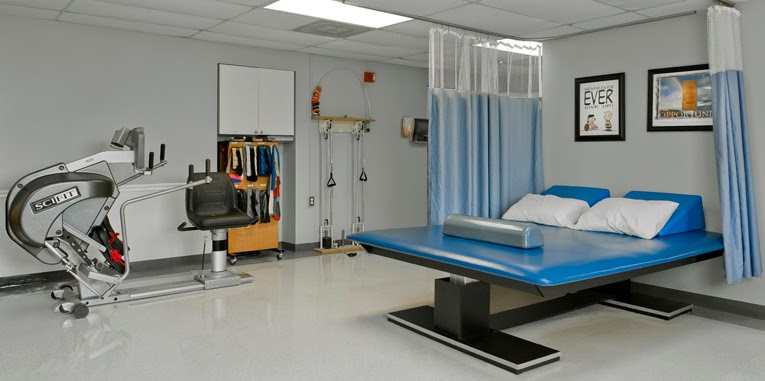
Who Owns and Operates Future Care Old Court?

FUTURE CARE OLD COURT is owned by a for-profit company. For-profit facilities operate as businesses with obligations to shareholders or private owners. The facility is operated by FUTURE CARE/LIFEBRIDGE HEALTH, a chain that manages multiple nursing homes. With 141 certified beds and approximately 133 residents (about 94% occupancy), it is a mid-sized facility located in RANDALLSTOWN, Maryland.
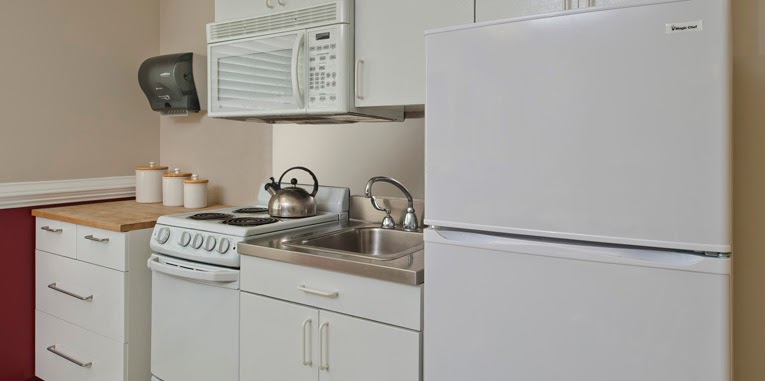
How Does Future Care Old Court Compare to Other Maryland Nursing Homes?

Compared to the 100 nursing homes in Maryland, FUTURE CARE OLD COURT's overall rating (5 stars) is above the state average of 3.1, staff turnover (40%) is near the state average of 46%, and health inspection rating (4 stars) is above the national benchmark.

What Should Families Ask When Visiting Future Care Old Court?

Based on this facility's data, families visiting should ask: "Can I visit during a mealtime to observe dining assistance and food quality?" "How do you handle medical emergencies, and what is your hospital transfer rate?" "Can I speak with family members of current residents about their experience?"

Is Future Care Old Court Safe?

Based on CMS inspection data, FUTURE CARE OLD COURT has a clean safety record: no substantiated abuse findings (meaning no confirmed cases of resident harm), no Immediate Jeopardy citations (the most serious violation level indicating risk of serious injury or death), and is not on the Special Focus Facility watch list (a federal program monitoring the lowest-performing 1% of nursing homes). The facility has a 5-star overall rating and ranks #1 of 100 nursing homes in Maryland. While no facility is perfect, families should still ask about staff-to-resident ratios and recent inspection results during their visit.

Do Nurses at Future Care Old Court Stick Around?

FUTURE CARE OLD COURT has a staff turnover rate of 40%, which is about average for Maryland nursing homes (state average: 46%). Moderate turnover is common in nursing homes, but families should still ask about staff tenure and how the facility maintains care continuity when employees leave.

Was Future Care Old Court Ever Fined?

FUTURE CARE OLD COURT has no federal fines on record. CMS issues fines when nursing homes fail to meet care standards or don't correct problems found during inspections. The absence of fines suggests the facility has either maintained compliance or corrected any issues before penalties were assessed. This is a positive indicator, though families should still review recent inspection reports for the full picture.

Is Future Care Old Court on Any Federal Watch List?

FUTURE CARE OLD COURT is not on any federal watch list. The most significant is the Special Focus Facility (SFF) program, which identifies the bottom 1% of nursing homes nationally based on persistent, serious quality problems. Not being on this list means the facility has avoided the pattern of deficiencies that triggers enhanced federal oversight. This is a positive indicator, though families should still review the facility's inspection history directly.