INGLESIDE AT KING FARM
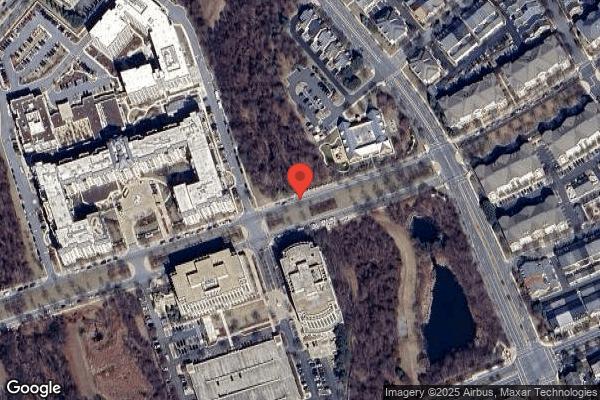

701 KING FARM BOULEVARD, ROCKVILLE, MD 20850 (240) 499-9015
Non profit - Corporation 45 Beds INGLESIDE ENGAGED LIVING Data: November 2025
Trust Grade
90/100
#26 of 219 in MD
Last Inspection: February 2025

Within standard 12-15 month inspection cycle. Federal law requires annual inspections.

Overview

Ingleside at King Farm in Rockville, Maryland, has received a Trust Grade of A, indicating it is highly recommended and excels in overall quality. It ranks #26 out of 219 nursing facilities in Maryland, placing it comfortably in the top half, and #4 out of 34 in Montgomery County, meaning only three local options are better. However, the facility's trend is concerning as it has worsened, increasing from 1 issue in 2019 to 15 issues in 2025. Staffing is a notable strength with a perfect 5-star rating and a low turnover rate of 21%, significantly better than the state average of 40%. Additionally, there have been no fines recorded, which is a positive indicator of compliance. On the downside, the facility has faced multiple concerns, including failing to maintain proper food storage, which poses a risk to resident safety, and issues with maintaining a homelike environment due to damage on walls in resident rooms. Families should weigh these strengths and weaknesses carefully when considering this nursing home for their loved ones.

Trust Score
A
90/100
In Maryland
#26/219
Top 11%
Safety Record
Low Risk
No red flags
Inspections
Getting Worse
1 → 15 violations
Staff Stability
✓ Good
21% annual turnover. Excellent stability, 27 points below Maryland's 48% average. Staff who stay learn residents' needs.
Penalties
✓ Good
No fines on record. Clean compliance history, better than most Maryland facilities.
Skilled Nurses
✓ Good
Each resident gets 77 minutes of Registered Nurse (RN) attention daily — more than 97% of Maryland nursing homes. RNs are the most trained staff who catch health problems before they become serious.
Violations
⚠ Watch
16 deficiencies on record. Higher than average. Multiple issues found across inspections.
★★★★★
5.0
Overall Rating
★★★★★
5.0
Staff Levels
★★★★★
5.0
Care Quality
★★★★☆
4.0
Inspection Score
Stable
2019: 1 issues
2025: 15 issues

The Good

  • 5-Star Staffing Rating · Excellent nurse staffing levels
  • 5-Star Quality Measures · Strong clinical quality outcomes
  • Low Staff Turnover (21%) · Staff stability means consistent care
  • Full Sprinkler Coverage · Fire safety systems throughout facility
  • No fines on record
  • Staff turnover is low (21%)

    27 points below Maryland average of 48%

Facility shows strength in staffing levels, quality measures, staff retention, fire safety.

The Bad

Chain: INGLESIDE ENGAGED LIVING

Part of a multi-facility chain

Ask about local staffing decisions and management

The Ugly 16 deficiencies on record

Feb 2025 15 deficiencies
CONCERN (D)

Potential for Harm - no one hurt, but risky conditions existed

Safe Environment (Tag F0584)

Could have caused harm · This affected 1 resident

Based on observations and interviews, it was determined that the facility staff failed to maintain a homelike environment as evidenced of marring on the wall behinds residents' beds. This deficient pr...

Read full inspector narrative →
Based on observations and interviews, it was determined that the facility staff failed to maintain a homelike environment as evidenced of marring on the wall behinds residents' beds. This deficient practice was evidenced in 3 (Resident #4, #11, #28) of 6 resident rooms entered during the medication administration assessment conducted during the survey. The findings include: On 02/14/25 at 8:44 AM, during Resident #11 medication administration observation with Registered Nurse (RN) #7, the surveyor observed damaged drywall behind the resident's bed. RN #7 confirmed the surveyor's observation. At 9:12 AM, during a continuation of the medication administration observation of Resident #28 medications, the surveyor observed marring on the wall behind the bed. RN #7 confirmed the surveyor's observation. At 9:31 AM, during Resident #4 medication administration observation with Licensed Practical Nurse (LPN) #8 the surveyor observed damaged drywall behind the resident's bed. LPN #8 confirmed the surveyor's observation and verbalized the resident's bed may have caused the damage although the bed has a stopper. During an interview with LPN #8 on 02/14/25 at 1:44 PM, the surveyor asked how the staff reports maintenance issues. LPN #8 verbalized the staff used a computer-generated app named Worxhub Links to complete a maintenance request. The surveyor asked did they report the drywall damage to maintenance. LPN #8 verbalized he/she did not notice the drywall was damaged until the surveyor bought it to their attention. On 02/14/25 at 1:48 PM, during an interview with RN #7 the surveyor asked did he/she reported the damaged drywall in Resident # 11 and Resident #28 prior to that day. RN #7 verbalized they were on vacation for two weeks prior to working on 02/14/25.
CONCERN (D) 📢 Someone Reported This

A family member, employee, or ombudsman was alarmed enough to file a formal complaint

Potential for Harm - no one hurt, but risky conditions existed

Deficiency F0604 (Tag F0604)

Could have caused harm · This affected 1 resident

Based on the review of a facility reported incident and interviews with staff, it was determined that the facility failed to maintain an environment free of physical restraints. This was evident for 1...

Read full inspector narrative →
Based on the review of a facility reported incident and interviews with staff, it was determined that the facility failed to maintain an environment free of physical restraints. This was evident for 1 (MD00182052) out of 4 facility reported incidents reviewed during the annual and complaint survey. The facility implemented corrective measures following this incident and prior to the start of this Survey. The facilities plan and actions were verified during this survey, therefore this deficiency was found to be past noncompliance with a compliance date of 8/15/2022. The findings include: A physical restraint is any manual method, physical or mechanical device/equipment or material that limits a resident's freedom of movement and cannot be removed by the resident in the same manner as it was applied by staff. A gait belt or transfer belt is an assistive device put on a person who has mobility issues, by a care giver, prior to moving the person and can be used to help a person transfer from one surface to another, stand, or walk around. On 2/19/2025 at 9:30 AM, during a review of facility reported incident (FRI) MD00182052 investigative file, the Surveyor discovered that on 8/9/2022, a nurse identified the improper use of physical restraints by Resident #11's private duty aide (PDA) contracted by the family. The PDA was utilizing the resident's gait belt to restrain Resident #11 from getting up out of their wheelchair. The facility initiated an investigation. Further review of the investigative file revealed that the facility was able to substantiate the improper use of physical restraints for Resident #11. According to staff interviews, there were no other instances of physical restraint use. The facility requested that the PDA not return to the facility and education regarding restraints, abuse, and neglect for all agency PDA's. On 2/19/2025 at 9:45 AM, during an interview with the Administrator, the Surveyor confirmed that PDA's are to follow the facility's policies and procedures, including nursing care. Failure to do so will result in disciplinary action. The personnel files containing training records, background checks, health records, and facility agreements are maintained for each PDA within the facility and reviewed upon working with residents at the facility. The Administrator had no concerns with the PDA's currently working at the facility. On 2/19/2025 at 12:20 PM, the Surveyor performed a complete review of the facility's action plan, evidence gathered, credentialing for new and existing PDA's, requests for training for restraints, abuse, and neglect from agencies, policy for Private Duty Aides and Identifying Involuntary Seclusion and Unauthorized Restraint for staff, and disciplinary action for the PDA of Resident #11 pertaining to MD00182052. Based on the review of documentation, it was determined the facility had corrected the deficient practice prior to the start of the survey.
CONCERN (D) 📢 Someone Reported This

A family member, employee, or ombudsman was alarmed enough to file a formal complaint

Potential for Harm - no one hurt, but risky conditions existed

Report Alleged Abuse (Tag F0609)

Could have caused harm · This affected 1 resident

Based on review of a facility reported incident (FRI) and interview with staff, it was determined that the facility failed to report an injury of unknown origin within 2 hours and submit the results o...

Read full inspector narrative →
Based on review of a facility reported incident (FRI) and interview with staff, it was determined that the facility failed to report an injury of unknown origin within 2 hours and submit the results of the investigation within 5 days as required to the Office of Health Care Quality. This was evident for 1 (MD00210330) out of 4 Facility Reported Incidents (FRI's) reviewed during the survey. The findings include: On 2/19/2025 at 9:15 AM, during a review of the investigative file for facility reported incident MD00210330, the Surveyor discovered that during activities of daily living (ADL) care on 9/28/2024 at 11:50AM Resident #11 was noted with a swollen left leg and bruise to the left shin. The Director of Nursing was made aware on 9/28/2024 at 12:05PM and started an investigation. BIMS stands for Brief Interview for Mental Status, a cognitive screening tool used to assess a person's mental status and is scored from 0-15, with lower the scores indicating a decline in cognitive performance. An additional review of the investigative file revealed that at the time of the incident, Resident #11 had a BIMS score of 2, indicating cognitive impairment and was unable to provide information regarding the injury. The facility was unable to determine how or when the incident occurred. On 2/19/2025 at 9:25 AM, further review of Resident #11's investigative file revealed that the facility submitted the initial report to the Office of Health Care Quality on 9/29/2024 at 11:50AM. The results of the investigation were submitted to the Office of Health Care Quality on 10/4/2024 at 3:30PM. On 2/19/2025 at 9:40 AM, during an interview conducted with the Nursing Home Administrator (NHA), the Surveyor confirmed that the facility reported incident should be reported to the Office of Health Care Quality within 2 hours and the results of the investigation should be submitted to the Office of Health Care Quality within 5 working days.
CONCERN (D)

Potential for Harm - no one hurt, but risky conditions existed

Transfer Requirements (Tag F0622)

Could have caused harm · This affected 1 resident

**NOTE- TERMS IN BRACKETS HAVE BEEN EDITED TO PROTECT CONFIDENTIALITY** Based on record review and staff interview, it was determined that the facility failed to include the resident care plan with th...

Read full inspector narrative →
**NOTE- TERMS IN BRACKETS HAVE BEEN EDITED TO PROTECT CONFIDENTIALITY** Based on record review and staff interview, it was determined that the facility failed to include the resident care plan with the required documentation during a transfer. This was evident for 1 (Resident #35) of 2 residents reviewed for hospitalization. The findings include: On 02/14/25 at 08:09 AM, review of Resident #35's medical record revealed he/she was hospitalized on [DATE]. On 02/18/25 at 10:17 AM, an interview with Registered Nurse (Staff #5) revealed that staff would not send the care plan goals as part of the documentation sent with the resident upon transfer. On 02/19/25 at 04:45 PM, the surveyor reviewed the concern at the time of exit.
CONCERN (D)

Potential for Harm - no one hurt, but risky conditions existed

Transfer Notice (Tag F0623)

Could have caused harm · This affected 1 resident

**NOTE- TERMS IN BRACKETS HAVE BEEN EDITED TO PROTECT CONFIDENTIALITY** Based on medical record review and interview it was determined that the facility staff failed to notify the ombudsman when a res...

Read full inspector narrative →
**NOTE- TERMS IN BRACKETS HAVE BEEN EDITED TO PROTECT CONFIDENTIALITY** Based on medical record review and interview it was determined that the facility staff failed to notify the ombudsman when a resident was transferred to the hospital, and provide written notification of transfer and to ensure the resident and the responsible representative were provided a copy. This was evident for 2 (Resident #35 and #37) of 2 residents reviewed for hospitalization. The findings include: 1) On 02/18/25 at 1:56 PM, a review of Resident #37 electronic medical record (EMR) revealed the resident was sent to a local hospital on [DATE] for further medical evaluation. Further review of the EMR notes, the surveyor was unable to find a note indicating the ombudsman was made aware of the resident's transfer to the hospital. On 02/18/25 at 3:29 PM, during an interview with Social Services Director #6, the surveyor asked whether the ombudsman receive a copy of Resident #37 transfer notice. Social Services Director #6 verbalized they normally do not send a copy of the transfer notice to the Ombudsman when a resident is transferred. 2) On 02/14/25 at 08:09 AM, review of Resident #35's medical record revealed he/she was hospitalized on [DATE]. Further record review failed to reveal that written notice of transfer was provided to the resident and resident representative upon transfer. On 02/14/25 at 08:21 AM, an interview with the Director of Social Services (Staff #6) revealed that the resident and/or resident representatives are informed verbally for notice of transfer, and that the facility would send a written notification of transfer if the resident and/or resident representative requested.
CONCERN (D)

Potential for Harm - no one hurt, but risky conditions existed

Deficiency F0624 (Tag F0624)

Could have caused harm · This affected 1 resident

**NOTE- TERMS IN BRACKETS HAVE BEEN EDITED TO PROTECT CONFIDENTIALITY** Based on record review and staff interview, it was determined that the facility failed to document the orientation and preparati...

Read full inspector narrative →
**NOTE- TERMS IN BRACKETS HAVE BEEN EDITED TO PROTECT CONFIDENTIALITY** Based on record review and staff interview, it was determined that the facility failed to document the orientation and preparation of a resident upon a transfer. This was evident for 1 (Resident #35) of 2 residents reviewed for hospitalization. The findings include: On 02/14/25 at 08:09 AM, review of Resident #35's medical record revealed she/he had a past medical history of cerebral infarction, cognitive impairment, and expressive aphasia. Cerebral Infarction can significantly impact cognitive function, leading to various issues like memory problems, difficulty with attention, language comprehension, and understanding. Expressive Aphasia is a condition when one may know what they want to say, but have difficulty finding the right words to express it and speak in fluent sentences. On 02/14/25 at 08:09 AM, further review of Resident #35's medical record revealed he/she was hospitalized on [DATE]. On 02/14/25 at 08:10 AM, review of Resident #35's record revealed a progress note dated 2/7/25 at 3:04 PM which indicated the resident was sent to the hospital but failed to reveal indication that the resident was prepared and oriented for transfer. On 02/18/25 at 10:17 AM, an interview with Registered Nurse (Staff #5) revealed that residents are prepared and oriented for transfer by informing them of the situation. She further indicated that the progress note created upon transfer would indicate that the resident was prepared and oriented for it.
CONCERN (D)

Potential for Harm - no one hurt, but risky conditions existed

Deficiency F0625 (Tag F0625)

Could have caused harm · This affected 1 resident

**NOTE- TERMS IN BRACKETS HAVE BEEN EDITED TO PROTECT CONFIDENTIALITY** Based on interview and medical record review, it was determined the facility staff failed to notify the resident/resident repres...

Read full inspector narrative →
**NOTE- TERMS IN BRACKETS HAVE BEEN EDITED TO PROTECT CONFIDENTIALITY** Based on interview and medical record review, it was determined the facility staff failed to notify the resident/resident representative in writing of the bed hold policy upon transfer. This was evident for 2 (Resident #35 and #37) of 2 residents reviewed for hospitalization. The findings include: 1) A review of Resident #37 electronic medical record (EMR) on 02/18/25 at 1:56 PM, revealed the resident was sent to a local hospital on [DATE] for further medical evaluation. Further review of the EMR revealed that a transfer form was completed by Licensed Practical Nurse #21 who documented a bed hold notice was not sent with the resident upon transfer. On 02/18/25 at 2:50 PM, Administrator #1 provided the surveyor with a copy of a Bed Hold Notice of Policy & Authorization with Resident #37 name written on the form and another name written as the representative/guardian/POA. Further review of the form revealed the document was not signed or dated by Resident #37, the resident representative, and/or the center representative. Administrator #1 verbalized the form was retrieved from Resident #37 closed record. The surveyor received an incomplete copy of the Transfer Form completed by LPN #21. The surveyor and Administrator #1 reviewed Resident #37 EMR which revealed the Transfer Form completed by LPN #21 indicated the Bed Hold Notice was not sent with Resident #37 upon transfer to the hospital. On 02/18/25 at 3:29 PM, during an interview with Director of Social Services #6 when asked who provides the resident with a copy of the Bed Hold Policy when transferred out, they verbalized, if the nurses don't send a copy of the Bed Hold Policy, he/she will scan and send a copy via email. The surveyor provided the incomplete Bed Hold Policy form provided by Administrator #1. Director of Social Services #6 reviewed the form and verbalized being uncertain who may have completed the form. After reviewing their notes Director of Social Services #6 verbalized a Bed Hold Policy was not provided to Resident #37 when transferred to the hospital. 2) On 02/14/25 at 08:09 AM, review of Resident #35's medical record revealed he/she was hospitalized on [DATE]. On 02/14/25 at 08:21 AM, an interview with the Director of Social Services (Staff #6) revealed that the resident and/or resident representatives are informed of bed hold policy, and that the facility would send a written bed hold policy with the resident during transfer. She further indicated that they would send a copy of the bed hold policy to the resident representative upon request. On 02/14/25 at 08:46 AM, review of Resident #35's hard chart, which is where Staff #6 indicated bed hold policy documentation would be, revealed a document titled, Agreement to Pay Charges for Bed Hold, which was blank and not completed. On 02/14/25 at 08:47 AM, an interview with Staff #6, who was present at the time of Resident #35's hard chart review, revealed that the nurse may not have completed the bed hold policy document for Resident #35 because she/he came back to the facility and was not admitted to the hospital. She indicated she would double check and follow up with the surveyor regarding the 2/7/25 transfer. On 02/18/25 at 07:13 AM, the Nursing Home Administrator (NHA) indicated that she was unable to provide further documentation regarding the bed hold policy documentation when Resident #35 was transferred on 2/7/25.
CONCERN (D)

Potential for Harm - no one hurt, but risky conditions existed

Deficiency F0657 (Tag F0657)

Could have caused harm · This affected 1 resident

Based on record review and interview with staff, it was determined that the facility failed to ensure a resident centered care plan had been revised to meet the needs of the resident in response to cu...

Read full inspector narrative →
Based on record review and interview with staff, it was determined that the facility failed to ensure a resident centered care plan had been revised to meet the needs of the resident in response to current interventions. This was evident for 1 (Resident #4) out of 2 residents investigated for communication/sensory during the survey. The findings include: A care plan is used to summarize a person's health conditions, specific care needs, and current treatments. It outlines what needs to be done to plan, assess, and manage care needs. This helps to evaluate the effectiveness of the resident's care. On 2/18/2025 at 11:45 AM during a review of Resident #4's electronic medical record, the Surveyor discovered that the resident had diagnoses including but not limited to dementia, anxiety, hearing deficit, and major depressive disorder. An additional review revealed physician orders to assist resident putting on bilateral hearing aids (on in AM and off at bedtime), place hearing (aids) on charger every bedtime after removing them, and patient needs to see a person face and mouth to communicate effectively per audiology (every shift). On 2/18/2025 at 11:55 AM, the Surveyor reviewed an Orders Administration note dated 1/8/2025 at 2:59 PM which stated that the resident refused to put on the bilateral hearing aids and the resident stated the noise is too much and feels uncomfortable while in the dining room. Resident #4 was noted to refuse to wear hearing aids 20/31 days in December 2024, 15/31 days in January 2025, and 11/18 days in February 2025. Further review revealed a Health Status note dated 1/16/2025 at 2:27 PM which stated Resident #4 was seen by in house audiology. According to the Audiologist, the resident's hearing aids were adjusted to a comfortable volume and the resident relies on both hearing aids and visual cues to communicate. Staff should look straight to the resident so the resident can read lips to communicate effectively. A continued review of Resident #4's electronic medical record revealed a care plan initiated on 10/11/2023 with a revision on 1/12/2024 which stated, Resident #4 has a communication problem related to dementia and hearing deficit. Further review failed to reveal a revision that notated the resident's refusal to wear hearing aids or the updated recommendations to effectively communicate with the resident from the audiology visit on 1/16/2025. On 2/18/2025 at 12:05 PM, during an interview conducted with the Assistant Director of Nursing (ADON), the Surveyor was informed that Resident #4 uses hearing aids sometimes and then other times refused to wear them. The Surveyor expressed the concern that Resident had a hearing deficit and communication problem stated in the care plan, however there was no mention of hearing aid use, refusals to wear hearing aids, or updated recommendations for effective communication.
CONCERN (D)

Potential for Harm - no one hurt, but risky conditions existed

Deficiency F0658 (Tag F0658)

Could have caused harm · This affected 1 resident

Based on record review and staff interview, it was determined that the facility failed to ensure services provided maintained professional standards of practice regarding resident weights. This was ev...

Read full inspector narrative →
Based on record review and staff interview, it was determined that the facility failed to ensure services provided maintained professional standards of practice regarding resident weights. This was evident for 2 (Resident #7 and #21) of 4 residents reviewed for nutrition. The findings include: 1) On 02/13/25 at 01:10 PM, record review revealed Resident #7 weighed 108.2 lbs on 01/04/2025. Further review of the resident's record revealed on 02/03/2025, the resident weighed 97.2 pounds which was a 10.17% weight loss within about a month of time. On 02/14/25 at 07:28 AM, record review revealed a nutrition/dietary note dated 2/10/25 at 09:51 AM, which indicated the resident had triggered for significant weight loss and that it may have potentially been a scale error. On 02/14/25 at 12:11 PM, an interview with the Registered Dietician (Staff #23) revealed she was able to see which residents are triggered for weight loss and communicates to the nurses to determine if they are aware. She further indicated that she was part time and came into the facility on Mondays and Wednesdays, and did not attend the facility meetings where weight was addressed. On 02/14/25 at 12:16 PM, further interview with Staff #23 revealed that she thought the weight of 108.2 taken on 01/04/25 could have been from the resident retaining fluid, but that she was not confident of that. She indicated that she requested for staff to get a reweigh when she noticed it on 01/06/25, but that the staff had not reweighed the resident until 01/08/25. During the same interview on 02/14/25 at 12:16 PM, Staff #23 indicated that she did not report to her supervisor that Resident #7 had not been reweighed as she requested when she identified the finding. On 02/14/25 at 12:17 PM, during an interview with Staff #23, she indicated that when a resident is triggered for significant weight loss, it was expected that an order be placed for the resident to be weighed weekly for 4 weeks. On 02/14/25 at 12:20 PM, review of Resident #7's medical record failed to reveal documentation that the resident had an order to be weighed weekly for 4 weeks. 2) On 02/13/25 at 01:27 PM, review of Resident #21's medical record revealed on 01/02/2025, the resident weighed 146.0 lbs. On 02/01/2025, the resident weighed 135.8 pounds which was a 6.99% weight loss within about a month of time. On 02/13/25 at 1:29 PM, record review revealed a nutrition/dietary note dated 2/10/2025 at 10:08 AM, which revealed the resident was triggered for significant weight loss within a month. On 02/14/25 at 12:33 PM, interview with Registered Dietician (Staff #23) revealed that the staff had a difficult time reweighing Resident #21. Further interview revealed she was unable to find documentation that the resident refused a reweigh. She further indicated that there should have been documentation of an order for weekly reweighs for 4 weeks, which she was unable to provide. On 02/18/25 at 10:17 AM, an interview with the Registered Nurse (Staff #5) revealed that when residents are weighed monthly, if there was a significant difference upon weight, they would reweigh the resident at that time to confirm and rule out a scale error. Further interview revealed that if a resident refused to be weighed or reweighed, that documentation would reflect it.
CONCERN (D)

Potential for Harm - no one hurt, but risky conditions existed

Deficiency F0726 (Tag F0726)

Could have caused harm · This affected 1 resident

**NOTE- TERMS IN BRACKETS HAVE BEEN EDITED TO PROTECT CONFIDENTIALITY** Based on record review and interviews, it was determined that the facility staff failed to ensure the staff completed a competen...

Read full inspector narrative →
**NOTE- TERMS IN BRACKETS HAVE BEEN EDITED TO PROTECT CONFIDENTIALITY** Based on record review and interviews, it was determined that the facility staff failed to ensure the staff completed a competency required to care for resident's effectively. This was evident for 1 (Resident #8) of 5 staff records reviewed for training during the Medicare/Medicaid survey. The findings include: On [DATE] at 12:20 PM, a review of Licensed Practical Nurse (LPN) #8's training revealed their last documented completed Dementia training expired on [DATE]. During the survey LPN #8 worked on the memory care unit. On [DATE] at 12:30 PM, during an interview with Director of Human Resources #15 he/she verbalized the RELIAS trainings are assigned yearly to the staff and a report was sent to supervisors to keep track of the staff who need to complete their training. Twelve months of trainings are assigned for everyone. Different tracks are assigned to the nurses and Geriatric Nursing Assistants (GNA). Director of Human Resources #15 provided documentation to verify LPN #8 completed a training titled, Caring for Those with Cognitive Impairment, on [DATE]. A review of the training revealed there was mention of Dementia, but no detailed training concerning Dementia including caring for a resident with Dementia. In addition, a diagnosis of cognitive impairment is not the same as having a diagnosis of Dementia.
CONCERN (D)

Potential for Harm - no one hurt, but risky conditions existed

Staffing Information (Tag F0732)

Could have caused harm · This affected 1 resident

**NOTE- TERMS IN BRACKETS HAVE BEEN EDITED TO PROTECT CONFIDENTIALITY** Based on record review and interviews, it was determined that the facility staff failed to update the staffing sheets on the uni...

Read full inspector narrative →
**NOTE- TERMS IN BRACKETS HAVE BEEN EDITED TO PROTECT CONFIDENTIALITY** Based on record review and interviews, it was determined that the facility staff failed to update the staffing sheets on the units after the staffing schedule changed. This was evident for 2 of 2 units in the Long-Term Care Wing. The findings include: On 02/19.25 at 10:25 AM, the surveyor reviewed the Daily Nursing Schedule log. While on [NAME] Grove unit the surveyor accounted for each staff member documented on the staffing sheet. The surveyor walked to [NAME] Park unit and asked where Geriatric Nursing Assistant (GNA) #22 was. Registered Nurse #5 verbalized GNA #22 called out. The staffing sheet did not indicate the GNA was not working. On 02/19/25 at 11:07 AM, during an interview with Director of Nursing #2 he/she verbalized sometimes the staff call the scheduler directly when they are unable to work. The master schedule is computer generated, and the updates are transcribed to the daily staffing sheet. GNA's #18 & GNA #19 were called into work that day. GNA #19 started working around 9 AM. DON #2 was made aware the staffing sheets on [NAME] Park and [NAME] Grove units were not updated to reflect the staff who were working on the unit. On 02/19/25 at 1:14 PM, the surveyor asked GNA #19 what time did they start working on the unit. GNA #19 replied, around 8:45 AM. GNA #18 was assisting a resident but the surveyor confirmed they were working on the unit, but was not added to the staffing sheet that morning.
CONCERN (D)

Potential for Harm - no one hurt, but risky conditions existed

Pharmacy Services (Tag F0755)

Could have caused harm · This affected 1 resident

Based on observation and interview it was determined that the facility's pharmacy failed to administer a prescribed supplement with a dosage. This was evident for 1 (Resident #19) of 5 resident medica...

Read full inspector narrative →
Based on observation and interview it was determined that the facility's pharmacy failed to administer a prescribed supplement with a dosage. This was evident for 1 (Resident #19) of 5 resident medication administration observations during survey. The findings include: On 02/14/25 at 9:41 AM, during medication administration observation of Resident #19 medications, while Licensed Practical Nurse #8 prepared the resident's medications, the surveyor noticed the blister package with Vitron C did not have a dose. Vitron C 65-125 MG (Iron -Vitamin C) 1 tab by mouth (PO) two times a day (BID) for anemia was on Resident #19 medication administration record (MAR). The surveyor asked LPN #8 did he/she know if that was the correct dose. LPN #8 verbalized calling the pharmacy in the past to verify the dose. On 02/18/25 at 9:01 AM, the surveyor spoke with Pharmacist #17 and asked does they pharmacy typically sends medications/supplements that do not have a dose. Pharmacist #17 replied, no. On 02/18/25 at 11:12 AM, during an interview with Pharmacist #12 they verbalized it was not feasible to list all the ingredients in a supplement. The does may be written on the MAR, but the medication only comes one way, and they are not necessarily required if it only comes one way. The surveyor asked how the nurse administering the supplement/medication would know there was only one dosage. Pharmacist #12 verbalized the pharmacy would be more than happy to add the strength of the supplement/medication.
CONCERN (D) 📢 Someone Reported This

A family member, employee, or ombudsman was alarmed enough to file a formal complaint

Potential for Harm - no one hurt, but risky conditions existed

Deficiency F0790 (Tag F0790)

Could have caused harm · This affected 1 resident

Based on record review and staff interview, it was determined that facility staff failed to ensure a resident received routine dental care. This was evident for 1 of 1 resident (Resident #15) reviewed...

Read full inspector narrative →
Based on record review and staff interview, it was determined that facility staff failed to ensure a resident received routine dental care. This was evident for 1 of 1 resident (Resident #15) reviewed for dental services during the survey. The findings include: On 02/14/25 at 09:05 AM, review of Resident #15's medical record revealed a progress note dated 11/9/2021 at 11:15 PM which indicated that an order was created for the resident to receive a dental evaluation for a broken tooth. On 02/14/25 at 09:05 AM, further review of Resident #15's medical record failed to reveal documentation that indicated Resident #15 received dental services prior to the broken tooth. On 02/19/25 at 12:44 PM, an interview with the NHA revealed that the facility would not provide residents with routine dental services. She further indicated that residents are informed to arrange their own routine dental services or could have dental appointments arranged by the facility which would only be when a concern is identified.
CONCERN (D) 📢 Someone Reported This

A family member, employee, or ombudsman was alarmed enough to file a formal complaint

Potential for Harm - no one hurt, but risky conditions existed

Medical Records (Tag F0842)

Could have caused harm · This affected 1 resident

Based on record review and staff interview, it was determined that facility staff failed to ensure a resident's medical record included all documentation related to dental treatment, and beneficiary n...

Read full inspector narrative →
Based on record review and staff interview, it was determined that facility staff failed to ensure a resident's medical record included all documentation related to dental treatment, and beneficiary notification documentation was correctly completed. This was evident for 1 (Resident #15) of 1 resident reviewed for dental services, and 2 (Resident #189 and #190) of 3 residents reviewed for beneficiary notification during the survey. The findings include: 1) On 02/14/25 at 09:05 AM, review of Resident #15's medical record revealed a progress note dated 11/9/2021 at 11:15 PM which indicated that an order was created for the resident to receive a dental evaluation for a broken tooth. On 02/18/25 at 10:44 AM, review of a document provided by NHA titled, Dental Notes with a letterhead of SENIOR smile dated 12/09/21 revealed visit notes from the dental provider. The dental notes indicated that the visit occurred on 11/29/21 and the treatment plan was to be determined (TBD) with the Power of Attorney (POA). On 02/18/25 at 11:57 AM, the surveyor requested documentation of what the treatment plan was for Resident #15 once the POA was contacted. On 02/19/25 at 07:58 AM, an interview with the NHA revealed that she was unable to provide documentation of what the treatment plan was from the 11/29/21 dental visit. 2a) On 02/18/25 at 09:30 AM, the surveyor randomly selected Resident #189 as a resident for beneficiary notification facility task. The resident was on a list provided by the facility of residents discharged from the facility within the last six months who received Medicare Part A Services. On 02/18/25 at 11:29 AM, review of Resident #189's beneficiary notification documentation indicated that the resident's last covered day of service was 11/3/24, it was voluntary (requested) discharge, and a Notice of Medicare Non-Coverage (NOMNC) was not provided to the resident. On 02/18/25 at 11:29 AM, further review of beneficiary documentation for Resident #189 revealed a progress note by Director of Social Services (Staff #6) dated 11/04/24 at 4:13 PM, which revealed that the Doctor (Staff #20) was discharging the resident today and that she was unable to provide the resident with a NOMNC or discharge letter due to not being given notice of discharge. On 02/19/25 at 8:23 AM, an interview with the NHA regarding the progress note dated 11/04/24 revealed that the resident requested to be discharged . The surveyor requested documentation that indicated the resident or resident representative requested to be discharged . On 02/19/25 at 11:10 AM, the NHA indicated she agreed that the wording from documentation provided did not indicate the resident requested to be discharged and was unable to provide further documentation regarding the concern. 2b) On 02/18/25 at 09:30 AM, the surveyor randomly selected Resident #190 as a resident for beneficiary notification facility task. The resident was on a list provided by the facility of residents discharged from the facility within the last six months who received Medicare Part A Services. On 02/18/25 at 11:29 AM, review of Resident #190's beneficiary notification documentation indicated that the resident's last covered day of service was 10/21/24 and it was a facility/provider initiated discharge when benefit days were not exhausted. On 02/18/25 at 11:29 AM, further review of Resident #190's beneficiary notification documentation revealed that the resident received a Skilled Nursing Facility Advance Beneficiary Notice of Non-coverage (SNFABN) which failed to be completed based on document instructions. On 02/18/25 at 11:30 AM, the surveyor noted that the facility failed to ensure that the resident selected at least one of three options regarding Medicare and payment, which is what the instructions on the document indicate. On 02/18/25 at 12:22 PM, the surveyor reviewed the concern with the Director of Social Services (Staff #6). She agreed that one of the three options on the SNFABN document should have been marked.
CONCERN (F)

Potential for Harm - no one hurt, but risky conditions existed

Food Safety (Tag F0812)

Could have caused harm · This affected most or all residents

Based on observation and interview with facility staff, it was determined that the facility failed to store food in a manner that maintained professional standards of food service safety. This practic...

Read full inspector narrative →
Based on observation and interview with facility staff, it was determined that the facility failed to store food in a manner that maintained professional standards of food service safety. This practice had the potential to affect all residents who eat the food prepared in the facility's kitchen. The findings include: On 2/13/2025 at 8:05 AM, during a tour of the main kitchen, the Surveyor observed the produce refrigerator. The Surveyor observed an opened and unlabeled bag of carrots, bag of lettuce, and bag of spinach. During a continued tour of the kitchen, the Surveyor observed the meat/fish cooler. The Surveyor observed an uncovered large tub of apple cider and uncovered pan of greens on a short metal rolling cart. There was an uncovered large tub of chicken stock and an uncovered container of BBQ sauce on a shelving unit. There was an opened and unlabeled 4.4lb jug of kalamata olives, 1 liter carton of lemon juice, 32oz container of chopped garlic in water, two 32oz containers of basil pesto, 105oz jug of Frenches Dijon mustard, 1 gallon jug of Cattlemens BBQ sauce, 1 gallon jug of Kens Cocktail sauce, 1 gallon jug of sweet pickle relish, 32oz jug of horseradish, and 1 gallon jug of pepperoncini. There was an expired 30oz container of ginger garlic paste, 32oz jar of Sysco capers, a container of cherry sauce labeled left over 1/15/25-1/26/25, and a container of sundried tomatoes labeled 12/25/24-12/28/24. An observation of the main freezer on 2/13/2025 at 8:27 AM revealed an opened bag of spinach, an opened and unlabeled bag of chicken nuggets, and an uncovered pan of breaded meat sitting on a tall rolling metal shelf. During an observation of the refrigerator containing dairy products on 2/13/2025 at 8:45AM, the Surveyor observed an opened and unlabeled block of white cheese wrapped in plastic wrap, a container of cottage cheese and a 5lb container of sour cream. During an observation of the dry goods storage area on 2/13/2025 at 9:00AM, the Surveyor noted a opened an unlabeled bag of pasta and bag of craisins. On 2/13/2025 at 9:04 AM, the Surveyor and the Certified Food Services Manager (CFSM) #4 confirmed the findings of opened and unlabeled foods, expired foods, and uncovered foods in the refrigerators, freezer, and the dry goods areas. CFSM #4 immediately discarded the food appropriately. On 2/13/2025 at approximately 2:00 PM, the Surveyor reviewed the Food and Supply Storage policy which stated to cover, label and date unused portions and open packages and expired foods should be discarded by the use by, sell by, best by, or enjoy by date. CFSM #4 provided the Surveyor with a copy of an in-service conducted with kitchen personnel which reviewed Label and Dating in the Kitchen: Close and Label Open Items and Cover All Food.
Apr 2019 1 deficiency
CONCERN (E)

Potential for Harm - no one hurt, but risky conditions existed

Food Safety (Tag F0812)

Could have caused harm · This affected multiple residents

Based on surveyor observation during the initial kitchen tour, it was determined that the facility staff failed to store food in accordance with professional standards for food service safety. This fi...

Read full inspector narrative →
Based on surveyor observation during the initial kitchen tour, it was determined that the facility staff failed to store food in accordance with professional standards for food service safety. This finding was evident in 3 of 3 areas in which food was prepared for resident consumption. The findings include: On 04-22-19 at 9:07 AM, surveyor initial tour of the main kitchen revealed improperly stored food items. They were as follows: a. A bulk food bin labeled as all purpose flour contained a square pan with an off white powdery substance having the appearance of flour inside the pan. The pan did not have a handle and was not a scoop. b. Two large pans of Matzo balls in a liquid substance were covered and stored in the walk in refrigerator with no label referencing the date stored. c. Three 3-gallon ice cream containers were stored in an ice cream freezer with no lid, cover or plastic wrap protecting the contents inside the containers from contamination. On 04-22-19 at 10:00 AM, surveyor initial tour of the 7th floor kitchen revealed the following: a. Two opened bags of potatoes in the freezer were unlabeled b. One opened bag of lima beans was unlabeled c. One large opened bottle of tartar sauce was unlabeled d. Two loaves of bread which had been opened were unlabeled e. The thermometer in the reach in refrigerator read 50 degrees. The thermometer in the freezer read 20 degrees. The food service manager informed the surveyor that the thermometers were not working properly and removed them . The food service manager stated the thermometers would be immediately replaced. On 04-22-19 at 10:50 AM, surveyor initial tour of a second area on the 7th floor where food was being prepared to serve for lunch (pantry) revealed 3 opened, unlabeled loaves of bread. In addition, a bag containing hamburger buns was also unlabeled with one adulterated bun observed inside the bag. (Mold was present on the bun.) The staff member who was preparing for the lunch meal immediately discarded the adulterated hamburger buns. On 04-22-19 at 3:40 PM, follow up tour of all areas was conducted with previously identified concerns having been corrected. On 04-24-19 at 2:00 PM, a final follow up tour of all areas revealed no further concerns.
Understanding Severity Codes (click to expand)
Life-Threatening (Immediate Jeopardy)
J - Isolated K - Pattern L - Widespread
Actual Harm
G - Isolated H - Pattern I - Widespread
Potential for Harm
D - Isolated E - Pattern F - Widespread
No Harm (Minor)
A - Isolated B - Pattern C - Widespread

Questions to Ask on Your Visit

  • "Can I speak with families of current residents?"
  • "What's your RN coverage like on weekends and overnight?"

Our Honest Assessment

Strengths
  • • Grade A (90/100). Above average facility, better than most options in Maryland.
  • • No major safety red flags. No abuse findings, life-threatening violations, or SFF status.
  • • No fines on record. Clean compliance history, better than most Maryland facilities.
  • • 21% annual turnover. Excellent stability, 27 points below Maryland's 48% average. Staff who stay learn residents' needs.
Concerns
  • • 16 deficiencies on record. Higher than average. Multiple issues found across inspections.
Bottom line: Generally positive indicators. Standard due diligence and a personal visit recommended.

About This Facility

What is Ingleside At King Farm's CMS Rating?

CMS assigns INGLESIDE AT KING FARM an overall rating of 5 out of 5 stars, which is considered much above average nationally. Within Maryland, this rating places the facility higher than 99% of the state's 100 nursing homes. This rating reflects solid performance across the metrics CMS uses to evaluate nursing home quality.

How is Ingleside At King Farm Staffed?

CMS rates INGLESIDE AT KING FARM's staffing level at 5 out of 5 stars, which is much above average compared to other nursing homes. Staff turnover is 21%, compared to the Maryland average of 46%. This relatively stable workforce can support continuity of care.

What Have Inspectors Found at Ingleside At King Farm?

State health inspectors documented 16 deficiencies at INGLESIDE AT KING FARM during 2019 to 2025. These included: 16 with potential for harm.

Who Owns and Operates Ingleside At King Farm?

INGLESIDE AT KING FARM is owned by a non-profit organization. Non-profit facilities reinvest revenue into operations rather than distributing to shareholders. The facility is operated by INGLESIDE ENGAGED LIVING, a chain that manages multiple nursing homes. With 45 certified beds and approximately 32 residents (about 71% occupancy), it is a smaller facility located in ROCKVILLE, Maryland.

How Does Ingleside At King Farm Compare to Other Maryland Nursing Homes?

Compared to the 100 nursing homes in Maryland, INGLESIDE AT KING FARM's overall rating (5 stars) is above the state average of 3.1, staff turnover (21%) is significantly lower than the state average of 46%, and health inspection rating (4 stars) is above the national benchmark.

What Should Families Ask When Visiting Ingleside At King Farm?

Based on this facility's data, families visiting should ask: "Can I visit during a mealtime to observe dining assistance and food quality?" "How do you handle medical emergencies, and what is your hospital transfer rate?" "Can I speak with family members of current residents about their experience?"

Is Ingleside At King Farm Safe?

Based on CMS inspection data, INGLESIDE AT KING FARM has a clean safety record: no substantiated abuse findings (meaning no confirmed cases of resident harm), no Immediate Jeopardy citations (the most serious violation level indicating risk of serious injury or death), and is not on the Special Focus Facility watch list (a federal program monitoring the lowest-performing 1% of nursing homes). The facility has a 5-star overall rating and ranks #1 of 100 nursing homes in Maryland. While no facility is perfect, families should still ask about staff-to-resident ratios and recent inspection results during their visit.

Do Nurses at Ingleside At King Farm Stick Around?

Staff at INGLESIDE AT KING FARM tend to stick around. With a turnover rate of 21%, the facility is 25 percentage points below the Maryland average of 46%. Low turnover is a positive sign. It means caregivers have time to learn each resident's needs, medications, and personal preferences. Consistent staff also notice subtle changes in a resident's condition more quickly. Registered Nurse turnover is also low at 27%, meaning experienced RNs are available to handle complex medical needs.

Was Ingleside At King Farm Ever Fined?

INGLESIDE AT KING FARM has no federal fines on record. CMS issues fines when nursing homes fail to meet care standards or don't correct problems found during inspections. The absence of fines suggests the facility has either maintained compliance or corrected any issues before penalties were assessed. This is a positive indicator, though families should still review recent inspection reports for the full picture.

Is Ingleside At King Farm on Any Federal Watch List?

INGLESIDE AT KING FARM is not on any federal watch list. The most significant is the Special Focus Facility (SFF) program, which identifies the bottom 1% of nursing homes nationally based on persistent, serious quality problems. Not being on this list means the facility has avoided the pattern of deficiencies that triggers enhanced federal oversight. This is a positive indicator, though families should still review the facility's inspection history directly.