SHADY GROVE NURSING AND REHABILITATION CENTER

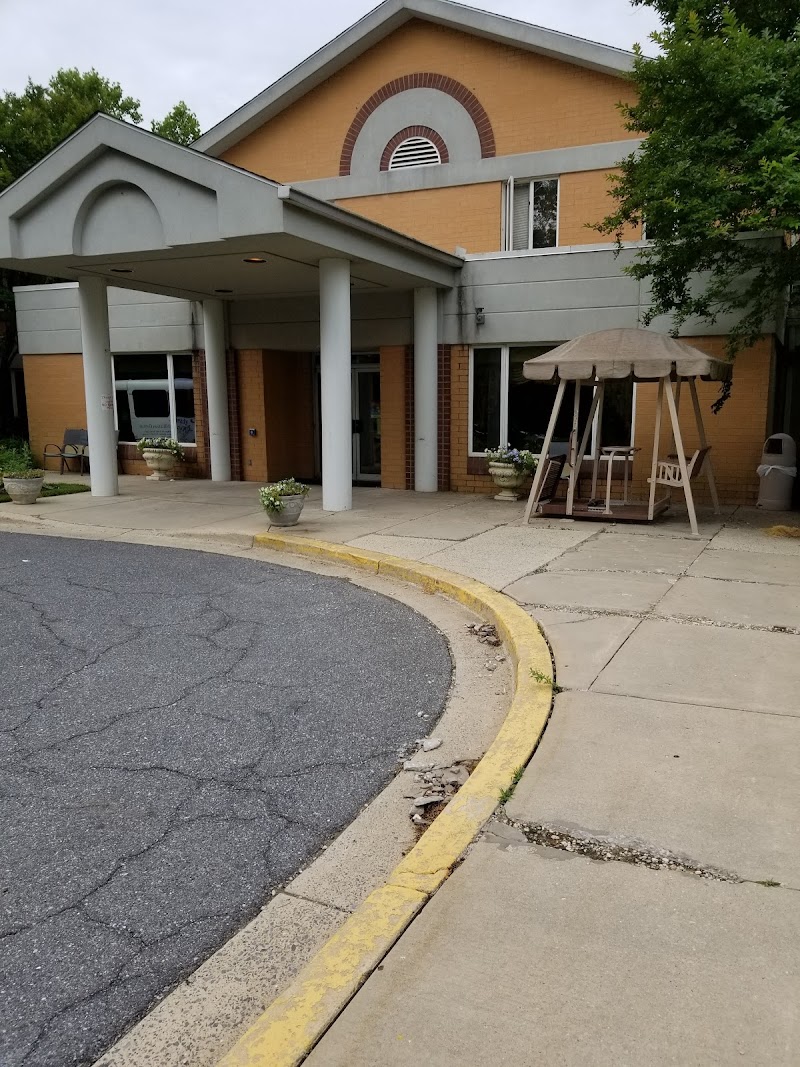
9701 MEDICAL CENTER DRIVE, ROCKVILLE, MD 20850 (301) 315-1900
For profit - Limited Liability company 144 Beds LIFEWORKS REHAB Data: November 2025
Trust Grade
45/100
#171 of 219 in MD
Last Inspection: March 2025

Within standard 12-15 month inspection cycle. Federal law requires annual inspections.

Overview

Shady Grove Nursing and Rehabilitation Center has received a Trust Grade of D, indicating below-average quality and some concerns about their care practices. They rank #171 out of 219 facilities in Maryland, placing them in the bottom half, and #30 out of 34 in Montgomery County, meaning there are few local options that perform better. The facility is currently worsening, with reported issues increasing from 10 in 2024 to 41 in 2025. While staffing is a relative strength with a 3 out of 5-star rating and a lower turnover rate of 30%, there are significant weaknesses, including a serious incident where a resident suffered a severe fracture due to improper use of a mechanical lift. Additionally, there have been concerns about hand hygiene practices, as staff have been observed not washing hands between assisting different residents, which poses an infection risk. Overall, families should weigh these strengths and weaknesses carefully when considering this facility.

Trust Score
D
45/100
In Maryland
#171/219
Bottom 22%
Safety Record
Moderate
Needs review
Inspections
Getting Worse
10 → 41 violations
Staff Stability
○ Average
30% turnover. Near Maryland's 48% average. Typical for the industry.
Penalties
✓ Good
No fines on record. Clean compliance history, better than most Maryland facilities.
Skilled Nurses
○ Average
Each resident gets 37 minutes of Registered Nurse (RN) attention daily — about average for Maryland. RNs are the most trained staff who monitor for health changes.
Violations
⚠ Watch
82 deficiencies on record. Higher than average. Multiple issues found across inspections.
★★☆☆☆
2.0
Overall Rating
★★★☆☆
3.0
Staff Levels
★★★★★
5.0
Care Quality
★☆☆☆☆
1.0
Inspection Score
Stable
2024: 10 issues
2025: 41 issues

The Good

  • 5-Star Quality Measures · Strong clinical quality outcomes
  • Full Sprinkler Coverage · Fire safety systems throughout facility
  • No fines on record
  • Staff turnover below average (30%)

    18 points below Maryland average of 48%

Facility shows strength in quality measures, fire safety.

The Bad

2-Star Overall Rating

Below Maryland average (3.0)

Below average - review inspection findings carefully

Staff Turnover: 30%

16pts below Maryland avg (46%)

Typical for the industry

Chain: LIFEWORKS REHAB

Part of a multi-facility chain

Ask about local staffing decisions and management

The Ugly 82 deficiencies on record

1 actual harm
Jul 2025 1 deficiency
CONCERN (D) 📢 Someone Reported This

A family member, employee, or ombudsman was alarmed enough to file a formal complaint

Potential for Harm - no one hurt, but risky conditions existed

Deficiency F0659 (Tag F0659)

Could have caused harm · This affected 1 resident

Based on record review and interview, it was determined that the facility failed to ensure that only qualified staff provided residents with activities of daily living (ADL) care. This was evident for...

Read full inspector narrative →
Based on record review and interview, it was determined that the facility failed to ensure that only qualified staff provided residents with activities of daily living (ADL) care. This was evident for 1 (Resident #1) of 3 residents reviewed for having private duty aides during the complaint survey. The findings include: On 7/16/25, the surveyor reviewed Resident #1's medical record. The review revealed that Resident #1 was admitted to the facility in March, 2025. Based on the resident's minimum data set (MDS) assessment information, the resident was dependent on staff for ADL care.On 7/16/25 at 9:45 AM, the surveyor interviewed the Director of Nursing (DON). During the interview, the DON stated that Resident #1 had private duty aides (PDAs) that were with the resident 16 - 24 hours each day. The DON stated that the PDAs were companions only and not allowed to perform ADL care (including transferring the resident between surfaces, turning and positioning the resident, bathing, feeding, and incontinence care); that only the facility's nursing staff were allowed to. However, the DON mentioned that, a couple of times, she passed Resident #1's room, saw the resident sliding off the chair, and saw the PDA helping the resident back into the chair. In those instances, she would recommend the PDA get a facility staff member to assist with the positioning. The DON indicated that PDAs who had been trained as nurse aides could do more than untrained PDAs, however emphasized that the PDA would need to call the facility's nursing staff for any ADL care the resident required. In the same interview, the DON also mentioned a statement made by Resident #1's roommate's friend. The statement indicated that the friend witnessed Resident #1's PDAs transferring the resident. On 7/16/25 at 10:00 AM, the surveyor reviewed the facility's investigation file into an injury of unknown origin that happened to Resident #1. The investigation report included the statement written by Resident #1's roommate's friend. The statement agreed with the report given by the DON. On 7/16/25 at 11:00 AM, the surveyor reviewed Resident #1's care plan. The care plan failed to reveal any mention of Resident #1's private duty aides nor the level of assistance that Resident #1 required for ADL care. On 7/16/25 at 11:28 AM, the DON provided the surveyor with a blank copy of the Private Pay Caregiver / Companion Agreement. The agreement stated, this agreement establishes the terms and conditions for private companion services to be provided to the client residing at [the facility]. Under Scope of Services, it stated, The caregiver / companion shall not provide hands-on personal care (e.g., bathing, toileting, transferring), medical care, or medication administration. There was no signature line on the document. When asked if this had been provided to Resident #1, their representative, or the agency supplying the PDAs, the DON stated that it had been sent by email to the representative but had never been returned signed. The surveyor requested evidence of attempts made to have the representative review and return the agreement. On 7/16/25 at 11:35 AM, the DON provided the surveyor with a printout from Resident #1's electronic health record (EHR) listing an admission Contract and admission Contract - Part 2. Both had a status of pending. The admission contract had a created date of 3/8/25. The document did not contain any evidence of transmission to the responsible party. No other documents were provided during the survey that demonstrated transmission of the agreement. On 7/16/25 at 12:21 PM, the surveyor interviewed Unit Manager (UM) #5, the manager for Resident #1's unit. During the interview, UM #5 indicated that the Admissions Director was responsible for establishing the agreement with a resident's PDAs or their agency. He indicated that as a unit manager, he had no role in coordinating or planning care related to PDAs. On 7/16/25 at 2:19 PM, the surveyor interviewed Resident #1's representative. The representative stated that he/she visited the resident often and would witness Resident #1's PDAs assisting facility staff with ADL care, including getting the resident out of bed, providing incontinence care, and moving the resident around. On 7/17/25 at 8:30 AM, the DON supplied the surveyors with section G of the admissions contract: Private Duty Nurses/Geriatric Aides. The section stated that PDAs must, meet our standards and follow our policies and procedures.On 7/17/25 at 9:00 AM, the surveyor interviewed the Admissions Director. The Director indicated that usually, the hospital liaison will communicate that a resident has PDAs prior to their admission. And prior to admission, the Director performs a license check and a background check for any PDAs working with the resident, as well as sends the Private Pay Caregiver / Companion Agreement to the PDA or the agency supplying them. The Director stated this did not happen for Resident #1, that the PDAs began after the resident's admission and that she was not aware that Resident #1 had PDAs until 7/10/25. The Admissions Director indicated that unit managers are responsible for coordinating what tasks PDAs are allowed to perform with residents. On 7/17/25 at 9:22 AM, the surveyor interviewed PDAs #10, #11, and #12. All three PDAs indicated that they assisted facility nursing staff with transfers, incontinence care, and feeding for Resident #1. On 7/17/25 at 9:55 AM, the surveyor interviewed Physical Therapist (PT) #13. During the interview, PT #13 stated that some of Resident #1's PDAs would assist her with transferring the resident. No documents were supplied during the survey that demonstrated Resident #1's PDAs or their agency were notified of what care PDAs were permitted to do while in the facility.
Jun 2025 4 deficiencies 1 Harm
SERIOUS (G) 📢 Someone Reported This

A family member, employee, or ombudsman was alarmed enough to file a formal complaint

Actual Harm - a resident was hurt due to facility failures

Accident Prevention (Tag F0689)

A resident was harmed · This affected 1 resident

Based on observation, interview, record review, facility policy review, and review of manufacturer's guidelines for mechanical lifts and for mechanical lift slings, the facility failed to follow the g...

Read full inspector narrative →
Based on observation, interview, record review, facility policy review, and review of manufacturer's guidelines for mechanical lifts and for mechanical lift slings, the facility failed to follow the guidelines for operation of the mechanical lift for 1 (Resident #2) of 2 residents observed that were transferred with a sling. The failure to follow the facility policy and guidelines supplied by the manufacturer contributed to Resident #2 sustaining a severely comminuted (a fracture of a bone into three or more pieces usually from high impact trauma or a fall from heights) fracture. Findings included: A facility policy titled, Mechanical Lift, dated 01/29/2024, revealed the section titled, Procedure, included, 2. Two trained staff must assist with mechanical lift and transfer. The policy revealed, 4. Follow manufacturer's guidelines for use. An admission Record revealed the facility admitted Resident #2 on 12/17/2015. According to the admission Record, Resident #2 had a medical history that included anoxic brain damage not elsewhere classified, unspecified hemiplegia (partial paralysis on one side of the body) affecting the right dominant side, and right-hand and left-hand contractures. The admission Record did not include a diagnosis of osteoporosis. A quarterly Minimum Data Set (MDS), with an Assessment Reference Date (ARD) of 04/17/2025, revealed Resident #2 had severe impairment in cognitive skills for daily decision-making per a Staff Assessment for Mental Status (SAMS). The MDS revealed Resident #2 had no speech. The MDS revealed the resident rarely/never understood others and rarely/never made themself understood. The MDS revealed the resident's vision was highly impaired, and no corrective lenses were used. The MDS indicated Resident #2 had functional limitations in range of motion (ROM) of bilateral upper extremities and bilateral lower extremities. The MDS revealed Resident #2 was dependent upon staff for all activities of daily living and mobility. The MDS indicated Resident #2 had not sustained any falls during the assessment's lookback period. Resident #2's Care Plan Report, included a focus area revised on 01/24/2023, that indicated the resident had an activities of daily living self-care performance deficit. Interventions directed staff to transfer the resident with a mechanical lift (revised 09/26/2022). The Care Plan Report included a focus area revised on 01/24/2023, that indicated Resident #2 was at risk for falls. Interventions indicated staff should be educated to use the mechanical device, and the resident was a total lift for all transfers, using two staff to assist with the lift (revised on 09/26/2022). Resident #2's Weight Summary revealed that on 05/25/2025 Resident #2 weighed 160 pounds and had a height of 66 inches. An undated Proactive (name of a brand of medical equipment) Patient Sling Reference Guide, indicated, It is very important to use the correct sized sling and make sure it is fitted properly prior to lifting. The guide indicated, - The position achieved by adjusting the loops will depend upon the height and build of the patient. The guide included a Size &(and) Weight Range Guide that indicated Please note the following sling guide is a recommendation only. A full risk assessment must be done prior to any sling being selected. This will ensure safety for the patient and caregiver. The guide revealed that a medium size sling should be used for a resident that was 125 to 200 pounds and 63 to 68 inches tall. An Invacare Reliant 450/600 (a type of mechanical lift) user manual, dated 2022, indicated BEFORE using this product, this manual MUST be read and saved for future reference. The manual revealed the section titled, 2.2 Operating Information, indicated, -Invacare slings and patient lift accessories are specifically designed to be used in conjunction with Invacare patient lifts. Slings and accessories designed by other manufacturers are not to be utilized as a component of the Invacare patient lift system. The manual revealed the section titled, 2.2.4, Lift Operations, indicated, -Although Invacare recommends that two assistants be used for all lifting preparation and transferring-from and transferring-to procedures, our equipment will permit proper operation by one assistant. The use of one assistant is based on the evaluation of the healthcare professional for each individual case. Resident #2's Progress Notes, dated 05/08/2025 at 9:22 PM, revealed a Situation, Background, Assessment, and Recommendation (SBAR) form was completed, which indicated Resident #2 had an other change in condition. The SBAR indicated Resident #2 experienced pain, and the resident's right leg was swollen, warm to touch, and had discoloration. The SBAR revealed the provider was notified, and staff were waiting to hear from the provider. Resident #2's Pain Assessment, dated 05/08/2025 at 9:37 PM, revealed the section titled, E. Indicators of Pain or Possible Pain, revealed the box for Facial expressions was checked. The assessment revealed Registered Nurse (RN) #4 gave the resident Tylenol (a mild pain reliever). Resident #2's Progress Notes, dated 05/08/2025 at 10:40 PM, revealed Resident #2's power of attorney (POA) was notified about the resident's change in condition and the resident's hospital transfer. Resident #2's Progress Notes, dated 05/09/2025 at 4:15 AM, revealed that Resident #2 remained in the emergency room (ER). Resident #2's Progress Notes, dated 05/09/2025 at 2:51 PM, revealed Resident #2 had been admitted to the hospital with a right femoral displaced fracture (a break in the upper bone of the leg with the bones not in alignment) and had received a blood transfusion. A SNF/NF [Skilled Nursing Facility/Nursing Facility] to Hospital Transfer Form, dated 05/08/2025 at 9:52 PM, indicated the reason for Resident #2's transfer was a suspected fracture. The form indicated the resident was alert, disoriented, but could follow simple instructions. Resident #2's ED [emergency department] Note-Physician, dated 05/08/2025, indicated Resident #2 had been transferred due to swelling of the right knee and generalized pain. The note indicated that the resident had normocytic anemia due to blood loss and a complex, right distal femur fracture with an associated hematoma. The note indicated Resident #2's right leg was diffusely edematous with distal pulses well-preserved. The note indicated the source of the normocytic anemia was unclear although the anemia may be associated with the hematoma that developed from the fracture. A hospital History and Physical, dated 05/09/2025, revealed Resident #2's findings from a computed tomography (CT) scan (a type of X-ray technique used to create detailed images), included diagnoses of a severely comminuted and displaced rapture of the distal femoral metaphysis with marked external rotation of the distal fragment and moderate hemorrhage between the fracture fragments. During a telephone interview on 06/10/2025 at 10:26 AM, Resident Representative (RR) #5, Resident #2's representative, stated Resident #2 was able to move their arm or leg but was unable to turn in bed independently, and was dependent upon staff for everything. RR #5 stated staff reported to them that Resident #2's fracture must have occurred during care. RR #5 stated Resident #2's roommate, Resident #24, reported that they had told the nurse that they did not like the staff person putting Resident #2 in the lift alone. RR #5 stated Resident #24 reported to them that when the staff member swung Resident #2 around in the lift, Resident #2 yelled out. RR #5 stated she had relayed what Resident #24 had reported to the two Social Workers. During an interview on 06/10/2025 at 11:15 AM, Resident #24 confirmed they had been the roommate of Resident #2 on 05/08/2025. Resident #24 stated a female, day shift, certified nursing assistant (CNA) had transferred Resident #2 alone, but Resident #24 would not divulge the staff member's name. Resident #24 stated Resident #2 was unable to speak, but they were able to tell Resident #2 was in pain by the grimace on their face. Resident #24 stated they had given a statement to RN #6 about what they had witnessed and how Resident #2 sustained the fracture, but they were unsure what RN #6 had put in the statement. A quarterly MDS, with an ARD of 05/24/2025, revealed Resident #24 had a BIMS score of 15, which indicated the resident had intact cognition. During an interview on 06/10/2025 at 11:31 AM, CNA #7 stated she had been assigned to care for Resident #2 on 05/07/2025 during the 7:00 AM to 3:00 PM shift. CNA #7 stated Resident #2 had no purposeful movement but did have jerking movements. CNA #7 stated she had cared for Resident #2 for over a year and felt she knew the resident. She described Resident #2 as making noises but had no sounds or facial grimaces that indicated pain. CNA #7 stated that during the care of the resident she had checked the resident's skin and had not seen any bruising or anything out of the ordinary. CNA #7 stated Resident #2 was care planned to get out of bed on Mondays, Wednesdays, and Fridays and stated she had transferred the resident out of bed on Wednesday, 05/07/2025, by herself, although she knew it was the facility policy to have two staff members when using the mechanical lift. CNA #7 stated she had not asked other CNAs to help her because it was a hectic day and stated she had not asked the assigned nurse or the Director of Nursing (DON) to help because she knew they were busy. CNA #7 stated the room was small and not suitable for transferring the resident with both the mechanical lift and the geriatric (geri) chair in the room, so she left Resident #2's chair in the hallway. CNA #7 stated that as she moved Resident #2 out of the room, she was also trying to move any items out of the way, noting she had to angle the chair and the bed to make sure the lift fit between the wall and the roommate's bed. CNA #7 stated Resident #2 had jerking movements as the resident was moved from the bed to the chair but had not been severe enough to fall out of the lift. CNA #7 stated that during the resident's jerking movements, she had made sure the resident's arms and legs had not touched any items in the room. CNA #7 demonstrated how she had moved the foot of Resident #2's bed over, angled the lift, placed Resident #2 on the sling for the lift, backed the resident out of the room, and placed the resident in the chair in the hallway. CNA #7 stated she held the sling to try to keep Resident #2 from jerking uncontrollably. During an interview on 06/10/2025 at 1:50 PM, Licensed Practical Nurse (LPN) #8 stated she had been assigned to Resident #2 on 05/07/2025 and 05/08/2025. LPN #8 stated the facility policy indicated two staff members were needed to transfer a resident with the mechanical lift, and if there were no other staff available, she expected the CNA to ask her for assistance. LPN #8 stated CNA #7 had not requested her assistance with Resident #2's transfer. LPN #8 stated Resident #2 had both purposeful and spastic movements. LPN #8 stated that when she would give the resident their tube feeding, Resident #2 would try to push her arm out of the way. LPN #8 stated the resident smiled when spoken to and would grind teeth or moan when they were in pain. During an interview on 06/10/2025 at 2:27 PM, CNA #7 stated she chose the sling that was used with the mechanical lift by the size of the resident and the length and width of the sling. CNA #7 stated the facility used different types of slings and used three different types of mechanical lifts. CNA #7 identified the Invacare Reliant as the mechanical lift she had used to transfer Resident #2. CNA #7 stated she measured the sling against the resident's body to keep the resident's head and body safe. CNA #7 stated she remembered the type of sling she had used and got the sling that was labeled Proactive. CNA #7 stated all the slings in the building could be used on all the lifts in the building. An observation of the sling that CNA #7 stated she had used on Resident #2 revealed a tag that indicated the sling had a maximum weight of 600 pounds; the sling had three tabs on each side that were purple, green, and blue in color. CNA #7 stated she was hired on 03/05/2024, and since then no one had observed her skills using a mechanical lift. CNA #7 stated the only time she had not had someone helping her transfer a resident was when she had transferred Resident #2. During an interview on 06/10/2025 at 3:16 PM, RN #4 stated he had been assigned to Resident #2 on 05/08/2025 during the 3:00 PM to 11:00 PM shift. He stated that on that night around 10:00 PM, CNA #9 had reported there was something wrong with Resident #2's leg. RN #4 stated that when he assessed the resident, he found the resident's right leg was shorter than the left leg (a shorter leg is one sign of a fracture) and was swollen. He stated the resident's leg was pink in color and warmer to touch than the other leg. RN #4 stated Resident #2 grimaced when moved. RN #4 stated he called RN #10, the nurse supervisor, and RN #10 told him Resident #2's leg looked fractured. RN #4 stated that RN #10 made calls to the primary care provider (PCP) and made arrangements to transfer the resident. RN #4 stated Resident #2 was transferred to the hospital. RN #4 stated he did not find out until 05/09/2025 that Resident #2's leg was fractured. During an interview on 06/10/2025 at 3:43 PM, CNA #9 stated that when she cared for Resident #2 on 05/08/2025 during the 3:00 PM to 11:00 PM shift, she noticed the resident's leg was big and warm. CNA #9 stated she notified RN #4. CNA #9 stated that when she turned Resident #2, the resident made a face she described as not a happy face. During an interview on 06/10/2025 at 4:02 PM, RN #10 stated that on 05/08/2025 during the 3:00 PM to 11:00 PM shift, RN #4 notified him that Resident #2's leg was swollen and warm and the resident was in pain. RN #10 stated Resident #2's leg was paler and slightly bent, but he had not noticed any bruising. He stated he called the PCP, and the resident was transferred to the hospital. During an interview on 06/10/2025 at 4:09 PM, the Central Supply Coordinator (CSC) stated the slings for the lifts were not interchangeable and that a sling with a weight limit of 600 pounds was for a bariatric resident. He stated the lift sling used was based on the size of the resident. He stated he was unable to find a posted sizing chart for the slings, and added staff usually looked at the resident and chose a sling that was appropriate. During an interview on 06/11/2025 at 8:30 AM, RN #6 stated he was the unit manager during the day, but his hours of work varied. RN #6 stated he assisted with interviewing staff and residents after the incident with Resident #2. He stated he had interviewed Resident #24, who had been Resident #2's roommate. RN #6 stated Resident #24 had been confused about when the incident happened, and he was unsure what Resident #24 had seen. RN #6 stated Resident #24 told him Resident #2 had been transferred with only one staff member using the mechanical lift. RN #6 stated he knew the policy indicated two staff members were to use the mechanical lift. RN #6 stated he wrote Resident #24's statement and handed the entire stack of statements to the DON During an interview on 06/11/2025 at 10:01 AM, the CSC stated there were three mechanical lifts currently in service and added that all the lifts were different. He stated the lift slings could be interchanged between all three lifts since they were all connected to the lifts in the same way. He stated the slings could be interchanged since each sling had four differently colored loops that correlated to the weight of the resident. On review of the sizing chart for the Proactive chart, the CSC noted that the colors on the chart did not match the color of the loops on the sling. The DON entered the room with a sizing chart that was from a different manufacturer. The colors on the sizing chart did not correlate to the loop colors on the sling. The DON stated if the staff chose the wrong size sling the resident would be constricted or could fall. A representative from Invacare customer support was interviewed by telephone on 06/11/2025 at 10:30 AM and stated he suggested facilities only use the sling sold by the Invacare company since that was the only sling that had been tested by the company with the identified lift. He stated if facilities used another brand of sling with the Invacare mechanical lift there was a possibility it could cause harm to the residents. A member of Proactive customer support was interviewed by telephone on 06/11/2025 at 10:40 AM. The Proactive customer support member stated the weight capacity was the same for all the lifts slings sold by the company, with a maximum of 600 pounds. She stated the loops were color coded for positioning and not weight, and the full body sling could be used for any sized resident. She stated there should be no issues encountered when using a different brand mechanical lift with the Proactive sling. During an interview on 06/11/2025 at 2:02 PM, the Director of Rehabilitation (DOR) stated the rehabilitation department was not involved in choosing the sling used by residents for mechanical lift transfers. During an interview on 06/12/2025 at 8:03 AM, the Assistant Director of Nursing (ADON) stated mechanical lift training was done on the floor with the CNA preceptor (another CNA), and she did not observe those. The ADON stated staff were taught there always had to be two staff members present when transferring a resident with a mechanical lift to provide safety for the resident, and only one person would not be able to safely maneuver the mechanical lift. During an interview on 06/12/2025 at 8:41 AM, the DON stated that after she found out about Resident #2's fracture, she initiated training on abuse and mechanical lift transfers for the nursing department. She stated she had read Resident #24's statement but had doubted Resident #24's statement since the resident had a history of not being truthful. She stated that now she felt she should have investigated the resident's statement more. The DON stated that she had not known CNA #7 had transferred Resident #2 alone and added CNA #7 had stated previously that someone had helped her transfer the resident. The DON stated staff had been trained to choose a sling for the lift based on the resident's height and weight, and until yesterday when she called the Proactive company, she had been unaware one sling size fit all. The DON reviewed the Proactive color graph listing weights and heights with colored codes and stated she had called the company again since the two sets of information on one instruction sheet was confusing. She stated she had not received a return call. The DON stated she had not requested a return demonstration from the CNAs that had transferred Resident #2 on 05/07/2025 but did not think the use of the available sling had anything to do with the fracture. The DON stated it may be possible that when CNA #7 moved the resident alone that could have contributed to the fracture. The DON stated Resident #2 had co-morbidities such as long-term use of anticoagulants and being bed bound, and the resident's Vitamin D level was low. During a telephone interview on 06/12/2025 at 9:33 AM, the Medical Director stated he had reviewed Resident #2's chart and the fracture was due to undiagnosed and untreated osteoporosis secondary to the resident's bed bound status and a low Vitamin D along with hormonal changes. He stated there were residents that incurred fractures with minimal trauma. During an interview on 06/12/2025 at 3:59 PM, the ADON stated she used a video provided by the therapy department for mechanical lift training. The ADON stated that other than knowing the video concentrated on body mechanics, she did not know what was included in the video. At that time, the video was reviewed, and it was noted that the lift and the slings used in the video were different from the lifts and slings used by the facility. The ADON stated she told staff it was not the same lift and showed the staff the ones used by the facility. She stated she had seen the manuals but had not read them. The ADON stated the loops on the slings were for balance only, and weight, height, and girth were secondary. The ADON stated the therapy department only supplied the video for lift training and did not have a role in deciding which loop or sling residents required. The ADON stated no one was responsible for making sure the loops used for individual residents by the CNAs were correct. During an interview on 06/13/2025 at 11:12 AM, the DON stated she had been unaware that the manufacturer's instructions included using the slings made by the same company to avoid injury. The DON stated she was unaware the video for lift training had not used the lifts or slings used by the facility and thought the video was more about teaching techniques to lift transfers. She stated in hindsight that the ADON should have reviewed the material she taught. The DON stated not following the manufacturer's recommendations when using the lift and sling may cause harm and added the only time the therapy department had input into residents' transfers with lifts was when the staff from the department assisted with the transfers. During a telephone interview on 06/16/2025 at 10:41 AM, PCP #38, Resident #2's PCP, stated the resident was bedbound, which placed Resident #2 at a higher risk of developing osteoporosis and fragile bones that could fracture with turning the resident during care. He stated he was unsure how much force would be needed to result in a comminuted fracture.
CONCERN (D) 📢 Someone Reported This

A family member, employee, or ombudsman was alarmed enough to file a formal complaint

Potential for Harm - no one hurt, but risky conditions existed

Deficiency F0554 (Tag F0554)

Could have caused harm · This affected 1 resident

Based on observation, interview, record review, and facility policy review, the facility failed to assess a resident whose medication was left at bedside and who desired to self-administer medication ...

Read full inspector narrative →
Based on observation, interview, record review, and facility policy review, the facility failed to assess a resident whose medication was left at bedside and who desired to self-administer medication for 1 (Resident #1) of 3 residents reviewed for medications. Findings included: A facility policy titled, Self-Administration of Medication at Bedside, dated 01/29/2024, indicated, 1. The patient may request to keep medications at bedside for self-administration in a lock box. 2. Complete Medication Self-Administration Safety Screen assessment. 3. The Interdisciplinary Team will review the assessment and together, use clinical judgement to determine if the patient is eligible. An admission Record revealed the facility admitted Resident #1 on 11/01/2024. According to the admission Record, Resident #1 had a medical history that included unspecified depression, gastro-esophageal reflux disease (GERD) without esophagitis, unspecified fracture of the orbit (area around the eye), and unspecified fracture of the facial bones. A quarterly Minimum Data Set (MDS), with an Assessment Reference Date (ARD) of 05/22/2025, revealed Resident #1 had a Brief Interview for Mental Status (BIMS) score of 14, which indicated the resident had intact cognition. The MDS revealed Resident #1 had adequate vision with the use of corrective lenses. The MDS revealed the resident did not reject care during the assessment's lookback period. The MDS revealed Resident #1 had no functional limitation in range of motion (ROM) of the upper extremities or the lower extremities. Additionally, the MDS indicated Resident #1 completed eating and oral hygiene independently, was independent moving from a lying position to sitting on the side of the bed and was independent with transfers from the bed to a chair. Resident #1's Care Plan Report, included a focus area revised on 11/11/2024, that indicated Resident #1 was at risk for pain. Interventions directed staff to administer medications as ordered (initiated 11/01/2024). The Care Plan Report had no documentation that indicated Resident #1 had been care-planned for self-administration of medication. During an observation on 06/09/2025 at 11:35 AM, medications that included Aspercreme (a lotion used to ease muscle pain), saline nasal spray, trazadone (an antidepressant medication), Tylenol ES (extra strength tablets used to treat minor pain), and Imodium (a medication to help with diarrhea) were observed at Resident #1's bedside. During a concurrent interview, Resident #1 stated they took the trazadone at bedtime to help with sleep. Resident #1's Order Summary Report, with active orders as of 06/09/2025, included an order with a start date of 05/29/2025 for acetaminophen 324 milligrams (mg), with instructions to give two tablets every six hours as needed for pain. The Order Summary Report included an order with a start date of 11/01/2024 for trazadone hydrochloride 100 mg, with instructions to give two tablets at bedtime for depression. The Order Summary Report did not include orders for saline nasal spray, Imodium, or Aspercreme. The Order Summary Report did not include orders to allow the resident to keep medication at the bedside or self-administer medication. During an observation on 06/11/2025 at 12:58 PM, Resident #1 was sitting on their bed and the medications remained at bedside. During an observation on 06/12/2025 at 10:05 AM, the medications remained at Resident #1's bedside. During a concurrent interview, Resident #1 stated the medications had been at their bedside since admission to the facility. Resident #1 stated they were aware the facility provided trazadone at bedtime, but sometimes they needed extra medication. Resident #1 stated they would like to be able to administer their own medication and added they were unable to remember a nurse assessing them for self-administration of medication. Resident #1 stated that the Tylenol at bedside controlled their pain; in addition, the staff brought Tylenol when needed. Registered Nurse (RN) #1 was interviewed on 06/12/2025 at 10:13 AM. RN #1 stated she was unaware of any resident on her assignment that self-administered their medication. RN #1 stated if a resident wanted to self-administer their medications, the nurses would have to review the medications and assess the resident to see if the resident was capable. RN #1 stated she had not observed any medication at Resident #1's bedside when she was in the room and stated she had been assigned to Resident #1 on 06/09/2025, 06/11/2025, and 06/12/2025. RN #1 stated she had received no reports from staff that Resident #1 had medication at their bedside. Certified Nursing Assistant (CNA) #2 was interviewed on 06/12/2025 at 10:15 AM and confirmed she had been assigned to care for Resident #1 on 06/11/2025. CNA #2 stated she had not observed any medication at the resident's bedside and added if there had been medication, she would have called the nurse to the room. CNA #3 was interviewed on 06/12/2025 at 11:00 AM and stated if she saw medication at a resident's bedside, she would take the medication to the nurse. CNA #3 stated she had not seen any medication at Resident #1's bedside and confirmed she had been in the resident's room earlier in the day. At that time, CNA #2 and CNA #3 went to Resident #1's room and on return confirmed there was medication by the resident's bed. CNA #2 and CNA #3 stated the medication should not have been there. CNA #2 and CNA #3 reported RN #1 was in the resident's room and had not noticed the medication. The Director of Nursing (DON) was interviewed on 06/12/2025 at 11:28 AM and stated she had one resident in the facility that had been assessed and had orders to self-administered medication, but it was not Resident #1. The DON stated that if medications were observed at a resident's bedside, the staff were expected to remove the medication and then follow the process for obtaining orders and assessing the resident for self-administration. On 06/13/2025 at 11:35 AM, the DON reported the medication had been removed from Resident #1's room and stated again she would have expected the staff to see the medication when they entered the room and then remove the medication. The DON stated the staff had tunnel vision and concentrated on the task at hand.
CONCERN (D) 📢 Someone Reported This

A family member, employee, or ombudsman was alarmed enough to file a formal complaint

Potential for Harm - no one hurt, but risky conditions existed

Investigate Abuse (Tag F0610)

Could have caused harm · This affected 1 resident

Based on interview, record review, facility document review, and facility policy review, the facility failed to ensure nonverbal and/or cognitively impaired residents were assessed during an abuse inv...

Read full inspector narrative →
Based on interview, record review, facility document review, and facility policy review, the facility failed to ensure nonverbal and/or cognitively impaired residents were assessed during an abuse investigation for 1 of 2 abuse investigations reviewed. Findings included: A facility policy titled, Reporting Requirements/Investigations, dated 02/05/2023, indicated, Immediately upon notification of any alleged violations involving abuse, neglect, exploitation, or mistreatment, including injuries of unknown source and misappropriation of resident property, the Administrator will immediately report to the State Agency, but not later than 2 hours after the allegation is made, if the events that caused the allegation do not involve abuse and do not result in serious bodily injury. The policy indicated, The Administrator and/or Director of Nursing would immediately initiate a thorough internal investigation of the alleged/suspected occurrence. The investigation protocol will include, but not be limited to, collecting evidence, interviewing alleged victims and witnesses, and involving other appropriate individuals, agents, or authorities to assist in the process and determinations. A document titled, Maryland Department of Health Office of Health Care Quality Facility Reported Incident [FRI] Initial Report Form, dated 03/22/2025 at 12:30 PM, indicated Resident #6 stated they had been physically abused. The report indicated a male staff member was suspended, all staff who worked the unit for the previous 48 hours where Resident #6 resided were interviewed, and other residents on the same hallway were interviewed. The facility's investigation included Investigative Reporting Written Statement forms dated 03/22/2025 that revealed two residents were unable to speak and one resident was unable to answer. The facility's investigation did not include assessments of non-verbal or cognitively impaired residents. During an interview on 06/12/2025 at 12:39 PM, the Director of Nursing (DON) stated she could not confirm that residents who could not talk or were cognitively impaired were assessed during the sexual abuse investigation. The DON stated she should have assessed the cognitively impaired residents and did not. The DON stated that after being asked and considering those residents she would say a thorough investigation was not completed. The DON stated she expected a thorough investigation to be completed.
CONCERN (D) 📢 Someone Reported This

A family member, employee, or ombudsman was alarmed enough to file a formal complaint

Potential for Harm - no one hurt, but risky conditions existed

Unnecessary Medications (Tag F0759)

Could have caused harm · This affected 1 resident

**NOTE- TERMS IN BRACKETS HAVE BEEN EDITED TO PROTECT CONFIDENTIALITY** Based on observation, interview, record review, facility document review, and facility policy review, the facility failed to ens...

Read full inspector narrative →
**NOTE- TERMS IN BRACKETS HAVE BEEN EDITED TO PROTECT CONFIDENTIALITY** Based on observation, interview, record review, facility document review, and facility policy review, the facility failed to ensure a medication error rate of less than 5 percent (%). There were 2 errors out of 30 opportunities, which resulted in a 6.66% medication error rate affecting 1 (Resident #16) of 7 residents observed during medication administration. Findings included: A facility policy titled, Administration Procedures for All Medications, revised 08/2020, indicated, Medication will be administered in a safe and effective manner. An Instructions for Use Tresiba ([NAME]-Si-bah) (insulin degludec) injection, for subcutaneous use FlexTouch Pen 200 units/ml [milliliter], revised 07/2022, indicated, Priming your Tresiba FlexTouch Pen: Step 7: Turn the dose selector to select 2 units. Step 8: Hold the pen with the needle pointing up. Tap the top of the Pen gently a few times to let any air bubbles rise to the top. Step 9: Hold the pen with the needle pointing up. Press and hold in the dose button until the dose counter shows '0'. The '0' must line up with the dose pointer. A drop of insulin should be seen at the needle tip. An admission Record indicated the facility admitted Resident #16 on 12/31/2024. According to the admission Record, the resident had a medical history that included diagnoses of type 2 diabetes mellitus with hyperglycemia and long-term use of insulin. A quarterly Minimum Data Set (MDS), with an Assessment Reference Date (ARD) of 04/06/2025, revealed Resident #16 had moderate impairment in cognitive skills for daily decision-making per a Staff Assessment for Mental Status (SAMS). The MDS revealed the resident had a diagnosis of diabetes mellitus and received insulin injections daily during the assessment's seven-day lookback period. Resident #16's Care Plan Report, included a focus area created 01/01/2025, that indicated the resident had diabetes mellitus and was at risk for complications and blood glucose fluctuations related to a diagnosis of diabetes mellitus with insulin. Interventions directed staff to administer medications per physician order (created 01/01/2025). Resident #16's Order Summary Report with active orders as of 06/12/2025, revealed an order dated 02/05/2025 for Tresiba FlexTouch (insulin) pen 200 unit/ml, with instructions to inject 32 units subcutaneously in the morning. During an observation of medication pass on 06/11/2025 at 10:27 AM, Licensed Practical Nurse (LPN) #37 prepared Resident #16's medications, including Tresiba FlexTouch 200 unit/ml pen. LPN #37 cleaned the pen with an alcohol swab, attached the needle to the pen, then turned to 32 on the indicator and administered the insulin. LPN #37 did not prime the needle before administering the insulin. During an observation of medication pass on 06/12/2025 at 8:16 AM, LPN #20 prepared Resident #16's medications, including Tresiba FlexTouch 200 unit/ml pen. LPN #20 cleaned the pen with an alcohol swab, attached the needle, then turned the indicator to 32. LPN #20 did not prime the needle before administering the insulin. LPN #20 was asked about priming the needle, and she stated that once the top was pulled off the needle, the insulin was there in the needle, so there was no need to prime it. During a telephone interview on 06/16/2025 at 10:20 AM, Pharmacist #39, who was the facility pharmacy consultant, stated she would have to pull the packet insert for Tresiba, but usually the needle should be primed prior to administration. During an interview on 06/16/2025 at 12:16 PM, the Assistant Director of Nursing (ADON) stated when administering Tresiba FlexTouch pen staff are to open the insulin pen, attach the needle, cleanse the area, turn the dial on the pen to the units that were ordered, inject the needle in the skin and push down until the pen clicks, wait a few seconds, then remove from the administration site. The ADON stated the needle did not have to be primed because they did not want to waste insulin. The ADON reviewed the Tresiba FlexTouch pen 200 units/ml instructions for use, then stated they should be priming the needle before they administered the insulin to ensure the correct dose was administered. During an interview on 06/16/2025 at 12:45 PM, the Director of Nursing (DON) stated she expected air to be removed from the needle prior to insulin administration.
Mar 2025 36 deficiencies
CONCERN (D)

Potential for Harm - no one hurt, but risky conditions existed

Deficiency F0558 (Tag F0558)

Could have caused harm · This affected 1 resident

Based on observations and interviews it was determined that the facility staff failed to ensure residents had access to their call bells to notify the staff for assistance when needed. This deficient ...

Read full inspector narrative →
Based on observations and interviews it was determined that the facility staff failed to ensure residents had access to their call bells to notify the staff for assistance when needed. This deficient practice was evidenced in 7 (#45, #50, #89, #122 #124, #131, & #148) of 138 residents observed without their call bell during the survey. The findings include: On 02/27/25 at 7:48 am during the surveyor's initial observation rounds the surveyor observed multiple residents without their call bell within reach. At 7:52 am the surveyor observed Resident #148's call bell on the floor near the left side of the bed. Resident #131's call bell was hanging from the call bell system on the wall. At 7:58 am Geriatric Nursing Assistant (GNA) # 23 confirmed the surveyor's findings. At 8:08 am the surveyor observed Resident #45's call bell hanging over the side of their bed. GNA #24 confirmed the surveyor's findings. At 10:41 am the surveyor observed Resident #124's call bell hanging over the side of the bed. At 10:52 the surveyor observed Resident #89's call bell on the floor. At 10:55 am the surveyor observed Resident #50's call bell on the floor near the upper left side of the bed. On 03/04/25 at 8:22 am the surveyor observed Resident #122's call bell on the floor near the left side of their bed. On 03/04/25 at 9:15 am Director of Nursing #2 was made aware the surveyor observed multiple residents without their call bell within reach. On 03/05/25 at 10:32 am during an interview with GNA #24 the surveyor asked the GNA to describe their typical morning concerning resident care. GNA #24 verbalized they get report and do rounds to check on the residents they are assigned. He/she introduces themselves and sees if the residents need anything. The surveyor asked at what point does the GNA check to make sure the residents have their call bell and how would they know if a resident needed assistance. GNA #24 verbalized when they check on the residents, they make sure the residents call bell is close to them. If a resident presses the call bell, the room number would show up on the panel at the nurse's station. Also, there is an alarm at the nurse's station.
CONCERN (D)

Potential for Harm - no one hurt, but risky conditions existed

Deficiency F0561 (Tag F0561)

Could have caused harm · This affected 1 resident

**NOTE- TERMS IN BRACKETS HAVE BEEN EDITED TO PROTECT CONFIDENTIALITY** Based on observations and interviews, it was determined that facility staff failed to ensure a resident was dressed in their per...

Read full inspector narrative →
**NOTE- TERMS IN BRACKETS HAVE BEEN EDITED TO PROTECT CONFIDENTIALITY** Based on observations and interviews, it was determined that facility staff failed to ensure a resident was dressed in their personal clothing as preferred. This deficient practice was evident for 1 (#287) of 138 residents observed for during the survey. The findings include: During observation of Senate Unit on 02/27/25 at 8:05 AM, the surveyor observed Resident #287 awake in bed wearing a hospital gown. A follow-up observation later that day at 2:15 PM revealed that Resident #287 was eating lunch in bed wearing a hospital gown. On 2/28/25 at 8:39 AM, the surveyor conducted rounds on Senate Unit and observed Resident #287 sitting in the dining room area, waiting for breakfast while wearing a hospital gown. The surveyor entered Resident #287's room to check the closet for personal clothing and confirmed that the resident had personal clothing available to wear. Review of Resident #287's medical record revealed that the resident was admitted to the facility on [DATE] with multiple medical conditions including generalized weakness. During a follow-up observation of Resident #287 on 03/04/25 at 8:49 AM, the surveyor asked if they prefer to be out of bed and dressed in their personal clothing. Resident #287 responded, yes. On 03/04/25 during an interview with GNA #37, he stated that he has worked with Resident #287 and that the resident requires assistance with personal care and dressing. Following the discussion with GNA #37 the surveyor informed the Director of Nursing of the observations made on 02/27/25 and 02/28/25. During observation rounds, on 03/13/25 at 10:40 AM, the surveyor observed Resident #287 in bed wearing a hospital gown. When asked if they wanted to get out of bed and wear their personal clothing, the resident replied, yes. The surveyor also noted that the resident's foley bag was on the floor without a privacy cover. Upon exiting the room, the surveyor informed Nurse #3 of these observations.
CONCERN (D)

Potential for Harm - no one hurt, but risky conditions existed

Deficiency F0578 (Tag F0578)

Could have caused harm · This affected 1 resident

Based on record review and interviews it was determined that the facility staff failed to have a system in place to ensure that copies of the resident's Advanced Directives had been obtained and maint...

Read full inspector narrative →
Based on record review and interviews it was determined that the facility staff failed to have a system in place to ensure that copies of the resident's Advanced Directives had been obtained and maintained in the resident's medical record; and failed to ensure that advance directives were discussed with residents and/or responsible representatives and proper information was provided. This was evident for 3 (#7, #27, & #101) out of 10 residents reviewed for Advanced Directives. The findings include: An Advance Directive is a written instruction, such as a living will or durable power of attorney for health care, recognized under State law (whether statutory or as recognized by the courts of the State), relating to the provision of health care when the individual is incapacitated. 1). On 3/3/2025 at 10:56AM, a review of Resident #7's electronic medical record revealed a Discharge Planning Psychosocial Assessment which indicated yes, the resident had an Advanced Directive. Further review failed to reveal any documentation of an Advanced Directive in the resident's electronic medical record. On 3/4/2025 at 9:52AM, during an interview conducted with Social Worker (SW)#6, the Surveyor was informed that Advanced Directives are reviewed with the resident and/or resident representatives during the admission process. A Discharge Planning Psychosocial Assessment is completed and there is a question that asks Does the resident have an Advanced Directive? If the question is answered yes, the resident has an Advanced Directive in place, SW #6 would request a copy to upload in the resident's electronic medical record. If the Question is answered no, education and information would be provided to the resident and/or resident representative. During further interview with SW #6, the Surveyor reviewed the concern that Resident #7's Discharge Planning Psychosocial Assessment indicated yes, the resident had an Advanced Directive, however, there was no documentation of a written Advanced Directive in the resident's electronic medical record. If the resident or resident representative has executed a written Advanced Directive, a copy of the document must be obtained and maintained in the resident's electronic medical record readily retrievable by facility staff. The Surveyor asked SW #6 to provide a copy of Resident #7's Advanced Directive. On 3/7/2025 at approximately 2:00PM, the Director of Nursing (DON), confirmed that the facility did not have a copy of Resident #7's written Advance Directive. 2.) On 03/03/25 at 11:38 AM, review of Resident #27's medical record failed to reveal documentation of an advanced directive nor indication that an advanced directive had been discussed with the resident. On 03/03/25 at 09:54 AM, review of Resident #101's medical record revealed a document titled, Discharge Planning Psychosocial Assessment which indicated the resident did not have an advanced directive and that the facility did not provide information to initiate an advanced directive to the resident and/or resident representative. On 03/04/25 at 09:57 AM, an interview with a Social Worker (Staff #6) revealed that when a resident is admitted , the facility asks the resident and/or resident representative if the resident has an advanced directive and if so obtains a copy. She further indicated if they do not have one, that the facility would provide the resident and/or resident representative information to initiate one and that documentation would reflect that. On 03/04/25 at 10:00 AM, the surveyor requested documentation regarding advanced directives for Resident #27 and #101. On 03/05/25 at 11:17 AM, an interview with Staff #6 revealed she does not have anything further for Resident #27. She further indicated regarding Resident #101, that the facility should have provided information regarding an advanced directive, but was unable to provided documentation that they did.
CONCERN (D)

Potential for Harm - no one hurt, but risky conditions existed

Deficiency F0582 (Tag F0582)

Could have caused harm · This affected 1 resident

Based on record review and interview it was determined that the facility staff failed to ensure a resident received a skilled nursing facility beneficiary notice prior to discharge. This deficient pra...

Read full inspector narrative →
Based on record review and interview it was determined that the facility staff failed to ensure a resident received a skilled nursing facility beneficiary notice prior to discharge. This deficient practice was evidenced in 1 (#151) of 3 resident records for proper discharge documentation during the recertification survey. The findings include: On 03/04/25 at 10:41 am the survey provided MSW # 6 with three Skilled Nursing Facility Beneficiary forms to complete to verify the resident's received notification of discharge with the opportunity to appeal prior to their discharge. On 03/04/25 at 10:58 am MSW #6 provided documentation to verify one resident was discharged voluntarily, and two residents were not provided with a SNF Beneficiary Notice. The surveyor asked why the forms were not provided to the residents. MSW #6 verbalized the facility staff recognized there was a problem, and they are working on correcting the problem. Review of the documentation revealed Resident #151 did not receive SNF Beneficiary notice prior to being discharged .
CONCERN (D)

Potential for Harm - no one hurt, but risky conditions existed

Safe Environment (Tag F0584)

Could have caused harm · This affected 1 resident

**NOTE- TERMS IN BRACKETS HAVE BEEN EDITED TO PROTECT CONFIDENTIALITY** Based on observations and interviews it was determined that the facility staff failed to provide a homelike environment for the ...

Read full inspector narrative →
**NOTE- TERMS IN BRACKETS HAVE BEEN EDITED TO PROTECT CONFIDENTIALITY** Based on observations and interviews it was determined that the facility staff failed to provide a homelike environment for the residents by failing to make repairs in the residents rooms. This deficient practice was discovered during observations of 2 of 3 units in the facility during the survey. The findings are: On 02/27/25 at 7:48 am during observation rounds the surveyor observed rust on the tile behind the commode in the bathroom in room [ROOM NUMBER] and damaged drywall was behind the bed. At 10:52 am while the surveyor was in room [ROOM NUMBER], the surveyor observed the faucet in the bathroom with a steady flow of water. The surveyor was unable to turn the water off. At 10:55 am while in room [ROOM NUMBER], the surveyor observed damaged drywall below the window and there was a hole in the wall behind Resident #50's bed. At 11:10 am while in room [ROOM NUMBER] the surveyor observed missing drywall and exposed corner bead near the privacy curtain near Resident #112's bed. On 03/03/35 at 11:04 am the surveyor observed the armoire near the door in room [ROOM NUMBER] was unable to close and was hanging by the hinge. At 2:26 pm the surveyor observed damaged drywall behind Resident #58's bed. On 03/05/25 at 9:05 am during an interview with Director of Maintenance #22 who verbalized the staff reports maintenance concerns through Records system; all the staff have access to the system. The maintenance department has a preventative maintenance schedule. They divide the house in half and go room to room to see if there are any concerns. If they see any concerns the repairs will be made. The surveyor discussed the maintenance concerns observed in the building.
CONCERN (D) 📢 Someone Reported This

A family member, employee, or ombudsman was alarmed enough to file a formal complaint

Potential for Harm - no one hurt, but risky conditions existed

Abuse Prevention Policies (Tag F0607)

Could have caused harm · This affected 1 resident

**NOTE- TERMS IN BRACKETS HAVE BEEN EDITED TO PROTECT CONFIDENTIALITY** Based on record reviews and interviews, it was determined that the facility failed to develop and implement written policies and...

Read full inspector narrative →
**NOTE- TERMS IN BRACKETS HAVE BEEN EDITED TO PROTECT CONFIDENTIALITY** Based on record reviews and interviews, it was determined that the facility failed to develop and implement written policies and procedures for investigating and reporting allegations of abuse. This deficient practice was evident for 1 (#25) of 4 resident reviewed for abuse during the recertification survey. The findings include: On 02/28/2025 at 9:30 AM, during an interview with the Director of Nursing (DON) #2, the surveyor asked about the facility's process for managing allegations of abuse involving residents. The DON explained that only confirmed injuries are reported to the state agency within 2 hours, and all other abuse allegations are reported by the end of the same day. The surveyor requested the facilities policy and procedures for abuse. On 02/28/25 DON #2 provided the surveyor with the facility's abuse policy. Upon review, the surveyor identified that the policy lacked information identifying how staff should identify abuse that was not directly observed. The policy did not outline procedures for interviewing all parties involved, including the alleged victim, alleged perpetrator, witness and others who might have had knowledge of the allegations. The policy also failed to specify timeframes for reporting alleged allegations. On 03/04/25 at 9:22 AM During an interview with the Administrator (NHA) #1 regarding the management of abuse involving residents, he explained that all incidents of abuse are reported within 24 hours, and any incidents involving bodily injuries are reported within 2 hours. NHA #1 also explained that all employees working at the time of the alleged incident would be interviewed by the social worker or unit manager. On 03/04/25 at 11:23 AM, review of incident report MD00211741 dated 11/13/24 indicated that Resident #25 was hospitalized on [DATE] for a scheduled left leg fracture repair surgery related to a reported fall on 08/21/24. During the hospital visit, Resident #25 informed the hospital nurse liaison that they were assaulted by a staff member on 08/21/24 resulting in a leg fracture. Further review of MD00211741 revealed the alleged victim was not interviewed and the allegation of abuse could not be verified. During an interview with Resident #25 on 03/05/25 at 9:30 AM regarding the incident on 08/21/24, the resident explained that he/she informed Unit Manager #15 about the incident and requested to be transported to the hospital due to leg pain. A portable x-ray was ordered and completed at the facility which showed no fracture. The resident reported that they continued to have pain and requested to be transported to the hospital where they were diagnosed with a fracture.
CONCERN (D) 📢 Someone Reported This

A family member, employee, or ombudsman was alarmed enough to file a formal complaint

Potential for Harm - no one hurt, but risky conditions existed

Investigate Abuse (Tag F0610)

Could have caused harm · This affected 1 resident

Based on record review and interviews it was determined that the facility staff failed to complete a thorough investigation of alleged incidents of abuse and an injury of unknown origin. This deficien...

Read full inspector narrative →
Based on record review and interviews it was determined that the facility staff failed to complete a thorough investigation of alleged incidents of abuse and an injury of unknown origin. This deficient practice was evidenced in 4 (#25, #109, #138, & #144) of 12 facility reported investigations reviewed during the recertification survey. The findings include: 1. On 03/12/25 at 10:27 am a review of the facility reported incident (FRI) investigation related to MD000207607 revealed Resident #144 reported an alleged incident of sexual abuse that may have occurred on 07/01/24. A review of the facility's investigation revealed there were multiple interviews from staff who failed to indicate their title. The surveyor requested a copy of the staffing sheet to verify interviews were done with the staff who worked during the time of the alleged incident. The staffing sheet provided by Director of Nursing (DON) #2 had the incorrect date. The surveyor was unable to confirm a thorough investigation was completed. On 03/12/25 at 10:48 am during an interview with DON #2 the surveyor asked who completed the investigation related to the incident. DON #2 verbalized completing the investigation. The surveyor verbalized the staff interviews did not indicate the discipline of the staff, and a staffing sheet was not included to verify who worked during the alleged incident. The staffing sheet provided was not the staffing sheet when the alleged incident occurred. On 03/04/25 at 9:22 am during an interview with Administrator #1 the surveyor asked what constitutes a thorough investigation according to the facility's standards. Administrator #1 verbalized everyone that was present during the alleged incident and possibly 72 hours prior would be interviewed. If an accurate or near accurate description of the alleged perpetrator was provided they would zero in on that person. Statements would be received from any witnesses including the resident's roommate and the interviews would be obtained by the Social Worker. 2. On 03/04/24 at 11:52 AM, during a review of nursing home self-report MD00211202 and review of the facility's investigation file, it was revealed that the alleged assault incident involving Resident #25 which result in fracture, occurred on 08/21/24. The incident was reported to the nursing facility on 10/25/24. Review of the facility's investigation file revealed that Resident #25 was out of the facility on 10/25/24 and would be interviewed for additional information. Further review showed that the facility failed to obtain an interview from the alleged victim and failed to notify law enforcement and required agencies. 3. On 03/4/25 the surveyor requested the facility's investigation file for Resident #109 regarding allegations of abuse. At 11:53 AM, the Director of Nursing (DON) #2 stated that the facility was unable to locate self-report MD00207914 investigation file. The surveyor then requested any documentation related to the abuse allegations. The DON explained that she was unable to locate any documents related to the incident. During an interview with the DON #2, the surveyor explained that it is the facility's responsibility to maintain thorough and accurate records of all reported incidents related to alleged violations. The DON acknowledges that it is the facility's responsibility to maintain documentation for all investigations files. 4. On 03/04/25 at 09:03 AM, the surveyor requested documentation from the facility for the Facility Reported Incident (FRI) MD00204018 regarding Resident #138. On 03/04/25 at 11:53 AM, the Director of Nursing (Staff #2) indicated to the surveyor that she had no ability to provide the surveyor with documentation for FRI MD00204018 as she was unable to find the investigation documentation.
CONCERN (D)

Potential for Harm - no one hurt, but risky conditions existed

Transfer Requirements (Tag F0622)

Could have caused harm · This affected 1 resident

**NOTE- TERMS IN BRACKETS HAVE BEEN EDITED TO PROTECT CONFIDENTIALITY** Based on record review and staff interview, it was determined that the facility failed to include the resident care plan goals w...

Read full inspector narrative →
**NOTE- TERMS IN BRACKETS HAVE BEEN EDITED TO PROTECT CONFIDENTIALITY** Based on record review and staff interview, it was determined that the facility failed to include the resident care plan goals with the required documentation during a transfer. This was evident for 1 (Resident #113) of 2 residents reviewed for hospitalization. The findings include: On 03/03/25 at 10:12 AM, review of Resident #113's medical record revealed he/she was hospitalized on [DATE]. On 03/04/25 at 12:24 PM, an interview with Licensed Practical Nurse (Staff #18) revealed that the comprehensive care plan goals are not sent with the resident along with other required documents during transfers. On 03/13/25 at 1:55 PM, the concern was reviewed with the Director of Nursing (Staff #2) at the time of exit.
CONCERN (D)

Potential for Harm - no one hurt, but risky conditions existed

Transfer Notice (Tag F0623)

Could have caused harm · This affected 1 resident

**NOTE- TERMS IN BRACKETS HAVE BEEN EDITED TO PROTECT CONFIDENTIALITY** Based on record review and staff interview, it was determined that facility staff failed to provide written notification of tran...

Read full inspector narrative →
**NOTE- TERMS IN BRACKETS HAVE BEEN EDITED TO PROTECT CONFIDENTIALITY** Based on record review and staff interview, it was determined that facility staff failed to provide written notification of transfer and to ensure the responsible representative is provided a copy. This was evident for 1 (Resident #113) of 2 residents reviewed for hospitalization. The findings include: On 03/03/25 at 10:12 AM, review of Resident #113's medical record revealed he/she was hospitalized on [DATE]. On 03/05/25 at 09:39 AM, an interview with the Director of Nursing (Staff #2) revealed that the resident representative was verbally notified, but that there was not a written notice sent to the resident representative with reason for transfer. The surveyor reviewed the concern.
CONCERN (D)

Potential for Harm - no one hurt, but risky conditions existed

Deficiency F0624 (Tag F0624)

Could have caused harm · This affected 1 resident

**NOTE- TERMS IN BRACKETS HAVE BEEN EDITED TO PROTECT CONFIDENTIALITY** Based on record review and staff interview, it was determined that the facility failed to document the orientation and preparati...

Read full inspector narrative →
**NOTE- TERMS IN BRACKETS HAVE BEEN EDITED TO PROTECT CONFIDENTIALITY** Based on record review and staff interview, it was determined that the facility failed to document the orientation and preparation of a resident upon transfer. This was evident for 1 (Resident #113) of 2 residents reviewed for hospitalization. The findings include: On 03/03/25 at 10:12 AM, review of Resident #113's medical record revealed the resident has a diagnosis causing impairment of cognition and communication. On 03/03/25 at 10:13 AM, review of Resident #113's medical record revealed he/she was hospitalized on [DATE]. On 03/04/25 at 12:54 PM, further review of Resident #113's medical record failed to reveal documentation of the resident's orientation and preparation for the hospital transfer. On 03/05/25 at 09:39 AM, the surveyor reviewed the concern with the Director of Nursing (Staff #2).
CONCERN (D)

Potential for Harm - no one hurt, but risky conditions existed

Deficiency F0625 (Tag F0625)

Could have caused harm · This affected 1 resident

**NOTE- TERMS IN BRACKETS HAVE BEEN EDITED TO PROTECT CONFIDENTIALITY** Based on interview and medical record review, it was determined the facility staff failed to notify the resident/resident repres...

Read full inspector narrative →
**NOTE- TERMS IN BRACKETS HAVE BEEN EDITED TO PROTECT CONFIDENTIALITY** Based on interview and medical record review, it was determined the facility staff failed to notify the resident/resident representative in writing of the bed hold policy upon transfer. This was evident for 1 (Resident #113) of 2 residents reviewed for hospitalization. The findings include: On 03/03/25 at 10:12 AM, review of Resident #113's medical record revealed he/she was hospitalized on [DATE]. On 03/04/25 at 11:47 AM, an interview with the Director of Nursing (Staff #2) revealed that the bed hold policy was sent with the resident and/or resident representative to sign and send back to the facility. She further indicated that Resident #113 was not able to make their own medical decisions and the facility communicated with the resident representative. On 03/04/25 at 11:50 AM, the surveyor requested bed hold documentation for Resident #113's hospital transfer on 11/27/24. On 03/04/25 at 1:34 PM, review of the bed hold documentation provided to the surveyor for the 11/27/24 transfer revealed a document titled, Bed Hold Information which failed to reveal indication that the resident representative was sent the document and acknowledged it. On 03/05/25 at 09:39 AM, the surveyor reviewed the concern with the Director of Nursing (Staff #2).
CONCERN (D)

Potential for Harm - no one hurt, but risky conditions existed

Assessment Accuracy (Tag F0641)

Could have caused harm · This affected 1 resident

**NOTE- TERMS IN BRACKETS HAVE BEEN EDITED TO PROTECT CONFIDENTIALITY** Based on record reviews and interviews, it was determined that the facility failed to ensure a resident's quarterly assessment w...

Read full inspector narrative →
**NOTE- TERMS IN BRACKETS HAVE BEEN EDITED TO PROTECT CONFIDENTIALITY** Based on record reviews and interviews, it was determined that the facility failed to ensure a resident's quarterly assessment was documented accurately on the Minimum Data Set (MDS). This deficient practice was evidenced for 1 (#25) resident out of in 4 residents reviewed for accurate MDS assessments during the survey. The findings include: MDS is a tool for implementing standardized assessments and for facilitating care management in nursing homes. The assessment is completed upon admission, annually, quarterly, during a significant change, and when a resident is discharged . The Resident Assessment Instrument (RAI) is a comprehensive, standardized assessment process used in long-term care facilities to identify residents' strengths, needs, and preferences, ultimately informing individualized care planning and monitoring. Review of Resident #25's medical records on 03/05/25 at 1:27 PM, revealed a physician progress note dated 9/7/24, documenting an acute comminuted fracture of the left leg. The note indicated that the resident was on pain medication, a follow up appointment was recommended by orthopedics, and a repeat X-ray of leg. The physician also noted that the plan was discussed with the staff. Review of physician progress note dated 10/22/24 revealed that Resident #25 was evaluated by orthopedics who recommended surgery of the left leg. The physician also documented a left knee immobilizer. On 03/06/2025 at 9:38AM, during an interview with MDS Coordinator #11, the surveyor asked, how updates are made to the RAI when a significant change in medical condition is identified. The MDS Coordinator #11 explained that physicians' notes are reviewed during the 60-day look back period, and new medical diagnoses or medical conditions are only captured on the MDS if there are two documented changes in the resident's condition. The surveyor informed the MDS Coordinator of the resident's leg fracture that occurred on 8/21/24, as well as the physician progress notes dates 9/7/24 and 10/22/24, which referenced the fracture and plan of care. The surveyor asked why these medical changes were not reflected in the residents' quarterly assessment dated [DATE]. She explained that the physician's document did not support updating the resident's quarterly comprehensive assessment. On 03/06/25 review of Resident #25's medical records revealed that the MDS coordinator #11 updated the resident's quarterly MDS assessment dated [DATE] to reflect the fracture. On 03/6/25 at 10:50 AM, during an interview with the Director of Nursing, the surveyor informed her that the medical diagnosis was not captured on the resident's quarterly assessment.
CONCERN (D)

Potential for Harm - no one hurt, but risky conditions existed

Deficiency F0645 (Tag F0645)

Could have caused harm · This affected 1 resident

Based on record review and interview with facility staff, it was determined that the facility staff failed to ensure Preadmission Screening and Resident Review (PASARR) forms were completed correctly....

Read full inspector narrative →
Based on record review and interview with facility staff, it was determined that the facility staff failed to ensure Preadmission Screening and Resident Review (PASARR) forms were completed correctly. This was evident in 3 (Resident #27, #79, and #101) of 4 residents reviewed for PASARR screening. The findings include: PASARR is a federal requirement ensuring individuals with serious mental illness or intellectual/developmental disabilities are not inappropriately placed in nursing homes and receive appropriate care, either in the community or a nursing facility. 1) On 03/03/25 at 11:41 AM, review of Resident #27's medical record revealed a level I PASARR dated 4/17/2024 which indicated a level II screening should have been completed. Further review of the resident's medical record failed to reveal documentation of a level II PASARR. 2) On 03/03/25 at 11:55 AM, review of Resident #79's medical record revealed a level I PASARR dated 4/17/2024 which indicated a level II screening should have been completed. Further review of the resident's medical record failed to reveal documentation of a level II PASARR. 3) On 03/03/25 at 09:49 AM, review of Resident #101's medical record revealed a PASARR dated 9/8/2024 which only had section A completed, but failed to reveal the rest of the level I screen being completed as prompted on the document. On 03/04/25 at 09:57 AM, an interview with the Social Worker (Staff #6) revealed that residents with certain diagnoses trigger boxes to be checked on the PASARR level I form that prompt the need for a level II screen. The surveyor requested information for Resident #27, #79 and #101's PASARR documentation concerns identified above. On 03/05/25 at 06:45 AM, review of a note for the surveyor from Staff #6 revealed that she was unable to provide documentation for Resident #79's PASARR level II screening and was unable to explain why only section A was completed for Resident #101. She indicated that she initiated a level II screening for both residents. On 03/05/25 at 01:17 PM, Staff #6 informed the surveyor that she was unable to provide level II PASARR screening for Resident #27. She indicated that she initiated a level II screening for him/her.
CONCERN (D) 📢 Someone Reported This

A family member, employee, or ombudsman was alarmed enough to file a formal complaint

Potential for Harm - no one hurt, but risky conditions existed

Deficiency F0660 (Tag F0660)

Could have caused harm · This affected 1 resident

Based on record reviews and staff interviews, it was determined that the facility failed to assess residents quarterly for discharge planning goals. This deficient practice was evident for 2 (#52, #95...

Read full inspector narrative →
Based on record reviews and staff interviews, it was determined that the facility failed to assess residents quarterly for discharge planning goals. This deficient practice was evident for 2 (#52, #95) of 3 residents reviewed for discharge planning during the survey. The findings include: 1. On 02/28/25 at 9:42 AM, during an interview with Resident #95, they stated that they were not aware of their plan of care and wanted to know when they would be discharged . On 02/28/25, the surveyor informed the Director of Nursing (DON) #2 of Resident #95's concern. After the surveyor informed the DON #2 of the resident's discharge plan concern on 2/28/25, the DON #2 provided a document on 3/4/25 at 11:49 AM indicating that on 2/28/25, the Social Worker (#6) had scheduled an interdisciplinary team meeting to be held on 3/3/25 at 1:30 PM to discuss Resident #95's care plan. 2. A review of a complaint intake MD00206919 on 03/03/25 at 1:02 PM revealed that Resident #52 reported the social worker had failed to assist them regarding discharge. A review of Resident #52's medical records did not show evidence that a quarterly care planning meetings were being completed. On 3/4/25 at 7:30AM, the surveyor requested documentation from the DON #2 for Resident #52 and #95 confirming that a care plan was conducted and completed in a timely manner. During an interview with both the DON #2 and SW #6 on 3/4/25, they explained that a little over a month ago, the facility discovered that care plan meetings were not being completed. They further stated that this issue was currently being addressed by the facility's Quality Assurance and Performance Improvement (QAPI) team. The DON #2 confirmed that the facility failed to conduct quarterly care plan meeting for the residents. On 3/10/25 at 8:30 AM, the SW #6 provided the surveyor with emails indicating that SW #6 had communicated with another agency in September 2024 regarding the resident #52. The emails did not specify whether the communication was related to discharge planning, and no other documentation was provided to support that discharge planning discussion occurred.
CONCERN (D)

Potential for Harm - no one hurt, but risky conditions existed

ADL Care (Tag F0677)

Could have caused harm · This affected 1 resident

**NOTE- TERMS IN BRACKETS HAVE BEEN EDITED TO PROTECT CONFIDENTIALITY** Based on medical record review and interviews it was determined that the facility staff failed to ensure residents were receivin...

Read full inspector narrative →
**NOTE- TERMS IN BRACKETS HAVE BEEN EDITED TO PROTECT CONFIDENTIALITY** Based on medical record review and interviews it was determined that the facility staff failed to ensure residents were receiving showers regularly. This deficient practice was evidenced in 2 (Resident #20 & #58) of 27 residents who verbalized not receiving showers. The findings include: On 02/27/25 at 11:03 am during an interview with Resident #58 the resident verbalized they were not receiving showers regularly. On 03/03/25 at 11:42 am during an interview with Resident #20, he/she verbalized they had not received a shower since being admitted to the facility and nobody had ever asked if he/she wanted a shower. On 03/04/25 at 12:03 pm a review of the task section in Resident #20's electronic medical record (EMR) revealed, the resident was scheduled for a shower on Monday, Thursday, and PRN (as needed). There was no documentation to verify the resident had a shower since being admitted on [DATE]. Review of the MDS dated [DATE] the resident has a BIMS score of 14/15, indicating intact cognition. On 03/06/25 at 9:14 am a review of Resident #58's EMR revealed there was no documentation in the task section to indicate the resident had received showers regularly. On 03/06/25 at 10:58 am Director of Nursing (DON) #2 was made aware Resident #20 and Resident #58 were not receiving showers regularly. DON #2 verbalized each resident was scheduled to receive a shower twice a week. On their shower days the GNA is supposed to offer a shower. If a resident refused a shower the nurse should be made aware, and a note should be written.
CONCERN (D) 📢 Someone Reported This

A family member, employee, or ombudsman was alarmed enough to file a formal complaint

Potential for Harm - no one hurt, but risky conditions existed

Quality of Care (Tag F0684)

Could have caused harm · This affected 1 resident

Based on observations, record reviews, and interviews, it was determined that the facility staff failed to ensure a recommendation for diagnostic testing was completed, a resident was weighed monthly ...

Read full inspector narrative →
Based on observations, record reviews, and interviews, it was determined that the facility staff failed to ensure a recommendation for diagnostic testing was completed, a resident was weighed monthly as ordered, and a resident representative was notified when a resident fell. This deficient practice was evident for 3 (#27, #42 #74) 27 residents reviewed during the recertification survey. The findings include: 1). During the initial tour of Senate unit on 2/27/25 at 7:38 AM, the surveyor heard Resident #74 crying. Upon entering the resident's room, the resident stated that both of their feet were in pain. On 2/27/25 at 12:58 PM, a review of the resident's medical records revealed a wound consult by Nurse Practitioner (NP) #9. The progress note indicated that Resident #74 was assessed on 02/27/25 for a new wound on the left heel and diagnostic imaging was recommended. On 03/04/25 a review of Resident #74's medical record revealed that the recommended diagnostic imaging had not been ordered. Review of Resident #74's medical records on 03/04/25, revealed that NP #9 reassessed the residents wound on 03/03/25 but did not mention the previously recommended diagnostic imaging of the left heel from 02/27/25. On 3/4/25, the surveyor informed the Director of Nursing (DON) #2 that Resident #74 had been recommended for diagnostic imaging by NP #9 on 02/27/25, but no order has been placed. The DON #2 stated that she would follow up to determine the status. On 03/04/2025 at 2:35 PM, during an interview with NP #9 regarding treatment plan for resident #74, she explained that she ordered an ultrasound and was waiting for the results to determine the residents' plan of care. The surveyor asked why she did not follow up on diagnostic imaging during her visit with the resident on 03/03/25, NP #9 stated that she informed the care team of the residents' plan of care. After surveyor inquired about the status of the diagnostic imaging on 03/05/25, the DON #2 provided documentation at 8:56 AM that a stat order had been placed for duplex scan to rule out peripheral arterial disease. On 03/12/25 at 10:39 AM, during an interview with Nurse Unit Manager (UM) #15, the surveyor asked the process for ensuring consulting providers recommendations are followed. She explained that the provider sends an email to unit managers and supervisors regarding recommendation. The surveyor asked about the delay in ordering diagnostic imaging for Resident #74. The UM #15 confirmed she received the email but was unable to explain why the recommendation was not completed. 2). On 03/03/25 at 11:27 AM, review of Resident #27's medical record revealed an active order for monthly weights. On 03/03/25 at 11:30 AM, review of Resident #27's documented weights failed to reveal indication that a weight was done in December of 2024. Further review of Resident #27's medical record at the same time failed to reveal indication that the resident refused to be weighed in December 2024. On 03/04/25 at 12:24 PM, an interview with Licensed Practical Nurse (Staff #18) revealed that the expectation of staff was to weigh residents based on their weight order and document it. She further indicated if a resident refused to be weighed that it would be documented. On 03/05/25 at 07:20 AM, an interview with the Director of Nursing (Staff #2) revealed that residents should be weighed according to their weight order. The surveyor reviewed the concern. 3). On 03/03/25 at 08:33 AM, an interview with Resident #42 revealed that he/she recently had fallen in the shower. On 03/04/25 at 10:31 AM, review of Resident #42's medical record failed to reveal documentation regarding a fall. On 03/04/25 at 10:29 AM, the surveyor requested documentation from the facility regarding Resident #42's recent fall in the shower. On 03/04/25 at 11:47 AM, the surveyor reviewed the fall documentation provided by the Director of Nursing (Staff #2). The documentation titled Witnessed Fall indicated it occurred on 2/28/25 but failed to reveal indication that the resident's representative was notified of the fall. On 03/04/25 at 11:49 AM, an interview with the Director of Nursing (Staff #2) revealed that staff were expected to notify the family/resident representative when a resident falls. She indicated that staff failed to notify Resident #42's representative of the fall that occurred on 2/28/25.
CONCERN (D)

Potential for Harm - no one hurt, but risky conditions existed

Incontinence Care (Tag F0690)

Could have caused harm · This affected 1 resident

Based on record review and interview with resident and staff, it was determined that the facility failed to reorder a urinary sample for the purpose of diagnosing and treating which caused a delay in ...

Read full inspector narrative →
Based on record review and interview with resident and staff, it was determined that the facility failed to reorder a urinary sample for the purpose of diagnosing and treating which caused a delay in treatment for a resident with a Urinary Tract Infection (UTI). This was evident for 1 (Resident #18) out of 2 residents investigated for Urinary Catheters and UTI's during the survey. The findings include: On 2/27/2025 at 11:28AM, Resident #18 informed the Surveyor that they had a UTI. The resident stated that it hurt and no one did anything. The resident stated it took the staff too long to address the their concerns. On 2/28/2025 at 11:38AM, a review of Resident #18's electronic medical record revealed that the resident had a history of reoccurring UTI's. The resident had orders for continued medication therapy with cranberry tablets 450MG, 1 tablet by mouth one time a day and Hiprex 1GM, 1 tablet by mouth two times a day. A change in condition note for 2/18/2025 at 12:47PM stated that resident seemed different than usual. A physician order was placed for a urinalysis and a culture and sensitivity STAT lab collection to rule out UTI. The recent urine culture was collected on 2/19/2025 and the results on 2/23/2025 confirmed the resident had a UTI. The resident started treatment with Ceftriaxone Sodium intramuscularly on 2/20/2025 and then Zosyn 3.375gram intravenously every 6 hours for UTI for 7 days starting on 2/24/2025. On 3/11/2024 at 7:44AM, during a review of Resident #18's electronic medical record, the Surveyor discovered a physician order dated 1/31/2025 for a urinalysis and culture and sensitivity lab collection one time only to rule out UTI because the resident complained of pain while voiding. A Third eye Health note from 2/1/2025 at 12:05AM stated that the physician reviewed the urinalysis results which noted small blood and small leukocyte esterase. The urine culture results reported on 2/3/2025 at 4:00PM stated that the sample was contaminated and suggested a repeat culture. A continued review of Resident #18's electronic medical record failed to reveal documentation of a repeat urine culture and failed to reveal orders for treatment until 2/19/2024. An interview with the DON on 3/11/2025 at 9:26AM revealed that the nurses call the physician when the laboratory results come back, especially if they are abnormal. The physicians can also look up the results. If the physician reviews the results and place new orders, the nurse will confirm the orders in the resident's electronic medical record. The Surveyor reviewed the concern with the DON that the resident had a urine culture to test for a UTI on 1/31/2025, and the results were abnormal due to a contaminated sample. The laboratory suggested sending a repeat sample. A repeat urine culture was not ordered for the resident until 2/19/2025 after increased symptoms.
CONCERN (D)

Potential for Harm - no one hurt, but risky conditions existed

Deficiency F0692 (Tag F0692)

Could have caused harm · This affected 1 resident

Based on observation, record review, and interviews with resident and staff, it was determined that the facility staff failed to provide additional nourishment to a resident as ordered by the physicia...

Read full inspector narrative →
Based on observation, record review, and interviews with resident and staff, it was determined that the facility staff failed to provide additional nourishment to a resident as ordered by the physician and failed to ensure a resident's diet was appropriate for their medical needs. This was evident for 2 (#98, #287) out of 5 residents reviewed for nutrition during the survey. The findings include: 1). On 2/27/2025 at 10:50AM, during an interview with Resident #98, the Surveyor was informed that he/she was supposed to get double portions for all his/her meals. The resident stated that his/her meal trays do not come with double portions and the meal ticket does not state double portions. The resident expressed the concern that due to his/her condition, they get really hungry, especially at breakfast. On 2/27/2025 at 12:00PM a review of Resident #98's electronic medical record revealed an active order for a Regular diet, Regular texture, Thin Liquids consistency, double portion. Further review revealed a Nutrition/Dietary Note dated 2/13/2025, which mentions Current diet order is Regular diet, Regular texture, Thin Liquids consistency (double Portions). Remains appropriate for optimal intake. During an interview with the Director of Nursing (DON) on 2/27/2025 at 12:05PM, the Surveyor was informed that the dietary staff and the kitchen staff have been working with Resident #98 on getting double portions. The Surveyor expressed the concern that the resident had an active order for double portion and was not receiving them. On 2/28/2025 at 9:24AM, Resident #98 informed the Surveyor that they had a conversation with the Dietary Manager #8, on 2/27/2025 in the afternoon, about not receiving double portions. The resident stated that he/she did not receive double portions on his/her breakfast tray this morning. He/she received one egg casserole and a piece of toast. On 3/3/2024 at 1:28PM, during an interview with Resident #98, the Surveyor observed the saved meal tickets for dinner on 2/28/2025, breakfast on 3/1/2025, and lunch on 3/1/2025. Each meal ticket noted a regular diet and failed to note double portions. During an interview conducted with Dietary Manager #8 on 3/4/2025 at 1:42PM, the Surveyor confirmed that Resident #98 had an active diet order for Regular diet, Regular texture, Thin Liquids consistency, double portion. The Surveyor also confirmed that any resident with an order for double portions, the meal ticket should state and reflect the double portions. That was how the dietary staff would know how to make the resident's plate at mealtimes. The Surveyor showed the Dietary Manager #8 Resident #98's meal tickets which failed to notate double portions. The Surveyor also made the Dietary Manger #8 aware the resident stated that he/she spoke with him on 2/27/2025 about this issue and the resident still received regular portions on his/her tray. 2). On 02/27/25 at 02:12 PM, during an interview with Resident #287, the surveyor observed a lunch tray containing mechanical soft textured food and a container of two sliced peaches and one whole cherry. The surveyor also noted that the resident was missing several teeth. On 2/27/25 at 2:16 PM, a review of Resident #287's orders revealed a diet order for dysphagia mechanically altered texture and thin liquids consistency. On 2/27/25 at 2:21 PM, during an interview with Licensed Practical Nurse (LPN) #4 the surveyor inquired about Resident #287's diet order. LPN #4 stated that the resident was on a soft diet, the surveyor asked her to view the tray. The LPN #4 confirmed regular texture peaches were present on the tray. When asked who was responsible for ensuring the correct food consistency, LPN # 4 stated it is the responsibility of both the GNAs and the assigned nurse. During an interview with Dietary Manager #8 on 03/04/25 at 01:31 PM during an interview he explained that the dietary aide is responsible for reading the meal tickets and informing the chef of the food items and texture to be plated. He acknowledges that the kitchen staff is responsible for ensuring the plated meals are correct before leaving the kitchen. He also acknowledged that the peaches listed on the resident's meal ticket were sliced canned peaches not diced or mechanical soft peaches.
CONCERN (D)

Potential for Harm - no one hurt, but risky conditions existed

Deficiency F0697 (Tag F0697)

Could have caused harm · This affected 1 resident

Based on observations, record review, and interviews it was determined that the facility staff failed to failed to ensure each resident has a sufficient supply of prescribed pain medication and ensure...

Read full inspector narrative →
Based on observations, record review, and interviews it was determined that the facility staff failed to failed to ensure each resident has a sufficient supply of prescribed pain medication and ensure a resident's pain was addressed. This was evident for 2 (#54, #74) of 4 residents reviewed for pain management during the survey. The findings include: 1). On 2/27/2025 at 10:25AM during an interview with Resident #54, the Surveyor was informed that the facility continuously runs out of the resident's pain medication that can be received as needed every 6 hours. The resident stated that his/her pain cannot be managed appropriately when this happens. The resident prefers to take his/her pain medication every 6 hours to effectively manage pain. Resident #54 stated that the facility ran out of his/her pain medication over the past weekend, 2/22/2025-2/23/2025. On 3/4/2025 at 11:28AM, during a review of Resident #54's electronic medical record, the Surveyor discovered that the resident was taking Oxycodone HCl 20MG (Controlled Drug), 1 tablet by mouth every 6 hours as needed for pain. On 3/4/2025 at 12:11PM during an interview with the Director of Nursing (DON), the Surveyor was informed that the expectation for pain management is the assess a resident's pain, where is the pain, what is the duration of pain, and to provide non-pharmacological interventions and medication interventions as necessary. The resident's pain score should be documented in the electronic medical record prior to administering any pain medication and the nurse should follow up with the resident to see how effective the medication was. The residents are expected to get their pain medication as ordered by the physician. On 3/4/2025 at 12:15PM, a review of the resident's electronic medical record revealed a Third Eye Health Note dated 2/22/2025 at 9:06PM. The primary chief complaint was a medication request per resident. A communication from the resident was received via nurse requesting a medication. Oxycodone 20mg 1 tab Q6, #12 sent to pharmacy for an order refill. On 3/6/2025 at 10:09AM, the Surveyor conducted an interview with Registered Nurse (RN) #20 to find out the process for reordering a resident's medication to prevent them from missing a dose. The Surveyor was informed that if a medication gets down 5 doses left over, the nurse should put in a request to the pharmacy for a reorder delivery or to put in a request to the physician for a new prescription, if needed. The physician will send the prescription to the pharmacy electronically. On 3/6/2025 at 10:15AM, the Surveyor reviewed the narcotic count sheets for Resident #54's Oxycodone 20MG for February 2025. On narcotic sheet No. 32, the Surveyor noted the resident's last dose was 2/22/2025 at 8:00AM. The amount left was 0. On narcotic sheet No. 40, the Surveyor noted Oxycodone 20MG was received on 2/23/2025 and a dose was given on 2/24/2025 at 3:00PM. There was no other documentation of narcotic sheets from 2/22/2025-2/23/2025. On 3/6/2025 at 2:00PM an interview with the DON confirmed that the nursing staff often wait until the last dose before placing a reorder for medications. The DON confirmed that Resident #54's Oxycodone 20MG had not been administered in a timely manner because of delayed acquisition of the medication on 2/22/2025 through 2/23/2025. The resident was aware and had mentioned it to the staff. Once the nursing staff realizes the resident's medication was down to 5 doses, the expectation is to reorder the medication or obtain a prescription from the physician to reorder the medication. 2). During the initial tour of Senate unit on 2/27/25 at 7:38 AM, the surveyor heard Resident #74 crying. Upon entering the resident's room, the resident stated that both of their feet were in pain. On 2/27/25 at 12:58 PM, a review of the resident's medical records revealed a wound consult by Nurse Practitioner (NP) #9. The progress note indicated that Resident #74 was assessed on 02/27/25 for a new wound on the left heel and diagnostic imaging was recommended. Further review showed that NP #9 documented bilateral foot pain rated 10 out of 10, which had started a few days ago. The wound pain at rest was also documented as a 10. There was no documentation from NP #9 indicating a plan to address pain. On 03/04/2025 at 2:35 PM, during an interview with NP #9 regarding Resident #74's documented pain, she stated that she does not order pain medication but informs the care team of her recommendations. When asked who she specifically informed, she stated that she notified Nurse #3 on 02/27/25. The NP #9 mentioned that she ordered diagnostic imaging and was waiting for the results before addressing the resident's pain. On 03/4/25 at 2:51 PM, during an interview with Nurse #3, he reported that he was not informed of the resident's pain. He explained that NP #9 documents her recommendations and then informs the care team of the plan. The Nurse #3 stated that the care provided is based on the NP #9's recommendations. Since no recommendation for pain medication was documented, he was unaware of the resident's pain concern. On 03/04/25 at 2:58 PM, the surveyor informed the Director of Nursing of the pain management concerns related to Resident #74. Following the surveyor's inquiry regarding pain management for Resident #74, an order was placed on 03/04/25 at 3:15 PM for Tylenol every eight hours as need for pain. An additional order was placed for scheduled Tylenol twice daily for 14 days.
CONCERN (D)

Potential for Harm - no one hurt, but risky conditions existed

Deficiency F0700 (Tag F0700)

Could have caused harm · This affected 1 resident

Based on observation, record review and interview with facility staff, it was determined that the facility failed to obtain informed consent prior to the initiation of a resident's bed rails. This was...

Read full inspector narrative →
Based on observation, record review and interview with facility staff, it was determined that the facility failed to obtain informed consent prior to the initiation of a resident's bed rails. This was evident for 1 (Resident #113) of 1 resident reviewed for accident hazards. The findings include: Bedrails or side rails are adjustable bars that attach to the bed. They vary in size, including full, half, and quarter lengths depending on their intended purpose. They can be used to prevent falls, help assist residents with movement, and provide a feeling of security. Bed rails also have potential risks associated with them. On 03/03/25 at 08:17 AM, an observation revealed Resident #113 in bed with bilateral enabler bed rails On 03/04/25 at 12:16 PM, an interview with the Director of Nursing (Staff #2) revealed consent is obtained prior to initiation of the enabler bed rails. The surveyor requested documentation of consent obtained for Resident #113's enabler bed rails. On 03/04/25 at 01:00 PM, review of the document titled, Bed Side Rail Tool dated 12/2/24 revealed a check box was marked that consent was obtained from the resident and resident representative, but did not indicate the resident representative which consent was obtained from. On 03/05/25 at 08:58 AM, an interview with the Director of Nursing revealed that she was unable to indicate to the resident representative which consent was obtained from and that the expectation was for staff to indicate the name of who the consent was obtained from for the consent to be considered received.
CONCERN (D)

Potential for Harm - no one hurt, but risky conditions existed

Deficiency F0710 (Tag F0710)

Could have caused harm · This affected 1 resident

Based on observation, record review, and interview with staff, it was determined that that facility failed to ensure a resident had orders in place to maintain immediate care needs of a resident with ...

Read full inspector narrative →
Based on observation, record review, and interview with staff, it was determined that that facility failed to ensure a resident had orders in place to maintain immediate care needs of a resident with a Foley Catheter. This was evident for 1 resident (Resident #127) reviewed for indwelling catheters during the annual survey. The findings include: An indwelling (Foley) catheter is a thin, hollow tube inserted through the urethra into the urinary bladder to collect and drain urine. On 2/27/2025 at approximately 10:45AM, during an interview with Resident #127, the Surveyor discovered that the resident's Foley catheter was removed on 2/26/2025. The resident verbalized the need to urinate but was unable to and was not experiencing any abdominal pain at the time. The resident stated that he/she would let the nurse know if he/she was in pain. On 3/5/2025 at approximately 12:00PM, a review of Resident #127's electronic medical record revealed that orders for Foley catheter size and Foley catheter care and maintenance were discontinued on 2/28/2025. Further review revealed a medical progress note dated 2/27/2025 which stated Pt seen and examined. Not in distress. Foley removed previous day and patient tolerating voiding trail. Denies abdominal pain. Discussed with primary RN. On 2/28/2025, a medical progress note stated Pt seen c/o abd [abdominal] pain and suprapubic tenderness. Reported decreased urinary output. Foley reinserted and had about 400cc urine. Foley Catheter kept. Will request for Urology consult again. On 3/5/2025 at approximately 12:30PM, the Surveyor observed Resident #127 sitting up in bed with Foley catheter tubing and drainage bag hanging on the left side of the bed frame. During an interview with the resident, the Surveyor was informed that the resident was unable to void much the day after the catheter was removed. The resident was on voiding trial, but that night the resident stated that he/she was in so much pain and was given Tylenol, which helped. The next day, the resident had increased abdominal pain, and they inserted a catheter to drain urine into a basin. They decided to reinsert the Foley catheter. A review of Resident #127's electronic medical record on 3/5/2025 at approximately 1:00PM failed to reveal physician orders for Foley catheter size, Foley catheter care and maintenance, or a Urology consult. On 3/7/2025 at approximately 12:25PM, during an interview with the Director of Nursing (DON), the Surveyor was informed that a resident with an indwelling (Foley) catheter should have orders in place for Foley catheter size and Foley catheter care and maintenance. A Urology consult should be ordered per request. The Surveyor expressed the concern that Resident #127 did not have any orders in place to address his/her reinserted Foley catheter. On 3/7/2025 at approximately 2:00PM, the DON provided the Surveyor with a copy of Resident #127's physician orders for Foley catheter size and Foley catheter care and maintenance ordered on 3/7/2025.
CONCERN (D) 📢 Someone Reported This

A family member, employee, or ombudsman was alarmed enough to file a formal complaint

Potential for Harm - no one hurt, but risky conditions existed

Deficiency F0711 (Tag F0711)

Could have caused harm · This affected 1 resident

Based on record reviews, and interviews, it was determined that facility staff failed to ensure the physician notes reflected a review of the residents total care. This deficient practice was evident ...

Read full inspector narrative →
Based on record reviews, and interviews, it was determined that facility staff failed to ensure the physician notes reflected a review of the residents total care. This deficient practice was evident for 1 (#82) of 27 residents reviewed for physician services during the surveyor. The findings include: On 03/03/25 at 12:53 PM during a review of complaint intake MD00205108 the complainant reported concerns related to Resident #82's dietary needs and medication management as it relates to the resident's a medical diagnosis of irritable bowel syndrome (IBS). Review of Resident #82 medical records on 03/03/25 at 12:55 PM, failed to reveal a documented medical diagnosis of IBS. On 03/11/2025 at 8:28 AM, a review of Resident #82's medical records revealed that the resident was evaluated by their gastroenterologist on 07/15/24. The specialist recommends discontinuing two medications and starting two new ones, and implementation of a dairy free diet based on the resident's IBS symptoms. Further review showed the recommendations were communicated to the nursing facility staff on 07/15/24 at 4:38 PM and the facility's physician confirmed the new orders. A review of the Physician #16's progress note dated 07/18/24 indicated that Resident #82 had seen a gastroenterologist and started on new medication. The physician recommended follow up with gastroenterology, but there was no documentation regarding the resident's diagnosis of IBS or any mention of the resident's dietary needs. During an interview with Physician #16 on 03/11/25 at 10:46 AM, the surveyor informed the physician of the findings. Physician #16 explained that he disagreed with the gastroenterology's diagnosis of IBS, but acknowledged that he failed to document his clinical judgement or an alternative treatment plan. The surveyor explained that the lack of contributed to the facility's failure to implement the recommended dietary orders and update the resident's plan of care. The physician agreed that the lack of documentation could impact the residents' care.
CONCERN (D)

Potential for Harm - no one hurt, but risky conditions existed

Pharmacy Services (Tag F0755)

Could have caused harm · This affected 1 resident

Based on observation, record review, and interview with staff, it was determined that the facility 1) failed to ensure that an account of all controlled drugs was complete and accurate. This was found...

Read full inspector narrative →
Based on observation, record review, and interview with staff, it was determined that the facility 1) failed to ensure that an account of all controlled drugs was complete and accurate. This was found to be evident for 1 out of 4 narcotic lock boxes located in the medication carts observed during the medication storage facility task; and 2) failed to timely identify and remove a discontinued controlled drug from the narcotic box for disposition. This was evident for 1 (Resident #102) out of 3 residents reviewed for pain management during the survey. The findings include: Controlled Drugs (narcotics) are substances that have an accepted medical use, have the potential for abuse, ranging from low to high, and may also lead to physical or psychological dependence. 1. On 3/6/2025 at 10:09AM, during an interview conducted with Registered Nurse (RN) #20, the Surveyor was informed that narcotic counts for controlled drugs must be done by the incoming nurse and the outgoing nurse at change of shift. The nurses would verify the controlled drug count was accurate and sign the count on the narcotic record form in the Controlled Substance Record Book at the medication cart. The Surveyor observed the process of narcotic count with RN#20. During the narcotic count, RN #20 realized that he did not sigh off on Vimpat 100mg for Resident #44 after administering the medication. RN #20 was asked the procedure for administration of a narcotic and stated that when administering a controlled drug, the nurse should complete the narcotic report sheet at the same time the medication was given to keep the count accurate and at the time the medication is removed for the blister pack, the narcotic sheet should be signed off with the date, time, amount on hand, amount used, method of administration, amount remaining, and a signature. RN #20 admitted the mistake of not recording at the time of medication administration. On 3/7/2025 at 12:25PM, the Director of Nursing (DON) was made aware of the Surveyor's observation during the review of the narcotic count with RN #20. 2. On 03/06/2025 at 10:23AM, a review of the narcotic count sheet for Resident #102 revealed that the resident's Oxycodone IR 15mg was signed off as given on 2/17/2025 at 9:45PM and then on 3/3/2025 at 1:40AM. On 3/7/2025 at 11:23AM, a review of Resident #102's electronic medical record revealed that the resident's Oxycodone IR 15mg was discontinued on 2/18/2025. Further review failed to reveal documentation that the medication was administered on 3/3/2025. During an interview with the DON, the Surveyor requested documentation of administration. On 3/10/2025 at 7:51AM, the DON informed the Surveyor that LPN #36 did administer the Oxycodone IR 15mg to resident #102 on 3/3/2025 at 1:40AM. The DON provided the Surveyor with the Medication Error Report with a statement from LPN #36. The Medication Error Report stated the medication ordered was Oxycodone 10mg every 4 hours as needed for pain and that the medication given was Oxycodone 15mg every 6 hours as needed for pain. The Oxycodone 15mg blister pack was still in the narcotic lockbox. LPN #36 pulled the medication, administered it to Resident #102, and signed off on the narcotic record sheet in the Controlled Substance record book. LPN #36 was unable to document the administration in the resident's electronic medical record because the order had been discontinued. LPN #36 filled out the Medication Error Report with a detailed explanation of the medication error and signed. The DON stated that she did not know the incident occurred and had never seen the Medication Error report until 3/10/25.
CONCERN (D)

Potential for Harm - no one hurt, but risky conditions existed

Unnecessary Medications (Tag F0759)

Could have caused harm · This affected 1 resident

Based on medication administration observation, record review, and interviews with staff, it was determined that the licensed facility staff failed to ensure medication error rate of less than 5 perce...

Read full inspector narrative →
Based on medication administration observation, record review, and interviews with staff, it was determined that the licensed facility staff failed to ensure medication error rate of less than 5 percent. This was evident for 2 (Resident #96 and Resident #18) out of 5 residents observed during the medication administration task which resulted in an error rate of 11.54 percent. The findings include: 1. On 3/7/2025 at 9:19AM, the Surveyor conducted a medication administration observation with Licensed Practical Nurse (LPN) #21. LPN #21 prepared 8 pills in a medication cup for Resident #96. The resident was due for a Voltaren External gel to the right shoulder. LPN #21 informed the Surveyor that the resident likes to use the topical gel at night and would not be administering that medication. The Surveyor asked LPN #21 the process for documentation if a resident does not want a medication at the time of administration. LPN #21 informed the Surveyor that the medication would not be signed off as administered and a notation would be made in the electronic medical record regarding why. The resident accepted the medications with no concern. On 3/10/2025 at approximately 10:45AM, a review of Resident #96's Medication Administration Report revealed that LPN #21 checked off the Voltaren External gel as administered. On 3/11/2025 at approximately 9:00 AM, the Surveyor reviewed the Medication Administration Audit report for Resident #96. The report showed that LPN #21 signed off on the Voltaren External gel on 3/7/2025 at 9:27AM. The Surveyor did not observe LPN #21 administer that medication. 2. On 3/7/2025 at 9:28AM, the Surveyor observed LPN #21 prepared 8 pills in a medicine cup to administer to Resident #18. That included Cranberry Juice 425mg tablets, a dietary supplement. The resident accepted the medications with no concern. On 3/10/2025 at approximately 10:50AM, a review of the medication orders for Resident #18 revealed an order for Cranberry Oral capsule 450mg. The review failed to reveal an order for Cranberry Juice 425mg. The Medication Administration report for 3/7/2025 showed that LPN #21 checked off Lidocaine External aerosol as administered. The Surveyor did not observe LPN #21 administered that medication. On 3/10/2025 at 11:30AM the Surveyor informed the Director of Nursing (DON) that Resident #18 was given Cranberry Juice 425mg instead of Cranberry 450mg as ordered. On 3/11/2025 at approximately 9:10AM, the Surveyor reviewed Medication Administration Audit Report for Resident #18. The report showed that on 3/7/2025 at 9:38AM, the resident received a Lidocaine External aerosol to the right heel and hands topically for pain. The Surveyor did not observe the resident received that medication. On 3/11/2025 at 9:20AM, an interview with Resident #18 revealed that the nursing staff have not been administering the Lidocaine aerosol and he/she really needs it for the pain in the right heel. On 3/11/2025 at approximately 1:00PM, the Surveyor review the findings from the medication administration on 3/7/2025 with the DON. The Surveyor expressed the concern that Resident #96 was documented as administered Voltaren External gel on 3/7/2025 at 9:27AM yet never received it at that time. The Surveyor informed the DON that the resident stated that he/she likes to use it at night. The Surveyor also expressed the concern that Resident #18 received Cranberry Juice 425mg instead of Cranberry 450mg and has not been receiving the Lidocaine external aerosol, however, it was being documented as given. The DON stated she would follow up with LPN #21, Resident #96, and Resident #18.
CONCERN (D)

Potential for Harm - no one hurt, but risky conditions existed

Deficiency F0761 (Tag F0761)

Could have caused harm · This affected 1 resident

Based on observation and interviews with staff, it was determined that the facility failed to ensure that all medications and medical treatment supplies were stored safely and labeled properly. This w...

Read full inspector narrative →
Based on observation and interviews with staff, it was determined that the facility failed to ensure that all medications and medical treatment supplies were stored safely and labeled properly. This was evident for 1 room (Resident #98) out of 30 rooms observed and 1 medication cart out of 4 medication carts reviewed during the survey. The findings include: 1. On 2/27/2025 at 10:50AM the Surveyor observed Resident #98's nightstand and noted two small plastic jars of c-hydro1%-nystat-znox 1:1:1 cream labeled for Resident #98 and labeled refrigerate, and a small plastic jar of zinc oxide cream with no label. On 2/28/2025 at 1:50PM the Surveyor observed Resident #98's nightstand and noted two small plastic jars of c-hydro1%-nystat-znox 1:1:1 cream labeled for Resident #98 and labeled refrigerate, and a small plastic jar of zinc oxide cream with no label. These were the same medicated creams observed on 2/27/2025 and they were in the same location on the resident's nightstand. On 2/28/2025 at 1:58PM, during an interview, the Surveyor made Licensed Practical Nurse (LPN) #21 aware that Resident #98's hydro1%-nystat-znox 1:1:1 cream, labeled refrigerate, and zinc oxide cream, with no label, were observed on the resident's nightstand on 2/27/2025 and 2/28/2025. LPN #21 informed the Surveyor that the medicated creams are at the bedside for wound care. The Surveyor and LPN #21 confirmed that the medicated creams should not remain at the resident's bedside, the hydro1%-nystat-znox 1:1:1 cream should be properly stored in the refrigerator when not in use, and the zinc oxide should be properly labeled for the resident and with a date opened. Controlled Drugs are substances that have an accepted medical use, have the potential for abuse, ranging from low to high, and may also lead to physical or psychological dependence. 2. On 3/6/2025 at 10:30AM, a review of the Capital unit's Controlled Substance Record Book revealed a narcotic count sheet No. 24 for Resident #102's Oxycodone IR 15mg tablet. The order was for the resident to get one tablet by mouth every six hours as needed for severe pain. The Surveyor reviewed the last two administrations for 2/17/2025 at 9:45PM with a count of 16 remaining tablets and on 3/3/2025 at 1:40AM with a remaining count of 15 tablets. Under medication destroyed section, the quantity destroyed was 15. On 3/7/2025 at 11:00AM, a review of Resident #102 electronic medical record revealed an order for Oxycodone HCl [Oxycodone IR] tablet 15mg with a discontinued date of 2/18/2025. A review of the resident's Medication administration Record (MAR) for February 2025 revealed a last administration date of 2/17/2025. A review of the resident's MAR for March 2025 failed to reveal an order for Oxycodone HCl [Oxycodone IR] tablet 15mg. On 3/10/2025 at 12:25PM, during an interview with the Director of Nursing (DON) #2, the Surveyor expressed the concern that LPN #36 administered a dose of Oxycodone IR 15mg to Resident #102 on 3/3/2025 after the medication had been discontinued on 2/18/2025 and the medication remained in the narcotic medication cart after it was discontinued on 2/17/2025, which lead to the medication administration error. The DON confirmed the Surveyor's findings on the narcotic count sheet No. 24 and stated she was unaware and would investigate the incident. On 3/10/2025 at 7:51AM, the DON informed the Surveyor that the Oxycodone IR 15mg was in the narcotic medication cart on 3/3/2025 and LPN #36 administered it to Resident #102. The expectation, to avoid medication administration errors, is to immediately remove a discontinued medication from the medication cart and destroy the remaining tablets per facility's medication destruction policy.
CONCERN (D)

Potential for Harm - no one hurt, but risky conditions existed

Deficiency F0790 (Tag F0790)

Could have caused harm · This affected 1 resident

Based on observation, medical record review, and interviews it was determined that the facility staff failed to ensure that a resident who had poor dentition received dental services. This deficient p...

Read full inspector narrative →
Based on observation, medical record review, and interviews it was determined that the facility staff failed to ensure that a resident who had poor dentition received dental services. This deficient practice was evidenced in 1 (#80) of 2 resident records reviewed for dental care during the recertification survey. The findings include: On 03/03/25 at 11:04 am the surveyor attempted to interview Resident #80 and observed the resident had poor dentition. On 03/05/25 at 9:24 am the surveyor asked Administrator #1 how the facility ensures that the residents are offered dental care. Administrator #1 verbalized dental care was offered to each resident. The resident or family member can make a request to be seen and the resident would be added to the caseload. On 03/05/25 at 2:10 pm Director of Nursing #2 informed the surveyor Resident #80 had not been seen by a dentist.
CONCERN (D)

Potential for Harm - no one hurt, but risky conditions existed

Infection Control (Tag F0880)

Could have caused harm · This affected 1 resident

**NOTE- TERMS IN BRACKETS HAVE BEEN EDITED TO PROTECT CONFIDENTIALITY** Based on observations and interviews, it was determined that facility staff failed to ensure availability of personal protective...

Read full inspector narrative →
**NOTE- TERMS IN BRACKETS HAVE BEEN EDITED TO PROTECT CONFIDENTIALITY** Based on observations and interviews, it was determined that facility staff failed to ensure availability of personal protective equipment (PPE) for enhanced barrier precautions (EBP) residents, and use appropriate infection control practice upon entering a resident's rooms. This was evident for 6 out of 18 rooms observed for PPE residents and 1 room observed for hand hygiene during the survey. The findings include: On Monday 03/10/25, the surveyor observed that gloves were missing from PPE carts outside of the following resident rooms: 7:34 AM room [ROOM NUMBER]B-EBP no gloves 7:35 AM room [ROOM NUMBER]A-EBP no gloves 7:36 AM room [ROOM NUMBER]-EBP no gloves 7:37 AM room [ROOM NUMBER]B-EBP no gloves 7:37 AM room [ROOM NUMBER]B-EBP no gloves 7:41 AM room [ROOM NUMBER]B-EBP no gloves On 03/10/25 at 7:46 AM, the surveyor observed central supply staff #35 restocking PPE carts outside resident rooms with gloves. During an interview with the central supply staff #35 on 03/10/25 at 7:47 AM, the surveyor informed him of the observation regarding the missing gloves. The staff #35 stated that he restocks PPE carts daily during the weekdays and when he is off the weekends, the supervisor have access to the supply key and are responsible for restocking any missing or low stock equipment. During observation rounds on 03/10/25 at 8:04 AM, the surveyor observed LPN #18, enter room [ROOM NUMBER] Bed A without performing hand hygiene. A sign on the door indicated that resident in Bed A was on EBP. While in the room, LPN #18 was seen adjusting equipment above the resident's bed and did not wash or sanitize her hands during that time. The surveyor observed LPN #18 use hand sanitizer only upon exiting the room. When asked about the expectations for staff entering and exiting a resident's room, LPN #18 stated that staff are expected to perform hand hygiene both entering an exiting he resident's room. On 03/10/25 at 8:06 AM, the surveyor informed the Director of Nursing #2 of the observations.
CONCERN (D)

Potential for Harm - no one hurt, but risky conditions existed

Room Equipment (Tag F0908)

Could have caused harm · This affected 1 resident

Based on observations and interviews it was determined that the facility staff failed to make necessary repair in the kitchen. This deficient practice was discovered during the recertification survey....

Read full inspector narrative →
Based on observations and interviews it was determined that the facility staff failed to make necessary repair in the kitchen. This deficient practice was discovered during the recertification survey. The findings include: On 03/12/25 at 8:45 am while walking through the kitchen with Kitchen Manager #8 the surveyor observed missing insulation and metal inside and outside of the distal portion of the refrigerator's entry. There were four different areas in the kitchen with missing tile on the walls. At 9:00 am the surveyor reviewed the maintenance issues in the kitchen with Administrator #1 who verbalized they were working on correcting the maintenance concerns in the kitchen.
CONCERN (D)

Potential for Harm - no one hurt, but risky conditions existed

Deficiency F0909 (Tag F0909)

Could have caused harm · This affected 1 resident

Based on observation, record review and staff interview, it was determined the facility failed to conduct regular inspection of all bed frames, mattresses, and bed rails to identify areas of possible ...

Read full inspector narrative →
Based on observation, record review and staff interview, it was determined the facility failed to conduct regular inspection of all bed frames, mattresses, and bed rails to identify areas of possible entrapment. This was evident for 1 (Resident #113) of 1 resident reviewed for accidents hazards. The findings include: Bedrails or side rails are adjustable bars that attach to the bed. They vary in size, including full, half, and quarter lengths depending on their intended purpose. They can be used to prevent falls, help assist residents with movement, and provide a feeling of security. Bed rails also have potential risks associated with them. On 03/03/25 at 08:17 AM, an observation revealed Resident #113 in bed with bilateral enabler bed rails On 03/04/25 at 12:16 PM, an interview with the Director of Nursing (Staff #2) revealed residents are assessed quarterly on the need for the enabler rails. She indicated that they are assessed for entrapment quarterly. The surveyor requested documentation regarding the entrapment risk assessment completed for Resident #113 ' s enabler bed rails. On 03/04/25 at 01:00 PM, review of the document titled, Bed Side Rail Tool dated 12/2/24 failed to reveal indication that entrapment risks were assessed. On 03/05/25 at 08:59 AM, an interview with the Director of Maintenance, revealed that maintenance would assess the resident enabler bed rails for entrapment often, but that they would not document it.
CONCERN (E) 📢 Someone Reported This

A family member, employee, or ombudsman was alarmed enough to file a formal complaint

Potential for Harm - no one hurt, but risky conditions existed

Report Alleged Abuse (Tag F0609)

Could have caused harm · This affected multiple residents

Based on record review and interviews, it was determined that the facility staff failed to notify the state agency of allegations of abuse within the two-hour allotted timeframe. This deficient practi...

Read full inspector narrative →
Based on record review and interviews, it was determined that the facility staff failed to notify the state agency of allegations of abuse within the two-hour allotted timeframe. This deficient practice was evidenced in 6 (Resident #25, #41, #108, #113, #138, & #144) of 12 facility reported incidents reviewed for allegations of abuse during the recertification survey. The findings include: 1. On 03/05/25 at 10:27 am a review of the facility reported incident (FRI) investigation related to MD000207607 revealed Resident #144 reported an alleged incident of sexual abuse that may have occurred on 07/01/24. Review of the self-report documentation revealed the staff became aware of the alleged incident on 07/03/24 at approximately 11:00 am. The alleged incident was reported to the state agency on 07/03/24 at 10:03 pm by the Smartsheet confirmation email. On 03/12/25 at 11:20 am during an interview with Director of Nursing (DON) #2 verbalized the Social Worker reported the alleged incident. DON #2 was made aware the Smartsheet report revealed Administrator #1 was made aware of the incident on 07/03/24 at 11:00 am. The incident was reported to the state agency on 07/03/24 at 10:03 pm which was outside of the 2-hour allotted timeframe. On 03/04/25 at 9:22 am during an interview with Administrator #1 the surveyor asked when incidents are reported to the state agency regarding a timeframe. Administrator #1 verbalized all incidents are reported within 24 hours. Bodily injury is reported within 2 hours along with an elopement. Some categories of incidents are reported within two hours. 2. On 3/4/2025 at 9:21AM, during an interview with the Nursing Home Administrator (NHA), the Surveyors were informed that facility reported incidents (FRIs) which include allegations of abuse should be reported to the Office of Health Care Quality (OHCQ) within 2 hours. The results of the investigation should be submitted within 5 working days. On 3/10/2025 at 1:00PM, the Surveyor reviewed the investigative file for the MD00204453 of Resident #41. The Surveyor discovered that on 4/1/2024 at about 5:40PM, the resident accused Resident #240 of making sexual gestures towards him/her and also reported that he/she sexually assaulted him/her about a month prior. An additional review of the investigative file revealed that the facility submitted the initial report to the Office of Health Care Quality on 4/1/2024 at approximately 9:00PM, not within 2 hours as required. The final report was submitted to OHCQ on 4/6/2024 at approximately 2:15PM, not within 5 working days as required. 3. On 3/10/2025 at 2:00PM, the Surveyor reviewed the investigative file for the FRI MD00213875 of Resident #108. The Surveyor discovered that on 1/23/2025 between the hours of 1:30AM to 4:30AM, the spouse of Resident #108 called the facility and made allegations of physical abuse towards the resident. An additional review of the investigative file revealed that the facility submitted the initial report to OHCQ on 1/23/2025 at 4:04PM, not within 2 hours as required. The final report was submitted to OHCQ on 1/31/2025 at 2:56PM, not within 5 working days as required. On 3/12/2025 at approximately 8:00AM, the Surveyor made the Director of Nursing aware of the concerns for timely reporting of FRI's for allegations of abuse for Resident #41 and Resident #108. 4. On 02/28/2025 at 9:30 AM, during an interview with the Director of Nursing (DON) #2, the surveyor asked about the facility's process for managing allegations of abuse involving residents. The DON explained that only confirmed injuries are reported to the state agency within 2 hours, and all other abuse allegations are reported by the end of the same day. On 03/04/24 at 11:52 AM, during a review of nursing home self-report MD00211202 and review of the facility's investigation file, revealed that the alleged assault incident involving Resident #25 fracture occurred on 08/21/24. The incident was reported to the nursing facility by a third party on 10/25/24 at 9:30 AM. The nursing facility submitted the abuse allegations to the state agency on 10/25/24 at 12:56 PM which was outside the allotted 2-hour time frame for reporting allegations of abuse. 5. On 3/6/24 8:48 AM, review of facility documentation for MD00208489 regarding Resident #113 revealed a Facility Reported Incident Initial Report Form. The report form indicated that the date and time when the injury of unknown origin allegation occurred was on 08/05/24 at approximately 8pm. Further review of MD00208489 documentation revealed that the initial facility report form was submitted to The Office of Health Care Quality on 08/06/24 at 4:29 PM. On 03/07/25 at 06:52 AM, the surveyor reviewed the concern with the Director of Nursing (Staff #2). 6. On 03/04/25 at 09:03 AM, the surveyor requested documentation from the facility for MD00204018 regarding bruising found on Resident #138 . On 03/04/25 at 11:53 AM, the Director of Nursing (Staff #2) indicated to the surveyor that she had no ability to provide the surveyor with documentation that indicates the facility reported the incident to the Office of Health Care Quality within 2 hours of when staff became aware of the incident.
CONCERN (E)

Potential for Harm - no one hurt, but risky conditions existed

Comprehensive Care Plan (Tag F0656)

Could have caused harm · This affected multiple residents

Based on record reviews and interviews, it was determined that the facility failed to develop a care plan to manage the resident's new medical diagnosis. This deficient practice was evident for 1 (#25...

Read full inspector narrative →
Based on record reviews and interviews, it was determined that the facility failed to develop a care plan to manage the resident's new medical diagnosis. This deficient practice was evident for 1 (#25) of 10 residents reviewed for comprehensive care plans during the survey. The findings include: On 3/4/25 at 7:30AM, the surveyor requested documentation from the Director of Nursing (DON) #2 indicating that a care plan was developed following Resident #25's leg fracture on 8/21/24. During an interview with both the DON #2 and Social Worker (SW) #6 on 03/04/25 at 9:00 AM, they explained that a little over a month ago, the facility discovered that care plans were not being completed. They further stated that this issue was currently being addressed by the facility's Quality Assurance and Performance Improvement (QAPI) team. The DON #2 acknowledge that no care plan was developed following the resident's fracture. Review of Resident #25's medical records on 3/4/25 at 11:52 am, revealed that the resident was transported to the emergency department, diagnosed with a leg fracture, and return to the facility 08/21/24. Further review of the medical records revealed that Resident #25's leg fracture was assessed by the physician on 09/7/24. The Physician noted that resident's assessment and plan was discussed with staff, but the resident's comprehensive care-plan did not address the resident's leg fracture until 10/6/24.
CONCERN (E) 📢 Someone Reported This

A family member, employee, or ombudsman was alarmed enough to file a formal complaint

Potential for Harm - no one hurt, but risky conditions existed

Deficiency F0658 (Tag F0658)

Could have caused harm · This affected multiple residents

Based on record review and interviews it was determined that the facility staff failed to adhere to professional nursing standards regarding implementing physician orders, medication administration ti...

Read full inspector narrative →
Based on record review and interviews it was determined that the facility staff failed to adhere to professional nursing standards regarding implementing physician orders, medication administration times and documentation, and wound care orders/management and documentation. This deficient practice was evident in 8 (#25, #27, #82, #145, #79,) of 59 residents reviewed during the recertification survey. The findings include: 1. A review of Resident #82 physician's orders on 03/06/25 at 02:29 PM, revealed a current order dated 11/18/24, for weekly weights to be obtained every shift on Tuesdays for monitoring of GLP-1 medications. Further review of treatment administration records indicates that the weights were not documented as completed on 02/11/25, 02/18/25, 01/28/25, and 12/10/24, and there were no nursing notes explaining the missed weights. On 3/06/25 at 2:50 PM, during an interview with the Director of Nursing (DON) #2, when asked the expectation of nursing staff regarding physician orders, she explained that nurses are expected to follow the physician's orders. The surveyor informed the DON #2 that weights were missing for the Resident #82. The DON #2 replied that she was unable to provide an explanation for why the nursing staff failed to follow the physicians' orders. 2. On 02/27/2025 at 10:59 AM, during an interview with Resident #25, they expressed concerns about late medication administration. A review of Resident #25's medication administration audit record relieved that on 01/01/25 all 9:00 AM scheduled medications were documented as administered at 2:08 PM. On 01/03/25, the 9:00 AM medications were documented as given between 1:41 PM, and 1:44 PM. On 01/04/25 scheduled medications between 4:00 PM and 8:00 PM were documented as given between 10:19 PM, and 10:20 PM. On 03/6/25 at 11:52 AM, during an interview with the DON #2, the surveyor asked about the expectations for nursing staff regarding medication administration. She stated that staff are expected to administer scheduled medications no earlier than one hour before and no later one hour after scheduled time. The surveyor informed the DON #2 of late medication administration for Resident #25. The DON #2 acknowledged that this has been an ongoing issue with the nursing staff and state that she is currently taking action to address it. On 03/13/25 at 8:00 AM, during an interview with LPN # 21, the surveyor asked her to explain the process for medication administration. The LPN #21 stated that staff are expected to document medication administration at the time the medication is given to the resident. A PICC line is a long, thin tube that's inserted through a vein in the arm and passed through to the larger veins near the heart. PICC line dressing is crucial to prevent catheter tube-related infections and other complications, ensuring the line remains functional and safe for medication delivery. A wound vac is a medical device that uses a certain pressure to promote wound healing. It consists of a pump, tubing, and a special dressing that is placed over the wound. 3. On 3/10/24 at 7:36 AM, review of MD00204602 revealed a concern regarding Resident #145's PICC line dressing changes in May of 2024. On 3/10/25 at 10:36 AM, record review revealed Resident #145 had an order dated 5/6/24 for a PICC line to be inserted. On 3/10/25 at 10:40 AM, further record review failed to reveal that the resident received a dressing change from when the PICC line was inserted on 5/6/24 until the PICC line was discontinued on 5/30/24. On 03/10/25 at 11:08 AM, an interview with the Director of Nursing (Staff #2) revealed that when a resident has a PICC line, it is standard for the resident to have an order for a weekly dressing change and as needed. The surveyor requested documentation that would indicate Resident #145 received a dressing change from when he/she had the PICC line from 5/6/25 until 5/30/25. On 03/11/25 at 08:35 AM, the Director of Nursing (Staff #2) indicated to the surveyor that she had no further documentation to provide, it was an error, and the resident should have had an order for the dressing to be changed weekly and as needed. 4. On 3/10/24 at 7:36 AM, review of MD00204602 revealed a concern regarding Resident #145's regarding his/her wound vac being changed in May of 2024. On 3/11/25 at 10:36 AM, record review revealed Resident #145 had an order that indicated for the right ankle wound dressing change every 3 days on wound vac days. The order was for Mondays, Wednesdays, and Fridays. The order was dated for Thursday 5/2/24 for a start date of Monday 5/6/24, which skipped Friday 5/3/24 following the order date. On 03/11/25 at 08:00 AM, the surveyor reviewed the finding with the Director of Nursing (Staff #2), she indicated that the nurse who put in the order must have put the order in wrong, and that it should have started Friday 5/3/24 following the order date. 5. On 03/10/25 at 08:51 AM, an interview with the Director of Nursing (Staff #2) revealed that when residents are identified to have significant cognitive decline on the Minimum Data Set (MDS) Assessment, that the MDS coordinator should request the resident be reevaluated for decision making ability. The MDS (Minimum Data Set) is a complete assessment of the resident which provides the facility information necessary to develop a plan of care, provide the appropriate care and services to the resident, and to modify the care plan based on the resident's status. MDS assessments must be accurate to ensure that each resident receives the care they need. On 03/10/25 at 12:28 PM, review of Resident #27's medical record revealed a document titled, Physicians Certifications Related to Medical Condition, Decision Making, and Treatment Limitations dated 9/23/2015 that indicated the resident was evaluated and had the ability to make their own decisions. On 03/10/25 at 12:30 PM, further record review revealed section C (cognitive patterns) of an Minimum Data Set (MDS) Assessment with an Assessment Reference Date (ARD) of 12/3/23. The section indicated that the resident had a Brief Interview for Mental Status (BIMS) of 15. A Brief Interview for Mental Status (BIMS) is a tool used to screen and identify the cognitive condition of residents in a long-term care facility. The BIMS score ranges from 0 to 15. Scores from 0-7 indicate severe cognitive impairment, 8-12 indicate mild cognitive impairment, 3-15 indicate intact cognition. On 03/10/25 at 12:32 PM, review of Resident #27's medical record revealed an Minimum Data Set (MDS) Assessment with an Assessment Reference Date (ARD) of 3/6/24. Review of section C (cognitive pattern) revealed that the resident had a BIMS of 7. On 03/10/25 at 12:35 PM, further review of the resident's medical record failed to reveal indication that the resident was reevaluated for decision making ability. On 03/10/25 at 1:12 PM, the surveyor reviewed the concern with the Director of Nursing (Staff #2). She indicated that the resident should have been reevaluated for decision making ability. 6. On 03/05/25 at 10:39 AM, review of Resident #79's medical record revealed she/he had an active order for Risperidone with an indication schizophrenia. Schizophrenia is a diagnosis characterized by persistent mind symptoms, such as seeing things that others cannot see, having crazy thoughts, and/or having hard-to-follow speech and ideas. Risperidone is an antipsychotic medication (mind medicine) that can treat schizophrenia symptoms, very high and very low mood, agitation, and aggression. On 03/05/25 at 12:30 PM, further review of Resident #79's medical record revealed a diagnosis of schizoaffective disorder, but failed to reveal indication that the resident had an active diagnosis of schizophrenia. Schizoaffective disorder is a diagnosis characterized by the persistent mind symptoms as seen with schizophrenia, but also includes mood changes such as very high or very low mood. Schizophrenia and schizoaffective disorder are two separate psychiatric conditions that are two distinct diagnoses. On 03/05/25 at 12:35 PM, review of most recent psychiatric (mental health) visit notes by Nurse Practitioner (Staff #25) dated 2/28/25 revealed the resident had active medications including risperidone with an indication of schizoaffective disorder with mood changes. On 03/06/25 at 01:03 PM, a phone interview with Nurse Practitioner (Staff #25) revealed that the physician must have put in the medication order with an indication of schizophrenia and that she had thoughts to change the indication. She indicated that it was easier to understand a medication order indication if it was an active diagnosis in the medical record. On 03/07/25 at 07:03 AM, further review of the residents medical record revealed the risperidone order indication was changed to a diagnosis of behavioral disturbances.
CONCERN (E)

Potential for Harm - no one hurt, but risky conditions existed

Accident Prevention (Tag F0689)

Could have caused harm · This affected multiple residents

Based on observations, record reviews, and interviews with staff, it was determined that the facility failed to ensure precautions were taken for residents' individual safety in need of supervision wh...

Read full inspector narrative →
Based on observations, record reviews, and interviews with staff, it was determined that the facility failed to ensure precautions were taken for residents' individual safety in need of supervision while smoking and failed to ensure smoking assessments were reviewed and revised due to a resident's current condition. This was evident for 4 (Resident #62, #63, #132, and #239) out of 15 residents reviewed for smoking. The findings include: On 2/28/2025 at 7:30AM, the Surveyor observed the facility's smoking area. There were no residents in the smoking area. On 2/28/2025 at 8:06AM, the Surveyor observed Resident #62 outside smoking. The Surveyor did not observe any staff providing supervision. There was a sign on the door that read, Supervised Smoking Times: 9:00AM-9:30AM, 11:30AM-12:00PM, 2:00PM-2:30PM, 6:00PM-6:30PM, and 9:30PM-10:00PM. On 2/28/2025 at 1:00PM, the Surveyor reviewed the facility's Smoker List as of 2/26/2025. According to the list, all residents identified as smokers did not need an apron, did not need supervision, had a nursing assessment for smoking, and a care plan for smoking. On 3/3/2025 at 9:00AM the Surveyor observed residents outside in the smoking area. There was no staff supervision. A review of the electronic medical record for Resident #62, #63, #132, and #239 on 3/4/2025 at 10:44AM revealed that Resident #62 needed supervision and an apron, Resident #63 needed supervision and was missing documentation on the assessment regarding the need for any equipment, Resident #132 needed an apron, and Resident #239 had no smoking assessment. On 3/4/2025 at 11:40AM, the Surveyor observed 4 residents outside in the smoking area. The residents possessed their own smoking materials. There was no staff supervision observed. During an interview conducted with Recreation Assistant #41 on 3/5/3035 at10:20AM, the Surveyor was informed that the residents can go out to the smoke area at any time unless there was an activity or meal in the main dining area. Recreation Assistant #41 stated that there were no residents who required independent supervision or used an apron. Recreation staff monitor the smoking area. During an interview conducted with Director of Recreation #40 on 3/5/2025 at 10:27AM, the Surveyor was informed that there were currently no smoking residents who needed independent supervision or aprons. During morning meetings, nursing staff discuss the smoking residents and update the list as needed. The Director of Recreation #40 is then informed of the changes and what residents need supervision or aprons. The smoking area should be monitored by staff during the hours of 9:00AM-9:30AM, 11:30AM-12:00PM, 2:00PM-2:30PM, 6:00PM-6:30PM, and 9:30PM-10:00PM. The Director of Recreation #40 was made aware that the Surveyor made several observations of residents outside smoking and there was no staff supervision. On 3/5/2025 at 11:04AM, an interview with the Director of Nursing (DON), the Surveyor was informed that the facility currently has no residents who require independent supervision and/or used aprons. The DON and the Surveyor confirmed via review of documentation that Resident #62 needed supervision and an apron, Resident #63 needed supervision and was missing documentation for the need for any equipment, Resident #132 needed an apron, and Resident #239 had no smoking assessment. The DON stated that the nursing staff were not completing the smoking assessments accurately. The smoker list provided to the Surveyor was up to date because those residents had been reviewed in the morning meetings. The DON did confirm that the smoking assessments had not been completed accurately nor updated to reflect the resident current smoking status. The DON stated the Assistant Director of Nursing (ADON) #19 would be completing an audit of the smoker list. On 3/10/2025 at 9:00AM, the Surveyor reviewed the audited smoker list. According to the audit Resident #62 and Resident #132 needed supervision and/smokers apron.
CONCERN (E)

Potential for Harm - no one hurt, but risky conditions existed

Food Safety (Tag F0812)

Could have caused harm · This affected multiple residents

Based on observations and interviews it was determined that the kitchen staff failed to store and label food to prevent potential foodborne illnesses, cover their hair to prevent food contamination, a...

Read full inspector narrative →
Based on observations and interviews it was determined that the kitchen staff failed to store and label food to prevent potential foodborne illnesses, cover their hair to prevent food contamination, and failed to properly thaw food in the refrigerator. This deficient practice was discovered during the recertification survey. The findings include: On 02/27/25 at 8:34 am during the initial kitchen tour, the surveyor observed Dietary Aid #26 in the kitchen wearing a grey knitted hat with their hair exposed. Further observation of the freezer revealed: 1. an opened unlabeled and undated bag of exposed pepperoni 2. an opened undated bag of veggie patties 3. an opened box of hot dogs 4. an opened undated box of breaded oysters 5. a box of uncovered Tilapia dated 02/20/25 6. two bags of undated shrimp On 02/27/24 at 8:49 am when the surveyor checked the refrigerator and observed an undated and exposed American cheese and a box of un-thawed chicken on a sheet pan with a red substance on the fourth shelf on the left. During the surveyor's observations the issues were brought to the attention of Dietary Aid #28 and [NAME] # 27 who were made aware of the surveyor's findings. On 02/27 25 at 9:01 am during an interview Kitchen Manager #8 the surveyor reported the concerns about the staff without a hairnet and the issues with storing the food in the freezer and refrigerator. Kitchen Manager #8 verbalized all staff are expected to wear a hairnet while in the kitchen. An in-service was recently done, and the staff were made aware of the requirements to effectively run the kitchen and for food storage problems in the freezer and refrigerator.
CONCERN (E) 📢 Someone Reported This

A family member, employee, or ombudsman was alarmed enough to file a formal complaint

Potential for Harm - no one hurt, but risky conditions existed

Medical Records (Tag F0842)

Could have caused harm · This affected multiple residents

Based on medical record review and interviews it was determined that the facility staff failed to 1) document a resident's personal belongings, 2) failed to maintain medical records in accordance with...

Read full inspector narrative →
Based on medical record review and interviews it was determined that the facility staff failed to 1) document a resident's personal belongings, 2) failed to maintain medical records in accordance with accepted professional standards and practices, and 3) failed to ensure residents' medical records were accurate and reflected their status. This deficient practice was evidenced in 9 (#41, #42, #58, #62, #63, #101, #102, #132, #239) of 29 resident record reviewed for accuracy of inventory during the recertification survey. The findings include: 1. On 02/27/25 at 11:03 am Resident #58 reported their white Nike Size 10 tennis shoes were missing and the facility staff had not replaced them. On 03/05/25 at 8:45 am the surveyor made Social Worker (MSW) #6 regarding Resident #58 reported their tennis were missing. The surveyor asked if a grievance was filed by Resident #58 concerning their missing tennis shoes. On 03/05/25 at 9:47 am MSW #6 provided three separate copies of Resident #58 Inventory of Personal Effects forms dated 05/11/21, 11/04/22, and 03/16/23. A note was written on each form indicating the resident did not have belongings in the facility. In addition, there was not a grievance form on file concerning Resident #58 missing tennis shoes. On 03/05/25 at 9:54 am the surveyor and Unit Manager went to Resident #58 room to assess if the resident had personal belongings in their room. The surveyor observed the resident's dresser had two drawers full of clothing along with clothing in their armoire. On 03/06/25 at 11:05 am Director of Nursing #2 reported the inventory sheet should be completed upon admission and when items are brought into the facility, they should be included on the form. When the family brings in items they are expected to stop at the nurse's station to let them know, so the inventory sheet could be updated. 2. On 2/28/2025 at 1:00PM, the Surveyor reviewed the facility's Smoker List as of 2/26/2025. According to the list, all residents identified as smokers did not need an apron, did not need supervision, had a nursing assessment for smoking, and a care plan for smoking. A review of the electronic medical record for Resident #62, #63, #132, and #239 on 3/4/2025 at 10:44AM revealed that Resident #62 needed supervision and an apron, Resident #63 needed supervision and was missing documentation for the need for any equipment, Resident #132 needed an apron, and Resident #239 had no smoking assessment. On 3/5/2025 at 11:04AM, an interview with the Director of Nursing (DON), the Surveyor was informed that the facility currently has no residents who require independent supervision and/or used aprons. The DON and the Surveyor confirmed that Resident #62 needed supervision and an apron, Resident #63 needed supervision and was missing documentation for the need for any equipment, Resident #132 needed an apron, and Resident #239 had no smoking assessment. The DON stated that the nursing staff are not completing the smoking assessments accurately. The smoker list provided to the Surveyor was up to date because those residents have been reviewed in the morning meetings. The DON did confirm that the smoking assessments have not been completed accurately nor updated to reflect the resident current smoking status. The DON stated the Assistant Director of Nursing (ADON) #19 would be completing an audit of the smoker list. On 3/10/2025 at 9:00AM, the Surveyor reviewed the audited smoker list. According to the audit Resident #62 and Resident #132 needed supervision and/smokers apron. 3. Controlled Drugs (narcotics) are substances that have an accepted medical use, have the potential for abuse, ranging from low to high, and may also lead to physical or psychological dependence. On 03/06/2025 at 10:23AM, a review of the narcotic count sheet for Resident #102 revealed that the resident's Oxycodone IR 15mg was signed off as given on 2/17/2025 at 9:45PM and then on 3/3/2025 at 1:40AM. On 3/7/2025 at 11:23AM, a review of Resident #102's electronic medical record revealed that the resident's Oxycodone IR 15mg was discontinued on 2/18/2025. Further review failed to reveal documentation that the medication was administered on 3/3/2025. During an interview with the DON, the Surveyor requested documentation of administration. On 3/10/2025 at 7:51AM, the DON informed the Surveyor that LPN #36 did administer the Oxycodone IR 15mg to resident #102 on 3/3/2025 at 1:40AM. LPN #36 was unable to document the administration in the resident's electronic medical record because the order had been discontinued. 4. On 3/12/2025 at 10:00AM, a review of Resident #41's Medication Administration Record revealed that Licensed Practical Nurse (LPN) #42 documented 7 for all medication administered to the resident on 2/3/2025, 2/6/2025, 2/10/2025, 2/12/2025, 2/17/2025, and 2/24/2025 during the 3:00PM-11:00PM shift. According to the medication administration chart codes, 7 indicates sleeping. On 3/12/2025 at 11:28AM, the Surveyor conducted an interview with the DON. The Surveyor expressed the concern that Resident #41 was not administered their medications on the days that LPN #42 worked the 3:00PM-11:00PM shift because they were sleeping. The DON stated she would follow up with LPN #42 to determine what occurred on the nights she worked with Resident #41. On 3/13/2025 at 8:23 AM, the DON informed the Surveyor that she spoke with Resident #41 and LPN #42. They both stated that the resident received his/her medication on those day LPN #42 worked the 3:00PM-11:00PM shift. LPN #42 inaccurately documented 7 instead of a check (to indicate administered) due to the time of day she was administering the medication. The DON stated she conducted an audit for all the residents LPN #42 worked with in February 2025 and provided LPN #42 with education on documentation in the Medication Administration Record. 5. On 03/06/25 at 09:03 AM, an observation of Resident #42 revealed he/she was in their wheelchair and dressed. On 03/06/25 at 01:22 PM, record review of the resident's shower documentation for the day revealed an order which indicated, Shower scheduled day shift Monday/Thursday and PRN (as needed) every day shift every Mon, Thu which was signed off by Registered Nurse (Staff #20). On 03/06/25 at 01:24 PM, an interview with Resident #42 revealed he/she had not showered yet that day. On 03/06/25 at 01:34 PM, an interview with Registered Nurse (Staff #20) revealed the expectation is for staff to sign off on orders, including shower orders when it was completed and done. Staff #20 indicated that Resident #42 had not showered that day and that the resident usually got their shower in the evening. Further interview at the same time with Staff #20 revealed he was unable to indicate to the surveyor why he signed off on Resident #42's shower when it was not done. On 03/07/25 at 06:52 AM, an interview with the Director of Nursing (Staff #2) revealed that the resident always had gotten his/her shower in the evening, but just happened to be on the list and ordered to receive it on days. She further indicated that Staff #20 should not have signed off on the shower prior to it being done. 6. On On 03/07/25 at 09:41 AM, review of Resident #101's medical record revealed an active order, Check and change oxygen tubing weekly and PRN every night shift every sat for per protocol date the oxygen tubing. At the same time, further review of Resident #101's medical record revealed an active order which indicated to check the resident's gastric tube for proper placement prior to each feeding, flush or medication administration, three times a day. A gastric tube is a surgically placed tube that delivers nutrition, fluids, and medications directly into the stomach through a small opening in the abdomen, without using the mouth. On 03/07/25 at 01:08 PM an observation of Resident #101 revealed he/she was in a wheelchair and on room air. On 03/10/25 at 07:20 AM, an interview with Licensed Practical Nurse (Staff #18) revealed the resident was not on oxygen nor does he/she get tube fed or medications through his/her gastric tube. She indicated that the resident had received oxygen and was previously tube fed, but that it had been awhile. On 03/10/25 at 07:51 AM, the surveyor reviewed the concern with the Director of Nursing (Staff #2).
CONCERN (F) 📢 Someone Reported This

A family member, employee, or ombudsman was alarmed enough to file a formal complaint

Potential for Harm - no one hurt, but risky conditions existed

Deficiency F0657 (Tag F0657)

Could have caused harm · This affected most or all residents

**NOTE- TERMS IN BRACKETS HAVE BEEN EDITED TO PROTECT CONFIDENTIALITY** Based on record review and interview with staff it was determined that the facility staff failed to: 1) ensure the resident's pe...

Read full inspector narrative →
**NOTE- TERMS IN BRACKETS HAVE BEEN EDITED TO PROTECT CONFIDENTIALITY** Based on record review and interview with staff it was determined that the facility staff failed to: 1) ensure the resident's person-centered care plan was reviewed and revised in response to current interventions to meet the respiratory needs and 2) failed to ensure residents were offered the opportunity to participate in the care planning process by holding annual and quarterly care plan meetings. This was evident for 9 (#25, #38, #42, #49, #52, #54, #74, #82, & #95) out of 10 residents records reviewed for care planning during the recertification survey. The findings include: A care plan is used to summarize a person's health conditions, specific care needs, and current treatments and outlines what needs to be done to plan, assess, and manage care. Care plans are developed, reviewed, and/or revised by the IDT after the completion of a comprehensive MDS assessment (Admission, Annual, Quarterly, Significant Change) to help to evaluate the effectiveness of the resident's care while in the facility. The MDS (Minimum Data Set) is a standardized, comprehensive assessment of a resident's functional, medical, psychosocial, and cognitive status to develop a plan of care based on the resident's individualized needs. A tracheostomy is a hole that surgeons make through the front of the neck and into the windpipe, also known as the trachea. Surgeons place a tracheostomy tube into the hole to keep it for breathing. 1). On 3/11/2025 at 12:50PM, a review of Resident #38's electronic medical record revealed that the resident had diagnoses including, but not limited to, chronic respiratory failure, tracheostomy, and cognitive communication deficit. On 3/11/2025 at 1:00PM, the Surveyor reviewed a respiratory assessment note from 12/31/2024 and a respiratory evaluation note on 3/11/2025 both written by Respiratory Therapist (RT) #38. RT #38's recommendations included Trach care Q Shift, Change/clean inner cannula Q DAY and prn, Change drain sponges Q Shift and prn, change trach ties and trach mask Q 72 hours and prn, Change trach Q 30 month by RT, oxygen via aerosol trach collar to maintain SpO2 >/= 92%, Suction prn and for increased cough, increased secretions, decreased SpO2, Keep HOB elevated at least 30 degrees or greater at all times for aspiration precautions, Mouth care BID with 0.12% Peridex, Same trach and one size smaller at bedside for back up, Albuterol Nebulizer Q4 prn for Wheezing/SOB, and Ambu bag at bedside. On 3/11/2025 at 1:15PM, during a review of Resident #38's care plan, the Surveyor discovered the care plan failed to include the current trach size (Shiley 4), oxygen via aerosol trach collar, maintain SpO2 >/=92%, mouth care BID with 0.12%Peridex, same trach and one size smaller at bedside for back up, and Albuterol Nebulizer every 4 hours as needed for wheezing/shortness of breath. The care plan also failed to include procedures for emergencies. Further review failed to reveal physician orders to maintain SpO2 >/=92%, mouth care BID with 0.12% Peridex, and Albuterol Nebulizer every 4 hours as needed for wheezing/shortness of breath. On 3/13/2025 at approximately 10:00AM, during an interview with Unit Manager #39, the Surveyor was informed that the Nurse Supervisor and Unit Managers usually review and revise the resident's care plans quarterly with the MDS assessment and as needed for changes in resident care needs. On 3/13/2025 at 12:00PM, during an interview with Assistant Director of Nursing (ADON) #19, the Surveyor expressed the concern that Resident #38's care plan had not been revised to reflect their current orders and recommendations made by RT #38 in the resident's respiratory assessment note on 12/31/2024 or respiratory evaluation note on 3/11/2025. On 3/4/2025 at 9:45AM, an interview conducted with Social Worker #6 revealed that care plan meetings are held within 7-14 days of admission and then are held quarterly, usually within days of the completed MDS assessment. Care plan meetings could also be held upon request and if there was a significant change in the residents' condition. 2). On 3/7/2024 at 7:53AM, a review of Resident #54's electronic medical record revealed the resident was admitted on [DATE] and has a BIMS of 15/15, meaning cognitively intact. During continued review, the Surveyor discovered that the resident had a care plan meeting on 3/6/2025. Prior to that, the resident's last care plan meeting was on 3/18/2024, after a quarterly MDS assessment. On 3/7/2025 at 12:25PM, the Surveyor requested documentation from the Director of Nursing (DON) to show that Resident #54 had timely care plan meetings following his/her MDS assessments. The DON failed to provide that documentation. The Surveyor expressed the concern that Resident #54 had not had a care plan meeting in about a year. 3). On 02/28/25 at 9:42 AM, during an interview with Resident #95, they stated that they were not aware of their plan of care and wanted to know when they would be discharged . 4.) Review of Resident #82's medical records revealed that the resident was admitted to the facility on [DATE]. An admission care plan meeting was conducted on 4/8/24, and a quarterly care plan meeting on 10/15/24. No quarterly care-planning was conducted in July of 2024. 5.) A review of Resident #49's medical records revealed the last care plan meeting was conducted on 5/21/24. 6). A review of Resident #25's medical records revealed that the last care plan meeting was completed on 5/21/24. 7.) A review of Resident #74's medical records revealed that the last care plan meeting was completed on 03/12/24. 8). A review of a complaint intake MD00206919 revealed that Resident #52 reported the social worker had failed to assist them regarding discharge planning and missing property. On 3/10/25 at 8:30 AM, the SW #6 provided the surveyor with emails indicating that SW #6 had communicated with another agency in September 2024 regarding the resident. The emails did not specify whether the communication was related to discharge planning, and no other documentation was provided to support that discharge planning discussion occurred. 0n 3/4/25 at 7:30AM, the surveyor requested documentation from the Director of Nursing (DON) #2 for residents #25, #49, #52, #74,# 82, and #95 confirming that a care plan was conducted and completed in a timely manner for the Residents. During an interview with both the DON #2 and Social Worker (SW) #6, they explained that a little over a month ago, the facility discovered that care plan meetings were not being completed. They further stated that this issue was currently being addressed by the facility's Quality Assurance and Performance Improvement (QAPI) team. The DON #2 confirmed that the facility failed to conduct quarterly care plan meeting for the residents. 9). On 3/4/25 at 09:49 AM, an interview with the Director of Nursing (Staff #2) and Social Worker (Staff #6) revealed that the facility had identified concerns regarding care plan meetings not being done. Staff #6 indicated that care plan meetings should be done every 3 months. On 03/05/25 at 9:34 AM, the surveyor requested documentation of care plan meetings held for Resident #42 in 2024. On 03/05/25 at 12:12 PM, review of the documentation provided revealed a care plan meeting occurred on 4/1/24 and 11/7/24, but failed to reveal indication that a care plan meeting occurred in between to meet the quarterly requirement.
Mar 2024 10 deficiencies
CONCERN (D) 📢 Someone Reported This

A family member, employee, or ombudsman was alarmed enough to file a formal complaint

Potential for Harm - no one hurt, but risky conditions existed

Deficiency F0563 (Tag F0563)

Could have caused harm · This affected 1 resident

Based on the review of a complaint, observations, interviews, and review of facility policy, it was determined that the facility failed to have a system in place to allow for visitor access to the fac...

Read full inspector narrative →
Based on the review of a complaint, observations, interviews, and review of facility policy, it was determined that the facility failed to have a system in place to allow for visitor access to the facility after hours. This was evident for 1 (MD00180288) of 1 complaint reviewed for visitor access. The findings include: Review of complaint #MD00180288 on 3/19/24 revealed an attempted admission on 12/2021, where the spouse brought Resident #59 directly to the facility from the hospital and was unable to gain access to the facility. According to the complainant, upon arrival to the facility, the family knocked on the door and called the facility with no response. They then had to call the police to gain access to the facility. On 3/20/24 at 7:04 AM this surveyor attempted to gain access to the facility via the front door. The door was locked with a sign that showed business hours start at 8:00 AM. This surveyor then called the facility at the number posted on their website. The phone rang for 5 minutes, this survey hung up and called back, and the phone rang for another 5 minutes. During this time, multiple staff were observed walking in the lobby and clocking in, as this surveyor stood out in front of the building waiting to gain access. At 7:14 AM, a male staff, later identified as staff # 17 started pointing to the right. As a visitor, not knowing the area, I looked around and did not see another entrance immediately to my left. I started walking away. The front doors then opened, and he yelled for my attention. I was then able to gain access at 7:19 AM. He stated that the doors were not usually open until 8:00 AM and that we need to go to the Kingshire entrance before 8:00 AM. This surveyor then asked where the phone rings when outsiders call in. He stated that the receptionist switches it to go to the nursing units. He went and picked up the phone at the receptionists' desk and verified that it was still switched to go to the units. This surveyor reported to staff #17 that I have been calling for 10 minutes and there was no answer. Review of the facility policy on visitation on 3/21/24 part d. The Center provides immediate access to any patient by .a representative of the Department of Health and Human Services, the State .or the states designated agency for protection and advocacy of the patient. Interview with the current Director of Nursing (DON) on 3/21/24 at 12:30 PM revealed that since she has been here, the ambulances know to go to the Kingshire entrance for after hours admissions and there have not been any issues that she is aware of. This surveyor reviewed the concerns in the complaint related to Resident #59, although that was prior to her arrival here. In addition, to the inability to enter on 3/20/24 and the repeated calling with no answer. She stated that there had been concerns with the phone system and they tried different interventions, but also agreed that there may be ongoing concerns and issues. She also stated that there are instances when patients do walk over with their discharge paperwork from the hospital but there have not been issues with them gaining access. The collaborative concerns identified in the complaint and the surveyors experience were reviewed with the DON on 3/21 and again during the exit on 3/26/24.
CONCERN (D) 📢 Someone Reported This

A family member, employee, or ombudsman was alarmed enough to file a formal complaint

Potential for Harm - no one hurt, but risky conditions existed

Notification of Changes (Tag F0580)

Could have caused harm · This affected 1 resident

Based on the review of a complaint, medical record review and interview, it was determined that the facility failed to notify the resident/representative (RP) of a change in condition. This was eviden...

Read full inspector narrative →
Based on the review of a complaint, medical record review and interview, it was determined that the facility failed to notify the resident/representative (RP) of a change in condition. This was evident for 1 (#51) of 10 residents reviewed for wound care. The findings include: Review of the medical record for Resident #51 on 3/19/24 at 9:13 AM revealed diagnosis including hemiplegia (paralysis to one side of the body) after a cerebral vascular accident (CVA-stroke), chronic pain syndrome, presence of a gastrostomy tube and dementia. Further review of Resident #51's medical record revealed that upon initial admission to the facility on 12/20, multiple pressure ulcers were identified. These pressure ulcers were treated and healed and continued to be monitored. However, the sacral wound was documented as reopened on 9/21/21. The wound was documented as a stage 4 measuring 4.27cm x 7.89cm (centimeters), one week later it was measured by the wound physician at 6.3cm x 7.84cm. Continued review of the medical record failed to see any documentation that the resident's representative was notified. On 3/19/24 at 12:02 PM Registered Nurse (RN) Staff #3 was interviewed. Initially, he stated that he was the wound nurse, then the infection control nurse. He said that he has been in this 'role' since 10/16/23. He was asked who is responsible for the skin assessments. He stated that on admissions the nurses do them and the next day the wound nurse comes in. He was next asked who was responsible for notifications. He stated that on admission it is responsibility of the admitting nurse and for day-to-day changes, it's the same process, the assigned unit-nurse to notify the resident-representative of any change in condition. The concern that there was no notification to the family about the opening of the wounds was reviewed with the Director of Nursing on 3/21/24 and again during exit on 3/26/24.
CONCERN (D) 📢 Someone Reported This

A family member, employee, or ombudsman was alarmed enough to file a formal complaint

Potential for Harm - no one hurt, but risky conditions existed

Report Alleged Abuse (Tag F0609)

Could have caused harm · This affected 1 resident

**NOTE- TERMS IN BRACKETS HAVE BEEN EDITED TO PROTECT CONFIDENTIALITY** Based on medical record review and interview, the facility staff failed to report to the Office of Health Care Quality (OHCQ) an...

Read full inspector narrative →
**NOTE- TERMS IN BRACKETS HAVE BEEN EDITED TO PROTECT CONFIDENTIALITY** Based on medical record review and interview, the facility staff failed to report to the Office of Health Care Quality (OHCQ) an injury of unknown origin as required. This was evident for 1 (#19) of 61 residents reviewed during a complaint survey. The findings include: Review of Resident #19's medical record on 3/19/24 revealed the Resident was admitted to the facility on [DATE] with a diagnosis to include vascular dementia. Vascular dementia is a general term describing problems with reasoning, planning, judgment, memory and other thought processes caused by brain damage from impaired blood flow to your brain. Further review of Resident #19's medical record revealed a nurse's note documented on 10/9/22 at 10:15 AM stated, Patient was found with swollen left eye. Head to toe assessment done and revealed left eye swollen with patient unable to open eye. Review of the Resident #19's hospital record on 3/21/24 revealed on 10/9/22 at 6:51 PM a history and physical note stated, left swollen eye, patient from facility and nurse went to round and noticed black swollen eye, unaware if patient fell. Interview with the Director of Nursing on 3/21/24 at 12:26 PM confirmed the facility staff failed to report Resident #19's injury of unknown origin on 10/9/22 to OHCQ as required.
CONCERN (D) 📢 Someone Reported This

A family member, employee, or ombudsman was alarmed enough to file a formal complaint

Potential for Harm - no one hurt, but risky conditions existed

Deficiency F0645 (Tag F0645)

Could have caused harm · This affected 1 resident

**NOTE- TERMS IN BRACKETS HAVE BEEN EDITED TO PROTECT CONFIDENTIALITY** Based on record review and interview it was determined that facility staff failed to ensure the Preadmission Screening and Resid...

Read full inspector narrative →
**NOTE- TERMS IN BRACKETS HAVE BEEN EDITED TO PROTECT CONFIDENTIALITY** Based on record review and interview it was determined that facility staff failed to ensure the Preadmission Screening and Resident Review (PASRR) was completed after the resident remained in the facility past the original 30 days and to accurately complete the PASSR on readmission for a resident to ensure the resident received appropriate services while in a long-term care setting. This was evident for 1 (#4) of 1 resident reviewed for PASRR. The findings include: A Preadmission Screening and Resident Review is completed to ensure each resident in a nursing facility is screened for a mental disorder (MD) or intellectual disability (ID) prior to admission and that individuals identified with MD or ID are evaluated and receive care and services in the most integrated setting appropriate to their needs. A medical record review on 3/21/24 at 10:00 AM for Resident #4 revealed a Preadmission Screening and Resident Review (PASRR) level 1 was completed on 10/14/22 that indicated the resident would be in the nursing home 30 days or less. Because this was marked the facility was not required to complete the rest of the form to determine if the resident had an intellectual disability or mental disorder that qualified them for specialized services. Further review of the record revealed that the resident had not been discharged within 30 days, however facility staff failed to complete a second PASRR. On 11/23/22 the resident was evaluated by a psychiatrist who documented the reason for the visit was to evaluate the resident due to the diagnosis of schizophrenia. He documented the resident's socialization was poor and s/he was suspicious. He noted that the resident has had multiple admissions for inpatient psychiatric care. Review of a progress note from a visit dated 1/3/23, by the attending physician revealed the resident had multiple falls at home and was brought to the hospital by police via an emergency petition from the social worker. The resident was then transferred to the facility on [DATE] for rehabilitation. Review of a discharge summary for Resident #4 revealed the resident had been admitted to an inpatient psychiatric unit on 12/18/23 through 1/3/24. The resident was readmitted to the facility. A review of the PASSR dated 1/3/24 revealed under the section C for serious mental illness staff marked question 1 yes and that the resident had schizophrenia. Question 2 which asked about the level impairment as no that the resident had not had serious functional limitations in major life activities in the past 3-6 months. Question 3 which asked if the resident had 2 episodes of treatment related to the illness more than outpatient care they answered no. Although there was documentation in the medical record to support that both questions should have been answered yes and qualified the resident for a PASSR level II screening. The staff who had completed this form no longer works at the facility. An interview with the current Social Services Director Staff #20 on 3/25/24 at 10:01 AM revealed she agreed that the questions in section C should have been answered yes and the resident referred for a PASSR level II screening. This process includes a referral to the local health department's Adult Evaluation and Review Services (AERS) program to ensure that the resident received specialized services needed. The concerns were discussed with the Nursing Home Administrator (NHA) on 3/25/24 at 10:29 AM.
CONCERN (D) 📢 Someone Reported This

A family member, employee, or ombudsman was alarmed enough to file a formal complaint

Potential for Harm - no one hurt, but risky conditions existed

Deficiency F0657 (Tag F0657)

Could have caused harm · This affected 1 resident

**NOTE- TERMS IN BRACKETS HAVE BEEN EDITED TO PROTECT CONFIDENTIALITY** 2) Once the facility staff completes an in-depth assessment (Minimum Data Set) of the resident, the interdisciplinary team meet ...

Read full inspector narrative →
**NOTE- TERMS IN BRACKETS HAVE BEEN EDITED TO PROTECT CONFIDENTIALITY** 2) Once the facility staff completes an in-depth assessment (Minimum Data Set) of the resident, the interdisciplinary team meet and develop care plans. Care plans provide direction for individualized care of the resident. A care plan flows from each resident's unique list of diagnoses and is organized by the resident's specific needs. The care plan are a means of communicating and organizing the actions and assure the resident's needs are attended to. The care plan is to be reviewed and revised at each assessment time of the resident to ensure the interventions on the care plan are accurate and appropriate for the resident. Care plan meetings are held each quarter and as needed. Review of Resident #15's medical record on 3/22/24 for a concern related to lack of care plan meetings revealed the Resident was admitted to the facility on [DATE]. Further review of the Resident's medical record revealed in 2023 the facility held only one care plan meeting on 5/26/23 and none in 2024. Interview with the Director of Nursing on 3/26/24 at 10:15 AM confirmed the facility staff failed to hold 3 quarterly care plan meetings for Resident #15 in 2023 and none in 2024. Based on medical record review and interview with facility staff it was determined the facility staff failed to ensure the residents plan of care was updated when there was a change in the resident's pressure ulcer status and hold care plan meetings to include the interdisciplinary team, resident and resident's representative for a resident. This was evident for 1 (#8) and evident for 1 (#15) of 61 residents reviewed during the complaint survey. The findings include: Staging of a pressure ulcer/pressure injury is performed to indicate the characteristics and extent of tissue injury. The stages include: Stage 1- Pressure injury: Non-blanchable redness of intact skin. Stage 2- Pressure Ulcer: Partial-thickness skin loss with exposed dermis (underlying tissue). Stage 3- Pressure Ulcer: Full-thickness skin loss. Stage 4- Pressure Ulcer: Full-thickness skin and tissue loss. Unstageable Pressure Ulcer: Obscured full-thickness skin and tissue loss - the extend of tissue damage cannot be confirmed because the wound bed is obscured. Deep Tissue Pressure Injury (DTPI): Persistent non-blanchable deep red, maroon or purple discoloration. 1) Resident #8's medical record was reviewed on 3/19/24 at 9:36 AM. The record revealed an admission Nursing Assessment Note dated 4/22/23. The skin assessment section identified 3 areas that were present on admission: right chest skin discoloration, mid lower back scar/redness and an active wound on Resident #8's sacrum (lower back above the tailbone) which measured 7 cm (centimeters) long, and 5 cm wide. A Plan of Care was developed on 4/22/23 for [Resident #8] has unstageable pressure ulcer to the sacrum and is at-risk for worsening wound(s) or the development of additional wounds related to: inability to turn and reposition independently. The resident's goal was [Resident #8] wound will show s/s (signs/symptoms) of healing thru the review period. The Interventions staff were to implement to assist the resident in reaching his/her goal were draw sheet for turning and repositioning while in bed; pressure relieving mattress; Treatment per TAR; and Wound reviews as indicated. A Skin Observation Tool dated 4/24/23 11:23 AM described the sacral wound as Unstageable Pressure wound sacrum, no drainage or any signs or symptoms of infection. Another Skin Observation Tool dated 4/24/23 12:38 PM included: Pressure, Sacrum 6.5 cm (centimeters) long, 4 cm wide, 0.2 cm deep - Suspected deep tissue injury. Notes: [Resident #8] has a open stage 3 DTI (Deep Tissue Injury). The note descried the ulcer and the surrounding skin. Wound Nurse Practitioner Note dated 6/2/23 identified a suspected DTI on Resident #8's Right lateral leg, on 6/16/23 a suspected DTI on his/her left hip and an unstageable area on his/her right hip on 6/23/23. The facility failed to update Resident #8's Plan of Care from unstageable pressure ulcer sacrum to a Stage 3 on 4/24/23, and when he/she developed additional areas of concern on 6/2/23, 6/16/23 and 6/23/23. Cross reference F 658.
CONCERN (D) 📢 Someone Reported This

A family member, employee, or ombudsman was alarmed enough to file a formal complaint

Potential for Harm - no one hurt, but risky conditions existed

Deficiency F0658 (Tag F0658)

Could have caused harm · This affected 1 resident

**NOTE- TERMS IN BRACKETS HAVE BEEN EDITED TO PROTECT CONFIDENTIALITY** Based on medical record review and interview with facility staff it was determined the facility staff failed to ensure preventat...

Read full inspector narrative →
**NOTE- TERMS IN BRACKETS HAVE BEEN EDITED TO PROTECT CONFIDENTIALITY** Based on medical record review and interview with facility staff it was determined the facility staff failed to ensure preventative measures prescribed by the physician were clearly communicated to all staff responsible for implementing the interventions. This was evident for 1 (#8) of 61 residents reviewed during the complaint survey. The findings include: Resident #8's medical record was reviewed on 3/19/24 at 9:36 AM. The record revealed an admission Nursing Assessment Note dated 4/22/23. The skin assessment section identified 3 areas which included an active wound on Resident #8's sacrum (lower back above the tailbone) that was present on admission. The documentation indicated the wound measured 7 cm (centimeters) long, and 5 cm wide. A Skin observation tool dated 4/24/23 at 12:38 PM described the sacral wound as open, Stage 3 Deep Tissue Injury, with drainage. The record revealed an initial assessment by the Wound Nurse Practitioner on 4/27/24. She assessed the resident and made treatment recommendations weekly. The Wound Nurse Practitioner last saw the resident the day before his/her discharge. Physician orders on admission included but were not limited to: Float bilateral heels at all times every shift. Pressure relieving cushion to wheelchair at all times. Preventative mattress at all times every shift. Turn and reposition every 2-3 hours every shift and as needed. Treatment of the sacral wound. Treatment orders for the sacral wound were changed as determined by the Wound Nurse Practitioner. The Treatment Administration Record (TAR) revealed that all the interventions ordered by the physician/practitioner were signed off by the nurses as administered as ordered except for float bilateral (both) heels at all times every shift which was not included on the TAR. A Plan of Care was developed on 4/22/23 for [Resident #8] has unstageable pressure ulcer to the sacrum and is at-risk for worsening wound(s) or the development of additional wounds related to: inability to turn and reposition independently. The resident's goal was [Resident #8] wound will show s/s (signs/symptoms) of healing thru the review period. The resident centered Interventions staff were to implement to assist the resident in reaching his/her goal were draw sheet for turning and repositioning while in bed; pressure relieving mattress; Treatment per TAR; and Wound reviews as indicated. The [NAME] is a tool used to communicate individualized care needs of the resident to the GNA (Geriatric Nursing Assistant). Resident #8's [NAME] included pressure relieving mattress, draw sheet for turning and repositioning while in bed and lift sheet for turning and repositioning while in bed. The [NAME] did not include - pressure relieving mattress, pressure relieving cushion to wheelchair at all times, turn and reposition every 2-3 hours and as needed, or float bilateral heels at all times every shift, as ordered by the physician. The GNA Tasks form (a form used for the GNA's to sign off and document pertinent Intervention/Task information) in Resident #8's record did not include the pressure ulcer treatment/prevention interventions ordered by the physician. An interview was conducted with Staff #12 a Licensed Practical Nurse (LPN)/Unit 1 Manager on 3/26/24 at 9:26 AM. She was asked if GNA's had access to the residents' Care Plans. She indicated no. When asked how the GNA's would know the interventions to implement for each resident they were providing care for she stated, The GNA's would know from the tasks [NAME], when there is an order, it is added to the TAR and is included on the GNA [NAME]. When asked who was responsible for turning and repositioning the residents she indicated the GNA's and indicated it would appear on their [NAME]. She indicated when asked that the GNA's did not sign off that they turned and repositioned the resident however the nurses signed it off on the TAR. When asked how the nurse would know that it was actually completed as ordered, she was not able to answer. Resident #8's [NAME] was reviewed with Staff #12. She was made aware that it did not reflect turning and repositioning, floating the resident's heels or the other pressure relieving interventions as ordered by the physician. When asked how the GNA's would know that they needed to implement these interventions she did not provide an answer. On 3/26/24 at 10:45 AM the Director of Nursing (DON) was made aware of the above findings. The Regional Director of Clinical Services Staff #18 was also present. The DON indicated that the GNA task form in the EMR (Electronic Medical Record) was limited and did not allow for an entry for GNA's to sign off turning and repositioning, floating heels etc. The DON was made aware that there was no evidence that Resident #8's individual pressure ulcer interventions were communicated to the responsible GNA's each shift. Cross reference F 657.
CONCERN (D) 📢 Someone Reported This

A family member, employee, or ombudsman was alarmed enough to file a formal complaint

Potential for Harm - no one hurt, but risky conditions existed

Quality of Care (Tag F0684)

Could have caused harm · This affected 1 resident

**NOTE- TERMS IN BRACKETS HAVE BEEN EDITED TO PROTECT CONFIDENTIALITY** Based on medical record review and interview, the facility staff failed to administer medication as ordered by the physician. Th...

Read full inspector narrative →
**NOTE- TERMS IN BRACKETS HAVE BEEN EDITED TO PROTECT CONFIDENTIALITY** Based on medical record review and interview, the facility staff failed to administer medication as ordered by the physician. This was evident for 1 (#35) of 61 residents reviewed during a complaint survey. The findings include: Review of Resident #35's medical record on 3/20/24 revealed the Resident was admitted to the facility on [DATE]. Further review of the Resident's medical record revealed a physician order for Depo-Provera 150 mg every 3 months. Depo-Provera is a hormonal medication. It is used as a method of birth control and as a part of menopausal hormone therapy. Review of Resident #35's Medication Administration Records for October 2022 and January 2023 revealed the facility staff failed to administer Depo-Provera as ordered. Interview with the Director of Nursing on 3/22/24 at 8:30 AM confirmed the facility staff failed to administer Depo-Provera to Resident #35 in October 2022 and January 2023 as ordered.
CONCERN (D) 📢 Someone Reported This

A family member, employee, or ombudsman was alarmed enough to file a formal complaint

Potential for Harm - no one hurt, but risky conditions existed

Deficiency F0697 (Tag F0697)

Could have caused harm · This affected 1 resident

2) On 3/19/24 at 10:51 AM a review of complaint #MD00201930 revealed on 1/26/24 a complaint was received by the state agency. The complaint read that Resident #17 reported to facility staff that s/he ...

Read full inspector narrative →
2) On 3/19/24 at 10:51 AM a review of complaint #MD00201930 revealed on 1/26/24 a complaint was received by the state agency. The complaint read that Resident #17 reported to facility staff that s/he felt the nurses were not managing the resident's medication orders. The surveyor attempted to contact the complainant with no success. A medical record review on 3/25/24 at 8:53 AM for Resident #17 revealed a care plan, initiated on 1/18/24, for pain related to the resident's chronic physical disability and disease process. The goal read that the resident was not to have an interruption in normal activities due to pain. There were 3 interventions included: to administer pain medication as ordered; to encourage different pain-relieving methods (non-pharmacological pain interventions), such as positioning, relaxation therapy, bathing, and etc.; and to observe and report changes in usual routine, sleep patterns, withdrawal or resistance to care, and etc. Further review of the medical record revealed an attending physician progress note for a visit on 1/19/24. The physician documented the resident's medications orders to include but were not limited to acetaminophen tablet, 325 MG (milligrams), give 2 tablets by mouth every 6 hours as needed for pain or fever with an order dated of 1/17/2024 at 7:43 PM and oxycodone HCl tablet, 5 MG, give 1 tablet by mouth every 4 hours as needed for pain with an order date of 1/17/24 at 8:37 PM. Upon further review of the note, it was unclear which condition was causing the pain that required oxycodone for management. A review of the medication administration record (MAR) for 1/24 revealed the resident was administered acetaminophen 2 times between 1/17/24 - 1/31/24 and the documented pain levels were 3 and 4 out of 10. Staff documented that the medication was effective on both days. The resident had received oxycodone 14 out 15 days reviewed in 1/24 for pain levels ranging from 4-7 out of 10. Further review of the medical record revealed staff had not documented a pain assessment, other than a pain score, or that they had offered non-pharmacological pain interventions as noted in the care plan. A review of the MAR for 2/24 revealed the resident had not been given acetaminophen that month and it was discontinued on 2/21/24. The resident had been administered oxycodone on 16 of the 29 days for pain levels ranging from 4-8. The resident's pain had increased on 2/26 and 2/29 from its normal range of 4-7 to 8 out of 10. However, a review of the progress notes failed to reveal that nursing had conducted a pain assessment that would provide information to the provider the location, duration, and type of pain the resident was having. In addition, there was no evidence that staff offered nonpharmacological interventions for pain management. On 3/26/24 at 11:45 AM a review of the facility's pain management policy and procedure that was initiated in 11/19, revealed that a pain assessment should be documented when a resident reported pain. The Director of Nursing (DON) was asked at the time of the review what the policy meant by a pain assessment and she reported that staff should document the location, duration, and type of pain the resident was having and additionally what has helped in the past to manage the pain. An interview on 3/25/24 at 10:39 AM with Licensed Practical Nurse (LPN) Staff #15 revealed that when a resident was ordered 2 pain medications for pain she would give the acetaminophen for a pain level up to 4. She stated that in some cases the resident's just ask for the oxycodone and that was given based on their preference. Staff #15 reported that if the provider failed to provide parameters when prescribing 2 different pain medication then she would call and clarify the order with them in order to have a clear indication for each medication. An interview with the DON on 3/25/24 at 1:37 PM revealed that if a provider prescribes two pain medications, they may either provide parameters with a pain score (1-10) or by the level of pain, such as mild to moderate or moderate to severe. When asked if the facility had protocol to help a nurse determine which pain score was considered mild to moderate or moderate to severe, the DON reported they do not have protocol. She stated that if the pain medication orders had no parameters, then she expected staff to call the provider to clarify the order. During an interview with the attending physician on 3/26/24 at 11:23 AM he reported that the pain medications orders from the resident's hospital stay would have been carried over to the facility. Reviewed the findings with the attending physician and asked his expectations of staff to determine which medication to administer for pain. He reported that he expected staff to administer the acetaminophen for moderate pain and the oxycodone for severe pain, however, he was unaware that the facility had no protocol to indicate to staff what pain score level was moderate versus severe. Furthermore, he reported that he expected staff to document a pain assessment to include the location and type of pain the resident was having. A subsequent interview with the DON on 3/26/24 at 11:45 AM revealed she expected staff to document a pain assessment. She stated it should include the location, duration, type of pain and what will normally help the resident's pain. Furthermore, she reported staff should have attempted the nonpharmacological interventions and documented the pain interventions used and the effectiveness. Based on medical record review, observation, and interview, it was determined that the facility failed to 1) ensure a resident's pain medication was available as ordered by the physician and 2) ensure the pain medication orders had a clear indication for use, ensure a pain assessment was conducted, and to offer non-pharmacological pain management interventions. This was evident during the review of 1 (#41) of 4 residents reviewed for pain management and this was evident for 1 (#17) of 4 residents reviewed for pain management. The findings include: A care plan is a guide that addresses the unique needs of each resident. It is used to plan, assess, and evaluate the effectiveness of the resident's care. Non-pharmacological pain interventions - the management of pain without the use of pain medication. 1) Resident # 41 was identified during this complaint survey as having multiple behaviors in the facility affecting other residents via physical and verbal altercations including allegations of stealing property. During the review and interviews, Resident #41 asked to speak with this surveyor. On 3/26/24 at 7:47 AM Resident #41 attempted to talk to this surveyor regarding the allegations and multiple facility reports and complaints. However, during the interview s/he also made the surveyor aware that s/he was in pain due to the facility not having his/her pain medication, 30mg of Oxycodone, that was due at 2:00 AM and again at 6:00 AM. The last dose received was at 10:00 PM as it was ordered around the clock every 4 hours for pain. Resident #41 laid in bed flat and stated that they were feeling a score of over a 10/10 for pain stemming from multiple back and colon surgeries. Further s/he reported that this was not the first time the facility had run out of their medications and their fear every day was that the facility won't have their scheduled medications. According to Resident #41's medical record, initially reviewed on 3/20/24 to the present of 3/26/24 at 8:15 AM, Resident #41 was noted as seeing a pain specialist every 28 days and was ordered 168 tablets of 30 mg Oxycodone which equates to 6 tablets a day. Interviews held repeatedly with the DON revealed that Resident #41's insurance will not cover the 168 tablets all at once and the pharmacy will not deliver that amount. So, the facility, to provide care, must cover the cost of the medication in the interim for what insurance won't cover. This surveyor spoke at length with the facility DON, prior to interviewing Resident #41 and again after on 3/26/24. The DON reportedly has spent hours today alone attempting to resolve the pharmacy issue of acquiring this patient's medications. The DON was asked on 3/26/24 at 7:35 AM why staff had not ordered the medication sooner, knowing that at 2:00 PM on 3/25/24 there were only 2 tablets/doses left, why was the pharmacy was not notified? The DON stated that the pharmacy was notified and called repeatedly. The pharmacy stated that the medication would be here at the 5pm delivery. The medication had not arrived, and the facility proceeded to call the pharmacy again. The facility was told that the medications would arrive at the next delivery which would still be prior to the residents next dose due ta 2:00 AM. According to the DON, the facility received a delivery after 12:00 AM, however, it still did not include the Oxycodone 30mg for Resident #41. The DON was asked what medications were in the interim box and if they had Oxycodone in the interim box, why was it not given to the patient. The DON stated that they have 5mg of Oxycodone in there. However, they need an order to take anything from the interim box and the resident's physician won't approve it, as it's ordered from a community physician since it's such a high dose, they would only approve Tylenol. Additionally, to give that dose of 30mg, it would take almost the entire interim supply. This surveyor returned to Resident #41 at 8:12 AM and asked Resident #41 if they offered medication helped at all. S/He stated not really that his/her pain was still over a 10, and that s/he really does not like to take Tylenol there was just nothing else offered or available. A review of the medication administration record (MAR) and progress notes on 3/26/24 at 8:45 AM revealed that after the first missed 2:00 AM dose failed to reveal documentation of notification to the physician or an attempted intervention for pain treatment, including offering other as needed (PRN) medications to Resident #41. Tylenol, Fiorecet (used to treat tension headaches that are caused by muscle contractions) and Ativan (a sedative) were offered to Resident #41 after 7:00 AM. Which was again after the second missed scheduled dose. Further record review at 9:00 AM on 3/26/24 revealed that an approval was put through to take 6 tablets out of the interim box of the 5mg Oxycodone to equal 30 mg Oxycodone. The DON followed up with the surveyors around 9:30 AM on 3/26/24 and stated that Resident #41 did not make any medication requests until after 4:00 AM, that s/he slept through the 2:00 AM scheduled dose and had no complaints according to staff. The DON further stated that s/he usually sleeps through the 2:00 AM scheduled dose, however, the record review had revealed that that dose has been signed off every morning for the month of March. This surveyor further noted during the 3/26/24 record review regarding the 30mg Oxycodone, that on 3/15/24 at 10PM and back in February on 2/14/24 for the 2AM, 6AM and 10AM ordered dose the MAR was marked with a '9, see progress notes,' the ordered medication was not available. The concern that Resident #41 verbalized a high pain score with no intervention and with repeated instances of his/her medication not being available in the facility was reviewed with the DON on 3/26/24.
CONCERN (D) 📢 Someone Reported This

A family member, employee, or ombudsman was alarmed enough to file a formal complaint

Potential for Harm - no one hurt, but risky conditions existed

Medical Records (Tag F0842)

Could have caused harm · This affected 1 resident

**NOTE- TERMS IN BRACKETS HAVE BEEN EDITED TO PROTECT CONFIDENTIALITY** Based on medical record review and staff interview, it was determined the facility failed to maintain complete and accurate medi...

Read full inspector narrative →
**NOTE- TERMS IN BRACKETS HAVE BEEN EDITED TO PROTECT CONFIDENTIALITY** Based on medical record review and staff interview, it was determined the facility failed to maintain complete and accurate medical records in accordance with accepted professional standards. This was evident for 1 (#20) of 10 residents reviewed for accurate medical records during a revisit survey. The findings include. On 3/19/24 10:39 AM, the surveyor reviewed Resident #20's medical record. The review revealed that Resident was readmitted to the facility on [DATE]. Resident #20's physician's orders dated 3/18/24 revealed daily wound care management with the use of the wound vac. Further review of Resident #20's Electronic Medical Record and Treatment Administration Record did not reveal wound care management. On 8/19/23 at 11 AM, the Director of Nursing confirmed the findings and stated that the Nurse should have corrected the wound care management orders during the 24-hour chart checks. On 3/20/24, The Director of Nursing provided documents for in-service education for 24 hours chart checks to all nurses on the unit who works the night shift 11 PM -7 AM.
CONCERN (D) 📢 Someone Reported This

A family member, employee, or ombudsman was alarmed enough to file a formal complaint

Potential for Harm - no one hurt, but risky conditions existed

Deficiency F0923 (Tag F0923)

Could have caused harm · This affected 1 resident

Based on surveyor observation, it was determined that the facility failed to have adequate ventilation to ensure good air quality circulation to keep all Nursing Units of the facility odor free. This ...

Read full inspector narrative →
Based on surveyor observation, it was determined that the facility failed to have adequate ventilation to ensure good air quality circulation to keep all Nursing Units of the facility odor free. This was evident for 4 (200, 300, 400, and 500) of 5 nursing units. The findings include: On 3/19/24 at 11:15 AM Observation of Nursing Units 200, 300, 400, and 500 had a lingering smell of urine due to the lack of airflow. A tour of the Units with the Maintenance Director confirmed that the lack of air flow was caused by the exhaust fans. One exhaust fans motor needs to be replaced. A new exhaust motor was placed on order and the other 3 exhaust fans were fixed. On 3/21/24 at 9:00 AM the Director of Nursing was made aware of the concern and was aware of the findings.
Jan 2021 14 deficiencies
CONCERN (D)

Potential for Harm - no one hurt, but risky conditions existed

Notification of Changes (Tag F0580)

Could have caused harm · This affected 1 resident

Based on record review, resident and staff interviews, it was determined that the facility staff failed to notify residents' physician and family of a significant weight change. This finding was evide...

Read full inspector narrative →
Based on record review, resident and staff interviews, it was determined that the facility staff failed to notify residents' physician and family of a significant weight change. This finding was evident for 2 of 7 residents selected for review of the nutrition care area (Residents #43 and #51). The findings include: 1. On 01-11-2021 at 2:49 PM, the surveyor interviewed Resident #51. Resident #51 reported losing almost 20 lbs in a month. The resident further reported the change in weight had not been discussed with the residents' attending physician. On 01-15-2021, a review of Resident #51's clinical record revealed the resident lost 23.5 lbs between 12-02-2020 to 12-14-2020 (from 243.5 lbs to 220 lbs). On 01-06-2021, the resident weighed 214.5 lbs, a decrease of 6.5 lbs. Resident #51's record revealed no evidence that the facility staff notified the resident's attending physician of a significant change in the resident's weight. On 01-15-2021 at 12:08 PM, an interview with the facility dietitian revealed no additional information. On 01-15-2021 at 2:00 PM, an interview with the interim Director of Nursing revealed no additional information. 2. On 01-13-2021 a review of Resident #43's clinical record revealed the resident weighed 100 lbs on 11-11-2020. The resident's weight decreased from 100 lbs to 90 lbs on 12-09-2020, a 10% of loss of the resident's body weight. Further review of the clinical record revealed no evidence that Resident #43's physician or family were notified of the significant weight loss or of dietary interventions initiated to address the weight loss. On 01-13-2021 at 2:00 PM surveyor interview with the interim Director of Nursing and Administrator provided no additional information.
CONCERN (D)

Potential for Harm - no one hurt, but risky conditions existed

Deficiency F0655 (Tag F0655)

Could have caused harm · This affected 1 resident

Based on medical record review and staff interview, it was determined that the facility's staff failed to develop and implement a base line care plan for a pressure ulcer. This finding was evident for...

Read full inspector narrative →
Based on medical record review and staff interview, it was determined that the facility's staff failed to develop and implement a base line care plan for a pressure ulcer. This finding was evident for 1 of 30 residents reviewed during the survey (Resident #37). The findings include: On 01-12-2021 a review of Resident #37's clinical record revealed the resident was admitted to the facility with a stage III pressure ulcer on his/her left buttock. There was no evidence the facility staff developed a care plan to address the resident's pressure ulcer. On 01-15-2021 at 2:00 PM, an interview with the interim Director of Nursing revealed no additional information.
CONCERN (D)

Potential for Harm - no one hurt, but risky conditions existed

Comprehensive Care Plan (Tag F0656)

Could have caused harm · This affected 1 resident

Based on resident record review and facility staff interview, it was determined that the facility staff failed to develop comprehensive patient centered care plans for 2 of 30 residents reviewed durin...

Read full inspector narrative →
Based on resident record review and facility staff interview, it was determined that the facility staff failed to develop comprehensive patient centered care plans for 2 of 30 residents reviewed during the survey (Residents #51 and #130). The findings include: 1. On 01-14-2021 a review of Resident #130's clinical record revealed the resident had a base line discharge care plan on admission. However, there was no no evidence that the facility staff developed a comprehensive patient centered discharge care plan for the resident. On 01-15-2021 at 2:00 PM, an interview with the interim Director of Nursing revealed no additional information. 2. On 01-15-2021 a review of Resident #51's clinical record revealed the resident had a diagnoses of depression and anxiety disorder. The resident was on antidepressant medications. There was no evidence that the facility staff developed a comprehensive care plan to address the resident's depression and anxiety. On 01-15-2021 at 2:00 PM, an interview with the interim Director of Nursing revealed no additional information.
CONCERN (D)

Potential for Harm - no one hurt, but risky conditions existed

ADL Care (Tag F0677)

Could have caused harm · This affected 1 resident

Based on surveyor observation, resident representative interview and staff interviews, it was determined that the facility's staff failed to provide assistance with activities of daily living to resid...

Read full inspector narrative →
Based on surveyor observation, resident representative interview and staff interviews, it was determined that the facility's staff failed to provide assistance with activities of daily living to resident #108 who was dependent on staff for care. This was evident in 1 of 1 resident reviewed for ADL (activities of daily living) care area. The findings include: On 01-12-2021 at 11:14 AM, a telephonic interview with Resident #108's representative revealed the resident was admitted to the facility with upper and lower dentures, but the resident never has the dentures in place. On 01-12-2021 at 11:18 AM and on 01-13-2021 at 10:58 AM, surveyor observed Resident #108 without dentures. On 01-12-2021, record review of Resident #108 revealed inventory of personal belongings completed on 10-21-2020 listed the resident was admitted with upper and lower dentures. On 01-13-2021 at 2:00 PM, an interview with GNA Staff #6 revealed she was not aware that Resident #108 had dentures at the facility. GNA #6 found Resident #108's dentures in a plastic bag on the resident's bedside table. On 01-13-2021 at 3:32 PM, an interview the Capital unit manager revealed she was not aware that Resident #108 had dentures in his/her belongings. On 01-15-2021 at 2:00 PM, an interview with the interim Director of Nursing revealed no additional information.
CONCERN (D)

Potential for Harm - no one hurt, but risky conditions existed

Accident Prevention (Tag F0689)

Could have caused harm · This affected 1 resident

Based on surveyor observation, clinical record review and interviews with facility staff, it was determined that the facility failed to ensure residents were provided with an environment free of accid...

Read full inspector narrative →
Based on surveyor observation, clinical record review and interviews with facility staff, it was determined that the facility failed to ensure residents were provided with an environment free of accident hazards. This was evident for 1 of 30 residents reviewed during the survey (#103). The findings include: On 01-12-2021 at 11:15 AM observation of Resident #103's room, revealed an oxygen tank standing unsecured near the resident's bed and was providing oxygen to the Resident via a nasal cannula. On 01-12-2021 at 11:30 AM upon interview, licensed practical nurse (LPN) #2 stated that Resident #103 was had shortness of breath at 10:00 AM. The resident's oxygen level was low, and the resident was placed on oxygen. Further interview with LPN #2 revealed obtained the oxygen tank for Resident #103, but did not secure the oxygen tank to prevent it from falling over. On 01-12-2021 at 12:00 PM interview with the unit manager for the Capital unit revealed no additional information.
CONCERN (D)

Potential for Harm - no one hurt, but risky conditions existed

Deficiency F0692 (Tag F0692)

Could have caused harm · This affected 1 resident

Based on record review, resident interview and staff interviews, it was determined that the facility staff failed to address a significant weight loss for Resident #51. This finding was evident for 1 ...

Read full inspector narrative →
Based on record review, resident interview and staff interviews, it was determined that the facility staff failed to address a significant weight loss for Resident #51. This finding was evident for 1 of 7 residents reviewed for adequate nutritional status during the survey. The findings include: On 01-11-2021 at 2:49 PM, the surveyor interviewed Resident #51. Resident #51 reported losing almost 20 lbs in a month. The resident further reported the change in weight had not been discussed with the residents' attending physician. On 01-15-2021, a review of Resident #51's clinical record revealed the resident lost 23.5 lbs between 12-02-2020 to 12-14-2020 (from 243.5 lbs to 220 lbs). On 12-16-2020, the facility dietitian documented the change in Resident#51's weight as potential weight error. However, there was no evidence that the resident was reweighed. On 01-06-2021, Resident #51 weighed 214.5 lbs, a decrease of 6.5 lbs. There was no nutritional assessment completed or interventions added to Resident #51's care plan after a significant weight loss. A nutritional assessment is used to determine whether a person or group of people is well nourished or malnourished (over-nourished or under-nourished). It involves the interpretation of height and weight, laboratory, clinical and/or dietary data. On 01-15-2021 at 12:08 PM, an interview with facility Dietitian revealed no additional information. On 01-15-2021 at 2 PM, an interview with the interim Director of Nursing revealed no additional information.
CONCERN (D)

Potential for Harm - no one hurt, but risky conditions existed

Medical Records (Tag F0842)

Could have caused harm · This affected 1 resident

**NOTE- TERMS IN BRACKETS HAVE BEEN EDITED TO PROTECT CONFIDENTIALITY** Based on medical record review and staff interviews, it was determined that the facility staff failed to maintain complete and a...

Read full inspector narrative →
**NOTE- TERMS IN BRACKETS HAVE BEEN EDITED TO PROTECT CONFIDENTIALITY** Based on medical record review and staff interviews, it was determined that the facility staff failed to maintain complete and accurate medical records for residents. This finding was evident for 2 of 30 residents reviewed during survey (Residents #77 and #231). The findings include: 1. On 01-15-2021, a review of Resident #77's clinical record revealed the resident did not receive am antipsychotic medication (Paliperidone ER Tablet Extended Release 3 mg 2 tabs) at 9:00 on 01-15-2021 as scheduled ordered. Further review of Resident #77's clinical record revealed nursing staff ordered resident #77's Paliperidone ER on [DATE]. According to nursing documentation, the medication was unavailable on 01-07-2021 and 01-08-2021. However a review of the resident;s medication administration record showed that staff documented providing the medication to the resident given since 01-01-2021, with the exception 01-07-2021, 01-08-2021, and 01-15-2021. On 01-15-2021 at 10:25 AM, an interview with Senate/Embassy unit manager revealed Resident #77's antipsychotic medication was ordered on 12-29-2020. The pharmacy had dispensed a three-day supply of the medication for the resident. Since 01-01-2021, the medication was unavailable. It was reordered on 1-05-2021 but the order had not been supplied as of 1-15-2021. On 01-15-2021 at 1:23 PM, an interview with CMA #6 revealed she was assigned to administer medications to Resident #77 on 01-06-2021 and 01-11-2021. She said she could not remember if the antipsychotic medication was given or not because the resident was on so many medications. On 01-15-2021 at 2:00 PM, an interview with the interim Director of Nursing revealed no additional information. 2. On 01-11-2021 at 2:15 PM surveyor interview of resident #231 revealed that staff had not been changing his PICC line dressing. Surveyor observation revealed a PICC line was in place in the left arm. The dressing covering the insertion site was dated 12-24-2020. On 01-11-2021 Surveyor review of the physician's orders for resident #231 revealed an order to change the PICC line dressing weekly. Review of the treatment administration records from December 2020 and January 2021 revealed staff had falsely documented that the dressing was changed on 12-31-2020 and 01-01-02021. On 01-11-2021 surveyor interview with the interim Director of Nursing and the Administrator provided no additional information.
CONCERN (E)

Potential for Harm - no one hurt, but risky conditions existed

Deficiency F0657 (Tag F0657)

Could have caused harm · This affected multiple residents

**NOTE- TERMS IN BRACKETS HAVE BEEN EDITED TO PROTECT CONFIDENTIALITY** Based on review of the clinical record and facilty staff interview, it was determined that the facility staff failed to review a...

Read full inspector narrative →
**NOTE- TERMS IN BRACKETS HAVE BEEN EDITED TO PROTECT CONFIDENTIALITY** Based on review of the clinical record and facilty staff interview, it was determined that the facility staff failed to review and revise residents' care plans in timely manner for 3 of 30 residents reviewed during the survey (Residents #51, #77, and #43). The findings include: 1. On 01-15-2021, Resident #51's record review revealed from 12-02-2020 to 12-14-2020, the resident lost 23.5 lbs of actual body weight. The resident weighed 243.5 lbs on 12-02-2020 and dropped to 220 lbs on 12-14-2020. On 12-16-2020, the facility's dietitian documented this as a potential weight error. Further review of Resident #51's record revealed on 01-06-2021, the resident weighed 214.5 lbs losing another 6.5 lbs in a period of three weeks. Resident #51's nutrition care plan was not reviewed and revised after he/she had significant weight loss identified on 12-14-2020 and 01-06-2021. On 01-15-2021 at 2:00 PM, an interview with the interim Director of Nursing revealed no additional information. 2. On 01-12-2021, a review of Resident #77's revealed the resident was readmitted to the facility from a hospital on [DATE] with stage II pressure ulcer on his/her right buttocks. On 09-29-2020 Resident #77 developed a left lateral ankle stage III pressure ulcer at the facility. Further review of Resident #77's record revealed no evidence the facility's staff reviewed and revised Resident #77's pressure ulcer care plan after the resident was readmitted to the facility with a stage II pressure ulver or after the resident acquired a pressure ulcer at the facility. On 01-15-2021 at 2:00 PM, an interview with the interim Director of Nursing revealed no additional information. 2. On 01-13-2021 a review of Resident #43's clinical record revealed, the resident weighed 100 lbs on 11-11-2020. The resident's weight decreased from 100 lbs to 90 lbs on 12-09-2020, a loss of 10% of the resident's body weight. Further review of the clinical record revealed no evidence that Resident #43's nutrition care plan was revised to include the weight loss or of dietary interventions initiated to address the weight loss. On 01-13-2021 at 2:00 PM surveyor interview with the interim Director of Nursing and Administrator provided no additional information.
CONCERN (E)

Potential for Harm - no one hurt, but risky conditions existed

Deficiency F0678 (Tag F0678)

Could have caused harm · This affected multiple residents

**NOTE- TERMS IN BRACKETS HAVE BEEN EDITED TO PROTECT CONFIDENTIALITY** Based on surveyor observation, review of the clinical record, and staff interviews, it was determined that facility failed to en...

Read full inspector narrative →
**NOTE- TERMS IN BRACKETS HAVE BEEN EDITED TO PROTECT CONFIDENTIALITY** Based on surveyor observation, review of the clinical record, and staff interviews, it was determined that facility failed to ensure staff were familiar with facility policies related to CPR and could confirm residents' code status in an emergency. This finding was evident in 2 of 4 residents selected for review of the advance directive care (Resident #230 and #91) On 01-12-2021 surveyor review of the clinical record revealed a MOLST (Maryland Orders for Life Sustaining Treatment) form for Resident #91 that documented the resident's code status as do not resuscitate (DNR). On 01-12-2021 at 2:00 PM surveyor interview with the interim Director of Nursing (DON) and Administrator revealed that since the facility has moved to an all electronic health record (EHR) the process for documenting code status and how staff determine code status in an emergency was as follows: when a resident is admitted the MOLST is uploaded into the electronic health record and there is a banner at the top of the screen that indicates the code status so staff can look at the banner and know the code status immediately in an emergency situation. In addition, colored bands were placed on residents' wrists that signify code status. A blue band was for code blue go perform CPR. A red band indicated stop do not perform CPR. Staff had been trained on this new system; however, there a written policy was not yet available. 1. On 01-12-2021 a review of Resident #230's clinical record revealed a MOLST dated 10-20-2020 that documented that the resident was a full code. However, the banner on the electronic health record indicated the resident's codes status as do not resuscitate. Upon surveyor intervention the Director of Social Work produced a copy of an updated MOLST dated 01-06-2021 that had not been uploaded into the EHR since the resident's readmission on [DATE]. On 01-15-2021 at 2:00 PM surveyor observation of Residents #230 revealed a blue band was on the resident's wrist. The blue band indicated the resident is a full code. On 01-15-2021 at 2:30 PM surveyor accompanied the unit manager to observe Resident #230. Upon interview the Senate unit manager stated that the blue band meant that the resident was a no code and CPR would not be performed. On 01-15-2021 at 3:00 PM follow up interview with the interim DON revealed that a blue band meant full code and the blue band on Resident #230 was incorrect. 2. On 01-15-2021 further record review for Resident #91 revealed that the resident's code status was not included in the banner on the screen of the electronic health record. On 01-15-2021 at 1:30 PM observation of Resident #91 revealed no evidence of a colored band on either wrist to indicate the resident's code status in an emergency situation. On 01-15-2021 at 3:00 PM surveyor interview with the interim DON and Administrator provided no additional information.
CONCERN (E)

Potential for Harm - no one hurt, but risky conditions existed

Quality of Care (Tag F0684)

Could have caused harm · This affected multiple residents

4. On 01-15-2021, medical record review of Resident #77 revealed the resident did not receive a 9:00 AM dose of antipsychotic medication (Paliperidone ER Tablet Extended Release 3 mg 2 tabs) on 01-15-...

Read full inspector narrative →
4. On 01-15-2021, medical record review of Resident #77 revealed the resident did not receive a 9:00 AM dose of antipsychotic medication (Paliperidone ER Tablet Extended Release 3 mg 2 tabs) on 01-15-2021 to treat psychosis. In addition, there was no evidence that the resident's attending physician was made aware that Paliperidone ER Tablets was unavailable for Resident #77. On 01-15-2021 at 10:25 AM, an interview with the Senate/Embassy unit manager revealed Resident #77's antipsychotic medication was ordered on 12-29-2020. The pharmacy dispensed a three-day supply of the medication. The medication was ordered on 1-05-2021, but the pharmacy staff did not dispense any a new supply. This medication had been unavailable for Resident #77 since 01-01-2021. The unit manager was unable to explain why the attending physician of Resident #77 was not notified as of 01-15-2021. On 01-15-2021 at 2:00 PM, an interview with the interim Director of Nursing revealed no additional information. 5a. On 01-12-2021 at 10:00 AM, surveyor observation revealed Resident #31 had a medical port (med port) implanted in the right chest area. The med port was accessed (opened for use) with a Huber needle (A Huber needle is a specially designed hollow needle used with a med port. The needle has a long, beveled tip that can go through the skin as well as the silicone septum, the implanted port's reservoir.) The dressing over the Huber needle and Med Port area was not secured. The dressing was yellowed and peeling up from the skin exposing the needle insertion site. There was no date on the dressing to indicate when it was applied. A med port is a device used to draw blood and give treatments, including intravenous fluids, blood transfusions, or drugs such as chemotherapy and antibiotics. The port is placed under the skin, usually on the right side of the chest. On 01-12-2021 a review of the facility ' s policy and procedure for Implanted Venous Ports revealed that when a med port is accessed the needle should be covered with a transparent sterile dressing, making sure the edges of the dressing are firm against the skin. The policy documented that a dressing could stay in place up to 7 days. In addition, a review of the policy and procedure for central venous catheter dressing changes revealed that the purpose of changing the central catheter dressings was to prevent catheter related infections that are associated with contaminated, loosened, soiled, or wet dressings. The policy further stated that dressings must stay clean, dry, and intact. Further review revealed that transparent dressings should be changed every 5-7 days. On 01-12-2021 a review of Resident #31's clinical record revealed the last documented use of the med port was for the administration of IV fluid which was completed on 12-02-2020. There were no orders to monitor the med port area, to cover the port site when accessed, or to change the dressing in the resident's record. On 01-12-2021 at 10:40 AM, an interview with the Senate unit manager revealed Resident #31 was new to the unit. b. On 01-11-2021, 01-12-2021 and 01-13-2021, surveyor observed Resident #37 with a midline in the right upper arm area. On 01-13-2021 a review of Resident #37's clinical record revealed that on 01-08-2021 a midline was ordered to be placed in the resident's arm for the administration of IV fluids for two days (01-09-2021 and 01-10-2021). There was no documented evidence that nursing staff assessed or flushed the resident's midline since it was placed on 01-08-2021. A midline is a peripheral intravenous line, a type of vascular access device used to administer intravenous medications and fluids. On 01-13-2021 at 11:44 AM, an interview with licensed practical nurse (LPN) #3, who was assigned to care for Resident #37 on 1-11-2021, 1-12-2021, and 1-13-2021, revealed she was not aware that the resident had a midline in place. On 1-13-2021 review of the facility's policy and procedure for central venous catheter dressing changes revealed that the purpose of changing the central catheter dressings was to prevent catheter related infections that are associated with contaminated, loosened, soiled, or wet dressings. The policy further stated that dressings must stay clean, dry, and intact. Further review revealed that transparent dressings should be changed every 5-7 days. On 01-13-2021 at 12:29 PM, an interview with the Capital Unit Manager revealed she was not aware of Resident #37 having a midline. When question about typical care of a midline, she said a midline was required to be flushed twice a day, while not in use, and before and after each medication given via the midline. The dressing was required to be changed weekly. She was not sure why the resident still had the midline. On 01-15-2021 at 2:00 PM, an interview with the interim Director of Nursing revealed no additional information. Based on surveyor observations, review of clinical records, interviews with residents, family members and facility staff, it was determined that the facility staff failed to follow physicians' orders and to provide care in accordance with professional standards of practice. This finding was evident for 7 of 30 residents reviewed during the survey (Residents #31, #37, #56, #77, #82, #103, and #231). The finding include: 1. On 01-11-2021 at 6:45 AM during tour of COVID-19 positive unit, a surveyor observed Resident #103 ambulating with a walker. Further observation on 01-12-2021 at 11:15 AM revealed Resident #103 was in bed receiving oxygen via nasal cannula. On 01-12-2021 at 12:05 PM upon interview, licensed practical nurse (LPN) #2 stated that at 10:00 AM Resident #103 had a change in condition where the resident's oxygen saturation level was 84% (a normal saturation level is greater than 93%) on room air. LPN #2 placed the resident on 2 liters of oxygen via nasal cannula. However, LPN #2 further stated that he had not rechecked the oxygen saturation level to determine if the oxygen was effective and he had not notified the physician of the change in condition. On 01-12-2021 at 12:10 PM upon interview, the Capital unit manager revealed she was unaware of Resident #103's change in condition. 2. On 01-11-2021 a review of Resident #82's clinical record revealed a physician order to monitor the residents wound vacuum-assisted closure (VAC) device once every shift for function. A wound VAC device helps wounds heal more quickly. On 01-11-2021 at 8:00 AM surveyor observed Resident #82 with a wound VAC dressing to the left foot. However, there was no wound VAC machine attached to the dressing. On 01-11-2021 at 8:00 AM upon interview with Resident #82 stated that the wound VAC was not attached to the dressing or turned on because the staff did not know how to stop the wound VAC from alarming therefore the staff turned it off. On 01-12-2021 at 10:00 AM surveyor observed Resident #82 without a wound VAC machine attached to the resident's wound VAC dressing to the left foot. On 01-12-2021 at 10:10 AM surveyor review of Resident #82's treatment administration record revealed the staff documented on 01-11-2021 for all three shifts that the wound VAC had been monitored for functioning. On 01-12-2021 at 10:30 AM upon interview licensed practical nurse (LPN) #3 stated that signing the treatment administration record for the wound VAC functioning indicated that the wound VAC machine had been observed in the resident's room. Upon further interview regarding LPN #3's training and knowledge of the wound VAC, LPN #3 stated that if the wound VAC was not working then she would ask the resident to help since the resident knows more about the wound VAC. On 01-12-2021 at 11:00 AM upon interview with the Capital unit manager stated that when a staff member would sign the treatment administration record for monitoring the wound VAC for functioning, it indicated the wound VAC is turned on and working properly. 3. On 01-13-2021 at 11:00 AM surveyor observed Resident #56's percutaneous endoscopic gastrostomy (PEG) tube with dried, reddish brown substance around the insertion site. A percutaneous endoscopic gastrostomy (PEG) is an endoscopic medical procedure in which a tube (PEG tube) is passed into a patient's stomach through the abdominal wall, most commonly to provide a means of feeding when oral intake is not adequate. On 01-13-2021 a review of Resident #56's clinical record revealed the resident had a PEG tube present; however, there was no evidence of physician orders for the care of the PEG tube insertion site or an order for flushing the PEG tube to keep it from clogging. On 01-13-2021 at 11:30 AM upon interview with the Senate/Embassy Unit manager revealed no additional information. 6. On 01-11-2021 at 2:15 PM surveyor interview of Resident #231 revealed that staff had not been changing his peripherally inserted central catheter (PICC) line dressing. On 01-11-2021 at 2:16 PM the surveyor observed Resident #231's PICC line was in place in the left arm. The dressing covering the insertion site was dated 12-24-2020. A PICC line is a thin, soft, long catheter (tube) that is inserted into a vein in the arm, leg or neck. The tip of the catheter is positioned in a large vein that carries blood into the heart. The PICC line is used for long-term intravenous (IV) antibiotics, nutrition or medications, and for blood draws. On 01-11-2021 a review Resident #231's clinical record revealed physician order to change the resident's PICC line dressing weekly. The dressing had been scheduled to be changed on 12-31-2020 and 01-01-02021. However, the dressing was last documented changed occurred on 12-24-2020. On 01-11-2021 surveyor interview with the interim Director of Nursing and the Administrator provided no additional information.
CONCERN (E)

Potential for Harm - no one hurt, but risky conditions existed

Tube Feeding (Tag F0693)

Could have caused harm · This affected multiple residents

Based on observation, clinical record review and staff interview, it was determined that the facility's staff failed to ensure feeding and fluids were administered accurately for 2 of 2 residents sele...

Read full inspector narrative →
Based on observation, clinical record review and staff interview, it was determined that the facility's staff failed to ensure feeding and fluids were administered accurately for 2 of 2 residents selected for a tube feeding review (Residents #129 and #230). 1. On 01-12-2021, record review revealed Resident #129 was NPO (nothing by mouth) and required therapeutic jejunostomy (J-tube feedings). A J -Tube feeding is feeding through a soft, plastic tube placed through the skin of the abdomen into the midsection of the small intestine. Further record review of Resident #129's record revealed a physician's orders for tube feedings: Glucerna 1.7 at 70 ml/hr for 18 hrs for total volume of 1260 ml in 24 hour period; feeding pump is off from 12:00 PM to 6:00 PM. Surveyor observation revealed the following: On 01-13-2021 at 7:53 AM, Resident #129's feeding pump was running 70 ml/hr with amount 184 ml on the display as delivered. The total amount of feeding that should have been delivered at that time was about 970 ml. On 01-13-2021 at 11:45 AM, Resident #129's feeding pump was running 70 ml/hr with amount 411 ml on the display as delivered. The total amount of feeding that should have been delivered at that time was about 1240 ml. On 01-14-2021 at 7:55 AM, Resident #129's feeding pump was running 70 ml/hr with amount 30 ml on the display as delivered. The total amount of feeding that should have been delivered at that time was about 980 ml. On 01-14-2021 at 8:30 AM, Resident #129's feeding pump was running 70 ml/hr with amount 12 ml on the display as delivered. The total amount of feeding that should have been delivered at that time was about 1015 ml. In addition, there was no date, time or staff initial on the bottle of feeding. On 01-14-2021 at 8:35 AM, Interview of the Senate/Embassy unit manager revealed she couldn't determine or track the amount of feeding that Resident #129 had received or how much still needed to be administered in order to meet the resident's nutritional needs as ordered. 2. On 01-13-2021 a review of Resident #230's clinical record revealed a conflicting order, dated 01-08-2021, for enteral feedings by tube. The order instructed staff to administer: Glucerna 1.5 can 240 ml every 6 hours with 200 ml of water flush. Administer Glucerna 1.5 50 ml/hr via continuous feed up to 12 PM Total Volume 966 ml/24 hours. Down time 6 AM check tube placement prior to administration. The first part of the order indicated that the resident would receive the tube feeding every six (6) hours with a total amount of 240 ml of feeding and 200 ml of water. The second part of the order indicated that the resident would be on continuous feeding at the rate of 50 ml/hr from 12:00 PM to 6:00 AM with a total amount of 966 ml to be administered. If the resident was fed 50 ml/ hr for 18 hours the total amount delivered would be 900 ml not 966 ml. Further review of Resident #230's clinical record revealed that since 01-08-2021, staff signed the resident's medication administration record for feedings every shift, but did not indicate if the resident received a can feeding (every six (6) hours) or if they administered a continuous feeding to the resident. In addition, there was no evidence that staff administered water flushes with the continuous feeding. On 01-13-2021 at 2:45 PM a surveyor's observation of Resident #230's continuous feeding set-up revealed a 1000 ml bottle of Glucerna 1.5 was running via pump at 50 ml/hr. According to the pump reading, 130 ml had been delivered to the resident. The Glucerna bottle was labeled as started 1-13-2021 at 12:00 PM. On 01-14-2021 at 8:00 AM a surveyor's observation of Resident #230's continuous feeding set-up revealed the feeding was no longer running and the bottle of Glucerna that was started on 1-13-2021 at 12:00 PM was still up, there was 300 ml of feeding left in the bottle. Running the feeding at 50 ml/hr as ordered from 12:00 PM to 6:00 AM the resident should have received 900 ml of feeding leaving only 100 ml of feeding in the bottle. On 01-14-2021 at 8:30 AM upon interview, the Senate/Embassy Unit Manager could not explain why there was a discrepancy in how much feeding was ordered for Resident #230 and how much was delivered. She was not able to explain how the total amount of tube feeding delivered is monitored and tracked for this resident, and was unable to explain the conflicting tube feeding order which instructed staff to complete two different methods of feeding. On 01-14-2021 at 10:00 AM surveyor interview with the interim Director of Nursing and Administrator provided no additional information.
CONCERN (E)

Potential for Harm - no one hurt, but risky conditions existed

Pharmacy Services (Tag F0755)

Could have caused harm · This affected multiple residents

2. On 01-15-2021, a review of Resident #77's clinical record revealed a physician's order for antipsychotic medication (Paliperidone ER Tablet Extended Release 3 mg, give 2 tabs at 9:00 AM daily) for ...

Read full inspector narrative →
2. On 01-15-2021, a review of Resident #77's clinical record revealed a physician's order for antipsychotic medication (Paliperidone ER Tablet Extended Release 3 mg, give 2 tabs at 9:00 AM daily) for psychosis. Further record review revealed the resident had not received listed antipsychotic medication since 01-01-2021. On 01-15-2021 at 10:25 AM, an interview with the Capital unit manager revealed Resident #77's antipsychotic medication was ordered on 12-29-2020 and the pharmacy had dispensed only three-day supply. Since 01-01-2021, the medication was unavailable. The medication was reordered on 1-05-2021 but the pharmacy staff did not dispense any supply. The unit manager further said the pharmacy staff had not contact facility staff to communicate the reason for not dispensing Resident #77's antipsychotic medication as of 01-15-2021. On 01-15-2021 at 2 PM, an interview with the interim Director of Nursing revealed no additional information. Based on surveyor review of clinical records, resident and staff interviews it was determined that the facility failed to establish systems to accurately reconcile controlled medications using acceptable standards of practice and failed to provide medications as ordered by the prescriber for 2 of 30 residents reviewed during the survey (Resident #77 and #82). The findings include: 1a. On 01-14-2021 a review of the clinical record for Resident #82 revealed a physician's order for Acetaminophen/Codeine tablets 300 mg - 30 mg, give one (1) tablet every (six) 6 hours as needed for pain. The review of the controlled substance log revealed on 12-08-2020 one (1) tablet was documented as removed however, there was no evidence that is was administered to Resident #82 on the medication administration record. b. Further review of the clinical record for Resident #82 revealed a physician order for Acetaminophen/Codeine tablet 300 mg - 30 mg, give 2 (two) tablets every 6 hours as needed for pain. The review of the controlled substance log revealed on the following dates the medications were removed: 12-16-2020 at 2:15 PM 12-18-2020 at 1:00 PM 12-18-2020 at 3:00 PM 12-18-2020 at 5:00 PM 12-18-2020 at 10:00 PM 12-19-2020 at 6:00 PM 12-22-2020 at 9:00 PM 12-25-2020 at 2:00 AM 12-25-2020 at 9:00 AM 12-25-2020 at 6:00 PM 12-26-2020 at 2:00 PM 12-27-2020 at 2:00 PM 12-28-2020 at 4:57 PM 12-28-2020 at 11:07 PM 12-29-2020 at 2:00 PM 12-29-2020 at 8:15 PM However, there was no evidence that the above doses were administered to Resident #82 on the medication administration record. c. Additional review of the clinical record for Resident #82 revealed a physician order for Acetaminophen/Codeine tablet 300 mg - 60 mg, give on e(1 ) tablet every six (6) hours as needed for pain. The review of the controlled substance log revealed on the following dates the medications were removed: 12-21-2020 at 3:00 PM 12-22-2020 at 6:35 AM 12-27-2020 at 10:00 PM 12-29-2020 at 6:30 AM 12-31-2020 at 9:00 PM However, there was no evidence that the above doses were administered to Resident #82 on the medication administration record. On 01-15-21 at 11:00 AM, upon interview, licensed practical nurse (LPN) #1 stated that she removed the medications on 12-18-2020, 12-21-2020, 12-25-2020, 12-26-2020 and 12-27-2020 for Resident #82; however, she did not document on the medication administration record. On 01-15-21 at 11:30 AM, interview with the interim Director of Nursing revealed no additional information.
CONCERN (E)

Potential for Harm - no one hurt, but risky conditions existed

Infection Control (Tag F0880)

Could have caused harm · This affected multiple residents

**NOTE- TERMS IN BRACKETS HAVE BEEN EDITED TO PROTECT CONFIDENTIALITY** 2. On 01-12-2021 at 10:00 AM, surveyor observation revealed Resident #31 had a medical port (med port) implanted in the right ch...

Read full inspector narrative →
**NOTE- TERMS IN BRACKETS HAVE BEEN EDITED TO PROTECT CONFIDENTIALITY** 2. On 01-12-2021 at 10:00 AM, surveyor observation revealed Resident #31 had a medical port (med port) implanted in the right chest area. The med port was accessed (opened for use) with a Huber needle (A Huber needle is a specially designed hollow needle used with a med port. The needle has a long, beveled tip that can go through the skin as well as the silicone septum, the implanted port's reservoir.) The dressing over the Huber needle and Med Port area was not secured. The dressing was yellowed and peeling up from the skin exposing the needle insertion site. There was no date on the dressing to indicate when it was applied. A med port is a device used to draw blood and give treatments, including intravenous fluids, blood transfusions, or drugs such as chemotherapy and antibiotics. The port is placed under the skin, usually on the right side of the chest. On 01-12-2021 a review of the facility ' s policy and procedure for Implanted Venous Ports revealed that when a med port is accessed the needle should be covered with a transparent sterile dressing, making sure the edges of the dressing are firm against the skin. The policy documented that a dressing could stay in place up to 7 days. In addition, a review of the policy and procedure for central venous catheter dressing changes revealed that the purpose of changing the central catheter dressings was to prevent catheter related infections that are associated with contaminated, loosened, soiled, or wet dressings. The policy further stated that dressings must stay clean, dry, and intact. Further review revealed that transparent dressings should be changed every 5-7 days. On 01-12-2021 a review of Resident #31's clinical record revealed the last documented use of the med port was for the administration of IV fluid which was completed on 12-02-2020. There were no orders to monitor the med port area, to cover the port site when accessed, or to change the dressing in the resident's record. On 01-12-2021 at 10:40 AM, an interview with the Senate unit manager revealed Resident #31 was new to the unit. The unit manager didn't know why the med port catheter was in place. Based on observations, medical record review, and staff interviews, it was determined that the facility's staff failed to implement proper infection control and prevention practices related to performing hand hygiene while providing assistance to multiple residents, and ensuring a resident's (Resident #31) implanted venous port (medical port) was secured in a manner to prevent infection. The facility's practice placed vulnerable residents at risk of contracting health care associated infections. This finding was evident in 2 of 4 units observed for proper infection control practices during the survey (Capital unit and Senate Unit). The findings include: 1a. On 01-11-2021 at 9:28 AM, surveyor observed GNA #5 entering room [ROOM NUMBER] to deliver a breakfast tray. She assisted a resident with personal belongings, and then set up the resident's food tray. GNA #5 did not have gloves on. Without performing hand hygiene, GNA #5 left room [ROOM NUMBER]. She picked up another tray from food cart in the hallway and entered room [ROOM NUMBER]. She placed the tray on the bedside table and wheeled the table to be within reach of the resident. She then raised the head of the bed for the resident. She did not perform hand hygiene and without gloves, she assisted the resident to set up the breakfast tray. GNA #5 left room [ROOM NUMBER] removed another tray from the cart and entered room [ROOM NUMBER] without performing hand hygiene. On 01-11-2021 at 9:40 AM, an interview with GNA #5 revealed she received infection prevention and control training, but she forgot to perform hand hygiene in between residents while passing meal trays. b. On 01-13-2021 at 1:28 PM, surveyor observed GNA #6 passing lunch trays. She picked up a tray and entered room [ROOM NUMBER]. She placed the tray on the bedside table. She assisted a resident with personal belongings, then set up the resident's food tray. GNA #6 did not have gloves on. She then left room [ROOM NUMBER] without performing hand hygiene. With her bare hands, she picked up another tray from the food cart in the hallway and entered room [ROOM NUMBER]. She placed the tray on the resident's bedside table, then wheeled a table to be within reach of the resident. She did not perform hand hygiene prior to setting up the resident's food tray. GNA #6 left room [ROOM NUMBER] without performing hand hygiene and removed another tray from the cart and entered room [ROOM NUMBER] without perform hand hygiene. On 01-13-2021 at 1:38 PM, an interview with GNA #6 revealed she was unaware that not performing hand hygiene in between residents while passing meal trays was an infection prevention and control concern. The facility failed to meet the needs of residents and ensure nursing staff had the necessary skill set to identify the risk to potentially transmit organisms and cause infection by not performing hand hygiene between residents.
CONCERN (F)

Potential for Harm - no one hurt, but risky conditions existed

Deficiency F0726 (Tag F0726)

Could have caused harm · This affected most or all residents

**NOTE- TERMS IN BRACKETS HAVE BEEN EDITED TO PROTECT CONFIDENTIALITY** Based on surveyor observation and facility staff interview it was determined that the facility failed to ensure nursing staff ha...

Read full inspector narrative →
**NOTE- TERMS IN BRACKETS HAVE BEEN EDITED TO PROTECT CONFIDENTIALITY** Based on surveyor observation and facility staff interview it was determined that the facility failed to ensure nursing staff had the competency and skills to provide care to meet residents' needs. This finding was evident on all units. The findings include: 1. On 01-13-2021 at 1:28 PM, surveyor observed GNA #6 passing lunch trays. She picked up a tray and entered room [ROOM NUMBER]. She placed the tray on the bedside table. She assisted a resident with personal belongings, then set up the resident's food tray. GNA #6 did not have gloves on. She then left room [ROOM NUMBER] without performing hand hygiene. With her bare hands, she picked up another tray from the food cart in the hallway and entered room [ROOM NUMBER]. She placed the tray on the resident's bedside table, then wheeled a table to be within reach of the resident. She did not perform hand hygiene prior to setting up the resident's food tray. GNA #6 left room [ROOM NUMBER] without performing hand hygiene and removed another tray from the cart and entered room [ROOM NUMBER] without perform hand hygiene. On 01-13-2021 at 1:38 PM, an interview with GNA #6 revealed she was unaware that not performing hand hygiene in between residents while passing meal trays was an infection prevention and control concern. The facility failed to meet the needs of residents and ensure nursing staff had the necessary skill set to identify the risk to potentially transmit organisms and cause infection by not performing hand hygiene between residents. 2. On 01-12-2021 at 10:00 AM, surveyor observation revealed Resident #31 had a Med Port implanted in the right chest. The dressing over the right chest Med Port area was not secured. The dressing was discolored. There was no date on the dressing to indicate when it was applied. A Med Port is a device used to draw blood and give treatments, including intravenous fluids, blood transfusions, or drugs such as chemotherapy and antibiotics. The port is placed under the skin, usually on the right side of the chest. On 01-12-2021 a review of Resident #31's clinical record revealed the last documented use of the Med Port was for the administration of IV fluid which was completed on 12-02-2020. There were no orders to monitor the Med Port area, to cover the port site, or to change the dressing in the resident's record. On 01-12-2021 at 10:40 AM, surveyor interview with the Senate unit manager revealed the resident was new to the unit, The unit manager didn't know why the med port catheter was in place. The facility failed to meet the needs of residents with Med Ports and ensure nursing staff had the necessary skill set to identify residents at risk for infection related to Med Ports. 3. On 01-11-2021 A review of Resident #82's clinical record revealed a physician order to monitor wound vacuum-assisted closure (VAC) for function once every shift. A wound VAC help wounds heal more quickly. On 01-11-2021 at 8:00 AM surveyor observed Resident #82 with a wound VAC dressing to the left foot. However, there was no wound VAC machine attached to the dressing. On 01-11-2021 at 8:00 AM upon interview with Resident #82 stated that the wound VAC was not attached to the dressing or turned on because the staff did not know how to stop the wound VAC from alarming therefore the staff turned it off. On 01-12-2021 at 10:00 AM surveyor observed Resident #82 without a wound VAC machine attached to the resident's wound VAC dressing to the left foot. On 01-12-2021 at 10:10 AM surveyor review of Resident #82's treatment administration record revealed the staff documented on 01-11-2021 for all three shifts that the wound VAC had been monitored for function. On 01-12-2021 at 10:30 AM upon interview licensed practical nurse (LPN) #3 stated that signing the treatment administration record for the wound VAC functioning indicated that the wound VAC machine had been observed in the resident's room. During the interview, LPN #3's was asked about her knowledge and training regarding wound VACs, LPN #3 stated that if the wound VAC was not working then she would ask the resident to help since the resident knows more about the wound VAC. The facility failed to meet the needs of residents with wounds and ensure nursing staff had the necessary skill set to care for a resident with a wound vac to promote wound healing. 4. On 01-11-2021 at 6:45 AM during tour of COVID positive unit, surveyor observed Resident #103 ambulating with a walker. Further observation on 01-12-2021 at 11:15 AM revealed Resident #103 was in bed receiving oxygen via nasal cannula. On 01-12-21 at 12:05 PM upon interview, licensed practical nurse (LPN) #2 stated that at 10:00 AM Resident #103 had a change in condition where the resident's oxygen saturation level was 84% (normal is greater than 93%), on room air, and LPN #2 placed the resident on two (2) liters of oxygen via nasal cannula. LPN #2 further stated that he had not rechecked the oxygen saturation level to determine if the oxygen was effective, and he had not notified the physician of the change in condition. On 01-12-21 at 12:10 PM upon interview the Capital unit manager revealed she was unaware of Resident #103's change in condition. The facility failed to meet the needs of residents and ensure nursing staff had the necessary skill set to take effective actions to address a change in condition. 5. On 01-11-2021 at 2:15 PM surveyor interview of Resident #231 revealed that staff had not changed his PICC line dressing. Surveyor observation revealed a PICC line was in place in the left arm. The dressing covering the insertion site was dated 12-24-2020. On 01-11-2021 Surveyor review of the physician's orders for Resident #231 revealed an order to change the PICC line dressing weekly. Review of the treatment administration records from December 2020 and January 2021 revealed staff had falsely documented that the dressing was changed on 12-31-2020 and 01-01-02021. On 01-11-2021 surveyor interview with the interim Director of Nursing and the Administrator provided no additional information. The facility failed to meet the needs of residents with PICC lines and ensure nursing staff had the necessary skill set to identify residents at risk for infection related to PICC lines. 6. On 01-11-2021, 01-12-2021 and 01-13-2021, surveyor observed Resident #37 with a midline in the right upper arm area. On 01-13-2021 a review of Resident #37's clinical record revealed that on 01-08-2021 a midline was ordered to be placed in the resident's arm for the administration of IV fluids for two days (01-09-2021 and 01-10-2021). There was no documented evidence that nursing staff assessed or flushed the resident's midline since it was placed on 01-08-2021. A midline is a peripheral intravenous line, a type of vascular access device used to administer intravenous medications and fluids. On 01-13-2021 at 11:44 AM, an interview with licensed practical nurse (LPN) #3, who was assigned to care for Resident #37 on 1-11-2021, 1-12-2021, and 1-13-2021, revealed she was not aware that the resident had a midline in place. On 1-13-2021 review of the facility's policy and procedure for central venous catheter dressing changes revealed that the purpose of changing the central catheter dressings was to prevent catheter related infections that are associated with contaminated, loosened, soiled, or wet dressings. The policy further stated that dressings must stay clean, dry, and intact. Further review revealed that transparent dressings should be changed every 5-7 days. On 01-13-2021 at 12:29 PM, an interview with the Capital Unit Manager revealed she was not aware of Resident #37 having a midline. When question about typical care of a midline, she said a midline was required to be flushed twice a day, while not in use, and before and after each medication given via the midline. The dressing was required to be changed weekly. She was not sure why the resident still had the midline. On 01-15-2021 at 2:00 PM, an interview with the interim Director of Nursing revealed no additional information. The facility failed to meet the needs of residents with midlines and ensure nursing staff had the necessary skill set to identify residents at risk for infection related to midlines. 7. a. On 01-12-2021, clinical record review for resident #129 revealed physician's orders for tube feeding as below: Glucerna 1.5 at 70 ml/hr for 18 hours for total volume of 1260 ml in 24 hr period; feeding pump is off from 12:00 PM-6:00 PM. Surveyor observation revealed the following: On 01-13-2021 at 7:53 AM, Resident #129's feeding pump was running 70 ml/hr with amount 184 ml on the display as delivered. The total amount of feeding that should have been delivered at that time was about 970 ml. On 01-13-2021 at 11:45 AM, Resident #129's feeding pump was running 70 ml/hr with amount 411 ml on the display as delivered. The total amount of feeding that should have been delivered at that time was about 1240 ml. On 01-14-2021 at 7:55 AM, Resident #129's feeding pump was running 70 ml/hr with amount 30 ml on the display as delivered. The total amount of feeding that should have been delivered at that time was about 980 ml. On 01-14-2021 at 8:30 AM, Resident #129's Feeding pump was running 70 ml/hr with amount 12 ml on the display as delivered. The total amount of feeding that should have been delivered at that time was about 1015 ml. In addition, there was no date, time or staff initial on the bottle of feeding. On 01-14-2021 at 8:35 AM, an interview with the Senate/Embassy unit manager revealed she couldn't determine or track the amount of feeding that Resident #129 received or how much still needed to be administered in order to meet the resident's nutritional needs as ordered. b. On 01-13-2021 a review of Resident #230's clinical record revealed a conflicting order, dated 01-08-2021, for enteral feedings by tube. The order instructed staff to administer: Glucerna 1.5 can 240 ml every 6 hours with 200 ml of water flush. Administer Glucerna 1.5 50 ml/hr via continuous feed up to 12 PM Total Volume 966 ml/24 hours. Down time 6 AM check tube placement prior to administration. The first part of the order indicated that the resident would receive the tube feeding every six (6) hours with a total amount of 240 ml of feeding and 200 ml of water. The second part of the order indicated that the resident would be on continuous feeding at the rate of 50 ml/hr from 12:00 PM to 6:00 AM with a total amount of 966 ml to be administered. If the resident was fed 50 ml/ hr for 18 hours the total amount delivered would be 900 ml not 966 ml. Further review of Resident #230's clinical record revealed that since 01-08-2021, staff signed the resident's medication administration record for feedings every shift, but did not indicate if the resident received a can feeding (every six (6) hours) or if they administered a continuous feeding to the resident. In addition, there was no evidence that staff administered water flushes with the continuous feeding. On 01-13-2021 at 2:45 PM a surveyor's observation of Resident #230's continuous feeding set-up revealed a 1000 ml bottle of Glucerna 1.5 was running via pump at 50 ml/hr. According to the pump reading, 130 ml had been delivered to the resident. The Glucerna bottle was labeled as started 1-13-2021 at 12:00 PM. On 01-14-2021 at 8:00 AM a surveyor's observation of Resident #230's continuous feeding set-up revealed the feeding was no longer running and the bottle of Glucerna that was started on 1-13-2021 at 12:00 PM was still up, there was 300 ml of feeding left in the bottle. Running the feeding at 50 ml/hr as ordered from 12:00 PM to 6:00 AM the resident should have received 900 ml of feeding leaving only 100 ml of feeding in the bottle. On 01-14-2021 at 8:30 AM upon interview, the Senate/Embassy Unit Manager could not explain why there was a discrepancy in how much feeding was ordered for Resident #230 and how much was delivered. She was not able to explain how the total amount of tube feeding delivered is monitored and tracked for this resident, and was unable to explain the conflicting tube feeding order which instructed staff to complete two different methods of feeding. On 01-14-2021 at 10:00 AM surveyor interview with the interim Director of Nursing and Administrator provided no additional information. The facility failed to ensure nursing staff had the necessary skill set to provide tube feeding to residents with feeding tubes and identify the potential of not meeting the residents' nutritional needs. 8. On 01-15-2021, medical record review of resident #77 revealed he/she did not receive antipsychotic medication (Paliperidone ER Tablet Extended Release 3 mg 2 tabs) on 01-15-2021 scheduled for 9:00 AM daily for psychosis. Further medical record review revealed nursing staff ordered resident #77's antipsychotic medication on 01-05-2021. Per nursing documentation on 01-07-2021 and 01-08-2021, the medication was still unavailable. However, nursing staff documented medication was given since 01-01-2021 except 01-07-2021, 01-08-2021, and 01-15-2021. On 01-15-2021 at 10:25 AM, an interview with the Senate/Embassy unit manager revealed resident #77's antipsychotic medication was ordered on 12-29-2020 and the pharmacy had dispensed only a three-day supply. Since 01-01-2021, the medication was unavailable. On 01-15-2021 at 1:23 PM, an interview with CMA #6 revealed she was assigned to administer medications to resident #77 on 01-06-2021 and 01-11-2021. She said she could not remember if the antipsychotic medication was given or not because the resident was on so many medications. The facility failed to meet the needs of residents receiving antipsychotic medications and ensure nursing staff had the necessary skill set to identify potential risks of not administering antipsychotic medications to residents as ordered. On 01-15-2021 review of the facility assessment revealed that the care and services the facility identified that they are capable of providing to care for residents' needs including infection prevention and control, wound care, tube feeding, and administration of medications including those given through PICC lines, Port Catheter, and Midlines. However the facility failed to ensure nursing staff had the necessary skill sets to meet the needs of residents in these areas. On 01-15-2021 surveyor interview with the interim Director of Nursing and Administrator provided no additional information.
Apr 2019 17 deficiencies
CONCERN (D)

Potential for Harm - no one hurt, but risky conditions existed

Deficiency F0561 (Tag F0561)

Could have caused harm · This affected 1 resident

**NOTE- TERMS IN BRACKETS HAVE BEEN EDITED TO PROTECT CONFIDENTIALITY** Based on resident and staff interview, surveyor review of the clinical records, it was determined that facility staff failed to ...

Read full inspector narrative →
**NOTE- TERMS IN BRACKETS HAVE BEEN EDITED TO PROTECT CONFIDENTIALITY** Based on resident and staff interview, surveyor review of the clinical records, it was determined that facility staff failed to allow self-determination as it related to the provision of care. This finding was evident for 1 of 4 residents selected for review in the choices care area. (#22) The finding includes: On 04-09-19 at 2:10 PM, interview with resident #22 revealed a complaint that facility staff failed to provide showers, but rather gave daily bed baths. The resident stated preference was to be showered rather than to receive a bed bath. On 04-11-19 at 1:00 PM, interview with the Ambassador unit manager revealed that resident #22 was scheduled to be showered every Monday and Thursday. On 04-12-19 at 12:30 PM, review of the clinical record for the 30 day period between 03-14-10 and 04-12-19 resident #22 had only one shower documented since her admission on [DATE] as being given on 04-06-19. Further review of the clinical record revealed no documentation in the nursing progress notes or in the written plan of care for resident #22 to indicate refusal of showers when offered. On 04-12-19 at 2:45 PM, interview with the director of nursing revealed no additional information.
CONCERN (D)

Potential for Harm - no one hurt, but risky conditions existed

Notification of Changes (Tag F0580)

Could have caused harm · This affected 1 resident

Based on surveyor review of the clinical record and facility staff interview, it was determined that the facility staff failed to promptly notify the resident representative or responsible party when ...

Read full inspector narrative →
Based on surveyor review of the clinical record and facility staff interview, it was determined that the facility staff failed to promptly notify the resident representative or responsible party when a resident had a significant weight loss. This finding was evident for 1 of 7 residents selected for review of the nutrition care area during the survey. (#41) The finding includes: On 04-11-19 at 09:03 AM surveyor review of the clinical record revealed that resident #41 weighed 114 lbs. on 02-05-19. Further review of April's weights for resident #41 revealed that resident weighed 102 lbs. This was a 12 pound or 11% weight loss in 60 days. On 04-04-19 the facility dietitian documented that resident #41 was assessed for significant weight loss. The dietitian added a house (nutritional) supplement twice daily to resident #41's diet, however, there was no evidence that resident #41's representative or responsible party was notified about the significant weight loss or the change in the resident's diet. On 04-11-19 at 10:10 AM, surveyor interview with the dietitian revealed that the facility nursing staff were responsible for notifying the resident's representative, or responsible party about the weight loss and changes in resident nutrition. On 04-11-19 at 10:35 AM, surveyor interview with the unit manager and the director of nursing revealed no additional information.
CONCERN (D)

Potential for Harm - no one hurt, but risky conditions existed

Abuse Prevention Policies (Tag F0607)

Could have caused harm · This affected 1 resident

Based on family and staff interview, and review of facility policies and personnel files, it was determined that the facility staff failed to revise the abuse, neglect and exploitation policy to refle...

Read full inspector narrative →
Based on family and staff interview, and review of facility policies and personnel files, it was determined that the facility staff failed to revise the abuse, neglect and exploitation policy to reflect screening of contracted (non-facility hired) employees. This finding was evident for 2 of 7 employee personal files reviewed during the survey. The findings include: On 04-08-19 at 10:29 AM, the responsible party for resident #276 informed the surveyor that the resident had alleged to them that he/she had been touched inappropriately by a male staff member. The responsible party reported the allegation to staff #4, but could not recall when the allegation had been reported as it had been a little while. The responsible party also informed the surveyor that the Ambassador unit manager was also made aware of the allegation. On 04-08-19 at 11:00 AM, surveyor made the director of nursing aware of the allegation. The director of nursing verbalized awareness of the allegation as staff #4 had directly reported the allegation to him/her on 03-25-19. As a result of the allegation of abuse, the facility's policy and procedure on Abuse, Neglect, and Exploitation dated as 10-01-18 was reviewed. The abuse policy stated background, reference, and credential checks should be conducted on employees prior to or at the time of employment, by facility administration in accordance with applicable state and federal regulations. On 04-12-19 review of surveyor selected personnel files revealed missing documentation for 2 files. On 04-12-19 at 1:45 PM, interview with staff #5 revealed no complete personnel files for those employee files selected for review who worked in housekeeping and dining services. Employee #5 informed the surveyor that housekeeping and dining services staff were contracted employees (employed and compensated by an outside source). Although the reviewed facility policy stated facility administration would conduct background, reference and credential checks, staff #5 confirmed outside sources, not facility administration actually conducted those checks for dietary and housekeeping staff, and as a result were not available for review as they had not been provided to the facility as of the time of the surveyors request to review the personnel files. On 04-12-19 at 2:00 PM, interview with staff #6 revealed no background check information was available in the facility at the time of survey for staff #8 who had been hired on 01-02-19. On 04-12-19 at 2:20 PM, interview with staff #7 revealed no reference/credential check information was available in the facility for staff #9 who had been hired on 01-26-19. On 04-12-19 at 3:20 PM, interview with the facility administrator provided no additional information.
CONCERN (D)

Potential for Harm - no one hurt, but risky conditions existed

Report Alleged Abuse (Tag F0609)

Could have caused harm · This affected 1 resident

Based on family and staff interview, and review of facility policy it was determined that the facility staff failed to report an allegation of abuse in a timely manner. This finding was evident for 1 ...

Read full inspector narrative →
Based on family and staff interview, and review of facility policy it was determined that the facility staff failed to report an allegation of abuse in a timely manner. This finding was evident for 1 of 2 residents during the review of facility reported incidents. (#276) The finding includes: On 04-08-19 at 10:29 AM, during a family interview, the responsible party for resident #276 informed the surveyor that the resident had alleged that he/she had been touched inappropriately by a male staff member. The responsible party stated the allegation was reported to staff #4. The responsible party also informed the surveyor that the Ambassador unit manager was also made aware of the allegation around the same time that staff #4 was informed. On 04-08-19 at 11:00 AM, surveyor made the director of nursing aware of resident #276's allegation. The director of nursing verbalized previous awareness on 03-25-19 that the responsible party of resident #276 had stated the resident did not feel comfortable with male caregivers which he/she did not believe it to be an allegation of abuse, and as a result, subsequently did not report it to the appropriate agencies. On 04-10-19 at 10:18 AM, interview with staff #4 confirmed awareness of resident #276's allegation of being touched inappropriately, and confirmed reporting the allegation to the director of nursing and to the Ambassador unit manager on 03-25-19. Review of the facility policy on abuse, neglect and exploitation stated facility staff were to Contact the State Agency and the local Ombudsman office to report the alleged abuse, however as of the date of survey both the director of nursing and the facility administrator acknowledged neither the State Agency nor the local Ombudsman had been notified of the allegation by resident #276 of being inappropriately touched by a male. On 04-10-19, upon surveyor intervention, the director of nursing again interviewed the responsible party for resident #276, and a new investigation into the allegation of abuse was initiated, with the director of nursing submitting the appropriate reports to the proper agencies.
CONCERN (D)

Potential for Harm - no one hurt, but risky conditions existed

Deficiency F0655 (Tag F0655)

Could have caused harm · This affected 1 resident

**NOTE- TERMS IN BRACKETS HAVE BEEN EDITED TO PROTECT CONFIDENTIALITY** Based on surveyor observation, family interview, and review of the clinical record it was determined that the facility staff fai...

Read full inspector narrative →
**NOTE- TERMS IN BRACKETS HAVE BEEN EDITED TO PROTECT CONFIDENTIALITY** Based on surveyor observation, family interview, and review of the clinical record it was determined that the facility staff failed to include interventions to address a resident's inability to speak or understand English in the baseline care plan. This finding was evident in 1 of 3 records selected for review of this care area. (#276) The finding includes: On 04-08-19 at 10:45 AM, during initial screening of residents, interview of responsible party at bedside of resident #276, it was determined that the resident's primary language was Mandarin, and the resident neither spoke nor understood English. On 04-10-19, review of the clinical record revealed the resident was admitted to the facility on [DATE]. Additionally, review of the clinical record also revealed a baseline care plan dated 03-22-19 which addressed two questions related to communication. #1. Can the resident communicate easily with staff? and 2. Does the resident understand the staff? Both responses were no, however the baseline care plan did not indicate resident #276 spoke Mandarin only. As a result, there were no interventions documented to facilitate effectively communicating with the newly admitted resident. (Facility staff has access to a language line) On 04-11-19 at 10:30 AM, interview with the facility administrator to determine if facility staff had contacted language line to facilitate communication with any residents who spoke Mandarin since resident #276's admission on [DATE]. The facility administrator acknowledged that the facility staff had made no calls to the language line for assistance to communicate in Mandarin during the specified timeframe.
CONCERN (D)

Potential for Harm - no one hurt, but risky conditions existed

Comprehensive Care Plan (Tag F0656)

Could have caused harm · This affected 1 resident

Based on surveyor review of the clinical record, it was determined that the facility staff failed to develop a plan of care to address a resident receiving an anticoagulant medication. This finding wa...

Read full inspector narrative →
Based on surveyor review of the clinical record, it was determined that the facility staff failed to develop a plan of care to address a resident receiving an anticoagulant medication. This finding was evident in 1 of 2 residents selected for the care area of unnecessary medication (anticoagulant). The findings include: On 04-11-19 review of the clinical record for resident #279 revealed a physician's order for Lovenox 40 mg subcutaneously for deep vein clot prevention. (Lovenox is a blood thinner that helps to prevent the development of blood clots). The resident was significantly immobile due to a recent surgical procedure. Further review of the clinical record revealed that the facility staff failed to develop a care plan to address the increased potential for bleeding and other side effects associated with administration of anticoagulant medication. On 04-11-19 at 2:40 PM, interview with the director of nursing revealed no additional information.
CONCERN (D)

Potential for Harm - no one hurt, but risky conditions existed

Deficiency F0658 (Tag F0658)

Could have caused harm · This affected 1 resident

Based on surveyor review of the clinical record and interview with facility staff, it was determined that the facility staff failed to ensure the appropriate standards of nursing practice by obtaining...

Read full inspector narrative →
Based on surveyor review of the clinical record and interview with facility staff, it was determined that the facility staff failed to ensure the appropriate standards of nursing practice by obtaining physician clarification of a medication with conflicting indications/diagnosis for use. This finding was evident for 1 of 32 residents selected during the survey. (#176) The finding includes: On 04-11-19 surveyor review of the clinical record for resident #176 revealed documentation in February 2019, by the facility's consultant psychiatrist, in the continuation of the administration of the medication, Buspar 5 mg once daily for the treatment of depression and anxiety. Further review revealed the attending nurse practitioner documentation on the 04-03-19 readmission history and physical and the 04-10-19 follow up visit that resident #176's current medications included the administration of Buspar 5 mg once daily for the treatment of bladder spasms. Buspar is a medication prescribed primarily for the treatment of anxiety disorder. However, there was no documented evidence that licensed staff had obtained clarification with either the attending nurse practitioner or the attending physician on the appropriate diagnosis for the use of the Buspar upon resident #176's readmission to the facility in April 2019. On 4-11-19 at 11AM with LPN (Licensed Practical Nurse) # 1 and the Capital unit manager revealed that the Buspar for resident #176 is prescribed for the treatment of anxiety and not for bladder spasms . No additional information was provided. On 04-12-19 at 2PM surveyor interview with the Director of Nursing revealed no additional information. According to the Maryland Nurse Practice Act 10.27.09.03 F (2) (a) (b) collaborate with the client, family, significant others and other health care providers in the formulation of overall goals, the plan of care, and decisions related to care and the delivery of services; and consult with health care providers for client care.
CONCERN (D)

Potential for Harm - no one hurt, but risky conditions existed

Quality of Care (Tag F0684)

Could have caused harm · This affected 1 resident

Based on surveyor review the clinical record and interviews with the resident and facility staff it was determined that the facility staff failed to follow physician's orders. This finding was evident...

Read full inspector narrative →
Based on surveyor review the clinical record and interviews with the resident and facility staff it was determined that the facility staff failed to follow physician's orders. This finding was evident for 2 of 32 residents selected for review during this survey. (#111, #126). The findings include: 1. On 04-08-19 at 3:43 PM, interview of resident #111 revealed that the resident alleged staff did not provide wound care as ordered by the physician. Surveyor observation on 04-08-19 of resident #111's wound revealed a date of 04-05-19, written on the wound vac dressing site (wound vac is a vacuum-assisted, negative pressure therapy to assist in the closure of a wound to help healing). A physician's order dated 03-14-19, revealed the following: Negative Pressure Therapy to abdomen site. Set unit to 125 mmHg continuous, Cleanse with Wound cleanser. Apply oil emulsion to wound base. Place black foam into the wound. Apply skin prep to intact skin around wound, cover with occlusive dressing and secure tubing per manufacturer guide. in the evening every Tuesday, Thursday, and Saturday. Further review of the clinical record revealed there was no documentation to explain the dressing change done on Friday 04-05-19 which was a deviation from the days specified in the physician's order. (Tuesday, Thursday and Saturday) The Treatment Administration Record (TAR) revealed documentation of wound treatment on 04-06-19 at 6 PM. However, surveyor observation and resident #111's interview indicated that the wound care was last done on 04-05-19, not on 04-06-19 as documented on the treatment administration record. On 04-09-19 at 12:30 PM, surveyor interview with the assistant director of nursing revealed he/she was unable to clarify the discrepancy. On 04-09-19 at 1:00 PM, surveyor interview with the director of nursing revealed no additional information. 2. On 04-12-19, review of the closed record for resident #126 revealed that the resident had an unexpected weight loss of 15.3 pounds from 12-05-18 to 01-04-19. Further review reveled a new order to weigh resident #126 weekly, beginning 01-08-19 for 31 days. There was no documented evidence that resident #126 was weighed weekly as ordered. On 04-12-19 at 12:30 PM, surveyor interview with the assistant director of nursing provided no additional information. On 04-12-19 at 1:15 PM, surveyor interview with the director of nursing provided no additional information.
CONCERN (D)

Potential for Harm - no one hurt, but risky conditions existed

Medication Errors (Tag F0758)

Could have caused harm · This affected 1 resident

Based on surveyor review of the clinical record and interview of facility staff, it was determined that the facility failed to ensure that PRN (as needed) orders for psychotropic drugs were limited to...

Read full inspector narrative →
Based on surveyor review of the clinical record and interview of facility staff, it was determined that the facility failed to ensure that PRN (as needed) orders for psychotropic drugs were limited to 14 days. This finding was evident in 1 of 5 residents selected for the unnecessary medication review. (#94). The findings include: On 04-11-19 at 11:10 AM surveyor review of the clinical record revealed that resident #94 was receiving the following psychotropic (any medication capable of affecting the mind, emotions or behavior) medications when admitted . Lorazepam (anti-anxiety) 0.5 milligram every 6 hours as needed for increased anxiety and Haloperidol 0.5 milligram every 6 hours as needed for agitation. Further review of resident #94's physician order sheets and medication administration record (MAR) for the month of April revealed that the psychotropic medications were ordered in December 2018. There was no evidence in the clinical record that indicated the attending physician, or the prescribing practitioner documented the rational for the extended use beyond 14 days as required. On 04-11-19 at 11:40 AM, surveyor interview with the director of nursing revealed no additional information.
CONCERN (D)

Potential for Harm - no one hurt, but risky conditions existed

Unnecessary Medications (Tag F0759)

Could have caused harm · This affected 1 resident

Based on surveyor observation of medication pass, review of the facility's policy and procedure for medication administration and interview with facility staff, it was determined that licensed facilit...

Read full inspector narrative →
Based on surveyor observation of medication pass, review of the facility's policy and procedure for medication administration and interview with facility staff, it was determined that licensed facility staff failed to ensure a medication error rate of less than 5 percent during the medication pass observation. This finding was evident for 2 medication errors out of 25 opportunities which resulted in a medication error rate of 8%. The findings include: 1. On 04-10-19 at 8:56AM surveyor observation of medication pass for resident #62 revealed that LPN (Licensed Practical Nurse) #2 administered scheduled AM medications to the resident. Further observation revealed this included the administration of Aspirin 81 mg enteric coated 1 tablet by mouth to the resident. However, review of the physician orders and the April 2019 MAR (Medication Administration Record) revealed that the attending physician had ordered Aspirin 81 mg chewable tablet by mouth once daily for CVA (stroke) prevention. The enteric coated Aspirin has a slower absorption and is used at times to prevent upset stomach, while the chewable tablet provides for a more faster absorption use. Further observation of the medication pass revealed that the house stock supply of the enteric coated Aspirin 81 mg administered to resident #62 had an expiration date of September 2018. (Refer to F761 for additional information) There was no evidence that there were any other bottles of the enteric coated Aspirin 81 mg located in the medication cart. Review of the facility's Clinical Competency Validation policy re: Medication Administration for Licensed Nurses revealed that the preparation for medication administration includes for the nurse to verify that the medication orders in the MAR matches the medication label. On 04-10-19 at 9:20AM interview with LPN #2 and the Capital unit manager revealed no additional information. Interview with the director of nursing on 04-10-19 at 09:45AM revealed no additional information. 2. On 04-10-19 at 9:05AM surveyor observation of medication pass for resident #58 revealed that LPN (Licensed Practical Nurse) #2 administered scheduled AM medications to the resident. Further observation revealed this included the administration of Aspirin 81 mg enteric coated 1 tablet by mouth to the resident. However, review of the physician orders and the April 2019 MAR (Medication Administration Record) revealed that the attending physician had ordered Aspirin 81 mg chewable tablet by mouth once daily for Atherosclerotic Heart Disease. The enteric coated Aspirin has a slower absorption and is used at times to prevent upset stomach, while the chewable tablet provides for a more faster absorption use. Further observation of the medication pass revealed that the house stock supply of the enteric coated Aspirin 81 mg administered to resident #58 had an expiration date of September 2018. (Refer to F761 for additional information) There was no evidence that there were any other bottles of the enteric coated Aspirin 81 mg located in the medication cart. Review of the facility's Clinical Competency Validation policy re Medication Administration for Licensed Nurses revealed that the preparation for medication administration includes for the nurse to verify that the medication orders in the MAR matches the medication label. On 04-10-19 at 9:20AM interview with LPN #2 and the Capital unit manager revealed no additional information. Interview with the director of nursing on 04-10-19 at 09:45AM revealed no additional information.
CONCERN (D)

Potential for Harm - no one hurt, but risky conditions existed

Deficiency F0761 (Tag F0761)

Could have caused harm · This affected 1 resident

**NOTE- TERMS IN BRACKETS HAVE BEEN EDITED TO PROTECT CONFIDENTIALITY** Based on surveyor observations of medication pass and interview with the facility staff, it was determined that the facility fai...

Read full inspector narrative →
**NOTE- TERMS IN BRACKETS HAVE BEEN EDITED TO PROTECT CONFIDENTIALITY** Based on surveyor observations of medication pass and interview with the facility staff, it was determined that the facility failed to ensure that medication was appropriately stored and administered to residents prior to its expiration date. This finding was evident in 4 of the 7 medication carts in use by the facility. The findings include: On 04-10-19 at 9:15AM and 9:25AM, surveyor observation of the 3 medication carts located on the Capital unit, revealed that a house stock supply of a bottle of enteric coated Aspirin 81 mg was administered to residents on the unit. (Refer to F759 for additional information) Further observation revealed the expiration date of the the enteric coated Aspirin bottle was [DATE]. There was no evidence that there were any other house stock supply of enteric coated Aspirin inside the 3 medication carts for administration. On 04-10-19 at 9:35 AM, observation of 1 medication cart located on the Senate unit also revealed an opened bottle of house stock supply of enteric coated Aspirin 81 mg was located inside the medication cart for administration to residents with an expiration date of [DATE]. On 04-10-19 at 9:50AM, interview with the director of nursing and the central supply director revealed that all of the medication carts identified with expired enteric coated Aspirin were immediately removed and replaced with unexpired enteric coated 81 mg Aspirin for administration. On 04-10-19 at 10:00 AM, further interview with the central supply director verified that the house stock replacement bottles of enteric coated 81mg Aspirin with an expiration date for the year 2020 had been placed in the medication carts. No additional information was provided.
CONCERN (D)

Potential for Harm - no one hurt, but risky conditions existed

Deficiency F0840 (Tag F0840)

Could have caused harm · This affected 1 resident

Based on surveyor review of the clinical record and resident and staff interviews, it was determined that the facility staff failed to coordinate care with an ophthalmologist for resident #113. This f...

Read full inspector narrative →
Based on surveyor review of the clinical record and resident and staff interviews, it was determined that the facility staff failed to coordinate care with an ophthalmologist for resident #113. This finding was evident in 1 of 4 residents reviewed during survey for the vision/hearing care area. The findings include: 1. On 04-09-19 at 10:41 AM, during surveyor interview, resident #113, verbalized frustration with not having a vision screening. The resident alleged that the physician discussed that the resident was to have his/her vision screened while on certain medications. However, the facility staff failed to arrange the necessary appointment. Review of the clinical record for resident #113 revealed a hospital discharge summary report dated 01-11-19 that included a follow up plan and follow up instructions. Those instructions included that an ophthalmologist appointment should be scheduled once a month while on the drug ethambutol. A phone number was provided in the event that no other ophthalmologist appointment could be scheduled independently. Surveyor review of the resident's physician order sheet revealed orders entered on 01-12-19 for ethambutol HCl one 100mg tablet one time a day and ethambutol HCl two 400mg tablets one time a day for Tuberculosis (TB) prophylaxis (preventative measure) with an order end date 11-21-19. On 04-10-19 at 3:05 PM, surveyor interview with the facility nurse practitioner, revealed that facility staff was aware of the need for ophthalmic/optometrist appointment. On 04-10-19 at 3:45 PM surveyor interview with the assistant director of nursing provided no additional information. On 04-12-19 at 2:00 PM, surveyor interview with the facility administrator provided no additional information.
CONCERN (E)

Potential for Harm - no one hurt, but risky conditions existed

Deficiency F0657 (Tag F0657)

Could have caused harm · This affected multiple residents

3. On 04-11-19, surveyor review of the clinical record for resident #12 revealed no quarterly review of care plans since 10-13-18. In addition, there was no evidence in the clinical record that care p...

Read full inspector narrative →
3. On 04-11-19, surveyor review of the clinical record for resident #12 revealed no quarterly review of care plans since 10-13-18. In addition, there was no evidence in the clinical record that care plan conferences had been held for resident #12 on a quarterly basis as required. On 04-11-19 at 10:15 AM, interview with the director of social services revealed no documentation in the clinical record to support the facility staff were having quarterly care conferences for resident #12, nor was there any indication that resident #12 was informed of or invited to any care conferences designed to discuss the provision of care resident #12 was to receive in the nursing facility. The director of social services at the time of interview could not produce a schedule of care plan conferences for resident #12 in 2019. On 04-12-19 at 1:00 PM, surveyor interview with the facility administrator revealed no additional information. 2. On 04-09-19 at 10:15 AM, surveyor interview with resident #18 revealed that he/she has not had a care plan conference with the facility's interdisciplinary team for almost a year. On 04-10-19, surveyor review of the clinical record revealed that resident #18 is competent to make medical decisions and to act as his/her own agent. Further record review revealed the last care plan conference held to review resident #18's plan of care was held on 03-07-18. There was no evidence that a quarterly review of resident #18's care plan was done by the interdisciplinary team as required. Resident #18 was not given the opportunity to participate in the review of his/her plan of care. On 04-10-19 at 11:42 AM, surveyor interview with the director of nursing and social worker revealed no additional information. Based on surveyor review of the clinical record and interview with facility staff, it was determined that the facility staff failed to ensure that interdisciplinary care plan conferences were conducted timely for residents. This finding was identified for 3 of 9 residents selected for the Care Plan review. (#12, #13, and #18.) The findings include: 1. On 04-10-19 surveyor review of the clinical record for resident #13 revealed that the resident had a surrogate decision maker designated as responsible for medical decisions. Further record review revealed that quarterly MDS (Minimum Data Set) assessments were completed by staff with Assessment Reference Dates (ARD) for 09-11-18, 12-12-18 and 03-14-19. The Minimum Data Set (MDS) is a mandated process for clinical assessment of all residents in Medicare or Medicaid certified nursing homes. This process provides a comprehensive and accurate assessment of each resident's functional capacity and health status to assist nursing home staff in identifying health problems. MDS assessments are required for residents on admission to the nursing facility and then periodically, within specific guidelines and time frames. Additionally, interdisciplinary care plan conferences are to be conducted within the required MDS assessment time frame that includes the resident and/or responsible party. However, review of the interdisciplinary care conferences revealed facility staff documentation of an interdisciplinary care conference, that included resident #13's responsible party, was not conducted timely until 10-11-18. In addition, further review revealed no documented evidence of another interdisciplinary care conference was conducted by staff until 03-07-19. There was no indication that the resident's responsible party was involved in this care plan conference. On 04-11-19 at 4PM and 04-12-19 at 3PM interview with the facility director of social services revealed no additional information. Interview with the director of nursing and the facility administrator on 04-12-19 at 2:30 PM revealed no additional information.
CONCERN (F)

Potential for Harm - no one hurt, but risky conditions existed

Infection Control (Tag F0880)

Could have caused harm · This affected most or all residents

Based on surveyor observation and staff interview it was determined that facility staff failed to follow proper infection control standards by improperly disinfecting glucose testing machines (glucome...

Read full inspector narrative →
Based on surveyor observation and staff interview it was determined that facility staff failed to follow proper infection control standards by improperly disinfecting glucose testing machines (glucometers) between resident use. This finding was identified on all units within the facility. The findings include: On 04-11-19 at 4:25 PM during medication pass observation, surveyor observed staff #10 performing a fingerstick blood glucose level on resident #279 to determine if the resident required an insulin injection Upon completion of the test, staff #10 wiped the surface of the glucometer with an alcohol pad , placed the glucometer back into the medication cart, and documented the results of the test in the clinical record of resident #279. Staff #10 then proceeded to resident #280 to do a fingerstick blood sugar. Upon completion of the fingerstick, staff #10 wiped off the glucometer with an alcohol swab and placed it back in the medication cart and documented the results of the fingerstick blood sugar. The Centers for Disease Control and Prevention Infection Prevention during Blood Glucose Monitoring and Insulin Administration Whenever possible, blood glucose meters should not be shared. If they must be shared, the device should be cleaned and disinfected after every use, per manufacturer's instructions. If the manufacturer does not specify how the device should be cleaned and disinfected then it should not be shared. The manufacturers cleaning and disinfecting procedures for the Medline Evencare G3 glucometers in use in the facility specified that the glucometer should be cleaned and disinfected between each patient, and listed the following products approved for cleaning and disinfecting the Evencare G3 glucometer. They were as follows: Dispatch Hospital Cleaner Disinfectant towels with bleach Medline Micro-Kill Disinfecting, Deodorizing Cleaning wipes with alcohol Clorox Healthcare Bleach Germicidal and Disinfectant Wipes Medline Micro-Kill Bleach Germicidal Bleach Wipes On 04-11-19 at 4:40 PM, surveyor observation of all facility medication carts with glucometers did not reveal any disinfectants in the carts. On 04-11-19 at 5:00 PM, surveyor and director of nursing observed a nurse on the Embassy unit completing a fingerstick, then wiping the glucometer with an alcohol prep. The director of nursing informed the nurse the glucometer must be disinfected between use with the proper disinfectant. The director of nursing then instructed the assistant director of nursing to begin inservice training on proper disinfecting of the glucometers. The surveyor observed the assistant director of nurses conducting the training. On 04-12-19 at 7:00 AM surveyor observed Micro-Kill Germicidal Disinfecting Wipes on all medication carts throughout the facility.
MINOR (B)

Minor Issue - procedural, no safety impact

Transfer Notice (Tag F0623)

Minor procedural issue · This affected multiple residents

**NOTE- TERMS IN BRACKETS HAVE BEEN EDITED TO PROTECT CONFIDENTIALITY** Based on surveyor review of the clinical record, interview with resident and facility staff, it was determined that the facility...

Read full inspector narrative →
**NOTE- TERMS IN BRACKETS HAVE BEEN EDITED TO PROTECT CONFIDENTIALITY** Based on surveyor review of the clinical record, interview with resident and facility staff, it was determined that the facility staff failed to notify resident or the representative in writing when resident was transferred/discharged from the facility to an acute care setting. This finding was evident for 3 of 3 residents selected for hospitalization review during the survey. (#22, #41 and #90). The findings include: 1. On 04-10-19, review of the clinical record for resident #22 revealed a physician's order to transfer the resident out to the hospital on [DATE] for evaluation of a change in condition. Further review of the clinical record revealed that the resident was transferred out of the facility to the hospital on [DATE] for evaluation and was admitted . There was no evidence in the clinical record that the facility staff had provided written notification of the transfer at the time of transfer or as soon as was practicable after the dates of transfer out of the facility to the acute care setting to resident #22 or the resident's representative. On 04-10-19 at 11:10 AM, the director of nursing (DON) said notification to the resident representative was given by telephone; no written notification was given to resident #41 or the representative when the transfer occurred. In addition, the DON stated facility staff were not aware that resident or resident representative needed to be notified in writing at the time of transfer or as soon as practicable after the date of transfer. 2. On 04-10-19 at 09:30 AM surveyor review of the clinical record revealed a physician's order to transfer resident #41 to the hospital on [DATE] for further evaluation and treatment. Surveyor review of nurse's note written on 03-13-19 at 12:33 PM, revealed resident #41's representative was called and made aware of the transfer. However, there was no evidence in the clinical record that written notification was provided to resident #41 or his/her representative when the resident was transferred to the hospital. On 04-10-19 at 11:10 AM, the director of nursing (DON) said notification to the resident representative was given by telephone; no written notification was given to resident #41 or the representative when the transfer occurred. In addition, the DON stated facility staff were not aware that resident or resident representative needed to be notified in writing at the time of transfer or as soon as practicable after the date of transfer. 3. On 04-10-19 at 2:30 PM, surveyor review of the clinical record revealed that resident #90 was transferred to the hospital on [DATE]. Surveyor review of nurse's note written on 01-23-19 at 2:33 PM, revealed that resident #90's representative was called and made aware of the transfer, however, there was no evidence in the clinical record that written notification was provided to resident #90 or his/her representative when the resident was transferred to the hospital. On 04-10-19 at 11:10 AM, the director of nursing (DON) said notification was given by telephone to residents' #22, #41 and #90's representatives; however, no written notification was given when the transfer occurred or as soon as practicable after the transfers. In addition, the DON stated facility staff were not aware that the resident or resident representative needed to be notified in writing at the time of transfer or as soon as practicable after the date of transfer.
MINOR (B)

Minor Issue - procedural, no safety impact

Medical Records (Tag F0842)

Minor procedural issue · This affected multiple residents

Based on surveyor review of the clinical record and interview with facility staff, it was determined that the facility staff failed to ensure accurate clinical documentation in residents' clinical rec...

Read full inspector narrative →
Based on surveyor review of the clinical record and interview with facility staff, it was determined that the facility staff failed to ensure accurate clinical documentation in residents' clinical records. This finding was evident for 2 of 32 residents selected for review during the survey. (#13, #101) The findings include: 1. On 04-10-19 surveyor review of the clinical record for resident #13 revealed that the attending physician in 2016 documented that the resident lacks adequate decision making capacity, including decisions about life-sustaining treatments secondary to dementia. Further record review revealed documentation that the resident's family member was designated as the resident's responsible party. Maryland Medical Orders for Life-Sustaining Treatment (MOLST) is a portable and enduring medical order form covering options for cardiopulmonary resuscitation and other life-sustaining treatments. The medical orders are based on the resident's wishes about medical treatments. Review of the MOLST for resident #13 revealed that the attending nurse practitioner documented that the certification for the basis of the MOLST orders were as a result of a discussion with and the informed consent of the patient's (resident's)health care agent as named in the patient's (resident) advance directive and the practitioner. However, further record review revealed no documented evidence of resident #13's advance directive in the clinical record as indicated on the MOLST document. On 04-10-19 at 11AM and 4:30PM interview with the Capital unit manager and the director of social services revealed, after surveyor intervention, that follow up contact with resident #13's responsible party revealed that the documentation provided was a surrogate decision making agreement signed by the responsible party on 03-14-18. There was no advance directive information that could be located by the facility or the responsible party as was indicated in the MOLST in error. On 04-12-19 at 2:15PM surveyor interview with the director of nursing and the facility administrator revealed no additional information. 2. On 04-11-19 surveyor review of the clinical record for resident #101 revealed on 11-29-18 that the attending physician ordered for the administration of Clonazepam 0.5 mg tablet at bedtime for anxiety. Further review of the January, February, March and April 2019 MAR (Medication Administration Record) revealed staff documentation for the administration of the 0.5 mg Clonazepam once nightly. Surveyor observation of the controlled medication drawer on 04-11-19 at 5:30PM with the Capital unit manager and LPN (Licensed Practical Nurse) # 3 revealed Clonazepam 0.5 mg tablets were identified for the administration to resident #101 as physician ordered. However, review of the facility consultant psychiatrist's documentation for 01-17-19 and 03-11-19 visits revealed resident #101 current medications included the administration of Klonopin (Clonazepam) 0.25 mg once nightly. Further review of the psychiatrist's documentation revealed that the recommendations/plan included the continuation of the Klonopin 0.25 mg once nightly. On 04-12-19 at 10:30AM interview with the consultant psychiatrist revealed that an error was made in the psychiatrist's progress notes and that the correct dosage for the Clonazepam is 0.5 mg once nightly. On 04-12-19 at 2PM surveyor interview with the director of nursing and the facility administrator revealed no additional information.
MINOR (C)

Minor Issue - procedural, no safety impact

Food Safety (Tag F0812)

Minor procedural issue · This affected most or all residents

Based on surveyor observation and staff interviews, it was determined that the facility staff failed to store food under sanitary conditions. These findings were evident during the surveyor's initial ...

Read full inspector narrative →
Based on surveyor observation and staff interviews, it was determined that the facility staff failed to store food under sanitary conditions. These findings were evident during the surveyor's initial kitchen tour. The findings include: On 04-08-19 at 08:15 AM, surveyor tour of the kitchen revealed the following: Observation of the walk-in refrigerator revealed: a. Diced potatoes open in bag, not dated. b. Open parmesan cheese in bag, not dated, not labeled. c. Mold on a green bell peppers among clean vegetables. d. Floor was dirty with vegetable pieces behind the shelf on the floor. e. Thawing chicken thighs on the bottom shelf of rollaway with no drip pan. Observation of the walk-in freezer revealed: a. Open Italian sausage, open to air, stacked on top of ice cream cups. b. Open chicken cutlets not dated were observed on the floor. Additional observations made during the initial kitchen tour revealed: a. Vulcan range with dirty sides, egg shells and other items behind range. b. Catch tray under the stove top was dirty; griddle top was dirty. c. Oven doors with caked on grease. d. Can opener with visible metal shards. e. Mixer was dirty with food remnants. f. Greasy film on the floor near hand wash station in the prep area. On 04-08-19 at 9:00 AM, surveyor interview with director of food services and the assistant director of food services provided no additional information. On 04-11-19 at 7:35 AM, surveyor interview with the facility administrator provided no additional information.
Understanding Severity Codes (click to expand)
Life-Threatening (Immediate Jeopardy)
J - Isolated K - Pattern L - Widespread
Actual Harm
G - Isolated H - Pattern I - Widespread
Potential for Harm
D - Isolated E - Pattern F - Widespread
No Harm (Minor)
A - Isolated B - Pattern C - Widespread

Questions to Ask on Your Visit

  • "Can I speak with families of current residents?"
  • "What's your RN coverage like on weekends and overnight?"

Our Honest Assessment

Strengths
  • • No fines on record. Clean compliance history, better than most Maryland facilities.
  • • 30% turnover. Below Maryland's 48% average. Good staff retention means consistent care.
Concerns
  • • 82 deficiencies on record, including 1 serious (caused harm) violation. Ask about corrective actions taken.
  • • Grade D (45/100). Below average facility with significant concerns.
Bottom line: Trust Score of 45/100 indicates significant concerns. Thoroughly evaluate alternatives.

About This Facility

What is Shady Grove's CMS Rating?

CMS assigns SHADY GROVE NURSING AND REHABILITATION CENTER an overall rating of 2 out of 5 stars, which is considered below average nationally. Within Maryland, this rating places the facility higher than 0% of the state's 100 nursing homes. A rating at this level reflects concerns identified through health inspections, staffing assessments, or quality measures that families should carefully consider.
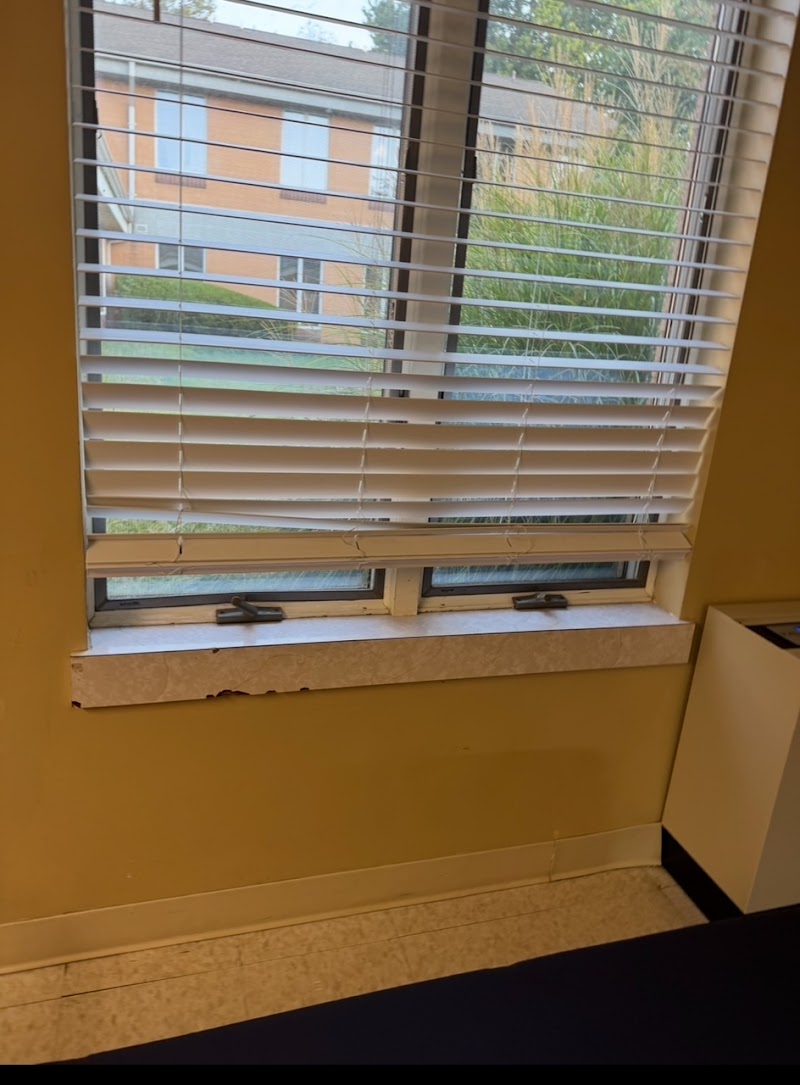
How is Shady Grove Staffed?

CMS rates SHADY GROVE NURSING AND REHABILITATION CENTER's staffing level at 3 out of 5 stars, which is average compared to other nursing homes. Staff turnover is 30%, compared to the Maryland average of 46%. This relatively stable workforce can support continuity of care.

What Have Inspectors Found at Shady Grove?

State health inspectors documented 82 deficiencies at SHADY GROVE NURSING AND REHABILITATION CENTER during 2019 to 2025. These included: 1 that caused actual resident harm, 78 with potential for harm, and 3 minor or isolated issues. Deficiencies causing actual harm indicate documented cases where residents experienced negative health consequences.
Who Owns and Operates Shady Grove?

SHADY GROVE NURSING AND REHABILITATION CENTER is owned by a for-profit company. For-profit facilities operate as businesses with obligations to shareholders or private owners. The facility is operated by LIFEWORKS REHAB, a chain that manages multiple nursing homes. With 144 certified beds and approximately 132 residents (about 92% occupancy), it is a mid-sized facility located in ROCKVILLE, Maryland.
How Does Shady Grove Compare to Other Maryland Nursing Homes?

Compared to the 100 nursing homes in Maryland, SHADY GROVE NURSING AND REHABILITATION CENTER's overall rating (2 stars) is below the state average of 3.0, staff turnover (30%) is significantly lower than the state average of 46%, and health inspection rating (1 stars) is much below the national benchmark.

What Should Families Ask When Visiting Shady Grove?

Based on this facility's data, families visiting should ask: "Can I visit during a mealtime to observe dining assistance and food quality?" "How do you handle medical emergencies, and what is your hospital transfer rate?" "Can I speak with family members of current residents about their experience?"

Is Shady Grove Safe?

Based on CMS inspection data, SHADY GROVE NURSING AND REHABILITATION CENTER has a clean safety record: no substantiated abuse findings (meaning no confirmed cases of resident harm), no Immediate Jeopardy citations (the most serious violation level indicating risk of serious injury or death), and is not on the Special Focus Facility watch list (a federal program monitoring the lowest-performing 1% of nursing homes). The facility has a 2-star overall rating and ranks #100 of 100 nursing homes in Maryland. While no facility is perfect, families should still ask about staff-to-resident ratios and recent inspection results during their visit.

Do Nurses at Shady Grove Stick Around?

SHADY GROVE NURSING AND REHABILITATION CENTER has a staff turnover rate of 30%, which is about average for Maryland nursing homes (state average: 46%). Moderate turnover is common in nursing homes, but families should still ask about staff tenure and how the facility maintains care continuity when employees leave.

Was Shady Grove Ever Fined?

SHADY GROVE NURSING AND REHABILITATION CENTER has no federal fines on record. CMS issues fines when nursing homes fail to meet care standards or don't correct problems found during inspections. The absence of fines suggests the facility has either maintained compliance or corrected any issues before penalties were assessed. This is a positive indicator, though families should still review recent inspection reports for the full picture.

Is Shady Grove on Any Federal Watch List?

SHADY GROVE NURSING AND REHABILITATION CENTER is not on any federal watch list. The most significant is the Special Focus Facility (SFF) program, which identifies the bottom 1% of nursing homes nationally based on persistent, serious quality problems. Not being on this list means the facility has avoided the pattern of deficiencies that triggers enhanced federal oversight. This is a positive indicator, though families should still review the facility's inspection history directly.