BROOKE GROVE REHAB. & NSG CTR
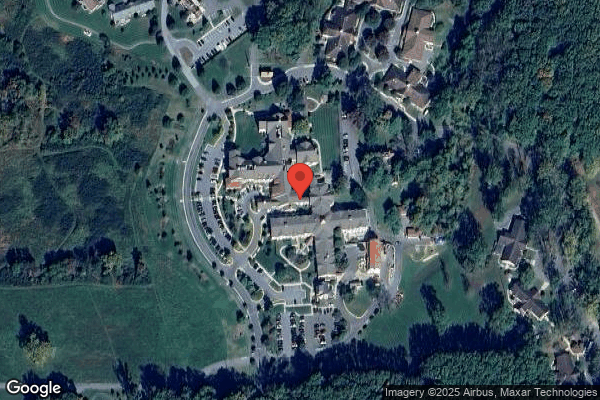

18131 SLADE SCHOOL ROAD, SANDY SPRING, MD 20860 (301) 924-5176
Non profit - Corporation 190 Beds Independent Data: November 2025
Trust Grade
60/100
#96 of 219 in MD
Last Inspection: April 2025

Within standard 12-15 month inspection cycle. Federal law requires annual inspections.

Overview

Brooke Grove Rehabilitation and Nursing Center has a Trust Grade of C+, which means it is decent and slightly above average, but not outstanding. It ranks #96 out of 219 facilities in Maryland, placing it in the top half, and #20 out of 34 in Montgomery County, indicating only a few local options are better. However, the facility's trend is worsening, with reported issues increasing from 8 in 2020 to 16 in 2025. Staffing is a strength here, with a good rating of 4 out of 5 stars and a turnover rate of 31%, which is below the state average of 40%, suggesting staff retention is solid. While there have been no fines, there have been concerning incidents, such as failures to report allegations of abuse within the required timeframe and insufficient investigations into those claims, which raises questions about resident safety. Additionally, food safety practices were not consistently followed, as some food items were found unlabeled and improperly stored. Overall, while there are strengths in staffing, the facility has notable weaknesses that families should carefully consider.

Trust Score
C+
60/100
In Maryland
#96/219
Top 43%
Safety Record
Low Risk
No red flags
Inspections
Getting Worse
8 → 16 violations
Staff Stability
○ Average
31% turnover. Near Maryland's 48% average. Typical for the industry.
Penalties
✓ Good
No fines on record. Clean compliance history, better than most Maryland facilities.
Skilled Nurses
✓ Good
Each resident gets 56 minutes of Registered Nurse (RN) attention daily — more than average for Maryland. RNs are trained to catch health problems early.
Violations
⚠ Watch
39 deficiencies on record. Higher than average. Multiple issues found across inspections.
★★★☆☆
3.0
Overall Rating
★★★★☆
4.0
Staff Levels
★★★☆☆
3.0
Care Quality
★★★☆☆
3.0
Inspection Score
Stable
2020: 8 issues
2025: 16 issues

The Good

  • 4-Star Staffing Rating · Above-average nurse staffing levels
  • Full Sprinkler Coverage · Fire safety systems throughout facility
  • No fines on record
  • Staff turnover below average (31%)

    17 points below Maryland average of 48%

Facility shows strength in staffing levels, fire safety.

The Bad

3-Star Overall Rating

Near Maryland average (3.0)

Meets federal standards, typical of most facilities

Staff Turnover: 31%

15pts below Maryland avg (46%)

Typical for the industry

The Ugly 39 deficiencies on record

Apr 2025 16 deficiencies
CONCERN (D) 📢 Someone Reported This

A family member, employee, or ombudsman was alarmed enough to file a formal complaint

Potential for Harm - no one hurt, but risky conditions existed

Deficiency F0558 (Tag F0558)

Could have caused harm · This affected 1 resident

Based on record review, review of a facility reported incidents (FRI), and interviews with staff, it was determined that the facility failed to ensure a resident's request was accommodated. This was e...

Read full inspector narrative →
Based on record review, review of a facility reported incidents (FRI), and interviews with staff, it was determined that the facility failed to ensure a resident's request was accommodated. This was evident for 1 out of 33 facility reported incidents (FRIs) reviewed during the survey. The findings include: On 3/28/2025 at 10:30AM, the Surveyor reviewed the investigative file for a FRI MD00202881, reported by the family member of Resident #195 on 2/21/2024 at 3:51 PM. The family member stated that on 2/18/2024 at 11 PM, the resident needed to adjust the bed settings, as [he/she] had severe and painful spinal arthritis. The family member reported that Geriatric Nursing Assistant (GNA) #40 would not give the resident the bed controls because GNA#40 did not want the resident playing with the buttons. Further review of the investigative file revealed a statement from GNA #40 on 2/23/2024 at 1:58PM. GNA #40 stated that when she answered Resident #195's call light, the resident said, I'm flat on the bed I need my head up because I don't want to die here. GNA #40 responded, The head of the bed is up, but I can raise it up more if [he/she] likes. The resident stated, Give me the remote because I don't want to die. GNA #40 stated, I explained to the resident, because you fell the previous night for [his/her] safety, the remote will be out of [his/her] reach so [he/she] would not get out of the bed and repeat the incident again. An additional review Resident #195's investigative file revealed an interview with GNA #40 conducted by Clinical Nurse Manager #39 for the 2nd floor Rehab unit on 2/26/2024. The interview confirmed that GNA #40 declined to give the resident the bed control and assumed that the resident shouldn't have it as the resident plays with it and tends to operate it to get out of bed unassisted and the resident was at risk for falls. Clinical Nurse Manager #39 provided GNA #40 with education because the resident had the right to have [his/her] bed control. On 3/31/2025 at 2:20PM, during an interview with Clinical Nurse Manager #39, the Surveyor was informed that even though Resident #195 was a fall risk, GNA #40 should have given the resident the bed control because it was the resident's right to have it.
CONCERN (D)

Potential for Harm - no one hurt, but risky conditions existed

Free from Abuse/Neglect (Tag F0600)

Could have caused harm · This affected 1 resident

Based on record review and interviews with facility staff, it was determined the facility failed to prevent a resident from experiencing verbal abuse by an employee. This was found to be evident for 1...

Read full inspector narrative →
Based on record review and interviews with facility staff, it was determined the facility failed to prevent a resident from experiencing verbal abuse by an employee. This was found to be evident for 1 (Resident # 191) of 3 residents reviewed for abuse during the survey. The findings include: The facility reported incident MD00210136 was reviewed on 3/28/25 at 12:06pm. According to the facility's investigation, a housekeeper (Staff #38) made inappropriate comments to Resident #191. The resident reported the incident to the facility on 9/21/24 at approximately 10:30am. The facility interviewed Staff #38 during their investigation, at which time Staff #38 admitted to the allegation made by the resident. Staff #38 was immediately terminated and escorted off the premises. The facility conducted interviews with other residents and staff during the investigation and determined that no other residents had been affected. On 3/31/25 at 11:51am, the Director of Nursing was interviewed regarding the facility reported incident and confirmed that the abuse allegation was substantiated by the facility's investigation and that Staff #38 was immediately terminated.
CONCERN (D)

Potential for Harm - no one hurt, but risky conditions existed

Comprehensive Care Plan (Tag F0656)

Could have caused harm · This affected 1 resident

**NOTE- TERMS IN BRACKETS HAVE BEEN EDITED TO PROTECT CONFIDENTIALITY** Based on record review and interview with staff, it was determined that the facility failed to develop and implement a person-ce...

Read full inspector narrative →
**NOTE- TERMS IN BRACKETS HAVE BEEN EDITED TO PROTECT CONFIDENTIALITY** Based on record review and interview with staff, it was determined that the facility failed to develop and implement a person-centered comprehensive care plan for residents. This was evident for 2 (Resident #67 and #119) residents reviewed for activities during the survey. The findings include: A care plan is used to summarize a person's health conditions, specific care needs, and current treatments. It outlines what needs to be done to plan, assess, and manage care needs. This helps to evaluate the effectiveness of the resident's care. A Baseline Care Plan must include the minimum healthcare information necessary to properly care for each resident immediately upon their admission, which would address resident specific health and safety concerns to prevent a decline or injury, and would identify needs for supervision, behavioral interventions, and assist with activities of daily living, as necessary. The MDS (Minimum Data Set) is a standardized, comprehensive assessment of a resident's functional, medical, psychosocial, and cognitive status to develop a plan of care based on the resident's individualized needs. 1. On 3/26/2025 at 12:13PM, during an interview with Resident #67 in their room, the Surveyor was informed that the resident was unsure about activities provided at the facility and stated that he/she had been offered to go to bingo a few times, but because of pain, he/she declined the offers. The resident informed the Surveyor that he/she has not been offered any activity, room activity or outside the room activity, on a daily basis and that he/she mostly watches the television. The Surveyor did not observe an activity calendar or any type of activity in the resident's room besides a television. During record review on 3/27/2025 at 12:25PM, the Surveyor discovered that Resident #67 was admitted to the facility on [DATE] for rehabilitation after a hospitalization. The resident had a Brief Interview for Mental Status (BIMS) score of 13/15 which indicated the resident was cognitively intact. Further review revealed a baseline care plan completed on 3/6/3035 which stated that the resident's initial goals include, but are not limited to, promote maximum psychosocial well-being/mood; Services to include, but are not limited to, provide recreational services; and Responsible personnel to provide services, include but not limited to, Recreational Therapist. Additional review revealed that an MDS 5-day assessment completed on 3/11/2025. Section F of the MDS assessment acknowledges the residents' preferences and activity choices. The resident likes to listen to jazz music, likes to keep up with the news, likes to do things in a group, and do their favorite activities. On 3/27/2025 at 12:40PM a review of Resident #67's care plan failed to reveal a care plan to address activity preferences, activity needs, or refusal to participate in activities. On 3/27/2025 at 12:55PM during an interview with Recreational Director #34, the Surveyor was informed that she does the initial visit when the residents are admitted to the facility, however, she does not document or develop activity/recreation care plans for the rehab residents. Recreational Director #34 stated that the Director of Volunteer Services provides activities/recreation for the rehab residents. On 3/27/2025 at 1:17PM, an interview with the Director of Volunteer Services #7 revealed that the volunteer staff does not document in the resident's medical records, and she is not responsible for developing activity/recreation care plans for rehab residents. On 3/28/2025 at 8:06AM, the Surveyor conducted an interview with the Director of Nursing (DON). During the interview, the Surveyor was informed that when a resident is admitted to the facility, an initial baseline care plan is developed and includes all disciplines that provide care for the residents. The baseline care plan is then used to develop a person-centered comprehensive care plan where nursing, social workers, recreation, and MDS staff develop and implement care plans based on the resident specific needs. The residents should have an activity/recreation care plan. The Surveyor expressed the concern that Resident #67 did not have an activity/recreation care plan.
CONCERN (D)

Potential for Harm - no one hurt, but risky conditions existed

Deficiency F0657 (Tag F0657)

Could have caused harm · This affected 1 resident

Based on record review and staff interview, it was determined that the facility failed to ensure resident care plans were revised to reflect their communication needs. This was evident for 2 (Resident...

Read full inspector narrative →
Based on record review and staff interview, it was determined that the facility failed to ensure resident care plans were revised to reflect their communication needs. This was evident for 2 (Resident #91 and #124) of 3 residents reviewed for communication. The findings include: Care plans provide direction for individualized care of the resident. A care plan flows from each resident's unique list of diagnoses and should be organized by the resident's specific needs. The care plan is a means of communicating and organizing the actions and assuring the resident's needs are attended to. The care plan is to be reviewed and revised each quarter. 1. On 03/26/25 at 08:55 AM, an observation of Resident #124 revealed that the resident was speaking a native language. On 03/27/25 at 09:58 AM, review of Resident #124's care plan revealed that the resident had a language barrier, but failed to indicate what language the resident spoke. On 03/28/25 at 07:37 AM, an interview with Geriatric Nursing Assistant (Staff #30) revealed that the resident spoke a native language, but was unable to indicate what language it was. She indicated the staff use a white board to communicate with the resident, but indicated the resident was not able to read English writing. On 03/28/25 at 07:40 AM, an interview with Licensed Practical Nurse (Staff #12) revealed that Resident #124 spoke a specific native language. Staff #12 indicated that staff communicates with the resident by the white board in his/her room and with their hands and body. On 03/28/25 at 07:44 AM, Staff #12 showed the surveyor the blank white board they use for the resident in his/her room. When the surveyor asked if the resident understood English writing she indicated no. On 03/28/25 at 08:03 AM, the surveyor reviewed the concern with the Director of Social Services (Staff #22). She indicated she would look into it. On 03/28/25 at 09:25 AM, an interview with Staff #22 revealed the facility identified the resident spoke a certain native language, which was not the language mentioned by Staff #12. She indicated it should have been indicated in the care plan. 2. On 03/26/25 at 08:54 AM, an interview attempt with Resident #91 revealed she/he had a hearing impairment. On 03/27/25 at 08:00 AM, review of Resident #91's care plan failed to reveal indication of the resident's hearing impairment. On 03/27/25 at 08:59 AM, an interview with Licensed Practical Nurse (Staff #12) revealed the resident was unable to hear without hearing aids but did not like to use them. Staff #12 indicated that it was very difficult to communicate with the resident but that she/he can read the staff's lips to comprehend what they say. On 03/28/25 at 07:27 AM, review of Resident #91's medical record revealed an active diagnosis of hearing loss of right and left ear. On 03/28/25 at 09:25 AM, an interview with the Director of Nursing (Staff #2) revealed that the resident should have had a care plan regarding his/her hearing impairment.
CONCERN (D)

Potential for Harm - no one hurt, but risky conditions existed

Quality of Care (Tag F0684)

Could have caused harm · This affected 1 resident

Based on observations, record reviews, and interviews, it was determined that facility staff failed to: follow physician's orders for a resident receiving oxygen, including failure to document amount ...

Read full inspector narrative →
Based on observations, record reviews, and interviews, it was determined that facility staff failed to: follow physician's orders for a resident receiving oxygen, including failure to document amount and method of oxygen delivery, failed to hold a resident's blood pressure medication based on the ordered parameter and failed to notify the physician and failed to continue assessments including neuro checks after a resident sustained a fall. This deficient practice was evident for 3 (#24, #81, #186) out of 3 residents' reviewed for physician's orders during the survey. The findings include: 1. During the initial tour of the long-term care unit #2 on 03/26/25 at 07:46 AM, the surveyor observed Resident #24 sitting upright in bed asleep with oxygen infusing at 2 liters (L) through a nasal cannula. A second observation was made at 9:42 AM, and the resident was awake in bed, and oxygen was infusing at 2L through a nasal cannula. On 03/27/25 at 02:20 PM, the surveyor observed Resident #24 sitting in bed awake with supplemental oxygen infusing at 3.5L through a nasal canula. Review of Resident #24's treatment administration record on 03/27/25 at 2:23 PM, revealed an order for continuous oxygen at 4L through a nasal canula. The order mentioned that the oxygen may be removed as needed for nursing care or transport. The oxygen order was initiated on 03/16/25 at 7:00 PM. Review of Resident #24's vital signs revealed that oxygen saturation levels were documented every shift; however, nursing staff failed to document the number of liters of oxygen administered and the method of delivery for each shift. On 03/27/25 at 2:39 PM, during an interview with Director of Nursing (DON) #2 and on 03/27/25 at 2:55 PM, during an interview with Registered Nurse #45, they both explained that nurses are expected to review the residents' orders to ensure the correct amount of oxygen is administered. Nurses are also responsible for documenting the residents' oxygen saturation levels, the amount of oxygen being delivered, and the delivery method (via nasal canula or face mask). The surveyor informed DON about the resident observations made on 03/26/25 and 03/27/25, and the lack of documentation regarding the number of liters of oxygen the resident was ordered to receive. 2. A review of Resident #81's medication administration record on 04/01/25 at 8:48 AM, revealed an order for Metoprolol 25 milligrams (gm) once daily every 24 hours for hypertension (elevated blood pressure), with orders to hold the medication if the systolic blood pressure was less than 110 or if heart rate was less than 60. Further review of Resident #81's medical record indicated that Metoprolol was administered outside of the parameters ordered on: Metoprolol 25 mg was administered on 01/01/25 for a blood pressure of 104/70. Metoprolol 25 mg was administered on 01/08/25 for a blood pressure of 104/66. Metoprolol 25 mg was administered on 01/09/25 for a blood pressure of 107/68. Metoprolol 25 mg was administered on 01/17/25 for a blood pressure of 102/70. Metoprolol 25 mg was administered on 01/30/25 for a blood pressure of 100/56. Metoprolol 25 mg was administered on 01/31/25 for a blood pressure of 100/70. A review of nursing notes from 01/01/25 to 01/31/25 revealed no documentation that the nurse notified the physician that the residents blood pressure was outside the ordered parameters. During an interview with Licensed Practical Nurse (LPN) #24 on 04/01/25 at 9:08 AM, when asked about the process for administering blood pressure medications, she explained that vitals signs are taken first, then the blood pressure ordered parameters are reviewed. If the residents' blood pressure is outside the ordered range, the nurse will recheck the blood pressure. If it remains outside the ordered parameters, the nurse is to notify the physician and document in the nursing notes the reason the medication was held. On 04/01/25 at 9:34 AM, the surveyor reviewed Resident 81's blood pressures from 01/01/25 to 01/31/25 with the DON #2, and informed her that the blood pressures medication has been administered outside of the ordered parameters and staff failed to document whether the physician has been notified. 3. On 03/31/2025 at 10:53 AM, a review of complaint intake MD00188081, revealed that the family of Resident #186 had concerns during a visit on 01/18/23. The family observed a mattress placed on the floor to the right of the residents' bed, the resident's inability to walk, chew food, follow commands, and expressive aphasia. The family reported concerns that the resident had multiple falls, however, no assessments or diagnostic testing had been completed. On 03/31/25 at 11:54 AM, a review of situation background assessment request (SBAR) communication form and progress note dated 12/23/22 revealed that Resident #186 had a witnessed fall. Vital signs were obtained, lab results were reviewed, and both the resident's family and physician were notified. However, the medical records did not indicate that ongoing assessments were conducted following the fall, nor did it show that neurological (neuro) checks were initiated. On 04/01/2025 at 11:18 AM, during an interview with the Director of Nursing (DON) #2, she explained that neuro checks should be completed every 15 minutes, then every 30 minutes, and every 1 to 2 hours after a resident has a fall. The resident should be monitored for a total of 72 hours after a fall, with ongoing assessments documented in the resident's chart. The DON #2 also explained that the resident should be evaluated for pain, and physical therapy should be consulted to screen the resident following the fall. The surveyor requested neuro check documentation for Resident #186 following the fall on 12/23/22 and the facility policy regarding neuro checks. The DON #2 acknowledged the request and stated she would provide the requested documents. However, at the time of the survey exit, the DON failed to provide the documentation to the surveyor.
CONCERN (D)

Potential for Harm - no one hurt, but risky conditions existed

Deficiency F0710 (Tag F0710)

Could have caused harm · This affected 1 resident

**NOTE- TERMS IN BRACKETS HAVE BEEN EDITED TO PROTECT CONFIDENTIALITY** Based on record reviews and interviews, it was determined that the facility failed to ensure the physician supervised the medica...

Read full inspector narrative →
**NOTE- TERMS IN BRACKETS HAVE BEEN EDITED TO PROTECT CONFIDENTIALITY** Based on record reviews and interviews, it was determined that the facility failed to ensure the physician supervised the medical care of a resident with a known functional and cognitive decline. This deficient practice was evident for 1 (#186) residents reviewed for physician services during the survey. The findings include: On 03/31/2025 at 10:53 AM, a review of complaint MD00188081, revealed that the family of Resident #186 had concerns during a visit on 01/18/23. The family observed the resident inability to walk, chew food, follow commands, and expressive aphasia (difficulty speaking). The family reported concerns that the resident change in condition was not adequately addressed. A review of nursing notes dated 12/4/22 at 9:06 PM, indicated that Resident #186 had not resumed usual mobility since returning from the emergency department (ED) on 12/3/22. A review of the physician's note dated 12/5/22 at 1:09 PM indicated that Resident #186 was sent to the ED due to a change in mental status. The resident was diagnosed with a possible urinary tract infection and was prescribed antibiotics. Upon return to the facility, the resident was noted to have returned to baseline status. A review of skilled nursing notes dated 12/10/22 at 1:03 PM indicated that Resident #186 experienced a decline in physical and cognitive status since the last assessment. The resident now required total assistance with toileting and dressing. Resident #186 could self-feed; one person assistance was needed to complete meals. On 03/31/25 at 11:54 AM, a review of situation background assessment request (SBAR) communication form and progress note dated 12/23/22 revealed that Resident #186 had a witnessed fall and the resident's physician was notified. However, the medical records did not indicate that the resident was assessed by the physician, nor were ongoing assessments conducted following the fall. On 3/31/25 at 12:01 PM, a review of SBAR communication form and progress note dated 12/28/22 indicates the facility staff informed the physician of Resident #186 functional decline, needing more assistance with activities of daily living, decreased mobility, and pocketing food with dysphagia (difficulty swallowing). Further review of medical records indicates that the resident was not assessed by a physician or their designee. Review of social work care plan meeting notes dated 01/5/23 indicates that Resident #186 had a decline in functional abilities. In the previous quarter, the resident was still walking and sitting, observing activities and interacting with staff. In recent weeks, Resident #186 had not been participating in activities, eating less, and now required assistance with feeding. Further review of medical records does not indicate that the provider participated in the resident's care plan meeting on 01/5/23. On 03/31/25 at 2:16 PM, during an interview with the DON #2, the surveyor presented the above findings and asked what the expectation of the physician overseeing Resident #186's care. The DON #2 explained that she believes the physician would assess the resident to determine if adjustments to the treatment are necessary. The surveyor requested documentation showing that the provider assessed the resident between 12/10/22 to 01/18/23. The DON #2 was only able to provide documentation of a physician assessment dated [DATE]. The assessment of Resident #186 occurred after the resident's family member contacted the physician with concern regarding the resident's medical condition.
CONCERN (D)

Potential for Harm - no one hurt, but risky conditions existed

Deficiency F0740 (Tag F0740)

Could have caused harm · This affected 1 resident

**NOTE- TERMS IN BRACKETS HAVE BEEN EDITED TO PROTECT CONFIDENTIALITY** Based on observations, record review, and interview with staff, it was determined that the facility failed to obtain a psychiatr...

Read full inspector narrative →
**NOTE- TERMS IN BRACKETS HAVE BEEN EDITED TO PROTECT CONFIDENTIALITY** Based on observations, record review, and interview with staff, it was determined that the facility failed to obtain a psychiatric consult as ordered by the physician. This was evident for 1 (Resident #151) reviewed for behavioral-emotional care during the survey. The findings include: On 3/26/2025 at 11:58AM, during a tour of the 2nd floor rehab unit, the Surveyor observed Resident #151 in his/her bed facing the window opposite the doorway. The Surveyor knocked and introduced themselves. The resident stated, I want you to leave. I just want to sleep. The resident appeared upset and short tempered. The Surveyor apologized for bothering the resident and continued touring the unit. On 3/27/2025 at 2:00PM, the Surveyor observed Resident #151 cuddled in bed sleeping. An interview with Registered Nurse #41 revealed that the resident sleeps a lot and usually would wake up and open up more when their daughter comes to visit. The resident does not want to be bothered most of the time. On 3/28/2025 at 10:30AM, the Surveyor observed the resident lying in bed. The Surveyor called the resident's name, and the resident opened their eyes and quickly closed them shut. On 3/28/2025 at 12:58 PM, a review of Resident #151's electronic medical record revealed that resident was admitted to the facility on [DATE] and had diagnoses including, but not limited to, adjustment disorder with anxiety, benign neoplasm of the sigmoid colon, multiple acute cerebrovascular accidents (CVA's/strokes), and diseases of the intestine. The resident was transferred from a facility in Florida (where he/she was from) to a facility in Maryland. A physician follow-up note written on 3/5/2025 revealed that the Resident appears to be sad, would like to go to FL-to [his/her] own home. The note also mentioned that the resident had Adjustment disorder with anxiety: continue to monitor mood. Will place order for geri psych. An order was placed for geri psych on 3/5/2025. Further review of Resident #151 electronic medical record on 3/28/2025 at 1:15PM, failed to reveal any documentation of a geri psychiatric visit. On 3/31/2025 at 1:55PM, the Surveyor discovered a physician order placed on 3/28/2025 for a psych consultation and management due to poor appetite, refusing care/therapy, and possible depression. Further review failed to reveal documentation of a psychiatric visit. On 3/31/2025 at 2:15PM, the Surveyor conducted an interview with the Clinical Nurse Manager, #39, for the 2nd floor Rehab. During the interview, the Surveyor expressed the concern that on multiple observations, at different times of the day, the resident was sleeping, and the nursing staff mentioned the resident doesn't want to be bothered. The Surveyor also expressed the concern that the resident had an order for geri psych on 3/5/2025 and a psych consultation on 3/28/2025 and there was no documentation that he/she had ever been seen by a psychiatric physician to address the residents psychiatric needs. Clinical Nurse Manager #39 explained that when a physician orders psychiatric services and the order should be verified by the charge nurse, then the residents name should be placed in the communication book that is used to communicate with the psych physicians. That's how the psych physicians know who needs to be seen and why. Clinical Nurse Manager #39 and the Surveyor reviewed the communication book for the psych physicians and confirmed that Resident #151 was not in the book for the order on 3/5/2025 or the order on 3/28/2025. The resident had not been seen because their name was not in the communication book.
CONCERN (D)

Potential for Harm - no one hurt, but risky conditions existed

Menu Adequacy (Tag F0803)

Could have caused harm · This affected 1 resident

Based on observation and interview, it was determined that the facility failed to ensure that a staff prepared a meal tray based on a meal ticket. This was evident for 1 tray identified during a rando...

Read full inspector narrative →
Based on observation and interview, it was determined that the facility failed to ensure that a staff prepared a meal tray based on a meal ticket. This was evident for 1 tray identified during a random tray line observation. The findings include: On 03/27/25 at 11:53 AM, the surveyor observed the lunch tray line in the kitchen where staff prepare the resident trays that get delivered to the prospective units. On 03/27/25 at 12:03 PM, the surveyor observed Dietary Aide (Staff #31) prepare a meal tray . The meal ticket on the meal tray indicated chicken noodle soup as one of the food items listed. On 03/27/25 at 12:04 PM, the surveyor observed Staff #31, prepare and place the meal tray on the tray cart without chicken noodle soup. At the same time, the surveyor asked Staff #31, if soup was served on the units, she indicated no, and that the kitchen would prepare it. The surveyor requested Staff #31 to take off the meal tray that had just been placed on the tray cart and compare the meal tray to the meal ticket. On 03/27/25 at 12:05 PM, the surveyor asked why Staff #31 did not place soup on the meal tray as the meal ticket indicated. She indicated that soup was only provided during dinner. On 03/27/25 at 12:07 PM, an interview with the Executive Chef (Staff 36), who was present during the observation, revealed that soup was available for request during every meal, and that staff should prepare meal trays as the meal ticket indicated. On 03/27/25 at 12:08 PM, after surveyor intervention, [NAME] (Staff #3) prepared the soup as indicated on the tray meal ticket and placed it on the meal tray, which was then placed on the tray cart.
CONCERN (D)

Potential for Harm - no one hurt, but risky conditions existed

Deficiency F0804 (Tag F0804)

Could have caused harm · This affected 1 resident

Based on observation and interview, it was determined the facility failed to provide food at an appetizing temperature. This was evident for 1 out of 1 observation of a kitchen tray line and test tray...

Read full inspector narrative →
Based on observation and interview, it was determined the facility failed to provide food at an appetizing temperature. This was evident for 1 out of 1 observation of a kitchen tray line and test tray. The findings include: On 03/27/25 at 11:53 AM, the surveyor observed the kitchen prepare the lunch tray line. On 03/27/25 at 01:11 PM, the surveyor observed the last tray cart of the lunch tray line get delivered onto the unit. On 03/27/25 at 01:50 PM, the surveyor observed the last resident meal tray taken from the same cart and delivered to the prospective resident. The surveyor then requested Executive Chef (Staff #36), who was present at the time, to remove the test tray from the cart and obtain temperatures of the food items. On 03/27/25 at 01:50 PM, the surveyor observed Staff #36 obtain the temperature of the meatloaf which was 114.2 degrees fahrenheit, cod (a type of fish) which was 105.8 degrees fahrenheit, mashed potatoes which were 115.5 degrees fahrenheit, and vegetables (asparagus with garlic and red pepper) which was 107.0 degrees fahrenheit. On 03/27/25 at 01:51 PM, an interview with Staff #36 revealed that hot foods on the plate should be at least 135 degrees fahrenheit.
CONCERN (D)

Potential for Harm - no one hurt, but risky conditions existed

Medical Records (Tag F0842)

Could have caused harm · This affected 1 resident

**NOTE- TERMS IN BRACKETS HAVE BEEN EDITED TO PROTECT CONFIDENTIALITY** 2. A Neurological Check (neuro check) is a series of tests used to assess the function and health of the nervous system. These t...

Read full inspector narrative →
**NOTE- TERMS IN BRACKETS HAVE BEEN EDITED TO PROTECT CONFIDENTIALITY** 2. A Neurological Check (neuro check) is a series of tests used to assess the function and health of the nervous system. These tests help to identify and monitor neurological conditions and detect any deterioration in the resident's neurological status. MD00211598 was reviewed on 3/31/25 at 12:02 PM for resident safety regarding a fall. Review of the facility's investigation at this time revealed Resident # 179 had an unwitnessed fall on 11/5/24 at approximately 6:20 PM. The resident was found by their assigned GNA on the floor beside his/her bed and wheelchair. The nurse assessed the residents and implemented neuro checks per protocol. A review of the resident neuro checks assessment dated [DATE] revealed the following instructions: perform neuro checks according to the schedule as follows: every 15 minutes x 4; then every 30 minutes x 2; then every hour x 2; then every 4 hours x 4; then every shift x 3 days. Further review revealed the following: An initial 15-minute Neuro check was documented at 16:15 (4:15 PM) Every 15 minutes Neuro Check # 2 was documented at 16:45 (4:45 PM) 15 minutes late Every 15-minute Neuro Check # 3 was documented at 18:00 (PM) 1 hour and 15 minutes late Every 15-minute Neuro Check # 4 was documented at 18:15 (6:15 PM). A review of the facility's Neuro Check Policy and Procedure revealed; after a fall, a neuro check is crucial to assess brain function to rule out serious issues. The DON was interviewed on 3/31/25 at 1:00 PM and she was asked what the expectation of staff is when implementing neuro checks when a resident falls and she stated that staff are expected to follow the facility's policy and protocol. The DON was made aware that the neuro checks were not documented within every 15-minute time during the first hour of the protocol. The DON stated that a review was done, and re-education was provided for staff. All concerns were discussed with the Administration team at the exit conference on 4/1/25 at 2:00 PM. Based on record review and staff interview, it was determined that the facility failed to ensure that documentation was completed for physician orders. This was evident for 1 (Resident #167, #179) of 49 residents' records reviewed during an annual survey. The findings include: 1. On 03/28/25 at 01:58 PM, review of Resident #167's medical record revealed the resident had an order for continuous oxygen at 2 liters per minute with a start date of 12/20/23 and an end date of 1/24/25. (Liters per minute refers to the amount of oxygen delivered to a patient per minute.) On 03/31/25 at 08:51 AM, review of the documentation for the order mentioned above in the resident's record for the month of September 2024, revealed 5 shifts (9/1/24 night, 9/7/24 day, 9/12/24 night, 9/23/24 day, and 9/26/24 day) which the order was not documented on. On 03/31/25 at 09:45 AM, an interview with the Director of Nursing (Staff #2) revealed that the expectation was for staff to document based on orders every shift. She further indicated that if a resident refused, documentation should reflect as though. The surveyor reviewed the concern.
CONCERN (D)

Potential for Harm - no one hurt, but risky conditions existed

Deficiency F0868 (Tag F0868)

Could have caused harm · This affected 1 resident

Based on interviews and a review of pertinent facility documentation it was determined that the facility failed to maintain signature sheets of committee members who attended Quality Assurance and Imp...

Read full inspector narrative →
Based on interviews and a review of pertinent facility documentation it was determined that the facility failed to maintain signature sheets of committee members who attended Quality Assurance and Improvement Program (QAPI) meetings. This was found to be evident during review of QAPI documentation during the survey. Findings include: An interview was conducted with the Administrator on 4/1/25 at 11:08 AM and he was asked to provide the survey team with copies of attendance sheets for QAPI meetings from December 2023 to March 2025. The Administrator stated that the facility has a new QAPI Coordinator (#32) that started when he came on board. He offered that he would look for the attendance sheets but is unsure if he would be able to provide the attendance sheets prior to this time. An interview was conducted with the QAPI Coordinator (#32) on 4/1/25 at 11:25 AM and she stated that she became the QAPI Coordinator in December 2024. She stated that the previous Administrator conducted meetings (virtual) until she came into the position. She provided paper copies of attendance sheets for the following dates: July 24, 2024, August 28, 2024, October 2, 2024, November 6, 2024, November 27, 2024, January 21, 2025, and February 6, 2025. On her computer she was able to show the surveyor folders that had minutes of the meetings from January 2024 through December 2024. She stated that the meetings were virtual and that she could not provide documentation of signed signatures of members that attended the virtual meetings for January 2024, February 2024, March 2024, April 2024, May 2024, June 2024, and September 2024. She went on to explain that she conducted her first meeting in January 2025 that was virtual, however, everyone in attendance is supposed to sign a signature sheet. She stated that she personally went to staff and had them physically sign the attendance sheet, because it is required. All concerns were discussed with the Administration team at the exit conference on 4/1/25 at 2:00 PM.
CONCERN (D)

Potential for Harm - no one hurt, but risky conditions existed

Safe Environment (Tag F0921)

Could have caused harm · This affected 1 resident

Based on observation and staff interview, it was determined that the facility failed to maintain a sanitary environment. This was evident for 1 (Unit 2) out of 1 clean utility rooms observed during th...

Read full inspector narrative →
Based on observation and staff interview, it was determined that the facility failed to maintain a sanitary environment. This was evident for 1 (Unit 2) out of 1 clean utility rooms observed during the survey. The findings include: On 03/26/25 at 09:25 AM, the surveyor observed an equipment pole in the clean utility room which had a sticker that indicated it was used for a resident. On 03/26/25 at 09:25 AM, an interview with Licensed Practical Nurse (Staff #37) revealed that housekeeping would clean the equipment pole and when it was clean it would be placed in the clean utility room. On 03/31/25 at 11:34 AM, an interview with the Director of Housekeeping/Environment Services revealed that when equipment poles are clean, the facility staff would place a blue tag at the base. When the surveyor described the state of the equipment pole observed on Unit 2, he indicated that he would not have considered it to be cleaned, and agreed with the surveyor's concern.
CONCERN (D)

Potential for Harm - no one hurt, but risky conditions existed

Deficiency F0947 (Tag F0947)

Could have caused harm · This affected 1 resident

Based on record reviews and interviews, it was determined that facility staff failed to ensure all actively employed geriatric nursing assistant (GNA) completed annual dementia education. This deficie...

Read full inspector narrative →
Based on record reviews and interviews, it was determined that facility staff failed to ensure all actively employed geriatric nursing assistant (GNA) completed annual dementia education. This deficient practice was evident for 6 out of 6 (#46, #47, #48, #49, #50, #52) GNA's training reviewed during the survey. The findings include: On 03/27/25 at 10:09 AM, during an interview with the Assistant Director of Nursing (ADON) #3, he stated that annual nursing assistant competencies are conducted throughout the year and on designated dates to ensure all required in-service are completed before the end of the year. The surveyor requested to review the competency records of current staff and agency GNA's. On 03/27/25 at 11:41 AM, during an interview with nurse scheduler #51, she explained that the facility's educator is responsible for ensuring that agency GNA's receive the required GNA education prior to working at the facility and the director of nursing generally reviews the GNA annual competencies during the employees annual performance review. The nurse scheduler #51 and the surveyor reviewed the GNA's annual competencies and HealthStream training files. During the review, the surveyor identified that 6 GNA's (#46, #47, #48, #49, #50, #52) were missing their required annual dementia training, which was past due as of 12/20/24. The surveyor requested documentation confirming completion of the missing training and the nurse scheduler #51 acknowledged the request. On 03/28/25, the nurse scheduler #51 stated they were not able to located the dementia training for GNA's and would have them complete dementia training prior to working their next shift. On 04/01/25 at 11:09 AM, the surveyor informed the Director of Nursing about the GNAs who were missing the required annual dementia training.
CONCERN (E)

Potential for Harm - no one hurt, but risky conditions existed

Investigate Abuse (Tag F0610)

Could have caused harm · This affected multiple residents

Based on record review and interviews it was determined that the facility staff failed to complete a thorough investigation of allegations of abuse. This deficient practice was evidenced in 4 (#170, #...

Read full inspector narrative →
Based on record review and interviews it was determined that the facility staff failed to complete a thorough investigation of allegations of abuse. This deficient practice was evidenced in 4 (#170, #172, #188, #194) of 4 facility reported incident investigations reviewed during the recertification survey. The findings include: 1. On 03/27/25 at 9:14 am a review of the self-report related to Resident #188 revealed the resident reported being abused by a nurse. The alleged perpetrator's statement indicated they did not work with the resident on the day of the alleged incident, nor did the statement deny or confess that the alleged incident happened. The staff who worked with the resident the day the alleged incident was reported was not interviewed. The facility staff failed to complete a thorough investigation. The Director of Nursing #2 was made aware. 2. On 03/27/25 at 2:48 pm after reviewing the facility's investigation related to the allegation of abuse concerning Resident #170, Administrator #1 and Director of Nursing (DON) #2 were made aware the investigation of the alleged incident was not thorough. There was no statement from the alleged perpetrator or from staff who worked during the time the alleged incident occurred. 3. On 03/31/25 at 9:20 am a review of the facility reported incident related to Resident #194 revealed the resident had an injury of unknown origin. A review of the facility's investigation revealed the staff who were assigned to care for the Resident #194 when the fracture was confirmed, were not interviewed. Also, Geriatric Nursing Assistant #35 reported the resident had pain two days prior to the fracture being confirmed, but there was no documentation to verify the assigned nurse was made aware. Director of Nursing #2 was made aware. 4. On 03/31/25 at 11:56 am a review of the facility reported incident related to Resident #172 revealed the resident was found on the floor in the electrical closet with four lacerations on their head. A review of the investigation completed by the facility staff revealed the facility staff failed to interview all the staff who worked on the unit when the alleged incident occurred. There was not a statement from Director of Plant Operations #43 indicating how the resident was able to enter the electrical room and what was done to prevent another incident in the future. Administrator #1 was made aware and after surveyor intervention an email was provided which indicated a contractor left the electrical room door ajar haphazardly.
CONCERN (E)

Potential for Harm - no one hurt, but risky conditions existed

Food Safety (Tag F0812)

Could have caused harm · This affected multiple residents

Based on observations and staff interviews, it was determined that the facility staff failed to ensure food items in the kitchen and unit refrigerator were stored to maintain the integrity of the spec...

Read full inspector narrative →
Based on observations and staff interviews, it was determined that the facility staff failed to ensure food items in the kitchen and unit refrigerator were stored to maintain the integrity of the specific items and failed to ensure equipment temperature logs were maintained for monitoring. This was evidence in observations in the kitchen and west wing refrigerators. The findings include: 1a) On 03/26/25 at 07:41 AM, an initial observation of the facility kitchen vegetable fridge revealed a bag of spinach opened and unlabeled, a bag of iceberg lettuce opened and unlabeled, a carrot bag opened and unlabeled, tahini opened and unlabeled, honey mustard salad dressing opened and unlabeled, a vanilla butter cream container that was opened and unlabeled, pre-poured french dressing into single size cups unlabeled, ranch dressing in a container which indicated best by 3/17/25, a container of garlic that had a label which indicated best by 3/24/25, and a small, white colored take out container that was unlabeled. On 03/26/25 at 07:46 AM, the surveyor observed a white, salad dressing- like substance in a container that was unlabeled. Executive Chef (Staff #36), who was present at the time of the observation, was unable to identify what the food substance was. At the same time, an interview with Staff #36 revealed the expectation was that staff label items that are opened with the label that they use for all items. On 03/26/25 at 07:52 AM, an initial observation of the meat refrigerator revealed cut salmon filets uncovered and labeled with best by 3/25/25, a full salmon filet unlabeled in a metal pan, tilapia that was opened, unsealed, and unlabeled, veggie patties which were opened, unsealed, and unlabeled, and cod which was opened, unsealed, and unlabeled. 1b) On 03/26/25 at 09:15 AM review of level 2 west wing refrigerators revealed an unlabeled and undated carton of organic whole milk which indicated an expiration of 3/16/25, 4 single servings of caramel flan which indicated it was best by 2/25/25, lobster bisque which was labeled but failed to reveal a date, white rice in a container that was unlabeled and undated, a yellow-colored food substance in a container which was unlabeled and undated, sweet potato baby food which was unlabeled and undated, a container of food which included corn, carrot, and green beans which was unlabeled and undated, two cups of chocolate milk which were unlabeled and undated, and a container of carrot and raisin salad which was unlabeled and undated. On 03/26/25 at 09:23 AM, an interview with the Unit Manager (Staff #44) revealed that any item put in the unit refrigerator should be labeled of what the food item was, the resident name and room number it belonged to, and dated. 2) On 03/26/25 at 07:55 AM, an observation of the temperature logs in the facility kitchen revealed a log titled, Pot-sink Temperature Sanitizer Concentration Log that indicated it was completed each meal up until 3/24/25. On 3/24/25 it was only completed for the breakfast meal, and on 3/25/25, it was only completed for the breakfast meal. Both dates failed to reveal indication that it was completed for the lunch or dinner meals. On 03/26/25 at 08:00 AM, an interview with the Executive Chef (Staff #36), who was present during the interview, revealed that the expectation was for staff to fill and complete the log for each meal. On 03/27/25 at 11:52 AM, a follow-up observation in the kitchen revealed a temperature log titled, Dishmachine Temperature Record (High Temperature Machine) which indicated that it was filled and completed for the 3/28/25 breakfast meal. At the same time, Staff #36, who was present during the observation indicated that staff should only fill out the log for the present day and meal, and should not have prefilled the log for a future day and meal.
CONCERN (F) 📢 Someone Reported This

A family member, employee, or ombudsman was alarmed enough to file a formal complaint

Potential for Harm - no one hurt, but risky conditions existed

Report Alleged Abuse (Tag F0609)

Could have caused harm · This affected most or all residents

2. On 3/31/25 at 11:04 am, record review showed the incident of alleged abuse related to MD00210136 (Resident #191) had occurred at 10:30 am on 9/21/24 and the facility was made aware of the incident ...

Read full inspector narrative →
2. On 3/31/25 at 11:04 am, record review showed the incident of alleged abuse related to MD00210136 (Resident #191) had occurred at 10:30 am on 9/21/24 and the facility was made aware of the incident at that time. The incident was reported to Office of Health Care Quality (OHCQ) on 9/21/24 at 5:45 pm which was outside the allotted 2-hour time frame for reporting allegations of abuse. 3. On 3/31/25 at 12:18 pm, a record review revealed that the allegation of abuse related to facility reported incident MD00194206 (Resident #169) was made on 7/8/23 and the staff member involved was suspended pending the investigation. The incident was found to be reported to OHCQ on 7/10/23 which was outside the allotted 2-hour time frame for reporting allegations of abuse. During an interview with the Director of Nursing on 3/31/25 at 1:47 pm, she verbalized understanding of the requirement to report allegations of abuse to OHCQ within 2 hours of notification. 4. On 04/1/25 at 12:47 PM, during an interview with the Director of Nursing (DON), the surveyor inquired about the facility's process for allegations of abuse involving residents. The DON explained that allegations of abuse are reported immediately. Staff are expected to identify the nature of the incident and notify the state agency within two hours and a follow-up investigation must be completed within five days. On 04/1/25 at 10:42 AM, during a review of facility incident report MD00206847 and review of the facility's investigation file, it revealed that staff became aware of the alleged incident on 06/16/24 at 3:33 PM. Further review of the investigation files showed that the facility submitted the allegations to the state agency on 06/16/24 at 8:20 PM which was outside the allotted 2-hour time frame for reporting allegations of abuse. The surveyor informed the DON that the allegations of abuse were reported outside the 2-hour time frame. 5. On 03/27/25 at 9:14 am a review of the self-report related to an allegation of abuse towards Resident #188 revealed the alleged incident occurred on 11/23/21 at 3:30 pm but was reported to the state agency on 11/23/21 at 6:33 pm. Administrator #1 was made aware the incident was reported outside of the two-hour allotted window to report allegations of abuse to the state agency. 6. On 03/27/25 at 11:11 am a review of the facility's investigation related to Resident #170 revealed that the facility staff was made aware of an alleged incident of abuse on 05/24/24 at 12:00 pm. The date and time when the report was submitted to the state agency was not documented on the self-report form. On 04/01/25 at 9:49 am the surveyor received confirmation the facility staff reported the alleged incident to the state agency on 05/24/24 at 3:50 pm which was outside of the two-hour allotted window to report allegations of abuse. On 03/27/25 at 11:41 am during an interview Administrator #1 verbalized the staff were trained to speak with their supervisor, Director of Nursing #2, or Assistant Director of Nursing #3 immediately when a resident reports an allegation of abuse. The investigation will start, the alleged perpetrator will be taken off schedule, and the state agency and police will be notified within 2 hours. 7. On 03/31/25 at 9:20 am a review of the facility reported incident related to Resident #194 revealed the resident had an injury of unknown origin. According to the facility's documentation the initial report was filed with the state agency on 12/12/24 at 10:50 pm. Administrator #1 was made aware at 9:30 pm. The staff documented the resident complained of pain at 4 pm. A review of the imaging report revealed the fracture was reported at 8:09 pm. On 04/02/25 the surveyor received confirmation the self-report was filed on 12/12/24 at 11:01 pm which was outside of the two-hour allotted window to report the incident. 8. On 03/31/25 at 11:56 am a review of the facility reported incident MD00206117 related to Resident #172 revealed the resident was found on 05/27/24 at 6:20 am lying on the floor on his/her left side in the Electrical room and sustained a laceration to the forehead, and hospital x-ray showed a fracture of right femoral neck. Administrator #1 was made aware on 05/27/24 at 8:30 am. The incident was reported to the state agency on 05/28/24 at 4:00 pm according to the documentation provided by the facility. At 2:30 pm the surveyor made Administrator #1 aware the incident was reported after the two-hour allotted window. Based on administrative and medical record review and interviews with facility staff it was determined the facility staff failed to report allegations of resident abuse in a timely manner. This was found to be evident for 8 (Resident #193, #169, #191, #24, #170, # 172, #188, #194) of 8 residents reviewed for abuse during the facility's survey. Findings include, 1. Intake MD00212529 was reviewed on 3/31/25 at 10:43 AM for allegations of abuse. Review of the facility's investigation revealed that a PRN (as needed) Physical Therapist (PT) (#17) observed Resident #193 and Nurse (#18), forcefully administer medication to the resident, and continued, even after the resident began choking. Abuse was unsubstantiated. Further review of a statement by the PT (#17), she stated that she went to report her observations to the charge nurse but did not see her. A few hours later the PT #17 saw the nurse (#18) in the hallway who approached her. An interview was conducted with the Therapy Site Manager (TSM #16) on 3/31/25 at 11:01 AM and he was asked if he could provide information regarding the allegation of abuse that was witnessed by the PT #17 involving Resident # 193. The TSM #16 stated that PT #17 was no longer an employee at the facility. He went on to say that there were inconsistencies in her account of the facts surrounding the allegations and the resident interview and statement. In addition, he stated that PT #17 failed to report the allegations of abuse immediately. He added that the incident occurred in the morning, and she did not report it until after her shift ended. He stated that he emailed the Administrator once he became aware of the incident. He further stated that all his staff were provided with re-education of reporting incidents/allegations of abuse immediately. During a meeting with the DON on 3/31/25 at 11:25 AM she was made aware of the concern that staff did not report abuse allegations in a timely manner regarding Resident #193. She was then asked who was responsible for ensuring that staff are educated on abuse, and she stated that all staff that work in the building are educated on abuse upon their hire and are responsible for reporting all allegations of abuse immediately. All concerns were discussed with the Administration team at the exit conference on 4/1/25 at 2:00 PM.
Feb 2020 8 deficiencies
CONCERN (D)

Potential for Harm - no one hurt, but risky conditions existed

Deficiency F0578 (Tag F0578)

Could have caused harm · This affected 1 resident

Based on surveyor review of clinical records and staff interviews, it was determined that the facility's staff failed to implement residents' wishes stated in their advance directive and failed to ver...

Read full inspector narrative →
Based on surveyor review of clinical records and staff interviews, it was determined that the facility's staff failed to implement residents' wishes stated in their advance directive and failed to verify the authority of a medical decision maker on the MOLST (Maryland Medical Orders for Life-Sustaining Treatment) form. This was evident for 2 of 7 residents reviewed for advance directive care area (Residents #83 and #136). The findings include: A MOLST is the portable and enduring medical order form covering options for cardiopulmonary resuscitation and other life-sustaining treatments used in Maryland. An Advance directive is a written instruction, such as a living will or durable power of attorney for health care, recognized under State law (whether statutory or as recognized by the courts of the State), relating to the provision of health care when the individual is incapacitated. 1. On 02-28-2020, surveyor review of Resident #83's clinical record revealed that the resident had an advance directive signed in December 2000 which stated that Resident #83 was required to be certified incompetent for making medical decisions by two licensed physicians before Resident #83's named health care agent shall be granted authority to make health care decisions on their behalf. Further review of Resident #83's clinical record revealed no evidence that two physicians had certified them as incompetent for making medical decisions. A review of Resident #83's MOLST form revealed the document was signed by Resident #83's attending physician on 01-10-2020 as a result of discussion with and informed consent of the resident's health care agent as named in the resident's advance directive. On 01-28-2020 at 10:14 AM in an interview, the facility's Director of Social Services acknowledged that Resident #83's health care agent should not make health care decisions for Resident #83 until after two licensed physicians certified the resident as incompetent for medical decisions, as stated in Resident #83's advance medical directive. On 01-28-2020 at 11:14 AM an interview with the Administrator did not reveal no additional information. 2. On 02-24-2020, Resident #136's clinical record revealed a MOLST whose certification was based on a discussion with the agent as named in the advance directive. Further review of the clinical record did not reveal a copy of the advance directive referenced on the MOLST form. A social service note dated 11-11-2019 documented resident has an advanced directive. Social work asked resident to have family bring in those documents. The clinical record reflected the spouse of Resident #136 as Emergency Contact #1 on the face sheet. There was no evidence that the facility obtained a copy of the advanced directive to ensure the resident's wishes were being followed. On 02-24-2020 at 3:50 PM, interview with the social worker revealed that as of the current date, the facility had not obtained the advance directive as stated in the social work note on 11-11-19. On 02-26-2020 at 10:00 AM, surveyor interview with Resident #2's family member, listed as Emergency Contact #2, revealed that he/she is designated as the resident's health care agent in the advance directive for Resident #136. Emergency Contact #2 informed the surveyor that he/she would provide the facility with a copy of the advance directive.
CONCERN (D)

Potential for Harm - no one hurt, but risky conditions existed

Report Alleged Abuse (Tag F0609)

Could have caused harm · This affected 1 resident

Based on surveyor review of resident council minutes, and staff interview (s) it was determined that facility staff failed to report an allegation of abusive behavior during mealtime. This finding was...

Read full inspector narrative →
Based on surveyor review of resident council minutes, and staff interview (s) it was determined that facility staff failed to report an allegation of abusive behavior during mealtime. This finding was evident upon review of resident council minutes as part of the resident council facility task during survey. The findings include: On 02-28-2020 at12:10 PM, a review of resident council minutes, dated 01-13-20, revealed Resident #92 reported observing residents who require assistance with meals being subjected to abusive behavior by staff at mealtime. Resident #92 stated it was nerve-wracking watching them. On 02-28-2020 at 12:20 PM, interview with the Administrator and the Administrator in Training (AIT) revealed that both employees review the resident councils' minutes each month, however, neither were aware of Resident #92's allegation of abuse during the 01-13-2020 meeting. Upon listening to a recording of the meeting, the administrator confirmed that the minutes accurately reflected Resident #92's allegation made during the meeting. Upon further investigation, it was determined that the facility staff failed to report Resident #92's allegation of abuse to the appropriate authorities in a timely manner. On 02-28-2020 at 1:15 PM, the Administrator in Training submitted a preliminary report of the allegation to the surveyor.
CONCERN (D)

Potential for Harm - no one hurt, but risky conditions existed

Deficiency F0657 (Tag F0657)

Could have caused harm · This affected 1 resident

2. An Minimum Data Set (MDS) is part of the U.S. federally mandated process for clinical assessment of all residents in Medicare or Medicaid certified nursing homes. Quarterly review assessment is an ...

Read full inspector narrative →
2. An Minimum Data Set (MDS) is part of the U.S. federally mandated process for clinical assessment of all residents in Medicare or Medicaid certified nursing homes. Quarterly review assessment is an assessment due no less frequently than every 92 days. On 02-26-2020 surveyor review of Resident #132 clinical record revealed the resident had MDS assessment with an ARD (assessment reference date) of 01-24-2020. The assessment revealed the resident was always incontinent of bowel and was totally dependent on staff for incontinence care. A review of the Resident #132's care plan revealed their care plan did not address bowel incontinence and level of care that the resident required. On 02-28-2020 at 12:40 PM, interview with Assistant Director of Nursing (ADON) revealed no additional information. Based on surveyor clinical record reviews and interviews with the facility staff, it was determined that the facility staff failed to review and revise residents' care plans. This was evident for 2 of 36 residents selected for this survey (Residents #101 and #132). MDS (Minimum Data Set) is part of the U.S. federally mandated process for clinical assessment of all residents in Medicare or Medicaid certified nursing homes. Quarterly review assessment is an assessment due no less frequently than every 92 days. The findings include: 1. On 02-26-2020 surveyor review of Resident #101's clinical record revealed the resident was admitted to the facility with a diagnosis of major depressive disorder. In addition, Resident #101 had a physician order for a psychotropic medication. A psychotropic medication is any drug that affects brain activities associated with mental processes and behaviors. Psychotropic drugs include but are not limited to the following categories: anti-psychotics, anti-depressants, anti-anxiety, and hypnotics. Further review of Resident #101's clinical record revealed a care plan meeting note on 02-10-2020 to review the resident's psychotropic medication. Resident #101's comprehensive care plan was not revised to address the diagnosis, medication or monitoring of the medication. On 02-27-2020 at 2:30 PM, surveyor interview with the director of nursing revealed no additional information.
CONCERN (D)

Potential for Harm - no one hurt, but risky conditions existed

Medication Errors (Tag F0758)

Could have caused harm · This affected 1 resident

Based on surveyor review of the clinical record, it was determined the facility staff failed to monitor psychotropic medications for efficacy and adverse consequences. This finding was evident for 1 o...

Read full inspector narrative →
Based on surveyor review of the clinical record, it was determined the facility staff failed to monitor psychotropic medications for efficacy and adverse consequences. This finding was evident for 1 of 5 (Resident #101) residents selected for review of unnecessary medications during the survey. A psychotropic medication is any drug that affects brain activities associated with mental processes and behaviors. Psychotropic drugs include but are not limited to the following categories: anti-psychotics, anti-depressants, anti-anxiety, and hypnotics. The findings include: On 02-26-2020, surveyor review of Resident #101's clinical record revealed the resident had a physician order for two psychotropic medications administered to be administered daily for treatment of psychosis and depression. However, further review of Resident #101's clinical record revealed no evidence of the facility's staff monitoring for the efficacy and adverse consequences of the psychotropic medications. On 02-27-2020 at 2:30 PM, surveyor interview with the director of nursing revealed no additional information.
CONCERN (D)

Potential for Harm - no one hurt, but risky conditions existed

Deficiency F0761 (Tag F0761)

Could have caused harm · This affected 1 resident

**NOTE- TERMS IN BRACKETS HAVE BEEN EDITED TO PROTECT CONFIDENTIALITY** Based on surveyor observation and facility staff interview, it was determined that the facility staff failed to label drugs and ...

Read full inspector narrative →
**NOTE- TERMS IN BRACKETS HAVE BEEN EDITED TO PROTECT CONFIDENTIALITY** Based on surveyor observation and facility staff interview, it was determined that the facility staff failed to label drugs and biologicals in accordance with accepted professional standards. This finding was evident for 1 of 14 medication storage carts selected for inspection during the survey (Cart #10). The findings include: On 02-27-2020 at 11:47 AM, surveyor inspection of [NAME] wing Cart #10 on the second floor rehab unit revealed a bottle of Colace (stool softener) liquid with an expiration date of [DATE]. Further observations revealed a Humalog KwikPen (disposable single-patient-use prefilled pen) with an open date marked as 01-23-20. It should have been discarded 28 days after opening. In addition, there were three (3) yellow top, two (2) purple top, four (4) red top, one (1) blue top, and one (1) green top phlebotomy tubes (tubes used to draw blood for lab testing) that expired in 2019 stored in the medication Cart #10. On 02-27-2020 at 12:30 PM, interview with the Director of Nursing revealed no additional information.
CONCERN (D)

Potential for Harm - no one hurt, but risky conditions existed

Deficiency F0806 (Tag F0806)

Could have caused harm · This affected 1 resident

**NOTE- TERMS IN BRACKETS HAVE BEEN EDITED TO PROTECT CONFIDENTIALITY** Based on surveyor interview of residents and facility staff, and observation of tray line and meal service, it was determined th...

Read full inspector narrative →
**NOTE- TERMS IN BRACKETS HAVE BEEN EDITED TO PROTECT CONFIDENTIALITY** Based on surveyor interview of residents and facility staff, and observation of tray line and meal service, it was determined that the facility staff failed to have an effective system to ensure that residents received the food items of their preference. This finding was evident during the dining observation for one of six dining rooms (Foxtrot). The finding includes: On 02-24-2020 at 8:50 AM, initial screening of Resident #08 revealed a complaint that he/she often got meals the consisted of food items not selected. On 02-24-2020 at 12:40 PM observation of Resident #08's lunch meal revealed the tray ticket and tray items were identical, however, the resident stated the items were not self-selected and were not what he/she would have chosen for that meal. On 02-24-2020 at 1:00 PM, observation of the [NAME] Trot dining room revealed meal tickets on trays that were inconsistent with items served on the tray. On 02-24-20 at 1:30 PM, a random observation of the ordered items for one lunch meal ticket indicated the following items should be present on the tray: Creamy Coleslaw, BBQ Pork Ribs, Baked Potato, Baked Sweet Potato, Boston Baked Beans, Mashed Potatoes, Fresh Garden Blend Vegetables, Sliced Carrots, Steamed Corn, Steamed [NAME] Peas, Fresh Fruit Cup, Sugar Cookies and Vanilla Ice Cream. However, upon observation the tray contained only Coleslaw, BBQ Pork Ribs, Baked Potato, Fresh Garden Blend Vegetables and Yellow Cake with Chocolate icing. There were eight items listed as ordered on the tray ticket which were omitted from the tray. The resident whose tray ticket was randomly selected in the dining room denied making the selections, and commented, Goodness, I could never eat all that! Maybe they are trying to fatten me up. On 02-24-20 at 1:40 PM, interview with the dietary manager revealed as a result of ongoing resident complaints related to meal preference, the facility had implemented a new system requiring GNA's to enter via IPAD resident meal selection at the bedside based on the resident's stated preference. This new system had been in effect since January 2020. However, the dietary manager had no explanation as to why there were so many ordered items on the tray ticket that were not present on the observed tray, and acknowledged that he believed the numerous items on the tray ticket were the result of incorrect data entry by the GNA. On 02-28-20, at 2:00 PM, interview with the ombudsman who regularly attends the resident council meetings validated that residents consistently addressed concerns related to not receiving the food items they selected.
CONCERN (D)

Potential for Harm - no one hurt, but risky conditions existed

Food Safety (Tag F0812)

Could have caused harm · This affected 1 resident

Based on surveyor observation and staff interview, it was determined that the facility staff failed to store and serve food in accordance with professional standards for food service safety. This find...

Read full inspector narrative →
Based on surveyor observation and staff interview, it was determined that the facility staff failed to store and serve food in accordance with professional standards for food service safety. This finding was evident for 1 of 5 dining areas observed in the facility. The findings include: On 02-24-2020 at 5:15 PM surveyor observed Resident #145 in dining area located in second floor rehab unit. The resident had a Supplemental nutrition drink named Vital. According to the label on the Vital, the use by date is 03-01-2018. An inspection of the refrigerator outside of the pantry revealed six (6) 8oz individual supplemental nutrition drinks that expired in March 2019. On 02-25-2020 at 12:00 PM, interview with the Director of Nursing revealed no additional information.
MINOR (B)

Minor Issue - procedural, no safety impact

Deficiency F0565 (Tag F0565)

Minor procedural issue · This affected multiple residents

Based on surveyor interview of resident council representatives, a review of the residents' council meeting minutes, and interviews of facility staff and with the ombudsman, it was determined that the...

Read full inspector narrative →
Based on surveyor interview of resident council representatives, a review of the residents' council meeting minutes, and interviews of facility staff and with the ombudsman, it was determined that the facility staff failed to adequately resolve repetitive concerns about meal service addressed in resident council meetings. This finding was evident during interview of representatives of the facility's resident council. The findings include: On 02-24-2020 at 8:50 AM, initial screening of Resident #08 revealed a complaint that the resident often received meals that consisted of food items the resident did not select from the menu. On 02-27-2020 at 3:00 PM, an interview of Resident Council representatives revealed a complaints of residents not receiving selected menu items at mealtime. The council representatives stated that this had been an ongoing issue for several months, and they did not feel facility staff responded appropriately, as the problem remained. On 02-28-2020, a review of the resident council minutes dated 10-21-2019 revealed the Resident Council President randomly reviewed the council's minutes for the previous 9 months and found the meal ticket issue and residents not receiving what they selected for meals had been brought up in each monthly meeting. The minutes also reflected the council resident's example that on 10-20-2019, the resident selected a pancake as reflected on the meal ticket, but the tray contained butter and syrup with no pancake. On 02-28-2020 a review of the resident council minutes dated 12-16-2019 revealed an acknowledgement by the administrator that the council had been discussing meal concerns this past six months with a concluding statement by the administrator that hopefully we will correct it. Further review of resident council's minutes, dated 01-13-2020, reflected resident concerns with meal service were ongoing. On 02-28-2020, at 2:00 PM, interview with the ombudsman that attended the resident council meetings. The ombudsman validated that residents consistently voiced concerns related to meal service during the meetings.
Feb 2019 15 deficiencies
CONCERN (D)

Potential for Harm - no one hurt, but risky conditions existed

Deficiency F0578 (Tag F0578)

Could have caused harm · This affected 1 resident

**NOTE- TERMS IN BRACKETS HAVE BEEN EDITED TO PROTECT CONFIDENTIALITY** Based on review of clinical records, interviews with staff, and residents' family members, it was determined that the facility s...

Read full inspector narrative →
**NOTE- TERMS IN BRACKETS HAVE BEEN EDITED TO PROTECT CONFIDENTIALITY** Based on review of clinical records, interviews with staff, and residents' family members, it was determined that the facility staff failed to consult with the resident's health care agent as per the resident's advanced directive to make end of life decisions for the resident. This finding was evident for 1 out of 6 residents selected for review of this care area. (#111) The findings include: 1. On 02-12-19, review of the clinical record for resident #111 revealed a Maryland Advance Directive dated 07-12-14 which designated an agent to make health care decisions. Further review of the clinical record revealed that Maryland Medical Orders for Life Sustaining Treatment (MOLST) were completed prior to resident #111's admission to the facility on [DATE], and were dated 07-10-18. This MOLST documented certification for the basis of the order was made as a result of a discussion with and the informed consent of the patient. Resident #111 selected palliative and supportive care, with instructions not to provide respiratory support in the event of cardiopulmonary arrest, (which included intubation (insertion of a tube into the airway to provide artificial ventilation) or the use of continuous positive airway pressure (CPAP) or bi-level positive airway pressure) (BIPAP). The Maryland MOLST form is a two-page portable and enduring medical order form covering options for cardiopulmonary resuscitation (CPR) and other life-sustaining treatments. The medical orders are based on a patient's/patient representative's wishes about medical treatments and makes those treatment wishes known to health care professionals. The clinical record review also revealed that, two days after admission to the facility, the attending physician for resident #111 consulted with a family member, and documented certification of the new MOLST completed 01-23-19 based on a conversation with power of attorney with patient in the room. The attending physician for resident #111 marked that the certification of the do not resuscitate status (DNR) was a result of a discussion with, and the informed consent of the patient's health care agent as named in the patient's advance directive. However, the advance directive found in the medical record listed another party as the health care agent, not the family member that the attending physician consulted regarding this end of life decision. On 01-23-19, the attending physician for resident #111 documented a discussion of the MOLST with the family member who was not the power of attorney, and therefore was not authorized to make end of life decisions for the resident. On 01-28-19, the social worker documented that resident #111's DNR status had changed after their admission, with the attending physician completing a new MOLST. The basis of the change was based on a decision made by a family member who did not have legal authority to make an end of life decision for the resident. The unauthorized family member consented to the use of CPAP and BIPAP ventilatory support, which the resident had previously declined. On 02-13-19 at 2:42 PM, during interview with the health care agent, it was revealed that neither the attending physician or facility staff had contacted the agent to discuss the Maryland Orders for Life Sustaining Treatment or end of life decisions for resident #111. On 02-13-19 at 2:45 PM, during an interview with the attending physician who completed the MOLST the attending physician stated that he/she was unaware that the resident had another family member who was the designated health care agent/authorized decision maker as documented in the Maryland Advance Directive. On 02-13-19 at 2:50 PM, interview with the director of social work provided no additional information.
CONCERN (D)

Potential for Harm - no one hurt, but risky conditions existed

Report Alleged Abuse (Tag F0609)

Could have caused harm · This affected 1 resident

Based on surveyor observation, review of the clinical record and interview of the facility staff, it was determined that the facility staff failed to report and investigate an injury of unknown origin...

Read full inspector narrative →
Based on surveyor observation, review of the clinical record and interview of the facility staff, it was determined that the facility staff failed to report and investigate an injury of unknown origin for resident #75. This finding was identified during an investigation of MD00135150. The findins was evident for 1 of 38 residents reviewed during the survey. The findings include: On 02-11-19 at 9 AM, observation of resident #75 revealed that the resident was non-verbal and cognitively impaired due to dementia. The resident could ambulate without a device, but required staff supervision and guidance. On 02-14-19, review of resident #75's clinical record revealed that a purple discoloration of 7 cm x 7 cm was noted on the resident's right hip on the evening on 01-13-19. The attending physician and the resident's responsible party were notified on the same evening. Further review of the progress notes between 01-01-19 and 01-13-19 revealed that no fall or other incident was reported. The nursing staff signed off on the January 2019 Treatment Administration Record (TAR) that resident #75 was wearing hip protectors on 01-13-19. The cause of the bruising on the right hip was unknown. On 02-12-19 at 3:15 PM, interview of 2nd floor nursing Unit Manager revealed that he/she did not know the cause of the resident's bruise on 01-13-19. On 02-12-19 at 3:30 PM, interview of staff #1 revealed that the evening nursing assistant, who was assigned to resident #75 on 01-13-19, informed him/her that a bruise of 7 cm x 7 cm was noted on the right hip close to the buttock. However, staff #1 did not know how it occurred. There was no evidence that the facility notified the Office of Health Care Quality (OHCQ) about the bruising of unknown origin. There was also no investigation initiated after the bruising was first noted on 01-13-19. On 02-12-19 at 4:30 PM, interview of the Director of Nursing (DON) revealed that he/she would follow up with the nursing staff. On 02-14-19 at 7:30 AM, the DON interviewed the nursing staff and determined that the resident ambulated alone and bumped into the furniture. On 02-14-19 at 8 AM, surveyor observation of morning care in presence of staff #8 and #9 revealed no bruise was noted on the resident's right hip. On 02-14-19 at 2:30 PM, interview of DON revealed no additional information.
CONCERN (D)

Potential for Harm - no one hurt, but risky conditions existed

Comprehensive Care Plan (Tag F0656)

Could have caused harm · This affected 1 resident

Based on surveyor review of the clinical records and facility staff interview, it was determined that the facility staff failed to develop a comprehensive resident centered care plan to meet the resid...

Read full inspector narrative →
Based on surveyor review of the clinical records and facility staff interview, it was determined that the facility staff failed to develop a comprehensive resident centered care plan to meet the resident's medical condition. This finding was evident in 1 of 38 residents selected for review during the survey. (#100). The findings include: On 02-11-19 at 08:15 AM, surveyor observation during initial tour of the facility revealed an isolation cart set up in resident #100's room. On 02-13-19 at 11:10 AM, surveyor review of the clinical records revealed that resident #100 was re-admitted to the facility's rehabilitation unit after a brief hospital stay. Further record review revealed that resident #100 was on isolation precautions due to clostridium difficile, a persistent watery diarrhea which is caused by a life-threatening germ or bacteria that affects the colon of patients following antibiotic treatment. However, there was no evidence that the facility developed a resident centered plan of care to address resident #100's identified medical condition (clostridium difficile/ C-diff) when the resident was re-admitted . On 02-13-19 at 11:40 AM, interview with the unit manager and the assistant director of nursing (ADON) revealed no new information.
CONCERN (D)

Potential for Harm - no one hurt, but risky conditions existed

Deficiency F0658 (Tag F0658)

Could have caused harm · This affected 1 resident

Based on surveyor review of the clinical records and surveyor staff interviews, it was determined that the facility failed to meet professional standards of practice. This finding was evident for 2 of...

Read full inspector narrative →
Based on surveyor review of the clinical records and surveyor staff interviews, it was determined that the facility failed to meet professional standards of practice. This finding was evident for 2 of 38 residents reviewed during the survey. (#67 and #114). The findings include: 1. On 02-12-19, surveyor review of the clinical record for resident #67 revealed an Advanced Healthcare Directive, dated 08-11-17, that was received by the facility on 11-09-18. An Advanced Healthcare Directive is a legal document in which a person specifies what actions should be taken for their health if they are no longer able to make decisions for themselves because of illness or incapacity. Surveyor review of the physician progress notes revealed a History and Physical, dated 11-12-18, which documented the physician discussed healthcare decisions for resident #67 with the Power of Attorney (POA). The Power of Attorney is the individual named in the Advanced Healthcare Directive to make healthcare decisions. There was no evidence that the physician reviewed resident #67's Advanced Healthcare Directive. In addition, a physician note, dated 11-20-18, revealed that the physician again discussed healthcare decisions for resident #67 with the POA. There was no evidence that the physician reviewed the Advanced Healthcare Directive. On 11-26-18, a physician's note revealed that the physician and the nurse practitioner (NP) discussed healthcare decisions for resident #67. There was no evidence that the physician or the NP reviewed the Advanced Healthcare Directive. On 11-27-18, a physician's note revealed that the physician discussed healthcare decisions for resident #67 with the POA. In addition, the physician stated that he/she planned to review concerns regarding resident #67 at a high risk meeting. There was no evidence that the Advanced Healthcare Directive was reviewed by the physician or the Interdisciplinary Team at high risk meeting. Further review of the physician progress notes revealed a note, dated 11-28-18, which documented that the physician discussed placing a feeding tube in resident #67 with the POA. There was no evidence that the physician reviewed the Advanced Healthcare Directive. In addition, a NP note, dated 11-29-18 revealed the NP stated, I called her/his POA and reviewed resident #67's wishes. The POA stated what was in the Advanced Healthcare Directive. However, there was no evidence that the NP reviewed the Advanced Healthcare Directive. On 02-14-19, interview with the NP revealed that he/she never reviewed resident #67's Advanced Healthcare Directive. On 02-14-19, interview with the physician revealed that he/she never reviewed resident #67's Advanced Healthcare Directive. As a professional standard of practice the clinician should review the resident's advanced directives as part of their total plan of care. 2. On 02-13-19, surveyor review of the clinical record for resident #114 revealed a physician's order, written on 01-23-19, to start on 01-24-19 for an antibiotic to be administered intravenously one time a day for seven days. This order was accompanied by an order to flush the IV with 5ml of normal saline (NS) before the antibiotic infusion, 5ml NS after the infusion, and then 5ml of heparin 10 units/ml. (Heparin solution is a blood thinner injected into an intravenous line to prevent the clotting of blood within the line). Surveyor review of the January medication administration record (MAR) for resident #114 revealed that the nursing staff documented the administration of the IV antibiotic and accompanying flushes through 01-31-19. However, further review of the physician's orders for the IV antibiotic in the month of February 2019, revealed that there were no flush orders present on the MAR. On 02-13-19 at 4 PM, surveyor interview with staff # 3 on the unit revealed that nursing staff were flushing the resident's intravenous line before and after intravenous medication administration with 5ml NS and 5ml heparin afterwards. Staff #3 acknowledged that there was no active orders in the MAR with which to sign for the flush administrations. On 02-12-19 at 4:15 PM, surveyor interview with first floor rehabilitation unit manager, revealed that the flush orders were entered on admission together with the intravenous medications, but were not extended to the intravenous medication orders beyond January 31, 2019. On 02-13-19 at 4:30 PM, surveyor interview with Director of Nursing revealed no additional information. As a standard of nursing practice, the plan of nursing care shall be communicated on records to other members of the health care team as indicated in the Maryland Nurse Practice Act 10.27.10.02 C (3)
CONCERN (D)

Potential for Harm - no one hurt, but risky conditions existed

Accident Prevention (Tag F0689)

Could have caused harm · This affected 1 resident

Based on surveyor observation, review of the clinical record and interview of the facility staff, it was determined that the facility staff failed to stand or transfer resident #39 by using a standing...

Read full inspector narrative →
Based on surveyor observation, review of the clinical record and interview of the facility staff, it was determined that the facility staff failed to stand or transfer resident #39 by using a standing lift as ordered. This finding was evident for 1 of 8 residents selected for accidents/hazards review. The findings include: On 02-14-19, review of resident #39's clinical record revealed that a physician's order was written in February 2018 to use a standing lift to stand or transfer the resident. Further review of resident #39's clinical record revealed that the resident sustained a skin tear on the left lateral knee during a transfer from the bed to the wheelchair, in the morning on 01-30-19. On 02-14-19 at 9:20 AM, observation of morning care in presence of staff #4, #8 and #9 revealed that the resident was transferred from the bed to the standing position by 2 person assistance. No standing lift was used. On 02-14-19 at 2:45 PM, interview of staff #8 and review of the incident report revealed that a day nursing assistant, who was assigned to resident #39, informed staff #8 on 01-31-19 about the skin tear. Staff #8 told the surveyor and the Director of Nursing that the day nursing assistant transferred resident #39 from bed to wheelchair on 01-31-19 alone. There was no standing lift found when staff #8 entered the room. Failure to transfer an individual by using a standing lift as required could increase risk of accident.
CONCERN (D)

Potential for Harm - no one hurt, but risky conditions existed

Drug Regimen Review (Tag F0756)

Could have caused harm · This affected 1 resident

Based on record review and interviews with facility staff, it was determined that the facility failed to act upon monthly pharmacist medication irregularity reviews. This was evident for 1 of 7 reside...

Read full inspector narrative →
Based on record review and interviews with facility staff, it was determined that the facility failed to act upon monthly pharmacist medication irregularity reviews. This was evident for 1 of 7 residents (#62) selected for the unnecessary medication review during this survey. The findings include: On 02-14-19 at 07:35 AM, surveyor review of resident #62's clinical record revealed that a pharmacy review was conducted on 10-02-18 which identified medication regimen irregularities that required a physician's response. Additionally, there was a pharmacy review on 02-06-19 that identified another medication regimen irregularity that required a physician response. There was no evidence in resident #62's clinical record to indicate that the physician was aware of the pharmacy recommendations made on 10-02-18 and 02-06-19. The facility policy regarding clinical drug regimen reviews revealed that two-way communication of drug review recommendations between the clinician(s) and physician must be completed by midnight of the next calendar day and all physician-prescribed/recommended actions must be completed by midnight of the next calendar day. On 02-14-19 at 8:36 AM, interview with the 2nd floor long term care unit manager revealed no new information. On 02-14-19 at 11 AM, review of resident #62's clinical record revealed that the 10-02-18 pharmacy medication review recommendation were implemented after surveyor intervention. On 02-14-19 at 12:05 PM, interview with the Director of Nursing revealed no new information.
CONCERN (D)

Potential for Harm - no one hurt, but risky conditions existed

Infection Control (Tag F0880)

Could have caused harm · This affected 1 resident

Based on surveyor observation, resident interview, review of facility policy and procedures and interview of facility staff, it was determined that the facility staff failed to ensure infection contro...

Read full inspector narrative →
Based on surveyor observation, resident interview, review of facility policy and procedures and interview of facility staff, it was determined that the facility staff failed to ensure infection control practices in the handling of soiled linen to prevent the spread of infections. This finding was evident for 1 of 4 residents selected for review of infections during the survey. (#191). The findings include: On 02-11-19 at 08:33 AM, surveyor tour of resident #191's room revealed a pile of dirty linen/sheets placed on resident #191's hand-washing sink. Further observation revealed that the linen was soiled with fecal matter and urine. On 02-11-19 at 08:34 AM, surveyor interview with resident and resident's daughter who was at the bedside revealed that the linen were removed from the bed and placed on the hand-washing sink when staff #5 assisted resident #191 from bed. Resident #191 stated during the interview that I can't even wash my hands for my breakfast because this dirty linen has been placed on my sink. On 02-11-19 at 11:15 AM, surveyor further observation revealed the dirty linen were still on the hand-washing sink. On 02-11-19 at 11:30 AM, interview with staff #5 revealed that he/she responded to another resident and forgot about the dirty linen on the sink. On 02-11-19 at 11:45 AM, interview with the unit manager and the Director of nursing (DON) revealed that staff #5 should have placed the dirty linen in the dirty linen basket. No additional information was provided.
CONCERN (E)

Potential for Harm - no one hurt, but risky conditions existed

Notification of Changes (Tag F0580)

Could have caused harm · This affected multiple residents

3. On 02-14-19 at 09:03 AM, surveyor review of the clinical record revealed that resident #87 was admitted to the facility after a brief procedure in the hospital that required a placement of a Jackso...

Read full inspector narrative →
3. On 02-14-19 at 09:03 AM, surveyor review of the clinical record revealed that resident #87 was admitted to the facility after a brief procedure in the hospital that required a placement of a Jackson Pratt Drain (JP Drain). (a closed-suction medical device that is used as a post-operative drain for collection of bodily fluids from surgical sites). Further record review of resident #87's skin assessment upon admission revealed that resident #87 had a normal skin color and tone. Surveyor review of nursing documentation on 01-21-19 revealed that resident #87's skin and eyes had turned yellowish and no output was noted in the JP drain. Additional nursing documentation on 01-21-19 at 4:10 PM and 01-22-19 at 4:31 PM, revealed resident appears jaundice and resident jaundice worsening with no output recorded in the drain bulb. However, there was no evidence that facility staff notified the resident's primary physician and the resident's representative of the change in resident #87's condition although there was a physician's order to call the physician if any change was noticed. On 02-14-19, surveyor interview with unit manager and assistant director of nursing (ADON) revealed no additional information. Based on surveyor review of clinical records and interview of the facility staff and the legal representative, it was determined that the facility staff failed to inform an individual's legal representative when a treatment was changed. This finding was evident for 3 of 3 residents selected for notification of change review (#39, #75, and #87). The findings include: 1. On 02-11-19 at 12:30 PM, resident #39 was observed eating lunch at the dining table. The resident was alert, but oriented to name only. On 02-14-19, review of the clinical record revealed that resident #39 was admitted to the facility in February 2019 following a hospitalization. Resident #39's adult child was the power of attorney (POA) for health care decisions. Further review revealed that a nurse practitioner made a gradual dose reduction (GDR) of an anti-psychiatric medication, Seroquel, on 01-24-19. However, there was no evidence that the resident's POA was informed about this GDR. On 02-14-19 at 2 PM, interview of the Director of Nursing revealed the nurse practitioner should discuss the risks and benefits of a GDR with the POA. No additional information was provided. 2. On 02-14-19, review of resident #75's clinical record revealed that the resident's physician discontinued an anti-anxiety medication, Ativan, on 01-15-19, because of increased weakness. Further review revealed that the resident's physician gave a new order to administer another anti-anxiety medication, clonazepam, daily, for anxiety on 01-22-19. However, there was no evidence that the resident's legal representative was informed of the change in treatment plan on 01-22-19. On 02-15-19 at 9:45 AM, telephone interview of the resident's legal representative revealed that the facility staff did not inform him/her on 01-22-19 when clonazepam was first prescribed.
CONCERN (E)

Potential for Harm - no one hurt, but risky conditions existed

Deficiency F0657 (Tag F0657)

Could have caused harm · This affected multiple residents

**NOTE- TERMS IN BRACKETS HAVE BEEN EDITED TO PROTECT CONFIDENTIALITY** Based on surveyor observations, interviews with facility staff, and review of residents' clinical records, it was determined tha...

Read full inspector narrative →
**NOTE- TERMS IN BRACKETS HAVE BEEN EDITED TO PROTECT CONFIDENTIALITY** Based on surveyor observations, interviews with facility staff, and review of residents' clinical records, it was determined that the facility failed to revise residents' care plans in a timely and accurate manner to reflect the residents' current clinical status. This was evident for 3 of 38 residents selected for this survey (#107, #39, and #75). The findings include: 1. On 02-12-19 at 11:42 AM, 02-13-19 at 12:22 PM, and 02-13-19 at 02:04 PM, surveyor observation revealed resident #107 seated in their wheelchair with a left arm tray attached. A wheelchair arm tray is an adaptive device attached to a wheelchair used to provide support for a patient's arm. Review of resident #107's clinical record revealed an occupational therapy recommendation on 05-22-18 for the use of a wheelchair left arm rest. Further review of resident #107's clinical record revealed no evidence of a care plan addressing the use or indication of the wheelchair left arm tray. On 02-14-19 at 07:22 AM, interview with the Director of Nursing revealed that the staff updated resident #107's care plan to reflect the use and indication of the left arm tray after surveyor intervention. 2. On 02-12-19, review of resident #39's clinical record revealed that a physician's order was written in February 2018 to transfer or stand the resident by using a standing lift. Per the fall assessment which was completed in [DATE], resident #39 was identified at a high risk for falls. Further review of Treatment Administration Record (TAR) revealed that the nursing staff signed off between [DATE] and [DATE] that the standing lift was used every shift for transfer. On 12-20-18, a care plan meeting was conducted with the resident's legal representative. However, there was no evidence that the care plan related to fall prevention was reviewed and revised in [DATE] to reflect the use of the standing lift for transfer every shift as ordered. On 02-14-19 at 2:30 PM, interview of the Director of Nursing (DON) revealed no additional information. 3. On 02-14-19, review of resident #75's clinical record revealed that the resident's physician discontinued an anti-anxiety medication, Ativan, on 01-15-19 because of increased weakness. Further review revealed the resident's physician gave a new order on 01-22-19 to administer another anti-anxiety medication, clonazepam, daily for anxiety. Two days later on 01-24-19, a quarterly care plan meeting was held with the legal representative. On 02-14-19, review of the care plan revealed the care plan still addressed the use of Ativan for anxiety disorder. On 02-14-19 at 2 PM, interview of the Director of Nursing (DON) revealed no additional information.
CONCERN (E)

Potential for Harm - no one hurt, but risky conditions existed

Quality of Care (Tag F0684)

Could have caused harm · This affected multiple residents

**NOTE- TERMS IN BRACKETS HAVE BEEN EDITED TO PROTECT CONFIDENTIALITY** Based on surveyor review of the clinical record and facility staff interview, it was determined that facility staff failed to re...

Read full inspector narrative →
**NOTE- TERMS IN BRACKETS HAVE BEEN EDITED TO PROTECT CONFIDENTIALITY** Based on surveyor review of the clinical record and facility staff interview, it was determined that facility staff failed to reconcile the Maryland Medical Orders for Life-Sustaining Treatment (MOLST) forms with the physician orders in the electronic health records. The Maryland MOLST form is a two-page portable and enduring medical order form covering options for cardiopulmonary resuscitation (CPR) and other life-sustaining treatments. The medical orders are based on a patient's/patient representative's wishes about medical treatments and makes those treatment wishes known to health care professionals. On [DATE], review of resident #86's Maryland Medical Orders for Life-Sustaining Treatment (MOLST) form, signed on 01-07-19, revealed the resident requested cardiopulmonary resuscitation (CPR). In addition, a physician progress note, dated 01-07-19, stated He wishes we do everything to save his life in case of an emergency. However, review of the physician's orders revealed a DNR (do not resuscitate order) for resident #86. On [DATE] at 03:00 PM, upon interview, staff #2 stated the resident's code status was do not resuscitate. On [DATE] at 03:19 PM, interview with the Director of Nursing revealed no additional information. 2. On 02-14-19 at 09:03 AM, surveyor review of the clinical record revealed that resident #87 was admitted to the facility after a brief procedure in the hospital that required placement of a Jackson Pratt Drain (JP Drain). (a closed-suction device medical device that is used as a post-operative drain for collection of bodily fluids from surgical sites). Further record review of resident #87's discharge summary from the hospital revealed a specific order to flush the JP drain with 10 milliliters of normal saline two times a day. However, there was no evidence in resident #87's clinical record to indicate that the JP drain was being flushed twice daily as ordered by the physician. On 02-14-19 10:14 AM, surveyor interview with unit manager and assistant director of nursing (ADON) revealed that facility staff failed to write the physician's order on resident #87's Treatment administration record (TAR) when the resident was admitted . No additional information provided. 3. On 02-11-19 at 10:15 AM, surveyor review of resident #137's clinical record revealed multiple medications including, but not limited to, an allergy relieving medicine. Further review of resident #137's Medication administration records (MARs) for January and February 2019 revealed that resident #137 had not been receiving the allergy relieving medication as ordered by the physician as evidenced by multiple blanks left on the MAR from [DATE]rd through February 6th. On 02-11-19 at 4:10 PM, interview with the unit manager and the Director of nursing revealed that, as proof of medication administration, facility staff were required to sign their initials on the MAR when medication was administered. No additional information provided. Based on surveyor observation, review of the clinical records and interview of the facility staff, it was determined that the facility staff failed to ensure the quality of care based on professional standards of practice involving physician's orders. The findings were evident for 3 of 39 residents selected for review during the survey (#39, #87 and #86). The findings include: 1. On 02-14-19 at 9:30 AM, observation of resident #39's morning care in presence of staff #4 and 2nd floor nursing unit manager revealed that a dressing was on the resident's left lateral knee. The dressing was dated as done on 02-11-19 evening shift. Review of Treatment Administration Record (TAR) revealed that the nursing staff signed off that the dressing on resident #39's left lateral knee was done twice a day on 02-12-19 and 02-13-19. However, the documentation on TAR was inconsistent with surveyor observation on 02-14-19. On 02-14-19 at 2:30 PM, interview of the Director of Nursing (DON) revealed no additional information.
MINOR (B)

Minor Issue - procedural, no safety impact

Deficiency F0557 (Tag F0557)

Minor procedural issue · This affected multiple residents

Based on surveyor observation, resident interview and interview of facility staff, it was determined that the facility staff failed to treat resident #192 in a dignified manner by giving an insulin sh...

Read full inspector narrative →
Based on surveyor observation, resident interview and interview of facility staff, it was determined that the facility staff failed to treat resident #192 in a dignified manner by giving an insulin shot to the resident in the hall way. This finding was evident in 1 of 2 residents selected for the residents' dignity review during the survey. (#192). The findings include: On 02-12-19, surveyor review of resident #192's clinical record revealed that the resident was admitted to the facility's rehabilitation unit after a brief hospital stay. The resident was admitted with multiple diagnoses including, but not limited to, diabetes mellitus ( a disorder in which blood sugar (glucose) levels are abnormally high because the body does not produce enough insulin to meet its needs). Further review of resident #192's treatment administration record (TAR) revealed a physician's order to check the resident's blood sugar and inject insulin, as per a sliding scale, before every meal. On 02-12-19 at 1:03 PM, surveyor observed facility staff #6 pushing resident #192 in his/her wheelchair from the dining room to the hall way of second floor rehab unit. Other residents and visitors were observed walking up and down the hall way. On 02-12-19 at 1:05PM, Surveyor observed staff #6 piercing resident #192's finger to check his/her glucose level in the hall way. Additional observation revealed that staff #6 lifted the resident's shirt exposing his/her lower abdomen and gave him/her the injection of insulin in the hall way. On 02-12-19 at 1:10 PM, surveyor interview with resident revealed that he/she was bothered by the shot being given in the hall way as opposed to in his/her room was usually done. Secondly, the resident stated that the nurse did not even ask me if it was alright with me. On 02-12-19 at 1:30 PM, surveyor interview with staff #6 and the unit manager revealed no additional information.
MINOR (B)

Minor Issue - procedural, no safety impact

Deficiency F0561 (Tag F0561)

Minor procedural issue · This affected multiple residents

Based on resident interview, review of the clinical record and staff and family interview, it was determined that the facility staff failed to allow a resident the choice of relocating within the faci...

Read full inspector narrative →
Based on resident interview, review of the clinical record and staff and family interview, it was determined that the facility staff failed to allow a resident the choice of relocating within the facility, and failed to provide sufficient advance notification of relocation. This finding was evident in 1 of 1 residents selected for review of this care area. (#104) The finding includes: On 02-11-19 at 12:28 PM during an interview, resident #104 complained that the facility staff did not obtain consent to relocate the resident to a different room. The resident informed the surveyor a month or so ago, I was out in the hallway and they told me they were moving me to another room. Not two minutes later I saw my bed being pushed up the hall to another room. They didn't bother to ask me if I wanted to change rooms, they just did it. Review of the clinical record for resident #104 revealed a room change/move form, dated 10-03-18, which stated the resident was moved from a room on the second floor to a room on the first floor. The reason for the room change was documented as resident/family is requesting for room change. Further review of the clinical record revealed that, on 12-25-18, resident #104 was again relocated. This time from one first floor room to another. There was no documentation in the clinical record reflecting the rationale for a second room move. On 02-12-19 at 2:47 PM, interview with the director of social work revealed no documentation to support resident #104's consent to a second room move. On 02-12-19 at 3:00 PM, interview of the family member of resident #104 revealed that the resident had complained on 12-25-18 about being moved to another room without consent. On 02-12-19 at 3:21 PM, interview with the director of nursing provided no additional information.
MINOR (B)

Minor Issue - procedural, no safety impact

Transfer Notice (Tag F0623)

Minor procedural issue · This affected multiple residents

**NOTE- TERMS IN BRACKETS HAVE BEEN EDITED TO PROTECT CONFIDENTIALITY** Based on surveyor review of the clinical records and interviews with staff, it was determined that the facility failed to provid...

Read full inspector narrative →
**NOTE- TERMS IN BRACKETS HAVE BEEN EDITED TO PROTECT CONFIDENTIALITY** Based on surveyor review of the clinical records and interviews with staff, it was determined that the facility failed to provide written notification of a resident's transfer or discharge to a representative of the Office of the State Long-Term Care Ombudsman. This was evident for 2 of 3 residents (#100 and #392) selected for review of hospitalization during this survey. The findings include: 1. On 02-13-19 at 11:14 AM, surveyor review of resident #392's clinical record revealed that he/she was transferred to an acute hospital for evaluation of a medical emergency on 12-31-18. There was no evidence that notification of the resident's transfer to the hospital was provided to the Ombudsman. On 02-13-19 at 2:07 PM, interview with the 1st floor long term care unit manager revealed that the nurses were not responsible for notifying the Ombudsman of any resident transfers. On 02-13-19 at 4:06 PM, interview with the Director of Nursing revealed that the facility was not aware that they needed to inform the Ombudsman of any facility-initiated transfers to the hospital. 2. On 02-13-19 at 09:30 AM, surveyor review of the clinical record revealed that resident #100 was transferred to the hospital on [DATE]. However, there was no evidence in the clinical record to indicate that resident #100's representative and or the ombudsman were notified in writing about the transfer to the hospital. On 02-13-19 at 1:30 PM, surveyor interview with resident's representative revealed that no written notification was given about resident #100's transfer to the hospital, although he/she was called after the transfer. On 02-13-19 at 3:40 PM, interview with the unit manager and director of nursing revealed that no written notification was given or sent to the ombudsman as required because they were not aware of this requirement. No further information was provided.
MINOR (B)

Minor Issue - procedural, no safety impact

Respiratory Care (Tag F0695)

Minor procedural issue · This affected multiple residents

Based on surveyor observation, review of the clinical record and interview of the facility staff, it was determined that the facility staff failed to provide oxygen therapy as ordered for resident #89...

Read full inspector narrative →
Based on surveyor observation, review of the clinical record and interview of the facility staff, it was determined that the facility staff failed to provide oxygen therapy as ordered for resident #89. This finding was evident for 1 of 2 residents selected for the respiratory care review. (#89) The findings include: On 02-11-19 at 1:30 PM, observation of resident #89 revealed that the resident was lying in bed and refused to wear a nasal cannula. There was no respiratory distress noted. Observation of resident #89 on 02-12-19, between 8:20 AM and 12 noon, revealed that resident #89 was observed sitting in a wheelchair at the dining table. Even though no oxygen therapy was provided, the resident did not exhibit any respiratory distress. On 02-14-19 at 9:30 AM, resident # 89 was observed sitting in a wheelchair at the dining table with no oxygen therapy in place. There was no shortness of breath noted. On 02-14-19, review of the quarterly Minimum Data Set (MDS) assessment, Section O, dated on 01-22-19, revealed that resident #89 received oxygen therapy. MDS is an assessment tool to reflect an individual's physical and functional status. Further review of Treatment Administration Record (TAR) and a care plan revealed that a physician's order was written in July 2017 to administer oxygen therapy continuously via nasal cannula at 2 liter/minute every shift for shortness of breath. However, surveyor observations between 02-11-19 and 02-14-19 were inconsistent with the physician's order. On 02-14-19 at 2 PM, interview of the Director of Nursing (DON) revealed no additional information.
MINOR (B)

Minor Issue - procedural, no safety impact

Deficiency F0761 (Tag F0761)

Minor procedural issue · This affected multiple residents

Based on surveyor observation of the facility's medical storage rooms, it was determined that the facility failed to label drugs and biologicals in accordance with currently accepted principles. This ...

Read full inspector narrative →
Based on surveyor observation of the facility's medical storage rooms, it was determined that the facility failed to label drugs and biologicals in accordance with currently accepted principles. This finding was identified for 1 of 4 medical storage rooms observed during the survey. On 02-12-19 at 2:55 PM, surveyor observation of the first floor long term care medication storage room's locked refrigerator revealed a temperature of 39F and the following opened medications: A multiple use vile of Lantus insulin 100units/mL with an order date of 12-19-18. The vile was inside a plastic capped storage vile, with the resident's name and order date. Approximately one half of the vile remained. (Lantus is a brand name for insulin glargine, a long-acting injectable type of insulin that works slowly, over about 24 hours). There was no identifiable dates or labels identifying the date of the first use of product. There was no identifiable dates or labels identifying the date of the first use of product. Further observation of the medication refrigerator on the unit, revealed a Lantus Solostar injector pen inside a reusable storage bag with an order date of 01-24-19. There were 30 units of insulin remaining in the pen. (Lantus Solostar is a pre-filled injection delivery pen used by diabetics. It includes an insulin cartridge, a dial to measure dosage, and a disposable needle to allow insulin to be delivered in a more simple, accurate, and convenient way than the vial and syringe method). There was no identifiable dates or labels identifying the date of the first use of product. On 02-12-19 at 3 PM, surveyor interview with staff member #7 revealed that the insulin vile and insulin injector pen belonged to the same resident and had been opened, used and stored in the locked medicine room refrigerator. There was no identifiable dates or labels identifying the date of the first use for either product. On 02-12-19 at 3:15 PM, surveyor interview with the Director of Nursing, revealed no additional information.
Understanding Severity Codes (click to expand)
Life-Threatening (Immediate Jeopardy)
J - Isolated K - Pattern L - Widespread
Actual Harm
G - Isolated H - Pattern I - Widespread
Potential for Harm
D - Isolated E - Pattern F - Widespread
No Harm (Minor)
A - Isolated B - Pattern C - Widespread

Questions to Ask on Your Visit

  • "Can I speak with families of current residents?"
  • "What's your RN coverage like on weekends and overnight?"

Our Honest Assessment

Strengths
  • • No major safety red flags. No abuse findings, life-threatening violations, or SFF status.
  • • No fines on record. Clean compliance history, better than most Maryland facilities.
  • • 31% turnover. Below Maryland's 48% average. Good staff retention means consistent care.
Concerns
  • • 39 deficiencies on record. Higher than average. Multiple issues found across inspections.
Bottom line: Mixed indicators with Trust Score of 60/100. Visit in person and ask pointed questions.

About This Facility

What is Brooke Grove Rehab. & Nsg Ctr's CMS Rating?

CMS assigns BROOKE GROVE REHAB. & NSG CTR an overall rating of 3 out of 5 stars, which is considered average nationally. Within Maryland, this rating places the facility higher than 0% of the state's 100 nursing homes. This mid-range rating indicates the facility meets federal standards but may have areas for improvement.
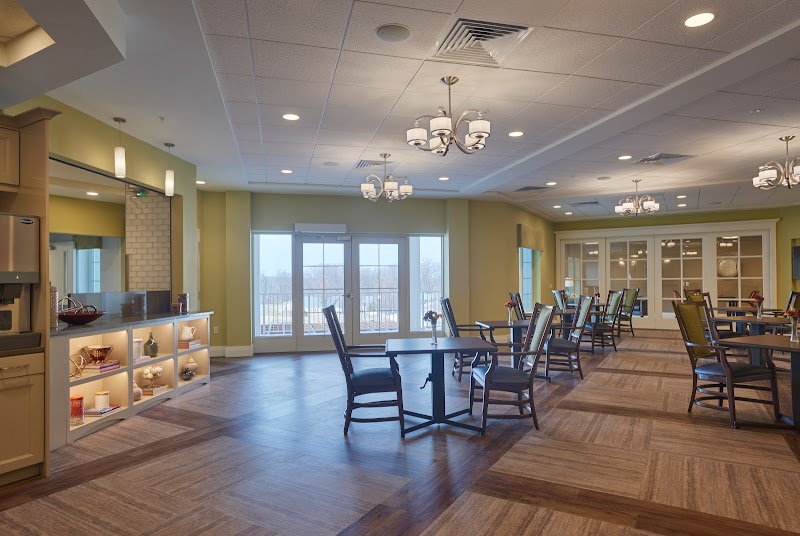
How is Brooke Grove Rehab. & Nsg Ctr Staffed?

CMS rates BROOKE GROVE REHAB. & NSG CTR's staffing level at 4 out of 5 stars, which is above average compared to other nursing homes. Staff turnover is 31%, compared to the Maryland average of 46%. This relatively stable workforce can support continuity of care.

What Have Inspectors Found at Brooke Grove Rehab. & Nsg Ctr?

State health inspectors documented 39 deficiencies at BROOKE GROVE REHAB. & NSG CTR during 2019 to 2025. These included: 33 with potential for harm and 6 minor or isolated issues.
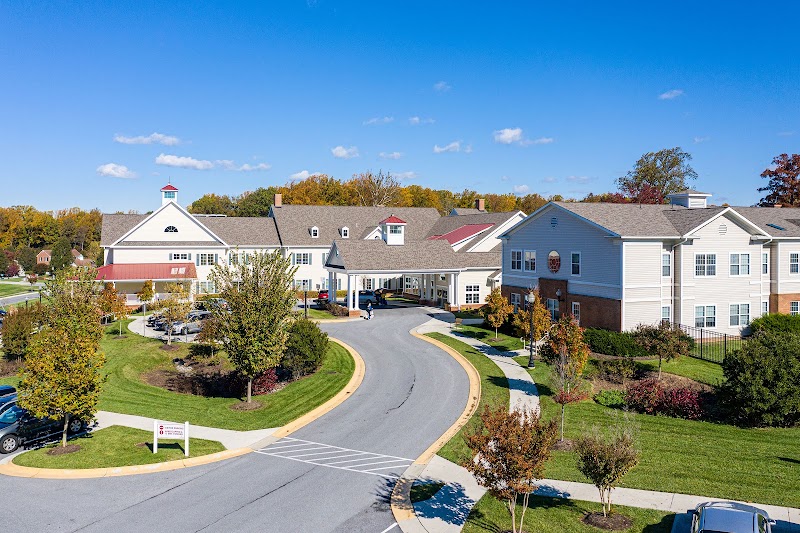
Who Owns and Operates Brooke Grove Rehab. & Nsg Ctr?

BROOKE GROVE REHAB. & NSG CTR is owned by a non-profit organization. Non-profit facilities reinvest revenue into operations rather than distributing to shareholders. The facility operates independently rather than as part of a larger chain. With 190 certified beds and approximately 169 residents (about 89% occupancy), it is a mid-sized facility located in SANDY SPRING, Maryland.

How Does Brooke Grove Rehab. & Nsg Ctr Compare to Other Maryland Nursing Homes?

Compared to the 100 nursing homes in Maryland, BROOKE GROVE REHAB. & NSG CTR's overall rating (3 stars) is below the state average of 3.0, staff turnover (31%) is significantly lower than the state average of 46%, and health inspection rating (3 stars) is at the national benchmark.

What Should Families Ask When Visiting Brooke Grove Rehab. & Nsg Ctr?

Based on this facility's data, families visiting should ask: "Can I visit during a mealtime to observe dining assistance and food quality?" "How do you handle medical emergencies, and what is your hospital transfer rate?" "Can I speak with family members of current residents about their experience?"

Is Brooke Grove Rehab. & Nsg Ctr Safe?

Based on CMS inspection data, BROOKE GROVE REHAB. & NSG CTR has a clean safety record: no substantiated abuse findings (meaning no confirmed cases of resident harm), no Immediate Jeopardy citations (the most serious violation level indicating risk of serious injury or death), and is not on the Special Focus Facility watch list (a federal program monitoring the lowest-performing 1% of nursing homes). The facility has a 3-star overall rating and ranks #100 of 100 nursing homes in Maryland. While no facility is perfect, families should still ask about staff-to-resident ratios and recent inspection results during their visit.

Do Nurses at Brooke Grove Rehab. & Nsg Ctr Stick Around?

BROOKE GROVE REHAB. & NSG CTR has a staff turnover rate of 31%, which is about average for Maryland nursing homes (state average: 46%). Moderate turnover is common in nursing homes, but families should still ask about staff tenure and how the facility maintains care continuity when employees leave.

Was Brooke Grove Rehab. & Nsg Ctr Ever Fined?

BROOKE GROVE REHAB. & NSG CTR has no federal fines on record. CMS issues fines when nursing homes fail to meet care standards or don't correct problems found during inspections. The absence of fines suggests the facility has either maintained compliance or corrected any issues before penalties were assessed. This is a positive indicator, though families should still review recent inspection reports for the full picture.

Is Brooke Grove Rehab. & Nsg Ctr on Any Federal Watch List?

BROOKE GROVE REHAB. & NSG CTR is not on any federal watch list. The most significant is the Special Focus Facility (SFF) program, which identifies the bottom 1% of nursing homes nationally based on persistent, serious quality problems. Not being on this list means the facility has avoided the pattern of deficiencies that triggers enhanced federal oversight. This is a positive indicator, though families should still review the facility's inspection history directly.