FRIENDS NURSING HOME
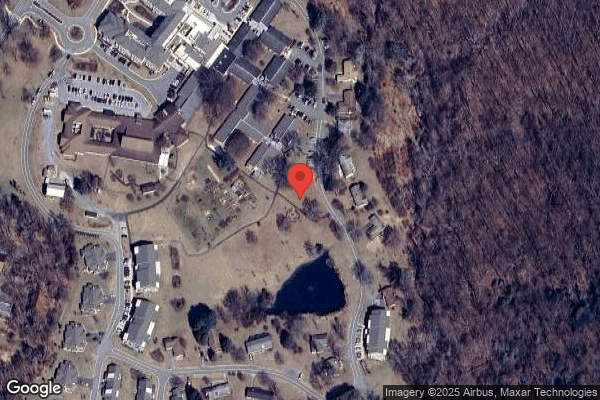

17340 QUAKER LANE, SANDY SPRING, MD 20860 (301) 924-7531
Non profit - Church related 82 Beds Independent Data: November 2025
Trust Grade
88/100
#17 of 219 in MD
Last Inspection: May 2025

Inspected within the last 6 months. Data reflects current conditions.

Overview

Families considering Friends Nursing Home in Sandy Spring, Maryland should note that it has a Trust Grade of B+, indicating it is above average in quality and care. It ranks #17 out of 219 facilities in Maryland, placing it in the top half, and #3 out of 34 in Montgomery County, suggesting only two local options are better. However, the facility has seen a worsening trend in issues, increasing from 2 in 2024 to 8 in 2025. Staffing is a strength, with a 5/5 star rating and a low 20% turnover, indicating that staff are well-established and familiar with residents. On the downside, the nursing home has faced fines totaling $22,965, which is concerning as it is higher than 77% of other Maryland facilities, suggesting ongoing compliance problems. Specific incidents include failures in food safety, such as incomplete temperature logs for refrigerators and improperly stored food, which could affect all residents. Additionally, inspections revealed issues with maintaining a homelike environment, including missing baseboards and signs of mold in resident bathrooms, which can lead to discomfort and potential health risks. Overall, while Friends Nursing Home has strong staffing and good overall ratings, families should be aware of these significant concerns.

Trust Score
B+
88/100
In Maryland
#17/219
Top 7%
Safety Record
Low Risk
No red flags
Inspections
Getting Worse
2 → 8 violations
Staff Stability
✓ Good
20% annual turnover. Excellent stability, 28 points below Maryland's 48% average. Staff who stay learn residents' needs.
Penalties
○ Average
$22,965 in fines. Higher than 54% of Maryland facilities. Some compliance issues.
Skilled Nurses
○ Average
Each resident gets 39 minutes of Registered Nurse (RN) attention daily — about average for Maryland. RNs are the most trained staff who monitor for health changes.
Violations
⚠ Watch
17 deficiencies on record. Higher than average. Multiple issues found across inspections.
★★★★★
5.0
Overall Rating
★★★★★
5.0
Staff Levels
★★★★☆
4.0
Care Quality
★★★★☆
4.0
Inspection Score
Stable
2024: 2 issues
2025: 8 issues

The Good

  • 5-Star Staffing Rating · Excellent nurse staffing levels
  • 4-Star Quality Measures · Strong clinical quality outcomes
  • Low Staff Turnover (20%) · Staff stability means consistent care
  • Full Sprinkler Coverage · Fire safety systems throughout facility
  • No fines on record
  • Staff turnover is low (20%)

    28 points below Maryland average of 48%

Facility shows strength in staffing levels, quality measures, staff retention, fire safety.

The Bad

Federal Fines: $22,965

Below median ($33,413)

Minor penalties assessed

The Ugly 17 deficiencies on record

May 2025 8 deficiencies
CONCERN (D) 📢 Someone Reported This

A family member, employee, or ombudsman was alarmed enough to file a formal complaint

Potential for Harm - no one hurt, but risky conditions existed

Report Alleged Abuse (Tag F0609)

Could have caused harm · This affected 1 resident

2. On 5/14/25 at 8:28 AM, record review revealed that the incident took place on 1/14/25 during breakfast. Incident report revealed that Resident #12 experienced second degree burns with 3 clustered b...

Read full inspector narrative →
2. On 5/14/25 at 8:28 AM, record review revealed that the incident took place on 1/14/25 during breakfast. Incident report revealed that Resident #12 experienced second degree burns with 3 clustered blisters to the Left thigh where Resident #12 spilled hot coffee onto themselves. On 1/16/25 the facility started their investigation with staff interviews and with Resident #12 being evaluated for their injuries by wound services. The facility reported the incident to the State Survey Agency on 1/21/25 at 10:32 AM. Further review of the incident showed that the report was not complete within the 5 days as required. Closing of the investigation by the facility was not reported to the State Survey Agency until 1/29/25. On 5/9/25 at 9:30 AM An interview with Administrator #2 and DON was conducted. Administrator #2 confirmed that resident did spill the coffee onto themselves and that corrective action was conducted for the staff member that was responsible for reporting the incident to leadership and education was also given for reporting incidents. Admin #2 was asked for a copy of the facility's investigation report for Resident #12. These deficiencies were discussed with the administrator of the facility prior to and during the exit interview. Based on record review and interviews, it was determined that the facility failed to report an allegation involving serious bodily injury within 2 hours and to complete the facility's investigation within 5 days. This was evident for 2 (Residents #12, #29) out of 3 Facility Incident Reports(FRI) reviewed during the survey. The findings include: 1. On 05/12/25 at 12:55 PM, the facility's investigation report was reviewed. The investigation report revealed that on 2/10/25, Resident #29 was noted to have bruising over his/her right clavicle, shoulder and upper arm. X-rays were obtained at the facility which revealed a displaced fracture of the distal, right, third clavicle and multiple right rib fractures. Resident #29 was interviewed and Resident #29 denied that he/she had a recent fall as well as denied that anyone abused and mishandled him/her. Facility staff assessed, stabilized and transferred Resident #29 to the hospital. The hospital diagnosed Resident #29 with having an acute fracture of the distal, third, right clavicle and fractures of the 5th, 6th, and 7th ribs. The facility's reports also revealed that staff were interviewed, and the staff stated that they observed bruising on the right humerus, ribs and breast. Staff also mentioned that there were no reports about Resident #29 falling or being found on the floor. Also, staff stated that Resident #29 had been observed sleeping on his/her right side, and Resident #29 had been observed walking to the bathroom without calling for assistance. The investigation report also revealed that the facility submitted the initial Facility Reported Incident (FRI) to the Office of Health Care Quality (OHCQ) on 2/11/25 at 11:00 AM and the follow-up Facility Reported Incident was submitted to OHCQ on 2/14/25. On 05/13/25 at 09:44 AM, the Nursing Home Administrator staff #02 was interviewed. The surveyor mentioned to staff #02 that according to the facility's records, the facility became aware of Resident #29's fractures on 2/10/25; however, the facility did not submit the initial FRI to OHCQ until 2/11/25 at 11:00 AM. Staff #02 stated that the facility staff, who speak Bengali, interviewed Resident #29, and Resident #29 denied falling and being abused. Staff #02 also mentioned that since the injury was of unknown origin and is not abuse, the facility would not have to report the incident to OHCQ within the required two-hour window. On 05/13/25 at 10:22 AM, Resident #29's records were reviewed. The record review revealed that Resident #29 has a Brief Interview for Mental Status (BIMS) Score of a 9/15, which indicates moderate cognitive impairment. Also, the record review revealed that Resident #29 spoke Bengali.
CONCERN (D)

Potential for Harm - no one hurt, but risky conditions existed

Comprehensive Care Plan (Tag F0656)

Could have caused harm · This affected 1 resident

Based on medical record review, interviews, and observations it was determined that the facility failed to create, revise and update the resident's care plan in a timely fashion. This was evident for ...

Read full inspector narrative →
Based on medical record review, interviews, and observations it was determined that the facility failed to create, revise and update the resident's care plan in a timely fashion. This was evident for 1 (#48) of 4 resident care plans reviewed during the survey. The findings include: A care plan is used to summarize a person's health conditions, specific care needs, and current treatments and outlines what needs to be done to plan, assess, and manage care. Care plans are developed, reviewed, and/or revised by the interdisciplinary team (IDT) after the completion of a comprehensive MDS assessment (Admission, Annual, Quarterly, Significant Change) to help to evaluate the effectiveness of the resident's care while in the facility. A comprehensive care plan is developed and revised by the interdisciplinary team to address a resident's individualized physical functioning for example. On 05.08.25 at 08:30 AM the surveyor observed Resident # 48 in bed with white knit tube stockings extending from the bilateral contracted hands up to the upper arms. The resident was non-verbal with surveyor at the time of the observation. During an interview with the DON, it was determined that this resident required maximum assistance with eating meals and drinking fluids and was not wearing hand splints. On 05.09.25 at 12:30 PM the surveyor reviewed the electronic medical record and determined that there was no care plan present that addressed the use of hand splints for Resident #48 or occupational therapy (OT) interventions related to Resident #48's limited range of motion. On 05.13.25 at 08:50 AM the surveyor interviewed the Director of Rehabilitation, staff #14. The surveyor asked if the occupational (OT) staff had participated in any care plan meetings with the interdisciplinary team since March 26, 2025. Staff # 14 stated that there were no OT rehab. Staff #14 had participated in the creation of a care plan for Resident #48 that referenced the bilateral hand orthotics/splints. Staff #14 stated that the current air pump style splint is new and experimental for the resident and therefore there was no order for this specific type of splint. Additionally, staff #14 stated that she had not participated in creating a care plan with nursing staff regarding the hand splints. On 05.13.25 at 13:45 the surveyor reviewed the hard copy occupational therapy (OT) evaluation and plan of treatment notes for Resident #48. The document indicated that Resident #48 was certified for occupational therapy services from 03.25.25 through 05.19.25. One of the diagnoses described was contractures of bilateral hands and wrists. The OT notes documented a short-term goal of patient will tolerate bilateral hand orthotics without skin changes for four hours to maintain joint alignment and to prevent skin breakdown. As of 05.14.25 at 12:15 PM the facility failed to provide evidence that the interdisciplinary team which included nursing had created a care plan reflecting the occupational therapy goals for Resident #48 related to the use of bilateral hand and wrist orthotic splints.
CONCERN (D)

Potential for Harm - no one hurt, but risky conditions existed

Deficiency F0657 (Tag F0657)

Could have caused harm · This affected 1 resident

Based on medical record review, interviews, and observations it was determined that the facility failed to revise and update the resident's care plan in a timely fashion. This was evident for 1 (#48) ...

Read full inspector narrative →
Based on medical record review, interviews, and observations it was determined that the facility failed to revise and update the resident's care plan in a timely fashion. This was evident for 1 (#48) of 4 resident care plans reviewed during the survey. The findings include: A care plan is used to summarize a person's health conditions, specific care needs, and current treatments and outlines what needs to be done to plan, assess, and manage care. Care plans are developed, reviewed, and/or revised by the IDT after the completion of a comprehensive MDS assessment (Admission, Annual, Quarterly, Significant Change) to help to evaluate the effectiveness of the resident's care while in the facility. A comprehensive care plan is developed and revised by the interdisciplinary team to address a resident's individualized physical functioning for example. The Minimum Data Set (MDS) is a standardized, comprehensive assessment of a resident's functional, medical, psychosocial, and cognitive status to develop a plan of care based on the resident's individualized needs. On 05.08.25 at 08:30 AM the surveyor observed Resident #48 in bed with white knit tube stockings extending from the bilateral contracted hands up to the upper arms. The resident was non-verbal with surveyor at the time of the observation. During an interview with the DON it was determined that this resident required maximum assistance with eating meals and drinking fluids and was not wearing hand splints. On 05.09.25 at 12:30 PM the surveyor reviewed the electronic medical record and determined that there was no care plan present that addressed the use of hand splints for Resident #48 or occupational therapy (OT) interventions related to Resident #48's limited range of motion. On 05/12/25 at 01:24 PM during an interview with DON while observing Resident #48 in bed with white stretch cloth sock dressing from hand to elbows the surveyor asked if the resident should have hand and/or wrist splints on during certain times of the day and had occupational therapy made any recommendation. The surveyor also inquired whether the nursing staff ensured that the resident had the bilateral hand and wrist splints in place as recommended by the occupational therapy. The DON stated that the nursing department was responsible for applying the splints to the resident's bilateral hand and wrist. Resident #48's bilateral hand/wrist splints were located by the DON in the bedside table. On 05.13.25 at 08:20 AM the surveyor interviewed the DON regarding the status of the resident's hand splint. The DON stated that the OT staff had just started working with the resident. Also, the DON stated that the nursing staff had been using rolled washcloths in the resident's hands. The surveyor and the DON reviewed the electronic medical records with the surveyor to verify that the care plan did not include information regarding the resident's hand/wrist splints. The DON agreed that any interventions related to treating the resident's hand contractures should have been included in a care plan for Resident #48 and updated as the occupational therapist interventions changed. The DON was not able to show the surveyor a care plan related to the resident's use of hand/wrist splints since the OT interventions were initiated on 03.05.25 and continued through 05.14.25. On 05.13.25 at 08:50 AM the surveyor interviewed the Director of Rehabilitation, staff #14. The surveyor asked if the OT staff had participated in any care plan meetings with the interdisciplinary team since March 26, 2025. Staff # 14 stated that no, the rehabilitation staff had not participated in care plan meetings. Staff #14 stated that the current air pump style splint is new and experimental for the resident and therefore there was no order for this specific type of splint. Additionally, staff #14 stated that she had not participated in creating a care plan with nursing staff regarding the hand splints. On 05.13.25 at 11:28 AM a further review of the electronic medical record reveal the annual MDS, including section GG0115, functional limitation in ROM, bilateral hand, arm was completed and signed on 05.07.25. The facility failed to update and revise the care plan to address the resident's individual needs for the potential/actual use of bilateral hand/wrist splints/orthotics. This deficient practice was reviewed with the administrative staff during the exit conference on 05.14.25.
CONCERN (D)

Potential for Harm - no one hurt, but risky conditions existed

Deficiency F0697 (Tag F0697)

Could have caused harm · This affected 1 resident

Based on observations, family and staff interviews, and record review, it was determined that the facility failed to manage pain for residents who require such services consistent with professional st...

Read full inspector narrative →
Based on observations, family and staff interviews, and record review, it was determined that the facility failed to manage pain for residents who require such services consistent with professional standards of practice, the comprehensive person-centered care plan, and the residents' goals and preferences. This was evident for 1 (Resident #56) out of 28 residents observed during the survey. The findings include: On 5/08/25 at 2:00 PM Resident #56 was observed lying on their left side in bed complaining that it is burning. Surveyor spoke with resident's son who stated that when s/he urinates s/he says it burns and s/he doesn't like to be wet. Resident's son continued to state that s/he complains of pain all the time but I called for the GNA already. She's coming to change him/her. On 5/13/25 at 9:10 AM Resident #56 was observed lying on left side in bed screaming of pain. Resident was encouraged to use the call bell. Resident did hit the button but stated that s/he was scared no one would come. RN #18 came into the room within 3 minutes and asked the resident how could she help him/her. Resident #56 continued to scream in pain. RN #18 stated that she will bring pain medication. RN #18 was asked what the resident was getting for pain. She stated that Resident #56 is on scheduled Tylenol and Tramadol 25 mg as needed. Nurse #18 was then asked when was the last time that the resident received the Tramadol. RN #18 reviewed the chart and stated that the last time the resident received Tramadol was on 5/10/25. Resident #56 continued with screams that could be heard in the hallway. RN #18 was asked if this typical behavior for the resident to be calling out in pain. RN #18 stated that he/she only works one day a week but she has been the nurse before and noted that the resident is always in pain unless his/her family is visiting. RN #18 was asked, what did she think she should do for the pain as the resident's nurse. RN #18 replied that she was going to speak with the doctor about what they can do to better manage the resident's pain, maybe change the resident's Tramadol order from PRN to a standing order. On 5/13/25 at 12:15 PM Review of the Care Plan for Resident #56 revealed: Resident #56 is at risk for pain related to limited physical mobility and presence of sacral wound. Resident #56 will verbalize pain relief 0/10 scale through the review date. Administer pain medication as per ordered. Give 1/2 hour before treatments or care. Evaluate the effectiveness of pain interventions. Monitor/document for side effects of pain medication. Observe for constipation; new onset or increased agitation, restlessness, confusion, hallucinations, dysphoria; nausea; vomiting; dizziness and falls. Report occurrences to the physician. Monitor/record/report to Nurse resident complaints of pain or requests for pain treatment. Offer pain medication prior to wound care. On 5/13/25 at 12:50 PM, observation was made again of the resident. Resident #56 was sleeping comfortably in bed with wedges under his/her knees and pillows on both sides. Resident's family member was sitting with the resident at the bedside and stated that they were very satisfied with this nursing home, and that they take very good care of Resident #56. Surveyor asked the family member about resident's pain and if they thought that they were managing the pain for the resident. The family member replied that the resident has pain but it comes and goes; stated that they could manage the pain a little better and that the doctor had called today in reference to the resident's Tramadol order being changed to every 8 hours instead of PRN for better management of the pain.
CONCERN (D)

Potential for Harm - no one hurt, but risky conditions existed

Infection Control (Tag F0880)

Could have caused harm · This affected 1 resident

**NOTE- TERMS IN BRACKETS HAVE BEEN EDITED TO PROTECT CONFIDENTIALITY** Based on observations, record review and interviews, it was determined that the facility failed to: 1) maintain Infection Preven...

Read full inspector narrative →
**NOTE- TERMS IN BRACKETS HAVE BEEN EDITED TO PROTECT CONFIDENTIALITY** Based on observations, record review and interviews, it was determined that the facility failed to: 1) maintain Infection Prevention & Control based on when and how isolation should be used for a resident. This was evident for 1 resident (#54) out of 20 residents reviewed during survey; 2) conduct an annual review of its Infection Prevention and Control Program (IPCP) and update their program, as necessary. This was evident during a review of the facility's Antibiotic Stewardship Program policy and procedures for infection control. The findings include: The findings include the following: 1. Enhanced Barrier Precautions are used as an infection control intervention that uses targeted gown and glove use during high-contact resident care activities in nursing homes to reduce the transmission of multidrug-resistant organisms (MDROs). During observation rounds on 05/08/25 at 08:44 AM there was a Enhanced Barrier Precautions sign posted on the door of resident room [ROOM NUMBER]. There was no indication to which resident within the room that the precautions applied to. During a staff interview on 05/08/25 at 08:47 AM with GNA, staff #09 stated that she did not know which resident within the room that the enhance barrier precautions were for. During resident medical record review on 05/08/25 at 10:00 AM revealed resident (#54) had diagnosis of a facility-acquired stage IV pressure ulcer requiring enhanced barrier precautions. 2. On 5/13/25 at 10 AM, surveyor asked Administrator #2 for a copy of their Antibiotic Stewardship policy which the Administrator returned immediately with a copy. Review of the policy revealed that it was last revised on August 2018 and should be reviewed in August 2019. The Admin #2 was asked if she had any documentation that the policy has been reviewed annually. Admin #2 stated that that's one of the things that I need to work on is updating PolicyStat where all the policies are. She then stated that she would get back to the surveyor with any information she could find. Admin #2 returned at 2:18 PM with an updated copy of the policy for review. Admin #2 stated that she did not have any documentation that the policy was updated since August 2018, but she was able to update the policy in PolicyStat. The new revised date is May 2025 and the next review date is May 2026.
CONCERN (D)

Potential for Harm - no one hurt, but risky conditions existed

Room Equipment (Tag F0908)

Could have caused harm · This affected 1 resident

**NOTE- TERMS IN BRACKETS HAVE BEEN EDITED TO PROTECT CONFIDENTIALITY** Based on observations and interviews, it was determined that the facility failed to ensure that essential equipment to be in saf...

Read full inspector narrative →
**NOTE- TERMS IN BRACKETS HAVE BEEN EDITED TO PROTECT CONFIDENTIALITY** Based on observations and interviews, it was determined that the facility failed to ensure that essential equipment to be in safe operating condition. This was evident for 2 out of 13 resident rooms reviewed during the survey. The findings include the following: During observation rounds on 05/08/25 at 08:35 AM the Surveyor observed the call bell box hanging from wall with blue wires exposed in resident rooms [ROOM NUMBERS]. During an observation round and staff interview on 05/08/25 at 10:50 AM the Nursing Home Administrator #02 stated the maintenance team provides repairs to the call boxes when they are dislodged, and I will have maintenance look at it right away.
CONCERN (E)

Potential for Harm - no one hurt, but risky conditions existed

Safe Environment (Tag F0584)

Could have caused harm · This affected multiple residents

**NOTE- TERMS IN BRACKETS HAVE BEEN EDITED TO PROTECT CONFIDENTIALITY** Based on observations and interviews, it was determined that the facility failed to ensure a homelike environment. This was evid...

Read full inspector narrative →
**NOTE- TERMS IN BRACKETS HAVE BEEN EDITED TO PROTECT CONFIDENTIALITY** Based on observations and interviews, it was determined that the facility failed to ensure a homelike environment. This was evident for 13 out of 13 resident rooms reviewed during the survey. The findings include the following: During observation rounds on 05/08/25 at 08:35 AM the following was observed: 1. Resident rooms 217, 218, 219, 220, 221, 222, 223, 224, 225, 226, 227, 228, and 229, bathrooms were observed to have a missing Cove Base around the complete perimeter of the bathroom along with an ½ inch opening between the wall and the floor tiles. 2. The bathroom of room [ROOM NUMBER] black patches of growth appeared at the at the rear base of the toilet extending up from the missing cove base area to about 2 inches up the wall with exposed and peeling paint areas. 3. The floor tiles were stained brown and rust in color near the head of the bed in resident room [ROOM NUMBER]A. 4. There were missing floor tiles with exposed cement flooring observed near the head of the bed in residents' room [ROOM NUMBER]A, 222, and 224A. 5. There was no enclosed space for hanging clothing located in room for resident use in resident room [ROOM NUMBER]A. During a staff interview on 05/08/25 at 10:52 AM the Nursing Home Administrator #02 stated the cove base has been on back order for about a year for several rooms that have been damaged by the flood that occurred about a year ago.
CONCERN (F)

Potential for Harm - no one hurt, but risky conditions existed

Food Safety (Tag F0812)

Could have caused harm · This affected most or all residents

**NOTE- TERMS IN BRACKETS HAVE BEEN EDITED TO PROTECT CONFIDENTIALITY** Based on the main kitchen tour and staff interviews, it was determined that the facility failed to store, monitor, and serve foo...

Read full inspector narrative →
**NOTE- TERMS IN BRACKETS HAVE BEEN EDITED TO PROTECT CONFIDENTIALITY** Based on the main kitchen tour and staff interviews, it was determined that the facility failed to store, monitor, and serve food in accordance with professional standards for food service safety. This deficient practice has the potential to affect all residents in the facility. The findings include the following: During the initial kitchen tour with the Culinary Director (Staff #06) on 05/08/25 at 08:00 AM, the following was observed: 1. The temperature logs for 7 out of 7 refrigerators observed were incomplete for 05/07/25 Evening and 05/08/25 Morning. 2. In the walk-in freezer, nine 3-gallon size Hershey's Ice Cream Premium tubs were observed sitting on the floor. 3. In the walk-in refrigerator, 1 gallon container each of [NAME] Thousand Island salad dressing and Ken's Asian Sesame dressing had a handwritten date on the lid. There was no expiration or used by date on either container. During the follow-up kitchen visit on 05/13/25 at 08:45 AM the Surveyor conducted temperature reviews with the Culinary Director #06 utilized the facility thermometer and performed the cold foods temperature testing at the Deli Holding Station and refrigerator below the Deli Holding station which revealed temperatures above 41°F for the following: 1. The deli holding station refrigerator thermometer read to be at 41.7 °F 2. A package of yellow cheese read to be at 43.1 °F 3. A bag of hard-boiled eggs read to be at 42.6 °F. 4. A package of turkey read to be at 44.0 °F. 5. A package of hot dogs from within the refrigerator read to be at 42.6 °F. These findings were discussed with the administrator prior to and during the exit conference.
Nov 2024 2 deficiencies
CONCERN (D) 📢 Someone Reported This

A family member, employee, or ombudsman was alarmed enough to file a formal complaint

Potential for Harm - no one hurt, but risky conditions existed

Report Alleged Abuse (Tag F0609)

Could have caused harm · This affected 1 resident

Based on record review, facility document review, interview, and facility policy review, the facility failed to report an allegation of abuse to the state survey agency within two hours for 1 (Residen...

Read full inspector narrative →
Based on record review, facility document review, interview, and facility policy review, the facility failed to report an allegation of abuse to the state survey agency within two hours for 1 (Resident #6) of 3 residents reviewed for abuse. Findings included: A facility policy titled, Abuse Policy, revised 07/2024, revealed, [The facility name] follow the 7 components of abuse prevention, to include 7. Reporting and Response: Any suspicion of abuse MUST be reported to administrative staff immediately. (If you do not report and it is discovered you were aware; you are considered as guilty as the person committing the abuse). According to the Elder Justice Act: abuse that does not result in serious bodily injury needs to be reported within 24 hours. Any abuse that results in serious bodily (broken bones, severe wounds, death) and sexual abuse must be reported within 2 hours of knowledge. Reports may be made to the state and local law enforcement. The facility has 5 days to complete an investigation and report findings to the state. The policy revealed, [The state survey agency] shall be notified immediately by fax or email on the appropriate state form as to the nature of the allegation and the names of the resident(s) and individual(s) involved. (Within 24 hours) Within 2 hours where if [sic] the suspected crime/injury results in serious bodily injury. Resident #6's admission Record indicated the facility admitted the resident on 01/04/2024. According to the admission Record, the resident had a medical history that included diagnoses of dissection of the carotid artery, nontraumatic subarachnoid hemorrhage, hypertension, and anxiety disorder. An admission Minimum Data Set (MDS), with an Assessment Reference Date (ARD) of 01/09/2024, revealed Resident #6 had a Brief Interview for Mental Status (BIMS) score of 15, which indicated the resident had intact cognition. The MDS revealed the resident required partial/moderate assistance from staff with toileting hygiene, showers/bathing, and lower body dressing. Per the MDS, the resident required partial/moderate assistance from staff with going from sitting on the side of the bed to lying, from lying to sitting on the side of the bed, from sitting to standing, with chair/bed-to-chair transfers, and with toilet transfers. Resident #6's care plan revealed a focus area, initiated 01/05/2024, that indicated the resident was at risk for skin breakdown related to immobility. Interventions directed staff to turn and reposition the resident routinely (initiated 01/05/2024). Resident #6's Progress Notes revealed an Incident Note, dated 01/05/2024 at 11:51 AM and electronically signed by Staff Identifier (SI) #18 (the previous Assistant Director of Nursing), that revealed Resident #6 reported physical abuse to a physical therapist. The note indicated that the resident provided descriptions of a male and female who were, in my room last night, I was sitting on my bed and the [description of female] hit me on my right arm four times very hard and told me to scoot, scoot up in bed. The note indicated that the resident's family member was in the room and stated that Resident #6 called them the previous night and told them that a female hit the resident on the arm. The note indicated that SI #27 (the Nurse Practitioner) was made aware of the allegation. A Facility Reported Incidents Initial Report Form, dated 01/05/2024, indicated that Resident #6 reported to a therapist during an occupational therapy session on 01/05/2024 that they were struck four times by a staff member the previous night. The document indicated that staff became aware of the incident on 01/05/2024 at approximately 6:00 PM and SI #1 (the Administrator) was notified of the allegation at 6:00 PM. The document indicated that the state survey agency was notified of the abuse allegation on 01/05/2024 at 8:00 PM, over eight hours after SI #18 documented the Incident Note. During an interview on 11/07/2024 at 2:45 PM, SI #1 stated she was notified of the allegation of abuse on 01/05/2024 after 6:00 PM, after she had left the facility. She stated that she filed the initial report by 8:00 PM. She stated that if the resident reported the allegation at around noon, the staff should have notified her at that time and the initial report filed within two hours.
CONCERN (D) 📢 Someone Reported This

A family member, employee, or ombudsman was alarmed enough to file a formal complaint

Potential for Harm - no one hurt, but risky conditions existed

Quality of Care (Tag F0684)

Could have caused harm · This affected 1 resident

Based on interview, record review, and facility policy review, the facility failed to ensure a physician's order for medicated eye drops was followed and the eye drops not administered until after sur...

Read full inspector narrative →
Based on interview, record review, and facility policy review, the facility failed to ensure a physician's order for medicated eye drops was followed and the eye drops not administered until after surgery for 1 (Resident #3) of 3 residents reviewed for medications. Resident #3 had eye drops ordered to be administered three times daily for seven days after surgery, and the eye drops were administrated prior to the surgery. Findings included: A facility policy titled, Administering Medications, revised January 2024, indicated, Medications are administered in accordance with prescriber orders, including any required time frame. An admission Record indicated the facility admitted Resident #3 on 03/24/2018. According to the admission Record, the resident had a medical history that included diagnoses of dementia and cataracts. An annual Minimum Data Set (MDS), with an Assessment Reference Date (ARD) of 10/02/2024, revealed Resident #3 had a Brief Interview for Mental Status (BIMS) score of 7, which indicated the resident had severe cognitive impairment. Resident #3's care plan included a focus area, revised 05/14/2024, that indicated the resident had a history of cataracts. Interventions directed staff to arrange consultations with eye care practitioners as required (revised 10/15/2024) and to monitor, document, and report any acute eye problems (created 02/05/2024). A physician's order, dated 07/07/2023, indicated Resident #3 was to be administered prednisolone (a corticosteroid)/Moxifloxacin (an antibiotic) ophthalmic 1-0.5% solution, one drop into the right eye three times a day for seven days after surgery. The order start date was 07/13/2023, and the order end date was 07/20/2023. Resident #3's July 2023 Medication Administration Record (MAR) contained the transcription of an order, started 07/13/2023, for prednisolone/Moxifloxacin ophthalmic solution 1-0.5% one drop in the right eye three times a day for one week after surgery. The MAR indicated Resident #3 was administered the eye drops three times a day from 07/13/2023 through 07/19/2023 by staff including Staff Indicator (SI) #5 (the Assistant Director of Nursing) and SI #19 (a licensed practical nurse). A Current Summary Medication/Fluid Error Event, record for Resident #3, dated as entered 07/23/2023, indicated that Resident #3 received eye drops (prednisolone/Moxifloxacin 1- 0.5% ophthalmic solution) due to an order placed on 07/12/2023 that should have been discontinued when Resident #3 did not have surgery. The record indicated eye drops were given in error from 07/12/2023 through 07/19/2023. During an interview on 11/07/2024 at 12:12 PM, SI #19 stated Resident #3 had orders for eye drops prior to their surgery and after the surgery occurred. SI #19 stated Resident #3 did not have the surgery, and the order was never discontinued or changed. SI #19 stated she had administered the eye drops, as the order was on the MAR. SI #19 stated she did not know the surgery had never occurred until the previous director of nursing called her and brought it to her attention. SI #19 stated she should not have administered the eyes drops when she did because the surgery never happened. During an interview on 11/07/2024 at 1:39 PM, SI #5 stated she had been off work, and Resident #3 was scheduled for cataract surgery and had orders for eye drops after the surgery was completed. SI #5 stated when she returned to work, she did not know that Resident #3 had never had the surgery, and she administered the eye drops thinking the surgery had occurred. SI #5 stated the eye drops were administered even though Resident #3 did not have the surgery. SI #5 stated she only found out about the error when the previous director of nursing told her after the eye drops had been administered. During an interview on 11/08/2024 at 10:20 AM, SI #2 (the Director of Nursing) stated she started employment after the medication error, but was made aware of the issue. SI #2 stated Resident #3's orders were not followed but should have been. SI #2 stated the expectations were for all nurses to follow the orders as they were written. During an interview, on 11/08/2024 at 10:49 AM, SI #1 (the Administrator) stated staff should not have administered the eye drops.
May 2021 3 deficiencies
CONCERN (D)

Potential for Harm - no one hurt, but risky conditions existed

Deficiency F0655 (Tag F0655)

Could have caused harm · This affected 1 resident

**NOTE- TERMS IN BRACKETS HAVE BEEN EDITED TO PROTECT CONFIDENTIALITY** Based on record review and staff interview it was determined that facility staff failed to develop a base line care plan for res...

Read full inspector narrative →
**NOTE- TERMS IN BRACKETS HAVE BEEN EDITED TO PROTECT CONFIDENTIALITY** Based on record review and staff interview it was determined that facility staff failed to develop a base line care plan for respiratory care for Resident #200. This finding was evident in 1 of 16 residents reviewed during the survey. On 05-17-21 Resident #200 observed lying in bed with oxygen on at two liters per minute (LPM) via nasal cannula. The resident was experiencing shortness of breath while speaking. On 05-17-21 review of the clinical record revealed a hospital Discharge summary dated [DATE] that noted Resident #200 had been admitted to the hospital for shortness of breath and reported being constantly SOB but the resident was not hypoxic. Review of the physician's orders for Resident #200 revealed an order from the date of admission on [DATE] for oxygen to be administered via nasal cannula at 2 LPM, continuously. On 5-18-21 further review of the clinical record revealed a nurse practitioner note written on 5-12-21 that documented that Resident #200 was constantly short of breath. However, there was no evidence that a baseline care plan was developed to address the respiratory status and care for Resident #200. On 5-20-21 interview with the ADON provided no additional information.
CONCERN (D)

Potential for Harm - no one hurt, but risky conditions existed

Deficiency F0658 (Tag F0658)

Could have caused harm · This affected 1 resident

Based on surveyor review of the clinical record, surveyor observation of medication pass and interview with facility staff, it was determined that the facility failed to ensure nursing standards of pr...

Read full inspector narrative →
Based on surveyor review of the clinical record, surveyor observation of medication pass and interview with facility staff, it was determined that the facility failed to ensure nursing standards of practice in the timely medication administration for residents. This finding was evident for 2 of 11 residents observed during the medication observation of facility residents (Residents #8 and #17). The findings include: 1. On 05-19-2021 surveyor review of the clinical record for Resident #8 revealed the attending physician ordered an eyelid medication in the treatment of dry eyes to be administered twice daily to the resident. The medication was scheduled for administration at 8:00 AM and 8:00 PM. Further review of the May 2021 Medication Administration Record (MAR) revealed Licensed Practical Nurse (LPN) #1 documented the administration of the eyelid medication to Resident #1 on 05-19-2021 at 8 AM. However, surveyor observation of the medication pass to Resident #8 on 05-19-2021 at 9:58 AM revealed LPN #1 had administered the 8:00 AM eyelid medication to the resident at 9:58 AM on 05-19-2021. On 05-19-2021 at 12 PM surveyor interview with the Assistant Director of Nursing revealed no additional information. According to the Institute for Safe Medication Practices, January 12, 2011, Guidelines for Timely Administration of Scheduled Medications, medications administered more frequently than daily, (i.e. BID (twice a day), TID (three times a day), q4h (every 4 hours), q6h (every 6 hours)) require the administration of these medications are to be done within one (1) hour before or after the scheduled medication time. 2. On 05-19-2021 surveyor review of the clinical record for Resident #17 revealed the attending physician ordered an eyelid medication in the treatment of dry eyes to be administered twice daily to the resident. The medication was scheduled for administration at 8:00 AM and 5:00 PM. Further review of the May 2021 Medication Administration Record (MAR) revealed Licensed Practical Nurse (LPN) #1 documented the administration of the eyelid medication to Resident #17 on 05-19-2021 at 8:00 AM. However, surveyor observation of the medication pass to Resident #17 on 05-19-2021 at 10:05 AM revealed LPN #1 administered the 8:00 AM eyelid medication to the resident at 10:05 AM on 05-19-2021. On 05-19-2021 at 12:00 PM surveyor interview with the Assistant Director of Nursing revealed no additional information. According to the Institute for Safe Medication Practices, January 12, 2011, Guidelines for Timely Administration of Scheduled Medications, medications administered more frequently than daily, (i.e. BID (twice a day), TID (three times a day), q4h (every 4 hours), q6h (every 6 hours)) require the administration of these medications are to be done within one (1) hour before or after the scheduled medication time.
MINOR (B)

Minor Issue - procedural, no safety impact

Deficiency F0730 (Tag F0730)

Minor procedural issue · This affected multiple residents

Based on review of employee records and facility staff interview, it was determined that the facility failed to complete annual performance reviews. This finding was evident for 3 of 3 Geriatric Nursi...

Read full inspector narrative →
Based on review of employee records and facility staff interview, it was determined that the facility failed to complete annual performance reviews. This finding was evident for 3 of 3 Geriatric Nursing Assistan (GNA) records reviewed (GNA #2, #3, and #4). 1. On 05-20-21 survey review of employee file for GNA #2 revealed no evidence of an annual performance review for 2020. On 05-20-21 at 3:000 PM surveyor interview with the administrator provided no additional information. 2. On 05-20-21 survey review of employee file for GNA #3 revealed no evidence of an annual performance review for 2020. On 05-20-21 at 3:00 PM surveyor interview with the administrator provided no additional information. 3. On 05-20-21 survey review of employee file for GNA #4 revealed no evidence of an annual performance review for 2020. On 05-20-21 at 3:00 PM surveyor interview with the administrator provided no additional information.
Nov 2019 4 deficiencies
CONCERN (D)

Potential for Harm - no one hurt, but risky conditions existed

Medication Errors (Tag F0758)

Could have caused harm · This affected 1 resident

Based on clinical record review and staff interview, it was determined that the facility staff failed to ensure physician's orders for psychotropic drugs did not exceed the recommended duration for us...

Read full inspector narrative →
Based on clinical record review and staff interview, it was determined that the facility staff failed to ensure physician's orders for psychotropic drugs did not exceed the recommended duration for use unless clinically indicated. This finding was evident for 1 of 5 residents reviewed for the unnecessary medications use care area. (#50) The findings include: On 11-21-19, clinical record review of resident #50 revealed that, on 10-2-19, his/her attending physician ordered Ativan (an anti anxiety medication) 1 mg one tablet by mouth daily PRN (as needed) for depression. The initial order for Ativan by the attending physician did not have duration for use. On 10-28-19, the facility's consultant pharmacist requested the attending physician to order a duration for PRN Ativan use. After the consultant pharmacist's request, the attending physician ordered Ativan 1 mg tablet daily PRN for depression for 30 days for resident #50. However, further clinical record review of resident #50 revealed that there was no evidence of rationale for exceeding the recommended duration of required PRN psychotropic drug use. On 11-21-19 at 4 PM, interview with the DON (Director of Nursing) revealed no additional information.
CONCERN (E)

Potential for Harm - no one hurt, but risky conditions existed

Food Safety (Tag F0812)

Could have caused harm · This affected multiple residents

**NOTE- TERMS IN BRACKETS HAVE BEEN EDITED TO PROTECT CONFIDENTIALITY** Based on surveyor observation of initial kitchen tour and satellite pantries, and follow up tours, it was determined that the fa...

Read full inspector narrative →
**NOTE- TERMS IN BRACKETS HAVE BEEN EDITED TO PROTECT CONFIDENTIALITY** Based on surveyor observation of initial kitchen tour and satellite pantries, and follow up tours, it was determined that the facility staff failed to transport and serve food in accordance with established food safety standards. This finding was evident on 2 of 2 satellite pantries/nursing units. ([NAME] and [NAME]) The findings include: On 11-19-19 at 11:19 AM, a check of pureed food temperatures in the [NAME] unit pantry for the lunch meal revealed holding temperatures that were below 135 degrees. (pureed quiche-120 degrees, pureed hot dogs-120 degrees; pureed potatoes were also 120 degrees.) The temperatures were verified by kitchen staff with the surveyor present, and the pureed items were reheated by the kitchen staff prior to serving. A follow up tour on 11-19-19 at 12:04 PM revealed a re-check of the temperatures on the steam table in the [NAME] pantry revealed holding temperatures for pureed quiche-180 degrees, pureed hot dogs-195 degrees, and pureed potatoes 186 degrees after reheating. On 11-19-19 at 12:15 PM, interview of the dining services manager revealed that the facility had a newly renovated kitchen, nearing construction completion which was not in use at the time of survey. As a result, the dining services manager stated the lunch and dinner meals were being prepared off-site and transported to the facility. The dining services manager also stated that the facility kitchen staff were responsible for verifying that all food received as a result of the off-site preparation and transportation to the facility were received at appropriate temperatures upon arrival to the facility. Target temperatures of greater than 165 degrees for hot all foods received, and less than 41 degrees for all cold foods/beverages received were determined to be the standard and the facility staff maintained receiving temperature logs to verify temperatures at the time of delivery. Surveyor review of the facility receiving temperature logs for the lunch meal on 11-19-19 revealed the pureed meats for were logged at 120 degrees upon receipt. The pureed vegetables were logged at 130 degrees and the pureed starch at 134 degrees. (All less than the identified target of 165 degrees or greater.) On 11-20-19 at 8:20 AM, an additional follow up tour of the [NAME] Unit pantry revealed dining services staff served breakfast from the steam tables in the pantry, food was plated and then placed on a rack for delivery to resident rooms. Surveyor identified GNA staff #1 passed trays from the rack to resident rooms with all of the hot cereals (oatmeal, cream of wheat) uncovered. At the time of observation, surveyor counted 7 uncovered bowls of hot cereal sitting on different trays in the hallway awaiting delivery to resident rooms. A random check of a carton of Lactaid milk on the tray rack awaiting delivery revealed a temperature of 60 degrees. The Lactaid was discarded immediately, and the [NAME] unit manager determined that there were no more dairy products on the tray caddy for delivery, (verified by surveyor) or in the [NAME] unit pantry refrigerator. On 11-20-19 at 8:40 surveyor check of the [NAME] unit pantry revealed no dairy products in the unit refrigerator. On 11-20-19 at 12:00 noon, a final follow up tour of the [NAME] pantry revealed food temperatures on the steam tables exceeded the minimum safe holding temperatures. The facility staff failed to insure safe holding temperatures for foods received from an outside source, and failed to distribute/serve food according to acceptable standards.
MINOR (B)

Minor Issue - procedural, no safety impact

Deficiency F0551 (Tag F0551)

Minor procedural issue · This affected multiple residents

Based on surveyor review observation and interview of facility staff, it was determined that the facility failed to ensure that the decisions of the resident's representative were given the same consi...

Read full inspector narrative →
Based on surveyor review observation and interview of facility staff, it was determined that the facility failed to ensure that the decisions of the resident's representative were given the same consideration as if the resident had made the decisions themselves. This finding was evident for 1 of 20 residents selected for this survey (#48). The findings include: On 11-19-19 at 3:05 PM, surveyor interview of resident 48's power of attorney (POA) revealed that the resident went to church services contrary to the resident's power of attorney's instructions. On 11-20-19 at 1:30 PM, surveyor review of resident 48's medical records revealed that on 09-14-16, the resident's POA indicated in the care plan meeting that the resident should not participate in religious services that are not of the Jewish faith. On 11-20-19 at 1:50 PM, surveyor review of facility admission log revealed that the resident's religion was listed as Jewish. Further review of activity logs revealed that staff took the resident to non-Jewish church services on 09-26-19; 10-10-19; and on 10-24-19. The resident also participated in an event with non-Jewish hymns and religious discussions on 09-27-19 and on 10-08-19. On 11-20-19 at 3:40 PM surveyor interview of the facility's activity director revealed that resident 48's power of attorney had addressed the concern with her approximately 2 weeks ago. However, she did not write notes to inform the facility staff that they should not take the resident to church services not of the Jewish religion . On 11-21-19 at 4:05 PM surveyor interview of the DON provided no additional information
MINOR (B)

Minor Issue - procedural, no safety impact

Assessment Accuracy (Tag F0641)

Minor procedural issue · This affected multiple residents

Based on clinical record review and facility staff interview, it was determined that the facility staff failed to consistently include current pertinent diagnoses of residents in the MDS (Minimum Data...

Read full inspector narrative →
Based on clinical record review and facility staff interview, it was determined that the facility staff failed to consistently include current pertinent diagnoses of residents in the MDS (Minimum Data Set) assessment. This finding was evident for 1 of 20 residents selected for review during this survey.(#50) The findings include: The Minimum Data Set (MDS) is a mandated process for clinical assessment of all residents in Medicare or Medicaid certified nursing homes. This process provides a comprehensive and accurate assessment of each resident's functional capacity and health status to assist nursing home staff in identifying health problems. MDS assessments are required for residents on admission to the nursing facility and then periodically, within specific guidelines and time frames. On 11-21-19 clinical record review revealed that resident #50 had diagnoses of post traumatic stress disorder, anxiety disorder and major depressive disorder among his/her other medical and psychiatric diagnoses. On the MDS assessment with an ARD (assessment reference date) of 04-03-19, the facility staff included in resident #50's assessment that the resident had diagnoses of post traumatic disorder and depression. However, the facility staff failed to include diagnosed anxiety disorder in resident #50's assessment. On the MDS assessment of the resident with an ARD of 07-03-19, facility staff did not include diagnosed post-traumatic stress disorder, anxiety disorder, and depression at all. In addition, on MDS assessment of the resident with an ARD of 07-19-19, the facility staff included only depression as diagnosed psychiatric disorder. Further review of the clinical record revealed that on MDS assessment of the resident with an ARD of 10-18-19, the facility staff included anxiety disorder and depression but did not include post-traumatic stress disorder as diagnosed psychiatric disorders. On 11-21-19 at 3 PM surveyor interview with the MDS coordinator revealed no additional information. On 11-21-19 at 3:30 PM surveyor interview with the DON (director of nursing) revealed no additional information.
Understanding Severity Codes (click to expand)
Life-Threatening (Immediate Jeopardy)
J - Isolated K - Pattern L - Widespread
Actual Harm
G - Isolated H - Pattern I - Widespread
Potential for Harm
D - Isolated E - Pattern F - Widespread
No Harm (Minor)
A - Isolated B - Pattern C - Widespread

Questions to Ask on Your Visit

  • "Can I speak with families of current residents?"
  • "What's your RN coverage like on weekends and overnight?"

Our Honest Assessment

Strengths
  • • Grade B+ (88/100). Above average facility, better than most options in Maryland.
  • • No major safety red flags. No abuse findings, life-threatening violations, or SFF status.
  • • 20% annual turnover. Excellent stability, 28 points below Maryland's 48% average. Staff who stay learn residents' needs.
Concerns
  • • 17 deficiencies on record. Higher than average. Multiple issues found across inspections.
  • • $22,965 in fines. Higher than 94% of Maryland facilities, suggesting repeated compliance issues.
Bottom line: Generally positive indicators. Standard due diligence and a personal visit recommended.

About This Facility

What is Friends's CMS Rating?

CMS assigns FRIENDS NURSING HOME an overall rating of 5 out of 5 stars, which is considered much above average nationally. Within Maryland, this rating places the facility higher than 99% of the state's 100 nursing homes. This rating reflects solid performance across the metrics CMS uses to evaluate nursing home quality.

How is Friends Staffed?

CMS rates FRIENDS NURSING HOME's staffing level at 5 out of 5 stars, which is much above average compared to other nursing homes. Staff turnover is 20%, compared to the Maryland average of 46%. This relatively stable workforce can support continuity of care.

What Have Inspectors Found at Friends?

State health inspectors documented 17 deficiencies at FRIENDS NURSING HOME during 2019 to 2025. These included: 14 with potential for harm and 3 minor or isolated issues.
Who Owns and Operates Friends?

FRIENDS NURSING HOME is owned by a non-profit organization. Non-profit facilities reinvest revenue into operations rather than distributing to shareholders. The facility operates independently rather than as part of a larger chain. With 82 certified beds and approximately 66 residents (about 80% occupancy), it is a smaller facility located in SANDY SPRING, Maryland.

How Does Friends Compare to Other Maryland Nursing Homes?

Compared to the 100 nursing homes in Maryland, FRIENDS NURSING HOME's overall rating (5 stars) is above the state average of 3.1, staff turnover (20%) is significantly lower than the state average of 46%, and health inspection rating (4 stars) is above the national benchmark.

What Should Families Ask When Visiting Friends?

Based on this facility's data, families visiting should ask: "Can I visit during a mealtime to observe dining assistance and food quality?" "How do you handle medical emergencies, and what is your hospital transfer rate?" "Can I speak with family members of current residents about their experience?"

Is Friends Safe?

Based on CMS inspection data, FRIENDS NURSING HOME has a clean safety record: no substantiated abuse findings (meaning no confirmed cases of resident harm), no Immediate Jeopardy citations (the most serious violation level indicating risk of serious injury or death), and is not on the Special Focus Facility watch list (a federal program monitoring the lowest-performing 1% of nursing homes). The facility has a 5-star overall rating and ranks #1 of 100 nursing homes in Maryland. While no facility is perfect, families should still ask about staff-to-resident ratios and recent inspection results during their visit.

Do Nurses at Friends Stick Around?

Staff at FRIENDS NURSING HOME tend to stick around. With a turnover rate of 20%, the facility is 25 percentage points below the Maryland average of 46%. Low turnover is a positive sign. It means caregivers have time to learn each resident's needs, medications, and personal preferences. Consistent staff also notice subtle changes in a resident's condition more quickly. Registered Nurse turnover is also low at 25%, meaning experienced RNs are available to handle complex medical needs.

Was Friends Ever Fined?

FRIENDS NURSING HOME has been fined $22,965 across 8 penalty actions. This is below the Maryland average of $33,309. While any fine indicates a compliance issue, fines under $50,000 are relatively common and typically reflect isolated problems that were subsequently corrected. Families should ask what specific issues led to these fines and confirm they've been resolved.

Is Friends on Any Federal Watch List?

FRIENDS NURSING HOME is not on any federal watch list. The most significant is the Special Focus Facility (SFF) program, which identifies the bottom 1% of nursing homes nationally based on persistent, serious quality problems. Not being on this list means the facility has avoided the pattern of deficiencies that triggers enhanced federal oversight. This is a positive indicator, though families should still review the facility's inspection history directly.