ALTHEA WOODLAND NURSING HOME

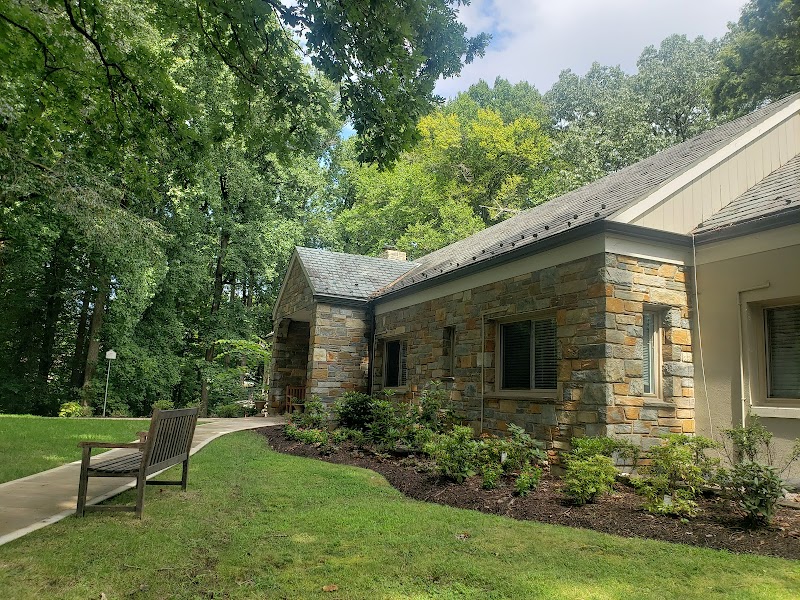
1000 DALEVIEW DRIVE, SILVER SPRING, MD 20901 (301) 434-2646
For profit - Limited Liability company 50 Beds Independent Data: November 2025
Trust Grade
70/100
#53 of 219 in MD
Last Inspection: April 2025

Within standard 12-15 month inspection cycle. Federal law requires annual inspections.

Overview

Althea Woodland Nursing Home has a Trust Grade of B, indicating it is a good choice, though not the top-tier option. It ranks #53 out of 219 facilities in Maryland, placing it in the top half, and #10 out of 34 in Montgomery County, meaning only nine local options are better. However, the facility's trend is worsening, with issues increasing from 3 in 2024 to 13 in 2025. Staffing is a concern, rated at 2 out of 5 stars, with less RN coverage than 89% of Maryland facilities, although it has a good turnover rate of 0%, meaning the staff tends to stay. There were some health and safety concerns, including outdated food items found in the kitchen and incomplete resident records, highlighting areas needing improvement alongside the overall positive aspects of the care provided.

Trust Score
B
70/100
In Maryland
#53/219
Top 24%
Safety Record
Low Risk
No red flags
Inspections
Getting Worse
3 → 13 violations
Staff Stability
○ Average
Turnover data not reported for this facility.
Penalties
✓ Good
No fines on record. Clean compliance history, better than most Maryland facilities.
Skilled Nurses
⚠ Watch
Each resident gets only 29 minutes of Registered Nurse (RN) attention daily — below average for Maryland. Fewer RN minutes means fewer trained eyes watching for problems.
Violations
⚠ Watch
29 deficiencies on record. Higher than average. Multiple issues found across inspections.
★★★★☆
4.0
Overall Rating
★★☆☆☆
2.0
Staff Levels
★★★☆☆
3.0
Care Quality
★★★★☆
4.0
Inspection Score
Stable
2024: 3 issues
2025: 13 issues

The Good

  • Full Sprinkler Coverage · Fire safety systems throughout facility
  • No fines on record

Facility shows strength in fire safety.

The Bad

No Significant Concerns Identified

This facility shows no red flags. Among Maryland's 100 nursing homes, only 0% achieve this.

The Ugly 29 deficiencies on record

Apr 2025 13 deficiencies
CONCERN (D)

Potential for Harm - no one hurt, but risky conditions existed

Deficiency F0553 (Tag F0553)

Could have caused harm · This affected 1 resident

Based on medical record review and interviews, it was determined that the facility failed to facilitate the inclusion of the resident and/or resident representative in care plan meetings. This was evi...

Read full inspector narrative →
Based on medical record review and interviews, it was determined that the facility failed to facilitate the inclusion of the resident and/or resident representative in care plan meetings. This was evident for 1 (Resident #21) out of 3 residents reviewed for care planning during the annual survey. The findings include: During an interview conducted on 04/23/25 at 02:25 PM, Resident #21's Resident Representative (RP) stated that he/she had not been informed about care plan meetings for Resident #21 in a while. On 04/23/25 02:37 PM, a review of Resident #21's clinical record revealed no evidence that care plan meetings were held for Resident #21 after 03/01/2023. On 04/24/2025 at 10:51 AM, an interview with the Director of Nursing stated that care plan meetings for residents are conducted quarterly and documented in the resident's medical record. During an interview conducted on 04/24/25 at 01:00 PM, the Social Services Director #6 confirmed that there were no care plan meeting notes documented in Resident #21's electronic medical record after 03/01/2023 but that she would look in another file. On 04/24/25 at 02:26 PM, a follow up interview with Social Services Director #6 revealed that there were no care plan meeting notes or care plan attendance log/sign-in sheets found after 03/01/2023 in Resident #21's medical record or in any other file. At the time of exit conference, the facility did not provide any additional evidence to show that Resident #21 and/or the RP was included in the resident's care plan meeting process after 03/01/2023.
CONCERN (D)

Potential for Harm - no one hurt, but risky conditions existed

Deficiency F0578 (Tag F0578)

Could have caused harm · This affected 1 resident

Based on facility staff interview and surveyor record review it was determined that the facility failed to document if Residents had an advance directive, wished to formulate an advance directive and ...

Read full inspector narrative →
Based on facility staff interview and surveyor record review it was determined that the facility failed to document if Residents had an advance directive, wished to formulate an advance directive and were provided the educational information on advance directives. This finding was found to be evident in 2 out of 2 Residents (#16 & #31) reviewed for advance directives. The findings include: An advance directive is a legal document that specifies a person's wishes for end-of-life healthcare. It also specifies who should make healthcare decisions on your behalf if you are unable to do so yourself. On 04/22/2025 at 07:05 AM the surveyor conducted a record review of Resident #16's medical record. During this review it was revealed that Resident #16 or Resident's Representative was not asked if he/she had an advance directive, wished to formulate an advance directive or was provided the educational information on advance directives. There was a form in Resident #16's medical record titled Advance Directives Policy. This form was not completed by Resident #16 or Resident's Representative. In an interview with the Social Services Director (SSD) at 08:10 AM on 04/22/2025 the surveyor conveyed to the SSD that the Advance Directives Policy form in Resident #16's chart was not completed and signed by the Resident or Resident Representative. The SSD acknowledged the surveyor and stated that she would take care of this. On 04/22/2025 at 07:30 AM the surveyor conducted a record review of Resident #31's medical record. During this review it was revealed that Resident #31 or Resident's Representative was not asked if he/she had an advance directive, wished to formulate an advance directive or was provided the educational information on advance directives. There was a form in Resident #31's medical record titled Advance Directives Policy. This form was not completed by Resident #31 or Resident's Representative. In an interview with the Social Services Director (SSD) at 08:15 AM on 04/22/2025 the surveyor conveyed to the SSD that the Advance Directives Policy form in Resident #31's chart was not completed and signed by the Resident or Resident Representative. The SSD acknowledged the surveyor and stated that she would take care of this. No additional information was provided by the facility at the time of exit.
CONCERN (D)

Potential for Harm - no one hurt, but risky conditions existed

Comprehensive Care Plan (Tag F0656)

Could have caused harm · This affected 1 resident

Based on record review and interview, it was determined that the facility failed to implement and develop comprehensive care plans to address the residents' use of (1) anti-psychotic medications and (...

Read full inspector narrative →
Based on record review and interview, it was determined that the facility failed to implement and develop comprehensive care plans to address the residents' use of (1) anti-psychotic medications and (2) Anti-coagulant medications. This was evident in 2 (Resident #39 and #40) of 17 residents reviewed the development of comprehensive care plans during the recertification survey. The findings include: A Care Plan is a guide that addresses the unique needs of each resident. It is used to plan, assess and evaluate the effectiveness of the resident's care. (1) Resident #39 was admitted to the facility with diagnoses which included Parkinson's disease, Dementia and Neurocognitive Disorder with Lewy Bodies. On 04/23/25 at 12:45 PM a review of Resident #39's clinical record revealed that the resident was receiving anti-psychotic medication, Quetiapine Fumarte 25mg daily at bedtime for Mood Disorder - start date 07/24/24 Further review of Resident #39's clinical record revealed that a care plan was not developed to monitor the resident's behaviors neither was a care plan developed to monitor the side effects of the medication Quetiapine. On 04/24/25 at 09:50 AM in an interview the Director of Nursing stated that residents who received anti-psychotic medications such as Quetiapine, were monitored for behaviors and also monitored for side effects of the drug. The DON reviewed Resident #39's clinical record in the presence of the surveyor and confirmed the findings. The DON stated I do not know why it was not done. (2) Resident # 40 was admitted to the facility with diagnoses which included Cerebral Infarction and Pulmonary Embolism. On 04/23/25 at 09:00 AM a review of resident #40's clinical record revealed that the resident was receiving anti-coagulant medication, Eliquis 2.5mg two times a day for Prophylactic CVA - start date10/2/24 Further review of Resident # 40's clinical record revealed that a care plan was not developed regarding the medication Eliquis and its side effects. 04/23/25 at 11:13 AM the Director of Nursing who was made aware of the surveyor's findings and she stated that a care plan should have been in place.
CONCERN (D)

Potential for Harm - no one hurt, but risky conditions existed

Deficiency F0657 (Tag F0657)

Could have caused harm · This affected 1 resident

Based on observation, facility staff interview and surveyor record review it was determined that the facility failed to revise a Resident's care plan. This finding was found to be evident in 1 (Reside...

Read full inspector narrative →
Based on observation, facility staff interview and surveyor record review it was determined that the facility failed to revise a Resident's care plan. This finding was found to be evident in 1 (Resident #31) out of 2 Residents reviewed for care plan timing and revision. The findings include: The surveyor conducted an initial tour of the facility on 04/21/2025 and observed Resident #31 in his/her room at 10:56 AM in bed with left lower extremity elevated and a heel protector boot to left lower extremity. A care plan is a written document that outlines the care to be provided to a Resident, tailored to their specific needs and goals. It's a document, evolving as the Resident's condition changes, allowing for ongoing assessment and modification of care. It's a guide detailing how to assess, diagnose, plan, implement and evaluate Resident's care. At 02:00 PM on 04/22/2025 the surveyor conducted a record review of Resident #31's medical record. Review of Resident #31's care plan revealed that Resident had a skin abrasion to his/her left great (big) toe on 01/10/2025. Further review of Resident #31's medical record revealed that there was a wound evaluation note from the VOHRA Wound Physicians which indicated that the non-pressure wound of the left first toe was resolved (healed) on 01/14/2025. In addition, there was not a current physician order for treatment to a left great toe wound. As of 04/22/2025 during the record review, this wound to the left great toe was still on Resident #31's current care plan. In an interview with the Director of Nursing (DON) on 04/23/2025 at 09:27 AM the surveyor conveyed to DON that Resident #31 had a current care plan for a left great toe abrasion, and that according to the documentation from the VOHRA Wound Physician, this abrasion to the left great toe was healed on 01/14/2025. The DON acknowledged the surveyor and stated that she did notice that this left great toe abrasion was on Resident #31's current care plan, but she resolved that care plan today. The DON provided a copy of Resident #31's current care plan which indicated that the wound on the left great toe was resolved - 04/23/2025.
CONCERN (D)

Potential for Harm - no one hurt, but risky conditions existed

Deficiency F0692 (Tag F0692)

Could have caused harm · This affected 1 resident

**NOTE- TERMS IN BRACKETS HAVE BEEN EDITED TO PROTECT CONFIDENTIALITY** Based on record review and interview, it was determined that the facility failed to assess the nutritional needs of newly admitt...

Read full inspector narrative →
**NOTE- TERMS IN BRACKETS HAVE BEEN EDITED TO PROTECT CONFIDENTIALITY** Based on record review and interview, it was determined that the facility failed to assess the nutritional needs of newly admitted residents in a timely manner. This was evident of 2 (Resident #42 and #10) of 17 residents reviewed for nutrition during the recertification survey. The findings include: Resident #42 was admitted to the facility on [DATE] with diagnoses which included Parkinson's Disease and Diabetes Mellitus On 04/22/25 at 10:00 AM a review of Resident #42's clinical record revealed that an initial nutritional assessment by the Registered Dietitian (RD) was not completed until 04/15/25, three months after the resident was admitted to the facility. An excerpt of the assessment is as follows: Weight loss trend noted. Cont to monitor weight, po intake, meds, labs and skin. Adjust recommendations as indicated per collaboration with IDT. If po intake declines or weight loss trend continues - offer oral nutrition supplement to optimize nutrition status. A further review of Resident #42's clinical record revealed that the facility also failed to develop a care plan to address the RD's recommendations. On 04/24/25 at 12:27PM in a telephone interview, the RD stated that an initial assessment was completed earlier than 04/15/25 but was not documented in the resident's electronic record. The RD did not provide the surveyor with documented evidence of an earlier assessment. On 04/24/25 at 01:29 PM the Director of Nursing was notified of the surveyor's findings. Resident #10 was admitted to the facility on [DATE] with diagnoses which included Chronic Respiratory Failure with Hypoxia, Chronic Obstructive Pulmonary Disease, Tracheostomy Status and Gastrostomy Status. On 04/24/25 at 12:55 PM a review of the clinical record of Resident #10 revealed that on 12/11/24, two months after the resident was admitted to the facility, an initial nutritional assessment was completed by the RD. The RD's assessment 12/11/24 recommended several changes to the resident's tube feeding regimen. On 04/24/25 at 02:53 PM in a telephone interview, the RD confirmed that an initial nutritional assessment was completed on 12/11/24. The surveyor enquired as to how the resident's nutritional needs were met since the resident was not assessed until 2 months after admission. The RD stated that upon Resident #10's admission, he/she communicated with the nurses regarding the resident's tube feeding orders. However, the communication was not documented in the resident's clinical record. The 04/25/25 at 08:15 AM the Director of Nursing was made of the surveyor's concerns regarding timeliness of the dietitian's assessment.
CONCERN (D)

Potential for Harm - no one hurt, but risky conditions existed

Deficiency F0697 (Tag F0697)

Could have caused harm · This affected 1 resident

Based on record review and interviews, it was determined that the facility failed to provide appropriate pain management for residents. This was evident for 1 (Resident #10) of 17 residents reviewed f...

Read full inspector narrative →
Based on record review and interviews, it was determined that the facility failed to provide appropriate pain management for residents. This was evident for 1 (Resident #10) of 17 residents reviewed for pain during the recertification survey. The findings include: A pain scale is a tool used to help patients communicate the intensity of their pain to healthcare providers. It provides a standardized way to assess and track pain levels, enabling health care providers to better understand a patient's pain experience and adjust treatment plans accordingly. Numbers, generally 0-10 indicate the intensity of pain. Zero means no pain while 10 signifies severe pain. On 04/24/25 at 7:36 AM a review of Resident #10's clinical record revealed a physician's order dated 2/8/25 for Oxycodone HCL Oral solution 5Mg/5ml . Give 5ml via G-tube every 6 hours as needed for Pain and physician's order dated 11/18/24 for Acetaminophen 500mg. Give enterally every 8 hours as needed for pain not to exceed 3 grams in 24 hours. Further review failed to reveal a scale to determine at what pain level each medication should be given. On 04/25/25 at 8:42 AM during an interview with the surveyor Resident #10 was asked if he/she had pain and how it was managed. The resident stated that their pain was not always relieved by the pain medication given and the nurses do not say what medication is being given. Further, Resident #10 stated that they were aware of Tylenol and another medication ordered for their pain but cannot remember the name of the other medication. A review of Resident #10's medication administration record revealed inconsistencies by the nursing staff when their judgement was used to decide which pain medication to administer for to the resident for different levels of pain. On 04/08/25 at 10:00 the resident was given Tylenol for pain level of 6 and on 4/10/25 at 13:03 Tylenol was given for pain level of 4. While on 04/07/25 at 7:30 Oxycodone was given for pain level 6 and on 04/11/25 at 02:35 Oxycodone was given for pain level 4. On 04/25/25 at 09:05 AM the RN Staff #18 was asked about the process for administering PRN (as needed) pain medications when there were two medications ordered with no pain level parameter indicated. The nurse stated that she would ask the resident for his/her pain level, do an assessment then use her judgement to decide which medication to administer. On 04/25/25 at 09:30 AM the Director of Nursing was made aware of concerns regarding pain management and the lack of pain scale parameters for PRN pain medications ordered for Resident #10.
CONCERN (D)

Potential for Harm - no one hurt, but risky conditions existed

Deficiency F0730 (Tag F0730)

Could have caused harm · This affected 1 resident

Based on facility staff interviews and employee record reviews it was determined that the facility failed to ensure that the required nurse aide performance reviews - 12 hour/year in-services were com...

Read full inspector narrative →
Based on facility staff interviews and employee record reviews it was determined that the facility failed to ensure that the required nurse aide performance reviews - 12 hour/year in-services were completed. This finding was found to be evident in 3 out of 3 employee personnel files (#10, #11 and #14) reviewed for annual required nurse aide performance review - 12 hour/year in-service. The findings include: On 04/24/2025 at 07:15 AM the surveyor conducted a record review of 3 nurse aide employee personnel files #10, 11 and 14. The record review revealed that the 3 employee personnel files did not contain current performance reviews - 12 hour/year in-services for the 3 nurse aides #10, 11 and 14. At 07:45 AM on 04/24/2025 the surveyor interviewed the Director of Nursing (DON). During the interview the surveyor conveyed to DON that the 3 nurse aides #10, #11 and #14 personnel files did not contain any current performance reviews - 12 hour/year in-services. The DON acknowledged that the 3 nurse aides #10, #11 and #14 did not have current performance reviews - 12 hour/year in-services in the employee personnel files and stated that the annual evaluations were not being done. The DON further stated that the facility was in the process of a new program called RELIAS that facility staff would use for completion of required in-service training. At 01:45 PM on 04/24/2025 the Licensed Nursing Home Administrator (LNHA) was notified with the Director of Nursing (DON) in attendance that the nurse aide performance reviews - 12 hour/year in-services were not being done. At the time of the exit on 04/25/2025 at 03:15 PM no further documentation was provided by the facility for nurse aide performance reviews - 12 hour/year in-services.
CONCERN (D)

Potential for Harm - no one hurt, but risky conditions existed

Unnecessary Medications (Tag F0759)

Could have caused harm · This affected 1 resident

Based on observation, clinical record review and staff interview, it was determined that the facility failed to ensure a medication error rate of less than 5% for 1 (Resident #7) of 3 residents observ...

Read full inspector narrative →
Based on observation, clinical record review and staff interview, it was determined that the facility failed to ensure a medication error rate of less than 5% for 1 (Resident #7) of 3 residents observed during the medication pass observation. This was evident for 3 medication errors out of 33 opportunities which resulted in an error rate of 9.09%. The findings include: PEG stands for percutaneous endoscopic gastrostomy, a procedure in which a flexible feeding tube is placed through the abdominal wall and into the stomach. PEG allows nutrition, fluids and/or medications to be put directly into the stomach, bypassing the mouth and esophagus. On 4/24/25 at 8:53 AM, the surveyor observation of medication pass for Resident #7 revealed that Licensed Practical Nurse (LPN) #15 administered all scheduled AM medications to the resident via PEG tube. The medications included ProSource Protein Oral Liquid 30ml (milliliters), half tablet of Oxycodone 5mg (milligrams) and 1 packet of Arginaid. On 04/24/25 at 8:44 AM, the surveyor reviewed Resident #7's clinical record. The review revealed that Resident #7 had an NPO (nothing by mouth) diet order. Continued record review revealed that Resident #7's ProSource Protein Oral Liquid and Oxycodone medications were both ordered to be administered by mouth. The Arginaid medication order did not state which route to administer the medication by. On 04/24/25 at 9:15 AM, the surveyor conducted an interview with LPN #15 regarding the medication administration routes for Resident #7's scheduled AM medications. LPN #15 confirmed that she checked Resident #7's orders prior to medication administration and stated, Resident #7 is NPO so I gave all oral medications via PEG tube. On 04/25/25 at 9:20 AM, the surveyor reviewed Resident #7's April 2025 Medication Administration Record (MAR) together with LPN #15 at the medication cart. LPN #15 confirmed that Resident #7's ProSource Protein Oral Liquid and Oxycodone medication orders said to give by mouth and that the Arginaid medication order did not state what route to give the medication. LPN #15 stated, I didn't notice the orders for these medications did not say to give via PEG tube. On 4/24/25 at 9:25 AM, the surveyor reviewed the findings from the medication pass observation together with LPN #15 and the DON.
CONCERN (D)

Potential for Harm - no one hurt, but risky conditions existed

Infection Control (Tag F0880)

Could have caused harm · This affected 1 resident

**NOTE- TERMS IN BRACKETS HAVE BEEN EDITED TO PROTECT CONFIDENTIALITY** Based on observation, facility staff interviews and surveyor record review it was determined that the facility failed to follow ...

Read full inspector narrative →
**NOTE- TERMS IN BRACKETS HAVE BEEN EDITED TO PROTECT CONFIDENTIALITY** Based on observation, facility staff interviews and surveyor record review it was determined that the facility failed to follow infection prevention and control practices and ongoing infection surveillance. This finding was found to be evident in the review of infection prevention and control practices and medication administration. The findings include: Infection surveillance is the systematic collection, analysis and interpretation of data related to infections, primarily in healthcare settings, to identify and address outbreaks, trends and risks. It plays a crucial role in preventing and controlling the spread of infections, including healthcare-associated infections (HAIs). On 04/23/2025 at 09:42 AM the surveyor reviewed the facility's Surveillance for Infections Policy which was from MED-PASS, Inc. dated 2001 and revised September 2017. The policy revealed that the facility was to have reports available for gathering surveillance data, data collection and recording, calculating infection rates, and interpreting surveillance data on an ongoing basis. At 11:15 AM on 04/24/2025 an interview with the Director of Nursing (DON), who was also the Infection Preventionist (IP) revealed that the facility did not have the infection surveillance reports for 2025. The surveyor requested from DON the monthly infection surveillance reports for January, February, March and April of 2025. The DON stated that she was behind in this data collection and did not have January, February, March and April 2025 reports completed for infection surveillance. On follow-up interview with the Director of Nursing (DON) at 02:00 PM on 04/24/2025 the DON provided the monthly infection surveillance reports for June 2024 through December of 2024. The DON acknowledged that there were no infection surveillance reports completed for 2025. Enhanced Barrier Precautions (EBP) are an infection prevention strategy, particularly in nursing homes, that uses personal protective equipment (PPE) to reduce the transmission of multi-drug-resistant organisms (MDROs). It involves using gowns and gloves (PPE) during specific high-contact care activities for Residents at risk of MDRO transmission. EBP aims to prevent the spread of MDROs, which are resistant to multiple antibiotics, among Residents in skilled nursing facilities. During observation of medication administration on 04/24/2025 at 08:48 AM Licensed Practical Nurse (LPN) #15 entered room [ROOM NUMBER] with the rolling blood pressure (BP) machine and applied the BP cuff to Resident #7. LPN #15 did not sanitize the BP cuff/machine before use on Resident #7. LPN #15 rolled the BP machine out of room [ROOM NUMBER] into the hallway after use on Resident #7 and did not sanitize the BP cuff/machine. Resident #7 was on Enhanced Barrier Precautions (EBP). In an interview with the Director of Nursing (DON) and LPN #15 at 09:20 AM on 04/24/2025, the surveyor conveyed to the DON and LPN #15 that the BP cuff/machine was not sanitized before and after use on Resident #7 during medication administration. DON and LPN #15 acknowledged the surveyor. No additional information was provided by the facility at the time of exit.
CONCERN (D)

Potential for Harm - no one hurt, but risky conditions existed

Safe Environment (Tag F0921)

Could have caused harm · This affected 1 resident

Based on observation, and interview, it was determined that the facility failed to keep a sanitary environment. This was evident in the Kitchen during the facility's annual recertification survey. The...

Read full inspector narrative →
Based on observation, and interview, it was determined that the facility failed to keep a sanitary environment. This was evident in the Kitchen during the facility's annual recertification survey. The findings include: On 4/22/25 at 7:07AM during a tour of the Kitchen, the surveyor observed the floor on both sides of the dishwasher and the floor under the sink located next to the dishwasher were covered with mineral deposit/build up. The surveyor notified the Food Services Director (FSD) who walked over to the area and confirmed the findings. I will get it cleaned. On 04/25/25 at 3:15 PM the surveyor informed the Administrator of the findings.
CONCERN (D)

Potential for Harm - no one hurt, but risky conditions existed

Deficiency F0947 (Tag F0947)

Could have caused harm · This affected 1 resident

Based on facility staff interviews and employee record reviews, it was determined that the facility failed to ensure that the required in-service training for nurse aides was completed. This finding w...

Read full inspector narrative →
Based on facility staff interviews and employee record reviews, it was determined that the facility failed to ensure that the required in-service training for nurse aides was completed. This finding was found to be evident in 3 out of 3 employee personnel files (#10, #11 and #14) reviewed for the annual required in-service training for nurse aides. The findings include: On 04/24/2025 at 07:15 AM the surveyor reviewed 3 nurse aide employee personnel files #10, #11 and #14. During the record review of the 3 nurse aide personnel files it was revealed that the facility had incomplete documentation on the annual required in-service training for the 3 nurse aides #10, #11 and #14. Further review of the nurse aide personnel files revealed that nurse aides #11 and #14 had Dementia Training certificates (6 hour Cognitive training course) dated 3/19/2018 and 10/10/2022 respectively. At 07:45 AM on 04/24/2025 the surveyor interviewed the Director of Nursing (DON). During this interview the surveyor conveyed to the DON that the 3 nurse aide personnel files #10, #11 and #14 had incomplete documentation for the annual required in-service training. The Director of Nursing (DON) acknowledged that there was incomplete documentation for the required in-service training for the 3 nurse aides #10, #11 and #14 in the personnel files. The DON stated that there was a new program for in-service training called RELIAS that facility staff would be using for completion of required in-service training, but this program was not in use yet at the facility. In a follow up interview with the Director of Nursing (DON) on 04/24/2025, the surveyor requested additional documentation of in-service training for nurse aides. The DON provided the following in-services that were conducted over the past year: 02/27/2025 - Resident Rights, Abuse, HIPPA, Exploitation; 08/09/2024 - Infection Control, Handwashing, Prevention; 06/20/2024 - Resident Rights, Knocking on Resident doors, Wait for Response; and 05/15/2024 - Infection Control, Hand Hygiene. During the review of these in-services for the past year, it was revealed that there were no in-services documented on Dementia Management Training, Cognitively Impairment Training and Resident Abuse Prevention Training for 2024. The Director of Nursing (DON) acknowledged the incomplete documentation on the annual required in-service training for the nurse aides. The Licensed Nursing Home Administrator (LNHA) at 01:45 PM on 04/24/2025 was notified with the Director of Nursing (DON) in attendance of the incomplete documentation for the annual required in-service training for nurse aides. At the time of exit on 04/25/2025 at 03:15 PM no further documentation was provided by the facility for the required in-service training for the nurse aides.
CONCERN (E)

Potential for Harm - no one hurt, but risky conditions existed

Food Safety (Tag F0812)

Could have caused harm · This affected multiple residents

Based on observation and interview, it was determined that the facility failed to maintain proper sanitation for storage of food in the nursing units and in the kitchen. This was evident on 1 of 2 nur...

Read full inspector narrative →
Based on observation and interview, it was determined that the facility failed to maintain proper sanitation for storage of food in the nursing units and in the kitchen. This was evident on 1 of 2 nursing units and on the initial tour of the kitchen during review of food storage and sanitation. The findings include: During the initial tour of the kitchen on 4/21/25 at 8:29 AM with the Food Services Director (FSD) and Staff #17 in attendance, the surveyor observed the following sanitation concerns: In Refrigerator #1, there was an opened half- gallon container of mustard, void of ¾ of its contents with a label 12/27/24 written in black on its cover. The label did not indicate when the item was opened and when the contents should have been used. The FSD stated the item was opened on 12/27/24 and should it have been discarded a long time ago. He immediately placed the item in the trash. Also, one half gallon container of chicken-base with opened on 4/15/25 which the FSD stated should have been discarded after 3 days of opening. In Refrigerator #2 was a white half gallon plastic container with a yellow cover, void of ½ of its contents of cranberry colored jelly. The yellow cover of the container was visibly dirty with a black substance and a label with the date 3/31/25 was attached to the cover. The FSD stated that the date on the cover was the date the jelly was placed in the container. He further stated the jelly should have been discarded 3 days after the open date. All expired items were discarded by the FSD. On 04/21/25 at 9:05 AM in an interview during the initial tour of the kitchen the FSD confirmed the surveyor's sanitation concerns and stated that it is the policy of the facility to label items in the refrigerator with the date opened and date expired. He also stated the kitchen refrigerators are cleaned out every Tuesday and expired items discarded. On 04/22/23 the surveyor reviewed the facility's policy and procedure for food Brought in by Family/ Visitors dated 2001 and revised October 2017. This food policy indicated that food items will be labeled and the nursing/or food service staff will discard any foods prepared for the resident that show obvious signs of potential foodborne danger (for example, mold growth, foul odor and past due package expiration dates). At 4/23/25 at 07:07 AM the surveyor conducted an observation of the nourishment refrigerator on the 1st floor Nursing Unit in the presence of the Director of Nursing (DON). The DON stated there was only one refrigerator in the facility used for food brought in by family and visitors. The findings of the observation were as follows: One opened ½ gallon Neapolitan ice cream with expiry date 11/10/24, 16oz Potato Salad void of ¾ of its contents, undated, 16 oz blue personal mug filled with liquid unknown with no label, Pancake Syrup Aunty Maple expired July12, 2022 and one unlabeled black and white food container containing green vegetables with foul odor. The DON immediately put the expired and unlabeled items in the trash. The DON confirmed the findings and stated that the expired items should have been removed from the refrigerator per the facility's policy, and the food items should have been labeled and dated. She also stated the nourishment refrigerator is cleaned out weekly. On 04/25/25 at 03:15 PM the Administrator was notified of the sanitation and food storage concerns by the surveyor.
CONCERN (E)

Potential for Harm - no one hurt, but risky conditions existed

Medical Records (Tag F0842)

Could have caused harm · This affected multiple residents

Based on medical record review and staff interview, it was determined that the facility failed to maintain resident records completely and accurately. This was evident for 4 (Resident #15, #6, #34, #2...

Read full inspector narrative →
Based on medical record review and staff interview, it was determined that the facility failed to maintain resident records completely and accurately. This was evident for 4 (Resident #15, #6, #34, #21) out of 16 sampled residents reviewed during the annual survey. The findings include: A medical record is the official documentation for a healthcare organization. As such, it must be maintained in a manner that follows applicable regulations, accreditation standards, professional practice standards, and legal standards. All entries to the record should be legible and accurate. An advance directive is a written statement of a person's wishes regarding medical treatment, often including a living will, made to ensure those wishes are carried out should the person be unable to communicate them to a doctor. It is a legal document in which a person specifies what actions should be taken for their health if they are no longer able to make decisions for themselves because of illness or incapacity. Preadmission Screening and Resident Review (PASRR) is a federal requirement to help ensure that individuals are not inappropriately placed in nursing homes for long term care. Everyone who applies for admission to a nursing facility must be screened for evidence of serious mental illness (MI) and/or intellectual disabilities (ID), developmental disabilities (DD), or related conditions. On 04/21/25 12:53 PM, a review of Resident #15's medical record revealed no evidence of advance directives or a signed copy of the facility's advance directive policy. On 4/22/25 at 9:07 AM, the surveyor requested Resident #15's advance directive information from Social Services Director #6. During an interview conducted on 4/22/25 at 12:08 PM, the Social Services Director #6 confirmed that there was no advance directive information in Resident #15's medical record. The Social Services Director #6 then provided the surveyor with a policy titled Althea Woodland Nursing and Rehabilitation Advance Directive Policy that was signed by Resident #15 on 2/26/25 and stated, I pulled this form from my email. On 04/21/2025 at 1:17 PM, a review of Resident #6's medical record revealed no evidence that a preadmission screening and resident review (PASRR) was completed. On 4/22/25 at 9:07am, the surveyor requested Resident #6's PASSR information from Social Services Director #6. During an interview conducted on 04/24/25 at 1:27 PM, the Social Services Director #6 confirmed that there was no PASSR form in Resident #6's medical record and stated, I pulled this from email. On 04/21/2025 1:33 PM, a review of Resident #34's medical record revealed no evidence of advance directives or a signed copy of the facility's advance directive policy. On 4/22/25 at 9:07 AM, the surveyor requested Resident #34's advance directive information from Social Services Director #6. During an interview conducted on 04/24/25 at 1:42 PM, the Social Services Director #6 confirmed that there was no advance directive information in Resident #34's medical record. The Social Services Director #6 then provided the surveyor with a document titled Department of Veterans Affairs VA Advance Directive Durable Power of Attorney for Health Care and Living Will that was signed by Resident #34 on 7/29/2021and stated I pulled this form from a file in my office. It was not in the resident's record. On 04/21/25 at 1:50 PM, a review of Resident #21's medical record revealed no evidence that a preadmission screening and resident review (PASRR) was completed. On 4/22/25 at 9:07 AM, the surveyor requested Resident #21's PASSR information from Social Services Director #6. During an interview conducted on 04/24/25 at 1:07 PM, the Social Services Director #6 confirmed that there was no PASSR form in Resident #6's medical record and stated, I pulled this form from a file in my office. It was not in the resident's record.
Aug 2024 3 deficiencies
CONCERN (D) 📢 Someone Reported This

A family member, employee, or ombudsman was alarmed enough to file a formal complaint

Potential for Harm - no one hurt, but risky conditions existed

Deficiency F0625 (Tag F0625)

Could have caused harm · This affected 1 resident

Based on medical record review and interview, the facility failed to provide written notice to the resident or resident representative of the facility's bed hold policy. (Resident # 2). This was evide...

Read full inspector narrative →
Based on medical record review and interview, the facility failed to provide written notice to the resident or resident representative of the facility's bed hold policy. (Resident # 2). This was evident in 1 of 5 residents reviewed during a complaint survey. Findings includes: Review of resident #2's medical records on 7/30/24 at 11:12am revealed the resident was transferred from the facility after exhibiting behavioral issues that put the resident and other residents at risk. The resident was transferred to a local hospital for emergency psychiatric evaluation on 8/28/21 and did not return to the facility. Continued review of resident #2's medical records revealed no evidence that the facility provided the resident or his/her representative with a bed hold policy. Also, there was no evidence of a provider discharge summary on the resident's medical record 30 days after the resident transferred to the local hospital. Interview with the Social Worker Director #3 on 7/31/24 at 12:00pm revealed the facility failed provide a bed hold policy to the resident or the resident representative at or after the resident was transferred to the local hospital. Surveyor interview with the Administrator on 7/31/24 at 1:30pm provided no additional information.
CONCERN (D) 📢 Someone Reported This

A family member, employee, or ombudsman was alarmed enough to file a formal complaint

Potential for Harm - no one hurt, but risky conditions existed

Safe Transfer (Tag F0626)

Could have caused harm · This affected 1 resident

Based on medical record review and interview, the facility failed to allow a resident (resident #2) to return to the facility after transfer for emergency treatment. This was evident for 1 of 5 reside...

Read full inspector narrative →
Based on medical record review and interview, the facility failed to allow a resident (resident #2) to return to the facility after transfer for emergency treatment. This was evident for 1 of 5 residents reviewed during a complaint survey. Findings include: Review of resident #2's medical records on 7/30/24 at 11:12am revealed the resident was transferred from the facility after exhibiting behavioral issues that put the resident and other residents at risk. The resident was transferred to a local hospital for emergency psychiatric evaluation on 8/28/21 and did not return to the facility. Continued review of resident #2's medical records revealed no evidence that the facility provided the resident or his/her representative with a bed hold policy. Also, there was no evidence of a provider discharge summary on the resident's medical record 30 days after the resident transferred to the local hospital. Interview with the complainant on 7/31/24 at 12:24pm. The complainant revealed that he/she was the Director of Behavioral Health for the local hospital to which resident #2 was sent for emergency psychiatric evaluation on 8/28/21. The complainant stated the resident was cleared for transfer back to the facility on 9/2/21. When the local hospital called to arrange for transportation to the facility, the facility told the local hospital that the resident's bed was no longer available, and the facility had no other beds available for the resident. The complainant further stated that the local hospital had to place the resident on the observation unit until the he/she could be transferred to other long-term care facility. The local hospital was able to have the resident sent to another long-term care facility on 9/10/21. Interview with the Administrator on 7/31/24 at 1:29pm confirmed that the facility failed to allow resident #2 to return to the facility after emergency treatment. The Administrator admitted that as of 9/2/21, the facility had one bed that could have been assigned the resident, but the facility did not believe the room assignment would have been an appropriate placement due to the room's occupant would not tolerate residents with any behavioral issues.
CONCERN (D) 📢 Someone Reported This

A family member, employee, or ombudsman was alarmed enough to file a formal complaint

Potential for Harm - no one hurt, but risky conditions existed

Deficiency F0661 (Tag F0661)

Could have caused harm · This affected 1 resident

Based on record review and interview, it was determined that the facility failed to place a discharge summary on a resident's (resident #2) medical record after discharge. This was evident for 1 of 5 ...

Read full inspector narrative →
Based on record review and interview, it was determined that the facility failed to place a discharge summary on a resident's (resident #2) medical record after discharge. This was evident for 1 of 5 residents reviewed in a complaint survey. Findings includes: Review of resident #2's medical records on 7/30/24 at 11:12am revealed the resident was transferred from the facility after exhibiting behavioral issues that put the resident and other residents at risk. The resident was transferred to a local hospital for emergency psychiatric evaluation on 8/28/21 and did not return to the facility. Continued review of resident #2's medical records revealed no evidence that the facility provided the resident or his/her representative with a bed hold policy. Also, there was no evidence of a provider discharge summary on the resident's medical record 30 days after the resident transferred to the local hospital. Interview with the Administrator on 7/31/24 at 1:29pm confirmed that the facility failed to place a provider discharge summary on resident #2's medical record after discharge.
Apr 2021 3 deficiencies
CONCERN (D)

Potential for Harm - no one hurt, but risky conditions existed

Deficiency F0655 (Tag F0655)

Could have caused harm · This affected 1 resident

3. On 04-07-2021, a review of Resident #193's clinical record revealed a physician order dated 03-26-2021 for treatment of the right foot infection with Intravenous Antibiotic Meropenem twice a day fo...

Read full inspector narrative →
3. On 04-07-2021, a review of Resident #193's clinical record revealed a physician order dated 03-26-2021 for treatment of the right foot infection with Intravenous Antibiotic Meropenem twice a day for 28 days. However, further review of the clinical record revealed no documented evidence of a baseline care plan for Intravenous Antibiotic treatment. On 04-08-2021 at 3:15 PM, interview with the Director of Nursing revealed no additional information. Based on surveyor review of the clinical records and staff interviews, it was determined that facility staff failed to provide evidence that a baseline care plan was done and provided to the resident/representative. This finding was evident for 3 out of 19 residents reviewed during the annual survey (Residents #6, #11, and #193). The finding includes: 1. On 04-07-2021, a review of Resident #6's clinical record revealed a physician order dated 01-08-2021 for the placement and monitoring of a wander guard bracelet (a sensor on a band used as an elopement prevention device). However, further review of the resident's clinical record revealed no documented evidence of a base line care plan for elopement and the use of a wander guard bracelet. On 04-08-2021 at 3:00 PM, interview with the Director of Nursing revealed no additional information. 2. On 04-07-2021, a review of Resident #11's clinical record revealed a physician order dated 01-11-2021 for the placement and monitoring of a wander guard bracelet (a sensor on a band used as an elopement prevention device). However, further review of the resident's clinical record revealed no documented evidence of a base line care plan for elopement and the use of a wander guard bracelet. On 04-08-2021 at 3:00 PM, interview with the Director of Nursing revealed no additional information.
CONCERN (D)

Potential for Harm - no one hurt, but risky conditions existed

Quality of Care (Tag F0684)

Could have caused harm · This affected 1 resident

Based on clinical record reviews and interviews with the facility staff, it was determined that the facility staff failed to follow a physician's order and failed to provide care in accordance with pr...

Read full inspector narrative →
Based on clinical record reviews and interviews with the facility staff, it was determined that the facility staff failed to follow a physician's order and failed to provide care in accordance with professional standards of practice. This was evident for 2 out of 19 residents selected for review during the survey (Resident #7 and #11). The finding includes: 1. On 04-07-2021 a review of Resident #7's clinical record revealed on 03-03-2021 a physician tube feeding order for a 200 ml water flush to be given at 12:00 AM and 5:00 AM for hydration. Further review revealed Resident #7's was admitted to the facility with a percutaneous endoscopic gastrostomy tube (PEG) to receive artificial nutrition. A PEG tube is used to provide a route for artificial nutrition, hydration, and medication administration in residents who are likely to have prolonged inadequate or absent oral intake. However, a review of the enteral feeding record for March and April 2021 revealed there was no documented evidence that the 12:00 AM flush was given from 03-03-2021 through 04-07-2021. On 04-08-2021 at 3:00 PM, an interview with the Director of Nursing revealed no additional information. 2. On 04-07-2021 a review of Resident #11's clinical record revealed on 03-30-2021 there was a physician order to give the resident one (1) Trazodone 25 mg tablet at bedtime for insomnia. However, further review of the March and April 2021 medication administration record revealed there was no documented evidence that Trazodone was given from 03-30-2021 through 04-07-2021. On 04-08-2021 at 3:00 PM, interview with the Director of Nursing revealed no additional information.
CONCERN (D)

Potential for Harm - no one hurt, but risky conditions existed

Medication Errors (Tag F0758)

Could have caused harm · This affected 1 resident

**NOTE- TERMS IN BRACKETS HAVE BEEN EDITED TO PROTECT CONFIDENTIALITY** Based on surveyor review of the clinical record, it was determined that the facility staff failed to ensure that a resident rece...

Read full inspector narrative →
**NOTE- TERMS IN BRACKETS HAVE BEEN EDITED TO PROTECT CONFIDENTIALITY** Based on surveyor review of the clinical record, it was determined that the facility staff failed to ensure that a resident receiving psychotropic medication had an appropriate clinical indication for the use of the psychotropic medication and failed to provide behavior monitoring for the use of the medication. This finding was evident for 1 of 5 residents selected for unneccessary medication review during the survey (#32). The findings include: A psychotropic drug is any drug that affects brain activities associated with mental processes and behavior. On 04-08-21, review of the clinical record for resident #32 revealed a physician's order written on the day of admission [DATE]) for the antipsychotic medication Seroquel, 25mg at bedtime. Further review of the clinical record revealed no diagnosis of psychosis. However, there is a care plan for psychotropic medications related to psychosis for behavior management. In addition, a physician's history and physical note written on 02-22-21 lists dementia, on Seroquel 25mg at bedtime, no acute behavior issues. There was no diagnosis of psychosis in the discharge summary from the previous facility and no record of the medication having been prescribed there. Additionally, there was no documented evidence of behavior monitoring for the months of February or March 2021. On 04-08-21 at 1:00PM, interview with the DON revealed that Resident #32 had some behavior issues and the physician prescribed Seroquel at bedtime. There is no documented evidence of any behaviors supporting psychotropic use. On 04-08-21 at 1:30 PM, interview with the Administrator revealed no new information.
Jul 2019 10 deficiencies
CONCERN (D)

Potential for Harm - no one hurt, but risky conditions existed

Comprehensive Care Plan (Tag F0656)

Could have caused harm · This affected 1 resident

Based on surveyor observation and review of the clinical record, it was determined that facility staff failed to develop a plan of care to address a resident's restorative care program. This finding w...

Read full inspector narrative →
Based on surveyor observation and review of the clinical record, it was determined that facility staff failed to develop a plan of care to address a resident's restorative care program. This finding was evident in 1 of 16 residents reviewed during the survey. (#25) The findings include: On 07-09-19 at approximately 10:41 AM, during the initial screening of resident #25, surveyor observed resident to have limited range of motion to both lower extremities. Review of the clinical record revealed a Minimum Data Set which also documented decreased range of motion in both lower extremities. On 03-03-19, a restorative care program was developed by the rehab department however there was no evidence in the clinical record that the recommended restorative program had been incorporated into the resident's plan of care. On 07-09-19 at 1:20 PM, interview with the upper level's unit manager revealed no additional information.
CONCERN (D)

Potential for Harm - no one hurt, but risky conditions existed

Deficiency F0657 (Tag F0657)

Could have caused harm · This affected 1 resident

Based on surveyor observation, review of the clinical record and resident interview, it was determined that the facility staff failed to demonstrate the residents active participation in care planning...

Read full inspector narrative →
Based on surveyor observation, review of the clinical record and resident interview, it was determined that the facility staff failed to demonstrate the residents active participation in care planning, failure to adhere to the interventions documented in the care plan, and failure to revise the care plan to reflect the resident's current physical and psychosocial needs. This finding was evident in 1 of 3 residents selected for the care plan review. (#32) The findings include: On 07-08-19 at 2:51 PM, resident #32 was observed lying supine in the bed with contracted bilateral lower extremities. Review of the clinical record also revealed a recommendation for a restorative care program for resident #32, secondary to the diagnosis of paraplegia of the bilateral lower extremities, dated 05-15-19. On 05-15-19, there was a rehab addendum note which stated resident refused to continue participation in the restorative program. At the time of survey, the care plan had not been revised to reflect the recommendation for a restorative program for resident #32, nor did it reflect refusal for passive range of motion exercises for resident #32 during normal daily ADL care. In addition, on 07-08-19 at 3:00 PM, interview with resident #32 revealed a request for a VA appointment (Veteran's Administration Hospital) for worsening symptoms of PTSD. The resident also alleged at the time of interview, that he/she was not included in the care plan process and stated if they are talking about me, I should know about it. There was no evidence upon reviewing signatures of participants in care plan conferences for resident #32, dated 02-11-19; 03-18-19; 05-29-19 or 06-19-19 of the resident's participation. Nor were there any corresponding notes that the resident had refused to participate in the care plan conferences. There was no documentation in the clinical record to dispute the resident's allegation that he/she was not included in the care planning process. Further review of the clinical record for resident #32 revealed a care plan related to a diagnosis of post traumatic stress disorder (PTSD). On 07-08-19 at 3:10 PM, interview with staff nurse #4 revealed no awareness that resident #32 had a diagnosis of PTSD and the nurse was unfamiliar with the interventions listed in the care plan. On 07-08-19 at 3:30 PM, interview with the MDS coordinator revealed that the interventions for resident #32 for PTSD that included deep breathing Progressive muscle relaxation, psychoeducational approaches, cognitive restructuring approaches/therapy and other interventions related to PTSD were added to the care plan by the social worker, however, neither the MDS Coordinator or staff nurse #4 could clarify who had been implementing the interventions since their initiation on 11-15-18. On 07-08-19 at 4:00 PM, interview with the social worker revealed no additional information as to who implemented the interventions on the PTSD care plan for resident #32. The social worker did say that he/she was collaborating with the VA hospital to establish a teleconference for the resident with psychiatric services at the VA hospital.
CONCERN (D)

Potential for Harm - no one hurt, but risky conditions existed

Deficiency F0688 (Tag F0688)

Could have caused harm · This affected 1 resident

Based on surveyor observation, review of the clinical record, and staff interview, it was determined that the facility staff failed to ensure that a recommended restorative care program was implemente...

Read full inspector narrative →
Based on surveyor observation, review of the clinical record, and staff interview, it was determined that the facility staff failed to ensure that a recommended restorative care program was implemented. This finding was evident in 1 of 3 residents selected for review of the limited range of motion care area.(#25) The findings include: On 07-09-19 at 10:40 AM, observation of resident #25 revealed the resident had contractures (shortening and/or hardening of muscles tendons or other tissue) of the bilateral lower extremities. Review of the clinical record revealed a restorative care program, written by the rehab department and dated 03-04-19, that recommended that resident #25 receive passive range of motion (PROM) to the bilateral lower extremities, hip, knee and ankle five times per week for 90 days. Passive range of motion moves the joint with no effort from the patient (someone else independently moves the joint). Further review of the clinical record revealed that the resident received the recommended restorative care during the month of March and was transferred out to the hospital in April. Resident #25 was placed back in rehabilitative therapy on 05-01-19 through 05-28-19. On 07-11-19 at 1:00 PM, interview with the rehab coordinator revealed that the resident was discharged from rehab with instructions to resume restorative therapy as before,on 05-28-19. However, review of the clinical record revealed that restorative therapy was not resumed until the month of July,one month after resident #25 was discontinued from rehab services. On 07-12-19 at 3:00 PM, interview with the Director of Nursing revealed no additional information regarding the delay between rehab ending on 05-28-19 and restorative care beginning on 07-02-19.
CONCERN (D)

Potential for Harm - no one hurt, but risky conditions existed

Drug Regimen Review (Tag F0756)

Could have caused harm · This affected 1 resident

Based on surveyor review of resident #42's clinical record and interview of the facility staff, it was determined that the consultant pharmacist failed to identify an irregularity during the monthly d...

Read full inspector narrative →
Based on surveyor review of resident #42's clinical record and interview of the facility staff, it was determined that the consultant pharmacist failed to identify an irregularity during the monthly drug regimen reviews. This finding was evident for 1 of 6 residents selected for the unnecessary medication review. (#42) The findings include: On 07-11-19, review of resident #42's clinical record revealed that, on 03-30-19 the attending physician ordered a psychotropic medication to be administered as needed at bedtime. The physician did not indicate an end-point at 14 days. Furthermore, there was no evidence in the clinical record that the prescribing physician documented the rationale for the extended use beyond the 14 days, as required. Further review of the pharmacist's medication regimen review revealed that the pharmacist reviewed resident #42's medication records in April, May, and June 2019 and documented that there was no identified irregularity. On 07-11-2019, surveyor interview with the Director of Nursing provided no additional information
CONCERN (D)

Potential for Harm - no one hurt, but risky conditions existed

Medication Errors (Tag F0758)

Could have caused harm · This affected 1 resident

Based on surveyor review of the clinical record and interviews with facility staff, it was determined that the facility failed to discontinue or re-assess the need for the use of a PRN (as needed) psy...

Read full inspector narrative →
Based on surveyor review of the clinical record and interviews with facility staff, it was determined that the facility failed to discontinue or re-assess the need for the use of a PRN (as needed) psychotropic medication beyond 14 days. This finding was evident for 1 of 6 residents selected for the Unnecessary Medication Review. (#42) The findings include: A psychotropic drug is any drug that affects the mind, emotions or behavior. On 07-11-2019, surveyor review of resident #42's clinical records revealed an order, dated 03-30-19, for a psychotropic medication as needed at bedtime for agitation/sleep. Further review of the physician's orders for resident #42 revealed that the physician did not indicate an end-point at 14 days. Furthermore, there was no evidence in the clinical record that the prescribing physician documented the rationale for the extended use beyond the 14 days as required. On 07-11-2019, surveyor interview with the Director of Nursing provided no additional information.
CONCERN (D)

Potential for Harm - no one hurt, but risky conditions existed

Deficiency F0807 (Tag F0807)

Could have caused harm · This affected 1 resident

Based on surveyor observation, review of clinical records, and staff interview, it was determined that the facility failed to provide liquids thickened to a consistency determined necessary to meet th...

Read full inspector narrative →
Based on surveyor observation, review of clinical records, and staff interview, it was determined that the facility failed to provide liquids thickened to a consistency determined necessary to meet the resident's clinical needs. This finding was evident for 1 (#35) of 2 residents selected for review of the hydration care area. The findings include: On 07-08-19 at 9:21 AM, resident #35 was observed with a breakfast tray in the room. Surveyor also observed a picture on the wall in the resident's room which indicated that the resident was to be on honey thickened liquids. Surveyor also observed a carton of regular milk and a carton of orange juice on the breakfast tray, both were regular consistency. On 07-09-19 at 8:36 AM the breakfast tray was served to resident #35 with a carton of regular milk and a carton of orange juice. Both the milk and orange juice were regular, non-thickened consistency. On 07-09-19 at 8:40 AM, staff nurse #4 witnessed the tray served with the wrong consistency of liquids. Staff nurse #4 acknowledged resident #35 was to have all liquids thickened to a honey thick consistency including the milk and juice.
CONCERN (D)

Potential for Harm - no one hurt, but risky conditions existed

Infection Control (Tag F0880)

Could have caused harm · This affected 1 resident

2. On 07-12-19 at 2:00 PM, during inspection of the medication cart on the upper level nursing unit, revealed that Staff nurse #6 used an alcohol prep to disinfect the the glucometer between residents...

Read full inspector narrative →
2. On 07-12-19 at 2:00 PM, during inspection of the medication cart on the upper level nursing unit, revealed that Staff nurse #6 used an alcohol prep to disinfect the the glucometer between residents. Inspection of all medication carts on the upper level nursing unit revealed no disinfectant appropriate for usage to prevent the spread of blood borne pathogens on the unit. Interview with staff nurse #6 revealed thst 2 residents on the unit received fingerstick blood sugar (FSBS) on the 7-3 shift, and 3 residents received FSBS on the 3-11 shift. The upper level nursing unit manager was present and went immediately to locate the appropriate product and provided in-service education to the licensed nurses about the necessity of disinfecting glucometers with the proper disinfectant between residents. Based on surveyor review of facility antibiotic stewardship program and policies and infection control policies, it was determined that the facility staff failed to review and revise infection control policies and practices annually. In addition, facility staff failed to utilize the appropriate product to disinfect a glucometer. This finding was evident on 1 of 2 nursing units. The findings include: 1. On 07-12-19 at 3:30 PM, surveyor review of facility infection control program and policies with the Director of Nursing (who serves as the infection control nurse) revealed that the infection control team meets monthly and discusses ongoing infection related issues. However, review of facility policies and procedure revealed that the policy hhad not been revised since 2014. Additionally, there was no evidence that the antibiotic stewardship program had been reviewed since 2016. On 07-12-19 at 4:10 PM, surveyor interview with the director of nursing revealed no new information.
CONCERN (E)

Potential for Harm - no one hurt, but risky conditions existed

Deficiency F0925 (Tag F0925)

Could have caused harm · This affected multiple residents

Based on surveyor tour of the facility's kitchen and nursing units, it was determined that the facility staff failed to ensure that the facility was free of pests. This was evident in the kitchen and ...

Read full inspector narrative →
Based on surveyor tour of the facility's kitchen and nursing units, it was determined that the facility staff failed to ensure that the facility was free of pests. This was evident in the kitchen and the first- floor unit. The findings include: On 07-08-19 at 09:15 AM, surveyor tour of the facility kitchen revealed multiple fruit flies around the dish washer drain. Further observation revealed more fruit flies flying over food serving area and the dirty dish sink area. On 07-09-19 at 10:15 AM, more fruit flies were observed around the nursing station on the first- floor unit and in the dinning room area. Additional observation revealed resident #22, swatting at a fruit fly which was attempting to land on his/her coffee cup. Surveyor interview with resident #22 revealed that he/she was bothered by the presence of the little flies. On 07-09-19 at 11:10 AM, surveyor review of the facility's pest control log revealed multiple visits, with the last visit on 07-01-19. Further review revealed that the general target for the treatments were mice and rats. There was no evidence that fruit flies were treated during the visits. On 07-09-19 at 11:55 AM, surveyor interview with housekeeping/maintenance manager and the administrator revealed no new information.
MINOR (B)

Minor Issue - procedural, no safety impact

Medical Records (Tag F0842)

Minor procedural issue · This affected multiple residents

Based on surveyor review of the clinical record and interview of the facility staff, it was determined that the resident's attending physician failed to accurately document on a resident's Maryland Me...

Read full inspector narrative →
Based on surveyor review of the clinical record and interview of the facility staff, it was determined that the resident's attending physician failed to accurately document on a resident's Maryland Medical Orders for Life-Sustaining Treatment (MOLST) form. Maryland MOLST is a portable and enduring form for orders about cardiopulmonary resuscitation (CPR) and other life-sustaining treatments including artificial ventilation, blood transfusion, hospital transfer, medical work up, antibiotics, artificially administered fluids and nutrition and dialysis. This finding was evident for 1 of 1 residents selected for the advance directive review (#6). The findings include: On 07-10-19 at 10:15 AM, surveyor review of resident #6's MOLST, signed on 10-23-17, revealed that the primary physician documented that resident #6's MOLST was completed based on the wishes of the resident's health care agent, as named in the resident's advance directive. However, there was no evidence of advance directive in resident #6's clinical record. On 07-10-19 at 11:10 AM, surveyor interview with the social worker revealed that resident did not have and was not admitted with an advance directive. The social worker revealed that the documentation on resident #6's MOLST was inaccurate.
MINOR (C)

Minor Issue - procedural, no safety impact

Deficiency F0730 (Tag F0730)

Minor procedural issue · This affected most or all residents

Based on surveyor review of employee files and facility staff interview, it was determined that the facility staff failed to complete a performance review for nurses aides at least once every 12 month...

Read full inspector narrative →
Based on surveyor review of employee files and facility staff interview, it was determined that the facility staff failed to complete a performance review for nurses aides at least once every 12 months. This was evident in 3 of 3 employee records reviewed during the survey. The findings include: On 07-11-19 at 3:22 PM, surveyor review of employee files for Geriatric Nursing Assistants (GNA) #1,#2 and #3 revealed that their last performance reviews were on 07-19-17. There was no evidence that the facility staff completed annual performance reviews for GNA #1 #2 and #3 in 2018 as required. On 07-11-19 at 4:10 PM, surveyor interview with Director of Nursing (DON) revealed no new information.
Understanding Severity Codes (click to expand)
Life-Threatening (Immediate Jeopardy)
J - Isolated K - Pattern L - Widespread
Actual Harm
G - Isolated H - Pattern I - Widespread
Potential for Harm
D - Isolated E - Pattern F - Widespread
No Harm (Minor)
A - Isolated B - Pattern C - Widespread

Questions to Ask on Your Visit

  • "Can I speak with families of current residents?"
  • "What's your RN coverage like on weekends and overnight?"

Our Honest Assessment

Strengths
  • • No major safety red flags. No abuse findings, life-threatening violations, or SFF status.
  • • No fines on record. Clean compliance history, better than most Maryland facilities.
Concerns
  • • 29 deficiencies on record. Higher than average. Multiple issues found across inspections.
Bottom line: Mixed indicators with Trust Score of 70/100. Visit in person and ask pointed questions.

About This Facility

What is Althea Woodland's CMS Rating?

CMS assigns ALTHEA WOODLAND NURSING HOME an overall rating of 4 out of 5 stars, which is considered above average nationally. Within Maryland, this rating places the facility higher than 99% of the state's 100 nursing homes. This rating reflects solid performance across the metrics CMS uses to evaluate nursing home quality.
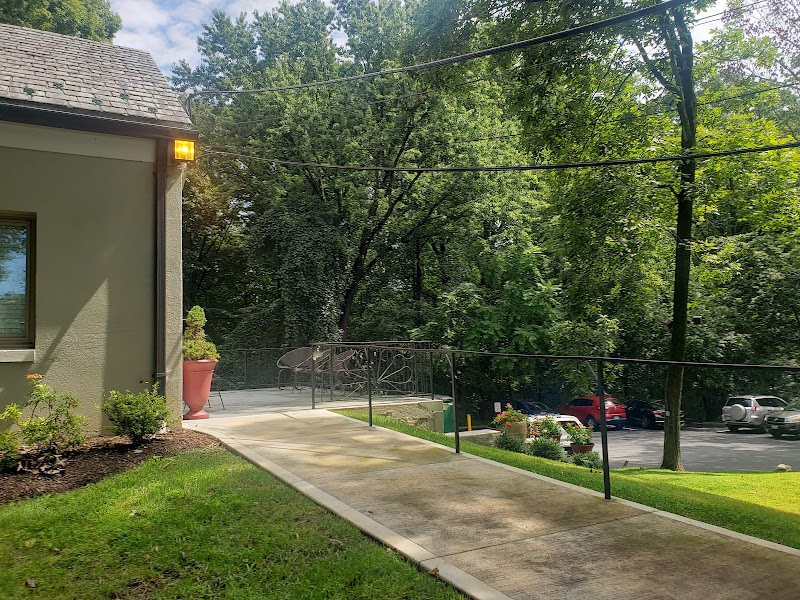
How is Althea Woodland Staffed?

CMS rates ALTHEA WOODLAND NURSING HOME's staffing level at 2 out of 5 stars, which is below average compared to other nursing homes.

What Have Inspectors Found at Althea Woodland?

State health inspectors documented 29 deficiencies at ALTHEA WOODLAND NURSING HOME during 2019 to 2025. These included: 27 with potential for harm and 2 minor or isolated issues.

Who Owns and Operates Althea Woodland?

ALTHEA WOODLAND NURSING HOME is owned by a for-profit company. For-profit facilities operate as businesses with obligations to shareholders or private owners. The facility operates independently rather than as part of a larger chain. With 50 certified beds and approximately 43 residents (about 86% occupancy), it is a smaller facility located in SILVER SPRING, Maryland.
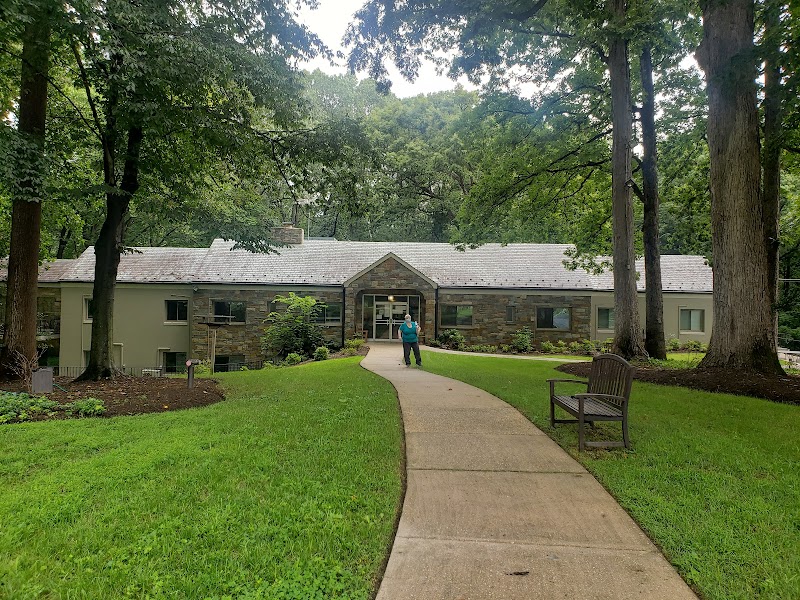
How Does Althea Woodland Compare to Other Maryland Nursing Homes?

Compared to the 100 nursing homes in Maryland, ALTHEA WOODLAND NURSING HOME's overall rating (4 stars) is above the state average of 3.0 and health inspection rating (4 stars) is above the national benchmark.

What Should Families Ask When Visiting Althea Woodland?

Based on this facility's data, families visiting should ask: "Can you walk me through typical staffing levels on day, evening, and night shifts?" "Can I visit during a mealtime to observe dining assistance and food quality?" "How do you handle medical emergencies, and what is your hospital transfer rate?" "Can I speak with family members of current residents about their experience?" These questions are particularly relevant given the below-average staffing rating.

Is Althea Woodland Safe?

Based on CMS inspection data, ALTHEA WOODLAND NURSING HOME has a clean safety record: no substantiated abuse findings (meaning no confirmed cases of resident harm), no Immediate Jeopardy citations (the most serious violation level indicating risk of serious injury or death), and is not on the Special Focus Facility watch list (a federal program monitoring the lowest-performing 1% of nursing homes). The facility has a 4-star overall rating and ranks #1 of 100 nursing homes in Maryland. While no facility is perfect, families should still ask about staff-to-resident ratios and recent inspection results during their visit.

Do Nurses at Althea Woodland Stick Around?

ALTHEA WOODLAND NURSING HOME has not reported staff turnover data to CMS. Staff turnover matters because consistent caregivers learn residents' individual needs, medications, and preferences. When staff frequently change, this institutional knowledge is lost. Families should ask the facility directly about their staff retention rates and average employee tenure.

Was Althea Woodland Ever Fined?

ALTHEA WOODLAND NURSING HOME has no federal fines on record. CMS issues fines when nursing homes fail to meet care standards or don't correct problems found during inspections. The absence of fines suggests the facility has either maintained compliance or corrected any issues before penalties were assessed. This is a positive indicator, though families should still review recent inspection reports for the full picture.

Is Althea Woodland on Any Federal Watch List?

ALTHEA WOODLAND NURSING HOME is not on any federal watch list. The most significant is the Special Focus Facility (SFF) program, which identifies the bottom 1% of nursing homes nationally based on persistent, serious quality problems. Not being on this list means the facility has avoided the pattern of deficiencies that triggers enhanced federal oversight. This is a positive indicator, though families should still review the facility's inspection history directly.