AUTUMN LAKE HEALTHCARE AT SILVER SPRING

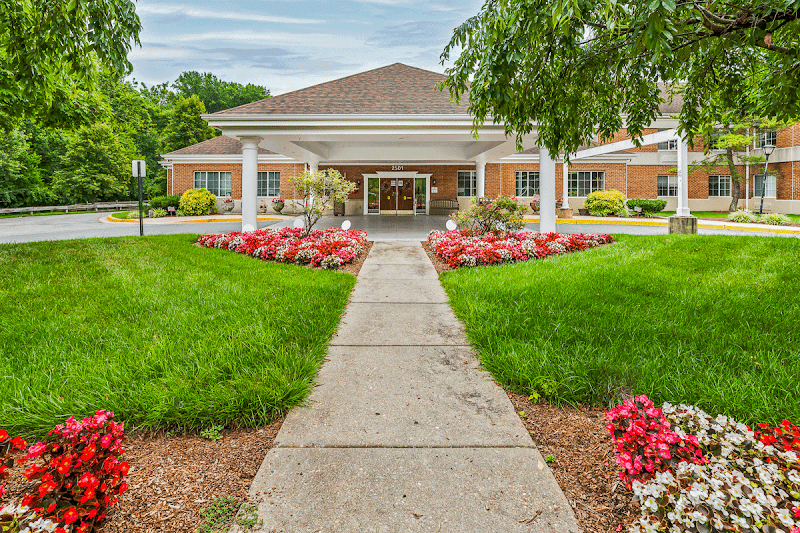
2501 MUSGROVE ROAD, SILVER SPRING, MD 20904 (301) 890-5552
For profit - Corporation 148 Beds AUTUMN LAKE HEALTHCARE Data: November 2025
Trust Grade
65/100
#94 of 219 in MD
Last Inspection: December 2024

Within standard 12-15 month inspection cycle. Federal law requires annual inspections.

Overview

Autumn Lake Healthcare at Silver Spring has a Trust Grade of C+, which means it is decent and slightly above average. It ranks #94 out of 219 facilities in Maryland, placing it in the top half, and #19 out of 34 in Montgomery County, indicating there are only a few local alternatives that are better. The facility is on an improving trend, having reduced its issues from 14 in 2024 to only 2 in 2025. Staffing is a strong point, with a turnover rate of 23%, significantly lower than the Maryland average of 40%, but it has concerning RN coverage that is less than 75% of other state facilities. While there are no fines recorded, there are some specific concerns, such as inadequate staffing in the food and nutrition department leading to poor meal quality and sanitation issues, including improper hand hygiene in the kitchen and a dirty outdoor garbage area, which raises potential health risks for residents.

Trust Score
C+
65/100
In Maryland
#94/219
Top 42%
Safety Record
Low Risk
No red flags
Inspections
Getting Better
14 → 2 violations
Staff Stability
✓ Good
23% annual turnover. Excellent stability, 25 points below Maryland's 48% average. Staff who stay learn residents' needs.
Penalties
✓ Good
No fines on record. Clean compliance history, better than most Maryland facilities.
Skilled Nurses
○ Average
Each resident gets 35 minutes of Registered Nurse (RN) attention daily — about average for Maryland. RNs are the most trained staff who monitor for health changes.
Violations
⚠ Watch
35 deficiencies on record. Higher than average. Multiple issues found across inspections.
★★★☆☆
3.0
Overall Rating
★★★☆☆
3.0
Staff Levels
★★★☆☆
3.0
Care Quality
★★★☆☆
3.0
Inspection Score
Stable
2024: 14 issues
2025: 2 issues

The Good

  • Low Staff Turnover (23%) · Staff stability means consistent care
  • Full Sprinkler Coverage · Fire safety systems throughout facility
  • No fines on record
  • Staff turnover is low (23%)

    25 points below Maryland average of 48%

Facility shows strength in staff retention, fire safety.

The Bad

3-Star Overall Rating

Near Maryland average (3.0)

Meets federal standards, typical of most facilities

Chain: AUTUMN LAKE HEALTHCARE

Part of a multi-facility chain

Ask about local staffing decisions and management

The Ugly 35 deficiencies on record

Aug 2025 2 deficiencies
CONCERN (D) 📢 Someone Reported This

A family member, employee, or ombudsman was alarmed enough to file a formal complaint

Potential for Harm - no one hurt, but risky conditions existed

Deficiency F0657 (Tag F0657)

Could have caused harm · This affected 1 resident

Based on medical record review and interview with facility staff, it was determined that that facility failed to ensure that care plan meetings were scheduled quarterly and included the resident and r...

Read full inspector narrative →
Based on medical record review and interview with facility staff, it was determined that that facility failed to ensure that care plan meetings were scheduled quarterly and included the resident and representative. This was evident during the review of a complaint and review of 1 of 3 resident (1).The findings include:Review of the complaint #2577970 on 8/4/25 at 6:45 AM revealed concerns related to communication with the facility and involvement in care plans. A review of the medical record for Resident #1 revealed the last care plan meeting occurred on 10/22/24. The last social work note in the system was a 'social determinants of health' completed on 6/14/25. However, that was not a complete official care plan meeting. Interview with the facility social worker, staff #4 at 12:25 PM revealed that she is in communication with the family regularly but there was not a recent care plan meeting. Concerns were reviewed at 12:45 pm with the Director of Nursing and Nursing Home Administrator that there have not been care plan meetings with the family since 10/22/24. This surveyor was notified that a care plan meeting is scheduled for 8/7/25, however, Resident #1 is currently in the hospital, and this is 10 months after the last official care plan meeting.
CONCERN (D) 📢 Someone Reported This

A family member, employee, or ombudsman was alarmed enough to file a formal complaint

Potential for Harm - no one hurt, but risky conditions existed

Safe Environment (Tag F0921)

Could have caused harm · This affected 1 resident

Based on random observations of the Arcadia unit, it was determined that the facility failed to ensure the doors exiting the unit were in good repair and created a safe and comfortable environment for...

Read full inspector narrative →
Based on random observations of the Arcadia unit, it was determined that the facility failed to ensure the doors exiting the unit were in good repair and created a safe and comfortable environment for residents. The findings include:Observations of the double doors exiting the Arcadia unit revealed plastic kick plates covering the bottom half of both doors. The plastic kick plates were secured to the doors by multiple screws. On the right door, black tape was covering the top of the plastic kick plate and down the right side where the plastic was coming unsecured from the door. There were also many areas with cracks and chips and jagged edges where the plastic has broken around the screws. On 8/4/25 at 12:00 PM Resident #4 was observed standing at the door picking at the top of the plastic kick plate where there was the observed jagged edges with the broken plastic kick plate.The NHA and DON were notified of the concerns and observations at 12:30 PM on 8/4/25.
Dec 2024 8 deficiencies
CONCERN (D) 📢 Someone Reported This

A family member, employee, or ombudsman was alarmed enough to file a formal complaint

Potential for Harm - no one hurt, but risky conditions existed

Infection Control (Tag F0880)

Could have caused harm · This affected 1 resident

Based on observation, interview, and policy review, the facility failed to ensure one of four (Licensed Practical Nurse (LPN) 3) followed infection control practices when dispensing medication in that...

Read full inspector narrative →
Based on observation, interview, and policy review, the facility failed to ensure one of four (Licensed Practical Nurse (LPN) 3) followed infection control practices when dispensing medication in that LPN3 dropped a pill on top of the medication cart and then picked up the pill and placed it in the medication up for one of five residents (R) 100) administered medications. Findings include: During an observation on 12/06/24 at 9:23 AM, LPN3 retrieved R100's blister pack for Oxycontin 10 milligram (mg) one tablet from a locked compartment inside of the medication cart. When she went to push the Oxycontin tablet out of the blister pack, the tablet landed on the top of the medication cart. LPN3 then used her bare fingers, picked up the tablet, and then put the tablet in the medication cup along with R100's other medications. LPN3 did not sanitized her hands after touching the other medication blister packs and opening and closing the drawers of the medication cart prior to touching the dropped medication. During an interview on 12/06/24 at 9:40 AM, LPN3 stated that she always sanitized the cart first thing in the morning prior to starting her medication pass. She had sanitized her hands prior to the preparation of R100's medications. She stated she would not have to dispose of the pill. Review of the facility's policy titled, Medication Administration dated 12/14/22 indicated, Remove medication from source, taking care not to touch medication with bare hand.
CONCERN (E)

Potential for Harm - no one hurt, but risky conditions existed

Deficiency F0692 (Tag F0692)

Could have caused harm · This affected multiple residents

**NOTE- TERMS IN BRACKETS HAVE BEEN EDITED TO PROTECT CONFIDENTIALITY** Based on observations, interview, record review, and policy review, the facility failed to ensure two of 37 sampled residents (R...

Read full inspector narrative →
**NOTE- TERMS IN BRACKETS HAVE BEEN EDITED TO PROTECT CONFIDENTIALITY** Based on observations, interview, record review, and policy review, the facility failed to ensure two of 37 sampled residents (Residents (R) R184 and R19) received nutritional interventions to address significant weight loss. Specifically, these two residents were not served enough food; did not receive prescribed nutritional interventions; were not offered alternates when they did not eat, when they experienced significant unplanned weight losses. Staff documented R19 and R184 eating meals and consuming supplements that they did not eat or consume. Findings include: Review of the facility's Weight Monitoring policy dated 12/15/22 and provided by the facility revealed, Based on the resident's comprehensive assessment, the facility will ensure that all residents maintain acceptable parameters of nutritional status . unless the resident's clinical condition demonstrates that this is not possible . A weight monitoring schedule will be developed upon admission for all residents: . Residents with weight loss - monitor weight weekly . The facility will utilize a systemic approach to optimize a resident's nutritional status. This process includes: . Developing and consistently implementing pertinent approaches . 1. Review of the undated Face Sheet revealed R184 was admitted to the facility on [DATE]; diagnoses included Alzheimer's disease and dysphagia (swallowing impairment). Review of the quarterly Minimum Data Set (MDS) with an Assessment Reference Date (ARD) of 10/01/24 in the EMR under the MDS tab revealed R184 was severely impaired in cognition with a Brief Interview for Mental Status (BIMS) score of three out of 15. R184 required set up assistance with meals. R184 experienced a significant weight loss that was not prescribed by the physician, and he received a therapeutic diet. Review of the Weight Summary from 07/10/20 through 12/03/24 in the EMR under the Vitals tab, revealed R184's weight over the previous six months decreased as follows: 55.6 pounds (#) on 06/02/24 150.2# on 06/25/24 150.8# on 07/01/24 146.8# on 07/19/24 144.8# on 07/22/24 133.0# on 08/14/24 135.0# on 08/18/24 137.4# on 09/05/24 136.0# on 09/11/24 130.2# on 09/25/24 125.2# on 10/04/24 119.8# on 11/02/24 122.0# on 11/04/24 117.6# on 12/03/24. Review of the Physician's Orders through 12/06/24 in the EMR under the Orders tab revealed R184 was prescribed a regular diet, chopped texture, and nectar thickened liquids consistency. R184 was to be weighed weekly until his weight was stable. R184 was prescribed a Magic Cup twice a day with lunch and dinner, initiated on 11/14/24. R184 was prescribed as a bedtime snack daily. R184 was prescribed house shakes three times a day at 8:00 AM, 12:00 PM, and 4:00 PM, initiated on 06/26/24. Review of R184's Care Plan dated 10/09/24 in the EMR under the Care Plan tab revealed R184 was at increased nutritional risk due to suboptimal intake and unplanned weight loss. The goal was to avoid significant weight changes. Interventions in total were: Consult dietitian as needed [10/09/24]; Monitor weight, labs and intake as available [10/09/24], Notify MD [medical doctor] and dietitian if resident has any significant weight changes [10/09/24], OT [Occupational Therapy]/ST [Speech Therapy] as needed. Although R184 experienced progressive significant weight loss, she/he was not weighed weekly as directed by Physician's Orders (weekly weights until weight stabilizes) and the facility policy. R184 experienced a significant weight loss of 37.4 pounds, a 24% weight loss in six months (10% or greater is significant in six months), from 155# to 117.6#. Observation of the lunch meal in the Acadia Unit on 12/03/24 from 1:23 PM - 2:01 PM. R184 was served rice with chili on top, bread, creamed corn, yogurt, thickened drinks (water) and coffee. R184 was not served a Magic Cup with lunch or a house shake. Continuous observations were made. R184 refused the meal and ate zero percent. Continuous observations were made and staff did not offer her/him anything else to eat (an alternate) and her/his tray was removed at 2:01 PM. Geriatric Nurse Aide (GNA)3 verified at 2:01 PM that R184 had eaten none of her/his food and an alternate had not been offered. Review of the POC [Point of Care] Response History from 11/07/24 - 12/05/24 in the EMR under the Vitals tab, R184's meal intake was not recorded for lunch on 12/03/24. Review of the Medication Administration Record (MAR) for December 2024 in the EMR under the Orders tab documented R184 consuming the health shake served on 12/03/24 at lunch and eating 25% of the Magic Cup at served at lunch when neither items were served. On 12/05/24 at 1:12 PM, R184 had a lunch meal consisting of chopped meat with gravy, collard greens, a muffin, pureed sweet potatoes, and two thickened beverages. R184 ate zero percent. GNA2 reviewed the contents of R184's tray and compared it to his meal ticket and verified R184 was not served the Magic Cup per the tray card and stated she had not seen Magic Cups come on the trays with meals. R184's tray was removed at 1:23 PM and she/he was not offered an alternative. Registered Nurse (RN)1 was interviewed on 12/05/24 at 1:23 PM and verified R184 ate zero percent of the meal. Review of the POC Response History from 11/07/24 - 12/05/24 in the EMR under the Vitals tab, R184's meal intake for lunch on 12/05/24 was incorrectly documented as 51-75%. Review of the MAR for December 2024 in the EMR under the Orders tab documented R184 ate 50% of the Magic Cup for lunch; no Magic Cup had been served and no Magic Cups were available in the facility. The MAR documented a 2 refused for house shake at lunch on 12/05/24 when a shake had not been served. During an interview on 12/05/24 at 1:23 PM, RN1 stated R184 had not eaten any of the meal and verified she/he was not offered an alternate. RN1 stated the staff had tried chopping R184's food to see if she/he would eat it better. RN1 stated R184 used to receive a regular diet. RN1 stated R184's intake had been poor for months. RN1 stated R184 was sent Magic Cups and supplements from the kitchen at snack times. During an interview on 12/05/24 at 11:39 AM, GNA1 stated R184 used to eat well but now she/he did not and picked at her/his food. GNA1 stated her/his family brought her/him food and she/he would eat it at times, ethnic food from her/his country. GNA1 stated the staff should offer her/him something else to eat if she/he did not eat anything. GNA1 stated she/he would ask for a cookie at times and sometimes the staff sent a supplement on her/his tray that she/he would drink. During an interview on 12/6/24 at 4:17 PM GNA2 who worked on the Acadia Unit stated the staff on Acadia did not offer alternates if a resident did not eat their meal. GNA2 stated if a resident did not eat, this meant they were probably not hungry. GNA2 stated she had not thought of offering something different when residents did not eat. During an observation on 12/05/24 at 1:40 PM, dietary staff delivered the 2:00 PM snacks on Acadia Unit. There was a four ounce Mighty Shake with a label that documented R184's name, Magic Cup and it was dated 12/05/24 10:00 AM. RN1 verified R184 received a Mighty Shake on the snack tray when the label documented Magic Cup and that the labels documented 10:00 AM and not 2:00 PM. All the shakes on the tray for Acadia Unit were frozen solid. RN1 stated she would have to let the shakes thaw out before they could be served. During an interview on 12/6/24 at 4:12 PM, GNA4 stated the nurse aides were responsible for documenting the amount eaten for meals. During an observation in the kitchen on 12/05/24 at 3:59 PM, Dietary aide (DA)1 went into the walk-in refrigerator and freezer with the surveyor. DA1 stated they did not have any Magic Cups in stock today; therefore, none were sent as snacks or with meals to the residents on 12/05/24. DA1 showed the supply (two partial boxes) of Mighty Shakes that were in the freezer. There were no Mighty Shakes thawed or being thawed in the walk-in refrigerator; this was verified by DA1 who stated that some shakes would need to be thawed; he was responsible for making the bedtime snacks and there were shakes on the snack list. All the shakes were currently frozen. During an interview on 12/05/24 at 5:57 PM, the Regional Certified Dietary Manager (CDM) stated the staff on the units should call the kitchen for alternates if the residents did not eat what was served. The Regional CDM verified there were not any alternatives or extra food sent to the units for residents who did not eat what was served. During an interview on 12/06/24 at 2:06 PM, the Director of Nursing (DON) stated the staff had asked R184's family to bring homemade food. She stated sometimes R184 consumed the food they brought. The DON stated the Medical Director stated R184 had end stage dementia and weight loss was part of the decline with dementia. The DON stated documentation regarding snacks and meals should be accurate. 2. Review of R19's Face Sheet in the EMR under the Census tab revealed admission date of 08/31/23 and diagnoses included malignant neoplasm of the right breast, Cerebral Vascular Accident (Stroke), and unspecified protein malnutrition. Review of R19's quarterly MDS with an ARD of 08/29/24 in the EMR under the MDS tab with a BIMS score was 0 out of 15 which indicated R19 cognition was severely impaired. Review of R19's Care Plan dated 06/24/24 under the Care Plan tab revealed a focus area that he/she was at an increased nutritional risk with potential for decreased intakes and unplanned weight loss related to breast cancer. The goal was for the prevention of weight loss, Interventions included to consult the dietitian as needed, monitoring his/her weight, laboratory tests, and food/fluid intake as available. Notify the Medical Doctor and dietitian if resident has any significant weight changes. Observation on 12/03/24 at 11:00 AM revealed R19 had three cartons of Mighty Shake on his/her overbed table labeled as a 12/03/24 at 10:00 AM snack and a Magic Cup with the same directions. The cartons were unopened and there were no straws or glasses available. The Magic Cup was also not opened and there was no spoon available. The supplements were not within R19's reach. During an interview on 12/3/24 at 2:00 PM, Certified Nurse Aide (CNA) 1 stated R19 was able to feed herself. If he/she had wanted to drink the supplements he/she would. Sometimes he/she would push them away. She agreed the supplements from 10:00 AM were still on his/her overbed table and were not opened for him/her. She agreed there was no spoon for R19 to eat the Magic Cup supplement. Observation on 12/04/24 at 9:38 AM of his/her breakfast tray revealed he/she had taken one bite of a hashbrown patty. He/She had not taken any hot cereal, juice, or milk. Observations on 12/05/24 at 2:30 PM revealed R19 had three cartons of Mighty Shake on his/her overbed table with the date and time of 120/5/24 at 10:00 AM and were still fully frozen. On 12/05/24 at 3:00 PM, the 2:00 PM snack was delivered which was one Mighty Shake and was still frozen. On 12/05/24 at 6:10 PM, the two 10:00 AM Mighty Shakes that were still unopened and on his/her overbed table. HIs/Her overbed table was not within reach for him/her to have access to them. There was a frozen Mighty Shake with the date 12/05/24 at 2:00 PM on the overbed table and it was partially frozen. Review of R19's weights under the Vital Signs tab in the EMR revealed: On 04/04/24, R19 weighed 124.8 pounds (lbs.). On 12/05/24, he/she weighed 108.2 lbs., which was a 13.30 % loss. During an interview on 12/04/24 at 4:58 PM, the Food Service Director(FSD) stated the Registered Dietitian (RD) had not been to the facility since July 2024. The FSM stated the RD worked remotely on weekends. The FSM stated the RD did the clinical assessments and wrote progress notes and she (FSD) managed the kitchen. The FSD stated snacks were sent to the units at 10:00 AM, 2:00 PM, and 6:00 PM. During an interview on 12/06/24 at 2:30 PM, the Administrator stated the RD worked on the weekends up to 24 hours a week remotely. The Administrator stated the RD could not fulfill all her job responsibilities without coming to the facility. During an interview on 12/6/24 at 2:32 PM, the DON stated that weight loss was discussed every Wednesdays during the interdisciplinary risk meeting.
CONCERN (E) 📢 Someone Reported This

A family member, employee, or ombudsman was alarmed enough to file a formal complaint

Potential for Harm - no one hurt, but risky conditions existed

Deficiency F0804 (Tag F0804)

Could have caused harm · This affected multiple residents

**NOTE- TERMS IN BRACKETS HAVE BEEN EDITED TO PROTECT CONFIDENTIALITY** Based on observations, interview, record review, document review and policy review, the facility failed to ensure the food was p...

Read full inspector narrative →
**NOTE- TERMS IN BRACKETS HAVE BEEN EDITED TO PROTECT CONFIDENTIALITY** Based on observations, interview, record review, document review and policy review, the facility failed to ensure the food was palatable for 13 out of 37 sampled residents (Resident (R)88, R84, R46, R99, R123, R338, R21, R85, R60, R101, R7, R121, and R18). The food was not appetizing, prepared according to standards/recipes, or hot when residents received their meals. This created the potential for dissatisfaction and weight loss. Findings include: Review of the facility's policy titled, Standardized Menus dated 02/2023 and provided by the facility revealed, The facility shall provide nourishing, palatable meals to meet the nutritional needs of the residents . The facility will make reasonable efforts to provide food that is appetizing . 1. Residents' comments about the food were as follows: a. During an interview on 12/04/24 at 10:05 AM, R101 stated the food tasted bad. R101 stated she/he did not like the meat. Review of the undated Face Sheet in the Electronic Medical Record (EMR) under the Profile tab revealed R101 was admitted to the facility on [DATE]. Review of the quarterly Minimum Data Set (MDS) with an Assessment Reference Date (ARD) of 09/18/24 in the EMR under the MDS tab revealed R101 was intact in cognition with a Brief Interview for Mental Status (BIMS) score of 15 out of 15. b. During an interview on 12/03/24 at 12:48 PM, R7 stated the food was terrible. Review of the undated Face Sheet in the EMR under the Profile tab revealed R7 was admitted to the facility on [DATE]. Review of the admission MDS with an ARD of 10/21/24 in the EMR under the MDS tab revealed R7 was intact in cognition with a BIMS score of 15 out of 15. c. During an interview on 12/03/25 at 12:55 PM, R121 stated the food was unappetizing, bland and it needed seasoning. Review of the undated Face Sheet in the EMR under the Profile tab revealed R121 was admitted to the facility on [DATE]. Review of the admission MDS with an ARD of 10/28/24 in the EMR under the MDS tab revealed R121 was intact in cognition with a BIMS score of 15 out of 15. d. During an interview on 12/04/24 at 4:46 PM, R18 stated he/she was heating up his/her own food in the facility's microwave because, I don't want that dog food (facility's food). It is nasty as hell. During a subsequent interview on 12/06/24 at 11:30 AM, R18 stated the food was, Not good and food was the main concern that was repeatedly discussed in resident council meetings. Review of the undated Face Sheet in the EMR under the Profile tab revealed R18 was admitted to the facility on [DATE]. Review of the quarterly MDS with an ARD of 09/02/24 in the EMR under the MDS tab revealed R18 was intact in cognition with a BIMS score of 15 out of 15. During a Group meeting in the dining room on 12/05/24 at 11:00 AM, R46 stated, The food is so cold and nasty and so tough that I feed it to the squirrels outside. Nothing ever gets done when you complain. Everyone says I'll look into or work on it. R84 stated, They mix all the vegetables together and it's always the same kind. We hardly ever get fruit. The food is always cold and not a good flavor. I like to try to fix it up with pepper, but they only give me one packet of pepper every time. They gave me cereal this morning too, but no milk for it. I asked for it, but they never brought it back to me.R88 stated, The food is always cold and sometimes it feels like it just came right from the freezer. They gave me cereal this morning and no milk to drink or put on my cereal. Fruit would be nice. We never get fruit.R99 stated, The food isn't good about 80% of the time. e. Review of R46's undated admission Record in the Profile tab of the EMR revealed an admission date of 09/22/21 and diagnosis of chronic obstructive pulmonary disease. Review of R46's annual MDS with ARD of 09/13/24, located in the EMR MDS tab, revealed a BIMS score of 15 out of 15 which indicated R46 was cognitively intact. f, Review of R84's undated admission Record in the Profile tab of the EMR revealed an admission date of 02/22/24 and diagnosis of chronic obstructive pulmonary disease with exacerbation. Review of R84's quarterly MDS with an ARD of 09/30/24, located in the EMR MDS tab, revealed a BIMS score of 15 out of 15 which indicated R84 was cognitively intact. g. Review of R88's undated admission Record in the Profile tab of the EMR revealed an admission date of 04/12/23 and diagnosis of cerebral infarction. Review of R88's quarterly MDS with an ARD of 10/18/24, located in the EMR MDS tab, revealed a BIMS score of 15 out of 15 which indicated R88 was cognitively intact. h. Review of R99's undated admission Record in the Profile tab of the EMR revealed an admission date of 12/01/23 and diagnosis of seizures and alcohol dependence with uncomplicated withdrawals. Review of R99's admission MDS with an ARD of 09/06/24, located in the EMR MDS tab, revealed a BIMS score of three out of 15 which indicated R99 was severely cognitively impaired. i. During an interview on 12/03/24 at 10:54 AM, R338 stated that he/she only ate his/her meals in his/her room and when his/her meals were delivered to his/her room, the food was cold. The food has been cold since he/she was admitted on [DATE]. He/She does ask for it to be warmed. Review of R338's admission MDS with an ARD in the EMR under the MDS tab with a BIMS score of 15 out of 15 which indicated resident cognition was intact j. During a joint interview on 12/03/24 at 11:41 AM, R60 and R85 stated that they preferred to eat their meals in their rooms, the food was not always hot, and the dietary department did not answer the phone so they could order from the optional menu. The only way to get any food from the optional menu was to ask the nurse to call the dietary department. R60 stated she/he had asked for a hamburger and got a cold hot dog. The menu for supper on 12/02/24, was supposed to get kielbasa but received a hot dog. Review of R60's EMR under the census tab revealed admission date of 11/5/21. Review of R60's annual MDS with an ARD of 09/14/24 in the EMR under the MDS tab revealed a BIMS score of 15 out of 15 which indicated resident's cognition was intact. Review of R85's EMR under the census tab revealed admission date of 02/08/23. Review of R85's quarterly MDS with an ARD of 09/16/24 in the EMR under the MDS tab revealed a BIMS score of 8 out of 15 which showed he had moderate cognitive impairment. k. During an interview on 12/04/24 at 10:39 AM, R123 stated that the food comes up from the dietary department at different times. At times breakfast was not delivered until after 10:00 AM and lunch after 2:00 PM. The food was cold. The broccoli served was just the stalks. What was listed on the menu was not what was served. Condiments were not served with the meals, for example no tartar sauce with fish. The bread served was stale. The dietary department did not answer the phone if a substitute was wanted. Review of R123's EMR revealed under the census tab revealed admission date of 10/24/24. Review of R123's admission MDS in the EMR under the MDS tab revealed a BIMS score of 12 out of 15, which indicated moderate cognitive impairment. 2. During an observation and interview in the kitchen on 12/03/24 from 11:51 AM through 12:31 PM, Cook1 was setting up the tray line for meal service. There was a steamtable pan with a brown creamy food and Cook1 stated it was, creamed corn. When asked why it was brown, Cook1 stated she added cinnamon and brown sugar to the corn. Tray line meal service was observed and the bread slices were served plain without margarine as directed by the menu. Review of the Fall/Winter Week-At-A-Glance, Week 2 menu revealed a packet of margarine was to be served with the slice of bread. The recipe for creamed corn for lunch on 12/03/24 was requested. Review of the undated recipe for Buttered Corn provided by the facility revealed neither cinnamon nor brown sugar were ingredients that were supposed to be added to the recipe. The Regional Certified Dietary Manager (CDM) who was present on the tray line stated the recipe did not call for cinnamon sugar and the cook should have followed the recipe. 3. During an observation and interview on 12/05/24 at 5:37 PM, a test tray of a pureed diet was evaluated on the first floor with the Regional CDM after the last resident was served his/her meal from the food cart. The Regional CDM stated her goal for temperatures when residents received their trays was for the hot foods to be at least 140 degrees Fahrenheit (F) and the cold foods to be 34 degrees F or colder. The food temperatures were 113 degrees F for mashed potatoes with gravy which was lukewarm to the palate. The pureed soup was 118 degrees F, of a pasty consistency with a bland flavor confirmed by the Regional CDM. The pureed vegetable was 127 degrees F and was bland in flavor confirmed by the Regional CDM. The pureed meat was 127 degrees. The milk was 47 degrees F and was cool but not cold to the palate. During an observation on 12/05/24 at 6:05 PM a test tray to the secured unit of a regular diet was evaluated with the Regional CDM after the last resident was served his/her meal from the food cart. The food temperatures were 113 degrees F for kielbasa sausage which was lukewarm to the palate, vegetables were 107 degrees F which were bland (confirmed by the Regional CDM) and cool to the palate, and the soup was 132 degrees F and acceptable in temperature but bland in flavor confirmed by the Regional CDM. The milk was 49 degrees F and was cool but not cold. 3. Review of Resident Council Minutes from December 2023 to October 2024 provided by the facility showed ongoing concerns with food palatability as follows: a. Review of the Resident Council Minutes dated 12/14/23 revealed, Dietary: Food salty, food cold served in rooms . b. Review of the Resident Council Minutes dated 01/25/24 revealed, Food served in rooms especially first floor is cold. c. Review of the Resident Council Minutes dated 03/14/24 revealed, food is served cold. d. Review of the Resident Council Minutes dated 04/18/24 revealed, Food is not always hot. e. Review of the Resident Council Minutes dated 09/17/24 revealed, Quality of food . condiments not always on tray . Requesting either Dietitian or someone to meet with them 1:1 to get requests . Requests made if Food Committee no follow up. f. Review of the Resident Council Minutes dated 10/17/24 revealed, some bread offered is hard .Turkey sausage is hard and tasteless . 4. During an interview on 12/05/24 at 4:18 PM the Regional CDM stated she was aware of the residents' complaints that the food was not hot from resident council meetings. The Regional CDM stated she had been working with the Food Service Director (FSD) to improve the food quality. During an interview on 12/06/24 at 2:30 PM, the Administrator stated she had been aware of the residents' complaints about the food from the start of her employment and had been working to correct the problem by having the Regional CDM come more often, addressing performance issues of dietary staff, being present in the dining room regularly, and instituting a dining program for lunch.
CONCERN (E) 📢 Someone Reported This

A family member, employee, or ombudsman was alarmed enough to file a formal complaint

Potential for Harm - no one hurt, but risky conditions existed

Deficiency F0806 (Tag F0806)

Could have caused harm · This affected multiple residents

**NOTE- TERMS IN BRACKETS HAVE BEEN EDITED TO PROTECT CONFIDENTIALITY** Based on observations, interview, record review and policy review, the facility failed to ensure that resident's preferences/dis...

Read full inspector narrative →
**NOTE- TERMS IN BRACKETS HAVE BEEN EDITED TO PROTECT CONFIDENTIALITY** Based on observations, interview, record review and policy review, the facility failed to ensure that resident's preferences/dislikes were assessed and followed; that alternatives were available; and that alternatives were offered to residents who did not eat what was served for 10 of 37 sampled residents (Residents (R)85, R46, R88, R121, R7, R95, R58, R60, R94 and R184). This created the potential for weight loss and resident dissatisfaction. Findings include: Review of the facility's policy titled, Standardized Menus dated 02/2023 and provided by the facility revealed, Reasonable effort means assessing individual needs and preferences and demonstrating actions to meet those needs and preferences . Alternative menus will be available if the primary menu or immediate selections for a particular meal are not to a resident's liking . Review of the facility's policy titled, Promoting/Maintaining Resident Dignity During Mealtimes dated 12/15/22 and provided by the facility revealed, Resident requests will be honored during meals to the extent possible . Offer substitutes if applicable. 1. Resident's comments about food preferences and alternates were as follows: a. During an interview on 12/03/24 at 12:55 PM, R121 stated he/she was served the same food every day for breakfast. R121 stated no one had talked to him/her about food preferences since he/she was admitted to the facility, and he/she was served foods she disliked. R121 stated he/she was served scrambled eggs, pancakes, and French toast frequently when he/she had asked for boiled eggs and grits. R121 stated he/she had not received a copy of the Always Available menu to order alternates from. R121 stated staff did not offer him/her alternates. Review of the undated Face Sheet in the Electronic Medical Record (EMR) under the Profile tab revealed R121 was admitted to the facility on [DATE]. Review of the admission Minimum Data Set (MDS) with an Assessment Reference Date (ARD) of 10/28/24 in the EMR under the MDS tab revealed R121 was intact in cognition with a Brief Interview for Mental Status (BIMS)score of 15 out of 15. Review of R121's tray card for 12/05/24 breakfast, lunch, and dinner, provided by the facility failed to identify any food preferences or dislikes. b. During an interview on 12/03/24 at 12:48 PM, R7 stated no one had come and talked with him/her about food preferences since heshe had been admitted . R7 stated he/she was often served foods he/she could not eat. R7 stated he/she was frequently served potatoes, tomatoes, and oranges which he/she could not eat and showed the surveyor a plastic unopened individual serving cup of orange juice. Review of the undated Face Sheet in the EMR under the Profile tab revealed R7 was admitted to the facility on [DATE]. Review of the admission MDS with an ARD of 10/21/24 in the EMR under the MDS tab revealed R7 was intact in cognition with a BIMS score of 15 out of 15 . Review of R7's tray Card for 12/05/24 breakfast, lunch, and dinner, provided by the facility failed to identify any food preferences or dislikes. c. During a Group meeting in the dining room on 12/05/24 at 11:00 AM, R46 stated, I requested a boiled egg as an alternate one time and then they give me boiled eggs every morning for a week straight after that. Every time I or anyone else ask the GNA for an alternate, they say it's the kitchen's job, not theirs. R88 stated, I ask the GNA's on the first floor for breakfast and dinner to get the alternate from the kitchen and they refuse saying they don't work in the kitchen. R95 stated, You can't call down to the kitchen two hours ahead like they say you can, because they won't answer the phone. If you try to call other times to ask, they tell you to call back two hours ahead and they will take care of you. So, they won't help you or answer the phone either way. It's like they don't want to offer any alternatives. Review of R46's undated admission Record in the Profile tab of the electronic medical record (EMR) revealed an admission date of 09/22/21 and diagnosis of chronic obstructive pulmonary disease. Review of R46's annual MDS with ARD of 09/13/24, located in the EMR MDS tab, revealed a BIMS score of 15 out of 15 which indicated R46 was cognitively intact. Review of R88's undated admission Record in the Profile tab of the EMR revealed an admission date of 04/12/23 and diagnosis of cerebral infarction. Review of R88's quarterly MDS with an ARD of 10/18/24, located in the EMR MDS tab, revealed a BIMS score of 15 out of 15 which indicated R88 was cognitively intact. Review of R95's undated admission Record in the Profile tab of the EMR revealed an admission date of 11/01/23 and diagnosis nontraumatic intracerebral hemorrhage in hemisphere, subcortical. Review of R95's annual MDS with an ARD of 11/07/24, located in the EMR MDS tab, revealed a BIMS score of 15 out of 15 which indicated R95 was cognitively intact. d. During an observation and interview on 12/03/24 at 11:05 AM, R58 stated if he/she did not like the food, he/she would have soup. HE/She had approximately 10 cans of soup on her nightstand. R58 stated that staff would not always assist him/her to make the soup as they were too busy. Review of R58's EMR under the census tab revealed admission date of 03/06/24. Review of R58's quarterly MDS with an ARD of 09/07/24 in the EMR under the MDS tab indicated a BIMS score of 15 out of 15, which indicated he/she had no cognitive deficits. During a joint interview on 12/03/24 at 11:41 AM, R60 and R85 stated the dietary department did not answer the phone so they could order from the optional menu. The only way to get any food from the optional menu was to ask the nurse to call the dietary department. R60 stated he had asked for a hamburger and got a cold hot dog. Review of R60's EMR under the census tab revealed an admission date of 11/5/21. Review of R60's annual MDS with an ARD of 09/14/24 in the EMR under the MDS tab with a BIMS score of 15 out of 15 which indicated R60's cognition was intact. Review of R85's EMR under the census tab revealed an admission date of 02/08/23. Review of R85's quarterly MDS with an ARD of 09/16/24 in the EMR under the MDS tab revealed a BIMS of 8 out of 15 which showed she/he had moderate cognitive impairment. 2. During an interview on 12/03/24 at 11:48 AM, Regional Certified Dietary Manager (CDM) stated the facility used a four-week cycle menu and there was an always available menu that residents could order from if they called the kitchen at least an hour before the meal (for lunch and dinner). The Regional CDM stated the menus had been passed out to residents several months ago. The Regional CDM stated there should also be an alternate entrée on the tray line in addition to always available selections. The tray line was observed for lunch on 12/03/24 at 11:51 AM with the following menu items available: rice, chili, corn, creamed corn, and hot dogs (the alternate). There were no Always Available selections for the meal available except the hot dogs. The Regional CDM stated food preferences and dislikes should be recorded on the residents' tray cards. She stated food preference information should be obtained when residents were admitted to the facility. The Regional CDM stated a paper form was completed and the information was entered into the tray card (Meal Tracker) system. 3. Review of the Always Available Menu provided by the facility revealed breakfast choices of eggs either scrambled or hard boiled, toast, French toast, assorted cold cereal and assorted juice. Lunch and dinner choices were hamburgers or cheeseburgers, hot dog on a roll, pan seared tilapia with lemon butter sauce, meatball [NAME] sandwich, grilled cheese sandwich, small house salad, and egg salad. 4. Observation of the lunch meal was made in the Acadia Unit on 12/03/24 from 1:23 PM - 2:00 PM. Lunch arrived in the meal cart to the unit at 1:25 PM. a. R94 was served rice with chili on top, bread, applesauce, and beverages. Continuous observations were made. R94 refused his/her meal and ate zero percent. He/She consumed his/her coffee only. No staff offered him/her anything else to eat and his/her tray was removed at 2:00 PM. Review of the undated Face Sheet revealed R94 was admitted to the facility on [DATE]. Review of the quarterly MDS with an ARD of 10/02/24 in the EMR under the MDS tab revealed R94 was moderately impaired in cognition with a BIMS score of eight out of 15 out of 15 R184 was served rice with chili on top, bread, creamed corn, yogurt, thickened drinks, and coffee. Continuous observations were made. R184 refused the meal and ate zero percent. No staff offered her/him anything else to eat and her/his tray was removed at 2:01 PM. Geriatric Nurse Aide (GNA)3 verified at 2:01 PM that R184 had eaten none of her/his food. Review of the undated Face Sheet revealed R184 was admitted to the facility on [DATE]. Review of the quarterly MDS with an ARD of 10/01/24 in the EMR under the MDS tab revealed R184 was severely impaired in cognition with a BIMS score of three out of 15. During an interview on 12/6/24 at 4:17 PM GNA2 who worked on the Acadia Unit stated the staff on Acadia did not offer alternates if a resident did not eat their meal. GNA2 stated if a resident did not eat, this meant they were probably not hungry. GNA2 stated she had not thought of offering something different when residents did not eat. 5. On 12/05/24 at 1:12 PM, R184 had a meal of chopped meat with gravy, collard greens, a muffin, sweet potatoes pureed and two thickened beverages. R184 ate zero percent. Her/His tray was removed at 1:23 PM and she/he was not offered an alternate. Registered Nurse (RN)1 was interviewed on 12/05/24 at 1:23 PM and verified R184 ate zero percent of the meal. 6. Review of Resident Council Minutes from December 2023 to October 2024 provided by the facility showed ongoing concerns with food preferences and the availability of alternates as follows: a. Review of the Resident Council Minutes dated 12/14/23 revealed, Dietary: dislike lists not being honored . b. Review of the Resident Council Minutes dated 03/14/24 revealed, Always Available options not being available, staff not answering the phone . c. Review of the Resident Council Minutes dated 04/18/24 revealed, Always Available menu when calling the kitchen staff state it is not always available. e. Review of the Resident Council Minutes dated 09/17/24 revealed, Requesting either Dietitian or someone to meet with them 1:1 to get requests . Juice, milk not always available or offered . f. Review of the Resident Council Minutes dated 10/17/24 revealed, Breakfast - preferences not updated as requested . Always menu available reviewed - however residents stated when they call the kitchen for (sic) is either is (sic) told they do not have the item or they never receive it. 7. During an interview on 12/05/24 at 4:11 PM, the Regional CDM stated dietary preferences and dislikes should have been added to residents' tray cards by the Food Service Director (FSD); however, she had noticed a problem with this. The Regional CDM stated the policy was for alternates to be ordered ahead of the meal; however, dietary should be able to make a grilled cheese sandwich or hamburger if a resident did not like what they were served. During an interview on 12/06/24 at 2:02 PM, the Director of Nursing (DON) stated it was her expectation that nursing staff would offer residents an alternate if they did not eat the meal they were served. During an interview on 12/06/24 at 2:30 PM, the Administrator stated she expected dietary staff to respect residents' food preferences.
CONCERN (E) 📢 Someone Reported This

A family member, employee, or ombudsman was alarmed enough to file a formal complaint

Potential for Harm - no one hurt, but risky conditions existed

Deficiency F0809 (Tag F0809)

Could have caused harm · This affected multiple residents

Based on observations, interviews, record review, document review and policy review, the facility failed to ensure that nutritional needs were met for four of 37 residents (Resident (R)46, R84, R88 an...

Read full inspector narrative →
Based on observations, interviews, record review, document review and policy review, the facility failed to ensure that nutritional needs were met for four of 37 residents (Resident (R)46, R84, R88 and R18) frequency of meals and receiving snacks at bedtime. These failures could result in potential health issues due to deficiencies in vitamins, minerals, protein, and calories when nutritional body requirement needs are not being met. Findings include: Review of the facility's policy titled, Frequency of Meals dated 01/31/23 and provided by the facility revealed, The facility has scheduled three regular meal times, comparable to normal mealtimes in the community, per day and has scheduled three regular snack times .There will be no more than 14 hours between an evening meal and breakfast the following day, unless a nourishing snack is served at bedtime; then, up to 16 hours may elapse between an evening meal and breakfast the following day if the resident council agrees to this meal time span . Nutritious snacks and convenience foods (i.e. canned soups, peanut butter crackers, cereal, and fruit) shall be available on the nursing unit . During the Group meeting in the dining room on 12/05/24 at 11:00 AM, R46 stated, I'm not offered snacks, and I see the staff always sitting up there at the desk eating them all themselves. We have to wait 15 hours to eat between dinner and breakfast. Plus, you never know when they're coming because they're always late. R84 stated, We never get offered snacks and on the weekends, we never get offered snacks or drinks. R88 stated, We never get snacks. They say they don't have any. 1. Review of R46's undated admission Record in the Profile tab of the electronic medical record (EMR) revealed an admission date of 09/22/21 and diagnosis of chronic obstructive pulmonary disease. Review of R46's annual Minimum Data Set (MDS) with an assessment reference date (ARD) of 09/13/24, located in the EMR MDS tab, revealed a Brief Interview for Mental Status (BIMS) score of 15 out of 15 which indicated R46 was cognitively intact. 2. Review of R84's undated admission Record in the Profile tab of the EMR revealed an admission date of 02/22/24 and diagnosis of chronic obstructive pulmonary disease with exacerbation. Review of R84's quarterly MDS with an ARD of 09/30/24, located in the EMR MDS tab, revealed a BIMS score of 15 out of 15 which indicated R84 was cognitively intact. 3. Review of R88's undated admission Record in the Profile tab of the EMR revealed an admission date of 04/12/23 and diagnosis cerebral infarction. Review of R88's quarterly MDS with an ARD of 10/18/24, located in the EMR MDS tab, revealed a BIMS score of 15 out of 15 which indicated R88 was cognitively intact. 4. Review f the undated Food and Nutrition Services Department Mealtime schedule provided by the facility revealed there were six meal carts with specifically scheduled mealtimes: First floor, Acadia, Second Floor, First Floor (second cart), Second Floor (second cart), and Second floor (third cart). The span between the evening meal (dinner) and breakfast the next day exceeded 15 hours as follows: a. First floor (first cart) dinner mealtime started at 4:15 PM and breakfast mealtime started at 7:45 AM, a span of 15 hours and 30 minutes elapsed between meals. b. Arcadia dinner mealtime started at 4:25 PM and breakfast mealtime started at 8:00 AM, a span of 15 hours and 35 minutes elapsed between meals. c. Second floor (first cart) dinner mealtime started at 4:45 PM and breakfast mealtime started at 8:20 AM, a span of 15 hours and 55 minutes elapsed between meals. d. First floor (second cart) dinner mealtime started at 4:55 PM and breakfast mealtime started at 8:30 AM, a span of 15 hours and 35 minutes elapsed between meals. e. Second floor (second cart) dinner mealtime started at 5:05 PM and breakfast mealtime started at 8:40 AM, a span of 15 hours and 35 minutes elapsed between meals. f. Second floor (third cart) dinner mealtime started at 5:15 PM and breakfast mealtime started at 8:50 AM, a span of 15 hours and 35 minutes elapsed between meals. 5. Observation of the kitchenettes on the Units were made with the Food Service Director(FSD) on 12/05/24 starting at 4:46 PM. The kitchenette on the first floor had no general snacks or beverages in the cabinets or in the refrigerator. The only food/beverage was labeled food brought in for specific residents. The kitchenette on the Arcadia Unit was observed on 12/05/24 at 4:50 PM. The kitchenette on the Acadia Unit had no general snacks or beverages in the cabinets or in the refrigerator. The only food/beverage was labeled food brought in for specific residents. The kitchenette on the Second Floor was observed on 12/05/24 at 4:54 PM. The kitchenette on the Second Floor had no general snacks or beverages in the cabinets or in the refrigerator. The only food/beverage was labeled food brought in for specific residents. During an interview on 12/6/24 at 4:12 PM, GNA4 stated the aides received labeled snacks from dietary and delivered the snacks to the residents. The nurses documented it in the resident's record. GNA4 did not mention a general snack being sent down in addition to the labeled snacks for specific residents. Observation on 12/05/24 of the 2:00 PM snack pass on the Acadia Unit revealed one tray of labeled snacks (individual shakes in four-ounce cartons) was delivered to the nurse's station at 1:40 PM. Registered Nurse (RN)1 present at 12/05/24 at 2:00 PM verified there was no general snack delivered to residents who did not have prescribed snacks. 6. Review of Resident Council Minutes from December 2023 to October 2024 provided by the facility showed ongoing concerns with the availability of snacks and timeframes to get food. There was no mention in the Resident Council Minutes of reviewing the mealtime greater than 14 hours between dinner and breakfast, offering a substantial evening snack, or approval of this by the resident group. Comments were as follows: Review of the Resident Council Minutes dated 03/14/24 revealed, evening snacks not offered . Review of the Resident Council Minutes dated 04/18/24 revealed, Kitchen staff are stating the kitchen is closed at 6 pm for requests and resident are requesting times that the kitchen is open . Snacks are coming to the units - first floor stated not always offered to the residents. During an interview on 12/05/24 at 6:14 PM the Regional CDM reviewed the documented mealtimes and stated there was more than 15 hours between the evening meal and breakfast the following day. She stated she had not been aware the timeframe between dinner and breakfast the next day exceeded the maximum 14-hour requirement. Interview on 12/05/24 at 6:14 with Dietary Aide (DA)1 who stated he had not yet prepared the bedtime snacks for the units but would do so shortly. DA1 stated there were three separate batches labeled snacks sent to three areas (first floor, Acadia, and second floor). He stated, in addition there was a tray of a general snack sent to each unit consisting of approximately four portions of animal crackers, chips, whole milk carton, fudge pies, sandwiches, and Goldfish crackers. DA1 verified he did not send enough snacks to the units (labeled and unlabeled) that all residents (census of 129) could have one. During an interview on 12/06/24 at 8:44 AM, the Activity Director (AD) stated she did not remember residents ever talking about the span of time between dinner and breakfast the next day exceeding 14 hours or approval of the timeframe greater than 14 hours being reviewed and approved by resident council. The AD reviewed Resident Council Minutes and verified on 12/06/24 at 8:55 AM that the mealtimes greater than 14 hours had not been discussed. During an interview on 12/06/24 at 11:30 AM, R18 (the resident council president) stated they (resident council) had not reviewed the greater than 14-hour time frame between dinner and breakfast and approved it in resident council. R18 stated she did not know about this requirement.
CONCERN (F)

Potential for Harm - no one hurt, but risky conditions existed

Deficiency F0801 (Tag F0801)

Could have caused harm · This affected most or all residents

Based on observation, interview, job description review, document review and policy review, the facility failed to employ sufficient staff with the appropriate competencies and skills sets to carry ou...

Read full inspector narrative →
Based on observation, interview, job description review, document review and policy review, the facility failed to employ sufficient staff with the appropriate competencies and skills sets to carry out the functions of the food and nutrition department having the potential to affect all residents. The facility failed to ensure adequate oversight of dietary/nutrition services from the Registered Dietitian (RD), who worked part time, had not been to the facility since July of 2024. In addition, the facility failed to ensure the Food Service Director (FSD) was qualified. This resulted in failures to provide palatable food, provide food alternates/choices, provide snacks, serve meals without extended timeframes between dinner and breakfast, and provide nutritional interventions to prevent unplanned weight loss. Findings include: Review of the undated Dietitian job description provided by the facility revealed the primary purpose of the position was to, plan, organize, develop, and direct the overall operation of the Dietary Department . to assure that quality nutritional services are provided on a daily basis and that the dietary department is maintained in a clean, safe, and sanitary manner. Duties and responsibilities included, Inspect food storage rooms . Delegate a responsible staff member to act in your behalf when absent from the facility . Participate in facility surveys (inspections) made by authorized government agencies . Participate in maintaining records of the residents' food likes and dislikes . Assist in developing methods for determining quality and quantity of food served . Ensure that residents are offered a nourishing snack at bedtime . Provide substitute foods of similar nutritive value to residents who refuse foods served . Monitor dietary services to assure that all resident's dietary needs are being met. Review of the undated Director of Food Services job description provided by the facility revealed the primary purpose of the position was to, assist the Dietitian in planning, organizing, developing and directing the overall operation of the Dietary Department . Education requirements included, Be a graduate of an accredited course in dietetic training approved by the American Dietetic Association. A request was made on 12/05/24 and 12/06/24 for the Food Service Director's (FSD) qualifications. A ServSafe Certification Food Protection Manager dated 11/14/22 was provided. This certification did not meet the requirement for the FSD position per the facility's job description or federal requirements. During survey from 12/03/24 through 12/06/24 revealed the RD was not onsite. Two attempts were made to interview the RD on 12/06/24 at 11:34 AM and 1:30 PM and no return calls were received. Although the RD's participation via phone was requested of the Administrator on 12/05/24; the RD was not available and/or did not participate in the survey. During an interview on 12/03/24 at 12:22 PM, the Regional Certified Dietary Manager (CDM) confirmed the FSD was not currently qualified for the FSD position. The Regional CDM stated the RD did not come to the facility and completed all her work offsite. During an interview on 12/04/24 at 4:58 PM, the FSD stated there had been no RD coming to facility since July 2024. The FSD stated the RD worked remotely on the weekends. The FSD stated she gathered food preferences and worked with nursing and speech therapy as needed regarding diets and residents' nutritional needs. During an interview on 12/06/24 at 2:30 PM, the Administrator stated the current RD was scheduled to work 24 hours a week remotely. The Administrator stated the RD was available by phone or email during the week; however, the Administrator stated she expected onsite presence from the RD to fulfill the requirements of the position. The Administrator verified the FSD was not qualified for the position. Cross reference tags F804 Food Palatability, F806 Food Substitutes, F809 Mealtimes/Bedtime Snacks, F812 Kitchen Sanitation, and F692 Nutritional Parameters.
CONCERN (F) 📢 Someone Reported This

A family member, employee, or ombudsman was alarmed enough to file a formal complaint

Potential for Harm - no one hurt, but risky conditions existed

Food Safety (Tag F0812)

Could have caused harm · This affected most or all residents

Based on observations, interview, document review, and policy review, the facility failed to ensure that the kitchen was maintained in a sanitary manner to prevent the potential spread of foodborne il...

Read full inspector narrative →
Based on observations, interview, document review, and policy review, the facility failed to ensure that the kitchen was maintained in a sanitary manner to prevent the potential spread of foodborne illness to 126 out of 129 residents (three residents received nutrition via feeding tubes). Specifically, dietary staff did not adhere to hand hygiene/glove use requirements for ready to eat food and the dishwasher was not operating in accordance with manufacturer's specifications. Findings include: Review of the facility's policy titled, Dishwasher Temperature dated 01/31/23 and provided by the facility revealed, It is the policy of this facility to ensure dishes and utensils are cleaned under sanitary conditions through adequate dishwasher temperatures . Manufacturer's instructions shall be followed for machine washing and sanitizing . For high temperature dishwashers (heat sanitization): The wash temperature shall be 150 - 165 degrees F [Fahrenheit] . The final rinse temperature shall be 180 degrees or above . Review of the facility's policy titled, Dietary Employee Personal Hygiene dated 01/31/23 and provided by the facility revealed, Gloves are to be worn and changed appropriately to reduce the spread of infection . 1. Observations over three days of the survey revealed concerns with the dish machine temperatures as follows: a. During a kitchen observation on 12/03/24 at 11:24 AM, the Regional Certified Dietary Manager (CDM) two dietary staff washing dishes using the dish machine. The manufacturer's data plate affixed to the machine indicated a minimum wash temperature of 160 degrees F and rinse temperature of 180 degrees F were required. The wash temperature read 142 degrees F and the rinse 158 degrees F. The Regional CDM stated the temperatures were not hot enough. Review of the dishwashing log for December 2024 showed all wash temperatures were 160 degrees F, and all rinse temperatures were a minimum of 180 degrees F. During an interview on 12/03/24 at 11:31 AM, the Maintenance Director stated that the dish machine sanitized dishes through the temperature of the rinse cycle water and it would be evaluated since temperatures were not hot enough. Another cycle of the dish machine was run, and the wash temperature was 144 degrees F. On 12/03/24 at 12:06 PM the dish machine wash temperature was 157 degrees F, and the rinse temperature had increased to 193 degrees F. b. During a kitchen observation on 12/04/24 at 4:13 PM, the Regional CDM ran the dish machine, and the wash cycle was 155 degrees F, and the rinse was 162 degrees F. The Regional CDM verified the temperatures were not hot enough per the manufacturer's specifications. The Regional CDM stated Eco Lab came and checked on replacing a heating element in the dish machine and that this was in the works to be repaired. The Regional CDM stated staff had been monitoring the dish machine temperatures since 12/03/24 closely and they had been in acceptable most of the time. c. During a kitchen observation on 12/05/24 at 03:55 PM, the dishwasher was running, and the rinse temperature was 153 degrees F. On 12/05/24 at 4:15 PM, the Regional CDM observed the dishwasher cycle and the rinse temperature was 149 degrees F. The Regional CDM stated the heating element was not working 100% of the time and the rinse temperatures were up and down. Review of the Dishwasher Temperature Log from August 2024 - November 2024 revealed the dish machine temperatures were checked at breakfast, lunch, and dinner every day. Except for a few entries, the wash temperature was recorded as being 160 degrees F and the rinse temperature as being 190 degrees F. 2. Kitchen observations revealed concern with dietary staff's glove use when touching ready to eat foods. Staff touched ready to eat foods with gloved hands and then touched multiple other items such as plates, utensils, counters, tray cards, etc. creating the potential for cross contamination as follows: a. During an observation on 12/03/24 at 12:08 PM, Cook1 was pulling pieces of bread out of a bread bag with gloved hands. She placed the bread on a cutting board and sliced the pieces in half and then placed them into a steamtable pan for meal service. Cook1 touched the bread, plastic wrap on top of the steamtable pan, the cutting board, and knife with the same gloved hand. [NAME] 1 served residents meals on the tray line (observed through 12:31 PM using the same process), placing each slice of bread on a resident's plate with her gloved hand. In between, she touched multiple items such as plates, the counter, and serving utensils without washing her hands in between tasks or changing gloves. b. During a tray line observation in the kitchen on 12/04/24 from 4:13 PM through 4:39 PM, Cook3 used gloved hands to place hamburger buns on residents' plates prior to scooping sloppy joe onto the bottom half of the bun. Afterwards, he used his gloved hand to place the top bun on the sloppy joe/bottom bun. Cook3 touched utensils, the counter, and plates in between touching the hamburger buns without handwashing or changing gloves between tasks. The Regional CDM was present and instructed Cook3 to use tongs for placing the buns on the plates. Cook3 stated the tongs might make a hole in the top of the buns. The Regional CDM verified gloves could be used to touch ready to eat food only when nothing else was touched with the same gloves. Cook3 proceeded to use tongs to place the buns on the plate; however, continued to use his gloved hand to place the top bun on top of the bottom bun/sloppy joe. On 12/04/24 at 4:39 PM, the Regional CDM was notified, and she instructed Cook3 not to touch the buns. c. During an observation on 12/05/24 at 3:54 PM, Dietary Aide (DA)1 was dishing up individual pieces of cake out of a pan and placing them onto individual bread plates for a dessert. DA1 touched the pieces of cake as they were placed onto the plates to position them and then touched other items such as the spatula, plastic wrap, and plates without changing gloves in between tasks or performing handwashing. Review of the undated Dietitian Job Description provided by the facility revealed the primary purpose of the position was to, plan, organize, develop, and direct the overall operation of the Dietary Department . to assure that quality nutritional services are provided on a daily basis and that the dietary department is maintained in a clean, safe, and sanitary manner.
CONCERN (F) 📢 Someone Reported This

A family member, employee, or ombudsman was alarmed enough to file a formal complaint

Potential for Harm - no one hurt, but risky conditions existed

Garbage Disposal (Tag F0814)

Could have caused harm · This affected most or all residents

Based on observations, interview, and policy review, the facility failed to maintain the outdoor garbage area in a sanitary manner for three of three days of the survey creating the potential for the ...

Read full inspector narrative →
Based on observations, interview, and policy review, the facility failed to maintain the outdoor garbage area in a sanitary manner for three of three days of the survey creating the potential for the harborage of pests which could affect all 129 residents. Findings include: Review of the facility's policy titled, Safe and Homelike Environment dated 01/27/23 and provided by the facility revealed, the facility will provide a safe, clean, comfortable and homelike environment . Sanitary includes, but is not limited to , preventing the spread of disease-causing organisms . 1. Observation and interview of the garbage dumpster/compactor area 12/03/24 at 11:55 PM with the Regional Certified Dietary Manager (CDM) and the Housekeeping Manager revealed a significant amount of garbage strewn around the garbage compactor area extending approximately fifteen feet away. Garbage included pieces of plastic, drink cartons, condiment packets, paper refuse, silverware, pieces of cardboard, garbage bags with trash, a pile of scrambled eggs on the pavement, and disposable gloves. The Regional CDM and Housekeeping Manager (HM) verified the area was not sanitary and needed cleaning up. 2. Observation and interview of the garbage dumpster/compactor area on 12/04/24 at 4:43 PM with the Food Service Director (FSD) revealed there was garbage on the ground around the compactor extending approximately ten feet away including pieces of plastic, pieces of paper, disposable gloves, tin foil, plastic bottles, and cardboard. The FSD stated the garbage would be a sanitation concern if there was food that rodents could access. 3. Observation and interview of the garbage dumpster/compactor area on 12/05/24 at 4:51 PM with the Regional CDM and the HM revealed the same garbage observed on 12/04/24 that was on the ground around the compactor extending approximately ten feet away including pieces of plastic, pieces of paper, disposable gloves, tin foil, plastic bottles, and cardboard. Both the Regional CDM and HM verified the area needed to be cleaned up. The HM stated housekeeping was responsible for keeping the area cleaned up. During an interview on 12/06/24 at 2:30 PM, the Administrator stated she expected housekeeping staff to keep the garbage dumpster area clean and without accumulated garbage.
Feb 2024 6 deficiencies
CONCERN (D) 📢 Someone Reported This

A family member, employee, or ombudsman was alarmed enough to file a formal complaint

Potential for Harm - no one hurt, but risky conditions existed

Notification of Changes (Tag F0580)

Could have caused harm · This affected 1 resident

**NOTE- TERMS IN BRACKETS HAVE BEEN EDITED TO PROTECT CONFIDENTIALITY** Based on medical record review and interview, it was determined the facility staff failed to notify the resident's responsible p...

Read full inspector narrative →
**NOTE- TERMS IN BRACKETS HAVE BEEN EDITED TO PROTECT CONFIDENTIALITY** Based on medical record review and interview, it was determined the facility staff failed to notify the resident's responsible party (RP) and physician timely when a resident had a change of condition (Resident #21). This was evident for 1 of 28 residents reviewed during a complaint survey. The findings include: Review of Resident #21's medical record on 2/2/24 revealed the Resident was admitted to the facility on [DATE] from the hospital with diagnosis to include subarachnoid hemorrhage and was incapable to make medical decisions. Further review of the Resident's medical record revealed the Resident had a change of condition on 4/22/22, the physician was notified and ordered a urinalysis that was obtained on 4/22/22. The urinalysis was sent for culture and sensitivity on 4/22/22 and facility was advised of the abnormal results on 4/25/22. Further review of the Resident's medical record revealed the Resident's abnormal urinalysis culture and sensitivity results were not reported to the physician and the Resident's responsible party until 4/27/22. At that time the physician ordered IV antibiotics and facility staff began administering the IV antibiotics on 4/28/22. This delay in notification of abnormal laboratory results lead to a delay in treatment for Resident #21. Interview with the Regional Nurse on 2/6/24 at 11:30 AM confirmed the facility staff failed to notify the Resident's physician and responsible party of abnormal laboratory results on 4/25/22.
CONCERN (D) 📢 Someone Reported This

A family member, employee, or ombudsman was alarmed enough to file a formal complaint

Potential for Harm - no one hurt, but risky conditions existed

Investigate Abuse (Tag F0610)

Could have caused harm · This affected 1 resident

Based on review of facility records and interview, it was determined that the facility failed to conduct a thorough investigation. This was found to be evident for 1 out of 3 facility reported inciden...

Read full inspector narrative →
Based on review of facility records and interview, it was determined that the facility failed to conduct a thorough investigation. This was found to be evident for 1 out of 3 facility reported incidents. The findings include: On 02/05/2024 at 8:45 AM, a record review revealed that a facility reported incident (FRI), MD00185638 regarding Resident #19 was received by the Office of Healthcare Quality on 11/15/22 at 1:42 PM. In the FRI, the facility reported that per Resident #19, on 11/14/22 was raped by Resident #28. The facility's investigation and self-report is missing. On 2/5/24 at 8:30 AM an interview with Resident # 19 revealed that the resident denies any physical, verbal, or sexual abuse while in the facility. On 2/5/24 at 9 AM an observation of Resident #28 revealed that the resident is on a secure locked unit due to dementia. Resident #28 denies any physical, verbal, or sexual abuse while in the facility. On 2/5/24 at 7:30 AM, when asked to locate the missing self-reports, the Nursing Home Administrator admitted that he did not know where the investigation was and reach out to the former administration who did not remember the incident or where the investigation report was.
CONCERN (D) 📢 Someone Reported This

A family member, employee, or ombudsman was alarmed enough to file a formal complaint

Potential for Harm - no one hurt, but risky conditions existed

Pressure Ulcer Prevention (Tag F0686)

Could have caused harm · This affected 1 resident

**NOTE- TERMS IN BRACKETS HAVE BEEN EDITED TO PROTECT CONFIDENTIALITY** Based on medical record review and interview, the facility staff failed to provide treatment/services to prevent/heal pressures ...

Read full inspector narrative →
**NOTE- TERMS IN BRACKETS HAVE BEEN EDITED TO PROTECT CONFIDENTIALITY** Based on medical record review and interview, the facility staff failed to provide treatment/services to prevent/heal pressures ulcers (Resident #4). This is evident for 1 of 28 residents reviewed during a complaint survey. The findings included: A pressure ulcer also known as pressure sore or decubitus ulcer is any lesion caused by unrelieved pressure that results in damage to the underlying tissue. Pressure ulcers are staged according the their severity from Stage I (area of persistent redness), Stage II ( superficial loss of skin such as an abrasion, blister or shallow crater), Stage III ( full thickness skin loss involving damage to subcutaneous tissue presenting as a deep crater), Stage IV (full thickness skin loss with extensive damage to muscle, bone or tendon) or Unstageable Pressure Ulcer (full thickness tissue loss in which the base of the ulcer is covered by slough and / or eschar in the wound bed). A deep tissue injury (DTI) is a unique form of pressure ulcer. The National Pressure Ulcer Advisory Panel defines a deep tissue injury as A pressure-related injury to subcutaneous tissues under intact skin. Initially, these lesions have the appearance of a deep bruise. Review of Resident #4's medical record on 1/31/24 revealed the Resident was admitted to the facility on [DATE] with diagnosis to include multiple sclerosis. Further review of Resident #4's medical record revealed the Resident has a Stage III right heel pressure ulcer. The Resident was seen by the Wound Physician and Wound Nurse on 1/29/24. The Wound Nurse documented at that time, Resident pressure injury stage 3 right heel wound stable, 70% granulation & 30% epithelial tissue, moderate serosanguineous drainage, Treatment changed to betadine. Review of Resident #4's Treatment Administration Record for January and February 2024 revealed the facility staff failed to change the treatment to betadine until 2/1/24. Further review of the January 2024 Treatment Administration Record revealed the facility staff failed to do the physician ordered treatment of the right heel wound on 1/18/24. Review of Resident #4's medical record on 2/6/24 revealed no Wound Physician notes from the 11/6/23 and 12/11/23 visits. Interview with the Regional Nurse on 2/6/24 at 11:30 AM confirmed the facility staff failed to provide right heel wound treatment on 1/18/24, failed to change wound treatment order for right heel on 1/29/24 timely and failed to obtain Wound physician notes on 11/6/23 and 12/11/23 visits for Resident #4.
CONCERN (D) 📢 Someone Reported This

A family member, employee, or ombudsman was alarmed enough to file a formal complaint

Potential for Harm - no one hurt, but risky conditions existed

Deficiency F0742 (Tag F0742)

Could have caused harm · This affected 1 resident

**NOTE- TERMS IN BRACKETS HAVE BEEN EDITED TO PROTECT CONFIDENTIALITY** Based on medical record review and interview, the facility nursing staff failed to inform facility nursing management that a res...

Read full inspector narrative →
**NOTE- TERMS IN BRACKETS HAVE BEEN EDITED TO PROTECT CONFIDENTIALITY** Based on medical record review and interview, the facility nursing staff failed to inform facility nursing management that a resident (#17) with a diagnosis of Schizophrenia became increasingly combative with staff after a reduction in a mood regulating medication. This is evident in 1 of 28 residents reviewed during a complaint survey. Findings includes: On 10/2/23, the State of Maryland's Office of Health Care Quality received complaint MD00197733 which alleged resident #17 sustained an injury of unknown origin to his/her left arm and bruises to the left hand after care from facility staff. Review of Resident #17's medical records on 2/5/24 at 11:30 am revealed the resident was admitted to the facility on [DATE] with diagnoses of schizophrenia and emphysema for long-term care. Review of progress notes revealed the resident was observed by facility nursing staff to be agitated when facility nursing staff cared for the resident. Continued review of resident #17's medical records on 2/5/24 at 11:45 am revealed the resident was assessed by psychiatric consultants on 6/30/23 and 8/25/23. On 6/30/23, the resident was recommended to receive 100 mg of Seroquel, a mood regulating medication, twice daily for agitation. Review of progress notes between 6/30/23 and 8/25/23, revealed the resident's behavior was documented as calm without episodes of agitation. On 8/25/23, the resident was assessed by psychiatric consultants again and the recommendation was to decrease the dosage of Seroquel to 75 mg twice daily. Review of progress notes from 8/25/23 to 10/1/23 continued to state that the resident's behavior was calm without episodes of agitation. Further review of resident #17's medical records on 2/5/24 at 11:50 am revealed a change in condition which stated that nursing staff discovered a skin tear on the resident's left arm during care on 10/2/23. An interview with the Director of Nursing (DON) on 2/5/24 at 12:30 pm revealed the facility investigated resident #17's skin tear on 10/2/23 to determine the origin of the resident's injury. The DON was able to provide the facility investigation. On 2/5/24 at 1:00 pm, the surveyor reviewed the facility investigation of the origin of resident #17's skin tear on 10/2/23. The facility investigation concluded that the resident caused his/her own skin tear and bruises on the left arm and hand when facility nursing staff provided incontinence care. The facility investigation contained interviews from GNAs #22, #24, #26, #27, and #28; LPN #25; and RN #23 which stated that the resident was consistently combative during care. Interview with the DON on 2/5/24 at 1:30 pm revealed nursing staff failed to inform nursing supervisors of resident #17's increasing agitation and combative behavior during care. The surveyor expressed concern that facility nursing staff failed to inform their supervisors of the resident's change in behavior after the reduction of Seroquel in 8/2023. The DON stated that she understood.
CONCERN (D) 📢 Someone Reported This

A family member, employee, or ombudsman was alarmed enough to file a formal complaint

Potential for Harm - no one hurt, but risky conditions existed

Deficiency F0757 (Tag F0757)

Could have caused harm · This affected 1 resident

Based on review of resident medical records and interview with facility staff, it was determined that the facility failed to ensure each resident's drug regimen was free from unnecessary drugs (reside...

Read full inspector narrative →
Based on review of resident medical records and interview with facility staff, it was determined that the facility failed to ensure each resident's drug regimen was free from unnecessary drugs (resident #14). This was evident for 1 of 28 residents reviewed during a complaint survey. The findings include: Medication Administration Record (MAR) - a document that records when and how much medication a resident is administered. For as-needed pain medication, it also documents what pain score a resident is reporting and whether the pain medication was effective at easing that pain. Failure to maintain an accurate MARs prevents members of the healthcare team from knowing when and why medication has been given. This can result in medication mistakes, overdose, or denying practitioners information on how much medication a resident receives. Review of resident #14's medical record on 1/31/24 at 10:30 am revealed the resident was admitted to the facility for rehabilitation after heart surgery. Review of the resident's MAR for 3/2023 revealed the resident was prescribed 100 mg Metoprolol tablet once daily. Special instruction for the medication stated the resident should not have the medication administered if the resident's systolic blood pressure (SBP), the top number in a blood pressure reading, is less than 110. Review of the 3/10/23 administration of this medication revealed the resident received the medication when his/her SBP was measured at 102. The surveyor interviewed Regional Nurse (#2) on 2/1/24 at 1:33 pm regarding the 3/10/23 administration of Metoprolol. Regional Nurse (#2) reviewed the 3/10/23 administration of the medication and admitted the medication should not have been administered based on the order instructions. The surveyor expressed concern that the resident was given an unnecessary medication because facility nursing staff failed to follow order instructions. Regional Nurse (#2) understood.
CONCERN (D) 📢 Someone Reported This

A family member, employee, or ombudsman was alarmed enough to file a formal complaint

Potential for Harm - no one hurt, but risky conditions existed

Medical Records (Tag F0842)

Could have caused harm · This affected 1 resident

**NOTE- TERMS IN BRACKETS HAVE BEEN EDITED TO PROTECT CONFIDENTIALITY** Based on observation, medical record review, and staff interview, it was determined the facility failed to maintain complete and...

Read full inspector narrative →
**NOTE- TERMS IN BRACKETS HAVE BEEN EDITED TO PROTECT CONFIDENTIALITY** Based on observation, medical record review, and staff interview, it was determined the facility failed to maintain complete and accurate medical records in accordance with accepted professional standards (Resident #4) This was evident for 1 of 28 residents reviewed during a complaint survey. The findings include: A medical record is the official documentation for a healthcare organization. As such, it must be maintained in a manner that follows applicable regulations, accreditation standards, professional practice standards, and legal standards. All entries to the record should be legible and accurate. Review of Resident #4's medical record on 1/31/24 revealed the Resident was admitted to the facility on [DATE] with diagnosis to include multiple sclerosis. Further review of the Resident's medical record revealed the Resident was seen weekly by the Wound Physician. Review of the Resident #4's medical record on 1/31/24 for Wound Physician notes revealed the last Wound Physician note was 10/2/23. After Surveyor intervention, the facility obtained and entered into the Resident's medical record the Wound Physician notes from 10/23/23, 10/30/23, 11/20/23, 12/4/23, 12/26/23, 1/2/24 and 1/22/24 on 1/31/24. Interview with the Regional Nurse on 2/6/23 at 11:30 AM confirmed the facility failed to include Wound Physician notes for Resident #4 from 10/23/23 until 1/22/24 in the medical record.
Aug 2019 9 deficiencies
CONCERN (D)

Potential for Harm - no one hurt, but risky conditions existed

Deficiency F0561 (Tag F0561)

Could have caused harm · This affected 1 resident

2. On 7-30-19, surveyor observed an isolation cart in front of resident #34's room. Interview with resident #34 revealed that the facility staff would not allow him/her to leave the facility to have d...

Read full inspector narrative →
2. On 7-30-19, surveyor observed an isolation cart in front of resident #34's room. Interview with resident #34 revealed that the facility staff would not allow him/her to leave the facility to have dinner with his/her mother because he/she is on contact isolation precautions. (Contact isolation precaution are used for infections, diseases, or germs that are spread by touching the patient or items in the room. The healthcare workers should wear a gown and gloves while in the patient's room.) However, resident #34 further stated that he/she had attended outside doctor's appointments with his/her mother. On 7-31-19, review of resident #34's clinical record revealed tha a physician's order was written on 2-11-19 for contact isolation precautions secondary to a Carbapenem-resistant Enterobacteriaceae (CRE) infection in the resident's urine. CRE are a family of germs that are difficult to treat because they have high levels of resistance to antibiotics. In addition, there was a urine culture result on 1-31-19 for CRE. However, repeat urine cultures done on 4-30-19, 5-21-19 and 6-9-19 were negative for CRE. On 8-1-19, interview with resident #34's mother revealed that the resident was not allowed to leave the facility to have dinner with on 7-19-19, but the resident was able to leave the facility for doctor's appointments. The facility stated to her that it was the facility's policy. On 8-1-19, interview with the activities director revealed that she was informed from the nursing staff that resident #34 could not leave their room to attend group activities inside and outside the facility due to the contact isolation precautions. On 8-1-19, surveyor interview with the first-floor unit manager revealed that the facility follows the Centers for Disease Control and Prevention (CDC) guidelines and facility infection control policy in regard to placing the resident on contact isolation for the CRE infected urine. However, surveyor review of the November 2015 CDC recommendations regarding facility guidance for control of CRE revealed that residents with CRE at lower risk for transmission do not need to be restricted from common gatherings in the facility e.g. meals, group activities (https://www.cdc.gov/hai/pdfs/cre/CRE-guidance-508.pdf). Surveyor review of the facility policy regarding contact isolation precautions revealed no requirement that residents who are placed on contact isolation precautions must be confined to their rooms. On 8-2-19, surveyor interview with the director of nursing revealed no additional information. Based on surveyor observations, review of residents' clinical records, and interviews with facility staff and residents and resident's representatives, it was determined that the facility failed to ensure residents' rights to participate in activities inside and outside the facility. This finding was evident for 2 of 3 (#34 & 106) residents selected for review of transmission-based precautions. The findings include: 1. On 07-30-19 at 10:04 AM, surveyor observed an isolation cart in front of resident #106's room. On 07-30-19 at 10:10 AM, surveyor interview with resident #106 revealed he/she was told by staff that they were not allowed to leave their room because they were on contact isolation precautions. Contact isolation precautions are used for infections, diseases, or germs that are spread by touching the patient or items in the room. The healthcare workers should wear a gown and gloves while in the patient's room. On 07-30-19, review of resident #106's clinical record revealed a physician's order was written on 05-07-19 for contact isolation precautions secondary to a Carbapenem-resistant Enterobacteriaceae (CRE) infection of the resident's surgical wound. CRE are a family of germs that are difficult to treat because they have high levels of resistance to antibiotics. Further review of the clinical record revealed the facility staff perform a daily treatment on resident #106's surgical wound and cover it with a dry dressing. On 08-01-19 at 08:12 AM, surveyor interview with the first-floor unit manager revealed the facility followed the Centers for Disease Control and Prevention (CDC) guidelines and facility infection control policy in regard to placing the resident on contact isolation for the CRE infected wound. On 08-01-19 at 12:19 PM, interview with physical therapist #2 revealed that resident #106 was participating in physical and occupational therapy but was not allowed to leave his/her room because they were on contact isolation. On 08-01-19 at 01:05 PM, interview with the activities director revealed that she was given instruction from the nursing staff that resident #106 was not allowed to leave his/her room because they were on contact isolation precautions. On 08-01-19 at 02:49 PM, telephone interview with the facility's medical director revealed the staff are to follow CDC guidelines regarding contact isolation for CRE and residents who have the source of the CRE infection contained such as in a wound dressing or an incontinence brief may be allowed to leave their rooms. However, surveyor review of the November 2015 CDC recommendations regarding facility guidance for control of CRE revealed that residents with CRE who are at lower risk for transmission do not need to be restricted from common gatherings in the facility e.g. meals, group activities (https://www.cdc.gov/hai/pdfs/cre/CRE-guidance-508.pdf). Surveyor review of the facility policy regarding contact isolation precautions revealed no requirement that residents who are placed on contact isolation precautions must be confined to their rooms. On 08-02-19 at 10:44 AM, surveyor interview with the Director of Nursing revealed no additional information.
CONCERN (D)

Potential for Harm - no one hurt, but risky conditions existed

Deficiency F0658 (Tag F0658)

Could have caused harm · This affected 1 resident

Based on surveyor review of the clinical record and interview with facility staff, it was determined that the facility staff failed to ensure nursing standards of practice in obtaining physician/nurse...

Read full inspector narrative →
Based on surveyor review of the clinical record and interview with facility staff, it was determined that the facility staff failed to ensure nursing standards of practice in obtaining physician/nurse practitioner clarification for medical orders. This finding was evident for 2 of 32 residents selected for review during the survey. (#96, #133) The findings include: 1. On 08-01-19, surveyor review of the clinical record for resident #96 revealed that, on 07-26-19, the attending nurse practitioner documented an order to initiate Fluid restriction to 1500 ml per days due to low sodium. In addition, orders were documented to repeat the blood testing for a Basic Metabolic Panel ((BMP) which gives the status of the body's metabolism and includes a sodium level) in 1 week, as well as an order for a dietary consult. Further review revealed licensed nursing documentation on the July 2019 MAR (Medication Administration Record) of the 500 ml of fluid allowance at each shift (three times daily) for the 1500 ml total that was ordered. However, review of the resident #96's breakfast and lunch meal tickets revealed fluids that were provided during meals included a carton of skim milk and juice at breakfast, while at the lunch meal a carton of skim milk and water were provided. Further review revealed the combination of the liquids provided at the breakfast and lunch meal trays was greater than the 500 ml allowance of fluids for the 7A-3PM shift. On 08-02-19 at 10:30AM, interview with the facility's dietician revealed no additional information of whether the fluids provided during the meals were reflected for the resident's fluid allowance at each shift, and if the fluids provided by nursing staff (i.e. during medication pass) were calculated. Further interview revealed that the dietician understood that the order for fluid restrictions were only to last for 7 days. Surveyor interview with the 2nd floor unit manager, on 08-02-19 at 10:40AM, revealed that the nurse practitioner had ordered the fluid restrictions for 1 week, since the order to recheck the BMP was to be done in a week. However, review of the 07-26-19 order revealed no evidence of a 1 week time frame set for the fluid restrictions, as well as no evidence that licensed staff, including the dietician, had obtained clarification from the nurse practitioner for a time frame in the order. Interview on 08-02-19 at 3:30PM, with the attending nurse practitioner revealed that the intention for the fluid restrictions were for 1 week, but the nurse practitioner had failed to document the complete order. No additional information was provided. On 08-02-19 at 4PM, interview with the Director of Nursing revealed no additional information. According to the Maryland Nurse Practice Act 10.27.09.03 F (2) (a) (b) the licensed nurse is to collaborate with the client, family, significant others and other health care providers in the formulation of overall goals, the plan of care, and decisions related to care and the delivery of services; and consult with health care providers for client care. 2. Based on surveyor review of the clinical record and interview with facility staff, it was determined that licensed staff failed to obtain physician clarification for blood work testing for resident #133. On 08-01-19, surveyor review of the clinical record for resident #133 revealed upon readmission to the facility, after a hospitalization on 07-01-19, the attending physician ordered blood work for a Vancomycin trough after every 3rd dose of the Vancomycin medication infusion prior to the the 4th dose. Blood work testing for Vancomycin is used to monitor the levels of the antibiotic Vancomycin in the blood. When the dose of Vancomycin is given, the amount in the blood rises for a period of time, peaks, and then begins to fall, usually reaching its lowest level, or trough, just before the next dose. The next dose of the Vancomycin medication is then timed to coincide with the falling concentration of the drug in the blood, and therefore the trough levels are to be collected just prior to the next administration dose. Further record review revealed that, from 07-02-19 to 07-03-19, the Vancomycin medication was scheduled to be infused via resident #133's PICC line at 9AM and 9PM. Then as of 07-04-19, the Vancomycin medication was to be administered once daily at 9PM via the PICC. A PICC (peripherally inserted central catheter) is a long, soft, flexible tube or catheter, that is inserted through a vein in the arm. The PICC catheter is designed to reach one of the larger veins located near the heart. It is usually used for administration of antibiotics and chemotherapy, including in obtaining blood for tests. However review of the laboratory results for the physician ordered Vancomycin troughs on the following dates and times revealed the blood work test had not been obtained just prior to the 9PM scheduled administration time: 07-06-19 at 4:51AM 07-15-19 at 4:01AM 07-18-19 at 5:18AM 07-22-19 at 8:43AM 07-25-19 at 7:22AM 07-29-19 at 6:03AM Further review of the above laboratory results revealed that the tests were not identified by the laboratory as Vancomycin trough levels, but as standard Vancomycin levels. However, there was no evidence that the licensed staff had obtained physician clarification for the above blood testing, indicated as standard Vancomycin levels, and not Vancomycin Trough levels as initially ordered. On 08-02-19 at 11AM and 1PM, surveyor interview with the 2nd floor unit manager and the Director of Nursing revealed no additional information. According to the Maryland Nurse Practice Act 10.27.09.03 F (2) (a) (b) the licensed nurse is to collaborate with the client, family, significant others and other health care providers in the formulation of overall goals, the plan of care, and decisions related to care and the delivery of services; and consult with health care providers for client care.
CONCERN (D)

Potential for Harm - no one hurt, but risky conditions existed

ADL Care (Tag F0677)

Could have caused harm · This affected 1 resident

Based on surveyor observations, clinical record review, interviews with the Ombudsman, resident representatives and facility staff, it was determined that the facility failed to maintain grooming and ...

Read full inspector narrative →
Based on surveyor observations, clinical record review, interviews with the Ombudsman, resident representatives and facility staff, it was determined that the facility failed to maintain grooming and personal hygiene for a resident who was unable to carry out activities of daily living. This finding was evident for 1 of 2 (#12) residents reviewed for dignity during the survey. The findings include: On 7-30-19 at 9:00 AM, surveyor observed resident #12 lying in bed with chin hairs that are not to be expected for this type of resident. Interview with resident #12 was attempted however, the resident was unable to answer surveyor questions. On 7-30-19 at 12:30 PM, interview with resident #12's representative stated she asked the facility during a care plan meeting if she could wax resident #12's chin hairs and the facility informed the representative that she could not. The representative also stated that, during that same meeting, the first-floor unit manager informed her that the facility staff would shave resident #12's chin hairs while providing personal hygiene for the resident. On 7-31-19 at 11:00 AM, interview with the facility's assigned Ombudsman stated that she was present at the care plan meeting and validated the facility offering to shave resident #12's chin hairs. On 7-31-19 at 8:30 AM ,observed resident #12 lying in bed with chin hairs present. On 7-31-19 at 9:00 AM, review of resident #12 clinical record revealed the resident was identified as total dependence on staff for all their activities of daily living. On 8-1-19 at 8:30 AM, observed resident #12 lying in bed with chin hairs present. Further review of resident #12 clinical record revealed that the facility staff documented that the resident received a shower during the evening on 7-31-19. On 8-1-19 at 11:00 AM, interview with the first-floor unit manager and the director of nursing revealed no additional information.
CONCERN (D)

Potential for Harm - no one hurt, but risky conditions existed

Quality of Care (Tag F0684)

Could have caused harm · This affected 1 resident

Based on surveyor observations, clinical record reviews, and interviews with facility staff, it was determined that the facility failed to provide care in accordance with professional standards of pra...

Read full inspector narrative →
Based on surveyor observations, clinical record reviews, and interviews with facility staff, it was determined that the facility failed to provide care in accordance with professional standards of practice as evidenced by not following a physician's order. This finding was evident for 1 of 26 residents (#141) reviewed for this survey. The findings include: On 8-2-19 at 10:00 AM, record review of resident #141 revealed a physician order, written on 7-19-19, for Lisinopril 5 mg tablet by mouth twice daily for hypertension and to hold for a systolic blood pressure less than 110 or a heart rate less than 60. The systolic blood pressure is the top number and the diastolic is the bottom number of the blood pressure results. Further review of the July medication administration record revealed that nurse #1 withheld the resident's blood pressure medicine on three days in July. A. On 7/24/19 blood pressure 116/52 and heart rate 73, the medication was not given. B. On 7/25/19 blood pressure 121/58 and heart rate 71, the medication was not given. C. On 7/27/19 blood pressure 113/62 and heart rate 76, the medication was not given. On 8-2-19 at 10:30 AM, interview with nurse #1 stated she did not give the blood pressure medication because the diastolic blood pressure was less than 60. Also, nurse #1 stated she did not follow the physician order correctly. On 8-2-19 at 1:00 PM, interview with the director of nursing revealed no additional information.
CONCERN (D)

Potential for Harm - no one hurt, but risky conditions existed

Deficiency F0761 (Tag F0761)

Could have caused harm · This affected 1 resident

Based on surveyor observation and interview with facility staff, it was determined that the facility failed to appropriately store medications and failed to appropriately dispose of expired medication...

Read full inspector narrative →
Based on surveyor observation and interview with facility staff, it was determined that the facility failed to appropriately store medications and failed to appropriately dispose of expired medications. This finding was evident for 2 of 3 nursing stations (1st and 2nd floor). The findings included: 1. On 07-31-19 at 01:23 PM, surveyor observation with RN#3 revealed a an opened bottle of Iron Sulfate 325 milligram (mg) tablets with an expiration date of December 2018 that was stored in the Team one medication cart on the first floor. The expired bottle of Iron Sulfate was discarded after surveyor intervention. On 08-02-19 at 10:41 AM, surveyor interview with the Director of Nursing revealed no additional information. 2. On 08-02-19 at 10:05 AM, surveyor observation with the first floor unit manager revealed an opened bag of medications sitting at the first floor nurse's station unattended and unsecured. The opened bag of medications included a box of Duoneb, a tube of Clobetasol, and a package of Therahoney. The bag of medications was removed from the first floor nurse's station and secured in a locked compartment after surveyor intervention. On 08-02-19 at 10:41 AM, surveyor interview with the Director of Nursing revealed no additional information. 3. On 07-31-19 at 1:34PM, surveyor observation on the second floor nurses station storage area with the 2nd floor Unit Manager revealed an opened bottle of Famotidine 40mg/5ml liquid medication with an expiration date of 06-21-19. The pharmacy bag and the bottle were both marked with the same expiration date. After surveyor intervention, the medication was discarded by unit manager. On 08-02-19 at 10:41AM, surveyor interview with the Director of Nursing revealed no additional information.
CONCERN (E)

Potential for Harm - no one hurt, but risky conditions existed

Comprehensive Care Plan (Tag F0656)

Could have caused harm · This affected multiple residents

Based on record review, interview with facility staff, Hospice case manager, and surveyor observation, it was determined that the facility failed to develop a comprehensive person-centered care plan f...

Read full inspector narrative →
Based on record review, interview with facility staff, Hospice case manager, and surveyor observation, it was determined that the facility failed to develop a comprehensive person-centered care plan for each resident. This finding was evident for 3 of 26 residents (#9, 70, & 292) selected for review during the survey. The findings included: 1. On 07-30-19 at 09:58 AM, surveyor observed an isolation cart in front of resident #292's room. Review of resident #292's clinical record revealed that a physician's order was written on 07-19-19 and 07-23-19 for contact isolation precautions secondary to a transmissible infection. However, there was no evidence of a care plan to address the infection or need for contact isolation precautions. On 08-02-19 at 11:35 AM, surveyor interview with the Director of Nursing revealed no additional information. 3. On 07-31-19, surveyor review of a facility reported incident, MD#00140583, initiated on 05-18-19, revealed that a visitor reported that a family member of resident #9 allegedly struck the resident. Further review of facility reported incident revealed that the facility was unable to determine if the resident was or was not struck. However, surveyor review of resident #9's care plan revealed no documented evidence that the facility staff developed a resident centered plan of care to address the potential risk to resident #9's safety. On 08-01-19 at 11:30 AM, surveyor interview with the Administrator revealed no additional information. 2. On 08-01-19, surveyor review of the clinical record for resident #70 revealed that, in November 2018, the resident was admitted to Hospice Care Services for end of life care. Interview on 08-01-19 at 11AM, with resident #70's community Hospice case manager, revealed that an interdisciplinary care plan was developed with the Hospice team members at the time that the resident was admitted for Hospice services. Further interview revealed that the facility staff developed their own plan of care regarding their involvement with the resident under Hospice care. However, review of resident #70's comprehensive plans of care revealed no evidence of a plan of care documented by facility staff that addressed Hospice Care. On 08-01-19 at 12PM, interview with the Director of Nursing revealed no additional information.
MINOR (B)

Minor Issue - procedural, no safety impact

Deficiency F0582 (Tag F0582)

Minor procedural issue · This affected multiple residents

Based on surveyor review of the clinical and administrative records and interview with the facility staff, it was determined that the facility staff failed to provide the SNFABN (Skilled Nursing Facil...

Read full inspector narrative →
Based on surveyor review of the clinical and administrative records and interview with the facility staff, it was determined that the facility staff failed to provide the SNFABN (Skilled Nursing Facility Advanced Beneficiary Notice) notice to 1 of 3 (#56) residents selected during the Beneficiary Protection Notification reviews during this survey. The findings include: The NOMNC (Notice of Medicare Non-Coverage) is provided to a resident/responsible party to inform them of the end of skilled services coverage under Medicare. The SNFABN is provided to resident/responsible party to provide information so the resident/responsible party can decide whether to continue to receive skilled services that may not be paid for by Medicare and assume the financial responsibility prior to services ending. On 8-2-19, surveyor review of the NOMNC for resident #56 revealed that the resident's last day of Medicare A coverage for skilled services was 5-31-19 and the resident continued to reside in the facility. Further review of the record revealed a NOMNC was signed by resident #56's responsible party. Additionally, there was no evidence a SNFABN was provided. On 8-2-19, surveyor interview with the administrator revealed that a SNFABN was not provided to resident #56's responsible party.
MINOR (B)

Minor Issue - procedural, no safety impact

Assessment Accuracy (Tag F0641)

Minor procedural issue · This affected multiple residents

Based on surveyor review of a closed clinical record and interview with facility staff, it was determined that the facility failed to ensure accurate documentation on the MDS (Minimum Data Set) for re...

Read full inspector narrative →
Based on surveyor review of a closed clinical record and interview with facility staff, it was determined that the facility failed to ensure accurate documentation on the MDS (Minimum Data Set) for resident #143. This finding was evident for 1 of 3 residents selected for the Closed Record Sample review. The findings include: The Minimum Data Set (MDS) is a mandated process for clinical assessment of all residents in Medicare or Medicaid certified nursing homes. This process provides a comprehensive and accurate assessment of each resident's functional capacity and health status to assist nursing home staff in identifying health problems. MDS assessments are required for residents on admission to the nursing facility and then periodically, within specific guidelines and time frames On 07-31-19, surveyor review of the closed clinical record for resident #143 revealed that the resident was discharged from the facility to return home to the community on 05-20-19 after a rehabilitation stay at the facility. However, review of section A of the MDS, with an Assessment Reference Date (ARD) of 05-20-19, revealed facility staff documentation for the discharge MDS assessment that resident #143 had been discharged to the hospital from the facility on 05-20-19, which was inaccurate. Surveyor interview with the facility's MDS coordinator and the Director of Nursing on 07-31-19 at 5PM revealed no additional information.
MINOR (B)

Minor Issue - procedural, no safety impact

Medical Records (Tag F0842)

Minor procedural issue · This affected multiple residents

Based on surveyor review of the clinical record and interview with facility staff, it was determined that the facility staff failed to ensure accurate documentation in the clinical record for resident...

Read full inspector narrative →
Based on surveyor review of the clinical record and interview with facility staff, it was determined that the facility staff failed to ensure accurate documentation in the clinical record for resident #133. This finding was evident for 1 of 32 residents selected for review during the survey. The findings include: On 08-01-19, surveyor review of the clinical record for resident #133 revealed upon readmission to the facility, after a hospitalization on 07-01-19, the attending physician ordered the administration of intravenous antibiotics via the resident's PICC. A PICC (peripherally inserted central catheter) is a long, soft, flexible tube or catheter, that is inserted through a vein in the arm. The PICC catheter is designed to reach one of the larger veins located near the heart. It is often used for administration of antibiotics and chemotherapy, including obtaining blood for tests. Further record review revealed that, on 07-01-19, that the readmission orders for resident #133's PICC treatment included: dressing changes to the PICC site are to be completed weekly and as needed with a transparent dressing, measurement of the resident's arm circumference on the arm of the PICC are to be done at the time of admission/insertion and as needed, measurement of the external catheter length of the PICC is to be done at each dressing change and as needed, and change the needleless device of the PICC at the time of admission/insertion weekly and as needed and after blood draws from the PICC line. On 08-01-19 at 3:08PM, interview with LPN (Licensed Practical Nurse) #4 revealed that the PICC dressing changes are completed by an infusion agency nurse that comes to the facility weekly, and is not completed by the facility staff. However, review of the July 2019 TAR (Treatment Administration Record) for PICC treatments revealed that the facility staff documented that the PICC dressing changes were done at each shift daily, which was inaccurate. Further review of the July 2019 TAR revealed facility staff documentation of obtaining measurements of the PICC's external catheter length and measurement of the arm circumference at each shift daily, but there was no evidence of actual measurements documented. In addition, facility staff documented that the needleless device of the PICC was changed at each shift daily, which was also inaccurate. On 08-02-19 at 4PM, surveyor interview with the Director of Nursing revealed no additional information.
Sept 2018 10 deficiencies
CONCERN (D)

Potential for Harm - no one hurt, but risky conditions existed

Deficiency F0657 (Tag F0657)

Could have caused harm · This affected 1 resident

Based on surveyor review of the clinical records and interview with facility staff, it was determined that the facility staff failed to revise a comprehensive plan of care to reflect the needs of resi...

Read full inspector narrative →
Based on surveyor review of the clinical records and interview with facility staff, it was determined that the facility staff failed to revise a comprehensive plan of care to reflect the needs of resident #9. This finding was evident for 1 of 30 residents selected for the Care Plan review. The findings include: On 09-26-18, surveyor review of the clinical record for resident #9 revealed that the resident had a PEG tube placement. A PEG (percutaneous endoscopic gastrostomy) is a tube passed into the stomach through the abdominal wall to provide a means of feeding and medications. The attending physician ordered resident #9's medications to be administered via the PEG. In addition, orders included flushing the PEG with 100 ml of water twice daily at 6AM and 6PM to maintain the patency of the tube. On 06-26-18, surveyor review of the comprehensive plans of care for resident #9 revealed a care plan which addressed the resident's feeding tube that was resolved when the resident no longer received feedings via the PEG. However, further review revealed no documented evidence that the feeding tube plan of care had been revised by staff in order to address the continued use of the PEG for medication administration. In addition, there was no evidence in the plan of care regarding the physician orders for the care and patency of the PEG since January 2018, until surveyor intervention. On 09-26-18 at 11:37AM, surveyor interviews with 2nd floor unit manager/staff #3 and LPN (Licensed Practical Nurse) #5 revealed resident #9 was unable to swallow medications by mouth and therefore medications were continued to be administered via the PEG. No additional information was provided.
CONCERN (D)

Potential for Harm - no one hurt, but risky conditions existed

Deficiency F0688 (Tag F0688)

Could have caused harm · This affected 1 resident

Based on surveyor observation, review of the clinical records and facility staff interview, it was determined that the facility staff failed to ensure that a resident with limited range of motion rece...

Read full inspector narrative →
Based on surveyor observation, review of the clinical records and facility staff interview, it was determined that the facility staff failed to ensure that a resident with limited range of motion received appropriate treatment and services to prevent further decrease in their range of motion. This finding was evident for 1 of 2 residents selected for review during the survey related to limited range of motion (#123). The findings include: On 09-27-18 at 09:15AM, surveyor review of resident #123's nursing assessment upon re-admission to the facility (8-31-2018) revealed resident has contractures and a loss of range of motion and physical limitations of upper extremities. However, there was no evidence that the facility initiated any treatment or services to address resident #123's loss of range of motion and physical limitations of upper extremities to prevent a further decrease in range of motion. On 09-27-18 at 10:22 AM, interview with the 1st floor unit manager revealed that a referral was sent to the rehab department on 08-31-18, but rehab failed to follow up. Following surveyor intervention on 09-27-18, resident #123 was evaluated by an occupational therapist who recommended passive range of motion (movement of a joint through the range of motion with no effort from the patient) during activities of daily living (activities including bathing, shower, eating) by nursing staff. On 09-27-18 at 12:16 PM, surveyor interview with the Director of Nursing revealed no new information.
CONCERN (D)

Potential for Harm - no one hurt, but risky conditions existed

Drug Regimen Review (Tag F0756)

Could have caused harm · This affected 1 resident

Based on surveyor review of the clinical records, and interviews with facility staff and the consulting pharmacist, it was determined that the facility's pharmacist failed to identify drug irregularit...

Read full inspector narrative →
Based on surveyor review of the clinical records, and interviews with facility staff and the consulting pharmacist, it was determined that the facility's pharmacist failed to identify drug irregularities for residents with feeding tubes during the Medication Regimen Review. This finding was identified for 2 of 3 residents selected for the Tube Feeding review (#21, #9). The findings include: 1. On 09-26-18, surveyor review of the clinical record for resident #21 revealed the resident had a PEG placement. A PEG (percutaneous endoscopic gastrostomy) is a tube passed into the stomach through the abdominal wall to provide a means of feeding and medication administration. The resident had a physician's order to have tube feedings and medications administered via the PEG tube. Further review revealed upon readmissions to the facility, after hospitalizations in July and September 2018, the attending physician ordered Tamsulosin HCL 0.4 mg capsule ER (extended release) 24H via the PEG tube to be administered every morning at 9AM for urinary retention. Review of the July, August and September 2018 MAR (Medication Administration Record) revealed that licensed staff documented the administration of Flomax via the PEG for resident #21. Review of the facility's pharmacy list of Medications Not to be Crushed revealed that Flomax (Tamsulosin) capsule is listed as a not to be crushed medication secondary to the time release formulation component. In addition, per the medication's manufacture, Flomax capsules should be swallowed whole and not to split, chew, crush, or open the capsule. Indications for this include that the granules (inside the capsule) may adhere to the sides of the feeding tube, which can complicate the administration and increases the risk of tube blockage. However, review of the facility's pharmacist consultant Medication Regimen Reviews (MRR) for July, August and September 2018 revealed documentation by the pharmacist that no irregularities were noted. No action required. Further review revealed that there was no documented evidence that the pharmacist had identified the irregularity for the administration of the Flomax via the PEG tube to either licensed staff or the attending physician. On 09-26-18 at 9:20AM, surveyor interview with the facility's consultant pharmacist revealed that the pharmacy should have informed the staff nurse when the order was initially provided. However, there was no documented evidence that this was done during the monthly MRR. On 09-26-18 at 10AM, interview with the 2nd floor unit manager/staff #3 and the Director of Nursing revealed no additional information. 2. On 09-26-18, surveyor review of the clinical record for resident #9 revealed that the resident had a PEG placement. The attending physician ordered the resident's medications to be administered via the PEG tube. In addition, orders included flushing the PEG with 100 ml of water twice daily at 6AM and 6PM to maintain the patency of the tube. Further review revealed in May 2017, the attending physician ordered Tamsulosin HCL 0.4 mg capsule ER (extended release) 24H to be administered via the PEG tube nightly at 9PM for neurogenic bladder. Review of the August and September 2018 MAR revealed licensed staff documented the administration of the Flomax via the PEG for resident #9. Review of the facility's pharmacy list of Medications Not to be Crushed revealed that Flomax (Tamsulosin) capsule is listed as a not to be crushed medication secondary to the time release formulation component. In addition, per the medication's manufacture, Flomax capsules should be swallowed whole and not to split, chew, crush, or open the capsule. Indications for this include that the granules (inside the capsule) may adhere to the sides of the feeding tube, which can complicate the administration and increases the risk of tube blockage. However, review of the facility's pharmacist consultant Medication Regime Reviews (MRR) for August and September 2018 revealed documentation by the pharmacist that no irregularities were noted. No action required. Further review revealed no documented evidence that the pharmacist had identified the irregularity for the administration of the Flomax via the PEG tube either to licensed staff or the attending physician. On 09-26-18 at 9:20AM surveyor interview with the facility's consultant pharmacist revealed that the pharmacy should have informed the staff nurse when the order was initially provided. However, there was no documented evidence that this had been done by the pharmacist during the monthly MRR. On 09-26-18 at 10AM interview with the 2nd floor unit manager/staff #3 and the Director of Nursing revealed no additional information.
CONCERN (D)

Potential for Harm - no one hurt, but risky conditions existed

Infection Control (Tag F0880)

Could have caused harm · This affected 1 resident

Based on surveyor observation, review of the resident clinical records and interview with facility staff, it was determined that the facility failed to ensure infection control practices to prevent de...

Read full inspector narrative →
Based on surveyor observation, review of the resident clinical records and interview with facility staff, it was determined that the facility failed to ensure infection control practices to prevent development and transmission of communicable disease and infections. This finding was evident for 1 of 6 residents selected for review (#109). The findings include: On 09-24-18 at 08:30AM, surveyor tour of resident #109's room revealed a suction machine (medical device used for respiratory care to remove fluid from the airways) set up on the resident's bedside table. Additional observation revealed that the suction tubing was connected to a Yankauer suction tube (an oral suctioning tool designed to allow effective suction of fluid without damaging the surrounding tissue) connected to the suction machine. The Yankauer tube was observed on the floor, underneath resident #109's bed. The tubing had no date. Further observation revealed about 280 milliliters of yellowish secretions in the suction canister (a temporary storage container for secretions removed from the body). Surveyor review of the clinical records for resident #1 revealed a physician order which stated, change and date suction tubing every week and as needed when in use. On 09-24-18 at 09:12 AM, surveyor interview with the nurse in charge of infection control revealed that per facility protocol, all tubing must be labeled with date and initials. Additionally, oxygen, nebulizer and Yankauer tubing were to be stored in a plastic bag when not in use. On 09-24-18 at 1:10 PM, surveyor interview with the Director of Nursing revealed no new information.
CONCERN (E)

Potential for Harm - no one hurt, but risky conditions existed

Transfer Notice (Tag F0623)

Could have caused harm · This affected multiple residents

**NOTE- TERMS IN BRACKETS HAVE BEEN EDITED TO PROTECT CONFIDENTIALITY** Based on surveyor review of clinical records and interviews with staff, it was determined that the facility failed to provide wr...

Read full inspector narrative →
**NOTE- TERMS IN BRACKETS HAVE BEEN EDITED TO PROTECT CONFIDENTIALITY** Based on surveyor review of clinical records and interviews with staff, it was determined that the facility failed to provide written notification of a resident's transfer or discharge to the resident and/or representative. This finding was evident for 2 of 5 residents selected during the survey (#60, #123). The findings include: 1. On 9-24-18 at 11:45AM, surveyor review of resident #60's clinical record revealed that he/she was transferred to an acute hospital on [DATE] for altered mental status. There was no evidence that a written notification of transfer was sent to resident #60's responsible party. Surveyor review of resident #60's record revealed that an acute care transfer assessment was completed on 07-26-18 which contained information pertaining to the reason for transfer and effective date of transfer. There was no information stating the location to which hospital the resident transferred, a statement of resident's appeal rights, and contact information for the Office of the State Long-Term Care Ombudsman. On 09-27-18 at 8:45AM, surveyor interview with nurse #1 revealed that the nurses send a facesheet, physician's orders sheet, acute care transfer assessment, pertinent diagnostic results, a Maryland orders for life-sustaining treatment form (MOLST), facility bed hold policy, and physician progress notes with residents upon transfer to the acute hospital. Nurse #1 stated that the facility uses the acute care transfer assessment as written notification of transfer. On 09-27-18 at 11:35AM, surveyor interview with nurse #2 revealed that the nurses send a facesheet, physician's orders sheet, acute care transfer assessment, pertinent diagnostic results, a Maryland orders for life-sustaining treatment form (MOLST), facility bed hold policy, and physician progress notes with residents upon transfer to the acute hospital. Nurse #2 stated that the facility uses the acute care transfer assessment as written notification of transfer. On 09-27-18 at 11:50AM, surveyor interview with nurse #3 revealed the nurses send a facesheet, physician's orders sheet, acute care transfer assessment, pertinent diagnostic results, a Maryland orders for life-sustaining treatment form (MOLST), facility bed hold policy, and physician progress notes with residents upon transfer to the acute hospital. Nurse #3 stated that the facility uses the acute care transfer assessment as written notification of transfer. On 09-27-18 at 12:20PM, surveyor interview with the facility administrator revealed no new information. 2. On 09-27-18 at 11:30 AM, surveyor review of the clinical record revealed that resident #123 was transferred to a hospital on [DATE] for an evaluation of a wound Review of the nurses notes dated 09-27-18 at 12:02 PM, revealed the resident's representative was called and made aware of the transfer. On 09-27-18 at 12:45 PM, surveyor interview with nurse #1 revealed that the nurses send a facesheet, physician's orders sheet, acute care transfer assessment, pertinent diagnostic results, a Maryland Orders for Life-Sustaining Treatment form (MOLST), facility bed hold policy, and physician progress notes when residents are transferred to the hospital. There was no documented evidence that a written notification was provided to resident #123 or his/her representative. On 09-27-18 at 1:10 PM, surveyor interview with the Director of Nursing (DON) revealed no new information.
CONCERN (E)

Potential for Harm - no one hurt, but risky conditions existed

Deficiency F0658 (Tag F0658)

Could have caused harm · This affected multiple residents

**NOTE- TERMS IN BRACKETS HAVE BEEN EDITED TO PROTECT CONFIDENTIALITY** 4. On 09-25-18 at 2:33 PM, surveyor review of the clinical record revealed that resident #109 went out to see a neurologist due ...

Read full inspector narrative →
**NOTE- TERMS IN BRACKETS HAVE BEEN EDITED TO PROTECT CONFIDENTIALITY** 4. On 09-25-18 at 2:33 PM, surveyor review of the clinical record revealed that resident #109 went out to see a neurologist due to epilepsy (a brain disorder that causes people to have recurring seizures) on 05-02-18. The neurologist recommended that the resident should return in 3 months for a follow up visit. Further review of the record revealed a scheduled appointment for resident #109 on 08-01-18 at 08:30 AM with the neurologist. However, this appointment was rescheduled for 08-20-18 due to resident #109's responsible party's unavailability. A second appointment was scheduled on 08-20-18 with the neurologist, but was also canceled due to the family member's unavailability to transport the resident. However, the facility's licensed staff failed to notify the primary physician about the appointment cancellations so that an alternative plan could be put in place since resident #109 had not been able to see the neurologist as recommended. As a standard of nursing practice, a licensed nurse is required to notify the primary physician when there are changes in resident care as indicated in section 10.27.09.01 of the Nurse Practice Act under collaboration of care. Based on surveyor observation, review of the clinical records, and interviews with facility staff, it was determined that the facility's licensed staff failed to ensure standards of nursing practice for residents. This finding was evident for 4 of 30 residents selected for review during the survey (#1, #9, #21, #109). The findings include: 1. On 09-26-18, surveyor review of the clinical record for resident #1 revealed that a daily wound treatment of the resident's left BKA (Below Knee Amputation) was initiated upon readmission to the facility on [DATE]. Further review revealed that, on 06-28-18, the attending physician ordered the administration of Tylenol 650 mg, via the PEG tube, 1 hour prior to the wound treatment for pain management. A PEG (percutaneous endoscopic gastrostomy) is a tube passed into the stomach through the abdominal wall to provide a means of feeding and medications. On 08-09-18, documentation by the facility's wound nurse revealed that on 08-08-18, during wound rounds with the wound physician consultant, resident #1's left BKA wound had resolved. The treatment order was changed to treat the affected area every 48 hours for 1 week and no longer daily. On 08-17-18, documentation by LPN (Licensed Practical Nurse) #6 revealed that the left BKA wound was assessed by the wound physician on 08-15-18 and had healed. Review of the August 2018 MAR (Medication Administration Record) revealed that the wound nurse had documented on the MAR that the Tylenol order had been discontinued as of 08-08-18, secondary to the left BKA wound having been resolved. However, there was no documented evidence that the licensed nurse had obtained a physician order to discontinue the Tylenol until surveyor intervention. In addition, review of the September 2018 Physician Order Sheet and the September 2018 MAR revealed Tylenol 650 mg prior to the wound treatment continued to be documented and administered by staff on 09-01-18 and 09-03-18 even though the wound had been resolved. On 09-26-18 at 11AM, surveyor interviews with the facility's wound nurse and the 2nd floor unit manager/ staff #3 revealed no additional information. Per the Nurse Practice Act 10.27.09.03 F (2) (a) (b) collaborate with the client (resident), family, significant others and other health care providers in the formulation of overall goals, the plan of care and decisions related to care and the delivery of services; and consult with health care providers for client care. 2. On 09-26-18 surveyor review of resident # 21's clinical record revealed a PEG placement and Physician orders to include the administration of tube feedings and medications via the PEG. Further review revealed that upon readmissions to the facility after hospitalizations in July and September 2018, the attending physician ordered Tamsulosin HCL 0.4 mg capsule ER (extended release) 24H via the PEG to be administered every morning at 9AM for urinary retention. Review of the July, August and September 2018 MAR (Medication Administration Record) revealed licensed staff documented the administration of the Flomax medication via the PEG for resident #21. Review of the facility's pharmacy list of Medications Not to be Crushed revealed that Flomax (Tamsulosin) capsule is listed as a not to be crushed medication secondary to the time release formulation component. In addition, per the medication's manufacture, Flomax capsules should be swallowed whole and to not split, chew, crush, or open the capsule. Indications for this include that the granules (inside the capsule) may adhere to the sides of the feeding tube, which can complicate the administration and increases the risk of tube blockage. However, review of the July, August and September 2018 MAR revealed documentation by licensed staff that the Flomax capsule was administered via the PEG for resident #21 until surveyor intervention on 09-26-18. On 09-26-18 at 8:15AM surveyor interview with LPN #5 revealed that the administration of Flomax via the resident's PEG is accomplished by the opening of the capsule and putting the granules into water and then introducing it into the tube. LPN #5 was unaware that the capsule should not be opened. (Refer to F756 for additional information) On 09-26-18 at 10AM interviews with the 2nd floor unit manager/staff #3 and the Director of Nursing revealed no additional information. Per the Nurse Practice Act 10.27.09.03 F (2) (a) (b) collaborate with the client (resident), family, significant others and other health care providers in the formulation of overall goals, the plan of care and decisions related to care and the delivery of services; and consult with health care providers for client care. 3. On 09-26-18, surveyor review of the clinical record for resident #9 revealed the resident has a PEG tube placement. The attending physician ordered medications are to be administered via the PEG tube. In addition, orders included flushing the PEG tube with 100 ml of water twice daily, at 6AM and 6PM, in order to maintain the patency of the tube. Further review revealed in May 2017, the attending physician ordered Tamsulosin HCL 0.4 mg capsule ER (extended release) 24H to be administered via the PEG tube nightly at 9PM for neurogenic bladder. Review of the facility's pharmacy list of Medications Not to be Crushed revealed that Flomax (Tamsulosin) capsule is listed as not to be crushed secondary to a time release formulation component. In addition, per the medication's manufacture, Flomax capsules should be swallowed whole and to not split, chew, crush, or open the capsule. Indications include that the granules (inside the capsule) may adhere to the sides of the feeding tube, which complicates administration and increases the risk of tube blockage. However, review of the August and September 2018 MAR revealed licensed staff documented the administration of the Flomax capsule medication via the PEG tube for resident #9 until surveyor intervention on 09-26-18. On 09-26-18 at 8:15AM surveyor interview with LPN#5 revealed that the administration of the Flomax via the resident's PEG is completed by opening the capsule and putting the granules into water and then administered. LPN #5 was unaware that the capsule should not be opened. (Refer to F756 for additional information) On 09-26-18 at 10AM interview with the 2nd floor unit manager/staff #3 and the Director of Nursing revealed no additional information. Per the Nurse Practice Act 10.27.09.03 F (2) (a) (b) collaborate with the client (resident), family, significant others and other health care providers in the formulation of overall goals, the plan of care and decisions related to care and the delivery of services; and consult with health care providers for client care.
CONCERN (E)

Potential for Harm - no one hurt, but risky conditions existed

Quality of Care (Tag F0684)

Could have caused harm · This affected multiple residents

3. On 09-24-18 at 9:10AM, 12:15PM, 4:15PM and on 09-25-18 at 8AM, 10:30AM, and 3:30PM, surveyor observed resident #17 lying in bed with no splints to his/her hands, and no toe separator to his/her rig...

Read full inspector narrative →
3. On 09-24-18 at 9:10AM, 12:15PM, 4:15PM and on 09-25-18 at 8AM, 10:30AM, and 3:30PM, surveyor observed resident #17 lying in bed with no splints to his/her hands, and no toe separator to his/her right foot, between the first and second toes. Surveyor review of resident #17's clinical record revealed that a care plan was written on 10-10-16 for self-care deficit with an intervention to apply bilateral hand splints - on in AM and off in PM. Further review of the record revealed a physician's order written on 09-05-17 to apply bilateral hand splints in the morning and off in the evening and another physician's order written on 07-06-18 to use a toe separator between the 1st and 2nd toes or use pads to keep toes separated on the right foot. Review of resident #17's treatment administration record (TAR) revealed that the order for bilateral hand splints was signed on 09-24-18 and 09-25-18 stating that they were applied. The order to apply the toe separator on the right foot was not signed for between September 1 and September 24, indicating they were not applied. On 09-25-18 at 3:30PM, observation with nurse #3 revealed the resident did not have the ordered bilateral hand splints or toe separator on the right foot. On 09-25-18 at 3:35PM, the hand splints and toe separator were applied to resident #17 after surveyor intervention. 2. On 09-24-18 at 08:40 AM, 12:20 PM, and 03:55 PM, surveyor observations revealed resident #123 in bed with both hands in a fist position, with no hand splints in place. Record review revealed that the resident was dependent on staff for bed mobility and positioning. On 08-27-18, surveyor interview with staff #4 revealed that he/she does not splint or place a hand rolled towel in resident #123's hands. Additionally, no passive range of motion was performed as an activity of daily living (ADL). Surveyor review of resident #123's clinical record revealed a physician's order, dated 08-31-18, which referred the resident for evaluation by physical and occupational therapists, due to contractures in both hands. However, there was no evidence in the clinical record to indicate that the resident was seen and evaluated by both a physical and occupational therapist as ordered. On 09-27-18 at 11:20 AM, surveyor interview with the rehab director revealed the resident was not evaluated and treated as per the physician order. Following surveyor intervention on 09-27-18, resident #123 was evaluated by the occupational therapist and recommended passive range of motion with all ADLs. On 09-27-18 at 1:00 PM, surveyor interview with the Director of Nursing revealed no further information. Based on surveyor observation, review of the clinical records, and facility staff interviews, it was determined that facility staff failed to ensure that residents received care and services to meet their needs. This finding was evident for 3 of 30 resident records reviewed during the survey (#58, #123, #17). The findings include: 1. On 09-26-18, surveyor review of the clinical record revealed that resident #58 was admitted with a diagnosis of Hepatitis C. Review of the hospital discharge instructions revealed that resident #58 was to follow up with a specialist for the treatment of Hepatitis C, 7-10 days after discharge from the hospital. However, there was no evidence that the facility ensured that resident #58 followed up with the specialist as instructed. Further review of the clinical record revealed that the attending physician did not include in the history and physical or the following visit notes that resident #58 had a diagnosis of Hepatitis C. In addition, there was no plan of care addressing the diagnosis of Hepatitis C. On 09-26-18, surveyor interview with the Director of Nursing provided no additional information.
MINOR (B)

Minor Issue - procedural, no safety impact

Assessment Accuracy (Tag F0641)

Minor procedural issue · This affected multiple residents

3. On 09-27-18, surveyor review of the MDS assessment for resident #123 with an ARD of 09-13-18, revealed staff documentation for section G 0400 (Functional limitation in range of motion) indicated th...

Read full inspector narrative →
3. On 09-27-18, surveyor review of the MDS assessment for resident #123 with an ARD of 09-13-18, revealed staff documentation for section G 0400 (Functional limitation in range of motion) indicated that resident #123 had no limitation in the upper extremities. However, review of the nursing admission assessment done on 08-31-18, revealed upper extremity contractures on both wrists upon admission. A physician order was obtained for the resident to be evaluated by a physical and occupational therapist. On 09-27-18 at 2:15 PM, interview with the MDS coordinator, he/she stated section G 0400 of the MDS with ARD of 09-13-18 was not accurate. The resident did have contractures in both hands and he/she was not able to fully use their hands and should have been coded as such. On 09-27-18 at 2:42 PM, surveyor interview with the Director of Nursing revealed no new information. Based on surveyor review of the clinical records and resident and facility staff interviews, it was determined that facility staff failed to accurately code the Minimum Data Set (MDS) to reflect the residents status. This finding was evident for 3 of 30 residents reviewed during the survey (#5, #58, #123). The findings include: The Minimum Data Set (MDS) is a mandated process for clinical assessment of all residents in Medicare or Medicaid certified nursing homes. This process provides a comprehensive assessment of each resident's functional capabilities and health problems to assist nursing home staff to provide appropriate care. MDS assessments are required for residents on admission to the nursing facility and then periodically within specific guidelines and time frames. 1. On 09-27-18 surveyor review of the clinical record for resident #5 revealed that the resident was admitted with diagnoses that included cerebrovascular accident (CVA), hemiplegia, seizures, and anxiety. Further review of the clinical record revealed a MDS assessments with ARDs (Assessment Reference Date) of 03-26-18, 06-20-18 and 09-20-18. Review of the assessment with an ARD of 03-26-18 revealed under section I Active Diagnoses, resident #5's diagnoses of CVA, hemiplegia, seizures, and anxiety were coded no. The correct coding for these diagnoses would have been yes. Review of the assessment with an ARD of 06-20-18 revealed under section I Active Diagnoses, resident #5's diagnoses of CVA and seizures were coded no. The correct coding for these diagnoses would have been yes. Review of the assessment with an ARD of 09-20-18 revealed under section I Active Diagnoses, resident #5's diagnoses of CVA and seizures were coded no. The correct coding for these diagnoses would have been yes. Further review of the clinical record for resident #5 revealed that on 09-16-18 the resident was diagnosed with a urinary tract infection and with hyperkalemia on 09-18-18. However, both diagnoses were coded no under section I on the 09-20-18 MDS assessment. On 09-27-18 at 11AM surveyor interview with the MDS coordinator provided no additional information. 2. On 09-26-18 surveyor review of the clinical record for resident #58 revealed that the resident was admitted with a diagnosis of Hepatitis C. Further review of the clinical record revealed an MDS assessment with an ARD of 06-21-18. Review of the assessment revealed under section I Active Diagnoses, resident #58's diagnosis of Hepatitis C was not marked as an active diagnosis. On 09-26-18 at 4 PM, surveyor interview with the Director of Nursing provided no additional information.
MINOR (C)

Minor Issue - procedural, no safety impact

Garbage Disposal (Tag F0814)

Minor procedural issue · This affected most or all residents

Based on surveyor observation and facility staff interviews, it was determined that the facility failed to dispose of garbage and refuse properly. This finding was evident during the initial kitchen o...

Read full inspector narrative →
Based on surveyor observation and facility staff interviews, it was determined that the facility failed to dispose of garbage and refuse properly. This finding was evident during the initial kitchen observation conducted at the time of arrival at the facility. The findings include: On 09-24-18 at 8:30AM, surveyor observation of the commingled dumpster area revealed scattered trash at the base of the dumpster. Items included trash bags, food products, plastic drink containers, and cartons of milk. In addition, a storage shed was observed near the dumpster area with discarded computer and electronic parts lying on the ground next to the shed. On 09-24-18 at 9AM, surveyor interview with the dietary manager revealed the housekeeping staff was previously instructed to keep the dumpster area clean of any trash. On 09-24-18 at 12PM, surveyor interview with the administrator revealed no new information.
MINOR (C)

Minor Issue - procedural, no safety impact

Deficiency F0925 (Tag F0925)

Minor procedural issue · This affected most or all residents

Based on surveyor observations and interview with facility staff, it was determined that the facility failed to ensure an effective pest control program. The findings include: On 09-24-18 at 8:15AM, d...

Read full inspector narrative →
Based on surveyor observations and interview with facility staff, it was determined that the facility failed to ensure an effective pest control program. The findings include: On 09-24-18 at 8:15AM, during the initial kitchen observation surveyor observed dead insect bodies in the overhead light lens covers above the food plating section of the kitchen. In addition, live flies were observed in the kitchen during the preparation of breakfast. On 09-24-18 at 1PM, interview with the administrator revealed a pest control company comes to the facility once a month for preventative maintenance of pests and as needed. On 09-24-18 at 3:30PM, a pest control company was in the facility to treat the kitchen for flies after surveyor intervention.
Understanding Severity Codes (click to expand)
Life-Threatening (Immediate Jeopardy)
J - Isolated K - Pattern L - Widespread
Actual Harm
G - Isolated H - Pattern I - Widespread
Potential for Harm
D - Isolated E - Pattern F - Widespread
No Harm (Minor)
A - Isolated B - Pattern C - Widespread

Questions to Ask on Your Visit

  • "Can I speak with families of current residents?"
  • "What's your RN coverage like on weekends and overnight?"

Our Honest Assessment

Strengths
  • • No major safety red flags. No abuse findings, life-threatening violations, or SFF status.
  • • No fines on record. Clean compliance history, better than most Maryland facilities.
  • • 23% annual turnover. Excellent stability, 25 points below Maryland's 48% average. Staff who stay learn residents' needs.
Concerns
  • • 35 deficiencies on record. Higher than average. Multiple issues found across inspections.
Bottom line: Mixed indicators with Trust Score of 65/100. Visit in person and ask pointed questions.

About This Facility

What is Autumn Lake Healthcare At Silver Spring's CMS Rating?

CMS assigns AUTUMN LAKE HEALTHCARE AT SILVER SPRING an overall rating of 3 out of 5 stars, which is considered average nationally. Within Maryland, this rating places the facility higher than 0% of the state's 100 nursing homes. This mid-range rating indicates the facility meets federal standards but may have areas for improvement.
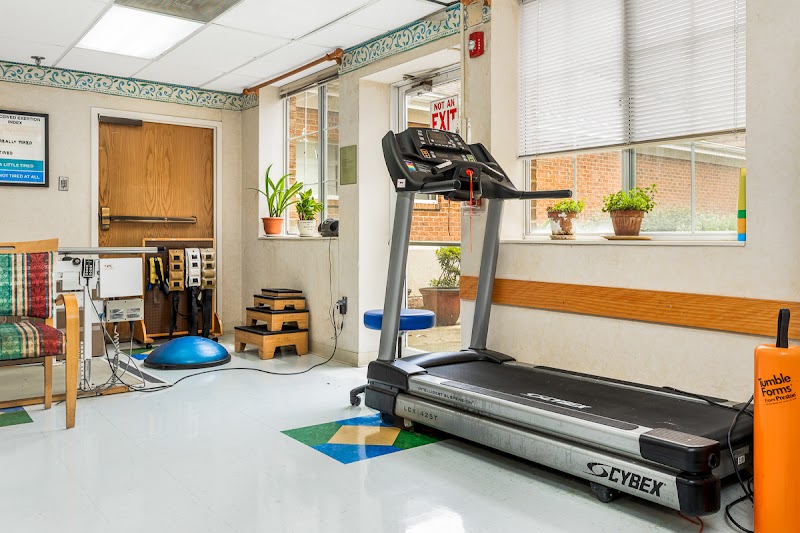
How is Autumn Lake Healthcare At Silver Spring Staffed?

CMS rates AUTUMN LAKE HEALTHCARE AT SILVER SPRING's staffing level at 3 out of 5 stars, which is average compared to other nursing homes. Staff turnover is 23%, compared to the Maryland average of 46%. This relatively stable workforce can support continuity of care.

What Have Inspectors Found at Autumn Lake Healthcare At Silver Spring?

State health inspectors documented 35 deficiencies at AUTUMN LAKE HEALTHCARE AT SILVER SPRING during 2018 to 2025. These included: 29 with potential for harm and 6 minor or isolated issues.

Who Owns and Operates Autumn Lake Healthcare At Silver Spring?

AUTUMN LAKE HEALTHCARE AT SILVER SPRING is owned by a for-profit company. For-profit facilities operate as businesses with obligations to shareholders or private owners. The facility is operated by AUTUMN LAKE HEALTHCARE, a chain that manages multiple nursing homes. With 148 certified beds and approximately 134 residents (about 91% occupancy), it is a mid-sized facility located in SILVER SPRING, Maryland.

How Does Autumn Lake Healthcare At Silver Spring Compare to Other Maryland Nursing Homes?

Compared to the 100 nursing homes in Maryland, AUTUMN LAKE HEALTHCARE AT SILVER SPRING's overall rating (3 stars) is below the state average of 3.0, staff turnover (23%) is significantly lower than the state average of 46%, and health inspection rating (3 stars) is at the national benchmark.

What Should Families Ask When Visiting Autumn Lake Healthcare At Silver Spring?

Based on this facility's data, families visiting should ask: "Can I visit during a mealtime to observe dining assistance and food quality?" "How do you handle medical emergencies, and what is your hospital transfer rate?" "Can I speak with family members of current residents about their experience?"

Is Autumn Lake Healthcare At Silver Spring Safe?

Based on CMS inspection data, AUTUMN LAKE HEALTHCARE AT SILVER SPRING has a clean safety record: no substantiated abuse findings (meaning no confirmed cases of resident harm), no Immediate Jeopardy citations (the most serious violation level indicating risk of serious injury or death), and is not on the Special Focus Facility watch list (a federal program monitoring the lowest-performing 1% of nursing homes). The facility has a 3-star overall rating and ranks #100 of 100 nursing homes in Maryland. While no facility is perfect, families should still ask about staff-to-resident ratios and recent inspection results during their visit.

Do Nurses at Autumn Lake Healthcare At Silver Spring Stick Around?

Staff at AUTUMN LAKE HEALTHCARE AT SILVER SPRING tend to stick around. With a turnover rate of 23%, the facility is 23 percentage points below the Maryland average of 46%. Low turnover is a positive sign. It means caregivers have time to learn each resident's needs, medications, and personal preferences. Consistent staff also notice subtle changes in a resident's condition more quickly.

Was Autumn Lake Healthcare At Silver Spring Ever Fined?

AUTUMN LAKE HEALTHCARE AT SILVER SPRING has no federal fines on record. CMS issues fines when nursing homes fail to meet care standards or don't correct problems found during inspections. The absence of fines suggests the facility has either maintained compliance or corrected any issues before penalties were assessed. This is a positive indicator, though families should still review recent inspection reports for the full picture.

Is Autumn Lake Healthcare At Silver Spring on Any Federal Watch List?

AUTUMN LAKE HEALTHCARE AT SILVER SPRING is not on any federal watch list. The most significant is the Special Focus Facility (SFF) program, which identifies the bottom 1% of nursing homes nationally based on persistent, serious quality problems. Not being on this list means the facility has avoided the pattern of deficiencies that triggers enhanced federal oversight. This is a positive indicator, though families should still review the facility's inspection history directly.