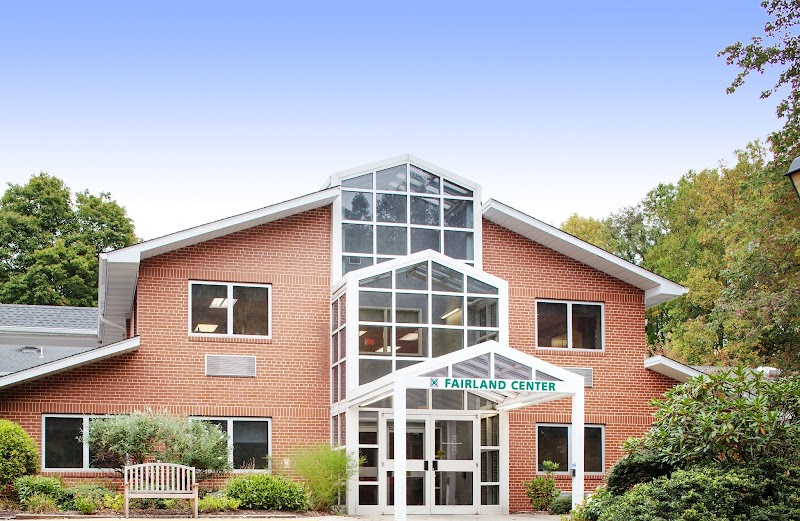
FAIRLAND CENTER

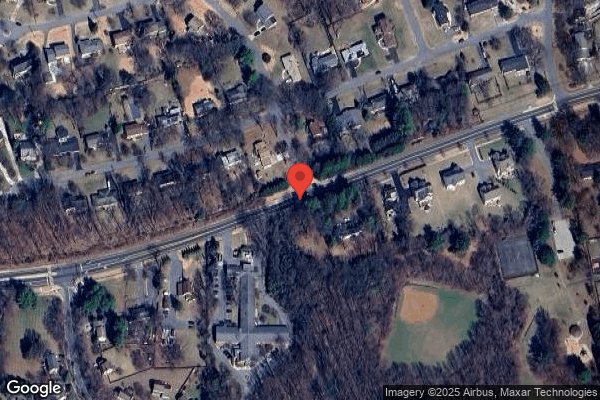
2101 FAIRLAND ROAD, SILVER SPRING, MD 20904 (301) 384-6161
For profit - Corporation 92 Beds GENESIS HEALTHCARE Data: November 2025
Trust Grade
50/100
#158 of 219 in MD
Last Inspection: April 2025

Within standard 12-15 month inspection cycle. Federal law requires annual inspections.

Overview

Fairland Center in Silver Spring, Maryland, has a Trust Grade of C, indicating it is average and in the middle of the pack for nursing homes. It ranks #158 out of 219 facilities in Maryland, placing it in the bottom half, and #29 out of 34 in Montgomery County, meaning only a few local options are better. The facility is worsening, with issues increasing from 11 in 2024 to 27 in 2025. Staffing is a relative strength, with a rating of 2 out of 5 stars but a turnover rate that matches the state average at 40%. Notably, there have been no fines recorded, which is a positive sign. However, recent inspections found concerning issues, including an overflowing trash can that created unpleasant odors and a pill found unattended in a hallway, raising potential medication safety concerns. Overall, while there are positive aspects, such as adequate RN coverage and no fines, families should be aware of the facility's cleanliness and safety issues.

Trust Score
C
50/100
In Maryland
#158/219
Bottom 28%
Safety Record
Low Risk
No red flags
Inspections
Getting Worse
11 → 27 violations
Staff Stability
○ Average
40% turnover. Near Maryland's 48% average. Typical for the industry.
Penalties
✓ Good
No fines on record. Clean compliance history, better than most Maryland facilities.
Skilled Nurses
✓ Good
Each resident gets 70 minutes of Registered Nurse (RN) attention daily — more than 97% of Maryland nursing homes. RNs are the most trained staff who catch health problems before they become serious.
Violations
⚠ Watch
55 deficiencies on record. Higher than average. Multiple issues found across inspections.
★★☆☆☆
2.0
Overall Rating
★★☆☆☆
2.0
Staff Levels
★★★★☆
4.0
Care Quality
★★☆☆☆
2.0
Inspection Score
Stable
2024: 11 issues
2025: 27 issues

The Good

  • 4-Star Quality Measures · Strong clinical quality outcomes
  • Full Sprinkler Coverage · Fire safety systems throughout facility
  • No fines on record
  • Staff turnover below average (40%)

    8 points below Maryland average of 48%

Facility shows strength in quality measures, fire safety.

The Bad

2-Star Overall Rating

Below Maryland average (3.0)

Below average - review inspection findings carefully

Staff Turnover: 40%

Near Maryland avg (46%)

Typical for the industry

Chain: GENESIS HEALTHCARE

Part of a multi-facility chain

Ask about local staffing decisions and management

The Ugly 55 deficiencies on record

Apr 2025 27 deficiencies
CONCERN (D) 📢 Someone Reported This

A family member, employee, or ombudsman was alarmed enough to file a formal complaint

Potential for Harm - no one hurt, but risky conditions existed

Deficiency F0558 (Tag F0558)

Could have caused harm · This affected 1 resident

Based on observation and interview it was determined the facility failed to ensure a resident (#70) had access to their call device. This was evident for one out of two residents reviewed for call dev...

Read full inspector narrative →
Based on observation and interview it was determined the facility failed to ensure a resident (#70) had access to their call device. This was evident for one out of two residents reviewed for call devices during the facility's recertification/complaint survey. The findings include: On 4/8/25 at 8:47AM the surveyor observed Resident #70 did not have their call device to call for staff assistance. Upon further surveyor observation on 4/8/25 at 8:47AM the surveyor observed Resident #70's call device resting behind a cardboard box situated on a nightstand table several feet away from the resident, out of their reach. On 4/8/25 at 8:47AM the surveyor conducted an interview with Resident #70 who reported to the surveyor that they could not reach their call device from their bed. On 4/8/25 at 8:51AM the surveyor requested a dual observation of the concern with the Assistant Director of Nursing (ADON) #3 who observed the concern and stated to Resident #70: Of course it needs to be next to you. ADON #3 was observed obtaining the resident's assigned nurse to observe the concern and asked Licensed Practical Nurse (LPN) #11 where the resident's call bell was located. LPN #11 was observed to be unable to find where the resident's call device was. ADON #3 was observed by the surveyor showing LPN #11 where the call device was, and ADON #3 asked LPN #11 to place it in reach of the resident, to which LPN #11 replied to them: S/he always calls me. At this time, the surveyor observed ADON #3 providing education to LPN #11 and instructed them again, to place the call device within the resident's reach.
CONCERN (D)

Potential for Harm - no one hurt, but risky conditions existed

Deficiency F0561 (Tag F0561)

Could have caused harm · This affected 1 resident

Based on resident interview, staff interview, and clinical record review, it was determined that the facility staff failed to ensure residents received showers twice a week. This was evident for 3 (#3...

Read full inspector narrative →
Based on resident interview, staff interview, and clinical record review, it was determined that the facility staff failed to ensure residents received showers twice a week. This was evident for 3 (#30, #38, and #57) out of 3 residents reviewed for choices during the recertification/complaint survey. The findings include: 1. This surveyor interviewed Resident #30 on 4/8/25 at 8:06 AM. The resident stated that they have received only one shower each week. A review of the resident's clinical record revealed that from February 1 to April 11, 2025, the resident had only received 17 showers out of a possible 20. 2. This surveyor interviewed Resident #38 on 4/8/25 at 9:01 AM. The resident stated that they have not received two showers each week. A review of the resident's clinical record revealed that from February 1 to April 11, 2025, the resident had only received 17 showers out of a possible 20. 3. This surveyor interviewed Resident #57's spouse on 4/8/25 at 8:06 AM. The spouse said the resident had only received one shower each week. A review of the resident's clinical record revealed that from February 1 to April 11, 2025, the resident had only received 12 showers out of a possible 20. The Director of Nursing was interviewed on 4/11/25 at 7:00 AM and she confirmed that the shower logs provided reflected the number of showers received.
CONCERN (D)

Potential for Harm - no one hurt, but risky conditions existed

Deficiency F0578 (Tag F0578)

Could have caused harm · This affected 1 resident

Based on interview and record review it was determined the facility failed to ensure a resident representative was provided with written information and the offered the opportunity to formulate an adv...

Read full inspector narrative →
Based on interview and record review it was determined the facility failed to ensure a resident representative was provided with written information and the offered the opportunity to formulate an advanced directive. This was evident for one (Resident #56) out of four residents reviewed for advanced directives during the facility's recertification/complaint survey. The findings include: On 4/8/25 at 9:40AM the surveyor observed the medical record of Resident #56 and noted that a surrogate was selected on the resident's Maryland Orders for Life Sustaining Treatment Form located within the hard chart at the nurse's station. Further reveiew of the hard chart revealed two certifications of incapacity were present for Resident #56. On 4/8/25 at 10:20AM the surveyor conducted a review of the medical record for Resident #56 at which time no documentation upon their admission to the facility could be found of the resident representative having been offered the opportunity to formulate an advanced directive, having been provided with information to formulate an advanced directive, or any documentation regarding any existing advanced directive. On 4/15/25 at 11:20AM the surveyor shared the concern with the facility's Director of Nursing (DON) and provided opportunity for any documentation of advanced directives, documentation of them having been offered or provided to the resident representative, to be provided to the surveyor. On 4/16/25 at 7:34AM the surveyor conducted an interview of the DON at which time they reported to the surveyor that they could not find any documentation of advanced directives having been offered upon the resident's admission to the facility. The DON further reported that they would be reaching out and addressing it. After surveyor intervention, the surveyor observed on 4/16/25 at 12:21PM that a note was drafted in the resident's medical record dated 4/16/25 at 8:08AM which indicated a voicemail was left for the resident's representative offering the opportunity for them to create an advanced directive.
CONCERN (D) 📢 Someone Reported This

A family member, employee, or ombudsman was alarmed enough to file a formal complaint

Potential for Harm - no one hurt, but risky conditions existed

Free from Abuse/Neglect (Tag F0600)

Could have caused harm · This affected 1 resident

Deficiency Text Not Available

Read full inspector narrative →
Deficiency Text Not Available
CONCERN (D) 📢 Someone Reported This

A family member, employee, or ombudsman was alarmed enough to file a formal complaint

Potential for Harm - no one hurt, but risky conditions existed

Report Alleged Abuse (Tag F0609)

Could have caused harm · This affected 1 resident

Based on interview and observation it was determined the facility failed to ensure the reporting of an allegation of abuse. This was evident for one resident, (Resident #56) during the surveyor's inve...

Read full inspector narrative →
Based on interview and observation it was determined the facility failed to ensure the reporting of an allegation of abuse. This was evident for one resident, (Resident #56) during the surveyor's investigation of MD#00213104 during the recertification/complaint survey. The findings include: On 4/8/25 at 1:07PM the surveyor conducted an interview of a family member of Resident #56 who reported to surveyors that they had found a red mark on Resident #56's forehead upon visiting the resident, and when they had brought this to the attention of facility staff, they were informed that it was not reportable. At this time, surveyors observed a photo dated from March 2025 in which an elongated red mark appeared to be present on the resident's forehead. On 4/10/25 at 10:37AM the surveyor conducted an interview of Unit Manager #26 who confirmed the Director of Nursing and the Assistant Director of Nursing had inquired to them about the red mark on the resident's forehead, at which time they had first observed it to be present. Unit Manager #26 further reported they had observed the resident earlier in the day and had not seen the red mark to be present at that time, and they recalled being perplexed as to how it occurred. On 4/10/25 at 11:50AM the surveyor conducted an interview with Licensed Practical Nurse (LPN) #11 who reported to the surveyor that a Geriatric Nursing Assistant (GNA) had informed him/her of the red mark on the resident's forehead at which time they (LPN#11) had asked the resident abuse related questions. LPN #11 further reported that the GNA then reported their concern to the DON. On 4/10/25 at 12:03PM the surveyor conducted an interview with the DON who confirmed that it was assumed that the tv remote caused the red mark on the resident's forehead, however, no one saw the remote on the resident. On 4/10/25 at 1:06PM the surveyor conducted an interview with the facility's Administrator who stated to the surveyor: S/he (Resident #56's family member) alleged someone hit him/her (Resident #56). At this time the surveyor shared their concern and the Administrator acknowledged and confirmed understanding of the concern and confirmed the allegation was reportable and had not been reported. After surveyor intervention, the allegation of abuse was observed to have been reported to the Office of Health Care Quality on 4/10/25.
CONCERN (D) 📢 Someone Reported This

A family member, employee, or ombudsman was alarmed enough to file a formal complaint

Potential for Harm - no one hurt, but risky conditions existed

Investigate Abuse (Tag F0610)

Could have caused harm · This affected 1 resident

Deficiency Text Not Available

Read full inspector narrative →
Deficiency Text Not Available
CONCERN (D)

Potential for Harm - no one hurt, but risky conditions existed

Deficiency F0625 (Tag F0625)

Could have caused harm · This affected 1 resident

**NOTE- TERMS IN BRACKETS HAVE BEEN EDITED TO PROTECT CONFIDENTIALITY** Based on medical record review and staff interviews, it was determined that the facility failed to notify the resident/resident ...

Read full inspector narrative →
**NOTE- TERMS IN BRACKETS HAVE BEEN EDITED TO PROTECT CONFIDENTIALITY** Based on medical record review and staff interviews, it was determined that the facility failed to notify the resident/resident representative in writing about the bed hold policy when the resident was transferred/discharged from the facility to an acute care facility. This was evident for 1 (resident #42) of 1 Residents reviewed who were transferred to an acute care facility during the recertification/complaint survey. The findings include: On 04/10/25 at 11:30 am, medical review of Resident # 42 revealed that the Resident was admitted to the facility on [DATE] and was receiving long-term care. The resident was sent to the hospital due to a change in condition on 07/25/23. Review of the facility policy title AR102 - Bed - Holds revealed; When it is known that a resident will be temporarily transferred out of the service location, staff involved with the resident's transfer out (example; Nursing, admissions, and social services, etc.) will provide the bed hold notice of policy & authorization form to the resident and representative, if applicable. Further review of Resident #42's medical record revealed that the progress notes, SBAR communication form, and INTERACT change in condition did not reflect the documentation on the offering of the bed hold policy to the family. On 04/10/25 at 12:06 PM, an Interview with Licensed Practical Nurse (LPN) Staff #38 revealed that she/he may not always remember to offer the bed hold policy when rushing the Resident to the Hospital. On 04/10/25 at 2 PM, an Interview with Registered Nurse (RN) staff # 6 revealed that the facility communicates with the Resident and/or family regarding the bed hold policy when the resident was sent to the Hospital. RN staff # 6, added, that when Resident #42 was transferred to the hospital on [DATE], a copy of the Bed Hold policy was sent with the Resident to the hospital; one copy was filed in the Resident's medical record, one copy was sent to the business office and one copy went to the reception, and the receptionist sent the copy to the Resident's family. On 04/10/25 at 2:15 PM, the surveyor requested RN staff # 6, a copy of the bed hold policy offered to Resident #42 for hospitalization on 07/25/23. At 4:10 PM, she/he told the surveyor that she/he had checked everywhere, including the medical records, and she didn't find a copy of the Bed Hold Policy or documentation that the facility would have offered the bed hold policy.
CONCERN (D)

Potential for Harm - no one hurt, but risky conditions existed

Deficiency F0655 (Tag F0655)

Could have caused harm · This affected 1 resident

**NOTE- TERMS IN BRACKETS HAVE BEEN EDITED TO PROTECT CONFIDENTIALITY** Based on review of medical records and interview with facility staff, it was determined that the facility failed 1) to ensure th...

Read full inspector narrative →
**NOTE- TERMS IN BRACKETS HAVE BEEN EDITED TO PROTECT CONFIDENTIALITY** Based on review of medical records and interview with facility staff, it was determined that the facility failed 1) to ensure that residents and/or residents' representatives were provided with summaries of their baseline care plans including a list of their medications and 2) to complete a baseline care plan within the required timeframe. This was evident for 2 (#44, #55) of 24 residents reviewed during the recertification/complaint survey. The findings include: A baseline care plan (BLCP) must be completed within 48 hours of a resident's admission to the facility and include the initial goals based on admission orders, physician orders, dietary orders, therapy services, and social services. A summary of the BLCP and medication list must be given to each resident and/or his/her representative. Completion and implementation of the BLCP is intended to promote continuity of care and communication among staff, increase resident safety, and safeguard against adverse events (undesirable outcomes) that can occur right after admission. 1) The Director of Nursing (DON) was interviewed on 4/10/25 at 11:58 AM. During the interview when asked who initiates and completes the BLCP she stated, the admitting nurse initiates it, and then the Social Worker (SW) completes it within 24-48 hours. The Regional Director of Social Services (RDSS #8) was interviewed on 4/14/25 at 10:45 AM. During the interview when asked to describe the facility's BLCP process she stated she is conferenced in via phone or video with the Unit Manager (UM) and we ensure the care plan team (she verbalized to include the UM, GNA if one is present and able to, activities/recreation, SW, the resident and/or family, and rehab) is present during the BLCP meeting. When asked who was ultimately responsible for the completion of BLCPs, she stated she was the one responsible and that there was an agency SW but that is no longer the case, so she has been the one trying to keep up with it. When asked if the BLCP process was documented, she stated yes, it is documented in the resident's medical record under Post admission Patient Family Conference, at the bottom of the assessment it says a copy was provided to the resident/family, and the UM prints a copy and takes it to them. On 4/15/25 at 12:14 PM, Resident #44's medical record was reviewed. The review revealed the resident was admitted to the facility on [DATE] but failed to reveal any evidence that Resident #44 had been provided with a summary of his/her BLCP along with a summary of his/her medications. Continued review of the medical record revealed a Post admission Patient-Family Conference dated 2/24/25 however in the section where the RDSS #8 stated the information would be documented, Copy given to resident and/or resident representative, the box was left unchecked. Additionally, the assessment was completed after 48 hours. On 4/15/25 at 12:13 PM the DON was asked to provide evidence that Resident #44 received a BLCP summary including a list of his/her medications. On 4/15/25 at 12:33 PM the DON verified and confirmed there is no documentation that Resident #44 was provided with a written summary of his/her BLCP including medication list within 48 hours of their admission. 2) On 4/14/25 at 10:38 AM review of Resident #55's medical record revealed the resident was admitted on [DATE]. Further review of the medical record revealed a Post admission Patient-Family Conference, however it was dated 10/17/24, after the 48 hour required time frame for completion. In an interview with RDSS #8 on 4/14/25 at11:09 AM when asked if Resident #55 had a BLCP completed timely within 48 hours, she stated she did see a BLCP from 10/17/24, but that no, it was not completed timely. During the interview she stated she was the one who completed that assessment. When asked why it was not completed within the required time frame, she stated she did not have that answer.
CONCERN (D)

Potential for Harm - no one hurt, but risky conditions existed

Deficiency F0657 (Tag F0657)

Could have caused harm · This affected 1 resident

**NOTE- TERMS IN BRACKETS HAVE BEEN EDITED TO PROTECT CONFIDENTIALITY** Based on review of medical records and interview with facility staff, it was determined that the facility failed to revise care ...

Read full inspector narrative →
**NOTE- TERMS IN BRACKETS HAVE BEEN EDITED TO PROTECT CONFIDENTIALITY** Based on review of medical records and interview with facility staff, it was determined that the facility failed to revise care plans for residents quarterly. This was evident for 1 (Resident #55) of 24 residents reviewed during the recertification/complaint survey. The findings include: Care plans are developed for residents to guide the care that residents receive in the facility. They describe residents' needs and the interventions to address them and must be reviewed and revised at least every quarter and/or as changes in the residents' conditions occur. The facility is required to have care plans developed and revised by an interdisciplinary team (IDT) including: the attending physician, a registered nurse, a nursing aide, a representative from dietary services, the resident, and the resident's representative (as practicable). On 4/14/25 at 10:39 AM Resident #55's medical record was reviewed. During the review it was noted that the resident was admitted to the facility on [DATE], however, only one care plan was observed in his/her medical record, initiated on their admission date. Additionally, in the next section, Review History (the next time(s) the care plan was/were reviewed by the facility's IDT) it was documented, No records found. The Regional Director of Social Services (RDSS #8) was interviewed on 4/14/25 at 10:45 AM. During the interview when asked how often care plans are reviewed and revised, she stated every 90 days. Residents have their first, initial care plan developed within 14 days of admission to the facility and then quarterly from there or as needed. The surveyor shared the concern that only one care plan was observed in Resident #55's medical record even though s/he was admitted on [DATE]. When asked if to date, Resident #55 should have had any care plan revisions she stated yes, s/he should have had one in January [2025] and s/he is due for one this month [April 2025]. When asked if she saw evidence in the medical record of a care plan revision for Resident #55, she stated s/he (the resident) might not have been triggered. She stated her process is to go into the electronic medical record and go into reports. When she goes into reports, it shows care plan report/task and care plan reviews that are due. Then she goes under each unit in the facility and the system tells me which residents have a care plan that needs to be completed.
CONCERN (D)

Potential for Harm - no one hurt, but risky conditions existed

Deficiency F0661 (Tag F0661)

Could have caused harm · This affected 1 resident

Based on review of the medical record and interview with facility staff, it was determined that the facility failed to complete a discharge summary of a resident . This was evident for 1 (Resident #84...

Read full inspector narrative →
Based on review of the medical record and interview with facility staff, it was determined that the facility failed to complete a discharge summary of a resident . This was evident for 1 (Resident #84) of 3 residents reviewed for closed records during a recertification/complaint survey. The findings include: Resident #84's closed medical record was reviewed on 4/16/25 at 9:01 AM. The review revealed the resident was noted to have left against medical advice on 1/16/25. Further review revealed on 4/15/25 at 2:38 PM Nurse Practitioner (NP #25) wrote, Patient desires discharge AMA (Against Medical Advice). Notified the primary care provider, Dr. [Medical Doctor #16], via voicemail regarding the patient's situation and concerns. Notified the Director of Nursing about the patient's dissatisfaction and intent to leave AMA. Additionally, the last nursing progress note documented 1/16/25 at 8:29 PM revealed, Resident left against medical advice despite education in regard to risks and benefits, but resident still insisted on leaving, resident left via stretcher accompanied by 2 paramedical transport in no pain/distress. NP made aware. However, further review of the medical record failed to reveal a completed discharge summary that included: a recapitulation of the resident's stay, a final summary of the resident's status, reconciliation of all pre-discharge medications with the post discharge medications, and a post discharge plan of care. On 4/16/25 at 9:24 AM the above concerns were discussed with the Director of Nursing (DON) and she confirmed that the expectation was that residents leaving the facility, for any reason, would require a discharge summary written by the physician. During this interview, the surveyor requested a copy of Resident #84's discharge summary. The DON was interviewed on 4/16/25 at 10:01 AM and confirmed there was no documentation from the physician regarding the resident's discharge and verified that yes, there should have been a discharge summary written for the resident.
CONCERN (D) 📢 Someone Reported This

A family member, employee, or ombudsman was alarmed enough to file a formal complaint

Potential for Harm - no one hurt, but risky conditions existed

ADL Care (Tag F0677)

Could have caused harm · This affected 1 resident

Based on observation, interview, and record review it was determined the facility failed to ensure a resident received necessary oral care. This was evident for one resident (Resident #56) during the ...

Read full inspector narrative →
Based on observation, interview, and record review it was determined the facility failed to ensure a resident received necessary oral care. This was evident for one resident (Resident #56) during the surveyor's investigation of MD#00213104 during the recertification/complaint survey. The findings include: On 4/8/25 at 1:07PM the surveyor conducted an interview of Resident #56's family member who expressed concern for the resident's oral care. On 4/8/25 at 2:50PM the surveyor observed the resident's tongue to have a yellow, dry, crusty appearance, and their front upper teeth to have a thick, creamy film present. On 4/8/25 at 3:02PM the surveyor conducted a dual observation of the resident's oral condition described above with Unit Manager #26 and conducted an interview with them at the conclusion of the observation. The surveyor shared their concern with Unit Manager #26 who acknowledged and confirmed understanding of the concern and reported to the surveyor that the Respiratory Therapist (RT) was responsible for performing the resident's oral care and that oral care was performed 1 or 2 times per shift according to the recommendations made by respiratory therapy. On 4/14/25 at 1:50PM the surveyor conducted an interview with RT #27 who reported to the surveyor that they perform suctioning, but that nurses were responsible for oral care of the resident. On 4/14/25 at 1:59PM the surveyor conducted an interview with RT #28 who reported that they are responsible to suction the mouth of residents, but were not trained to provide oral care otherwise. On 4/14/25 at approximately 2:15PM the surveyor conducted an interview with Licensed Practical Nurse #29 who stated to the surveyor that nurses are responsible for oral care which the nurse documents on the MAR/TAR (medication and treatment administration record) and there is also a medical order for oral care. On 4/14/25 at 2:22PM the surveyor reviewed the medical record for Resident #56 and observed the following active medical order which was dated 8/20/24: Oral care every shift. Review of the February, March and April 2025 treatment administration records revealed empty boxes in which no oral care documentation was signed off for day shift on the following dates: 2/9/25, 2/10/25, and on 3/14/25.
CONCERN (D) 📢 Someone Reported This

A family member, employee, or ombudsman was alarmed enough to file a formal complaint

Potential for Harm - no one hurt, but risky conditions existed

Quality of Care (Tag F0684)

Could have caused harm · This affected 1 resident

**NOTE- TERMS IN BRACKETS HAVE BEEN EDITED TO PROTECT CONFIDENTIALITY** Based on observation, interview and record review it was determined the facility failed to: ensure a resident (Resident #56) rec...

Read full inspector narrative →
**NOTE- TERMS IN BRACKETS HAVE BEEN EDITED TO PROTECT CONFIDENTIALITY** Based on observation, interview and record review it was determined the facility failed to: ensure a resident (Resident #56) received the recommended frequency of visits for therapy care for rehabilitation, ensure consistent turning and repositioning needs were provided, and ensure medical orders were followed. This was evident for 1) one (Resident #56) out of three residents reviewed for positioning and for 2) one (Resident #44) of five residents reviewed for unnecessary medications during the facility's recertification/complaint survey. The findings include: 1) On 4/8/25 at 8:28AM the surveyor observed Resident #56 laying in their bed in a back lying position with the head of the bed elevated and observed their feet in a plantarflexed position (feet pointed downwards) laying directly on the bed without any intervention instituted for support. On 4/8/25 at 2:48PM the surveyor observed Resident #56 laying in their bed in a back lying position with the head of the bed elevated and observed their feet in a plantarflexed position (feet pointed downwards) laying directly on the bed without any intervention instituted for support. On 4/10/25 at 10:28AM the surveyor observed Resident #56 laying in their bed in a back lying position with the head of the bed elevated and observed the resident's lower extremities laying directly on the surface of the mattress with no supports in place. At this time, the surveyor conducted an interview of the resident's assigned nurse, Registered Nurse (RN) #32 and inquired as to why the resident had no boots/splints in place. RN #32 was observed by the surveyor asking Nurse Practitioner #7 the following question: Does s/he have boots? On 4/10/25 at 2:25PM the surveyor conducted an interview with the Director of Rehab, Physical Therapist (PT) #31 who reported to the surveyor that therapy had been providing the role of application of the resident's splints and hand rolls, and the wearing schedule for them was that therapy applied them, and in the evening, the resident's family will take them off. When the surveyor inquired as to what the therapy recommendations were for the nursing staff's role in care of the resident's feet, and shared their concern, they replied: I will work with nursing on improving that process. On 4/10/25 at 2:50PM the surveyor conducted another interview with PT #31 who confirmed with the surveyor that the resident was to be seen at a frequency of 5 times per week beginning the week of 4/5/25 (date of their new physical therapy recertification period) and the visit weeks run from Sunday to Saturday. When the surveyor further inquired to PT #31 as to the frequency of physical therapy visits and why there was not five visits documented for Resident #56 for the week of 4/5/25, they responded: We didn't see him/her the five times. When the surveyor inquired to PT #31 what the reason was as to why the resident was not seen the five times, they stated the following information: Nothing that I can give to you, I wasn't able to schedule that. On 4/10/25 at 3:06PM, after surveyor intervention, PT #33 was observed applying positioning devices to the resident's feet. Resident #56 was observed laying in their bed in a back lying position with the head of the bed elevated. On 4/11/25 at 10:33AM the surveyor reviewed therapy documentation which documented the physical therapy recertification period of 4/5/25-5/4/25 in which the resident's plan of treatment was documented as having a frequency of 5 times a week. Review of the medical record on 4/15/25 at 9:00AM revealed the following active medical orders for care of the resident dated as beginning on 8/21/24: 1.) order date 8/21/24 Heel medix boots/pillows to both feet for continuous off loading of heels, may be removed for hygiene, inspection of skin or dressing changes every shift for preventative care and 2.) turn and reposition every 2 hours while in bed every shift for preventative care. Further review of the medical orders revealed a late entry physical therapy order for 4/5/25 recertification beginning on 4/12/25. On 4/15/25 at 11:20AM the surveyor shared concerns with the facility's Director of Nursing who confirmed and acknowledged understanding of the concerns. Review of the resident's medical record on 4/15/25 at 1:37PM revealed the following: 1.) inconsistent point of care documentation for the turn and reposition every 2 hours task, 2.) point of care task documentation for turning and repositioning every 2 hours was not completed on approximately 6 occasions for April 2025, 3.) point of care task documentation for floating heels in bed as tolerated was not completed on approximately 6 occasions for April 2025. 2) The Centers for Medicare & Medicaid Services (CMS) defines a psychotropic medication in the regulations at §483.45(c)(3), as any drug that affects brain activities associated with mental processes and behavior (CMS, 2023). These drugs include, but are not limited to, drugs in the following categories: anti-psychotic, anti-depressant, anti-anxiety, and hypnotic medications. These medications can have serious potential risks, including side effects, drug interactions, and the possibility of neuroleptic malignant syndrome (a rare but potentially life-threatening condition) or tardive dyskinesia (a movement disorder that can develop if you take an antipsychotic medication) therefore requiring careful consideration and monitoring. On 4/14/25 at 10:40 AM review of Resident #44's medical record revealed the resident was admitted to the facility on [DATE] with a diagnosis of bipolar disorder. On 4/14/25 at 9:24 PM review of Resident #44's orders revealed the resident was ordered 2 psychotropic medications: Quetiapine Fumarate 400mg (milligrams) and Valproic Acid Oral Solution 250mg/ml (milligram/milliliter). Further review of the resident's orders revealed the following order: Is resident free from side effects of psychotherapeutic medications? (if no, document side effects in PN) every shift. Resident #44's April 2025 MAR (medication administration record) was reviewed on 4/14/25 at 10:12 PM. The review revealed No documented 38 out of 40 shifts from 4/1/25 through 4/14/25 for the order Is resident free from side effects of psychotherapeutic medications? (if no, document side effects in PN). The resident's progress notes from 4/1/25 through 4/14/25 were reviewed and failed to reveal any side effects documented in the progress notes. The Director of Nursing (DON) was interviewed on 4/15/25 at 7:53 AM. During the interview, when asked if there were certain medications that required monitoring, she stated antipsychotics, anti-depressants, and antianxiety medications, so the psychotropics. When asked if there was a physician order that read, Is resident free from side effects of psychotherapeutic medications? (if no, document side effects in PN) what was PN, and she stated, progress notes. The abovementioned concern of lack of documented side effects was shared with the DON and during the interview, the surveyor requested any progress notes with documented side effects of psychotherapeutic medications for Resident #44. On 4/15/25 at 9:37 AM in an interview with the DON, she verified and confirmed that there were no side effects documented for Resident #44. During the interview she stated that the nurses might have misread the order and thought that documenting no meant that the resident was not having side effects.
CONCERN (D) 📢 Someone Reported This

A family member, employee, or ombudsman was alarmed enough to file a formal complaint

Potential for Harm - no one hurt, but risky conditions existed

Accident Prevention (Tag F0689)

Could have caused harm · This affected 1 resident

Based on observation and interview it was determined the facility failed to ensure a chemical was stored in a locked location. This was evident for one (A wing) out of three nursing units on the facil...

Read full inspector narrative →
Based on observation and interview it was determined the facility failed to ensure a chemical was stored in a locked location. This was evident for one (A wing) out of three nursing units on the facility's second floor during the facility's recertification/complaint survey. The findings include: On 4/14/25 at 8:08AM the surveyor conducted observations which included rounding of environmental concerns with the facility's Director of Maintenance #20 and Regional Director of Nursing #4 and during rounding the surveyor was able to freely access and open one of two closet doors on the A wing located between rooms A1 and A3 and observed a container of carpet cleaning chemical. At this time, the surveyor shared their concern with Director of Maintenance #20 and Regional Director of Nursing #4 who both observed, acknowledged, and confirmed understanding of the surveyor's concern. On 4/14/25 at 8:10AM the surveyor observed Director of Maintenance #20 attempt to lock the closet door which contained the carpet cleaning chemical, at which time it was observed that after attempting to lock it, the door was able to be pulled right open by them. At this time, Director of Maintenance #20 was observed unlocking the closet next to it, and removing the chemical and placing it into the closet which was able to be locked which contained various other cleaning chemicals.
CONCERN (D)

Potential for Harm - no one hurt, but risky conditions existed

Deficiency F0726 (Tag F0726)

Could have caused harm · This affected 1 resident

Based on a review of staff training and staff interview it was determined that the facility staff failed to ensure all staff received the appropriate training. This was evident for 3 (Staff #10, Staff...

Read full inspector narrative →
Based on a review of staff training and staff interview it was determined that the facility staff failed to ensure all staff received the appropriate training. This was evident for 3 (Staff #10, Staff #23, Staff #24) out of the 5 staff reviewed for training during the recertification/complaint survey. The findings include: The employee files for the five employees were reviewed on 04/11/25 at 06:57 AM. Staff #10 was missing evidence of training for behavioral health, tracheotomy care, and ventilator care. Staff #23 was missing evidence of training for Resident rights, communication, behavioral health, ventilator care, and tracheotomy care. Staff #24 was missing evidence of training for abuse, resident rights, communication, ventilator care, and tracheotomy care. Staff #5 (Regional Clinical Resource Nurse) was interviewed on 4/11/25 at 8:27 AM. When asked what training staff must complete prior to working on the units she stated: safety- fire, electrical; infection control; dementia; skills- basic skills such as Range of Motion (ROM), Activities of Daily Living (ADLs), turning and repositioning, skin prevention, and handwashing. Stated that these trainings are to be completed prior to starting on the unit in orientation. The Director of Nursing was interviewed on 4/15/25 at 11:45 AM. She informed this surveyor of the missing trainings/competencies. She said they searched for them and looked through their files and could not find them anywhere.
CONCERN (D)

Potential for Harm - no one hurt, but risky conditions existed

Deficiency F0740 (Tag F0740)

Could have caused harm · This affected 1 resident

Based on clinical record review and staff interview, it was determined that the facility staff failed to ensure facility staff documented monitoring of behavioral symptoms. This was evident for 1(#38)...

Read full inspector narrative →
Based on clinical record review and staff interview, it was determined that the facility staff failed to ensure facility staff documented monitoring of behavioral symptoms. This was evident for 1(#38) out 24 residents reviewed during the recertification/complaint survey. The findings include: A review of Resident #38's clinical record revealed that the behavior monitoring that was ordered for the monitoring of the resident's depression symptoms for the month of April could not be found. The Director of Nursing (DON) was interviewed on 4/15/25 at 8:14 AM. The DON reviewed the electronic health record with the surveyor. She showed the surveyor that the button for who was responsible for the monitoring was clicked to Ancillary staff instead of nursing. The provider should have clicked nursing so that it would show up on the Medication Administration Record for nursing to document. She said she would change it.
CONCERN (D)

Potential for Harm - no one hurt, but risky conditions existed

Drug Regimen Review (Tag F0756)

Could have caused harm · This affected 1 resident

Based on record reviews and interviews with facility staff, it was determined that the facility failed to respond to recommendations made by consulting pharmacists in a timely manner. This was evident...

Read full inspector narrative →
Based on record reviews and interviews with facility staff, it was determined that the facility failed to respond to recommendations made by consulting pharmacists in a timely manner. This was evident for 1 (Resident #44) of 5 residents reviewed for unnecessary medications during the recertification/complaint survey. The findings include: The Medication Regimen Review (MRR) is a review of the medication regimen (plan) of each resident with the goal of promoting positive outcomes and minimizing adverse (negative) consequences and potential risks associated with medications. The MRR must be completed at least once a month by a licensed pharmacist and includes a review of the medical record to identify, report, and resolve medication-related problems, errors, and/or other irregularities. On 4/14/25 at 1:33 PM the DON provided the survey team the 3 most recent (January - March 2025) months of the facility's Consultant Pharmacist's MRR: Listing of Residents Reviewed with No Recommendations lists. Review of the February 2025 list failed to reveal Resident #44's name. On 4/15/25 at 9:50 AM the surveyor requested a copy of Resident #44's February 2025 recommendation from the consulting pharmacist. On 4/15/25 at 10:40 AM in an interview with the Director of Nursing (DON), she provided the surveyor with Resident #44's February 2025 recommendation that revealed the following pharmacist recommendation dated 2/18/25, DC (discharge summary) lists order for Lidocaine 4% patch (PCC order is Lidocaine 4% gel). Please ensure correct item is active for the resident. During the interview, she verified and confirmed that the resident's February 2025 MRR was not addressed by the physician. Resident #44's physician orders were reviewed on 4/15/25 at 10:45 AM. The review revealed the resident still has an active order for Lidocaine External Gel 4 %.
CONCERN (D)

Potential for Harm - no one hurt, but risky conditions existed

Deficiency F0757 (Tag F0757)

Could have caused harm · This affected 1 resident

Based on clinical record review and staff interview it was determined that the facility staff failed to 1) ensure residents received medication according to ordered parameters, and 2) ensure a residen...

Read full inspector narrative →
Based on clinical record review and staff interview it was determined that the facility staff failed to 1) ensure residents received medication according to ordered parameters, and 2) ensure a resident was free from unnecessary pain medications. This was evident for 2 (Resident #45, Resident #55) out of 24 residents reviewed during the recertification/complaint survey. The findings include: 1) A review of Resident #45's clinical record on 4/14/25 at 7:51 AM revealed that the resident was ordered Atenolol (medication to treat hypertension) 25 mg two times a day and to hold it if the systolic (top number) blood pressure (SBP) was under 110. A review of the Medication Administration Records (MAR) for April revealed that the resident was administered the Atenolol on 4/7/25 at 9:00 PM even though the SBP was 100. A review of the February MAR revealed that the Atenolol was administered on 2/5/25 at 9:00 PM when the SBP was 107. A review of Resident #45's clinical record on 4/14/25 at 7:51 AM revealed that the resident was ordered to receive Humalog insulin 10 units, hold if blood sugar is less than 100. A review of the February MAR revealed that the resident was administered the Humalog on 2/2/25 at 11:30 AM with a blood sugar of 94, on 2/16/25 at 11:30 AM with a blood sugar of 88, on 2/16/25 at 4:30 PM with a blood sugar of 90, and on 2/25/25 at 11:30 AM with a blood sugar of 91. The Director of Nursing was interviewed on 4/14/25 at 1:03 PM. She said she understood the findings and confirmed that the first dose of Atenolol was administered outside of parameters and she stated that administering insulin outside of parameters was an ongoing issue with nursing staff. 2) The medical abbreviation PRN stands for 'pro re nata' (a Latin phrase), which means the medication is taken on an as needed basis and is not prescribed to be administered at scheduled times. The numeric rating scale (NRS) is a pain screening tool, commonly used to assess pain severity at that moment in time using a 0-10 scale, with zero meaning no pain and 10 meaning the worst pain imaginable. Oxycodone is used to relieve pain severe enough to require opioid treatment and/or when other pain medicines do not work well enough or cannot be tolerated. On 4/14/25 at 1:03 PM review of Resident #55's medical record revealed the resident was ordered oxycodone HCl (hydrochloride) Oral Tablet 5 MG *Controlled Drug* Give 1 tablet via PEG-Tube every 4 hours as needed for moderate pain 4-7. Further review of the medical record revealed the facility staff assessed and documented the resident's pain as 2 on 4/1/25 at 2:28 PM and 4/4/25 at 10:44 AM; however, documented the administration of the oxycodone. Additionally, the facility staff assessed and documented the resident's pain as 3 on 3/30/25 at 12:38 PM, 4/6/25 at 11:43 AM, 4/7/25 at 10:49 AM, 4/8/25 at 10:15 AM, and 4/8/25 at 2:19 PM; however, documented the administration of the oxycodone. On 4/14/25 at 12:59 PM in an interview and dual observation of the resident's March and April 2025 MAR (medication administration record) with the Director of Nursing, when asked if the medication was administered as ordered, the DON stated no, because they did not follow the parameters. The DON verified and confirmed that this pain medication was administered outside of the physician's ordered parameters.
CONCERN (D)

Potential for Harm - no one hurt, but risky conditions existed

Medication Errors (Tag F0758)

Could have caused harm · This affected 1 resident

Based on medical record review and interview with facility staff, it was determined that the facility failed to ensure that psychotropic medications were only used to treat a specific, diagnosed, and ...

Read full inspector narrative →
Based on medical record review and interview with facility staff, it was determined that the facility failed to ensure that psychotropic medications were only used to treat a specific, diagnosed, and documented condition. This was found to be evident for 1 (Resident #44) of 5 residents reviewed for unnecessary medications during the recertification/complaint survey. The findings include: The Centers for Medicare & Medicaid Services (CMS) defines a psychotropic medication in the regulations at §483.45(c)(3), as any drug that affects brain activities associated with mental processes and behavior (CMS, 2023). These drugs include, but are not limited to, drugs in the following categories: antipsychotic, anti-depressant, anti-anxiety, and hypnotic medications. These medications can have serious potential risks, including side effects, drug interactions, and the possibility of neuroleptic malignant syndrome (a rare but potentially life-threatening condition) or tardive dyskinesia (a movement disorder that can develop if you take an antipsychotic medication) therefore requiring careful consideration and monitoring. Resident #44's medical record was reviewed on 4/14/25 at 9:24 PM and revealed an order for trazodone HCL (hydrochloride) oral tablet 50 mg (milligrams), give 1 tablet via gastrostomy tube at bedtime for insomnia. Further review of the resident's diagnoses in the medical record failed to reveal that the resident had a diagnosis of insomnia. On 4/15/25 at 8:02 AM in an interview with the Director of Nursing (DON), she stated there should be an indication for all medications ordered for residents. During the interview, the DON verified and confirmed there should be a corresponding diagnosis in the resident's medical record to the indication written in the order. The above mentioned concern was shared with the DON, and she was asked to provide any evidence of an insomnia diagnosis for Resident #44. On 4/15/25 at 12:15 PM in an interview with the DON she stated that there was no evidence in the medical record that Resident #44 had a diagnosis of insomnia, and she would have to talk to psychiatry about it.
CONCERN (D)

Potential for Harm - no one hurt, but risky conditions existed

Deficiency F0868 (Tag F0868)

Could have caused harm · This affected 1 resident

Based on the review of administrative records and facility staff interviews, it was determined that the facility staff failed to demonstrate the presence of the required committee members for the Qual...

Read full inspector narrative →
Based on the review of administrative records and facility staff interviews, it was determined that the facility staff failed to demonstrate the presence of the required committee members for the Quality Assessment and Assurance committee (QAA), during the recertification/complaint survey. The findings include: On 4/16/25 at 8:13 AM, a review of the facility's QAA meeting required members' 12-month attendance revealed that QAA meetings had not occurred on a quarterly basis in the past 12 months, and the Nursing Home Administrator (NHA) provided 4 quarters of attendance: January, April, July, and November 2024. The October 2024 Quarterly required meeting did not occur, and minimum required members did not attend the quarterly required meetings in April 2024, July 2024, and October 2024. On 4/16/25 at 11:25, in an interview with the NHA, it was revealed that she/he has been working at the facility since September 2024, and she/he was in charge of QA meetings. Further review of QAA meeting attendance with NHA, she/he agreed with the findings.
CONCERN (D)

Potential for Harm - no one hurt, but risky conditions existed

Deficiency F0925 (Tag F0925)

Could have caused harm · This affected 1 resident

Based on interview and record review it was determined the facility failed to maintain a preventative pest control program. This was evident during the facility's recertification survey and during the...

Read full inspector narrative →
Based on interview and record review it was determined the facility failed to maintain a preventative pest control program. This was evident during the facility's recertification survey and during the investigation of MD#00213104. The findings include: Review of MD#00213104 revealed a concern for the presence of mouse droppings and roaches within the facility. On 4/14/25 at 6:52AM the surveyor conducted an interview of the facility's Director of Maintenance #20 who reported that they held this position previously, 13 months prior to their most recent start date in January 2025. During the interview, Director of Maintenance #20 reported to the surveyor that when they previously held their position, pest control came to the facility for preventative visits on a bi-weekly basis, however, upon their return to their position as Director of Maintenance in January of 2025, they noticed they had not seen pest control visit the facility, and when they looked for a pest control log, they didn't see any. Director of Maintenance #20 reported observations of roaches at times in the past within the facility, and described how the issue was addressed after issues had been observed, and stated: I am in the process of still putting together that program, there had been a payment issue and because of that they (pest control contractor) suspended our account. At this time the surveyor requested any and all copies of any pest control logs, copies of contracts with pest control services, and contract end and begin dates for pest control. On 4/14/25 at 1:29PM the surveyor was provided with pest control documentation which revealed the last date pest control services occurred for the building was documented as 11/6/24. Further review of an email provided to the surveyor revealed that after surveyor intervention, preventative pest control services was re-established projected to begin again on 4/15/25.
CONCERN (D) 📢 Someone Reported This

A family member, employee, or ombudsman was alarmed enough to file a formal complaint

Potential for Harm - no one hurt, but risky conditions existed

Deficiency F0943 (Tag F0943)

Could have caused harm · This affected 1 resident

Based on review of employee files and interviews with facility staff, it was determined that the facility failed to provide evidence that all nursing staff had completed abuse training. This was evide...

Read full inspector narrative →
Based on review of employee files and interviews with facility staff, it was determined that the facility failed to provide evidence that all nursing staff had completed abuse training. This was evident for 1 (Geriatric Nursing Assistant #30) of 5 employee records reviewed during the facility's recertification/complaint survey. The findings include: HealthStream training is a web-based, self-paced software application of online learning and development resources designed for the healthcare industry. It helps healthcare organizations improve staff competency, enhance patient care, and ensure compliance with regulations and standards. HealthStream provides a variety of learning management systems, including e-learning courses, clinical development programs, and competency-based training. On 4/11/25 at 1:12 PM, the surveyor requested and was provided with Geriatric Nursing Assistant (GNA #30's) complete employee file which consisted of 3 manilla folders: an employee health folder, a training/education folder and the folder that held those 2 folders along with all other employee related documents. All documents within all 3 files were reviewed and did not reveal any evidence that GNA #30 completed abuse training. On 4/11/25 at 8:27 AM in an interview with the Assistant Director of Nursing (ADON)/Infection Preventionist (IP) when asked what training was required for nursing staff she stated: safety/fire, electrical, infection control, dementia, handwashing, and nursing skills such as ROM (range of motion), ADLs (activities of daily living), turning and repositioning and skin prevention. During the interview, she verified and confirmed that the training must be completed prior to staff starting on the unit and occurred during orientation. Additionally, she stated the Maryland Health Department comes and provides in-services every 3 months on MDROs (multidrug resistant organisms), handwashing, and PPE (personal protective equipment). When asked what training is completed annually, she stated safety and dementia. Furthermore, the ADON/IP stated that HealthStream is the platform used for staff training and the Director of Nursing (DON) stated that they print a transcript of all training that goes into the employee's file. During a dual observation of GNA #30's employee file with the ADON/IP, she verified and confirmed that there was no evidence of abuse training in GNA #30's employee file in the Training/Education folder or any of her other folders. On 4/11/25 at 9:42 AM in an interview with the ADON and DON she stated the facility used to use Vita Learn (a different healthcare training and education resource) through 2022 but now uses HealthStream. During the interview the ADON and DON stated that all prior training and education completed on Vita Learn was migrated over to HealthStream, so that any prior training or education would populate on the employee's HealthStream. On 4/11/25 at 9:50 AM Unit Manager (UM #6) provided the surveyor GNA #30's HealthStream student and group transcript report that was generated on 4/11/25 at 9:36 AM. The report revealed 33 total training courses completed, however, failed to reveal any abuse training. On 4/11/25 at 12:20PM after requesting and checking for any additional evidence of abuse training for GNA #30, the ADON/IP returned to the conference room and stated she did not see evidence of abuse training.
CONCERN (E) 📢 Someone Reported This

A family member, employee, or ombudsman was alarmed enough to file a formal complaint

Potential for Harm - no one hurt, but risky conditions existed

Safe Environment (Tag F0584)

Could have caused harm · This affected multiple residents

Based on observation and interview it was determined the facility 1) failed to ensure a safe, clean, and comfortable environment, and 2) failed to provide maintenance services necessary to maintain a ...

Read full inspector narrative →
Based on observation and interview it was determined the facility 1) failed to ensure a safe, clean, and comfortable environment, and 2) failed to provide maintenance services necessary to maintain a sanitary and comfortable environment. This was evident for 1) 1 floor (second floor) out of 2 floors and 2) 1 of 3 nursing units on the 2nd floor during the facility's recertification/complaint survey. The findings include: 1) On 4/7/25 at 6:57AM surveyors smelled a strong, unpleasant odor in the A wing hallway at which time the closet door was opened and surveyors observed a trash can with bagged trash which was overflowing with several trash bags on top of cardboard trash on the floor of the closet. The trash can was observed to be dirty condition with drip marks down the side of it, and the walls of the closet had a layer of black matter present and drip marks. A piece of covered respiratory equipment was observed sitting on the floor in the hallway against the wall next to the closet, approximately one foot away from the garbage on the floor. On 4/7/25 at 6:58AM the surveyor observed dirty carpeting with numerous dark circular stains present in the A wing resident hallway. On 4/7/25 at 7:32AM the surveyor observed multiple areas of damaged spots of laminate flooring within the main area on the second floor leading to the resident dining area and the nursing station. On 4/7/25 at 7:33AM the surveyor observed one resident motorized wheel chair and one motorized scooter-type of mobility equipment in unclean condition with areas of staining and debris present on them in the C wing hallway. On 4/7/25 at 8:28AM the surveyor shared concerns with the facility Director of Nursing who acknowledged understanding of the concerns. On 4/8/25 at 8:22AM the surveyor observed various carpet staining with pieces of trash present on the floor of the B wing resident hallway near where the med cart was located, brown staining and brown drip marks were observed on the wall and hand rail adjacent to the medication cart. On 4/8/25 at 2:48PM the surveyor observed the furniture drawers of Resident #56 to be missing 3 out of 4 knobs. On 4/14/25 at 8:07AM the surveyor smelled a strong, unpleasant odor in the A wing resident hallway. Upon surveyor's opening of the closet door near to the area of odor, the trash can was observed to be overflowing. At this time, the surveyor shared the concern with Director of Maintenance #20 who observed and acknowledged the concern. On 4/14/25 at 8:13AM the surveyor observed the shower room located on the facility's second floor on the A wing which revealed signage present on one of two shower stalls which read the following information: Shower is temporary out of order no hot water. At this time, the surveyor turned on the shower water, allowed it to run, and felt that the water was cold to the touch, and did not become warm or hot. On 4/14/25 at 8:18AM the surveyor conducted an interview with Director of Maintenance #20 who stated the following information regarding the shower stall which had no hot water: One and a half years ago, before I left, I put those signs up, and no, it doesn't have hot water. At this time, the surveyor shared concerns with Director of Maintenance #20 who acknowledged understanding of the concerns. On 4/14/25 at 8:19AM the surveyor conducted a dual observation of the various carpet staining on the second floor of the resident hallways with Director of Maintenance #20 and Regional Director of Nursing (RDON) #4 who observed and acknowledged understanding of the concerns. On 4/14/25 at 9:25AM the surveyor was approached by RDON #4 who reported to the surveyor that they would be addressing the carpet staining concerns of the surveyor by observing the carpeting and obtaining quotes for carpet replacement for the facility's second floor. On 4/15/25 at 11:20AM the surveyor shared concerns with the facility's Director of Nursing who acknowledged understanding of the concerns. On 4/16/25 at 7:41AM a dark stained area of carpet approximately 4 ft long by 3ft wide was observed to be present outside of room A12. 2) On 4/7/25 at 7:57 AM the Director of Maintenance, Staff # 20, was asked to open the 2nd floor shower room. Staff #20 was asked how long they had worked here, and Staff # 20 replied, I have worked here for 3 years, I left, and I have been back for 2 months. Staff #20 was shown the black substance all over both vents in the 2nd floor shower room, that the door to the shower room was warped ¼ of the way up from the floor, white paint was chipped off the door and the corner of the door had wood missing which exposed a rough edge. Broken tiles on the base of the floor and on the corner wall of the shower stall were observed to be broken, and the radiator was rusty, and the front cover was touching the floor. Staff #20 attempted to lift the front cover of the radiator to prevent it from touching the floor but was unable to. Staff # 20 was also shown the ceiling which had large pieces of paint peeling off around both light fixtures and brown marks were also observed on the ceiling around each light fixture. Staff # 20 was asked if the shower room is currently being used to bathe residents. Staff # 20 replied yes, we use this shower room to bathe the residents. Staff #20 was then asked if they agreed that these are issues that need to be fixed. Staff # 20 said yes, this shower room needs to be remodeled and repaired. On 4/16/25 at 12:35 PM the surveyor observed the 2nd floor shower room and noted that the shower door remained warped, the vents in the shower room still had a black substance all over them, the ceiling still had paint peeling around both light fixtures, the tiles at the base of the floor and on the wall of the shower stall remain broken, the radiator heater remained rusted and was still touching the floor. No changes were observed since the first observation of the 2nd floor shower room on 4/7/25, the day the survey started.
CONCERN (E) 📢 Someone Reported This

A family member, employee, or ombudsman was alarmed enough to file a formal complaint

Potential for Harm - no one hurt, but risky conditions existed

Deficiency F0761 (Tag F0761)

Could have caused harm · This affected multiple residents

**NOTE- TERMS IN BRACKETS HAVE BEEN EDITED TO PROTECT CONFIDENTIALITY** 2) On [DATE] at 8:22AM the surveyor observed one round white pill in the B wing resident hallway on the second floor of the faci...

Read full inspector narrative →
**NOTE- TERMS IN BRACKETS HAVE BEEN EDITED TO PROTECT CONFIDENTIALITY** 2) On [DATE] at 8:22AM the surveyor observed one round white pill in the B wing resident hallway on the second floor of the facility. On [DATE] at 8:23AM the surveyor conducted an interview of Licensed Practical Nurse (LPN) #11 who observed the concern and stated the following: Okay, I don't know when that happened. At this time the surveyor observed LPN #11 pick the pill up and throw it away into the medication cart trash can. On [DATE] at 7:53AM the surveyor observed an unattended and unlocked medication cart on the B wing of the facility's second floor. The surveyor shared their concern with Regional Director of Nursing (RDON) #4 who observed the concern, acknowledged the concern, and after surveyor intervention, was observed locking the medication cart and attempted to round the floor looking for the staff member assigned to the cart. On [DATE] at 7:56AM the surveyor observed Registered Nurse (RN) #34 exit a resident room and return to the cart. RDON #4 was observed re-educating RN #34 on the importance of locking of the medication cart. At this time, the surveyor conducted an interview with RN #34 who acknowledged and confirmed that the facility's expectation was for the medication cart to be locked. Based on observations and staff interviews, it was determined that the facility staff failed to: ensure that multi dose medications were properly labeled, and medications were properly secured and stored. This was evident in 1) medication carts and 1 of 1 medication storage rooms and 2) one (B wing) out of three nursing wings on the facility's second floor reviewed during the recertification/complaint survey. The findings include: 1) On [DATE] at 06:32 AM, when surveyors entered the facility, three medication carts on D wing were found unattended and unlocked. Geriatric Nursing Assistant (GNA) staff #40 validated the findings. On [DATE] at 05:10 PM, a Medication storage observation was conducted, accompanied by Licensed Practical Nurse (LPN) #11, and noted an unlabeled eye drops; Azelastine hcl 0.05% eye drops, prescribed for Resident #74, without labeling on the container with an open date. The surveyor also noted a plastic container in an old zip lock bag, labeled as: RX# N1496810-03 [DATE] oxycodone 20mg, 12 tablets, supplied by John Hopkins at [NAME], Broadway, Baltimore, with the names of the recently admitted residents at the facility. Nurse #11 acknowledged surveyors' findings and alerted the registered Nurse (RN) staff # 39, who retrieved the eye drops and the Narcotic medication oxycodone 20mg and discarded them. On [DATE] at 11:30 am, record review of the medication administration general guidelines provided by the facility, page # 4/6, item C stated Multi-use eye drops and ointments should be disposed of 28 days after initial use. On [DATE] at 12:15 PM, in an interview with LPN staff #11, it was revealed that once the eye drop pack is opened, it must be discarded after 28 days. On [DATE] at 09:27 AM, the surveyor observed an expired item in the medication storage room: Nisus NPWT Canister, supplied by Cork Medical Products, 250 ml 30' drainage tubing with clamp attached. The lot #2023112301 and expiration date were [DATE]. On [DATE] at 12:20 pm, RN staff # 39 and the Director of Nursing (DON) acknowledged the findings of unlabeled eye drops, expired items, and narcotic storage.
CONCERN (E) 📢 Someone Reported This

A family member, employee, or ombudsman was alarmed enough to file a formal complaint

Potential for Harm - no one hurt, but risky conditions existed

Food Safety (Tag F0812)

Could have caused harm · This affected multiple residents

Based on observation and interview it was determined the facility failed to ensure: 1) ice scoops and carts were maintained in a sanitary manner, 2) maintain the dining/food service area in a sanitary...

Read full inspector narrative →
Based on observation and interview it was determined the facility failed to ensure: 1) ice scoops and carts were maintained in a sanitary manner, 2) maintain the dining/food service area in a sanitary manner, 3) ensure covering of food removed from the hot cart and transported through resident hallways, 4) ensure food was labeled, 5) ensure a refrigerator seal was in good repair, 6) ensure kitchen ceiling and windows were in good repair to prevent potential for contamination of food contact surfaces, and 7) ensure the kitchen floor and ceiling was maintained in a sanitary manner. These conditions have the potential to affect all residents served by the facility's kitchen services. The findings include: On 4/7/25 at 6:55AM the surveyor observed an ice cart with an ice cooler on the top tier, and the ice scoop to serve ice for resident beverages stored within a plastic bag. On 4/7/25 at 6:56AM surveyors observed the dining area on the second floor which had a trash can which was filled to the top with several pieces of trash on the floor surrounding the trash can. The dining area floor was observed to be sticky upon walking on the floor surface with visible debris present and a dirty utensil was observed on the floor. One used cup was observed sitting on the dining table and open soda cans and a dirty napkin were observed next to a medical splint sitting on the window sill next to the dining table. On 4/7/25 at 7:04AM the surveyor opened the refrigerator in the facility's kitchen which was located near the walk-in refrigerator and observed a broken seal hanging unattached along the top surface of the refrigerator opening. The refrigerator was observed to contain ready to eat food. On 4/7/25 at 7:07AM the surveyor observed the facility's kitchen walk in refrigerator which revealed a metal pan labeled sausage gravy in which there was no labeling indicating date of preparation or date of expiration. On 4/7/25 at 7:07AM the surveyor conducted an interview and dual observation of the metal pan of sausage gravy with [NAME] #36. When the surveyor inquired to [NAME] #36 as to how they know when the product would expire, they responded: I don't know, there's no date on it. The surveyor shared the concern with [NAME] #36 who acknowledged and confirmed understanding of the concern. On 4/7/25 at 7:20AM the surveyor observed the kitchen window area located above the three compartment sink which was observed being utilized. The kitchen window area was observed to have a glass pane on half of the window area, and the other half had a wooden board in place of a window which was observed to have various splintered edges hanging off, with a food cutting board resting against the window sill in front of the wooden board. A second window area was observed to have a glass pane on half of it, and a piece of bent metal covering material nailed down for the remaining half of the window. On 4/7/25 at 7:21AM the surveyor observed the kitchen floor surface which had various crumbs and other debris present, sticky areas, and a wet pooling area of water near the entrance door to the kitchen. On 4/7/25 at 7:23AM the surveyor observed the ceiling surface above the food prep line/areas which was found to have black debris present, cracked areas, and areas of peeling paint. Plastic serving pitchers were observed hanging from hooks below the area of concern. At this time the surveyor conducted a dual observation of the concern with [NAME] #36 who observed, acknowledged, and confirmed understanding of the concern. On 4/7/25 at 8:28AM the surveyor shared concerns with the facility Director of Nursing who acknowledged understanding of the concerns. On 4/7/25 at 12:14PM the surveyor observed the ice cart with the ice scoop sitting out on top of a bag in the B wing hallway. On 4/8/25 at 8:29AM the surveyor observed an ice cart in which a cooler of ice utilized for resident beverages was sitting on the top tier, and the ice scoop was sitting out laying on top of a bag on the second tier of the cart. On 4/10/25 at 3:14PM the surveyor observed the ice cart with the ice scoop sitting out on top of a bag in the B wing hallway. On 4/14/25 at 7:46AM the surveyor observed dirty dishes and dirty utensils sitting on the second tier of the ice cooler cart which held clean ice next to a sleeve of clean disposable drinking cups and the ice scoop which was situated sticking out of a plastic bag. On 4/14/25 at 7:47AM the surveyor observed the dining area trash can to be filled past the top of the trash can with trash, and pieces of trash laying on the floor surrounding the trash can. Dirty dishes were observed sitting on the counter in the dining area. At this time, the surveyor's concern was shared with the Regional Director of Nursing #4 who observed the concern and acknowledged understanding of the concern. On 4/16/25 at 7:50AM after surveyor intervention, the surveyor observed the previously identified concerning area of the kitchen ceiling to have spackling present. On 4/16/25 at 8:21AM the surveyor observed the lid covers on several plates of food during delivery were unable to consistently cover the food without falling off. On 4/16/25 at 8:27AM the surveyor shared all kitchen concerns with Food Services Director #19 who acknowledged understanding of the concerns.
CONCERN (E) 📢 Someone Reported This

A family member, employee, or ombudsman was alarmed enough to file a formal complaint

Potential for Harm - no one hurt, but risky conditions existed

Infection Control (Tag F0880)

Could have caused harm · This affected multiple residents

Based on observation and interview it was determined the facility failed to: 1) ensure a sanitary environment, ensure appropriate personal protective equipment was utilized, and ensure appropriate inf...

Read full inspector narrative →
Based on observation and interview it was determined the facility failed to: 1) ensure a sanitary environment, ensure appropriate personal protective equipment was utilized, and ensure appropriate infection control precautions were instituted. This was evident during the surveyor's observations for one out of two floors of the facility during the recertification survey. The facility failed to 2) maintain current documentation that all employees were free from communicable tuberculosis (TB) as it relates to infection prevention and control, and was evident for 2 (Geriatric Nursing Assistant, GNA #30 and GNA #23) of 5 employees reviewed during the recertification survey. Additionally, the facility failed to 3) ensure that the environment of the resident's 2nd floor shower room was maintained in a manner that minimized the potential spread of infection as evidenced by wet soiled linen and several liquid soap containers in the 2nd floor shower room. This was evident 3 of 3 times the 2nd floor shower room was observed during the recertification survey. The findings include: 1) On 4/7/25 at 6:54AM the surveyor observed the closet labeled fresh linen on the B wing hallway which was observed to hold linen, pieces of trash on the floor, two care basins, one of which was holding an covid test with open packaging, used medical gloves, drinking straws, and care products including packaged toothbrushes and deodorants. The second care basin was observed to contain handwritten notes of resident last names and covid test results with thermometer probe covers, medication administration cups and other care supplies. Incontinence care briefs were observed out of the packaging in disarray in care basins with a brief touching a wall which was observed to have visible staining/matter present on it. On 4/7/25 at 6:55AM the surveyor observed the storage closet located between room B5 and B7 with a rolling style chair within it with a blanket sitting on it, a care basin holding trash bags and various resident care products, an opened, uncapped tube of ointment, a personal travel beverage cup, a sleeve of drinking cups, and another care basin which had crumpled tissues and trash items in it along with packaged unused oral care swab supplies. On 4/8/25 at 8:31AM the surveyor observed that Resident #56 had a trach tube and tube feeding among other considerations, however, there was no signage to indicate precautions to direct personal protective equipment (PPE) use necessary for the resident. On 4/8/25 at 3:00PM the surveyor requested a dual observation of Resident #56 with Registered Nurse, Unit Manager (RN, UM) #26 who was observed donning PPE prior to entering the resident's room. At this time, signage for precautions was observed on the resident's door. On 4/8/25 at 3:02PM RN, UM #26 was observed with a gown and gloves on retrieving their personal phone case and cell phone from underneath their gown. The surveyor observed RN UM #26 touching the phone and case with their gloves on, prior to entering the room of Resident #56. After entering the room to assist in a dual observation of an oral care concern for the resident, RN UM #26 was asked by the surveyor if they were ready to assist the patient if necessary for the oral care observation, at which time they confirmed yes. At this time, the surveyor shared their concern with RN UM #26 who reported to the surveyor that they had forgotten to sanitize their hands after picking up their phone, and thanked the surveyor for the reminder and stated: I'll re-gown. After surveyor intervention, RN UM #26 was observed appropriately removing their ppe, performing hand sanitization, and donning new ppe to assist with the dual observation. On 4/10/25 at 10:28AM the surveyor inquired to Registered Nurse (RN) #32 during an interview as to why the resident had no boots/splints in place. RN #32 was observed holding a blood glucose monitor in their hands which they gave to another staff member, and then RN #32 entered Resident #56's room without hand sanitization, picked up the resident's bed covers to observe their lower extremities, and then exited the room with no hand hygiene observed. At this time, the surveyor shared their concern. On 4/14/25 at 7:29AM the surveyor observed the closet labeled fresh linen located on the B wing, which held linens and was observed to have a sharps container lid laying on the floor next to a packaged toothbrush, open incontinence care briefs stuffed in the corner of the closet with a used crumpled napkin sitting on top of them which was overlapping onto a care basin which held personal sized care products including toothpaste. On 4/14/25 at 7:31AM the surveyor conducted an interview and dual observation of the concern with Licensed Practical Nurse (LPN) #37. LPN #37 observed the closet with the surveyor and when the surveyor inquired as to if they felt the condition of the closet was concerning, LPN #37 stated: very. At this time the surveyor observed LPN #37 proceed to remove the sharp container lid from the closet. On 4/14/25 at 7:36AM the surveyor opened the respiratory supply room closet door on the B wing and observed gauze sponge supplies, an opened box of other respiratory supplies, a covered bottle of sterile water, and a piece of respiratory equipment stored directly on the floor's surface. Trach tubing was observed stored in an open box uncovered without any packaging and other plastic tubing was observed stored uncovered without packaging sitting directly on the shelf's surface. On 4/14/25 at 7:38AM the surveyor observed the storage closet again on the B wing which revealed the rolling style chair with a blanket on it, a sweat suit hanging with a hanger, an IV pole with a personal hat hung on it, packages of hot cocoa mix, an open uncapped tube of ointment with a dried wipe sitting against it, a care basin holding two disposable spoons (utensils) mixed in with various tubes of creams and personal sized bath toiletries, a small box containing a packaged oral care swab and partially used and opened personal sized mouthwash and shampoo along with a pair of medical gloves and gauze sponges. On 4/14/25 at 7:40AM the surveyor shared the concern and conducted a dual observation with Regional Director of Nursing (RDON) #4 who observed and acknowledged understanding of the concern. On 4/14/25 at 8:01AM the surveyor conducted an observation of a closet located between rooms A15 and A17 with Director of Maintenance #20 and Regional Director of Nursing #4 which revealed brand new back up linens in plastic packaging stored within the closet some of which were observed on the floor which were coated in a layer of black soot-type of debris. Cob webs were additionally observed within the closet which were covered with black debris. On 4/14/25 at 8:13AM the surveyor observed the shower room located on the facility's second floor on the A wing which revealed used medical gloves resting on the lay down shower chair, a pair of visibly dirty socks resting on a rolling shower chair in one of two shower stalls with a dirty wash cloth on the floor below the shower chair, used linen was observed on the shower chair, a cloth material hand splint was resting on the sharps container, a personal sized bottle of shower gel was resting on top of the sharps container, the top surface of the sharps container was observed to be visibly soiled, the trash can was observed to be overflowing with both trash and hospital gowns, and a hospital gown and other bath linens were observed sitting in the handwashing sink. At this time, the surveyor conducted a dual observation of the concerns with Maintenance Director #20 and Regional Director of Nursing #4 who observed and acknowledged the concerns. On 4/15/25 at 11:20AM the surveyor shared concerns with the facility's Director of Nursing who acknowledged understanding of the concerns. 2) On 4/16/25 at 9:39 AM during a portion of the infection control task, the surveyor randomly selected five employees' files to review their immunization and TB screening records. The review revealed: 1. GNA #30 was hired on 8/28/24. Further review did not reveal any evidence that this employee was free from communicable TB. 2. GNA #23 was hired on 6/11/24. Further review revealed a chest x-ray dated 5/12/20. On the document it stated the employee has a history of a positive PPD, however, there was no further current documentation certifying this employee was free from communicable TB. On 4/11/2025 at 9:56 AM in an interview with the Assistant Director of Nursing/Infection Preventionist (ADON/IP), she verified and confirmed there was no TB clearance for GNA #30. On 4/16/25 at 11:14 AM the surveyor requested any TB related documentation for GNA #23. On 4/16/25 at around 3pm, the Nursing Home Administrator provided the survey team with TB documentation for GNA #23, however, it was the same document dated 5/12/20 observed in the employee's file. No further documentation was provided to show GNA #23 was free from communicable TB.3) During the initial tour of the facility on 4/7/2025 at 7:07 AM, the 2nd floor shower room door was unlocked, and an electronic keypad was observed outside the 2n floor shower room. The surveyor observed 2 towels, a gown and 1 blanket on the floor. These items appeared to be soiled. The towels, gown and blanket were partially on top of a clear trash bag on the floor by the sink. The shower bed with a royal blue mat was wet and had a white wet washcloth on top of the blue mat at the foot of the shower bed. The shower chair with navy blue padding had a wet towel with brown marks observed lying on the shower chair seat. What appeared to be a bed sheet was observed on the floor under the window towards the back of the shower room. Toilet tissue was also observed on the floor by the toilet. Four open bottles of soap were also observed in the 2nd floor shower room, 1 on the floor under the blue shower chair, 1 on top of the sharp container and 2 on the silver handicap railing behind the mesh green shower chair. On 4/8/25 at 10:00 AM The DON was asked to open the 2nd floor shower room. The DON entered the code on the electronic keypad. Five open bottles of liquid soap were resting on the silver handicap railing in the first shower stall. The DON was asked should each resident have their own soap to bathe with? The DON replied yes, each resident should have their own soap to bathe with. The DON then threw the 5 bottles of liquid soap in the trash. On 4/16/25 at 12:35 PM Staff #21 was asked to open the 2nd floor shower room. The surveyor observed 2 bottles of liquid soap sitting on top of the sharp container and 2 wash clothes which appeared to have been used resting on the silver handicap railing in the first shower stall. Staff #21 was asked her title and replied I am the Unit Manager and a GNA. Staff #21 was then asked, should each resident have their own personal items to bathe with, such as soap and wash clothes? Staff # 21 replied, yes, each resident should have their own personal items to bathe, and residents should not share bathing items. Staff # 21 then put on gloves and removed the 2 bottles of liquid soap and the 2 wash clothes from the 2nd floor shower room.
CONCERN (E) 📢 Someone Reported This

A family member, employee, or ombudsman was alarmed enough to file a formal complaint

Potential for Harm - no one hurt, but risky conditions existed

Deficiency F0923 (Tag F0923)

Could have caused harm · This affected multiple residents

Based on observation and interview it was determined the facility failed to ensure adequate ventilation. This was evident on one (upstairs second floor) out of two floors during the facility's recerti...

Read full inspector narrative →
Based on observation and interview it was determined the facility failed to ensure adequate ventilation. This was evident on one (upstairs second floor) out of two floors during the facility's recertification survey and during investigation of MD#00213104 during the recertification/complaint survey. The findings include: On 4/14/25 at 7:51AM the surveyor observed a closet utilized for two containers for biohazard trash located between rooms C1 and C3. The ventilation cover was observed on the floor, and an uncovered ventilation area in the ceiling was present, and no air circulation within the room was able to be felt at that time. On 4/14/25 at 8:01AM the surveyor conducted an observation of a closet located between rooms A17 and A15 on the facility's second floor with the Director of Maintenance #20 and Regional Director of Nursing #4 which revealed brand new back up linens in plastic packaging stored within the closet which was observed to be coated in a layer of black soot-type of debris although the closet had no ventilation located within it. Cob webs were additionally observed within the closet which were covered with the black debris. On 4/14/25 at 8:01AM the surveyor conducted an interview with EVS Director #35 who observed the surveyor's concern and reported anything on this hallway is going to look like that, it's black soot. When the surveyor inquired as to how long the concern had existed, they stated: A couple of months. In response, Director of Maintenance #20 reported they would be getting the vents cleaned. At this time, the surveyor shared their concern with Director of Maintenance #20 and Regional Director of Nursing #4 who acknowledged the concern. On 4/14/25 at 1:06PM the surveyor conducted an interview with the facility's Director of Maintenance #20 who reported that upon their return to their job as Director of Maintenance in January of 2025, staff in the A wing of the second floor of the building had reported to them concerns on behalf of themselves as well as residents, that they were breathing black stuff in. Director of Maintenance #20 reported that in response to those concerns, they had went to the attic in order to observe the two hvac units at which time they observed that there were no filters present within the evaporator side which needed to be in place in order to filter the air that enters the resident rooms, and when they had observed the side of the hvac system in which the return air from the rooms gets pulled back through the system, there were filters which had one to two inches of dust and appeared to have not been changed/cleaned for an extended period of time. Director of Maintenance #20 explained to the surveyor that although they had ensured air filters were now present, cleaned, and in functional condition, this would not fix the problem because the debris was now present within the duct work. Director of Maintenance #20 reported to the surveyor that residents and family of residents complained because they could not leave belongings out in the resident rooms for a few days without them ending up covered again in the debris.
MINOR (C) 📢 Someone Reported This

A family member, employee, or ombudsman was alarmed enough to file a formal complaint

Minor Issue - procedural, no safety impact

Staffing Information (Tag F0732)

Minor procedural issue · This affected most or all residents

Based on observation and staff interview, it was determined that the facility staff failed to ensure the staffing whiteboards were accurate and up to date, and to ensure staffing was posted at the fac...

Read full inspector narrative →
Based on observation and staff interview, it was determined that the facility staff failed to ensure the staffing whiteboards were accurate and up to date, and to ensure staffing was posted at the facility entrance. This was evident for 2 out of 2 nursing units observed during the recertification/complaint survey. The findings include: During the tour of the facility on 4/7/25 at 6:35 AM the first-floor staffing whiteboard included staffing information from day shift 4/4/25 with no staffing ratios and on 4/7/25 at 6:40 AM the second-floor staffing whiteboard included staffing information from day shift on 4/6/25 and did not have the staffing ratios. During the tour of the facility on 4/9/25 at 9:30 AM the second-floor staffing whiteboard included staffing information regarding the day shift of 4/8/25 and it did not include the names of the Geriatric Nursing Assistants that were on duty during the day shift of 4/8/25. The Director of Nursing was interviewed on 04/15/25 at 11:45 AM. This surveyor informed her of the findings of the missing staff posting, the whiteboards without staffing ratios and still listing staffing information from days prior. She said she understood the significance of the findings.
Dec 2024 9 deficiencies
CONCERN (D) 📢 Someone Reported This

A family member, employee, or ombudsman was alarmed enough to file a formal complaint

Potential for Harm - no one hurt, but risky conditions existed

Resident Rights (Tag F0550)

Could have caused harm · This affected 1 resident

**NOTE- TERMS IN BRACKETS HAVE BEEN EDITED TO PROTECT CONFIDENTIALITY** Based on observations, record review, and interviews during a complaint survey the facility failed to ensure to treat each resid...

Read full inspector narrative →
**NOTE- TERMS IN BRACKETS HAVE BEEN EDITED TO PROTECT CONFIDENTIALITY** Based on observations, record review, and interviews during a complaint survey the facility failed to ensure to treat each resident in a manner and in an environment that promoted the maintenance or enhancement of his or her quality of life, recognizing each resident ' s individuality for one resident (Resident #56) of three residents reviewed for resident rights. Specifically, Resident #56 was not able to wear their own clothing because the facility did not ensure their clothing was clean and available for them to wear. The findings include: Review of the policy and procedure titled, Resident Rights Under Federal Law, last revised 2/1/23, read in pertinent part that residents had the right to self-determination and the facility must promote and facilitate resident self-determination through support of resident choice. Resident #56 was admitted to the facility with diagnosis which included hemiplegia and hemiparesis affecting the right dominant side (paralysis impacting one side of the body) and heart disease. The Minimum Data Set, dated [DATE] documented the resident was dependent on staff to complete activities of daily living. On 12/5/24 at 11:15 AM, Resident #56 was lying in bed dressed in a hospital gown. The resident ' s name was not listed/assigned outside of the room. Geriatric Nurse Aide (GNA) #22 was present in the resident ' s room and stated they were assigned to the resident ' s care that day but did not know the resident ' s name. On 12/9/24 at 12:40 PM, during an observation and interview, Resident #56 was lying in bed dressed in a hospital gown. The resident stated they would prefer to wear their own clothing, but they did not think they had any of their own clothing at the facility. Beneath a chair, in the corner of the resident ' s room, there were two transparent plastic bags with clothing and a plastic basin in them. During an interview on 12/9/24 at12:45 PM, GNA #21 stated Resident #56 had been at the facility for approximately three months and they were unsure whether the resident had clothing. During an observation and interview on 12/9/24 at 12:50 PM, the Director of Nursing (DON) entered Resident #56 ' s room, donned surgical gloves and opened the bags of clothing. They pulled out pieces of clothing from the bags which were balled up and wrinkled and revealed the clothing was labeled with Resident #56 's name. They stated they did not know if the clothing was clean or dirty but would have it sent out to the laundry. On 12/11/24 at 10:34 AM, during an interview with the Director of Housekeeping (DOH), they stated GNA ' s were responsible for placing soiled laundry in transparent plastic bags, labeling the bag with the resident ' s name and placing it in the soiled linen closet. The DOH stated the facility ' s laundry procedure was to wash and return soiled clothing within the same day. The DOH stated laundry staff should return the clean clothing to the unit and then the GNAs should put the clean clothing away for the residents. The DOH stated some residents at the facility did not come in with clothing or have clothing brought in for them, however nursing staff could then select clothing from a donated clothing area located in the laundry room if a resident had no clothing. The DOH stated nursing staff should identify which residents needed clothing. During an interview on 12/11/24 at 10:40 AM, the Nursing Home Administrator (NHA) stated residents should be gotten out of bed and dressed per their preference. The NHA stated it was a resident's right to wear their own clothing and be assisted with dressing. The NHA stated soiled clothing should not be left on the floor or other areas in the residents ' room. During an interview on 12/13/24 at 10:00 AM, DON stated residents had the right to wear their own clothing if they chose to. The DON stated nursing staff should routinely offer to assist residents with getting dressed and out of bed. The DON stated soiled clothing should be bagged, labeled and brought to the soiled linen rooms by GNAs. The DON stated once laundry staff cleaned the clothing, GNAs should put the clean clothing away for the residents.
CONCERN (D) 📢 Someone Reported This

A family member, employee, or ombudsman was alarmed enough to file a formal complaint

Potential for Harm - no one hurt, but risky conditions existed

Notification of Changes (Tag F0580)

Could have caused harm · This affected 1 resident

Based on record review and interview with facility staff, it was determined that the facility failed to ensure that physicians were notified when a resident had a significant medication error. This wa...

Read full inspector narrative →
Based on record review and interview with facility staff, it was determined that the facility failed to ensure that physicians were notified when a resident had a significant medication error. This was evident for 1 (#3) of 42 residents reviewed for a complaint during a complaint survey. The findings include: On 12/12/24 at 9:50 AM, a review of complaint #MD0020957 was conducted. In the complaint, the complainant reported that from 11/19/23 to 11/23/24, Resident #3 was administered the wrong dose of Trileptal (Oxcarbazepine) (anti-seizure medication). Review of Resident #3's medical record revealed resident was initially admitted to the facility in mid-November 2023 following an acute hospitalization, with diagnosis which included cerebral palsy and seizures. Review of Resident #3's hospital discharge summary with a discharge date of 11/16/23 documented Resident #3 had a history of epilepsy (seizure disorder), that there was no recommendation at this time to escalate antiseizure medications, and to resume Oxcarbazepine 900 mg BID. Included in the discharge summary was a list of the medications that Resident #3 was to continue in the facility including an order for Oxcarbazepine 900 MG (milligrams) by mouth two times a day. Review of Resident #3's November 2023 Medication Administration Record (MAR), revealed two orders for Oxcarbazepine (Trileptal) that documented the resident was given the wrong dose of oxcarbazepine on 10 administration times between 11/17/23 and 11/23/23. In the MAR, there was (a) an 11/17/23 order for oxcarbazepine oral tablet, 300 milligrams (MG), give 3 tablets [equals 900 MG) by mouth two times a day for seizure disorder, that documented the oxcarbazepine was administered as ordered twice a day, every day, from 11/17/23 through 11/23/23, and (b) an 11/18/24 order for Trileptal oral tablet 600 MG, give 1 tablet by mouth two times a day for seizure disorder; give with the 300 MG dose for a total of 900 MG, that was documented as given once on 11/18/23 at 9:00 PM, given twice a day on 11/18, 11/19, and 11/21, given one time on 11/22 at 9:00 AM, given twice on 11/23. On 11/22 at 9:00 PM, and 11/24 at 9:00 AM, the Trileptal order was documented as refused then discontinued on 11/24/23. No associated order for Oxcarbazepine 300 MG was found in the MAR. A continued review of the medical record failed to find evidence that the physician was notified that Resident #3's order for oxcarbazepine had been transcribed twice in his/her MAR resulting in Resident #3 being given the wrong dose of the medication on 10 administration times in November 2023. During an interview on 12/12/24 at 11:28 AM, Staff #36, Medical Director, stated that whenever a resident received the wrong dose of medication, the physician should be notified, and if a resident received the wrong dose of medication for multiple days, the physician may want to hold the medication or check the labs. The above concerns were discussed with the Director of Nurses on 12/12/24 at 2:51 PM. The DON acknowledged the concerns at that time. On 12/12/24 at 2:51 PM, the Director of Nurses (DON) was made aware of the above concerns, and acknowledged the concerns at that time.
CONCERN (D) 📢 Someone Reported This

A family member, employee, or ombudsman was alarmed enough to file a formal complaint

Potential for Harm - no one hurt, but risky conditions existed

Investigate Abuse (Tag F0610)

Could have caused harm · This affected 1 resident

**NOTE- TERMS IN BRACKETS HAVE BEEN EDITED TO PROTECT CONFIDENTIALITY** 4) The facility failed to ensure a thorough investigation was conducted when mistreatment was alleged by Resident #35. Review o...

Read full inspector narrative →
**NOTE- TERMS IN BRACKETS HAVE BEEN EDITED TO PROTECT CONFIDENTIALITY** 4) The facility failed to ensure a thorough investigation was conducted when mistreatment was alleged by Resident #35. Review of the policy and procedure titled, Abuse Prohibition last revised 10/24/22, documented in pertinent part the facility would initiate an investigation within 24 hours of an allegation of abuse being made. The investigation was to document whether abuse or neglect occurred and to what extent, clinical examination for signs of injuries if indicated, causative factors and interventions to prevent further injury. The investigation was to be thoroughly documented within the Risk Management Portal and staff completing the investigation were to ensure documentation of witness interviews was included. Resident #35 was admitted to the facility with diagnosis which included arthropathy (disease of the joints), and muscle weakness. The Minimum Data Set, dated [DATE] documented the resident was assessed with a Brief Interview for Mental Status (BIMS) score of 15/15 which was indicative of intact cognition. Review of the facility investigation of cases #MD00184076 and MD00183920 revealed on 9/28/22 at approximately 8:39 PM, two police officers responded to the facility to do a welfare check on Resident #35 who had called to report that they had been calling for help and no one had responded. The resident also alleged Geriatric Nurse Aide (GNA) #19 had been rough with them during care. The facility investigation included interviews conducted with other residents on the unit and statements were obtained from GNA #19 and other staff working during the time the allegation was made; however, the investigation did not include a direct statement from Resident #35. Upon request, the facility could not produce documentation that a direct statement was obtained from Resident #35. On 12/9/24 at 9:57 AM, during an interview with the Director of Nursing (DON), they stated the facility could not locate/provide a statement from Resident #35. They stated any alert and oriented resident who alleged the abuse/mistreatment should be interviewed and a statement obtained. They stated the resident who alleged the abuse/mistreatment should be interviewed and statement documented to know their side of story and to provide reassurance that abuse was not tolerated by the facility. During an interview on 12/9/24 at 11:02 AM, the Nursing Home Administrator (NHA)stated any resident who alleged abuse/mistreatment should be interviewed and a statement obtained to gather details of the alleged incident, to clearly identify the perpetrator, and provide specific the time at which the allegation occurred. Upon entry to the facility on [DATE] a list of facility reported incidents was provided to administration. At that time the request was for all investigations to be provided to the surveyors. 2) On 12/3/24, a review of facility reported incident MD00182148 revealed the facility reported Resident #36 was observed outside of the facility without and escort and unattended on 8/12/22. On 12/03/24 at 2:01 PM, the Director of Nurses (DON) reported she could not find the investigation for facility reported incident MD00182148 and she would continue to look for the investigation. On 12/4/24 at 2:10 PM, the DON reported the facility's investigation, including interviews of residents and staff, could not be found, that some of the documents were able to be reproduced, and provided the surveyor with elopement drill forms dated 8/12/22 and 8/16/22, documentation that elopement evaluations were completed on all residents, and that window stops were ordered to be installed on faciltiy windows. The DON confirmed at that time that the facility was unable to provide evidence that the facility had completed a thorough investigation when Resident #36 eloped from the facility. Cross Reference F 689 3) On 12/3/24 review of facility reported incident MD00182186 revealed Resident #37 reported on 3/18/22 he/she was assaulted by Staff #16. On 12/5/24 at 9:05 AM the Director of Nursing (DON) stated she could not find the investigation for facility reported incident MD00182186. Interview with the DON and Administrator on 12/5/24 at 1:15 PM confirmed the facility does not have the investigation including interviews of Resident #37, Staff #16 and other staff and residents. The DON confirmed at that time the facility staff failed to complete a thorough investigation of alleged abuse of Resident #37 on 3/18/22. Based on review of facility administrative records, facility investigations, and staff interview, it was determined the facility failed to thoroughly investigate incidents of alleged abuse, neglect, and missappropriation of property. This was evident for 4 (#11, #35, #36, #37) of 23 residents reviewed for facility reported incidents during a complaint survey. The findings include: 1) On 12/3/24 at 10:16 AM a review of facility reported incident MD00207461 alleged that Resident #11 did not receive adequate care at the facility. The allegation was reported through the facility's compliance line. The facility became aware of the concern on 7/8/24. Review of the facility's investigation revealed 25 staff members were interviewed for care provided between 5/31/24 and 6/7/24. Review of the actual worked nursing schedule for that time period revealed out of the 25 staff members that were interviewed and answered the questions, only 3 took care of the resident during that time period of 8 days. The other staff members that were assigned to and took care of the resident during that time period were not interviewed. The facility's investigation consisted of only 1 resident that was interviewed. The resident that was interviewed answered that they did not feel that the staff provided care to the resident while living at the facility and the resident responded yes, that the call bell stays on for long periods of time without response. There was no follow-up after that revelation. The facility's investigation was incomplete. On 12/5/24 at 1:15 PM a discussion was held with the Director of Nursing and Nursing Home Administrator who confirmed the findings.
CONCERN (D) 📢 Someone Reported This

A family member, employee, or ombudsman was alarmed enough to file a formal complaint

Potential for Harm - no one hurt, but risky conditions existed

ADL Care (Tag F0677)

Could have caused harm · This affected 1 resident

**NOTE- TERMS IN BRACKETS HAVE BEEN EDITED TO PROTECT CONFIDENTIALITY** Based on observations and interviews, the facility failed to assist two Residents (R)9 and R58 who were dependent upon staff for...

Read full inspector narrative →
**NOTE- TERMS IN BRACKETS HAVE BEEN EDITED TO PROTECT CONFIDENTIALITY** Based on observations and interviews, the facility failed to assist two Residents (R)9 and R58 who were dependent upon staff for assistance with activities of daily living (ADLs). Specifically, staff served R9 breakfast while the resident ' s brief was soiled with feces and waited several hours after breakfast to be assisted with toileting needs. The sample size was three. The census was 75. Findings include: Record review of the facility policy titled Activities of Daily Living last revised 5/1/2023 documented, based on comprehensive assessment of a resident and consistent with residents' needs and choices the facility, must provide the necessary care and services to ensure a Residents ADLs are maintained or improved and do not diminish unless circumstances of the Residents clinical condition demonstrate that a change was unavoidable. ADLs include Hygiene, Bathing, Dressing, Grooming, Toileting and Oral Care. A Resident who is unable to carry out ADLs will receive the necessary level of ADL assistance to maintain good personal hygiene, grooming and oral hygiene. ADL care will be documented in real time as close to the time that care was provided. 1. Record review of R9 ' s Face sheet showed an admission date of 7/3/2024, with diagnoses which included cerebral infarction and pulmonary embolism. Review of the quarterly Minimum Data Set (MDS) dated 9/3/2024, revealed R9 had a BIMS score of 15/15, which indicated the resident was cognitively intact. This MDS further revealed that R9 was dependent on staff for toileting. Review of R9 ' s Care Plan created on 7/03/2024 documented R9 was at risk for decreased ability to perform ADLs which included toileting. During an interview and observation on 12/3/2024 at 8:25 AM, R9 was observed in her bed, with a foul smell of urine and feces noted from the hallway, coming from R9 ' s room. R9 stated they turned on their call light at approximately 3:30 AM that morning due to having a bowel movement. R9 stated during that time, a staff member entered his/her room, turned off the call light and stated that they would return to assist them. R9 stated they had been waiting since then. R9 stated staff served his/her breakfast at approximately 7:15 AM and stated they were unable to eat the breakfast while they sat on BM. During an additional observation and interview on 12/3/2024 at 9:30 AM, R9 stated staff had not assisted him/her with toileting needs and stated they felt that staff did not care. R9 remained soiled at this time. During an observation on 12/3/2024 at 12:44 PM, R9 spoke with another surveyor and revealed they had yet to be assisted with incontinent care since their last bowel movement earlier, before breakfast. The surveyor noted a strong urine odor in the R9 ' s room. R9 pulled her sheet down and pointed to the yellow and brown substance and stated that it was urine and bowel movement. During an interview on 12/3/2024 at 12:50 Registered Nurse (RN) 32 revealed it was confirmed R9 had soiled her pad, brief and draw sheet, she stated she was not sure when the last time R9 had been assisted with incontinent care. During an interview on 12/5/2024 at 02:30 PM, General Nursing Assistant (GNA) 21 stated GNA 21 explained she was aware R9 had raised concerns regarding her quality of care in the past. GNA 21 explained on 12/3/2024 at approximately 1:30 PM she was called to assist R9 with ADLs and stated R9 had a bowel movement. According to GNA 21, she observed R9 ' s bowel movement was dry. R9 stated they had been seated on their BM all night long. GNA 21 stated the night shift did not assist R9 when he/she had a BM. GNA 21 stated it was never appropriate for any resident to stay seated in their bowel movement for long periods and concluded staff served R9 breakfast while R9 was seated in his/her BM. During an interview on 12/9/2024 at 9:10 AM, the Director of Nursing (DON) revealed, Residents who required assistance with ADLs should be checked every two hours or as needed for their toileting needs. DON stated, it was never acceptable for any Resident to be seated in their BM for over six hours. During an interview on 12/12/2024 at 11:24 AM the facility Medical Director (MD)36 stated staff were required to be checking on Residents every two hours stated it was never appropriate for any resident to be served a meal while they required assistance with Bowel/Bladder incontinent care. 2. Record review of R58 ' s Face sheet showed an admission date of 8/21/2024, diagnoses included, Intracerebral Hemorrhage in Hemisphere Subcortical, Aphasia following Cerebral Infarction and Dysarthria (Motor Speech disorder) following Cerebral Infarction and Sequelae following Cerebral Infarction. Record Review of the admission Minimum Data Set assessment (MDS) dated [DATE], revealed R58 had a BIMS score of 5/15. R58 was impaired on one side and was dependent on staff for toileting, including personal hygiene and dressing. During an observation and interview on 12/3/2024 at 10:30 AM. R58 ' s nails were observed to be three to six inches long and had dark brown substances under the nail bed. R58 nodded when asked if he/she expected staff to trim his/her nails. During observation and interview on 12/9/2024 at 11:55 PM, R58 representative wheeled R58 along the hallway. R58 nails were not trimmed and had brown substances under the nail bed. R58 was asked if his/her nails had been trimmed and his/her representative stated shehe was not aware staff were supposed to trim the resident ' s nails and stated she/he thought it was up to the family to provide nail care due to asking the staff on several occasions to trim R9 ' s and it had not been done. R58s Representative stated she/he would prefer staff to trim R58's nails.
CONCERN (D) 📢 Someone Reported This

A family member, employee, or ombudsman was alarmed enough to file a formal complaint

Potential for Harm - no one hurt, but risky conditions existed

Accident Prevention (Tag F0689)

Could have caused harm · This affected 1 resident

**NOTE- TERMS IN BRACKETS HAVE BEEN EDITED TO PROTECT CONFIDENTIALITY** Based on medical record review and staff interview, it was determined that the facility failed to provide adequate supervision t...

Read full inspector narrative →
**NOTE- TERMS IN BRACKETS HAVE BEEN EDITED TO PROTECT CONFIDENTIALITY** Based on medical record review and staff interview, it was determined that the facility failed to provide adequate supervision to prevent a vulnerable resident who was assessed, and care planned as an elopement risk, from leaving the facility unattended. This was evident for 1 (#36) of 3 residents reviewed for elopement. The findings include: Elopement occurs when residents who are incapable of protecting themselves from harm are able to successfully leave the facility unsupervised and unnoticed and possibly enter into harm's way. Upon entry to the facility on [DATE] a list of facility reported incidents was provided to administration. At that time the request was for all investigations to be provided to the surveyors. 1) On 12/3/24, a review of facility reported incident, MD00182148 documented that Resident #36 was admitted to the facility in December 2022 with diagnoses that included Alzheimer's Dementia with behavioral disturbance, that s/he was able to walk independently, and wore a wanderguard to alert staff of unaided exit attempts. The facility reported that on 8/11/22, a dining service staff member observed Resident #36 outside of the facility without an escort and went to be with the resident. The staff member, along with the supervisor, and together accompanied Resident #36 back into the facility. The self-report documented that when Resident #36 left the facility, s/he was wearing a wanderguard that was functioning when resident re-entered the facility. There was no documentation in the self-report to indicate how Resident #36 exited the facility unnoticed, however, measures implemented following the elopement included, updating the wanderguard unit at the patio door and securing the gate leading from the patio . On 12/3/24 at 10:43 AM, a review of Resident #36's medical record revealed the resident was admitted to the facility in December 2021 with diagnoses that included Alzheimer's disease and Dementia, and following his/her admission, determined to be an elopement risk. An Elopement Evaluation, with an effective date of 1/27/22 at 5:17 PM, documented Resident #36 had a history of actual or attempted elopement, a history of wandering that placed the resident at significant risk of getting to a potentially dangerous place, and s/he had expressed a desire to leave. An Elopement Evaluation, with an effective date of 4/12/22 at 10:00 AM, documented Resident #36 had a history of wandering and expressed a desire to leave. In addition, the resident had a care plan, [Resident #36]is at risk for elopement related to: Cognitive Loss/Dementia and Alzheimer's Disease, that was initiated on 1/27/22. Review of Resident #36's progress notes revealed on 12/27/2021 at 5:19 AM, the nurse wrote that Resident #36 was alert to self only and attempted to elope 3 times during the night shift. On 1/29/22 at 10:25 AM, in a progress note, the nurse wrote that Resident #36 was observed walking towards the door, carrying his/her bag and a wanderguard was placed on the resident for safety per nursing protocol. In an SBAR (Situation, Background, Assessment, Recommendation) (a standard way to communicate medical information) Summary for Providers note, on 8/11/22 at 7:31 PM, Staff #46, Registered Nurse (RN) wrote that Resident #36 was observed walking towards the main road and the resident was immediately re-directed inside the facility. On 8/12/22, in encounter note, the Certified Registered Nurse Practitioner (CRNP) wrote that Resident #36 was seen for follow-up following an elopement. The CRNP documented that in the evening of 8/11/22, the resident apparently went through a side door that was left open and found outside the building. The CRNP documented this was an uncommon event, however Resident #36 wandered around the nursing units secondary to Alzheimer's disease and dementia. On 12/03/24 at 2:01 PM, the Director of Nurses (DON) reported she could not find the investigation for facility reported incident MD00182148. The DON stated that when Resident #36 eloped, there were different administrative personnel, and that she would continue to look for the investigation. On 12/4/24 at 11:26 AM, when asked for the contact information for the clinical staff (RN Supervisor, CRNP) familiar Resident #36's elopement, the DON indicated they could not be contacted and interviewed, that the RN supervisor was out of the country, and the CRNP no longer worked at the facility. On 12/4/24 at 11:35 AM, during an interview, Staff #46, Receptionist stated that when Resident #36 eloped, s/he was employed at the facility, however she was not working and unable to provide details of the resident's elopement. Staff #46 stated that to his/her knowledge, Resident #36 had made no further attempts to leave the facility unattended. On 12/4/24 at 12:00 PM, during an interview, the DON stated that she was unaware of any other elopement attempts by Resident #36, that she knew the resident had not attempted to elope since she had been there, which was over a year, and currently, the resident was not an elopement risk. The DON reported that for the past month or so, Resident #36 was not able to walk, though s/he would try, and the resident did not like to use a wheelchair. On 12/4/24 at 2:10 PM, the DON reported the facility's investigation, including interviews of residents and staff, could not be found and confirmed the facility was unable to provide evidence that the facility completed a thorough investigation when Resident #36 eloped from the facility. The DON stated that they were able to reproduce some documents from the investigation and provided the surveyor with elopement drill forms dated 8/12/22 and 8/16/22, documentation that elopement evaluations were completed on all residents, and that window stops for some facility windows were ordered. Cross Reference F610 The Nursing Home Administer (NHA) was made aware of the concerns with the facility's failure to prevent a vulnerable resident from exiting the facility, unsupervised on 12/13/24 at approximately 1:45 PM, and the NHA acknowledged the concerns at that time, and offered no further comments.
CONCERN (D) 📢 Someone Reported This

A family member, employee, or ombudsman was alarmed enough to file a formal complaint

Potential for Harm - no one hurt, but risky conditions existed

Drug Regimen Review (Tag F0756)

Could have caused harm · This affected 1 resident

Based on medical record review and staff interview it was determined the facility staff failed to ensure that medication irregularities were identified during monthly drug regimen reviews. This was ev...

Read full inspector narrative →
Based on medical record review and staff interview it was determined the facility staff failed to ensure that medication irregularities were identified during monthly drug regimen reviews. This was evident for 1 (#3) of 42 residents reviewed for a complaint. The findings include: On 12/12/24 at 9:50 AM, a review of complaint #MD0020957 alleged that Resident #3 was administered the wrong dose of Trileptal (oxcarbazepine) (anti-seizure medication) from 11/19/23 to 11/23/24. A review of Resident #3's medical record revealed resident was initially admitted to the facility in mid-November 2023 with diagnoses which included cerebral palsy and seizures. A hospital discharge summary with a discharge date of 11/16/23 documented Resident #3 had a history of epilepsy (seizure disorder) and there was no recommendation to escalate (increase) the resident's antiseizure medications at this time, and to resume oxcarbazepine 900 mg twice a day. The discharge summary listed the medications that Resident #3 was to continue to take in the facility that included an order for oxcarbazepine 900 MG (milligrams) by mouth two times a day. Review of Resident #3's November 2023 Medication Administration Record (MAR), revealed two orders for Oxcarbazepine (Trileptal) had been transcribed in the MAR that documented the resident was given an extra dose of Oxcarbazepine on 10 administration times between 11/17/23 and 11/23/23. Review of Resident #3's November 2023 Medication Administration Record (MAR), revealed that between 11/17/23 and 1123/23, the resident had 2 orders for Oxcarbazepine, (a) an 11/17/23 order for oxcarbazepine oral tablet, 300 milligrams (MG), give 3 tablets [equals 900 MG) by mouth two times a day for seizure disorder, that was documented as administered twice a day, every day, from 11/17/23 through 11/23/23, and (b) an 11/18/24 order for Trileptal oral tablet 600 MG, give 1 tablet by mouth two times a day for seizure disorder; give with the 300 MG dose for a total of 900 MG, that documented the medication was given on 11/18/23 at 9:00 PM, given twice a day on 11/18, 11/19, and 11/21, given once on 11/22, and given twice on 11/23. The Trileptal order was documented as refused on 11/22 at 9:00 PM, and 11/24 at 9:00 AM, then discontinued on 11/24/23. Further review of Resident #3's medical record revealed on 11/21/23 at 10:40 AM, in a Drug Regimen Review (DDR) Documentation note, the pharmacist documented that a medication regimen review was performed with no irregularities found. The consulting pharmacist failed to identify the irregularity related to the resident having multiple oxcarbazepine orders and refer the irregularity to the physician. The above concerns were discussed with the Director of Nurses on 12/12/24 at 2:51 PM. The DON acknowledged the concerns at that time and indicated she would have expected the pharmacist would have identified the discrepancy with the resident's oxcarbazepine orders. Cross Reference F760
CONCERN (D) 📢 Someone Reported This

A family member, employee, or ombudsman was alarmed enough to file a formal complaint

Potential for Harm - no one hurt, but risky conditions existed

Deficiency F0760 (Tag F0760)

Could have caused harm · This affected 1 resident

Based on observation, medical record review and staff interview, it was determined the facility failed to keep residents free from significant medication errors. This was evident for 1 (#3) of 42 resi...

Read full inspector narrative →
Based on observation, medical record review and staff interview, it was determined the facility failed to keep residents free from significant medication errors. This was evident for 1 (#3) of 42 residents reviewed for a complaint during the complaint survey The findings include: On 12/12/24 at 9:50 AM, a review of complaint #MD0020957 was conducted. In the complaint, the complainant reported that from 11/19/23 to 11/23/24, Resident #3 was administered the wrong dose of Trileptal (Oxcarbazepine) (anti-seizure medication). Review of Resident #3's medical record revealed resident was initially admitted to the facility in mid-November 2023 following an acute hospitalization, with diagnosis which included cerebral palsy and seizures. Review of Resident #3's hospital discharge summary with a discharge date of 11/16/23 documented Resident #3 had a history of epilepsy (seizure disorder), that there was no recommendation at this time to escalate antiseizure medications, and to resume Oxcarbazepine 900 mg BID. Included in the discharge summary was a list of the medications that Resident #3 was to continue in the facility including an order for Oxcarbazepine 900 MG (milligrams) by mouth two times a day. Review of Resident #3's November 2023 Medication Administration Record (MAR), revealed two orders for Oxcarbazepine (Trileptal) that documented the resident was given an extra dose of Oxcarbazepine on 10 administration times between 11/17/23 and 11/23/23. In the MAR, there was (a) an 11/17/23 order for Oxcarbazepine oral tablet, 300 milligrams (MG), give 3 tablets [equals 900 MG) by mouth two times a day for seizure disorder, that documented the Oxcarbazepine was administered as ordered twice a day, every day, from 11/17/23 through 11/23/23, and (b) an 11/18/24 order for Trileptal oral tablet 600 MG, give 1 tablet by mouth two times a day for seizure disorder; give with the 300 MG dose for a total of 900 MG, that was documented as given once on 11/18/23 at 9:00 PM, given twice a day on 11/18, 11/19, and 11/21, given one time on 11/22 at 9:00 AM, given twice on 11/23. On 11/22 at 9:00 PM, and 11/24 at 9:00 AM, the Trileptal order was documented as refused then discontinued on 11/24/23. No associated order for Oxcarbazepine 300 MG was found in the MAR. A continued review of the medical record failed to find evidence that the physician had been notified when Resident #3 received the wrong dose of medication, and no documentation was found to indicate the facility investigated this medication error or added interventions after the event. During an interview on 12/12/24 at 11:28 AM, Staff #36, Medical Director, stated that whenever a resident received the wrong dose of medication, the physician should be notified, and if a resident received the wrong dose of medication for multiple days, the physician may want to hold the medication or check the labs. On 12/12/24 at 2:51 PM, during an interview, the Director of Nurses (DON) stated that if she became aware of a medication error, she would notify the resident's physician, notify the resident and/or resident representative and complete an incident report. Following the interview, the above significant medication error concerns were discussed with DON. The DON acknowledged the concerns at that time and indicated she would look to see if there was an incident report for this medication error. As of time of exit on 12/13/24, no additional information had been provided regarding this medication error or any interventions put in place to prevent re-occurrence. Cross reference F580, F610
CONCERN (D) 📢 Someone Reported This

A family member, employee, or ombudsman was alarmed enough to file a formal complaint

Potential for Harm - no one hurt, but risky conditions existed

Deficiency F0761 (Tag F0761)

Could have caused harm · This affected 1 resident

Based on observation and staff interview, it was determined the facility staff failed to ensure treatment carts were locked and secured when unattended. This was evident on 1 of 3 nursing hallways obs...

Read full inspector narrative →
Based on observation and staff interview, it was determined the facility staff failed to ensure treatment carts were locked and secured when unattended. This was evident on 1 of 3 nursing hallways observed. The findings include: On 12/3/24 at 1:41 PM, during an observation of C wing, 2 medication carts were observed to be parked, side by side, on the left wall of the hallway. At that time, a nurse was observed in front of the 1st medication cart and appeared to be preparing medication for a resident. On 12/3/24 at 1:50 PM, during an observation of the C wing hallway, 2 medication carts were observed to be unlocked and unattended. The 2 medication carts were parked, side by side, on the left wall of the hallway, in an area where they could be accessed by residents and were not within direct observation of authorized staff. The surveyor stood near the medication carts for at 5 minutes, then at 1:55 PM, Staff Member #12, Licensed Practical Nurse (LPN), walked up to the medication carts and the nurse was made aware of the surveyor's observations. At that time, Staff #12 observed the unlocked medication carts and confirmed the medication carts were unlocked with no explanation given at that time. On 12/3/24 at 2:15 PM, Staff #10 (Regulatory Compliance Advisor) was made aware of the observation of unlocked med carts. Staff #10 acknowledged the concerns and offered no further comments at that time.
CONCERN (E) 📢 Someone Reported This

A family member, employee, or ombudsman was alarmed enough to file a formal complaint

Potential for Harm - no one hurt, but risky conditions existed

Safe Environment (Tag F0584)

Could have caused harm · This affected multiple residents

**NOTE- TERMS IN BRACKETS HAVE BEEN EDITED TO PROTECT CONFIDENTIALITY** Review of the policy and procedure titled, Resident Rights Under Federal Law, last revised 2/1/23, read in pertinent part that i...

Read full inspector narrative →
**NOTE- TERMS IN BRACKETS HAVE BEEN EDITED TO PROTECT CONFIDENTIALITY** Review of the policy and procedure titled, Resident Rights Under Federal Law, last revised 2/1/23, read in pertinent part that it was the policy of the facility to provide a safe, clean, comfortable homelike environment. This included ensuring the resident can receive care and services safely and that the physical layout of the facility maximized resident independence and did not pose a safety risk. Housekeeping and maintenance services were to be provided to maintain a sanitary and comfortable interior. Residents were to be provided with clean bed and bath linens that were in good condition. On 12/5/24 at 10:15 AM, an observational tour of Unit A revealed Room # ' s A3, A4, A5, A14 and A15 had cracked/broken doorframes. On 12/5/24 at 10:24 AM, Resident #36 was lying on their bed on top of bedding with large yellowish/brown colored stains that were dried on the blanket. On 12/5/24 at 12:11 PM, in Room #C2, there were soiled hospital gowns piled on a chair next to bed #1. On a bedside table there was a cup filled with dirty napkins. Soiled clothing was piled in a corner of the room. The pillows on bed one did not have pillowcases, and both pillows had a ripped plastic exterior. In the adjoining bathroom between Rooms # ' s C2 and C4 there was black mold/mildew around the caulking of the bathtub. The interior of the bathtub was stained and had areas where the porcelain had chipped away. There was a shower bench in the bathtub which had a plastic basin on top filled with soiled clothing. The toilet had feces stuck to the side of the interior toilet and urine on the seat of the toilet. There were broken tiles at the base of the toilet. The radiator cover had fallen off and was resting on the floor with exposed interior radiator coiling. The door to bathroom leading into Room #C4 had deep scrapes along the bottom of the door with areas of paint peeled back. On 12/5/24 at 12:41 PM, in the bathroom in Room #A1, the caulking around the base of the toilet was missing and there was water on the floor around the toilet. When the toilet was flushed, water leaked from the base of the toilet. The toilet seat was chipped away in portions and had dark brown stains. The windowsill had broken tiles and the cover for the radiator was disconnected and on the floor. On 12/5/24 at 12:48 PM, there were large stains, which were approximately two to three feet in length and a foot in width on the carpeting in the hallway between Room #s C3 and C5. On 12/5/24 at 1:00 PM, in Room #C12 there were two holes, that were approximately four to five inches wide in the drywall behind bed two. The radiator cover was on the floor with exposed interior coils. The bathroom between Room #s C12 and C10 had black dirt/debris throughout the bathtub. The bathtub had stains and areas where the porcelain was worn away. There was no caulking around the toilet and cracked tiling at the base of the toilet. There was a hole in the window screen which was stuffed with paper towels. On 12/6/24 at 11:57 AM, in Room #C2, on bed #1, the two ripped plastic pillows remained on the bed without pillowcases. On the floor next to the bed, there was an empty soda can and spilled soda which had dried on the floor and was sticky when stepped on. There was garbage and debris on the floor and in corners of the room. On 12/10/24 at 1:43 PM, during an environmental tour and interview with the Regional Director of Maintenance (RDM), they observed areas of the facility which required repair/maintenance and stated they had noted several of the issues when they had been in the facility a few days prior. The RDM stated they were unaware of current projects/work orders to address the needed repairs. The RDM stated radiator covers being off the radiators and door frames with jagged edges could present safety risks to the residents. The RDM observed the bathtub in the adjoining bathroom between Room #s C12 and C10; which still had black debris throughout the bathtub, and they described it as crud. The RDM stated some of the bathtubs in the facility would not drain and should not be used to discard dirty water after mopping or cleaning. The RDM stated several bathrooms had bathtubs which were not functional and in need of repair/ replacement and faucets and toilets which would leak. The RDM stated there were multiple areas in the resident environment in need of repair which should be addressed. During an interview on12/10/24 at 2:17 PM, the Nursing Home Administrator (NHA) stated they were aware that the building needed repairs. During an interview on 12/11/24 at 10:34 AM, the Director of Housekeeping (DOH) stated soiled laundry should be bagged and placed in individual clothing hampers or in designated laundry rooms on the units. The DOH stated soiled laundry should never be stored in the resident ' s room. The DOH stated many of the bathtubs in the facility would not drain so if anything was poured into them, the substance would stay in the bathtub. The DOH stated the bathtubs could appear unclean because of stains even after mopping them. The DOH stated resident rooms should be thoroughly cleaned and sanitized daily. Based on review of a complaint, record review, observation, and staff interview, it was determined the facility staff failed to provide housekeeping and maintenance services necessary to maintain a sanitary, orderly, and comfortable environment. This was evident on 3 of 4 nursing units observed. The findings include: On 12/3/24 at 11:30 AM a review of complaint MD00211814 alleged that there was black mold in the ceiling of resident rooms. On 12/3/24 at 11:45 AM an environmental tour was conducted, and the following observations were made: In room Dogwood Vent D2-B 3 Bed in the bathroom in the shower, there was water dripping through the ceiling light in the shower. There were towels on the floor. There was an out of order sign on the bathroom door. There was a musty odor in the bathroom. The wall behind both beds in the bedroom was spackled without paint. In the adjacent room, which was the Rehab gym, the ceiling in the bathroom was spackled approximately 3 ft. by 3 ft. The Director of Rehab was there and was asked about water leaking through the ceiling. He stated not as much recently since the spring. The Director of Rehab stated it had resolved and was due to the housekeeping closet upstairs. Observation was made of an overhead fluorescent light in the gym that had residual brown stains on the light. Room D1 was unoccupied as the resident was at the hospital. In the corner of the room was a pole with a bottle of tube feeding, Jevity with 780 cc in the bottle along with a small piggyback back of Normal Saline Solution and an IV antibiotic Pipercillin in a 4.5 gm/vial. The items were not disposed of when the resident was sent out to the hospital on [DATE] at 12:15 PM. In the bathroom was a toilet filled with feces and there were dead bugs along with other debris on the floor. The ceiling tiles in the room did not fit in the ceiling tile grids. The ceiling tiles in the hallway on the Dogwood unit had brown stains outside of room D2 (2) tiles, a tile by the emergency door, and (2) tiles by the entrance to the rehab gym. There was 1 ceiling tile that was missing a chunk of material which was located outside of the clean utility room. The ceiling tiles in the hallway were lopsided and did not fit in the ceiling tile grids. In room D3 the vinyl floor tile was missing in front of the bathroom door. There were (5) other vinyl floor tiles that were missing pieces of the tile and not covering the floor. The ceiling in the bathroom in the shower had plaster that was peeling. There was also peeling plaster on the wall by the toilet. In room D7 the closet door was missing laminate, the nightstand was missing a drawer handle, and the drawer was crooked. In room D8 there were (2) brown circles on ceiling tiles and the door handle on the closet door was broke. There was a water puddle on the floor in the bathroom and the white tray table in the shower had black material covering the tray. The bathroom had a funky odor. In room D9 there were several ceiling tiles that were missing chunks of material in the corners of the tile. In room D10 the closet doors were missing handles, the floor was dirty with debris and the nightstand door was hanging crocked off the nightstand. In the medical supply room, the entire corner ceiling tile was covered with a brown stain. In room B12, which was directly above room D1, there was no janitor's closet and no dripping water. On the windowsill in the bathroom there was an opened enema. The front cover of the wallboard heater was missing. There were 2 pillows on the bed that had rips in the blue covering. The ceiling over the bed by the entrance door had silver tape which held brown paper in place. There were stains in the carpet in the hallway outside of rooms B11 - B9. The ceiling in the hall by C5 had an area that was brown and spackled. On 12/3/24 at 1:00 PM the regulatory compliance advisor took a tour of all of the rooms and areas above with the surveyor. She confirmed all of the findings. On 12/3/24 at 1:15 PM the maintenance assistant stated that the Maintenance Director had resigned this past Friday. When asked about the water dripping in the shower, the maintenance assistant stated it had been like that. The regulatory compliance advisor was present during the interview.
May 2024 2 deficiencies
CONCERN (D) 📢 Someone Reported This

A family member, employee, or ombudsman was alarmed enough to file a formal complaint

Potential for Harm - no one hurt, but risky conditions existed

Assessment Accuracy (Tag F0641)

Could have caused harm · This affected 1 resident

**NOTE- TERMS IN BRACKETS HAVE BEEN EDITED TO PROTECT CONFIDENTIALITY** Based on staff interview and medical record review, it was determined that the facility failed to accurately document a Resident...

Read full inspector narrative →
**NOTE- TERMS IN BRACKETS HAVE BEEN EDITED TO PROTECT CONFIDENTIALITY** Based on staff interview and medical record review, it was determined that the facility failed to accurately document a Resident assessment on the MDS (Minimum Data Set) as evidenced by inaccurate coding for a Resident. This was found to be evident for 1 (Resident #1) out of 1 Resident reviewed for accuracy of MDS assessments. The findings include: The MDS (Minimum Data Set) is a health status screening and assessment tool used for all residents of long-term care nursing facilities. The MDS is part of the federally mandated process for clinical assessment of all residents in Medicare and Medicaid certified nursing homes. This process provides a comprehensive assessment of each Resident's functional capabilities and helps nursing home staff identify health problems. On 5/9/24 at 11:00 am the surveyor conducted a review of Resident #1's medical record. The admission MDS dated [DATE] revealed that the Resident did not use a wander/elopement alarm as documented in section P - Alarms of the MDS assessment, but review of the clinical physician orders revealed that the Resident had an order for a wander guard/wander elopement device as of 11/4/23. Further review of the medical record revealed that there was documentation by the nursing staff on the November 2023 Treatment Administration Records (TAR) that Resident #1 used a wander guard/wander elopement device. The Treatment Administration Record (TAR) is a report detailing the treatments administered to a Resident by a healthcare professional at a long-term care facility. In addition, there was an elopement evaluation completed on 11/14/23 at 1:44 pm which indicated that Resident #1 had a history of elopement, wandering and a desire to go home. At 2:15 pm on 5/9/24 the surveyors interviewed the Director of Nursing (DON) and communicated that the admission MDS dated [DATE] had inaccurate coding in section P - Alarms that indicated Resident #1 did not use a wander/elopement alarm. The surveyors also conveyed that there was a physician order for the wander guard/wander elopement device as of 11/4/23 and the November 2023 Treatment Administration Record (TAR) documentation revealed that Resident #1 used a wander guard/wander elopement device.
CONCERN (D) 📢 Someone Reported This

A family member, employee, or ombudsman was alarmed enough to file a formal complaint

Potential for Harm - no one hurt, but risky conditions existed

Medical Records (Tag F0842)

Could have caused harm · This affected 1 resident

**NOTE- TERMS IN BRACKETS HAVE BEEN EDITED TO PROTECT CONFIDENTIALITY** Based on medical record reviews and interviews it was determined that the facility failed to ensure accurate medical records in ...

Read full inspector narrative →
**NOTE- TERMS IN BRACKETS HAVE BEEN EDITED TO PROTECT CONFIDENTIALITY** Based on medical record reviews and interviews it was determined that the facility failed to ensure accurate medical records in accordance with accepted professional standards of practice as evidenced by staff inaccurately documented a resident's wanderguard placement and functionality. This was found to be evident for 1 (resident #1) out 1 resident reviewed for elopement. The findings include: A Wanderguard is a bracelet that a resident wear that has a sensor. When the sensor comes in range of a door with a sensor, the sensor will trigger an audible alarm to alert the caregiver that a wanderer is in range of a door with a sensor. During a review of Resident #1's progress note conducted on 05/09/2024 at 11:32 AM, the surveyor read a note dated 04/11/2024 that stated Resident was seen and evaluated by medical director today and deemed competent to make own decisions. Wondergaurd [Wander Guard] order has been discontinued. A review of the physician orders conducted on 05/09/2024 at 11:35 AM did not reveal an order to discontinue Resident #1's wanderguard until 04/23/2024. On 05/09/2024 at 11:45 AM a review of Resident #1's Treatment Administration Record (TAR) was conducted. The review revealed an order for a Wander Guard/ Wander Elopement service due to poor safety awareness. Check function and document in supplemental documentation expiration date every night shift. Further review of the TAR revealed a second order for a Wander Guard/ Wander Elopement service due to poor safety awareness. Check function and document in supplemental documentation expiration date. Every shift check the placement of the service and in supplemental documentation document the location. On 05/09/2024 at 11:50 AM a review of Resident #1's TAR revealed License Practical Nurses (LPN) # 3, #5, #8, #9, #10, #11, #12, #13, & #14 documented that the Resident's [NAME] Guard was functional and documented its placement from 04/12/2024 - 04/22/2024 although the resident's wanderguard was removed and the order discontinued as of 04/11/2024. During an interview conducted on 05/09/2024 at 12:00 PM, the Director of Nursing (DON) stated Resident #1's wander guard was removed, and the order was discontinued on 04/11/2024 by the physician. The DON further stated that an error was made when the order to discontinue the wanderguard was not entered into the Resident's medical record. She also acknowledged that LPNs # 3, #5, #8, #9, #10, #11, #12, #13, & #14 inaccurately documented that the Resident had a wander guard in place and that it was functional.
Apr 2021 7 deficiencies
CONCERN (D)

Potential for Harm - no one hurt, but risky conditions existed

Deficiency F0678 (Tag F0678)

Could have caused harm · This affected 1 resident

Based on surveyor record review and interviews with facility staff, it was determined that the facility failed to ensure staff could provide Cardiopulmonary Resuscitation (CPR) in accordance with phys...

Read full inspector narrative →
Based on surveyor record review and interviews with facility staff, it was determined that the facility failed to ensure staff could provide Cardiopulmonary Resuscitation (CPR) in accordance with physician's orders and the resident's wishes. This finding was evident for 1 of 4 residents selected for advanced directives review during the survey (Resident #53). The findings include: On 04-20-2021 a review of Resident #53's record revealed a physician order, dated 03-01-2021, for Do Not Resuscitate (DNR) - can intubate and have artificial ventilation. However, further review of Resident #53's record revealed a Maryland Medical Orders for Life-Sustaining Treatment (MOLST), dated 04-07-2021, and the resident selected the option to perform cardiopulmonary resuscitation (CPR) if a cardiac and/or pulmonary arrest occurs, which was inconsistent with the 03-01-2021 physician's order. The Maryland MOLST form is a two-page portable and enduring medical order form covering options for cardiopulmonary resuscitation (CPR) and other life-sustaining treatments. The medical orders are based on the residents' wishes about medical treatments and makes those treatment wishes known to health care professionals. On 04-20-2021 at 1:00 PM in an interview, Licensed Practical Nurse (LPN) #5 stated that in the event a resident needs CPR, the first thing a nurse will do is to check the MOLST to verify a resident's CPR status. On 04-20-2021 a review of the facility's policy and procedure for the MOLST forms revealed it is the responsibility of the primary care provider to review the MOLST form with the resident or their representative, sign the form and enter the order into the electronic health record. On 04-20-2021 at 2:05 PM interview with the Director of Nursing stated that it is the unit managers responsibility to review the resident's clinical record to ensure there are accurate physician orders in the electronic health record.
CONCERN (D)

Potential for Harm - no one hurt, but risky conditions existed

Deficiency F0687 (Tag F0687)

Could have caused harm · This affected 1 resident

Based on surveyor review of the clinical record, surveyor observations and interview with facility staff, it was determined that the facility failed to ensure Resident #72 received proper foot care an...

Read full inspector narrative →
Based on surveyor review of the clinical record, surveyor observations and interview with facility staff, it was determined that the facility failed to ensure Resident #72 received proper foot care and treatment. This finding was evident for 1 of 5 residents selected for Activities of Daily Living review. The findings include: On 04-21-2021 at 6:02 PM surveyor observation during medication pass to Resident #72 revealed the resident's toe nails bilaterally were observed as long, thick and unkempt. Further observation revealed the resident was found to be bedbound with lower extremity contractures bilaterally. Subsequent observation on 04-26-2021 at 1:15 PM with the Arbor wing unit manager reveled Resident #72 was in bed with bilateral toe nails still observed as long in length and thick. No evidence of any nail/foot care provided. On 04-26-2021 at 1:30 PM interview with the Arbor wing unit manager reported being unaware of the time frame for when Resident #72 had last received care by the facility's consulting podiatrist and stated that the surveyor would need to follow up with the facility's unit clerk for the information. On 04-26-2021 a review of Resident #72's record revealed no documented evidence of any recent podiatry visits for Resident #72. Surveyor interview on 04-26-2021 at 2:00 PM with the facility's unit clerk revealed the consulting podiatrist's most recent visit to the facility to provide care for Resident #72 was on 03-19-2021. However, there was no documented evidence that Resident #72 had been referred to or seen by the podiatrist for care. Further interview at 2:30 PM revealed Resident #72 was approved for full Medicaid services in December 2020. This approval would allow the resident to be eligible for podiatry services. Staff, at that eligibility time, would be required to obtain an order from the attending physician for consultation services. After surveyor intervention on 04-26-2021, Registered Nurse (RN) #6 contacted Resident #72's attending physician and obtained an order for a podiatry consultation for services to be provided. On 04-26-2021 at 5 PM surveyor interview with the Director of Nursing revealed no additional information.
CONCERN (D)

Potential for Harm - no one hurt, but risky conditions existed

Medical Records (Tag F0842)

Could have caused harm · This affected 1 resident

3. On 04-192021 at 3:10 PM, clinical record review of Resident #67 revealed the resident had a MOLST which was completed and signed by their attending physician on 07-03-2019 as a result of discussion...

Read full inspector narrative →
3. On 04-192021 at 3:10 PM, clinical record review of Resident #67 revealed the resident had a MOLST which was completed and signed by their attending physician on 07-03-2019 as a result of discussion with and informed consent of the resident's health care agent as named in the resident's advance directive. MOLST (Maryland Medical Orders for Life-Sustaining Treatment) is a portable and enduring medical order form covering options for cardiopulmonary resuscitation and other life-sustaining treatments. Advance directive is a written instruction, such as a living will or durable power of attorney for health care, recognized under State law (whether statutory or as recognized by the courts of the State), relating to the provision of health care when the individual is incapacitated. Further review of Resident #67's clinical record revealed the resident did not have medical advance directive but had a surrogate decision maker appointed on 09-10-2018. On 04-21-2021 at 9:53 AM, an interview with Director of Social Services revealed Resident #67 did not have medical advance directive but had a surrogate decision maker. On 04-22-2021 at 12:00 PM, an interview with DON revealed no additional information. Based on surveyor review of the clinical record and interview with facility staff, it was determined that the facility staff failed to ensure accurate documentation in the clinical record for residents. This was evident for 3 out of 28 residents selected for review during the survey (Residents #6, #16, and #67). This finding was identified during the investigation of complaint MD00166310. The finding includes: 1. On 04-23-2021 a review of Resident #6's clinical record revealed a Maryland Medical Orders for Life-Sustaining Treatment (MOLST), dated 12-10-2020, with the medical provider Staff #8 selecting the patient's guardian of the person as per the authority granted by a court order instead of selecting the patient's surrogate as per the authority granted by the Health Care Decisions Act. On 04-26-2021 at 4:00 PM interview with medical provider Staff #8 stated there was no court order and that she selected the wrong option. The Maryland MOLST form is a two-page portable and enduring medical order form covering options for cardiopulmonary resuscitation (CPR) and other life-sustaining treatments. The medical orders are based on a patient's/patient representative's wishes about medical treatments and makes those treatment wishes known to health care professionals. 2. On 04-21-2021 a review of Resident #16's clinical record revealed the Maryland Medical Orders for Life- Sustaining Treatment (MOLST) was completed by the attending physician on 02-20-2020. The MOLST indicated that the orders entered by the physician was a result of a discussion with and the informed consent of the resident's responsible party, who was identified as the surrogate per the authority granted by the Health Care Decision Act. The Maryland MOLST is a portable and enduring medical order form covering options for cardiopulmonary resuscitation and other life-sustaining treatments. The medical orders are based on the resident's wishes about medical treatments. However, further record review revealed court ordered documents that the Resident #16's responsible party was a court appointed guardian of person for the resident since 11-16-2017, which should have been identified on the MOLST. On 04-21-2021 at 10:53 AM surveyor interview with the Director of Social Services revealed the attending physician should have identified Resident #16's responsible party as a guardian of person and not a surrogate on the 02-20-2020 MOLST. No additional information was provided.
CONCERN (E)

Potential for Harm - no one hurt, but risky conditions existed

Deficiency F0658 (Tag F0658)

Could have caused harm · This affected multiple residents

Based on surveyor review of the clinical record, surveyor observations and interview with facility staff, it was determined that the facility failed to ensure that services provided by staff met profe...

Read full inspector narrative →
Based on surveyor review of the clinical record, surveyor observations and interview with facility staff, it was determined that the facility failed to ensure that services provided by staff met professional standards of practice. This finding was evident in 4 of 28 residents selected for review (Residents #44, #61, #71, and #174). The findings include: This finding was identified during investigation of facility reported incident #MD00162308. 1. On 4-21-2021 a review of administrative records related to the facility's investigation of MD00162308 revealed, on 1-05-2021 during the 3:00 PM-11:00 PM shift, Licensed Practical Nurse (LPN) #1 provided Resident #174 with a cup of hot water at the resident ' s request. According to LPN #1's written statement, he had used the microwave for two (2) minutes to heat Resident #174's water. At approximately 8:00 PM the same evening, Resident #174 made LPN #1 aware that he/she had spilled the hot water on his/ her lap. LPN #1's statement indicated that his assessment of Resident #174's skin on 01-05-2021 did not reveal an injury. On 04-21-2021 a review of Resident #174's clinical record revealed LPN #1 did not notify the attending physician of the incident where the resident had a hot water spill, and did not report the incident to any staff. LPN #1 did not document an assessment of Resident #174's skin and/or pain in the resident's medical record. On 01-06-2021 at approximately 10:00 AM, LPN #2 observed multiple large fluid filled blisters on Resident #174's right thigh. LPN #2 notified the attending physician and the Director of Nursing (DON) about the blisters. On 04-21-2021 at 5:10 PM, an interview with evening supervisor RN #9 revealed no additional information. On 04-22-2021 at 10:23 AM, a telephonic interview with LPN #1 confirmed that he provided a big cup of water, that he heated up for two (2) minutes in a microwave, to Resident #174 on 01-05-2021 at approximately 8:00 PM. He left the hot water in a cup with a lid on Resident #174's bedside table. After 10 to 15 minutes, the resident called for another cup of hot water. The resident reported to LPN #1 that he/she had spilled the hot water on his/her right thigh. LPN #1 assessed the resident ' s thigh but did not see any skin discoloration and the resident denied any pain. LPN #1 did not notify the attending physician, did not report to unit supervisor, and did not document the incident in Resident #174's medical record. LPN #1 told the surveyor that Resident #174 was able to eat and drink independently. On 04-22-2021 at 11:35 AM, an interview with DON revealed no additional information. 2. On 04-23-2021 surveyor review of the clinical record for Resident #44 revealed that the resident was readmitted to the facility after a hospitalization in February 2021. Upon readmission, the resident had a peripherally inserted central catheter (PICC) in the right upper extremity and orders for weekly dressing changes, normal saline flushes every shift for PICC line patency and weekly measurements for length and circumference. Further review of the February 2021 admission orders revealed the that the PICC was Non-valved and had two (2) lumens. A PICC line, or peripherally inserted central catheter is a long, soft, flexible tube or catheter, that is inserted through a vein in the arm. The PICC catheter is designed to reach one of the larger veins located near the heart. The PICC catheter can generally remain in place from five days to several months. In some cases, the catheter can remain in place for up to a year. It is usually used for administration of antibiotics and chemotherapy. The standard for care includes determining and recording the internal and external length of the catheter in case of dislodgement. A baseline arm circumference is measured recorded and routinely assessed to determine if swelling associated with a blood clot has occurred. Flushes of the catheter are done at various intervals to prevent the catheter from becoming occluded from a blood clot. On 04-23-2021 a continued review of Resident #44's clinical record revealed no documented evidence of information about the type and/or brand of the PICC, or the date for the initial insertion. There was no documented evidence of the initial PICC's catheter length or the resident's arm circumference. Additionally, there was no evidence of a comprehensive plan of care regarding Resident #44's PICC at the time of the readmission to the facility. On 04-26-2021 at 3:11 PM and 5:00 PM surveyor interview with the Arbor wing unit manager and the Director of Nursing revealed no additional information. According to the Journal of Infusion Nursing (2016) - volume 39 Infusion Therapy Standards of Practice, required documentation for PICC lines should include the type, length, and gauge/size of the vascular access device inserted. In addition, for midline catheters and PICCs measurements for the external catheter length and length of catheter inserted, arm circumference before PICC insertion and documentation of the confirmation of the anatomic location of the catheter tip should be documented. 3a. On 04-23-2021 surveyor review of the clinical record for Resident #61 revealed the resident has hemodialysis three (3) times a week (Mondays, Wednesdays and Fridays) outside of the facility. A review of the resident's attending physician orders from 12-30-2020 to 02-10-2021 revealed staff are to monitor the resident for fluid restrictions of 1000 ml (milliliters) per day. Further review revealed an allowance by nursing during the day shift of an administration of 200 ml of fluid, evening shift administration of 200 ml fluids and night shift administration of 120 ml of fluids. In addition, review of the dietary intake ticket revealed an allowance of 240 ml of fluids were provided with breakfast, while 120 ml is provided at lunch and at dinner meals. On 02-24-2021 the quarterly assessment by the facility's dietician revealed Resident #61 was on a renal diet with large portion meats at all meals. In addition, the dietician noted that Resident #61 received a nightly snack and continued on a 1000 ml per day fluid restriction. However, a review of the February 2021, March 2021 and April 2021 physician orders and Treatment Administration Record (TAR) revealed no documented evidence that the 1000 ml per day fluid restriction was maintained after the 7:00 a.m.-3:00 p.m. shift on 02-10-2021. Further review of the dietary ticket on 04-26-2021 revealed dietary had continued the fluid restrictions after 02-10-2021 even though there were no orders at the time of the resident's readmission to the facility. On 04-26-2021 at 11:05 AM and 11:36 AM surveyor interview with the facility dietician and follow up with the Director of Nursing revealed that after Resident #61's hospitalization and readmission to the facility, licensed staff made an error in not obtaining physician clarification for the continuation of the fluid restrictions. After surveyor intervention on 04-26-2021, licensed staff are to contact the attending physician to obtain an order for the 1000 ml fluid restrictions. According to the Maryland Nurse Practice Act 10.27.09.03 F (2) (a) (b) licensed nursing staff are to collaborate with the client, family, significant others and other health care providers in the formulation of overall goals, the plan of care, and decisions related to care and the delivery of services; and consult with health care providers for client care. b. Additionally, further record review revealed physician orders for licensed staff to give Resident #61 morning blood pressure medications to take with him/her at dialysis on Mondays, Wednesdays and Fridays in order for dialysis staff to administer the medication. Review of the Nursing Dialysis Communication Date Sheet for 03-12-2021 and 04-05-2021 revealed dialysis staff documented the resident had arrived to dialysis without his/her blood pressure medications and therefore were unable to administer the medication on those days. However, review of the March 2021 and April 2021 Medication Administration Records (MARs) revealed Licensed Practical Nurse (LPN) #7 documented the administration of Resident #61's 6 AM scheduled blood pressure medications on 03-12-2021 and 04-05-2021. Interview on 04-29-2021 at 9:40 AM with LPN #7, who works the 11 PM-7 AM shift, revealed that the resident's 6 AM blood pressure medications were packaged by the 11 PM -7 AM nurse, and then the next shift (7 AM-3 PM) nurse ensures that the medications go with the resident to dialysis. The 6 AM medications are still documented on the electronic MAR by the 11 PM-7 AM nurse, even though the blood pressure medications are administered by the dialysis staff on the resident's dialysis days. On 04-28-2021 at 9 AM surveyor interview with the Director of Nursing revealed no additional information. According to the Maryland Nurse Practice Act 10.27.10.03 A (1) (e) the LPN has the Professional competence in the practice of licensed practical nursing to include, but not limited to the knowledge of and compliance with the recognized codes of professional ethics. 4. Surveyor observations on 04-20-2021 at 10:30 AM, 04-21-2021 at 1 PM and 04-27-2021 at 11 AM revealed Resident #71 in bed alert with non verbal responses. Further observation revealed a peripherally inserted central catheter (PICC) line located in the resident's right upper arm, tracheostomy tube and gastrostomy tube (GT) in place. The resident was observed with bilateral hand mittens in place. A PICC line, or peripherally inserted central catheter is a long, soft, flexible tube or catheter, that is inserted through a vein in the arm. The PICC catheter is designed to reach one of the larger veins located near the heart. The PICC catheter can generally remain in place from five days to several months. In some cases, the catheter can remain in place for up to a year. It is usually used for administration of antibiotics and chemotherapy. A tracheostomy tube is inserted to provide an air passage to help one breathe when the usual route for breathing is somehow blocked or reduced. A GT is a tube placed directly into the stomach through the abdomen and used to administer nutrition, fluids and medicines. On 04-21-2021 at 1 PM surveyor interview with Registered Nurse (RN) # 6 revealed that Resident #71 has a history of pulling out the tracheostomy tube, GT and PICC line. Therefore, the bilateral hand mittens prevent the resident from pulling them out and are maintained at all times, except during personal care. Further record review revealed a comprehensive plan of care for the use of hand mittens was initiated on 06-29-2020 and last revised on 03-02-2021. In addition, review of the physician orders revealed orders for the mittens from 01-04-2021 through 02-16-2021. However, further review revealed no orders to continue the bilateral hand mittens after 02-16-2021 until surveyor intervention on 04-27-2021. On 04-27-2021 at 2:00 PM interview with the Minimum Data Set (MDS) coordinator revealed that Resident #71 had been hospitalized in February 2021 and upon readmission to the facility, licensed staff had not obtained physician clarification to continue with the use of the mittens. On 04-27-2021 at 2:30 PM interview with the Director of Nursing revealed no additional information. According to the Maryland Nurse Practice Act 10.27.09.03 F (2) (a) (b) licensed staff collaborate with the client, family, significant others and other health care providers in the formulation of overall goals, the plan of care, and decisions related to care and the delivery of services; and consult with health care providers for client care.
CONCERN (E)

Potential for Harm - no one hurt, but risky conditions existed

Quality of Care (Tag F0684)

Could have caused harm · This affected multiple residents

**NOTE- TERMS IN BRACKETS HAVE BEEN EDITED TO PROTECT CONFIDENTIALITY** 5. On 04-20-2021 a review of Resident #225's clinical record revealed a physician order, dated 04-08-2021, for an insertion of a...

Read full inspector narrative →
**NOTE- TERMS IN BRACKETS HAVE BEEN EDITED TO PROTECT CONFIDENTIALITY** 5. On 04-20-2021 a review of Resident #225's clinical record revealed a physician order, dated 04-08-2021, for an insertion of a Midline catheter, change the catheter site dressing 24 hours post Midline insertion, every week and as needed with a transparent dressing. A midline catheter is a vascular access device intended for placement into a peripheral vein in the upper arm and are typically used for infusion and short-term intravenous therapies. On 04-20-2021 at 1:48 PM, surveyor observed Resident #225 had a midline on their right upper arm with no date to indicate when the dressing was changed. However, the dressing should have been changed on 04-16-2021. On 04-21-2021 at 1:24 PM, an interview the Director of Nursing revealed no additional information. 6. On 04-21-2021 clinical record review of Resident #224 revealed a physician's order, dated 04-17-2021, for the insertion of a Midline catheter, change the catheter site dressing 24 hours post Midline insertion, every week and as needed with a transparent dressing. On 04-21-2021 at 10:55 AM, surveyor observed Resident #224 had a midline on their right upper arm dated of 4-17-2021. However, the dressing should have been changed on 04-19-2021. On 04-21-2021 at 01:24 PM, an interview with the Director of Nursing revealed no additional information. 7. On 04-21-2021 a review of Resident #22's clinical record revealed a physician's order, dated 03-05-2021, to change the central line dressing every week and as needed. A central line is a type of catheter for vascular access that is placed in a large vein that allows multiple IV fluids to be given and blood to be drawn. On 04-21-2021 at 10:34 AM observation of Resident #22 revealed a label on the dressing of a central line with a date of 04-02-2021 indicating the date of the dressing change. However, the dressing should have been changed on 04-09-2021 and 04-16-2021. On 04-21-2021 at 01:24 PM, an interview with the Director of Nursing revealed no additional information. 8. On 04-26-2021 a review of Resident #35's clinical record revealed there was a physician's order, dated 01-07-2021, to draw lab to test the resident's Dilantin level on 02-09-2021. The resident was on Dilantin (Phenytoin Sodium extended capsule) 100 MG three times a day for a seizure disorder. Further clinical record review revealed no evidence of a lab draw for Resident #35's Dilantin level on 02-09-2021. On 04-27-2021 at 10:00 AM, an interview with the Director of Nursing revealed no additional information. 9. On 04-20-2021 at 11:48 AM surveyor interview of Resident #3 revealed the resident did not receive Physical Therapy/Occupational Therapy (PT/OT) services since being readmitted to the facility from a hospital on [DATE]. On 04-20-2021 A review of Resident #3's clinical record revealed a physician's order, dated 03-23-2021, for PT/OT evaluation and treatment. However, there was no documented evidence in Resident #3's clinical record to show the resident received PT/OT services since being readmitted to the facility. On 04-21-2021 at 10:13 AM, an interview with Director of Rehabilitation revealed no additional information. 10. On 04-20-2021 a review of Resident #224's clinical record revealed a physician's order, dated 04-05-2021, for G-tube feeding of Jevity 1.5 calories at 60 ml/hour for 18 hours and to flush tube with 135 ml/4 hours of water administered via a feeding pump. Enteral feeding refers to intake of food via the gastrointestinal (GI) tract. The GI tract is composed of the mouth, esophagus, stomach, and intestines. Enteral feeding may mean nutrition taken through the mouth or through a tube that goes directly to the stomach or small intestine. A gastrostomy tube (also called a G-tube) is a tube inserted through the abdomen that delivers nutrition directly to the stomach. On 04-20-2021 at 1:49 PM, surveyor observed Resident #224 receiving Jevity 1.5 at 70 ml/hour and a water flush of 160 ml/4 hours via a G-tube on a feeding pump, not at the ordered rate of 60 ml/hr or 135 ml/4 hours volume of water as ordered. On 04-21-2021 at 4:00 PM an interview with DON revealed no additional information. 11. On 04-20-2021 a review of Resident #225's clinical record revealed a physician's order, dated 03-25-2021, for enteral feed of Osmolite 1.5 continuously via pump at 70 ml/hour for 18 hours. On 04-20-2021 at 1:46 PM, surveyor observed Resident #225 receiving Jevity 1.5 at 70 ml/hour via pump, not the Osmolite 1.5 as ordered. On 04-21-2021 at 4:00 PM an interview with DON revealed no additional information. 12. On 04-20-2021 clinical record review of Resident #5 revealed a physician's order, dated 04-07-2021, for enteral feed of Jevity 1.5 continuously via pump at 90 ml/hour for 18 hours per day. On 04-20-2021 at 1:40 PM, surveyor observed Resident #5 was receiving Jevity 1.5 cat 81 ml/hour via a G-tube on a feeding pump, not the ordered rate of 90 ml/hr. On 04-21-2021 at 3:00 PM, an interview with DON revealed no additional information. Based on surveyor observations, clinical record review and interviews with the facility staff, it was determined that the facility staff failed to follow physician's orders to provide treatment and care. This was evident for 10 out of 28 residents selected for review (#3, #5, #6, #14, #22, #35, #57, #65, #224 and #225). The findings include: This finding was identified during the investigation of complaint MD00166310. 1. On 04-26-2021 a review of Resident #6's clinical record revealed a physician's order on 12-29-20 to cancel the current Baclofen order of 5 mg to be administered two times a day and to start Baclofen 5 mg to be administered three times a day. However, on 04-26-2021 a review of Resident#6's Medication Administration Records for December 2020, January 2021, February 2021, March 2021, and April 2021 that Baclofen 5 mg was administered two times a day instead of three times a day. On 04-26-2021 at 1:00 PM an interview with the Director of Nursing revealed no additional information. 2. On 04-22-2021 a review of Resident #14's clinical record revealed a physician's order, dated 02-23-2021, to change the resident's catheter site transparent dressing every Tuesday. On 04-22-2021 at 10:00 AM observation of Resident #14's catheter site dressing revealed a label with the date of 04-15-2021 indicating the date of the last dressing change. However, the dressing should have been changed on Tuesday, 04-20-2021. On 04-22-2021 at 12:00 PM an interview with licensed practical nurse (LPN) #5 revealed no additional information. 3. On 04-22-2021 a review of Resident #57's clinical record revealed a physician's order on 04-15-2021 for an insertion of a Midline catheter, change the catheter site dressing 24 hours post Midline insertion, then every week and as needed with a transparent dressing. On 04-22-2021 at 9:00 AM an observation of Resident #57 revealed a transparent dressing to the right upper arm with no date present to indicate when the dressing was changed. On 04-22-2021 at 12:00 PM interview with licensed practical nurse (LPN) #5 revealed no additional information. 4. On 04-22-2021 a review of Resident #65's clinical record revealed a physician order, dated 04-15-2021, for an insertion of a Midline catheter, change the catheter site dressing 24 hours post Midline insertion, every week and as needed with a transparent dressing. On 04-22-2021 at 9:30 AM an observation of Resident #65 revealed a transparent dressing to the right upper arm with a date of 04-15-2021. However, the dressing should have been changed on 04-16-2021. On 04-22-2021 at 2:00 PM interview with the Director of Nursing revealed no additional information.
CONCERN (E)

Potential for Harm - no one hurt, but risky conditions existed

Medication Errors (Tag F0758)

Could have caused harm · This affected multiple residents

Based on surveyor review of clinical records, surveyor observations, and interview with facility staff, it was determined that the facility failed to ensure behavior monitoring of residents' use of ps...

Read full inspector narrative →
Based on surveyor review of clinical records, surveyor observations, and interview with facility staff, it was determined that the facility failed to ensure behavior monitoring of residents' use of psychotropic medications. This finding was evident for 2 of 3 residents selected for the Behavioral/Emotional care area review (Residents #19 and #28). The findings include: 1. Surveyor observation on 04-19-2021 at 11:05 AM revealed Resident #19 in the designated smoking area talking to self and later making delusional references for facility staff to leave the sliding door open so the, Kids can also come in, the facility as he/she made motioning signals for the kids to enter. Further observation on 04-20-2021 at 12:46 PM revealed the resident self ambulating around the unit talking to self and when staff questioned the resident, the resident's responses were disorganized and inconsistent. On 04-21-2021 surveyor review of the clinical record revealed documentation by the attending nurse practitioner on 04-19-2021 that Resident #19 was prescribed multiple psychotropic medications for Schizoaffective disorder, Anxiety and increased Agitation behavior. Further review of the comprehensive plans of care revealed care plan for a Risk in complications related to the use of psychotropic drugs secondary to Schizoaffective Disorder with staff interventions that included but not limited to completion of behavior monitoring flow sheet and to monitor for continued need of medication use as it relates to behavior and mood. On 04-21-2021 at 10:45 AM surveyor interview with the Director of Social Services revealed that Resident #19 has mood changes and can be verbally abusive to staff when the resident's demands, including going outside to smoke, are not met at the requested time. On 04-21-2021 a review of Resident #19's March 2021 and April 2021 Medication Administration Records (MAR) revealed staff documentation during the scheduled psychotropic medication administration of behavior observations indicated for Resident #19 as it relates to medication use. However, further review revealed no documented evidence by staff of what behavior had been observed when they indicated on the MAR that a behavior by the resident was noted at the time of the psychotropic medication administration. Additionally, further review of Resident #19's March 2021 and April 2021 MAR revealed facility staff would be required to document daily on each shift if the resident was behavior free for the shift. If staff indicated that the resident was not behavior free for the shift, then the staff member would then be required to document in the nursing notes the type of behavior observed, as well as what interventions and outcomes for those interventions were monitored. However, further review revealed no documented evidence that staff indicated the type of behavior noted as well as the interventions and outcomes in use when the resident was found not to be behavior free during the shift. Surveyor interview with the consultant psychiatric nurse practitioner on 04-22-2021 at 11:40 AM revealed that Resident #19 was evaluated monthly. During the most recent visits for February 2021 and March 2021 staff had reported there were no delusional behaviors or hallucinations exhibited and the resident was assessed as stable in his/her behavior. Further interview revealed the consultant was unaware, until surveyor intervention, of the availability for staff to document the resident's behavior daily and the lack of indication for the types of behaviors observed when it was noted as well as what interventions were in use for the behavior observed. The consultant further stated that this documentation for behavior monitoring would be helpful in the determination of Resident #19's psychotropic medication regime. On 04-23-2021 at 1:00 PM an interview with the Director of Nursing revealed no additional information. 2. Surveyor observations on 04-19-2021 at 11:00 AM and 1:00 PM revealed Resident #28 was observed yelling/crying out multiple times. The surveyor approached the resident to ask if the resident was in pain/discomfort or if assistance needed. Resident #28 would yell out in response to the surveyor's questions. On 04-19-2021 at 1:15 PM surveyor interview with Registered Nurse (RN) #12 revealed that Resident #28 intermittently cries out and exhibits agitated behavior. The resident had a history of pulling out his/her gastrostomy tube (GT) and tracheostomy tube. A GT is a tube placed directly into the stomach through the abdomen and used to administer nutrition, fluids and medicines. A tracheostomy tube is inserted to provide an air passage to help one breathe when the usual route for breathing is somehow blocked or reduced. Further interview revealed the use of scheduled medication for behaviors, as well as bilateral hand mittens to prevent the resident from pulling out the tracheostomy tube and GT. On 04-21-2021 a review of Resident #28's record revealed a scheduled psychotropic medication administered three (3) times daily for Anxiety, while on 04-20-2021 an additional psychotropic medication was ordered to be administered every eight (8) hours on an as needed basis. Further review of Resident #28's March 2021 and April 2021 MAR revealed facility staff were required to document daily on each shift if the resident was behavior free for the shift. If staff indicated that the resident was not behavior free for the shift, then the staff member would then be required to document in the nursing notes with the type of behavior observed, as well as what interventions and outcomes for those interventions were monitored. However, further review revealed no documented evidence that staff indicated the type of behavior noted as well as the interventions and outcomes in use when the resident was found not to be behavior free during the shift. Surveyor interview with the consultant psychiatric nurse practitioner on 04-22-2021 at 11:40 AM revealed the consultant was unaware, until surveyor intervention, of the availability for staff to document the resident's behavior daily and the lack of indication for the types of behaviors observed when it was noted as well as what interventions were in use for the behavior observed. The consultant further stated that this documentation for behavior monitoring would be helpful in the determination of any resident's use of a psychotropic medication regime. On 04-26-2021 at 5:00 PM interview with the Director of Nursing revealed no additional information.
MINOR (B)

Minor Issue - procedural, no safety impact

Deficiency F0582 (Tag F0582)

Minor procedural issue · This affected multiple residents

Based on surveyor review of the closed clinical record, review of the administrative file and interview with facility staff, it was determined that the facility failed to provide Resident # 124 with t...

Read full inspector narrative →
Based on surveyor review of the closed clinical record, review of the administrative file and interview with facility staff, it was determined that the facility failed to provide Resident # 124 with the NOMNC (Notice of Medicare Non-Coverage) and SNFABN (Skilled Nursing Facility Advance Beneficiary Notice of Non-Coverage). This finding was evident for 1 of 3 residents selected for the Beneficiary Protection Notification review (Resident #124) The findings include: A Medicare health provider must give an advance, completed copy of the Notice of Medicare Non-Coverage (NOMNC) to enrollees receiving skilled nursing, home health (including psychiatric home health), or comprehensive outpatient rehabilitation facility services, no later than two days before the termination of services. The SNFABN provides information to the beneficiary in order to decide whether or not to get the care that may not be paid for by Medicare and assume financial responsibility. On 04-26-2021 surveyor review of the closed clinical record and administrative file for Resident #124 revealed Medicare Part A skilled services were initiated on 01-11-2021 and the last covered day for Part A services would end on 02-04-2021. However, further review revealed no documented evidence that the facility provided a NOMNC (Notice of Medicare Non-Coverage) and a Skilled Nursing Facility Advance Beneficiary Notice of Non-Coverage (SNFABN) notices to Resident #124 as required. On 04-26-2021 at 8:58 AM surveyor interview with the facility's Business Office Manager revealed no additional information.
Aug 2019 10 deficiencies
CONCERN (D)

Potential for Harm - no one hurt, but risky conditions existed

Resident Rights (Tag F0550)

Could have caused harm · This affected 1 resident

Based on surveyor review of the clinical record, surveyor observations and interviews with facility staff, it was determined that the facility failed to ensure that resident #4 was treated with dignit...

Read full inspector narrative →
Based on surveyor review of the clinical record, surveyor observations and interviews with facility staff, it was determined that the facility failed to ensure that resident #4 was treated with dignity and provided care in a manner and in an environment that promoted maintenance of his/her quality of life. This finding was evident for 1 (#4) of 6 residents selected for the Dignity review. The findings include: 1. On 08-13-19, surveyor review of the clinical record for resident #4 revealed that the resident responded with eye contact and minimal verbal responses. Further review revealed he/she was dependent on facility staff for all activities of activities of daily living (ADLs). Review of the August 2019 ADL Record revealed documentation by the assigned GNA (Geriatric Nursing Assistant) staff that resident #4 was dependent for care in bed baths, personal hygiene care, bowel and bladder incontinence care, and dressing; this care was provided to resident #4 daily. In addition, staff turned and positioned the resident daily while in bed . Further review of the August 2019 ADL Record, under the ADL category of Transfer, revealed GNA documentation of NA (Not Applicable) for transfers from bed to chair/wheelchair daily (Refer to F679 for additional information). In addition, surveyor observations on the following dates and times revealed: 08-13-19 at 11:53 AM, the resident was observed in bed with eyes looking up at the ceiling and dressed in a hospital gown. 08-14-19 at 03:11 PM, the resident in bed with roommate out of the room since noon time. The resident was observed with left leg hanging off the side of the bed and dressed in a hospital gown. 08-15-19 at 9:50AM, the resident was observed in bed, dressed in a hospital gown with no evidence of any staff contact or music or TV playing in the room. 08-15-19 at 03:28 PM, the resident was observed in bed dressed in a hospital gown. 08-16-19 at 09:11 AM, the resident was in bed, dressed in a hospital gown. Interview on 08-14-19 at 3:15PM and 08-15-19 at 10AM with LPN #11 revealed that resident #4 had not been observed out of bed or transferred into a geri-chair (a Geri- Chair is a medical clinical recliner designed to allow someone to get out of the confines of their bed and be able to sit comfortably in a variety of positions while being fully supported). The resident usually remained in bed most of the time. On 08-15-19 at 5PM and 08-16-19 at 11AM, surveyor interview with the assistant Director of Nursing and the facility Administrator revealed no additional information.
CONCERN (D)

Potential for Harm - no one hurt, but risky conditions existed

Notification of Changes (Tag F0580)

Could have caused harm · This affected 1 resident

Based on surveyor review of the clinical record and facility staff and family interviews, it was determined that the facility failed to promptly notify a resident's representative when a pressure ulce...

Read full inspector narrative →
Based on surveyor review of the clinical record and facility staff and family interviews, it was determined that the facility failed to promptly notify a resident's representative when a pressure ulcer wound was identified. This finding was evident in 1 of 8 residents reviewed for pressure ulcers during the survey. (#61) The findings include: On 08-15-18 at 11:10 AM surveyor review of resident #61's clinical records, revealed facility staff documentation on 07-30-19 that indicated a newly identified pressure ulcer was located on the resident's sacrum. Further record review revealed a skin evaluation sheet that indicated that resident #61 had no skin issues and that the resident's skin was intact prior to the finding. Additional clinical record review revealed wound consultant documentation of a 2 x 2 x 1cm pressure wound (injuries to skin and underlying tissue resulting from prolonged pressure on the skin) located on resident's sacrum. On 08-15-19 at 11:25 AM surveyor interview with the Assistant Director of Nursing (ADON) revealed that resident #61 developed a stage 2 (When the wound or sore digs deeper below the surface of the skin) pressure ulcer to his/her sacrum. The wound was identified on 07-30-19. However, there was no documented evidence that the facility staff notified resident #61's family or representative when the pressure ulcer was identified. On 08-15-18 at 1:32 PM, surveyor interview with the resident's son revealed that he was not aware of any pressure ulcer and that he had not received any call from the facility about the pressure ulcer's development. On 08-15-18 at 1:40 PM, interview with the ADON revealed no new information.
CONCERN (D)

Potential for Harm - no one hurt, but risky conditions existed

Deficiency F0658 (Tag F0658)

Could have caused harm · This affected 1 resident

Based on surveyor review of the clinical record, surveyor observations and interview with facility staff, it was determined that the facility staff failed to ensure standards of nursing practice for r...

Read full inspector narrative →
Based on surveyor review of the clinical record, surveyor observations and interview with facility staff, it was determined that the facility staff failed to ensure standards of nursing practice for residents. This finding was evident for 2 of 30 residents selected for review during the survey. (#4, #36) The findings include: 1. On 08-13-19 at 11:53AM, and 08-16-19 at 9:11AM, surveyor observation revealed resident #4 w in bed with a large amount of white, thick secretions emanating from the mouth. The resident was dependent for all activities of daily living, including personal care needs. Interview on 08-13-19 at 2:30PM with respiratory therapist # 5 revealed that resident #4 has had periods of excessive secretions from the mouth even prior to the discontinuation of the resident's tracheal tube. (Tracheal tube is a tube inserted that allows a person to breathe without the use of the nose or mouth). The tracheal tube was discontinued in June 2019 with the resident able to breath on their own. Further record review revealed that, in September 2018, the attending physician ordered the administration of Transderm-Scop 1.5 mg/3 day Patch to be applied every 72 hours for excessive secretions. On 07-09-19, the attending nurse practitioner discontinued this patch. However, there was no evidence that the nurse practitioner provided a reason for the discontinuation of the Transderm-Scop Patch on 07-09-19. In addition, there was no documented evidence that licensed staff had obtained clarification either from the attending physician and/or the nurse practitioner regarding resident #4's continuation of the excessive secretions and the use of the Patch. On 08-16-19 at 11AM and 4PM, interview with the Assistant Director of Nursing revealed that after surveyor intervention, staff followed-up with the attending physician, who ordered that the Patch to be restarted secondary to the increased secretions. According to the Maryland Nurse Practice Act 10.27.09.03 F (2) (a) (b) the nurse shall collaborate with the client, family, significant others and other health care providers in the formulation of overall goals, the plan of care, and decisions related to care and the delivery of services; and consult with health care providers for client care. 2. On 08-15-19, surveyor review of the August 2019 MAR (Medication Administration Record) revealed no documentation by licensed staff of the administration of the 12PM dose of Renagel for end stage renal disease on 08-10-19 and 08-11-19. Interview, on 08-16-19 at 2PM, with the Assistant Director of Nursing revealed that, on 08-11-19, resident #36 was transferred to the hospital for evaluation per the resident's request. The resident is alert and oriented and able to verbalize his/her needs. However, further record review revealed no evidence that a licensed nurse documented the resident's change in condition nor the hospital transfer on 08-11-19. Further interview with the Assistant Director of Nursing on 08-16-19 at 3PM revealed no additional information. According to the Maryland Nurse Practice Act 10.27.10.03 D (3) Implementation of the nursing plan of care shall include, but is not limited to collection of data and reporting of problems that arise in the carrying out of the nursing plan.
CONCERN (D)

Potential for Harm - no one hurt, but risky conditions existed

Deficiency F0679 (Tag F0679)

Could have caused harm · This affected 1 resident

2. On 08-12-19, surveyor review of the clinical record revealed that resident #5 was totally dependent on staff for all activities of daily living (ADL). ADL are routine activities that people tend to...

Read full inspector narrative →
2. On 08-12-19, surveyor review of the clinical record revealed that resident #5 was totally dependent on staff for all activities of daily living (ADL). ADL are routine activities that people tend to do every day they include eating, bathing, dressing, toileting and transferring. During the survey, from 08-12-19 through 08-15-19, resident #5 was not observed participating in any scheduled group or one-to-one (1:1) activity. The activity preference in the clinical record revealed that the resident liked musical entertainment, movies and watching television. Review of resident #5's comprehensive care plan, dated 12-19-17 and revised on 04-18-18, revealed that the resident will participate in activities, socialize with peers and will be provided one on one, in-room sessions, three times weekly. Review of resident #5's activity log from 03-01-19 to 08-05-19 revealed a total of six room visits with the last one on 08-03-19. There was no documented evidence in the clinical record of time spent during the morning room visit. In addition, surveyor observations from 08-12-19 through 08-14-19 revealed the following observations: On 08-12-19 at 09:00 AM, the resident was observed in bed lying on his/her back talking to self. On 08-12-19 at 11:50AM, resident #5 was observed in bed, in the same position. On 08-12-19 at 1:10 PM, the resident was observed in bed in the same position, supine. On 08-12-19 at 3:45 PM, resident #5 was in the same position in bed. At 4:48 PM, the resident was observed in bed on his/her back. On 08-13-19 at 08:30 AM, the resident was observed in bed, sleeping. At 11:12 AM, the resident was observed in bed awake, talking to self, no TV or Music. At 1:33 PM, the resident was observed in bed on her/his back. At 3:55 PM the resident was observed in bed, in the same position. 08-14-19 09:24 AM resident #5 was observed in bed, with the TV off, as the resident's television was not plugged to any electrical outlet. No radio was observed in resident's room. On 08-14-19 12:24 PM, the resident was observed in bed while a music activity was occurring in the dining area. On 08-14-19 02:25 PM, resident #5 was observed in bed in the same position on his/her back. Resident #5 was not observed in an activity socializing with peers or one on one room visits as stated in the plan of care. On 08-15-19 at 11:10 AM, surveyor interview with the Assistant Director of Nursing and the Activity Director revealed no new information. Based on surveyor review of the clinical record, surveyor observations and interviews with facility staff, it was determined that the facility failed to ensure an ongoing activity program to support residents' physical, mental and psychosocial well-being. This finding was evident for 2 of 4 residents selected for the Activities review. (#4, #5) The findings include: 1. On 08-13-19, surveyor review of the clinical record for resident #4 revealed documentation by the Director of Activity, on the 07-30-19 Recreation Quarterly Progress Note and Care Plan Evaluation, that the resident does not participate in group engagement, but participates in individual engagement once to 3 times a week. Interventions for activities included football or sports reading materials, keep up with news by discussions with another person, group discussions, and listening to the radio. The goal summary identified for the resident included that the resident enjoyed to hear about the local football team, watch TV with his/her roommate, and room visits by facility activity staff/volunteers 2-3 times a week. Further review of the Comprehensive Plan of Care re: daily routines that are meaningful and relative to resident #4's preferences, initiated by facility activity staff, revealed documentation of the above interventions, and to encourage and facilitate the resident's activity preferences. However, surveyor observations on the following dates and times revealed no evidence of engagement of activities per resident #4's preferences: On 08-13-19 at 11:53 AM, the resident was observed in bed with eyes looking up at the ceiling with no evidence of a radio/music or other stimulation in the resident's room. On 08-14-19 at 03:11 PM, the resident was observed in bed with roommate out of the room since noon time. The resident was observed with left leg hanging off the side of the bed touching the floor. There was no evidence of a TV and/or a radio in the room for stimulation. On 08-15-19 at 9:50AM, the resident was observed in bed and acknowledged surveyor's presence with eye contact and an appropriate yes response via a nod. There was no evidence of any staff contact or music or TV on in the room. On 08-15-19 at 03:28 PM, the resident was observed in bed sleeping with the roommate's TV on, but with the privacy curtain pulled to block the TV from view of the resident's side of the room. On 08-16-19 at 09:11 AM, the resident was in bed. The resident responded appropriately to surveyor with head nod when spoken to. Roommate's TV on, but again the privacy curtain was pulled and the resident could not see the TV. Surveyor interviews on 08-14-19 at 3:15PM and 08-15-19 at 10AM with LPN #11 revealed that resident #4 had not been out of bed or transferred into a gerichair and brought out of the room. The resident usually remained in bed most of the time. On 08-15-19 at 5PM, and 08-16-19 at 11AM, surveyor interview with the Assistant Director of Nursing and the facility Administrator revealed no additional information.
CONCERN (D)

Potential for Harm - no one hurt, but risky conditions existed

Quality of Care (Tag F0684)

Could have caused harm · This affected 1 resident

Based on surveyor review of the clinical record and interviews with resident #32 and facility staff, it was determined that the facility failed to follow physician orders for medication administration...

Read full inspector narrative →
Based on surveyor review of the clinical record and interviews with resident #32 and facility staff, it was determined that the facility failed to follow physician orders for medication administration of the residents. This finding was evident for 2 of 30 residents selected for review during the survey. (#32 and #72) The findings include: 1. On 08-12-19 at 3 PM, surveyor interview with resident #32 revealed that the resident had not received a scheduled 6 AM dose of Hydralazine medication for his/her blood pressure the other morning. The resident was unable to recall the name of the assigned nurse, but stated it was the 11PM -7AM nurse that was supposed to administer the 6 AM medication. Surveyor review of the clinical record for resident #32 revealed that, in February 2019, the attending physician ordered the blood pressure medication, Hydralazine, three times a day. Further review revealed that the Hydralazine medication was scheduled for administration at 6 AM, 2 PM and 10 PM. Review of the August 2019 MAR (Medication Administration Record) revealed no evidence that the 2 PM dose was administered on 08-11-19. However, LPN (Licensed Practical Nurse) #4 documented that the 6 AM and 10 PM were administered on 08-11-19. However, review of the assigned staff scheduled for 08-11-19 revealed LPN #4 had been assigned to resident #32 during the day shift and the evening shift on 08-11-19 and not when the 6 AM dose would have been administered. On 08-16-19 at 11 AM, interview with the Assistant Director of Nursing revealed that LPN #4 had documented under the 6 AM dose that LPN #6 had requested that LPN #4 administer the 6 AM dose to the resident, who was sleeping at the 6:30 AM time. However, there was no additional information regarding the 2 PM dose that had not been signed as administered on 08-11-19. 2. Based on surveyor review of the closed clinical record and interviews with facility staff, it was determined that the facility staff failed to adhere to physician orders for medication administration for resident #72. This finding was identified during the investigation of the Facility Reported Incident #MD 00143663. On 08-13-19, closed record review revealed on 08-01-19 that the attending physician ordered the administration of Amlodipine 5mg once daily and Metoprolol 100mg - give 2 tabs (200mg) twice daily for treatment of hypertension. However, review of the August 2019 MAR (Medication Administration Record) revealed staff documented Amlodipine 5mg- 2 tabs (10mg) was administered at 8 AM on 08-01-19 and not 5mg as ordered. On 08-13-19 at 5:30PM, interviews with the Assistant Director of Nursing and the facility Administrator revealed no additional information.
CONCERN (D)

Potential for Harm - no one hurt, but risky conditions existed

Food Safety (Tag F0812)

Could have caused harm · This affected 1 resident

Based on surveyor observations and staff interviews, it was determined that the facility staff failed to store, prepare and serve food under sanitary conditions. This finding was evident in the facili...

Read full inspector narrative →
Based on surveyor observations and staff interviews, it was determined that the facility staff failed to store, prepare and serve food under sanitary conditions. This finding was evident in the facility's kitchen during the surveyor's initial tour and later during the dining observation of the passing of trays during lunch. The findings include: On 08-12-19 at 08:20 AM, surveyor tour of the kitchen revealed the following: A. Interior of ice maker observed soiled with a black substance around splash guard. B. Back of cooking stove noted with various food debris and trash. C. Can opener blade noted with black sticky substance and dried up substance that resembled tomato sauce. D. Pool of standing water underneath dish washing sink. E. Kitchen tiles that looked dirty and were sticky when walking on them. On 08-12-19 at 8:30 AM, surveyor interview with the Dietary Manager revealed no further information. 2. On 08-12-19 at 12:59 PM, surveyor observed facility staff GNA #9 passing lunch trays on the A-wing. Surveyor observed staff #9 delivered trays to rooms 5,7, 8 and 9. However, surveyor did not observe facility staff #9 washing his/her hands or applying hand sanitizer prior to serving and setting up residents' meals from one room to the other. Additional observation in residents' rooms revealed hand sanitizer dispensers mounted on the wall at the entrance of each room. On 08-12-19 at 1:30 PM, surveyor interview with GNA #9 and the Assistant Director of Nursing revealed that the GNA was focused on the assigned task that he/she forgot to sanitize. There was no further information provided.
CONCERN (E)

Potential for Harm - no one hurt, but risky conditions existed

Deficiency F0657 (Tag F0657)

Could have caused harm · This affected multiple residents

8. On 8-14-19 at 8:00 AM, surveyor review of resident #3's clinical record revealed the last care plan meeting was conducted on 1-23-19. Further review revealed, there were quarterly assessments compl...

Read full inspector narrative →
8. On 8-14-19 at 8:00 AM, surveyor review of resident #3's clinical record revealed the last care plan meeting was conducted on 1-23-19. Further review revealed, there were quarterly assessments completed for resident #3 on 4-27-19 and 7-28-19. However, there was no evidence that a subsequent care plan meeting had been scheduled or offered to the resident's representative. On 8-16-19 at 9:00 AM, interview with the second-floor unit manager revealed no additional information. 9. On 8-14-19 at 9:00 AM, surveyor review of resident #22's clinical record revealed the resident's last care plan meeting was conducted on 02-15-19. Further review of the resident's record revealed that resident #22 had quarterly MDS assessments with ARDs of 03-26-19 and 06-03-19 completed. However, there was no documented evidence in the clinical record of any interdisciplinary care conferences, including the participation of resident #22 at the time of each quarterly MDS assessment. On 8-16-19 at 9:00 AM interview with the Assistant Director of Nursing revealed no additional information. 5. On 08-14-19 at 1 PM, surveyor review of the clinical record revealed that the last care plan meeting for resident #62 was on November 7th, 2017. Further record review revealed that the resident's daughter, who lives out of state, makes all health-related decisions for resident #62. Additionally, the resident has a son who lives in the state was listed as a second representative for resident #62 in case of emergency. Further review revealed no evidence that a quarterly review of resident #62's care plan was done by the interdisciplinary team as required. In addition, resident #62 and his/her responsible party were not given the opportunity to participate in the review of the resident's plan of care. On 08-14-19 at 1:40 PM, surveyor interview with the resident's daughter revealed that she had not been called to participate in the resident's plan of care. An additional interview with the resident's son revealed that he had not been invited to a care plan meeting in a long time. On 08-14-18 at 2:10 PM, surveyor interview with the social worker revealed that he/she was newly hired and could not answer why quarterly care plan meetings were not done as required. On 08-4-18 at 2:30 PM, surveyor interview with the Assistant Director of Nursing did not reveal any further information. 6. On 08-14-19, surveyor review of the clinical record revealed that resident #42 was admitted to the facility's long term care unit on 10-23-18. Additional record review revealed that resident was admitted with multiple medications including but not limited to, blood thinning medication, which was ordered for 14 days and was discontinued on 11-06-18. On 08-14-19, surveyor review of resident #42's comprehensive plan of care revealed resident is at risk for injury or complications related to the use of anticoagulant therapy. This was initiated on 10-25-18. Surveyor further reviewed resident #42's physician order sheet (POS) and the medication administration record (MAR) for the months of April, May, June, July and August 2019. There was no evidence that the anticoagulant was administered to resident #42. However, the resident's current care plan included a blood thinning focus and intervention although resident #42 was not being administered any blood thinning medication. The medication was discontinued on 11-06-18. The facility's interdisciplinary team failed to revise resident #42's plan of care. On 08-14-19 at 11:42 AM, surveyor interview with the Assistant Director of Nursing did not provide any new information 7. On 08-16-19 at 09:12 AM surveyor review of resident #69's clinical record revealed a plan of care for an anticoagulant (blood thinning medication). Further record review revealed that resident #69 was readmitted to the facility after a brief hospital stay in 2018. Additional review of the resident's record revealed that resident #69 was readmitted with a physician order for Lovenox (a blood thinning medication) to be administered for 14 days. Surveyor review of the May, June July and August, 2019 medication administration record revealed that there was no documented evidence that resident #69 was administered the blood thinning medication. On 08-16 19 at 09:45 AM, surveyor interview with the Assistant Director of Nursing revealed that facility staff failed to update the resident's plan of care after resident #69 had completed the blood thinning medication. No further information was provided. Based on surveyor review of the clinical record and interviews with facility staff, it was determined that the facility staff failed to ensure that interdisciplinary care plan conferences were conducted timely after each MDS assessment for residents, failed to review and revise a resident's plan of care and failed to offer a resident's representative the opportunity to participate in the resident's care plan meeting. This finding was evident for 9 of 30 residents selected for review during the survey (#2, #4, #36, #64, #62, #42, #69, #3 and #22 ). The findings include: The Minimum Data Set (MDS) is a mandated process for clinical assessment of all residents in Medicare or Medicaid certified nursing homes. This process provides a comprehensive and accurate assessment of each resident's functional capacity and health status to assist nursing home staff in identifying health problems. MDS assessments are required for residents on admission to the nursing facility and then periodically, within specific guidelines and time frames. The ARD is the specific end point of look-back periods in the MDS assessment process. It allows for those who complete the MDS to refer to the same period of time when reporting the condition of the resident. 1. On 08-15-19, surveyor review of the clinical record for resident #2 revealed that quarterly MDS assessments (Minimum Data Set), with Assessment Reference Dates (ARD) of 02-10-19, 04-19-19 and 07-20-19 were completed. However, there was no documented evidence in the clinical record of any interdisciplinary care conferences, including the participation of resident #2's responsible party, since 06-22-18 and 09-25-18. On 08-16-19 at 4:30PM surveyor interview with the facility Administrator and the Director of Social Services revealed no additional information. 2. On 08-13-19, surveyor review of the clinical record for resident #4 revealed that quarterly MDS assessments, with ARDs of 01-27-19, 04-29-19 and 07-30-19, were completed. However, there was no documented evidence in the clinical record of any interdisciplinary care conferences, including the participation of resident #4's responsible party, at the time of each quarterly MDS assessment. On 08-16-19 at 4:30PM, surveyor interview with the facility Administrator and the Director of Social Services revealed no additional information. 3. On 08-15-19, surveyor review of the clinical record for resident #36 revealed the resident was alert and oriented and able to make his/her needs known. Further review revealed that quarterly MDS assessments, with ARDs of 03-16-19 and 06-16-19 were completed. However, there was no documented evidence in the clinical record of any interdisciplinary care conferences, including the participation of resident #36, at the time of each quarterly MDS assessment. On 08-16-19 at 4:30PM, interview with the facility administrator and the Director of Social Services revealed no additional information. 4. On 08-14-19 surveyor review of the clinical record for resident #64 revealed a quarterly MDS, with an ARD of 04-13-19 was completed. In addition, an annual MDS assessment, with an ARD of 07-12-19 was completed by facility staff. However, there was no documented evidence in the clinical record of any interdisciplinary care conferences, including the participation of resident #64's responsible party, at the time of each MDS assessment. On 08-16-19 at 4:30PM interview with the facility administrator and the Director of Social Services revealed no additional information.
CONCERN (E)

Potential for Harm - no one hurt, but risky conditions existed

Infection Control (Tag F0880)

Could have caused harm · This affected multiple residents

3. On 08-13-19 at 08:54AM, resident #22 was observed lying in bed with a yankauer suction wand lying on the floor next to the resident's bed attached to a suctioning tube. A yankauer suction wand is a...

Read full inspector narrative →
3. On 08-13-19 at 08:54AM, resident #22 was observed lying in bed with a yankauer suction wand lying on the floor next to the resident's bed attached to a suctioning tube. A yankauer suction wand is an oral suctioning tool used in medical procedures to clear secretions from the mouth and attached by a tube to a suction canister. Further observation made on 08-13-19 revealed that the yankauer wand found to be lying on the floor next to resident #22 at 10:50AM. Surveyor observation of the resident on 08-13-19 at 11:30 AM revealed that the yankauer wand attached to the suction tube was situated under the resident's right forearm. On 08-13-19 at 11:35AM, surveyor asked the vent unit manager to inspect the yankauer wand. Surveyor explained that the device was previously on the floor and then found on the bed within reach of the resident. The unit manager replaced the piece and placed it in its resting sleeve at the bedside. On 08-13-19 at 1PM, surveyor interview with Assistant Director of Nursing provided no additional information. 2. Based on surveyor observation, review of clinical records, facility policy and procedures and interviews with facility staff, it was determined that the facility failed to ensure that infection control practices to prevent development and transmission of communicable disease and infections for residents. This finding was evident for 2 of 72 residents screened during the initial stage of the survey (#69 and #22). The findings include: On 08-12-19 at 10:30 AM, surveyor tour of resident #69's room revealed oxygen tubing connected to an oxygen concentrator (a device which concentrates the oxygen from the surrounding air). The tubing was observed on the floor under the resident's bed. The tubing and the humidifier bottle were not dated to indicate how long they had been in use. Additional observation revealed a continuous positive airway pressure (CPAP) machine that was hooked up to a CPAP mask. CPAP therapy is a common treatment for obstructive sleep apnea. A CPAP machine uses a hose and a mask or nosepiece to deliver constant and steady air pressure. Surveyor observation of the mask revealed a dried crusted substance on the inside of the mask. The mask was placed on the bare bedside table. Additionally, the mask and hose were not dated to indicate how long they had been in use. On 08-13-18 at 11:12 AM, surveyor interviewed the Assistant Director of Nursing (ADON) who stated that per facility policy, the oxygen tubing and the CPAP mask were to be stored in a plastic bag when not in use and must be labeled and changed weekly. Based on surveyor observations and interview with facility staff, it was determined that the facility failed to use the appropriate cleaning agent for the use of glucometers. This finding was evident for 4 of 5 medication carts observed during the survey. The findings include: The glucometer is blood glucose monitoring system used to test and obtain blood glucose readings for residents. Its use is to determine the approximate concentration of glucose in the blood CDC (Centers for Disease Control and Prevention) recommends for infection-control and safe injection practices to prevent patient-to-patient transmission of bloodborne pathogens: that if a glucometer is used for one resident and must be reused for another resident, the device must be cleaned and disinfected. This requires after each resident use, that a disinfect cloth/wipe with either an EPA-registered detergent/germicide with a tuberculocidal or HBV/HIV label claim must be used. Alcohol should never be used since it is not an EPA-registered detergent/disinfectant. a. On 08-14-19 at 5:30PM, surveyor observation of medication pass on D wing/team 2 unit revealed RN (Registered Nurse) #1 was observed cleaning the glucometer with alcohol wipes prior to a fingerstick to check resident #173's blood sugar. After completion of the blood sugar test, RN # 1 used alcohol wipes again to clean the glucometer and then placed the glucometer back into its designated tray. Surveyor interview with RN #1 revealed that alcohol wipes were used to clean the glucometer between residents' uses and that the nurse aware the bleach wipes are to be used, however, there were none available. b. Further observation, on 08-14-19 at 6:05 PM, of D wing/team 1 revealed LPN (Licensed Practical Nurse) #10 was observed using alcohol wipes to clean the glucometer after a resident's use and then placed the glucometer back into the medication cart. Surveyor interview with LPN #10 revealed that the glucometer is to be cleaned with bleach wipes, but when I don't have them, I use the alcohol wipes. Further interview revealed that LPN #10 was unaware if the bleach wipes were available and had assumed they were not available. c. On 08-14-19 at 6 PM, observation of the B wing medication cart with RN (Registered Nurse) #7 revealed a glucometer located for multiple residents' use with alcohol wipes located in the small tray. Interview with RN #7 revealed that evening blood sugar checks via the glucometer were completed and the glucometer was cleaned with the use of alcohol wipes in between residents use. Further interview revealed that RN #7 had completed a total of 4 residents' fingersticks via the glucometer at the time of the interview. d. On 08-14-19 at 6:20 PM, surveyor observation of the A wing medication cart with LPN (Licensed Practical Nurse) #8 revealed a glucometer located for multiple residents' use with alcohol wipes located in the small tray. Interview with LPN #8 revealed that evening blood sugar checks via the glucometer had been completed and the glucometer was cleaned with the use of alcohol wipes in-between residents' use. Further interview revealed a total of 4 residents' fingersticks via the glucometer at the time of the interview had been completed. Further observation at 6:25 PM of the A wing medication cart and the designated treatment cart with the Assistant Director of Nursing (ADON) and the facility's corporate nurse consultant revealed no evidence of the appropriate cleaning agent for the use of the glucometer was available. After surveyor intervention at 6:30 PM, a few disposable Micro Kill bleach cleansing wipes were located in the B wing medication cart and education/instruction was provided to RN #7 of its use for the glucometers. Micro-Kill Bleach Germicidal Bleach Wipes are an acceptable cleaning agent for the effective use against many microorganisms. Interview with the facility Administrator and the ADON at 6:40 PM on 08-14-19 revealed approximately 4 boxes (100 individual wipes per box) of Micro Kill bleach cleansing wipes were located in the facility's central supply area. In addition, the appropriate wipes were located in the treatment cart on D wing unit as well as at the blood pressure equipment stations. All medication carts in the facility were immediately stocked with the appropriate bleach wipes. In addition, further interview revealed immediate in-service training was initiated with all present staff and would continue to be provided to all staff. Surveyor interview on 08-15-19 at 8:10 AM with the facility Administrator and the corporate consultant revealed in-services continued with facility staff, including activity, rehab and dietary staff with sign in sheets provided. No additional information was provided.
MINOR (B)

Minor Issue - procedural, no safety impact

Deficiency F0730 (Tag F0730)

Minor procedural issue · This affected multiple residents

Based on surveyor review of employee records and facility staff interviews, it was determined that the facility failed to complete a performance review at least once every 12 months and provide 12 hou...

Read full inspector narrative →
Based on surveyor review of employee records and facility staff interviews, it was determined that the facility failed to complete a performance review at least once every 12 months and provide 12 hours of yearly in-service education for Geriatric Nursing Assistants (GNA). This was evident for 2 of 3 GNAs with over one year of employment tenure selected for this survey. The findings include: 1. On 8-16-19 at 2:00 PM, surveyor review of GNA #1s employee record revealed that the GNA was hired on 6-8-16 and there was no evidence of a yearly performance review provided by the facility in 2017, 2018 and 2019. In addition, there was no documented evidence of the 12 hours of yearly in-service education. On 8-16-19 at 3:00 PM, surveyor interview with the administrator revealed no additional information. 2. On 8-16-19 at 2:00 PM, surveyor review of GNA #2s employee record revealed that the GNA was hired on 10-7-17 and there was no evidence of a yearly performance review provided by the facility in 2018. In addition, there was no evidence of the 12 hours of yearly in-service education. On 8-16-19 at 3:00 PM, surveyor interview with the administrator revealed no additional information.
MINOR (C)

Minor Issue - procedural, no safety impact

QAPI Program (Tag F0867)

Minor procedural issue · This affected most or all residents

Based on surveyor review of the facility's Quality Assessment and Assurance minutes, review of the facility's social services consultant audits and interviews with facility staff, it was determined th...

Read full inspector narrative →
Based on surveyor review of the facility's Quality Assessment and Assurance minutes, review of the facility's social services consultant audits and interviews with facility staff, it was determined that the facility failed to develop and implement an appropriate plan of action to correct identified deficiencies in scheduling timely interdisciplinary care conferences for residents. This finding was evident in the Quality Assurance and Performance Improvement (QAPI) review during the survey. The findings include: On 08-16-19 at 4:20 PM, surveyor interview with the facility Administrator revealed that the facility uses the services of a social services consultant to review the facility's social worker, who did not meet the required state licensure requirements for certification. Further interview revealed the consultant reviewed a number of selected clinical residents' records and identified issues involving social services. Review of the 06-24-19 social services consultant audit results revealed recommendations that included residents' Care Plan conferences are required to be held timely. In addition, recommendations made included that the facility social services worker should not only document a social service care plan note, but that care plan attendees are to sign off on a conference signature page, which is required to be filed in the resident's clinical record to reflect the actual attendees at the required meetings. During the survey, 9 of 30 residents were identified, in which the facility had failed to ensure that timely, interdisciplinary care plan conferences were conducted as required after each assessment. (Refer to F657 for additional information) Further interview with the facility Administrator, on 08-16-19 at 4:30 PM, revealed that prior to the 06-24-19 social services consultant audit, that an audit in March of 2019 had been completed with similar issues and recommendations. However, the Administrator was unsuccessful inobtaining the March 2019 audit for surveyor review. Interview with the Director of Social Services, on 08-16-19 at 5:18 PM, revealed they had been hired in January 2019 as the facility's Social Services Director and has been working on the issue of care plan conferences. Further interview revealed the Social Services director was in attendance during the monthly QAA meetings from March to June 2019. However, there was no documented evidence that the QAA committee identified, developed and implemented a plan of action to address the care plan conferences not being conducted timely. On 08-16-19 at 5:45PM, further interview with the facility Administrator revealed no additional information.
Understanding Severity Codes (click to expand)
Life-Threatening (Immediate Jeopardy)
J - Isolated K - Pattern L - Widespread
Actual Harm
G - Isolated H - Pattern I - Widespread
Potential for Harm
D - Isolated E - Pattern F - Widespread
No Harm (Minor)
A - Isolated B - Pattern C - Widespread

Questions to Ask on Your Visit

  • "Can I speak with families of current residents?"
  • "What's your RN coverage like on weekends and overnight?"

Our Honest Assessment

Strengths
  • • No major safety red flags. No abuse findings, life-threatening violations, or SFF status.
  • • No fines on record. Clean compliance history, better than most Maryland facilities.
  • • 40% turnover. Below Maryland's 48% average. Good staff retention means consistent care.
Concerns
  • • 55 deficiencies on record. Higher than average. Multiple issues found across inspections.
  • • Grade C (50/100). Below average facility with significant concerns.
Bottom line: Mixed indicators with Trust Score of 50/100. Visit in person and ask pointed questions.

About This Facility

What is Fairland Center's CMS Rating?

CMS assigns FAIRLAND CENTER an overall rating of 2 out of 5 stars, which is considered below average nationally. Within Maryland, this rating places the facility higher than 0% of the state's 100 nursing homes. A rating at this level reflects concerns identified through health inspections, staffing assessments, or quality measures that families should carefully consider.

How is Fairland Center Staffed?

CMS rates FAIRLAND CENTER's staffing level at 2 out of 5 stars, which is below average compared to other nursing homes. Staff turnover is 40%, compared to the Maryland average of 46%. This relatively stable workforce can support continuity of care.

What Have Inspectors Found at Fairland Center?

State health inspectors documented 55 deficiencies at FAIRLAND CENTER during 2019 to 2025. These included: 51 with potential for harm and 4 minor or isolated issues. While no single deficiency reached the most serious levels, the total volume warrants attention from prospective families.

Who Owns and Operates Fairland Center?

FAIRLAND CENTER is owned by a for-profit company. For-profit facilities operate as businesses with obligations to shareholders or private owners. The facility is operated by GENESIS HEALTHCARE, a chain that manages multiple nursing homes. With 92 certified beds and approximately 85 residents (about 92% occupancy), it is a smaller facility located in SILVER SPRING, Maryland.

How Does Fairland Center Compare to Other Maryland Nursing Homes?

Compared to the 100 nursing homes in Maryland, FAIRLAND CENTER's overall rating (2 stars) is below the state average of 3.0, staff turnover (40%) is near the state average of 46%, and health inspection rating (2 stars) is below the national benchmark.

What Should Families Ask When Visiting Fairland Center?

Based on this facility's data, families visiting should ask: "Can you walk me through typical staffing levels on day, evening, and night shifts?" "Can I visit during a mealtime to observe dining assistance and food quality?" "How do you handle medical emergencies, and what is your hospital transfer rate?" "Can I speak with family members of current residents about their experience?" These questions are particularly relevant given the below-average staffing rating.

Is Fairland Center Safe?

Based on CMS inspection data, FAIRLAND CENTER has a clean safety record: no substantiated abuse findings (meaning no confirmed cases of resident harm), no Immediate Jeopardy citations (the most serious violation level indicating risk of serious injury or death), and is not on the Special Focus Facility watch list (a federal program monitoring the lowest-performing 1% of nursing homes). The facility has a 2-star overall rating and ranks #100 of 100 nursing homes in Maryland. While no facility is perfect, families should still ask about staff-to-resident ratios and recent inspection results during their visit.

Do Nurses at Fairland Center Stick Around?

FAIRLAND CENTER has a staff turnover rate of 40%, which is about average for Maryland nursing homes (state average: 46%). Moderate turnover is common in nursing homes, but families should still ask about staff tenure and how the facility maintains care continuity when employees leave.

Was Fairland Center Ever Fined?

FAIRLAND CENTER has no federal fines on record. CMS issues fines when nursing homes fail to meet care standards or don't correct problems found during inspections. The absence of fines suggests the facility has either maintained compliance or corrected any issues before penalties were assessed. This is a positive indicator, though families should still review recent inspection reports for the full picture.

Is Fairland Center on Any Federal Watch List?

FAIRLAND CENTER is not on any federal watch list. The most significant is the Special Focus Facility (SFF) program, which identifies the bottom 1% of nursing homes nationally based on persistent, serious quality problems. Not being on this list means the facility has avoided the pattern of deficiencies that triggers enhanced federal oversight. This is a positive indicator, though families should still review the facility's inspection history directly.