FOX CHASE HEALTHCARE
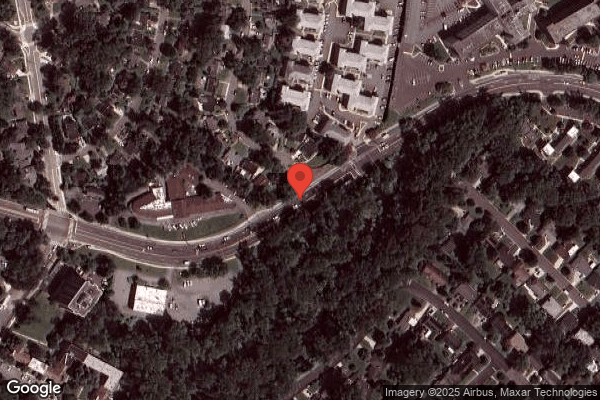
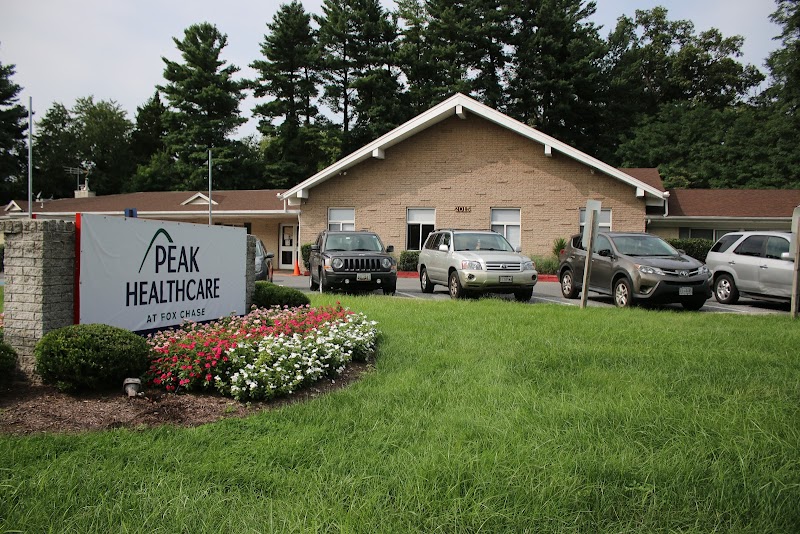
2015 EAST-WEST HIGHWAY, SILVER SPRING, MD 20910 (301) 587-2400
For profit - Limited Liability company 87 Beds ENGAGE HEALTHCARE Data: November 2025 1 Immediate Jeopardy citation
Trust Grade
8/100
#201 of 219 in MD
Last Inspection: March 2025

Within standard 12-15 month inspection cycle. Federal law requires annual inspections.

Overview

Fox Chase Healthcare has received a Trust Grade of F, indicating significant concerns about the facility's quality and care. It ranks #201 out of 219 nursing homes in Maryland, placing it in the bottom half, and #33 out of 34 in Montgomery County, with only one local option rated better. The facility's performance is worsening, with issues increasing from 14 in 2023 to 34 in 2025. Although staffing is rated average with a 3/5 star rating, the high turnover rate of 64% is concerning, as it exceeds the state average of 40%. Additionally, the facility has incurred $74,462 in fines, which is higher than 90% of other Maryland facilities, suggesting ongoing compliance issues. Specific incidents of concern include a failure to secure exit doors for cognitively impaired residents, which could lead to unauthorized departures, and not following tube feeding orders for a resident, resulting in severe weight loss. Furthermore, there is a lack of engaging activities for residents, as observed during inspections, indicating a deficit in meeting the residents' social and emotional needs. While there are some strengths in average RN coverage, the facility's overall performance raises serious questions for families considering care for their loved ones.

Trust Score
F
8/100
In Maryland
#201/219
Bottom 9%
Safety Record
High Risk
Review needed
Inspections
Getting Worse
14 → 34 violations
Staff Stability
⚠ Watch
64% turnover. Above average. Higher turnover means staff may not know residents' routines.
Penalties
○ Average
$74,462 in fines. Higher than 50% of Maryland facilities. Some compliance issues.
Skilled Nurses
○ Average
Each resident gets 31 minutes of Registered Nurse (RN) attention daily — about average for Maryland. RNs are the most trained staff who monitor for health changes.
Violations
⚠ Watch
73 deficiencies on record. Higher than average. Multiple issues found across inspections.
★☆☆☆☆
1.0
Overall Rating
★★★☆☆
3.0
Staff Levels
★★★☆☆
3.0
Care Quality
★☆☆☆☆
1.0
Inspection Score
Stable
2023: 14 issues
2025: 34 issues

The Good

  • Full Sprinkler Coverage · Fire safety systems throughout facility
  • No fines on record

Facility shows strength in fire safety.

The Bad

1-Star Overall Rating

Below Maryland average (3.0)

Significant quality concerns identified by CMS

Staff Turnover: 64%

18pts above Maryland avg (46%)

Frequent staff changes - ask about care continuity

Federal Fines: $74,462

Well above median ($33,413)

Moderate penalties - review what triggered them

Chain: ENGAGE HEALTHCARE

Part of a multi-facility chain

Ask about local staffing decisions and management

Staff turnover is elevated (64%)

16 points above Maryland average of 48%

The Ugly 73 deficiencies on record

1 life-threatening 1 actual harm
Mar 2025 34 deficiencies
CONCERN (D) 📢 Someone Reported This

A family member, employee, or ombudsman was alarmed enough to file a formal complaint

Potential for Harm - no one hurt, but risky conditions existed

Grievances (Tag F0585)

Could have caused harm · This affected 1 resident

Based on observation and staff interview, it was determined that the facility failed provide a family meeting to discuss grievances regarding the care of a resident. This was evident for1 (Resident #3...

Read full inspector narrative →
Based on observation and staff interview, it was determined that the facility failed provide a family meeting to discuss grievances regarding the care of a resident. This was evident for1 (Resident #336) of 44 residents reviewed during the recertification survey. The findings include: On 03/3/25 at 9:56AM, the surveyor reviewed a complaint (MD#00201345) from Resident #336's family stating that they requested a family meeting with the facility's social service department regarding grievances regarding inadequate care of Resident #336. The review of the resident's medical record on 03/3/25 at 10:00AM revealed no evidence that the facility social services department provided the resident's family with a family meeting. During a interview with the Director of Nursing (DON) on 03/6/23 at 7:58AM, the DON reviewed Resident #336's medical record and confirmed that the resident's family did not receive the requested meeting.
CONCERN (D) 📢 Someone Reported This

A family member, employee, or ombudsman was alarmed enough to file a formal complaint

Potential for Harm - no one hurt, but risky conditions existed

Investigate Abuse (Tag F0610)

Could have caused harm · This affected 1 resident

Based on medical record review and interview, the facility staff failed to thoroughly investigate a facility reported incident of resident-to-resident abuse. This was evident for 1 (Resident #330) of ...

Read full inspector narrative →
Based on medical record review and interview, the facility staff failed to thoroughly investigate a facility reported incident of resident-to-resident abuse. This was evident for 1 (Resident #330) of 44 residents reviewed during survey. The findings include: Review of Residents #330 and Resident #333's facility reported incident (MD 00181638) on 03/6/25 at 10:05AM revealed the Resident #330 alleged that Resident #333 touched his/her private area. Review of the facility investigation documents on 03/6/25 at 10:10AM revealed that the facility was unable to substantiate abuse. Further review of the facility investigation documents revealed that the facility failed to interview other residents and staff members regarding abuse before concluding that the alleged resident-to-resident abuse was unsubstantiated. During an interview with the Director of Nursing on 03/6/25 at 11:00AM, the DON confirmed that the facility failed to thoroughly investigation Resident #330's allegation of abuse
CONCERN (D)

Potential for Harm - no one hurt, but risky conditions existed

Transfer Notice (Tag F0623)

Could have caused harm · This affected 1 resident

**NOTE- TERMS IN BRACKETS HAVE BEEN EDITED TO PROTECT CONFIDENTIALITY** Based on record review and interviews, it was determined that the facility failed to provide written notification of the Residen...

Read full inspector narrative →
**NOTE- TERMS IN BRACKETS HAVE BEEN EDITED TO PROTECT CONFIDENTIALITY** Based on record review and interviews, it was determined that the facility failed to provide written notification of the Resident's transfer or discharge to the Resident or Resident Representative and the facility Ombudsman. This finding was found to be evident for 3 (Resident #2, #27 and #54) of 3 residents reviewed for notice requirements before transfer or discharge to the hospital. The findings include: On 03/06/25 at 07:30 AM the surveyor conducted a record review of a closed medical record for Resident #2. The review of the medical record revealed that Resident #2 was transferred to the hospital 02/23/25, 02/25/25 and 02/27/25. Further review of the medical record on 03/06/25 revealed that the INTERACT Transfer assessment form was completed by nursing and that the responsible party was notified of Resident #2's transfers to the hospital, but there was no evidence that written notification of transfers was provided to the Resident or the Responsible Party and the facility Ombudsman. On 03/3/25 at 10:05 AM the surveyor interviewed Resident #27. The Resident stated that I have been to the hospital in the past year. At 08:30 AM on 03/06/25 the surveyor conducted a record review of Resident #27's medical record. The review of the medical record revealed that Resident #27 was transferred to the hospital 10/15/24 and 12/10/24. According to the documentation in the progress notes of the medical record the family was notified of the Resident transfer to the hospital but there was no evidence that written notification of transfers was provided to the Resident or the Responsible Party and the facility Ombudsman for Resident #27. The surveyor interviewed Resident #54 on 03/03/25 at 01:40 PM and the Resident stated, I transferred to the hospital for high blood pressure. On 03/6/25 at 09:30 AM the surveyor conducted a record review of Resident #54's medical record. The review of the medical record revealed that Resident #54 transferred to the hospital on [DATE] for abnormal lab values. Further review revealed that the INTERACT Transfer assessment form was completed 07/24/24 and indicated that the Responsible Party was notified of the transfer to the hospital and the clinical condition of Resident #54. There was no evidence that written notification of the transfer was provided to the Resident or the Responsible Party and the facility Ombudsman for Resident #54. At 07:50 AM on 03/07/25 the surveyor interviewed the Director of Nursing (DON) and asked the DON who was responsible for providing written notification to the Resident and Responsible Party and the facility Ombudsman of transfers to the hospital. The DON stated that the Social Services Director (SSD) #9 was responsible for these notifications. In an interview with the Social Services Director (SSD) #9 at 08:20 AM on 03/07/25 the surveyor asked the SSD #9 what the expectation was for providing written notification to the Ombudsman and the Resident or Responsible Party when a Resident is transferred to the hospital. The SSD #9 stated that she was notified last week that her department was responsible for this notification. No additional information was provided by the facility at exit.
CONCERN (D)

Potential for Harm - no one hurt, but risky conditions existed

Deficiency F0625 (Tag F0625)

Could have caused harm · This affected 1 resident

**NOTE- TERMS IN BRACKETS HAVE BEEN EDITED TO PROTECT CONFIDENTIALITY** Based on record review and interviews, it was determined that the facility failed to provide written notification of the bed hol...

Read full inspector narrative →
**NOTE- TERMS IN BRACKETS HAVE BEEN EDITED TO PROTECT CONFIDENTIALITY** Based on record review and interviews, it was determined that the facility failed to provide written notification of the bed hold policy for Residents that were transferred to the hospital. This finding was found to be evident for 3 (Resident #2, #27 and #54) of 3 residents reviewed for notice requirements of bed hold policy before or upon transfer to the hospital. The findings include: A Bed Hold is the act of holding or reserving a Resident's bed while the Resident is absent from the facility for therapeutic leave or hospitalization. It must be provided to all facility Residents regardless of payment source. The Bed Hold policy should be disclosed in the admission packet during an initial admission to the facility and it should be disclosed to Resident/Resident Representative at the time of transfer. On 03/06/25 at 07:30 AM the surveyor conducted a review of the closed medical record for Resident #2. Review of the record revealed that Resident #2 was transferred to the hospital on [DATE], 02/25/25 and 02/27/25 for evaluation of a medical emergency. There was no documented evidence that the facility sent a bed hold policy to Resident #2's responsible party upon transfer of Resident to the hospital. At 08:40 AM on 03/06/25 the surveyor reviewed the Bed Hold Notice of Policy and Authorization form that was given to Residents and Responsible Party upon transfer to the hospital. In an interview with the Director of Nursing (DON), she stated that these forms are kept at the nursing station and the nursing staff completed the form and provided the form to the Resident upon transfer to the hospital and made a copy of the signed form for the Resident's medical record. The surveyor conveyed to DON that Resident #2 did not have any Bed Hold notices in the closed medical record and the DON acknowledged and no additional information was provided. On 03/06/25 at 08:30 AM the surveyor conducted a record review of Resident #27's medical record. Review of the medical record revealed that Resident #27 was transferred to the hospital on [DATE] and 12/10/24. Further review of the medical record revealed that the Bed Hold Notice and Authorization form was signed by Resident #27 and a copy was in the medical record for the 10/15/24 transfer to the hospital, but there was no evidence of a Bed Hold Notice form for the 12/10/24 transfer to the hospital. In an interview on 03/10/25 at 09:45 AM with the Unit Manager #2 on the nursing unit, she acknowledged that there was not a Bed Hold Notice form located in the medical record for Resident #27's transfer to the hospital on [DATE]. The Unit Manager provided the surveyor with a copy of the Bed Hold Notice form for Resident #27's transfer to the hospital on [DATE] and no additional information was provided. On 03/06/25 at 08:45 AM the surveyor conducted a record review of Resident #54's medical record. Record review revealed that Resident #54 transferred to the hospital on [DATE]. Further review of the medical record revealed that Resident #54 transferred to the hospital due to abnormal lab values, but there was no evidence that the Resident or Resident Responsible party received the Bed Hold policy notice. In an interview with the DON at 10:50 AM on 03/06/25 it was conveyed to the DON that there was not a copy in Resident #54's medical record of the signed Bed Hold Notice form for the hospital transfer on 07/24/24. The DON acknowledged and no additional information was provided.
CONCERN (D)

Potential for Harm - no one hurt, but risky conditions existed

Assessment Accuracy (Tag F0641)

Could have caused harm · This affected 1 resident

**NOTE- TERMS IN BRACKETS HAVE BEEN EDITED TO PROTECT CONFIDENTIALITY** Based on observation, surveyor record review and facility staff interview, it was determined that the facility failed to accurat...

Read full inspector narrative →
**NOTE- TERMS IN BRACKETS HAVE BEEN EDITED TO PROTECT CONFIDENTIALITY** Based on observation, surveyor record review and facility staff interview, it was determined that the facility failed to accurately code the Minimum Data Set (MDS) assessment for residents, 1) with oxygen usage and 2) with discharge status. This was found to be evident for 2 (Resident #28 and #71) of 2 resident reviewed for accuracy of MDS assessments. The findings include: The MDS (Minimum Data Set) assessment is a standardized tool used to evaluate the health and functional status of Residents in skilled nursing homes (SNFs) in the United States. The purpose is to provide a comprehensive picture of the Resident's physical, cognitive, social and emotional needs; to guide care planning and ensure that Residents receive appropriate services; and to collect data for quality improvement, research and policymaking. 1) On the initial tour of the nursing unit on 03/03/25 at 09:50 AM the surveyor observed Resident #28 with oxygen in use. The surveyor conducted a record review of Resident #28's medical record on 03/04/25 at 11:15 AM and this review revealed that Resident #28 had a physician order for continuous oxygen due to shortness of breath. Further review of the medical record, specifically the progress from notes from 02/08/25 through 02/13/25 revealed documentation that Resident #28 was using oxygen continuously. Review of the MDS (Minimum Data Set) assessment dated [DATE] (admission - Medicare 5 day) revealed that oxygen was not checked as being used on admission and while a Resident and within the last 14 days. The surveyor interviewed the Director of Nursing (DON) on 03/05/25 at 9:40 AM and asked the DON if Resident #28 used oxygen. The DON stated that Resident #28 used oxygen. The surveyor conveyed to the DON that the MDS assessment dated [DATE] (admission - Medicare 5 day) did not reflect that Resident #28 uses oxygen, but the progress notes from 2/8/25 through 2/13/25 revealed documentation of continuous oxygen usage for Resident #28. The Director of Nursing (DON) reviewed the MDS and the progress notes for Resident #28 and acknowledged the surveyor. No additional information was provided by the facility at exit. 2) On 3/05/25 at 4:58 PM, a review of Resident #71's medical record revealed a discharge date of 12/04/2024. The SBAR (Situation, Background, Assessment, Recommendation) summary for the providers dated 12/4/2024 at 11:41 PM indicated, the resident's representative was in the facility and decided to transfer the resident to the hospital at around 10:53pm for further evaluation. A review of the section A of the MDS Discharge Return Not Anticipated assessment with an Assessment Reference Date (ARD) of 12/4/2024 indicated, Discharge Status to Home/Community. On 3/06/25 at 7:41 AM, the Director of Nursing (DON) confirmed that Resident #71 was transferred to the hospital on [DATE]. On 3/06/25 at 4:36 PM, a review of the copy of the MDS assessment with ARD 12/4/24 provided by the facility indicated a Discharge status to hospital. On 3/07/25 at 8:09 AM, in an interview with MDS nurse, she confirmed that Resident #71 was discharged home. The MDS nurse was requested to verify section A of the MDS document received on 03/6/25 against the electronic health record. She confirmed that there was a discrepancy of the 2 MDS assessments with the same ARD and added that 2 nurses completed 2 separate discharge assessments. Which are as follows: 12/4/2024 Discharge Return Not Anticipated (coded discharge to home/community) 12/4/2024 admission - None PPS /Discharge Return Anticipated (coded discharge to hospital) On 03/07/25 at 12:21 PM, the Nursing Home Administrator(NHA) and the DON were made aware of the inaccurate MDS coding. The NHA stated that she would reach out to the corporate MDS and would make necessary changes. On 03/07/25 at 12:40 PM, the MDS nurse stated that she called the regional MDS nurse and stated that the facility would make the necessary corrections.
CONCERN (D)

Potential for Harm - no one hurt, but risky conditions existed

Deficiency F0655 (Tag F0655)

Could have caused harm · This affected 1 resident

**NOTE- TERMS IN BRACKETS HAVE BEEN EDITED TO PROTECT CONFIDENTIALITY** Based on record review and interview, it was determined that the facility failed to ensure that a resident was provided with sum...

Read full inspector narrative →
**NOTE- TERMS IN BRACKETS HAVE BEEN EDITED TO PROTECT CONFIDENTIALITY** Based on record review and interview, it was determined that the facility failed to ensure that a resident was provided with summaries of the baseline care plan. This was evident for 2 (Resident #48 and #8) of 44 residents reviewed for baseline care plan during the recertification survey. The findings include: A baseline care plan must be completed within 48 hours of a resident's admission to the facility and must include the initial goals based on admission orders, physician orders, dietary orders, therapy services, and social services. A summary of the baseline care plan as well as a list of the resident's current medications must be given to each resident. A care plan is a guide that addresses the unique needs of each resident. It is used to plan, assess, and evaluate the effectiveness of the resident's care. 1) On 03/03/25 at 8:52 AM, Resident #48 stated that he/she has not been involved in any care plan meetings. On 03/06/25 at 8:21 AM, a review of Resident #48's medical record revealed that he/she was readmitted on [DATE]. His/her BIMS (Brief Interview for Mental Status) score was 14, which indicated he/she was cognitively intact. A review of progress notes revealed no supporting documentations that a care plan meeting occurred, and a copy of the baseline care plan summary was provided to Resident #48 and/or the resident representative. On 03/06/25 at 8:35 AM, in an interview with the Social Worker (SW), she described that when scheduling a care plan meeting, the facility notified the residents and the resident representatives either by placing a call or by talking to them personally. She stated that the facility conducted a baseline care plan meeting within 72 hours. She verified Resident #48's medical record for any documentation related to any care plan meetings and confirmed that there were none. On 03/06/25 at 8:42 AM, the Director of Nursing (DON) was made aware of the concern. On 03/07/25 at 11:49 PM, the DON confirmed that the facility had no records of the signature sheet for the baseline care plan meeting that occurred on 3/14/24. 2) On 03/05/25 at 01:00 PM a record review of Resident #8 ' s 48-hour baseline care plan revealed that there was no signature documented for the Resident or their representative. On 03/07/25 at 09:40 AM, an interview with the Administrator confirmed that she could not locate a signed copy of the baseline care plan nor confirm that the resident and or resident representative received a copy of Resident #8 ' s baseline care plan.
CONCERN (D)

Potential for Harm - no one hurt, but risky conditions existed

Comprehensive Care Plan (Tag F0656)

Could have caused harm · This affected 1 resident

**NOTE- TERMS IN BRACKETS HAVE BEEN EDITED TO PROTECT CONFIDENTIALITY** Based on record review and interview, it was determined that the facility failed to develop, implement and update a comprehensiv...

Read full inspector narrative →
**NOTE- TERMS IN BRACKETS HAVE BEEN EDITED TO PROTECT CONFIDENTIALITY** Based on record review and interview, it was determined that the facility failed to develop, implement and update a comprehensive care plan to include 1) smoking, 2) the residents' functional abilities and 3) the residents' use of anti-psychotic medications. This was evident for 2 (Resident #58 and #57) of 44 residents reviewed for care planning during the recertification survey. The findings include: A care plan is a guide that addresses the unique needs of each resident. It is used to plan, assess, and evaluate the effectiveness of the resident's care. 1) On 03/04/25 at 10:52 AM, a review of the smoking policy dated 10/30/22 and reviewed on 10/27/23 indicated the following: Any resident who is deemed safe to smoke, with or without supervision, will be allowed to smoke in designated areas, at designated times, and in accordance with his/her care plan. All safe smoking measures will be documented on each resident's care plan and communicated to all staff, visitors and volunteers who will be responsible for supervising residents while smoking. Supervision will be provided as indicated on each resident's care plan. If the resident or family does not abide by the smoking policy or care plan, the plan of care may be revised to include additional safety measures. On 03/04/25 at 11:26 AM, a review of Resident #58's smoking assessment dated [DATE], confirmed that he/she was a current smoker and that he/she preferred smoking cigarettes. On 03/04/25 at 12:05 PM, a review of Resident #58's medical record revealed a care plan that was initiated on 11/21/2024, which indicated has coronary artery disease(CAD) related to Hypertension, smoking. The care plan did not specify smoking and was not updated to reflect the interventions related to smoking. On 03/04/25 at 6:46 PM, a review of the Social Worker's progress notes dated 1/7/2025 revealed that Resident #58 is current smoker and has demonstrated noncompliance with the facility's smoking policies. The resident has declined offers for smoking cessation support, including nicotine patches, and does not wish to commit to quitting smoking. Care plans are being implemented and will be revised as needed, however, the smoking care plan was not developed, implemented and revised to reflect the noncompliance to the smoking policy. On 03/05/25 at 8:27 AM, in an interview with the Director of Nursing (DON), she stated that care planning was done by the Interdisciplinary Team (IDT) and that she updated most of the care plans. She was made aware that Resident #58 had no smoking care plan. She confirmed the findings and stated that she would make the necessary changes/ updates to the resident's care plan. On 03/05/25 at 12:19 PM, the Nursing Home Administrator (NHA) was notified of the concern. On 03/05/25 at 7:16 PM, a review of Resident #58's medical record revealed that a new care plan was added on 03/5/25 related to smoking and non- compliance to smoking policy. Resident # 57 was admitted to the facility with diagnoses including Vascular Dementia, Mild, with Agitation and Cognitive Communication Deficit 2) On 03/04/25 at 06:18 PM a review of Resident#57's care plan initiated on 10/1/24 stated The resident is (Specify: independent/ dependent on staff etc.) for meeting emotional, intellectual, physical, and social needs r/t (if dependent) Cognitive deficits, Immobility. Goal: The resident will maintain involvement in cognitive stimulation, social activities as desired through review date 4/08/2025. The care plan failed to reveal whether Resident #57 was independent or dependent 3) Further review of resident's medical record revealed that resident was prescribed antipsychotic medication Quetiapine (Seroquel) for agitation and anxiety since September 2024. There was no evidence in the clinical record to show that a care plan was initiated to address the resident's use the anti-psychotic medication. On 03/07/25 at 08:10 AM in an interview, the Unit Manager Staff #2 stated that a care plan was not developed to meet the resident's needs and confirmed that a care plan should have been in place to address the resident's use of antipsychotic medication Seroquel. On 03/07/25 at 08:26 AM the surveyor notified the Director of Nursing of the findings.
CONCERN (D)

Potential for Harm - no one hurt, but risky conditions existed

ADL Care (Tag F0677)

Could have caused harm · This affected 1 resident

**NOTE- TERMS IN BRACKETS HAVE BEEN EDITED TO PROTECT CONFIDENTIALITY** Based on record review and interviews, it was determined that the facility failed to ensure that residents who required assistan...

Read full inspector narrative →
**NOTE- TERMS IN BRACKETS HAVE BEEN EDITED TO PROTECT CONFIDENTIALITY** Based on record review and interviews, it was determined that the facility failed to ensure that residents who required assistance with Activities of Daily Living (ADL) were 1) provided with showers and 2) properly groomed. This was evident for 3 (Resident #335, #12 and #53) of 44 residents reviewed during the recertification survey. The findings include: Activities of Daily Living (ADLs) are activities related to personal care. They include bathing or showering, dressing, getting in and out of bed or a chair, walking, using the toilet, and eating. A Care Plan is a guide that addresses the unique needs of each resident. It is used to plan, assess and evaluate the effectiveness of the resident's care. The Minimum Data Set (MDS) is a federally mandated assessment tool used to evaluate the health status of residents in nursing homes. The information collected helps nursing home staff identify health problems and develop individual care plans for residents. 1) A review of MD00210657 from October 2024 revealed an allegation that Resident #335 only had two showers in four months since their admission in July 2024. A review of the MDS, with an assessment reference date of 08/02/24, revealed that Resident #335 needed maximal assistance with showers. On 03/03/24 at 8:32 AM, the surveyor requested the shower task sheet for July 2024 to October 2024 for Resident #335. On 03/4/24 at 10:06 AM, an interview with the Director of Nursing (DON) revealed she was able to provide documentation of showers for Resident #335 for 09/11/24 and 9/18/24. The surveyor reviewed the concern regarding the facility's failure to ensure that a resident needing assistance with ADLs was receiving regularly scheduled showers. 2) On 03/03/25 at 09:03 AM the surveyor observed Resident #12 sitting on his/her bed with fingernails on both hands approximately 1/2 inch long. The resident's fingernails were visibly dirty with a dark substance under them. The resident's right thumb nail appeared broken with jagged edges. On 03/04/25 at 01:00 PM a second observation by the surveyor revealed the Resident# 12's fingernails remained uncut and dirty. The resident stated he/she needed assistance to trim his/her fingernails. On 03/05/25 at 07:24 AM the surveyor reviewed the Resdent #12's care plan which was initiated on 9/23/19. The care plan stated Resident #12 is at risk for decreased ability for ADL self-care performance r/t Schizophrenia, Extra-pyramidal/movement disorder. On the care plan there was an intervention which stated BATHING/SHOWERING: Check nail length and trim and clean on bath day and as necessary. Report any changes to the nurse. 3) On 03/03/25 at 11:07 AM the surveyor observed Resident #53 sitting in a wheelchair in the dining room. The resident's fingers on both hands were contracted and bent towards his/her palms. Resident #53's fingernails were approximately 1/2 inch long and visibly dirty with a brown substance under the fingernails. On 03/05/25 at 10:14 AM a review of Resident #53's MDS annual assessment dated [DATE], Section GG revealed that the resident was dependent on staff for ADls. On 03/06/25 at 10:35AM in an interview with Staff #11, the surveyor expressed concern regarding the condition of Resident #12 and Resident #53 fingernails. The surveyor accompanied Staff #11 to both residents' rooms where the findings were confirmed. Staff #11 stated that there was no schedule for cutting the residents' fingernails and that it was the responsibility of the Geriatric Nursing Assistants to ensure the residents' fingernails were clean and trimmed. Staff #11 stated, there is room for improvement On 03/06/25 at 10:46 AM the Director of Nursing was notified of the surveyor's findings.
CONCERN (D) 📢 Someone Reported This

A family member, employee, or ombudsman was alarmed enough to file a formal complaint

Potential for Harm - no one hurt, but risky conditions existed

Quality of Care (Tag F0684)

Could have caused harm · This affected 1 resident

**NOTE- TERMS IN BRACKETS HAVE BEEN EDITED TO PROTECT CONFIDENTIALITY** Based on interview and record review, it was determined that the facility failed to provide transportation services for resident...

Read full inspector narrative →
**NOTE- TERMS IN BRACKETS HAVE BEEN EDITED TO PROTECT CONFIDENTIALITY** Based on interview and record review, it was determined that the facility failed to provide transportation services for residents' appointments. This was found to be evident for 1 (Resident #8) of 1 resident reviewed for transportation services during the recertification survey. The findings include: During an interview on [DATE] at 10:18 AM, the surveyor discussed concerns with Resident #8 about his/her wound care. The Resident reported that family members had to call 911 twice to transport him/her from the facility to the hospital for wound treatment. On [DATE] at 09:35 AM, a record review of the wound assessment note from [DATE] showed that there was a wound acquired on [DATE]. On [DATE] at 09:55 AM, a record review of progress notes showed a note from [DATE] stated Appointment(s) for infectious disease and GI [gastrointestinal] scheduled at GWMFA [The [NAME] University Medical Faculty Associates]. Transportation issues due to no DCMA [District of Columbia Medicaid] coverage - expired [DATE]. Spoke with (BOM) [Business Office Manager], will call to get patient re-instated. Another note from [DATE], stated Resident has a schedule appt [appointment] with Infectious Disease for [wound]. At GW [[NAME]] hospital on [DATE] @ 9:00Am with [Doctor #27] every shift for 5 Days. A continued record review showed a social service progress note for [DATE], which stated social services reached out to resident this morning to let [him/her] know about [his/her] appointment to see infectious disease doctor which has now been scheduled for [DATE]. social services explained to resident that we were unable to secure external transportation in time for an earlier anticipated appointment today to see the infectious disease doctor. social services shall follow up with resident regarding [his/her] forthcoming appointment on [DATE]. On [DATE] at approximately 11:12 AM, during an interview with the Unit Manager #2, she reported that Medical Records had the insurance information and would normally be the one that made appointments and set up transportation for residents. She stated that in the interim, when there was not a Medical Records position filled, it had been the nurses who scheduled the transportation for the residents to get to their appointments. On [DATE] at approximately 11:18 AM, an interview was conducted with the BOM (business office manager) #15. She confirmed that Resident #8 ' s insurance coverage had expired in [DATE]. During an interview on [DATE] at 11:36 AM with the Administrator, this surveyor asked what the process is for getting residents to their appointments if there is no insurance in place. She explained that her expectation is that the facility would pay for transportation if the resident does not have insurance. At this time, the Administrator was made aware of the concern that Resident #8 was not provided transportation by the facility to his/her infectious disease appointment, even though he/she did not have insurance in [DATE]. The Administrator confirmed understanding and was apologetic.
CONCERN (D)

Potential for Harm - no one hurt, but risky conditions existed

Pressure Ulcer Prevention (Tag F0686)

Could have caused harm · This affected 1 resident

**NOTE- TERMS IN BRACKETS HAVE BEEN EDITED TO PROTECT CONFIDENTIALITY** Based on observations, medical record reviews, and interviews, it was determined the facility failed to 1) document the delivery...

Read full inspector narrative →
**NOTE- TERMS IN BRACKETS HAVE BEEN EDITED TO PROTECT CONFIDENTIALITY** Based on observations, medical record reviews, and interviews, it was determined the facility failed to 1) document the delivery of daily wound care to a resident with a pressure ulcer and 2) implement recommendations made by the wound care team to treat pressure ulcers. This was evident for 2 (Resident #28 and #23) of 2 residents evaluated for pressure ulcer care. The findings include: A pressure ulcer, also known as a bed sore or decubitus ulcer, is a localized area of skin damage that develops when prolonged pressure or shear forces disrupt blood flow to the tissues resulting in damage to the underlying tissue. Pressure ulcers are staged based on their severity from Stage I (area of persistent redness), Stage II (superficial loss of skin such as an abrasion, blister, or shallow crater), Stage III (full-thickness skin loss involving damage to subcutaneous tissue presenting as a deep crater) or Stage IV (full thickness skin loss with extensive damage to muscle, bone or tendon). 1) During the initial tour of the facility at 08:20 AM on 03/03/25 the surveyor observed Resident #28 lying in bed on a specialized pressure-relieving air mattress. Resident #28 stated that the air mattress provided relief for the wound on the back. The Medication and Treatment Administration Record (MAR/TAR) is a record used to keep track of every dose of medication or treatment that a Resident is administered. The MAR and TAR includes key information about the Resident's medication and treatment including the name, dose taken, special instructions and date and time. The surveyor conducted a record review of Resident #28's medical record on 03/04/25 at 12:59 PM. The review of the medical record revealed that Resident #28 had a physician order for daily treatment for a wound on the sacrum (buttock). Further review of the medical record, specifically the February 2025 and March 2025 treatment administration record (TAR), revealed that there was no documentation that the daily wound treatment was being provided to Resident #28 by the nursing staff. At 09:40 AM on 03/05/25 the surveyor interviewed the Director of Nursing (DON) and asked the DON if Resident #28 had a pressure ulcer on the sacrum. The DON stated yes. The surveyor conveyed to the DON that there was a physician order for daily treatment of the sacral wound but there was no documentation on the February 2025 and March 2025 MAR/TAR that the wound care was provided. The Director of Nursing (DON) reviewed the MAR/TAR for Resident #28 and acknowledged that there was no documentation on the February 2025 and March 2025 MAR/TAR for the daily treatment of the sacral wound. The DON stated that the physician order must have not transferred to the MAR/TAR for wound care and that she would take care of this. 2) During an interview with Resident #23 on 03/03/25 at 10:53 AM he/she reported having pressure ulcers and said They are not getting better. Prevalon Boots wrap around the foot and ankle. They have a cushioned bottom that floats the heel off the surface of the mattress, helping to reduce pressure. The Boot stays in place for continuous pressure relief. During a Medical Record review on 03/03/25 at 7:42 PM it was revealed that Resident #23 had unhealed pressure ulcers present upon his/her admission on [DATE]. A nursing progress note dated 12/23/24 showed there was a Deep Tissue Injury to the Resident ' s right heel, a Stage 3 pressure ulcer to the left buttock, and a Stage 3 pressure ulcer to the right buttock. Further review showed Resident #23 had been seen by a Wound Care Provider once a week from 01/10/25 to 03/06/25. Each Progress note from the Wound Care Provider documented, Wound care was discussed with staff at the time of the visit, and The patient continues on an alternating air/low air loss mattress for pressure redistribution. Ensure settings are maintained at an appropriate level based on the patient ' s needs and body habitus and Float heals while in bed with use of Prevalon Boots. During an interview with Licensed Practical Nurse (LPN) #25 on 03/10/25 at 10:10 AM, it was discovered that the Resident does not have any Prevalon boots or an air mattress because there is no order for them. The LPN stated the Doctor or Nurse Practitioner would put an order into the computer for them to be provided. During an interview with Geriatric Nursing Assistant (GNA) #13 on 03/10/25 at 10:52 AM she advised the Resident does not have any boots to wear in the bed and confirms the mattress is not an air mattress. During an observation with LPN #25 and the Maintenance Director, on 03/10/25 at 11:00 AM they confirmed the mattress is a standard mattress and not an air mattress. During an interview with the Director of Nursing (DON) on 03/10/25 at 11:02 AM she reported the resident should have the Prevalon boots and an air mattress as recommended in the Wound Care Progress notes. She advised the order should be placed when the wound care provider tells the nurses and the nurse would put the order into the Resident ' s chart. During an observation on 03/10/25 at 12:05 PM the Maintenance Director had removed the standard mattress and was replacing it with an air mattress.
CONCERN (D)

Potential for Harm - no one hurt, but risky conditions existed

Deficiency F0688 (Tag F0688)

Could have caused harm · This affected 1 resident

Based on observation, record review and interview, it was determined that the facility failed to provide the prescribed treatment for limited mobility. This was evident for 1 (Resident #53) of 1 resid...

Read full inspector narrative →
Based on observation, record review and interview, it was determined that the facility failed to provide the prescribed treatment for limited mobility. This was evident for 1 (Resident #53) of 1 resident reviewed for positioning and mobility during the recertification survey. The findings include: A splint is a medical device that stabilizes part of the body and holds it in place. Healthcare providers use them to protect and support the body after an injury or to treat certain health conditions On 03/03/25 at 11:07 AM the surveyor observed Resident # 53 sitting in a wheelchair in the dining room. The resident's fingers were contracted on both hands and bent towards his/her palms. Resident #53's fingernails were approximately 1/2 inch long and visibly dirty with brown substance under the fingernails. The resident was not wearing a splint on either hand. The resident stated that his/her contractures were caused by arthritis of the hands. On 03/05/25 at 10:14 AM a review of Resident #53's clinical record revealed an active physician's order dated 01/12/24 which stated R hand splint - h/o scleroderma with severe R hand pain. No directions specified for order. A review of Resident #53's Medication Administration Record and Treatment Administration Record (MAR/TAR) revealed no evidence of the Right-hand splint, ordered by the physician, ever being applied to the resident's right hand. The surveyor also noted that there was no clarification of the order to indicate specific directions for the use of the Right-hand splint. On 03/06/25 at 10:35 AM in an interview Staff#11 confirmed that a physician order for a Right-hand splint was documented in the Resident #53's clinical record. However, she was unaware of the order because it was not transcribed on to the MAR/TAR. Staff #11 accompanied the surveyor to the Resident #53's room, looked at both hands and confirmed the surveyor's findings. 03/06/25 at 10:46 AM the Director of Nursing was notified of the findings.
CONCERN (D) 📢 Someone Reported This

A family member, employee, or ombudsman was alarmed enough to file a formal complaint

Potential for Harm - no one hurt, but risky conditions existed

Accident Prevention (Tag F0689)

Could have caused harm · This affected 1 resident

Based on review of a complaint, record review and interview, it was determined that the facility failed to document the incidents of falls, implement and update the interventions to prevent falls for ...

Read full inspector narrative →
Based on review of a complaint, record review and interview, it was determined that the facility failed to document the incidents of falls, implement and update the interventions to prevent falls for a resident who was identified as a fall risk. This was evident for 1 (Resident #58) of 2 residents reviewed for accidents during the recertification survey. The findings include: On 03/05/25 at 7:35 PM, a review of a complaint MD00213458 dated 01/13/2025 revealed that per the complainant, Resident #58 had a fall incident, and the resident was left on the floor for long periods of time. . A review of the electronic medical record revealed that Resident #58 had a Brief Interview for Mental Status (BIMS) score of 15, which indicated that he/she was cognitively intact. On 03/06/25 at 5:56 PM, a review of Resident #58's care plan that was initiated on 11/20/2024 and revised on 02/6/2025 revealed the following: The resident was at risk for falls r/t paraplegia and limited physical mobility. The following interventions were as follows: o Anticipate and meet needs Date Initiated: 11/20/2024 Revision on: 12/11/2024 o Ensure the bed is in the lowest position Date Initiated: 11/20/2024 o Ensure the call light is within reach and encourage the resident to use it for assistance as needed. Date Initiated: 11/20/2024 Revision on: 11/20/2024 On 03/07/25 at 11:10 AM, Resident #58 stated that he/she had 3 episodes of fall during his/her stay in the facility but could not recall the dates. On 03/07/25 at 11:30 AM, a review of Resident #58's fall assessments, change in condition and progress notes revealed no evidence that the incidents of falls were recorded since the time of admission. A review of the admission Fall Risk Evaluation dated 11/20/2024 at 10:16 PM indicated that the resident scored 15 which indicated a category of moderate risk for falls. On 03/7/25 at 11:49 AM, the Director of Nursing (DON) confirmed that the resident had incidents of falls, however, she couldn't recall how many times. She added that the nurses were expected to document fall incidents under progress notes and the facility should have completed the fall report/investigation and fall assessment, however, the DON confirmed that the facility had no records that these tasks were completed. On 03/10/25 at 7:36 AM, in an interview with the Unit Manager Staff #2, he/she revealed that during a fall incident, the nurses conducted a head-to-toe assessment of the resident and called the attending physician. The nurses would document the fall incident in the medical record under change in condition and the progress notes. He/she stated that the neuro checks would also be initiated. He/she confirmed that the nurses, Staff #2 and/or the DON updated the resident's fall care plan.
CONCERN (D) 📢 Someone Reported This

A family member, employee, or ombudsman was alarmed enough to file a formal complaint

Potential for Harm - no one hurt, but risky conditions existed

Deficiency F0694 (Tag F0694)

Could have caused harm · This affected 1 resident

Based on medical record review and staff interview, it was determined that the facility failed to provide adequate management of a resident's Intravenous antibiotic schedule. This was evident for 1 (R...

Read full inspector narrative →
Based on medical record review and staff interview, it was determined that the facility failed to provide adequate management of a resident's Intravenous antibiotic schedule. This was evident for 1 (Resident #324) of 44 resident reviewed during the recertification survey. The findings include: A review of Resident #324's medical records on 03/04/25 at 12:26PM revealed that the resident was ordered Intravenous (IV) antibiotics once a day for 6 weeks from 1/19/23 to 03/18/23 to prevent infection. Further review of resident 324's medical record on 03/04/25 at 12:40PM revealed that the resident was seen by Maximed Associates Inc on 02/01/23 to ensure that the IV antibiotics were affective at preventing infection. Maximed Associates recommended that the resident be given an MRI (a type of diagnostic test that creates detailed images of structures and organs in the body) one week prior to completing the IV antibiotics to determine if the resident needed to prolong IV antibiotics administration. Continued review of Resident #334's medical record on 03/04/25 at 1:00PM revealed that there was no evidence that the resident received the MRI prior to completing the IV antibiotics treatment on 03/04/23. An interview with the Director of Nursing (DON) on 03/04/23 at 1:15PM confirmed that Resident #324 should have received the MRI prior to completing the IV antibiotics treatment on 03/04/23. The DON also confirmed that the facility failed to provide Resident #324 with an MRI necessary for his/her IV antibiotic treatment.
CONCERN (D)

Potential for Harm - no one hurt, but risky conditions existed

Respiratory Care (Tag F0695)

Could have caused harm · This affected 1 resident

Based on observation, record review and interview, it was determined that the facility failed to follow appropriate respiratory care and services. This was found to be evident in 1 (Resident #28) of 1...

Read full inspector narrative →
Based on observation, record review and interview, it was determined that the facility failed to follow appropriate respiratory care and services. This was found to be evident in 1 (Resident #28) of 1 resident reviewed for respiratory care and services during the recertification survey. The findings include: On tour of the Nursing Unit on 03/03/25 at 09:50 AM the surveyor observed Resident #28 with oxygen in use. Further observation revealed an oxygen cannula in the Resident's nostrils and an oxygen humidifier bottle and oxygen tubing attached to the oxygen concentrator without a date on the tubing and without a date on the humidifier bottle. The surveyor interviewed Resident #28's Nurse #5 on 03/04/25 at 12:42 PM. The surveyor asked Nurse #5 what the expectation was for dating and labeling oxygen tubing and oxygen humidifier bottles. Nurse #5 stated that the oxygen tubing and the humidifier bottle were to be labeled and dated by the night shift. Nurse #5 observed the oxygen tubing, and the oxygen humidifier bottle not dated for Resident #28, and Nurse #5 stated that she would take care of it. The surveyor conducted a record review of Resident #28's medical record on 03/05/25 at 7:15 AM. The medical record review revealed that Resident #28 had current physician orders for oxygen and an order to change the oxygen tubing every 7 days on the night shift. Further review of the medical record revealed that Resident #28 had a care plan for oxygen therapy related to respiratory illness. In addition, the surveyor reviewed the facility's oxygen administration policy and procedure dated 10/31/21 that was provided by the Director of Nursing (DON). The policy guidelines were to change the oxygen tubing/cannula weekly and as needed, and to change the oxygen humidifier bottles when empty or every seventy-two hours. The surveyor interviewed the Director of Nursing (DON) on 03/05/25 at 09:40 AM and reviewed Resident #28's oxygen usage. The surveyor asked the DON what the expectation was for dating/labeling of oxygen tubing and oxygen humidifier bottles when Residents use oxygen. The DON stated that the oxygen tubing and oxygen humidifier bottles were to be changed/labeled weekly. The surveyor conveyed to the DON that Resident #28 had oxygen in use and the oxygen tubing, and the oxygen humidifier bottle were not dated/labeled. In addition, the surveyor conveyed to the DON that Nurse #5 was notified and observed the oxygen tubing and the oxygen humidifier bottle not dated/labeled for Resident #28. At the time of survey exit, no additional information was provided on respiratory care and oxygen usage by the facility.
CONCERN (D) 📢 Someone Reported This

A family member, employee, or ombudsman was alarmed enough to file a formal complaint

Potential for Harm - no one hurt, but risky conditions existed

Deficiency F0699 (Tag F0699)

Could have caused harm · This affected 1 resident

**NOTE- TERMS IN BRACKETS HAVE BEEN EDITED TO PROTECT CONFIDENTIALITY** Based on record review and interviews, it was determined that the facility failed to develop and implement a process to determin...

Read full inspector narrative →
**NOTE- TERMS IN BRACKETS HAVE BEEN EDITED TO PROTECT CONFIDENTIALITY** Based on record review and interviews, it was determined that the facility failed to develop and implement a process to determine if residents with a history of trauma, received the appropriate trauma informed care. This was evident for 1 (Resident #328) of 4 residents reviewed for trauma informed care during the recertification survey. The findings include: On 03/03/25 at 12:00PM, a review of complaint MD00193440 and a facility reported incident MD00193348 revealed that Resident #328 alleged that a unidentified male touched the resident inappropriately. A medical record review for Resident #328 on 03/04/25 at 9:30 AM revealed the resident was admitted to the facility on [DATE]. Further review revealed no evidence that a trauma informed assessment or care plan had been completed to ensure the resident received trauma informed care. On 03/05/25 at 10:00AM, an interview of the Director of Nursing (DON) regarding the trauma informed care policy. The DON confirmed resident trauma informed assessments should be done at admission and after a change in condition. The surveyor pointed out that Resident #328 alleged that he/she was touched inappropriately, and a review of the resident's medical record revealed no evidence of a trauma informed care assessment after the resident's allegation. The DON confirmed that there was no evidence of a trauma informed care assessment.
CONCERN (D) 📢 Someone Reported This

A family member, employee, or ombudsman was alarmed enough to file a formal complaint

Potential for Harm - no one hurt, but risky conditions existed

Deficiency F0711 (Tag F0711)

Could have caused harm · This affected 1 resident

**NOTE- TERMS IN BRACKETS HAVE BEEN EDITED TO PROTECT CONFIDENTIALITY** Based on medical record review and staff interview it was determined the Nurse Practitioner's (NP#21) admission history and phys...

Read full inspector narrative →
**NOTE- TERMS IN BRACKETS HAVE BEEN EDITED TO PROTECT CONFIDENTIALITY** Based on medical record review and staff interview it was determined the Nurse Practitioner's (NP#21) admission history and physical progress note included new order for Resident #329 under the plan of care that was not written as orders. This was evident for 1 (Resident #329) of 44 residents reviewed during a recertification survey. The findings include: On 03/04/25 at 11:00 AM, a review of Resident #329's medical record revealed the Resident was admitted to the facility on [DATE] and was discharged to an acute care facility on 07/05/24. Further review of Resident's medical record revealed the NP#21 admission progress note on 06/28/24, with the following plan: Continue all medications as prescribed. Attach live vest and monitor q shift. Neurology consults as needed. PT/OT- evaluation and treatment as required. Pain evaluation as required and Cardiology consult. A review of Resident #329's orders did not include the following, attach live vest and monitor q shift, Neurology consult as needed, Pain evaluation as required and a cardiology consult. On 03/05/25 at 9:15 AM, an interview with the Director of Nursing confirmed that NP#21 no longer works at the facility and the orders were never transcribed to Residents #329 medical record. On 03/05/25 at 9:30AM, an interview with the Medical Director revealed that the NP#21 works independently and should have written the orders.
CONCERN (D)

Potential for Harm - no one hurt, but risky conditions existed

Deficiency F0730 (Tag F0730)

Could have caused harm · This affected 1 resident

Based on record review and interview, it was determined that the facility failed to ensure annual performance evaluations and skill assessments were completed. This was found to be evident for 2 (#3 a...

Read full inspector narrative →
Based on record review and interview, it was determined that the facility failed to ensure annual performance evaluations and skill assessments were completed. This was found to be evident for 2 (#3 and #6) of 5 Geriatric Nurse Assistants (GNAs) reviewed for Sufficient and Competent Nurse Staffing. The findings include: On 03/07/25 at 11:54 AM, a record review of employee files showed that GNA #3 did not have an annual performance evaluation in her chart. It was also found that there was not a skills competency assessment completed for GNA #6. During an interview on 03/10/25 at 8:41 AM conducted with the Administrator, she confirmed that based on GNA #3 ' s hire date, she should have an annual performance completed in her file. It was also confirmed by the Administrator that GNA #6 should have a record of a skills competency assessment completed. The Administrator explained that she would check with the Director of Nursing (DON) to locate these records, and report back if anything was found. On 03/10/25 at 10:00 AM, this surveyor received written confirmation from the Administrator that there were not any records found for a performance evaluation for GNA #3 nor a skills competency assessment for GNA #6.
CONCERN (D)

Potential for Harm - no one hurt, but risky conditions existed

Deficiency F0744 (Tag F0744)

Could have caused harm · This affected 1 resident

Based on record review and interview, it was determined that the facility failed to monitor the behaviors of residents receiving anti-psychotropic medications. This was evident for 1 (Resident #57) of...

Read full inspector narrative →
Based on record review and interview, it was determined that the facility failed to monitor the behaviors of residents receiving anti-psychotropic medications. This was evident for 1 (Resident #57) of 1 resident reviewed for Dementia care. The findings include: Psychotropic medications are drugs that affect the brain and central nervous system, altering mood, thoughts, perceptions, and behaviors. They are primarily used to treat mental health conditions, such as anxiety, depression, schizophrenia, and bipolar disorder. Resident # 57 was admitted to the facility with diagnoses including Vascular Dementia, Mild, with Agitation and Cognitive Communication Deficit On 03/04/25 at 6:18PM a review of Resident #57's active medication orders revealed that the resident was placed on anti-psychotic medication Quetiapine (Seroquel) for anxiety on 09/11/24 and for agitation at bedtime from 09/27/24. Further review of Resident#57's clinical record revealed no evidence that the resident's behaviors were monitored, neither was there a physician order or a care plan to address the resident's behaviors. On 03/05/25 at 11:33 AM, a review of the facility's Psychotropic Medication Use policy revealed that Drugs in the following categories are considered psychotropic medications and are subject to prescribing, monitoring and review requirements specific to psychotropic medications: a. Antipsychotics b. Antidepressants c. Antianxiety d. Hypnotics On 03/07/25 at 08:10 AM in an interview, the Unit Manager Staff #2 stated that all residents on anti-psychotropic medications are monitored by the facility for behaviors to assess the effectiveness of the medications and care plans are initiated. Staff#2 checked the electronic health record of Resident #57 and confirmed that the resident's behaviors were not monitored, and a care plan was not initiated for anti-psychotic medication use. On 03/07/25 at 08:26 AM the surveyor notified the Director of Nursing of the findings.
CONCERN (D) 📢 Someone Reported This

A family member, employee, or ombudsman was alarmed enough to file a formal complaint

Potential for Harm - no one hurt, but risky conditions existed

Deficiency F0757 (Tag F0757)

Could have caused harm · This affected 1 resident

**NOTE- TERMS IN BRACKETS HAVE BEEN EDITED TO PROTECT CONFIDENTIALITY** Based on record review and interview, it was determined that the facility failed to provide adequate behavior monitoring for res...

Read full inspector narrative →
**NOTE- TERMS IN BRACKETS HAVE BEEN EDITED TO PROTECT CONFIDENTIALITY** Based on record review and interview, it was determined that the facility failed to provide adequate behavior monitoring for resident on psychotropic medications. This was evident for 1 (Resident #58) of 4 residents reviewed for unnecessary medications during the recertification survey. The findings include: Psychotropic medications are drugs that affect the brain and central nervous system, altering mood, thoughts, perceptions, and behaviors. They are primarily used to treat mental health conditions, such as anxiety, depression, schizophrenia, and bipolar disorder. On 03/04/25 at 3:05 PM, a review of Resident #58's medical record revealed that he/she was readmitted on [DATE]. His/her BIMS (Brief Interview for Mental Status) was completed on 02/17/25 with a score of 15/15 which indicated that he/she was cognitively intact. A review of Resident #58's active physician orders revealed that he/she was on the following psychotropic medications: 1. Aripiprazole Oral Tablet 2 MG (Aripiprazole) Give 2 mg by mouth one time a day for depression. 2. Clonazepam Oral Tablet 0.5 MG (Clonazepam) Give1 tablet by mouth at bedtime for anxiety. 3. Duloxetine HCl Oral Capsule Delayed Release Sprinkle 20 MG (Duloxetine HCl) Give 1 capsule by mouth one time a day for depression/suicide ideation. Give together with 60mg to equal 80mg. 4. Duloxetine HCl Oral Capsule Delayed Release Sprinkle 60 MG (Duloxetine HCl). Give 60 mg by mouth one time a day for suicidal ideation. 5. Escitalopram Oxalate Oral Tablet 20 MG (Escitalopram Oxalate) Give 20 mg by mouth one time a day for major depressive disorder. 6. Lisdexamfetamine Dimesylate Oral Capsule 40 MG (Lisdexamfetamine Dimesylate) Give 1 capsule by mouth one time a day for depression. 7. Trazodone HCl Oral Tablet 50 MG (Trazodone HCl)Give 1 tablet by mouth at bedtime for depression. On 03/05/25 at 7:59 AM, in an interview with Licensed Practical Nurse (LPN #1), he/she confirmed that the facility had no tools or processes for behavior monitoring for residents on psychotropic medications. On 03/05/25 at 8:36 AM, during an interview with the Director of Nursing (DON), she stated that the facility had behavior monitoring tool in the Treatment Administration Record (TAR). However, after she reviewed the electronic medical record of Resident #58, she confirmed that there was no evidence that behavior monitoring was provided. On 03/05/25 at 11:33 AM, a review of the facility's Psychotropic Medication Use policy revealed that Drugs in the following categories are considered psychotropic medications and are subject to prescribing, monitoring and review requirements specific to psychotropic medications: a. Antipsychotics b. Antidepressants c. Antianxiety d. Hypnotics On 03/06/2025 at 7:56 AM, a review of Resident #58's new physician orders revealed that, after surveyor intervention, a behavior monitoring every shift was written on 03/05/2025 at 4:47 PM.
CONCERN (D)

Potential for Harm - no one hurt, but risky conditions existed

Dental Services (Tag F0791)

Could have caused harm · This affected 1 resident

2) On 3/03/25 at 9:10AM during an interview Resident #12 stated that he/she had not seen a dentist and would like dentures. On 03/5/25 at 7:24AM a review of the resident's clinical record revealed an ...

Read full inspector narrative →
2) On 3/03/25 at 9:10AM during an interview Resident #12 stated that he/she had not seen a dentist and would like dentures. On 03/5/25 at 7:24AM a review of the resident's clinical record revealed an active physician order dated 2/24/21 which stated Annual Dental Exam every 12 months starting 21st day for dental exam. Further review of Resident #12's clinical record failed to reveal the resident was seen by a Dentist. On 03/06/25 at 11:30 AM in an interview with the surveyor, the Director of Nursing (DON) was asked about the process for ensuring dental appointments were kept. The DON stated that after a physician's order is obtained, the Charge Nurse would make the necessary arrangements for the resident to be seen by a dentist. The surveyor informed the DON that a review of the resident's clinical record failed to reveal that Resident #12 was seen by a dentist in keeping with the physician's order. The DON reviewed the electronic record and gave the surveyor documentation of a visit by the Resident #12 to the dentist on 10/12/22. The document stated that the resident was not seen by the dentist because the appointment was due on 3/24/23. The DON informed the surveyor that the document was the only record she could find in the resident's electronic record regarding the resident's appointment. However, she would arrange for Resident #12 to see a dentist. Based on interview and record review, it was determined that the facility failed to ensure that residents who require dental services on a routine basis receive the recommended dental service in a timely manner. This was evident in 2 (Resident #9 and #12) of 2 residents reviewed for Dental services. The findings include: 1) On 03/03/25 at 04:50 PM during an interview with Resident #9 ' s family member, he/she reported that during the most recent care plan meeting it was discussed that Resident #8 had not seen a dentist in about a year ago. The family member reported that he/she recalled the social worker reported to him/her that an appointment had been made for the dentist to visit Resident #9. However, he/she still did not know when that appointment would be. According to the Centers for Medicare and Medicaid Services, the definition of care planning is Establishing a course of action with input from the resident (resident ' s family and/or guardian or other legally authorized representative), resident ' s physician and interdisciplinary team that moves a resident toward resident-specific goals utilizing individual resident strengths and interdisciplinary expertise; crafting the ' how ' of resident care. A care plan meeting/conference should involve the resident and/or the resident ' s representative if they wish, and the interdisciplinary team. On 03/04/25 at 12:09 PM, a record review of Resident #9 showed a Care Plan Meeting Note for a Care Conference that was held on 06/05/24. It stated, resident's RP [representative] requested for a dental appointment for this resident. On 03/04/25 at 12:38 PM, an interview with the Social Worker was conducted. During the interview, it was confirmed that if a request for services, such as dental, is brought up during care plan meetings, it is the responsibility of the nurse in attendance to follow up with scheduling such services. During an interview conducted on 03/04/25 at 12:48 PM with Registered Nurse (RN) #11, it was confirmed that the nurses attending the care plan meetings are responsible for contacting the doctors to set up appointments. She explained that the nurse would call the doctors, and the doctor would place an order for the needed service, such as dental. On 03/04/25 at 01:01 PM, an interview with the Unit Manager #2 was conducted, in which we discussed the process for residents getting services, such as dental. She reported that once a resident stated to the nurse that they need a specific service, the process is that a nurse would notify the physician, the physician would then assess the resident and put in a consult to be seen by a dentist (or whatever service is needed). The nurse would then see the (dental) consult in the resident ' s chart, then she would go into a shared drive with HealthDrive services and put in the information to request that this resident required dental services. She explained that HealthDrive is a company that provides services such as dental, podiatry, and ophthalmology to residents, on a twice a month basis. She further explained that the next time HealthDrive would visit the facility, that HealthDrive would then have a list of the residents and the services that they need (such as: dental, podiatry, ophthalmology, etc). On 03/04/25 at 01:38 PM, a record review of HealthDrive List from June 2024 to March 2025 showed there was not a dental consult for Resident #9. On 03/06/25 at 08:22 AM an interview was conducted with the Social Worker. She reported that she is in attendance to the care plan meetings, ensures the attendance sheet is filled out, and writes the notes for the meeting. She reported that she believed she was in attendance for Resident #9 ' s last care plan meeting and had taken notes. At this time, documents were requested for Resident #9 ' s most recent care plan meeting attendance sheet and the notes for that meeting. On 03/06/25 at 09:11 AM, a record review of Resident #9 ' s most recent care plan meeting attendance sheet for 02/20/25 showed that Resident #9 ' s family member/resident representative was in attendance for this meeting. The notes for this meeting stated, wants Dental *chewing issue. On 03/06/25 at approximately 10:00 AM, during an interview with the Social Worker it was communicated that there was a concern that Resident #9 had not received dental services, though it had been discussed during two separate care plan meetings, for 06/05/24 and 02/20/25.
CONCERN (D)

Potential for Harm - no one hurt, but risky conditions existed

Deficiency F0840 (Tag F0840)

Could have caused harm · This affected 1 resident

Based on review of Administration documents and interviews it was determined that the facility failed to obtain a Transfer agreement to the local hospitals. This was found to be evident for 1 out of 1...

Read full inspector narrative →
Based on review of Administration documents and interviews it was determined that the facility failed to obtain a Transfer agreement to the local hospitals. This was found to be evident for 1 out of 1 Dialysis Agreement document reviewed during the Extended Survey. The findings include: A written agreement outlines the arrangements between an End Stage Renal Dialysis (ESRD) facility and a nursing home. The agreement establishes a connection between both entities and fosters accountability that is vital to patient health and the success of the care plan. The ESRD facility should collaborate with the nursing home to develop and implement protocols for the delivery of dialysis services, and to the extent possible, ensure that nursing home dialysis patients are provided with the same standard of care as dialysis patients receiving treatments in a dialysis facility. During a review of the Administration documents conducted on 03/06/25 at 11:09 AM, it was determined that there was not a Dialysis Agreement within the documents provided. During an interview conducted on 03/06/25 at 12:05 PM, the Administrator stated that she was unable to locate the Dialysis Agreement but was actively searching and would let this surveyor know if she was able to locate it. During a phone interview conducted on 03/12/25 at 1:04 PM, the Administrator advised she had reached out to the Dialysis Service Provider Fresenius however she had not received an agreement. She further stated that she was currently in the process of working with Davita Dialysis to obtain an agreement.
CONCERN (D) 📢 Someone Reported This

A family member, employee, or ombudsman was alarmed enough to file a formal complaint

Potential for Harm - no one hurt, but risky conditions existed

Medical Records (Tag F0842)

Could have caused harm · This affected 1 resident

3) A medical record is the official documentation for a healthcare organization. As such, it must be maintained in a manner that follows applicable regulations, accreditation standards, professional p...

Read full inspector narrative →
3) A medical record is the official documentation for a healthcare organization. As such, it must be maintained in a manner that follows applicable regulations, accreditation standards, professional practice standards, and legal standards. All entries to the record should be legible and accurate. On 03/4/24 at 11:30AM, a medical record review determined the facility staff failed to maintain complete and accurate medical records. A request was made to the Director of Nursing (DON) for Resident #326 shower schedule. On 3/5/24 at 10:30AM The DON stated that the shower sheets are on paper and in the medical record, but she/he was unable to locate the shower sheets for Resident #326. Based on medical record review, observation and interview, it was determined that the facility failed to accurately 1) record a medication administration in a resident's medical record, 2) document the route of a medication administered to a resident and 3) maintain complete records in accordance with accepted professional standards. This was evident for 3 (Resident #328, #56 and #326) of 44 residents reviewed during an facility's annual survey. The findings include: 1) Review of resident #328's medical records on 03/03/25 at 9:56AM revealed the resident was ordered to receive injectable insulin at bedtime for control of Diabetes. Review of the resident's medication administration record on 3/3/25 at 10:30AM revealed that the facility failed to record the insulin administration on 1/30/22. During an interview with the Director of Nursing (DON) on 03/3/25 at 10:30AM, the DON confirmed that the facility nursing staff failed to document the insulin administration for Resident #328 on 1/30/22. 2) Tube feeding, also known as enteral nutrition, is a medical procedure where a tube is inserted into the stomach (gastrostomy) or small intestine to provide nutrition and fluids. Tube feeding is used when a person is unable to eat or drink adequately due to conditions such as stroke, head and neck injuries, cancer, gastrointestinal disorders and coma. On 03/03/25 at 08:29 AM during the initial tour of the nursing unit the surveyor observed Resident #56 lying asleep in bed. The surveyor did not observe any indication that the Resident had a tube feeding. The surveyor interviewed Resident #56's Nurse #5 at 08:45 AM on 03/03/25 and asked Nurse #5 if Resident #56 had a feeding tube. Nurse #5 stated that Resident #56 used to have a feeding tube, but it was discontinued and Resident no longer had a feeding tube, and that Resident #56 was able to receive food and medications by mouth. During the review of Resident #56's medical record on 03/06/25 at 07:15 AM, the review revealed that Resident #56 had the feeding tube removed on 12/10/24 and that the Resident received a diet. Further review of the medical record specifically the physician orders revealed that Resident #56 had medications ordered to be administered by mouth and by gastrostomy tube. The medications to be administered by gastrostomy tube were Apixaban, Baclofen, Cymbalta, Cardizem, Folic Acid, Gabapentin, Prilosec, Tylenol Extra Strength and Vitamin B12, and the medications to be administered by mouth were Clonidine, Melatonin and Rosuvastatin. The surveyor interviewed the Director of Nursing (DON) at 08:10 AM on 03/07/25 and asked if Resident #56 had a gastrostomy/feeding tube. The DON stated no, the tube was removed a few months ago. The surveyor conveyed to the DON that according to the current physician orders for Resident #56 there were physician orders for administration of medications via mouth and via gastrostomy tube. The DON reviewed Resident #56's physician orders and acknowledged that some medications were ordered to be administered by mouth and some medications were ordered to be administered by gastrostomy tube. The Director of Nursing (DON) stated that she would update the medication orders to reflect all medications to be administered by mouth as Resident #56 did not have a feeding tube.
CONCERN (D)

Potential for Harm - no one hurt, but risky conditions existed

Deficiency F0843 (Tag F0843)

Could have caused harm · This affected 1 resident

Based on review of Administration documents and interviews it was determined that the facility failed to obtain a Transfer agreement to the local hospitals. This was found to be evident for 1 out of 1...

Read full inspector narrative →
Based on review of Administration documents and interviews it was determined that the facility failed to obtain a Transfer agreement to the local hospitals. This was found to be evident for 1 out of 1 Transfer Agreement document reviewed during the Extended Survey. The findings include: A nursing home transfer agreement with a local hospital ensures smooth and timely transfers for residents needing hospital care, including medical information exchange and a plan for emergency situations. During a review of the Administration documents conducted on 03/06/25 at 11:09 AM, it was determined that there was not a Transfer Agreement with the local hospitals within the documents provided. During an interview conducted on 03/06/25 at 12:05 PM, the Administrator stated that she was unable to locate the Transfer Agreement but was actively searching and would let me know if she was able to locate it. During a phone interview conducted on 03/12/25 at 1:04 PM, the Administrator advised she had reached out to the local hospitals to obtain a Transfer Agreement however she had not received a response yet.
CONCERN (D)

Potential for Harm - no one hurt, but risky conditions existed

Deficiency F0865 (Tag F0865)

Could have caused harm · This affected 1 resident

Based on record reviews and interviews, the facility failed to maintain an effective QAPI program that addresses the deficient practices in the facility. This was evident during the revisit recertific...

Read full inspector narrative →
Based on record reviews and interviews, the facility failed to maintain an effective QAPI program that addresses the deficient practices in the facility. This was evident during the revisit recertification survey. The findings include: On 5/29/2025 at 12:00 PM, a review of the facility ' s Plan of Correction and credible evidence for the deficiencies found during the annual recertification survey was reviewed. In the plan of correction and credible evidence for multiple citations, there was missing evidence to support the compliance of multiple deficiencies including F578, F623, F695, F699, F711, F744, F812, F842, F880, and F883. On 5/29/25 at 12:15 PM, After review of the 34 cited Federal regulations and 2 cited State regulations from the annual recertification survey ending on 3/10/2025, 10 Federal regulations (F578, F623, F695, F699, F711, F744, F812, F842, F880, and F883) were recited as noncompliant. On 5/29/2025 at 12:38 PM, an interview was conducted with the facility ' s Director of Nursing (DON) and Nursing Home Administrator (NHA). When asked who was in charge of the facility ' s QAPI committee and program, they stated that no one person was in charge but that there was a QAPI committee that met to discuss the facilities issues and performance improvement. When asked how they were tracking to ensure that the facility was in compliance with the plan of correction from the annual survey, they stated that initial and follow up audits were conducted. The survey team expressed concern with the QAPI committee ' s inability to provide documentation that would reflect the implementation of the facility ' s plan of correction for the deficiencies cited in the annual survey. The survey team discussed the 10 Federal regulations that were going to be recited due to the facility's current noncompliance.
CONCERN (D)

Potential for Harm - no one hurt, but risky conditions existed

Deficiency F0868 (Tag F0868)

Could have caused harm · This affected 1 resident

Based on record review and interview, it was determined that the facility failed to have an Infection Preventionist (IP) participate in the facility's Quality Assessment and Assurance (QAA) committee ...

Read full inspector narrative →
Based on record review and interview, it was determined that the facility failed to have an Infection Preventionist (IP) participate in the facility's Quality Assessment and Assurance (QAA) committee meetings. This was evident in 9 of the 11 months of attendance records reviewed for the Quality Assurance Improvement Program. The findings include: The Quality Assessment and Assurance (QAA) committee is responsible for identifying and addressing quality deficiencies, developing and implementing corrective actions, and monitoring the effectiveness of those actions to ensure quality care and quality of life for residents. On 03/07/25 at 10:41AM a review of the monthly QAA sign-in sheets from January 2024 through September 2024 failed to reveal that an IP participated in the facility's QAA meetings. The dates of the meetings were 1/23/24, 02/20/24, 03/19/24, 04/23/24, 05/28/24, 06/25/24, 07/23/24,08/20/24, and 09/24/24. On 03/08/25 at 1:06PM in an interview, the findings were brought to the Administrator's attention. The Administrator reviewed the sign-in sheets and stated that she believed one of the QAA committee members was an IP. On 03/08/25 at 1:30PM the Director of Nursing (DON) informed the surveyor that she served as IP from April 2024 to September 2024 and attended the QAA meetings. The surveyor requested DON's IP credentials from the Administrator. The Administrator failed to provide DON's IP credentials at the time of exit on 03/10/25.
CONCERN (D)

Potential for Harm - no one hurt, but risky conditions existed

Deficiency F0883 (Tag F0883)

Could have caused harm · This affected 1 resident

Based on record review and facility staff interviews, it was determined that the facility failed to provide documentation that Residents were offered the pneumococcal vaccine. This was found to be evi...

Read full inspector narrative →
Based on record review and facility staff interviews, it was determined that the facility failed to provide documentation that Residents were offered the pneumococcal vaccine. This was found to be evident in 3 (Resident #27, 54 and 56) of 5 Residents reviewed for pneumococcal immunization. The findings include: The surveyor conducted record reviews of Resident #27, 54 and 56's medical records on 03/05/25 at 08:50 AM. Reviews of the medical records revealed that Residents #27, 54 and 56 lacked up to date documentation of the pneumococcal immunization. The MDS (Minimum Data Set) assessment is a standardized tool used to evaluate the health and functional status of Residents in skilled nursing homes (SNFs) in the United States. The purpose is to provide a comprehensive picture of the Resident's physical, cognitive, social and emotional needs; to guide care planning and ensure that Residents receive appropriate services; and to collect data for quality improvement, research and policymaking. Further review of the medical records on 3/6/25 at 9:10 AM of Resident #27, 54 and 56 revealed that the Residents had a recent MDS assessments completed which indicated that the pneumococcal vaccination was not up to date, not received and not offered. Resident #27 had an MDS assessment completed 12/20/24 and the MDS indicated that the pneumococcal vaccine not received, state reason not offered. Resident #54 had an MDS assessment completed 01/28/25 and the MDS indicated that the pneumococcal vaccine not received, state reason not offered. Resident #56 had an MDS assessment completed 12/05/25 and the MDS indicated that the pneumococcal vaccine not received, state reason not offered. The surveyor interviewed the Director of Nursing (DON) and the Infection Preventionist (IP) on 03/06/25 10:45 AM and asked what the expectation was for the documentation of the pneumococcal vaccination. The DON stated that the documentation of the pneumococcal vaccination was in the Resident's medical record. The surveyor stated that the informed consent sheets and the immunization records for the pneumococcal vaccinations were incomplete for Resident #27, 54 and 56. In addition, the surveyor stated that review of the recent MDS assessments for Residents #27, 54 and 56 indicated that the pneumococcal vaccinations were not up to date, were not received and were not offered. The surveyor reviewed Resident #27, 54 and 56's medical records specifically the pneumococcal vaccination informed consent forms with the Infection Preventionist (IP) at the nursing unit on 03/06/25 at 12:50 PM. The review revealed that Resident #27 did not have an informed consent form in the medical record, Resident #54's informed consent form indicated Resident cannot sign due to confusion dated 11/30/23, and Resident #56's informed consent form indicated Resident cannot sign due to confusion dated 2/23/24. The Infection Preventionist (IP) acknowledged that Resident #27 did not have an informed consent form and Resident #54 and #56's pneumococcal vaccination informed consent forms indicated that Residents cannot sign due to confusion. The surveyor requested a copy of these informed consent forms. At the time of survey exit on 03/10/25 no additional information for pneumococcal immunization was provided by the facility.
CONCERN (E)

Potential for Harm - no one hurt, but risky conditions existed

Deficiency F0578 (Tag F0578)

Could have caused harm · This affected multiple residents

Based on record review and interview, it was determined that the facility failed to provide documentation whether Residents had an advance directive and/or wished to formulate an advance directive. Th...

Read full inspector narrative →
Based on record review and interview, it was determined that the facility failed to provide documentation whether Residents had an advance directive and/or wished to formulate an advance directive. This was found to be evident for 4 (Resident #27, #28, #54 and #56) out of 4 Residents reviewed for advance directives. The findings include: An advance directive is a legal document that specifies a person's wishes for end-of-life healthcare. It also specifies who should make healthcare decisions on your behalf if you are unable to do so yourself. On 03/04/25 at 12:40 PM the surveyor conducted record reviews of Resident #27, #28, #54 and #56's medical record. During the record review of Resident #27, #28, #54 and #56's medical record, specifically the social services progress notes and assessments, it was revealed that there was no documentation to determine if Residents #27, #28, #54 and #56 had an advance directive and/or determine whether the Residents wished to formulate an advance directive. A MOLST (Medical Orders for Life-Sustaining Treatment) is a standardized form that outlines a patient's medical treatment preferences, including resuscitation and other life-sustaining interventions, ensuring those wishes are respected across all healthcare settings. The surveyor interviewed the Director of Nursing (DON) on 03/05/25 at 10:40 AM. The surveyor asked the DON for documentation of advance directives and offering of advance directive information for Residents #27, #28, #54 and #56. The Director of Nursing (DON) stated that the Residents had a MOLST in the medical charts and that it was the responsibility of the Social Services Director (SSD) for documentation of advance directives. The Social Services Director (SSD) #9 was interviewed by the surveyor at 02:40 PM on 03/05/25 and asked what the process was for documentation of advance directives. The SSD #9 stated that she was responsible for the documentation of advance directives for the Residents. The surveyor asked the SSD #9 if Residents #27, #28, #54 and 56 had advance directives and/or were offered information to formulate advance directives. The SSD #9 stated that Residents #27, #54 and #56 did not have advance directives and were not asked if they wanted to formulate an advance directive. The SSD #9 stated that she was in the process of providing Resident #28 with the information for formulating an advance directive. The SSD #9 further stated that she was new to the facility but was aware of the expectation for documentation of advance directives which included asking Residents if they had an advance directive and if not, did the Residents wish to formulate an advance directive. At the time of survey exit, no additional information on advance directives was provided by the facility.
CONCERN (E) 📢 Someone Reported This

A family member, employee, or ombudsman was alarmed enough to file a formal complaint

Potential for Harm - no one hurt, but risky conditions existed

Safe Environment (Tag F0584)

Could have caused harm · This affected multiple residents

**NOTE- TERMS IN BRACKETS HAVE BEEN EDITED TO PROTECT CONFIDENTIALITY** 2) On 03/3/25 at 8:30AM a tour of the facility revealed a cool to cold temperature. The residents were noted to have multiple bl...

Read full inspector narrative →
**NOTE- TERMS IN BRACKETS HAVE BEEN EDITED TO PROTECT CONFIDENTIALITY** 2) On 03/3/25 at 8:30AM a tour of the facility revealed a cool to cold temperature. The residents were noted to have multiple blankets covering them. The conference room where the surveyors were instructed to work was cool to cold. On 03/3/25 at 10AM, complaints MD00214952 and MD00207551 were reviewed and revealed that the residents' rooms' temperature was not at a comfortable level. On 03/3/25 at 11:30AM an interview with the Maintenance Director revealed that Temperatures logs were maintained daily on random rooms. A review of the temperature logs revealed the following: On 02/18/25, room [ROOM NUMBER] temperature was recorded at 70 degrees. On 02/29/25, Rooms #22, # 26, and #41 temperature were recorded at 70 degrees. On 02/21/25, Rooms #10, # 16, #32 and #41 temperature were recorded at 70 degrees. On 03/4/25 at 11:23AM, The Maintenance Director was informed that the residents' room temperature did not meet the Federal and state regulations to maintain a minimum design air temperature.Based on observation and interviews, it was determined that the facility failed to provide 1) a safe, clean, comfortable, homelike environment and 2) an environment that included comfortable temperature levels. This finding was found to be evident on a tour of the laundry department, 3 (Rooms #25, #26 and #28) of 8 resident rooms observed for safe, clean, comfortable, homelike environment and 2 of 15 complaints reviewed during the recertification survey. The findings include: 1) On 03/03/25 at 08:15 AM the surveyor observed Residents' rooms with items in disrepair on the initial tour of the nursing unit: the dresser was cracked with chipped wood and a wooden mouse trap with a metal spring was behind the door on the floor in room [ROOM NUMBER]; the door frame and door cracked in room [ROOM NUMBER]; bathroom sink faucet loose, water basin on bathroom floor, doors marred, dressers marred with chipped wood and black writing on one of the dresser tops in room [ROOM NUMBER]. The Director of Nursing (DON) was interviewed at 10:10 AM on 03/03/25 and asked about the mouse trap in room [ROOM NUMBER]. The DON observed the mouse trap and stated that she was not aware that this type of mouse trap was used in the facility and that she would notify housekeeping and maintenance. During the tour of the laundry department on 03/05/25 at 06:56 AM with the Environmental Services Director (EVSD) #16 the surveyor observed the following in disrepair in the clean laundry area: chipped and missing floor tiles; missing ceiling panel; chipped and loose doorframe; loose baseboard pulling away from the wall; missing door to the cabinet. In an interview on 03/05/25 at 08:15 AM with the Environmental Services Director (EVSD) #16 he acknowledged the disrepair in the laundry department, and he stated that maintenance was notified. In an interview with the Maintenance Director for follow-up at 08:30 AM on 03/05/25 he stated that he was notified by the Director of Nursing (DON) and the Environmental Services Director about the mouse trap in the Resident room, and the concerns in the laundry department. The Maintenance Director stated that the mouse trap was removed, and that the facility does not use this type of mouse trap. Additionally, the Maintenance Director stated that he replaced the missing ceiling panel.
CONCERN (E) 📢 Someone Reported This

A family member, employee, or ombudsman was alarmed enough to file a formal complaint

Potential for Harm - no one hurt, but risky conditions existed

Deficiency F0657 (Tag F0657)

Could have caused harm · This affected multiple residents

**NOTE- TERMS IN BRACKETS HAVE BEEN EDITED TO PROTECT CONFIDENTIALITY** Based on record review and interview, it was determined that the facility failed to 1) revise the resident's comprehensive care ...

Read full inspector narrative →
**NOTE- TERMS IN BRACKETS HAVE BEEN EDITED TO PROTECT CONFIDENTIALITY** Based on record review and interview, it was determined that the facility failed to 1) revise the resident's comprehensive care plan, 2) hold care plan meetings, 3) Reassess the effectiveness of the care plan approaches and 4) have quarterly care plan meetings with the Interdisciplinary Team. This was evident for 5 (Resident #27, #48, #58, #52 and #46) of 44 residents reviewed for care plan timing and revision during the recertification survey. The findings include: An arteriovenous (AV) fistula shunt is a surgical procedure that creates a direct connection between an artery and a vein. This allows blood to flow from the high-pressure artery into the low-pressure vein, increasing blood flow in the vein. AV fistula shunts are primarily used to provide long-term vascular access for hemodialysis, a treatment for chronic kidney disease. According to CMS (Centers for Medicare and Medicaid Services), a care plan meeting is a structured, interdisciplinary conference where staff, residents, and families discuss and review the resident's care plan, ensuring needs are met and goals are achieved. In long-term care facilities, care plans should be reviewed and updated at least every 90 days, or more frequently if a resident's condition changes significantly. 1) During the initial tour of the nursing unit on 03/03/25 at 08:30 AM the surveyor observed Resident #27 with an AV fistula shunt to the left upper arm. Resident #27 stated that he/she goes to dialysis every Tuesday, Thursday and Saturday. The surveyor conducted a record review of Resident #27's medical record at 11:45 AM on 03/5/25. Review of the medical record revealed that Resident #27 had a care plan for 11 staples in the left forearm area and 10 staples in the left arm fistula site with an initiation date of 10/21/24. The care plan had a revision on date of 01/06/25; however, this problem remained on the care plan and was still on the care plan as of the record review date by the surveyor. An interview was conducted with the Director of Nursing (DON) on 03/10/25 at 9:05 AM. The surveyor conveyed to the DON that Resident #27 had a care plan dated 10/21/24 for staples to the left forearm and the left arm AV fistula shunt with a revision date of 01/06/25, and that this problem was still on the care plan. The DON acknowledged the surveyor. No additional information was provided by the facility at the time of exit. 2) On 03/03/25 at 8:52 AM, Resident #48 stated that he/she has not been involved in any care plan meetings. On 03/06/25 at 8:21 AM, a review of Resident #48's medical record revealed that he/she was readmitted on [DATE]. His/her BIMS (Brief Interview for Mental Status) score was 14, which indicated he/she was cognitively intact. A review of progress notes revealed no supporting documentations that care plan meetings occurred for Resident #48. On 03/06/25 at 8:35 AM, in an interview with the Social Worker (SW), she described that when scheduling a care plan meeting, the facility notified the residents and the resident representatives either by calling or by talking to them personally. She added that starting March of this year, she started sending meeting notifications. She stated that she scheduled the meeting according to cycle or to the Assessment Reference Date (ARD) of the Minimum Data Set (MDS) schedule and for new admissions, she stated that the facility conducted a baseline care plan meeting within 72 hours. She checked Resident #48's medical record for any documentation related to any care plan meetings and she confirmed that there were none. On 03/06/25 at 8:42 AM, the Director of Nursing (DON) was made aware of the concern. On 03/07/25 at 11:49 PM, the DON confirmed that the facility had no record to prove that care plan meetings were held for Resident #48. 3) On 03/04/25 at 3:05 PM, a review of Resident #58's medical record revealed that he/she was readmitted on [DATE]. Also, the medical record indicated that a care plan was initiated on 11/23/2024 which stated, uses antidepressant medication Seroquel related to Depression, however, the resident was not on Seroquel (a type of medication used to treat mental health conditions.) On 03/05/25 at 8:27 AM, in an interview with the DON, she stated that care planning was done by the Interdisciplinary Team (IDT) and that she updated most of the care plans. She was made aware that the care plan of Resident #48 for psychotropic medication was not updated. She confirmed the findings and stated that she would make the necessary changes/ updates to the resident's care plan. 4) During a telephone interview with the Legal Guardian for Resident #52 on 03/03/25 at 4:08 PM, it was revealed Resident #52 had not attended any recent care plan meetings and the guardian felt a Care Plan meeting could have been beneficial for the Resident. During a review of Medical Records on 03/03/25 at 7:37 PM it was discovered that Resident #52 required total care from the facility and the last Care Plan Meeting was 7/17/24. The attendees for the meeting included the resident, legal guardian, nursing, and activities. During a review of Resident #46 Medical Records on 03/04/25 at 6:27 PM it was discovered that Resident #46 required total care from the facility and the last Care Plan Meeting was 7/31/24. The attendees included the Resident, nursing, rehab, activities, and social services. During an interview with the Social Worker on 03/05/25 at 9:16 AM she advised she has only been with the facility for 3 months and doesn ' t think care plan meetings are caught up. She reports when the meetings are completed she puts a note in the Social Services electronic medical records. She confirmed Residents #52 and #46 had not had a recent Care Plan Meeting. She reported the staff that would usually attend would include the nurse manager, Director of Nursing, Director of Rehab, and dietician.
CONCERN (E)

Potential for Harm - no one hurt, but risky conditions existed

Deficiency F0761 (Tag F0761)

Could have caused harm · This affected multiple residents

Based on observations, interviews, and record reviews it was determined that the facility failed to ensure medications were properly stored and labeled. This was evident for 2 of 2 medication carts ob...

Read full inspector narrative →
Based on observations, interviews, and record reviews it was determined that the facility failed to ensure medications were properly stored and labeled. This was evident for 2 of 2 medication carts observed for medication storage. The findings include: During an observation of the Potomac Hall medication cart on 3/04/25 at 11:39 AM with Licensed Practical Nurse (LPN) #5 it was revealed to contain expired medications. The following medications were found: Oxycodone 5 mg Tablets had expired on 12/05/24 for Resident #25. Two boxes of Albuterol Sulfate Inhalation Solution vials 0.083% 2.5mg/3mL had expired February 2025 for Resident #36. During an observation of the Chesapeake Hall medication cart on 03/04/25 at 1:59 PM with LPN #1 it was revealed to contain expired, unrefrigerated, and undated open medications. The following medications were found: An Insulin Lispro Injection 100 unit/mL vial is unopened, not dated, or refrigerated for Resident #11. A Lantus Solostar 100 unit/mL pen is opened with no opening date for Resident #11. A Basaglar Injection 100 unit pen is unopened, not dated or refrigerated and the packaging says to refrigerate for Resident #45. Percocet Tablets 5-325mg expired on 7/10/24 for Resident #40. Percocet Tablets 5-325 mg expired on 2/12/24 for Resident #40. During an interview with the Director of Nursing (DON) on 03/04/25 at 2:39 PM she advised the expectations for medications are that nurses should remove them from the cart when they are expired, or the resident is discharged . She added Insulin should be kept in the refrigerator until ready to be used and then dated when removed per policy. During a review of the Storage of Medications Policy on 03/05/25 at 10:32 AM it identified Nursing staff as being responsible for maintaining medication storage. The policy stated, Discontinued, outdated, or deteriorated drugs or biologicals are returned to the dispensing pharmacy or destroyed and it advised medications requiring refrigeration are stored in a refrigerator in the drug room. During a review of the Discarding and Destroying Medications Policy on 03/06/25 at 09:24 AM, it stated Disposal of controlled substances must take place immediately (no longer than three days) after discontinuation by the resident.
CONCERN (E)

Potential for Harm - no one hurt, but risky conditions existed

Infection Control (Tag F0880)

Could have caused harm · This affected multiple residents

Based on observation, interview, and record review it was determined the facility failed to use appropriate infection control practices for 1) conducting ongoing surveillance for infections and 2) uri...

Read full inspector narrative →
Based on observation, interview, and record review it was determined the facility failed to use appropriate infection control practices for 1) conducting ongoing surveillance for infections and 2) urinary catheter maintenance and ensuring that staff observed appropriate practices for enhanced barrier precautions during a high contact care for residents with indwelling urinary catheters and with pressure ulcer. This was found to be evident on the tour of the laundry department, during a record surveillance for infections and for 3 (Resident #48, #58 and #272) of 44 residents reviewed for infection control during the recertification survey The findings include: 1) On 03/05/25 at 06:56 AM the surveyor toured the laundry department in the basement of the facility with the Environmental Services Director (EVSD) #16 and the Laundry Aide #17. During this tour of the laundry department with EVSD #16 and Laundry Aide #17 the surveyor observed the following: staff personal items in clean laundry area (coat on chair, water bottle, bottle of tea and coffee cup on folding table), cardboard box of socks directly on the floor in clean laundry area, and a small refrigerator with staff personal items in the clean laundry area. Additionally, in an area directly adjacent to the clean and dirty laundry rooms the surveyor observed the following: cardboard box of personal protective equipment on top of a linen cart against a water pipe, 4 plastic bags of personal clothing directly on the floor and personal clothing in a barrel next to a maintenance paint cart. The EVSD #16 acknowledged the surveyor and stated, thank you for bringing these concerns to my attention and that he would take care of these concerns. The surveyor at 07:55 AM on 03/05/25 conveyed to the Nursing Home Administrator (NHA) several of the findings that were observed in the laundry department. On follow-up to the laundry department at 08:15 AM on 03/05/25 the surveyor observed the EVSD #16 and the laundry aide #17 addressing the identified concerns from the initial tour of the laundry department. On 03/05/25 at 09:15 AM the surveyor reviewed the Infection Prevention & Control Program dated 2001 and the Surveillance for Infections Policy which was dated 2001 and revised 2017. At 09:45 AM on 03/05/25 in an interview with the Director of Nursing (DON) and the Infection Preventionist (IP) #2 who were responsible for the Infection Control Program, specifically the surveillance for infections revealed that the facility did not have a system in place for conducting ongoing surveillance for infections. Additionally, there was no documentation for gathering surveillance data, data collection and recording, calculating infection rates, and interpreting surveillance data for the year 2024. The surveyor asked the DON and IP for monthly infection surveillance for the 3 months (January, February and March) of 2025. The DON stated that she was working on that but was unable to print the reports. On follow-up interview with the Director of Nursing (DON) at 03:00 PM on 03/06/25 the surveyor asked again for the monthly infection surveillance for 2025. The DON presented the surveyor with a 2-page computer generated list of Residents with antibiotic orders for the past year totaling 16 orders and a 1-page written log titled monthly infection surveillance for this year (2025) totaling 7 infections which was incomplete. The surveyor asked the DON for the monthly infection surveillance for 2024, and the DON acknowledged that there were no monthly infection surveillance logs for 2024. No further information was provided by the facility at the time of exit. 2) An indwelling urinary catheter is a thin, flexible tube inserted into the bladder through the urethra to collect and drain urine. It remains in place for an extended period, typically days or weeks. Per Centers for Disease Control (CDC), Enhanced Barrier Precautions (EBP)are an infection control intervention designed to reduce transmission of multidrug-resistant organisms (MDROs) in nursing homes. Enhanced Barrier Precautions involve gown and glove use during high-contact resident care activities for residents known to be colonized or infected with a MDRO as well as those at increased risk of MDRO acquisition (e.g., residents with wounds or indwelling medical devices). 2a) On 3/03/25 at 9:01 AM, the catheter drainage bag of Resident #48 was observed on the floor. Licensed Practical Nurse (LPN #1) was made aware and confirmed that the drainage bag should be off the floor. On 3/03/25 at 9:08 AM, an EBP sign was observed posted outside Resident #48's room, however, there was no cart for Personal Protective Equipment (PPE). LPN #1 confirmed that the EBP sign was for foley catheter use and that he/she had not seen the PPE cart. On 3/06/25 at 6:50 PM, a review of Resident #48's medical record revealed a care plan initiated on 5/11/2023 which indicated Indwelling Catheter: Neurogenic bladder, however, the active physician orders revealed no evidence that an EBP order was written. 2b) On 3/03/25 at 9:32 AM, a review of Resident #58's active physician orders revealed an order written on 11/20/2024 which read, Maintain foley or suprapubic catheter for Neurogenic bladder. The care plan that was initiated on 11/21/2024 also indicated has Indwelling Catheter for Neurogenic bladder, however, Resident #58 had no EBP order, no EBP sign and no PPE cart outside his/her room. On 3/03/25 at 9:40 AM, the Unit Manager (UM) stated that the facility is expected to put up EBP signs and ensure that PPE carts were placed outside the residents' rooms when caring for residents with indwelling medical devices and wounds. The UM was notified that Resident #48 had no PPE cart outside the room and Resident #58 had no PPE cart as well as no EBP sign. On 3/03/25 at 9:44 AM, Geriatric Nurse Assistant (GNA #3) was observed placing a PPE cart outside Resident #48's room. He/she stated that if there was an EBP sign outside the room, he/she would only wear mask and gloves when providing close contact care to the residents, however, he/she added that he/she would wear gown, gloves and mask if a contact isolation (a medical practice used to prevent the spread of infections that can be transmitted through direct or indirect with a patient or environment) sign was up. On 3/03/25 at 9:47 AM, the UM was observed putting up an EBP sign outside the room of Resident #58. On 3/03/25 at 10:26 AM, in an interview with Resident #58, he/she confirmed that the staff were not wearing gown when giving direct contact care to him/her. He/she added that the nursing staff would only wear gloves and sometimes would wear masks. 2c) On 3/3/2025 at 9:27 AM, the surveyor observed no EBP sign and PPE cart outside Resident #272's room. On 3/03/25 10:03 AM, the UM was observed putting up an EBP sign and PPE cart outside Resident #272's room. The UM confirmed that the EBP sign was for Resident #272's wounds. On 3/06/25 at 9:40 AM, a review of the wound visit dated 3/6/25 confirmed that Resident #272 had a stage 3 pressure ulcer to the buttocks which resolved on 3/6/25 and a surgical wound of the right groin. On 3/06/25 at 10:40 AM, a review of the active physician orders revealed treatment to the wounds, however, an EBP order was not written. On 3/07/25 at 7:55 AM, in an interview with GNA #13, he/she stated that when an EBP sign was posted outside the resident's room, it meant that the resident was on oxygen and that the staff should put on gloves and mask when care was being given to the resident. He/she added that only when a resident was on contact isolation, that's when the nursing staff were expected to wear gown. On 3/07/25 at 8:24 AM, in an interview with LPN #1, he/she stated that when residents were placed on EBP for wounds and urinary catheters, nursing staff were expected to wear PPE, such as mask, gown and gloves when providing care. On 3/07/25 at 8:31 AM, in an interview with the Director of Nursing (DON), she stated that per the facility's policy, residents who had feeding tubes, wounds , foley catheters should be placed on EBP. She added that once the residents were identified, the nursing staff put up EBP signs and placed PPE carts outside the residents' rooms. The DON was made aware of the concerns. On 3/07/25 at 10:37 AM, a review of the facility's EBP policy indicated the following: Gloves and gown are applied prior to performing the high contact resident care activity. EBPs are indicated for residents with wounds and indwelling medical device. Staff are trained prior to caring for residents on EBPs. Signs are posted in the door or wall outside the resident room indicating the type of precautions and PPE required. PPE is available outside the resident rooms. Residents, families and visitors are notified of the implementation of EBPs throughout the facility.
CONCERN (F)

Potential for Harm - no one hurt, but risky conditions existed

Deficiency F0679 (Tag F0679)

Could have caused harm · This affected most or all residents

Based on observations, record review and interview, it was determined that the facility failed to implement an ongoing resident centered activities program designed to meet the interests and support t...

Read full inspector narrative →
Based on observations, record review and interview, it was determined that the facility failed to implement an ongoing resident centered activities program designed to meet the interests and support the physical, mental and psychological well-being of each resident. This was evident for all residents. The findings include: On 03/04/25 at 11:00AM and 03/05/25 at 10:40AM, the surveyor observed residents sitting in the hallways, sitting in the dining room areas without supervision, and walking around common areas in the nursing units. The surveyor observed no forms of activities or engagement in the units, the dining room, nor in the common areas. On 03/05/25 at 8:11AM a review of the list of the facility's key personnel, which was provided to the surveyor by the Administrator, revealed that the position of Activities Director was vacant. On 03/05/25 at 1:04PM the surveyor interviewed Activities Assistant, Staff # 8 who stated that she was employed by the facility from September 2024 on a part-time basis for 20 hours per week including every other weekend. Also, there was another part-time activities staff who work on alternate weekends. Staff #8 stated that the Activities Director resigned in November 2024 and since then, the facility had not filled the position. Further, on her days off, Thursdays and Fridays, there is no activity staff available to engage the residents in activities. The facility does not maintain an activity participation log and activities are not documented. Activities are not provided for residents who stay in their rooms and need one-on-one interaction with the activity staff. On 03/06/25 at 8:18AM in an interview, the Administrator stated that a new Activities Director was hired and would assume duties on March 17th, 2025. The Administrator confirmed that since the Activities Director left in November 2024, no formal activities were provided for the residents when the part time assistants were off two days per week and there was no full-time activities staff. Further, no activities were provided for vulnerable residents who require 1:1 visit. The Administrator started the truth is, I do not have the staff. The Administrator stated that she experienced difficulties filling the position of Activities Director and she reached out to her corporate office for an Interim Activities Director but was not successful in obtaining one.
CONCERN (F)

Potential for Harm - no one hurt, but risky conditions existed

Deficiency F0804 (Tag F0804)

Could have caused harm · This affected most or all residents

Based on observation and interview, it was determined that the facility failed to ensure that food was delivered to residents at an appropriate and palatable temperature. This was evident for 1 out of...

Read full inspector narrative →
Based on observation and interview, it was determined that the facility failed to ensure that food was delivered to residents at an appropriate and palatable temperature. This was evident for 1 out of 1 observation of test tray temperatures. This practice has the potential to affect all residents who eat food prepared by the facility. The findings include: On 03/04/25 at 11:57 AM, the surveyor conducted a lunch tray line observation and requested the Certified Dietary Manager (CDM) to include a test tray on the last cart that was going to the unit. Six dietary aids were observed preparing a total of 4 meal carts. The first cart was brought out to the dining room and the last cart was completed at 12: 34PM. On 03/04/25 at 12:38 PM, the surveyor and the CDM followed the last cart that was brought out to the unit to conduct the test tray. The cart was parked in one area in the hallway while the nursing staff were walking back and forth to the cart and to the residents' rooms until the last tray was distributed at 12:55 PM. The CDM proceeded to test the food on the test tray using the facility's food thermometer. The temperatures were as follows: Potato-134.6°F Carrots-134.7°F Chopped steak-136°F Dessert: pudding-48.5°F The CDM was informed of the concern and confirmed that the facility was expected to serve hot food items at 135°F and 41°F for cold food items. On 03/05/25 at 8:05 AM, during an interview with Licensed Practical Nurse Staff #1, she stated that the nursing staff were expected to distribute the meal trays as soon as the meal carts were brought to the floor. On 03/05/25 at 8:45 AM, the Director of Nursing was made aware of the food temperature concern.
CONCERN (F)

Potential for Harm - no one hurt, but risky conditions existed

Food Safety (Tag F0812)

Could have caused harm · This affected most or all residents

Based on observation and staff interview, it was determined that the facility failed to store and label food item to maintain the integrity of the specific item. This was evident during the initial to...

Read full inspector narrative →
Based on observation and staff interview, it was determined that the facility failed to store and label food item to maintain the integrity of the specific item. This was evident during the initial tour of the kitchen. This deficient practice has the potential to affect all residents. The findings include: On 03/03/25 at 8:13 AM, the surveyor conducted an initial tour of the kitchen with the assistance of the Certified Dietary Manager (CDM). The surveyor observed 1 large carton (approximately 0.5 gallon) of an opened lactose free milk inside the kitchen refrigerator. The carton had a letter R and 2/12/25 written on it using a black permanent marker, however, it did not contain any label as to when the item was opened and when the contents should have been used. The CDM stated that for dairy food items, the facility had 7 days to discard the item from the time it was opened. He confirmed the carton had no label and took it out from the refrigerator and discarded it in the trash bin. On 03/03/25 at 9:00 AM, the CDM followed the surveyor on the unit and verified that letter R meant received and indicated that the milk was received on 02/12/25. The surveyor informed the CDM that the carton had no date when the milk was actually opened. On 03/05/25 at 8:45 AM, the Director of Nursing (DON) was made aware of the concern.
Sept 2023 1 deficiency
CONCERN (D) 📢 Someone Reported This

A family member, employee, or ombudsman was alarmed enough to file a formal complaint

Potential for Harm - no one hurt, but risky conditions existed

Report Alleged Abuse (Tag F0609)

Could have caused harm · This affected 1 resident

**NOTE- TERMS IN BRACKETS HAVE BEEN EDITED TO PROTECT CONFIDENTIALITY** Based on complaint, review of the facility investigation, and staff interview, it was determined that the facility failed to imp...

Read full inspector narrative →
**NOTE- TERMS IN BRACKETS HAVE BEEN EDITED TO PROTECT CONFIDENTIALITY** Based on complaint, review of the facility investigation, and staff interview, it was determined that the facility failed to implement abuse prevention polices as evidenced by staff's failure to, 1) immediately notify the facility administrator of an allegation of resident abuse, 2) immediately initiate an investigation into the allegation of resident abuse, and 3) report an allegation of resident abuse to the State Regulatory Agency (Office of Health Care Quality). This was evident for 1 (Resident #5) of 5 residents reviewed during a complaint survey. The findings include: Misappropriation of resident property means the deliberate misplacement, exploitation, or wrongful, temporary, or permanent use of a resident's belongings or money without the resident's consent. Review of complaint MD00196939 on 09/18/23 revealed an allegation a resident was allegedly abused by another facility resident on 09/12/23. In an interview with the facility administrator and the director of nurses (DON) on 09/18/23 at 1:52 PM, the DON stated that Resident #2 was admitted to the facility on [DATE] and almost immediately demonstrated behaviors that led the staff to initiate a 1:1 sitter. Resident #2 was observed ambulating throughout the facility and going into other resident rooms. The facility DON stated that Resident #2 stole $5 dollars from Resident #5 and stole Resident #4's cell phone that was in a bag. The facility administrator was asked if the facility staff had initiated an investigation and reported the allegation of misappropriation of resident property to the police, State Ombudsman, and the State Regulatory Agency. The facility administrator stated no. In an interview with the facility administrator on 09/19/23 at 10:40 AM, the facility administrator handed the nurse surveyor a copy of the facility investigation into the 09/12/23 incident between Resident #2 and Resident #5. The facility investigation, notification of local authorities, and conclusion of the investigation that was conducted on 09/18/23.
Mar 2023 13 deficiencies 1 IJ
CRITICAL (J) 📢 Someone Reported This

A family member, employee, or ombudsman was alarmed enough to file a formal complaint

Immediate Jeopardy (IJ) - the most serious Medicare violation

Accident Prevention (Tag F0689)

Someone could have died · This affected 1 resident

**NOTE- TERMS IN BRACKETS HAVE BEEN EDITED TO PROTECT CONFIDENTIALITY** Based on a facility-reported incident, reviews of administrative, resident, and other pertinent documentation, and interviews wi...

Read full inspector narrative →
**NOTE- TERMS IN BRACKETS HAVE BEEN EDITED TO PROTECT CONFIDENTIALITY** Based on a facility-reported incident, reviews of administrative, resident, and other pertinent documentation, and interviews with facility staff, it was determined that the facility failed to have a system in place to: 1) Ensure that all cognitively impaired residents, with exit seeking behaviors, do not leave the building, unauthorized; 2) Ensure that all exit doors were secure, consistently lock and closed; and 3) Ensure that residents with exit seeking behavior have an Alert Bracelet in place to alert the staff when a resident is near an exit door. This was found to be evident for 1 of 6 residents (Resident #4) reviewed for elopement during a complaint survey and resulted in an immediate jeopardy declared on 03/06/23 at 1:25 PM. The findings include: Review of Resident #4 ' s record on 3/2/2023 revealed the resident was admitted to the facility from the hospital on [DATE] with diagnoses that include alcoholic cirrhosis, an elevated ammonia level, bipolar disorder, dementia, encephalopathy, and cognitive communication deficit. A BIMS (Brief Interview for Mental Status) was conducted during the 10/25/22 Quarterly assessment and on the 11/28/22 Annual assessment for Resident #4. The summary for both BIMS assessments equaled 99. The summary score for a BIMS interview includes adding the scores for each question and fill in the total score (00-15). 99 is entered as a score if the resident was unable to complete the interview. A review of Resident #4's medical record revealed 2 physician certifications that indicated Resident #4 was certified incapable to make all medical decisions due to dementia. These certifications were dated 05/09/22 and 05/10/22. A review of facility-reported incident MD00175159 on 03/02/23 at 10 AM, revealed that Resident #4 was brought back to the facility by the local police department on 02/11/22 at 7:40 AM. The facility determined that Resident #4 left the facility through a window to leave the facility. The facility fixed the windows by adding a device to the window track which prevented the windows from opening all of the way. A review of facility-reported incident MD00186329 on 03/02/23 at 10 AM, revealed that Resident #4 was found by a staff member in the back parking lot on 12/15/22 at approximately 4:50 PM. Resident #4 was returned to the facility. The facility determined that Resident #4 had gone through the back door due to the door not locking after staff had exited through the door. The facility staff determined that Resident #4 had also removed his/her Alert Bracelet before exiting the facility through the back door. The facility contacted a vendor who repaired the back door latch that was determined to be in disrepair. A review of facility-reported incident MD00189418 on 03/02/23 at 10 AM, revealed that Resident #4 was observed in the back parking lot on 02/23/23 at approximately 2:30 PM, by therapy staff. Resident #4 was safely returned to the facility without incident. The facility Director of Nursing (DON) documented an interview with Resident #4 on 02/23/23 at 2:30 PM in which the facility staff member asked why Resident #4 was outside and Resident #4 stated that s/he wanted to get fresh air because the sun was shining. The DON documented that Resident #4 was not wearing his Alert Bracelet on his/her leg. The DON asked Resident #4 what happened to the Alert Bracelet to which Resident #4 replied that s/he cut it off and put it on the dresser. Resident #4 stated that s/he did not want the Alert Bracelet. An Alert Bracelet is part of a facility-wide wandering management prevention system. The bracelet is placed on a resident that emits a signal. If a resident ambulates too close to a sensor, the system may emit an audible signal to staff and may also secure an exit door preventing a resident from leaving the facility unattended. In an observation and interview with Resident #4 on 03/02/23 at 9:55 AM, Resident #4 was observed lying in his/her bed watching television. Resident #4 was observed with a functioning Alert Bracelet attached to his/her left ankle. Resident #4 was interviewed regarding eloping from the facility on 02/23/23. Resident #4 stated that s/he could not recall why s/he left the building but thought it to be nightfall. Resident #4 could not recall if it was daytime or nighttime. Reviews of Resident #4's medical record on 03/02/23 revealed an elopement prevention care plan was initiated on 02/08/22. The elopement care plan was created due to staff identifying Resident #4's was observed wandering aimlessly, disoriented to place, and a history of removing his/her Alert Bracelet. On 02/08/22, the goal of Resident #4's elopement prevention care plan was: to maintain Resident #4's safety and prevent leaving the facility unattended. Nursing interventions included: apply an Alert Bracelet and monitor placement Q shift and function daily, distracting Resident #4 from wandering by offering pleasant diversions, structured activities, food, conversation, television, reading books, and to identify patterns of wandering: Is wandering purposeful, aimless, or escapist? Is the resident looking for something? Does it indicate the need for more exercise? On 02/11/22, additional nursing interventions were initiated that included: Provide structured activities: toileting, walking inside and outside, use reorientation strategies including signs, pictures and memory boxes and staff need to be hyper-vigilant to maintain resident's safety. On 02/14/22, additional nursing interventions were initiated that included: Resident has been in the past, a person of routine. He/she enjoys coffee in the morning and reading the newspaper. The daughter will get him/her a subscription to the newspaper to establish a similar past routine of reading the paper daily, coffee is included as a beverage choice and will continue to have a routine similar to his/her past experiences. On 05/23/22, another nursing interventions was initiated that included: Staff to identify Resident #4 removing Alert Bracelet, check placement and proper function, and any others identified. Review of Resident #4 ' s medical record revealed documentation staff were monitoring Resident #4 for removing the Alert Bracelet. A review on 03/03/23 of the facility investigation for the 02/23/2023 elopement of Resident #4 for facility-reported incident MD00189418 revealed that the interior door to the former Rehabilitation area became stuck in the open position due to the door meeting the floor when the door was opened all the way. Observations of the door on 03/02/23 at 3:15 PM with the facility Administrator revealed that the former Rehabilitation interior room door was able to become stuck in an open position when fully opened and then getting stuck on the floor. The door was a safety hazard to any wandering residents entering the former Rehabilitation area where exit doors were located. Since the Rehabilitation room door was an interior door, once Resident #4 was able to go gain access through the door, Resident #4 was able to gain access to the exterior leading door in the room which led to the back parking lot. There was no type of working alarm system on the Rehabilitation room exterior leading door at the time of Resident #4 ' s 02/23/23 elopement. The facility investigation identified environmental service staff members (EVS) that were in the area just prior to Resident #4 eloping through an unsecured door to the back parking lot on 02/23/23. In an interview with EVS #3 on 03/03/23 at 10 AM and in the presence of the facility Administrator, EVS #3 staff member stated that s/he was hired in early January 2023 and had not received any education on maintaining the former Rehabilitation door in a closed position. In an interview with the facility EVS Director on 03/03/23 at 11:58 AM in the presence of the facility Administrator, the EVS director stated that s/he started working in the facility in mid-November 2022 and was responsible for educating the EVS staff on the specifics of the facility. The EVS Director stated that the facility's EVS services are contracted through an outside vendor. The EVS Director stated that s/he does not keep a written record of any education presented to the EVS staff. Most of the education is hands-on. The EVS director stated that s/he speaks to the EVS staff about abuse and other topics but does not keep any written records. In an interview on 03/06/23 at 12:25 PM with the 02/23/23 day shift Nurse #16, escorted by the facility Administrator and DON, Nurse #16 stated that s/he started working in the facility on 01/30/23 and had a week of nursing orientation. Nurse #16 stated that s/he worked approximately 2 weeks with Resident #4 before the 02/23/23 elopement. Nurse #16 stated that s/he was first alerted to Resident #4's elopement on 02/23/23 by other facility staff members. Nurse #16 stated that s/he last observed Resident #4 during an 11 AM medication pass and at 1 PM. Nurse #16 stated that s/he had not noticed if Resident #4 had his/her Alert Bracelet on his/her wrist. In an interview with the DON during this interview with Nurse #16, the DON stated that the facility staff could not locate Resident #4's Alert Bracelet that s/he was wearing prior to the 02/23/23 elopement. In an interview with the facility DON and Administrator on 03/03/23 at 2:40 PM, the DON presented the surveyor with nursing documentation that the 02/23/23 day shift nurse, documented that s/he signed off that Resident #4 was wearing his/her Alert Bracelet at 2:49 PM. The facility DON stated that at 2:49 PM, the day shift nurse placed and secured another Alert Bracelet onto Resident #4. In an interview and observation with the facility administrator and DON on 03/02/23 at 3:15 PM, the Administrator demonstrated that the interior rehabilitation room door was still able to be open widely to the point where the door would become stuck in the open position. After surveyor intervention, the facility staff completed securing the interior Rehabilitation room door by: 1) adding a door bumper, secured on the floor, behind the door which prevented the door from fully opening, and 2) shortening the length of the upper door bracket to also prevent the door from fully opening. This was completed and verified on 03/02/23 at 3:50 PM. On 03/09/23 at 1:30 PM, the Corporate Chief Nurse #31 supplied a copy of the shopping receipt which was dated 03/02/23 at 2:42 PM, indicating the date and time the facility maintenance director had purchased the door bumper to secure the interior Rehabilitation room door. Reviews of the facility documentation after Resident #4 eloped from the facility on 02/11/22 and 12/15/22 revealed that the facility completed education with the entire staff on elopement prevention. The facility took steps to secure the windows from opening fully and repaired the back door lock mechanism. Daily door checks were also put into place. After Resident #4 ' s 02/23/23 elopement, the facility had not fully secured the interior Rehabilitation room door until 3/2/2023 after surveyor intervention and had not completed facility-wide staff education regarding residents at-risk for elopement until 03/03/2023. As a result of these findings, an immediate jeopardy was declared on 03/06/23 at 1:25 PM and the immediate jeopardy template was provided. The facility submitted an initial plan of action on 03/06/23 at 6:30 PM which was rejected and returned. Additional plans of action were received at 8:38 PM and 10:15 PM and both were rejected and returned. The facility submitted a final plan of action on 03/06/23 at 11:31 PM, which was accepted. The Immediate Jeopardy was abated on 3/8/2023 at 3:45 PM. After removal of the Immediate Jeopardy, the deficiency remained for the potential for more than minimal harm at a scope and severity of E. The facility plan of correction was as follows: Corrective Action - Resident #4 has an alert bracelet in place as of 02/23/23. Exit doors were evaluated and a maglock is in place as of 03/06/23. The internal old Rehab door on 02/23/23 the readjusted with an additional door stopper on 03/02/23. The facility revised the Elopement policy on 03/06/23 to include the following: This facility will ensure that cognitively impaired residents with exit-seeking behaviors do not leave the building unattended without an order for discharge or leave of absence as well as ensure that all exit doors are maglocked, secure, locked and closed. Identification - The Director of Nurses reviewed current residents to evaluate if there are any wandering residents in the last 30 days who are cognitively impaired to evaluate if an alert bracelet has been applied for safety. Date of compliance 03/03/23. A total number of 8 cognitively impaired residents, who have wandering behaviors have alert bracelets in place, care plans have been updated, and behavior monitoring orders initiated. Date of compliance 03/03/23. System Correction/Education - The Director of Nurses educated the licensed nurses on 02/24/23 with a completion date of 03/06/23 on the importance of monitoring the presence of the alert bracelet on residents to ensure they are in place and if not in place to ensure a timely replacement for safety. The Director of Nurses educated the licensed nurses on the revised Elopement policy. Date of completion 03/06/23. Those licensed staff who have not been trained will be removed from the schedule and unable to work until in-serviced. The Administrator educated the Maintenance Director on 03/06/23 on the importance of completing the inspection of exit doors to ensure they are secure, locked, and closed when the resident is near as well as on the importance of completing weekly audits of the Maglocks, Accucheck system at the exit doors. The Regional Director of Clinical Services educated the Administrator and the Director of Nurses on 03/06/23 on the revised Elopement policy including but not limited to ensuring that a secure system is in place for wandering residents. Staff education has been re-initiated as of 03/06/23 with a completion date of 03/06/23 with the exception that those not retrained today will be removed from the schedule and unable to work until in-serviced. Monitoring - The Maintenance Director completed and will continue weekly audits of the exit doors to validate they are secure, locked, and closed as well as a complete weekly audit of Maglocks, and Accucheck systems at exit doors. Audits will be completed weekly for four weeks then monthly for three months. Date of compliance 03/06/23. The Director of Nurses completed and will continue to complete an observational round for wandering residents who are cognitively impaired to validate that they have an Alert bracelet in place. Audits will be completed weekly for four weeks then monthly for three months. Date of compliance 03/06/23. Audits will be submitted to the QAPI Committee for review and further recommendations as necessary. Date of completion 03/06/23. A copy of the new Elopement Policy and Procedure was provided by the facility and reviewed by the survey team.
SERIOUS (G) 📢 Someone Reported This

A family member, employee, or ombudsman was alarmed enough to file a formal complaint

Actual Harm - a resident was hurt due to facility failures

Deficiency F0692 (Tag F0692)

A resident was harmed · This affected 1 resident

**NOTE- TERMS IN BRACKETS HAVE BEEN EDITED TO PROTECT CONFIDENTIALITY** Based on a complaint, reviews of a closed record, reviews of administrative records, and interviews with staff, it was determine...

Read full inspector narrative →
**NOTE- TERMS IN BRACKETS HAVE BEEN EDITED TO PROTECT CONFIDENTIALITY** Based on a complaint, reviews of a closed record, reviews of administrative records, and interviews with staff, it was determined that the facility staff failed to 1) follow the physician's tube feeding orders, and 2) prevent a totally dependent resident from a severe weight loss. This was evident for 1 (Resident #3) of 11 residents reviewed during a complaint survey. The findings include: A review of complaint MD00174985 on 03/03/23 revealed an allegation that Resident #3 was not receiving the correct tube feeding and had lost weight. A review of Resident #3's closed medical record on 03/03/23 revealed that Resident #3 was admitted to the facility on [DATE] with diagnoses that included: diffuse traumatic brain injury, hemiplegia, seizure disorder, extremity contracture, and a gastrostomy tube for tube feeding. Resident #3 was totally dependent on the nursing staff for all of his/her care needs including nutrition and hydration. Resident #3 was not able to participate in a Brief Interview for Mental Status (BIMS) interview upon admission. Severe weight loss is defined as a weight loss of greater than 5% in one month. A review of Resident #3 ' s charted weights revealed the following: 10/05/21 at 7:28 PM - 188.0 pounds. 11/04/21 at 6:38 AM - 187.8 pounds. 12/16/21 at 6:36 PM - 151.0 pounds. 01/12/22 at 3:26 PM - 165.0 pounds. 02/04/22 at 10:40 AM - 175.8 pounds. Further review of Resident #3's closed record revealed a Dietician note, dated 11/11/21 at 3:53 PM, that indicated Resident #3's family member requested that Resident #3's tube feeding administration route be changed from bolus to continuous. The facility dietician #3 documented Resident #3's family request was for a continuous tube feeding versus a single administration bolus feeding several times a day. The facility dietician documented that Resident #3 weighed 187.8 pounds at that time. A new physician order was obtained on 11/11/21 for Resident #3's tube feeding. The new order instructed the nursing staff to start tube feeding, Jevity 1.5, to run on a continuous pump, at 115 ml/hour for 12 hours. The tube feeding infusion was to start at 6 PM and end at 6 am the next day. The total volume would equal = 1380 milliliters. The total calories would be 2070 kcal. A further review of Resident #3's nursing progress notes after 11/11/21 revealed that the nursing staff was continuing to document that Resident #3 was receiving receive bolus tube feedings on the following days: 11/14/21 at 8 AM 11/16/21 at 4:13 AM 11/19/21 at 6:44 AM 11/21/21 at 7:37 AM 11/22/21 at 6:57 AM 11/27/21 at 6:53 AM It was not until 11/29/21 that the nursing staff started documenting the current physician order for Resident #3's tube feeding (Jevity 1.5, 115 milliliters/hour, for 12 hours) on a pump from 6 PM until 6 am. A review of Resident #3's November 2021 medication administration record (MAR) revealed that the nursing staff was documenting that Resident #3's tube feeding was now infusing on a pump. A review of #3 weight records revealed that between 11/04/21 and 12/16/21, Resident #3 was identified with a 36.8-pound (19.5%) weight loss. A review of the former facility dietician ' s assessment, dated 12/21/21 at 10:15 AM, revealed no answers as to the possible cause for the significant weight loss. A weight was obtained on Resident #3 on 01/12/22 at 3:26 PM which indicated Resident #3 weighed 165 pounds. In an interview with the former facility dietician #31 on 03/07/23 at 2:06 PM, the former dietician stated that S/he could not recall what could have been the cause as to Resident #3's significant weight loss from 12/16/21. In an interview with the facility director of maintenance on 03/08/23 at 11 AM, the facility director of maintenance stated that the facility scales were being checked monthly without any signs of errors. The director of maintenance presented documentation that indicated the facility scales had been tested monthly and were determined to be functioning accurately on 10/31/21, 11/30/21 and 12/31/21.
CONCERN (D) 📢 Someone Reported This

A family member, employee, or ombudsman was alarmed enough to file a formal complaint

Potential for Harm - no one hurt, but risky conditions existed

Safe Environment (Tag F0584)

Could have caused harm · This affected 1 resident

**NOTE- TERMS IN BRACKETS HAVE BEEN EDITED TO PROTECT CONFIDENTIALITY** Based on observation and staff interview it was determined the facility staff failed to provide housekeeping and maintenance ser...

Read full inspector narrative →
**NOTE- TERMS IN BRACKETS HAVE BEEN EDITED TO PROTECT CONFIDENTIALITY** Based on observation and staff interview it was determined the facility staff failed to provide housekeeping and maintenance services necessary to maintain a sanitary, orderly, and comfortable interior. This was evident in 2 of 3 nursing hallways. The findings include: On 5/17/23 at 8:36 AM observation was made of the shower room across from the nurse's station. The tile floor was dirty with several black marks and debris, clumps of hair and black debris behind the door in the corner. There was a tile in the second row from the opening of the doorway, the third tile to the right of the door that was missing an area of tile approximately 8 inches by 2 inches. In the second shower stall there was a dead insect approximately 1 inch long on the floor. The toilet room did not have toilet paper on the toilet paper holder. After exiting the shower room observation was made of the hand sanitizer on the wall outside of the shower room that was broken and the hand sanitizer unit that was on the wall across from the shower room that was also broken. On 5/17/23 at 8:57 AM an interview was conducted with Staff #4, the assistant regional manager that was an outside contractor that handled EVS (environmental services) and dietary. Staff #4 stated that he was at the facility giving support as there currently was no EVS manager. At that time the surveyor showed Staff #4 the shower room and he agreed it was dirty and would get someone in there to clean it right away. On 5/17/23 at 11:44 AM observation was made in room [ROOM NUMBER]. There were 4 residents that occupied the room. There were 3 wheelchairs in the room. The vinyl on the left wheelchair armrest was torn on the side approximately 8 inches with the underneath padding exposed. That wheelchair was on the left side of the room by the window. On the right side of the room by the window were 2 wheelchairs for the resident that occupied that bed. The vinyl on the left armrest of the first wheelchair was torn in the middle approximately 4 inches by 1 inch with yellow padding exposed. The vinyl on the left armrest of the second wheelchair was torn on the outside approximately 9 inches and on the inside approximately 2 inches with yellow padding exposed. On 5/18/23 at 11:45 AM Resident #11 was sitting in the hallway in a wheelchair. The vinyl on the right armrest had a slit in 2 areas with the first area 2 inches long and the second area 4 inches long. The vinyl on the left armrest had a 1-inch tear with the underneath padding exposed. On 5/17/23 at 1:26 PM an interview was conducted with Staff #12 (maintenance). Staff #12 was asked how he was made aware of maintenance issues and repairs. He stated the GNA (geriatric nursing assistant) would put in TELS (computerized work repair system) a work request, or they tell him, and he will check the repair. In the morning if they see him, they will tell him, and he will check the repairs. He said he checks rooms every day. When asked about wheelchair maintenance he stated, normally once a year I check. They will put in TELS or tell me. Rehab sometimes will check. At that time the surveyor informed Staff #12 about the maintenance issues that were observed. On 5/18/23 at 2:00 PM the Nursing Home Administrator and the Director of Nursing were informed.
CONCERN (D) 📢 Someone Reported This

A family member, employee, or ombudsman was alarmed enough to file a formal complaint

Potential for Harm - no one hurt, but risky conditions existed

Comprehensive Care Plan (Tag F0656)

Could have caused harm · This affected 1 resident

Based on medical record review, observation, and staff interview, it was determined that the facility staff failed to develop a comprehensive person-centered care plan that was resident specific with ...

Read full inspector narrative →
Based on medical record review, observation, and staff interview, it was determined that the facility staff failed to develop a comprehensive person-centered care plan that was resident specific with measurable objectives, goals, and interventions. This was evident for 4 (#8, #7, #6, #10) of 11 residents reviewed during the revisit survey. The findings include: A care plan is a guide that addresses the unique needs of each resident. It is used to plan, assess, and evaluate the effectiveness of the resident's care. 1) On 5/17/23 at 2:30 PM Resident #8's medical record was reviewed and revealed a care plan, altered respiratory status/difficulty breathing r/t hypoxia. The goal was, will have no complications related to SOB (shortness of breath) through the review date. The goal was not measurable. The care plan only had 4 interventions. The interventions did not include oxygen therapy, which the nurses were signing off that the resident was receiving every shift. Cross reference F842. 2) On 5/17/23 at 2:30 PM a record review was conducted for Resident #7. Review of the care plan, has shortness of breath (SOB) r/t hypoxia with a goal, will have no complications related to SOB through the review date. The goal was not measurable. There were 4 interventions on the care plan. The care plan did not address oxygen use or the care of the oxygen delivery system. The care plan did not address lung sounds or oxygen saturation levels. The care plan was not comprehensive and individualized for the resident. Cross Reference F695 3) On 5/18/23 at 8:30 AM Resident #6's medical record was reviewed and revealed Resident #6 was admitted to the facility in September 2022 following a cerebral infarction (Stroke) that required a gastrostomy tube (g-tube) for nutrition. A g-tube is a tube inserted through the wall of the abdomen directly into the stomach that allows nutrition to enter the body. Review of a 5/12/23 dietician note revealed that Resident #6 received a pureed texture nectar-thick liquid diet in addition to the Jevity 1.5 tube feeding diet. Resident #6 had recently gained weight, therefore an order was written to only administer the Jevity 1.5 if the resident ate less than 50 percent of 3 meals a day as a nutritional supplement. Review of Resident #6's care plan, ADL self-care performance deficit had 3 interventions that pertained to bathing, dressing and brushing teeth. There were no interventions about feeding. Review of Resident #6's care plan, is at nutritional risk r/t dysphagia had interventions but did not have interventions on how to feed Resident #6 related to his/her dysphagia such as how high the head of the bed should be elevated, what signs the resident gave when full, and to offer all items on the meal tray. Review of the GNA (geriatric nursing assistant) tasks from 5/5/23 to 5/17/23 documented Resident #6 was totally dependent for eating. On 5/18/23 at 9:29 AM observation was made of Resident #6 lying in bed with the over-the-bed tray table next to the right of the bed. On the tray table was the breakfast tray with the lid three quarters of the way on the breakfast food. There were pureed scrambled eggs on the plate that were half eaten and pureed grits that were one quarter eaten. There was a magic cup supplement that had the lid on and there was another bowl with the lid on and the food was not touched. 4) On 5/18/23 at 1:00 PM a record review was conducted for Resident #10. It was documented that Resident #10 was a high risk for elopement according to the last elopement evaluation that was done on 3/15/23. Review of Resident #10's May 2023 TAR revealed a physician's order, alert bracelet: check placement every shift for wandering with an order date of 3/20/21. On 5/9/23, 5/10/23, and 5/16/23 the day shift documentation was blank; therefore, it was unknown if the monitoring occurred. Review of Resident #10's care plan, is an elopement risk/wanderer r/t impaired safety awareness, resident wanders aimlessly had the intervention, monitor alert bracelet for placement q (every) shift. Another intervention on the care plan stated, staff will be hypervigilant to maintain safety. The care plan was not implemented. The concern was discussed with the Nursing Home Administrator and the Director of Nursing on 5/18/23 at 2:00 PM.
CONCERN (D) 📢 Someone Reported This

A family member, employee, or ombudsman was alarmed enough to file a formal complaint

Potential for Harm - no one hurt, but risky conditions existed

ADL Care (Tag F0677)

Could have caused harm · This affected 1 resident

Based on medical record review, observation, and staff interview, it was determined the facility staff failed to provide full assistance with feeding for a resident who was dependent on staff for acti...

Read full inspector narrative →
Based on medical record review, observation, and staff interview, it was determined the facility staff failed to provide full assistance with feeding for a resident who was dependent on staff for activities of daily living (ADL). This was evident for 1 (#6) of 3 residents reviewed for weight loss. The findings include: On 5/18/23 at 8:30 AM Resident #6's medical record was reviewed and revealed Resident #6 was admitted to the facility in September 2022 following a cerebral infarction (Stroke) that required a gastrostomy tube (g-tube) for nutrition. A g-tube is a tube inserted through the wall of the abdomen directly into the stomach that allows nutrition to enter the body. Review of a 5/12/23 dietician note revealed that Resident #6 received a pureed texture nectar-thick liquid diet in addition to the Jevity 1.5 tube feeding diet. Resident #6 had recently gained weight, therefore an order was written to only administer the Jevity 1.5 if the resident ate less than 50 percent of 3 meals a day as a nutritional supplement. On 5/18/23 at 9:29 AM observation was made of Resident #6 lying in bed with the over-the-bed tray table next to the right of the bed. On the tray table was the breakfast tray with the lid three quarters of the way on the breakfast food. There was a magic cup supplement that had the lid on and there was another bowl with the lid on and the food was not touched. A Magic Cup is like ice cream when frozen but is a pudding after thawing. These special diet frozen dessert cups are an option for adding calories and protein for those experiencing involuntary weight loss. There were pureed scrambled eggs on the plate that were half eaten and pureed grits that were one quarter eaten. At that time observation was made of the GNAs collecting the breakfast trays to put back in the food cart. The surveyor asked Licensed Practical Nurse (LPN) #2 who fed Resident #6 as there was hardly any food eaten. LPN #2 stated that GNA #14 told her the resident did not want any more food. The surveyor pointed out that the magic cup lid was not off and did not appear that it was offered. LPN #2 took the lid off the magic cup and offered a spoonful to Resident #6, and he/she ate over 50 percent of the magic cup. LPN #2 stated that the magic cup should have been offered as the resident usually ate all of it at lunch time. LPN stated that it was not the normal GNA that worked the unit. At that time GNA #14 was asked about feeding Resident #6 and she said the resident held his/her hand up. GNA #14 confirmed she did not offer any other type of food to Resident #6. On 5/18/23 at 10:02 AM the Director of Nursing (DON) approached the surveyor and asked what the surveyor was looking at. It was explained to the DON the observation that was made, and the DON stated that the GNA told her the resident waved his/her hand and didn't want anymore. It was explained that LPN #2 offered the magic cup, and the resident ate it. It was also explained that LPN #2 put the spoon to the resident's lips so the resident could smell and feel the food and the resident opened his/her mouth. Also explained to the DON that the lid was not off the magic cup, therefore it was not offered. At that time DON agreed that it should have been offered.
CONCERN (D) 📢 Someone Reported This

A family member, employee, or ombudsman was alarmed enough to file a formal complaint

Potential for Harm - no one hurt, but risky conditions existed

Deficiency F0711 (Tag F0711)

Could have caused harm · This affected 1 resident

Based on medical record review and staff interview it was determined the physician progress notes were not in the resident medical records the day the resident was seen. This was evident for 4 (#4, #8...

Read full inspector narrative →
Based on medical record review and staff interview it was determined the physician progress notes were not in the resident medical records the day the resident was seen. This was evident for 4 (#4, #8, #6, #7) of 11 residents reviewed during the revisit survey. The findings include: 1) On 5/17/23 at 10:00 AM Resident #4's medical record was reviewed and revealed the last physician's progress note that was in the medical record was dated 3/3/23. On 5/17/23 at 2:10 PM the Director of Nursing (DON) was asked about the physician's visit and was informed that the last visit that was in the medical record was dated 3/3/23. On 5/17/23 at 2:15 PM a 4/28/23 physician's note was given to the surveyor. The physician's note was electronically signed on 5/17/23 at 2:10 PM and faxed over to the facility on 5/17/23 at 2:10 PM. The surveyor pointed the dates out to the DON, and she confirmed that the physician's note was just faxed over and was not in the medical record. 2) On 5/17/23 at 2:30 PM Resident #8's medical record was reviewed and revealed the last physician note in the medical record was dated 11/30/22 and the last nurse practitioner note was dated 3/3/23. The surveyor asked if the resident had recently been seen by the physician. The DON provided the surveyor with physician progress notes dated 3/13/23, 4/7/23, 4/10/23, 5/4/23, and 5/11/23 that were not in the medical record but were faxed over to the facility from the physician's office on 5/18/23 at 12:53 PM. 3) On 5/18/23 at 8:30 AM Resident #6's medical record was reviewed and revealed the last physician's progress note dated 2/1/23 and 3/3/23 was uploaded in the resident's medical record on 4/29/23. There were no recent physician visit notes. The surveyor asked if the resident had recently been seen by the physician. The DON provided the surveyor with physician progress notes dated 3/20/23, 4/20/23, and 5/3/23. The physician's progress notes were faxed over to the facility from the physician's office on 5/18/23 after the surveyor requested to view them. 4) On 5/18/23 at 8:00 AM Resident #7's medical record was reviewed and revealed that Resident #7 was admitted to the facility in February 2023. Review of physician's notes revealed the only physician notes that were in the medical record were from March 2023. The surveyor asked if the resident had recently been seen by the physician. The DON provided the surveyor with physician progress notes dated 4/17/23, 4/19/23, and 4/24/23. The physician's progress notes were faxed over to the facility from the physician's office on 5/18/23 at 1:08 PM after the surveyor requested to view them. On 5/18/23 at 1:14 PM the surveyor asked the Nursing Home Administrator (NHA) if the medical records staff member was in the building. The NHA stated she was on vacation. The NHA stated he had spoken to the staff member, and she stated there was a new system in place which involved Efax and she had to call the physician's office to get the notes for the record. At that time the NHA was informed of the regulation.
CONCERN (D) 📢 Someone Reported This

A family member, employee, or ombudsman was alarmed enough to file a formal complaint

Potential for Harm - no one hurt, but risky conditions existed

Deficiency F0761 (Tag F0761)

Could have caused harm · This affected 1 resident

Based on observation, staff interview, and documentation review it was determined facility staff failed to keep treatment carts locked when unattended. This was evident on 1 of 3 nursing hallways obse...

Read full inspector narrative →
Based on observation, staff interview, and documentation review it was determined facility staff failed to keep treatment carts locked when unattended. This was evident on 1 of 3 nursing hallways observed during the re-visit survey. The findings include: On 5/17/23 at 8:30 AM observation was made of an unlocked and unattended treatment cart at the end of the 30's hallway by an exit door. The surveyor was able to open the drawers and observed in the top drawer a 16-ounce bottle of Dakin's solution, Selenium Sulfide shampoo, Diclofenac sodium gel and other prescription ointments. Dakin's solution is used to prevent and treat skin and tissue infections that could result from cuts, scrapes and pressure sores. Selenium Sulfide shampoo is used to treat dandruff and a certain scalp infection (seborrheic dermatitis). Diclofenac sodium gel is used to treat pain and other symptoms of arthritis of the joints (e.g., osteoarthritis), such as inflammation, swelling, stiffness, and joint pain. The surveyor opened the second drawer and observed prescription creams, scissors, betadine solution and peroxide. Betadine is a topical antiseptic that provides infection protection against a variety of germs for minor cuts, scrapes, and burns. In the third drawer were scissors, gauze, and prescription ointments. The fourth and fifth drawers contained bandages and additional betadine bottles. At 8:33 AM the surveyor walked to the middle of the hallway where Licensed Practical Nurse (LPN) #2 was passing medications. The surveyor informed her of the observation. LPN #2 walked down the hallway to the unlocked treatment cart and stated, Oh, this cart should be locked. The Nursing Home Administrator and Director of Nursing were informed of the observation on 5/18/23 at 1:00 PM. Review of the Medication Storage Policy that was given to the surveyor on 5/18/23 at 2:45 PM revealed number 1. general guidelines, a) All drugs and biologicals will be stored in locked compartments. B. only authorized personnel will have access to keys to locked compartments.
CONCERN (D) 📢 Someone Reported This

A family member, employee, or ombudsman was alarmed enough to file a formal complaint

Potential for Harm - no one hurt, but risky conditions existed

Medical Records (Tag F0842)

Could have caused harm · This affected 1 resident

Based on medical record review, observation, and staff interview, it was determined the facility failed to maintain complete and accurate medical records in accordance with accepted professional stand...

Read full inspector narrative →
Based on medical record review, observation, and staff interview, it was determined the facility failed to maintain complete and accurate medical records in accordance with accepted professional standards. This was evident for 6 (#4, #5, #8, #7, #6, #10) of 11 residents reviewed during a revisit survey. The findings include. A medical record is the official documentation of a healthcare organization. As such, it must be maintained in a manner that follows applicable regulations, accreditation standards, professional practice standards, and legal standards. All entries to the record should be legible and accurate. 1) On 5/17/23 at 10:00 AM Resident #4's medical record was reviewed and revealed a 4/10/23 at 18:55 (6:55 PM) nursing progress note that documented, resident noted with weight loss of 7.5% on 4/10/23. The same nursing note ended with, MD (medical doctor) was notified of weight gain. The note was written by Registered Nurse (RN) #9. The nursing note was not clear if there was a weight gain or weight loss. 2) On 5/17/23 at 11:35 AM observation was made of Resident #5 lying in bed with the head of the bed elevated at 30 degrees. Resident #5 was receiving oxygen at 2 liters (L)/minute per nasal cannula (NC) via an oxygen concentrator. The nasal cannula is a device used to deliver oxygen to residents in need of respiratory help. This device consists of a lightweight tube which on one end splits into two prongs which are placed in the nostrils, from which oxygen flows. Review of the vital sign section of Resident #5's medical record documented oxygen saturation levels for 5/11/23 to 5/17/23 were on room air. According to the National Institute of Health (NIH) a pulse oximeter can measure oxygen saturation. It is a noninvasive device placed over a person's finger. It measures light wavelengths to determine the ratio of the current levels of oxygenated hemoglobin to deoxygenated hemoglobin. Hemoglobin (Hgb or Hb) is the primary carrier of oxygen in humans. Approximately 98% of total oxygen transported in the blood is bound to hemoglobin. When taking oxygen saturation levels it is important to note if the resident was on room air (RA) which means no oxygen, or note how many liters of oxygen the resident is receiving oxygen. On 5/17/23 at 1:11 PM the surveyor asked Licensed Practical Nurse (LPN) #10 to come into Resident #5's room. When the surveyor looked at the vital sign section of the electronic medical record it was documented that the resident's oxygen saturation level was documented as 97% on room air. LPN #10 stated that the geriatric nursing assistant (GNA) took the saturation level. On 5/17/23 at 1:31 PM an interview was conducted with GNA #11. GNA #11 stated she took Resident #5's saturation level while the resident was wearing oxygen at 2L, however it was documented in the medical record that the resident was on room air. GNA #11 stated, I don't record it in the medical record. The unit manager does that. GNA #11 was asked if Resident #5 had been receiving oxygen over the past several days and she stated, yes even though the oxygen saturation levels in the vial sign section stated the resident was on room air. 3) On 5/17/23 at 2:30 PM Resident #8's medical record was reviewed. The May 2023 Treatment Administration Record (TAR) had the physician's orders, weekly O2 (oxygen) tubing change every night shift every 7 days and oxygen concentrator filter cleaning weekly every night shift every 7 days. The TAR was blank for 5/1/23, 5/8/23 and 5/15/23. The TAR also had, document lung sounds once a day, 1 = clear 2 = rales 3 = rhonchi 4 = wheezing one time a day. Review of the TAR revealed check marks that the lung sounds were checked but there was no documentation of what the lung sounds were. On 5/17/23 at 3:05 PM observation was made of Resident #8 in a wheelchair going to bingo. The surveyor observed Resident #8 walk from the middle of his/her room to the doorway with a walker. Once Resident #8 got to the doorway he/she sat in a wheelchair. Resident #8 was not wearing oxygen during the observation and no oxygen was seen in the resident's room. On 5/18/23 at 9:42 AM an interview of Resident #8 was conducted in the resident's room. Resident #8 was dressed and sitting in a wheelchair. Resident #8 was asked if he/she wore oxygen. Resident #8 stated that he/she used oxygen a couple of times but did not currently use oxygen. Resident #8 was asked when the last time he/she used oxygen was and the response was, months ago. The resident's roommate was present at the time of the interview and stated, it has been a while. The surveyor looked around the resident's room and did not see an oxygen tank or oxygen compressor or a nasal cannula. Continued review of the May 2023 TAR documented the order, Oxygen continuous at 2 liters/ min via nasal cannula every shift for SOB (shortness of breath) with an order date of 2/13/23. The nurses signed off on all 3 shifts every day that Resident #8 was wearing oxygen continuously when Resident #8 was not wearing oxygen. 4) On 5/18/23 at 8:00 AM Resident #7's medical record was reviewed and revealed the May 2023 TAR. The TAR had the physician's orders, weekly O2 (oxygen) tubing change every night shift every 7 days and oxygen concentrator filter cleaning weekly every night shift every 7 days. The TAR was blank for 5/1/23, 5/8/23 and 5/15/23. The TAR also had, document lung sounds once a day, 1 = clear 2 = rales 3 = rhonchi 4 = wheezing one time a day. Review of the TAR revealed check marks that the lung sounds were checked but there was no documentation of what the lung sounds were. 5) On 5/18/23 at 8:30 AM Resident #6's medical record was reviewed and revealed a dietician's progress note dated 5/12/23 at 10:38 AM that stated, RD (Registered Dietician) recommends d/c (discontinue) water oral liquid. Review of May 2023 physician's orders revealed the order, water oral liquid (infant foods) give 150 ml via g-tube every shift for hydration was not discontinued. On 5/18/23 at 12:15 PM Staff #7 was asked about the dietician's recommendation and why the water was not discontinued. Staff #7 stated he spoke to the RD, and she said she spoke to the medical director in the risk meeting and she was told not to discontinue the water. However, the RD documented that Resident #6 was discussed with the IDT (interdisciplinary team) and the MD in the risk meeting on 5/12/23, but the RD did not document that the MD did not want the water discontinued and the recommendation not to be followed. 6) On 5/18/23 at 1:00 PM a record review was conducted for Resident #10. It was documented that Resident #10 was a high risk for elopement according to the last elopement evaluation that was done on 3/15/23. Review of Resident #10's May 2023 TAR revealed a physician's order, alert bracelet: check placement every shift for wandering with an order date of 3/20/21. On 5/9/23, 5/10/23, and 5/16/23 the day shift documentation was blank, therefore it was unknown if the monitoring occurred. Further review of the May 2023 TAR revealed vital signs, fall precautions, behavior monitoring, and pain monitoring were not signed off on 5/9/23, 5/10/23, and 5/16/23 day shift. On 5/18/23 at 2:00 PM the above concerns were discussed with the Director of Nursing and the Nursing Home Administrator.
CONCERN (D) 📢 Someone Reported This

A family member, employee, or ombudsman was alarmed enough to file a formal complaint

Potential for Harm - no one hurt, but risky conditions existed

Infection Control (Tag F0880)

Could have caused harm · This affected 1 resident

Based on observation and staff interviews it was determined that facility failed staff failed to follow infection control practices and guidelines to prevent the development and transmission of diseas...

Read full inspector narrative →
Based on observation and staff interviews it was determined that facility failed staff failed to follow infection control practices and guidelines to prevent the development and transmission of disease. This was evident on 2 of 3 nursing units. The findings include: 1) On 5/17/23 at 8:36 AM observation was made of the shower room across from the nurse's station. In the first shower stall were 3 soiled washcloths lying on the silver grab bar. There was a hospital gown hanging on the wall outside of the shower stall. There were 2 opened plastic bags of soiled linen sitting on the floor across from the shower stall with 2 soiled washcloths lying on top of one of the bags. On 5/17/23 at 8:57 AM an interview was conducted with Staff #4, the assistant regional manager that was an outside contractor that handled EVS (environmental services) and dietary. Staff #4 acknowledged the linen and stated he would have someone come in and clean it up. On 5/17/23 at 10:36 AM the Nursing Home Administrator (NHA) stated that residents will independently go in the shower room and take showers and they were the ones leaving the washcloths on the grab rails. 2) On 5/17/23 at 11:35 AM observation was made of Resident #5 lying in bed. Resident #5 was receiving oxygen at 2L/min per nasal cannula. The nasal cannula is a device used to deliver oxygen to residents in need of respiratory help. This device consists of a lightweight tube which on one end splits into two prongs which are placed in the nostrils, from which oxygen flows. The nasal cannula was not dated so it was unknown how long the nasal cannula had been in use. Also observed hanging off the left quarter side rail of the bed was an oxygen mask. The mask was not stored in a way to prevent dust and particles from forming on the mask. On 5/17/23 at 1:11 PM an interview was conducted with Licensed Practical Nurse (LPN) #10. LPN #10 confirmed that the oxygen tubing was not labeled and dated, and she said it should have been. LPN #10 stated that the oxygen mask should not have been hanging off the bed side rail. 3) On 5/17/23 at 2:03 PM observation was made of Resident #7 lying in bed receiving oxygen via nasal cannula. The tubing was not dated. On 5/18/23 at 2:00 PM all concerns related to infection control were discussed with the NHA and the Director of Nursing.
CONCERN (E) 📢 Someone Reported This

A family member, employee, or ombudsman was alarmed enough to file a formal complaint

Potential for Harm - no one hurt, but risky conditions existed

Respiratory Care (Tag F0695)

Could have caused harm · This affected multiple residents

Based on observation, medical record review, and interview, it was determined the facility failed to provide respiratory services in accordance with professional standards of practice. This was eviden...

Read full inspector narrative →
Based on observation, medical record review, and interview, it was determined the facility failed to provide respiratory services in accordance with professional standards of practice. This was evident for 3 (#5, #7, #8) of 3 residents reviewed for respiratory care. The findings include: 1) On 5/17/23 at 11:35 AM observation was made of Resident #5 lying in bed with the head of the bed elevated at 30 degrees. Resident #5 was receiving oxygen at 2 liters (L)/minute per nasal cannula (NC) via an oxygen concentrator. It was noted that the nasal cannula tubing was not dated and labeled. An oxygen mask was also observed hanging off the left quarter side rail of the bed. The oxygen mask was not covered, dated, or labeled. The nasal cannula is a device used to deliver oxygen to residents in need of respiratory help. The device consists of a lightweight tube which on one end splits into two prongs which are placed in the nostrils, from which oxygen flows. On 5/17/23 at 12:17 PM Resident #5's medical record was reviewed and revealed a Nurse Practitioner (NP) readmission note that documented Resident #5, was readmitted to the facility after being treated for acute hypoxemic respiratory failure, CHF (congestive heart failure) exacerbation. Review of the May 2023 physician's orders was void of an order for oxygen therapy. Further review of the medical record failed to produce a care plan for oxygen therapy. According to the National Institute of Health (NIH) a pulse oximeter can measure oxygen saturation. It is a noninvasive device placed over a person's finger. It measures light wavelengths to determine the ratio of the current levels of oxygenated hemoglobin to deoxygenated hemoglobin. Hemoglobin (Hgb or Hb) is the primary carrier of oxygen in humans. Approximately 98% of total oxygen transported in the blood is bound to hemoglobin. When taking oxygen saturation levels, it is important to note if the resident was on room air (RA) which means no oxygen or note how many liters of oxygen the resident was receiving oxygen. Review of the vital sign section of Resident #5's medical record documented oxygen saturation levels for 5/11/23 to 5/17/23 were on room air. On 5/17/23 at 1:11 PM the surveyor asked Licensed Practical Nurse (LPN) #10 to come into Resident #5's room. LPN #10 was asked why the resident was wearing oxygen. LPN stated Resident #5, had a hard time breathing the other day. The surveyor asked if Resident #5 should have an order for oxygen and LPN #10 replied yes. The surveyor asked if that was something that would be signed off every shift and LPN replied yes. When the surveyor looked at the vital sign section of the electronic medical record it was documented that the resident's oxygen saturation level was documented as 97% on room air. LPN #10 stated that the geriatric nursing assistant (GNA) took the saturation level. LPN #10 went to the computer and confirmed that there was no order for the oxygen and that they had not been signing off that Resident #5 was receiving oxygen. On 5/17/23 at 1:31 PM an interview was conducted with geriatric nursing assistant (GNA) #11. GNA #11 stated she took Resident #5's saturation level while the resident was wearing oxygen at 2L, however it was documented in the medical record that the resident was on room air. GNA #11 stated, I don't record it in the medical record. The unit manager does that. GNA #11 was asked if Resident #5 had been receiving oxygen over the past several days and she stated, yes even though the oxygen saturation levels in the vial sign section stated the resident was on room air. 2) On 5/17/23 at 2:03 PM observation was made of Resident #7 lying in bed receiving oxygen via nasal cannula. The oxygen tubing was not dated. On 5/18/23 at 8:00 AM Resident #7's medical record was reviewed and revealed Resident #7 was admitted to the facility in February 2023 with diagnoses that included disorders of lung and chronic obstructive pulmonary disease (COPD). The May 2023 Treatment Administration Record (TAR) had the physician's orders, weekly O2 (oxygen) tubing change every night shift every 7 days and oxygen concentrator filter cleaning weekly every night shift every 7 days. The TAR was blank for 5/1/23, 5/8/23 and 5/15/23. The TAR also stated, document lung sounds once a day, 1 = clear 2 = rales 3 = rhonchi 4 = wheezing one time a day. Review of the TAR revealed check marks that the lung sounds were checked but there was no documentation of what the lung sounds were. Continued review of Resident #7's medical record revealed a care plan, has shortness of breath (SOB) r/t hypoxia with a goal, will have no complications related to SOB through the review date. The goal was not measurable. There were 4 interventions on the care plan. The care plan did not address oxygen use or the care of the oxygen delivery system. The care plan did not address lung sounds or oxygen saturation levels. The care plan was not comprehensive and individualized for Resident #7. 3) On 5/17/23 at 2:30 PM Resident #8's medical record was reviewed and revealed Resident #8 had a physician's order that was written on 2/13/23 for oxygen continuous at 2 liters/min via nasal cannula. There was also a physician's order to change the nasal cannula tubing once a week and to change the filter on the oxygen concentrator once a week. Review of Resident #8's May 2023 TAR documented that the resident was wearing oxygen continuously all shifts as evidenced by the nurses checking off that oxygen was worn. On 5/17/23 at 3:05 PM observation was made of Resident #8 in a wheelchair going to bingo. The surveyor observed Resident #8 walk from the middle of his/her room to the doorway with a walker. Once Resident #8 got to the doorway he/she sat in a wheelchair. Resident #8 was not wearing oxygen during the observation and no oxygen was seen in the resident's room. On 5/18/23 at 9:42 AM an interview of Resident #8 was conducted in the resident's room. Resident #8 was dressed and sitting in a wheelchair. Resident #8 was asked if he/she wore oxygen. Resident #8 stated that he/she used oxygen a couple of times but did not currently use oxygen. Resident #8 was asked when the last time he/she used oxygen was and the response was, months ago. The resident's roommate was present at the time of the interview and stated, it has been a while. The surveyor looked around the resident's room and did not see an oxygen tank or oxygen compressor or a nasal cannula. On 5/18/23 at 2:00 PM all the above concerns were discussed with the Director of Nursing and the Nursing Home Administrator.
CONCERN (F) 📢 Someone Reported This

A family member, employee, or ombudsman was alarmed enough to file a formal complaint

Potential for Harm - no one hurt, but risky conditions existed

Deficiency F0940 (Tag F0940)

Could have caused harm · This affected most or all residents

Based on administrative records and staff interviews, it was determined that the facility failed to ensure that contracted environmental services staff were provided an effective training program with...

Read full inspector narrative →
Based on administrative records and staff interviews, it was determined that the facility failed to ensure that contracted environmental services staff were provided an effective training program with tracking of training. This was true for all contracted environmental services staff working in the facility. As a result of the lack of training/education on a faulty door, it contributed to the risk for elopements of residents. The findings include: A review of facility-reported incident MD00189418 on 03/02/23 at 10 AM, revealed that Resident #4 was observed in the back parking lot on 02/23/23 at approximately 2:30 PM, by therapy staff. Resident #4 was safely returned to the facility without incident. The facility investigation identified environmental service staff members (EVS) that were in the area just prior to Resident #4 eloping through an unsecured door to the back parking lot on 02/23/23. In an interview with EVS #3 on 03/03/23 at 10 AM and in the presence of the facility administrator, EVS #3 stated that s/he was hired in early January 2023 and had not received any education on maintaining the former Rehabilitation door in a closed position that malfunctioned and allowed Resident #4 to elope unsupervised by staff. In an interview with the facility EVS Director on 03/03/23 at 11:58 AM in the presence of the facility administrator, the EVS director stated that s/he started working in the facility in mid-November 2022 and is responsible for educating the EVS staff on the specifics of the facility. The EVS director stated that the facility's EVS services are contracted through an outside vendor. The EVS director stated that s/he does not keep a written record of any education presented to the EVS staff. Most of the education is hands-on. The EVS director stated that s/he speaks to the EVS staff about abuse and other topics but does not keep any written records.
CONCERN (F) 📢 Someone Reported This

A family member, employee, or ombudsman was alarmed enough to file a formal complaint

Potential for Harm - no one hurt, but risky conditions existed

Deficiency F0943 (Tag F0943)

Could have caused harm · This affected most or all residents

Based on reviews of administrative records and staff interviews, it was determined that the facility failed to train new CNA employees on abuse, dementia care, and nursing procedures before allowing t...

Read full inspector narrative →
Based on reviews of administrative records and staff interviews, it was determined that the facility failed to train new CNA employees on abuse, dementia care, and nursing procedures before allowing the employees to provide care to residents. This was evident for 16 of 16 staff members (EVS staff #1, #2, #3, #4, #5, #6, #7, #8 and CNA #1, #2, #3, #4, #5, #6, #7, #8) reviewed for abuse training during an extended survey task. The findings include: A review on 03/07/23 of the facility assessment (last reviewed and approved on 03/01/22) revealed that under Part 1: Our Resident Profile, the facility would be admitting residents that may have psychiatric and mood disorders such as impaired cognition, mental disorder, depression, bipolar disorder - mania/depression, schizophrenia (none acute), post-traumatic stress disorder, anxiety disorder and behaviors that can be managed providing resident responsive to redirection. A review of the facility Abuse Policy on 03/10/23 revealed under #2, Training: New employees will be educated by the department manager, or designee, on issues related to abuse prohibition practices and abuse reporting requirements during initial orientation. Annual education and training will be provided to all existing employees. Front-line supervisors will provide education as situations arise. In an interview with the facility director of environmental services (EVS) on 03/03/23 at 11:58 AM, the director of EVS stated that the facility is contracted with a vendor that provides environmental services in the facility and that there were 8 current EVS staff members. The director of EVS stated that s/he is responsible for providing education to the EVS staff, but s/he had no records that the current EVS staff have received any abuse training upon being hired. The Director of EVS stated that s/he verbally instructs the EVS staff. (EVS staff #1, #2, #3, #4, #5, #6, #7, #8) In an interview with the facility Director of Nurses (DON) on 03/03/23 at 10:10 AM, the DON stated that there was no documentation available to indicate that the EVS staff received abuse training upon hire. The EVS staff did sign off the employee handbook upon hire. The facility DON stated that there was no documentation available that the facility-certified nursing assistants (CNA) received abuse training after being hired. The facility CNA's did sign the facility employee handbook. In a follow-up interview with the facility DON on 03/10/23 at 12:10 PM, the DON stated that none of the current CNA staff members (CNA #1, #2, #3, #4, #5, #6, #7, #8) have any documentation that they have received any type of abuse training besides the 1 paragraph in the facility employee handbook since being hired. A review of the facility employee handbook on 03/10/23 revealed the following: Under Section 10, 10.1 speaks to the Abuse Registry, 10.2 speaks to the False Claims Act, and section 10.3 speaks to Criminal Background Checks. There was no information on the definition of abuse and the types of abuse. These findings were shared with the facility Administrator and a Director of Nurses at the exit conference on 03/10/23 at 1:30 PM.
CONCERN (F) 📢 Someone Reported This

A family member, employee, or ombudsman was alarmed enough to file a formal complaint

Potential for Harm - no one hurt, but risky conditions existed

Deficiency F0949 (Tag F0949)

Could have caused harm · This affected most or all residents

Based on reviews of administrative records and staff interviews, it was determined that the facility failed to train new employees on behavioral health training before allowing the employees to provid...

Read full inspector narrative →
Based on reviews of administrative records and staff interviews, it was determined that the facility failed to train new employees on behavioral health training before allowing the employees to provide direct and indirect care to residents. This was evident for 16 out of 16 staff members (EVS staff #1, #2, #3, #4, #5, #6, #7, #8 and CNA #1, #2, #3, #4, #5, #6, #7, #8) reviewed for training during an Extended survey. The findings include: A review on 03/07/23 of the facility assessment (last reviewed and approved on 03/01/22) revealed that under Part 1: Our Resident Profile, the facility would be admitting residents that may have psychiatric and mood disorders such as impaired cognition, mental disorder, depression, bipolar disorder - mania/depression, schizophrenia (none acute), post-traumatic stress disorder, anxiety disorder and behaviors that can be managed providing resident responsive to redirection. In an interview with the facility director of environmental services (EVS) on 03/03/23 at 11:58 AM, the director of EVS stated that the facility is contracted with a vendor that provides environmental services in the facility and that there were 8 current EVS staff members. The director of EVS stated that s/he is responsible for providing education to the EVS staff, but s/he had no records that the current EVS staff have received any behavioral health training. The Director of EVS stated that s/he verbally instructs the EVS staff. (EVS staff #1, #2, #3, #4, #5, #6, #7, #8) In an interview with the facility Director of Nurses (DON) on 03/10/23 at 12:10 PM, the DON stated that none of the current CNA staff members (CNA #1, #2, #3, #4, #5, #6, #7, #8) have any documentation that they have received any type of behavioral training since being hired. These findings were shared with the facility Administrator and a Director of Nurses at the exit conference on 03/10/23 at 1:30 PM.
Jan 2020 19 deficiencies
CONCERN (D)

Potential for Harm - no one hurt, but risky conditions existed

Resident Rights (Tag F0550)

Could have caused harm · This affected 1 resident

Based on surveyor observation and interviews of residents and facility staff, it was determined that the facility failed to provide an environment that promotes residents' respect and dignity. This fi...

Read full inspector narrative →
Based on surveyor observation and interviews of residents and facility staff, it was determined that the facility failed to provide an environment that promotes residents' respect and dignity. This finding was evident in 1 of 3 residents selected for dignity review (Resident #33). The findings include: On 01-13-2020 the surveyor made three (3) separate observation of Resident #33 (at 9:30 AM, 12:10 PM and 3:45 PM), and two (2) separate observations on 01-14-2020 (7:30 AM and 9:20 AM). Each observation of the resident revealed a Foley catheter (a flexible tube which passes through the urethra and into the bladder to drain urine) hanging from the side of the resident's bed with no privacy bag (a cover for the Foley catheter's drainage bag from plain sight) present. Resident #33's door was wide open and the Foley catheter bag could be observed by anyone who walked in the hallway including visitors. On 01-14-2020 at 9:30 AM, the surveyor interviewed Resident #33. The resident stated, Staff has no respect for me. They leave my door wide open all the time. On 01-14-2020 at 9:50 AM, surveyor interview with the DON revealed that there should have been a privacy bag covering the Foley catheter's drainage bag to preserve the resident's dignity.
CONCERN (D)

Potential for Harm - no one hurt, but risky conditions existed

Safe Environment (Tag F0584)

Could have caused harm · This affected 1 resident

**NOTE- TERMS IN BRACKETS HAVE BEEN EDITED TO PROTECT CONFIDENTIALITY** Based on surveyor observation and interviews with facility staff and residents, it was determined that the facility failed to pr...

Read full inspector narrative →
**NOTE- TERMS IN BRACKETS HAVE BEEN EDITED TO PROTECT CONFIDENTIALITY** Based on surveyor observation and interviews with facility staff and residents, it was determined that the facility failed to provide a safe, homelike environment to residents. This finding was evident for 2 of 39 resident rooms observed during the survey (rooms #19 and #39). The findings include: 1. On 01-14-2020 at 8:00 AM, surveyor interview with Resident #10 revealed the resident complained to the facility staff about their bathroom being in disrepair, but nothing was done. The resident further stated they almost tripped on a hole in the bathroom door. On 01-14-2020 at 8:05 AM, surveyor observation of Resident #10's bathroom (room [ROOM NUMBER]) revealed an open call light panel next to the toilet and a large hole measuring approximately 6 inches x 6 inches in the lower right-hand corner of the bathroom door, which posed a potential tripping hazard. On 01-14-2020 at 12:00 PM, surveyor interview and observation of Resident #10's bathroom with the administrator revealed no new information. 2. On 01-13-2020 at 9:26 AM during initial tour of the facility surveyor observed that the bed in room [ROOM NUMBER] (bed A) was in disrepair. The footboard was broken and lying on the floor and was connect to bed by a wire. On 01-14-2020 at 9:28 AM surveyor interview with Resident #33 revealed that the resident did not feel the environment was safe to move their wheelchair around in the room. The resident stated look at the foot board on the floor. It has been in this condition for over three weeks. I can't even get around in my room. On 01-14-2020 at 10:30 AM, surveyor interview with the administrator revealed that the maintenance director was on vacation and they was not aware of the broken bed. No additional information was provided.
CONCERN (D)

Potential for Harm - no one hurt, but risky conditions existed

Transfer Notice (Tag F0623)

Could have caused harm · This affected 1 resident

**NOTE- TERMS IN BRACKETS HAVE BEEN EDITED TO PROTECT CONFIDENTIALITY** Based on surveyor review of clinical records and interview with staff, residents and residents' representatives, it was determin...

Read full inspector narrative →
**NOTE- TERMS IN BRACKETS HAVE BEEN EDITED TO PROTECT CONFIDENTIALITY** Based on surveyor review of clinical records and interview with staff, residents and residents' representatives, it was determined that the facility failed to provide written notification of a resident's transfer or discharge to the resident or representative. This finding was evident for 2 of 2 residents selected for review of hospitalizations (Residents #33 and #202). The findings include: 1. On 01-15-2020, surveyor review of Resident #202's clinical record revealed the resident was transferred to an acute hospital for evaluation of a medical emergency. There was no evidence that a written notification of transfer containing all the requirements stated in regulation §483.15(c)(5) was sent to Resident #202's responsible party. Further review of Resident #202's record revealed an acute care transfer form on 11-03-2019, which contained information pertaining to the reason for transfer, effective date of transfer, and location of transfer. There was no information pertaining to a statement of resident's appeal rights and contact information for the Office of the State Long-Term Care Ombudsman. On 01-17-2020 at 11:00 AM, interview with the Director of Nursing revealed the facility sends the acute care transfer form as their written notification of transfer. 2. On 01-13-2020 at 11:45 AM, the surveyor interviewed Resident #33. The resident stated, I have been sent to the hospital three times since I came here. The last hospitalization was two (2) weeks ago. On 01-15-2020 at 10:30 AM, a review of the clinical record revealed that Resident #33 was transferred to the hospital on [DATE], 12-04-2019 and 12-16-2019. There was no evidence that written notification of reason for transfer provided to Resident #33. On 01-15-2020 at 11:10 AM, additional interview with the resident revealed that they were not given any notice of transfer in writing for any of the transfers. Resident #33 stated that they were notified verbally. On 01-15-2020 at 1:10 PM, the Director of nursing (DON) confirmed notification to the resident was given verbally. No written notification was given to Resident #33 or the resident's representative when the transfer occurred.
CONCERN (D)

Potential for Harm - no one hurt, but risky conditions existed

Deficiency F0625 (Tag F0625)

Could have caused harm · This affected 1 resident

**NOTE- TERMS IN BRACKETS HAVE BEEN EDITED TO PROTECT CONFIDENTIALITY** Based on clinical record review and facility staff interviews, it was determined that the facility failed to provide written not...

Read full inspector narrative →
**NOTE- TERMS IN BRACKETS HAVE BEEN EDITED TO PROTECT CONFIDENTIALITY** Based on clinical record review and facility staff interviews, it was determined that the facility failed to provide written notification of the bed hold policy for residents that were transferred to the hospital. This finding was evident for 2 of 2 residents reviewed for the hospitalization care area during the survey (Residents #33 and #202). The findings include: 1. On 01-15-2020, a review of Resident #202's clinical record revealed that they were transferred by the facility staff on 11-03-2019 to the acute hospital for evaluation of a medical emergency. There was no documented evidence that the facility sent a bed hold policy to Resident #202's responsible party upon transfer. On 01-16-2020 at 9:00 AM, surveyor interview of Resident #202's responsible party revealed that they did not receive a copy of the facility's bed hold policy when Resident #202 was transferred to the hospital. On 01-17-2020 at 11:00 AM, surveyor interview with the Director of Nursing revealed no new information. 2. On 01-13-2020 at 11:45 AM, surveyor interviewed Resident #33. The resident stated, I have been sent to the hospital three times since I came here. The last hospitalization was 2 weeks ago. On 01-15-2020 at 10:30 AM, surveyor review of the clinical record revealed that Resident #33 was transferred to the hospital on [DATE], 12-04-19 and 12-16-19 due to sepsis (infection in the blood) and blood transfusion. On 01-15-2020 at 11:30 AM, surveyor interview with Resident #33 revealed that no one told them about bed-hold policy prior to being transferred to the hospital. There was no evidence in the clinical record to indicate that a bed-hold policy was given to resident #33. On 01-15-2020 at 1:43 PM, interview with the director of nursing revealed that the facility do give bed-hold policy to resident or the representative during transfer. However, in this case, Resident #33 was not given one. No further information provided.
CONCERN (D)

Potential for Harm - no one hurt, but risky conditions existed

Comprehensive Care Plan (Tag F0656)

Could have caused harm · This affected 1 resident

Based on record review and an interview with facility staff, it was determined that the facility failed to develop and implement a comprehensive person-centered care plan for discharge planning. This ...

Read full inspector narrative →
Based on record review and an interview with facility staff, it was determined that the facility failed to develop and implement a comprehensive person-centered care plan for discharge planning. This finding was evident for 1 of 16 residents selected for the survey (Resident #25). On 01-16-2020 at 11:49 AM, surveyor review of the clinical record revealed that Resident #25 was admitted for rehabilitation and was to be discharged to home. Surveyor review of the care plan for Resident #25 revealed no evidence that a discharge care plan was developed. On 01-16-2020 at 12:30 PM, surveyor interview of DON revealed no further information.
CONCERN (D)

Potential for Harm - no one hurt, but risky conditions existed

Deficiency F0657 (Tag F0657)

Could have caused harm · This affected 1 resident

Based on record review and interviews with facility staff, it was determined that the facility failed to revise residents' comprehensive care plans. This finding was evident for 2 of 16 residents sele...

Read full inspector narrative →
Based on record review and interviews with facility staff, it was determined that the facility failed to revise residents' comprehensive care plans. This finding was evident for 2 of 16 residents selected for review during the survey (Resident #29 and #33). The findings include: On 01-13-2020, surveyor review of Resident #29's clinical record revealed that the resident was taking an antibiotic to prevent the development of an urinary tract infection (UTI) since 09-20-2019. There was no evidence in the clinical record that a care plan was developed regarding the antibiotic use and monitoring for potential side effects. On 01-15-2020 at 11:00 AM, an interview with Resident #29's attending physician revealed the antibiotic was prescribed when the resident was at the hospital due to the resident's history of multiple UTIs and comorbidities (simultaneous presence of two or more chronic conditions). On 01-17-2020 at 10:00 AM, interview with the Director of Nursing revealed no new information. 2. On 01-15-2020 at 1:30 PM, the review of Resident #33's clinical record revealed the resident was transferred to a hospital 12-16-2019. Further review of Resident #33's clinical record revealed physician's orders for multiple medications including but not limited to a blood thinning medication (enoxaparin) 40 mg/0.4 ML to be administered once a day. A review of the resident's medication administration record (MAR) for January 2020, revealed that the blood thinning medication was being administered as ordered. The continued review of Resident #33's clinical record review there was no evidence the resident's care plan was reviewed and revised to address the administration of the anticoagulant (blood thinning medication). On 01-15-2020 at 2:24 PM, surveyor interview with the unit manager and the Director of Nursing revealed that the care plan should have been updated or revised to reflect the resident use of the medication since it has a high potential of causing bruises. No additional information was provided.
CONCERN (D)

Potential for Harm - no one hurt, but risky conditions existed

Deficiency F0840 (Tag F0840)

Could have caused harm · This affected 1 resident

Based on the review of clinical records and an interview with facility staff, it was determined that the facility failed to arrange a consultation with an outside physician specialist as ordered by a ...

Read full inspector narrative →
Based on the review of clinical records and an interview with facility staff, it was determined that the facility failed to arrange a consultation with an outside physician specialist as ordered by a facility physician. This finding was evident for 1 of 16 residents selected for review during the survey (Resident#17). The findings include: On 01-13-2020 surveyor review of Resident #17's clinical record revealed they were seen and examined by the facility psychiatrist on 12-05-2019 and 01-05-2020 for pain management. A psychiatrist is a physician that treats a variety of medical conditions affecting the brain, spinal cord, nerves, bones, joints, ligaments, muscles, and tendons. Further review of the clinical record revealed on 12-12-19, the facility psychiatrist ordered the facility staff to arrange a rheumatology consult with an outside rheumatologist for Resident #17. A rheumatologist is a physician that specializes in the diagnosis and treatment of musculoskeletal diseases and systemic autoimmune conditions. There was no evidence that the facility attempted to arrange an appointment with a rheumatologist as ordered. On 01-15-2020 at 10:00 AM interview with the Director of Nursing revealed no new information.
CONCERN (D)

Potential for Harm - no one hurt, but risky conditions existed

Infection Control (Tag F0880)

Could have caused harm · This affected 1 resident

Based on surveyor observation, review of clinical records, facility policy and procedures and interview with facility staff, it was determined that the facility failed to maintain infection control pr...

Read full inspector narrative →
Based on surveyor observation, review of clinical records, facility policy and procedures and interview with facility staff, it was determined that the facility failed to maintain infection control practices during blood glucose monitoring for 1 of 1 resident observed for glucose testing (Resident #39). The findings include: 1. On 01-16-2020 at 2:30 PM, Surveyor review of the clinical records for Resident #39 revealed a medical condition in which their body doesn't use insulin properly resulting in unusual blood sugar levels. Further record review revealed a physician's order that stated check blood sugar before each meal and at bedtime. Give insulin per sliding scale. On 01-16-2020 at 4:30 PM, surveyor observed Staff #15 checking Resident #39's blood sugar prior to dinner. Staff #15 removed the glucometer (medical device to determine the approximate concentration of glucose in the blood) from its pouch and used it to check the blood sugar level. After completing the task the nurse placed the glucometer back in its case. Surveyor did not observe Staff #15 clean the glucometer before or after using the device. On 01-16-2020 at 4:45 PM, surveyor review of facility's policy and procedure for blood sugar check revealed that glucometers were to be cleaned with Micro Kill bleach wipes before and after each use. On 01-16-2020 at 5:00 PM, surveyor interview with Staff #15 revealed that they did not clean the glucometer because the Micro Kill bleach wipes were not available. On 01-16-2020 at 5:10 PM, surveyor interviewed the unit manager about the availability of the essential supply needed to prevent transmission of communicable diseases. The unit manager stated that the Micro Kill bleach wipes were available in all treatment carts and medication carts. A look in the treatment cart being used by Staff #15 revealed two containers of Micro kill bleach wipes. On 01-16-2020 at 5:32 PM surveyor interview with the Director of Nursing (DON) revealed no new information. 2. On 01-17-2020 surveyor review of the facility's Infection Prevention and Control Program revealed that the program had not been reviewed annually as required. The last review of the program was 2016. On 01-17-2020 surveyor interview with the Director of Nursing provided no additional information.
CONCERN (D)

Potential for Harm - no one hurt, but risky conditions existed

Deficiency F0909 (Tag F0909)

Could have caused harm · This affected 1 resident

Based on surveyor observation and facility staff interview, it was determined that the facility failed to inspect the bed frame and mattress to identify areas of possible entrapment for 1 of 16 reside...

Read full inspector narrative →
Based on surveyor observation and facility staff interview, it was determined that the facility failed to inspect the bed frame and mattress to identify areas of possible entrapment for 1 of 16 residents selected for review during the survey (Resident #16). The findings include: The FDA identified that the space between the inside surface of the foot board and the end of the mattress may present a risk of entrapment when considering the mattress compressibility, any shift of the mattress, and degree of play from loosened foot boards. (Hospital Bed System Dimensional and Assessment Guidance to Reduce Entrapment dated March 10. 2006). On 01-14-2020 at 8:15 AM surveyor observed that there was a gap of 10 inches between the foot board of Resident #16's bed and the mattress. This created a possible risk for entrapment. Surveyor review of manufacturer's instructions for setting up the bed revealed that the length of the bed was expandable and required screws to lock the bed frame at the requested length. Furthermore, the bed was equipped with a mattress retainer to secure the bed onto the bed frame. On 01-14-2020 at 9:30 AM, surveyor interviewed the facility Administrator who said that the bed should have been adjusted. On 01-14-2020 at 4:10 PM, surveyor observed that the bed frame had been adjusted to the mattress and that the mattress was secured to the foot board.
CONCERN (E)

Potential for Harm - no one hurt, but risky conditions existed

ADL Care (Tag F0677)

Could have caused harm · This affected multiple residents

Based on observations, review of clinical records, and interviews with residents and facility staff, it was determined that the facility failed staff failed to provide the necessary services to reside...

Read full inspector narrative →
Based on observations, review of clinical records, and interviews with residents and facility staff, it was determined that the facility failed staff failed to provide the necessary services to residents that require assistance or total care to complete activities of daily living. This finding was evident for 4 of 7 residents selected for the activities of daily living (ADL) review (Residents #1, #10, #30, and #48). Activities of daily living are routine activities people do every day. The six basic ADLs include eating, bathing (which includes showering), getting dressed, toileting, transferring, and incontinence care. The Minimum Data Set (MDS) is part of the federally mandated process for clinical assessment of all residents in Medicare and Medicaid certified nursing homes. This process provides a comprehensive assessment of each resident's functional capabilities and helps nursing home staff identify health problems. The findings include: 1. On 01-14-2020 at 9:40 AM, an interview with Resident #10 revealed the resident is scheduled to get showers on Wednesday and Saturday evenings but is often told by the geriatric nursing assistants (GNAs) that they are too busy to provide assistance for the resident shower. They reported further going without a shower for more than a week. On 01-14-2020, a review of Resident #10's clinical record revealed a quarterly MDS assessment, completed on 10-31-19. The assessment showed that Resident #10 requires the physical assistance of one-person with bathing. Further review of Resident #10's clinical record revealed a physician's order to assist the resident with showers twice a week, on Wednesdays and Saturdays during the evening shift (between 3:00 PM and 11:00 PM). On 01-14-2020 a review of GNA's charting of Resident #10's showers revealed that the resident did not receive a shower on 12-18-2019, 12-21-2019, 12-25-2019, 01-04-2020, and 01-08-2020 as scheduled. On 01-15-2020 at 9:00 AM, interview with the unit manager for Resident#10 revealed that residents on the unit are scheduled to receive showers twice a week, and the shower schedule is posted in both a binder and on the staffing board. On 01-16-2020 at 11:00 AM Resident #10 was interviewed a second time. The resident stated that they were scheduled for a shower yesterday evening, but did not receive a shower because the assigned GNA was too busy to assist the resident with this ADL. On 01-16-2020 at 11:41 AM, phone interview with GNA #7 confirmed the employee did not shower Resident #10 the prior day/evening. On 01-16-2020 at 2:00 PM, interview with the Director of Nursing revealed no new information. 2. On 01-15-2020, surveyor review of Resident #48's clinical record revealed a physician's order was written on 09-24-2019 to shower the resident on Mondays and Thursdays during the day shift (between 7:00 AM and 3:00 PM). On 01-06-2020, a quarterly MDS assessment was performed and stated Resident #48 is totally dependent (requires complete assistance from staff) with bathing with a minimal of a one-person for physical assistance. On 01-16-2020, the review of the last 30 days of GNA charting of Resident #48's revealed the resident did not receive a shower on 12-19-2019, 12-23-2019, 12-26-2019, 12-30-2019, 01-02-2020, 01-06-2020, and 01-09-2020 as scheduled. On 01-16-2020 at 2:00 PM, interview with the Director of Nursing revealed no new information. 3. On 01-15-2020 at 10:56 AM, interview with Resident #30's assigned GNA, GNA #2, revealed the staff had not given a shower to any of the residents on their assigned duty that day. On 01-16-2020, a review of Resident #30's clinical record revealed a physician's order, written on 09-27-2019, to shower the resident on Wednesdays and Saturdays during the day shift (between 7:00 AM and 3:00 PM). On 11-21-2019, a quarterly MDS assessment was last completed, which stated Resident #30 is totally dependent on staff for bathing and requires a minimal of one-person for physical assistance. A review of the last 30 days GNA charting of Resident #30's showers revealed the resident did not receive a shower on 12-18-2019, 12-21-2019, 12-25-2019, 01-01-2020, 01-04-2020, 01-08-2020, 01-11-2020, and 01-15-2020 as scheduled. On 01-16-2020 at 2:00 PM, an interview with the Director of Nursing revealed no new information. 4. On 01-13-2020 at 9:15 AM, Resident #1 was observed in bed during an initial tour. The resident had a long beard and long finger nails on both hands. Resident #1's fingernails had a brownish substance underneath them. On 01-15-2020 a review of the clinical record revealed that Resident #1 was dependent on facility staff for all activities of daily living (ADL). Additional record review revealed that resident is nonverbal due to disease process. The resident is able to answer simple YES or NO questions with either nodding the head for YES or shaking head for NO. Further record review revealed a physician order for showers twice a weekly on Wednesdays and Saturdays to be given during the day shift (between 7:00 AM and 3:00 PM). On 01-15-2020 at 11:45 AM, surveyor observed resident sitting in the activity room and dressed. When asked whether they had been given a shower today, Wednesday, the resident responded No by shaking the head. In addition, the resident indicated that they would like their finger nails to be trimmed. On 01-15-2020 at 2:20 PM in an interview, Staff #1 stated, I did not give a shower to any of my assigned residents. I am assigned to 15 people and did not have time to do showers, and I did not pay attention to their nails. On 01-15-2020 at 2:30 PM, in an interview, Resident #1's responsible party stated, They don't give [Resident #1] a shower when they get [the resident] out of bed although I have told staff to give [the resident] a shower. Additionally, they don't brush [Resident #1's] teeth. On 01-15-2020 at 3:13 PM, a review of Resident #1's shower record revealed the resident's last documented shower was on December 4, 2020. On 01-15-2020 at 3:40 PM, surveyor interview with the Director of Nursing revealed no additional information.
CONCERN (E)

Potential for Harm - no one hurt, but risky conditions existed

Quality of Care (Tag F0684)

Could have caused harm · This affected multiple residents

Based on observations, record review, and interviews with residents and facility staff, it was determined that the facility failed to provide treatment according to physicians' orders. This finding wa...

Read full inspector narrative →
Based on observations, record review, and interviews with residents and facility staff, it was determined that the facility failed to provide treatment according to physicians' orders. This finding was evident for 3 of 16 residents selected for review during the survey (Resident #29, #33, and #48). The findings include: 1. On 01-14-2020 surveyor review of Resident #48's clinical record revealed a physician's order was written on 01-07-2020 for nectar thickened fluids. On 01-14-2020 at 08:15 AM surveyor observation with the Director of Nursing revealed a pitcher of water that was not thickened at Resident #48's bedside. On 01-14-2020 at 12:45 PM interview with the facility's speech therapist revealed she completed a swallowing evaluation on Resident #48 on 01-07-2020 and recommended the resident only consume nectar thickened liquids due to the resident being at risk for aspiration (which can result in the resident chocking). On 01-15-2020 at 2:00 PM interview with the Director of Nursing revealed no new information. 2. On 01-16-2020 at 1:00 PM surveyor interview with Resident #29's responsible party revealed on 01-07-2020, the resident did not receive their prescribed evening eye drops. On 01-17-2020 surveyor review of the November 2019 medication administration record (MAR) revealed the resident did not receive prescribed medications on 11-02-2019 at 5:00 PM, 8:00 PM, 9:00 PM and on 11-04-2019 at 5:00 PM, 8:00 PM, and 9:00 PM. On 01-17-2020 a review of Resident #29's December 2019 medication administration record (MAR) revealed that the resident did not receive their prescribed medications on 12-10-2019 at 8:00 PM and 9:00 PM and 12-11-2019 at 8:00 AM, 9:00 AM, and 2:00 PM. On 01-17-2020 a review of Resident #29's January 2020 MAR revealed that the resident did not receive prescribed eye drops on 01-07-2020 at 8:00 PM. Further review of the January 2020 MAR revealed Resident #29 did not receive their 1:00 PM medication and 2:00 PM enteral feeding. On 01-17-2020 at 1:00 PM surveyor interview with the Director of Nursing revealed no new information. On 01-13-2020 at 9:30 AM surveyor interview with Resident #33 revealed that they had a sacral (near the base of the spine) pressure ulcer. Additional interview revealed that the resident stayed in bed most of the time because the cushion in the wheelchair did not adequatley support the resident due to the sacral pressure ulcer. Resident #33 stated that the wound doctor ordered a different cushion to provide more support over a month ago. However, the facility has not provided the cushion for the resident. On 01-14-2020 at 11:14 AM a review of Resident #33's clinical record revealed a physician's order written by the wound doctor on 11-11-2020 for resident to use a, Roho Enhancer wheelchair cushion. Further review revealed wound specialist documentation indicated the resident would benefit from the use of Roho Enhancer wheelchair cushion. On 01-14-2020 at 1:10 PM an interview with the unit manager revealed that the facility's therapy department was notified of the order for the Roho Enhancer wheelchair cushion. However, resident refused to be assessed for the cushion. Interview with the Rehab director on 01-14-2020 at 1:25 pm revealed that resident #33 refused to be assessed for the Roho cushion so the therapy department could not order the Roho cushion. The rehab director stated that this was communicated to nursing for nursing to order the cushion. Additional interview with the unit manager revealed that the social worker was made aware of the order but they did not know why the Roho cushion was not ordered. On 01-15-2020 at 10:15 AM surveyor interview with the administrator and Director of Nursing revealed no new information.
CONCERN (E)

Potential for Harm - no one hurt, but risky conditions existed

Deficiency F0725 (Tag F0725)

Could have caused harm · This affected multiple residents

Based on surveyor observations; interviews with residents and staff; and the review of clinical records, staff schedules and assignments, and the facility assessment, it was determined that the facili...

Read full inspector narrative →
Based on surveyor observations; interviews with residents and staff; and the review of clinical records, staff schedules and assignments, and the facility assessment, it was determined that the facility failed to provide personal care needs to residents in a timely manner. This finding was evident for 2 of 2 nursing units in the facility (the North unit and the East unit). This finding and was related to complaints #MD00147732. The findings include: a. On 01-13-2020 at 11:00 AM observations of the nursing station revealed a staff board posted. According to the staff board, the Geriatric Nursing Assistant (GNA) to patient ratio was 1:15 (one GNA for every 15 patients) for the 7:00 AM to 3:00 PM shift for that day. Care needs for the North and East units included personal care needs for residents as well as getting residents up and ready for therapy services. On 01-14-2020 at 7:30 AM observations of the staff board at the nurses' station revealed the GNA to patient ratio was 1:12 (one GNA for every 12 patients) for the 7:00 AM to 3:00 PM shift for that day. Care needs for the North and East units included personal care needs for residents as well as getting residents up and ready for therapy services. On 01-14-2020 at 9:40 AM, an interview with Resident #10 revealed the resident is scheduled to be showered on Wednesday and Saturday evenings, GNAs often state they are too busy to assist the resident with a shower. Resident #10 further stated the facility's GNAs are understaffed and recalled going more than a week without a shower because the GNAs did not have time to assist the resident showers. On 01-14-2020 the review of Resident #10's clinical record revealed a physician's order to assist the resident with showers twice a week on Wednesdays and Saturdays on the evening shift (3:00 PM to 11:00 PM). On 01-15-2020 at 7:49 AM surveyor observation of the staff board posted at the nurses' station stated there were three (3) GNAs on duty. The GNA to patient ratio for this day was documented as 1:16 (one GNA for every 16 patient's) for the 7:00 AM to 3:00 PM shift. Care needs for the North and East units included personal care needs for residents as well as getting residents up and ready for therapy services. On 01-15-2020 at 10:56 AM interview with GNA #2 revealed they did not give any showers to assigned residents on the 7:00 AM to 3:00 PM shift. On 01-15-2020 at 12:02 PM interview with GNA #1 revealed they did not give any showers to assigned residents on the 7 AM to 3 PM shift. On 01-16-2020 at 11:00 AM follow up interview with Resident #10 revealed they were scheduled for a shower on 01-15-2020 in the evening but the assigned GNA (GNA #7) told them they were not scheduled for a shower and the GNA was too busy. On 01-16-2020 at 11:41 AM phone interview with GNA #7 revealed he did not shower Resident #10 yesterday evening (01-15-2020). On 01-16-2020 surveyor review of the facility assessment, dated 09-22-2019, revealed that the intent of the assessment was to determine what resources were necessary to care for residents competently during both day-to-day operations and emergencies. The assessment focused on ensuring that each resident is provided care that allowed the resident to maintain or attain their highest practicable physical, mental, and psychosocial well-being. The assessments are reviewed and updated annually or whenever there is a change that would require a modification in the assessment. The facility assessment indicated that the Geriatric Nursing Assistant (GNA) to patient ratio required to provide resident care during the day shift (between 7:00 AM to 3:00 PM) was 1:10 (one GNA for every 10 residents). The GNA to patient ratio required to provide resident care during the evening shift (3:00 PM to 11:00 PM) was 1:13 (one GNA for every 13 patients). The GNA to patient ratio required to provide resident care during the night shift (11:00 PM to 7:00 AM) was 1:20 (one GNA for every 20 patients). On 01-16-2020 at 11:15 AM surveyor interview with the Director of Nursing, administrator, and regional clinical consultant revealed that when a nursing staff calls out, the shift supervisors are to call as needed (PRN) nursing staff to come in to work. If they cannot find a PRN nursing staff, they ask if nurses from previous shifts are willing to work overtime, and the licensed nurses are supposed to share the load of the GNAs. The facility does not use a temporary staffing agency to fill their staffing needs. The GNA to patient ratios listed in the facility assessment are the facility's target for staffing levels regardless of resident census. b. On 01-16-2020 further review of the staffing assignments from October 1, 2019 to December 31, 2019 revealed on November 13, 2019, there were 51 residents in the facility. During the 11:00 PM to 7 AM shift on November 13, 2019, there were 2 licensed nurses and zero (0) GNAs. The nursing service personnel on duty to resident ratio was one (1) nurse to 25.5 patients. The there were evidence that a GNA was in the building and available to assist residents. On 01-16-2020 at 8:00 AM interview with Registered Nurse #13 revealed there were two instances where there were no Geriatric Nursing Assistants (GNAs) available to work on the 11:00 PM to 7:00 AM shift, and the two licensed nurses had to provide care to all the residents in the facility. Registered Nurse #13 was unable to remember specific dates. On 01-16-2020 at 8:45 AM, interview with Licensed Practical Nurse #14 revealed that they remembered one instance where there were no GNAs available to work on the 11:00 PM to 7:00 AM shift and the two licensed nurses had to provide care to all the residents in the facility. Licensed Practical Nurse #14 was unable to remember a specific date this occurred. On 01-17-2020 at 10:03 AM, interview resident #150 revealed on 11-13-19 during the 11:00 PM to 7:000 AM shift, there were no GNAs and only two (2) licensed nurses to care for the entire facility. Resident #150 further stated that due to the reduction in staff, this led to a delay in staff responses to call lights and getting assistance in a timely manner. On 01-17-2020 at 3:00 PM, interview with the Director of Nursing and administrator revealed no additional information.
CONCERN (E)

Potential for Harm - no one hurt, but risky conditions existed

Medication Errors (Tag F0758)

Could have caused harm · This affected multiple residents

4. On 01-15-2020 at 2:21 PM surveyor review of the medication orders revealed that the physician wrote an order on 12-30-2019 to administer clonazepam (an anti-anxiety medication). However there was n...

Read full inspector narrative →
4. On 01-15-2020 at 2:21 PM surveyor review of the medication orders revealed that the physician wrote an order on 12-30-2019 to administer clonazepam (an anti-anxiety medication). However there was no evidence that facility staff were monitoring Resident #23's behavior to assess the efficacy of the medication. On 01-16-2020 at 12:05 PM surveyor interviewed physician who said that the resident's daughter had complained that Resident #23 called often and complained that the resident was anxious and complained of pain to her ankle. The physician acknowledged that this was not documented. 01-17-2020 at 3:08 PM surveyor interview of DON revealed no further information. 3. On 01-14-2020 surveyor review of Resident #17's clinical record revealed that they were prescribed three routine antidepressant medications to treat depression. There was no evidence in the clinical record that the facility staff were monitoring the resident's depression or potential adverse side effects of the medications. On 11-21-2019 and 12-05-2019, Resident #17 was evaluated by the psychiatric nurse practitioner for psychotropic medication use and discussed increasing the antidepressant medications, which the resident declined. On 01-08-2019, the nurse practitioner for Resident #17's attending physician wrote an order to increase the dosage of Sertraline (antidepressant). There was no documentation in the clinical record for the rationale of increasing the Sertraline dosage and there was no documentation stating if the resident's depression was being monitored by the staff. On 01-16-2020 at 2:30 PM interview with the unit manager revealed that it is the facility's protocol to monitor the resident's behaviors for psychotropic drug use and to document it on the medication administration record. The unit manager acknowledged that this was not done for Resident #17. On 01-17-2020 at 11 AM interview with the Director of Nursing revealed no new information. Based on surveyor review of the clinical records and interview of facility staff, it was determined that the facility failed to ensure that the use of as needed (PRN) orders for psychotropic drugs were limited to 14 days period, failed to monitor and document the side effects of psychotropic medications and failed to document the necessity for increasing psychotropic drugs and monitoring target behaviors for which the psychotropic drugs were prescribed. This finding was evident for 4 of 6 (Resident #1, #17, #23, and #27) residents selected for review of psychotropic medications. A psychotropic drug is any drug that affects brain activities associated with mental processes and behavior. These drugs include, but are not limited to, drugs in the following categories: anti-psychotic, anti-depressant, anti-anxiety, and hypnotic. Psychotropic medications (any medication affecting the mind,emotions and behavior). The findings include: 1. On 01-16-2020 at 11:10 AM surveyor review of the clinical records revealed that Resident #27 was admitted to the facility's rehabilitation unit after a brief hospital stay. The resident was admitted with multiple medications including but not limited to anti-anxiety and psychotic disorder medications. Surveyor review of the resident's plan of care revealed an intervention that stated the facility will monitor and document the side and adverse reactions of psychotropic medications. Further record review revealed a physician's order written, dated 10-24-2019 for a hypnotic medication to treat insomnia to be given twice daily as needed. Additional review of the medication administration record for the months of November 2019 and December 2019 revealed that the medication was administered although the 14 days were over. Review of the MAR for the month of January revealed that the medication was also administered seven times as of between January 1, 2020 and January 7, 2020. There was no evidence in the clinical record that indicated the attending physician or the prescribing practitioner documented the rational for the extended use of the medication beyond the 14 days as required. In addition there was no documented evidence in the clinical record to indicate that the resident's behavior and the side effects of the psychotropic medication were being monitored. On 01-16-2020 at 1:40 PM surveyor interview with the director of nursing (DON) revealed no additional information. 2. On 01-15-2020 at 2:15 PM surveyor review of Resident #1's clinical record revealed multiple medications including but not limited to psychotropic medication that can treat mental disorders. Surveyor review of the resident plan of care revealed a plan with a focus resident uses psychotropic medication r/t Behavior management and an intervention that included the facility will monitor and document the side and adverse reactions of psychotropic medications. There was no documented evidence in the clinical record to indicate that resident behavior and the side effects of the psychotropic medication was being monitored. On 01-16-2020 at 1:40 PM surveyor interview with the director of nursing (DON) revealed no additional information.
CONCERN (E)

Potential for Harm - no one hurt, but risky conditions existed

Deficiency F0947 (Tag F0947)

Could have caused harm · This affected multiple residents

Based on surveyor review of administrative documents and interviews with facility staff, it was determined that the facility failed to provide at least 12 hours of in-service education to nurses aides...

Read full inspector narrative →
Based on surveyor review of administrative documents and interviews with facility staff, it was determined that the facility failed to provide at least 12 hours of in-service education to nurses aides. This finding was evident for 3 of 3 Geriatric Nursing Assistants (GNAs) selected for review of in-service education during the survey (GNA #2, #3, and #4). The findings include: 1. On 01-17-2020 at 10:00 AM, surveyor requested GNA #2's annual performance review and in-service education record from the facility administrator. On 01-17-2020 at 2:00 PM, interview with the administrator and regional clinical consultant revealed the facility was unable to show any annual performance reviews or in-service education for GNA #2. In addition, there was no evidence of dementia management, resident abuse prevention, or care of the cognitively impaired training. 2. On 01-17-2020 at 10:00 AM, surveyor requested GNA #3's annual performance review and in-service education record from the facility administrator. On 01-17-2020 at 2:00 PM, interview with the administrator and regional clinical consultant revealed the facility was unable to show any annual performance reviews or in-service education for GNA #3. In addition, there was no evidence of dementia management, resident abuse prevention, or care of the cognitively impaired training. 3. On 01-17-2020 at 10:00 AM, surveyor requested GNA #4's annual performance review and in-service education record from the facility administrator. On 01-17-2020 at 2:00 PM, interview with the administrator and regional clinical consultant revealed the facility was unable to show any annual performance reviews or in-service education for GNA #4. In addition, there was no evidence of dementia management, resident abuse prevention, or care of the cognitively impaired training.
CONCERN (F)

Potential for Harm - no one hurt, but risky conditions existed

Deficiency F0730 (Tag F0730)

Could have caused harm · This affected most or all residents

Based on surveyor review of administrative documents and interviews with facility staff, it was determined that the facility failed to complete an annual performance review of nurse aides and provide ...

Read full inspector narrative →
Based on surveyor review of administrative documents and interviews with facility staff, it was determined that the facility failed to complete an annual performance review of nurse aides and provide in-service education based on the outcomes of the reviews. This finding was evident for 3 of 3 Geriatric Nursing Assistants (GNAs) selected for review of in-service education during the survey (GNAs #2, #3, and #4). The findings include: 1. On 01-17-2020 at 10:00 AM surveyor requested GNA #2's annual performance review and in-service education record from the facility administrator. On 01-17-2020 at 2:00 PM interview with the Administrator and Regional Clinical Consultant revealed the facility was unable to show any annual performance reviews or in-service education for GNA #2. 2. On 01-17-2020 at 10:00 AM surveyor requested GNA #3's annual performance review and in-service education record from the facility administrator. On 01-17-2020 at 2:00 PM interview with the administrator and regional clinical consultant revealed the facility was unable to show any annual performance reviews or in-service education for GNA #3. 3. On 01-17-2020 at 10:00 AM surveyor requested GNA #4's annual performance review and in-service education record from the facility administrator. On 01-17-2020 at 2:00 PM interview with the administrator and regional clinical consultant revealed the facility was unable to show any annual performance reviews or in-service education for GNA #4.
CONCERN (F)

Potential for Harm - no one hurt, but risky conditions existed

Administration (Tag F0835)

Could have caused harm · This affected most or all residents

**NOTE- TERMS IN BRACKETS HAVE BEEN EDITED TO PROTECT CONFIDENTIALITY** Based on interviews with facility staff and residents and review of administrative documents, it was determined that the facilit...

Read full inspector narrative →
**NOTE- TERMS IN BRACKETS HAVE BEEN EDITED TO PROTECT CONFIDENTIALITY** Based on interviews with facility staff and residents and review of administrative documents, it was determined that the facility administration failed to use its resources effectively and efficiently to provide activities of daily living to residents, to maintain sufficient nurse staffing and to follow their self-identified staffing patterns as per the facility assessment. This finding was evident for 2 of 2 nursing units reviewed for the survey. The findings include: Interviews with staff and residents and review of four clinical records of dependent residents requiring staff assistance with activities of daily living (ADL) revealed that the Geriatric Nursing Assistants (GNAs) did not provide shower assistance required by the Plan of Care for four (4) of the seven (7) residents reviewed. a. On 01-15-2020 at 11:45 AM, surveyor observed resident #1 sitting in the activity room and dressed. When asked whether they had been given a shower today, Wednesday, the resident responded No by shaking the head. In addition, the resident indicated that they would like their fingernails to be trimmed. On 01-15-2020 at 2:20 PM in an interview, Staff #1 stated, I did not give a shower to any of my assigned residents. I am assigned to 15 people and did not have time to do showers, and I did not pay attention to their nails. On 01-15-2020 at 2:30 PM, in an interview, Resident #1's responsible party stated, They don't give [Resident #1] a shower when they get [the resident] out of bed although I have told staff to give [the resident] a shower. Additionally, they don't brush [Resident #1's] teeth. b. On 01-14-2020 a review of GNA's charting of Resident #10's showers revealed that the resident did not receive a shower on 12-18-2019, 12-21-2019, 12-25-2019, 01-04-2020, and 01-08-2020 as scheduled. On 01-16-2020 at 11:00 AM Resident #10 was interviewed a second time. The resident stated that they were scheduled for a shower yesterday evening but did not receive a shower because the assigned GNA was too busy to assist the resident with this ADL. On 01-16-2020 at 11:41 AM, phone interview with GNA #7 confirmed the employee did not shower Resident #10 the prior day/evening. c. On 01-16-2020, the review of the last 30 days of GNA charting of Resident #48's revealed the resident did not receive a shower on 12-19-2019, 12-23-2019, 12-26-2019, 12-30-2019, 01-02-2020, 01-06-2020, and 01-09-2020 as scheduled. d. On 01-15-2020 at 10:56 AM, interview with Resident #30's assigned GNA, GNA #2, revealed the staff had not given a shower to any of the residents on their assigned duty that day. On 01-16-2020 at 2:00 PM, interview with the Director of Nursing revealed no new information. In addition, facility administration failed to follow their self-identified staffing patterns per the facility assessment and to provide sufficient nursing staff. Surveyor review of the facility assessment dated [DATE] revealed that the intent of the assessment was to determine what resources were necessary to care for residents competently during both day-to-day operations and emergencies. The assessment focused on ensuring that each resident is provided care that allowed the resident to maintain or attain their highest practicable physical, mental, and psychosocial well-being. The assessments are reviewed and updated annually or whenever there is a change that would require a modification in the assessment. The facility assessment indicated that the Geriatric Nursing Assistant (GNA) to patient ratio required to provide resident care during the day shift (between 7:00 AM to 3:00 PM) was 1:10. The GNA to patient ratio required to provide resident care during the evening shift (3:00 PM to 11:00 PM) was 1:13. The GNA to patient ratio required to provide resident care during the night shift (11:00 PM to 7:00 AM) was 1:20. However, observation during survey revealed that on 01-13-2020 on the 7:00 AM to 3:00 PM shift the Geriatric Nursing Assistant (GNA) to patient ratio was 1:15, on 01-14-2020 on the 7:00 AM to 3:00 PM shift the Geriatric Nursing Assistant GNA to patient ratio was 1:12, on 01-15-2020 on the 7:00 AM to 3:00 PM shift the Geriatric Nursing Assistant GNA to patient ratio was 1:16, and on 01-16-2020 on the 7:00 AM to 3:00 PM shift the GNA to patient ratio was 1:12. In addition, on 01-16-2020 further review of the staffing assignments from October 1, 2019 to December 31, 2019 revealed on November 13, 2019, there were 51 residents in the facility. During the 11:00 PM to 7 AM shift on November 13, 2019, there were 2 licensed nurses and zero (0) GNAs. The nursing service personnel on duty to resident ratio was one (1) nurse to 25.5 residents. The GNA to patient ratio was 0 to 51 residents. On 01-16-2020 at 11:15 AM surveyor interview with the Director of Nursing, administrator, and regional clinical consultant revealed that when a nursing staff calls out, the shift supervisors are to call as needed (PRN) nursing staff to come in to work. If they cannot find a PRN nursing staff, they ask if nurses from previous shifts are willing to work overtime, and the licensed nurses are supposed to share the load of the GNAs. The facility does not use a temporary staffing agency to fill their staffing needs. The GNA to patient ratios listed in the facility assessment are the facility's target for staffing levels regardless of resident census. On 01-17-2020 at 2:41 PM surveyor interview with the administrator revealed the facility Quality Assurance Performance Improvement (QAPI) committee met on 09-30-2019, 10-29-2019, 11-12-2019, and 12-17-2019. When asked if the QAPI committee identified and discussed the insufficient staffing on the 11:00 PM to 7:00 AM shift on 11-13-2019 and 12-31-2019, the Administrator was unable to answer. There was no evidence that the administration identified the insufficient staffing pattern nor put any plan of action in place to prevent the insufficient staffing from occurring in the future. Refer to F677, F725, and F838 for additional information.
CONCERN (F)

Potential for Harm - no one hurt, but risky conditions existed

Deficiency F0838 (Tag F0838)

Could have caused harm · This affected most or all residents

Based on review of administrative records and interviews with facility staff, it was determined that the facility failed to review and follow their facility assessment. This finding was evident for 1 ...

Read full inspector narrative →
Based on review of administrative records and interviews with facility staff, it was determined that the facility failed to review and follow their facility assessment. This finding was evident for 1 of 1 facility assessment reviewed during the survey. The findings include: On 01-17-2020, surveyor review of the facility assessment tool section 3.2, staffing plan, revealed the facility identified that the ratio of Geriatric Nursing Assistants (GNAs) to patients for the 7:00 AM to 3:00 PM shift should be 1:10, the ratio of GNAs to patients for the 3:00 PM to 11:00 PM shift should be 1:13, and the ratio of GNAs to patients for the 11:00 PM to 7:00 AM shift should be 1:20. Surveyor review of nursing assignments revealed the following: on 11-13-2019 during the 11:00 PM to 7:00 AM shift, there were zero (0) GNAs and two licensed nurses for 51 residents with a GNA to patient ratio of 0 to 51 residents. On 12-31-2019 during the 11:00 PM to 7:00 AM shift, there were zero (0) GNAs and two licensed nurses for 51 residents with a GNA to patient ratio of 0 to 51 residents. On 01-14-20 during the 11:00 PM to 7:00 AM shift, the GNA to patient ratio was 1:23. On 01-15-2020 during the 7:00 AM to 3:00 PM shift, the GNA to patient ratio was 1:16. On 01-15-2020 on the 3:00 PM to 11:00 PM shift, the GNA to patient ratio was 1:15. On 01-15-2020 during the 11:00 PM to 7:00 AM shift, the GNA to patient ratio was 1:24. On 01-16-2020 during the 11:00 PM to 7:00 AM shift, the GNA to patient ratio was 1:24. On 01-16-2020 at 11:15 AM, surveyor interview with the Director of Nursing, Administrator, and Regional Clinical Consultant revealed if nursing staff call out of work, shift supervisors are to call as needed staff to come in. If no replacements are available or if nurses from previous shifts are unavailable to work overtime, the licensed nurses are supposed to share the load of the GNAs. The GNA ratios listed in the facility assessment are the facility's target for staffing levels each day. On 01-17-2020 further review of the facility assessment tool section 3.4, staff training/education and competencies, revealed no specific information regarding what staff competencies are required of the facility staff to take care of residents. The facility assessment stated, general competencies are completed on staff based on their licensure upon hire and annually and topic specific competencies are completed on applicable staff on an as needed basis to meet the needs of the resident and then annually thereafter. There was no documented evidence that staff competencies required to take care of residents were assessed. On 01-17-2020 at 2:30 PM, interview with the administrator revealed no new information.
CONCERN (F)

Potential for Harm - no one hurt, but risky conditions existed

QAPI Program (Tag F0867)

Could have caused harm · This affected most or all residents

Based on interview with facility staff, it was determined that the facility failed to identify quality deficiencies and develop and implement appropriate plans of action. This finding was evident for ...

Read full inspector narrative →
Based on interview with facility staff, it was determined that the facility failed to identify quality deficiencies and develop and implement appropriate plans of action. This finding was evident for 1 of 1 quality assurance improvement programs presented by the facility administrator. The findings include: On 01-17-2020 at 2:41 PM, surveyor interview with the administrator revealed the facility's Quality Assurance Performance Improvement (QAPI) committee met on 09-30-2019, 10-29-2019, 11-12-2019, and 12-17-2019. The administrator presented that the emergency preparedness plan was discussed in QAPI committee, which was signed by the interdisciplinary team. There was no evidence that other facility's employees were trained regarding the emergency preparedness plan. When asked if the QAPI committee identified and developed plans of action for other quality deficiencies, the administrator was unable to answer. When asked if the QAPI committee identified and discussed the insufficient staffing on the 11:00 PM to 7:00 AM shift on 11-13-2019 and 12-31-2019, the administrator was unable to answer. See F725 for additional information regarding staffing on 11-13-2019 and 12-31-2019.
CONCERN (F)

Potential for Harm - no one hurt, but risky conditions existed

Antibiotic Stewardship (Tag F0881)

Could have caused harm · This affected most or all residents

Based on surveyor review of the clinical record and facility staff interview, it was determined that the facility staff failed to have an adequate system to monitor antibiotic usage and to review the ...

Read full inspector narrative →
Based on surveyor review of the clinical record and facility staff interview, it was determined that the facility staff failed to have an adequate system to monitor antibiotic usage and to review the antibiotic stewardship annually. This finding was identified during review of the antibiotic stewardship program and was evident facility wide. The findings include: On 01-17-2020 surveyor review of the last Infection Prevention and Control Committee Policy was dated July 2016. On 01-17-2020 at 2:15 PM surveyor interview of Staff #16 responsible for the Infection Control Program revealed that the facility did not have an antibiotic stewardship program running, there was no protocol to address the treatment of infections and to ensure that residents who require antibiotics were prescribed the appropriate antibiotics, there were no tracking measures of outcomes surveillance related to use of antibiotics, and there was no annual review of the antibiotic stewardship.
Jan 2019 6 deficiencies
CONCERN (D)

Potential for Harm - no one hurt, but risky conditions existed

Deficiency F0578 (Tag F0578)

Could have caused harm · This affected 1 resident

Based on surveyor review of the clinical record and facility staff interview, it was determined that the facility staff failed to verify the authority of the decision maker, and failed to clarify conf...

Read full inspector narrative →
Based on surveyor review of the clinical record and facility staff interview, it was determined that the facility staff failed to verify the authority of the decision maker, and failed to clarify conflicting orders for cardiopulmonary resuscitation. This finding was evident in 2 of 3 residents selected for review of the advance directive care area (#44 and #37) The findings include: 1. On 01-15-19 at 11:37 AM, review of the clinical record for resident #44 revealed a Maryland Medical Orders for Life-Sustaining Treatment (MOLST) form completed on 08-01-18 which directed that CPR (cardiopulmonary resuscitation) be attempted in the event of cardiopulmonary arrest. The certification for the basis of the order was based on the patients health care agent as named in the patient's advance directive, however there was no advance directive found in the clinical record. On 01-17-19 at 2:58 PM, interview with the social worker revealed that facility staff requested a copy of the advance directive on 08-02-18, however, no further effort was made to obtain the document necessary to identify the authorized derision maker for resident #44. 2. On 01-16-19, surveyor review of the clinical record for resident #37 revealed a physician's note written on 12-17-18 which documented that the resident did not want dialysis but wanted CPR in the event of cardiopulmonary arrest. Further review of the clinical record revealed a Maryland Medical Orders for Life-Sustaining Treatment (MOLST) with certification for the basis of the orders based on the patient's wishes. The physician provided conflicting orders by checking both the option to Attempt CPR and the option of No CPR in the event that resident #37 did not have a heartbeat and/or stopped breathing. On 01-16-19 at 2:20 PM, surveyor interview with the administrator provided no additional information.
CONCERN (D)

Potential for Harm - no one hurt, but risky conditions existed

Deficiency F0661 (Tag F0661)

Could have caused harm · This affected 1 resident

Based on surveyor review of the clinical record and staff interview it was determined that the facility staff failed to provide pertinent information to the receiving facility upon discharge of a resi...

Read full inspector narrative →
Based on surveyor review of the clinical record and staff interview it was determined that the facility staff failed to provide pertinent information to the receiving facility upon discharge of a resident. This finding was evident in 1 of 3 records selected for review of the discharge care area. (#164) The findings include: On 01-18-19, review of the clinical record for resident #164 revealed a weight obtained on 03-05-18 of 162.8 pounds. A weight obtained on 04-04-18 revealed a weight of 141 pounds which reflected a weight loss of 21.8 pounds in 30 days or a 13% loss of the resident's body weight. The attending physician ordered lab tests as recommended by the dietitian to determine the source of the weight loss. In addition, the dietitian implemented nutritional interventions to stabilize the weight. On 05-14-18 the resident weighed 144 pounds. Subsequent weights were 140.8 pounds on 06-08-18 and 140.4 pounds on 07-10-18. On 07-26-18, resident #164 was discharged from the facility and relocated to another long term care facility. Review of the clinical record revealed no evidence that the receiving facility was made aware of the resident's significant weight loss to allow for continuity of care. In addition, there was no evidence that the discharge summary reflected a reconciliation of resident #164's medication. On 01-18-19 at 2:40 PM, interview with the Director of Nursing provided no additional information.
CONCERN (D)

Potential for Harm - no one hurt, but risky conditions existed

Deficiency F0761 (Tag F0761)

Could have caused harm · This affected 1 resident

**NOTE- TERMS IN BRACKETS HAVE BEEN EDITED TO PROTECT CONFIDENTIALITY** Based on surveyor observation, it was determined that the facility staff failed to properly dispose of expired medication and bi...

Read full inspector narrative →
**NOTE- TERMS IN BRACKETS HAVE BEEN EDITED TO PROTECT CONFIDENTIALITY** Based on surveyor observation, it was determined that the facility staff failed to properly dispose of expired medication and biologicals. This finding was evident in 1 of 1 medication rooms. The findings include: On 01-17-19 at 4:28 PM during observation of the facility medication room [ROOM NUMBER] boxes of Biscodyl Suppositories with an expiration date of 05-18 were found in a medication room cabinet. (Biscodyl is a stimulant laxative) In addition, 38 red top blood tubes with an expiration date of 12-06-17 were also discovered in the medication room. Finally, 1 box of Juven (nutritional supplement) dispensed by the pharmacy on 12-29-16 was also discovered to have expired on 08-18. Upon surveyor intervention all expired products were removed by the unit manager. On 01-17-19 at 4:40 PM, interview with the Director of Nursing provided no additional information.
MINOR (B)

Minor Issue - procedural, no safety impact

Deficiency F0582 (Tag F0582)

Minor procedural issue · This affected multiple residents

Based on record reviews and staff interviews, it was determined that the facility failed to provide periodic notification to residents of change in coverage made to items and services covered by Medic...

Read full inspector narrative →
Based on record reviews and staff interviews, it was determined that the facility failed to provide periodic notification to residents of change in coverage made to items and services covered by Medicare. This finding was evident for 2 of 3 (#40, #212) residents selected for review of beneficiary protection notification during this survey. The findings include: The Skilled Nursing Facility Advance Beneficiary Notice of Non-coverage (SNF ABN) is provided to the resident/responsible party in order to provide information so the resident/responsible party can decide whether to continue to receive skilled services that may not be paid for by Medicare and assume the financial responsibility prior to services ending. 1. On 01-16-19 at 1:29 PM, surveyor review of resident #40's record revealed that his/her last covered day of Medicare Part A service was on 01-10-19 and the resident continued to reside in the facility. There was no evidence that a SNF-ABN was provided to the resident or representative prior to the last covered day of Medicare Part A service. On 01-17-19 at 10:35 AM, surveyor interview with the administrator revealed that the facility did not issue the SNF ABN notice to the resident or their responsible party. 2. 1. On 01-16-19 at 1:30 PM, surveyor review of resident #212's record revealed his/her last covered day of Medicare Part A service was on 08-07-18 and the resident continued to reside in the facility. There was no evidence that a SNF-ABN was provided to the resident or representative prior to the last covered day of Medicare Part A service. On 01-17-19 at 10:35 AM, surveyor interview with the administrator revealed that the facility did not issue the SNF-ABN notice to the resident or their responsible party.
MINOR (B)

Minor Issue - procedural, no safety impact

Transfer Notice (Tag F0623)

Minor procedural issue · This affected multiple residents

**NOTE- TERMS IN BRACKETS HAVE BEEN EDITED TO PROTECT CONFIDENTIALITY** Based on surveyor review of clinical records and interviews with staff and residents, it was determined that the facility failed...

Read full inspector narrative →
**NOTE- TERMS IN BRACKETS HAVE BEEN EDITED TO PROTECT CONFIDENTIALITY** Based on surveyor review of clinical records and interviews with staff and residents, it was determined that the facility failed to provide written notification of a resident's transfer or discharge to the resident and/or representative. This was evident for 2 of 4 (#34, 40) residents selected for review of hospitalization during this survey. The findings include: 1.On 01-15-19 at 1:15 PM, surveyor review of resident #34's clinical record revealed that he/she was transferred to an acute care hospital on [DATE] for a medical emergency. There was no evidence that written notification of the transfer was sent to resident #34's responsible party. Further review of resident #34's record revealed a nursing home to hospital transfer form written on 11-28-18, which contained information pertaining to the reason for transfer, location sent to, and effective date of transfer. However, there was no information pertaining to a statement of resident's appeal rights or contact information for the Office of the State Long-Term Care Ombudsman. On 01-16-19 at 1:00 PM, surveyor interview with the Director of Nursing and nurse supervisor provided no additional information. 2. On 01-15-19 at 11:04 AM, surveyor review of resident #40's clinical record revealed that he/she was transferred to the acute hospital on [DATE] for a medical emergency. There was no evidence that a written notification of transfer was sent to resident #40's responsible party. Further review of resident #40's record revealed a nursing home to hospital transfer form written on 11-13-18, which contained information pertaining to the reason for transfer, location sent to, and effective date of transfer. However there was no information pertaining to a statement of resident's appeal rights or contact information for the Office of the State Long-Term Care Ombudsman. On 01-16-19 at 1:00 PM, surveyor interview with the director of nursing and nurse supervisor provided no additional information.
MINOR (B)

Minor Issue - procedural, no safety impact

Assessment Accuracy (Tag F0641)

Minor procedural issue · This affected multiple residents

Based on resident interview, review of the clinical record and staff interview it was determined that the facility staff failed to accurately assess the residents' medical condition. This finding was ...

Read full inspector narrative →
Based on resident interview, review of the clinical record and staff interview it was determined that the facility staff failed to accurately assess the residents' medical condition. This finding was evident in 2 of 23 records selected for review (#32, #164). The findings include: 1. On 01-16-19 at 7:21 AM resident #32 declined to be interviewed because he/she was deaf and unable to participate. Review of the clinical record revealed a diagnosis of bilateral transient ischemic deafness. Further review of the clinical record revealed Minimum Data Set (MDS) assessments with assessment reference dates of 06-14-18, 09-17-18, and 10-08-18 all documented resident #32's hearing as highly impaired-absence of useful hearing. However, more recent assessments dated 11-09-18 and 12-10-18 documented hearing as adequate-no difficulty in normal conversation, social interaction, listening to TV which conflicted with resident's claim of deafness. The Minimum Data Set (MDS) is a mandated process for clinical assessment of all residents in Medicare or Medicaid certified nursing homes. This process provides a comprehensive assessment of each resident's functional capabilities and health problems toassist nursing home staff provide appropriate care. MDS assessments are required for residents on admission to the nursing facility and then periodically, within specific guidelines and time frames. On 01-17-19 at 11:50 AM, interview with the facility MDS coordinator revealed that resident #32 had no improvement in hearing, but rather the MDS assessments for November and December 2018 reflected coding errors. On 01-17-19 at 2:20 PM, interview with the Director of Nursing revealed no additional information. 2. On 01-18-19, review of the clinical record for resident #164 revealed a 13% weight loss in the 30 day period between March and April 2018. Further review of the clinical record for resident #164 revealed a weight on 03-05-18 of 162.8 pounds The resident was weighed again on 04-04-18 at 141 pounds (a weight loss of 21.8 pounds in 30 days or 13%) The MDS assessment with an ARD (assessment reference date) of 04-28-18 (approximately 3 weeks after the significant weight loss) reflected resident #164 had not had a weight loss of 5% or more in 30 days or a weight loss of 10% or more in 6 months. On 01-18-19 at12:10 PM, interview with the dietitian and MDS coordinator revealed the assessment dated 04-28-18 did not accurately reflect resident #164's significant weight loss. On 01-18-19 at 2:20 PM, interview with the Director of Nursing revealed no additional information.
Understanding Severity Codes (click to expand)
Life-Threatening (Immediate Jeopardy)
J - Isolated K - Pattern L - Widespread
Actual Harm
G - Isolated H - Pattern I - Widespread
Potential for Harm
D - Isolated E - Pattern F - Widespread
No Harm (Minor)
A - Isolated B - Pattern C - Widespread

Questions to Ask on Your Visit

  • "What changes have you made since the serious inspection findings?"
  • "Why is there high staff turnover? How do you retain staff?"
  • "Can I speak with families of current residents?"
  • "What's your RN coverage like on weekends and overnight?"

Our Honest Assessment

Strengths
  • • Licensed and certified facility. Meets minimum state requirements.
Concerns
  • • Multiple safety concerns identified: 1 life-threatening violation(s), 1 harm violation(s), $74,462 in fines. Review inspection reports carefully.
  • • 73 deficiencies on record, including 1 critical (life-threatening) violation. These warrant careful review before choosing this facility.
  • • $74,462 in fines. Extremely high, among the most fined facilities in Maryland. Major compliance failures.
  • • Grade F (8/100). Below average facility with significant concerns.
Bottom line: Trust Score of 8/100 indicates significant concerns. Thoroughly evaluate alternatives.

About This Facility

What is Fox Chase Healthcare's CMS Rating?

CMS assigns FOX CHASE HEALTHCARE an overall rating of 1 out of 5 stars, which is considered much below average nationally. Within Maryland, this rating places the facility higher than 0% of the state's 100 nursing homes. A rating at this level reflects concerns identified through health inspections, staffing assessments, or quality measures that families should carefully consider.

How is Fox Chase Healthcare Staffed?

CMS rates FOX CHASE HEALTHCARE's staffing level at 3 out of 5 stars, which is average compared to other nursing homes. Staff turnover is 64%, which is 18 percentage points above the Maryland average of 46%. High turnover can affect care consistency as new staff learn residents' individual needs. RN turnover specifically is 64%, which is notably high. RNs provide skilled clinical oversight, so turnover in this role can affect medical care quality.

What Have Inspectors Found at Fox Chase Healthcare?

State health inspectors documented 73 deficiencies at FOX CHASE HEALTHCARE during 2019 to 2025. These included: 1 Immediate Jeopardy (the most serious level, indicating potential for serious harm or death), 1 that caused actual resident harm, 68 with potential for harm, and 3 minor or isolated issues. Immediate Jeopardy findings are rare and represent the most serious regulatory concerns. They require immediate corrective action.
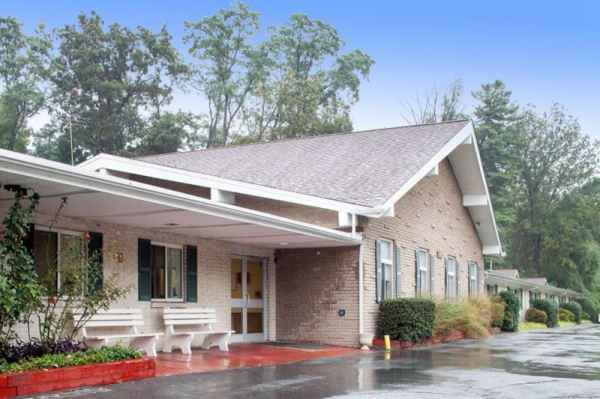
Who Owns and Operates Fox Chase Healthcare?

FOX CHASE HEALTHCARE is owned by a for-profit company. For-profit facilities operate as businesses with obligations to shareholders or private owners. The facility is operated by ENGAGE HEALTHCARE, a chain that manages multiple nursing homes. With 87 certified beds and approximately 70 residents (about 80% occupancy), it is a smaller facility located in SILVER SPRING, Maryland.
How Does Fox Chase Healthcare Compare to Other Maryland Nursing Homes?

Compared to the 100 nursing homes in Maryland, FOX CHASE HEALTHCARE's overall rating (1 stars) is below the state average of 3.0, staff turnover (64%) is significantly higher than the state average of 46%, and health inspection rating (1 stars) is much below the national benchmark.

What Should Families Ask When Visiting Fox Chase Healthcare?

Based on this facility's data, families visiting should ask: "What changes have been made since the serious inspection findings, and how are you preventing similar issues?" "How do you ensure continuity of care given staff turnover, and what is your staff retention strategy?" "Can I visit during a mealtime to observe dining assistance and food quality?" "How do you handle medical emergencies, and what is your hospital transfer rate?" These questions are particularly relevant given the facility's Immediate Jeopardy citations and the facility's high staff turnover rate.

Is Fox Chase Healthcare Safe?

Based on CMS inspection data, FOX CHASE HEALTHCARE has documented safety concerns. Inspectors have issued 1 Immediate Jeopardy citation (the most serious violation level indicating risk of serious injury or death). The facility has a 1-star overall rating and ranks #100 of 100 nursing homes in Maryland. Families considering this facility should ask detailed questions about what corrective actions have been taken since these incidents.

Do Nurses at Fox Chase Healthcare Stick Around?

Staff turnover at FOX CHASE HEALTHCARE is high. At 64%, the facility is 18 percentage points above the Maryland average of 46%. Registered Nurse turnover is particularly concerning at 64%. RNs handle complex medical decisions and coordinate care — frequent RN changes can directly impact care quality. High turnover means new staff may not know residents' individual needs, medications, or preferences. It can also be disorienting for residents, especially those with dementia who rely on familiar faces. Families should ask: What is causing the turnover? What retention programs are in place? How do you ensure care continuity during staff transitions?

Was Fox Chase Healthcare Ever Fined?

FOX CHASE HEALTHCARE has been fined $74,462 across 1 penalty action. This is above the Maryland average of $33,823. Fines in this range indicate compliance issues significant enough for CMS to impose meaningful financial consequences. Common causes include delayed correction of deficiencies, repeat violations, or care failures affecting resident safety. Families should ask facility leadership what changes have been made since these penalties.

Is Fox Chase Healthcare on Any Federal Watch List?

FOX CHASE HEALTHCARE is not on any federal watch list. The most significant is the Special Focus Facility (SFF) program, which identifies the bottom 1% of nursing homes nationally based on persistent, serious quality problems. Not being on this list means the facility has avoided the pattern of deficiencies that triggers enhanced federal oversight. This is a positive indicator, though families should still review the facility's inspection history directly.