REGENCY CARE OF SILVER SPRING, LLC
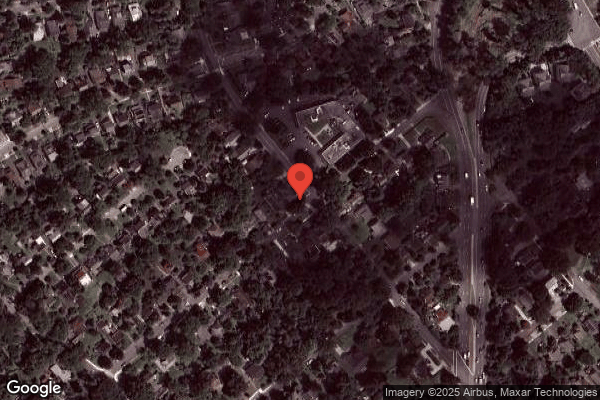
9101 SECOND AVENUE, SILVER SPRING, MD 20910 (301) 588-5544
For profit - Corporation 92 Beds REGENCY CARE Data: November 2025
Trust Grade
70/100
#79 of 219 in MD
Last Inspection: April 2025

Within standard 12-15 month inspection cycle. Federal law requires annual inspections.

Overview

Regency Care of Silver Spring has a Trust Grade of B, indicating it is a good choice for families seeking care. It ranks #79 out of 219 facilities in Maryland, placing it in the top half, and #14 out of 34 in Montgomery County, meaning only 13 local options are better. However, the facility's trend is worsening, with issues increasing from 2 in 2021 to 21 in 2025, raising concerns about the quality of care. Staffing is rated 4 out of 5 stars, with a turnover rate of 41%, which is around the state average, but there is good RN coverage, exceeding 90% of Maryland facilities. While there have been no fines, some specific incidents include a failure to provide timely showers due to insufficient staff, and concerns over food safety, such as outdated items in the kitchen and improperly cleaned food. Overall, while there are strengths in staffing and RN coverage, the increasing number of issues and documented concerns about resident care require careful consideration.

Trust Score
B
70/100
In Maryland
#79/219
Top 36%
Safety Record
Low Risk
No red flags
Inspections
Getting Worse
2 → 21 violations
Staff Stability
○ Average
41% turnover. Near Maryland's 48% average. Typical for the industry.
Penalties
✓ Good
No fines on record. Clean compliance history, better than most Maryland facilities.
Skilled Nurses
✓ Good
Each resident gets 63 minutes of Registered Nurse (RN) attention daily — more than 97% of Maryland nursing homes. RNs are the most trained staff who catch health problems before they become serious.
Violations
⚠ Watch
38 deficiencies on record. Higher than average. Multiple issues found across inspections.
★★★★☆
4.0
Overall Rating
★★★★☆
4.0
Staff Levels
★★★★☆
4.0
Care Quality
★★★★☆
4.0
Inspection Score
Stable
2021: 2 issues
2025: 21 issues

The Good

  • 4-Star Staffing Rating · Above-average nurse staffing levels
  • 4-Star Quality Measures · Strong clinical quality outcomes
  • Full Sprinkler Coverage · Fire safety systems throughout facility
  • No fines on record
  • Staff turnover below average (41%)

    7 points below Maryland average of 48%

Facility shows strength in staffing levels, quality measures, fire safety.

The Bad

Staff Turnover: 41%

Near Maryland avg (46%)

Typical for the industry

Chain: REGENCY CARE

Part of a multi-facility chain

Ask about local staffing decisions and management

The Ugly 38 deficiencies on record

Apr 2025 21 deficiencies
CONCERN (D) 📢 Someone Reported This

A family member, employee, or ombudsman was alarmed enough to file a formal complaint

Potential for Harm - no one hurt, but risky conditions existed

Deficiency F0578 (Tag F0578)

Could have caused harm · This affected 1 resident

**NOTE- TERMS IN BRACKETS HAVE BEEN EDITED TO PROTECT CONFIDENTIALITY** 2) On [DATE] a review of Resident #8's medical record revealed the resident was admitted to the facility in [DATE]. A review of ...

Read full inspector narrative →
**NOTE- TERMS IN BRACKETS HAVE BEEN EDITED TO PROTECT CONFIDENTIALITY** 2) On [DATE] a review of Resident #8's medical record revealed the resident was admitted to the facility in [DATE]. A review of the resident's paper chart revealed a Maryland Order for Life Sustaining Treatment (MOLST) dated [DATE] which indicated Attempt CPR and a certificate of capacity that revealed the resident was capable of making his/her own decisions. However, there was no Advance Directives document found in both the paper chart and electronic medical record. Review of Minimum Data Set (MDS) assessment with Assessment Reference Date (ARD) of [DATE] revealed Resident #8 had a BIMS (Brief Interview for Mental Status) of 13/15 indicating the resident was cognitively intact. Further review of the medical record failed to reveal documentation of advanced directives or that a discussion about advance directives had occurred with the resident. On [DATE] at 9:47 AM, surveyor reviewed the concern with the Director of Social Services (DSS), Staff #8, regarding the lack of documentation about advance directives in the medical record. Staff #8 stated she had a discussion with the resident and the resident's brother regarding the formulation of advance directives and referred the surveyor to the resident's admission notes. On [DATE] at 10:39 AM, a review of admission assessment dated [DATE] had nothing checked under Advanced Directives. A review of social services progress notes on [DATE] at 10:50 AM failed to reveal documentation that advance directives were discussed with the resident and/or RP. On [DATE] at 11:09 AM, in a follow up interview with the Director of Social Services (Staff #8), surveyor reviewed resident's admission assessment dated [DATE] and social services progress notes that did not reveal any documentation that advance directives was addressed with the resident. Staff #8 verified and confirmed surveyor's findings. The concerns regarding the failure to ensure advance directives was discussed with the resident/responsible was addressed with the Director of Nursing on [DATE] at 8:34 AM. No further documentation was provided. On [DATE] at 11:59 AM, additional review of social services progress notes revealed the following documentation on [DATE] at 9:32 AM: Note Text: DSS, followed back up with resident and provided resident with information on advance directives. DSS will continue to follow up with resident. Social Services. However, This was done after surveyor's intervention. Based on medical record review and interview, it was determined that the facility failed to ensure that advance directives were discussed with and/or information regarding advance directives was provided to residents and/or their responsible representatives (RP). This was evident for 2 (Resident #8 and #41) of 4 selected residents reviewed for advance directives during the recertification/complaint survey. Findings included: 1) On [DATE] at 11:40 AM, a review of Resident's #41 record revealed that the resident had capacity to make one's own decision, however, there was no documented evidence to support that the facility provided education and/or obtained Resident #41's advance directive. On [DATE] at 08:52 AM, in an interview conducted with the Director of social services (Staff #8), She stated that residents were evaluated on admission and if capable, they were asked about their ADs and copies requested to be placed in their paper chart. If a resident was deemed incapable and incapacity certification signed by the doctor, then Social Services will reach out to RP and ask for a copy that is kept in the resident's paper chart. Those residents that are deemed capable but do not have ADs are offered the opportunity to formulate one. On [DATE] at 01:33 PM, in an interview with Staff #8, she was asked about Resident #41's Advance Directive, and she stated that she will need to check and get back to the surveyor. She also stated that based on the previous surveyor interview, she was aware that a plan of correction will be required to address the missing AD documentation moving forward. The surveyor requested that Staff #8 provided any AD documentation for Resident #41, if available. On [DATE] at 01:55 PM, Staff #8 stated that there were no AD found for this Resident #41.
CONCERN (D) 📢 Someone Reported This

A family member, employee, or ombudsman was alarmed enough to file a formal complaint

Potential for Harm - no one hurt, but risky conditions existed

Notification of Changes (Tag F0580)

Could have caused harm · This affected 1 resident

Deficiency Text Not Available

Read full inspector narrative →
Deficiency Text Not Available
CONCERN (D) 📢 Someone Reported This

A family member, employee, or ombudsman was alarmed enough to file a formal complaint

Potential for Harm - no one hurt, but risky conditions existed

Report Alleged Abuse (Tag F0609)

Could have caused harm · This affected 1 resident

2) On 4/14/25 at 11:38 AM, a review of the Facility Reported Incident (FRI) #:MD00212896 revealed Resident #18 was observed by an ancillary staff member exposing their private area to Resident #38 in ...

Read full inspector narrative →
2) On 4/14/25 at 11:38 AM, a review of the Facility Reported Incident (FRI) #:MD00212896 revealed Resident #18 was observed by an ancillary staff member exposing their private area to Resident #38 in the resident's room. On 4/14/25 at 11:45 AM, a review of the facility investigation file revealed that the facility administrator was notified of the allegation on 12/19/24 at 4:45 PM; however, the allegation was reported to the Office of Healthcare Quality (OHCQ) on 12/19/24 at 7:38 PM, which was more than the 2-hour timeframe required. 04/14/25 at 02:24 PM, in an interview with the Director of Nursing (DON), the DON acknowledge the late reporting time after reviewing the documentation provided and confirmed that it was reported late, she stated she was not present in the facility at the time of the incident. Based on record review and interviews, it was determined the facility failed to ensure timely reporting of abuse allegations. This was evident for 2 (Resident #18 and #58) out of 6 residents reviewed for allegations of abuse during the complaint/recertification survey. Findings Included: 1) On 4/10/2025 at approximately 11:15 AM the surveyor notified Unit Manager Staff #16 that Resident #58 stated that a Geriatric Nursing Assistant (GNA), white lady with yellow big hair was very rough with him/her during care. The Resident added that when the GNA asked him/her to turn over, the GNA does not give him/her time to turn, and the GNA turns him/her very roughly. By 4/15/2025 at 2:00 PM the surveyor did not get any notification that this alleged incident was reported to the DON, the Administrator, or Office of Healthcare Quality (OHCQ). On 4/16/2025 at approximately 1:40 PM, the surveyor asked the DON if Staff #16 notified her of an alleged abuse incident. The DON stated that she did not get any information concerning this incident. The surveyor and the DON went to Resident #58's room and the Resident again stated that the GNA was rough with her, and she considered it abuse. On 4/17/25 at 2:00 PM before exiting the facility, the DON did not provide the surveyor with any evidence that this incident was reported to OHCQ within the 2 hours of hearing about the incident of an alleged abuse.
CONCERN (D) 📢 Someone Reported This

A family member, employee, or ombudsman was alarmed enough to file a formal complaint

Potential for Harm - no one hurt, but risky conditions existed

Transfer Notice (Tag F0623)

Could have caused harm · This affected 1 resident

**NOTE- TERMS IN BRACKETS HAVE BEEN EDITED TO PROTECT CONFIDENTIALITY** Based on medical record review and staff interviews it was determined that the facility failed to provide the bed hold policy on...

Read full inspector narrative →
**NOTE- TERMS IN BRACKETS HAVE BEEN EDITED TO PROTECT CONFIDENTIALITY** Based on medical record review and staff interviews it was determined that the facility failed to provide the bed hold policy on transfer out of the facility and/or mail it to the resident's responsible representative. This was found to be evident for 1(Resident #58) out of 2 residents selected for the recertification/complaint survey. The findings include: On 4/14/2025 at 10:31 AM review of Resident #58's medical record revealed that the Resident was admitted on [DATE] and transferred out to the hospital on multiple occasions with the most recent transfer to hospital with return anticipation on 4/4/2025 and a re-admission to facility on 4/8/2025. On 04/14/25 at 10:54 AM further medical record review revealed that Resident #58 had a change in condition which was documented on 4/4/25 at 1840, that the Resident had a fall and was transferred out of the facility via 911. On 04/14/25 11:20 AM surveyor conducted an interview with Nurse #23 and asked about the process for when a resident is sent to the hospital. Nurse #23 said a packet is sent with the Resident, but she/he did not mention the bed hold policy as an item in the package. When the surveyor asked if the Resident was given a copy of the bed hold policy, Nurse #23 reported that she did not know what a bed hold policy was. An interview was conducted on 4/14/25 at 11:20 AM with Nurse #12, who stated that a bed hold policy was given to the Resident on transfer, but did not know if a copy was mailed to the resident's responsible representative. On 4/14/25 at 12:18 PM an interview was conducted with the Admissions Director, Staff #4. When the surveyor asked who mailed a copy of the bed hold policy to the responsible representative, Staff #4 stated that nursing is responsible for ensuring the Resident or responsible representative get a copy of the bed hold policy on transfer out. Staff #4 also added that the Resident signed a bed hold policy on admission and that is the copy on file. On 4/14/25 at approximately 1:00 PM, Staff #4 provided the Surveyor with a copy of the Bed hold policy and procedure that was Electronically signed on 3/12/2025 by Resident #58 as an acknowledgement of receipt of bed hold policy. There was no evidence that a copy was mailed to the responsible representative when Resident #58 was transferred to the hospital. An interview was conducted with the DON on 04/14/25 at 01:58 PM concerning the bed hold policy. DON stated that he/she was not aware that a copy had to be mailed to the responsible representative when Residents are transferred out of the facility. Surveyor stated that this was a concern and DON stated ok.
CONCERN (D) 📢 Someone Reported This

A family member, employee, or ombudsman was alarmed enough to file a formal complaint

Potential for Harm - no one hurt, but risky conditions existed

Assessment Accuracy (Tag F0641)

Could have caused harm · This affected 1 resident

Based on medical record review and staff interview, it was determined the facility staff failed to ensure Minimum Data Set (MDS) assessments were accurately coded. This was evident for 1 (Resident #53...

Read full inspector narrative →
Based on medical record review and staff interview, it was determined the facility staff failed to ensure Minimum Data Set (MDS) assessments were accurately coded. This was evident for 1 (Resident #53) of 5 residents reviewed for antibiotic use during the recertification/complaint survey. The findings include: The Minimum Data Set (MDS) is a federally mandated assessment tool used by nursing home staff to gather information on each Resident's strengths and needs. The information collected drives resident care planning decisions. MDS assessments must be accurate to ensure that each Resident receives the care they need. During an interview with Resident#53 on 04/10/25 09:51 AM, the resident denied having a UTI and was unsure if he/she was taking antibiotics (ABX). A review of the Facility 30-day admissions Matrix on 4/10/25 at 11:02 AM indicated that Resident #53 is taking an ABX for a Urinary Tract Infection. On 4/13/2025 at 1:30 PM, the surveyor completed a record review for Resident #53. The review revealed an MDS assessment, dated March 23, 2025, at 12:12 PM in Section N0415. High-Risk Drug Classes: Use and Indication, F. Antibiotic checked yes. However, further record review for pharmacy orders for Antibiotic, and Medication Administration Records for Antibiotics failed to show evidence that the resident had been ordered or given antibiotics. 04/14/25 at 08:45 AM an Interview was conducted with the MDS Coordinator, staff #34. The surveyor asked the MDS coordinator how the MDS assessment is completed on admission. MDS coordinator stated that she/he opens the schedule assessment and goes to the Resident's hospital records, choose the Activities of Daily Living (ADLs) within the first 8 days and look back 7 days at the hospital records. MDS coordinator added that in the 7 days look back, the Resident is not assessed for medications that are not ordered on admission. On 04/14/25 at 08:51 AM, the MDS coordinator reviewed Resident 53's record for current and discontinued medication and stated that there were no ABX found. The surveyor asked MDS coordinator why was the MDS assessment coded for ABX. The MDS coordinator stated that it was a weekend MDS coordinated that completed the assessment and she/he could not provide an answer but agreed that the MDS assessment for ABX was coded incorrectly. On 04/14/2025 at 11:10 AM, Surveyor shared concern with DON who agreed that the MDS assessment for ABX was incorrectly coded.
CONCERN (D) 📢 Someone Reported This

A family member, employee, or ombudsman was alarmed enough to file a formal complaint

Potential for Harm - no one hurt, but risky conditions existed

Deficiency F0645 (Tag F0645)

Could have caused harm · This affected 1 resident

**NOTE- TERMS IN BRACKETS HAVE BEEN EDITED TO PROTECT CONFIDENTIALITY** Based on medical record review and interview, it was determined the facility staff failed to ensure that a PASARR screening (Pre...

Read full inspector narrative →
**NOTE- TERMS IN BRACKETS HAVE BEEN EDITED TO PROTECT CONFIDENTIALITY** Based on medical record review and interview, it was determined the facility staff failed to ensure that a PASARR screening (Preadmission Screening for Individuals with a Mental disorder and Individuals with Intellectual Disability) was re-evaluated as required. This was evident for 3 (Resident #9, #19, and #41) of 9 residents reviewed for PASARR screening during a recertification/complaint survey. The findings include: 1) Preadmission Screening and Resident Review (PASARR) is a federal requirement to help ensure that individuals are not inappropriately placed in nursing homes for long term care. Everyone who applies for admission to a nursing facility must be screened for evidence of serious mental illness (MI) and/or intellectual disabilities (ID), developmental disabilities (DD), or related conditions. The program assists in the placement and provision of services for individuals with severe mental illness and/or intellectual disability. The screening form only needs to be partly completed if a resident is expected to remain in a nursing facility for fewer than 30 days, but if the resident remains longer than 30 days, a new level 1 screen must be completed within 40 days of admission. A brief review of Resident #9's medical record on 4/9/2025 at 11:52 AM, revealed the resident was initially admitted to the facility on [DATE] and re-admitted on [DATE]. During the review, surveyor found a completed PASARR Level 1 form dated 11/25/2019 that revealed the resident needed to be referred to AERS (Adult Evaluation and Review Services) for further evaluation (level II PASARR screen). According to the screening instructions, the form was required to be completed again if the resident was not discharged from the facility within 30 days; it should have been completed within 40 days. However, there was no evidence in the clinical record that the PASARR screening form was completed within the required 40 days and/or that a Level II PASARR screen was done. Although Resident #9 was identified as a positive PASARR level 1 on admission, there was no evidence that the resident was sent to the appropriate agencies for further evaluation (PASARR level II screen). In an interview with the Director of Social Services (Staff #8) on 4/10/2025 at 8:57 AM, she stated that Level I PASARRs came from the hospital. If the resident did not have one filled out in the hospital, then Social services will complete the form in the facility. If a resident had a positive level 1 PASARR screen, i.e., meets criteria for Level II screening, Social services will contact AERS for a PASARR level II screen to be done. Surveyor requested from Staff #8 copies of Resident #9's PASARR screens. On 4/10/2025 at 9:46 AM, Staff #8 presented surveyor with a copy of Resident #9's PASARR level 1 screen dated 11/25/2019 and stated she did not find any other PASARRs in the resident's records. Staff #8 further confirmed that she did not find a PASARR level II screen in the resident's records and was going to follow up. On 4/11/2025 at 8:30 AM, In an interview with the Director of Nursing (DON), surveyor shared concerns regarding Resident #9's level 1 PASARR screen and no follow up Level II PASARR evaluation as identified on the level 1 screen dated 11/25/2019. No additional information was provided to surveyor. 2) Review of the medical records for Resident #19 on 4/9/2025 at 12:35 PM revealed a completed PASARR form dated 12/14/2018 that indicated if the stay extended for 30 days or more, a new screen and resident review must be performed within 40 days of admission. The answers to section D (Categorical Advance Group Determinations) of the form indicated that Resident #19 needed to be referred to AERS for a level II PASARR evaluation. However, there was no evidence in the clinical record that the PASARR screening form was completed within the required 40 days and/or that a Level II PASARR screen was done for Resident #19. On 4/10/2025 at 9:44 AM, in an interview with the Director of Social Services (Staff #8), surveyor reviewed resident's PASARR level I screen dated 12/14/2018. Staff #8 reviewed and acknowledged that based on the screen, Resident #19 needed to be re-evaluated and/or referred to AERS for a follow evaluation (PASARR level II screen). Staff #8 confirmed that she did not find any other PASARRs and/or a PASARR level II screen in the resident's records. On 4/11/2025 at 8:30 AM, in an interview with the Director of Nursing (DON), surveyor shared concerns regarding Resident #19's level 1 PASARR screen and no follow up Level II PASARR evaluation as identified on the level 1 screen dated 12/14/2018. No additional information was provided. 3) On 04/10/25 at 10:59 AM, a review of Resident #41 chart revealed that the PASARR form, level I dated 4/22/2024 was completed; however, a review of section D of the PASARR level I form revealed that all answers were No and the form stated that if all answers to part D were No the resident should be referred to AERS for level II evaluation. On 04/10/25 at 11:11 AM, in an interview conducted with Director of social services (Staff #8), was asked about Resident #41's level II evaluation and she stated that the resident's PASARR didn't show a positive indication for a level II assessment but after speaking with another surveyor, they notice that based on the section D of the level I form, a level II PASARR was required. She stated that it was not completed but it will be addressed.
CONCERN (D) 📢 Someone Reported This

A family member, employee, or ombudsman was alarmed enough to file a formal complaint

Potential for Harm - no one hurt, but risky conditions existed

Comprehensive Care Plan (Tag F0656)

Could have caused harm · This affected 1 resident

**NOTE- TERMS IN BRACKETS HAVE BEEN EDITED TO PROTECT CONFIDENTIALITY** Based on observation, record review and interviews with facility staff, it was determined that the facility failed to 1) Initiat...

Read full inspector narrative →
**NOTE- TERMS IN BRACKETS HAVE BEEN EDITED TO PROTECT CONFIDENTIALITY** Based on observation, record review and interviews with facility staff, it was determined that the facility failed to 1) Initiate a wound care plan for a resident with wounds, 2) initiate a care plan for a resident who was receiving hospice care, and 3) failed to develop a comprehensive care plan that included psychotropic and antidepressant medications. This was evident for 3 (Resident #6, #11 and #65) out of 19 residents reviewed for care plans during the Medicare/Medicaid recertification and complaint survey. The findings include: A care plan is an outline of nursing care showing all the residents' needs and the ways of meeting the needs. It is a dynamic document initiated at admission and subject to continuous reassessment and change by the nursing staff caring for the resident. Terminal prognosis means a disease is expected to lead to death and is not expected to be cured or adequately treated. In essence, it indicates a life-limiting condition where death is anticipated, regardless of medical interventions. 1) On 04/10/2025 at 08:44 AM, review of Resident #6's electronic health record showed that he/she was admitted into the facility on [DATE] and had diagnosis of epilepsy, hemiplegia and hemiparesis following cerebral infarction affecting left dominant side amidst other diagnosis and was also noted to have right lateral (buttocks) wound upon admission. On 01/28/2025, the resident was seen by the facility's wound team and documented stage 2 pressure wound of the right ischium partial thickness caused by pressure and on 03/25/2025, the wound team documented a venous wound of the left calf of the resident. On 04/10/2025 at 9:18 AM, further review of the resident's care plans revealed the facility staff failed to develop and implement a care plan with specific interventions and approaches to manage the resident's wounds. On 04/10/2025 at 09:23 AM, in an interview with the Long-Term Care Unit Manager, RN #14, she was asked who was responsible for initiating and updating care plans. She stated that the Unit Manager was in charge and that the Director of Nursing (DON) also assisted. When asked if wounds were care planned, she stated that a care plan was created for any open areas on residents, along with the necessary interventions. When she was asked if Resident #6 had a wound care plan in place, she stated that she did not see any care plan addressing the wound and that the resident should have had one. On 04/10/2025 at 09:52 AM, in an interview with the Director of Nursing (DON), while the administrator was present, she was asked about the process of initiating a care plan. She stated that care plans were initiated upon admission, when changes were noted, and generally as needed. When asked who initiated the care plans, she responded that the nurses and the Unit Managers (UM) were responsible, and that she assisted as well. When asked if Resident #6 had any wounds, she replied that she would need to review the chart. After reviewing the chart in the presence of the surveyor, she confirmed that the resident had been admitted with a pressure wound and currently had a venous wound. When asked whether there was a care plan for the wounds, she confirmed that there were no wound care plans in place and acknowledged that there should have been one. 2) On 04/10/2025 at 12:00 PM, review of Resident #11's record showed that he/she had a terminal prognosis and was admitted to hospice care on 03/24/2025. On 04/11/2025 at 12:23 PM, in an interview with the Long-Term Care Unit Manager, RN #14, she was asked who oversaw the care plans. She stated that it was her responsibility and that the Director of Nursing (DON) also assisted. When she was asked if there was a hospice care plan for Resident #11, she stated that she did not find one. On 04/11/2025 at 12:25 PM, in an interview with the DON, when she was asked if there was a hospice care plan for Resident #11. She stated that the resident did not have a care plan for hospice admission and that she had planned on training the new Unit Manager on how to put in a care plan in the facility's electronic health record (EHR). 3) 04/15/25 at 12:59 PM, Resident #65's medical record review for unnecessary medications, psychotropic medications, and Medication Regimen Review (MRR) revealed that the resident was taking an antipsychotic and antidepressant medication for depression and bipolar disorder. Review of the care plan on 4/15/2025 at 1:15 PM indicated no antipsychotic or antidepressant medication were found on the medications and evaluation portion of the care plan. Therefore, there was no focus, goals or interventions outlined to meet the Resident's medical, nursing, mental, and psychosocial needs while taking these medications. Interview with the Director of Nursing on 04/16/25 at 09:26 AM confirmed the facility staff failed to develop and implement a comprehensive care plan to manage the medications of Resident #65, who is taking antipsychotic and antidepressant medications.
CONCERN (D) 📢 Someone Reported This

A family member, employee, or ombudsman was alarmed enough to file a formal complaint

Potential for Harm - no one hurt, but risky conditions existed

Deficiency F0657 (Tag F0657)

Could have caused harm · This affected 1 resident

Based on record review and interviews, it was determined that the facility failed to: 1) conduct an interdisciplinary care plan meeting as required, 2) revise or update the care plan to reflect the ne...

Read full inspector narrative →
Based on record review and interviews, it was determined that the facility failed to: 1) conduct an interdisciplinary care plan meeting as required, 2) revise or update the care plan to reflect the needs of the resident, and 3) failed to review and revise the interdisciplinary care plan for discontinuation of Physical Therapy (PT) and Occupational Therapy (OT). This was evident for 2 ( Resident #18 and #60) of 19 resident care plans reviewed during the recertification/complaint survey. Findings included: The Minimum Data Set (MDS) is a standardized comprehensive assessment tool that measures health status in nursing home residents and is usually completed with on admission, quarterly, annually and with significant change of condition. A care plan is a tool used to summarize the resident's healthcare needs, treatments, and care goals. This tool is to be developed within 7 days after completion of the comprehensive assessment (MDS) and prepared by an interdisciplinary team. A care plan meeting is where healthcare professionals, residents and/or their family members come together to discuss and review a person's individual care plan and healthcare needs, treatment and care goals to ensure the best possible outcome for the resident. 1) On 04/09/25 at 09:19 AM, in an interview with Resident #18 during the initial screening process, the resident stated that he/she was not included or invited to attend care planning meetings to discuss the care and services provided and neither was the family representative. On 04/10/25 at 11:53 AM, a review of Resident #18's record revealed that on 8/24/24, 11/22/24 and 2/22/25, MDS assessments were completed; however, there was no documentation to support that the care plan meetings were conducted after each MDS assessment. There was no documented evidence to support that the care plan meeting including the resident and/or family was conducted to discuss the plan of care in 8/2024 and 2/2025. On 04/10/25 01:26 PM, in an interview with the Director of social services (Staff #8), when asked about the care plan meeting process, she stated that every three months the family was contacted to update them with any changes in the resident status, and the residents were usually in attendance if they choose to be involved in their care plan meetings. The families were notified via email and/or phone with voicemail. However, she admitted that they were not documenting when the unsuccessful attempt to contact families were made. She stated that Resident #18 chose not to participate in the care plan meetings even when he/she is in attendance. Therefore, the resident's representatives usually attend the care meetings at their earliest convenience, if available. When asked Staff #8 confirmed that there was no documented evidence that attempts were made by the facility to inform the resident representatives of any upcoming care plan meeting. Staff #8 also stated that in February 2025 the electronic health record (EHR) server went down, and they were not able to document in the EHR but the care plan meeting was conducted on 2/26/25 and both the resident and the resident representatives were in attendance. She stated moving forward they will put in place a system to document services on paper if the EHR server was not available. 2) On 04/14/25 at 11:38 AM, a review of a Facility Reported Incident (FRI) MD00212896 revealed that on 12/19/24 a report was made to the Office of Healthcare Quality (OHCQ) regarding an allegation that Resident #18 wandered into female resident's room and exposed themselves to a female resident on 12/19/2024 at 4:45 PM. On 04/15/25 08:53 AM, a review of the Resident #18 cognitive status at the time of the event showed that the resident had an episode of cognitive impairment. A review of the resident's Brief Interview for Mental Status (BIMS) assessment revealed that the resident was deemed cognitively intact on 11/22/24; however, on 12/19/24 the resident's cognitive status was deemed severely impaired after the event and the subsequent brief interview for mental status assessments indicated that the resident returned to the baseline, which was cognitively intact. On 04/14/25 at 11:45 AM, a review of the facility investigative report for MD00212896 revealed that on 12/19/24 at 3:00 PM to 12/27/24 at 07:00 AM the facility initiated one-to-one monitoring by staff and behavioral assessments of Resident #18 were completed every 15 minutes. On 04/15/25 at 09:06 AM, a review of Resident #18's care plan revealed that on 02/03/22 a care plan for elopement/wandering was initiated and Resident #18 was identified to have an impaired safety awareness. Interventions initiated on 02/03/2022 were to include but not limited to; check for wander guard placement every shift, check for functioning every day; distract the resident from wandering by offering pleasant diversions, structured activities, food, conversation, television, and books. However, the review of the care plan revealed no evidence to support that the interventions were recently reviewed, revised or resolved, if applicable. The above-mentioned interventions were last revised on 04/23/22. Also, the last elopement assessment for Resident #18 was completed on 04/10/24. During the survey process observations of the environment revealed no concerns for elopement in the facility. On 04/16/25 at 03:23 PM, in an interview with the Director of Nursing, she acknowledged that the interventions documented were not updated and she also added that the resident was not a risk for elopement at this point. 3) On 04/10/25 at 09:32 AM the surveyor observed Resident #60 lying in bed with son at bedside. The son stated that he has not seen the resident getting Physical Therapy (PT) or Occupational Therapy (OT). On 04/10/25 at 10:45 AM during the medical record review there was an order written by the physician on 2/11/2025 for PT, OT, and Speech to evaluate and treat as indicated. The Care Plan review on 4/10/2025 at 10:50 noted PT/OT evaluation and treatment as per MD orders, which was created on 2/18/2025, Initiated on 2/18/2025, revision on 2/28/2025, with a target date of 5/13/2025. An interview with the Rehab Director, staff #5 on 4/10/25 12:52 PM, revealed that Resident #60 was discharged from PT and OT on 2/20/2025 because Resident #60 was not able to follow directions, was not progressing and was not fully participating in PT and OT. The Rehab Director also stated the Resident's daughter, who is the responsible party, was made aware and agreed to the discontinuation of PT/OT. The surveyor asked the Rehab Director how does discharge from rehab services got communicated to the nursing staff. The Rehab Director stated that information is passed on in morning meetings or during care plan meetings. Upon further record review on 4/10/25 at 1:02 PM, it was noted that the nursing staff was documenting on the skill notes that Resident #60 received PT, and or OT on the following days 2/21/25, 2/22/25, 2/27/25, 3/7/25, 3/10/25, 3/11/25, 3/15/25, 3/25/25, 3/26/25, 3/27/25 - 3/30/25, 4/1/25, 4/4/25, and 4/7/25, after PT/OT was discontinued on 2/20/25; and, the care plan had not been updated with the discontinuation of PT/OT. On 4/11/2025 at 08:00 AM The DON stated that unit managers are responsible for updating the care plans. The DON agreed that the care plan should have updated when PT/OT services were discontinued, and staff should not have documented on services that were not provided.
CONCERN (D) 📢 Someone Reported This

A family member, employee, or ombudsman was alarmed enough to file a formal complaint

Potential for Harm - no one hurt, but risky conditions existed

ADL Care (Tag F0677)

Could have caused harm · This affected 1 resident

Deficiency Text Not Available

Read full inspector narrative →
Deficiency Text Not Available
CONCERN (D) 📢 Someone Reported This

A family member, employee, or ombudsman was alarmed enough to file a formal complaint

Potential for Harm - no one hurt, but risky conditions existed

Respiratory Care (Tag F0695)

Could have caused harm · This affected 1 resident

Based on observation, medical record review, and interview, it was determined the facility failed to 1) properly date label oxygen tubing when changed, 2) follow physician's orders for the administrat...

Read full inspector narrative →
Based on observation, medical record review, and interview, it was determined the facility failed to 1) properly date label oxygen tubing when changed, 2) follow physician's orders for the administration of oxygen, and 3) develop and implement a person-centered comprehensive care plan with resident centered goals for respiratory care to include oxygen therapy. This was evident for 1 (#15) of 3 residents reviewed for respiratory care during a recertification/complaint survey. The findings include: Oxygen (O2) therapy is a treatment that provides you with extra oxygen to breathe in. It is also called supplemental oxygen. It is only available through a prescription from your health care provider. On 4/9/2025 at 9:05 AM, surveyor observed Resident #15 in bed awake, alert, and oriented to person and place. The resident was wearing a nasal cannula (a device that delivers extra oxygen through a tube and into your nose) that was connected to a humidifier (water) bottle connected to an oxygen concentrator set at 4LPM (liters per minute). The LPM oxygen flow rate of 4 indicates that 4 liters of oxygen should flow into the resident's nose in 1 minute. The humidifier bottle was almost empty and dated 4/8/2025. However, the oxygen tubing/ nasal cannula was not dated. When asked, Resident #15 could not recall when the oxygen tubing was changed. On 4/9/2025 at 9:10 AM, Resident #15's nurse, Licensed Practical Nurse (LPN #12) observed and verified that the humidifier bottle was dated 4/8/2025 and the oxygen tubing had no date/time on it. When asked, Staff #12 did not know what flow rate the resident's Oxygen was supposed to be set to and when the oxygen tubing was last changed. During a review of Resident #15's medical record conducted on 4/11/2025 at 7:56 AM, surveyor noted an active physician order dated 1/7/2025 for: Oxygen 2LPM via NC (nasal cannula) Continuous every shift. There were additional orders dated 1/14/2025 for Change Oxygen tubing weekly on Tuesday one time a day every Tues for patency. Further review of the active orders did not reveal any order for humidification/use of humidifier bottle with the administration of the Oxygen. On 4/11/2025 at 8:04 AM, review of Medication Administration Record (MAR) and Treatment Administration Record (TAR) for March and April 2025 did not reveal any staff documentation that they were applying humidification (using humidifier bottle) with the administration of the Oxygen. Further review of the MAR and TAR for April 2025 revealed staff documentation that the Oxygen tubing was changed on Tuesday 4/8/2025. However, the Oxygen tubing when observed on 4/9/2025 had no date/time on it, and it was connected to a humidifier bottle (not in the orders nor in MAR/TAR). On 4/11/2025 at 8:22 AM, a review of Resident #15's care plan did not reveal a care plan focus for Oxygen therapy with goals and interventions. The care plan was not comprehensive and resident centered. On 4/11/2025 at 12:04 PM, in an interview with the Director of Nursing (DON), surveyor reviewed resident's orders for Oxygen, staff documentation on the MAR/TAR, oxygen care plan, and surveyor's observations on 4/9/2025 regarding resident's Oxygen tubing not being labeled, Oxygen set at 4L instead of 2L as ordered, orders not addressing use of humidifier, and resident's care plan not having a focus on Oxygen therapy with goals and interventions. DON stated that the Oxygen tubing should be changed once a week and labeled with date/time. Regarding care plans, DON stated that she would expect to see Oxygen therapy addressed on the care plan with goals and interventions. DON added that she was aware of surveyor's observation/concerns and the corrections were made and the Oxygen tubing changed/labeled and flow rate set correctly.
CONCERN (D) 📢 Someone Reported This

A family member, employee, or ombudsman was alarmed enough to file a formal complaint

Potential for Harm - no one hurt, but risky conditions existed

Deficiency F0697 (Tag F0697)

Could have caused harm · This affected 1 resident

Based on medical record review and interview with facility staff, it was determined that the facility failed to document the use of nonpharmacological methods for pain management. This was evident in ...

Read full inspector narrative →
Based on medical record review and interview with facility staff, it was determined that the facility failed to document the use of nonpharmacological methods for pain management. This was evident in the review of 2 (Resident #58 and #65) of 5 reviewed for unnecessary medications during the recertification/complaint survey. The findings include: 1.On 4/15/25 at 11:51 AM during an unnecessary medication review for Resident #58, the surveyor found a physician order dated 3/12/2025 for Roxicodone Oral Tablet 5 MG Give 1 tablet by mouth every 4 hours as needed for pain 6-10 or prior to physical therapy. The care plan review on 4/15/25 at 11:53 noted that the RN and LPN must use the nonpharmacological interventions for pain management: Turn and Reposition, music, television, low light, hot application, cold intervention, and reduce noise. On further medical record review on 4/15/25 at 11:55 AM, the surveyor noted that there was no documentation of the nonpharmacological pain interventions on the Treatment Administration Record (TAR) therefore, there was no way to validate that nonpharmacological measures were used prior to the administration of pain medication. 2. A record review conducted on 04/15/25 12:59 PM for Resident #65 revealed a physician order for tramadol 50 mg, 1 tab every 12 hours for pain. On 04/16/25 09:26 AM, review of the care plan initiated on 03/23/2025 stated that the LPN and RN should use nonpharmacological interventions for pain management: Turn and Reposition, music, television, low light, hot application, cold intervention, and reduce noise. On further medical record review on 4/16/25 at 09:55 AM, the surveyor noted that there was no documentation of the nonpharmacological pain interventions on the Treatment Administration Record (TAR) therefore, there was no way to validate that nonpharmacological measures were used prior to the administration of pain medication. An interview on 04/16/25 at 09:58 AM with the Director of Nursing revealed that the interventions from the care plan should be added to the TAR by nursing. The DON agreed that there were no documentation to validate that the nonpharmacological means were being implemented and that they would be added to the TAR template.
CONCERN (D) 📢 Someone Reported This

A family member, employee, or ombudsman was alarmed enough to file a formal complaint

Potential for Harm - no one hurt, but risky conditions existed

Deficiency F0711 (Tag F0711)

Could have caused harm · This affected 1 resident

Based on medical record review and interview with facility staff, it was determined that the facility attending failed to follow up with the hospital discharge recommendations and her own physician no...

Read full inspector narrative →
Based on medical record review and interview with facility staff, it was determined that the facility attending failed to follow up with the hospital discharge recommendations and her own physician notes related to a cardiac consult for a resident with a diagnosed cardiac condition. This was evident during the review of 1 (Resident #52) of 3 residents regarding coordination of care during a recertification/complaint survey. The findings include: Left ventricular thrombus is a blood clot (thrombus) in the left ventricle of the heart After meeting with Resident #52 in his/her room on 4/9/25 after an initial tour of the facility, his/her medical record was reviewed at 11:25 AM. Resident #52 was admitted to the facility in February of 2024 after a hospital admission related to increased confusion. During that hospitalization, Resident #52 was identified as having a cardiac ejection fraction of 20-25% (A normal ejection fraction (EF), which measures how much blood your heart pumps out with each beat, typically ranges from 55% to 70%), prior stroke, ischemia cardiomyopathy, coronary artery disease status post percutaneous coronary interventions (balloon to open a blocked artery) and recently diagnosed with a left ventricular thrombus. Resident #52 was discharged from the hospital with recommendations to follow up with a cardiologist within 3 months and continue an anticoagulant for minimally 3 months secondary to his/her cardiac status. Attending #17 was interviewed on 4/10/25 at 11:06 AM and she acknowledged caring for Resident #52 since his/her admission. She was interviewed regarding Resident #52's hospital discharge recommendations and consult to see a cardiologist. She stated that 'you have to ask the facility.' The surveyor clarified with Attending staff #17 that the recommendation from the hospital was to see a cardiologist within 3 months and to be on the anticoagulant for 3 months. This surveyor also reviewed Resident #52's medical record concurrently with Attending #17 and noted that Resident #52's anticoagulant was stopped between 4/19 and 5/16/24. Attending staff #17 stated well it was restarted, referring to the anticoagulant. She then stated that 'the point of the 3 months for the anticoagulant was for him to follow up with the cardiologist, not to stop it. With the thrombus that he had you can't be off the anticoagulant.' This surveyor continued to clarify with Attending #17, that Resident #52 was off the anticoagulant within 2 months of admission to the facility for 1 month. She stated to the survey team that 'Resident #52 needed and needs to see a cardiologist and it's on the facility.' This surveyor asked if the resident ever saw a cardiologist and she stated she didn't know. This surveyor asked if she had written out an order for Resident #52 to see a cardiologist and she stated that she could have just said it verbally. This surveyor reviewed with Attending #17 that there was no consultation in the chart. Attending #17 said that the surveyors need to check with the facility about the consultation. She then stated that on July 28, 2024, she wrote a note that Resident #52 needed to see a cardiologist and the fact Resident #52 didn't need to follow up with the facility as it's on them not her. The DON was interviewed on 4/10/25 at 11:16 AM, in the presence of Attending #17. The identified concern related to Attending #17's failure to monitor and follow up on Resident #52's plan of care was reviewed at this time. Specifically, the concern that Resident #52's Attending #17 was aware of the residents need to see a cardiologist timely based on his/her cardiac diagnosis of the LV thrombus as reported from the hospital discharge summary in 2024 and failed to follow through with the resident's needs. The DON followed up with the survey team on 4/10/25 at 12:00 PM, the Resident is scheduled to see a cardiologist today. On 4/10/25 Resident #52 saw a cardiologist who ordered him/her to have an Echo (ultrasound test that provides a detailed view of the heart's structure and function) which was subsequently scheduled for 4/15/25.
CONCERN (D) 📢 Someone Reported This

A family member, employee, or ombudsman was alarmed enough to file a formal complaint

Potential for Harm - no one hurt, but risky conditions existed

Drug Regimen Review (Tag F0756)

Could have caused harm · This affected 1 resident

2) On 4/10/2025 at 11:57 AM, a record review of Resident #19's drug regimen review from October 2024 through March 2025 was completed: Two (2) dates (10/30/2024 and 2/28/2025) had notations that irreg...

Read full inspector narrative →
2) On 4/10/2025 at 11:57 AM, a record review of Resident #19's drug regimen review from October 2024 through March 2025 was completed: Two (2) dates (10/30/2024 and 2/28/2025) had notations that irregularities were identified and recommendations made by the consultant Pharmacist. On 4/10/2025 7:39 AM, Surveyor requested from the Director of Nursing (DON) the 2 drug regimen reviews (10/30/2024 and 2/28/2025) that had identified irregularities with recommendations from the consultant Pharmacist. On 4/11/2025 at 8:26 AM, in an interview with the DON, she stated that residents' drug regimen was reviewed monthly by a consultant Pharmacist. She stated that after each review the consultant Pharmacist sends an email with consultation and recommendations attached to the DON and sometimes to the attending Physician. DON further stated that she prints copies of the report and give to Unit Managers (UM) to follow up with the physicians regarding irregularities identified and recommendations made by the consultant Pharmacist. Regarding the pharmacist reviews/recommendations for 10/30/2024 and 2/28/2025, DON stated that she could not find the pharmacy recommendation reports in Resident #19's chart. When asked what the irregularities/recommendations were and/or if they were reviewed by Resident #19's physician, DON stated that she did not know but will look through her emails to see if she could find the missing pharmacy reviews. On 4/17/2025 at 1:45 PM prior to survey exit, DON did not provide any additional information and/or documentation regarding the missing consultant Pharmacist drug regimen reviews for 10/30/2024 and 2/28/2025 that identified irregularities. Moreso, she did not know what the irregularities/recommendations were and hence, could not provide proof that those irregularities/recommendations were addressed by Resident # 19's physician. Based on medical record review and interview with facility staff, it was determined that the facility failed to provide and show documentation that the attending physician reviewed any irregularities identified by the pharmacist. This was evident for 2 (Resident #52 and #19 ) of 5 residents that were reviewed for drug regimen reviews during the recertification/complaint survey. The findings include: 1) On 04/10/25 at 09:24 AM, Review of Resident #52's medical record revealed 4 dates (2/28/24, 7/30/24, 10/30/24, 12/31/24) with irregularities identified during drug regimen reviews (DRR) completed by the pharmacist. On 4/10/25 at 10:15 AM, after an interview with the Director of Nursing (DON), the surveyor asked her to provide documentation of the drug regimen reviews (DRR) from the dates identified with irregularities. The DON responded back to the surveyors at 10:41 AM that she was only able to locate one (2/28/24) of the requested DRR and she was not able to locate the other dates of documentation and that they were not able to provide proof that the reviews were completed and seen by the appropriate discipline. According to the facility's policy for drug regimen reviews revised in 2025, provided 4/11/25 at 10:29 AM, the facility failed to do the following: In section 5. The pharmacist shall communicate any irregularities to the facility in the following ways: b. Written communication to the attending physician, the facility's Medical Director, and the Director of Nursing In section 6. Written communications from the pharmacist shall become a permanent part of the resident's medical record. In section 7. Timelines and responsibilities for the Medication Regimen Review: b. The pharmacist shall communicate any recommendations and identified irregularities via written communication within 10 working days of the review. These concerns were reviewed with the DON on 4/11/25 and again at exit on 4/17/25.
CONCERN (D) 📢 Someone Reported This

A family member, employee, or ombudsman was alarmed enough to file a formal complaint

Potential for Harm - no one hurt, but risky conditions existed

Deficiency F0757 (Tag F0757)

Could have caused harm · This affected 1 resident

**NOTE- TERMS IN BRACKETS HAVE BEEN EDITED TO PROTECT CONFIDENTIALITY** Based on record review and staff interviews, it was determined that the facility failed to implement behavior monitoring for res...

Read full inspector narrative →
**NOTE- TERMS IN BRACKETS HAVE BEEN EDITED TO PROTECT CONFIDENTIALITY** Based on record review and staff interviews, it was determined that the facility failed to implement behavior monitoring for residents receiving antipsychotic medications. This was evident for 1 (Resident #65) out of 5 residents reviewed for unnecessary medications during the recertification survey. The findings include: Medical record review on 4/15/25 at 12:59 PM found that Resident #65 was admitted to the facility on [DATE] with diagnoses including bipolar disorder. Further review on 4/15/25 at 1:10 PM revealed a physician order dated 3/12/25 for Risperidone Tablet 0.25 MG Give 1 tablet by mouth at bedtime for bipolar disorder, give with 0.5 mg for total dose of 0.75mg. On 4/15/25 at 1:20 PM the surveyor noted the psychiatry initial consult notes dated 3/20/25 stating that, There are no reports of disturbances in his sleep, patterns or appetite, indicating stability in these areas. He also denies any suicidal ideation (SI) or homicidal ideation (HI), suggesting he does not have thoughts of wanting to harm himself or others. Furthermore, he reports no experience of hallucinations or delusions. Throughout the visit, no signs of agitation, irritability, or aggression were noted, reflecting a calm and stable demeanor. The assessment and plan indicated that if the Resident's mood continues to be stable, the psychiatrist will consider a gradual dose reduction (GDR) and Discontinuation (D/C) of risperidone. On 4/15/25 at 1:30 PM a review of the Treatment Administration Record (TAR) did not have the behavior monitoring that are associated with antipsychotic medications. On 04/16/25 at 10:58 PM the DON was made aware that this was a concern because the behavior monitoring tool was to be used for the psychiatrist to consider GDR or D/C of the antipsychotic medication. The DON agreed.
CONCERN (D) 📢 Someone Reported This

A family member, employee, or ombudsman was alarmed enough to file a formal complaint

Potential for Harm - no one hurt, but risky conditions existed

Deficiency F0839 (Tag F0839)

Could have caused harm · This affected 1 resident

Based on employee file reviews and interviews with staff, it was determined that the facility failed to ensure that nursing staff had an active license. This was evident for 1 (LPN #24) of 5 licensed ...

Read full inspector narrative →
Based on employee file reviews and interviews with staff, it was determined that the facility failed to ensure that nursing staff had an active license. This was evident for 1 (LPN #24) of 5 licensed health care professionals reviewed during the recertification/complaint survey. The Findings include: The Maryland Board of Nursing (MBON) is the agency charged with the regulatory oversight of the practice of nursing in the State. The MBON's mission is to preserve the field of nursing by advancing safe, quality care in Maryland through licensure, certification, education, and accountability for public protection. All licensed practical nurses must have an active license in order to work. The primary source verification of certification status is found in the Look Up A License feature of the MBON website. This secure program is updated daily. On 4/14/25 at 12:15 PM 5 employee files were reviewed. During this review the surveyor was checking that the health care professionals had an active license. The employees were entered into the Look Up A License feature on the MBON website to obtain their license status. It was found that License Practical Nurse (LPN) #24 had a license status of NON-RENEWED and an expiration date of 1/28/2025. On 4/14/25 at 1:30 PM, Human Resource/ Staff Scheduler #1 was interviewed. During the interview she was asked how she keeps track of employee licenses and expiration dates. She said that she kept a spread sheet of all employee licenses and expirations and would send out reminders to employees when their licenses were close to expiring. At this time she was made aware of the concerns related to LPN #24 working without an active license. The Director of Nursing was also made aware of the concern on 4/14/25 and again at exit on 4/17/25.
CONCERN (D) 📢 Someone Reported This

A family member, employee, or ombudsman was alarmed enough to file a formal complaint

Potential for Harm - no one hurt, but risky conditions existed

Deficiency F0840 (Tag F0840)

Could have caused harm · This affected 1 resident

Based on record review and interviews with the staff, it was determined that the facility failed to provide outside services to a resident in a timely manner. This was evident for 1 (Resident # 52) ou...

Read full inspector narrative →
Based on record review and interviews with the staff, it was determined that the facility failed to provide outside services to a resident in a timely manner. This was evident for 1 (Resident # 52) out of 3 residents that were reviewed for coordination of care during the recertification/complaint survey. The Findings Include: Left ventricular (LV) thrombus is a blood clot (thrombus) in the left ventricle of the heart Resident #52's medical records were reviewed on 4/10/25 at 09:14 AM. There was a physicians note from 2/29/24 stating that the Resident was a new admission after being hospitalized for Cerebral Vascular Accident (CVA) caused by an LV thrombus, a blood clot that forms inside the left ventricle of the heart. Per the hospital's recommendations at time of discharge, resident was to continue taking an anticoagulant for 3 months minimum with reassessment for LV thrombus as outpatient with cardiology. It also stated that s/he would need repeat imaging to assess the LV thrombus in three months. All physician's notes were reviewed by the surveyor from 2/29/24 to 3/28/25. There was only one note (7/28/24) where Attending #17 addressed the need for Resident #52 to be seen by an outpatient Cardiologist. On 4/10/25 at 10:22 AM, Resident #52's orders were reviewed and revealed that Attending #17 failed to order the resident a cardiology consult at any point from admission to the current review, a year later. An interview was conducted with Attending #17 on 4/10/25 at 11:06 AM. During the interview the physician was asked about Resident #52 and the need for an outpatient cardiology appointment. Attending #17 said that the doctors only make the recommendations, which can be verbal, and if they are not followed through by the facility, then she has no control over that. When asked about following up on her recommendations in her note from 7/28/24 for the resident to see an outpatient cardiologist, she said that it was up to the facility to get the patient the cardiology appointment. On 4/10/25 at 11:10 AM in the presence of Attending #17 the DON was interviewed and notified of the concern related to Resident #52 's lack of a cardiology consult and Attending #17 relinquishing responsibility for the consultation to the facility.
CONCERN (D) 📢 Someone Reported This

A family member, employee, or ombudsman was alarmed enough to file a formal complaint

Potential for Harm - no one hurt, but risky conditions existed

Medical Records (Tag F0842)

Could have caused harm · This affected 1 resident

Deficiency Text Not Available

Read full inspector narrative →
Deficiency Text Not Available
CONCERN (D) 📢 Someone Reported This

A family member, employee, or ombudsman was alarmed enough to file a formal complaint

Potential for Harm - no one hurt, but risky conditions existed

Deficiency F0849 (Tag F0849)

Could have caused harm · This affected 1 resident

Based on record review and interviews with facility staff, it was determined that the facility failed to obtain a hospice plan of care for resident receiving hospice services to ensure that the needs ...

Read full inspector narrative →
Based on record review and interviews with facility staff, it was determined that the facility failed to obtain a hospice plan of care for resident receiving hospice services to ensure that the needs of the resident were addressed and met. This was evident for 1 resident (Resident #11) out of 1 resident reviewed for hospice plan of care notes during the Medicare/Medicaid recertification/complaint survey. The findings include: Terminal prognosis means a disease is expected to lead to death and is not expected to be cured or adequately treated. In essence, it indicates a life-limiting condition where death is anticipated, regardless of medical interventions. Hospice care is a specialized form of healthcare that provides comfort and support to terminally ill patients and their families. It focuses on managing pain, symptoms, and other physical, emotional, and spiritual needs during the end of life. On 04/10/2025 at 12:31 PM, Resident #11's paper medical record on the unit was reviewed for the hospice plan of care, communication process and related documentation, but none was found. The Electronic Health/Medical Record (EHR) was also reviewed for the hospice plan of care, but none was found there either. On 04/10/2025 at 12:42 PM, the hospice plan of care and communication process was requested from the Long-Term Care Unit Manager, RN #14. After checking the resident's paper and electronic medical records, she informed the surveyor that the documents were not present. When asked if there should be a plan of care in place for the resident, she stated that there should have been one in the resident's health records. She added that she did not understand why it was not available and that she would request the plan of care from the hospice services because that is what the facility would use to make sure the resident's needs were met. On 04/11/2025 at 7:42 AM, When the surveyor informed the Director of Nursing (DON) that she had requested a copy of the hospice plan of care for Resident #11 from Long-Term Care Unit Manager, RN #14 but had not yet received it, the DON stated that she was waiting for the plan of care and other related documents to be faxed from the hospice services. At 08:55 AM of the same day, the DON provided the documents to the surveyor and was informed that the unavailability of the plan of care was a concern. She acknowledged the concern and stated that she would work to ensure that hospice plans of care are made available moving forward.
CONCERN (D) 📢 Someone Reported This

A family member, employee, or ombudsman was alarmed enough to file a formal complaint

Potential for Harm - no one hurt, but risky conditions existed

Deficiency F0868 (Tag F0868)

Could have caused harm · This affected 1 resident

**NOTE- TERMS IN BRACKETS HAVE BEEN EDITED TO PROTECT CONFIDENTIALITY** Based on review of facility documentation and staff interview, it was determined that the facility failed to have a Quality Assu...

Read full inspector narrative →
**NOTE- TERMS IN BRACKETS HAVE BEEN EDITED TO PROTECT CONFIDENTIALITY** Based on review of facility documentation and staff interview, it was determined that the facility failed to have a Quality Assurance and Performance Improvement (QAPI) committee meeting at least quarterly and with enough frequency to conduct the required (QAPI) activities. This was evident during the recertification/complaint survey. The findings include: Review of the Quality Assurance Committee sign-in sheets for the last year (January 2024 to March 2025) revealed that the facility held meetings on 1/2/24, 2/27/24, 3/26/24, 4/30/24, 5/3/24, 7/24/24 and 12/24. There were no documented evidence that the Quality Assurance Committee meeting was held quarterly in June 2024 and from [DATE] to [DATE]. In an interview with the Director of Nursing (DON) on 4/17/25 at 11:22 AM, he/she stated that the facility's computer system was hacked, and she cannot provide the information. When the surveyor asked about paper documentation, the DON stated that there was none. The DON was made aware that this was a concern on 4/17/25 at 12:10 PM during the QAPI facility task investigation.
CONCERN (E) 📢 Someone Reported This

A family member, employee, or ombudsman was alarmed enough to file a formal complaint

Potential for Harm - no one hurt, but risky conditions existed

Food Safety (Tag F0812)

Could have caused harm · This affected multiple residents

Based on observation and interviews with facility staff, it was determined the facility failed to: 1) Remove outdated nourishment from the refrigerator, 2) ensure a sanitary environment in cleaning fo...

Read full inspector narrative →
Based on observation and interviews with facility staff, it was determined the facility failed to: 1) Remove outdated nourishment from the refrigerator, 2) ensure a sanitary environment in cleaning food items, and 3) ensure the labeling, dating, and expiration of food items. This was found to be evident during the facility's recertification/complaint Medicare/Medicaid survey and has the potential to affect all residents who consume food prepared in the facility's kitchen. The findings include: During the initial tour of the kitchen conducted on 04/09/2025 08:08 AM, a quarter jar of yellow mustard with open date of 12/05/2024 was seen in the refrigerator. At 08:13 AM of the same day, a dual observation with the dietary aide staff #10 was done and he stated that the jar should have been removed from the refrigerator, and he took it out. On the same day at 8:19 AM, a tray containing celery, onions, and two green peppers was observed in the manual rinse compartment of the three-compartment dishwasher sink. When Staff #11 was asked why the vegetables were in the sink, she stated that she was planning to rinse them. Upon further questioning whether vegetables are typically rinsed in that area, she admitted that she sometimes does so but acknowledged that she should have used the designated food preparation sink instead. She further stated that the vegetables should not have been placed in the rinse compartment and promptly removed them to be rinsed in the appropriate food prep sink. On 04/09/2025 at 08:25 AM, the surveyor informed the Director of Dietary (DoD) #9 of the concerns from the kitchen tour. In response to the issue of the vegetables being in the dishwasher rinse compartment, Director of Dietary (DoD)#9 stated that they should have been in the designated vegetable rinsing area. The surveyor also brought to her attention a quarter jar of yellow mustard found in the refrigerator. Staff #9 acknowledged this and stated that the mustard should have been discarded and not stored in the refrigerator. On 04/09/2025 at 08:38 AM, During a joint observation with the Director of Dietary (DoD) #9, the surveyor observed two and a half loaves of sliced bread in the refrigerator with an expiration date of 04/08/2025. She acknowledged that the bread should have been discarded as of that date and immediately removed it from the refrigerator. On 04/09/2025 at 8:41 AM, the surveyor observed an unlabeled and undated frozen meat item in the freezer, which Director of Dietary (DoD)#9 identified as rose pork loin. She stated that the meat should have been labeled and dated immediately after being removed from its original packaging. According to her, the meat had been delivered on 04/07/2025 and that there was no way the surveyor would have know the delivery date. She proceeded to remove the item and stated she would label and date it appropriately.
MINOR (C) 📢 Someone Reported This

A family member, employee, or ombudsman was alarmed enough to file a formal complaint

Minor Issue - procedural, no safety impact

Staffing Information (Tag F0732)

Minor procedural issue · This affected most or all residents

Based on Observation and interviews with the staff, it was determined that the facility failed to post all of the required staffing information on a daily basis. This was evident in the facilities mai...

Read full inspector narrative →
Based on Observation and interviews with the staff, it was determined that the facility failed to post all of the required staffing information on a daily basis. This was evident in the facilities main entrance and common areas observed during the recertification/complaint survey. The findings include: On 4/9/25 at 7:45 AM, upon walking into the facility, it was noted that there was no nurse staff information posted in a prominent place and readily accessible to visitors and residents. Observations were made during the rest of the survey from 4/10/25 to 4/17/25. During these observations, there was no nurse staff information posted. On 4/15/25 at 11:15 AM, during an interview with the Director of Nursing and the Staffing Coordinator #1, they both stated that they were unaware of the need for staff information to be posted in a prominent location that is accessible for visitors and staff.
Feb 2021 2 deficiencies
CONCERN (D)

Potential for Harm - no one hurt, but risky conditions existed

Drug Regimen Review (Tag F0756)

Could have caused harm · This affected 1 resident

**NOTE- TERMS IN BRACKETS HAVE BEEN EDITED TO PROTECT CONFIDENTIALITY** Based on the review of the clinical records, observations made during the medication pass process, and interviews with facility ...

Read full inspector narrative →
**NOTE- TERMS IN BRACKETS HAVE BEEN EDITED TO PROTECT CONFIDENTIALITY** Based on the review of the clinical records, observations made during the medication pass process, and interviews with facility staff, it was determined that the facility's pharmacist failed to identify drug irregularities for 1 of 2 residents that require tube feedings (Resident #25). The findings include: On 02-26-2021 at 9:26 AM surveyor observation revealed Rresident #25 had a functioning Gastrostomy tube (GT) in place. GT is a tube placed directly into the stomach through the abdomen and used to administer nutrition, fluids and medicines. Further observation revealed, Licensed Practical Nurse (LPN) #1 prepared the resident's medications for administration via the GT. LPN #1 opened the resident's Flomax 0.4 mg capsule, then mixed the granules from the capsule in 5 ml of water. LPN #1 administered the mixture of medication and water to Resident #25 using the resident's the GT. LPN#1 flushed the Resident's GT with an additional 5 ml of water after the medication was administrater. According to information from Boehringer Ingleheim Pharmaceuticals 2017, GT administration of Flomax requires the content from the Flomax capsule to be mixed with a small quantity of acidic fruit juice (e.g. orange, grape). Staff should monitor the GT for effectiveness and adverse events due to the theoretical possibility of product adherence to gastric or jejunal tubing (e.g., increase urinary symptoms). On 02-26-2021 a review of physcain orders for Resident #25's revealed administration of Flomax 0.4 mg via the PEG once daily for Benign Prostate Hypertrophy since readmission to the facility on [DATE] after a hospitalization. However, further record review revealed a Medication Regime Review (MRR) , completed by the facility's pharmacist, on 02-15-2021 that indicated there were no new irregularities were identified during the MRR. Interview with the Yorktown unit manager on 02-26-2021 at 10:15 AM and the Director of Nursing on 02-26-2021 at 10:30 AM revealed no additional information.
CONCERN (D)

Potential for Harm - no one hurt, but risky conditions existed

Infection Control (Tag F0880)

Could have caused harm · This affected 1 resident

**NOTE- TERMS IN BRACKETS HAVE BEEN EDITED TO PROTECT CONFIDENTIALITY** Based on a review of the facility's observations, interviews with staff, and the review of administrative policies, it was deter...

Read full inspector narrative →
**NOTE- TERMS IN BRACKETS HAVE BEEN EDITED TO PROTECT CONFIDENTIALITY** Based on a review of the facility's observations, interviews with staff, and the review of administrative policies, it was determined that the facility staff failed to ensure staff adhered to wearing and removing personal protective equipment (PPE) on the Yorktown (observation) unit as required to comply with infection control measures. The findings include: Coronavirus Disease 2019 (COVID-19), is a disease caused by the Coronavirus SARS -CoV-2. COVID-19 spreads from person to person, mainly through respiratory droplets produced when an infected person coughs or sneezes. According to the Centers for Disease Prevention and Control (CDC) guidelines Interim Infection Prevention and Control Recommendations for Healthcare Personnel during the Coronavirus Disease 2019 (COVID-19) Pandemic updated on 12-14-2020 revealed personnel are to put on a clean isolation gown upon entry into the patient room or area. Change the gown if it becomes soiled. Remove and discard the gown in a dedicated container for waste or linen before leaving the patient room or care area. On 02-24-2021 at 3:42 PM a surveyor made observation of the facility's designated observation unit (Yorktown unit). This unit included rooms for residents who are newly admitted or readmitted to the facility, and require the 14 day observation period to assess for potential COVID-19 symptoms. The residents in observation were placed under contact and droplet precautions for 14 days. On 02-24-2021 at 3:42 PM a surveyor observed Staff #2 in room [ROOM NUMBER] speaking with a resident. Staff #2 had on, a disposable gown, gloves, a face mask and a face shield. After approximately 10 minutes, Staff #2 exited room [ROOM NUMBER] and proceeded to walk down the hall of the observation unit, until the Director of Nursing (DON) and the Infection Preventionist intervened. Staff #2 then removed his isolation gown and gloves in the hall and looking for a place to dispose of the PPE items. On 02-24-2021 at 3:50 PM a surveyor observed Geriatric Nursing Assistant (GNA) #3 enter room [ROOM NUMBER], with only a face mask and face shield. There was no evidence that GNA #3 had any other required PPE on prior to entering the room [ROOM NUMBER]. The surveyor intervened and reminded GNA #3 to wear full PPE, including a disposable gown and a pair of gloves in a resident's room. The DON and Registered Nurse (RN) #4, witnessed the intervention. Interview with the DON on 02-24-2021 at 5:00 PM revealed that staff are required to Doff (remove) gown and gloves prior to leaving the resident's rooms on isolation and washing of hands. There is a receptacle located in residents' room to dispose of the gown and gloves that are removed prior to leaving the room. On 02-24-2021 and 02-26-2021 a review of the facility's policy and procedures for Isolation Precautions included recommended Personal Protective Equipment (PPE) for contact precautions included staff [NAME] (put on) gloves and gown upon entry into the resident's room. In addition, droplet precautions included donning of a mask upon entry into the resident's room. On 02-26-2021 at 7:30 AM and 5:00 PM surveyor interview with the DON and the Infection Preventionist revealed no additional information.
Jun 2019 15 deficiencies
CONCERN (D)

Potential for Harm - no one hurt, but risky conditions existed

Deficiency F0608 (Tag F0608)

Could have caused harm · This affected 1 resident

Based on clinical and administrative record reviews and interviews with facility staff and residents, it was determined that the facility failed to notify local law enforcement of an alleged employee ...

Read full inspector narrative →
Based on clinical and administrative record reviews and interviews with facility staff and residents, it was determined that the facility failed to notify local law enforcement of an alleged employee to resident abuse incident. This finding was evident for 1 of 2 residents reviewed for abuse during the survey. The findings included: On 06-10-19, surveyor review of facility reported incident #MD00138626 revealed that resident #47 reported to their family member on 03-29-19 that a staff member was allegedly rough with them while providing personal hygiene care and allegedly hit their hand and shoulder. The facility initiated an investigation on 03-29-19 and suspended the alleged staff member. However, there was no evidence that the facility notified the local law enforcement agency of the abuse allegation. On 06-10-19 at 03:20 PM, surveyor interview with the administrator revealed no new information.
CONCERN (D)

Potential for Harm - no one hurt, but risky conditions existed

Investigate Abuse (Tag F0610)

Could have caused harm · This affected 1 resident

2. These findings were identified during the investigation of facility reported incident #MD00138626. On 06-10-19, surveyor review of facility reported incident #MD00138626 revealed that resident #47...

Read full inspector narrative →
2. These findings were identified during the investigation of facility reported incident #MD00138626. On 06-10-19, surveyor review of facility reported incident #MD00138626 revealed that resident #47 reported to their family member on 03-29-19 that a staff member was allegedly rough with them while providing personal hygiene care and allegedly hit their hand and shoulder. The facility initiated an investigation and suspended the alleged staff member. Surveyor review of the facility investigation revealed that only the resident, resident #47's roommate, and the alleged staff member were interviewed and abuse could not be substantiated based on those interviews and physical assessment of the resident. Review of the facility policy regarding abuse revealed facility protocol for the investigation of alleged abuse, neglect, and exploitation involves interviewing all witnesses separately, which includes roommates, residents in adjoining rooms, staff members in the area, and visitors in the area. There was no evidence that other people were interviewed to investigate the resident's allegation of abuse. Surveyor review of the clinical record revealed that on 03-29-19, staff performed a head to toe assessment on resident #47 and there were no injuries noted. On 04-01-19, staff documented that resident #47 was observed with a bruise to the back of their left hand. However, there was no further investigation into how the resident may have acquired the bruise. On 06-10-19 at 03:20 PM, surveyor interview with the administrator revealed the facility staff did not interview other residents, staff members, or visitors during their investigation. Based on record and administrative policy reviews and interviews with facility staff, it was determined that the facility failed to thoroughly investigate facility reported incidents. This finding was evident for 2 of 2 residents reviewed for abuse during the survey. (#71 and #47) The findings include: 1. These findings were identified during the investigation of facility reported incident #MD00141556. On 06-11-19 at 09:47 AM, surveyor interview with resident #71 revealed that he/she was treated roughly during routine care by facility staff. Resident stated that he/she had a bowel movement during wound care and the staff slapped his/her buttocks. Resident #71 stated that this happened a week ago during the morning shift. On 06-11/19 at 10 AM, surveyor notified facility administrator about resident allegation. On 06-17-19 at 09:27 AM, surveyor review of the facility reported incident #MD00141556 record revealed that resident #71 was assessed and interviewed by the social worker and the administrator about the alleged abuse. Further review of the incident record revealed administrator's documentation indicating that resident #71 could not describe the person or give a date of the alleged incident. However, review of social worker's investigation notes revealed that resident #71 reported to the social worker that the staff member who slapped his/her buttocks was a nurse on day shift and that the staff member was a darker complexion, short, wearing lipstick and glasses. The notes further indicated that the resident stated that staff member was a nurse and the person that gives the pills and not a nursing assistant. There was no evidence in the facility investigation that the facility staff interviewed any nurse on any shift nor did they try to identify as staff member that fit the description given by resident #71. On 06-11-19 at 1 PM, surveyor interview with the administrator confirmed there were no interviews conducted with any staff members. No additional information was provided.
CONCERN (D)

Potential for Harm - no one hurt, but risky conditions existed

Comprehensive Care Plan (Tag F0656)

Could have caused harm · This affected 1 resident

Based on surveyor review of the clinical record and facility staff interview, it was determined that the facility staff failed to develop a comprehensive resident centered care plan that addressed the...

Read full inspector narrative →
Based on surveyor review of the clinical record and facility staff interview, it was determined that the facility staff failed to develop a comprehensive resident centered care plan that addressed the resident's risk for falls. This finding was evident in 1 of 25 residents selected for review during the survey. (#20). The findings included: On 06-11-19 at 11:10 AM, surveyor interview with resident #20 revealed that he/she fell from the bed a couple of weeks ago. Review of the clinical record revealed that resident #20 was admitted to the facility with multiple diagnoses including, but not limited to, multiple falls. Further record review revealed that a fall risk assessment was done on 10-16-18 when the resident was admitted . The risk assessment result indicated that resident #20's risk for fall was very high. Additional record review revealed nursing documentation on 05-18-19 that indicated that the resident was observed lying face down beside his/her bed. However, there was no evidence that the facility developed a resident centered plan of care to address resident #20's high fall risk that was identified upon admission or the resident's diagnosis of multiple falls. In addition, the facility failed to develop a care plan for falls after the resident had fallen out of bed. On 06-12-19 at 11:40 AM, interview with the director of nursing (DON) revealed no new information.
CONCERN (D)

Potential for Harm - no one hurt, but risky conditions existed

Deficiency F0657 (Tag F0657)

Could have caused harm · This affected 1 resident

Based on surveyor review of the clinical record interview with facility staff, it was determined that the facility failed to ensure that residents' participated in their care plans and reviewed reside...

Read full inspector narrative →
Based on surveyor review of the clinical record interview with facility staff, it was determined that the facility failed to ensure that residents' participated in their care plans and reviewed residents' care plans quarterly. This finding was evident in 2 of 32 residents selected for review during the survey. (#20 and #46). The findings include: 1. On 06-11-19 at 9:30 AM, surveyor interview with resident #20 revealed that he/she had not had a care plan meeting in a while. On 06-12-19 around 1 PM, surveyor review of the clinical record revealed that the last care plan meeting for resident #20 was in October 25, 2018. Further record review revealed that resident was his/her own responsible party for his/her health care decisions. There was no evidence that a quarterly review of resident #20's care plan was done by the interdisciplinary team as required. Resident #20 was not given the opportunity to participate in the review of his/her plan of care. On 06-12-18 at 2:10 PM, interview with social worker revealed he/she was newly hired and was unable to answer why quarterly care plan meetings were not done in January and April as required. On 06-02-18 at 2:30 PM, surveyor interview with the director of nursing did not reveal any further information. 2. Based on surveyor review of the clinical record for resident #46 and interview with facility staff, it was determined that the facility failed to ensure a timely care planning conference. This finding was identified during the investigation of complaint MD 00141134. On 06-13-19, review of the clinical record for resident #46 revealed that a quarterly MDS (Minimum Data Set) assessment was due on 01-10-19. The Minimum Data Set (MDS) is a mandated process for clinical assessment of all residents in Medicare or Medicaid certified nursing homes. This process provides a comprehensive and accurate assessment of each resident's functional capacity and health status to assist nursing home staff in identifying health problems. MDS assessments are required for residents on admission to the nursing facility and then periodically, within specific guidelines and time frames. However, further record review revealed that an interdisciplinary care conference, that included a review of the care plans with resident #46, was not completed until 02-08-19. There was no documented evidence for the delay in the care planning conference. Interview with the Director of Social Services on 06-17-19 at 10:45AM revealed no additional information.
CONCERN (D)

Potential for Harm - no one hurt, but risky conditions existed

Deficiency F0658 (Tag F0658)

Could have caused harm · This affected 1 resident

Based on clinical record review and interview with facility staff, it was determined that the facility failed to administer medication according to professional standards of practice. This finding was...

Read full inspector narrative →
Based on clinical record review and interview with facility staff, it was determined that the facility failed to administer medication according to professional standards of practice. This finding was evident for 1 of 7 (#65) residents selected for medication regimen review during the survey. The findings included: According to the National Coordinating Council for Medication Error Reporting and Prevention, medication orders should include the drug name, exact metric weight or concentration, and dosage form (https://www.nccmerp.org/recommendations-enhance-accuracy-prescription-writing). On 06-13-19, surveyor review of resident #65's clinical record revealed that a physician's order was written on 05-18-19 for a bowel regimen medication to be given twice a day. There was no strength or dosage indicated on the physician's order. On 06-13-19 at 12:50 PM, surveyor interview with nurse #8 revealed that he/she administered the 100mg dosage of the medication, however, the order did not state what dosage should be given. Review of resident #65's medication administration record revealed that the facility nurses administered the medication from 05-18-19 to 06-13-19, although there was no strength or dosage indicated. There was no evidence that the facility staff clarified the medication order with the physician. As a standard of nursing practice, a licensed nurse is required to notify the primary physician and clarify any orders that are not clear with the physician, as indicated in section 10.27.09.01 of the Nurse practice act under collaboration of care. On 06-13-19 at 01:01 PM, interview with the Director of Nursing revealed all medication orders should have the dosage indicated within the order. The medication order was clarified with resident #65's attending physician after surveyor intervention.
CONCERN (D)

Potential for Harm - no one hurt, but risky conditions existed

Quality of Care (Tag F0684)

Could have caused harm · This affected 1 resident

Based on surveyor review of the clinical records and facility staff interview, it was determined that the facility staff failed to provide services to ensure that residents attain or maintain the high...

Read full inspector narrative →
Based on surveyor review of the clinical records and facility staff interview, it was determined that the facility staff failed to provide services to ensure that residents attain or maintain the highest practical well-being. This finding was evident for 2 of 25 residents selected for review during the survey. (#183 and #72). The findings include: 1. The finding was identified during the investigation of complaint #MD00138454. On 06-18-19 at 08:20 AM, surveyor review of the clinical record revealed a physician's order for an antiviral viral medication used to treat HIV infection. Further review of the medication administration record (MAR) revealed that the antiviral medication was to be administered once a day at 9 AM. However, surveyor review of the 2019 March and April MAR revealed that the medication was not documented as administered on March 26, 28, 29, 30, 2019 and on April 1 and 2, 2019. There was no evidence in the clinical record to indicate that resident #183 received the antiviral medication as ordered. On 06-18-19 at 09:10 AM, surveyor interview with the director of nursing and the administrator revealed that the resident ran out of the antiviral medication on those days and was not administered the medication until a new bottle was provided. No additional information was provided. 2. On 06-12-19, surveyor review of the clinical record for resident #72 revealed that, after a hospitalization, the resident had a readmission to the facility in April 2019. The attending physician at the time of the readmission ordered the administration of the medication Epogen and to follow up with blood tests. Epogen is a medication that acts like the hormone erythropoietin, which helps the body create more red blood cells, that raises the hemoglobin (Hgb) level. Hemoglobin is the part of the red blood cell that holds the oxygen. The medication is used to treat anemia (low red blood cell count). While a resident is receiving Epogen, it's important to monitor the hemoglobin levels via blood tests regularly to ensure that the Hgb remains within the therapeutic range. Record review revealed that, on 05-17-19, the attending physician ordered the administration of the Epogen medication once a week on Wednesdays. In addition, the order included that the medication should be held (not to be administered) when the blood test results for the Hgb were >9. This physician's order was to be initiated on 05-22-19. In addition, the blood test to check the hemoglobin and hematocrit was to be completed weekly on Fridays, with the test results faxed to the pharmacy. On 06-12-19, review of the May and June 2019 Hemoglobin and Hematocrit blood tests for resident #72 revealed the following results: 05-25-19 Hgb 9.1 g/dL 06-01-19 Hgb 9.2 g/dL 06-08-19 Hgb 10.5 g/dL However, review of the May and June 2019 MAR (Medication Administration Record) revealed staff documentation of the administration of the Epogen on 05-29-19, 06-05-19 and 06-12-19 by LPN (Licensed Practical Nurse) #5 when the Hgb was >9. On 06-12-19 at 3:30PM, interview with LPN #5 revealed no additional information. Interview with the Director of Nursing on 06-12-19 at 4:30PM revealed no additional information.
CONCERN (D)

Potential for Harm - no one hurt, but risky conditions existed

Deficiency F0694 (Tag F0694)

Could have caused harm · This affected 1 resident

**NOTE- TERMS IN BRACKETS HAVE BEEN EDITED TO PROTECT CONFIDENTIALITY** Based on surveyor review of the clinical record, review of the facility's policy and procedure and interview with facility staff...

Read full inspector narrative →
**NOTE- TERMS IN BRACKETS HAVE BEEN EDITED TO PROTECT CONFIDENTIALITY** Based on surveyor review of the clinical record, review of the facility's policy and procedure and interview with facility staff, it was determined that the facility staff failed to provide appropriate care of a midline catheter intravenous (IV) line. This finding was evident for 2 of 5 residents selected for the Infection Control review. ( #48, #53) The findings include: 1. On 06-13-19, surveyor review of the clinical record for resident #48 revealed, after a hospitalization, the resident was readmitted on [DATE] to the facility with a midline catheter for the continuation of IV antibiotics. A midline catheter is inserted in a larger vein used for IV therapy greater than 5 days, and less than 28 days. The catheter, which is 8 inches long for adults, is advanced until the distal tip rests in the upper arm, at or below the axillary line. Further review revealed that, on 06-02-19, the attending physician ordered an IV antibiotic to be administered every 8 hours for 9 days. Surveyor interview, on 06-17-19 at 3PM, with the Director of Nursing revealed that resident #48's midline was a non valved catheter that was inserted while the resident was hospitalized and prior to the June 2019 readmission to the facility. On 06-17-19, review of the facility's policy and procedure for Infusion Maintenance revealed that the care for a midline non-valved catheter includes: an initial administration of a 10 ml of normal saline flush, then the infusion of the medication, then after the medication is infused, another 10 ml of normal saline flush, which is then followed with a 3 ml of 10 units/ml of heparin flush. Review of the June 2019 MAR (Medication Administration Record) for resident #48's midline revealed staff documentation of the administration of 10 ml of normal saline flush every 8 hours before and after the IV medication as of 06-02-19. However, further review of the June 2019 MAR revealed no documented evidence of staff administration of the use of the 10 ml heparin lock flush every 8 hours as required, until 06-08-19. On 06-17-19 at 5PM, surveyor interview with the facility administrator and the Director of Nursing revealed no additional information. 2. On 04-13-19, surveyor review of the clinical record for resident #53 revealed that the attending physician ordered the placement of an intravenous access for IV antibiotics administration. Staff documentation revealed that, on 04-23-19 at 10:30PM, a midline catheter was inserted in the resident's left posterior forearm. Further review revealed 04-24-19 physician orders to initiate the administration of the two antibiotics via the IV. One of the antibiotics was to be given once daily for 6 weeks, and the other was every 6 hours for 6 weeks. A midline catheter is inserted in a larger vein used for IV therapy greater than 5 days and less than 28 days. The catheter, which is 8 inches long for adults, is advanced until the distal tip rests in the upper arm, at or below the axillary line. On 06-17-19, review of the facility's policy and procedure for Infusion Maintenance revealed that the care for a midline non- valved catheter includes: an initial administration of a 10 ml of normal saline flush, then the infusion of the medication, then after the medication is infused, another 10 ml of normal saline flush, which is then followed with a 3 ml of 10 units/ml of heparin flush. However, review of the April 2019 MAR (Medication Administration Record) revealed no documented evidence of of the administration of either saline and/or heparin flushes to resident #53's midline from 04-24-19 to 04-27-19 at each antibiotic infusion. On 06-17-19 at 5PM, surveyor interview with the facility administrator and the Director of Nursing revealed no additional information.
CONCERN (D)

Potential for Harm - no one hurt, but risky conditions existed

Deficiency F0726 (Tag F0726)

Could have caused harm · This affected 1 resident

Based on review of administrative and clinical records and interviews with facility staff, it was determined that the facility failed to ensure that licensed nurses have the competency to perform supr...

Read full inspector narrative →
Based on review of administrative and clinical records and interviews with facility staff, it was determined that the facility failed to ensure that licensed nurses have the competency to perform suprapubic catheter replacement. This finding was evident for 1 of 3 (#2) residents reviewed for urinary tract infections/catheter use during the survey. The findings included: A suprapubic catheter is a hollow flexible tube that is inserted into the bladder through the abdominal wall to drain urine from the bladder. On 06-17-19, surveyor review of resident #2's clinical record revealed a physician's order, written on 04-05-18, for the facility staff to change resident #2's suprapubic catheter every 3 weeks. Review of the treatment administration record (TAR) revealed that the procedure was performed every 3 weeks by the facility's licensed nurses. On 06-17-19 at 12:17 PM, surveyor interview with the facility staff educator revealed that the facility does not allow licensed practical nurses (LPNs) to change suprapubic catheters. The staff educator further stated that there has been no training performed with the facility nurses regarding suprapubic catheter replacement, nor has the facility assessed whether the licensed nurses have the competency to perform the procedure. Further review of resident #2's TAR revealed that 5 of the 10 nurses who changed resident #2's suprapubic catheter since 04-05-18 were licensed practical nurses. Review of the facility policy regarding suprapubic catheterization revealed that LPNs may be certified for suprapubic catheter insertion by the facility. Review of the facility assessment revealed that part 3 of the assessment listed catheterization insertion/care as a competency required from the staff to care for the facility's resident population. On 06-17-19 at 3 PM, interview with staff #6 revealed that he/she had not received any training regarding suprapubic catheter replacement. Review of the TAR revealed that resident #2's suprapubic catheter was changed by staff #6 on 10-11-18. On 06-17-19 at 3:05 PM, interview with staff #7 revealed that they did not remember if they had any training from the facility regarding suprapubic catheter replacement. However, review of the TAR revealed staff #7 changed resident #'2 suprapubic catheter on 03-07-19. On 06-17-19 at 3:40 PM, surveyor interview with the Director of Nursing revealed no new information.
CONCERN (D)

Potential for Harm - no one hurt, but risky conditions existed

Pharmacy Services (Tag F0755)

Could have caused harm · This affected 1 resident

Based on surveyor review of the clinical record interview with facility staff, it was determined that the facility failed to provide routine medication to resident#183. This finding was evident in 1 o...

Read full inspector narrative →
Based on surveyor review of the clinical record interview with facility staff, it was determined that the facility failed to provide routine medication to resident#183. This finding was evident in 1 of 25 residents selected for review during the survey. (#183). The findings include: This finding was identified during the investigation of complaint #MD00138454. On 06-18-19 at 08:20 AM, surveyor review of the clinical record revealed a physician order for an antiviral viral medication used to treat HIV infection. Further review of the medication administration record (MAR) revealed that the antiviral medication was to be administered once a day at 9 AM. Surveyor review of the medication administration record (MAR) revealed a physician's order that stated, resident to provide medication to facility. On 06-18-19 at 10:10 AM, surveyor review of resident #183's admission contract with the facility revealed that, under pharmacy services, resident #183 consented and gave authority to the facility to provide all services provided by a skilled nursing facility. However, surveyor review of the 2019 March and April MAR revealed that the medication was not documented as administered on March 26, 28, 29, 30, 2019 and on April 1 and 2, 2019. There was no evidence in the clinical record to indicate that resident #183 received the antiviral medication as ordered on those days. On 06-18-19 at 09:10 AM, surveyor interview with the director of nursing and the administrator confirmed that, on the above dates, the medication was not given to resident #183. The administrator stated that resident ran out of the antiviral medication on those days. The administrator further explained that resident had been providing his/her own antiviral medication. However, when the resident's supply of the antiviral medication was depleted, the facility failed to provide the antiviral medication to meet the needs of resident #183.
CONCERN (D)

Potential for Harm - no one hurt, but risky conditions existed

Medication Errors (Tag F0758)

Could have caused harm · This affected 1 resident

Based on surveyor review of clinical records and interviews with facility staff, it was determined that the facility failed to discontinue or reassess the need for the use of a PRN (as needed) psychot...

Read full inspector narrative →
Based on surveyor review of clinical records and interviews with facility staff, it was determined that the facility failed to discontinue or reassess the need for the use of a PRN (as needed) psychotropic medication beyond the original 14 days. This finding was evident for 1 of 7 residents selected for the Unnecessary Medication Review (#15). The findings include: A psychotropic drug is any drug that affects the mind, emotions or behavior. On 06/13/2019 at 9:00 AM , surveyor review of resident #15's clinical records revealed a physician's order for anti-anxiety medication to be administered every 6 hours as needed on 04/11/2019. Further review revealed a pharmacist's recommendation to discontinue the medication on 05/01/2019. The physician accepted the recommendation on 05/21/2019. Surveyor review of physician's order sheet and medication administration record (MAR) for the months of April, May and June 2019 revealed that the anti-anxiety medication was not discontinued. Further review of the clinical record reveled nursing documentation on 06-12-19 that the anti-anxiety medication was administered to resident #15. There was no evidence in the clinical records that the prescribing physician documented the rationale for the extended use beyond the 14 days as required. On 06/12/2019 at 11:00 AM, surveyor interview with the Director of Nursing revealed no additional information. Following surveyor intervention, the anti-anxiety medication was discontinued on 06/12/2019 at 4:16 PM.
CONCERN (E)

Potential for Harm - no one hurt, but risky conditions existed

Deficiency F0561 (Tag F0561)

Could have caused harm · This affected multiple residents

Based on surveyor review of the clinical record, surveyor observations and interviews with the resident's responsible party and facility staff, it was determined that the facility failed to ensure res...

Read full inspector narrative →
Based on surveyor review of the clinical record, surveyor observations and interviews with the resident's responsible party and facility staff, it was determined that the facility failed to ensure residents' rights of choice. This finding was evident for 2 of 2 residents selected for the Choice review. ( #72, #46) The findings include: 1. On 06-11-19, surveyor review of the clinical record for resident #72 revealed that, in April 2019, the resident was hospitalized for chronic anemia (low blood count). Further review revealed that the resident was a Jehovah Witness and the resident's responsible party/surrogate decision maker refused for the resident to receive any type of blood transfusions. However, review of resident #72's Maryland MOLST (Medical Orders for Life-Sustaining Treatment) revealed that on 02-28-19, the attending physician documented a medical order, under the category for Blood Transfusion, that the resident may receive any blood product (whole blood, packed red blood cells, plasma or platelets) that was medically indicated. Maryland MOLST is a portable and enduring medical order form covering options for cardiopulmonary resuscitation and other life-sustaining treatments. The medical orders are based on the resident's wishes about medical treatments. On 06-11-19 at 3:15PM, interview with the facility's medical director revealed that follow up contact with resident #72's assigned attending physician in February 2019 needed to be done. Further interview with the medical director at 4PM revealed that an error had been made on the 02-28-19 Maryland MOLST. The medical director contacted resident #72's surrogate decision maker who confirmed the choice for no use of blood transfusions secondary to the resident being a Jehovah Witness. Following surveyor intervention, the medical director completed a corrected Maryland MOLST and identified the choice of Do not give any blood products. On 06-12-19 at 12PM, surveyor interview with the facility administrator and the Director of Nursing revealed no additional information. 2. Based on surveyor review of the clinical record, surveyor observations and interviews with resident #46's family member and facility staff, it was determined that the facility failed to ensure resident #46's choice to receive showers. This finding was identified during the investigation of complaint MD00141134. On 06-10-19 at 3PM surveyor interview with resident #46's family member revealed that regular visits to the resident are made by different family members. During these visits, family members have found the resident incontinent of urine and that staff had not provided personal care to the resident in a timely manner. Further interview revealed that the resident was supposed to receive showers twice weekly per a schedule set for Wednesdays and Saturdays. However, there was no evidence that the resident had received showers secondary to the shortage of staff available to provide them. (Refer to F725 for additional information) On 06-11-19 surveyor review of the clinical record for resident #46 revealed that the resident was dependent on staff assistance in all aspects of his/her personal care needs. Further review revealed that the resident was incontinent of bladder and bowel at all times. Surveyor interview with LPN (Licensed Practical Nurse) #5 on 06-11-19 at 11AM revealed that resident #46 required maximal staff assistance for personal care needs, including bathing and transfer needs. In addition, the resident's family members were very involved and visit daily. Review of the April, May and June 2019 GNA (Geriatric Nursing Assistant) documentation for resident #46's care needs revealed no documented evidence that resident #46 had received showers on the scheduled shower days identified for Mondays and Thursdays during the 7-3 shift. Further review revealed that assigned staff documented only that the resident had received bed baths on the assigned shower days. On 06-13-19 interview with GNA #2 revealed that many days there is a shortage of staff, especially among the GNA staff. Further interview revealed that during the 7-3 shift there may only be 2-3 GNAs staffed for a unit with a census of 57-59 residents. Many of the residents on assignments require total/dependent staff assistance in providing personal care needs. On 06-17-19 at 2PM and 6PM, surveyor interview with the facility administrator and the Director of Nursing revealed no additional information.
CONCERN (F)

Potential for Harm - no one hurt, but risky conditions existed

Deficiency F0725 (Tag F0725)

Could have caused harm · This affected most or all residents

**NOTE- TERMS IN BRACKETS HAVE BEEN EDITED TO PROTECT CONFIDENTIALITY** Based on surveyor review of the clinical records, surveyor observations, review of the facility assessment and facility schedule...

Read full inspector narrative →
**NOTE- TERMS IN BRACKETS HAVE BEEN EDITED TO PROTECT CONFIDENTIALITY** Based on surveyor review of the clinical records, surveyor observations, review of the facility assessment and facility schedules and assignments, interviews with residents, residents' responsible parties and facility staff, it was determined that the facility failed to assure there is sufficient nursing staff available to provide personal care needs to residents in a timely manner. This finding was evident for 4 of 4 units. The findings include: a. Based on surveyor review of the clinical record, surveyor observations and interviews with resident #46's family member and facility staff, it was determined that the facility failed to ensure that resident #46 was provided with showers as scheduled secondary to an insufficiency of nursing staff. This finding was identified during the investigation of complaint MD00141134. On 06-10-19 at 3PM, surveyor interview with resident #46's family member revealed that visits are made to the resident almost daily by many of the resident's family members. During these visits, family members have observed that the resident was incontinent of urine, including the bedding, with no evidence that a staff member had attended to the resident in a timely manner. Family members had to search for a staff member to attend to the resident. In addition, the family expressed concerns to staff regarding the resident's scheduled showers that were supposed to be given on Wednesdays and Saturdays, but not completed due to staff shortages. On 06-11-19, review of the clinical record for resident #46 revealed that the resident was totally dependent on staff assistance in all aspects of his/her personal care needs. On 06-13-19, review of the April, May and June 2019 GNA (Geriatric Nursing Assistant) documentation for resident #46's care needs revealed no documented evidence that resident #46 had received showers on the scheduled shower days identified as Mondays and Thursdays during the 7AM-3PM shift. Further review revealed that assigned staff had documented that the resident received bed baths during the assigned shower days. b. On 06-10-19 at 9:20AM, surveyor observation of the posted staffing board for the Jamestown/Williamsburg/[NAME] units revealed a total of 4 GNAs assigned for a census of 59 residents that defined a ratio of 1:16-1:17 (GNA to resident), while the [NAME] had a GNA to resident ratio of 1:10 residents. c. Surveyor observation on 06-10-19 at 10:30AM revealed a staffing posted for the Yorktown unit of 1 GNA assigned for a total census of 24 residents on the mostly rehabilitation unit. This was a ratio of 1:24 for GNA to residents for 7AM-3PM care. Care needs for the unit included personal care needs for residents as well as getting residents up and ready for therapy services. d. On 06-10-19 at 2:45PM, interview with resident #15's responsible party revealed that many times the Yorktown unit had only 1 GNA assigned and not the required 2 GNAs assigned for the 7AM-3PM shift. Due to the reduction in staff, this often led to a delay in staff responses to call lights and getting assistance for resident #15 in a timely manner. e. Interview with LPN (Licensed Practical Nurse) #5 revealed that the facility's units are always short staffed, especially the GNAs, who have had difficulty in meeting the residents' personal care needs, even when the nurses were able to assist. The nurses also work short staffed. Many staff members, especially the nurses, are not able to leave at the end of the shift secondary to needing to chart or other duties that were unable to be accomplished during the shift. f. On 06-11-19 at12:04 PM, during an interview with resident #55, he/she stated that not enough staff are available during the day shift on the rehabilitation unit. In addition, on 06-11-19 at 07:36 AM, resident #71 verbalized that more staff are needed, as it takes a while for staff to respond to call lights. Resident #71 was dependent on staff for assistance with personal care. g. On 06-10-19 at 11AM, and 06-11-19 at 1PM, surveyor observation revealed that resident #53 was up in the wheelchair watching television in his/her room. Further observation revealed that the resident had the same shirt and pants on both days with some food stains on the clothes. Record review revealed that resident #53 required staff assistance in care needs, including bathing and dressing. However, further review revealed no documented evidence that bathing needs, including showers for the resident, were done since April 2019. h. Surveyor observation of the staffing board for 06-13-19 at 11:45AM for the Jamestown/Williamsburg/[NAME] units revealed the census was 59 residents, with only 2 charge nurses assigned and 3 GNAs assigned. On 06-13-19, interview with GNA #2 revealed there was a shortage of staff on many days and shifts, especially among the GNA staff. Further interview revealed that, during the 7AM-3PM shift, there could be at times only 2-3 GNAs staffed for the Jamestown/Williamsburg/[NAME] units with a census of 57-59 residents. These units have residents that require total care and were dependent on staff assistance. Additionally, on 06-13-19 at 1:45PM, interview with GNA #3 revealed she/he was assigned to care for18 residents for the shift and was unable to take his/her assigned breaks for the day due to the need to complete routine care for his/her assigned residents. Further interview revealed at the time (1:45PM), GNA #3 still needed to provide care to 2 assigned residents, including getting the residents out of bed. Follow up with the 2 residents revealed resident #71 declined to get out of bed, while the other resident continued to wait for GNA #3 to get the resident out of bed. i. On 06-13-19 and 06-17-19, review of the facility assessment revealed that the intent of the assessment was to determine what resources were necessary to care for residents competently during both day-to-day operations and emergencies. The assessment focused on ensuring that each resident is provided care that allowed the resident to maintain or attain their highest practicable physical, mental, and psychosocial well-being. The assessments are reviewed and updated annually or whenever there is a change that would require a modification in the assessment. j. On 06-13-19 and 06-17-19, review of the May and June 2019 staffing schedules and staffing assignments revealed the following: 05-26-19- 1 GNA on Yorktown unit for census of 19 residents of a ratio of 1:19, 4 GNA for Jamestown/ [NAME]/Williamsburg for 57 residents census during 7AM-3PM shift 05-27-19 - 1 GNA on Yorktown unit for census of 20 residents of a ratio of 1:20; Jamestown/[NAME]/Williamsburg census of 57 residents with 3 GNAs 1:23 ratio for Jamestown/Williamsburg, while 1:10 for [NAME] for 7AM-3PM shift 06-01-19- 2 GNAs on Jamestown/[NAME]/Williamsburg for a census of 58 residents during the 7-3 shift. On 06-02-19- Jamestown/[NAME]/Williamsburg census of 59 residents with 3 total GNAs-1:24-1:25 ratio for Jamestown/Williamsburg, while 1:10 for [NAME] for 7AM-3PM shift On 06-08-19, 06-09-19 and 06-10-19 - 1 GNA on Yorktown unit for census of 24 residents of a ratio of 1:24 for the 7-3 shift Interview with the facility administrator on 06-17-19 at 2PM revealed that the staffing numbers are based on a budget of 83 residents. At the time of the survey, staffing numbers for GNAs within the facility totaled 8 GNAs for 7AM-3PM shift, 7 GNAs during 3PM-11PM shift and 5 GNAs on 11PM-7AM. When asked about the above dates and shifts when the number of available GNAs and ratios were not as indicated, the administrator's response was that there are call outs/terminations and the facility does not use staffing agency for replacements. On 06-17-19 at 6PM, surveyor interview with the facility administrator and the Director of Nursing revealed no additional information.
MINOR (B)

Minor Issue - procedural, no safety impact

MDS Data Transmission (Tag F0640)

Minor procedural issue · This affected multiple residents

**NOTE- TERMS IN BRACKETS HAVE BEEN EDITED TO PROTECT CONFIDENTIALITY** Based on surveyor review of the clinical records and staff interview, it was determined that the facility staff failed to comple...

Read full inspector narrative →
**NOTE- TERMS IN BRACKETS HAVE BEEN EDITED TO PROTECT CONFIDENTIALITY** Based on surveyor review of the clinical records and staff interview, it was determined that the facility staff failed to complete a discharge assessment within 7 days as required. This finding was evident in 1 of 2 residents selected for the resident assessment review. (#2). The findings include: The Minimum Data Set (MDS) is a mandated process for clinical assessment of all residents in Medicare or Medicaid certified nursing homes. This process provides a comprehensive and accurate assessment of each resident's functional capacity and health status to assist nursing home staff in identifying health problems. Additionally, facility must submit a MDS assessment within 7 days upon a resident's, reentry, discharge or death. On 06-17-18 at 2:30 PM, surveyor review of resident #2's clinical record revealed that resident #2 was discharged from the facility on 03-11-19. However, there was no documentation in the MDS record to indicate that the resident was discharged . Surveyor review of resident #2 MDS on 06-17-19 revealed that resident #2 was still active although he/she was discharged to the hospital on [DATE]. The facility staff failed to complete a discharge assessment for the resident within 7 days of transfer as required. On 06-17-19 at 3:10 PM, surveyor interview with MDS coordinator and Director of Nursing revealed no additional information.
MINOR (B)

Minor Issue - procedural, no safety impact

Medical Records (Tag F0842)

Minor procedural issue · This affected multiple residents

3. On 06-17-19 at 10:15 AM, surveyor review of resident #19's MOLST, signed on 02-27-19, revealed that the primary physician documented that the MOLST was completed based on a discussion with resident...

Read full inspector narrative →
3. On 06-17-19 at 10:15 AM, surveyor review of resident #19's MOLST, signed on 02-27-19, revealed that the primary physician documented that the MOLST was completed based on a discussion with resident #19. Further record review revealed that physician certification for resident #19's capacity on 02-27-19 and 04-30-19. On both assessments, resident #19 was certified as not being able to make his/her own decisions. Thus resident #19 did not have the capacity to make informed decision regarding the MOLST . On 06-17-19 at 11:10 AM, surveyor interview with the primary care physician and the social worker revealed that resident #19's MOLST was inaccurately documented. Based on surveyor review of the clinical record and interview with facility staff, it was determined that the facility failed to ensure accurate documentation on residents' Maryland MOLST . This finding was evident for 3 of 3 residents selected in the Advance Directive review. (#46, #53, #19) The findings include: Maryland MOLST (MOLST) is a portable and enduring medical order form covering options for cardiopulmonary resuscitation and other life-sustaining treatments. The medical orders are based on the resident's wishes about medical treatments. 1. On 06-12-19, surveyor review of the clinical record for resident #46 revealed that the 10-31-18 MOLST indicated that the attending nurse practitioner had certified that the medical orders entered were as a result of a discussion with and the informed consent of the resident #46's health care agent as named in the patient's (resident's) advance directive. However, on 06-13-19 at 12:30PM, surveyor interview with the Director of Social Services revealed that no Advance Directive was in place for Resident#46. Further interview revealed that the medical orders on the Maryland MOLST were the result of a discussion with the attending nurse practitioner and the resident's responsible party, (who was the surrogate as designated in the Health Care Decisions Act). On 06-13-19 at 3PM, interview with the facility administrator revealed no additional information. 2. On 06-12-19, surveyor review of the clinical record for resident #53 revealed a hard copy of the Maryland MOLST completed on 02-22-19. The attending physician documented that the medical orders were the result of a discussion with and the informed consent of the resident's health care agent as indicated in the resident's advance directives. However, further review of the electronic record for resident #53 revealed a copy of the Maryland MOLST was scanned into the record on 02-22-19. However, there was no documentation who the physician discussed the MOLST with. On 06-12-19 at 4:30PM, interview with the Director of Social Services revealed that the attending physician had failed to check the box on the original 02-22-19 Maryland MOLST form, and it was corrected on the original copy located in the resident's record. However, staff failed to scan the corrected copy located in the electronic record. On 06-13-19 at 11AM, interview with the facility administrator revealed no additional information.
MINOR (C)

Minor Issue - procedural, no safety impact

Deficiency F0730 (Tag F0730)

Minor procedural issue · This affected most or all residents

Based on surveyor review of employee files and interview with facility staff, it was determined that the facility failed to ensure that GNAs (Geriatric Nursing Assistants) had received the required 12...

Read full inspector narrative →
Based on surveyor review of employee files and interview with facility staff, it was determined that the facility failed to ensure that GNAs (Geriatric Nursing Assistants) had received the required 12 hour per year inservice training based on their performance review. This finding was evident for 4 of 5 GNA employee files reviewed during the survey. (#1, #2, #3, #4) The findings include: 1. On 06-17-19 surveyor review of GNA #1's employee file revealed an annual performance review for the period of December 2017 to December 2018. However, further review revealed no documented evidence of the required 12 hour per year inservice training completed for the annual performance review. On 06-17-19 at 4PM, surveyor interview with the facility's staff educator revealed that the facility was unsuccessful in obtaining the documentation of an inservice record for GNA #1 from a previous computer based training no longer in use. Further interview revealed a new computer based training went into operation as of January 2019. No additional information was provided. Interview on 06-17-19 at 4:30PM with the facility administrator and the Director of Nursing revealed no additional information. 2. On 06-17-19, surveyor review of GNA #2's employee file revealed an annual performance review for the period of August 2017 to August 2018. However, further review revealed no documented evidence of the required 12 hour per year inservice training completed for the annual performance review. On 06-17-19 at 4PM, surveyor interview with the facility's staff educator revealed that the facility was unsuccessful in obtaining the documentation of an inservice record for GNA #2 from a previous computer based training no longer in use. Further interview revealed that a new computer based training went into operation as of January 2019. No additional information was provided. Interview on 06-17-19 at 4:30PM with the facility administrator and the Director of Nursing revealed no additional information. 3. On 06-17-19 surveyor review of GNA #3's employee file revealed an annual performance review for the period of October 2017 to October 2018. However, further review revealed no documented evidence of the required 12 hour per year inservice training completed for the annual performance review. On 06-17-19 at 4PM surveyor interview with the facility's staff educator revealed that the facility was unsuccessful in obtaining the documentation of an inservice record for GNA #3 from a previous computer based training no longer in use. Further interview revealed a new computer based training went into operation as of January 2019. No additional information was provided. Interview on 06-17-19 at 4:30PM with the facility administrator and the Director of Nursing revealed no additional information. 4. On 06-17-19, surveyor review of GNA #4's employee file revealed an annual performance review for the period of April 2018 to April 2019. However, further review revealed no documented evidence of the required 12 hour per year inservice training completed for the annual performance review. On 06-17-19 at 4PM, surveyor interview with the facility's staff educator revealed that the facility was unsuccessful in obtaining the documentation of an inservice record for GNA #4 from a previous computer based training no longer in use. Further interview revealed that a new computer based training went into operation as of January 2019. No additional information was provided. Interview, on 06-17-19 at 4:30PM, with the facility administrator and the Director of Nursing revealed no additional information.
Understanding Severity Codes (click to expand)
Life-Threatening (Immediate Jeopardy)
J - Isolated K - Pattern L - Widespread
Actual Harm
G - Isolated H - Pattern I - Widespread
Potential for Harm
D - Isolated E - Pattern F - Widespread
No Harm (Minor)
A - Isolated B - Pattern C - Widespread

Questions to Ask on Your Visit

  • "Can I speak with families of current residents?"
  • "What's your RN coverage like on weekends and overnight?"

Our Honest Assessment

Strengths
  • • No major safety red flags. No abuse findings, life-threatening violations, or SFF status.
  • • No fines on record. Clean compliance history, better than most Maryland facilities.
  • • 41% turnover. Below Maryland's 48% average. Good staff retention means consistent care.
Concerns
  • • 38 deficiencies on record. Higher than average. Multiple issues found across inspections.
Bottom line: Mixed indicators with Trust Score of 70/100. Visit in person and ask pointed questions.

About This Facility

What is Regency Care Of Silver Spring, Llc's CMS Rating?

CMS assigns REGENCY CARE OF SILVER SPRING, LLC an overall rating of 4 out of 5 stars, which is considered above average nationally. Within Maryland, this rating places the facility higher than 99% of the state's 100 nursing homes. This rating reflects solid performance across the metrics CMS uses to evaluate nursing home quality.

How is Regency Care Of Silver Spring, Llc Staffed?

CMS rates REGENCY CARE OF SILVER SPRING, LLC's staffing level at 4 out of 5 stars, which is above average compared to other nursing homes. Staff turnover is 41%, compared to the Maryland average of 46%. This relatively stable workforce can support continuity of care.

What Have Inspectors Found at Regency Care Of Silver Spring, Llc?

State health inspectors documented 38 deficiencies at REGENCY CARE OF SILVER SPRING, LLC during 2019 to 2025. These included: 34 with potential for harm and 4 minor or isolated issues.

Who Owns and Operates Regency Care Of Silver Spring, Llc?

REGENCY CARE OF SILVER SPRING, LLC is owned by a for-profit company. For-profit facilities operate as businesses with obligations to shareholders or private owners. The facility is operated by REGENCY CARE, a chain that manages multiple nursing homes. With 92 certified beds and approximately 70 residents (about 76% occupancy), it is a smaller facility located in SILVER SPRING, Maryland.

How Does Regency Care Of Silver Spring, Llc Compare to Other Maryland Nursing Homes?

Compared to the 100 nursing homes in Maryland, REGENCY CARE OF SILVER SPRING, LLC's overall rating (4 stars) is above the state average of 3.0, staff turnover (41%) is near the state average of 46%, and health inspection rating (4 stars) is above the national benchmark.

What Should Families Ask When Visiting Regency Care Of Silver Spring, Llc?

Based on this facility's data, families visiting should ask: "Can I visit during a mealtime to observe dining assistance and food quality?" "How do you handle medical emergencies, and what is your hospital transfer rate?" "Can I speak with family members of current residents about their experience?"

Is Regency Care Of Silver Spring, Llc Safe?

Based on CMS inspection data, REGENCY CARE OF SILVER SPRING, LLC has a clean safety record: no substantiated abuse findings (meaning no confirmed cases of resident harm), no Immediate Jeopardy citations (the most serious violation level indicating risk of serious injury or death), and is not on the Special Focus Facility watch list (a federal program monitoring the lowest-performing 1% of nursing homes). The facility has a 4-star overall rating and ranks #1 of 100 nursing homes in Maryland. While no facility is perfect, families should still ask about staff-to-resident ratios and recent inspection results during their visit.

Do Nurses at Regency Care Of Silver Spring, Llc Stick Around?

REGENCY CARE OF SILVER SPRING, LLC has a staff turnover rate of 41%, which is about average for Maryland nursing homes (state average: 46%). Moderate turnover is common in nursing homes, but families should still ask about staff tenure and how the facility maintains care continuity when employees leave.

Was Regency Care Of Silver Spring, Llc Ever Fined?

REGENCY CARE OF SILVER SPRING, LLC has no federal fines on record. CMS issues fines when nursing homes fail to meet care standards or don't correct problems found during inspections. The absence of fines suggests the facility has either maintained compliance or corrected any issues before penalties were assessed. This is a positive indicator, though families should still review recent inspection reports for the full picture.

Is Regency Care Of Silver Spring, Llc on Any Federal Watch List?

REGENCY CARE OF SILVER SPRING, LLC is not on any federal watch list. The most significant is the Special Focus Facility (SFF) program, which identifies the bottom 1% of nursing homes nationally based on persistent, serious quality problems. Not being on this list means the facility has avoided the pattern of deficiencies that triggers enhanced federal oversight. This is a positive indicator, though families should still review the facility's inspection history directly.