SILVER SPRING HEALTHCARE CENTER
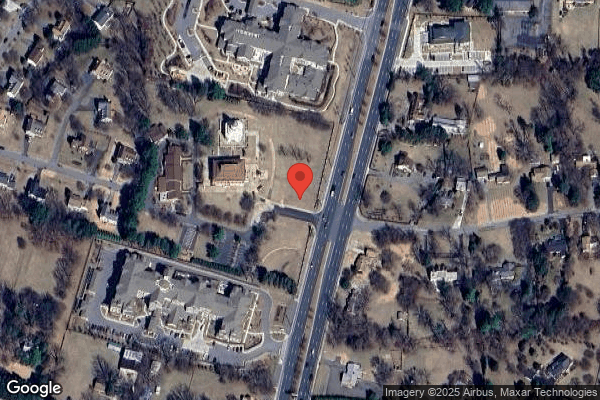
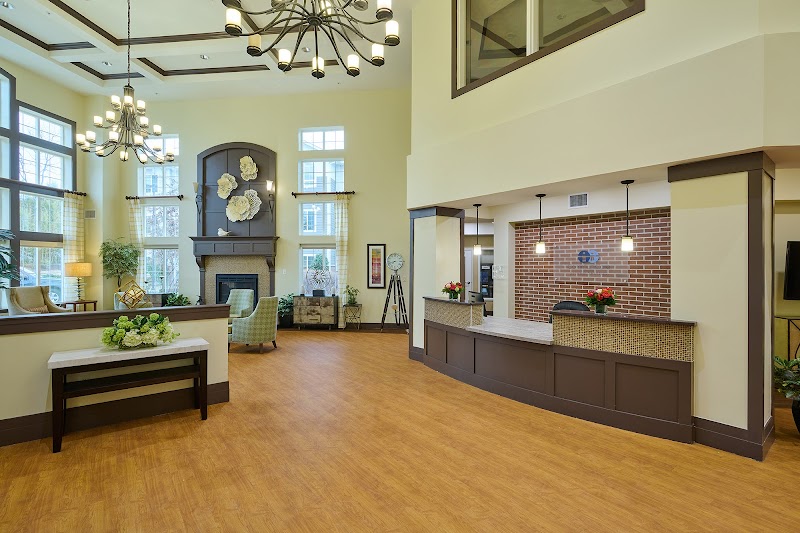
13908 NEW HAMPSHIRE AVENUE, SILVER SPRING, MD 20904 (301) 598-6000
For profit - Limited Liability company 100 Beds COMMUNICARE HEALTH Data: November 2025 1 Immediate Jeopardy citation
Trust Grade
33/100
#172 of 219 in MD
Last Inspection: February 2025

Within standard 12-15 month inspection cycle. Federal law requires annual inspections.

Overview

Silver Spring Healthcare Center has received a Trust Grade of F, indicating significant concerns about the facility's overall care and operations. With a state rank of #172 out of 219 in Maryland, they fall in the bottom half of all facilities, and at #31 out of 34 in Montgomery County, only a few local options are worse. The situation appears to be worsening, as the number of issues reported increased from 12 in 2024 to 26 in 2025. Staffing is a relative strength with a 4/5 star rating and a turnover rate of 39%, which is slightly below the state average, indicating that staff generally remain long enough to develop relationships with residents. However, the facility faces concerning fines of $48,529, which are higher than 84% of Maryland facilities, suggesting ongoing compliance problems. Specific incidents of concern include a critical finding where residents who smoked were not properly supervised or provided with necessary safety devices, creating a serious risk. Additionally, food safety practices were inadequate, with opened and unlabelled food items found in the kitchen, which could compromise resident health. Lastly, the facility failed to hold timely care plan meetings for residents, indicating lapses in personalized care and communication. Overall, while there are some strengths in staffing, the numerous critical issues and poor ratings highlight significant weaknesses that families should carefully consider.

Trust Score
F
33/100
In Maryland
#172/219
Bottom 22%
Safety Record
High Risk
Review needed
Inspections
Getting Worse
12 → 26 violations
Staff Stability
○ Average
39% turnover. Near Maryland's 48% average. Typical for the industry.
Penalties
✓ Good
$48,529 in fines. Lower than most Maryland facilities. Relatively clean record.
Skilled Nurses
✓ Good
Each resident gets 82 minutes of Registered Nurse (RN) attention daily — more than 97% of Maryland nursing homes. RNs are the most trained staff who catch health problems before they become serious.
Violations
⚠ Watch
55 deficiencies on record. Higher than average. Multiple issues found across inspections.
★★☆☆☆
2.0
Overall Rating
★★★★☆
4.0
Staff Levels
★★★★★
5.0
Care Quality
★☆☆☆☆
1.0
Inspection Score
Stable
2024: 12 issues
2025: 26 issues

The Good

  • 4-Star Staffing Rating · Above-average nurse staffing levels
  • 5-Star Quality Measures · Strong clinical quality outcomes
  • Full Sprinkler Coverage · Fire safety systems throughout facility
  • No fines on record
  • Staff turnover below average (39%)

    9 points below Maryland average of 48%

Facility shows strength in staffing levels, quality measures, fire safety.

The Bad

2-Star Overall Rating

Below Maryland average (3.0)

Below average - review inspection findings carefully

Staff Turnover: 39%

Near Maryland avg (46%)

Typical for the industry

Federal Fines: $48,529

Above median ($33,413)

Moderate penalties - review what triggered them

Chain: COMMUNICARE HEALTH

Part of a multi-facility chain

Ask about local staffing decisions and management

The Ugly 55 deficiencies on record

1 life-threatening
Feb 2025 26 deficiencies 1 IJ
CRITICAL (J)

Immediate Jeopardy (IJ) - the most serious Medicare violation

Accident Prevention (Tag F0689)

Someone could have died · This affected 1 resident

**NOTE- TERMS IN BRACKETS HAVE BEEN EDITED TO PROTECT CONFIDENTIALITY** Based on observations, interviews and record reviews, it was determined that the facility failed to supervise and provide protec...

Read full inspector narrative →
**NOTE- TERMS IN BRACKETS HAVE BEEN EDITED TO PROTECT CONFIDENTIALITY** Based on observations, interviews and record reviews, it was determined that the facility failed to supervise and provide protective devices for Residents that smoked. This was found to be evident for 2 (Resident #18 & #61) out of 4 Residents observed for smoking. The Maryland Office of Health Care Quality (OHCQ) determined that this concern met the Federal definition of Immediate Jeopardy, and the facility was notified verbally and in writing of this determination at 4:05 PM on 01/29/25. The facility provided a plan to remove the immediacy while the surveyors were onsite. The removal plan was accepted by the OHCQ at 8:37 PM on 01/29/25. On 01/30/25 the survey team confirmed the facility met the compliance date of their action plan and the Immediate Jeopardy was abated on 01/29/25. After removal of the immediacy, the deficient practice continued with a scope and severity of D with potential for more than minimal harm for the remaining residents The findings include: During a random observation conducted on 01/29/25 at 11:19 AM, the Surveyors observed resident #61 in the dining room with multiple burn holes in his/her sweatpants. The wheelchair cushion appeared to have multiple burns as well. Resident #61 was also observed holding a pack of [NAME] Cigarettes and a yellow lighter. When asked if those were burn holes in his/her pants the resident stated, yes from when I smoke. The resident was asked if he/she wore an apron or other protective device when he/she smoked, the resident stated no. On 01/29/25 at 11:20 AM Residents #61 and #18 were observed outside in the designated smoking area unsupervised. Resident #18 was observed smoking a cigarette without an apron or protective device. Resident #61 was not smoking but had a pack of [NAME] cigarettes and yellow lighter in his/her hand without an apron or protective device. During the continued observations, the Activities Director (AD) at 11:29 AM, entered the designated smoking area located outside and asked Resident #68, #61, #18, & #5 if everyone was ok. The AD then exited the smoking area and returned to her office. During an interview conducted on 01/29/25 at 11:36 AM, the AD stated that Resident #68, #61, #18, & #5 currently do not require supervision, only those that are dependent require supervision. The AD further stated that only Resident #11 who at the time was not outside, required supervision and a smoking apron. A review of Resident #61's medical records conducted on 01/29/25 at 11:42 AM, revealed a care plan that stated the resident may smoke with apron and supervision. A review of Resident #61's smoking assessment dated [DATE] stated that the resident was unable to light own cigarette, required supervision, and a smoking apron. On 01/29/25 at 11:54 AM a review of Resident #18's smoking assessment dated [DATE] stated the resident was unable to light own cigarette and required supervision while smoking. A review of Resident #18's care plan conducted on 01/29/25 at 11:56 AM stated, provide supervision during designated smoke times. During an interview conducted on 01/29/25 at 12:13 PM, the Director of Nursing (DON) stated that it is the facility's policy and expectation that all smoking residents are supervised. The DON further stated that Residents that require a smoking protective device such as an apron are required to wear the device while smoking. A review of all Resident smoking assessments conducted on 01/29/25 at 1:14 PM revealed Resident #18, #9, #38, & #62 required supervision while smoking. Resident #11, #61, and 44 required supervision and a smoking apron. An immediate jeopardy was declared on 1/29/2025 at 4:05 pm. The Administrator submitted the initial plan of correction to OHCQ on 01/29/25 at 6:21 PM and it was determined to be unacceptable. The second version was submitted to OHCQ on 01/29/25 at 7:32 PM and it was determined to be unacceptable. A third version was submitted to OHCQ and was also determined to be unacceptable. A fourth version was submitted for review on 01/29/25 at 8:14 PM and was determined to be unacceptable. The 5th and final version was submitted for review on 01/29/25 at 8:29 pm and was determined to be acceptable and the immediacy was removed at 8:37 PM. The provision of the plan to remove the immediacy had a completion date of 01/29/2025 and included the following: The facility plan for the removal of the immediate jeopardy stated that staff would be educated on safety for Residents that smoked, supervision and protective devices. Corrective actions were taken to replace burnt clothing, wheelchair equipment, and skin assessments performed for residents who were not provided with protective devices while smoking. All smoking assessments were reviewed to determine the safety needs of each smoker and revised as needed. A list was created for the staff to identify all Residents that required supervision and /or a protective device. The facility also created a schedule that assigned staff to supervise the smokers during designated smoking times. The plan also stated that the Administrator, Director of Nursing, or shift supervisor will audit smoking breaks to evaluate whether supervision is being provided as required and whether aprons are being provided as required. These audits will occur during each smoking break for two days, four times a day for two weeks, and then daily for eight weeks. Negative findings will be addressed immediately. Results of these audits will be reported to the Quality Assurance/Performance Improvement Committee and considered for further action if needed.
CONCERN (D)

Potential for Harm - no one hurt, but risky conditions existed

Deficiency F0557 (Tag F0557)

Could have caused harm · This affected 1 resident

Based on observation and interviews, it was determined that the facility failed to ensure a Resident was treated with dignity during care. This was found to be evident for 1 (Resident #75) out of 3 Re...

Read full inspector narrative →
Based on observation and interviews, it was determined that the facility failed to ensure a Resident was treated with dignity during care. This was found to be evident for 1 (Resident #75) out of 3 Residents reviewed for dignity during medication administration. The findings include: During an observation conducted on 01/29/25 at 7:39 AM, the Surveyors observed medication administration with Licensed Practice Nurse (LPN) #33. The LPN entered Resident #75's room and administered his/her medications. The Resident bed was located near the entry door of the room. The LPN failed to close the entry to provide privacy and dignity during the medication administration. On 01/29/25 at 7:52 AM, the LPN confirmed he had not closed Resident #75's entry door and stated that it is the facility's expectation that dignity is always provided during the care to Resident. During an interview conducted on 01/29/25 at 8:02 AM, the Director of Nursing (DON) confirmed that the expectation was that all staff provide care in a dignified manner which included closing the entry door while providing care to the Resident. The DON further stated that she would conduct an in-service and education the staff.
CONCERN (D)

Potential for Harm - no one hurt, but risky conditions existed

Deficiency F0558 (Tag F0558)

Could have caused harm · This affected 1 resident

**NOTE- TERMS IN BRACKETS HAVE BEEN EDITED TO PROTECT CONFIDENTIALITY** Based on observations, record review and interviews, it was determined the facility failed to ensure a resident had access to th...

Read full inspector narrative →
**NOTE- TERMS IN BRACKETS HAVE BEEN EDITED TO PROTECT CONFIDENTIALITY** Based on observations, record review and interviews, it was determined the facility failed to ensure a resident had access to the facility's communication system. This was found to be evident for 1 out of 2 Residents (Resident #76) observed for accommodation of needs during the re-certification survey. The findings include: During a random observation conducted on 01/27/25 at 9:44 AM, the Surveyors observed Resident #76's call bell on the floor behind the head of the bed. On 01/27/25 at 9:45 AM, during an interview, Resident #76 told the Surveyors that the call bell was always on the floor out of reach. The Resident stated that he/she usually did not have access to the call bell and as a result would yell out for help when assistance was needed. On 01/27/25 at 10:27 AM, the Surveyors and License Practical Nurse (LPN) #34 observed Resident #76's call bell on the floor behind the head of the bed out of reach for the Resident. The Surveyors observed the LPN remove the call bell from the floor and place the call bell on the Resident's bed. Minimum Data Set (MDS) is a standardized, primary screening and assessment tool of health status which forms the foundation of the comprehensive assessment for all residents of long-term care facilities certified to participate in Medicare or Medicaid. The MDS contains items that measure physical, psychological and psycho-social functioning. The items in the MDS give a multidimensional view of the patient's functional capacities. A review of Resident #76's MDS assessment was conducted on 01/27/25 at 10:42 AM. The assessment dated [DATE] revealed that the Resident had lower extremity impairment on both sides, was dependent and required substantial /maximum assistance. During random observations conducted on 01/29/25 at 9:35 AM, 01/29/25 at 11:16 AM, and 01/31/25 at 11:03 AM, the Surveyors observed Resident #76 in bed and the call bell on the floor behind the head of the bed.
CONCERN (D)

Potential for Harm - no one hurt, but risky conditions existed

Deficiency F0578 (Tag F0578)

Could have caused harm · This affected 1 resident

Based on record review and an interview, it was determined that the facility failed to ensure a Resident was offered information for an Advance Directive. This was evident for 1 (Resident #76) out of ...

Read full inspector narrative →
Based on record review and an interview, it was determined that the facility failed to ensure a Resident was offered information for an Advance Directive. This was evident for 1 (Resident #76) out of 1 resident reviewed for Advance Directives. The findings include: According to the Centers for Medicare and Medicaid (CMS) the definition of an Advance Directive is a document that appoints an agent and records a patient's medical treatment wishes based on their values and preferences. Advance Directives can be different from state to state. A record review on 01/28/25 at 07:38 AM showed there was not an Advanced Directive found or documentation that Advance Directive information was offered in the electronic medical record of Resident #76. A review of Resident #76 ' s paper chart on 01/28/25 at 08:16 AM revealed there was not an Advanced Directive or documentation that Advance Directive information was offered in the chart. On 02/03/25 at 11:32 AM, while interviewing Social Worker (SW) #23, this surveyor asked what the process was for obtaining an Advanced Directive for a Resident. The SW #23 stated the expectation was that within 7 days of admission, the facility should attempt to obtain the Resident ' s Advance Directive. If the Resident did not have an Advanced Directive then the facility should offer information for an Advance Directive. She further explained that there should be a social services note documented in the chart that the resident was offered information. When asked if this process was being completed for all the residents, SW #23 confirmed that this had not been done consistently. This surveyor made SW #23 aware of the concern that Resident #76 did not have an Advanced Directive in his/her paper chart or electronic medical record, and did not have documentation that the Resident was offered information for an Advance Directive. SW #23 reviewed Resident #76 ' s medical records and confirmed there was no documentation that the Resident was offered information for an Advance Directive.
CONCERN (D)

Potential for Harm - no one hurt, but risky conditions existed

Deficiency F0582 (Tag F0582)

Could have caused harm · This affected 1 resident

Based on Record Reviews and Interviews it was determined that the facility failed to provide Beneficiary Notices to residents discharged from Medicare Part A Services with benefit days remaining. This...

Read full inspector narrative →
Based on Record Reviews and Interviews it was determined that the facility failed to provide Beneficiary Notices to residents discharged from Medicare Part A Services with benefit days remaining. This was evident for 1(#19) out of 3 Residents reviewed for Beneficiary Notices. The findings include: The Skilled Nursing Facility Advanced Beneficiary Notice of Non-Coverage (SNF ABN) is provided to notify Residents/Beneficiaries that their services may no longer be covered by Medicare and allows the Resident time to decide on continuing services not covered. The Notice of Medicare Non-Coverage (NOMNC) notice is provided to inform the Resident/Beneficiary of their right to file an Appeal of the decision and the right to an expedited review of Medicare non-coverage services. This form should be provided at least two days before the last day covered by Medicare. On 2/03/25 at 07:15 AM, the Director of Nursing (DON) provided this surveyor with the Skilled Nursing Facility (SNF) Beneficiary Protection Notification Review Forms that had been provided to the facility for completion. A review of the form for Resident #19 showed that the form was only partially completed. The answer to question #1 asked Was an SNF ABN, Form CMS-10055 provided to the resident? The No box had been marked but had been covered with a white correction fluid and question number 2 remained unanswered. During a review of Resident #19 ' s Medical Records on 2/03/25 at 07:18 AM it was discovered Resident #19 remained in the facility after the Medicare A benefits ended. There was no documentation that the Medicare A notification had been provided to Resident #19. During an interview with the Business Office Manager (BOM) on 2/03/25 at 2:28 PM, she discussed the Beneficiary Notification process for the facility. She explained that only Residents who had Medicare A days remaining were required to receive or should have received notification that their services would no longer be covered by Medicare A. During an interview with the BOM on 2/04/25 at 10:08 AM, she reported that the Skilled Nursing Facility (SNF) Beneficiary Protection Notification Review Form had not been completed because she had been unable to locate the form that notified Resident #19. The BOM informed the Surveyor that she would complete the form and make additional attempts to locate the form that notified the Resident of the Medicare A benefits that were to end. During a follow-up interview conducted on 02/04/25 at 10:23 AM, the BOM provided this Surveyor with the completed Skilled Nursing Facility (SNF) Beneficiary Protection Notification Review Form. The form revealed that Resident #19 ' s last day covered by Medicare Part A was 10/17/24. Question #1: asked, Was an SNF ABN, Form CMS-10055 provided to the Resident? The facility checked off the box for Other: and wrote Unable to locate. Question #2: asked, Was a NOMNC (CMS 10123) provided to the resident? The facility checked off the box for NO and the box for Other explain and wrote unable to locate. The BOM reported she was still unable to locate documentation that the resident was informed. She stated that she waiting to see if the Social Work Office could locate the Beneficiary Forms for Resident #19. During an interview with the Business Office Manager on 2/04/25 at 11:43 AM, she confirmed they had been unable to locate the Beneficiary notification form for Resident #19.
CONCERN (D)

Potential for Harm - no one hurt, but risky conditions existed

Safe Environment (Tag F0584)

Could have caused harm · This affected 1 resident

**NOTE- TERMS IN BRACKETS HAVE BEEN EDITED TO PROTECT CONFIDENTIALITY** 3) During a random observation conducted on 01/27/25 at 9:44 AM, the Surveyors observed more than 20 pieces of candy and a black...

Read full inspector narrative →
**NOTE- TERMS IN BRACKETS HAVE BEEN EDITED TO PROTECT CONFIDENTIALITY** 3) During a random observation conducted on 01/27/25 at 9:44 AM, the Surveyors observed more than 20 pieces of candy and a black plastic container on the floor next to Resident #76 ' s bed. On 01/27/25 at 9:45 AM Resident #76 reported to the Surveyors, during an interview, that the candy and container had been on the floor for several days. The Resident stated that due to his/her medical condition he/she was unable to pick up the candy and container off the floor. On 01/27/25 at 10:27 AM, the Surveyors and License Practical Nurse (LPN) 34 observed Resident the candy and black container on Resident #76 ' s floor. The LPN stated that she would notify housekeeping. During an interview conducted on 01/27/25 at 10:28 AM, LPN #34 stated that she was aware the candy and container were on Resident #76 floor. The LPN confirmed that the Resident notified her a few days ago and stated that she would follow up with housekeeping. Minimum Data Set (MDS) is a standardized, primary screening and assessment tool of health status which forms the foundation of the comprehensive assessment for all residents of long- term care facilities certified to participate in Medicare or Medicaid. The MDS contains items that measure physical, psychological and psycho-social functioning. The items in the MDS give a multidimensional view of the patient's functional capacities. A review of Resident #76 ' s MDS assessment was conducted on 01/27/25 at 10:42 AM. The assessment dated [DATE] revealed that the Resident had lower extremity impairment on both sides, was dependent and required substantial /maximum assistance. During an interview conducted on 01/27/25 at 10:47 AM, the Unit Manager (UM) 1 stated that LPN #34 should have removed the items from the floor. The Surveyors observed UM #1 remove the items from Resident #76 ' s floor. Based on observations and interviews, it was determined that the facility failed to provide a safe, comfortable, and homelike environment. This was found to be evident for 3 (Residents #23, #46 and #76) out of 4 Resident rooms observed for the physical environment. The findings include: 1) During an observation on 1/27/25 at 09:14 AM Resident #23 was found lying in bed with his/her television sitting on the bedside table turned off. The Resident was watching the television on the other side of his/her roommate ' s bed. An additional observation revealed another television lying on top of the Resident ' s portable closet. In the Resident ' s room, it was also found that the Hot water to the sink had no water flow upon turning the knob. There were also two ceiling tiles in his/her bathroom that were dislodged, angled downward and exposed the open space above the tiles. Additionally, there was an electrical socket behind the Resident ' s bed that had the electrical mounting box protruding out of the wall. During an interview with Resident #23 on 1/27/25 at 11:19 AM he/she reported the TV sitting on his/her bedside table was not working and the staff were aware. It was working until a staff member bumped into it and it hasn ' t been working for a while so he/she had been watching the neighbor ' s television. The Resident reported the TV lying on top of the portable closet is the facility ' s TV and it ' s also broken. The Resident reported the Hot water isn ' t working because maintenance turned it off a while ago because a pipe broke. During an interview with the Maintenance Director on 1/30/25 at 10:12 AM, he advised he makes weekly rounds looking for issues or concerns around the facility. He stated he makes a list of any concerns he finds during his rounds. He reported he doesn ' t have a current list of things that need to be repaired to provide to the surveyors. During an observation of Resident #23 ' s room on 1/30/25 at 12:26 PM, the Maintenance Assistant was observed repairing the protruding outlet. During an observation of Resident #23 room on 1/31/25 at 06:59 AM, the Resident was seen watching a television now mounted onto the wall on the Resident ' s side of the room. The Resident responded, I can now use my table to eat! as he/she points to the clear bedside table. The broken TV on the tray table and the TV on top of the portable closet had been removed. During an interview with the Maintenance Director on 1/31/25 at 12:11 PM he reported the water to Resident #23 ' s room was shut off for repairs. He was unable to advise a time frame of when it was shut off. During an interview with the Maintenance Director on 2/04/25 at 09:43 AM he reported the Hot water had not been fixed in Resident #23 ' s room and explained they are waiting for a contractor because they need a special tool to change the valve. 2) During an observation on 1/27/25 at 09:21 AM it was discovered that the portable closet in the room of Resident #46 was collapsing. The wooden cabinet ' s top shelf had detached from one side and fallen into the open space as the detached side wall of the cabinet pushed outward away from its original position. During an interview and observation with the Maintenance Director, on 1/30/25 at 10:18 AM he advised when he finds furniture in need of repair or concerns in the facilities he would make a list. The Maintenance Director reported he doesn ' t currently have a list of items that require repair. When shown the collapsing portable closet, he stated I ' ll take care of it, I ' ll have to discard it. During an interview with the Maintenance Director on 2/04/25 at 09:39 AM he reported the Resident will be getting a new portable closet. The Resident doesn ' t have it yet, but it has been ordered.
CONCERN (D) 📢 Someone Reported This

A family member, employee, or ombudsman was alarmed enough to file a formal complaint

Potential for Harm - no one hurt, but risky conditions existed

Investigate Abuse (Tag F0610)

Could have caused harm · This affected 1 resident

Based on a review of facility-reported incident investigation, record review and interview, it was determined that the facility failed to prevent further abuse, neglect, exploitation and mistreatment ...

Read full inspector narrative →
Based on a review of facility-reported incident investigation, record review and interview, it was determined that the facility failed to prevent further abuse, neglect, exploitation and mistreatment from occurring while the investigation was in progress. This was evident for 1 (Resident #53) of 6 residents reviewed for abuse during the recertification survey. The findings include: On 1/27/2025 at 11:25 AM, a review of facility-reported incident MD00213513 revealed that on 1/12/2025, Resident #53 reported that he/she fell on the floor and Licensed Practical Nurse (LPN #19) picked him/her and threw him/her back on the floor. The report also indicated that 2 Geriatric Nurse Assistants (GNA #26 and #27) assisted LPN #19. Registered Nurse Supervisor (RN #9) asked Resident #53 to describe the staff, he/she stated, don't play dumb, they're all Africans. He/she repeated this statement when he/she was interviewed by the local law enforcement. On 1/29/2025 at 9:15 AM, in an interview with Resident #53, he/she stated that he/she fell on the floor on January 12 and confirmed that LPN #19 along with 2 GNAs, picked him up and threw him back on the floor. He/she denied any further incidents and declined to speak further. On 1/29/25 at 10:10 AM, a review of Resident #53's medical record indicated a BIMS score of 12 of 15, moderate impairment (Brief Interview for Mental Status, BIMS, is a screening tool used to assess basic cognitive function in patients in long-term care facilities.) On 1/29/25 at 12:58 PM, in an interview with the Director of Nursing (DON), she described that for any allegations of abuse, the facility immediately investigated. She added that abuse training was also conducted. She stated that it was also expected that the alleged perpetrator/s would be suspended pending investigation. The DON was notified that based on the review of the facility investigation, there was no evidence that an abuse in-service training was conducted after the incident and the alleged perpetrator/s were removed from the schedule. On 1/30/25 at 10:03 AM, the DON gave the surveyor copies of the schedules of LPN #19 and GNA #26 and confirmed that they were not removed from the schedule pending investigation. On 1/31/25 at 7:05 AM, In an interview with LPN #19, he/she confirmed that after the incident, he continued to work with Resident #53. On 2/4/2025 at 7:35 AM, the NHA was made aware of the concerns.
CONCERN (D)

Potential for Harm - no one hurt, but risky conditions existed

Comprehensive Care Plan (Tag F0656)

Could have caused harm · This affected 1 resident

Based on observation, interview and record review, it was determined that the facility failed to develop and implement a comprehensive care plan for 1) the resident's refusal to use palm protector and...

Read full inspector narrative →
Based on observation, interview and record review, it was determined that the facility failed to develop and implement a comprehensive care plan for 1) the resident's refusal to use palm protector and 2) the use of an anticoagulant. This was evident for 2 (Residents #32 and #53) of 39 residents reviewed for care planning during the recertification survey. The findings include: A care plan is a guide that addresses the unique needs of each resident. It is used to plan, assess, and evaluate the effectiveness of the resident's care. Palm Protectors offer relief from hand contractures and cramping. They are put over the thumb and around the hand, providing a cushioning pad for the fingers to curl onto. This prevents the nails from digging into the palms and keeps the fingers warm and supported. A contracture is an abnormal shortening of muscle tissue causing the muscle to be resistant to stretching. Failure to protect the palm of the hand when the hand is contracted can result in injury to the palm of the hand caused by the pressure of fingers/fingernails pressing into the palm of the hand. An anticoagulant, also known as blood thinner, is a medication that prevents blood clots from forming or growing. 1) On 1/27/25 at 9:45 AM, Resident #32 was noted with left hand contracture. Also, the left thumb fingernail was observed curled inwards approximately half of an inch long. There was no evidence of any device worn on the left contracted hand during the first visit. On 1/27/25 at 9:55 AM, a record review revealed that Resident #32 had Left hand contracture, limitation to Range of Motion (ROM) to upper extremity on one side. An active physician order that was written on 5/27/2023 indicated, Left palm protector to be worn daily as tolerated. On in the morning after Activities of Daily Living (ADL) care, off at bedtime. On 1/28/25 at 11:40 AM, Resident #32 was observed lying in bed with his/her left hand clenched and his/her long fingernails pressing into his/her palm. The resident did not have a protective device (palm protector) to prevent pressure on the palms of the hands. On 1/28/25 at 11:45 AM, the surveyor requested Registered Nurse supervisor (RN #9) to come to Resident #32's room. The surveyor showed RN surveyor #9 the long fingernails of Resident #32. RN supervisor #9 stated that the nursing staff cut the fingernails of the resident, however, Resident #32 had a history of refusals. On 1/28/25 at 12:06 PM, during an interview with RN supervisor #9, he/she confirmed that the resident had an order to wear a palm protector, however, the resident had been refusing. On 1/28/25 at 12:31 PM, a review of Resident #32's care plan revealed that a plan for the use of palm protector on the left palm related to hand contracture and to monitor for skin breakdown were initiated, however, there was no evidence that the care plan was updated to address the resident's refusal to wear the palm protector. On 1/29/25 at 12:46 PM, during an interview with the Director of Nursing (DON), she confirmed that there were no progress notes/documentation and care plan for Resident #32's refusal to wear palm protector. 2) On 1/31/25 at 3:13 PM, a record review of Resident #53's active medication list revealed that the resident was placed on an anticoagulant since 4/7/2024. The order read, Eliquis Oral Tablet 5 MG (Apixaban) Give 1 tablet by mouth every 12 hours for pulmonary embolism. On 2/03/25 at 7:45 AM, the surveyor reviewed Resident #53's care plan, however there was no evidence that a care plan to address anticoagulant use was developed. On 2/3/25 at 7:50 AM, in an interview with RN supervisor #9, he/she stated that all the nurses created and updated the residents' care plans as needed when there were changes in condition. He/she added that he/she was responsible in ensuring that residents' care plans were developed. On 2/03/25 at 7:55 AM, the DON described the process of creating and updating care plans. She stated that normally, only the RNs created and updated the care plans if there were changes in condition and changes in medications. The DON was made aware that Resident #32's care plan was not updated to reflect the refusal to wear palm protector and Resident #53 had no care plan for anticoagulant use. On 2/04/25 at 7:35 AM, the Nursing Home Administrator (NHA) was made aware of the concerns.
CONCERN (D)

Potential for Harm - no one hurt, but risky conditions existed

ADL Care (Tag F0677)

Could have caused harm · This affected 1 resident

**NOTE- TERMS IN BRACKETS HAVE BEEN EDITED TO PROTECT CONFIDENTIALITY** Based on observation, record review and interviews, it was determined that the facility failed to ensure that residents receive ...

Read full inspector narrative →
**NOTE- TERMS IN BRACKETS HAVE BEEN EDITED TO PROTECT CONFIDENTIALITY** Based on observation, record review and interviews, it was determined that the facility failed to ensure that residents receive podiatry services for overgrown toenails. This was evident in 1 (Resident #52) of 1 resident reviewed for podiatry care. The findings include: Resident #52 was admitted to the facility on [DATE] with diagnoses including Paraplegia, Seizures, Adult Failure to Thrive and Major Depressive Disorder. On 01/28/25 at 8:11 AM the surveyor observed Resident #52 lying in bed. Resident #52's toenails on both feet were long, thickened and curled over the bottom of his/her toes. On 01/28/25 at 11:11AM a review of Resident #52's record revealed a physician order dated 10/17/24 for podiatry consult as needed. On 01/28/25 at 11:32 AM the surveyor interviewed Staff #9 and enquired about the process for podiatry care. Staff #9 stated that residents are assessed upon admission and as needed for podiatry care. The residents' facesheets and physician orders are then faxed to the podiatry service provider. The service provider creates appointment schedules for the residents and follows up with the facility. If a resident's condition requires a podiatry consult in between visits, an appointment would be made by the nurses. On 01/28/25 at 11:43 AM the surveyor informed Staff #9 of Resident #52's long, thickened toenails. Staff #9 accompanied the surveyor to the resident's room and confirmed the findings. Staff #9 stated, I will fax a request for the resident to see the podiatrist. On 01/30/25 at 10:22 AM a review of Resident # 52's clinical record revealed that the facility had scheduled an appointment for February 7th, 2025 which was the earliest appointment date available. On 01/31/25 at 08:32 AM the Director of Nursing was notified of the surveyor's findings.
CONCERN (D)

Potential for Harm - no one hurt, but risky conditions existed

Deficiency F0685 (Tag F0685)

Could have caused harm · This affected 1 resident

Based on interviews and review of medical records, it was determined that the facility failed to provide routine appointments for vision services. This was evident for 1 (Resident #36) out of 1 reside...

Read full inspector narrative →
Based on interviews and review of medical records, it was determined that the facility failed to provide routine appointments for vision services. This was evident for 1 (Resident #36) out of 1 resident reviewed for vision services. The findings include: During an interview conducted on 01/27/25 at 12:18 PM, Resident #36 reported having a concern with seeing an eye doctor. The Resident stated that he/she now sees little black spots and had lots of headaches. The Resident further stated that he/she reported the need to see an ophthalmologist for an eye exam and for the recent little black spots to the nursing supervisor. On 01/31/25 at 08:04 AM, a record review of Resident #36 ' s nurse notes showed a note from 1/9/2025 at 12:00 PM by Licensed Practical Nurse (LPN) #30. The note stated Resident complained of having dark spots before her eyes. Medical Staff notified. Stated that it has been ongoing for 7 days but did not report it to anyone. A review of Resident #36 physician orders revealed a consult by Nurse Practitioner (NP) #28 that was placed on 01/10/2025. The consult DX (diagnosis) stated Patient complained of see dark spots. There was another order for a consult dated 12/26/24 for Ophthalmology placed by the Primary Attending Physician (PA) #29. During a follow up interview conducted on 01/31/25 at 11:04 AM, Resident #36 stated that he/she reported the need to see an Ophthalmologist about a month ago to PA #29. The Resident further reported that he/she was told there was an Ophthalmologist in the facility recently, however, he/she was not provided services. On 02/03/25 at 10:11 AM, during an interview with LPN #25 in the hallway, it was confirmed that she was caring for Resident #36 that day and had cared for the Resident in the past. When asked if Resident #36 had mentioned anything to her about making appointments that day, she stated that Resident #36 wanted to see an ophthalmologist about seeing spots. This surveyor asked LPN #25 if they knew when was the last time Resident #36 had an eye appointment. LPN #25 stated that this information would be in HealthDrive. She explained that HealthDrive is a company that provides ophthalmology, dental, audiology and podiatry in house services to the residents. On 02/03/25 at 10:19 AM, during an interview with Unit Manager Registered Nurse (RN) #1 at the nurse ' s station, she confirmed that she reconciles this list and receives emails from HealthDrive containing updated lists of residents and the services they will receive. This surveyor asked for a copy of the most the HealthDrive lists for the past 3 months. On 02/3/2025 at approximately 12:15 PM, during record review of the HealthDrive lists provided by Unit Manger RN #1, it showed on the 11/25/2024 list that Resident #36 had been on a DNT (Do Not Treat) list for optometry, since 11/06/2024. The DNT reason for optometry stated New Consent Required for Future Treatment. This was also stated the same for HealthDrive lists for 12/02/2024, 01/08/2025, and 01/25/2025. On 02/03/25 at 01:41 PM , during an interview with the Director of Nursing (DON) in her office, it was confirmed that DNT means Do Not Treat. When asked how it is determined that residents get on a Do Not Treat list, she answered that it could be insurance reasons, the resident is combative and/or the resident refuses the services. She further explained her expectation is that the facility is to cover the costs of treatment for services if the resident does not have insurance. When asked what the expectation was for attempting to get services for a resident who is combative or refusing services, the DON answered that they would want to get families/loved ones involved to come and speak with the resident, to try and convince them that they need such services. On 02/03/25 at 01:50 PM, during an interview with the DON in her office, this surveyor discussed the concern that Resident #36 had not received an ophthalmologist appointment since reporting seeing black spots on 1/9/2025, per LPN #30 ' s note. This surveyor showed the DON the HealthDrive lists that were provided by Unit Manager RN #1, which indicated Resident #36 on the Do Not Treat list. The DON confirmed that she would have expected Resident #36 to have eye exams when requested.
CONCERN (D)

Potential for Harm - no one hurt, but risky conditions existed

Deficiency F0688 (Tag F0688)

Could have caused harm · This affected 1 resident

Based on observation, record review and interview, it was determined that the facility failed to provide the prescribed treatment for limited mobility. This was evident for 1 (Resident #32) of 2 resid...

Read full inspector narrative →
Based on observation, record review and interview, it was determined that the facility failed to provide the prescribed treatment for limited mobility. This was evident for 1 (Resident #32) of 2 residents reviewed for positioning and mobility during the recertification survey. The findings include: A contracture is an abnormal shortening of muscle tissue causing the muscle to be resistant to stretching. Failure to protect the palm of the hand when the hand is contracted can result in injury to the palm of the hand caused by the pressure of fingers/fingernails pressing into the palm of the hand. Palm Protectors offer relief from hand contractures and cramping. They are put over the thumb and around the hand, providing a cushioning pad for the fingers to curl onto. This prevents the nails from digging into the palms and keeps the fingers warm and supported. On 1/27/25 at 9:45 AM, Resident #32 was noted with left hand contracture. Also, the left thumb fingernail was observed curled inwards approximately half of an inch long. There was no evidence of any device was worn on the left contracted hand during the first visit. On 1/27/25 at 9:55 AM, a record review revealed that Resident #32 had Left hand contracture, limitation to Range of Motion (ROM) to upper extremity on one side. An active physician order that was written on 5/27/2023 indicated, Left palm protector to be worn daily as tolerated. On in the morning after Activities of Daily Living (ADL) care, off at bedtime. On 1/28/25 at 11:40 AM, Resident #32 was observed lying in bed with his/her left hand clenched and his/her long fingernails pressing into his/her palm. The resident did not have a protective device (palm protector) to prevent pressure on the palms of the hands. On 1/28/25 at 11:45 AM, the surveyor requested Registered Nurse Supervisor (RN #9) to come to Resident #32's room. The surveyor showed RN surveyor #9 the long fingernails of Resident #32. RN #9 stated that the nursing staff cut the fingernails of the resident, however, Resident #9 had a history of refusals. On 1/28/25 at 12:06 PM, during an interview with RN supervisor #9, he/she confirmed that the resident had an order to wear a palm protector, however, the resident had been refusing. On 1/29/25 at 7:37 AM, a review of December 2024 and January 2025 Treatment Administration Record (TAR) revealed that the left palm protector order to apply in the morning and remove at bedtime were signed daily by the nurses, except on 1/03/25. On 1/29/25 at 8:10 AM, the surveyor conducted a 3rd observation of Resident #32 and confirmed that the resident was not wearing the palm protector. On 1/29/25 at 8:12 AM, in an interview with RN #13, he/she stated that he/she had Resident #32 on Tuesday, 1/28/25. He/she added that he/she applied the palm protector to the resident's left palm in the morning during medication administration. On 1/29/25 at 8:20 AM, Licensed Practical Nurse (LPN #12) was observed standing in front of the medication cart outside Resident #32's room. During an interview, he/she stated that she applied the palm protector during medication administration. The surveyor asked LPN #12 to see the palm protector of the resident, however he/she could not locate it. LPN #12 walked towards the nurse's station while the surveyor stayed outside the resident's room. LPN #12 was observed talking to RN supervisor #9 and RN #13. LPN #12 returned to Resident #32's room together with RN #13 at 8:25AM and they proceeded to look for the palm protector. While the 2 nurses were inside the resident's room looking for the palm protector, the surveyor asked Resident #32, do nurses apply the palm protector every morning?, the resident loudly replied with a no. LPN #12 and RN #13 were unable to locate the palm protector. On 1/29/25 at 8:26 AM, the Director of Nursing (DON) and the Nursing Home Administrator (NHA) were made aware of the concerns.
CONCERN (D)

Potential for Harm - no one hurt, but risky conditions existed

Respiratory Care (Tag F0695)

Could have caused harm · This affected 1 resident

Based on observations, clinical record review and staff interviews, it was determined that the facility failed to maintain respiratory therapy equipment according to professional standards of practice...

Read full inspector narrative →
Based on observations, clinical record review and staff interviews, it was determined that the facility failed to maintain respiratory therapy equipment according to professional standards of practice. This was found to be evident for 1 (#34) out of 2 residents reviewed for respiratory care during the annual survey. The findings include: Ipratropium- Albuterol is a medication used to treat wheezing and shortness of breath. It can be administered via an inhaler or via a nebulizer. A nebulizer turns the medication into a fine mist that is inhaled into the resident's lungs. Nebulizer treatments are considered an aerosol-generating procedure (AGP). On 01/28/2025 at 11:35 AM, the surveyor observed a clear, plastic zip lock bag on Resident #34's bedside table that contained two nebulizer face masks and nebulizer tubing. The nebulizer face mask and nebulizer tubing were not labeled as to when they were put to use or should be replaced. On 01/31/2025 at 08:46 AM, a review of Resident #34's clinical record revealed the following physician order: Date 04/08/2024 Ipratropium-Albuterol Inhalation Solution 0.5-2.5 (3) MG/3ML (milligrams per 3 milliliters) (Ipratropium-Albuterol) 1 vial inhale orally every 6 hours for wheezing During a second observation on 01/29/2025 at 08:40 AM, Resident #34's nebulizer face mask and tubing were in a clear zip lock bag on Resident #34's bedside table and were not labeled. On 01/31/25 at 09:34 AM, an interview with LPN #11 confirmed that there was no label on Resident #34's respiratory therapy equipment and stated the nebulizer face mask and tubing should be changed and labeled every day. LPN #11 stated, I will take care of this now. During a follow up interview with the Director of Nursing (DON) on 01/31/2025 at 09:46 AM, the DON stated that it is the expectation of nursing staff to change and label respiratory therapy equipment every 7 days.
CONCERN (D)

Potential for Harm - no one hurt, but risky conditions existed

Deficiency F0697 (Tag F0697)

Could have caused harm · This affected 1 resident

Based on record review and interview, it was determined that the facility failed to ensure that pain medication was given consistent with the professional standards of practice. This was evident for 1...

Read full inspector narrative →
Based on record review and interview, it was determined that the facility failed to ensure that pain medication was given consistent with the professional standards of practice. This was evident for 1 (Resident #53) of 2 residents reviewed for pain management during the recertification survey. The findings include: The medical abbreviation PRN stands for pro re nata, a Latin phrase that translates to as needed or as the situation arises. Oxycodone is strong painkillers from a group of medicines called opiates, or narcotics used to treat moderate to severe pain. Pain parameters are the specific aspects of pain that are evaluated during an interview to understand a person's pain experience. On 1/30/25 at 9:18 AM, a record review of Resident #53's active physician orders indicated that he/she was on Oxycodone HCl Oral Tablet 15 MG (Oxycodone HCl) Give 2 tablets by mouth every 6 hours as needed for pain level 5-10, hold for sedation. On 1/30/25 at 10:47 AM, further review of Resident #53's Medication Administration Record (MAR) revealed that the facility staff failed to follow the pain parameter indicated in the physician order. Oxycodone HCl 5 mg tablet (2 tablets) was ordered for pain level of 5-10. However, the medication was administered to the resident for a pain level of 3 on the following dates: 1/3/25 1/4/25 1/8/25 1/9/25 1/13/25 1/14/25 1/16/25 1/23/25 1/26/25 1/27/25 On 1/30/25 at 11:58 AM, in an interview with Licensed Practical Nurse (LPN #31), he/she revealed that the doctors wrote orders in the electronic health record and the nurses confirmed the orders with the pharmacy. He/she stated that the nurses followed a standard pain scale of 0-10 when giving PRN pain medications. He/she described that the nurses asked the residents to rate the pain level and documented in MAR prior to administering the pain medication and made a follow assessment after an hour to check the effectiveness of the pain medication. On 1/31/25 at 8:16 AM, the Director of Nursing (DON) and the Executive Director (ED) were made aware about the pain management concern. On 2/04/25 at 7:35 AM, the Nursing Home Administrator (NHA) was made aware of the issue.
CONCERN (D)

Potential for Harm - no one hurt, but risky conditions existed

Deficiency F0730 (Tag F0730)

Could have caused harm · This affected 1 resident

Based on review of Geriatric Nursing Assistant personnel files and staff interviews, it was determined that the facility failed to conduct yearly performance reviews at least every 12 months for 2 (St...

Read full inspector narrative →
Based on review of Geriatric Nursing Assistant personnel files and staff interviews, it was determined that the facility failed to conduct yearly performance reviews at least every 12 months for 2 (Staff #18 and #22) of 5 staff members reviewed. The findings include: Performance reviews are to be completed at least every 12 months to identify in-service education needed to address competencies of the geriatric nursing assistants. On 01/28/25 at 11:02 AM the surveyor conducted a review of 5 Geriatric Nursing Assistants personnel files. Staff #18 was hired on 07/12/21 and Staff #22 was hired on 08/17/23. The records revealed that Staff#18's performance review was due on 05/31/24 and Staff #22's performance review was due on 08/17/24. A further review of the records revealed that performance reviews were not completed for Staff #18 and Staff #22 on the due dates, nor were they completed for the calendar year 2024. On 01/30/25 at 01:00PM in an interview with the Executive Director (EO), the surveyor was informed that annual performance reviews for geriatric nursing assistants were conducted annually and as needed by the facility. The surveyor informed the EO of the findings and requested a copy of the record. Later, on 01/30/25 at 02:00PM the surveyor was given a document by the EO confirming that the annual performance reviews for Staff #18 and Staff #22 were not completed for the calendar year 2024. On 02/03/25 at 7:00 AM the Director of Nursing was made aware of the findings.
CONCERN (D)

Potential for Harm - no one hurt, but risky conditions existed

Drug Regimen Review (Tag F0756)

Could have caused harm · This affected 1 resident

Based on record review and interview, it was determined that the facility failed to respond to the recommendation made by consulting pharmacist in a timely manner. This was evident for 1 (Resident #6)...

Read full inspector narrative →
Based on record review and interview, it was determined that the facility failed to respond to the recommendation made by consulting pharmacist in a timely manner. This was evident for 1 (Resident #6) of 5 residents reviewed for unnecessary medications during the recertification survey. The findings include: On 1/31/25 at 10:05 AM, a review of Resident #6's medications revealed an order that read, Dicyclomine HCl Oral Tablet 20 MG (Dicyclomine HCl) Give 1 tablet by mouth every 8 hours for abdominal cramping. On 2/03/25 at 7:35 AM, the surveyor reviewed Resident #6's medical record, however, was unable to locate a Medication Regimen Review (MRR) in the electronic medical record and the paper chart. On 2/03/25 at 7:40 AM, in an interview with Licensed Practical Nurse (LPN #11), he/she described that after each consultant pharmacist visit. The pharmacy faxed the recommendations to the Director of Nursing (DON) and she forwarded the recommendations to be addressed by the attending physician. The physician indicated if there were changes that needed to be made to the current orders. The nurses filed the MRR in the resident's paper chart. On 2/03/25 at 7:55 AM, the DON was made aware that the surveyor was unable to locate MRR in Resident #6's medical record. The surveyor requested copies of the MRR for the months of November, December and January. On 2/03/25 at 10:12 AM, the surveyor received the requested documents from Staff #20. He/she confirmed that the November 2024 pharmacy recommendation for Resident #6 was not addressed. The November 2024 Consultant Pharmacist's MRR indicated the following: Issues/concerns: This resident is currently receiving Dicyclomine 20 mg tablet with instructions to take 1 tablet by mouth every 8 hours for abdominal cramping. Unless the patient has a diagnosis of Inflammatory Bowel Disease, there is no direct indication for long term use. Recommendation: Please review the use of Dicyclomine 20 mg and add a potential stop date if possible. On 2/04/25 at 7:35 AM, the Nursing Home Administrator (NHA) was made aware of the concern.
CONCERN (D)

Potential for Harm - no one hurt, but risky conditions existed

Deficiency F0761 (Tag F0761)

Could have caused harm · This affected 1 resident

Based on observations and interviews, it was determined that the facility failed to ensure that medications were stored properly. This was found to be evident for 3 (Residents #57& # 76 & 55) out of 5...

Read full inspector narrative →
Based on observations and interviews, it was determined that the facility failed to ensure that medications were stored properly. This was found to be evident for 3 (Residents #57& # 76 & 55) out of 5 Residents observed during medication storage. The findings include: 1) During a random observation conducted on 01/27/25 at 10:00 AM, the Surveyors observed Resident #57 at the entrance of his/her doorway. The Resident had asked a staff for water to take his/her medications. During an interview conducted on 01/27/25 at 10:02 AM, Resident #57 stated that the nurse put the medications on top of the nightstand to take after he/she ate breakfast. During an observation conducted on 01/27/25 at 10:07 AM, the Surveyors and Licensed Practical Nurse (LPN) #34 observed a medication cup with multiple medications. LPN # 34 stated that Resident #57 wanted to eat breakfast before he/she took the medications. The LPN further stated that the facility's expectation was to return the medications to the medication cart and store them in a secured medication cart when a resident refused to take the medications. 2) During an observation conducted on 01/27/25 at 10:12 AM, the Surveyors and LPN #34 observed multiple loose tablets scattered across Resident #76's side of the room and under the Resident's roommate's bed. There was also a medication cup on top of the Resident's tray table with multiple medication. The LPN stated the Resident did not want to take the medication at the time she went to administer the them. The LPN confirmed she left the medication at the bedside for the Resident to take later. The LPN further stated that she should have returned medications to the locked medication cart. On 01/27/25 at 10:42 AM, the Director of Nursing (DON) stated that it is the facility's expectation that if a resident refused their medication administration the nurse is to store the medication in the locked medication cart, wait 30 minutes and attempt to administer the medication again. If the Resident refused again then the nurse would follow the facility's policy for disposing of the medication. The Nurse would notify the physician and document the Resident's refusal. Anbesol is a local anesthetic that works by numbing the painful area. Digoxin is used to treat congestive heart failure and to slow the heart rate in patients with atrial fibrillation. 3) During a medication observation conducted on 01/31/25 at 08:52 AM, the Surveyors observed LPN #31 place 1 bottle of Anbesol on top of the medication cart along with 1 tablet of digoxin in a medication cup for Resident #55. The Surveyors observed LPN leave both medications on top of the medication cart and enter Resident #55's room. The LPN returned to the medication cart several minutes later. The Surveyor asked the LPN what the facility's policy for medication storage was. The LPN stated that she should not have left the medications on top of the cart and that all medications should be stored and locked in the medication cart if not administered.
CONCERN (D)

Potential for Harm - no one hurt, but risky conditions existed

Dental Services (Tag F0791)

Could have caused harm · This affected 1 resident

Based on interviews and review of medical records, it was determined that the facility failed to provide routine dental services. This was evident for 1 (Resident #36) out of 1 resident reviewed for d...

Read full inspector narrative →
Based on interviews and review of medical records, it was determined that the facility failed to provide routine dental services. This was evident for 1 (Resident #36) out of 1 resident reviewed for dental services. The findings include: During an interview conducted on 01/27/25 at 12:18 PM, Resident #36 stated that he/she had dental concerns. The Resident stated that he/she had not had a teeth cleaning in 3 years and had requested to have a dental appointment. However, the facility had not provided a dental service as of yet. On 01/31/25 at 08:04 AM, a record review of Resident #36 ' s physician ' s orders showed a consult for Audiology, Dental, Optometry, Ophthalmology and/or Podiatry as needed placed on 12/26/2024 by Primary Attending Physician (PA) #29. During a follow up interview conducted on 01/31/25 at 11:04 AM, Resident #36 advised the surveyors that he/she notified PA #29 of the need for dental services. The Resident further stated that he/she had not been notified of a dental appointment scheduled since the notification to the PA. On 01/31/25 at 11:30 AM, this surveyor asked License Practical Nurse (LPN) #25 if she knew when was the last time Resident #36 had a dental appointment. LPN #25 stated that this information would be in HealthDrive. She explained that HealthDrive is a company that provides dental, ophthalmology, audiology and podiatry in house services to the residents. On 02/03/25 at 10:19 AM, during an interview with Unit Manager Registered Nurse (RN) #1 at the nurse ' s station, she confirmed that she reconciles this list and receives emails from HealthDrive containing updated lists of residents and the services they will receive. This surveyor asked for a copy of the most the HealthDrive lists for the past 3 months. On 02/3/2025 at approximately 12:15 PM a record review of the HealthDrive lists provided by Unit Manage RN #1 was conducted. The HealthDrive list dated for 11/25/2024 showed Resident #36 had been on a DNT (Do Not Treat) list for dental, since 2/09/2021. The DNT reason for dental states New Consent Required for Future Treatment; Patient Needs Payer Source. This was also stated on the HealthDrive lists for 12/02/2024, 01/08/2025, and 01/25/2025. On 02/03/25 at 01:41 PM , during an interview with the Director of Nursing (DON) in her office, it was confirmed that DNT means Do Not Treat. When asked how it is determined that a resident is added to the Do Not Treat list, she answered that it could be insurance reasons, the resident is combative and/or the resident refuses the services. She further explained her expectation is that the facility is to cover the costs of treatment for services if the resident does not have insurance. When asked what the expectation is for attempting to get services for a resident who is combative or refusing services, the DON answered that they would want to get families/loved ones involved to come and speak with the resident, to try and convince them that they need such services. When asked how often the facility expected residents to get treatment for dental services, the DON stated that she expected a resident would receive routine dental services every 6 months. If the resident required more specific treatment, that resident would be sent out for dental services. On 02/03/25 at 01:50 PM, during an interview with the DON in her office, this surveyor discussed the concern that Resident #36 had not received a dental appointment in 3 years. This surveyor showed the DON the HealthDrive lists that were provided by RN #1, which indicated Resident #36 was on the Do Not Treat list. The DON confirmed that she would have expected Resident #36 Do Not Treat issue to have been resolved and the resident received routine dental services. The DON reported that she would work on scheduling a dental appointment for Resident #36. On 02/04/25 at approximately 12:30 PM, the DON provided written confirmation of a dental appointment scheduled for Resident #36, on 02/20/2025 at 10:30 AM.
CONCERN (D)

Potential for Harm - no one hurt, but risky conditions existed

Infection Control (Tag F0880)

Could have caused harm · This affected 1 resident

**NOTE- TERMS IN BRACKETS HAVE BEEN EDITED TO PROTECT CONFIDENTIALITY** 2) On tour of the laundry department in the basement of the facility at 8:00 AM on 1/30/2025 the surveyor observed the laundry a...

Read full inspector narrative →
**NOTE- TERMS IN BRACKETS HAVE BEEN EDITED TO PROTECT CONFIDENTIALITY** 2) On tour of the laundry department in the basement of the facility at 8:00 AM on 1/30/2025 the surveyor observed the laundry aide #15 folding clean linen and storing the clean linen on the folding table and in the cubicles above the folding table. In an interview with the Environmental Services Director #16 at 8:20 AM on 1/30/2025, the surveyor asked where the soiled linen entered the laundry department. The EVS Director stated that the soiled linen entered the laundry department through the stairway door into the laundry department. The clean linen folding table and the cubicles were located next to the stairway door in the laundry department. The EVS Director was asked by the surveyor where the clean linen exited the laundry department and the EVS Director stated that the clean linen exited the laundry department through the same stairway door. The EVS Director acknowledged that this was cross-contamination with the clean linen folding area and the cubicles with clean linen directly next to the stairway door where dirty linen entered, and the clean linen exited. The EVS Director stated that this was the process at the facility. The surveyor observed laundry aide #17 at 8:45 AM on 1/30/2025 picking up soiled linen from the dirty utility room on the nursing unit. The soiled linen was in plastic bags that were stored in a large barrel and transported to the staircase leading to the basement where the laundry department was located. The laundry aide #17 stated that this was how soiled linen was transported to the laundry department. The Nursing Home Administrator and the [NAME] President of Infection Control #20 were made aware of this concern with cross-contamination of clean and dirty linen entering and exiting the laundry department with the clean folding table and cubicles stored with clean linen directly next to the stairway door to the laundry department at survey exit. Based on observations and staff interviews, it was determined that the facility failed to ensure appropriate infection prevention and control practices. This was found to be evident for the laundry department and 1(Resident #20) of 4 Residents observed for infection control. The findings include: 1) Resident #20 was admitted to the facility on [DATE] and required tube feeding for nutrition. On 01/28/25 at 08:15 AM during rounds the surveyor observed Resident #20 lying in bed with a bottle of tube feeding attached to a pump, hanging on a pole at the bedside. The pole was visibly dirty with dark brown spots scattered along the base and the shaft. On 01/28/25 at 10:17 AM a review of Resident #20's physician order dated 5/1/24 revealed that the resident required tube feeding for 20 hours per day via pump. On 01/28/25 at 11:44 AM Staff #9 was made aware of the condition of the pole. Staff #9 acknowledged the surveyor's findings and stated that the pole would be cleaned immediately. Staff #9 also stated that the housekeepers and the nurses were responsible for ensuring the pole was kept clean. When asked about a cleaning schedule, Staff #9 stated that she was not aware of one. On 01/31/25 at 08:33 AM the DON was notified of the surveyor's findings. On 01/31/25 at 08:45 AM during another observation by the surveyor, the pole was noted to be clean. On 02/03/25 at 10:53 AM in an interview with the surveyor, the [NAME] President for Infection Control stated that the housekeepers were responsible for cleaning the poles and the nurses usually do a wipe down whenever there were spills. The surveyor requested a copy of the housekeepers' cleaning log. As of the time of exit on 02/04/25, a copy the housekeepers' cleaning log had not been provided to the surveyor.
CONCERN (D)

Potential for Harm - no one hurt, but risky conditions existed

Safe Environment (Tag F0921)

Could have caused harm · This affected 1 resident

Based on observations and staff interviews it was determined that the facility failed to ensure a safe/functional/sanitary/comfortable environment. This was found to be evident in the laundry departme...

Read full inspector narrative →
Based on observations and staff interviews it was determined that the facility failed to ensure a safe/functional/sanitary/comfortable environment. This was found to be evident in the laundry department during the annual recertification survey. The findings include: On tour of the laundry department in the basement of the facility on 1/30/2025 at 8:00 AM with the laundry aid #15 in attendance it was observed that there were four ceiling tiles grossly soiled with large brown stains, chipped, and missing. In an interview with the Environmental Services (EVS) Director #16 at 8:25 AM on 1/30/2025, the surveyor asked what the expectation was for the replacement of these ceiling tiles that were observed grossly soiled, chipped and missing in the laundry department. The EVS Director #18 stated that the Maintenance Department was responsible for the replacement of the ceiling tiles. The EVS Director #18 further stated that these ceiling tiles became soiled from the rain outside. The surveyor interviewed the Maintenance Assistant #6 on 1/30/2025 at 8:40 AM regarding the replacement of the grossly soiled, chipped and missing ceiling tiles in the laundry department. The Maintenance Assistant #6 acknowledged that the ceiling tiles needed replacement in the laundry department. The Maintenance Department was located next to the laundry department in the basement of the facility. At 8:50 AM on 1/30/2025 the surveyor notified the Nursing Home Administrator (NHA) of the condition of the ceiling tiles in the laundry department that were grossly stained, chipped and missing.
CONCERN (D)

Potential for Harm - no one hurt, but risky conditions existed

Deficiency F0925 (Tag F0925)

Could have caused harm · This affected 1 resident

Based on observations, staff interviews, and review of facility pest control records, it was determined that the facility failed to maintain an effective pest control program. This was evident for 4 o...

Read full inspector narrative →
Based on observations, staff interviews, and review of facility pest control records, it was determined that the facility failed to maintain an effective pest control program. This was evident for 4 of 4 random observations made during the annual survey. The findings include: During an initial tour of the facility on 1/27/2025 at 8:48 AM, the surveyor and Administrator observed a roach crawling in the hallway outside the kitchen door entry way. In an interview conducted with the Certified Dietary Manager (CDM) on 1/27/2025 at 9:45 AM, the CDM stated that she had not seen roaches in the kitchen area. During a follow up tour of the kitchen on 01/29/2025 at 08:00 AM, the surveyor observed a roach crawling on the floor under the steam table while staff prepared breakfast meal trays for residents. During an interview conducted with the District Manager (DM) on 1/29/2025 at 8:25 AM, the DM stated that he had not seen roaches in the kitchen area. The DM further stated that pest control services visit the facility weekly and as needed. On 1/29/2025 at 8:32 AM, the surveyor, DM and CDM observed a dead roach in the hallway when exiting the kitchen area. Immediately following this, the surveyor, DM, and CDM walked across the hall into the dietary office and observed another roach crawling on the floor. During a follow up interview with the DM and CDM at 8:33 AM, the DM and CDM confirmed the roach sightings and the DM stated that pest control services would be contacted right away. On 1/29/2025 at approximately 11:47 AM, the DM provided the surveyor a copy of the pest control activity log that showed that the roach sightings from 1/29/2025 were logged and reported by the CDM and addressed by a pest control technician the same day.
CONCERN (E)

Potential for Harm - no one hurt, but risky conditions existed

Deficiency F0657 (Tag F0657)

Could have caused harm · This affected multiple residents

**NOTE- TERMS IN BRACKETS HAVE BEEN EDITED TO PROTECT CONFIDENTIALITY** 4) On 1/30/25 at 08:55AM the surveyor reviewed Resident #50's clinical record. The review revealed that Resident #50's quarterly...

Read full inspector narrative →
**NOTE- TERMS IN BRACKETS HAVE BEEN EDITED TO PROTECT CONFIDENTIALITY** 4) On 1/30/25 at 08:55AM the surveyor reviewed Resident #50's clinical record. The review revealed that Resident #50's quarterly MDS assessment was completed on 08/22/24 and an annual assessment was completed on 11/20/24. There was no evidence in the clinical record to indicate that a care plan meeting was held with the resident and the interdisciplinary team within 7 days or around the time of either the last quarterly or annual MDS assessment. The record revealed that the most recent interdisciplinary care plan meeting was held on 07/12/23 On 01/30/25 at 08:45 AM in an interview, the DON stated that the Social Worker was out sick, and she was unable to provide the details of the care plan meetings for Resident #50. Later, on 01/30/25 at 01:45 PM the Regional Nurse RN stated he is assisting in locating the resident's records and gave the surveyor a copy of a progress note confirming the most recent interdisciplinary care plan meeting for Resident #50 was on 7/12/23. 5) On 1/27/25 at 8:40AM during an interview, Resident #52 informed the surveyor that he/she had never been to a care plan meeting. A review of Resident # 52's clinical record revealed that resident was admitted to the facility on [DATE] and the most recent interdisciplinary care plan meeting was held on 08/10/23. The records also revealed that the most recent quarterly MDS assessments were completed on 09/18/24 and 10/19/24. There was no evidence in the clinical record to indicate that a care plan meeting had been held with the resident and the interdisciplinary team after 08/10/23. On 02/03/25 at 11:30 AM the surveyors interviewed the facility's [NAME] President for Social Work (VPW). The VPW stated that the interdisciplinary care plan meetings usually follows the MDS schedule and are held within 7 days of the schedule. However, because of the staffing issues at the facility, care plan meetings were not held in a timely manner. When asked about the care plan meetings for Resident # 50 and Resident #52, the VPW confirmed that the most recent interdisciplinary care plan meeting for Resident #50 was 07/12/23 and for Resident #52 was 08/10/23. 3) During a review of Resident Medical Records on 1/28/25 at 07:34 AM it was discovered that Resident #1 didn ' t have quarterly Care Plan Meetings regularly. The last documented Care Plan Meeting was held on 1/11/24. During a telephone interview conducted on 1/29/25 at 08:42 AM, Resident #1's family member stated he/she had concerns about Resident #1 and had been unable to have his/her questions answered. He/she reported they are the Power of Attorney for Resident #1 and had not been invited to any care plan meetings. The family member is reportedly waiting for a Care plan meeting to be scheduled to discuss his/her concerns. During an interview with the [NAME] President of Social Work for Maryland on 2/03/25 at 11:38 AM, she advised Care Plan meetings should be documented in the electronic medical records. She confirmed that the facility is behind on Care Plan Meetings and stated it seems common that care plan meetings haven ' t been held and I don't believe quarterly Care Plan meetings are up to date. She confirmed Resident #1 had not had a recent Care Plan Meeting. Based on interviews and record review, it was determined that the facility failed to have routine care plan meetings for residents. This was evident for 5 (Resident #36, #76, #1, #50 and #52) out of 39 residents reviewed for care plan meetings. The findings include: According to Centers for Medicare and Medicaid (CMS) a care plan meeting is a regularly scheduled gathering where healthcare professionals, residents (or their family representatives), and relevant staff from a facility discuss and review a resident's individual care plan, ensuring it accurately reflects their needs, preferences, and any necessary adjustments based on their current health status; these meetings are typically held quarterly and are a key part of quality care in nursing homes. 1) During an interview with Resident #36 on 01/27/25 at 12:13 PM, when asked about attendance for care plan meetings, he/she reported that he/she did not recall being involved in care plan meetings. 2) During an interview with Resident #76 on 01/29/25 at 09:30 AM, he/she reported that he/she was never invited to a care plan meeting. A record review for Resident #36 and #76 on 01/29/25 at approximately 12:44 PM, showed there was no documentation that quarterly care plan meetings occurred for these residents. During an interview with the Director of Nursing (DON) on 02/03/2025 at 09:43 AM, when asked what her expectations are for how often the care plan meetings should occur, she stated that the first care plan meeting should be within the first seven days of the resident ' s admission. Thereafter, a care plan meeting should be held every three months or sooner if needed. On 02/03/25 at 11:36 AM, during an interview with Social Worker #23, when asked about care plan meeting occurrences, she stated that due to the turnover of new social services staff, care plan meetings have not been happening as they should have. She stated that normally she would expect a care plan meeting to occur within seven days following each Assessment Reference Date (ARD) assessment. When asked what her expectations are for residents being involved in care plan meetings, she expects all residents to be invited and that she would document in the Electronic Health Record (EHR) if the resident refused. She further explained that on the day of the resident ' s care plan meeting, she expected that the resident would be asked again if they would like to attend the meeting. If the resident refused again, then she would document this in the EHR as well. This surveyor discussed the concern with Social Worker #23 that Resident #36 and #76 reported that they had not recalled being invited to care plan meetings and a review if their medical records did not show documentation for care plan meetings. Social Worker #23 reviewed Resident #36 ' s medical record and confirmed the Resident had not received a care plan meeting since 06/28/23. The Social Worker also confirmed that Resident #76 had not received a care plan meeting since his/her admission on [DATE].
CONCERN (E) 📢 Someone Reported This

A family member, employee, or ombudsman was alarmed enough to file a formal complaint

Potential for Harm - no one hurt, but risky conditions existed

Deficiency F0658 (Tag F0658)

Could have caused harm · This affected multiple residents

Based on observations, interviews and record reviews it was determined that the facility staff failed to ensure nursing standards of practice were followed for medication-controlled drugs and security...

Read full inspector narrative →
Based on observations, interviews and record reviews it was determined that the facility staff failed to ensure nursing standards of practice were followed for medication-controlled drugs and security. This was found to be evident for 4 (Resident #45, #48, #77 and #384) out of 4 Residents reviewed for medication-controlled drugs and security. The findings include: The Maryland Nurse Practice Act (NPA) is legislation that influences the nursing profession by establishing Maryland Board of Nursing rules and regulations which outlines requirements for Maryland nursing education programs, setting minimum care standards that must be met. The NPA exists to regulate and protect the public from practitioners who are a risk to the health, safety, and welfare of the citizens within its state board jurisdiction. This protection principle is accomplished by assessing competence at initial licensure and throughout the career of the nurse. The NPA protects the public from incompetent and unsafe care. The primary purpose of the NPA is to protect the public and sets out the scope of practice. A blister pack/card is a form of tamper-evident packaging where an individual pushes individually sealed tablets through the foil of the blister pack/card in order to access the medication. The narcotic count must be completed by two licensed nurses at the end of each shift for all narcotics. The primary function of narcotic count is to ensure that narcotics are not being diverted or stolen for purposes not intended by the prescriber. On 1/29/2025 at 5:00 pm the surveyor reviewed the facility investigation file for the Facility Reported Incident (FRI) / Intake# MD00213015 dated 12/23/2024 that the facility self-reported to the Office of Healthcare Quality (OHCQ). The surveyor review of the facility investigation file revealed that on 12/21/2024 during the 3-11 shift narcotic count that the backs of the narcotic blister cards for Residents #48, #77 and #384 were taped for an unknown reason. There was a total of 17 spots on 4 of the narcotic blister cards that appeared to have clear tape on the back of the narcotic blister cards. The nursing staff that had conducted the narcotic count on 12/21/2024 previously had noted that the blister cards were taped but failed to report this to facility management, and on 12/21/2024 the nursing staff felt that perhaps there may have been other medications in the blister cards other than the medications that were indicated on the label. The surveyor interviewed the Regional Clinical RN Director (RCD) on 2/4/2025 at 10:53 AM during a phone conversation. The surveyor asked the RCD what the expectation for nurses during narcotic count was when the narcotic blister card backs were discovered with tape. The RCD stated that the expectation was for nurses to report narcotic blister cards that were taped on the backs immediately. The RCD acknowledged that the taped narcotic blister cards were not reported immediately by the nursing staff and the RCD confirmed that this was the policy of the facility to report any taped narcotic blister card. The surveyor reviewed the Communicare Family of Companies Policies and Standard Procedures for Medication Controlled Drugs and Security. The policy indicated that any irregularities during the narcotic count which include any suspicion or evidence of substitution and/or tampering of cards such as those being taped or glued must be reported to the Director of Nursing (DON) immediately. The Medication Administration Record (MAR) is used in Long Term Care facilities to keep track of every dose of medication that a Resident takes or misses for whatever reason. The MAR includes key information about the Resident's medication including the medication name, dose taken, special instructions and date and time. On 1/30/2025 at 7:15 AM the surveyor observed the 7-3 narcotic shift count between the 11-7 and 7-3 shifts. The 7-3 Registered Nurse (RN) #13 was taking the narcotic blister cards out of the narcotic locked drawer on the medication cart and the 11-7 RN #14 was reviewing the controlled drug narcotic count sheets. Resident #45's controlled drug narcotic count sheet indicated that there were 29 Oxycodone 5 mg tablets remaining, however the narcotic blister card of the Oxycodone 5 mg had 28 tablets remaining. The 11-7 shift RN #14 stated to 7-3 shift RN #13 that he administered an Oxycodone tablet to Resident #45 at 7:00 AM. RN #14 stated that he did document on Resident #45's medication administration record (MAR), but did not document on the controlled narcotic count sheet. In front of the surveyor and 7-3 shift RN #13, the 11-7 RN #14 documented on the controlled narcotic count sheet that he had administered the Oxycodone at 7:00 AM to Resident #45. The surveyor interviewed RN #14 and asked what the expectation was for documenting narcotics on the controlled narcotic count sheet. RN #14 stated that narcotics were to be signed when administered on the MAR and were to be signed on the controlled narcotic count sheet when taken out of the narcotic drawer of the medication cart. The surveyor reviewed Resident #45's medication administration record (MAR), and the Oxycodone 5 mg was documented as given at 7:00 AM on 1/30/2025 by RN #14. According to the Maryland Nurse Practice Act - Practice registered nursing means the performance of acts requiring substantial specialized knowledge, judgement and skill based on the biological, physiological, behavioral or sociological sciences as the basis for assessment, nursing diagnoses, planning, implementation and evaluation of the practice of nursing and includes execution of therapeutic regimen, including medication management and administration. The surveyor reported the concerns with the observation of the narcotic shift count between the 11-7 and 7-3 RNs to the Nursing Home Administrator (NHA) and the Director of Nursing (DON) at 7:50 AM on 1/30/2025. NHA and the DON acknowledged the surveyor and stated that they were already notified by the nursing staff of the concerns with the narcotic count.
CONCERN (E)

Potential for Harm - no one hurt, but risky conditions existed

Unnecessary Medications (Tag F0759)

Could have caused harm · This affected multiple residents

Based on observations, interviews and record reviews, it was determined that the facility failed to ensure that the medication error rates were not 5% or greater. This was found to be evident for 13 m...

Read full inspector narrative →
Based on observations, interviews and record reviews, it was determined that the facility failed to ensure that the medication error rates were not 5% or greater. This was found to be evident for 13 medications errors out of 28 opportunities that resulted in a medication error rate of 46.42% for 3 (Resident #14, #55 and #20) out of 4 residents observed for medication administration. The findings include: According to the Centers for Medicare and Medicaid (CMS) the Medication error rate is determined by calculating the percentage of medication errors observed during a medication administration observation. The numerator in the ratio is the total number of errors that the survey team observes, both significant and non-significant. The denominator consists of the total number of observations or opportunities for errors and includes all the doses the survey team observed being administered plus the doses ordered but not administered. The equation for calculating a medication error rate is as follows: Medication Error Rate = Number of Errors Observed divided by the Opportunities for Errors (doses given plus doses ordered but not given) X 100. 1) On 01/29/25 at 07:51 AM, the surveyors observed Licensed Practical Nurse (LPN) #33 administer the following medication error to Resident #14. MiraLax Oral Powder 17GM/SCOOP - Give 1 scoop by mouth one time a day for Laxative on Narcotics. On the back of the MiraLax bottle, this surveyor observed instructions for how much water to add to the medication: 6-8 ounces of water. LPN #33 did not measure the amount of water. The surveyor asked LPN #33 how much water they normally add to MiraLax and how they measure it. LPN #33 stated they would fill a plastic cup up to a line with water and that this should be 120 milliliters (mL) of water. 120 mL of water = 4.05768 ounces of water. 2) On 01/31/25 at 08:37 AM, the surveyors observed the following medication error by LPN #31 for Resident 55. According to the Centers for Medicare and Medicaid (CMS), aerosol or vapor inhalation involves the administration of drugs or solution of drugs by the nasal or oral respiratory route for local or systemic effect commonly administered via a nebulizer. Budesonide inhalation suspension 0.5mg/2 - 2 mL inhale orally via nebulizer two times a day for SOB/Wheezing - Rinse Mouth After Use While removing medications from the cart, LPN #31 stated to the surveyor that they were not going to give the Resident their nebulization treatment because this Resident always refused this treatment. While LPN #31 attempted to give Resident #55 their medications, it was observed that she did not attempt to ask if the Resident wanted to take their nebulization treatment. A Gastrostomy tube (G-tube) is a tube that is placed directly into the stomach through an abdominal wall. The G-tube is used to administer enteral feeding and medication administration. 3) During medication administration observation conducted on 01/31/25 at 09:21 AM, the surveyors observed LPN #31 administer the following medications in error via Resident #20 ' s G-tube: Tylenol - 160 MG/5 ML (Acetaminophen) - Give 5 mL via (Gastrometry) Tube G-tube two times a day for pain The LPN #31 did not assess the Resident for pain before administering medication. Modular Protein - two times a day for wound healing L-Emental Arginine Packet Via G-tube The LPN #31 added 60 mL of water to mix with the Modular Protein (Arginine). 60 mL = 2.02884 ounces. The instructions for how much water to add to the Modular Protein (Arginine) is 4-8 ounces. An insufficient amount of water was added to this medication. Ascorbic Acid Oral Tablet - 250MG - Give 1 tablet via G-Tube one time a day for supplement On the bottle of this medication, it stated 500 mg per 1 tablet. LPN took out 1 tablet. The LPN did not cut the medication in half. The resident was given 500 mg of ascorbic acid, which was the incorrect dose. Clopidogrel Bisulfate Tablet - 75 mg - Give 1 tablet by mouth one time a day for blood clot prevention LPN told the surveyors that she was going to use Resident #382 ' s Clopidogrel Bisulfate 75 mg tablet because Resident #20 did not have any more. It is a medication error to use the medication from another Resident. Cholecalciferol Tablet - 1000 UNIT - Give 2 tablet by mouth one time a day for supplement - 2 tablets On the back of the bottle, it stated 1 tablet = 1000u. The surveyors observed the LPN take out 2 tablets, which would equal 2000 units. The resident was given 2000 units of medication, which was the incorrect dose. A nasogastric (NG) tube is a thin, flexible tube that is inserted through the nose and into the stomach. It's used to deliver food, liquids, and medications, or to remove substances from the stomach. Magnesium Oxide Tablet - Give 400 mg -via NG-tube one time a day for supplement Surveyors observed LPN #31 use Resident #382 ' s Magnesium Oxide 400 mg. It is a medication error to use the medication from another Resident. The Resident also did not have an NG tube therefore this order should have been clarified with the physician. MiraLax Oral Powder - 17GM/SCOOP (Polyethylene Glycol 3350) - Give 1 scoop via G-Tube one time a day for bowel regimen. When asked LPN #31 how much water she should add to the medication, she stated 120 mL of water. On the back of the MiraLax bottle, it stated to add 6-8 ounces of water. 120 mL of water = 4.05768 ounces of water. An insufficient amount of water was added to the medication. On 01/31/25 at 09:46 AM, LPN #31 crushed the medications and stated that she normally crushed all of the medications together and then would administer the liquid medications separately. The surveyors then observed LPN #31 add 30 mL of water to mix with the crushed pills. A Kangaroo pump has a few components of its tubing setup. There is the tube feeding, the tubing that carries the tube feeding to the patient ' s G-tube via the pump, a connecter at the end of the tubing which connects to the patient ' s G-tube, and a plastic cover that clips on top of the connector. When giving medications through a G-tube, the normal process is to crush medications, mix them with water (specific instructions for administration depend on the facility ' s policy), and administer via a calibrated piston syringe with a removable plunger. The measurements on the side of the piston syringe are in milliliters (mL). On 01/31/25 at approximately 10:00 AM, the surveyors observed LPN #31 remove the cap from the connector piece of the Kangaroo pump tubing and attach that piece to the tip of the piston syringe. She then attached the piston syringe to the G-tube and confirmed placement of the G-tube in the stomach. She added 30 mL of water to the piston syringe and then administered the crushed medications and the liquid medications into the G-tube using a piston syringe. She then added the 30mL mixture of crushed medications into the syringe, followed by 30 mL of water to flush.She then added 15 mL more water to the medication cup, she explained this was to administer the remaining bits of crushed medication in the cup. She then added this mixture of 15mL water and the remaining bits of medication into the piston syringe. Lastly, she explained she was going to add 60 mL of water to the piston syringe, for the final flush after the medication administration. Surveyors observed LPN #31 add 59 mL of water to the syringe (indicated by mL on the side of the syringe) and then proceeded to add another 40 mL of water. The surveyors made LPN #31 aware that she added approximately 100 mL of water, not 60 mL. LPN #31 stated that she had measured the 60 mL of water into the cup prior to adding it to the syringe. The surveyors explained that the mL measurement could be seen on the side of the piston syringe and had observed the water reach 59 mL, and then 40 mL. LPN #31 responded Oh, then proceeded to remove the syringe from the G-tube, cap the G-tube, and went over to the sink to rinse out the piston syringe. During our observation of this medication administration, the Kangaroo tube feeding was exposed, due to the connector piece being removed and used on the piston syringe for administering medications via the G-tube. The surveyors did not observe LPN #31 administer the MiraLax medication. On 01/31/25 at 10:04 AM, the surveyors observed LPN #31 make the following medication errors. Peridex Mouth/Throat Solution - 0.12% (Chlorohexidine Gluconate (Mouth Throat)) - 15 mL dental every day and evening shift for periodontal disease. Latanoprost Solution - 0.005% - Instill 1 drop in both eyes at bedtime for glaucoma. LPN #31 used 4 lemon-flavored swabs to dip into the mouthwash and applied it to Resident #20 ' s gums, teeth, and lips. It was observed that after doing so, approximately 13 mL of the medication still remained. LPN #31 then disposed of the remaining mouthwash medication into the sink. LPN #31 then administered Resident #20 ' s eyedrops. She gave this medication in the morning, however, the order for this medication stated to be administered at bedtime. On 01/31/25 at 10:16 AM, LPN #31 was asked about the MiraLax medication that remained in the water cup with the spoon. The surveyors made LPN #31 aware of our observation that she did not administer the MiraLax medication. It was observed with the LPN that the sediment of the MiraLax powder medication was visible in the water cup. According to a record review of Resident #20 ' s orders on 01/31/25 at approximately 12:00 PM, there were two conflicting orders pertaining to enteral feed orders for medication flushes: Enteral Feed Order every shift for Tube flush - Flush tube with at least 30 mL of water before and after each med pass and feeding. Enteral Feed Order every shift for Tube flush - Flush tube with at least 5 mL with each medication administration. On 02/04/25 at 08:33 AM, the surveyors conducted an interview with the Director of Nursing (DON) to make her aware of the errors seen while observing the medication administration. We expressed our concern that the medication error rate was calculated at 46.43%.The DON stated that she would immediately educate the staff on medication administration. On 02/04/25 at approximately 10:00 AM, a review of this policy revealed that their standard procedure is to Administer medication one at a time and follow with a minimum of 15 mL of water, preferably tepid, not cold, between medications unless otherwise directed to do so which prevents clogging of the tube with drug-to-drug interactions. It further stated that After final medications, flush with 60 mL ' s of tepid water or as directed by physician order. According to this policy, LPN #31 did not follow the policies and standard procedures for medication administration by enteral tube.
CONCERN (E)

Potential for Harm - no one hurt, but risky conditions existed

Medical Records (Tag F0842)

Could have caused harm · This affected multiple residents

Based on observations, interviews and record reviews, it was determined that the facility staff failed to ensure medical records were complete and accurate. This was found to be evident for 5 (Residen...

Read full inspector narrative →
Based on observations, interviews and record reviews, it was determined that the facility staff failed to ensure medical records were complete and accurate. This was found to be evident for 5 (Resident #45, # 48, #77,#384 and #68) out of 5 Residents reviewed during the recertification survey. The findings include: 1) A blister pack/card is a form of tamper-evident packaging where an individual pushes individually sealed tablets through the foil in order to access the medication. The narcotic count must be completed by two licensed nurses at the end of each shift for all narcotics. The primary function of narcotic count is to ensure that narcotics are not being diverted or stolen for purposes not intended by the prescriber. On 1/29/2025 at 5:00 pm the surveyor reviewed the facility investigation file for the Facility Reported Incident (FRI) / Intake# MD00213015 dated 12/23/2024 that the facility self-reported to the Office of Healthcare Quality (OHCQ). The surveyor review of the investigation file revealed that on 12/21/2024 during the 3-11 shift narcotic count that the backs of the narcotic blister cards for Residents #48, #77 and #384 were taped for an unknown reason. There was a total of 17 spots on 4 of the narcotic blister cards that appeared to have clear tape on the back of the narcotic blister cards for Residents #48, #77 and #384. The surveyor interviewed the Regional Clinical RN Director (RCD) on 2/4/2025 at 10:53 AM during a phone conversation. The surveyor asked the RCD what the expectation for nurses was when the narcotic blister card backs were discovered taped. The RCD stated that the expectation was for nurses to report narcotic blister cards that were taped on the backs immediately. The RCD acknowledged that the taped narcotic blister cards were not reported immediately by the nursing staff and the RCD confirmed that this was the policy of the facility to report any taped narcotic blister cards immediately. The surveyor reviewed the Communicare Family of Companies Policies and Standard Procedures for Medication Controlled Drugs and Security. The policy indicated that any irregularities during narcotic count which include any suspicion or evidence of substitution and/or tampering of cards such as those being taped or glued must be reported to the Director of Nursing (DON) immediately. The Medication Administration Record (MAR) is used in Long Term Care facilities to keep track of every dose of medication that a Resident takes or misses for whatever reason. The MAR includes key information about the Resident's medication including the medication name, dose taken, special instructions and date and time. On 1/30/2025 at 7:15 AM the surveyor observed the 7-3 narcotic shift count between the 11-7 and 7-3 shifts. The 7-3 Registered Nurse (RN) #13 was taking the narcotic blister cards out of the narcotic locked drawer on the medication cart and the 11-7 RN #14 was reviewing the controlled drug narcotic count sheets. Resident #45's controlled drug narcotic count sheet indicated that there were 29 Oxycodone 5 mg tablets remaining, however the narcotic blister card of the Oxycodone 5 mg had 28 tablets remaining. The 11-7 shift RN #14 stated to 7-3 shift RN #13 that he administered an Oxycodone tablet to Resident #45 at 7:00 AM. RN #14 stated that he did document on Resident #45's medication administration record (MAR), but did not document on the controlled narcotic count sheet. In front of the surveyor and 7-3 shift RN #13, the 11-7 RN #14 documented on the controlled narcotic count sheet that he had administered the Oxycodone at 7:00 AM to Resident #45. The surveyor interviewed RN #14 and asked what the expectation was for documenting narcotics on the controlled narcotic count sheet. RN #14 stated that narcotics were to be signed when administered on the MAR and were to be signed on the controlled narcotic count sheet when the narcotic was taken out of the narcotic drawer of the medication cart. The surveyor reviewed Resident #45's medication administration record (MAR), and the Oxycodone 5 mg was documented as given at 7:00 AM on 1/30/2025 by RN #14. The surveyor reported the concerns with the observation of the narcotic shift count between the 11-7 and 7-3 RNs to the Nursing Home Administrator (NHA) and the Director of Nursing (DON) at 7:50 AM on 1/30/2025. NHA and the DON acknowledged the surveyor and stated that they were already notified of the concerns with the narcotic count by the nursing staff. 2) A Preadmission Screening and Resident Review (PASRR) is a federal requirement to help ensure that individuals are not inappropriately placed in nursing homes for long-term care. The PASRR process requires that all applicants to Medicaid-certified nursing facilities be given a preliminary assessment to determine whether they might have Serious Mental Illness or Intelectual Disability. This is called a Level I screen. Those individuals who test positive at Level I are then evaluated in depth, called Level II PASRR. The results of this evaluation result in a determination of need, a determination of appropriate setting, and a set of recommendations for services to inform the individual's plan of care. During a medical record review on 1/31/25 at 09:52 AM it was discovered that Resident #68 had a PASRR Level I Completed on 9/13/24. He/she was identified as having a positive screen for serious mental illness and a referral had been forwarded for a PASRR Level II to be completed. The PASRR II documentation was not found in the medical records for Resident #68. During an interview with the [NAME] President of Infection Control (VPIC) on 1/31/25 at 12:24 PM she provided a copy of the completed PASRR Level I for Resident #68. She was notified the PASRR Level II had not been found in Resident #68 Medical Records. She advised she would attempt to locate the PASRR Level II records. During an interview with the VPIC on 1/31/25 at 12:50 PM she reported that the PASRR II for Resident #68 had not been found. She advised they need more time to find the PASRR II documents and would discuss it with the Social Worker when she comes in on Monday. During an interview with the [NAME] President of Social Work in Maryland on 1/31/25 at 12:18 PM, she reported she was unable to locate the PASRR II for Resident #68. She has made attempts to obtain the records from the agency that conducted the PASRR II evaluation but has been unsuccessful. She advised she would make additional attempts to get a copy from the agency. She confirmed the facility does not have a copy of the PASRR II for Resident #68 and agreed the facility should have followed up with the agency if they didn ' t receive the PASRR II evaluation.
CONCERN (F)

Potential for Harm - no one hurt, but risky conditions existed

Food Safety (Tag F0812)

Could have caused harm · This affected most or all residents

Based on observation and interview with facility staff, it was determined that the facility failed to store and prepare food in a manner that maintains professional standards of food service safety. T...

Read full inspector narrative →
Based on observation and interview with facility staff, it was determined that the facility failed to store and prepare food in a manner that maintains professional standards of food service safety. This was evident during the initial tour of the kitchen during the annual survey. The findings include: During the initial tour of the kitchen conducted on 01/27/2025 at 8:52 AM, the Surveyor and Certified Dietary Manager (CDM) observed one clear bag of corn opened and undated and one clear bag of garlic bread opened and undated inside of a box labeled broccoli florets in the walk-in freezer. There was also one clear bag of Salsbury steak opened and undated on the top shelf of the walk -in freezer. In an interview conducted on 01/27/2025 at 8:58 AM, the CDM confirmed the facility's food storage policy is to securely close packages/bags once opened and to label the package/bag with an open date. The CDM stated that the printed expiration on the package/bag is used to determine when items are discarded. The CDM further stated that opened bulk food should be labeled with an open date once removed from its original box/container. During a continued tour of the kitchen at 9:02 AM, Surveyor and the CDM observed a shelf in the food preparation area with multiple containers of dried herbs and seasonings that were opened and undated. The food containers were identified as follows: 1 6 ounce bottle of Rubbed Sage, 1 6 ounce bottle of Table Ground Black Pepper and 1 6 ounce bottle of seasoning labeled Garlic Powder. The powder inside the Garlic powder seasoning bottle was observed to be red in color. In an interview conducted on 01/27/2025 at 9:05 AM with the CDM, the CDM stated that she did not know what the red colored powder was inside the garlic powder bottle and that it would be discarded. The CDM also stated that the undated dried herbs and seasonings would be labeled and dated appropriately.
MINOR (B)

Minor Issue - procedural, no safety impact

Garbage Disposal (Tag F0814)

Minor procedural issue · This affected multiple residents

Based on observation and interview, it was determined that the facility failed to ensure waste in the outdoor garbage storage area was disposed of properly. This was evident for 1 of 1 random observat...

Read full inspector narrative →
Based on observation and interview, it was determined that the facility failed to ensure waste in the outdoor garbage storage area was disposed of properly. This was evident for 1 of 1 random observation made of the facility's outdoor refuse area during the annual survey. The findings include: During a tour of the facility's outdoor refuse area on 01/27/2025 at 10:05 AM, the Surveyor and District Manager (DM) observed debris scattered around the dumpster area. The debris included several pairs of used medical gloves on the ground and clear plastic bags. In an interview conducted on 01/27/2025 at 10:07 AM, the District Manager confirmed that the expectation for trash disposal was that all trash is to be contained inside of the dumpster and stated that scattered debris and all other trash would be disposed of immediately.
Oct 2024 12 deficiencies
CONCERN (D) 📢 Someone Reported This

A family member, employee, or ombudsman was alarmed enough to file a formal complaint

Potential for Harm - no one hurt, but risky conditions existed

Deficiency F0578 (Tag F0578)

Could have caused harm · This affected 1 resident

**NOTE- TERMS IN BRACKETS HAVE BEEN EDITED TO PROTECT CONFIDENTIALITY** Based on medical record review and interview, it was determined that the facility failed to accurately and appropriately identif...

Read full inspector narrative →
**NOTE- TERMS IN BRACKETS HAVE BEEN EDITED TO PROTECT CONFIDENTIALITY** Based on medical record review and interview, it was determined that the facility failed to accurately and appropriately identify a residents health status and representative in order to change a resident's code status. This was evident during the review of 1 of 3 (#16) residents reviewed during a complaint survey. The findings include: The Maryland Orders for Life Sustaining Treatment (MOLST) form is a portable and enduring medical order form covering options for CPR (on the front page) and other life-sustaining treatments (on the back page). The medical orders are based on a patient's wishes about medical treatments. Review of the medical record for Resident #16 on [DATE] at 9:37 AM revealed diagnosis to include chronic obstructive pulmonary disease and rheumatoid arthritis. Resident #16, who was admitted back in 2022 was transferred to this facility with a MOLST documenting that s/he was full code according to the patients' health care agent as named in their advanced directive. According to this ongoing review in [DATE], Resident #16's MOLST was changed from full-code status to DNI-A-2 do not intubate. According to this new MOLST it was per the resident's surrogate decision maker. Then in [DATE], Resident #16 was placed in hospice and his/her MOLST was changed to DNR-B per the residents' surrogate decision maker. Noted on the MOLST's the surrogate decision maker was noted as the resident's child, however, a comprehensive review of the residents' medical record failed to reveal any advanced directive documentation or documentation in the record of Resident #16's end of life wishes. Further review on [DATE] at 10:00 AM failed to reveal any certifications on the medical record of medical ineffectiveness that would then allow a surrogate decision maker to change the MOLST. Further there were no advanced directives available on the chart to determine what the resident's wishes were or who s/he wanted to represent him/her to make decisions related to life sustaining treatment. The attending physician, staff #1, was interviewed on [DATE] at 12:15 PM. She acknowledged changing the MOLST in April. She also acknowledged not being fully aware of the policies and procedures and laws that go along with changing a MOLST and who has the legal authority when it comes to residents, surrogates, guardians and healthcare agents in relation to who has the authority and when to make changes to a resident's MOLST. The concern that the surrogate that was allowed to change Resident #16's MOLST did not have the proper authority in October and again in April was reviewed with physician, staff #1 at this time. The collaborative concerns that were identified were reviewed with the facility NHA and regional nurse on [DATE] at 7:30 AM.
CONCERN (D) 📢 Someone Reported This

A family member, employee, or ombudsman was alarmed enough to file a formal complaint

Potential for Harm - no one hurt, but risky conditions existed

Free from Abuse/Neglect (Tag F0600)

Could have caused harm · This affected 1 resident

Based on record review and staff interview; it was determined that the facility failed to protect resident (resident #9 and #28) from physical abuse from a facility staff member. This was evident for ...

Read full inspector narrative →
Based on record review and staff interview; it was determined that the facility failed to protect resident (resident #9 and #28) from physical abuse from a facility staff member. This was evident for 2 of 41 residents reviewed during a complaint survey. The findings include: 1) Record review on 9/23/24 at 12:00 PM revealed resident #9 complained to the facility's administration that he/she received painful ADL care from GNA #15 on 3/7/24. The facility investigated the complaint from resident #9 and determined that GNA #15 failed to use a gait belt, an assistive device that is used to stabilize a physically impaired person during transfers including from bed to chair. The unsafe transfer caused resident #9 from his/her bed caused the resident to experience pain in the neck. Review of medical records after the incident revealed no evidence of psychosocial or physical pain from the improper transfer. Continued record review on 9/23/24 at 12:40 PM revealed the facility placed a corrective action for GNA #15 in the employee's personnel record on 3/8/24 which stated GNA #15 required corrective action for failing to use a gait belt when transferring resident #9 on 3/7/24. GNA #15 was required to be re-trained on transferring residents safely and the use of gait belts. Interview with the Director of Nursing (DON) on 9/24/24 at 9:00 AM confirmed the facility administration determined that GNA #15 incorrectly transferred resident #9 on 3/7/24. The DON provided documents that confirmed that GNA #15 was suspended from working in the facility on 3/8/24 and required to be re-trained in the safe transfer of residents and the use of gait belts before he/she could return to work. The DON also stated that GNA #15 stated that he/she did not use the gait belt to transfer resident # 9 because he/she wanted to complete the task of transferring the resident from the bed to a chair quickly. 2) Record review on 9/25/24 at 9:54 AM revealed RN Supervisor #17 observed Agency GNA #16 hitting resident #28 when the resident backed his/her motorized wheelchair over Agency GNA #16's feet and pining Agency GNA #16 to wall on the evening of 9/20/22. Resident #28 also reported that he/she was physically hit by Agency GNA #16 to LPN #18 on the evening of 9/20/22. Continued record review on 9/25/24 at 10:00 AM revealed that facility investigated the incident between Agency GNA #16 and resident #28 and determined that Agency GNA#16 was not allowed to return to the facility as of 9/23/22. Interview with the Director of Nursing (DON) on 9/25/24 at 11:00am confirmed the facility administration determined that Agency GNA #16 hit resident #28 on the evening of 9/20/22 and the event was observed by RN Supervisor #17. The DON also confirmed that Agency GNA #16 was placed on the do not return list on 9/23/22.
CONCERN (D) 📢 Someone Reported This

A family member, employee, or ombudsman was alarmed enough to file a formal complaint

Potential for Harm - no one hurt, but risky conditions existed

Deficiency F0602 (Tag F0602)

Could have caused harm · This affected 1 resident

Based on record review and interviews it was determined the facility staff failed to implement measures and reasonable care to prevent loss or theft of resident's belongings. This was evident for 1 (#...

Read full inspector narrative →
Based on record review and interviews it was determined the facility staff failed to implement measures and reasonable care to prevent loss or theft of resident's belongings. This was evident for 1 (#24) of 41 residents reviewed during the survey. The findings include: A complaint pertaining to Resident #24 was reviewed on 9/26/24 at 9:25 AM. The complainant indicated that he/she discovered that 3 bags of Resident #24's clothing were missing on 8/30/22. When he/she reported it to Staff #14 at the front desk, Staff #14 informed the complainant that she observed a nurse taking bags of clothing to her car on 8/28/22. The complaint indicated that the complainant reported it to administrative staff who retrieved 2 of the 3 bags on 9/2/22 and informed him/her they would reimburse him/her for the 3rd bag. The complaint indicated that the Administrator said he would look into the matter, but the complainant never heard anything more about it. The event was reported to the police by the complainant. During a telephone interview on 9/26/24 at 9:11 AM the complainant recalled the incident. When asked who was responsible for labeling the resident's clothing, he/she stated Nobody labels the items. He/She indicated that he/she often brings Resident #24 new items including a pink blanket, shoes and socks that were brought to the facility for Resident #24 the previous week. He/she indicated that he/she was never instructed to label the items, and the facility hasn't labeled them either. At the time and date of the interview, reimbursement had not been received for the remaining missing items. On 9/26/24 at 9:20 AM, the surveyor observed a pink blanket on Resident #24's bed. A mesh bag containing clothing was located on the floor of the resident's closet and a few articles of clothing were hanging in the closet. In an interview on 9/27/24 at 12:30 PM Staff #11 a laundry staff member indicated she was responsible for labeling resident clothing if needed. When asked about the process, she indicated that resident's dirty laundry was sent to the laundry in bags which were labeled with the resident's name, the clothing was washed and dried, and if needed she would place labels onto the clothing based on the name found on the bag it came in. Staff #12, the laundry supervisor was interviewed on 9/27/24 at 12:35 PM. She explained that the nursing staff were responsible for completing an inventory of resident's belongings. She indicated that she did not have knowledge of a concern regarding Resident #24's clothing in 8/2022. The facility policy & procedure for Inventory of Personal Items was reviewed on 9/27/24 at approximately 12:45 PM. The procedure indicated that an inventory sheet would be completed at the time of admission, signed by the resident/representative and uploaded into the electronic record. The inventory would be located in a binder at the nurses' station and that the inventory sheet would be updated by nursing staff to include changes in personal effects and uploaded into the electronic record. On 9/27/24 at 12:00 PM the surveyor located a binder on a wooden shelf in the nurses' station on the 2nd floor labeled: Personal Effects Inventory. The binder contained handwritten inventory sheets for 4 residents. All were dated between 3/14/24 and 4/12/24. None of the sheets belonged to Resident #24. An interview was conducted with Staff #4 a Licensed Practical Nurse (LPN) on 10/1/24. She was asked where to find the residents' inventory of personal items. She indicated that the inventory list goes in the paper record, but that someone may upload it to the electronic medical record (EMR). She indicated that any additional items brought later to the facility by the family are added to the list. When asked who was responsible for labeling the clothing, she explained that most family members want to label them, and staff will provide them with a permanent marker to label them. On 10/1/24 at 2:25 PM Staff #5, the Regional Nurse, provided a copy of an electronic version of Resident #24's Personal Effects Inventory completed and dated 11/22/21 on admission/readmission. The form listed 2 pairs of shoes, 1 jacket and 1 sweater. The inventory was not signed by the resident nor his/her representative. There was no evidence that the facility staff updated or revised Resident #24's inventory since 11/22/21 including the 3 bags of items in 8/2022 or the recent addition of the residents' pink blanket, socks and shoes. The facility failed to ensure staff implemented reasonable care and consistent measures in an attempt to prevent loss, theft or misappropriation of resident belongings. These concerns were reviewed with the Administrator on 10/1/24 at 2:55 PM.
CONCERN (D) 📢 Someone Reported This

A family member, employee, or ombudsman was alarmed enough to file a formal complaint

Potential for Harm - no one hurt, but risky conditions existed

Report Alleged Abuse (Tag F0609)

Could have caused harm · This affected 1 resident

Based on record review and interviews it was determined the facility staff failed to report an allegation of misappropriation of resident belongings to the State Agency. This was evident for 1 (#24) o...

Read full inspector narrative →
Based on record review and interviews it was determined the facility staff failed to report an allegation of misappropriation of resident belongings to the State Agency. This was evident for 1 (#24) of 41 residents reviewed during the survey. The findings include: A complaint pertaining to Resident #24 was reviewed on 9/26/24 at 9:25 AM. The complainant indicated that he/she discovered that 3 bags of Resident #24's clothing were missing on 8/30/22. When he/she reported it to Staff #14 at the front desk, Staff #14 informed the complainant that she observed a nurse taking bags of clothing to her car on 8/28/22. The complainant reported it to administrative staff who retrieved 2 of the 3 bags on 9/2/22 and informed him/her they would reimburse him/her for the 3rd bag. The complaint indicated that the Administrator said he would look into the matter, but the complainant never heard anything more about it. The event was reported to the police by the complainant. The state agency had no record that the facility filed a self-report regarding this alleged incident. In an interview on 9/26/24 at 9:11 AM the complainant recalled the incident. When asked if the facility resolved the matter, he/she indicated it was never resolved, and no one ever followed up. On 9/27/24 at 1:41 PM the Director of nursing indicated that she was unable to find evidence that the facility reported the alleged misappropriation of Resident #24's missing clothing to the state agency. The Administrator was made aware of the above concern on 10/1/24 2:55 PM. Cross reference F 602.
CONCERN (D) 📢 Someone Reported This

A family member, employee, or ombudsman was alarmed enough to file a formal complaint

Potential for Harm - no one hurt, but risky conditions existed

Investigate Abuse (Tag F0610)

Could have caused harm · This affected 1 resident

Based on record review and interviews it was determined the facility staff failed to conduct a thorough investigation after a reports of abuse and misappropriation of resident property. This was evide...

Read full inspector narrative →
Based on record review and interviews it was determined the facility staff failed to conduct a thorough investigation after a reports of abuse and misappropriation of resident property. This was evident for 3 (#28, #24 and #11) of 41 residents reviewed during the survey. The findings include: 1) Review of facility reported incident (MD 00183660) on 9/25/24 at 9:54 AM revealed resident #28 reported being hit by Agency GNA#16 on 9/20/22. Surveyor review of the facility investigation revealed the facility failed to interview other residents on the unit to determine if other residents experienced abusive treatment by facility staff including Agency GNA #16 and to ensure the residents felt safe in the facility. Interview with the Director of Nursing (DON) on 9/25/24 at 11:00 AM confirmed that the facility failed to interview other residents on resident #28's unit to determine if other residents experienced abusive treatment by facility staff including Agency GNA #16 and ensure the residents felt safe in the facility. 2) A complaint pertaining to Resident #24 was reviewed on 9/26/24 at 9:25 AM. The complainant indicated that he/she discovered that 3 bags of Resident #24's clothing were missing on 8/30/22. When he/she reported it to Staff #14 at the front desk, Staff #14 informed the complainant that she observed a nurse taking bags of clothing to her car on 8/28/22. The complainant indicated he/she reported it to administrative staff who retrieved 2 of the 3 bags on 9/2/22 and informed him/her they would reimburse him/her for the 3rd bag. The complaint indicated that the Administrator said he would look into the matter, but the complainant never heard anything more about it. The event was reported to the police by the complainant. On 9/27/24 at 1:41 PM the Director of nursing indicated that she was unable to find that the facility conducted an investigation related to Resident #24's missing clothing in August or September of 2022. This concern was reviewed with the Administrator on 10/1/24 at 2:55 PM. Cross reference F 602. 3) A facility reported incident #MD00200935 was reviewed on 9/30/24 at 9:45 AM. The facility report indicated that Resident #11's roommate reported witnessing Resident #42 remove money from Resident #11's nightstand. The facility reported the incident to the state agency. The facility's investigative documentation consisted of a Facility Reported Incident Follow-Up Investigation Report Form. There were no written statements or interviews from the victim, the perpetrator, the resident who reported and allegedly witnessed the event, staff nor other residents. The facility concluded that it was one resident's word against the other. However, there was no evidence that a thorough investigation was conducted prior to their conclusion On 9/30/24 at 11:00 AM Staff #5, the Regional Nurse was made aware of the above findings and was asked if there was any additional investigation documentation. She returned at 12:08 PM and informed the surveyor that she did a deep dive but was unable to find additional information. This concern was reviewed with the Administrator on 10/1/24 at 2:55 PM.
CONCERN (D) 📢 Someone Reported This

A family member, employee, or ombudsman was alarmed enough to file a formal complaint

Potential for Harm - no one hurt, but risky conditions existed

Deficiency F0658 (Tag F0658)

Could have caused harm · This affected 1 resident

Based on record review and interview, the facility nursing staff failed to follow standards of practice by failing to report a resident's injury to a provider (resident #31). This was evident for 1 ou...

Read full inspector narrative →
Based on record review and interview, the facility nursing staff failed to follow standards of practice by failing to report a resident's injury to a provider (resident #31). This was evident for 1 out of 41 residents reviewed during a complaint survey. The findings include: Record review for resident #31 on 9/25/24 at 11:41 AM revealed NP #20 reported on 7/11/22 that LPN #19 failed to report the formation of a bruise on the resident's left knee. NP #20 discovered the left knee bruise when he/she assessed resident #31 on 7/11/22 at approximately 2:00 PM. Continued review of NP#20's complaint revealed the facility investigated the cause of resident #31's left knee bruise and determined that LPN#19 was aware of the left knee bruise on the morning of 7/11/22 but failed to report the injury to his/her supervisor or administration. Further review of resident #31's records revealed facility administration issued a teachable moment notice on LPN #19's personnel record on 7/12/22 . The facility required LPN#19 to be re-educated on facility policy on reporting injuries to supervision. Interview with the Director of Nursing (DON) on 9/25/24 at 1:00 PM confirmed that the facility issued a teachable moment notice to LPN#19's personnel record when LPN #19 failed to report the injury of resident #31's left knee. The DON also provided documentation confirming that LPN #19 was re-educated on facility reporting policy.
CONCERN (D) 📢 Someone Reported This

A family member, employee, or ombudsman was alarmed enough to file a formal complaint

Potential for Harm - no one hurt, but risky conditions existed

ADL Care (Tag F0677)

Could have caused harm · This affected 1 resident

Based on medical record review and interview with resident and facility staff, it was determined that the facility failed to provide care to a resident that is dependent on staff for activities of dai...

Read full inspector narrative →
Based on medical record review and interview with resident and facility staff, it was determined that the facility failed to provide care to a resident that is dependent on staff for activities of daily living (ADL). This was evident during the review of a complaint for 1 of 4 (#35 ) residents related to quality of care. The findings include: 1. Review of the medical record for Resident #35 on 9/30/24 at 8:05 AM revealed diagnosis which includes cellulitis and lymphedema in the bilateral lower extremities causing bed bound status. Resident #35, reported in 2022 concerns related to lack of care provided on the weekends of 3/5-3/7/22 and 3/11-3/14/22. A review of the bowel and bladder continence record for the month of March 2022 revealed no documentation on any of the 3 shifts that the resident had either a bowel or bladder movement on 3/6, 3/7, 3/11, 3/13 and 3/14. Surveyor met with Resident #35 on 9/30/24. Though care has improved, s/he verbalized and reiterated about the lack of care and treatment that was provided from the time reported in the complaint for the weekends in March 2022. Further review on 9/30/24 at 11:00 AM of the quarterly minimum data set for functionality section 'G' for Resident #35, completed January 2022, noted that s/he was extensive assist of 2 people for toileting and the corresponding section 'H' noted for both bowel and bladder that s/he is frequently incontinent. On 9/30/24 at 11:13 AM surveyor reviewed concerns with the DON and corporate nurse regarding the failure of staff to provide and document the necessary ADL care that was provided to Resident # 35.
CONCERN (D) 📢 Someone Reported This

A family member, employee, or ombudsman was alarmed enough to file a formal complaint

Potential for Harm - no one hurt, but risky conditions existed

Deficiency F0687 (Tag F0687)

Could have caused harm · This affected 1 resident

**NOTE- TERMS IN BRACKETS HAVE BEEN EDITED TO PROTECT CONFIDENTIALITY** Based on record review and interview with staff it was determined that the facility staff failed to ensure that residents receiv...

Read full inspector narrative →
**NOTE- TERMS IN BRACKETS HAVE BEEN EDITED TO PROTECT CONFIDENTIALITY** Based on record review and interview with staff it was determined that the facility staff failed to ensure that residents received proper foot care and treatment. This was evident for 1 (#34) of 41 residents reviewed during the survey. The findings include: A complaint regarding the care and services provided to resident #34 was reviewed on 10/1/24 at 11:31 AM. The complaint indicated the resident experienced pain as they attempted to put shoes onto his/her feet in preparation for discharge and that upon closer look, Resident #34's toenails were long, and his/her feet and nails did not appear to have been adequately cared for by the facility. A review of Resident #34's medical record was conducted at that time and revealed the resident was admitted to the facility on [DATE] and discharged on 5/6/22. His/Her diagnoses included but were not limited to Diabetes Mellitus, and Dementia. A physician's order was written on 10/4/21 for consults including Podiatry. A care plan is a guide that addresses the unique needs of each resident. It is used to plan, assess and evaluate the effectiveness of the resident's care. A care plan was developed to address Resident #34's Diabetes. The plan included the interventions Podiatry consult, and Educate the resident/resident representative on medication management and importance of adherence to prevent complications of the disease, it included close monitoring skin integrity/wound healing and foot care. Further review of the medical record failed to reveal documentation that Resident #34 was seen by a podiatrist during his/her 7 month stay in the facility as per their physicians' order and plan of care. In an interview on 10/1/24 The Director of Nursing (DON) was asked to explain how the facility provided foot care for diabetic residents. She indicated that staff are not to trim nails, that diabetic residents are seen by a podiatrist for foot care. Review of the facility policy for Foot Care revealed Diabetic residents and those with chronic circulatory problems will be treated by licensed professionals. Staff #2 a Licensed Practical Nurse (LPN) was interviewed on 10/2/24 at 10:15 AM. She indicated that the facility has an in-house Podiatrist that visits routinely, the nurse receiving an order for podiatry puts the resident on a list which is given to Medical Records. Medical Records then sends the list to the Podiatrist, the next time they come to the facility they will see the resident. She added that new admissions are automatically put onto the list to be seen. On 10/2/24 at 10:36 AM Staff #5 the Regional Nurse indicated that they were not able to find evidence that Resident #34 received foot care by a Podiatrist while residing in the facility. The Administrator and DON were made aware of the above concerns on 10/2/24 at 12:10 PM.
CONCERN (D) 📢 Someone Reported This

A family member, employee, or ombudsman was alarmed enough to file a formal complaint

Potential for Harm - no one hurt, but risky conditions existed

Deficiency F0712 (Tag F0712)

Could have caused harm · This affected 1 resident

Based on medical record review and interview with facility staff, it was determined that the facility failed to have a discharge summary on the medical record. This was evident for 1 of 3 (#20) reside...

Read full inspector narrative →
Based on medical record review and interview with facility staff, it was determined that the facility failed to have a discharge summary on the medical record. This was evident for 1 of 3 (#20) residents reviewed for discharges during a complaint survey. The findings include: During the review of the medical record for Resident #20 on 9/24/24 regarding a complaint related to timely discharge, it was noted that there was no physician discharge summary on the chart. The summary was requested on 9/24/24 at 1:35 PM. On 9/25/24 at 8:08 AM a physician discharge summary was provided to the survey team. Review of the summary noted that it was dated for 9/24/24 and stated that the resident was seen 'TODAY' in all capital letters in his/her room. However, according to record review on 9/24/24 and again on 9/25/24 at 8:12 AM, Resident #20 left the facility against medical advice on 11/19/22 and has not returned. This concern was reviewed with the regional nurse on 9/25/24 at 8:18 AM. The attending physician was interviewed on 10/1/24 at 12:10 PM. She stated that she was asked by the Director of nursing to look at the chart and complete a discharge summary. She further stated that she did a quick scan and completed the note, but did state she did not see the resident that day. I reviewed her note with her and that the resident was discharged 2 years ago. She stated that she needs to get familiar with the regulations related to the timeliness of getting discharge notes on resident charts.
CONCERN (D) 📢 Someone Reported This

A family member, employee, or ombudsman was alarmed enough to file a formal complaint

Potential for Harm - no one hurt, but risky conditions existed

Deficiency F0919 (Tag F0919)

Could have caused harm · This affected 1 resident

**NOTE- TERMS IN BRACKETS HAVE BEEN EDITED TO PROTECT CONFIDENTIALITY** Based on observation and interview with staff it was determined the facility failed to ensure a functioning call system to allow...

Read full inspector narrative →
**NOTE- TERMS IN BRACKETS HAVE BEEN EDITED TO PROTECT CONFIDENTIALITY** Based on observation and interview with staff it was determined the facility failed to ensure a functioning call system to allow residents to call for staff assistance in each toilet and bathing facility. This was evident for 2 of 4 resident bathrooms observed. The findings include: A tour of the facility was conducted on 9/24/24 at 10:00AM. 1) Observation of the bathroom located between and shared by the residents in room [ROOM NUMBER] and 217 revealed a call bell activation box on the wall in the shower approximately 6 feet above the floor. A short red cord was attached to the call bell activation switch. The end of the cord was located approximately 5 feet above the floor and could not be reached by a resident sitting/lying on the shower floor or seated on a shower chair. 2) The bathroom located between rooms [ROOM NUMBERS] had call bell activation switches located on the walls to the left and right of the toilet. The activation switch on the wall to the left of the toilet was in the up (off) position, there was no pull cord or other means by which a resident lying on the floor could activate the call light. The activation switch on the wall to the right side of the toilet was in the down (activated) position however the indicator light in the hallway was not lit and there was no audible sound coming from the nurse's station call bell panel. The call bell activation switch in the shower was located approximately 6 feet above the floor. There was no pull cord or extension to allow residents to activate the call bell while in the shower. During another observation on 10/1/24 at 12:50 PM the call bell switches in the bathroom between rooms [ROOM NUMBERS] were in the same positions. When the call bell switch on the left side of the toilet was flipped down, a red indicator light illuminated on the switch plate and an audible tone was heard in the hallway however the indicator light located on the ceiling in the hallway did not illuminate. The indicator light in the hall failed to illuminate and no tone was heard when the call bell switch on the right side of the toilet was flipped up nor when it was flipped back down. On 10/2/24 walking rounds were conducted from 10:55 AM - 11:45 AM with Staff #7 the Maintenance Director, Staff #8 a maintenance assistant and the Administrator. They observed and confirmed the above concerns after rechecking the functioning of the call bells at that time.
CONCERN (D) 📢 Someone Reported This

A family member, employee, or ombudsman was alarmed enough to file a formal complaint

Potential for Harm - no one hurt, but risky conditions existed

Deficiency F0925 (Tag F0925)

Could have caused harm · This affected 1 resident

**NOTE- TERMS IN BRACKETS HAVE BEEN EDITED TO PROTECT CONFIDENTIALITY** Based on observation and staff and resident interview, it was determined that the facility failed to maintain an effective pest ...

Read full inspector narrative →
**NOTE- TERMS IN BRACKETS HAVE BEEN EDITED TO PROTECT CONFIDENTIALITY** Based on observation and staff and resident interview, it was determined that the facility failed to maintain an effective pest control program. This deficient practice had the potential to impact all residents. The findings include: On 9/23/24 at approximately 10:00 AM, the survey team observed evidence of mouse droppings and cockroach activity on the 1st and 2nd floors of the facility. The survey team observed pest activity in resident rooms on 9/24/24 - 9/26/24 on the 1st and 2nd floors of the facility during observation rounds and interviews with residents in their rooms. On 9/24/24 at 1:02 PM, the survey team informed the Assistant Executive Director of concerns of pest activity throughout the facility. The survey team also requested the facility's pest activity reporting documents to determine if the facility made attempts to provide a pest-free environment. On 9/24/24 at 1:15 PM, the survey team interviewed the Maintenance Director, Maintenance Assistant and the Assistant Executive Assistant regarding the facility's pest control program. Maintenance Director stated the facility has a pest control company that visits the facility generally every 3 months to treat any pest control problems. On 9/25/24 at 7:40 PM, the surveyor reviewed the maintenance pest control records and invoices from pest control visits from 2022 to the present. The record review revealed that the facility failed to follow the recommendations of the pest control company causing continuous pest activity in the facility from 2022 to the present. On 9/26/24 at 10:04 AM a tour of the facility's kitchen was conducted. There were several areas in the kitchen that would attract and allow pest and rodents to enter the kitchen: Near the exit door there were 2 ceiling tiles that were not secured in the metal framework leaving a 1 - 1.5 in gap next to the wall. The dry storage room had cereal laying in the corner next to the metal shelving and under the bins that held the flour and sugar. Across from these bins of sugar and flour was a metal storage rack and between the middle and bottom shelf a hole in the wall that was 1.5 ft long and the width ranged between 1-3 in could be seen. The ceiling tiles above that same rack were not fitted in the metal framework creating a gap. An interview with Dietary Aid Staff #26 on 9/26/24 at 10:12 AM revealed that they cleaned the dry storage area every day and thoroughly on the days they received a new shipment. When asked if they moved the racks and bins to sweep under them she stated that they had. When asked about mice or roaches she denied seeing them in the kitchen. The Culinary Director was interviewed on 9/26/24 at 10:15 AM and reported she was not aware of the hole in the wall in the dry storage room. She reported that if she had noticed the hole she would have reported it in the maintenance system in the computer to alert maintenance. Reviewed the other concerns with her. When asked if she had seen mice or roaches in the kitchen what was the next step, she reported she would document it on the pest control log. The surveyor reviewed the logs provided and found that in June 2024 and August 24 there had been roaches found. The entry in June 2024 had been logged by the Culinary Director. When asked about that entry she stated she thought the surveyor wanted to know more recent sightings. Walking rounds were conducted with the Administrator, Director of Maintenance Staff #7, and Maintenance Assistant Staff #8 on 10/2/24 at 10:55 AM. The above findings were shown to them and concerns were reviewed. Surveyor tour of the facility and of room [ROOM NUMBER] on 9/24/24 at 10:22 AM identified 3 live and active roaches roaming the middle of the floor of the resident's room. The resident was lying in bed eating snacks with crumbs noted on their person and on the floor. There were multiple bins and other items noted strewn about the resident's room. The dresser drawers were all open with items hanging out and in disarray. The surveyor team requested on 9/24/24 at approximately 11 AM to talk to who would be responsible for pest control. The facility assistant nursing home administrator, Director of nursing and corporate nurse were present. The team was notified that there was a maintenance director that comes a few times a week, but he is the maintenance director for a new building, not the current building and there is currently an assistant that is here fulltime since May 30, 2024, however, there has been no full-time director here for some time. The pest log was requested and the system they use to document any environmental concerns. It was reported at that time that they use the TELS to communicate building concerns. Secondary to the observations and the complaints received, the workorders from February 2024 to the present were requested. The facility was also notified of the observations in room [ROOM NUMBER] at this time. They stated that they would have pest control out immediately. The TELS report was received on 9/25/24 at 11:40 AM. According to the TELS report and the corresponding pest company's observation report from their monthly to bi-weekly visits revealed that the observed roach problem has been documented in the facility since February 2024 from the kitchen to rooms on the second floor to the nursing stations. The pest control company, per review, noted that for each visit they treated and baited for ants and roaches in the identified areas that ranged from the kitchen to rooms on the first and second floor, many of which were repeated concerns month after month. Environmental tour on 10/2/24 at 11:00 AM with the NHA, Maintenance Director, Assistance Maintenance director and Assistant NHA revealed that for residents in rooms such as in 107, the facility had bought totes for the resident to put their items in, however this resident was refusing to transfer their items from the broken totes that possibly harbored more roaches and insects to the new clean totes. The concern that the facility was not addressing the potential root cause of the possible infestations and therefore, the pests were an ongoing documented issue potentially affecting all residents was reviewed at that time.
CONCERN (E) 📢 Someone Reported This

A family member, employee, or ombudsman was alarmed enough to file a formal complaint

Potential for Harm - no one hurt, but risky conditions existed

Safe Environment (Tag F0584)

Could have caused harm · This affected multiple residents

**NOTE- TERMS IN BRACKETS HAVE BEEN EDITED TO PROTECT CONFIDENTIALITY** Based on observation and interview with staff it was determined the facility failed to provide services to maintain a clean, saf...

Read full inspector narrative →
**NOTE- TERMS IN BRACKETS HAVE BEEN EDITED TO PROTECT CONFIDENTIALITY** Based on observation and interview with staff it was determined the facility failed to provide services to maintain a clean, safe, comfortable and homelike environment. This was evident for 2 of 2 units in the facility and in the kitchen. The findings include: During observational rounds of the facility on 9/23/24: The surveyor observed on the 2nd floor at 10:15 AM- room [ROOM NUMBER] - A hand sink was located in a small alcove within the room on the wall to the left of the bathroom door. Three 4 inch by 4 inch (4x4) ceramic wall tiles, missing from the wall below and to the right of the sink, were stacked on the floor below the sink. A 1x1 hole was observed completely through the wallboard along the top of the rubber shoe molding, located between the bathroom door and the alcove. Numerous cracked floor tiles were observed throughout the room. The cracks and gaps in the seams between the tiles were black. The shared bathroom between rooms [ROOM NUMBERS] - A wall panel covered the long shower wall and extended from the floor approximately 3 feet up the wall. A hole approximately 2 tall x 4 long extended along the top edge of the panel. The shower head bracket was broken, and the handheld shower head was hanging by its hose. The shoe molding behind and to the left of the toilet was pushed into the wall creating a ½ gap approximately 1 foot long along the floor. The wall above the molding was crumbled, a few patches of spackling were observed on the wall. Spackling is an unfinished porous surface and cannot be cleaned and sanitized. The metal framework of the drop ceiling was hanging down in areas and had rust colored patches. The ceiling panels were not fitted securely into the framework and gaps approximately ¼-1/2 wide were visible. A toilet plunger was on the floor and uncovered in the corner to the right of the toilet. The threshold was missing in the doorway between the bathroom and room [ROOM NUMBER] with exposed subfloor, the edge of the bathroom floor vinyl was curling upward. A piece of floor tile approximately 6x12 was missing from the bedroom side of the doorway. In the short hallway located to the left of the elevator the surveyor observed the shoe molding pulled away from the wall leaving a 1 gap approximately 1.5 feet long. On 9/23/24 at 10:40 AM The surveyor observed: The hallway left of the door to room [ROOM NUMBER] shoe molding was coming away from the wall creating a gap ½ by 12 long. On the wall to the right of room [ROOM NUMBER] were several scrapes in the lower part of the wall exposing the underlying wallboard. A scrape measuring 2x1x3 was observed in the wall to the right of the door labeled Doctor's and Therapy office on the 2nd floor. At 10:44 AM the surveyors observed the 1st floor: In the hallway- The flooring across from room [ROOM NUMBER] had a 2x1 scrape. The handrail to the left of room [ROOM NUMBER] was observed to have a foot long area where the wood was splintered, the other side had a 2-foot area where the finish was rubbed down exposing the bare wood with the potential to cause splinters in the residents' hands. The handrail between the Biohazard room and another locked room, that had no sign attached, diagonal from room [ROOM NUMBER] had exposed wood that could potentially cause splinters; the corner rail had exposed wood and was splintered as well as the handrail across from room [ROOM NUMBER] that extended between the stairway door and kitchen area. The Shoe molding at the base of the wall across from room [ROOM NUMBER] was missing, crumbling wall plaster exposed; the trim around the corner of the wall was pulled away leaving a 1 gap over a length of approximately 1 foot. Approximately 6 of shoe molding at the base of the wall to the left of room [ROOM NUMBER] was pulled away from the wall about 1 leaving a gap. The corner of the wall across from the nurses' station was damaged at the bottom. Plaster was exposed with a hole approximately 4x1. The metal corner shield was loose from the wall. A box type outlet was mounted on the wall to the right of the housekeeper closet. The plate on the front of the outlet box was loose and the corners were bent outward. The wall around the outlet had exposed, unfinished spackling. An outlet box was mounted on the wall in the hallway between rooms [ROOM NUMBERS]. Another outlet was located in the wall beside the outlet box. A nickel size hole through the wallboard was observed between the 2 outlets. A deep scrape was observed into the wall board between the outlets and room [ROOM NUMBER]. Another deep scrape was located in the wall across from room [ROOM NUMBER]. The wall to the right of room [ROOM NUMBER] had a hole approximately 2 diameter through the wall board. The Threshold to room [ROOM NUMBER] was loose from the floor and displaced on the right side. The floor tiles within room [ROOM NUMBER] were observed to be cracked in multiple places. The cracks and gaps in the seams between the tiles were black. Several holes were observed in the surface of the flooring in front of room [ROOM NUMBER]. 2 were approximately 1x1, 1 was 2x3 and another was approximately 1.5x14. The base of the left side of the metal door frame of room [ROOM NUMBER] was missing approximately 5 from the floor with jagged edges. A pile of gray crumbled sand like debris was piled in the void and under the edge of the flooring. The front of the heating/cooling unit located in the hallway to the right of room [ROOM NUMBER] was loose. room [ROOM NUMBER] A - There were no handles on the 1st and 2nd drawer of the bedside stand. There was a brown substance on the wall to the left of the glove dispenser. The same wall behind the bedside stand had a scrape that extended 3 feet horizontally. The area was patched but not painted. It appeared that the patched area had been scraped open. A spoon was observed on the floor at the bottom of the bed wheel, a straw wrapper was laying on the floor inside the door. Scrapes were observed on the wall about 3 feet up extending horizontally about 5 ft. A bath basin was on top of a trash can with clothes in it. The back of the door was scraped with white showing. On 9/23/2024 11:00 AM the surveyor observed a foul smell upon entering room [ROOM NUMBER]. The bedside table was dirty. A scrape was observed along the wall to the left of the bathroom door. There was a brown substance on the bedside stand, and the drawers were partially open. The sink had a basin of water in it. There was a cardboard decorated box sitting on the heating and cooling system under the window. There were storage totes with dirty and broken lids. The bins were also cracked. There was debris and paper on the floor. The drawer to the wardrobe was broken and a metal piece was sticking out. The windowsill was cluttered and dirty. Bugs were observed in the window runner and cobwebs on the left windowsill. A substance that appeared to be mouse droppings was observed on floor next to the heater. The baseboard was dirty. Cobwebs were observed on the ceiling, The bathroom tiles were disintegrating inside the bathroom door frame on the left and out of the door going into the adjoining room. There was a ½ gap between the wallboard and the toilet pipe. The tub was dirty and the tile along the tub was disintegrating. The door to the resident's room had scrapes on it. On 9/24/24 at 10:00 AM the surveyor observed room [ROOM NUMBER] had 2 dime size holes through the ceiling above Bed A beside the privacy curtain track. ¾ of the threshold at the room entrance was missing. In the shared bathroom between room [ROOM NUMBER] and 224 the wall behind the toilet and the shoe molding were pushed into the wall across the entire length of the wall with a visible gap approximately 1x18. A triangular piece of vinyl flooring approximately 4x4x5 was missing below the door to room [ROOM NUMBER]. A toilet plunger was observed uncovered on the floor behind the left side of the toilet. The tiles around the floor drain of the shower were broken and jagged. An observation was made on 9/25/24 at 11:09 AM of room [ROOM NUMBER]. The room contained 4 beds. Residents were observed asleep in beds A and B, beds C and D were empty, and the residents were not in the room. A square box type light fixture approximately 2 feet square was located on the ceiling in the center of the room. 1 corner of the light cover was detached and hanging several inches below the box type frame of the fixture. several pieces of duct tape were affixed at 1 end to the light fixture frame above the hanging cover. The other ends of the tape were dangling and not attached to anything. Above bed A was a hole through the ceiling approximately 1x2, beside a support bracket for the hanging privacy curtain track. Both windows in the room were missing plastic vertical blind slats. Small bits of paper scraps, napkins and other small debris were observed on the floor under and around beds C and D. A maroon plastic bowl was on the windowsill beside bed C. The bowl contained 3 forks a very small amount of what appeared to be milk and small bits of cereal pieces. The same room was observed again on 9/26/24 at 11:16 AM. Residents were observed asleep in beds A, B and C. Bed D was empty and the resident was not in the room. Located in the center of the room was a wheelchair closest to the foot of A bed which had several blankets on its seat, a Rollator walker close to the foot of D bed had a blanket and a large thick padded elbow/heel protector on its seat. 2 large opaque trash type bags were on the floor of the room. 1 contained several tan adult briefs, the other contained blankets, hospital type gowns and other miscellaneous linens. 2 overbed tables were also in the center of the room closest to beds C and D. Each table had a clear plastic water cup with a lid and straw. Both cups were dated 9/25/24 (the day before). The bottom of the bathroom door was broken on both sides with a 4x8 area of splintered wood on the inside. The sink in the bathroom had approximately 5 of standing cloudy water which was not draining. The plastic double roll toilet paper dispenser was hanging open and empty. Another hand sink was located outside of the bathroom. The floor below the sink was missing tiles. A pink rectangular wash basin was on the floor below the sink it was labeled 205-2. On 9/26/24 at 11:21 AM, Staff #10 a Licensed Practical Nurse was shown the above items in room [ROOM NUMBER]. When asked about the plastic bags he stated, they're dirty and they're not supposed to be on the floor. He was made aware of the standing water in the bathroom sink, the broken door and the pink basin on the floor. He indicated that the basins should be stored in the resident's nightstand or in their drawer. The kitchen was observed on 9/26/24 at 10:04 AM and the following observations were made: A door to the cleaning area did not fully close. Paint was peeling on the ceiling outside the dry storage room. Near the exit door were 2 ceiling tiles with a 1 - 1.5 in gap at the wall. In the dry storage room: Cobwebs were observed in the corner straight inside the doorway. A cheerio was laying on the floor. A pipe extending up the wall midway on the left side was wrapped with insulation, taped with electric tape and duct tape at the bottom which was coming off with gaps at the wall. Insulation was laying on the floor. Two plastic bins were observed on the floor directly in front of the pipe, one contained flour and the other had sugar in it. When moved cheerios were observed on the floor. Across from the bins was a metal storage rack. A hole 1.5 feet long by 1-3 wide was observed in the wall behind the storage rack. The 5th ceiling tile from the door in the second row in had a gap. During an interview on 9/26/24 at 10:12 AM Staff #26 a Dietary Aid reported the dry storage room was cleaned with each shipment. She stated the shelving was moved out and swept under. She reported she had not noticed the large hole in the wall. She stated that staff swept and mopped in there every day. On 9/26/24 at 10:15 AM an interview was conducted with Staff #27 the Culinary Director. She indicated she was not aware of the hole and stated if she had seen the hole, she would put it in the TEL's (electronic maintenance) system to alert maintenance. During an earlier interview on 9/24/24 at 1:09 PM Staff #8 a maintenance technician indicated he started working in the facility on 5/30/24. Staff #7 indicated that he is the maintenance director at a sister facility and that there had been no maintenance director in this facility for several weeks. Walking rounds were conducted with the Administrator, the Staff #7 and Staff #8 on 10/2/24 at 10:55 AM. They were made aware of the above concerns and shown the above findings. The standing water was no longer present in the sink in room [ROOM NUMBER]. However, no water came out of the spigot when the cold water was knob was turned on by Staff #8.
Feb 2020 7 deficiencies
CONCERN (D)

Potential for Harm - no one hurt, but risky conditions existed

Deficiency F0657 (Tag F0657)

Could have caused harm · This affected 1 resident

Based on surveyor review of the clinical record and interview with a resident and facility staff, it was determined that the facility staff failed to conduct timely quarterly care plan conferences wit...

Read full inspector narrative →
Based on surveyor review of the clinical record and interview with a resident and facility staff, it was determined that the facility staff failed to conduct timely quarterly care plan conferences with 1 of 22 residents selected for review during the survey (Resident #72). The findings include: On 01-29-2020 at 1:30 PM, surveyor interview with Resident #72 revealed that he/she had not participated in care plan meetings for some time. In addition, even though the resident is his/her responsible party, the resident's spouse would participate occasionally in the meeting. On 01-30-2020 around 1:00 PM, surveyor review of the clinical record revealed documentation of a quarterly care plan meeting for Resident #72, conducted in August 2019. There was no evidence that any further interdisciplinary quarterly care plan meetings, that included resident #72, had been completed after August 2019 as required. On 01-30-2020 at 2:10 PM, an interview with the Director of Social Work revealed not conducting care planning conferences with Resident#72 was an oversite. On 01-30-2020 at 4:30 PM, surveyor interview with the Director of Nursing revealed no additional information.
CONCERN (D)

Potential for Harm - no one hurt, but risky conditions existed

Deficiency F0658 (Tag F0658)

Could have caused harm · This affected 1 resident

2. On 01-30-2020, the review of Resident #245's clinical record revealed that on 01-12-2020 the attending physician ordered an increase in the resident's pain medication. On 01-30-2020 at 12:23 PM in...

Read full inspector narrative →
2. On 01-30-2020, the review of Resident #245's clinical record revealed that on 01-12-2020 the attending physician ordered an increase in the resident's pain medication. On 01-30-2020 at 12:23 PM in an interview, LPN #1 explained that Resident #245 notified the physician directly that the pain medication was not working. The physician then ordered the increase in the pain medication to every four (4) hours. LPN#1 further stated she had written a nurses note for the increase in the pain medication due to the resident's complaint of the medication not providing relief. On 01-30-2020 further review of Resident #245's the clinical record revealed no evidence that LPN #1 had documented an assessment of the resident's pain or the reason for the increase in pain medication. Interview on 01-30-2020 with the Director of Nursing confirmed that there was no documented evidence by LPN #1 of an assessment of Resident #245's pain or of the change in the pain medication. According to the Maryland Nurse Practice Act 10.27.10.02. B (3) (a) The assessment shall be communicated on records. The records shall reflect changes in the health status. Based on the review of residents' clinical records and interviews with facility staff, it was determined that the facility staff failed to ensure nursing standards of practice for 2 of 22 residents selected for review during the survey. This finding was evident for 2 of 22 residents selected during the survey (Residents #20 and #245). The findings include: 1. On 01-31-2020 a review of the clinical record for Resident #20 revealed that on 01-23-2020 the facility's wound consultant documented that the resident had a stage 2 pressure sore on the sacral area. A stage 2 pressure sore is when the skin usually breaks open, wears away, or forms an ulcer, which is usually tender and painful. The sore expands into deeper layers of the skin. It can look like a scrape (abrasion) or a shallow crater in the skin. Further review of the wound consultant's documentation revealed that the treatment plan for the wound was to apply Leptospermum honey (Medi Honey) and a dry protective dressing once daily for 23 days. On 01-31-2020 a review of Resident #20's Skin/Wound documentation, 01-23-2020 by the Lower Level Unit Manager, confirmed that the current treatment for the sacrum wound was for facility nurse to use of Leptospermum honey daily. On 01-31-2020 A review of Resident #20's Treatment Administration Record TAR for the month of January 2020 revealed that from 01-24-2020 to 01-29-2020 the facility's nursing staff documented the treatment regimen for Resident #20's sacral wound was cleanse the wound with a wound cleanser, pat dry and apply Hydrogel and a dry dressing once daily. There was no evidence that licensed staff had contacted the attending physician regarding the wound consultant's recommendations to change the resident's treatment plan until 01-30-2020. On 02-03-20 at 1:00 PM and 4:00 PM surveyor interview with the Lower Level Unit Manager and the Director of Nursing revealed no additional information. According to the Maryland Nurse Practice Act 10.27.09.03 F (2) (a) (b) (the nurse) collaborate with the client, family, significant others and other health care providers in the formulation of overall goals, the plan of care, and decisions related to care and the delivery of services; and consult with health care providers for client care.
CONCERN (D)

Potential for Harm - no one hurt, but risky conditions existed

Deficiency F0840 (Tag F0840)

Could have caused harm · This affected 1 resident

Based on surveyor review of the clinical record, interview of the resident's representative and facility staff, it was determined that the facility staff failed to ensure that Resident #47 received ou...

Read full inspector narrative →
Based on surveyor review of the clinical record, interview of the resident's representative and facility staff, it was determined that the facility staff failed to ensure that Resident #47 received outside services to manage a health condition for 1 of 22 residents selected for review during the survey (Resident #47). The findings include: On 01-29-2020 at 10:30 AM, an interview with Resident #47's representative revealed that the resident had an appointment scheduled with the oncologist (a medical professional who deals with treatment of cancer) on 01-02-2020. As of 01-29-2020, Resident #47 had not visited the Oncologist, and the facility had not communicated with the resident's representative about the Oncology appointment. On 01-29-2020 a review of Resident #47's clinical record revealed the resident was seen an Oncologist on 12-19-2019, with the recommendation for a follow up appointment on 01-02-2020. There was no documented evidence in Resident #47 attended this follow up appointment. On 01-30-2020 at 11:15 AM, an interview with the Upper Level Unit Manager revealed that he/she is responsible for making all residents' appointments. The unit manager stated that an appointment was scheduled for Resident #47 to visit an oncologist on 01-02-2020 at 3:15 PM. However, on 01-01-2020 at 4:30 PM a call was received from the oncologist's office to reschedule the appointment to 01-16-2020 due to approval issues with the resident's insurance. The unit manager further stated that he/she had notified the Business Office Manager to follow-up and resolve the insurance issue with the oncologist's office. Additional interview with the Upper Level Unit Manager on 01-31-2020 at 2:10 PM, revealed that Resident #47 had not gone to the 01-16-2020 oncology appointment because the Business Office Manager had not communicated whether the insurance issues had been resolved. On 02-03-2020 at 1:22 PM, in an interview the Business Office Manager stated, No one has spoken to me about [Resident #47] and I am not aware of any insurance issues. On 02-03-2020 at 1:30 PM, an interview with the Upper Level Unit Manager and the Director of Nursing revealed did not reveal additional information.
CONCERN (D)

Potential for Harm - no one hurt, but risky conditions existed

Medical Records (Tag F0842)

Could have caused harm · This affected 1 resident

2. On 02-03-2020 at 4:10 PM, an interview of the Director of Nursing (DON) revealed Resident #79 had been seen by the physician or nurse practitioner on multiple occasion, and the notes documenting th...

Read full inspector narrative →
2. On 02-03-2020 at 4:10 PM, an interview of the Director of Nursing (DON) revealed Resident #79 had been seen by the physician or nurse practitioner on multiple occasion, and the notes documenting the visits had not been uploaded into the clinical record. On 02-03-2020 a review of Resident #79's clinical record confirmed the absence of documentation about the physician or the nurse PR actioner's visit with the resident. On 02-03-2020 a review of additional documentation, obtained from the DON, revealed Resident #79 was seen by the physician or the nurse practitioner on the following dates: 04-15-2019, 04-16-2019, 04-23-2019, 04-29-2019, 05-20-2019, 05-21-2019, 05-28-2019, 06-04-2019, 08-09-2019, 08-30-2019, 09-03-2019, 09-09-2019, 09-16-2019, 09-23-2019, 10-11-2019, 10-18-2019, 11-05-2019, 11-08-2019, 11-12-2019, 11-27-2019, 12-02-2019, 12-10-2019, 12-13-2019, and 01-07-2020. However, these notes were not available in the clinical record. Based on the review of the clinical record and interview with Hospice staff and the facility's staff, it was determined that the facility failed to ensure complete and accessible documentation in the clinical records for 2 of 22 residents selected for review during the survey (Residents #20 and #79). 1. On 02-03-2020 the review of Resident #20's clinical record revealed the resident receives nursing and supportive services from a community Hospice agency. Further review of the record revealed documentation by Hospice of monthly summaries for the resident. On 02-03-2020 at 1:00 PM an interview with the Director of Nursing revealed that a Hospice nurse makes weekly visits to the facility, conducts assessments and collaborates with the nursing staff on Resident #20's care. On 02-03-2020 at 3:15 PM interview with Hospice RN #7 and the Director of Nursing (DON) confirmed that his/her weekly visits notes provides the documentation of the collaboration between Hospice RN #7 and the facility's nurses at each visit. Hospice RN #7 further confirmed that this information was not previously exchanged with the facility.
CONCERN (E)

Potential for Harm - no one hurt, but risky conditions existed

Smoking Policies (Tag F0926)

Could have caused harm · This affected multiple residents

Based on the review of the residents' clinical records, a review of the facility's policy and procedures related to smoking, observations of residents and staff practices, and interviews with resident...

Read full inspector narrative →
Based on the review of the residents' clinical records, a review of the facility's policy and procedures related to smoking, observations of residents and staff practices, and interviews with residents and facility staff, it was determined that the facility failed to consistently implement their smoking policy. This finding was evident for 3 of 3 residents reviewed for smoking (Resident #10, #21, #69). The findings include: On 01-30-2020 a review of the facility's current smoking policy and procedure revealed that the intent of the policy was to provide a safe smoking area for residents/patients that request to smoke and are capable of safe smoking behaviors either independently or with supervision. The procedures include the following: assessment, observation and the designation of the resident either being independent or supervised smoker. This designation will be made by the interdisciplinary team for each resident who requests to smoke and will be documented in the medical record system. These assessments will be done or re-evaluated at the time of the resident's admission, quarterly and at any change in the resident's clinical condition. The designation of independent or supervised smoker maybe changed based on a recent assessment and documented in the clinical record for the change. Also an update of the plan of care to reflect the change and notification to the resident/family. In addition, the resident/guardian will be educated on the facility's smoking policy and will be documented in the medical records, with an annual update and reassessment at the time of a change in condition. Further review of the smoking policy and procedure revealed that smokers are permitted to smoke only in designated smoking areas and that supervised smokers at the posted smoking times. Additionally, facility staff are to secure smoking materials in a locked area when not in use by the resident/patient for both independent and supervised smokers. All smoking materials are maintained by facility staff and provided upon the resident's request and smoking materials will be returned to staff upon completion of smoking. In addition, noncompliance with the smoking policy may lead to a discharge notification. On 01-29-2020 at 3:00 PM Resident #10 was observed in the designated smoking area. The resident was in possession of smoking materials. The resident was observed smoking independently. On 01-30-2020 at 2:03 PM Resident #10 was observed in the smoking area. The resident was smoking independently. On 01-29-2020 a review of the clinical record for Resident #10 revealed that on 08-02-2019 the facility's staff completed a smoking assessment for the resident. Resident #10 was designated as a smoker that requires supervision. Further review of the record revealed that on 10-31-2019 another smoking assessment was completed for the resident. This assessment did not designate if Resident #10 as an independent or supervised smoker. 2. On 01-28-2020 at 3:20 PM an interview with Resident #21 revealed the resident goes outside to the smoking area at designated times to smoke. On 01-28-2020 a review of Resident #21's clinical record revealed a smoking assessment, completed on 05-14-2019. Staff documented the resident's smoking designation as other (specify below); however, there was no specification of the resident's smoking designation documented. Further review of Resident #21's record revealed another smoking assessment, completed on 08-14-2019, which indicated Resident #21 was designated as an independent smoker. A third assessment, completed on 11-13-2019, did not specify whether Resident #21 required supervision during schedule smoking times or if the resident is an independent smoker. On 01-28-2020 a review of Resident #21's comprehensive care plan revealed no evidence that the facility's staff developed a plan to address the resident's smoking behavior or the resident's designation as an independent or supervised smoker. 3. On 01-28-2020 at 11:30 AM an interview with Resident #69 revealed that the resident is a smoker and usually smokes in the afternoons and evenings without respect to the posted smoking times. When asked about who maintains the resident's smoking materials, the resident stated that the smoking materials are kept with the activity director. On 01-28-2019 a review of Resident #69's clinical record revealed smoking assessment, completed on 03-08-2019, by staff that identified resident's designation indicated the resident requires supervision when smoking. In addition, there was no evidence of further smoking assessments were completed for Resident #69 after 03-08-2019. On 01-29-2020 a review Resident #69's comprehensive care plan, initiated on 12-12-2018, revealed a plan to address the resident's potential for injury related to the residents smoking habit. There was no evidence of a staff review or evidence of an updated the plan of care to reflect the 03-08-2019 smoking assessment which identified the resident as a supervised smoker. On 01-30-2020 at 5:00 PM observation, of the activity room revealed a locked cabinet with a small basket with two (2) packs of cigarettes and lighting materials. On 01-30-2020 at 5:00 PM, an interview with the Activity Director revealed the two (2) packs of cigarettes were in place for two (2) smokers that provided staff with their smoking materials. Further interview revealed that other residents, who are independent smokers, have refused to hand over their smoking materials to staff. Residents are required to ask for staff assistance to enter the designated smoking area, which requires a door code to access the area. Interview on 01-30-2020 at 5:20 PM with the facility administrator and the Director of Nursing (DON) revealed that a recent meeting to review the facility's policy and procedure was held with residents who smoke. Staff have continuously instructed residents that smoking materials are to be kept by the facility staff, but some residents have not been compliant and staff have documented the noncompliance behavior in the residents' clinical records.
MINOR (B)

Minor Issue - procedural, no safety impact

Deficiency F0582 (Tag F0582)

Minor procedural issue · This affected multiple residents

Based on surveyor review of the clinical record, review of the Beneficiary Protection Notifications and interview with facility staff, it was determined that the facility failed to provide 1 of 1 resi...

Read full inspector narrative →
Based on surveyor review of the clinical record, review of the Beneficiary Protection Notifications and interview with facility staff, it was determined that the facility failed to provide 1 of 1 resident selected for the Beneficiary Protection Notification review with the NOMNC (Notice of Medicare Non-Coverage) and SNFABN (Skilled Nursing Facility Advance Beneficiary Notice of Non-Coverage) in a timely manner (Resident #60). The findings include: A Medicare health provider must give an advance, completed copy of the Notice of Medicare Non-Coverage (NOMNC) to enrollees receiving skilled nursing, home health (including psychiatric home health), or comprehensive outpatient rehabilitation facility services, no later than two days before the termination of services. The SNFABN provides information to the beneficiary in order to decide whether or not to get the care that may not be paid for by Medicare and assume financial responsibility. On 01-30-2020 surveyor review of the clinical record for Resident #30 revealed that 01-01-2020 would be the resident's last effective date of Medicare coverage for skilled services. A review of the Notice of Medicare Non-Coverage (NOMNC) documentation by the facility staff that resident #30 had not been informed of the last day of Medicare coverage for skilled services until 01-02-2020, which was not within the 48 hour time frame requirement for notification. Further review of the NOMNC revealed the resident did not sign that the Notice and appeal rights had been received and understood by the resident until 01-02-2020, after coverage had ended. In addition, further review revealed that the Skilled Nursing Facility Advance Beneficiary Notice of Non-Coverage (SNFABN) for Resident #30 indicated that as of 01-01-2020 that the resident's care may have to be paid out of pocket since the resident would no longer meet the skilled nursing criteria. However, the facility had not informed resident #30 until 01-02-2020 that the resident may have to pay for skilled services out of pocket if Medicare does not pay for skilled services after 01-01-2020. On 01-30-2020 at 5:00 PM and 02-03-2020 at 1:00 PM interview with the facility administrator revealed no additional information.
MINOR (C)

Minor Issue - procedural, no safety impact

Deficiency F0868 (Tag F0868)

Minor procedural issue · This affected most or all residents

Based on surveyor review of the administrative records, facility's policies and procedure and interview with the facility staff, it was determined that the facility failed to ensure the requirements f...

Read full inspector narrative →
Based on surveyor review of the administrative records, facility's policies and procedure and interview with the facility staff, it was determined that the facility failed to ensure the requirements for the Quality Assessment and Assurance (QAA) committee meetings were met. This finding was identified during the QAA review. The findings include: On 02-03-2020 a review of the facility's QAA committee meeting attendance sign-in sheets, dated 05-14-2019, revealed a summary of the meeting. There was no evidence of a sign-in sheet to determine if facility met the minimum standard for required staff participation in the committee and the meeting. On 02-03-2020 further review of administrative records revealed no evidence that the QAA committee met at least quarterly between 5-14-2019 and 10-22-2019. On 02-03-2020 a review of the facility's QAA committee sign-in sheet, 12-31-2019, revealed no documented evidence that the facility's medical director or his/her designee was in attendance as required. Surveyor interview on 02-03-2020 at 6:30 PM with the facility administrator revealed no additional information was provided.
Mar 2019 10 deficiencies
CONCERN (D)

Potential for Harm - no one hurt, but risky conditions existed

Notification of Changes (Tag F0580)

Could have caused harm · This affected 1 resident

Based on surveyor observations, record review and interviews with facility staff and resident's representatives, it was determined that the facility failed to inform the resident's representatives reg...

Read full inspector narrative →
Based on surveyor observations, record review and interviews with facility staff and resident's representatives, it was determined that the facility failed to inform the resident's representatives regarding the discontinuation of a treatment for the prevention of elopement. This was evident for 1 of 1 (#52) residents selected for the notification of changes review during the survey. The findings include: 1. On 03-27-19 at 09:00 AM, review of resident #52's record revealed a physician's order, dated 01-17-19, to discontinue the wander guard (a sensor on a band used as an elopement prevention device). However, further review revealed that no evidence of notification to the resident's representative for the discontinuation of the wander guard. On 03-27-19 at 01:40 PM, interview with resident #52's representative revealed that he/she was not informed by the facility staff of the physician order to discontinue the resident's wander guard. On 03-27-19 02:00 PM, interview with the Director of Nursing revealed no additional information.
CONCERN (D)

Potential for Harm - no one hurt, but risky conditions existed

Transfer Notice (Tag F0623)

Could have caused harm · This affected 1 resident

**NOTE- TERMS IN BRACKETS HAVE BEEN EDITED TO PROTECT CONFIDENTIALITY** Based on surveyor review of the clinical record, interview with resident and facility staff, it was determined that the facility...

Read full inspector narrative →
**NOTE- TERMS IN BRACKETS HAVE BEEN EDITED TO PROTECT CONFIDENTIALITY** Based on surveyor review of the clinical record, interview with resident and facility staff, it was determined that the facility staff failed to notify the resident or the representative in writing when the resident was sent to the hospital. This finding was evident in 1(#36) of 2 residents selected for the hospitalization review during the survey. The findings include: On 03-26-19 at 09:30 AM, surveyor interview with resident #36 revealed he/she was sent to the hospital a couple of months ago. Surveyor review of the clinical record revealed a physician's order to transfer resident #36 to the hospital on [DATE] for further evaluation and treatment. Surveyor review of nurse's note written on 12-21-18 at 2:33 PM, revealed the resident's representative was called and made aware of the transfer. However, there was no evidence that a written notification of transfer was provided to resident #45 or his/her representative when the resident was transferred to the hospital. On 03-27-18 at 11:10 AM, the Director of nursing (DON) said notification to the resident's representative was given by telephone; no written notification was given to resident #45 or the representative when the transfer occurred. No additional information provided.
CONCERN (D)

Potential for Harm - no one hurt, but risky conditions existed

Deficiency F0658 (Tag F0658)

Could have caused harm · This affected 1 resident

2. On 03-27-19, surveyor observation of medication administration for resident #58 revealed that facility staff #5 administered multiple medications to resident #58. The medications administered inclu...

Read full inspector narrative →
2. On 03-27-19, surveyor observation of medication administration for resident #58 revealed that facility staff #5 administered multiple medications to resident #58. The medications administered included a medication used for rinsing of the mouth to treat gum bleeding and swelling. Surveyor review of the medication package and direction of administration revealed that the medication was to be used to rinse the mouth and spit out after swishing. However, review of the physician order as written in the medication administration record (MAR) revealed there was no indication that the medication should be spit out after swishing. As a standard of nursing practice, a licensed nurse is required to clarify any unclear orders with the physician as indicated in section 10.27.09.01 of the Nurse practice act under collaboration of care. The facility staff failed to clarify the order with the primary physician since the order was not complete as written. On 03-27-19 at 10:10 AM, surveyor interview with the Director of Nursing and the unit manager revealed no further information. Based on surveyor review of the clinical records and interview of the facility staff, it was determined that the facility staff failed to meet the standard of nursing practice of documentation after a treatment was done. This finding was evident for 2 (#13,#58) of 25 residents selected for standard of practice review. The findings include: 1. On 03-27-19, review of resident #13's Treatment Administration Record (TAR) revealed that the nursing staff signed off that a blood sugar test was done once a week on 01-13-19, 01-21-19, 01-28-19, 02-25-19, 03-11-19 and 03-25-19 for diabetic management. However, there was no evidence that the nursing staff recorded the blood sugar results on the above dates. A blood sugar test is to determine how much glucose (sugar) is in a blood sample. On 03-27-19 at 2:30 PM, interview of the Director of Nursing revealed no additional information. As Code of Maryland Regulations 10.27.10.03D (3), Collection of data and reporting of problems that arise in the carrying out of the nursing plan.
CONCERN (D)

Potential for Harm - no one hurt, but risky conditions existed

Quality of Care (Tag F0684)

Could have caused harm · This affected 1 resident

Based on surveyor observations, review of resident records, and interview with facility staff, it was determined that the facility staff failed to follow a physician's order. This was evident for 3 of...

Read full inspector narrative →
Based on surveyor observations, review of resident records, and interview with facility staff, it was determined that the facility staff failed to follow a physician's order. This was evident for 3 of 25 (#1, #52, #7 and #68) residents selected for this survey. The findings include: 1. On 03-25-19 1:45 PM Observed resident #52 with a wander guard (a sensor on a band used as an elopement prevention device) on his/her left wrist. On 03-27-19 at 9:00 AM review of resident #52's record revealed a physician order dated 01-17-19 to discontinue the wander guard. However, the wander guard was not discontinued as ordered. On 03-27-19 at 2:00 PM interview with the Director of Nursing revealed no additional information. 2. On 03-26-19 at 4:00 PM surveyor observation of medication cart #1 on the lower level unit with staff #4 a medication package for resident #1 that was scheduled to be given at 9:00 AM on 03-26-19 remained in the designated section for resident #1's scheduled medications. On 03-26-19 at 4:05 PM record review of resident #1's Medication Administration Record (MAR) revealed the medication was documented as given. On 03-26-19 at 4:08 PM interview with staff #4 revealed that scheduled medications are delivered from pharmacy individually packaged with the administration date and time printed on the package. Staff #4 also revealed that once the scheduled medications are administered to residents then the next scheduled medications are placed into the resident's designated section in the medication cart by the nurse. On 03-26-19 at 4:10 PM interview with the lower level unit manager revealed that the pharmacy may have delivered an additional dose. The lower level unit manager called the pharmacy and the pharmacy staff stated there were no additional doses delivered for resident #1. There was no information offered as to why the 9:00 AM medications were not given. On 03-26-19 at 4:30 PM interview with the Director of Nursing revealed no additional information. 3. On 03-28-19, review of resident #7's Medication Administration Record (MAR) revealed that a physician's order was written to administer PRN (as needed) controlled II pain medication every 12 hours for pain. Further review revealed that the nursing staff administered the pain medication on 02-20-19 at 9:28 AM and 7 PM, which is less than 12 hours apart as ordered. On 03-28-19 at 2:30 PM, interview of the Director of Nursing revealed no additional information. 4. On 03-29-19, review of resident #68's clinical record revealed that a physician's order was written to administer a controlled II pain medication every 8 hours for pain. However, review of the March 2019 MAR revealed that there was no evidence that the pain medication was given on 03-10-19 at 2 PM, 03-13-19 at 2 PM, 03-14-19 at 6 AM and 03-14-19 at 2 PM as ordered. On 03-29-19 at 2:30 PM, interview of the Director of Nursing revealed no additional information.
CONCERN (D)

Potential for Harm - no one hurt, but risky conditions existed

Deficiency F0730 (Tag F0730)

Could have caused harm · This affected 1 resident

Based on review of employee records and facility staff interviews, it was determined that the facility failed to complete a performance review at least once every 12 months for nurses aides. This was ...

Read full inspector narrative →
Based on review of employee records and facility staff interviews, it was determined that the facility failed to complete a performance review at least once every 12 months for nurses aides. This was evident for 1 of 5 (#1) nurse aides selected for this survey. The findings include: 1. On 03-29-19 at 10:00 AM, surveyor review of GNA #1's employee record revealed that the GNA was hired 03-27-17 and there was no documentation that he/she received a yearly performance review by the facility. On 03-29-19 1:00 PM, interview with the Director of Nursing revealed no new information.
CONCERN (D)

Potential for Harm - no one hurt, but risky conditions existed

Deficiency F0761 (Tag F0761)

Could have caused harm · This affected 1 resident

Based on surveyor observation and facility staff interviews, it was determined that the facility failed to label drugs and biologicals in accordance with accepted professional standards. This was evid...

Read full inspector narrative →
Based on surveyor observation and facility staff interviews, it was determined that the facility failed to label drugs and biologicals in accordance with accepted professional standards. This was evident for 1 of 4 (#1) medication storage carts selected for medication storage inspection during the survey. The findings include: 1. On 03-26-19 at 4:00 PM, surveyor observed a multiple use bottle of 1% Xylocaine (local anesthetic medication used to numb nerve signals in the body) opened and unlabeled. On 03-26-19 at 4:10 PM, interview with the lower level unit manager revealed no additional information. On 03-26-19 at 4:30 PM, interview with the Director of Nursing revealed no additional information.
CONCERN (D)

Potential for Harm - no one hurt, but risky conditions existed

Deficiency F0919 (Tag F0919)

Could have caused harm · This affected 1 resident

**NOTE- TERMS IN BRACKETS HAVE BEEN EDITED TO PROTECT CONFIDENTIALITY** Based on surveyor observation and interview with facility staff, it was determined that the facility failed to ensure that resid...

Read full inspector narrative →
**NOTE- TERMS IN BRACKETS HAVE BEEN EDITED TO PROTECT CONFIDENTIALITY** Based on surveyor observation and interview with facility staff, it was determined that the facility failed to ensure that residents' call lights were functional. This finding was identified in 2 of 10 bathrooms located on the upper level unit. The findings include: On 03-25-19 at 9:15 AM, surveyor tour of the ground floor unit of the facility revealed that room [ROOM NUMBER]'s bathroom call light system was nonfunctional. In addition, the cord/string used to trigger the emergency call system was not available. Additional observation of the general bathroom on the upper level unit revealed no cord or string for the emergency call system in the shower room. On 03-25-19 at 2:10 PM, surveyor interview with the maintenance director and the director of nursing revealed no new information. Following surveyor intervention on 03-25-19, the call system in room [ROOM NUMBER] and the general shower room on the upper level unit were restored.
CONCERN (E)

Potential for Harm - no one hurt, but risky conditions existed

Deficiency F0657 (Tag F0657)

Could have caused harm · This affected multiple residents

4. On 03-27-19 at 10:15 AM, surveyor interview with resident #49 revealed that a care plan meeting with the facility's interdisciplinary team had not been held for almost a year. On 03-28-19, surveyor...

Read full inspector narrative →
4. On 03-27-19 at 10:15 AM, surveyor interview with resident #49 revealed that a care plan meeting with the facility's interdisciplinary team had not been held for almost a year. On 03-28-19, surveyor review of the clinical record revealed that resident #49 represented him/herself. Further record review revealed that the last care plan meeting held to review resident #49's plan of care was held on 09-07-18. There was no evidence that a quarterly review of resident #49's care plan was done by the interdisciplinary team as required. Resident #49 was not given the opportunity to participate in the review of his/her plan of care. Surveyor interview with the social worker revealed this was an honest mistake. I usually schedule a care plan meeting quarterly as required but forgot to do so this time. On 03-28-19 at 11:42 AM, surveyor interview with the director of nursing did not reveal any new information. Based on surveyor review of the clinical records and interview of a court appointed guardian and the facility staff, it was determined that the facility staff failed to revise an individual's care plan after the comprehensive assessment was completed. In addition, the facility staff failed to ensure that an individual participated in his/her own care plan meeting. This finding was evident for 4 of 25 residents selected for review during the survey (#13, #43, #9 and #49). The findings include: 1. On 03-28-19, review of resident #13's clinical record revealed that the resident had a court appointed guardian of person. In January 2019, a quarterly MDS assessment was completed. On 01-23-19, the court appointed guardian of person participated in the care plan meeting. The Minimum Data Set (MDS) is an assessment tool to reflect an individual's physical and functional status. Further review of the resident's current care plan related to pain management, hypertension, paranoid schizophrenia and glaucoma revealed that the facility staff would administer medications as ordered and monitor their side effects and effectiveness for resident #13. However, review of the clinical record revealed that all the pain medication, psychotropic medications, anti-hypertensive medications and eye drops were discontinued before the care plan meeting in January 2019 because the resident refused the medication. On 03-28-19 at 5 PM, telephone interview of the court appointed guardian of person revealed that no medications were ordered or administered. The current plan of care was to observe the resident's behavior and physical appearance to determine whether medical attention was needed or not. Then, the resident would be sent to a hospital for further evaluation. However, there was no evidence that the current plan of care was revised to reflect these changes after the care plan meeting in January 2019. On 03-29-19 at 2:30 PM, interview of the Director of Nursing revealed no additional information. 2. On 03-26-19 at 4 PM, interview of resident #43 revealed that the resident was alert and oriented. He ambulated independently and was able to communicate his/her needs to the facility staff. On 03-27-19, review of the clinical record revealed that an comprehensive MDS assessment was done on 02-09-19. A care plan meeting was scheduled and done on 02-22-19 while the resident was out of the facility for a medical appointment. There was no evidence that an updated care plan meeting was held with the resident after he/she returned from the medical appointment. On 03-27-19 at 3:30 PM, interview with the Director of Social Services revealed no additional information. 3. On 03-29-19, review of resident #9's clinical record revealed that a comprehensive MDS assessment was completed on 02-01-19. The resident's BIMS score in February 2019 was 15 out of 15. The Brief Interview for Mental Status is an assessment tool to determine an individual's cognitive functions. However, there was no care meeting scheduled after a completion of the quarterly MDS assessment in February 2019 for resident #9. On 03-29-19 at 2:30 PM, interview of the Director of Nursing revealed no additional information.
MINOR (B)

Minor Issue - procedural, no safety impact

Deficiency F0569 (Tag F0569)

Minor procedural issue · This affected multiple residents

**NOTE- TERMS IN BRACKETS HAVE BEEN EDITED TO PROTECT CONFIDENTIALITY** Based on surveyor review of the clinical records and interview with facility staff, it was determined that the facility failed t...

Read full inspector narrative →
**NOTE- TERMS IN BRACKETS HAVE BEEN EDITED TO PROTECT CONFIDENTIALITY** Based on surveyor review of the clinical records and interview with facility staff, it was determined that the facility failed to convey within 30 days upon the death of a resident the final personal funds to the resident's estate. This finding was evident in 1 (#189) of 4 residents selected for beneficiary protection notification review during the survey. The findings include: On 03-29-19 at 2 PM, surveyor review of the facility trial balance (a statement of all debits and credits in a double-entry account book, with any disagreement indicating an error) during a beneficiary protection notification record review revealed that resident #189 died on [DATE]. However, review of resident #189's account with the facility revealed that resident #189 still had 74.03 dollars with the facility although he/she had died in 2017. The facility failed to convey resident #189's remaining funds to his/her estate or probate jurisdiction administering the resident's estate in accordance with state law. On 03-29-19 at 2:15 PM, surveyor interview with the business office manager and the director of nursing revealed no new information.
MINOR (B)

Minor Issue - procedural, no safety impact

Medical Records (Tag F0842)

Minor procedural issue · This affected multiple residents

Based on surveyor review of the clinical records and interview of the facility staff, it was determined that the facility staff failed to conduct accurate documentation regarding elopement risk and th...

Read full inspector narrative →
Based on surveyor review of the clinical records and interview of the facility staff, it was determined that the facility staff failed to conduct accurate documentation regarding elopement risk and the effectiveness of pain management. This finding was evident for 3 of 25 residents selected for assessment review.(#21, #7 & #68) The findings include: 1. On 03-25-19 at 1 PM and 03-26-19 at 10 AM, surveyor observation revealed resident #21 was alert and oriented to name only. The resident self-propelled while he/she was in a wheelchair. A wanderguard bracelet was noted on his/her left wrist. The wanderguard is an alarm system that is used in wandering or elopement management. The system usually involves some type of antenna system connected to a controller and a door contact switch. Residents who are at risk for elopement wear a wrist or ankle transmitter, and when the transmitter comes in contact close to the door that is protected by this type of system, the antenna signals out the transmitter of the resident. On 03-27-19, review of the clinical record revealed resident #21 had a court appointed guardian of person and property. Further review revealed a care plan related to elopement risk was developed in March 2018. However, review of the facility's wandering observation tools dated on 08-08-18, 10-31-18 and 01-31-19 revealed the resident had no history of elopement and wandering. It was unknown why a wanderguard was ordered for the resident. On 03-27-19 at 2:30 PM, interview of the Director of Nursing revealed the documentation on the wandering observation tools was inaccurate. The resident was at risk of elopement. Therefore, a wanderguard was required for resident #21's personal safety. 2. On 03-28-19, review of resident #7's clinical record revealed a physician's order was written to administer a controlled II pain medication, Percocet 5/325 mg, to the resident every 12 hours as needed (PRN) for pain. Further review of resident #7's care plan related to chronic pain, which was revised in September 2018, revealed the nursing staff would first administer analgesia as ordered. Then, the nursing staff would monitor and record for effectiveness. Further review revealed the nursing staff removed the pain medication for resident #7 at 6 PM on 03-02-19, 03-05-19, 03-06-19, 03-08-19, 03-11-19, 03-16-19, 03-20-19, 03-22-19, 03-24-19, 03-25-19, and at 9 PM on 03-26-19 and 03-27-19. However, there was no evidence that a pain assessment was documented on the above dates before staff administered a PRN pain medication for resident #7. There was also no evidence that the nursing staff recorded the effectiveness after the PRN pain medication was administered. On 03-28-19 at 2:30 PM, interview of the Director of Nursing revealed no additional information. 3. On 03-29-19, review of resident #68's clinical record revealed that a physician's order was written to administer a controlled II pain medication, Dilaudid 4 mg, every 4 hours as needed (PRN) for pain. Further review of the facility's controlled drug receipt/record/disposition form revealed the nursing removed the pain medication for resident #68 on 03-20-19 at 5:30 PM, 03-24-19 at 3:30 PM and 03-26-19 at 4:45 PM. However, review of March 2019 Medication Administration Record (MAR) revealed no evidence that a pain assessment was documented on the above dates before the PRN pain medication was administered. In addition, there was no evidence that the nursing staff recorded the effectiveness after the PRN pain medication was administered. On 03-29-18 at 2:30 PM, interview of the Director of Nursing revealed no additional information. 8/99*
Understanding Severity Codes (click to expand)
Life-Threatening (Immediate Jeopardy)
J - Isolated K - Pattern L - Widespread
Actual Harm
G - Isolated H - Pattern I - Widespread
Potential for Harm
D - Isolated E - Pattern F - Widespread
No Harm (Minor)
A - Isolated B - Pattern C - Widespread

Questions to Ask on Your Visit

  • "What changes have you made since the serious inspection findings?"
  • "Can I speak with families of current residents?"
  • "What's your RN coverage like on weekends and overnight?"

Our Honest Assessment

Strengths
  • • 39% turnover. Below Maryland's 48% average. Good staff retention means consistent care.
Concerns
  • • Multiple safety concerns identified: 1 life-threatening violation(s), $48,529 in fines. Review inspection reports carefully.
  • • 55 deficiencies on record, including 1 critical (life-threatening) violation. These warrant careful review before choosing this facility.
  • • $48,529 in fines. Higher than 94% of Maryland facilities, suggesting repeated compliance issues.
  • • Grade F (33/100). Below average facility with significant concerns.
Bottom line: Trust Score of 33/100 indicates significant concerns. Thoroughly evaluate alternatives.

About This Facility

What is Silver Spring Healthcare Center's CMS Rating?

CMS assigns SILVER SPRING HEALTHCARE CENTER an overall rating of 2 out of 5 stars, which is considered below average nationally. Within Maryland, this rating places the facility higher than 0% of the state's 100 nursing homes. A rating at this level reflects concerns identified through health inspections, staffing assessments, or quality measures that families should carefully consider.
How is Silver Spring Healthcare Center Staffed?

CMS rates SILVER SPRING HEALTHCARE CENTER's staffing level at 4 out of 5 stars, which is above average compared to other nursing homes. Staff turnover is 39%, compared to the Maryland average of 46%. This relatively stable workforce can support continuity of care.

What Have Inspectors Found at Silver Spring Healthcare Center?

State health inspectors documented 55 deficiencies at SILVER SPRING HEALTHCARE CENTER during 2019 to 2025. These included: 1 Immediate Jeopardy (the most serious level, indicating potential for serious harm or death), 49 with potential for harm, and 5 minor or isolated issues. Immediate Jeopardy findings are rare and represent the most serious regulatory concerns. They require immediate corrective action.
Who Owns and Operates Silver Spring Healthcare Center?

SILVER SPRING HEALTHCARE CENTER is owned by a for-profit company. For-profit facilities operate as businesses with obligations to shareholders or private owners. The facility is operated by COMMUNICARE HEALTH, a chain that manages multiple nursing homes. With 100 certified beds and approximately 30 residents (about 30% occupancy), it is a mid-sized facility located in SILVER SPRING, Maryland.
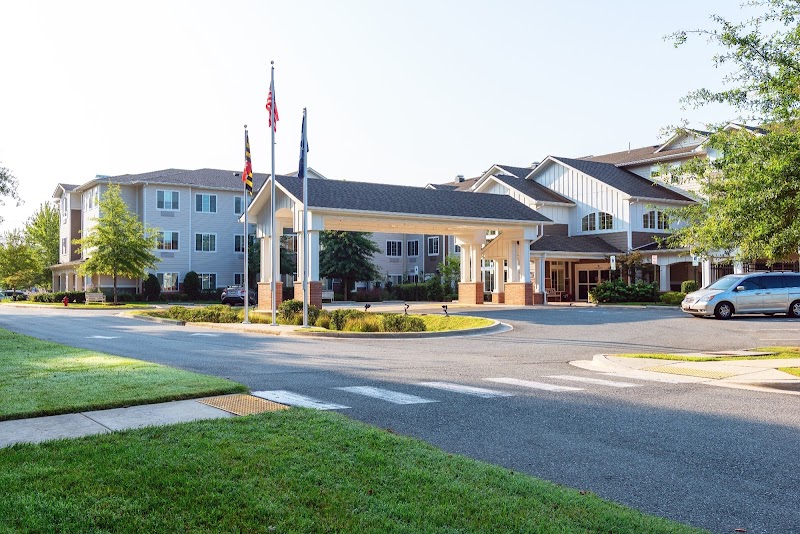
How Does Silver Spring Healthcare Center Compare to Other Maryland Nursing Homes?

Compared to the 100 nursing homes in Maryland, SILVER SPRING HEALTHCARE CENTER's overall rating (2 stars) is below the state average of 3.0, staff turnover (39%) is near the state average of 46%, and health inspection rating (1 stars) is much below the national benchmark.

What Should Families Ask When Visiting Silver Spring Healthcare Center?

Based on this facility's data, families visiting should ask: "What changes have been made since the serious inspection findings, and how are you preventing similar issues?" "Can I visit during a mealtime to observe dining assistance and food quality?" "How do you handle medical emergencies, and what is your hospital transfer rate?" "Can I speak with family members of current residents about their experience?" These questions are particularly relevant given the facility's Immediate Jeopardy citations.

Is Silver Spring Healthcare Center Safe?

Based on CMS inspection data, SILVER SPRING HEALTHCARE CENTER has documented safety concerns. Inspectors have issued 1 Immediate Jeopardy citation (the most serious violation level indicating risk of serious injury or death). The facility has a 2-star overall rating and ranks #100 of 100 nursing homes in Maryland. Families considering this facility should ask detailed questions about what corrective actions have been taken since these incidents.

Do Nurses at Silver Spring Healthcare Center Stick Around?

SILVER SPRING HEALTHCARE CENTER has a staff turnover rate of 39%, which is about average for Maryland nursing homes (state average: 46%). Moderate turnover is common in nursing homes, but families should still ask about staff tenure and how the facility maintains care continuity when employees leave.

Was Silver Spring Healthcare Center Ever Fined?

SILVER SPRING HEALTHCARE CENTER has been fined $48,529 across 1 penalty action. The Maryland average is $33,564. While any fine indicates a compliance issue, fines under $50,000 are relatively common and typically reflect isolated problems that were subsequently corrected. Families should ask what specific issues led to these fines and confirm they've been resolved.

Is Silver Spring Healthcare Center on Any Federal Watch List?

SILVER SPRING HEALTHCARE CENTER is not on any federal watch list. The most significant is the Special Focus Facility (SFF) program, which identifies the bottom 1% of nursing homes nationally based on persistent, serious quality problems. Not being on this list means the facility has avoided the pattern of deficiencies that triggers enhanced federal oversight. This is a positive indicator, though families should still review the facility's inspection history directly.