AUTUMN LAKE HEALTHCARE AT BIRCH MANOR

7309 SECOND AVENUE, SYKESVILLE, MD 21784 (410) 795-1100
For profit - Limited Liability company 118 Beds AUTUMN LAKE HEALTHCARE Data: November 2025
Trust Grade
60/100
#88 of 219 in MD
Last Inspection: June 2025

Inspected within the last 6 months. Data reflects current conditions.

Overview

Autumn Lake Healthcare at Birch Manor has a Trust Grade of C+, indicating it is slightly above average, but not among the best options available. It ranks #88 out of 219 facilities in Maryland, placing it in the top half, and #4 out of 10 in Carroll County, meaning only three local facilities are better. Unfortunately, the facility is worsening, with issues increasing from 2 in 2024 to 22 in 2025. Staffing is a relative strength, with a turnover rate of 34%, which is better than the state average, but RN coverage is concerning, as it is lower than 83% of Maryland facilities. While there are no fines recorded, which is positive, recent inspections revealed significant issues, including a failure to hold required care plan meetings for residents, leading to potential gaps in personalized care. Overall, while there are some strengths, families should be aware of these weaknesses and the facility's declining trend.

Trust Score
C+
60/100
In Maryland
#88/219
Top 40%
Safety Record
Low Risk
No red flags
Inspections
Getting Worse
2 → 22 violations
Staff Stability
○ Average
34% turnover. Near Maryland's 48% average. Typical for the industry.
Penalties
✓ Good
No fines on record. Clean compliance history, better than most Maryland facilities.
Skilled Nurses
⚠ Watch
Each resident gets only 29 minutes of Registered Nurse (RN) attention daily — below average for Maryland. Fewer RN minutes means fewer trained eyes watching for problems.
Violations
⚠ Watch
84 deficiencies on record. Higher than average. Multiple issues found across inspections.
★★★☆☆
3.0
Overall Rating
★★★☆☆
3.0
Staff Levels
★★★★☆
4.0
Care Quality
★★★☆☆
3.0
Inspection Score
Stable
2024: 2 issues
2025: 22 issues

The Good

  • 4-Star Quality Measures · Strong clinical quality outcomes
  • Full Sprinkler Coverage · Fire safety systems throughout facility
  • No fines on record
  • Staff turnover below average (34%)

    14 points below Maryland average of 48%

Facility shows strength in quality measures, fire safety.

The Bad

3-Star Overall Rating

Near Maryland average (3.0)

Meets federal standards, typical of most facilities

Staff Turnover: 34%

12pts below Maryland avg (46%)

Typical for the industry

Chain: AUTUMN LAKE HEALTHCARE

Part of a multi-facility chain

Ask about local staffing decisions and management

The Ugly 84 deficiencies on record

Jun 2025 22 deficiencies
CONCERN (D)

Potential for Harm - no one hurt, but risky conditions existed

Deficiency F0568 (Tag F0568)

Could have caused harm · This affected 1 resident

Based on record reviews and interviews, it was determined that the facility failed to ensure quarterly statements for personal funds were provided to the residents. This was evident in 1 (Resident #54...

Read full inspector narrative →
Based on record reviews and interviews, it was determined that the facility failed to ensure quarterly statements for personal funds were provided to the residents. This was evident in 1 (Resident #54) of 1 resident reviewed for personal funds. The findings include: Resident #54 was admitted into the facility in late 2020. A quick look into the resident's medical record revealed a comprehensive assessment with a reference date of 7/30/24, that indicated an intact cognitive pattern. The medical record also indicated that the resident was his/her own responsible party (RP). Resident #54 was interviewed on 6/4/25 at 11:54 AM. During the interview, the resident reported that s/he had a personal funds account that was being managed by the facility and when asked if the facility provided him/her, at a minimum, quarterly statements of his/her account, s/he stated, last one I got was January. I need to get a new statement. The business office manager (Staff #18) was interviewed about personal funds on 6/9/25 at 3:05 PM. During the interview, Staff #18 reported her process in providing quarterly statements to residents and/or RP. Staff #18 indicated that she hand delivers quarterly statements to residents who are capable, have them sign the statement and then keeps a copy of the signed statements in a binder in her office. Staff #18 confirmed that Resident #54 had a personal funds account with the facility and that the resident was one that she hand delivers the quarterly statements to. When Staff #18 was asked if the resident had received last quarters statement, she answered, I've been behind and busy, so I still have his/hers to give to him/her. A review of the binder for quarterly statements was conducted with Staff #18 on 6/9/25 at 3:15 PM. The review revealed the last statement signed by Resident #54 was for the period 10/1/24 to 12/31/24. Staff #18 printed a copy of the resident's statement for the period 1/1/25 to 3/31/25 and indicated that she would also give it to the resident and have him/her sign it for her records. On 6/9/25 at 3:40 PM, the Nursing Home Administrator (NHA) was interviewed about personal funds. The NHA indicated that Staff #18 had already informed her of the concern that Resident #54 had not received his/her personal funds statement for the 1st quarter of this year. The NHA verbalized understanding and acknowledged the concern.
CONCERN (D)

Potential for Harm - no one hurt, but risky conditions existed

Safe Environment (Tag F0584)

Could have caused harm · This affected 1 resident

2.) On 6/4/25 at 1:37 PM the surveyor observed the spa room on the third floor and noted cracked tile and discoloration in the two shower stalls. On 6/09/25 at 12:35 PM an observation of the spa room ...

Read full inspector narrative →
2.) On 6/4/25 at 1:37 PM the surveyor observed the spa room on the third floor and noted cracked tile and discoloration in the two shower stalls. On 6/09/25 at 12:35 PM an observation of the spa room on the first floor revealed an out of order sign on one of the three showers. The shower was noted to have a missing shower head and multiple missing tiles. On 6/11/25 at 11:31 AM the Maintenance Director (Staff #8) reported staff informed him of maintenance concerns both verbally and in a maintenance log on each unit. He reported the maintenance logs are checked twice a day. In regard to showers, Staff #8 reported there are six that were currently working and two that were down, but that the one that was out of order on the first floor would be ready later today. On 6/11/25 at 1:08 PM the surveyor observed that one of the three showers in the second floor spa room did not have a shower head, unit nurse manager (Staff #13) reported this shower was out of service and confirmed that it was out of order due to the shower head. Review of the third floor maintenance log with Staff #8 on 6/11/25 at approximately 11:40 AM failed to reveal documentation that indicated the shower rooms were in need of repair. Then, observation of the third floor spa room, with Staff #8, revealed two functioning shower stalls. The stall on the right was noted to have brown discoloration on the grout where the wall met the floor; additionally small black splotches were noted on multiple tiles on the lower portions of walls, and several of the floor tiles were noted with gray discoloration. The stall on the left had similar gray discoloration on the floor tile; brownish stains noted along some of the grouting as well as several tiles on the lower portion of the walls; at least eight of the lower wall tiles were observed to have significant cracks; and the grouting around the drain was noted to have brown discoloration. On 6/11/25 at approximately 12:15 PM, during a follow up observation of the third floor shower room, surveyor noted there were dirty washcloths in both of the shower stalls, and a shower chair was present in the stall on the left. During this observation Nurse (Staff #19) entered the spa room, she confirmed that both shower stalls were used to shower residents. Based on observations, record reviews, and staff interviews, it was determined that the facility failed to provide a clean, comfortable, and homelike environment for residents. This was evident by (1) stained privacy curtains in a resident's room that remained unaddressed over multiple days despite awareness by staff, and (2) broken shower areas in disrepair that were used for resident bathing without timely repair or documentation in maintenance logs. These failures were observed in two (first floor and third floor) of six functioning resident shower areas and one (Resident #94) resident room during the recertification survey. The findings include: 1.) During the initial tour of the first-floor unit on 6/4/25 at 11:08 AM, an observation of Resident #94's privacy curtains was made. The privacy curtains were noted with dark brown stains. A subsequent observation on 6/10/25 at 7:04 AM showed that Resident #94's privacy curtains continued to contain dark brown stains. In an interview on 6/10/25 at 7:32 AM in Resident #94's room, Staff #6, unit manager for the first-floor unit, confirmed the concerns and added that the environmental services department was aware of the stained privacy curtains but was unsure why they were not changed. During an interview on 6/10/25 at 8:39 AM, Staff #4, the environmental services supervisor, confirmed that Resident #94's privacy curtains were stained with dark brown substance. Staff #4 also added that she was responsible for changing all the residents' privacy curtains every 6 months or whenever they were stained but was not aware that Resident #94's privacy curtains were stained. In a subsequent interview with Staff #4 on 6/10/25 at 9:55 AM, she reported that she had changed all the stained curtains after the surveyor's intervention.
CONCERN (D) 📢 Someone Reported This

A family member, employee, or ombudsman was alarmed enough to file a formal complaint

Potential for Harm - no one hurt, but risky conditions existed

Grievances (Tag F0585)

Could have caused harm · This affected 1 resident

Based on document review and interview it was determined that the facility failed to implement their grievance policy. This was evident for two (# 16, #517) of two residents reviewed for personal prop...

Read full inspector narrative →
Based on document review and interview it was determined that the facility failed to implement their grievance policy. This was evident for two (# 16, #517) of two residents reviewed for personal property during the survey. The findings include: 1) On 6/5/25 Intake #MD00216136 was reviewed. The review revealed a concern that Resident #16, a long-term resident of the facility, was missing some clothes. The concern was submitted in March 2025. On 6/10/25 at 8:18 AM The Environmental Services Supervisor (EVS) (Staff #4) supervisor was interviewed regarding her role in helping to locate missing laundry. During the interview she reported that she had a discussion with Resident #16 and the resident's family member. The discussion took place around March 2025. Staff #4 reported that both Resident #16 and the Resident's son told her that Resident #16 was missing some of his/her clothing. Staff #4 stated that she was unable to find the missing clothes. Staff #4 reported that she did not fill out a grievance form nor forward the concern to the Director of Nursing or Nursing Home Administrator regarding the missing clothing. On 6/10/25 at 9:05 AM The Social Service Director (Staff #9) was interviewed. During the interview he reported that he did not have a grievance form regarding Residents #16 missing clothes for the year 2025. On 6/11/25 08:41 The Administrator provided an attendance sheet for an Inservice with the Topic of Grievance Policy Personal Belongings and role of Social worker. The Inservice was dated 12/6/24. Review of the attendance sheet revealed that the EVS director attended the grievance training. On 6/11/25 The facility's policy titled Resident and Family Grievances. was reviewed. The review revealed the following: The staff member receiving the grievance will record the nature and specifics of the grievance on the designated grievance form or assist the resident or family member to complete the form. On 6/11/25 at 10:16 AM The above concerns were discussed with the Administrator. During the interview she reported that the most recent grievance form regarding Resident's clothing was dated 9/16/2024. She failed to provide a grievance form for the Residents #16 recent concerns. At this time the concerns were discussed that the grievance process was not followed when the EVD received the complaint. No other information was provided prior to the end of the survey. 2) On 6/5/25 at 11:58 AM, Resident #517's family member, the complainant, was interviewed. When I visited on December 28, 2024, the day after admission, my dad/mom was asleep- curled up. I checked-in with the nursing station and dropped off supplies in a green bin. When I came back 48 hours later, on December 30, 2024, in the afternoon, s/he was in the same clothes and same curled up position, clothes were soiled, and the room was dark. It didn't look like anyone had been in to give basic care. I immediately made a complaint about the conditions to a nurse, a male nurse. My family and I met with a male nurse, the Social Worker and two other females, I'm unsure if they were nurses or administrators. The meeting was confrontational and hostile. After the meeting, the nurse helped us clean up dad/mom. I moved dad/mom to another facility as soon as possible. The interviewee confirmed that no further communication was received from the facility regarding the complaint. On 6/6/25, a record review of Resident # 517's closed record revealed the date of admission as 12/27/2024 and in an interview with Staff #17, she confirmed Resident #517 was a resident from December 27, 2024, to January 8, 2025. On 6/6/25 at 8:41 AM in an interview with the Director of Social Services (Staff #9), employed at this facility since February 2022, indicated a faint recollection of Resident #517 but denied any recollection of the complaint described above. He detailed that a complaint or grievance would have been initiated once he heard about it. He indicated that he would follow up about the complaint, initiate a grievance form and take it to the Unit Manager. The Unit Manager had 48 hours to investigate and return the form to him. He saved it in the Grievance Log. He acknowledged that he had written no concerns in the December 2024 Grievance Log. On 6/6/25 at 9:14 AM a record review of Birch Manor's Resident and Family Grievance Policy revealed, in part, that grievance(s) will be active until resolution. The process includes receiving and tracking of the complaint and issuing a written notice of the grievance decision(s) to the residents or family members by the Grievance Official or designee. Initiating grievance(s) may be verbal or written and submitted anytime to any staff members or directly to the Grievance Official. Staff members will record the nature and specifics of the grievance onto the facility's grievance form commencing the investigation of the grievance. Allegations of neglect will be immediately reported to the administrator. Resident and/or family will be informed of the progress towards resolution. A written decision will be made at the conclusion of the investigation. On 6/6/25 at 10:21 AM the Staff #8 acknowledged that he had never read the Grievance Policy. On 6/6/25 at 10:26 AM in an interview with the facility's designated Grievance Official, the Nursing Home Administrator (NHA), she detailed that anybody could make a grievance either to me or staff, either verbally or email, whatever. She indicated that there is not a specific process to file a grievance. She continued, depending on the nature, I might include Staff #8 to keep a log as the tracking mechanism. Staff would investigate and verbally communicate with the residents involved. Not everyone knows the grievance process. NHA reviewed the 2024 Grievance Log and acknowledged that the facility did not follow the grievance process. On 6/9/25 at 10:32 AM during an interview with Staff #8, he acknowledged that he was at work, in the facility, on December 30, 2024, and stated, If I was involved in Resident #517's care on December 30th, I would have written a note. A record review in PointClickCare (PCC), an electronic health record, revealed a Care Plan Meeting note indicating an initial meeting and Staff #8 will continue to assist and follow; no grievance note was entered. On 6/10/25 at 9:02 AM the Director of Nursing (DON) acknowledged that the grievance process was broken. On 6/10/25 at 9:18 AM during an interview, the NHA acknowledged that the facility needed to fix the grievance process. A record review of other facility documents for the relative period, December 27- December 30, 2024 revealed: 1. the facility had sufficient staffing, 2. Resident #517 had documented care Tasks completed by Geriatric Nurse Assistants (GNAs), and 3. Resident #517 had documented medication administration and vital signs.
CONCERN (D) 📢 Someone Reported This

A family member, employee, or ombudsman was alarmed enough to file a formal complaint

Potential for Harm - no one hurt, but risky conditions existed

Report Alleged Abuse (Tag F0609)

Could have caused harm · This affected 1 resident

**NOTE- TERMS IN BRACKETS HAVE BEEN EDITED TO PROTECT CONFIDENTIALITY** Based on record reviews and interviews, it was determined that the facility failed to report allegations of abuse. This was evid...

Read full inspector narrative →
**NOTE- TERMS IN BRACKETS HAVE BEEN EDITED TO PROTECT CONFIDENTIALITY** Based on record reviews and interviews, it was determined that the facility failed to report allegations of abuse. This was evident for one (Resident #50) out of three investigated for Abuse. The findings include: Resident #50 has medical conditions that include a traumatic brain injury, anxiety, depression, a seizure disorder, and problems with thinking and memory (cognitive impairment). On 6/4/25 at around 10:15 AM, the surveyor reviewed complaint MD00216414. The complaint stated that Resident #50 had been taken to the local hospital's emergency room on 4/5/25 following an episode in which the resident became combative. While there, the resident told a nurse that s/he had been hit and punched by staff at [NAME] Lake Birch Manor. The hospital staff examined the resident and found two small bruises-one under the left eye and one on the middle-left side of their back. On 6/06/25 at 4:17 PM, the surveyor reviewed the progress notes for Resident #50. The notes showed that the resident had been readmitted to the facility on [DATE]. A nurse wrote: A head-to-toe skin check was done with the wound nurse and unit manager. The resident had a healing yellow-colored bruise near [their] left eye and a round bruise, about 2 cm in size, in the middle of [their] chest. No other bruises or open areas were found at this time. Further review of Resident #50's medical record revealed a physician's progress note dated 4/9/25 (late entry for visit on 4/8/25): Upon evaluation today, patient was guarded and refused to talk in [their] room for concern that roommates may overhear [them] talking and was taken to the Social Worker Director's office to complete the telehealth visit in privacy. When asked what led to [the] recent psychiatric hospitalization, the patient was vague regarding details but alleged that s/he was punched by a black male staff member for asking for medication for a migraine s/he was experiencing and kicked by him. S/he denied any verbal altercation taking place. On 6/6/25 at 4:38 PM, the surveyor interviewed the Nursing Home Administrator (NHA). The surveyor asked if the NHA was aware of any reports of abuse since the beginning of April 2025, and she replied, No, none that I know about. The surveyor then asked the NHA to review the physician's note from 4/9/25 for Resident #50, which said that the resident had claimed a black male staff member punched and kicked them. The surveyor asked what should be done if a resident reports abuse. The NHA said, I did not know about it. I know I should report all allegations of abuse to the Office of Healthcare Quality (OHCQ) within two hours and start an investigation immediately. On 6/09/25 at 9:01 AM, the surveyor reviewed the facility's Abuse, Neglect, and Exploitation policy and procedure, dated 11/13/2023. It states the following (in part): VII. Reporting/Response 1.All alleged violations must be reported to the Administrator, state agency, adult protective services, and any other required agencies. a. Reports must be made immediately, but no later than 2 hours after the allegation is made, if the situation involves abuse or results in serious bodily injury. On 6/09/25 at 3:20 PM, the surveyor asked the Director of Nursing (DON) if they had reported the allegation, and he stated, No, not yet, we will soon. On 6/09/25 at approximately 4:30 PM, the surveyor spoke with the Nursing Home Administrator (NHA) and asked if the facility had reported the allegation of abuse. She said that they did not, explaining that she didn't realize they were supposed to because it happened in the past. On 6/09/25 at 5:33 PM, the Director of Nursing (DON) notified the surveyor that the facility had reported the allegation of abuse to OHCQ. The surveyor was able to confirm that the allegation was reported on 6/09/25 at 4:40 PM intake # MD00218617.
CONCERN (D) 📢 Someone Reported This

A family member, employee, or ombudsman was alarmed enough to file a formal complaint

Potential for Harm - no one hurt, but risky conditions existed

Investigate Abuse (Tag F0610)

Could have caused harm · This affected 1 resident

**NOTE- TERMS IN BRACKETS HAVE BEEN EDITED TO PROTECT CONFIDENTIALITY** Based on record reviews and interviews, it was determined that the facility failed to investigate allegations of abuse. This was...

Read full inspector narrative →
**NOTE- TERMS IN BRACKETS HAVE BEEN EDITED TO PROTECT CONFIDENTIALITY** Based on record reviews and interviews, it was determined that the facility failed to investigate allegations of abuse. This was evident for one (Resident #50) out of three investigated for Abuse. The findings include: Resident #50 has medical conditions that include a traumatic brain injury, anxiety, depression, a seizure disorder, problems with thinking and memory (cognitive impairment). On 6/4/25 at around 10:15 AM, the surveyor reviewed complaint MD00216414. The complaint stated that Resident #50 had been taken to the local hospital's emergency room following an episode in which the resident was combative. While there, the resident told a nurse that s/he had been hit and punched by staff at [NAME] Lake Birch Manor. The hospital staff examined [the resident] and found two small bruises-one under the left eye and one on the middle-left side of [their] back. On 6/06/25 at 4:17 PM, the surveyor reviewed the progress notes for Resident #50. The notes showed that the resident had been readmitted to the facility on [DATE]. A nurse wrote: A head-to-toe skin check was done with the wound nurse and unit manager. The resident had a healing yellow-colored bruise near [their] left eye and a round bruise, about 2 cm in size, on the middle of [their] chest. No other bruises or open areas were found at this time. Further review of Resident #50's medical record revealed a physician's progress note dated 4/9/25 (late entry for telehealth visit on 4/8/25): Upon evaluation today, patient was guarded and refused to talk in [their] room for concern that [their] roommates may overhear [them]talking and was taken to the Social Worker Director's office to complete the interview in privacy. When asked what led to [the] recent psychiatric hospitalization, the patient was vague regarding details but alleged that s/he was punched by a black male staff member for asking for medication for a migraine s/he was experiencing and kicked by him. S/he denied any verbal altercation taking place. On 6/6/25 at 4:38 PM, the surveyor interviewed the Nursing Home Administrator (NHA). The surveyor asked if the NHA was aware of any reports of abuse since the beginning of April 2025, and she replied, No, none that I know about. The surveyor then asked the NHA to review the physician's note from 4/9/25 for Resident #50, which said that the resident had claimed a black male staff member punched and kicked them. On 6/09/25 at 9:01 AM, the surveyor reviewed the facility's Abuse, Neglect, and Exploitation policy and procedure, dated 11/13/2023. Which, in part, revealed the following (the policy and procedure explains the facility process for handling abuse, neglect, and exploitation): IV. Identification of Abuse, Neglect and Exploitation Possible indicators of abuse include, but are not limited to: 1. Resident, Staff, or family report of abuse 2. Physical marks such as bruises V. Investigation of alleged Abuse, Neglect, and Exploitation A. An immediate investigation is warranted when suspicion of Abuse, neglect, exploitation, or reports of abuse, neglect, or exploitation occur. B. Written procedures for investigations include: 4. Identifying and interviewing all involved persons, including the alleged victim, alleged perpetrator, witnesses, and others who might have knowledge of the allegations. 5. Focusing the investigation on determining if abuse, neglect, exploitation, and/or mistreatment has occurred, the extent, and cause, and providing complete and thorough documentation of the investigation. VI. Protection of the Resident The facility will make efforts to ensure all residents are protected from physical and psychosocial harm, as well as additional abuse, during and after the investigation. Examples were provided that included an immediate physical exam of the alleged victim, increased supervision of the victim and other residents, room or staffing changes, protection from retaliation, emotional support and counseling, revision of care plan. On 6/09/25 at 11:49 AM, the surveyor spoke with Resident #50 and asked if s/he recalled an incident in which s/he reported an allegation of abuse. S/he stated that they had previously been hit and kicked by a staff member. The surveyor asked if the facility had followed up with them about the alleged abuse, and s/he stated that they had not. On 6/09/25 at 1:33 PM, the surveyor spoke with the Director of Nursing (DON) about the allegation of abuse that Resident #50 had reported to their psychiatrist during a telehealth meeting held in the social worker's office. He stated that the facility did not investigate the allegation because the doctor did not inform the facility that it had been made. The surveyor asked if it is the expectation that the physician report such allegations, and he said it is. The surveyor then asked if the facility reviews physician notes, and the DON said they do, and that they should have caught it. He also mentioned that on the day the resident was sent to the hospital, they [Resident #50] had been combative, and a soft file about the incident was started. The DON did not provide any investigation documentation. On 6/09/25 at 1:52 PM, the surveyor interviewed the Director of Nursing (DON) and the Regional Director of Nursing (RDON). The surveyor asked which staff are responsible for reviewing physician notes. The DON stated that the current process is for the clinical team to review the notes. The surveyor then asked why the allegations of abuse reported by Resident #50 were not followed up on, since they were documented in the physician's note. The DON stated, This particular note was missed. He further explained that typically, the team receives alerts about physician notes to review, called 24-hour look-back notes. The surveyor asked if the allegation should have been noticed during the 24-hour look-back review, the DON said, yes. The RDON added, Our normal practice is that we take the allegations very seriously, and we realize this was missed. On 6/09/25 at approximately 4:30 PM, the surveyor spoke with the Nursing Home Administrator (NHA) to inquire about the status of the investigation. She stated that she didn't understand why it needed to be investigated, since we have already investigated and know what happened. The surveyor informed the NHA that the Director of Nursing (DON) stated there had been no investigation because the facility didn't know about the allegation of abuse. The NHA replied, Well, we know what happened that day, so it's just semantics now. The surveyor asked again, Did you know about this allegation? Because I was told you didn't. She replied that they knew details about what happened that day but not that the resident had alleged abuse by a staff member. On 6/09/25 at 5:33 PM, the Director of Nursing (DON) notified the surveyor that the facility had reported the allegation of abuse to OHCQ. The surveyor was able to confirm that the allegation was reported to OHCQ on 6/09/25 (intake number MD00218617). At the time of exit the facility had not produced evidence of an investigation into the allegation of abuse.
CONCERN (D)

Potential for Harm - no one hurt, but risky conditions existed

Deficiency F0628 (Tag F0628)

Could have caused harm · This affected 1 resident

Based on medical record review and interview it was determined that the facility failed to provide written notice of the bed hold policy and transfer to the resident's responsible party; and failed to...

Read full inspector narrative →
Based on medical record review and interview it was determined that the facility failed to provide written notice of the bed hold policy and transfer to the resident's responsible party; and failed to ensure all required information was included in the forms currently being used to provide notification of transfer and bed hold. This was found to be evident for one (Resident #76) out of four residents reviewed for hospitalization during the survey. The findings include: On 6/5/25 review of Resident #76's medical record revealed the resident was not capable to make health care decisions and a Responsible Representative was identified for the resident. On 6/9/25 the resident was sent to the hospital via emergency medical services. Review of the Change in Condition Review form, dated 6/9/25 revealed the Responsible Representative was not present at time of discharge but that the Bed Hold Policy and the Reason for Transfer/Discharge was sent to the Representative. This form was signed by nurse (Staff #20). On 6/10/25 at 3:13 PM when asked how the Bed Hold and Transfer Notice were sent to the representative, Nurse #20 reported they give a copy to the Social Worker who sends it out. Surveyor requested a copy of the information that was sent. Review of the Notification of Resident Hospital Transfer form, provided by Nurse #20 for Resident #76 revealed documentation that the resident was sent to the hospital on 6/9/25, but in the area to choose a reason for the transfer none of the 8 options (including other) was marked. Additionally, in the area to document the location of the transfer, none of the four hospitals listed were marked. The form was signed by facility staff on 6/9/25. At the bottom of the Notification of Resident Hospital Transfer form the following statement was found: You have the right to appeal this decision to the appropriate state long term care agency at the address show below. In addition, you may wish to contact the Office of State Long-Term Care Ombudsman or the state agencies responsible for the protection and advocacy of developmentally disabled or mentally ill individuals. There was no additional information, or addresses included with this form. The Notification of Resident Hospital Transfer form being utilized by the facility failed to include the following required information: -The name, address (mailing or email), or the telephone number of the entity which receives such requests; or information on how to obtain an appeal form and assistance in completing the form and submitting the appeal hearing request; -The name, address (mailing or email) or the telephone number of the Office of the State Long-Term Care Ombudsman. Review of the Bed Hold Notice for Resident #76 revealed the nurse signed the form on 6/9/25 under the Request for Bed Hold section, and the resident's name and room number had been filled in at the bottom. All of the other sections that indicated answers should be filled in are noted to be blank. The form failed to document why the form was being provided; failed to indicate if a Request for Bed Hold was made or if there was a Release of Bed. The section I understand that the basic per diem rate is $_____ per day. failed to include a monetary amount. The Bed Hold Notice also stated: This notice fulfills requirements to remind you of this facility's bed hold policy (see attached). Please read carefully and indicate whether or not you wish to reserve your room. There was no attached bed hold policy provided with this notice. On 6/11/25 a review of the Bed Hold Notice policy, with a revision date of 4/28/2025, was conducted. The policy provided failed to include the facility name or the name of the corporation running the facility. The policy stated that the facility will provide the resident and/or the resident representative written information that specifies: the duration of the State bed-hold policy, if any, during which the resident is permitted to return and resume residence in the nursing facility; and the reserve bed payment policy in the state plan policy, if any. This policy fails to state if the facility intends to hold a resident's bed for a specific length of time. Continued review of the Bed Hold Notice form revealed the following statement : Maximum number of days the State Plan pays for resident is 14 days. In 2012 the state of Maryland stopped paying for bed holds. On 6/10/25 at 3:46 PM the Social Worker (SW Staff #9) was interviewed in regard to the provision of the Transfer Notice and the Bed Hold Notice. The SW #9 reported he calls the family, and tells them: we have a bed hold policy; we will hold the bed for the patient, when or if they want to come back we will have a bed for them; the bed hold policy says 14 days but if after the 14 days we will still have a bed for them. If they want that specific bed I tell them it might be a payment but try our hardest to hold that bed. The SW confirmed that he only sends a copy of the bed hold if the representative requested that it be sent. The surveyor then provided the resident's Notification of Resident Hospital Transfer form for Resident #76 to the SW to review. After review, the SW denied discussing this form with family. He indicated he will send this form with the bed hold notice, if the family requests. SW reports he does not document the phone calls to the family and that he had not yet contacted Resident #76's representative. Surveyor reviewed the concern that the nursing staff had already documented that both these forms had already been sent to the representative. On 6/10/25 at 4:09 PM surveyor reveiwed the concern with the SW that the Bed Hold Notice failed to include the per diem rate, he was unable to provide the current rate, and stated it varies depending on the location of the bed. On 6/10/25 at 4:18 PM surveyor reviewed the concern with the NHA that the transfer notice fails to include required information and the report from the Social Worker that he is only mailing out the information if the representative request it be sent.
CONCERN (D)

Potential for Harm - no one hurt, but risky conditions existed

Assessment Accuracy (Tag F0641)

Could have caused harm · This affected 1 resident

**NOTE- TERMS IN BRACKETS HAVE BEEN EDITED TO PROTECT CONFIDENTIALITY** Based on observations, record review, and interviews, it was determined that the facility failed to ensure that Minimum Data Set...

Read full inspector narrative →
**NOTE- TERMS IN BRACKETS HAVE BEEN EDITED TO PROTECT CONFIDENTIALITY** Based on observations, record review, and interviews, it was determined that the facility failed to ensure that Minimum Data Set (MDS) assessments were accurately documented. This was evident for 1 (#94) out of 2 Residents reviewed for dental care. The findings include: The Minimum Data Set (MDS) is an assessment of the Resident that provides the facility with the necessary information to develop a care plan, deliver appropriate care and services to the Resident, and modify the care plan based on the Resident's status. 1a) An observation on 6/4/25 at 11:13 AM showed that Resident #94 was edentulous (had no teeth). The Resident stated at that time that s/he wore complete dentures. However, they were left at home. A review of Resident #94's record contained a Nursing admission assessment completed on 1/12/25. The assessment recorded that Resident #94 had no natural teeth. However, a continued review of Resident #94's MDS assessment dated [DATE] showed an answer NO to the statement No natural teeth or tooth fragment(s) (edentulous) in section L, which meant that the Resident had natural teeth. In an interview on 6/5/25 at 2:52 PM, Staff #24, a Geriatric Nursing Assistant, reported that Resident #94 had no natural teeth. During an interview on 6/10/25 at 8:53 AM with Staff #25, MDS Coordinator, she said that Resident #94's dental status recorded on his/her MDS assessment dated [DATE] was documented in error. 1b) A review of Resident #94's MDS assessment dated [DATE] contained a signature page in section Z that recorded that sections CDEQ of the MDS were completed by Staff #26, a Social Worker. During an interview on 6/10/25 at 8:13 AM, Staff #9, the Social Services Director, reported that Staff #26 was a Social Services Assistant and not a Social Worker. In an interview on 6/10/25 at 8:53 AM, Staff #25, an MDS coordinator, stated that Staff #26 was not a Social Worker and that she would contact her corporate office about the inaccurate information on the signature page of the MDS assessment.
CONCERN (D)

Potential for Harm - no one hurt, but risky conditions existed

Quality of Care (Tag F0684)

Could have caused harm · This affected 1 resident

Based on medical record review and interview it was determined that the facility failed to ensure staff provided medication as ordered. This was found to be evident for one (Resident #59) out of five ...

Read full inspector narrative →
Based on medical record review and interview it was determined that the facility failed to ensure staff provided medication as ordered. This was found to be evident for one (Resident #59) out of five residents reviewed for unnecessary medication. The findings include: Review of Resident #59's medical record revealed the resident had an order, in effect from 9/19/23 until it was changed on 5/23/25, for Lorazepam (also known as Ativan) 0.5 mg tablet three times a day related to anxiety disorder. Review of the resident's Medication Administration Record for April 2025 revealed documentation that indicated it was administered to the resident as ordered every day in April. Review of the Controlled Drug Administration Record for the Lorazepam 0.5 mg tablets revealed on 4/28/25 at 2:00 PM the last tablet of a supply of 30 was removed. This indicated there were no tablets left in the supply for this resident. Further review of the Controlled Drug Administration Record for the Lorazepam 0.5 mg tablets revealed a new 30 tablet supply was received at the facility on 4/29/25 and the first tablet was removed for the dose due on 4/29/25 at 8:00 AM. Further review of the medical record failed to reveal documentation to indicate the Lorazepam was not administered on 4/28/25 when it was due at 8:00 PM. The nurse documented it was administered as ordered on 4/28/25 at 8:00 PM. Review of the medications available in the interim supply revealed Lorazepam 0.5 mg is normally available. The facility utilizes an automated machine to dispense interim supply medications and the pharmacy has records when staff access this supply. On 6/09/25 at 3:30 PM surveyor reviewed with the Director of Nursing (DON) the concern that the last dose of a supply of Lorazepam was administered on 4/28 at 2 pm, and the next dose pulled was 4/29 at 8 am but staff documented having administered the 4/28 dose that was due at 8:00 PM. Surveyor asked if there was documentation to account for where the dose for 4/28 at 8:00 PM came from. On 6/9/25 at 4:19 PM the corporate nurse reported that she was going to reach out to pharmacy regarding the 4/28 evening dose to see if it was pulled from the interim supply. On 6/11/25 at 8:28 AM as of this time no documentation has been provided to indicate staff accessed the interim supply of Ativan for the dose documented as given on the evening of 4/28/25. On 6/11/25 at 10:30 AM, during an interview with the DON and the corporate nurse, the corporate nurse reported the pharmacy was unable to provide documentation to indicate the ativan was obtained from the interim supply. Surveyor reviewed the concern that this was a regularly scheduled medication that was not re-ordered in timely manner and that staff failed to obtain it from the interim supply yet documented that they administered it.
CONCERN (D)

Potential for Harm - no one hurt, but risky conditions existed

Accident Prevention (Tag F0689)

Could have caused harm · This affected 1 resident

Based on observation, interview and record review it was determined that the facility failed to have an order to monitor a resident's air mattress. This was found to be evident for one (Resident #76) ...

Read full inspector narrative →
Based on observation, interview and record review it was determined that the facility failed to have an order to monitor a resident's air mattress. This was found to be evident for one (Resident #76) of four residents reviewed for pressure ulcer care and prevention. The findings include: Review of Resident #76's medical record revealed the resident resided at the facility for more than a year and was totally dependent on staff for activities of daily living such as dressing, eating, transferring from bed to wheelchair and mobility. On 6/5/25 at 9:36 AM surveyor observed, with Nurse #29, the resident in bed. An air mattress control was observed at the foot of the bed but no lights were on and it was noted to be unplugged. When surveyor asked if the air mattress was being used, the nurse indicated it was and proceeded to plug in the mattress and it began to inflate. Surveyor observed it was set at 240 lbs and the nurse confirmed this observation. The nurse went on to report that the resident required total care and was unable to wheel self when in the wheelchair. On 6/5/25 at 1:00 PM review of the medical record revealed a current order, in place since March 2025 for a pressure reducing mattress in place at all times. The most recent weight found for the resident was 115.8 lbs on 6/3/25. No documentation was found to indicate the resident currently, or recently, had a pressure ulcer. On 6/5/25 at 1:15 PM surveyor observed the resident in the bed, the air mattress was on and the control was currently set at 240 lbs. Review of the Operating Instructions for the air mattress revealed staff should Determine the patient's weight and set the control knob to that weight setting on the control unit. An air-filled mattress compresses on the side to which a person moves, thus raising the center of the mattress and lowering the side. This may make it easier for a resident to slide off the mattress. On 6/5/25 at 1:20 PM an interview with the unit nurse manager (Staff #20) revealed the order for a pressure reducing mattress referred to the regular mattresses that they have in the facility, not an air mattress. The surveyor and the unit nurse manager then observed the resident in the bed with the air mattress still on and set to 240 lbs. The unit nurse manager reported: I know they recently swapped the beds, did not know this bed had an air mattress. The unit nurse manager then proceeded to adjust the control setting to 120 lbs. The surveyor reviewed the earlier observation with Nurse #29, who had plugged in the mattress and confirmed the 240 lb setting. On 6/5/25 at 4:04 PM the Director of Nursing (DON) reported air mattresses were usually for residents' with Stage 3 or 4 pressure ulcers and once it was determined that a resident needed an air mattress an order was put in place. In regard to Resident #76, the DON reported the resident did not require an air mattress and he told staff to take off the air mattress. On 6/09/25 at 4:55 PM the unit nurse manager #20 reported that she had not been able to determine how the resident wound up with an air mattress. Surveyor reviewed the safety concern that the air mattress was put in place without orders for monitoring, the resident was on the mattress without it being inflated and when inflated it was set at a level for a resident weighing much more than the resident actually weighed.
CONCERN (D)

Potential for Harm - no one hurt, but risky conditions existed

Respiratory Care (Tag F0695)

Could have caused harm · This affected 1 resident

Based on observations, interviews and record review, it was determined that the facility failed to provide necessary respiratory care consistent with professional standards of practice for tracheostom...

Read full inspector narrative →
Based on observations, interviews and record review, it was determined that the facility failed to provide necessary respiratory care consistent with professional standards of practice for tracheostomy residents. This was evident for one (Resident #109) of two residents reviewed for respiratory care during this survey. The findings include: A tracheostomy is a surgical opening created through the neck into the trachea (windpipe) to allow breathing to occur. A breathing tube is usually placed through this opening to provide an airway and to remove secretions from the lungs. The nose and mouth naturally filter out harmful pollutants, irritants and germs. However, a tracheostomy provides direct access into the lungs requiring strict infection control measures during care. Care for tracheostomy residents can only be performed by licensed and trained personnel. On 6/5/25 at 9:05 AM Resident #109 was observed in bed. The head of bed was raised at approximately 30-45 degrees. The resident had shortness of breath with audible breath sounds. Oxygen was observed and set at 3.5 liters per minute and connected to the resident's tracheostomy. On 6/5/25 at 12:43 PM in an interview, Respiratory Therapist (Staff #21), indicated that respiratory therapy provided care for any resident with a tracheostomy, shortness of breath, or a respiratory diagnosis. It was stated that all nurses were trained in tracheostomy care including suctioning. On 6/5/25 at 1:00 PM in an interview, the Unit Manager, Registered Nurse (Staff #13) confirmed that nurses perform and document tracheostomy care including suctioning on the Treatment Administration Record (TAR) in PointClickCare (PCC), an electronic health record. On 6/5/25 at 1:06 PM a record review of June's 2024 TAR revealed that Licensed Practical Nurse (Staff #22) had documented suctioning on the night shift. On 6/6/25 at 6:20 AM Resident #109 was observed asleep in bed. A dirty (used) suction catheter was observed on the bedside table. On 6/6/25 at 6:24 AM Staff #22 left the nurse's station and entered Resident #109's room. This surveyor entered the resident's room at 6:30 AM and observed that the dirty suction catheter was no longer on the bedside table. On 6/6/25 at 6:40 AM, in an interview, Staff #22 acknowledged that she had provided care to Resident #109 on night shift including suctioning. She acknowledged that suctioning is a sterile technique and confirmed that she had discarded the dirty suction catheter. On 6/6/25 at 7:16 AM Staff #13, the Unit Manager was made aware of the concern. On 6/6/25 at 7:29 AM a review of the Tracheostomy Care-Suctioning Policy stated the facility will ensure that residents who need respiratory care, including tracheal suctioning, are provide care consistent with professional standards of care. The document lists the procedural steps #7 as: using sterile technique, open the suction catheter etc. On 6/6/25 at 8:00 AM a review of the Tracheostomy Care Policy stated the facility will ensure staff responsible for providing tracheostomy care including suctioning are trained and competent according to professional standards of practice. On 6/6/25 the Director of Nursing acknowledged the concern.
CONCERN (D)

Potential for Harm - no one hurt, but risky conditions existed

Dental Services (Tag F0791)

Could have caused harm · This affected 1 resident

Based on record reviews and interviews, it was determined that the facility failed to provide routine dental services to a Medicaid funded residents. This was evident in 1 (Resident #71) of 1 resident...

Read full inspector narrative →
Based on record reviews and interviews, it was determined that the facility failed to provide routine dental services to a Medicaid funded residents. This was evident in 1 (Resident #71) of 1 resident reviewed for dental care. The findings include: Resident #71 was admitted into the facility in early 2023. The resident's medical record indicated his/her cognitive pattern as severely impaired. On 6/4/25 at 1:06 PM, Resident #71's responsible party (RP) was interviewed. During the interview, the RP reported dental concerns and that the resident had not seen a dentist. The RP stated, when I've asked about that (Dental services) in the past, they (Facility staff) said we would have to sign him/her up for that. I'm not sure of the status, I have not gotten any update about dental care or seeing a dentist. A review of Resident #71's medical record was conducted on 6/6/25 at 9:49 AM. The review revealed a comprehensive assessment with a reference date of 2/22/23, where section L coded the resident with obvious or likely cavity or broken natural teeth; and mouth or facial pain, discomfort or difficulty with chewing. On 6/6/25 at 11:41 AM, an interview about dental services was conducted with the Director of Nursing (DON). During the interview, the DON reported that a Dentist and/or a dental hygienist comes in the facility 1 to 2 times a month to provide services. The DON indicated that all residents are seen routinely and by recommendation when there is a problem reported by staff. The DON also reported that the dental care group sends him a monthly report with a list of all the residents that were seen. The DON was asked to provide a copy of the reports for the past year for review. On 6/6/25 at 2:20 PM, a review of the dental services reports provided by the DON and review of Resident #71's medical records were conducted. The review failed to show evidence to indicate that the resident had seen a dentist and/or a dental hygienist. Later at 2:42 PM, the finding was discussed with the DON and he indicated that he would review Resident #71's medical record and call the dental provider to find out. On 6/9/25 at 10:02 AM, the DON reported that Resident #71 was discharged from dental services due to being uncooperative and provided a copy of 2 dental service documentation dated 12/23/22 that noted patient uncooperative and on 4/15/23 that noted Patient discharged . The DON stated, but the resident had been re-enrolled for the service as of today. A subsequent interview with the DON was conducted on 6/11/25 at 9:06 AM. During the interview, the 2 dental service documentation's were reviewed and revealed that they were from the prior long term care facility that the resident was admitted to, where dental services were provided by the same dental group. The DON confirmed during this interview that Resident #71 had not been seen by a dentist and/or a dental hygienist since being admitted into the facility.
CONCERN (D)

Potential for Harm - no one hurt, but risky conditions existed

Menu Adequacy (Tag F0803)

Could have caused harm · This affected 1 resident

Based on observations, record review, and interviews, it was determined that the facility failed to ensure that residents were served meals according to a predetermined menu that incorporated the resi...

Read full inspector narrative →
Based on observations, record review, and interviews, it was determined that the facility failed to ensure that residents were served meals according to a predetermined menu that incorporated the residents' preferences. This deficient practice has the potential to affect all residents. The findings include: 1) An observation of Lunch on the first-floor unit on 6/4/25 at 12:54 PM showed that Resident #24 was eating in the dining room. The Resident's tray contained pork chops, buttered corn, roasted potatoes, 1 slice of bread, chilled pears, 1 packet diet sugar, 1 packet pepper, 1 packet salt and a cup of coffee. However, the Resident's meal ticket read Smothered pork chops, buttered corn, [NAME] roasted potatoes, 1 slice bread, 1 packet margarine, chilled pears, 1 package sugar, 1 package pepper, 1 package salt, 8 oz of whole milk, and 6 oz of coffee. Resident #24 reported not getting any milk or butter. Staff #14, a Geriatric nurse aid, was present and confirmed that Resident #24 did not receive milk or butter on his/her lunch tray. 2) Resident #96 was observed eating lunch in the first-floor dining room on 6/4/25. The observation noted from the Resident's meal ticket that s/he was to receive Smothered pork chops, buttered corn, [NAME] roasted potatoes, 1 slice of bread, 1 packet of margarine, chilled pears, sugar, 1 package of pepper, 1 packet of salt, 8 oz of whole milk and 6oz cup of coffee. A continued observation of Resident #96's tray showed that s/he received pork chops, buttered corn, roasted potatoes, 1 slice of bread, chilled peas, 1 packet of sugar, 1 packet of pepper, 1 packet of salt, and a cup of coffee. The observation failed to show that the resident received whole milk and butter on his/her tray. Staff #14 questioned Resident #96 if s/he wanted milk and butter. The resident stated s/he wanted milk and butter but did not get them on his/her lunch tray. 3) An observation of Resident #73's lunch tray on 6/4/25 showed ground pork chops, creamed corn, mashed potatoes, pureed bread, sugar, diet sugar, pepper, and a cup of coffee. Further observation of Resident #73's meal ticket showed that s/he was to receive on his/her lunch tray: Ground smothered pork chops, creamed corn, mashed potatoes, pureed bread, 2 packets of margarine, 1 serving of magic cup, 8 packages of diet sugar, 2 packages of pepper, 8 oz of whole milk and coffee. The observation failed to show that Resident #73 received whole milk, margarine and magic cup on his tray. Staff #14 was present and confirmed that Resident #73 was missing whole milk, margarine and magic cup on his/her tray. On 6/4/25 at 12:57 PM, Staff #15, Regional Food services Director, was made aware of the concern of missing food items on Residents' trays and she said she would take care of the concern right away.
CONCERN (D)

Potential for Harm - no one hurt, but risky conditions existed

Food Safety (Tag F0812)

Could have caused harm · This affected 1 resident

Based on observations and interviews, it was determined that the facility failed to store food in accordance with professional standards. This was evident in 1 out of 3 units observed during the recer...

Read full inspector narrative →
Based on observations and interviews, it was determined that the facility failed to store food in accordance with professional standards. This was evident in 1 out of 3 units observed during the recertification survey. The findings include: An observation of the 2nd-floor unit nourishment room refrigerator on 6/4/25 at 10:13 AM, with staff #12, a Geriatric nurse aid present, showed 4 cups of Jello with an expiration date of 4/24/25. Staff stated they were expired, looked watery, and then disposed of them. In an interview on 6/4/25 at 2:44 PM with staff #13, the unit manager showed that she checked the refrigerator every morning; however, she missed the Jellos. In an interview on 6/11/25 at 7:43 AM, the Director of Nursing was made aware of the concern and stated that he had been informed by staff.
CONCERN (D)

Potential for Harm - no one hurt, but risky conditions existed

Medical Records (Tag F0842)

Could have caused harm · This affected 1 resident

1) Review of Resident #59's medical record revealed the resident had resided at the facility for more than a year. The resident was seen regularly by a primary care physician and a nurse practitioner ...

Read full inspector narrative →
1) Review of Resident #59's medical record revealed the resident had resided at the facility for more than a year. The resident was seen regularly by a primary care physician and a nurse practitioner in addition to a pain management nurse practitioner. a. A review of a note written by physician (Staff #30) for a visit on 4/25/25 revealed the visit was a monthly follow-up for ongoing management of dementia with behavioral disturbance, mood disorder, chronic pain and kidney disease. The section titled Plan included the following: Lorazepam 0.5 mg TID [three times a day] PRN [as needed] for anxiety. This Lorazepam (also known as Ativan) order indicated the resident was to receive the medication only when the resident was experiencing symptoms of anxiety and staff would be expected to document the symptoms and the effectiveness of the medication. Review of the physician orders revealed the resident had an order, in effect at the time the 4/25/25 note was written, for Lorazepam 0.5 mg tablet three times a day related to anxiety disorder. This order was originally written 9/19/23. Review of the April Medication Administration Record (MAR) confirmed that the resident was receiving the medication three times a day on a regularly basis. No documentation was found to indicate there was a PRN (as needed) order for Lorazepam in April 2025 or May 2025. Further review of the physician #30 note revealed in the Plan section under Chronic Pain: Continue acetaminophen and Voltaren gel as needed for pain relief. Review of the orders and the MAR revealed the Voltaren gel was ordered as a regularly scheduled medication administered to the resident four times a day. This order was in effect at the time of the 4/25/25 visit, and was originally written 9/19/23. b. A review of a note written by Nurse Practitioner (NP Staff #32) for a visit on 5/1/25 revealed it was signed and reviewed by the NP on 5/7/25. In the section toward the end of the note titled Plan of Care revealed the following statement: CBC, BMP, Depokote level on Monday. CBC, BMP and Depokote levels are all blood tests that would assist in the monitoring of a resident's health status and medications. Review of a note written by Nurse Practitioner (NP Staff #32) for a visit on 5/14/25 revealed it was signed and reviewed by the NP on 5/19/25. In the section toward the end of the note titled Plan of Care revealed the following statement: CBC, BMP, Depokote level on Monday. Further review of the medical record on 6/9/25, failed to reveal documentation to indicate a CBC, BMP or Depokote level were ordered or obtained in May or June 2025. On 6/09/25 at 12:49 PM during an interview with NP #32, surveyor reviewed the concern that the notes she wrote for visits on May 1st and 14 both indicated labs were to be obtained on Monday, but no results or orders for labs were found for May 2025. On 6/9/25 at 1:45 PM the NP #32 reported it was a documentation issue regarding the plan for labs to be done on Monday. She reported the referenced labs were completed in November. She went on to report that levels obtained in February were back to the resident's baseline and that there was no need for follow up labs. During the 1:45 PM interview NP #32 reported she completed visit notes as soon as able to get to them. Surveyor reviewed the concern regarding the notes being written 5 or more days after the visit occurred. c. A review of a note written by a pain management Nurse Practitioner (NP Staff #31) for a visit on 5/28/25 revealed, in the section titled Plan, the following statements: EMR [electronic medical record] reviewed. Continue Lidocaine & Tylenol as ordered. Further review of the medical record revealed that at the time of the 5/28/25 pain management note the resident was receiving Voltaren Gel topically four times a day to both knees for pain, Gabapentin three times a day for neuropathy (nerve damage that can cause pain and numbness), and had an order for Tylenol to be administered as needed. No documentation was found to indicate the resident had an order in May 2025 for Lidocaine. On 6/9/25 at 4:55 PM surveyor reviewed the concern with the corporate nurse #7 regarding the inaccuracies in the physician note, and nurse practitioners' notes regarding medications and plans for lab work. On 6/11/25 at 9:29 AM interview with pain management NP #31 revealed she saw the long term care residents once a month. NP #31 reported for the long term care residents she didn't review their meds unless they are developing issues. In regard to her notes, the NP reported there was a template and notes carried over and she made changes as needed. During the 6/11/25 interview, NP #32 reported she was familiar with the Resident #59 and was aware that the resident received Gabapentin for neuropathic pain, but after she reviewed the note from May 28th she stated : I think I didn't update this. The NP confirmed that Voltaren is a different medication than Lidocaine, and stated probably an error on my part. The NP #31 then indicated she would do an addendum to correct the note.2) Resident #109 had a tracheostomy and received specialized respiratory care. A tracheostomy is a surgical opening created through the neck into the trachea (windpipe) to allow breathing to occur. A breathing tube is usually placed through this opening to provide an airway and to remove secretions from the lungs. Care for tracheostomy residents can only be performed by licensed and trained personnel. On 6/5/25 at 12:34 PM a record review of Respiratory Therapist (RT #21) notes revealed tracheostomy care including suctioning was performed at 8:00 AM and 11:00 AM. On 6/5/25 at 12:43 PM in an interview, RT #21 confirmed that tracheostomy care was provided to Resident #109. On 6/5/25 at 1:00 PM in an interview Registered Nurse (RN #13) the Unit Manager, confirmed that in the absence of Respiratory Therapy, nurses perform and document tracheal care in the Treatment Administration Record (TAR). On 6/5/25 at 1:06 PM a record review of Resident #109's Treatment Administration Record (TAR) revealed documentation that the day shift Registered Nurse (RN #27) had performed tracheostomy care including suctioning during the day shift. On 6/5/25 at 1:28 PM in an interview, RN #27 stated, I am documenting that it was done. RN #27 acknowledged that Respiratory Therapy (RT) had performed the tracheostomy care and that the TAR doesn't accurately reflect the resident's care. On 6/5/25 at 1:35 PM the Director of Nursing (DON) and the Regional Director of nursing (RDON) reviewed Resident #109's TAR. They interpreted it as RN #27 had performed tracheostomy care. The surveyor shared concern that RN #27 acknowledged that she had not performed the care. The DON and RDON acknowledged that the TAR does not reflect the resident's experience. 3) Resident #110 has a medical history of cerebral infarction (stroke) with cognitive (thinking and learning), social, and emotional deficits related to the stroke. On 6/09/25 at 4:21 PM, the surveyor performed a record review for Resident #110, which revealed that the resident had been readmitted from the hospital on 4/10/25. However, the surveyor was unable to find any evidence of care planning meeting notes. On 6/09/25 at 4:34 PM, the surveyor met with the Social Services Assistant (Staff#26), who informed the surveyor that care planning notes are kept in the electronic medical record. When the surveyor asked Staff #26 to assist in locating care planning notes for Resident #110, she stated that there did not appear to be a note in the system. On 6/09/25 at 4:53 PM, the surveyor interviewed the Social Services Director (Staff #9) and expressed concern that Resident #110 did not appear to have had any care planning meetings. The Staff #9 responded that they would investigate it. On 6/10/25 at 9:00 AM, Staff #9 provided the surveyor with a handwritten note dated 5/1/25, which he identified as documentation of a care planning meeting for Resident #110. The surveyor expressed concern that the note was handwritten and not included in the electronic record. When the surveyor asked the Staff #9 why the note wasn't part of the medical record, he did not respond. When asked whether the handwritten note was considered part of the medical record, he replied, No. On 6/10/25 at 11:10 AM, the surveyor spoke with the Director of Nursing (DON) regarding concerns that there was no record of a care planning meeting for Resident #110 in the electronic medical record, and that the Staff #9 had only provided a handwritten note after the surveyor was unable to locate the documentation. The DON confirmed that care planning meeting notes are expected to be documented in the resident's medical record. Based on record reviews and staff interviews, it was determined that the facility failed to ensure that resident records were accurate, complete, and maintained in accordance with accepted professional standards and practices. This was evident for 1) one (R #59) of five residents reviewed for unnecessary medications and, 2) one( R #109) of four residents reviewed for abuse, and 3) one (R #110) of four residents reviewed for care planning. The findings include:
CONCERN (D)

Potential for Harm - no one hurt, but risky conditions existed

QAPI Program (Tag F0867)

Could have caused harm · This affected 1 resident

Based on interview and record review, it was determined that the facility failed to ensure the development and ongoing implementation of a facility-wide, data-driven Quality Assurance and Performance ...

Read full inspector narrative →
Based on interview and record review, it was determined that the facility failed to ensure the development and ongoing implementation of a facility-wide, data-driven Quality Assurance and Performance Improvement (QAPI) program that included at least one current Performance Improvement Project (PIP) in the past 12 months. The findings include: On 06/04/25, the facility provided a copy of its QAPI policy upon entrance for review. The QAPI policy in reference to PIP determination for the facility states, areas for improvement are identified by routinely and systematically assessing quality of care and service, and include high risk, high volume, and problem prone areas. Consideration will be given to the incidence, prevalence, and severity of the problem, especially those that affect health outcomes, resident safety, autonomy, choice quality of life, and care coordination. During an interview on 06/11/25 at 10:49 AM, the Nursing Home Administrator (NHA) confirmed that she was responsible for QAPI at the facility and was asked if there was a PIP the facility had completed within the last 12 months. The NHA stated that there was no current Performance Improvement Project identified or being implemented at the facility. The NHA further indicated that the QAPI committee maintained a book with meeting minutes and highlights of high-risk topics, such as falls, wounds, and maintenance concerns; however, no documentation was provided to demonstrate a structured approach to identifying and systematically addressing quality issues. The NHA further stated that the QAPI meetings served primarily as a notification forum, and that daily clinical meetings were used to review clinical concerns and interventions. The facility did not provide evidence of an active QAPI program being used to systematically investigate root causes of identified issues, implement interventions, or monitor the effectiveness of corrective actions as indicated in the policy provided by the facility. No further evidence that any PIP was performed was provided by the end of the survey.
CONCERN (D)

Potential for Harm - no one hurt, but risky conditions existed

Deficiency F0868 (Tag F0868)

Could have caused harm · This affected 1 resident

Based on interview and record review, it was determined that the facility failed to ensure the Infection Preventionist (IP) attended the Quality Assurance and Performance Improvement (QAPI) committee ...

Read full inspector narrative →
Based on interview and record review, it was determined that the facility failed to ensure the Infection Preventionist (IP) attended the Quality Assurance and Performance Improvement (QAPI) committee meetings. The findings include: On 06/05/25 at 11:55 AM, the Nursing Home Administrator (NHA) provided QAPI meeting attendance records for six months, covering December 2024 through May 2025. Review of these records revealed that for the months of December 2024, January 2025, and February 2025, the Director of Nursing (DON) signed the attendance sheets as the IP. On 06/11/25 at 10:12 AM, the NHA stated that the DON was not a certified IP nurse, nor was certified in December 2024, January 2025, or February 2025. On 06/11/25 at 11:01 AM, the NHA was asked to provide QAPI attendance records for June 2024 through November 2024 for further evidence of IP attendance. During the exit conference, the NHA provided a QAPI attendance record for October 2024 which also lacked evidence of a qualified IP nurse in attendance.
CONCERN (D)

Potential for Harm - no one hurt, but risky conditions existed

Deficiency F0906 (Tag F0906)

Could have caused harm · This affected 1 resident

Based on record review, observation, and interviews it was determined that the facility failed to ensure that critical medical equipment was plugged into generator power supplied outlets. This was evi...

Read full inspector narrative →
Based on record review, observation, and interviews it was determined that the facility failed to ensure that critical medical equipment was plugged into generator power supplied outlets. This was evident for one (Resident #102) out of two residents reviewed for respiratory care. The findings include: Resident #102 has a history of a traumatic brain injury and chronic respiratory failure. The resident has a tracheostomy (trach) and required a continuous supply of oxygen. A tracheostomy is a surgical procedure where a hole is made in the neck and into the windpipe (trachea) to help air reach the lungs. On 6/05/25 at 1:00 PM, the surveyor reviewed the medical record for Resident #102. A nursing progress note dated 2/16/25 stated the following: We had a brief power outage. Another nurse and I switched the resident's equipment to the emergency power outlet. Further review of Resident #102's medical record revealed that the resident had orders for the following medical treatments: *Suction trach every shift and as needed every shift for Respiratory Failure *Suction trach every shift and as needed as needed for excessive secretions *Trach care every shift and as needed every shift for Respiratory Failure * Oxygen Inhalation via trach collar @ 3LPM every shift for Respiratory Failure * Humidification @ 80% FIO2 via trach to loosen up secretions every shift for Respiratory Failure On 6/5/25 at 1:30 PM, the surveyor observed Resident #102 in his/her bed. To the left of the bed, the surveyor observed an oxygen concentrator and suction machine which was plugged into a power strip and the power strip was plugged into a standard wall outlet. The surveyor also noted that the facility had generator-powered outlets, that were identified by red face plates. However, all four of these generator-powered outlets were already being used for other medical equipment. The surveyor observed Respiratory Therapist (Staff #21) enter Resident #102's room and asked which type of outlet the oxygen concentrator and suction machine should be plugged into. She stated that the best practice was to use one with a red faceplate around the outlet. The surveyor then asked her to confirm which outlet the resident's oxygen concentrator and suction machine were currently plugged into. She confirmed they were plugged into a standard wall outlet. The surveyor then asked if the standard wall outlet was also powered by the generator. She said she wasn't sure but didn't think so. On 6/5/25 at 1:40 PM, the surveyor then interviewed the Maintenance Assistant (Staff #23) and asked which outlets remained functional during a power outage. Staff #23 confirmed that equipment must be plugged into the outlets with a red faceplate during an outage, as those were connected to the backup generator. The surveyor requested the facility's policy and procedure regarding interruptions of electrical power, and Staff #23 provided a copy. The surveyor then returned to speak again with Staff #21 about Resident #102's care needs and at approximately 1:45 PM, the Director of Nursing (DON) approached the surveyors and Staff #21, having overheard part of the conversation regarding the resident's need for continuous oxygen during an emergency. The DON commented on the discussion, stating that it was not currently an issue that the equipment wasn't connected to the generator backup because there was no current power outage. He added that if an outage were to occur, they would simply move the equipment to a generator-powered (red) outlet. The surveyor then asked the DON and Staff#21 to demonstrate how they would perform this process during a power outage. The DON and Staff#21 entered Resident #102's room as two surveyors observed. They stood in front of the oxygen concentrator and suction equipment and discussed how to safely unplug the equipment and relocate it to the generator-powered outlets, which were already at maximum capacity (no available outlet). The surveyor timed the discussion. After more than a minute had passed, Staff #21 stated that she did not feel comfortable unplugging Resident #102's oxygen without first obtaining a portable oxygen tank to maintain oxygen delivery while rearranging the plugs. Staff #21 then left the room to retrieve the portable oxygen tank. At that point, the surveyor stopped timing the drill, as it was evident that additional time was needed to assess the situation and safely transfer the resident's emergency equipment to the generator-powered outlets. The surveyor returned to Resident #102's room at 2:15 PM and confirmed that the oxygen concentrator and suction machine were now plugged into the generator-supplied (red) outlet. On 6/5/25 at 2:25 PM, the surveyor reviewed the facility policy and procedure titled Emergency Procedure - Interruption of Electricity. The policy was not dated. Review of the policy revealed: An interruption of electrical power can occur at any time and for many different reasons. In all situations, the most important thing to remember is that the life and safety of the residents, staff, and visitors comes above all else. It is important to remember that the facility does have an emergency backup generator wired to provide partial power in the facility. The red outlets throughout the facility are the ones powered by the generator in an emergency. The policy included the following instructions: Nurses and GNA's should ensure that all residents are safe and that any equipment needing electrical power (concentrators, BiPAP machines, etc.) is connected immediately to an emergency outlet. On 6/05/25 at 3:44 PM, the surveyor interviewed the Nursing Home Administrator (NHA) regarding the facility's response to a power outage.When asked how emergency power outlets were identified, the NHA stated they were marked with red faceplates. The surveyor expressed concern that the facility policy instructs staff to move equipment to generator-powered outlets after a power outage, rather than requiring critical equipment to be proactively connected. In response, the NHA stated that residents on life-sustaining equipment were always plugged into emergency outlets and added, We perform safety checks on every shift to make sure everything is plugged into emergency backup. Staff are trained during orientation, and we continue to reinforce this in daily practice. When asked if these safety checks were documented, the NHA confirmed they were. The surveyor then asked if the NHA was aware that Resident #102's life-sustaining equipment had recently been found plugged into a standard, non-emergency outlet. The NHA stated she was unaware of the issue. The surveyor requested documentation of the safety checks. As of the survey exit, the facility did not provide the requested documentation.
CONCERN (E)

Potential for Harm - no one hurt, but risky conditions existed

Deficiency F0565 (Tag F0565)

Could have caused harm · This affected multiple residents

Based on review of resident council meeting notes and interviews it was determined that the facility failed to have an effective system in place to ensure grievance/concerns expressed during Resident ...

Read full inspector narrative →
Based on review of resident council meeting notes and interviews it was determined that the facility failed to have an effective system in place to ensure grievance/concerns expressed during Resident Council were addressed and followed up on. This was found to be evident for three out of the past seven months of resident council meeting minutes reviewed. The findings include: On 6/5/25 review of the Resident Council Minutes for the meetings held from October 2024 through May 2025 revealed they were a typed word document that does not include specific sections to address follow up of old business. These notes included the name of different departments followed by concerns related to that department, if any. An interview with the Activity Director (Staff #16) on 6/5/25 at 4:24 PM revealed she had started in the position in October 2024. She reported that during the meetings they read the old minutes first for each category and go over what the complaint was and what was done to fix it. When asked how she informs the department heads of concerns she reported she emails them first and then speaks to them the next day. She also reported that the documentation in RED is what the staff responded. Further review of the meeting minutes failed to reveal documentation in RED prior to the minutes for February 2025. Review of the November 21, 2024 Resident Council minutes revealed in the section for Nursing: Resident said that they don't put in pain pills if they run out. They must wait for them to order more. No documentation was found in the November minutes to indicate this concern was addressed. No meeting was held in December. Review of the January meeting failed to reveal follow up regarding the nursing concern identified in November. During an interview with the Director of Nursing (DON) on 6/11/25 at 10:27 AM, when asked how he is made aware of concerns that arise at Resident Council, he reported that the staff, specifically the Activity Director, who attends the meeting is suppose to tell them. When asked how this communication is to take place, the DON responded: if a concern maybe do a concern form and let us know. Review of the grievance/concern logs for November and December 2024 revealed no concerns documented. Review of the January Grievance Log revealed one concern for the month, this concern was in regard to medications, however it was in regard to a specific resident who had not attended the resident council meetings. Review of the February 27, 2025 meeting minutes revealed in the section for Nursing: Residents said they are not getting meds. Although there is some documentation in RED addressing some of the councils concerns, there was no documentation found to indicate this nursing concern was addressed. Review of the February 2025 Grievance Log revealed there were no concerns documented. Review of the March 27, 2025 Resident Council meeting minutes revealed: The following is a list of Nursing concerns discussed during the meeting: 1. Nursing staff are mean, they push, they pull, and they are scared. 2. They come at 4:00am in the morning and try to change the room temperature after the resident said they are fine, then the nursing staff yells at you. Review of the March 2025 Grievance Log revealed documentation of four grievances, dated 3/27, from the Resident Council. These involved housekeeping, maintenance, kitchen, and activities. No documentation was found on this log to indicate the nursing concerns identified during the meeting were addressed. No documentation was found in the March or April 2025 meeting minutes to indicate the nursing concerns identified in the March meeting were addressed by nursing or other members of the facility administration. On 6/5/25 at approximately 4:00 PM surveyor reviewed with the Director of Nursing (DON) the list of concerns for nursing from the March 27, 2025 meeting notes. The DON indicated he was not aware of these concerns. During the interview on 6/5/24 at 4:24 PM with the Activity Director, surveyor reviewed the concern that there was no RED response to the nursing concerns documented in the March meeting minutes. When asked what she thought these statements sounded like, the Activity Director responded: I would say abuse. She then went on to say she did not consider this to be an abuse allegation but that the residents were sleeping and startled awake. When asked if anyone was informed of these concerns, the Activity Director was able to show an email that indicated the meeting minutes were sent to the department heads, including the current DON and Nursing Home Administrator (NHA), on 3/28/25. On 6/10/25 at 4:32 PM surveyor reviewed the concern with the NHA regarding the failure to follow up regarding the nursing concerns identified in the March 2025 Resident Council. On 6/11/25 at 10:27 AM during an interview with the DON and the corporate nurse (Staff #7) surveyor reviewed the concerns regarding the failure to follow up about the medication concerns identified in the November and February meetings as well as the issues identified in March. The corporate nurse reported there will be a different process moving forward. Cross reference to F 684
CONCERN (E)

Potential for Harm - no one hurt, but risky conditions existed

Comprehensive Care Plan (Tag F0656)

Could have caused harm · This affected multiple residents

**NOTE- TERMS IN BRACKETS HAVE BEEN EDITED TO PROTECT CONFIDENTIALITY** 4. On 6/5/25 at 9:36 AM Resident #76 was observed in bed, the resident replied to surveyor greeting with a thumbs up but did not...

Read full inspector narrative →
**NOTE- TERMS IN BRACKETS HAVE BEEN EDITED TO PROTECT CONFIDENTIALITY** 4. On 6/5/25 at 9:36 AM Resident #76 was observed in bed, the resident replied to surveyor greeting with a thumbs up but did not verbally respond. Review of Resident #76's medical record revealed the resident had resided at the facility for more than a year and was totally dependent on staff for activities of daily living such as dressing, eating, transferring from bed to wheelchair and mobility. According to the resident's care plan, the resident had a communication problem related to expressive aphasia (unable to communicate verbally) but was able to communicate by pointing and gestures. On 6/9/25 a further review revealed it was very important to the resident to listen to music s/he likes and to do things with groups; it was somewhat important to be around animals, keep up with the news, go outside to get fresh air when the weather is good and attend religious services. Review of the resident's care plan revealed two separate plans which addressed activities, both with revision dates of 2/25/25. The Care Plan initiated 2/14/24 had the following focus: [name of resident] is unable to plan [her/his] day and is dependent on staff for meeting emotional, intellectual, physical, and social needs has had little involvement in activity programs. And a goal of: [name of resident] will be encouraged to have good facial expressions, give hand gestures during encourage/provide modified social interaction of individualized visits to support enhance [her/his] daily living through the next 92 days. The interventions included: All staff to converse with [name of resident][ while providing care; Invite [name of resident] to scheduled activities; Provide with activities calendar. Notify [name] of any changes to the calendar of activities; [name] needs 1:1 bedside/in-room visits and activities if unable to attend out of room events; and [Name] needs assistance/escort to activity functions. The Care Plan initiated on 11/25/24 had the following focus : [name of resident] will receive 1 on 1 visit with the activity staff 2 times a week. There will be music and story reading. And a goal of: Will have the opportunity to enjoy activities of choice through the next review date. However, the Interventions included the following: If resident cannot be redirected during verbal outburst towards others, assist Resident to a quiet area with decreased stimulation, such as [her/his] room or outside courtyard, and allow [him/her] to express [his/her] feelings; Notify nurse of all negative behaviors that occur during activities, regardless of redirection outcome; Staff to provide 1:1 room visits as desired/available; and Staff to provide a monthly calendar. During a 6/9/25 interview with the Activity Director #16, she reported that for Resident #76 they did hand massages at least twice a week for 1:1 and read the resident the daily bread (small bible reading) and the daily chronical. Further review of the care plans failed to reveal documentation about provision of hand massages. During the 6/9/25 interview, the Activity Director went on to report that she completed an assessment on March 7 with a family member and that the family said the resident liked Christian music. Later in the interview, the Activity Director clarified that the family said the resident was Christian, but did not specify what type of music the resident liked. When asked how staff would know what type of music to play for the resident, the Activity Director reported that staff had access to the assessment. Further review of the medical record revealed an Annual Activities Assessment, with an effective date of 3/7/25 and signed by the Activity Director (Staff #16) on the same date. It indicated current activity patterns included music and watching TV/Movies. In section D. Current Activities it was documented that the resident liked dogs, liked to watch sports including baseball and football and specified the resident's current religion. This form also documented that it was very important to listen to music s/he likes and to do things with groups of people. Further review of the medical record revealed a Activity Quarterly Review, with an effective date of 5/30/25 and signed by the Activity Director #16 on the same date. This form included the following statement: [name of resident] enjoy watching game show, comedy movies and other television shows along with listening to R & B music. In the section for Activity Plan Review revealed the current focus remained appropriate/current as per care plan; the goals were met and the interventions/approaches have been effective in reaching the goals. No changes were recommended for the focus, goals or interventions. Neither of the care plans for activities include information regarding the provision of music for the resident to listen to, or what type of music the resident would prefer. It failed to include what programs the resident would prefer on TV or what type of stories the resident would prefer to have read. The care plan failed to include which religious denomination the resident was affiliated with to assist with provision of religious activities. During an interview with the Activity Director #16 on 6/9/25 at 12:01 PM, she reported that she completes the assessments, develops the care plans and attends the care plan meetings when she has time. Surveyor reviewed the concern that the care plan does not reflect the resident assessments. Cross reference to F679 2. Resident #50 had medical conditions that included a traumatic brain injury, anxiety, depression, a seizure disorder, problems with thinking and memory (cognitive impairment). On 6/04/25 at 10:17 AM, the surveyor spoke with Resident #50 and asked if they participated in any of the facility's activities. The resident stated that they hadn't found anything they enjoyed, but if there were some activities they liked or a group of people to go with, they might attend. The surveyor also asked if the resident had participated in their care planning. The resident stated that they were not sure what a care plan meeting is or whether they had ever participated. An MDS (Minimum Data Set) assessment is a standardized tool used in long-term care facilities to assess a resident's functional, medical, psychosocial, and cognitive status. It's a comprehensive assessment used to collect data on residents in nursing homes, ensuring a standardized way to communicate their needs and condition. On 6/09/25 at 10:09 AM, the surveyor performed a record review of Resident #50's admission MDS activities assessment dated [DATE] which revealed that the resident reported that is it very important to participate in religious services or practices and very important to have books, newspapers, and magazines to read. Surveyor review of Resident #50's Activities Care Plan revealed the following: -Resident #50 will Continue to do activities that interest her such as Music, TV/Movie, Daily Report and helping hand with the activity staff. -Resident #50 is dependent on staff for activities, cognitive stimulation, and social interaction. - Resident #50 will maintain involvement in cognitive stimulation and social activities as desired through the next 92 days. - All staff are to converse with Resident #50 while providing care. - Resident #50 needs assistance/escort to activity functions. -Encourage ongoing family involvement. Invite Resident #50's family to attend special events, activities, and meals. -Introduce Resident #50 to residents with similar backgrounds and interests, and encourage/facilitate interaction. -Provide an activities calendar and notify Resident #50 of any changes to the calendar. -Thank Resident #50 for attending activity functions. -When Resident #50 chooses not to participate in organized activities, turn on the TV or music in the room to provide sensory stimulation. Review of the care plan revealed that the facility failed to include that Resident #50 was provided with books, magazines, and newspapers, or participation in religious activities. These were activities that the resident had reported were very important to them. 3. Resident #110 has a medical history of cerebral infarction (stroke) with cognitive (thinking and learning), social, and emotional deficits related to the stroke. A cerebral infarction, also known as a stroke, is a medical condition where blood flow to the brain is interrupted, leading to brain tissue damage or death. On 6/04/25 at 10:42 AM the surveyor interviewed Resident #110 who stated that they use their phone and tablet for entertainment but don't attend activities because they would need someone to get them out of bed. The surveyor asked Resident #110 if they participated in their care planning and they replied, My son attends my care planning, but they don't include me because they would have to get me out of bed. On 6/09/25 at 11:03 AM, the surveyor performed a record review of Resident #110's Activities Care Plan, which revealed the following: -Resident #110 enjoys the daily report/menu and will receive a daily work hunt from the activity staff to complete independently in her room. -Activity staff will visit Resident #110 two times a week for a one-on-one activity of the resident's choice. -Resident #110 will have the opportunity to enjoy activities of choice through the next review date. -Staff are to assist Resident #110 in exploring any new activities of interest. -Staff are to assist Resident #110 with locomotion to activities as desired. -Staff are to encourage Resident #110 to attend activities of interest as they occur. -Staff are to invite the resident to all activities, regardless of previous attendance. -Staff are to provide one-on-one room visits as desired and when available. -Staff are to provide a monthly calendar. Review of Resident #110's care plan did not identify any documentation of the resident's specific activity preferences. On 6/09/25 at 12:01 PM, the surveyor interviewed the facility's Activities Director (AD#16) and asked how she determines what types of activities residents will participate in. AD#16 stated that she conducts an assessment upon admission, asking residents or their family members about activities they previously enjoyed, and then adds that information to the care plan. The surveyor asked AD#16 to review Resident #110's activities assessment, which failed to include the resident's preferences that were gathered during the MDS admission assessment. During interviews, Resident #110 stated that attending church and having access to reading materials-including books, magazines, and newspapers-are very important to them. AD#16 admitted , the plan didn't specifically mention the resident's preferences. The surveyor then reviewed Resident #110's activities documentation and care plan with AD#16 and asked for more detail on how she identifies and documents resident preferences. AD#16 gave a general explanation of her approach using a different resident (not Resident #110) as an example. She stated, I play Christian music for them. When asked whether the resident had said they liked Christian music, she replied, I don't know. I just play it because the resident is a Christian, so I thought they would like it. She added, I also play oldies music. When asked if the resident said they liked oldies, she responded, I don't know, but I like oldies.AD#16 also stated that she reads books to residents. When asked how she selects the reading material, she explained, I choose the books myself, usually poetry. The surveyor expressed concern that the activity care plans were not based on the residents' stated preferences but rather on AD#16's personal assumptions about what residents might enjoy. AD#16 acknowledged the issue and stated she understood the resident's care plan should be based on their preferences and not what the activities director thinks that they might like. On 6/09/25 at 2:15 PM, the surveyor spoke with the Director of Nursing and the Regional Director of Nursing regarding concerns identified during a review of care plans-specifically for Residents #50 and #110. The surveyor noted that the residents' preferences were not clearly reflected. Both the Director and Regional Director of Nursing acknowledged the issue and agreed that the care plans need to be personalized.Based on medical record review and interview it was determined that the faciltiy failed to develop a resident centered care plan that reflected the comprehensive assessment. This was evident for 1) one (#107) of one residents reviewed for care planning, and three (#76, R#50, R#110) of four residents reviewed for activities during the recertification survey. The findings include: 1. A care plan meeting in long-term care is a structured discussion where residents, their families, and the long-term care facility's staff review and adjust the resident's individualized care plan. These meetings ensure the resident's needs and preferences are being met and that the care plan remains effective as their condition evolves. Federal regulation requires a facility to develop a comprehensive care plan within seven days of the completion of the comprehensive assessment or within 21 days of a new admission. On 6/4/25 at 10:27 AM in an interview, Resident #107 stated, I don't know anything about that. He/she indicated no one had ever talked to him/her about care planning. On 6/6/26 at 12:51 PM a record review revealed that Resident #107 was admitted on [DATE], a baseline Care Plan dated 4/7/25 was initiated and the Comprehensive admission Assessment was completed and signed on 4/18/25. No other care plan documentation was available in the electronic health record to review. On 6/6/25 at 3:45 PM Staff #9, Social Services Director, confirmed that a comprehensive care plan should have been completed within 7 days of the comprehensive assessment or 21 days after the resident's admission. It was acknowledged that no documentation existed in the electronic health record. It was also confirmed that there was a lack of documentation indicating IDT services regularly attend care plan meetings. On 6/6/25 at 3:55 PM Staff #9 acknowledged the concern. On 6/6/25 at 4:20 PM the Director of Nursing and Nursing Home Administrator acknowledged the concern.
CONCERN (E) 📢 Someone Reported This

A family member, employee, or ombudsman was alarmed enough to file a formal complaint

Potential for Harm - no one hurt, but risky conditions existed

Deficiency F0679 (Tag F0679)

Could have caused harm · This affected multiple residents

**NOTE- TERMS IN BRACKETS HAVE BEEN EDITED TO PROTECT CONFIDENTIALITY** 3) On 6/5/25 at 9:36 AM Resident #76 was observed in bed, the resident replied to surveyor greeting with a thumbs up but did not...

Read full inspector narrative →
**NOTE- TERMS IN BRACKETS HAVE BEEN EDITED TO PROTECT CONFIDENTIALITY** 3) On 6/5/25 at 9:36 AM Resident #76 was observed in bed, the resident replied to surveyor greeting with a thumbs up but did not verbally respond. Review of Resident #76's medical record revealed the resident had resided at the facility for more than a year and was totally dependent on staff for activities of daily living such as dressing, eating, transferring from bed to wheelchair and mobility. According to the resident's care plan, the resident had a communication problem related to expressive aphasia (unable to communicate verbally) but was able to communicate by pointing and gestures. On 6/9/25 review of the annual MDS assessment, dated 2/10/25, revealed an interview was conducted with the family, or significant other, for Section F Activities. This assessment revealed it was very important to the resident to listen to music s/he liked and to do things with groups; it was somewhat important to be around animals, keep up with the news, go outside to get fresh air when the weather was good and attend religious services. Review of the resident's care plan revealed two separate plans that addressed activities, both with revision dates of 2/25/25. Both plans indicated the staff were to provide 1 on 1 room visits, but failed to include specific topics or activities the resident would enjoy. One of the plans stated that the resident will receive 1 on 1 visits with activity staff 2 times a week. Further review of the medical record revealed an Annual Activities Assessment, dated 3/7/25, that revealed the resident liked dogs, liked to watch sports including baseball and football and specified the resident's current religion. This form also documented that it was very important to listen to music s/he liked and to do things with groups of people. Further review of the medical record revealed a Activity Quarterly Review, dated 5/30/25 , that included: [name of resident] enjoys watching game shows, comedy movies and other television shows along with listening to R & B music. Neither of the care plans that addressed activities included information regarding the provision of music for the resident to listen to, or what type of music the resident would prefer. The care plans failed to include what programs the resident would prefer on TV or what type of stories the resident would prefer to have read. The care plan failed to include which religious denomination the resident was affiliated with to assist with provision of religious activities. During an interview with Staff #16 on 6/9/25 at 12:01 PM, she confirmed the only activity participation documentation for a resident was in the TASKS section of the electronic health record, this included room visits. She also reported that for Resident #76 they did hand massages at least twice a week for 1 on 1 and read the resident the daily bread (small bible reading) and the daily chronical. Further review of the care plans failed to reveal documentation about provision of hand massages. Review of the Activities documentation form revealed areas for staff to document as needed during the day, evening and night shift. It included a list of current activities that could be documented. For example: M for music; OT for outdoors; P for parties/socials V for 1 on 1 visits; IV for in room visits; and CE for current events. If staff documented an activity they would also document the resident's level of participation: A for Active; P for Passive; or O for observed. Additionally, the following responses for all questions were also always available: RR for resident refused; RN for resident not available and NA for not applicable. Review of the Activities documentation for April 2025 failed to reveal documentation to indicate the provision of activities on April 5, 12, 13, 14, 15, 16, 17, 18. 19, 20, 22, 24, 26, 28, 29 or 30. On several of these dates staff did document NA on either the evening or the night shifts. The only activities that were documented were: in room visits; current events; television and on one occasion (April 6) there was documentation that the resident attended a Movie/Social. No documentation was found to indicate the resident was offered and refused additional group activities. No documentation was found to indicate the resident was unavailble for an activity. No documentation was found to indicate music was provided to the resident during April. Review of the Activities documentation for May 2025 failed to reveal documentation to indicate the provision of activities on May 1, 2, 5, 6, 7, 8, 9, 10, 11,12, 15, 16, 18, 20, 23, 24, 25, 27, 29 and 31. The resident was documented as not being available during day shift for activities on the May 19, 22, 26, 28 and 30; no activity was documented during the evening shift for these dates either. And on May 30th staff documented an in room visit during the day shift despite also documenting that the resident was not available. Current events was documented on 6 occasions and TV was documented on one day. No documentation was found that indicated the resident was offered and refused a group activity. No documentation was found that indicated music or hand massages were provided to the resident during May. Review of the Activities documentation for June 1-8 failed to reveal documentation to indicate the provision of activities on June 1, 2, 3, 4, 5, 6, and 8. Staff documented that the resident was not available on Wednesday June 4th during the day shift as well as the day shift on Saturday June 7th. However, they also documented an in room visit during the day shift on June 7th. On 6/9/25 at 12:09 PM surveyor reviewed the concern with the Staff #16 that the current care plan did not reflect the resident's assessment regarding preferred activities and the review of the staff documentation failed to support the provision of the twice weekly 1 on 1 visits as indicated in the care plan.4) A Brief Interview for Mental Status (BIMS) is a score ranging from 0 to 15 that measures an individual's cognitive ability. Zero represents no cognitive ability and 15 represents total, intact cognitive ability. On 6/4/25 at 10:27 AM Resident #107's untouched food tray was observed at the bedside; the resident was wearing a hospital gown and was awake but resting with eyes closed. The resident indicated that s/he had been in the facility for over a month and stated, I've never been offered activities. Resident #107 did not know information about the Resident Council nor the names of the Social Worker or Activities Director. On 6/6/25 at 12:51 PM numerous record reviews for Resident #107 revealed: admission date as 4/7/25 MDS dated [DATE] revealed Resident #107's status: BIMS of 14 The resident indicated little interest or pleasure in doing things, sleeping difficulties and feeling tired. Preferred to be involved in routine activities as very important or somewhat important. The Care Area Assessment (CAA) Summary triggered Activities, yet it was not included in the care planning decision. The Care Plan dated 4/7/25 revealed daily visits from the activity staff, offered coffee and encouraged the resident to join group activities. On 6/10/25 a record review of Resident #107's 14-day look back Activity list revealed: 7 out of 11 days documented no activity for Resident #107. 5/30/25- at 1:52 PM one to one visit, current events and television 5/31/25- at 10:15 PM blank 6/1/25- at 7:00 PM blank 6/2/25- at 4:48 PM blank 6/3/25- missing 6/4/25- at 2:59 PM one to one visit, current events, television, coloring page and crossword puzzle 6/5/25- missing 6/6/25- at 2:59 PM current events, television, crossword puzzle 6/7/25- missing 6/8/25- missing 6/9/25- at 2:59 PM in room visit, current events and television On 6/10/25 at 12:06 PM in an interview with Staff #16, she acknowledged that Resident #107's level of participation indicated active. Staff #16 indicated, the Activities Department drops off The Daily Chronicle (a front- and back-page detailing menu, activities and trivia) and offered the resident coffee or juice 3 times a week. Staff #16 reviewed the 14-day look back Activity list and acknowledged a concern for Resident #107's activities and stated, I don't like neglecting my bedbound or dementia residents. I need more staff. On 6/11/25 the Director of Nursing (DON) and Nursing Home Administrator (NHA) were made aware of the activities concern. 1) The Minimum Data Set (MDS) is a comprehensive assessment of the resident's status so that the facility can develop a plan of care and provide the appropriate care and services to the residents, including activities. Resident #50 has medical conditions that include a traumatic brain injury, anxiety, depression, a seizure disorder, problems with thinking and memory (cognitive impairment). On 6/04/25 at 10:17 AM, the surveyor spoke with Resident #50 and asked if they participated in any of the facility's activities. The resident stated that they hadn't found anything they enjoyed, but if there were some things they liked or a group of people to go with, they might attend. On 6/09/25 at 10:09 AM, the surveyor performed a record review of Resident #50's Activities Care Plan, which revealed the following: * Resident #50 is dependent on staff for activities, cognitive stimulation, and social interaction. * Resident #50 will maintain involvement in cognitive stimulation and social activities as desired through the next 92 days. * All staff are to converse with Resident #50 while providing care. * Resident #50 needs assistance/escort to activity functions. * Encourage ongoing family involvement. Invite Resident #50's family to attend special events, activities, and meals. * Introduce Resident #50 to residents with similar backgrounds and interests, and encourage/facilitate interaction. * Provide an activities calendar and notify Resident #50 of any changes to the calendar. * Thank Resident #50 for attending activity functions. * When Resident #50 chooses not to participate in organized activities, turn on the TV or music in the room to provide sensory stimulation. The surveyor further reviewed Resident #50's activity attendance records dated 5/11/25 through 6/8/25 (30-day lookback period), which revealed that on 14 occasions, activities were marked as N/A. Additional review showed that the Activities Director had documented on Resident #50's MDS Activities Assessments dated 9/10/24, 12/2/24, 2/4/25, and 4/8/25 that the resident reported religious services are very important to [Resident #50]. The surveyor could not find any record that the resident had attended religious services, and the care plan did not include involvement in religious services. 2) Resident #110 has a medical history of cerebral infarction (stroke) with cognitive (thinking and learning), social, and emotional deficits related to the stroke. A cerebral infarction, also known as a stroke, is a medical condition where blood flow to the brain is interrupted, leading to brain tissue damage or death. On 6/04/25 at 10:42 AM the surveyor interviewed Resident #110 who stated that s/he uses their phone and tablet but doesn't attend activities because s/he would need someone to get them out of bed. The surveyor observed a daily chronicle and monthly calendar at the resident's bedside. On 6/09/25 at 11:03 AM, the surveyor performed a record review of Resident #110's Activities Care Plan, which revealed the following: * Resident #110 enjoys the daily report/menu and will receive a daily work hunt from the activity staff to complete independently in her room. * Activity staff will visit Resident #110 two times a week for a one-on-one activity of the resident's choice. * Resident #110 will have the opportunity to enjoy activities of choice through the next review date. * Staff are to assist Resident #110 in exploring any new activities of interest. * Staff are to assist Resident #110 with locomotion to activities as desired. * Staff are to encourage Resident #110 to attend activities of interest as they occur. * Staff are to invite the resident to all activities, regardless of previous attendance. * Staff are to provide one-on-one room visits as desired and when available. * Staff are to provide a monthly calendar. The surveyor further reviewed the resident's activities attendance records dated 5/13/25 through 6/8/25, which indicated that no one-on-one activities occurred during the 28-day lookback period, and N/A was documented on six occasions. There was no evidence discovered to show that the resident received the daily work hunt, nor was there documentation or evidence of locomotion to activities, encouragement to attend activities, or invitation to activities. On 6/09/25 at 12:01 PM, the surveyor interviewed the facility's Activities Director (Staff#16) and asked how she determines what types of activities residents will participate in. Staff#16 explained that she conducts an assessment upon admission, asking residents or family about activities they previously enjoyed, and then adds that information to their care plans. The surveyor asked how Staff#16 identifies residents who are not attending activities as expected. She responded that she checks the electronic medical record (EMR) for declines in participation and then encourages those residents to participate. When asked if she runs a report to monitor participation, she stated, There isn't a report to run, but added that she reviews each resident's record individually at least weekly. The surveyor then presented an activities log found during the medical record review and asked whether she was aware of it. Staff#16 said she was not and asked the surveyor to show her how to access it. After the surveyor demonstrated how to locate the log, Staff#16 confirmed it was indeed an activities log. The surveyor asked Staff #16 what N/A means on the log. Staff #16 initially guessed it meant not available, but then noticed that not available appeared as a separate option. After reviewing the log, she said she didn't understand why staff would select N/A. The surveyor then asked Staff #16 to review Resident #50's activities care plan assessment, which states that church attendance is very important to the resident. However, this was not reflected in the care plan. When asked how the facility ensures that residents who want to attend church are accommodated, Staff #16 stated that staff regularly invited Resident #50 to church, but she often refused. She acknowledged that staff should have documented those refusals. Staff #16 could not find any records that showed attendance, refusals, or evidence that church attendance was important to the resident. The surveyor then asked Staff #16 to review Resident #110's activities record and care plan. When asked where the documentation showed the resident received the daily work hunt as planned, Staff #16 responded that staff should have documented it under puzzles, but acknowledged that the record did not reflect that the activity was being provided. The surveyor also asked where documentation of the twice weekly 1 on 1 visit could be found and Staff #16 confirmed that no 1 on 1 visit was documented. The surveyor asked for more detail about how Staff #16 determined residents' individual preferences. She gave an example of a resident who was a Christian and said s/he played Christian music for them. When asked if the resident had said s/he liked Christian music, she replied, I don't know. I just play it because s/he is a Christian, so I thought s/he would like it. She added that she also played oldies music. When asked if the resident said s/he liked oldies, she said, No, but I like oldies. Staff #16 also stated that she read books to residents. When asked how she selected reading material, she said she chose the books herself, usually poetry. The surveyor expressed concerns that the residents' preferences were not being considered when activity plans were developed. Based on resident and staff interviews, observations, and record reviews, it was determined that the facility failed to provide an ongoing resident-centered activities program that met the physical, mental, and psychosocial well-being and individual interests. This was evident for four (R #50, #110, R#76, and R#107) of four residents reviewed for activities during the recertification survey. The findings include:
CONCERN (E)

Potential for Harm - no one hurt, but risky conditions existed

Infection Control (Tag F0880)

Could have caused harm · This affected multiple residents

Based on observation, interview and document review it was determined that the facility failed to maintain safe and sanitary conditions to prevent the spread of infection. This has the potential to af...

Read full inspector narrative →
Based on observation, interview and document review it was determined that the facility failed to maintain safe and sanitary conditions to prevent the spread of infection. This has the potential to affect all residents. The findings include: A blood glucose monitoring device, also referred to as a blood glucose meter, is a device that may be used in the home and health care settings to measure the amount of sugar (glucose) in your blood. 1.On 6/04/25 at 10:34 AM a nurse (Staff #5), on the first floor, was observed placing a glucometer into the medication cart. On 6/4/25 at 10:35 AM Nurse (Staff #5) was interviewed regarding the disinfection of the glucometer. Staff #5 reported that she disinfects the glucometers with alcohol wipes. On 6/4/25 at 10:36 AM Nurse (staff #5) was asked to demonstrate how to disinfect the glucometer. The nurse removed the alcohol wipes form a space next to the glucometers in the med cart and preceded to wipe the glucometer with alcohol wipes. During the cleaning nurse #5 reported she would then allow the glucometer to dry before using it again. On 6/04/25 at 10:39 AM Nurse (Staff # 11) was interviewed at the first-floor nursing station. During the interview he was asked how he disinfects the glucometer. Staff #11 reported that he would use alcohol wipes to disinfect glucometers. On 6/4/25 at 10:41 AM an interview was conducted with the infection preventionists (Staff # 10). During the interview she reported that Super Sani-cloth sanitizing wipes were on order. She confirmed that Super Sani-cloth sanitizing wipes were the appropriate wipes to clean the glucometer, and the use of alcohol wipes was not recommended by the manufacturer. On 6/04/25 at 11:36 AM an observation on the first floor nursing unit revealed Super Sani-cloth sanitizing wipes on both med carts on the first floor. On 6/04/25 at 12:13 PM the facility provided a policy titled Glucometer disinfection. Review of the policy revealed that glucometers will be cleaned and disinfected after each use and according to manufactures instructions regardless of whether they are intended for single resident or multiple resident use. On 6/9/25 at 1:12 PM the above concerns were discussed with the Director of Nursing (DON) and No further information was provided prior to the end of the survey. 2. On 6/4/ 25 at 9:35 AM a brief interview was conducted with housekeeping staff #3. During the interview she reported the front room is where the dirty clothes are kept. The clean clothes are kept in the second room. On 6/04/25 at 9:35 AM an observation was made of the front room (dirty section) of the laundry room. The observation revealed a gray laundry cart with clean linen without a covering within inches form a gray laundry cart full of dirty clothes. Continued observation revealed linen, soiled with a brown and yellow substance laying on the floor. Further observation revealed a wet brief laying open in an open bag laying on the floor. On 6/04/25 at 9:40 AM the environmental Services (EVS) Supervisor (Staff#4) entered the laundry room and confirmed observation. She confirmed that clean clothes were to be covered when being moved form the clean room in the laundry room. The staff removed the soiled brief and linen from the floor and placed a blue cover over the clean laundry basket. On 6//9/25 at 10:50 AM an additional observation of the laundry room was made. The observation was made in the presence of the Administrator, Maintenance Director and EVS Supervisor. The observation revealed the clean room and dirty room were separated by plastic door flaps. Further observation revealed that the plastic door flaps farthest form the entrance door had numerous black spots on the plastic that could be easily wiped off with gentle rubbing. On 6//9/25 at 10:51 AM the administrator confirmed the observation and reported she would have the plastic door flaps cleaned. On 6/09/25 11:15AM an observation of the laundry rooms of plastic door flapping strips revealed that all black marks were removed. 3. On 6/5/25 at 12:40 PM the Maintenance Director Staff #8 was interviewed regarding the facility's measures to prevent the growth of legionella at the facility. He reported that water temperature monitoring was a part of their prevention measures. He provided a binder of recorded water temperatures. He reported that he recorded the temperature of the water at the boiler as the house temperature On 6/5/25, the review of the May 2025 water temperatures revealed the house temperatures were recorded for 16 of 31 days in May 2025. Continued review failed to reveal the boiler water temperatures (house temperature) reached 116 degrees 16 of 16 days the house temperatures were recorded. On 6/05/25 2: 18 PM The administrator and Maintenance director provided the Centers for Disease Control (CDC) reference document the facility uses monitoring water as part of the facilities legionella prevention plan. 06/06/25 01:55 PM The administrator was interviewed. During the interview she reported that the facility had the boiler (which provided water to the residents' rooms) set at 116 degrees Fahrenheit. She said the facility followed the CDC guidelines by maintaining the boiler temp at 116. The May boiler temperature logs were reviewed with the administrator she confirmed that none of the documented temperatures reached 116 degrees Fahrenheit.
CONCERN (F) 📢 Someone Reported This

A family member, employee, or ombudsman was alarmed enough to file a formal complaint

Potential for Harm - no one hurt, but risky conditions existed

Deficiency F0657 (Tag F0657)

Could have caused harm · This affected most or all residents

2) Review of Resident #59's medical record on 6/6/25, revealed the resident has resided at the facility for several years and had a MDS assessment with an assessment reference date (ARD) of 3/25/25. F...

Read full inspector narrative →
2) Review of Resident #59's medical record on 6/6/25, revealed the resident has resided at the facility for several years and had a MDS assessment with an assessment reference date (ARD) of 3/25/25. Further review of the medical record failed to reveal documentation to indicate a care plan meeting had occurred following the March MDS assessment. On 6/6/25 at 3:23 PM an interview with Staff #26 revealed she is sent the MDS dates and her process was to write down every name she sees and then calls the family to schedule a meeting. If she gets a call back then she schedules a meeting. When asked what happens if no call back, Staff #26 stated : usually have a meeting with the unit manager. She went on to indicate she would invite the resident, if deemed capable, and the family. She reported the notification to the resident would be verbal and family notification would be via voice mail. After reviewing the electronic health record, the Staff #26 reported Resident #59 has not had a meeting since January 2024. The Staff #26 went on to report that she has contacted the resident's family and left messages but does not have documentation of this contact. On 6/9/25 at 4:55 PM surveyor reviewed the concern with the corporate nurse (Staff #7) that there was no care plan meeting for Resident #59 since January 2024. As of time of survey exit on 6/11/25 at 2:15 PM no additional documentation was provided to indicate a care plan meeting was held for this resident for more than a year.3) During an interview on 6/4/25 at 11:16 AM, Resident #94 was asked if s/he participated in his/her care plan meetings and responded that s/he was not aware of any care plan meeting. A review of Resident #94's record showed that s/he had resided in the facility since January 2025. The review also noted an MDS assessment for Resident #94 dated 4/12/25, which was completed on 4/22/25. However, the review failed to indicate that a care plan meeting took place following that. In an interview on 6/10/25 at 8:13 AM, staff #9, Social Services Director, reported that IDT care plan meetings were scheduled for Residents based on their MDS schedules. However, the interview and earlier record review lacked documentation that a care plan meeting had occurred following Resident #94's quarterly MDS assessment completed on 4/22/25. 1) A care plan is a guide that addresses the unique needs of each Resident. It is used to plan, assess, and evaluate the effectiveness of the Resident's care. They are required to be developed within 7 days of completion of a resident's admission comprehensive MDS assessment and revised at least every quarter (or more often as needed). A Minimum Data Set (MDS) assessment is a federally mandated assessment tool that nursing home staff use to gather information on each resident's strengths and needs. The information collected is used in the resident's care planning decisions. The facility must have care plans developed and revised by an IDT. Including the: attending physician, registered nurse, nursing aide, a representative from dietary services, the resident, and the resident's representative (as practicable). Resident #50 has medical conditions that include a traumatic brain injury, anxiety, depression, a seizure disorder, and problems with thinking and memory (cognitive impairment). On 6/04/25 at 10:17 AM, the surveyor asked Resident #50 if they had participated in the development of their care plan. The resident stated that they were not sure what a care plan meeting is or whether they had ever participated. On 6/09/25 at 4:03 PM, the surveyor reviewed Resident #50's medical record and admission history, which showed that the resident was originally admitted to the facility in September 2024. The documentation revealed that an interdisciplinary care plan meeting was held on 9/9/24. However, the surveyor was unable to find evidence that any additional care plan meetings had occurred since that time. On 6/09/25 at 4:31 PM, the surveyor interviewed the facility Social Services Assistant (Staff #26) and inquired about whether care plan meeting notes are kept in the electronic record, she responded, Yes. The surveyor then asked where meeting documentation could be found, and Staff #26 stated it should be in the progress notes under the title Care Plan Meeting Note. The surveyor requested evidence that the facility had held care planning meetings for Resident #50 since the admission meeting on 9/9/24. Staff #26 confirmed that the only care plan meeting note in the medical record was dated 9/9/24. On 6/09/25 at 4:53 PM, the surveyor interviewed the Social Services Director (Staff #9) and expressed concern that Resident #50 did not appear to have had any care planning meetings since 9/9/24. Staff #9 responded that he had recently met with Resident #50's son regarding a Medicare waiver they were working on. The surveyor clarified that they were specifically seeking evidence of interdisciplinary care plan meetings and that Staff #26 had confirmed there was no documentation in the medical record indicating that any such meetings had occurred. He stated that he would look into it. On 6/10/25 at 9:00 AM, Staff #9 provided the surveyor with a handwritten note dated 3/11/25, which he identified as documentation of a care plan meeting with Resident #50's son. However, the note only summarized a discussion regarding a Medicare waiver appeal and did not include any evidence that an interdisciplinary care plan was discussed or that other team members were present. The surveyor expressed concern to Staff #9 that most recent MDS assessment for Resident #50 was dated 3/13/25, indicating that a care planning meeting should have occurred after that date, but that the document submitted to the surveyor was dated 3/11/25 and didn't appear to be a care planning summary. The surveyor then asked Staff #9 which staff typically attend care plan meetings, and he responded that he (social work), the rehab manager, and the nurse manager usually attend. The surveyor then asked about the required timing of care plan meetings and Staff #9 stated they should occur upon admission and quarterly after. The surveyor expressed concern that the facility was unable to provide evidence of interdisciplinary care plan meetings for Resident #50 since 9/9/24. Staff #9 then acknowledged that required care plan meetings had not occurred since the original admission meeting that occurred on 9/9/24 and acknowledged the note he presented as a care planning note was related solely to the Medicare waiver appeal and did not reflect a care plan meeting. The surveyor asked if the handwritten note was a part of the medical record and he replied, No. On 6/10/25 at 11:10 AM, the surveyor spoke with the Director of Nursing (DON) regarding concerns that Resident #50 had not had any care plan meetings since 9/9/24. The DON confirmed that care plan meetings should have taken place, should involve the IDT, and are expected to be documented in the resident's medical record. Based on interviews and record reviews, it was determined that the facility failed to hold resident care plan meetings as required. This was evident for three (R#50, R#59, and R#94) of four residents reviewed for care planning during the recertification survey. The findings include:
Nov 2024 2 deficiencies
CONCERN (D) 📢 Someone Reported This

A family member, employee, or ombudsman was alarmed enough to file a formal complaint

Potential for Harm - no one hurt, but risky conditions existed

Report Alleged Abuse (Tag F0609)

Could have caused harm · This affected 1 resident

**NOTE- TERMS IN BRACKETS HAVE BEEN EDITED TO PROTECT CONFIDENTIALITY** F609: Reporting S/S= D Based on observation, record review and interviews during a complaint survey, the facility failed to en...

Read full inspector narrative →
**NOTE- TERMS IN BRACKETS HAVE BEEN EDITED TO PROTECT CONFIDENTIALITY** F609: Reporting S/S= D Based on observation, record review and interviews during a complaint survey, the facility failed to ensure that all alleged violations involving abuse, neglect, exploitation or mistreatment, including injuries of unknown source were reported immediately, but not later than two hours to the state survey agency (Office of HealthCare Quality) for 2 (Residents #5 and #33) of 12 reportable incidents reviewed. Specifically, when Resident #33 was observed with an injury of an unknown origin on 1/4/22, it was not reported to the state survey agency until 1/6/22 and when Resident #5 was observed with injuries of an unknown origin on 10/9/24, the facility did not report the injury. The findings include: The Policy and Procedure titled Abuse, Neglect and Exploitation last revised 11/13/23 documented in pertinent part it was the policy of the facility to provide protections for the health, welfare and rights of each resident by developing and implementing written policies and procedures that prohibit and prevent abuse, neglect, exploitation and misappropriation of resident property. Training topics for staff included the reporting process for abuse, neglect, exploitation, misappropriation of resident property and injuries of unknown sources. Identification of abuse, neglect and exploitation included identifying potential indicators of abuse such as physical injury to a resident which was of an unknown source. Reporting of alleged violations to the Administrator, state survey agency, adult protective services and all other required agencies (such as law enforcement when applicable) was to be completed immediately but not later than two hours after the allegation was made if the events that cause the allegation involved abuse or resulted in serious bodily injury. Resident #33 Resident #33 was admitted to the facility with diagnosis which included unspecified dementia with behavioral disturbances, major depression with psychotic symptoms and hypertension (high blood pressure). The Minimum Data Set (MDS, an assessment tool) dated 1/13/22 documented the resident had a Brief Interview for Mental Status (BIMS) score of 9/15, indicative of cognitive impairment. On 10/29/24, review of the facility investigation (case #MD00180805) revealed on 1/4/22 at 12:37 PM, Resident #33 was observed with swelling to their left hand and complained of pain. The resident had not had any recent falls or trauma. X-ray findings noted the resident had a minimally displaced acute fracture to the fourth metacarpal bone. The date of the facility report was 1/6/24 (two days after the resident was observed with injury of unknown origin). Resident #5 Resident #5 was admitted to the facility with diagnosis which included dementia with behavioral disturbance, Alzheimer ' s disease and bipolar disorder. The MDS assessment dated [DATE] documented the resident had a BIMS score of 0/15; indicative of severe cognitive impairment. On 10/28/24 at 2:00 PM, Resident #5 was observed walking in the hallway of the third-floor memory care unit with green and yellow colored bruising on their forehead, across the bridge of their nose and below their right eye. Licensed Practical Nurse (LPN) #12 was present in the hallway and stated that Resident #5 had been found like that recently. A Change in Condition assessment dated [DATE] documented at approximately 5:50 AM, Resident #5 was observed in their bed with purple bruising and swelling to the right side of their forehead above the right eyebrow and to the bridge of their nose. The resident was unable to state what happened to them due to cognitive impairment. A Care Plan Note dated 10/9/2024 documented Resident #5 had bruising to their forehead and nose. The note documented the resident enjoyed wandering/pacing and the incident was not witnessed. The physician was notified, and staff were to monitor the bruising and apply an ice pack as needed. Upon request, the facility produced documentation of statements obtained from facility staff on 10/9/24 to investigate the source of Resident #5 ' s facial injury. The investigation did not determine the cause of the injury, and the incident was not reported to the state survey agency. On 10/29/24 at approximately 2:00 PM, during an interview with the Regional Director of Nursing (RDON), they stated Resident #5 ' s facial bruising was investigated but not reported because they did not think the injury met the criteria for reporting. On 10/31/24 at 11:04 AM, during an interview the Nursing Home Administrator (NHA) stated that all staff were responsible for reporting allegations of abuse or injuries of unknown origin that were suspicious. They stated when an allegation of abuse was made or a resident was observed with a suspicious unknown injury, it should be reported immediately, per the facility policy. They stated that the clinical team did not feel Resident #5 ' s injury met the criteria for reporting due to behaviors included in the resident ' s care plan.
CONCERN (E) 📢 Someone Reported This

A family member, employee, or ombudsman was alarmed enough to file a formal complaint

Potential for Harm - no one hurt, but risky conditions existed

Safe Environment (Tag F0584)

Could have caused harm · This affected multiple residents

F584 - §483.10(i) Safe Environment S/S: E Regulation: §483.10(i) mandates a safe, clean, comfortable, and homelike environment, which includes exercising reasonable care for the protection o...

Read full inspector narrative →
F584 - §483.10(i) Safe Environment S/S: E Regulation: §483.10(i) mandates a safe, clean, comfortable, and homelike environment, which includes exercising reasonable care for the protection of residents' property from loss or theft. This requirement obligates the facility to document and secure residents' belongings through an inventory system upon admission, during the resident's stay, and at discharge, with a signed acknowledgment by the resident or their representative. F584 - Honor the resident's right to a safe, clean, comfortable, and homelike environment, including but not limited to receiving treatment and supports for daily living safely. NOTE - TERMS IN BRACKETS HAVE BEEN EDITED TO PROTECT CONFIDENTIALITY Based on observation, record review, and interviews during a complaint survey, the facility failed to ensure the protection of residents' personal property for 2 (Residents #61 and #55) of 12 residents reviewed. Specifically, the facility did not adhere to its own policy requiring an inventory and tracking process for resident belongings upon admission and discharge leading to missing personal property, and failed to document grievances regarding missing items. The findings include: Resident #61: Resident # 61 was admitted on [admission DATE]. Upon discharge, the facility did not have a documented inventory or a signed acknowledgment of the resident's belongings, as required by its policy on safeguarding personal property. On 10/29/2024 at 4:00 PM, the complainant for MD00204148 reported that upon discharge, the resident 61's phone, prescription glasses, and several articles of clothing were missing. Despite multiple follow-up attempts, the complainant stated that the facility had not provided any resolution or communication regarding these items. During an interview conducted on 10/31/2024 at 11:00 AM, the Director of Social Services disclosed that he was unaware of the policy requiring an inventory to be completed, reviewed, and signed by the resident's representative upon discharge. The facility was also unable to provide any documentation indicating a grievance related to the resident's missing items, as stated by the complainant. The Administrator, who was present during this interview, interjected frequently but did not offer any evidence to substantiate adherence to the policy, nor return of the personal property. Resident #55: During the same investigation, it was determined that Resident #55, discharged on [discharge date ], similarly lacked a documented inventory of personal belongings being returned upon discharge with the resident being discharged with another resident's clothing, as required by facility policy. Staff interviews revealed an inconsistent application of the inventory process, with no signed acknowledgment verifying that belongings were returned to the resident or their representative. This failure to uphold policy standards for personal property protection was not isolated, underscoring a systemic issue within the facility's procedures. Ombudsman Interview: On 11/04/2024 at approximately 3:30 PM an interview was conducted with the Ombudsman, who reported having heard of other instances of missing personal property at the facility, particularly clothing items. However, she was unable to provide specific, tangible examples. This anecdotal information further suggests a pattern of issues related to the management of residents' personal belongings, raising additional concerns about the facility's ability to consistently safeguard resident property. These findings collectively indicate a failure to comply with regulatory expectations under F584, which mandates that the facility provide a secure, clean, and homelike environment, including reasonable measures to protect resident belongings from loss or theft. The lack of documentation and acknowledgment upon discharge directly contravenes the facility's own policy and demonstrates an ongoing issue in safeguarding resident property effectively. This deficiency reflects inadequate operational controls in the facility's systems for managing resident belongings and responding to grievances, which may compromise the resident ' s right to a homelike environment that respects their dignity and property. The facility's failure to implement and enforce its policy on personal belongings inventory, coupled with its inability to document the grievance process related to lost items, substantiates the finding of non-compliance with F584. This deficiency is particularly concerning as it reflects a broader issue of systemic inadequacy, potentially exposing residents' personal items to risk and undermining the facility's commitment to providing a secure and respectful environment for its residents. The absence of effective documentation and inventory practices directly impacts the resident's sense of safety, autonomy, and satisfaction within the facility, failing to align with federal standards designed to uphold a dignified and homelike environment that has the potential to cause more than minimal psychosocial harm for residents and has been demonstrated to be a non-compliance in a pattern leading to a S/S of E.
Jun 2021 22 deficiencies
CONCERN (D)

Potential for Harm - no one hurt, but risky conditions existed

Resident Rights (Tag F0550)

Could have caused harm · This affected 1 resident

Based on a random observation of interactions between activity staff and a resident, it was determined that facility staff failed to interact with a resident in a respectful manner by speakling loudly...

Read full inspector narrative →
Based on a random observation of interactions between activity staff and a resident, it was determined that facility staff failed to interact with a resident in a respectful manner by speakling loudly but not changing her position to bend down when speaking so that the resident, who was seated in a chair, was able to better understand/hear what she/he was saying to them. The findings include: During initial tour and observations on 6/1/2021 at 11:33 AM, staff #16, later identified as an activites staff member, was observed telling Resident #40 loudly to go to the dining room. Staff # 16 was heard to repeat herself while increasing her tone of voice and told the resident you have to go to the dining room. Staff was a tall employee and did not attempt to bend down to the resident, who was seated in a chair, talk closer to his/her ear, or approach the resident face to face at eye level before speaking to them. After repeating herself 3 times with no response from the resident, staff #16 shook her head and walked away. Resident #40 was heard stating to the staff as s/he walked away, that his/her stomach was hurting. Surveyor interviewed the Nursing Home Administrator (NHA) at 11:53 AM on 6/1/2021. She stated that the facility employed an activities staff person that was specifically trained to work with the residents with dementia on that particular 3rd floor unit, however, that person had been reassigned to a different area on the date of the observation, June 1, 2021. The NHA stated that the staff assigned on the 3rd floor unit that day were trained regarding general regulatory requirements but had no additional training with those residents. Surveyor related the concern to NHA that residents who were deaf or hearing impaired throughout the facility would not be able to communicate with or understand staff if they were not spoken to in a respectful and accomodating manner such as staff bending down to residents who were seated in chairs, facing the resident when speaking to them, or talking into a resident's ear in order for them to hear and understand more clearly.The surveyor's concern was validated by the NHA.
CONCERN (D)

Potential for Harm - no one hurt, but risky conditions existed

Notification of Changes (Tag F0580)

Could have caused harm · This affected 1 resident

Based on medical record review and interview, it was determined the facility staff failed to notify the physician of a sudden weight gain for Resident #60. This was evident for 1 of 6 residents review...

Read full inspector narrative →
Based on medical record review and interview, it was determined the facility staff failed to notify the physician of a sudden weight gain for Resident #60. This was evident for 1 of 6 residents reviewed for nutrition and 1 of 55 residents reviewed during the annual survey. The findings include: Medical record review for Resident #60 on 6/1/21 at 12:30 PM revealed the facility staff documented the resident's weight on 12/1/21 as 137 lbs (the resident's normal weight range). On 1/15/21, the facility staff documented the resident's weight as 143.6 lbs., on 2/1/21 the documented weight as 144.4 lbs., 3/5/21 the weight as 150.6 lbs., 3/31/21 the weight as 152.4 and 4/7/21 the weight as 156.7 lbs. Further record review and interview with the corporate nurse on 6/2/21 at 11:30 AM revealed the resident's baseline weight was in the high 130's. Further record review revealed that, on 4/12/21 at 11:25 AM, the dietitian documented: the following : weight however is with fluid retention to feet ( bilateral) per resident observation - will re - request notification to the physician for this issue and will continue with weekly weight observation; however, there is no evidence the physician was notified of the sudden weight gain of Resident #60 and the potential retention of fluid as indicated by the dietitian. Interview with the Nursing Home Administrator, Interim Director of Nursing and Corporate Nurse on 6/9/21 at 1:00 PM were notified of the findings.
CONCERN (D)

Potential for Harm - no one hurt, but risky conditions existed

Deficiency F0582 (Tag F0582)

Could have caused harm · This affected 1 resident

Based on medical record review and interview with the facility staff, it was determined that the facility failed to document timely notification to a resident or representative (RP) regarding notifica...

Read full inspector narrative →
Based on medical record review and interview with the facility staff, it was determined that the facility failed to document timely notification to a resident or representative (RP) regarding notification and explanation of their rights regarding a pending discharge from Medicare. This was evident in 1 of 3 (#66), residents reviewed regarding liability notices.The findings include: Notification to residents regarding the end of their Medicare coverage is required to be minimally 48 hours prior to the scheduled effective date that coverage will end, therefore, affording them an opportunity to appeal the decision or to prepare for discharge. In addition, CMS is very specific in the form that is required to be used for the notification of the non-coverage of Medicare services. The SNFABN (Skilled Nursing Facility Advanced Beneficiary Notice of Non-coverage) provides information to residents/beneficiaries that services may no longer be covered by Medicare and addresses the resident's liability for payment should they wish to continue receiving the skilled services. The NOMNC (Notice of Medicare Non-coverage) informs the beneficiary of his or her right to file appeal of the decision and right to an expedited review of Medicare non-coverage of services. A medical record review of three randomly selected residents was performed on 06.09.2021 at 12:20PM and revealed that the facility failed to provide Resident # (66) with the notice of discharge a minimum of 48 hours prior to the date of discharge. The resident received the Notice of Non-Coverage on 01.18.2021 and the scheduled date of discharge was 01.19.2021 The last day of coverage for resident #66 was documented as 01.18.2021. On 06.09.2021 at 12:15 PM, a review of the medical record for Resident #66 revealed that the facility failed to adhere to the policy of timely provision of the written notification of Medicare Non-Coverage, which is to be provided to the resident and/or the representative at least 48 hours in advance of the actual discharge. Resident signature was dated 01.18.2021 on the Non-Coverage form, which acknowledged the receipt of the document. The actual date of discharge was 01.19.2021 per the medical record. At 1245PM on 06.09.2021, the acting Director of Nursing and the Administrator stated that, during this time period the facility experienced a shortage of social worker coverage and therefore, some practices, such as the timely provision of the Medicare Notice of Coverage, were not consistent. The administrator and acting Director of Nursing agreed that the notification form was not provided 48 hours prior in a timely fashion to the 01.19.2021 date of resident's discharge.
CONCERN (D)

Potential for Harm - no one hurt, but risky conditions existed

Deficiency F0583 (Tag F0583)

Could have caused harm · This affected 1 resident

Based on the review of a facility reported incident involving a fall, observations, and medical record review, it was determined that the facility failed to provide privacy for a resident during activ...

Read full inspector narrative →
Based on the review of a facility reported incident involving a fall, observations, and medical record review, it was determined that the facility failed to provide privacy for a resident during activities of daily living (ADL) care. The findings include: Review of the medical record for Resident #10 on 6/2/2021 revealed diagnoses including a history of a traumatic brain injury, lack of coordination, generalized muscle weakness and anxiety disorder. A change in condition was also noted to occur on 1/24/2021 during the review period where Resident #10 had a fall , according to the nurse practitioner notes in the medical record. On 6/7/2021 at 9:23 AM, further review of the medical record for Resident #10 revealed a care plan for high risk for falls, initiated on 5/23/2014. A progress care plan note was entered as a late entry on 1/26/2021 stating that On 1/24/2021, the aide reported that the resident was holding on to the dresser while standing for a diaper change and suddenly let go of the dresser . subsequently resident had a fall with injury to his/her back and legs. Census review during that time revealed that Resident #10 was in a 4-person room. Resident #10 was participating in physical therapy during January 2021. On 6/8/2021 at 10:34 AM, during an interview with the facility Rehab Director (staff #14), regarding the resident's fall on 1/24/2021, it was revealed that rehab staff had been working with Resident #10 in the bathroom during that time and the resident had been showing improvement in their ability to participate in activities of personal hygiene with activities such as standing at the sink to be changed while holding on to grab bars. Staff #14 stated that the bathroom would have been the appropriate area for the personal hygiene to be carried out, rather than holding on to a dresser in the bedroom where there were no adaptations such as grab bars and where other residents resided in the shared bedroom. Staff # 14 also stated that a personal hygiene activity in the bathroom would have been more appropriate for the sake of the resident's dignity and privacy. Resident was observed multiple times during the annual survey. S/he remains in the same 4-person room as from 1/24/2021. The concerns about resident dignity and privacy identified during the investigation were reviewed with the facility corporate nursing staff and the Administrator.
CONCERN (D)

Potential for Harm - no one hurt, but risky conditions existed

Safe Environment (Tag F0584)

Could have caused harm · This affected 1 resident

**NOTE- TERMS IN BRACKETS HAVE BEEN EDITED TO PROTECT CONFIDENTIALITY** Based on surveyor observation throughout the annual recertification survey, it was determined that the facility staff failed to ...

Read full inspector narrative →
**NOTE- TERMS IN BRACKETS HAVE BEEN EDITED TO PROTECT CONFIDENTIALITY** Based on surveyor observation throughout the annual recertification survey, it was determined that the facility staff failed to maintain a sanitary, orderly, and comfortable interior. This was evident for resident rooms, the dining room and activity room. The findings include: A tour of the environment of care was conducted on June 7, 2021, in response to team discussions of prior findings during a building tour and with the Maintenance Director. Based on this tour, there was evidence of unattended maintenance needs. The following is a summation of those finding: 1. Wall damage to every room on the 1st floor of the facility. In the residents rooms, some effort of repair using wall compound was noted, but the application was rough and incomplete, plus the area of repair was never filled in, sanded, and painted as necessary to restore the damaged wall. 2. Missing ceiling tile in the hallway outside room [ROOM NUMBER]. 3. Base board molding missing from the wall near the bathroom in room [ROOM NUMBER] and the base board molding pulled away from the wall and lying on the floor. 4. [NAME] stain tiles on the ceiling on the 1st floor dining room. 5. Heating covers on the floor from the base board heater in rooms [ROOM NUMBERS]. 6. Blinds in the 3rd floor dining room broken. The Administrator was made aware of these concerns during the exit conference on 6/9/21. 7. On 6/8/21 at 9:56 at 8:00 AM, an observation was made of a large stain on a ceiling tile in front of room [ROOM NUMBER]. The irregular, round stain was brown in color with a brownish, black center that appeared bulging and encompassed approximately 1/3 of the ceiling tile.
CONCERN (D)

Potential for Harm - no one hurt, but risky conditions existed

Transfer Requirements (Tag F0622)

Could have caused harm · This affected 1 resident

Based on medical record review and staff interview, it was determined that the facility failed to document the transfer of a resident in the medical record including the reason for the transfer and in...

Read full inspector narrative →
Based on medical record review and staff interview, it was determined that the facility failed to document the transfer of a resident in the medical record including the reason for the transfer and information provided to the receiving provider to ensure a sae and effective transition of care. This was evident for 1 (#45) of 2 residents reviewed for hospitalization. The findings include: On 6/4/21 at 9:11 AM, a review of Resident #45's medical record was conducted. The census report in the resident's EMR (electronic medical record) included documentation that Resident #45 was initially admitted to the facility in March 2021, transferred out to the hospital 5/22/21 and transferred back into the facility on 5/28/21. On 5/22/21 at 7:55 AM, in a progress note, the nurse documented that Resident #45 was feeling sick and had vomited, and noted that a message was sent to the physician. There was no further documentation found in the medical record to indicate the response of the physician or details regarding the resident's transfer to the hospital. There was no change in condition assessment which would have described the resident's condition and what interventions were completed for the resident. There was no further documentation in the resident's medical record regarding the basis for the transfer or documentation that the appropriate information had been communicated to the receiving health care facility. The above concerns were discussed with Staff #11 on 6/09/21 at 9:53 AM.
CONCERN (D)

Potential for Harm - no one hurt, but risky conditions existed

Transfer Notice (Tag F0623)

Could have caused harm · This affected 1 resident

Based on medical record review and staff interview, it was determined that the facility staff failed to notify the Office of the State Long-Term Care Ombudsman in writing of a transfer/discharge of a ...

Read full inspector narrative →
Based on medical record review and staff interview, it was determined that the facility staff failed to notify the Office of the State Long-Term Care Ombudsman in writing of a transfer/discharge of a resident along with the reason for the transfer. This was evident for 2 (#228, #45) of 5 residents reviewed for hospitalization. The findings include: 1) On 6/2/21 at 2:16 PM, a review of Resident #228's medical record was conducted. The census report in the resident's EMR (electronic medical record) detailed documentation that resident #228 was initially admitted to the facility in March 2021and that, since their initial admission, Resident #228 was transferred to the hospital on 3/28/21, 4/16/21, 5/8/21 and 5/15/21. The medical record did show documentation that Resident #228 was admitted to the hospital following each hospital transfer and readmitted to the facility following each hospitalization. Continued review of the medical record failed to reveal evidence that the Ombudsman had been notified when the resident was transferred to the hospital. 2) On 6/4/21 at 9:11 AM, a review of Resident #45's medical record was conducted. The census report in the EMR had documentation that Resident #45 was initially admitted to the facility in March 2021 and, since his/her initial admission, Resident #45 was transferred out to the hospital on 4/10/21, 5/7/21 and 5/22/21. The medical record documented Resident #45 was admitted to the hospital following each hospital transfer and readmitted to the facility following hospitalization. Continued review of the medical record failed to reveal evidence that the Ombudsman had been notified when the resident was transferred to the hospital. The Nursing Home Administrator provided the surveyor with copies of emails sent to the Ombudsman which included that day's census report and the discharge summary from the previous month and indicated it was was the method used to notify the Ombudsman of resident discharges. An email, dated 4/6/21, 6:45 PM, which included the attached discharge report for March 2021 was reviewed. The Discharge Report for discharges from 3/1/21 to 3/31/21 did not include Resident #228. No evidence was provided to indicate the Ombudsman was notified when Resident #228 was transferred to the hospital in March 2021. An email, dated 5/2/21 at 1:40 PM, which included the attached discharge report for April 2021 was reviewed. The Discharge Report for discharges from 4/1/21 to 4/30/21 did not include Resident #228 and Resident #45. No evidence was provided to indicate the Ombudsman was notified when Resident #228 was transferred to the hospital in April 2021, and, no evidence was provided to indicate the Ombudsman was notified when Resident #45 were transferred to the hospital in April 2021. An email, dated 6/4/21 at 10:43 AM, which included the attached discharge report for May 2021 reviewed. The Discharge Report for discharges from 5/1/21 to 5/21/21 did not include Resident #228 or Resident #45. No evidence was provided to indicate that the Ombudsman was notified when Resident #228 and Resident #45 were transferred to the hospital in May 2021. On 6/7/21 at 8:42 AM, during an interview, Staff #12 was made aware of the above findings. No other evidence was provided to the surveyor to indicate the Ombudsman had been notified when Resident #228 was transferred to the hospital in March, April and May 2021 and no other evidence was provided to indicate the Ombudsman was notified when Resident #45 was transferred to the hospital in April and May 2021.
CONCERN (D)

Potential for Harm - no one hurt, but risky conditions existed

Deficiency F0624 (Tag F0624)

Could have caused harm · This affected 1 resident

.2. During a review of the medical record for Resident #80 on 6/7/2021, documentation was revealed that, on 3/14/2021 at 12:53 PM, Resident #80 was sent to the emergency room for a change in respirato...

Read full inspector narrative →
.2. During a review of the medical record for Resident #80 on 6/7/2021, documentation was revealed that, on 3/14/2021 at 12:53 PM, Resident #80 was sent to the emergency room for a change in respiratory status and abnormal laboratory results. There was no written documentation found in the medical record that Resident #80 was oriented and prepared for the transfer in a manner that the resident could understand and there was no documentation of the resident's understanding of the transfer in the medical record. An interview with the Director of Nursing on 6/7/21 at 12:30 PM confirmed the findings. Based on medical record review and staff interview, it was determined the facility failed to orient, prepare and document a resident's preparation for a transfer to the hospital. This was evident for 2 of (#45, and #80) of 5 residents reviewed for hospitalization. The findings include: 1. On 6/4/21 at 9:11 AM, a review of Resident #45's medical record was conducted. The census report in the EMR (electronic medical record) documented that Resident #45 was initially admitted to the facility in March 2021 and, since his/her initial admission, Resident #45 was transfered out to the hospital on 4/10/21, 5/7/21 and 5/22/21 and later readmitted to the facility. 1.1 On 4/10/21 at 12:46 AM, in a progress note, the nurse documented that Resident #45 was transferred to the emergency room via ambulance for persistent nausea and vomiting. There was no documentation found in the medical record that Resident #45 was oriented and prepared for the transfer in a manner that the resident could understand and there was no documentation of the resident's understanding of the transfer in the medical record. 1.2 On 5/7/21 at 1:40 PM, in a change in condition note, the nurse documented that Resident #45 had an unplanned transfer to the hospital due to abnormal vital signs. There was no documentation found in Resident #45's medical record to indicate that the resident received an explanation as to why he/she was being transferred to the hospital, and the potential response of the resident's understanding. 1.3 Review of Resident #45's medical record revealed that, on 5/22/21 at 7:55 AM, in a progress note, the nurse documented that Resident #45 was feeling sick, the resident had vomited, and a message was sent to the physician. There was no documentation to indicate the response of the physician, the resident's health status at the time of the transfer or that the resident had been transferred to the hospital. Additionally, no documentation was found in Resident #45's medical record to indicate that Resident #45 received an explanation as to why he/she was being transferred to the hospital, and the potential response of the resident's understanding. Staff #12 was made aware of the above concerns on 6/7/21 at 8:42 AM.
CONCERN (D)

Potential for Harm - no one hurt, but risky conditions existed

Comprehensive Care Plan (Tag F0656)

Could have caused harm · This affected 1 resident

Based on observation, medical record review and staff interview, it was determined that the facility failed to develop and implement comprehensive person-centered care plans. This was evident for 1 (#...

Read full inspector narrative →
Based on observation, medical record review and staff interview, it was determined that the facility failed to develop and implement comprehensive person-centered care plans. This was evident for 1 (#228) of 5 residents reviewed for hospitalization. The findings include: A care plan is a guide that addresses the unique needs of each resident. It is used to plan, assess and evaluate the effectiveness of the resident's care. On 6/2/21 at 2:16 PM, a review of Resident #228's medical record was conducted and revealed documentation that Resident #228's went to the hospital on 3/28/21 and returned on 3/29/21. On 3/28/21 at 6:41 PM, in a Change of Condition Evaluation note, the nurse documented that Resident #228's sustained a seizure (a sudden, uncontrolled electrical disturbance in the brain that can cause changes in behavior, movements, or feelings) and indicated the resident was transferred to the hospital. On 3/30/21, in a progress note, the CRNP (Certified Registered Nurse Practitioner) documented that Resident #228 was sent to the hospital on 3/28/21 for a witnessed seizure. On 4/29/21, in a History and Physical note, the physician documented Resident #228 history of present illness included a seizure disorder. Continued review of Resident #228's medical record failed to reveal that a comprehensive care plan with measurable goals and resident centered interventions had been developed to address Resident #228's seizures. On 6/07/21 at 12:59 PM, RN, Staff #11 was made aware of this finding. On 6/8/21 at 9:10 AM, Staff #12, RN confirmed a comprehensive care plan to address Resident #228's seizures had not been developed.
CONCERN (D)

Potential for Harm - no one hurt, but risky conditions existed

ADL Care (Tag F0677)

Could have caused harm · This affected 1 resident

Based on observation and interview, it was determined the facility staff failed to provide thorough grooming and personal hygiene services for (Resident #59). This is evident for 1 of 2 residents sele...

Read full inspector narrative →
Based on observation and interview, it was determined the facility staff failed to provide thorough grooming and personal hygiene services for (Resident #59). This is evident for 1 of 2 residents selected for review during an annual survey. The findings include: The Long-Term Care Minimum Data Set (MDS) is a standardized, primary screening and assessment tool of health status which forms the foundation of the comprehensive assessment for all residents of long-term care facilities certified to participate in Medicare or Medicaid. The MDS contains items that measure physical, psychological, and psycho-social functioning. The items in the MDS give a multidimensional view of the patient's functional capacities and can be used to present a nursing home's profile. One of the sections of the MDS is: Functional Abilities and Goals. Some of the components assessed in the Functional Abilities and Goals of the MDS is bed mobility, transfers, dressing, eating toileting and personal hygiene. Surveyor observed Resident #59 on 6/2/21 at 9 AM withfinger nails on both hands extremely long and discolored- with some brown material noted under the nails. Further record review revealed the facility staff conducted a quarterly MDS assessment on 5/5/21 and coded the Resident in Section G Functional Status: G0110-Activities of Daily Living Assistance-J: Hygiene, how the resident combs hair, brush teeth, showers, and wash/dry face. The facility staff assessed the resident and documented the resident was dependent on the facility staff for hygiene care; however, the facility staff failed to provide nail care to Resident #59. It is the expectation that nail care be provided to dependent residents when baths are provided. On 6/7/21 at 9:30 AM, the Corporate Director of Nursing was made aware and confirmed the findings.
CONCERN (D)

Potential for Harm - no one hurt, but risky conditions existed

Quality of Care (Tag F0684)

Could have caused harm · This affected 1 resident

Based on medical record, interview and observation, it was determined the facility staff failed to provide care to Residents (#42 and #60) in order to promote the highest practicable well-being. This ...

Read full inspector narrative →
Based on medical record, interview and observation, it was determined the facility staff failed to provide care to Residents (#42 and #60) in order to promote the highest practicable well-being. This was evident for 1 of 4 residents selected for review of medication pass and 1 of 26 opportunities for error and 1 of 55 residents selected for review during the annual survey. The findings include: 1. The facility staff failed to administer medications as ordered by the physician for Resident #42. Medical record review for Resident #42 on 6/3/21 at 10:00 AM revealed: On 10/10/20, the physician ordered: Torsemide Tablet 100 milligrams (mgs.), give 1 tablet by mouth one time a day for CHF. On 2/19/21 the physician ordered: Torsemide 100 mg, 2 tablets every day for CHF (an increase in the medication dose). On 12/5/20, the physician ordered: Metolazone 5 milligrams (mgs) by mouth, 30 minutes before Torsamide. Torsemide is used to reduce extra fluid in the body (edema) caused by conditions such as heart failure. This can lessen symptoms such as shortness of breath and swelling in the arms, legs, and abdomen. This drug is also used to treat high blood pressure. Metolazone is a prescription drug and is a water pill (diuretic) that increases the amount of urine you make, which causes the body to get rid of excess water. This drug is used to treat high blood pressure. Lowering high blood pressure helps prevent strokes, heart attacks, and kidney problem. For residents who respond poorly to large dosages of loop diuretics, consider adding 5 to 10 mg of Metolazone 1/2 to one hour before the dose of Torsemide as tolerated. Congestive heart failure (CHF) is a chronic progressive condition that affects the pumping power of the heart muscle. While often referred to simply as heart failure, CHF specifically refers to the stage in which fluid builds up within the heart and causes it to pump inefficiently. Surveyor observation of medication pass on 6/2/21 at 9:05 AM revealed the facility staff- CMA#1 failed to administer the Metolazone 1/2 hour prior to the administration of the Torsamide. Review of the medication pass at that time revealed the facility staff administered the Torsemiade and Metolazone at the same time. Interview with the Nursing Home Administrator, Interim Director of Nursing and Corporate Nurse on 6/9/21 at 1:00 PM were notified of the findings at exit. 2. The facility staff failed to obtain a neurology consultation as ordered for Resident #60. Medical record review on 6/2/21 at 11:30 AM for Resident #60 revealed on 8/19/20 the physician ordered: Neurology consultation. Neurology is the branch of medicine concerned with the study and treatment of disorders of the nervous system. The nervous system is a complex, sophisticated system that regulates and coordinates body activities. It has two major divisions: Central nervous system: the brain and spinal cord. Further record review revealed the facility staff failed to obtain the Neurology consultation as ordered. Interview with the Nursing Home Administrator, Interim Director of Nursing and Corporate Nurse on 6/9/21 at 1:00 PM were notified of the findings at exit.
CONCERN (D)

Potential for Harm - no one hurt, but risky conditions existed

Deficiency F0688 (Tag F0688)

Could have caused harm · This affected 1 resident

Based on medical record and observation, it was determined the facility staff failed to apply hand splint and knee brace as ordered for Resident #27. This was evident for 1 of 1 residents selected for...

Read full inspector narrative →
Based on medical record and observation, it was determined the facility staff failed to apply hand splint and knee brace as ordered for Resident #27. This was evident for 1 of 1 residents selected for review of limited motion during the annual survey process. The findings include: 1 A. The facility staff failed to apply a hand splint for Resident #27 as ordered. Medical record review for Resident #27 on 6/8/21 at 9:00 AM revealed on 4/24/21 the physician, in collaboration with occupational therapy, ordered: resident to wear left resting hand splint order which is to be worn daily between 8 AM-2 PM, check skin prior to and after application of the splint. Further review of medical record revealed on 4/26/2021 at 3:19 PM by the Rehabilitation staff: Inservice provided to staff regarding the application of the left hand resting splint. Hand splints aid in healing by keeping the hands from contracting (bending), thus preventing deformities from developing. Surveyor observation of Resident #27 on 6/1/21 at 11:18 AM, 6/2/21 at 11:51 AM and 6/8/21 at 10:43 AM revealed the resident in bed; however, the facility staff failed to apply the left hand resting splint. 1 B. The facility staff failed to apply a left knee brace for Resident #27 as ordered. Medical record review for Resident #27 on 6/8/21 at 9:00 AM revealed on 5/7/21 the physician, in collaboration with occupational therapy, ordered: resident to wear left knee brace daily 10:00 AM to 2:00 PM. Knee braces and supports give the knee added support and stability. Surveyor observation of Resident #27 on 6/1/21 at 11:18 AM, 6/2/21 at 11:51 AM and 6/8/21 at 10:43 AM revealed the resident in bed; however the facility staff failed to apply the knee brace as ordered by the physician. Interview with the Nursing Home Administrator, Interim Director of Nursing and Corporate Nurse on 6/9/21 at 1:00 PM were notified of concerns related to the facility staff failing to apply left hand splint and left knee brace to Resident #27.
CONCERN (D)

Potential for Harm - no one hurt, but risky conditions existed

Deficiency F0692 (Tag F0692)

Could have caused harm · This affected 1 resident

Based on medical record review and observation, it was determined the facility staff failed to provide Resident #2 with ice cream consistently and failed to provide Resident #2 with chicken/tuna sandw...

Read full inspector narrative →
Based on medical record review and observation, it was determined the facility staff failed to provide Resident #2 with ice cream consistently and failed to provide Resident #2 with chicken/tuna sandwiches on lunch tray as indicted on the meal tray ticket and failed to obtain a weight as ordered, failed to provide a blue adaptative mug with a handle and failed to provide a morning snack for Resident #31. This was evident for 2 of 6 residents selected for review of nutrition 2 of 7 residents selected for review of food during the annual survey. The findings include: 1. The facility staff failed to provide Resident #2 with the foods as indicated on the meal ticket. Surveyor observation of the meal ticket that accompanied the trays for Resident #2 revealed: ice cream with tray and chicken/tuna sandwich x 2. The meal tray ticket is generated in the kitchen and indicates any special dietary needs or request that is to accompany the food tray to the resident. Surveyor observation of Resident #2's tray on: 6/2/21 at 12:14 PM revealed that the facility staff failed to provide the resident with ice cream and the sandwiches, and on 6/3/21 at 11:54 AM, the facility staff failed to provide Resident #2 with the chicken/tuna sandwiches. 2 A. The facility staff failed to obtain a weight for Resident #31. Medical record review for Resident #31 on 6/3/21 at 9:00 AM revealed that, on 1/4/21, the physician ordered: weekly weights on Monday, day shift X 4 weeks. Further record reviewed the facility staff failed to obtain a weight on 1/18/21. 2 B. The facility staff failed to provide Resident #31 with an adaptative mug for all meals. Medical record review for Resident #31 on 6/3/21 at 9:00 AM revealed on 2/12/21: the Occupational Therapist in conjunction with the physician ordered: Please provide resident with weighted utensils and place blue adaptative mug on tray for all meals. Nursing to assist resident in pouring liquids into adaptative mug and provide straw. Weighted utensils provide additional weight to help stabilize hand and arm movements for those who experience tremors or shakes when eating. The adaptative mug aids help residents with special needs pick up and drink from a cup without accidental spills or excessive strain. There are a variety of adaptive drinking cups, straws, and other aids designed to assist those with swallowing and/or mobility concerns. Surveyor observation of the resident's trays on: 6/2/21- at 12:20 PM, no adaptative mug 6/3/21 at 8:35 AM, no adaptative mug 6/4/21 at 8:45 AM, no weighted fork, and no adaptative mug and 6/4/21 at 11:55 AM, no adaptative mug. Interview with the Corporate Nurse on 6/4/21 at 12:00 PM revealed the mugs have been ordered. 2 C. The facility staff failed to provide Resident #31 with a morning snack as ordered. Medical record review for Resident #31 on 6/3/21 at 9:00 AM revealed that, on 1/30/21, the dietician in conjunction with the physician ordered: AM and PM snack- 2 times a day. Surveyor observation of the snack tray provided to the unit at the nurses' station on 6/4/21 at 10:53 AM revealed the following: On the tray was a sheet of paper from the dietary department which indicated the residents and the snack to be provided as indicated: Resident #11 with a pack of cookies, Resident #56 with a carton of Boost Vanilla shake, Resident #66 with a carton of Boost Vanilla shake, Resident #42 with a pack of Oreo cookies, Resident #51 with a cup of yogurt, Resident # 50 with a carton of Boost shake and Resident #31 with peanut butter and crackers. Further observation of the tray revealed that all residents had the indicated snack on the tray; however, there was no peanut butter and crackers for Resident #31. Surveyor interviewed Resident #31 at that time and the resident had not received a snack. Interview with the Nursing Home Administrator, Interim Director of Nursing and Corporate Nursing on 6/9/21 at 1:00 PM were notified of the nutritional concerns related to Residents #2 and #31.
CONCERN (D)

Potential for Harm - no one hurt, but risky conditions existed

Deficiency F0757 (Tag F0757)

Could have caused harm · This affected 1 resident

Based on medical record review, it was determined the facility staff failed to ensure residents (#27, #31 and #35) were free from unnecessary medications. This was evident for 1 of 5 residents selecte...

Read full inspector narrative →
Based on medical record review, it was determined the facility staff failed to ensure residents (#27, #31 and #35) were free from unnecessary medications. This was evident for 1 of 5 residents selected for review of unnecessary medication review and 2 of 55 residents selected for review during the annual survey. The findings include: 1. The facility staff failed to hold a blood pressure medication as ordered when the blood pressure was below the parameter. Medical record review for Resident # 27 on 6/8/21 at 11:00 AM revealed that, on 3/29/21, the physician ordered: Metoprolol Tartrate Tablet 50 milligrams (mgs.) give 1 tablet via PEG-Tube two times a day for high blood pressure, hold if SBP (systolic blood pressure, top number is less than) <110 or pulse <60. PEG stands for percutaneous endoscopic gastrostomy, a procedure in which a flexible feeding tube is placed through the abdominal wall and into the stomach. PEG allows nutrition, fluids and/or medications to be put directly into the stomach, bypassing the mouth and esophagus. Metoprolol is used with or without other medications to treat high blood pressure (hypertension). The medication can lower the heart rate, blood pressure, and strain on the heart. Review of the Medication Administration Record (MAR) revealed tha, on: 4/10/21 at 10:00 AM, the facility staff documented the resident's blood pressure as 101/67 and 4/11/21 102/71 at 6:00 PM. On 5/4/21 at 6:00 PM, the facility staff documented the resident's blood pressure as: 104/60, on 5/14/21 at 6:00 PM the blood pressure documented as 106/70 and on 5/28/21 at 6:00 PM the blood pressure as 106/71; however, failed to hold the Metoprolol as ordered. 2. The facility staff failed to hold a blood pressure medication as ordered when the blood pressure was below the parameter. Medical record review for Resident #31 on 6/3/21 at 10:00 AM revealed that, on 1/13/21, the physician ordered: Metoprolol Tartrate Tablet 25 mgs., give 25 mg by mouth every 12 hours for blood pressure, hold for SB/P <110 or pulse < 60. Review of the MAR revealed the facility staff documented the resident's blood pressure on 2/1/21 as 100/74 and 2/3/21 as 98/64 at 9:00 AM, on 3/2/21 at 9:00 PM as 102/67, 3/20/21 as 107/69 at 9:00 AM and 3/22/21 as 108/68 at 9:00 AM and 5/20/21 at 9:00 PM as 102/67; however, failed to hold the medication as ordered by the physician. 3. The facility staff failed to hold blood pressure medications as ordered for Resident #35. Medical record review for Resident #35 on 6/4/21 at 10:00 AM revealed that, on 4/17/21, the physician ordered: Carvedilol Tablet 6.25 mgs., hold in AM on dialysis days. Further record review revealed that Resident #35 received hemodialysis 3 times a week- MWF. Hemodialysis is a procedure where a dialysis machine and a special filter called an artificial kidney, or a dialyzer, are used to clean the blood. Carvedilol is a medicine used to treat the symptoms of high blood pressure. Further review of the MAR revealed the resident received hemodialysis on Monday 4/19/21, Wednesday 4/21/21 and Friday 4/23/21; however, the facility staff failed to hold the medication on hemodialysis days as ordered by the physician. Interview with the Nursing Home Administrator, Interim Director of Nursing and Corporate Nurse on 6/9/21 at 1:00 PM were notified of the concerns related to unnecessary medications for Residents #27, #31 and #35.
CONCERN (D)

Potential for Harm - no one hurt, but risky conditions existed

Deficiency F0761 (Tag F0761)

Could have caused harm · This affected 1 resident

Based on observations, it was determined the facility staff failed to date medications upon opening them and removed expired medications. This was found to be evident for 2 out of 3 medication carts r...

Read full inspector narrative →
Based on observations, it was determined the facility staff failed to date medications upon opening them and removed expired medications. This was found to be evident for 2 out of 3 medication carts reviewed during the facility's annual Medicare/Medicaid survey. The findings include: Surveyor observation of the medication cart #1 on the first floor on 6/9/21 at 9:50 AM revealed: A floor stock bottle of Geri Mox (Mylanta antacid type medication) opened and dated 1/21/21. A bottle of floor stock Mintox (an antacid type of medication) opened with no open date, and A bottle of Keppra ( a seizure medication) for Resident #5- opened and no open date. Review of medication cart #2 on the first floor revealed the following observations: Bottle of Carafate (stomach/ulcer medication) for Resident #31- opened and not dated and Bottle of Potassium Chloride for Resident #21-opened and not dated. Of note, all bottles were noted to be sticky. The Nursing Home Administrator, Interim Director of Nursing and Corporate Nurse was made aware of all concerns on 6/9/21 at 1:00 PM at exit conference.
CONCERN (D)

Potential for Harm - no one hurt, but risky conditions existed

Deficiency F0806 (Tag F0806)

Could have caused harm · This affected 1 resident

Based on medical record review and observation, it was determined the facility failed to ensure that a resident noted with a lactose intolerance did not receive milk on the food tray (Resident #2). Th...

Read full inspector narrative →
Based on medical record review and observation, it was determined the facility failed to ensure that a resident noted with a lactose intolerance did not receive milk on the food tray (Resident #2). This was evident for 1 of 7 residents selected for review of food and 1 of 6 residents selected for review of nutrition during the survey process. The findings include: Surveyor observation of Resident's meal ticket from the kitchen revealed: no milk. The meal ticket accompanies the resident's food tray from the kitchen with any specific dietary needs or requests. Surveyor observation of Resident #2's breakfast trays on: 6/2/21 at 8:36 AM and 6/3/21 at 7:55 AM revealed the resident was served milk. Further review of the resident's medical record revealed Resident #2 was lactose intolerant. Interview with the Nursing Home Administrator, Interim Director of Nursing and Corporate Nurse on 6/9/21 at 1:00 PM were notified of the dietary concerns for Resident #2.
CONCERN (D)

Potential for Harm - no one hurt, but risky conditions existed

Deficiency F0838 (Tag F0838)

Could have caused harm · This affected 1 resident

Based on review of pertinent facility documents and interview with facility staff, it was determined that the facility failed to have an updated facility assessment to include information relevant to ...

Read full inspector narrative →
Based on review of pertinent facility documents and interview with facility staff, it was determined that the facility failed to have an updated facility assessment to include information relevant to the needs of the residents the facility serves. The findings include: Review of the facility assessment, on 6/9/2021 on 10:30 AM, revealed that the facility failed have an updated annual facility assessment. Interview with staff #11 at 10:37 AM revealed that the currently reviewed assessment was from November of 2019 and the facility is unable to find one more current. Further review of the provided facility assessment failed to reveal any information related to the numerical staffing needs of the facility based on the facility assessment to ensure enough qualified staff are available to meet each resident's needs. Additionally, during the annual survey, it was noted that the facility had a significant number of bariatric patients 10 of the current 74 residents in house were noted as requiring specialized bariatric equipment. According to the facility assessment, there was nothing identified in the facility plan about the facility's need for specialized bariatric equipment. The concerns identified in the facility assessment were reviewed with Staff #11 and the Administrator during exit on 6/9/2021.
CONCERN (D)

Potential for Harm - no one hurt, but risky conditions existed

Deficiency F0923 (Tag F0923)

Could have caused harm · This affected 1 resident

Based on observation and staff interview, it was determined that the facility failed to have adequate ventilation in resident bathrooms. This was evident for 1 resident bathroom observed on the 1st fl...

Read full inspector narrative →
Based on observation and staff interview, it was determined that the facility failed to have adequate ventilation in resident bathrooms. This was evident for 1 resident bathroom observed on the 1st floor of the facility. The findings include: Observation of resident room/bathroom on 06/07/21 12:52 PM revealed that the exhaust fan was not operational in Rooms 101. The bathrooms had a lingering smell of feces due to the lack of airflow. The Environmental Director confirmed that the lack of airflow and was caused by the exhaust fan not properly secure to the ceiling. The Administrator was made aware of these findings on 6/9/2021 during the exit conference.
CONCERN (D)

Potential for Harm - no one hurt, but risky conditions existed

Deficiency F0943 (Tag F0943)

Could have caused harm · This affected 1 resident

Based on a review of a self reported incident submitted by the facility, it was determined that staff #23 had not received training, although permitted to work in the facility. This was true for 1 out...

Read full inspector narrative →
Based on a review of a self reported incident submitted by the facility, it was determined that staff #23 had not received training, although permitted to work in the facility. This was true for 1 out 1 employee reviewed for allegations of abuse. The findings include: A review of Staff #23's employee file on 6/9/21 at 10:00 AM, revealed that Staff #23 was hired in the facility 9/20. Further review of the employee file failed to reveal any evidence that staff #23 had the required training prior to working at the facility. It is the expectation that all staff be trained/educated in: Abuse and Neglect, Resident Rights, HIPPA, Caring for the person with Dementia: Behavior and Communication and Customer Service prior to working in the facility with the residents. Interview with the Nursing Home Administrator on 6/9/21 at 11:30 AM revealed that the facility did not employ a Human Resource staff personnel at that time. It was further noted that staff #23 worked from 9/20 till 3/15/21 with no evidence of any training. (The staff was terminated 3/15/21 when 2 no call, no shows occurred and the staff #23 failed to provide an in-person interview for the allegation of abuse- Resident #72). The Nursing Home Administrator, Interim Director of Nursing and Corporate Nurse was informed of the findings prior to exit.
CONCERN (E)

Potential for Harm - no one hurt, but risky conditions existed

Deficiency F0655 (Tag F0655)

Could have caused harm · This affected multiple residents

5) On 6/09/2021 at 12:20 PM., during an interview, social worker (SW) #5 stated that, when a resident is admitted to the facility, she initially meets with the resident and/or resident representative ...

Read full inspector narrative →
5) On 6/09/2021 at 12:20 PM., during an interview, social worker (SW) #5 stated that, when a resident is admitted to the facility, she initially meets with the resident and/or resident representative (RP) to develop a care plan. The care plan is reviewed with the resident and/or RP at the 5-day care plan meeting and copy of the care plan and medication list is given to the resident and/or RP at that time and this would be documented in a progress note. On 06/09/2021 at 12: 25 PM. review of Resident #63's progress notes failed to reveal that a copy of resident's base line care plan along with a list of his/her medications that had been provided to Resident #63. Continued review of Resident #63's medical record failed to reveal documentation that Resident #63's representative had been given a copy of his/her baseline care plan along with a copy of the resident's medications. Resident #63 was interviewed on 06.08.2021 at 09:30 AM,. and stated that the SW #5 had not provided a copy of the baseline care plan to resident #63's representative. On 6/09/2021 at 12:30 PM, the Administrator and the acting Director of Nursing confirmed that there was lack of documentation that either the Resident #63 and/or Resident # 63's representative had been provided a copy of the baseline care plan nor had the resident or the resident representative participated in a care plan meeting since Resident #63's facility admission on 05.11.2021. The Administer and the acting Director of Nursing also confirmed that the certified social worker was contractual and randomly reviewed the care plans created by the nursing staff. The current social worker was not employed with the facility in May 2021. Based on medical record review and resident and staff interview, it was determined the facility failed to provide the resident or resident representative with a summary of their baseline care plan on admission. This was evident for 2 (#224, #63) of 2 residents reviewed for care plans, 2 (#45, #228) of 5 residents reviewed for hospitalization, and 1 (#227) of 1 residents reviewed for hospice The findings include: A baseline care plan must be prepared for all residents within 48 hours of a resident's admission. Its purpose is to provide the minimum healthcare information necessary to properly care for a resident until a comprehensive care plan can be completed for the resident. The baseline care plan, along with a copy of their medications, is given to the resident and details a variety of components of the care that the facility intends to provide to that resident. This allows residents and their representatives to be more informed about the care that they receive. 1) On 6/2/21 at 10:53 AM, during an interview, Resident #224 indicated he/she was not familiar with a care plan. On 6/3/21 at 9:00 AM, a review of Resident #224's medical record revealed documentation that Resident #224 was admitted to the facility at the end of May 2021 following an acute hospital stay. On 5/27/21 at 10:50 PM, in an admission note, the nurse documented Resident #224 was admitted from the hospital. On 5/27/21 at 10:50 PM, in a Baseline Care Plan note, the nurse wrote that a baseline care plan had been developed for Resident #224. Continued review of Resident #224's medical record failed to reveal documentation that Resident #224 had received a copy of his/her baseline care plan. 2) On 6/4/21 at 9:11 AM, review of Resident #45's medical record revealed documentation that Resident #45 was readmitted to the facility at the end of May 2021, following an acute hospital stay. On 5/2821 at 10:51 PM, in a progress note, the nurse documented that Resident #45 was a readmission to the facility. On 5/30/21 at 3:43 AM, in a Baseline Care Plan note, the nurse documented that a plan had been created for Resident #45. Continued review of Resident #45's medical record failed to reveal documentation that Resident #45 had received a copy of his/her baseline care plan. 3) On 6/8/21 at 10:40 AM, review of Resident #228's medical record revealed documentation that Resident #228 was readmitted to the facility towards the end of May 2021 following an acute hospital stay. On 5/22/21 at 1:36 PM, in an admission note, the nurse documented that Resident #228 had been admitted to the facility from the hospital. On 5/22/21 at 2:37 PM, in a Baseline Care Plan note, the nurse documented that a baseline care plan had been created for Resident #228. Continued review of Resident #228's medical record failed to reveal documentation that Resident #228 had received a copy of his/her baseline care plan. 4) On 6/8/21 at 1:54 PM, a review of Resident #227's medical record revealed documentation that Resident #227 was readmitted to the facility in May 2021. On 5/21/21 at 1:00 PM, in an admission note, the nurse wrote that Resident #227 had been admitted to the facility from home and indicated the resident would receive Hospice (comfort care without curative intent). On 5/21/21 at 1:00 PM, in a Baseline Care Plan note, the nurse documented that a baseline care plan had been developed for Resident #227. Continued review of Resident #45's medical record failed to reveal documentation that Resident #45 and/or the resident's representative had received a copy of the resident's baseline care plan. On 6/9/21 at approximately 8:00 AM, Staff #12, RN, the Regional Director was made aware of the finding. On 6/9/21 at 10:50 AM, during an interview, Staff #5, the Social Worker designee confirmed that newly admitted residents had not been provided with a copy of their baseline care plan. Staff #5 stated that he/she would do the 72 hour care plan and provide a copy of the resident's medications to the resident and, when indicated, mail a copy to the RP (resident )representative, however, a copy of the care plan was not given. Staff #5 stated that the corporate nurse had just made him/her aware that the resident and/or the resident's representative (RP) were to receive a copy of their baseline care plan and indicated he/she would begin to do so.
CONCERN (E)

Potential for Harm - no one hurt, but risky conditions existed

Deficiency F0657 (Tag F0657)

Could have caused harm · This affected multiple residents

Based on medical record review and observation, it was determined the facility staff failed to review and revise care plans for Resident #27 to reflect accurate and appropriate interventions for (elev...

Read full inspector narrative →
Based on medical record review and observation, it was determined the facility staff failed to review and revise care plans for Resident #27 to reflect accurate and appropriate interventions for (elevated cholesterol) and the facility staff failed to provide the interventions as indicated on the care plans (suction at the bedside, floating of bilateral heels at all times and pillows between skin to skin) for Resident #27. This was evident for 1 of 3 residents selected for review of care plan participation during the annual survey process. The findings include: The Minimum Data Set (MDS) is part of a federally mandated process for clinical assessment of all residents in Medicare or Medicaid certified nursing homes. This process entails a comprehensive, standardized assessment of each resident's functional capabilities and health needs. Assessments are conducted by trained nursing home clinicians on all patients at admission and discharge, in addition to other time intervals (e.g., quarterly, annually, and when residents experience a significant change in status). By administering the Minimum Data Set (MDS) appropriately so that their residents receive services in the most integrated setting appropriate to their needs. After the MDS is conducted, the intra-disciplinary team (nursing, dietician, activities, social worker, pharmacist and physician) confer to create and or update care plans to ensure that most accurate and appropriate interventions are present. A care plan is a formal process that includes correctly identifying existing needs, as well as recognizing potential needs or risks. Care plans also provide a means of communication among nurses, their patients, and other healthcare providers to achieve health care outcomes. Of note, the facility staff documented MDS assessments for Resident #27 on 2/24/21 and 4/6/21. 1 A. The facility staff failed to ensure that interventions related to elevated cholesterol were appropriate. Medical record review for Resident #27 on 6/7/21 at 9:00 AM revealed that, on 2/18/21, the facility staff initiated the following care plan: Resident has decreased cardiac output related to Hyperlipidemia (elevated cholesterol level). It was further noted that an intervention to be initiated by the facility staff was: Encourage low fat, low salt intake; however, the resident was not able to tolerate food orally. The resident was nutritionally fed and hydrated using a PEG tube. PEG stands for percutaneous endoscopic gastrostomy, a procedure in which a flexible feeding tube is placed through the abdominal wall and into the stomach. PEG allows nutrition, fluids and/or medications to be put directly into the stomach, bypassing the mouth and esophagus 1 B. The facility failed to provide suction at the bedside of Resident #27 as indicated on the care plan. Medical record review for Resident #27, on 6/7/21 at 9:00 AM, revealed the facility staff initiated the following care plan on 4/7/21: Resident has alteration in nutritional status as evidenced by : inability to tolerate oral food related to dysphagia ( difficulty swallowing foods or liquids) as evidence by need for tube feeding to meet nutritional requirements (as noted above with the use of the PEG tube). An intervention on the care plan was: Provide suction machine at bedside. Suction PRN. Tracheal Suctioning: is a means of clearing the airway of secretions or mucus through the application of negative pressure via a suction catheter. Surveyor observed Resident #27 in bed on 6/1/21 at 11:18 AM and 6/8/21 at 10:43 AM; however, the facility staff failed to provide a suction machine in the room for Resident #27 (if needed) according to the care plan. 1 C. The facility staff failed to float the heels of Resident #27 as indicated on the care plan. Medical record review for Resident #27 on 6/7/21 at 9:00 AM revealed the facility staff initiated the following care plan on 2/18/21: Resident has a potential/actual for impairment to skin integrity related to lower extremities. An intervention on the care plan was: Float bilateral heels while in bed at all times every shift. The term float the heels means that a resident's heel should be positioned in such a way as to remove all contact between the heel and the bed. Surveyor observation of Resident #27 on 6/1/21 at 11:18 AM and 6/8/21 at 10:43 AM revealed the resident in bed; however, the facility staff failed to float the resident's heels. Both heels were noted on the mattress. 1 D. The facility staff failed to provide pillows to prevent skin to skin contact. Medical record review for Resident #27 on 6/7/21 at 9:00 AM revealed that the facility staff initiated the following care plan on 2/18/21: Resident had a potential/actual for impairment to skin integrity related to lower extremities. An intervention on the care plan was: Use pillows to prevent skin to skin contact as needed. Surveyor observation of Resident #27 on 6/1/21 at 11:18 AM and 6/8/21 at 10:43 AM revealed the resident in bed; however, the facility staff failed to provide pillows to prevent skin to skin contact. The resident was noted in bed with knees bent and together with nothing separating the knees. Interview with the Nursing Home Administrator, Interim Director of Nursing and Corporate Nurse on 6/9/21 at 1:00 PM revealed the surveyor's concerns related to the updated and implementation for appropriateness of interventions for Resident #27.
CONCERN (E)

Potential for Harm - no one hurt, but risky conditions existed

Medical Records (Tag F0842)

Could have caused harm · This affected multiple residents

**NOTE- TERMS IN BRACKETS HAVE BEEN EDITED TO PROTECT CONFIDENTIALITY** Based on medical record review, observation, and interview with facility staff, it was determined that the facility failed to 1....

Read full inspector narrative →
**NOTE- TERMS IN BRACKETS HAVE BEEN EDITED TO PROTECT CONFIDENTIALITY** Based on medical record review, observation, and interview with facility staff, it was determined that the facility failed to 1. void a resident's MOLST form when an updated MOLST form was completed (#45, #228, #227, #224) 2. transcribe a medication from a physician order correctly (#19) and 3. have documentation that pharmacy consults were completed and on the chart. (#31) This was evident for 6 of 55 residents reviewed during the annual survey. The findings include: A MOLST (Maryland Medical Order for Life Sustaining Treatment) form documents a person's wishes for cardiopulmonary resuscitation (CPR) and other life-sustaining treatment and includes medical orders for Emergency Medical Services (EMS) and other medical personnel regarding CPR and other life-sustaining treatment options. The practitioner (physician or nurse practitioner) completes, signs, and dates the form, and the form kept with other active medical orders in the resident's medical record. If an updated MOLST form is completed, all older forms shall be voided in accordance with the form's instructions. 1) On [DATE] at 9:11 AM, a review of Resident #45's medical record revealed that the resident had 3 active MOLST forms in the medical record. There were 2 MOLST forms in Resident #45's electronic medical record (EMR), and 1 MOLST form in the paper medical record. Resident #45's EMR review revealed a MOLST form, that was signed and dated [DATE], that documented Resident #45 elected Attempt CPR, indicating that, if cardiac and/or pulmonary arrest occurs, attempt CPR, and a MOLST form dated [DATE] that documented Resident #45 elected to Attempt CPR. Resident #45's paper medical record revealed a MOLST form signed and dated [DATE] that documented Resident #45 elected No CPR, Option A-2 which documented comprehensive efforts may include limited ventilatory support and do not intubate (insertion of a breathing tube for mechanical ventilation). The practitioner failed to void Resident #45's previous MOLST form when a new MOLST had been created. 2) On [DATE] at 12:55 PM a review of Resident #228's medical record revealed Resident #228 had 2 active MOLST forms in the medical record. Resident #228's EMR revealed a MOLST form that was signed and dated [DATE] that documented Resident #228 elected Attempt CPR and, the resident's paper medical record revealed a MOLST form, that was signed and dated [DATE] that documented Resident #228 elected Attempt CPR. The practitioner failed to void Resident #228's previous MOLST form when a new MOLST had been created. On [DATE] at 1:10 PM, during an interview, when asked how clinical staff would know a resident's wishes for CPR or life sustaining measures, Staff #18 stated he/she would look at the MOLST in the paper medical record. 3) On [DATE] at 2:17 PM, a review of Resident #227's medical record revealed Resident #227 had 2 active MOLSTs in the medical record. Resident #227's EMR revealed a MOLST form, that was signed and dated [DATE], which documented that Resident #227 elected No CPR, Option A-2, and the resident's paper medical record revealed a MOLST form that was signed and dated [DATE] that documented Resident #227 elected No CPR, Option A-2. The practitioner failed to void the previous MOLST form when a new MOLST had been created. 4) On 6/821 at 2:38 PM, a review of Resident # 224's medical record revealed Resident #224 had 2 active MOLSTs in the medical record. Resident #224's paper medical record revealed a MOLST form that was signed and dated [DATE] that documented Resident #224 elected Attempt CPR and a MOLST form that was signed and dated on [DATE] that documented Resident #224 elected Attempt CPR. Also, in Resident #224's paper medical record was a MOLST form signed and dated [DATE] that had a diagonal line crossed thru the form and the date [DATE], which indicated the MOLST had been voided. The practitioner failed to void all previous MOLST form when a new MOLST had been created. [DATE] at 7:34 AM, during an interview, when asked what the process was to ensure an active MOLST, with the resident's current preferences for CPR and lifesaving measures, was in the resident's medical record, Staff #12 stated that upon admission, the nurse pulls the MOLST from the admission packet to place in the resident's medical record. The MOLST is then reviewed by the Interdisciplinary Team (IDT) during an admission review. Social Services and the Physician review the MOLST and the MOLST is then uploaded to the resident's EMR by medical records. Staff #12 stated that the facility staff are instructed to go to the resident's paper medical record, because, if a change is made to the MOLST, the current MOLST would be in the resident's paper chart. At that time, Staff #12 was made aware of the above findings with the identified concerns of more than one active MOLST in a resident's medical record. 5. During a medication pass observation for Resident #19 on [DATE] at 8:22 AM with staff # 24 a certified medication aide (CMA), surveyor revealed a documented order for Mobic for dry sterile dressing (DSD). Resident #19's chart was reviewed at 8:47 AM and the original order was written by the physician in [DATE] for DJD (degenerative joint disease). However, when the medication was transcribed onto the medication administration record (MAR) the order was read and written as DSD. This was reviewed with staff #24 8:50 AM. She further clarified the medication with staff #15 who stated that the medication was transcribed incorrectly and that she would correct it in the system. The findings were reviewed with staff #12 at 9:05 AM on [DATE]. 6. The facility staff failed to maintain the clinical record in the most accurate form related to the Monthly Consultant Pharmacist Recommendation to Physician. Medical record review for Resident #31 on [DATE] at 10:00 AM revealed the Consultant Pharmacist reviewed the medical record monthly from [DATE] to [DATE]. The Monthly Record Review is conducted by the Consultant Pharmacy to identify and report any irregularities in medication orders and/or administration to the facility staff/physician. It is then the expectation that the recommendation be responded to by the appropriate personnel and in a timely manner. Record review revealed the facility staff provided the surveyor with the recommendations submitted by the Consultant Pharmacist for [DATE] and [DATE]; however, the facility staff failed to provide evidence of the recommendations by the Consultant Pharmacist on: [DATE], [DATE], and [DATE]. Interview with the Nursing Home Administrator, Interim Director of Nursing and Corporate Nurse on [DATE] at 1:00 PM were notified of the concerns related to failure of the facility staff to provide all of the monthly Consultant Pharmacy Medication Reviews for Resident #31.
Aug 2018 38 deficiencies
CONCERN (D)

Potential for Harm - no one hurt, but risky conditions existed

Deficiency F0553 (Tag F0553)

Could have caused harm · This affected 1 resident

Based on resident and staff interview and medical record review, it was determined the facility failed to include the resident and the resident's representative in the development and implementation o...

Read full inspector narrative →
Based on resident and staff interview and medical record review, it was determined the facility failed to include the resident and the resident's representative in the development and implementation of the resident's person-centered care plan after a significant change assessment by failing to have a care plan meeting to review the updated care plan. This was evident for 1 (#29) of 4 residents reviewed for care plan meetings.The findings include: An interview was conducted with Resident #29 on 7/26/18 at 11:51 AM, and the resident was asked if he/she was involved in care plan meetings. Resident #29's daughter was in the room at the time and told the surveyor it has been quite some time since we went to a care plan meeting. It has been longer than 3 months. Review of Resident #29's paper medical record revealed a care plan sign in sheet which documented that the last care plan meeting was 4/12/18. Staff #6 stated that, after the significant change assessment was done on 8/2/18 at 3:26 PM, a care plan meeting should have been held in May, however, it was missed, and the resident was overdue for a meeting.
CONCERN (D)

Potential for Harm - no one hurt, but risky conditions existed

Deficiency F0558 (Tag F0558)

Could have caused harm · This affected 1 resident

Based on observation, staff interview and medical record review, it was determined that the facility staff failed to ensure access to the nurse call bell for a resident who was totally dependent on nu...

Read full inspector narrative →
Based on observation, staff interview and medical record review, it was determined that the facility staff failed to ensure access to the nurse call bell for a resident who was totally dependent on nursing staff for daily care due to impaired mobility. This was evident for 1 (#43) of 45 residents investigated during the annual survey. The findings include: Observation was made, on 7/26/18 at 9:19 AM, of Resident #43 lying in bed. The call light cord was observed lying on the floor. While the surveyor was in the room, Staff #2 walked in the room and said, oh your call bell is on floor. Staff #2 picked the call bell cord up and put it in the resident's hand. The surveyor asked if the resident was capable of using the call bell and Staff #2 stated we are working with her to use the call bell. Review of Resident #43's care plan Resident #43 is a Moderate risk for falls r/t (related to) contractures, cognitive memory loss, which was revised on 5/16/18, stated Be sure Resident #43's call light is within reach and encourage Resident #43 to use it for assistance as needed.
CONCERN (D)

Potential for Harm - no one hurt, but risky conditions existed

Deficiency F0559 (Tag F0559)

Could have caused harm · This affected 1 resident

**NOTE- TERMS IN BRACKETS HAVE BEEN EDITED TO PROTECT CONFIDENTIALITY** Based on resident observation, review of the medical record and interview with staff, it was determined that the facility staff ...

Read full inspector narrative →
**NOTE- TERMS IN BRACKETS HAVE BEEN EDITED TO PROTECT CONFIDENTIALITY** Based on resident observation, review of the medical record and interview with staff, it was determined that the facility staff failed to notify the resident and/or the resident's representative before a room change. This was evident for 1 of 56 residents reviewed. The findings include: A review of Resident #97's medical record on 7/30/18 at 10:13 AM revealed a progress note indicating that the resident was moved from room [ROOM NUMBER] to a room on the 3rd floor on 7/23/18. On 7/30/18, the surveyor observed Resident #97 on the second floor. Further review of the record revealed a Social Services progress note, dated 7/27/18, which indicated that the resident was notified, and his/her representative was called and notified that Resident #97 would be moved back to the second floor that day. No evidence was found to indicate that the resident, his/her representative or the resident's new room-mates were notified in writing of either room change. During an interview, on 7/30/18 at 2:10 PM, Staff #8 confirmed that neither Resident #97, his/her representative, nor the resident's new room-mates had been notified in writing of the room changes.
CONCERN (D)

Potential for Harm - no one hurt, but risky conditions existed

Deficiency F0568 (Tag F0568)

Could have caused harm · This affected 1 resident

Based on record review, interview the resident, and the facility staff, it was revealed the facility failed to provide quarterly statements (Resident #66). This is evident for 1 of 1 residents selecte...

Read full inspector narrative →
Based on record review, interview the resident, and the facility staff, it was revealed the facility failed to provide quarterly statements (Resident #66). This is evident for 1 of 1 residents selected for review. The findings include: The facility failed to provide quarterly statements of personal funds for resident #66. Resident #66 is non-verbal and uses a dry erase board to communicate. During an initial interview by surveyor on 7/27/18 at 7:38am, resident (#66) wrote, they said I don't have any money. When asked if he/she receives quarterly statements from the facility, the resident wrote no. On 08/03/18 10:06 AM, during interview with the business office manager, he/she stated the resident was receiving the quarterly statements and that the residents' POA was also receiving them, he/she also stated each party had signed for them. At 10:15AM on 8/3/18, this surveyor requested a copy of the signed quarterly statements, since the resident stated he/she does not receive them. Approx. 11:15AM, this writer had not received the requested documents and went to the residents' room. The business office manager was observed in the residents' room having him/her sign the documents. The resident was asked in front of the Business Office Manager if he/she just signed the quarterly statements and he/she responded yes.
CONCERN (D)

Potential for Harm - no one hurt, but risky conditions existed

Report Alleged Abuse (Tag F0609)

Could have caused harm · This affected 1 resident

The facility staff failed to ensure timely initial and final reporting of an injury of unknown origin to the state licensing agency. On 7/26/18 at 11:34 AM, the surveyor reviewed the facility's inves...

Read full inspector narrative →
The facility staff failed to ensure timely initial and final reporting of an injury of unknown origin to the state licensing agency. On 7/26/18 at 11:34 AM, the surveyor reviewed the facility's investigative documentation related to facility reported incident MD00127918, in which Resident #111 sustained an injury of unknown origin. The date of the alleged event per the facility report was 6/12/18. The date of the report to the state agency as well as the email confirmation for the report was 6/14/18. The email confirmation for the investigative results was 6/20/18. The initial report was not sent to the state agency within 24 hours of the event as required, and the final report was not sent as required within 5 days of the event. Staff #12 confirmed these findings. Based on medical record review and staff interview, it was determined the facility failed to report an injury of unknown origin to the State Survey Agency. This was evident for 2 (#73, #111) of 15 residents reviewed for abuse. The findings include: Review of Resident #73's progress notes on 8/1/18 revealed a 5/31/18 at 14:40 note which stated, staff observed bruise to the left upper eye of the res (resident), upon assessment res denied pain upon palpation, skin surrounding the bruised area is intact with no skin tear observed, notified POA/dr. Staff #14 was asked on 8/1/18 at 3:35 PM if the incident was reported to the Office of Heath Care Quality (OHCQ) as an injury of unknown origin and the reply was no, it was not because it was his behavior. He would put his head down on the hand rails in the hall. Review of the emergency room documentation of 6/1/18 at 16:23 revealed documentation of the chief complaint and history of present illness which stated, presents to the emergency department for altered level of consciousness for the past 24 hours. Patient is from [nursing facility] where his caretakers noticed that his left eye had a bruise on it however, they are not sure if he sustained a fall or not. A Care plan which was initiated on 6/7/18, which was a week later stated, has actual impairment to skin integrity r/t fragile skin, discoloration to L upper eye (suspected he injured self while resting forehead against wall.) The Administrative team was advised on 8/3/18 at 11:30 AM.
CONCERN (D)

Potential for Harm - no one hurt, but risky conditions existed

Investigate Abuse (Tag F0610)

Could have caused harm · This affected 1 resident

Based on medical record review and staff interview, it was determined the facility failed to thoroughly investigate an injury of unknown origin and report it to the to the State Survey Agency within 5...

Read full inspector narrative →
Based on medical record review and staff interview, it was determined the facility failed to thoroughly investigate an injury of unknown origin and report it to the to the State Survey Agency within 5 working days of the incident. This was evident for 1 (#73) of 15 residents reviewed for abuse. The findings include: Review of Resident #73's progress notes on 8/1/18 revealed a 5/31/18 at 14:40 note which stated, staff observed bruise to the left upper eye of the res, upon assessment res denied pain upon palpation, skin surrounding the bruised area is intact with no skin tear observed, notified POA/dr. Staff #14 was asked on 8/1/18 at 3:35 PM if the incident was reported to the Office of Heath Care Quality (OHCQ) as an injury of unknown origin and the reply was no, it was not because it was his behavior. He would put his head down on the hand rails in the hall. Review of the emergency room record of 6/1/18 at 16:23 revealed documentation of the chief complaint and history of present illness which stated, presents to the emergency department for altered level of consciousness for the past 24 hours. Patient is from [nursing facility] where his caretakers noticed that his left eye had a bruise on it, however, they are not sure if he sustained a fall or not. A Care plan was initiated on 6/7/18, which was a week later. stated, has actual impairment to skin integrity r/t fragile skin, discoloration to L upper eye (suspected he injured self while resting forehead against wall.) Staff #14 stated there was no investigation.
CONCERN (D)

Potential for Harm - no one hurt, but risky conditions existed

Transfer Requirements (Tag F0622)

Could have caused harm · This affected 1 resident

**NOTE- TERMS IN BRACKETS HAVE BEEN EDITED TO PROTECT CONFIDENTIALITY** Based on medical record review and staff interview, it was determined that the facility failed to document the emergent discharg...

Read full inspector narrative →
**NOTE- TERMS IN BRACKETS HAVE BEEN EDITED TO PROTECT CONFIDENTIALITY** Based on medical record review and staff interview, it was determined that the facility failed to document the emergent discharge of a resident in the medical record including the reason for the transfer and information provided to the receiving provider to ensure a safe and effective transition of care. This was evident for 2 (#73, #262) of 13 residents reviewed for hospitalization. The findings include. 1) Review of Resident #73's medical record on 8/2/18 revealed documentation that the resident stayed in bed during the shift and was unable to stand. The physician was notified and ordered to send the resident to the emergency room for evaluation. There was no documentation found in the medical record regarding the transfer of the resident to the emergency room. There was no change in condition assessment which would have described the resident's condition and what interventions were done for the resident. Staff #28 was interviewed on 8/2/18 at 2:32 PM, and asked what the procedure was when sending a resident to the hospital. Staff #28 stated we have to get an order from the doctor and then, when we send them, we call them and do a change in condition. We send a transfer summary and a list of current medications, the MOLST, recent labs, and the face sheet. We do a change in condition. Staff #28 looked through the computer and could not find documentation. Staff #28 stated, I always do my change of condition. I don't understand what happened here. I think it was during change of shift. Staff #28 confirmed there was no documentation related to the transfer to the hospital. 2) On 7/31/18 at 8:00 AM, the surveyor asked Staff #12 where the documentation was located regarding Resident #262's sudden transfer to the hospital via 911 on 7/30/18. There was no documentation found in the active medical record. Staff #8 advised that there were 2 active charts for Resident #262 and that staff were documenting in both charts, with one being the closed chart when the resident was discharged on 2/22/18, and the new chart for when the resident was re-admitted on [DATE]. The resident was sent out via 911, sometime between 3:30 PM and 4:10 PM, on 7/30/18. Review of the discharged chart had the last documented nurse's note on 7/30/18 at 3:04 PM which stated Resident alert and oriented x3, cont (continue) on PO ABT (by mouth antibiotics.) A social services note was written on 7/30/18 at 11:27 AM, and prior to that note, a nursing note was dated 2/22/18 at 1:25 PM. The surveyor was advised by Staff #12 that there was no documentation related to Resident #262 being sent out emergently on 7/30/18 and that staff involved were on their way into the facility to complete late entry documentation after surveyor inquiry about the incident. Review of the Interact paperwork, that was sent to the ER, was reviewed on 7/31/18 and it was noted that the vital signs that were taken had times and dates that did not correlate with the time of the event. The blood pressure of 131/80 was dated 7/30/18 at 11:28, Pulse 72 was dated 7/30/18 at 11:28 AM, Resp 18.0 had a date of 2/2/18 at 2:06, a temperature of 96.6 was dated 2/22/18 at 2:01, Oxygen saturation level of 97% had the date 2/2/18 at 2:06, and a Blood Glucose of 186.0 had a date of 7/30/18 at 13:54. The most recent weight of 236.0 was dated 2/19/18 at 11:14. The surveyor was told by Staff #5 and Staff #8 that the Point Click Care charting system had a default and the vital signs were pulled over during documentation. The facility staff failed to send vital signs to the emergency room that were relative to the resident's sudden decline in condition.
CONCERN (D)

Potential for Harm - no one hurt, but risky conditions existed

Transfer Notice (Tag F0623)

Could have caused harm · This affected 1 resident

**NOTE- TERMS IN BRACKETS HAVE BEEN EDITED TO PROTECT CONFIDENTIALITY** 6) Resident #111's record was reviewed on 7/27/18 at 1:53 PM. The resident was transferred to the hospital on 6/12/18 for probab...

Read full inspector narrative →
**NOTE- TERMS IN BRACKETS HAVE BEEN EDITED TO PROTECT CONFIDENTIALITY** 6) Resident #111's record was reviewed on 7/27/18 at 1:53 PM. The resident was transferred to the hospital on 6/12/18 for probable hip fracture. No documentation was found in the record to indicate that the resident and/or his/her representative were notified in writing of the transfer to the hospital. During an interview, on 7/30/18 at 1:20 PM, Staff #8 confirmed that the facility did not provide written notification to the resident's representative of Resident #111's transfer to the hospital and indicated that the facility just started providing written notification of transfers. 7) Resident #91's medical record was reviewed on 8/1/18 at 12:30 PM. A change of condition progress note, dated 7/12/18 3:46 PM, revealed that the resident experienced a change in condition - slurred speech, lethargic (drowsy) and weak upper extremities. The resident was sent to the hospital for further evaluation. The record failed to reveal that the resident and/or his/her representative were notified in writing of the transfer to the hospital. 8) Review of Resident #66's medical record, on 8/3/18 at 9:47 AM, revealed that the resident was hospitalized on [DATE] for pneumonia. The record failed to reveal that the resident and/or his/her representative were notified in writing of the transfer to the hospital. Based on medical record review and staff interview, it was determined the facility failed to notify the resident/resident representative in writing of a transfer/discharge of a resident, along with the reason for the transfer. This was evident for 8 (#24, #44, #73, #13, #108, #111, #91, #66) of 13 residents reviewed that were transferred to an acute care facility. The findings include: 1) Review of the medical record for Resident #24 on 7/26/18 revealed that, on 4/20/18, the resident was sent to an acute care facility for an evaluation of a fractured ankle. Further review of the medical record failed to produce written evidence that the responsible party was notified in writing of the transfer. Staff # 8 stated, on 7/30/18 at 1:20 PM, that the facility recentlystarted providing writing notification of transfers to residents and/or responsible party. 2) Review of the medical record for Resident #44 on 8/2/18 revealed that, on 7/3/18, the resident was sent to an acute care facility for a decreased level of consciousness. Further review of the medical record failed to produce written evidence that the responsible party was notified in writing of the transfer. 3) Review of the medical record for Resident #73 on 8/2/18 revealed that, on 6/1/18, the resident was sent to an acute care facility for increased confusion. Further review of the medical record failed to produce written evidence that the responsible party was notified in writing of the transfer. 4) Review of the medical record for resident #13 on 7/30/18 revealed the resident was sent to the hospital for pneumonia and septic shock on 6/18/18. Further review of the medical record failed to produce written evidence that the responsible party was notified in writing of the transfer. 5) Review of the medical record for resident #108 revealed that resident #108 was transferred to the hospital on 6/10/18. Continued review of the medical record did not reveal evidence that the resident or resident's responsible party was notified in writing of the transfer. Interview of the Administrative team on 8/1/18 at 4:45 PM confirmed that the facility has not been providing the written documentation as per the regulatory requirement.
CONCERN (D)

Potential for Harm - no one hurt, but risky conditions existed

Deficiency F0624 (Tag F0624)

Could have caused harm · This affected 1 resident

**NOTE- TERMS IN BRACKETS HAVE BEEN EDITED TO PROTECT CONFIDENTIALITY** Based on medical record review and staff interview, it was determined that the facility failed to orient, prepare and document a...

Read full inspector narrative →
**NOTE- TERMS IN BRACKETS HAVE BEEN EDITED TO PROTECT CONFIDENTIALITY** Based on medical record review and staff interview, it was determined that the facility failed to orient, prepare and document a resident's preparation for a transfer to the hospital. This is identified for 2 (#73, #108) of 13 residents reviewed for hospitalization. The findings include. 1) Review of Resident #73's medical record on 8/22/18 documented that the resident stayed in bed during the shift and was unable to stand. The physician was notified and ordered to send the resident to the emergency room for evaluation. Review of the documented not in the resident's medical record did not reveal any information that the resident had received an explanation as to why he/she was going to the emergency room and the potential response of the resident's understanding. Staff #28 confirmed the above findings on 8/2/18 at 2:32 PM. 2) Resident #108's medical record review revealed that this resident was sent to the hospital on 6/10/18. The nursing note was written as The resident was sent to [NAME] Hospital for evaluation status post respiratory distress. Respiratory TX and non - rebreather oxygen was given. MD and POA notified. There was not an explanation as to the resident being informed and prepared for transfer to hospital.
CONCERN (D)

Potential for Harm - no one hurt, but risky conditions existed

MDS Data Transmission (Tag F0640)

Could have caused harm · This affected 1 resident

**NOTE- TERMS IN BRACKETS HAVE BEEN EDITED TO PROTECT CONFIDENTIALITY** Based on medical record review and staff interview, it was determined the facility staff failed to ensure that a discharge Minim...

Read full inspector narrative →
**NOTE- TERMS IN BRACKETS HAVE BEEN EDITED TO PROTECT CONFIDENTIALITY** Based on medical record review and staff interview, it was determined the facility staff failed to ensure that a discharge Minimum Data Set (MDS) assessment was completed, encoded and electronically transmitted to the CMS System. This was evident for 1 (#1) of 4 residents reviewed for resident assessments for a discharge during the annual survey. The findings include: The MDS is part of the Resident Assessment Instrument that was Federally mandated in legislation passed in 1986. The MDS is a set of assessment screening items employed as part of a standardized, reproducible, and comprehensive assessment process that ensures each resident's individual needs are identified, that care is planned based on those individualized needs, and that the care is provided as planned to meet the needs of each resident. Review of the medical record for Resident #1, on 8/1/18, revealed the resident was admitted to the facility on [DATE], and discharged from the facility on 3/31/18. The only MDS Assessment in the electronic system was the admission assessment with an assessment reference date (ARD) of 3/8/18. There was no MDS assessment for the discharge return not anticipated assessment. A discharge return not anticipated assessment should have been signed as completed within 14 days of discharge from the facility, which was 4/14/18, and submitted within 14 days of completion. Interview of the MDS Coordinator on 8/1/18 at 3:11 PM revealed that Resident #1's discharge MDS assessment was opened and then deleted and the MDS Coordinator stated, I have no idea why.
CONCERN (D)

Potential for Harm - no one hurt, but risky conditions existed

Deficiency F0642 (Tag F0642)

Could have caused harm · This affected 1 resident

**NOTE- TERMS IN BRACKETS HAVE BEEN EDITED TO PROTECT CONFIDENTIALITY** Based on medical record review and staff interview, it was determined the facility staff failed to ensure that a discharge Minim...

Read full inspector narrative →
**NOTE- TERMS IN BRACKETS HAVE BEEN EDITED TO PROTECT CONFIDENTIALITY** Based on medical record review and staff interview, it was determined the facility staff failed to ensure that a discharge Minimum Data Set (MDS) assessment was completed and signed by a registered nurse. This was evident for 1 (#1) of 4 residents reviewed that had been discharged from the facility. The findings include: The MDS is part of the Resident Assessment Instrument that was Federally mandated in legislation passed in 1986. The MDS is a set of assessment screening items employed as part of a standardized, reproducible, and comprehensive assessment process that ensures each resident's individual needs are identified, that care is planned based on those individualized needs, and that the care is provided as planned to meet the needs of each resident. Review of the medical record for Resident #1 on 8/1/18 revealed that the resident was admitted to the facility on [DATE] and discharged from the facility on 3/31/18. The only MDS Assessment in the electronic system was the admission assessment with an assessment reference date (ARD) of 3/8/18. There was no MDS assessment for the discharge return not anticipated assessment. A discharge return not anticipated assessment should have been signed as completed within 14 days of discharge from the facility, which was 4/14/18, and submitted within 14 days of completion. Interview of MDS Coordinator on 8/1/18 at 3:11 PM revealed Resident #1's discharge MDS assessment was opened and then deleted and the MDS Coordinator stated, I have no idea why.
CONCERN (D)

Potential for Harm - no one hurt, but risky conditions existed

Deficiency F0679 (Tag F0679)

Could have caused harm · This affected 1 resident

Based on medical record review and staff interview, it was determined that the facility staff failed to provide an activities program to meet the needs and preferences of the residents, and failed to ...

Read full inspector narrative →
Based on medical record review and staff interview, it was determined that the facility staff failed to provide an activities program to meet the needs and preferences of the residents, and failed to develop a resident centered care plan related to activities with achievable goals and measurable objectives. This was evident for 2 (#70, #103) of 4 residents reviewed for dementia care. The findings include: A care plan is a guide that addresses the unique needs of each resident. It is used to plan, assess, and evaluate the effectiveness of the resident's care. 1) Resident #70's care plans were reviewed and there was no care plan found for activities that would have addressed the resident's customary routines, interests, preferences and personal choices. Review of the Activity interview for daily and activity preferences that was completed on 3/22/18, after admission to the facility, documented that the resident thought it was somewhat important to choose what clothes to wear, listen to favorite music, be around animals such as pets, keep up with the news, do favorite activities and participate in religious services or practices. The activity assessment that the resident's activity preferences were spiritual/religious, watching tv/computer, movies, conversation/talking and pets. It was documented that the resident liked historical movies and easy listening music. Review of the July 2018 activities log for Resident #70 revealed that the resident had independent conversation with peers 3 of 31 days, exercised 4 of 31 days, saw live entertainment 1 of 31 days, listened to music 3 of 31 days, did a puzzle 2 of 31 days, and watched television 6 of 31 days. There was no documentation found that other activities were offered or that a structured plan was created every day for the resident, as some of the activities above took place on the same day. On 8/3/18 at 9:09 AM ,Staff#19 was interviewed regarding activities for the resident. Staff #19 confirmed that there was not a resident centered care plan for the resident. 2) Resident #103's medical record was reviewed on 8/3/18 and there was no care plan for activities. Review of the Initial Activity Assessment that was completed on 12/13/17 revealed that the resident liked old western movies and old days country music. The assessment documented that the resident had a cheerful attitude and needed encouragement to be motivated. It was also documented that the resident can become agitated when he does not fully understand what is expected of him. The Interview for Daily and Activity Preferences that was completed on 12/13/17 had documentation that it was very important for the resident to do things with groups of people and it was somewhat important to have books, newspapers and magazines to read, listen to music, be around animals and pets, do favorite activities and participate in religious services or practices. Review of the July 2018 Activity Log for Resident #103 revealed that the resident was in 2 activities in 31 days, had 1 time in 31 days of conversation with peers, listened to music 1 in 31 days, had 2 self-directed activities in 31 days and watched television 5 of 31 days. There was no documentation found that staff planned resident centered, structured activities for the resident daily. There was no activity assessment completed since admission in December 2017. On 8/3/18 at 8:10 AM, Staff #19 AM stated there was no individualized, person-centered care plan for activities. Staff #19 stated I will put one in there now. He is always at my door and he goes downstairs for dining. Reviewed with Staff #8 on 8/3/18 at 9:30 AM.
CONCERN (D)

Potential for Harm - no one hurt, but risky conditions existed

Deficiency F0688 (Tag F0688)

Could have caused harm · This affected 1 resident

Based on observation, medical record review, and staff interview, it was determined that the facility failed to ensure that residents with a limited range of motion received the appropriate treatment ...

Read full inspector narrative →
Based on observation, medical record review, and staff interview, it was determined that the facility failed to ensure that residents with a limited range of motion received the appropriate treatment and services to prevent further decline in range of motion. This was evident for 2 (#43,#13 ) of 4 residents reviewed for mobility. The findings include: Observation was made, of Resident #43 on 7/26/18 at 9:13 AM. Resident #43 was lying in bed with both legs contracted inward at the knees, with feet next to buttocks. Both hands were contracted with hands in fists. The resident did not have hand splints on hands, and both legs were directly on the fitted sheet of the mattress. There were no heel protectors. Observation was made at that time of the resident's nightstand with a green crate sitting on top of the nightstand. The hand splints were in the green crate. Resident #43 was observed again, on 7/26/18 at 11:18 AM, lying in bed after morning care. The resident was not wearing hand splints, legs were not elevated on pillows and there were no heel protectors applied. On 7/26/18 at 1:50 PM, a second surveyor went in the room with the surveyor and observed without hand splints, without legs/heels elevated on a pillow, and without heel protectors. Observation was made, on 7/27/18 at 6:11 AM, of Resident #43 lying in bed. Resident #43 was not wearing hand splints, the heels/legs were not elevated on a pillow and there were no heel protectors on the resident's heels. On 7/27/18 at 8:41 AM, the resident was in the same position, no splints or pillows under heels/legs, and no heel protectors. Review of Resident #43's July 2018 physician's orders revealed the order bilateral hand protectors continuous for contractions and skin protection. Remove for hygiene. Every shift for skin protection and contraction prevention, continuous with a start date of 1/17/15. There was also an order elevate heels on a pillow every shift for preventive measures for a skin breakdown an order float heels while in bed and an order heel protectors every shift for heel protection. Review of Resident #43's July 2018 Treatment Administration Record (TAR) had check marks and licensed nurse's initials for day, evening and night shift for the whole month of July, from July 1 to July 26, 2018 which indicated the resident wore bilateral hand protectors continuously, had heels elevated on a pillow every shift and wore heel protectors every shift. The TAR was checked off as worn, even though the surveyor observed the resident multiple times during the 24-hour period without the hand protectors, heel elevation and heel protectors. Review of Resident #43's care plan has hemiplegia r/t MVA (motor vehicle accident) with closed head injury, had the first intervention BL (bilateral) hand protectors as resident tolerates, remove for hygiene. The care plan has limited physical mobility r/t contractures, cognitive deficit had the third intervention to wear BL hand splints/protectors daily and at night as tolerated. The care plan has potential impairment to skin integrity had the 6th intervention elevate heels on pillows q (every) shift, the 7th intervention float heels off bed surface while in bed and the 8th intervention heel protectors to keep heels intact. The surveyor showed Staff #8 the resident lying in bed without the interventions in place, even though the licensed nursing staff signed off that the interventions were in place on Friday, 7/27/18 at 2:03 PM. Review of Resident #43's medical record on Monday, 7/30/18 at 10:00 AM revealed the physician's orders for heels on pillows, float heels while in bed and heel protectors had been discontinued on 7/27/18. Staff #14 was asked on Monday, 7/30/18 at 10:20 AM why the pillows were discontinued along with the heel protectors. Staff #14 stated because I was having therapy come evaluate her on Friday (7/27/18). It is impossible to have her legs/heels elevated due to the contractures. The heel protectors should not have been taken off. It was my error. Staff #14 stated it was impossible to have legs/heels elevated, however, nursing staff signed off every day that this task was being performed. A contracture is a condition of shortening and hardening of muscles, tendons or other tissue which often leads to deformity and rigidity of joints. 2) Observations of resident #13 on 7/26/18 revealed the resident lying in bed with noted bilateral hand contractures. The resident did not have hand splits on. On 7/27/18, multiple observations of resident #13 did not reveal any type of splints on resident's contracted hands. Review of resident #13's medical record on 7/27/18 revealed an order, written on 1/26/18, as Bilateral resting hand splints to be worn 6 hrs. on/6 hrs. off as tolerated per 24 hr. period. Skin checks to be performed when splints are removed. Monitor for positioning during wear time. Review of the treatment administration record did not reveal any documentation related to this order. It appeared that the order was never transcribed to the treatment administrative record. Review of resident #13's care plans did not reveal a plan of care related to limited range of motion.
CONCERN (D)

Potential for Harm - no one hurt, but risky conditions existed

Accident Prevention (Tag F0689)

Could have caused harm · This affected 1 resident

Based on medical record review and staff interview, it was determined the facility failed to keep a resident's environment free from accident hazards. This was evident for 1 (#81, #92) of 5 residents ...

Read full inspector narrative →
Based on medical record review and staff interview, it was determined the facility failed to keep a resident's environment free from accident hazards. This was evident for 1 (#81, #92) of 5 residents reviewed for accidents. The findings include: 1) Review of the medical record for Resident #81 revealed a Change in Condition note related to a fall on 7/10/18 at 14:44. The note stated, beauty shop chair not fitting in properly. The note continued resident was witnessed on the floor at the beauty shop at 2 PM. Staff #22 stated on 7/31/18 at 1:53 PM, they had cleaned, and the chair was moved up against the wall. The resident walked in the room and sat in the chair that was up against the wall. When he/she sat in the chair, the chair tipped sideways and the whole top of the chair was broke and not in the hydraulic part. He said he was ok. That was the first time the chair was moved so that the room could be deep cleaned. The room has not been cleaned like that in 1 to 1 1/2 years. Staff #22 continued to say that when the chair was moved the top section of the chair was picked up and pulled out of the hydraulic section. The chair was not placed securely on the base and the chair was not placed back to the original location in the room. Staff #30 stated on 7/31/18 at 3:06 PM, I heard someone yelling so I went over to the beauty shop area and he was leaning over between 2 chairs and I helped lower him to the floor. His legs were pinned behind him. Review of physician's visits in the paper medical record dated 4/3/18 and 4/24/18 documented Resident is on falls alert and precaution to prevent falls/injuries. The 3/26/18 admission MDS, (Care Area Assessment) CAAs revealed the following Resident with diagnosis of dementia and paranoid schizophrenia with severe cognitive impairment. Resident is alert and verbal but with confusion. Resident, prior to admission, ambulated while pushing wheelchair with poor safety awareness and fatigue with activity. The assessment continued resident with poor safety awareness and wanders through unit needing constant redirection by staff. The Administrative team was advised on 8/3/18 at 11:30 AM. 2) Review of resident #92's medical record on 7/31/2018 revealed that this resident had 4 documented falls since admission to facility on 5/26/18. During one of the falls, the resident sustained a skin tear to left elbow. Resident #92's attending physician prescribed a bed/chair alarm for safety every shift for the resident. The physician's order was dated 7/29/18. Resident #92 was observed in her room seated in a wheel chair without any type of an alarm. At 12:16 PM, the surveyor asked to unit manager (staff #3) to observe resident #92. The unit manager confirmed that resident #92 did not have a chair alarm while resident was seated in a wheel chair. The unit manager acknowledged that there was a bed alarm on the bed and since resident was requesting to get in bed, the bed alarm would be attached. When the prescribed chair alarm was not utilized, staff would not be alerted if this resident attempted to ambulate.
CONCERN (D)

Potential for Harm - no one hurt, but risky conditions existed

Incontinence Care (Tag F0690)

Could have caused harm · This affected 1 resident

**NOTE- TERMS IN BRACKETS HAVE BEEN EDITED TO PROTECT CONFIDENTIALITY** Based on medical record review and staff interview, it was determined that the facility staff failed to conduct an in-depth asse...

Read full inspector narrative →
**NOTE- TERMS IN BRACKETS HAVE BEEN EDITED TO PROTECT CONFIDENTIALITY** Based on medical record review and staff interview, it was determined that the facility staff failed to conduct an in-depth assessment for a resident's urinary incontinence. This was evident for 1 (#81) of 2 residents reviewed for bladder incontinence. The findings include: Review of Resident #81's medical record, on 7/31/8 at 3:28 PM, revealed a care plan has bladder incontinence r/t dementia that was initiated on 6/27/18. The goal was will remain free from skin breakdown due to incontinence and brief use through the review date. The interventions included encourage fluids during the day to promote prompted voiding responses; check as required for incontinence; wash, rinse and dry perineum; change clothing PRN after incontinence episodes; toilet resident before and/or after breakfast, lunch, dinner, at HS and PRN. The care plan was not updated to include the intervention to apply incontinence briefs that were in use daily. Interview of Staff #16 on 7/31/18 at 10:23 AM revealed the resident is continent during the day. I come in the morning and he is wet, and I think it is from the night shift. He will either go himself during the day or I will offer to help him. He is continent during the day and incontinent at night. He wears briefs. Staff #10, the resident's nurse, was asked about the resident's urinary incontinence on 7/31/18 at 10:30 AM and the reply was I don't really know. No one really has said. Everyone has accidents, even I do, it doesn't mean they are incontinent. Staff #10 was asked if she ever did a bladder assessment on the resident since she was the nurse on the unit responsible for the resident, and the response was no. Review of the Falls risk assessment, dated 6/19/18 at 13:40, documented the resident was always continent, with complete control. The falls assessment dated [DATE] at 15:25 revealed documentation that the resident was always continent and had complete control. On 8/1/18 at 9:08 AM, Staff #8 stated there was a complaint survey which ended on 4/20/18 and the facility was cited, and they realized the facility was not doing bladder assessments. The Plan of Correction (POC) was submitted and the facility alleged compliance as of 6/27/18. Staff #14 and Staff #8 came in to show the surveyor that a full house sweep was done to see who was incontinent and then updated the care plan for toileting schedules. Resident #81's care plan was not updated as the plan did not have the intervention that the resident wore incontinence briefs and the goal did not address anything about decreasing the episodes of incontinence. The resident, per Staff #16, was usually continent of urine during the day. There was no bladder assessment in the medical record and the resident was not assessed, even though he took diuretics and was losing weight.
CONCERN (D)

Potential for Harm - no one hurt, but risky conditions existed

Deficiency F0692 (Tag F0692)

Could have caused harm · This affected 1 resident

**NOTE- TERMS IN BRACKETS HAVE BEEN EDITED TO PROTECT CONFIDENTIALITY** Based on medical record review and staff interview, it was determined the facility failed to 1) timely assess a resident with we...

Read full inspector narrative →
**NOTE- TERMS IN BRACKETS HAVE BEEN EDITED TO PROTECT CONFIDENTIALITY** Based on medical record review and staff interview, it was determined the facility failed to 1) timely assess a resident with weight loss, 2) immediately notify the physician, dietician and family of unplanned significant weight loss and 3) failed to revise a care plan for nutrition when weight loss was recognized. Failure of the facility staff to immediately assess and notify the physician and dietician of weight loss delayed interventions that the physician could have put in place at the first sign of weight loss. This was evident for 1 (#73) of 3 residents reviewed for nutrition. The findings include: Review of the medical record for Resident #73 on 7/27/18 revealed that the resident has had a gradual weight loss since admission on [DATE]. Resident #73's weight on admission was 166 lbs. One month later, the weight was 157 lbs. on 5/7/18. Resident #73's weight on 6/15/18 was 154.0 pounds (lbs.) and 2 weeks later 6/29/18 Resident #73's weight was 141.0 lbs., which was a 13-pound weight loss in 2 weeks. Further review of the medical record revealed that the physician, dietician and responsible party were not notified of the significant weight loss by the nursing staff. The physician did not see the resident until 7/23/18, and was then made aware of the weight loss, and the dietician did not see the resident until 7/24/18. Interview of Staff #17 on 8/2/18 at 8:05 AM revealed that the resident is up daily and is taken to the dining room and fed and his/her appetite is better now that he/she is being fed. Review of the care plan weight loss variable to PO (by mouth) intake was not updated to reflect that the resident was being fed by staff.
CONCERN (D)

Potential for Harm - no one hurt, but risky conditions existed

Deficiency F0711 (Tag F0711)

Could have caused harm · This affected 1 resident

Based on observation, medical record review, and staff interview, it was determined that the physician reviewed a resident's plan of care which included treatments, and signed off that the treatment w...

Read full inspector narrative →
Based on observation, medical record review, and staff interview, it was determined that the physician reviewed a resident's plan of care which included treatments, and signed off that the treatment was appropriate for the resident. This was evident for 1 (#44) of 2 residents reviewed for bladder incontinence. The findings include: Resident #44 on observed on 7/26/18 at 9:39 AM lying in a geriatric chair. The resident was non-verbal. The resident was wearing bilateral heel protectors and had a wedge/pillow in between the legs. Review of Resident #44's medical record revealed that the resident was started on Hospice care 7/10/18 after recent hospitalizations, and the family felt the resident would be more comfortable with palliative care. The resident was total care for all aspects of daily living. Review of Resident #44's care plans revealed a care plan functional bladder incontinence r/t dementia and impaired mobility. The goal was will remain free from skin breakdown due to incontinence and brief use. The intervention on the care plan was to check for incontinence and wash perineum and change clothing PRN (when necessary) after incontinence episodes. Review of physician's orders revealed an order, written on 7/10/18, which stated, Toilet after meals, at bedtime, and as needed while awake if resident unable to toilet self. Another order was written on 7/20/18 which stated Toilet upon rising, at mealtime, HS and PRN (as needed). On 8/2/18 at 11:08 AM, Staff #23 stated that the resident cannot use the toilet and she gets her diapers changed. She is never put on the toilet. Interview of Staff #16 on 8/2/18 at 11:10 AM stated the resident is never toileted. She is total care for changing of her diaper. While the surveyor was investigating and reviewing the medical record, the physician's order to toilet the resident was discontinued on 8/2/18 at 11:24 AM by Staff #14 (the Corporate Nurse). There was no documentation why the order was changed. Further review of the medical record revealed a physician's signature, dated 7/20/18, which indicated the physician approved the July 2018 orders. The physician approved an order that was not appropriate for Resident #44. Discussed with the Administrative team on 8/3/18 at 11:30 AM.
CONCERN (D)

Potential for Harm - no one hurt, but risky conditions existed

Deficiency F0744 (Tag F0744)

Could have caused harm · This affected 1 resident

**NOTE- TERMS IN BRACKETS HAVE BEEN EDITED TO PROTECT CONFIDENTIALITY** Based on medical record review and staff interview it was determined that the facility staff failed to provide a resident center...

Read full inspector narrative →
**NOTE- TERMS IN BRACKETS HAVE BEEN EDITED TO PROTECT CONFIDENTIALITY** Based on medical record review and staff interview it was determined that the facility staff failed to provide a resident centered dementia treatment and services plan by failing to create and implement resident centered care plans with achievable goals, measurable objectives and evaluations related to daily activities. This was evident for 2 (#70, #103) of 4 residents reviewed for dementia care. The findings include: A care plan is a guide that addresses the unique needs of each resident. It is used to plan, assess and evaluate the effectiveness of the resident's care. 1) Review of the medical record for Resident #70 on 8/3/18 revealed that the resident had a BIMS (Brief Interview of Mental Status) of 3 on the most recent MDS, with an assessment reference date of 6/21/18. A BIMS coded between 0 and 7 indicate severe cognitive impairment, scores between 8 and 12 indicate moderate impairment while scores above 13 shows little to no impairment. The evaluation is used to detect cognitive impairment and is a quick snapshot for that time. Resident #70's care plans were reviewed and there was a care plan impaired cognitive function/dementia or impaired thought processes r/t Alzheimer's, dementia with the goal will be able to communicate basic needs daily through the review date. The care plan did not address what specific interventions would be put in place for the resident. There was not a specific care plan to address individualized approaches to care and activities to accommodate the resident's loss of abilities. The facility failed to develop an activity care plan that would have addressed the resident's customary routines, interests, preferences and personal choices. Review of the Activity interview for daily and activity preferences that was completed on 3/22/18, after admission to the facility, revealed documentation that the resident thought it was somewhat important to choose what clothes to wear, listen to favorite music, be around animals such as pets, keep up with the news, do favorite activities and participate in religious services or practices. The activity assessment indicated that the resident's activity preferences were spiritual/religious, watching tv/computer, movies, conversation/talking and pets. It was documented that the resident liked historical movies and easy listening music. Review of the July 2018 activities log for Resident #70 revealed that the resident had independent conversations with peers 3 of 31 days, exercised 4 of 31 days, saw live entertainment 1 of 31 days, listened to music 3 of 31 days, did a puzzle 2 of 31 days, and watched television 6 of 31 days. There was no documentation found that other activities were offered or that a structured plan was created every day for the resident as some of the activities above took place on the same day. On 8/3/18 at 9:09 AM, Staff#19 was interviewed regarding activities for the resident. Staff #19 confirmed that there was not a resident centered care plan for the resident. 2) Review of the medical record for Resident #103 on 8/3/18 revealed documentation that the resident had a BIMS of 11 on the most recent MDS assessment dated [DATE]. Resident #103 was admitted to the facility in December 2017 with the primary diagnosis of Alzheimer's Disease. Resident #103's care plans were reviewed and there was no care plan for dementia care and no activities care plan. Review of the Initial Activity Assessment that was completed on 12/13/17 revealed that the resident liked old western movies and old days country music. The assessment had documentation that the resident had a cheerful attitude and needed encouragement to be motivated. It was also documented that the resident can become agitated when he does not fully understand what is expected of him. The Interview for Daily and Activity Preferences that was completed on 12/13/17 revealed documentation that it was very important for the resident to do things with groups of people and it was somewhat important to have books, newspapers and magazines to read, listen to music, be around animals and pets, do favorite activities and participate in religious services or practices. Review of the July 2018 Activity Log for Resident #103 revealed that the resident was in 2 activities in 31 days, had 1 time in 31 days of conversation with peers, listened to music 1 in 31 days, had 2 self-directed activities in 31 days and watched television 5 of 31 days. There was no documentation found that staff planned resident centered, structured activities for the resident daily. There had not been an activity assessment completed since admission in December 2017. On 8/3/18 at 8:10 AM, Staff #19 AM stated there was no individualized, person-centered care plan for activities. Staff #19 stated I will put one in there now. He is always at my door and he goes downstairs for dining. Reviewed with Staff #8 on 8/3/18 at 9:30 AM. · .
CONCERN (D)

Potential for Harm - no one hurt, but risky conditions existed

Drug Regimen Review (Tag F0756)

Could have caused harm · This affected 1 resident

2) The facility's consulting pharmacist failed to identify an excessive Tylenol order for Resident #107. Resident #107 was ordered 650 mg of as-needed Tylenol with an order to not exceed 3000 mg of T...

Read full inspector narrative →
2) The facility's consulting pharmacist failed to identify an excessive Tylenol order for Resident #107. Resident #107 was ordered 650 mg of as-needed Tylenol with an order to not exceed 3000 mg of Tylenol per day, despite the resident already having a scheduled order for 2600 mg of Tylenol per day. This was not identified by the consultant pharmacist when they performed the monthly medication regimen review. Tylenol (acetaminophen) is an over the counter pain medication that is metabolized in the liver. Excessive doses of Tylenol can lead to liver damage. Although the recommended daily limit for adults is considered to be 4000 mg, older adults may metabolize through their liver more slowly and should not exceed a lower dose. Resident #107's medical record was reviewed on 8/1/2018 at 8:30 AM. The resident was first ordered Tylenol on 6/22/2018 at 1600. The Tylenol order was Tylnol Tablet 325 MG (Acetaminophen) Give 2 tablet by mouth four times a day for Pain. The actual schedule for the resident to receive this pain medication was at 0800, 1200, 1600, and 2000 daily. Two tablets of 325 mg of Tylenol totals 650 mg, which given four times daily totals 2600 mg. Then, on 7/17/2018 at 1130, Resident #107 was also ordered Tylenol Tablet 325 mg (Acetaminophen) Give 2 tablet by mouth every 4 hours as needed for Pain Do not exceed 3G daily. 3 grams is equivalent to 3000 mg. During an interview that took place on 8/1/2018 at 12:00 PM, the [NAME] President of Clinical Services stated that a pharmacy review was conducted after 7/17/2018 when both Tylenol orders were active. The [NAME] President also stated that s/he would expect a consulting pharmacist to have identified this excessive dose. Based on medical record review and staff interview, it was determined that the facility pharmacist failed to identify and report irregularities in the resident's drug regimen to the physician, facility's medical director and the director of nursing. This was evident for 2 (#70, #107) of 5 residents reviewed for unnecessary medications. The findings include: 1) Review of the medical record for Resident #70 on 8/3/18 revealed August 2018 physician's orders for the antipsychotic medication Seroquel, 12.5 mg two times a day, for depression. Pharmacy reviews dated 3/29/18, 4/16/18, 5/17/18, and 6/19/18 revealed that no irregularities were noted. It was not until 7/26/18 that the pharmacist noted the diagnosis of depression for the Seroquel, which was not a supporting diagnosis for the antipsychotic medication. Reviewed with Staff #8, on 8/3/18 at 6:45 AM, who confirmed the finding.
CONCERN (D)

Potential for Harm - no one hurt, but risky conditions existed

Deficiency F0757 (Tag F0757)

Could have caused harm · This affected 1 resident

Based on review of medical record and interview with facility staff, it was determined that the facility ordered and administered an excessive amount of Tylenol to Resident #107. This was true for 2 o...

Read full inspector narrative →
Based on review of medical record and interview with facility staff, it was determined that the facility ordered and administered an excessive amount of Tylenol to Resident #107. This was true for 2 of 6 residents reviewed for pain medication regimen. The findings include: Resident #107 was ordered 650 mg of as-needed Tylenol, with an order to not exceed 3000 mg of Tylenol per day, despite the resident already having a scheduled order for 2600 mg of Tylenol per day. Furthermore, this as-needed Tylenol was administered to the resident, exceeding the ordered daily maximum of 3000 mg. Tylenol (acetaminophen) is an over the counter pain medication that is metabolized in the liver. Excessive doses of Tylenol can lead to liver damage. Although the recommended daily limit for adults is considered to be 4000 mg, older adults may metabolize through their liver more slowly and should not exceed a lower dose. Resident #107's medical record was reviewed on 8/1/2018 at 8:30 AM. The resident was first ordered Tylenol on 6/22/2018 at 1600. The Tylenol order was Tylenol Tablet 325 MG (Acetaminophen) Give 2 tablet by mouth four times a day for Pain. The actual schedule for the resident to receive this pain medication was at 0800, 1200, 1600, and 2000 daily. Two tablets of 325 mg of Tylenol totals 650 mg, which given four times daily totals 2600 mg. Then, on 7/17/2018 at 1130, Resident #107 was also ordered Tylenol Tablet 325 mg (Acetaminophen) Give 2 tablet by mouth every 4 hours as needed for Pain Do not exceed 3G daily. 3 grams is equivalent to 3000 mg. The pain medication was excessive because even one dose of the as needed Tylenol order would exceed 3000 mg daily. Review of Resident #107's medication administration record (MAR) revealed that Resident #107 was given the as needed tylenol dose once on 7/17, 7/21, 7/23, and 7/24 (totaling 3250 mg of Tylenol daily) and twice on 7/22 (totaling 3900 mg of Tylenol daily). These findings were reviewed with the [NAME] President of Clinical Services for the facility's parent corporation, on 8/1/2018 at 12:00 PM, who confirmed the surveyor's concerns.
CONCERN (D)

Potential for Harm - no one hurt, but risky conditions existed

Deficiency F0919 (Tag F0919)

Could have caused harm · This affected 1 resident

**NOTE- TERMS IN BRACKETS HAVE BEEN EDITED TO PROTECT CONFIDENTIALITY** Based on surveyor observation and staff interview, it was determined that the facility staff failed to maintain the resident cal...

Read full inspector narrative →
**NOTE- TERMS IN BRACKETS HAVE BEEN EDITED TO PROTECT CONFIDENTIALITY** Based on surveyor observation and staff interview, it was determined that the facility staff failed to maintain the resident call system in working order. This was evident for 2 of 32 resident call light observations. The findings include: On 7/26/18 at 1:34 PM, during an observation of room [ROOM NUMBER], the surveyor attempted to activate the call light for bed A. The call light located in the hallway above the door did not light. The surveyor observed the call light panel at the nurses' station, which was not activated. The surveyor pressed the reset button on the wall panel in the residents' room and attempted to activate the call bell a second time without success. The surveyor then attempted to activate the call button for bed B and again, neither the light above the room door, nor the call light panel at the nurses' station activated. Staff #14 was present and confirmed that the call system was not functioning for either bed in room [ROOM NUMBER].
CONCERN (E)

Potential for Harm - no one hurt, but risky conditions existed

Notification of Changes (Tag F0580)

Could have caused harm · This affected multiple residents

Based on medical record review and staff interview, it was determined the facility failed to notify the physician of a significant weight loss. This was evident for 2 (#73, #81) of 4 residents reviewe...

Read full inspector narrative →
Based on medical record review and staff interview, it was determined the facility failed to notify the physician of a significant weight loss. This was evident for 2 (#73, #81) of 4 residents reviewed for nutrition. The findings include: 1) Review of the medical record for Resident #73, on 7/27/18, revealed the resident weighed 154.0 pounds (lbs.) on 6/15/18, and 2 weeks later ,weighed 141.0 lbs., which was a 13-pound weight loss. Further review of the medical record revealed that the physician, dietician and responsible party were not notified of the significant weight loss by the nursing staff. The physician did not see the resident until 7/23/18 and the dietician did not see the resident until 7/24/18. Failure to notify the physician promptly delays any interventions the physician may have wanted to put into place to prevent further decline in weight. 2) Review of the medical record for Resident #81 revealed an admission weight on 3/19/18 of 266 lbs. The resident's 7/24/18 weight was 229 lbs. A 4/19/18 physician's visit documented that the resident had weight loss, likely secondary to edema. The resident was on 2 diuretics, which included Acetazolamide 125 mg twice daily and furosemide 20 mg every day, in addition to Lisinopril 10 mg. every day. The physician's note ended continue to monitor weekly weight. Review of Resident #81's physician's orders revealed the order weekly weights for CHF (congestive heart failure) and notify MD if greater than or less than a 5-pound gain or loss in 1 week. Weekly weights were observed documented in the vital sign section of the medical record. On 4/16/18, 4/23/18, and 4/30/18, the weight was documented as 258.0 lbs. On 5/1/18, which was 1 day later, the weight was documented as 250.0 lbs. There was no physician notification found in the medical record. Reviewed with Staff #5, who confirmed the finding, and stated, I would expect the physician to be notified. Further review of the medical record revealed that, on 7/24/18, the weight was documented as 229.0 lbs. and 1 week later, on 7/31/18, the weight was documented as 219 lbs. There was no physician notification in the medical record. Staff #10 was interviewed on 8/1/18 at 11:30 AM about the process for taking weights on the unit. Staff #10 was the nurse in charge of the unit and stated, the GNAs take the weights and gives it to the dietician. The unit manager will then let me know. Staff #5 was interviewed on 8/1/18 at 11:33 AM about the process and stated, the GNA takes the weight per the doctor's order, whatever the order says and the GNA should give it to the nurse on the unit. Then the nurse would enter it in the system. If there was weight loss, reweigh, notify the doctor and care plan it. On 8/1/18 at 12:43 PM, Staff #8 stated, they just changed the process to give GNAs access to put weights in the system and to tell the nurse. As of 8/1/18, there were 3 different processes verbalized to the surveyor. On 8/1/18 at 1:26 PM, a call was placed to the Certified Registered Nurse Practitioner (CRNP) to ask about the expectation of notification of weight loss. The CRNP stated, within 24 hours was acceptable. The CRNP confirmed that Staff #10 had just called to advise of the weight loss. This was after the surveyor asked Staff #10 about Resident #81's weight loss and Staff #10 was unaware of the weight loss.
CONCERN (E)

Potential for Harm - no one hurt, but risky conditions existed

Safe Environment (Tag F0584)

Could have caused harm · This affected multiple residents

**NOTE- TERMS IN BRACKETS HAVE BEEN EDITED TO PROTECT CONFIDENTIALITY** An observation was made, on 7/26/18 at 8:42 AM, of room [ROOM NUMBER]. A board ran horizontally on the wall behind the head of b...

Read full inspector narrative →
**NOTE- TERMS IN BRACKETS HAVE BEEN EDITED TO PROTECT CONFIDENTIALITY** An observation was made, on 7/26/18 at 8:42 AM, of room [ROOM NUMBER]. A board ran horizontally on the wall behind the head of bed A. The board had deep scrapes in its' surface, and was splintered in places. The call bell button for the same bed had hard dry tan substance over the button and its housing. At 8:54 AM on 7/26/18, the surveyor observed the shared bathroom between rooms [ROOM NUMBERS]. A dark brown substance was smeared on the outer left side of the toilet bowl and appeared dry. A caulk outline of the toilet base was on the floor and had dark gray/black areas along its entirety, as did the floor surrounding the base of the toilet. The toilet was not in alignment with the caulk outline. The room had 1 single ceiling light, which was dim. The bathroom between and shared by rooms [ROOM NUMBERS] was observed on 7/26/18 at 8:54 AM. A caulk outline of the toilet base was on the floor. The toilet was not aligned with the caulk outline. The floor surrounding the toilet base and the caulk outline was dark gray/black in areas. On 7/26/18 at 12:33 PM, the surveyor observed room [ROOM NUMBER]. An electrical outlet was located to the left of the hand sink. The plastic outlet plate surrounding the double receptacles was cracked down the center from top to bottom. An air conditioner/heat unit was located below the window beside bed C. The cover over the front left side was hanging down away from the unit. A power cord located below the right front corner of the unit extended approximately 5-6 inches on the floor in front of the unit. Based on observations and staff interview, it was determined the facility failed to provide housekeeping and maintenance services to keep the resident's environment clean and in good repair. This was evident on 3 of 3 nursing units. The findings include: The following environmental concerns were observed during the survey: room [ROOM NUMBER]: One of the window blind slats on the right side of the window was broken and missing. room [ROOM NUMBER]B: The laminate on the over the bed tray table was chipped on the corner, approximately 3 inches around the corner, with particle board exposed, and the footboard was cracked and loose on the right side. The cracked edges were sharp. There were multiple brown and black stains on the privacy curtain. In the bathroom that 2 of the 4 roommates used, a was urinal hanging on the grab rail which was 3/4 full of urine with a strong urine odor. The toilet was filled with urine and toilet paper, which made the bathroom and room smell of urine. There were spackle marks on the walls of the bathroom. The bottom drawer of the clothing closet was crooked and wouldn't open. There was a shirt on the floor under the sink and a paper towel on the floor next to the trash can. There were yellow crumbs on the bedframe of A bed at the bottom of the bed and underneath the bed. room [ROOM NUMBER]A: There was a pink basin that was used as a urine collector under the bedside commode frame. room [ROOM NUMBER]B: There was insulation hanging out of the ceiling tile that the family member pointed out to the surveyor. The vinyl floor tile next to the wheel of the bed was missing a piece approximately 3 inches by 3 inches. The bottom pillow covering (blue) was torn. The black floor molding on the wall where the window was located to where the bedside commode was located had drip marks on the molding. The fan the on the bathroom ceiling tile was not flush with the ceiling, which exposed a 5 to 6-inch gap/opening. There was also a gap in the ceiling tile around the sprinkler. room [ROOM NUMBER]: The base molding by the radiator had approximately 8 inches pulled away from the wall by the radiator. There was a hole on the bottom sheet on the left side. The blue plastic covering on the pillow was torn in multiple locations. The cabinet that held clothes had wood chipped away from the bottom of the right corner, approximately 1 inch by 1 inch, and the bottom left drawer had approximately 2 inches of wood missing, which created a sharp edge. room [ROOM NUMBER]B: The third vinyl floor tile from wall was missing a chunk of tile, approximately 1 ½ inches by 1 1/2 inches. The wall behind the bed had brownish/tan drip marks. Behind the bed, the chair rail molding was puttied and spackled but not painted. The first and second drawer of the nightstand was not on the track and would not close. The walls behind A bed were spackled, but not painted. room [ROOM NUMBER]B: There was a brown stain on the second ceiling tile from the window, which was above the bed. The second drawer of the night stand did not close all the way. There was a nebulizer, (blue) [NAME] Respironics Option Home machine, which was dirty with debris in the circle of the on/off switch. The machine looked as if it had never been wiped off. The fall mats that were on the floor next to each side of the bed had black streaks of in-bedded dirt. The surveyor took a wet paper towel to determine if the black marks could be wiped off. Where the surveyor wiped the black marks came off the mat. The front screen of the tube feeding machine was sticky with drip marks. The gray pole that housed the tube feeding machine had drip marks which ran down the pole. There were long drip marks, that were brownish/tan, on the white painted wall where the tube feeding was located. The white, 3 shelf unit that was sitting across from the resident's bed was dirty with multiple brown and black debris and stains. All three of the shelves were dirty with debris. There was a pillow that was sitting on top of the resident's wheelchair that was covered with a white pillow case. The blue plastic covering of the pillow, which was hanging out the end of the pillow case, was ripped in multiple places with the inner stuffing exposed. In the bathroom, behind the toilet on the wall were brown splatter marks. The wood on the outside of the main door to the room was chipped below the hinge and there were multiple divets out of the door. room [ROOM NUMBER]: The wall next to the radiator was busted through with plaster broken approximately 1 foot. The laminate molding strip was missing from the left side of the bureau drawers. Observation was made, in the third-floor dining room, of a round speaker in the ceiling tile, which was the fifth tile from the wall, that had several brown spill marks/stains. The black base molding, on the bottom corner of the wall by the fish tank, was pulled away from the wall approximately 8-10 inches. Observation was made, on 7/26/18 at 8:53 AM, of Resident #79 sitting in the third-floor dining room in a wheelchair. The right wheelchair armrest did not have any padding and the vinyl was torn on the front corner. Observation was made, on 7/26/18 at 12:38 PM, of Resident #111 sitting in third floor dining room in a wheelchair. There was no armrest on the left side of the wheelchair. The resident had to rest his/her arm on the hard frame. Resident #51 was also sitting in a wheelchair with no armrest on the right side of the wheelchair. The resident had to rest his/her arm on the hard frame. Resident #6 was observed in a wheelchair sitting in the hallway. There was no armrest on the left side of the wheelchair. Observation was made, on 7/30/18 at 10:08 AM, of Resident #77 wheeling self-down the hallway on third floor. The right and left wheelchair armrests had cracks in the vinyl and the left front armrest vinyl was torn with the padding exposed. On 7/30/18 at 10:08 AM, Staff #11 came to the surveyor to show the areas on the third floor that had been fixed over the weekend, and stated that all the wheelchairs had been cleaned. The surveyor proceeded to show Staff #11 the wheelchairs that were identified above, and Staff #11 stated they would have been repairs, not cleaning. The surveyor stated, wouldn't you expect someone to report those issues once the wheelchair was cleaned and Staff #11 stated Yes, I will get those fixed today. On 7/30/18 at 1:08 AM, Staff #11 advised that the wheelchairs had been fixed. The wheelchair that was missing an armrest on the left was replaced with an armrest that had a broken plastic holder that was broke off half way up the left side and was sharp. The right armrest had 2 round holes in the vinyl. Staff #11 advised that would be fixed again. A tour of the laundry room was done on 7/31/18 at 1:30 PM. Observation was made of the hand washing sink next to the main door. The knob to the faucet on the right side of the sink was missing, therefore making it inoperable. There was water trickling out of the faucet. Staff #20 and Staff #18 were asked how long the sink had been out of order and they advised 6 months. Staff #20 stated we put it in the maintenance book and told Staff #24 and he said he would get to it as soon as he could. Observation was made, on 8/3/18 at 10:45 AM, of at least 14 ceiling tiles with brown stains on all 3 nursing units. Discussed with both administrative teams on 8/3/18 at 11:24 AM. The current administrative team stated the process was if anyone sees something broken or torn it was to be put it on the maintenance log and the maintenance director will round each day and get it fixed. Observations of resident #68's room on 7/26/18 reveal a buildup of dried tube feeding that had dripped down onto the tube feeding pump and down to the IV floor stand pole base. The accumulated build up was also noted the following day on 7/27/18. At the end of the day shift (7 to 3) on 7/27/18, the Chief executive officer (staff #11) was shown the concern.
CONCERN (E)

Potential for Harm - no one hurt, but risky conditions existed

Assessment Accuracy (Tag F0641)

Could have caused harm · This affected multiple residents

Based on medical record review and staff interview, it was determined that the facility staff failed to ensure Minimum Data Set (MDS) assessments were accurately coded. This was evident for 5 (#29, #9...

Read full inspector narrative →
Based on medical record review and staff interview, it was determined that the facility staff failed to ensure Minimum Data Set (MDS) assessments were accurately coded. This was evident for 5 (#29, #90, #103, #70, # 97) of 45 residents reviewed. The findings include: The MDS is part of the Resident Assessment Instrument that was Federally mandated in legislation passed in 1986. The MDS is a set of assessment screening items employed as part of a standardized, reproducible, and comprehensive assessment process that ensures each resident's individual needs are identified, that care is planned based on those individualized needs, and that the care is provided as planned to meet the needs of each resident. 1) Review of the medical record for Resident #29 revealed a progress note, dated 5/2/18 at 23:30, which stated, Patient admitted to hospice. Family members were at bed side. Review of the MDS, with an assessment reference date (ARD) of 5/10/18, failed to capture Hospice services in section O0100 during the previous 14 days. On 8/1/18 at 11:08 AM, the MDS Coordinator confirmed the error. 2) Review of the medical record for Resident #29 on 7/30/18 revealed a physician's visit, dated 4/3/18, which documented the resident had a diagnosis of hypernatremia and dehydration. IV fluids were started. Review of the quarterly MDS assessment with an ARD of 4/29/18, Section I, Diagnosis, failed to capture hypernatremia and dehydration. Staff #15 confirmed the finding on 7/30/18 at 2:24 PM. 3) Review of the medical record for Resident #103, on 8/3/18, revealed that the antipsychotic medication Seroquel 25 mg. was decreased to 12.5 mg. for paranoid delusions. Review of the quarterly MDS assessment with an ARD of 7/4/18, Section I, failed to capture the diagnosis of paranoid delusions. Staff #15 confirmed the error on 8/3/18 at 9:39 AM. 4) Review of the medical record for Resident #70 on 8/3/18 revealed a nurse practitioner's progress note, dated 6/21/18, which documented Vitamin D deficiency. An order was written for Vitamin D3 3000 units daily. A physician's visit progress note, dated 6/20/18, documented under the A/P (assessment and plan) Insomnia - continue Trazodone daily at bedtime. Monitor for over sedation. Review of the quarterly MDS, with an ARD of 6/21/18, Section I, Diagnosis, did not capture Insomnia and Vitamin D deficiency. Staff #15 confirmed the omission on 8/3/18 at 10:30 AM. 5) Resident # 97's medical record was reviewed on 8/2/18 at 10:27 AM. The Nurse's admission note, dated 7/7/18, revealed that the resident's history included, but was not limited to, COPD (Chronic Obstructive Pulmonary Disease). A Nurse Practitioner progress note, dated 7/8/18, included Assessment: COPD: Stable. A review of the Physician's admission note, dated 7/10/18, which indicated COPD - breathing is at baseline. The admission MDS with an assessment reference date of 7/14/18 Section I Diagnosis: Pulmonary Asthma (COPD) or chronic lung disease was coded NO to indicate that the resident did not have COPD. During an interview on 8/2/18 at 1:36 PM Staff #15 indicated that the diagnoses information is obtained from hospital records, nurse practitioner and physicians notes. He/She confirmed that Resident #97's MDS was not coded to include the resident's diagnoses of COPD.
CONCERN (E)

Potential for Harm - no one hurt, but risky conditions existed

Quality of Care (Tag F0684)

Could have caused harm · This affected multiple residents

Based on surveyor observation, review of the medical record, hospital records and interviews with staff, it was determined that the facility staff failed to provide quality of care and services in acc...

Read full inspector narrative →
Based on surveyor observation, review of the medical record, hospital records and interviews with staff, it was determined that the facility staff failed to provide quality of care and services in accordance with the resident's goals for care and professional standards of practice to meet each resident's physical, mental and psychosocial needs. This was evident for 2 (#97 and #91) of 56 residents reviewed. The findings include: 1) On 7/26/18 at 9:25 AM, Resident #97 was observed resting in his/her bed. The resident had a nebulizer mask in place over his/her nose and mouth and was receiving a nebulizer (breathing) treatment. The surveyor also observed that the resident had a nasal oxygen cannula in place under the nebulizer mask and in the resident's nostrils. The other end of the oxygen tubing was connected to an oxygen concentrator (a machine that concentrates oxygen from the room air and delivers it to the resident). The concentrator was set to deliver 4 liters of oxygen per minute. The oxygen tubing was not labeled to indicate when it was removed from its packaging and put into use. A review of Resident #97's record on 9:32 AM on 7/26/18 revealed the resident's diagnoses included, but were not limited to, COPD (Chronic Obstructive Pulmonary Disease) however, the review failed to reveal a physician's order for oxygen. Staff #9 was present, reviewed Resident #97's medical record and confirmed that the resident had no physician's order to receive oxygen. Staff #10 who was assigned to care for Resident #97 that shift also confirmed that there was no order for oxygen and that Resident #97 was receiving oxygen at 4 liters per minute. During further interview at 11:00 AM, in the presence of Staff #8, Staff #10 indicated that Staff #28 who had worked night shift, placed the oxygen on Resident #97 at approximately 7:00 AM on 7/26/18. Further review of the resident's medical record failed to reveal any documentation related to the administration of oxygen. Staff #28 was interviewed on 8/2/18 at 1:30 PM. He/She indicated that, on the morning of 7/26/18 between 7:00 and 7:30 AM, he/she was preparing to leave after working the night shift. Staff #19 told him/her that the resident wanted his/her oxygen. The resident was holding the oxygen tubing in his/her hands and Staff #28 assisted the resident with application. He/She indicated that the flow rate was set at 3 liters per minute at that time. Staff #28 added that he/she planned to check the physician's order for the oxygen, but never checked it, nor did he/she let the day shift nurse know that he/she had put it on the resident before leaving. The facility staff failed to verify the physicians' orders and plan of care for Resident #97 prior to administering oxygen, which resulted in the resident receiving oxygen without a physician's order. 2) During an interview, on 7/26/18 at 1:28 PM, Resident #91 indicated that he/she had recently gone to the hospital for a stroke. Review of the resident's record, on 7/31/18 at 11:55 AM, revealed a change of condition progress note, dated 7/12/18 3:46 PM. The note indicated that the resident's chief complaint was: Resident states both extremities are weak, speech is slurred. The assessment notes reflected that the resident was unable to hold upper extremities up, appears lethargic(groggy)/anxious, speech is slurred, noted with tachycardia (rapid heart rate) beats per minute 123. The physician was contacted at 8:14 AM, the resident was sent to the ER (emergency room) for further evaluation. The next progress note in the record was a nurses note, dated 7/12/18 4:05 PM. The note indicated that Resident #91 returned from the ER via ambulance at 12:40 pm, no new orders, denied SOB/DOE (shortness of breath), breathing is non-labored, resident remains incontinent of BB (bowel and bladder), denied any pain at this time, PCP (primary care provider) notified. The surveyor was unable to find any further documentation in the record (such as a nursing assessment) upon the resident's return related to the symptoms that necessitated the resident being evaluated in the ER nor the hospitals evaluation of the resident. Staff # 10 was present and was asked for the hospital documentation and replied, you mean when he/she had the stroke? Unable to find documentation in the resident's record, Staff #10 left and upon returned several minutes later and provided the surveyor with an envelope which contained Resident #91's emergency room evaluation. Staff #10 indicated that he/she found the envelope in a drawer where other records are kept and that maybe it was put there because his/her chart was so full. Review of the ER documentation revealed that a cat scan of Resident #91's head was performed with no acute abnormality, that the resident was having impaired tongue mobility, slurred speech, some deficits with movement of both arms, mild to moderate sensory loss, mild to moderate aphasia (inability to understand or express speech) and dysarthria (difficult or unclear articulation of speech). The ER documentation also indicated that the resident declined any work up and requested to return to the facility when the physician attempted to evaluate him/her. The facility staff failed to assess, monitor, and document the resident's neurological status, symptoms and/or condition after a visit to the ER for a change in condition. Staff #8 was made aware of the above findings on 8/2/18 at 7:34 AM. Based on observation, medical record review, and staff interview, it was determined the facility staff failed to provide care in accordance with standards of nursing practice by failing to follow physician's orders related to the application of device to prevent worsening of contractures. This was evident for 3 (#13,#97, # 91 ) of 4 residents reviewed for position/mobility. The findings include: Observations of resident #13 on 7/26/18 revealed resident lying in bed with noted bilateral hand contractures. The resident did not have any hand splits on. On 7/27/18, multiple observations of the resident throughout the 7 to 3 shift did not reveal any type of splints/and or devices to hand contractures. Review of the medical record on 7/26/18 revealed medical orders for bivalve cast to left are. Review of the July 2018 treatment administration record (TAR) revealed two entries/orders for the bivalve cast. The first entry/order had a start date of 2/26/18 written as, Increase Bivalve cast to left arm 1 hour per day (until 6 hours) or as much as tolerated until next appointment every shift. Staff were signing off on this order every shift. The second entry/order was dated 4/14/18, written as Begin with 30 minutes wear trails on left arm bivalve cast. If patient tolerates well, please increase duration of wear time to 30 minutes per day. One time per day. The staff were signing off daily on the 7 to 3 shift for a 10 AM entry time. At 2:45 PM on 7/27/18, review of the TAR revealed that the nurse assigned to resident #13 had signed off on both bivalve entries/orders. The nurse was interviewed (staff #26) in the resident's room at 2:50 PM, as to what was the bivalve cast, and when was it applied to the resident, and how long was it applied. The nurse provided an unclear explanation of the treatment she signed off as administering. The unit manager (staff #4) was in the resident's room at the time of the interview. The nurse had pointed at a soft blue hand/arm splint and indicated that it was on the resident in the AM. The unit manger, over hearing the conversation, pointed to the two-half arm length white hard-shell cast devices that were on a shelf in the resident's room. The bivalve cast was not observed on the resident at any time during the day (7 to 3) shifts of 7/26 and 7/27/18.
CONCERN (E)

Potential for Harm - no one hurt, but risky conditions existed

Medication Errors (Tag F0758)

Could have caused harm · This affected multiple residents

Based on medical record review and staff interview, it was determined that the facility failed to ensure that each resident's drug regimen was free from psychotropic drugs. This was evident for 1 (#70...

Read full inspector narrative →
Based on medical record review and staff interview, it was determined that the facility failed to ensure that each resident's drug regimen was free from psychotropic drugs. This was evident for 1 (#70) of 5 residents reviewed for unnecessary medications. The findings include: Resident #70's medical record was reviewed on 8/3/18 and the August 2018 physician's orders revealed documentation regarding the antipsychotic medication Quetiapine Fumarate (Seroquel) 25 mg, give 0.5 tablet by mouth two times a day for depression (12.5 mg). Resident #70 also received the medication Sertraline (Zoloft) 50 mg. every day for depression and Trazodone 50 mg. two times a day for major depressive disorder. Review of physician progress notes revealed a note, dated 7/26/18 at 16:15, which documented dementia-stable without any recent falls or agitation, Mood disorder-well controlled without medication side effects and Insomnia-well controlled with trazodone. A 6/20/18 at 12:54 physician's progress documented dementia-stable cognitive status without any major falls or injuries, mood disorder-controlled without severe agitation or medication side effects and Insomnia-sleeping well. Further review of the medical record revealed the resident was admitted in March 2018 on Hospice services. The resident was also noted to have falls on 4/1/18, 4/18, 4/28, 5/2, 5/19, 6/20, and 7/8/18. There was no documentation in the medical record of the risk/benefit of continuing an antipsychotic medication for depression. Reviewed with Staff #8 on 8/3/18 at 6:45 AM. Staff #8 reviewed the medical record and confirmed that there was no risk/benefit analysis for the Seroquel.
CONCERN (E)

Potential for Harm - no one hurt, but risky conditions existed

Deficiency F0761 (Tag F0761)

Could have caused harm · This affected multiple residents

**NOTE- TERMS IN BRACKETS HAVE BEEN EDITED TO PROTECT CONFIDENTIALITY** Based on observation, staff interview, and facility documentation review, it was determined that the facility failed to 1) ensur...

Read full inspector narrative →
**NOTE- TERMS IN BRACKETS HAVE BEEN EDITED TO PROTECT CONFIDENTIALITY** Based on observation, staff interview, and facility documentation review, it was determined that the facility failed to 1) ensure that medication and treatment carts were locked when unattended, 2) failed to discard medications after the expiration date and 3) failed to date medications once opened. This was evident for 2 of 3 nursing unit hallway observed, of 2 medication carts observed and on 1 of 2 nursing units observed. The findings include: 1) Observation was made, on 7/26/18 at 11:31 AM, of a treatment cart sitting in the hallway on the third-floor secured unit, outside of room [ROOM NUMBER], unlocked and unattended. The surveyor opened the treatment cart and observed scissors in the top drawer along with bandages, skin staple removers, and steri strips. Observed in the second and third drawers were creams and ointments and wound dressings in the fourth drawer. The third-floor secured unit consists of residents with dementia and behavioral problems. Staff #9 was told about the treatment cart on 7/26/18 at 11:33 AM. 2) Observation was made on 7/31/18 at 3:11 PM of an unlocked and unattended medication cart on the third-floor secured unit outside of room [ROOM NUMBER] when the surveyor walked onto the unit. Resident #3, Resident #91 and Resident #24 were sitting in the hallway near the medication cart and Resident #32 was walking down the hallway by the medication cart. At 3:12 PM, Staff #13 walked up to the surveyor and said I just got the key. That top drawer wasn't opened. The surveyor advised the cart was unlocked and unattended. At that time, the surveyor advised Staff #10 on 7/31/18 at 3:15 PM. 3) On 8/2/18 at 8:30 AM observation was made of an unlocked treatment cart outside of room [ROOM NUMBER] on the first floor. The surveyor opened the drawers of the treatment cart and found 2 pairs of scissors in the top drawer on the left-hand side. The surveyor continued to open all the drawers. Another nurse went into room [ROOM NUMBER] to advise the nurse that the surveyor was at the cart and opened the drawers. Staff #9 came out and said, was that drawer open and the surveyor stated no, but the cart was unlocked, and I was able to open the drawer. On 8/2/18 at 2:00 PM, the Administrative team was advised of surveyor findings related to unlocked and unattended medication carts. 4) Observation was made on 7/26/18 at 9:05 AM of Resident #43's room. There was a green crate sitting on the night stand which contained a 550 ml. bottle of sterile water for inhalation with a date opened of 11/30/17. A second surveyor was with the surveyor during the observation. 5) Observation was made on 8/2/18 at 1:00 PM of the third-floor medication room. There was a bottle of Ostomy Protective Powder Lot#746944 with an expiration date of 01/2018. Staff #5 was advised at that time. 6) Observation was made of the first-floor medication room on 8/2/18 at 1:15 PM. Observed in the medication refrigerator was a Tuberculin PPD 1 ml vial Lot #313378 with no blue cap on the top which indicated the bottle had been opened. There was a needle hole in the top. There was no date opened on the bottle. There were 3 other vials that had blue caps on the top. According to the Centers for Disease Control (CDC) website: https://www.cdc.gov/injectionsafety/providers/provider_faqs_multivials.html If a multi-dose has been opened or accessed (e.g., needle-punctured) the vial should be dated and discarded within 28 days unless the manufacturer specifies a different (shorter or longer) date for that opened vial. Also observed in the medication refrigerator was an open vial of NovoLog Insulin 100 U/ml Lot #2F5942 with no date opened. A second Novolog Inj vial was observed opened on 7/1/18. Novolog is good for 28 days once opened. A vial of Lantus 100 u/ml was opened and there was no date opened indicated on the vial. Staff #3 was advised at that time. 7) Observation was made of a medication cart on the 1st floor in the tub room with white spill marks down the right side of the medication cart. 8) Observation was made in the second-floor medication room of a vial of Tuberculin PPD Lot 307584 that was opened and not dated. Advised Staff #29 on 8/2/18 at 1:30 PM. Also observed in the medication cart on the second floor was a cell phone in the top drawer. Review of the medication storage policy that was given to the surveyor by Staff #8 on 8/2/18 at 1:34 PM stated, Procedure #2 only licensed nurses, the consultant pharmacist, and those authorized to administer medications (e.g. medication aides) are allowed access to medications. Medication rooms, carts and medication supplies are locked or attended by persons with authorized access.
CONCERN (E)

Potential for Harm - no one hurt, but risky conditions existed

Food Safety (Tag F0812)

Could have caused harm · This affected multiple residents

Review of the Dishwasher Checklist for the month of May revealed that the facility failed the monitor the water temperatures and chlorine sanitation levels for the last 11 days for the month of May. A...

Read full inspector narrative →
Review of the Dishwasher Checklist for the month of May revealed that the facility failed the monitor the water temperatures and chlorine sanitation levels for the last 11 days for the month of May. At 11:50 AM, the food service manager (staff#7) was asked to show how they test for proper chemical sanitation. The food service manager obtained the vial of chorine test strips and ran a plate pellet through the dishwasher and placed the test strip into a small puddle of water remaining on the plate pellet. The food service manager revealed a 0 level of sanitation. The food service manager had utilized another test strip and got the same result of 0 chlorine sanitation level. The food service manager then replaced the chlorine sanitation bottle with a new bottle of chlorine sanitizer. A plate cover was placed into a rack and ran through the dishwashing machine and the food service manager recorded a reading of 100 parts per million on the chlorine test strip. The dishwashing machine is a ADC 44. Per manufacture guidelines (http://www.americandish.com/pdf%20Files/Brochures/ADC-44%20Revised_2011.pdf) and regulatory requirements for chemical sanitation, staff are to ensure dishwashing water temperatures for the wash solution in spray-type washers that use chemicals to sanitize, to be less than 120 degrees F (Fahrenheit). Review of the documented wash and rinse water temperatures reveal water temperatures between 140 and 154 degrees F.
CONCERN (E)

Potential for Harm - no one hurt, but risky conditions existed

Deficiency F0868 (Tag F0868)

Could have caused harm · This affected multiple residents

Based on medical record reviews and interviews with staff, it was determined that the facility staff failed to implement the facility developed POC (plan of correction) from the annual survey (2017). ...

Read full inspector narrative →
Based on medical record reviews and interviews with staff, it was determined that the facility staff failed to implement the facility developed POC (plan of correction) from the annual survey (2017). Quality Assurance (QA) encompasses all managerial, administrative, clinical, and environmental services. It is an organizational structure, processes, and procedures designed to ensure that care practices are consistently applied and is responsible for identifying quality concerns and developing and implementing plans of action to correct these quality concerns and measure the outcomes of the process over time. The findings include: The facility staff failed to implement the facility developed plan of correction from the annual survey year (2017). On 8/2/18 at 2PM and 8/3/18 at 10AM, the surveyor reviewed the annual survey results from 2017 and found that the facility developed plan of correction was not followed. The facility had repeat deficiencies under the following F tags; F553, F580, F584, F610, F641, F642, F656, F684, F692, F744, F756, F757, F758, F761, F812, F842, F868, F908. During interview with the Corporate Nurse on 8/3/18 at 10AM and the Chief Operating Officer on 8/3/18 at 11AM, it was verified the facility has had challenges' implementing the previous POC. In addition, the Corporate nurse and the Chief Operating Officer stated the facility was unable to locate August 2017 through December 2017, Quality Assurance minutes and or signature sheets of attendees.
CONCERN (E)

Potential for Harm - no one hurt, but risky conditions existed

Antibiotic Stewardship (Tag F0881)

Could have caused harm · This affected multiple residents

Based on review of facility documentation and interview with staff, it was determined that the facility failed to have a system to monitor antibiotic use. This has the potential to affect all resident...

Read full inspector narrative →
Based on review of facility documentation and interview with staff, it was determined that the facility failed to have a system to monitor antibiotic use. This has the potential to affect all residents. The evidence includes: During a review of facility infection prevention logs that took place with the Infection Preventionist at 8/2/2018 at 1:45 PM, no evidence was found of a system to monitor current use of antibiotics in the facility. This was confirmed by one of the corporate nurses on 8/2/2018 at 2:15 PM. This concern was reviewed with the Director of Nursing and corporate staff during survey exit.
CONCERN (F)

Potential for Harm - no one hurt, but risky conditions existed

Deficiency F0655 (Tag F0655)

Could have caused harm · This affected most or all residents

**NOTE- TERMS IN BRACKETS HAVE BEEN EDITED TO PROTECT CONFIDENTIALITY** 4) Resident #97's record was reviewed on 8/2/18 at 10:27 AM. No baseline care plan was found in the record. Upon request for the...

Read full inspector narrative →
**NOTE- TERMS IN BRACKETS HAVE BEEN EDITED TO PROTECT CONFIDENTIALITY** 4) Resident #97's record was reviewed on 8/2/18 at 10:27 AM. No baseline care plan was found in the record. Upon request for the baseline care plan, the facility staff provided a 48-hour baseline care plan assessment form. The form did not include information related to the physician's medication orders, the resident's initial goals, or instructions needed to provide effective and person-centered care of the resident. Resident #58's record was reviewed on 8/3/18 at 6:27 AM. The surveyor was unable to find a baseline care plan in the record. Upon request for the baseline care plan, the facility staff provided a 48 Hour Baseline Care Plan Assessment form. The form did not include information related to the physician's medication orders, the resident's initial goals or instructions needed to provide effective and person-centered care of the resident. Based on medical record review and resident and staff interview, it was determined the facility failed to develop a base line care plan within 48 hours of a resident's admission. This was evident but not limited to 3 of 31 residents in the final sample. (#109, #83, #92) The findings include: A care plan is a guide that addresses the unique needs of each resident. It is used to plan, assess and evaluate the effectiveness of the resident's care. 1) Review of resident #83's medical record during the survey revealed resident was admitted to the facility on [DATE]. Upon an introductory interview of resident #83 on 7/26/18 at 9:35 AM revealed that this resident had not received a copy of a baseline care plan or of any care plan. The survey team was informed that the 48-hour baseline care plan will be found in the assessment portion of the electronic medical record. Upon review of the 48 hour Baseline Care Plan Assessment, it was revealed that the facility did not provide the minimum healthcare information necessary to properly care for this resident immediately upon admission to the facility. Resident #83's baseline care plan did not reflect any goals, objectives, or interventions that would address his or her current admission needs. 2) Review of resident #109's medical record during the survey revealed resident was readmitted to the facility on [DATE]. Interview of Resident # 109 on 08/01/18 at 09:15 AM revealed that he/she did not remember receiving a base line care plan or medication list upon his readmission to the facility. Upon review of the 48 hour baseline care plan assessment, it was revealed that the facility did not provide the minimum healthcare information necessary to properly care for this resident immediately upon admission to the facility. Resident #109's baseline care plan did not reflect any goals, objectives, or interventions that would address his or her current needs upon admission to the facility. 3) Resident #92 was admitted to the facility on [DATE]. Review of resident #92's 48 Hour Baseline Care Plan Assessment dated 5/27/18, revealed that the facility did not provide the minimum healthcare information necessary to properly care for this resident immediately upon admission to the facility. Resident #92's baseline care plan did not reflect any goals, objectives, or interventions that would address his or her current needs upon admission to the facility. The 48 Hour Baseline Care Plan Assessment indicates in bold print Yes, hard copy provided for the question; Were the baseline care plans shared with the resident and/or the resident representative? For the question; Did nurse/social work document completion of baseline care plans in progress notes? was answered in bold print as a) Yes. Interview of the nurse (staff # 29) that completed resident #92's 48 hour Baseline Care Plan Assessment on 7/31/18 at 2:34 PM revealed that a copy of the facility's baseline care plan was not given to the resident and an additional progress note was not written to document completion of the baseline care plan for resident #92. Additionally, the nurse indicated that there was redundancy between the Nursing admission Assessment and the 48 Hour Baseline Care Plan Assessment.
CONCERN (F)

Potential for Harm - no one hurt, but risky conditions existed

Comprehensive Care Plan (Tag F0656)

Could have caused harm · This affected most or all residents

A care plan is a guide that addresses the unique needs of each resident. It is used to plan, assess and evaluate the effectiveness of the resident's care. 4) Resident #111's record was reviewed on 7/3...

Read full inspector narrative →
A care plan is a guide that addresses the unique needs of each resident. It is used to plan, assess and evaluate the effectiveness of the resident's care. 4) Resident #111's record was reviewed on 7/30/18 at 8:32 AM. A plan of care was developed on 6/13/18 for R (right)femoral fracture. Supplemental medications for wound healing. The resident's goal was: will remain free from complications related to hip fracture such as contracture formation, embolism and immobility through review date x 90 days. The Interventions included: F/U (follow up) with {doctor} in 3-4 weeks with x ray to R hip and BMP (bloodwork); Administer supplemental medication as prescribed; Anticipate and meet needs. Be sure call light is within reach and respond promptly to all requests for assistance; and Call {doctor} immediately for any problem with Right hip wound. There were no interventions reflecting the specific care and services the resident was to receive to assist him/her in achieving his/her stated goal. 5) Resident #97's record was reviewed on 8/2/18 at 9:11 AM. A plan of care had been developed on 7/11/18 for: (Resident #97) needs activities that do not interfere with rehab schedule at this time. His/Her goal was: (Resident) will receive schedule of activities that do not interfere with physical therapy and his/her rest through next review x 90 days. The intervention was: Staff will give (Resident) a calendar of events for him/her to make choices of which to attend. He/She was given a verbal invitation to attend 1st floor fine dining. The goal described was not resident centered and did not identify the resident's desired outcome(s). 6) Resident #58 was observed on 7/26/18 at 12:25 PM, 8/2/18 at 4:16 PM, and on 8/3/18 at 9:14 AM, sitting or lying on his/her bed watching television. The resident's record was reviewed on 8/3/18 at 9:00 AM and failed to reveal that a plan of care had been developed for Activities. The surveyor requested a copy of an Activity care plan for Resident #58 from Staff #8 and was provided with a plan of care for: (Resident) is new to nursing home placement; Has never been in a long term care setting. admission to a nursing facility can be stressful to the resident and/or their representative. The goals: (Resident) will demonstrate increased comfort and security within the nursing home environment; and Will develop rapport with staff to help adjust to long term care. The interventions were: Provide education to the resident and their representative about nursing home routines; Provide time for resident and their representative to ask questions and express concerns; Orient resident to their social worker, Unit manager, director of nursing and nursing home administrator; Monitor residents for expressions or indications of distress. Refer to Med options (psychiatric services) if needed; and Staff will visit and develop rapport with (resident) to make her feel welcomed during activities out of the room. The staff involved in implementing this plan of care included, but were not limited to activity department staff. The Plan of care did not include objectives to be measured when evaluating the effectiveness of the interventions, in helping the resident to reach his/her goals. This plan of care did not identify the residents Activity needs and goals. During an interview on 8/3/18 at 9:14 AM, Staff #19 indicated that he/she does not develop plans of care specifically for activities but will include interventions on other plans of care. Staff #8 was present and confirmed that no plan of care for Activities had been developed for Resident #58. Based on medical record review and staff interview, it was determined the facility failed to develop and implement comprehensive person-centered care plans with goals that were measurable and interventions that were resident specific. This was evident for 4 (#81, # 41, # 13, #111, # 97, #58) of 45 residents investigated. The findings include: A care plan is a guide that addresses the unique needs of each resident. It is used to plan, assess and evaluate the effectiveness of the resident's care. 1) Review of the medical record for Resident #81 revealed a Change in Condition note, related to a fall on 7/10/18 at 14:44. The note stated beauty shop chair not fitting in properly. The note continued resident was witnessed on the floor at the beauty shop at 2 PM. Staff #30 stated on 7/31/18 at 3:06 PM, I heard someone yelling so I went over to the beauty shop area and he was leaning over between 2 chairs and I helped lower him to the floor. His legs were pinned behind him. Review of physician's visits in the paper medical record, dated 4/3/18 and 4/24/18, documented Resident is on falls alert and precaution to prevent falls/injuries. The 3/26/18 admission MDS, (Care Area Assessment) CAAs documented Resident with diagnosis of dementia and paranoid schizophrenia with severe cognitive impairment. Resident is alert and verbal but with confusion. Resident, prior to admission, ambulated while pushing wheelchair with poor safety awareness and fatigue with activity. The assessment continued resident with poor safety awareness and wanders through unit needing constant redirection by staff. Review of the care plans for Resident #81 failed to produce a care plan for falls risk and actual fall. Staff #30 confirmed there was not a falls care plan for Resident #81 on 7/31/18 at 3:05 PM. Staff #10 stated, on 8/1/18 at 2:52 PM, I do not have access to the care plan. That is for the unit manager, not me. When Staff #10 was asked if she looked at the care plan, Staff #10 stated no. Staff #10 was the charge nurse on the unit. 2. The facility staff failed to develop a care plan based on a comprehensive assessment to guide the staff in the management of Resident # 41's Hospice and/or End of life needs. A care plan is a guide that addresses the unique needs of each resident. It is used to plan, assess and evaluate the effectiveness of the resident ' s care. Review of resident # 41's medical record on 8/1/18 at 10am, revealed a physician order for hospice dated 10/31/17. According to the medical record, the resident had a comprehensive Assessment completed in November of 2017. Further review of the medical record revealed the facility staff failed to develop and implement a care plan that clearly identified measurable goals, interventions and approaches to address the resident's Hospice/End of life needs. The findings were confirmed with the Director of Nursing and the Unit Manager on 8/1/18 at 11:55 AM. 3) Observations of resident #13, on 7/26/18, revealed resident lying in bed with noted bilateral hand contractures. (A contracture is a condition of shortening and hardening of muscles, tendons or other tissue which often leads to deformity and rigidity of joints.) The resident was not noted to have any type of hand and or arm splints applied to hand contractures. Review of the physicians' orders revealed an order, written on 1/26/18, as Bilateral resting hand splints to be worn 6 hrs.on/6 hrs. off as tolerated per 24 hr. period. Skin checks to be performed when splints are removed. Monitor for positioning during wear time. Additional orders related to contractions were written as Increase Bivalve cast to left arm 1 hour per day (until 6 hours) or as much as tolerated until next appointment every shift. And a second order was written on 4/14/18 as Begin with 30 minutes wear trails on left arm bivalve cast. If patient tolerates well, please increase duration of wear time to 30 minutes per day. One time per day. Review of a quarterly assessment, dated 4/29/18, revealed that resident #13 had bilateral functional limitations to upper extremities. Review of the resident #13's care plans on 7/31/18 does not reveal a plan of care related to limited range of motion to upper extremities.
CONCERN (F)

Potential for Harm - no one hurt, but risky conditions existed

Deficiency F0657 (Tag F0657)

Could have caused harm · This affected most or all residents

5) Resident #111's record was reviewed on 7/30/18 at 8:32 AM. A plan of care was developed on 6/13/18 for R (right)femoral fracture, supplemental medications for wound healing. The resident's goal was...

Read full inspector narrative →
5) Resident #111's record was reviewed on 7/30/18 at 8:32 AM. A plan of care was developed on 6/13/18 for R (right)femoral fracture, supplemental medications for wound healing. The resident's goal was: will remain free from complications related to hip fracture such as contracture formation, embolism and immobility through review date x 90 days. The Interventions included: F/U (follow up) with {doctor} in 3-4 weeks with x ray to R hip and BMP (bloodwork); Administer supplemental medication as prescribed; Anticipate and meet needs. Be sure call light is within reach and respond promptly to all requests for assistance; and Call {doctor} immediately for any problem with Right hip wound. A care plan meeting progress note dated 7/18/18 2:03 PM failed to measure the resident's progress or lack of progress toward reaching his/her goal. 6) Review of Resident #91's record on 7/31/18 at 11:55 AM revealed plans of care which included, but were not limited to, ADL (activities of daily living) Self Care Performance Deficit and Resistive to bathing. The record failed to reveal that his/her plans of care had been reviewed to reflect the resident's progress or lack of progress toward reaching his/her goals and revised in response to the resident's progress. Based on observation, medical record review and staff interview, it was determined the facility failed to evaluate resident care plans. This was evident for 6 (#43, #44, #70, # 93, #111, #91) of 45 residents investigated during the annual survey. The findings include: A care plan is a guide that addresses the unique needs of each resident. It is used to plan, assess, and evaluate the effectiveness of the resident's care. 1) Observation was made, on 7/26/18 at 9:19 AM, of Resident #43. Resident #43 appeared to be wheezing. Review of Resident #43's July 2018 Medication Administration Record (MAR) documented that the resident had just received a breathing treatment. Review of Resident #43's medical record revealed a care plan has altered respiratory status/Difficulty Breathing r/t decreased lung compliance, aspiration. A care plan evaluation was not found in the medical record. Review of Resident #43's care plan has limited physical mobility r/t contractures, cognitive deficit and has potential impairment to skin integrity did not have evaluations in the medical record. Staff #8 confirmed on 7/30/18 at 11:45 AM that there were no written care plan evaluations. 2) Review of Resident #44's medical record revealed a care plan has functional bladder incontinence r/t Dementia. Further review of the medical record revealed an order change on 7/20/18 which stated, Toilet upon rising, at mealtime, HS and PRN (when necessary.) Interview of Staff #23, on 8/2/18 at 11:08 AM, who was resident's GNA for the day stated that the resident cannot use the toilet and the resident gets his/her diapers changed. He/She is never put on the toilet. Interview of Staff #16 stated on 8/2/18 at 11:10 AM the resident is never toileted. The resident is total care for changing of the diaper. There were no evaluations of the care plan in the medical record as to how the interventions were working and if the resident had an improvement that meant the resident could be toileted instead of having the diaper checked and changed. It was noted that, while the surveyor was investigating the care plan, the order to toilet the resident was discontinued on 8/2/18 at 11:24 AM. 3) Review of Resident #70's medical record revealed the resident received the medication Trazodone 50 mg. twice per day for major depressive disorder, Quetiapine Fumarate (Seroquel) 12.5 mg twice per day for depression and Sertraline (Zoloft) 50 mg. Review of Resident #70's care plan for the psychotropic medications failed to have an evaluation as to how the resident's mood and behavior was, if the medications were making the symptoms better or worse, if there were any side effects and or if any non-pharmacological interventions were used and successful. 4) The facility staff failed to revise the care plan to manage edema for resident #93. During initial observation rounds on 7/26/18 at 10am, resident #93 was observed with Ace Wraps to both feet. Review of resident # 93's medical record, on 8/2/18 at 10 AM, revealed a care plan, dated 1/6/18, for edema. Continued review of the medical record revealed that the edema care plan was last revised on 4/11/18. During interview with the Unit Manager (Unit 1) on 8/2/18 at 11am, he/she verified that the care plan was not revised.
CONCERN (F)

Potential for Harm - no one hurt, but risky conditions existed

Medical Records (Tag F0842)

Could have caused harm · This affected most or all residents

**NOTE- TERMS IN BRACKETS HAVE BEEN EDITED TO PROTECT CONFIDENTIALITY** Based on medical record review and staff interview, it was determined the facility failed to keep complete and accurate medical ...

Read full inspector narrative →
**NOTE- TERMS IN BRACKETS HAVE BEEN EDITED TO PROTECT CONFIDENTIALITY** Based on medical record review and staff interview, it was determined the facility failed to keep complete and accurate medical records. This was evident for 4 (#43, #262, #73, #41, #30 ) of 45 residents investigated during the annual survey. The findings include: 1) Observation was made of Resident #43 on 7/26/18 at 9:13 AM. Resident #43 was lying in bed with both legs contracted inward at the knees with feet next to buttocks. Both hands were contracted with hands in fists. The resident did not have hand splints on hands and both legs were directly on the fitted sheet of the mattress. There were no heel protectors. Observation was made at that time of the resident's nightstand with a green crate sitting on top of the nightstand. The hand splints were in the green crate. Resident #43 was observed again on 7/26/18 at 11:18 AM lying in bed after morning care. The resident was not wearing hand splints, legs were not elevated on pillows and there were no heel protectors applied. On 7/26/18 at 1:50 PM, a second surveyor went in the room with the surveyor and observed hand splints not on and legs/heels not elevated on a pillow and no heel protectors. Observation was made, on 7/27/18 at 6:11 AM, of Resident #43 lying in bed. Resident #43 was not wearing hand splints, the heels/legs were not elevated on a pillow and there were no heel protectors on the resident's heels. On 7/27/18 at 8:41 AM, the resident was in the same position, no splints or pillows under heels/legs and no heel protectors. Review of Resident #43's July 2018 Treatment Administration Record (TAR) had check marks and licensed nurse's initials for day, evening and night shift for the whole month of July, from July 1 to July 26, 2018 which indicated that the resident wore bilateral hand protectors continuously, had heels elevated on a pillow every shift and wore heel protectors every shift. The TAR was checked off as worn, even though the surveyor observed the resident multiple times during the 24-hour period without the hand protectors, heel elevation and heel protectors. The surveyor showed Staff #8 the resident lying in bed without the interventions in place, even though the licensed nursing staff signed off that the interventions were in place on Friday, 7/27/18 at 2:03 PM. Review of Resident #43's medical record on Monday, 7/30/18 at 10:00 AM revealed that the physician's orders for heels on pillows, float heels while in bed and heel protectors had been discontinued on 7/27/18. Staff #14 was asked on Monday, 7/30/18 at 10:20 AM why the pillows were discontinued along with the heel protectors. Staff #14 stated because I was having therapy come evaluate her on Friday (7/27/18). It is impossible to have her legs/heels elevated due to the contractures. The heel protectors should not have been taken off. It was my error. Staff #14 stated it was impossible to have legs/heels elevated, however, nursing staff signed off every day that this task was being performed. 2) On 7/31/18 at 8:00 AM, the surveyor asked Staff #12 where the documentation was located regarding Resident #262's sudden transfer out via 911 on 7/30/18. There was no documentation found in the active medical record. Staff #8 advised that there were 2 active charts for Resident #262 and that staff were documenting in both charts which was the closed discharged chart from when the resident was discharged on 2/22/18 and the new chart when the resident was admitted on [DATE]. The resident was sent out via 911 sometime between 3:30 PM and 4:10 PM on 7/30/18. Review of the discharged chart had the last documented nurse's note on 7/30/18 at 3:04 PM which stated Resident alert and oriented x3, cont (continue) on PO ABT (by mouth antibiotics.) A social services note was written on 7/30/18 at 11:27 AM and prior to that note a nursing note dated 2/22/18 at 1:25 PM. The surveyor was advised by Staff #12 that there was no documentation related to Resident #262 being sent out emergently on 7/30/18 and that staff involved were on their way into the facility to complete late entry documentation after surveyor inquiry about the incident. On 7/31/18 at 10:54 AM, Staff #4 was asked about the documentation of what happened to Resident #262. Staff #4 stated they didn't alert me there was an issue. I was downstairs and I was standing at the back door and I saw EMT and I came upstairs and asked what was going. The resident was slow to respond. The pulse ox was dropping and she was having slurred speech. She looked pale and diaphoretic. The EMT asked for interact (transfer paperwork). As a unit manager, I expected the documentation to be done. The Interact paperwork that was sent to the ER was reviewed on 7/31/18 and it was noted that the vital signs that were taken had times and dates that did not correlate with the time of the event. The blood pressure of 131/80 was dated 7/30/18 at 11:28, Pulse 72 7/30/18 at 11:28 AM, Resp 18.0 with a date of 2/2/18 at 2:06, a temperature of 96.6 dated 2/22/18 at 2:01, Oxygen saturation level of 97% on 2/2/18 at 2:06, and a Blood Glucose of 186.0 on 7/30/18 at 13:54. The most recent weight of 236.0 on 2/19/18 at 11:14 The surveyor was told by Staff #5 and Staff #8 that the Point Click Care charting system has a default and the vital signs are pulled over during documentation. After Administration was aware of the 2 active medical records, the 2 records were merged in the computer. The result was that orders were duplicated and other discontinued orders became active. Discussed with the Administrative staff the concern regarding the orders, however, since the resident was not in the building, the staff had time to fix the medical record situation. In addition, on 7/31/18, the surveyor found a letter from Staff #1 that was not dated about notice of proposed involuntary discharge or transfer. 3) Review of Resident #73's medical record on 8/2/18 documented that the resident stayed in bed during the shift and was unable to stand. The physician was notified and ordered to send the resident to the emergency room for evaluation. There was no documentation found in the medical record regarding the transfer of the resident to the emergency room. There was no change in condition assessment which would have described the resident's condition and what interventions were done for the resident. Staff #28 was interviewed on 8/2/18 at 2:32 PM and asked what the procedure was when sending a resident to the hospital. Staff #28 stated we have to get an order from the doctor and then when we send them we call them and do a change in condition. We send a transfer summary and a list of current medications, the MOLST, recent labs, and the face sheet. We do a change in condition. Staff #28 looked through the computer and could not find documentation. Staff #28 stated, I always do my change of condition. I don't understand what happened here. I think it was during change of shift. Staff #28 confirmed there was no documentation related to the transfer to the hospital. 4. The facility failed to maintain a medical record in the most complete and accurate form for resident #30. Melatonin is a dietary supplement use to promote a normal sleep pattern. Ambein is used to treat insomnia. Review of the Resident # 30's medical record, on 8/2/18 at 9AM, revealed the resident was admitted to the facility on [DATE]. A care plan was initiated on 4/27/18 for insomnia. According to the care plan, the resident was receiving Ambien for Insomnia. Continued review of the medical record revealed the resident was ordered Melatonin for Insomnia not Ambien. During interview with the Unit Manager on 8/3/18 at 9:30AM, he/she stated the Ambien was entered in error.
CONCERN (F)

Potential for Harm - no one hurt, but risky conditions existed

Room Equipment (Tag F0908)

Could have caused harm · This affected most or all residents

**NOTE- TERMS IN BRACKETS HAVE BEEN EDITED TO PROTECT CONFIDENTIALITY** Based on observation and staff interview, it was determined the facility failed to monitor a reach-in freezer to assure safe sto...

Read full inspector narrative →
**NOTE- TERMS IN BRACKETS HAVE BEEN EDITED TO PROTECT CONFIDENTIALITY** Based on observation and staff interview, it was determined the facility failed to monitor a reach-in freezer to assure safe storage of ice cream in the freezer. This was evident during a follow-up tour of the kitchen. The findings include: On 8/1/18 at 11:40 AM, observation of the [NAME] and [NAME] ice cream freezer did not reveal a thermometer in the freezer. The Food Service Manager (staff #7) was asked for the freezer temperature logs. The Food Service Manager indicated that they were not monitoring the freezer temperatures. He indicated that there had been an issue with the freezer cover. There was a noted buildup of frost/ice on the walls of the ice cream freezer.
MINOR (C)

Minor Issue - procedural, no safety impact

Deficiency F0625 (Tag F0625)

Minor procedural issue · This affected most or all residents

**NOTE- TERMS IN BRACKETS HAVE BEEN EDITED TO PROTECT CONFIDENTIALITY** 6) Resident #111's record was reviewed on 7/27/18 at 1:53 PM. The resident was transferred to the hospital on 6/12/18 for probab...

Read full inspector narrative →
**NOTE- TERMS IN BRACKETS HAVE BEEN EDITED TO PROTECT CONFIDENTIALITY** 6) Resident #111's record was reviewed on 7/27/18 at 1:53 PM. The resident was transferred to the hospital on 6/12/18 for probable hip fracture. No documentation was found in the record to indicate that the resident and/or his/her representative were notified in writing of the of the bed hold policy at the time of the transfer. During an interview, on 7/30/18 at 1:20 PM, Staff #8 confirmed that the facility did not provide written notification of the bed hold policy to the resident's representative when Resident #111 was transferred to the hospital and indicated that the facility just started providing written bed hold policy notification. 7) Resident #91's medical record was reviewed on 8/1/18 at 12:30 PM. A change of condition progress note, dated 7/12/18 3:46 PM, revealed that the resident experienced a change in condition - slurred speech, lethargic (drowsy) and weak upper extremities. The resident was sent to the hospital for further evaluation. The record failed to reveal that the resident and/or his/her representative were notified in writing of the of the bed hold policy at the time of the transfer. 8) Review of Resident #66's medical record on 8/3/18 at 9:47 AM revealed that the resident was hospitalized on [DATE] for pneumonia. The record failed to reveal that the resident and/or his/her representative were notified in writing of the of the bed hold policy at the time of the transfer. Based on medical record review and staff interview, it was determined that the facility failed to notify the resident/resident representative in writing of the bed hold policy when the resident was transferred/discharged from the facility to an acute care facility. This was evident for 7 (#24, #44, #73, #13, #111,#9, # 66) of 13 residents reviewed that were transferred to an acute care facility. The findings include: 1) Review of the medical record for Resident #24 on 7/26/18 revealed that, on 4/20/18, the resident was sent to an acute care facility for an evaluation of a fractured ankle. Further review of the medical record failed to produce written evidence that the responsible party was given written notice of the bed hold policy. Staff # 8 stated, on 7/30/18 at 1:20 PM, that the facility just started providing writing notification of the bed hold policy to residents and/or responsible party. 2) Review of the medical record for Resident #44 on 8/2/18 revealed that, on 7/3/18, the resident was sent to an acute care facility for a decreased level of consciousness. Further review of the medical record failed to produce written evidence that the responsible party was given written notice of the bed hold policy. 3) Review of the medical record for Resident #73 on 8/2/18 revealed that, on 6/1/18, the resident was sent to an acute care facility for increased confusion. Further review of the medical record failed to produce written evidence that the responsible party was given written notice of the bed hold policy. 4) Review of the medical record for resident #13 on 7/30/18 revealed that the resident was sent to the hospital for pneumonia and septic shock on 6/18/18. Further review of the medical record failed to produce written evidence that the responsible party was given written notice of the bed hold policy. 5) Review of the medical record for resident #108 during the survey revealed that resident #108 was transferred to the hospital on 6/10/18. Continued review of the medical record did not reveal evidence that the resident or resident's responsible party was given written notice of the bed hold policy. Interview of the Administrative team, on 8/1/18 at 4:45 PM, confirmed that the facility had not been providing the written documentation as per the regulatory requirement.
MINOR (C)

Minor Issue - procedural, no safety impact

Staffing Information (Tag F0732)

Minor procedural issue · This affected most or all residents

**NOTE- TERMS IN BRACKETS HAVE BEEN EDITED TO PROTECT CONFIDENTIALITY** Based on observation and staff interview, it was determined that the facility failed to post the total number and the actual hou...

Read full inspector narrative →
**NOTE- TERMS IN BRACKETS HAVE BEEN EDITED TO PROTECT CONFIDENTIALITY** Based on observation and staff interview, it was determined that the facility failed to post the total number and the actual hours worked of licensed and unlicensed nursing staff directly responsible for resident care. This was evident on 2 of 3 nursing units observed during the start of the annual survey. The findings include: Observation was made on 7/26/18 of the staffing board on the third-floor nursing unit during the 11:00 PM to 7:00 AM shift. Listed on the white, dry erase [NAME] was the charge nurse and 3 geriatric nursing assistants (GNAs) with room assignments. There were no hours worked posted. The 7:00 AM to 3:00 PM staffing board for 7/26/18 listed the charge nurse, the certified medicine aide and 5 GNAs. with room assignments. The census was 49. There were no hours worked documented on the staffing board. The staffing board on the second-floor nursing unit was observed for the 7:00 AM to 3:00 PM shift on 7/26/18. There were no hours worked documented on the staffing board. Staff #8 was advised on 7/31/18.
MINOR (C)

Minor Issue - procedural, no safety impact

Deficiency F0806 (Tag F0806)

Minor procedural issue · This affected most or all residents

Based on observations and staff and resident interviews, it was determined that the alternate food choices are not communicated to the residents in advance. This is evident on 3 of 3 nursing units. Th...

Read full inspector narrative →
Based on observations and staff and resident interviews, it was determined that the alternate food choices are not communicated to the residents in advance. This is evident on 3 of 3 nursing units. The findings include. Interview of resident #91 on 7/26/18 at 1:24 PM revealed that you don't have a menu to choose alternatives you have to eat what they give you. Interview of resident #81 on 7/26/18 at 2:55 PM indicated that you do not get a food choice you get what you get. Observation on the nursing care units revealed a daily posting of the breakfast, lunch and dinner meal. Information related to dietary alternates are given to residents via a monthly newsletter. The monthly newsletter is called Monthly Sunbeams. Review of July 2018 (volume 14, Number7) revealed a page indicating the facility offers choices and a variety of foods. It states, There is always an alternate menu for every meal. The page indicates there is a variety of sandwiches available as well as freshly made salad with your choice of dressings and delicious homemade soups. Additionally, hamburgers/ cheese burgers or grilled cheese sandwiches must be ordered ahead of time . Your order for alternate lunch must be called to the kitchen by 10:00 AM and for dinner by 2:00 PM. On 8/1/18, the food service manager (staff #7) acknowledged that the facility was not posting alternative entree choices of similar nutritional value. The food service manager indicated that fresh soup is not available, but he has canned soups that can be heated and served. The surveyor findings were reviewed with the administrative team on 8/1/18 at 4:45 PM. The administrative team had provided an example of a monthly menu that would display alternate entrée choices.
Understanding Severity Codes (click to expand)
Life-Threatening (Immediate Jeopardy)
J - Isolated K - Pattern L - Widespread
Actual Harm
G - Isolated H - Pattern I - Widespread
Potential for Harm
D - Isolated E - Pattern F - Widespread
No Harm (Minor)
A - Isolated B - Pattern C - Widespread

Questions to Ask on Your Visit

  • "Can I speak with families of current residents?"
  • "What's your RN coverage like on weekends and overnight?"

Our Honest Assessment

Strengths
  • • No major safety red flags. No abuse findings, life-threatening violations, or SFF status.
  • • No fines on record. Clean compliance history, better than most Maryland facilities.
  • • 34% turnover. Below Maryland's 48% average. Good staff retention means consistent care.
Concerns
  • • 84 deficiencies on record. Higher than average. Multiple issues found across inspections.
Bottom line: Mixed indicators with Trust Score of 60/100. Visit in person and ask pointed questions.

About This Facility

What is Autumn Lake Healthcare At Birch Manor's CMS Rating?

CMS assigns AUTUMN LAKE HEALTHCARE AT BIRCH MANOR an overall rating of 3 out of 5 stars, which is considered average nationally. Within Maryland, this rating places the facility higher than 0% of the state's 100 nursing homes. This mid-range rating indicates the facility meets federal standards but may have areas for improvement.
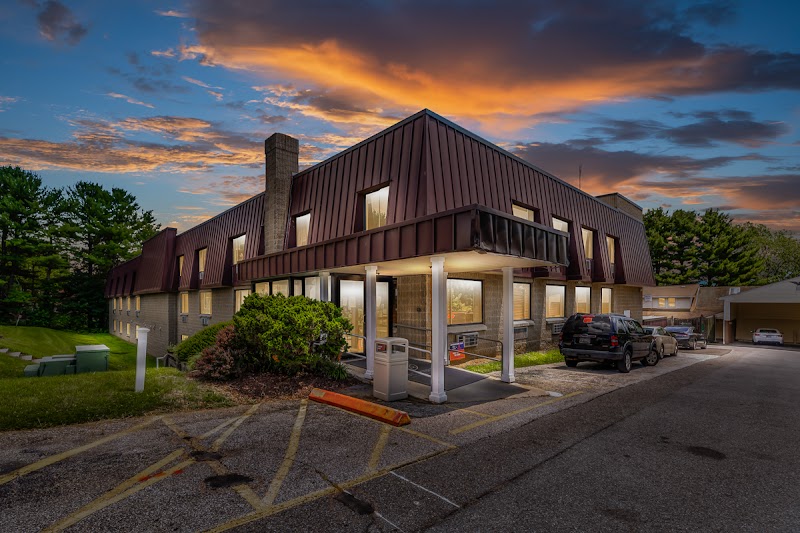
How is Autumn Lake Healthcare At Birch Manor Staffed?

CMS rates AUTUMN LAKE HEALTHCARE AT BIRCH MANOR's staffing level at 3 out of 5 stars, which is average compared to other nursing homes. Staff turnover is 34%, compared to the Maryland average of 46%. This relatively stable workforce can support continuity of care.

What Have Inspectors Found at Autumn Lake Healthcare At Birch Manor?

State health inspectors documented 84 deficiencies at AUTUMN LAKE HEALTHCARE AT BIRCH MANOR during 2018 to 2025. These included: 81 with potential for harm and 3 minor or isolated issues. While no single deficiency reached the most serious levels, the total volume warrants attention from prospective families.
Who Owns and Operates Autumn Lake Healthcare At Birch Manor?

AUTUMN LAKE HEALTHCARE AT BIRCH MANOR is owned by a for-profit company. For-profit facilities operate as businesses with obligations to shareholders or private owners. The facility is operated by AUTUMN LAKE HEALTHCARE, a chain that manages multiple nursing homes. With 118 certified beds and approximately 108 residents (about 92% occupancy), it is a mid-sized facility located in SYKESVILLE, Maryland.
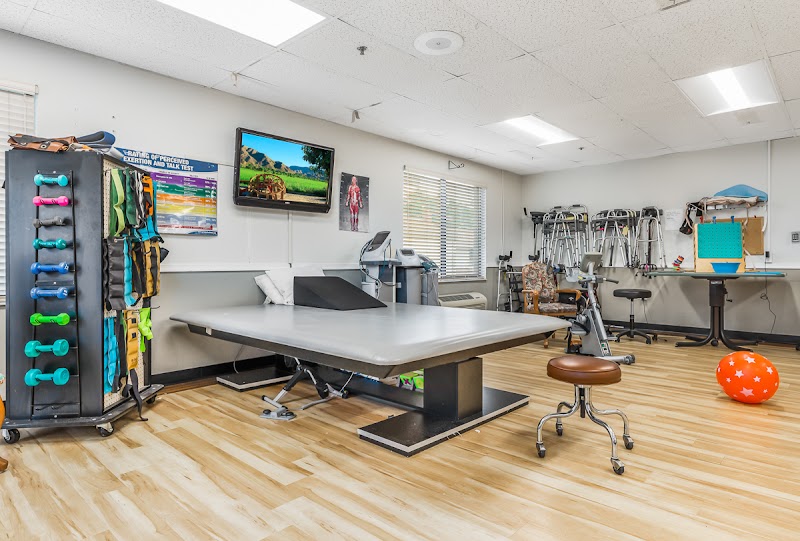
How Does Autumn Lake Healthcare At Birch Manor Compare to Other Maryland Nursing Homes?

Compared to the 100 nursing homes in Maryland, AUTUMN LAKE HEALTHCARE AT BIRCH MANOR's overall rating (3 stars) is below the state average of 3.0, staff turnover (34%) is significantly lower than the state average of 46%, and health inspection rating (3 stars) is at the national benchmark.

What Should Families Ask When Visiting Autumn Lake Healthcare At Birch Manor?

Based on this facility's data, families visiting should ask: "Can I visit during a mealtime to observe dining assistance and food quality?" "How do you handle medical emergencies, and what is your hospital transfer rate?" "Can I speak with family members of current residents about their experience?"

Is Autumn Lake Healthcare At Birch Manor Safe?

Based on CMS inspection data, AUTUMN LAKE HEALTHCARE AT BIRCH MANOR has a clean safety record: no substantiated abuse findings (meaning no confirmed cases of resident harm), no Immediate Jeopardy citations (the most serious violation level indicating risk of serious injury or death), and is not on the Special Focus Facility watch list (a federal program monitoring the lowest-performing 1% of nursing homes). The facility has a 3-star overall rating and ranks #100 of 100 nursing homes in Maryland. While no facility is perfect, families should still ask about staff-to-resident ratios and recent inspection results during their visit.

Do Nurses at Autumn Lake Healthcare At Birch Manor Stick Around?

AUTUMN LAKE HEALTHCARE AT BIRCH MANOR has a staff turnover rate of 34%, which is about average for Maryland nursing homes (state average: 46%). Moderate turnover is common in nursing homes, but families should still ask about staff tenure and how the facility maintains care continuity when employees leave.

Was Autumn Lake Healthcare At Birch Manor Ever Fined?

AUTUMN LAKE HEALTHCARE AT BIRCH MANOR has no federal fines on record. CMS issues fines when nursing homes fail to meet care standards or don't correct problems found during inspections. The absence of fines suggests the facility has either maintained compliance or corrected any issues before penalties were assessed. This is a positive indicator, though families should still review recent inspection reports for the full picture.

Is Autumn Lake Healthcare At Birch Manor on Any Federal Watch List?

AUTUMN LAKE HEALTHCARE AT BIRCH MANOR is not on any federal watch list. The most significant is the Special Focus Facility (SFF) program, which identifies the bottom 1% of nursing homes nationally based on persistent, serious quality problems. Not being on this list means the facility has avoided the pattern of deficiencies that triggers enhanced federal oversight. This is a positive indicator, though families should still review the facility's inspection history directly.