COPPER RIDGE NURSING AND ASSISTED LIVING CENTER
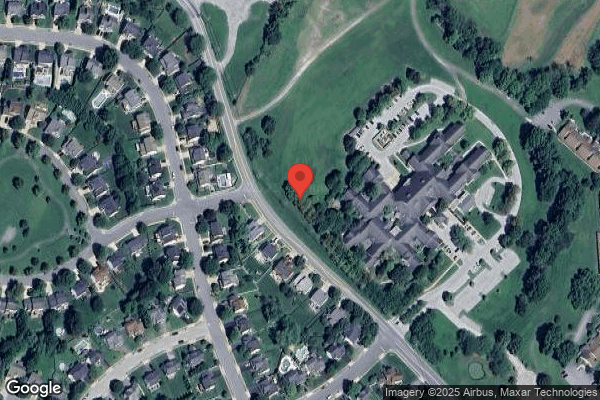
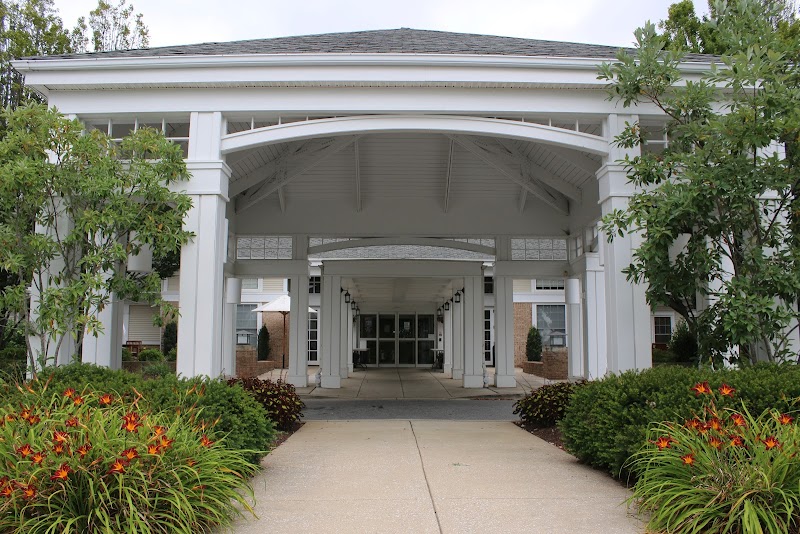
710 OBRECHT ROAD, SYKESVILLE, MD 21784 (410) 795-8808
For profit - Limited Liability company 66 Beds Independent Data: November 2025
Trust Grade
5/100
#194 of 219 in MD
Last Inspection: June 2025

Inspected within the last 6 months. Data reflects current conditions.

Overview

Copper Ridge Nursing and Assisted Living Center has received a Trust Grade of F, indicating significant concerns and poor quality of care. With a state rank of #194 out of 219 facilities in Maryland and a county rank of #9 out of 10, they are in the bottom half of both rankings. However, the facility is showing an improving trend, as the number of issues has decreased from 18 in 2022 to 15 in 2025. Staffing is rated average with a turnover rate of 59%, which is concerning compared to the state average of 40%. The facility has incurred $62,017 in fines, which is higher than 92% of Maryland facilities, pointing to repeated compliance issues. While they have average RN coverage, recent inspector findings revealed serious issues, such as failing to properly assess and treat pressure ulcers, which led to a resident developing a severe stage 4 ulcer. Additionally, they did not conduct required interdisciplinary care plan meetings for several residents, and there were lapses in investigating allegations of abuse and neglect. Overall, while there are some strengths in staffing and a slight improvement in issues, the significant deficiencies and concerns make it essential for families to thoroughly consider their options.

Trust Score
F
5/100
In Maryland
#194/219
Bottom 12%
Safety Record
High Risk
Review needed
Inspections
Getting Better
18 → 15 violations
Staff Stability
⚠ Watch
59% turnover. Above average. Higher turnover means staff may not know residents' routines.
Penalties
○ Average
$62,017 in fines. Higher than 71% of Maryland facilities. Some compliance issues.
Skilled Nurses
✓ Good
Each resident gets 46 minutes of Registered Nurse (RN) attention daily — more than average for Maryland. RNs are trained to catch health problems early.
Violations
⚠ Watch
63 deficiencies on record. Higher than average. Multiple issues found across inspections.
★☆☆☆☆
1.0
Overall Rating
★★★☆☆
3.0
Staff Levels
★☆☆☆☆
1.0
Care Quality
★★☆☆☆
2.0
Inspection Score
Stable
2022: 18 issues
2025: 15 issues

The Good

  • Full Sprinkler Coverage · Fire safety systems throughout facility
  • No fines on record

Facility shows strength in fire safety.

The Bad

1-Star Overall Rating

Below Maryland average (3.0)

Significant quality concerns identified by CMS

Staff Turnover: 59%

13pts above Maryland avg (46%)

Frequent staff changes - ask about care continuity

Federal Fines: $62,017

Above median ($33,413)

Moderate penalties - review what triggered them

Staff turnover is elevated (59%)

11 points above Maryland average of 48%

The Ugly 63 deficiencies on record

1 actual harm
Jun 2025 15 deficiencies
CONCERN (D) 📢 Someone Reported This

A family member, employee, or ombudsman was alarmed enough to file a formal complaint

Potential for Harm - no one hurt, but risky conditions existed

Free from Abuse/Neglect (Tag F0600)

Could have caused harm · This affected 1 resident

Based on a review of facility investigative materials, resident medical records, and interviews with facility staff, it was determined the facility failed to ensure that a resident remained free of ve...

Read full inspector narrative →
Based on a review of facility investigative materials, resident medical records, and interviews with facility staff, it was determined the facility failed to ensure that a resident remained free of verbal abuse. This was evident for 1 (Resident #33) out of 4 residents reviewed for abuse during this recertification/complaint survey. The facility implemented effective and thorough corrective measures following this incident prior to the start of this survey. The facility's plan and actions were verified during this survey, leading to a determination of past noncompliance, with a compliance date of 6/12/2024. The findings include: BIMS: Brief Interview for Mental Status score is a measure of cognitive function in individuals, typically used in long-term care facilities. It assesses orientation, recall, and the ability to perform simple tasks. The higher the score, the better the cognitive performance, with scores ranging from 0 to 15. Facility Reported Incident #MD00205893 was reviewed on 6/02/2025 at 9:25 AM. The facility's investigation revealed that on 5/16/2024, Licensed Practical Nurse (LPN #23) spoke aggressively and loudly to Resident #33 after the resident asked a question. Resident #33 became visibly upset and began to cry. On 6/2/2025, at 10:00 AM, a review of Resident #33's medical record showed a Brief Interview for Mental Status (BIMS) score of 14 out of 15, dated 5/11/2024. Resident #33 was seen by the psychological team on 5/20/2024, regarding the incident. During the psychological supportive care service, Resident #33 reported an unpleasant incident with staff member who yelled at him/her and made him/her cry and shared he/she has been feeling angry and hurt. A review of the facility's investigation packet on 6/02/2025, at 11:00 AM, included witness interviews with three staff members: Staff #26, #27, and #28. - Staff #26's written statement, dated 5/16/2024, indicated hearing LPN #23 speaking to Resident #33 with an aggressive tone and loud voice. - Staff #27's written statement, dated 5/16/2024, noted hearing really loud talking from a significant distance away and realizing it was LPN #23 yelling at Resident #33 in an aggressive tone. - Staff #28's statement, dated 5/16/2024, observed LPN #23 speaking in a loud inappropriate way to Resident #33 who was seated in his/her wheelchair. Further review of the facility's investigation packet revealed the Nursing Home Administrator (NHA) completed a follow-up investigation report on 5/23/2024, concluding that verbal abuse occurred between LPN #23 and Resident #33. During an interview with the NHA on 6/2/2025, at 1:49 PM, he stated that based on witness statements and Resident #33's report, the facility substantiated the verbal abuse incident. In an exit conference with the NHA on 6/5/2025, around 1:00 PM, he confirmed the facility took corrective action by terminating LPN #23 on 5/21/2024, reporting the incident to law enforcement, and providing all staff with Elder Abuse training. The NHA submitted all supporting documentation to the surveyor team. Based on the actions taken by the facility and verified by surveyors, the facility's deficient practice was determined to be past non-compliance with a compliance date of 6/12/2024.
CONCERN (D) 📢 Someone Reported This

A family member, employee, or ombudsman was alarmed enough to file a formal complaint

Potential for Harm - no one hurt, but risky conditions existed

Deficiency F0605 (Tag F0605)

Could have caused harm · This affected 1 resident

Based on review of the medical record and interview with facility staff, it was determined the facility failed to ensure: 1) a psychotropic medication prescribed as needed (PRN), had an end date that ...

Read full inspector narrative →
Based on review of the medical record and interview with facility staff, it was determined the facility failed to ensure: 1) a psychotropic medication prescribed as needed (PRN), had an end date that was limited to 14 days, and 2) residents were free from unnecessary medications. This was evident for 2 (Residents # 29, #22) out of 5 residents reviewed for unnecessary medications during the facility's recertification/complaint survey. The findings include: The Centers for Medicare & Medicaid Services (CMS) defines a psychotropic medication in the regulations at §483.45(c)(3), as any drug that affects brain activities associated with mental processes and behavior (CMS, 2023). These drugs include, but are not limited to, drugs in the following categories: anti-psychotic, anti-depressant, anti-anxiety, and hypnotic medications. These medications can have serious potential risks, including side effects, drug interactions, and the possibility of neuroleptic malignant syndrome (a rare but potentially life-threatening condition) or tardive dyskinesia (a movement disorder that can develop if you take an antipsychotic medication) therefore requiring careful consideration and monitoring. The Minimum Data Set (MDS) is administered to all residents upon admission, quarterly, yearly, and whenever a significant change in an individual's condition occurs. It is a standardized assessment tool to comprehensively evaluate a resident's health status, functional abilities, and needs. It is the foundation for creating a personalized care plan that drives care rendered by the healthcare team within a nursing facility. 1) Lorazepam, also known by the brand name Ativan, is a prescription medication classified as a benzodiazepine. It is commonly used to treat anxiety disorders and insomnia resulting from anxiety or temporary situational stress. On 5/29/2025, at 8:18 AM, a review of Resident #29's medical record revealed that the resident was admitted to the facility in January 2025 with diagnoses of dementia, depressive disorder, and anxiety disorder. Also, a review of Resident #29's May 2025 Medication Administration Record (MAR) showed an order for Lorazepam 0.5mg, one tablet by mouth as needed every 8 hours for anxiety, which began on 5/23/2025. Further review of Resident #29's order history indicated that PRN Lorazepam orders were continuously active from 3/28/2025, through 6/06/2025, with specific order periods including: 3/28/25 - 3/29/25, 3/29/25 - 4/11/25, 4/11/25 - 4/25/25, 4/30/25 - 5/08/25, 5/08/25 - 5/22/25, and 5/23/25 - 6/06/25. The MAR also documented that Resident #29 received Lorazepam regularly: almost once a day, and sometimes twice a day (6 administrations in March 2025, 33 in April 2025, and 17 in May 2025). On 5/30/2025, at 11:57 AM, a review of Resident #29's Psychiatric evaluation notes revealed that on 4/11/2025, Psychiatric Nurse Practitioner (Staff #7) documented: the patient has been requiring Ativan, which has been helping to alleviate anxiety. Based on this positive response, we have decided to continue Ativan for another two weeks . However, no additional evaluation regarding Resident #29's Lorazepam use was documented in their medical records after this date. During an interview with Staff #7 on 5/30/2025, at 11:57 AM, she explained that due to Resident #29's worsening anxiety and depression, PRN Lorazepam was deemed necessary. The surveyor clarified with Staff #7 that the order had been continuously placed as needed since March 2025 and administered almost regularly. The surveyor expressed concern regarding the lack of rationale and/or ongoing evaluation for the medication's continued use. During an interview with the Director of Nursing (DON) on 5/30/2025, at 1:07 PM, the surveyor shared concerns about the issues described above. The DON validated these concerns. 2) On 5/29/25 at 9:01 AM review of Resident #22's medical record revealed the resident was ordered the following psychotropic medication: Rexulti oral tablet 2 mg (milligrams), give 1 tablet by mouth one time a day for dementia with behavior. The medication was ordered on 4/27/25 by Psychiatric Nurse Practitioner (PNP #7). On 5/29/25 at 11:09 AM review of Resident #22's 4/24/25 MDS revealed the following questions and responses in Section E0200: Behavioral Symptoms - Presence & Frequency: 1. Physical behavioral symptoms directed towards others (e.g., hitting, kicking, pushing, scratching, grabbing, abusing others sexually)- Behavior not exhibited. 2. Verbal behavioral symptoms directed towards others (e.g., threatening others, screaming at others, cursing at others)- Behavior not exhibited. 3. Other behavioral symptoms not directed towards others (e.g., physical symptoms such as hitting or scratching self, pacing, rummaging, public sexual acts, disrobing in public, throwing or smearing food or bodily wastes, or verbal/vocal symptoms like screaming, disruptive sounds)- Behavior not exhibited. 4. Did the resident reject evaluation or care? Behavior not exhibited. 5. Has the resident wandered? Behavior not exhibited. Additionally, no hallucinations or delusions were documented in this MDS assessment for Resident #22. On 5/30/25 at 10:03 AM review of Resident #22's orders revealed the following order dated 10/25/24: Monitor resident behavior every shift for presence of: 1. agitation 2. anxiety 3. depressed 4. hallucinations 5. restlessness 6. refusal of care 7. other, indicate pt (patient) behavior in PN (progress note) Admin Notes: Enter a number for behavior that occurred during the shift. The treatment administration record (TAR), where the behaviors for the above order would be documented, were reviewed for the months of February, March, April, and May 2025. As the order stated, behaviors were to be documented each shift, for a total of 3 opportunities each day for facility staff to observe and document behaviors for Resident #22, however, there was not one shift in the past 4 months where a behavior was documented and/or one progress note written for a behavior not listed in the order. On 5/30/25 at 11:13 AM in an interview with Unit Manager (UM #1), when asked to clarify the above order, she stated if a resident exhibited any of the behaviors listed, the nurse would document the corresponding number. For example, if a resident was observed with agitation, the nurse would document a 1and if a behavior was observed that was not listed in the order, the nurse would document 7 and write a progress note about the behavior observed. During the interview, a dual observation was conducted of Resident #22's April 2025 TAR. During the dual observation, the surveyor stated there were not any numbers, just check marks and UM #1 stated that meant there were no behaviors observed for this resident on that shift. On 5/30/25 at 11:16 AM Registered Nurse (RN #12) was interviewed. When asked if she had observed Resident #22 exhibiting any behaviors such as agitation, anxiousness, refusal of care or any other behaviors, RN #12 stated she had seen him/her exhibit behaviors such as being aggressive, yelling out, and screaming. During the interview, when asked the last time she witnessed Resident #22 exhibit any behaviors, she stated she last saw him/her exhibit behaviors about 2 months ago. On 5/30/25 at 12:06 PM PNP #7 was interviewed. During the interview when asked about Resident #22, she stated s/he had a history of dementia, confusion, and depression. Additionally, s/he was currently taking Zoloft and Rexulti for behavior management. The surveyor shared concerns that there were no behaviors documented in Resident #22's February through May 2025 TAR's and no behaviors documented in his/her 4/24/25 MDS, however the resident was ordered a psychotropic medication, Rexulti, on 4/27/25. PNP #7 stated that in the note she wrote on 4/25/25, Resident #22 was observed with increased agitation and confusion. When asked who observed the increased agitation and confusion, PNP #7 stated she did. When asked if she had observed behaviors from Resident #22 on another occasion, PNP #7 stated, no, and that one observation was not an indication for a resident to be ordered a psychotropic medication. PNP #7 confirmed understanding of the concerns.
CONCERN (D) 📢 Someone Reported This

A family member, employee, or ombudsman was alarmed enough to file a formal complaint

Potential for Harm - no one hurt, but risky conditions existed

Deficiency F0628 (Tag F0628)

Could have caused harm · This affected 1 resident

Based on review of the medical record and interview with facility staff, it was determined the facility failed to provide written notice of the bed hold policy to the resident/resident representative ...

Read full inspector narrative →
Based on review of the medical record and interview with facility staff, it was determined the facility failed to provide written notice of the bed hold policy to the resident/resident representative when the resident was transferred to the hospital. This was evident for 1 (Resident #6) out of 2 residents reviewed for hospitalization during the recertification/complaint survey. The findings include: On 6/2/25 at 2:55 PM a review of Resident #6's medical record was conducted and revealed that the resident was transferred from the facility to a hospital on 5/19/25. Further review of the medical record failed to produce evidence that the resident was given written notice of the bed hold policy. On 6/2/25 at 3:13 PM the surveyor requested evidence that Resident #6 was provided with written notice of the bed hold policy. On 6/3/25 at 8:33 AM the NHA provided documentation to the surveyor. Review of the documentation revealed a progress note dated 6/2/25 that noted late entry and stated the resident and family were notified by the nurse and UM that s/he would be sent to the ER (emergency room) for evaluation of chest pain, and the bed would be held according to their request. Further review revealed a blank Bed Hold Notice that was completely blank and had no information completed on the form. Finally, a letter was reviewed that had handwritten on it, mailed to daughter. No date was identified in the letter. On 6/3/25 at 9:03 AM in an interview with the NHA he stated, the resident and/or resident representative should be given the bed hold policy before they head out the door for transfer. During the interview he stated that the facility keeps a copy of that bed hold policy they give to residents or resident representatives. The surveyor noted that a bed hold notice was provided however it was blank. When asked if he had a copy of the bed hold policy that was provided to this resident, Resident #6 he stated, we do not and was unable to produce written evidence that the resident /resident representative was given written notice of the bed hold policy. The surveyor shared these concerns and the NHA verbalized and confirmed understanding of the concerns.
CONCERN (D) 📢 Someone Reported This

A family member, employee, or ombudsman was alarmed enough to file a formal complaint

Potential for Harm - no one hurt, but risky conditions existed

Deficiency F0655 (Tag F0655)

Could have caused harm · This affected 1 resident

**NOTE- TERMS IN BRACKETS HAVE BEEN EDITED TO PROTECT CONFIDENTIALITY** Based on review of medical records and interview with facility staff, it was determined that the facility failed to ensure that ...

Read full inspector narrative →
**NOTE- TERMS IN BRACKETS HAVE BEEN EDITED TO PROTECT CONFIDENTIALITY** Based on review of medical records and interview with facility staff, it was determined that the facility failed to ensure that residents were provided with summaries of their baseline care plans including a list of their medications. This was evident for 1 (Resident #6) out of 30 residents reviewed during the facility's recertification/complaint survey. The findings include: A baseline care plan (BLCP) must be completed within 48 hours of a resident's admission to the facility and include the initial goals based on admission orders, physician orders, dietary orders, therapy services, and social services. A summary of the BLCP and medication list must be given to each resident and/or his/her representative. Completion and implementation of the BLCP is intended to promote continuity of care and communication among staff, increase resident safety, and safeguard against adverse events (undesirable outcomes) that can occur right after admission. On 5/29/25 at 12:01PM in an interview with the Director of Nursing (DON) when asked who initiates and completes the BLCP, she stated the supervisor or Unit Manager and the nurse initiate and complete the BLCP. When asked what the timeframe for completion was the DON stated the same day as admission, unless it is the weekend and the expectation would be the next day. During the interview when asked why the BLCP was completed she stated it gives clear insight on how to proceed with patient care, make sure there is no gap between hospital care, and make sure we are not missing anything. On 6/2/25 at 9:11 AM, Resident #6's medical record was reviewed. The review revealed the resident was admitted to the facility on [DATE] but failed to reveal a BLCP or any evidence that Resident #6 had been provided with a summary of his/her BLCP along with a summary of his/her medications. On 6/2/25 at 9:31 AM the surveyor requested evidence Resident #6 received his/her BLCP including a list of medications within 48 hours of his/her admission date, 4/14/23. On 6/2/25 at 10:18 AM the DON provided the Peak-Peak Baseline Care Plans (V2) dated 4/14/23. The document had the date 4/14/23 circled however on page 8 of 8 in the Section, Signature of Resident or Representative it stated, I have received the above information and understand the content of this information. I understand any updated information will be communicated with me prior to, or at the care conference, after the comprehensive care plan is developed. and in the fields for resident signature and date and representative signature and date, both were blank. On 6/2/25 at 12:50 PM the surveyor requested any additional documentation that Resident #6 received his/her BLCP within 48 hours of his/her admission on [DATE]. On 6/2/25 at 1:55 PM during an interview with the Nursing Home Administrator (NHA), he stated there was no evidence that the resident received her BCLP within 48 hours of her admission date on 4/14/23.
CONCERN (D) 📢 Someone Reported This

A family member, employee, or ombudsman was alarmed enough to file a formal complaint

Potential for Harm - no one hurt, but risky conditions existed

Quality of Care (Tag F0684)

Could have caused harm · This affected 1 resident

Based on review of medical records and interviews with facility staff, it was determined that the facility failed to follow physician orders for a resident. This was evident for 2 (Residents #6 and #2...

Read full inspector narrative →
Based on review of medical records and interviews with facility staff, it was determined that the facility failed to follow physician orders for a resident. This was evident for 2 (Residents #6 and #22) out of 30 residents reviewed during the facility's recertification/complaint survey. The findings include: 1) The surveyor reviewed Resident #6's medical record on 5/28/25 at 1:20 PM. The review revealed the resident had weight loss from 11/1/24 - 12/6/24. Further review of the medical record revealed Resident #6 was ordered weekly weights one time a day every Sunday for 4 weeks on 12/6/24. Per the order, the first weight should have been obtained on 12/8/24; however, there was no weight observed in the medical record for this date. Furthermore, there was no weight obtained on 12/22/24. Only half, 2 out of 4 weights were obtained for this order. The other 2 weights from the order were obtained but were not obtained on Sunday as ordered. Additionally, Resident #6 was ordered weekly weights one time a day every Sunday for 4 weeks on 2/4/25. The 4th weight from that order should have been obtained on 3/2/25; however, there was no weight observed in the medical record for this date. There were weights from the remaining 3 Sundays; however, the weights were not obtained on Sunday as ordered. On 6/2/25 at 1:55 PM during an interview with the Nursing Home Administrator (NHA), a dual observation was conducted of the 12/6/24 weekly weights order and the corresponding weights from the order. The NHA verified and confirmed that the weights were not obtained timely and that there were weights not obtained as ordered (12/8 and 12/22). Additionally, a dual observation of the 2/4/25 weekly weights order and corresponding weights was conducted. The NHA verified and confirmed that the weights were not obtained timely and that there were weights not obtained as ordered (3/2/25). The surveyor shared concerns that there were missing weights and weights not obtained as ordered for a resident that had already been identified with weight loss. The NHA acknowledged understanding of the concerns. 2) The Medication Regimen Review (MRR) is a review of the medication regimen (plan) of each resident with the goal of promoting positive outcomes and minimizing adverse (negative) consequences and potential risks associated with medications. The MRR must be completed at least once a month by a licensed pharmacist and includes a review of the medical record to identify, report, and resolve medication-related problems, errors, and/or other irregularities. On 5/29/25 at 1:37 PM review of Resident #22's medical record revealed a medication regimen review was completed on 12/11/24 with irregularities noted. On 5/29/25 at 2:30 PM, the surveyor requested the pharmacist's recommendation from 12/11/24. On 5/30/25 at 11:56 AM review of the pharmacist's recommendation from 12/11/24 revealed the pharmacist recommendation was to consider ordering a serum magnesium level for Resident #22. Further review of the pharmacist's recommendation revealed the provider agreed with the recommendation as evidenced by their checking the agree box, signing, and dating the document on 12/13/24. On 5/30/25 at 11:56 AM review of Resident #22's medical record revealed an order dated 1/2/25 for a magnesium level. Further review of the medical record failed to reveal any magnesium lab results for this order. On 5/30/25 at 1:00 PM the surveyor requested the magnesium lab results from the 1/2/25 order. On 6/2/25 at 10:14 AM in an interview with the Director of Nursing (DON), she stated there were no lab results (for the magnesium level) from the 1/2/25 order. The surveyor shared concerns that the order was not followed. The DON verbalized and confirmed understanding of the concerns.
CONCERN (D) 📢 Someone Reported This

A family member, employee, or ombudsman was alarmed enough to file a formal complaint

Potential for Harm - no one hurt, but risky conditions existed

Pharmacy Services (Tag F0755)

Could have caused harm · This affected 1 resident

Based on a review of resident medical records and interviews with facility staff, it was determined that the facility failed to ensure drug records were maintained in a manner that allowed for reconci...

Read full inspector narrative →
Based on a review of resident medical records and interviews with facility staff, it was determined that the facility failed to ensure drug records were maintained in a manner that allowed for reconciliation of dispensed and administered medication. This was evident for 2 (Resident #29 and #165) out of 3 residents reviewed for administration of controlled medication during this recertification/complaint survey. The findings include: A controlled substance is a drug or chemical regulated by a government due to its potential for abuse, harm, or psychoactive effects. These substances are often classified into different schedules (or categories) based on their potential for abuse and accepted medical uses, including both illicitly used drugs and prescription medications designated by law. A controlled medication utilization record (known as a count sheet) is a form to record controlled medication dispense. It documents the details for each use of any controlled substance amount removed from its original containers, including date, time, the dose given, the signature of the nurse administering medication, the amount remaining, wasted, and the signature of who checked. Oxycodone is a narcotic medication, which is a controlled substance, used to treat moderate to severe pain. Lorazepam, also known by the brand name Ativan, is classified as a Schedule IV controlled substance. It is a prescription medication classified as a benzodiazepine. It is commonly used to treat anxiety disorders and insomnia resulting from anxiety or temporary situational stress. On 5/30/25 at 10:57 AM, the surveyor reviewed the medical records of two randomly selected residents (Resident #29 and #165), comparing their Medication Administration Records (MAR) with their count sheets. 1) Resident #29 had order of prescribed medication Lorazepam 0.5mg oral as needed for anxiety. Review of Resident #29's MAR for May 2025 and his/her Lorazepam count sheet noted discrepancies. - The count sheet recorded Lorazepam 0.5 mg as administered on 5/24/2525, at 7 PM; however, no corresponding documentation was found in the MAR. - The count sheet documented Lorazepam 0.5 mg as administered on 5/30/25, at 1 AM; however, no record was found in the MAR. 2) Resident #165 was admitted to this facility in May 2025 for recovery from a right acetabulum (a concave surface of the pelvis) fracture. The resident had two separate orders for pain management: Oxycodone 5 mg, one tablet by mouth every 4 hours as needed for moderate pain; and Oxycodone 5 mg, two tablets (total dose 10 mg) by mouth every 4 hours as needed for severe pain. A review of Resident #165's MAR and Oxycodone count sheet revealed discrepancies: - The count sheet documented Oxycodone 10 mg administered on 5/23/25, at 9:30 AM; however, no records were found in the MAR. - The count sheet documented Oxycodone 5 mg administered on 5/23/25, at 1:25 PM; however, no documentation was found in the MAR. - The count sheet recorded Oxycodone 10 mg given on 5/27/25, at 4 AM; however, no documentation was found in the MAR. - The count sheet recorded Oxycodone 5 mg as given on 5/27/25, or 5/28/25, at 2 AM. The handwritten number for the date looked like a 27 or 28, with the top part of the second digit clearly resembling a 7, but its bottom curve extended into a closed loop, giving it the appearance of an 8. However, there was no record for Oxycodone 5 mg administered on either 5/27/25, or 5/28/25, at 2 AM in the MAR. - The count sheet showed that one tablet of Oxycodone 5 mg was given on 5/30/25, at 4 AM; however, the MAR only showed 10 mg of Oxycodone administered on 5/30/25, at 10:48 AM. This did not allow for reconciliation of the time and dose. During an interview with Licensed Practical Nurse (LPN #29) on 5/30/25, at 8:35 AM, the nurse stated that controlled medication administrations require documentation on both the count sheet and the MAR with accurate date and time. During an interview with the Director of Nursing (DON) on 5/30/25, at 12:46 PM, she confirmed that controlled medication administrations by facility nurses must reconcile with both the count sheet and the MAR. The surveyor reviewed Resident #29's and #165's medical records (MAR) and shared concerns regarding the discrepancies in these two sets of documentation. The DON validated these concerns.
CONCERN (D) 📢 Someone Reported This

A family member, employee, or ombudsman was alarmed enough to file a formal complaint

Potential for Harm - no one hurt, but risky conditions existed

Drug Regimen Review (Tag F0756)

Could have caused harm · This affected 1 resident

Based on medical record review and interviews with facility staff, it was determined that the facility failed to document/respond to recommendations made by consulting pharmacists in a timely manner. ...

Read full inspector narrative →
Based on medical record review and interviews with facility staff, it was determined that the facility failed to document/respond to recommendations made by consulting pharmacists in a timely manner. This was evident for 1 (Resident #1) out of 5 residents reviewed for unnecessary medication use during this recertification/complaint survey. The findings include: During an interview with the Director of Nursing (DON) on 5/29/2025, at 9:16 AM, she explained the procedures for obtaining medication orders for residents. She stated, When we get a new admission, the admitting nurse enters the medications. Supervisors review the medications, and the pharmacist reviews them within 2-4 hours. A report is then sent through their website. If drug interactions are noted, they are sent via email to the provider and DON. Then, I print and give them to the provider for review and sign-off. I hand it to the provider, and the provider reviews it. They agree, disagree, or note 'other,' then sign/date and provide a rationale for disagreement. The surveyor asked how the facility staff documented these recommendations. The DON stated she placed them in the pharmacy recommendation binder in her office, not in the resident's paper chart or in [name of electronic medical record cloud]. The surveyor also inquired about the timeline for the provider addressing the pharmacy recommendations. The DON confirmed that they were expected to be completed within 72 hours. On 5/29/2025, at 9:29 AM, the surveyor reviewed Resident #1's medical record. The review revealed that the Monthly Medication Review (MRR) dated 4/07/2025, was documented as 'yes' for the question, A medication regimen review was completed; any irregularities noted during review? However, there was no documentation to support the pharmacy's recommendation or the action taken by the facility staff. On 5/29/2025, at 9:52 AM, the DON presented the Pharmacy recommendation binder. The binder contained several communication forms between the pharmacy and the facility. The DON stated she printed out all emails from the pharmacy, including residents' MRRs. The surveyor asked the DON to find Resident #1's MRR for April 2025. She searched through the binder twice but found no documentation. At 10:01 AM, the DON said, I can't find it. I will contact [name of facility attending doctor] to find it. In a subsequent interview with the DON on 5/30/2025, at 2:40 PM, she confirmed that Staff #7 (Psych Nurse Practitioner) held Resident #1's MRR for April 2025 until the previous day (5/29/2025). She then produced a copy of Resident #1's MRR, signed by Staff #7 on 4/11/2025, which concerned eligibility for GDR (Gradual Dose Reduction). The surveyor expressed concern that prior to the surveyor's intervention, there was no documentation to support that an MRR had been reviewed and/or that the facility had responded to it. The DON validated this concern.
CONCERN (D) 📢 Someone Reported This

A family member, employee, or ombudsman was alarmed enough to file a formal complaint

Potential for Harm - no one hurt, but risky conditions existed

Deficiency F0757 (Tag F0757)

Could have caused harm · This affected 1 resident

Based on clinical record review and staff interview, it was determined that the facility nursing staff failed to ensure medications were administered or withheld according to physician's orders. This ...

Read full inspector narrative →
Based on clinical record review and staff interview, it was determined that the facility nursing staff failed to ensure medications were administered or withheld according to physician's orders. This was evident for 2 (Resident #3 and #28) out of 30 residents in the survey sample. The findings include: 1) A review of Resident #3's clinical record on 6/4/25 revealed the resident's primary physician ordered Metoprolol (cardiac medication) 50 mg (milligrams) to be administered twice a day and to hold for a systolic blood pressure (top number) of less than 110 or a heart rate less than 60. A review of the resident's medication administration record (MAR) on 5/14/25 revealed the nursing staff took the resident's blood pressure, and it was 109/76 which meant the medication was to be held but the nurse administered the medication. On 5/24/25, the nursing staff did not take the resident's blood pressure in the morning but still administered the medication despite the physician having ordered parameters that instructed the nurse whether to hold the medication. Further review of the clinical record revealed there were no progress notes explaining why the nurse administered the medication on 5/14/25 and 5/24/25. The Director of Nursing was interviewed on 06/05/25 at 10:39 AM. She was shown the MAR and the errors. She acknowledged the finding, and she said she thinks she educated staff already for this issue but was not sure which month she had reviewed with them. 2) A review of Resident #28's clinical record on 6/4/25 at 11:14 AM revealed the resident's primary physician ordered Oxycodone (pain medication) 5 mg to be administered every 6 hours as needed for pain if the resident rates pain level as being between 5 and 10 on a 0 to 10 scale and to hold for sedation, decreased respirations, or altered mental status. A review of the resident's Medication Administration Record (MAR) revealed the resident rated their pain level as a 4 on 5/21, 5/25, and 5/28 but received the medication anyway. The Director of Nursing was interviewed on 06/05/25 at 10:39 AM. She was shown the MAR and the days the resident was administered the medication even while outside of the ordered parameters. She acknowledged the finding, and she said she thinks she educated staff already for this issue but was not sure which month she had reviewed with them.
CONCERN (D) 📢 Someone Reported This

A family member, employee, or ombudsman was alarmed enough to file a formal complaint

Potential for Harm - no one hurt, but risky conditions existed

Dental Services (Tag F0791)

Could have caused harm · This affected 1 resident

**NOTE- TERMS IN BRACKETS HAVE BEEN EDITED TO PROTECT CONFIDENTIALITY** Based on clinical record review, resident interview, and staff interview, it was determined that the facility staff failed to en...

Read full inspector narrative →
**NOTE- TERMS IN BRACKETS HAVE BEEN EDITED TO PROTECT CONFIDENTIALITY** Based on clinical record review, resident interview, and staff interview, it was determined that the facility staff failed to ensure a resident received routine dental services. This was evident for 1 (Resident #3) out of 30 residents in the survey sample. The findings include: Resident #3 was interviewed on 5/28/25 at 9:11 AM. The resident was asked if they have been seen by a dentist since admission and if they are having any dental issues such as a suspected cavity, tooth pain, or a cracked tooth. The resident said they have never been to a dentist, and they have issues with their teeth and would like someone to take care of it. A review of Resident #3's clinical revealed that the resident was admitted on [DATE] and has never been seen by a dentist. The Director of Nursing was interviewed on 06/04/25 at 08:45 AM. This surveyor had requested all dental consults since Admission. She informed the surveyor that there were no dental consults in the clinical records because the resident did not have any problems. This surveyor told her that the resident said they had issues with their teeth and wanted them taken care of. She replied that she was unaware that the resident wanted to see a dentist. The surveyor stated that the resident should have had routine dental visits not just when there was an issue.
CONCERN (D) 📢 Someone Reported This

A family member, employee, or ombudsman was alarmed enough to file a formal complaint

Potential for Harm - no one hurt, but risky conditions existed

Food Safety (Tag F0812)

Could have caused harm · This affected 1 resident

Based on observation and staff interview, it was determined that the facility staff failed to discard protein drinks past their use by date. This was evident for 2 out of 3 unit-based kitchens observe...

Read full inspector narrative →
Based on observation and staff interview, it was determined that the facility staff failed to discard protein drinks past their use by date. This was evident for 2 out of 3 unit-based kitchens observed during the recertification/complaint survey. The findings include: During the tour of the kitchen on the Eastern Shore nursing unit on 6/4/25 at 10:08 AM two 4-ounce cartons of vanilla reduced sugar Mighty Shake (a fortified nutritional shake) were observed in the refrigerator. The cartons had a use by date of 5/30/25. Staff #21 was shown the shakes, and she said, I'll take care of it. She then appeared to put them back in the refrigerator. During the tour of the kitchen on the Baltimore nursing unit that served the lower numbered rooms on 6/4/25 at 10:14 AM one 4-ounce carton of vanilla reduced sugar Mighty Shake (a fortified nutritional shake) was observed in the refrigerator. The carton had a use by date of 5/30/25. Staff #22 was shown the shake, and he immediately threw it out. The Dietary Manager (Staff #20) was interviewed on 6/4/25 at 2:07 PM. This surveyor informed her that the containers of Mighty Shake were past the use by date. She asked, what they did with the containers. This surveyor said the staff in the Baltimore nursing unit (lower numbers side) immediately threw it out. The staff in Eastern Shore said, I'll take care of it and appeared to put them back in the refrigerator. Staff #20 said, I'll check to see if they were thrown out. The Dietary Manager came to the conference room on 6/4/22 at 2:22 PM and informed the survey team that the Mighty Shakes had been discarded by the staff person.
CONCERN (D) 📢 Someone Reported This

A family member, employee, or ombudsman was alarmed enough to file a formal complaint

Potential for Harm - no one hurt, but risky conditions existed

Antibiotic Stewardship (Tag F0881)

Could have caused harm · This affected 1 resident

Based on record review and staff interviews, the facility failed to adequately monitor and track residents receiving antibiotics. This deficiency was evident for 2 (Resident #22 and #166) out of 4 res...

Read full inspector narrative →
Based on record review and staff interviews, the facility failed to adequately monitor and track residents receiving antibiotics. This deficiency was evident for 2 (Resident #22 and #166) out of 4 residents reviewed for antibiotic use and the facility's antibiotic stewardship program during the recertification/complaint survey. The findings include: Background on Antibiotic Stewardship: Effective antibiotic stewardship requires a facility to develop and implement robust policies, procedures, or protocols to ensure residents needing antibiotics are treated appropriately. This is crucial for minimizing the risk of adverse drug reactions, preventing unnecessary antibiotic administration, and mitigating the development of antibiotic-resistant organisms. A facility-wide process for monitoring antibiotic use is essential, with results and feedback consistently reported to nursing staff and prescribing clinicians. On 6/02/2025, at 12:04 PM, during an interview with the Director of Nursing (DON), who also serves as the Infection Control Preventionist, she stated that the facility had an antibiotic stewardship program. The DON indicated that residents' antibiotic use was discussed in daily clinical meetings, weekly risk meetings, and monthly Quality Assurance and Performance Improvement (QAPI) meetings. On 6/03/2025, at 8:11 AM, the surveyor reviewed the facility's antibiotic stewardship binder. This binder contained policies, analytical data, and several printed antibiotic stewardship records with varying formats: a) Nursing home antimicrobial stewardship guide - Monitor & sustain stewardship: This document included fields for resident name, room number, admission date, admission source, onset date, type of infection, signs and symptoms, diagnostic tools used (and criteria met), HAI/CA/NHA/other nosocomial designation, X-ray or lab results, prescribing clinician, prescription date and duration, antibiotic name, and Rx number. However, this documentation frequently had blank sections from admit date to x-ray or lab result. b) Weekly antibiotic starts: This record listed the month, week ending date, number of new antibiotic starts, total number of residents on antibiotics, and the number of residents admitted with an antibiotic prescription. c) Weekly antibiotic starts, weekly starts details: This document included patient name, date written, drug label name, directions, and prescribers. Notably, it lacked critical additional information such as start and end dates, lab results, and signs and symptoms. During an interview with the DON on 6/03/2025, at 9:28 AM, the surveyor questioned the lack of detailed information for residents on antibiotics within the facility's stewardship binder. The DON responded, the binder was from the pharmacist, not what I used for review. I reviewed them in our meetings (clinical, risk, and QAPI). The surveyor then requested the data discussed in these meetings. At 10:29 AM on 6/03/2025, the DON provided the Copper Ridge nursing weekly risk meeting minutes binder. A review of this binder revealed weekly risk meeting notes with an antibiotics section that included residents' names and diagnoses. However, crucial details such as lab results, the specific name of the antibiotic, signs and symptoms, duration of use (start and end dates), and documented side effects were absent. At 11:20 AM the same day, the DON stated that the facility's medical director utilized the [Name of Electronic Medical Records System] dashboard to review each resident's antibiotics during their meetings. She further commented, we reviewed through electronic record, I don't get why it needed to be documented our meeting minutes again. On 6/03/2025, at 11:49 AM, a review of antibiotic documentation for four residents was revealed that: - Resident #22 was prescribed Cephalexin 500mg once a day for a Urinary Tract Infection, effective 5/15/2025. This antibiotic use was not listed in the facility's risk meeting minutes. - Resident #166 had an order for Levofloxacin 750 mg once a day for a Urinary Tract Infection, effective 5/03/2025. This antibiotic use was also not listed in the facility's risk meeting records. During an interview with the DON on 6/03/2025, at 2:31 PM, the surveyor expressed concern regarding the inadequate monitoring of residents' antibiotic use. The DON validated these concerns.
CONCERN (D) 📢 Someone Reported This

A family member, employee, or ombudsman was alarmed enough to file a formal complaint

Potential for Harm - no one hurt, but risky conditions existed

Deficiency F0883 (Tag F0883)

Could have caused harm · This affected 1 resident

Based on medical record review and staff interviews, the facility failed to adequately screen residents for eligibility and document their pneumococcal and influenza (Flu) vaccination status. This def...

Read full inspector narrative →
Based on medical record review and staff interviews, the facility failed to adequately screen residents for eligibility and document their pneumococcal and influenza (Flu) vaccination status. This deficiency was evident for 2 (Resident #29 and #54) out of 5 residents whose immunization records were reviewed during this recertification/complaint survey. The findings include: Pneumococcal Vaccine: The pneumococcal vaccine helps prevent pneumococcal disease, an illness caused by Streptococcus pneumonia bacteria. The Centers for Disease Control and Prevention (CDC) recommends this vaccine for individuals aged 65 years or older, and for adults aged 19 through 64 with certain medical conditions or risk factors. Influenza (Flu) Vaccine: Flu is a contagious respiratory disease that spreads annually, typically between October and May. While anyone can contract the flu, it poses a greater risk to certain populations, including infants and young children, individuals 65 years and older, pregnant individuals, and those with specific health conditions or weakened immune systems. Influenza vaccines are effective in preventing influenza. 1) On 6/02/2025, at 10:00 AM, a review of five randomly selected resident immunization records revealed that Resident #29, admitted in January 2025, had no documented record for either the Flu or Pneumococcal vaccine. During an interview with the Director of Nursing (DON) on 6/03/2025, at 9:18 AM, she confirmed that if a resident was admitted in January, facility staff should have offered the Flu vaccine. The DON also explained that if a resident is a candidate for the Pneumonia vaccine, staff should obtain their vaccination status upon admission. The surveyor then reviewed Resident #29's vaccination records with the DON, who confirmed the lack of data for both Flu and Pneumococcal vaccines for this resident. 2) On 6/02/2025, at 10:20 AM, a review of Resident #54's vaccination record indicated that the resident was admitted in May 2025. However, there was no documentation of their pneumococcal vaccine status. In an interview with the Director of Nursing (DON) on 6/03/ 2025, at 9:22 AM, the surveyor inquired about Resident #54's pneumococcal vaccine status. The DON stated, I will look more. However, no additional documentation was subsequently provided to the surveyor.
CONCERN (D) 📢 Someone Reported This

A family member, employee, or ombudsman was alarmed enough to file a formal complaint

Potential for Harm - no one hurt, but risky conditions existed

Deficiency F0887 (Tag F0887)

Could have caused harm · This affected 1 resident

Based on medical record review, staff employee file review, and staff interview, it was determined the facility failed to maintain document related to residents' and staff' COVID-19 vaccination status...

Read full inspector narrative →
Based on medical record review, staff employee file review, and staff interview, it was determined the facility failed to maintain document related to residents' and staff' COVID-19 vaccination status. This was evident for 2 (Resident #3 and #54) out of 5 residents, and 1 (Staff #16) out of 5 staff reviewed for COVID vaccination records during this recertification/complaint survey. The findings include: 1a) On 6/2/2025 at 10:00 AM, a review of 5 randomly selected resident immunization records revealed that Resident #54, admitted in May 2025, did not have his/her COVID-19 vaccination status in their medical chart. During an interview with the Director of Nursing (DON) on 6/2/2025 at 1:19 PM, the DON stated that the facility monitored resident immunization status through ImmuNet (Maryland's immunization information system), hospital records, and direct communication with residents or their family members. When questioned about Resident #54's COVID-19 vaccination status, the DON responded, I will look more. Subsequent review of Resident #54's medical record progress note on 6/5/2025 at 10:39 AM, indicated that facility staff contacted the resident's Responsible Party regarding their COVID-19 vaccine on 6/2/2025 at 3:37 PM. This action occurred after the surveyor's intervention. Additionally, the immunization tab within the electronic medical record was updated on 6/2/2025. 1b) On 6/2/2025 at 10:30 AM, a review of resident immunization records showed that Resident #3, admitted in August 2023, had refused the COVID-19 Pfizer Booster on 3/21/25. However, documentation for primary COVID-19 vaccination status was absent from their electronic medical records. During an interview with the DON on 6/2/2025 at 3:03 PM, the surveyor discussed Resident #3's COVID-19 vaccination status. Given that the refusal form was signed on 3/21/2025: 25 months after the resident's admission date, the surveyor requested supporting documentation to explain the delay in follow-up. The DON stated she would investigate further, but no additional documentation was provided to the surveyor. 2) On 6/2/2025 at 2:00 PM, a review of 5 randomly selected employee health files revealed that Staff #16, hired in December 2024 for direct resident care, lacked documentation supporting their COVID-19 vaccination status. On 6/2/2025 at 2:30 PM, the DON provided a vaccination declination form for Staff #16, signed on 6/2/2025. The surveyor informed the DON that this did not demonstrate the facility's awareness of Staff #16's COVID-19 vaccination status at the time of hire. On 6/3/2025 at 9:28 AM, the DON validated these concerns when reviewed by the surveyor.
CONCERN (D) 📢 Someone Reported This

A family member, employee, or ombudsman was alarmed enough to file a formal complaint

Potential for Harm - no one hurt, but risky conditions existed

Deficiency F0919 (Tag F0919)

Could have caused harm · This affected 1 resident

Based on observation and interviews, it was determined that the facility failed to ensure that all residents were adequately equipped with the ability to call for assistance, if needed, through a comm...

Read full inspector narrative →
Based on observation and interviews, it was determined that the facility failed to ensure that all residents were adequately equipped with the ability to call for assistance, if needed, through a communication system. This was evident for 1 (Resident #58) out of 4 resident rooms assessed for call light accessibility during the recertification/complaint survey. The findings include: On 5/28/25 at 8:47 AM, during the initial screening phase of the survey process, it was observed that Resident #58's call bell was on the floor in the resident's room and unreachable for the resident when laying in bed. On 6/3/25 at 10:26 AM, an observation of Resident #58's room revealed that the resident's call bell remained out of reach. The call bell was wedged under the resident's wardrobe. In an interview with Certified Medication Aide (CMA #25), she was made aware of Resident #58's call bell location. CMA #25 attempted to remove the call bell from the floor; however, she stated that she was unable to remove the wedged call bell, but would notify maintenance to address the concern. On 6/5/25 at 10:30 AM, in an interview with the Nursing Home Administrator (NHA), he was notified that Resident #58's call bell was out of the resident's reach since the start of the survey process on 5/28/25.
CONCERN (E) 📢 Someone Reported This

A family member, employee, or ombudsman was alarmed enough to file a formal complaint

Potential for Harm - no one hurt, but risky conditions existed

Deficiency F0657 (Tag F0657)

Could have caused harm · This affected multiple residents

Based on a review of resident medical records and interviews with facility staff, it was determined that the facility failed to conduct care plan meetings of the interdisciplinary team for residents a...

Read full inspector narrative →
Based on a review of resident medical records and interviews with facility staff, it was determined that the facility failed to conduct care plan meetings of the interdisciplinary team for residents at the time of the quarterly revision of their care plan. This was evident for 4 (Resident #7, #12, #29, and #63) out of 6 residents reviewed for care plans during this recertification/complaint survey. The findings include: Care plans are developed for residents to guide the care that residents receive in the facility. They are required to be developed within 7 days of completion of a resident's admission comprehensive Minimum Data Set (MDS) assessment and revised at least every quarter (or more often as needed). The facility is required to have care plans developed and revised by an interdisciplinary team including: the attending physician, a registered nurse, a nursing aide, a representative from dietary services, the resident, and the resident's representative (as practicable). 1) During a review of Resident #12's medical record on 5/29/25, at 9:49 AM, it was revealed that Resident #12's MDS assessments were completed on 7/14/24, 10/16/24, and 1/16/25, as quarterly assessments, and an annual assessment was completed on 4/16/25. The facility had a 'care plan conference sign-in sheet' which had undocumented dates, 11/12/24, and 2/13/25. Additionally, they had a care conference note documented on 11/12/24, in the progress note. However, the sign-in sheet did not match the MDS assessment timelines. 2) A review of Resident #29's medical record on 5/29/25, at 11:52 AM, revealed that the resident was admitted in January 2025, and an MDS assessment was completed on 3/04/25 (not due for quarterly assessment), with another quarterly assessment completed on 4/30/25. However, there was no documentation to support the facility held a care plan meeting with the resident and/or responsible party. 3) On 5/30/25, at 11:24 AM, the surveyor reviewed Resident #7's medical records. The review revealed that Resident #7 has resided at this facility for more than three years. The review of MDS assessments and care plan meetings from 2024 to current noted: MDS quarterly assessments were completed on 2/21/24, 5/21/24, 9/11/24, 12/12/24, 3/14/25, and 5/22/25. An annual review was completed on 6/18/24. However, there was only one note documented (dated 6/18/24) related to a care plan meeting with the resident's family member. 4) A review of Resident #63's medical record on 6/01/25, at 7:07 AM revealed that the resident was admitted in January 2025, and an MDS assessment was completed on 3/21/25. However, there was no documentation related to a care plan meeting. During an interview with the Director of Nursing (DON) on 6/02/25, at 8:43 AM, she explained that facility staff should conduct care plan meetings based on MDS assessments. She also stated that the MDS coordinator schedules these meetings, and the social worker should document them in the progress note. In an interview with the DON on 6/02/25, at 2:37 PM, the surveyor reviewed MDS assessments and care plan meeting records for Resident #7, #12, #29, and #63. The surveyor asked about the time windows for MDS assessment and care plan meetings. She said the MDS due date depends on the ARD date, which is 90-92 days. The surveyor asked if they needed to conduct a care plan review (including a care plan meeting) after the MDS assessment. The DON initially stated, MDS and care plan is two different thing not related. Then, she later said, I never said that it's not related. Another surveyor then asked how many days were allowed to follow up on a care plan review after an MDS assessment. She replied, I do not have the answers. I will ask the Social Worker who provided the documentation to you. In an interview with the MDS coordinator (Staff #30) on 6/04/25, at 2:43 PM, she explained that care plan meetings would be set up by social workers. These meetings would occur 72 hours upon admission, and every three months (quarterly, and/or for significant changes). She also explained that it is related to the MDS assessment, with care plan meetings expected to be held within 14 days after the MDS assessment. In an interview with the DON and Nursing Home Administrator (NHA) on 6/05/25, around 1 PM, the surveyor shared concerns regarding the facility's failure to conduct/document residents' care plan meetings in a timely manner. The DON validated the concerns.
Nov 2022 18 deficiencies 1 Harm
SERIOUS (G) 📢 Someone Reported This

A family member, employee, or ombudsman was alarmed enough to file a formal complaint

Actual Harm - a resident was hurt due to facility failures

Pressure Ulcer Prevention (Tag F0686)

A resident was harmed · This affected 1 resident

**NOTE- TERMS IN BRACKETS HAVE BEEN EDITED TO PROTECT CONFIDENTIALITY** Based on complaint allegations, medical record review, and interviews of staff, it was determined that the facility failed to, 1...

Read full inspector narrative →
**NOTE- TERMS IN BRACKETS HAVE BEEN EDITED TO PROTECT CONFIDENTIALITY** Based on complaint allegations, medical record review, and interviews of staff, it was determined that the facility failed to, 1) ensure wounds were accurately assessed with weekly wound evaluation and 2) failed to provide appropriate treatment and services to promote healing of pressure ulcers and prevent new ulcers from developing. Failure to provide appropriate treatment and services to promote healing of a stage 1 pressure ulcer resulted in the development of a stage 4 pressure ulcer causing harm to a resident. This was evident for 1 (#10) of 4 residents reviewed for pressure ulcers. The Findings Include: A pressure ulcer, also known as pressure sore or decubitus ulcer, is any lesion caused by unrelieved pressure that results in damage to the underlying tissue. Pressure ulcers are staged according the their severity from Stage I (area of persistent redness), Stage II ( superficial loss of skin such as an abrasion, blister or shallow crater), Stage III ( full thickness skin loss involving damage to subcutaneous tissue presenting as a deep crater), Stage IV (full thickness skin loss with extensive damage to muscle, bone or tendon) or Unstageable Pressure Ulcer (full thickness tissue loss in which the base of the ulcer is covered by slough and/or eschar in the wound bed). Review of complaints #MD00174291 and #MD00181602 revealed allegations that the facility staff failed to prevent and treat pressure wounds for resident #10. Resident #10 ' s closed medical record was reviewed on 11/15/22. Resident #10 was admitted to the facility from a hospital on [DATE]. The Peak Admission/readmission Evaluation dated and signed on 10/12/21 revealed the resident was assessed to have 2 pressure ulcers. Section C Skin Integrity documented Sacrum Type =Pressure length 5 by width 6 [cm], wound stage 1, left buttock pressure 0.8 by 0.5 depth 0.2, wound stage = unstageable, and Other Type = Skin Tear 1.5 by 1.0 stage = N/A. Review of the October 2021 physician orders revealed orders for wound care that were prescribed on the day of admission. The orders stated, left buttock wound-cleanse with normal saline apply Medi-honey and cover with dry dressing daily, and Left elbow skin tear cleanse with saline, apply bacitracin cover with dry dressing daily. Review of the resident ' s entire medical record revealed that the resident was seen one time by the attending physician on 10/15/21. Review of the physician ' s History and Physical dated 10/15/21 and uploaded to the electronic medical record on 11/1/21, did not reveal documentation related to an evaluation/and or assessment of the resident ' s skin status. Cross-reference to F711 The MDS is a set of assessment screening items employed as part of a standardized, reproducible, and comprehensive assessment process that ensures each resident's individual needs are identified, that care is planned based on these individualized needs, and that the care is provided as planned to meet the needs of each resident. Review of the Minimum Data set 5-day compressive assessment completed on 10/30/21 revealed that staff documented the resident did not have any pressure ulcers or skin tears. Cross reference to F636 Review of Resident #10's care plans revealed a skin integrity care plan with the focus, Resident at risk for skin breakdown related to disease process. The goal was written as the resident will maintain or develop clean and intact skin by the review date, and the resident will be free from injury through the review date. Interventions were written generically as avoid scratching and keep hands and body parts from excessive moisture. Keep fingernails short, encourage good nutrition and hydration in order to promote healthier skin, follow facility protocols for treatment of injury, and incontinence care every 2 hours and as needed. The documented interventions did not include the instructions needed to provide effective and person-centered care of the resident that met professional standards for care and treatment of pressure ulcers. The skin integrity care plan did not address Resident #10's pressure ulcers and skin tear he/she had on admission to the facility. The goals were not resident centered as resident #10 was admitted with injuries to the skin. There were not any revisions made to the care plan. Cross-reference to F656. Review of the treatment administration record (TAR) for October 2021 indicated staff signed off on the prescribed skin care. Review of the Peak Skin Check Weekly assessments did not reveal accurate assessments, and there was not any documentation of wound measurements after 10-12-21 until 11/9/21. A skin check dated 10/19/21 indicated the resident ' s skin was intact. (no documented skin concerns) A skin check dated 10/26/21 and signed on 11/4/21 indicated the resident ' s skin was not intact and the area was not new. An additional comment previously identified sacral wound and right heel DTI (deep tissue injury). There was not any measurements or further description of the wounds. A 10/27/21 nursing progress note documented that resident #10 was transferred to the hospital via EMS at 2:50 PM for a separate medical condition. A readmission nursing progress note documented on 10/30/21, resident #10 was readmitted with a left heel necrotic wound. A wound consultation was ordered by the resident ' s attending physician. The note documented, sacral wound present, bilateral toes are dry and rash like [her/his] back shows presence of molted skin with brown discoloration, right heel blanchable to touch. There was not any documentation of wound measurements upon the resident ' s readmission to the facility. A skin check dated 10/30/21and signed on 11/6/21 indicated the resident ' s skin was not intact and the skin condition was not a new area, with documentation sacral wound (pressure ulcer) Additional comments included Upon assessment. Large bruise noted to left breast, IV sites to bilateral forearm, bilateral ankle bruises, bilateral below the knee edema of the bilateral upper forearm. This assessment documented 16 skin alterations to include 5 areas on the resident ' s back and shoulders described as moulted (sic) like area on the back (brownish discoloration), inner part of right and left elbow bruise at IV site, edema on the legs, right toe = dry rash like, left toe = Dry rash like. The coccyx indicated open area and left heal = necrotic area noted, skin is not opened. (Necrotic tissue is dead tissue) There was not any documentation of wound measurements. The 10/30/21 treatment orders were documented as, WOUND CONSULT secondary to sacral wound and left heel necrotic, and NECROTIC LEFT HEEL cleanse necrotic area with NSS, pat dry apply Skin Prep BID until seen by wound doctor. Two times a day for Skin Integrity. Review of a 2nd Medicare 5-day MDS assessment dated [DATE] revealed the facility failed to accurately assess and document Resident #10 ' s wounds. Review of section M Skin Conditions M0210 Unhealed Pressure Ulcers/Injuries, coded no. An interview with the MDS Coordinator (staff #17) was conducted on 11/16/22 at 12:50 PM. She reviewed the Peak Admission/readmission Evaluation related to resident #10's wound assessments and reviewed the admission MDS assessment with confirmation that the original assessment was not completed timely (greater than 14 days after admission) and pressure ulcers were not documented in the initial Medicare 5-day assessment. Additionally, a review of a second Medicare 5-day assessment dated [DATE], assessed by the MDS Coordinator was shown to not code the resident's pressure ulcer. Review of section M Skin Conditions M0210 Unhealed Pressure Ulcers/Injuries, coded no. A skin check dated 11/6/21 indicated skin was not intact with sacral wound tx (treatment) in progress. There was not any additional evaluation or measurements of the wound condition. Resident #10 was seen by a contracted nurse practitioner wound consultant on 11/9/21. A review of the uploaded consultant ' s wound evaluation revealed an assessment of the resident ' s Left buttock/sacrum. The wound consultant documented the wound was new, unstageable, and acquired in the facility. The wound measurements = Length 2.22 cm (centimeters) x Width 2.57 cm depth 0.00 cm. Further description of a scant amount of serosanguinous drainage with no odor was observed. Wound care was identified as Cleanse with normal saline with Medihoney and bordered gauze dressing. The consultant documented ensure compliance with turning and positioning. There was not any evidence of an evaluation of the necrotic left heel. A weekly skin check dated 11/13/21 indicated skin intact without any further documentation. Review of all the Peak PDPM/Skilled nursing evaluation[s] documented in November of 2021 revealed that resident #10 ' s skin assessments documented that there were not any changes in the resident ' s skin integrity. Section I Skin -Are there changes in resident ' s Skin Integrity? were answered no on 11/1/21, 11/2/21, 11/3/21, 11/4/21, 11/6/21, 11/7/21, 11/9/21, 11/11/21 at 14:26 and 11/11/21 at 22:38, and 11/15/21. The resident was seen by the contract wound consultant on 11/16/22. The uploaded wound evaluation for the left buttock/sacrum indicated a worsening unstageable pressure ulcer with a moderate amount of malodorous serosanguinous drainage. The measurements were greater than the previous week, as Length = 6.29 cm, Width = 9.64 cm L x W = 60.64 cm squared, and a depth of 1.00 cm. A wound evaluation of the necrotic left heel unstageable pressure ulcer indicated the wound was new and facility-acquired. The wound measurements were documented as Length 4.11 cm, Width 2.65 cm, L x W 10.89 cm squared, and Depth 0.00. A corresponding wound consultant progress note date 11/16/21 at 8:42 AM indicated she performed a comprehensive skin and wound evaluation for Left buttock/sacrum pressure ulcer, left and right great toe, left and right heel. The note documents See Tissue Analytics Documentation for full wound description and recommended nursing plan of care. (Tissue Analytics is the name of the wound consultation company). There was not any uploaded Tissue Analytics documentation for the wounds of the left and great toe or the right heel. The wound consultant nurse ' s note further documented, Wound rounds completed and reconciled with the wound nurse today. All questions and concerns answered for staff and patient as applicable The last progress note in resident #10's medical record was time stamped for 11/16/21 at 14:15 (2:15 PM) The note was a change of condition and the text was blank. Review of the corresponding Peak Healthcare Change in Condition/Concurrent Review under the Evaluations tab in the electronic health record revealed resident #10 was noted with a change in mental status and running a low-grade fever. Tylenol was given to lower the resident fever and the resident was subsequently ordered to be transferred to the hospital. Review of the November treatment administration record showed staff signed off daily as completing the cleansing and dressing change to the left buttock, cleansing and dressing change to a skin tear on the resident left elbow, and cleansing and applying skin prep to the residents necrotic heel for both day shift and evening shift (at 9 PM) including the day he/she was transferred out of the facility. The progress notes by the certified registered nurse practitioner (staff #19) who works with the attending physician were reviewed on 11/18/22. She documented visits with resident #10 on the following dates: 10/13/21 10/14/21 10/18/21 10/26/21 11/1/21 Review of all her progress notes did not reveal any documentation related to assessment and/or evaluations of the residents ' skin conditions. On 11/16/22 at 3:10 PM the nursing home administrator (NHA) and director of nursing (DON) were involved in a group discussion; they could not answer questions related to the care of resident #10 as they were not here during resident #10 ' s admission. Concerns related to resident #10 ' s admission to the facility with 2 pressure wounds that were not coded/assessed on the admission MDS ' s and a skin integrity care plan indicating the resident was at risk for developing wounds were shared. The DON confirmed the documentation of the wounds on admission as she made a copy of the Peak admission assessment, the initial 5-day Medicare assessment, and a copy of resident #10 ' s care plans that did not document interventions for the care and treatment of pressure ulcers. Upon request, the NHA provided a phone number for the consultant wound nurse. The NHA revealed that resident #10's attending physician was not available as she was on a vacation out of the country. A phone interview was conducted with the Tissue Analytics nurse practitioner wound consultant on 11/17/22 at 11:47 AM. She indicated that she started coming to the facility approximately 1 year prior (November 2021?). She indicated not being able to remember resident #10 in question. When asked if the facility had a wound nurse, she responded she did not always have a staff person to follow her for wound rounds. She indicated that there were to be wound communication books (1 book for upstairs and 1 book for the downstairs unit) and the facility staff was to document resident wound concerns. She indicated that the wound communication book was not always available as there were times when the books were misplaced. She repeated several times that her electronic system and the facility ' s electronic medical record (Point Click Care [PCC]) did not match up and she did not have access to information in PCC. There is no way for her to know who has wounds if there are no communication books. She indicated there is never consistency of staff to round with her and many times there was not anybody to follow her for wound rounds. She further revealed issues with administrative staff and a shortage of nursing staff. The consultant wound nurse was asked about her note that indicated she had reconciled with the wound nurse today, and she acknowledged that parts of her progress notes are pre-populated. A phone interview was conducted with the CRNP staff #19 on 11/23/22 at 9:05 AM. She was asked if she reviews resident ' s wounds. She did not answer the question and indicated that she will call back. She called back at 11:15 AM. Resident #10 was reviewed, and information was shared related to the documentation not found in the resident ' s medical record to show evaluations of the pressure wounds and other skin conditions. Her notes were discussed, CRNP (staff #19) was informed that there were 5 notes in the electronic medical record and documentation was not seen related to evaluations of the resident ' s skin conditions. CRNP #19 indicated that she evaluated the resident and directed that the resident be transferred to the hospital. CRNP #19 indicated that she failed to upload one of her notes and indicated that she would upload it. Review of resident #10 ' s electronic medical record on 11/23/22 at 12:15 PM revealed additional uploaded documents on 11/21/22 and 11/23/22. The contract wound consultant nurse had uploaded Tissue Analytics wound documentation dated 11/16/21 related to wound evaluations of resident #10 ' s Left great toe, right great toe and right heel. Review of the documentation for the right heel indicated the wound was a pressure ulcer staged as a suspected deep tissue injury. The wound was new and acquired at the facility with measurements of Length 1.85 cm, Width 1.96cm, depth 0.00 cm. Both wound evaluations for the right great toe and left great toe indicated the wounds were identified as Arterial and acquired in the facility with measurements. Review of the CRNP ' s (staff #19) note dated 11/16/21, electronically signed on 11/30/21 and uploaded to the electronic medical record one year later 11/23/22 revealed the resident was seen for altered mental status and fever. SKIN: sacral wound is deep with tunneling and moderate amount of foul-smelling discharge. Pressure ulcer of sacral region, stage 4 modified 11/30/21. CRNP #19 documented resident #10 required emergent transfer to the Emergency Department. 911 notified. EMS arrived and this writer provided a report. Nurse provided necessary paperwork. The facility failed to show basic skin care such as offloading the wounds and providing consistent turning and repositioning as a plan of care was not developed. Upon implementation of wound treatments, the facility failed to show evidence of wound monitoring and/or modification of interventions to attempt to stabilize, reduce or remove underlying risk factors to aid pressure ulcer healing and the development of additional pressure ulcers. Resident #10 was transferred out of the facility when a stage 1 ulcer deteriorated and/or merged with the unstageable wound (left buttack/sacrum) and was evaluated as a stage 4 ulcer. The concerns with additional findings were reviewed with the NHA on 11/23/22 at 2:30 PM
CONCERN (D) 📢 Someone Reported This

A family member, employee, or ombudsman was alarmed enough to file a formal complaint

Potential for Harm - no one hurt, but risky conditions existed

Notification of Changes (Tag F0580)

Could have caused harm · This affected 1 resident

**NOTE- TERMS IN BRACKETS HAVE BEEN EDITED TO PROTECT CONFIDENTIALITY** Based on complaint, reviews of a closed medical record and staff interview, it was determined that the facility staff failed to ...

Read full inspector narrative →
**NOTE- TERMS IN BRACKETS HAVE BEEN EDITED TO PROTECT CONFIDENTIALITY** Based on complaint, reviews of a closed medical record and staff interview, it was determined that the facility staff failed to notify a resident's physician and family member regarding a significant weight loss. This was evident for 1 (Resident #35) of 36 residents reviewed during a complaint survey. The findings include: A review of complaints MD00178642 and MD00178284 on 11/21/22 revealed an allegation Resident #35 was not provided with quality care. Resident #35 was admitted to the facility on [DATE] with diagnoses that include but are not limited to Amyotrophic Lateral Sclerosis, major depression, and chronic obstructive pulmonary disease. Resident #35 was sent and admitted to the hospital on [DATE] for generalized weakness, confusion, and poor oral intake for 2 weeks. Resident #35 was readmitted to the facility on [DATE]. A review of Resident #35's closed medical record on 11/21/22 revealed the following weights post-readmission: 02/09/22 - 167 pounds. 02/18/22 - 154 pounds. (7.7 % weight loss) 02/25/22 - 146.2 pounds. (12.4 % weight loss) 02/28/22 - 137.9 pounds. (17.4 % weight loss) A review of Resident #35's readmission nutritional assessment, dated 02/03/22, revealed a nutritional plan that included: diet as ordered, to resume administering Ensure plus twice daily, no therapeutic restrictions, continue to provide preferences, encourage intake as tolerated and provide feeding assistance, monitor weights, intake, and labs as available, and adjust interventions as needed. Further review of Resident #35's closed medical record failed to reveal the nursing staff notified Resident #35's physician and responsible party on 02/18/22, 02/25/22, and 02/28/22 when the nursing staff documented weights indicating a significant weight loss on the days.
CONCERN (D) 📢 Someone Reported This

A family member, employee, or ombudsman was alarmed enough to file a formal complaint

Potential for Harm - no one hurt, but risky conditions existed

Free from Abuse/Neglect (Tag F0600)

Could have caused harm · This affected 1 resident

**NOTE- TERMS IN BRACKETS HAVE BEEN EDITED TO PROTECT CONFIDENTIALITY** 2) On 11/16/22 at 11:09 AM a review of facility-reported incident MD00182508 revealed that on 3/19/22 Resident #17 was following...

Read full inspector narrative →
**NOTE- TERMS IN BRACKETS HAVE BEEN EDITED TO PROTECT CONFIDENTIALITY** 2) On 11/16/22 at 11:09 AM a review of facility-reported incident MD00182508 revealed that on 3/19/22 Resident #17 was following an agency Licensed Practice Nurse (LPN #23) down the hallway shouting to the LPN #23 to stop and perform his/her wound care that had waited for over 30 minutes. Resident #17 shouted profanities at LPN #23, and LPN #23 turned around and shouted back profanities at Resident #17. The facility investigated this incident including obtaining written statement from LPN #23, Resident #17, and witness Certified Nurse Assistants (CNA). Based on the facility's collected data, LPN #23 was substantiated and notified to the certification board. An interview with a Geriatric Nurse Aide (GNA #7) on 11/17/22 at 3:12 PM and a Licensed Practical Nurse (LPN #10) on 11/21/22 at 3:40 PM revealed that all facility staff had abuse/neglect training on hire and as needed basis. In addition, the Nursing Home Administrator (NHA) confirmed that staff have abuse training upon hire and annually on 11/22/22 at 10:00 AM. The NHA was made aware of concerns at this time. Based on record review, staff, and resident interview it was determined that the facility staff failed to ensure that residents were free from abuse and neglect. This was evident for 2 (#16, #17) of 14 residents reviewed for facility reported incidents related to abuse and neglect allegations. The findings include: 1) A review of facility reported incident MD00182506 on 11/16/2022 revealed that the facility reported an allegation of resident-to-resident sexual abuse on 3/18/2022, in which Resident #15 inappropriately touched Resident #16. Resident #16 was unable to verbally communicate any events which had occurred. However, a head-to-toe assessment was completed with no evident injuries. The facility reported that the local police were notified, and the residents' physician and responsible parties were made aware of the allegation. Review of employees' statements obtained during the facility investigation of the incident revealed a written statement from the Certified Nursing Assistant, CNA #21, who witnessed the incident. CNA #21 wrote As I was walking down hall toward nurses' station I glanced to my left and witnessed (Resident #15's name) with left hand inside (Resident #16's name) pants groping her/his privates. I then yelled telling (Resident #15) to stop. As I ran towards him/her ------Resident #15 lifted Resident #16's shirt up and grope her chest. On 11/16/2022 at 10:50 AM, review of medical records for Resident #15 revealed an admission MDS (Minimum Data Set) dated 3/10/2022. On admission resident had a BIMS score of 10. Brief Interview for Mental Status (BIMS) is an assessment that assists staff in determining a resident's cognitive status. A score of 13-15 indicates cognitively intact, 08-12 indicates moderately impaired, and 00-07 indicates severe impairment. On 11/16/2022 at 1:35 PM, a review of medical records for Resident #16 was completed. Resident #16 on admission MDS dated [DATE] had a BIMS score of 02. Resident #16 had a BIMS score of 00 on Quarterly MDS dated [DATE]. In an interview with the Administrator and the Director of Nursing (DON) on 11/16/2022 at 3:15 PM, they stated that they were not working in the facility at the time of the above incident. They confirmed that CNA #21, no longer worked in the facility. On 11/21/2022 at 3:40 PM, in an interview with Licensed Practical Nurse, LPN # 10, he stated that he was Resident #15's nurse but was at the nurses' station when s/he heard the aide yelling in the dining room. LPN # 10 stated that s/he did not witness the incident but remembered seeing the aide pulling Resident #15 away from Resident #16. LPN #10 stated that was the first time something like that had happened between the two residents or any other resident. On 11/23/2022 at 2:50 PM, all concerns related to abuse and neglect were discussed in detail with the Administrator and the DON prior and during the survey exit conference.
CONCERN (D) 📢 Someone Reported This

A family member, employee, or ombudsman was alarmed enough to file a formal complaint

Potential for Harm - no one hurt, but risky conditions existed

Report Alleged Abuse (Tag F0609)

Could have caused harm · This affected 1 resident

Based on interview and record review it was determined the facility failed to report allegations of abuse and injuries of an unknown source within 2 hours of the allegation to the regulatory agency an...

Read full inspector narrative →
Based on interview and record review it was determined the facility failed to report allegations of abuse and injuries of an unknown source within 2 hours of the allegation to the regulatory agency and/or failed to report the results of abuse allegations within 5 days to the Office of Health Care Quality (OHCQ), and failed to report law enforcement entities. This was evident for 2 (Resident #12 and #28) of 12 residents reviewed for abuse and injuries of an unknown source during the complaint survey. The findings include: On 11/14/22 at 9:00 AM, the surveyor requested to the Nursing Home Administrator (NHA) all documentation of the investigations related to the facility-reported incidents that were sent to OHCQ. 1) On 11/15/22 at 1:50 PM, a review of facility-reported incident MD00181137 revealed that on 7/18/22, Resident #12 alleged injuries of unknown resource that the resident was unable to bear weight to his/her right leg and was screaming out in pain. The follow-up X-ray on 7/18/22 revealed possible nondisplaced femoral neck fracture. The review of Resident #12's medical record on 11/15/22 at 2:00 PM revealed that a nursing unit coordinator (Staff #12) noted the resident's excruciation pain on his/her Right hip on 7/18/22 around 10 am, and STAT (without delay) x-ray ordered on 7/18/22 at 12:39 PM. The review of resident #12's PCC (electronic medical record cloud system) showed that his/her Right hip X-ray was examined on 7/18/22 at 12:25 PM and reported on 7/18/22 at 12:50 PM. Staff #12 also documented Xray result of the right hip shows nondisplaced femoral neck fracture. Resident was sent to XX hospital via 911 at 4:20 PM on 7/18/22 at 4:57 PM under PCC progress note. However, further review of an email confirmation for the initial incident report revealed the initial facility self-report was submitted to the OHCQ on 7/19/22 at 1:27 PM which was more than 24 hours later than the facility staff identified Resident #12's unknown resource injuries. Additionally, a review of the initial and 5-day investigation reports on 11/16/22 at 9:00 AM revealed no documentation to support local law enforcement contact for this incident. During an interview with the NHA and the Director of Nursing (DON) on 11/16/22 at 3:15 PM, the surveyor asked about the law enforcement report. The NHA stated that she could not find any documentation related to the law enforcement report. No further information was given to validate the timely reporting of an unknown source's alleged injury from the NHA until the survey exit conference conducted on 11/23/22 at 3:15 PM. 2) Review of a Facility reported incident MD00181602, on 11/17/22 revealed on 7/17/22 resident #28 alleged verbal abuse by an agency geriatric nursing assistant staff # 22. The facility had sent the initial report via email to the Office of Health Care Quality at 6:25 PM on 7/18/22. Resident #28's closed medical record was reviewed on 11/17/22. Resident #28 was discharged from the facility on 7/28/22. An interview was conducted with the NHA and DON on 11/17/22 at 4:14 PM, revealed that the facility did not have evidence of completing an abuse allegation investigation and a 5-day investigation report was never sent to the regulatory agency.
CONCERN (D) 📢 Someone Reported This

A family member, employee, or ombudsman was alarmed enough to file a formal complaint

Potential for Harm - no one hurt, but risky conditions existed

Transfer Requirements (Tag F0622)

Could have caused harm · This affected 1 resident

Based on medical record review and staff interview, it was determined that the facility failed to ensure a resident's discharge was documented in the medical record to include the resident's status at...

Read full inspector narrative →
Based on medical record review and staff interview, it was determined that the facility failed to ensure a resident's discharge was documented in the medical record to include the resident's status at the time of discharge, any required discharge instructions, and the reason for the discharge. It was identified for 2 (Resident #4, and Resident #27) of 6 residents reviewed for discharge during the complaint survey. The findings include: 1) On 11/14/22 at 1:35 PM, a review of facility-reported incident MD00181786 revealed that on 1/14/22 Resident #4 alleged he/she had unknown origin discoloration fingers on the left index finger and right 5th finger, which was confirmed in fracture by X-ray on 1/14/22. Resident #4's electronic medical chart (PCC) on 11/15/22 at 8:48 AM revealed that a Licensed Practical Nurse (LPN) wrote a progress note on 1/14/22 at 12:22 PM about Resident #4's discoloration left index finger and obtained X-ray order. Also, there was documentation related to Resident #4's fractured fingers at 5:16 PM on 1/14/22 under the Medication Administration note, transfer to ER. The surveyor verified a progress note dated 1/15/22 at 6:45 AM, stated Resident #4 returned to the facility via private ambulance with splinters in both hands. However, there was no documentation of Resident #4's transferring to a hospital. During an interview with the Nursing Home Administer (NHA) and the Director of Nursing (DON) on 11/15/22 at 12:55 PM, the surveyor reviewed Resident #4's medical record with the NHA and the DON. They confirmed that the facility did not have any supportive data the facility documented prior to the resident's transfer. 2) During a portion of investigating complaint MD00173823 on 11/18/22 at 9:08 AM, the surveyor reviewed Resident #27's medical record. The review progress note written by a Social service on 10/5/21 at 2:28 PM revealed that Resident #27 was transferred to the emergency room to be evaluated and possibly admitted into inpatient psych due to Resident #27 pushed another resident in the head for touching his/her plate of food in the dining room. Also, the Change in Condition (one of the electronic medical record forms that the facility documented about residents' condition change) was written by a Licensed Practical Nurse (LPN) documented as 9-11 was called. Head to toe assessment completed, Patient teaching for nonviolence. on 10/5/21 at 2:58 PM. However, no other documentation, including Resident's physician's communication, when the resident left the facility, and which acute care Resident #20 transferred to, were recorded in the resident's medical record. On 11/22/22 at 2:00 PM, the surveyor shared concerns about Resident #27's transferring documentation with the Nursing Home Administrator (NHA) and the Director of Nursing (DON). The NHA and the DON could not submit supportive data related to Resident #27's transferring.
CONCERN (D) 📢 Someone Reported This

A family member, employee, or ombudsman was alarmed enough to file a formal complaint

Potential for Harm - no one hurt, but risky conditions existed

Deficiency F0625 (Tag F0625)

Could have caused harm · This affected 1 resident

**NOTE- TERMS IN BRACKETS HAVE BEEN EDITED TO PROTECT CONFIDENTIALITY** Based on medical record review and staff interview, it was determined that the facility failed to notify the resident/resident r...

Read full inspector narrative →
**NOTE- TERMS IN BRACKETS HAVE BEEN EDITED TO PROTECT CONFIDENTIALITY** Based on medical record review and staff interview, it was determined that the facility failed to notify the resident/resident representative in writing of the bed hold policy upon transfer of a resident to an acute care facility. This was evident for 3 (#4, #12 and #27) of 6 residents reviewed for hospitalization during the complaint survey. The findings include: The bed-hold policy describes the facility's policy of holding or reserving a resident's bed while the resident is absent from the facility for therapeutic leave or hospitalization. 1) On 11/14/22 at 1:35 PM, a review of facility-reported incident MD00181786 revealed that on 1/14/22, Resident #4 alleged he/she had unknown origin discoloration fingers on the left index finger and right 5th finger, which was confirmed fracture by X-ray on 1/14/22. Resident #4's electronic medical chart (PCC) on 11/15/22 at 8:48 AM revealed that a Licensed Practical Nurse (LPN) wrote a progress note on 1/14/22 at 12:22 PM about Resident #4's discoloration left index finger and obtained X-ray order. Also, there was documentation related to Resident #4's fractured fingers at 5:16 PM on 1/14/22 under the Medication Administration note, transfer to ER. However, there was no documentation in the medical record to support Resident #4's transfer to the hospital on 1/14/22. Also, there was no written documentation in the medical record that the responsible party and/or resident was notified in writing of the bed hold policy. 2) On 11/15/22 at 1:50 PM, a review of facility-reported incident MD00181137 revealed Resident #12 noted to be unable to bear weight on his/her leg and was screaming out in pain on 7/18/22, the same day x-ray confirmed a femoral neck fracture. Resident #12 alleged that he/she had injuries of an unknown resource. Further review of Resident #12's progress note written by a Licensed Practical Nurse (LPN #12) on 7/18/22 at 4:57 PM said, Resident was sent to XX hospital via 911 at 4:20 PM. However, there was no written documentation in the medical record that the responsible party and/or resident was notified in writing of the bed hold policy. 3) During a portion of investigating complaint MD00173823 on 11/18/22 at 9:08 AM, the surveyor reviewed Resident #27's medical record. The review progress note written by a Social service on 10/5/21 at 2:28 PM revealed that Resident #27 was transferred to the emergency room to be evaluated and possibly admitted into inpatient psych due to Resident #27 pushed another resident in the head for touching his/her plate of food in the dining room. Also, the Change in Condition (one of the electronic medical record form that the facility documented about residents' condition change) was written by a Licensed Practical Nurse (LPN) documented as 9-11 was called. Head to toe assessment completed, Patient teaching for nonviolence. on 10/5/21 at 2:58 PM. On 11/18/22 at 10:30 AM review of Resident #27's Discharge summary dated [DATE] confirmed that the resident was admitted specialty hospital from [DATE] to 11/12/21. However, Resident #27's medical record did not have written documentation in the medical record that the responsible party and/or resident was notified in writing of the bed hold policy when the resident transferred to the hospital. During an interview with the Nursing Home Administrator (NHA) and the Director of Nursing (DON) on 11/22/22 at 3:15 PM, the surveyor shared concerns about the absence of bed hold policy notification. No additional supporting documentation was provided to the survey team until the end of the survey on 11/23/22 at 3:15 PM.
CONCERN (D) 📢 Someone Reported This

A family member, employee, or ombudsman was alarmed enough to file a formal complaint

Potential for Harm - no one hurt, but risky conditions existed

Comprehensive Assessments (Tag F0636)

Could have caused harm · This affected 1 resident

**NOTE- TERMS IN BRACKETS HAVE BEEN EDITED TO PROTECT CONFIDENTIALITY** Based on medical record review and staff interview it was determined the facility staff failed to 1) conduct an accurate, compre...

Read full inspector narrative →
**NOTE- TERMS IN BRACKETS HAVE BEEN EDITED TO PROTECT CONFIDENTIALITY** Based on medical record review and staff interview it was determined the facility staff failed to 1) conduct an accurate, comprehensive assessment by failing to accurately assess residents' pressure ulcer status and hospice status and failed to 2) complete admission MDS assessments within 14 days of residents' admission to the facility. This was evident for 3 (#10, #28, #35) of 36 residents reviewed during a complaint survey. The findings include: The MDS is part of the Resident Assessment Instrument that was Federally mandated in legislation passed in 1986. The MDS is a set of assessment screening items employed as part of a standardized, reproducible, and comprehensive assessment process that ensures each resident's individual needs are identified, that care is planned based on these individualized needs, and that the care is provided as planned to meet the needs of each resident. 1) Resident #10's closed medical record was reviewed in relation to complaint intake #MD00174291 and #MD00181602 on 11/15/22. Resident #10 was admitted to the facility on [DATE]. The Peak Admission/readmission Evaluation dated and signed on 10/12/21 revealed the resident was assessed to have 2 pressure ulcers. Section C Skin Integrity documented Sacrum Type =Pressure length 5 by width 6 [cm], wound stage 1, left buttock pressure 0.8 by 0.5 depth 0.2, wound stage = unstageable, and Other Type = Skin Tear 1.5 by 1.0 stage = N/A. Wound care was prescribed on the day of admission as left buttock wound-cleanse with normal saline apply Medi-honey and cover with dry dressing daily, and Left elbow skin tear cleanse with saline, apply bacitracin cover with dry dressing daily. A review of the initial comprehensive 5-day admission assessment with a target date of 10/18/21 was found to have a completion date greater than 14 days after resident #10's admission documented as 10/30/21. Review of section M Skin Conditions M0210 Unhealed Pressure Ulcers/Injuries, coded no and at M1040 Other Ulcers, wounds and skin Problems, skin tear(s) was not checked and coded as none of the above. An interview of the MDS Coordinator (staff #17) was conducted on 11/16/22 at 12:50 PM. She reviewed the 10/12/21 Peak Admission/readmission Evaluation related to resident #10's wound assessments and reviewed the admission MDS assessment with confirmation that the original assessment was not completed timely (greater than 14 days after admission) and pressure ulcers were not documented in the initial Medicare 5-day assessment. Additionally, a review of a second Medicare 5-day assessment dated [DATE], assessed by the MDS Coordinator was shown to not code the resident's pressure ulcer. Review of section M Skin Conditions M0210 Unhealed Pressure Ulcers/Injuries, coded no. 2) Resident #28's closed medical record was reviewed on 11/17/22 in relation to facility reported incident #MD001811602. Resident #28 was admitted to the facility on [DATE]. A review of the initial comprehensive 5-day admission assessment with a target date of 7/17/22 was found to have a completion date greater than 14 days after resident #28's admission documented as 8/8/22. During an interview with the NHA and DON on 11/17/22 at 4:14 PM, they were informed that the 5-day MDS admission assessment for resident #28, was not completed timely. 3) Resident #35's closed medical record was reviewed in relation to #MD00178642. Resident #35's closed medical record was reviewed on 11/23/22. A review of the physician's orders revealed resident #35 was admitted to hospice on 2/27/22. Review of the compressive significant change MDS assessment dated [DATE] revealed that the facility staff failed to assess/code the resident's hospice status. Section O0100 Special Treatments, Procedures, and programs was coded none of the above. The nursing home administrator was informed of the MDS miscoding at 2:30 PM on 11/23/22.
CONCERN (D) 📢 Someone Reported This

A family member, employee, or ombudsman was alarmed enough to file a formal complaint

Potential for Harm - no one hurt, but risky conditions existed

Assessment Accuracy (Tag F0641)

Could have caused harm · This affected 1 resident

**NOTE- TERMS IN BRACKETS HAVE BEEN EDITED TO PROTECT CONFIDENTIALITY** Based on medical record review, and staff interview, it was determined the facility staff failed to ensure the Minimum Data Set ...

Read full inspector narrative →
**NOTE- TERMS IN BRACKETS HAVE BEEN EDITED TO PROTECT CONFIDENTIALITY** Based on medical record review, and staff interview, it was determined the facility staff failed to ensure the Minimum Data Set (MDS) assessments were accurately coded. This was evident for 2 (#14, #30) of 36 residents reviewed during a complaint survey. The findings include: The MDS is part of the Resident Assessment Instrument that was Federally mandated in legislation passed in 1986. The MDS is a set of assessment screening items employed as part of a standardized, reproducible, and comprehensive assessment process that ensures each resident's individual needs are identified, that care is planned based on those individualized needs, and that the care is provided as planned to meet the needs of each resident. A foley catheter is a flexible tube that is inserted into the bladder to drain urine. Urology is a branch of medicine that focuses on the urinary tract system and the reproductive organs. A cystoscopy is a procedure to look inside the bladder using a thin camera called a cystoscope. On 11/16/22 at 8:00 AM the medical record of Resident #14 was reviewed. Resident #14 was admitted to the facility on [DATE] from an acute care facility with a diagnosis that includes but were not limited to Diabetes, heart failure, hypertension, chronic kidney disease, retention of urine, bacteremia, and pacemaker. On 11/16/22 at 8:55 AM a record review of Resident #14's quarterly MDS with an assessment reference date (ARD) of 1/28/22 section H, Bladder and Bowel documented that the resident did not have an Indwelling foley catheter or any external urinary device Further review of the hospital Discharge summary dated [DATE] at 14:34 documented under Hospital Course had: Urethral Stricture, POA (Plan of action). Status post (S/p) Cystoscopy, Foley in Place, Follow Up with Urology as an outpatient. A review of the admission nursing progress note dated 1/24/22 at 11:36 PM documented, resident has a catheter in place. A review of the physician's admission note dated 1/24/22 also documented under the assessment section: Urinary retention/urethral stricture (Narrowing) Continue foley care, Outpatient Urology follow up advised. On 11/16/22 at 2:00 PM, the Director of Nursing (DON) was made aware that the MDS was coded wrong, she verified that the resident came in with a Foley catheter, but the MDS did not capture it. 2) On 11/21/2022 at 9:00 AM, a review of Resident #30's medical records revealed the resident was admitted to the facility on [DATE] from an acute care facility with diagnoses that included but not limited to Type 2 Diabetes, Chronic Kidney disease (CKD) (stage 4), and Kidney Transplant status. On 11/21/2022 at 9:15 AM, review of Resident #30's admission MDS with an assessment reference date (ARD) of 9/7/2021 was completed. Section I: Active Diagnoses, I1500: Renal insufficiency, renal failure, ESRD, was coded No. This was inaccurate as Resident #30 had medical diagnoses that included CKD (stage 4) and Kidney Transplant Status. Under section I8000: Other (additional active diagnosis), neither CKD nor kidney transplant status was documented. On 11/22/2022 at 10:39 AM, in an interview with the MDS Coordinator (Staff #17), s/he stated that they started working in the facility on 10/8/2021. Staff #17 stated that the medical diagnosis of CKD and/or kidney transplant status should be captured in Section I of the MDS assessments. She reviewed Resident #30's admission MDS assessment and confirmed that Renal Insufficiency should have been coded Yes in section I1500 because of the diagnosis of CKD stage 4. Staff #17 added that the CKD stage 4 and/or the transplant status of the resident should have been captured in section I8000 of the MDS as well. After reviewing the resident's chart, the MDS Coordinator corroborated surveyor's findings. On 11/22/2022 at 1:18 PM, Resident #30's admission MDS was reviewed with the Director of Nursing (DON). She confirmed that the resident's medical diagnosis of CKD stage 4 and kidney transplant status were not captured by the MDS assessments, thus corroborating the surveyor's findings.
CONCERN (D) 📢 Someone Reported This

A family member, employee, or ombudsman was alarmed enough to file a formal complaint

Potential for Harm - no one hurt, but risky conditions existed

Comprehensive Care Plan (Tag F0656)

Could have caused harm · This affected 1 resident

**NOTE- TERMS IN BRACKETS HAVE BEEN EDITED TO PROTECT CONFIDENTIALITY** Based on a medical record review, and staff interview, it was determined that the facility staff failed to 1) develop and implem...

Read full inspector narrative →
**NOTE- TERMS IN BRACKETS HAVE BEEN EDITED TO PROTECT CONFIDENTIALITY** Based on a medical record review, and staff interview, it was determined that the facility staff failed to 1) develop and implement a comprehensive care plan for a resident with a foley catheter which includes the use of the catheter and associated interventions, 2) develop and initiate comprehensive, resident centered care plan for a resident admitted to the facility with 2 pressure ulcers, and 3) update a care plan for preventing possible fracture injuries with unknown resources, This was evident for 3 (#10, #12 & #14) of 36 residents reviewed during a complaint survey. The findings include: A care plan is a guide that addresses the unique needs of each resident. It is used to plan, assess, and evaluate the effectiveness of the resident's care. A foley catheter is a flexible tube that is inserted into the bladder to drain urine. Urology is a branch of medicine that focuses on the urinary tract system and the reproductive organs. A cystoscopy is a procedure to look inside the bladder using a thin camera called a cystoscope. 1) On 11/16/22 at 8:55 AM, a review of Resident #14's medical record revealed an admission nurse's note dated 1/24/22 at 23:36 that documented Resident #14 had a foley catheter in place. Review of the admission assessment form dated 1/24/22 documented that the resident was incontinent of bladder and had a 16 French Foley catheter. Further review of Resident #14's hospital Discharge summary dated [DATE] at 14:34 under Hospital Course had: Urethral Stricture (Narrowing), POA (Plan of action). Status post (S/p) Cystoscopy, Foley in Place, Follow Up with Urology as an outpatient. A review of the Physician's admission note dated 1/24/22 documented under the assessment section, Urinary retention/urethral stricture, continue Foley care. Outpatient urology follow-up advised. Review of Resident #14's care plan dated 2/15/22 revealed that there was no care plan put in place to reflect the indwelling foley catheter. There were no goals or interventions for the foley catheter documented anywhere on the care plan or in the medical record. On 11/16/22 at 1:23 PM, the Director of Nursing (DON) and Nursing Home Administrator (NHA) were made aware that a foley catheter care plan was not found. Both the DON and NHA confirmed that the resident did not have a care plan for the foley catheter. 3) On 11/15/22 at 1:50 PM, a review of facility-reported incident MD00181137 revealed Resident #12 noted to be unable to bear weight on his/her Right leg and was screaming out in pain on 7/18/22; the same day x-ray confirmed a femoral neck fracture. Resident #12 alleged that he/she had injuries of an unknown resource. Further review of the facility investigation documentation revealed that the facility completed an internal investigation and then concluded as there was no indication of any abuse or mistreatment caused the fracture. Also, the facility investigation documentation had a medical director's statement dated 7/19/22 details: there was no mention of osteoporosis but knowing his/her age I would very convincingly say that the resident definitely has osteoporosis. Also, the resident has a history of seizure disorder. It is very possible that he/she had an unwitnessed breakthrough seizure which would very easily contribute to his/her fracture. The surveyor reviewed Resident #4's care plan on 11/16/22 at 9:00 AM. The review of the care plan revealed that there was no care plan developed related to injuries of unknown resources. On 11/16/22 at 3:15 PM, the surveyor reviewed Resident #12's care plan with the Nursing Home Administrater (NHA) and the Director of Nurisng (DON). The NHA and the DON confirmed that there was no care plan develped to prevent unknown fractures after this incident occured. 2) Review of complaint intakes #MD00174291 and #MD00181602 on 11/15/22 revealed allegations that the facility staff failed to prevent and treat pressure wounds for resident #10. Resident #10's closed medical record was reviewed on 11/15/22. Resident #10 was admitted to the facility on [DATE]. The Peak Admission/readmission Evaluation dated and signed on 10/12/21 revealed the resident was assessed to have 2 pressure ulcers. Section C Skin Integrity documented Sacrum Type =Pressure length 5 by width 6 [cm], wound stage 1, left buttock pressure 0.8 by 0.5 depth 0.2, wound stage = unstageable, and Other Type = Skin Tear 1.5 by 1.0 stage = N/A. Wound care was prescribed on the day of admission as left buttock wound-cleanse with normal saline apply Medi-honey and cover with dry dressing daily, and Left elbow skin tear cleanse with saline, apply bacitracin cover with dry dressing daily. Review of Resident #10's care plans revealed a skin integrity care plan with the focus, Resident at risk for skin breakdown related to disease process. The goal was written as the resident will maintain or develop clean and intact skin by the review date, and the resident will be free from injury through the review date. Interventions were written generically as avoid scratching and keep hands and body parts from excessive moisture. Keep fingernails short, encourage good nutrition and hydration in order to promote healthier skin, follow facility protocols for treatment of injury, and incontinence care every 2 hours and as needed. The documented interventions did not include the instructions needed to provide effective and person-centered care of the resident that met professional standards for care and treatment of pressure ulcers. The skin integrity care plan did not address Resident #10's pressure ulcers and skin tear he/she had on admission to the facility. The goals were not resident centered as resident #10 was admitted with injuries to the skin. There were not any revisions made to the care plan. On 11/16/22 at 3:10 PM the nursing home administrator (NHA) and director of nursing (DON) were involved in a group discussion; they could not answer questions related to the care of resident #10 as they were not here during resident #10's admission. Concerns related to resident #10's admission to the facility with 2 pressure wounds and a skin integrity care plan indicating the resident was at risk for developing wounds were shared. The DON confirmed the documentation of the wounds on admission as she made a copy of the admission assessment and a copy of resident #10's care plans that did not document interventions for the care and treatment of pressure ulcers.
CONCERN (D) 📢 Someone Reported This

A family member, employee, or ombudsman was alarmed enough to file a formal complaint

Potential for Harm - no one hurt, but risky conditions existed

Deficiency F0657 (Tag F0657)

Could have caused harm · This affected 1 resident

Based on medical record review and staff interview, it was determined that the facility staff failed to revise and update a comprehensive care plan for monitoring a resident with inappropriate sexual ...

Read full inspector narrative →
Based on medical record review and staff interview, it was determined that the facility staff failed to revise and update a comprehensive care plan for monitoring a resident with inappropriate sexual behavior. This was evident for 2 (#15 and #16) of 16 residents reviewed for abuse during a complaint survey. The facility failure has the potential to impact all vulnerable residents without the ability to consent to sexual contact. The findings include: A care plan is a guide that addresses the unique needs of each resident. It is used to plan, assess, and evaluate the effectiveness of the resident's care. A review of facility reported incident MD00182506 on 11/16/2022 revealed that the facility reported an allegation of resident-to-resident sexual abuse on 3/18/2022, in which Resident #15 inappropriately touched Resident #16. Resident #16 was unable to verbally communicate any events which had occurred. However, a head-to-toe assessment was completed with no evident injuries. The facility reported that the local police were notified, and the residents' physician and responsible parties were made aware of the allegation. Further review of the facility's investigation documentation revealed that Resident #15 was assessed by psychiatry and admitted that s/he had touched resident #16. Resident #15 was noted to be delusional and her/his medications were adjusted accordingly. 1:1 supervision was initiated immediately following the incident. A review of the facility timeline of events indicated under #7: Care plan review/updated- However, on 11/16/2022 at 3:00 PM, a review of Resident #15's care plan with last care plan review completion date of 3/25/2022 and care plan closed date of 3/27/2022, revealed the care plan was not resident centered. The care plan was not updated/revised to reflect Resident #15's behavior of inappropriate touching of another resident. There was no care plan with interventions to address the resident's psychosocial wellbeing, impaired decision making, impaired thought process as evidenced by sexual advances toward another resident. On 11/16/2022 at 3:10 PM, review of Resident #16's care plan with last care plan review completed on 3/4/2022 and care plan closed date of 4/15/2022, revealed the care plan was not resident centered. Resident #16's care plan was not revised to reflect that the resident was at risk for impairment in psychosocial wellbeing and activity involvement related to inappropriate touching by another resident and/or inappropriate sexual advances from another resident. On 11/16/2022 at 3:15 PM, the above care plan concerns were discussed with the Administrator (NHA) and the Director of Nursing (DON). Both the NHA and DON stated that they were not working in the facility at the time of the above incident. They both reviewed the residents' records and confirmed that the care plan of both residents (Resident #15 and resident #16) should have been updated/revised following the above incident. On 11/22/2022 at 8:26 AM, an interview was completed with Registered Nurse, RN #14. RN #14 stated s/he has worked in the facility for about 18 years and sometimes as the night shift supervisor. Regarding care plan revision and update, RN #14 stated that the unit managers were responsible for updating the care plans. RN #14 added that the supervisors and/or nurse could update the care plan as well. S/he further stated that care plan revision and update was based on resident assessments and observations, and when there was a significant change in a resident's condition.
CONCERN (D) 📢 Someone Reported This

A family member, employee, or ombudsman was alarmed enough to file a formal complaint

Potential for Harm - no one hurt, but risky conditions existed

Quality of Care (Tag F0684)

Could have caused harm · This affected 1 resident

**NOTE- TERMS IN BRACKETS HAVE BEEN EDITED TO PROTECT CONFIDENTIALITY** Based on medical record review and staff interview it was determined that the facility staff failed to monitor blood sugar level...

Read full inspector narrative →
**NOTE- TERMS IN BRACKETS HAVE BEEN EDITED TO PROTECT CONFIDENTIALITY** Based on medical record review and staff interview it was determined that the facility staff failed to monitor blood sugar levels and/or administer Insulin to a newly admitted resident who was diabetic and dependent on Insulin for blood sugar control. This was evident for 1 (Resident #30) of 3 residents receiving insulin that were reviewed during a complaint survey. The findings include: Type 2 Diabetes (high blood glucose) is a chronic condition that affects the way the body processes blood sugar (glucose). With type 2 diabetes, the body either doesn't produce enough insulin, or it resists insulin. Insulin is a hormone created by your pancreas that controls the amount of glucose in your bloodstream at any given moment. It also helps store glucose in your liver, fat, and muscles. As a medication, insulin is any pharmaceutical preparation of the protein hormone insulin that is used to treat high blood glucose. On 11/21/2022 at 9:00 AM, a review of Resident #30's medical records revealed the resident was admitted to the facility on [DATE] from an acute care facility with diagnoses that included but not limited to Type 2 Diabetes, Chronic Kidney disease (CKD) (stage 4), and Kidney Transplant status. Review of Resident #30's acute care facility discharge summary documented that on admission to the acute care facility the Resident's blood glucose was 600. Review of Resident #30's August 2021 physician's order revealed the following orders: -Novolog Solution 100 unit/ml (Insulin Aspart) inject 8 unit with meals that was ordered on 8/31/2021 with a start date of 8/31/2021. Additionally, Novolog sliding scale was ordered on 8/31/2021 with a start date of 8/31/2021. Both orders were discontinued on 8/31/2021. - Lantus solution 100 unit/ml solution (Insulin Glargine) inject 32 units in the evening with a start date of 9/1/2021. Order status discontinued - There was an active order for Insulin Aspart FlexPen 100 unit/ml solution pen-injector Inject 8 unit with meals with an order date of 8/31/2021, and a start date of 9/2/2021 and Insulin Aspart per sliding scale order date of 8/31/2021 with a start date of 9/2/2021. - Semglee 100 unit/ml solution pen-injector inject 32 units subcutaneously every evening shift with an order date of 8/31/2021 and a start date 9/2/2021. A review of blood sugar results revealed Resident #30's blood sugar was checked on admission to the facility on 8/31/2021 and recorded at 23:41 (11:41 PM) to be 180mg/dl. However, there were no blood sugar readings recorded for 9/1/2021. The next blood sugar level was recorded on 9/2/2021 at 11:08 AM and was 350 mg/dl. Subsequent blood sugar readings that were recorded ranged from 240 mg/dl on 9/2/2021 at 13:33 (1:33 PM), to 332 mg/dl on 9/3/2021 at 11:13 AM and 365 mg/dl on 9/3/2021 at 13:15 (1:15 PM) being the highest. A review of Resident #30's September 2021 Medication Administration Record (MAR) and Treatment Administration Record (TAR) revealed that Resident #30 did not get insulin on 9/1/2021. A review of nursing progress notes written on 8/31/21 at 17:14 (5:14 PM) revealed, Resident admitted via ambulance medication reconciled with Md. Per Md check lab on 9/9/21 . glucagon kit PRN for hypoglycemia, check FS (finger stick) with Insulin, hold insulin if FS<100. Will continue current plan of care. However, there was no documentation found to indicate why Resident #30's blood sugar levels were not checked nor why the resident did not get insulin on 9/1/2021. On 11/22/2022 at 1:18 PM, the above concerns were discussed with the Director of Nursing (DON). She reviewed the resident's September 2021 MAR and stated, the X on 9/1/2021 means not given, if the dose was missed or skipped, the slot will be blank (holes). After a review of the vital signs' records and TAR, the DON confirmed that no FS results were documented for 9/1/2021. She reviewed physician orders and progress notes and stated that the Insulins were discontinued on 8/31/2021 and restarted on 9/2/2021 but could not find any documentation why the resident was not given any insulin on 9/1/2021. The DON stated that the expectation was for nurses' notes and/or physician notes to reflect why an order was stopped/discontinued. The DON added that even if the resident refused the medication, the nurse should document that refusal in the progress notes.
CONCERN (D) 📢 Someone Reported This

A family member, employee, or ombudsman was alarmed enough to file a formal complaint

Potential for Harm - no one hurt, but risky conditions existed

Incontinence Care (Tag F0690)

Could have caused harm · This affected 1 resident

**NOTE- TERMS IN BRACKETS HAVE BEEN EDITED TO PROTECT CONFIDENTIALITY** Based on medical record review and staff interview, it was determined that the facility failed to 1) ensure a resident admitted ...

Read full inspector narrative →
**NOTE- TERMS IN BRACKETS HAVE BEEN EDITED TO PROTECT CONFIDENTIALITY** Based on medical record review and staff interview, it was determined that the facility failed to 1) ensure a resident admitted to the facility with a urinary catheter was comprehensively assessed to receive appropriate treatment and services for a foley catheter, 2) have written orders for foley catheter care and maintenance, and 3) follow discharge orders from an acute care facility to arrange for the resident to be seen by an outpatient urologist. The failure of the facility to assess the foley catheter usage placed the resident at risk for infection. This was evident for 1 (#14) of 36 residents reviewed during a complaint survey. The findings include: A urologist is a doctor that specializes in the study or treatment of the function and disorder of the urinary system. A foley catheter is a flexible tube that is inserted into the bladder to drain urine. A urethral sphincter is a muscular structure that regulates the outflow of urine from the bladder into the urethra (the duct that conveys urine out of the body from the bladder) A cystoscopy is a procedure to look inside the bladder using a thin camera called a cystoscope. Urology is a branch of medicine that focuses on the urinary tract system and the reproductive organs. On 11/16/22 at 8:00 AM the medical record of Resident #14 was reviewed. Resident #14 was admitted to the facility on [DATE] from an acute care facility with diagnoses that included but was not limited to Diabetes, heart failure, hypertension, chronic kidney disease, retention of urine, bacteremia, and a pacemaker. A review of the nurse's admission progress note dated 1/24/22 at 11:36 PM documented Resident #14 had a foley catheter in place. Review of the admission assessment form dated 1/24/22 documented that the resident was incontinent of bladder and had a 16 French Foley catheter. Further review of Resident #14's paper and electronic medical record failed to produce a physician's order for a foley catheter or the specific care and management of the catheter. There was no order to empty and drain urine in the bag, monitor urinary output, or report changes in color, odor, and quantity of urine. There was no order to change the drainage bag. Further review of Resident #14's January and February 2022 treatment administration record (TAR) failed to produce any documentation that the licensed nurses provided care and maintenance of the foley catheter. Review of the hospital discharge summary from the acute care facility dated 1/24/22 at 14:34 under Hospital Course had: Urethral Stricture (narrowing), Plan of action (POA). Status post (S/p) Cystoscopy, Foley in Place, Follow Up with Urology as an outpatient. Review of the Physician's admission note dated 1/24/22 documented, Urinary retention/urethral stricture, continue Foley care. Outpatient urology follow-up advised. A review of the medical record failed to produce a consultation or follow-up visit from the urologist On 11/16/22 at 1:23 PM unit manager #6 in an interview stated that the admission nurse was responsible for taking off all orders after the physician had approved them. Unit Manager #6 stated that residents that came in with a Foley catheter were assessed by the physician to determine if the catheter should continue to stay in or come out. Unit Manager #6 stated that orders were placed for catheter care and management subsequently. Unit Manager #6 stated that outpatient follow-up appointments were communicated to the business office, and they scheduled and arranged transportation for outpatient doctor's visits or appointments. On 11/16/22 at 2:00 PM the Director of Nursing (DON) and the Nursing Home Administrator (NHA) were asked about the process for assessing newly admitted residents with a foley catheter and scheduling outpatient appointments. They stated that the nurse takes off admission orders and that physicians wrote orders for foley care and management after assessment. They stated that the business office arranged all outpatient visits. They were made aware that resident #31 did not have orders for foley catheter care and maintenance, and documentation regarding a follow-up visit to the urologist could not be found in the medical records. On 11/16/22 at 3:15 PM with the DON and NHA, a review of the medical record and discussion was held regarding the lack of documentation, physician orders, and inaccurate assessment related to foley catheter management. They could not provide documentation regarding orders for Resident #14's foley catheter management or the visit to the urologist and confirmed that there was no documentation.
CONCERN (D) 📢 Someone Reported This

A family member, employee, or ombudsman was alarmed enough to file a formal complaint

Potential for Harm - no one hurt, but risky conditions existed

Respiratory Care (Tag F0695)

Could have caused harm · This affected 1 resident

**NOTE- TERMS IN BRACKETS HAVE BEEN EDITED TO PROTECT CONFIDENTIALITY** Based on complaint, reviews of a closed record, and staff interview, it was determined that the facility staff failed to obtain ...

Read full inspector narrative →
**NOTE- TERMS IN BRACKETS HAVE BEEN EDITED TO PROTECT CONFIDENTIALITY** Based on complaint, reviews of a closed record, and staff interview, it was determined that the facility staff failed to obtain a physician order for oxygen and document a resident's oxygen usage and treatment in the electronic medical record. This was found to be evident for 1 (Resident #35) out of 36 residents reviewed during a complaint survey. The findings include: A review of complaints MD00178642 and MD00178284 on 11/21/22 revealed an allegation Resident #35 was not provided with quality care. Resident #35 was admitted to the facility on [DATE] with diagnoses that include but are not limited to Amyotrophic Lateral Sclerosis, major depression, and chronic obstructive pulmonary disease. Resident #35 was sent and admitted to the hospital on [DATE] for generalized weakness, confusion, and poor oral intake for 2 weeks. Resident #35 was readmitted to the facility on [DATE]. Resident #35 was admitted to Hospice services on 02/26/22. A review of the facility's Oxygen Administration policy on 11/23/22 revealed oxygen is administered to residents who need it, consistent with professional standards of practice, the comprehensive person-centered care plans, and the resident's goals and preferences. A review of the policy explanation and compliance guidelines revealed that oxygen is administered under orders of a physician, except in the case of an emergency. In such cases, oxygen is administered and orders for oxygen are obtained as soon as practicable when the situation is under control. A review of Resident #35's closed medical record on 11/23/22 revealed a physician's order, dated 03/28/22 at 3:48 PM, instructing the nursing staff to administer continuous oxygen, at 2 liters per minute, every shift for shortness of breath. Further review of Resident #35's closed medical record revealed a nurse progress note, dated 04/13/22 at 7:05 PM, that documented Resident #35 was having trouble breathing and was also observed using his/her abdominal muscles to help breathe. The nursing staff documented that Resident #35's oxygen saturation had also fallen to 67 % when measured at this time. The nurse also documented that a non-rebreather mask was applied to administer the high percentage of oxygen. In an interview with Resident #35's nurse (staff member #5) on 11/22/22 at 2:15 PM, staff member #5 stated that on 04/13/22 at approximately 7 PM, Resident #35 was observed shortness of breath and using his/her abdominal muscles. Staff member #5 stated that Resident #35 did have oxygen on at this time with the shortness of breath and that is when the staff applied the non-rebreather mask. There was no physician order to increase Resident #35's oxygen administration via a non-rebreather mask.
CONCERN (D) 📢 Someone Reported This

A family member, employee, or ombudsman was alarmed enough to file a formal complaint

Potential for Harm - no one hurt, but risky conditions existed

Deficiency F0710 (Tag F0710)

Could have caused harm · This affected 1 resident

**NOTE- TERMS IN BRACKETS HAVE BEEN EDITED TO PROTECT CONFIDENTIALITY** Based on medical record review and interviews it was determined that the resident's attending physician and Certified Registered...

Read full inspector narrative →
**NOTE- TERMS IN BRACKETS HAVE BEEN EDITED TO PROTECT CONFIDENTIALITY** Based on medical record review and interviews it was determined that the resident's attending physician and Certified Registered Nurse Practitioner failed to supervise Resident #10's care as evidenced by their failure to evaluate and assess a resident's skin status and supervise the management of a resident admitted with two pressure ulcers. This was evident for 1 (resident #10) of 4 residents reviewed for pressure ulcers. The findings included. Review of complaints #MD00174291 and #MD00181602 revealed allegations that the facility staff failed to prevent and treat pressure wounds for resident #10. Resident #10's closed medical record was reviewed on 11/15/22. Resident #10 was admitted to the facility from a hospital on [DATE]. The Peak Admission/readmission Evaluation dated and signed on 10/12/21 revealed the resident was assessed to have 2 pressure ulcers. Section C Skin Integrity documented Sacrum Type =Pressure length 5 by width 6 [cm], wound stage 1, left buttock pressure 0.8 by 0.5 depth 0.2, wound stage = unstageable, and Other Type = Skin Tear 1.5 by 1.0 stage = N/A. A review of the October 2021 physician orders revealed orders for wound care that were prescribed on the day of admission. The orders stated, left buttock wound-cleanse with normal saline apply Medi-honey and cover with dry dressing daily, and Left elbow skin tear cleanse with saline, apply bacitracin cover with dry dressing daily. A review of the resident's entire medical record revealed that the resident was seen one time by the attending physician on 10/15/21. A review of the physician's History and Physical dated 10/15/21 and uploaded to the electronic medical record on 11/1/21, did not reveal documentation related to an evaluation/and or assessment of the resident's skin status. The attending physician signed off on the admission wound orders on 4/5/2022. On 11/16/22 at 3:10 PM the nursing home administrator (NHA) and director of nursing (DON) were involved in a group discussion; they could not answer questions related to the care of resident #10 as they were not here during resident #10's admission. Concerns related to resident #10's admission to the facility with 2 pressure wounds that were not coded/assessed on the admission MDS and a skin integrity care plan indicating the resident was at risk for developing wounds were shared. The DON confirmed the documentation of the wounds on admission as she made a copy of the Peak admission assessment, the initial 5-day Medicare assessment, and a copy of resident #10's care plans that did not document interventions for the care and treatment of pressure ulcers. The NHA revealed that resident #10's attending physician was not available as she was on a vacation out of the country. The progress notes by the certified registered nurse practitioner (staff #19) who works with the attending physician were reviewed on 11/18/22. She documented visits with resident #10 on the following dates: 10/13/21, 10/14/21, 10/18/21, 10/26/21, and 11/1/21. A review of all her progress notes did not reveal any documentation related to assessment and/or evaluations of the residents' skin conditions. A phone interview was conducted with CRNP staff #19 on 11/23/22 at 9:05 AM. She was asked if she reviewed the resident's wounds. She did not answer the question and indicated that she will call back. She called back at 11:15 AM. Resident #10 was reviewed, and information was shared related to the documentation not found in the resident's medical record to show evaluations of the pressure wounds and other skin conditions. Her notes were discussed, CRNP (staff #19) was informed that there were 5 notes in the electronic medical record, and documentation was not seen related to evaluations of the resident's skin conditions. The concerns that resident #10's attending physician failed to supervise the management of wound care were reviewed with the NHA on 11/23/22 at 2:30 PM.
CONCERN (D) 📢 Someone Reported This

A family member, employee, or ombudsman was alarmed enough to file a formal complaint

Potential for Harm - no one hurt, but risky conditions existed

Pharmacy Services (Tag F0755)

Could have caused harm · This affected 1 resident

**NOTE- TERMS IN BRACKETS HAVE BEEN EDITED TO PROTECT CONFIDENTIALITY** Based on complaints, review of a closed medical record, and staff interview, it was determined the facility failed to timely pro...

Read full inspector narrative →
**NOTE- TERMS IN BRACKETS HAVE BEEN EDITED TO PROTECT CONFIDENTIALITY** Based on complaints, review of a closed medical record, and staff interview, it was determined the facility failed to timely provide medication to meet the needs of the residents. This was evident for 1 (Resident #35) of 36 residents reviewed during a complaint survey. The findings include: A review of complaints MD00178642 and MD00178284 on 11/21/22 revealed an allegation Resident #35 was not provided with quality care. Resident #35 was admitted to the facility on [DATE] with diagnoses that include but are not limited to Amyotrophic Lateral Sclerosis, major depression, and chronic obstructive pulmonary disease. Resident #35 was admitted to Hospice service on 02/26/22. A review of Resident #35's closed medical record on 11/21/22 revealed a physician order, dated 03/01/22 at 9 PM, instructing the nursing staff to administer the antianxiety medication, Ativan 0.5 mg, orally, every hour, as needed for restlessness and anxiety. A review of Resident #35's closed medical record revealed a nursing progress note, dated 04/13/22 at 7:05 PM, that documented Resident #35 was observed having trouble breathing and using abdominal muscles to breathe. The nursing progress note indicated Resident #35 was administered oxygen from a non-rebreather mask due to Resident #35's oxygen saturation level had decreased to 67% while receiving 2 liters of oxygen by nasal cannula. Resident #35's nursing progress note indicated that the Hospice nurse had been contacted and would be coming to the facility at that time. A review of Resident #35's hospice documentation, dated 04/13/22 at 9:50 PM, that indicated the hospice staff called and spoke with Resident #35's nurse who informed the Hospice nurse on the phone, that Resident #35 was having trouble breathing and had not been administered any medications. A review of Resident #35's April 2022 medication administration record (MAR) on 11/23/22, failed to reveal the nursing staff had administered any Ativan to Resident #35 on 04/13/22 or 04/14/22 for restlessness and anxiety. In an interview with the facility director of nurses (DON) on 11/23/22 at 1:45 PM, the DON stated that when the physician ordered the antianxiety medication Ativan on 03/01/22, the physician had not completed the necessary Schedule II form and the pharmacy did not fill the prescription. The DON also stated that there was not any documentation by nursing to obtain the Ativan for Resident #35. The DON stated that the facility has emergency medications on-site and that oral Ativan was available to the nurse for Resident #35 on 04/13/22 and 04/14/22. These findings were shared with the facility Administrator and a Director of Nursing at the exit conference on 11/23/22 at 2:45 PM.
CONCERN (D) 📢 Someone Reported This

A family member, employee, or ombudsman was alarmed enough to file a formal complaint

Potential for Harm - no one hurt, but risky conditions existed

Medical Records (Tag F0842)

Could have caused harm · This affected 1 resident

**NOTE- TERMS IN BRACKETS HAVE BEEN EDITED TO PROTECT CONFIDENTIALITY** 2) On 11/14/22 at 2:00 PM a review of complaint #MD00178305 revealed that on 1/14/22 Resident #4 was transferred to [XX hospital...

Read full inspector narrative →
**NOTE- TERMS IN BRACKETS HAVE BEEN EDITED TO PROTECT CONFIDENTIALITY** 2) On 11/14/22 at 2:00 PM a review of complaint #MD00178305 revealed that on 1/14/22 Resident #4 was transferred to [XX hospital] for evaluating bruising hands. In the complaint, the complainant reported Resident #4 had pain since 7 AM on 1/14/22, however, the EMS called after 6 PM that evening. Also, the complainant said that the hospital reports included Resident #4 had been consistent with his/her story and had additional injuries. The surveyor reviewed Resident #4's paper and electronic medical chart (PCC) on 11/15/22 at 8:48 AM. The review of the resident's PCC revealed that a Geriatric Nurse Aide (GNA) identified Resident #4's discoloration hands on 1/14/22 around 9 AM, in-house X-ray was ordered around noon, and the result of the x-ray stated fracture of the left index finger and the right 5th digit. A progress note on 1/15/22 at 6:45 AM stated that Resident #4 returned to the facility via private ambulance with splinters in both hands. However, there was no documentation of when and how the resident transferred to the hospital. On 11/15/22 at 12:55 PM, the surveyor requested Resident #4's discharge summary regarding the hospital visit from 1/14/22 to 1/15/22. The Nursing Home Administrator (NHA) said, I will look for it. During an interview with the NHA on 11/22/22 at 2:00 PM, she confirmed that the facility did not have Resident #4's discharge summary for the hospitalization on 1/14/22. Based on medical record review and interview it was determined that the facility failed to maintain complete and accurately documented medical records for each resident as evidenced by 1) failing to properly void an older MOLST form when a new MOLST form was created, and 2) failing to have a resident's discharge summary of hospital visits while residing in the facility. This was evident for 2 (#4 and ##35) of 36 residents reviewed during the complaint survey. The findings include: A Maryland MOLST (Medical Orders for Life-Sustaining Treatment) form is used for documenting a resident's specific wishes related to life-sustaining treatments. The MOLST form includes medical orders for Emergency Medical Services (EMS) and other medical personnel regarding cardiopulmonary resuscitation and other life-sustaining treatment options for a specific patient. Instructions for completing a Maryland MOLST include: A Physician, Nurse Practitioner (NP), or a Physician Assistant (PA) must accurately and legibly complete the form and then sign and date it. This also includes correctly identifying the name of the resident at the top of the form. Voiding the Form: to void this medical order form, a physician or nurse practitioner shall draw a line through the sheet, write VOID in large letters across the page, and sign and date below the line. A nurse may take a verbal order from a physician or nurse practitioner to void the MOLST form. Keep the voided order form in the patient's active or archived medical record. In Maryland Law: Surrogates and Life-Sustaining Treatment: A surrogate may consent to the withholding or withdrawal of life-sustaining procedures if the patient's attending physician and a consulting physician certify, to a reasonable degree of medical certainty, that the patient has a terminal or end-stage condition or is in a persistent vegetative state. A surrogate may not consider a patient's pre-existing, long-term mental or physical disability in making a decision to withhold or withdraw life-sustaining procedures. A surrogate who is a guardian usually must obtain the court's permission to authorize the withholding or withdrawal of life-sustaining procedures. 1) A review of complaints MD00178642 and MD00178284 on 11/21/22 revealed an allegation Resident #35 was not provided with quality care. Resident #35 was admitted to the facility on [DATE] with diagnoses that include but are not limited to Amyotrophic Lateral Sclerosis, major depression, and chronic obstructive pulmonary disease. Resident #35 was admitted to Hospice service on 02/26/22. A review of Resident #35's closed medical record on 11/21/22 revealed 3 MOLST forms. The first MOLST form was completed on 06/16/21. The second MOLST form was completed on 01/25/22. The third MOLST form was completed on 01/26/22. The older MOLST forms, 06/16/21 and 01/25/22, had not been voided. In an interview with the facility social worker on 11/23/22 at 1:56 PM, the facility social worker reviewed Resident #35's MOLST forms and then stated the staff should have voided older MOLST forms when a new MOLST form is created. The surveyor requested a copy of the facility policy on completing and voiding a resident's MOLST form and was provided the facility policy for Residents' Rights Regarding Treatment and Advance Directives. A review of this policy on 11/23/22 failed to reveal any guidelines or creating a new or voiding a MOLST form. These findings were shared with the facility Administrator and a Director of Nurses at the exit conference on 11/23/22 at 2:45 PM.
CONCERN (E) 📢 Someone Reported This

A family member, employee, or ombudsman was alarmed enough to file a formal complaint

Potential for Harm - no one hurt, but risky conditions existed

Investigate Abuse (Tag F0610)

Could have caused harm · This affected multiple residents

Based on interview, review of facility reported incident investigations and policy, it was determined the facility failed to thoroughly investigate allegations of abuse, neglect, misappropriation of r...

Read full inspector narrative →
Based on interview, review of facility reported incident investigations and policy, it was determined the facility failed to thoroughly investigate allegations of abuse, neglect, misappropriation of resident property, and injuries of an unknown source. This was evident for 7 (Resident #4, #9, #11, #12, #15, #17, and #28) of 16 residents reviewed for abuse, neglect, misappropriation of resident property, and injuries of an unknown source during this complaint survey. The findings include: On 11/14/22 at 9:00 AM, the surveyor requested from the Nursing Home Administrator (NHA) a copy of all the investigations for the facility-reported incidents. 1) On 11/14/22 at 1:35 PM, a review of facility-reported incident MD00181786 revealed that on 1/14/22 Resident #4 alleged he/she had unknown origin discoloration fingers on the left index finger and right 5th finger, which was confirmed in fracture by X-ray on 1/14/22. A review of the facility's investigation documentation revealed that a Geriatric Nursing Assistant (GNA) assigned to the resident on 1/14/22 identified the resident's discolored fingers during AM care. The facility investigation contained four employees interviews: 2 GNAs worked on the 1/13/22 evening shift (3-11 pm), and one GNA and one Licensed Practice Nurse (LPN) worked on the 1/14/22 day shift (7 am -3 pm). There were no other staff interviews, and other resident interviews were Further review of the facility's investigation documentation revealed that GNA #20's statement stated [while I (GNA #20) worked on 1/13/22 7 am to 3 pm, one of the lady from the agency said to me that (Resident's first name) was fighting me while I was getting her ready.] However, the facility's investigation documentation did not have evidence that they investigated the agency staff. The facility's investigation was not thorough. On 11/14/22 at 2:50 PM, an interview was conducted with the Director of Nursing (DON) regarding the investigation. The surveyor asked the NHA if she had documentation of the resident and other staff interviews. The DON stated, we did not have additional documentation. 2) On 11/15/22 at 1:50 PM, a review of facility-reported incident MD00181137 revealed Resident #12 noted to be unable to bear weight on his/her Right leg and was screaming out in pain on 7/18/22, the same day x-ray confirmed a right femoral neck fracture. Resident #12 alleged that he/she had injuries of an unknown resource. A further review of the facility's investigation documentation revealed that the facility had three statements: - one statement form signed on 8/21/21 was by staff without details: name and title of person conducting interview, date and time of the alleged incident, and date and time of interview. - Four staff statements listed on one piece of paper by one person handwritten without details of who, when, and how received the statements. - A printed medical director's note regarding the resident's incident without his signature. There were no other employee interviews, resident interviews and/or statements. Also, the facility investigation documentation did not include reviewing of schedule to determine who worked on previous shifts before the alleged injuries of the unknown resource. On 11/16/22 at 3:15 PM, the Nursing Home Administrator (NHA) confirmed that there were no resident and employee interviews and no investigation documentation. 3) On 11/16/22 at 11:09 AM, a review of facility-reported incident MD00182508 revealed Resident #17 alleged that on 3/19/22 a Licensed Practice Nurse (LPN) shouted profanities at Resident #17. Further review of the facility's investigation documentation revealed that the facility had three statements: one of the LPN involved in the incident, another LPN, and one Clinical Nurse Aide. There were no other employee interviews, resident interviews, or schedule reviews to determine who worked. No further information was given to validate that the alleged verbal abuse was thoroughly investigated. On 11/16/22 at 3:15 PM, the Nursing Home Administrator (NHA) confirmed that there were no resident and employee interviews and no investigation documentation. 4) On 11/15/22 at 10:15 PM, a review of facility-reported incident MD00181093 revealed that Resident #11 reported to the social work intern that he/she felt like being punished by no assistance for toilet use. The NHA provided an initial self-report and 5-day follow-up report to the surveyor team on 11/15/22 at 11:00 AM. However, the NHA did not bring the facility investigation documentation. During an interview with the NHA on 11/15/22 at 11:45 AM, she confirmed that she could not find any investigation documentation related to this incident. 5) On 11/15/22 at 10:58 AM, a review of facility-reported incident MD00180902 revealed that on 1/11/22 Resident #9 reported that the resident's wallet, containing various identification cards plus $220 in cash, was missing. The NHA provided an initial self-report and 5-day follow-up report to the surveyor team on 11/15/22 at 11:00 AM, however, the NHA still needs to bring the facility investigation documentation. During an interview with the NHA on 11/15/22 at 11:45 AM, she confirmed that she could not find any investigation documentation related to this incident. 6) A review of facility reported incident MD00182506 on 11/16/2022 revealed that the facility reported an allegation of resident-to-resident sexual abuse on 3/18/2022, in which Resident #15 inappropriately touched Resident #16. Resident #16 was unable to verbally communicate any events which had occurred. However, a head-to-toe assessment was completed with no evident injuries. The facility reported that the local police were notified, and the residents' physician and responsible parties were made aware of the allegation. Further review of the facility's investigation documentation revealed written statements by employees obtained during the facility investigation of the incident. However, there was no documentation of resident interviews or written statements from the resident or other residents to determine if this was the first time the perpetrator had sexually abused a resident. In addition, the Peak Healthcare statement form with staff interviews did not have the name and title of the person completing the interview (interviewer). On 11/16/2022 at 3:15 PM, the above concerns were discussed with the Administrator (NHA) and the Director of Nursing (DON). Both the NHA and DON stated that they were not working in the facility at the time of the above incident. They both reviewed the residents' records and confirmed surveyor's findings. The surveyor asked the NHA and DON if they had documentation of any resident interviews. They stated that they could not find any additional documents pertaining to the above allegation. 7) Review of a Facility reported incident MD00181602, on 11/17/22 revealed on 7/17/22 resident #28 alleged verbal abuse from an agency geriatric nursing assistant staff # 22. The facility had sent the initial report via email to the Office of Health Care Quality on 7/18/22 at 6:25 PM. Resident #28's closed medical record was reviewed on 11/17/22. Resident #28 was discharged from the facility on 7/28/22. An interview was conducted with the NHA and DON on 11/17/22 at 4:14 PM, revealed that the facility did not have evidence of completing an abuse allegation investigation.
CONCERN (E) 📢 Someone Reported This

A family member, employee, or ombudsman was alarmed enough to file a formal complaint

Potential for Harm - no one hurt, but risky conditions existed

Deficiency F0711 (Tag F0711)

Could have caused harm · This affected multiple residents

**NOTE- TERMS IN BRACKETS HAVE BEEN EDITED TO PROTECT CONFIDENTIALITY** Based on medical record review and staff interview it was determined the physician and nurse practitioner's progress notes were ...

Read full inspector narrative →
**NOTE- TERMS IN BRACKETS HAVE BEEN EDITED TO PROTECT CONFIDENTIALITY** Based on medical record review and staff interview it was determined the physician and nurse practitioner's progress notes were not in the resident medical records the day the resident was seen. This was exemplified for 2 (#10, #33) of 36 residents reviewed during the complaint survey. The findings include: 1) Resident #10's closed medical record was reviewed in relation to complaint intake #MD00174291 and #MD00181602 on 11/15/22. Resident #10 was admitted to the facility on [DATE]. A review of the resident's attending physician (staff #23) documentation revealed a History and Physical Note dated of 10/15/21 that was electronically signed on 10/15/21 and uploaded to the electronic medical record by the attending physician on 11/1/21. The nurse practitioner (NP) (staff #19) visited the resident on 10/13/21 and uploaded her note into the electronic medical record on 10/18/21 at 5:33 PM. NP visit of 10/14/21 note uploaded 10/19/21 7:00 AM NP visit of 10/18/21 note uploaded 10/21/21 9:22 AM NP visit of 10/26/21 note uploaded 11/1/21 5:37 AM NP visit of 11/1/21 readmission note uploaded 11/7/21 7:00 AM On 11/23/22 at 11:11 AM a phone interview was conducted with the nurse practitioner. She indicated that she saw the resident on 11/16/21 and she ordered resident #10 to be transferred emergently to the emergency room. She indicated that she had a note from 11/16/21 and failed to upload the note into the electronic medical record. A review of her late note from 11/16/21 was electronically signed on 11-30-21 and uploaded to the electronic medical record on 11/23/22. 2) Resident #33's medical record was reviewed on 11/22/22. Resident #33 was readmitted to the facility on [DATE]. A review of the uploaded physician notes revealed the Medical Director visited the resident on 9/6/22 and uploaded his history and physical note 6 weeks later 10/18/22. An interview was conducted with the nursing home administrator on 11/23/22 at 2:30 PM to review regulatory concerns. She was informed of the nurse practitioner uploading a note from last year and the example of the medical director uploading notes 6 weeks after visiting a resident.
Sept 2021 22 deficiencies
CONCERN (D)

Potential for Harm - no one hurt, but risky conditions existed

Deficiency F0557 (Tag F0557)

Could have caused harm · This affected 1 resident

Based on observation rounds, it was determined the facility failed to maintain dignity for a resident when a staff member wrote the date and time on a pain patch after applying it. This was evident fo...

Read full inspector narrative →
Based on observation rounds, it was determined the facility failed to maintain dignity for a resident when a staff member wrote the date and time on a pain patch after applying it. This was evident for 1 (#21) of 46 sampled residents. The findings included: During observation rounds on 9/20/21 at 10 am, LPN staff # 29 was observed applying a Lidoderm Patch to resident #21's right upper chest. After placing the patch to the upper chest, LPN staff #29 wrote the date and time applied on the patch. This surveyor asked staff #29, if this was his/her normal practice. S/he stated the patch should have been timed and dated before applying it. The DON (Director of Nursing) was made aware of the findings on 9/20/21 at 10:30 am.
CONCERN (D)

Potential for Harm - no one hurt, but risky conditions existed

Deficiency F0561 (Tag F0561)

Could have caused harm · This affected 1 resident

Based on record review and interview, it was determined that the facility staff failed to ensure that residents were able to exercise their right of self-determination, as evidenced by denying a resid...

Read full inspector narrative →
Based on record review and interview, it was determined that the facility staff failed to ensure that residents were able to exercise their right of self-determination, as evidenced by denying a resident a food preference due to the resident's diagnosis. This was evident for 1 (#19) of 43 residents reviewed. The findings include: An interview with Resident #19 on 9/14/21 at 11:54 AM, revealed that Resident #19 had made several request for regular sugar for his/her coffee but had been denied this request due to his/her diagnosis of type 2 diabetes (a long-lasting condition in which the body doesn't regulate the sugars in the blood in order to get the sugar to the cells for energy). Resident #19 reported that he/she was aware that the artificial sweeteners would be a better choice, however, coffee tasted better when Resident #19 used regular sugar. During a record review for Resident #19 on 9/17/21 at 1:24 PM, it was revealed that Resident #19 had a diagnosis of Type 2 diabetes. A review of the physician's orders revealed that Resident #19 was ordered a carbohydrate controlled diet (which has less carbohydrates than a normal diet). During an interview with Dietary Aide (DA) #45 on 9/17/21 at 12:22 PM, DA #45 showed the surveyor the dietary slip for Resident #19. Review of the dietary slip revealed that Resident #19's preference for 2 sugar packets with his/her coffee had not been added. An interview with DA #45 on 9/17/21 at 12:22 PM, revealed that Resident #19 had requested sugar for his/her coffee and DA #45 reported that he/she had told Resident #19 that he/she could only have sweet and low with his/her coffee. DA #45 reported that if Resident #19 had been insistent, then he/she would have asked the nurse or dietitian if Resident #19 could have had the requested preference. During an interview with the Registered Dietitian (RD) #9 on 9/17/21 at 12:28 PM, it was revealed that he/she was aware of Resident #19's preference to have 2 sugar packets with his/her coffee. RD #9 reported that he/she had tried to accomodate Resident #19's requested foods (which were not part of a carbohydrate controlled diet) as much as possible. RD #9 reported that he/she had liberalized resident diets in the past, however, had not had that conversation with Resident #19. An interview with the Certified Nurse Practitioner (CRNP) #46 on 9/17/21 at 1:30 PM, revealed that he/she considered Resident #19 to have capacity and was able to make healthcare decisions. CRNP #46 stated that when Resident #19 had made a request for 2 sugar packets with his/her coffee, then staff should have honored that request. Reviewed findings with Nursing Home Administrator, Director of Nursing, and Assistant Director of Nursing at time of Exit Conference on 9/22/21 at 4:00 PM.
CONCERN (D)

Potential for Harm - no one hurt, but risky conditions existed

Report Alleged Abuse (Tag F0609)

Could have caused harm · This affected 1 resident

2) On 9/14/21 at 9:21 AM, Resident #262 reported an allegation of abuse to a surveyor. Resident #262 reported that, during the evening of his/her admission, he/she had gotten out of bed and on the way...

Read full inspector narrative →
2) On 9/14/21 at 9:21 AM, Resident #262 reported an allegation of abuse to a surveyor. Resident #262 reported that, during the evening of his/her admission, he/she had gotten out of bed and on the way back to the bed, became weak and tired and fell to the floor. Resident #262 reported that two staff members responded to his/her calls, however, one of the staff members (described by the resident as a large black man with braids) became angry and abruptly pulled Resident #262 from the floor to the bed. Resident #262 stated that he/she felt humiliated by the incident and slept with one eye open from then on. The Director of Nursing (DON) was informed of the allegation of abuse on 9/14/21 at 10:14 AM, by the surveyor. A subsequent interview with the DON on 9/20/21 at 1:08 PM, revealed that she had initiated an investigation on 9/14/21, instead of reporting the allegation of abuse to the State Agency as required. During this investigation, it was determined that the heavier of the two staff had been angry and abrupt and attributed it to poor customer service skills versus abuse. DON reported she had completed a concern form and had planned to provide customer service training to the nursing staff. On 9/20/21 at 2:40 PM, Nursing Home Administrator (NHA) with DON present, was informed of surveyor's report of allegation of abuse and DON's failure to report the allegation to the State Agency. NHA reported that, had the surveyor reported the allegation of abuse to her, she would have interviewed Resident #262 immediately to determine whether she had thought it had been abuse and then reported to the State Agency if applicable. The NHA reported that she had initiated the self-report after she had interviewed Resident #262 in the evening on 9/20/21, who reported to her that the heavier of the two staff members had been abusive towards him/her. The self report was sent to the State Agency on 9/20/2021 at 4:42 pm, which exceeded the reporting time requirement once the allegation of abuse had been initially reported to the DON on 9/14/21. On 9/21/21 at approximately 9:00 AM, the Corporate Nurse of Clinical Operations #5 provided surveyor with a sign-off sheet for the training provided to the NHA and DON regarding the appropriate reporting of abuse to the State Agency. Based on reviews of administrative documents and staff interview, it was determined that a facility staff member failed to 1) report an allegation of physical abuse immediately to the facility administrator and initiate an investigation into the allegation of abuse and 2) report an allegation of abuse to the State Agency within a timely manner. This was evident for 2 (Resident #115, #262) of 10 residents reviewed for abuse during an annual recertification survey. The findings include: 1) Review of facility reported incident MD00139229 on 09/15/2021 revealed an allegation that Resident #115 was verbally abused by staff member #30 on 04/09/2019 at 7:15 AM. In an interview on 09/20/2021 at 8:48 AM, staff member #14 stated that Resident #115 came to the nurses' station on the morning of 04/09/2019 and began telling staff member #44 that staff member #30 would not honor his/her request to assist them out of bed. At this time, staff member #14 heard staff member #30 call Resident #115 a liar. The facility investigation indicated that, prior to being admitted to the facility, Resident #115 would get up every morning at 4 AM. It was documented that staff member #30 would not honor Resident #30's request to get up out of bed. The facility investigation indicated that staff member #30 told Resident #115 that it would be better if he/she waited for the day shift staff to get him/her up. During the investigation, staff member #30 admitted to the calling Resident #30 a liar. The facility determined that staff member #30's actions were egregious and a violation of the facility abuse and neglect policy. Staff member #30 was terminated on 04/17/2019. Further review of the facility investigation revealed that the allegation of alleged abuse to Resident #405 was not immediately brought to the attention of the facility administrator until 04/12/2019. On 04/12/2019, the facility initiated an investigation and reported the allegation of abuse to the State Survey Agency.
CONCERN (D)

Potential for Harm - no one hurt, but risky conditions existed

Deficiency F0655 (Tag F0655)

Could have caused harm · This affected 1 resident

4) A baseline care plan is a set of instructions for facility staff to provide care that is effective and resident-centered until a comprehensive care plan can be developed and implemented. The baseli...

Read full inspector narrative →
4) A baseline care plan is a set of instructions for facility staff to provide care that is effective and resident-centered until a comprehensive care plan can be developed and implemented. The baseline care plan is to be developed within 48 hours of a new admission and a summary provided to the resident/resident representative. On 9/13/21 at 1:24 PM, an interview with Resident #261 revealed that they had been admitted to the Eastern Shore unit when he/she had first arrived to the facility. Resident #261 reported that he/she had been told by facility staff to urinate and defecate in the incontinence brief they had placed on Resident #261. Resident #261 stated that he/she felt that the staff had thought he/she had dementia and had been incontinent. Resident #261 reported that he/she continued to wear an incontinence brief at the time of the interview. A medical record review for Resident #261 on 9/16/21 at 2:05 PM, revealed that Resident #261 had been admitted to the facility following a hospitalization after a fall at home. Review of an admission assessment completed by Licensed Practical Nurse (LPN) # 47 on 8/31/21, indicated that Resident #261 was continent of bowel and bladder. Review of the baseline care plan that was initiated by LPN # 47 on 8/31/21, revealed that for #3 Toilet Use: support provided staff had checked Resident #261 had been a 1 person physical assist. However, #3 a - Toilet Use Care plan had been left blank. Further review revealed that the areas had been left blank for the Focus, Goal, and Intervention sections, therefore, staff failed to develop a baseline care plan for this resident. These findings were reviewed with the Director of Nursing (DON) and Assistant Director of Nursing (ADON). 5) During an interview with Resident #262 on 9/14/21 at 9:45 AM, it was revealed that they had not received a summary of his/her baseline care plan. A medical record review for Resident #262 on 9/21/21 at 9:06 AM, revealed documentation that a baseline care plan had been completed on 9/9/21, however, review of the progress notes revealed no details that a meeting with Resident #262 was held regarding his/her baseline care plan. During an interview with the Director of Nursing (DON) and Assistant Director of Nursing (ADON) on 9/21/21 at 9:18 AM, it was revealed that the facility's process was to meet with the newly admitted resident for a Meet and Greet within 72 hours of admission and that had been the time that staff reviewed the care plans with the resident or resident representatives. ADON reported that these meetings were to be set up by the Social Worker, however, since the facility had not had a full time Social Worker, Unit Managers were responsible for scheduling the Meet and Greets. The DON and ADON reported that they had not been aware of a Meet and Greet with Resident #262 following their admission and the DON reported that if a meeting had occurred it would have been documented in the progress notes. When asked how this process was monitored to ensure that a newly admitted resident was provided a summary of the baseline care plan, the DON or ADON reported that there had not been a process in place. An interview with the Unit Manager (UM) #28 on 9/21/21 at 9:31 AM, revealed that the admitting nurse had been the one responsible to develop the baseline care plan after completing an admission assessment. UM #28 reported that the facility attempted to hold a Meet and Greet within 72 hours of resident's admission to provide a summary of the baseline care plan, to include medications to the resident and/or resident representative, however, the process had not been fully established. Based on interviews with residents and facility staff, it was determined that the facility failed to 1) give residents a list of their admission medications with a copy of their baseline care plans, and 2) develop and implement baseline care plans and 2) provide a summary of the baseline care plan to newly admitted residents. This was evident for 5 (#21, #26, #51, #261, #262) of 46 residents reviewed during the investigation phase of the survey. The baseline care plan is given to residents within 48 hours of their admission and details a variety of components of the care that the facility intends to provide to that resident. In addition to the baseline care plan, residents are also expected to receive a list of their admission medications. This allows residents and their representatives to be more informed about the care that they receive. The findings include: 1) Resident #21's medical record was reviewed on 9/20/21 at 9:10 AM for his/her admission in July of 2021. During a review of the medical record, a baseline care plan was found that was supposed to be given to the resident within a week of admission. There was no evidence in the medical record that the baseline care plan or a list of his/her admission medications was given to the resident. 2) Resident #26's medical record was reviewed on 9/20/21 at 10:26 AM. During a review of the medical record, a baseline care plan was found that had been given to the resident within a week of admission. There was no evidence in the baseline care plan, or elsewhere in the medical record, that the resident was ever supplied with a list of his/her admission medications. 3) Resident #51's medical record was reviewed on 9/20/21 at 12:14 PM regarding the resident's admission in August of 2021. During a review of the medical record, a baseline care plan was found that had been given to the resident within a week of admission. There was no evidence in the baseline care plan, or elsewhere in the medical record, that the resident was ever supplied with a list of his/her admission medications.
CONCERN (D)

Potential for Harm - no one hurt, but risky conditions existed

Deficiency F0657 (Tag F0657)

Could have caused harm · This affected 1 resident

3) On 9/21/21, a record review was conducted for resident # 28. There was a care plan meeting held on 5/29/21 with the sisters of Resident # 28. There was no care Plan meeting for Aug. 2021 due to lac...

Read full inspector narrative →
3) On 9/21/21, a record review was conducted for resident # 28. There was a care plan meeting held on 5/29/21 with the sisters of Resident # 28. There was no care Plan meeting for Aug. 2021 due to lack of licensed social worker. A licensed social worker from another facility has been coming to Copper Ridge to hold the care plan meetings. Administrator is aware that care plans are late Based on medical record review, it was determined the facility failed to 1) update the care plans to reflect the removal of a Foley catheter for the residents (#26, #51), and 2) have a care plan meeting in August 2021 for resident #28. This was evident for 3 out 46 residents reviewed for the annual survey. The findings include: 1. Review of Resident #26's medical record on 9/21/21 at 9 am, revealed a care plan, initiated 8/24/21 for Resident has a continuous urinary Foley for urine retention and neurogenic bladder. Neurogenic Bladder-the nerves that carry messages back- and- forth between the brain and the spinal cord don't work the way they should. Urinary Retention is a condition in which you cannot empty all the urine from your bladder. A continued review of the medical record revealed that Resident #26's Foley Catheter was removed on 9/11/21; however, the care plan was not updated to reflect the removal of the Foley catheter. During an interview with the DON (Director of Nursing) on 9/21/21 at 11 am, she verified the Foley catheter was removed on 9/11/21. 2. Review of Resident #51's medical record on 9/19/21 at 10 am, revealed a care plan, initiated for Resident has an Indwelling Catheter for neurogenic bladder. A continued review of the medical record revealed that the Foley was removed on 9/3/21; however, the care plan was not updated to reflect the removal of the Foley catheter. During an interview with the Director of Nursing on 9/21/21 at 11:15 am, she verified the Foley catheter was removed on 9/3/21.
CONCERN (D)

Potential for Harm - no one hurt, but risky conditions existed

ADL Care (Tag F0677)

Could have caused harm · This affected 1 resident

**NOTE- TERMS IN BRACKETS HAVE BEEN EDITED TO PROTECT CONFIDENTIALITY** Based on interview and observation of resident # 35, it was determined that facility failed to turn and reposition a resident wh...

Read full inspector narrative →
**NOTE- TERMS IN BRACKETS HAVE BEEN EDITED TO PROTECT CONFIDENTIALITY** Based on interview and observation of resident # 35, it was determined that facility failed to turn and reposition a resident who could not do so independently. This was evident for 1 (#35) out of 1 resident. Findings include: (Minimum Data Set (MDS) - Nursing Home Assessment The Minimum Data Set (MDS) is part of a federally mandated process for clinical assessment of all residents in Medicare or Medicaid certified nursing homes. This process entails a comprehensive, standardized assessment of each resident's functional capabilities and health needs.) On 9/13/21 at 10:30 AM, an interview was held with resident # 35. Resident had a history of multiple sclerosis and a stage 3 pressure ulcer on sacrum. According to MDS dated [DATE], resident # 35 was a two person plus for bed mobility. Resident had a care plan for wounds and ADL care including turning and repositioning. On 9/13/21, resident was laying on her back in the same position as she was at 7:40 AM. On 9/13/21 during interview, resident # 35 stated that she had not been given any care or turned and repositioned since last evening. Administrator and DON (Director of Nursing) were made aware prior to exit.
CONCERN (D)

Potential for Harm - no one hurt, but risky conditions existed

Quality of Care (Tag F0684)

Could have caused harm · This affected 1 resident

Based on complaint, a facility reported investigation, and interview with the ombudsman and facility staff, it was determined that 1) RN staff #11 failed to replace an empty oxygen tank for resident #...

Read full inspector narrative →
Based on complaint, a facility reported investigation, and interview with the ombudsman and facility staff, it was determined that 1) RN staff #11 failed to replace an empty oxygen tank for resident #213 that was empty, and 2) the nursing staff failed to administer an injectable anticoagulant timely. This was evident for 2 (Residents #213, #114) of 46 residents reviewed during an annual recertification survey. Findings include: 1) On 9/14/21 at 9 AM, an investigation was conducted for resident # 213, who stated to the ombudsman that on 7/20/19, his/ her O2 tank ran out of oxygen while she/he was in the dining room eating. Resident # 213 had an order for Oxygen 2 Liters continuous, written on 7/13/21. Resident reported to GNA staff # 12 that her oxygen had run out. GNA staff # 12 reported to nurse # 11 that resident # 213's oxygen had run out. Staff #11 stated to GNA that there is no need to replace oxygen at this time, and to monitor resident for SPO2 and let him know if it reaches below 84% on room air and then he/she will replace the oxygen. When SPO2 reached 84 % on room air, GNA # 12 call nurse staff # 11 to replace oxygen. Nurse # 11 went to dining room to replace oxygen and found that he/she needed a wrench to open the tank further delaying oxygen administration. Family member present in the dining room at the time, looked at watch and reported that it took a total of 11 minutes for resident to receive his/ her oxygen. Staff # 11 was terminated for making poor decisions with resident # 213 and other residents. ( Normal: A normal ABG oxygen level or SPO2 for healthy lungs falls between 80 and 100 millimeters of mercury (mm Hg). If a pulse ox measured your blood oxygen level (SPO2), a normal reading is typically between 95 and 100 percent. However, in COPD or other lung diseases, these ranges may not apply.) 2) A telephone complaint was received on 09/17/2021 at 11:24 AM. The complainant stated that Resident #114 was not receiving quality of care in the facility. Review of Resident #114 medical record on 09/21/2021 at 10:06 AM, revealed that Resident #114 was supposed to receive a dose of the anticoagulant, Enoxaparin Sodium, 60 mg/0.6 ml, subcutaneous, every 12 hours, for deep vein thrombosis. This medication was ordered on 09/15/2021. The nursing staff determined that Resident #114 should receive the anticoagulant at 9 AM and 9 PM. Review of Resident #114's September 2021 medication administration record revealed that Resident #114 had not received the anticoagulant during the 9 AM medication pass on 09/21/2021. In an interview on 09/21/2021 at 11:10 AM, staff member #21 stated that he/she gave all of Resident #114's oral medications for the 8 AM and 9 AM medication pass, however, she/he stated that only the charge nurse was authorized to administer the injectable anticoagulants. Staff member #21 stated that he/she did not administer Resident #114's anticoagulant during the 9 AM medication pass on 09/21/2021. The nursing staff need to take steps to administer all residents their medications timely.
CONCERN (D)

Potential for Harm - no one hurt, but risky conditions existed

Deficiency F0725 (Tag F0725)

Could have caused harm · This affected 1 resident

Based on observation and interview with GNA, facility failed to have sufficient staff on the Eastern Shore unit on 9/13/21 7-3 shift. This was evident for 34 out of 34 residents. Findings include: Th...

Read full inspector narrative →
Based on observation and interview with GNA, facility failed to have sufficient staff on the Eastern Shore unit on 9/13/21 7-3 shift. This was evident for 34 out of 34 residents. Findings include: The Eastern Shore unit had 34 residents on the unit on 9/13/21. There were two GNAs assigned on 9/13/21 to work on the 7-3 PM shift on that floor. On 9/13/21 at 8:30 AM, during breakfast service on the Eastern shore unit, it was noted that residents were being dressed and sent to the dinning room to eat breakfast. Some of the residents were being fed by staff members. After residents were fed, the bedbound residents were served and fed their breakfast, which resulted in one resident # 35 getting his/ her tray at 10:50 AM. Resident # 35 stated that this happened all the time. No other care was provided to this resident until after she/he was fed. Resident # 35 was also not turned and repositioned or changed and had a history of pressure ulcer wound stage 3 on sacrum. Surveyor interviewed GNA #7 and he/she stated 'the nurses on the unit are giving out medications and do not help deliver trays and in addition both Eastern Shore Units have many feeders'. Asked GNA why Resident# 35's tray was so late coming in and GNA stated that they were feeding another resident. There were 6 residents who required staff assistance to eat between rooms 1-18 and 3 residents who required staff assistance to eat between rooms 19-36. There were 2 GNAs on 9/13/21 day shift and serving breakfast trays were delayed due to the lack of staff . Administrator was made aware prior to exit.
CONCERN (D)

Potential for Harm - no one hurt, but risky conditions existed

Deficiency F0730 (Tag F0730)

Could have caused harm · This affected 1 resident

Based on reviews of administrative records and staff interview, it was determined that the nursing administrative staff failed to 1) conduct a yearly performance review on 2 (#40, # 43) out of 5 geria...

Read full inspector narrative →
Based on reviews of administrative records and staff interview, it was determined that the nursing administrative staff failed to 1) conduct a yearly performance review on 2 (#40, # 43) out of 5 geriatric nursing assistant staff for the year of 2021, and 2) ensure that 2 (#40, # 43) out of 5 geriatric nursing assistants (GNA) staff completed a minimum of 12 hours of education per year. The findings include: During an interview on 09/22/2021 at 1:34 PM, the facility ADON stated that he/she was unable to produce documentation which indicated that 2 (#40, # 43) of 5 sampled GNA staff members had a performance review during the past year. (staff member #40, with a hire date of 11/11/2013 and staff member #43, with a hire date of 07/02/2000) or that staff member #40 and staff # 43 received at least 12 hours of training/education in the past 12 months as required.
CONCERN (D)

Potential for Harm - no one hurt, but risky conditions existed

Deficiency F0741 (Tag F0741)

Could have caused harm · This affected 1 resident

Based on reviews of administrative records and staff interview, it was determined that the nursing administrative staff failed to ensure that 5 ( GNAs #22, 40, 41, 42, 43) out of 5 geriatric nursing a...

Read full inspector narrative →
Based on reviews of administrative records and staff interview, it was determined that the nursing administrative staff failed to ensure that 5 ( GNAs #22, 40, 41, 42, 43) out of 5 geriatric nursing assistants (GNA) staff received and completed minimum training for residents with mental and psychosocial disorders, as well as residents with a history of trauma and/or post-traumatic stress disorder. The findings include: During an interview on 09/22/2021 at 1:34 PM, the facility ADON stated that he/she was unable to produce documentation that indicated 5 sampled GNA staff members received training for residents with mental and psychosocial disorders, as well as residents with a history of trauma and/or post-traumatic stress disorder. The following GNA staff did not receive residents with mental and psychosocial disorders, as well as residents with a history of trauma and/or post-traumatic stress disorder, training for 2020-2021: 1) GNA #22 2) GNA #40 3) GNA #41 4) GNA #42 5) GNA #43 Cross reference F 838
CONCERN (D)

Potential for Harm - no one hurt, but risky conditions existed

Deficiency F0761 (Tag F0761)

Could have caused harm · This affected 1 resident

Based on observation, staff interview, and facility documentation review, it was determined the facility failed to discard medications after the expiration date. This was evident for 1 of 2 nursing un...

Read full inspector narrative →
Based on observation, staff interview, and facility documentation review, it was determined the facility failed to discard medications after the expiration date. This was evident for 1 of 2 nursing units observed. The findings include: Observation of the medication storage room on Baltimore-unit one on 9/20/21 at 2:59 PM revealed an IV (Intravenous) solution Bag labeled (D 5% Dextrose/0.9% Sodium Chloride injection USP 1000 ml bag) lying in an upper cabinet with other IV solutions. The IV solution was dated with an expiration date of August 2021. During an interview with the unit manager RN staff #28 on 9/20/21 at 3:15 PM, he/she stated the pharmacy had just been in to change the container. The DON was made aware of the findings on 9/20/21 at 3:30 PM.
CONCERN (D)

Potential for Harm - no one hurt, but risky conditions existed

Deficiency F0804 (Tag F0804)

Could have caused harm · This affected 1 resident

2) During a a dining observation on 9/13/21 at 9:45 AM, of Resident #261 being served his/her breakfast tray, it was revealed that Resident #261's preferences had not been provided as evidenced by the...

Read full inspector narrative →
2) During a a dining observation on 9/13/21 at 9:45 AM, of Resident #261 being served his/her breakfast tray, it was revealed that Resident #261's preferences had not been provided as evidenced by the hot tea and banana that were missing from the breakfast tray. Review of Resident #261's dietary slip at the time of the observation revealed the items requested had been highlighted to include the tea and banana. A blue check had been placed next to each item, except for the hot tea. An interview with Resident #261 on 9/13/21 at 1:20 PM, revealed that the facility staff frequently had not provided food and beverage preferences and that he/she had brought this to their attention. Resident #261 reported that the food was usually cold and the facility crammed all three meals into 8 1/2 hours, which had been too much to consume for Resident #261. Based on interviews of residents and facility staff, it was determined the facility failed to follow residents' meal tickets and provide foods that were consistent with the resident diet plan and provide meals on time. This was found to be evident for 2 (Resident #10, #261) out of 46 residents investigated for food concerns during the facility's annual survey. The findings include: An interview was conducted with resident # 10 on 9/13/21 at 10:30 am and s/he complained that the food was not correct when it was brought by the nursing staff. The resident went on to say that the dietary department staff were unable to read the dietary slips and stated that if they were reading the diet slips correctly, why was s/he not served items ordered on his/her menu slip. A review of the ticket on resident #10's tray read hot Tea, potatoes, waffles, and turkey sausage. The plated foods were 2 waffles and 3 turkey sausages which were cold per the resident. The resident also stated that breakfast was sometimes served as late as 11 am at times. According to the meal schedule, the trays were due on the unit by 8:00 am. During an interview with the Dietary Manager, he stated, the trays are plated in the dining room and then they are picked up by the GNA's, the trays appear to be sitting on the unit and not being delivered after being picked up. During the interview with GNA #33, she stated that she did not know why the resident tray was incomplete.
CONCERN (D)

Potential for Harm - no one hurt, but risky conditions existed

Deficiency F0809 (Tag F0809)

Could have caused harm · This affected 1 resident

Based on complaint, observation, and staff interview, it was determined that the facility staff failed to provide a resident with a meal within the required time frame. This was evident for 2 (Residen...

Read full inspector narrative →
Based on complaint, observation, and staff interview, it was determined that the facility staff failed to provide a resident with a meal within the required time frame. This was evident for 2 (Resident #35, #114) of 2 residents who were totally dependent upon staff to feed them. This was observed during dining observations during an annual recertification survey. The findings include: 1) On 9/13/21 at 10:50 AM, an interview was being conducted with resident # 35, when GNA #20 brought in a breakfast tray. This surveyor asked GNA 20 why the tray was delivered so late, and she stated that there were only 2 GNAs here and we have a lot of residents that needed to be fed on the Eastern Shore Unit. GNA went on to say there were 6 residents that needed to be fed on the low side (rooms 1-18) and 3 residents that needed to be fed on High Side (rooms 19-36). On the day of the survey, (9/13/21) the census was 34 residents, which was 17 residents for each GNA. GNA stated that the nurse on the floor on 9/13/21 was giving out medications and that the Unit manager does not help feed residents or deliver trays. The breakfast tray for resident # 35 was heated up before the resident was fed. The Administrator, the Director of Nursing and Regional Nurse were made aware on 9/13/21 at 11:30 AM, that there must be no more than 14 hours between the evening meal and breakfast. 2) A telephone complaint was received on 09/17/2021 at 11:24 AM. The complainant stated that Resident #114 was not receiving quality of care in the facility. During an observation of Resident #114 on 09/21/2021 at 10:12 AM, the nurse surveyor observed staff member #22 feeding Resident #114 in their bed. Staff member #22 stated that he/she had started feeding Resident #114 breakfast at 10 AM. In an interview on 09/21/2021 at 10:25 AM, staff member #28 stated that Resident #114 was discharged yesterday, 09/20/2021. The nurse surveyor informed staff member #28 that Resident #114 had not been discharged and was currently in his/her room being fed by staff member #22. Review of the documents that were provided to the surveyor revealed that the dietary staff deliver the resident meal trays to the floor and that breakfast starts daily approximately 8 am. The facility staff need to take steps to serve all residents their meals timely.
CONCERN (D)

Potential for Harm - no one hurt, but risky conditions existed

Medical Records (Tag F0842)

Could have caused harm · This affected 1 resident

4) On 9/21/21 at 10:56 AM, a review of Resident #263's medical records revealed on the Treatment Administration Record (TAR) for 5/2021, an order initiated on 5/3/21, that read, Sacrum: cleanse with w...

Read full inspector narrative →
4) On 9/21/21 at 10:56 AM, a review of Resident #263's medical records revealed on the Treatment Administration Record (TAR) for 5/2021, an order initiated on 5/3/21, that read, Sacrum: cleanse with wound cleaner then apply calcium alginate with silver and cover with foam dressing. Every day shift for wound healing. Further review of Resident #263's medical record revealed that staff had failed to document the assessment of this wound or a notification to the physician and resident representative regarding the wound. On 9/21/21 at 2:00 PM, an interview with the Assistant Director of Nursing (ADON) revealed that she was unable to locate any skin sheets or documentation regarding Resident #263's sacral wound. 3) On 9/22/21 at 12:05 PM, an investigation was conducted for resident # 28 who had a history of aggressive behavior towards other residents and staff. It was documented in resident # 28's progress notes that resident hit other residents with his/her cane, and wheelchair, He/she has also pushed residents causing them to fall, and cursed at staff and residents. He/she refused to take their medication on a regular basis. There was no behavior record in his chart targeting these behaviors. Based on medical record review and staff interview, it was determined the facility staff failed to 1) maintain accurate medical records as evidenced by the facility's failure to consistently document on an hourly rounding sheet for residents, 2) document on or have behavior documentation for resident # 28 who was administered psychotropic medication and displayed behavior disturbances, 3) maintain an accurate medical record by having a psychiatric consult in the medical record, and 4) document on a wound for Resident #263. This was evident for 5 (#26, #28, #115, #51, #263 ) of 46 residents reviewed during the annual survey. The findings included: 1. On 9/13/21 at 8AM, during observation rounds, an Hourly Rounding Check List was noted to be attached to Resident #26's wall. Review of the check list revealed that the times between 12 am thru 6 am were not signed off that rounding was completed . Resident #26 stated that the form was put there because staff was not answering the call lights. During interview with the Director of Nursing on 9/13/21 at 12 noon she verified that the form was supposed to be filled out every hour -every shift by the GNA (Geriatric Nursing Assistant) assigned to the resident. 2. On 9/13/21 at 8 am, during observations rounds an Hourly Rounding Check List was noted to be attached to resident #51's wall. Review of the check list revealed that the times between 12 am thru 6 am was not signed off that rounding was completed. Resident #51 stated the form was created because staff was not answering his/her call light at night. She stated no-one came into her room that night until 4 am when his/her her roommate slid to the floor. During interview with the Director of Nursing on 9/13/21 at 12 noon she verified that the form was supposed to be filled out every hour -every shift by the GNA (Geriatric Nursing Assistant) assigned to the resident. During interview with the GNA staff #36 on Baltimore Unit from 1-PM shift she stated the rounds were done. She forgot to sign off the hourly rounding check list. 5) Review of facility reported incident, MD00130229, on 09/15/2021 revealed a substantiated allegation of staff to resident abuse that occurred on 04/09/2019 at 7:15 AM. The facility investigation concluded that staff member #30 verbally abused Resident #115 at that time. Review of Resident #115's closed medical record on 09/15/2021 revealed that the facility Psychiatric CRNP (Certified Registered Nurse Practitioner) assessed Resident #115 and diagnosed Resident #115 with depression and anxiety on 04/10/2019. At that time, the facility Psychiatric CRNP wrote an order instructing the nursing staff to begin administering Lexapro, 5 mg, orally, every morning for depression and anxiety. Lexapro is a Selective Serotonin Reuptake Inhibitor (SSRI). It can treat depression and generalized anxiety disorder (GAD). In an interview on 09/20/2021 at 12:08 PM, the facility administrator stated that the facility staff were unable to find the 04/10/2019 Psychiatric CRNP's note.
CONCERN (D)

Potential for Harm - no one hurt, but risky conditions existed

Deficiency F0868 (Tag F0868)

Could have caused harm · This affected 1 resident

**NOTE- TERMS IN BRACKETS HAVE BEEN EDITED TO PROTECT CONFIDENTIALITY** Based on record review and interview, it was determined that the facility staff had failed to conduct quality assurance meetings...

Read full inspector narrative →
**NOTE- TERMS IN BRACKETS HAVE BEEN EDITED TO PROTECT CONFIDENTIALITY** Based on record review and interview, it was determined that the facility staff had failed to conduct quality assurance meetings on a quarterly basis. This was evident for 2 of 4 Quality Assurance meetings. The findings include: On 9/21/21 at 3:01 PM, a review of the facility's Quality Assurance (QA) meeting notebook revealed that QA meetings had not occurred on a quarterly basis in the past 12 months [[DATE] - [DATE]]. The facility held meetings in 11/20, 12/20, 1/21, 6/21, 7/21, and 8/21. An interview with Nursing Home Administrator (NHA) on 9/22/21, revealed that he/she had started employment with this facility in 6/21, therefore had been unable to provide explanation of missed QA meetings.
CONCERN (D)

Potential for Harm - no one hurt, but risky conditions existed

Deficiency F0883 (Tag F0883)

Could have caused harm · This affected 1 resident

Based on record review and staff interview, it had been determined that the facility failed to have a process in place to prevent the spread of infection by ensuring 1) that residents had been offered...

Read full inspector narrative →
Based on record review and staff interview, it had been determined that the facility failed to have a process in place to prevent the spread of infection by ensuring 1) that residents had been offered both pneumococcal vaccinations as recommended by the Centers for Disease Control and 2) that staff had provided immunization records in writing at the time of hire. This was evident for 3 (#19, #35, and #31) of 5 residents reviewed for immunizations and 5 (#40, #41, #42, #43, and #22) of 5 staff reviewed for immunization records. The findings include: 1) On 9/20/21 at 10:15 AM, review of Resident #19's immunization records revealed that the resident had not received a Pneumococcal 13 vaccination and facility staff failed to offer Resident #19 the vaccination. On 9/20/21 at 10:17 AM, review of Resident #35's immunization records revealed that Resident #35 had not received a Pneumococcal 23 vaccination following a Pneumococcal 13 vaccination on 11/22/19. Further review revealed that the facility staff had failed to offer Resident #35 a Pneumococcal 23 vaccination. On 9/20/21 at 10:30 AM, review of Resident #31's immunization records revealed Resident #31 had not had a pneumococcal 13 vaccination as indicated and further review revealed that facility staff had failed to offer Resident #31 a pneumococcal 13 vaccination. An interview with the Infection Prevention and Control Specialist (ICP) on 9/20/21 at 12:09 PM, revealed the facility had failed to implement a process to ensure that all residents had been offered immunizations that had been indicated by the Centers for Disease Control. The findings had been reviewed with the Nursing Home Administrator and Director of Nursing during the time of exit on 9/22/21 at 4:00 PM. 2) On 9/20/21 at 10:02 AM, a review of Geriatric Nursing Assistant GNA #40;s employee file revealed no immunization record with a hire date in 11/2013. On 9/20/21 at 10:04 AM, a review of GNA #41's employee file revealed no immunization records with a hire date in 6/2021. On 9/20/21 at 10:06 AM, a review of GNA #42's employee file revealed no immunization record with a hire date in 6/2021. On 9/20/21 at 10:08 AM, a review of GNA #43's employee file revealed no immunization record with a hire date in 7/00. On 9/20/21 at 10:10 AM, a review of GNA #22's employee file revealed no immunization record with a hire date in 2/21. An interview with the Infection Control and Prevention Specialist on 9/20/21 at 9:25 AM, revealed there had been some changes in human resources and that they had just found out that this information had not been in the employee's files. On 9/22/21 at 4:00 PM, Nursing Home Administrator and Director of Nursing made aware of the concerns.
CONCERN (D)

Potential for Harm - no one hurt, but risky conditions existed

Deficiency F0947 (Tag F0947)

Could have caused harm · This affected 1 resident

Based on the review of employee records and staff interview, it was determined that the facility failed to have documentation that Geriatric Nursing Assistance's (GNA) were given 1) in-service trainin...

Read full inspector narrative →
Based on the review of employee records and staff interview, it was determined that the facility failed to have documentation that Geriatric Nursing Assistance's (GNA) were given 1) in-service training no less than 12 hours per year, 2) dementia management training and abuse prevention training, 3) a yearly performance review, and 4) training for GNA's that provided services to residents with cognitive impairments. This was evident for 5 of 5 GNA employee records (Staff #22, #40, #41, #42 and #43) that took place during the sufficient and competent nursing staffing task reviewed during an annual recertification survey. The findings include: During an interview with the facility assistant director of nurses (ADON) on 09/22/2021 at 1:34 PM, she/he stated that he/she was unable to produce documentation which indicated that 5 sampled GNA staff members received the following training: 1). Staff member #40, with a hire date of 11/11/2013 and Staff member #43, with a hire date of 07/02/2000 had not received 12 hours of training/education in the past 12 months 2) Staff member #40, with a hire date of 11/11/2013, Staff member #43, with a hire date of 07/02/2000, and Staff member #22, with a hire date of 02/15/2021, had not received dementia management training and abuse prevention training in the past year. 3) Staff member #40, with a hire date of 11/11/2013 and Staff member #43, with a hire date of 07/02/2000 had not received a performance review for the past year. 4) Staff member #40, with a hire date of 11/11/2013, Staff member #43, with a hire date of 07/02/2000, Staff member #22, with a hire date of 02/15/2021, Staff member #41, with a hire date of 06/17/2021, and Staff member #42, with a hire date of 06/17/2021 had not received training for residents with cognitive impairment in the past 12 months. A review of the facility Abuse policy on 09/22/2021 indicated that the administrative staff last reviewed and revised the Abuse policy on 10/12/2020. Review of section II, Employee Training, line A, indicates that all new employees will be educated on abuse, neglect, exploitation, and misappropriation of resident property during the initial orientation. Line B indicates that all existing staff will receive annual education through planned in-services and as needed. A review of the Facility Assessment on 09/22/2021 revealed section 3.4. Staff Training and Competencies that: 1) Required in-service training for nurse aides. Inservice training must: be enough to ensure the continuing competence of nurse aides but must be no less than 12 hours per year. 2) include dementia management training and resident abuse prevention training. 3) address areas of weakness as determined in nurse aides' performance reviews and facility assessment and may address the special needs of residents as determined by the facility staff. 4) for nurse aides providing services to individuals with cognitive impairments, also address the care of the cognitively impaired.
CONCERN (E)

Potential for Harm - no one hurt, but risky conditions existed

Free from Abuse/Neglect (Tag F0600)

Could have caused harm · This affected multiple residents

Based on reviews of the facility's investigation, the facility reported incident, and staff interview, it was determined that the facility failed to protect a resident from abuse. This was evident for...

Read full inspector narrative →
Based on reviews of the facility's investigation, the facility reported incident, and staff interview, it was determined that the facility failed to protect a resident from abuse. This was evident for 3 (#115 ,#116 #117) out of 9 residents selected for abuse review during the annual recertification survey. The findings include: 1) Review of facility reported incident MD00139229 on 09/15/2021 revealed an allegation that Resident #115 was verbally abused by staff member #30 on 04/09/2019 at 7:15 AM. The facility investigation indicated that Resident #115 was voicing concerns about staff member #30's care during the night shift. The facility investigation revealed documentation that staff member #30 overheard Resident #115 voicing his/her concerns to the day shift charge nurse that staff member #30 would not honor his/her request to get up out of bed. It was at this time that witnesses heard staff member #30 call Resident #115 a liar. In an interview on 09/20/2021 at 8:48 AM, staff member #14 stated that Resident #115 came to the nurses' station on the morning of 04/09/2019 and told staff member #44 that staff member #30 would not honor his/her request to get out of bed. At this time, staff member #14 heard staff member #30 call Resident #115 a liar. The facility investigation indicated that, prior to being admitted to the facility, Resident #115 would get up every morning at 4 AM. The facility investigation also indicated that staff member #30 would not honor Resident #30's request to get up out of bed. The facility investigation indicated that staff member #30 told Resident #115 that it would be better if he/she waited for the days shift staff to get him/her up. During the investigation, staff member #30 admitted to calling Resident #30 a liar. The facility determined that staff member #30's actions were egregious and a violation of the facility abuse and neglect policy. Staff member #30 was terminated on 04/17/2019. 2) Review of facility reported incident MD00150790 on 09/15/2021 revealed an allegation that Resident #116 was verbally abused by staff member #18 on 01/29/2020 at 1:45 PM. The facility investigation indicated that Resident #116 was seated in the dining room and staff member #18 stated What, no shitting today? This was witnessed by staff member #26. The facility investigated and determined that Resident #116 was verbally abused by staff member #18. Further review of the facility investigation indicated that staff member #18 was terminated on 02/03/2020 and that staff member #18 admitted making the statement to Resident #116 on 01/29/2020 at 1:45 PM. 3) Review of facility reported incident MD00146278 on 09/15/2021 revealed an allegation that Resident #117 was verbally abused by staff member #15 on 10/03/2019 at 6:30 AM. The facility investigation indicated that Resident #117 was trying to get up out of his chair. It was witnesses by staff member #16 that staff member #15 said go ahead, get up and you will bleed out on the floor. What are you waiting for? In an interview on 09/16/2021 at 8:25 AM, staff member #16 stated that staff member #15 was yelling at Resident #117 on 10/03/2019 at 6:30 AM. Staff member #16 stated that Resident #117 was non-weight bearing at that time and should not ambulate and was wearing a boot at that time. Staff member #16 stated that staff member #15 should have not yelled at Resident #117 and that Resident #117 was a fearful resident. Staff member #117 stated it was verbal abuse and should not have happened. The facility investigation indicated that staff member #15 was terminated.
CONCERN (E)

Potential for Harm - no one hurt, but risky conditions existed

Comprehensive Care Plan (Tag F0656)

Could have caused harm · This affected multiple residents

A medical record review for Resident #263 on 9/15/21 at 10:21 AM, revealed that Resident #263 had the following care plans initiated on 3/16/21 for pain: The resident has potential for acute and chron...

Read full inspector narrative →
A medical record review for Resident #263 on 9/15/21 at 10:21 AM, revealed that Resident #263 had the following care plans initiated on 3/16/21 for pain: The resident has potential for acute and chronic pain r/t [related to] Fracture of the left hip and The resident is on pain medication therapy r/t [related to] disease process. Further review of the care plan revealed that facility staff had failed to develop and implement any non-pharmacological pain interventions for Resident #263. On 9/15/21 at 12:31 PM, an interview with the Director of Nursing (DON) revealed that the Unit Managers were responsible for reviewing care plans to ensure they were comprehensive and resident - centered. An interview with Unit Manager (UM) #28 on 9/15/21 at 12:43 PM, revealed that Resident #263's pain management care plan should have included non-pharmacological interventions. These concerns were reviewed with Nursing Home Administrator, DON, and Assistant Director of Nursing (ADON) at the time of Exit Conference on 9/22/21 at 4:00 PM. Based on a review of the medical record, observation, and interviews with staff, it was determined that the facility staff failed to 1) develop a comprehensive care plan for a resident (#26) receiving an antidepressant medication, and 2) develop a plan of care for pain management that had included non-pharmacological interventions. This is evident for 2 (Resident #26, #263) of 46 resident's selected for investigative review in the annual survey. The findings include: A care plan is a written guideline of care based on the individual resident's needs developed by an interdisciplinary team which includes nursing, rehabilitation staff, and dietary that communicate to other health care professionals. A written care plan decreases the risk of incomplete, incorrect, or inaccurate care. A review of resident #26's medical record on 9/16//21 at 10 am revealed a physician order to administer Escitalopram Oxalate 20 mg (milligrams) by mouth once time a day for depression. Continued review of the medical record failed to review a care plan for the antidepressant medication. On 9/16/21 at 11:55 AM, the Director of Nursing confirmed that an antidepressant care plan had not been developed for resident #26.
CONCERN (E)

Potential for Harm - no one hurt, but risky conditions existed

Staffing Information (Tag F0732)

Could have caused harm · This affected multiple residents

Based on observations, review of daily staffing records, and staff interview, it was determined the facility failed to post the total number and actual hours worked by categories of Registered nurses,...

Read full inspector narrative →
Based on observations, review of daily staffing records, and staff interview, it was determined the facility failed to post the total number and actual hours worked by categories of Registered nurses, Licensed practical nurses, and Certified nursing aides per shift and failed to have the staff data requirements available in an accurate, clear and readable format. It was identified that the facility did not have staffing information readily available in a readable format for residents and visitors for the survey. The findings include. During observations on 09/13, 09/14, and 09/15/2021, the nurse surveyor did not observe the Federal requirements related to the posting of staff in the facility. The total number of and actual hours worked by categories of Registered nurses, Licensed practical nurses, and Certified nursing aides per shift was not observed in any part of the facility. An interview was conducted with the facility Administrator and the assistant director of nurses (ADON) on 09/21/2021 at 2:15 PM during the sufficient and competent nurse staffing task review. The facility administrator stated that the facility had not been posting the Federal Staffing guidelines in the facility and did not have any Federal Staffing forms .
CONCERN (E)

Potential for Harm - no one hurt, but risky conditions existed

Deficiency F0838 (Tag F0838)

Could have caused harm · This affected multiple residents

Based on review of facility records and an interview with staff, it was determined the facility failed to revise and document an accurate up-to-date facility-wide assessment. This was evident during r...

Read full inspector narrative →
Based on review of facility records and an interview with staff, it was determined the facility failed to revise and document an accurate up-to-date facility-wide assessment. This was evident during review of the sufficient and competent nurse staffing task of the annual survey. This has the potential to affect all residents within the facility. The findings include: A facility-wide assessment is conducted to determine what resources are necessary to care for its residents competently during both day-to-day operations and emergencies. The assessment is to include the care required by the resident population considering the types of diseases, conditions, physical and cognitive disabilities, overall acuity, and other pertinent facts that are present within that population. A copy of the Facility Assessment was requested at the initiation of the survey on 09/13/21. Review of the Facility assessment on 09/14/21, revealed that the date of assessment or update was documented as September 2021. The initial creation of the Facility Assessment Tool dated August 2020 corresponded to the facility ownership change, which was effective on 07/01/20. A review of the facility assessment on 09/14/21 revealed that the facility failed to implement the facility assessment as evidenced by the section listed as 3.4, Staff training/education, 5 of 5 GNA staff members had not received dementia management training, 3 of 5 GNA staff members had not received abuse training, 2 of 5 GNA staff members had not been given at least 12 hours of continuing education in the past year, and 2 of 5 GNA staff members had not received an annual performance evaluation. An interview was conducted with the nursing home administrator on 09/14/21 at 8:11 AM, at this time the administrator stated that she just reviewed the facility assessment and that the facility policy had not been to QAPI for approval. The next QAPI meeting would take place on 09/28/21. A review of the facility QAPI monthly meeting sign in attendance records revealed that the administrator conducted the first QAPI meeting, after being hired as the administrator of the facility in May 2021, on 06/15/21. Subsequent QAPI meetings were held on 006/29/21, 07/27/21 and 08/31/21. In a follow up interview with the facility assistant director of nursing/staff development director (ADON) on 09/22/21 at 1:34 PM, the ADON confirmed that there were no other educational records to found for the 5 GNA's reviewed for Sufficient and Competent Nurse Staffing.
CONCERN (E)

Potential for Harm - no one hurt, but risky conditions existed

Infection Control (Tag F0880)

Could have caused harm · This affected multiple residents

Based on observation and staff interview, it had been determined that the facility had not implemented infection control practices to prevent the spread of COVID 19 as evidenced by facility staff to w...

Read full inspector narrative →
Based on observation and staff interview, it had been determined that the facility had not implemented infection control practices to prevent the spread of COVID 19 as evidenced by facility staff to wear mask that covered their mouth and nose at all time while in resident care area. The findings include: Consistent with the 4/2/2020 CMS guidance, on 4/27/2021, the Centers for Disease Control and Prevention (CDC) published updated guidance which stated, In general, fully vaccinated HCP (health care provider) should continue to wear source control while at work. However, fully vaccinated HCP could dine and socialize together in break rooms and conduct in-person meetings without source control or physical distancing. On 5/4/2021 The Maryland Department of Health (MDH) Secretary issued an amended Directive and Order Regarding Nursing Home Matters. The 5/4/21 Directive and Order, finding it necessary for the prevention and control of 2019 Novel Coronavirus (SARS-CoV-2 or 2019-NCoV or COVID-19), and for the protection of the health and safety of patients, staff, and other individuals in Maryland, hereby authorize and order the following actions for the prevention and control of this infectious and contagious disease under the Governor's Declaration of Catastrophic Health Emergency. This Amended Directive and Order replaces and supersedes the Directives and Orders Regarding Nursing Home Matters, dated February 8, 2021, November 17, October 1, July 24, June 19, April 29, April 24, April 9, and April 5, 2020. 1C. documented, All staff, volunteers, vendors, visitors, and residents, shall follow CDC and CMS guidance on face covering usage when in the facility. 1) The following were observations of staff either removing their mask or wearing the mask improperly: On 9/13/21 at 12:48 PM, surveyor observed Certified Registered Nurse Practitioner (CRNP) #46 at the nurses' station with his/her mask below his/her nose. During the observation, Unit Manager (UM) #25 walked up to CRNP #46 and talked with him/her but had not corrected the CRNP for wearing their mask inappropriately. On 9/13/21 at 1:51 PM, surveyor observed CRNP #46 sitting at the nurse's station with his/her mask positioned under his/her nose. On 9/17/21 at 8:42 AM, surveyor observed of a Geriatric Nursing Assistant (GNA) #21 walking through the lobby area with his/her mask positioned under his/her nose. On 9/17/21 at 12:01 PM, GNA #21 was observed standing behind another staff member in the nurses' station with his/her mask off and hanging over one ear. On 9/17/21 at 11:00 AM, surveyor observed Receptionist Staff #50 sitting behind the front desk with his/her mask off and dangling from one ear. On 9/17/21 at 11:35 AM, surveyor observed Receptionist #50 sitting at the front desk with his/her mask off and dangling from one ear. On 9/17/21 at 12:15 PM, surveyor observed CRNP #46 sitting at the nurses' station with his/her mask down under his/her nose and CRNP #46 had his/her hand placed over the front of the mask. On 9/17/21 at 11:35 AM, during an an interview with Receptionist Staff #50, it was revealed that he/she had been instructed to wear a face mask at all times while in the facility. During an interview with the Infection Control and Prevention Specialist with the Nursing Home Administrator present on 9/20/21 at 9:25 AM, it was revealed that the expectation had been for facility staff to wear masks at all times while in the facility.
Sept 2018 8 deficiencies
CONCERN (D)

Potential for Harm - no one hurt, but risky conditions existed

Transfer Notice (Tag F0623)

Could have caused harm · This affected 1 resident

Based on medical record review and interview it was determined that the facility failed to have a system in place to 1) ensure that required documentation regarding a resident's transfer and appeal ri...

Read full inspector narrative →
Based on medical record review and interview it was determined that the facility failed to have a system in place to 1) ensure that required documentation regarding a resident's transfer and appeal rights were provided to residents when transferred to the hospital; and 2) to inform the Ombudsman of transfers and discharges. This was found to be evident for 1 out of 1 resident (Resident #61) reviewed for hospitalization but has the potential to affect any resident transferred out of the facility. The findings include: On 9/17/18 review of Resident #61's medical record revealed that the resident had been discharged to the hospital in August 2018 and re-admitted several days later. Further review of the medical record failed to reveal any documentation that the resident, or a resident representative, had been provided written notification of the reason for the transfer or a statement of the resident's appeal rights. On 9/17/18 at approximately 12 noon the Director of Nursing (DON) reported that they had devised a form to use for notification and were trying to figure out how to provide it to family if they are not at the facility at the time of transfer. On 9/17/18 at approximately 1:00 PM the Ombudsman reported no record of notifications of transfers or discharges being provided from this facility. On 9/17/18 at 1:12 PM the DON confirmed that they were not as of yet not sending transfer information to the Ombudsman, but they were planning to send monthly summary. The DON later provided evidence that an email had been sent on 9/17/18 at 2:20 PM with a list of hospitalizations, however the list failed to include any information regarding other transfers or discharges. On 9/17/18 at 2:30 PM surveyor reviewed the concern with the DON regarding the failure to provide transfer information to the resident or the Ombudsman.
CONCERN (D)

Potential for Harm - no one hurt, but risky conditions existed

Deficiency F0657 (Tag F0657)

Could have caused harm · This affected 1 resident

2) A review of the resident's medical record on 9/14/18 at 10:09 AM revealed a diagnosis including osteoarthritis, dementia with behavioral disturbances, Alzheimer's disease and a patient of hospice. ...

Read full inspector narrative →
2) A review of the resident's medical record on 9/14/18 at 10:09 AM revealed a diagnosis including osteoarthritis, dementia with behavioral disturbances, Alzheimer's disease and a patient of hospice. Further review revealed a falls care plan with start date of 11/27/17 secondary to resident is high fall risk related to decreased safety awareness, wandering without regard to fatigue, fall history, dementia. The goal included to minimize residents' risk for injury related to falls, with approaches updated on 1/16/18, 3/29/18, 4/18/18 and 7/31/18. Review of the resident's fall history revealed a fall on 7/24/18. The planned intervention was to ensure 100% supervision in the T.V. room when the resident is around. This was not identified in the resident's care plan. The resident had another fall on 7/31/18 with the intervention to remove a chair from the resident's room. This however, was placed on the resident's care plan. On 8/14/18 the physical therapy department assessed the resident. A physician order was put in place for the resident to use a shopping cart for ambulation to improve functional posture and decrease fall risk. This implementation was not noted in the care plan. A review of the resident's hospice notes revealed a recommendation for a Geri chair and a neck pillow on 9/7/18 for Resident #17. These interventions were also not noted on the care plan. During an initial tour of the facility on 9/12/18 at 4:50 PM, Resident #17 was observed in a wheelchair leaning forward and to the right with a neck pillow in place quietly mumbling to his/herself with an occasional outburst that staff responded to and was able to appease the resident. On 9/14/18 at 9:40 AM Resident #17 was again observed in his/her wheelchair eating breakfast. On 9/14/18 at 11:05 AM the DON was interviewed regarding Resident #17's care plan and subsequent orders for a shopping cart and a Geri chair. The DON stated that the resident has had a progression of illness and decline recently. She further stated that the resident used to walk bent over and was falling, they thought a grocery cart would help, however, at that point s/he was no longer trying to walk and could not do it. The concern that multiple interventions were put in place regarding Resident #17's ambulatory status and further change in ambulatory status, and that those changes were not reflected timely in the resident's plan of care, were discussed with the DON throughout the survey and again on 9/17/18 prior to exit Based on medical record review and interview with staff it was determined that the facility failed to 1) ensure staff documented the reason why a resident did not attend the interdisciplinary team care plan meeting and 2) update and revise a care plan for a resident with identified changes in need related to mobility status. This was found to be evident for 2 out of 29 residents (Resident #61 and #17) reviewed for care plan participation and revision during the investigative stage of the survey. The findings include: A care plan is a guide that addresses the unique needs of each resident. It is used to plan, assess and evaluate the effectiveness of the resident's care 1) On 9/17/18 review of Resident #61's medical record revealed the resident was admitted in August 2018, was able to communicate without problem and was cognitively intact. Further review of the medical record revealed that a care plan meeting occurred on 8/28/18 but no documentation was found that the resident attended or was invited to the meeting. On 9/17/18 at 1:53 PM the social worker reported that letters are sent out to family inviting them to the care plan meeting but that residents are verbally invited to care plan meetings. The social worker went on to report that she had previously discussed the care plan meeting with the resident and that the resident was not really interested in attending the meeting. She went on to confirm that she had not documented this information. On 9/17/18 at 2:30 PM the surveyor reviewed the concern with the Director of Nursing regarding the failure to document that the resident was invited and declined to attend the care plan meeting.
CONCERN (D)

Potential for Harm - no one hurt, but risky conditions existed

Pressure Ulcer Prevention (Tag F0686)

Could have caused harm · This affected 1 resident

Based on medical record review and staff interview, it was determined the facility staff failed to prevent the development of a pressure ulcer for a functionally and cognitively impaired resident (Res...

Read full inspector narrative →
Based on medical record review and staff interview, it was determined the facility staff failed to prevent the development of a pressure ulcer for a functionally and cognitively impaired resident (Resident #27). This was evident for 1 of 1 residents selected for pressure ulcer review in the investigative stage of the survey. The findings include: The Minimum Data Set (MDS) is an assessment of the resident completed by the facility staff. The MDS is a multi-disciplinarian tool that allows many facets of the resident's care (cognition, behavior, mobility, activities of daily living and skin conditions.) On 9/14/18 Resident's #27's medical records were reviewed, this review revealed that the resident was admitted to the facility for long term care and with diagnoses which includes Dementia, osteoarthritis and hypothyroidism Review of the April 2018 MDS assessment reveals the following: the resident is cognitively impaired and is dependent on staff for all functional activities such as bed mobility, transfers, eating, turning and positioning. Review of the wound management documentation revealed that on 7/20/18 a stage 2 pressure ulcer was identified on the resident's coccyx meaning the resident had an open area on the tailbone. On 8/9/18 a suspected deep tissue injury (DTI) of the left great toe was documented on the wound sheet. A deep tissue injury is a unique form of pressure ulcer, it is a pressure-related injury to subcutaneous tissues under intact skin. Further review of the wound documentation reveals that the pressure ulcers were not there on admission, they were facility acquired. During an interview with the Director of Nursing on 9/17/18 she initially revealed the resident may have gotten the DTI from shoes, she corrected the assessment stating that it may have been caused by the resident's socks. The DON was unable to state why the pressure ulcers were unavoidable.
CONCERN (D)

Potential for Harm - no one hurt, but risky conditions existed

Deficiency F0772 (Tag F0772)

Could have caused harm · This affected 1 resident

Based on medical record review and interview with facility staff, it was determined that the facility failed to complete a physician ordered lab on a Resident (#21) This was evident in 1 of 5 resident...

Read full inspector narrative →
Based on medical record review and interview with facility staff, it was determined that the facility failed to complete a physician ordered lab on a Resident (#21) This was evident in 1 of 5 residents reviewed for unnecessary medications. The findings include: Review of the medical record for Resident #21 on 9/14/18 at 11:43 AM, revealed diagnoses including Parkinson disease, dementia and hypertension. Further review of the medical record revealed an order on 8/30/18 for a basic metabolic panel (BMP test panel the kidneys, blood glucose level, and electrolyte and acid/base balance). Review of the medical record revealed that this lab was never completed. This concern was reviewed with the DON on 9/14/18 at 3:34 PM that the lab was not completed.
CONCERN (D)

Potential for Harm - no one hurt, but risky conditions existed

Deficiency F0775 (Tag F0775)

Could have caused harm · This affected 1 resident

Based on medical record review and interview with staff it was determined that the facility failed to ensure laboratory test results were kept in the resident's medical record for review by medical pr...

Read full inspector narrative →
Based on medical record review and interview with staff it was determined that the facility failed to ensure laboratory test results were kept in the resident's medical record for review by medical practitioners. This deficient practice was found to be evident for 1 out of 29 residents (Resident #34) reviewed during the investigative stage of the survey and resulted in the re-ordering of a lab test. The findings include: On 9/14/18 review of Resident #34's medical record revealed an order, dated 7/12/18 for a CBC (complete blood count) and a CMP (comprehensive metabolic panel). Further review of the medical record failed to reveal any laboratory results for the CBC and CMP that were ordered on 7/12/18. Further review of the medical record revealed an order, dated 8/9/18, to: please track down labs ordered on 7/12 (CBC, CMP). There is another, separate order, written after the order to track down the labs but also dated 8/9/18 for a CBC and a CMP for the next morning. On 9/14/18 the Director of Nursing (DON) reported that lab results are kept on the resident's charts. Surveyor then reviewed the 7/12/18 order for labs that could not be located and the 8/9 order to track down the labs. On 9/14/18 at 9:08 AM the DON reported the 7/12/18 labs had been completed and later provided a print out of the results. DON also reported that she was following up regarding if the results had been reported to the practitioner. On 9/14/18 at approximately 2:00 PM the DON confirmed that the labs (CBC and CMP) had been re-ordered in August due to not being found at the time. On 9/17/18 at 2:30 PM surveyor reviewed the concern with the DON regarding the failure to ensure that lab results were kept on the chart for practitioner review.
CONCERN (D)

Potential for Harm - no one hurt, but risky conditions existed

Medical Records (Tag F0842)

Could have caused harm · This affected 1 resident

**NOTE- TERMS IN BRACKETS HAVE BEEN EDITED TO PROTECT CONFIDENTIALITY** Based on medical record review and interview with staff it was determined that the facility failed to ensure documentation of ce...

Read full inspector narrative →
**NOTE- TERMS IN BRACKETS HAVE BEEN EDITED TO PROTECT CONFIDENTIALITY** Based on medical record review and interview with staff it was determined that the facility failed to ensure documentation of certifications of incapacity to make health care decisions were completed prior to allowing health care agents to make decisions for the resident. This was found to be evident for 1 out of the 29 residents (Resident #45) reviewed during the survey. The findings include: On [DATE] review of Resident #45's medical record revealed resident was admitted to the facility in [DATE] with diagnosis that included Alzheimer's disease and dementia. Review of the admission Minimum Data Set assessment revealed the resident had severe cognitive impairment but had clear speech and was usually able to make him/herself understood. Review of the Medical Orders for Life-Sustaining Treatment (MOLST) completed on [DATE], which was after the resident's admission to the facility, revealed the orders had been entered as a result of a discussion with and consent of the patient's health care agent as named in the patient's advance directives. Review of the resident's Durable Power of Attorney for Health Care revealed that the authority of the health care agent goes into effect only when the resident is unable to make health care decisions as determined by the attending physician and one other physician or licensed psychologist. The MOLST which had accompanied the resident from the hospital and had been voided, had also been addressed with the health care agent rather than the resident. On [DATE] at 10:47 AM further review of the medical record failed to reveal any certifications that the resident was unable to make health care decisions. This information was reviewed with the Director of Nursing who reported the certification paperwork was at one of the physician's office and they had contacted the second physician, but she was unable to inform surveyor at this time if the second exam had been completed yet. On [DATE] at 10:51 AM the social worker reported that they had reviewed the MOLST during the care plan meeting and the health care agent reported that the resident should be a full code. The social worker went on to report that the resident had declined to attend the meeting but that she had confirmed with the resident that the resident wished to receive CPR. The social worker acknowledged that she had failed to document the conversations with either the resident or the health care agent regarding the code status.
CONCERN (D)

Potential for Harm - no one hurt, but risky conditions existed

Infection Control (Tag F0880)

Could have caused harm · This affected 1 resident

Based on record review and staff interview it was determined that the facility failed to put a system in place to ensure proper infection surveillance policies and procedures are in place by not imple...

Read full inspector narrative →
Based on record review and staff interview it was determined that the facility failed to put a system in place to ensure proper infection surveillance policies and procedures are in place by not implementing a plan to monitor the duration/outcome of antibiotic therapy. This deficient practice has the potential to affect all residents, staff, and visitors in the facility. Findings include: A line listing is a table in which important information is recorded on each person who is currently or potentially ill with an infection. The information recorded can be used to monitor unusual and expected outcomes to determine if current therapies or practices are effective or require changes. Review of the facility's Infection Prevention and Control Policies was conducted on 09/17/18 at 12:48 PM. Review of the residents' line listing revealed that there was no documentation of the duration of or the outcome of antibiotic treatments given to residents. During an interview with the Director of Nursing on 09/17/18 at 1:03 PM she acknowledged that since the line listing failed to outline this information it would be difficult to determine if any changes were needed.
CONCERN (D)

Potential for Harm - no one hurt, but risky conditions existed

Deficiency F0883 (Tag F0883)

Could have caused harm · This affected 1 resident

Based on record and staff interview it was determined that the facility failed to put a system in place to ensure that there is documentation in the resident's medical record of the information/educat...

Read full inspector narrative →
Based on record and staff interview it was determined that the facility failed to put a system in place to ensure that there is documentation in the resident's medical record of the information/education provided regarding the benefits and risks of immunization (and the administration or the refusal of or medical contraindications to the vaccines.) This deficient practice has the potential to affect all residents, staff and visitors in the facility. Finding includes: Review of the residents' immunization records were conducted on 09/17/18 at 12:48 PM. It revealed that there was no documentation to support that these residents or their resident representatives had received education or information regarding immunization. During an interview with the Director of Nursing on 09/17/18 at 1:03 PM she acknowledged surveyor's findings.
Understanding Severity Codes (click to expand)
Life-Threatening (Immediate Jeopardy)
J - Isolated K - Pattern L - Widespread
Actual Harm
G - Isolated H - Pattern I - Widespread
Potential for Harm
D - Isolated E - Pattern F - Widespread
No Harm (Minor)
A - Isolated B - Pattern C - Widespread

Questions to Ask on Your Visit

  • "What safeguards are in place to prevent abuse and neglect?"
  • "Why is there high staff turnover? How do you retain staff?"
  • "Can I speak with families of current residents?"
  • "What's your RN coverage like on weekends and overnight?"

Our Honest Assessment

Strengths
  • • Licensed and certified facility. Meets minimum state requirements.
Concerns
  • • Multiple safety concerns identified: Federal abuse finding, 1 harm violation(s), $62,017 in fines. Review inspection reports carefully.
  • • 63 deficiencies on record, including 1 serious (caused harm) violation. Ask about corrective actions taken.
  • • $62,017 in fines. Extremely high, among the most fined facilities in Maryland. Major compliance failures.
  • • Grade F (5/100). Below average facility with significant concerns.
Bottom line: This facility has a substantiated abuse finding. Extreme caution advised. Explore alternatives.

About This Facility

What is Copper Ridge Nursing And Assisted Living Center's CMS Rating?

CMS assigns COPPER RIDGE NURSING AND ASSISTED LIVING CENTER an overall rating of 1 out of 5 stars, which is considered much below average nationally. Within Maryland, this rating places the facility higher than 0% of the state's 100 nursing homes. A rating at this level reflects concerns identified through health inspections, staffing assessments, or quality measures that families should carefully consider.

How is Copper Ridge Nursing And Assisted Living Center Staffed?

CMS rates COPPER RIDGE NURSING AND ASSISTED LIVING CENTER's staffing level at 3 out of 5 stars, which is average compared to other nursing homes. Staff turnover is 59%, which is 13 percentage points above the Maryland average of 46%. High turnover can affect care consistency as new staff learn residents' individual needs. RN turnover specifically is 79%, which is notably high. RNs provide skilled clinical oversight, so turnover in this role can affect medical care quality.

What Have Inspectors Found at Copper Ridge Nursing And Assisted Living Center?

State health inspectors documented 63 deficiencies at COPPER RIDGE NURSING AND ASSISTED LIVING CENTER during 2018 to 2025. These included: 1 that caused actual resident harm and 62 with potential for harm. Deficiencies causing actual harm indicate documented cases where residents experienced negative health consequences.
Who Owns and Operates Copper Ridge Nursing And Assisted Living Center?

COPPER RIDGE NURSING AND ASSISTED LIVING CENTER is owned by a for-profit company. For-profit facilities operate as businesses with obligations to shareholders or private owners. The facility operates independently rather than as part of a larger chain. With 66 certified beds and approximately 65 residents (about 98% occupancy), it is a smaller facility located in SYKESVILLE, Maryland.
How Does Copper Ridge Nursing And Assisted Living Center Compare to Other Maryland Nursing Homes?

Compared to the 100 nursing homes in Maryland, COPPER RIDGE NURSING AND ASSISTED LIVING CENTER's overall rating (1 stars) is below the state average of 3.0, staff turnover (59%) is significantly higher than the state average of 46%, and health inspection rating (2 stars) is below the national benchmark.

What Should Families Ask When Visiting Copper Ridge Nursing And Assisted Living Center?

Based on this facility's data, families visiting should ask: "What safeguards and monitoring systems are in place to protect residents from abuse or neglect?" "How do you ensure continuity of care given staff turnover, and what is your staff retention strategy?" "Can I visit during a mealtime to observe dining assistance and food quality?" "How do you handle medical emergencies, and what is your hospital transfer rate?" These questions are particularly relevant given the substantiated abuse finding on record and the facility's high staff turnover rate.

Is Copper Ridge Nursing And Assisted Living Center Safe?

Based on CMS inspection data, COPPER RIDGE NURSING AND ASSISTED LIVING CENTER has documented safety concerns. The facility has 1 substantiated abuse finding (meaning confirmed case of resident harm by staff or other residents). The facility has a 1-star overall rating and ranks #100 of 100 nursing homes in Maryland. Families considering this facility should ask detailed questions about what corrective actions have been taken since these incidents.

Do Nurses at Copper Ridge Nursing And Assisted Living Center Stick Around?

Staff turnover at COPPER RIDGE NURSING AND ASSISTED LIVING CENTER is high. At 59%, the facility is 13 percentage points above the Maryland average of 46%. Registered Nurse turnover is particularly concerning at 79%. RNs handle complex medical decisions and coordinate care — frequent RN changes can directly impact care quality. High turnover means new staff may not know residents' individual needs, medications, or preferences. It can also be disorienting for residents, especially those with dementia who rely on familiar faces. Families should ask: What is causing the turnover? What retention programs are in place? How do you ensure care continuity during staff transitions?

Was Copper Ridge Nursing And Assisted Living Center Ever Fined?

COPPER RIDGE NURSING AND ASSISTED LIVING CENTER has been fined $62,017 across 1 penalty action. This is above the Maryland average of $33,699. Fines in this range indicate compliance issues significant enough for CMS to impose meaningful financial consequences. Common causes include delayed correction of deficiencies, repeat violations, or care failures affecting resident safety. Families should ask facility leadership what changes have been made since these penalties.

Is Copper Ridge Nursing And Assisted Living Center on Any Federal Watch List?

COPPER RIDGE NURSING AND ASSISTED LIVING CENTER is not on any federal watch list. The most significant is the Special Focus Facility (SFF) program, which identifies the bottom 1% of nursing homes nationally based on persistent, serious quality problems. Not being on this list means the facility has avoided the pattern of deficiencies that triggers enhanced federal oversight. This is a positive indicator, though families should still review the facility's inspection history directly.