LORIEN TANEYTOWN, INC
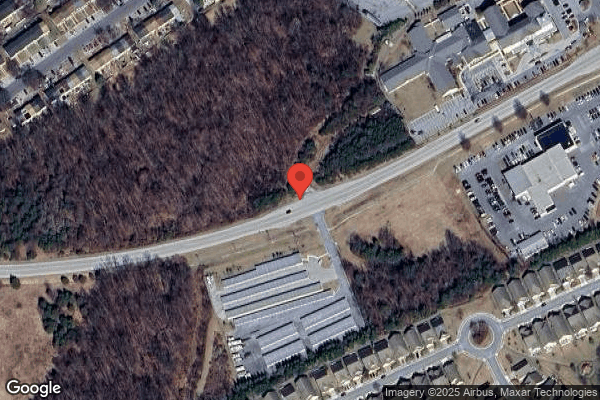
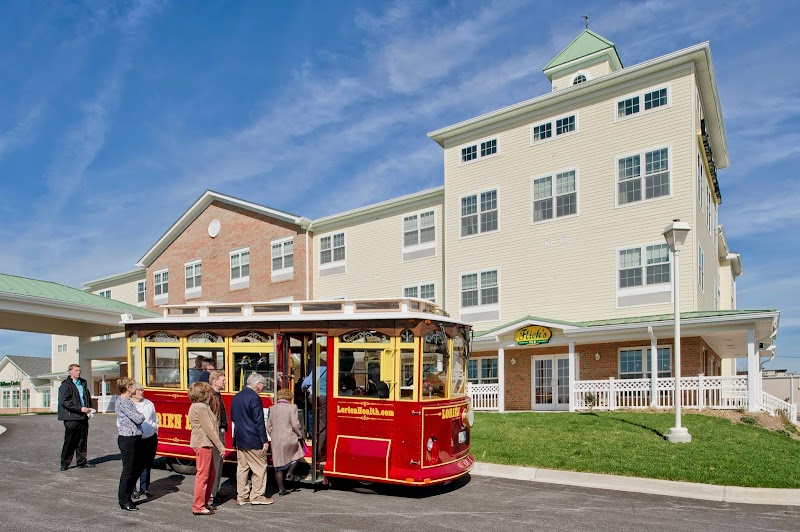
100 ANTRIM BLVD, TANEYTOWN, MD 21787 (410) 756-6400
For profit - Corporation 63 Beds LORIEN HEALTH SERVICES Data: November 2025 2 Immediate Jeopardy citations
Trust Grade
11/100
#209 of 219 in MD
Last Inspection: July 2022

Over 2 years since last inspection. Current conditions may differ from available data.

Overview

Lorien Taneytown, Inc has received a Trust Grade of F, indicating significant concerns regarding the quality of care provided. Ranking #209 out of 219 facilities in Maryland places it in the bottom half, and as #10 out of 10 in Carroll County, it is the least favorable option in the area. The facility's trend is stable, with 7 issues consistently reported in the last two years. Staffing is average, rated at 3 out of 5 stars, but the turnover rate is concerning at 60%, which is significantly higher than the state average of 40%. Notably, the facility has no fines on record, but there have been critical incidents, including a resident's death due to inadequate supervision after a fall, as well as failures in developing proper infection control training for staff, raising serious questions about safety and training at this nursing home.

Trust Score
F
11/100
In Maryland
#209/219
Bottom 5%
Safety Record
High Risk
Review needed
Inspections
Holding Steady
7 → 7 violations
Staff Stability
⚠ Watch
60% turnover. Above average. Higher turnover means staff may not know residents' routines.
Penalties
✓ Good
No fines on record. Clean compliance history, better than most Maryland facilities.
Skilled Nurses
✓ Good
Each resident gets 45 minutes of Registered Nurse (RN) attention daily — more than average for Maryland. RNs are trained to catch health problems early.
Violations
⚠ Watch
41 deficiencies on record. Higher than average. Multiple issues found across inspections.
★☆☆☆☆
1.0
Overall Rating
★★★☆☆
3.0
Staff Levels
★★☆☆☆
2.0
Care Quality
★☆☆☆☆
1.0
Inspection Score
Stable
2022: 7 issues
2025: 7 issues

The Good

  • Full Sprinkler Coverage · Fire safety systems throughout facility
  • No fines on record

Facility shows strength in fire safety.

The Bad

1-Star Overall Rating

Below Maryland average (3.0)

Significant quality concerns identified by CMS

Staff Turnover: 60%

14pts above Maryland avg (46%)

Frequent staff changes - ask about care continuity

Chain: LORIEN HEALTH SERVICES

Part of a multi-facility chain

Ask about local staffing decisions and management

Staff turnover is elevated (60%)

12 points above Maryland average of 48%

The Ugly 41 deficiencies on record

2 life-threatening
Jun 2025 7 deficiencies 2 IJ
CRITICAL (J) 📢 Someone Reported This

A family member, employee, or ombudsman was alarmed enough to file a formal complaint

Immediate Jeopardy (IJ) - the most serious Medicare violation

Quality of Care (Tag F0684)

Someone could have died · This affected 1 resident

**NOTE- TERMS IN BRACKETS HAVE BEEN EDITED TO PROTECT CONFIDENTIALITY** Based on observation, record review, and interview, it was determined that facility staff failed to provide treatment and care i...

Read full inspector narrative →
**NOTE- TERMS IN BRACKETS HAVE BEEN EDITED TO PROTECT CONFIDENTIALITY** Based on observation, record review, and interview, it was determined that facility staff failed to provide treatment and care in accordance with professional standards of practice after a resident fall that resulted in serious injury, resulting in death. Resident #2 died from the injuries sustained from the fall. This was evident for 1 (#2) of 3 residents reviewed for falls with serious injury.As a result of these findings, a state of immediate jeopardy (IJ) was declared on [DATE] at 3:55 PM and an IJ summary tool was provided to the facility at that time. The facility submitted the first draft of their plan to remove the immediacy on [DATE] at 5:30 PM and it was not accepted. The facility submitted a second draft at 5:55 PM, and it was not accepted. The third draft was submitted at 6:09 PM and the facility ' s written plan to remove the immediacy was accepted on [DATE] at 6:20 PM with an alleged date of compliance of [DATE].The findings include:On [DATE] at 3:22 PM a medical record review for Resident #2 revealed the attending physician ' s history and physical note dated [DATE]. Resident #2 was hospitalized for infections and after treatment the resident was sent to the facility for rehabilitation services because s/he was weak. The resident was diagnosed with advanced dementia and anxiety especially at night.On [DATE] at 6:43 AM, a review of the video recording from the facility ' s surveillance camera located at the [NAME] wing nurses ' station was conducted. The video recorded that on [DATE] at 12:08 AM, Resident #2 was sitting in a reclined geriatric chair (referred to as a geri chair, it is a padded chair that reclines and is on wheels) in the nurses ' station unsupervised. The resident stood up and attempted to walk out of the nurses ' station without assistance. The resident was observed falling on their right side, making no attempts to catch themselves. The resident laid motionless on the floor then at 12:10 AM, Geriatric Nursing Assistant (GNA) #6 was observed back at the nurses ' station, without taking a moment to check the resident, she started waving her arms towards the central nurses ' station as if she was trying to get someone ' s attention. Then she walked down to the central nurses ' station. GNA #6 then returned to the resident, who was still lying on the floor and started pulling on the resident ' s left arm as if to roll the resident over before a nurse was able to assess the resident. It was observed the resident had a pool of blood on the floor next to his/her head. The GNAs were placing pads under the resident ' s head.Registered Nurse (RN) #7 and RN #8 were observed walking down the hallway from the central nurses ' station. There was no sound available, but RN #7 was observed leaning over the resident ' s face and head. The nurse was not observed conducting a thorough assessment such as checking for signs of an injury to ensure it was safe to move the resident and conducting a neurological exam (referred to as a neuro check, blood pressure, pulse, respirations, temperature, and level of oxygen in the blood, hand grips, foot pushes, pupil size and reaction.). Neuro checks should have been obtained at the time of the fall and every 15 minutes for the first hour or until Emergency Medical Services (EMS) personnel arrived. She indicated to the GNAs and RN #8 to help her get the resident back into the chair. Once the resident was back in the chair, RN #7 leaned over the resident for a few minutes and moved the resident ' s hands. When the resident was placed back in the chair, resident #2 was observed to have a round knot on the right temple and his/her nose was bloody. Without conducting a thorough assessment, a neuro check, and/or rendering first aid to the resident, At 12:15 AM RN #7 and RN #8 left the resident with the GNAs and walked back towards the central nurses ' station. It was observed on the video that the knot on the resident ' s temple grew into an oval shape, however the nurses left so they were unaware that this was happening. RN #8 came back at 12:25 AM and wrote down a few things then left at 12:27 AM. She failed to assess the resident for changes or conduct a neuro check. EMS arrived at 12:46 AM, 35 minutes after staff were aware the resident had fallen. RN #7 came back at 12:51 AM, after EMS arrived.A review of the EMS Comprehensive Report on [DATE] at 3:45 PM, revealed 911 was called on [DATE] at 12:41 AM, 31 minutes after the resident fell. EMS was dispatched at 12:43 AM. Per the report the residents ' blood oxygen level decreased and the resident needed supplemental oxygen. EMS staff were unable to get the oxygen back to a normal level before arriving at the nearest hospital. The resident was deemed a level 3 priority resident. On [DATE] at 8:24 AM the emergency room report read that Resident #2 had a computerized tomography (CT) scan of the head which showed s/he suffered from hemorrhaging on the left side of the brain to include bleeding at the site of the hematoma on the resident ' s head that could be viewed in the video. The injury warranted surgical intervention; however, the family chose not to put the resident through the surgical procedure. The resident was given medications to reverse the bleeding, however, subsequently died [DATE] at 9:16 AM. The physician documented the cause of death was due to an accident at the nursing home.A telephone interview with the resident ' s family member and their spouse on [DATE] at 11:55 AM revealed they watched the video recording of the surveillance camera. They stated they were appalled by the lack of concern and care provided by the facility staff at the time their family member fell. An interview with Licensed Practical Nurse (LPN) #2 on [DATE] at 10:57 AM revealed that they had a Nurse ' s How to Book at the central nurses ' station. There was a procedure for sending residents to the hospital via 911. Review of the procedure with LPN #2 revealed the following: Step 1 stated to obtain an order from the doctor to send the resident out 911 unless a real emergency, Step 2 prepare the paperwork for transfer, Step 3 was to call 911. When LPN #2 was asked if a resident had an unwitnessed fall and had a large hematoma on their temple would a nurse wait until Step 3 to call 911, she reported she would call 911 first. Furthermore, she stated in that case (a head injury) this procedure goes out the window. She reported she would stay with the resident or ask another nurse to stay with them. When asked if the fall occurred at the [NAME] wing nurses ' station, she reported she could stay with the resident and get all the paperwork ready at that nurses ' station.On [DATE] at 11:05 AM a telephone interview with RN #7 revealed she failed to stay with the resident, conduct neuro checks, and render first aid because she wanted to send the resident to the hospital as soon as possible after she saw the injuries. However, she failed to call 911 for 31 minutes after the resident fell. The nurses ' station where the resident fell had a phone, computer, and printer. In addition, she had RN #8 and RN #10 on duty but failed to ask for assistance to ensure the resident was transferred for emergency care safely and quickly. An interview with RN #8, who was being oriented to the facility by RN #7 when the accident occurred, revealed that she was concerned by the lack of monitoring and response to the resident's needs, however she failed to take action. A telephone interview with the Director of Nursing (DON) on [DATE] at 8:41 AM revealed she had concerns about RN #7 ' s lack of immediacy during the incident. She stated that the assessment could have been better. When asked what action she took to address her concerns she stated that she had a conversation with RN #7. However, there was no documented evidence of training, or counseling regarding the concerns.During an interview with the Medical Director on [DATE] at 11:10 AM, he reported he had not watched the surveillance video footage of the fall. The content was reviewed with him. He stated that based on the content reviewed, there were errors made. He reported that if a resident had a head injury, he would expect the nurse to call 911 immediately before calling him. He stated that the nurse should have obtained a set of vital signs immediately to ensure no cardiac issues caused the fall. Then the nurse should have conducted the neuro checks to determine if the resident had any deficits. He stated that when a resident has a rapidly growing hematoma on their head, pressure should be applied to stop possible bleeding. Especially when the resident was on an anticoagulant and showing signs of active bleeding from the fall.The provisions of the plan to remove the immediacy included the following:1.a. RN #7 and RN #8 are suspended immediately for not following facility policy and procedure; not performing a thorough assessment including a neuro check and vital signs; and moving the resident prior to performing a proper assessment.b. The results of the investigation will determine progressive disciplinary action up to and including termination and if warranted a report to the Board of Nursing.c. If RN #7 and RN #8 return to work they will be educated before they work the shift.d. The investigation will be concluded by [DATE].2.a. Licensed Nurses (facility, contract, and agency) will be in-serviced on the following policies and procedures: Assessment of the Resident Post Fall Notification of 911 in Emergency Situations Without Notifying the Physician First Observation of Neurological Signs Bleeding.b. In-services will be provided by the DON and Infection Preventionist.c. New agency staff will receive a packet containing these policies and procedures when they arrive at the facility at the front desk and/or given by the charge nurse on the unit.d. The agency nurse will sign a receipt roster that they have received the information.3. The facility will be in compliance by [DATE].On [DATE] at 8:15 AM, an onsite visit was conducted. After validation of the implementation of the facility ' s plan of removal, which included staff interviews and record reviews, it was determined the facility met the minimum standards of compliance to remove the findings of an Immediate Jeopardy on [DATE] at 9:50 AM.Cross Reference: F689 and F726
CRITICAL (J) 📢 Someone Reported This

A family member, employee, or ombudsman was alarmed enough to file a formal complaint

Immediate Jeopardy (IJ) - the most serious Medicare violation

Accident Prevention (Tag F0689)

Someone could have died · This affected 1 resident

Based on observation, record review and interview, it was determined that facility staff failed to ensure that residents had adequate supervision to prevent falls with serious injury. As a result of t...

Read full inspector narrative →
Based on observation, record review and interview, it was determined that facility staff failed to ensure that residents had adequate supervision to prevent falls with serious injury. As a result of this deficient practice Resident #2 died due to the injuries sustained from a fall. This was evident for 1 (#2) of 3 residents reviewed for falls. As a result of these findings, a state of immediate jeopardy (IJ) was declared on 6/20/25 at 4:55 PM and an IJ summary tool was provided to the facility at that time. The facility submitted the first draft of their plan to remove the immediacy on 6/20/25 at 6:40 PM and it was not accepted. The facility submitted a second draft at 7:52 PM, and it was not accepted. The third draft was submitted at 8:02 PM and the facility ' s written plan to remove the immediacy was accepted on 6/20/25 at 8:30 PM with an alleged date of compliance of 6/23/25.The findings include:A care plan is a guide that addresses the unique needs of each resident. It is used to plan, assess, and evaluate the effectiveness of the resident's care. On 6/18/25 at 3:22 PM a medical record review for Resident #2 revealed the attending physician ' s history and physical note dated 4/8/25. Resident #2 was hospitalized for infections and after treatment the resident was sent to the facility for rehabilitation services because s/he was weak. The resident was diagnosed with advanced dementia and anxiety especially at night. Review of the progress notes revealed the resident frequently tried to get out of bed without assistance. A review of the baseline care plan revealed that staff noted the resident had a risk for falls, however, failed to implement resident-centered interventions to address the level of supervision the resident required to prevent accidents. Facility staff checked that the resident needed floor mats.On 6/20/25 at 6:43 AM a review of the video recording from the facility ' s surveillance camera at the [NAME] wing nurses ' station was conducted. The video was time stamped for 4/19/25 at 11:36 PM, and showed Resident #2 was brought to the nurses ' station by GNA #5 and GNA #6. The resident was in a reclined geri-chair, covered with a blanket and sheet. At 11:45 PM GNA #5 left the nurses station and then at 11:56 PM GNA #6 left the nurses ' station and Resident #2 was left unsupervised. At 12:06 AM on 4/20/25, Resident #2 was observed throwing the covers back and attempting to stand up. The resident attempted to push the reclined footrest down, but could not. The gerichair started moving back as the resident continued to try to stand. Then GNA #5 returned to the nurses ' station and attempted to get the resident to scoot back in the chair but was unsuccessful. When GNA #6 returned a few seconds later, they both repositioned the resident in the reclined gerichair. The GNAs failed to offer the resident to walk, go to the bathroom, food or a drink to determine the possible reason the resident was trying to get up. GNA #6 wrapped the resident ' s feet with the blankets as they both left the nurses ' station at 12:08 AM. After attempting to get out of the reclined geri chair without assistance the GNAs left the resident unsupervised a second time. After the GNAs left, The resident got out of the chair, threw the covers up, and after unwrapping his feet from the blanket, stood up. The resident used furniture in the nurses ' station to hold on to, made their way to the counter height portion of the desk and fell. The resident fell on the right side and made no attempts to catch themselves. The resident laid motionless on the floor and at 12:10 AM, GNA #6 was observed back at the nurses ' station, and she started waving her arms. Then without checking to see if the resident was ok, she walked down to the central nurses ' station. GNA #6 returned to the resident, who was still lying on the floor and started pulling on the resident ' s left arm as if to roll the resident over before a nurse was able to assess the resident. It was observed the resident had a pool of blood on the floor next to his/her head. The GNAs were placing pads under the resident ' s head.RN #7 and RN #8 were observed walking down the hallway from the central nurses ' station area. Upon arrival, there was no sound available, but RN #7 was observed to lean over the resident near his/her head and shoulders for a few seconds. The nurse was not observed conducting a thorough assessment such as checking for signs of an injury to ensure it was safe to move the resident and conducting a neurological exam (referred to as a neuro check, blood pressure, pulse, respirations, temperature, and level of oxygen in the blood, hand grips, foot pushes, pupil size and reaction.). Staff were observed picking up the resident and sitting the resident back in the reclined geri chair. Once back in the geri chair a large knot was observed on resident #2 ' s right temple and the resident ' s nose was bleeding. RN #7 leaned over the resident for a few seconds and left the nurses ' station without rendering first aid. Further review of the video revealed that RN #7 did not go back to the nurses ' station to check on the resident, until EMS arrived 35 minutes later. The GNAs wiped the resident ' s nose and the resident wiped his/her nose. However, at no time did staff apply pressure to the top of the nose to stop the bleeding. The GNAs changed the blankets because they were soiled with blood. EMS arrived at 12:50 AM and took the resident to the local acute care hospital where the resident subsequently passed away. A review of the EMS Comprehensive Report on 6/20/25 at 3:45 PM, revealed 911 was not called until 4/20/25 at 12:41 AM, 31 minutes after the resident fell. EMS was dispatched at 12:43 AM. Per the report the residents ' blood oxygen level decreased and the resident needed supplemental oxygen. EMS staff were unable to get the oxygen back to a normal level before arriving at the nearest hospital.On 7/2/25 at 8:24 AM the emergency room report read that Resident #2 had a computerized tomography (CT) scan of the head which showed s/he suffered from hemorrhaging on the left side of the brain to include bleeding at the site of the hematoma on the resident ' s head that could be viewed in the video. The injury warranted surgical intervention; however, the family chose not to put the resident through the surgical procedure. The resident was given medications to reverse the bleeding, however, subsequently died 4/20/25 at 9:16 AM. The physician documented the cause of death was due to an accident at the nursing home.Review of the facility ' s investigation file on 6/18/25 at 2:17 PM a review of the facility ' s investigation file revealed an email dated 4/23/25 at 4:24 PM, written by GNA #6 (agency staff) on 4/23/25. The statement read that when she came on duty and during her first rounds, Resident #2 was trying to get up and wander around. She stated that she and GNA #5 transferred the resident to the gerichair and reclined the chair. She wrote that the resident was brought to the nurses station so they could watch the resident. After a while the resident seemed to calm down, so she went to answer a call light, she heard Resident #2 ' s chair alarm so she came out to check on him. She found the resident on the floor and went to the nurse for assistance. GNA #6 was not available for an interview. A review of the statement written by GNA #5 (agency staff) noted that she had heard the resident ' s chair alarm and when she came back to the nurses ' station the resident was on the floor.On 6/18/25 at 5:16 PM during a telephone interview with GNA #5 she reported that on 4/19/25, when she and GNA #6 came on duty they were told that the resident had been trying to get out of bed. She reported that the 3-11 PM supervisor (she did not know the name of the supervisor) told her and GNA #6 that they should get Resident #2 up in a recliner because s/he was a fall risk. She reported that she had not been assigned to the resident that night, but she was working with the GNA who was assigned to the resident in the west hallway. She reported that she assisted GNA #6 to get the resident out of bed and into the recliner geri chair. She reported that she knew that when a resident was up in a geri chair for behaviors they were supposed to have eyes on them at all times. When asked why this was not the case for Resident #2, she stated that they [GNAs] needed to make their rounds and there was no one to watch the resident. During the investigation it was determined that there were 3 nurses sitting at the central nurses ' station at the time of the fall.An interview with GNA #13 revealed that staff would bring a resident who was a fall risk to the nurses ' station at night when they were concerned about the resident ' s safety. She reported, when we get them up we are supposed to keep eyes on them at all times. She reported this was the facility ' s policy. When asked what she does if she needs to tend to another resident, she stated the nurse would watch them. An interview with RN #7 revealed she was sitting in the central nurses ' station and was unaware that the resident was up in the recliner. She stated that she failed to do a thorough assessment because when she observed the resident head injury she wanted to call 911 and get the paperwork ready to go out. She reported was aware there were 2 other nurses on duty that evening RN #8 [orientee] and RN #10. However, review of the EMS report revealed she failed to call 911 until 12:41 AM, 31 minutes after the resident fell. During an interview with the DON she was asked what she expected staff to do when they had a resident who was trying to get out of bed. She stated staff should check to see if the resident needed anything such as toileting, food, and or drink. Then if they continue to try to get up they may place them in a chair at the nurses ' station. However, if they get them out of bed then they need to have eyes on the resident at all times. When asked if she watched the surveillance video for this incident on 4/20/25. She stated she had and her concerns were the lack of urgency when staff responded to the fall. She stated that the assessment was not thorough. She reported that she had an extensive talk with RN #7 regarding the response to the incident. Additionally, she educated staff regarding the need to provide supervision for residents who were a fall risk. An interview with the Nursing Home Administrator (NHA) on 6/20/25 at 8:27 AM revealed she had reviewed the video with the DON while investigating the fall. She was unable to recall when she reviewed it and reported she would look back on her notes and get back to the surveyor. However, she failed to do so by the end of the survey. The provisions of the plan to remove the immediacy included the following:1. In-service on Fall Precautions and 1:1 Supervision Policy and Procedure- will be completed by 06/23/2025 by the Director of Nursing and Unit Manager.2. New Policy and Procedure on Fall Risk Identification and 1:1 Supervision Protocol-see attached will be in-serviced by the Director of Nursing and Unit Manager by 06/23/2025.3. [NAME] dots placed on resident name door plates for high risk of falls on 6/20/2025 with staff education on Fall Alerts/Green Dots completed by 06/23/2025 by Unit Manger and Director of Nursing4. New Policy and Procedure for educating agency nursing staff developed on 06/20/25. Agency staff will receive the in-service at the time they report on duty through the front desk staff and/or charge nurse and it will be made part of the orientation packet for new agency nursing staff. The facility will use the agency roster in Kronos to assure compliance. -See attached policy. Compliance date of 06/23//2025. 5. Overall compliance date of 06/23/2025.On 6/24/25 at 9:30 AM, an onsite visit was conducted. After validation of the implementation of the facility ' s plan of removal, which included staff interviews and record reviews, it was determined the facility met the minimum standards of compliance to remove the findings of an Immediate Jeopardy on 6/24/25 at 3:45 PM.Cross Reference: F684, F726, and F940
CONCERN (D) 📢 Someone Reported This

A family member, employee, or ombudsman was alarmed enough to file a formal complaint

Potential for Harm - no one hurt, but risky conditions existed

Deficiency F0726 (Tag F0726)

Could have caused harm · This affected 1 resident

**NOTE- TERMS IN BRACKETS HAVE BEEN EDITED TO PROTECT CONFIDENTIALITY** Based on observation, record review, and interview it was determined that the facility failed to ensure that they had competent ...

Read full inspector narrative →
**NOTE- TERMS IN BRACKETS HAVE BEEN EDITED TO PROTECT CONFIDENTIALITY** Based on observation, record review, and interview it was determined that the facility failed to ensure that they had competent staff on duty to provide care to their residents. This was evident for 1 (#2) of 3 residents reviewed for falls with serious injuries.The findings include:On [DATE] at 6:43 AM a review of the video recording from the facility's surveillance camera at the [NAME] wing nurses' station was conducted. The video was time stamped for [DATE] at 11:36 PM. Resident #2 was observed being pushed in a reclined Geri chair to the nurses' station by GNA #5 (agency staff) and GNA #6 (agency staff). At 11:56 PM GNA #6 left the resident unsupervised in the nurses' station. Then at 12:06 AM on [DATE], Resident #2 was attempting to get out of the chair unassisted and GNA #5 and #6 came back and repositioned the resident in the chair. Both GNAs left the nurses' station and Resident #2 was unsupervised in the reclined Geri chair after the resident was trying to get out of the chair unassisted. Immediately after the GNAs left the nurses' station, the resident was able to get out of the chair and attempted to walk out of the nurses' station unassisted. The resident fell, hitting his/her head. The resident later died at the hospital due to the injuries from the fall. A review of GNA #6's (the GNA who was assigned to care for Resident #2) employee file on [DATE] at 1:38 PM revealed was employed by an agency. The file provided had no evidence that the GNA's level of competence was evaluated to ensure she could safely provide care to the residents. An interview with the Human Resources Director (HRD) on [DATE] at 2:44 PM revealed that when an agency staff member started at the facility they were required to shadow another GNA for their first shift. However, there was new hire checklist to documentno record keeping that this occurred and what was reviewed with them. Secondly, the facility provided no training or evaluations for the agency staff. Agency staff receive a packet of information from the front desk on their first day. On [DATE] at 8:53 AM an interview with the Staff Developer (SD) revealed she had no training or competency program for the agency staff. A telephone interview with the Director of Nursing (DON) on [DATE] at 8:41 AM revealed she watched the video and was concerned that GNA #6 had left the resident unsupervised. During a subsequent interview on [DATE] at 9:46 AM with the DON she confirmed they had no process for training and evaluating the agency staff. She reported that their competencies were completed through the agency, however, there was no evidence of this being done. 2) A continued review of the video on [DATE] at 6:43 AM revealed Resident #2 lying on the floor after the fall and GNA #6 finds the resident and goes up to central nurses' station and comes back. Then RN #7 and RN #8 (who was being precepted by RN #7) were observed walking down the hallway from the central nurses' station area. RN #7 failed to appropriately assess the resident for injuries prior to moving the resident off the floor. RN #7 failed to conduct neurological assessment (referred to as a neuro check, blood pressure, pulse, respirations, temperature, and level of oxygen in the blood, hand grips, foot pushes, pupil size and reaction.). The resident was observed to have a large knot on his/her right temple and a nosebleed. RN #7 left the resident before rendering first aid. Because she left so quickly after the fall she was not aware that the knot on the resident's head was growing rapidly which can be a sign of active bleeding. She failed to check on the resident until emergency medical services) EMS arrived 36 minutes later. A review of the EMS Comprehensive Report on [DATE] at 3:45 PM, revealed 911 was not called until [DATE] at 12:41 AM, 31 minutes after the resident fell.A telephone interview with the Director of Nursing on [DATE] at 8:41 AM revealed she had concerns with RN #7's lack of immediacy during the incident and that she had not fully assessed the resident. Cross Reference: F684 and F689
CONCERN (D) 📢 Someone Reported This

A family member, employee, or ombudsman was alarmed enough to file a formal complaint

Potential for Harm - no one hurt, but risky conditions existed

Deficiency F0940 (Tag F0940)

Could have caused harm · This affected 1 resident

Based on record review and interview, it was determined that the facility failed to develop all the required training requirements and have a process in place to ensure that all staff received the req...

Read full inspector narrative →
Based on record review and interview, it was determined that the facility failed to develop all the required training requirements and have a process in place to ensure that all staff received the required trainings. This was evident for 3 (#7, #9, and #15) of 4 facility staff reviewed training requirements and 2 (#5, #6) of 3 contracted staff reviewed for training requirements. The findings include:1) A review of Staff #7's employee file on 6/23/25 at 1:55 PM revealed she was hired in 2019. She had not received training on the facility specific Compliance and Ethics training, Quality Assurance Performance (QAPI) and Improvement training, and Infection Control and Prevention (ICP) training. 2) A review of Staff #9's employee file on 6/23/25 at 1:28 PM revealed she was employed by the facility in 2024. She had not received training on the facility specific Compliance and Ethics training, Quality Assurance Performance (QAPI) and Improvement training, and Infection Control and Prevention (ICP) training.3) A review of Staff #15's employee file on 6/23/25 at 1:20 PM revealed she had been employed by the facility since 2021. She had not received training on the facility specific Compliance and Ethics training, Quality Assurance Performance (QAPI) and Improvement training, and Infection Control and Prevention (ICP) training. 4) A review of Staff #5's employee file on 6/23/25 at 1:48 PM revealed she was contracted through a staffing agency and started working at the facility in 10/2023. The facility failed to ensure that she had communication and behavioral Health training. In addition, they failed to ensure that she received training based on the facility's program policies and procedures for compliance and ethics training, QAPI, and ICP. 5) The employee file for Staff #6 was reviewed on 6/23/25 at 1:28 PM and this review revealed she was employed by a staffing agency and started working at the facility in 3/2025. The facility failed to ensure that she had communication training. She had not received the facility specific program policies and procedures training for compliance and ethics, QAPI, and ICP. An interview with the Director of Human Resources (DHR) on 6/24/25 at 2:44 PM revealed the facility had an online training that was sent from the corporate office for the facility staff to complete on hire and annually thereafter. She reported there was no orientation or onboard training requirements for the contracted staff except for some contracted staff were required to shadow another staff member for their first 8-hour shift. Reviewed the finding on 6/25/25 at 12:50 PM with the Nursing Home Administrator. She reported that they had provided the QAPI and ICP training to the facility staff and offered to bring a printout for that training. She was unaware if the training was facility specific as it was sent from the corporate level. On 6/26/25 at 11:36 AM the printout for the QAPI and ICP trainings were reviewed and revealed that they were generic and not facility specific as required. Cross Reference F941, F944, F945, F946, and F949
CONCERN (D) 📢 Someone Reported This

A family member, employee, or ombudsman was alarmed enough to file a formal complaint

Potential for Harm - no one hurt, but risky conditions existed

Deficiency F0941 (Tag F0941)

Could have caused harm · This affected 1 resident

Based on record review and interview, it was determined that the facility failed to ensure that all staff who worked directly with residents had communication training. This was evident for 1 (#5) out...

Read full inspector narrative →
Based on record review and interview, it was determined that the facility failed to ensure that all staff who worked directly with residents had communication training. This was evident for 1 (#5) out of 3 contracted staff. The findings include:A review of Staff #5's employee file on 6/23/25 at 1:48 PM revealed she was contracted through a staffing agency and started working at the facility in 10/2023. The facility failed to ensure that she had communication training as required.An interview with the Director of Human Resources (DHR) on 6/24/25 at 2:44 PM revealed the facility had no online training requirements for the contracted staff. She reported that the agency that employed them provided the required trainings. She reported that she does not review their training program when they start working at the facility. The findings were reviewed with the Director of Nursing and Nursing Home Administrator on 6/26/25 at 1:43 PM.Cross Reference F940
CONCERN (D) 📢 Someone Reported This

A family member, employee, or ombudsman was alarmed enough to file a formal complaint

Potential for Harm - no one hurt, but risky conditions existed

Deficiency F0946 (Tag F0946)

Could have caused harm · This affected 1 resident

Based on record review and interview, it was determined that the facility failed to have a process in place to ensure that all staff received facility specific compliance and ethics training. This was...

Read full inspector narrative →
Based on record review and interview, it was determined that the facility failed to have a process in place to ensure that all staff received facility specific compliance and ethics training. This was evident for 2 (#5, #6) of 3 contracted staff reviewed for training requirements. The findings include:1) A review of Staff #5's employee file on 6/23/25 at 1:48 PM revealed she was contracted through a staffing agency and started working at the facility in 10/2023. The facility failed to ensure that she received the mandatory, facility specific compliance and ethics training. 2) The employee file for Staff #6 was reviewed on 6/23/25 at 1:28 PM and this review revealed she was employed by a staffing agency and started working at the facility in 3/2025. The facility failed to ensure that she received the mandatory, facility specific compliance and ethics training.An interview with the Director of Human Resources (DHR) on 6/24/25 at 2:44 PM revealed the facility had no online training requirements for the contracted staff. She reported that she does not review their training list prior to their first day at the facility. Reviewed the finding on 6/25/25 at 12:50 PM with the Nursing Home Administrator. She acknowledged the concern. Cross Reference F940
CONCERN (F) 📢 Someone Reported This

A family member, employee, or ombudsman was alarmed enough to file a formal complaint

Potential for Harm - no one hurt, but risky conditions existed

Deficiency F0945 (Tag F0945)

Could have caused harm · This affected most or all residents

Based on record review and interview, it was determined that the facility failed to develop a mandatory training course that included the facility's standards, policies, and procedures regarding their...

Read full inspector narrative →
Based on record review and interview, it was determined that the facility failed to develop a mandatory training course that included the facility's standards, policies, and procedures regarding their Infection Prevention and Control (IPC) program. This was evident during the review of the facility's training program and has the potential to affect all residents. The findings include: On 6/26/25 at 11:36 AM the printout for the Infection Control training course that was required for facility staff to review on hire and annually thereafter was conducted. The training was an overview of infection control and failed to include the standards, policies and procedures of the facility IPC program. An interview with the Director of Human Resources (DHR) on 6/24/25 at 2:44 PM revealed the facility had an online training program that was sent from the corporate office for the facility staff to complete on hire and annually thereafter. She reported there were no online training requirements for the contracted staff. The findings were reviewed with the Director of Nursing and Nursing Home Administrator on 6/26/25 at 1:43 PM. They were unaware that the required IPC training was supposed to be facility specific. Cross Reference F940
Jul 2022 7 deficiencies
CONCERN (D)

Potential for Harm - no one hurt, but risky conditions existed

Report Alleged Abuse (Tag F0609)

Could have caused harm · This affected 1 resident

Based on interview and medical record review, it was determined that the facility failed to thoroughly investigate and report to the state agency when a resident eloped from the facility. This was evi...

Read full inspector narrative →
Based on interview and medical record review, it was determined that the facility failed to thoroughly investigate and report to the state agency when a resident eloped from the facility. This was evident during the review of 1 of 4 residents (#20) reviewed for accidents. The findings include: During the tour of the facility on 7/11/2022 and interview with facility staff, Unit manager LPN #3, Surveyor was alerted when staff reported there was an 'incident' regarding a resident that was identified as a wanderer/elopement risk. At 12:53 PM on 7/11/2022 the Surveyor requested from the DON any facility policy on elopement or wandering that the facility followed and any information regarding the alleged incident occurring with Resident #20. Review on 7/12/2022 at 8:38 AM of Resident #20's medical record review revealed diagnoses including dementia and a history of falls. According to the social work admission note completed in March of 2021, s/he was admitted to the Long Term Care (LTC) from the Assisted Living Facility (ALF) in March of 2021 with a wander guard bracelet in place secondary to the potential risk of elopement. At 9:00 AM on 7/12/2022 an Incident/Accident form was provided to the survey team from an incident occurring on 5/21/2022. The incident type was labeled as an elopement, and stated that Resident #20 was placed on 15-minute checks as an intervention. The DON on 7/12/2022 was asked if there was any other documentation the facility can provide to the survey team regarding this incident including the facility report, however she stated that it was not reported to the state. The DON was able to provide email correspondence between facility staff regarding the incident. There was an email from the receptionist staff #8 on 5/21/2022, the day of the incident at 10:29 AM, to the Administrator stating that a Resident exited the building and they were not sure how the resident got out. Staff #8 was alerted that the resident was out of the building, she stated by another 'employee' and later reviewed the cameras to determine how Resident #20 was able to leave the building. There were no interviews, witnesses or investigation provided to the survey team regarding Resident #20's documented elopement from the LTC unit. Further review on 7/12/2022 revealed that on 6/27/2022, Resident #20 was found on the ALF unit. The DON was asked on 7/12/2022 how s/he ended up on the ALF unit. As of 7/14/2022, there has been no follow-up from the DON.
CONCERN (D)

Potential for Harm - no one hurt, but risky conditions existed

Accident Prevention (Tag F0689)

Could have caused harm · This affected 1 resident

Based on medical record reviews, interviews, and observations, it was determined that the facility failed to thoroughly investigate and implement interventions related to an elopement documented for R...

Read full inspector narrative →
Based on medical record reviews, interviews, and observations, it was determined that the facility failed to thoroughly investigate and implement interventions related to an elopement documented for Resident #20. This was found to be evident for 1 out 7 (Resident #20) residents reviewed for accidents. The findings include: A wander guard is a device worn by residents with dangerous wandering behaviors to alert staff with an alarm if the vulnerable resident attempts to elope (leave the facility unsupervised). The device is detected by sensors at alarmed exits or other dangerous areas that cause the system to alarm when the resident approaches or walks past the monitored areas. Activities of Daily Living (ADLs) assessment provides indicators of where residents lie on a spectrum between completely independent and completely dependent. ADLs include but are not limited to bed mobility, transfers, eating, locomotion on and off the unit, and personal hygiene. Periodically (at least quarterly) facilities conduct assessments of residents to track status and identify if the residents have experienced significant decline or improvement. If there has been change in at least two categories assessed, facilities are required to conduct a comprehensive Significant Change in Status Assessment (SCSA) to drive any needed revisions to care plans. This facility is a long-term care facility that is in a building with an attached assisted living facility (ALF). An ALF is a housing facility for people with disabilities or for adults who cannot or who choose not to live independently. The brief cognitive screening (BIMS) is a tool that assists in assessment of resident cognition and can identify need for additional assessment and for care planning. According to this facility (LTC) policy provided on 7/11/2022, noted from 2007, titled; Wandering Resident, The safety and wellbeing of all residents with a potential for wandering is ensured at all times. The policy further stated that all residents who were at risk for harm because of wandering behavior would have a Resident Care Plan that addressed the issue. Facility policy also provided that if a resident repeatedly wanders off a unit, the resident care plan should reflect a monitoring schedule to ensure resident safety. Review on 7/12/22 of the medical record for Resident #20 revealed that he/she was admitted to long term care in March of 2021. At the time of admission Resident #20 had known risk for elopement. Review on 7/12/2022 at 8:38 AM of a social work admission note, revealed that Resident #20 was admitted to the LTC from the assisted living facility (ALF) in March of 2021 with a wander guard bracelet in place secondary to the potential risk of elopement. Review of the care plan addressing Resident #20's elopement risk revealed that it was first opened on 3/1/21. Interventions established in March 2021 included that the resident would not exit the building unaccompanied for the following 90 days. Further review of the care plan on 7/12/2022 revealed an intervention associated with the elopement risk assessment (also initiated in March 2021) indicated that staff was to be aware of residents whereabouts at all times. In October 2021, interventions were added that addressed wandering behavior(s) which were still evident. The resident eloped from the building on 5/21/22. Three months later, on 5/21/2022, the elopement risk care plan first opened during 2019 was still active. According to multiple staff (including the DON, staff #8, and staff #18), Resident #20 had exited the building and was observed in the parking lot ambulating with his/her walker alone. When Resident #20 was brought back inside through the front entrance, the wander guard alarm sounded. Although the care plan required that staff be aware of Resident #20's whereabouts at all times, interviews revealed that staff was not aware when Resident #20 exited the building and only learned of it in passing. Interview at on 7/24/22 at 9:07 AM with activities staff #18 from the ALF, revealed that while she was passing newspapers on the assisted living unit, she saw the resident outside waking, thought that it was too hot out, and went out to bring him/her in. (Review of weather temperatures for 5/21/2022 revealed the high temperature for that location on that date was 93 degrees.) Staff #18 was further asked if she had any familiarity with the resident or anyone that wanders or has the potential to elope from the facility. She stated she only knew Resident #20 from when s/he lived on the ALF unit, however, as far as anyone wandering or eloping, including Resident #20, she had no knowledge or concerns. In an interview on 7/13/2022, staff #8 indicated that she was alerted to Resident #20's 5/21/22 exit from the building by staff #18. Staff #8 stated she did not see Resident #20 leave, but she later reviewed the cameras and saw that Resident #20 had left out of the south door exit, turned left, and walked down the sidewalk towards the front entrance. Review of the medical record for Resident #20 on 7/12/2022 at 7:13 AM revealed Resident #20 was placed on checks every 15 minutes after the 5/21/2022 elopement and then stepped down to checks every one hour on 6/2/2022. Although planned, paperwork provided to the survey team failed to provide documentation of any checks performed for Resident #20 from 5/26/22 through 6/2/2022. According to documentation in the resident's chart and on the unit, there were multiple days with blocks of hours that were incomplete with no documentation of staff supervision of the resident, including for example, from 1:00-8:00 PM on 7/12/2022. The facility failed to report the elopement to the Office of Health Care Quality (OHCQ) as required and failed to document a thorough investigation after the elopement. On 7/12/2022 surveyor requested the investigation into the 5/21/2022 documented elopement for Resident #20. At 9:00 AM an Incident/Accident form was provided to the survey team from the 5/21/2022 incident that documented that Resident #20 had been placed on 15-minute checks. There was no formal investigation completed for the 5/21/2022 incident and at the time of the surveyor's investigation, the DON was not able to state who brought the resident back into the facility when questioned. Throughout the day on 7/12/22, the DON intermittently provided email correspondence between facility staff regarding the incident. This included a 5/21/22 email from the receptionist staff #8 at 10:29 AM, to the Administrator documenting that a Resident exited the building; it was not through the main door; and they were not sure how the resident got out. Staff #8 indicated that s/he was alerted that the resident was out of the building by another employee and later reviewed the cameras to determine how Resident #20 was able to leave the building. According to a 5/21/22 email from the Maintenance Director #7, there was a screw loose on the south exit door that was fixed, tested, and would be followed-up on. On 7/13/2022 at 3:49 PM, surveyors toured the south hallway with maintenance director #7 where Resident #20 had been captured on security footage exiting the building. Upon exiting the door with staff #17, there were two routes observed that the resident could have taken. Straight forward there were concrete steps that lead to the parking lot; and to the left, there was a slight decline in the sidewalk with a handicap ramp that also led to the parking lot which Resident #20 traveled. Resident #20 was 73 feet from the curb of the main road had s/he walked straight instead of turning towards the main entryway to the facility. After 5/21/22 elopement the facility still failed to develop or follow effective care planning for Resident #20 After the 5/21/22 elopement, the care plan was updated again on 6/6/22 for staff to increase supervision with resident regularly. On 6/27/2022, Resident #20 was found on the ALF unit. On 7/14/22, after surveyor intervention, the facility developed a plan that included Resident #20 would not be left alone pending placement to a facility that could safely meet his/her needs. However, the following morning, on 7/15/2022 staff were still not clear on the plan for Resident #20's safety. During tour of the facility on 7/15/2022 at 7:42 AM, Resident #20's was observed alone in his/her bed with a completed breakfast tray at the bedside. The surveyor was approached by UM #3 in Resident #20's room. The surveyor asked who was assigned to the resident and she replied that she would have to find out. The surveyor continued to observe the resident. At 7:56 AM Geriatric Nursing Assistant (GNA) #28 came into the room and stated that she would be assigned all day to Resident #20. Surveyor then left Resident #20's room and interviewed the nurse (LPN #20) who was assigned to Resident #20. She was asked what she was told in report from the 11-7 AM shift regarding Resident #20. She stated that the MDS coordinator #20, had worked the prior night and had given her report indicating that Resident #20 was only supposed to be on 1:1 through the 11-7 AM shift and she noted that there had been a miscommunication. A review of Resident #20's medical record on 7/15/2022 at 8:38 AM did not yet reveal any orders for the 1:1 and revealed that a care plan intervention for 1:1 was initiated on 7/15/2022 by the facility social worker #17. Thus, the facility had failed to conduct the required comprehensive assessment in February 2022, failed to develop an effective care plan based on that assessment, failed to report and investigate the 5/21/22 elopement after it occurred, failed to ensure a clear and effective care plan was developed after the 5/21/22 elopement, failed to ensure staff understood and followed the care plan both before and after the elopement, and failed to follow the facility's own policy to ensure resident safety.
CONCERN (D)

Potential for Harm - no one hurt, but risky conditions existed

Food Safety (Tag F0812)

Could have caused harm · This affected 1 resident

Based on observation and interview of staff, it was determined that the facility failed to ensure that the kitchen stored and prepared food in accordance with professional standards for food service s...

Read full inspector narrative →
Based on observation and interview of staff, it was determined that the facility failed to ensure that the kitchen stored and prepared food in accordance with professional standards for food service safety. This practice had the potential to affect all residents. The findings include: During a tour of the kitchen that took place on 7/11/2022 at 9:15 AM, the surveyor observed ice buildup at the back of the dessert walk-in freezer. The ice was built up around the base of the overhead condenser and had formed a stalactite that came in contact with two containers of ice cream. The temperature of the freezer was appropriate. The Food Service Director (FSD) was present for the tour and stated that she would have the freezer inspected by maintenance. During a follow up tour that took place on 7/12/2022 at 11:49 AM, the surveyor reviewed the July temperature logs with the FSD. These temperatures logs documented the highest cooking temperature obtained by kitchen staff during the preparation of potentially hazardous foods (foods that should reach a certain temperature for a certain length of time to minimize the risk of foodborne illness). The temperature log for 7/8/2022 was noted to have no temperatures documented for any lunch or dinner item cooked that day. Otherwise, the temperature logs had multiple temperature entries for all meals.
CONCERN (E)

Potential for Harm - no one hurt, but risky conditions existed

Pharmacy Services (Tag F0755)

Could have caused harm · This affected multiple residents

Based on observation, interview with staff, and medical record review, the facility failed to meet the requirement to provide a system to account for the reconciliation of all controlled medications a...

Read full inspector narrative →
Based on observation, interview with staff, and medical record review, the facility failed to meet the requirement to provide a system to account for the reconciliation of all controlled medications and ensure that an account of all the controlled drugs was completed with two licensed nurses at the change of each shift. This was evident for 3 of 3 available narcotic count logs. Findings Include: Tour of the unit on 07/14/22 at 1:28 PM to check for compliance of Medication Storage and Labeling revealed the Controlled Drug Count Verification Sheets. Several empty spaces for signatures were observed in the shift to shift verification log noted from March 2022 through the present day July 2022. On 07/14/22 at 2:30 PM, Surveyor requested the schedule for specific days from March to June of 2022 that were noted on the narcotic log where there were missing signatures over multiple shifts to verify if staff worked over multiple shifts in a row. According to the schedules provided to the survey team, no staff worked multiple shifts on the days noted with missing signatures on the log. During completion of medication storage task, 07/15/22 10:45 AM, Surveyor interviewed Nurse Manager LPN# 25 about what processes are in place to comply with the requirement of narcotic verification. The Nurse Manager, LPN # 25 was unable to show the Surveyor the process. However, LPN #25 verbalized that for the Inventory of Control and Controlled Substances; nurses should ensure that the incoming and offgoing nurses count all Schedule II controlled substances and other medications at the change of each shift or at least once daily and document the results on the Controlled Drug Count Verification Log. This concern was reviewed with the Nurse manager and the DON throughout the survey and again during exit.
CONCERN (E)

Potential for Harm - no one hurt, but risky conditions existed

Drug Regimen Review (Tag F0756)

Could have caused harm · This affected multiple residents

Based on medical record review and interview with facility staff, it was determined that the facility contracted pharmacist failed to identify recommendations were followed up on. This was evident for...

Read full inspector narrative →
Based on medical record review and interview with facility staff, it was determined that the facility contracted pharmacist failed to identify recommendations were followed up on. This was evident for 1 of 5 residents reviewed for unnecessary medications. Pharmacy reviews are to occur monthly at a minimum to determine any irregularities in a resident drug regimen and report to the physician. The findings include: Review of the medical record for Resident #20 on 7/12/2022 at 2:04 PM for unnecessary medications, specifically regarding the use of a psychotropic medication, trazadone an antidepressant and sleep aide, revealed a recommendation from the pharmacist completed on 2/26/2022 to change the medication from AM to PM secondary to the risk of falls. The consult was signed by the resident's attending physician # 27 and the change was notated as agreed upon. Further review of Resident #20's medication administration records (MAR) for March through June 2022, revealed Trazadone was ordered and administered with the morning medications. The medication was not ordered to be changed to 'bedtime' until 6/13/2022. Resident #20's medical record failed to reveal any other pharmacy recommendations from February to July 2022. The pharmacist failed to identify the failure of the facility to implement the agreed upon recommendation to change the Trazadone from AM to PM from March 2022 to June 2022. This concern was reviewed with the DON throughout the survey and again during exit. Cross reference with F758
CONCERN (E)

Potential for Harm - no one hurt, but risky conditions existed

Medication Errors (Tag F0758)

Could have caused harm · This affected multiple residents

2) Anti anxiety medications fall under the category of psychotropics and include the medication Lorazepam. On 7/11/2022 at 2:05 PM, the surveyor conducted a record review for resident #25 that includ...

Read full inspector narrative →
2) Anti anxiety medications fall under the category of psychotropics and include the medication Lorazepam. On 7/11/2022 at 2:05 PM, the surveyor conducted a record review for resident #25 that included a review of the resident's active as-needed orders. The list revealed an as-needed order for Lorazepam. The Lorazepam order was noted to have a duration of 30 days. Regulation requires that as-needed orders for psychotropic drugs be limited to 14 days. If the attending physician or prescribing practitioner believes that it is appropriate for the as-needed order to be extended beyond 14 days, he or she should document their rationale in the resident's medical record and indicate the duration for the as-needed order. On 7/13/2022 at 2:35 PM, the surveyor conducted an interview with the Director of Nursing (DON). When asked why the duration of resident #25's Lorzepam order was 30 days rather than 14, the DON indicated that she did not know why, confirming her understanding that regulation requires as-needed psychotropics to be limited to 14-day orders. The DON stated that she would investigate the order and provide the survey team with any additional information that she could find. On 7/15/2022 at 11:12 AM, the surveyor reviewed resident #56's medical record. The review revealed that resident #56 also had an order for Lorazepam as-needed with a duration of 30 days. On 7/15/2022 at 1:30 PM, the surveyor conducted a follow up interview with the DON. During the interview, the surveyor asked the DON if there was any additional information regarding the lorazepam orders with 30 day duration and the DON stated there was not. The facility did not provide any additional documentation to the survey team prior to exit. Based on medical record reviews and interviews with facility staff, it was determined that the facility failed to 1) implement pharmacy recommendations that were agreed upon by the physician and ensure that they were followed up on (#20) and 2) ensure that orders for as-needed psychotropic medications were limited to 14 days for residents #25 and #56. This was evident for 3 out of 6 residents reviewed for unnecessary medications. The findings include: 1) Review of the medical record for Resident #20 on 7/12/2022 at 2:04 PM regarding the use of a psychotropic medication, Trazadone an antidepressant and sleep aide, revealed a recommendation from the pharmacist completed on 2/26/2022 to change the medication from AM to PM secondary to the risk of falls. The consult was signed by the resident's attending physician # 27 and the change was notated as agreed upon. Further review of Resident #20's medication administration records (MAR) for March through June 2022, revealed Trazadone was ordered and administered with the morning medications. The medication was not ordered to be changed to 'bedtime' until 6/13/2022. The Director of Nursing (DON) was interviewed on 7/13/2022 at 1:39 PM regarding the concern and the facility process of receiving pharmacy recommendations and implementation. She stated that the Physician will put the recommendations in a stack and the nurses take care of it and she is not sure how it was missed. The DON followed up at 2:30 PM on 7/13/2022 after review with the unit manager # 3 and they were not able to determine how this recommendation was missed. The concern that there were agreed upon pharmacy recommendation that were not implemented from 4 months was reviewed with the DON through the survey and again during exit. Cross reference F756
MINOR (B)

Minor Issue - procedural, no safety impact

Menu Adequacy (Tag F0803)

Minor procedural issue · This affected multiple residents

Based on observation and interview with facility staff, it was determined that the facility failed to ensure that the weekly menus displayed in the corridor outside the nursing unit accurately reflect...

Read full inspector narrative →
Based on observation and interview with facility staff, it was determined that the facility failed to ensure that the weekly menus displayed in the corridor outside the nursing unit accurately reflected the menu being served. This practice had the potential to affect all residents in the facility. The findings include: During an observation on 7/11/2022 at 9:30 AM, it was noted that there were two weekly menus placed prominently in the entry hallway of the facility's only nursing unit. The weekly menus were labeled This Week's Menu and Next Week's Menu. The menu under This Week's Menu was noted to be the Week 4 Menu and the menu under Next Week's Menu was the Week 1 Menu. Tour of the unit at that time failed to reveal any other location where the weekly menu was displayed. Based on menus given to the survey team during the entrance conference on 7/11/2022 at 9:45 AM, it was determined that the facility followed a 4 week rotating menu schedule in which the Week 1 menu follows the Week 4 menu. The surveyor observed the nursing unit's lunch service on 7/11/2022 around 12:00 PM. During the meal service, it was noted that the meal being served did not match the meal identified on the Week 4 calendar. Instead, it matched the meal identified on the Week 2 calendar. Food service observed on 7/12/2022 and 7/13/2022 also matched meals identified on Week 2 rather than Week 4. On 7/12/2022 at 8:40 AM, the surveyor observed a daily menu near the weekly menu. The daily menu matched the meal being prepared for the day but did not match the displayed weekly menu (Week 4). It matched the menu for Week 2. On 7/13/2022 at 1:15 PM, the surveyor observed Kitchen Staff #30. During the interview, the staff member confirmed that the facility was currently serving the week 2 menu. The staff member was informed that the current published menus available in the nursing hallway reflected that the current menu was Week 4 and next week's menu was Week 1.
Jan 2019 13 deficiencies
CONCERN (D)

Potential for Harm - no one hurt, but risky conditions existed

Notification of Changes (Tag F0580)

Could have caused harm · This affected 1 resident

Based on medical record review and staff interview, it was determined that the facility staff failed to notify the physician of a resident's multiple refusal of a prescribed breathing treatment. This ...

Read full inspector narrative →
Based on medical record review and staff interview, it was determined that the facility staff failed to notify the physician of a resident's multiple refusal of a prescribed breathing treatment. This was evident for 1 (#38) of 5 residents reviewed for unnecessary medications. The findings include: On 1/18/19, a review of Resident #38's January 2019 MAR (medication administration record) revealed an order for DuoNeb (Ipratropium and Albuterol) (bronchodilators) solution via nebulizer inhalation (breathing treatment) two times a day for COPD (chronic obstructive pulmonary disease) (a lung disorder). The MAR revealed documentation that, on 12 of 18 days, Resident #38 refused his/her morning DuoNeb breathing treatment and on 5 of 17 days, the resident refused his/her evening breathing treatment. Continued review of the medical record failed to reveal documentation that the resident's physician had been notified of Resident #38's refusal of his/her prescribed DuoNeb breathing treatments. On 1/18/18 at 2:32 PM, Staff #3 was made aware of this finding.
CONCERN (D)

Potential for Harm - no one hurt, but risky conditions existed

Safe Environment (Tag F0584)

Could have caused harm · This affected 1 resident

**NOTE- TERMS IN BRACKETS HAVE BEEN EDITED TO PROTECT CONFIDENTIALITY** Based on observation and resident and staff interview, during facility environmental rounds, it was determined that the facility...

Read full inspector narrative →
**NOTE- TERMS IN BRACKETS HAVE BEEN EDITED TO PROTECT CONFIDENTIALITY** Based on observation and resident and staff interview, during facility environmental rounds, it was determined that the facility staff failed to provide maintenance services necessary to maintain a sanitary, orderly, and comfortable interior. This was observed on 1 of 3 nursing units. The findings include: Observation was made, on 1/17/19 at 10:36 AM, in room [ROOM NUMBER] of the heating unit which was loose and appeared to be hanging off the wall. The resident stated, it has been loose since I came here. The wall behind the resident's chair was spackled and was not painted over. Observation was made in room [ROOM NUMBER] of the heating unit on the wall which was loose and the cover was cracked across the entire length. The wood door at the entrance of room [ROOM NUMBER] had a 2-inch chunk of wood missing from the edge of the door, midway up the door. An environmental tour was taken on 1/22/19 at 1:46 PM with the Maintenance Director. The Maintenance Director observed the areas of concern.
CONCERN (D)

Potential for Harm - no one hurt, but risky conditions existed

Deficiency F0624 (Tag F0624)

Could have caused harm · This affected 1 resident

2) On 1/22/19, a review of Resident #55's medical record revealed documentation that the resident was transferred to an acute care facility via 911 on 11/9/18 for a change in condition related to an u...

Read full inspector narrative →
2) On 1/22/19, a review of Resident #55's medical record revealed documentation that the resident was transferred to an acute care facility via 911 on 11/9/18 for a change in condition related to an upper respiratory infection. There was no documentation in the medical record that Resident #55 had received an explanation of why he/she was going to the emergency room and the potential response of the resident. Based on medical record review and staff interview it was determined the facility failed to document what preparation and orientation was given to residents to ensure an orderly transfer to an acute care facility. This was evident but not limited to for 2 (#12, #55) of 4 residents reviewed for hospitalization. The findings include: 1) Review of the medical record for Resident #12 on 1/17/19 revealed documentation that Resident #12 had unplanned transfers to an acute care facility on 9/6/18, and 9/14/18. Review of nursing progress notes, dated 11/6/18 and 11/14/18, did not include any documentation related to preparation and/or orientation to the resident before transferring the resident to an acute care facility. An interview was conducted with the Director of Nursing (DON) on 1/18/19 at 10:09 AM. The DON acknowledged the facility staff were not educated on documenting the response and orientation of a resident prior to a facility-initiated transfer to an acute care facility.
CONCERN (D)

Potential for Harm - no one hurt, but risky conditions existed

Comprehensive Assessments (Tag F0636)

Could have caused harm · This affected 1 resident

Based on medical record review and staff interview, it was determined that the facility staff failed to complete a comprehensive assessment within the regulatory time frame for 1 (#55) of 5 residents ...

Read full inspector narrative →
Based on medical record review and staff interview, it was determined that the facility staff failed to complete a comprehensive assessment within the regulatory time frame for 1 (#55) of 5 residents reviewed for hospitalization. The findings include: The MDS is part of the Resident Assessment Instrument that was Federally mandated in legislation passed in 1986. The MDS is a set of assessment screening items employed as part of a standardized, reproducible, and comprehensive assessment process that ensures each resident's individual needs are identified, that care is planned based on these individualized needs, and that the care is provided as planned to meet the needs of each resident. On 1/22/19, review of Resident #55's assessments revealed that an annual comprehensive MDS assessment was completed with an assessment reference date (ARD) of 12/26/18. The resident's previous annual comprehensive MDS assessment was completed with an ARD of 11/18/17. The annual comprehensive MDS was not completed timely and should have been completed within 366 days. On 1/22/19 at 1:35 PM, during an interview, Staff # 6 confirmed the finding.
CONCERN (D)

Potential for Harm - no one hurt, but risky conditions existed

Deficiency F0657 (Tag F0657)

Could have caused harm · This affected 1 resident

Based on record review and interview with staff, it was determined that the facility staff failed to review and revise resident care plans. This was evident for 1 (#2) of 5 residents reviewed for unne...

Read full inspector narrative →
Based on record review and interview with staff, it was determined that the facility staff failed to review and revise resident care plans. This was evident for 1 (#2) of 5 residents reviewed for unnecessary medications and 1 (#25) of 2 residents reviewed for respiratory care. The findings include: A care plan is a guide that addresses the unique needs of each resident. It is used to plan, assess and evaluate the effectiveness of the resident's care. 1) Review of the medical record for Resident #2 revealed a care plan, observation for adverse side effects of medication r/t psychotropic medication with the intervention GDR (gradual dose reduction)- routine bid (2 times per day) Ativan decreased, PRN (when necessary) Valium dc'd. Resident #2's January 2019 physician's orders were reviewed, and the medication Ativan was not listed as a current medication. Physician's orders, dated 11/13/18, documentation that the routine Ativan was discontinued, PRN Ativan was ordered for 14 additional days and then discontinued. The care plan was not updated to reflect the discontinuation of Ativan. 2) Observation was made of Resident #25 on 1/17/19 at 8:44 AM. The resident was receiving oxygen via nasal cannula at 3.5 liters per minute (L). Additional observations were made on 1/17/19 at 2:45 PM and on 1/18/19 at 10:00 AM and the resident continued to receive oxygen 3.5 L. Review of Resident #25's January 2019 physician's orders documented the order Oxygen at 3L/min. Review of the CHF (congestive heart failure) care plan had the intervention O2 @ 2L/NC. The care plan was last evaluated on 1/3/19. The care plan was not revised to reflect the oxygen at 3L/min. Staff #3 confirmed the discrepancy between the care plan and the physician's orders.
CONCERN (D)

Potential for Harm - no one hurt, but risky conditions existed

Quality of Care (Tag F0684)

Could have caused harm · This affected 1 resident

Based on family interview, observation, medical record review and staff interview, it was determined the facility failed to 1) apply a physician's ordered brace to the right elbow, 2) failed to accura...

Read full inspector narrative →
Based on family interview, observation, medical record review and staff interview, it was determined the facility failed to 1) apply a physician's ordered brace to the right elbow, 2) failed to accurately document the use of the brace 3) failed to document if the resident received insulin and what the blood glucose level was and 4) failed to follow the care plan for splinting and administering medications. This was evident for 1 (#2) of 5 residents reviewed for unnecessary medications. The findings include: An interview was conducted, on 1/17/19 at 9:53 AM, with Resident #2's family member. The family member was asked if Resident #2 had any problems with range of motion or mobility. The family member stated, he/she wears an arm splint, but I haven't seen it lately. Observation was made on 1/17/19 at 10:46 AM of the resident sitting in a wheelchair. There was nothing on either of the resident's arms. Further observations were made at 11:48 AM and 2:18 PM with a second surveyor and the resident was not wearing a brace on either arm. The resident was observed again on 1/18/19 at 9:30 AM and 1:30 PM. The resident was not wearing a brace. Review of Resident #2's medical record on 1/17/19 revealed the order for a brace on the right elbow. Review of the January2019 Treatment Administration Record (TAR) revealed documentation that, on 1/17/19 7-3 and 1/18/19 7-3, the brace was worn. Review of the care plan, potential for decline in functional level/self-performance r/t multiple sclerosis had the intervention splint or brace device. The care plan was not followed as the resident did not wear the brace, even though the nurse signed off that the resident wore the brace. There was no documentation in the medical record that the resident refused to wear the brace. Further review of Resident #2's medical record on 1/22/19 revealed the resident had Diabetes Mellitus and was ordered insulin injections every evening along with glucose checks before dinner. The December 2018 Medication Administration Record (MAR) for Resident #2 was reviewed and it was found to have 6 out of 31 days (12/6, 12/9, 12/16, 12/21, 12/26, 12/28) that the evening insulin injection was not signed off as given. Of the 6 days missing injections, 2 of the days (12/6, 12/9) were missing blood glucose level readings. The January 2019 MAR was reviewed and found to have 3 of 22 days (1/1, 1/7, 1/12) for the evening insulin injection that was not signed off as given. One of the 3 days (1/12) was missing a blood glucose level reading. In addition, the facility staff failed to follow the care plan for Diabetes as it was unknown if insulin was administered on the days the TAR was blank, and it was unknown what the level of the glucose was on days where it wasn't documented. Cross Reference F656. Discussed with Staff #3 on 1/22/19.
CONCERN (D)

Potential for Harm - no one hurt, but risky conditions existed

Respiratory Care (Tag F0695)

Could have caused harm · This affected 1 resident

2) Resident #309 was observed, on 1/17/19 at 12:00 PM, utilizing a nasal cannula. A nasal cannula is a tube that connects to a source of oxygen and delivers the oxygen to the resident via two flanges ...

Read full inspector narrative →
2) Resident #309 was observed, on 1/17/19 at 12:00 PM, utilizing a nasal cannula. A nasal cannula is a tube that connects to a source of oxygen and delivers the oxygen to the resident via two flanges that insert into the nostrils. The device is subject to contamination and can be a vector for infection transmission. As a result, the device needs to be replaced regularly to assure that the resident's nostrils and face are not exposed to infectious organisms. During the observation of the resident, it was noted that the nasal cannula and tubing that the resident was using were not labeled with a date. Without a date, there would be no way to identify how long the resident had been using that particular device and the resident would be at-risk of being exposed to infectious material. Based on observation, medical record review and staff interview, it was determined the facility 1) failed to ensure that a resident who was placed on oxygen was monitored for difficulty breathing, failed to develop a resident centered care plan for a resident receiving oxygen, and failed to document the use of oxygen in the resident's medical record and on the Treatment Administration Record. 2) Staff failed to label and date oxygen tubing for a resident. This was evident for 2 (#28, #309) of 3 residents reviewed for respiratory care. The findings include: 1) Resident #28 was observed receiving 3.5 liters (L) of oxygen via nasal cannula on 1/16/19 at 6:52 PM, on 1/17/19 at 2:50 PM and 1/18/19 at 10:10 AM through an oxygen concentrator. The oxygen tubing and the water humidification bottle was not dated and labeled. Resident #28's medical record was reviewed on 1/18/19 along with care plans. A care plan for oxygen therapy was not found. On 1/18/19 at 1:48 PM, Staff #3 confirmed that there was no respiratory care plan. There were no nursing notes related to the resident's use of oxygen. There was no documented reason for the resident using the when necessary oxygen. There was no description of the resident's respiratory status. On 1/18/19 at 1:48 PM, Staff #3 walked to the resident's room with the surveyor. The resident was sitting in a wheelchair wearing a nasal cannula that was hooked up to a portable oxygen tank. The tank was sitting on the back of the wheelchair. Staff #3 looked at the rate of flow and it was 0 as the tank was empty. At that time, the surveyor advised of observations on 1/16, 1/17 and 1/18/19 in which the resident received oxygen at 3.5 L/min. Also reviewed the Treatment Administration Record with Staff #3 who confirmed that the use of oxygen had not been documented.
CONCERN (D)

Potential for Harm - no one hurt, but risky conditions existed

Deficiency F0757 (Tag F0757)

Could have caused harm · This affected 1 resident

Based on medical record review and staff interview, it was determined the facility staff failed to ensure a resident's medication regimen was free from unnecessary drugs by failing to assure prescribe...

Read full inspector narrative →
Based on medical record review and staff interview, it was determined the facility staff failed to ensure a resident's medication regimen was free from unnecessary drugs by failing to assure prescribed medications for constipation had a clear indication as to when to give which one. This was evident for 1 (#38) of 5 residents reviewed for unnecessary medications. The findings include: On 1/18/19, a review of Resident #38's January 2019 MAR (medication administration record) revealed an order for Fleet enema per rectum one time daily as needed for constipation, an order for Lactulose 20 gm/30 ml (grams/milliliters) by mouth every 8 hours as need for constipation and an order for Miralax powder 17 gm by mouth once daily as needed for constipation. There was no clear indication in the physician orders as to which medication to give first for constipation. Continued review of the MAR revealed an order for Milk of Magnesia 30 ml two times a day as needed if no BM (bowel movement) in 3 days, and an order for Bisacodyl (Dulcolax) 10 mg (milligram) suppository per rectum at bedtime as needed for constipation; give for no BM in 3 days. There was no clear indication in the physician orders as to which medication to give first if the resident did not have a BM in 3 days. Continued review of Resident #38's January 2019 MAR (medication administration record) revealed an order for DuoNeb (Ipratropium and Albuterol) (bronchodilators) solution via nebulizer inhalation (breathing treatment) every 6 hours as needed (PRN). The order failed to have an indication to identify the reason when the resident was to receive this as needed medication. Review of the medical record failed to reveal documentation as to the reason when the resident was to receive this PRN medication. On 1/18/19, at 2:32 PM, Staff #3 was made aware of these findings
CONCERN (D)

Potential for Harm - no one hurt, but risky conditions existed

Deficiency F0760 (Tag F0760)

Could have caused harm · This affected 1 resident

Based on medical record review and staff interview, it was determined the facility staff failed to keep residents free from significant medication errors. This was evident for 1 (#38) of 5 residents r...

Read full inspector narrative →
Based on medical record review and staff interview, it was determined the facility staff failed to keep residents free from significant medication errors. This was evident for 1 (#38) of 5 residents reviewed for unnecessary medications. The findings include: On 1/18/19, a review of Resident #38's medical record revealed a 11/28/18 physician order for Amlodipine (Norvasc) 10 mg (milligrams) by mouth every day for hypertension (high blood pressure). Review of Resident #38 electronic medical record revealed the order was put in the MAR (medication administration record) with an interval of Sunday, Monday, Wednesday and Friday instead of every day as prescribed. Resident #38's December 2018 MAR documented that the resident received the Amlodipine on 18 of 31 days, and the January 2019 MAR documented that Resident #38 received Amlodipine on 10 of 18 days. On 1/18/19 at 2:32 PM, Staff #3 was made aware of the finding. On 1/22/19 at 11:24 AM, during an interview, Staff #3 stated the problem was mechanical related to how the order was put into the system and confirmed the medication error.
CONCERN (D)

Potential for Harm - no one hurt, but risky conditions existed

Medical Records (Tag F0842)

Could have caused harm · This affected 1 resident

Based on observation, medical record review and staff interview, it was determined the facility failed to have accurate medical record documentation as evidenced by nursing staff signing off treatment...

Read full inspector narrative →
Based on observation, medical record review and staff interview, it was determined the facility failed to have accurate medical record documentation as evidenced by nursing staff signing off treatments when they were not done, and not documenting a resident's use of oxygen. This was evident for 2 (#25, #28) of 3 residents reviewed for respiratory and 1 (#2) of 5 residents reviewed for unnecessary medications. The findings include: 1) Observation was made of Resident #25 on 1/17/19 at 8:44 AM. The resident was receiving oxygen via nasal cannula at 3.5 liters per minute (L). Additional observations were made on 1/17/19 at 2:45 PM and on 1/18/19 at 10:00 AM, and the resident continued to receive oxygen 3.5 L. Review of Resident #25's medical record revealed the oxygen order was revised on 10/19/18 which stated, oxygen: every shift O2 @ 3L/min continuous via n/c for SOB. A 1/15/19 at 21:08 nursing note documented a change in resident condition in which it was documented the resident received oxygen at 2L/min via nasal cannula. Further review of the medical record revealed the January 2019 Treatment Administration Record (TAR) in which the nursing staff documented that Resident #25 was receiving oxygen at 3L/min was incorrect, as the oxygen concentrator was set on 3.5L/min per the observations. Staff #3 was shown the oxygen concentrator on 1/18/19 at 1:48 PM. 2) Resident #28 was observed receiving 3.5 liters (L) of oxygen via nasal cannula on 1/16/19 at 6:52 PM, on 1/17/19 at 2:50 PM and 1/18/19 at 10:10 AM. Resident #28's medical record was reviewed on 1/18/19. The January 2019 physician's orders documented, oxygen at 2L/min prn (when necessary) via n/c (nasal cannula) for SOB (shortness of breath). The January 2019 TAR documented the order and the TAR was blank for 1/16/19, 1/17/19 and 1/18/19 which indicated that the resident did not receive oxygen. 3) Review of Resident #2's medical record on 1/22/19 revealed the resident had Diabetes Mellitus and was ordered insulin injections every evening along with glucose checks before dinner. The December 2018 Medication Administration Record (MAR) for Resident #2 was reviewed and it was found to have 6 out of 31 days (12/6, 12/9, 12/16, 12/21, 12/26, 12/28) that the evening insulin injection was not signed off as given. Of the 6 days missing injections, 2 of the days (12/6, 12/9) were missing blood glucose level readings. The January 2019 MAR was reviewed and found to have 3 of 22 days (1/1, 1/7, 1/12) for the evening insulin injection that was not signed off as given. One of the 3 days (1/12) was missing a blood glucose level reading. Further review of Resident #2's medical record revealed a physician's order which stated, wear elbow orthoses to right arm on 7AM to 3 PM, check skin every 2 hours for redness. Observation was made at 10:46 AM and 11:48 AM on 1/17/19 and there was no device on Resident #2's right or left arm. The resident was observed again, on 1/17/19 at 2:18 PM, while lying in bed and there was nothing on the right elbow. A second surveyor confirmed the observation. The resident was observed again on 1/18/19 at 9:30 AM and 1:30 PM. The resident was not wearing a brace. Review of the January 2019 TAR revealed nurse's initials which indicated the resident wore the brace on the 7 AM to 3 PM shift and that the skin was checked every 2 hours on 1/17/19 and 1/18/19. Discussed with Staff #3 on 1/22/19.
CONCERN (D)

Potential for Harm - no one hurt, but risky conditions existed

QAPI Program (Tag F0867)

Could have caused harm · This affected 1 resident

Based on review of facility documentation and interviews with the facility staff, it was determined the facility failed to ensure that effective quality assessment and assurance performance improvemen...

Read full inspector narrative →
Based on review of facility documentation and interviews with the facility staff, it was determined the facility failed to ensure that effective quality assessment and assurance performance improvement interventions were implemented to address deficiencies from a previous survey. This was evident during review of the Quality Assurance program. The findings include: Review of the Quality Assessment and Assurance (QAA) Program with Staff #7, on 1/22/19 at 2:39 PM, revealed that effective processes were not put in place regarding repeat deficiencies. The development of comprehensive care plans and unnecessary medications (that medications have adequate indications for use) had been cited in the previous survey and were cited again during this annual survey. The facility's action plans did not resolve quality deficiencies identified during the last recertification survey which concluded on 9/14/17, with a plan of correction compliance date of 10/25/17.
CONCERN (E)

Potential for Harm - no one hurt, but risky conditions existed

Comprehensive Care Plan (Tag F0656)

Could have caused harm · This affected multiple residents

4) On 1/18/19, a review of Resident #38's January 2019 MAR (medication administration record) documented that the resident received Buspirone (Buspar) (anxiolytic) by mouth every 12 hours for anxiety....

Read full inspector narrative →
4) On 1/18/19, a review of Resident #38's January 2019 MAR (medication administration record) documented that the resident received Buspirone (Buspar) (anxiolytic) by mouth every 12 hours for anxiety. Review of the Resident #38's care plans failed to reveal that a comprehensive, resident centered plan of care with measurable goals and individualized, non-pharmacological approaches to care was developed that addressed Resident #38's anxiety and behaviors necessitating the use of antianxiety medication. Staff #3 was made aware of these findings on 1/18/19 at 3:15 PM. Based on observation, medical record review and staff interview, it was determined that the facility failed to develop and implement comprehensive person-centered care plans. This was evident for 1 (#28) of 2 residents reviewed for respiratory care and 3 (#50, #2, #38) of 5 residents reviewed for unnecessary medications. The findings Include: A care plan is a guide that addresses the unique needs of each resident. It is used to plan, assess and evaluate the effectiveness of the resident's care. 1) Resident #28 was observed receiving 3.5 liters (L) of oxygen via nasal cannula on 1/16/19 at 6:52 PM, on 1/17/19 at 2:50 PM, and 1/18/19 at 10:10 AM. Resident #28's medical record was reviewed on 1/18/19 along with care plans. A care plan for oxygen therapy was not found. On 1/18/19 at 1:48 PM, Staff #3 confirmed that there was no respiratory care plan. 2) Review of the medical record for Resident #50 on 1/18/19 revealed January 2019 physician's orders for Tramadol 50 mg. twice per day for moderate pain relief, Tylenol 325 mg. (2) every 8 hours when needed for mild pain and Tylenol Arthritis 650 mg. 3 times per day for pain. Further review of the medical record failed to produce a care plan for pain. On 1/18/19 at 2:40 PM Staff #3 confirmed that a pain care plan was not in place. 3) Review of Resident #2's medical record on 1/22/19 revealed that the resident had Diabetes Mellitus and was ordered insulin injections every evening along with glucose checks before dinner. The December 2018 Medication Administration Record (MAR) for Resident #2 was reviewed and it was found that, on 6 out of 31 days, that the evening insulin injection was not signed off as given. Of the 6 days missing injections, 2 of the days were missing blood glucose level readings. The January 2019 MAR was reviewed and found to have 3 of 22 days for the evening insulin injection that were not signed off as given. One of the 3 days was missing a blood glucose level reading. Facility staff failed to follow the care plan, Risk for injury r/t decreased tactile sensation, decreased visual acuity, glycemic reaction, (hypo/hyperglycemia) as the interventions fingerstick for s/s of glycemic reaction, medications per order and report fingerstick outside of established parameters to MD was not followed. Further review of the medical record revealed an order for a brace to the right elbow. Observation was made, on 1/17/19 at 10:46 AM, of the resident sitting in a wheelchair. There was nothing on either of the resident' arms. Further observations were made at 11:48 AM and 2:18 PM with a second surveyor and the resident was not wearing a brace on either arm. The resident was observed again on 1/18/19 at 9:30 AM and 1:30 PM. The resident was not wearing a brace. Review of Resident #2's medical record on 1/17/19 revealed the order for a brace on the right elbow. Review of the January2019 Treatment Administration Record (TAR) documented that, on 1/17/19 7-3 and 1/18/19 7-3, the brace was worn. Review of the care plan, potential for decline in functional level/self-performance r/t multiple sclerosis had the intervention splint or brace device. The care plan was not followed as the resident did not wear the brace even though the nurse signed off that the resident wore the brace. There was no documentation in the medical record that the resident refused to wear the brace. Cross Reference F684, F842. Discussed with Staff #3 on 1/22/19.
MINOR (C)

Minor Issue - procedural, no safety impact

Transfer Notice (Tag F0623)

Minor procedural issue · This affected most or all residents

4) Resident #61's medical record was reviewed on 1/17/19 at 2:23 PM. The resident was found to have been transferred to a hospital setting in November of 2018. The medical record was reviewed for evid...

Read full inspector narrative →
4) Resident #61's medical record was reviewed on 1/17/19 at 2:23 PM. The resident was found to have been transferred to a hospital setting in November of 2018. The medical record was reviewed for evidence of a notice that was provided to the resident or the resident's representative that explained the reason for transfer, and none was found. The Director of Nursing (DON) was interviewed on 1/18/19 at 10:20 AM. During the interview, the DON indicated that the notice of transfer in the circumstance of emergency transfer to a hospital setting was communicated to residents in writing via a form called the Notice of Emergency Transfer and Bedhold Policy. A copy of this form was provided to the survey team. It was reviewed and contains the following explanation: This is to notify you and your representative that your condition became clinically unstable to remain in our setting and required an emergent transfer to the hospital. No other language in the notification involves the reason for transfer. No destination is mentioned in the notice and the specific changes that have rendered the resident's condition to be clinically unstable to remain in the facility are also not explained. 2) On 1/18/19, a review of Resident #38's medical record revealed documentation that the resident was transferred to an acute care facility on 11/23/18 via 911. There was no written documentation found in the medical record that the resident and/or the resident's representative was notified in writing of the resident's transfer along with the reason for the transfer. 3) On 1/22/19, a review of Resident #55's medical record revealed documentation that the resident was transferred to an acute care facility via 911 on 11/9/18 for a change in condition related to an upper respiratory infection. There was no written documentation found in the medical record that the resident and/or the resident's representative was notified in writing of the resident's transfer along with the reason for the transfer. Based on medical record review and staff interview, it was determined the facility failed to notify the resident/resident representative in writing of a facility-initiated transfer/discharge of a resident, along with the reason for the transfer. This was evident for 4 (#12, 38, 55, 61) of 4 residents reviewed that were transferred to an acute care facility. The findings include: 1) Review of the medical record for Resident #12 on 1/17/19 revealed documentation that Resident #12 was sent to an acute care facility on 9/6/18, and 9/14/18. There was no written documentation found in the medical record that the resident and/or resident representative was notified of the transfer in writing. Interview of the Director of Nursing, on 1/18/19 at 10:09 AM, revealed that he/she thought that the business office was sending out written notification. Interview of the business office personnel (staff #8) revealed that the facility was not sending out any written notification when the facility initiated a resident transfer to an acute care setting.
Sept 2017 14 deficiencies
CONCERN (D)

Potential for Harm - no one hurt, but risky conditions existed

Deficiency F0157 (Tag F0157)

Could have caused harm · This affected 1 resident

Based on medical record review and staff interview, it was determined that the facility failed to notify the physician of a significant weight loss. This was evident for 1 (#106) of 3 residents review...

Read full inspector narrative →
Based on medical record review and staff interview, it was determined that the facility failed to notify the physician of a significant weight loss. This was evident for 1 (#106) of 3 residents reviewed for nutrition. The findings include: Review of Resident #106's medical record revealed that the resident's weight upon admission to the facility on 3/31/17 was 186 pounds (lbs.). On 4/6/17, the resident's weight was 173 lbs., which was a 13 lb. (7%) weight loss in 1 week. The resident's weight on 4/12/17 was 164 lbs., which was a 10 lb. weight loss in 1 week and a 23 lb. weight loss (12.4%) in 15 days. There was no notification to the physician that the resident had a rapid weight loss. Interview of Registered Dietician (RD) #1 on 9/13/17 at 12:55 PM revealed that a Dietician on Demand was at the facility during that time frame, and that RD #1 did not come until the middle of April 2017. RD #1 stated that the physician should have been notified when there was a 5 lb. weight loss in 1 week and a 5% weight loss within the month. The Director of Nursing was advised on 9/13/17 at 2:12 PM.
CONCERN (D)

Potential for Harm - no one hurt, but risky conditions existed

Deficiency F0225 (Tag F0225)

Could have caused harm · This affected 1 resident

Based on review of facility documentation and interview with the resident and staff, it was determined that the facility failed to have evidence that they investigated a report of alleged misappropria...

Read full inspector narrative →
Based on review of facility documentation and interview with the resident and staff, it was determined that the facility failed to have evidence that they investigated a report of alleged misappropriation of residents' property. This was evident for 1 Resident (#14) reviewed for facility reported incident #MD00113811. The findings include: A review was conducted of facility reported incident #MD00113811 on 9/12/17. The report indicated that Resident #14 reported on 5/8/17 that he/she discovered 2 gift cards (totaling $70.00 in value) were missing from his/her room about 2 weeks prior. A statement from the Social Service Designee (SSD) indicated that the resident searched her room, was unable to find the gift cards, and felt that someone had taken them. Additionally, the statement indicated that the resident was unable to pin point the date they went missing nor identify the alleged perpetrator. The SSD indicated that she also searched the residents' room with the residents consent. The facility reported the incident to the police and the state agency. Further review of the facility investigation, however, failed to reveal documentation that a thorough review of the incident was conducted by the facility, including an attempt to identify if the gift cards had been taken and who may have taken them. An interview was conducted with Resident #14 at 10:15 AM on 9/13/17. He/She indicated to the surveyor that he/she felt that the cards had been taken, but had no idea who would have done so. During an interview, on 9/13/17 at 10:15 AM, the facility administrator was asked if staff had been interviewed or statements obtained regarding knowledge or disposition of the gift cards. She indicated that the police were notified immediately and she chose not to interview the staff regarding the allegation, because she did not want to potentially impede the investigation by the police. She indicated when asked that the police did not interview any staff regarding the gift cards. When asked how the facility concluded that the allegation was unsubstantiated, the administrator indicated that the resident gave no indication as to why she felt the cards were taken by someone, that the resident thought she may have misplaced them, and that 2 weeks had lapsed from the residents discovery that the cards were missing until he/she reported them missing. She added that she felt the police would investigate the matter if they felt it was necessary.
CONCERN (D)

Potential for Harm - no one hurt, but risky conditions existed

Deficiency F0279 (Tag F0279)

Could have caused harm · This affected 1 resident

**NOTE- TERMS IN BRACKETS HAVE BEEN EDITED TO PROTECT CONFIDENTIALITY** 3) On 9/13/17 at 11:30 AM, a review of Resident #6's medical record revealed an 8/6/17 physician order for Milk of Magnesia (MOM...

Read full inspector narrative →
**NOTE- TERMS IN BRACKETS HAVE BEEN EDITED TO PROTECT CONFIDENTIALITY** 3) On 9/13/17 at 11:30 AM, a review of Resident #6's medical record revealed an 8/6/17 physician order for Milk of Magnesia (MOM) 400 mg/5ml (milligrams/milliliters) suspension give 30 ml by mouth once a day as needed for constipation if no bowel movement (BM) in 3 days and an order written on 8/21/17 for Fleet Enema 7-19 GM/118 ML (gram/milliliter) per rectum one time daily as needed for constipation. Review of Resident #6's medication administration record (MAR) revealed that a Fleets Enema was administered for constipation 1 time in August 2017, MOM was administered for constipation 2 times in August 2017, and MOM was administered for constipation 2 times in September 2017 Further review of the medical revealed that, on 8/21/17, in a Concurrent Review, the nurse stated that Resident #6 had a distended hard abdomen, the resident's last bowel movement was on 8/20/17, and prior to that, Resident #6 had not had a bowel movement for 6 days. Review of Resident #6's care plans failed to reveal a resident centered care plan with the appropriate goals, interventions and outcomes to address Resident #6's constipation. LPN #3 was advised of these findings and confirmed the findings on 9/14/17 at 1:15 PM. 2) A care plan is a guide that addresses the unique needs of each resident. It is used to plan, assess and evaluate the effectiveness of the resident's care. Review of Resident #106's medical record documented that, upon admission to the facility on 3/31/17, the resident's weight was 186 pounds (lbs.). On 4/6/17, the resident's weight was 173 lbs., which was a 13 lb. (7%) weight loss in 1 week. The resident's weight on 4/12/17 was 164 lbs., which was a 10 lb. weight loss in 1 week and a 23 lb. weight loss (12.4%) in 15 days. During medical record review, a nutritional consult was done on 4/3/17 which stated that weight loss was expected with the type of surgery that the resident had. There was no nutritional care plan found in the medical record to plan for the expected weight loss with acceptable parameters set, and no resident specific interventions or goals or monitoring to how fast the weight should be lost. The Director of Nursing was advised on 9/13/17 at 2:12 PM. Based on medical record review and staff interview, it was determined that the facility failed to initiate a plan of care for use of an indwelling Foley catheter, weight loss and constipation. This was evident for 1 (#53) of 3 residents reviewed for urinary catheter use, 1 (#106) of 3 residents reviewed for nutrition and 1 (#6) of 5 residents reviewed for unnecessary medications. The findings include. The Minimum Data Set [MDS] is a tool that is a federally mandated process for clinical assessment required by nursing homes to be completed on each resident. The MDS provides a comprehensive assessment of the resident's functional capabilities and helps nursing home staff identify health problems. The facility staff develops plans of care based on the MDS assessment, past medical history, current clinical status as well as resident and family input. 1) Review of Resident #53's medical record throughout the survey revealed that this resident required the use of an indwelling Foley catheter. Review of the MDS assessments revealed that the use of the Foley indwelling catheter was first documented on comprehensive assessment dated [DATE]. Review of both an annual MDS assessment, dated 4/14/17, and significant change assessment of 8/12/17 revealed that urinary indwelling catheter was triggered in the care area assessment summary of each assessment with indication that the care area would be addressd in a care plan. Review of resident #53's plan of care on 9/14/17 did not reveal a care plan related to use of an indwelling Foley catheter. The unit manager (UM#1) was informed of the omission. The unit manager's medical record review confirmed that a plan of care for use of an indwelling catheter had not been developed. At 1:30 PM, unit manager #1 placed a new plan of care related to urinary catheter use into the resident's medical record.
CONCERN (D)

Potential for Harm - no one hurt, but risky conditions existed

Deficiency F0325 (Tag F0325)

Could have caused harm · This affected 1 resident

Based on medical record review and staff interview, it was determined the facility failed to immediately assess a resident with weight loss, failed to immediately notify the physician and dietician of...

Read full inspector narrative →
Based on medical record review and staff interview, it was determined the facility failed to immediately assess a resident with weight loss, failed to immediately notify the physician and dietician of weight loss and failed to initiate a care plan for weight loss. Failure of the facility staff to immediately assess and notify the physician of weight loss delayed interventions that the physician could have put in place at the first sign of weight loss. This was evident for 1 (#106) of 3 residents reviewed for nutrition. The findings include: Resident #106 was admitted from an acute care facility where the resident had undergone emergency surgery for a Symptomatic type 4 Paraesophageal hernia with incarceration. With this type of surgery, the gastroesophageal (stomach/esophagus) junction stays where it belongs (attached at the level of the diaphragm), but part of the stomach passes or bulges into the chest beside the esophagus. Review of the medical record revealed that the resident's weight upon admission to the facility on 3/31/17 was 186 pounds (lbs.). On 4/6/17, the resident's weight was 173 lbs. which was a 13 lb. (7%) weight loss in 1 week. The resident's weight on 4/12/17 was 164 lbs., which was a 10 lb. weight loss in 1 week, and a 23 lb. weight loss (12.4%) in 15 days. During medical record review, a nutritional consult was done on 4/3/17 which stated that weight loss was expected with the type of surgery that the resident had. However, there was no documentation noting what a safe weight loss was. There was no further nutritional documentation after 4/3/17. There was no notification to the physician that the resident had a rapid weight loss. There was no documentation in nursing progress notes documenting the weight loss and there was no nutritional care plan. The weight loss was not addressed. Interview of Registered Dietician (RD) #1 on 9/13/17 at 12:55 PM revealed that a Dietician on Demand was at the facility during that time frame and that RD #1 did not come until the middle of April 2017. RD #1 stated that the physician should have been notified when there was a 5 lb. weight loss in 1 week and a 5% weight loss within the month. RD#1 stated a concurrent review should also have been done. The Director of Nursing was advised on 9/13/17 at 2:12 PM.
CONCERN (D)

Potential for Harm - no one hurt, but risky conditions existed

Deficiency F0431 (Tag F0431)

Could have caused harm · This affected 1 resident

Based on observation, it was determined that the facility failed to properly store medication as evidenced by failing to discard expired medications and failing to date medications when opened. This w...

Read full inspector narrative →
Based on observation, it was determined that the facility failed to properly store medication as evidenced by failing to discard expired medications and failing to date medications when opened. This was evident for 1 of 1 medication refrigerators and 1 of 1 medication carts observed during the initial tour of the facility. The findings include: 1) On 9/12/17 at 7:30 AM, an observation was made of the medication room refrigerator and revealed: There was 1 Lorazepam Concentrate Solution 2mg/ml (milligrams/milliliters), 30 ml bottle, labeled with Resident #21's name, not labeled date opened. There was 1 Lorazepam Concentrate Solution 2mg/ml (milligrams/milliliters), 30 ml bottle, labeled with Resident #6's name, not labeled date opened. LPN #1 was advised and confirmed the findings at that time. 2) On 9/12/17 at 7:40 AM, an observation was made of a [NAME] Wing medication cart and revealed: There was 1 Novolog Insulin Pen labeled with Resident #24's name and expiration date 8/19/17. There was 1 Levemir Insulin Pen, labeled with Resident #135's name, not labeled with date opened. LPN #2 was advised and confirmed the findings at that time.
CONCERN (D)

Potential for Harm - no one hurt, but risky conditions existed

Deficiency F0514 (Tag F0514)

Could have caused harm · This affected 1 resident

**NOTE- TERMS IN BRACKETS HAVE BEEN EDITED TO PROTECT CONFIDENTIALITY** Based on medical record review and staff interviews, it was determined that the facility failed to maintain accurate physician o...

Read full inspector narrative →
**NOTE- TERMS IN BRACKETS HAVE BEEN EDITED TO PROTECT CONFIDENTIALITY** Based on medical record review and staff interviews, it was determined that the facility failed to maintain accurate physician order forms. This was identified for 1 (#27) of 30 residents reviewed in the stage II sample. The findings include. Review of Resident #27's medical record, on 9/12/17, revealed an inaccurate medication order documented as Diazepam 5 mg (milligrams) tabs / give 1.5 tablets to equal 5.5 mg four times daily with a documented begin date of 4/27/17. (The correct amount should indicate to equal 7.5 mg as ½ of a 5 mg tab is 2.5 mg [5mg + 2.5mg = 7.5]) The Director of Nursing was shown the inaccurate order on 9/12/17 and she acknowledged that a new pharmacy took over on 5/1/17. Upon request, the surveyor received a copy of the original order, dated 6/27/12. The original order was documented as Diazepam/valium 7.5 mg qid (four times per day). Re-interview of the Director of Nursing, on 6/14/17, indicated that she assumed that the incorrect milligram amount was related to a transcription error based on the orders from the previous pharmacy to the new pharmacy. The resident's attending physician has signed the monthly preprinted orders without acknowledging the error. Nursing staff gave the medication 4 times per day without acknowledging the error and the consulting pharmacy signed off as reviewing the medication regimen on 5/9, 6/6, 7/19, and 8/24/17 without identification of the error. Additionally, the monthly preprinted order sheets incorrectly identifies the resident's admission to the facility to be 4/27/17. There was not any supporting documentation to reveal that Resident #27 was admitted to the facility on [DATE].
CONCERN (E)

Potential for Harm - no one hurt, but risky conditions existed

Deficiency F0253 (Tag F0253)

Could have caused harm · This affected multiple residents

**NOTE- TERMS IN BRACKETS HAVE BEEN EDITED TO PROTECT CONFIDENTIALITY** Based on observations and staff interview, it was determined the facility failed to provide housekeeping and maintenance service...

Read full inspector narrative →
**NOTE- TERMS IN BRACKETS HAVE BEEN EDITED TO PROTECT CONFIDENTIALITY** Based on observations and staff interview, it was determined the facility failed to provide housekeeping and maintenance services to keep the residents environment and equipment clean and in good repair. This was evident in 9 of 30 (30%) rooms observed and in 4 (#29, #55, #33, #59) of 30 (13.3%) residents observed. The findings include: 1) On 9/12/17 at 9:15 AM, an observation of room [ROOM NUMBER]'s bathroom revealed that rubber edging on the exterior floor of the shower was peeling. The shower stall floor had chipped areas with exposed floor base along the front interior edge. 2) On 9/12/17 at 10:15 AM, an observation of room [ROOM NUMBER]'s bathroom revealed the shower stall floor had chipped areas with exposed floor base along the front interior edge, and there was a small chip on the shower floor near the drain. 3) On 9/12/17 at 10:25 AM, an observation of room [ROOM NUMBER]'s bathroom revealed there was grout missing in the floor tile in front of the toilet. 4) On 9/12/17 at 11:48 AM, an observation of room [ROOM NUMBER] revealed that the vinyl floor in front of B bed, had a floor seam that was separated and had lifted edges. Observation of room [ROOM NUMBER]'s bathroom revealed the shower stall floor had chipped areas with exposed floor base along the front interior edge. The following observations were made on 9/12/17 by the surveyor: 5) At 10:03 AM, resident room [ROOM NUMBER] was observed. The shower stall was missing its white outer finish in several places exposing the underlying material which was brown. 6) At 10:36 AM, observation of room [ROOM NUMBER] revealed the wall beside the toilet had drip marks extending approximately 6-12 inches toward the floor, below the safety grab bar, along its entire length. Drip marks were also present on the wall beside the hand sink. 7) An observation of room [ROOM NUMBER] at 10:52 AM revealed that the floor of its shower had finish missing in several places, with brown underlying material exposed. The bathroom wall next to the sink, and the wall below the grab bar next to the toilet, had drip marks extending approximately 6-12 inches toward the floor 8) At 11:29 AM, the bathroom in room [ROOM NUMBER] was observed. The lowest ledge on the longest wall in the shower was damaged on its right corner. The area was missing the surface finish and had underlying brown material exposed. 9) At 12:50 PM in the bathroom of room [ROOM NUMBER], the surveyor observed that the shower floor and walls were missing surface finish in several places. The underlying material was exposed and dark brown. The wall in the bedroom to the left of the bathroom door was marred and had rough spackled areas that had not been finished nor repainted. 10) Observation was made of Resident #29's wheelchair on 9/12/17 at 10:17 AM. The vinyl on the right wheelchair armrest was cracked throughout with the underneath padding exposed. 11) Resident #55 was observed on 9/12/17 at 11:18 AM sitting in a wheelchair. The right and left vinyl on the armrests were torn and cracked around the edges and the top front of the armrest with the underneath padding exposed. 12) Resident #33 was observed sitting in a wheelchair on 9/12/17 at 12:10 PM. The left armrest vinyl had a tear with padding exposed. 13) Observation was made during medication administration of Resident #59 sitting in a wheelchair in the hallway on 9/13/17 at 9:35 AM. The corner on the right armrest had a 1 inch tear in the vinyl with underneath padding exposed. When the vinyl is torn with underneath padding exposed, it makes it difficult to clean. The edges of the vinyl are also rough. On 9/14/17 at 2:00 PM, a tour of the facility was made with the Maintenance Assistant. The Maintenance Director was advised of the above findings and confirmed the findings at that time
CONCERN (E)

Potential for Harm - no one hurt, but risky conditions existed

Deficiency F0278 (Tag F0278)

Could have caused harm · This affected multiple residents

6) On 9/13/17 at 9:58 AM, a review of Resident #39's medical record was conducted and revealed physician documentation that included, but was not limited to the following: 1) on 3/29/17, in the Physic...

Read full inspector narrative →
6) On 9/13/17 at 9:58 AM, a review of Resident #39's medical record was conducted and revealed physician documentation that included, but was not limited to the following: 1) on 3/29/17, in the Physician's History and Physical, the physician stated Resident #39 was admitted for Hospice care (end of life care), 2) Resident #39's MOLST (Maryland Medical Orders for Life-sustaining Treatment) documented on 3/29/17 that Resident #39 was a Hospice patient and 3) a Consent for Election of Medicare Hospice Benefit was signed by Resident #39's legal representative on 3/24/17. On 9/14/17, a review of Resident #39's MDS with an ARD of 4/5/17 was inaccurate. Section J1400 Prognosis Does the resident have a condition or chronic disease that may result in a life expectancy of less than 6 months? 0. No is marked; 1. Yes is left blank. This was inaccurate. 7) On 9/13/17 at 11:23 AM, a review of Resident #6's medical record was conducted. Review of Resident #6's admission Record revealed 8/1/17 diagnosis information that included, but was not limited to, a diagnosis of Parkinson's disease (A disorder of the central nervous system that affects movement, often including tremors) and a diagnosis of Type 2 Diabetes mellitus (DM) with unspecified complications (A chronic condition that affects the way the body processes blood sugar (glucose)). Review of Resident #6's physician orders revealed an 8/2/17 order for Carbidopa-Levodopa 25-100 MG (milligrams) four times daily for Parkinson's and an 8/4/17 order for Lantus 100 units/ml (milliliter) solution - inject 10 units subcutaneously at bedtime for DM. On 9/14/17, a review of Resident #6's MDS revealed inaccuracies. Resident # 6's 14 day MDS, with an ARD of 8/14/17, failed to capture the diagnosis of Parkinson's disease. Section I, Active Diagnoses, Neurological I5300 Parkinson's Disease, was left blank. Review of Resident #6's 30 day MDS with an ARD of 8/30/17 revealed the MDS failed to capture the diagnosis of Diabetes. Section I, Active Diagnoses, Metabolic I2900 Diabetes Mellitus (DM) was left blank. On 9/14/17 at 11:35 AM, the MDS Coordinator confirmed the above findings. 8) Resident #59 was observed by the surveyor on 9/12/17 at 10:39 AM. He/She appeared to have some missing and broken teeth. A review of Resident #59's medical record at 11:01 AM revealed an annual MDS with an ARD of 4/5/17, Section L Oral/Dental Status, that was coded B. No natural teeth or tooth fragment(s) (edentulous), indicating that the resident had no teeth. On 9/13/17 at 12:28 PM, Licensed Practical Nurse (LPN) #3 observed Resident #59's mouth with the surveyor present and confirmed that the resident was missing many of his/her teeth, but had some teeth and/or tooth fragments present. LPN #3 was made aware that section L of Resident #59's MDS was coded to indicate that he/she was edentulous - no natural teeth or tooth fragments. LPN #3 indicated that the MDS must have been coded incorrectly. The record review at 11:01 AM also revealed that, on the same annual MDS assessment, Section G Functional Status, 1) ADL Self Performance, H) Eating, Resident #59 was independent and he/she required no help or staff oversight at any time. The resident's next quarterly MDS, with an ARD of 6/29/17, was coded to indicate that Resident #59 required Supervision - oversight, encouragement or cueing while eating. Reflecting a decline in his/her level of functioning for eating. At approximately 12:05 PM on 9/13/17, the surveyor observed Resident #59 in the dining room eating his/her lunch independently without assistance from staff. At 1:16 PM, LPN #3 was asked what had changed for Resident #59 to cause him/her to require assistance with his/her meals. LPN #3 indicated that the resident did not experience a decline in his/her ability to feed him/herself. He/She indicated that the MDS was coded Supervision because the resident chose to eat in the dining room, rather than his/her bedroom. When asked if the resident required oversight, encouragement or cueing LPN #3 indicated no, but he/she eats in the dining room, where supervision is always provided. He/She was then asked if the facility's practice was to code a resident as Supervision, even if the resident is able to eat independently and without supervision, but chose to eat in the dining room to be with others, LPN #3 indicated yes. On 9/13/17 at 2:43 PM, Geriatric Nursing Assistant (GNA) #2 was interviewed and indicated that he/she was familiar with Resident #59. He/She indicated when asked that the resident did not require supervision during dining. When asked if the resident ever required cues or prompts to eat he/she replied no he/she eats fine on his/her own. The Director of Nursing was made aware of these findings on 9/14/17 at 1:30 PM. Based on medical record review and staff interview, it was determined the facility failed to ensure that Minimum Data Set (MDS) assessments were accurately coded. These concerns with inaccuracy were evident for 8 (#60, #110, #106, #55, #53, #39, #6, #59) of 30 residents reviewed during stage 2 of the Quality Indicator Survey. The findings include: The MDS is part of the Resident Assessment Instrument that was federally mandated in legislation passed in 1986. The MDS is a set of assessment screening items employed as part of a standardized, reproducible, and comprehensive assessment process that ensures each resident's individual needs are identified, that care is planned based on these individualized needs, and that the care is provided as planned to meet the needs of each resident. 1) Review of a physician's progress note for Resident #60, dated 5/24/17, documented will continue to decline and has less than 6 months of life. Will be referred to Hospice. Review of the 14 day MDS with an assessment reference date (ARD) of 5/28/17, J1400 Prognosis: [Does the resident have a condition or chronic disease that may result in a life expectancy of less than 6 months] was checked off no. This was incorrect as the resident had a terminal condition with documentation of less than 6 months to live by the physician. 2) Review of Resident #110's Hospice Certification of Terminal Illness, dated 5/14/17, documented by the physician that the resident will continue to decline and has a life expectancy of 6 months or less. The admission MDS with an ARD of 6/2/17, Section J1400 Prognosis: [Does the resident have a condition or chronic disease that may result in a life expectancy of less than 6 months] was checked off no. This was incorrect as the resident had a terminal condition with documentation of less than 6 months to live. 3) Review of Resident #106's admission MDS with an ARD of 4/7/17, Section K0200B, Weight was documented at 186 pounds (lbs.). Review of the weights found in the medical record revealed a weight of 173 lbs. on 4/6/17 which was within the time frame of the ARD, therefore the MDS was incorrect. In addition, the 14 day MDS with an ARD of 4/13/17 documented a weight of 173 lbs., however, the medical record revealed a weight of 163.4 lbs. on 4/12/17. This was also inaccurate. 4) Review of Resident #55's August 2017 physician's orders documented that 3 eye drops for glaucoma were to be given daily. Azopt 1% susp (suspension), instill 1 drop in each eye daily; Combigan 0.2-0.5% Soln (solution), instill 1 drop in both eyes in the morning and Lumigan 0.01% Soln, instill 1 drop in both eyes once daily. Review of Resident #55's admission MDS, with an ARD of 8/30/17, Section I6500 Vision, failed to document that the resident had glaucoma. The Director of Nursing was advised of the MDS errors on 9/14/17 at 3:30 PM. 5) Review of Resident #53's medical record on 9/13 and 9/14/17, revealed that the resident had entered hospice service on August 12,2017 . Review of a significant change MDS assessment, dated 8/12/17, was found to be incorrectly coded/assessed in section J1400 Prognosis, as to not have a condition or chronic disease that may result in a life expectancy of less than 6 months.
CONCERN (E)

Potential for Harm - no one hurt, but risky conditions existed

Deficiency F0329 (Tag F0329)

Could have caused harm · This affected multiple residents

2) On 9/13/17 at 11:23 AM, a review of Resident #6's physician orders revealed an 8/1/17 physician order for Albuterol Sulfate (2.5 MG/3 ML) (milligrams/milliliters) 0.083% - administer 3 ML via nebul...

Read full inspector narrative →
2) On 9/13/17 at 11:23 AM, a review of Resident #6's physician orders revealed an 8/1/17 physician order for Albuterol Sulfate (2.5 MG/3 ML) (milligrams/milliliters) 0.083% - administer 3 ML via nebulizer (a drug delivery device used to administer medication in the form of a mist inhaled into the lungs) twice daily. The physician's order did not indicate the reason for use of the medication. Further review of Resident #6's medical record failed to reveal documentation of a clear indication for use of the Albuterol. LPN #3 confirmed the finding on 9/14/17 at 12:12 PM Based on medical record review and staff interview, it was determined that the facility staff failed to ensure that each resident's drug regimen was free from unnecessary drugs by failing to provide adequate indication for use of a medication listed on a resident's drug allergy list. This was evident for 2 (#15, #6) of 5 residents reviewed for unnecessary medications. The findings include: 1) A review of Resident #15's medical record, on 9/14/17 at 9:46 AM, revealed that the resident was admitted from an acute care facility on 5/23/17. The Patient Discharge Instruction sheet from the acute care facility listed allergies, which included, but were not limited to, Morphine. Further review of Resident #15's medical record revealed that the resident experienced a decline in his/her health, and on 7/13/17, was admitted to Hospice services while at the facility. A review of the Hospice order form revealed that, on 7/13/17, an order was faxed and signed by the physician for Morphine give 0.5 ml (milliliters) STAT and 0.25 ml every 1 hour as needed. The form listed only Ativan as an allergy. A Physician's telephone order was also written on the Physician's Order Sheet that date for Morphine Sulfate, 0.25 ml every 1 hour as needed, for shortness of breath, pain, and end of life comfort. Another order was written on 9/13/17 for Morphine Sulfate Concentrate 20 mg/ml give 0.5 ml to equal 10 mg (milligrams) sublingually (under the tongue) every 6 hours around the clock for pain. The Physicians Order Forms listed Morphine in the allergy section. The resident's MAR (Medication Administration Record) also listed Morphine as an allergy and reflected that the resident had received the Morphine as ordered. The record failed to reveal that the resident's documented allergy to Morphine had been identified and addressed prior to the resident receiving the medication. The Director of Nursing (DON) was made aware of the above findings on 9/14/17 at 12:03 PM. The DON returned at 12:49 PM and indicated that she contacted Hospice who reported that the physician documented the resident was not allergic to Morphine. The DON was attempting to locate the documentation. At approximately 4:00 PM, the DON indicated that she was unable to locate documentation justifying the use of Morphine for Resident #15.
CONCERN (E)

Potential for Harm - no one hurt, but risky conditions existed

Deficiency F0428 (Tag F0428)

Could have caused harm · This affected multiple residents

3) On 9/13/17 at 11:23 AM, a review of Resident #6's medication administration record for August and September 2017 revealed an 8/1/17 physician order for Albuterol Sulfate (2.5 MG/3 ML) (milligrams/m...

Read full inspector narrative →
3) On 9/13/17 at 11:23 AM, a review of Resident #6's medication administration record for August and September 2017 revealed an 8/1/17 physician order for Albuterol Sulfate (2.5 MG/3 ML) (milligrams/milliliters) 0.083% - administer 3 ML via nebulizer (a drug delivery device used to administer medication in the form of a mist inhaled into the lungs) twice daily. The physician's order did not indicate the reason for use of the medication. Further review of Resident #6's medical record failed to reveal documentation of a clear indication for use of the Albuterol. On 9/14/17 at 1:00 PM, a review of Resident #6's medical record revealed that, on 8/24/17, the Pharmacist Consultant checked the box No Irregularities on the Consultant Pharmacist Record of Clinical Pharmacy Review form. The Pharmacist failed to identify that the Albuterol order for Resident #6's did not have a clear indication for use. LPN #3 confirmed the finding on 9/14/17 at 1:19 PM 2) A review of Resident #15's medical record, on 9/14/17 at 9:46 AM, revealed that the resident was admitted from an acute care facility on 5/23/17 with Morphine listed as an allergy on the Patient Discharge Instruction sheet from the acute care facility. Further review of the resident's record revealed that the resident experienced a decline in his/her health, and on 7/13/17, was admitted to Hospice services while at the facility. A review of the Hospice order form revealed that, on 7/13/17, an order was faxed and signed by the physician for Morphine, give 0.5 ml (milliliters) STAT and 0.25 ml every 1 hour as needed. The form listed only Ativan as an allergy. A physician's telephone order was also written on the Physicians Order Sheet that date for Morphine Sulfate, 0.25 ml every 1 hour, as needed for shortness of breath, pain, end of life comfort. The Physician's Order Sheet had Morphine listed in the allergy section. Another order was written on 9/13/17 for Morphine Sulfate Concentrate 20 mg/ml, give 0.5 ml to equal 10 mg (milligrams) sublingually (under the tongue) every 6 hours around the clock for pain. The residents' MAR (Medication Administration Record) also listed Morphine as an allergy and reflected that the resident had received the Morphine as ordered. The record failed to reveal that the residents' listed allergy to Morphine had been identified and addressed. The Clinical Pharmacy Review sheet reflected that reviews had been done on 7/19/17 and 8/24/17. Both entries identified that the resident was on hospice and indicated no irregularities. The reviews failed to identify and notify the physician and facility that the resident was prescribed and receiving Morphine despite Resident #15's documented Morphine allergy. The Director of Nursing was made aware of the above findings on 9/14/17 at 12:03 PM. Cross reference F-329 Based on review of the medical record and interview with staff, it was determined that the facility's consulting pharmacist failed to ensure that irregularities in physicians orders were identified during the monthly pharmacy reviews. This was evident for 3 (#27, #15, #6) of 6 residents reviewed for unnecessary medications. The findings include: 1. Review of Resident #27's medical record, on 9/12/17, revealed an inaccurate medication order documented as Diazepam 5 mg (milligrams) tabs / give 1.5 tablets to equal 5.5 mg four times daily with a documented begin date of 4/27/17. (The correct amount should indicate to equal 7.5 mg as ½ of a 5 mg tab is 2.5 mg [5mg + 2.5mg = 7.5]) The director of nursing was shown the inaccurate order on 9/12/17 and she acknowledged that a new pharmacy took over on 5/1/17. Upon request, the surveyor received a copy of the original order, dated 6/27/12. The original order was documented as Diazepam/valium 7.5 mg qid (four times per day). Re-interview of the director of nursing on 6/14/17 indicated that she assumed that the incorrect milligram amount was related to a transcription error based on the orders from the previous pharmacy to the new pharmacy. The consulting pharmacy signed off as reviewing Resident #27's medication regimen on 5/9, 6/6, 7/19, and 8/24/27, without identification of the error, and/or referring the discrepancy/inaccuracy to the resident's attending Physician.
CONCERN (F)

Potential for Harm - no one hurt, but risky conditions existed

Deficiency F0371 (Tag F0371)

Could have caused harm · This affected most or all residents

On 9/12/17, during the initial tour of the facility, observation was made of the Activities Refrigerator in the dining room behind the nurse's station and revealed: 1 Sahara Cranberry Cocktail, 46 oun...

Read full inspector narrative →
On 9/12/17, during the initial tour of the facility, observation was made of the Activities Refrigerator in the dining room behind the nurse's station and revealed: 1 Sahara Cranberry Cocktail, 46 ounce carton, 1/4 full, not labeled with date opened. 1 Sausage link in a clear red plastic baggie, labeled with date 8/27/17. 1 piece of brown bread in a clear baggie, not labeled with name, and not labeled with date. 1 Steakhouse Lite Poppy Seed Dressing, 16 ounce bottle, labeled with Resident #81's name, not labeled with date opened. 1 plastic container of cut watermelon, labeled with Resident #81's name, and dated 8/23/17. 1 can of Wholesome Farms Extra Creamy Dairy Whipped Topping, not labeled with date opened, 24 Suplenena, Homemade vanilla, 8 ounce cans with manufacturer's expiration date 8/19/17. LPN #1 was advised and confirmed the findings at that time. Based on surveyor observation and staff interview, it was determined that the facility staff failed to protect food from contamination during storage, failed to date and label food items when opened and remove food items when expired. This was evident during the initial tour of the main kitchen and other facility nourishment areas. The findings include: The following was observed during the initial tour of the main kitchen on 9/12/17 at 7:20 AM: Two inverted milk crates were located against the back wall of walk in refrigerator #2 with 5 milk crates containing half pint cartons of Harrisburg dairies milk stacked on top of them. In the center of walk in freezer #1, was a portable rolling rack with 4 metal trays.The trays contained a total of 11 pies on them. The tops of the pies were not covered to prevent possible contamination. Walk in freezer #2 contained a bag labeled 'crinkle cut french fries' approximately 1/3 full. It was closed with a wire twist tie and laying on top of a cardboard carton containing several more unopened bags of french fries. It was not labeled to indicate when it was opened. On the shelving in the dry storage room, was 1 large bag of Rotini dry pasta, less than ¼ full, and 1 - 32 ounce bag of blanched sliced almonds, which were not dated when opened. Additionally 1 - 28 ounce box of creamy hot rice enriched cereal, 1 - 80 ounce box of Aunt Jemima Pancake mix approximately ¼ full and 1 - 5 pound bag of Krusteaz Pancake Mix approximately 2/3 full - were not dated and not sealed in a manner to prevent contamination. The Food Service Manager was made aware of these findings. Failure of the facility to properly cover, date, and label when opened, and utilize approved food storage equipment, places the residents at risk of potential exposure to food borne illnesses.
MINOR (C)

Minor Issue - procedural, no safety impact

Deficiency F0167 (Tag F0167)

Minor procedural issue · This affected most or all residents

Based on surveyor observation and interview with facility staff, it was determined that the facility failed to have survey results available to residents without having to ask a staff person and faile...

Read full inspector narrative →
Based on surveyor observation and interview with facility staff, it was determined that the facility failed to have survey results available to residents without having to ask a staff person and failed to have the deficiencies available from a March 17, 2017 complaint survey in the survey binder. This was noted on the last day of a three day survey. The findings include: On 9/14/17 at 1:30 PM, two surveyors went to the receptionist desk.There was a sign on the receptionist desk which indicated; Upon request, the results of the previous 3 years are available The survey binder was not readily observed for review. A surveyor asked the receptionist; Where is the survey binder kept? The receptionist retrieved the survey binder from behind the desk and handed it to the surveyor. Review of the survey binder revealed the results of last year's annual survey. Discussion with the nursing home administrator, at 1:45 PM, revealed that the results of a complaint survey conducted on 3/17/17 was in her office and not in the survey book. The Administrator confirmed that there is only one survey binder available for review, and that is kept on the assisted living side of the facility. She acknowledged that she keeps a copy of the survey results in her office.
MINOR (C)

Minor Issue - procedural, no safety impact

Deficiency F0247 (Tag F0247)

Minor procedural issue · This affected most or all residents

Based on family and staff interview and medical record review, it was determined that the facility failed to notify a resident in writing of a new roommate. This was evident for 1 (#29) of 3 family in...

Read full inspector narrative →
Based on family and staff interview and medical record review, it was determined that the facility failed to notify a resident in writing of a new roommate. This was evident for 1 (#29) of 3 family interviews done during Stage 1 of the survey. The findings include: A family interview was done, on 9/12/17 at 1:02 PM, with Resident #29's Power of Attorney (POA). The POA was asked if there was ever a roommate change in Resident #29's room, and if the POA was notified of the change. The POA stated that there had been a change, and that the POA was not notified verbally or in writing. Review of the Social Services section of the medical record was void of any documentation related to a roommate change. The Social Services Director was unavailable during the survey. The Director of Nursing (DON) was asked on 9/14/17 at 12:10 PM where notification would be found, and the DON stated either in the Social Service Director's office or in the resident medical record. On 9/14/17 at 12:26 PM, the Nursing Home Administrator (NHA) advised the surveyor that the facility was not giving notifications when a new admission was being admitted to a resident's room, only when a roommate change was being made. The NHA gave the surveyor a copy of the policy on notifications and stated going forward they would be making written notification of a new admissions also.
MINOR (C)

Minor Issue - procedural, no safety impact

Deficiency F0356 (Tag F0356)

Minor procedural issue · This affected most or all residents

Based on observations and staff interview, it was determined that the facility failed to post the daily staffing requirements. This was noted for 3 of 3 days of the survey. The findings include. Obser...

Read full inspector narrative →
Based on observations and staff interview, it was determined that the facility failed to post the daily staffing requirements. This was noted for 3 of 3 days of the survey. The findings include. Observations of the daily staffing assignment posting in the facility did not reveal all required daily shift information per this regulation; it was noted that there was no posting of the total number and actual hours worked by licensed and unlicensed nursing staff (Registered Nurses, Licensed Practical Nurses, and Certified/Geriatric Nurse Aides). This was initially noted during a tour of the facility on 9/12/17, and not posted on any day of the survey. On 9/14/17 at 1:35 PM, discussion with both the nursing home administrator and director of nursing, and observations of the current nursing staffing posting on the only nursing unit of the facility, revealed that the posting of staff does not meet the Federal requirements. The administrator acknowledged that there was not any other posting related to the requirements of this regulation. The requirements also includes that the facility name be indicated on the posting, as well as the daily census.
Understanding Severity Codes (click to expand)
Life-Threatening (Immediate Jeopardy)
J - Isolated K - Pattern L - Widespread
Actual Harm
G - Isolated H - Pattern I - Widespread
Potential for Harm
D - Isolated E - Pattern F - Widespread
No Harm (Minor)
A - Isolated B - Pattern C - Widespread

Questions to Ask on Your Visit

  • "What changes have you made since the serious inspection findings?"
  • "Why is there high staff turnover? How do you retain staff?"
  • "Can I speak with families of current residents?"
  • "What's your RN coverage like on weekends and overnight?"

Our Honest Assessment

Strengths
  • • No fines on record. Clean compliance history, better than most Maryland facilities.
Concerns
  • • Multiple safety concerns identified: 2 life-threatening violation(s). Review inspection reports carefully.
  • • 41 deficiencies on record, including 2 critical (life-threatening) violations. These warrant careful review before choosing this facility.
  • • Grade F (11/100). Below average facility with significant concerns.
  • • 60% turnover. Above average. Higher turnover means staff may not know residents' routines.
Bottom line: Trust Score of 11/100 indicates significant concerns. Thoroughly evaluate alternatives.

About This Facility

What is Lorien Taneytown, Inc's CMS Rating?

CMS assigns LORIEN TANEYTOWN, INC an overall rating of 1 out of 5 stars, which is considered much below average nationally. Within Maryland, this rating places the facility higher than 0% of the state's 100 nursing homes. A rating at this level reflects concerns identified through health inspections, staffing assessments, or quality measures that families should carefully consider.
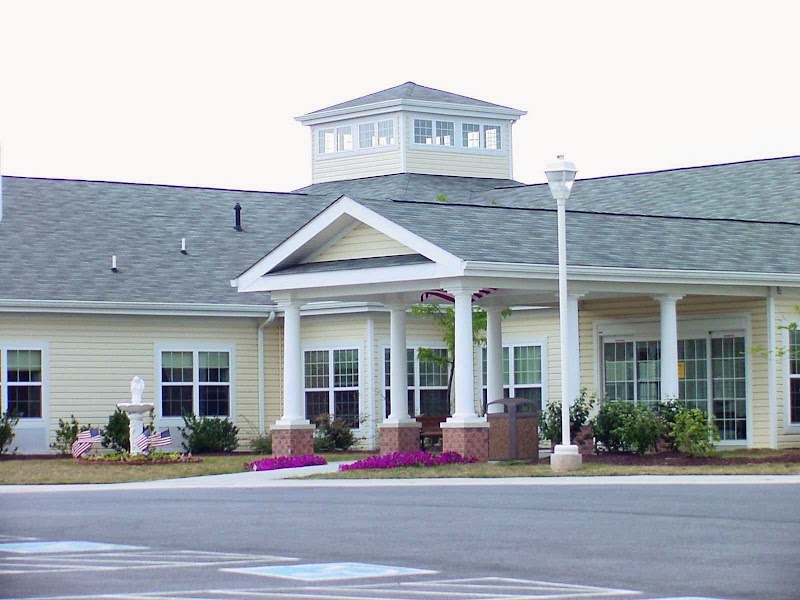
How is Lorien Taneytown, Inc Staffed?

CMS rates LORIEN TANEYTOWN, INC's staffing level at 3 out of 5 stars, which is average compared to other nursing homes. Staff turnover is 60%, which is 14 percentage points above the Maryland average of 46%. High turnover can affect care consistency as new staff learn residents' individual needs. RN turnover specifically is 59%, which is notably high. RNs provide skilled clinical oversight, so turnover in this role can affect medical care quality.

What Have Inspectors Found at Lorien Taneytown, Inc?

State health inspectors documented 41 deficiencies at LORIEN TANEYTOWN, INC during 2017 to 2025. These included: 2 Immediate Jeopardy (the most serious level, indicating potential for serious harm or death), 34 with potential for harm, and 5 minor or isolated issues. Immediate Jeopardy findings are rare and represent the most serious regulatory concerns. They require immediate corrective action.
Who Owns and Operates Lorien Taneytown, Inc?

LORIEN TANEYTOWN, INC is owned by a for-profit company. For-profit facilities operate as businesses with obligations to shareholders or private owners. The facility is operated by LORIEN HEALTH SERVICES, a chain that manages multiple nursing homes. With 63 certified beds and approximately 55 residents (about 87% occupancy), it is a smaller facility located in TANEYTOWN, Maryland.

How Does Lorien Taneytown, Inc Compare to Other Maryland Nursing Homes?

Compared to the 100 nursing homes in Maryland, LORIEN TANEYTOWN, INC's overall rating (1 stars) is below the state average of 3.0, staff turnover (60%) is significantly higher than the state average of 46%, and health inspection rating (1 stars) is much below the national benchmark.

What Should Families Ask When Visiting Lorien Taneytown, Inc?

Based on this facility's data, families visiting should ask: "What changes have been made since the serious inspection findings, and how are you preventing similar issues?" "How do you ensure continuity of care given staff turnover, and what is your staff retention strategy?" "Can I visit during a mealtime to observe dining assistance and food quality?" "How do you handle medical emergencies, and what is your hospital transfer rate?" These questions are particularly relevant given the facility's Immediate Jeopardy citations and the facility's high staff turnover rate.

Is Lorien Taneytown, Inc Safe?

Based on CMS inspection data, LORIEN TANEYTOWN, INC has documented safety concerns. Inspectors have issued 2 Immediate Jeopardy citations (the most serious violation level indicating risk of serious injury or death). The facility has a 1-star overall rating and ranks #100 of 100 nursing homes in Maryland. Families considering this facility should ask detailed questions about what corrective actions have been taken since these incidents.

Do Nurses at Lorien Taneytown, Inc Stick Around?

Staff turnover at LORIEN TANEYTOWN, INC is high. At 60%, the facility is 14 percentage points above the Maryland average of 46%. Registered Nurse turnover is particularly concerning at 59%. RNs handle complex medical decisions and coordinate care — frequent RN changes can directly impact care quality. High turnover means new staff may not know residents' individual needs, medications, or preferences. It can also be disorienting for residents, especially those with dementia who rely on familiar faces. Families should ask: What is causing the turnover? What retention programs are in place? How do you ensure care continuity during staff transitions?

Was Lorien Taneytown, Inc Ever Fined?

LORIEN TANEYTOWN, INC has no federal fines on record. CMS issues fines when nursing homes fail to meet care standards or don't correct problems found during inspections. The absence of fines suggests the facility has either maintained compliance or corrected any issues before penalties were assessed. This is a positive indicator, though families should still review recent inspection reports for the full picture.

Is Lorien Taneytown, Inc on Any Federal Watch List?

LORIEN TANEYTOWN, INC is not on any federal watch list. The most significant is the Special Focus Facility (SFF) program, which identifies the bottom 1% of nursing homes nationally based on persistent, serious quality problems. Not being on this list means the facility has avoided the pattern of deficiencies that triggers enhanced federal oversight. This is a positive indicator, though families should still review the facility's inspection history directly.