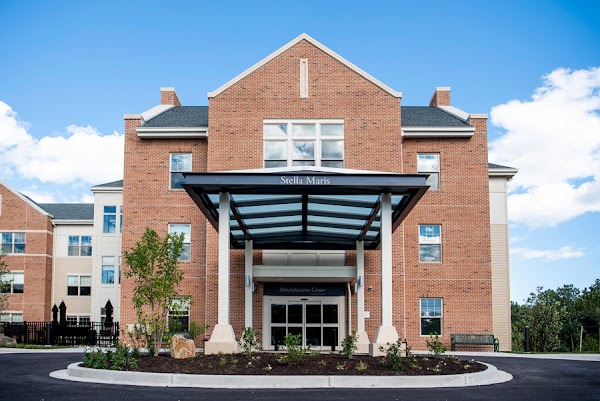
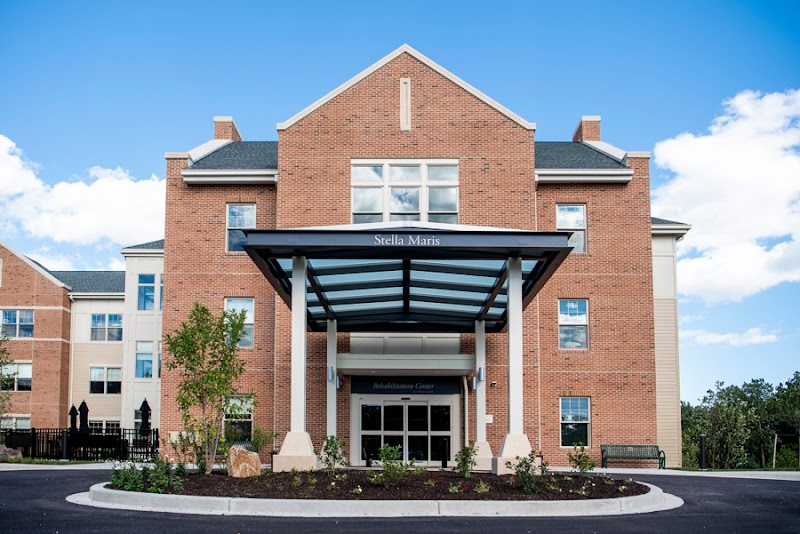

STELLA MARIS, INC.

2300 DULANEY VALLEY ROAD, TIMONIUM, MD 21093 (410) 252-4500
Non profit - Corporation 412 Beds Independent Data: November 2025
Trust Grade
48/100
#176 of 219 in MD
Last Inspection: May 2022

Over 2 years since last inspection. Current conditions may differ from available data.

Overview

Stella Maris, Inc. has a Trust Grade of D, indicating below-average performance, which raises some concerns about the care provided. In Maryland, it ranks #176 out of 219 facilities, placing it in the bottom half, and #36 out of 43 in Baltimore County, meaning only a few local options are rated lower. The facility's trend is worsening, with the number of issues increasing from 13 in 2022 to 19 in 2025. Staffing is a relative strength, rated at 4 out of 5 stars, with a turnover rate of 41%, slightly above the state average. However, they have faced significant issues, such as failing to promptly report allegations of abuse, which affected multiple residents, and concerns about food safety and hygiene practices in the kitchen. Overall, while there are some positive aspects, families should be aware of the facility's serious shortcomings.

Trust Score
D
48/100
In Maryland
#176/219
Bottom 20%
Safety Record
Low Risk
No red flags
Inspections
Getting Worse
13 → 19 violations
Staff Stability
○ Average
41% turnover. Near Maryland's 48% average. Typical for the industry.
Penalties
✓ Good
$13,247 in fines. Lower than most Maryland facilities. Relatively clean record.
Skilled Nurses
✓ Good
Each resident gets 44 minutes of Registered Nurse (RN) attention daily — more than average for Maryland. RNs are trained to catch health problems early.
Violations
⚠ Watch
45 deficiencies on record. Higher than average. Multiple issues found across inspections.
★★☆☆☆
2.0
Overall Rating
★★★★☆
4.0
Staff Levels
★★★☆☆
3.0
Care Quality
★★☆☆☆
2.0
Inspection Score
Stable
2022: 13 issues
2025: 19 issues

The Good

  • 4-Star Staffing Rating · Above-average nurse staffing levels
  • Full Sprinkler Coverage · Fire safety systems throughout facility
  • No fines on record
  • Staff turnover below average (41%)

    7 points below Maryland average of 48%

Facility shows strength in staffing levels, fire safety.

The Bad

2-Star Overall Rating

Below Maryland average (3.0)

Below average - review inspection findings carefully

Staff Turnover: 41%

Near Maryland avg (46%)

Typical for the industry

Federal Fines: $13,247

Below median ($33,413)

Minor penalties assessed

The Ugly 45 deficiencies on record

Apr 2025 19 deficiencies
CONCERN (D) 📢 Someone Reported This

A family member, employee, or ombudsman was alarmed enough to file a formal complaint

Potential for Harm - no one hurt, but risky conditions existed

Deficiency F0552 (Tag F0552)

Could have caused harm · This affected 1 resident

Based on medical record review and interview, the facility staff failed to obtain consent from the Resident's representative prior to administering a new medication to a resident (Resident # 33). This...

Read full inspector narrative →
Based on medical record review and interview, the facility staff failed to obtain consent from the Resident's representative prior to administering a new medication to a resident (Resident # 33). This was evident for 1 of 71 residents reviewed during a complaint survey. The findings include: Review of Resident #33's medical record on 3/27/25 the Resident was admitted to the facility in September 2023 with a diagnosis to include dementia. Dementia is a general term for loss of memory, language, problem-solving and other thinking abilities that are severe enough to interfere with daily life. Further review of Resident's medical record revealed the Resident was seen by the Psychiatric Practitioner (Staff #70) on 9/18/23 and at that time Staff #70 ordered Depakote 125 mg twice a day for dementia with behavioral disturbances. Depakote is a medication that can treat seizures and bipolar disorder. Staff #70 documented at that time unable to reach resident's representative to discuss progress and plan. Further review of Resident #33's medical record revealed the facility staff assessed the Resident on 9/23/23 to have a BIMS (Brief Interview Mental Status) of 4 of 15. A BIMS of 4 indicates severe cognitive impairment. Interview with Resident #33's representative on 4/2/25 at 10:12 AM, the representative stated the facility staff administered medications to the Resident without a meeting to discuss the behavior or the plan. Further review of the Resident's medical record revealed no evidence the Resident's representative was notified prior to the administration of Depakote on 9/18/23. Interview with the Assistant Director of Nursing on 4/3/25 at 8:50 AM confirmed there was no evidence the facility staff notified Resident #33's representative prior to the administration of Depakote on 9/18/23.
CONCERN (D) 📢 Someone Reported This

A family member, employee, or ombudsman was alarmed enough to file a formal complaint

Potential for Harm - no one hurt, but risky conditions existed

Notification of Changes (Tag F0580)

Could have caused harm · This affected 1 resident

Based on medical record review and interview, it was determined the facility staff failed to notify the physician of the inability to obtain an opthamology consult. This was evident for 1 (#7) residen...

Read full inspector narrative →
Based on medical record review and interview, it was determined the facility staff failed to notify the physician of the inability to obtain an opthamology consult. This was evident for 1 (#7) residents reviewed for 40 complaints reviewed during a complaint survey. The findings include: On 3/31/25 at 8:34 AM a review of complaint MD00212199 was conducted. The complainant alleged that Resident #7 was hit by his/her aide. The complaint alleged Resident #7 had a bruise on his/her face from the incident. Review of a 11/22/24 at 2:30 PM SBAR (change in condition note) documented, around 0815 writer was called to room by GNA. GNA had just walked into the room and noticed bruising to left peri-orbital region with a small gash to left eyebrow. Resident initially stated that [he/she] was hit with a dish. Then stated that [he/she] was turned over (in bed) and hit [his/her] head. A 11/22/24 at 7:11 PM provider note documented, Note: Patient noted with left periorbital swelling, erythema, tenderness and hematoma extending towards nasal bridge and inner canthus of left eye. The assessment and plan documented, left eye hematoma: Unknown etiology. Nursing staff believe this might have likely occurred during repositioning. Will obtain ophthalmology consultation for further evaluation. A 11/26/24 at 10:19 PM provider note documented, left eye hematoma: unclear etiology. Ecchymosis extending to left jaw, periorbital area and nasal bridge. Ophthalmology consult pending for further evaluation. Review of nursing progress notes, physician notes, and the entire medical record failed to produce an ophthalmology consult for the eye injury. On 4/4/25 at 1:00 PM NP #56 stated the resident had dementia so couldn't follow instructions. It was a significant bruise. I am not sure how it got there. I could not say it was from the side rail. That is why I wanted [him/her] to be seen by an ophthalmologist. I am not really sure what happened. For the appointment I would expect it to be ASAP. If they could not get an appointment right away, I would expect them to notify me. On 4/7/25 at 2:19 PM an interview was conducted with the DON about eye consultation. The DON confirmed there was no documentation that the NP was notified of the failure to obtain an ophthalmology appointment.
CONCERN (D) 📢 Someone Reported This

A family member, employee, or ombudsman was alarmed enough to file a formal complaint

Potential for Harm - no one hurt, but risky conditions existed

Free from Abuse/Neglect (Tag F0600)

Could have caused harm · This affected 1 resident

Based on review of a facility reported incident with documentation, medical record review, and staff interview, it was determined the facility failed to protect a vulnerable adult from physical abuse....

Read full inspector narrative →
Based on review of a facility reported incident with documentation, medical record review, and staff interview, it was determined the facility failed to protect a vulnerable adult from physical abuse. This was evident for 1 (#34) resident reviewed for 27 facility reported incidents reviewed during a complaint survey. The facility implemented effective and thorough corrective measures following this incident prior to the start of this survey. The facility's plan and action were verified during this survey; therefore this deficiency was found to be past noncompliance with a compliance date of 10/16/23.The findings include:On 3/27/25 at 3:03 PM a review of facility reported incident MD00198080 alleged that on 10/5/23 at approximately 9:00 AM, GNA #16 was providing morning care to Resident #34. Resident #34 was swinging his/her arms at GNA #16, and LPN #15 witnessed the interaction. According to GNA #16, LPN #15 came running in the room, got close to Resident #34, then walked back to close the door. LPN #15 came back rushing and slapped Resident #34 in the face hard on the right side at the top of the face. LPN #15 allegedly stated, don't you ever [expletive] do that again. Isn't there something you need to say? You need to apologize.Review of the documentation in the facility report revealed that Resident #34 was a resident with a diagnosis of paraplegia, epilepsy, intellectual disability and aphasia following a nontraumatic subarachnoid hemorrhage in 2019 along with multiple co-morbidities. Review of the facility's investigation documented a written statement from GNA #16 dated 10/6/23 that stated, yesterday, on October 5, 2023, I [name of GNA #16] witnessed the nurse [name of LPN #15] slap the resident [name of Resident #34] in the face. It was between 8:30 AM and 9:00 AM. The note continued to document that GNA #16 was getting Resident #34 dressed for breakfast and the resident wanted his/her socks on because his/her feet were getting cold. GNA #16 told the resident no because his/her foot had to get a bandage. Resident #34 kept asking and GNA #16 kept saying no. GNA #16 documented that the resident turned to the side and when he/she turned around he/she went to swing at GNA #16 but wasn't close enough. LPN #15 saw what was going on and came running in. LPN #15 came close to Resident #34 then walked back to close the door. LPN #15 came back rushing and slapped Resident #34 in the face hard on the right side at the top. Resident #34 became quiet. After LPN #15 yelled at the resident he left and GNA #16 finished getting Resident #34 ready. GNA #16 documented, I was scared to speak because of retaliation. GNA #16 documented that LPN #15 created a hostile environment and was always loud and yelling, so she didn't want him to do anything to her. GNA #16 documented that Resident #34, didn't deserve that. No matter how mad you get that the resident hitting is wrong and should never happen. [He/she] didn't deserve that. I had to speak up, so it didn't happen again.GNA #58 documented in a written statement that she saw LPN #15 slam the door. When [name of GNA #16] came to me the next day and told me what happened, I told her to report the incident immediately. GNA #58 also documented that she was joking with a resident and asked the resident if he/she was staying up past 2 PM and the resident stated no because when he/she did the other day, LPN #15 yelled at him/her.Review of Resident #34's medical record revealed a 10/6/23 at 10:47 AM physician's progress note that documented, chief complaint, patient was seen for c/o (complaint of) headache after being struck in [his/her] head. The assessment/plan documented, headache after being struck - pending ER transfer to r/o (rule out) head injury or other acute process. Continue Acetaminophen.A 10/7/23 at 10:34 AM physician's note documented, I was asked to evaluate the patient. Patient was reportedly abused by a staff member. Patient was not reported to have any significant injuries. Patient however was referred to the emergency room for evaluation. Patient has returned from the emergency room. No significant abnormalities were found. Patient had a CT scan of the head and C-spine which were unremarkable.On 3/31/25 at 2:45 PM an interview was conducted with GNA #16. GNA #16 stated that she was trying to clean Resident #34 up and the resident was in a mood and was trying to hit her. GNA #16 stated she tried to redirect. GNA #16 stated the power had gone out and all of a sudden she saw LPN #15 in the room and LPN #15 slapped Resident #34 in the face and she was stunned. He cussed at the resident and left the room. GNA #16 stated Resident #34 was holding his/her face, and his/her face was red, and Resident #34 had a look on his/her face like he/she was used to it, and it wasn't the first time it happened. GNA #16 stated she asked Resident #34 if he/she was ok. GNA #16 stated, I had never seen that before.The surveyor asked GNA #16 if she reported it immediately and she stated, no, I did not tell anyone because I was scared because [name of LPN #15] was very confrontational, revenge, he is tit for tat. The next day when I came to work is when I reported it. It happened between 8 and 9 in the morning. The rest of the day [name of LPN #15] went on carefree like nothing happened. GNA #16 stated, I told the nurse the next day and I just went to administration because I was so nervous. I reported it to the infection nurse first. I asked for the DON (Director of Nursing) and then I reported it to the Nursing Home Administrator. I was very emotional. They took the necessary steps, and I wrote my statements. I had to go to the Board of Nursing and give my statement again. GNA #16 stated that she was educated after the incident about reporting immediately. Cross Reference F609On 4/1/25 at 10:47 AM an interview was conducted with the DON who confirmed the incident was not reported timely by the staff member. The DON was not employed at the facility at the time of the incident.Review of LPN #15's personnel file revealed LPN #15 was initially a GNA back in 2012 at the facility. On 10/28/13 he was written up for behavior. On 4/11/13 he was written up for being rude and insubordinate and on 11/19/13 was given a written warning with suspension due to intimidation and insubordination. On 3/25/14 he was written up because he was overheard using language that was not appropriate to one of the residents. On 4/11/17 he received verbal counseling for speaking harshly. LPN #15 became an LPN, and on 1/9/19 was put on an action plan for performance as he left medications in a resident's bed. On 8/12/21 he refused to acknowledge an RN, ICP (infection control practitioner) when instructed on the requirement for wearing a face shield while the facility was in a COVID-19 outbreak. He had an insubordinate attitude. On 8/28/23 he received a performance management write up. The facility's administration reported LPN #15 to the Board of Nursing after the incident on 10/6/23. Review of the nurse educator's binder for sign-in sheets for education revealed abuse training in October 2023. There was a paper that said, please read and sign! All staff! The training began on 10/6/23 and continued to 10/16/23.
CONCERN (D) 📢 Someone Reported This

A family member, employee, or ombudsman was alarmed enough to file a formal complaint

Potential for Harm - no one hurt, but risky conditions existed

Assessment Accuracy (Tag F0641)

Could have caused harm · This affected 1 resident

**NOTE- TERMS IN BRACKETS HAVE BEEN EDITED TO PROTECT CONFIDENTIALITY** Based on medical record review and staff interview, it was determined the facility staff failed to ensure Minimum Data Set (MDS)...

Read full inspector narrative →
**NOTE- TERMS IN BRACKETS HAVE BEEN EDITED TO PROTECT CONFIDENTIALITY** Based on medical record review and staff interview, it was determined the facility staff failed to ensure Minimum Data Set (MDS) assessments were accurately coded. This was evident for 4 (#30, #24, #15, #29) of 71 residents reviewed during a complaint survey. The findings include: The MDS is part of the Resident Assessment Instrument that was Federally mandated in legislation passed in 1986. The MDS is a set of assessment screening items employed as part of a standardized, reproducible, and comprehensive assessment process that ensures each resident's individual needs are identified, that care is planned based on those individualized needs, and that the care is provided as planned to meet the needs of each resident. 1) On 3/31/25 at 10:00 AM Resident #30's medical record was reviewed and revealed a 2/2/24 progress note that documented Resident #30 had an unwitnessed fall and was bleeding from the head. Resident #30 was sent to the emergency room and returned to the facility on 2/3/24 at 5:30 AM. Resident #30 had a left front scalp laceration with staples. Review of the MDS with an assessment reference date (ARD) of 3/1/24, Section J, falls, captured the fall but failed to capture the fall with injury. According to the Resident Assessment Instrument (RAI) Manual, it is important to ensure the accuracy of the level of injury resulting from a fall. If the level of injury directly related to a fall that occurred during the look-back period is identified after the ARD and is at a different injury level than what was originally coded on an assessment that was submitted to the Internet Quality Improvement and Evaluation System (iQIES), the assessment must be modified to update the level of injury that occurred with that fall. Continued review of Resident #30's medical record revealed a 1/6/24 progress note that documented Resident #30 had erythema noted to bilateral buttocks and a rash to the bilateral upper/posterior thighs. Review of Resident #30's January 2024 Medication Administration Record (MAR) documented the order, in house antifungal powder to posterior upper & inner thighs BID (twice per day) until resolved every day and night shift for rash. The start date was 1/8/24 and the nurses initialed that treatment had started on 1/8/24. Review of the admission MDS with an ARD of 1/12/24, Section M1200,ointments/medications other than to treat feet, failed to capture the use of the antifungal powder. On 4/3/25 at 12:51 PM the MDS was reviewed with MDS Coordinator #45 who confirmed the errors. 2) On 3/26/25 at 1:30 PM a review of facility reported incident MD00204743 was conducted. Resident #24 alleged on 4/13/24 at approximately 7:30 PM the GNA pushed him/her onto the bed and then lifted Resident #24's legs up into the bed and said the resident needed to go to bed. The resident felt the GNA should not have put him/her to bed because the resident had to put the snakes in the bag. Review of Resident #24's medical record revealed a 3/31/24 progress note that documented, intermittent visual hallucination. A 3/27/24 physician's history and physical documented, reports ongoing visual hallucinations, seeing snakes intermittently. Denies auditory hallucination. Review of the admisison MDS with an ARD of 4/1/24, Section E0100A, Hallucinations, was not captured. On 4/3/25 at 12:51 PM Staff #45 confirmed the findings that the MDS was not coded correctly. 3) On 3/28/25 at 11:38 AM a review of complaint MD00209307 alleged that Resident #15 had a number of falls while at the facility. Review of Resident #15's medical record revealed Resident #15 was admitted to the facility on [DATE] at 2:00 AM. Review of progress notes, dated 3/28/24 at 6:55 AM, documented, Patient was observed sitting on the floor in front of the door. Patient denies pain and stated I was trying to walk. I thought I could walk and I didn't hit my head. Two-person assist was performed when getting the patient off the floor and placed back into bed. Review of the admission MDS with an ARD of 4/3/24, Section J1900, falls since admission, documented Resident #15 did not have any falls. The facility failed to capture the fall on 3/28/24. On 4/7/25 at 3:34 PM an interview was conducted with MDS Coordinator #45 who confirmed the error. 4) On 4/2/25 at 12:41 PM a review of facility reported incident MD00195765 documented that a Hoyer lift was used to assist Resident #29 from one surface to another. Review of Resident #39's medical record revealed Resident #39 was admitted to the facility in May 2022 with a diagnosis of Chronic inflammatory demyelinating polyneuritis (CIDP). CIDP is a neurological disorder characterized by progressive weakness and impaired sensory function in the extremities, caused by inflammation and demyelination (damage to the myelin sheath) of the peripheral nerves. Review of an 8/23/23 progress note documented that 2 GNAs were trying to adjust Resident #39 from sliding off the wheelchair. Due to Resident #39 not being able to bend the knees, they could not get the resident on the chair, so 4 staff members had to place the resident on the floor. The note documented that the brother witnessed the fall incident. The Hoyer lift was then used to get the resident off the floor and into bed. Review of the MDS with an ARD of 11/17/23 coded there were no falls since the previous MDS assessment. Resident had a fall on 8/23/23. According to the RAI manual, a fall is defined as an unintentional change in position coming to rest on the ground, floor or onto the next lower surface (e.g., onto a bed, chair, or bedside mat). An intercepted fall occurs when the resident would have fallen if they had not caught themself or had not been intercepted by another person - this is still considered a fall. The facility failed to capture the fall. On 4/7/25 at 3:50 PM MDS Coordinator #45 was interviewed and reviewed MDS with the surveyor. MDS Coordinator #45 confirmed the findings.
CONCERN (D) 📢 Someone Reported This

A family member, employee, or ombudsman was alarmed enough to file a formal complaint

Potential for Harm - no one hurt, but risky conditions existed

Deficiency F0655 (Tag F0655)

Could have caused harm · This affected 1 resident

**NOTE- TERMS IN BRACKETS HAVE BEEN EDITED TO PROTECT CONFIDENTIALITY** Based on record review and interview it was determined that the facility failed to have a process in place to ensure that a base...

Read full inspector narrative →
**NOTE- TERMS IN BRACKETS HAVE BEEN EDITED TO PROTECT CONFIDENTIALITY** Based on record review and interview it was determined that the facility failed to have a process in place to ensure that a baseline care plan was provided to the resident and resident representative within 48 hours of admission to the facility (Resident #33 and #65). This was evident for 2 of 71 residents reviewed during a complaint survey. The findings include: The baseline care plan is given to residents within 48 hours of their admission and details a variety of components of the care that the facility intends to provide to that resident. In addition to the baseline care plan, residents are also expected to receive a list of their admission medications. This allows residents and their representatives to be more informed about the care that they receive. 1. During interview with Resident #33's representative (RP) on 4/2/25 at 10:12 AM, the RP stated he/she was never given a baseline care plan or had a meeting with the facility staff to discuss. Review of Resident #33's medical record on 4/2/25 revealed the Resident was admitted to the facility in September 2023 with a diagnosis to include dementia. Dementia is a general term for loss of memory, language, problem-solving and other thinking abilities that are severe enough to interfere with daily life. Further review of Resident #33's medical record revealed there was no evidence in the medical record of a baseline care plan that was reviewed and given to Resident #33 and the Resident's RP. The medical record review failed to reveal evidence that the facility offered the Resident and their representative a summary of the baseline care plan that included initial goals, physician orders, therapy services, dietary services, and social services within 48 hours of the resident's admission to the facility. Interview with the Assistant Director of Nursing (ADON) on 4/2/25 at 10:45 AM stated the process is for baseline care plans is for the nurse manger, therapy and social work to discuss with the resident and family within 72 hours of admission the goals for the Resident. The ADON was asked if anything is given to the Resident and RP in writing and the ADON stated no. During interview with the Director of Nursing (DON) on 4/3/25 at 9:20 am, the DON confirmed there is no evidence in the medical record the facility staff reviewed and provided a copy to Resident #33 and the RP of the Resident's baseline care plans. 2. During review of a complaint from Resident #65's representative (RP) on 4/2/25 revealed the RP stated he/she was at the facility daily and never given a baseline care plan or had a meeting with the facility staff to discuss. Review of Resident #65's medical record on 4/2/25 revealed the Resident was admitted to the facility on [DATE] with a diagnosis to include dementia. Dementia is a general term for loss of memory, language, problem-solving and other thinking abilities that are severe enough to interfere with daily life. Further review of Resident #65's medical record revealed there was no evidence in the medical record of a baseline care plan that was reviewed and given to Resident #65 and the Resident's RP. The medical record review failed to reveal evidence that the facility offered the Resident and their representative a summary of the baseline care plan that included initial goals, physician orders, therapy services, dietary services, and social services within 48 hours of the resident's admission to the facility. Interview with the Assistant Director of Nursing (ADON) on 4/2/25 at 10:45 AM stated the process is for baseline care plans is for the nurse manger, therapy and social work to discuss with the resident and family within 72 hours of admission the goals for the Resident. The ADON was asked if anything is given to the Resident and RP in writing and the ADON stated no. During interview with the Director of Nursing (DON) on 4/3/25 at 9:20 am, the DON confirmed there is no evidence in the medical record the facility staff reviewed and provided a copy to Resident #65 and the RP of the Resident's baseline care plans.
CONCERN (D) 📢 Someone Reported This

A family member, employee, or ombudsman was alarmed enough to file a formal complaint

Potential for Harm - no one hurt, but risky conditions existed

Comprehensive Care Plan (Tag F0656)

Could have caused harm · This affected 1 resident

**NOTE- TERMS IN BRACKETS HAVE BEEN EDITED TO PROTECT CONFIDENTIALITY** Based on observation, medical record review, and staff interview it was determined that facility staff failed to develop and a c...

Read full inspector narrative →
**NOTE- TERMS IN BRACKETS HAVE BEEN EDITED TO PROTECT CONFIDENTIALITY** Based on observation, medical record review, and staff interview it was determined that facility staff failed to develop and a comprehensive, resident centered care plans for altered skin integrity. This was evident for 1 (#30) of 71 residents reviewed during a complaint survey. The findings include: A care plan is a guide that addresses the unique needs of each resident. It is used to plan, assess, and evaluate the effectiveness of the resident's care. On 3/31/25 at 10:00 AM a review of complaint MD00201834 alleged that Resident #30 received a pressure ulcer due to care issues in the facility. Review of Resident #30's medical record revealed a 1/6/24 progress note that documented Resident #30 had erythema noted to the bilateral buttocks and a rash to the bilateral upper/posterior thighs. An anti-fungal powder was ordered Review of Resident #30's January 2024 Medication Administration Record (MAR) documented the order, in house antifungal powder to posterior upper & inner thighs BID (twice per day) until resolved every day and night shift for rash. The start date was 1/8/24 and the nurses initialed that treatment had started on 1/8/24. A 1/22/24 progress note documented Resident #30 had IAD/pressure injury. IAD is an inflammatory skin condition that occurs when the skin is exposed to urine or stool, leading to irritation, inflammation, and potentially, skin lesions. On 1/23/24 Nystatin-Triamcinolone External Ointment (Nystatin-Triamcinolone) was ordered to be applied to the right buttock topically every day and night shift for wound care and Mycolog II ointment. On 1/24/24 Santyl External Ointment (Collagenase) was ordered to be applied to the left buttock wound every day A 1/30/24 skin assessment documented an unstageable pressure ulcer to the left buttock. There were treatments that were done by staff and skin assessments done weekly until discharge on [DATE]. Review of Resident #30's care plan, has potential for impairment to skin integrity r/t immobility, laceration on the head, which was initiated on 1/7/24, had the intervention, encourage ROM (range of motion) exercises and weight-bearing mobility when possible to increase blood flow to all areas. There were no other interventions on the care plan. The care plan was not resident centered and was not updated as it did not address the skin integrity issues that were documented on readmission to the facility on 1/6/24 or the change in the skin condition on 1/22/24. The care plan did not have specific interventions in place to heal and prevent further decline in the resident's skin integrity. On 4/3/25 at 9:53 AM an interview was conducted with Staff # 44 and Staff #45. They both stated that the care plan was initiated by the admitting nurse and then the electronic medical record system would autotrigger other areas on the care plan. On 4/7/25 at 11:35 AM the incomplete care plan was discussed with the Director of Nursing and the Assistant Director of Nursing. They confirmed the findings.
CONCERN (D) 📢 Someone Reported This

A family member, employee, or ombudsman was alarmed enough to file a formal complaint

Potential for Harm - no one hurt, but risky conditions existed

Quality of Care (Tag F0684)

Could have caused harm · This affected 1 resident

**NOTE- TERMS IN BRACKETS HAVE BEEN EDITED TO PROTECT CONFIDENTIALITY** 3. The facility staff failed to follow up on a resident's request for nephrostomy tube flushes and failed to have a physician's ...

Read full inspector narrative →
**NOTE- TERMS IN BRACKETS HAVE BEEN EDITED TO PROTECT CONFIDENTIALITY** 3. The facility staff failed to follow up on a resident's request for nephrostomy tube flushes and failed to have a physician's order prior to a nephrostomy tube flush. A nephrostomy tube is a thin tube inserted into the kidney to drain urine when the urinary tract is blocked. Proper care is essential to prevent infection and ensure optimal drainage. Pyelonephritis, also known as a kidney infection, is a bacterial infection that affects one or both kidneys. It often starts as a urinary tract infection (UTI) that travels upwards from the bladder to the kidneys. On 3/27/25 at 1:15 PM a review of complaint MD00176106 alleged that Resident #14's nephrostomy tube had not been flushed since returning from the hospital. Review of Resident #14's medical record revealed a hospital Discharge summary dated [DATE] that documented the resident was in the hospital due to septic shock with acute organ dysfunction, a urinary tract infection, and complicated pyelonephritis which resulted in a nephrostomy tube being placed on 4/15/22. Resident #14 was discharged to the facility on 4/25/22. On 4/28/22 at 6:44 AM a behavior note documented, awake, expressed concerns of Xarelto d/c, change time of Protonix, and requests new orders for Nephrostomy tube flushing. On 5/10/22 at 12:45 PM a nursing progress noted documented, nephrostomy tube was flushed and is patent, draining well. Review of Resident #14's May 2022 medication administration record (MAR) documented an order, flush nephrostomy tube daily with 10 ml. of ns (normal saline) solution in the morning with a start date of 5/17/22. The resident requested the flushing on 4/28/22 and there was no documentation that the resident's request was given to the physician until the order was written on 5/17/22. Additionally, on 5/10/22 the nephrostomy tube was flushed without a physician's order which would have dictated what to flush the nephrostomy tube with and how many times it was to be flushed. On 3/27/25 at 2:40 PM the Nephrostomy care and tubing care policy was given to the surveyor from the Assistant Director of Nursing (ADON). The policy was not effective until June 2022. The policy stated, A physician's order is required for the nephrostomy tube and its care. On 4/7/25 at 2:31 PM an interview was conducted with the Director of Nursing (DON) and ADON. The DON stated that the policy needed to be revised. The DON confirmed that there was no documentation of Resident #14's request being followed up on and that the nurse flushed the nephrostomy tube on 5/10/22 without a physician's order. Based on medical record review and interview, the facility staff failed to provide treatment and care in accordance with professional standards of practice. This was evident for 3 (#5, #38, #14) of 71 residents reviewed during a complaint survey. The findings include: 1. The facility staff failed to administer medications to Resident #5 as ordered by the eye doctor. Review of Resident #5's medical record on 4/3/25 the Resident was admitted to the facility in December of 2024 with a diagnosis to include legal blindness. Further review of Resident #5's medical record revealed the Resident went to the Eye Doctor on 2/7/25 and at that time was assessed to have a diagnosis of Glaucoma, Entropion and dry eye. Glaucoma is a group of eye diseases that damage the optic nerve, potentially leading to vision loss or blindness, often due to increased eye pressure. Entropion is a condition where the eyelid turns inward, causing eyelashes to rub against the eye, leading to irritation, pain, and potentially, corneal damage. Dry eye syndrome, also known as dry eye disease, is a condition where the eyes don't produce enough tears or the tears produced are of poor quality, leading to discomfort and potentially vision problems. Review of the 2/7/25 Eye Doctor's plan revealed the Eye Doctor ordered the Resident to receive Refresh ointment to the right eye at bedtime indefinitely and Refresh tears solution 1 drop to both eyes twice daily indefinitely. The Resident was to follow up with the eye doctor in 3 to 4 months. Review of Resident #5's February, March and April 2025 Medication Administration Records on 4/3/25 revealed the Resident has not been ordered or administered the Refresh ointment and eye drops per the Eye Doctor's orders. Interview with the Director of Nursing and Assistant Director of Nursing on 4/7/25 at 2:09 PM confirmed the Surveyor's findings. 2. The facility staff failed to properly perform neuro checks after falls on 6/22/23 and 6/25/23 for Resident #38. A neuro check after a fall refers to a neurological assessment performed by a healthcare professional to evaluate potential brain injuries by checking a person's level of consciousness, orientation, pupil response, muscle strength, sensation, and coordination. Review of Resident #38's medical record on 4/3/25 revealed the Resident was admitted to the facility in 2019 with diagnosis to include history of falling. a) Further review of Resident #38's medical record revealed on 6/22/23 the Resident had an unwitnessed fall without injury. Review of the neuro checks after the fall revealed on 6/22/23 at 7:15 AM the Staff did not complete the COMA scale. COMA scale is a system to score or measure how conscious you are. On 6/22/23 at 1:15 PM the neuro check did not include an assessment of left hand grip. On 6/22/23 at 10:15 PM and 6/23/23 at 2:15 AM and 6:15 AM neuro checks did not include vital signs. After the 6/23/25 at 2:15 PM, the facility staff failed to document a neuro check on 6/23/25 at 10:15 PM and 6/24/25 at 6:15 AM. b) Further review of Resident #38's medical record revealed on 6/25/23 at 2 PM the Resident had an unwitnessed fall without injury. Review of the neuro checks after the fall revealed on 6/25/23 at 2:00 PM the staff began neuro checks. Review of the neuro checks after the fall revealed on 6/25/23 at 7:15 PM the Staff did not include current vital signs. On 6/26/23 at 2 AM the neuro checks did not include a COMA scale, if there was a change in baseline and a current respirations and oxygen saturation. On 6/26/23 the 6:15 AM neuro checks did not include current vital signs. Interview with the Director of Nursing on 4/4/25 at 10:45 AM confirmed the facility staff failed to complete all parts of the neuro checks for Resident #8 after falls on 6/22 and 6/25/23.
CONCERN (D) 📢 Someone Reported This

A family member, employee, or ombudsman was alarmed enough to file a formal complaint

Potential for Harm - no one hurt, but risky conditions existed

Pressure Ulcer Prevention (Tag F0686)

Could have caused harm · This affected 1 resident

**NOTE- TERMS IN BRACKETS HAVE BEEN EDITED TO PROTECT CONFIDENTIALITY** Based on medical record review and interview, the facility staff failed to provide treatment/services to prevent/heal pressures ...

Read full inspector narrative →
**NOTE- TERMS IN BRACKETS HAVE BEEN EDITED TO PROTECT CONFIDENTIALITY** Based on medical record review and interview, the facility staff failed to provide treatment/services to prevent/heal pressures ulcers (Resident #55). This is evident for 1 of 3 residents reviewed for pressure ulcers during a complaint survey. The findings included: A pressure ulcer also known as pressure sore or decubitus ulcer is any lesion caused by unrelieved pressure that results in damage to the underlying tissue. Pressure ulcers are staged according the their severity from Stage I (area of persistent redness), Stage II ( superficial loss of skin such as an abrasion, blister or shallow crater), Stage III ( full thickness skin loss involving damage to subcutaneous tissue presenting as a deep crater), Stage IV (full thickness skin loss with extensive damage to muscle, bone or tendon) or Unstageable Pressure Ulcer (full thickness tissue loss in which the base of the ulcer is covered by slough and / or eschar in the wound bed). A deep tissue injury (DTI) is a unique form of pressure ulcer. The National Pressure Ulcer Advisory Panel defines a deep tissue injury as A pressure-related injury to subcutaneous tissues under intact skin. Initially, these lesions have the appearance of a deep bruise. The findings include: Review of Resident #55's medical record on 3/27/25 revealed the Resident was admitted to the facility in April 2022. On admission the Resident was assessed to have a Stage IV pressure ulcer to the sacrum. Further review of Resident #55's medical record revealed the Resident was readmitted to the facility on [DATE] following a hospitalization. Review of the Resident's weekly wound assessments revealed the facility staff failed to conduct weekly skin assessment with measurements on 12/23/22, 12/30/22, 1/13/23, 2/17/23 and 3/3/23. The purpose of completing weekly wound assessments with measurements is to monitor the wound's progress, identify any issues that could impede healing, and ensure that the treatment plan is effective. Interview with the Assistant Director of Nursing on 4/2/25 at 10:40 AM confirmed the facility staff failed to document weekly wound assessments for Resident #55's sacral pressure ulcer.
CONCERN (D) 📢 Someone Reported This

A family member, employee, or ombudsman was alarmed enough to file a formal complaint

Potential for Harm - no one hurt, but risky conditions existed

Deficiency F0692 (Tag F0692)

Could have caused harm · This affected 1 resident

**NOTE- TERMS IN BRACKETS HAVE BEEN EDITED TO PROTECT CONFIDENTIALITY** Based on medical record review, facility policy review and interview, the facility staff failed to obtain weekly weights on admi...

Read full inspector narrative →
**NOTE- TERMS IN BRACKETS HAVE BEEN EDITED TO PROTECT CONFIDENTIALITY** Based on medical record review, facility policy review and interview, the facility staff failed to obtain weekly weights on admission and failed to recognize a weight loss for a resident (Resident #33). This was evident for 1 of 71 residents reviewed during a complaint survey. The findings include: Review of Resident #33's medical record on 3/27/25 documented the Resident was admitted to the facility in September 2023 with a diagnosis to include dementia. Dementia is a general term for loss of memory, language, problem-solving and other thinking abilities that are severe enough to interfere with daily life. Further review of Resident's medical record revealed the facility staff documented a nutritional assessment was completed on 9/19/23. At that time the Dietitian (Staff #72) documented, intake is fair presently-weekly weights initiated to evaluate additional intervention. Review of the Resident's weights documented revealed the facility staff documented a weight on 9/27/23 of 232.8 pounds and on 10/17/23 of 222.8 pounds. No further weights were documented and the Resident was transferred to the hospital on [DATE]. The facility staff failed to obtain a weekly weight on 9/22/23, 10/4/23, and 10/11/23. Review of the facility's Weight Policy provided by the Director of Nursing on 4/2/25 revealed it states, Newly admitted LTC (long term care) residents will be weighed on admission, weekly for 4 weeks, then monthly. Further review of Resident #33's medical record revealed the Resident had a 10 pound weight loss from 9/27/23 until 10/17/23 and there was no documentation the Resident was reassessed by the Dietitian to determine if further interventions needed to be put in place. Interview with the Director of Nursing on 4/3/25 at 12:20 PM confirmed the facility staff failed to obtain all the weekly weights for Resident #33 and there was no documentation of any further assessment of the Resident after a 10 pound weight loss in 3 weeks.
CONCERN (D) 📢 Someone Reported This

A family member, employee, or ombudsman was alarmed enough to file a formal complaint

Potential for Harm - no one hurt, but risky conditions existed

Pharmacy Services (Tag F0755)

Could have caused harm · This affected 1 resident

Based on review of a complaint, medical record review, and interview, it was determined the facility failed to provide timely medication to meet the needs of the residents. This was evident for 1 (#14...

Read full inspector narrative →
Based on review of a complaint, medical record review, and interview, it was determined the facility failed to provide timely medication to meet the needs of the residents. This was evident for 1 (#14) resident reviewed for 40 complaints reviewed during a complaint survey. The findings include: On 3/27/25 at 1:15 PM a review of complaint MD00210066 alleged that there was a problem with the A&D ointment that was ordered for Resident #14. It was alleged that the ointment was received however the staff was not consistent with using the ointment and then kept telling the resident it was not available from the pharmacy and had been re-ordered. Review of Resident #14's medical record revealed an order for A and D Prevent External Ointment that was to be applied to the perineal area topically every shift for skin protectant with each incontinence care. The start date of the order was 9/1/24. Review of the September 2024 Medication Administration Record (MAR) documented each time the ointment was administered as evidence by the nurse's initials and a check mark. Whenever there were nurse's initials and the number 9, that indicated the ointment was not administered and there was an accompanying progress note. On 9/12/24 day shift the ointment was not administered and there was a corresponding note written on 9/12/24 at 1:02 PM that documented, re-ordered. On 9/16/24 for the evening and night shift there was a 9 documented, and a progress note written on 9/16/24 at 21:38 that stated, to be delivered. On 9/18/24 day shift another 9 and note, on order. From 9/22/24 evening shift until 9/25/24 day shift there were 9's documented each shift with progress notes that either documented, to be delivered or on order or awaiting delivery. Continued review of Resident #14's September 2024 MAR documented the medication Bio freeze Professional External Aerosol (topical analgesic) for knee pain 4 times a day that was written on 9/24/24. The analgesic was not available from 9/25/24 until it was cancelled on 10/1/24 and re-ordered as a roll-on external gel. Nursing notes documented that the medication was either on order or awaiting delivery. There were no physician notifications that the analgesic was not available until the order was changed 6 days later. On 4/4/25 at 11:05 AM an interview with geriatric nursing assistant (GNA) #57 revealed she changes the resident every 2 hours and sometimes more and she washes the resident and uses either A&D ointment or Greers Goo. GNA #57 stated, wipe, dry, and put cream on. We have to get the cream from the nurse. GNA #57 stated, we use so much so sometimes it is a small tube, and it takes time to get it after it is ordered. On 4/7/25 at 7:50 AM an interview was conducted with the Assistant Director of Nursing (ADON) about the Bio freeze (analgesic). The ADON stated that she talked to the pharmacist, and they had to have the strength changed. It took 2 attempts with the staff and that is when the Nurse Practitioner was notified, and the order was changed on 10/1/24. The ADON agreed that nursing should have acted quicker, and it should not have taken 6 days. On 4/7/25 at 7:55 AM an interview was conducted with the Director of Nursing (DON) related to the A&D ointment. The DON stated the unit requested refills as soon as the tube was empty. It took 2 days to change the order from a tub to a jar. The DON agreed that staff should have acted quicker about re-ordering the ointment.
CONCERN (D) 📢 Someone Reported This

A family member, employee, or ombudsman was alarmed enough to file a formal complaint

Potential for Harm - no one hurt, but risky conditions existed

Deficiency F0761 (Tag F0761)

Could have caused harm · This affected 1 resident

**NOTE- TERMS IN BRACKETS HAVE BEEN EDITED TO PROTECT CONFIDENTIALITY** Based on observation, staff interview, and documentation review it was determined that facility staff failed to keep medication ...

Read full inspector narrative →
**NOTE- TERMS IN BRACKETS HAVE BEEN EDITED TO PROTECT CONFIDENTIALITY** Based on observation, staff interview, and documentation review it was determined that facility staff failed to keep medication carts locked when unattended and date medications when opened. This was evident on 3 of 7 nursing units observed during random observations made during the complaint survey. The findings include: 1) On 4/2/25 at 9:48 AM observation was made on the 1 Knot unit of an unlocked medication cart sitting outside of room [ROOM NUMBER]. The surveyor was able to open the top drawer of the medication cart which contained resident medications. Licensed Practical Nurse (LPN) #32 stated she had just walked into the resident's room for a minute. 2) On 4/2/25 at 10:08 AM observation was made on the 1P unit of an unlocked and unattended medication cart at the nurse's station. The surveyor walked up and opened the top drawer. The surveyor had previously seen the medication cart sitting at the nurse's station unlocked with LPN #22 sitting at a computer at the nurse's station and unit secretary #28 sitting at the other end of the nurse's station facing the computer doing computer work. The surveyor walked down the hallway and in the dining area. When the surveyor walked back up the hallway the medication cart was still unlocked. The nurse got up from the nurse's station and walked down the hall. The surveyor was able to walk up to the medication cart and open the drawers. Unit secretary #28 never turned to look over at the unlocked medication cart. The surveyor opened the top drawer and picked up a Heparin vial. LPN #22 walked up to the cart and grabbed the Heparin vial out of the surveyor's hands and was trying to throw it in the sharp's container. The surveyor stopped LPN #22 at that time. LPN #22 stated, I am agency, and I need to get the discharge medications out of the cart. At that time the surveyor said, you can get them out of the cart, and I will wait. LPN #22 appeared anxious and stated, No, I can wait. I am in trouble. I have to discharge a resident, and I am agency, and I don't have any help. 3) On 4/2/25 at approximately 10:20 AM observation was made of an unlocked medication cart in the hallway on 4P. The keys were sitting on top of the cart. When the cart was first observed the Hospice Nurse #25 was at the cart and observed putting something in her left pants pocket. The surveyor was at the end of the hall and saw Nurse #25 walk away from the cart. The surveyor walked up the hall and saw the cart unlocked and unattended with the keys on top of the cart. The surveyor observed another nurse in the hallway giving medications to a resident in a wheelchair further down the hall from the unlocked medication cart. The surveyor was able to open the top drawer and was looking at the insulin pens in the top drawer when LPN #24 walked up and grabbed the insulin pen out of the surveyor's hand. The surveyor informed LPN #24 that the medication cart was left unlocked, and she stated that she had just gone in that room across the hall emergently and did not lock the cart. In the top drawer of the unlocked medication cart were insulin pens that were opened and not dated as follows: Resident #69's Humalog Kwik pen not dated when opened Resident #70's Admelog Solostar not dated when opened Resident #67's Lantus not dated when opened Resident #68's Lantus not dated when opened The insulin pens are only good for 28 days once opened. LPN #24 stated that the night shift normally gives insulins. LPN #24 grabbed a black marker and was getting ready to write dates on the insulin pens. The surveyor asked how she knew when the insulin pens were opened when she was not the one that administered the insulin. LPN #24 put the marker down. Review of the medication storage policy that was given to the surveyor on 4/2/25 at 2:55 PM from the Director of Nursing (DON) documented, the medication supply is accessible only to licensed nursing personnel, pharmacy personnel or staff members authorized to administer medications. Number 2 of the policy documented, only licensed nurses, the Consultant Pharmacist, and those authorized to administer medications (e.g. medication aides) are allowed access to medications. Medication rooms, carts, and medication supplies are locked or attended by persons with authorized access. On 4/7/25 at 2:26 PM the DON was informed of the findings. The DON stated she had already heard and had started education.
CONCERN (D) 📢 Someone Reported This

A family member, employee, or ombudsman was alarmed enough to file a formal complaint

Potential for Harm - no one hurt, but risky conditions existed

Laboratory Services (Tag F0770)

Could have caused harm · This affected 1 resident

**NOTE- TERMS IN BRACKETS HAVE BEEN EDITED TO PROTECT CONFIDENTIALITY** Based on medical record review and interview, the facility staff failed to obtain laboratory services for a resident as ordered ...

Read full inspector narrative →
**NOTE- TERMS IN BRACKETS HAVE BEEN EDITED TO PROTECT CONFIDENTIALITY** Based on medical record review and interview, the facility staff failed to obtain laboratory services for a resident as ordered (Resident #33). This was evident for 1 of 71 residents reviewed during a complaint survey. The findings include: Review of Resident #33's medical record on 3/27/25, the Resident was admitted in September 2023 with a diagnosis to include dementia. Dementia is a general term for loss of memory, language, problem-solving and other thinking abilities that are severe enough to interfere with daily life. Further review of Resident #33's medical record revealed on 11/17/25 the Nurse Practitioner (Staff #71) ordered a c diff sample. To test for C. difficile, a stool sample is collected and sent to a lab for analysis, where they look for the presence of the bacterium and its toxins. Further review of Resident #33's medical record revealed a change of condition note on 11/22/23 at 6:50 PM that stated Resident's representative visited him/her at bedside at 2 PM today and requested he/she be transferred to hospital ER for evaluation secondary to diarrhea of over 2 weeks. Interview with Assistant Director of Nursing on 4/3/25 at 8:50 AM confirmed no specimen was sent for Cdiff as ordered from 11/17/23 until discharge on [DATE].
CONCERN (D) 📢 Someone Reported This

A family member, employee, or ombudsman was alarmed enough to file a formal complaint

Potential for Harm - no one hurt, but risky conditions existed

Deficiency F0840 (Tag F0840)

Could have caused harm · This affected 1 resident

2. The facility failed to obtain an ophthalmology consult as requested by the Nurse Practitioner (NP) for a resident with orbital bruising and swelling. On 3/31/25 at 8:34 AM a review of complaint MD0...

Read full inspector narrative →
2. The facility failed to obtain an ophthalmology consult as requested by the Nurse Practitioner (NP) for a resident with orbital bruising and swelling. On 3/31/25 at 8:34 AM a review of complaint MD00212199 was conducted. The complainant alleged that Resident #7 was hit by his/her aide. The complaint alleged Resident #7 had a bruise on his/her face from the incident. Review of a 11/22/24 at 2:30 PM SBAR (change in condition note) documented, around 0815 writer was called to room by GNA. GNA had just walked into the room and noticed bruising to left peri-orbital region with a small gash to left eyebrow. Resident initially stated that [he/she] was hit with a dish. Then stated that [he/she] was turned over (in bed) and hit [his/her] head. A 11/22/24 at 3:33 PM nursing progress note documented, Has bruising to left eye, inner canthus of eye and on bridge of nose and spreading to upper cheek. A 11/22/24 at 7:11 PM provider note documented,Note: Patient noted with left periorbital swelling, erythema, tenderness and hematoma extending towards nasal bridge and inner canthus of left eye. The assessment and plan documented, left eye hematoma: Unknown etiology. Nursing staff believe this might have likely occurred during repositioning. Will obtain ophthalmology consult for further evaluation. A 11/26/24 at 10:19 PM provider note documented, left eye hematoma: unclear etiology. Ecchymosis extending to left jaw, periorbital area and nasal bridge. Ophthalmology consult pending for further evaluation. Review of nursing progress notes, physician notes, and the entire medical record failed to produce an ophthalmology consult following the eye injury. On 4/4/25 at 1:00 PM NP #56 stated the resident had dementia so couldn't follow instructions. It was a significant bruise. I am not sure how it got there. I could not say it was from the side rail. That is why I wanted [him/her] to be seen by an ophthalmologist. I am not really sure what happened. For the appointment I would expect it to be ASAP. If they could not get an appointment right away, I would expect them to notify me. On 4/7/25 at 2:19 PM an interview was conducted with the DON about the eye consultation. The DON stated the resident was seen by the retinal specialist on 12/23/23. The surveyor informed the DON that the retinal specialist appointment was preplanned as the resident received scheduled injections into the retina. The 12/23/23 appointment was a month from when the injury happened. The DON agreed that the resident could have been sent to an eye clinic or the emergency room. Based on medical record review and interview, the facility staff failed to obtain outside services for residents in a timely manner. This was evident for 2 (#5, #7) of 71 residents reviewed during a complaint survey. The findings include: 1. Review of Resident #5's medical record on 4/3/25 the Resident was admitted to the facility in December of 2024 with a diagnosis to include chronic kidney disease. Further review of the Resident's medical record revealed on 12/10/24 the physician ordered a nephrologist consult for chronic kidney disease stage IV. Further review of the medical record revealed the Resident has not been seen by the nephrologist or has a appointment scheduled. Interview with the Director of Nursing and Assistant Director of Nursing on 4/7/25 at 2:09 PM confirmed the facility staff failed to schedule an appointment for Resident #5 to see a nephrologist.
CONCERN (D) 📢 Someone Reported This

A family member, employee, or ombudsman was alarmed enough to file a formal complaint

Potential for Harm - no one hurt, but risky conditions existed

Medical Records (Tag F0842)

Could have caused harm · This affected 1 resident

Based on medical record review and interview, it was determined the facility failed to maintain complete and accurate medical records in accordance with accepted professional standards (Resident #20)....

Read full inspector narrative →
Based on medical record review and interview, it was determined the facility failed to maintain complete and accurate medical records in accordance with accepted professional standards (Resident #20). This was evident for 1 of 71 residents reviewed during a complaint survey. The findings include. A medical record is the official documentation of a healthcare organization. As such, it must be maintained in a manner that follows applicable regulations, accreditation standards, professional practice standards, and legal standards. All entries to the record should be legible and accurate. Review of Resident #20's medical record on 4/3/25 revealed the Resident was admitted to the facility in August 2023 and admitted to hospice services on 6/20/24. Further review of the Resident's medical record revealed no documentation from hospice to include progress notes, assessments and plan for Resident #20 from hospice. Interview with the Director of Nursing (DON) on 4/4/25 at 12:54 PM confirmed Resident #20's medical record did not include documentation from hospice and the DON was able to obtain the documentation from hospice on 4/4/25.
CONCERN (D) 📢 Someone Reported This

A family member, employee, or ombudsman was alarmed enough to file a formal complaint

Potential for Harm - no one hurt, but risky conditions existed

Infection Control (Tag F0880)

Could have caused harm · This affected 1 resident

Based on complaint review, observation, and staff interviews it was determined that the facility failed to implement an effective infection control program by failing to follow infection control guidl...

Read full inspector narrative →
Based on complaint review, observation, and staff interviews it was determined that the facility failed to implement an effective infection control program by failing to follow infection control guidlines during the handling and storage of linens and other patient care items. This was evident for 2 of 7 units observed during random observations made while touring the facility during a complaint survey. The findings include: On 3/31/25 at 7:40 AM a review of complaint MD00214733 revealed the facility did not follow infection control guidelines. On 4/2/25 at 9:32 AM observation was made on the 1 Knot unit, outside of room K188, of a soiled linen cart. On top of the soiled linen cart was a box of gloves, cleanser, silicone cream ointment, and an opened Pepsi bottle. There was also a list of resident names with names and weights. There was a pink pen next to the paper. The patient care items were not stored properly. Observation was made in the hallway, across from 1K, room K180, of a resident's over the bed tray table with clean linen, sheets, towels, and diapers sitting on top of the table. The linens were not covered. There was a soiled linen cart with a green diaper and a clean washcloth sitting on top of the cart. On 4/2/25 at 9:35 AM RN #33, the nurse manager, was shown the soiled linen carts and the tray tables with clean linen. RN #33 stated, this is not supposed to be like this. This is unacceptable. On 4/2/25 at 9:45 AM observation was made on the Ground Knot Unit: Outside of room GK76 was a tray table with towels, washcloths, unused diapers, and lotion. The linens were not covered. On 4/8/25 at 8:35 AM the Nursing Home was made aware of the observations. At that time the infection control nurses, Staff #62 and Staff #63 confirmed that uncovered clean linen was an infection control issue. They stated they just ordered linen carts with covers.
CONCERN (E) 📢 Someone Reported This

A family member, employee, or ombudsman was alarmed enough to file a formal complaint

Potential for Harm - no one hurt, but risky conditions existed

Report Alleged Abuse (Tag F0609)

Could have caused harm · This affected multiple residents

Based on reviews of facility reported incidents, complaint, record review, and interview, it was determined the facility failed to report allegations of abuse to the regulatory agency, the Office of H...

Read full inspector narrative →
Based on reviews of facility reported incidents, complaint, record review, and interview, it was determined the facility failed to report allegations of abuse to the regulatory agency, the Office of Health Care Quality (OHCQ) within 2 hours of the allegation and failed to report bruises of unknown origin to OHCQ. This was evident for 12 (#22, #24, #47, #4, #56, #34, #42, #7, #21, #25, #19, #36 ) of 71 residents reviewed during a complaint survey. The findings include: 1) On 3/26/25 at 11:47 AM a review of facility reported incident MD00195422 was conducted. The Executive Director was contacted by licensed practical nurse (LPN) #84 who stated the family of Resident #22 alleged that geriatric nursing assistant (GNA) #85 handled Resident #22 abruptly while providing care on 8/10/23. Review of the facility's investigation revealed the alleged incident happened on 8/10/23 at 11:00 AM. This is when the nurse became aware of the incident. Review of the email confirmation to OHCQ revealed the initial report was not submitted until 8/10/23 at 7:02 PM, which was not within 2 hours of alleged abuse. On 4/1/25 at 10:43 AM the Director of Nursing (DON) and Assistant Director of Nursing (ADON) confirmed the findings. 2) On 3/26/25 at 1:30 PM a review of facility reported incident MD00204743 was conducted. Resident #24 alleged on 4/13/24 at approximately 7:30 PM the GNA pushed him/her onto the bed and then lifted Resident #24's legs up into the bed and said the resident needed to go to bed. The resident felt the GNA should not have put him/her to bed. Review of the facility's investigation revealed the charge nurse was informed on 4/15/24 at approximately 11:00 AM. The Nursing Home Administrator was notified on 4/15/24 at approximately 12:45 PM. Review of the email confirmation revealed the initial report was not sent to OHCQ until 4/15/24 at 6:12 PM, which was not within 2 hours of alleged abuse. On 4/1/25 at 10:42 AM an interview was conducted with the DON. The DON confirmed that it was not reported timely. Reviewed the regulation with the DON who stated she would start educating staff. 3) On 3/27/25 at 9:26 AM a review of facility reported incident MD00192305 was conducted. Resident #47 alleged to the weekend supervisor that on 5/14/23, LPN #77 grabbed and shouted at the resident. Review of the email confirmation to OHCQ revealed the initial report was not sent in until 5/15/23 at 12:32 PM. The weekend supervisor failed to notify the facility's administration on 5/14/23 when he became aware of the incident. On 4/1/25 at 10:47 AM an interview was conducted with the ADON. She stated the supervisor did not call right away and that he sent an email. We got notified on Monday. He should have called immediately. 4) On 3/27/25 at 10:40 AM a review of facility reported incident MD00213903 was conducted. Resident #4 alleged that staff tried to strangle him/her and choke him/her to death. This was reported to the nurse on 1/23/25 at 7:00 PM. Review of the facility's investigation revealed an email confirmation dated 1/24/25 at 12:12 PM of when the initial report was sent to OHCQ. The incident was not reported within 2 hours of alleged abuse. On 4/8/25 at 2:11 PM an interview was conducted with the DON who confirmed the findings. 5) On 3/27/25 at 11:10 AM a review of facility reported incident MD00189796 was conducted. On 3/3/23 the Director of Rehabilitation was made aware by a therapist working with Resident #56 that the resident was intimidated and afraid of GNA #82. On 3/6/23, upon receiving notification via email from the Director of Rehabilitation, the nurse manager brought GNA #82 into the office for an interview regarding the concerns and was suspended pending investigation. Review of the email confirmation for the initial self-report to OHCQ documented the report was sent on 3/6/23 at 5:02 PM. The Director of Rehabilitation failed to immediately report the concerns to administration. On 3/27/25 at 11:31 AM the NHA informed the surveyor that the Director of Rehabilitation was no longer at the facility and confirmed the findings. 6) On 3/27/25 at 3:03 PM a review of facility reported incident MD00198080 was conducted. GNA #16 alleged that LPN #15 slapped Resident #34 in the face, hard, on the right side at the top on 10/5/23 at approximately 9:00 AM. Review of the facility's investigation revealed administration did not become aware of the incident until the next morning on 10/6/23. On 3/31/25 at 2:45 PM an interview was conducted with GNA #16 who stated, no, I did not tell anyone because I was scared because [LPN #15] was very confrontational. GNA #16 stated, I told the nurse the next day and I just went to administration because I was so nervous. On 4/1/25 at 10:47 AM the DON confirmed the incident was not reported timely. 7) On 3/28/25 at 7:59 AM a review of facility reported incident MD00191414 was conducted. Resident #42 alleged on 4/17/23 that during care GNA #88 was screaming at the resident and was rough when she assisted Resident #42 in bed causing pain to the right wrist. Review of the facility's investigation revealed the incident happened on 4/17/23 at 6:30 PM. An email was sent to the previous Director of Nursing from RN #87 on 4/17/23 at 8:22 PM documenting the incident. Review of the email confirmation as to when the initial report was sent to OHCQ was dated 4/18/23 at 10:21 AM which was not within 2 hours of the alleged abuse. On 4/1/25 at 10:43 AM the DON confirmed it was not reported timely. 8) On 3/31/25 at 8:34 AM a review of complaint MD00212199 was conducted. The complainant alleged that Resident #7 was hit by his/her aide. The complaint alleged Resident #7 had a bruise on his/her face from the incident. The complaint also alleged that the story was changed and now was saying the aide hit the resident by accident while being changed. Review of a 11/22/24 at 2:30 PM SBAR (change in condition note) documented, around 0815 writer was called to room by GNA. GNA had just walked into the room and noticed bruising to left peri-orbital region with a small gash to left eyebrow. Resident initially stated that [he/she] was hit with a dish. Then stated that [he/she] was turned over (in bed) and hit [his/her] head. A 11/22/24 at 3:33 PM nursing progress note documented, Has bruising to left eye, inner canthus of eye and on bridge of nose and spreading to upper cheek. A 11/22/24 at 7:11 PM provider note documented assessment and plan, left eye hematoma: unknown etiology. Nursing staff believed this might have likely occurred during repositioning. A 11/26/24 at 10:19 PM provider note documented, left eye hematoma: unclear etiology. Ecchymosis extending to left jaw, periorbital area and nasal bridge. Ophthalmology consult pending for further evaluation. On 4/3/25 at 3:27 PM the DON was interviewed and asked if the incident was reported to OHCQ. The DON stated no because she determined it was from the side rail, the way the resident was lying in bed, and she stated that they put padding on the side rails. On 4/4/25 at 1:00 PM Nurse Practitioner (NP) #56 was interviewed and stated she did a head to toe assessment on the resident and that the resident had dementia so really couldn't follow instructions. NP #56 stated it was a significant bruise. I am not sure how it got there. I could not say it was from the side rail. That is why I wanted [him/her] to be seen by an ophthalmologist. I am not really sure what happened. On 4/7/25 at 9:50 AM an interview was conducted with LPN #60. LPN #60 was asked why she put a late note in the medical record. The note was dated 11/21/24 at 9:23 AM but not put into the medical record until 11/27/24 at 10:31 AM. LPN #60 stated, I felt like I needed to protect myself. When I came back to work and I saw the bruise I thought, what happened to [him/her], and I know the family would make a big deal. I was told that when they got [him/her] up from the bed that [he/she] hit her eye on the side rail. [He/she] is the type of person that fights. On 4/7/25 at 3:20 PM the issue was discussed with the NHA who stated, we know how it happened; it was because of the way [he/she] was leaning up against the side rail. 9) On 4/1/25 at 8:05 AM a review of facility reported incident MD00206143 was conducted. Resident #21 alleged to the unit manager and to security that a GNA on Saturday, May 25, 2024, on the 3:00 PM to 11:00 PM shift, assisted the resident with incontinency. According to the resident, the incontinent brief was left off and the resident urinated on him/herself. The resident alleged that after he/she put the call light on, GNA stated If you press the button again, I am going to drag you off this bed. Review of the facility's investigation documented that the facility staff became aware on 5/28/24 at 11:30 AM. Review of the email confirmation to OHCQ, the initial report was not submitted until 5/28/24 at 6:36 PM, which was not within 2 hours of the allegation of abuse. On 4/1/25 at 10:47 AM an interview was conducted with the DON. The DON confirmed that it was not reported within 2 hours. The DON stated she thought they had 24 hours to report alleged abuse. 10) On 4/1/25 at 9:21 AM a review of facility reported incident MD00204323 was conducted. Resident #26 alleged on 3/30/24 that the GNA was removing the resident's clothes for bed and the GNA pulled the resident's clothes hard. Resident #26 had a typed statement that documented, I do not want her again. She was rough. Resident #26 had multiple contractures due to spastic cerebral palsy. Resident #26 did not report the incident to the nurse manager until 4/2/24 at 9:00 AM. Review of the email confirmation of the initial report sent to OHCQ documented it was not sent until 4/3/24 at 7:51 PM. On 4/8/25 at 2:12 PM an interview was conducted with the DON who confirmed the incident was not reported timely. 11) On 4/1/25 at 10:21 AM a review of facility reported incident MD00194802 was conducted. Resident #42's daughter alleged to the facility that Resident #42 was in the hospital and informed the daughter that he/she was upset because of a relationship with a nurse at the facility and alleged possible elder abuse. Review of the facility's investigation revealed that the facility was notified on 7/25/23. Review of the email confirmation of when the initial report was sent to OHCQ documented it was sent on 7/26/23 at 4:06 PM, which was not within 2 hours of being notified. Additionally, review of the facility's investigation revealed a statement from GNA #78 that on 7/23/23 GNA #78 told LPN #79 that Resident #42 had a crush on him/her. I then told LPN #80 and LPN #81 to report this because the patient would report to someone. The incident was not reported to nursing administration. On 4/8/25 at 2:20 PM an interview was conducted with the ADON. The ADON stated they found out the next day. The ADON stated that staff should have reported it immediately. On 4/1/25 at 10:42 AM the report was reviewed with the DON. The DON confirmed that it was not reported timely. Reviewed the regulation with the DON who stated she would start educating staff. 12) On 4/1/25 at 2:16 PM a review of facility reported incident MD00206651 was conducted. Resident #19 alleged that GNA #86 was rough when helping the resident while trying to stand. Review of the facility's investigation revealed an email from RN #87, dated 6/12/24 at 8:42 PM, that was sent to the Nursing Home Administrator that stated Resident #19 alleged GNA #86 was rough with the resident. Review of the email confirmation that was submitted to OHCQ when the initial report was sent was dated 6/13/24 at 2:56 PM. The report was not submitted within 2 hours of alleged abuse. On 4/3/25 at 12:21 PM the DON confirmed that the report was not sent to OHCQ within 2 hours of alleged abuse.13). Review of Resident #36's medical record on 3/27/25 revealed the Resident was admitted to the facility in 2017 with a diagnosis to include dementia. Dementia is a general term for loss of memory, language, problem-solving and other thinking abilities that are severe enough to interfere with daily life. Further review of Resident's medical record revealed from 8/29/23 until 9/26/23 the Resident was observed to have 3 different bruises. a) A nurse's note on 8/29/23 at 2:21 PM stated GNA (geriatric nursing assistant) reported new area on patient's right side of neck. RN assessed 1.2 cm by 6 cm. Bruise noted with no swelling or pain. b) A nurse's note on 9/5/23 at 12:19 PM stated reported by hospice aide that resident has a bruise to bottom lip. Upon assessment a 0.2 cm bruise observed to the center of bottom lip. c) A nurse's note on 9/26/23 at 10:40 AM stated at 7:05 AM Resident observed to have a bruise 1.5 cm by 1.0 cm to left outer eye. No swelling or evidence of pain. Interview with the Administrator on 4/2/25 at 8:00 AM confirmed the facility had no evidence 3 injuries of unknown origin were reported to the Office of Health Care Quality.
CONCERN (E) 📢 Someone Reported This

A family member, employee, or ombudsman was alarmed enough to file a formal complaint

Potential for Harm - no one hurt, but risky conditions existed

Investigate Abuse (Tag F0610)

Could have caused harm · This affected multiple residents

Based on review of facility administrative records, facility investigations, complaint, medical record review, and staff interview, it was determined the facility failed to thoroughly investigate inci...

Read full inspector narrative →
Based on review of facility administrative records, facility investigations, complaint, medical record review, and staff interview, it was determined the facility failed to thoroughly investigate incidents of alleged abuse, neglect, and bruises of unknown origin. This was evident for 10 (#22, #65, #47, #4, #56, #42, #7, #26, #19, #36) of 71 residents reviewed during a complaint survey. The findings include: 1) On 3/26/25 at 11:47 AM a review of facility reported incident MD00195422 was conducted. The Executive Director was contacted by licensed practical nurse (LPN) #84 who stated the family of Resident #22 alleged that geriatric nursing assistant (GNA) #85 handled Resident #22 abruptly while providing care on 8/10/23. Review of the facility's investigation revealed a typed statement from a Sister that documented Resident #22 kept saying, I hate that woman; I don't want her to touch me again. When the nurse went in the room with GNA #85, Resident #22 appeared frightened when she saw GNA #85. A written statement from the nurse documented that the resident said he/she was hit and afraid he/she was going to fall. The resident got visibly upset and documented that GNA #85 was the aide. There were no other resident or staff interviews about the care that GNA #85 gave to residents to be able to determine if this was a pattern with GNA #85 and if other residents felt the same way. On 4/1/25 at 10:43 AM the Director of Nursing (DON) and Assistant Director of Nursing (ADON) confirmed the findings. 2) On 3/26/25 at 11:47 AM a review of complaint MD00205135 was conducted. On 4/27/24 Resident #22 stated, she beat me up. Review of the facility investigation revealed the 2 Sisters that oversaw the residents on the unit were interviewed along with GNA #89. There was 1 written statement from LPN #90. There were no other staff or resident interviews or assessments done. On 4/3/25 at 12:39 PM an interview of both the DON and ADON was conducted. The DON stated that they felt the bruising was from the way the resident gripped the armrests of the wheelchair, and that the resident was always very anxious and afraid of falling. Since they determined that the bruising was from how the resident gripped the wheelchair, they did not feel the need to interview other residents or staff. 3) On 3/27/25 at 7:56 AM a review of facility reported incident MD00177782 revealed the family member of Resident #65 and Resident #65 alleged that Geriatric Nursing Assistant (GNA) #4, who took care of Resident #65 in the morning, used foul language and hurt the resident's arm. Staff #5 wrote a statement on 4/19/22 that documented on 4/19/22 at 7:45 AM Staff #5 walked into Resident #65's room and the resident was teary and stated the GNA yelled at the resident. Staff #6 wrote a statement on 4/19/22 that documented that Resident #65 was taken closer to the manager's office and offered to tell the manager what happened with Resident #65. Staff #6 documented the resident said no because the resident told others and nothing happened. This made the resident afraid that the person would find out. Staff #6 documented that the resident expressed that the person has been doing this and the resident has told before and the person is still allowed to work with the resident. Further review of the investigative packet failed to produce documentation that any other residents on the unit were interviewed about the care they received from GNA #4. On 3/27/25 at 8:08 AM an interview was conducted with the Nursing Home Administrator (NHA). The NHA was asked what the process was for investigating allegations of abuse. The NHA stated, see who the complaint involves, involve certain departments, but most of the time it is nursing. Typically nursing takes the lead, talk to resident, family member, staff. And then move forward. Look at employee personnel files to see if there is a history of allegations about the staff member. The NHA was asked if they ever interview other residents on the unit and she said it depended on the complaint. They will interview residents on a GNAs assignment but typically would look at the employee's personnel file to see if there were other write-ups or incidents regarding care. The NHA was asked if they did not do resident interviews how would they know if there were any other complaints. As in Resident #65, the resident was afraid to speak up. What if other residents were afraid to speak up. The NHA expressed understanding of interviewing other residents. 4) On 3/27/25 at 9:26 AM a review of facility reported incident MD00192305 was conducted. Resident #47 alleged to the weekend supervisor that on 5/14/23, LPN #77 grabbed and shouted at the resident. Review of the facility's investigation revealed a hand written statement from LPN #77 that documented the events of 5/14/23, an email from the social worker, and 2 typed interviews of Resident #47. There were no other staff interviews. There was no statement from the weekend supervisor and there were no other resident interviews from the unit that Resident #47 resided on. On 4/1/25 at 10:47 AM an interview was conducted with the ADON who confirmed the findings. 5) On 3/27/25 at 10:40 AM a review of facility reported incident MD00213903 was conducted. Resident #4 alleged that staff tried to strangle him/her and choke him/her to death. This was reported to the nurse on 1/23/25 at 7:00 PM. Review of the facility's investigation revealed a statement from a GNA on the 3-11 shift, a statement from staff coming on duty at 7:00 PM, a nurse that was on the medication cart, and a nurse that had just come on duty at 7:00 PM. The abuse investigation form documented, resident had a fall in the evening. When questioned about the fall, [he/she] reported to this writer that the GNA strangled [him/her] while changing [his/her] clothes and then hit [him/her] in the neck. There was no documentation that resident's on the unit were interviewed about the care that GNAs gave and if they felt safe or assessed if they were non-verbal or unable to cognitively communicate with staff. On 4/8/25 at 2:11 PM an interview was conducted with the DON. The DON confirmed that residents on the unit were not interviewed during the investigation. 6) On 3/27/25 at 11:10 AM a review of facility reported incident MD00189796 was conducted. On 3/3/23 the Director of Rehabilitation was made aware by a therapist working with Resident #56 that the resident was intimidated and afraid of GNA #82. On 3/6/23, upon receiving notification via email from the Director of Rehabilitation, the nurse manager brought GNA #82 into the office for an interview regarding the concerns and was suspended pending investigation. Review of the facility's investigation failed to produce any other staff or resident interviews. The investigation was incomplete. On 3/27/25 at 11:31 AM an interview was conducted with the NHA who stated that the information the surveyor had was the investigation. There were no other staff or resident interviews. 7) On 3/28/25 at 7:59 AM a review of facility reported incident MD00191414 was conducted. Resident #42 alleged on 4/17/23 that during care GNA #88 was screaming at the resident and was rough when she assisted Resident #42 in bed causing pain to the right wrist. Review of the facility's investigation revealed the incident happened on 4/17/23 at 6:30 PM. Review of the investigation revealed 6 staff members were interviewed including the accused GNA. There were no interviews of residents that resided on the unit to determine if they felt safe and if they ever had any abuse issues. On 3/28/25 at 9:16 AM an interview was conducted with the DON and ADON. The ADON stated, I immediately let the DON know if there are any accusations and I do a self-report, skin assessment, do interviews of GNAs and prior GNAs that worked with the resident prior to the assigned GNA, to validate at what point the incident could have occurred. I make notifications to the provider, and I let the family know. The self-report has to be done within 2 hours. I check in with other residents. Say it is other residents that have not spoken up and the social worker can get involved and interview them. On 4/1/25 at 10:43 AM the DON confirmed the findings. 8) On 3/31/25 at 8:34 AM a review of complaint MD00212199 was conducted. The complainant alleged that Resident #7 was hit be his/her aide. The complaint alleged Resident #7 had a bruise on his/her face from the incident. The complaint also alleged that the story was changed and now was saying the aide hit the resident by accident while being changed. Review of a 11/22/24 at 2:30 PM SBAR (change in condition note) documented, around 0815 writer was called to room by GNA. GNA had just walked into the room and noticed bruising to left peri-orbital region with a small gash to left eyebrow. Resident initially stated that [he/she] was hit with a dish. Then stated that [he/she] was turned over (in bed) and hit [his/her] head. A 11/22/24 at 3:33 PM nursing progress note documented, Has bruising to left eye, inner canthus of eye and on bridge of nose and spreading to upper cheek. A 11/22/24 at 7:11 PM provider note documented assessment and plan, left eye hematoma: unknown etiology. Nursing staff believed this might have likely occurred during repositioning. A 11/26/24 at 10:19 PM provider note documented, left eye hematoma: unclear etiology. Ecchymosis extending to left jaw, periorbital area and nasal bridge. Ophthalmology consult pending for further evaluation. On 4/3/25 at 3:27 PM the DON was interviewed and asked if the incident was reported to OHCQ. The DON stated no because she determined it was from the side rail, the way the resident was lying in bed, and she stated that they put padding on the side rails. The DON stated, there was not an investigative report or anything. What is in the chart is what we investigated. On 4/4/25 at 1:00 PM Nurse Practitioner (NP) #56 was interviewed and stated she did a head to toe assessment on the resident and that the resident had dementia so really couldn't follow instructions. NP #56 stated it was a significant bruise. I am not sure how it got there. I could not say it was from the side rail. That is why I wanted [him/her] to be seen by an ophthalmologist. I am not really sure what happened. On 4/7/25 at 3:20 PM the issue was discussed with the NHA who stated, we know how it happened; it was because of the way [he/she] was leaning up against the side rail. On 4/8/25 at 9:25 AM the NHA gave the surveyor a write up of the situation. The concern on the write-up documented, we did not report to OHCQ as we were able to interview staff, ask the resident immediately on finding the bruise, and the bruise matched to the area of the bedrail. The note continued, While at first [he/she] said a dish was thrown, [he/she] then said [he/she] thought [he/she] hit [his/her] head on the bedrail. There were no staff interviews provided. The NHA documented in the write up, Two officers came in to the facility, spoke to the DON, LNHA, Nurse manager and saw the resident. With the level of dementia, the resident could not state what happened. The NHA stated that the police could not substantiate the allegation. Cross reference F609 9) On 4/1/25 at 9:21 AM a review of facility reported incident MD00204323 was conducted. Resident #26 alleged on 3/30/24 agency GNA #83 was removing the resident's clothes for bed and GNA #83 pulled the resident's clothes hard. Resident #26 had a typed statement that documented, I do not want her again. She was rough. Resident #26 had multiple contractures due to spastic cerebral palsy. Review of the facility's investigation revealed a typed statement from the resident. There were no staff interviews and there were no other resident interviews that resided on the unit. On 4/8/25 at 2:12 PM an interview was conducted with the DON who confirmed that other residents on the unit were not interviewed if they felt safe or had any problems with GNA #83 and there were no staff interviews. 10) On 4/1/25 at 10:21 AM a review of facility reported incident MD00194802 was conducted. Resident #42's daughter alleged to the facility that Resident #42 was in the hospital and informed the daughter that he/she was upset because of a relationship with a nurse at the facility and alleged possible elder abuse. Review of the facility's investigation revealed the facility conducted staff interviews but failed to conduct any interviews of residents that were under the care of LPN #79. On 4/8/25 at 2:20 PM the ADON confirmed that they did not interview any residents under the care of LPN #79. 11) On 4/1/25 at 2:16 PM a review of facility reported incident MD00206651 was conducted. Resident #19 alleged that GNA #86 was rough when helping the resident while trying to stand. Review of the facility's investigation revealed an email from RN #87, dated 6/12/24 at 8:42 PM, that was sent to the Nursing Home Administrator that stated Resident #19 alleged GNA #86 was rough with the resident. A concern form was filled out by the previous social worker that documented the Resident #19's daughter emailed the unit social worker and unit manager with direct care staff concerns. The daughter reported a GNA gripped the resident too hard and was rough with the resident. The daughter reported she would call the police if incidents continue. There was a typed statement from the unit manager and 2 typed statements from the DON. There were no other staff interviews and there were no interviews of residents that resided on the unit asking if they felt safe or if anyone had ever been rough with them. The investigation was incomplete. On 4/3/25 at 12:21 PM an interview was conducted with the DON who stated that they did not have any resident interviews or any other staff interviews.12) Review of Resident #36's medical record on 3/27/25 revealed the Resident was admitted to the facility in 2017 with a diagnosis to include dementia. Dementia is a general term for loss of memory, language, problem-solving and other thinking abilities that are severe enough to interfere with daily life. Further review of Resident's medical record revealed from 8/29/23 until 9/26/23 the Resident was observed to have 3 different bruises. a) A nurse's note on 8/29/23 at 2:21 PM stated GNA (geriatric nursing assistant reported new area on patient's right side of neck. RN assessed 1.2 cm by 6 cm. Bruise noted with no swelling or pain. b) A nurse's note on 9/5/23 at 12:19 PM stated reported by hospice aide that resident has a bruise to bottom lip. Upon assessment a 0.2 cm bruise observed to the center of bottom lip. c) A nurse's note on 9/26/23 at 10:40 AM stated at 7:05 AM Resident observed to have a bruise 1.5 cm by 1.0 cm to left outer eye. No swelling or evidence of pain. Interview with the Administrator on 4/2/25 at 8:00 AM confirmed the facility had no evidence 3 injuries of unknown origin were thoroughly investigated to include staff and resident interviews. On 4/7/25 at 9:18 AM an interview was conducted with the social worker (SW). The SW was asked if she was involved in abuse investigations. The SW stated that they would ask her if she could talk to the resident. The SW stated, I don't always hear if something has happened. They usually want me to ask the resident particular questions. They have had me interview other residents. It has not been all the time and not standard to interview other residents on the unit. They will have me interview aides. To be honest, unless I am directed to do it, I am not involved.
CONCERN (E) 📢 Someone Reported This

A family member, employee, or ombudsman was alarmed enough to file a formal complaint

Potential for Harm - no one hurt, but risky conditions existed

Food Safety (Tag F0812)

Could have caused harm · This affected multiple residents

**NOTE- TERMS IN BRACKETS HAVE BEEN EDITED TO PROTECT CONFIDENTIALITY** On 3/31/25 at 1:00 PM a review of complaint MD00208499 alleged there was molded food and expired food constantly being handed ou...

Read full inspector narrative →
**NOTE- TERMS IN BRACKETS HAVE BEEN EDITED TO PROTECT CONFIDENTIALITY** On 3/31/25 at 1:00 PM a review of complaint MD00208499 alleged there was molded food and expired food constantly being handed out to residents and that the dinner area was very unsanitized. 3. Food was not dated and labeled in the kitchen refrigerator and freezer. On 3/31/25 at 1:30 PM a tour of the kitchen was conducted. Prior to touring the kitchen, the surveyor informed Staff #30, the Director of Dining and the Chef, Staff #29. Observation was made in refrigerator #7 of a storage cart inside the refrigerator to the right of the door that was holding boxes, eggs, and a container of brown ground meat. The second tray pan had mashed potatoes. There were no dates on the eggs, ground meat or mashed potatoes. There was left over ziti dated 3/23 on the shelf. Staff #29 and #30 stated that they were using those items for lunch and did not need to date them. Review of the menu that was given to the surveyor on 4/7/25 at 1:22 PM from Staff #67, documented for lunch was chicken rice soup, cheese pizza, tossed salad and dressing and pudding. The alternative was roast beef and Swiss cheese sandwich. Observation was made in Freezer #8 of a hamburger in a box that was open to air and not covered. On 4/7/25 at 1:22 PM Staff #67, the patient service manager, was interviewed and said, anything that goes in that refrigerator needs to be dated and labeled regardless of when it goes in the refrigerator. The surveyor explained to him what Staff #29 and #30 stated and he said, No, it must be dated and labeled. 4. Facility staff failed to store foods in nourishment/dining rooms on the units in a sanitary manner. On 3/31/25 at 1:25 PM in the 4 P dining room was a refrigerator/freezer. In the freezer was a Coke cup with red contents that was not dated or labeled. Next to the refrigerator was a counter where food was served. There was a cell phone on the counter and a Coke drink cup on the counter with no name or date. Dietary Aide #31 was interviewed and stated we don't know whose drink it is. The refrigerator is cleaned out about twice per week. On 3/31/25 at 2:10 PM observation was made in the 3P dining room of a black pocketbook, 2 drinks in plastic cups and a white plastic bag sitting on the counter where food was served. The cups and food were not dated and labeled. In the 3P refrigerator/freezer in the common room at the end of the hall (solarium) was a McDonalds cup filled to about an inch from the top with no name or date on the cup. The sign on the refrigerator door stated, for resident use only. There was also a blue/purple/orange lunch tote with an empty container on top of a half full Tupperware container. There was no name on the lunch tote. In the hallway outside of room [ROOM NUMBER]P sitting on the handrail was an air freshener, a Chobani peach yogurt and chocolate ensure that they were both warm to the touch. On 3/31/25 at 2:22 PM the unit manager was informed. On 4/2/25 at 10:05 AM observation was made of the Unit P dining room. There was a cell phone on the food serving counter next to a plastic cup of mandarin oranges. On 4/7/25 at 2:26 PM the Director of Nursing was informed of all observations. On 4/8/25 at 8:35 AM an interview was conducted with the Infection control nurses, Staff #62 and #63. Both confirmed that personal items on the counter where food was being served was a sanitary and infection control concern. On 4/8/25 at 1:53 PM the Nursing Home Administrator was informed about food storage concerns. Based on observations, interviews with staff, and review of complaint, it was determined that the facility failed to store food and monitor temperatures in a manner that maintains professional standards of food service safety. This practice had the potential to affect all residents eating food prepared in the facility's kitchen. The findings include: 1. The facility staff failed to ensure food is served to residents at temperatures to ensure food safety. On 4/8/25 at 12:29 PM the Surveyor observed lunch meal service to the Residents on the 1 [NAME] nursing unit. At that time the facility staff were setting up meal service and residents were seated in the dining room. After the residents were all served in the dining room the facility staff began to prepare trays for residents who dine in their room at 1:06 PM. At that time the Surveyor requested a test tray and took temperatures. At the same time Staff #36 also took temperatures of the same test tray using a facility's thermometer. Hot foods are to be maintained at 135 degrees or warmer and cold foods are to maintained at 41 degrees or below. The minestrone soup was measured by Staff #36 to be 119 degrees. The fried chicken was was measured by Staff #36 to be 119 degrees. The macaroni and cheese was measured by Surveyor to be 135 degrees. The broccoli was measured by Staff #36 to be 100 degrees. The pudding was measured by Staff #36 to be 74 degrees. The milk was measured by Staff #36 to be 46 degrees. Observation revealed the soup, fried chicken, broccoli, pudding and milk were not at the proper food safety temperatures on the test tray. The observations were confirmed by Staff #36. Findings were reviewed with the Administrator on 4/8/25 at 1:30 PM. 2. Food was not stored in the kitchen per professional standards. a) Observation in the kitchen freezer #3 on 4/8/25 at 10:59 AM with Staff #67 revealed chicken nuggets and hot dogs that were wrapped in plastic with no expiration date on the package. Findings were reviewed with the Administrator on 4/8/25 at 1:30 PM.
CONCERN (E) 📢 Someone Reported This

A family member, employee, or ombudsman was alarmed enough to file a formal complaint

Potential for Harm - no one hurt, but risky conditions existed

Deficiency F0925 (Tag F0925)

Could have caused harm · This affected multiple residents

**NOTE- TERMS IN BRACKETS HAVE BEEN EDITED TO PROTECT CONFIDENTIALITY** Based on review of the facility's and vendor's pest control logs and interviews, the facility failed to maintain an effective pe...

Read full inspector narrative →
**NOTE- TERMS IN BRACKETS HAVE BEEN EDITED TO PROTECT CONFIDENTIALITY** Based on review of the facility's and vendor's pest control logs and interviews, the facility failed to maintain an effective pest control program. This was evident for 3 of 8 nursing units (1P, 3P and 3S) and the kitchen during a complaint survey. The findings include: During investigation of multiple complaints from resident families regarding mice sightings in the facility on nursing units 1P, 3S and 3P, the surveyor reviewed on 4/7, 4/8 and 4/9/25 the facility's and vendor's pest control logs from 1/1/25 until 4/8/25 and completed interviews. 1. Review of the facility's pest control logs revealed the following: a) On 1/10/25 facility staff stated they disposed of a dead mouse in room [ROOM NUMBER] last evening b) On 1/30/25 facility staff stated moving recliner chairs in Rooms 315 & 324 there were a lot of mouse droppings. c) On 3/7/25 facility staff stated night nurse stating residents complaining about mice in rooms. d) On 4/4/25 facility staff stated residents states seeing 2 mice in room [ROOM NUMBER] and 148. e) On 4/4/25 facility staff stated mouse seen in room [ROOM NUMBER] last evening ran behind dresser. 2. Review of vendor's pest control logs revealed the following: a) 1/7/25 3 dead mice in kitchen b) 1/14/25 7 dead mice in kitchen c) 1/25/25 3 dead mice in kitchen d) 1/28/25 4 dead mice in kitchen e) 2/4/25 4 dead mice in kitchen e) 2/11/25 2 dead mice in kitchen f) 2/18/25 3 dead mice in kitchen e) 2/25/25 1 dead mouse in kitchen f) 3/4/25 rodent droppings in kitchen, activity in bait stations g) 3/11/25 4 dead mice in kitchen h) 3/18/25 mice captured in upstairs chapel area along with holes found in wall under radiators i) 3/25/25 3 dead mice in kitchen j) 4/1/25 3 dead mice in kitchen k) 4/8/25 2 dead mice in kitchen 3. Interview with Residents on 1P, 3S and 3P nursing units. a) 4/4/25 Resident in room [ROOM NUMBER] stated in the last week, saw a mouse twice run under my bed b) 4/8/25 Resident in room [ROOM NUMBER]A stated 2 days ago saw mouse running in room c) 4/8/25 Resident in room [ROOM NUMBER]A stated couple weeks ago saw a mouse about inch long run under dresser d) 4/8/25 Resident in room [ROOM NUMBER] stated when staff were in room few nights ago the staff told me they saw a mouse e) 4/8/25 Resident in room [ROOM NUMBER] states has 3 bait stations in room and has asked to be checked but doesn't believe anyone has. f) 4/8/25 Resident in room [ROOM NUMBER] states saw a mouse in room few weeks ago g) 4/8/25 Resident in room [ROOM NUMBER]A states saw a mouse 2 days ago h) 4/8/25 Resident in room [ROOM NUMBER]A states saw a mouse 2 days ago at night i) 4/8/25 Resident in room [ROOM NUMBER] states has seen mice in the room running on the floor under dresser but 3 weeks ago looked over and there was a mouse in his/her wheelchair j) 4/9/25 Resident in room [ROOM NUMBER] states has seen mice recently in the evening and night. 4. Interview with resident's family member 4/3/25 8:34 AM Anonymous-the family took a video of the mice chasing each other in the resident's room and just saw 2 mice in the room the other night so they kept their feet off the ground. 5. Interviews with Staff. a) 3/31/25 at 10:17 AM Interview with Staff #52 states they have mice off and on but more since the construction. b) 4/2/25 at 10:40 AM Interview with Staff #26 states has seen mice from time to time. c) 4/2/25 at 10:42 AM Interview with Staff #27 states there are mice off and on but has seen them more recently. During interview with Director of Environmental Services (Staff #61) on 4/7/25 at 12:09 PM, Staff #61 states the pest control vendor comes once a week and more often if needed. The areas we are have problems with mice currently are 3S, 1P and the kitchen. During interview with Staff #61 on 4/9/25 at 10:45 AM, after reviewing vendor pest control logs, the Surveyor reviewed the concerns noted by vendor that are not addressed timely. Staff #61 states he gets the vendor reports and shares the findings with Director of Facilities. Reviewed the vendor report on 3/5/25. Reviewed with Staff #61 on 3/5/25 the vendor had an observation of a gap in the floor in the kitchen. Staff #61 stated it is being fixed today. Of note over 1 month from when vendor observed. During interview with Director of Facilities (Staff #69) on 4/9/25 at 12:12 PM reviewed concerns noted by vendor that are not addressed timely. Staff #69 states he does not get the reports from the vendor but does communicate with Staff #61. Staff #69 shown vendor reports and reviewed on 3/18/25 the vendor noted mice in the chapel and holes in wall by the left and right radiator. Staff #69 shown vendor reports on 3/25/25, 4/1/25 and 4/8/25 that show the same picture of a hole in the wall in the kitchen. At that time Staff #69 took photos of the reports and stated would request to receive the vendor reports in the future so he can ensure all items are addressed timely. The findings were reviewed with the Administrator on 4/9/25 at 12:35 PM.
May 2022 13 deficiencies
CONCERN (D)

Potential for Harm - no one hurt, but risky conditions existed

Deficiency F0565 (Tag F0565)

Could have caused harm · This affected 1 resident

Based on resident interview, staff interview, and a review of community meeting minutes it was determined that the facility staff failed to act promptly upon the request of the residents regarding how...

Read full inspector narrative →
Based on resident interview, staff interview, and a review of community meeting minutes it was determined that the facility staff failed to act promptly upon the request of the residents regarding how meals are served. This was evident for one out of the six months reviewed. The findings are: This surveyor met with the residents on 5/2/22 at 2:00 PM as part of the mandatory Resident Council review task of the annual recertification survey process. The residents were interviewed, and they stated that they requested the facility return to serving meals on glass plates and providing metal silverware. The residents said the facility had implemented the use of plastic trays and plastic silverware because of COVID, but they would like a return to the previous method. The residents stated that concerns are raised at the community meetings each month. They sometimes get answers and sometimes they don't. A review of the December 30, 2021, community meeting minutes revealed that the residents requested a clarification on protocol for paper versus plastic usage for meals -- residents share it hasn't been consistent and they prefer the silverware and glass dishes. A review of the January 28, 2022, community meeting minutes revealed that the facility added to the section labeled as Old Business, Clarification on protocol for paper versus plastic usage for meals -- residents share it hasn't been consistent and they prefer the silverware and glass dishes - follow up given to include Dining Services is revamping the dining rooms with all new materials. There was no information regarding if the facility was returning to glass plates. As of the start of the survey the facility was still using plastic trays and plastic silverware. The Director of Nursing was interviewed on May 3, 2022 at 10:30 AM. She said they delayed switching back to glass after the December meeting because of an outbreak. Explained to her that the meeting notes do not include the facility response and there is not a plan shared with the residents regarding the switch back. She acknowledged the results and shared with the team that the facility is planning to go back to glass plates for all residents in the next week.
CONCERN (D)

Potential for Harm - no one hurt, but risky conditions existed

Free from Abuse/Neglect (Tag F0600)

Could have caused harm · This affected 1 resident

Based on medical record review, it was determined the facility staff failed to prevent verbal abuse from a Certified Medication Aid (#4) to Resident #279. This was evident for 1 of 2 residents selecte...

Read full inspector narrative →
Based on medical record review, it was determined the facility staff failed to prevent verbal abuse from a Certified Medication Aid (#4) to Resident #279. This was evident for 1 of 2 residents selected for review of abuse during the survey process and 1 of 89 residents selected for review during the survey. The findings include: Medical record for Resident #279 on 4/20/22 at 10:30 AM and review of facility reported intake MD00169316 revealed the allegation that CMA#4 was observed by peers speaking loudly to Resident #279. It was also alleged CMA #4 pointing her finger and speaking unkindly to Resident #279. It was observed that the resident became tearful and upset. The CMA was removed from the facility and sent home. The resident stated that she/he felt better after the CMA was sent home and did not want CMA #4 to provide care to her/him anymore. Other residents were interviewed at that time and there were no other verbalizations related to care issues. The CMA #4 was terminated from the facility. Surveyor observation and interview with Resident #279 on 4/20/22 at 11:30 AM and 5/6/22 at 10:30 AM revealed the resident out of bed in the wheelchair. Interview with the resident at that time revealed the resident not able to recollect any evidence of the incident concerning CMA #4. Interview with other residents on the unit, failed to reveal any concerns or fear related to care provided by the facility staff. (Of note, the facility obtained background check on CMA #4 with no records found and the CMA #4 obtained resident rights and abuse training. The CMA was removed from care of the resident immediately and subsequently terminated. The resident was provided emotional support from the SW and had offered no further concerns related to any allegation of verbal abuse). Interview with the Director of Nursing on 4/20/22 at 2:00 PM confirmed that CMA #4 verbally abused Resident #4 (as concluded by the facility-initiated report and investigation). Interview with the Nursing Home Administrator and Director of Nursing on 5/11/22 at 2:15 PM were notified of the concern of verbal abuse by CMA #4 to Resident #279.
CONCERN (D)

Potential for Harm - no one hurt, but risky conditions existed

Deficiency F0657 (Tag F0657)

Could have caused harm · This affected 1 resident

Based on medical record review, it was determined the facility staff failed to honor the personal preferences interventions on the care plan for Resident #383. This was evident for 1 of 89 residents s...

Read full inspector narrative →
Based on medical record review, it was determined the facility staff failed to honor the personal preferences interventions on the care plan for Resident #383. This was evident for 1 of 89 residents selected for review during the annual survey process. The findings include. A nursing care plan (NCP) is a formal process that correctly identifies existing needs and recognizes potential needs or risks. Care plans provide communication among nurses, their patients, and other healthcare providers to achieve health care outcomes. Without the nursing care planning process, the quality and consistency of patient care would be lost. Nursing care planning begins when the client is admitted to the agency and is continuously updated throughout in response to the client's changes in condition and evaluation of goal achievement. Medical record review for Resident #383 on 4/21/22 at 11:45 AM revealed the facility staff initiated a care plan for personal preferences for Resident #383 on 10/2/19: Personal Preferences: Things I don't like: I don't like loud noises, does not like her/his door closed all the way- she/he likes some light in her room. Further record review revealed 2/20/20 it was noted that Geriatric Nursing Assistant (GNA) closed the door all the way, preventing light from entering the room. (Of note, the GNA is no longer employed in the facility). Interview with the Director of Nursing on 4/22/22 at 8:30 AM confirmed the facility staff failed to implement/carry out the interventions as requested by Resident #383. Interview with the Nursing Home Administrator and Director of Nursing on 5/11/22 at 2:15 PM were notified of the concern of the facility staff failure to honor the interventions as noted on the personal preference care plan for Resident #383.
CONCERN (D)

Potential for Harm - no one hurt, but risky conditions existed

Deficiency F0757 (Tag F0757)

Could have caused harm · This affected 1 resident

Based on medical review, it was determined the facility staff failed to prevent Resident #279 from receiving unnecessary medication. This was evident for 1 of 5 residents selected for review of unnece...

Read full inspector narrative →
Based on medical review, it was determined the facility staff failed to prevent Resident #279 from receiving unnecessary medication. This was evident for 1 of 5 residents selected for review of unnecessary medications and 1 of 89 residents selected for review during the annual survey. The findings include: Medical record review for Resident #279 on 4/29/21 at 10:45 AM revealed on 6/16/21 the physician ordered: Lasix 20 milligrams by mouth every day for edema, hold for systolic blood pressure (top number) less than 110. Lasix is used to reduce extra fluid in the body (edema) caused by conditions such as heart failure, liver disease, and kidney disease. This can lessen symptoms such as shortness of breath and swelling in the arms, legs, and abdomen. This drug is also used to treat high blood pressure. Lasix is a water pill (diuretic) that causes the resident to make more urine which can lower the blood pressure. Medical record review revealed the facility staff documented the resident's blood pressure on: 3/21/22 as 100/67; 3/10/22 as 106/70; 1/27/22 at 101/70; 12/30 as 108/60 and 12/29 as 108/66 at 9:00 AM; however, failed to hold the medication and documented the administration of the medication on those days. Interview with the Director of Nursing on 5/2/22 at 7:30 AM confirmed the facility staff failed to hold the Lasix as ordered when the blood pressure was below the parameter as ordered by the physician. Interview with the Nursing Home Administrator and Director of Nursing on 5/11/22 at 2:15 PM were notified of the concern of the facility staff failing to hold a medication when the blood pressure was below the parameter as ordered by the physician for Resident #279.
CONCERN (D)

Potential for Harm - no one hurt, but risky conditions existed

Dental Services (Tag F0791)

Could have caused harm · This affected 1 resident

**NOTE- TERMS IN BRACKETS HAVE BEEN EDITED TO PROTECT CONFIDENTIALITY** Based on medical record review, observation and interview, the facility staff failed to obtain dental services for residents (Re...

Read full inspector narrative →
**NOTE- TERMS IN BRACKETS HAVE BEEN EDITED TO PROTECT CONFIDENTIALITY** Based on medical record review, observation and interview, the facility staff failed to obtain dental services for residents (Resident #242 and #288). This was evident for 2 out of 7 residents reviewed for dental services during an annual survey. The findings include: 1. Review of Resident #242's medical record revealed the resident was admitted to the facility on [DATE]. Observation of Resident #242 on 5/3/22 at 11:50 AM revealed the resident to have only 2 upper teeth that appeared to be broken and multiple broken lower teeth with obvious decay. During interview with the resident at that time, the resident stated he/she would like to see the dentist because his/her gums bother him/her at times and would like to be evaluated for dentures. Further review of Resident #242's medical record revealed the resident has not been seen by the dentist since admission to the facility. Interview with the Director of Nursing on 5/4/22 at 11:30 AM confirmed the resident has not been seen by dentist. 2. Review of Resident #288's medical record on 4/19/22 revealed the resident was admitted to the facility on [DATE]. Observation of Resident #288 on 4/19/22 at 10:21 AM revealed the resident to be edentulous and not wearing dentures. Further review of Resident #288's medical record revealed the resident was last seen by the dentist on 5/31/19. At that time the dentist documented the following treatment note: Patient is edentulous, patient relates that dentures have been lost for a while and he/she misses them. Recommend complete upper and lower dentures to improve patient's ability to masticate (chew). During interview with Resident #288 on 4/28/22 at 11:30 AM, the resident stated he/she would like dentures. Interview with the Director of Nursing on 5/4/22 at 11:30 AM confirmed the resident did not have dentures or dental follow-up for dentures after 5/31/19.
CONCERN (D)

Potential for Harm - no one hurt, but risky conditions existed

Deficiency F0809 (Tag F0809)

Could have caused harm · This affected 1 resident

Based on observation and interview, it was determined the facility staff failed to provide a meal to Resident #132 within the limited 14-hour time frame. This was evident for 1 of 6 residents reviewed...

Read full inspector narrative →
Based on observation and interview, it was determined the facility staff failed to provide a meal to Resident #132 within the limited 14-hour time frame. This was evident for 1 of 6 residents reviewed for food during the survey process and 1 of 89 selected for review during the annual survey process. The findings include: Surveyor interview with Resident #132 on 4/20/22 at 12:00 PM revealed the resident stating that breakfast does not arrive to him/her until 10:00 AM. Review of the Dining Services Meal Delivery Times revealed that Unit 3S was to receive breakfast at 8:40 AM. Surveyor observations of Resident #132 revealed that breakfast was not served until 10:00 AM on 4/20/22 and 10:00 AM on 4/26/22. Further interview with Resident #132 revealed that no snacks are offered at night after dinner. Further review of the Dining Services Meal Delivery Times revealed that dinner is served to 3S at 5:00 PM. If taken into account an hour as for breakfast for the tray to be delivered to Resident #132, 6:00 PM and breakfast observed at 10:00 AM, there is a noted 16-hour span between meals and no evidence of a substantial snack. Interview with Resident #132 confirmed that snacks are not offered on a nightly basis. Interview with the Director of Nursing on 4/26/22 at 12:00 PM confirmed that Resident #132 did not receive meals in a timely manner as indicated on the Dining Services Meal Delivery Times and failed to be provided with a substantial snack after dinner to accommodate the 16-hour time frame between meals. Interview with the Nursing Home Administrator and Director of Nursing on 5/11/22 on 2:15 PM were notified of the concern of Resident #132 not receiving a substantial snack during the 16-hour time frame between dinner and breakfast.
CONCERN (D)

Potential for Harm - no one hurt, but risky conditions existed

Deficiency F0825 (Tag F0825)

Could have caused harm · This affected 1 resident

**NOTE- TERMS IN BRACKETS HAVE BEEN EDITED TO PROTECT CONFIDENTIALITY** Based on medical record review and interview the facility staff failed to provide specialized rehabilitation services as ordered...

Read full inspector narrative →
**NOTE- TERMS IN BRACKETS HAVE BEEN EDITED TO PROTECT CONFIDENTIALITY** Based on medical record review and interview the facility staff failed to provide specialized rehabilitation services as ordered by the physician (Residents #316). This was evident for 1 out of 5 residents reviewed for rehabilitation services during an annual survey. The findings include: Review of Resident #316's medical record on 4/21/22 revealed the resident was admitted to the facility on [DATE] with diagnosis to include contracture right hand and acquired absence of right leg below knee. Further review of the resident's medical record on 5/3/22 revealed a physician order written on 4/19/22 for a consult with Occupational Therapy (OT) to evaluate for finger contracture and a consult with Physical Therapy (PT) to evaluate right prosthesis for friction rub-may need adjustment. During interview with Resident #316 on 5/3/22 at 9:05 AM, the resident stated he/she has not been evaluated by PT and OT for the consults ordered on 4/19/22. During interview with the Interim Director of Rehabilitation (DOR) on 5/4/22 at 8:03 AM, the DOR stated the rehabilitation staff will evaluate a resident within one week of receiving an order. During interview with the DOR on 5/4/22 at 9:20 AM, the DOR stated they have received the orders for PT and OT consults written on 4/19/22 but have not yet evaluated Resident #316. Interview with the Director of Nursing on 5/4/22 at 11:30 AM confirmed the facility staff failed to provide rehabilitation services for a resident in a timely manner.
CONCERN (D)

Potential for Harm - no one hurt, but risky conditions existed

Medical Records (Tag F0842)

Could have caused harm · This affected 1 resident

Based on medical record review and interview, and observations it was determined the facility staff failed to maintain the medical record for Resident #132 in the most accurate and complete form. This...

Read full inspector narrative →
Based on medical record review and interview, and observations it was determined the facility staff failed to maintain the medical record for Resident #132 in the most accurate and complete form. This was evident for 1 of 89 residents selected for review during an annual survey. The findings include: Medical record for Resident #132 on 4/20/22 at 10:45 AM revealed on 5/5/18 the physician ordered: thigh high teds on in AM. TED Stockings are also known as Compression Stockings or Anti-Embolism. TED Stockings are specially designed stockings that help reduce the risk of developing a blood clot in the lower leg. Surveyor observations of the resident on 4/21/22 at 10:00 AM, 4/25/22 at 1:00 PM, 4/26/22 at 10:30 AM, 4/29/22 at 12:30 PM revealed the resident in bed; however, ted stockings were not in place. Interview with resident during the visit on 4/21/22 revealed that the ted stockings are only put on when the resident gets out of bed (3 days a week). Interview with the Director of Nursing on 5/3/22 at 8:30 AM confirmed that the ted stockings are only put on the resident on days the resident gets out of bed; however, the facility staff failed to maintain the medical record to reflect the current and accurate order for Resident #132 in reference to putting ted stockings on. Interview with the Nursing Home Administrator and Director of Nursing on 5/11/22 at 2:15 PM were notified of the surveyor's concern related to failure of the facility staff to maintain the medical record for Resident #132 in the most accurate and complete form.
CONCERN (D)

Potential for Harm - no one hurt, but risky conditions existed

Deficiency F0883 (Tag F0883)

Could have caused harm · This affected 1 resident

Based on record review and staff interview it was determined the facility staff failed to administer the Influenza vaccine to Resident #337 per the request of the responsible party (RP). This was evid...

Read full inspector narrative →
Based on record review and staff interview it was determined the facility staff failed to administer the Influenza vaccine to Resident #337 per the request of the responsible party (RP). This was evident for 1 of 89 residents selected for review during the survey process. The findings include: Influenza is commonly called the flu. Influenza is a respiratory infection that can cause serious complications in older adults. Getting an influenza vaccine - though not 100% effective - is the best way to prevent the misery of the flu and its complications. Medical record review on 4/25/22 at 9:30 AM revealed Resident #337 was admitted to the facility 10/5/21. At that time, the resident's RP gave consent and requested that the resident was to receive the flu vaccine annually and completed the Immunization Consent Form. On 10/5/21 the physician ordered: Influenza Vac (vaccine) High-Dose Suspension Prefilled Syringe, Inject 0.7 ml intramuscularly (into the muscle) one time only for Flu Prevention. Review of the Medication Administration Record revealed the facility staff failed to document the administration of the Flu vaccine as requested by Resident #337's RP and physician's order. Interview with the Director of Nursing on 4/27/22 at 12:00 PM confirmed that the facility staff failed to administer the Flu vaccine to Resident #337 as requested by the RP and ordered by the physician. Interview with the Nursing Home Administrator and Director of Nursing on 5/11/22 at 2:15 PM were notified of the surveyor's findings.
CONCERN (E)

Potential for Harm - no one hurt, but risky conditions existed

Assessment Accuracy (Tag F0641)

Could have caused harm · This affected multiple residents

**NOTE- TERMS IN BRACKETS HAVE BEEN EDITED TO PROTECT CONFIDENTIALITY** Based on medical record review, observation and staff interview it was determined that the facility staff failed to accurately c...

Read full inspector narrative →
**NOTE- TERMS IN BRACKETS HAVE BEEN EDITED TO PROTECT CONFIDENTIALITY** Based on medical record review, observation and staff interview it was determined that the facility staff failed to accurately code the resident's status on the Minimum Data Set (MDS) assessment (Resident #176, #242, #288, #310, #298, #381 and #290). This was evident for 7 out of 89 residents selected for review during an annual survey. The findings include: The MDS is a federally-mandated assessment tool that helps nursing home staff gathers information on each resident's strengths and needs. Information collected drives resident care planning decisions. MDS assessments need to be accurate to ensure each resident receives the care they need. 1. Review of Resident #176's medical record on [DATE] revealed the Resident was admitted to the facility on [DATE] with a diagnosis to include chronic obstructive pulmonary disease (COPD). COPD refers to a group of diseases that cause airflow blockage and breathing-related problems. Observation of Resident #176 on [DATE] at 8:45 AM and [DATE] at 8:35 AM revealed the resident was wearing oxygen. Further Review of the resident's medical record on [DATE] revealed the resident had a physician order for May initiate oxygen therapy @ 2-4 liters per minute via nasal cannula every shift for oxygen saturation <90%. The facility staff documented daily beginning [DATE] through [DATE] the resident was wearing oxygen. Further review of Resident #176's medical record revealed on [DATE] the facility staff completed a quarterly MDS assessment on [DATE] and in Section O (Special Treatments, Procedures, and Programs) did not indicate the Resident was receiving oxygen therapy. Interview with MDS Nurse #1 on [DATE] at 9:49 AM confirmed the facility staff did not indicate the resident was receiving oxygen therapy on the quarterly MDS assessment completed on [DATE] in Section O. Interview with the Director of Nursing on [DATE] at 11:30 AM confirmed the facility staff inaccurately coded Resident #176's Section O on the [DATE] MDS Assessment. 2. Review of Resident #242's medical record revealed the resident was admitted to the facility on [DATE]. Observation of Resident #242 on [DATE] at 11:50 AM revealed the resident to have only 2 upper teeth that appeared to be broken and multiple broken lower teeth with obvious decay. During interview with the resident at that time, the resident stated he/she would like to see the dentist because his/her gums bother him/her and would like to be evaluated for dentures. Further review of Resident #242's medical record revealed the facility staff completed an annual MDS assessment on [DATE] for Section L0200 Dental. The facility staff failed to indicate the resident had Obvious or likely cavity or broken natural teeth. Interview with the MDS Nurse #1 on [DATE] at 9:49 AM confirmed the facility staff inaccurately coded the Resident's Dental Status in L0200 and should had indicated the Resident had obvious or likely cavity or broken natural teeth. Interview with the Director of Nursing on [DATE] at 11:30 AM confirmed the facility staff inaccurately coded Resident #242's Section L Dental Status. 3. Review of Resident #288's medical record on [DATE] revealed the Resident was admitted to the facility on [DATE]. Observation of Resident #288 on [DATE] at 10:21 AM revealed the resident to be edentulous and not wearing dentures. Further review of the resident's medical record revealed the facility staff completed an annual MDS assessment on [DATE] for Section L0200 Dental. The facility staff failed to indicate the resident was edentulous. Interview with the MDS Nurse #1 on [DATE] at 9:49 AM confirmed the facility staff inaccurately coded the Resident's Dental Status in L0200 and should have indicated the resident was edentulous. Interview with the Director of Nursing on [DATE] at 11:30 AM confirmed the facility staff inaccurately coded Resident #288's Section L Dental Status. 4. Review of Resident #310's medical record on [DATE] revealed the resident was admitted to the facility on [DATE]. During interview with Resident #310 on [DATE] at 8:20 AM, Resident #310 stated he/she would like to have his/her dentures looked at. Further review of Resident #310's medical record on [DATE] revealed the resident was seen by the dentist on [DATE] and documented the resident had upper and lower dentures. Review of Resident #310's medical record revealed the facility staff completed an annual MDS assessment on [DATE]. At that time the facility staff completed Section L0200B No natural teeth or tooth fragment(s) (edentulous) and coded the resident as no. Interview with MDS Nurse #1 on [DATE] at 9:49 AM confirmed the facility staff incorrectly coded the Resident's Dental Status on the [DATE] MDS assessment and should have coded the Resident in Section L0200B as yes for edentulous. Interview with the Director of Nursing on [DATE] at 11:30 AM confirmed the facility staff inaccurately coded Resident #310's Dental Status on the [DATE] MDS Assessment. 5. The facility staff failed to accurately document an assessment on the MDS for Resident #298. Medical record review for Resident #298 on [DATE] at 12:00 PM revealed the facility staff documented on the MDS [DATE] that the resident expired in the facility, Further record review and interview with MDS #1 nurse on [DATE] at 9:00 AM that the resident was transferred to the hospital and returned to the facility. The resident was transferred to hospice where the resident expired. The MDS stated the MDS reflecting: Death in Facility was, an error and that the resident did not expire in the facility. 6. The facility failed to accurately document a urinary assessment on the MDS for Resident #381. Medical record review for Resident #381 on [DATE] at 11:30 AM revealed the facility staff documented on the MDS Section H 0300- Bowel and Bladder- Section H Urinary Incontinence: HA0100: Appliances- no indwelling catheters HB0100-External Catheters- none HC0100- Ostomy- no HD0100- intermittent catheterization- no HZ0100- none of the above-Yes Further review of MDS at that time revealed the facility staff documented H0300- Urinary Incontinence- not rated/not assessed. Interview with the MDS nurse #1 coordinator on [DATE] at 9:10 AM revealed that the MDS documentation was not correct. The MDS nurse stated 9- not rated was in response to the above inquires related to catherizations; however, the resident was always incontinent of urine and the coding was incorrect. Interview with the Director of Nursing on [DATE] at 10:00 AM confirmed the documented urinary MDS assessment for Resident #381 was incorrect. Interview with the Nursing Home Administrator and Director of Nursing on [DATE] at 2:15 PM were notified of the concern of the facility staff 's failure to document an accurate urinary assessment for Resident #381. 7. The facility staff failed to ensure a resident's comprehensive assessment known as a Minimum Data Set (MDS) was accurate (#290). A review of Resident #290's clinical record on [DATE] revealed that the resident was diagnosed with having had urinary tract infection (UTI) on [DATE]. The resident's primary physician ordered Cefdinir (an antibiotic) 300 mg twice a day for 7 days and Doxycycline Hyclate 100 mg every 12 hours for 5 days to treat the UTI. A care plan meeting was held on [DATE]. The care plan meeting notes included . is presently being treated for a UTI . A review of the MDS completed on [DATE] revealed that under Section I - Active Diagnoses, the staff answered no to the question asking if the resident had a UTI. The findings were discussed with the DON on [DATE].
CONCERN (E)

Potential for Harm - no one hurt, but risky conditions existed

Comprehensive Care Plan (Tag F0656)

Could have caused harm · This affected multiple residents

**NOTE- TERMS IN BRACKETS HAVE BEEN EDITED TO PROTECT CONFIDENTIALITY** Based on medical record review it was determined that the facility staff failed to initiate care plans for Residents #381, #279 ...

Read full inspector narrative →
**NOTE- TERMS IN BRACKETS HAVE BEEN EDITED TO PROTECT CONFIDENTIALITY** Based on medical record review it was determined that the facility staff failed to initiate care plans for Residents #381, #279 and #685. This was evident for 3 of 89 residents selected for review during the annual survey. The findings include: A nursing care plan (NCP) is a formal process that correctly identifies existing needs and recognizes potential needs or risks. Care plans provide communication among nurses, their patients, and other healthcare providers to achieve health care outcomes. Without the nursing care planning process, the quality and consistency of patient care would be lost. Nursing care planning begins when the client is admitted to the agency and is continuously updated throughout in response to the client's changes in condition and evaluation of goal achievement. 1 A. The facility staff failed to initiate a care plan to address high blood pressure. Medical record review for Resident #381 on 5/6/22 at 11:00 AM revealed the resident was admitted to the facility with diagnosis that include but not limited to: high blood pressure. High blood pressure (hypertension) is a common condition in which there is long-term force of the blood against the artery walls and when the blood pressure, the force of blood flowing through the blood vessels, is consistently too high; however, the facility staff failed to initiate a care plan to address the blood pressure. (Of note, the resident is on blood pressure medications with parameters). 1 B. The facility staff failed to initiate a care plan to address seizures for Resident #381. Medical record review for Resident #381 on 5/6/22 at 11:00 AM revealed the physician discharge summary from the hospital revealed: the resident developed seizure activities and maybe he/she was post seizure state when he/she was found, it is recommended that the resident start Keppra. Keppra is used to treat seizures. It belongs to a class of drugs known as anticonvulsants. Further record review revealed on 2/10/22 the physician ordered Keppra 750 mgs via G tube 2 times a day for seizures. A gastrostomy tube (also called a G-tube) is a tube inserted through the stomach that brings nutrition directly to the stomach. It's one of the ways doctors can make sure residents who have trouble eating get the fluid and calories they need. 1 C. The facility staff failed to initiate a care plan to address anticoagulation for Resident #381. Apixaban is an anticoagulant (blood thinner) medication used to treat and prevent blood clots and to prevent stroke in people with nonvalvular atrial fibrillation. (The resident has a history of stroke and atrial fibrillation- Atrial fibrillation (A-fib) is an irregular and often very rapid heart rhythm (arrhythmia) that can lead to blood clots in the heart. Further record review revealed the facility staff failed to initiate care plans to address high blood pressure, seizures and anticoagulation medication for Resident #381. Interview with the Director of Nursing on 5/9/22 at 8:00 AM confirmed the facility staff failed to initiate care plans for Resident #381 addressing blood pressure, seizures and anticoagulation. 2. The facility staff failed to initiate a care plan for Resident #279 to address urinary incontinence. Medical record review for Resident #279 on 4/20/22 at 10:45 AM revealed the facility staff assessed the resident on 6/24/21, 12/23/21 and 3/25/22 and documented on the MDS that the resident: Section H: Bowel and Bladder: H0300 that the resident was 2-frequently incontinent of urine. The facility staff also documented that a care plan to address the urinary incontinence would be initiated; however, the facility staff failed to initiate that care plan. Interview with the Director of Nursing on 4/20/22 confirmed the facility staff failed to initiate a care plan to address urinary incontinence as indicated. Interview with the Nursing Home Administrator and Director of Nursing on 5/11/22 at 2:15 PM were notified of the concern that the facility staff failed to initiate care plans Residents #381 and #279. 3. The facility staff failed to develop an agreed upon care plan to address an identified concern. A review of Resident #685's clinical record on 5/3/22 at 9:49 AM revealed that the resident was admitted on [DATE] with a skin alteration. The skin alteration was identified as pressure ulcer to the sacrum that measured: 1.5 cm x 1.3 cm x 0.1 cm and was determined to be a stage II. The wound color was described as having beefy, red tissue with a granular appearance. The Interdisciplinary team met on 6/1/21 and agreed to develop a care plan to provide wound care to the pressure ulcer. A review of the care plans developed by facility staff revealed that one was not developed for the wound care. The Director of Nursing (DON) was interviewed on 5/4/22 at 2:01 PM. I presented the findings to her. Resident was noted to have a pressure ulcer prior to admission but no treatments prior to 6/10/21. The Care Area Assessment (CAA) said a care plan was to be developed to address the resident being at risk for developing pressure ulcers. The DON was interviewed again on 5/5/22 at 8:48 AM. She presented evidence that the resident had a pressure ulcer prior to admission and that staff were aware. She also presented evidence of treatment. Acknowledged that the facility determined via CAA that the resident was supposed to have a care plan for the wound care, and it was not developed.
CONCERN (E)

Potential for Harm - no one hurt, but risky conditions existed

Quality of Care (Tag F0684)

Could have caused harm · This affected multiple residents

**NOTE- TERMS IN BRACKETS HAVE BEEN EDITED TO PROTECT CONFIDENTIALITY** 6. On 04/27/22 at 12:25 pm while reviewing Resident #589's medical record this surveyor noted on 04/16/22 at 6:29 am the physici...

Read full inspector narrative →
**NOTE- TERMS IN BRACKETS HAVE BEEN EDITED TO PROTECT CONFIDENTIALITY** 6. On 04/27/22 at 12:25 pm while reviewing Resident #589's medical record this surveyor noted on 04/16/22 at 6:29 am the physician ordered the resident to have a weight done on admission and for three days, but the weight was only done when the resident was admitted to the facility. 7. On 04/27/22 at 12:35 pm while reviewing Resident #325's medical record the surveyor noticed on 04/01/20 at 6 am the physician ordered the resident ' s blood sugar to be checked daily x 7 days; the reading was not done on 04/01/22. On 04/27/22 at 12:59 pm during an interview with Registered Nurse #36, he/she reported the nurses check their laptops all day for new orders and they receive a full report from the outgoing nurse which includes new orders. 8. On 5/5/22 at 8:28 AM during the medication pass with Registered Nurse #42 Resident #601 was administered Prosource 30 ml by mouth and the physician ordered Prosource 30 ml via gastrostomy tube two times a day. RN #42 was immediately made aware of the error and reported Resident #42 was not NPO and can accept medications by mouth. On 5/6/22 at 8:27 AM during an interview with Assistant Director of Nursing #3, the nurse who administered the medication via the wrong route was re-educated about the five rights of medication administration. He/she was also instructed to pay attention to the orders, make sure he/she knows what's going on with the resident, and assess the resident including the feeding tube. The patient was reassessed, vitals were done, and the provider, and family were made aware of what happened. Based on medical record review and interview, the facility staff failed: 1.) to follow physician orders for residents (Resident #106, #26, #6, #337, #381, #325,#589). This was evident for 7 out of 89 residents reviewed during an annual survey; 2.) to administer medication via the right route. This was evident in 1 (#601) of 28 medication observations observed. The findings include: 1. Review of Resident #106's medical record on 4/26/22 revealed the resident was admitted to the facility on [DATE] with a diagnosis to include anemia. Anemia is a condition in which you lack enough healthy red blood cells to carry adequate oxygen to your body's tissues. Resident was hospitalized on [DATE] for a GI bleed. Gastrointestinal (GI) bleeding refers to any bleeding that starts in the gastrointestinal tract. Review of Resident #106's hospital discharge instructions dated 4/12/22, the resident was to begin taking Pantoprazole 40 mg two times a day. Pantoprazole is used to treat certain conditions in which there is too much acid in the stomach. Review of the resident's Medication Administration Record for April 2022 revealed the Resident was not started on Pantoprazole until 4/20/22. Interview with the Director of Nursing on 4/27/22 at 9:32 AM confirmed the resident was not ordered and administered Pantoprazole until 8 days after readmission to the facility. 2. Review of Resident #26's medical record on 5/3/22 revealed the resident was admitted to the facility on [DATE] with diagnosis to include urethral stricture and osteoarthritis. A urethral stricture involves scarring that narrows the tube that carries urine out of your body. A stricture restricts the flow of urine from the bladder and can cause a variety of medical problems in the urinary tract, including inflammation or infection. Osteoarthritis is a type of arthritis that occurs when flexible tissue at the ends of bones wears down. Further review of resident's medical record revealed on 11/1/21 the resident was seen by Physician #1 that documented on 11/1/21 at 6:25 PM: Assessment and Plan #1 Dysuria/urethral stricture. Patent will be referred to urologist for further evaluation and management. #2 Osteoarthritis. Patient continues to complain of pain. The dose of dexamethasone will be increased to 4 mg twice daily. Dexamethasone is a medication used to relieve inflammation and is used to treat certain forms of arthritis. Further review of resident's medical record on 5/4/22 revealed the resident was discharged from the facility on 3/11/22. Review of Resident #26's medical record revealed the resident was never seen by a urologist from 11/1/21 until 3/11/22. Review of the resident's Medication Administration Records for November 2021, December 2021, January 2022, February 2022 and March 2022 revealed the resident's dexamethasone was never increased from once to twice daily. Interview with the Director of Nursing on 5/4/22 at 11:30 AM confirmed the resident never received a urology consult and never had dexamethasone increased when ordered on 11/1/21. 3. The facility staff failed to notify the physician or certified registered nurse practitioner (CRNP) of elevated blood pressures as ordered by the physician. Medical record review for Resident #6 on 5/4/22 at 9:30 AM revealed on 1/26/21 the physician ordered: blood pressure 2 times a day, notify the physician or CRNP for systolic blood pressure (top number) above 170. Medical record review revealed the following documented blood pressures: 4/2/22 (Monday) at 2:52 PM 178/72; 3/26/22 at 8:07 AM 184/74; 3/10/22 at 8:55 AM 180/72; 1/29/22 at 8:32 AM 191/65, 1/21/22 (Friday) at 10:20 AM 183/73; 1/8/22 at 9:00 AM 202/79; 12/8/21 (Wednesday) at 9:25 AM 183/66; however, the facility staff failed to notify the physician or CRNP of the blood pressures as ordered. The resident is in dialysis on Tuesday, Thursday, and Saturday. Interview with the Director of Nursing on 5/5/22 at 8:00 AM confirmed the facility staff failed to notify the physician or CRNP of elevated blood pressures as ordered. Interview with the Nursing Home Administrator and Director of Nursing on 5/11/22 at 2:15 PM were notified of the concern of the facility staff failure to notify the physician or CRNP of an elevated blood pressure as ordered for Resident #6. 4. The facility staff failed to complete a sleeping log for Resident #337. Medical record review for Resident #337 on 4/25/22 at 10:45 AM revealed on 10/28/21 the physician ordered: sleep log, record the number of hours of sleep every night for insomnia. A sleep log is an important tool for evaluating a person's sleep. By keeping a record of sleep, the diary makes it possible to calculate total sleep time. A sleep record also helps people identify sleep disruptions and other factors that can influence sleep quality. Identifying details about habits that affect sleep can show patterns that help explain sleeping problems. Further record review revealed the facility staff failed to document the number of hours the resident slept from 10/28 on 3-11 and 11-7 shifts, 10/29, 10/30, 10/31, 11/1 and 11/2/21. Interview with the Director of Nursing on 4/26/22 at 8:00 AM confirmed the facility staff failed to record the number of hours Resident #337 slept as ordered by the physician. 5 A. The facility staff failed to administer a blood pressure medication as ordered by the physician when the systolic blood pressure was above the set parameters. Medical record review for Resident #381 on 5/3/22 at 9:30 AM and review of intake MD00175544 revealed on 2/12/22 at 7:15 PM the physician ordered: Clonidine .1 milligram via G tube every 8 hours as needed for SBP greater than 150. Clonidine is used alone or together with other medicines to treat high blood pressure. A gastrostomy tube (also called a G-tube ) is a tube inserted through the abdomen that brings nutrition directly to the stomach. It's one of the ways doctors can make sure residents who have trouble eating get the fluid and calories they need. Review of the Medication Administration Record (MAR) revealed the facility staff documented the resident's blood pressure as 164/94 at 8:15 AM and 164/94 at 12:16 PM; however, there is no evidence of the facility staff administered the Clonidine as ordered for SBP above 150. Interview with the Director of Nursing (DON) on 5/6/22 at 11:00 AM that the facility staff failed to administer Clonidine as ordered when the SBP was above the set parameter as ordered by the physician. 5 B. The facility staff failed to administer a blood pressure medication as ordered by the physician when the systolic blood pressure was above the set parameters. The resident was admitted to the facility with diagnosis that include but not limited to stroke. An ischemic stroke occurs when the blood supply to part of the brain is interrupted or reduced, preventing brain tissue from getting oxygen and nutrients. Brain cells begin to die in minutes. Medical record review for Resident #381 on 5/3/22 at 9:30 AM and review of intake MD00175544 revealed on 2/23/22 the resident was seen and assessed by a neurologist. Neurologists are specialists who treat diseases of the brain and spinal cord, peripheral nerves and muscles. Neurological conditions include epilepsy, stroke, multiple sclerosis (MS) and Parkinson's disease. Further review of the Neurologist consultation on 2/23/22 revealed the physician indicating: Please ensure blood pressure stays below 140 systolic and maintain blood pressure less than 140. Review of the MAR revealed the facility staff documented the resident's blood pressure on 2/24/22 as 145/86 at 8:21 AM and 11:52 AM and 2/28/22 as 144/80 at 12:23 PM; however, there is no evidence the facility staff medicated the resident for the SBP above 140 as ordered on 2/23/22. 5 C. The facility staff failed to perform daily/skin checks for Resident #381. Medical record review for Resident #381 on 5/3/22 at 9:00 AM revealed no evidence the facility staff conducted daily or weekly skin assessments on Resident #381. It is extremely important to assess the resident's skin adequately and carry out preventative measures. The assessment for potential tissue damage includes an observation of the skin for changes in color compared with the surrounding skin or in comparison to the skin on the contralateral side of the body. Review of the medical record revealed no evidence the facility staff assessed the resident's skin on a daily or weekly basis to assess to any injuries or pressure ulcers. Interview with the Director of Nursing on 5/5/22 at 9:00 AM confirmed the facility staff failed to conduct daily/weekly assessments on Resident #381.
CONCERN (E)

Potential for Harm - no one hurt, but risky conditions existed

Deficiency F0804 (Tag F0804)

Could have caused harm · This affected multiple residents

Based on observations and interviews with residents and facility staff, the facility failed to serve residents food which was palatable and did not serve food at the preferred temperature. This was ev...

Read full inspector narrative →
Based on observations and interviews with residents and facility staff, the facility failed to serve residents food which was palatable and did not serve food at the preferred temperature. This was evident for 3 of 89 residents (Residents #132, #158 and #316) selected for review during the survey process. The findings include: During observation of the facility staff serving breakfast on 4/20/22 at 8:55 AM, the Surveyor observed the facility staff serving breakfast in plastic containers from a hot table in the dining room. The facility staff then would distribute the plastic containers to all the residents on the unit that were eating in their rooms. A. During interview with Resident #158 on 4/19/22 at 11:10 AM the Resident stated often when he/she receives his/her meals the food is cold. Observation of Resident #158 on 5/3/22 at 9:48 AM revealed his/her breakfast was served in a plastic container containing 3 compartments. The Resident stated at the time it is hard to cut up meats with plastic silverware and in the small plastic containers. B. Observation of Resident #316 on 5/3/22 at 9:05 AM revealed the his/her breakfast was served in a plastic container with plastic silverware. During interview of the Resident at that time, the Resident stated often the food served is cold in the plastic containers and when served certain foods like pizza, it is folded in half so it fits the container. The Resident also stated who wants to eat a folded up pizza. Resident #316 also stated he/she does not like the plastic containers and would prefer plates with real silverware. C. An observation of the lunch meal set-up and service was conducted on 05/04/22 at 12:17 pm in the 2C SMC Unit dining room. Dietary Service Aide (DSA # 37) arrived with a steam table to serve lunch. The DSA set up the cart in the dining room, removed the plastic wrap from off the food trays, pulled a plate from the steam table, and began to serve residents without checking or recording the hold temperatures of each food item in the unit ' s Food Temperature log. During an interview on 5/05/22 at 1:09 pm, DSA #37 stated she worked in the facility for 2 months and received training for her position. The DSA stated that it was expected for her to use a food thermometer to test meats and vegetables in the hot holding section of the steam cart when the steam cart is brought into the dining room. She added that although she was trained to check the food temperatures prior to plating the meals, she failed to do it this time. On 5/05/22at 1:03 pm, an observation in the SMC 2C dining room was conducted. Surveyor noted Dietary Service Aide (DSA) # 37, and Unit Manager (UM # 21) as they plated and served food to residents. DSA#37, failed to wash their hands prior to handling the residents' food. Also noted during the observation of UM # 2's food service was that the UM failed to sanitize their hands before using a utensil to scoop out mixed fruit into containers served to the residents. At 1:20 pm, an observation of the last meal container prepared for the residents dining inside of their rooms was conducted. Surveyor asked the DSA #37 to check the temperatures of the remaining food in the service cart. The temperature of the roast beef was recorded at 120 degrees Fahrenheit The carrots; and rice temperatures were 120 degrees Fahrenheit. The DSA discarded the contents of the container, reheated the food, checked the temperature, and served it to the resident. Observations and concerns were shared with DM #4 on 05/05/22 at 1:40 PM during an interview. D. During interview with the Director of Nursing (DON) regarding Resident #158 and Resident #316's concerns on 5/3/22 at 11:53 AM, the DON stated they started using the plastic containers and plastic silverware during the pandemic and plan to return to regular plates and silverware. The Surveyor obtained one of the plastic containers that is used to serve meals to residents and noted the container to be 8 inches by 8 inches. The container contains 3 compartments: one is 7 inches by 3 1/2 inches and the other 2 are 3 inches by 3 1/4 inches. E. The facility staff failed to provide Resident #132 with foods in the most attractive presentation. Observation of meal delivery for Resident #132 on 4/20/22 for breakfast at 10:00 AM, 4/20/22 for lunch at 1:00 PM, 4/26/22 for breakfast at 10:00 AM and 4/26/22 for lunch at 1:37 PM revealed the resident was served meals in a plastic compartmental container and the use of plastic cutlery. Interview with the Director of Nursing on 4/27/22 at 1:30 PM revealed that the plastic container and plastic cutlery was the result of COVID; however, there was no COVID in the facility and residents that ate in the dining room was served on glass plates and metal cutlery.
Sept 2018 7 deficiencies
CONCERN (D)

Potential for Harm - no one hurt, but risky conditions existed

Deficiency F0657 (Tag F0657)

Could have caused harm · This affected 1 resident

Based on record review and staff interview, it was determined that facility staff failed to update a care plan for a resident for fall risk. This was evident for one (#157) of 63 residents selected fo...

Read full inspector narrative →
Based on record review and staff interview, it was determined that facility staff failed to update a care plan for a resident for fall risk. This was evident for one (#157) of 63 residents selected for investigation. The findings include: On September 20, 2018, the care plan for Resident # 157 was reviewed for fall risks. The care plan is a document that outlines specific risks to a resident and provides information to staff to tailor care to the resident's needs. The care plan for Rresident # 157, last documented and updated on April 29, 2018, described the resident as a low risk for falls related to confusion, gait and balance problems and incontinence. Review of the resident's medical record, including the nurse's notes and provider (physician or nurse practitioner) notes revealed the following: On February 3, 2018, a Morse Fall Scale was completed for the resident and deemed the resident was at a high risk for falling. On November 3, 2017, the Morse Fall Scale evaluation showed the resident to be at a moderate risk for falling. Review of a Nursing Progress Note dated February 14, 2018 revealed, Resident was witnessed slide and sat on the floor at 2 AM trying to go to the bathroom, and sustained a skin tear on the right elbow. On August 9, 2018, the resident fell and had a small hematoma on the resident's head. On June 3, 2018, a Post Fall Huddle Evaluation Tool was completed, indicating that the resident had fallen on June 2, 2018. On a Progress Note, dated 8/24/2018, the Progress Note revealed, Aspirin 81mg daily will be started in place of Warfarin. Resident, also, has a history of falls including a pelvic fracture in June 2014. Resident, also, fell recently. The resident has a history of multiple falls. The care plan for the resident that indicated that the resident was a low risk for fallswas inconsistent with other notes in the medical record. On September 20, 2018, at 1:00 PM, an interview of the Director of Nursing verified that the care plan had not been adequately updated for this resident.
CONCERN (D)

Potential for Harm - no one hurt, but risky conditions existed

Infection Control (Tag F0880)

Could have caused harm · This affected 1 resident

Based on observation, staff interview and documentation review it was determined the facility failed to ensurethat nursing staff followed proper hand hygiene while completing a treatment on Resident #...

Read full inspector narrative →
Based on observation, staff interview and documentation review it was determined the facility failed to ensurethat nursing staff followed proper hand hygiene while completing a treatment on Resident #260. This was evident for 1 of 2 residents observed while receiving dressing changes during the survey. The findings include: On 8/21/18 at approximately 10:00 AM while observing a dressing change for Resident #260, Staff nurse #2 was observed washing her hands and scrubbing for 8 seconds. When asked how long she should wash her hands, she said she remembered she should wash for as long as it takes to sing Happy Birthday. The Centers for Disease Control and Prevention (CDC) recommends in Hand Hygiene in Healthcare Settings, Techniques for Washing Hands with Soap and Water: >When cleaning your hands with soap and water, wet your hands first with water, apply the amount of product recommended by the manufacturer to your hands, and rub your hands together vigorously for at least 15 seconds, covering all surfaces of the hands and fingers. >Rinse your hands with water and use disposable towels to dry. Use towel to turn off the faucet. >Avoid using hot water, to prevent drying of skin. >Other entities have recommended that cleaning your hands with soap and water should take around 20 seconds. >Either time is acceptable. The focus should be on cleaning your hands at the right times. The Assistant Director of Nursing (ADON) was made aware of the findings and confirmed the facility policy for handwashing is greater than 8 seconds and upon request provided the surveyor with the facility procedure. The written facility procedure titled Hand-Hygiene stated when washing hands: Continue the scrubbing action for at least 20-30 seconds, until areas between the fingers, the backs of hands, the palms, and areas around the fingernails are cleaned.
CONCERN (E)

Potential for Harm - no one hurt, but risky conditions existed

Deficiency F0577 (Tag F0577)

Could have caused harm · This affected multiple residents

Based on observation, document review and staff interview, it was determined the facility failed to ensure that: 1) the last annual survey was readily accessible to the public; and 2) identifying info...

Read full inspector narrative →
Based on observation, document review and staff interview, it was determined the facility failed to ensure that: 1) the last annual survey was readily accessible to the public; and 2) identifying information regarding residents was not made available to the public. One of three recent surveys was missing from the survey book and 14 resident names were made public in one of three surveys in the survey book along with other private information. The list included the names of Residents #241; #88; #259; #471; #470; #36; #472; #474; #473; #69; #475; #42; #476; and #167. The findings include: 1) On 9/20/18 at 1:25 PM, the survey book located in the facility lobby was reviewed. Upon examination it was noted the results of the last annual survey were not in the survey book. The Code of Maryland Regulations (COMAR) 10.07.09.09 regarding the Implementation of Residents' [NAME] of Rights states a nursing facility shall post conspicuously in a public place accessible to residents: B (3) The nursing facility's statement of deficiencies for the most recent survey and any subsequent complaint investigations conducted by federal or State surveyors and any plans of correction in effect with respect to the survey or complaint investigation findings . The findings were confirmed during an interview with the Interim Chief Operating Officer. 2) On 9/20/18 at 1:25 PM, the results of a complaint survey conducted at the facility on February 21, 2017 were found in the survey book in the lobby of the facility where it is available to the public. Included with the survey was a list titled, One Time 100% Review of all Incidents for the last 2 Months Reviewed for PoC and dated 2/28/18. The list included the names/identity of Residents 241; 88; 259; 471; 470; 36; 472; 474; 473; 69;475; 42; 476; and 167 along with the incident dates and type of incidents. In addition, a Self-Report form used by the facility to report an incident to the Office of Healthcare Quality (OHCQ) was, also, in the survey book. The self-report was dated 2/28/18, named Resident #36 and included a description of an incident involving the resident. The findings were confirmed during an interview with the Director of Nursing (DON).
CONCERN (E)

Potential for Harm - no one hurt, but risky conditions existed

Deficiency F0583 (Tag F0583)

Could have caused harm · This affected multiple residents

Based on facility tour, observations and staff interviews it was determined the facility staff failed to ensure that rehabilitation medical records were kept in a confidential manner. This was evident...

Read full inspector narrative →
Based on facility tour, observations and staff interviews it was determined the facility staff failed to ensure that rehabilitation medical records were kept in a confidential manner. This was evident in 2 out of 63 residents involving Residents (R) #139 and R #195 during the survey process. The finding includes: 1) On 9/18/18 at 3:00 P.M. on the first floor, 1 Panborn Long Term Care Unit, the surveyor observed on top of the standing unattended medication cart a medical referral for speech rehabilitation services forms faced up involving Resident #139 and Resident #195. It was on top of an empty anchor lap top pad holder attached to the medication cart. On those medical referral forms the surveyor was able to publicly view written orders for 1) Resident #195, the faxed completed form for speech rehabilitation services which contained the following: date, employee making referral, resident's name, room number, medical change of condition, medical summary for change of condition, a request order from the physician for a speech therapy evaluation and treatment, with the physician's medication orders dated on 9/18/18 which included orders for labs, x-rays, a therapy evaluation with diet orders. 2) Resident #139's speech rehabilitation documents which contained: an Assignment of Benefits dated and signed by Resident #139's spouse, Authorization for Release of Information to Family Members and Caregivers HIPPA forms which included: Resident #139's family members names and relation to the resident, name of resident with witness to resident signature and date, resident and caregiver contact information, medical diagnoses with current medication information, emergency contact information, food choices, with resident personalized medical rehabilitation therapy treatment with outcome comments, visible for public viewing. On 9/10/18 at 2:30 P.M. during staff interview with the Program Director for the Rehabilitation Department who reviewed and verified the surveyor's finding and informed the surveyor that all staff will and had been re-educated on the Healthcare Information Privacy Protection Act (HIPPA) policy in keeping all medical records in a confidential manner. On 9/21/18 at 11:35 A.M. during a staff interview with staff member #4 who reviewed and verified the medical referral documentation finding, informed the surveyor that he/she always keeps all resident/patient records in a confidential manner and follows all HIPPA guidelines in protecting resident/patient information for all residents assigned. Staff member #4 replied that when he/she was working with Resident#195, the family member for Resident#139 needed his/her attention and that he/she just placed the medical rehabilitation referral documentation down just for a moment. On 9/18/18 at 3:25 P.M. during an interview with the President of Nursing Services Director of Nursing (DON), the surveyor was informed that the resident's medical record is to be kept in a confidential manner according to the Healthcare Information Privacy Protection Act (HIPPA) guidelines and the facilities policies and practices. The Administrator with the facility's leadership panel was informed of the medical record confidentially concerns prior to survey exit.
CONCERN (E)

Potential for Harm - no one hurt, but risky conditions existed

Transfer Notice (Tag F0623)

Could have caused harm · This affected multiple residents

3) On 9/17/18 at 11:52 A.M. during a hospitalization record review of Resident #166, the medical records were reviewed. This review revealed within a nurse's, transfer to the hospital, progress note w...

Read full inspector narrative →
3) On 9/17/18 at 11:52 A.M. during a hospitalization record review of Resident #166, the medical records were reviewed. This review revealed within a nurse's, transfer to the hospital, progress note written on 6/9/18 which revealed that (R #166) had an unplanned change in condition which the resident was transferred to the acute hospital for a medical evaluation. Review of the nurse's transfer progress note revealed that the resident's responsible partyt (RP) was called and given an update on the resident's status and that the resident was being transferred out to the emergency room. Further review of the medical records failed to reveal any documentation that written notification was mailed out to the RP notifying him/her of the hospital transfer and the rationale for the transfer. On 9/21/18 at 10:30 A.M. during an interview with the Assistant Director of Nursing (ADON) a nurse's transfer progress note was reviewed that involved Resident #166's acute care hospital transfer and he/she verified by agreement with the surveyor the lack of written documentation that the hospital transfer was generated or provided to the resident or the responsible party. All findings were discussed with the Administrator and the facility leadership panel prior and during the survey exit. 2) On 9/21/18 at approximately 3:30 PM, Resident #368's medical record was reviewed for a recent hospitalization. It was noted that on 8/10/18, Resident #368 was found unresponsive. The resident had been vomiting a brown coffee like substance. The resident was pale with a weak pulse and therResident's blood sugar was 435, and 452 after being given insulin. The resident was placed on oxygen and sent out to the hospital. During further review of the medical record, it noted that there was no documentation of written notice given to the resident's responsible party, or to the resident's Ombudsman (an official appointed to investigate individuals' complaints against maladministration, especially that of public authorities) in which they are required to do. Based on record review and staff interview, it was determined that facility staff failed to provide written notice of discharge to residents, resident's representatives and the Office of the State Long Term Care Ombudsman when residents were discharged from the facility. This was evident for three of 63 residents selected for review, Resident #s 272, 368 and 166. The findings include: 1) Resident # 272 was discharged to the hospital on August 11, 2018. Review of the resident's record and interview of the assistant administrator on September 21, 2018 at 11:41 AM verified that the required written notification had not been sent.
CONCERN (E)

Potential for Harm - no one hurt, but risky conditions existed

Medical Records (Tag F0842)

Could have caused harm · This affected multiple residents

**NOTE- TERMS IN BRACKETS HAVE BEEN EDITED TO PROTECT CONFIDENTIALITY** 2) On [DATE] at 10:00 am a review of medication administration record (MAR) revealed that there was an active doctor ' s order w...

Read full inspector narrative →
**NOTE- TERMS IN BRACKETS HAVE BEEN EDITED TO PROTECT CONFIDENTIALITY** 2) On [DATE] at 10:00 am a review of medication administration record (MAR) revealed that there was an active doctor ' s order was for resident (675) to be weighed monthly. Resident (675) was not to have monthly weights done as of 6/2018 due to her plan of care. An Interviewed conducted with unit manager on [DATE] at 1:00 PM indicated that the orders for monthly weights should have been discontinued from the MAR. Based on medical record review and staff interview it was determined the facility failed to ensure the physician's progress notes accurately documented the correct code status for one resident and weight requirements for another resident. This was evident for 2 of 63 residents investigated during the survey. The findings include: 1) On [DATE] beginning at 2:56 PM, the medical record for Resident #118 was reviewed. During the review it was noted that the code status was changed from Full Code to Do Not Resuscitate (DNR) on the Medical Orders for Life Sustaining Treatment (MOLST) form. The form was dated [DATE] and was signed by a Nurse Practitioner (NP). The NP also documented in progress notes dated [DATE] that the resident was a DNR per discussion. A provider progress note dated [DATE] stated the resident's code status is Full CPR (cardiopulmonary resuscitation). The physician's progress notes dated [DATE] still stated the resident's code status is Full CPR. On [DATE] at 2:14 PM, Unit Manager #1 was informed of the discrepancy between the MOLST form and the physician's notes. She confirmed the code status for Resident #118 was DNR.
MINOR (B)

Minor Issue - procedural, no safety impact

Safe Environment (Tag F0584)

Minor procedural issue · This affected multiple residents

**NOTE- TERMS IN BRACKETS HAVE BEEN EDITED TO PROTECT CONFIDENTIALITY** Based on observations during the initial survey of the facility it was determined that the facility staff failed to maintain the...

Read full inspector narrative →
**NOTE- TERMS IN BRACKETS HAVE BEEN EDITED TO PROTECT CONFIDENTIALITY** Based on observations during the initial survey of the facility it was determined that the facility staff failed to maintain the resident's rooms in a home-like atmosphere. This occurred for one resident out of 63 during the survey process. The findings include: On 9/17/2018 at 11:45 A.M. while interviewing a family member of Resident (#671) in room [ROOM NUMBER], the surveyor and family member both observed that the bed rail had a cracked plastic covering. The cracked plastic portion of the bed rail was wrapped with white paper tape. On 9/17/2018 at 12:30 P.M., the Unit Manager was made aware of the broken bed rail and agreed that the bed rail needed to be repaired and should not be in the room. The facility has the responsibility to its residents to maintain a home-like, clean atmosphere.
May 2017 6 deficiencies
CONCERN (D)

Potential for Harm - no one hurt, but risky conditions existed

Deficiency F0253 (Tag F0253)

Could have caused harm · This affected 1 resident

**NOTE- TERMS IN BRACKETS HAVE BEEN EDITED TO PROTECT CONFIDENTIALITY** Based on observation and staff interview, it was determined that the facility failed to maintain a resident's medical equipment ...

Read full inspector narrative →
**NOTE- TERMS IN BRACKETS HAVE BEEN EDITED TO PROTECT CONFIDENTIALITY** Based on observation and staff interview, it was determined that the facility failed to maintain a resident's medical equipment (#519) in a clean, orderly and safe manner in 1 of 45 sampled residents in the Stage 2 review. The findings include: On 5/22/17 at 9:20 AM, Resident #519, who has dementia, was observed sitting in a geriatric chair in the 1 [NAME] dining room having breakfast. The left arm rest of the chair had a approximately 27 cm long torn area with jagged edges. The torn area left Resident #519 vulnerable to skin tears and abrasions. On 5/22/17 at 9:20 AM, the 1 [NAME] Unit Manager confirmed the torn covering on the left arm rest.
CONCERN (D)

Potential for Harm - no one hurt, but risky conditions existed

Deficiency F0278 (Tag F0278)

Could have caused harm · This affected 1 resident

**NOTE- TERMS IN BRACKETS HAVE BEEN EDITED TO PROTECT CONFIDENTIALITY** Based on medical record review and interview with facility staff, it was determined that the facility staff failed to accurately...

Read full inspector narrative →
**NOTE- TERMS IN BRACKETS HAVE BEEN EDITED TO PROTECT CONFIDENTIALITY** Based on medical record review and interview with facility staff, it was determined that the facility staff failed to accurately code a residents' (#403) locomotion off the unit on the quarterly MDS dated [DATE]. This is evident for 1 of 4 Residents (#403) reviewed in the stage 2 survey sample. The Minimum Data Set (MDS) is a comprehensive assessment of the resident completed by the facility staff. The MDS is a multi-disciplinary tool that allows many facets of the resident's care [cognition, behavior, mobility, activities of daily living, accidents, activities, weight, pain and medications to name a few] to be addressed. The MDS assessment directs the facility staff on issues that may need to be addressed. The findings include: A review of the quarterly MDS, dated [DATE], indicates resident #403's locomotion off the unit (how resident moves to and returns from off-unit locations) was limited assistance - (resident highly involved in activity; staff provided guided maneuvering of limbs or other non-weight-bearing assistance.) Review of the quarterly MDS, dated [DATE], indicated the resident locomotion off the unit was Total dependence (full staff performance every time during the seven day period.) This MDS indicates a decline in this resident. During interview with the MDS Coordinator on 5/18/17 at 1 PM, s/he stated the December 23, 2016 MDS, for resident #403, was inaccurately coded. The resident has always been totally dependent for locomotion off the unit.
CONCERN (D)

Potential for Harm - no one hurt, but risky conditions existed

Deficiency F0309 (Tag F0309)

Could have caused harm · This affected 1 resident

**NOTE- TERMS IN BRACKETS HAVE BEEN EDITED TO PROTECT CONFIDENTIALITY** Based on medical record review and staff interview, it was determined that the facility failed to have an effective communicatio...

Read full inspector narrative →
**NOTE- TERMS IN BRACKETS HAVE BEEN EDITED TO PROTECT CONFIDENTIALITY** Based on medical record review and staff interview, it was determined that the facility failed to have an effective communication system between the nurses, the geriatric nursing assistants (GNAs), and other interdisciplinary team members. This was evident for 2 of 45 (Resident #538 and #292) residents reviewed during Stage 2 of the Quality Indicator Survey. The findings include: 1) A review of Resident #538's Minimum Data Set (MDS) with Annual Reference Date (ARD) of 04/12/17 section E0200 which reflects a presence and frequency of the behavior symptoms occurred within 7 days of the look back period, documented that the resident exhibited physical behavioral symptoms directed toward others that occurred 1 to 3 days. The Minimum Data Set (MDS) is part of the U.S. federally mandated process for clinical assessment of all residents. This process provides a comprehensive assessment of each resident's functional capabilities and helps nursing home staff identify resident's health issues. Upon the completion of the MDS assessment, the interdisciplinary team develops a plan for the resident to obtain an optimal care. Further review of the 7 day look back documentation completed by the GNA revealed one occasion of the sexually inappropriate behavior documented on April, 12, 2017. Review of Resident #538's medical record revealed no nurses' documentation mentioning the occurred behavior. Interview of the Social Worker (SW) #1, on 05/19/2017 at 8:57 AM, confirmed that a SW is responsible for completing section E of the MDS, and revising a care plan if a change in the resident's condition is identified. The SW further stated that because the behavior occurred only once, s/he would not have updated a care plan. However, s/he would have communicated to the nurses of that one occurrence to alert them to monitor for such behaviors, but s/he failed to do so. An interview of the Unit Manager (UM) #1 on 05/19/2017 at 9:30 AM confirmed that the GNA documented one occasion of the sexually inappropriate behavior by Resident #538 and did not communicate it to the nurses. The UM further stated that the communication between the nurses and the GNA's requires an improvement and they are working on it. 2. On 5/17/17, a review of Resident# 292's medical record was initiated. The concern exists that Resident (#292) has had changes in behavior from the admission MDS (Minimum Data Set) dated 1/25/17, which indicated no behavior symptoms as kicking, pushing, scratching etc., to behaviors of this type occurring 1-3 days. In an interview with the MDS coordinator, (#4), the documentation on the MDS dated [DATE] was reviewed and changes in behavior are reflected on the Behavior Detail Report provided by the MDS Director. An interview with the Social Worker, (#3) on 5/17/17 at 1:45PM, confirmed the communication on the Resident's behavior of pushing and yelling was from the GNA caring for the Resident during the week of April 8, 2017, and there wasn't any communication with the licensed nursing staff on the findings. Employee (#3) confirmed responsibility for inputting the information in the MDS. A review of nursing documentation in the Progress notes during the week from April 2nd to April 8, 2017, doesn't reveal any documentation of the Resident pushing or yelling. Care plans were reviewed and identify changes in behaviors related to diagnoses and use of antipsychotic medications. The concern at this time is lack of communication between nursing and other disciplines and monitoring of the Resident's behavior. An interview with the Director of Nursing on 5/19/17 confirmed the communication process requires improvement and is often verbal and not communicated in the record where all disciplines can review.
CONCERN (D)

Potential for Harm - no one hurt, but risky conditions existed

Deficiency F0329 (Tag F0329)

Could have caused harm · This affected 1 resident

3) A review of Resident #582's medical record took place on 5/18/2017 at 12:49 PM. The review revealed that the resident is evaluated by Geriatric Nursing Assistant (GNA) staff based on specific psych...

Read full inspector narrative →
3) A review of Resident #582's medical record took place on 5/18/2017 at 12:49 PM. The review revealed that the resident is evaluated by Geriatric Nursing Assistant (GNA) staff based on specific psychiatric behaviors of yelling and crying. Documentation for the month long lookback period revealed that the resident has demonstrated screaming behavior for every day in the previous month. Concurrent review of nursing notes reveal only five notes that correlate with these GNA-documented behaviors. An as-needed order of Ativan, which is used as an antianxiety medication, was given on three of the days with concurrent nursing notes and was given to the resident an additional two days in the 30 day lookback period where there was no correlated nursing note. Because nursing notes do not demonstrate regular assessment of the resident's anxiety-associated behaivors of yelling and crying, there is insufficient evidence of assessment surrounding the administration of the as-needed antianxiety medication. Based on medical record review and interview, it was determined that the facility staff failed to identify and monitor targeted behaviors to assess the continued need of a psychoactive medication (Residents #26, #346 and #582). This is evident for 3 of 45 residents selected for review in the stage 2 survey process. The findings include: 1. Resident #26 was ordered the antipsychotic medication, Abilify, a mood stabilizer medication, Depakote and an antianxiety medication, Ativan. The facility staff failed to identify targeted behaviors unique to Resident #26 and monitor those behaviors to assess the continued need of these medications. The facility used a standard list of behaviors and had the assigned Geriatric Nursing Assistant (GNA) note if a behavior on the list occurred. The list did not indicate which behaviors the GNA was to monitor. The assigned nurse was then to address any behavior that occurred as marked by the GNA. Review of Resident #26's medical record revealed the nurses had not evaluated or documented behaviors that occurred on 5/6/17, 5/7/17, 5/10/17, and 5/12/17 as indicated by the GNA's on those days. Interview with the Director of Nursing (DON) on 5/17/17 at 10:00 AM confirmed unique behaviors have not been identified for Resident #26 and when the GNA identified a behavior the nurse did not assess and address the behavior. 2. Resident #346 was ordered the antianxiety medication, Klonopin. The facility staff failed to identify targeted behaviors unique to Resident #346 and monitor those behaviors to assess the continued need for the medication. The facility staff use a standard list of behaviors and had the GNA note if a behavior on the list occurred. The list did not indicate which behaviors the GNA was to monitor. The assigned nurse was then to address any behavior that occurred as marked by the GNA. Review of Resident #346's medical record revealed the nurses had not addressed behaviors of yelling-out as noted by the assigned GNA on 5/5/17, 5/6/17, 5/7/17, 5/8/17, 5/10/17, 5/11/17, 5/14/17, 5/15/17 and 5/17/17. The only evidence a nurse addressed the yelling-out was a note on 5/11/17 at 2:34 PM where the nurse wrote yelling out behavior is not new. On 5/17/17 at 10:00 AM, the DON confirmed unique behaviors have not been identified for Resident #346 and when the GNA identified a behavior, the nurse did not assess and address the behavior.
CONCERN (D)

Potential for Harm - no one hurt, but risky conditions existed

Deficiency F0371 (Tag F0371)

Could have caused harm · This affected 1 resident

**NOTE- TERMS IN BRACKETS HAVE BEEN EDITED TO PROTECT CONFIDENTIALITY** Based on staff interview and observation while conducting a tour of the 1 [NAME] dining area, it was determined that the facilit...

Read full inspector narrative →
**NOTE- TERMS IN BRACKETS HAVE BEEN EDITED TO PROTECT CONFIDENTIALITY** Based on staff interview and observation while conducting a tour of the 1 [NAME] dining area, it was determined that the facility staff failed to maintain food service areas and equipment in a manner that ensures sanitary food preparation and service. The findings include: On 5/22/17 at 9:20 AM in the 1 [NAME] dining area during the breakfast service, the food serving steam table had debris and spills on the front and sides and accumulated by the wheels. The wheeled nourishment cart holding resident snacks was covered with spills and debris and had so many scratches it would not be possible to clean and sanitize. The wheeled cart holding the clean dishes for resident use was visibly soiled with spills and debris. The large refrigerator containing resident nourishments had spills and debris on the front and sides. The dining room floor was sticky with spills. The above findings were confirmed by the Unit Manager on 5/22/17 at 9:20 AM.
CONCERN (D)

Potential for Harm - no one hurt, but risky conditions existed

Deficiency F0465 (Tag F0465)

Could have caused harm · This affected 1 resident

**NOTE- TERMS IN BRACKETS HAVE BEEN EDITED TO PROTECT CONFIDENTIALITY** Based on staff interview and observation while touring the 1 [NAME] resident dining area, it was determined that the facility st...

Read full inspector narrative →
**NOTE- TERMS IN BRACKETS HAVE BEEN EDITED TO PROTECT CONFIDENTIALITY** Based on staff interview and observation while touring the 1 [NAME] resident dining area, it was determined that the facility staff failed to maintain a safe environment. The findings include: On 5/22/17 at 9:30 AM in the 1 [NAME] dining area, the toaster, which was in use and very warm to the touch, had a loaf of bread in a plastic sleeve touching the four-slot toaster, creating a fire hazard. The temperature log paper forms for the steam table were within 6 inches of the toaster and bananas were butted up next to the toaster. This finding was discussed on 5/22/17 at 9:40 AM with the Food Service Director and the bread was immediately moved to a safer location.
Understanding Severity Codes (click to expand)
Life-Threatening (Immediate Jeopardy)
J - Isolated K - Pattern L - Widespread
Actual Harm
G - Isolated H - Pattern I - Widespread
Potential for Harm
D - Isolated E - Pattern F - Widespread
No Harm (Minor)
A - Isolated B - Pattern C - Widespread

Questions to Ask on Your Visit

  • "Can I speak with families of current residents?"
  • "What's your RN coverage like on weekends and overnight?"

Our Honest Assessment

Strengths
  • • No major safety red flags. No abuse findings, life-threatening violations, or SFF status.
  • • 41% turnover. Below Maryland's 48% average. Good staff retention means consistent care.
Concerns
  • • 45 deficiencies on record. Higher than average. Multiple issues found across inspections.
  • • $13,247 in fines. Above average for Maryland. Some compliance problems on record.
  • • Grade D (48/100). Below average facility with significant concerns.
Bottom line: Trust Score of 48/100 indicates significant concerns. Thoroughly evaluate alternatives.

About This Facility

What is Stella Maris, Inc.'s CMS Rating?

CMS assigns STELLA MARIS, INC. an overall rating of 2 out of 5 stars, which is considered below average nationally. Within Maryland, this rating places the facility higher than 0% of the state's 100 nursing homes. A rating at this level reflects concerns identified through health inspections, staffing assessments, or quality measures that families should carefully consider.

How is Stella Maris, Inc. Staffed?

CMS rates STELLA MARIS, INC.'s staffing level at 4 out of 5 stars, which is above average compared to other nursing homes. Staff turnover is 41%, compared to the Maryland average of 46%. This relatively stable workforce can support continuity of care.

What Have Inspectors Found at Stella Maris, Inc.?

State health inspectors documented 45 deficiencies at STELLA MARIS, INC. during 2017 to 2025. These included: 44 with potential for harm and 1 minor or isolated issues.

Who Owns and Operates Stella Maris, Inc.?

STELLA MARIS, INC. is owned by a non-profit organization. Non-profit facilities reinvest revenue into operations rather than distributing to shareholders. The facility operates independently rather than as part of a larger chain. With 412 certified beds and approximately 349 residents (about 85% occupancy), it is a large facility located in TIMONIUM, Maryland.

How Does Stella Maris, Inc. Compare to Other Maryland Nursing Homes?

Compared to the 100 nursing homes in Maryland, STELLA MARIS, INC.'s overall rating (2 stars) is below the state average of 3.0, staff turnover (41%) is near the state average of 46%, and health inspection rating (2 stars) is below the national benchmark.

What Should Families Ask When Visiting Stella Maris, Inc.?

Based on this facility's data, families visiting should ask: "Can I visit during a mealtime to observe dining assistance and food quality?" "How do you handle medical emergencies, and what is your hospital transfer rate?" "Can I speak with family members of current residents about their experience?"

Is Stella Maris, Inc. Safe?

Based on CMS inspection data, STELLA MARIS, INC. has a clean safety record: no substantiated abuse findings (meaning no confirmed cases of resident harm), no Immediate Jeopardy citations (the most serious violation level indicating risk of serious injury or death), and is not on the Special Focus Facility watch list (a federal program monitoring the lowest-performing 1% of nursing homes). The facility has a 2-star overall rating and ranks #100 of 100 nursing homes in Maryland. While no facility is perfect, families should still ask about staff-to-resident ratios and recent inspection results during their visit.

Do Nurses at Stella Maris, Inc. Stick Around?

STELLA MARIS, INC. has a staff turnover rate of 41%, which is about average for Maryland nursing homes (state average: 46%). Moderate turnover is common in nursing homes, but families should still ask about staff tenure and how the facility maintains care continuity when employees leave.

Was Stella Maris, Inc. Ever Fined?

STELLA MARIS, INC. has been fined $13,247 across 1 penalty action. This is below the Maryland average of $33,211. While any fine indicates a compliance issue, fines under $50,000 are relatively common and typically reflect isolated problems that were subsequently corrected. Families should ask what specific issues led to these fines and confirm they've been resolved.

Is Stella Maris, Inc. on Any Federal Watch List?

STELLA MARIS, INC. is not on any federal watch list. The most significant is the Special Focus Facility (SFF) program, which identifies the bottom 1% of nursing homes nationally based on persistent, serious quality problems. Not being on this list means the facility has avoided the pattern of deficiencies that triggers enhanced federal oversight. This is a positive indicator, though families should still review the facility's inspection history directly.