AUTUMN LAKE HEALTHCARE AT RUXTON

7001 CHARLES STREET, TOWSON, MD 21204 (410) 337-8313
For profit - Limited Liability company 179 Beds AUTUMN LAKE HEALTHCARE Data: November 2025
Trust Grade
60/100
#93 of 219 in MD
Last Inspection: October 2024

Within standard 12-15 month inspection cycle. Federal law requires annual inspections.

Overview

Autumn Lake Healthcare at Ruxton has a Trust Grade of C+, indicating it is slightly above average but not exceptional. It ranks #93 out of 219 facilities in Maryland, placing it in the top half, and #16 out of 43 in Baltimore County, meaning there are only 15 local options that are better. The facility is improving, with a significant drop in reported issues from 15 in 2024 to just 1 in 2025. However, staffing is a concern, with a rating of 2 out of 5 stars and a high turnover rate of 52%, which is above the state average. While there have been no fines reported, the facility has received complaints about a pest control issue, with mice reported in residents' rooms, and it has struggled to maintain proper respiratory care standards for some residents. Overall, while there are positive trends in some areas, families should be aware of staffing challenges and ongoing pest issues.

Trust Score
C+
60/100
In Maryland
#93/219
Top 42%
Safety Record
Low Risk
No red flags
Inspections
Getting Better
15 → 1 violations
Staff Stability
⚠ Watch
52% turnover. Above average. Higher turnover means staff may not know residents' routines.
Penalties
✓ Good
No fines on record. Clean compliance history, better than most Maryland facilities.
Skilled Nurses
⚠ Watch
Each resident gets only 29 minutes of Registered Nurse (RN) attention daily — below average for Maryland. Fewer RN minutes means fewer trained eyes watching for problems.
Violations
⚠ Watch
52 deficiencies on record. Higher than average. Multiple issues found across inspections.
★★★☆☆
3.0
Overall Rating
★★☆☆☆
2.0
Staff Levels
★★★★☆
4.0
Care Quality
★★★☆☆
3.0
Inspection Score
Stable
2024: 15 issues
2025: 1 issues

The Good

  • 4-Star Quality Measures · Strong clinical quality outcomes
  • Full Sprinkler Coverage · Fire safety systems throughout facility
  • No fines on record

Facility shows strength in quality measures, fire safety.

The Bad

3-Star Overall Rating

Near Maryland average (3.0)

Meets federal standards, typical of most facilities

Staff Turnover: 52%

Near Maryland avg (46%)

Higher turnover may affect care consistency

Chain: AUTUMN LAKE HEALTHCARE

Part of a multi-facility chain

Ask about local staffing decisions and management

The Ugly 52 deficiencies on record

Feb 2025 1 deficiency
CONCERN (E) 📢 Someone Reported This

A family member, employee, or ombudsman was alarmed enough to file a formal complaint

Potential for Harm - no one hurt, but risky conditions existed

Deficiency F0925 (Tag F0925)

Could have caused harm · This affected multiple residents

**NOTE- TERMS IN BRACKETS HAVE BEEN EDITED TO PROTECT CONFIDENTIALITY** Based on observations, interviews, and record review, the facility failed to maintain an effective pest control program, failed ...

Read full inspector narrative →
**NOTE- TERMS IN BRACKETS HAVE BEEN EDITED TO PROTECT CONFIDENTIALITY** Based on observations, interviews, and record review, the facility failed to maintain an effective pest control program, failed to seal gaps in the walls, and prevent rodents from entering residents rooms for six residents (R20, R18, R6, R15, R16, and R14) residing on the third floor. The facility census was 164. Findings include: Review of facility policy titled Physical Environment Quality dated 12-23-2022 documented it was the facility policy to provide a safe, functional and comfortable environment for residents, staff and the public. Observations of the facility first floor, second floor and third floor on 2/11/2024 from 9:10 AM through 12:45 PM, showed no mice traps were placed in residents ' rooms, workstations, or breakrooms. During an interview on 2/11/2025 at 10:10 AM, Registered Nurse (RN)21 stated he saw a mouse on the third floor a few weeks ago. 1. Record Review of the quarterly Minimum Data Set assessment (MDS) dated [DATE], revealed R20 had a Brief Interview of Mental Status (BIMS) score of 15 out of 15, indicating R20 was cognitively intact. During an interview on 2/11/2025 at 10:30 AM, R20 revealed on 2/8/2025 a mouse crawled under his/her bed. He/she stated he/she was afraid of mice and was unable to sleep well at night. R20 was not sure what the facility was doing to stop the mice infestation and stated the facility needs to place traps inside residents' rooms. During an interview on 2/11/2025 at 10:45 AM the Physical Therapy Assistant (PTA)25 stated he last saw a mouse a couple weeks ago and stated some residents stated they were afraid and were unable to sleep at night. 2. Record review of the annual MDS dated [DATE], revealed R18 had a BIMS score of 15 out of 15, indicating R18 was cognitively intact. During an interview on 2/11/2025 at 11:10 AM, R18 revealed on 2/10/2025 at approximately 5:40 PM, a mouse came into his/her room and attempted to get on top of his/her bed. R18 explained he/she was unable to sleep at night due to the fear of mice and stated he/she believed they might crawl in his/her bed. Observations showed a hole in R18 ' s room approximately four to five inches in diameter. R18 stated he/she keeps his/her light on at night hoping to deter the mice from entering her room and he/she stated the light was not an effective tool to stop mice from entering his/her room. 3. Record Review of R6 ' s admission MDS dated [DATE], revealed R6 had a BIMS score of 15 out of 15, indicating R6 was cognitively intact. During an interview and observation on 2/11/2025 at 11:30 AM, R6 stated there was a brown mouse that runs in his/her room every night. Observation showed no mice traps in R6 ' s room and R6 stated at times he/she has sleepless nights. R6 stated he/she informed the Director of Maintenance (DOM)17 and stated nothing had been done. During an interview on 2/11/2025 at 11:45 AM, House Keeping (HK)22 stated residents have raised concerns regarding mice infestation and stated some residents voiced they were afraid of mice. 4. Record Review of the admission MDS dated [DATE], revealed R15 had a BIMS score of 15 out of 15, indicating R15 was cognitively intact. During an interview and observation on 2/11/2025 at 12:12 PM, mice traps were observed in R15 ' s room along the wall. R15 stated mice were a major problem on the third floor. He/she stated his/her daughter brought mice traps and placed them in his/her room. R15 stated the facility had not done anything to eradicate the mice problem. R15 stated he/she was unable to sleep comfortably at night. He/she stated the mice infestation has been going on for several months. During an interview on 2/11/2025 at 12:25 PM, General Nursing Assistant (GNA)24, stated there were no mice traps in the building and she stated she was unaware of how staff controlled the mice infestation. During an interview on 2/11/2025 at 12:27 PM, Activities Aide (AD)23 stated there were no mice traps in the building and stated she was not sure what interventions were in place to control the mice infestation. AD23 stated that R15 stated he/she was afraid of mice in his/her room and his/her family brought mice traps and lined them along R15 ' s room. During an interview and concurrent observation on 2/11/2025 at 12:30 PM, Licensed Practical Nurse (LPN)4, stated he was not sure where the mice traps were located. A walkthrough of the third floor rooms was conducted with LPN4 and showed there were no mice traps in residents rooms. On 2/11/2025 at 2:14 PM, The Director of Nursing (DON) stated some Residents had raised concerns regarding mice infestation particularly on the third floor. During an interview on 2/12/2025 at 9:46 am, Director of Maintenance (DOM)17 stated he was not aware of any concerns from residents regarding the mice infestation and stated all mice entrance points were sealed. During observation and interview on 2/12/2025 at 10:13 AM, on the third floor with the DOM17 and the Administrator, a visible mouse entrance point was observed in R19 ' s room. The Administrator stated it was a mouse hall, and the Maintenance Director confirmed it was. The Administrator stated he would contact pest control to come to the facility for treatment and concluded he believed mice traps were placed inside the ceilings. The DOM17 stated that the facility had a pest control program, and that the pest control company would come to the facility whenever the DOM17 requested. Both the Administrator and DOM17 stated they had seen mice in the facility. Review of the pest control log revealed the pest control company came to the facility for rodents on 11/4/24. 11/5/24, 11/13/24, 11/26/24, 12/26/24, and 1/25/25. During these times, there were no traps put out in the facility, other than in the ceiling as stated by the Administrator. 5. Record Review of the Quarterly Minimum Data Set assessment (MDS) dated [DATE], revealed R16 had a BIMS score of 14 out of 15, indicating R16 was cognitively intact. During an interview and observation on 2/12/2025 at 11:30 AM R16 was observed lying in bed talking to another Resident. He/she stated he/she was terrified of mice and stated his/her sister had brought mice traps and placed them along the wall. R16 stated he/she used a walker and was afraid to go to the bathroom in case a mouse might come out and he/she would trip and fall. Observation of R16 room showed five sticky mice traps around the wall area in his/her room. R16 stated on 2/10/2025 a mouse came out of the bathroom and attempted to crawl in his/her bed, and he/she screamed. R16 stated his/her sister was in the room with his/her visiting at the time and he/she notified staff, and he/she concluded nothing had been done. 6. During an interview on 02/18/2024 at 12:30 PM, the Resident Council President, R14 stated mice was still a problem and stated whatever intervention facility has in place was not working. R14 concluded, last night on 2/17/2024 on the 3rd floor at approximately 2:00 AM, he/she was awakened by a mouse attempting to crawl on his/her chair.
Oct 2024 6 deficiencies
CONCERN (D) 📢 Someone Reported This

A family member, employee, or ombudsman was alarmed enough to file a formal complaint

Potential for Harm - no one hurt, but risky conditions existed

Grievances (Tag F0585)

Could have caused harm · This affected 1 resident

**NOTE- TERMS IN BRACKETS HAVE BEEN EDITED TO PROTECT CONFIDENTIALITY** Based on interview, record review, and policy review, the facility failed to ensure a grievance was adequately documented and in...

Read full inspector narrative →
**NOTE- TERMS IN BRACKETS HAVE BEEN EDITED TO PROTECT CONFIDENTIALITY** Based on interview, record review, and policy review, the facility failed to ensure a grievance was adequately documented and investigated to ensure satisfactory resolution for one of 32 sampled residents (Resident (R) 97). This failure had the potential to cause dissatisfaction with care, feelings of helplessness, and fear for R97. Findings include: Review of R97's admission Record, located under the Profile tab of the electronic medical record (EMR) revealed s/he was admitted to the facility on [DATE]. Review of R97's quarterly Minimum Data Set (MDS) with an assessment reference date (ARD) of 09/12/24 and located in the MDS tab of the EMR, revealed the facility assessed the resident to have a Brief interview for Mental Status (BIMS) score of 15 out of 15 which indicated the resident was cognitively intact. S/he did not exhibit any mood or behavioral symptoms. Review of R97's Care Plan, dated 11/07/23 and located in the Care Plan tab of the EMR, revealed, Problematic manner in which resident acts characterized by ineffective coping; Demands attention related to: repeatedly using call light to get staff into room, calls [family member] on phone repeatedly [with] unfounded complaints, reporting staff not caring for him/her when care is provided. The approaches included: Document summary of each episode and Maintain standard routines. Do not allow resident to dictate schedule. During an interview with R97 on 10/22/24 at 9:54 AM, s/he stated the last time s/he saw Certified Nurse Aide (CNA) 6, which was right after a state agency complaint investigation, CNA6 entered his/her room and stated, You need to watch what you say to people outside of here because I know people. R97 added, I don't know why she said that. I told her I don't talk to anyone besides my [family member]. I'm not afraid but I'm sure she's mad at me. R97 reported this to his/her family member, who filed a grievance with the facility. R97 stated CNA6 had not worked with him/her since then. Review of R97's Complaint/Grievance Form, dated 09/25/24 and provided on paper by the facility, revealed R97's family member (F1) filed a grievance with the Assistant Director of Nursing/Infection Preventionist (ADON/IP). The form documented, Expressed mother does not want [CNA] working with him/her because she has a poor attitude. The specific allegations and details were not documented. The grievance was referred to the Somerset Unit Manager (SUM) for follow up, and the SUM documented, Resident did not voiced [sic] any concerns at this time. Under Resolution was documented, [CNA6] will no longer be assigned to work with [R97]. Education provided on professionalism and customer service. The form was signed by the Administrator on 09/25/24. An attached statement from CNA6, dated 09/25/24, documented, On Tuesday night I went to go answer [R97's] light. She asked to be changed. I checked her she wasnt [sic] wet. I ask [sic] my nurse to check her as well an she confirmed she wasnt [sic] wet but I still changed her. Once I was completed, she said thank you an [sic] I left. An attached statement from Licensed Practical Nurse (LPN) 5 dated 09/25/24 documented, I charge nurse [LPN5] was in the room with assigned aide while changing [R97's incontinence brief]. Assigned aide did changed [sic] the [incontinence brief] with no any concern or issues. Resident [incontinence brief] was not wet, however I personally asked the aide to change her anyway, and she did changed [sic] her as instructed. There was no additional investigation documented, including interviews with other residents who received care from CNA6, or specific information provided by F1. In an interview on 10/24/24 at 10:47 AM, the SUM stated he did not speak with F1, he only interviewed R97. He stated he asked R97 if she had any concerns regarding care, and she stated she did not. The SUM stated he did not ask specifically about CNA6 and R97 never mentioned CNA6. The SUM stated he did not interview any other residents who CNA6 had worked with. In an interview on 10/24/24 at 11:00 AM with F1, she stated she had reported to the ADON/IP that CNA6 had made threats to R97 about keeping quiet to outside visitors, as she knew the state surveyors had been in to talk to the resident and CNA6 stated, You better not get me fired. She stated she felt this was verbal abuse and made R97 fearful of retaliation from CNA6. F1 stated the facility told her that CNA6 would be assigned to work on a different unit and would no longer work with R97. She stated she spoke with the Administrator at this point and told him the resolution was unacceptable because CNA6 could continue to abuse other residents or freely go up to R97's unit and retaliate against R97. F1 stated she told the administrator the CNA needed to be walked out of the building and not allowed to return due to her abusive behavior. F1 stated she was not satisfied with the resolution to the grievance and felt like the facility did not take her report seriously. In an interview on 10/24/24 at 12:49 PM, the ADON/IP stated she did not recall the specifics of the grievance from R97's daughter, but stated she thought it was something to do with the resident requesting CNA6 to take out the trash, and CNA6 responded that housekeeping staff would do that and left the room. The ADON/IP stated, I don't recall exactly; it had to do with the trash can and poor attitude. The ADON denied hearing a complaint regarding CNA6 threatening R97 not to speak with people outside of the facility. When this allegation was reported, the ADON/IP stated she would consider this verbal abuse due to the threatening nature, and she would follow all the steps to suspend CNA6 pending investigation, report the allegation to authorities as required, and complete a thorough investigation. The ADON/IP stated she would have expected the SUM to ask questions specifically regarding CNA6 to R97 and other residents, as she was named in the grievance. During an interview on 10/24/24 at 4:17 PM, the Director of Nursing (DON) stated R97 was a very difficult resident because she could be manipulative by making false accusations. The DON stated at times, what R97 reported to the facility and reported to her daughter have differed. The DON stated additional residents should have been interviewed regarding this grievance; however, they were now being done as part of the abuse investigation. The Administrator was unavailable for interview on 10/24/24. Review of the facility policy titled, Resident and Family Grievances, dated 12/23/22, revealed, The facility will not prohibit or in any way discourage a resident from communicating with external entities including federal and state surveyors or other federal or state health department employees . The staff member receiving the grievance will record the nature and specifics of the grievance on the designated grievance form . [and] take any immediate actions needed to prevent further potential violation of any resident right . The Grievance Official will take steps to resolve the grievance, and record information about the grievance and those actions on the grievance form . The grievance official will issue a written decision on the grievance.
CONCERN (D)

Potential for Harm - no one hurt, but risky conditions existed

Deficiency F0679 (Tag F0679)

Could have caused harm · This affected 1 resident

**NOTE- TERMS IN BRACKETS HAVE BEEN EDITED TO PROTECT CONFIDENTIALITY** Based on observations, interviews, record review, and policy review, the facility failed to ensure an ongoing program of meaning...

Read full inspector narrative →
**NOTE- TERMS IN BRACKETS HAVE BEEN EDITED TO PROTECT CONFIDENTIALITY** Based on observations, interviews, record review, and policy review, the facility failed to ensure an ongoing program of meaningful activities was designed for one of one resident (Resident (R) 113) reviewed for activities out 32 sampled residents. This failure had the potential to contribute to feelings of boredom, depression, loneliness, or helplessness for R113. Findings include: Review of R113's admission Record, located under the Profile tab of the electronic medical record (EMR) revealed s/he was admitted to the facility on [DATE] with diagnoses which included dementia, anxiety, and insomnia. Review of R113's quarterly Minimum Data Set (MDS) with an assessment reference date (ARD) of 08/15/24 and located in the MDS tab of the EMR, revealed the facility assessed the resident to have a Brief Interview for Mental Status score of zero out of 15 which indicated the resident was severely cognitively impaired. S/he did not exhibit any mood symptoms but wandered daily. R113 was dependent on staff for all activities of daily living other than eating. Review of R113's annual MDS with an ARD of 05/15/24 and located in the MDS tab of the EMR, revealed it was very important to the resident to participate in music and religious activities and it was somewhat Important to go outside and participate in his/her favorite activities. Keeping up with the news was listed as not very important. Review of R113's Activity Quarterly Review, dated 06/27/24 and located in the Evaluations tab of the EMR, revealed, [R113] is provided & engages in one-on-one visits. S/he participates as a passive observer . S/he is receptive & appears to enjoy music and social visits with staff & music therapy sessions . Residents Activity-Related Focus(es) including Needs, Strengths and Preferences: remain appropriate/current as per care plan.Goals were met . Interventions/approaches have been effective in reaching goals. Review of R113's Care Plan, dated 06/05/24 and located in the Care Plan tab of the EMR, revealed, [R113] may need consistent encouragement to participate in structured activities. The approaches included: Will invite/encourage and assist resident to programs of potential interest and Will use an even-voiced, calm approach slow speech & [and] movements. The Care Plan did not address provision of one-to-one visits or music therapy sessions, or address his/her identified interests of religion, music, going outdoors, and doing his/her favorite activities. During an observation on 10/21/24 at 2:09 PM in R113's room, the resident was seated in his/her wheelchair in the corner of the room facing the wall. There was an empty water cup in front of him/her and a Bible on his/her nightstand, but not within reach. The TV was off and there was no music playing. R113 was unable to respond to questions but began singing gospel music when spoken to, while laughing and smiling. During an observation on 10/22/24 from 9:52 AM to 10:56 AM in R113's room, the resident was seated in his/her wheelchair facing the window with a table in front of him/her. There was no TV or music on in the room. There was a Bible on the resident's nightstand, not within his/her reach. During an observation on 10/22/24 from 2:55 PM to 4:00 PM in R113's room, the resident was seated in his/her wheelchair in the center of the room facing the TV. The TV was on and turned to the news. During an observation on 10/23/24 from 9:04 AM to 11:54 PM in R113's room, the resident was seated in his/her wheelchair facing the TV. The TV was on and turned to the news, but the resident was asleep. During an observation on 10/24/24 from 8:30 AM to 9:30 AM in R113's room, the resident was lying asleep in bed. During an observation on 10/24/24 at 11:49 AM in R113's room, the resident was seated in his/her wheelchair facing the TV, which was tuned to the news. In an interview on 10/24/24 at 10:10 AM, the Activity Director stated R113 typically preferred to stay in his/her room and preferred not to leave the unit floor to go to activity groups. S/he stated R113 was seen daily for reality orientation when the activity staff read the Daily Chronicle to him/her, which she stated were his/her one-to-one visits for 10 to 15 minutes a day. She also stated a music therapist visited twice monthly and would see R113 on these visits. The AD stated she did not have any activity participation records or documentation of one-to-one visits for R113. She stated she was unaware she needed to document provision of activities and resident response but had been told earlier in the week to begin doing so. The AD stated she would provide the record of music therapy visits, as the contracted music therapist documented their visits. On 10/24/24 at 11:32 AM, the AD provided the music therapist's documentation which showed an attempted visit on 07/19/24 when the resident was not in his/her room and a visit on 08/02/24. The AD stated she would expect these sessions to be done more often with R113, at least once every two weeks. The AD stated R113's only other activity participation was the 10-to-15-minute delivery and reading of the Daily Chronicle. Review of the facility's policy titled, Activities, dated 12/22/22, revealed, It is the policy of this facility to provide an ongoing program to support residents in their choice of activities based on their comprehensive assessment, care plan, and preferences. Facility-sponsored group, individual, and independent activities will be designed to meet the interests of each resident, as well as support their physical, mental, and psychosocial well-being. Activities will encourage both independence and interaction within the community . Each resident's interest and needs will be assessed on a routine basis . Activities will be designed with the intent to: Enhance the resident's sense of well-being, belonging, and usefulness, . Promote or enhance emotional health, . reflect resident's interests and age, . [and] reflect cultural and religious interests of the resident. Special considerations will be made for developing meaningful activities for residents with dementia.
CONCERN (D)

Potential for Harm - no one hurt, but risky conditions existed

Deficiency F0688 (Tag F0688)

Could have caused harm · This affected 1 resident

**NOTE- TERMS IN BRACKETS HAVE BEEN EDITED TO PROTECT CONFIDENTIALITY** Based on observations, interviews, record review, and policy review, the facility failed to ensure a splint was applied to addre...

Read full inspector narrative →
**NOTE- TERMS IN BRACKETS HAVE BEEN EDITED TO PROTECT CONFIDENTIALITY** Based on observations, interviews, record review, and policy review, the facility failed to ensure a splint was applied to address a hand contracture for one of five residents (Resident (R) 71) reviewed for limited range of motion out of 32 sampled residents. This failure had the potential to lead to increased contracture, pain, or skin breakdown for the resident. Findings include: Review of R71's admission Record, located under the Profile tab of the electronic medical record (EMR), revealed s/he was admitted to the facility on [DATE] and had diagnoses which included stroke with resulting hemiplegia and hemiparesis on the left side, muscle spasm, muscle weakness, and vascular dementia. Review of R71's quarterly Minimum Data Set (MDS) with an assessment reference date (ARD) of 07/21/24 and located in the MDS tab of the EMR, revealed the facility assessed the resident to have a Brief Interview for Mental Status Score (BIMS) of 15 out of 15 which indicated the resident was cognitively intact. S/he did not exhibit any mood or behavioral symptoms. R71 had impaired range of motion on one side of his/her body in both the upper and lower extremities. Review of R71's OT [Occupational Therapy] Discharge Summary dated 03/01/24 and provided on paper by the facility revealed R71 was treated for a left hand contracture (fixed resistance to passive stretch of a muscle) with goals of increasing range of motion in his/her left fingers and to increase tolerance of a positioning device in the left hand. At the beginning of therapy services, on 01/25/24, R71 was unable to use his/her current palm guard. During treatment on 02/15/24, R71 was able to wear a carrot splint in the left hand for up to four hours with no discomfort. The summary also revealed upon discharge on [DATE], R71 was wearing the carrot splint at all times except during bathing activities. The discharge recommendation was, Pt [resident] to wear left carrot orthosis at all times except during bathing activities. Review of R71's Care Plan, dated 05/16/24 and located in the Care Plan tab of the EMR, revealed, Alteration in musculoskeletal status r/t [related to] contracture. The approaches included: Give analgesics [pain medications] as ordered by the physician. Monitor and document for side effects and effectiveness . Monitor report to MD [physician] s/sx [signs/symptoms] or complications related to arthritis: joint pain; joint stiffness, usually worse on wakening; swelling; decline in mobility; decline in self-care ability; contracture formation/joint shape changes; crepitus (creaking or clicking with joint movement); pain after exercise or weight bearing . [and] Passive range of motion. The Care Plan also documented, [R71 has] ADL [activities of daily living] self-care/mobility deficits as evidenced by physical limitation related to disease process, left-sided hemiplegia, degenerative disc disease. The approaches included: Restorative Palm protector: Incorporate AAROM [assisted active range of motion] to Left UE [upper extremity] and Lower Extremities during ADLS and 'Wash hands daily after splint use, use soap and water. The Care Plan had not been updated to reflect the discontinuation of the palm protector and use of a carrot orthosis at all times except during bathing. Review of R71's EMR under the Orders tab revealed there was no current physician's order for use of a carrot orthosis or any device in the left hand. Review of R71's Kardex, dated 10/24/24 and provided on paper by the facility revealed, Restorative palm protector and wash hands daily after splint use. In an interview on 10/22/24 at 10:31 AM, R71 stated his/her left hand was contracted into a fist and was bothersome and painful. S/he stated s/he used to receive range of motion exercises when s/he was working with therapy, but that no longer was done since his/her therapy discharge. R71 also stated s/he used to use a splint in the left hand, but that had not been used for a long time. R71 stated s/he did not think s/he could get a splint into his/her hand anymore, as it had gotten tighter and more painful. R71 stated it had been months since s/he had worn a splint, but s/he would be willing to do anything to help his/her hand feel better. R71's left hand was observed balled into a fist with the tips of his/her fingers in contact with the palm of the hand. R71 was unable to move his/her fingers or open his/her hand. S/he was not wearing a splint in his/her hand. During observations of R71 in his/her room on 10/23/24 at 9:20 AM and 10/24/24 at 9:10 AM, s/he did not have a splint on his/her left hand. In an interview on 10/24/24 at 2:00 PM, Occupational Therapist (OT) 1 stated while in therapy s/he was able to get R71's left hand to stretch enough to use the carrot at all times, and his/her discharge recommendation was to continue use of the carrot. OT1 stated there should be a physician's order for the use of the carrot. OT1 also stated she did train with the regular staff on applying the carrot, who would then need to pass the training down to any new agency staff that came in. OT1 stated she met with R71 today, because s/he reported s/he was not using a carrot and had not for some time. She stated R71's left hand seemed tighter, and s/he was only able to get a piece of gauze into the hand rather than the carrot orthosis. OT1 stated it was time to look at further intervention, such as nerve blocks or consultation with a hand specialist. OT1 stated she was unsure how long the resident had not been using the carrot orthosis and thought it had been reported lost a few times. She stated the biggest risk for R71 when not using a device in the left hand is a breakdown in skin integrity, as his/her fingers could dig into his/her palm. In an interview on 10/24/24 at 3:18 PM, Licensed Practical Nurse (LPN) 9 stated she was aware of R71's carrot not being applied today. LPN9 stated she remembered R71 had a device for his/her left hand but could not recall how long ago it had been since it had been applied. In an interview on 10/24/24 at 3:34 PM, the Somerset Unit Manager (SUM) stated he had been working on the floor since July 2024 and had not seen any carrot or splint used for R71. The SUM stated if a device was to be used, there should be a physician's order so the staff could document application and removal and assessment of the skin upon removal. In a concurrent interview on 10/24/24 at 3:55 PM with the Director of Nursing (DON) and Assistant Director of Nursing/Infection Preventionist (ADON/IP) the DON stated she did not always expect a physician's order for use of a splint or device as long as it was reflected in the Care Plan. The DON stated the resident's Care Plan directed staff to apply a palm protector. The ADON added R71's Kardex instructed staff to apply a palm protector. In an interview on 10/24/24 at 4:48 PM, the Director of Rehab (DOR) stated though R71's hand felt tighter, the contracture had not worsened; range of motion exercises could stretch the hand to be able to use the carrot. The DOR stated the goal of the carrot was promoting hand hygiene and skin integrity, as there was nothing that could be done to release the contracture. The DOR stated R71 came to the facility with his/her hand contracted in the state it is currently and it had not gotten worse. The DOR stated she would input an order for the use of the carrot, and it could be used until R71 was able to see a hand specialist. Review of the facility's policy titled, Prevention in Decline in Range of Motion, dated 01/27/23, revealed, Interventions will be documented on the resident's person-centered care plan. Documentation should include, but not limited to: Type of treatments; Frequency and duration of treatments; Measurable objectives; [and] Resident goals. A nurse with responsibility for the resident will monitor for consistent implementation of the care plan interventions. Refusals of care or problems associated with range of motion will be documented in the medical record. Review of the facility's policy titled, Use of Assistive Devices, dated 12/14/22, revealed, Assistive devices include . orthotic or prosthetic equipment .Facility staff will provide appropriate assistance to ensure that the resident can use the assistive devices . Direct care staff will be trained on the use of the devices . a nurse with responsibility for the resident will monitor for the consistent use of the device and safety in the use of the device. Refusals of use, or problems with the device, will be documented in the medical record.
CONCERN (D)

Potential for Harm - no one hurt, but risky conditions existed

Infection Control (Tag F0880)

Could have caused harm · This affected 1 resident

**NOTE- TERMS IN BRACKETS HAVE BEEN EDITED TO PROTECT CONFIDENTIALITY** Based on observations, record review, interviews, and policy review, the facility failed to ensure appropriate personal protecti...

Read full inspector narrative →
**NOTE- TERMS IN BRACKETS HAVE BEEN EDITED TO PROTECT CONFIDENTIALITY** Based on observations, record review, interviews, and policy review, the facility failed to ensure appropriate personal protective equipment (PPE) was worn for two of four sample residents (Resident (R) 107 and R205) reviewed for transmission-based or enhanced barrier precautions out of 32 sampled residents. These failures have the potential to contribute to spread of infection among staff and residents. Findings include: 1. Review of R107's admission Record, located under the Profile tab of the electronic medical record (EMR), revealed s/he was admitted to the facility on [DATE] and re-admitted on [DATE] with diagnoses of gastritis and diarrhea. Review of R107's EMR under the Orders tab indicated a new diagnosis of recurring clostridium difficile (c-diff - an infection that causes diarrhea and colitis and forms spores that are highly transmissible), was added on 04/03/24 and revealed an order, dated 04/03/24, for contact isolation due to reoccurring c-didf [sic]. The orders also indicated R107 received an oral antibiotic (vancomycin) to address the c-diff. Review of R107's Care Plan, dated 08/28/24 and located in the Care Plan tab of the EMR, revealed, Infection of GI [gastrointestinal] tract - reoccurring c-diff. The approaches included, Infection Precautions: Contact Isolation for C-DIFF (reoccurring)(FYI). During an observation outside of R107's room on 10/22/24 at 9:39 AM, a yellow sign indicating Contact Precautions was posted on the room door and instructions to don (put on) a gown and gloves before entering the room were included. Certified Nurse Aide (CNA) 4 entered the room without donning a gown and gloves prior to entering the room. R107 was lying in bed, and CNA4 spoke to the resident at the bedside, opened the bathroom door and entered briefly, and exited the room. CNA4 did not don any PPE while in R107's room and did not perform hand hygiene after leaving the room. In an interview with CNA4 on 10/22/24 at 9:40 AM, she stated she did not know why the Contact Precautions sign was on R107's door, as she was told there were no residents in her assigned group that required precautions. She stated R107 had recently recovered from COVID-19, so the sign may have just been left up accidentally. CNA4 stated she was only required to don a gown and gloves when providing direct care to the resident. CNA4 stated if a resident was on Contact Precautions, she would don a gown and gloves prior to entering the room, and added, I know s/he's not on precautions. I think [the PPE] is just there for when I'm providing care. During an observation outside of R107's room on 10/22/24 at 4:17 PM, a yellow sign indicating Contact Precautions was posted on the room door and instructions to don a gown and gloves before entering the room were included. CNA3 and CNA5 both entered R107's room without donning a gown or gloves. R107 was in his/her bed. The CNAs conversed with the resident and give report, then exited the room. Neither CNA performed hand hygiene before moving on to enter the next room to give report. In an interview on 10/22/24 at 4:20 PM, CNA5 stated she did not know if R107 was on any precautions and stated, You should check with the nurse. CNA5 stated she did not typically work with this group of residents, and she was not told she needed to use PPE for residents in her assigned group. CNA5 stated if a resident required Contact Precautions, she would don a gown and gloves before entering the room. CNA3 stated she was from a staffing agency and stated she had not seen the Contact Precautions sign on the door. CNA3 stated a gown, and gloves should be worn when entering R107's room. During an observation outside of R107's room on 10/23/24 at 8:11 AM, a yellow sign indicating Contact Precautions was posted on the room door and instructions to don a gown and gloves before entering the room were included. CNA4 entered R107's room to deliver the breakfast tray and placed it on the bedside table and moved the table. CNA4 then exited the room and without performing hand hygiene, took another breakfast tray off the cart and delivered it to another resident's room. In an interview on 10/23/24 at 8:15 AM, CNA4 stated she did not don PPE to enter R107's room because she knew the resident did not have COVID and when asked whether R107 was on contact precautions, CNA4 stated, you would have to ask the manager. In a subsequent interview on 10/23/24 at 9:06 AM, CNA4 stated R107 was on precautions because s/he used a urinary catheter. When asked about the sign on the door instructing staff to use Contact Precautions, she stated, I don't know, that's just what I was told. During a concurrent interview on 10/24/24 at 4:21 PM, the Assistant Director of Nursing/Infection Preventionist (ADON/IP) and Director of Nursing (DON) stated R107 was on contact isolation related to a diagnosis of c-diff. The DON stated staff should don a gown and gloves any time they enter the resident's room to adhere to contact precautions. Review of the facility's policy titled, Transmission-Based (Isolation) Precautions, dated 09/01/24, revealed, An order for transmission-based precautions/isolation will be obtained for residents who are known or suspected to be colonized with infectious agents that require additional controls to prevent transmission effectively . Signage that includes instructions for use of specific PPE will be placed in a conspicuous location outside the resident's room . Contact Precautions: . Donning personal protective equipment (PPE) upon room entry and discarding before exiting the room is done to contain pathogens, especially those that have been implicated in transmission through environmental contamination (e.g. c-difficile). 2. Review of R205's admission Record, located in the Profile tab of the EMR revealed s/he was admitted to the facility on [DATE] with diagnoses including multiple pressure ulcers and gastrostomy (an artificial external opening into the stomach for use with a feeding tube). Review of R205's EMR under the Orders tab revealed R205 received all nutrition and medication through the gastrostomy tube, used an indwelling urinary catheter, and had an open wound that required treatment. The Orders the physician's order, dated 10/14/24, Enhanced Barrier Precautions to be maintained at all times. Review of R205's Care Plan, dated 08/28/24 and located in the Care Plan tab of the EMR, revealed, [R205] requires enhanced barrier precautions for [indwelling urinary catheter], g- [gastrostomy] tube, [and] wounds. The approaches included, Ensure the proper use of personal protective equipment (PPE) and the availability of PPE and hand hygiene supplies at the point of care and Staff to follow EBP [enhanced barrier precautions] for high-contact resident care activities include dressing, bathing/showering, transferring, toileting, providing hygiene, changing linens or briefs, device care or use: central line, urinary catheter, feeding tube, tracheostomy/ventilator, or wound care. During an observation on 10/24/24 at 9:57 AM outside of R205's room a sign was posted on the room door instructing staff to follow Enhanced Barrier Precautions and don a gown and gloves while providing care. Upon entering the room, Licensed Practical Nurse (LPN) 1 was administering crushed medications and water flushes to R205, who was laying in bed, via gastrostomy tube. LPN1 was wearing gloves but was not wearing a gown. In an interview on 10/24/24 at 10:00 AM, LPN1 stated she was administering medications and water flushes via R205's gastrostomy tube. She stated only gloves were required because the enhanced barrier precautions were in place to address potential splashing during indwelling urinary catheter care. LPN1 stated a gown was not needed when administering medications via gastrostomy tube. In an interivew10/24/24 at 4:21 PM, the ADON/IP stated R205 was on enhanced barrier precautions and LPN1 should have donned a gown while administering medications and water flushes via gastrostomy tube. Review of the facility policy titled, Enhanced Barrier Precautions, dated 09/01/24, revealed, An order for enhanced barrier precautions will be obtained for residents with . wounds . and/or indwelling medical devices (e.g., central lines, urinary catheters, feeding tubes . ). PPE for enhanced barrier precautions is only necessary when performing high-contact care activities . High-contact resident care activities include: . device care or use:. feeding tubes.
CONCERN (E)

Potential for Harm - no one hurt, but risky conditions existed

Respiratory Care (Tag F0695)

Could have caused harm · This affected multiple residents

**NOTE- TERMS IN BRACKETS HAVE BEEN EDITED TO PROTECT CONFIDENTIALITY** Based on observation, interview, record review, and facility policy review, the facility failed to provide respiratory care in a...

Read full inspector narrative →
**NOTE- TERMS IN BRACKETS HAVE BEEN EDITED TO PROTECT CONFIDENTIALITY** Based on observation, interview, record review, and facility policy review, the facility failed to provide respiratory care in accordance with professional standards for four of four residents (Residents (R) 18, R22, R120 and R357) reviewed for respiratory care out of 32 sampled residents. This failure had the potential for the residents to be subjected to contaminated respiratory equipment and to not receive proper airflow. Findings include: Review of the facility's policy titled, Oxygen Administration, dated 01/27/23, documented . (5.a) follow the manufacturer recommendations for the frequency of cleaning equipment filters . (5, e.) keep delivery devices covered in plastic bag when not in use. A copy of the manufacturer guidelines was not provided by the facility. 1. Review of R18's undated admission Record located under the Profile tab of the electronic medical record (EMR), revealed R18 was admitted on [DATE] with diagnoses which included pneumonia due to other specified infectious organisms and chronic obstructive pulmonary disease (COPD) with (acute) exacerbation. Review of R18's quarterly Minimum Data Set (MDS), with an assessment reference date (ARD) of 08/10/24, located in the EMR under the MDS tab, revealed R18 had a Brief Interview for Mental Status (BIMS) score of six out of 11, which indicated the resident was moderately cognitively impaired. Review of R18's Order Summary Sheet, located in the EMR under the Orders tab, dated October 2024, did not indicate how often the oxygen concentrator should be cleaned. Review of R18's Medication Administration Record (MAR) dated October 2024 did not indicate how often the oxygen concentrator or filter should be cleaned. Review of R18's Care Plan, dated 08/06/24, located in the EMR under the Care Plan tab, revealed the following: R18 has altered respiratory status/difficulty breathing r/t [related to] COPD, respiratory failure with hypoxia, pneumonia of the left lower lobe and administer medications. During an observation 10/21/24 at 11:30 AM, R18's oxygen concentrator was dusty. During an observation on 10/22/24 at 8:44 AM, R18's oxygen concentrator was still dusty. During an observation on 10/22/24 at 3:49 PM, R18's oxygen concentrator was still dusty. During an interview on 10/22/24 at 3:49 PM, R18 stated the staff did not clean his/her oxygen machine. During an observation and interview on 10/22/24 at 4:00 PM, the Assistant Director of Nursing (ADON) verified the oxygen concentrator was dusty. The ADON did not know how often the concentrators should be cleaned. 2. Review of R22's admission Record, located under the Profile tab of the EMR, revealed R22 was admitted [DATE] with diagnoses which included obesity and acute on chronic diastolic congestive heart failure (CHF). Review of R22's admission MDS with an ARD of 08/16/24 located in the EMR under the MDS tab with an ARD of revealed the resident had a BIMS of six out of 15, which indicated R22 was severely cognitively impaired. Review of R22's Order Summary Sheet, located in the EMR under the Orders tab, dated October 2024, did not indicate how often the oxygen concentrator should be cleaned. Review of R22's Care Plan located in the EMR under the Care Plan tab, dated 03/20/24, revealed R22 has altered respiratory status/difficulty breathing r/t COPD and provide oxygen as ordered. During an observation on 10/21/24 at 2:45 PM, R22's oxygen concentrator was dusty, and the filter had a build-up of dust on it. During an observation on 10/22/24 at 3:08 PM, R22's oxygen concentrator was dusty, and the filter had a thick build-up of white dust on it. During an interview on 10/22/24 at 3:44 PM, Licensed Practical Nurse (LPN) 1 verified the filter was covered with dust and the concentrator was dusty. LPN1 did not know how often the filter or machine should be cleaned. 3. Review of R120's admission Record, located under the Profile tab of the EMR, revealed R120 was admitted [DATE] with diagnoses which included COPD, primary pulmonary hypertension, and asthma. Review of R120's quarterly MDS with an ARD of 10/07/24 and located in the EMR under the MDS tab revealed the resident had a BIMS of 14 out of 15 which indicated the resident was cognitively intact. Review of R120's Order Summary Sheet, located in the EMR under the Orders tab, dated October 2024 did not indicate how often the oxygen concentrator should be cleaned. During an observation on 10/21/24 at 3:16 PM, R120's oxygen concentrator and filter were dusty. The filter was covered with a thick layer of white dust. During an observation on 10/22/24 at 10:00 AM, R120's oxygen filter was covered with a thick layer of dust which will block air flow. During an observation on 10/22/24 at 3:32 PM, R120's oxygen filter was covered with white dust. During an interview on 10/22/24 at 3:41 PM, LPN1 verified the filter was covered with dust and the machine was dusty. LPN1 did not know how often the filter or machine should be cleaned. During an interview on 10/22/24 at 4:30 PM, the Director of Nursing (DON) stated she did not know how often the oxygen concentrator or filters should be cleaned. 3. Review of R357's undated admission Record located under the Profile tab of the electronic medical record (EMR), revealed R357 was admitted to the facility on [DATE] with diagnoses which included traumatic subdural hemorrhage with loss of consciousness, and sequela cerebral infarction, unspecified. Review of R357's admission Minimum Data Set (MDS), with an assessment reference date (ARD) of 07/29/24, located in the EMR under the MDS tab, revealed R357 had a Brief Interview for Mental Status (BIMS) score of 15 out of 15, which indicated R357 was cognitively intact. Review of R357's Medication Administration Record (MAR) dated September 2024, revealed R357 was administered Nocturnal Oxygen & Aerosol Trach Collar: The resident to receive supplemental Oxygen via ATC while sleeping and PRN if needed for increased WOB [without breath] or SOB [shortness of breath]. Settings are at 40%/3LPM [liters per minute] (Compressor/Concentrator). Review of R357's Care Plan, dated 07/23/24, located in the EMR under the Care Plan tab, revealed the following: R357 has Tracheostomy r/t [related to] Impaired breathing mechanics, airway compromise, acute respiratory failure, respiratory arrest. Give humidified oxygen as prescribed, Use universal precautions. Assist with coughing as needed. During an observation 10/22/24 at 9:33 AM, R357's oxygen mask was laying on the bedside table, and the resident's tracheostomy collar was hanging on hook of the machine. During an observation 10/22/24 at 1:30 PM, R357's oxygen mask was laying on the bedside table, and the resident's tracheostomy collar was hanging on hook of the machine. During an observation on 10/23/24 at 12:15 PM, R357's tracheostomy collar was hanging on hook of the machine. During observation on 10/22/24 9:33 AM The O2 mask laying on bedside table, Trach collar hanging on hook of machine. During an on 10/23/24 at 2:30 PM, when asked how do you store the oxygen mask and the R357's trach collar, LPN4 stated, You would store them in a clean place. During an interview on 10/23/24 at 2:45 PM, when asked how do you store oxygen masks and R357's trach collar, The ADON stated, O2 [oxygen] masks and a trach collar would be stored in a clean clear plastic bag. The DON who was present during the interview added if the masks and/or the trach collar were left out of a bag, they would need to be replaced.
CONCERN (E)

Potential for Harm - no one hurt, but risky conditions existed

Pharmacy Services (Tag F0755)

Could have caused harm · This affected multiple residents

**NOTE- TERMS IN BRACKETS HAVE BEEN EDITED TO PROTECT CONFIDENTIALITY** Based on record review, interview, and facility policy review, the facility failed to ensure residents received appropriate supe...

Read full inspector narrative →
**NOTE- TERMS IN BRACKETS HAVE BEEN EDITED TO PROTECT CONFIDENTIALITY** Based on record review, interview, and facility policy review, the facility failed to ensure residents received appropriate supervision during medication administration for three of 161 residents (Resident (R) 122, 97, and 103) reviewed during initial tour. This failure could result in unwarranted medication side effects and mismanaged medical conditions. Findings include: Review of the facility's policy titled, Medication Administration, implemented 12/14/22, revealed Observe resident consumption of medication. Review of the facility's policy titled, Medication Storage, implemented 12/14/22, revealed During a medication pass, medications must be under the direct observation of the person administering medications or locked in the medication storage area/cart. Review of R122's undated admission Record located in the Profile tab of the electronic medical record (EMR) revealed R122 was admitted to the facility on [DATE] with diagnoses which included cerebral infarction, unspecified, type 2 diabetes mellitus without complications, hyperlipidemia, essential hypertension, and depression. 1. Review of R122's quarterly Minimum Data Set (MDS) located in the MDS tab of the EMR, with an Assessment Reference Date (ARD) of 07/22/24, revealed R122 had a Brief Interview for Mental Status (BIMS) score of three out of 15 which indicated the resident was severely cognitively impaired. R122 was coded for total dependence on staff for most activities of daily living. Review of R122's Care Plan located under the Care Plan tab of the EMR, last revised 03/17/24, revealed care planning for impaired cognitive function with an intervention to administer medications as ordered. Review of R122's Physician Orders located under the Orders tab in the EMR, revealed orders for numerous morning medications including metformin (antidiabetic agent), amlodipine (antihypertensive), aspirin, atenolol (antihypertensive), losartan (antihypertensive), Myrbetriq (for overactive bladder), sertraline (antidepressant agent), docusate (stool softener), pantoprazole (for reflux disease), sennosides/docusate (laxative), and chlorpromazine 25 mg (antipsychotic agent for hiccups). Review of R122's Medication Administration Record (MAR), dated 10/2024 and located under the Reports tab in the EMR revealed R122 received metformin, amlodipine, aspirin, atenolol, losartan, Myrbetriq, sertraline, docusate, pantoprazole, sennoside/docusate capsule, and chlorpromazine for the morning doses on 10/21/24. During observations on 10/21/24 from 11:00 AM to 11:32 AM, R122 was observed sitting up in bed with a medication cup in front of him/her on a bedside table. The medication cup contained approximately 10 dosage forms. During an interview on 10/22/24 at 10:01 AM R122's roommate, R31 (BIMS 15), stated the day before, the nurse had left R122's medication cup with R122 because R122 was not ready to take his/her morning medications. R31 stated when the nurse arrived around noon to give R31 his/her medications with lunch, R31 told the nurse that R122's medications were still on his/her table, so the nurse gave R122 his/her medications then. During an interview on 10/21/24 at 12:44 PM, Licensed Practical Nurse (LPN) 10 stated R122 did not want his/her morning medications so she set the medication cup down on the bedside table, got busy and forgot she had left the medication cup with R122. LPN10 stated she was expected to stay and observe residents take their medications. During an interview on 10/23/24 at 11:10 AM, the Director of Nursing (DON) stated it was the facility's policy to stay and observe residents to take their medication. The DON reviewed R122's electronic MAR (eMAR) which showed documentation by LPN10 that morning medications were administered on 10/21/24 at 10:34 AM. The DON confirmed LPN10 had documented medication administration for R122 prior to R122 taking his/her morning medications. The DON stated LPN10 should have documented the administration after observing R122 taking the medications. 2. Review of R97's admission Record, located under the Profile tab of the EMR, revealed s/he was admitted to the facility on [DATE] with diagnoses including stroke, major depression, and chronic pain. Review of R97's quarterly MDS assessment, with an ARD of 09/12/24 and located in the MDS tab of the EMR, revealed s/he scored 15 out of 15 on the BIMS, indicating intact cognition. S/he did not exhibit any mood or behavioral symptoms. Review of R97's Care Plan, dated 10/10/24 and located in the Care Plan tab of the EMR, revealed, The resident has a behavior problem r/t [related to] not allowing staff to check his/her blood sugar, refusing showers, refusing to get out of bed, refuses medications, refusing bowel regimen. The approaches included, Administer medications as ordered. Monitor/document for side effects and effectiveness and Reoffer medication/treatment after few mins [minutes]. Review of the Care Plan revealed it did not address the resident's ability to store medications in his/her room or self-administer medications. During an observation of R97's room on 10/22/24 at 9:54 AM, R97 was in the bathroom and there was a medicine cup, visible from the hallway, containing eight pills of assorted shapes and colors. In an interview with R97 on 10/22/24 at 9:56 AM, R97 stated the nurse had recently brought the pills to his/her room; however, s/he was not ready to take them yet and told the nurse to come back later. S/he stated the nurse typically did not leave pills unattended in his/her room and watched him/her take his/her pills. In an interview on 10/22/24 at 9:58 AM in R97's room, Licensed Practical Nurse (LPN) 1 verified there was a cup containing eight pills on the bedside table in R97's room, unsupervised by staff. LPN1 stated R97 was not ready to take his/her pills and wanted to wait, so s/he left the pills in R97's room and went to the nurses' station to do paperwork. LPN1 stated these were R97's morning medications and included several vitamins and blood pressure medications. LPN1 stated she should not leave pills unattended in the resident's room, and she should observe as residents take their medications. Review of R97's EMR under the Orders tab revealed s/he did not have an order to self-administer medications. Review of R97's Evaluations tab of the EMR revealed there was no assessment of the resident's safety with storing medications in his/her room or self-administering medications. During an interview on 10/24/24 at 4:06 PM, the DON stated in this situation, the nurse should have taken the medications out of the resident's room until the resident was ready to receive them. She stated she expected the nursing staff to observe residents taking their pills. 3. Review of R103's admission Record, located in the Profile tab of the EMR, revealed s/he was admitted to the facility on [DATE] with diagnoses of vascular dementia, Alzheimer's disease, history of small strokes, and depression. Review of R103's quarterly MDS assessment, with an ARD of 09/28/24 and located in the MDS tab of the EMR, revealed s/he scored nine out of 15 on the BIMS, indicating moderate cognitive impairment. R103 did not exhibit mood or behavioral symptoms. During an observation of R103's room on 10/22/24 at 9:50 AM, a bottle of Claritin allergy medication, approximately ¼ full, was on the bedside table next to the bed. The resident was not in the room. During an observation of R103's room on 10/23/24 at 9:25 AM, a bottle of Claritin and a bottle of Citrical calcium supplement were observed on the resident's bedside table. During an observation and interview on 10/24/24 at 9:37 AM in R103's room, LPN9 verified she found bottles of Claritin and Citrical on the resident's bedside table. LPN9 stated those medications should not be left in R103's room because s/he was confused and forgetful. LPN9 also verified R103 did not have orders for the Claritin or Citrical and s/he was not able to self-administer his/her medications. LPN9 stated the resident's daughter may have brought the medications in. During an interview on 10/24/24 at 4:06 PM, the DON stated R103's medications should not be stored in a resident's room, should be administered by the nursing staff, and should only be used with a physician's order.
Sept 2024 2 deficiencies
CONCERN (D) 📢 Someone Reported This

A family member, employee, or ombudsman was alarmed enough to file a formal complaint

Potential for Harm - no one hurt, but risky conditions existed

Deficiency F0657 (Tag F0657)

Could have caused harm · This affected 1 resident

Based on record review, resident interview and staff interviews, it was determined that the facility failed to ensure interventions for a care plan focus were revised with interventions to address res...

Read full inspector narrative →
Based on record review, resident interview and staff interviews, it was determined that the facility failed to ensure interventions for a care plan focus were revised with interventions to address residents' medication refusals. This was evident for 1 (#MD00209998) of 1 complaint reviewed. A care plan is a guide that addresses the unique needs of each resident. It is used to plan, assess and evaluate the effectiveness of the resident's care. It should be revised to reflect the resident's plan of care. The findings include: Review of Resident #2 ' s medical record revealed that she/he had a past medical history schizophrenia (a mental illness which affects thinking, behavior, and emotions), bipolar type (causes extreme mood swings), and type 2 diabetes (a health condition when the body does not produce enough insulin which regulates blood sugar level). On 9/25/24 at 5:13 AM, a review of complaint #MD00209998 revealed an allegation that Resident #2 called 911 on the night of 9/16/24 from the facility because he/she had not received insulin all day. On 09/25/24 at 8:48 AM, a review of the medication administration record for Resident #2 revealed that, on 9/16/24, the resident refused the 6:00 AM Levemir medication injection documented by Licensed Practical Nurse (Staff #4). Levemir is used to improve blood sugar control in people with diabetes mellitus. (Levemir is a long-acting insulin that starts to work several hours after injection and works evenly for up to 24 hours). On 09/26/24 at 10:48 AM, an interview with Licensed Practical Nurse, (LPN, Staff #3) revealed that, if a resident refuses insulin, he would call the doctor and try his best to encourage the resident and educate on the importance of taking medication as ordered by the primary care provider. He further stated that he would look at the residents' care plan for interventions. Further interview with Staff #3 revealed that Resident #2 often has mood swings; he explained he would encourage him/her to take the medication. Staff #3 indicated that Resident #2 is very familiar with him and he knows what she/he likes. He noted that the resident likes pudding so an example of a strategy used when the resident refuses medication would be to offer pudding and indicated that the strategy had worked previously. Review of Resident 2's care plan on 09/26/24 at 11:07 AM, revealed a care plan focus indicating that the resident refuses medication but failed to reveal any interventions used to encourage the resident when he/she was refusing medication such as offering pudding to the resident. On 9/26/24 at 2:40 PM, the surveyor reviewed the concern with the Director of Nursing regarding the failure to ensure that the interventions used on the resident when he/she is refusing medication are included in the care plan.
CONCERN (D) 📢 Someone Reported This

A family member, employee, or ombudsman was alarmed enough to file a formal complaint

Potential for Harm - no one hurt, but risky conditions existed

Accident Prevention (Tag F0689)

Could have caused harm · This affected 1 resident

Based on record review and interview it was determined that facility staff failed to ensure the safety of a Resident by not providing adequate supervision as evidenced by the fact that the Resident fe...

Read full inspector narrative →
Based on record review and interview it was determined that facility staff failed to ensure the safety of a Resident by not providing adequate supervision as evidenced by the fact that the Resident fell and was found on the floor 5 times in a 4-month period and making rounds. This was evident for 1 (# MD00210090) of 1 complaint reviewed. Care plan - is a guide that addresses the unique needs of each resident. It is used to plan, assess, and evaluate the effectiveness of the resident ' s care. The findings include: A complaint #MD 00210090 alleged that Resident #1 fell on 9/19/24 around 2 a.m. and was left on the floor for hours crying for help. The roommate could not get anyone and subsequently the police had to come in to assist the resident around 5 a.m. This Resident was admitted to the facility, on 12/19/23, with the diagnosis of delirium, right-side stroke, osteoarthritis, depression, and heart failure. Record review, on 9/25/24 at 8:58 a.m., of nurse Staff #6 ' s progress note, dated 9/10/24 at 7:11 a.m., revealed that Resident #1 was found on the floor mat at the Resident ' s bedside without injury. Then, 9 days later, on 9/19/24, Staff #6 documented that the Resident was found on the floor again after the night supervisor came to the floor. Further review of Resident #1 ' s care plan revealed that he/she was a high risk for falls and a goal was initiated that the resident would be free of falls through the next review period. Additionally, the following interventions were implemented: psychiatric evaluation for restlessness at night, reinforce use of a call bell when he/she needs assistance and wait for staff assistance and staff to monitor this resident at night every 2 hours. During an interview, on 9/25/24 at 10:22 a.m., Resident #1 stated, I could not sleep that night so I sat at the edge of the bed and somehow ended up on the floor. During further interview, on 9/25 at 10:38 a.m., nurse staff #2 stated that staff made rounds but that it was hard to monitor Resident #1 ' s hallway area in the back of the unit. She revealed that the back hallway corner nurse ' s station did not have anyone to sit there on evening or night shifts to monitor the area. Interview with the Unit Manager Staff #7, on 9/26/24 at 9:18 a.m., revealed that during evening and night shifts one staff member should be sitting in the back corner station for the purpose of monitoring and listening. However, on 9/19/24, Resident #1 fell and was left for hours on the floor. During a phone interview, on 9/26/24 at 1:38 p.m., Staff #6 stated that she was not aware of Resident #1 and the roommate were calling for help until the night supervisor and the police came to the floor. During an interview, on 9/26/24 at 2:05 p.m., the Director of Nursing (DoN) confirmed that Resident #1 had 2 falls in September 2024. The DoN could not explain why on 9/19/24 the staff did not hear the Resident calling for help nor why they had not done their required rounds. This resident ' s fall records were requested from June 2024 to August 2024. Record review, on 9/26/24 at 2:10 p.m., found that Resident #1 had 3 more falls on 6/10, 6/22, and 8/14/24. During the exit conference, on 9/26/24 at 2:32 p.m., the administrator and DoN were informed that the facility staff failed to provide adequate supervision by not following care plan's interventions as resulting in 5 falls in a 4-month period.
Sept 2024 7 deficiencies
CONCERN (D) 📢 Someone Reported This

A family member, employee, or ombudsman was alarmed enough to file a formal complaint

Potential for Harm - no one hurt, but risky conditions existed

Pressure Ulcer Prevention (Tag F0686)

Could have caused harm · This affected 1 resident

Based on the review of a complaint, medical record review and interview with staff, it was determined that the facility failed to timely implement wound care orders for a resident with a scrotal ulcer...

Read full inspector narrative →
Based on the review of a complaint, medical record review and interview with staff, it was determined that the facility failed to timely implement wound care orders for a resident with a scrotal ulcer. This was evident for 1 (Resident #35) of 28 complaints reviewed during a complaint survey. The findings include: On 9/17/24 at 8:00 AM a review of complaint MD00177503 revealed concern about being notified that Resident #35 had a pressure ulcer on the sacrum on 9/28/21. On 9/17/24 at 8:00 AM a review of Resident #35's medical record revealed Resident #35 was admitted to the facility in July 2021 with diagnoses that included a urinary tract infection, obstructive and reflux uropathy, anemia, dementia, and Downs syndrome. Resident #35 was admitted with a foley catheter for the obstructive and reflux uropathy. Obstructive uropathy occurs when urine cannot drain through the urinary tract. Urine backs up into the kidney and causes it to become swollen. Reflux nephropathy is a condition in which the kidneys are damaged by the backward flow of urine into the kidney. A foley catheter is a flexible tube placed in the body which is used to empty the bladder and collect urine in a drainage bag. Review of progress notes documented that on 9/28/21 Resident #35 was noted with an ulcer on the dorsal scrotum. There was no further documentation in progress notes about that ulcer and there were no skin sheets related to the ulcer. Review of Resident #35's October 2021 Treatment Administration Record (TAR) revealed an order for Calmoseptine ointment 0.44-20.6% (Menthol-Zinc Oxide) to be applied to sacrum every shift and to the groin. On 9/17/24 at 12:29 PM an interview was conducted with the Director of Nursing (DON). The DON was informed that there was no skin sheet for the ulcer and no further documentation. The DON stated that Resident #35 did receive treatment for the ulcer and it did heal. The surveyor informed the DON that the ulcer was noted on 9/28/21 but treatment was not put in place until 10/1/21 and there was no documentation regarding the size and description of the ulcer. The DON confirmed the finding but said it did heal within 15 days and it was probably caused by the foley catheter tubing.
CONCERN (D) 📢 Someone Reported This

A family member, employee, or ombudsman was alarmed enough to file a formal complaint

Potential for Harm - no one hurt, but risky conditions existed

Deficiency F0711 (Tag F0711)

Could have caused harm · This affected 1 resident

Based on medical record review, policy review, and interview, it was determined the facility staff failed to ensure the physician wrote, dated, and signed progress notes at each resident's visit. This...

Read full inspector narrative →
Based on medical record review, policy review, and interview, it was determined the facility staff failed to ensure the physician wrote, dated, and signed progress notes at each resident's visit. This was evident for 1 (Resident #24) of 28 complaints reviewed during a complaint survey. The findings include: On 9/16/24 at 11:37 AM Resident #24's medical record was reviewed and revealed a 2/21/24 physician's note. Review of the note revealed the physician signed the note on 2/29/24. Continued review of Resident #24's medical record revealed a 2/28/24 note that was signed by the physician on 3/7/24. A 3/6/24 physician's note was signed by the physician on 3/19/24. A 3/8/24 physician's note was signed on 3/19/24 and a 3/13/24 physician's note was signed by the physician on 3/19/24. On 9/17/24 at 10:40 AM the Physician Visits Policy, that was given to the surveyor by the Nursing Home Administrator (NHA) documented, Policy Explanation and Compliance Guidelines, letter f. remind the physician to date and sign all orders and write a progress note. Number 2. documented, The physician should d. date, write and sign a progress note for each visit. On 9/17/24 at 10:45 AM the surveyor reviewed the physician notes with the NHA and showed him the dates. The NHA stated that the physician moved out of state and no longer worked at the facility. The NHA stated understanding and agreed that the notes were not signed at the of the visit.
CONCERN (D) 📢 Someone Reported This

A family member, employee, or ombudsman was alarmed enough to file a formal complaint

Potential for Harm - no one hurt, but risky conditions existed

Pharmacy Services (Tag F0755)

Could have caused harm · This affected 1 resident

**NOTE- TERMS IN BRACKETS HAVE BEEN EDITED TO PROTECT CONFIDENTIALITY** Based on review of complaint MD00977840, interviews, and medical record review, it was determined the facility failed to ensure ...

Read full inspector narrative →
**NOTE- TERMS IN BRACKETS HAVE BEEN EDITED TO PROTECT CONFIDENTIALITY** Based on review of complaint MD00977840, interviews, and medical record review, it was determined the facility failed to ensure that pain and anxiety medications were available to a resident. This was evident for 1 (#18) of 28 complaints reviewed during a complaint survey. The findings include: On 9/13/24 at 12:14 PM complaint MD00197840 was reviewed and alleged that the facility often ran out of Resident #18's medications and that at times the resident would be verbally abusive towards the nursing staff when his/her medications were not given. The complainant reported that the resident would often call 911 when he/she was not given his/her medication. On 9/13/24 at 12:26 PM an interview was conducted with Resident #18 who was asked if he/she had any concerns. Resident #18 stated he/she had issues with pain medication being available and it made him/her mad. The resident did admit that in the past he/she would call 911 about his/her pain medications. On 9/17/24 at 2:24 PM Resident #18's medical record was reviewed and revealed Resident #18 was admitted to the facility in 2021 with diagnoses that included chronic pain syndrome, opioid dependence, cerebral infarction, anxiety disorder, and Parkinson's disease. Review of a 9/1/24 change in condition note documented that Resident #18 called 911 due to pain medication not being available. The note documented that the writer of the note called the pharmacy and reordered the medication, and the pharmacy stated that the medication was on the next pharmacy run. The pharmacy was called back so an authorization could be obtained to pull the medication from the Omnicell (back-up pharmacy storage). As the writer was on the phone the resident had already called 911. Review of a 9/6/24 pain management note documented a 2/2/24 x-ray of the left hip demonstrated moderate osteoarthritis. The note documented that the resident called 911 for transfer to the emergency department due to leg pain and that Resident #18 had no remaining Oxycodone 10 mg. remaining and the nurse was awaiting a signed C2 form to fax to the pharmacy to refill. The note documented the resident returned to the facility later in the day and that the Oxycodone 10 mg. was delivered to the facility in time for the next dose. The note finished with, ongoing assessments to closely monitor and identify pain necessary to attain or maintain highest physical mental and psychosocial well-being. Review of Resident #18's physician's orders revealed the resident was prescribed Oxycontin ER 20 mg. every 12 hours for pain, Gabapentin 300 mg. every 12 hours for nerve pain, Tizanidine 2 mg. 2 times per day for muscle pain, Tylenol 325 mg. (2) every 6 hours prn (when needed) for pain level 1-4 and Oxycodone 10 mg. every 4 hours prn pain level 5-10. Resident #18 also received Lorazepam 1 mg. twice per day for anxiety. Review of eMAR (Medication Administration Record) notes documented when the Oxycontin ER 20 mg. was not available. The Oxycontin was a pain medication that was to be administered every day, twice per day. On 3/5/24 at 9:05 AM it was documented, Medication was not available, pharmacy stated it was not available in the Omnicell. The medication was re-ordered, and pharmacy stated that it would be delivered stat. Spoke with [name] from pharmacy. On 4/23/24 at 11:24 AM it was documented, Awaiting pharmacy delivery, to be delivered today. [name of physician] notified gave order to administer when med arrives no c/o pain or discomfort. Oncoming nurse aware. On 5/11/24 at 9:11 AM it was documented that the Lorazepam, not available at this time. On 5/12/24 at 22:03 (10:03 PM) it was documented, pharmacy called for Lorazepam med and reported it will be delivered tomorrow and am nurse to call for authorization in case med is not available by 9 AM. Code given for night med. On 5/12/24 at 22:08 the Pyxis was frozen, and the nurse was unable to pull the medication. The nurse called the help line, and the machine was rebooted 3 times with no success. On 6/8/24 at 20:03 (8:03 PM) it was documented that the Oxycontin 20 mg. was pending delivery. On 6/9/24 at 12:39 PM it was documented, Nurse contacted pharmacy to check the status of medication. Nurse spoke with representative that stated that would have to send a message to provider for a call back to the nurse for authorization code On 7/1/24 at 13:40 (1:40 PM) it was documented for the Oxycontin 20 mg. on order. On 7/3/24 at 13:40 it was documented for the Oxycontin 20 mg. writer call pharm who stated that is on the next pharm run. On 7/18/24 at 9:31 AM for the Oxycontin 20 mg. it was documented, awaiting medication to arrive from pharmacy. On 9/17/24 at 3:10 PM an interview was conducted with Licensed Practical Nurse (LPN) #4 who stated, I make sure his/her meds are here. The problem is agency staff is not ordering the meds and then we don't have them. If you don't order the Oxycontin or Oxycodone by Thursday, they won't have it for the weekend. You will have to call the doctor and get him to fax the authorization to the pharmacy and then we have to wait to get a code to get in out of the PIXIS. On 9/17/24 at 3:12 PM an interview was conducted with the Director of Nursing (DON). She stated that the resident had a prn (when needed) Oxycodone and that they will run out. The DON stated Resident #18 was unpredictable and wanted immediate action related to the pain medication and even if a nurse is in the other room with a patient, [he/she] won't wait. [He/she] will call 911. The DON stated that Resident #18 was seen by pain management multiple times. The surveyor asked if the medication should be on hand, especially if they know the resident had this type of pain and had behaviors when he/she couldn't immediately get the pain medication. The DON stated, you are right. The medication should be ordered when they are getting low, so it gets here and is on hand. On 9/18/24 at 10:03 AM a second interview was conducted with the DON about the concern with medication availability for medication that is standardly given every day, not the prn medication. The DON stated, it is an ongoing struggle. I am clearly saying between the pharmacy and us it is ongoing and we are working on it, and it has gotten better but it is an ongoing process. We utilize contractors. So, I have a note on each medication cart that says in case a medication is not available what the process is to be done. Omnicell is the back-up. If the medication is not there, we check with pharmacy to see if it is on order or in route to the facility. We notify the doctor so he can give an alternative. On 9/18/24 at 11:24 AM the DON brought the QAPI plan that she started in January 2024, and she stated the issue had greatly improved. The surveyor explained that the concern was not with the prn medication, it was with the medication that the resident was to receive daily and that as recently as 9/1/24 the Oxycontin 20 mg. was not available, and Resident #18 called 911. QAPI for the issue was started in January 2024 and the problem still existed on 9/1/24. On 9/18/24 at 1:15 PM the Nursing Home Administrator and Corporate Nurse were informed of the concern.
CONCERN (D) 📢 Someone Reported This

A family member, employee, or ombudsman was alarmed enough to file a formal complaint

Potential for Harm - no one hurt, but risky conditions existed

Medical Records (Tag F0842)

Could have caused harm · This affected 1 resident

**NOTE- TERMS IN BRACKETS HAVE BEEN EDITED TO PROTECT CONFIDENTIALITY** 2) A medical record is the official documentation of a healthcare organization. As such, it must be maintained in a manner that ...

Read full inspector narrative →
**NOTE- TERMS IN BRACKETS HAVE BEEN EDITED TO PROTECT CONFIDENTIALITY** 2) A medical record is the official documentation of a healthcare organization. As such, it must be maintained in a manner that follows applicable regulations, accreditation standards, professional practice standards, and legal standards. All entries to the record should be legible and accurate. On 9/16/24 at 11:37 AM Resident #24's medical record was reviewed and revealed a 2/21/24 physician's note. Review of the note revealed the physician signed the note on 2/29/24, however the vital sign section of the progress note had vital signs that were dated 2/29/24, the same date that the physician signed the note. It did not reflect the actual vital signs of the day of the visit, which was 2/21/24. Continued review of Resident #24's medical record revealed a 2/28/24 note that was signed by the physician on 3/7/24. The vital sign section of the medical record had vital signs dated 3/7/24, which was not the date of the exam. A 3/6/24 physician's note was signed by the physician on 3/19/24, however the vital signs were dated 3/14/24 at 13:00 (1:00 PM). That was the date that the resident was transferred to the hospital, not the date of the exam. A 3/8/24 physician's note was signed on 3/19/24, however the vital signs were dated 3/14/24 at 13:00, the date the resident was transferred to the hospital, not the date of the exam. A 3/13/24 physician's note was signed by the physician on 3/26/24, however the vital signs were dated 3/14/24 at 13:00, the date the resident was transferred to the hospital, not the date of the exam. On 9/17/24 at 8:04 AM the physician progress notes and vital signs were shown to the DON. The DON did not realize the vital signs were not the date of the visit. On 9/17/24 at 10:45 AM the physician notes were reviewed with the Nursing Home Administrator (NHA). He was shown the dates of the vital signs. The NHA confirmed the findings. Based on medical record review and interview with family and facility staff, it was determined that the facility failed to ensure medical records were complete, accurate and up to date related to residents' status in the facility. This was evident during the review of 2 of 38 (#22 and #24) residents reviewed during a complaint survey. The findings include: 1. Review on 9/13/24 at 10:26 AM of the medical record for Resident #22 revealed a discharge to the hospital on [DATE]. According to the resident's family, when called on 9/16/24 at 12:54 PM, s/he passed away on 1/3/24. Further review of Resident #22's medical record revealed that on 1/9/24 an initial activity assessment was completed and uploaded into Resident #22's medical record. This concern was brought to the attention of the DON on 9/16/24. She followed up with the activity director who stated that she had the information on paper, but it was not uploaded into the computer and available for others to review until 1/9/24. The DON stated that she educated the activity director on timely documentation at that time.
CONCERN (E) 📢 Someone Reported This

A family member, employee, or ombudsman was alarmed enough to file a formal complaint

Potential for Harm - no one hurt, but risky conditions existed

Report Alleged Abuse (Tag F0609)

Could have caused harm · This affected multiple residents

4) On 9/13/24 at 8:00 am, the survey team provided the facility with a list of facility reported incidents (FRIs) that required a review of the facility investigation. This list included FRI MD0018062...

Read full inspector narrative →
4) On 9/13/24 at 8:00 am, the survey team provided the facility with a list of facility reported incidents (FRIs) that required a review of the facility investigation. This list included FRI MD00180624 which was report of alleged employee to resident abuse involving resident #2. This FRI was sent to the State of Maryland's Office of Health Care Quality on 12/20/21. On 9/16/24 at 10:00 am, the DON admitted the facility investigation for FRI MD00180624 involving resident #2 was unable to be found. On 9/18/24 at 11:30 am, the surveyor reviewed the medical records and was unable to determine if the facility reported the alleged employee to resident abuse timely to the State of Maryland. 3) Review of the Facility Reported Incident MD00181568 Initial Report Form on 09/16/2024 at 12:48 pm revealed the initial report was sent to OHCQ on 8/2/22 at 14:33 which was not within 2 hours of an alleged physical abuse as alleged by Residnet #8. There were no email confirmations provided to the surveyor to corroborate the exact time the report was submitted to OHCQ. The administrator and the director of nursing could not locate the facility incident report or the investigation they stated they completed. The DON and administrator is aware of this being a deficiency. Based on record review and interview it was determined the facility failed to report allegations of abuse within 2 hours of the allegation and an injury of unknown origin within 24 hours to the regulatory agency, the Office of Health Care Quality (OHCQ). This was evident for 3(#10, #8, #2) residents involved in 14 facility reported incidents reviewed during a complaint survey. The findings include: 1) On 9/18/24 at 9:24 AM a review of facility reported incident MD00186088 revealed Resident #10 made a statement to his/her spouse that the person who drew his/her blood, smacked [him/her] in the head. There was no date of the incident on the report. There was no investigation provided to the surveyor to determine the date of the incident. Review of the intake report for MD00186088 the received date was 11/28/22. The facility did not supply the surveyor with email confirmations as to when the report was sent in and when the final report was sent in. On 9/16/24 at 10:46 AM an interview was conducted with the Director of Nursing (DON) who stated she couldn't find the investigation. On 9/17/24 at 9:24 AM an interview was conducted with the NHA who stated that he could not find the file or investigation related to this facility reported incident. 2) On 9/18/24 at 9:24 AM a review of facility reported incident MD00183662 revealed Resident #10 made a statement to his/her spouse that the person who drew his/her blood, smacked [him/her] in the head. There was no date of the incident on the report. There was no investigation provided to the surveyor to determine the date of the incident. Review of the intake report for MD00183662 the received date was 9/21/22. The facility did not supply the surveyor with email confirmations as to when the report was sent in and when the final report was sent in. On 9/16/24 at 10:46 AM an interview was conducted with the Director of Nursing (DON) who stated she couldn't find the investigation. On 9/17/24 at 9:24 AM an interview was conducted with the NHA who stated that he could not find the file or investigation related to this facility reported incident.
CONCERN (E) 📢 Someone Reported This

A family member, employee, or ombudsman was alarmed enough to file a formal complaint

Potential for Harm - no one hurt, but risky conditions existed

Investigate Abuse (Tag F0610)

Could have caused harm · This affected multiple residents

4. On 9/13/24 at 8:00am, the survey team provided the facility with a list of facility reported incidents (FRIs) that required a review of the facility investigation. This list included FRI MD00180624...

Read full inspector narrative →
4. On 9/13/24 at 8:00am, the survey team provided the facility with a list of facility reported incidents (FRIs) that required a review of the facility investigation. This list included FRI MD00180624 which was report of alleged employee to resident abuse involving resident #2. This FRI was sent to the State of Maryland's Office of Health Care Quality on 12/20/21. On 9/16/24 at 10:00am, the Director of Nursing (DON) admitted the facility investigation for FRI MD00180624 involving resident #2 was unable to be found. On 9/18/24 at 11:30am, the surveyor reviewed the medical records and was unable to determine if the facility thoroughly investigated the alleged incident employee to resident abuse. 5. On 9/16/24 at 8:50am, the surveyor reviewed the facility investigation of an alleged incident of misappropriation of a resident's funds (MD00207057). The facility reported that the misappropriation incident occurred on 6/12/24. Review of the facility investigation revealed that the facility investigation failed to indicate the room numbers for resident statements and failed to provide information on the interventions used to alleviate future issues of misappropriation for resident #30. On 9/16/24 at 10:15am, during an interview with the Administrator, the surveyor explained the facility's issues with investigation of the alleged misappropriation of resident #30's funds. The surveyor pointed out that the investigation failed to put room numbers on the resident witness statements and there was no evidence that the facility applied interventions to stop future incidents of misappropriation of resident #30's funds. The Administrator stated that he/she believed that resident #30 was given a lock-box to aid in preventing misappropriation of funds. 3) Record review was completed on 9/16/24 at 12:30 PM for facility reported incident MD00181568. On 8/2/22 it was reported to the police by resident # 8 that someone took resident # 8 purse and struck her/him in the head with the purse. Resident # 8 called the police to report this. The resident never reported this to the facility until after the police arrived. A skin assessment was completed on 8/26/22 and Social Work conducted a wellness visit on 7/29/22. On 9/16/24 at 12:30 PM, this surveyor requested the facility incident report that was completed. The administrator and the director of nursing could not locate the facility incident report or the investigation they stated they completed. The DON and administrator is aware of this being a deficiency. Based on review of facility administrative records, facility investigations, and staff interview, it was determined the facility failed to thoroughly investigate incidents of alleged abuse, neglect, and misappropriation of property. This was evident for 4 (#10, #8, #2, #30) residents involved in 14 facility reported incidents reviewed during a complaint survey. The findings include: 1) On 9/18/24 at 9:24 AM a review of facility reported incident MD00186088 revealed Resident #10 made a statement to his/her spouse that the person who drew his/her blood, smacked [him/her] in the head. There was no date of the incident on the report. There was no investigation provided to the surveyor to determine the date of incident. There was no evidence that staff were interviewed and that the incident was investigated. On 9/16/24 at 10:46 AM an interview was conducted with the Director of Nursing (DON) who stated she couldn't find the investigation. On 9/17/24 at 9:24 AM an interview was conducted with the NHA who stated that he could not find the file or investigation related to this facility reported incident. 2) On 9/18/24 at 9:24 AM a review of facility reported incident MD00183662 revealed Resident #10 made a statement to his/her spouse that the person who drew his/her blood, smacked [him/her] in the head. There was no date of the incident on the report. There was no investigation provided to the surveyor to determine the date of the incident. There was no evidence that staff were interviewed, and that the incident was investigated. On 9/16/24 at 10:46 AM an interview was conducted with the Director of Nursing (DON) who stated she couldn't find the investigation. On 9/17/24 at 9:24 AM an interview was conducted with the NHA who stated that he could not find the file or investigation related to this facility reported incident.
CONCERN (F) 📢 Someone Reported This

A family member, employee, or ombudsman was alarmed enough to file a formal complaint

Potential for Harm - no one hurt, but risky conditions existed

Deficiency F0925 (Tag F0925)

Could have caused harm · This affected most or all residents

**NOTE- TERMS IN BRACKETS HAVE BEEN EDITED TO PROTECT CONFIDENTIALITY** Based on review of a complaint, interviews, and documentation review, it was determined the facility failed to have an effective...

Read full inspector narrative →
**NOTE- TERMS IN BRACKETS HAVE BEEN EDITED TO PROTECT CONFIDENTIALITY** Based on review of a complaint, interviews, and documentation review, it was determined the facility failed to have an effective pest control program as evidenced by numerous reports and observation of mice throughout the facility. This had the potential to affect all residents in the facility. The findings include: On 9/13/24 at 11:15 AM a review of complaint MD00209294 alleged that there was an infestation of mice running throughout the facility, and even getting up on some of the patient's beds. I know for sure that the third-floor manager is aware and that admissions is aware. It's not fair to the residents or the families to have that additional worry or fear. On 9/13/24 at 11:39 AM the complainant was interviewed and stated there were mice and she had to set traps in her mother's room. The complainant stated she spoke to the Nursing Home Administrator (NHA) about it, and he stated that it will take time. On 9/13/24 at 12:32 PM Resident #36 was interviewed and stated he/she saw a mouse the other night. On 9/13/24 at 12:41 PM an interview was conducted with Resident #33. Resident #33 stated, yesterday my daughter put mice traps under the dresser, behind the door, and under the chair. The resident stated I can't stand it. It makes me uncomfortable. I have to make sure no parts of my sheets or blanket touch the floor, so the mice don't climb up the bed. The NHA said it will take a while to get rid of them. On 9/13/24 at 1:00 PM a review of the TELS report documented mice were seen in room [ROOM NUMBER], 214, 223, 217, and 233. On 9/13/24 at 1:00 PM a review of pest activity log sheets documented on 7/9/24 there were 4 mice reported by staff on the second floor. On 7/11/24 mice were reported by the resident in room [ROOM NUMBER]. On 8/7/24 mice were reported in room [ROOM NUMBER] and 321. On 8/16/24 mice were reported in room [ROOM NUMBER] and 325. On 8/27/24 a mouse was reported in room [ROOM NUMBER] and on 9/11/24 a mouse was reported in the social services office. On 9/13/24 at 1:00 PM a review of the pest control company notes dated 7/12/24 documented a staff member reported seeing a mouse in the stairwell next to the elevator. Residents in rooms [ROOM NUMBER] reported seeing a mouse. On 8/8/24 the note documented mice were reported in rooms [ROOM NUMBER]. On 8/15/24 a mouse was reported in room [ROOM NUMBER] and 321. On 8/20/24 rooms 325, 316, 223, and 114 were baited for rodents (mice). Activity was found primarily under and around the HVAC units. On 9/13/24 at 1:07 PM observation was made on the ground floor by the kitchen of the exit door in the hallway propped wide open with a board underneath the door. There were no employees outside of the door and there were no employees in the hallway. The surveyor observed one employee walk down the hallway and into the kitchen, which was located in front of the open door. The employee did not address the open door. On 9/13/24 at 2:08 PM the NHA was interviewed and stated, I am well aware of the problem. The pest control company went through the whole ceiling and there were certain entry areas up there where they put traps. I have been here almost a year and a half, and we just started having the problem. The NHA was informed of the surveyor's observation of the open door on the ground floor. The NHA stated he did not know why the door was open. The surveyor informed the NHA that having the door wide open invited any rodent or animal access to the inside of the building. On 9/16/24 at 8:47 AM the Director of Maintenance (DOM) was interviewed and stated the pest control company had been at the facility and up and underneath the crawl spaces and that they were baiting those areas and the ceilings. The surveyor asked the DOM what good was setting the traps in those places when the ground floor door was propped open which invited any type of rodent or animal in the building. The DOM stated he was not aware about the open door but acknowledged that new strips were just ordered for the bottom of the door due to the gap. The DOM stated the strips just came in and that he was going to work on that this morning. The DOM stated, as far as the door, that is an educational thing. Everyone should be coming through the front door. On 9/16/24 at 11:23 AM the complainant spoke to the surveyor and informed that Resident #33 saw a mouse in his/her room again last night. On 9/18/24 at 10:08 AM the DOM stated to the surveyor, I have seen that door propped open more than 50 times since you said something. They go outside and smoke and the smokers should not be out there. They should be using the front door. On 9/18/24 at 1:15 PM the administrative staff was informed at the exit conference of the concern regarding mice.
Jul 2019 26 deficiencies
CONCERN (D)

Potential for Harm - no one hurt, but risky conditions existed

Resident Rights (Tag F0550)

Could have caused harm · This affected 1 resident

Based on observation and interview, it was determined the facility staff failed to provide Residents (#23 and #148) with the most dignified existence. This was evident for 2 of 8 residents reviewed fo...

Read full inspector narrative →
Based on observation and interview, it was determined the facility staff failed to provide Residents (#23 and #148) with the most dignified existence. This was evident for 2 of 8 residents reviewed for dignity during the survey process and 2 of 67 residents selected for review. The findings include: 1. The facility staff failed to provide Resident with breakfast in a timely manner. Surveyor's observation revealed Resident #23's breakfast in the room on 7/10/19 at 8:00 AM; however, staff failed to feed resident until 8:20 AM and roommate noted to be eating while Resident #23 was not eating or being fed. Surveyor observation of Resident #23 on 7/17/19 at 8:15 AM revealed the resident's breakfast already in the room, note on the bedside table. The resident's roommate was eating breakfast. Further observation revealed the facility staff failed to feed Resident #23 until 8:40 AM, at least 25 minutes after the tray had been noted to be sitting in the resident's room. Interview with the Director of Nursing on 7/18/19 at 1:30 PM confirmed the facility staff failed to provide Resident #23 with breakfast in a timely manner. 2. The facility staff failed to knock on the door and wait for permission to enter the room for Resident #148. Surveyor observation of Resident #148's room on 7/11/19 at 11:50 AM revealed Geriatric Nursing Assistant (GNA) #15 entered the room without knocking and waiting for permission to enter from the resident. On 7/11/19 at 1:30 PM the Nursing Home Administrator and Director of Nursing was made aware of the surveyor's observations. Further observation on 7/17/19 at 11:00 AM revealed GNA #15 again entered Resident #148's room without knocking and waiting for permission to enter. Interview with the Director of Nursing on 7/18/19 at 1:30 PM confirmed GNA #15 failed to knock and wait for permission to enter the room of Resident #148 on 2 separate occasions.
CONCERN (D)

Potential for Harm - no one hurt, but risky conditions existed

Deficiency F0558 (Tag F0558)

Could have caused harm · This affected 1 resident

2. The facility failed to ensure that Resident #9 and #145 had access to their nurse call button. On 7/9/19 during a tour of the Somerset Unit at 11:40 AM it was observed Resident #9 and Resident #14...

Read full inspector narrative →
2. The facility failed to ensure that Resident #9 and #145 had access to their nurse call button. On 7/9/19 during a tour of the Somerset Unit at 11:40 AM it was observed Resident #9 and Resident #145's nurse call bell was on the floor of their room and could not be utilized. On 7/9/19 at 11:58 AM observed and confirmed with the Somerset Unit Manager that Resident #9 and #145's nurse call bells were on the floor and inaccessible. Based on resident complaint and observation, it was determined that the facility failed to have the facility complaint/compliment forms readily available to wheelchair dependent Resident (#18) and the facility failed to ensure that Residents (#9 and #145) had access to their nurse call button. This was evident for 3 of 3 resident's reviewed for accommodation of needs during this survey. The findings include: 1. The facility failed to have the facility complaint/compliment forms readily available to wheelchair dependent residents. In an interview with Resident #18 on 7/9/2019 at 11:36 AM, Resident #18 stated that s/he is unable to walk and requires the use of his/her wheelchair to move through the facility. Resident #18 stated s/he was unable to reach the complaint/compliment forms that were located outside of the Director of Nurses office. Resident #18 stated s/he likes to write down complaints and compliments to be addressed by the facility administration. Resident #18 also stated that besides the complaint/compliment forms being unreachable, the submission mail box was also to high to drop the forms to be placed in too. During an observation of the 3 wall attached boxes, on 7/18/2019 at 9:00 AM, the surveyor determined the boxes were approximately 5 feet from the floor and substantiated Resident #18's complaint the forms were not in fact readily available to wheelchair dependant residents.
CONCERN (D)

Potential for Harm - no one hurt, but risky conditions existed

Deficiency F0568 (Tag F0568)

Could have caused harm · This affected 1 resident

Based on resident complaint, reviews of administrative records including a resident's personal funds records, individual resident account statements, transaction reports, transaction receipts, and sta...

Read full inspector narrative →
Based on resident complaint, reviews of administrative records including a resident's personal funds records, individual resident account statements, transaction reports, transaction receipts, and staff interview, it was determined the facility staff failed to maintain a system that ensures a full and complete accounting of a resident's personal monies entrusted to this facility. This was evident for 1 (Resident #18) of 2 residents reviewed for personal property during an annual recertification survey. The findings include: In an interview with Resident #18 on 7/9/19 at 11:38 AM, Resident #18 complained that the facility does not keep an accurate account of his/her resident fund account monies. Resident #18 stated he/she facility takes out monies in one lump sum and I never truly know how much is in my account. In an interview with the business office manager on 7/12/19 at 12:00 PM, the facility business office manager stated Resident #18 has an interest baring funds account here at the facility. The facility business office manager also stated that Resident #18 does use the facility beauty shop a couple times a month. The facility business office manager presented the surveyor with a current copy of Resident #18's current balance as of 6/28/19. The business office manager also supplied a copy of the beauty salon services provided to Resident #18 in July 2019 to the surveyor. In an interview with the facility administrator on 7/12/19 at 12:46 PM, the facility administrator presented the surveyor with a current account balance of Resident #18's resident funds account which did not reflect the beauty shop services for 7/2, 7/9, and 7/11/19. The surveyor determined that the facility does not accurately maintain a daily account balance of Resident #18's resident funds account.
CONCERN (D)

Potential for Harm - no one hurt, but risky conditions existed

Notification of Changes (Tag F0580)

Could have caused harm · This affected 1 resident

Based on resident complaint, review of a medical record review and staff interview, it was determined the facility staff failed to immediately notify a resident's physician regarding the resident's re...

Read full inspector narrative →
Based on resident complaint, review of a medical record review and staff interview, it was determined the facility staff failed to immediately notify a resident's physician regarding the resident's refusal of taking his/her anti-seizure medications. This was evident for 1 (Resident #117) of 2 residents reviewed for notification during an annual recertification survey. The findings include: In an interview with Resident #117 on 7/11/19 at 9:40 AM, Resident #117 stated that s/he does not like to take her anti-seizure medication because it makes him/her feel different. Resident #117 stated that s/he had a seizure in which s/he had to go and be admitted to the hospital. Reviews of Resident #117's medical record on 7/11/19 revealed medication records that indicated Resident #117 had 53 opportunities to take his/her anti-seizure medication and 19 refusals in May 2019. Review of Resident #117's nursing progress notes revealed the nursing staff only contacted Resident #117's physician 5 times. On 5/17/19 Resident #117 was observed having a seizure and was sent to the hospital at that time. In an interview with the facility director of nursing (DON) on 7/12/19 at 10:15 AM, the facility DON stated the nursing staff should be notifying Resident #117's physician every time s/he refuses to take his/her anti-seizure medication.
CONCERN (D)

Potential for Harm - no one hurt, but risky conditions existed

Deficiency F0655 (Tag F0655)

Could have caused harm · This affected 1 resident

**NOTE- TERMS IN BRACKETS HAVE BEEN EDITED TO PROTECT CONFIDENTIALITY** Based on medical record review and staff interview, it was determined the facility failed to provide the resident and their repr...

Read full inspector narrative →
**NOTE- TERMS IN BRACKETS HAVE BEEN EDITED TO PROTECT CONFIDENTIALITY** Based on medical record review and staff interview, it was determined the facility failed to provide the resident and their representative with a summary of the baseline care plan within 48 hours of admission to the facility. This was evident for 1 (Resident #366) of 4 resident reviewed for care plan participation and 1 of 67 residents reviewed during an annual recertification survey. The findings include: A care plan is a guide that addresses the unique needs of each resident. It is used to plan, assess and evaluate the effectiveness of the resident's care. Review of Resident #366's medical record on 7/9/19 revealed Resident #366 was admitted to the facility on [DATE]. Review of the medical record failed to reveal documentation that a copy of the baseline care plan was provided to Resident #366 or Resident #366's responsible party within 48 hours after admission. An interview with the Facility Staff #25 on 7/9/19 at 10:00 AM confirmed the facility staff did not supply Resident #366 nor his/her responsible party with a copy of the baseline care plan after being admitted to the facility. The facility staff must take steps to supply a copy of the baseline care plan within 48 hours of a resident's admission
CONCERN (D)

Potential for Harm - no one hurt, but risky conditions existed

Comprehensive Care Plan (Tag F0656)

Could have caused harm · This affected 1 resident

Based on review of the medical record and interviews with staff, it was determined that the facility staff failed to develop a comprehensive activities care plan for residents (#316, #20). The facilit...

Read full inspector narrative →
Based on review of the medical record and interviews with staff, it was determined that the facility staff failed to develop a comprehensive activities care plan for residents (#316, #20). The facility failed to follow the care plan to provide eating assistance for a resident (#157). This was evident for 3 of 67 residents reviewed during the annual survey. The findings include: A care plan is a written guideline of care based on the individual resident's needs developed by an interdisciplinary team which includes nursing, rehabilitation staff, and dietary that communicates to other health care professionals. A written care plan decreases the risk of incomplete, incorrect or inaccurate care. 1. During interview with the Activities Director on 7/15/19 at 12:30 PM it was confirmed that an activity care plan had not been developed for Resident #20. 2. On 7/16/19 at 11:50 AM during an interview with the Director of Nursing it was confirmed that the facility had not developed an activities care plan for Resident #316. 3. Observation on 7/9/19 at 12:05 PM of Resident #157,who is totally dependent on facility staff for care, revealed the resident unable to open his/her nutritional supplement to consume. The facility staff had not opened the supplement nor provided a straw to drink it. This was confirmed with Unit Manager #3 on 7/9/19 at 12:10 PM. On 7/11/19 at 8:30 AM Resident #157 was observed trying to eat his/her breakfast which had been set up beside the bed on a tray but was unable to do so due to constantly falling back in the bed. Resident #157 also has impaired vision. Resident #157 would take a bite of food and then fall back to the bed. The pancake had been cut into large pieces and the cereal bowl nor the milk had been opened. It had been demonstrated on 7/9/19 that Resident #157 cannot open food items. After the third try he/she stayed in the bed with his/her legs curled up. This surveyor put the call light on to get eating assistance for Resident #157. Geriatric Nursing Assistant (GNA) #5 arrived and was unable to solve the concern and got Unit Manager #3. Unit Manager #3 requested GNA #5 put Resident #157 in the chair for back support and assist with eating then left. GNA #5 in transferring Resident #157 did not bring the chair close and as Resident #157 started to collapse to the floor this surveyor moved the chair closer and the transfer was completed. GNA #5 then stood by Resident #157 to assist instead of sitting with him/her. A nutrition care plan had been written on 4/9/12 and revised on 6/11/19 by the dietitian that said to assist and encourage as needed to consume foods and supplements and fluids. The facility failure to assist with the breakfast meal and nutritional supplements was confirmed by Unit Manager #3 on 7/11/19 at 8:30 AM.
CONCERN (D)

Potential for Harm - no one hurt, but risky conditions existed

Deficiency F0657 (Tag F0657)

Could have caused harm · This affected 1 resident

2. The facility staff failed to implement interventions for Resident #16 as noted on a care plan. Medical record review for Resident #16 revealed on 4/2/13 the facility staff assessed the resident and...

Read full inspector narrative →
2. The facility staff failed to implement interventions for Resident #16 as noted on a care plan. Medical record review for Resident #16 revealed on 4/2/13 the facility staff assessed the resident and initiated a care plan: At risk for falls related to impaired balance/poor coordination, unsteady gait, history of falls, dementia. An intervention on that care plan was: Bed in low position Surveyor observation of the resident on 7/11/19 at 11:50 AM revealed the resident's bed was not in the lowest position. The bed was approximately 3 feet off the floor. Staff nurse #16 was notified and placed the bed in the lowest position. A low bed is approximately 6 inches off the floor. Interview with the Director of Nursing on 7/18/19 at 1:30 PM confirmed the facility staff failed to implement interventions as noted on the care plan for Resident #16. Based on medical record review, it was determined the facility failed to implement a comprehensive care plan for the use of an anticoagulant medication for a resident (#117) and the facility staff failed to implement interventions for Resident (#16) as noted on a care plan. This was evident for 2 of 5 residents reviewed for care planning during an annual recertification survey. The findings include: A care plan is a guide that addresses the unique needs of each resident. It is used to plan, assess and evaluate the effectiveness of the resident's care. 1. The facility failed to implement a comprehensive care plan for the use of an anticoagulant medication for a resident. Review of Resident #117's medical record on 7/11/19 revealed that Resident #117 has a history of severe anemia. Further review revealed Resident #117 was receiving the anticoagulant, Eliquis 2.5 mg, orally, twice a day for a cardiac arrhythmia. A review of Resident #117's care plans failed to reveal a care plan for anticoagulant therapy.
CONCERN (D)

Potential for Harm - no one hurt, but risky conditions existed

Quality of Care (Tag F0684)

Could have caused harm · This affected 1 resident

3. Facility staff failed to administer medications in a timely manner per physician's orders for Resident #91. Medical record review for Resident #91 on 7/17/19 revealed an order for Heparin Sodium (...

Read full inspector narrative →
3. Facility staff failed to administer medications in a timely manner per physician's orders for Resident #91. Medical record review for Resident #91 on 7/17/19 revealed an order for Heparin Sodium (Porcine) Solution to be injected subcutaneously (under the skin) every 12 hours. Heparin is an anticoagulant used to prevent harmful blood clots from forming in the blood by decreasing the bloods natural clotting ability. Review of Resident #91's electronic Medication Administration Record (eMAR) confirmed that Heparin was not being administered every 12 hours. On 7/2/2019 at 9:23 PM a dose of Heparin was administered to Resident #91 with the next dose of Heparin administered on 7/3/2019 at 12:32 PM - over 15 hours later. Further review of the eMAR showed Heparin administration on 7/12/2019 at 8:07 PM with the next dose administered over 19 hours later at 7/13/2019 at 3:30 PM. Interview with the Director of Nursing on 7/17/19 at 12:30 PM confirmed the facility staff failed to administer Resident #91's Heparin every 12 hours per the physician's orders. 2. The facility staff failed to initiate a medication and a Iodosorb dressing in a timley manner. A review of Resident #135's clinical record revealed that on 7/2/19, resident went to an outside facility for a vascular disease consult. Instructions were provided to inform nursing home staff that the right foot dressing should be changed with Iodosorb gel every other day and to start Doxycycline 100 mg bid for 10 days for wound infection. Iodosorb gel is a next-generation iodine hydrogel that kills bacteria and is used to heal infected wounds, venous stasis ulcers, diabetic foot. Doxycycline is a tetracycline antibiotic that fights bacteria in the body. Doxycycline first dose given was on 7/5/19 and the Iodosorb gel dressing changed was on 7/10/19. Interview with the Director of Nursing on 7/11/19 at 1:30 PM confirmed the facility staff failed to provide as ordered for Resident's #135. Based on medical record review and interview, it was determined the facility staff failed to obtain a podiatry consultation as ordered for Resident (#24), the facility staff failed to initiate a medication and a Iodosorb dressing in a timley manner for Resident (#135) and the facility staff failed to administer medications in a timely manner per physician's orders for Resident (#91). This was evident for 3 of 67 residents reviewed during the annual survey process. The findings include: 1. The facility staff failed to obtain a podiatry consultation as ordered for Resident (#24). Medical record review for Resident #24 revealed on 4/25/19 the physician ordered: podiatry consultation. Podiatry is the treatment of disorders of the foot and ankle. It is the branch of medicine that deals almost exclusively with the foot and ankle. Podiatry includes the treatment of minor ailments, such as ingrown toenails, but can also include surgeries to improve chronic conditions such as bunions or foot pain. Further record review revealed the facility staff failed to obtain the podiatry consultation as ordered by the physician. Interview with the Director of Nursing on 7/18/19 at 1:30 PM confirmed the facility staff failed to obtain a podiatry consultation as ordered by the physician for Resident #24.
CONCERN (D)

Potential for Harm - no one hurt, but risky conditions existed

Deficiency F0685 (Tag F0685)

Could have caused harm · This affected 1 resident

2. The facility staff failed to obtain an ophthalmology consultation as ordered by the physician for Resident #148. Medical record review for Resident #148 revealed on 4/15/19 the physician ordered: ...

Read full inspector narrative →
2. The facility staff failed to obtain an ophthalmology consultation as ordered by the physician for Resident #148. Medical record review for Resident #148 revealed on 4/15/19 the physician ordered: ophthalmology consultation. Ophthalmology is the branch of medicine that deals with the anatomy, physiology and diseases of the eye. Further medical record review revealed the facility staff failed to obtain that ophthalmology consultation as ordered. Interview with the Director of Nursing on 7/18/19 at 1:30 PM confirmed the facility staff failed to obtain the ophthalmology consultation for Resident #148 as ordered by the physician. Based on resident complaint, reviews of a medical record, and staff interview, it was determined that the facility staff failed to follow up with an audiologist office since March 2019 to obtain a resident's hearing aids for Resident (#39) and failed to obtain an ophthalmology consultation as ordered by the physician for Resident (#148). This was evident for 2 of 8 residents reviewed for vision/hearing during an annual recertification survey. The findings include: In an interview with Resident #39 on 7/10/19 at 10:40 AM, Resident #39 stated that the facility was to provide him/her with hearing aids. Resident #39 stated s/he was seen by an audiologist who recommended that Resident #39 should be fitted for bilateral hearing aids in March 2019. Review of Resident #39's medical record revealed a hearing difficulty care plan that listed the following nursing interventions: Demonstrate understanding by completing task when requested, attempt to minimize excess noise, gain individual's attention before beginning to converse, when talking to patient, use gestures and simple sentences while maintaining eye contact. In an interview with the facility director of nurses (DON) on 7/16/19 at 2:15 PM, the DON stated the Resident #39's hearing aid mold was created in March 2019 for the right ear. The DON also stated that no one from the facility followed up regarding the delivery of Resident #39's hearing aid until the surveyor asked about Resident #39's hearing aid during the recertification survey.
CONCERN (D)

Potential for Harm - no one hurt, but risky conditions existed

Deficiency F0688 (Tag F0688)

Could have caused harm · This affected 1 resident

Based on medical record review and interview it was determined the facility staff failed to provide ambulatory services to Resident (#23) to maintain mobility. This was evident for 1 of 2 residents se...

Read full inspector narrative →
Based on medical record review and interview it was determined the facility staff failed to provide ambulatory services to Resident (#23) to maintain mobility. This was evident for 1 of 2 residents selected for range of motion during the survey process and 1 of 67 residents selected for review during the annual survey process. The findings include: Medical record review for Resident #23 revealed on 4/15/19 the physician ordered: Physical Therapy (PT) evaluation and treat for strengthening and walking. PT is the treatment of disease, injury, or deformity by physical methods such as massage, heat treatment, and exercise rather than by drugs or surgery. Further record review revealed Resident #23 received PT services and was discharged from PT services on 5/17/19. At that time, record review revealed: Therapy Discharge Communication which indicated: request resident to be walked to the toilet upon waking up, within 1 hour after meals and upon resident request; however, there is no evidence the facility staff became aware of this request and failed to ambulate the resident as noted in the therapy discharge communication. Interview with the Director of Nursing on 7/18/19 at 1:30 PM confirmed the facility staff failed to provide ambulatory services to Resident #23 as ordered by the physical therapist upon discharge from PT services.
CONCERN (D)

Potential for Harm - no one hurt, but risky conditions existed

Deficiency F0697 (Tag F0697)

Could have caused harm · This affected 1 resident

Based on a review of the clinical records and staff interview it was determined that the facility staff failed to document the administered of pain medication and failed to assess the need for pain me...

Read full inspector narrative →
Based on a review of the clinical records and staff interview it was determined that the facility staff failed to document the administered of pain medication and failed to assess the need for pain medication and thoroughly monitor the effectiveness. This was true for Resident (#135), 1 out of the 7 residents reviewed for pain management during an annual recertification survey. The findings include: Pain is often regarded as the fifth vital sign regarding healthcare because it is accepted now in healthcare that pain, like other vital signs, is an objective sensation rather than subjective. As a result, nurses are trained and expected to assess pain. A component of pain assessment-focusing on words to describe pain, intensity, location, duration, and aggravating or alleviating factors. It is the expectation the facility staff assess pain prior to and after the administration of pain medication to determine the need of the medication and the effectiveness of the medication. Medical record review of Resident #135's clinical record revealed on 6/13/19 the resident's primary physician ordered: Oxycodone IR 10 mg tablets 1 tab by mouth every 6 hours as needed for pain. Oxycodone is an opioid medication used to treat moderate to severe pain. Review of the Individual Narcotic Record reveals that Oxycodone was removed from the supply box on, 6/17/19 at 6 AM, 6/19 at 6PM, 6/20 at 3PM, 6/21 at 6:30AM, and 6/23 at 6PM. Medical record review revealed the facility staff failed to document the administration of Oxycodone on, 6/17/19 at 6 AM, 6/19 at 6PM, 6/20 at 3PM, 6/21 at 6:30AM, 6/23 at 6PM and assess the need for pain medications for Resident #135. Interview with the Director of Nursing on 7/9/19 at 10:00 AM confirmed the facility staff failed to thoroughly assess the need for pain medication for Resident #135 and documented the administration of a strong narcotic.
CONCERN (D)

Potential for Harm - no one hurt, but risky conditions existed

Deficiency F0726 (Tag F0726)

Could have caused harm · This affected 1 resident

Based on staff interview and documentation review it was determined that facility staff failed to provide evidence that the facility's Geriatric Nursing Assistant (GNA), have been deemed competent to ...

Read full inspector narrative →
Based on staff interview and documentation review it was determined that facility staff failed to provide evidence that the facility's Geriatric Nursing Assistant (GNA), have been deemed competent to provide resident care independently. This is true for 1 GNA (Staff #22) employed by this facility. Findings include: On 7/15/19 Review of the employee files for GNA staff #22 revealed that she/he failed the skill portion of the NNAAP Exam. The NNAAP Exam consists of two components: a written or oral portion and a skills demonstration portion. Each candidate must successfully complete both components of the exam before a state can add their name to the state nurse aide registry. CNA (certified nursing assistant) who fails the NNAAP examination may continue to work in the GNA role, provided the register nurse in staff development develops an action plan to assist the CNA in the areas of deficiency. The action plan would specifically address the area of testing where the CNA was unsuccessful, i.e. written or clinical application of skills. This action plan would be use by all licensed nursing staff to assist the CNA to be successful on the next examination. Interview with the Administrator, on 7/15/19 was made aware of this concern and stated that the action plan was not done.
CONCERN (D)

Potential for Harm - no one hurt, but risky conditions existed

Drug Regimen Review (Tag F0756)

Could have caused harm · This affected 1 resident

2. The facility failed to conduct thorough medication regimen reviews and identify that Resident (#72) was receiving an antipsychotic. Review of Resident #72's medical record on 7/12/2019 revealed a ...

Read full inspector narrative →
2. The facility failed to conduct thorough medication regimen reviews and identify that Resident (#72) was receiving an antipsychotic. Review of Resident #72's medical record on 7/12/2019 revealed a Medication Regimen Review (MRR) from 6/11/2019 in which the pharmacist had indicated that Resident #72 was not on antipsychotics. Further review of Resident #72's medical record revealed a physician's order for Seroquel, an antipsychotic, to be given twice a day starting on 5/14/2019 with no end date. Review of Resident #72's Electronic Medication Administration Record, which documents the date and time medications were administered, confirmed that Resident #72 had been given Seroquel per the physicians order. Interview with the Director of Nursing (Staff #2) on 7/12/2019 at 10:17 AM confirmed that Resident #72 was on an antipsychotic. The Director of Nursing and Administrator were made aware of these findings at this time. Based on medical record review and interview, it was determined the consultant pharmacist failed to conduct a thorough medical record review to identify and bring to the facility staff's attention Resident (#100) receiving Nystatin cream for 2 months and the facility failed to conduct thorough medication regimen reviews and identify that Resident (#72) was receiving an antipsychotic.This was evident for 2 of 6 residents selected for review of un-necessary medications and 2 of 67 residents selected for review during the annual survey. The findings include: 1. The consultant pharmacist failed to conduct a thorough medical record review to identify and bring to the facility staff's attention Resident (#100) receiving Nystatin cream for 2 months Medical record review for Resident #100 revealed on 5/6/19 the physician ordered: Nystatin cream 100000 units under breast, 2 times a day for rash. Nystatin is an antifungal medication. Nystatin prevents fungus from growing on your skin. Nystatin topical (for the skin) is used to treat skin infections caused by yeast. The use of nystatin to be applied to the skin and is usually is applied twice a day for no longer than 2 weeks. Review of the Medication Administration Record revealed the facility staff documented the administration of the Nystatin cream from 5/7/19 to 5/31/19, 6/1/19-6/30/19 and from 7/1/19 to 7/12/19 at 9:00 AM and 5:00 PM (2 months). Medical record review revealed the consultant pharmacist failed to identify and notify the facility staff of the continued use of the nystatin. Further record review revealed the consultant pharmacist was in the facility 6/26/19; however, failed to identify the continued use of the Nystatin (1 month at the time of the medication review). Interview with the Director of Nursing on 7/18/19 at 1:30 PM confirmed the consultant pharmacist failed to conduct a thorough medical record review to identify and bring to the facility staff's attention Resident (#100) receiving Nystatin cream for 1 month at the time of medication review.
CONCERN (D)

Potential for Harm - no one hurt, but risky conditions existed

Deficiency F0757 (Tag F0757)

Could have caused harm · This affected 1 resident

Based on medical record review and interview, it was determined the facility staff failed to ensure Resident (#100) was free from an un-necessary medication. This was evident for 1 of 6 residents revi...

Read full inspector narrative →
Based on medical record review and interview, it was determined the facility staff failed to ensure Resident (#100) was free from an un-necessary medication. This was evident for 1 of 6 residents reviewed for un-necessary medication and 1 of 67 residents reviewed during the annual survey process. The findings include: Medical record review for Resident #100 revealed on 5/6/19 the physician ordered: Nystatin cream 100000 units under breast, 2 times a day for rash. Nystatin is an antifungal medication. Nystatin prevents fungus from growing on your skin. Nystatin topical (for the skin) is used to treat skin infections caused by yeast. The use of nystatin to be applied to the skin and is usually is applied twice a day for no longer than 2 weeks. Review of the Medication Administration Record revealed the facility staff documented the administration of the Nystatin cream from 5/7/19 to 5/31/19, 6/1/19-6/30/19 and from 7/1/19 to 7/12/19 at 9:00 AM and 5:00 PM (2 months). Interview with the Director of Nursing on 7/18/19 at 1:30 PM confirmed the facility staff failed to ensure Resident #100 was free from un-necessary medication.
CONCERN (D)

Potential for Harm - no one hurt, but risky conditions existed

Dental Services (Tag F0791)

Could have caused harm · This affected 1 resident

Based upon staff interview and medical record review it was determined the facility staff failed to obtain a dental consultation as ordered for Resident (#5). This was evident for 1 of 4 residents sel...

Read full inspector narrative →
Based upon staff interview and medical record review it was determined the facility staff failed to obtain a dental consultation as ordered for Resident (#5). This was evident for 1 of 4 residents selected for review of dental services and 1 of 67 resident selected for review during the annual survey. The findings include: Medical record review for Resident #5 revealed on 1/17/19 the physician ordered: dental consultation related to ill-fitting dentures. Further record review revealed the facility staff failed to obtain the dental consultation as ordered. Interview with the Director of Nursing on 7/18/19 at 1:30 PM confirmed the facility staff failed to obtain a dental consultation for Resident #5 as ordered by the physician.
CONCERN (D)

Potential for Harm - no one hurt, but risky conditions existed

Food Safety (Tag F0812)

Could have caused harm · This affected 1 resident

Based on observation and interviews of facility staff, it was determined that food service employees failed to ensure that sanitary practices were followed, equipment was maintained and safe food hand...

Read full inspector narrative →
Based on observation and interviews of facility staff, it was determined that food service employees failed to ensure that sanitary practices were followed, equipment was maintained and safe food handling practices were followed to reduce the risk of foodborne illness. This deficient practice has the potential to affect all residents. The findings include: On 7/9/2019 at 8:25 AM a tour of the facility's main kitchen was conducted with Regional Kitchen Manager (Staff #7) and the facility's Food Service Manager (Staff #8). Observation of the dish drying rack revealed wet stacked baking pans and steam table pans. Paper towels for hand drying were observed stacked inside a wire basket beside hand sinks and not stored inside paper towel dispensers to protect from splashes and contamination. Sanitizer test strips were not available at the 3 compartment sink to test sanitizer strength and had to be brought over by the Food Service Manager (Staff #8) who stated that the test strips could not be stored at the sink because they would fall in. The tile wall between the 3 compartment sink and hand sink was observed in disrepair with chips of missing tile. Observation of the kitchen's meat slicer revealed black and red buildup on the bottom of the circular blade. These findings were acknowledged by the Regional Kitchen Manager (Staff #7) and Food Service Manager (Staff #8) during the tour.
CONCERN (D)

Potential for Harm - no one hurt, but risky conditions existed

Medical Records (Tag F0842)

Could have caused harm · This affected 1 resident

2. A review of Resident #158's clinical record revealed A physician's order on 7/8/2019, to discontinue the use of a Neck collar. A cervical collar, also known as a neck brace, is a medical device use...

Read full inspector narrative →
2. A review of Resident #158's clinical record revealed A physician's order on 7/8/2019, to discontinue the use of a Neck collar. A cervical collar, also known as a neck brace, is a medical device used to support a person's neck. It is also applied by emergency personnel to those who have had traumatic head or neck injuries and can be used to treat chronic medical conditions. Review of the Treatment Authorization Request (TAR's) revealed that the Monitoring of skin integrity under the neck collar every shift was documented as checked and completed until 7/15/19. Interview with the Director of Nursing on 7/12/19 at 10:30 AM confirmed the facility staff failed to thoroughly assess the need for continuing the skin monitor under the neck collar after the neck collar was discontinue for Resident #158. Based on medical record review and interview, it was determined the facility staff failed to maintain medical records in the most accurate form for Residents(#157, #158 ). This was evident for 2 of 67 residents reviewed in the annual survey. The findings include: A medical record is the official documentation for a healthcare organization. As such, it must be maintained in a manner that follows applicable regulations, accreditation standards, professional practice standards, and legal standards. All entries to the record should be legible and accurate. 1. Resident #157 was observed on 7/9/19 at 12:05 PM trying to open and consume his/her physician ordered nutritional supplement. A review of the medical record revealed the consumption of the ordered nutritional supplement is documented on the Geriatric Nursing Assistant's (GNA) Task list. The GNA checks either accepted, resident not available or refused the nutritional supplement. When interviewed, the Director of Nursing (DON) on 7/15/19 at 12:50 PM stated if the resident takes 2 sips or 50% or 100% of the nutritional supplement that is recorded as accepted. The medical record does not accurately reflect residents experience with the physician ordered nutritional supplement. The DON confirmed on 7/15/19 at 12:50 AM the medical record does not reflect if residents only drink a percentage of the ordered national supplement.
CONCERN (D)

Potential for Harm - no one hurt, but risky conditions existed

Infection Control (Tag F0880)

Could have caused harm · This affected 1 resident

Based on observation and interview it was determined that the facility staff failed to provide a safe, sanitary environment to prevent the development and transmission of disease and infection by fail...

Read full inspector narrative →
Based on observation and interview it was determined that the facility staff failed to provide a safe, sanitary environment to prevent the development and transmission of disease and infection by failing to post an isolation sign on Resident's (#135 and #367) door and to have the necessary equipment to alert visitors, residents, and staff to see the nurse before entering the room. This was true for 2 out of 3 residents selected for review during the annual survey process. The findings include: On 7/8/19 at 10:00 AM, an observation outside Resident's #135 and #367 rooms revealed there was no signage to indicate to stop and see a nurse before entering the rooms and no necessary equipment/isolation cart to alert visitors, residents, and staff. An isolation cart contained items necessary to prevent transmission of disease such as, isolation gowns, masks, and gloves. No one entering without previous knowledge would be alerted that isolation was expected. On 7/11/19, medical record review for Resident #135 revealed on 6/13/2019, the physician ordered Contact Isolation for Vancomycin-resistant Enterococcus (VRE). VRE is a strain of Enterococcus superbugs that have become resistant to the antibiotic vancomycin. On 7/11/19, medical record review for Resident #367 revealed on 7/6/2019, the physician ordered Contact Isolation for C-diff (Clostridium difficile). C. diff is a bacterium that can cause symptoms ranging from diarrhea to life-threatening inflammation of the colon. Facility staff was observed walking in and out of the rooms without the use of isolation equipment. Interview with the Director of Nursing on 7/11/19 at 1:30 PM confirmed the facility staff failed to follow contact isolation precautions for Resident #135 and Resident #367.
CONCERN (D)

Potential for Harm - no one hurt, but risky conditions existed

Room Equipment (Tag F0908)

Could have caused harm · This affected 1 resident

Based on observation, staff interview and record review it was determined that the facility failed to maintain kitchen equipment in safe operating condition. This deficient practice has the potential ...

Read full inspector narrative →
Based on observation, staff interview and record review it was determined that the facility failed to maintain kitchen equipment in safe operating condition. This deficient practice has the potential to affect all residents. The findings include: On 7/9/2019 at 8:25 AM observation of the facility's kitchen revealed a non-operational hand sink covered in a clear plastic bag located on the kitchen's tray line. This was the closest hand sink available to the 3 staff working on the tray line at the time of observation. Interview with the Regional Kitchen Manager (Staff #7) and Food Service Manager (Staff #8) confirmed that the sink had not been operational for multiple weeks. On 7/12/2019 at 7:26 AM the Administrator (Staff #1) stated that the hand sink was out of order due to a collapsed drain pipe. Documentation was provided showing repair requests dating back to 3/21/2019. The Administrator (Staff #1) stated that the drain pipe was damaged when a plumber's snake pierced the pipe walls and that the facility is scheduled to have it repaired this month. Documentation review confirmed a repair date of 7/22/2019. These findings were acknowledged by the Administrator (Staff #1) and Director of Nursing (Staff #2) during the exit conference.
CONCERN (E)

Potential for Harm - no one hurt, but risky conditions existed

Deficiency F0561 (Tag F0561)

Could have caused harm · This affected multiple residents

Based on medical record review and interview, the facility staff failed to honor a resident's choices (Resident #157) ,the facility staff failed to provide showers to Resident (#24), the facility nurs...

Read full inspector narrative →
Based on medical record review and interview, the facility staff failed to honor a resident's choices (Resident #157) ,the facility staff failed to provide showers to Resident (#24), the facility nursing staff failed to 1. know what days of the week a resident was to receive a shower and 2. follow a resident's choice to receive a shower as indicated in the medical record for Resident (#101). This was evident for 3 of 9 residents reviewed for choices during this survey. The findings include: 1. The facility staff failed to honor a resident's choices (Resident #157). On 7/9/19 at 9:04 AM during the initial interview process Resident #157 complained that we (residents) haven't been on an outside trip since December 2018 because the Administrator says she doesn't have enough geriatric nursing assistants to send one with us. Resident #157 says the lack of monthly outside trips is distressing. On 7/15/19 at 8:40 AM the Director of Nursing confirmed there had been no outside activities since December 2018. On 7/15/19 at 12:30 PM during an interview with the Activities Director (#13) it was revealed that there was no outside activity for January and February due to inclement weather on 1/10, 1/14, 1/30, 2/12, 2/14 and 2/26. There was no outside activity in March and April due to bus issue (bus was borrowed by another facility on 3/6, 3/20, 4/3 and 4/23). In May and in June another Manor Care facility borrowed the bus on 5/1, 5/15, 6/5 and 6/25 and a restaurant trip to Outback Steak House on 5-8 was canceled. The next scheduled bus trip is to a restaurant on 7/23/19. The activities director said she does have staff issues but that is not part of the reason for no trips. Confirmed with the Administrator on 7/15/19 at 9:00 AM that no outside activity trips occurred in January, February, March, April, May or June. 2. The facility staff failed to provide showers to Resident (#24). Medical record review revealed Resident #24 was scheduled for showers on Tuesday and Friday 3-11 shift. Interview with Resident #24 revealed showers are not always provided and at times will have to ask to have one. Further record review revealed the facility staff failed to document/administer showers to Resident #24 on: 6/14/19, 6/25/19, 6/28/19, 7/2/19, 7/5/19 and 7/9/19. (Of note, it was documented by the facility staff Resident #24 refused showers on 6/18/19 and 6/21/19). Interview with the Director of Nursing on 7/18/19 at 1:30 PM confirmed the facility staff failed to provide showers to Resident #24 consistently. 3. The facility nursing staff failed to 1. know what days of the week a resident was to receive a shower and 2. follow a resident's choice to receive a shower as indicated in the medical record. In an interview with Resident #101 on 7/9/19 at 1:38 PM, Resident #101 stated that s/he does not receive a shower at times and only receives a bed bath. Resident #101 stated it depends on the day and if there are enough nursing staff to assist me with a shower. Resident #101 stated that Tuesdays and Fridays are his/her selected days to have a shower. Resident #101 stated that today is Tuesday and s/he received a bed bath today. Review of Resident #101's medical record revealed nursing documentation that indicated Resident #101 was to receive a shower on Tuesdays and Fridays. In an interview with GNA #4 on 7/9/19 at 2:20 PM, GNA #4 stated that s/he had given Resident #101 a bed bath this morning. The surveyor asked GNA #4 what days does Resident #101 usually receive a shower. GNA #4 stated s/he did not know. GNA #4 then proceeded to check the GNA care tracker information in the computer. GNA #4 then stated that Resident #101's shower days are Tuesdays and Fridays. GNA #4 then stated that Resident #101 never said anything about receiving a shower this morning. 4. Residents cannot attend activities off campus on a regular and consistent basis. Members of the Resident Council were interviewed on 7/16/19 at 1:30 PM. The residents stated that they rarely go to activities that are off the facility grounds. The facility will often say that because of snow, rain, mechanical problems, and/or lack of staff that events are cancelled. Interviewed the Administrator on 7/17/19 at 12:15 PM. Informed her of the findings. She said they are short staffed in that department. She said that when they have a big event off campus, they contract with an independent bus company. She said they try to make it fair to everyone. Understood that ideally they should have more staff and events on each floor or that the very least they communicate to all the residents where the activity will be.
CONCERN (E)

Potential for Harm - no one hurt, but risky conditions existed

Safe Environment (Tag F0584)

Could have caused harm · This affected multiple residents

**NOTE- TERMS IN BRACKETS HAVE BEEN EDITED TO PROTECT CONFIDENTIALITY** 2. On 7/9/2019 an environmental tour of the 3rd floor was conducted. Inspection of room [ROOM NUMBER] at 8:55 AM revealed a soak...

Read full inspector narrative →
**NOTE- TERMS IN BRACKETS HAVE BEEN EDITED TO PROTECT CONFIDENTIALITY** 2. On 7/9/2019 an environmental tour of the 3rd floor was conducted. Inspection of room [ROOM NUMBER] at 8:55 AM revealed a soaking wet blanket under the air conditioning unit which was being used to absorb condensation dripping from the unit. At 8:57 AM the shower room across from room [ROOM NUMBER] was found to have a broken shower head which wrapped in a clear, latex glove and leaking water. At 9:16 AM room [ROOM NUMBER] was found to have excessive dust buildup on the lower intake portion of the air conditioning unit. Inspection of the 3rd floor Somerset Lounge at 9:19 AM revealed popcorn and various food debris on the floor near the left air conditioning unit. A dust covered dead fly was observed on the window sill above this unit. A sticky, brown, dinner plate sized stain was observed on the first table on the right as you enter the lounge. On 7/11/2019 at 7:36 AM the bathroom sink of Room A202 was observed leaking from the J-pipe section of the drain, flooding the bathroom floor with standing water. These findings were acknowledged by the Administrator (Staff #1) and Director of Nursing (Staff #2) during the exit conference. Based on observation and staff interview it was determined that the facility staff failed to provide housekeeping and maintenance services necessary to maintain a sanitary, orderly, and comfortable interior. This was evident for 14 resident rooms and 1 shower room and 1 resident lounge. The findings include: 1. On 7/9/19 at 11:45 AM during an environmental tour of the Somerset Unit rooms 305-330 with the Unit Manager the following issues were confirmed. room [ROOM NUMBER]: Bathroom airflow vent was covered with debris and the bathroom had pungent odors. The first bed had brown stains on the privacy curtain. room [ROOM NUMBER]: Broken overbed light cord, 3 telephone outlets pulled from wall and on floor, telephone on the floor, 3 drawer chest covered with spills and had a used bowl and spoon on top, floor by the bed covered with sticky spills. Heat/Air conditioning unit had personal items and plants piled on top covering the vents and stained privacy curtain. room [ROOM NUMBER]: Both boxes on wall of universal precautions gloves were empty, chair had stained arm and upholstery torn, scrapped wall at headboard of bed, floor with multiple sticky spills and tube feeding pole with sticky substance. room [ROOM NUMBER]: piles of dusty papers and books on every surface and clothes on the floor. room [ROOM NUMBER]: pungent odor, gerichair with debris and stains and bathroom airflow vent covered with debris. room [ROOM NUMBER]: assorted trash on the floor, personal items piled on every surface and also items piled on the heating/air conditioning unit covering the vents. room [ROOM NUMBER]: stained privacy curtain. room [ROOM NUMBER]: Tube feeding pole covered with sticky spills as well as floor by the pole and stained ceiling tiles. The above concerns were also reviewed with the Director of Nursing on 7/10/19 at 9:30 AM.
CONCERN (E)

Potential for Harm - no one hurt, but risky conditions existed

Accident Prevention (Tag F0689)

Could have caused harm · This affected multiple residents

**NOTE- TERMS IN BRACKETS HAVE BEEN EDITED TO PROTECT CONFIDENTIALITY** 2. The facility staff failed to provide care to Resident #67 to prevent a potential accident. Based on reviews of a medical rec...

Read full inspector narrative →
**NOTE- TERMS IN BRACKETS HAVE BEEN EDITED TO PROTECT CONFIDENTIALITY** 2. The facility staff failed to provide care to Resident #67 to prevent a potential accident. Based on reviews of a medical record, administrative records, and staff interview, it was determined the facility staff failed to provide a resident with a safe environment, during a transfer from the toilet to the wheelchair. Review of Resident #67's fall prevention care plan initiated on 11/8/2018 revealed Resident #67 was at risk for falls. A review of Resident # 67's Minimum Data Set (MDS) Assessment with an Assessment Reference Date of 5/21/2019 Quarterly was conducted. The MDS (Minimum Data Set) is a complete assessment of the resident which provides the facility information necessary to develop a plan of care, provide the appropriate care and services to the resident and to modify the care plan based on the resident's status. MDS Section G: Functional Status is coded to reflect that Resident #67 is extensive assistance on staff for transfers (how the resident moved between surfaces including to or from the bed, chair and wheelchair and required the support of two or more individuals to transfer. Review of the medical record for Resident #67's revealed a fall on 9/23/19 when Resident #67 was transfer from the toilet to the wheelchair by Employee #22. Resident #67 wrote a statement that indicated that she/he told Employee # 22 that I could stand with assistance, but while transferring my knees gave out. Employee #22 lower me to the floor and then got a nurse to help me off the floor via of Hoyer lift. Resident #67 denies hitting she/he head and denied pain at that time. Employee #22 is no longer employed by the facility and attempts to contact she/he was unsuccessful for interview. The Director of Nursing was informed of the findings on 7/18/19 at 2:00 PM. Based on medical record review, observation and interview, it was determined the facility failed to maintain the environment for Residents (#16 and #67) free from potential accidents. This was evident for 2 of 2 resident selected for review of accidents and 2 of 67 residents selected for review during the annual survey process. The findings include: The Minimum Data Set (MDS) is part of the federally mandated process for clinical assessment of all residents in Medicare and Medicaid certified nursing homes. This process provides a comprehensive assessment of each resident's functional capabilities and helps nursing home staff identify health problems. MDS assessments contain standardized questions about several elements of functional and cognitive status and mobility, Behavioral symptoms - a number of items about behavioral symptoms common in dementia, Psychosocial functioning - resident participation in activities and resident preferences, Symptoms and geriatric syndromes - for example pain, continence, falls, nutritional status, activities of daily living and many others and Diagnoses and medications - selected diagnoses and recent use of selected medications (e.g. antipsychotics, sedative-hypnotics) to name a few. 1 A. The facility staff failed to transfer Resident #16 with 2 staff members. Medical record review for Resident #16 revealed on 7/12/18 the facility staff assessed the resident and documented on the MDS Section G- Activities of Daily Living, subs-section B: Transfer, how the resident moved between surfaces- to and from bed to chair, wheelchair. The facility staff documented the resident was an extensive assist and 2 persons assist for transfer. Further record review revealed on 8/3/18, 1 Geriatric Nursing Assistant (GNA) was assisting the resident from the bed to the wheelchair. It was also noted the GNA had the resident by the back of the pants to transfer and the resident tensed up very tight and screamed into the GNAs ear. The GNA was startled and lowered the resident to the floor. Interview with the Director of Nursing on 7/18/19 at 1:30 PM confirmed the facility staff failed to provide an environment for Resident #16 free from accidents. 1 B. The facility staff failed to ensure Resident #16 was free from potential accidents. Medical record review revealed on 10/3/16 the physician ordered: thickened liquids and must always be spoon fed for easier swallowing. Surveyor observation of the resident on 7/10/19 at 12:30 PM revealed a plastic cup on the lunch tray. The Nursing Home Administrator (NHA) and Director of Nursing (DON) were notified of the observations at that time. On 7/17/19 at 8:30 AM, observation of the resident's breakfast tray revealed the presence of another plastic cup on the tray. The NHA and DON was made aware of the surveyor's observations again. Interview with the Director of Nursing on 7/18/19 at 1:30 PM confirmed the facility staff failed to provide Resident #16 an environment free from potential accidents. 1 C. The facility staff failed to transfer Resident #16 with a mechanical lift as indicated on the GNA [NAME] and plan of care. Medical record review for Resident #16 revealed on 1/12/19 and 4/12/19 the facility staff assessed the resident and documented on section: Functional Status G 0110 B-Transfer- how resident moves between surfaces including to or from: chair, wheelchair, standing position and documented the resident was totally dependent and 2 persons assist. At that time, the facility staff determined Resident #16 was not able to stand and the resident would be transferred using a mechanical lift. Further record review of the GNA [NAME] revealed on 1/29/19 Resident #16: Transfer with 2 persons assist with transfers and on 3/28/19: Always 2 people transfer-Hoyer lift. Hoyer lifts are used for transfers when a person requires 90-100% assistance to get into and out of bed. A pad fits under the person's body in the bed and connects with chains to the Hoyer lift frame. A hydraulic pump is used to lift the person off the bed surface. Surveyor observation on 7/17/19 at 11:45 AM revealed GNA #15 failed to use 2 persons assist to transfer Resident #16 out of bed into the wheelchair and failed to use the Hoyer lift to transfer Resident #16 to the wheelchair. Interview with GNA #15 revealed she was aware of the need to use the Hoyer lift to transfer Resident #16 but indicated the resident's responsible party did not like the use of the lift, so she did not use it. (Of note, the GNA was suspended pending investigation). The Nursing Home Administrator and Director of Nursing was made aware of surveyor findings at 7/17/19 at 12:00 PM.
CONCERN (E)

Potential for Harm - no one hurt, but risky conditions existed

Deficiency F0692 (Tag F0692)

Could have caused harm · This affected multiple residents

Based on record review, observation and interview, it was determined the facility staff failed to administer dietary supplements to Residents (#115, #16, #136, #105, #148, #17, #147 and #117) and fail...

Read full inspector narrative →
Based on record review, observation and interview, it was determined the facility staff failed to administer dietary supplements to Residents (#115, #16, #136, #105, #148, #17, #147 and #117) and failed to obtain weekly weights on (Resident #148) as ordered. This was evident for 8 out of 14 residents selected for review of nutrition and 8 out of 67 residents selected for review during the annual survey. The findings include: Surveyor observation of the second-floor nursing station on 7/10/19 at 12:34 PM revealed the presence of a black plastic container. Inside the plastic container were supplements for residents to be delivered and administered at 10:00 AM. The container contained no ice or any mechanism to keep the items cold. As of 2:00 PM, the supplements had not been delivered to the residents as ordered. 1 A. The facility staff failed to administer a supplement to a resident as ordered. Medical record for Resident #115 revealed on 1/10/19 the dietician ordered: honey thick liquids 3 times a day between meals for hydration. Honey-thick liquids - are slightly thicker, less pourable, and drizzle from a cup or bowl. 1 B. The facility staff failed to administer a supplement to a resident as ordered. Medical record review for Resident #16 revealed on 1/10/19 the physician ordered: nectar thick water and cranberry juice, 3 times a day, between meals- at 10:00 AM, 2:00 PM and 10:00 PM. Nectar-thick liquids - are easily pourable and comparable to apricot nectar or thicker cream soups. Surveyor observation on 7/10/19 at 12:34 PM revealed the thickened water on the nurse's station. Further observation revealed the facility staff failed to administer the thickened water to Resident #16 at 2:00 PM. 1 C. The facility staff failed to administer a supplement to a resident as ordered. Medical record review for Resident #136 revealed on 7/9/19 the physician ordered: nutritional treat 2 times a day. Frozen Nutritional Treats are the perfect snack supplement to help with shake supplement fatigue. High calorie and high protein, this creamy nutritional treat is like ice cream when served from the freezer. 1 D. The facility staff failed to administer a supplement to a resident as ordered. Medical record for Resident #105 revealed on 5/31/19 the physician ordered: Ensure plus 3 times a day. Ensure plus provides concentrated calories and protein to help patients gain or maintain healthy weight. It can benefit patients who have malnutrition, are at nutritional risk, or are experiencing involuntary weight loss. 1 E. The facility staff failed to administer a supplement to a resident as ordered. Medical record review for Resident #17 revealed on 4/11/19 the physician ordered: house shake 3 times a day to increase nutrition. House shake are products with extra calories and protein in a tasty drink that is rich and creamy like a milkshake. 1 F. The facility staff failed to administer a supplement to a resident as ordered. Medical record review for Resident #147 revealed on 2/22/19 the physician ordered: house shake 2 times a day for nutrition. 1 G. The facility staff failed to administer a supplement to a resident as ordered. Medical record review for Resident #117 revealed on 6/28/19 the physician ordered: ensure plus every day. Interview with the Nursing Home Administrator and Director of Nursing on 7/10/19 at 1:30 PM was notified of the surveyor's observation of the above residents not receiving the ordered supplements. 2. The facility staff failed to obtain weekly weights as ordered for Resident #148. Medical record review for Resident #148 revealed on 10/1/18 the physician ordered weekly weights. Medical record review revealed the facility staff failed to obtain weights on: 11/12/18, 11/26/18, 12/1718, 12/24/18, 1/21/19, 1/28/19, 2/14/19, 3/4/19, 3/25/19, 4/2/19, 4/9/19, 4/16/19, 4/29/19, 5/8/19, 5/27/19 and 7/8/19. Interview with the Director of Nursing on 7/18/19 at 1:30 PM confirmed the facility staff failed to obtain weekly weights on Resident #148 as ordered by the physician.
CONCERN (E)

Potential for Harm - no one hurt, but risky conditions existed

Unnecessary Medications (Tag F0759)

Could have caused harm · This affected multiple residents

Based on observation of medication pass and interview, it was determined the facility staff failed to obtain a medication error rate less than 5% (Residents #77, and #368). This includes 2 out of 4 re...

Read full inspector narrative →
Based on observation of medication pass and interview, it was determined the facility staff failed to obtain a medication error rate less than 5% (Residents #77, and #368). This includes 2 out of 4 residents observed for medication pass, 5 errors out of 27 opportunities with a medication error rate of 18.52%. The findings include: The facility uses an Electronic Medical Record (EMR) for the administration and documentation of medications for administration to the residents. The physician's orders for the medications are entered the EMR with the times of medication administration. During medication observation, the computer will display yellow for the medication to be administered in that time frame. Any medication outside the time frame of administration will be gray. When gray, the facility staff is not able to document administration since it is not in the ordered time frame. Medications must be given within a ½ hour of the time that is listed on the medication log. This means that you have ½ hour before the medication is due, and ½ hour after it is due to administer the medication in order to be on time with medication administration. The Five Rights of Medication Administration. One of the recommendations to reduce medication errors and harm is to use the five rights: the right patient, the right drug, the right dose, the right route, and the right time. 1. The facility staff #21 failed to administer medication to Resident #368 as ordered by the physician. Medical record review for Resident #368 revealed on 6/27/2019 the physician ordered: Heparin Sodium (Porcine) Solution. Inject 5000 unit subcutaneously every 12 hours. Heparin injection is an anticoagulant. It is used to decrease the clotting ability of the blood and help prevent harmful clots. Observation of medication pass on 07/12/19 at 8:30 AM revealed facility staff nurse #21 failed to administer the Heparin as ordered by the physician. 2. The facility staff failed to administer medication to Resident #77 according to The Five Rights of Medication Administration. Medical record review for Resident #77 revealed the physician ordered the following eye drops: Refresh Tears (Carboxymethylcellulose Sodium) Solution 0.5 % Instill 1 drop in both eyes four times a day for dry eyes. The special instruction for the administration of Refresh tears is to wait 5 minutes before installation of other eye drops. Refresh was instilled at 9:28 AM. BRIMONIDINE TARTRATE 0.2% Instill 1 drop in both eyes two times a day for Glaucoma. The special instruction for the administration of BRIMONIDINE TARTRATE 0.2% DROPS is to wait 5 minutes before installation of other eye drops. BRIMONIDINE TARTRATE 0.2% was instilled at 9:29 AM. DORZOLAMIDE HCL 2% DROPS Instill 1 drop in both eyes two times a day for Glaucoma. The special instruction for the administration of DORZOLAMIDE HCL 2% DROPS is to wait 10 minutes before installation of other eye drops. DORZOLAMIDE HCL 2% was instilled at 9:29 AM. 3. The facility staff failed to administer medication to Resident #77 according to The Five Rights of Medication Administration. Medical record review for Resident #77 revealed the physician ordered on 4/27/2019 the following: FERROUS SULFATE 220/ 6.8 cc (cubic centimeter) (300MG) by mouth every day for anemia. Anemia is a condition in which you don't have enough healthy red blood cells to carry adequate oxygen to the body's tissues. The facility staff #21 administer 10 cc (cubic centimeter) of Ferrous Sulfate. Interview with the Director of Nursing on 7/12/19 at 10:30 AM confirmed the facility staff failed to administer medications according to The Five Rights of Medication Administration and as ordered by the physician.
CONCERN (E)

Potential for Harm - no one hurt, but risky conditions existed

Deficiency F0761 (Tag F0761)

Could have caused harm · This affected multiple residents

**NOTE- TERMS IN BRACKETS HAVE BEEN EDITED TO PROTECT CONFIDENTIALITY** Based on observation and interview, it was determined the facility staff failed to ensure that medications were properly secured...

Read full inspector narrative →
**NOTE- TERMS IN BRACKETS HAVE BEEN EDITED TO PROTECT CONFIDENTIALITY** Based on observation and interview, it was determined the facility staff failed to ensure that medications were properly secured, thoroughly labeled with residents' name, and dated when the medication was open. This was evident for 2 of 6 medication carts observed during the annual survey process. The findings include: Observation of the medication carts and treatment carts on [NAME] Ridge on 7/11/19 at 8:00 AM revealed the following: 1. Artificial tears had no date to indicate when it was open on Treatment cart #1 on main hall. Artificial tears are eye drops used to lubricate dry eyes and help maintain moisture on the outer surface of your eyes. 2. Timolol eye drops had no date to indicate when it was open on Treatment cart #1 on main hall. Timolol eye drops medication is used to treat high pressure inside the eye due to glaucoma. 3. Lantus insulin had no date to indicate when it was open on Treatment cart #1 on main hall. Insulin is a hormone that works by lowering levels of glucose (sugar) in the blood. 4. Latanoprost eye drops had no date to indicate when it was open on Treatment cart #1 on main hall. Latanoprost is used to treat high pressure inside the eye due to glaucoma. 5. BREO ELLIPTA had no date to indicate when it was open on Treatment cart #1 on main hall. BREO ELLIPTA is a prescription medicine used to treat chronic obstructive pulmonary disease (COPD) and asthma in adults. 6. Gentamicin vial had no date to indicate when it was open on Treatment cart #2 on main hall. Gentamicin injection is used to prevent or treat a wide variety of bacterial infections. 7. Prezista tablets had no date to indicate when it was open on Treatment cart #2 on main hall. Prezista is used to treat HIV. 8. Symbicort Inhaler had no date to indicate when it was open on Treatment cart #2 on main hall. SYMBICORT is a medicine for the treatment of asthma and COPD. 9. Lithium bottle had no date to indicate when it was open on Treatment cart #2 on main hall. Lithium is used to treat the manic episodes of bipolar disorder (manic depression). Observation of the medication carts and treatment carts on the [NAME] Unit on 7/11/19 at 8:30 AM revealed the following: 1. 5 Humalog vials had no date to indicate when it was open and had no name on the bottles to determine which resident it was to be administered to. Humalog® (insulin lispro) is a rapid-acting insulin that can help with diabetes treatment and management. 2. Tuberculin PPD vial Solution had no date to indicate when it was open and was un-refrigerated. Tuberculin Purified Protein Derivative (PDA) is a sterile aqueous solution of a purified protein fraction for intramural administration as an aid in the diagnosis of tuberculosis. 3. Latino eye drops had no date to indicate when it was open. Latino is used to treat high pressure inside the eye due to glaucoma. 4. Humalog 100 UNIT/1 ML UNIT pen was unopened and un-refrigerated. 5. Latanoprost Solution 0.005 % was unopened and un-refrigerated. Interview with the Director of Nursing on 7/11/19 08:38 AM confirmed the facility staff failed to ensure medications were thoroughly labeled with residents' name and dated indicating when it was open.
MINOR (C)

Minor Issue - procedural, no safety impact

Staffing Information (Tag F0732)

Minor procedural issue · This affected most or all residents

Based on observation it was determined the facility failed to post the required nursing staffing data on the Daily Staffing Schedule. The facility also failed to post the Daily Staffing Schedule in a ...

Read full inspector narrative →
Based on observation it was determined the facility failed to post the required nursing staffing data on the Daily Staffing Schedule. The facility also failed to post the Daily Staffing Schedule in a prominent place and readily accessible to visitors and residents. This was evident on 1 out of 4 nursing units. The findings included: On 7/9/19 at 8:30 AM upon arrival on the Somerset Unit this surveyor was unable to locate the current staffing assignments for the unit. Interview on 7/9/19 at 8:30 AM with the Unit Manger revealed the staffing schedule on an 8 X 10-inch paper and under a piece of clear plastic on the nursing station counter. The schedule did not include the total number and the actual hours worked by the licensed and unlicensed nursing staff directly responsible for resident care per shift. The schedule was not in a prominent place nor accessible for residents and visitors in wheelchairs. Wheelchair residents or visitors would have to request the schedule. The above findings were confirmed with the Somerset Unit Manager on 7/9/19 at 8:40 AM.
Apr 2018 10 deficiencies
CONCERN (D)

Potential for Harm - no one hurt, but risky conditions existed

Deficiency F0578 (Tag F0578)

Could have caused harm · This affected 1 resident

**NOTE- TERMS IN BRACKETS HAVE BEEN EDITED TO PROTECT CONFIDENTIALITY** Based on record review and interview, it was determined the facility staff failed to maintain a current advanced healthcare dire...

Read full inspector narrative →
**NOTE- TERMS IN BRACKETS HAVE BEEN EDITED TO PROTECT CONFIDENTIALITY** Based on record review and interview, it was determined the facility staff failed to maintain a current advanced healthcare directive within the medical record indicating Residents (# 63) choices regarding life sustaining treatment. This was evident for 1 of 66 residents selected for review during the survey process. The findings include: An advance healthcare directive, also known as living will, personal directive, advance directive, medical directive or advance decision, is a legal document in which a person specifies what actions should be taken for their health if they are no longer able to make decisions for themselves because of illness or incapacity. This is a statement of your wishes regarding future medical treatment options. You may also designate who will make decisions for you should you lose the ability to make choices for yourself. The MOLST (Medical Orders for Life Sustaining Treatment) form makes treatment wishes known to health care professionals. It includes many sections, but the only sections that are completed are the ones that identify the decisions made regarding treatment preferences. Every time a physician or nurse practitioner completes a MOLST order form, a copy for the records will be received. If you do not have a Do Not Resuscitate (DNR) order on your MOLST form, medics in Maryland must attempt resuscitation. This form does not expire and it goes where you go, to the hospital, rehab, assisted living, and back home. Maryland MOLST is a portable and enduring form for orders about cardiopulmonary resuscitation and other life-sustaining treatments Do not resuscitate (DNR), also known as no code or allow natural death, is a legal order written either in the hospital or on a legal form to withhold cardiopulmonary resuscitation (CPR) or advanced cardiac life support (ACLS), in respect of the wishes of a patient in case their heart was to stop, or they were to stop breathing. Medical record review for Resident # 63 revealed that on [DATE] the attending physician voided the MOLST which had been completed in the hospital indicating Resident # 63's wishes to be a DNR. The physician did not complete a new MOLST until [DATE] at that time making resident # 63 a DNR at Resident # 63's representative's wishes. This left Resident # 63 without an active MOLST order for DNR from [DATE] until [DATE]. Consequently, if Resident # 63's heart or breathing would have stopped during this time she/he would have been treated as a full code and his/her wishes to be a DNR would not have been honored. In an interview with the Administrator and the Director of Nursing on [DATE] at 2:50 PM it was confirmed that from [DATE] to [DATE] the facility staff failed to maintain a current advanced healthcare directive within the medical record to honor Resident # 63's choices regarding life sustaining treatment.
CONCERN (D)

Potential for Harm - no one hurt, but risky conditions existed

Quality of Care (Tag F0684)

Could have caused harm · This affected 1 resident

**NOTE- TERMS IN BRACKETS HAVE BEEN EDITED TO PROTECT CONFIDENTIALITY** 3. Resident # 106 has diagnoses of, but not limited to, Neuromuscular Dysfunction of the bladder, and Urinary Retention. The res...

Read full inspector narrative →
**NOTE- TERMS IN BRACKETS HAVE BEEN EDITED TO PROTECT CONFIDENTIALITY** 3. Resident # 106 has diagnoses of, but not limited to, Neuromuscular Dysfunction of the bladder, and Urinary Retention. The resident also has an indwelling Foley catheter. A Foley catheter is a thin, sterile tube inserted into the bladder to drain urine. Because it can be left in place in the bladder for a period, it is also called an indwelling catheter. It is held in place with a balloon at the end, which is filled with sterile water to prevent the catheter from being removed from the bladder. Resident # 106 was hospitalized on [DATE] and discharged back to the facility on 6 6/1/2017. Within the resident's discharge paperwork is the following recommendation: Patient has a chronic Foley catheter placed. Changed .on 05/27 and it was encrusted with stone. The Foley needs to be changed monthly and needs OP (outpatient) Urology follow up for that. [Resident # 106] needs a urology outpatient appointment. Urology, practiced by urologists, is a branch of medicine that specializes in the study or treatment of the function and disorders of the urinary system. Continued review of Resident # 106's medical record reveals the absence of any documentation to support that the recommendation had been acknowledged by facility staff or that a Urology appointment had been scheduled and completed. The Director of Nursing (DON) was made aware of the findings on 4/6/2018 at 3:30 PM and confirmed that facility staff had failed to schedule a Urology appointment for Resident # 106. Based on medical record review and interview, it was determined the facility staff failed to obtain weekly weights as ordered for Resident (# 7), failed to obtain the evaluation of an EKG in a timely manner for Resident (# 104), and failed to acknowledge or schedule a hospital physician's recommended Urology consultation for a resident (# 106) with a Foley catheter. This was evident for 3 of 66 residents reviewed during the survey process. The findings include: 1. The facility staff failed to obtain weekly weights as ordered by the physician. Medical record review for Resident # 7 revealed on 3/5/18 the physician ordered: weekly weights and do this week. Interview with the Director of Nursing (DON) on 4/5/18 at 11:00 AM revealed the facility staff obtained a weight on 3/6/18 (180.2 lbs.) and believed the weight was not accurate. The DON stated the facility staff struck that weight out, believing it was not accurate; however, failed to obtain a re-weight for accuracy. Further record review revealed the facility staff obtained weights on 3/14/18 (194.4) and 3/19/18 (195.2); however, failed to obtain any further weighs as ordered by the physician. Interview with the DON on 4/5/18 at 1:30 PM confirmed the facility staff failed to obtain weights on Resident # 7 as ordered by the physician. 2. The facility staff failed to obtain the evaluation of an EKG in a timely manner for Resident # 104. Medical record review for Resident # 104 revealed on 12/27/17 the physician ordered EKG today. An electrocardiogram records the electrical signals in the heart. It's a common test used to detect heart problems and monitor the heart's status in many situations. An EKG is a noninvasive, painless test with quick results. During an ECG, sensors (electrodes) that can detect the electrical activity of the heart are attached to the chest and sometimes the limbs. Further record review revealed the facility staff obtained the EKG with results as being abnormal and to notify the cardiologist to read and offer new orders at 12/29/19, 2:04 PM. Further record review revealed on 12/29/17 at 2:27 PM the facility staff documented: called the physician's office and informed he is making hospital rounds. will try again. next shift to follow up. Nurses notes on 1/8/18 at 12:23 PM revealed: no return call from cardiologist related to EKG that was completed 12/27/17. Per the staff, the cardiologist has yet to review the EKG; will send another message to the physician. On 1/9/18, the facility staff documented: received a call from the physician stating the EKG had been reviewed and it is at resident's baseline . no new recommendations at this time. Interview with the Director of Nursing on 4/5/18 at 1:30 PM confirmed the facility staff failed to obtain EKG evaluation from the Cardiologist for Resident # 104 in a timely manner.
CONCERN (D)

Potential for Harm - no one hurt, but risky conditions existed

Deficiency F0757 (Tag F0757)

Could have caused harm · This affected 1 resident

• Based on medical record review and interview, it was determined the facility staff failed to ensure residents were free from unnecessary medications for Resident (# 104). This was evident for ...

Read full inspector narrative →
• Based on medical record review and interview, it was determined the facility staff failed to ensure residents were free from unnecessary medications for Resident (# 104). This was evident for 1 of 66 residents selected for review during the survey process. The findings include: 1 A. The facility staff failed to ensure Resident # 104 was free from unnecessary medications. Medical record review for Resident # 104 revealed on 12/6/17: Coreg 3.125 milligrams 2 times a day, hold for systolic blood pressure (top number) less than 110 or heart rate less than 60. Coreg is used to treat high blood pressure and heart failure. It is also used attack to improve the chance of survival if your heart is not pumping well. Lowering pressure helps prevent strokes, heart attacks, and kidney problems. This drug works by blocking the action of certain natural substances in your body, such as epinephrine, on the heart and blood vessels. This effect lowers your heart rate, blood pressure, and strain on your heart. Coreg belongs to a class of drugs known as alpha and beta blockers. Review of the Medication Administration Record (MAR) revealed on 12/9/17 the facility staff documented the resident's blood pressure as 95/71 and 12/24/17 the blood pressure as 97/66 at 9:00 AM; however, documented the administration of the medication at that time. On 12/9/17 the facility staff documented the resident's blood pressure as 108/65, on 12/23/17 the blood pressure as 108/65 and 12/26/17 the blood pressure as 109/68 at 5:00 PM; however, documented the administration of the medication at that time. 1 B. The facility staff failed to ensure Resident # 104 was free from unnecessary medications. Medical record review for Resident # 104 revealed on 2/28/18 the physician ordered: Spironolactone 25 milligrams every day, hold for SBP less than 110. Spironolactone is used to treat high blood pressure and heart failure. Lowering high blood pressure helps prevent strokes, heart attacks, and kidney problems. It is also used to treat swelling (edema) caused by certain conditions (such as heart failure, liver disease) by removing excess fluid and improving symptoms such as breathing problems. Review of the Medication Administration Record (MAR) revealed on 3/2/18 the facility staff documented the resident's blood pressure as 109/64, 3/3/18 the blood pressure as 94/56 and 3/4/18 the blood pressure as 101/56 at 9:00 AM; however, documented the administration of the medication at that time. Interview with the Director of Nursing on 4/5/18 at 1:30 PM confirmed the facility staff failed to ensure Resident # 104 was free from unnecessary medications by failing to ensure ordered parameters were met.
CONCERN (D)

Potential for Harm - no one hurt, but risky conditions existed

Medication Errors (Tag F0758)

Could have caused harm · This affected 1 resident

Based on medical record review and interview, it was determined the facility failed to clearly identify target symptoms for the administration of psychotropic medications and establish a plan for the ...

Read full inspector narrative →
Based on medical record review and interview, it was determined the facility failed to clearly identify target symptoms for the administration of psychotropic medications and establish a plan for the ongoing monitoring of those symptoms for Resident (# 104). This was evident for 1 of 66 residents selected for review during the survey process. The findings include: Medical record for Resident # 104 revealed on 1/7/18 the physician ordered: Ativan .5 milligrams, every 4 hours as needed for anxiety. Ativan among others, is a benzodiazepine medication. It is used anxiety disorders. Review of the Medication Administration Record revealed the facility staff documented the administration of the Ativan on: 1/7/18, 1/11/18, 1/12/18, 1/15/18, 1/19/18-1/21/18, 1/23/18-1/27/18, 1/29/18 and 2/1/18-2/4/18. Further record review revealed the facility staff failed to clearly identify target symptoms for the administration of the Ativan and establish a plan for the ongoing monitoring of those symptoms. Interview with the Director of Nursing on 4/5/18 at 1:30 PM confirmed the facility staff failed clearly identify specific targeted symptoms for the use of Ativan for Resident # 104.
CONCERN (D)

Potential for Harm - no one hurt, but risky conditions existed

Laboratory Services (Tag F0770)

Could have caused harm · This affected 1 resident

Based on medical record review and interview, it was determined the facility staff failed to obtain a laboratory blood specimen as ordered for Resident # 85. This was evident for 1 of 66 residents sel...

Read full inspector narrative →
Based on medical record review and interview, it was determined the facility staff failed to obtain a laboratory blood specimen as ordered for Resident # 85. This was evident for 1 of 66 residents selected for review during the survey process. The findings include: Medical record review for Resident # 85 revealed on 12/28/15 the physician ordered: Fasting Lipid Profile, every 6 months- February and August. The different kinds of cholesterol and other fats in the blood are together called lipids. Doctors measure and diagnose lipid problems with a simple blood test. You'll probably have to fast for 9 to 12 hours before it to make sure it's not affected by any food you recently ate. A lipid profile usually gives results for four different types: Total cholesterol, LDL (low-density lipoprotein), the bad cholesterol, HDL (high-density lipoprotein), the good cholesterol and Triglycerides, another form of fat. Further record review revealed the facility staff failed to obtain the laboratory blood test in February as ordered by the physician. Interview with the Director of Nursing on 4/5/18 at 1:30 PM confirmed the facility staff failed to obtain a laboratory blood test as ordered for Resident # 85.
CONCERN (D)

Potential for Harm - no one hurt, but risky conditions existed

Medical Records (Tag F0842)

Could have caused harm · This affected 1 resident

Based upon medical record review it was determined that facility staff failed to ensure that resident records were maintained in accordance with accepted professional standards as protected health inf...

Read full inspector narrative →
Based upon medical record review it was determined that facility staff failed to ensure that resident records were maintained in accordance with accepted professional standards as protected health information was found to be stored within the incorrect medical chart. This was evident for 2 of 66 residents (# 120 and # 55) reviewed during the investigative portion of the survey. The findings included: 1. A review of Resident # 120's medical record revealed that the resident signed an Advanced Directive on 6/20/2017. On 4/6/2018 this surveyor requested to review the Advanced Directive. The Administrator stated: We don't have it. Resident # 120 asked us to take it out of the record and confirmed that facility staff had failed to maintain a complete medical record for Resident # 120. 2. On 3/30/18 A review of resident # 55 medical record revealed a physician order dated 3/12/18 for Xarelto (a prescription medication indicated to treat deep vein thrombosis (DVT) and reduce the risk of stroke). for Resident # 108 within the record. The DON was made aware of the findings on 3/30/2018 at1:07 PM and confirmed that the health information was stored in the incorrect patient record.
CONCERN (D)

Potential for Harm - no one hurt, but risky conditions existed

Infection Control (Tag F0880)

Could have caused harm · This affected 1 resident

Based on observation and staff interviews it was determined that facility staff failed to reduce the risk of cross contamination and spread of infections by not washing hands after direct patient care...

Read full inspector narrative →
Based on observation and staff interviews it was determined that facility staff failed to reduce the risk of cross contamination and spread of infections by not washing hands after direct patient care. This was true during an observation of medication pass for four residents and (# 22, and # 77). The findings include: On 04/08/18 10:00 AM LPN # 1 was observed passing medications to 4 residents. During Medication pass LPN # 1 was observed obtaining Blood Pressure and other vital signs for each of the four residents. In addition, LPN #1 was observed pushing Resident # 22 in a wheel chair and lowering and moving Resident # 77 's bed. During the medication pass observation at no time did the surveyor observe the staff member washing or sanitizing her hands. On 04/08/18 at 11:50 AM the surveyor discussed the infection control concerns with the Director of Nursing (DON). All findings were discussed with the (DON) and the Administrator during the survey exit.
CONCERN (E)

Potential for Harm - no one hurt, but risky conditions existed

Safe Environment (Tag F0584)

Could have caused harm · This affected multiple residents

**NOTE- TERMS IN BRACKETS HAVE BEEN EDITED TO PROTECT CONFIDENTIALITY** Based on observation it was determined that facility staff failed to provide housekeeping and maintenance services necessary to ...

Read full inspector narrative →
**NOTE- TERMS IN BRACKETS HAVE BEEN EDITED TO PROTECT CONFIDENTIALITY** Based on observation it was determined that facility staff failed to provide housekeeping and maintenance services necessary to maintain a clean, comfortable and homelike environment. This was evident on 1 of 3 nursing units. The findings include: On 03/28/18 during an initial tour and during Resident interviews on 03/29/18 and 3/30/18 the surveyor observed multiple areas of disrepair as well as walls in need of repair and paint in the following residents' rooms and bathrooms: 1.The shared bathroom between rooms [ROOM NUMBERS] was observed on 3/28/18, the toilet tank water was running continuously, the [NAME] at the base of the toilet was black and brown in color, was cracked and peeling up from the floor. In addition, a puddle of water was observed on the floor on the left side which appeared to be leaking from the base of the toilet. The Administrator and the Director of Nursing (DON) were notified on 3/28/18 at 2:45 PM. A follow up observation of the bathroom for rooms [ROOM NUMBERS] was made on 4/4/18 at 11:45 AM and found that the toilet tank continued to run, there was a puddle of water on the floor on the left side of the toilet and the [NAME] remained black and brown in color, was cracked and peeling as previously observed. In addition, a used dirty urinal which was not labeled was observed hanging from the hand rail in this shared bathroom. 2.room [ROOM NUMBER] observed 2 holes in the wall above the resident's bed, each measuring approximately 2-3 inches in diameter just below the light. 3.In the shared bathroom for rooms [ROOM NUMBERS] observed [NAME] at the base of the toilet brown in color and cracked. 4.In the shared bathroom for rooms [ROOM NUMBERS] observed [NAME] at the base of the toilet brown and black in color, cracking and peeling. In addition, on the wall on the side of room [ROOM NUMBER] next to the door approximately 1' x 1' spackled area left unpainted. 5.In room [ROOM NUMBER] observed exposed phone wires on the wall next to bed 323-1. Additionally, on the wall between both beds observed a water mark approximately 4 ft. long and 5 inches wide as well as a 6 inch piece of wood which was pulled away from the wall. 6.In the shared bathroom for rooms [ROOM NUMBERS] observed [NAME] at the base of the toilet brown and black in color, cracked and peeling. In addition, observed 2 unlabeled dirty washbasins on the sink top and an unlabeled dirty urine collection cap on the floor next to the toilet. 7.An observation of the shower rooms on the 3rd floor unit: In the shower room on the even side there was dirty linen left in the shower, the shower head was broken and missing the cover from the shower head/sprayer. Also observed a black substance on the grout lines between approximately 80% of the floor tiles. In an observation of the shower room on the odd side of the unit: There was a used wash basin filled with several bottles of shampoo, body wash and wipes as well as a used tooth brush on a bedside table within the shower. The Administrator and the DON were made aware of these concerns on 4/4/18 at 12:55 PM.
CONCERN (E)

Potential for Harm - no one hurt, but risky conditions existed

Transfer Notice (Tag F0623)

Could have caused harm · This affected multiple residents

6. A review of Resident # 60's medical record revealed that the resident was transferred to the hospital on 2/14/2018. The medical record is absent any documentation to indicate that the ombudsman was...

Read full inspector narrative →
6. A review of Resident # 60's medical record revealed that the resident was transferred to the hospital on 2/14/2018. The medical record is absent any documentation to indicate that the ombudsman was informed of the transfer. 7. A review of Resident # 105's medical record revealed that the resident was transferred to the hospital on 3/15/2018. The medical record lacks any documentation to indicate that the ombudsman was informed of the transfer. The findings were shared with the Administrator on 4/5/2018 at 1:30 PM who confirmed that the ombudsman had not been notified of the hospital transfers for Resident # 60 and Resident #105. Based on clinical record review and staff interview it was determined that the facility staff failed to ensure the local ombudsman was notified of a facility initiated resident discharge or transfer (# 46, # 60, # 64, # 103, # 105, # 148, and # 150). This was true for 7 out of the 66 residents in second stage of the annual survey. The findings are: 1. A review of Resident # 46's clinical record revealed that on 1/29/18 the resident was sent to the hospital for treatment and evaluation and returned on 2/1/18. The review also revealed that the facility staff failed to inform the ombudsman of the transfer to the hospital. 2. A review of Resident # 64's clinical record revealed that on 3/29/18 the resident was sent to the hospital for treatment and evaluation and returned on 4/1/18. The review also revealed that the facility staff failed to inform the ombudsman of the transfer to the hospital. 3. A review of Resident # 103's clinical record revealed that on 2/22/18 the resident was sent to the hospital for treatment and evaluation and returned on 2/23/18. The review also revealed that the facility staff failed to inform the ombudsman of the transfer to the hospital. 4. A review of Resident # 148's clinical record revealed that on 1/2/18 the resident was sent to the hospital for treatment and evaluation and returned on 1/9/18. The review also revealed that the facility staff failed to inform the ombudsman of the transfer to the hospital. 5. A review of Resident # 150's clinical record revealed that on 2/1/18 the resident was sent to the hospital for treatment and evaluation and returned on 2/9/18. The review also revealed that the facility staff failed to inform the ombudsman of the transfer to the hospital. The Director of Nursing (DON) was interviewed and made aware of the findings at 7:30 AM on 4/6/18. No evidence of the notification was made provided to the team prior to exit.
CONCERN (E)

Potential for Harm - no one hurt, but risky conditions existed

Deficiency F0804 (Tag F0804)

Could have caused harm · This affected multiple residents

3. Resident # 15 was interviewed on 3/28/18 at 12:52 PM and commented that the food is terrible, it's always cold and they don't have fresh fruit or veggies very much. 4. Resident # 128 was interviewe...

Read full inspector narrative →
3. Resident # 15 was interviewed on 3/28/18 at 12:52 PM and commented that the food is terrible, it's always cold and they don't have fresh fruit or veggies very much. 4. Resident # 128 was interviewed on 3/29/18 at 9:32 AM and commented the food is awful, it's always chicken or fish, most often cold and there is no variety. 5. Resident # 151 was interviewed on 3/28/18 at 1:30 PM and commented it's ok, it's not alwys hot. 6. Resident # 412 was interviewed on 3/28/18 at 10:45 AM and commented the food is terrible, looks like dog food. Ther is no substitute, if you ask for something else they bring you an old sandwich. The sausage is black, they don't give us toast and it's always cold. Based on resident interview, staff interview, and the sampling of test food tray it was determined that the facility staff failed to provide a palatable meal for its residents. The findings include: 1. Resident # 64 was interviewed on 3/28/18 at 10:32 AM. The resident commented that the food is lousy. 2. Resident # 103 was interviewed on 3/28/18 at 1:33 PM. The resident alleged that the food is often served raw and undercooked. The survey team requested and received two test trays. One was the standard regular meal and the other was a mechanically soft alternative meal. The food cart arrived on the third floor at 1:24 PM on 4/6/18. The test trays were sampled at 1:35 PM after all the other trays were delivered. The temperature of the fish on the regular tray was 136 degrees Fahrenheit. The fish was dry and rubbery. The cheese grits were tested at 142 degrees Fahrenheit. The cheese grits were covered in a rubber like skin of grits. The flavor and consistency of the fish as well as the consistency of the cheese grits made the food not palatable. The Food Service Director was interviewed at 1:50 PM on 4/6/18 and made aware of the findings.
Understanding Severity Codes (click to expand)
Life-Threatening (Immediate Jeopardy)
J - Isolated K - Pattern L - Widespread
Actual Harm
G - Isolated H - Pattern I - Widespread
Potential for Harm
D - Isolated E - Pattern F - Widespread
No Harm (Minor)
A - Isolated B - Pattern C - Widespread

Questions to Ask on Your Visit

  • "Can I speak with families of current residents?"
  • "What's your RN coverage like on weekends and overnight?"

Our Honest Assessment

Strengths
  • • No major safety red flags. No abuse findings, life-threatening violations, or SFF status.
  • • No fines on record. Clean compliance history, better than most Maryland facilities.
Concerns
  • • 52 deficiencies on record. Higher than average. Multiple issues found across inspections.
Bottom line: Mixed indicators with Trust Score of 60/100. Visit in person and ask pointed questions.

About This Facility

What is Autumn Lake Healthcare At Ruxton's CMS Rating?

CMS assigns AUTUMN LAKE HEALTHCARE AT RUXTON an overall rating of 3 out of 5 stars, which is considered average nationally. Within Maryland, this rating places the facility higher than 0% of the state's 100 nursing homes. This mid-range rating indicates the facility meets federal standards but may have areas for improvement.
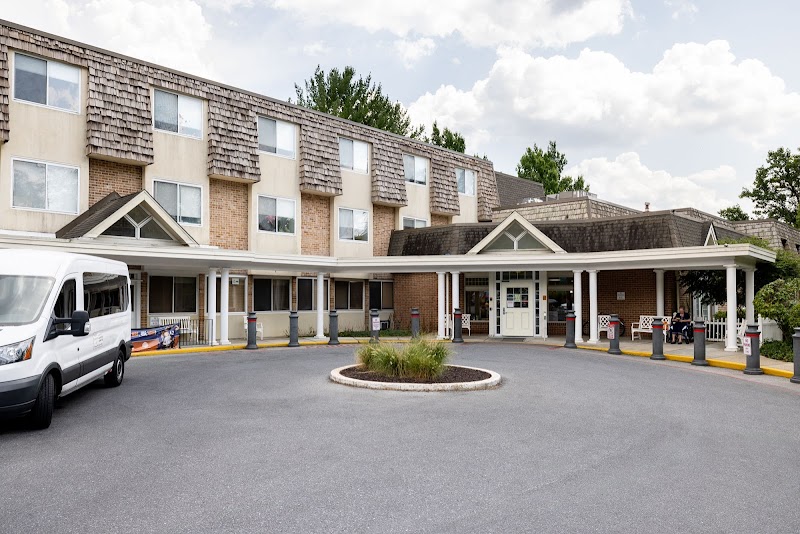
How is Autumn Lake Healthcare At Ruxton Staffed?

CMS rates AUTUMN LAKE HEALTHCARE AT RUXTON's staffing level at 2 out of 5 stars, which is below average compared to other nursing homes. Staff turnover is 52%, compared to the Maryland average of 46%.

What Have Inspectors Found at Autumn Lake Healthcare At Ruxton?

State health inspectors documented 52 deficiencies at AUTUMN LAKE HEALTHCARE AT RUXTON during 2018 to 2025. These included: 51 with potential for harm and 1 minor or isolated issues. While no single deficiency reached the most serious levels, the total volume warrants attention from prospective families.
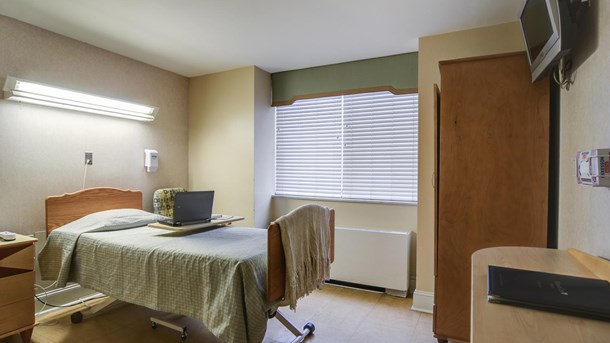
Who Owns and Operates Autumn Lake Healthcare At Ruxton?

AUTUMN LAKE HEALTHCARE AT RUXTON is owned by a for-profit company. For-profit facilities operate as businesses with obligations to shareholders or private owners. The facility is operated by AUTUMN LAKE HEALTHCARE, a chain that manages multiple nursing homes. With 179 certified beds and approximately 161 residents (about 90% occupancy), it is a mid-sized facility located in TOWSON, Maryland.
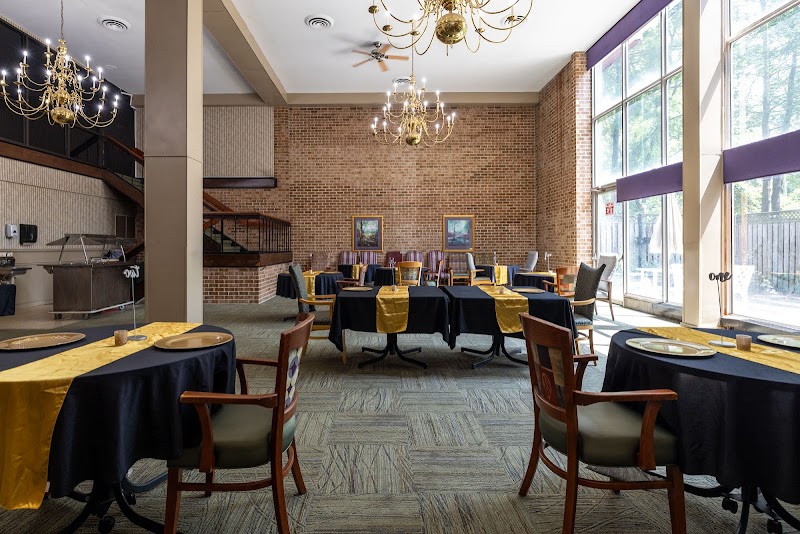
How Does Autumn Lake Healthcare At Ruxton Compare to Other Maryland Nursing Homes?

Compared to the 100 nursing homes in Maryland, AUTUMN LAKE HEALTHCARE AT RUXTON's overall rating (3 stars) is below the state average of 3.0, staff turnover (52%) is near the state average of 46%, and health inspection rating (3 stars) is at the national benchmark.

What Should Families Ask When Visiting Autumn Lake Healthcare At Ruxton?

Based on this facility's data, families visiting should ask: "Can you walk me through typical staffing levels on day, evening, and night shifts?" "Can I visit during a mealtime to observe dining assistance and food quality?" "How do you handle medical emergencies, and what is your hospital transfer rate?" "Can I speak with family members of current residents about their experience?" These questions are particularly relevant given the below-average staffing rating.

Is Autumn Lake Healthcare At Ruxton Safe?

Based on CMS inspection data, AUTUMN LAKE HEALTHCARE AT RUXTON has a clean safety record: no substantiated abuse findings (meaning no confirmed cases of resident harm), no Immediate Jeopardy citations (the most serious violation level indicating risk of serious injury or death), and is not on the Special Focus Facility watch list (a federal program monitoring the lowest-performing 1% of nursing homes). The facility has a 3-star overall rating and ranks #100 of 100 nursing homes in Maryland. While no facility is perfect, families should still ask about staff-to-resident ratios and recent inspection results during their visit.

Do Nurses at Autumn Lake Healthcare At Ruxton Stick Around?

AUTUMN LAKE HEALTHCARE AT RUXTON has a staff turnover rate of 52%, which is 6 percentage points above the Maryland average of 46%. Moderate turnover is common in nursing homes, but families should still ask about staff tenure and how the facility maintains care continuity when employees leave.

Was Autumn Lake Healthcare At Ruxton Ever Fined?

AUTUMN LAKE HEALTHCARE AT RUXTON has no federal fines on record. CMS issues fines when nursing homes fail to meet care standards or don't correct problems found during inspections. The absence of fines suggests the facility has either maintained compliance or corrected any issues before penalties were assessed. This is a positive indicator, though families should still review recent inspection reports for the full picture.

Is Autumn Lake Healthcare At Ruxton on Any Federal Watch List?

AUTUMN LAKE HEALTHCARE AT RUXTON is not on any federal watch list. The most significant is the Special Focus Facility (SFF) program, which identifies the bottom 1% of nursing homes nationally based on persistent, serious quality problems. Not being on this list means the facility has avoided the pattern of deficiencies that triggers enhanced federal oversight. This is a positive indicator, though families should still review the facility's inspection history directly.