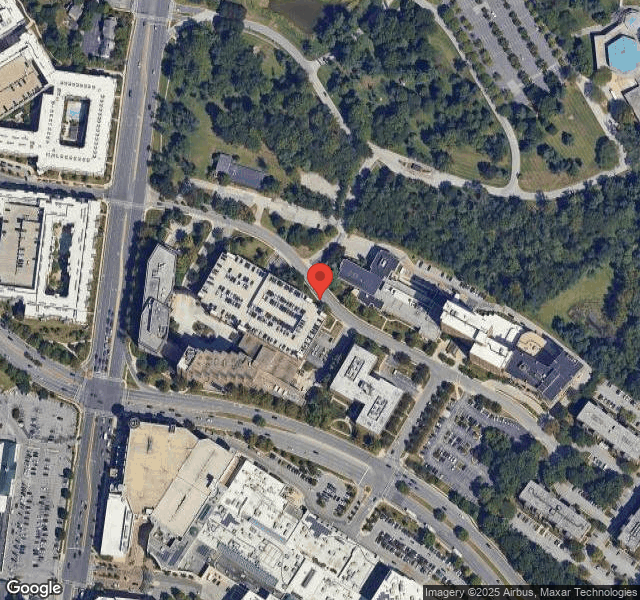
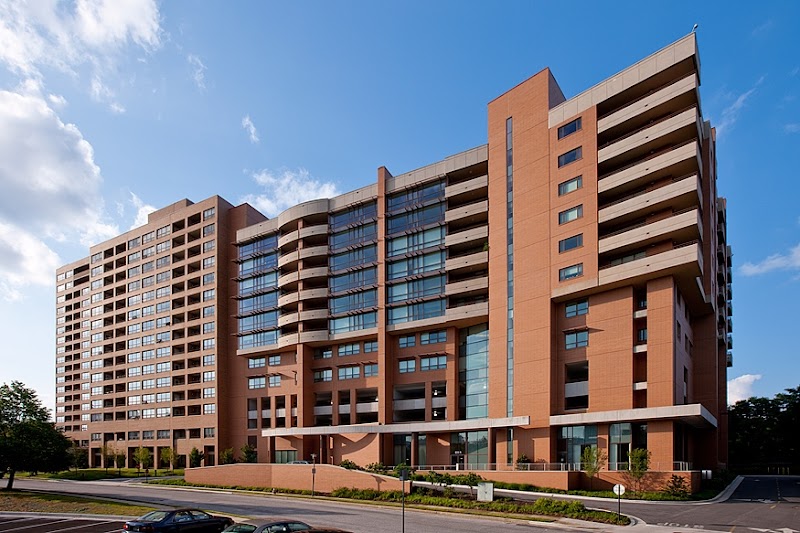



EDENWALD

800 SOUTHERLY ROAD, TOWSON, MD 21286 (410) 616-8809
For profit - Corporation 70 Beds Independent Data: November 2025
Trust Grade
90/100
#16 of 219 in MD
Last Inspection: June 2025

Inspected within the last 6 months. Data reflects current conditions.

Overview

Edenwald in Towson, Maryland, has an excellent Trust Grade of A, indicating it is highly recommended and performs well overall. It ranks #16 out of 219 nursing homes in Maryland, placing it in the top half, and #5 out of 43 in Baltimore County, meaning only a few local facilities are better. However, the facility's trend is worsening, with issues increasing from 3 in 2022 to 6 in 2025. Staffing is a strength, with a perfect 5-star rating and a turnover rate of 34%, which is below the state average, suggesting that staff are stable and familiar with residents. Notably, the facility has had no fines, which is a positive sign, but it does have average RN coverage, indicating room for improvement in nursing oversight. Specific concerns identified during inspections include improper food handling practices, such as staff not wearing hair nets or gloves while preparing food, which poses a risk to hygiene. Additionally, there were issues with the facility failing to notify residents about the discontinuation of Medicare coverage for some, as well as increasing a resident's psychotropic medication dosage without proper documentation. While Edenwald has many strengths, these issues highlight the need for attention to certain care practices.

Trust Score
A
90/100
In Maryland
#16/219
Top 7%
Safety Record
Low Risk
No red flags
Inspections
Getting Worse
3 → 6 violations
Staff Stability
○ Average
34% turnover. Near Maryland's 48% average. Typical for the industry.
Penalties
✓ Good
No fines on record. Clean compliance history, better than most Maryland facilities.
Skilled Nurses
✓ Good
Each resident gets 55 minutes of Registered Nurse (RN) attention daily — more than average for Maryland. RNs are trained to catch health problems early.
Violations
○ Average
9 deficiencies on record. Average for a facility this size. Mostly minor or procedural issues.
★★★★★
5.0
Overall Rating
★★★★★
5.0
Staff Levels
★★★★★
5.0
Care Quality
★★★★★
5.0
Inspection Score
Stable
2022: 3 issues
2025: 6 issues

The Good

  • 5-Star Staffing Rating · Excellent nurse staffing levels
  • 5-Star Quality Measures · Strong clinical quality outcomes
  • Full Sprinkler Coverage · Fire safety systems throughout facility
  • No fines on record
  • Staff turnover below average (34%)

    14 points below Maryland average of 48%

Facility shows strength in staffing levels, quality measures, fire safety.

The Bad

Staff Turnover: 34%

12pts below Maryland avg (46%)

Typical for the industry

The Ugly 9 deficiencies on record

Jun 2025 6 deficiencies
CONCERN (D)

Potential for Harm - no one hurt, but risky conditions existed

Deficiency F0582 (Tag F0582)

Could have caused harm · This affected 1 resident

Based on a review of beneficiary protection notification reviews, and staff interview, it was determined that the facility staff failed to ensure proper notification of discontinued Medicare coverage ...

Read full inspector narrative →
Based on a review of beneficiary protection notification reviews, and staff interview, it was determined that the facility staff failed to ensure proper notification of discontinued Medicare coverage was provided to the resident or their responsible party (RP). This was evident for 2 (Residents #91 and #92) out of the 3 residents reviewed for Beneficiary Protection Notifications during the recertification/complaint survey. The findings include: A review of three Beneficiary Protection Notifications for Residents #90, #91, and #92 was conducted on 6/17/25 at 8:30 AM. The documents were handed to the Administrator. The Administrator returned the three documents on 6/17/25 at 1:42 PM. For Residents #91 and #92, facility staff reviewed part one of the review form that asked, Was an SNF ABN [Advance Beneficiary Notice], CMS-10055 provided to the resident and then checked the box that said, If NOT issued and should have been. The Administrator was interviewed on 6/17/25 at 1:44 PM. She said, the residents did not get an ABN because we were adjusting to the new regs.
CONCERN (D) 📢 Someone Reported This

A family member, employee, or ombudsman was alarmed enough to file a formal complaint

Potential for Harm - no one hurt, but risky conditions existed

Deficiency F0605 (Tag F0605)

Could have caused harm · This affected 1 resident

Based on medical record review and interview with staff, it was determined that the facility failed to ensure the residents' medication regimen was free from unnecessary medication by increasing psych...

Read full inspector narrative →
Based on medical record review and interview with staff, it was determined that the facility failed to ensure the residents' medication regimen was free from unnecessary medication by increasing psychotropic medication dose without documentation in the record explaining the reason for an increased dose. This was evident for one (Resident # 29) of five residents selected for unnecessary medication regimen review during this recertification/complaint survey. The findings include: Psychotropic medications are drugs that influence brain activity related to mental processes and behavior. They are commonly used to treat conditions like depression, anxiety, psychosis, and bipolar disorder by altering the brain's chemical balance, thereby impacting mood, thinking, and behavior. During a review of Resident #29's medication regimen on 6/20/25, at 12:09 PM, it was revealed that the resident was prescribed Lorazepam (Ativan), which is used to treat anxiety disorders. A further review of the Lorazepam order history indicated the following: - Lorazepam 0.25 ml via sublingual route, twice daily (6 AM and 2 PM) for 14 days for anxiety: Started on 6/10/25, and discontinued on 6/13/25. - Lorazepam 0.25 ml via sublingual route, three times daily (6 AM, 2 PM, and 10 PM) for anxiety: Started on 6/13/25. - On 6/18/25, the Lorazepam sublingual order for anxiety was revised to 0.25 ml twice daily (6 AM and 2 PM), and the bedtime (HS) dose was increased from 0.25 ml to 0.5 ml. - Lorazepam 0.25 ml via sublingual route every 4 hours as needed for anxiety: Started on 6/06/25, and remains an active order. On 6/20/25, at 1:00 PM, the surveyor reviewed Resident #29's medical records for a Psychology evaluation. The review revealed that a CRNP-PMH (Certified Registered Nurse Practitioner in Psychiatric Mental Health) saw the resident on 6/10/25, suggesting a schedule for Lorazepam to manage anxiety/agitation. However, no further psychiatric evaluation documentation was found. Further review of Resident #29's progress notes revealed a nursing staff entry on 6/12/25, at 3:46 PM, documented as a late entry for 6/10. The note stated: [Attending physician's name] notified of psych CRNP recommendation to consider Lorazepam 0.25 ml solution three times a day (TID), but MD opted to have twice a day (BID) instead for now at 9 AM & 2 PM. Patient's daughter aware and in agreement. However, no additional documentation regarding the increase in dosage was recorded in the resident's medical records. During an interview with the Director of Nursing (DON) on 6/20/25, at 2:23 PM, she stated that Resident #29 was enrolled in hospice care on 6/06/25. She added, The Psychologist does not see hospice residents, but they evaluated this resident on 6/10/25 and recommended Lorazepam. On 6/10/25, the attending physician ordered Lorazepam twice a day. On 6/13/25, the Nurse Practitioner revised the order as three times a day, then the attending physician increased the bedtime dose. The surveyor requested any provider documentation regarding the increasing psychotropic medication. On 6/20/25, at 3:16 PM, the DON provided copies of provider visit notes dated 6/10/25, and 6/13/25. However, no further evaluation was documented regarding the psychotropic dose increase on 6/18/25. The surveyor informed the DON of this concern, which she validated.
CONCERN (D) 📢 Someone Reported This

A family member, employee, or ombudsman was alarmed enough to file a formal complaint

Potential for Harm - no one hurt, but risky conditions existed

Investigate Abuse (Tag F0610)

Could have caused harm · This affected 1 resident

Based on a review of facility investigative material, medical records, and interviews with facility staff, it was determined that the facility failed to thoroughly investigate an injury of unknown ori...

Read full inspector narrative →
Based on a review of facility investigative material, medical records, and interviews with facility staff, it was determined that the facility failed to thoroughly investigate an injury of unknown origin for a resident. This was evidenced by 1 (Resident #140) of two residents reviewed for injury of unknown origin during this recertification/complaint survey. The findings include: During an investigation of the facility's internal investigation for MD00189789, on 06/16/2025 at 12:31 PM, it was revealed that on 03/05/2023, a night shift (11 PM - 7 AM) Geriatric Nurse Aide (GNA) reported a reddened area on Resident #140's right side of the face. A review of Resident #140's medical records on 06/17/2025 at 8:05 AM, revealed a progress note written by nursing staff on 03/05/2023 at 7:41 AM stated, Resident was reported by caregiver to have some discoloration to his/her face. Resident noted to have some rash-like redness to the right half side of the face, resident has some blood on his/her ear. Resident also noted to have some purple discoloration to the corner of his/her right eye. Resident had a sitter with him/her in the room all night. No report of changes given, and the sitter did not report any changes to patient. AM nurse notified. Message sent to MD/RP. Further review of Resident #140's medical records revealed that the resident did not have a fall incident and/or change in condition prior to the discoloration noted on 03/05/2023. A review of the facility's investigation packet on 06/17/2025 at 8:10 AM, revealed that the facility obtained six written statements from nursing staff who cared for Resident #140 from 03/04/2023 to 03/05/2023, and two statements from Private Duty Aides (PDAs), including the one who worked the 03/04/2023 night shift (PDA #17). However, no statements were obtained from other residents. The review of statements revealed that the last care was provided to Resident #140 around midnight on 03/04/2023, by a GNA and PDA, with no facial markings noted at that time. Around 5:30 AM on 03/05/2023, a GNA assisted the PDA again with care and noted a reddened area/rash on the right side of Resident #140's face. The GNA reported the area to the nurse. PDA #17's statement, written on 03/05/2024 at 11:04 AM via email, read: My last night's shift with [Resident #140's name] went well, I haven't worked with him/her before and I don't know how he/she looks like, much less knowing if he/she has injuries. And [Resident #140's name] did not fall in my shift because my eyes were on him/her the whole time. However, a review of the facility's follow-up self-report, submitted on 03/10/2023, on 06/17/25 at 8:10 AM indicated that the resident's face initially presented as a reddened area, like a rash, but by the morning of 03/06/2023, the area had developed into more pronounced bruising and swelling. It was initially thought that due to the resident's history of skin cancer, the area might have been developing into cancerous lesions. The sitter reported no problems during the hours in question. Upon speaking to the agency owner, the sitter admitted to him that he (sitter) fell asleep on his shift. On 06/17/2025 at 8:26 AM, during an interview with the Director of Nursing (DON), Nursing Home Administrator (NHA), and unit manager (Staff #2), the surveyor inquired about the process for investigating injuries of unknown origin. They explained that they interview staff who worked the previous three days, nurses conduct assessments, and if the incident is related to staff, they also interview other residents. The surveyor requested clarification on when other resident interviews were performed. The DON and NHA clarified that if the facility found the injury was caused by residents' known reasons (e.g., a reported red eye where the resident had a history of rubbing their eye prior to the incident), other resident interviews were not required. Furthermore, during the interview, the surveyor asked about Resident #140's injury of unknown origin reported on 03/05/2023. The DON stated that the resident did not have any episodes like a fall or intentional hitting prior to the reported discoloration. She said, The resident had a PDA who was hired by their family, so it was considered as a witness. That's why we didn't do other residents' interviews. The surveyor requested an explanation of the PDA's role and responsibilities. The DON and NHA stated that since PDAs were hired by the agency and/or residents' families, they were not facility employees. They stayed with residents, helping with feeding and assisting with daily activities alongside facility staff. They also added that facility staff encouraged them not to close doors at night, but the facility could not control them. The surveyor asked how the facility investigated the reported case of Resident #140's discolored right eye area on 03/05/2023, involving PDA #17. The NHA answered that they interviewed PDA #17, who wrote a statement, and the agency owner was contacted. The surveyor brought to their attention the discrepancy between PDA #17's written statement (claiming his eyes were on Resident #140 all night) and the facility's follow-up self-report (showing PDA #17 fell asleep on duty). Staff #2 stated she communicated with the agency owner via phone and discovered the fact. The surveyor requested supportive documentation for this. On 06/18/2025 at 8:35 AM, the NHA provided copies of emails from the PDA's company. The email, concerning Resident #140's unknown injury on 03/05/2023, stated: It was reported that [Resident #140] had sustained some bruising overnight. The caregiver assigned to his overnight care admitted to falling asleep during the shift. As a result, we immediately removed this caregiver from the resident's care. The caregiver is also prohibited from providing overnight care to any of our clients moving forward. On 06/18/2025 at 1:38 PM, the DON confirmed that this printed email was written by the agency company today (06/18/2025). The facility had no documentation to support their further action and/or investigation regarding PDA #17. Additionally, the part of the email copy provided to the surveyor contained notes regarding PDA #17 falling asleep on the job and being prohibited from working any more overnights, dated 08/28/2023, which was more than five months after the incident was reported. During an interview with the NHA, DON, and the [NAME] President of the facility on 06/20/2025 around 3 PM, the surveyor shared concerns that Resident #140's reported discoloration around the right half of the face was not thoroughly investigated. They validated this concern.
CONCERN (D)

Potential for Harm - no one hurt, but risky conditions existed

Deficiency F0628 (Tag F0628)

Could have caused harm · This affected 1 resident

**NOTE- TERMS IN BRACKETS HAVE BEEN EDITED TO PROTECT CONFIDENTIALITY** 2. A review of Resident #27's clinical record revealed the resident was discharged twice to the hospital on 2/6/25 and 4/9/25. A...

Read full inspector narrative →
**NOTE- TERMS IN BRACKETS HAVE BEEN EDITED TO PROTECT CONFIDENTIALITY** 2. A review of Resident #27's clinical record revealed the resident was discharged twice to the hospital on 2/6/25 and 4/9/25. A review of the clinical record, including the electronic health record, failed to locate evidence that notification was sent to the ombudsman. The Administrator was asked to provide a list of residents whose discharge or transfer was forwarded to the ombudsman on 6/23/25. The list did not include Resident #27. The Administrator was interviewed on 6/23/25 at 1:34 PM. She was shown the provided list of transfers and discharges. This surveyor explained the need to inform the ombudsman when a resident is admitted to the hospital. She replied I understand. Those are the names I was provided as to who was discharged or transferred. Based on record review and interview, it was determined that the facility failed to notify the State Ombudsman in writing at least 30 days prior to the residents' discharge and failed to notify the State Ombudsman when a resident was admitted to the hospital. This is evident for 2 (Residents #39 and #27) of 23 residents records reviewed for appropriate discharge process during the recertification/complaint survey. Findings Included: 1. On 06/23/2025 at 09:39 AM a review of Resident #39's closed record revealed that the resident had a planned discharge on [DATE]; however, the documentation provided indicated that the written notification of Resident #39's discharge was sent via email on 06/17/2025. On 06/23/25 at 01:07 PM, in an interview with the Nursing Home Administrator (NHA), the NHA was notified that the ombudsman notification was not submitted in a timely manner. When asked, the NHA stated that they provide a written notification to the ombudsman monthly; however, the facility does not have a lot of discharges and therefore, the late notification was an oversight.
CONCERN (D)

Potential for Harm - no one hurt, but risky conditions existed

Deficiency F0757 (Tag F0757)

Could have caused harm · This affected 1 resident

Based on record review and staff interviews, it was determined that the facility failed to ensure a resident received medication according to the physician's order set parameters (a specific instructi...

Read full inspector narrative →
Based on record review and staff interviews, it was determined that the facility failed to ensure a resident received medication according to the physician's order set parameters (a specific instruction given for administration of medication). This was evident for 1 (Resident #22) of 5 residents reviewed for unnecessary medications during the recertification/complaint survey. The findings include: On 06/17/2025 at 12:37 PM a review of resident #22's medical record revealed a physician's order dated 3/10/2025 for Midodrine 10 mg tablet three times a day (a medication used to treat orthostatic hypotension, caused by a sudden drop in blood pressure when standing up). The medication had parameters to hold if Systolic Blood Pressure (the top number in a blood pressure reading, representing the pressure in the arteries when the heart contracts and pumps blood out of the body) is above 130. Further review on 06/17/2025 at 2:02 PM of resident #22's Medication administration record (MAR) for the months of April, May, and June of 2025 revealed that Resident #22 received this medication on: 04/15/2025 at 5:00 PM, Blood Pressure (B/P) was documented as 133/58 04/16/2025 at 5:00 PM, B/P was documented as 136/61 04/18/2025 at 12:00 PM, B/P was documented as 143/57 04/19/2025 at 5:00 PM, B/P was documented as 131/69 05/08/2025 at 8:00 AM, B/P was documented as 149/69 05/13/2025 at 5:00 PM, B/P was documented as 132/62 05/21/2025 at 5:00 PM, B/P was documented as 144/65 06/05/2025 at 8:00 AM, B/P was documented as 140/70 06/07/2025 at 5:00 PM, B/P was documented as 136/86 In an interview on 6/18/2025 at 10:10 AM with Staff #11, a licensed practical nurse, she was asked the significance of the B/P parameters. She stated that, if the Systolic B/P was greater than 130, she would not give the medication because it might lead to a higher B/P which can cause a heart attack or stroke, a medical emergency that could lead to a lasting brain damage or injury. On 06/18/2025 at 1:38 PM the facility's Director of Nursing (DON) was made aware of the above concerns; she stated that she will look into it.
CONCERN (F)

Potential for Harm - no one hurt, but risky conditions existed

Food Safety (Tag F0812)

Could have caused harm · This affected most or all residents

Based on observation and interview it was determined that the facility 1) failed to store, prepare, distribute and serve food in accordance with professional standards for food service and 2) failed t...

Read full inspector narrative →
Based on observation and interview it was determined that the facility 1) failed to store, prepare, distribute and serve food in accordance with professional standards for food service and 2) failed to maintain food service equipment in a manner that ensures sanitary food service operations. This was evident during the recertification/complaint survey and has the potential to affect all residents. The findings include: On 06/16/25 at 8:15 AM during the initial tour of the kitchen, an observation of the entrance of the kitchen revealed that there were no hair nets available at the entrance. When the surveyor asked for a hair net, Staff #14 had to go to the opposite side of the kitchen to obtain a hair net for the surveyor to wear. Upon entrance into the kitchen on 6/16/25 at 8:20 AM, Staff member #15 was observed handling lettuce by pouring it into a pan without any gloves on and was wearing a baseball cap with a long braid of hair not covered with a hair net. Staff member #16 was also observed wearing a baseball cap with hanging down braided hair to shoulders and not covered by a hair net. Staff member #14 was wearing a hat only with no hair net, and Staff member #12 entered the kitchen without applying a hair net. Observation of the refrigeration at 8:25 AM revealed a tuna salad in a steel 5x7 inch steel container dated 6/12 in a refrigerator. Approximately 50 mayonnaise, relish, and mustard in small 30 CC (Cubic Centimeter) containers with a clear lid with no dates of preparation were also observed. Further observations of a refrigerator labelled Grille and Desserts only revealed a 5x7 inch Steel containers of cherries dated 5/25, celery dated 6/10, lemons dated 6/11, and pudding dated 6/9. In the refrigerator for storage of food items was observed in steel containers, a crab cake mix dated 6/10, a large tray of grilled chicken dated 6/10, and 1 large tray of lettuce that had no date. The food items with dates were all expired. In a walk-in refrigerator there were 3 large trays of potatoes with no date and were not covered located on a 2-shelf pushcart. On a dry storage rack there were 45 large baking trays noted with black and brown substances on the edges. Hanging on the wall rack, there were 4 large/medium frying pans with visible rust like material inside the pans. In a large walk-in freezer the plastic flaps at the entrance were covered with frost material and broken ice at the left entrance of the freezer. Observation of the temperature reading above the freezer was noted to be -1 degrees. In the dry store area, 1 gallon of red-hot sauce and cattleman BBQ Sauce were observed with no date to indicate when opened. Further, in the dried food storage area there were 3 large bins labeled sugar, flour, and rice, no dates indicating when filled and various large cans of food items on rack with no expiration dates. On 6/16/25 at 2:02 PM review of the Temperature log dated 04/2025 of 31 days in the month of April revealed that on the 7th, 8th, 12th, 13th, 16th, 21st, 26th, and 30th were partially completed while the rest of the dates were incomplete. On 6/16/25 at 2:12 PM review of the dish machine and sanitizer log for April 2025 revealed that on 4/12, 4/13, 4/16, 4/21, 4/26, and 4/30 were completed while the rest of the days were not completed at all. A review of the March 2025 log had only 12 entries for the month and in May of 2025 there were 2 days on 5/1 and 5/12 that were not completed. On 6/16/2025 at 2:30 PM review of the walk-in Freezer temperature log for the month of April 2025 with a standard temperature range of 0-20 degrees documented temperatures for 4/4 to be -1, and 4/6 was -3. On 6/16/2025 at 9:10 AM in an interview with Staff #10 the Director of Culinary Services when asked regarding food storage and dating of food items he stated that food should be dated and is only good for three days. He was also made aware of the above findings, he stated that regarding the trays, the brown/black substance does not come off, he will have to get new trays, the frying pans need to be seasoned to remove the rusty material. He confirmed the temperature logs were not completed adequately; and verified staff should be wearing hair nets and gloves with handling of food items. On 6/17/2025 at 10:00 AM, the Director of Nursing (DON) was also made aware of the findings in the Kitchen.
Jun 2022 3 deficiencies
MINOR (B)

Minor Issue - procedural, no safety impact

Transfer Notice (Tag F0623)

Minor procedural issue · This affected multiple residents

**NOTE- TERMS IN BRACKETS HAVE BEEN EDITED TO PROTECT CONFIDENTIALITY** Based on medical record review and staff interview it was determined the facility staff failed to notify the resident/resident ...

Read full inspector narrative →
**NOTE- TERMS IN BRACKETS HAVE BEEN EDITED TO PROTECT CONFIDENTIALITY** Based on medical record review and staff interview it was determined the facility staff failed to notify the resident/resident representative in writing of a transfer/discharge of a resident along with the reason for the transfer. This was evident for 3 (#155, #158, #2) of 3 residents reviewed for hospitalization. The findings include: 1) Review of the medical record for Resident #155 on 6/10/2022 at 10:50 AM revealed that the resident was transferred to the hospital on 4/7/2022 for hypoxia (an absence of enough oxygen in the tissues to sustain bodily functions). There was no evidence in the record indicating that the facility staff notified the resident/resident's representative (RP) in writing of the reason for the transfer/discharge to the hospital On 6/16/22 at 9:42 AM in an interview with the Unit Manager, Licensed Practical Nurse (LPN # 20), she/he stated that Resident # 155 and family were notified on transfer about reason for the transfer to the hospital. However, there was no information on the chart indicating that the facility staff notified the resident and/or RP in writing of the reasons for the transfer/discharge to the hospital. 2) Review of the medical record for Resident #158 on 6/10/2022 at 11:30 AM revealed that on 5/20/2022 the resident was transferred to the hospital for respiratory issues / pneumonia. There was no evidence found in the medical record that written notification was made to the resident and /or the RP regarding the reason for the transfer and the location of the transfer. In an interview with the resident's representative on 6/13/2022 at 11:30 AM they stated that the facility staff notified them by phone when the resident was transferred to the hospital. In an interview on 6/16/2022 at 9:50 AM with the Unit Manager, Licensed Practical Nurse (LPN # 20), she/he stated that the Bed Hold notice was given on the phone and in writing to the RP. However, she/he could not say or provide any documentation to show that the facility notified the residents and/or the RP in writing of the reasons for the transfer/discharge to the hospital. 3) Review of Resident #2's electronic and paper medical record on 6/16/22 at 8:45 AM revealed the resident had a fall on 5/20/22 at approximately 2:30 PM. Review of the 5/20/22 10:25 PM nursing note revealed that a phone order was obtained to send the resident to the emergency room and the resident was sent to [NAME] hospital. Further review of Resident #2's medical record documentation revealed that the responsible party was called, however, there was no written documentation that the responsible party and/or resident was notified in writing of the hospital transfer. The unit manager (staff #20) was interviewed on 6/16/22 at 12:15 PM related to resident #2's facility-initiated transfer to the hospital on 5/20/22. She did not show, or voice credible evidence related to written notification to resident #2 of the resident's responsible party. At survey exit on 6/17/2022 at 2:45 PM, no further documentation had been provided to the surveyor. All findings were discussed with the Administrator, the DON, and the department heads during the survey exit conference.
MINOR (B)

Minor Issue - procedural, no safety impact

Deficiency F0711 (Tag F0711)

Minor procedural issue · This affected multiple residents

Based on medical record review and staff interview it was determined that physician and Nurse Practitioner progress notes were not completed and placed in the medical record after each visit. This was...

Read full inspector narrative →
Based on medical record review and staff interview it was determined that physician and Nurse Practitioner progress notes were not completed and placed in the medical record after each visit. This was evident for 2 (#151, #152) of 14 finalized sampled residents during the initial certification survey. The findings include: 1) Resident #151's electronic medical record was reviewed on 6/15/22 at 10:37 AM. Review of a nurse practitioner's (#13) medical visit notes revealed a progress encounter note dated 1/11/22 at 12:30. The note was completed and signed off on 1/29/22 and up-loaded to the EHR (electronic health record) on 2/8/22. An encounter progress note dated 2/11/22 at 2:30 PM was completed and signed-off on 3/5/22 and uploaded two months later 5/12/22 at 5:25 PM. An encounter progress not dated 4/22/22 3:30 PM was dated 4/22/22. This note was completed and signed-off by staff #13 on 4/25/22 at 8:20 PM. This note was uploaded to the EHR on 6/8/22. 2) Resident #152's electronic medical record was reviewed on 6/15/22 at 9:05 AM. Review of a note written by the resident #152's attending physician (#12) revealed that his note was dated for 12/1/21, electronically signed on 12/6/21, and faxed to the facility on 1/4/22. Another note written by the resident's attending revealed the resident encounter note was dated for 2/16/22 8:30 AM, electronically signed on 2/16/22 at 6:15 PM, and faxed to the facility one week later 2/23/22. An encounter notes for resident #152 written by a nurse practitioner (staff #11) was dated 4/5/22 3:30 PM. This note was electronically signed and faxed to the facility 6 weeks later 5/17/22. On 6/17/22 10:15 AM, an interview was conducted with the facility's medical record person (staff #14). She collaborated the findings of the late notes and indicated a few methods of how she receives the clinicians' notes. She confirmed one of the notes written for resident #152 was delayed by 6 weeks prior to being sent/faxed to her for upload into the resident's electronic medical record. 6/17/22 11:30 PM, The director of nursing was informed that the physicians and nurse practitioners were not always writing notes at the time of the visit with residents as she was asked to make copies of the late notes.
MINOR (C)

Minor Issue - procedural, no safety impact

Staffing Information (Tag F0732)

Minor procedural issue · This affected most or all residents

**NOTE- TERMS IN BRACKETS HAVE BEEN EDITED TO PROTECT CONFIDENTIALITY** Based on observations, review of daily staffing records, and staff interview it was determined that the facility failed to post ...

Read full inspector narrative →
**NOTE- TERMS IN BRACKETS HAVE BEEN EDITED TO PROTECT CONFIDENTIALITY** Based on observations, review of daily staffing records, and staff interview it was determined that the facility failed to post the total number and actual hours worked by categories of Registered Nurses (RN), Licensed Practical Nurses (LPN), and Certified Geriatric Nurse Aides (GNA) per shift. This was evident on 6 of 7 days of the survey. The findings include. Beginning on 6/9/22 daily observations of the [NAME] Hall shift staffing ratio/hours did not reveal all the Federal requirements for the posting of nursing staffing. The daily observations revealed that the facility identified the total number and actual hours worked of all the licensed nurses but did not identify the RNs and LPNs separately. Additionally, the facility added a category of staffing for the Certified medicine aides (CMAs). On 6/16/22 at 12:15 PM, an interview/discussion was held with the Unit Manager (#20) to review the state and federal staff posting requirements with indication of the non-compliance as the staffing sheet for day shift of 6/16/22 was reviewed. On 6/17/22, review of the [NAME] Hall shift staffing sheet revealed that the facility changed the form to include the total number and actual hours worked by categories of RNs, LPNs, and combined the GNAs and CMAs for the total number and actual hours worked for the Geriatric Nurse Aides.
Understanding Severity Codes (click to expand)
Life-Threatening (Immediate Jeopardy)
J - Isolated K - Pattern L - Widespread
Actual Harm
G - Isolated H - Pattern I - Widespread
Potential for Harm
D - Isolated E - Pattern F - Widespread
No Harm (Minor)
A - Isolated B - Pattern C - Widespread

Questions to Ask on Your Visit

  • "Can I speak with families of current residents?"
  • "What's your RN coverage like on weekends and overnight?"

Our Honest Assessment

Strengths
  • • Grade A (90/100). Above average facility, better than most options in Maryland.
  • • No major safety red flags. No abuse findings, life-threatening violations, or SFF status.
  • • No fines on record. Clean compliance history, better than most Maryland facilities.
  • • 34% turnover. Below Maryland's 48% average. Good staff retention means consistent care.
Concerns
  • • No significant concerns identified. This facility shows no red flags across CMS ratings, staff turnover, or federal penalties.
Bottom line: Generally positive indicators. Standard due diligence and a personal visit recommended.

About This Facility

What is Edenwald's CMS Rating?

CMS assigns EDENWALD an overall rating of 5 out of 5 stars, which is considered much above average nationally. Within Maryland, this rating places the facility higher than 99% of the state's 100 nursing homes. This rating reflects solid performance across the metrics CMS uses to evaluate nursing home quality.

How is Edenwald Staffed?

CMS rates EDENWALD's staffing level at 5 out of 5 stars, which is much above average compared to other nursing homes. Staff turnover is 34%, compared to the Maryland average of 46%. This relatively stable workforce can support continuity of care.

What Have Inspectors Found at Edenwald?

State health inspectors documented 9 deficiencies at EDENWALD during 2022 to 2025. These included: 6 with potential for harm and 3 minor or isolated issues.

Who Owns and Operates Edenwald?

EDENWALD is owned by a for-profit company. For-profit facilities operate as businesses with obligations to shareholders or private owners. The facility operates independently rather than as part of a larger chain. With 70 certified beds and approximately 40 residents (about 57% occupancy), it is a smaller facility located in TOWSON, Maryland.

How Does Edenwald Compare to Other Maryland Nursing Homes?

Compared to the 100 nursing homes in Maryland, EDENWALD's overall rating (5 stars) is above the state average of 3.1, staff turnover (34%) is significantly lower than the state average of 46%, and health inspection rating (5 stars) is much above the national benchmark.

What Should Families Ask When Visiting Edenwald?

Based on this facility's data, families visiting should ask: "Can I visit during a mealtime to observe dining assistance and food quality?" "How do you handle medical emergencies, and what is your hospital transfer rate?" "Can I speak with family members of current residents about their experience?"

Is Edenwald Safe?

Based on CMS inspection data, EDENWALD has a clean safety record: no substantiated abuse findings (meaning no confirmed cases of resident harm), no Immediate Jeopardy citations (the most serious violation level indicating risk of serious injury or death), and is not on the Special Focus Facility watch list (a federal program monitoring the lowest-performing 1% of nursing homes). The facility has a 5-star overall rating and ranks #1 of 100 nursing homes in Maryland. While no facility is perfect, families should still ask about staff-to-resident ratios and recent inspection results during their visit.

Do Nurses at Edenwald Stick Around?

EDENWALD has a staff turnover rate of 34%, which is about average for Maryland nursing homes (state average: 46%). Moderate turnover is common in nursing homes, but families should still ask about staff tenure and how the facility maintains care continuity when employees leave.

Was Edenwald Ever Fined?

EDENWALD has no federal fines on record. CMS issues fines when nursing homes fail to meet care standards or don't correct problems found during inspections. The absence of fines suggests the facility has either maintained compliance or corrected any issues before penalties were assessed. This is a positive indicator, though families should still review recent inspection reports for the full picture.

Is Edenwald on Any Federal Watch List?

EDENWALD is not on any federal watch list. The most significant is the Special Focus Facility (SFF) program, which identifies the bottom 1% of nursing homes nationally based on persistent, serious quality problems. Not being on this list means the facility has avoided the pattern of deficiencies that triggers enhanced federal oversight. This is a positive indicator, though families should still review the facility's inspection history directly.