ORCHARD HILL REHABILITATION AND HEALTHCARE CENTER
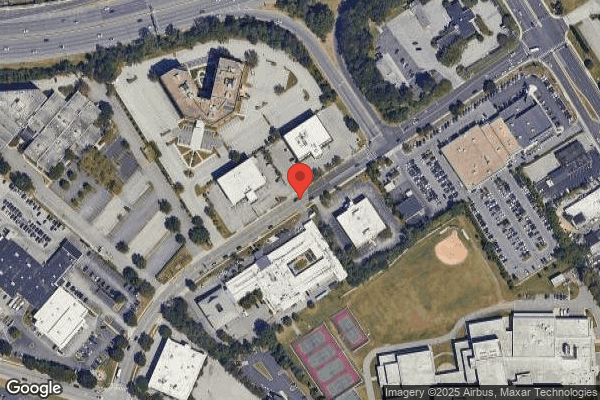

111 WEST ROAD, TOWSON, MD 21204 (410) 828-6500
For profit - Individual 139 Beds MARQUIS HEALTH SERVICES Data: November 2025
Trust Grade
15/100
#168 of 219 in MD
Last Inspection: March 2025

Within standard 12-15 month inspection cycle. Federal law requires annual inspections.

Overview

Orchard Hill Rehabilitation and Healthcare Center has a Trust Grade of F, indicating significant concerns regarding the quality of care provided. It ranks #168 out of 219 facilities in Maryland, placing it in the bottom half, and #33 out of 43 in Baltimore County, meaning there are only a few worse options locally. The facility is worsening, with issues increasing from 14 in 2024 to 19 in 2025. Staffing is a concern, with a turnover rate of 58%, which is significantly higher than the state average of 40%, indicating instability among caregivers. The facility has faced $75,840 in fines, which is higher than 87% of Maryland facilities, suggesting ongoing compliance problems. While they have slightly above-average quality measures, specific incidents raise serious concerns. For example, one resident suffered a pelvic fracture and hematoma after rolling out of bed due to insufficient staff assistance, and another experienced bilateral femur fractures under similar circumstances. Additionally, there were issues with food safety practices, such as improperly maintained food service equipment and expired food items, which could affect all residents. Overall, families should weigh these significant weaknesses against the facility's limited strengths.

Trust Score
F
15/100
In Maryland
#168/219
Bottom 24%
Safety Record
High Risk
Review needed
Inspections
Getting Worse
14 → 19 violations
Staff Stability
⚠ Watch
58% turnover. Above average. Higher turnover means staff may not know residents' routines.
Penalties
✓ Good
$75,840 in fines. Lower than most Maryland facilities. Relatively clean record.
Skilled Nurses
○ Average
Each resident gets 39 minutes of Registered Nurse (RN) attention daily — about average for Maryland. RNs are the most trained staff who monitor for health changes.
Violations
⚠ Watch
92 deficiencies on record. Higher than average. Multiple issues found across inspections.
★★☆☆☆
2.0
Overall Rating
★★☆☆☆
2.0
Staff Levels
★★★★☆
4.0
Care Quality
★★☆☆☆
2.0
Inspection Score
Stable
2024: 14 issues
2025: 19 issues

The Good

  • 4-Star Quality Measures · Strong clinical quality outcomes
  • Full Sprinkler Coverage · Fire safety systems throughout facility
  • No fines on record

Facility shows strength in quality measures, fire safety.

The Bad

2-Star Overall Rating

Below Maryland average (3.0)

Below average - review inspection findings carefully

Staff Turnover: 58%

12pts above Maryland avg (46%)

Frequent staff changes - ask about care continuity

Federal Fines: $75,840

Well above median ($33,413)

Moderate penalties - review what triggered them

Chain: MARQUIS HEALTH SERVICES

Part of a multi-facility chain

Ask about local staffing decisions and management

Staff turnover is elevated (58%)

10 points above Maryland average of 48%

The Ugly 92 deficiencies on record

1 actual harm
Mar 2025 19 deficiencies
CONCERN (D) 📢 Someone Reported This

A family member, employee, or ombudsman was alarmed enough to file a formal complaint

Potential for Harm - no one hurt, but risky conditions existed

Deficiency F0578 (Tag F0578)

Could have caused harm · This affected 1 resident

**NOTE- TERMS IN BRACKETS HAVE BEEN EDITED TO PROTECT CONFIDENTIALITY** Based on record review and interviews with facility staff, it was determined that the facility failed to provide residents with ...

Read full inspector narrative →
**NOTE- TERMS IN BRACKETS HAVE BEEN EDITED TO PROTECT CONFIDENTIALITY** Based on record review and interviews with facility staff, it was determined that the facility failed to provide residents with information to formulate an advanced directive and ensure that a current copy of residents' advanced directives was in the residents' medical record. This was evident for 1 (Resident #56) of 3 residents reviewed for advanced directives during the recertification/complaint survey. The findings include: An advance directive is a written statement of a person's wishes regarding medical treatment, often including a living will, made to ensure those wishes are carried out should the person be unable to communicate them to a doctor. It is a legal document in which a person specifies what actions should be taken for their health if they are no longer able to make decisions for themselves because of illness or incapacity. On 3/10/25 at 11:44 AM the Director of Nursing (DON) confirmed and verified that the facility does not have paper charts for the residents. On 3/10/25 at 1:52 PM review of Resident#56's medical record revealed an original admission date of 6/22/22. Further review failed to reveal the resident's advance directives. On 3/10/25 at 2:10 PM a review of Resident #56's medical record revealed 2 Social Service Assessments dated 6/27/2022 and 9/27/2022. The 6/27/22 assessments, was marked as Admission assessment, and for Question #1, Section A: Advance Directives/Code Status, indicated the resident did not have an advanced directive, however there was no documentation that a discussion about advanced directives had occurred with the resident or evidence of any advanced directives the resident executed. In addition, the 9/27/22 assessment, which was marked as a Quarterly assessment, and for Question #1 in Section A: Advance Directives/Code Status, indicated the resident did not have an advanced directive and again there was no further documentation. On 3/11/25 at 11:44 AM a review of Resident #56's medical record revealed a hospital Discharge summary dated [DATE] that documented, per psych patient has capacity enough to decide about whom to assign the power of attorney/decision-maker. The facility's Advance Directive policy was reviewed on 3/12/25 at 12:22 PM. The review revealed, Prior to or upon admission of a resident, the social services director or designee inquires of the resident, his/her family members and/or his or her legal representative, about the existence of any written advance directives. The resident or representative is provided with written information concerning the right to refuse or accept medical or surgical treatment and to formulate an advanced directive if he or she chooses to do so. Further review of the policy revealed, If the resident or representative indicates that he or she has not established advance directives, the facility staff will offer assistance in establishing advanced directives. and Nursing staff will document in the medical record the offer to assist and the residents' decision to accept or decline assistance. On 3/12/25 at 3:00 PM in an interview with the Social Services Director (SSD) #12 she stated anyone that comes to the facility has the right to initiate an advanced directive. If they come in with one, it is uploaded into the medical record. When asked if that is documented, she stated it is more of a verbal thing, but it is in the admissions packet that they have the right to formulate one. The surveyor reviewed the concern with the SSD #12 regarding the lack of documentation for Resident #56 about advanced directives in the medical record. When asked about documentation, she stated there was no documentation in the medical record that the Resident #56 was offered an advanced directive. She also stated that was done prior to her coming to this facility, but that she scrubbed the medical record and could not find anything.
CONCERN (D) 📢 Someone Reported This

A family member, employee, or ombudsman was alarmed enough to file a formal complaint

Potential for Harm - no one hurt, but risky conditions existed

Notification of Changes (Tag F0580)

Could have caused harm · This affected 1 resident

Based on record review and interview with facility staff, it was determined that the facility staff failed to notify a provider and/or resident representative of a significant weight loss for a reside...

Read full inspector narrative →
Based on record review and interview with facility staff, it was determined that the facility staff failed to notify a provider and/or resident representative of a significant weight loss for a resident. This was evident for 1 (Resident #113) of 47 residents reviewed for the facility's recertification/complaint survey. The findings include: On 3/10/25 at 2:56 PM a review of Resident #113's medical record revealed the following weights: 3/5/2025 11:29 134.4 Lbs (pounds) Mechanical Lift ADON (Manual) 2/5/2025 15:40 164.0 Lbs (pounds) Mechanical Lift ADON (Manual) In the weights section of the resident's medical record, the electronic medical record had flagged and documented (written between these two weights) that there was a significant weight loss over 30 days. On 3/13/25 at 9:54 AM in an interview with the ADON when asked if the physician and/or resident representative (RP) was notified of the Resident #133's significant weight loss, she stated, no, there was no documentation observed that the physician or RP was notified of his/her weight loss. The Regional Dietician #20 was interviewed on 3/13/25 at 1:16 PM. With her laptop open to Resident #133's medical record, she was asked if there was any evidence in the medical record that the physician and/or RP were notified of the resident's weight loss. The Regional Dietician #20 stated, she could not point to documentation in Resident #133's medical record as to where the physician and/or RP were notified of the weight loss. When asked if the physician and RP should be notified if a resident has significant weight loss, she stated yes and confirmed they should be notified.
CONCERN (D) 📢 Someone Reported This

A family member, employee, or ombudsman was alarmed enough to file a formal complaint

Potential for Harm - no one hurt, but risky conditions existed

Safe Environment (Tag F0584)

Could have caused harm · This affected 1 resident

Based on observation, resident interview, and staff interview it was determined that the facility staff failed to ensure showers maintained proper temperatures. This was evident for 1 out of 4 nursing...

Read full inspector narrative →
Based on observation, resident interview, and staff interview it was determined that the facility staff failed to ensure showers maintained proper temperatures. This was evident for 1 out of 4 nursing units observed during the recertification/complaint survey. The findings include: Resident #100 was interviewed on 03/10/25 at 11:51 AM. Resident stated that the shower room for unit 2 doesn't have hot water so few showers are taken. During the tour of the facility with the Maintenance Director (Staff #31) on 3/17/25 at 11:17 AM he used his thermometer and checked the water temperature. It was observed that the water from the hand sprayer was 88.8 degrees Fahrenheit (F). Staff #31 then turned on the shower and the temperature was the same. He left the water running and we continued with checking the shower rooms on the other units. After verifying the other shower rooms had hot water Staff #31 rechecked the water in the Unit 2 shower room and it was still in the 80's. Staff #31 went to the resident rooms on either side of the shower room and the water in each room registered as 106F. Resident #100 asked if the shower room had hot water. Staff #31 replied Working on it. Talk to your nurse. She can have you go to unit 1. Staff #31 was interviewed on 3/17/25 at 1:38 PM. He said he went with the Administrator a while ago and the temperatures have not gone up. He will check again a little later. Review of the Maintenance logs began on 3/17/25 at 1:42 PM. The shower room for Unit 2 had temperatures of 55F on 3/4/25 and 3/5/25. Temperature was checked again on 3/5/25 and it was 110F. The vendor was contacted on 3/4/25 for the low temperature. The vendor came out on 3/5/25 and repaired the water tank. The vendor verified that hot water had returned. Staff #31 was interviewed on 3/17/25 at 1:52 PM. He stated that the water in Unit 2 shower room was still below 100F. He said he called the plumber and they will fix the problem. Informed Staff #31 on 3/17/25 at 3:22 PM that this is still a concern and that it will be taken back to the office. He replied that he understood.
CONCERN (D) 📢 Someone Reported This

A family member, employee, or ombudsman was alarmed enough to file a formal complaint

Potential for Harm - no one hurt, but risky conditions existed

Deficiency F0602 (Tag F0602)

Could have caused harm · This affected 1 resident

Deficiency Text Not Available

Read full inspector narrative →
Deficiency Text Not Available
CONCERN (D) 📢 Someone Reported This

A family member, employee, or ombudsman was alarmed enough to file a formal complaint

Potential for Harm - no one hurt, but risky conditions existed

Abuse Prevention Policies (Tag F0607)

Could have caused harm · This affected 1 resident

Deficiency Text Not Available

Read full inspector narrative →
Deficiency Text Not Available
CONCERN (D) 📢 Someone Reported This

A family member, employee, or ombudsman was alarmed enough to file a formal complaint

Potential for Harm - no one hurt, but risky conditions existed

Deficiency F0637 (Tag F0637)

Could have caused harm · This affected 1 resident

**NOTE- TERMS IN BRACKETS HAVE BEEN EDITED TO PROTECT CONFIDENTIALITY** Based on record review and interviews with facility staff, it was determined that the facility failed to complete a significant ...

Read full inspector narrative →
**NOTE- TERMS IN BRACKETS HAVE BEEN EDITED TO PROTECT CONFIDENTIALITY** Based on record review and interviews with facility staff, it was determined that the facility failed to complete a significant change Minimum Data Set (MDS) assessment within 14 days of the resident's enrollment and discontinuation in hospice. This was evident for 1 (Resident #33) of 2 residents reviewed for hospice during the recertification/complaint survey. The findings include: The MDS is a federally mandated assessment tool that helps nursing home staff gather information on each resident's strengths and needs. The information collected drives resident care planning decisions. MDS assessments need to be accurate to ensure each resident receives the care they need. A Significant Change in Status Assessment (SCSA) is required when a resident enrolls in a hospice program and when a resident receiving hospice services discontinues those services. Completion of the SCSA ensures a more thorough review of factors related to the identified decline(s) or improvements in a resident's condition and ensures a comprehensive review of all related care planning. On 3/14/25 at 1:34 PM review of Resident #33's medical record revealed the resident was admitted to the facility on [DATE]. Further review of the medical record revealed two physician orders for Hospice: 1) 9-23-22 to 10-3-22 and 2) 4-22-23 to present (active). However, there were no SCSAs for any dates in the resident's medical record. On 3/14/25 at 1:56 PM in an interview with MDS Coordinator #26 when asked when a SCSA must be completed she stated if the resident had a decline in two or more ADL's (activities of daily living), sometimes a decline in cognition, a new diagnosis, if they become hospice, or there's an improvement. During the interview when asked when SCSA's must be completed she stated we try our very best to have it completed and transmitted in 7-10 days. On 3/14/25 at 2:08 PM an interview with MDS Coordinator #26 she stated that Resident #33's 9/29/22 Annual MDS should have been marked as a significant change MDS, but there was an error. On 3/14/25 at 2:54 PM an interview with the Director of Nursing (DON) she stated she saw there was an initial hospice order for Resident #33 on 9/23/22 and then a second hospice order for 4/22/23. During the interview the DON confirmed and verified there were no SCSAs for either hospice order (9/29/22 or 4/22/23) and that we are all 3 (surveyor, DON and MDS Coordinator #26) on the same page there was not a SCSA completed for Resident #33.
CONCERN (D) 📢 Someone Reported This

A family member, employee, or ombudsman was alarmed enough to file a formal complaint

Potential for Harm - no one hurt, but risky conditions existed

Deficiency F0657 (Tag F0657)

Could have caused harm · This affected 1 resident

Based on interview with residents, review of medical records and interview with facility staff, it was determined that the facility failed to hold care plan meetings of the interdisciplinary team for ...

Read full inspector narrative →
Based on interview with residents, review of medical records and interview with facility staff, it was determined that the facility failed to hold care plan meetings of the interdisciplinary team for residents at the time of the quarterly revision of the Minimum Data Set (MDS). This was evident for 3 (Resident #55, Resident #104, Resident #37) of 28 residents reviewed for care plan during this recertification/complaint survey. The findings include: Minimum Data Set (MDS) is a core set of screening, clinical, and functional status data elements, including common definitions and coding categories, which form the foundation of a comprehensive assessment for all residents of nursing homes certified to participate in Medicare or Medicaid. The data elements (also referred to as items) in the MDS standardize communication about resident problems and conditions within nursing homes, between nursing homes, and between nursing homes and outside agencies. MDS assessments need to be accurate to ensure each resident receives the care they need. Care plans are developed for residents to guide the care that residents receive in the facility. They are required to be developed within 7 days of completion of a resident's admission comprehensive MDS assessment and revised at least every quarter (or more often as needed). The facility is required to have care plans developed and revised by an interdisciplinary team, including the attending physician, a registered nurse, a nursing aide, a representative from dietary services, the resident, and the resident's representative (as practicable). 1) Resident #55 was interviewed on 3/10/25 at 9:23 AM. Resident stated that they have not had any care plan meetings since admission. A review of Resident #55's clinical record on 3/18/25 revealed that they had care plan meetings as recent as 6/13/24, 9/11/24, and 1/9/25. The MDS's were completed on 5/14/24, 8/14/24, 11/14/24, and 2/12/25. Care plans are based on the MDS and the MDS needs to be just prior to the care plan meeting to ensure accuracy and relevancy. The June care plan meeting was one month after the MDS. The September care plan meeting was held almost one month after the MDS was completed. The January care plan meeting was held almost two months after the MDS. The most recent MDS was completed almost two months before the next scheduled care plan meeting. The Director of Nursing (DON) was interviewed on 3/18/25. She was shown the MDS dates, the care plan meeting dates, and it was explained that the MDS comes first since the care plans that are developed are based on the MDS. She said she understood. I informed her that if she had or found evidence to dispute this finding then she could give it to me later that day. She replied that she did not think she could dispute it. 2) Resident #104's clinical record was reviewed on 3/13/25. The MDS's were completed on 10/11/24, 1/11/24, and 1/29/25. The most recent care plan meetings were held on 8/23/24 and 1/2/25. The most recent set of care plans that were developed were on 10/11/24 and 1/9/25. It appeared that the January care plan was developed before the January MDS was completed. The care plans developed were based on an outdated assessment that may not have been completely accurate by the time the care plans were developed. The team members interviewed the social workers on 3/13/25 at 9:01 AM. They said they arrange the care plan meetings, schedule the time, and document the outcomes. Stated they recognized that the timeline of residents' MDS's did not match when the care plan meetings were held and when care plans were developed. The DON was interviewed on 3/18/25. She was shown the MDS dates, the care plan meeting dates, and it was explained that the MDS comes first since the care plans that are developed are based on the MDS. She said she understood. The Surveyor informed her that if she had or found evidence to dispute this finding then she could provide it later that day. She replied that she did not think she could dispute it. 3) A review of Resident #37's medical records on 3/11/25 at 1:30 PM revealed that the resident's quarterly MDS assessment was completed on 6/21/24, 8/09/24, 11/09/24, and 1/27/25, however, the care plan meeting attendance records documented on 6/14/24, 9/11/24, and 1/10/25; two care plan meeting (June 2024 and January 2025) held prior to MDS assessment, September 2024 care plan meeting held a month later than MDS assessment, and no care plan meeting held after November 2024's MDS assessment. In an interview with the facility social workers (Staff #11 and Staff #12) on 3/13/25 at 9:01 AM, they stated that the care plan meeting was held upon admission and quarterly. They said, The timeline is not matched with MDS. We go by the previous assessment time. We tried to follow MDS's assessment, but it was not always matched. In an interview with the DON on 3/13/26 at 9:45 AM, the surveyor reviewed Resident #37's MDS assessments and care plan meeting attendance sheet. She said, I don't do the care plan meeting. When the social workers arranged them, the nursing department jumped in for our area. The surveyor asked about the timeline of the MDS assessment and care plan meeting. The DON stated that she understood a care plan meeting should be held after the MDS assessment. She validated the above concerns.
CONCERN (D) 📢 Someone Reported This

A family member, employee, or ombudsman was alarmed enough to file a formal complaint

Potential for Harm - no one hurt, but risky conditions existed

Quality of Care (Tag F0684)

Could have caused harm · This affected 1 resident

Based on observation, interview, and medical record review it was determined the facility failed to ensure medical orders were followed for the provision of thickened liquids. This was evident for 1 (...

Read full inspector narrative →
Based on observation, interview, and medical record review it was determined the facility failed to ensure medical orders were followed for the provision of thickened liquids. This was evident for 1 (Resident #46) out of 1 residents reviewed for hydration during the facility's recertification/complaint survey. The findings include: On 3/12/25 at 12:22PM the surveyor conducted an observation of Resident #46 who was observed laying in bed asleep at meal time with a covered meal tray which included beverages on it which was sitting in front of them on the over bed table positioned over their bed. The contents of the tray appeared to be unopened and not yet consumed by the resident. On 3/14/25 at 10:50AM the surveyor observed a cup of thin water sitting on the nightstand furniture next to Resident #46 which appeared to be untouched with straw paper still present on part of the straw. On 3/14/25 at 1:20PM the surveyor observed Resident #46 in bed sleeping after meal time with a cup of thin water at their bedside on their nightstand furniture. On 3/17/25 at 9:03AM the surveyor reviewed the medical record for Resident #46 which revealed the following information: 1.) a medical order which stated: diet, pureed texture, nectar consistency, asp (aspiration) precautions; total feeding assist for diet, and 2.) a care plan intervention with an initiated date of 11/1/24 which documented Resident #46's diet order which included the following information: puree texture, nectar thick liquids. On 3/17/25 at 9:11AM the surveyor conducted an observation of Resident #46 who was observed to have the following items present sitting on their furniture within their room: 1.) a cup of thin water with the following information written on it: 3/17, 11-7 and 2.) a small bottle of thickened consistency water which was dated 3/10/25. At this time, the surveyor requested for Licensed Practical Nurse (LPN) #33 to participate in a dual observation with the surveyor. At this time the surveyor shared their concern with LPN #33 who observed, acknowledged, and confirmed understanding of the concern. LPN #33 was then observed removing both beverages from the furniture and throwing them away into the trash can. LPN #33 confirmed with the surveyor that the resident was to only have liquids by mouth that are nectar thickened. On 3/17/25 at 9:37AM the surveyor requested and reviewed the most recent speech therapy discharge summary and recommendations for Resident #46 which revealed that on 2/3/25 Speech Language Pathologist #32 signed the discharge summary with the following recommendation made: nectar thick liquids. On 3/17/25 at 9:53AM the surveyor conducted an interview with the facility's Assistant Director of Nursing #3 (ADON) and shared the concern. ADON #3 stated the following information to the surveyor: Staff shouldn't have done that and I will address that. On 3/17/25 at 10:36AM the surveyor was approached by ADON #3 who reported to the surveyor that they had performed a facility wide audit to identify residents who were to receive thickened consistency liquids and were in the process of providing education to staff in response to the surveyor's concern. On 3/17/25 at 3:20PM the surveyor shared the concern with the facility's Director of Nursing who acknowledged and confirmed understanding of the concern and stated the following: We started education and we will remedy that. On 3/18/25 at approximately 3:30PM the concern was again reviewed during the facility's exit conference with the DON and Administrator present.
CONCERN (D) 📢 Someone Reported This

A family member, employee, or ombudsman was alarmed enough to file a formal complaint

Potential for Harm - no one hurt, but risky conditions existed

Accident Prevention (Tag F0689)

Could have caused harm · This affected 1 resident

Based on medical record review and staff and resident interviews, it was determined that the facility failed to monitor/access residents related to potentially leading to smoking accidents. This was e...

Read full inspector narrative →
Based on medical record review and staff and resident interviews, it was determined that the facility failed to monitor/access residents related to potentially leading to smoking accidents. This was evident in 5 (Resident # 37, #44, #61, #93, and #100) of 5 residents reviewed for smoking during this recertification/complaint survey. The findings include: a) On 3/12/25 at 7:16 AM, a review of Resident #61's medical records revealed that on 2/25/25 a social worker (Staff # 11) wrote in a progress note, Resident was caught in the courtyard by the Activities Director smoking outside of the scheduled smoking times. Writer wrote up a smoking behavioral contract for this infarction and issued it to the Resident. On 3/12/24 at 12:03 PM, the surveyor interviewed with Staff #11. She said that on 2/25/25 the activity director found four residents (Resident #37, #44, #61, and #100) were smoking in the courtyard when it was not the facility's scheduled smoking hours. Staff #11 said, I don't know how they had their smoking material. They supposed not to have them. She also stated that she had started to fill out the behavior contract form regarding the smoking rule issue. In an interview with the activities director (Staff #14) on 3/12/25 at 12:16 PM, the staff explained that the facility conducted a smoking evaluation upon residents' admission, and the nursing department assessed them quarterly and as needed. The residents' cigarettes were kept in a lock box in the activity office. Residents had scheduled smoking times, 9 AM, 11 AM, 2 PM, 4 PM, and 6 PM, every day: they meet at the courtyard door, go outside together, and are supervised by the facility staff. Staff #14 recalled the episode on 2/25/25; she was unsure how four residents (Resident #37, #44, #61, and #100) came out to the courtyard. However, she said that the facility assumed these residents followed another resident's family member while they visited the facility. During an interview with the Nursing Home Administrator (NHA) on 3/12/25 at 1:14 PM, she explained that the nurses were expected to complete smoking evaluation admission, quarterly, and as needed. The surveyor asked about the smoking episode on 2/25/25. The NHA said she met residents individually and reviewed policy and contract behaviors. Also, the surveyor asked about the facility's investigation of the episode and whether they figured out who brought the cigarette and lighter. The NHA said, I will review my notes and let you know. On 3/12/25 at 3:40 PM, the Director of Nursing (DON) reported that the facility figured out Resident #44's niece lit the cigarette and passed it to the other residents. Since Resident's family members knew the code to go out to the courtyard, Resident #44 was outside with his/her niece. Then, they opened the outside door to let three other residents in. The surveyor requested any follow-up documentation regarding this episode, such as family and residents' education and/or updated smoking evaluation. The DON stated that since Resident #44's niece's information was not listed on his/her chart, they could not contact her. Also, the evaluation was not completed right after the episode. On 3/12/25 at 3:50 PM, the surveyor reviewed residents' recent smoking evaluation: - Resident #100: smoking policy signed on 11/01/24, and smoking evaluation documented on 2/01/25. - Resident #44: smoking policy signed on 11/01/24, and smoking evaluation documented on 10/29/24. - Resident #61: smoking policy signed on 10/21/24, and smoking evaluation documented on 2/12/25. - Resident #37: smoking policy signed on 10/21/24, and smoking evaluation documented on 2/12/25. There were no smoking evaluations after the unscheduled time smoking noted on 2/25/25. b) During an interview with the NHA on 3/12/25 at 1:14 PM, she mentioned an additional smoking-related incident about Resident #61. While reviewing video footage, the NHA noted that Resident #93 handed a lightened-up cigarette to Resident #61 during the smoking time on 3/03/25, and Resident #61 smoked it. The NHA said, It was not allowed at all. I interviewed the Resident and met with the Resident's sister about the issue. On 3/12/25 at 1:29 PM, a review of Resident #93's medical record revealed that Social worker (Staff #11) wrote a progress note on 3/04/25 at 10:41 PM as Writer and NHA met with Resident and [Resident's sister name]. Staff reviewed smoking policy and reiterated that residents are to refrain from sharing smoking material, assisting other residents with smoking, or lighting other Resident's cigarettes. Staff discussed how violating smoking agreement could pose a safety risk for residents. Writer reviewed that she provided Resident with a copy of behavioral contract on 3/3/2025 but Resident declined to sign stating that he did not help anyone break any rules. Resident was informed that if he does not adhere or violate smoking policy, facility will assist with finding alternate placement for Resident. Resident was given the opportunity to express his/her opinion about smoking policy and behavioral contract. Resident once again denied that he/she violated smoking policy. Staff reviewed violation, with Resident eventually acknowledging and apologizing for infraction. Staff to contact the Ombudsman program and inform of smoking policy and behavioral contract. Staff will continue to monitor behavior However, there was no smoking evaluation and no updated care plan for Residents #93 and #61. During an interview with the Director of Nursing (DON) on 3/12/25 at 3:40 PM, the surveyor shared concerns about handing another resident a lit cigarette. The DON validated this.
CONCERN (D) 📢 Someone Reported This

A family member, employee, or ombudsman was alarmed enough to file a formal complaint

Potential for Harm - no one hurt, but risky conditions existed

Deficiency F0692 (Tag F0692)

Could have caused harm · This affected 1 resident

**NOTE- TERMS IN BRACKETS HAVE BEEN EDITED TO PROTECT CONFIDENTIALITY** Based on review of medical records and interview with facility staff, it was determined that the facility failed to monitor and ...

Read full inspector narrative →
**NOTE- TERMS IN BRACKETS HAVE BEEN EDITED TO PROTECT CONFIDENTIALITY** Based on review of medical records and interview with facility staff, it was determined that the facility failed to monitor and timely address a significant weight loss for a resident. This was evident for 1 (Resident #113) of 3 residents reviewed for nutrition during the recertification/complaint survey. The findings include: Resident #113's medical record was reviewed on 3/10/25 at 2:56 PM. The review revealed the resident was admitted to the facility on [DATE] and all of the weights obtained by the facility for the resident were as follows: - 3/5/2025: 134.4 lbs (pounds) - 2/12/2025: 165.0 lbs - 2/5/2025: 164.0 lbs - 1/24/2025: 164.0 lbs - 1/22/2025: 163.0 lbs The above weights reflected that the resident experienced a 29 lb (18%) significant weight loss between 2/5/2025 and 3/5/2025. On 3/12/25 at 11:13 AM review of Resident #113's medical record revealed a Nutritional Risk assessment dated [DATE] as follows: - Section A Weight status; loss or gain- Comments: Per resident's son, his/her UBW (usual body weight) is 160 lbs (pounds). No suspected weight changes. - Section J- Evaluate and Summary: RD (Registered Dietician) talked to resident's son regarding weight history and food preferences. Resident has been weight stable at around 160 lbs. Resident is on a regular diet with variable PO (by mouth) intakes 25-100% since admission. Per resident's son, mom's not a picky eater and eats about anything. No reported skin breakdown or edema. RD will continue to monitor. On 3/12/25 at 11:21 AM review of Resident #113's orders revealed an order for, Weights Weekly every day shift every Wed for 4 weeks with an order date of 1/22/2025 and end date of 3/12/25. In an interview with the Assistant Director of Nursing (ADON) on 3/12/25 at 9:54 AM, she verified and confirmed that the facility did not obtain weights for Resident #113 on 1/29/25 or 3/12/25. The surveyor shared concerns with the facility being able to monitor the resident's weight with half (2 of 4) of the ordered weights missing. On 3/12/25 at 11:31 AM review of the facility's Weight Assessment and Intervention revealed, Any weight change of 5% or more since the last weight assessment is retaken the next day for confirmation. If a weight is verified, nursing will immediately notify the dietician in writing. On 3/12/25 at 11:49 AM review of the Resident #113's medical record did not reveal any evidence that the dietician was immediately notified in writing of the verified weight change of 5% or more. Additionally, the review did not reveal any evidence that the dietician addressed the weight loss. On 3/13/25 at 1:16 PM in an interview with the Regional Dietician #20, when asked prior to surveyor intervention (on 3/12/25) how the facility addressed Resident #113's significant weight loss, she confirmed and verified that prior to surveyor intervention on 3/12/25, there were no interventions put in place for this resident's significant weight loss and the physician and RP (responsible party) were not notified of the significant weight loss. When asked why she stated she could not explain why no further action was taken.
CONCERN (D) 📢 Someone Reported This

A family member, employee, or ombudsman was alarmed enough to file a formal complaint

Potential for Harm - no one hurt, but risky conditions existed

Deficiency F0698 (Tag F0698)

Could have caused harm · This affected 1 resident

Based on medical record review and interviews with residents and staff, it was determined that the facility staff failed to obtain/monitor pre and post-dialysis body weights. This is evident for 1 (Re...

Read full inspector narrative →
Based on medical record review and interviews with residents and staff, it was determined that the facility staff failed to obtain/monitor pre and post-dialysis body weights. This is evident for 1 (Resident # 220) of the 1 resident reviewed for dialysis services during the recertification/complaint survey. The findings include: Hemodialysis is a treatment that filters wastes and water from the blood, as the kidneys did when they were healthy. It helps control blood pressure and balance essential minerals, such as potassium, sodium, and calcium, in patients' bodies. During an interview with Resident #220 on 3/10/25 at 8:12 AM, the resident reported that he/she transferred to the hospital on 1/19/25 due to shortness of breath. Also,the resident claimed that he/she still had some discomfort with breathing and edema. On 3/12/25 at 7:30 AM, a review of Resident #220's discharge summary from the hospital dated 1/25/25 showed that the resident was admitted to the hospital due to respiratory failure with hypoxia (Hypoxia is a condition in which there is an inadequate supply of oxygen to the body's tissues) secondary to volume overload. And recommended follow-up with outpatient for repeat paracentesis. (Paracentesis is a procedure that drains excess fluid called ascites from your abdomen.) In a review of Resident #220's medical record on 3/12/25 at 8:31 AM, it was revealed that the resident had a diagnosis that included end-stage kidney disease, which required hemodialysis three times a week. During an interview with a Registered Nurse ( Staff #24) on 3/14/25 at 7:14 AM, Staff #24 stated that the facility staff communicated with the dialysis center using the 'Hemodialysis Communication Record' form located in the unit binder. Staff #24 added that the form had sections 1 to 3; section 1 is completed by the facility prior to transfer, the dialysis center completes section 2, and the facility completes section 3 upon return from dialysis. Staff #24 confirmed that the facility reviewed section 2 (section 2 included pre- and post-body weights, vital signs, and any event, as well as administered medications and shut site observations) to acknowledge residents' conditions. On 3/17/25 at 9:11 AM, the surveyor reviewed Resident #220's Hemodialysis communication records and the dialysis center's record from 1/25/25 to current. The review revealed the following: - On 2/08/25, the communication record documented post-dialysis weight as 83.4kg (183.9 lb-pound), and the treatment details report from the dialysis center documented pre-weight as 83.4 kg(183.9 lb) and post-weight as 80.8 kg (178.1lb). - On 2/13/25, the communication record documented only post-dialysis weight as 86.1 kg (189.4 lb), and the treatment report documented pre-weight as 83.0 kg (183.0 lb) and post-weight as 79.9 kg (176.1 lb). - On 2/18/25, the communication record documented only post-dialysis weight as 88.4 kg ( 194.48 lb), and the treatment report documented pre-weight as 83.5 kg (184.1 lb) and post-weight as 80.9 kg (178.4 lb). - On 3/11/25, the communication record documented only the pre-dialysis weight as 93.4kg( 205.9 lb) and the post-dialysis weight as 90.8 kg (200.2 lb). - On 3/13/25, the communication record documented only the pre-dialysis weight as 90.1 kg (198.6 lb), and the treatment report documented the pre-weight as 90.1 kg (198.6lb) and the post-weight as 87.5 kg ( 192.9 lb). On 3/17/25 at 10:44 AM, the surveyor interviewed the Assistant Director of Nursing (ADON). She verified that the facility nursing staff used the hemodialysis communication record to monitor residents' condition. They referred to residents' vital signs and body weights from the sheet. The surveyor shared concerns regarding Resident #220's body weight, which was not monitored pre- and post-dialysis, and/or discrepancies in body weights from dialysis center records and the facility's record sheet. Also, the surveyor informed the concerns about Resident #220's ascites and recommended repeat paracentesis, which required monitoring of the resident's body weight trends. The ADON agreed on the importance of monitoring body weight for dialysis residents. She validated the above concerns.
CONCERN (D) 📢 Someone Reported This

A family member, employee, or ombudsman was alarmed enough to file a formal complaint

Potential for Harm - no one hurt, but risky conditions existed

Staffing Information (Tag F0732)

Could have caused harm · This affected 1 resident

Based on observation it was determined that the facility staff failed to post staffing information in an easily accessible location. This was evident for 4 out of the 7 days of the recertification/com...

Read full inspector narrative →
Based on observation it was determined that the facility staff failed to post staffing information in an easily accessible location. This was evident for 4 out of the 7 days of the recertification/complaint survey. The findings are: The survey team observed upon entrance and subsequent tours of the facility that the facility staff had not posted the nurse staffing information for the facility in an easily accessible location. The team then observed on March 14, 2025, that a sign with the nurse staffing information was placed on a table in the reception area adjacent to St Patrick's Day decorations. The survey team informed the facility of the citation at the exit conference.
CONCERN (D) 📢 Someone Reported This

A family member, employee, or ombudsman was alarmed enough to file a formal complaint

Potential for Harm - no one hurt, but risky conditions existed

Deficiency F0761 (Tag F0761)

Could have caused harm · This affected 1 resident

**NOTE- TERMS IN BRACKETS HAVE BEEN EDITED TO PROTECT CONFIDENTIALITY** Based on observation and staff interview it was determined that the facility staff failed to ensure medications are kept in a se...

Read full inspector narrative →
**NOTE- TERMS IN BRACKETS HAVE BEEN EDITED TO PROTECT CONFIDENTIALITY** Based on observation and staff interview it was determined that the facility staff failed to ensure medications are kept in a secure location. This was evident for 1 out of the 4 nursing units observed during the recertification/complaint survey. The findings include: During the tour of the facility on 3/10/25 at 8:09 AM an unlocked medication cart was observed on Unit Two between rooms [ROOM NUMBERS]. There were no residents in the hallway at this time. Three facility staff members walked past the medication cart during the observation period and not one locked the cart. At 8:22 AM, the Director of Nursing (DON) walked up to the medication cart, opened the controlled substance logbook, and pushed in the lock. This surveyor walked up to the DON, informed her that I had been standing in the hallway, and that the medication cart had been unlocked for almost 15 minutes. She confirmed it was unlocked when she went up to the cart.
CONCERN (D) 📢 Someone Reported This

A family member, employee, or ombudsman was alarmed enough to file a formal complaint

Potential for Harm - no one hurt, but risky conditions existed

Deficiency F0790 (Tag F0790)

Could have caused harm · This affected 1 resident

Based on observation, review of medical records, and interviews with residents and staff, it was determined that the facility failed to ensure that residents received necessary and/or recommended dent...

Read full inspector narrative →
Based on observation, review of medical records, and interviews with residents and staff, it was determined that the facility failed to ensure that residents received necessary and/or recommended dental services in a timely manner. This was evident for 1 (Resident #61) of 2 residents reviewed for dental services during the recertification/complaint survey. The findings include: During an interview with Resident #61 on 3/10/25 at 12:29 PM, the resident reported that he/she had broken teeth that still retained roots. The resident said, I need oral surgery to remove this remaining piece. But the staff canceled my appointment. On 3/13/25 at 11:33 AM, the surveyor reviewed Resident #61's medical records. The review revealed that the dental consultation was placed on 4/24/24; the consultation form included a copy of an X-ray that showed a broken tooth. Further review of medical records revealed that Resident #61 was seen by [name of contracted dental group] on 6/11/24. On that day, the dentist documented that Patient has retained roots 11 & 12 that are partially embedded in gingiva and will need to be surgically removed. Recommend Patient go to outside facility that can provide surgical extractions. The resident was seen by the dental group regularly for routine cleaning on 7/19/24, 10/22/24, and 1/24/25 for fluoride varnish. However, there was no follow-up consultation regarding tooth extraction. During an interview with the Director of Nursing (DON) on 3/13/25 at 12:44 PM, the surveyor asked about Resident #61's oral surgery (tooth extraction) status. She explained that the facility staff were still in the process of arranging appointments. She said, Since the resident's insurance was not covering the procedure, it takes longer to find a dentist. Also, the DON verified that there was no documentation to support the facility was still trying to find a dentist for Resident #61. On 3/13/25 at 2:38 PM, the DON said, The resident went out to see an outside dentist. Since the doctor did not take the resident's insurance, the procedure was not done. We decided to pay for it ourselves, then contacted [name of contracted dental group]. They scheduled to come to evaluate the resident on 4/01/25. The DON confirmed that the oncoming dental service group is the same group that recommended the outside facility on 6/11/24. On 3/14/25 at 7:40 AM, the DON brought a copy of transportation documentation showing Resident #61 had an appointment with an oral surgeon on 6/24/24. The DON said, Since the resident did not receive any procedure there, we did not have any documentation about that. The surveyor interviewed Resident #61 on 3/14/25 at 8:48 AM. The resident said, The broken teeth are still sharp here; it bothers me. I went out, but the procedure was not done at that time. After that, no more appointments were scheduled. On 3/14/25 at 10:16 AM, the surveyor contacted a [contracted dental group] representative person via phone. She stated that the tooth extraction procedure can/cannot be performed at the facility bedside; depends on the dentist's decisions. She reviewed Resident #61's notes and said, In June 2024, the dentist documented that the resident's tooth root was retained in the gum, so he/she recommended doing it as a surgical extraction. She verified that even though the procedures can be changed upon the dentist's evaluation, the schedule for the following appointment on 4/01/25 was set for routine check-ups. During an interview with the DON on 3/14/25 around 11 AM, the surveyor shared concerns regarding Resident #61's tooth extraction procedure was not arranged timely. She validated it.
CONCERN (D) 📢 Someone Reported This

A family member, employee, or ombudsman was alarmed enough to file a formal complaint

Potential for Harm - no one hurt, but risky conditions existed

Deficiency F0840 (Tag F0840)

Could have caused harm · This affected 1 resident

Based on review of medical records and interview with facility staff, it was determined that the facility failed to 1) ensure contracted services for wound care were timely documented in the medical r...

Read full inspector narrative →
Based on review of medical records and interview with facility staff, it was determined that the facility failed to 1) ensure contracted services for wound care were timely documented in the medical record and 2) failed to ensure the resident's medical record was no longer accessible by a provider once that provider was no longer involved in the care of the resident. This was evident for 3 (Resident #121, #119, #270) of 47 residents reviewed during the facility's recertification/complaint survey. The findings include: 1) A review of Resident #121's clinical record on 3/12/25 at 2:41 PM revealed that on 3/6/25 the Certified Registered Nurse Practitioner (CRNP #34) wrote a note for a wound care visit that was done on 11/20/24. The resident was seen on wound care rounds for the evaluation of wounds on the right foot. The Director of Nursing (DON) was shown the note on 3/12/25 and informed it was written for a wound care consult that occurred almost four months earlier. She replied that she did not recognize who CRNP #34 was. She then added that she would look into it. 2) On 3/14/25 at 2:17 PM, the surveyor reviewed Resident #119's medical records for the system-selected residents for death. The review revealed that the resident passed away on 12/23/24 while receiving hospice care in this facility. However, Resident #119's progress note contained a wound note that was written by CRNP #34 on 3/6/25 at 3 PM: the note had details of the wound status. During an interview with the DON on 3/18/25 at 9:35 AM, she confirmed that CRNP #34 and their group were terminated on 12/10/24. They were no longer working in the facility. The surveyor asked to provide the facility's policy for furnishing a specific service from outside resources. The DON stated that the facility did not have policies for that. Also, she said that she expected the medical documentation to be updated within 24 hours. The surveyor shared concerns regarding Resident #119's wound note, which was uploaded to the medical record more than 2 months after his/her death. She validated the concerns. 3) On 3/14/25 at 12:26 PM the surveyor conducted a review of the medical record for Resident #270 at which time the surveyor observed that the resident had a discharge date of 12/8/24, however, a skin/wound note with a date of service of 11/20/24 was observed to be documented in the medical record of the resident with a creation date of 3/7/25, an effective date of 3/6/25, and an electronic signature and review date of 3/6/25 was present on the note which was signed by CRNP #34. The surveyor noted that wound documentation was documented in Resident #270's medical record approximately 106 days after the contracted provider's visit date of service, and after they were no longer residing within the facility. On 3/17/25 at 12:22 PM the surveyor conducted an interview with CRNP #34 who reported to the surveyor that there were wound notes that did not get uploaded to the medical record for several residents of the facility which included Resident #270. On 3/17/25 at 12:32 PM the surveyor conducted an interview with the facility's Administrator who reported the following information in response to the surveyor's inquiry as to if the prior contracted wound care professionals including CRNP #34 were still able to be accessing and documenting in the medical record: They should not be, no, just the most current company, They should not, I don't understand why they would, you are bringing something to my attention I had not heard. At this time the surveyor shared their concern. On 3/17/25 at 3:32 PM the surveyor conducted an interview with the facility's DON who confirmed and acknowledged understanding of the surveyor's concern and confirmed with the surveyor that the facility was not uploading on behalf of CRNP #34, and CRNP #34 was directly accessing and uploading into the medical record. On 3/18/25 at 9:34 AM the surveyor conducted an interview with the DON who stated the following in response to the surveyor's inquiry as to the facility's policy for limiting access to the medical record when outside care providers were no longer contracted to provide resident care: There is no policy, it's just a procedure, once a provider or someone has provided all material their access is terminated. When the surveyor inquired as to the timeframe the facility requires for outside providers to provide all materials, the DON responded: According to the regulation 30 days, notes are supposed to be put in timely, 24 hours or something like that. When the surveyor inquired to the DON as to what the facility's expectation for timely documentation by providers was, they stated: same day documentation. At this time the surveyor confirmed with the DON that there was no written policy or procedure in place regarding termination of access to the medical record. When the surveyor inquired to the DON as to if the facility had been contacted by the outside provider about an outstanding need to put notes into the medical record they stated: no. When the surveyor inquired to the DON as to who was responsible for termination of access to the medical record after a contract with a provider is no longer in effect, they reported the following information to the surveyor: Ultimately we terminate access via our global solutions, our IT (internet technology department), ultimately it's us. Regarding the wound care provider group in which the facility had contracted with to provide wound care to facility residents which included CRNP #34, the DON stated the following information to the surveyor: They are all not here, they all were terminated and all access should have been terminated by the facility to (the outside provider) and their group. On 3/18/25 at approximately 12:00 PM after several surveyor requests, a copy of the wound care provider contracts was provided to and reviewed by the surveyor which included a letter of cancellation of agreement for the wound care provider group which was dated 11/19/24 in which the facility's Administrator notified the wound care provider that their wound care agreement and all services was terminated as of 12/10/24. On 3/18/25 at approximately 3:30 PM the concern was again reviewed during the facility's exit conference with the DON and Administrator present.
CONCERN (D) 📢 Someone Reported This

A family member, employee, or ombudsman was alarmed enough to file a formal complaint

Potential for Harm - no one hurt, but risky conditions existed

Antibiotic Stewardship (Tag F0881)

Could have caused harm · This affected 1 resident

Based on review of the facility records and interview with facility staff, it was determined that the facility failed to monitor and track antibiotic usage. This was evident by 1) the delayed start of...

Read full inspector narrative →
Based on review of the facility records and interview with facility staff, it was determined that the facility failed to monitor and track antibiotic usage. This was evident by 1) the delayed start of the antibiotic and 2) a resident receiving an extra dose. This was found to be true for 1 (Resident #94) out of 3 residents reviewed for antibiotic use during the recertification/complaint survey. The findings include: 1) As part of the investigation into Urinary tract infection, the surveyor reviewed Resident #94's medical record on 3/17/25 at 7:30 AM. The review revealed that the resident's urine test on 2/24/25 resulted in a positive for infection, and the provider prescribed oral Augmentin 875/125mg (antibiotic) twice a day for five days on 2/26/25. Further review of Resident #94's Medication Administration Record (MAR) for February 2025 revealed that the afternoon dose scheduled at 9 PM for Augmentin 875/125mg was signed by a nurse, then the order was discontinued at 11:16 PM on 2/26/25. The new order (the same indication, dose, duration, and frequency) was placed with a starting date of 2/27/25 at 9 AM. The record revealed that Resident #94 received a total of 11 doses of Augmentin. During an interview with the Infection Control Preventionist (Staff # 29) on 3/17/25 at 2:20 PM, she stated that the facility staff monitored residents' antibiotic usage through antibiotic stewardship: indications, dose, signs and symptoms, strength, criteria, and side effects. The surveyor shared concerns regarding Resident #94's Augmentin order on 2/26/25. On 3/18/25 at 9:19 AM, Staff #29 stated that the MAR on 2/26/25 was documented as 'NA-not applicable'. She confirmed that the facility staff contacted the nurse who signed off on that medication and verified that the medication was not given. They verified that the nurse discontinued the original order and re-ordered the same order with the starting day as 2/27/25. Further review of the order detail information for Augmentin on 2/26/25 revealed that the order was placed at 2:28 PM on that day. The surveyor requested the medication list for the emergency medication (known as the med Bank: the medication storage in the facility for emergency use). On 3/18/25, around 10 AM, the review of the content of the med Bank revealed that Augmentin 875/125mg was in stock when Resident #94 had an order for 2/26/25. On 3/18/25, around 10:30 AM, the surveyor informed the Director of Nursing that the above concerns related to antibiotics were started with a one-day delay. She validated it. 2) On 3/17/25 at 7:30 AM, a review of Resident #94's medical record revealed that the resident had a yeast infection in urine noted on 3/06/25 from his/her urine test on 3/04/25. The provider ordered Fluconazole (medication for treating and preventing fungal infections) tablet 100mg (milligrams) once a day for infection for 5 days, starting 3/07/25 at 9 AM. Further review of Resident #94's Medication Administration Record (MAR) for March 2025 revealed that the resident received Fluconazole 100mg on 3/07/25, and the order was discontinued on 3/07/25 at 11:55 AM. There was another order (the same order): Fluconazole 100mg give 1 tablet by mouth one time a day for yeast in urine for 5 days start 3/08/25 to 3/12/25. The review revealed that Resident #94 received a total of 6 doses of Fluconazole. During an interview with the Infection Control Preventionist (Staff # 29) on 3/17/25 at 2:20 PM, the surveyor reviewed Resident #94's Fluconazole administration record. Staff #29 confirmed that the resident received one more extra dose. She explained that since the order indication was changed from infection to yeast in urine, the resident took one more extra dose. Staff #29 stated that it should be five doses. On 3/18/25, around 10:30 AM, the surveyor informed the Director of Nursing of the above concerns related to the extra antibiotic used for the resident. She validated it.
CONCERN (E) 📢 Someone Reported This

A family member, employee, or ombudsman was alarmed enough to file a formal complaint

Potential for Harm - no one hurt, but risky conditions existed

Pharmacy Services (Tag F0755)

Could have caused harm · This affected multiple residents

Based on a review of the resident medical records and interview with facility staff, it was determined that the facility failed to ensure that drug records were maintained in a manner that allowed for...

Read full inspector narrative →
Based on a review of the resident medical records and interview with facility staff, it was determined that the facility failed to ensure that drug records were maintained in a manner that allowed for reconciliation of dispensed and administered medication. This was evident for 4 (Resident #14, #31, #52, and #100) out of 4 residents reviewed for administration of narcotic medication during this recertification/complaint survey. The findings include: Oxycodone is narcotic medication used to treat moderate to severe pain. It is at high risk for addiction and dependence. It can cause respiratory distress and death when taken in high doses or when combined with other substances, especially alcohol or other illicit drugs such as heroin and cocaine. A controlled medication utilization record (known as a count sheet) is a form to record controlled medication dispense. It documents the details for each use of any controlled substance amount removed from its original containers, including date, time, the dose given, the signature of the nurse administering medication, the amount remaining, wasted, and the signature of who checked. On 3/12/25 at 8:48 AM, the surveyor reviewed the opioids books count sheet for four residents (Resident #14, #31, #52, and #100) from three different units and different carts. 1) Resident #100 had an order of Oxycodone 15 mg (milligrams) for pain every 4 hours as needed. The count sheet documented that three tablets of Oxycodone 5 mg were used on 2/13/25 at 8 AM, 2/13/25 at noon, and an unmarked (the column was vacant) date and time. However, a review of the February 2025 Medication Administration Record (MAR) for Resident #100 revealed that these administrations were not recorded under the MAR. 2) Resident #31 had an order of Oxycodone 5mg for pain every 6 hours as needed. The review of the March 2025 MAR for Resident #31 revealed that the resident received the medication on 3/08/25 at 7 PM. However, it was not documented on the count sheet. 3) Resident #52 had an order of Oxycodone 20mg by mouth every 4 hours as needed for pain. The review of the March 2025 MAR for Resident #52 revealed that the resident received Oxycodone 20mg on 3/02/25 at 9:47 AM and 2:04 PM and on 3/03/25 at 7:57 AM and 1:29 PM. However, these were not documented on the count sheet. Additionally, the count sheet documented that the medication was removed on 3/04/25 at 1:50 PM and 6:56 PM; these were not documented in the residents' MAR. 4) Resident #14 had an order of Oxycodone 2.5mg by mouth every 4 hours as needed for pain. The count sheet documented that the medication was administered on 2/22/25 at 9 AM, 2/23/25 at 9 AM, 2/25/25 at 9 AM and 1 PM, 3/01/25 at 5:50 PM, 3/04/25 at 1 PM, and 3/11/25 at 9 AM and 3 PM. However, those medication administrations were not documented in the February and March 2025 Medication Administration Records for Resident #14. During an interview with a Registered Nurse (Staff #37) on 3/12/25 at 11:13 AM, Staff #37 explained the process of administering controlled medication: make sure residents order, count the medication in their medication card (residents' medication storage in a bubble pack in cardboard), pull the medication, and document in the MAR and the count sheet.) The staff verified that the nurses were supposed to document in the MAR and the count sheet with the date, time, quantity used, remaining, and signature. In an interview with the Director of Nursing (DON) on 3/12/25 at 2:54 PM, she confirmed that all nurses were required to document any controlled medication in the count sheet and residents' MAR. The surveyor informed the above findings. She validated it.
CONCERN (E) 📢 Someone Reported This

A family member, employee, or ombudsman was alarmed enough to file a formal complaint

Potential for Harm - no one hurt, but risky conditions existed

Room Equipment (Tag F0908)

Could have caused harm · This affected multiple residents

Based on observation and interview, it was determined the facility failed to ensure the kitchen steam table was maintained in safe operating condition. This was evident for one out of one steam tables...

Read full inspector narrative →
Based on observation and interview, it was determined the facility failed to ensure the kitchen steam table was maintained in safe operating condition. This was evident for one out of one steam tables observed to be in operation during the surveyor's initial tour of the facility's kitchen during the recertification/complaint survey. The findings include: During the surveyor's initial tour of the facility's kitchen on 3/10/25 at 8:04 AM the surveyor observed the steam table which was holding food had two out of six indicator lights (utilized to indicate to staff that the steam wells are on and ready for use) which were inoperable and four out of six knobs (to control the temperature levels of the steam wells used to maintain food temperatures) which were missing. On 3/10/25 at 8:05 AM the surveyor shared their concern and conducted an interview with [NAME] #38 who stated the following information regarding the steam table conditions: It's been like that for years. On 3/10/25 at 8:26 AM the surveyor conducted an interview and dual observation of concerns with Certified Dietary Manager #40 who acknowledged and confirmed understanding of the concerns. On 3/18/25 at approximately 3:30 PM the concern was reviewed during the facility's exit conference with the DON and Administrator present.
CONCERN (F) 📢 Someone Reported This

A family member, employee, or ombudsman was alarmed enough to file a formal complaint

Potential for Harm - no one hurt, but risky conditions existed

Food Safety (Tag F0812)

Could have caused harm · This affected most or all residents

Based on observation and interview it was determined the facility failed to: 1) ensure food items were labeled, 2) ensure food items were discarded appropriately, 3) ensure the freezer was maintained ...

Read full inspector narrative →
Based on observation and interview it was determined the facility failed to: 1) ensure food items were labeled, 2) ensure food items were discarded appropriately, 3) ensure the freezer was maintained free from ice accumulation, 4) ensure the device utilized for dispensing of juice was not stored on the kitchen floor, 5) ensure safe storage of cleaning chemicals and 6) ensure consistent required temperature levels for dishwashing sanitization. These deficient practices have the potential to affect all facility residents. On 3/10/25 beginning at 8:00 AM the surveyor conducted an initial tour of the facility's kitchen. On 3/10/25 at 8:12 AM the surveyor observed a metal container in the reach in refrigerator with the following label present: Monday Sauces/Gravies Homemade prep/opened on 3/3/25 1:25 PM, use by 3/5/25 1:25 PM. Further observation of the contents of the metal container revealed a white, lumpy, and crusty appearance of the gravy. On 3/10/25 at 8:13 AM the surveyor observed 10 unlabeled side item containers present within the reach-in refrigerator. Upon further observation of one of the side items, the puree mixture was noted to have a crusty appearance. On 3/10/25 at 8:16 AM the surveyor observed the juice station within the kitchen with four juice lines in which three of those lines were connected to bags of juice concentrate, with the fourth juice line laying directly on the surface of the kitchen floor with stains and debris present on the floor area. On 3/10/25 at 8:17 AM the surveyor requested and conducted a dual observation of the concerns with [NAME] #38 who immediately removed the gravy from the reach-in refrigerator and threw the gravy away into the trash. On 3/10/25 at 8:18 AM the surveyor observed Dietary Aide #39 immediately remove the unlabeled side items from the reach-in refrigerator. On 3/10/25 at 8:22 AM the surveyor observed a metal container of pineapple slices which was partially uncovered with saran wrap with the following label present: Tuesday pineapple sliced, prep/opened on 3/4/25 3:30 PM, use by 3/6/25 3:30 PM. On 3/10/25 at 8:22 AM the surveyor observed a metal pan containing chicken salad which was partially uncovered with saran wrap with the following label present: Thursday chicken salad prep/opened on 3/6/25 at 1:38 PM, use by 3/8/25 1:38 PM. On 3/10/25 at 8:23 AM the surveyor observed extensive ice accumulation covering approximately three-fourths of the ceiling of the facility's walk in freezer with some areas of ice being approximately 2 to 3 inches in depth. On 3/10/25 at 8:24 AM the surveyor observed a storage room located within the kitchen containing various cleaning solutions and chemicals. Further observations included: 1) various chemicals which included partially utilized chemicals were stored close to disposable food pans, 2) racks for food holding were stored reaching across the disposable food pans and resting onto a broom head, 3) a dust mop head resting over the disposable food pans, 4) a container of chemical with a plastic utensil sitting next to it, 5) uncovered plastic utensils, and 6) boxes of sandwich bags stored on shelving next to various cleaning chemicals. On 3/10/25 at 8:26 AM the surveyor conducted an interview and dual observation of concerns with Certified Dietary Manager (CDM) #40 who acknowledged and confirmed understanding of the concerns. CDM stated the following information in response to observation of the pears and chicken salad in the walk-in refrigerator: I'm disposing of it. On 3/12/25 at 2:46 PM the surveyor observed the dishwashing machine with CDM #40 who ran dishes through the machine and then observed with the surveyor and acknowledged that the temperature gauges on the machine were not moving as the machine completed the dishwashing cycle. At this time the surveyor shared their concern that the temperature gauges were not moving. The surveyor noted that the machine was labeled with the following notice: This machine is currently in hot water sanitizing mode. Further review of the machine's manufacturer plaqard indicated the following minimum temperatures for hot water sanitization; 160F for minimum wash temperature, and 180F for minimum rinse temperature. On 3/14/25 at 2:28 PM the surveyor observed the dishwashing machine in operation with CDM #40 at which time the machine was observed to be utilizing chemical sanitization although the machine continued to be marked as in heat sanitization mode, and was observed to be unable to sustain consistent temperature readings on the gauges when dishes were continually put through the system. The dishwasher temperature gauges were observed at times to not be moving throughout complete dishwashing cycles. When the surveyor inquired as to why this was occurring, CDM #40 reported to the surveyor that they didn't know the gauges weren't working properly and confirmed that after it was initially identified by the surveyor and shared with them on 3/12/25 they had a contractor assess the machine, and there was now a recommendation for a larger booster (specialized water heater to reach high temperatures) to be installed. On 3/17/25 at 7:23 AM the surveyor conducted an interview with CDM #40 who confirmed with the surveyor that chemical sanitization was currently being used as a back up method for sanitization of dishes because the dishwashing machine was unable to meet required temperatures consistently for heat sanitization. CDM #40 reported that they were currently awaiting the specifications for a larger booster because there were electrical considerations which needed to be addressed for the installation, and that after the booster replacement that would eliminate the need to utilize the chemical currently in place. On 3/17/25 at 7:51 AM the surveyor received and reviewed requested dishwasher machine maintenance records and noted that on 3/13/25 the following notes were present on the outside contractor's work summary: Need to increase the incoming water temperature and work on getting a bigger booster as well as fixing the hood, Normal water temperature and it goes down after it starts due to the hood being open and letting cold water come in, Normal rinse temp and it goes down due to the booster being too small for the dish machine and also the incoming water is only at 90. On 3/17/25 at 7:56 AM the surveyor conducted an interview with the dishwashing machine service provider who reported having assessed the machine on 3/13/25. During the interview the service provider stated they had observed that when the dish machine was running comfortably, it was unable to keep up with required temperatures and boosters go bad with time and they had recommended the facility obtain a larger booster in order to achieve a better water temperature. On 3/18/25 at approximately 3:30 PM the concern was reviewed during the facility's exit conference with the DON and Administrator present.
Oct 2024 14 deficiencies 1 Harm
SERIOUS (G) 📢 Someone Reported This

A family member, employee, or ombudsman was alarmed enough to file a formal complaint

Actual Harm - a resident was hurt due to facility failures

Accident Prevention (Tag F0689)

A resident was harmed · This affected 1 resident

**NOTE- TERMS IN BRACKETS HAVE BEEN EDITED TO PROTECT CONFIDENTIALITY** Based on review of facility reported incidents, medical record review, facility documentation review, and staff interviews, it w...

Read full inspector narrative →
**NOTE- TERMS IN BRACKETS HAVE BEEN EDITED TO PROTECT CONFIDENTIALITY** Based on review of facility reported incidents, medical record review, facility documentation review, and staff interviews, it was determined the facility failed to keep residents who required either extensive assistance or total dependence with turning and repositioning in bed free from falling out of bed while providing activities of daily living (ADL) care, resulting in actual harm to Resident #33 and Resident #17. The failure of the facility staff to protect a resident from a fall resulted in a hematoma for Resident #33 and bilateral femur fractures for Resident #17. This was evident for 2 (#33, #17) of 39 residents reviewed for facility reported incidents. The findings include: 1) On 10/16/24 at 7:42 AM a review of facility reported incident MD00191729, that was received by the State Survey Agency (SA), alleged on 4/24/23, Resident #33 was receiving care and rolled from the bed. The facility called 911 and the resident was sent out to the hospital. The hospital reported that Resident #33 had a pelvic fracture and a hematoma in the gluteal area. On 10/16/24 at 7:42 AM a review of Resident #33's medical record was conducted and revealed Resident #33 was admitted to the facility in March 2023 with diagnoses that included end stage renal disease with dependence on renal dialysis, hemiplegia and hemiparesis following a stroke that affected the left non-dominant side, osteomyelitis of vertebra, thoracic region, discitis of the thoracic region and type 2 diabetes mellitus with diabetic neuropathy. The MDS (Minimum Data Set) is part of the Resident Assessment Instrument that was Federally mandated in legislation passed in 1986. The MDS is a set of assessment screening items employed as part of a standardized, reproducible, and comprehensive assessment process that ensures each resident's individual needs are identified, that care is planned based on those individualized needs, and that the care is provided as planned to meet the needs of each resident. Review of Resident #33's 4/18/24 5-day MDS, section G, Activities of Daily Living (ADL) Assistance, A. Bed mobility - how residents moves to and from lying position, turns side to side and positions body while in bed or alternate sleep furniture as a (3) which was Extensive assistance - resident involved in activity; staff provide weight-bearing support with 1-person physical assist. The MDS also coded the resident extensive assistance with 1-person physical assistance with eating and personal hygiene. A care plan is a guide that addresses the unique needs of each resident. It is used to plan, assess, and evaluate the effectiveness of the resident's care. Review of Resident #33's activities of daily living care plan (ADL), that was created on 4/13/23 documented, I am dependent on staff for turning and repositioning and I am dependent on staff for grooming/personal hygiene. Review of a SBAR (change in condition) note dated 4/24/23 at 23:25 (11:25 PM) documented, the resident fell in the room from the bed to the floor when staff tried to give patient care. The note documented, there was circular swelling on the left side of the head and 911 was called per administrative directive. On 10/16/24 at 12:50 PM a review of the emergency room report dated 4/25/23 documented, presented after a fall, was being changed when [he/she] rolled off the bed, fell on [his/her] left side. Endorsing left sided head pain. Endorsing LUE and LLE pain diffusely. A secondary survey (assessment of resident) documented, large hematoma on L scalp. The physician documented, large hematoma on left scalp and multiple large ecchymotic areas along the left side of [his/her] body. [He/she] is tender along [his/her] chest wall, [his/her] entire LUE and LLE, with point tenderness in the L hip. A CT scan documented, L gluteal hematoma with active extrav (extravasation) (contrast material leaked) (trauma consulted) and pubic rami fracture (old, seen on 4/4/ CT). The note documented that trauma surgery was consulted and ordered a repeat CBC (complete blood count) and type and crossed for 2U (units of blood). Recommend ice packs, compression and CBC (complete blood count) BID (2 x day). Review of the facility ' s investigation revealed a statement from Geriatric Nursing Assistant (GNA) #20 that documented she was assigned to Resident #33. GNA #20 rolled the resident towards me and didn ' t realize [he/she] was so close to the edge, and I pulled [him/her], and [he/she] fell on the left side of the floor. A witness statement from GNA #21 documented that she was called to the resident ' s room and saw the resident on the floor. The nurse and I and two other aides picked [him/her] up from the floor. A statement from Licensed Practical Nurse (LPN) #22 documented that she was in another patient ' s room when she heard Resident #33 fall and hit the floor. Resident was lying on [his/her] right side. Alert and crying. The statement documented, complained of pain in right arm. In resident normal condition. [He/she] have weakness in both arms and legs. Have large swollen area on left side of resident head. Resident stated, I ' m ok, but I hurt while pointing to [his/her] right arm and rubbing [his/her] left thigh to indicate pain. Also, resident express pain and wanted an oxycodone tab. It was explained to resident because of a possible head injury I cannot give [him/her] an oxycodone at that time. On 10/17/24 at 3:26 PM an interview was conducted with GNA #20. GNA #20 stated, I pulled [him/her] towards me. I don ' t know how much [he/she] weighed; [he/she] was a little stocky. I rolled [him/her], and it must have been too hard, and [he/she] fell on the floor. I must have not realized how hard I pushed to roll [him/her] over. These people come and go, and I can ' t keep up with their names. They never told us if [he/she] was a 1 or 2 person assist. I can ' t remember if I had education after the incident. I can ' t even remember [his/her] name. GNA #20 was asked how she knew a resident ' s mobility status related to turning and positioning. GNA #20 stated, if the person is alert enough to tell me or I will get another aide or nurse. I usually go get the nurse and just ask them about the resident. The surveyor asked GNA #20 if the mobility status was documented somewhere for the staff to know the status. GNA #20 stated, if they have it documented, I don ' t know where it is documented. If it is in their file I don ' t know about it. We are not supposed to go in their file. The surveyor asked GNA #20 where she documented care that she gave the residents every day. GNA #20 stated, the computer on the wall is where I document their care. The surveyor asked if the mobility and bed positioning was in the computer. GNA #20 stated, yes, but at that time when the incident happened to the patient, I didn ' t know you could get the information from the computer. 2) On 10/17/24 at 8:03 AM a review of facility reported incident MD00193742, that was received by the State Survey Agency (SA), alleged on 6/23/23, Resident #17 fell from the bed. A telehealth visit was conducted, and Resident #17 was sent to the emergency room for further evaluation. On 10/17/24 at 8:03 AM a review of Resident #17's medical record was conducted and revealed Resident #17 was admitted to the facility in January 2020 with diagnoses that included end stage renal disease with dependence on renal dialysis, hemiplegia and hemiparesis following a stroke that affected the left non-dominant side, and legal blindness. Review of Resident #17's 6/19/23 quarterly MDS, section G, Activities of Daily Living (ADL) Assistance, A. Bed mobility - how residents moves to and from lying position, turns side to side and positions body while in bed or alternate sleep furniture as a (4) which was total dependence which was full staff performance; with two + person physical assist. The MDS also coded the resident total dependence with two + persons physical assist for transfers, dressing, toileting, and personal hygiene. Review of Resident #17's ADLs self-care performance deficit related to hemiplegia/hemiparesis, that was created on 5/24/23 documented, I require 2 staff assist with turning and repositioning. Review of a SBAR (change in condition) note dated 6/24/23 at 01:05 AM documented that at approximately 10:15 PM the assigned GNA came to the nurse ' s station and stated that Resident #17 was on the floor during ADL care. Resident #17 was observed on the floor on the left side of the bed, leaning on the right side between the wheelchair and tote box. Resident #17 was assisted back to bed and the resident complained of pain in the left upper thigh. The resident was sent to the emergency room. Review of a 6/26/23 at 17:37 general progress note documented, follow-up call done to [name of initial hospital] patient transferred to [second hospital name] due to fracture from fall. Review of a 6/27/23 at 21:51 after hours telemed patient note documented, had a fall earlier, having severe left leg pain and requested to go to ED (emergency department). Review of the initial hospital ' s emergency room note documented, pt reports that nurse was cleaning [him/her] in bed [he/she] accidentally rolled off the bed and fell on the floor. Pt. c/o severe pain to BLE (bilateral lower extremities). The physical exam documented, is in acute distress. Pt. in mild to moderate distress due to pain. The musculoskeletal exam documented, difficult to evaluate LE due to pain, positive spastic deformity, swelling, pain with light palpation to the left thigh/hip, right hip. The x-ray results documented, positive for proximal fracture of the left femur with angulation, and right intertrochanteric fracture. The CT of the femur documented, comminuted proximal 3rd femur fracture with overriding fracture fragments. The distal fracture fragment is impacted into the left intertrochanteric region with shortening to the left femur. The CT to the pelvis confirmed the right intertrochanteric fracture and the proximal left femoral diaphysis fracture along with a hematoma within the left anterior extensor muscles. The disposition of the resident was to transfer to a higher level of care that was not available at that hospital. Review of the facility ' s investigation revealed a statement from GNA #24 that documented she was assigned to Resident #17. GNA #24 documented that GNA #25 helped her put Resident #17 into the bed, turned the resident, and removed the Hoyer pad from underneath the resident. GNA #24 documented that she then turned Resident #17 on his/her left side to remove the diaper and began cleaning Resident #17 up and the resident was fine on the bed. GNA #24 documented that she started to clean the resident up and applied A&D Ointment when the resident started to lean over towards the floor on [his/her] left side. There was a tote and a wheelchair that broke the resident ' s fall. Review of a written statement from GNA #25 documented that GNA #25 assisted GNA #24 with the Hoyer to put the resident in bed. Resident #17 told her she ' ll need help with changing [him/her]. She insisted she didn ' t. GNA #25 documented that she left the room to finish tending to another resident. Included in the investigation was a complaint form for the Maryland Board of Nursing for GNA #24 that documented at approximately 10 pm on Friday, June 23, 2023, resident [#17] was injured. GNA #24 was assigned to care for Resident #17 that evening during her 3-11 pm shift. GNA #25 assisted GNA #24 with the use of a Hoyer lift to transfer the resident from the Geri-chair to the bed. After the resident was placed in bed, the 2 GNAs turned Resident #17 left to right to remove the Hoyer lift pad that was under him/her. GNA #24 told GNA #25 that she did not need help changing the resident. GNA #25 and Resident #17 both stated he/she required 2 people to care for him/her, but GNA #24 insisted on caring for him/her alone. GNA #25 left the room to assist the other GNA on the unit. While performing ADL to change Resident #17 ' s incontinence device, GNA #24 turned Resident #17 onto his/her left side. On Resident #17 ' s left side of the bed was a Geri-chair and tote. When GNA #24 began to apply A&D ointment, Resident #17 continued to lean more on his/her left side and fell out of bed onto the Geri-chair and tote. Resident #17 was alert and oriented to person, place and time, assessed, and placed back in bed using the Hoyer lift. Resident #17 began to complain of pain in the left upper thigh. Virtual on call physician notified of incident and status of Resident #17 and ordered him/her to be transferred to the hospital for further evaluation. Around 3 pm on Saturday, June 24, 2023, Staff #26 called the hospital for an update and was told he/she had a closed fracture of the right hip and closed displaced oblique fracture of the left femur and was transferred from one hospital to another in the morning. After the investigation was completed, GNA #24 was terminated. On 10/17/24 at 9:00 AM and 10:00 AM a call was placed to GNA #24 with a voice mail message left for a call back. As of 10/18/24 at 10:30 AM GNA #24 had not returned the surveyor ' s phone call. On 10/17/24 at 3:17 PM GNA #25 was interviewed and stated, that night I assisted her with putting [him/her] to bed with the Hoyer lift and [he/she] said you will need another person. She said no I don ' t, I had you before and I have done you myself. I left the room, she had [him/her] before. GNA #25 stated there were certain people that the resident would allow to do him/her by themselves. GNA #25 stated she continued her rounds and came out of another resident ' s room when she was informed of the fall. GNA #25 stated, I went to the room, and [he/she] asked me to stay with [him/her]. GNA #25 stated that Resident #17 was in pain. [He/she] was in a lot of pain. GNA #25 stated, [he/she] was a 2 person assist with bed mobility. It said it on the [NAME], but [he/she] would allow certain people to just do it by themselves. GNA #25 stated, She declined the help. On 10/17/24 at 3:47 PM LPN #26 was interviewed and stated, I remember [he/she] fell out of bed during care. LPN #26 stated he was called to the resident ' s room. [He/she] said help me, help me please, they made me fall. We assisted [him/her] back to bed. I can ' t remember anything else. [He/she] just kept saying please help me [name], get me up. On 10/17/24 at 3:54 PM the ADON stated they did bed mobility training on all staff along with abuse training after each incident. The ADON stated they took the fall ' s issue to QA (Quality Assurance) and did a QA Ad hoc meeting for both falls along with audits. The ADON stated that it was self-identified that the care plan and [NAME] was not patient centered related to specifics of 1 person assist, or 2 person assist or if mechanical lift for transfers and bed mobility was needed. Review of the facility ' s in-service documentation revealed GNA #24 ' s signature for the 4/27/23 to 5/1/23 in-service on documentation and communication of transfer/bed mobility status and for the 6/3/23 in-service on turning and repositioning. On 10/17/24 at 4:14 PM the Director of Nursing (DON) joined the interview with the ADON. The surveyor discussed how Resident #33 fell out of bed during care in April 2023 and then it happened to Resident #17 in June 2023 even though the GNA involved in the June 2023 incident (GNA #24) had received training in April 2023 and on 6/3/23 which was 20 days prior to the incident in June 2023.
CONCERN (D) 📢 Someone Reported This

A family member, employee, or ombudsman was alarmed enough to file a formal complaint

Potential for Harm - no one hurt, but risky conditions existed

Notification of Changes (Tag F0580)

Could have caused harm · This affected 1 resident

**NOTE- TERMS IN BRACKETS HAVE BEEN EDITED TO PROTECT CONFIDENTIALITY** Based on medical record review and interview, the facility staff failed to notify the resident's physician and/or resident's rep...

Read full inspector narrative →
**NOTE- TERMS IN BRACKETS HAVE BEEN EDITED TO PROTECT CONFIDENTIALITY** Based on medical record review and interview, the facility staff failed to notify the resident's physician and/or resident's representative when the resident had a change in condition (Resident #9 and #47). This was evident for 2 of 38 complaint residents reviewed during a complaint survey. The findings include: 1. Review of Resident #47's medical record on 10/16/24 revealed the Resident was admitted to the facility on [DATE] from the hospital with diagnosis to include chronic respiratory failure and status post lung transplant. Review of the hospital Discharge summary dated [DATE] revealed the Resident was on BiPAP for his/her chronic respiratory failure. BiPAP, or bilevel positive airway pressure, is a noninvasive ventilator that helps people breathe when they have medical problems that make it difficult. Review of Resident #47's October 2024 TAR revealed the facility staff did not document the Resident was administered the BiPAP on 10/4 and 10/6/23. Further review of Resident #47's medical record revealed a nurse's medication administration note on 10/6/23 at 11:50 PM that stated, Bi-pap mask missing to be followed up with Respiratory therapist. Further review of the medical record revealed when the BiPAP was not administered on 10/4 and 10/6/23, there is no notification to the Resident's physician to allow the physician to potentially adjust the Resident's oxygen treatment orders when the BiPAP was not available. Interview with the Director of Nursing on 10/16/24 at 12:30 PM confirmed the facility staff failed to notify Resident #47's physician when the Resident's BiPAP was not available. 2. Resident #9 was admitted from the hospital to the facility on [DATE]. A review of complaint MD00177583 on 10/10/24 revealed allegations that the facility staff are not communicating with Resident #9's family about Resident #9's current plan of care regarding infections and how Resident #9 was identified with pubic lice. A review of Resident #9's clinical record on 10/10/24 revealed documentation Resident #9 was tested by the State Health Department related being identified with an antibiotic-resistant organism on 07/12/23. A second nursing progress note, written by the ADON (Assistant Director of Nursing), dated 07/19/23 at 10:35 PM, indicated Resident #9 was informed by the ADON that S/he had been identified of having an antibiotic-resistant organism. The ADON's progress did not indicate Resident #9's responsible party was made aware of the results. Further review of Resident #9's clinical record 10/11 24 at 9 AM revealed a nursing progress note, dated 10/10/24 at 9:35 PM, that indicated Resident #9's responsible party was made aware of a 05/12/22 result that indicated Resident #9 had been identified with an antibiotic-resistant organism. In an interview with the facility ADON on 10/11/2024 at 9:42 AM, the ADON stated that Resident Cox was never identified with genital lice since being admitted to the facility in 2015. The ADON stated that she reviewed the EMR(electronic medical record)/chart and could not identify documentation that indicated Resident #9 was identified having genital lice. In an interview with the DON on 10/11/2024, 11:15 AM, the nurse surveyor asked the DON if Resident #9's family were notified of being identified having an antibiotic-resistant organism. The DON stated that Resident #9's family were not notified when the Resident #9 was first identified as being identified with the antibiotic-resistant organism on 05/12/2022. The facility DON was made aware of the non-compliance regarding immediately notifying Resident #9's responsible party when Resident #9 was identified with an antibiotic-resistant organism on or around 05/12/22.
CONCERN (D) 📢 Someone Reported This

A family member, employee, or ombudsman was alarmed enough to file a formal complaint

Potential for Harm - no one hurt, but risky conditions existed

Free from Abuse/Neglect (Tag F0600)

Could have caused harm · This affected 1 resident

**NOTE- TERMS IN BRACKETS HAVE BEEN EDITED TO PROTECT CONFIDENTIALITY** Based on review of a facility reported incident, medical record review, and staff interview, it was determined the facility fail...

Read full inspector narrative →
**NOTE- TERMS IN BRACKETS HAVE BEEN EDITED TO PROTECT CONFIDENTIALITY** Based on review of a facility reported incident, medical record review, and staff interview, it was determined the facility failed to protect a resident from inappropriate sexual contact from a geriatric nursing assistance (GNA) (Resident #21). This was evident for 1 of 39 facility reported incidents reviewed during a complaint survey. The findings include: On 10/10/24 at 1:21 PM a review of facility reported incident MD00187475 revealed on 1/7/23 at 6:00 AM the facility's previous Director of Nursing (DON), Staff #52 received a telephone call that a GNA was found by staff engaged in a sexual act with Resident #21, an alert and oriented resident. Police were notified and the GNA was sent home. Review of the facility's investigation revealed GNA #58 was from a staffing agency. The facility documented that Resident #21 discussed the situation with them and stated GNA #58 came in to provide care and made the sexual advances. Resident #21 stated he/she was not upset it happened. Resident #21 stated it was consensual. The social worker offered psychosocial support, and the resident was offered and accepted psychological support services. Review of Resident #21's medical record revealed the resident was admitted to the facility in August 2022 with diagnoses that included but not limited to major depressive disorder, (recurrent, moderate), generalized anxiety disorder, and other persistent mood disorders. Review of a 1/11/23 psychiatrist note documented Resident #21 had anxiety, depression, insomnia and past diagnoses of personality disorder and bipolar disorder. The note documented that the resident had a previous in-patient psych admission and a past suicide attempt and attempted to overdose on various medications during the teenage years. The note documented in the additional clinical considerations, the patient's psychiatric symptoms are reemerging and require close follow up and intervention. The assessment was, with chronic anxiety and depression reports ongoing/increase in depressive/anxiety sx (symptoms). On 10/15/24 at 11:22 AM an interview was conducted with the previous Social Work Director, Staff #14 who stated that she met with the resident. Staff #14 stated she thought Resident #21 was more so embarrassed that he/she was caught in the act, but he/she basically was telling me it was consensual. Staff #14 stated she told the resident she needed to talk with the resident and that the resident was embarrassed because everyone kept checking on him/her to make sure he/she was ok, and the resident didn't want to talk about it. Staff #14 stated it was an agency aide. Staff #14 stated the resident said no one forced him/her to do anything. He/she thought people were talking about it in the facility. Staff #14 also stated that Resident #21 required full care from the aides. Staff #14 stated the resident could not walk and used a power wheelchair. On 10/17/24 at 1:19 PM an interview was conducted with licensed practical nurse (LPN) # 28. LPN #28 stated she was supervising that day, and it was the unit nurse that noticed the incident going on in the resident's room. Attempts to reach the unit nurse twice during the survey were unsuccessful. LPN #28 stated she walked in the room and stated the GNA had his/her bottom of his/her scrubs down. LPN #23 stated the nurse told her the GNA was on top of the patient. LPN #28 stated that she had gone in the room right away and before she got there the nurse had already told the GNA to get down, but the scrub pants were halfway down. LPN #28 stated, my assessment was the aide was kind of high, under some kind of an influence and said to me I don't know what you are talking about. Obviously, something corresponded between him/her and the patient. We called the police. LPN #28 stated, [he/she] refused to come out of the room; was acting very weird and didn't want to leave the room. [He/She] was sounding like someone under the influence. [He/She] was off [his/her] baseline and that is based on my nursing judgement. This happened around 3 am. Everything you told [him/her] to do [he/she] had an attitude and was acting very weird. Further review of the facility's investigation revealed that the GNA was reported to the agency as a do not return and a write-up regarding the incident was sent to the Board of Nursing (BON). Review of the write-up sent to the BON documented, CNA was observed having sex with a resident of the facility. [He/she] went into [his/her] room and began a conversation of a sexual nature which led to the sexual act. This was witnessed by the nurse [name] when she entered the room to give scheduled medications to the resident. On 10/21/24 at 11:25 AM a conversation was conducted with the Nursing Home Administrator and the DON. Informed them of the concern even though the resident stated it was consensual, the GNA was in a professional capacity at the facility and the resident was vulnerable due to their condition at the facility. The NHA and DON acknowledged the concern.
CONCERN (D) 📢 Someone Reported This

A family member, employee, or ombudsman was alarmed enough to file a formal complaint

Potential for Harm - no one hurt, but risky conditions existed

Report Alleged Abuse (Tag F0609)

Could have caused harm · This affected 1 resident

Based on reviews of facility reported incidents with documentation and interview, it was determined the facility failed to report allegations of abuse within 2 hours of the allegation to the regulator...

Read full inspector narrative →
Based on reviews of facility reported incidents with documentation and interview, it was determined the facility failed to report allegations of abuse within 2 hours of the allegation to the regulatory agency, the Office of Health Care Quality (OHCQ). This was evident for 3 (#17, #3, #10) of 39 facility reported incidents reviewed during a complaint survey. The findings include: 1) On 10/15/24 at 9:43 AM a review of facility reported incident MD00183680 was conducted and revealed Resident #17 told the MDS nurse on 9/20/22 at 11:15 AM that he/she was hit in the leg that morning by a GNA while getting ready for dialysis. The MDS nurse report it to the NHA, and an initial facility report was sent to OHCQ at 12:36 PM. Review of the facility's investigation revealed an email from GNA #54 that documented Resident #17 wanted to speak to a supervisor because he/she wanted someone else to take care of him/her. When GNA #54 told Resident #17 who the supervisor was the resident started screaming, shouting, and crying. GNA #54 documented in the email that because of the loud noise and screaming, the nurse came in to see what was going on and Resident #17 was screaming that GNA #54 was biting the resident and then said GNA #54 was hitting the resident. GNA #54 documented that he left the room and when he returned Resident #17 did not know that another GNA was there too. GNA #54 documented that as soon as the 2 GNAs tried to get Resident #17 up that the resident started screaming, you are hurting me, you are hitting me, you are pushing me against the wall. The third GNA asked Resident #17 why he/she was making a false claim that he/she was being abused. Review of a written statement from LPN #56 documented that she went into the resident's room and Resident #17 was using profanity and stating that staff were ganging up on the resident. LPN #56 asked GNA #54 what was going on and GNA #54 stated that the resident accused GNA #54 and GNA #55 of hitting and biting the resident while getting the resident up for dialysis. LPN #56 failed to report the allegation immediately to administration. On 10/15/24 at 10:24 AM an interview was conducted with the Assistant Director of Nursing (ADON). The investigation was reviewed with the ADON, and she stated that the 2 GNAs were written up because they did not report the incident timely, and she stated they do not work at the facility any longer. When asked about LPN #56's email statement, the ADON agreed that LPN #56 should have reported the incident at that time. LPN #56 stated the nurse was an agency nurse and did not work at the facility. 2) On 10/15/24 at 2:05 PM a review of facility reported incident MD00180261 was conducted and revealed Resident #3 alleged that during the week of 12/16/21, Resident #3 was inappropriately touched and kissed by a geriatric nursing assistant (GNA). On 10/15/24 at 2:22 PM the Director of Nursing (DON) was interviewed and stated that they couldn't find any files related to the incident, therefore did not have any documentation as to when the incident was reported to OHCQ. 3) On 10/16/24 at 8:30 AM a review of facility reported incident MD00179520 revealed Resident #10 alleged that 2 staff members entered the resident's room to reposition the resident while in bed. The resident alleged that he/she refused and alleged that staff continued to provide care and twisted the resident's wrist while the resident was repositioned. Resident #10 could not identify the staff. On 10/16/24 at 8:50 AM an interview was conducted with the DON who stated that they could not find the intake information, an email confirmation, or investigation, therefore it was unknown if the report was sent in timely. On 10/21/24 at 11:25 AM the Nursing Home Administrator (NHA) and DON were informed of the concern and confirmed the findings.
CONCERN (D) 📢 Someone Reported This

A family member, employee, or ombudsman was alarmed enough to file a formal complaint

Potential for Harm - no one hurt, but risky conditions existed

Investigate Abuse (Tag F0610)

Could have caused harm · This affected 1 resident

**NOTE- TERMS IN BRACKETS HAVE BEEN EDITED TO PROTECT CONFIDENTIALITY** 3. The facility failed to ensure a thorough investigation was conducted when mistreatment was alleged by Resident #43. Resident...

Read full inspector narrative →
**NOTE- TERMS IN BRACKETS HAVE BEEN EDITED TO PROTECT CONFIDENTIALITY** 3. The facility failed to ensure a thorough investigation was conducted when mistreatment was alleged by Resident #43. Resident #43 was admitted to the facility with diagnosis which included adult failure to thrive, pressure ulcer of sacral region stage 3, and muscle weakness. The Minimum Data Set (an assessment tool) dated 9/06/23 documented the resident was assessed with a Brief Interview for Mental Status (BIMS) score of 15/15 which was indicative of intact cognition. On 10/10/24, review of facility reported incident (case #MD00196592) revealed on 9/6/23 at 12:30 AM, Resident #43 had called 911 to report GNA #51 had been rough with them while completing care during the 3:00 PM to 11:00 PM shift on 9/5/24. Law enforcement responded and met with the resident. The facility investigation included interviews conducted with other residents on the unit and statements were obtained from GNA #51 and other staff working during the time the allegation was made; however, the investigation did not include a direct statement from Resident #43. Upon request, the facility could not produce documentation that a statement was obtained from Resident #43. On 10/15/24 at 12:38 PM, during an interview with the Social Services Director (SSD), they stated when conducting investigations of alleged abuse/mistreatment, the resident who alleged the abuse/mistreatment should be interviewed and a direct statement obtained. The SSD stated it was important to obtain a direct statement from the resident for them to express how they felt and to provide specific details as to what happened. On 10/17/24 at 10/17/24 12:18 PM during an interview with the Nursing Home Administrator (NHA), they stated they functioned as the facility's abuse coordinator, however, had not participated in the investigation of the allegation made by Resident #43 as they were not employed with the facility at the time. They stated that a direct statement from any resident who alleged abuse or mistreatment should always be obtained in order to complete a thorough investigation. Based on documentation review and interview, it was determined the facility failed to thoroughly investigate allegations of abuse, neglect, exploitation or mistreatment for residents (Resident #3, #6, #10 and #43). This was evident for 4 of 39 residents reviewed for facility reported incidents during an annual survey. The findings include: Upon entry to the facility on [DATE] a list of facility reported incidents was provided to administration. At that time the request was for all investigations to be provided to the surveyors. 1. On 10/10/24 review of facility reported incident MD00182429 revealed Resident #6's emergency contact emailed the facility on 3/9/22 with allegations of neglect of the Resident. On 10/15/24 at 11:10 AM the Director of Nursing (DON) stated she could not find the investigation for facility reported incident MD00182429. Interview with the DON on 10/16/24 at 8:24 AM confirmed the facility does not have the email with the list of grievances, interview with the Resident, emergency contact or any staff. The DON confirmed at that time the facility staff failed to complete a thorough investigation of alleged neglect of Resident #6. 2. On 10/15/24 at 2:05 PM a review of facility reported incident MD00180261 was conducted and revealed Resident #3 alleged that during the week of 12/16/21, Resident #3 was inappropriately touched and kissed by a geriatric nursing assistant (GNA). The facility failed to provide a copy of the investigation to the surveyor. On 10/15/24 at 2:48 PM the VP of Clinical Operations brought in an incident/QA report dated Thursday, December 16, 2021, at 11:20 AM and gave it to the surveyor. She stated they were still looking for the files, however, as of 10/22/24 at 1:00 PM the surveyor was not provided the investigation. On 10/16/24 at 8:50 AM an interview was conducted with the Director of Nursing (DON) who stated that they could not find the intake information, an email confirmation, or investigation. 3. On 10/16/24 at 8:30 AM a review of facility reported incident MD00179520 revealed Resident #10 alleged that 2 staff members entered the resident's room to reposition the resident while in bed. The resident alleged that he/she refused and alleged that staff continued to provide care and twisted the resident's wrist while the resident was repositioned. Resident #10 could not identify the staff. On 10/15/24 at 2:22 PM the Director of Nursing (DON) was interviewed and stated that they couldn't find any files related to the incident. On 10/16/24 at 8:50 AM an interview was conducted with the DON who stated that they still could not find the investigative package related to the incident. On 10/21/24 at 11:25 AM the Nursing Home Administrator (NHA) and DON were informed of the concern and they confirmed that the investigations could not be found.
CONCERN (D) 📢 Someone Reported This

A family member, employee, or ombudsman was alarmed enough to file a formal complaint

Potential for Harm - no one hurt, but risky conditions existed

Assessment Accuracy (Tag F0641)

Could have caused harm · This affected 1 resident

Based on medical record review and staff interview, it was determined the facility staff failed to ensure Minimum Data Set (MDS) assessments were accurately coded. This was evident for 2 (#59, #24) of...

Read full inspector narrative →
Based on medical record review and staff interview, it was determined the facility staff failed to ensure Minimum Data Set (MDS) assessments were accurately coded. This was evident for 2 (#59, #24) of 61 residents reviewed during a complaint survey. The findings include: The MDS is part of the Resident Assessment Instrument that was Federally mandated in legislation passed in 1986. The MDS is a set of assessment screening items employed as part of a standardized, reproducible, and comprehensive assessment process that ensures each resident's individual needs are identified, that care is planned based on those individualized needs, and that the care is provided as planned to meet the needs of each resident. 1) On 10/10/24 at 11:54 AM Resident #59's medical record was reviewed and revealed Resident #59 sustained a fracture of the proximal phalanx of the fifth toe according to an x-ray report dated 7/30/24. Review of the Discharge Return Anticipated MDS with an assessment reference date (ARD) of 7/31/24 failed to capture the fracture in Section I, diagnosis. On 10/10/24 at 1:10 PM an interview was conducted with Staff #4, the Regional Director of Clinical Case Management, who confirmed the error. On 10/21/24 at 12:15 PM an interview was conducted with MDS coordinator, Staff #45 who confirmed the MDS error. Staff #45 stated she was going to do a significant change in condition, but the resident never came back to the facility. 2) On 10/15/24 at 11:50 AM Resident #24's medical record was reviewed. The MDS with an assessment reference date of 2/13/23 documented that Resident #24 received antipsychotic medications during the 7-day lookback period. Review of Resident #24's February 2023 Medication Administration Record failed to produce evidence that Resident #24 received antipsychotic medication from 2/7/23 to 2/13/23. On 10/21/24 at 12:15 PM an interview was conducted with Staff #45 who confirmed the MDS error. Staff #45 stated she was not the one that did the MDS. The Director of Nursing and the Nursing Home Administrator were informed at exit conference.
CONCERN (D) 📢 Someone Reported This

A family member, employee, or ombudsman was alarmed enough to file a formal complaint

Potential for Harm - no one hurt, but risky conditions existed

Deficiency F0657 (Tag F0657)

Could have caused harm · This affected 1 resident

Based on review of a facility reported incident, record review, and staff interview it was determined that facility staff failed to update care plans when there were changes in resident needs and fail...

Read full inspector narrative →
Based on review of a facility reported incident, record review, and staff interview it was determined that facility staff failed to update care plans when there were changes in resident needs and failed to have evidence of care plan meetings. This was evident for 2 (#10, #4) of 61 residents reviewed during a complaint survey. The findings include: A care plan is a guide that addresses the unique needs of each resident. It is used to plan, assess and evaluate the effectiveness of the resident's care. 1) On 10/16/24 at 8:02 AM a review of facility reported incident MD00196462 alleged that on 9/1/23 Resident #10 was slapped by staff while being provided with ADL (activities of daily living) care. Review of the facility's investigation revealed staff interviews that Resident #10 was agitated with the staff who were attempting to change the resident, and the resident kicked and punched at the GNA (geriatric nursing assistant). On 10/16/24 at 9:20 AM an interview was conducted with Licensed Practical Nurse (LPN) #13 about Resident #10's behaviors. LPN #13 was asked what she did when Resident #10 had behaviors. LPN #13 stated, we just redirect. LPN #13 stated they talk softly to the resident and come back later when the resident is ready. They don't force the resident if he/she is combative. They listen to the resident's demands and come back when he/she is ready. On 10/16/24 a review of Resident #10's medical record revealed a care plan that was initiated on 6/21/23 that stated, is periodically resistant to care related to ADL's/showers, refusing care and being combative with staff. Interventions included to allow the resident to make decisions to provide sense of control, educate, encourage participation in care, give a clear explanation of all care activities prior to and as they occur, and praise the resident when behavior is appropriate. The care plan was not updated to reflect redirection, to come back later after the resident has calmed down, and to talk softly to the resident. On 10/16/24 at 9:50 AM an interview was conducted with the Director of Nursing (DON) about the care plan and the DON agree and stated, something else should have been on there like checking for pain or any other issues. 2) On 10/21/24 at 8:28 AM a review of complaints MD00180436 and MD00178893 alleged that Resident #4's guardian went to the facility on 1/21/21 and found Resident #4 in a ghostly state and without oxygen over the weekend and that a visiting nurse hooked up the oxygen once it was brought to their attention. Additionally, the guardian complained that she was unable to get updates about Resident #4's care. Review of an admission nursing note dated 11/30/21 documented the resident had a past medical history significant for myasthenia gravis and COPD on 3 L (liters) of oxygen at baseline. A 1/17/22 nursing note documented that Resident #4 was noted with increased lethargy, weakness, coughing and congestion and was currently on antibiotic therapy for pneumonia. On 1/18/22 a change in condition note documented the resident was receiving oxygen, was unable to open eyes, and had unclear speech. Resident #4 was sent to the hospital for monitoring. A 1/22/22 nurses note documented the resident returned from the hospital and was receiving oxygen. A 1/24/22 nurses note documented the resident was receiving oxygen continuously and a 1/25/22 nursing documented, continue on O2 (oxygen) as ordered. Review of Resident #4's physician's orders for January 2022 failed to produce an order for oxygen along with the amount of oxygen to be administered. Review of Resident #4's care plan, I have shortness of breath r/t hypoxia that was initiated on 11/30/2021, failed to have anything about oxygen usage, how many liters of oxygen, how to care for the oxygen tubing and equipment or what the oxygen saturation levels should be maintained at. Further review of Resident #4's medical record failed to produce documentation that care plan meetings were held with the guardian. On 10/21/24 at 1:10 PM an interview was conducted with the Director of Nursing who confirmed the findings.
CONCERN (D) 📢 Someone Reported This

A family member, employee, or ombudsman was alarmed enough to file a formal complaint

Potential for Harm - no one hurt, but risky conditions existed

Pressure Ulcer Prevention (Tag F0686)

Could have caused harm · This affected 1 resident

**NOTE- TERMS IN BRACKETS HAVE BEEN EDITED TO PROTECT CONFIDENTIALITY** Based on medical record review and interview, the facility staff failed to provide treatment/services to prevent/heal pressures ...

Read full inspector narrative →
**NOTE- TERMS IN BRACKETS HAVE BEEN EDITED TO PROTECT CONFIDENTIALITY** Based on medical record review and interview, the facility staff failed to provide treatment/services to prevent/heal pressures ulcers (Resident #22). This is evident for 1 of 3 residents reviewed for pressure ulcers during a complaint survey. The findings included: A pressure ulcer also known as pressure sore or decubitus ulcer is any lesion caused by unrelieved pressure that results in damage to the underlying tissue. Pressure ulcers are staged according the their severity from Stage I (area of persistent redness), Stage II ( superficial loss of skin such as an abrasion, blister or shallow crater), Stage III ( full thickness skin loss involving damage to subcutaneous tissue presenting as a deep crater), Stage IV (full thickness skin loss with extensive damage to muscle, bone or tendon) or Unstageable Pressure Ulcer (full thickness tissue loss in which the base of the ulcer is covered by slough and / or eschar in the wound bed). Review of Resident #22's medical record on 10/15/24 revealed the Resident was admitted to the facility on [DATE] from the hospital with an unstageable right heel and sacral pressure ulcer, a left below the knee amputation surgical wound, and right leg and foot arterial wounds. A. Review of the Hospital Discharge summary dated [DATE] revealed the Resident was to wear Bunny air boot while in bed per podiatry recommendations. Further review of the Resident's medical record revealed the Bunny air boot was not ordered and documented administered until 2/16/23. B. Further review of Resident #22's medical record revealed the Resident's right heel pressure ulcer was assessed by the Wound Nurse Practitioner (WNP) on 1/11/23 and at that time the WNP ordered skin prep daily and speciality bed. Review of Resident #22's Treatment Administration Record revealed the right heel wound treatment was not changed from the hospital discharge summary ordered treatment to the WNP recommendations on 1/11/23 until 1/26/23. Review of the Resident's physician orders revealed the air mattress was not ordered until 2/16/23. Interview with the Director of Nursing on 10/15/24 at 1:15 PM confirmed the facility staff failed to order bunny air boots and air mattress and failed to change treatment to Resident's right heel in a timely manner.
CONCERN (D) 📢 Someone Reported This

A family member, employee, or ombudsman was alarmed enough to file a formal complaint

Potential for Harm - no one hurt, but risky conditions existed

Respiratory Care (Tag F0695)

Could have caused harm · This affected 1 resident

**NOTE- TERMS IN BRACKETS HAVE BEEN EDITED TO PROTECT CONFIDENTIALITY** Based on medical record review and interview, the facility staff failed to provide respiratory care treatment for residents (Res...

Read full inspector narrative →
**NOTE- TERMS IN BRACKETS HAVE BEEN EDITED TO PROTECT CONFIDENTIALITY** Based on medical record review and interview, the facility staff failed to provide respiratory care treatment for residents (Resident #47 and #4). This was evident for 2 of 3 residents reviewed for respiratory care services. The findings include: 1.Review of Resident #47's medical record on 10/16/24 revealed the Resident was admitted to the facility on [DATE] from the hospital with diagnosis to include chronic respiratory failure and status post lung transplant. Review of the hospital Discharge summary dated [DATE] revealed the Resident was on BiPAP for his/her chronic respiratory failure. BiPAP, or bilevel positive airway pressure, is a noninvasive ventilator that helps people breathe when they have medical problems that make it difficult. Review of the Resident's physician orders and September 2024 TAR (Treatment Administration Record) revealed the Resident's Bipap was not ordered and documented as administered until 9/29/23, 4 days after admission. Review of Resident #47's October 2024 TAR revealed the facility staff did not document the Resident was administered the BiPAP on 10/4 and 10/6/23. Further review of Resident #47's medical record revealed a nurse's medication administration note on 10/6/23 at 11:50 PM that stated, Bi-pap mask missing to be followed up with Respiratory therapist. Interview with the Director of Nursing on 10/16/24 at 12:30 PM confirmed the facility staff failed to order and document administration of the BiPAP on 9/25, 9/26, 9/27 and 9/28/23 and also failed to administer the BiPAP on 10/4 and 10/6/23 for Resident #47. 2. On 10/21/24 at 8:28 AM a review of complaints MD00180436 and MD00178893 alleged that Resident #4's guardian went to the facility on 1/21/21 and found Resident #4 in a ghostly state and without oxygen over the weekend and that a visiting nurse hooked up the oxygen once it was brought to their attention. Review of Resident #4's medical record revealed the resident had been admitted to the facility in November 2021 with diagnoses that included myasthenia gravis, Chronic Obstructive Pulmonary Disease (COPD), and chronic respiratory failure. Review of an admission nursing note dated 11/30/21 documented the resident had a past medical history significant for myasthenia gravis and COPD on 3 L (liters) of oxygen at baseline. A 1/17/22 nursing note documented that Resident #4 was noted with increased lethargy, weakness, coughing and congestion and was currently on antibiotic therapy for pneumonia. On 1/18/22 a change in condition note documented the resident was receiving oxygen, was unable to open eyes, and had unclear speech. Resident #4 was sent to the hospital for monitoring. A 1/22/22 nurses note documented the resident returned from the hospital and was receiving oxygen. A 1/24/22 nurses note documented the resident was receiving oxygen continuously and a 1/25/22 nursing documented, continue on O2 (oxygen) as ordered. Review of Resident #4's physician's orders for January 2022 failed to produce an order for oxygen along with the amount of oxygen to be administered. Review of Resident #4's January 2022 Medication Administration Record (MAR) and Treatment Administration Record (TAR) failed to produce documentation that the resident was receiving oxygen. There were no orders for oxygen, the amount, when to change the tubing, and if there was supposed to be humidification with the oxygen administration. On 10/21/24 at 12:15 PM an interview was conducted with Registered Nurse (RN) #44. RN #44 was asked if someone was on oxygen should there be a physician's order. RN #44 stated, yes and it will be on the MAR to be checked off when administered and there will be a place to check off when the oxygen tubing is changed, and I think 11-7 does that. On 10/21/24 at 1:10 PM the Director of Nursing confirmed the findings.
CONCERN (D) 📢 Someone Reported This

A family member, employee, or ombudsman was alarmed enough to file a formal complaint

Potential for Harm - no one hurt, but risky conditions existed

Deficiency F0757 (Tag F0757)

Could have caused harm · This affected 1 resident

**NOTE- TERMS IN BRACKETS HAVE BEEN EDITED TO PROTECT CONFIDENTIALITY** Based on medical record review and interview, the facility failed to ensure a resident's drug regimen was free from an unnecessa...

Read full inspector narrative →
**NOTE- TERMS IN BRACKETS HAVE BEEN EDITED TO PROTECT CONFIDENTIALITY** Based on medical record review and interview, the facility failed to ensure a resident's drug regimen was free from an unnecessary drug (Resident #47). This was evident for 1 of XX residents reviewed during a complaint survey. The findings include: Review of Resident #47's medical record on 10/16/24 revealed the Resident was admitted to the facility on [DATE] from the hospital. Review of the hospital Discharge summary dated [DATE] revealed the Resident was to receive Metoprolol 25 mg two times daily, Please do not take on the morning of dialysis days. Review of the Resident's medical record revealed the Resident went to dialysis on Tuesdays, Thursdays and Saturdays. Metoprolol is a medication that is used to lower blood pressure and heart rate. Further review of the Resident's medical record revealed the Resident received Metoprolol on the following days that the Resident also received dialysis: 9/28, 9/30, 10/3, and 10/5/23. Interview with the Director of Nursing on 10/16/24 at 12:30 PM confirmed the facility staff administered Metoprolol for Resident #47 on dialysis days and not according to the physician's orders.
CONCERN (D) 📢 Someone Reported This

A family member, employee, or ombudsman was alarmed enough to file a formal complaint

Potential for Harm - no one hurt, but risky conditions existed

Deficiency F0840 (Tag F0840)

Could have caused harm · This affected 1 resident

**NOTE- TERMS IN BRACKETS HAVE BEEN EDITED TO PROTECT CONFIDENTIALITY** Based on medical record review, observation and interview, the facility staff failed to obtain outside services for residents in...

Read full inspector narrative →
**NOTE- TERMS IN BRACKETS HAVE BEEN EDITED TO PROTECT CONFIDENTIALITY** Based on medical record review, observation and interview, the facility staff failed to obtain outside services for residents in a timely manner (Resident #27). This was evident for 1 of 61 residents reviewed during a complaint survey. The findings include: 1. During interview with Resident #27 on 10/17/24 at 12:30 PM, the Resident stated the facility never got me the splints for my foot drop. Observation of the Resident at that time revealed the Resident had heel protector boots but no foot drop splints in place. Review of Resident #27's medical record on 10/17/24 revealed the Resident was readmitted to the facility on [DATE] with diagnosis to include muscle wasting and atrophy of right lower leg and tibia fracture of left leg. Further review of Resident #27's medical record revealed the Resident went to a vascular specialist on 6/18/24 and at the time the vascular specialist recommended foot drop splints. The Resident went to the Specialist on 7/12/24 for complaints pain feet and ankles and pain in both legs. The Specialist documented last time we recommended foot drop splint boots which patient reports doesn't have. Review of Resident #27's physician orders revealed a physician order on 6/18/24 for foot drop splints every shift while in bed. Review of Resident #27's nurse's notes revealed a note on 7/12/24 at 12:42 PM that stated, Resident returned from appointment with the following recommendations, podiatry consults, heel protector boot, foot drop splint boots. During interview with the Director of Nursing (DON) on 10/17/24 at 9:48 AM, the DON was asked if aware of Resident #27's concern for splints for foot drop. The DON stated no she was not aware. Interview with the Director of Rehabilitation (DOR) on 10/17/24 at 10:18 AM, the DOR stated the therapist told her the Resident needs bilateral foot splints and is currently working with a vendor to obtain the splints. Interview with the DON on 10/17/24 at 1:50 PM confirmed the facility staff failed to obtain bilateral foot splints for Resident #27 in a timely manner.
CONCERN (D) 📢 Someone Reported This

A family member, employee, or ombudsman was alarmed enough to file a formal complaint

Potential for Harm - no one hurt, but risky conditions existed

Medical Records (Tag F0842)

Could have caused harm · This affected 1 resident

**NOTE- TERMS IN BRACKETS HAVE BEEN EDITED TO PROTECT CONFIDENTIALITY** Based on administrative and medical record reviews and interview, it was determined the facility failed to maintain complete and...

Read full inspector narrative →
**NOTE- TERMS IN BRACKETS HAVE BEEN EDITED TO PROTECT CONFIDENTIALITY** Based on administrative and medical record reviews and interview, it was determined the facility failed to maintain complete and accurate medical records in accordance with accepted professional standards (Resident #9 and #22). This was evident for 2 of 61 residents reviewed during a complaint survey. The findings include. A medical record is the official documentation of a healthcare organization. As such, it must be maintained in a manner that follows applicable regulations, accreditation standards, professional practice standards, and legal standards. All entries to the record should be legible and accurate. 1. Review of Resident #22's medical record on 10/15/24 revealed the Resident was admitted to the facility on [DATE] from the hospital with an unstageable right heel pressure ulcer, a left below the knee amputation surgical wound, and right leg and foot arterial wounds. Further review of Resident #22's medical record revealed the Resident was seen by the Wound Nurse Practitioner on 1/4 and 1/17/23 but the medical record failed to include the wound evaluation reports. The Wound Evaluation Report includes the wound measurements, observations and dressings instructions. Interview with the Director of Nursing on 10/18/24 at 10:58 AM confirmed the 1/4 and 1/17/23 Wound Evaluation Reports are not in Resident #22's medical record. 2. Resident #9 was admitted from the hospital to the facility on [DATE]. A review of complaint MD00177583 on 10/10/24 revealed allegations that the facility staff are not communicating with Resident #9's family about Resident #9's current plan of care regarding infections. A review of Resident #9's electronic medical record on 10/10/24 revealed the facility staff had held a quarterly care plan meeting that Resident #9's responsible party attended via phone on 09/26/24. A review of the 09/26/24 attendance sign in sheet for Resident #9's quarterly care plan meeting included: the social service associate, the facility dietician (via phone), Resident #9's responsible party (via phone), and a nursing unit manager for Unit 1 and Unit 2 (Staff #31). The staff documented that Resident #9 did not attend the care plan meeting due to Resident's health precluded attending the meeting. In an interview with Staff #31 on 10/11/24 at 10:44 AM, Staff #31 stated that S/he is the nursing unit manager for Unit 1 and Unit 2. Staff #31 stated that Resident #9 resides on Unit 4. Staff #31 stated that S/he is not familiar with Resident #9's plan of care. Staff #31 stated that S/he was not aware why the Unit 4 nursing manager 4 did not attend Resident #9 care plan meeting on 09/26/24. In an interview with the facility social service assistant (Staff #37) on 10/11/24 at 1:30 PM, Staff #37 stated that S/he coordinated and held Resident #9's 09/26/24 quarterly care plan meeting. Staff #37 stated that S/he usually obtains staff signatures, of the staff who attended the care plan meeting, later after the care plan meetings. Staff #37 stated that Staff #36 attended Resident #9's 09/26/24 quarterly care plan meeting. In an interview with the Unit 4 nurse manager (Staff #36) on 10/11/24 at 2:05 PM, Staff #36 stated that S/he did not attend Resident #9's 09/26/24 quarterly care plan meeting due to working on facility reports with the director of nurses (DON). In a follow-up interview with Staff #31 on 10/11/24 at 2:20 PM, Staff #31 confirmed the S/he did not attend Resident #9's quarterly care plan meeting on 09/26/24. The facility Director of Nurses was made aware of the noncompliance on 10/11/24 at 2:30 PM.
CONCERN (D) 📢 Someone Reported This

A family member, employee, or ombudsman was alarmed enough to file a formal complaint

Potential for Harm - no one hurt, but risky conditions existed

Deficiency F0919 (Tag F0919)

Could have caused harm · This affected 1 resident

**NOTE- TERMS IN BRACKETS HAVE BEEN EDITED TO PROTECT CONFIDENTIALITY** Based on observation and resident and staff interview, it was determined that the facility staff failed to maintain the resident...

Read full inspector narrative →
**NOTE- TERMS IN BRACKETS HAVE BEEN EDITED TO PROTECT CONFIDENTIALITY** Based on observation and resident and staff interview, it was determined that the facility staff failed to maintain the resident call bell system in working order. This was evident for 1 of 14 resident rooms on the Unit 3 nursing unit which affected 2 (#10, #35) of 37 residents that resided on Unit 3 during a complaint survey. The findings include: On 10/16/24 at 8:54 AM observation was made in Resident #10 and Resident #35's room of small handheld bells sitting on the over the bed tray tables. On 10/16/24 at 8:58 AM Resident #35 was interviewed and was asked about the handheld bell. Resident #35 stated, you can ring it, but they don't come. Resident #35 was asked how long the call bell had not been working. Resident #35 stated, over a week, at least 10 days. Maintenance was waiting for a part; he said that on Monday. On 10/16/24 at 8:58 AM the surveyor rang the handheld bell. The surveyor rang the bell again at 9:08 AM. There was no nursing staff that came to the resident's room. At 9:15 AM the surveyor rang the bell constantly until 9:16 AM when Licensed Practical Nurse (LPN) #17 came in and said she only heard the bell because she just came out of the bathroom. LPN #17 was asked how long the call bell had been out and she stated it had been on and off for a week or so, 10 days. The surveyor informed LPN #17 the times that the call bell was rung by the surveyor and that it had been 18 minutes until she came in the room. It was noted at the time that the resident's room was the second to the last room on the right side of the end of the hallway and the nurse's station was at the other end of the hall. Observed in the hallway outside of the room was a dehumidifier which was loud. The hallway was also loud due to the television that was loud in room [ROOM NUMBER]. On 10/16/24 at 10:03 AM the Maintenance Director, Staff #18, was interviewed and asked how he was made aware of any repairs. Staff #18 stated they had a system called TELS and that was how the nursing staffing reported problems. Staff #18 stated, they may pull me up in the hall and ask me to address the issue too. Staff #18 was informed of the call bell observation in room [ROOM NUMBER]. Staff #18 stated they had the issue in room [ROOM NUMBER] and room [ROOM NUMBER]. The Assistant Director of Nursing (ADON) was also present at that time and the surveyor informed them of the amount of time the surveyor waited for a response once the bell was rung. The surveyor also pointed out how noisy the hallway was at the time. Staff #18 stated it was the mother board that was the issue, not the plug in part of the cord. At that time the surveyor requested to know when the problem was put into TELS, what part was ordered and when was the part ordered. On 10/16/24 at 12:09 PM Staff #18 came back to show the surveyor that the part had arrived on 10/16/24 and had just been replaced in the resident's room. Staff #18 was asked when the part was ordered, and he stated it was ordered on 10/14/24. The Nursing Home Administrator and the DON were informed of the issue on 10/21/24 at 11:25 AM.
CONCERN (E) 📢 Someone Reported This

A family member, employee, or ombudsman was alarmed enough to file a formal complaint

Potential for Harm - no one hurt, but risky conditions existed

Quality of Care (Tag F0684)

Could have caused harm · This affected multiple residents

**NOTE- TERMS IN BRACKETS HAVE BEEN EDITED TO PROTECT CONFIDENTIALITY** 4. The facility failed to ensure accurate skin assessments were completed for Resident #56. Resident #56 was admitted to the fac...

Read full inspector narrative →
**NOTE- TERMS IN BRACKETS HAVE BEEN EDITED TO PROTECT CONFIDENTIALITY** 4. The facility failed to ensure accurate skin assessments were completed for Resident #56. Resident #56 was admitted to the facility with diagnosis which included anemia (red blood cell deficiency), congestive heart failure and dementia. The Minimum Data Set (an assessment tool) dated 2/20/24 documented the resident was assessed with a Brief Interview for Mental Status (BIMS) score of 5/15 which was indicative of impaired cognition. On 10/11/24, review of Resident #56 ' s medical record, revealed LPN #13 documented they completed skin assessments on 4/09/24 and 4/17/24 and the resident had no skin issues; however, review of progress notes revealed the resident was identified to have skin issues on 4/15/24 and new treatment was ordered. A progress note dated 4/15/24 documented Resident #56 ' s representative/family member had voiced concerns regarding a rash on the resident ' s back and breasts and an open area between their buttocks. The Assistant Director of Nursing (ADON) completed a head-to-toe assessment, and the resident was observed with a rash on their bilateral breasts, dry skin on their back and the right buttock was noted with scattered moisture associated skin dermatitis with 100% granulation tissue (new connective tissue and microscopic blood vessel formed during wound healing). The care plan in place was updated to reflect changes and prevent additional skin ulceration. The resident ' s medical provider was notified and a new treatment for Nystatin powder was ordered to be applied underneath bilateral breasts for 14 days for fungal rash. On 10/15/24 at 12:50 PM, an interview was conducted with LPN #13. They stated they could not recall whether Resident #56 had skin issues. They stated they had previously documented skin assessments in an incorrect way and would document only if they observed a new skin issue. They stated skin assessments should be head to toe and document any existing and new skin issues. On 10/17/24 at 11:49 AM, an interview was conducted with the ADON. The ADON recalled that Resident #56 ' s representative/family had expressed concern about the resident ' s skin. They stated they assessed the resident and observed the resident had a rash. They stated they reviewed the resident record and found that Resident #56 ' s skin issues had not been documented by nursing staff. They stated skin assessments should be complete and accurate to ensure continuity Based on medical record review and interview, the facility staff failed to administer medications and treatments as ordered by the physician (Resident #5, #22, #47, #56). This was evident for 4 of 61 residents reviewed during a complaint survey. The findings include: 1. The facility staff failed to administer pain medication timely for Resident #5. Review of Resident #5's medical record on 10/10/24 for a complaint regarding timely administration of pain medication in March 2022 revealed the Resident was admitted to the facility on [DATE] with diagnosis to include malignant neoplasm of endometrium. A malignant neoplasm of the endometrium, also known as endometrial cancer, is a type of cancer that occurs when cells in the lining of the uterus grow out of control. Further review of Resident #5's medical record revealed the Resident was ordered to receive A) Morphine Sulfate 30 mg every 12 hours for pain and B) Gabapentin 300 mg three times a day for peripheral neuropathy. Gabapentin is a medication used to treat nerve pain. Review of the Resident's Medication Administration Audit Report for 3/1-7/2022 provided by the Regional Nurse on 10/15/24 revealed the following: A. Morphine 1) 3/1/22 9 PM 30 mg not given 2) 3/3/22 9 AM 30 mg not administered until 11:29 AM 3) 3/6/22 9 AM 30 mg not administered until 3:30 PM 4) 3/6/22 9 PM 30 mg not administered until 11:08 PM 5) 3/7/22 9 AM 30 mg not administered until 11:57 AM 6) 3/7/22 9 PM 30 mg not given B. Gapabentin 1) 3/1/22 4 PM 300 mg not administered until 6:50 PM 2) 3/1/22 9 PM 300 mg not given 3) 3/2/22 4 PM 300 mg not administered until 6:50 PM 4) 3/3/22 8 AM 300 mg not administered until 12: 22 PM 5) 3/3/22 4 PM 300 mg not administered until 5:07 PM 6) 3/5/22 8 AM 300 mg not administered until 12: 42 PM 7) 3/6/22 8 AM 300 mg not administered until 3:29 PM 8) 3/6/22 4 PM 300 mg not administered until 9:09 PM 9) 3/6/22 9 PM 300 mg not administered until 11:12 PM 10) 3/7/22 4 PM 300 mg not administered until 7:31 PM 11) 3/7/22 9 PM 300 mg not administered until 10:36 PM Interview with the Director of Nursing on 10/15/24 at 1:22 PM confirmed the Surveyor's findings for delay in pain medication administration for Resident #5. 2. The facility staff failed to change treatment for Resident #22 in a timely manner. Review of Resident #22's medical record on 10/15/24 revealed the Resident was admitted to the facility on [DATE] from the hospital with an unstageable right heel and sacral pressure ulcer, a left below the knee amputation surgical wound, and right leg and foot arterial wounds. Further review of the Resident's medical record revealed the Resident's right leg and foot arterial wounds were assessed by the Wound Nurse Practitioner (WNP) on 1/11/23 and at that time the WNP ordered skin prep daily. Review of Resident #22's Treatment Administration Record revealed the right leg and foot wounds' treatment was not changed from the hospital discharge summary ordered treatment to the WNP recommendations on 1/11/23 until 1/26/23. Interview with the Director of Nursing on 10/15/24 at 1:15 PM confirmed the facility staff failed to change treatment to Resident's right leg and foot arterial wounds in a timely manner. 3. The facility staff failed to administer medication as ordered by the physician for Resident #47. Review of Resident #47's medical record on 10/16/24 revealed the Resident was admitted to the facility on [DATE] from the hospital with diagnosis to include chronic respiratory failure and status post lung transplant. Review of the hospital Discharge summary dated [DATE] revealed the Resident was ordered to receive Tacrolimus 5 mg each morning. Tacrolimus is a medication used in the prevention and treatment of solid-organ transplant rejection. Review of Resident #47's September and October 2023 Medication Administration Records revealed the Resident was not administered Tacrolimus 5 mg on 9/26, 9/28 and 10/3/23. Interview with the Director of Nursing (DON) on 10/16/24 at 12:30 PM confirmed the facility staff failed to administer Tacrolimus 5 mg as ordered by the physician for Resident #47 on 9/26, 9/28 and 10/3/23.
Jun 2021 32 deficiencies
CONCERN (D)

Potential for Harm - no one hurt, but risky conditions existed

Resident Rights (Tag F0550)

Could have caused harm · This affected 1 resident

**NOTE- TERMS IN BRACKETS HAVE BEEN EDITED TO PROTECT CONFIDENTIALITY** Based on medical record review, observation, and interview, it was determined the facility staff failed to provide an environmen...

Read full inspector narrative →
**NOTE- TERMS IN BRACKETS HAVE BEEN EDITED TO PROTECT CONFIDENTIALITY** Based on medical record review, observation, and interview, it was determined the facility staff failed to provide an environment to promote the highest dignity to Resident #213. This was evident for 1 of 1 resident reviewed for dignity and 1 of 58 residents reviewed during the survey sample. The findings include: 1 A. The facility staff failed to provide Resident #213 breakfast tray with the utmost dignity. This surveyor arrived at Unit 4 on 6/22/21 at 8:05 AM. Upon observation, Resident #35's (roommate to Resident #213) breakfast tray was noted in the room. Upon further observation, it was noted that the food carts were at each end of the hall; however, it was also noted no staff actively serving trays. The surveyor interviewed Resident #213 if breakfast was served, and the resident confirmed that no breakfast had been served to her/him and no was tray noted in the room for Resident #213. It was also noted that the Geriatric Nursing Assistants removing dirty trays (trays that had been in residents' room and food eaten) and placing them on the food cart positioned on the Unit 4 - room [ROOM NUMBER] area. The surveyor at that time inquired with the Unit Manager- staff #4, as to where the breakfast tray for Resident #213 was and that the resident had not received the breakfast tray. At that time 8:15 AM it was noted that the breakfast tray for Resident #213 had been left on the dietary tray cart, while the facility staff was putting dirty trays on the cart. The facility staff obtained the breakfast tray and delivered it to the resident. Interview with the Unit Manager at that time revealed the facility staff failed to serve breakfast to Resident #213. It was determined that the facility staff overlooked the resident's tray. 1 B. The facility staff failed to provide thorough morning care to Resident #213 prior to the resident receiving therapy. This surveyor interviewed Resident #213 on 6/22/21 at 11:00 AM. At that time, the resident was receiving occupational therapy at the bedside. Interview with staff #33 at that time revealed therapy was ready for the resident and staff #33 informed the nursing staff that Resident #213 needed morning care so therapy could be provided. Further interview with Resident #213 on 6/23/21 at 8:26 AM revealed the resident was not provided any morning care on 6/22/21. The resident stated that her/his depends was changed and buttocks was washed. The resident attended therapy sessions. The resident further revealed that no shower was provided (it was noted that it was the resident's shower day) and no bed bath (face, arms or legs were not washed and the resident's teeth was not brushed). The resident was assessed by the facility to be alert and oriented x 3. The record indicated that the resident could make their needs known. The resident expected some type of morning care. (Of note, the resident received a shower on 6/24/21). Interview with the Nursing Home Administrator, Director of Nursing and Corporate Nurse on 6/30/21 at 2:00 PM were notified of the dignity concerns related to Resident #213.
CONCERN (D)

Potential for Harm - no one hurt, but risky conditions existed

Notification of Changes (Tag F0580)

Could have caused harm · This affected 1 resident

Based on medical record review and interview it was determined the facility staff failed to notify Resident #69's Responsible Party (RP) when a medication was discontinued. This was evident for 1 of 1...

Read full inspector narrative →
Based on medical record review and interview it was determined the facility staff failed to notify Resident #69's Responsible Party (RP) when a medication was discontinued. This was evident for 1 of 1 resident reviewed for notification of change and 1 of 58 resident reviewed during the annual survey process. The findings include: Interview with the Resident #69's responsible party on 6/21/21 at 8:50 AM revealed that she is not always notified of changes in the resident's condition. Medical record review for Resident #69 on 6/22/21 at 12:00 PM revealed on 8/7/20 the physician order: discontinue Plavix 75 milligrams. Plavix is a brand-name prescription drug. Plavix is an antiplatelet medication. It prevents the platelets from clumping together into blood clots. Further record review and interview with the Director of Nursing (DON) on 6/ 22/21 at 1:30 PM revealed the facility staff failed to notify the RP for Resident #69 of the discontinuation of the Plavix. Interview with the Nursing Home Administrator, DON and Corporate Nurse on 6/30/21 at 2:00 PM were notified of the concerns related to failure to notify the RP for Resident #69 of a medication discontinuation.
CONCERN (D)

Potential for Harm - no one hurt, but risky conditions existed

Deficiency F0582 (Tag F0582)

Could have caused harm · This affected 1 resident

**NOTE- TERMS IN BRACKETS HAVE BEEN EDITED TO PROTECT CONFIDENTIALITY** Based on medical record review, staff interview, and review of administrative records, it was determined that the facility faile...

Read full inspector narrative →
**NOTE- TERMS IN BRACKETS HAVE BEEN EDITED TO PROTECT CONFIDENTIALITY** Based on medical record review, staff interview, and review of administrative records, it was determined that the facility failed to provide written notification to residents when the facility determined that a resident no longer qualified for Medicare part A skilled services. This is identified for 2 (Residents #89, and #106) of 2 residents reviewed that remained in the facility after termination of skilled services. The findings include. At the initation of the survey on 6/16/21, the facility was requested to provide a list of Medicare beneficiaries who were discharged from a Medicare covered Part A stay with benefit days remaining in the past 6 months prior to the survey. The facility provided a computerized list of all residents discharged from the facility. The facility was asked to provide another list. The 2nd list only included 20 residents and none of the residents on the list had remained in the facility upon termination of Medicare skilled service. An interview was conducted with the Short term Social Worker (staff #13), Long term Social Worker (Staff #14) and the Social Worker Consultant (staff #12) on 6/22/21 at 3 PM. Prior to this interview, Resident #89's medical record was reviewed and showed that the resident was readmitted to the facility on [DATE] as a Medicare part A recipient and Medicare skilled services were terminated on 6/6/21. This was indicated to the social work staff and a request for another revised list of residents that were discharged from a Medicare Part A stay with benefit days remaining in the last 6 months with indication of the resident that had remained in the facility. The facility had provided a 3rd list on 6/23/21. Resident #89 was not on the list. The social service staff (staff #12, #13, and #14) were interviewed at 10:30 AM on 6/23/21. They were provided with 2 SNF Beneficiary Protection Notification Review forms to be filled out related to Residents #89 and #106. The Social Service Consultant (staff #12) returned the review forms and indicated that the facility did not provide the appropriate notifications to residents #89 and #106. Based on review of the Skilled Nursing Facility (SNF) Beneficiary Protection Notification Review forms, the facility representative failed to document as instructed. The facility representative failed to document/answer the question; Was a NOMNC (CMS 10123) provided to the resident? 1. The facility/provider initiated the discharge from Medicare Part A for Resident #89 on 6/6/21 and did not provide the appropriate notice of Medicare Non-Coverage form CMS 10123-NOMNC and since the resident remained in the facility they failed to provide the Advance Beneficiary Notice (ABN) Form CMS-10055. 2. The facility initiated the discharge from Medicare Part A for Resident #106 on 6/11/21 and did not provide the appropriate notice of Medicare Non-Coverage form Centers of Medicare Medicaid Services 'CMS' 10123-NOMNC and since the resident remained in the facility they failed to provide the Advance Beneficiary Notice (ABN) Form CMS-10055.
CONCERN (D)

Potential for Harm - no one hurt, but risky conditions existed

Safe Environment (Tag F0584)

Could have caused harm · This affected 1 resident

Based on observation on 6/25/21 at 11:49 AM, the facility staff failed to replace ripped and torn screens in rooms 209, 211, 213, and 215. This was evident for 4 out of 15 rooms observed for ripped sc...

Read full inspector narrative →
Based on observation on 6/25/21 at 11:49 AM, the facility staff failed to replace ripped and torn screens in rooms 209, 211, 213, and 215. This was evident for 4 out of 15 rooms observed for ripped screens. The findings include: On 6/25/21 at 12:03 PM this writer spoke with the Maintenance Director, Staff #29, the Administrator was present and stated to him the screens in the windows of rooms 209, 211, 213, and 215 were ripped and need replacing. Further observation revealed that there are other windows in the facility where the screens have been repaired with screening material, but could use replacement, as well. The Maintenance Director returned a short time later with the Administrator on 6/25/21 at 12:49 PM and stated that he would do an audit of all the rooms and replace any damaged screens.
CONCERN (D)

Potential for Harm - no one hurt, but risky conditions existed

Report Alleged Abuse (Tag F0609)

Could have caused harm · This affected 1 resident

Based on medical record review it was determined the facility staff failed to notify the Office of Health Care Quality (OHCQ) of an injury of unknown origin to Resident #69. This was evident for 1 of ...

Read full inspector narrative →
Based on medical record review it was determined the facility staff failed to notify the Office of Health Care Quality (OHCQ) of an injury of unknown origin to Resident #69. This was evident for 1 of 58 residents selected for review during the annual survey process. The findings include: The purpose of the reportable events is to ensure the health, safety, and welfare of residents in nursing homes. A reportable event is an allegation or actual occurrence of an incident that adversely affects or has the potential to negatively affect the welfare of an individual. The purpose of a thorough investigation is first to determine if abuse of the resident has occurred. It is the expectation that any injury of unknown occurrence be investigated by the facility and be reported to the appropriate agency within 24 hours and the conclusion of the investigation to be reported in 5 days to the appropriate agency (OHCQ). Medical record review for Resident #69 on 6/22/21 at 11:30 AM revealed that on 9/29/20 the resident was noted to have a lump-like swelling with purplish discoloration on the right medial (middle) thigh. The facility staff initiated an investigation; the resident was not able to describe how the bruise occurred; X-rays were obtained; the responsible party was notified; the resident was assessed by the Medical Director; the Nursing Home Administrator (NHA) and Director of Nursing (DON) was notified; staff statements were obtained; however, the facility staff failed to notify OHCQ of the injury of unknown origin. The incident should be reported to the proper authorities. Following these initial steps, the nursing home should report the injury of unknown origin to the Office of Health Care Quality, which is tasked with investigating reports of abuse or injuries of unknown origin alleged to have occurred in nursing homes. During an interview with the NHA and DON on 6/30/21 at 2:00 PM, they were notified of the concern that the facility failed to report an injury of unknown origin to OHCQ for Resident #69.
CONCERN (D)

Potential for Harm - no one hurt, but risky conditions existed

Transfer Requirements (Tag F0622)

Could have caused harm · This affected 1 resident

Based on medical record review and staff interview it was determined that the facility failed to document that information was provided to the acute care facility when a resident was transferred there...

Read full inspector narrative →
Based on medical record review and staff interview it was determined that the facility failed to document that information was provided to the acute care facility when a resident was transferred there emergently. This was evident for 1 (Resident #40) of 6 residents reviewed for hospitalization and 1 of 58 residents reviewed during the annual survey. The findings include: Resident #40's medical record was reviewed on 6/21/21at 8:30 AM. Review of the Census tab in the electronic health record (EHR) revealed that billing was stopped on 6/17/21. Review of the progress notes and the evaluations tab did not reveal any information as to why billing was stopped. There was not any type of progress note nor an evaluation to indicate that the resident was sent out of the facility. An interview with the Unit Manager (staff #4) on 6/21/21 at 2:18 PM confirmed that the resident was sent to the hospital on 6/17/21. She was informed that there was not any documentation in the medical record to indicate that Resident #40 was transferred out on 6/17/21. She reviewed the chart and confirmed that there was not any documentation in the paper or electronic medical record related to the transfer of 6/17/21. There was no documentation that a verbal report was given to the receiving provider. There was no documentation in the paper or electronic medical record that any paperwork was sent to the receiving provider (emergency room). The Nursing Home Administrator and Director of Nursing was informed of the concern on 6/25/21 at 2:15 PM.
CONCERN (D)

Potential for Harm - no one hurt, but risky conditions existed

Transfer Notice (Tag F0623)

Could have caused harm · This affected 1 resident

**NOTE- TERMS IN BRACKETS HAVE BEEN EDITED TO PROTECT CONFIDENTIALITY** Based on medical record review and interview with staff it was determined that the facility failed to ensure that the resident, ...

Read full inspector narrative →
**NOTE- TERMS IN BRACKETS HAVE BEEN EDITED TO PROTECT CONFIDENTIALITY** Based on medical record review and interview with staff it was determined that the facility failed to ensure that the resident, and/or their responsible party (RP), received written notification of a transfer to the hospital, including appeal rights and ombudsman contact information (Residents #29 #40, #57, #82 and #89). This was found to be evident for 5 out of 5 residents reviewed for hospitalization during an annual survey. The findings include: 1. Resident #29's medical record was reviewed on 6/24/21 at 8:41 AM and it revealed the resident was transferred to the hospital on 6/11/21 for urinary retention with abdominal pain and on 9/12/20 for dark emesis (vomiting) and shortness of breath. Further record review on the same date failed to reveal the resident and/or RP was notified in writing of the reason for the transfer. An interview was conducted with the Director of Nursing on 6/24/21 at 2:30 PM and she was asked to provide documentation that the residents and/or RP were notified in writing of the transfer and the reason for the transfer. The DON stated that there were no transfer forms for Resident #29. The DON went on to say that the facility did not have documentation that Resident #29 was notified in writing of the transfer or the reason for the transfer. 2. Upon review of Resident #40's medical record on 6/21/21at 8:30 AM it was determined that the facility did not provide any documentation in the paper or electronic medical record of a facility initiated transfer to an acute care hospital on 6/17/2021. An interview with the Unit Manager (staff #4) on 6/21/21 at 2:18 PM confirmed that the resident was sent to the hospital on 6/17/21. Staff #4 was asked questions to how are resident informed of the facilities bed hold policy and how are residents informed in writing of a facility initiated discharge. Staff #4 indicated that the info would be included in the nursing notes. She was asked to show the surveyor and she confirmed that there was not any documentation to indicate that the resident was sent out to the hospital. The Director of Nursing was interviewed on 6/21/21 at 3:09 PM. She was asked how are the residents informed in writing about a bed hold policy and how are the residents informed in writing of a facility initiated transfer. She acknowledged that it is supposed to be given and she did not fully explain. She was informed of the lack of any documentation related to Resident #40's transfer out of the facility on 6/17/21. 3. Resident #57's medical record was reviewed on 6/24/21 at 10:00 AM and it revealed the resident was transferred to the hospital on 3/4/21. Further record review on the same date failed to reveal the resident and/or RP was notified in writing of the reason for the transfer. The DON provided 2 transfer forms for Resident #57 dated 3/4/21. The transfer forms submitted for Resident #57 was not signed by the resident and/or RP. The DON went on to say that the facility did not have documentation that Resident #57 was notified in writing of the transfer or the reason for the transfer. 4. Review of Resident #82's medical record on 6/21/21 revealed the resident was admitted to the facility on [DATE]. The resident was discharged from the facility on 6/1/21 to the hospital. Further review of the medical record failed to reveal any documentation that a notice regarding the transfer had been provided to the resident or the resident's responsible party. Interview with the Director of Nursing on 6/25/21 at 9:00 AM confirmed neither Resident #82 or their responsible party had been sent a letter that notified them of the transfer to the hospital. 5. Review of the medical record for Resident #89 on 6/17/21 revealed that on evening of 5/17/21 Resident #89 was transferred to an acute care facility due to a change in physical condition. There was no written documentation found in the medical record the resident was notified in writing of the hospital transfer. An interview was conducted with the Unit Manager (staff #4) on 6/22/21 at 11:14 AM. She was asked how the residents are notified in writing of a hospital transfer. She had indicated that there should be documentation in the medical record. She printed the hospital transfer form and acknowledged that there is not any written documentation that Resident #89 was informed of the facility initiated transfer to the hospital and the reason for the transfer. All concerns were discussed with the Nursing Home Administrator at the time of exit on 6/30/21.
CONCERN (D)

Potential for Harm - no one hurt, but risky conditions existed

Deficiency F0624 (Tag F0624)

Could have caused harm · This affected 1 resident

Based on medical record review and staff interview, it was determined that the facility failed to orient, prepare, and document a resident's preparation for a transfer to the hospital. This was exempl...

Read full inspector narrative →
Based on medical record review and staff interview, it was determined that the facility failed to orient, prepare, and document a resident's preparation for a transfer to the hospital. This was exemplified for 2 (#40, #89) of 6 residents reviewed for hospitalization during the annual survey and 2 of 58 residents selected for review during the annual survey. The findings include. 1. Resident #40's medical record was reviewed on 6/21/21at 8:30 AM. Review of the Census tab in the electronic health record (EHR) revealed that billing was stopped on 6/17/21. Review of the progress notes and the evaluations tab did not reveal any information as to why billing was stopped. There was not any type of progress note or and evaluation to indicate that the resident was sent out of the facility. An interview with the Unit Manager (staff #4) on 6/21/21 at 2:18 PM confirmed that the resident was sent to the hospital on 6/17/21. Staff #4 was asked questions to how are resident informed of the facilities bed hold policy and how are residents informed in writing of a facility initiated discharge. Staff #4 indicated that the info would be included in the nursing notes. She was asked to show the surveyor and she confirmed that there was not any documentation to indicate that the resident was sent out to the hospital. The facility failed to document what the resident was told about the transfer and what was done for the resident in preparation of being sent to the hospital. 2. Review of Resident #89's medical record on 6/17/21 at 3:00 PM revealed the on the evening of 5/17/21, the resident was received on shift with increased lethargy (sluggish, lack of energy). The physician was notified and ordered for the resident to be sent to the hospital via 911. There was no documentation as to what interventions were put into place before the ambulance arrived, what the resident was told and if the resident understood where he/she was going and why. The Unit Manager (staff #4) reviewed the electronic and paper medical record with the surveyor on 6/22/21 at 11:14 AM and confirmed that there was no documentation. The Director of Nursing was informed on 6/21/21 at 3:09 PM that the Unit Manager (staff #4) confirmed that there was not any documentation in the EHR of the residents being sent to the hospital.
CONCERN (D)

Potential for Harm - no one hurt, but risky conditions existed

Assessment Accuracy (Tag F0641)

Could have caused harm · This affected 1 resident

**NOTE- TERMS IN BRACKETS HAVE BEEN EDITED TO PROTECT CONFIDENTIALITY** Based on medical record review and staff interview it was determined that the facility staff failed to accurately code the resid...

Read full inspector narrative →
**NOTE- TERMS IN BRACKETS HAVE BEEN EDITED TO PROTECT CONFIDENTIALITY** Based on medical record review and staff interview it was determined that the facility staff failed to accurately code the resident's status on the Minimum Data Set (MDS) assessment (Resident #1, #54 and #111). This was evident for 3 out of 58 residents selected for review during the annual survey process. The findings include: The Minimum Data Set (MDS) is part of the federally mandated process for clinical assessment of all residents in Medicare and Medicaid certified nursing homes. This process provides a comprehensive assessment of each resident's functional capabilities and helps nursing home staff identify health problems. Care Area Assessments (CAAs) are part of this process, and provide the foundation upon which a resident's individual care plan is formulated. MDS assessments are completed for all residents in certified nursing homes, regardless of source of payment for the individual resident. MDS assessments are required for residents on admission to the nursing facility, periodically, and on discharge. All assessments are completed within specific guidelines and time frames. A core set of screening, clinical, and functional status elements, including common. definitions and coding categories, which forms the foundation of a comprehensive. assessment for all residents of nursing homes certified to participate in Medicare or. Medicaid. The MDS contains items that measure physical, psychological and psycho-social functioning. The items in the MDS give a multidimensional view of the patient's functional capacities, and can be used to present a nursing home's profile. 1. The facility staff failed to accurately document a resident's dental status. Observation of Resident #1 on 6/28/21 at 11:46 AM revealed the resident to have upper dentures with the top middle tooth broken and the 2 teeth to the right of the middle tooth broken. Further observation of the resident revealed the resident did not have lower dentures. Review of Resident #1's medical record on 6/28/21 revealed the resident was admitted to the facility on [DATE]. Further review of the resident's medical record revealed the facility staff completed a quarterly MDS assessment on 5/27/21. Review of the resident's MDS Section L0200 Dental revealed the facility staff coded the resident No for Broken or loosely fitting full or partial denture. Interview with the MDS Nurse on 6/29/21 at 8:48 AM confirmed the facility staff coded the resident's dental status inaccurately. 2. The facility staff failed to code restraints accurately on the MDS for Resident #54. Medical record review for Resident #54 on 6/24/21 at 1:30 PM revealed on 4/29/21 the facility staff assessed the resident and documented on the MDS-Section P- Restraints and Alarms- 0100 that Resident #54 had a chair that prevented him/her from rising and that was used less than daily. Interview with, staff #23 on 6/25/21 at 7:52 AM revealed the resident was coded for restraint as an error and a MDS modification was done and submitted. Interview with the Nursing Home Administrator, Director of Nursing and Corporate Nurse on 6/30/21 at 2:00 PM were notified of the MDS error for Resident #54 related to restraints. 3. The facility staff failed to accurately document a resident's discharge status. Review of Resident #111's medical record on 6/21/21 revealed the resident was admitted to the facility on [DATE] and discharged to an assisted living facility on 4/5/21. Further review of the resident's medical record revealed the facility staff completed a discharge MDS assessment on 4/5/21. Review of the resident's MDS Section A2100 Discharge Status revealed the facility staff coded the resident was discharged to an acute hospital. Interview with the MDS Nurse on 6/25/21 at 8:53 AM confirmed the facility staff coded the resident's discharge status inaccurately.
CONCERN (D)

Potential for Harm - no one hurt, but risky conditions existed

Comprehensive Care Plan (Tag F0656)

Could have caused harm · This affected 1 resident

**NOTE- TERMS IN BRACKETS HAVE BEEN EDITED TO PROTECT CONFIDENTIALITY** Based on record review and staff interview it was determined that facility staff failed to develop and implement comprehensive c...

Read full inspector narrative →
**NOTE- TERMS IN BRACKETS HAVE BEEN EDITED TO PROTECT CONFIDENTIALITY** Based on record review and staff interview it was determined that facility staff failed to develop and implement comprehensive care plans for residents (Resident #1 and #260). This was evident for 2 of 6 residents reveiwed for care plans and 2 of 58 residents selected for review during an annual survey. The findings include: A care plan is an outline of nursing care showing all the resident's needs and the ways of meeting the needs. Care plans provide direction for individualized care of the resident. A care plan flows from each resident's unique list of diagnoses and should be organized by the individual's specific needs. It is a dynamic document initiated at admission and subject to continuous reassessment and change by the nursing staff caring for the resident. The care plan typically includes nursing and medical diagnoses, nursing interventions, and outcomes to ensure consistency of care. 1. The facility staff failed to develop and implement a care plan to manage a resident's dental care. Review of Resident #1's medical record on 6/28/21 revealed the resident was admitted to the facility on [DATE]. Further Review of Resident #1's admission MDS (Minimum Data Set) assessment dated [DATE] revealed the facility coded the resident in Section L0200 Dental as No natural teeth or tooth fragments (edentulous). Review of Section V CAA (Care Area Assessments) Summary #15 Dental Care revealed the facility staff indicated the care area triggered and the facility staff would develop a care plan to address the care area. Further review of the medical record revealed the facility staff failed to develop and implement a care plan with specific interventions and approaches to manage the resident's dental care. Interview with the Director of Nursing on 6/28/21 at 2:25 PM confirmed the facility staff failed to develop and implement a care plan to manage the resident's dental care. 2. The facility staff failed to develop and implement a care plan to manage a resident's urinary catheter care. Review of Resident #260's medical record on 6/21/21 revealed the resident was admitted to the facility on [DATE] from the hospital with an urinary catheter. Further review of the resident's care plans on 6/29/21 revealed the facility staff failed to develop and implement a care plan with specific interventions and approaches to manage the resident's urinary catheter care. Interview with the Director of Nursing on 6/29/21 at 9:37 AM confirmed the facility staff failed to develop and implement a care plan to manage the resident's urinary catheter care.
CONCERN (D)

Potential for Harm - no one hurt, but risky conditions existed

Deficiency F0658 (Tag F0658)

Could have caused harm · This affected 1 resident

Based on medical record review and observation, it was determined the facility staff failed to provide nursing care within the standards of practice for Residents #84 and #210. This was evident for 2 ...

Read full inspector narrative →
Based on medical record review and observation, it was determined the facility staff failed to provide nursing care within the standards of practice for Residents #84 and #210. This was evident for 2 of 58 residents reviewed during the survey process. The findings include: 1 A. The facility staff failed to lubricate a suppository prior to insertion for Resident #84. Medical record review for Resident #84 on 6/25/21 at 8:00 AM revealed on 4/26/21 at 5:00 PM the physician ordered: Anusol-HC Suppository 25 milligrams, insert 1 suppository rectally two times a day for Hemorrhoid. Anusol Suppositories help to relieve the swelling, itch and irritation of internal piles (hemorrhoids) and anal itching. Observation of medication administration on 6/23/21 at 8:42 AM revealed facility staff nurse #34 administered Anusol suppository; however, failed to apply lubricant prior to administration. Dip the tip of the suppository in water, or apply a small amount of water-based lubricant, such as K-Y Jelly prior to insertion of the suppository. A lubricant helps the suppository more easily slide into the rectum- medicalnewstoday.com. Interview with the Director of Nursing on 6/24/21 at 7:30 AM revealed that lubricating a suppository prior to insertion is the standard of practice. (Of note, staff #34 was also informing Resident #84 that a bowel movement would occur in approximately 15 minutes; however, that is not the purpose of the Anusol suppository). 1 B. The facility staff failed to place the blood pressure cuff at the upper arm of Resident #84 when taking the blood pressure. Observation of Medication Administration on 6/23/21 at 8:42 AM revealed facility staff #34 taking the blood pressure of Resident #84. Further observation revealed staff #34 pushed the long sleeved shirt of Resident #84 up, exposing the antecubital. Antecubital refers to something that is positioned on the inside to the elbow- the bend of the arm. The antecubital is the normal place to take the blood pressure as the brachial artery can be heard. Further observation of staff #34 taking the blood pressure is that the blood pressure cuff was placed on the residents lower arm. The blood pressure cuff was not placed above the antecubtial as per the standard of practice. Place the cuff on the bare upper arm one inch above the bend of the elbow with the artery mark positioned directly over the brachial artery. The bottom edge of the cuff should be positioned approximately one inch (2-3 cm) above the antecubital fold. Interview with the Director of Nursing on 6/24/21 at 7:30 AM confirmed that the standard of nursing practice is to use the antecubial for blood pressures. (Of note, there was no evidence that the antecubital for Resident #84 could not be used for blood pressures). 2. The facility staff failed to re-check the blood pressure and heart rate for Resident #210. Medical record review for Resident #210 on 6/21/21 at 1:00 PM revealed on 5/20/21 at 3:23 PM the facility staff documented the residents blood pressure as 169/103 and heart rate as 139. A normal blood pressure level is less than 120/80 and a normal resting heart rate should be between 60 to 100 beats per minute, but it can vary from minute to minute respectively. The facility staff failed to re-check the resident's blood pressure for accuracy or to ensure it returned to a more normal value after the administration of blood pressure medications. Interview with the Nursing Home Administrator, Director of Nursing and Corporate Nurse on 6/30/21 at 1:00 PM were notified of the facility staff failure to maintain the standard of nursing practice for Residents #84 and #210.
CONCERN (D)

Potential for Harm - no one hurt, but risky conditions existed

Deficiency F0661 (Tag F0661)

Could have caused harm · This affected 1 resident

Based on review of a closed medical record and staff interview, it was determined that the facility staff failed to provide a resident with a completed discharge summary (Resident #112). This was evid...

Read full inspector narrative →
Based on review of a closed medical record and staff interview, it was determined that the facility staff failed to provide a resident with a completed discharge summary (Resident #112). This was evident for 1 of 3 residents reviewed for closed records during an annual survey. The findings include: Review of Resident #112's closed medical record on 6/21/21 revealed that Resident #112 was discharged from the facility on 4/5/21. Resident #112's electronic medical record and paper record failed to reveal a completed discharge summary from Resident #112's attending physician that included: a recapitulation of the resident's stay, a final summary of the resident's status, reconciliation of all pre-discharge medications with the post discharge medications, and a post discharge plan of care. An interview with the Director of Nursing on 6/25/21 at 9:23 AM confirmed that Resident #112's record did not include a completed discharge summary.
CONCERN (D)

Potential for Harm - no one hurt, but risky conditions existed

ADL Care (Tag F0677)

Could have caused harm · This affected 1 resident

**NOTE- TERMS IN BRACKETS HAVE BEEN EDITED TO PROTECT CONFIDENTIALITY** Based on medical record review, observation and interview it was determined the facility staff failed to provide thorough groomi...

Read full inspector narrative →
**NOTE- TERMS IN BRACKETS HAVE BEEN EDITED TO PROTECT CONFIDENTIALITY** Based on medical record review, observation and interview it was determined the facility staff failed to provide thorough grooming and personal hygiene services for (Residents #1, #69, #80, #212). This is evident for 4 of 9 residents reviewed for activities of daily living (ADL) care and 4 of 58 residents selected for review during the annual survey process. The findings include: The Long Term Care Minimum Data Set (MDS) is a standardized, primary screening and assessment tool of health status which forms the foundation of the comprehensive assessment for all residents of long-term care facilities certified to participate in Medicare or Medicaid. The MDS contains items that measure physical, psychological and psycho-social functioning. The items in the MDS give a multidimensional view of the patient's functional capacities, and can be used to present a nursing home's profile. One of the section of the MDS is: Functional Abilities and Goals. Some of the components assessed in the Functional Abilities and Goals of the MDS is: bed mobility, transfers, dressing, eating toileting and personal hygiene. Assessment of Activities of Daily Living for the MDS consist of: bed mobility, transferring in and out of the bed, eating, bathing, personal hygiene, dressing and ability to use the toilet. 1. Facility staff failed to provide showers and dental care for Resident #1. During interview with Resident #1's responsible party (RP) on 6/28/21 at 11:30 AM, the RP stated he/she was into visit the resident this past weekend and the resident appeared unkept with unbrushed teeth. Review of Resident #1's medical record on 6/28/21 revealed the resident was admitted to the facility on [DATE] and on 5/27/21 the facility conducted an assessment of the resident, coding the resident as total dependence on staff with one person physical assist for bathing. Review of Resident #1's electronic medical record revealed the resident was scheduled to receive showers on Wednesdays and Saturdays. Review of the showers documented as given for the resident for June 2021 revealed the resident did not receive a shower on 6/2, 6/16, 6/23 and 6/26/21. Observation of the resident on 6/28/21 at 11:46 AM revealed the resident to have gum lines that appeared unbrushed with built up debri. The surveyor's concerns were shared with the Director of Nursing on 6/28/21 at 2:25 PM. 2. The facility staff failed to provide ADL care to Resident #69 to prevent his/her hair from matting in the back of his/her head. Medical record review for Resident #69 on 6/21/21 at 8:30 AM revealed the facility staff assessed the resident on 5/8/21 and documented on the MDS-Section G: Functional Status: G 0120 Bathing that Resident #69 was totally dependent on the facility staff to provide care. Interview with the responsible party (RP) for Resident #69 on 6/21/21 at 12:30 PM revealed the back of Resident #69's hair was matted. Surveyor observation of Resident #69 on 6/23/21 at 10:30 AM with presence of the RP revealed Resident #69 out of bed in the chair and the back of the resident's hair was matted. Surveyor observation of Resident #69's finger nails also revealed the nails to be long, discolored and with brownish colored debris under the nails. Review of the Geriatric Nursing Assistant (GNA) ADL documentation revealed the facility staff failed to provide Resident #69 with a shower on: 5/26, 6/2, 6/9, 6/12 and 6/19/21. 3. The facility staff failed to provide thorough ADL care for Resident #80. Medical record review for Resident #80 on 6/29/21 at 12:00 PM and review of intake MD00160135 revealed the resident alleged that morning care was not provided. Interview with the resident on 6/21/21 at 10:00 AM (prior to the resident going to the hospital) confirmed the allegation that morning care was not always provided as showers. Medical record review on 6/29/21 revealed the resident with orders for showers on: Friday 7-3 shift, Monday 3-11 shift, Monday 7-3 shift, Thursday 7-3 shift and Tuesday 7-3 shift. Review of Geriatric Nursing Assistant documentation for showers revealed the following: Monday 5/31/21 at 12:37 PM-no shower, Monday 6/7/21 at 12:06 PM-no shower and Monday 6/14/21 at 2:24 PM- no shower. Further observation of the GNA documentation for showers revealed the facility staff documented no showers at all on: Fridays 7-3, Mondays 3-11, Monday 7-3, Thursday 3-11, Thursday 7-3 (except 6/17/21 at 12:08 PM) and Tuesday 7-3 shift. Of note, the facility staff assessed the resident on 5/21/21 and documented on the MDS that Resident #80 was totally dependent on the facility staff for bathing. 4. The facility staff failed to provide showers to Resident #212. Surveyor interview with Resident #212 on 6/22/21 at 1:00 PM revealed the resident stating that showers are not provided. Review of the MDS revealed the facility staff assessed and documented on 4/13/21 that Resident #212 was totally dependent on the facility staff for bathing. Review of Geriatric Nursing Assistant (GNA) activities of daily living revealed: Resident # 212 was scheduled for showers on Wednesday and Saturday 3-11. Further record review revealed the facility staff failed to provide a shower to the resident on Wednesday 5/26/21 at 19:45 and Wednesday 6/9/21 at 21:40. Further review of the GNA documentation revealed the facility staff documented the resident did not receive a shower on Saturday 6/19/21 at 22:55. It was further noted the facility staff documented that the resident had not received a bed bath on Friday 6/11/21, 6/18/21 and Tuesday 6/15/21 and 6/22/21. Interview with the Nursing Home Administrator, Director of Nursing and Corporate Nurse on 6/30/21 at 2:00 PM were notified of the concern related to failure to provide showers or thorough ADL to Residents #69, #80 and #212.
CONCERN (D)

Potential for Harm - no one hurt, but risky conditions existed

Pressure Ulcer Prevention (Tag F0686)

Could have caused harm · This affected 1 resident

**NOTE- TERMS IN BRACKETS HAVE BEEN EDITED TO PROTECT CONFIDENTIALITY** Based on medical record review and interview, the facility staff failed to provide treatment/services to prevent/heal pressures ...

Read full inspector narrative →
**NOTE- TERMS IN BRACKETS HAVE BEEN EDITED TO PROTECT CONFIDENTIALITY** Based on medical record review and interview, the facility staff failed to provide treatment/services to prevent/heal pressures ulcers (Resident #67, #77 and #260). This is evident for 3 of 5 residents reviewed for pressure ulcers and 3 of 58 residents reviewed during an annual survey. The findings included: A pressure ulcer also known as pressure sore or decubitus ulcer is any lesion caused by unrelieved pressure that results in damage to the underlying tissue. Pressure ulcers are staged according the their severity from Stage I (area of persistent redness), Stage II ( superficial loss of skin such as an abrasion, blister or shallow crater), Stage III ( full thickness skin loss involving damage to subcutaneous tissue presenting as a deep crater), Stage IV (full thickness skin loss with extensive damage to muscle, bone or tendon) or Unstageable Pressure Ulcer (full thickness tissue loss in which the base of the ulcer is covered by slough and / or eschar in the wound bed). A deep tissue injury (DTI) is a unique form of pressure ulcer. The National Pressure Ulcer Advisory Panel defines a deep tissue injury as A pressure-related injury to subcutaneous tissues under intact skin. Initially, these lesions have the appearance of a deep bruise. 1. Review of Resident #67's medical record on 6/21/21 revealed the resident was readmitted to the facility on [DATE] from the hospital with a Stage III pressure ulcer to the coccyx. The resident was assessed by the facility staff at the time with measurements of the pressure ulcer documented. Further review of the medical record revealed the although the facility staff provide treatment to the resident's pressure ulcer the facility staff failed to assess and document weekly measurements of the resident's pressure ulcer after readmission on [DATE]. Failing to assess the resident's wound weekly with measurements does not provide an assessment of the resident's wound progression and/or if the treatment ordered needs to be changed. Interview with the Director of Nursing (DON) on 6/28/21 at 11:06 AM confirmed the facility staff failed to assess a resident's pressure ulcer with measurements weekly. 2. Review of Resident #77's medical record on 6/21/21 revealed the Resident was admitted to the facility on [DATE] with a Stage IV pressure ulcer to the sacrum. Review of the resident's Treatment Administration Records (TAR) for May and June 2021 revealed the facility staff failed to document the ordered treatment to the resident's pressure ulcer on the following dates: 5/14, 5/15, 5/16, 6/15, 6/18 and 6/19/21. During interview with the DON on 6/21/21 at 2:10 PM, the DON confirmed the facility staff failed to complete pressure ulcer dressings as ordered by the physician. 3. Review of the Resident #260's medical record on 6/21/21 revealed the resident was admitted to the facility on [DATE] with a pressure ulcer to the sacrum the facility staff assessed as a DTI. During interview with the resident on 6/16/21 at 1:05 PM, the resident stated the facility staff aren't doing the dressings to his/her pressure ulcer as often as they are supposed to. Review of the resident's TAR for June 2021 revealed the facility staff did not provide treatment for the resident's pressure ulcer on 6/15/21 and 6/18/21 at 9:00 AM. Further review of the resident's medical record revealed the facility staff failed to document the resident's sacral pressure ulcer weekly measurements on 6/19/21. During interview with the DON on 6/22/21 at 10:22 AM, the DON confirmed the facility staff failed to do the resident's weekly pressure ulcer measurements on 6/19/21 and all pressure ulcer treatments as ordered by the physician.
CONCERN (D)

Potential for Harm - no one hurt, but risky conditions existed

Accident Prevention (Tag F0689)

Could have caused harm · This affected 1 resident

Based on observation, medical record review and interview with a resident, it was determined that the facility failed to provide safety equipment for a resident that smokes. This was identified for Re...

Read full inspector narrative →
Based on observation, medical record review and interview with a resident, it was determined that the facility failed to provide safety equipment for a resident that smokes. This was identified for Resident #70 during 1 of 3 smoking observations and 1 of 58 residents selected for review during the annual survey. The findings include: During the initiation of the survey as requested the facility provided a list of residents that smoke, the designated smoking times, and a list of resident that require a smoking apron for safety. Resident #70 was identified to wear a smoking apron when smoking. On 6/17/21 Resident #70 was observed during the 9 AM resident smoking time to not be wearing a smoking apron safety device. The resident was interviewed as she/he was smoking. The resident indicated she/he had graduated from using a smoking apron as she/he was no longer in a wheelchair. Review of Resident #70's medical record on 6/17/21 at 11:50 AM revealed a care plan related to the resident smoking safely. One of the two written goals was; I will utilize my safety equipment appropriately through next review (8/25/21). One of the interventions initiated on 2/3/21 was written as; I need to wear a smoking apron for safety. The facility failed to follow resident #70's care plan. Resident #70 was observed to be smoking on 6/21/21 at 2:10 PM. The resident was observed to be wearing a smoking apron. Conversation was initiated related to the previous interview of 6/17/21. Resident #70 indicated the reason she/he had the apron on was due to the state being here. The Nursing Home Administrator was informed of the concern on 6/25/21 at 2:15 PM.
CONCERN (D)

Potential for Harm - no one hurt, but risky conditions existed

Incontinence Care (Tag F0690)

Could have caused harm · This affected 1 resident

Based on medical record review and interview it was determined the facility staff failed to thoroughly assess and intervene when Resident #53 was noted with a decrease in urinary continence. This was ...

Read full inspector narrative →
Based on medical record review and interview it was determined the facility staff failed to thoroughly assess and intervene when Resident #53 was noted with a decrease in urinary continence. This was evident for 1 of 3 resident selected for review of urinary continence and 1 of 58 residents selected for review during the annual survey. The findings include: The Minimum Data Set (MDS) is part of the U.S. federally mandated process for clinical assessment of all residents. This process provides a comprehensive assessment of each resident's functional capabilities and helps nursing home staff identify health problems. Categories of MDS (Minimum Data Set) are: Cognitive patterns, Communication and hearing patterns, Vision patterns, Physical functioning and structural problems which includes the assessment of range of motion, Continence, Psychosocial well-being, Mood and behavior patterns, Activity pursuit patterns, Disease diagnosis, Other health conditions, Oral/nutritional status, Oral/dental status, Skin condition, Medication use and Treatments and procedures. At the end of the MDS assessment the interdisciplinary team develops the plan of care for the resident to obtain the optimal care for the resident. Urinary incontinence is a symptom, not a disease. Urinary incontinence is loss of bladder control. It can have a significant impact on the resident's life. Although incontinence is common in the elderly, it is not a normal consequence of aging and can often be treated. Medical record review of Resident #53 on 6/23/21 at 9:00 AM revealed that the facility staff assessed the resident and completed the MDS- Section H-0300-Urinary Continence on review of the MDS on 4/15/21 revealed the facility staff assessed the resident and documented the resident to be frequently incontinent- 7 or more episodes of urinary incontinence, but at least 1 episode of continent voiding. On 4/29/21, the facility staff assessed the resident and documented the resident to be always incontinent- no episodes of continent voiding; however, the facility staff failed to assess and determine the potential cause of the increased episodes of urinary incontinence. Interview with staff #23 on 6/24/21 at 1:00 PM revealed the facility staff failed to thoroughly assess and intervene when Resident #53 was assessed to have a urinary continence decline. Interview with the Nursing Home Administrator, Director of Nursing and Corporate Nurse on 6/30/21 at 2:00 PM were notified of the concern related to failure of the facility staff failure to thoroughly assess and intervene when a documented urinary continence decline was noted for Resident #53.
CONCERN (D)

Potential for Harm - no one hurt, but risky conditions existed

Deficiency F0697 (Tag F0697)

Could have caused harm · This affected 1 resident

**NOTE- TERMS IN BRACKETS HAVE BEEN EDITED TO PROTECT CONFIDENTIALITY** The surveyor reviewed Resident #470's medical record on 6/28/21 at 12:55 PM. The review revealed that Resident #470 was admitted...

Read full inspector narrative →
**NOTE- TERMS IN BRACKETS HAVE BEEN EDITED TO PROTECT CONFIDENTIALITY** The surveyor reviewed Resident #470's medical record on 6/28/21 at 12:55 PM. The review revealed that Resident #470 was admitted to the facility 1/26/21, following a surgical right knee replacement to receive rehabilitative services. The review also revealed that Resident #470 received his/her last doses of pain medications at the hospital on 1/26/21 at 5:46 AM for Tylenol and on 1/26/21 at 1:10 PM for Oxycodone. The resident had been receiving both medications frequently at the hospital, having received Tylenol three times on 1/25/21 and once on 1/26/21, and having received Oxycodone four times on 1/25/21 and three times on 1/26/21. Ongoing review of Resident #470's medical record demonstrated that the resident was admitted to the facility at approximately 8:00 PM on 1/26/21. The resident's first pain assessment was completed at the facility on 1/26/21 at 9:01 PM. The assessment stated that the resident does report pain symptoms, but then did not answer any questions regarding the frequency or intensity of the pain. The assessment also indicated that the current pain regimen included narcotics (which included Oxycodone) but did not include Tylenol. Despite documenting that the resident was experiencing pain at 9:01 PM, the resident did not receive any pain medication for the first 12 hours of his/her stay at the facility. The resident's first dose of Oxycodone was given at 9:57 AM on 1/27/21 and the resident's first dose of Tylenol was given at 4:23 PM on 1/27/21. On 6/28/21 at 1:30 PM, the surveyor reviewed a statement from Resident #470 that indicated the resident was in pain on the night of his/her admission and did not receive any pain medication. The Director of Nursing was made aware of this concern on 6/30/21. Based on medical record review and interview, the facility staff failed to administer pain medication to newly admitted residents in a timely manner (Resident #261 and #470). This was evident for 2 out of 2 residents reviewed for pain management and 2 of 58 residents reviewed during an annual survey. The findings include: 1. During interview with Resident #261 on 6/16/21 at 11:53 AM, the resident stated when he/she was admitted to the facility from the hospital around 8:00 PM, he/she didn't receive pain medication until the next day around 3:00 PM even though he/she had requested pain medication. Review of Resident #261's medical record on 6/21/21 revealed the resident was admitted to the facility on [DATE] at approximately 8:15 PM from the hospital with a diagnosis to include chronic pain syndrome. Review of the resident's Medication Administration Record for June 2021 revealed the facility staff first documented they administered Oxycodone 10 mg to the resident was 6/12/21 at 7:14 PM, almost 24 hours after the resident was admitted . Oxycodone is a narcotic medication used to treat moderate to severe pain. The Director of Nursing (DON) provided the surveyor on 6/22/21 at 2:04 PM the list of emergency medications available at the facility which included Oxycodone 10 mg and stated the facility staff would have access to these medications once they receive a code from the pharmacy. Interview with the DON on 6/22/21 at 2:20 PM confirmed the facility staff failed to administer a pain medication to a resident in a timely manner.
CONCERN (D)

Potential for Harm - no one hurt, but risky conditions existed

Deficiency F0725 (Tag F0725)

Could have caused harm · This affected 1 resident

Based on interview and medical record review, it was determined the facility failed to maintain enough nursing staff to meet resident care needs in a timely manner for residents. This deficient practi...

Read full inspector narrative →
Based on interview and medical record review, it was determined the facility failed to maintain enough nursing staff to meet resident care needs in a timely manner for residents. This deficient practice has the potential to affect all residents in the facility. The findings include: During investigation of multiple complaints from residents and residents' families regarding staffing at the facility, the surveyor interviewed the Resident Council President (#40) and the resident's roommate (#106) on 6/23/21 at 12:15 PM. At that time Resident #40 and #106 both stated it takes too long for the facility staff to answer call bells. Resident #40 stated he/she had recently been readmitted from the hospital and uses a BiPAP machine. A BiPAP machine is a non-invasive form of therapy for patients suffering from sleep apnea. Resident #40 stated he/she put on his/her call bell last night at 10:40 PM because his/her BiPAP didn't seem to be working correctly and it took until 12:30 AM (1 hour and 40 minutes) for the staff to answer. During interview with Resident #106 at that time, he/she confirmed Resident #40's wait for the call bell and then also stated once the aide arrived in the room, the aide didn't know how to fix the BiPAP. Resident #106 then stated it took the nurse another hour to return to the room to fix the BiPAP which needed water added. Review of Resident #40's medical record revealed the facility staff completed a BIMS (Brief Interview for Mental Status) assessment of the Resident on 5/1/21 and coded the Resident as 15 out of 15, cognitively intact. Review of Resident #106's medical record revealed the facility staff completed a BIMS (Brief Interview for Mental Status) assessment of the Resident on 6/1/21 and coded the Resident as 15 out of 15, cognitively intact. These concerns were shared with the Director of Nursing on 6/29/21 at 9:37 AM. Cross Reference: F561 F657 F677 F684 F686
CONCERN (D)

Potential for Harm - no one hurt, but risky conditions existed

Deficiency F0757 (Tag F0757)

Could have caused harm · This affected 1 resident

Based on medical record review, it was determined the facility staff failed to ensure that Resident #80 was free from unnecessary medications. This was evident for 1 of 5 residents selected for review...

Read full inspector narrative →
Based on medical record review, it was determined the facility staff failed to ensure that Resident #80 was free from unnecessary medications. This was evident for 1 of 5 residents selected for review of unnecessary medications and 1 of 58 residents selected for review during the annual survey process. The findings include: 1 A. The facility staff failed to hold a blood pressure medication as ordered by the physician for Resident #80. Medical record review for Resident #80 on 6/29/21 at 12:30 PM revealed on 6/1/21 the physician ordered: Cozaar 50 milligrams by mouth at bedtime for high blood pressure. Administer the medication if the blood pressure is greater than 140/90. Cozaar is a medicine used to treat the symptoms of high blood pressure. Review of the Medication Administration Record (MAR) revealed the facility staff documented the resident's blood pressure as 123/67 on 6/4/21 at 9:00 PM and 122/76 on 6/5/21 at 9:00 PM; however, failed to hold the medication as ordered. 1 B. The facility staff failed to administer pain medication in accordance with the parameters set by the physician. Medical record review for Resident #80 on 6/29/21 at 12:30 PM revealed on 4/25/21 the physician ordered Hydromorphone HCL 2 milligram tablets, give 3 tablets every 4 hours as needed for severe pain 7-10. Hydromorphone oral liquid and tablets are used to relieve for moderate-to-severe pain. Pain has been identified as the fifth vital sign. Residents' self-reporting (expression) of their pain is regarded as the gold standard of pain assessment measurement as it provides the most valid measurement of pain- usually rated in a scale of 1 to 10. Review of the MAR revealed on: 6/3/21 at 11:00 PM the facility staff documented the resident's pain as 5, 6/7/21 at 10:30 PM the facility staff documented the resident's pain at 5, 6/10/21 at 5:30 PM the facility staff documented the resident's pain at 5, 6/12/21 at 12:00 PM the facility staff document the resident's pain at 5, 6/14/21 at 10:00 PM the facility staff documented the resident's pain at 5, 6/16/21 at 10:30 PM the facility staff documented the resident's pain at 5, 6/17/21 at 3:16 AM the facility staff documented the resident's pain at 6 and on 6/17/21 at 10:00 PM the facility staff documented the resident's pain at 5. 6/4/21 at 2:20 PM the facility staff documented the resident' pain as 5; however, the facility staff documented the administration of the Hydromorphone when the documented pain level was below the parameter as ordered by the physician. The Nursing Home Administrator, Director of Nursing and Corporate Nurse on 6/30/21 at 2:00 PM were notified during an interview of the concerns of unnecessary medications for Resident #80.
CONCERN (D)

Potential for Harm - no one hurt, but risky conditions existed

Unnecessary Medications (Tag F0759)

Could have caused harm · This affected 1 resident

Based on record review and observation of medication administration, it was determined the facility staff failed to maintain an error rate below 5%. Observation of medication administration resulted i...

Read full inspector narrative →
Based on record review and observation of medication administration, it was determined the facility staff failed to maintain an error rate below 5%. Observation of medication administration resulted in an error rate of 12.9%. This was evident for 2 of 3 (#210 and #84) residents observed and 4 of 31 opportunities for error. The findings include: Error #1: The facility staff failed to administer a medication until surveyor intervention. Medical record review for Resident #210 on 6/22/21 at 10:00 AM revealed on 5/18/2021 the physician ordered: Cholecalciferol Tablet, give 5000 IU (international units) by mouth one time a day for supplement. Cholecalciferol is vitamin D3. Vitamin D helps the body absorb calcium. Cholecalciferol is used as a dietary supplement in people who do not get enough Vitamin D in their diets to maintain adequate health. Observation of medication administration on 6/21/21 at 9:14 AM revealed facility staff #35 failed to administer the medication until surveyor intervention. Staff #35 had completed administering medications to Resident #210 and had proceeded to administer medications to Resident #214 when the surveyor intervened and the Cholecalciferol was administered to Resident #210. Error #2: The facility staff failed to administer medication to Resident #84. Medical record review on 6/24/21 at 8:00 AM for Resident #84 revealed on 4/28/2021 at 9:00 AM the physician ordered: Drisdol Capsule 1.25 MG (50000 UT) (Ergocalciferol) one time a day every Wednesday as a supplement. Ergocalciferol is a form of vitamin D. It helps the body keep the right amount of calcium and phosphorus for healthy bones and teeth. Observation of medication administration on 6/23/21 at 8:42 AM revealed staff #34 failed to administer the medication. Review of the Medication Administration Record revealed on 6/23/21, the facility staff documented the facility staff documented the medication was not administered on 6/23/21. It was further noted the medication was not in the facility and the facility staff failed to obtain the medication for administration. Error #3: The facility staff failed to administer a medication to Resident #84. Medical record review on 6/24/21 at 8:00 AM revealed on 4/25/21 the physician ordered: Sertraline HCL 25 milligrams by mouth 1 time a day for depression. Sertraline is an antidepressant in a group of drugs called selective serotonin reuptake inhibitors (SSRIs). Sertraline affects chemicals in the brain that may be unbalanced in people with depression. Observation of Medication Administration on 6/23/21 at 8:42 AM revealed staff #34 failed to administer the medication as ordered. Further observation revealed the medication was not in the facility. The facility staff re-ordered the medication; however failed to administer the medication on 6/23/21. Error #4: The facility staff failed to hold a medication as requested by the resident. Medical record review for Resident # 84 on 6/24/21 at 8:00 AM revealed on 4/24/21 the physician ordered: Ferrous Sulfate 325 milligrams by mouth 1 day a day for supplementation. Ferrous sulfate is used to treat iron deficiency anemia (a lack of red blood cells caused by having too little iron in the body). Constipation or upset stomach may occur as a side effect of the medication. Further observation of medication administration and interview with Resident #84 revealed the residents complaining of constipation. The resident stated that he/she was aware that Ferrous Sulfate could contribute to constipation and requested the facility staff #34 hold the medication on 6/23/21. Further observation of medication administration on 6/23/21 revealed the facility staff failed to hold the medication as requested by the resident. The Director of Nursing (DON) was made aware of the observations of Medication Administration on 6/24/21 at 10:00 AM. During an interview on 6/30/21 at 2:00 PM, the Nursing Home Administrator, DON and Corporate Nurse were notified of the results of the Medication Administration for Residents #210 and #84.
CONCERN (D)

Potential for Harm - no one hurt, but risky conditions existed

Dental Services (Tag F0791)

Could have caused harm · This affected 1 resident

**NOTE- TERMS IN BRACKETS HAVE BEEN EDITED TO PROTECT CONFIDENTIALITY** Based upon observation, staff interview and medical record review it was determined that facility staff failed to assist a resid...

Read full inspector narrative →
**NOTE- TERMS IN BRACKETS HAVE BEEN EDITED TO PROTECT CONFIDENTIALITY** Based upon observation, staff interview and medical record review it was determined that facility staff failed to assist a resident in obtaining routine and emergency dental care (Resident #1 and #69). This was evident for 2 of 2 residents reviewed for dental and 2 of 58 residents reviewed during an annual survey. The findings include: 1. Observation of Resident #1 on 6/28/21 at 11:46 AM revealed the resident to have upper dentures with the top middle tooth broken and the 2 teeth to the right of the middle tooth broken. Further observation of the resident revealed the resident did not have lower dentures. Review of Resident #1's medical record on 6/28/21 revealed the resident was admitted to the facility on [DATE]. Further review of the medical record revealed as of 6/28/21 the resident has not received any dental services for broken and missing dentures. Interview with the Director of Nursing on 6/29/21 at 11:05 AM confirmed the facility staff failed to obtain a dental consult for the resident. Following surveyor intervention, a dental consultation was scheduled for the resident. 2. The facility staff failed to obtain a thorough assessment for Resident #69. The Minimum Data Set (MDS) is part of the federally mandated process for clinical assessment of all residents in Medicare and Medicaid certified nursing homes. This process provides a comprehensive assessment of each resident's functional capabilities and helps nursing home staff identify health problems. Care Area Assessments (CAAs) are part of this process, and provide the foundation upon which a resident's individual care plan is formulated. MDS assessments are completed for all residents in certified nursing homes, regardless of source of payment for the individual resident. MDS assessments are required for residents on admission to the nursing facility, periodically, and on discharge. All assessments are completed within specific guidelines and time frames. A core set of screening, clinical, and functional status elements, including common. definitions and coding categories, which forms the foundation of a comprehensive. assessment for all residents of nursing homes certified to participate in Medicare or. Medicaid. The MDS contains items that measure physical, psychological and psycho-social functioning. The items in the MDS give a multidimensional view of the patient's functional capacities, and can be used to present a nursing home's profile. Medical record review for Resident #69 on 6/23/21 at 1:00 PM revealed on 9/13/20 the facility staff assessed the resident and documented on the MDS- Section L-Oral/Dental Status-D: Obvious or likely cavity or broken natural teeth; however, the facility staff failed to follow up with a dentist for a thorough assessments or interventions for the teeth. Interview with the Nursing Home Administrator, Director of Nursing and Corporate Nurse on 6/30/21 at 2:00 PM were notified of the concern for Resident #69 in failing to obtain a thorough dental assessment when broken or carious natural teeth were noted.
CONCERN (E)

Potential for Harm - no one hurt, but risky conditions existed

Deficiency F0561 (Tag F0561)

Could have caused harm · This affected multiple residents

**NOTE- TERMS IN BRACKETS HAVE BEEN EDITED TO PROTECT CONFIDENTIALITY** Based on medical record review and interview it was determined that the facility staff failed to promote self determination for ...

Read full inspector narrative →
**NOTE- TERMS IN BRACKETS HAVE BEEN EDITED TO PROTECT CONFIDENTIALITY** Based on medical record review and interview it was determined that the facility staff failed to promote self determination for Residents (#67, #69, # 112 and #113). This was evident for 4 of 10 residents reviewed for choices and 4 of 58 residents reviewed during the survey process. The findings include: 1. Facility staff failed to provide showers as scheduled and per Resident #67's request. During interview with Resident #67 on 6/16/21 at 10:00 AM, the resident stated he/she was not receiving showers as he/she would like. Review of Resident #67's medical record on 6/21/21 revealed the resident was admitted to the facility on [DATE]. Further review of the resident's medical record revealed the facility conducted an assessment of the resident on 5/10/21 and coded the resident as total dependence on staff with one person physical assist for bathing. Review of Resident #67's electronic medical record revealed the resident was scheduled for showers on Tuesday and Fridays. Review of showers documented as given in June 2021 revealed as on 6/28/21 the resident only received 2 showers in the month of June on 6/15/21 and 6/22/21. During interview with the Director of Nursing on 6/28/21 at 10:22 AM the surveyor's findings were confirmed. 2. The facility staff failed to determine that Resident #69 was not able to make informed decisions prior to approaching the resident's daughter. Medical record review for Resident #69 on 6/17/21 at 12:45 PM revealed on 11/4/2020 the facility staff contacted Resident #69's daughter in reference to consent for the Influenza (flu) vaccine. It was further noted that the daughter gave consent for the administration of the vaccine and it was administered to the resident on 11/5/20 at 8:20 AM. Further record review revealed the resident was seen and evaluated by the Certified Registered Nurse Practitioner and eye drops were recommended for dry eyes. At that time, the resident's daughter was contacted and made aware of the recommendation for eye drops and the daughter refused the new order. The resident's daughter gave verbal permission for the resident to receive the Novel Coronavirus 2019 (Covid-19) vaccine on 12-21-20 at 12:09 PM. The facility staff contacted the resident's daughter to obtain consent for vaccines and/or consent for medication; however, the facility staff failed to assess and determine that Resident #69 was unable to make informed and rationale decisions for themselves. It is the expectation that residents be assessed by at least 2 physicians for mental capacity and otherwise the resident is assumed to be cognitively intact to make informed and rational decisions related to care. Interview with the Nursing Home Administrator, Director of Nursing and Corporate Nurse on 6/30/21 at 2:00 PM were informed of the failure of the facility staff to determine that Resident #69 was not capable to make informed rational decisions prior to obtaining consent from the daughter. 3. The facility staff failed to bathe/shower the resident from admission 6/8/20 until 6/12/20. On 6/28/21 at 8:35 AM a record review was conducted for Resident #112. While reviewing the record, this surveyor was unable to find any bathing records that indicated that a shower or bath was given. On 6/28/21 at 8:45 AM, this surveyor requested the bathing records for Resident #112 from the DON ( Director Of Nursing). On 6/28/21 at 11:37 AM, the DON stated that she could not find any bathing or shower records which represented a deficiency. 4. The facility staff failed to obtain a second certification for Resident #113. The surveyor reviewed Resident #113's medical record on 6/29/2021 at 12:15 PM. The review revealed a Physician Certification Related to Medical Condition, Substitute Decision Making, and Treatment Limitations that had been signed and dated by the resident's attending physician on 9/23/20. The evaluation indicated that the resident is 'unable' to understand and sign admission documents and other information, to understand the nature, extent, and probable consequences of the proposed treatment or course of treatment, to make a rational evaluation of the burdens, risk , and benefits of the treatment or course of treatment, and to effectively communicate a decision. The document also indicated that the resident was unable to appoint a healthcare power of attorney. No second certification from another physician could be found in the medical record. Further review of the medical record revealed that the resident's active Maryland Orders for Life Sustaining Treatment (MOLST) form, dated 9/19/20, indicated that the patient or the authorized decision maker declined to discuss or was unable to make a decision about treatment. No evidence in the medical record could be found where a second MOLST form had been completed that was made in consultation with the resident or the resident's family. Review of notes regarding family involvement in the resident's care demonstrated that the resident's family actively participated in the resident's care and visited on the resident's day of admission and frequently thereafter. However, there was no evidence in the medical record that the resident's MOLST was reviewed with family to ensure that the MOLST reflected the wishes of the resident. The Director of Nursing (DON) was made aware of these concerns on 6/30/21 at 10:30 AM. No evidence of a second physician certification or MOLST that reflects consultation with the resident or the resident's family was provided prior to the survey exit.
CONCERN (E)

Potential for Harm - no one hurt, but risky conditions existed

Deficiency F0570 (Tag F0570)

Could have caused harm · This affected multiple residents

Based on facility documentation and interview, the facility staff failed to provide evidence that the facility had purchased a surety bond to assure the security of all the residents' personal funds d...

Read full inspector narrative →
Based on facility documentation and interview, the facility staff failed to provide evidence that the facility had purchased a surety bond to assure the security of all the residents' personal funds deposited with the facility. This was evident during the investigation of facility tasks during an annual survey. The findings include: On 6/29/21 at 12:00 PM the Business Office Manager provided the surveyor a list of all residents' personal funds held with the facility including a total of $87, 928.11. At that time the surveyor requested evidence of a surety bond purchased by the facility. Surety bond is an agreement between the principal (the facility), the surety (the insurance company), and the obligee (depending on State law, either the resident or the State acting on behalf of the resident), wherein the facility and the insurance company agree to compensate the resident (or the State on behalf of the resident) for any loss of residents' funds that the facility holds, safeguards, manages, and accounts for. The Business Office Manager provided the surveyor an email dated 10/14/20 from the surety company stating the facility had a bond for $75,000 that was effective 7/1/20 until 7/1/21. Therefore the surety bond of $75,000 failed to cover the resident's personal funds of $87, 928.11. The surveyor then requested month end statements of residents' personal funds beginning July 2020. The Business Office Manager provided the month end statements on 6/29/21 at 1:45 PM. Review of the month end statements revealed the surety bond of $75,000, also, did not cover the residents' personal funds for April 2021 with a balance of $103, 693.39 and May 2021 with a balance of $96,281.35. The surveyor reviewed the concerns of the facility's surety bond of $75,000 not covering the residents' personal funds for April, May and June 2021 with the Administrator on 6/29/21 at 2:30 PM. After surveyor intervention, the Administrator provided the surveyor on 6/30/21 at 8:20 AM a surety bond of $150,000 signed on 6/29/21 with the obligee listed as, Orchard Hill Operator. On 6/30/21 at 9:00 AM the surveyor shared with the Administrator the concerns of the facility failing to have a surety bond to cover residents' personal funds for April, May and June 2021 until surveyor intervention and failure to list the State of Maryland as the obligee.
CONCERN (E)

Potential for Harm - no one hurt, but risky conditions existed

Deficiency F0625 (Tag F0625)

Could have caused harm · This affected multiple residents

Based on record review and staff interview it was determined that the facility failed staff to provide residents and/or their representative (RP) with the proper paper documentation of the facilities ...

Read full inspector narrative →
Based on record review and staff interview it was determined that the facility failed staff to provide residents and/or their representative (RP) with the proper paper documentation of the facilities bed hold policy (Resident #29, #40, #57, #82 and #89). This was evident for 5 out of 5 residents reviewed for discharge during the annual survey. The findings include: A bed hold policy is written information to the resident or resident representative that specifies the duration that the resident is permitted to return and resume residence in the nursing facility. It is given before a nursing facility transfers a resident to a hospital or the resident goes out on therapeutic leave. 1. On 6/24/21 a medical record review for Resident #29 was done and it revealed the resident was transferred to the hospital on 9/12/20 and again on 6/11/21. Further review of the resident medical record on the same date did not find written documentation of the facility's bed hold policy was provided to the resident and/or the RP. 2. An interview was conducted with the Unit Manager (staff #4) on 6/21/21 at 2:18 PM confirmed that the Resident #40 was transferred to the hospital on 6/17/21. Staff #4 was asked questions to how are resident informed of the facilities bed hold policy and how are residents informed in writing of a facility initiated discharge. Staff #4 indicated that the info would be included in the nursing notes. She was asked to show the surveyor and she confirmed that there was not any documentation to indicate that the resident was sent out to the hospital. The facility failed to document that Resident #40 was given a copy of the facility's bed hold policy. 3. On 6/24/21 a medical record review for Resident #57 was done and it revealed the resident was transferred to the hospital on 3/4/21. Further review of the resident medical record on the same date did not find written documentation of the facility's bed hold policy was provided to the resident and/or the RP. An interview was conducted with the Director of Nursing on 6/24/21 at 2:30 PM and she stated that she did not have documentation that the bed hold policy was not provided to the resident and/or their RP. 4. Review of Resident #82's medical record on 6/21/21 revealed the resident had an unplanned transfer to the hospital on 6/1/21. Further review of the medical record revealed that a copy of the facility's bed hold policy was not given to the resident or their RP. Interview with the Director of Nursing on 6/25/21 at 9:00 AM confirmed the facility did not send out the bed hold policy to Resident #82 and/or their RP at the time of the resident's transfer on 6/1/21. 5. Review of Resident #89's medical record on 6/17/21 at 3:00 PM revealed the on the evening of 5/17/21, the resident was transferred to an acute care hospital. Further review of the medical record did not reveal any written documentation that the resident was given a copy of the bed hold policy. The Unit Manager (staff #4) reviewed the electronic and paper medical record with the surveyor on 6/22/21 at 11:14 AM and confirmed that there was no documentation related to Resident #89 receiving a copy of the facility's bed hold policy. All concerns were discussed with the Nursing Home Administrator at the time of exit on 6/30/21.
CONCERN (E)

Potential for Harm - no one hurt, but risky conditions existed

Deficiency F0657 (Tag F0657)

Could have caused harm · This affected multiple residents

**NOTE- TERMS IN BRACKETS HAVE BEEN EDITED TO PROTECT CONFIDENTIALITY** Based on medical record review and interview it was determined the facility staff failed to ensure the care plan meeting occurre...

Read full inspector narrative →
**NOTE- TERMS IN BRACKETS HAVE BEEN EDITED TO PROTECT CONFIDENTIALITY** Based on medical record review and interview it was determined the facility staff failed to ensure the care plan meeting occurred to review and revise the care plan after the quarterly Minimum Data Set assessment (Residents #1, #13) and the facility staff failed to review and revise care plans for Residents ( #89 and #53) to reflect accurate and appropriate interventions. This was evident for 4 of 6 residents selected for review of care planning and 5 of 58 residents selected for review during the annual survey process. The findings include: The Minimum Data Set (MDS) is part of a federally mandated process for clinical assessment of all residents in Medicare or Medicaid certified nursing homes. This process entails a comprehensive, standardized assessment of each resident's functional capabilities and health needs. Assessments are conducted by trained nursing home clinicians on all patients at admission and discharge, in addition to other time intervals (e.g., quarterly, annually, and when residents experience a significant change in status). By administering the Minimum Data Set (MDS) appropriately so that their residents receive services in the most integrated setting appropriate to their needs. After the MDS is conducted, the intra-disciplinary team (nursing, dietician, activities, social worker, pharmacist and physician) confer to create and or update care plans to ensure that most accurate and appropriate interventions are present. A care plan is a formal process that includes correctly identifying existing needs, as well as recognizing potential needs or risks. Care plans also provide a means of communication among nurses, their patients, and other healthcare providers to achieve health care outcomes. A care plan is a guide that addresses the unique needs of each resident. It is used to plan, assess and evaluate the effectiveness of the resident's care. 1. The facility staff failed to have quarterly care plan meetings for a resident. During interview with Resident #1's responsible party (RP) on 6/28/21 at 11:30 AM, he/she stated the facility staff is not communicating with him/her regarding the resident's plan of care. Review of Resident #1's medical record on 6/28/21 revealed the resident was admitted to the facility on [DATE]. Further review of the resident's care plan meetings revealed the last care plan meeting for the resident occurred on 1/30/21, approximately 5 months ago. Interview with the Director of Nursing on 6/29/21 at 11:05 AM confirmed the facility staff failed to have quarterly meetings for a resident. 2. On 6/23/21 Resident #13's Minimum Data Set (MDS) assessments were reviewed. The last 4 assessments in reverse order were dated 5/31/21, 3/13/21, 1/7/21 and 10/7/20. A custom search for MQS.IDT Care Plan Meeting Review -V 2 revealed that a care plan meeting was held for Resident #13 on 10/6/20. Part D of the template care plan review was labeled Care plan review summary Under the care plan review summary was section A problems/Needs and a section B evaluations/goals. Both sections were blank (no documentation) on the 10/6/20 meeting review. Additionally there was not any documentation as to why the resident was not in attendance to the meeting. Another custom search was done for MQS.IDT Care plan Meeting Review V 3. This search only revealed documentation dated 6/22/21 that a care conference was held. Under the care plan review summary of this note only revealed NA as there was not any documentation that any care plan was reviewed and evaluated. An interview was conducted with Short term Social Worker (staff #13), Long term Social Worker (Staff #14) and the Social Worker Consultant (staff #12) at 11:45 AM on 6/23/21. They indicated that they are responsible for documenting the care meeting conference. Staff #12 reviewed the 10/6/20 Care plan meeting review and acknowledged that the note did not indicate why the resident was not in attendance. Staff #12 concurred that there was not any care conference notes related to the MDS assessments dated 1/7/21 and 3/13/21. On 6/25/21 at 2:15 PM the Nursing Home Administrator, and the Director of Nursing were informed of the concerns related to lack of care plan evaluations and assessments, as well as, not having care plan meetings after each assessment. 3. The facility staff failed to update the urinary care plan for Resident #53 when the resident was assessed by the facility with a decrease in urinary continence. Medical record review of Resident #53 on 6/23/21 at 9:00 AM revealed that the facility staff assessed the resident and completed the MDS- Section H-0300-Urinary Continence on review of the MDS on 4/15/21 revealed the facility staff assessed the resident and documented the resident to be frequently incontinent- 7 or more episodes of urinary incontinence, but at least 1 episode of continent voiding. On 4/29/21, the facility staff assessed the resident and documented the resident to be always incontinent- no episodes of continent voiding; however, the facility staff failed to assess and determine the potential cause of the increased episodes of urinary incontinence. Further record review revealed the facility staff initiated a care plan: I have functional bladder and bowel incontinence related to activity intolerance, disease process, diabetes and depression on 6/9/20; however, there is no evidence the facility staff revised the urinary care plan with appropriate interventions when the resident was noted with a decline in urinary continence. Interview with the Nursing Home Administrator, Director of Nursing and Corporate Nurse on 6/30/21 at 2:00 PM were notified of the concern related to failure of the facility staff to review and revise a urinary care plan with appropriate interventions when Resident #53 was noted with a urinary continence decline. 4. Review of Resident #89's care plans on 6/22/20 at 9 AM revealed a care plan, I have fungal rash to right forearm infection initiated on 10/4/20. The goal was, I will be free from complications related to infection through the review date with a target date of 8/2/21. Interventions included, Administer antifungal TX (treatment) as per MD orders. Review of Resident #89's current June 2021 Medication Administration record (Mar), did not reveal any antifungal treatments to right forearm. Further review of MARs revealed the resident was initially order nystatin powder Apply to rash area right arm topically three times a day for rash area on 8/11/20. The order was change on 9/26/20 to; Nystatin Powder Apply to right elbow topically every 8 hours for fungal rash to right elbow until healed. The treatment order was discontinued on 10/13/20. The care plan was not revised or evaluated. Additionally, review of Resident #89's care plans failed to produce documentation that each care plan was reviewed and evaluated. The Unit Manager (staff #4) was interviewed on 6/22/21 at 11:26 AM. The Unit Manager was asked who evaluates the care plans and where is the documentation. She indicated that the interdisciplinary team members evaluated the care plans. She reviewed in the electronic record the care plan related to the resident having a fungal rash and the treatment to the rash was discontinued on 10/13/20. The Unit Manager did not show where the care plan evaluations were documented. Further review of the electronic medical record on 6/22/21 revealed that documentation for care plan meetings was under the evaluations tab in the electronic health record. A custom search for MQS.IDT Care Plan Meeting Review -V 2 revealed that a care plan meeting was held for resident #89 on 11/10/20 and 2/9/21. Part D of the templated care plan review was labeled Care plan review summary Under the care plan review summary was section A problems/Needs and a section B evaluations/goals. Both sections were blank (no documentation) on the 11/20/20 and 2/9/21 MQS.IDT Care Plan Meeting Review -V 2 The Nursing Home Administrator, Director of Nursing and Corporate Nurse were notified of the concerns at exit on 6/30/21 at 2:00 PM.
CONCERN (E)

Potential for Harm - no one hurt, but risky conditions existed

Quality of Care (Tag F0684)

Could have caused harm · This affected multiple residents

**NOTE- TERMS IN BRACKETS HAVE BEEN EDITED TO PROTECT CONFIDENTIALITY** Based on review of resident medical records and interviews with residents and facility staff, it was determined that the facilit...

Read full inspector narrative →
**NOTE- TERMS IN BRACKETS HAVE BEEN EDITED TO PROTECT CONFIDENTIALITY** Based on review of resident medical records and interviews with residents and facility staff, it was determined that the facility failed to ensure that residents received treatment and care to promote the highest practable well being as evidenced: by failures to follow physician orders, to follow up on dieticians' recommendations and abnormal labs, and to adequately assess residents for fall risks. This was evident for 6 of 58 residents (Residents #38, #80, #210, #260, #470, and #472) that were reviewed during the survey. The findings include: 1. The facility staff failed to schedule a neurology consultation for Resident #38 as ordered by the physician. Medical record review for Resident #38 on 6/29/21 at 8:45 AM revealed on 1/23/21 the physician ordered: please schedule the patient with neurologist for migraines. Neurology is the branch of medicine concerned with the study and treatment of disorders of the nervous system. Migraine is a neurological condition that can cause multiple symptoms. It is frequently characterized by intense, debilitating headaches; however, the facility staff failed to obtain the neurology consultation as ordered by the physician. 2 A. The facility staff failed to obtain a wound culture as ordered the physician. Medical record review for Resident #80 on 6/29/21 at 11:00 AM revealed on 5/29/21 the physician ordered: Wound stain and culture. A bacterial wound culture is primarily used, along with a Gram stain and other tests, to help determine whether a wound is infected and to identify the bacteria causing the infection. A skin or wound culture is a test to find germs (such as bacteria or a fungus) that can cause an infection. A sample of skin, tissue, or fluid is added to a substance that promotes the growth of germs. If no germs grow, the culture is negative. Further record review and interview with the Director of Nursing on 6/30/21 at 7:30 AM revealed the facility staff failed to obtain the wound culture as ordered. 2 B. The facility staff failed to administer pain medication to Resident #80 as ordered. Medical record review for Resident #80 on 6/29/21 at 12:00 PM revealed on 3/22/21 the physician ordered: Oxycodone HCL 20 milligrams tablet by mouth, every 4 hours as needed for moderate pain 5-6. Oxycodone is used to help relieve moderate to severe pain. Oxycodone belongs to a class of drugs known as opioid analgesics. It works in the brain to change how your body feels and responds to pain. Review of the Medication Administration Record revealed the facility staff documented on: 6/5/21 at 4:58 AM a pain scale of 8, 8/8/21 at 2:50 AM a pain scale of 8, 6/11/21 at 4:24 AM a pain scale of 9, 6/12/21 at 2:23 AM a pain scale of 10, 6/13/21 at 2:01 AM a pain scale of 8, 6/15/21 at 3:05 AM a pain scale of 9 6/16/21 at 1:02 AM a pain scale of 9 6/16/21 at 5:47 AM a pain scale of 8, and 8/18/21 at 3:37 AM a pain scale of 8; however administered the Oxycodone when the documented pain scale was outside the parameter of pain as indicated by the physician. Interview with the Nursing Home Administrator, Director of Nursing and Corporate Nurse on 6/30/21 at 2:00 PM were notified of the concerns related to failure to obtain a neurology consultation for Resident #38; failure to obtain a gastrointestinal (GI) consultation for Resident #210 and failure to obtain a wound culture and administration of pain medication as ordered for Resident #80. 3. The facility staff failed to obtain a GI consultation as recommended by the dietician for Resident # 210. Medical record review on 6/22/21 at 9:45 AM revealed on 5/20/21 the dietician assessed the resident and recommended that the resident have a GI (gastroenterology) for further evaluation. Gastroenterology is the study of the normal function and diseases of the esophagus, stomach, small intestine, colon and rectum, pancreas, gallbladder, bile ducts and liver. It involves a detailed understanding of the normal action (physiology) of the gastrointestinal organs including the movement of material through the stomach and intestine (motility), the digestion and absorption of nutrients into the body, removal of waste from the system, and the function of the liver. Further record review revealed the facility staff failed to obtain the consultation as ordered. Interview with the staff #30 on 6/28/21 at- 9:45 AM revealed that Resident #210 was discussed in the at risk meeting for weight loss. It was further revealed by staff #30 that the Director of Nursing and medical director was in the meeting and the expectation that the recommendation would be followed through at that time. 4. The facility staff failed to schedule physician follow up visits in a timely manner for Resident #260. Review of Resident #260's medical record on 6/28/21 revealed the resident was admitted to the facility on [DATE] from the hospital. Review of the resident's hospital Discharge summary dated [DATE] revealed the summary stated, Urology was consulted and recommended to discharge patient with Foley catheter and outpatient follow-up. Further review of the Resident's medical record revealed as of 6/28/21 the resident has not been scheduled a follow up with a urology physician. Further review of the resident's hospital discharge summary revealed the summary stated, needs outpatient follow up with GI (gastrointestinal) for ERCP. Endoscopic retrograde cholangiopancreatography is a technique that combines the use of endoscopy and fluoroscopy to diagnose and treat certain problems of the biliary or pancreatic ductal systems. Review of the resident's medical record revealed on 6/18/21 the resident had an ultrasound (US) of the abdomen with the results reported on 6/19/21. The US stated abnormal gallbladder, evaluation by gastroenterologist is recommended for initial further evaluation. Review of the resident's medical record revealed as of 6/28/21 the resident has not been scheduled a follow up with a GI physician. Interview with the Director of Nursing on 6/29/21 at 9:41 AM confirmed the facility staff failed to schedule physician follow up visits in a timely manner. 5. The facility staff failed to apply ice to Resident #470. The surveyor reviewed Resident #470's medical record on 6/28/21 at 12:55 PM. The review revealed that Resident #470 was admitted to the facility at the end of January, 2021, following a surgical right knee replacement to receive rehabilitative services. While reviewing the resident's hospital discharge instructions, the surveyor identified instructions regarding the use of ice to decrease swelling, indicating that ice should be applied to the resident's site of surgery (right knee). The instructions stated, place for 20 minutes on and 20 minutes off. Ice and elevation will help to decrease swelling and make you more comfortable. On 6/28/21 at 1:30 PM, the surveyor reviewed a statement from Resident #470 that indicated the resident only received ice three times during his/her stay at the facility, which had lasted 8 days. On 6/28/21 at 1:45 PM, the surveyor reviewed Resident #470's medication administration record (MAR), treatment administration record (TAR), and list of physicians' orders. Neither the MAR, the TAR, nor the list of physicians' orders revealed any documentation that the resident had received an ice pack for his/her knee. However, review of the MAR demonstrated that Resident #470 received as-needed pain medication for severe pain 18 times during the resident's 8 day stay. On 6/28/21 at 1:45 PM, the surveyor reviewed all of Resident #470's progress notes. The review revealed only two notes that mention ice packs. The first was dated 2/1/21 at 3:48 PM and stated, continue with periodic icing to the knee as needed. The second was dated 2/2/21 at 12:49 PM and stated, ice pack provided as tolerated. No other notes indicated that the resident was provided with an ice pack. The Director of Nursing was made aware of this concern on 6/30/21. 6. The facility staff failed to obtain a Xray in a timely manner for Resident #472. Resident #472's medical record was reviewed on 6/25/21 at 8:49 AM. The review revealed that Resident #472 was receiving respite care at the facility and was unable to make his/her own healthcare decisions. The resident's family member had been appointed the resident's power of attorney for healthcare decision making as well as the resident's legal guardian. This family member was considered to be the resident's responsible party (RP) by the facility according to the resident's face sheet and admissions material. The resident's Maryland Orders for Life Sustaining Treatment (MOLST) had been completed with the resident's RP and stated, Do not perform any medical tests for diagnosis or treatment. The review revealed that the resident sustained a fall on 2/14/21 and was documented as having no pain at that time. A note on 2/15/21 at 10:27 AM documented that Resident #472 was experiencing hip pain and that Certified Registered Nurse Practitioner (CRNP) #25 was notified and ordered Tylenol and an x-ray of the resident's hip pending approval from the resident's RP. The note then stated, Writer spoke with RP, agrees with the Tylenol, but would like to wait on the X-ray of the hip. RP stated to only do the X-ray if the Tylenol doesn't help, and would like to be notified prior to doing the X-ray. Review of the Medication Administration Record (MAR) showed that Resident #472 received Tylenol on 2/14/21 at 2:00 PM and at 10:00 PM. Ongoing medical record review revealed a Pain assessment dated [DATE] at 1:32 AM. The pain assessment indicated that Resident #472 was experiencing moderate pain in his/her right thigh despite having received two doses of Tylenol. Ongoing medical record review revealed a physician communication form (SBAR) that had been completed by nursing staff on 2/16/21. The SBAR had been initiated at 2:35 AM on 2/16/21, but the SBAR had not been locked until 10:58 PM on 2/16/21. The SBAR indicated that the resident's RP was notified of the resident's ongoing pain at 7:00 AM and the physician was notified at 8:00 AM. The recommendation by the physician at that time was to perform an x-ray of both hips and thighs. Ongoing medical record review revealed that Resident #472's MAR showed an order for X-ray of Right thigh that had been ordered on 2/16/21 at 8:30 AM and discontinued at 9:35 AM. A second order was entered that stated, X-ray of Right & Left thigh & hip with an order date of 9:45 AM. Review of resident progress notes showed that the X-ray was performed around 6:00 PM and demonstrated a fracture of the resident's right hip. Based on when the resident first began experiencing pain following administration of Tylenol, it was determined that the facility delayed in notifying the resident's physician and family and in obtaining an X-ray of the resident's hip fracture.
CONCERN (E)

Potential for Harm - no one hurt, but risky conditions existed

Deficiency F0692 (Tag F0692)

Could have caused harm · This affected multiple residents

**NOTE- TERMS IN BRACKETS HAVE BEEN EDITED TO PROTECT CONFIDENTIALITY** 5. The facility staff failed to provide Resident #261 with a therapeutic diet. During interview with the Resident on 6/16/21 at ...

Read full inspector narrative →
**NOTE- TERMS IN BRACKETS HAVE BEEN EDITED TO PROTECT CONFIDENTIALITY** 5. The facility staff failed to provide Resident #261 with a therapeutic diet. During interview with the Resident on 6/16/21 at 11:48 AM, the resident stated he/she was recently admitted to the facility on a mechanical soft diet and the facility is not always providing soft foods. Review of Resident #261's medical record on 6/21/21 revealed the resident was admitted to the facility on [DATE] with a diagnosis to include dysphagia. Dysphagia is difficulty swallowing foods or liquids, arising from the throat or esophagus. Further review of the resident's medical record revealed a physician order for a mechanical soft diet on 6/14/21 that includes extra soft/minced/moist meat/vegetables. Observation of the resident's lunch tray on 6/22/21 at 12:17 PM revealed hard unminced cauliflower. At that time the resident stated he/she could not eat the cauliflower because it was too hard. At that time the resident stated he/she would like to have applesauce with all his/her meals because it helps him/her swallow. On 6/22/21 at 12:25 PM the Director of Nursing (DON) was made aware of the resident's request for applesauce. During interview with the resident on 6/23/21 at 8:30 AM the resident stated he/she never received applesauce yesterday and observation of the resident's breakfast tray at that time revealed no applesauce. Further review of the resident's medical record revealed the resident was assessed by the Speech Therapist (ST) on 6/22/21 and the ST documented at that time patient provided with applesauce as a strategy to clear throat after solids. Interview with the DON on 6/23/21 at 10:45 AM confirmed the resident did not receive a mechanical soft diet as ordered and applesauce per the recommendation of Speech Therapy. Based on medical record review and interview, it was determined the facility staff failed to obtain weights as ordered by the physician in a timely manner for Residents (#53, #57); failed to provide Resident #69 with supplement as ordered; failed to hold milk for Resident #210 as recommended by dietician ;failed to ensure Resident #213 received foods of preference and failed to provide Resident #261 with a therapeutic diet. This was evident for 6 of 8 residents reviewed for Nutrition and 6 of 58 residents selected for review during the survey process. The findings include: 1. The facility staff failed obtain a weight for Resident #53 in a timely manner. Medical record review for Resident #53 on 6/25/21 at 9:00 AM revealed the facility staff documented the resident's weight on: 2/2/21 as 174.4 lbs. 3/5/21 as 167.2 lbs. 5/6/21 as 195.5 lbs.- an increase of 28.3 lbs in 2 months and 5/27/21 as 204 lbs- another increase of 8.5 lbs. Further record review revealed staff #30 assessed the resident on 5/13/21 and requested a re-weight on Resident #53; however, the facility staff failed to weigh the resident until 5/27/21. 2. The facility staff failed to obtain a weight in a timely manner for Resident #57. Medical record review for Resident #57 on 6/28/21 at 9:30 AM revealed the facility staff documented the following weights for the resident: 3/24/2021 at 1:14 AM and a weight of 124.0 Lb 4/4/2021 at 11:18 AM and a weight of 115.0 Lbs 4/6/2021 at 11:48 AM and a weight of 115.0 Lbs 5/13/2021 4:58 PM and a weight of 114.4 Lbs 6/2/2021 11:14 AM and a weight of 101.6 Lbs 6/18/2021 12:04 PM and a weight of 107.4 Lbs. On 5/21/21, the physician ordered in collaboration with the dietician: weekly weights, every Friday for weight loss. Further record review revealed the facility staff failed to obtain weights on: Friday 5/28/21, Friday 6/11/21 and Friday 6/25/21 as ordered by the physician. 3. The facility staff failed to provide #69 with a nutritional supplement as ordered by the physician. Medical record review for Resident #69 on 6/22/21 at 10:00 AM revealed on 4/28/21 the physician ordered: Ensure Plus after meals for dietary supplement TID (3 times a day). Ensure Plus provides concentrated calories and protein to help patients gain or maintain healthy weight. It can benefit patients who have malnutrition, are at nutritional risk, or are experiencing involuntary weight loss. Review of the Medication Administration Record on 6/1/21, 6/2/21, 6/6/21, 6/8/21 at 10:00 AM and 2:00 PM and 6/22/21 at 10:00 AM revealed the facility staff documented the supplement was not provided to the resident. Director of Nursing revealed on 6/22/21 at 1:00 PM that the nurse stated that he did not see the supplement from the kitchen, so did not administer. 4. The facility staff failed to limit the intake of milk as recommended by the Dietician. Medical record review for Resident #210 on 6/21/21 at 11:00 AM revealed on 5/20/21 the resident was assessed by staff #30. At that time, it was recommended that the resident be cut off foods with high lactose- milk and ice cream related to the resident's complaint of chronic diarrhea. Surveyor observation of the Resident's breakfast tray on 6/16 and 6/17/21 at 8:30 AM revealed the facility staff failed to cut out milk and the resident received cartons of milk. Interview with the staff #30 on 6/28/21 at 9:45 AM revealed that Resident #210 was discussed in the at risk meeting for weight loss. It was further revealed by staff #30 that the Director of Nursing and medical director was in the meeting and the expectation that the recommendation would be followed through at that time. 5. The facility staff failed to ensure Resident #213 was not served foods allergic to or disliked. Based on medical record review on 6/17/21 at 8:30 AM it was revealed that Resident #213 was allergic to: Citrus, Egg, Fish, Lactose, Nuts, Tomato and noted as allergies. Interview with the resident on 6/20/21 at 7/17/21 at 12:00 PM revealed the resident stating that she/he is served eggs, milk, and citrus. Surveyor observation of the resident's breakfast on 6/21/21 at 8:01 AM revealed the resident served 2% milk. Surveyor observation of the resident's breakfast on 2/22/21 at 8:15 AM revealed the resident was served orange juice. Interview with the Nursing Home Administrator, Director of Nursing and Corporate Nurse on 6/30/21 at 2:00 PM revealed the dietary concerns for Residents #53, #69, #210 and #213.
CONCERN (E)

Potential for Harm - no one hurt, but risky conditions existed

Drug Regimen Review (Tag F0756)

Could have caused harm · This affected multiple residents

**NOTE- TERMS IN BRACKETS HAVE BEEN EDITED TO PROTECT CONFIDENTIALITY** 5. Review of Resident #82's medical record on 6/21/21 revealed the resident was admitted to the facility on [DATE] with diagnosi...

Read full inspector narrative →
**NOTE- TERMS IN BRACKETS HAVE BEEN EDITED TO PROTECT CONFIDENTIALITY** 5. Review of Resident #82's medical record on 6/21/21 revealed the resident was admitted to the facility on [DATE] with diagnosis to include anxiety and depression. Further review of the resident's medical record revealed the resident was receiving Alprazolam 0.25 mg twice daily for anxiety and Zoloft 75 mg daily for depression. On 6/25/21 at 9:00 AM the surveyor requested from the Director of Nursing (DON) to review the monthly medication reviews for the resident by the Pharmacist. During interview with the DON on 6/29/21 at 9:37 AM, the DON stated she can not find any documentation of monthly medication reviews for the resident from January to June 2021. 6. The facility staff failed to address the Consultant Pharmacy Drug Regimen Review for Resident #98. Medical record review of Resident #98 on 6/25/21 at 11:45 AM revealed the resident was admitted to the facility 4/21. Further record review revealed the Consultant Pharmacist submitted to the facility on 5/13/21 a recommendation. However, there was no evidence the facility staff/physician addressed the recommendations. Interview with the Nursing Home Administrator, Director of Nursing and Corporate Nurse on 6/30/21 at 2:00 PM were notified of the failure of the facility staff/physician to respond monthly Consultant Pharmacy Drug Regimen Reviews for residents #29, #38, #53, #80, #82 and #98. Based on medical record review, it was determined the facility staff failed to address Consultant Pharmacy Drug Regimen Review in a timely manner for Residents (#29, #38, #53, #80, #82 and #98). This was evident for 6 of 6 residents reviewed for unnecessary medication and 6 of 58 residents selected for review during the survey sample. The findings include: 1. The facility failed to ensure that monthly medication regimen reviews were conducted by the pharmacy to identify any irregularities in the resident medication regimen. for Resident #29. A medical record review was conducted on 6/24/21 at 8:50 AM for Resident #29. Upon review it revealed the resident has a list of current medications prescribed by the physician. One of the medications reviewed for Resident #29 for unnecessary medications is Buspirone HCL. The resident is prescribed Buspirone HCL 10 mg one time a day and Buspirone HCL 5 mg at bedtime for Anxiety. A pharmacy regimen review is conducted monthly by the pharmacy to identify if there are any irregularities in the resident medication regimen. Further medical record review on the same date failed to reveal a current medication regimen review completed by the pharmacy. An interview was conducted with the Director of Nursing on 6/24/21 at 2:50 PM and she was asked to provide a copy of the resident current monthly medication regimen review and she stated that she could not provide documentation of this and was unsure if it was done at all. All concerns were discussed with the Nursing Home Administrator at the time of exit on 6/30/21. 2. The facility staff failed to address the Consultant Pharmacy Drug Regimen Review for Resident #38. Medical record review for Resident #38 on 6/29/21 at 8:45 AM revealed the Consultant Pharmacist made recommendations on 1/26/21 and 4/15/21; however, there was no evidence that the facility staff/physician addressed those recommendations. 3. The facility staff failed to address the Consultant Pharmacy Drug Regimen Review for Resident #53. Medical record review for Resident #53 on 6/24/21 at 9:30 AM revealed the Consultant Pharmacy failed to conduct a monthly medication review. Review of the medical record and interview with the Director of Nursing on 6/24/21 at 12:00 PM revealed the consultant Pharmacy failed to review the medical record and make recommendations to the facility staff/physician for the last 6 months as requested by the surveyors. 4. The facility staff failed to address the Consultant Pharmacy Drug Regimen Review for Resident #80. Medical record review for Resident #80 on 6/29/21 at 12:00 PM revealed the Consultant Pharmacist reviewed the medical record and made recommendations to the facility/physician on: 1/26/21 and 3/24/21; however there was no evidence the facility staff/physician addressed the recommendations by the Consultant Pharmacist.
CONCERN (E)

Potential for Harm - no one hurt, but risky conditions existed

Medical Records (Tag F0842)

Could have caused harm · This affected multiple residents

**NOTE- TERMS IN BRACKETS HAVE BEEN EDITED TO PROTECT CONFIDENTIALITY** Interview with the Nursing Home Administrator, Director of Nursing and Corporate Nurse on 6/30/21 at 2:00 PM were notified of th...

Read full inspector narrative →
**NOTE- TERMS IN BRACKETS HAVE BEEN EDITED TO PROTECT CONFIDENTIALITY** Interview with the Nursing Home Administrator, Director of Nursing and Corporate Nurse on 6/30/21 at 2:00 PM were notified of the concerns related to the facility staff failure to maintain the medical record in the most complete and accurate form for Residents #38, #82, #84, #89, #212, #213, #312, #460 and #463. 3. The facility staff failed to thoroughly clarify an order for Resident #84. Medical record review for Resident #84 on 6/24/21 at 8:30 AM revealed the following physicians' order on 4/26/21: NO Blood Draws, IVs, BPs on _________________ (shunt/dialysis access arm)---No directions specified for order. A dialysis shunt graft catheter aids the connection from a hemodialysis access point to a major artery. Hemodialysis refers to the mechanical treatment of blood to clean it of impurities and excess fluids when the body's kidneys aren't working properly. Because dialysis requires blood to be regularly cycled through an external machine for treatment, access to a vein is needed. Do not take blood pressure on the arm with an arteriovenous fistula or a hemodialysis shunt because blood flow through the vascular device may be compromised; however, the facility staff failed to thoroughly clarify and determine which arm the shunt is in and which arm is to be protected from blood pressures and blood draws. 4. Review of the medical record for Resident #89 on 6/17/21 revealed that on evening of 5/17/21 Resident #89 was transferred to an acute care facility due to a change in physical condition. On 6/22/21 at 11:15 AM the Unit Manager (staff #4) printed the SNF/NF to hospital transfer form related to the transfer of Resident #89 to the hospital on 5/17/21. Review of the printed form revealed inaccurate documentation as the date of transfer was documented as 10/22/2019 on both the 1st and 2nd page of the document. In the completed and reviewed section of the form at the bottom of page 2 was dated and time stamped for 4/7/2021 19:00. The form was reviewed with the Director of Nursing on 6/25/21. 5a. The facility staff failed to ensure hard copy medical record binders were accurate with resident names and room numbers. Surveyor observation on 6/23/21 at 8:39 AM of the unit 4, hard copy medical record binders revealed that Resident #212's name was placed on the outside of the medical record and with the resident located in room [ROOM NUMBER] B. It was also noted at that the same time, that Resident # 213's name was also on another medical record in room [ROOM NUMBER] B (of note, both residents have the same last name). The surveyor immediately notified staff #4 of the same name and same room number on the hard copy medical record binder and was made aware and corrections were made. (Resident #212's medical record was corrected to reflect the correct room- 3 B). 5b. The facility staff failed to accurately maintain the Treatment Administration Record for Resident #213. Medical record review for Resident #213 on 6/22/21 at 11:45 AM revealed on 6/15/21 the physician ordered: Bath/Shower, nail care and Skin Check 7-3 Shift Twice Weekly- one time a day every Tuesday and Friday. Interview with Resident #213 on 6/23/21 at 8:26 AM revealed the resident stated she/he was not provided any morning care on 6/22/21. The resident stated that her/his depends was changed and buttocks was washed. The resident attended therapy sessions. The resident further revealed that no shower was provided, no bed bath (face, arms or legs were not washed. The resident's teeth were not brushed. The resident's clothing was not changed). The resident further revealed that a shower was not provided although 6/22/21 was a Tuesday and the residents' shower day. Review of the Treatment Administration Record revealed the facility staff documented on 6/22/21- day shift that Resident #213 received a shower; however, there is no evidence of the resident receiving a shower. 6. During the review on 6/22/21 at 11:19 AM of the electronic medical record for Resident #312 a nursing note dated 6/19/21, did not reflect the history or diagnosis of Resident # 312. After further review of note, a meeting was held with the (DON) Director of Nursing on 6/26/21 at approximately 8 AM. The DON said she spoke with nurse #10 who worked the evening of 6/19/21 and it was determined that the note written in Resident #312's chart was intended to be in Resident #110's record. 7. Fall Risk Assessments are used to determine a resident's risk of sustaining a fall at the facility and guides the plan of care in determining what interventions to put into place to reduce a resident's fall risk at the facility. Inaccurate completion of fall risk assessments can potentially prevent the facility from recognizing risk and protecting a resident from falls. The surveyor reviewed Resident #460's medical record on 6/25/21 at 8:49 AM. The review revealed a Fall Risk Assessment that had been completed on 2/12/21 at 7:06 PM on the date of admission. The assessment indicated that the resident had fallen 1-2 times within the last six months. However, another fall assessment that was completed 2 days later after the resident had a fall at the facility stated that the resident had no history of falls within the last six months. This second Fall Risk Assessment was dated 2/14/21 at 10:49 PM. Review of admission documentation showed that the resident was admitted with a diagnosis of History of Falling. 9. On 6/29/21 at 10:10 AM, the surveyor spoke with the Director of Nursing, (DON) and requested the inventory sheet for Resident's #463's personal belongings, hygiene and shower schedule [NAME] indicating what time and date services were rendered and treatment sheet for splint use. On 6/30/21 at 9:30 AM, the DON stated that she looked for the information requested, and could not find it. The DON was made aware that this was a deficiency. Based on medical record review and interview, it was determined the facility staff failed to maintain medical records in the most accurate form for residents (Resident #38, #82, #84,# 89, #212, #213, #312, #460 and #463). This was evident for 9 of 58 residents reviewed in the annual survey. The findings include: A medical record is the official documentation for a healthcare organization. As such, it must be maintained in a manner that follows applicable regulations, accreditation standards, professional practice standards, and legal standards. All entries to the record should be legible and accurate. 1. The facility staff failed to obtain the complete consultation report as requested by the physician for Resident #38. Medical record review on 6/28/21 at 9:30 AM for Resident #38 revealed on 6/7/21 the physician reviewed a Neurology consultation for the resident. Review of the consultation revealed the consultation Final Report was 4 pages; however, the medical record only had 3 pages of that consultation. It was further noted at that time, the physician requested that page 4 be obtained and placed with the rest of the consultation. During medical record review and interview with the Director of Nursing on 6/29/21 at 10:00 and 6/30/21 at 8:00 AM revealed the facility staff failed to obtain the remaining (page 4) of the Neurology consultation, as requested by the physician. 2. Review of Resident #82's medical record on 6/21/21 revealed the resident was admitted to the facility on [DATE] with diagnosis to include end stage renal disease and atrial fibrillation. A. The facility staff failed to have a dialysis communication book for Resident #82. Further review of the resident's medical record revealed the resident received dialysis services on Tuesdays, Thursdays and Saturdays. Dialysis is a process of purifying the blood of a person whose kidneys are not working normally. During interview with the DON (Director of Nursing) on 6/22/21 at 12:39 PM, the DON stated each resident that receives dialysis has a dialysis book that is kept at the nursing station that includes all communication between the facility and the dialysis center. On 6/23/21 at 1:00 PM, the surveyor could not locate the resident's dialysis book at the nurse's station or in the resident's room. The DON was advised and stated she would contact the dialysis center and also look for the dialysis book. During interview with the DON on 6/24/21 at 8:15 AM, the DON stated the dialysis book for Resident #82 could not be located and the facility staff would create a new book. B. The physician notes for the resident included to resume a medication that was inaccurate. Further review of the Resident #82's medical record revealed the resident was receiving Eliquis for dvt (clot) prevention 5 mg twice daily beginning 9/30/20. Eliquis is an anticoagulant used to treat and prevent blood clots and to prevent stroke in people with atrial fibrillation. The resident was hospitalized on [DATE] and returned to the facility on 5/10/21. Review of Physician #1's notes on 5/10/21 and 5/30/21 stated Atrial fibrillation-resume Eliquis. Review of the Resident's medical record on 6/22/21 revealed Eliquis was not resumed. During interview with the DON on 6/22/21 at 12:39 PM, the surveyor reviewed Physician #1's notes and the resident's medical record regarding Eliquis not being resumed after hospitalization 5/10/21. During interview with the DON on 6/24/21 at 8:26 AM, the DON stated she spoke with Physician #1 and the note was in error, Physician #1 did not want Eliquis resumed after hospitalization on 5/10/21. At that time the DON confirmed the medical record was inaccurate.
CONCERN (E)

Potential for Harm - no one hurt, but risky conditions existed

Infection Control (Tag F0880)

Could have caused harm · This affected multiple residents

**NOTE- TERMS IN BRACKETS HAVE BEEN EDITED TO PROTECT CONFIDENTIALITY** Based on observation, review of employee health records and interview; the facility staff failed to: 1.) thoroughly screen for i...

Read full inspector narrative →
**NOTE- TERMS IN BRACKETS HAVE BEEN EDITED TO PROTECT CONFIDENTIALITY** Based on observation, review of employee health records and interview; the facility staff failed to: 1.) thoroughly screen for immunity to diseases and failed to offer the Hepatitis B vaccine to those newly hired employees (Employee #38, #39, #40, #41, #42). This is evident for 5 of 5 newly hired employees and 1 out of 58 residents reviewed during an annual survey; and 2.) failed to follow standard infection control practices regarding the food tray for Resident #35. This was evident for 1 of 1 breakfast tray observed. The findings include: 1. The facility staff failed to thoroughly screen for immunity for diseases Measles is an infection of the respiratory system caused by a virus. Measles is spread through respiration contact with fluids from an infected person's nose and mouth, either directly or through aerosol transmission, and is highly contagious. Mumps is a contagious disease that leads to painful swelling of the salivary glands. The mumps are caused by a virus. The virus is spread from person-to-person by respiratory droplets (for example, when you sneeze) or by direct contact with items that have been contaminated with infected saliva. Rubella, also known as German measles is a disease caused by the rubella virus. Varicella, chicken pox, is a common contagious childhood disease that produced itchy blisters but rarely caused serious problems. However, if adults who did not have the disease as children contract it, it could cause more serious complications. Hepatitis B is a viral inflammatory condition of the liver. It is transmitted through contaminated blood or any needle stick with contaminated needles or instruments. A vaccine is available and recommended for adults at risk for exposure-health care workers are at risk due to their potential exposure to residents with Hepatitis B. Tuberculosis is a potentially serious infectious bacterial disease that mainly affects the lungs. Pertussis is a highly contagious respiratory tract infection that is easily preventable by vaccine. A. Review of the health record for Employee #38 with the date of hire of 3/3/21 revealed the employee was not thoroughly screened for Measles, Mumps, Rubella, Varicella and Pertussis. Further review of the Employee's health record revealed the Employee's Tuberculosis skin tests were not read in millimeters per standard. Employee #38 was also not offered the Hepatitis B vaccine. B. Review of the health record for Employee #39 with the date of hire of 6/2/21 revealed the employee was not thoroughly screened for Measles, Mumps, Rubella, Varicella and Pertussis. Further review of the Employee's health record revealed the Employee's Tuberculosis skin tests were not read in millimeters per standard. Employee #39 was also not offered the Hepatitis B vaccine C. Review of the health record for Employee #40 with the date of hire of 5/7/21 revealed the employee was not thoroughly screened for Measles, Mumps, Rubella, Varicella and Pertussis. Further review of the Employee's health record revealed the Employee's Tuberculosis skin tests were not read in millimeters per standard. Employee #40 was also not offered the Hepatitis B vaccine D. Review of the health record for Employee #41 with the date of hire of 4/5/21 revealed the employee was not thoroughly screened for Measles, Mumps, Rubella, Varicella and Pertussis. Further review of the Employee's health record revealed the Employee's Tuberculosis skin tests were not read in millimeters per standard. Employee #41 was also not offered the Hepatitis B vaccine E. Review of the health record for Employee #42 with the date of hire of 6/21/21 revealed the employee was not offered the Hepatitis B vaccine No action was taken by the facility to ensure immunity by screening, serologic testing and/or subsequent vaccination against these diseases to prevent possible exposure to residents and employees. Interview with the Assistant Director of Nursing and Administrator on 6/24/21 at 10:07 AM confirmed the surveyor's findings. 2. The facility staff failed to provide Resident #35 with a breakfast tray that had not been exposed to dirty trays from residents that had eaten. Based on surveyor observation of the breakfast trays on unit 4 on 6/22/21 at 8:05 AM it was noted Resident #35's breakfast tray was not in the room; however, it was noted that Resident #213's (roommates) breakfast was not in the room. Upon further observation, it was noted that the food carts were at each end of the hall; however, it was also noted that no staff was actively serving trays. The surveyor interviewed Resident #35 on 6/22/21 after the observation was made and inquired if breakfast had been served to him/her and the resident confirmed that no breakfast had been served and none was noted in the room for Resident #35. It was also noted that the Geriatric Nursing Assistants (GNA) were removing dirty trays (trays that had been in residents room and food eaten) and placing them on the food cart positioned on the unit 4 - room [ROOM NUMBER] area. The surveyor at that time inquired with staff #4 as to where the breakfast tray for Resident #35 was and that the resident had not received the breakfast tray. It was noted that the facility staff was putting dirty trays that had been in residents rooms and eaten onto the food cart while the clean food tray for Resident #35 was still on the cart and in close proximity with the dirty trays. It is the expectation that all clean food trays be delivered to the residents in a timely manner and once all trays have been delivered, then the facility staff can begin to collect and place the dirty trays on the cart. Dirty trays would be considered ones in resident's room, in contact with other resident's furniture and touched by other residents while eating. Used silverware are also placed on the dirty tray to potentially come in contact with clean trays. Interview with the Nursing Home Administrator, Director of Nursing and Corporate Nurse on 6/30/21 at 2:00 PM were notified of the concern for infection control for Resident # 35 when the facility staff served a breakfast tray that had been in contact with dirty trays.
CONCERN (F)

Potential for Harm - no one hurt, but risky conditions existed

Food Safety (Tag F0812)

Could have caused harm · This affected most or all residents

Based on observations of the facility's kitchen food services, and staff interview it was determined that the facility failed to maintain food service equipment in a manner that ensures sanitary food ...

Read full inspector narrative →
Based on observations of the facility's kitchen food services, and staff interview it was determined that the facility failed to maintain food service equipment in a manner that ensures sanitary food service operations. This was identified while observing the facility's dish washing machine in operation. The findings include. Observation of the facility's dish washing machine on 6/22/21 at 2:30 PM revealed that the lunch time dish washing was nearly completed. Observation of the wash temperature gauge revealed that the wash temperature did not go above 141 degrees Fahrenheit (F). The Certified Dietary Manager (staff #11) joined the surveyor and confirmed that the wash cycle water temperature was not at the correct temperature for proper dishware sanitation. As the dietary staff continued to run racks of dishes or empty dish racks into the dish washing machine, the temperature gauge for the wash cycle went down to 138 degrees Fahrenheit. Review of the dishwasher temperature log at 2:35 PM revealed that there was not any recording of the dishwashing water temperatures for the lunch time service. The log indicated that the minimum wash temperature is to be 160 degrees F. On 6/23/21 the facility staff had provided a copy of a vendor service call time-stamped for 6/22/21 at 5:49 PM. Review of the vender's service receipt revealed that at the time of the service departure the wash temperature was at 180 degrees F. Observation of the lunch time dishwashing on 6/25/21 at 2:05 PM with the Certified Dietary Manager revealed that the wash temperature gauge was only showing that the wash cycle was at 140 degrees F. Review of the dishwasher temperature log revealed that the lunch time wash cycle temperature was recorded as 160 degrees F. The dietary staff failed to ensure that the wash cycle water temperature was maintained at a minimum of 160 degrees F.
MINOR (C)

Minor Issue - procedural, no safety impact

Staffing Information (Tag F0732)

Minor procedural issue · This affected most or all residents

Based on observations, review of daily staffing records, and staff interview it was determined the facility failed to post the total number and actual hours worked by categories of registered nurses, ...

Read full inspector narrative →
Based on observations, review of daily staffing records, and staff interview it was determined the facility failed to post the total number and actual hours worked by categories of registered nurses, licensed practical nurses, and certified nursing aides per shift and failed to have the staff data requirements available in an accurate, clear and readable format. It was identified that the facility did not have staffing information readily available in a readable format for residents and visitors for the first 5 days of the survey. The findings include. Observations on 6/16, 6/17, 6/21, 6/22, 6/23 did not reveal the Federal requirements related to the posting of staff. The total number of and actual hours worked by categories of Registered nurses, licensed practical nurses, and Certified nursing aides per shift was not observed in any part of the facility. An interview of the Nursing Home Administrator (NHA) on 6/23/21 at 1:37 PM revealed that on each unit there is a staff posting and at the front desk there is a posting of all the shifts. The Nursing Home Administrator was informed that the observed staff posting did not meet the requirement for the Federal posting of nursing staff. It was reviewed with the Nursing Home Administrator that the facility is required to keep records for both state and Federal regulator requirements for the posting of nursing staff. The NHA indicated that the Whiteboards were erased after each shift. The Surveyor informed the NHA that the nurse assignments have not been documented on the staffing boards for Unit 3 and Unit 4. The NHA indicated that he would have to check with the scheduler. The Nursing Home Administrator informed the survey team at 3:20 PM on 6/23/21 that the facility was following the Federal requirements for the daily shift posting of nursing staff.
Sept 2018 27 deficiencies
CONCERN (D)

Potential for Harm - no one hurt, but risky conditions existed

Resident Rights (Tag F0550)

Could have caused harm · This affected 1 resident

**NOTE- TERMS IN BRACKETS HAVE BEEN EDITED TO PROTECT CONFIDENTIALITY** 2. On 09/19/18 at 07:19 AM during room observations surveyor observed Unit Manager (UM) walked into room [ROOM NUMBER] without k...

Read full inspector narrative →
**NOTE- TERMS IN BRACKETS HAVE BEEN EDITED TO PROTECT CONFIDENTIALITY** 2. On 09/19/18 at 07:19 AM during room observations surveyor observed Unit Manager (UM) walked into room [ROOM NUMBER] without knocking. The UM approached the bed near the window and without speaking grabbed items off the bed. When asked what she was doing, the unit manager replied that she was there to change a dressing, However, the UM continued out of the room without further conversation or action. Resident #95 commented that staff enter their room without knocking or speaking all the time. Surveyor asked how that made the resident feel. The resident replied it made them feel unimportant. The Director of Nursing was informed of surveyor's observations on 09/19/18 at 07:30 AM. 3. Surveyor conducted an interview on 09/20/18 at 11:08 AM with Resident #74 in their room. During the interview, Environmental Technician (EVT) (Staff #11) was noted to open the door without knocking and entered the room. Without speaking to the resident, the EVT removed items from the bathroom, walked out and shut the door. Seconds later she returned in the same manner to remove items from a trash bin near the resident's chair and began wiping the chair. Resident #74 pointed towards the surveyor and asked the EVT if she planned to stay in the room. The tech looked towards the resident and the surveyor and stated Oh you didn't hear me Without waiting for a response, the EVT continued to stay in the room. As she walked around, Resident # 74 asked if she removed the items that were left in bathroom. The EVT replied, No, I don't laundry or diapers. She went to say that another EVT should have taken that out when they were there yesterday. In the same manner, the EVT entered the room for a 3rd time. Surveyor noted she bought in a spray bottle that contained a pink liquid, without warning she began spraying at the floor while walking around the room. Surveyor immediately exited the room to find the Administrator and Director of Environmental Services standing nearby and were alerted to surveyor's concerns. (Cross Reference F 880) Based on observation and staff interview it was determined that facility staff failed to treat residents with respect and dignity by knocking prior to entering residents' rooms, explaining reason for visits and further asking permission before providing services or care. This was found to be evident for Rooms 312, 305, 303, 304, 314 and 205 by multiple staff members and on multiple days in addition to residents (Resident #5, #95, #74 and #83 ) observed and interviewed during the survey process. This has the potential to affect all the residents. The finding include: 1. During a tour of unit 3 on 9/19/18 at 8:30 AM the nursing unit Staff # 56 was observed entering rooms [ROOM NUMBERS] without knocking prior to entering the resident's room. Staff # 55 was observed walking into rooms [ROOM NUMBERS] without knocking. Further observation revealed Staff #58 enter rooms [ROOM NUMBERS] without knocking. On 9/20/18 at 8:15 AM Staff #55 was observed entering rooms [ROOM NUMBERS] without knocking. Staff #55 and #58 were observed going in and out of resident's rooms passing out lunch trays without knocking. During an interview with Resident #5 and #83 on 9/19/18 both residents verbalized that staff never knocks, they reported they just walk into the resident's rooms. An interview with the corporate nurse on 9/21/18 she reveals her expectations of staff is that they always knock on each resident's door prior to entering the room. The surveyor discussed her findings about staff not knocking, she further revealed that she would be educating staff.
CONCERN (D)

Potential for Harm - no one hurt, but risky conditions existed

Deficiency F0561 (Tag F0561)

Could have caused harm · This affected 1 resident

Based on interviews and review of medical records it was determined that the facility staff failed to provide showers to the resident as per preference and request. This was found to be evident for 1 ...

Read full inspector narrative →
Based on interviews and review of medical records it was determined that the facility staff failed to provide showers to the resident as per preference and request. This was found to be evident for 1 out of the 1 resident (Resident #5) reviewed during the survey. The findings include: On 09/20/18 at 02:18 PM Resident #5 reported that s/he wanted a shower, was supposed to get one on the past Tuesday but the aide had not taken her/him. The resident stated that they ask every day and the Director of Nursing (DON) was made aware today and promised s/he would get a shower. Record review conducted on 9/25/18 at 6:00 PM revealed the resident's shower days were Tuesday and Thursday evenings. Further review of the medical record failed to reveal any documentation that the resident had received or was offered a shower in the past 30 days. During an interview with the Director of Nursing (DON) conducted on 09/25/18 at 06:36 PM he confirmed the resident requested and did not receive a shower on Tuesday and he personally gave her/him a shower Wednesday evening as promised. On 09/26/18 at 08:51 AM, the DON submitted a shower schedule for the facility however unable to produce documentation that Resident #5 was offered /received showers. He stated that although the task form is on the electronic documentation system, the new management discontinued its use for shower/bath documentation. The DON went on to say that the expectation is for the aides to inform their nurses regarding offering and giving showers. It is also expected that the nurses will document this information in the electronic record for each resident and that he relied on his nurses' documentation to monitor the aides' compliance with this task. He acknowledged that if the nursing staff do not report on residents' showers there is no way he can tell if residents are being offered or receiving showers. The facility's Regional Director of Operation was made aware of surveyor's findings on 09/26/18 at 09:46 AM.
CONCERN (D)

Potential for Harm - no one hurt, but risky conditions existed

Deficiency F0565 (Tag F0565)

Could have caused harm · This affected 1 resident

Based on interviews with residents and facility staff it was determined the facility failed to give adequate responses to grievances that were presented by the resident council. This was found to be e...

Read full inspector narrative →
Based on interviews with residents and facility staff it was determined the facility failed to give adequate responses to grievances that were presented by the resident council. This was found to be evident during a resident council meeting that was completed during the survey. The findings include: A resident council meeting was conducted with Resident # 55, Resident # 3, Resident # 28, and Resident #40 on 9/19/18 at 10:54 AM. The residents expressed the following concerns: On Labor Day Monday a pizza party was conducted for the staff in their breakroom. The staff came through the dining room to go to the breakroom to get their pizza. None of the staff served the residents. The Dietary Supervisor, Employee #18 brought the cart to the residents dining room and there was no staff available to serve the residents. The residents waited 25 minutes to be served by staff. Employee #18 served the residents alone without assistance from nursing staff. The resident's reported that they are being made to eat lunch and dinner in their rooms on the weekend. The residents stated that the administrative team told the residents that there is not enough staff for the dining room to be used. Residents reported that occasionally, the residents will get fruit served. They reported that in the morning the facility may garnish the plate with a slice of fruit or a slice of watermelon. The residents emphasized garnished, stating that the fruit serving was very small. The residents reported that the facility needed to find the resident minutes book, it had been missing since the new ownership and residents have not received new rules under the new ownership. The residents reported that the council would like to meet without the staff being present. The residents went on to say that they were told that it is a state law that the facility staff is to be present. The residents stated that the facility schedules when the meetings are to be held and not when the residents want to meet. Additionally, there is not adequate space to accommodate all the residents that want to attend. The residents stated that they watch the same movies over and over. The residents stated that the staff conducting the activity puts the movie on and walks away. The residents further stated that there is no interaction amongst staff and other residents. The residents further stated that staff marks residents as being in an activity when they are not there. One of the resident's stated that if a resident in a wheelchair rides past the room where the activity is taking place to go to the vending machine, the activity staff will mark that resident as attending and participating in the activity, and they did not. The residents also reported that there is greater than a 30-minute response to call lights. An interview was conducted with the Nursing Home Administrator (NHA) on 9/19/18 at 3:40 PM and s/he was made aware of all the residents' concerns that were presented during the meeting. The NHA stated that the facility has been under new ownership and that a lot of transitioning is taking place. The NHA went on to say that some paperwork was removed by previous owners and the facility has not been able to retrieve it. The NHA stated that all the concerns, including call light responses, food concerns, activity concerns, staff concerns will be addressed.
CONCERN (D)

Potential for Harm - no one hurt, but risky conditions existed

Deficiency F0568 (Tag F0568)

Could have caused harm · This affected 1 resident

Based on interview and review of personal funds account statements it was determined that the facility failed to ensure quarterly statements were provided to residents or the resident's responsible pa...

Read full inspector narrative →
Based on interview and review of personal funds account statements it was determined that the facility failed to ensure quarterly statements were provided to residents or the resident's responsible party. This was found to be evident for 3 out of the 3 residents (Resident #109, #3, and #85) reviewed for personal funds during during the investigative portion of the survey. The findings include: On 9/20/18 review of resident fund account information revealed Resident #109, #3 and #85 all had resident fund accounts. On 9/20/18 at approximately 10:15 AM the Business Office Manager reported that they were unable to provide, at this time, documentation that quarterly statements had been provided to residents prior to July 2018 due to the facility change in ownership. The Business Office Manager also reported that no statements had been provided in July 2018 for the quarter ending 6/30/18, also due to facility change in ownership. New ownership assumes full responsibility for all elements of compliance. On 9/25/18 at 5:26 PM surveyor reviewed the concern with the Business Office Manager regarding the failure to provide quarterly statements for the quarter ending in June. This concern was also reviewed with the Administrator on 9/26/18 prior to exit.
CONCERN (D)

Potential for Harm - no one hurt, but risky conditions existed

Deficiency F0577 (Tag F0577)

Could have caused harm · This affected 1 resident

Based on interview and observation, it was determined that the facility failed to have the facility survey results in a location accessible to residents and in a location that is frequented by residen...

Read full inspector narrative →
Based on interview and observation, it was determined that the facility failed to have the facility survey results in a location accessible to residents and in a location that is frequented by residents. The findings include: During tour of the facility on 9/21/18 at 9:02 AM the survey result book was identified as being located in the front lobby of the facility. The facility was toured again with the DON and the Administrator on 9/21/18 at 9:04 AM. They agreed that the survey result binder was not located anywhere else in the facility and therefore not in a location accessible to residents and that residents frequent. The Administrator stated that that was a concern identified in the resident council meeting he attended and will relocate the binder.
CONCERN (D)

Potential for Harm - no one hurt, but risky conditions existed

Deficiency F0582 (Tag F0582)

Could have caused harm · This affected 1 resident

Based on medical record review and interview with facility staff, it was determined that the facility was unable to provide documentation that a notification of medication non-coverage (NOMNC) was pro...

Read full inspector narrative →
Based on medical record review and interview with facility staff, it was determined that the facility was unable to provide documentation that a notification of medication non-coverage (NOMNC) was provided to a resident. This was evident for 1 of 3 residents (Resident #58) reviewed for beneficiary protection notification. The findings include: Request for the NOMNC for Resident #58 on 9/25/18 at 2:06 PM revealed that the facility was unable to provide documentation related to the notification secondary to the recent change of ownership of the facility. Interviews with the business office and social work at this time failed to reveal any supporting documentation that the NOMNC was provided to Resident #58. Interview on 9/26/18 at 1:42 PM with the Administrator revealed confirmation that there is no paperwork available for Resident #58 regarding his/her NOMNC.
CONCERN (D)

Potential for Harm - no one hurt, but risky conditions existed

Safe Environment (Tag F0584)

Could have caused harm · This affected 1 resident

**NOTE- TERMS IN BRACKETS HAVE BEEN EDITED TO PROTECT CONFIDENTIALITY** Based on observation and interviews it was determined that the facility failed to have an effective system in place to ensure ma...

Read full inspector narrative →
**NOTE- TERMS IN BRACKETS HAVE BEEN EDITED TO PROTECT CONFIDENTIALITY** Based on observation and interviews it was determined that the facility failed to have an effective system in place to ensure maintenance and housekeeping concerns were identified and addressed in a timely manner as evidenced by the observation of: sanitation issues noted in various rooms; privacy curtains noted with holes and stains; bathroom exhaust fan not functioning properly; resident room door that was too small to close properly and wheelchair armrests found to be cracked/not intact. This deficient practice has the potential to affect all residents. The findings include: 1) Initial tour on 9/19/18 at 7:58 AM in room [ROOM NUMBER]-B, surveyor noted an overwhelming foul smell in the room with a brown crusted substance on the heating/air conditioning vent and wall. Interview with Resident #110's assigned GNA# 17 revealed that the resident frequently collects trash and as part of her morning routine she will look through the residents drawers to see if there is anything that needs thrown away. At this time surveyor pointed out the brown stains on the wall and the air vent to the GNA who did not have a response. Revisit to room [ROOM NUMBER]-B on 9/20/18 at 11:55 AM with the facility DON revealed the same foul smell in addition to the noted brown substance on the heating/air conditioning vent and wall. The DON confirmed the presence of the substance and the smell and stated that they will take care of it. 2) On 9/19/18 at 11:42 AM surveyor observed a dead centipede on the wall of room [ROOM NUMBER]. The dead bug was located on the same wall as the outside window, was approximately 5 inches from the corner and approximately 5 feet above the floor. The dead bug was visible upon entrance into the room. On 9/21/18 at 8:40 AM the dead bug was again observed on the wall of room [ROOM NUMBER]. Observation of the bathroom revealed a hole in the corner of the bathroom baseboard, black debris on the wall of the bathroom the size of a fly, a small orange pill on the floor and the exhaust vent was noted with a significant amount of dust build up. On 9/21/18 at 8:51 AM Nurse #23 identified the pill on the floor as a senna (stool softener) and proceeded to remove/dispose of the pill. On 9/21/18 at 8:49 AM the Environmental Supervisor reported that every room was cleaned every day and each room had a deep cleaning every 30 days. He provided a schedule for deep cleaning which revealed room [ROOM NUMBER] was due for a deep cleaning on the 17th, however he also reported the paperwork regarding this deep clean had not been turned in yet. Surveyor and Environmental Supervisor then toured room [ROOM NUMBER] observing the dead bug on the wall as well as the bathroom observations. Surveyor reviewed the concern that the dead bug had been observed two days ago, as well as the open area in the corner of the bathroom. 3) On 9/19/18 at 7:32 AM observation of the shower room on Unit 1 failed to reveal tile or other waterproof covering around the call bell. The area not covered was the size of four shower tiles with the call bell in the center. Also observed was damage to the door frame at the entrance to the shower. On 9/25/18 at 6:12 PM surveyor observed the Unit 1 shower room with the Maintenance Director who acknowledged the damage to the door frame and the missing tile around the call light. 4) On 9/21/18 at 9:11 AM surveyor observed in room [ROOM NUMBER] a dark substance on curtain tie of Bed A's bedside privacy curtain. Observation of Bed B's privacy curtain revealed at least one hole and several dark stains. On 9/26/18 at 12:45 PM observation in room [ROOM NUMBER] revealed curtains for both beds continue to have brown splotches, Bed B curtain with at least one brown splotch of approximately 1 inch by 0.5 inch; and the curtain tie back with dark spots. These observations were confirmed by GNA #25. In regard to the black substance on the curtain tie back the GNA was unable to identify the substance but stated that it needed to be cleaned or replaced. Surveyor reviewed the concern that these observations had been made several days ago. On 9/26/18 at 2:52 PM surveyor reviewed the concern regarding the observations of the soiled privacy curtains with the Administrator. 5) On 9/25/18 between 1:50 - 2:15 PM surveyor toured the facility with the corporate maintenance director as well as the facility maintenance director. During this tour one out of six bathroom exhaust fans (room [ROOM NUMBER]) tested was found not to be functioning adequately. 6) On 9/25/18 between 1:50 - 2:15 PM surveyor toured the facility with the corporate maintenance director as well as the facility maintenance director. During this tour the door to room [ROOM NUMBER] was found to be too small to shut properly. The corporate maintenance director reported they would complete an audit of all the doors. 7) On 9/25/18 at approximately 12:30 PM the snack refrigerator on Unit 4 was found to be at 49 degrees. The nurse #28 confirmed the temperature reading, denied that the fridge had recently been open for an extended period of time and acknowledged that the temperature should be lower. The nurse reported that she would alert management but could not leave the unit at this time. At 2:16 PM after the completion of the tour of the facility with the maintenance director denied having received any report of an issue with the refrigerator temperature on Unit 4 today. Surveyor then reviewed the observation and nurse's report that she would notify management. Maintenance Director reported they have a computerized system [TELS] that staff can use to alert them of maintenance issues and confirmed no report found in the TELS system at this time regarding the refrigerator temperature. 8) On 9/19/18 at 3:44 PM surveyor observed the padded covering of the arm of Resident #100's wheelchair to have several cracks. On 9/25/18 the padded covering of the arm of Resident #100's wheelchair was observed to continue to have several cracks as observed on 9/19/18. On 9/25/18 at approximately 2:16 PM the Environmental Supervisor reported that all of the wheelchairs had been wiped down and tagged this past week. When asked if they had identified and reported any chairs with cracked padding he reported they had not. Surveyor reviewed the concern with Environmental and Maintenance Supervisors observation of at least one wheelchair with several cracks in the padding that was not addressed. Environmental Supervisor later reported that he will be getting access to TELS and will be able to report identified issues with wheelchairs thru the TELS system. Concerns regarding housekeeping, maintenance and the reporting of issues was addressed with the Administrator at time of exit.
CONCERN (D)

Potential for Harm - no one hurt, but risky conditions existed

Grievances (Tag F0585)

Could have caused harm · This affected 1 resident

Based on interviews with residents and staff it was determined the facility failed to have a system in place that allows residents to report grievances without fear of reprisal. This was found to be e...

Read full inspector narrative →
Based on interviews with residents and staff it was determined the facility failed to have a system in place that allows residents to report grievances without fear of reprisal. This was found to be evident during a resident council meeting conducted by the survey team during the facility's annual Medicare/Medicaid survey. The findings include: A resident council meeting was conducted by the survey team with Resident #55, Resident #3, Resident #28, and Resident #40 on 9/19/18 at 10:54 AM. During the meeting the residents were asked the question, are you able to put in a grievance without fear that someone will get back at you, and all the residents responded, no. The residents went on to say that if the residents complain about a nurse, the nurse will give you the cold shoulder. The residents further stated that that there are times when residents are marked or feel the staff will get even with them. An interview was conducted with the Director of Nursing (DON) on 9/19/18 at 3:40 PM and the DON was asked to explain the process of when resident concerns are brought to the administrative team from the resident council. The DON stated that concerns are placed on forms and submitted to the department heads. The DON stated that since the new owners took over (July 1), the resident council has met 2 times. The DON was made aware of the residents' fear that staff would get back at them by sometimes marking those residents and/or giving them the cold shoulder if they submit grievances about staff. The DON stated that the facility will address this as they want residents to feel comfortable with reporting all concerns. The Nursing Home Administrator (NHA) was made aware of all findings at the time of exit.
CONCERN (D)

Potential for Harm - no one hurt, but risky conditions existed

Free from Abuse/Neglect (Tag F0600)

Could have caused harm · This affected 1 resident

Based on a review of facility reported incident and investigation it was determined that the facility failed to protect a resident from verbal abuse. This was found to be evident for 1 out of 4 reside...

Read full inspector narrative →
Based on a review of facility reported incident and investigation it was determined that the facility failed to protect a resident from verbal abuse. This was found to be evident for 1 out of 4 residents (Resident #101) reviewed for possible abuse during the investigative stage of the survey. The findings include: On 9/26/18 Resident # 101's medical records were reviewed. This review reveals a Brief Interview for Mental Status completed on 8/23/18 with a score of 15 out of 15 indicating the resident is cognitively intact. Review of the facility self-reported incident on 9/26/18 revealed that on 9/20/18 a grievance form was handed to the regional nurse describing an event from 9/18/18. The resident reported that on 9/18/18 geriatric nursing assistant (GNA) Staff #60 had been verbally abusive to her/him. Further review of the facility reported incident revealed that on 9/18/18 staff #60 stood in the hallway saying that the resident was a bad person and a liar, it further revealed that as the GNA followed the resident to the therapy room where the physical therapist and another resident was present. The Staff #60 entered the therapy room and yelled at the resident. Review of the witnesses' statements that were obtained on 9/20/18 revealed that Resident #28 revealed that Staff #60 came into the therapy room and called the resident a liar and was screaming at the resident telling the resident that she will report her/him. Review of the physical therapist's statement revealed that the therapist was in the rehabilitation gym treating Resident #28 when Resident #101 and #3 entered the room. The physical therapist further revealed that Staff #60 entered the room and pointing her finger at Resident #101 and said in a demeaning tone what you are doing is wrong and I am going to report you. During an interview with the regional nurse on 9/26/18 she revealed that the abuse was substantiated and the GNA Staff #60 is no longer employed. The surveyor asked the regional nurse if all this occurred on 9/18/18 why the physical therapist did not report it. She could not verbalize why it was not reported immediately. She further reported that all staff is being educated on abuse and reporting. All findings discussed at the survey exit on 9/26/17.
CONCERN (D)

Potential for Harm - no one hurt, but risky conditions existed

Investigate Abuse (Tag F0610)

Could have caused harm · This affected 1 resident

Based on review of the medical record, facility investigation documentation and interviews it was determined that the facility failed to ensure complete and thorough investigations of abuse allegation...

Read full inspector narrative →
Based on review of the medical record, facility investigation documentation and interviews it was determined that the facility failed to ensure complete and thorough investigations of abuse allegations were completed. This was found to be evident for 3 out of the 12 residents (Resident #22, #101 and #6) reviewed for abuse during the investigative portion of the survey. The findings include: 1) Review of Resident #101's medical record revealed that the resident was their own responsible party and had a Brief Interview for Mental Status (BIMS) of 15, which indicated the resident was cognitively intact. On 9/21/18 surveyor reviewed the facility reported incident in which Resident #101 alleged that the geriatric nursing assistant (GNA) (Staff #61) was very rude and hit Resident #22 across his/her back. The facility's investigations included an interview by the administrator with Residents #101 and #20 and written statements from both residents. It also included a statement from the accused GNA (Staff #61). Further review of the investigation reveals statements written by nursing and GNA's. Statement #1 revealed a nurse was at the nursing station and heard the resident yell at Staff # 61 telling him not to put his hands on Resident #22. Statement # 2 was obtained from a GNA picking up dinner trays when she heard Resident #101 yelling at Staff #61 not to hit the resident, the statement further revealed she saw Resident #22 and Staff #61 exit the room. Statement #3 was from a GNA that was on break and upon return heard staff talk about Staff #61 hitting Resident #22. Further statements were from GNA's who were asked to witness the statement obtained from Resident #101. No follow-up interview with the nurses and GNA's was found. No interviews were found with other residents or other possible witnesses. During an interview with the administrator, DON and regional on 9/21/18 they provided a video which only records the hallway and not inside the resident's room. When asked if any additional interviews were obtained from residents and staff they said no. They also revealed that no follow-up interviews with staff who provided statements was obtained. They acknowledged that according to policy a more thorough investigation could have been completed. All findings discussed during the survey exit. 2) On 9/26/18 Resident #101's medical records were reviewed. This review revealed a Brief Interview for Mental Status completed on 8/23/18 with a score of 15 out of 15 indicating the resident is cognitively intact. Review of the facility self-reported incident on 9/26/18 revealed that on 9/20/18 a grievance form was handed to the regional nurse describing an event from 9/18/18. The resident reported that on 9/18/18 geriatric nursing assistant (GNA) Staff #60 had been verbally abusive to her/him. Further review of the facility reported incident revealed that on 9/18/18 Staff #60 stood in the hallway saying that the resident was a bad person and a liar, it further revealed that as the Staff #60 followed the resident to the therapy room where the physical therapist and another resident was present. Staff #60 entered the therapy room and yelled at the resident. Review of the physical therapist statement revealed that the therapist was in the rehabilitation gym treating Resident #28 when Resident #101 and #3 entered the room. The physical therapist further revealed that Staff #60 entered the room and pointing her finger at Resident #101 and said in a demeaning tone what you are doing is wrong and I am going to report you. During an interview with regional nurse on 9/26/18 the surveyor asked her what should have happened on 9/18/18 when Staff #60 followed the resident to the therapy room and pointed her finger speaking in a demeaning tone, she revealed that this should have been reported when the incident first happened. She acknowledged that there was a delay in reporting. All findings discussed at the survey exit on 9/26/18 3) On 9/25/18 review of Resident #6's medical record revealed Minimum Data Set assessments completed in April, June and September 2018 all of which assessed the resident as being cognitively intact and having no delusions or hallucinations during the assessment periods. Review of a facility reported incident revealed that in August 2018 the resident made an allegation against a GNA regarding an incident that occurred around Christmas 2017. Review of the statements obtained by the facility revealed a second interview with the resident and an interview with the accused GNA were the only interviews obtained. Review of the initial report, dated 8/15/18, and completed by the Social Service Director revealed an initial complaint that staff were not providing assistance when requested and that the previous week the GNA had refused to provide the resident with ice. This complaint was in addition to an alleged incident around Christmas. Review of the statement written by the Director of Nursing regarding the second interview with the resident, also dated 8/15/18, failed to include either the name of the resident or the name of the GNA. Review of the facility's Abuse Investigation and Reporting policy (Revised April 2018) revealed the following: Role of Investigator: 1. The individual conducting the investigation will, as a minimum: . Interview other residents to whom the accused employee provides care or services . On 9/25/18 at 9:13 AM the Director of Nursing confirmed that there were no additional interviews as part of this investigation. Surveyor reviewed the concern regarding failure to complete a thorough investigation with the Director of Nursing.
CONCERN (D)

Potential for Harm - no one hurt, but risky conditions existed

Transfer Notice (Tag F0623)

Could have caused harm · This affected 1 resident

5. On 09/21/18 Resident # 114's medical records were reviewed. This review revealed a health status note written on 8/9/2018 at 12:15 PM that the resident had a change in condition, the physician was ...

Read full inspector narrative →
5. On 09/21/18 Resident # 114's medical records were reviewed. This review revealed a health status note written on 8/9/2018 at 12:15 PM that the resident had a change in condition, the physician was notified and ordered for the resident go the emergency department for further evaluation. Review of the medical record failed to reveal any documentation that the resident or the responsible party had been provided written notification of the transfer or the rationale for the transfer. Interview with the Director of Nursing (DON) was conducted on 09/24/18 at 05:25 PM. The DON stated that he could not provide written documentation that notification was given in writing. All findings discussed with the Administrator and the at the time of the survey exit. 3. On 9/22/18 review of Resident # 22's medical records revealed the resident was transferred to the hospital in August 2018. Further review of the medical records failed to reveal any documentation that the resident, family or guardian had been provided written notification regarding the reason for the transfer. During an interview with unit 3 manger on 9/22/18 she reported that the facility completes an acute care transfer in the medical records and that transfer information is sent with the patient for the hospital. She acknowledges that the facility does not provide the resident, family or guardian written notification regarding the reason for the transfer. On 9/22/18/18 the Director of Nursing also confirmed that there was no process for written notification of the reason for hospital transfers. 4. Resident # 15 medical records were reviewed on 9/24/18, this review reveal that the resident was transferred to the hospital in June 2018. Further review of the medical records failed to reveal any documentation that the resident or family had been provided written notification regarding the reason for the transfer. On 9/24/18 the Director of Nursing again confirmed that there was no process for written notification of the reason for hospital transfers. All findings discussed during the survey exit on 9/26/18 Based on medical record review and interview with staff it was determined that the facility failed to have a system in place to ensure that the resident and/or resident's representative were notified in writing of the resident's transfer and the rationale for the transfer. This was found to be evident for 5 out of the 6 (#57, #111, #22, #15 and #114) residents reviewed for hospitalization during the investigative portion of the survey. The finding includes: 1. A medical record review for Resident #57 was completed on 9/19/18 at 1:34 PM. Resident #57 was sent to the hospital for a fall with bleeding and a laceration to the head after an altercation with another resident on 8/4/18. Review of the medical record failed to reveal any documentation that the resident or the responsible party had been provided with a written notification of the transfer or the rationale for the transfer. 2. Interview with Resident #111 on 9/19/18 12:00 PM revealed that s/he was hospitalized in August from 1-20, 2018. Resident #111 said s/he had been complaining of not feeling 'right,' then one day she was sent out to the hospital. Review of the medical record failed to reveal any documentation that the resident or the responsible party had been provided with a written notification of the transfer or the rationale for the transfer. There was documentation that the residents emergency contact was called, however, there was no documentation provided to either the resident or representative of the reason for the transfer in language that they can understand.
CONCERN (D)

Potential for Harm - no one hurt, but risky conditions existed

Deficiency F0625 (Tag F0625)

Could have caused harm · This affected 1 resident

5. On 09/21/18 Resident # 114's medical records were reviewed. This review revealed a health status note written on 8/9/2018 at 12:15 PM revealed that the resident had a change in condition, the physi...

Read full inspector narrative →
5. On 09/21/18 Resident # 114's medical records were reviewed. This review revealed a health status note written on 8/9/2018 at 12:15 PM revealed that the resident had a change in condition, the physician was notified and ordered for the resident go the emergency department for further evaluation. Further review of the medical record failed to reveal any documentation that the resident or the responsible party had been given written notification of the facility bed-hold policy when they were transferred out of the facility to the hospital. An interview with the Director of Nursing (DON) was conducted on 09/24/18 at 05:25 PM. The DON stated the facility does not provide the bed-hold notices to the residents or responsible party. All findings discussed with the Administrator and the at the time of the survey exit. 3. On 9/22/18 review of Resident # 22's medical records revealed the resident was transferred to the hospital in August 2018. Further review of the medical records failed to reveal any documentation that the resident, family or guardian that a copy of the bed-hold policy had been provided to the resident at time of discharge to the hospital. 4. Resident #15's medical records were reviewed on 9/24/18, this review reveal that the resident had several transfers to an acute care hospital the latest in June 2018. Further review of the medical records failed to reveal any documentation that the bed-hold policy had been provided to the resident at time of discharge to the hospital. All findings discussed during the survey exit on 9/26/18 Based on review of recent facility discharge practices and interview with facility staff, it was determined that the facility failed to provide residents and or their representative (RP) with the proper paper documentation of the facilities bed-hold policy. This was evident for 5 of 6 (#57, #111, #22, #15 and #114) resident records reviewed regarding planned and unplanned hospitalizations. The findings include: 1. Review of the unplanned hospitalization of Resident #57 on 9/19/18 at 1:34 PM revealed that the facility failed to provide the residents RP with a copy of the bed-hold policy upon transfer/admission to the hospital on 8/4/18 2. Review of the unplanned hospitalization of Resident #111 on 9/24/18 at 3:19 PM revealed that the facility failed to provide the resident with a copy of the bed-hold policy upon transfer/admission to the hospital on 8/1/18.
CONCERN (D)

Potential for Harm - no one hurt, but risky conditions existed

Comprehensive Assessments (Tag F0636)

Could have caused harm · This affected 1 resident

**NOTE- TERMS IN BRACKETS HAVE BEEN EDITED TO PROTECT CONFIDENTIALITY** 4. On 09/26/28 at 3:09 PM a review of Resident #83's medical record was conducted. The resident was admitted to the facility in ...

Read full inspector narrative →
**NOTE- TERMS IN BRACKETS HAVE BEEN EDITED TO PROTECT CONFIDENTIALITY** 4. On 09/26/28 at 3:09 PM a review of Resident #83's medical record was conducted. The resident was admitted to the facility in August 2018 with diagnosis that included; Unsteadiness on feet, dizziness and giddiness, high blood pressure, Diabetes and end-stage renal disease. Review of the physician order sheets revealed that the resident was to receive oxygen by way of nasal cannula continuously every day. Further review of the progress notes revealed that the resident was receiving continuous oxygen therapy in addition review of the admission photo showed that the resident was wearing a nasal cannula. However review of the resident's admission MDS with an Assessment Reference Date (ARD) of 08/09/18 failed to document the use of oxygen. During an interview with the MDS Nurse staff #14, in the presence of the Director of Nursing was conducted on 09/26/18 at 3:40 PM the MDS nurse confirmed surveyor's findings. (Cross reference F 655 and F 656) 3. On 9/22/18 a review of Resident # 22's medical records reveal a comprehensive assessment completed in April 2018. Review of Section P Restraints reveals the facility coded the resident for all sections a 0 indicating that restraints are not being used for the resident. Review of the medical records reveal that the resident has a Percutaneous endoscopic gastrostomy (PEG) in which a tube (PEG tube) is passed into a patient's stomach through the abdominal wall, most commonly to provide a means of feeding when oral intake is not adequate. Further review of the medical records reveal that the resident has on an abdominal binder, an abdominal binder is a wide compression belt that encircles your abdomen. An interview with the MDS Nurse Staff #14 on 9/22/18 she reveals that the resident has on the binder to prevent him/her from pulling out the tube. The surveyor asked if the binder is preventing the resident from touching the abdomen or back and she replied yes, the surveyor asked if the resident can remove the binder to get to the abdomen or back and she replied no. The surveyor asked if the binder meets the criteria for a restraint and after a while she replied yes it does. The MDS nurse acknowledged that abdomen binder should have been coded as a restraint All findings discussed in length at the survey exit on 9/26/18. Based on review of the medical record and interview with staff it was determined that the facility failed to ensure 1. the comprehensive admission Minimum Data Set (MDS) assessment was completed within 14 days of admission; and 2. failed to insure accurate assessment of dental issues. 3. failed to assess the use of restraints, 4. failed to assess the resident oxygen use. This was found to be evident for 4 out of 48 residents (#316, #55, #22 and #83) reviewed during the investigative portion of the survey. The finding include: The MDS is a federally-mandated assessment tool used by nursing home staff to gather information on each resident's strengths and needs. Information collected drives resident care planning decisions. MDS assessments need to be accurate to ensure each resident receives the care they need. 1. On 9/24/18 at 2:16 PM review of Resident #316's medical record revealed the resident had been admitted to the facility on [DATE]. Further review of the medical record failed to reveal a completed admission MDS for the resident. On 9/24/18 at 3:17 PM the MDS Nurse Staff #14 verbalized understanding of the time frame requirements for admission MDS assessments. Surveyor reviewed the concern that the resident's admission MDS had not been completed. MDS nurse reported that she had been on vacation and was in the process of catching up. On 9/26/18 at 2:50 PM surveyor reviewed the concern regarding failure to complete the admission MDS in a timely manner with the Director of Nursing. 2. On 9/20/18 review of Resident #55's medical record revealed an order, dated 7/13/18 for Dental consult due to chopped tooth in front. Further review of the medical record revealed a 7/20/18 nursing note which stated: Res. c/o (complaint of) 2 teeth discomfort when biting down on any hardened foods and a corresponding order, dated 7/20/18, for Dental Consult: (name of a provider). Further review of the medical record revealed a comprehensive annual MDS with an Assessment Reference Date (ARD) of 7/20/18. The assessment information on an MDS includes information up until midnight of the ARD date. Review of Section L Dental for the 7/20/18 MDS failed to include any documentation regarding an issue with the resident's teeth as evidenced by an answer of No for all of the dental assessment questions, including Section F. Mouth or facial pain, discomfort or difficulty with chewing. On 9/24/18 at 4:16 PM the MDS Nurse Staff #14 reported that she had been aware of a dental issue but the nurse that completed the MDS did not capture the issue. On 9/26/18 at 2:50 PM the concern regarding failure to assess the dental issue on the MDS was reviewed with the Director of Nursing.
CONCERN (D)

Potential for Harm - no one hurt, but risky conditions existed

Assessment Accuracy (Tag F0641)

Could have caused harm · This affected 1 resident

Based on medical record review and interview with the facility staff it was determined that the facility failed to ensure Quarterly Minimum Data Set (MDS) assessments accurately reflected the resident...

Read full inspector narrative →
Based on medical record review and interview with the facility staff it was determined that the facility failed to ensure Quarterly Minimum Data Set (MDS) assessments accurately reflected the resident's status as evidenced by: 1) failure to accurately assess insulin use, 1a) failure to assess the resident functional status 1b) failure to accurately assess toileting program and 2) failure to assess antidepressant use. This was evident for 2 out of 48 records reviewed (Resident #35 and #58) during the investigation stage of the survey. The findings include: The MDS is a federally-mandated assessment tool used by nursing home staff to gather information on each resident's strengths and needs. Information collected drives resident care planning decisions. MDS assessments need to be accurate to ensure each resident receives the care they need. 1. Resident #35 quarterly MDS was reviewed on 9/22/18. This review revealed a quarterly MDS assessment completed in July 2018. Review of section N medication usage revealed that the facility coded the resident as receiving insulin for 7 days. Review of the physician orders reveal an order dated May 2018 for blood sugar testing two times and day and administer insulin depending on the results of the blood sugar test results. Review of the medication administration records (MAR) reveal that from July 16-22 the resident only received insulin coverage 2 times. 1a) On 9/22/18 Resident #35's quarterly assessment section G functional status that was completed in May 2018 was reviewed, this review revealed that the facility coded the resident a 3 for locomotion on and off the unit. A code of 3 indicates the resident requires extensive help with locomotion. Based on observation the surveyor observed the resident independently moving throughout the facility. During an interview with Staff #56 the surveyor asked if she was familiar with the resident, she replied yes, the surveyor asked if the resident required extensive help with locomotion on and off the unit, Staff # 56 replied the resident can go anywhere independently. 1b) A review of Resident #35's May 2018 quarterly assessment on 9/22/18 revealed that the facility coded the resident as being on a toileting program. The surveyor requested the documentation that indicates the resident was on a toileting program. During an interview with the MDS nurse Staff #14 on 9/22/18 she revealed that there is no documentation to acknowledge that the resident is on a toileting program she revealed that the quarterly MDS for toileting was inaccurate. During an interview with the MDS Nurse Staff #14 on 9/22/18 and reviewing the resident medical records she acknowledged that the resident did not receive 7 days of insulin, she also revealed that she is familiar with the resident and that section G should have been coded either independent or supervision but not extensive. All findings discussed during the survey exit on 9/26/18. 2. Review of the medical record for Resident #58 on 9/21/18 at 9:07 AM revealed principal admission diagnosis on 5/11/18 as altered mental status, additional diagnosis of schizophrenia and bipolar disease. A review of the residents MDS and corresponding medication administration record (MAR) revealed that the administration of the ordered Trazadone whose classification of antidepressant was not coded on the 7/17/18 quarterly MDS. Interview on 9/24/18 at 3:29 PM with the MDS Nurse Staff #14 revealed concurrence that the Trazadone was missed, and a modification will be completed.
CONCERN (D)

Potential for Harm - no one hurt, but risky conditions existed

Deficiency F0655 (Tag F0655)

Could have caused harm · This affected 1 resident

Based on review of the medical record and interview it was determined that the facility failed to have a system in place to provide a summary of the interim plan of care to the resident or responsible...

Read full inspector narrative →
Based on review of the medical record and interview it was determined that the facility failed to have a system in place to provide a summary of the interim plan of care to the resident or responsible party. This was found to be evident for 1 of 3 residents (Resident #83) reviewed for care planning during the investigative portion of the survey process. The findings include: On 09/26/18 at 3:09 PM review of Resident #83's medical record revealed that the resident was admitted to the facility in August of 2018 with diagnosis that included; Unsteadiness on feet, dizziness and giddiness, high blood pressure, Diabetes and end-stage renal disease. Further review of the medical record failed to reveal documentation to indicate a summary of the initial care plan had been provided to the responsible family member. During an interview with the Director of Nursing (DON) on 09/26/18 at 3:40 PM he revealed that care plan summaries were not being provided to residents or their responsible party.
CONCERN (D)

Potential for Harm - no one hurt, but risky conditions existed

Quality of Care (Tag F0684)

Could have caused harm · This affected 1 resident

2. Review on 9/24/18 at 11:36 AM of the medical record for Resident #58 revealed diagnosis including schizophrenia and bipolar disorder in addition to neuro-pathic pain which Neurontin was ordered as ...

Read full inspector narrative →
2. Review on 9/24/18 at 11:36 AM of the medical record for Resident #58 revealed diagnosis including schizophrenia and bipolar disorder in addition to neuro-pathic pain which Neurontin was ordered as medicinal treatment. Further review of the residents medical record revealed an order on admission to the facility on 5/12/18 to administer Neurontin 8 milliliters nightly. Review of the resident's MAR revealed staff failed to sign off the administration of Neurontin from 5/12-5/16/18. Staff also failed to write a nursing note or document on the back of the MAR a reason as to why the medication was not administered or proof that the medication was administered. The findings were reviewed with the facility DON on 9/24/18 at 2:24 PM. Based on observation, medical record review and interview it was determined that the facility failed to 1. ensure the physician was made aware of a resident's pain during pressure ulcer dressing change. This was found to be evident for 1 out of 2 residents (Resident #102) reviewed for pressure ulcers and 2. failed to administer medication as ordered. This was found to be evident for 1 of 5 residents (Resident #58) reviewed for unnecessary medications reviewed during the investigative portion of the survey. The findings include: Review of Resident #102's medical record revealed that the resident has resided at the facility for more than one year, has a stage 4 pressure ulcer on the sacrum and is currently receiving hospice services for end of life care. The current dressing change order was originally written 8/24/18. On 9/25/18 at 10:58 AM surveyor observed Nurse #23 complete the daily dressing change. As the nurse was cleaning the wound the resident was observed to be shaking and made a moaning noise. The Hospice aide was present and comforted the resident during the dressing change. On 9/25/18 at 11:14 AM the nurse reported he had administered Tylenol to the resident prior to the dressing change. Further review of the medical record revealed the order for Tylenol 650 mg to be given every 6 hours as needed for pain between 1-4. The resident also had an order for morphine sulfate 5 mg ever four hours as needed for pain or shortness of breath. No order was found to give pain medication prior to the dressing change. On 9/26/18 at 8:27 AM review of Medication Administration Record (MAR) revealed that Tylenol 650 mg had been administered to the resident on 9/25/18 at 10:00 AM. No documentation was found on the back of the MAR as to why the Tylenol had been administered on 9/25/18 at 10 AM. On 9/26/18 at 9:02 AM Nurse #23 confirmed that the resident was indicating pain during the dressing change the day before. The nurse stated the he gave the resident Tylenol and confirmed that he gave the Tylenol in anticipation of pain during the dressing change as based on past experience of the resident experiencing pain during the dressing change. The nurse went on to report that both Hospice and the physician were aware of the pain. Further review of the medical record failed to reveal any documentation that the Hospice nurse or the primary care physician had been made aware of the resident's pain during the dressing change. On 9/26/18 further review of the MAR revealed that the Tylenol had been administered 9/12, 9/22, 9/23, 9/24 and 9/26 with the reason being: prior to dressing change. The Tylenol had been administered on 9/13, 9/18, 9/19 and 9/20 in the mornings between 8 and 9 AM with the stated reason of leg pain 5 out of 10. The order was to administer the Tylenol for pain between 1-4. No documentation was found that any pain medication had been administered at all on 9/14, 15, 16, or 17. On 9/26/18 at 9:30 AM surveyor reviewed the concern with the Director of Nursing that during observation resident appeared to be experiencing pain during the dressing change and that the nurse reported that he had administered Tylenol prior to the dressing change in anticipation of resident experiencing pain based on previous experience. However, there was no order to administer the medication prior to the dressing change.
CONCERN (D)

Potential for Harm - no one hurt, but risky conditions existed

Deficiency F0685 (Tag F0685)

Could have caused harm · This affected 1 resident

Based on medical records review and interview with staff it was determined that the facility failed to provide treatment and follow-up care for a resident regarding visual impairments. This was eviden...

Read full inspector narrative →
Based on medical records review and interview with staff it was determined that the facility failed to provide treatment and follow-up care for a resident regarding visual impairments. This was evident for 1 out of 1 residents (Resident #45) reviewed for vision during the investigation stage of the survey The findings include: On 9/21/18 Resident #45 medical records were reviewed. This review reveals the resident was admitted to the facility in October 2017 for rehabilitation and with diagnosis which includes high blood pressure and primary open-angle glaucoma. In this condition, the drainage channel of the eye becomes less efficient over time, allowing pressure within the eye to gradually increase. The increased pressure slowly and painlessly destroys the nerve fibers in the optic nerve. Review of the October 2017 physician orders revealed an order for an ophthalmology consult. An Ophthalmologist is a physician who specializes in diagnosing and prescribing treatment for defects, injuries, and diseases of the eye, and is skilled at delicate eye surgery. Further review of the medical records fails to reveal the consultation report. On 9/21/18 the surveyor requested a copy of the Ophthalmology consultation. Review of the eye doctor consultation report revealed that the resident was seen in May 2018, seven months after the order to obtain an ophthalmology consult was ordered. During an interview with the Director of Nursing (DON) on 9/21/18 the surveyor asked what the process is when an ophthalmology consult is ordered. The DON reveals that when there is an order for an eye doctor consult the facility adds the name to a form for the eye care group to see the resident. The surveyor asked why it took seven months for the resident to be seen. The DON revealed that it was an insurance issue, and he acknowledge that the resident should have been seen earlier. All findings were reviewed and discussed with the administrator and the Director of Nursing during the survey exit.
CONCERN (D)

Potential for Harm - no one hurt, but risky conditions existed

Deficiency F0712 (Tag F0712)

Could have caused harm · This affected 1 resident

Based on medical record review and interview it was determined that the facility failed to ensure the primary care physician saw the residents at least once every 60 days. This was found to be evident...

Read full inspector narrative →
Based on medical record review and interview it was determined that the facility failed to ensure the primary care physician saw the residents at least once every 60 days. This was found to be evident for the 1 resident (Resident #102) reviewed for Hospice Services during the investigative portion of the survey. The findings include: On 9/26/18 review of Resident #102's medical record revealed the resident was admitted more than a year ago. Further review of the medical record revealed the most recent primary care provider (PCP) physician note was dated 6/3/18. On 9/26/18 at 9:44 AM surveyor reviewed the concern regarding being unable to find any primary care provider notes since June of 2018 with the Regional Director Staff #10. At 2:47 PM the Regional Director confirmed that the primary care provider physician (PCP) had not seen the resident since the June 2018 visit. The regional nurse acknowledged the concern that the resident still needed to be seen by the PCP even if enrolled in hospice and reported that she has addressed the issue with the physician.
CONCERN (D)

Potential for Harm - no one hurt, but risky conditions existed

Deficiency F0725 (Tag F0725)

Could have caused harm · This affected 1 resident

Based on interviews with residents and staff and a review of pertinent documentation, it was determined the facility failed to have sufficient staff to provide services in the main dining room allowin...

Read full inspector narrative →
Based on interviews with residents and staff and a review of pertinent documentation, it was determined the facility failed to have sufficient staff to provide services in the main dining room allowing the residents an appropriate dining experience. This was found to be evident when concerns were presented by residents at a resident council meeting that was conducted by the survey team during the survey. The findings include: A resident council meeting was conducted by the survey team with Resident # 55, Resident # 3, Resident # 28, and Resident # 40 on 9/19/18 at 10:54 AM. Concerns that were reported by the residents that attended were that call light responses were greater than 30 minutes and that the residents are made to eat dinner in their rooms. The resident's stated that for over a month they had to eat dinner in their bedroom because there was not enough staff available to monitor and respond if an emergency should arise. An interview was conducted with the Director of Nursing (DON) on 9/19/18 at 3:40 PM and s/he reported that from the end of August 2018 until now, dinner was not being served in the dining room because there was no Registered Nurse (RN) or staff to supervise the residents. The DON went on to say because the nurses and staff was covering the floor, there were no staff available so the dining room was closed for dinner. The DON stated that the facility is currently working on a plan and as of current, a nurse manager with three GNA's is present in the dining room for breakfast and lunch. The Nursing Home Administrator (NHA) was made aware of all concerns at the time of exit.
CONCERN (D)

Potential for Harm - no one hurt, but risky conditions existed

Deficiency F0726 (Tag F0726)

Could have caused harm · This affected 1 resident

Based on review of employee files and interview with staff it was determined that the facility failed to have evidence of skills assessment for geriatric nursing assistants(GNAs) hired within the past...

Read full inspector narrative →
Based on review of employee files and interview with staff it was determined that the facility failed to have evidence of skills assessment for geriatric nursing assistants(GNAs) hired within the past year. This was found to be evident for 2 out of the 3 GNA's reviewed for skills assessment and has the potential to affect all the residents. The findings include: On 9/19/18 at 12:56 PM Resident #85 expressed concern regarding the use of the hoyer lift and the staff's ability to use it safely. On 9/25/18 review of GNA #29's employee file revealed a hire date in March 2018. Further review of the file failed to reveal any documentation of an orientation skills check list having been completed for this employee. Review of GNA #30's employee file revealed a hire date in May 2018. Further review of the file failed to reveal any documentation of an orientation skills check list having been completed for this employee. Review of GNA #31's file revealed a hire date in July 2018. The facility did provide a Certified Nursing Assistant Onboarding form which included a list of skills to be reviewed and a section for documentation of Trainer and Date Competency Demonstrated. The form had some competencies documented on 7/30/18 and 8/6/18 but the section for Body Mechanics which included Full Mechanical lift was blank as of 9/26/18. On 9/26/18 at 3:56 PM surveyor discussed the concern regarding failure to have evidence of new hire skills checklist with Regional Director Staff #10. Surveyor also reviewed the resident's report of concern regarding staff's lack of skill with the hoyer lift. Regional Director Staff #10 reported they had already started re-training regarding hoyer lifts.
CONCERN (D)

Potential for Harm - no one hurt, but risky conditions existed

Deficiency F0761 (Tag F0761)

Could have caused harm · This affected 1 resident

Based on observations it was determined the facility failed to date medications upon opening them and remove expired medications. This was found to be evident for 3 out of 3 medication carts reviewed ...

Read full inspector narrative →
Based on observations it was determined the facility failed to date medications upon opening them and remove expired medications. This was found to be evident for 3 out of 3 medication carts reviewed during the survey. The findings include: An observation was conducted on 9/19/18 at 7:25 AM of three of the facility's medication carts and the following concerns were identified: Medication Cart #1 had Humalog 100 units (1 bottle) for Resident #15, Timolol Maleate 0.5% drops x 2 and Brimonidine Tartrate 0.2% drops for Resident #45 and none of the items were date labeled. Staff #6 was made aware on 9/19/18 at 7:35 AM and removed the items. Medication Cart #2 had a bottle of Refresh Tears for Resident #6 that did not have a date when opened. Staff #5 was made aware on 9/19/18 at 8:00 AM and removed the items. Medication Cart #3 had a bottle of Latanoprost 0.005% for Resident #41 that was not dated when opened. Staff #8 was made aware on 9/19/18 at 2:25 PM and removed the items. The Director of Nursing (DON) was made aware of all concerns on 9/19/18 at 2:30 PM. The Nursing Home Administrator (NHA) was made aware of all concerns at the time of exit.
CONCERN (D)

Potential for Harm - no one hurt, but risky conditions existed

Dental Services (Tag F0791)

Could have caused harm · This affected 1 resident

Based on medical record review and interview with staff it was determined that the facility failed to ensure an order for a dental consult was followed. This was found to be evident for 1 out of the 1...

Read full inspector narrative →
Based on medical record review and interview with staff it was determined that the facility failed to ensure an order for a dental consult was followed. This was found to be evident for 1 out of the 1 residents (Resident #55) reviewed for dental services during the investigative portion of the survey. The findings include: On 9/20/18 review of Resident #55's medical record revealed an order, dated 7/13/18 for Dental consult due to chopped tooth in front. No corresponding nursing or physician note related to this 7/13/18 order was found. Further review of the medical record revealed a 7/20/18 nursing note which stated: Res. c/o (complaint of) 2 teeth discomfort when biting down on any hardened foods and a corresponding order, dated 7/20/18, for Dental Consult: (name of a provider). Further review of the medical record revealed that on 7/24/18 the nurse practitioner (NP) note stated the following: Dental consult ordered to address the broken tooth. The Attending Physician Request for Services/Consultation form for Dental Services had been signed by the primary care physician on 7/27/18. Further review of the medical record revealed a care plan addressing dental issues and that a care plan meeting occurred on 8/6/18. However review of the care plan and the care plan meeting notes failed to reveal any documentation regarding the dental consult. Further review of the medical record revealed that on 9/18/18 the NP wrote: Pt awaiting a dental consult. A corresponding order, also dated 9/18/18 to f/u (follow-up) on dental consult ordered in July was also found. On 9/24/18 further review of the medical record failed to reveal any documentation that a dental consult had been obtained, or scheduled, since the original order on 7/13/18. On 9/24/18 at 3:26 PM the Director of Nursing (DON) reported that a dentist comes to the facility monthly. Surveyor reviewed the concern that there were orders since 7/13/18 for a dental consult but no documentation found to indicate resident had been seen. On 9/24/18 at approximately 3:45 PM the DON confirmed that there was no evidence of the resident having been seen by a dentist.
CONCERN (D)

Potential for Harm - no one hurt, but risky conditions existed

Deficiency F0806 (Tag F0806)

Could have caused harm · This affected 1 resident

Based on observation and interview it was determined that the facility failed to ensure foods listed as allergies were not served to residents as evidenced by the service of eggs to a resident with do...

Read full inspector narrative →
Based on observation and interview it was determined that the facility failed to ensure foods listed as allergies were not served to residents as evidenced by the service of eggs to a resident with documentation that the resident was allergic to eggs. This was found to be evident for 1 of the 3 residents (Resident #316) reviewed for food during the investigative portion of the survey. The findings include: Review of Resident #316's medical record revealed the resident was admitted to the facility in September 2018 with diagnosis which included dementia. On 9/19/18 at 8:56 AM surveyor observed Resident #316 eating breakfast with the eggs put off to the side. The family member present reported that the resident doesn't eat eggs. On 9/19/18 at 1:24 PM review of Resident #316's electronic health record revealed Allergies: Egg. Review of the Dietary Communication -For Long Term Care Menu form, dated 9/10/18 and signed by the dietitian revealed Food Allergies: Eggs. At approximately 1:30 PM the Certified Dietary Manager (CDM) reported that the diet slip indicated the resident had an allergy to eggs. The CDM then provided a copy of the diet slip print out for September 19, 2018 that had Allergies: EGG highlighted in red. CDM went on to report that the kitchen had been aware of the allergy to eggs since 9/5/18. Surveyor then reviewed the concern regarding the 9/19/18 morning observation of eggs having been served to the resident. On 9/26/18 surveyor reviewed the concern with the Director of Nursing and the Administrator that the facility failed to ensure items listed as allergies were not served to residents.
CONCERN (D)

Potential for Harm - no one hurt, but risky conditions existed

Medical Records (Tag F0842)

Could have caused harm · This affected 1 resident

**NOTE- TERMS IN BRACKETS HAVE BEEN EDITED TO PROTECT CONFIDENTIALITY** 4. A review of the facility's Infection Prevention Control Program (IPCP) was conducted with the Quality Assurance /IPCP Nurses ...

Read full inspector narrative →
**NOTE- TERMS IN BRACKETS HAVE BEEN EDITED TO PROTECT CONFIDENTIALITY** 4. A review of the facility's Infection Prevention Control Program (IPCP) was conducted with the Quality Assurance /IPCP Nurses (Staff #13) interim IPCP Nurse (Staff #14) and Regional Director of Operations (RDO) (Staff # 10) on [DATE] at 09:00 AM. Review of the facility's infection log revealed that symptoms, duration, testing source and outcomes for residents were not accurately documented or missing from the listing. Review of the facility's ongoing analysis of surveillance data and review data tool revealed incomplete documentation and lacked evidence that any follow -up activity was thoroughly conducted. The RDO Staff #10, Staff #13 and Staff #14 acknowledged surveyor's findings. (Cross Reference F 880) The Administrator and Director of Nursing were made aware of surveyor's concerns during the exit meeting. Based on medical record review and interview with staff it was determined that the facility failed to: 1) ensure the Medical Orders for Life Sustaining Treatment (MOLST) was accurate and complete, 2) failure to ensure physician progress notes were kept on the chart for other health care providers to review; 3) failure to ensure Medication Administration Records were available for review; This was found to be evident for 3 out of 46 residents (Resident #62, #6 and #71) reviewed during the investigative portion of the survey. In addition, the facility failed to accurately and sufficiently document the treatments and outcomes of residents on facility's monitoring tools. This has potential to affect all residents. The findings include: 1) On [DATE] Resident #62's medical records were reviewed; this review revealed that the resident was admitted to the facility in 2015 for long term care and with diagnosis which includes altered mental status and schizophrenia. Review of the resident's MOLST which are instructions to follow a resident's wishes regarding resuscitation, feeding tubes and other life-sustaining medical treatments revealed two checks in the cardiopulmonary resuscitation (CPR) section of the MOLST. CPR is a medical procedure involving repeated compression of a patient's chest, performed in an attempt to restore the blood circulation and breathing of a person who has suffered cardiac arrest. The first check is located next to the attempt CPR meaning if cardiac arrest occurs to perform CPR. The second check is located next to the No CPR Option A-1, intubate meaning if cardiac arrest occurs place a tube to help a resident breath. Further review of the MOLST form revealed an error with a signature on the border of the form. During an interview with Regional Director of Operations Staff #10 on [DATE] at 5:00 PM while reviewing the MOLST she acknowledged that the resident's MOLST should not have been placed on the resident's chart with two signatures and an error written on it. She revealed that the MOLST should have been voided and a new MOLST should have been completed. 2) On [DATE] review of Resident #6's medical record revealed the resident has resided at the facility for more than a year. Review of the primary care physician progress notes failed to reveal any notes after [DATE]. On [DATE] at 1:08 pm surveyor reviewed the concern with the Regional Director of Operations (RDO) Staff #10 that there was no evidence in the medical record that the primary care physician had seen the resident since [DATE]. By 2:30 PM the regional nurse presented with notes from May, August and [DATE]. She also confirmed these notes had not been in the facility prior to [DATE]. 3) On [DATE] review of Resident #71's medical record revealed the resident had been admitted to the facility in [DATE]. On [DATE] at 1:15 PM surveyor requested the Medication Administration Records (MARs) for [DATE] thru February 2018. At 2:00 PM the Director of Nursing reported he was still looking for the requested MARs. On [DATE] at 2:30 PM the concern regarding the failure to provide the MAR's for review was addressed with the RDO Staff #10 who reported they still had a request to the previous company for the records. As of time of exit on [DATE] at 5:45 PM the requested MAR's had not been provided for review.
CONCERN (D)

Potential for Harm - no one hurt, but risky conditions existed

Infection Control (Tag F0880)

Could have caused harm · This affected 1 resident

Based on record review and staff interview it was determined that the facility failed to put a system in place for monitor, identify, investigate, actual and potential communicable diseases and infect...

Read full inspector narrative →
Based on record review and staff interview it was determined that the facility failed to put a system in place for monitor, identify, investigate, actual and potential communicable diseases and infections before they can spread to other persons in the facility. This deficient practice has the potential to affect all residents, staff, and visitors in the facility. In addition, the facility failed to adhere to infection control practices and guidelines while administering medications to a resident. This was found to be evident for 1 of 3 residents (Resident # 73) observed during medication administration observation. The findings include: A line listing is a table in which important information is recorded on each person who is currently or potentially ill with an infection. The information recorded can be used to monitor unusual and expected outcomes to determine if current therapies or practices are effective or require change. 1. A review of the facility's Infection Prevention Control Program (IPCP) was conducted with the Quality Assurance /IPCP Nurses (Staff #13) interim IPCP Nurse (Staff #14) and Regional Director of Operations (RDO) (Staff # 10) on 09/26/18 at 09:00 AM. During the review Staff #13 revealed that she did not have a centralized list of residents or of staff that exhibit symptoms of an infection to use for surveillance. In addition, there was no line listing in use for identifying and monitoring potential outbreaks the facility. Review of the facility's infection log revealed that symptoms, duration, testing source and outcomes for residents were not accurately documented or missing from the listing. Review of the facility's ongoing analysis of surveillance data and review data tool revealed incomplete documentation and lacked evidence that any follow-up activity was thoroughly conducted. The RDO Staff #10 acknowledged surveyor's findings and on 09/26/18 provided surveyor a copy of the monitoring tools that Staff #13 is expected to complete per facility's policies after surveyor's intervention. 2. A medication administration observation was conducted on 9/19/18 at 7:40 AM and the following concerns were identified: While preparing medications for Resident # 73, Staff #5 dropped a pill from its package onto the top of the medication cart and placed it into the medication cup. The same staff took the medication cup into the resident room and as s/he walked past the resident's overbed table, a box that was on the table fell onto the floor. The staff then picked up the box from the floor and proceeded to give the resident the medications from the medication cup. The staff assisted the resident with drinking water from the straw as they took the medications. Staff #5 did not wash or sanitize his/her hands or the medication cart. The Director of Nursing (DON) was made aware of all concerns on 9/19/18 at 2:30 PM. The Nursing Home Administrator (NHA) was made aware of all concerns at the time of exit.
CONCERN (E)

Potential for Harm - no one hurt, but risky conditions existed

Deficiency F0657 (Tag F0657)

Could have caused harm · This affected multiple residents

2. On 9/24/18 Resident #62's care plans were reviewed. This review revealed a care plan for psychotropic medications. This care plan was created on 3/28/18 with multiple revisions on 6/4/18, 9/4/18 an...

Read full inspector narrative →
2. On 9/24/18 Resident #62's care plans were reviewed. This review revealed a care plan for psychotropic medications. This care plan was created on 3/28/18 with multiple revisions on 6/4/18, 9/4/18 and 9/13/18. The interventions for this care plan are to attempt a gradual dose reduction and to monitor for signs and symptoms of adverse effects. Review of the physician orders reveal that the resident's psychotropic medications was discontinued in March. During an interview with the Director of Nursing on 9/24/18, he acknowledged that the care plan should have been discontinued and that no further revisions, goals or intervention should have been added. All findings discussed at the survey exit on 9/26/18. Based on medical record review and interview it was determined that the facility failed to 1. document why resident or responsible party (RP) did not participate in the care plan meeting. This was evident for 3 out of the 3 residents (Resident #85, #316 and #109) reviewed for care planning and 2. it was determined that the facility failed to update and revise care plans that accurately reflect the resident's psychotropic medication use. This was evident for 1 out of 3 residents (Resident #62) during the investigative portion of the survey. The findings include: A care plan is a guide that addresses the unique needs of each resident. It is used to plan, assess and evaluate the effectiveness of the resident's care. 1a. Review of Resident #85's medical record revealed the resident has resided at the facility for more than one year, is cognitively intact, is able to understand others and make his/her needs known and is her/his own responsible party. On 9/9/18 when asked about care plan meetings the resident reported that they gave her/him a paper but s/he was not sure if there had a been a care plan meeting or not. Further review of the medical record revealed that a care plan meeting occurred on 9/6/18. Review of the 9/6/18 Interdisciplinary Care Meeting note revealed the following: .An invitation was extended; however neither resident nor family was present for the meeting Further review of the care plan meeting note revealed that the Social Service Director met with the resident after the meeting and provided a copy of the current care plan focus summary and medication list. No documentation was found as to why the resident was not present for the meeting. 1b. Review of Resident #316's medical record revealed the resident was admitted in September 2018 and an Interdisciplinary Care Meeting was held on 9/24/18. Review of this note revealed the following: .An invitation was extended; however, neither resident nor family was present for the meeting. SSD (Social Service Director) met with the resident with [his/her family member] at bedside after the care plan meeting. (resident) was provided a copy of the care plan focus summary and medication list . Further review of the medical record failed to reveal why the resident or the family was not present for the care plan meeting. On 9/25/18 at 5:03 PM surveyor addressed the concern with Regional Nurse #10 that the interdisciplinary team care plan note failed to address why the resident did not attend the meeting. Also reviewed that several care plan meeting notes say the same statement about invitation extended but did not attend. 1c. Review of Resident #109's medical record revealed the resident has resided at the facility for more than a year and whose diagnosis include dementia and history of stroke. The resident also has severe cognitive impairment as evidenced by a score of 3 out of 15 on the Brief Interview for Mental Status assessment. The resident has a responsible party that, according to the 6/11/18 Care Plan Progress Note, participated in that care plan meeting via a phone conference. Further review of the medical record revealed a care plan meeting was held on 9/10/18. Review of Care Plan Meeting note revealed representatives from nursing, dietary and activities were in attendance. No documentation was found regarding why the resident's responsible party did not participate in the meeting. On 9/25/18 at 5:35 PM surveyor reviewed the concern with the Director of Nursing regarding failure to have explanation of why resident/responsible party did not attend the care plan meeting.
CONCERN (E)

Potential for Harm - no one hurt, but risky conditions existed

Deficiency F0679 (Tag F0679)

Could have caused harm · This affected multiple residents

3. During a tour of unit 3 on 9/22/18, this surveyor observed Resident #22 sitting in a chair rocking back and forth, the television was turned off. Further observation of the resident on 9/23/18 the ...

Read full inspector narrative →
3. During a tour of unit 3 on 9/22/18, this surveyor observed Resident #22 sitting in a chair rocking back and forth, the television was turned off. Further observation of the resident on 9/23/18 the resident was sitting in a chair the hallway in front of his/her room rocking back and forth. The surveyor did not observe the resident in the activity room or with any 1:1 visits. A review of Resident #22's annual assessment for preference for customary routine and activity reveals the facility as assessing the resident as important to have snacks in between meals. Further review of the care plan reveals that the resident enjoys music, walking outdoors and participates with other residents in group setting. The care plan has a goal that the resident will participate in activities that promote socialization, and the resident will participate in independently leisure activities of choice. The facility staff will transport the resident to and from activities. Review of the medical records reveal the resident is non-verbal and the resident has intellectual disability which is a disability characterized by significant limitations in both intellectual functioning and in adaptive behavior, which covers many everyday social and practical skills. Further review of the medical records reveals the resident cannot have anything by mouth meaning the resident is not allowed to have snacks in between meals. During an interview with the Activity Director on 9/25/18 the surveyor requested any documentation indicating that the resident had visits from the activity department. At the survey exit no documentation had been provided to the surveyor. Based on medical record review, observation and interview it was determined that the facility failed to ensure activities met the needs of the resident. This was found to be evident for 3 out of 4 residents (Resident #109, #100 and #22) reviewed for activities during the investigative portion of the survey. The findings include: 1. Review of Resident #109's medical record revealed the resident has resided at the facility for more than a year and whose diagnosis include dementia and history of stroke. The resident has functional limitations in range of motion on one side for both upper and lower extremities and is totally dependant on staff for activities of daily living including transfers from the bed to a chair. The resident also has severe cognitive impairment as evidenced by a score of 3 out of 15 on the Brief Interview for Mental Status assessment. Review of the 5/23/18 Minimum Data Set assessment Section F Preferences for Customary Routine and Activities revealed that an interview was conducted with family or significant other and revealed that it was very important for the resident to do things with groups of people and to go outside to get fresh air when the weather is good. Further review of the medical record revealed a care plan meeting was held on 9/10/18. Review of Care Plan Meeting note revealed representatives from nursing, dietary and activities were in attendance. No documentation was found regarding why the resident's responsible party did not participate in the meeting. (cross reference to F F657). Review of the care plan related to activities revealed the following: (resident) has a general willingness to participate in the various programming offered within the facility and currently participates in group programing 3-4 times per week. Care plan interventions included: Encourage participation in group activities of interest and Provide 1:1 activity visits of potential interest on as needed basis. On 9/19 through 9/25 surveyor made multiple observations of the resident in the resident's room. No observations were made of the resident participating in any group activities or receiving 1:1 visits from activity staff. On 9/21/18 review of activity documentation provided by the activity director revealed documentation of an event with a list of resident's who attended. Some residents were listed by last name, some by first name only. Resident #109's name was not observed on any of the documentation provided on 9/21/18. On 9/26/18 at 11:46 AM the Activity Director reported that Resident #109 only comes out for Bingo but not every week. The Activity Director also reported that room visits do occur but that there was no documentation of these visits. Surveyor reviewed the concern that during the survey no observations were made of the resident either attending a group activity or receiving activity staff interventions. Surveyor requested any documentation of attendance at any group event since 7/1/18. As of time of exit at 5:45 PM no documentation was provided. 2 . Review of Resident #100's medical record revealed the resident was admitted to the facility in August 2018 with diagnosis of dementia and diabetes. On 9/19/18 observations of the resident sitting in wheelchair near nurses station were made at 11:53 AM; 12:20 PM; 2:55 PM; 3:34 PM and 3:59 PM. No observations of attendance at a group activity or activity staff interventions were made on 9/19/18. Review of the resident's care plan for activities, which was initiated 8/11/18, revealed the following: I am dependent on staff for activities, cognitive stimulation, social interaction in group programs. On 9/21/18 at 3:03 PM surveyor requested activity participation documentation from the Activity Director. Review of the documentation provided revealed attendance at only one event, that occurred on 9/20/18 which was after the start of the survey. This information was reviewed with the Activity Director at 3:51 PM. On 9/26/18 at 11:49 AM the Activity Director confirmed that she was unable to find any additional documentation regarding activity attendance for Resident #100. On 9/26/18 at 2:50 PM the concern regarding failure to provide activities was reviewed with the Director of Nursing and the Administrator.
Understanding Severity Codes (click to expand)
Life-Threatening (Immediate Jeopardy)
J - Isolated K - Pattern L - Widespread
Actual Harm
G - Isolated H - Pattern I - Widespread
Potential for Harm
D - Isolated E - Pattern F - Widespread
No Harm (Minor)
A - Isolated B - Pattern C - Widespread

Questions to Ask on Your Visit

  • "What safeguards are in place to prevent abuse and neglect?"
  • "Why is there high staff turnover? How do you retain staff?"
  • "Can I speak with families of current residents?"
  • "What's your RN coverage like on weekends and overnight?"

Our Honest Assessment

Strengths
  • • Licensed and certified facility. Meets minimum state requirements.
Concerns
  • • Multiple safety concerns identified: Federal abuse finding, 1 harm violation(s), $75,840 in fines. Review inspection reports carefully.
  • • 92 deficiencies on record, including 1 serious (caused harm) violation. Ask about corrective actions taken.
  • • $75,840 in fines. Extremely high, among the most fined facilities in Maryland. Major compliance failures.
  • • Grade F (15/100). Below average facility with significant concerns.
Bottom line: This facility has a substantiated abuse finding. Extreme caution advised. Explore alternatives.

About This Facility

What is Orchard Hill Rehabilitation And Healthcare Center's CMS Rating?

CMS assigns ORCHARD HILL REHABILITATION AND HEALTHCARE CENTER an overall rating of 2 out of 5 stars, which is considered below average nationally. Within Maryland, this rating places the facility higher than 0% of the state's 100 nursing homes. A rating at this level reflects concerns identified through health inspections, staffing assessments, or quality measures that families should carefully consider.

How is Orchard Hill Rehabilitation And Healthcare Center Staffed?

CMS rates ORCHARD HILL REHABILITATION AND HEALTHCARE CENTER's staffing level at 2 out of 5 stars, which is below average compared to other nursing homes. Staff turnover is 58%, which is 12 percentage points above the Maryland average of 46%. High turnover can affect care consistency as new staff learn residents' individual needs.

What Have Inspectors Found at Orchard Hill Rehabilitation And Healthcare Center?

State health inspectors documented 92 deficiencies at ORCHARD HILL REHABILITATION AND HEALTHCARE CENTER during 2018 to 2025. These included: 1 that caused actual resident harm, 90 with potential for harm, and 1 minor or isolated issues. Deficiencies causing actual harm indicate documented cases where residents experienced negative health consequences.
Who Owns and Operates Orchard Hill Rehabilitation And Healthcare Center?

ORCHARD HILL REHABILITATION AND HEALTHCARE CENTER is owned by a for-profit company. For-profit facilities operate as businesses with obligations to shareholders or private owners. The facility is operated by MARQUIS HEALTH SERVICES, a chain that manages multiple nursing homes. With 139 certified beds and approximately 117 residents (about 84% occupancy), it is a mid-sized facility located in TOWSON, Maryland.
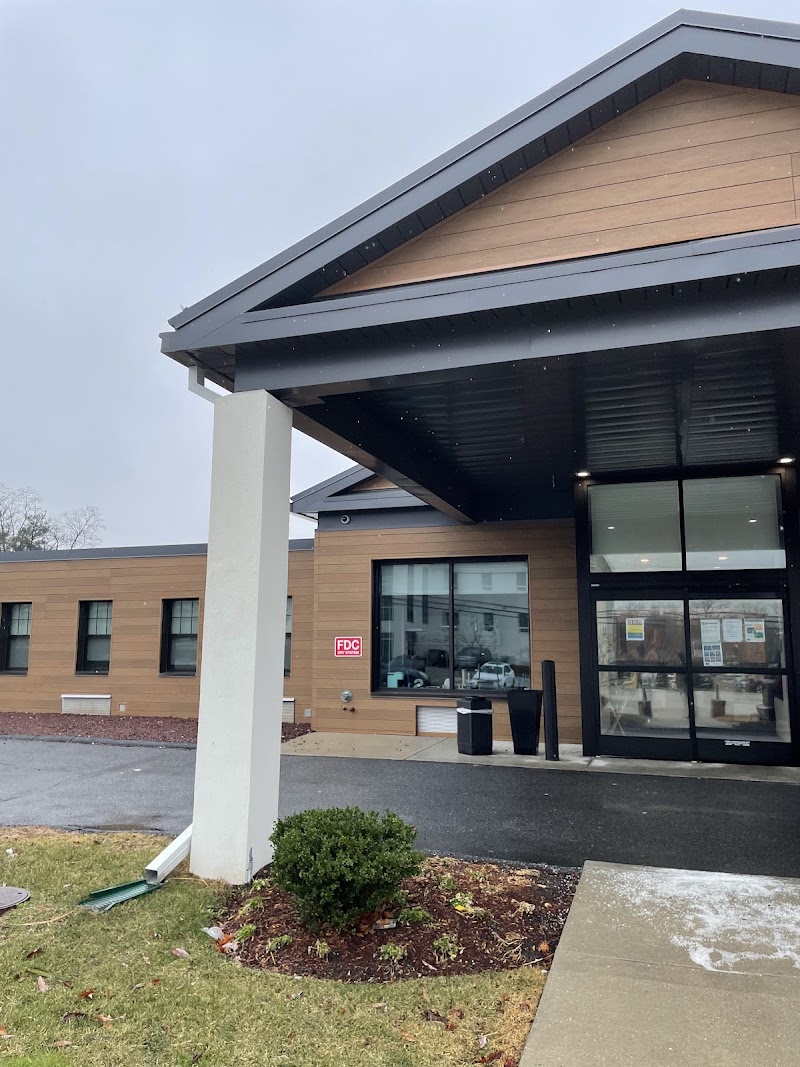
How Does Orchard Hill Rehabilitation And Healthcare Center Compare to Other Maryland Nursing Homes?

Compared to the 100 nursing homes in Maryland, ORCHARD HILL REHABILITATION AND HEALTHCARE CENTER's overall rating (2 stars) is below the state average of 3.0, staff turnover (58%) is significantly higher than the state average of 46%, and health inspection rating (2 stars) is below the national benchmark.

What Should Families Ask When Visiting Orchard Hill Rehabilitation And Healthcare Center?

Based on this facility's data, families visiting should ask: "What safeguards and monitoring systems are in place to protect residents from abuse or neglect?" "How do you ensure continuity of care given staff turnover, and what is your staff retention strategy?" "Can you walk me through typical staffing levels on day, evening, and night shifts?" "Can I visit during a mealtime to observe dining assistance and food quality?" These questions are particularly relevant given the substantiated abuse finding on record, the facility's high staff turnover rate, and the below-average staffing rating.

Is Orchard Hill Rehabilitation And Healthcare Center Safe?

Based on CMS inspection data, ORCHARD HILL REHABILITATION AND HEALTHCARE CENTER has documented safety concerns. The facility has 1 substantiated abuse finding (meaning confirmed case of resident harm by staff or other residents). The facility has a 2-star overall rating and ranks #100 of 100 nursing homes in Maryland. Families considering this facility should ask detailed questions about what corrective actions have been taken since these incidents.

Do Nurses at Orchard Hill Rehabilitation And Healthcare Center Stick Around?

Staff turnover at ORCHARD HILL REHABILITATION AND HEALTHCARE CENTER is high. At 58%, the facility is 12 percentage points above the Maryland average of 46%. High turnover means new staff may not know residents' individual needs, medications, or preferences. It can also be disorienting for residents, especially those with dementia who rely on familiar faces. Families should ask: What is causing the turnover? What retention programs are in place? How do you ensure care continuity during staff transitions?

Was Orchard Hill Rehabilitation And Healthcare Center Ever Fined?

ORCHARD HILL REHABILITATION AND HEALTHCARE CENTER has been fined $75,840 across 1 penalty action. This is above the Maryland average of $33,837. Fines in this range indicate compliance issues significant enough for CMS to impose meaningful financial consequences. Common causes include delayed correction of deficiencies, repeat violations, or care failures affecting resident safety. Families should ask facility leadership what changes have been made since these penalties.

Is Orchard Hill Rehabilitation And Healthcare Center on Any Federal Watch List?

ORCHARD HILL REHABILITATION AND HEALTHCARE CENTER is not on any federal watch list. The most significant is the Special Focus Facility (SFF) program, which identifies the bottom 1% of nursing homes nationally based on persistent, serious quality problems. Not being on this list means the facility has avoided the pattern of deficiencies that triggers enhanced federal oversight. This is a positive indicator, though families should still review the facility's inspection history directly.