ATLEE HILL HEALTH AND REHAB CENTER
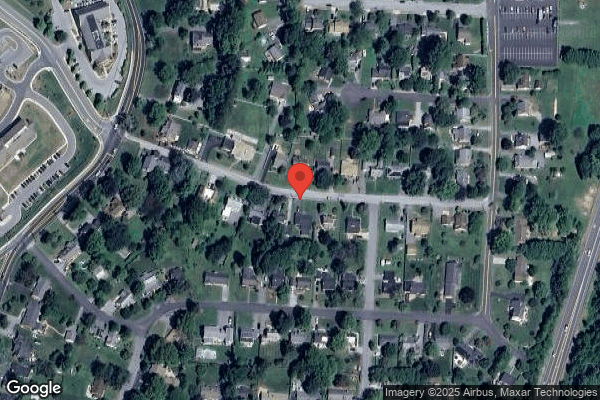

297 STONER AVENUE, WESTMINSTER, MD 21157 (443) 289-3790
For profit - Partnership 60 Beds FUTURE CARE/LIFEBRIDGE HEALTH Data: November 2025
Trust Grade
33/100
#181 of 219 in MD
Last Inspection: December 2023

Within standard 12-15 month inspection cycle. Federal law requires annual inspections.

Overview

Atlee Hill Health and Rehab Center has received a Trust Grade of F, indicating significant concerns about the facility and its care. It ranks #181 out of 219 nursing homes in Maryland, placing it in the bottom half, and #8 out of 10 in Carroll County, meaning there are only two local options considered better. While the facility has shown improvement in issues, decreasing from 21 in 2023 to 10 in 2025, there are still serious concerns, including a resident receiving the wrong medication, which led to hospitalization. On the positive side, staffing is a strength with a 4 out of 5-star rating, although the turnover rate is 45%, which is average. However, the facility has incurred fines totaling $14,888, higher than 76% of Maryland facilities, suggesting ongoing compliance issues, and the RN coverage is only average, which may limit oversight of resident care.

Trust Score
F
33/100
In Maryland
#181/219
Bottom 18%
Safety Record
Moderate
Needs review
Inspections
Getting Better
21 → 10 violations
Staff Stability
⚠ Watch
45% turnover. Above average. Higher turnover means staff may not know residents' routines.
Penalties
○ Average
$14,888 in fines. Higher than 66% of Maryland facilities. Some compliance issues.
Skilled Nurses
✓ Good
Each resident gets 42 minutes of Registered Nurse (RN) attention daily — more than average for Maryland. RNs are trained to catch health problems early.
Violations
⚠ Watch
80 deficiencies on record. Higher than average. Multiple issues found across inspections.
★☆☆☆☆
1.0
Overall Rating
★★★★☆
4.0
Staff Levels
★★★☆☆
3.0
Care Quality
★☆☆☆☆
1.0
Inspection Score
Stable
2023: 21 issues
2025: 10 issues

The Good

  • 4-Star Staffing Rating · Above-average nurse staffing levels
  • Full Sprinkler Coverage · Fire safety systems throughout facility
  • No fines on record

Facility shows strength in staffing levels, fire safety.

The Bad

1-Star Overall Rating

Below Maryland average (3.0)

Significant quality concerns identified by CMS

Staff Turnover: 45%

Near Maryland avg (46%)

Higher turnover may affect care consistency

Federal Fines: $14,888

Below median ($33,413)

Minor penalties assessed

Chain: FUTURE CARE/LIFEBRIDGE HEALTH

Part of a multi-facility chain

Ask about local staffing decisions and management

The Ugly 80 deficiencies on record

1 actual harm
Aug 2025 10 deficiencies
CONCERN (D) 📢 Someone Reported This

A family member, employee, or ombudsman was alarmed enough to file a formal complaint

Potential for Harm - no one hurt, but risky conditions existed

Notification of Changes (Tag F0580)

Could have caused harm · This affected 1 resident

Based on record review and staff interviews, it was determined that the facility failed to notify an attending physician when there were documented changes in a Resident's condition. This was evident ...

Read full inspector narrative →
Based on record review and staff interviews, it was determined that the facility failed to notify an attending physician when there were documented changes in a Resident's condition. This was evident for 1 (#69) out of 15 Residents reviewed for Abuse.The findings include:A review of a facility-reported incident (#337746) revealed an allegation of Abuse made by Resident #69.A continued review revealed that staff #8, a licensed practical nurse (LPN), had reported to Resident #69's representative on 4/6/25 that the Resident was more confused and agitated today. The nurse continued to report that Resident #69 had thrown [his/her] dinner tray at her. However, the review failed to show that Resident #69's attending provider was notified of the change in behavior. In an interview on 8/28/2025 at 4:33 PM, the Director of Nursing (DON) stated that the change in Resident #69's behavior on 4/6/25 was considered a change in condition and, therefore, expected a change in condition assessment form to be completed and notification of Resident #69's attending provider of the change. However, an earlier record review failed to show that staff #8 completed a change in condition assessment for Resident #69 and notified his/her attending provider of the change in behavior.During a subsequent interview on 8/29/2025, at 8:10 AM, the DON verbalized understanding of the concern regarding the failure to report a change in Resident #69's behavior to his/her provider.
CONCERN (D) 📢 Someone Reported This

A family member, employee, or ombudsman was alarmed enough to file a formal complaint

Potential for Harm - no one hurt, but risky conditions existed

Deficiency F0628 (Tag F0628)

Could have caused harm · This affected 1 resident

**NOTE- TERMS IN BRACKETS HAVE BEEN EDITED TO PROTECT CONFIDENTIALITY** Based on record review and interviews, it was determined that the facility failed to 1) ensure appropriate information was commu...

Read full inspector narrative →
**NOTE- TERMS IN BRACKETS HAVE BEEN EDITED TO PROTECT CONFIDENTIALITY** Based on record review and interviews, it was determined that the facility failed to 1) ensure appropriate information was communicated to the receiving health care institution to ensure an effective transition of care and 2) provide a written transfer notice and a written bed hold policy to a Resident's representative upon transfer to an acute care facility. This was evident for one (#83) out of three residents reviewed for discharge and for one (#4) out of two residents reviewed for hospitalization.The findings include: 1) Review of Resident #83’s medical record revealed the resident was admitted to the facility in May 2024 for therapy following a hospitalization. On 5/14/24 a care plan was initiated with a focus of discharging to an assisted living facility (ALF). There was only one intervention included in this care plan: Met with resident and resident representative as resident allows to discuss discharge needs. No documentation was found in the care plan in regard to facilitating the identification of an appropriate discharge location, or assisting with obtaining needed supplies and services upon discharge. Review of complaint #337726 revealed concerns regarding coordination of care related to the discharge to an assisted living facility (ALF). a. The complaint alleged the information contained in the Resident Assessment Tool (RAT) did not align with information communicated during the care plan meeting, specifically in regard to urinary and bowel continence status and the presence of delusion/hallucinations. The RAT is an assessment tool used by ALF to help determine a resident’s level of care. Review of the RAT revealed that it is required to be completed within 30 days prior to admission to the ALF. Review of the Minimum Data Set (MDS- a standardized assessment tool used by nursing homes) with a reference date of 5/14/24 revealed the resident was frequently incontinent of bowel. Urinary incontinence was not assessed due to the presence of an indwelling urinary catheter at the time of the assessment. Further review of the medical record revealed the indwelling urinary catheter was discontinued after the resident was admitted . Review of the Geriatric Nursing Assistant (GNA) documentation for 5/15 through 5/21/24 revealed the resident was incontinent of urine at least one time a day on 6 of the 7 days reviewed. And the resident was incontinent of bowel on 4 of the 7 days reviewed. Review of the RAT that was provided to the ALF revealed it was signed by Nurse #12 on 5/21/24. In the section titled Elimination, the nurse marked Normal for both bladder and bowel, despite the option to mark occasional incontinence (less than daily) or daily incontinence. Review of the 5/14/24 MDS revealed documentation that the resident had experienced hallucinations during the assessment period. Review of the 5/17/24 nurse practitioner (NP #18) note revealed the following: “…reportedly hallucinating about a jet that was flying overhead…”. Further review of the 5/21/24 RAT revealed that in the Psychosocial section of the form the nurse marked N-never for hallucinations and delusions. b. The complaint alleged the facility failed to order the medical equipment agreed upon for discharge. The complaint states that during the 5/23 care plan meeting it was communicated to the family that the facility would order a walker, a wheelchair and a hospital bed. Review of the 5/23/24 Care Plan Note, written by Social Service Director (SSD #1) revealed: “W/C [wheelchair] and RW [rolling walker] will be ordered prior to d/c by SSD as well as HHC [home health care]”. Home health care can include: skilled nursing; home health aids; and physical, occupational, and speech therapy. Review of the medical record failed to reveal documentation to indicate orders for a wheelchair, rolling walker or home health care were processed by the SSD. During an interview on 8/26/25 at 3:06 PM the Social Service Director (SSD #1) indicated she assists with ordering Durable Medical Equipment and Home Health Care as part of discharge planning. The SSD reported that the rehab department will inform her what durable medical equipment is required and that she orders the equipment. She confirmed that if listed in the care plan note as equipment to be ordered prior to discharge then she would order prior to the discharge. Surveyor reviewed the concern that no documentation was found to indicate that a rolling walker or wheelchair were ordered prior to discharge. The SSD reported she may have had an intern at that time and indicated she would go check the notes. Review of the 5/30/24 nurse’s note revealed the resident was discharged to an ALF with family. The resident was transported via a wheelchair and per the DON “wheelchair will be ordered for [him/her] and sent to [name of ALF] and [s/he] can take ours. Made pt. [family] aware our wheelchair needs to come back to the facility when they get the new one delivered.” On 8/26/25 at 3:37 PM the SSD presented with paperwork that indicated the wheelchair was ordered by the DON and delivered on 6/3/24. On 8/26/25 at 5:34 PM surveyor reviewed the concern with the Director of Nursing (DON) that SSD had not ordered the wheelchair or rolling walker as indicated in the care plan meeting note. The DON reported that she herself had ordered the wheelchair. Further review of the medical record failed to reveal documentation regarding the ordering of a hospital bed as indicated in the complaint. However, the paperwork provided by the SSD for the ordering of the wheelchair included documentation that indicated the SSD had ordered a Semi Electric Hospital Bed with a requested delivery date of 5/29/24 but the order was canceled by the facility. On 8/26/25 at 3:37 PM the SSD reported : I can’t remember why they didn’t need it; I probably cancelled it but cannot recall why. Review of the Maryland Discharge Instructions form revealed it was signed as completed by SSD #1 on 5/22/24, and nurse #19 on 5/30/24, and included a signature of the responsible party on 5/30/24. In the section titled MEDICAL EQUIPMENT ARRANGEMENTS the area to mark no, yes or N/A was left blank; in the area to document the Medical Equipment Provider there was documentation: “[NAME]” but no contact information was provided, and in the area for Equipment provided by facility was also noted to be blank. On 8/26/25, at 3:37 PM, the SSD reported that on the Maryland Discharge Instructions documentation, there was an error in regarding the medical equipment, stating: it was initially through [NAME], and I didn’t update to Adapt Health. c. The complaint alleged the facility failed to order physical and occupational therapy for the continuation of care at the new facility. The complaint states that during the 5/23 care plan meeting it was communicated to the family that the facility would order physical and occupational therapy. During an interview on 8/27/25 at 8:17 AM the Nurse Practitioner (NP #18) reported that for discharges, she will put orders for home health into PCC [name of electronic health record system] and then the social worker sends it out to whatever [home health] company they are using. The NP confirmed that if a resident is being discharged to an ALF she would still complete a home health order. Review of the 5/29/24 Nurse Practitioner (NP #18) discharge note revealed “Discharge Instructions: Discharge to ALF with home health services.” Further review of the medical record revealed there was a corresponding order, dated 5/29/24 to discharge the resident from the skilled nursing facility on 5/30/24 with skilled nursing, physical and occupational therapy evaluation, and a home health aide. During an interview on 8/26/25 at 3:06 PM, when asked about home health services, the SSD reported she puts in orders for PT, OT and Speech, and confirmed these orders would be included for ALF discharges. Surveyor reviewed the concern that no documentation was found to indicate a home health referral was completed. In a follow up interview at 3:37 PM the SSD reported she did not order the home health services because the ALF that the resident went to has their own therapy department. Further review of the Maryland Discharge Instructions form revealed in the section for IN HOME CARE OR SERVICES was marked: No. Further review of this document failed to reveal documentation regarding the order for the therapy evaluations. The complaint alleged that when they arrived at the ALF, the ALF was awaiting paperwork from the facility. The Nursing Home Administrator reported on 8/29/25 at 12:15 PM that that they do fax the discharge orders over when a resident is discharged to an ALF and they do not just rely on family. Review of the medical record failed to reveal documentation to indicate the discharge orders, which included the orders for the therapy evaluations, was sent to the ALF. On 8/29/25 at 12:15 PM surveyor reviewed the concerns with the DON and the Nursing Home Administrator (NHA) regarding the failure to ensure required information was provided to the receiving ALF, failure to ensure equipment was ordered prior to discharge and failure to ensure orders for home health were communicated to the ALF. 2) A review on 8/25/2025 at 1:36 PM of Resident #4's medical record showed that s/he was transferred to an acute care facility on 5/14/25 due to a change in condition. A continued review showed that the residents' representative was not present at the time of transfer and was notified via telephone. However, the review lacked documentation that the resident's representative was notified in writing of the facility's bed hold policy and a transfer notice, along with the reason for the transfer. In an interview on 8/25/2025, at 1:48 PM, the admissions director reported that she was responsible for mailing the facility's bed hold policy and transfer notice to residents' representatives. However, she only sent them to representatives of residents who were in the facility for a short stay, not to representatives of long-term residents. During an interview with the nursing home administrator on 8/25/2025, at 2:07 PM, she reported that the facility had stopped mailing written bed hold policies and written transfer notices to the representatives of long-term care residents to avoid confusion.
CONCERN (D) 📢 Someone Reported This

A family member, employee, or ombudsman was alarmed enough to file a formal complaint

Potential for Harm - no one hurt, but risky conditions existed

Deficiency F0655 (Tag F0655)

Could have caused harm · This affected 1 resident

**NOTE- TERMS IN BRACKETS HAVE BEEN EDITED TO PROTECT CONFIDENTIALITY** Based on interviews and record review, it was determined that the facility failed to provide residents/representatives with a co...

Read full inspector narrative →
**NOTE- TERMS IN BRACKETS HAVE BEEN EDITED TO PROTECT CONFIDENTIALITY** Based on interviews and record review, it was determined that the facility failed to provide residents/representatives with a copy of their baseline care plan, which included a summary of the Resident's medication. This was evident for 2 (#14, #83) of 43 residents reviewed during the recertification survey.The findings include:A baseline care plan is a document that outlines initial instructions for providing care to a resident in a long-term care facility, typically developed within 48 hours of admission. In addition to the baseline care plan, residents are also expected to receive a list of their admission medications. This allows residents and their representatives to be more informed about the care that they receive. 1) In an interview on 8/19/2025, at 8:49 AM, Resident #14's representative stated that he had not received a copy of the Resident's baseline care plan, including a list of his/her medications. A record review on 8/21/2025, at 10:52 AM, showed that Resident #14 was admitted to the facility on [DATE]. A continued review revealed that a baseline care plan dated 8/6/25 for Resident #14 had been initiated but was not completed. The review also contained another baseline care plan, dated 8/8/25, for Resident #14 that had been started and marked as complete, but was missing the staff and representative's signatures. In an interview with the director of nursing on 8/21/2025, at 2:24 PM, she reported that there was no documentation to show that a copy of Resident #14's baseline care plan, including a list of his/her medications, was given to the representative. 2) Resident #83 was admitted to the facility on [DATE], for therapy following a hospitalization. Review of complaint #337726 revealed a concern that the first care plan meeting was held 15 days following admission, and this meeting was the first time the level of care required was communicated to the family. Review of the Baseline Care Plan, signed as completed by the registered dietician (RD#) and nurse #12, revealed the resident was cognitively impaired and confused. Further review of the Baseline Care Plan revealed that a copy was given to the resident on 5/9/24. The area of the form to document the resident representative's signature was noted to be blank. Further review of the medical record failed to reveal documentation to indicate that a copy of the baseline care plan was provided to the resident's representative. Further review of the medical record revealed a note written by the Social Service Director (SSD #1) on 5/23/24, which revealed the interdisciplinary team met with the resident and the family on that date for admission care plan meeting. On 8/26/25, at 3:37 PM, when asked who provides the baseline care plan, the Social Service Director (SSD #1) reported she believed nursing does.On 8/26/25, at 5:34 PM, the surveyor reviewed the concern with the Director of Nursing (DON) that the family had not been provided a copy of the baseline care plan. DON reported it was provided to the resident. As of the time of survey exit on 8/29/25, no documentation was provided to indicate that the baseline care plan had been provided to the family.
CONCERN (D) 📢 Someone Reported This

A family member, employee, or ombudsman was alarmed enough to file a formal complaint

Potential for Harm - no one hurt, but risky conditions existed

ADL Care (Tag F0677)

Could have caused harm · This affected 1 resident

**NOTE- TERMS IN BRACKETS HAVE BEEN EDITED TO PROTECT CONFIDENTIALITY** Based on interviews and record review, it was determined that the facility failed to ensure that a resident who required assista...

Read full inspector narrative →
**NOTE- TERMS IN BRACKETS HAVE BEEN EDITED TO PROTECT CONFIDENTIALITY** Based on interviews and record review, it was determined that the facility failed to ensure that a resident who required assistance with Activities of Daily Living (ADL) was provided with showers. This was evident for 1 (#48) of 3 Residents reviewed for ADLs. The findings include:In an interview with Resident #48 on 8/19/2025 at 3:11 PM, s/he indicated that s/he would like to get more showers than were offered as of the time of the interview.A record review showed that Resident #48 had been in the facility since June 2025. A continued review included an MDS assessment dated [DATE], for Resident #48, which recorded that the resident required staff assistance with showering.The Minimum Data Set (MDS) is a federally mandated assessment tool that nursing home staff use to gather information on each Resident's strengths and needs. The information collected drives resident care planning decisions.A subsequent record review on 8/25/25, at 3:14 PM, of the GNA (Geriatric Nurse Aid) shower documentation from July 2025 to August 2025, noted no showers for July and one shower for August. An interview later that day with staff #20, a Geriatric Nurse aid (GNA), revealed that Resident #48 was scheduled to have two showers per week; however, an earlier record review noted only one shower from July 1, 2025, to August 25, 2025.In an interview on 8/25/2025, at 4:15 PM, the Director of Nursing reported that Resident #48 had a shower on 8/19/25. The DON confirmed the lack of documentation for the resident's showers for the other days from July 1, 2025, to August 25, 2025.
CONCERN (D) 📢 Someone Reported This

A family member, employee, or ombudsman was alarmed enough to file a formal complaint

Potential for Harm - no one hurt, but risky conditions existed

Quality of Care (Tag F0684)

Could have caused harm · This affected 1 resident

**NOTE- TERMS IN BRACKETS HAVE BEEN EDITED TO PROTECT CONFIDENTIALITY** Based on medical record review and interviews, it was determined that the facility failed to ensure that care was provided in ac...

Read full inspector narrative →
**NOTE- TERMS IN BRACKETS HAVE BEEN EDITED TO PROTECT CONFIDENTIALITY** Based on medical record review and interviews, it was determined that the facility failed to ensure that care was provided in accordance with professional standards and physician orders. This was evident for 3 (#75, #76, and #79) of 5 residents reviewed in relation to complaint investigations.The findings include:1) Resident #79 was admitted to [NAME] Hill Nursing and Rehab Center following a hospitalization for dyspnea (shortness of breath or difficulty breathing). Their medical history included Congestive Heart Failure (weakened heart muscle that makes pumping blood difficult for the heart), Atrial Fibrillation (irregular and sometimes rapid heart rate), and hypertension (high blood pressure). On 8/21/2025, the surveyor reviewed a Facility Reported Incident (FRI) #337732 and a correlating complaint #337733 that were reported to the Office of Healthcare Quality (OHCQ) regarding a medication error involving Resident #79. The FRI document submitted to OHCQ by the facility’s Nursing Home Administrator (NHA), revealed in part that Resident #79 was transferred to [name of hospital] emergency room on 8/25/24, per the request of their family member, due to hypotension [low blood pressure]. On 8/26/24, [NAME] Hill’s Medical Director received an update from the hospital indicating that the resident had initially arrived at [NAME] Hill with a medication order for Carvedilol 25 mg, 1/2 tablet, twice daily. The facility transcribed the order as Carvedilol 25 mg, 1 tablet, twice daily. The facility’s report stated, “The investigation revealed a breakdown in the admission process. The nursing department did not complete the admission checklist or have a second nurse review the admission for accuracy. Had the process been followed, the transcription error would have likely been identified.” The surveyor also reviewed complaint #337733, submitted by a family member, which stated in part that their family member was admitted to [NAME] Hill for physical therapy after a hospital stay. They reported that “The admissions staff assured me that I didn’t need to go over the medication list because it was in their system since [NAME] Hill is part of the transferring hospital’s network.” The complaint further stated that on 8/25/24 the family member visited and observed that Resident #79 was “very out of it” and when their morning vitals were taken, their blood pressure [BP] was only 80/30. The complainant reported that the Director of Nursing (DON) later called to discuss the mistake and explained that the facility had discovered they had been giving the resident twice the amount of Carvedilol prescribed. On 8/25/2025 at 8:33 AM, the surveyor interviewed the family member who submitted the complaint. They stated that Resident #79 had been given the wrong dose of medication which resulted in “very low blood pressure and difficulty breathing which required hospitalization.” They confirmed that the DON contacted them after the hospitalization to notify them of the error and to apologize. On 8/25/2025 at 9:48 AM, the surveyor reviewed Resident #79’s medical record which revealed that on 8/23/24, the facility entered an order for “Carvedilol 25 mg, give one tablet by mouth two times a day for hypertension. Start date 8/23/24.” Review of [NAME] Hospital’s Discharge summary dated [DATE] revealed that the correct medication order was Carvedilol 25 mg oral tablet, 12.5 mg = 0.5 tablet by mouth twice daily. Review of the hospital discharge summary for Resident #79’s stay from 8/25/24 to 8/27/24 revealed the following: The medication list from [NAME] Hill was reviewed. It showed that the facility either increased or incorrectly recorded the resident’s Carvedilol (Coreg), doubling the previous dose from 12.5 mg twice daily to 25 mg twice daily. Emergency Medical Services (EMS) documented blood pressures of 90/40 and 91/36. In the Emergency Department (ED), the initial blood pressure was 91/36 with excellent oxygen saturation on 2L O. Blood pressure gradually improved to 120/50. Laboratory results demonstrated mild acute kidney injury (AKI), with creatinine rising to 1.5 from 0.73 on 8/23/24. Blood urea nitrogen (BUN) doubled to 30 [elevations in creatinine and/or BUN [may indicate kidney dysfunction or dehydration]. S/he was started on gentle IV fluids. The patient was admitted under observation for hypotension and AKI, suspected to be caused by fluid depletion related to the patient's congestive heart failure (CHF). Further surveyor review of the facility Medication Administration Record showed that the resident received the wrong dose of Carvedilol on 8/23/24 at 8:00 PM, on 8/24/24 at 8:00 AM and 8:00 PM, and on 8/25/24 at 8:00 AM. Review of Resident #79’s vital signs from admission until transfer to the hospital showed the following:• 8/23/24 – BP 125/74, Pulse 69• 8/24/24 – BP 132/74, Pulse 82• 8/25/24 – BP 80/40, Pulse 58 The surveyor reviewed Resident #79’s progress notes:On 8/25/24 at 10:43 AM, Nurse #9 entered a “Health Status Note,” which documented that the resident was sent to [Omitted] Hospital Center via 911 due to a manual blood pressure reading of 80/40 and at the request of their [family member]. Heart rate at the time of discharge was 58. Baseline blood pressure the previous day was 120–140s/70s. The resident also reported shortness of breath while on 3 liters of oxygen via nasal cannula. Nurse #9 also entered an SBAR [a medical note that some healthcare facilities use to communicate the resident’s Situation, Background, Assessment, and Recommendation] dated 8/25/24 at 10:27 AM, which revealed in part:Situation: Change in condition included shortness of breath.Vital signs: Blood Pressure 80/40, pulse 58, respiratory rate 20, temperature 98.0.Provider feedback: The physician was contacted and instructed the facility to transfer the resident to the ED per family request. On 8/26/2025 at 3:12 PM, the surveyor interviewed Staff Nurse #10 about the admission process for incoming residents. She stated that before admission, the admission Coordinator brings paperwork to the nurse, which includes information about medications and supplies needed for care. Orders are put into a queue, and the Medical Director reviews them, either approving or making changes. The Medical Director also calls to verbally review all orders with nursing staff. She added that the pharmacy cannot see the orders until after the Medical Director reviews them and the orders are released from the queue. Occasionally, the pharmacy may be aware of the medications beforehand, but she is unsure how. The surveyor asked if there is a checklist for admission, and she stated that there is. She provided the surveyor with the “[NAME] Hill admission Checklist-Nurses (updated 8/28/24),” which lists tasks for nurses to complete. Number 7 states, “Enter all approved orders into PCC and batch orders.” On 8/26/2025 at 3:32 PM, the surveyor interviewed the DON about FRI #337732. The DON admitted that the facility made a transcription error and that both the first and second nurses had not completed the admission checklist. She acknowledged that if the protocol had been followed, the error likely would not have occurred. The DON stated that the physician did not believe transfer was necessary because the resident was asymptomatic. The surveyor pointed out that documentation showed the resident had been short of breath. The DON reviewed the record and admitted she was unaware the resident’s symptoms had been documented. The DON provided a Performance Improvement Plan (PIP) titled “Transcription Error August 2024,” which focused on the second nurse chart review. When asked if she investigated why the checklist had not been completed by the first and second nurses, the DON replied “No, it was just a finding.” She stated she had not asked the nurses why they did not complete it. When asked why the PIP focused only on the second check, the DON stated that she considered the second check more important because the “second nurse would likely find an error”. On 8/26/2025 at 4:20 PM, the surveyor reviewed a “Pharmacy Medication Review” note entered by the pharmacist (Staff #7) dated 8/23/24 and signed on 9/30/24, which stated “No major concerns at this time.” On 8/27/2025 at 8:22 AM, the surveyor reviewed a document titled “Incident Investigation” dated 8/26/24 through 8/30/24, that was provided by the NHA and written by the DON. It revealed, in part:Type of Incident: Medication transcription error with transfer to ED.Details: A new admission medication was transcribed incorrectly. On day two, the patient required transfer to the ED for evaluation of hypotension.Findings included: Carvedilol 25 mg ordered as 0.5 tablet BID [twice daily] was transcribed as 25 mg BID. The patient received four incorrect doses. admission BP was 125/74, pulse 69. On 8/25/24, BP was 80/40, pulse 58. The report concluded that “a transcription error was made given the way the discharge summary was written” and that the transfer was unnecessary as the patient did not require aggressive measures. It stated that the resident did not suffer serious bodily injury and was discharged home within a few days. The investigation also noted that the nursing department did not complete the admission checklist or second nurse review. On 8/27/2025 at 2:20 PM, the surveyor interviewed the consultant pharmacist (Staff #7). She stated that she receives notification of admissions, compares the facility’s orders to the hospital discharge summary, and emails the DON and Medical Director if discrepancies are identified. She stated, “This is a checks and balances system to ensure accuracy of the medication orders.” When asked if she documents this review, she stated, “Yes, the note is called admission Medication Review.” The surveyor showed the pharmacist the “admission Medication Review” she completed on 8/23/24 for Resident #79, in which she wrote, “no major concerns at this time,” and she acknowledged that she should have caught the error. On 8/28/25 at 5:13 PM, the surveyor spoke with both the DON and NHA to discuss potential citations identified during the survey, specifically concerning the medication error that occurred in August 2024. Both the NHA and DON agreed that the error resulted from a transcription mistake; however, they stated that the resident could have been treated in the facility without transferring them to the hospital. The DON noted that the family requested the transfer, but the physician felt he could have managed the resident without the transfer. 2) A review of complaint #337738 contained an allegation that staff failed to assess and give medication to Resident #75 when s/he complained of chest pain. Continued review of Resident #75's record included a nurse's note dated 10/19/24 that stated Reported from previous shift that Resident [complained] of chest pain through the night. She was given prn [as needed] Zofran. Further review showed that the Resident's medical history included chest pain secondary to unstable angina and had an attending provider's order to have Nitroglycerin Tablet Sublingual 0.4 MG Give 1 tablet sublingually every 5 minutes as needed for Chest Pain x 3 doses. However, the review showed that staff gave him/her antiemetic medicine instead of the chest pain medication. The review also failed to demonstrate that staff assessed the Resident for the change in condition, and notified the attending provider of the change in condition. In an interview on 8/28/2025, at 3:57 PM, Staff #10, a Registered Nurse (RN), reported that she had received a report on the morning of 10/19/24, from the outgoing night nurse stating that Resident #75 had complained of chest pain during the night and was given an antiemetic medication. Staff #10 said the Resident was stable when she started her shift. However, the Resident requested to be transferred to the hospital to be evaluated for a heart attack because of his/her history, so s/he was transferred to the hospital. 3) Resident #76 was admitted to the facility on [DATE] after a brief hospitalization. The resident's weight on 1/13/25 was documented as 195.8 lbs. Review of a care plan for risk for weight loss, initiated 1/14/25, revealed that one of the interventions was to obtain the resident's weight per facility policy/physician order. Review of the facility's weight policy revealed a resident was to be weighed on date of admission, on day 2 of admission and then weekly for 4 weeks. Review of the Treatment Administration Record (TAR) revealed there was an order for admission weight day 2: obtain and document in PCC [name of electronic health record system]. In the area of the TAR to document the day 2 weight, on 1/14/25, was noted to be blank. Review of the Registered Dietician's note, dated 1/14/25, revealed the resident's admission weight was 195.8 lbs. There was also a notation that according to the resident his/her usual body weight was 199-200 lbs. Further review of the medical record failed to reveal documentation to indicate a weight was obtained, or attempted to be obtained, between 1/14-1/18/25. Further review of the medical record revealed on 1/19/25 the resident's weight was 177 lbs. A re-weight was obtained on 1/20/25 and the weight was 175.6. This significant weight loss was reported to the primary care provider and the dietician. On 1/21/25 the dietician wrote a note which indicated that, after discussion with the resident, the dietician Will strike out initial wt. as incorrect. Further review of the medical record revealed there was an order for weekly weights x 4 weeks. Review of the TAR revealed these weights were due to be obtained on 1/27 and 2/3/25. No documentation was found to indicate weights were obtained, as ordered, on 1/27 or 2/3/25. Nursing staff documented NA indicating not applicable in the space to document the weight on 2/3/25. Further review of the medical record failed to reveal documentation to indicate a weight was obtained, or attempted to be obtained, between 1/21/25 and the resident's discharge in February. On 8/25/25 at 3:03 PM surveyor reviewed the concern with the Director of Nursing (DON) that there were orders for weights that were not obtained. The DON responded: I don't know what happened to the one on the 27th. Surveyor also informed the DON that no documentation was found for the weight on the second day of admission. As of time of survey exit on 8/29/25 no additional documentation was provided to indicate additional weights were obtained during the resident's admission.
CONCERN (D) 📢 Someone Reported This

A family member, employee, or ombudsman was alarmed enough to file a formal complaint

Potential for Harm - no one hurt, but risky conditions existed

Deficiency F0757 (Tag F0757)

Could have caused harm · This affected 1 resident

Based on record review and staff interviews, it was determined that the facility failed to ensure a resident received their medication according to the attending physician's order. This was evident fo...

Read full inspector narrative →
Based on record review and staff interviews, it was determined that the facility failed to ensure a resident received their medication according to the attending physician's order. This was evident for one out of 5 complaints reviewed during the survey.The findings include:A review of complaint #337738 contained an allegation that staff failed to assess and give medication to Resident #75 when s/he complained of chest pain.A continued review showed that the Resident's medical history included chest pain secondary to unstable angina and had an attending provider's order to have Nitroglycerin Tablet Sublingual 0.4 MG Give 1 tablet sublingually every 5 minutes as needed for Chest Pain x 3 doses.Further review included a nurse's note dated 10/19/24 that stated Reported from previous shift that Resident [complained] of chest pain through the night. She was given prn Zofran. The review failed to show that Resident #75 was given Nitroglycerin when s/he complained of chest pain.In an interview on 8/28/2025 at 3:57 PM, Staff #10, Registered nurse (RN), reported that she had gotten a report on the morning of 10/19/24 from the outgoing nurse that Resident #75 had complained of chest pain during the night and was given an antiemetic drug.During an interview on 8/29/2025, at 11:10 AM, the Director of Nursing stated that Resident #75 had an attending provider's order for a drug for chest pain. So, she expected that her staff would have given Resident #75 his/her angina medicine when s/he complained of chest pain and not an antiemetic drug.
CONCERN (D) 📢 Someone Reported This

A family member, employee, or ombudsman was alarmed enough to file a formal complaint

Potential for Harm - no one hurt, but risky conditions existed

Menu Adequacy (Tag F0803)

Could have caused harm · This affected 1 resident

Based on record review, observations, and interviews, it was determined that the facility failed to ensure that residents were served meals according to a predetermined menu that incorporated their pr...

Read full inspector narrative →
Based on record review, observations, and interviews, it was determined that the facility failed to ensure that residents were served meals according to a predetermined menu that incorporated their preferences. This deficient practice has the potential to affect all residents. The findings include:A review of complaint #337742 revealed an allegation that the meals delivered to the residents did not match what was stated on the menu.While observing the breakfast tray line on 8/26/2025, at 7:39 AM, the surveyor requested a test tray. The tray contained a meal ticket for Resident #46. The listed food items on the meal ticket to be served to Resident #46 were: 3 oz biscuit with sausage gravy, 6 oz Cheerios, 6 oz orange Juice, 8 oz 2% milk, one bottle of water, pepper, and two packets of sugar.However, continued observation failed to show that Resident #46's tray contained the portion sizes listed on the meal ticket for the resident's Cheerios and orange juice. Staff #23, the Dietary Director, was present and asked about the portion size for the Cheerios and orange juice. Staff #23 measured the Cheerios with a 6 0z measuring spoon and said it was 5 oz instead of 6oz. Staff #23 also measured the orange juice with a measuring cup and said it was 4.5 oz instead of 6 oz.In an interview, Staff #23 stated that before the surveyor's intervention, his staff was not aware that the cup they served residents' juice with was not an 8-oz cup but a 4.5-oz cup. Staff continued to state he would place an order for the right size of cups. Staff #23 verbalized understanding regarding the concern of not serving Resident #46 the correct portion size as noted on his/her meal ticket.
CONCERN (E) 📢 Someone Reported This

A family member, employee, or ombudsman was alarmed enough to file a formal complaint

Potential for Harm - no one hurt, but risky conditions existed

Report Alleged Abuse (Tag F0609)

Could have caused harm · This affected multiple residents

**NOTE- TERMS IN BRACKETS HAVE BEEN EDITED TO PROTECT CONFIDENTIALITY** Based on record review and interviews, it was determined that the facility failed to report allegations of abuse in a timely man...

Read full inspector narrative →
**NOTE- TERMS IN BRACKETS HAVE BEEN EDITED TO PROTECT CONFIDENTIALITY** Based on record review and interviews, it was determined that the facility failed to report allegations of abuse in a timely manner. This was evident for 5 (#80, #81, #77, #10, and #71) of 15 residents reviewed for abuse allegations.The findings include:1) Resident #80 has medical diagnoses of hydrocephalus (fluid build-up in the brain) with a shunt (a device that drains the excess fluid), chronic kidney disease, nutritional deficiencies, hypertension, and is in palliative care (medical care focused on quality of life for individuals with life-limiting illnesses). On 8/28/25 at 3:00 PM, the surveyor reviewed a Facility Reported Incident (FRI) #337730, which stated the following: Resident #80 and the Director of Nursing (DON) met on 7/24/24 after receiving an allegation from the resident’s family member. According to the resident: “I have terrible veins and a tough stick. A gentleman drew my blood last week (Monday or Tuesday) and I told him where to stick me, but he didn't listen. He looked at my left arm, which I told him was useless, then he looked at my right arm. I have done blood draws in the past, so I know what I am talking about. He put the tourniquet here (pointing to the right forearm) so tight causing my skin to pucker. He stuck me five or six times (pointing to three locations on the right arm: top of the forearm, top of the hand, and wrist). He did get blood once but removed the needle and stuck me somewhere else. I guess it was just flash. When he stuck my wrist, he grabbed my hand and squeezed it so tight. I asked him to stop but he squeezed it again. After that I told him to stop and leave the room. He never got my blood that day.” Facility documentation states that the DON was first notified of this incident via voicemail from Resident #80’s family member on 7/24/24 at 9:00 AM. The Nursing Home Administrator (NHA) reported the incident to the Office of Healthcare Quality (OHCQ) on 7/26/24 at 3:30 PM. On 8/29/25 at 8:48 AM, the surveyor reviewed [NAME] Hill’s policy and procedure titled “Resident Abuse Policy and Procedure” (no date or policy number), which in part states: · “Allegations of abuse and neglect will be reported to the Administrator within 24 hours of the allegation and initial report to the state agencies will be completed as per regulations.” On 8/28/25 at 4:02 PM, the surveyor spoke with the facility Nursing Home Administrator (NHA) and asked if she was aware of the reporting requirements for allegations of abuse. She stated that she “must report within two hours.” The surveyor then asked her to review the internal investigation documentation regarding Resident #80’s allegation of abuse, and she acknowledged that the facility reported the allegation late. 2 )Review of Resident #81's medical record revealed the resident was admitted to the facility in June 2024 after a brief hospitalization. Review of the Minimum Data Set (MDS- a required standardized assessment) with an assessment reference date of 7/3/24 revealed a Brief Interview for Mental Status (BIMS) score of 15 out of 15, indicating the resident was cognitively intact. Review of facility reported incident #337729 revealed that it was a report of an allegation of misappropriation of resident property/exploitation. Review of the statements included in the facility investigation revealed a statement, signed by Receptionist #22 which revealed that on 7/11/24 the resident had told her: .someone on night shift 2 days prior had stolen $50 dollar bill out of [his/her] [bag].” On 8/29/2025 at 9:28 AM Receptionist #22 read the statement and confirmed it was accurate and that it was her signature on the statement. Further review of the statements revealed two statements, dated and signed by the Director of Nursing (DON) on 7/11/24. The first of these two statements revealed the DON had received a message from Receptionist #22 that Resident #81 had stated that a $50 bill was stolen and that the DON had conducted an interview with the resident on 7/11/24. This statement also indicated that the resident reported s/he always kept a $50 bill folded in [his/her] [bag] for emergencies. The second statement revealed the DON had interviewed 6 staff members about the allegation of missing money on 7/11/24. Further review of the facility report revealed documentation that law enforcement was not notified of the allegation of stolen money. The initial report of this allegation of stolen money was sent to the the State office on 7/12/24 at 5:30 PM. This is the day after the allegation was made and the investigation was initiated. On 8/29/25 at 9:17 AM when asked about reporting allegations to the police, the Nursing Home Administrator (NHA) reported they usually have a conversation with the family about notifying the police. Surveyor informed the NHA that no documentation was found to indicate there was any conversation about notifying the police. Surveyor also reviewed the concern that the allegation of theft was not reported to the state office until the day after the allegation was made. 3) Review of facility reported incident #337735 revealed that it was an allegation of abuse made by Resident #77. The initial report was received by the State office on 9/18/24. The alleged perpetrator was a geriatric nursing assistant (GNA #24). Review of the investigation documentation revealed that on 9/17/24 the Director of Nursing (DON) received a concern form, dated 9/15/24, from Resident #77 in which the resident requested the patient bill of rights and a patient advocate. The DON met with the resident on 9/17 and again on 9/18. On 9/18/24 the resident reported an incident that occurred on the evening shift of 9/15/24 involving GNA #25. The resident also reported that he had spoken to Nurse #17 that evening and had not seen GNA #24 since that evening. Review of a statement, dated 9/18/24 and signed by Nurse #17, revealed that on the evening of the event the resident had reported the GNA was “being rough with [him/her]” and the nurse gave the resident a complaint form to fill out. On 8/27/25 at 4:51 PM the DON indicated that if a resident reports to a nurse that a staff member was rough with them she would expect the nurse to report this to either herself or the nursing home administrator (NHA). The DON reported that she was aware of the nurse’s statement from Resident #77 that was not reported, and she indicated she has addressed this issue with the nurse. On 8/29/24 at 12:10 PM surveyor reviewed the concern with the DON and the NHA the concern regarding failure to report allegations of abuse in a timely manner. 4) A review of a facility-reported incident #2564116 related to Resident #10 showed that the resident reported an allegation of abuse to staff #17, a licensed practical nurse (LPN), on 7/12/25. Further review of the facility's investigation into the allegation revealed that Resident #10 made the allegation to Staff #17 on 7/12/25, at 12:40 AM. The Nursing home administrator (NHA) was notified of the allegation on 7/14/25. The incident was initially reported to the state agency on 7/16/25 at 3:22 PM, two days after it had been reported to the facility. During an interview with the Director of Nursing (DON) on 8/27/2025, at 4:52 PM, she mentioned that her expectation was for staff #17 to have reported the allegation to her immediately; however, this did not occur. The DON verbalized understanding of the concern of not sending an initial report of the alleged abuse to the state agency, but not later than 2 hours after the facility staff became aware of the allegation. 5) A review of a facility-reported incident #337744 contained an allegation made by Resident #71 on 2/25/25 of missing money from his/her room. A continued review of the facility's investigation file revealed that the allegation of missing money was initially reported to the state agency on 2/28/25 at 5:44 PM. The final report was completed on 3/11/25, at 2:25 PM, indicating that once the facility became aware of the allegation, the staff failed to forward a first report to the state agency within two hours and a final report within five business days. In an interview with the Nursing home administrator on 8/28/2025, at 5:13 PM, she verbalized understanding of the concern regarding not reporting the allegation of missing money to the office in a timely manner.
CONCERN (E) 📢 Someone Reported This

A family member, employee, or ombudsman was alarmed enough to file a formal complaint

Potential for Harm - no one hurt, but risky conditions existed

Comprehensive Care Plan (Tag F0656)

Could have caused harm · This affected multiple residents

Based on medical record review and interviews, it was determined that the facility failed to develop comprehensive person-centered care plans for residents. This was found to be evident for 3 ( #48, #...

Read full inspector narrative →
Based on medical record review and interviews, it was determined that the facility failed to develop comprehensive person-centered care plans for residents. This was found to be evident for 3 ( #48, #83, #76) out of 43 residents reviewed during the survey. The findings include: 1) In an interview on 8/19/2025 at 3:11 PM, Resident #48 indicated that s/he required assistance from staff with his/her ADLs. A record review completed later that day showed that Resident #48 had been residing in the facility since June 2025. The review also included an MDS assessment for Resident #48, dated 8/1/25. The MDS recorded that the Resident required assistance from staff with most of his ADLs. However, a continued review of Resident #48's care plan failed to demonstrate that his/her ADL needs were addressed in the care plan. The care plan was not comprehensive and person-centered. In an interview on 8/25/2025, at 3:58 PM, the Director of Nursing (DON) confirmed that Resident #48's care plan did not capture his/her ADL needs. The DON said she would ensure that the care plan was updated.During an interview on 8/29/2025, at 9:46 AM, the DON stated that she updated Resident #48's care plan following the surveyor's intervention. 2) Resident #83 was admitted to the facility in May 2024 for therapy following a hospitalization. Review of the a 5/14/24 progress note revealed that the responsible party’s goal was for the resident to be discharged to an ALF [assisted living facility], but not the same ALF as the resident’s spouse. The note also revealed that the responsible party had not located an alternative placement at that time. Review of complaint 337726 revealed an allegation that the social worker offered no assistance in finding placement. Further review of the medical record revealed that on 5/14/24 a care plan was initiated with a focus of discharging to an assisted living facility (ALF) and a goal that the resident: will discharge to a safe setting of [his/her] family's choice by the end of the review period. There was only one intervention included in this care plan: Met with resident and resident representative as resident allows to discuss discharge needs. No documentation was found in the care plan in regard to facilitating the identification of an appropriate discharge location, or assisting with obtaining needed supplies and services upon discharge. On 8/26/25 at 3:06 PM the Social Service Director (SSD #1) reported that discharge planning starts on day of admission. She reported that if a resident is planning to go to an ALF she has resources that can help find a placement and that she does document when she provides this information. Further review of the medical record failed to reveal documentation to indicate the facility staff provided assistance with identifying a potential ALF placement for the resident. On 8/26/25 during the 3:06 PM interview the Social Service Director (SSD #1) also indicated she assists with ordering Durable Medical Equipment and Home Health Care as part of discharge planning. No documentation was found in the care plan in regard to facilitating the identification of an appropriate discharge location or assisting with obtaining needed supplies or services upon discharge. On 8/29/2025 at 10:05 AM surveyor reviewed the concern with the Director of Nursing (DON) that the resident's care plan for discharge on ly included that staff would discuss discharge needs with the family. DON acknowledged the concern. Cross reference to F 628 3) Resident #76 was admitted to the facility in January 2025. Review of the admission Minimum Data Set (MDS) assessment, with an assessment date of 1/19/25, revealed that the resident was occasionally incontinent of urine. Review of the Care Area Assessment (CAA) Summary section of the MDS revealed the care area of urinary incontinence had triggered and a decision was made to address urinary incontinence in a care plan. Review of the care plans for Resident #76 failed to reveal incontinence was addressed in a care plan. On 8/25/25 at 3:51 PM the Director of Nursing (DON) reported that, in regard to the CAAs, the idea is to set the care plan up for whatever the trigger is. Surveyor reviewed the concern that the CAA indicated a care plan would be developed to address urinary incontinence, but none was found. The DON confirmed that she did not see a care plan addressing the urinary incontinence. A care plan is a guide that addresses each Resident's unique needs. It is used to plan, assess, and evaluate the effectiveness of the Resident's care. Staff utilize care plans to provide resident-centered care that includes support, services, and resources tailored to address each Resident's specific needs. The Minimum Data Set (MDS) is a federally mandated assessment tool that nursing home staff use to gather information on each Resident's strengths and needs. The information collected drives resident care planning decisions.
CONCERN (F) 📢 Someone Reported This

A family member, employee, or ombudsman was alarmed enough to file a formal complaint

Potential for Harm - no one hurt, but risky conditions existed

Abuse Prevention Policies (Tag F0607)

Could have caused harm · This affected most or all residents

Based on review of the facility's abuse policy and interview it was determine that the facility failed to ensure the abuse policy addressed all the required components. This was found to be evident fo...

Read full inspector narrative →
Based on review of the facility's abuse policy and interview it was determine that the facility failed to ensure the abuse policy addressed all the required components. This was found to be evident for the one abuse policy and has the potential to affect all the residents.The findings include: This regulation was written to provide protections for the health, welfare and rights of each resident residing in the facility. In order to provide these protections, the facility must develop written policies and procedures to prohibit and prevent abuse, neglect, exploitation of residents, and misappropriation of resident property. These written policies must include, but are not limited to, the following components: Screening; Training ; Prevention; Investigation; Protection; and Reporting/response. On 8/26/25 review of the abuse policy, that was provided to the survey team at the start of the survey, failed to reveal a date that it was initiated or reviewed. On 8/26/25 at 10:43 AM the nursing home administrator (NHA) confirmed this was the abuse policy that is provided to staff. The policy included definitions of physical, sexual and verbal abuse, neglect and exploitation and included a list of some physical, behavioral and social signs of abuse. The policy failed to address misappropriation of resident property. The policy failed to address abuse prevention or training of staff. The policy failed to address coordination with the Quality Assurance Performance Improvement program. In regard to reporting abuse the policy stated: In the event that anyone in the facility (employee, visitor, family member, service provider, etc) has evidence or credible cause to believe that a resident has been subject to any or all of the above types of abuse, that person with knowledge is strongly encouraged to report in good faith all allegations, suspicions, or incidents to an administrative staff member, the Ombudsman or to the State officials as posted in the facility. A report may be made either in written or oral form should contain as much information as the reporter is able to provide Allegations of abuse and neglect will be reported to the Administrator within 24 hours of the allegation (8 hours for Washington DC) and initial report to the state agencies will be completed as per regulation. Federal regulation requires that allegations of abuse are reported immediately, but not later than 2 hours after the allegation is made, to the NHA and other officials. Cross reference to F 609. The policy failed to address prohibiting and preventing retaliation for reporting suspected abuse. On 8/26/25 at 1:00 PM observations made throughout the facility, including employee break areas, failed to reveal posted signage of employee rights related to retaliation against the employee for reporting a suspected crime. On 8/26/25 at 1:18 PM the NHA confirmed they do not have this specific signage posted in the facility. On 8/26/25 at 1:18 PM surveyor reviewed the concern with the NHA that the facility's abuse policy does not include all of the components required by the regulation.
Dec 2023 21 deficiencies 1 Harm
SERIOUS (G) 📢 Someone Reported This

A family member, employee, or ombudsman was alarmed enough to file a formal complaint

Actual Harm - a resident was hurt due to facility failures

Deficiency F0760 (Tag F0760)

A resident was harmed · This affected 1 resident

**NOTE- TERMS IN BRACKETS HAVE BEEN EDITED TO PROTECT CONFIDENTIALITY** Based on record reviews and interviews, it was determined that the facility failed to ensure residents did not receive medicatio...

Read full inspector narrative →
**NOTE- TERMS IN BRACKETS HAVE BEEN EDITED TO PROTECT CONFIDENTIALITY** Based on record reviews and interviews, it was determined that the facility failed to ensure residents did not receive medications ordered for another resident. This deficient practice resulted in actual harm to Resident #5 who experienced critically low heart rate and blood pressure and required hospitalization. This was evident for 1 (Resident #5) resident out of 39 residents reviewed during the annual survey. The findings include: On 12/13/23 surveyor review of Resident #5's record revealed a Health Status Note dated 1/11/23. The note stated: Resident #5 was given another Resident's medication in error. Vital Sign assessment done every hour to monitor blood pressure (B/P) and pulse. As soon as the incident was reported to the Supervisor by the Certified Medication Aide (CMA), the On-Call Provider, the Director of Nursing (DON) and the resident's niece were notified. Monitoring of the resident's B/P showed a decrease in B/P 2 hours after taking medication. The On Call Provider was notified again and new orders were received to obtain peripheral intravenous (IV) access and start IV fluids and continue hourly vital signs monitoring. The resident was transferred to the hospital on 1/12/23. A review of Resident #5's Physician Orders revealed no diagnosis of hypertension (high blood pressure) and confirmed that the he/she did not have orders in his/her chart for the medications he received that were prescribed for Resident #15. A review of Resident #5's emergency room (ER) Hospital Discharge summary dated [DATE] was conducted on 12/13/2023 at 09:01 AM. The review revealed that Resident #5 received another resident's medications and experienced a decrease in heart rate and low blood pressure. The Nurse Practitioner (NP) was notified and orders were placed to monitor the resident's blood pressure and heart rate every hour and to start intravenous (IV) fluids at 70 ml/hr. Resident #5 was sent to the emergency room (ER) for evaluation and was admitted to the hospital. Resident #5's initial vital signs in the ER were a blood pressure of 130/72, heart rate of 48, respirations of 20, Oxygen Saturation of 96% on room air, and the resident did not have a fever. The resident later became hypotensive, and the blood pressure continued to decrease to 57/48, heart rate 49. The resident was given glucagon and IV fluids, and the Cardiologist was consulted. Resident #5 was admitted to the hospital on [DATE] and discharged on 12/14/23 with the chief complaint of bradycardia (low heart rate) and hypotension (low blood pressure). During an interview conducted on 12/14/23 at 11:40 AM, RN #9 confirmed that he/she was Resident #5's evening shift nurse on 1/11/2023 and that Certified Medication Aide (CMA) #23 administered Resident #15's medications to Resident #5. Registered Nurse (RN) #9 further confirmed that the NP was notified immediately and orders were placed for vital sign monitoring every hour and to give IVF. RN #9 stated that replacement medications for Resident #15's were retrieved from the pyxis machine and administered as scheduled. During an interview conducted on 12/19/23 at 1:27 PM, the Director Of Nursing (DON) confirmed that Resident #5 received Resident #15's medications and experienced an adverse reaction. The DON stated that Resident #5 was sent to the ER for evaluation and was hospitalized for 2 days. On 12/20/23 at 9:26 AM, review of the investigative file for Resident #5's medication incident on 1/11/23 revealed an incident description that stated Resident was given another Resident's medication in error. Including Carbamazepine 400mg, Eliquis 5mg, Metoprolol Tartrate 175mg and Topamax 150mg by CMA. The review also revealed that the facility completed corrective measures that consisted of medication cart audits, medication administration observations, and staff education on 2/11/23 which stated, recently, there have been unnecessary medication errors related to not properly following the medication administration policy and procedure. As a result of these errors, patients were placed in harm's way and required further evaluation and a higher level of care. This deficient practice was identified and cited as past noncompliance with Federal and State requirements with a compliance date of 02/11/23.
CONCERN (D)

Potential for Harm - no one hurt, but risky conditions existed

Deficiency F0578 (Tag F0578)

Could have caused harm · This affected 1 resident

Based on medical record review and interview with staff it was determined the facility staff failed to inform and provide written information to all residents concerning the right to formulate at the ...

Read full inspector narrative →
Based on medical record review and interview with staff it was determined the facility staff failed to inform and provide written information to all residents concerning the right to formulate at the resident's option, an Advance Directive. This was evident for 2 (#54 and #46) of 5 residents reviewed for Advance Directives. The findings include: ADVANCE DIRECTIVES: A written document stating how you want medical decisions to be made if you lose the ability to make them for yourself. It may include a Living Will and a Durable Power of Attorney for health care. Resident #54's medical record was reviewed on 12/11/23 at 10:38 AM. The review failed to reveal a copy of Resident #54's Advance Directive in their medical record, or evidence that the facility staff provided education to the resident and offered them an opportunity and assistance to formulate one or more Advance Directives. An admission checklist, found in Resident #54's paper record included a space to check off Advance Directive, however, the checklist was blank. Resident #46's medical record was reviewed on 12/13/23 at 8:39 AM. No Advance Directives were found in the record, nor evidence that the facility offered the resident an opportunity and assistance to formulate an Advance Directives. An interview was conducted with Staff #1 the Director of Admissions on 12/14/23 at 12:48 PM. When asked about her role related to obtaining Advance Directives and the admission Checklist, she indicated that she would ask the resident/family if they have an Advance Directive, if they have one, she will copy it and put it in the paper record. She indicated that she did not always get them, that sometimes Staff #22 an Administrative Assistant will get them and put them in the record. Staff #22 was interviewed on 12/14/23 at 12:51 PM. She indicated she would scan any Advance Directives that she received into the Electronic Medical Record (EMR) in the document section or place a paper copy in the paper chart. The Administrator was made aware of these findings on 12/14/23 at 2:00 PM. She was asked if she could provide a copy of Resident #54 and #46's Advance Directives, evidence to reflect that copies were requested by the facility, or that the residents were provided education and offered assistance in formulating them or the rationale if it was not done. The Administrator returned at 2:16 PM on 12/14/23 and indicated there was no documentation in Resident #46 or #54's medical records regarding Advance Directives.
CONCERN (D) 📢 Someone Reported This

A family member, employee, or ombudsman was alarmed enough to file a formal complaint

Potential for Harm - no one hurt, but risky conditions existed

Report Alleged Abuse (Tag F0609)

Could have caused harm · This affected 1 resident

Based on medical record review related to a complaint and interviews with the facility staff and family, it was determined that the facility failed to report an unobserved fall with injury to the Offi...

Read full inspector narrative →
Based on medical record review related to a complaint and interviews with the facility staff and family, it was determined that the facility failed to report an unobserved fall with injury to the Office of Health Care Quality (OHCQ). This was evident during the review of 1 of 3 (#80) falls reviewed. The findings include: 1. Review on 12/20/23 at 7:50 AM of the complaint #MD00180645 revealed concern related to Resident #80 and a fall occurring on 6/13/22. Resident #80 was found in his/her room with blood on their forehead, face, and clothing with a 'notable raised contusion to right forehead that was also bleeding,' according to the facility change in condition report. Resident #80 was sent to the hospital via 911. Per the electronic health record (EHR) reviewed on 12/20/23 at 9:00 AM, Resident #80 was diagnosed with vascular dementia with behavioral disturbances and cognitive communication deficit. On 12/20/23 at 9:47 AM the Nursing Home Administrator (NHA) was interviewed related to what is reported to the state. She stated she would look regarding this incident, however, did not recall reporting anything. Follow-up interview with the Director of Nursing (DON) and NHA at 1:11 PM on 12/20/23. They stated that they didn't report the fall as they had just entered a new building and attributed that to the residents' fall. The failure to report an unwitnessed fall with injury was reviewed again with the NHA and DON 12/20/23.
CONCERN (D)

Potential for Harm - no one hurt, but risky conditions existed

Transfer Notice (Tag F0623)

Could have caused harm · This affected 1 resident

**NOTE- TERMS IN BRACKETS HAVE BEEN EDITED TO PROTECT CONFIDENTIALITY** 3) On 12/18/2023 at 11:00AM, a review of Resident #29's electronic medical record revealed that the resident was transferred to ...

Read full inspector narrative →
**NOTE- TERMS IN BRACKETS HAVE BEEN EDITED TO PROTECT CONFIDENTIALITY** 3) On 12/18/2023 at 11:00AM, a review of Resident #29's electronic medical record revealed that the resident was transferred to the hospital on [DATE] for nausea, vomiting, and dizziness and returned to the facility on [DATE] for ongoing care. Additional review of the medical record and physical chart revealed that there was no transfer summary completed for this transfer and no documentation to indicate that Resident #29 or his/her representative had been notified in writing of the transfer on 11/20/2023. During an interview on 12/18/2023 at 11:26AM with Registered Nurse, Staff #8, Surveyors were informed that when a resident is transferred to the hospital, a copy of the transfer summary from the electronic medical record should be included in the paperwork sent with the resident to the hospital. On 12/21/2023 at 8:11 AM, during an interview with the Administrator, Surveyors were informed that the residents and resident representatives, as needed, are verbally notified of any transfers out of the facility and this information is documented in a transfer summary for the resident's discharge. Surveyors reviewed the concern with the Administrator that no documentation was noted to indicate that a transfer notice was provided to Resident #29 or his/her representative when sent out to the hospital on [DATE]. The Administrator could not provide the Surveyors with documentation regarding this concern. 2. On 12/20/2023 at 8:39 AM surveyor conducted a review of Resident #61's medical record. The record revealed the resident was admitted to the facility in 11/08/2023 with diagnoses including Nephritic Syndrome with Focal and Segmental Glomerular Lesions, Gastro Esophageal Reflux Disease, Acute Gastritis, Chronic Atrial Fibrillation, Chronic Kidney Disease and Essential Hypertension. Further review into the electronic medical record revealed Resident #61 was transferred to the hospital on [DATE] due to bleeding and the written notice of transfer was not found. On 12/21/2023 at 8:31 AM an interview with the Administrator was held. When surveyors asked the Administrator about the facility's process for transferring a resident, the response was, Once the physician orders the transfer, we make phone calls to the resident's emergency contact or resident representative and again 24 hours after the resident is transferred to notify about the bed hold policy. We do not send a written notice of transfer. Also, for our long-term care residents, we don't generally send notification because this is their home. The Administrator and the DON were made aware of identified concerns during the survey and again at exit conference on 12/21/2023. Based on record review and staff interview, it was determined that the facility failed to have a process in place to ensure that the resident and/or the resident representative (RP) were provided with a notice of transfer in writing. This was evident for 3 (#80, #61 and #29) of 3 residents reviewed during an annual survey with complaints. The findings include: 1. Review of the medical record for Resident #80 on 12/20/23 at 7:50 AM revealed an emergent hospital transfer on 6/13/22. The corresponding progress notes documented notification to the RP, however, the progress notes document the incident occurred at 12:00 PM and the notification did not occur until after 6PM. Additionally, there was no documentation that any written communication was provided to the RP regarding the reason for the transfer. Interview with Staff LPN #11 on 12/20/23 at 10:26 AM revealed that upon transfer they send a transfer form with the resident however, this is not documented anywhere in the notes. Interview with Resident #80's RP on 12/19/23 and again on 12/28/23 revealed that they had not received any transfer paperwork.
CONCERN (D)

Potential for Harm - no one hurt, but risky conditions existed

Deficiency F0625 (Tag F0625)

Could have caused harm · This affected 1 resident

**NOTE- TERMS IN BRACKETS HAVE BEEN EDITED TO PROTECT CONFIDENTIALITY** 2) A Bed Hold is the act of holding or reserving a resident's bed while the resident is absent from the facility for therapeutic...

Read full inspector narrative →
**NOTE- TERMS IN BRACKETS HAVE BEEN EDITED TO PROTECT CONFIDENTIALITY** 2) A Bed Hold is the act of holding or reserving a resident's bed while the resident is absent from the facility for therapeutic leave or hospitalization. It must be provided to all facility residents regardless of payment source. Bed Hold policy should be disclosed in the admission packet during initial admission to the facility and it should be disclosed to resident and, if applicable, resident representatives at the time of transfer; if emergency transfer, within 24 hours. On 12/18/2023 at 11:00AM, a review of Resident #29's electronic medical records revealed that the resident had been transferred to the hospital on 3 different occasions; 4/14/2023 for chest pain, 5/19/2023 for increased pain and difficulty urinating, and 11/20/2023 for nausea, vomiting, and dizziness; returning to the facility each time for ongoing care. During further review of Resident #29's electronic and paper medical record, Surveyors confirmed that Resident #29 was cognitively intact and responsible for him/herself. His/her medical record failed to reveal documentation to indicate that the resident was provided a written copy of a bed hold policy when transferred to the hospital on 4/14/2023, 5/19/2023, and 11/20/2023. During an interview conducted on 12/18/2023 at 10:15AM, the Director of Nursing (DON) informed Surveyors that the bed-hold form is part of the paperwork that goes with the resident when they are transferred to the hospital. The DON confirmed that the form she is referencing to is part of the Resident's Financial Agreement; section E.) Holding the Resident ' s Bed If the Resident Leaves the Facility, and that Resident #29 did not have a copy of this form in his/her electronic medical record or physical chart for any of his/her transfers to the hospital. During an interview conducted on 12/21/2023 at 8:11AM, the Administrator was made aware of the concern that Resident #29 was not provided a written copy of the bed-hold policy upon transfer to the hospital on 4/14/2023, 5/19/2023, and 11/20/2023. The Administrator was unable to provide Surveyor's with documentation to indicate residents are provided with a written copy of bed hold policy at transfer from the facility. Based on record review and staff interview, it was determined the facility failed to notify the resident or the resident representative in writing of bed hold policy in writing. This was found to be evident for 2 (Resident #61 and Resident #29) of 3 residents reviewed for hospitalizations during the investigative portion of the annual survey. The findings include: 1) On 12/18/2023 at 8:15 AM the surveyor conducted a review of Resident #61's medical record. The record revealed the resident was admitted to the facility in 11/08/2023 with diagnoses including Nephritic Syndrome with Focal and Segmental Glomerular Lesions, Gastro Esophageal Reflux Disease, Acute Gastritis, Chronic Atrial Fibrillation, Chronic Kidney Disease and Essential Hypertension. Further review into the medical record revealed Resident #61 was transferred to the hospital on [DATE] due to bleeding and the bed hold policy was not found. On 12/18/2023 at 11:26 AM an interview with Registered Nurse, Staff #8, was conducted. Staff #8 was asked what documentation is needed when a resident is being transferred to the hospital; to which she answered, We have to have an order, print the order and face sheet (a document containing resident demographics), send a Maryland Order for Life Sustaining Treatment (MOLST) form and get a bed hold form. The bed hold form goes with the resident to the hospital. The resident should sign the bed hold. If the resident is incapable, we have to contact the resident representative or responsible party (RP) and let them know of the transfer. The resident representative will get a copy of bed hold. Staff #8 did not locate the bed hold for Resident # 61's transfer on 11/09/2023. On 12/21/2023 at 8:31 AM an interview with the Administrator was held. The Administrator stated, We do not provide written notices of the bed hold policy. When residents are admitted here, they sign the bed hold policy as part of the admissions process/packet. However, we have a bed hold log that keeps track of the resident that is transferred and the name of the family member or representative that was notified verbally by phone call or in person. The Administrator and the DON were made aware of identified concerns during the survey and again at the exit conference on 12/21/2023.
CONCERN (D)

Potential for Harm - no one hurt, but risky conditions existed

Deficiency F0657 (Tag F0657)

Could have caused harm · This affected 1 resident

On 12/12/2023 at 12:21 PM, during a review of Resident #29's record, the Surveyor discovered a Post Fall Evaluation note dated 5/8/2022 at 1:46PM which stated that the resident had an unwitnessed fall...

Read full inspector narrative →
On 12/12/2023 at 12:21 PM, during a review of Resident #29's record, the Surveyor discovered a Post Fall Evaluation note dated 5/8/2022 at 1:46PM which stated that the resident had an unwitnessed fall in his/her room on 5/8/2022 at 12:35PM. Further review of the note revealed that the resident experienced pain and swelling of the left ankle and elbow. Additional review of Resident #29's electronic medical record revealed an encounter note written by a physician, Staff #24 on 5/9/2022 at 11:41AM. In this note, Staff #24 confirmed the unwitnessed fall and sent the resident to the hospital where x-rays showed significant swelling of the left ankle. Resident #29 was diagnosed with a left ankle sprain. SBAR stands for Situation, Background, Assessment, and Recommendation. It is a form of communication that helps nurses and physicians share important information about a patient's condition. On 12/15/2023 at 9:00AM, Surveyor discovered an SBAR note dated 6/15/2023 at 9:07AM which stated Resident #29 reported an unwitnessed fall in his/her shower and was experiencing severe lower back pain as a result of the fall. A Post Fall Evaluation note was completed 6/21/2023 at 2:12PM. Additional review of Resident #29's electronic medical record revealed an encounter note written by Certified Registered Nurse Practitioner, Staff # 7 on 6/21/2023 at 3:28PM confirming the resident had a fall in the shower and experienced lower back pain as a result. Ongoing review of Resident #29's medical record revealed a care plan created on 3/07/2022 that included a care plan topic for the resident being at risk for falls. However, no care plan topic or intervention addressed the two actual falls that Resident #29 had sustained on 5/8/2022 and 6/15/2023, including interventions for pain management and resident-specific interventions to prevent future falls. On 12/12/2023 at 9:18AM, Surveyors observed Resident #29 in his/her room, sitting in a reclining chair barefoot with his/her legs elevated. Surveyors observed swelling in his/her ankles and feet. ACE wraps are used to reduce swelling and inflammation to promote sufficient blood flow and healing. On 12/14/2023 at 1:13PM, during review of Resident #29 electronic medical records, Surveyors discovered an order dated 4/19/2023 for ACE wraps to be used on the lower legs and feet for edema (swelling) in the morning and taken off at night. Additional review revealed nursing notes which stated that the resident often refused the ACE wraps and was provided frequent education about the need for the ACE wraps. During a review of the Treatment Administration Record on 12/14/2023 at 1:30PM, Surveyors confirmed that Resident #29 had refused the ACE wraps to the lower legs and feet on multiple occasions. A review of Resident #29's care plans on 12/15/2023 at 9:30AM failed to reveal evidence that the facility updated and revised the care plan to include the use of ACE wraps for edema (swelling) of the lower legs and feet and the resident's refusal to use the ACE wraps. During an interview with the Director of Nursing (DON) on 12/15/2023 at 9:40AM, Surveyors were informed that the nurses initiate care plans on admission. She confirmed that situations that should be care plans include, but are not limited to, falls, skin, behaviors (such as refusing), and activity. The DON, Assistant Director of Nursing (ADON), and Social Worker update and revise the care plans based on a 24-hour clinical review done in the mornings, monthly care plan meetings, weekly risk management meetings, progress notes, and hospitalizations. Based on interview, record review and observation, it was determined that the facility failed to ensure residents care plans were reviewed and revised as required. This was evident for 2 (Resident #20 and #29) of 41 residents reviewed for careplans during the annual survey. The findings include: A care plan is used to summarize a person's health conditions, specific care needs, and current treatments. It outlines what needs to be done to plan, assess, and manage care needs. This helps to evaluate the effectiveness of the resident's care. The MDS (Minimum Data Set) is a standardized, comprehensive assessment of a resident ' s functional, medical, psychosocial, and cognitive status to develop a plan of care based on the resident's individualized needs. During an interview conducted on 12/13/23 at 7:54 AM, Resident #20 reported that he/she fell out of bed while trying to reposition him/herself in bed; Resident #20 stated that 911 was called and he/she went to the hospital for evaluation and x-rays. On 12/15/2023 at 8:02 AM, review of Resident #20's medical records revealed a treatment order dated 12/01/23 that stated Transfer resident to ER for further evaluation via 911 for a fall with injuries. Advanced Practice Provider (APP) on call made aware on 12/01/23. Further review of Resident #20's medical records revealed a treatment order dated 12/02/23 that stated Fall mat(s) next to bed when in bed. Remove during care and when (out of bed) OOB every shift for attempt to prevent injury r/t high fall risk both sides/left side only/right side only. On 12/18/23 at 9:44AM, Resident #20's fall care plan dated 7/27/23 was reviewed to reveal that he/she is at risk for falls and was newly admitted with an Activities of Daily Living (ADL) deficit. Resident #20 had a goal that stated he/she will have no major injury from falls by the next review. Additionally, interventions included in the care plan stated, educate resident on the use of call bell and the need to ask for assistance with ambulation, transfers and toileting. Further review of Resident #20's care plan revealed no evidence that his/her fall care plan was revised following the fall incident on 12/01/23 including the new treatment orders for fall mat placement. During an interview conducted on 12/18/23 at 10:05 AM, the DON stated that care plan revisions usually take place within the first 48 hours after a fall incident by the Director of Nursing (DON) or Assistant Director of Nursing (ADON). During an interview conducted on 12/18/23 at 12:03 PM, the DON confirmed that Resident #20's care plan was not updated after the fall incident on 12/01/23.
CONCERN (D)

Potential for Harm - no one hurt, but risky conditions existed

Accident Prevention (Tag F0689)

Could have caused harm · This affected 1 resident

**NOTE- TERMS IN BRACKETS HAVE BEEN EDITED TO PROTECT CONFIDENTIALITY** Based on observation, record review and staff interview it was determined the facility staff failed to ensure the resident's env...

Read full inspector narrative →
**NOTE- TERMS IN BRACKETS HAVE BEEN EDITED TO PROTECT CONFIDENTIALITY** Based on observation, record review and staff interview it was determined the facility staff failed to ensure the resident's environment was as free of accident hazards as possible. This was evident for 1 (#52) of 5 residents reviewed for Accidents. The findings include: On 12/11/23 at 12:33 PM Resident #52 was observed lying in bed with their lunch in front of them on their overbed table. At 12:49 PM the resident was observed standing at their bedside dressed in a disposable brief and a shirt, pushing their overbed table from the bedside toward the doorway. No fall mats were observed in the room. Staff went into the room to assist the resident after surveyor intervention. A review of Resident #52's medical record on 2/11/23 at 1:42 PM revealed a physician order written 9/15/23 for: Fall mats when in bed, place on each side of bed. Another review of the resident's record on 12/13/23 at 10:43 AM revealed a Fall Risk Evaluation dated 9/14/23 which indicated Resident #52 was disoriented x 3, had 1-2 falls in the preceding 3 months and required use of an assistive device. His/her fall risk score was 13, At Risk for falls. A plan of care related to Resident #52's risk for falls was developed on 9/15/23. The resident's goal was to have no major injury from falls. The interventions identified by staff to assist the resident in reaching their goal included Fall matt on floor by bedside while in bed. A GNA (Geriatric Nursing Assistant) [NAME] (a form which provided the GNA's with the resident's care needs) included: Fall matt on floor by bedside while in bed. The review also revealed that Resident #52 was moved back to their previous room on the other hallway on 12/11/23. An observation was made of Resident #52's new room on12/13/23 at 12:54 PM. No fall mats were in the room. Resident #52 was not in the room at that time. On 12/14/23 at 8:17 AM, Resident #52 was observed in their bed eating breakfast. There were no fall mats in the room. At 11:47 AM the resident was observed sitting straight up in bed, the head of the bed was flat, his/her legs were under the bed covers and the resident was straightening and smoothing the covers on his/her lap. No fall mats were observed in the room. At 1:33 PM the same day, Resident #52 was observed awake in bed, drinking water. No fall mats were in the room. Review of the TAR (Treatment Administration Record) on 12/14/23 at 1:37 PM revealed that the fall mats order was signed off by the nurse each shift in December 2023 up to and including 8AM - 4PM on 12/14/23 which was signed off by Staff #9 a Registered Nurse. On 12/14/23 at 1:59 PM, the Director of Nursing (DON) reviewed and confirmed that the TAR reflected that the fall mats were signed off as in place. She was made aware of the above observations. She observed the resident with the surveyor at that time and confirmed that fall mats were not at Resident #52's bedside nor anywhere in the room as ordered and signed off.
CONCERN (D)

Potential for Harm - no one hurt, but risky conditions existed

Incontinence Care (Tag F0690)

Could have caused harm · This affected 1 resident

**NOTE- TERMS IN BRACKETS HAVE BEEN EDITED TO PROTECT CONFIDENTIALITY** Based on observation, review of the medical record and interview with staff it was determined the facility staff failed to provi...

Read full inspector narrative →
**NOTE- TERMS IN BRACKETS HAVE BEEN EDITED TO PROTECT CONFIDENTIALITY** Based on observation, review of the medical record and interview with staff it was determined the facility staff failed to provide appropriate and sufficient services, treatment, and care for a resident with an indwelling urinary catheter. This was evident for 1 (#118) of 2 residents reviewed for Urinary Catheter. The findings include: An intermittent (straight) catheter is inserted through the urethra into the bladder to empty it, then removed. An indwelling urinary catheter is inserted in the same way as an intermittent catheter, but the catheter is left in place. The catheter is held in the bladder by a water-filled balloon, which prevents it falling out. These types of catheters are often known as Foley catheters. On 12/12/23 at 10:14 AM Resident #118 was observed lying in bed with a urinary catheter bag hanging on the side of their bed frame. Review of Resident #118's medical record on 12/19/23 at 1:06 PM revealed Resident #118 was admitted to the facility on [DATE]. The review revealed a current physician order which was written on 12/8/23 for: may straight cath PRN (as needed) as ordered for lab or urinary retention. There were no current physicians' orders for an indwelling urinary catheter or for catheter care. The Treatment Administration Record (TAR) had no provision for the staff to sign off the presence of the indwelling catheter, or care provided to the resident related to the catheter such as changing the drainage bag, perineal and catheter care. The resident was observed again on 12/19/23 at 1:19 PM lying in bed with a urinary catheter bag hanging from the bedframe on the resident's left-hand side. Further review of Resident #118's medical record at that time revealed physicians orders were written at the time of Resident #118's admission on [DATE] for: Indwelling catheter 16 french (size), empty drainage each shift, ensure leg strap is in place, drainage bag is covered with privacy bag and placed below bladder level, monitor for signs and symptoms of infection every shift; Change catheter bag and PRN for infection control and/or soiling every night shift every 28 days; and Catheter site care wash with soap and water every shift. However, these orders were discontinued on 12/12/23. A physician's order was written on 12/12/23 for Bladder scan for lower abdominal pain or inability to void > (more than) 6 hours. If >350 ml (milliliters) and unable to void with encouragement, replace foley and inform provider. A Progress Note dated 12/13/23 by Staff #7 a Nurse Practitioner indicated: Resident #118 had suprapubic tenderness and appears to be retaining urine. Will replace his/her foley and attempt a voiding trial when he/she is up and about more. An order was written on 12/13/23 for: Replace foley catheter 16 french now, related to abdominal distention and discomfort one time only for urinary retention for 1 day; the order included an end date of 12/14/23. No physicians' orders were written for Resident #118 to have an indwelling urinary catheter, or for the provision of catheter care after 12/14/23. Resident #118's Plan of Care failed to reflect that the resident had a foley catheter or the interventions staff were to implement related to the catheter. Resident #118 was observed again on 12/20/23 at 1:31 PM in bed with the foley catheter bag hanging on the bed frame on the resident's left-hand side. Staff #11 a Registered Nurse was interviewed at that time. She was asked about the presence of Resident #118's indwelling urinary catheter and what care the resident received related to the catheter. She looked at the Electronic Medical Record (EMR) and confirmed that there were no current orders for the foley catheter or catheter care and no provision for care on the TAR. She indicated that maybe the GNA's (Geriatric Nursing Assistants) have something showing catheter care but was unable to identify how the nursing staff were providing care for Resident #118 related to their foley catheter. The GNA task [NAME] was reviewed at that time with Staff #11. It failed to reflect the presence of the resident's foley catheter or direct the GNA's to provide care related to the catheter.
CONCERN (D) 📢 Someone Reported This

A family member, employee, or ombudsman was alarmed enough to file a formal complaint

Potential for Harm - no one hurt, but risky conditions existed

Deficiency F0726 (Tag F0726)

Could have caused harm · This affected 1 resident

Based on medical record review and interview with facility staff and resident representatives, it was determined that the facility failed to have a process in place to implement and determine the comp...

Read full inspector narrative →
Based on medical record review and interview with facility staff and resident representatives, it was determined that the facility failed to have a process in place to implement and determine the competency of staff after a new protocol is put in place. This was evident related to a complaint regarding the implementation of care for a 'PleurX' catheter. A PleurX catheter is a small flexible tube that is surgically placed in the peritoneal space of your abdomen, used to remove excess peritoneal fluid (ascites). The findings include: Interview on 12/19/23 at 11:19 AM with the complainant for #MD00180645 revealed concerns with the way the drain that was in their family members (Resident #80) PleurX catheter was drained. They stated that they were asked to do it as and even stepped in as staff did not seem to know what they were doing. A review of Resident #80's medical record on 12/20/23 at 12:00 PM revealed a hospitalization on 12/18/22 related to respiratory distress. During the hospitalization Resident #80 was diagnosed with ascites (fluid collection in the abdomen). The decision was made to place a catheter, the PleurX, in the abdomen. The catheter can be accessed sterilely as needed to drain the fluid as it collects in the abdomen to be drained as needed. Upon readmission to the facility an order was placed to 'drain catheter every 24 hours as needed for fluid overload.' The facility Director of Nursing (DON) was interviewed on 12/20/23 at 11:45 AM and the policy for the PleurX catheter was requested along with any staff training on the use of the catheter. At that time the DON stated that she was not aware of any training that was completed with the staff regarding the use of the catheter. She also stated that they had to develop a policy on how to use the catheter as they had not had one on the facility before. The survey team inquired further that if a policy was newly developed, how was administration ensured that their staff was aware of the new policy and the appropriate way to use it. The DON stated that she knew her staff knew how to use it. A review of the facility policy on Pleural Drainage Procedure-Clinical Protocol stated under documentation, which included 7 steps, #3. the type of drainage kit used, #4. all assessment data obtained during the procedure, #5. results of the procedure. According to Resident #80's medication and treatment administration record, on 1/1/23, 1.9 liters were removed from their abdomen. There was no other information provided or documented in the medical record. Further review on 12/20/23 revealed an order on 1/9/23 for Resident #80's abdomen to be drained, however, there was no corresponding note that this was completed. The only change in condition completed noted Resident #80's increased shortness of breath and need for supplemental oxygen. The concerns related to the facilities' failure to provide documentation related to training on the new policy were reviewed.
CONCERN (D)

Potential for Harm - no one hurt, but risky conditions existed

Pharmacy Services (Tag F0755)

Could have caused harm · This affected 1 resident

Based on review of the facility's Controlled Drug Count Verification sheets and interview with staff it was determined that the facility failed to ensure that an account of all controlled drugs were c...

Read full inspector narrative →
Based on review of the facility's Controlled Drug Count Verification sheets and interview with staff it was determined that the facility failed to ensure that an account of all controlled drugs were completed and accurate. This was found to be evident for 1 out of the 2 narcotic lock boxes located in the nursing medication cart. The findings include: During an observation of the Controlled Drug Count verification conducted on 12/19/2023 at 7:48 AM, the surveyors observed License Practical Nurse (LPN) #12 read off the Controlled Drug Count form for Resident #114's Brivact 100 mg count and stated the remaining count was 7. Registered Nurse (RN) #11 reviewed the actual medication blister pack and stated there are 6 remaining tablets not 7. LPN # 12 reviewed the blister pack and confirmed the count was off and that there were 6 remaining tablets not 7 as recorded on the Controlled Drug Count verification form. LPN #12 stated that RN # 15 had administered the medication on the evening shift on 12/18/2023. The surveyors observed LPN #12 write in pencil on the next blank line of the form the date 12/18/2023 and a count of 6, she left the signature line blank and stated when RN #15 returns to work she will sign the form. The surveyor inquired what the expectation was when the Controlled Drug count is off and documenting in pencil, the LPN replied she should always document in an ink pen and the Director of Nursing (DON) should be contacted if the count is off. The LPN stated she should not have written on the form and erased the entry and stated she would notify the DON. The surveyors observed LPN #12 notify the DON, the DON reviewed the narcotic record, reviewed the Medication Administration Record (MAR) and confirmed that RN #15 documented in the MAR that she administered the medication to resident # 114. The DON called RN #15 on the phone and confirmed the medication had been administered to Resident #114. The DON requested that RN #15 return to work and correct the Controlled Drug Count form to reflect the correct count. On 12/19/2023 at approximately 9:00 AM RN #15 arrived at the nursing unit, the surveyors observed the DON and RN # 15 correct the Controlled Drug Count form to reflect the correct remaining count from 7 to 6. The DON stated that she will provide education for maintaining accurate Controlled Drug count records.
CONCERN (D)

Potential for Harm - no one hurt, but risky conditions existed

Drug Regimen Review (Tag F0756)

Could have caused harm · This affected 1 resident

**NOTE- TERMS IN BRACKETS HAVE BEEN EDITED TO PROTECT CONFIDENTIALITY** Based on record review and interview with staff, it was determined that the facility failed to 1) have a system in place to ensu...

Read full inspector narrative →
**NOTE- TERMS IN BRACKETS HAVE BEEN EDITED TO PROTECT CONFIDENTIALITY** Based on record review and interview with staff, it was determined that the facility failed to 1) have a system in place to ensure that the attending physician documented and signed in the medical record to show they have reviewed an irregularity or recommendation identified by the pharmacist, what, if any action was taken, and his or her rationale of why the recommendation had been rejected in the resident's medical record and 2) have a policy/procedure for the monthly medication regimen review time frames for the different steps the process and steps the pharmacist must take when he or she identifies an irregularity that requires urgent action to protect the resident, and integrate pharmacy consultant recommendations into the medical record as required. This was evident for 2 (#29 and #46) of 5 residents investigated for Unnecessary Meds during the annual survey. The findings include: A Medication Regimen Review (MRR) is when a consultant pharmacist completes a comprehensive review of each resident's medication regimen and clinical record. It must be completed at least monthly for each resident. It contains recommendations related to a resident's medication regimen that must be addressed by the resident's physician. An interview was conducted with the Director of Nursing (DON) on 12/19/23 at 10:15 AM. The DON was asked about the process for ensuring the physician addressed irregularities/recommendations from the monthly consultant pharmacist drug regimen reviews. She indicated when the pharmacist conducted their reviews, they would send her the review in an email, she would send the recommendations, that the nurse couldn't amend, to the Nurse Practitioner (NP) who would then amend the orders in the chart. When asked what type of recommendations the nurse amended, she indicated sometimes recommendations related to lab tests but was not able to give further examples. She was asked where to find documentation by the attending physician that the irregularity/recommendation was reviewed, changes were made, or rationale if no changes were made. She indicated that there was no documentation of the physician's response. That the Nurse Practitioner made a note on the pharmacist assessment page then changed the order in the Electronic Medical Record (EMR). She confirmed that the Nurse Practitioner did not sign her response on the pharmacist assessment page and did not document the recommendation and response in the resident's record. She confirmed that the recommendation/response forms were kept in the Pharmacy Recommendations binder and were not placed in the resident's medical record. When asked how long it took for the irregularities/recommendations to be addressed she indicated, within a couple of days. Review of Resident #46's medical record on 12/20/23 at 11:39 AM revealed the resident was admitted [DATE]. A consultant pharmacist drug regimen review note in the EMR indicated that a review was conducted on 11/25/23 and recommendations were made. The record review failed to reveal what the recommendations were, or the physician's response. The Pharmacy Recommendations binder did not include documentation of the pharmacist recommendations from 11/25/23 for Resident #46. On 12/20/23 at 2:39 PM the Administrator was made aware that the surveyor was unable to find the pharmacists review or documentation of the physician's response to the recommendations. The DON returned on 12/20/23 at 2:58 PM with a copy of the pharmacist medication review dated 11/25/23. She reported that the review was on her desk and was not reviewed by the physician until just now. On the back of the review was the physician's response noted as no changes with rationale. It was signed by the physician but not dated. The Pharmacists recommendation was not provided to the physician until the surveyor inquired, 25 days after the pharmacy review. On 12/14/2023 at 12:04PM, a review of the Pharm Med Review in Resident #29's electronic medical record revealed the clinical pharmacist identified an irregularity with the resident's medication therapy and made a recommendation on 10/31/2022, 11/30/2022, and 12/28/2022. Further review of Resident #29's electronic medical record and physical chart failed to reveal documentation that the attending provider reviewed any of the recommendations made by the clinical pharmacist for those dates and failed to reveal any action taken to address them. On 12/18/2023 at 10:05AM, Surveyors reviewed a copy of the policy entitled, Consultant Pharmacist Reports with an effective date of 5/01/2022. Under Procedure G of Section IIIA1: Medication Regimen Review, the policy stated, Recommendations are acted upon and documented by the facility staff and/or the prescriber. 1)Prescriber accepts and acts upon suggestion or rejects and provides an explanation for disagreeing. During an interview with the Director of Nursing (DON) on 12/19/2023 at 10:15AM, Surveyors and DON reviewed Pharm Med Reviews for Resident #29 dated 10/31/2022, 11/30/2022, and 12/28/2022 and confirmed that the resident's attending provider did not sign that she reviewed the pharmacist recommendations and did not document any actions taken to address the recommendation.
CONCERN (D)

Potential for Harm - no one hurt, but risky conditions existed

Medication Errors (Tag F0758)

Could have caused harm · This affected 1 resident

**NOTE- TERMS IN BRACKETS HAVE BEEN EDITED TO PROTECT CONFIDENTIALITY** Based on medical record review it was determined the facility failed to ensure adequate indication for use, identify resident sp...

Read full inspector narrative →
**NOTE- TERMS IN BRACKETS HAVE BEEN EDITED TO PROTECT CONFIDENTIALITY** Based on medical record review it was determined the facility failed to ensure adequate indication for use, identify resident specific behaviors, implement non-pharmacological behavioral interventions, and monitor for clinically significant side effects and responses, for use of an antipsychotic medication. This was evident for 1 (#118) of 5 residents reviewed for Unnecessary Meds, Psychotropic Meds and Med Regimen Review. The findings include: Review of Resident #118's medical record on 12/18/23 at 1:24 PM revealed the resident was admitted to the facility from the hospital on [DATE]. His/her diagnoses included but was not limited to Unspecified Dementia, severe, with other behavioral disturbance; Depression; and Anxiety Disorder. The resident did not have a diagnosis of schizophrenia or psychosis. Physicians medication orders written on 12/8/23 included: Memantine HCl (hydrochloride) (a medication used to treat dementia) 5 mg (milligrams) 1 tablet by mouth twice daily for dementia; Sertraline HCl, (an antidepressant medication) 100 mg 1 tablet by mouth daily for depression; and Quetiapine Fumarate (an antipsychotic medication) oral tablet 50 mg 1 tablet by mouth once a day for anti-psychotic. The hospital discharge summary revealed Resident #118 was taking all three medications while at the hospital prior to his/her admission to the facility. However, the physician's order failed to include an indication as to why the Quetiapine was prescribed for Resident #118. Quetiapine comes with a Food and Drug Administration Black Box Warning: Elderly patients with dementia-related psychosis treated with atypical antipsychotic drugs are at an increased risk of death compared to placebo. SEROQUEL XR (quetiapine fumarate) is not approved for the treatment of patients with dementia-related psychosis. An admission History and Physical (H&P) progress note dated 12/8/23 by Staff #24 a Physician, included a recap of the resident's hospitalization and that he reviewed the resident's medications. He documented in the H&P that the resident was prescribed Memantine and Quetiapine due to significant behavioral disturbance. His plan was to monitor the residents' behaviors and taper the quetiapine if appropriate. The record failed to reflect that staff assessed and identified Resident #118's specific behaviors and non-pharmacological approaches to address the behaviors. There was no documentation that staff monitored the resident's behavior, the effectiveness of non-pharmacological approaches or specific side effects associated with the psychotropic medications. A care plan is a guide that addresses the unique needs of each resident. It is used to plan, assess and evaluate the effectiveness of the resident's care. A 40-page plan of care was developed to address Resident #118's identified needs. The facility staff failed to develop a plan of care to address Resident #118's needs related to the use of psychotropic medications including the anti-psychotic medication (Quetiapine) indicating the reason for the medication, the resident's goal(s), including measurable objectives and resident specific interventions.
CONCERN (D)

Potential for Harm - no one hurt, but risky conditions existed

Unnecessary Medications (Tag F0759)

Could have caused harm · This affected 1 resident

Based on medical record review, interview and observations completed during medication pass, the calculated medication error rate during the annual survey for medication pass was determined to be 7.4%...

Read full inspector narrative →
Based on medical record review, interview and observations completed during medication pass, the calculated medication error rate during the annual survey for medication pass was determined to be 7.4%. The findings include: 1.) A medication observation was completed on 12/19/23 at 8:01 AM with certified medication aide (CMA) staff # 10. The medication pass began at Resident #18's room. According to staff #10 and the electronic medication administration record (EMAR) 5 medications were due for administration. This included multivitamin, Colace, vitamin D, brillinta-a blood thinner and MiraLAX. Staff #10 reported that Resident #18 did not take the MiraLAX, that s/he was educated prior and will refuse it. The surveyor asked if the staff and physicians were aware, and she said 'yes.' This surveyor proceeded to watch staff #10 enter Resident #18's room after knocking. She then slightly raised the bed from its flat position and requested Resident #18 to take the medication which s/he did, swallowing them whole. We exited the room and staff #10 proceeded to sign off the 5 medications that were assigned to Resident #18 for this time frame. The surveyor asked to verify the MiraLAX that was just observed as signed off. Staff #10 stated 'oh right, thank you,' and fixed it. The surveyor then noted that the MiraLAX was signed off as administered for every other day this month. Staff #10 also did not offer Resident #18 the medication and just 'assumed' that s/he did not want it this morning. At 8:34 AM the physician orders for Resident #18 were reviewed. The orders included 'crush medication and administer in pudding.' This was not completed during the observed medication pass. Additionally, the MiraLAX was signed off for every other day for the month of December 2023, with no notes in the medical record noting that Resident #18 had refusals for the medications. 2.) The medication pass observation with staff CMA #10 continued at 8:15 AM with Resident #7. There were 17 medications observed pulled from the medication cart for administration. Three of the medications were ordered for administration at 7:00 AM. This included levothyroxine, pantoprazole and preservision. The manufacturer administration recommendations for levothyroxine, a hormone replacement, is as a standard according to the Mayo Clinic to administer 30-60 minutes prior to any food or drink consumption, on an empty stomach as it can affect the absorption rate. This concern was brought to the attention of the DON at 10:15 AM. She reported that she reviewed this with the physician and that there isn't a concern and that they don't have a policy on the administration of levothyroxine. The concern that a medication was ordered with a standard that it should be administered on an empty stomach and was administered at breakfast with 16 other medications was reviewed. The DON provided Resident #7's recent lab work related to their thyroid levels; however, the concern remains that there was an observed practice is in place to administer medications ordered at a certain time, that have parameters, anytime with anything along with Resident #18's MiraLAX that was signed off daily that was not even offered and the medications that were not crushed and the head of the bed that was not raised for a resident that needs crushed medications. The facility medication error rate is 7.4% calculated from 2 errors observed from 27 medications passes observed from multiple surveyors.
CONCERN (D)

Potential for Harm - no one hurt, but risky conditions existed

Deficiency F0761 (Tag F0761)

Could have caused harm · This affected 1 resident

**NOTE- TERMS IN BRACKETS HAVE BEEN EDITED TO PROTECT CONFIDENTIALITY** Based on observations and staff interviews it was determined that the facility failed to maintain a safe and effective system fo...

Read full inspector narrative →
**NOTE- TERMS IN BRACKETS HAVE BEEN EDITED TO PROTECT CONFIDENTIALITY** Based on observations and staff interviews it was determined that the facility failed to maintain a safe and effective system for securing medications in designated carts on the nursing unit. This was found to be evident for 2 out of 2 medication carts observed during a tour of the facility. The findings include: During a tour of the west and east wings conducted on 12/15/2023 at 7:01 AM, this surveyor observed the medication cart located on the east wing unlocked. This surveyor was able to open each drawer of the cart and observe medications that were labeled with the resident's name and room number as well as house medications. License Practical Nurse (LPN) # 12 assigned to the medication cart was observed exiting resident room [ROOM NUMBER]. During an interview conducted on 12/15/2023 at 7:02 A.M., LPN #12 stated that she was aware that her medication cart should have been locked and the facility's expectation is to always lock cart when away from the cart. During the continued tour, this surveyor observed the medication cart located on the west wing unlocked. This surveyor was able to open each drawer of the medication cart and observe medications labeled with the resident's name and house medications. The surveyor observed Registered Nurse (RN) #14 exit resident room # 147. During an interview conducted on 12/15/2023 at 7:07 A.M., RN #14 stated he was aware the medication cart should be always locked when he is away from the cart.
CONCERN (D)

Potential for Harm - no one hurt, but risky conditions existed

Deficiency F0947 (Tag F0947)

Could have caused harm · This affected 1 resident

**NOTE- TERMS IN BRACKETS HAVE BEEN EDITED TO PROTECT CONFIDENTIALITY** Based on record reviews and interviews, it was determined that the facility failed to ensure that Geriatric Nursing Assistants (...

Read full inspector narrative →
**NOTE- TERMS IN BRACKETS HAVE BEEN EDITED TO PROTECT CONFIDENTIALITY** Based on record reviews and interviews, it was determined that the facility failed to ensure that Geriatric Nursing Assistants (GNA) received the required Dementia training. This was found to be evident for 5 (GNA # 10, 23, 26, 27, & 28) out of 5 GNA training records reviewed during the annual survey. The findings include: On 12/21/2023 at 07:30 A.M. a review of the Geriatric Nursing Assistants #10, 23, 26, 27, & 28 training records did not reveal an education course for dementia. During an interview conducted on 12/21/2023 at 11:03 A.M. the Administrator provided a current list of the annual education courses required for all nursing staff. The list revealed that a dementia course is not offered to the staff. The Administrator stated she would contact the education provider to confirm that a dementia educational course is not under another category of courses that are required. On 12/21/2023 at approximately 11:00 A.M. the Administrator stated after reviewing the required nursing courses with the education provider it was determined that dementia training was not currently available. The Administrator stated that as of 12/21/2023 the following courses had been added to the required annual nursing courses: Behavioral and Psychological Symptoms of Dementia (BPSD) Clinical, Alzheimer's Disease at End of Life, and Care of the Cognitively Impaired. The surveyor was provided an email that confirmed the courses had been assigned to the facility on [DATE].
CONCERN (E)

Potential for Harm - no one hurt, but risky conditions existed

Deficiency F0655 (Tag F0655)

Could have caused harm · This affected multiple residents

**NOTE- TERMS IN BRACKETS HAVE BEEN EDITED TO PROTECT CONFIDENTIALITY** Based on medical record review and interview with staff it was determined the facility staff failed to develop and implement a b...

Read full inspector narrative →
**NOTE- TERMS IN BRACKETS HAVE BEEN EDITED TO PROTECT CONFIDENTIALITY** Based on medical record review and interview with staff it was determined the facility staff failed to develop and implement a baseline care plan to provide resident centered care for each newly admitted resident, based on the resident's minimum healthcare information. This was evident for 4 (#52, 118, #46, and #64) of 41 residents reviewed during the recertification survey. The findings include: A care plan is a guide that addresses the unique needs of each resident. It is used to plan, assess and evaluate the effectiveness of the resident's care. 1) Resident #52's medical record was reviewed on [DATE] at 10:43 AM. The record revealed Resident #52 was admitted on [DATE] with diagnoses which included but were not limited to Dementia, and Cognitive communication deficit. The residents Brief Interview of Mental Status (BIMS) score was 3/15 indicating severe cognitive impairment. A Baseline Plan of Care was developed [DATE] 18:53 (6:54 PM) and electronically signed by Staff #2 the Assistant Director of Nursing (ADON) however, it did not identify her title nor the date. The Plan of Care failed to identify the resident's preferences for daily care, Cardiopulmonary Resuscitation (CPR) status, Active diagnoses, education needs or medications. The section for Therapy was not completed. The Baseline Care Plan summary recapitulated the resident's hospital stay. It did not summarize his/her Plan of Care. The signature of the resident/representative was not obtained and, in the space provided for the resident's signature it indicated Copy given to resident although the record indicated the resident had severe cognitive impairment and had a representative. The final section of the plan revealed that only Staff #2 completed the baseline care plan. In an interview on [DATE] at approximately 10:00 AM the Director of Nursing was made aware of these concerns, she confirmed that the Baseline Care Plan was incomplete and that a copy was not provided to the resident's representative. 2) Resident #118's medical record was reviewed on [DATE] at 1:24 PM. The resident was admitted on [DATE] with diagnoses which included but were not limited to Methicillin Resistant Staphylococcus Aureus (MRSA) infection (an infection resistant to many antibiotics). The resident had an Advance Directive indicating he/she had a Healthcare Proxy (decision maker). The resident's medications included but were not limited to psychotropic medications - an antidepressant, an antianxiety and Quetiapine an antipsychotic medication. The record revealed a Baseline Care Plan was developed on [DATE]. The plan did not identify the resident had a representative, nor reflect the resident's active diagnoses contributing to admission, oxygen therapy, antibiotic therapy, CPR status, his/her daily preferences, that he/she was cognitively impaired, their mental health needs, behavioral concerns and depression screening or the use of psychotropic medications including the antipsychotic Quetiapine which had a black box warning for use in the elderly. The section BCP (Baseline Care Plan) summary included a recapitulation of the resident's health condition prior to admission to the facility. However, it failed to include a summary of the resident's plan of care including the resident's initial goals, a list of current medications, dietary instructions and services and treatments to be administered by the facility. A section designated for the signatures, titles and date of staff who participated in developing the baseline care plan included only the typed name of Staff #2, it did not include her title or the date. No other staff were identified as having participated. The space provided for the resident signature indicated: copy given to resident. The space for the representative was blank. There was no indication that the resident/representative participated in the development, nor received a copy that included the initial goals of the resident, dietary instructions, a summary of services and treatments to be administered by the facility. 3) Review of Resident #46's medical record on [DATE] at 11:39 AM revealed the resident was admitted [DATE]. His/her admission diagnoses included but were not limited to Methicillin Resistant Staphylococcus Aureus (MRSA) infection, and management of vascular access device [Peripherally Inserted Central Catheter (PICC) intravenous (IV)] (a specialized IV line). He/she was to receive IV antibiotic therapy for treatment of MRSA. A Baseline Care Plan was developed on [DATE]. The facility staff failed to develop a plan that included Resident #46's Dietary/Nutritional Status or that the resident required Contact Isolation precautions related to the MRSA infection. Additionally, the Baseline Care Plan did not include the resident's Vision status, Daily Preferences, CPR status, if the resident had Advance Directives, or their active diagnoses contributing to admission. The section pertaining to Therapy was blank. The Baseline Care Plan Summary reflected the resident's hospital and surgical treatment prior to admission to the facility. It failed to include a summary of the resident's plan of care including the resident's initial goals, dietary instructions and the services and treatments to be administered by the facility. The form indicated that only Staff #2 participated in developing the baseline care plan. It did not include the date nor her title. Copy given to resident was typed in the space provided for the resident's signature and date. There was no indication that the resident/representative participated in the development, nor received a copy that included the initial goals of the resident, dietary instructions, and services and treatments to be administered by the facility. 4) Review of the medical record for Resident #64 on [DATE] at 10:55 AM revealed admission to the facility post hospitalization for diagnosis including chronic obstructive pulmonary disease and obstructive sleep apnea. Secondary to these diagnosis, Resident #64 required supplemental oxygen during the day and at night. Resident #64 was also diagnosed with major depressive disorder and osteoporosis, all of which required medication. A review of Resident #64's medical record including admission assessment and progress notes failed to reveal a base line care plan addressing his/her needs on admission, including the use of oxygen. This concern was addressed with the facility Director of Nursing on [DATE].
CONCERN (E)

Potential for Harm - no one hurt, but risky conditions existed

Comprehensive Care Plan (Tag F0656)

Could have caused harm · This affected multiple residents

**NOTE- TERMS IN BRACKETS HAVE BEEN EDITED TO PROTECT CONFIDENTIALITY** Based on medical record review and interview with staff it was determined the facility staff failed to develop plans of care tha...

Read full inspector narrative →
**NOTE- TERMS IN BRACKETS HAVE BEEN EDITED TO PROTECT CONFIDENTIALITY** Based on medical record review and interview with staff it was determined the facility staff failed to develop plans of care that included measurable objectives and timeframes to meet the resident's needs and the services to be furnished to assist the resident to attain or maintain his/her highest practicable well-being. This was evident for 4 (#118, #46, #76 and #80) of 41 care plans reviewed during the annual survey. The finding include: Resident #118's medical record was reviewed on 12/19/23 at 1:06 PM. The resident was admitted on [DATE] with an indwelling urinary catheter. The Physician orders included orders written 12/8/23 for an indwelling catheter, to change the catheter bag every 28 days and PRN (as needed), and for Catheter site care. An order was written on 12/12/23 for: Bladder scan for lower abdominal pain or inability to void > (more than) 6 hours. If >350 ml (milliliters)and unable to void with encouragement replace foley and inform provider; and an order written 12/13/23 for: Replace foley catheter 16 French now r/t abdominal distention and discomfort one time only for 1 day. The Catheter was discontinued on 12/12/23 and replaced on 12/13/23. The resident was observed on 12/19/23 at 1:19 PM lying in bed with a foley catheter urine collection bag hanging on the bedframe on the resident's left side. Further review of the medical record 12/19/23 at approximately 1:30 PM revealed a 40 page Plan of Care was developed for Resident #118. The plan included but was not limited to: Risk for Urinary Retention/Incontinence on 12/11/23. However, the facility staff failed to include or develop a Plan of Care identifying the services that were to be provided to meet the resident's care needs related to the foley catheter. Another plan was developed dated 12/11/23 for: Confirmation of Treatment Criteria. The interdisciplinary team indicated the resident's goal was: Treatment Will Be Initiated Based on Confirmation of Diagnosis. The intervention staff planned to implement to meet the resident's goal was: Utilize standardized criteria for confirmation of diagnosis and continuation of treatment. The resident's specific problem and goal were unclear, the plan did not include measurable objectives and timeframes to meet an identified medical, nursing, or mental/psychosocial need of the resident. A plan was developed for Impaired Coping, the resident's goal was: Resident will demonstrate effective coping mechanisms The care plan team identified 1 intervention to be implemented to assist the resident in attaining his/her identified goal: Monitor the effectiveness of Resident's immediate support system the plan did not reflect how staff would monitor the effectiveness of the resident's immediate support system, it was unclear how monitoring would assist the resident in demonstrating effective coping mechanisms. Resident #118 was prescribed anti-anxiety, anti-depressant, and anti-psychotic medications however the facility staff failed to develop Plans of Care for the problems the medications were prescribed to treat including but not limited to resident specific non-pharmacological approaches, monitoring for side effects, and objectives that would be measured to determine the effectiveness of the interventions. An interview was conducted on 12/20/23 with staff #11. She indicated that all staff have access to the Plan of Care then indicated that the Geriatric Nursing Assistant's (GNA's) did not have access but, the resident's care needs were reflected in the GNA [NAME]. When asked she failed to find that a plan was developed for the provision of care related to Resident #118 urinary catheter. Resident #46's medical record was reviewed on 12/20/23 at 11:39 AM. The resident was admitted [DATE] with diagnoses which included but were not limited to Methicillin Resistant Staphylococcus Aureus infection (MRSA) - a multi-drug resistant organism and was on Contact Precautions. The resident was receiving intravenous (IV) Vancomycin (antibiotic) therapy through a Peripherally Inserted Central Catheter (PICC) line - a long, thin tube that's inserted through a vein in your arm and passed through to the larger veins near your heart. A Plan of Care was developed on 11/30/23 for: Risk for infection. And another was developed 12/5/23 for Infection prevention and treatment MRSA. The plans failed to identify the location of the MRSA infection. There was no plan for the provision of care related to the PICC line or for the use of Vancomycin. A Plan of Care was developed on 11/30/23 for: Disease Management at Bedside the goal - Bedside Care Tasks Will Be Completed to Evaluate and Manage Resident's Disease was a staff goal, not a resident goal. The plan did not include interventions. A Plan of Care for diagnoses of anxiety and depression identified the resident's goal: (Resident) will accept care and medications as prescribed through the review period. The plan failed to include the objectives staff would measure to determine if the resident met his/her goal. Review of the medical record for Resident #76 on 12/19/23 at 11:32 AM revealed diagnosis including unspecified intellectual disabilities with admission to the facility after hospitalization for pneumonia for short term rehabilitation. The residents group home reported concerns after noting bruising on their arms and legs when s/he returned home on 4/28/22. A comprehensive review of Resident #80's electronic medical record revealed a progress note and skin observation tool completed on 4/5/22 that identified scratches on Resident #80's body that required interventions. Interview with the DON on 12/19/23 at 12:10 PM regarding Resident #80 she stated that she recalled her and that she was a 'scratcher.' This was not identified anywhere in the resident's care plan. This concern was reviewed at this time.
CONCERN (E)

Potential for Harm - no one hurt, but risky conditions existed

Infection Control (Tag F0880)

Could have caused harm · This affected multiple residents

**NOTE- TERMS IN BRACKETS HAVE BEEN EDITED TO PROTECT CONFIDENTIALITY** According to the Centers of Disease Control and Prevention Transmission-Based Precautions are the second tier of basic infection...

Read full inspector narrative →
**NOTE- TERMS IN BRACKETS HAVE BEEN EDITED TO PROTECT CONFIDENTIALITY** According to the Centers of Disease Control and Prevention Transmission-Based Precautions are the second tier of basic infection control and are to be used in addition to Standard Practice for patients who may be infected or colonized with certain infectious agents for which additional precautions are needed to prevent infection transmission. 3) During a random observation conducted on 12/11/2023 at approximately 8:15 A.M. the surveyors observed Geriatric Nursing Assistants (GNA) # 30 enter resident rooms 139 & 140 and GNA # 20 entered resident rooms 144 & 145. Both GNAs delivered breakfast trays and exit without performing hand hygiene. Each of the resident rooms had transmission-based precautions signage posted on the wall next to the entry doorway that required everyone who entered the room to wear Personal Protective Equipment (PPE). The surveyors observed the GNAs enter each of the resident rooms without adhering to the transmission-based precaution signage. On 12/11/2023 at approximately 8:22 A.M. during the interview GNA# 30 stated she did not have to follow the transmission-based precautions because a GNA advised her that all the residents were no longer on transmission-based precautions. When asked what the GNA's name was, the GNA stated she did not know or knew what she looked like. GNA # 20 stated during an interview that she should have followed the transmission-based precaution signage per the facility policy. GNA #20 stated she would check with the nurse to confirm the status of each resident who had a transmission base precaution. During the continued interview GNA #19 stated she did not have to follow the transmission-based precaution signage because she was just delivering breakfast trays. When asked what the facility policy was GNA # stated she was unsure. On 12/11/2023 at approximately 8:50 AM, the Director of Nursing (DON) stated it is the expectation of all staff to adhere to all transmission-based precaution signage posted at the entry of the resident's room until the sign has been removed. The surveyor advised the DON and Administrator of the observations of the staff not performing hand hygiene and not following the transmission-based precaution signage. During medication administration conducted on 12/19/2023 at 8:43 AM, the surveyors observed Registered Nurse (RN) #11 prepare medications for Resident #114. The RN did not conduct hand hygiene prior to placing medication in the medication cup and administering the oral medications. The surveyors observed the RN wash her hands in the resident's bathroom, returned to the medication cart, checked off the oral medications just administered on the laptop, and checked for the last site used to inject Enoxaprin. The RN returned to the resident and cleaned the upper abdomen with her bare hands and injected Enoxaprin 40 mg per 0.4 ml. The RN returned to the medication cart and checked off the Enoxaprin 40 mg per 0.4 ml and the site (upper abdomen) on the laptop. The surveyors continued to observe RN #11 administer medications, RN failed to perform hand hygiene prior to the placement of the medication in the medication cup and administering the oral medication to resident # 116. Following the medication administration, the RN pulled down her face mask to speak to the resident within a few inches of the resident's face. The RN returned to the medication cart, did not perform hand hygiene, and checked that the oral medication was administered on the laptop. During the continued medication observation, the surveyors advised the RN that she had failed to perform hand hygiene with the prior medication administrations. The RN acknowledged she had failed to perform hand hygiene. The surveyors observed the RN pull the medication from the cart, did not perform hand hygiene, cleaned the left upper abdomen, and injected Enoxaprin 40 mg pr 0.4 ml to Resident # 266. 4) During a tour conducted on 12/12/2023 at 8:25 A.M. of the nursing unit, the surveyors observed 2 transmission-based precautions signs posted on the wall next to the entry door: droplet and contact precautions. During an interview conducted inside of Resident #22's room on 12/12/2023, the surveyors observed GNA #18 at approximately 8:30 A.M. enter the resident's room without wearing Personal Protective Equipment (PPE). The GNA removed a basin from the resident's tray table with ungloved hands. The GNA returned to the room a few minutes later without wearing PPE again and placed a basin on the resident's tray table and exited the room. A review of resident #22's medical record conducted on 12/12/2023 at 9:05 A.M. revealed the resident was tested for the Flu and Respiratory Syncytial Virus (RSV) and had pending results. During an interview conducted on 12/12/2023 at approximately 9:30 A.M., the DON stated the expectation for all staff is to follow the transmission-based precaution signs. The surveyor advised the DON of the GNAs observation and concerns. The DON stated she would provide education to the staff regarding transmission-based precautions. Based on observations, record review and interviews with staff it was determined the facility staff: 1) failed to implement a system for management of resident care equipment, 2) failed to establish and implement consistent infection control measures, 3) staff did not practice hand hygiene and, 4) staff did not follow transmission-based precautions; to prevent transmission of infection. This was evident for 3 (#118, #46 and #119) of 6 residents, and 5 (GNA # 18, 19, 20, 30, & RN #11) out of 7 staff observed for infection control during an annual survey. The findings include: 1) On 12/11/23 at 9:47 A.M., the surveyor observed a plastic drawer stand containing Personal Protective Equipment (PPE) and a Contact Precautions sign posted in the hallway to the left of Resident #118's door. The sign was published by the Centers for Disease Control and Prevention (CDC) and indicated: EVERYONE MUST: Clean their hands, including before entering and when leaving the room. Additionally, the sign instructed: PROVIDERS AND STAFF MUST ALSO: Put on gloves and gown before room entry; Discard gloves and gown before room exit; do not wear the same gown and gloves for the care of more than one person; and Use dedicated or disposable equipment; Clean and disinfect reusable equipment before use on another person. In an interview at that time, Staff #10 a Registered Nurse (RN) indicated that Resident #118 was on Contact Precautions for a MRSA (Methicillin resistant Staphylococcus aureus) infection and their roommate, Resident #119 was not on contact precautions. During an observation on 12/12/23 at 9:12 A.M., Resident #118 was lying in bed A, closest to the door and bathroom. A urinary catheter bag was observed hanging on the bedframe on the resident's left side. The Contact Precautions sign was still in place in the hallway beside the door. In the bathroom, the surveyor observed 1 gray plastic bedpan on top of a plastic drawer unit between the toilet (on the left) and the sink (on the right), 2 uncovered plastic urinal bottles were hanging by their handles on the safety grab bar on the wall to the left of the toilet. A bed side commode was beside the shower. There was no indication as to whom they belonged to. Another plastic urinal was open and hanging by its handle on the grab bar behind the bedpan. It was labeled in black marker with the room number and B. The urinals and bedpan were not stored in a manner to prevent contamination of the care items or the items and fixtures in the bathroom, from harmful organisms including MRSA. Review of Resident #118's medical record on 12/12/23 at 10:19 AM revealed the resident was being treated for a MRSA Urinary Tract Infection (UTI). 2) On 12/20/23 at 10:26 A.M., the surveyor observed the Contact Precaution sign was no longer on the wall outside of Residents #118 and #119's door and the PPE stand was no longer present. When asked at that time, Staff #11 was unaware that the sign was removed and denied that Resident #118's Contact Precautions were discontinued. At 10:54 A.M. on 12/20/23 the surveyor observed Residents #118 and #119's bathroom [ROOM NUMBER] urinals were hanging from the safety grab rail behind the toilet. One labeled with the room number and B contained dark yellow sediment at the bottom, the other was unlabeled, another unlabeled urinal was on the floor between the toilet and the wall to the left. 2 Gray plastic wash basins were stacked together on top of the plastic drawers between the sink and toilet with 3 green bottles of personal hygiene products in them, neither were labeled. At 11:03AM on the same date, Staff #11 was shown the items in the bathroom and made aware of the surveyors' prior observation. She was asked what the facility policy was for storage of urinals and bed pans. She indicated that they should be labeled. She was asked if it was acceptable for staff to store urinals open on the handrails. She indicated that they should be closed. She was asked about storage of the basins and indicated that they should have been labeled. When asked who utilized the bedside commode, Staff #11 indicated Resident #119, and acknowledged that it was not labeled to ensure it was not used by Resident #118. She was asked how staff knew which personal care items they were to use with Resident #118 and #119 to prevent cross infection; She responded, I see what you are saying. The Administrator was asked to provide a copy of the facility policy for management/storage of resident personal care equipment such as urinals, bed pans and wash basins. At 12:52 P.M. on 12/20/23 she indicated that there was no policy. On 12/20/23 at 1:20 P.M., Staff #11 confirmed that Resident #118's Contact Precautions were discontinued the prior evening, 12/19/23. During an interview on 12/12/23 at 11:55 A.M., the surveyor observed a PPE stand and Contact Precautions sign posted outside of Resident #46 room. In an interview on 12/12/23 at 1:08 P.M. the Director of Nursing indicated that Anyone going into the resident's room must wear a gown, gloves and mask when going into a room under Contact Precautions. She was made aware that the signs instructed visitors to clean their hands prior to entering and exiting the room but the sign reflected that donning and doffing of mask, gown and gloves was only required for Providers and Staff. She indicated that she would have to check the signs. She was asked to provide the guidance utilized by the facility regarding requirements for transmission-based precautions. On 12/12/23 at 1:53 P.M., Staff #10 a Medication Aide was observed, sanitizing her hands and donning gloves prior to going into Resident #46's room. She did not don a gown and was already wearing a mask. A few minutes later she removed her gloves, sanitized her hands and exited the room, she did not change her mask. In an interview at that time, she confirmed that she entered the room to administer medications to the resident and only donned and doffed gloves when she entered and exited the room. When asked about donning a gown she stated no, I'm just going in to give a medication, that is the only contact I have, so I only need to wear gloves. On 12/12/23 at 2:40 P.M. the DON provided page 33 and 34 of a Med Pass Infection Control Policy and Procedure Manual titled Isolation - Initiating Transmission -Based Precautions and A COVID-19, Novel Communicable Diseases and Outbreaks policy last updated 11/29/21. Neither policy identified guidance for implementing the various types of transmission-based precautions.
CONCERN (F)

Potential for Harm - no one hurt, but risky conditions existed

Food Safety (Tag F0812)

Could have caused harm · This affected most or all residents

Based on observation and interview with staff, it was determined that the facility failed to store food and equipment in a manner that maintains professional standards of food service safety. This pra...

Read full inspector narrative →
Based on observation and interview with staff, it was determined that the facility failed to store food and equipment in a manner that maintains professional standards of food service safety. This practice had the potential to affect all residents eating food prepared in the facility's kitchen. The findings include: On 12/11/2023 at 8:10A.M., during the initial tour of the kitchen, Surveyors inspected a small walk-in refrigerator/freezer. Surveyors observed a 2lb (pound) bag of green sweet peas opened and undated, a 2lb bag of broccoli florets opened, undated, and wrapped in plastic wrap, and potato wedges opened, undated, and wrapped in plastic wrap. During the continued tour of the kitchen, Surveyors inspected the main walk-in refrigerator. Surveyors observed the shelves of the refrigerator which contained a 5lb bag of mozzarella cheese opened and undated, a 5lb bag of grated parmesan cheese opened and undated, provolone cheese slices opened and undated, feta cheese opened and undated, and an 8lb carton of macaroni salad opened and undated, a bag of fresh parsley opened and undated, two 1 gallon jugs of Cannonball barbeque sauce opened and undated, a 12 lb bucket of Vanilla Heat and Ice opened, undated, and with a black substance on the rim of the lid, a 48 oz bottle of lemon juice opened and undated, a 1 gallon tub of hot pepper relish opened and undated, and a 1 gallon jug of hot sauce opened, undated, and with black substance on the top of the container, 1 gallon tub of Teriyaki sauce opened and undated, and a 1 gallon tub of sweet n sour sauce opened and undated. Further observation revealed a deep rectangular pan located on the bottom shelf. The pan contained thawed raw red meat inside an undated bag with red drainage from the raw meat. During further observation inside the main walk-in refrigerator, Surveyors observed a stand with trays next to the refrigerator door. One tray, lined with white paper, contained five 14 oz bottles of ketchup opened and undated, four 20oz bottles of mayonnaise opened and undated, and one 14 oz bottle of mustard opened and undated. All condiments on that tray had a black substance on the tops of the bottles as well as black substance on the white paper. During a tour of the dry food storage conducted on 12/11/2023 at 8:25A.M., Surveyors observed a 10lb bag of Rotini pasta opened, undated, and wrapped in plastic wrap, a 10lb bag of penne pasta opened, undated, and covered with plastic wrap; a 10lb bag of spaghetti opened, undated, and wrapped in plastic wrap; a 10lb bag of elbow macaroni opened and undated; a 5lb bag of Bens rice opened and undated; and a box of sprinkles in a rainbow carton opened and undated. During observation of the kitchen's food preparation area, Surveyors and Dietary Aid, Staff #25 identified a bottom shelf that contained a 40oz bag of croutons opened and undated, a black tray container with a broken 17oz cooking spray without a top, a bottle of red food coloring liquid inside a plastic bag opened, undated, and that had leaked inside the plastic bag; and a glass bottle of red vinegar with a spout unlabeled and undated. Surveyors also noted a rack of small clear cups with dried brown stains on them. Staff #22 confirmed that the cups are used on resident meal trays. On 12/11/2023 at 8:45AM, Surveyors conducted an interview with the Dietary Manager, Staff #21. Surveyors made Staff #21 aware of the findings. Staff #21 stated that the facility's food storage procedure is to securely close packages or bags once opened and to label the package or bag with an open date. He stated that he prefers to implement a use-by date with the date format of month, day, and year. On 12/12/2023 at 8:41 A.M., during a tour of the nursing unit, Surveyors noticed that one of the small clear cups with dried brown stains had been given to a resident on their breakfast tray. During a follow-up kitchen tour conducted on 12/18/2023 at 8:05A.M., Surveyors and Staff #21 confirmed that there are internal thermometers missing from one of three refrigerators and both of the freezers in the kitchen. Staff #21 stated he would replace the thermometers immediately. During further observation of the kitchen, Surveyors and Staff #21 reviewed the contents of the Reach-in Refrigerator by the meal preparation station. The Surveyors and Staff #21 observed Thick and Easy Clear Nectar Apple juice, Thick and Easy Clear Cranberry juice, and 48 oz of Thick and Easy Water all opened and labeled 10/9/2023. The container's manufacturer's label stated to discard 10 days after use. The Surveyors and Staff #21 also observed a Strawberry Vitality Nestle juice machine refill opened, undated, and a best before September 16, 2023 manufacturer's label. In an interview conducted on 12/18/2023 at 8:50 A.M., Staff #21 stated that the unlabeled and expired food and drink items have been removed and discarded appropriately, and thermometers have been placed in all refrigerators and freezers. Staff #21 stated that a kitchen audit for labeling and dating, and expired food items will be conducted with kitchen staff. On 12/18/2023 at 11:24 A.M., Surveyors observed the nourishment room in the nursing unit. Surveyors noted a brown residue on the ice machine and two packs of styrofoam cups unsealed, in an open box on the floor. A bottom cabinet contained an opened and undated 3lb bag of popcorn. The refrigerator used for resident drinks and snacks did not have an internal thermometer. The contents of the refrigerator included a 46oz Orchard Splash Cranberry juice opened and undated, one 32oz Thick and Easy Dairy dated 12/12 with a manufacturer's label which stated to discard 4 days after opening, one 46oz Thick and Easy Cranberry with an illegible date opened, and one 46oz Thirster orange juice opened and undated. At 11:26 A.M., Surveyors informed Nurse, Staff #8 of the nourishment room findings.
CONCERN (F)

Potential for Harm - no one hurt, but risky conditions existed

Garbage Disposal (Tag F0814)

Could have caused harm · This affected most or all residents

Based on observation and interviews with staff, it was determined that the facility failed to properly contain and cover waste in dumpsters. This was evident for 2 of 3 dumpsters in the outdoor garbag...

Read full inspector narrative →
Based on observation and interviews with staff, it was determined that the facility failed to properly contain and cover waste in dumpsters. This was evident for 2 of 3 dumpsters in the outdoor garbage storage area observed during the annual survey. The findings include: During a tour of the facility's outdoor garbage storage area on 12/18/2023 at 8:44 A.M., the Surveyors and Dietary Manager (DM, Staff #21) observed a dumpster with an open lid filled to the top with trash bags and 11 trash bags on the ground surrounding the dumpster. During an interview conducted on 12/18/2023 at 8:50 A.M., Staff #21 confirmed that the expectation for trash disposal was that all trash should be contained inside the dumpster to avoid potential attraction of pests. Staff #21 informed the Surveyors that one dumpster is for cardboard and two dumpsters are for trash. During an interview with Environmental Services Director, Staff #29 on 12/12/2023 at 10:11 A.M., Surveyors were informed that a third dumpster was ordered for trash.
MINOR (C)

Minor Issue - procedural, no safety impact

Deficiency F0577 (Tag F0577)

Minor procedural issue · This affected most or all residents

Based on surveyor observation and interview it was determined the facility failed to post the results of the most recent surveys in a place readily accessible to residents, families, and visitors. Thi...

Read full inspector narrative →
Based on surveyor observation and interview it was determined the facility failed to post the results of the most recent surveys in a place readily accessible to residents, families, and visitors. This was evident during entrance and initial observations of the survey. The findings include: Upon entrance to the facility lobby on 12/11/23 at approximately 7:35 AM the surveyor was unable to locate the results from the most recent surveys. Additional observations of the nurses station as well as both resident hallways throughout 12/11/23 - 12/13/23 failed to reveal the location of the survey results. On 12/14/23 at 10:26 AM the Receptionist was asked where the surveyor could find the survey results. She indicated that she was new and was not sure. She then asked the Administrator who indicated that a survey results binder was in the family conference room. The Administrator retrieved the survey results binder from behind the closed door of a conference room located on the left side of the hallway just beyond the front lobby. The binder was not readily accessible to residents, their family nor visitors without having to ask for them. Review of the survey results binder at that time revealed that the facility failed to include the results from a Life Safety Code survey which was conducted in the facility on 8/15/23 & 8/17/23.
Apr 2019 27 deficiencies
CONCERN (D)

Potential for Harm - no one hurt, but risky conditions existed

Resident Rights (Tag F0550)

Could have caused harm · This affected 1 resident

Based on observation, it was determined that the facility staff failed to treat each resident in a dignified manner by failing to knock on a resident's door to request permission before entering. This...

Read full inspector narrative →
Based on observation, it was determined that the facility staff failed to treat each resident in a dignified manner by failing to knock on a resident's door to request permission before entering. This was evident for 1 of 9 (Resident #46) residents reviewed on Short Hall 1. The findings include: On 4/14/19 at 10:54 AM, an interview was conducted with Resident #46 in the resident's room with the resident's door closed. On 4/14/19 at 10:54 AM, Staff #2 was observed entering Resident #46's room without knocking on the door. The Director of Nurses was made aware of the above findings on 4/17/19 at 4:00 PM.
CONCERN (D)

Potential for Harm - no one hurt, but risky conditions existed

Notification of Changes (Tag F0580)

Could have caused harm · This affected 1 resident

2) Record review for Resident #37 between 4/15/19 and 4/19/19, revealed a skin tear to left hip sustained on 1/23/19. The left hip wound was classified as a full thickness wound, per the Assistant Dir...

Read full inspector narrative →
2) Record review for Resident #37 between 4/15/19 and 4/19/19, revealed a skin tear to left hip sustained on 1/23/19. The left hip wound was classified as a full thickness wound, per the Assistant Director of Nursing (ADON). A skin tear is a wound caused by shear, friction, and/or blunt force resulting in separation of skin layers. Full thickness is when tissue loss with exposed bone, tendon, or muscle occurs. Slough or eschar may be present on some parts of the wound bed, often include undermining and tunneling. During an interview with the ADON, he/she stated that the previous Medical Director was following the wound. The first skin sheet, dated 3/26/19 by the ADON had the measurements of 3 x 3 x 0.5 cm for the wound. A telephone interview on 4/18/19 at 9:30 AM with the attending physician (Staff #25) who began overseeing the resident's care on 3/1/19, revealed that he had not looked at either of the wounds. He indicated that his understanding was that one was a skin tear and the other was dermatitis. He did not know they were considered full thickness wounds. An interview with the Medical Director, (Staff #26), on 4/18/19 at 5:00 PM, revealed that he did not assess the skin tear to the right hip, so he could not say if it was a full thickness wound or a pressure ulcer. The Director of Nursing, Assistant Director of Nursing and Chief Nurse were made aware of findings at the exit interview on 4/19/19. Based on review of the medical record and interview with facility staff it was determined that the facility staff failed to notify the Physician and Resident Representative when the resident experienced a significant weight loss. This was evident for: 1) 1 of 1 (Resident #5) resident's reviewed for Nutrition and 2) the facility failed to document and assess a resident's wound, located over pressure points in a manner that ensured the resident's attending physician remained informed as the wound progressed in size and severity. This was evident for 1 of 1 (Resident #37) resident reviewed for pressure ulcers. The findings include: 1) Review of Resident #5's medical record on 4/15/19 revealed that the resident had a significant weight loss of 10.83 % from 208.6 pounds on 7/11/18 to 186 pounds on 1/7/19. A Quarterly Nutrition Assessment note dated 1/25/19 documented the resident's weight loss and indicated that his/her weight was moderately above the resident's maximum iwr (ideal weight range). The nutrition assessment note also included will suggest Remeron for appetite and will approach regarding the possibility of supplement increase. Remeron is an antidepressant medication that is also used to stimulate appetite. Review of the physicians' orders failed to reveal that the Remeron or additional supplement were ordered by the physician. No change of condition progress note, nursing progress note, nor practitioner progress note were found in the record documenting that the physician and the resident's representative were notified of the resident's significant weight loss. Care Plan meeting minutes for 2/6/19 did not reflect that the resident's weight loss was addressed at the meeting. An interview was conducted with Staff #36 the Dietitian. He/She indicated he/she became aware of Resident #5's weight loss by reviewing the resident's weight record. He/She was unable to confirm that the physician and the resident's representative were notified of the weight loss, or that the Remeron was suggested to the physician as noted. The Director of Nursing was made aware of these findings on 4/19/19 at 3:26 PM.
CONCERN (D)

Potential for Harm - no one hurt, but risky conditions existed

Deficiency F0679 (Tag F0679)

Could have caused harm · This affected 1 resident

Based on observations, medical record review and staff interview, it was determined the facility failed to implement an ongoing resident centered activities program designed to meet the interests and ...

Read full inspector narrative →
Based on observations, medical record review and staff interview, it was determined the facility failed to implement an ongoing resident centered activities program designed to meet the interests and support the physical, mental and psychosocial well-being of each resident for 1 (#1) of 2 residents reviewed for activities. The findings include: On 4/18/19 at 2:00 PM, Resident #1's 2019 activity calendar, (which documented the resident's 1 to 1 visits and attendance in activities) was reviewed and the Musical Encounters Observation Documentation forms for 2019 were reviewed and indicated Resident #1 refused group activities every day. Review of Resident #1's January 2019 calendar revealed that the facility staff provided the resident with 1 to 1 visits on 1/17/19, 1/23/19 and 1/31/19, which was 3 activity staff visits in 31 days. On 1/20/19, activity staff documented the resident was asleep. February's activity calendar documented the activity staff provided Resident #1 with 1 to 1 visits on 2/3/19 and 2/20/19, which was 2 activity staff visits in 28 days and there was documentation the resident had 1 musical encounter on 2/27/19. On 2/5/19, activity staff documented mail was dropped off and on 2/14/19, the resident was invited to a party, which he/she declined. Resident #1's March 2019 activity calendar documented that the facility staff provided the resident with 1 to 1 visits on 3/13/19 which was 1 activity staff visit in 31 days, and, documented short 1-1 in room while in bed; asked simple questions about family; resident wanted to nap. On 3/5/19, 3/9/19, 3/14/19, 3/19/19, 3/26/19 and 3/29/19, the activity staff documented visit attempts with Resident #1, however, the resident was either sleeping, napping or preferred to rest. There was documentation that the resident had a musical encounter on 3/27/19. Resident #1's April 2019 activity calendar documented the facility staff provided Resident #1 with a 1 to 1 visit on 4/6/19 which was 1 activity staff visit in 31 days, which documented 1-1 in room; encouraged resident to drink milk, resident then asked for me to go. On 4/7/19 and 4/16/19, the staff documented either the resident wanted to nap, or the resident was asleep. On 4/11/19 the resident was invited to a religious service and refused. There was no documentation on Resident #1's activity calendars of the time of day the activity staff attempted to visit the resident or the length of time the staff visited with the resident. On 4/18/19 at 2:30 PM, a review of Resident #1's medical record revealed an annual assessment with a reference date of 1/12/19, F0500, interview of Activity Preferences documented that it was somewhat important for Resident #1 to keep up with the news, have books, newspapers and magazines to read, listen to music he/she liked, participate in religious services or practices and very important to do his/her favorite activities. Review of Resident #1's care plans revealed a care plan, Resident #1 refuses group programs daily, preferring to stay in (his/her) room most days with the goal, Resident #1 will be receptive to 1:1 visits a tolerated through review date that had the interventions: 1) invite resident to scheduled events, 2) the resident enjoys visits from family, watching television and getting hair done, 3) the resident prefers to stay in room most days and prefers to eat meals in room, 4) provide activities calendar; notify resident of changes to the activities calendar, 4) thank resident for attendance at activity function, 5) the resident needs 1 to 1 bedside/in-room visits and activities if unable to, or chooses not to attend out of room events, and 6) The resident needs assistance/escort activity functions. The plan of care did not include resident centered activity preferences identified in the resident's annual assessment. The facility failed to follow the plan of care by failing to provide resident centered 1 to 1 visits and activities. Further review of the medical record failed to reveal documentation that, following the resident's 1/12/19 annual assessment, Resident #1's activity care plan had been reviewed, the resident's progress or lack of progress towards his or her goal evaluated, and the care plan revised according to the resident's needs. On 4/18/19 at 3:44 PM, during an interview, the Activity Director was made aware of the above findings.
CONCERN (D)

Potential for Harm - no one hurt, but risky conditions existed

Respiratory Care (Tag F0695)

Could have caused harm · This affected 1 resident

Based on observation and interview with facility staff, it was determined that the facility failed to ensure that a resident receiving oxygen therapy had orders that did not conflict and that were bei...

Read full inspector narrative →
Based on observation and interview with facility staff, it was determined that the facility failed to ensure that a resident receiving oxygen therapy had orders that did not conflict and that were being followed. This was evident for 1 (Resident #5) of 1 resident reviewed for respiratory care. The findings include: During an observation that took place on 4/14/19 at 10:30 AM, it was noted that Resident #5 was receiving oxygen via nasal cannula at a rate of 3 Liters per minute (L/min). A nasal cannula is a device that delivers oxygen directly to a person's nares via flexible plastic tube. Resident #5's medical record was reviewed on 4/14/19 at 10:40 AM. During the review, two orders for oxygen were found. Both had the same start date. The first order directed staff to monitor oxygen saturation values and apply 2 L/min of oxygen to keep the saturations above 92%. The second order for oxygen directed staff to administer oxygen at 2 L/min at all times. Review of the Treatment Administration Record (TAR) for March and April, 2019, revealed that both orders had been initialed by nursing staff each day. Duing a second observation that took place on 4/17/19 at 11:00 AM, Resident #5 was noted to still be receiving oxygen at a rate of 3 L/min. A third observation of Resident #5's oxygen rate was made on 4/19/19 at 2:40 PM in the presence of Staff #18. The oxygen rate at that time was noted to be 2.5 L/min.
CONCERN (D)

Potential for Harm - no one hurt, but risky conditions existed

Deficiency F0711 (Tag F0711)

Could have caused harm · This affected 1 resident

Based on medical record review and staff interview, the facility staff failed to document a review of the care, the resident's current condition, progress and problems in maintaining or improving thei...

Read full inspector narrative →
Based on medical record review and staff interview, the facility staff failed to document a review of the care, the resident's current condition, progress and problems in maintaining or improving their physical, mental and psychosocial well-being and decisions about the continued appropriateness of the resident's current medical regimen. The finding was evident for 1 (#37) of 1 resident reviewed for physician visits. The findings include: Review of Resident #37's medical record revealed physician progress notes that failed to document the progression of the wounds on the sacrum and the left hip for the period of 4/15/19 - 4/19/19. The sacral wound had started as dermatitis and the wound on the left hip as a skin tear, (and both were classified as such) on the Wound Evaluation Flow Sheet between 7/18/18 to 4/12/19. Observation of the wound care being provided by the Assistant Director of Nursing (ADON), on 4/18/19 at 12:15 PM, revealed the sacral wound measured 5 cm x 4 cm x 0.5cm. The ADON described the wound as follows: wound bed with 100% granulation, wound edges attached, peri-skin with no redness, clear drainage. The skin tear measurements were 3 x 3 x 0.5 with undermining of 0.5cm. Spongy white tissue was noted in the wound bed. The ADON stated it was a full thickness wound to both sites. In a telephone interview on 4/18/19 at 9:30 AM with Attending Physician #25, who began overseeing the resident's care on 3/1/19, revealed that he had not looked at either of the wounds and his understanding was that one was a skin tear and the other was dermatitis. He did not know they were considered full thickness wounds. An interview with the previous Medical Director (staff #26), on 4/18/19 at 5:00 PM, revealed that he did not document on the wounds. He stated that he was following the wound on the sacrum and had classified it as being a full-thickness wound. He also stated that he had not laid eyes on the skin tear to the left hip, so he couldn't tell surveyors if it was a full thickness wound or a pressure ulcer. He had ordered treatments for both of the wounds. Full thickness is when tissue loss with exposed bone, tendon, or muscle occurs. Slough or eschar may be present on some parts of the wound bed, often include undermining and tunneling. The Director of Nursing, Assistant Director of Nursing and Chief Nurse were made aware of findings at the exit interview on 4/19/19.
CONCERN (D)

Potential for Harm - no one hurt, but risky conditions existed

Drug Regimen Review (Tag F0756)

Could have caused harm · This affected 1 resident

Based on review of the medical record and interview with facility staff, it was determined the facility staff failed to ensure irregularities reported to the attending physician by the pharmacist were...

Read full inspector narrative →
Based on review of the medical record and interview with facility staff, it was determined the facility staff failed to ensure irregularities reported to the attending physician by the pharmacist were acted upon for 2 (#22 and #16) of 5 residents reviewed for Unnecessary Meds, Psychotropic Meds, and Med Regimen Review and for 1 (#35) of 2 residents reviewed for accidents. The findings include: Resident #22's medical record was reviewed on 4/17/19 at 4:06 PM. The monthly drug regimen review sheet indicated that the pharmacist made a referral to the physician on 4/9/19, however, the actual referral was not in the record. During an interview on 4/17/19 at 4:29 PM, Staff #5 and #6 were unable to find the referral. At 5:06 pm, Staff #5 provided the surveyor a copy of referral signed on that date (4/17/19). Staff #5 indicated that the physician was in earlier, signed the form and left it in the Social Workers office. The referral indicated the resident had fallen 3/25/19, that the medications listed on the referral may potentially affect coordination, and requested that the physician review the resident's use of the medications. The referral recommended to assess the risk versus the benefits of the medications based on the resident's age and that he/she was on hospice. The physician checked agree, signed and dated the referral on 4/17/19. Further review of the resident's record, on 4/18/19 at 11:08 AM, failed to reveal that the physician had documented in the resident's medical record that the identified irregularity had been reviewed and what if any action had been taken to address it, or rationale, if no change was made. On 4/18/18 at 4:00 PM, Resident #35's medical record was reviewed. Review of Resident #35's consultant pharmacist's monthly medication regimen review form revealed that, on 4/9/19 the pharmacist identified circled yes next to irregularities and place a check mark next to recommendations, indicating the pharmacist had identified irregularities in the resident's medication and made recommendations. Review of the medical record failed to reveal the consultant pharmacist report that identified the irregularity. On 4/18/19 at 4:25 PM, during an interview, Staff #11 stated that the pharmacist recommendation would be placed in the physician's book until acted upon, then filed in the resident's medical record. Review of the resident's physician's book failed to reveal the pharmacist's recommendation. On 4/18/19 at 4:30 PM, the Assistant Director of Nurses (ADON) and the Director of Nurses (DON) were made aware of this finding. On 4/18/19 at 4:58 PM, the ADON provided the surveyor with a copy of a Note to Attending Physician/Prescriber form for Resident #35. On the form, dated 4/9/19, the pharmacist recommended the physician update Resident #35's diagnosis in relation to the resident's use of the medication Seroquel. Hand written on the form was DX - Dementia with behavioral disturbances and verbal ok from Dr. with the physician's name. The form was not dated, and not signed by the person who wrote the physician's verbal order. At that time, during an interview, the ADON stated that the Med Options practitioner had the pharmacist's recommendation form earlier, made a recommendation and the form was in a pile of papers in the ADON's office. The ADON stated that he/she called the resident's physician for the verbal order just prior to giving the surveyor the report. The facility staff failed to ensure the pharmacist's recommendations were timely acted upon. The DON was made aware of the above findings on 4/18/19 at 5:30 PM and confirmed the findings On 4/19/19 at 11:24 AM, Resident #16's medical record was reviewed. Review of Resident #16's consultant pharmacist's monthly medication regimen review form revealed the pharmacist identified irregularities on 12/24/19, 1/31/19 and 2/19/19. Continued review of Resident #16's medical record failed to reveal the pharmacist's recommendations for these dates. The Director of Nurses (DON) was made aware of these findings and was only able to provide the surveyor with one recommendation. The identified concern and recommendation were on a Note to Attending Physician/Prescriber form that documented Resident #16 was on Warfarin (Coumadin) and the pharmacist could not locate a lab for a PT/INR (prothrombin ratio and international normalized ratio). The note indicated that the pharmacist made the recommendation to obtain a PT/INR for monitoring the use and effectiveness of Warfarin. On the form, the section Physician/Prescriber Response was blank and the form was not signed by the physician. At the bottom of the form was a printed date of 4/19/19. Review of the form failed to reveal when the pharmacist wrote his concern, or if the physician had been made aware of the concern. Further review of Resident #16's medical record revealed a 6/19/18 physician order to obtain a PT/INR once a month and there was evidence in the medical record that PT/INR labs were being monitored. The DON confirmed the above findings on 4/19/19 at 5:10 PM.
CONCERN (D)

Potential for Harm - no one hurt, but risky conditions existed

Medication Errors (Tag F0758)

Could have caused harm · This affected 1 resident

Based on medical record review, It was determined that the facility failed to ensure that a resident's medication regimen was free from an unnecessary psychotropic medication by 1) failing to ensure t...

Read full inspector narrative →
Based on medical record review, It was determined that the facility failed to ensure that a resident's medication regimen was free from an unnecessary psychotropic medication by 1) failing to ensure that a psychotropic medication prescribed to be administered as needed was limited to 14 days and 2) failing to provide ongoing evaluation for the risks, benefits and continued need for psychotropic medications. This was evident for 2 (#46 and #22) of 5 residents reviewed for unnecessary medications. The findings include: 1) On 4/16/19 at 11:17 AM, Resident #46's medical record was reviewed. Review of Resident #46's April 2019 MAR (medication administration record) revealed an order with a start date of 4/16/19 for Ambien (Zolpidem) (hypnotic medication) 5 mg. by mouth every 24 hours as needed at bedtime for a sleep aid. The order did not have a stop date. Review of the medical record failed to reveal documentation by the prescribing practitioner as to the duration of the PRN (as needed) order or a rationale for extending the PRN order beyond 14 days. On 4/17/19 at 4:00 PM, the Director of Nurses was made aware of these findings. 2) Resident #22's medical record was reviewed on 4/17/19 at 11:23 AM. The resident's diagnoses included, but were not limited to: Major Depressive Disorder, Unspecified Dementia without behavioral disturbance, Mild cognitive impairment and Anxiety Disorder. Physicians' medication orders included Seroquel 12.5 mg (milligrams) at bedtime, written 6/7/18, with the indication: dementia with behavioral disturbances. Seroquel is an antipsychotic medication used to treat schizophrenia and bipolar disorder, it is also sometimes used for patients who do not have an adequate response to antidepressants for major depressive disorder. Seroquel has the black box warning Elderly patients with dementia-related psychosis treated with antipsychotic drugs are at an increased risk of death. The resident was also prescribed 2 medications at bedtime daily for depression, and 1 medication prescribed 2 times a day for dementia. Resident #22's behavior monitoring documentation for April 2019 revealed that the resident had not demonstrated any of his/her targeted behaviors. Resident #22's progress notes failed to reveal that he/she had displayed any behavior problems. The most recent Med Options (Psychiatric services) progress note, dated 6/28/18, 10 months prior, indicated that the resident had progressive dementia, no behavioral disturbances, mood had been stable, and nursing reported no acute concerns/issues. It also indicated GDR (Gradual Dose Reduction) remained clinically inadvisable at that time and based the rational on a failed GDR attempt from the prior year 6/27/17 - 7/13/17. The resident was discontinued from Med Options services on 8/2/18. Nurse practitioner progress notes failed to reflect that the resident was evaluated for the risks, benefits and continued need for the psychotropic medications. A GDR was not addressed. A physicians progress note, dated 2/18/19, indicated Continue current psychiatric regimen for dementia with mood disorder supportive care for the patient's memory loss including encouraging daily physical and mental activity. The note did not reflect that the physician evaluated the resident, reviewed the behavior monitoring nor evaluated the resident for the continued use of the Psychotropic medications, risks, benefits or GDR. A pharmacist drug regimen review, conducted on 4/9/19, recommended that the physician review the psychotropic medications and noted concerns with potential coordination problems after the resident sustained a fall on 3/25/19, the resident's advanced age, and that he/she was under the care of hospice. Further review of the record, on 4/18/19 at 10:42 AM, failed to reveal that the physician had evaluated the resident's psychotropic medication regimen, consideration of a GDR and provided documented rationale for continued use. Cross reference F 756.
CONCERN (D)

Potential for Harm - no one hurt, but risky conditions existed

Unnecessary Medications (Tag F0759)

Could have caused harm · This affected 1 resident

Based on medication administration observation, medical record review and staff interview, it was determined the facility staff failed to ensure a medication error rate of less than 5 percent for 2 (#...

Read full inspector narrative →
Based on medication administration observation, medical record review and staff interview, it was determined the facility staff failed to ensure a medication error rate of less than 5 percent for 2 (#29, #38) of 6 residents observed with 2 errors out of 26 medication administration opportunities which resulted in an error rate of 7.69 by 2 certified medicine aides out of 4 total staff observed. The findings include: On 4/19/19 at 8:20 AM, certified medication assistant (staff #19) was observed for administration of medications to resident #38. The resident received 5 medications by mouth and was offered Advair Diskus. Advair is inhaled through the mouth. Upon exiting resident #38's room, staff #19 stated that he/she did not have to rinse the resident's mouth. Upon surveyor intervention, it was noted to staff #19 of a label on the Advair Diskus packaging with instructions to rinse mouth after inhalation of this medication. The manufacture of Advair Diskus instructs the following as written in the insert of the packaging; Rinse your mouth with water without swallowing after using ADVAIR to help reduce your chance of getting thrush. The certified medication assistant failed to instruct/provide resident #38 the oppurtunity to rinse and spit after the administration of Advair. On 4/19/19 at 8:31 AM, observation of medication administration to resident #29 by a certified medication assistant (staff #18), on 4/19/19 at 8:45 AM, revealed that the resident was administered 4 medications that included the medication Atenolol for high blood pressure. Upon exiting the room staff #18 was asked; is there was any parameters for holding the medication for high blood pressure? Staff #18 responded no. Review of the electronic medication administration record revealed that there were parameters for holding the blood pressure medication. The certified medication assistant failed to check resident #29's blood pressure and pulse as prescribed prior to the administration of the antihypertensive medication Atenolol.
CONCERN (D)

Potential for Harm - no one hurt, but risky conditions existed

Deficiency F0761 (Tag F0761)

Could have caused harm · This affected 1 resident

Based on surveyor observation and interview with facility staff, it was determined that the facility staff 1) failed to ensure that inhalation medication and prescribed topical creams were secured in ...

Read full inspector narrative →
Based on surveyor observation and interview with facility staff, it was determined that the facility staff 1) failed to ensure that inhalation medication and prescribed topical creams were secured in a locked storage area accessible to authorized personnel only, in 1 of 9 room observations on Short Hall 1 and 2) failed to ensure that a respiratory inhaler was labeled to reflect when it was opened in 1 of 2 medication carts observed out of 4 medication carts in the facility. The findings include: 1) On 4/14/19 at 9:52 AM, observation was made of Resident #38 in his/her room, sitting up in his/her bed. At that time, an Advair (fluticasone propionate and salmeterol) Inhaler and a tube of Clotrimazole & Betamethasone cream 1 % (topical combination used to treat fungus infections) which had Resident #38's name on a pharmacy label was observed on the resident's bed side table. On 4/14/19 at 11:30 AM, Staff #1 confirmed the findings and removed the Advair inhaler & prescribed topical cream from the resident's bedside table. 2) The surveyor observed the medication cart for rooms 208 - 219 on 4/16/19 at 8:46 AM. A Symbicort inhaler, labeled for Resident #199, was in a drawer of the cart. The dosage counter indicated there were approximately 110 doses remaining in the inhaler. The inhaler was not labeled to indicate when it was first opened for use. Staff #29 was present and was asked how staff would determine when the inhaler would expire based on when it was opened. Staff #29 stated it should be labeled when it was opened.
CONCERN (D)

Potential for Harm - no one hurt, but risky conditions existed

Dental Services (Tag F0791)

Could have caused harm · This affected 1 resident

Based on observation, resident and staff interviews, and medical record review, it was determined that the facility failed to provide dental services within a reasonable time frame following a complai...

Read full inspector narrative →
Based on observation, resident and staff interviews, and medical record review, it was determined that the facility failed to provide dental services within a reasonable time frame following a complaint of broken teeth and mouth pain. This was evident for 1 (#36) out of 3 residents reviewed for Dental services. The finding include: On 4/15/19 at 10:33 AM, during an interview with Resident #36, the surveyor observed that the resident had broken teeth. During an interview with the resident, on 4/15/19 at 10:33 AM, it was reported that he/she has 9 broken teeth which required extraction per the family dentist. Resident also reported that he/she had some mouth pain while eating and drinking. Resident stated that he/she and a family member discussed this with facility staff at the time of admission and nothing had been done up to this point. A medical record review, on 4/16/19 at 12:02 PM, revealed an admission Assessment completed on 3/28/19 at 11:02 PM, and signed by nursing staff #16 that documented broken and carious (meaning permanently damaged) teeth and mouth pain were marked yes. However, further review of the physician's orders revealed no order for a dental consult. Progress notes reviewed from date of admission revealed that the dental issues were not reported to the physician. Furthermore, the comprehensive care plan did not address the dental issues. (A care plan is a guide that addresses the unique needs of each resident. It is used to plan, assess, and evaluate the effectiveness of the resident's care.) During an interview with the Assistant Director of Nursing (ADON) and Director of Nursing (DON), on 4/17/19 at 2:52 PM, it was revealed that the expectation is that staff who have identified a resident with a dental issue causing pain weres to report it to the attending physician. If a dental issue with no pain was reported, the resident's name would be added to the Dental Consult list, which was kept with the unit clerk, and given to the dentist when they are on site. However, the ADON was unable to provide documentation that either of these occurred for Resident #36. The ADON was made aware of and acknowledge the findings. (Cross Reference F684)
CONCERN (D)

Potential for Harm - no one hurt, but risky conditions existed

Food Safety (Tag F0812)

Could have caused harm · This affected 1 resident

Based on observation, it was determined that the facility failed to ensure that food was stored in a sanitary way. This was evident for 1 of 2 kitchen observations performed during the survey. The fi...

Read full inspector narrative →
Based on observation, it was determined that the facility failed to ensure that food was stored in a sanitary way. This was evident for 1 of 2 kitchen observations performed during the survey. The findings include: During an observation that took place, on 4/18/19 at 9:40 AM, in the presence of the Certified Dietary Manager (CDM), a tray of exposed meat patties was found in the freezer without any labeling or covering of any kind. The CDM stated that the patties came from a box that was kept nearby in the freezer and that the patties would be cooked the same day for lunch. The uncovered patties were not protected from spalsh and other contamination, and were not labeled. The director of nursing was made aware of these concerns on 4/19/19 prior to survey exit.
CONCERN (D)

Potential for Harm - no one hurt, but risky conditions existed

Deficiency F0883 (Tag F0883)

Could have caused harm · This affected 1 resident

Based on record review and staff interview, the facility failed to 1) document in the medical record that the Flu and Pneumonia vaccine was offered and administered to 1 (resident #36) of 5 residents ...

Read full inspector narrative →
Based on record review and staff interview, the facility failed to 1) document in the medical record that the Flu and Pneumonia vaccine was offered and administered to 1 (resident #36) of 5 residents and 2) failed to document that the Pneumonia vaccine was administered for 1 (#26) of 5 residents surveyed for immunizations. The findings include: 1. On 4/19/19 at 10:40 AM, a review of Resident #36's medical chart failed to reveal evidence that the Flu or PNA (Pneumonia) vaccine were offered or administered. The consent form for the Flu/Pneumonia vaccine was left blank. During an interview with the Director of Nursing on 4/19/19 at 11:27 AM, she supplied documentation that Resident #36 received the Flu shot, but failed to produce documentation that the pneumonia vaccine was administered. The documentation for the Flu vaccine was kept in her office and was not in the medical record. 2. On 4/19/19 at 10:48 AM, a review of Resident #26's medical record, revealed a signed consent form, dated 8/3/18, to accept the Flu and Pneumonia vaccine. The Flu vaccine was administered on 10/5/18. Further review of the medical record failed to reveal documentation that the Pneumonia vaccine was administered. During an interview with the Director of Nursing on 4/19/19 at 11:27 AM, she failed to produce documentation that the pneumonia vaccine was given for Resident #26. The Corporate Representative, Director of Nursing, and Chief Nurse were made aware of findings at the exit interview on 4/19/19.
CONCERN (E)

Potential for Harm - no one hurt, but risky conditions existed

Assessment Accuracy (Tag F0641)

Could have caused harm · This affected multiple residents

Based on observation, medical record review and staff interview, it was determined that the facility staff failed to ensure that Minimum Data Set (MDS) assessments were accurately coded. This was evid...

Read full inspector narrative →
Based on observation, medical record review and staff interview, it was determined that the facility staff failed to ensure that Minimum Data Set (MDS) assessments were accurately coded. This was evident for: 1) 1 of 1 (Resident #12) resident reviewed for communication/sensory deficit and 2) 1 of 5 (Resident #16) residents reviewed for unnecessary medications. The findings include: The MDS (Minimum Data Set) is a complete assessment of the resident which provides the facility information necessary to develop a plan of care, provide the appropriate care and services to the resident, and to modify the care plan based on the resident's status. 1) A review of Resident #12's 2/19/19 Quarterly MDS Assessment on 4/15/19 at 9:20 AM, revealed that Section B0300 Hearing Aid, was marked as yes, for hearing aid or other hearing appliance used. An interview conducted on 4/15/19 at 8:35 AM with Resident #12, revealed that the resident was hard of hearing. The surveyor had to ask a question multiple times. The resident turned his/her head so the surveyor could speak in the right ear. The resident stated it was a little easier to hear from the right ear. The surveyor noted the resident was still having trouble hearing the spoken word. Observation made on 4/15/19 at 8:45 AM, revealed Resident #12 lying in bed. The surveyor did not observe any hearing aids or hearing appliances being used by the resident. An interview with licensed practical nurse (LPN) #11, on 4/15/19 at 9:00 AM, revealed Resident #12 did not use hearing aids/appliances and had not had any for the 7 months that she had been working at the facility. A review of Resident #12's medical record on 4/15/19 at 9:10 AM revealed a personal belonging sheet. Review of the sheet did not indicate that the resident had possession of hearing aids or hearing appliances. The Director of Nursing, Assistant Director of Nursing and Chief Nurse were made aware of findings at the exit interview on 4/19/19. 2) On 4/19/19 at 11:24 AM, Resident #16's medical record was reviewed. Review of Resident #16's active physician orders revealed a 8/1/17 order for Allopurinol (uric acid reducer) by mouth every day for gout (a form of inflammatory arthritis), a 7/24/18 order for Niferex Tablet (iron supplement) by mouth one time a day for anemia, and a 5/1/17 order for Furosemide (Lasix) (diuretic) by mouth every day for edema (swelling). Review of Resident #16's quarterly MDS assessment with a reference date of 1/25/19 revealed Section I, Active Diagnosis was inaccurate. The MDS failed to capture Resident #16's active diagnosis of gout, anemia and edema. The Director of Nursing was made aware of these findings on 4/19/19 at 5:10 PM.
CONCERN (E)

Potential for Harm - no one hurt, but risky conditions existed

Deficiency F0655 (Tag F0655)

Could have caused harm · This affected multiple residents

**NOTE- TERMS IN BRACKETS HAVE BEEN EDITED TO PROTECT CONFIDENTIALITY** Based on medical record review and resident and staff interview, it was determined that the facility 1) failed to develop a base...

Read full inspector narrative →
**NOTE- TERMS IN BRACKETS HAVE BEEN EDITED TO PROTECT CONFIDENTIALITY** Based on medical record review and resident and staff interview, it was determined that the facility 1) failed to develop a base line care plan within 48 hours of a resident's admission, and 2) failed to provide a resident and/or a resident's representative with a summary of the baseline care plan that included a summary of the resident's medications. This was evident for 1 of 5 (Resident #247) residents reviewed for hospitalization. The findings include: A care plan is a guide that addresses the unique needs of each resident. It is used to plan, assess and evaluate the effectiveness of the resident's care. On 4/15/19 at 10:23 AM, Resident #247 was observed to have a cast on his/her right leg. During an interview, Resident #247 stated he/she was at the facility for rehab because he/she recently had surgery on his/her right ankle. When asked, Resident #247 indicated he/she had not received a copy of his/her baseline care plan along with a copy of the resident's medications. Review of Resident #247's medical record on 4/18/18 at 11:23 AM revealed the resident was admitted to the facility on [DATE]. On 4/4/19, in an acute rehabilitation hospital discharge summary, the Nurse Practitioner documented Resident #247 principle diagnosis was acute gait abnormality (deviation from normal walking), the resident was non-weight bearing on his/her right lower extremity and he/she was being discharged to a skilled nursing facility to complete his/her rehab. On 4/10/19, in a History & Physical note, the physician documented Resident #247 had difficulty walking following right ankle surgery and was at the facility for rehab. On 4/10/19 at 5:26 AM, in a progress note, the nurse documented that the resident was admitted with acute gait abnormalities. Review of Resident #247's care plans failed to reveal a base line care plan had been developed within 48 hours of the resident's admission to the facility that addressed the resident's weight bearing status and immediate post-surgical care. On 4/17/19 at 11:01 AM, during an interview, Staff #31 stated that when a resident is admitted to the facility, he/she initially meets with the resident and/or resident representative (RP) to develop a care plan. The care plan is reviewed with the resident and/or RP at the 5-day care plan meeting and copy of the care plan and medication list is given to the resident and/or RP at that time and this would be documented in a progress note. Continued review of Resident #247's progress notes failed to reveal a copy of resident's base line care plan along with a list of his/her medications had been provided to Resident #247. Continued review of Resident #247's medical record failed to reveal documentation that Resident #247 had been given a copy of his/her baseline care plan along with a copy of the resident's medications.
CONCERN (E)

Potential for Harm - no one hurt, but risky conditions existed

Comprehensive Care Plan (Tag F0656)

Could have caused harm · This affected multiple residents

**NOTE- TERMS IN BRACKETS HAVE BEEN EDITED TO PROTECT CONFIDENTIALITY** Based on medical record review and resident/staff interview, it was determined that the facility failed to develop and implement...

Read full inspector narrative →
**NOTE- TERMS IN BRACKETS HAVE BEEN EDITED TO PROTECT CONFIDENTIALITY** Based on medical record review and resident/staff interview, it was determined that the facility failed to develop and implement a comprehensive person-centered care plan. This was evident for 1) 1 of 1 (Resident #36) resident reviewed for Infections (not UTI or Respiratory); 2) 1 of 1 (Resident #44) residents reviewed for Hospice; 3) 1 of 2 (Resident #22) residents reviewed for dementia care; 4) 1 of 1 (Resident #27)residents reviewed for Constipation and for 5) 1of 2 (Resident #35) residents reviewed for accidents. The findings include: A care plan is a guide that addresses the unique needs of each resident. It is used to plan, assess, and evaluate the effectiveness of the resident's care. 1) Review of Resident #36's medical record on 4/16/19 at 12:02 PM, revealed an admission assessment dated [DATE] at 11:02 PM, that documented broken and carious (meaning permanently damaged) teeth and mouth pain was marked yes. The assessment was completed by Licensed Practical Nurse (LPN) #16. However, review of the resident's comprehensive care plan revealed the plan did not address the dental issues. Review of the care plan on 4/17/19 at 11:13 AM, revealed the following: Resident is on an anticoagulant with a goal of, Resident will not develop any complications related to anticoagulation use through next review period. There was an intervention to monitor for signs and symptoms of bruising or bleeding. However, review of the progress notes since admission on [DATE] through present, medication administration record, and treatment administration record revealed no documentation that the staff were monitoring the resident for bruising or bleeding. On 04/15/19 at 10:33 AM, an interview with Resident #36 revealed that he/she had 9 teeth that needed to be removed according to his/her family dentist because they were broke apart. Resident #36 reported that he/she and their daughter had reported this to the nurse at the time of admission, but had not heard anything back. During an interview on 4/17/19 at 2:52 PM, with the Director of Nursing and Assistant Director of Nursing they acknowledged the findings. 5) On 4/18/19 at 2:02 PM, Resident #35's medical record was reviewed. On 3/21/19, in a Medication Management Assessment note, the Nurse Practitioner (NP) documented that Resident #35 diagnoses included anxiety and unspecified dementia with behavioral disturbance, that Resident #35 was unable to follow directions, wandered, required frequent redirection out of other rooms, had intermittent delusions and had targeted behaviors that included anxiety, apprehension, changes in mood, paranoia or delusion. The NP documented that the resident's antipsychotic, Seroquel (Quetipine) was increased. Review of Resident #35's March 2019 MAR (medication administration record) revealed a 3/20/19 order for Seroquel by mouth every day at bed time for dementia related to unspecified dementia with behavioral disturbance that was documented as given every day. Review of Resident #35's care plans failed to reveal a resident centered plan of care with measurable goals and individualized approaches to care that addressed Resident #35's behavior for which an antipsychotic had been prescribed. Review of Resident #35's progress notes revealed on 3/23/19 at 10:48 PM, the nurse documented that Resident #35 continued to wander from room to room and was difficult to redirect most of the time. On 3/24/10 at 10:11 PM, the nurse documented Resident #35 wanders and enters other resident's rooms without permission. On 3/29/19 at 11:32 PM, the nurse documented that Resident #35 continued to wander into other resident's rooms, which was distressing some of the other residents. Continued review of Resident #35's care plans failed to reveal a resident centered plan of care with measurable goals and individualized approaches to care that addressed Resident #35's behavior related to wandering. The Director of Nurses was made aware of this finding on 4/19/19 at 5:10 PM 2) Resident #44's record was reviewed on 4/16/19 at 12:21 PM. A plan of care for poor food/fluid intake goal was tolerance to diet to meet needs to: prevent complaint of or signs or symptoms of hunger nor thirst. The plan did not include measurable objectives nor timeframes to meet the resident's needs. A plan of care for allergies included the goal: Resident will be free of any discomfort t or adverse side effects of antibiotic therapy through the review date. The interventions were: Administer medications as ordered and observe for possible side effects every shift. The plan did not address allergies, the goal was unrelated to the focus and was not measurable. A plan of care for ADL (activities of daily living) Self Care Performance Deficit included the goal will improve current level of function in bed mobility, transfers, eating, dressing, toilet use and personal hygiene through the review date. The plan did not identify what the residents current level of function was in the areas identified and did not include measurable objectives. The goal for the resident's can be resistive to care care plan was resident will cooperate with care through next review date. No measurable objectives were included. The resident's plan of care for impaired cognitive function/dementia indicated his/her goal was to maintain or improve current level of function, and decision making ability, was not clear what that level was. The plan did not include measurable objectives. 3) Resident #22's record was reviewed on 4/17/19 at 11:23 AM. The facility developed plans of care which identified Resident #22's individual care needs and interventions staff were to provide to meet his/her needs. The plans failed to include measurable objectives and timeframes to meet each of the residents goals. A plan of care for impaired cognitive function related to dementia identified one of Resident #22's goals as: The resident would maintain current level of cognitive function through the review date. The plan did not identify when the review date would be, what the residents current level of cognitive function was nor what staff would measure to determine if the resident was reaching his/her goals. 4) Resident #27's record was reviewed on 4/18/19 at 1:55 PM. The record revealed physicians orders for Docusate Sodium liquid once a day for constipation, Miralax Powder one time a day for constipation and Senna-Docusate Sodium Tablet at bedtime for Constipation. The record contained another physician order for: If no BM (bowel movement) x 3 days give Milk of Magnesia, if ineffective for 24 hours give 1 Dulcolax suppository, if no results in 24 hours, give one fleets enema. To be given as needed for s/s (signs or symptoms) constipation. Assess for bowel movements, bowel sounds, abdominal assessment/discomfort. Further record review revealed that the facility staff failed to develop a care plan to address Resident #27's unique constipation care needs.
CONCERN (E)

Potential for Harm - no one hurt, but risky conditions existed

Quality of Care (Tag F0684)

Could have caused harm · This affected multiple residents

4) Review of the medical record for Resident #37 between 4/15/19 and 4/19/19, failed to reveal that the weekly skin assessments were completed by the nursing staff. The last documented assessment was ...

Read full inspector narrative →
4) Review of the medical record for Resident #37 between 4/15/19 and 4/19/19, failed to reveal that the weekly skin assessments were completed by the nursing staff. The last documented assessment was in October 2018. The nursing staff signed off that the task was being completed in the TAR (Treatment Administration Record). The physician order, dated 7/24/2018, was written for a skin assessment to be completed weekly by a licensed nurse, every Saturday night. Review of the medical record for Resident #26 between 4/15/19 and 4/19/19, revealed that the weekly skin assessments were missing for 1/14/19, 2/25/19, 3/25/19, 4/1/19. The nursing staff signed off that the task was being completed in the TAR (Treatment Administration Record). The physician order, dated 11/8/2018, was written for a skin assessment to be completed weekly by a licensed nurse every Monday, during the dayshift. An Interview with licensed practical nurse (LPN) #11, on 4/19/19 at 2:55 PM revealed that the nurse completes the skin assessments in the Electronic Health Record on the weekly skin assessment form. The Director of Nursing, Assistant Director of Nursing and Chief Nurse were made aware of findings at the exit interview on 4/19/19. Based on interview with staff and review of the medical record, it was determined the facility staff failed to provide care to assist residents in maintaining their highest possible level well-being by 1) failing to follow infection control standards of practice. This was evident for 1(#36) resident observed during an initial tour of the facility, 2) failing to provide dental services for a resident who had dental issues and pain, 3) failing to monitor the skin condition for a resident at risk for skin breakdown, weekly, as per the physicians orders. This was evident for 1 (#44) of 1 resident reviewed for Hospice and End of Life, 4) failed to assess residents for weekly skin assessments and document per the physician order for 2 (#37 and #36) of 3 residents assessed for weekly skin assessments. The findings include: 1) During the initial tour of the 2nd floor unit on 4/15/19 at 10:00 AM, staff #9 in Resident #36's room was observed wearing an isolation gown that was untied and exposed the staff's back and shoulders. Staff #9 was observed moving between bed A and B. Bed A's over-the-bed table had to be moved to get into the bathroom and was moved with gloved hands. Staff #9 left the room without sanitizing the area that he/she touched. However, an interview with staff #9 on 4/15/19 at 10:05 AM, revealed that s/he was aware that, in contact isolation, the gown should be tied in the back at the neck and waist. On 4/15/19 at 10:10 AM, an observation was made of Staff #30 in Resident #36's room with the isolation gown untied his/her shoulders exposed. An interview with Staff #11 on 4/15/19 at 10:42 AM, revealed Resident #36 was in contact isolation (an isolation that requires staff to wear gown and gloves when caring for the resident) for Clostridium Difficile (a spore forming bacteria that causes diarrhea and is highly contagious). The Director of Nursing (DON) and Assistant Director of Nursing (ADON) were made aware of these findings on 4/15/19 at 11:00 AM. 2) On 4/15/19 at 10:33 AM, during an interview with Resident #36, an observation was made that the resident had broken teeth. During an interview with the resident on 4/15/19 at 10:33 AM, it was revealed that the resident and his family member discussed the dental issues and pain with staff upon admission to the facility on 3/28/19. A medical record review, on 4/16/19 at 12:02 PM, confirmed that the staff was aware of the dental concerns as it was documented on the admission Assessment, which was completed on 3/28/19 at 11:02 PM and signed by staff #16. However, further review revealed that the physician did not write an order for a dental consult. Progress notes reviewed from date of admission do not show that documentation of the dental concern was reported to the physician. Furthermore, the care plan did not address the dental issues. During an interview with the Assistant Director of Nursing (ADON) on 4/17/19 at 2:52 PM, the ADON was unable to provide documentation that the dental concern and pain was follow up on for Resident #36. The Director of Nursing (DON) was present during the interview. (Cross Reference F791 and F880) 3) While the surveyor was conducting a review of Resident #44's medical record on 4/16/19 at 11:57 AM, Staff #5 and #6 were present and were asked where the weekly skin assessments were kept in the resident's records. Using Resident #44's record as an example, Staff #5 and #6 reviewed the Electronic Medical Record (EMR) with the surveyor. The last skin assessment in the EMR was dated 1/23/19, and was labeled Quarterly. No skin assessments were found in the EMR after that date. Further review of the record revealed that the facility had identified that Resident #44 had a potential for pressure ulcer development related to immobility and created a plan of care identifying that Resident #44's goal was to have intact skin, free of redness, blisters or discoloration. The record contained a current physician's order which originated on 12/29/18, for: Skin assessment to be completed weekly by a licensed nurse. Resident #44's Treatment Administration Records (TAR) were signed off by the nurses every Saturday indicating that skin assessment had been completed, however, no corresponding assessments were found in the record.
CONCERN (E)

Potential for Harm - no one hurt, but risky conditions existed

Deficiency F0730 (Tag F0730)

Could have caused harm · This affected multiple residents

Based on review of Geriatric Nursing Assistant (GNA) personnel files and staff interview, it was determined the facility failed to conduct yearly performance reviews and review with the GNAs at least ...

Read full inspector narrative →
Based on review of Geriatric Nursing Assistant (GNA) personnel files and staff interview, it was determined the facility failed to conduct yearly performance reviews and review with the GNAs at least every 12 months this was evident for 4 out of 4 personnel files reviewed. Additionally, the facility failed to conduct at least 12 hours of in-service education for 3 of 4 personnel files reviewed. The findings include: On 4/17/19, a review of 4 GNA employee personnel files with the Human Resource (HR) coordinator (staff #7) revealed the following; Staff #21, hired on 3/4/2010 received a performance evaluation dated 3/9/17. Staff #21's last annual training was date 4/11/18. The HR coordinator indicated that annual training is to be completed annually during the month of the employee's hire date. Staff #22, hired on 9/18/09, did not reveal any performance evaluation and the last yearly education was dated 9/6/17. Staff #23, hired 1/14/11, revealed the last performance evaluation was reviewed in 2016. The last yearly education was documented for 3/29/18. Staff #24, hired on 8/22/14, revealed the last performance evaluation was dated 8/1/17. This employee file showed that annual education was completed within the past 12 months for August 2018. Interview of the staffing scheduler (Staff #20) on 4/18/19 revealed that s/he does not schedule staff for an annual training day.
CONCERN (E)

Potential for Harm - no one hurt, but risky conditions existed

Deficiency F0757 (Tag F0757)

Could have caused harm · This affected multiple residents

Based on observations, medical record review and staff interview, it was determined that the facility failed to assess a resident's blood pressure as prescribed prior to the administration of an oral ...

Read full inspector narrative →
Based on observations, medical record review and staff interview, it was determined that the facility failed to assess a resident's blood pressure as prescribed prior to the administration of an oral antihypertensive medication. This was identified for 1 (#29) of 6 residents observed for medication administration. The findings include. On 4/19/19 at 8:31 AM, observation of medication administration to resident #29 by staff #18, on 4/19/19 at 8:45 AM, revealed that the resident was administered the medication Atenolol for high blood pressure. Upon exiting the room, staff #18 was asked; is there any parameters for holding the medication for high blood pressure? Staff #18 responded no. Review of the electronic medication administration record revealed that there were parameters for holding the blood pressure medication. Review of the physician's orders revealed that the medication Atenolol tablet 50 mg by mouth was prescribed on 1/24/18, with instructions to hold the medication for blood pressure less than 110/60 and/or pulse less than 60. Review of the medication administration records going back to January 24, 2018 revealed that no documentation of the blood pressure or pulse since the initiation of the order. Staff failed to follow the physician's order for administration of the antihypertensive medication Atenolol for 15 months.
CONCERN (E)

Potential for Harm - no one hurt, but risky conditions existed

Medical Records (Tag F0842)

Could have caused harm · This affected multiple residents

Based on medical record review and staff interview, it was determined the facility failed to have complete and accurate medical records. This was evident for 1 (#37) of 32 residents reviewed during th...

Read full inspector narrative →
Based on medical record review and staff interview, it was determined the facility failed to have complete and accurate medical records. This was evident for 1 (#37) of 32 residents reviewed during the survey. The findings include: Review of Resident #37's medical record revealed physician progress notes that failed to document the progression of the wounds on the sacrum and the left hip for the period of 4/15/19 - 4/19/19. The sacral wound was coded as dermatitis, and the wound on the left hip as a skin tear as of 1/23/19. Dermatitis is the redness and edema of the surface of the skin, sometimes accompanied by serous exudate, erosion, or secondary cutaneous infection. It is also classified as a form of moisture-associated skin damage that occurs when the skin is exposed to urinary, fecal, or dual incontinence, per the Journal of Wound, Ostomy, and Continence Nursing. Per the Wound Source, a skin tear is a wound caused by shear, friction, and/or blunt force resulting in separation of skin layers. The first documented skin sheet by the Wound Nurse (who was also the Assistant Director of Nursing) was dated 3/26/19. Further review of the medical record failed to reveal physician progress notes documenting the wounds progression. A review of the skin sheets for the left buttock wound between 4/15/19 and 4/19/19, revealed 2 weekly skin sheets dated 5/8/18 and 5/15/18 and signed by the Wound Nurse, each stating the coccyx had incontinence associated dermatitis. Neither of the sheets gave measurements and the treatment for both weeks was nystatin ointment. The next skin sheet was on 6/13/18 and revealed the measurements of the left buttock wound as 3 x 3 x 0.1. Skin sheets varied on the location of the wound and treatment was changed to Calcium Alginate. Observation and interview by two surveyors of wound care being provided by the Wound Nurse on 4/18/19 at 12:15 PM, revealed the sacral wound had measurements of 5 cm x 4 cm x 0.5cm. The ADON described the wound as follows: wound bed with 100% granulation, wound edges attached, peri-skin with no redness, clear drainage. The skin tear measurements were 3 x 3 x 0.5 with undermining of 0.5cm. Spongy white tissue was noted in wound bed. The ADON stated it was a full thickness wound to both sites. In a telephone interview on 4/18/19 at 9:30 AM, with the Attending Physician (Staff #25), who began overseeing the resident's care on 3/1/9, revealed that he had not looked at either of the wounds and his understanding was that one was a skin tear and the other was dermatitis. He did not know they were considered full thickness wounds. An interview with the previous Medical Director (Staff #26), on 4/18/19 at 5:00 PM, revealed that he did not document on the wounds. He stated that he was following the wound on the sacrum and had classified it as being a full-thickness wound. He also stated that he had not laid eyes on the skin tear to the left hip, so he couldn't tell surveyors if it was a full thickness wound or a pressure ulcer. Full thickness is when tissue loss with exposed bone, tendon, or muscle occurs. Slough or eschar may be present on some parts of the wound bed, often include undermining and tunneling. The Director of Nursing, Assistant Director of Nursing and Chief Nurse were made aware of findings at the exit interview on 4/19/19. A medical record review on 4/16/19 at 12:02 PM, revealed an admission Assessment, completed on 3/28/19 at 11:02 PM, and signed by staff #16, which documented that Resident #36 had abnormal skin areas identified, yet a weekly skin assessment was not conducted by staff. An interview on 4/18/19 at 11:21 AM, with the Director of Nursing (DON) revealed that nurses were responsible for conducting weekly skin assessments and documenting the assessment in the Electronic Medical Record. DON made aware of these findings. Based on medical record review and staff interview, it was determined the facility failed to keep complete and accurate medical records. This was evident for (#46, #35, #247, #36, #14, #29, #38, #46 and #37) of 34 residents reviewed during the survey. The findings include: On 4/16/19 at 11:17 AM, Resident #46's medical record was reviewed. Review of Resident #46's April 2018 MAR (medication administration record) revealed an order If no BM x 3 days, give 30cc of Milk of Magnesia, if ineffective for 24 hours, give 1 Dulcolax sup rectally, if no results in 24 hours, give one fleets enema rectally, every 24 hours as needed for s/s constipation Assess for bowel movements, bowel sounds, abdominal assessment/discomfort -Start Date 4/13/2019. The order included 3 medications in one order. If the order was followed and signed off as given, there would be no way to know which medication had been administered. The Director of Nurses was made aware of this finding on 4/17/19 at 4:00 PM. On 4/19/19 at 5:30 PM, during an interview, the Director of Nurses stated that the concerns related to the above bowel medication order which contained 3 medications was a facility wide problem. On 4/18/19 at 4:38 PM, a 4/9/19 Note to Attending Physician/Prescriber form with a pharmacist recommendation for Resident #35 was reviewed. On the form, the pharmacist recommended the physician update Resident #35's diagnosis in relation to the resident's use of the medication Seroquel. Hand written on the form was DX - Dementia with behavioral disturbances and verbal ok from Dr. with the physician's name. The form was not dated, and not signed by the person who handwrote the physician's verbal order. At that time, the Assistant Director of Nurses (ADON) stated that he/she called the resident's physician for the verbal order just prior to giving the surveyor the report. The Director of Nurses was made aware of the above findings on 4/18/19 at 5:30 PM and confirmed that the verbal order should have been signed and dated. On 4/19/19 at 9:30 AM, a review of the paper medical record revealed Resident #247 had 2 physician signed MOLST (Medical Orders for Life-Sustaining Treatment) forms: 1) a MOLST form signed and dated 4/10/19 and 2) a MOLST form, dated signed and dated 3/30/19. The practitioner failed to void the MOLST previous MOLST dated 3/30/19 when the current MOLST dated 4/10/19 had been created. The Director of Nurses confirmed these findings on 4/19/19 at 10:00 AM. Review of the medication administration records for residents #14, #29, #38, and #46 for reconciliation of medications administered on 4/19/19 revealed that medications prescribed for each resident for 6 AM and/or 7 AM administration were not signed off as given. The director of nursing was notified of the concern that night shift did not sign off medications as given by 10 AM on 4/19/19, with report that she would follow-up. Resident #38 was interviewed at 11:26 AM on 4/19/19. The resident acknowledged receiving the medications as he/she would know as he/she did not experience pain. Resident #38 is prescribed to receive a pain medication at 6 AM. Residents #14, #29, and #46 were each interviewed but unable to accurately remember if night shift had administered medications. Follow up from the Director of nursing later on 4/19/19 revealed that she was able to contact the night shift nurse with explanation that the 6 AM and 7 AM were administered but there was a glitch in the electronic medical record that had prevented documentation.
CONCERN (E)

Potential for Harm - no one hurt, but risky conditions existed

Infection Control (Tag F0880)

Could have caused harm · This affected multiple residents

Based on observation, record review, staff and resident interview, it was determined that the facility staff failed to follow infection control practices and guidelines to prevent the development and ...

Read full inspector narrative →
Based on observation, record review, staff and resident interview, it was determined that the facility staff failed to follow infection control practices and guidelines to prevent the development and transmission of disease by failing to properly put on and remove personal protective equipment (PPE), to ensure roommate's area was not contaminated, follow isolation precautions, to properly decontaminate a resident's room following isolation, and have accessible information for Housekeeping staff guiding them on what products to use to decontaminate isolation rooms. This was evident for 1 (#36) out of 1 resident reviewed for Infection (not UTI or Respiratory). The findings include: During the initial tour of the 2nd floor unit, on 4/15/19 at 10:00 AM, staff #9 was observed in Resident #36's room wearing an isolation gown that was untied which exposed staff #9's back and shoulders. Staff #9 was observed moving between bed A and B. Bed A's over-the-bed table had to be moved to get into the bathroom and was being moved with gloved hands. Staff #9 left the room without sanitizing the area that he/she touched. An interview with Staff #9 on 4/15/19 at 10:05 AM, revealed that he/she was aware that in contact isolation, the gown should be tied in the back at the neck and waist. He/She stated, I was not working with stool, so I just put it on like that. On 4/15/19 at 10:10 AM, an observation was made of Staff #30 in Resident #36's room with isolation gown down off his/her shoulders and not tied in the back. An interview with Staff #11 on 4/15/19 at 10:42 AM, revealed the resident was on contact isolation (an isolation that requires staff to wear gown and gloves when caring for the resident) for Clostridium Difficile (a spore forming bacteria that causes diarrhea and is highly contagious). The Director of Nursing (DON) and Assistant Director of Nursing (ADON) were made aware of these findings on 4/15/19 at 11:00 AM. During a medical record review on 4/16/19 at 1:42 PM, the physician orders noted that the resident had been removed from isolation on 4/15/19. The time was not documented. An interview with Staff #13 on 4/16/19 at 1:57 PM, revealed that he/she cleaned Resident #36's room on 4/15/19 during his/her regular cleaning, and was not asked to clean it for removal of isolation. An interview with Staff #10 on 4/16/19 at 2:01 PM, revealed that he/she was unaware that Resident #36's room needed to be cleaned for removal of isolation. The resident was interviewed on 4/16/19 at 2:16 PM, and revealed that his/her room was not cleaned in a special way, except the over-the-bed table to wiped off, which was unusual. The DON reported on 4/16/19 at 2:37 PM, that she had contacted staff #13 and staff #14 and asked them to clean the room prior to them leaving for the day, however staff #10 was not aware. On 4/17/19 at 11:29 AM, an interview with staff #14 revealed that he/she had not been asked to clean an isolation room. Staff #14 was unaware that there was special cleaning precautions for removing a person from isolation and used the same cleaners on his/her cleaning cart, which are Nonacid bathroom cleaner (NABC) in a spray bottle and in a tub of water he/has HDQL10 which does not state it is effective for Clostridium Difficile. During an interview on 4/17/19 at 2:52 PM, with the DON and ADON they were made aware of the above findings. ADON who is the Infection Control Preventionist reports she/he does not communicate with Environmental Services regarding removal of isolation and does not have guides for them to follow. They were not aware that housekeeping was using ineffective cleaners. (Cross Reference F684)
CONCERN (F)

Potential for Harm - no one hurt, but risky conditions existed

Deficiency F0657 (Tag F0657)

Could have caused harm · This affected most or all residents

6) Observation of Resident #12 on 4/15/19 at 8:45 AM, revealed several teeth that were broken off on the front, bottom gum line. Review of Resident #12's care plans on 4/16/19 at 9:30 AM, failed to re...

Read full inspector narrative →
6) Observation of Resident #12 on 4/15/19 at 8:45 AM, revealed several teeth that were broken off on the front, bottom gum line. Review of Resident #12's care plans on 4/16/19 at 9:30 AM, failed to reveal a care plan for broken teeth. Documentation revealed that the resident had pain, sores in the mouth, and had issues with chewing. An interview conducted with the Director of Nursing and Assistant Director of Nursing revealed that the in-house dental group was following Resident #12. They did not know why it wasn't captured on the care plans. The Director of Nursing, Assistant Director of Nursing and Chief Nurse were made aware of findings at the exit interview on 4/19/19. 5) On 4/18/19 a review of Resident #38's medical record revealed a significant change assessment with a reference date of 3/12/19 documented that the resident had a urinary tract infection (UTI) within the past 30 days. On 3/9/19 at 9:26 PM, in a progress note, the nurse documented that Resident #38 had returned from the hospital with a diagnosis of UTI and was on an antibiotic. Review of Resident #38's care plans revealed a care plan an infection prevention care plan Resident will not have infection prevention initiated on 9/30/18 with the goal Resident will have not develop any new nosocomial (originating in a hospital) infection through the next review with a target date of 6/16/19. Review of the medical record failed to reveal evidence that the care plan had been reviewed and the resident's progress or lack of progress towards reaching his/her goal had been evaluated following the residents 3/12/19 significant change assessment and diagnosis of a UTI. Based on review of the medical record, it was determined the facility failed to perform appropriate revisions to the care plan goals and interventions as resident care needs became apparent or changed over time. This was evident for 6 of 34 (Resident #16, #44, #22, #5, #38 and #12) residents reviewed during the survey process. The findings include: A care plan is a guide that addresses the unique needs of each resident. It is used to plan, assess and evaluate the effectiveness of the resident's care. 1) Review of Resident #16's medical record on 4/15/19 at 2:55 PM revealed an annual MDS (minimum data set) with an assessment reference date (ARD) of 10/25/18 and a quarterly MDS with an ARD dated 1/25/19. The MDS (Minimum Data Set) is a complete assessment of the resident which provides the facility information necessary to develop a plan of care, provide the appropriate care and services to the resident, and to modify the care plan based on the resident's status. The Quarterly MDS reflected that Resident #16 experienced a decline in his/her ability to transfer and in toilet use. A plan of care was developed for ADL's however the plan of care review notes failed to reveal that the resident's plan of care was reviewed and revised when the resident experienced a decline in his/her Activities of Daily Living (ADL) abilities. 2) Resident #44's medical record was reviewed on 4/16/19 at 12:21 PM. The record revealed numerous Care Plan Progress Note and Evaluations. Many indicated that the resident's goal was evaluated and continued to be appropriate. However, the notes failed to evaluate the effectiveness of the interventions and measure the resident's progress or lack of progress toward reaching his/her goals. 3) Resident #22's medical record was reviewed on 4/17/19 at 11:23 AM. The record revealed a plan of care for impaired cognitive function/impaired thought processes related to dementia, a plan of care for antidepressant use related to depression and a plan of care for Psychotropic drug use. Care Plan Progress Note and Evaluations dated 3/19/19 and 12/27/19 indicated the resident's goals were reviewed and continued to be appropriate. The progress notes failed to evaluate the effectiveness of the interventions nor measure the residents progress or lack of progress toward reaching his/her goals. 4) Resident #5's medical record was reviewed on 4/19/19 at 10:00 AM and revealed a plan of care for altered nutritional status. The resident was identified to have a significant weight loss on 1/25/19. A care plan meeting was held on 2/6/9 with the resident's representative in attendance however, the record failed to reveal that the resident's significant weight loss was discussed at the meeting or that the residents nutrition plan of care was reviewed and revised when the significant weight loss was identified. Cross reference F 580. Resident #5 also had a plan of care for Impaired respiratory status risk. The care plan goal was: Resident will have adequate tissue profusion and no signs or symptoms of respiratory distress through next review. Review of the plan of care progress notes failed to reveal that the facility staff evaluated the residents progress or lack of progress toward reaching his/her care plan goal. The Director of Nursing was made aware of these concerns on 4/19/19 at 3:22 PM.
CONCERN (F)

Potential for Harm - no one hurt, but risky conditions existed

QAPI Program (Tag F0867)

Could have caused harm · This affected most or all residents

Based on surveyor observation, interviews with staff and review of resident and facility records, it was determined that the facility failed to have an effective quality assessment and assurance progr...

Read full inspector narrative →
Based on surveyor observation, interviews with staff and review of resident and facility records, it was determined that the facility failed to have an effective quality assessment and assurance program by failing to implement plans of action to correct quality deficiencies identified during the prior annual quality indicator survey. The findings include: On 4/19/19 at 4:31 PM, the surveyor reviewed the results of the facility's last quality indicator survey, dated 11/13/17, and a complaint survey dated 6/15/18. The corrective actions implemented by the facility after the annual and complaint surveys failed to effectively correct deficiencies related to failure to provide notification of changes, quality of care related to documentation of pressure ulcer/skin breakdown, activities and pharmacy reviews addressed by the physician. These failures resulted in a continuation of the deficient practices as identified during the current recertification survey. Cross reference F 580, F 684, F 756, and F 679. On 4/19/19 at 5:38 PM, the Quality Assessment and Improvement program was reviewed with Staff #6. Deficient practices cited during the last annual survey and identified again during the current survey were reviewed. The corrective actions that the facility implemented after the last annual survey failed to effectively correct these deficiencies and resulted in a continuation of the deficient practices. The DON (Director of Nursing) was present at that time and was made aware of the above concerns.
MINOR (B)

Minor Issue - procedural, no safety impact

Deficiency F0582 (Tag F0582)

Minor procedural issue · This affected multiple residents

Based on medical record review and staff interview, it was determined that the facility failed to provide residents or resident representatives with the Skilled Nursing Facility (SNF) Advanced Benefic...

Read full inspector narrative →
Based on medical record review and staff interview, it was determined that the facility failed to provide residents or resident representatives with the Skilled Nursing Facility (SNF) Advanced Beneficiary Notice (ABN) and have them complete this form when it was determined they did not qualify for skilled services. This was evident for 2 (#197 and #198) of 3 residents reviewed for SNF Beneficiary Protection Notification. The findings include: The SNFABN (Skilled Nursing Facility Advanced Beneficiary Notice of Non-coverage) provides information to residents/beneficiaries that services may no longer be covered by Medicare and addresses the resident's liability for payment should they wish to continue receiving the skilled services. The NOMNC (Notice of Medicare Non-Coverage) informs the beneficiary of his or her right to file appeal of the decision and right to an expedited review of Medicare non-coverage of services. 1) During a record review on 4/18/19 at 2:20 PM, it was documented that on 2/18/19, Staff #31 had started the process to inform a family representative that Resident #197's Nursing and Rehab services would end on 2/22/19. The family representative had signed the Notice of Medicare Non-Coverage on 2/28/19, via a certified letter, and even though the resident continued their stay at the facility the resident representative was not given the SNF ABN form prior to or after the service end date. According to the Census Page in the medical record the Medicaid coverage was pending as of 3/8/19, when the resident passed away. 2) A record review for Resident #198 on 4/18/18 at 2:20 PM, revealed the resident's Nursing and Rehab services were ending on 12/31/18. A Notice of Medicare Non-Coverage was signed by the resident on 12/31/18, which was the day the services ended. According to the Census Page in the medical record the resident was changed to private pay as of 1/1/19 and was not given a SNF ABN form to complete prior to or after this date. On 4/18/19 at 2:25 PM, during an interview with billing Staff #31 and the Chief Nurse, Staff #34 stated therapy staff provide the SNF ABN form when a resident's rehabilitation services end. The Chief Nurse confirmed findings.
MINOR (B)

Minor Issue - procedural, no safety impact

Transfer Notice (Tag F0623)

Minor procedural issue · This affected multiple residents

2) On 4/18/19 at 10:27 AM, review of Resident #38's medical record revealed documentation that Resident #38 was sent to an acute care facility on 3/1/19. On 3/1/19 at 12:00 PM, in a progress note, the...

Read full inspector narrative →
2) On 4/18/19 at 10:27 AM, review of Resident #38's medical record revealed documentation that Resident #38 was sent to an acute care facility on 3/1/19. On 3/1/19 at 12:00 PM, in a progress note, the nurse documented that Resident was sent to the emergency room for evaluation of chest pain. There was no written documentation found in the medical record to indicate that the resident and/or resident representative was notified of the reason for the transfer in writing. Based on medical record review and staff interview it was determined the facility failed to notify the resident/resident representative in writing of a transfer/discharge of a resident along with the reason for the transfer. This was evident for 2 of 5 (Resident #103 and #38) residents reviewed for hospitalization. The findings include: 1) Review of the medical record for Resident #103 on 4/18/19 revealed documentation that Resident #103 was sent to an acute care facility on 4/8/19. There was no written documentation found in the medical record to indicate that the resident and/or resident representative were notified of the transfer in writing. A discussion with the Director of Nursing on 4/18/19 at 8:21 AM revealed that the facility was not notifying the resident and/or the resident's power of attorney in writing for a facility-initiated transfer.
MINOR (B)

Minor Issue - procedural, no safety impact

Deficiency F0624 (Tag F0624)

Minor procedural issue · This affected multiple residents

Based on medical record review and staff interview it was determined the facility failed to document what preparation and orientation was given to a resident to ensure an orderly transfer to an acute ...

Read full inspector narrative →
Based on medical record review and staff interview it was determined the facility failed to document what preparation and orientation was given to a resident to ensure an orderly transfer to an acute care facility. This was evident for 4 of 5 (Resident #46, #38, #247 and #103) residents reviewed for hospitalization. The findings include: 1) On 4/16/19 at 11:45 AM, review of Resident #46's medical record revealed documentation that Resident #46 was sent to an acute care facility on 4/10/19. On 4/10/19 at 5:21 AM the nurse documented the resident would be on a leave of absence at 6:30 AM, would be taken out on a stretcher and had nothing to eat or drink after midnight related to a medical procedure. On 4/10/19 at 8:36 AM, in a progress note, the nurse documented that Resident #46 was in the hospital getting surgery. There was no documentation found in the medical record that the resident had been prepared and oriented to the transfer. The Director of Nurses (DON) was advised of this finding on 4/17/19 at 4:00 PM. 2) On 4/18/19 at 10:27 AM, review of Resident #38's medical record revealed documentation that Resident #38 was sent to an acute care facility on 3/1/19. On 3/1/19 at 12:00 PM, in a progress note, the nurse documented that Resident was sent to the emergency room for evaluation of chest pain. Continued review of the medical record failed to reveal evidence that Resident #38 was prepared and oriented to the transfer. The DON was made aware of this finding on 4/19/19 at 5:10 PM. 3) On 4/18/19 at 11:23 AM, review of Resident #247's medical record revealed documentation that Resident #247 was sent to an acute care facility on 4/10/19. On 4/10/19 at 5:26 AM, in a progress note, the nurse documented that when Resident #247's presented with chills, the physician was notified of this along with the resident's vital signs and ordered the resident sent to the hospital. There was no evidence found in the medical record that Resident #246 had been prepared and oriented to the transfer. The DON was made aware of this finding on 4/19/19 at 5:10 PM. 4) Review of Resident #103's medical record on 4/18/19 revealed the resident was transferred to hospital on 4/8/19. The assessment interact note indicated the reason for the transfer was related to abnormal vital sign (low/high bp (blood pressure), high respiratory rate) There was no further documentation that the resident was prepared and oriented to the transfer. This concern was shared with the Director of Nursing on 4/18/19 at 8:21 AM.
MINOR (B)

Minor Issue - procedural, no safety impact

Deficiency F0625 (Tag F0625)

Minor procedural issue · This affected multiple residents

Based on medical record review and staff interview it was determined the facility failed to notify the resident/resident representative in writing of the bed-hold policy upon transfer of a resident to...

Read full inspector narrative →
Based on medical record review and staff interview it was determined the facility failed to notify the resident/resident representative in writing of the bed-hold policy upon transfer of a resident to an acute care facility. This was evident for 2 of 5 (Resident #103 and #46) residents reviewed for hospitalization. The findings include. 1) Review of the medical record for Resident #103 on 4/18/19 revealed documentation that Resident #103 was sent to an acute care facility on 4/8/19. There was no written documentation found in the medical record that the resident and/or resident representative was notified of the bed-hold policy in writing. 2) On 4/16/19 at 11:45 AM, review of Resident #46's medical record revealed documentation that Resident #46 was sent to an acute care facility on 4/10/19 and returned to the facility on 4/13/19. There was no documentation in the medical record that the resident and/or resident's representative (RP) had been given the bed-hold policy upon transfer to the hospital. On 4/16/19 at 12:39 PM, during an interview, Staff #4 stated that when a bed-hold policy is given to a resident and/or RP, a copy of the bed-hold policy would be placed in a binder and provided the surveyor with the bed-hold policy binder. Review of the binder failed to reveal documentation that a notice of bed-hold was provided to Resident #46 and/or RP upon transfer. On 4/16/19 at 2:02 PM, during an interview, the Administrator confirmed Resident #46 had not been given the bed-hold policy and stated it was because the resident was out of the facility for scheduled surgery and was told he/she was welcome to come back.
MINOR (B)

Minor Issue - procedural, no safety impact

Staffing Information (Tag F0732)

Minor procedural issue · This affected multiple residents

Based on observations and staff interview, it was determined that the facility failed to maintain the daily past nurse staffing data for a minimum of 18 months. The findings include: Observations of ...

Read full inspector narrative →
Based on observations and staff interview, it was determined that the facility failed to maintain the daily past nurse staffing data for a minimum of 18 months. The findings include: Observations of the daily shift staff posting revealed the appropriate data as per this regulatory requirement. On 4/18/19 at 2:59 PM, an interview was conducted with the corporate nurse (staff #34) to obtain information as to where the daily staff sheets are maintained. The corporate nurse than asked the staff scheduler (staff #20) for the required data. It was found that the facility did not have complete and accurate records of the nurse staffing data. The facility had shared some of the previous daily staffing sheets, but did not readily have the historical staffing data available. The daily staffing sheets did not show the actual hours worked by classification.
Nov 2017 22 deficiencies
CONCERN (D)

Potential for Harm - no one hurt, but risky conditions existed

Deficiency F0272 (Tag F0272)

Could have caused harm · This affected 1 resident

Based on review of medical record documentation, observation and staff interview, it was determined that facility staff failed to ensure that Minimum Data Set (MDS) assessments were accurately coded. ...

Read full inspector narrative →
Based on review of medical record documentation, observation and staff interview, it was determined that facility staff failed to ensure that Minimum Data Set (MDS) assessments were accurately coded. These concerns with inaccuracy were evident for 1 (#77) of 34 resident's reviewed during stage 2 of the survey process. The findings include: The Minimum Data Set (MDS) is part of the U.S. federally mandated process for clinical assessment of all residents. This process provides a comprehensive assessment of each resident's functional capabilities and helps nursing home staff identify health problems. At the end of the MDS assessment, the interdisciplinary team develops a plan for the resident to obtain optimal care. A review of Resident #77's comprehensive admission assessment with an ARD (Assessment Reference Date) of 10/02/17, Section B Hearing, Speech, and Vision, B1200. Corrective Lenses was coded 1. Yes, indicating the resident utilized corrective lenses to see. This was inaccurate. On 11/13/17 at 10:30 AM, during an interview, Resident #77 stated that he/she was legally blind. At that time, Resident #77 was observed not wearing corrective lenses (glasses). Resident #77 was observed not wearing glasses on 11/13/17 at 2:15 PM, and observed not wearing them on 11/14/17 at 11:10 AM On 11/15/17 at 11:00 AM, during an interview, when asked if the resident wore glasses to assist with his/her vision, Resident #77 stated he/she did not wear glasses. Resident #77's family member was present and stated that Resident #77 was legally blind and did not wear glasses. When asked if the resident brought glasses into the facility, Resident #77 stated No and Resident #77's family member stated the resident did not wear glasses and did not bring any glasses to the facility. Further review of Resident #77's medical record failed to reveal documentation that the resident wore corrective lenses. On 11/15/17 at 11:24 AM, the MDS coordinator was advised of the above findings. When asked for the documentation to support the MDS coding that Resident #77's wore corrective lenses, the MDS Coordinator was unable to provide documentation. The Director of Nurses was advised of these findings on 11/15/17 at 2:05 PM.
CONCERN (D)

Potential for Harm - no one hurt, but risky conditions existed

Deficiency F0278 (Tag F0278)

Could have caused harm · This affected 1 resident

2) On 11/15/17 at 9:00 AM, a review of Resident #75's medical record revealed that, on 9/11/17, the Nurse Practitioner (NP) documented in a progress note that Resident #75 had diagnoses that included,...

Read full inspector narrative →
2) On 11/15/17 at 9:00 AM, a review of Resident #75's medical record revealed that, on 9/11/17, the Nurse Practitioner (NP) documented in a progress note that Resident #75 had diagnoses that included, but were not limited to, Hypothyroidism (the thyroid gland doesn't produce enough thyroid hormone), Glaucoma (group of eye conditions that can cause blindness) and Osteoarthritis (a type of arthritis). A review of Resident #75's Medication Administration Record (MAR) for September 2017 documented that Resident #75 received Levothyroxine 75 mcg (micrograms) 1 tablet daily related to hypothyroidism, Timolol 0.5 % ophthalmic solution (eye drops), instill 1 drop in both eyes daily related to unspecified glaucoma and Acetaminophen 325 mg, give 2 tablet orally two times a day related to unilateral (1 side) primary osteoarthritis, left knee. Review of Resident #75's quarterly MDS, with an assessment reference date (ARD) of 9/26/17, was inaccurate. Section I, Active diagnosis, Section l3400. Thyroid disorder was left blank. Section I, I3700. Arthritis, osteoarthritis and rheumatoid arthritis was left blank and Vision, Section I6500. Cataracts, Glaucoma or macular Degeneration was left blank. The MDS failed to capture Resident #75's active diagnosis of hypothyroidism, glaucoma and osteoarthritis. On 11/15/17 at 1:30 PM, during an interview, the MDS Coordinator confirmed the MDS inaccuracies. Based on medical record review and staff interview, it was determined that the facility failed to ensure that Minimum Data Set (MDS) assessments were accurately coded. These concerns with inaccuracy were evident for 2 (#48 & #75) of 34 residents reviewed during stage 2 of the survey. The findings include: The MDS is part of the Resident Assessment Instrument that was federally mandated in legislation passed in 1986. The MDS is a set of assessment screening items employed as part of a standardized, reproducible, and comprehensive assessment process that ensures each resident's individual needs are identified, that care is planned based on these individualized needs, and that the care is provided as planned to meet the needs of each resident. 1) Review of Resident #48's annual MDS, with an assessment reference date (ARD) of 8/5/17, Section I diagnosis, failed to have ectropion with conjunctivitis/dry eye listed as a diagnosis. Review of an optometry consultation, dated 6/21/17, documented lower lid ectropion with exposure conjunctivitis ou (both eyes.) The plan stated continue ointment, start Artificial Tears 4 times daily. Ectropion is a condition when the lower eyelid turns or sags outward, away from the eye, exposing the surface of the inner eyelid. This condition can cause eye dryness, excessive tearing, and irritation. Review of Resident #48's July and August 2017 Medication Administration Record (MAR) documented that the resident received the eye drops 4 times a day and the ointment every night. Reviewed with the MDS coordinator on 11/15/17 at 1:00 PM. Further review of the annual MDS, with an ARD of 8/5/17, section Z0500 A and B, revealed that the MDS was signed by the MDS Coordinator, who was also a Licensed Practical Nurse. The signature is supposed to be that of a Registered Nurse (RN) who was to verify the assessment completion.
CONCERN (D)

Potential for Harm - no one hurt, but risky conditions existed

Deficiency F0387 (Tag F0387)

Could have caused harm · This affected 1 resident

Based on medical record review and staff interview, it was determined that the facility failed to develop and implement an effective system to ensure residents are seen by a physician for a required f...

Read full inspector narrative →
Based on medical record review and staff interview, it was determined that the facility failed to develop and implement an effective system to ensure residents are seen by a physician for a required face to face visit, at least every 60 days as required. This was evident for 1 (#75) of 5 residents reviewed for unnecessary medications. The findings include: On 11/15/17 at 9:00 AM, review of Resident #75's medical record indicated that Resident #75 was readmitted to the facility in November 2016 following a hospitalization. Review of Resident #75's physician progress notes revealed that the resident was seen 3 times in 12 months, on 11/7/16, 9/11/17 and 10/20/17. Further review of the medical record failed to reveal evidence that, between 11/7/16 and 9/11/17 (10 months), Resident #75 was seen by a physician The Director of Nurses was advised and confirmed the findings on 11/16/17 at 12:50 PM
CONCERN (D)

Potential for Harm - no one hurt, but risky conditions existed

Deficiency F0428 (Tag F0428)

Could have caused harm · This affected 1 resident

2) The pharmacist failed to identify and report medication irregularities related to a resident's use of an antipsychotic medication. Resident #75's medical record was reviewed on 11/15/17 at 9:00 AM....

Read full inspector narrative →
2) The pharmacist failed to identify and report medication irregularities related to a resident's use of an antipsychotic medication. Resident #75's medical record was reviewed on 11/15/17 at 9:00 AM. Review of Resident #75's physician orders included, but were not limited to, an order written on 5/12/17, for Quetiapine (Seroquel) 25 mg (milligram) tablet orally at bedtime related to Dementia (a progressive brain disorder) with Lewy Bodies (a type of dementia). Quetiapine is an antipsychotic used to treat certain mental/mood disorders and has a black box warning that states 'Quetiapine is not approved for dementia-related psychosis and warns of increased risk of death with elderly patients treated with antipsychotic drugs'. Review of Resident #75's October and November 2017 MAR (medication administration recorded) indicated that Resident #75 received the Quetiapine daily as ordered. The medical record failed to reveal evidence that the facility physician reviewed, evaluated documented rational for the continued use of the Seroquel and failed to reveal a gradual dose reduction (GDR). Further review of Resident #75's medical record revealed that the Pharmacist's medication regimen review on 6/1/17, 7/6/17, 8/2/17, 9/5/17 and 10/3/17 failed to note the irregularities related to Quetiapine and failed to clarify the rationale for the use of the antipsychotic with the physician during the monthly pharmacy reviews. The Director of Nurses was advised of the above findings on 11/16/17 at 12:50 PM. Cross Reference F 329. Based on medical record review and interview with staff, it was determined that the facility 1) failed to ensure that the pharmacist identified irregularities in a resident's medication regimen were timely acted upon, and failed to provide a rational when not following the pharmacist recommendations and 2) the pharmacist failed to identify and report medication irregularities related to a resident's use of an antipsychotic medication. This was identified for 2 (#79 & #75) of 5 residents reviewed for unnecessary medications. The findings include: 1) The facility failed to ensure that the pharmacist identified irregularities in a resident's medication regimen were timely acted upon and failed to provide a rational when not following the pharmacist recommendations. Review of Resident #79's medical record on 11/15/17 revealed that the consulting pharmacist reviewed the resident's drug regimen every month. The consulting pharmacist made a recommendation, dated 6/1/17 and recommended Please add frequency (every 4 hours to PRN Tylenol in PCC system to a prescribed Tylenol order written by the resident's attending physician on 5/12/17. Ongoing review of the medical record revealed that the 6/1/17 pharmacist recommendation was not acted upon until 9/5/17. The pharmacist made a recommendation on 9/5/17and provided a detailed recommendation related to resident #79's ongoing prescription for use of Humalog insulin (on a sliding scale coverage). The pharmacist wrote you may want to consider discontinuing the sliding scale coverage order and continue monitoring HgA1c and blood sugars for diabetes control . On 10/22/17, the attending physician had signed off on the pharmacist recommendation as noted and failed to write a reason for not agreeing to the recommendation. The consulting pharmacist recommendation, dated 10/3/17, included Recommend to discontinue Melatonin to avoid duplication of therapy. On 10/22/17, the attending physician signed off on the recommendation and indicated to discontinue Melatonin. The physician failed to write the discontinuation order. Upon surveyor intervention and discussion with the Assistant director of nursing on 11/14/17, the melatonin order was discontinued.
CONCERN (D)

Potential for Harm - no one hurt, but risky conditions existed

Deficiency F0441 (Tag F0441)

Could have caused harm · This affected 1 resident

Based on observation, it was determined that facility staff failed to follow standard hand hygiene practices to prevent the spread of infections and prevent cross-contamination. This was evident for 1...

Read full inspector narrative →
Based on observation, it was determined that facility staff failed to follow standard hand hygiene practices to prevent the spread of infections and prevent cross-contamination. This was evident for 1 of 3 dining observations observed. The findings include: 1) Observation was made, on 11/13/17 at 12:18 PM in the second floor dining room, of lunch service. Geriatric Nursing Assistant (GNA) #3 was passing out clothing protectors and placing them on multiple residents. GNA #3 was observed wiping his/her nose with his/her fingers. GNA #3 proceeded to go to each resident, touch the resident and the clothing protector. GNA #3 failed to sanitize his/her hands after wiping his/her nose, and prior to resident contact. 2) Observation was made, on 11/13/17 at 12:28 PM in the second floor dining room, of GNA #4 feeding a resident a pureed meal. GNA #4 proceeded to take the back of his/her finger to test the temperature of the pureed green food on the plate before feeding the resident. 3) Observation was made, on 11/14/17 at 12:12 PM, of GNA #5 buttering a roll for a resident. GNA #5 put his/her finger on the roll to stabilize while buttering, The above observations were discussed with the Assistant Director of Nursing, who also is in charge of the infection control program, on 11/15/17 at 9:50 AM.
CONCERN (D)

Potential for Harm - no one hurt, but risky conditions existed

Deficiency F0502 (Tag F0502)

Could have caused harm · This affected 1 resident

Based on medical record review and staff interview, it was determined that the facility staff failed to provide laboratory services to meet the need of its residents. This was evident for 1 (#75) of 5...

Read full inspector narrative →
Based on medical record review and staff interview, it was determined that the facility staff failed to provide laboratory services to meet the need of its residents. This was evident for 1 (#75) of 5 residents reviewed for unnecessary medications. The findings include: On 11/16/17, a review of Resident #75's medical record revealed a physician order, handwritten on the resident's 10/6/17 laboratory (lab) result, that included, but was not limited to, repeat BMP (basic metabolic panel) on Tuesday. A BMP is a blood test to check fluid balance, glucose, electrolytes (substances in the body) and kidney function. Further review of Resident #75's medical record failed to reveal evidence that Resident #75 had a repeat BMP as ordered and there was no documentation in the medical record to address the lab order. The Director of Nurses was advised of these findings on 11/16/17 at 12:50.
CONCERN (E)

Potential for Harm - no one hurt, but risky conditions existed

Deficiency F0155 (Tag F0155)

Could have caused harm · This affected multiple residents

**NOTE- TERMS IN BRACKETS HAVE BEEN EDITED TO PROTECT CONFIDENTIALITY** Based on medical record review and staff interview, it was determined the facility staff failed to follow a resident's MOLST for...

Read full inspector narrative →
**NOTE- TERMS IN BRACKETS HAVE BEEN EDITED TO PROTECT CONFIDENTIALITY** Based on medical record review and staff interview, it was determined the facility staff failed to follow a resident's MOLST form related to medical tests. This was evident for 1 (#75) of 5 residents reviewed for unnecessary medications. The findings include: Resident #75's MOLST (Medical Orders for Life-Sustaining Treatment) (medical order form covering options for cardiopulmonary resuscitation (CPR) and other life-sustaining treatments) was reviewed on [DATE]. The MOLST was dated [DATE], and revealed that Resident #75 elected No CPR, Option B, Palliative and Supportive care. Section 5, Medical Workup, 5b. Only perform limited medical tests necessary for symptomatic treatment or comfort was checked indicating that Resident #75 did want routine medical tests. Review of Resident #75's medical record revealed a [DATE] physician's order TSH (thyroid stimulating hormone) (thyroid blood test) CBC with no differential (complete blood count) and BMP (basic metabolic panel) (a blood test used to check fluid balance, glucose, electrolytes, like potassium and sodium and kidney function) every 3 months and prn (as needed). The order indicated that Resident #75 should have routine laboratory (lab) blood work at least every 3 months (1,4,7,10) (January, April, July, October). Further review of the medical record revealed [DATE] lab (CBC, BMP) results, indicating that lab tests were completed for Resident #75. The order for the lab work and the lab tests were in contravention to Resident #75's MOLST which stated to only perform limited medical tests necessary for symptomatic treatment or comfort. The Director of Nursing was advised of these findings.
CONCERN (E)

Potential for Harm - no one hurt, but risky conditions existed

Deficiency F0157 (Tag F0157)

Could have caused harm · This affected multiple residents

2) Failed to notify a resident when there was a change in a resident's treatment related to medication. a) On 11/14/17 at 1:03 PM a review of Resident #77's medical record was conducted. Review Resid...

Read full inspector narrative →
2) Failed to notify a resident when there was a change in a resident's treatment related to medication. a) On 11/14/17 at 1:03 PM a review of Resident #77's medical record was conducted. Review Resident #77's progress notes revealed on 10/27/17 at 3:40 PM the nurse wrote new orders were received to d/c (discontinue) Lantus (insulin) 47 units/37 units at hs (bedtime), new orders for lantus 50 units every am (morning) / 40 units at hs and consults for podiatry/opthamology for routine diabetic management. There was no documentation in the progress note to indicate that Resident #77 had been notified of the new physician orders that included a change in the resident's insulin dose. Further review of the medical record failed to reveal evidence Resident #77 was notified of the new physician orders that included a change in Resident #77's insulin dose. The Director of Nurses was advised of these findings on 11/15/17 at 2:05 PM. b) Review of Resident #23's 2017 September, October and November physician's orders documented the blood pressure medication Lisinopril 5 milligrams every day related to hypertension. There were hold parameters associated with the medication that stated check BP and/or pulse - hold if SBP is greater than 160 or less than 100 and/or DBP is greater than 100 and/or less than 60 and/or pulse less than 50. Call MD and have previous readings available for review. Review of Resident #23's September 2017 MAR documented on 9/14/17 that the BP was 106/44. The medication was signed off as given. Review of nursing notes failed to note if the physician was called regarding the reading of 44 for the DBP. Continued review of Resident #23's October and November 2017 MAR documented on 10/8/17 that the BP was 122/56 and on 11/4/17 the BP was 104/58. In both instances the lower number (DBP) was outside of dictated parameters, the medication was given and there was no supporting documentation given to the surveyor which indicated that the physician was notified to give guidance on whether the medication should be given or held. The Director of Nursing was advised on 11/15/17 at 3:30 PM. Based on review of the medical record and staff interview, it was determined that the facility staff 1) failed to notify physicians as ordered when resident's blood pressures and/or pulses were outside the physician prescribed parameters and 2) failed to notify a resident when there was a change in a resident's treatment related to medication. This was evident for 3 (#3, #23 & #77) of 34 residents reviewed during stage 2 of the survey. The findings include: 1) Failed to notify physicians as ordered when resident's blood pressures and/or pulses were outside the physician prescribed parameters. a) Resident #3 had a physician's order, entered in the medical record on admission, which stated Check BP (blood pressure) and/or pulse-hold med if (SBP (systolic blood pressure- top number) is >160 or <100 and/or DBP (diastolic blood pressure (bottom number) >100 and/or <60. And/or pulse <50) Call MD and have previous readings available for review. three times a day for HTN (hypertension- high blood pressure) document (see hold parameters) in additional instructions of each BP medication. The resident had orders for Diltiazem 90 mg by mouth three times a day for HTN and Metoprolol 100 mg two times a day by mouth for HTN. Resident #3 was also on Lasix 80 mg by mouth daily for congestive heart failure which can also affect blood pressure. The physician's order was unclear as to which medications were to be held based on the parameters. Cross reference F 514. Review of Resident #3's September 2017 MAR found that, on 9/22/17 at 8 AM, the resident's BP was 200/93 which is outside of the physician prescribed parameters. No medications were held and the physician was not notified. On 9/25/17 at 8 PM, the resident's Metoprolol and Diltiazem were held for BP and pulse outside of the parameters, but no physician notification was made. Then on 9/27/17 at 8 PM, Resident #3's BP was 121/59 which is outside the parameters, however, no medications were held or physician notified. Resident #3's BP medications were not held 2 of 3 times when the Resident's BP and/or pulse were outside of the physician ordered parameters. The physician was not notified for 3 of 3 times that Resident #3's vital signs were outside the physician ordered parameters. Review of the October 2017 MAR found on 10/2/17 at 12 PM the resident's Diltiazem was held. The pulse documented on the MAR was 80 with a BP of 118/80 which are not outside of the parameters. A progress note found in the medical record documented the medication was held for pulse of 49-53. Cross reference F 514. According to the October 2017 MAR, there were 7 occasions, 10/3/17 at 8 PM, 10/4/17 at 8 PM, 10/7/17 at 12 PM, 10/8/17 at 12 PM, 10/13/17 at 12 PM, 10/15/17 at 8 PM and 10/29/17 at 12 PM, where the BP and/or pulse were outside of the parameters and the medications should have been held. No physician notification was made 7 of 7 times. The resident's Diltiazem was held 3 of the 7 times that the BP and/or pulse were outside the parameters, 10/4/17 at 8 PM, 10/13/17 at 12 PM and 10/29/17 at 12 PM. Resident #3's Metoprolol, which is ordered twice a day, should have been held on 3 occasions, 10/3/17 at 8 PM, 10/4/17 at 8 PM and 10/15/17 at 8 PM, and was not. It was unclear, according to the October MAR, whether the Diltiazem and Metoprolol were administered or not on 10/15/17 at 8 PM. On that date and time, Resident #3's BP was documented as 124/54 and the pulse was 60. A code on the MAR for that date and time is entered as a 4 which, according to the Chart Code on the MAR, meant pulse below 60. Review of the progress notes for 10/15/17 at 8:50 PM, found the BP and pulse documented, but no information as to whether the medications were administered or not. Cross reference F514. Review of Resident #3's November 2017 MAR found 3 occasions, 11/11/17 at 8 AM, 11/13/17 at 8 PM and 11/14/17 at 8 PM, where the BP and/or pulse were outside the physician ordered parameters and the medications were not held as ordered, and the physician was not notified. Interview, on 11/15/15 at 9:20 AM of LPN #2, confirmed that the BP medications were administered on 11/14/17 at 8 PM and should not have been, and no physician notification was made.
CONCERN (E)

Potential for Harm - no one hurt, but risky conditions existed

Deficiency F0241 (Tag F0241)

Could have caused harm · This affected multiple residents

Based on observation, it was determined the facility failed to treat residents in a dignified manner as evidenced by 1) failing to serve all residents at the same table at the same time during a dinin...

Read full inspector narrative →
Based on observation, it was determined the facility failed to treat residents in a dignified manner as evidenced by 1) failing to serve all residents at the same table at the same time during a dining observation and 2) failing to provide privacy to a resident while receiving dental services. This was evident on 1 of 2 units observed during a dining observation and 1 of 2 units during a random observation. The findings include: 1) Observation was made on 11/13/17 at 12:22 PM of dining in the second floor dining room. Resident #19 was being fed, while Resident #49 and Resident #34 sat at the same table watching. Resident #49 and Resident #34 did not receive their lunch trays until 12:29 PM which was 7 minutes later. The 2 residents were told their lunch trays were on another delivery cart. There was a total of 10 residents in the dining room. 2) Observation was made, on 11/15/17 at 12:03 PM, of a resident sitting in a wheelchair in a room on the first floor. The room was located on the first floor level around the corner from the main entrance to the facility. The door to the room was wide open and the dentist was observed performing a dental cleaning on the resident. Residents, staff and visitors had access to the hallway where the dental cleaning was being performed. The dentist failed to perform the dental cleaning in a private setting. The Director of Nursing was immediately notified.
CONCERN (E)

Potential for Harm - no one hurt, but risky conditions existed

Deficiency F0248 (Tag F0248)

Could have caused harm · This affected multiple residents

2) On 11/13/17 at 10:11 AM, during an interview, when asked Do you participate in the activity programs here?, Resident #77 stated that he/she was never asked to attend an activity. The resident state...

Read full inspector narrative →
2) On 11/13/17 at 10:11 AM, during an interview, when asked Do you participate in the activity programs here?, Resident #77 stated that he/she was never asked to attend an activity. The resident stated that he/she was blind so could not play bingo, but no one offered to take the resident to other activities. When asked, do the activities meet your interest, Resident #77 stated that he/she didn't know because no one offered to bring the resident to an activity or read the activities list to the resident. On 11/14/17 a review of Resident #77's medical record revealed the resident was legally blind with diagnosis that included Parkinson's disease (disorder of the central nervous system that affects movement) and Paraplegia ((paralysis of the legs and lower body), indicating Resident #77 had impaired vision and impaired mobility. A review of Resident #77's care plans failed to reveal an activity care plan with the appropriate goals and interventions to address the resident's individual activity needs and preferences. Further review of the medical record failed to reveal documentation related to Resident #77's participation in activities or refusal. On 11/15/17 at 12:07 PM, during an interview, the Activity Director confirmed that an activity care plan was not developed for Resident #77. When asked how you assess a resident's activity needs and preferences, the Activity Director stated when a resident is admitted to the facility, he/she would meet with the resident and document the resident's likes and dislikes. The Activity Director confirmed there was no documentation to support that an activity assessment was completed for Resident #77. When asked about notes related to Resident #77's participation in activities, the Activity Director confirmed that he/she had not written any notes. When asked if the activity department considered Resident's #77's impaired vision when planning activities, the Activity Director stated no. When asked how you know when a resident attends an activity, the Activity Director stated that each resident has a monthly calendar listing each day's activities and activity department documents the resident's participation, refusal or response next to the activity. Review of Resident #77's November 2017 activity calendar indicated the activities listed were not individualized and Resident #77 did not participate in activities on 10 (11/2/17, 11/3/17, 11/4/17, 11/5/17, 11/6/17, 11/7/17, 11/11/17, 11/12/17, 11/13/17 and 11/14/17) of 14 days. The Director of Nurses was advised of the above finding on 11/15/17 at 2:05 PM. Based on interviews with the resident and staff and review of the medical record, it was determined that the facility failed to provide activities designed to meet the interests of, and support the physical, mental and psychosocial well-being of each resident, by failing to implement an ongoing individualized activity program based on the resident's comprehensive assessment and preferences. This was evident for 2 (#70 & #77) of 2 residents reviewed for activities. The findings include: 1) Resident #70 was interviewed on 11/13/17 at 9:26 AM. During the interview, he/she was asked if he/she participated in the activity program at the facility. The resident indicated that the facility doesn't seem to be very active. When asked to clarify what he/she meant, Resident #70 indicated that he/she was blind and unable to read the activity calendars that are provided. He/She also indicated that there had been a change in the activity staff. The previous staff would tell him/her what activities were going on and what he/she might possibly be able to participate in each day, but staff no longer inform him/her. When asked if staff provide him/her with activities he/she can do on his/her own, he/she stated they talked about books for the blind at one time, but it fell by the wayside. The resident's record was reviewed on 11/15/17 at 7:55 AM. The MDS (Minimum Data Set) is a complete assessment of the resident which provides the facility information necessary to develop a plan of care, provide the appropriate care and services to the resident, and to modify the care plan based on the resident's status. Resident #70's annual comprehensive MDS, with an assessment reference date of 8/4/17, revealed that the resident had a severe vision impairment. His/Her interview for activity preferences indicated that it was very important to do things with groups of people and very important to do his/her favorite activities. His/Her BIMS (Brief Interview of Mental Status) was 15 out of 15 (a score of 13-15 indicates that a resident is cognitively intact at the time of the evaluation). The most recent activities progress note was dated 4/11/17, 7 months prior. The progress note indicated that Resident #70 enjoys attending activities of interest such as Bingo, Parties and Socials, Special Events, Light Exercise Programs, Cognitive Games such as Trivia, Church/Religious Based Programs, Musical Entertainment, and Arts and Crafts Groups where resident easily engages in conversations with staff and peers, as well as laughs and smiles easily. When not in group programs, resident enjoys listening to books on tape in his/her room and Activity staff will continue to invite and encourage resident participation in activities of interest as well as provide an escort/assist to and from program areas. Activity staff will continue to monitor activity involvement and provide 1-1 visits if resident is unable to or chooses not to attend out of room events. The most recent Quarterly activities participation review which was also completed on 4/11/17 indicated that Resident #70 attended group programs at least 2 times weekly and that he/she enjoyed group programs and 1:1 friendly/socialization visits. No further documentation was found in the medical record after 4/11/17 related to Resident #70's activity attendance and participation. During an interview, on 11/15/17 at 8:33 AM, the Activity Director was asked to describe Resident #70's activity program. He/She explained that there is an activity calendar in every room which provides Resident #70 visual access to the activities provided, that staff visit each resident 1:1 each morning with the coffee cart and will review the activities for the day with the residents. He added that staff make rounds to all of the residents approximately 30 minutes prior to each activity to invite the residents. The Activity Director indicated that Resident #70 typically refuses activities or is in bed, but he/she is informed of the activities. The Activity Director was asked for progress notes documenting Resident #70's refusal to attend activities and any assessments that were done to determine why he/she is refusing. The Activity Director confirmed that there were no activity assessments nor progress notes for Resident #70 since 4/11/17. The Activity Director indicated that he/she is relatively new to the facility. He/She indicated that he/she started as Activity Director at the end of July 2017 and that he/she had not written any progress notes nor assessed the residents yet. The Director of Nursing was made aware of these findings on 11/15/17 at approximately 3:00 PM. Cross reference F 279, F 280 and F 282.
CONCERN (E)

Potential for Harm - no one hurt, but risky conditions existed

Deficiency F0253 (Tag F0253)

Could have caused harm · This affected multiple residents

Based on surveyor observation, it was determined that the facility staff failed to provide services necessary to maintain a sanitary, orderly and comfortable interior by failing to maintain 1) a soap ...

Read full inspector narrative →
Based on surveyor observation, it was determined that the facility staff failed to provide services necessary to maintain a sanitary, orderly and comfortable interior by failing to maintain 1) a soap dispenser and sink, 2) floor tiles, and 3) a bedroom wall. This was evident for 6 (#70, #41, #30, #11, #62 and #48) of 30 residents observed during stage 1 of the survey. The findings include: 1) The surveyor observed the bathroom shared by Residents' #70, #41, #30 and #11 on 11/13/17 at 9:16 AM. The hand soap dispenser was dripping pink liquid hand soap onto the flange located at the base of the cold water spigot. A triangular hole measuring approximately 1 centimeter long by 5 millimeters wide was present through the flange directly where the soap drips were landing. The edges of the hole were rust colored and felt rough and sharp. 2) At 11:07 AM on 11/13/17, the surveyor observed floor tiles located in front of the base of Resident #62's toilet. The tiles had a dingy tan discoloration. 3) On 11/13/17 at 12:15 PM, the surveyor observed the wall located to the right of the hand sink within resident #48's room. The corner of the wall just above the molding at the base of the wall was missing plaster over an area approximately 4 inches long by 1 inch wide. The Environmental Services Director was made aware and confirmed the above findings during walking rounds on 11/15/17 at 10:22 AM.
CONCERN (E)

Potential for Harm - no one hurt, but risky conditions existed

Deficiency F0279 (Tag F0279)

Could have caused harm · This affected multiple residents

**NOTE- TERMS IN BRACKETS HAVE BEEN EDITED TO PROTECT CONFIDENTIALITY** 5) On 11/14/17 a review of Resident #77's medical record revealed Resident #77 was admitted to facility in late September, 2017....

Read full inspector narrative →
**NOTE- TERMS IN BRACKETS HAVE BEEN EDITED TO PROTECT CONFIDENTIALITY** 5) On 11/14/17 a review of Resident #77's medical record revealed Resident #77 was admitted to facility in late September, 2017. In a 9/24/17 Discharge Note, the physician stated Resident #77 was legally blind, able to see light and form, but could not count fingers. A review of Resident #77's comprehensive admission assessment with an ARD (Assessment Reference Date) of 10/02/17, Section B Hearing, Speech, and Vision, B1000. Ability to see in adequate light was coded 2 Moderately impaired, indicating Resident #77 had limited vision. A review of Resident #77's care plans revealed a 10/13/17 care plan that stated Resident #77 has impaired visual function related to partial blindness and 3 interventions were in the care plan. One intervention stated Resident #77 is able to see large print and see in a well-lit room. On 11/14/17 at 11:10 AM, during an interview, Resident #77 stated he/she was blind, could see brightness if there was an overhead light on but was unable to read large print. Observation of Resident #77's room revealed 3 signs labeled legally blind hanging on the walls near Resident #77's bed. On 11/15/17 at 11:24 AM, during an interview, the MDS Coordinator confirmed he/she developed Resident #77's impaired vision care plan. When asked for the documentation to support the intervention that stated Resident #77 could see large print, the MDS Coordinator was unable to provide the documentation to support the intervention. Further review of Resident #77's care plans failed to reveal a comprehensive, resident centered plan of care with the appropriate goals and interventions specific to the resident's impaired vision. On 11/14/17 a review of Resident #77's care plans failed to reveal an activity care plan with the appropriate goals and interventions to address the resident's individual activity needs and preferences. On 11/15/17 at 12:07 PM, during an interview, the Activity Director confirmed an activity care plan was not developed for Resident #77. The Director of Nurses was advised of the above finding on 11/15/17 at 2:05 PM. Based on review of the medical record and interview with facility staff, it was determined that the facility failed to develop comprehensive person-centered care plans. This was evident for 5 (#70, #30, #48, #3 & #77) of 34 residents reviewed during stage 2 investigation. A care plan is a guide that addresses the unique needs of each resident. It is used to plan, assess and evaluate the effectiveness of the resident's care. The findings include: 1) Resident #70 was interviewed on 11/13/17 at 9:26 AM and indicated that he/she was blind and unable to read the activity calendars provided. He/She also stated that there had been a change in the activity staff. The previous staff would tell him/her what activities were going on and what he/she might possibly be able to participate in each day, but that he /she was no longer informed. When asked if staff provide him/her with activities that he/she can do on his/her own, he/she stated they talked about books for the blind at one time, but it fell by the wayside. The resident's record was reviewed on 11/15/17 at 7:55 AM. The MDS (Minimum Data Set) is a complete assessment of the resident which provides the facility with the information necessary to develop a plan of care, provide the appropriate care and services to the resident, and to modify the care plan based on the resident's status. Resident #70's annual comprehensive MDS with an assessment reference date of 8/4/17 revealed that the resident had a severe vision impairment. His/Her interview for activity preferences indicated that it was very important to do things with groups of people and very important to do his/her favorite activities. His/Her BIMS (Brief Interview of Mental Status) was 15 out of 15 (a score of 13-15 indicates that a resident is cognitively intact at the time of the evaluation). The most recent activities note was dated 4/11/17, 7 months prior, and indicated that Resident #70 enjoys attending activities of interest such as Bingo, Parties and Socials, Special Events, Light Exercise Programs, Cognitive Games such as Trivia, Church/Religious Based Programs, Musical Entertainment, and Arts and Crafts Groups where resident easily engages in conversations with staff and peers as well as laughs and smiles easily. When not in group programs, resident enjoys listening to books on tape in his/her room and Activity staff will continue to invite and encourage resident participation in activities of interest as well as provide an escort/assist to and from program areas. Activity staff will continue to monitor activity involvement and provide 1-1 visits if resident is unable to or chooses not to attend out of room events. Resident #70's care plan Focus was that Resident #70 would attend activities of choice. His/Her goal was that he/she would attend at least 2 activities weekly. The interventions to assist the resident in reaching his/her goals were: Invite the resident to scheduled activities; Thank the resident for attendance at activity function; and The resident needs 1 to 1 bedside/in-room visits and activities if unable to or chooses not to attend out of room events. The care plan failed to include Resident #70's individual activity preferences and limitations, and the specific measures staff were to implement to ensure that Resident #70's individual activity needs and preferences were met. The Director of Nursing was made aware of these findings on 11/15/17 at approximately 3:00 PM. Cross reference F 248 2) Resident #30's medical record was reviewed on 11/14/17 at 8:53 AM and revealed that the residents' diagnoses included but were not limited to Atrial fibrillation (an irregular heartbeat) also known as A-fib and GERD (gastroesophageal reflux disease) heartburn. The resident was prescribed Coumadin (a blood thinner) 2 mg (milligrams) by mouth at bedtime for A-fib. Resident #30 was also prescribed routine laboratory blood monitoring due to the need to maintain proper blood levels and prevent clots or excessive bleeding risk. The resident was also prescribed Protonix (a medication used to decrease stomach acid production) 40 mg by mouth daily, Zantac (an acid reducer) 150 mg by mouth at bedtime and MI-ACID (an antacid anti-gas medication) 200-200-20 mg/5 ml (milliliters) give 30 ml by mouth three times a day as needed for indigestion. Further review of the medical record failed to reveal that a plan of care had been developed for Resident #30 related to his/her care and treatment of A-fib and use of Coumadin (including routine bloodwork and increased bleeding risk), nor his/her GERD for which 3 medications were required. The DON was made aware of these findings on 11/14/17 at 12:24 PM. 3) During an interview with Resident #48, on 11/13/17 at 12:00 PM, the resident was asked the question do you have any discomfort now or have you been having discomfort such as pain, heaviness, burning, or hurting with no relief? The resident stated I feel like I have sand in my eyes. There is a [NAME] feeling all day long. The surveyor observed the resident to have ectropion (a condition when the lower eyelid turns or sags outward, away from the eye, exposing the surface of the inner eyelid. This condition can cause eye dryness, excessive tearing, and irritation.) The inner eyelids were very red. Review of Resident #48's 2017 November Medication Administration Record (MAR) documented that the resident received Artificial tears 4 times per day and an ointment every night for the condition. Further review of Resident #48's medical record revealed an optometry consultation, dated 6/21/17, which documented lower lid ectropion with exposure conjunctivitis ou (both eyes.) The plan stated continue ointment, start Artificial Tears 4 times daily. Continued review of Resident #48's MARs documented the resident received this medication regimen in July, August, September and October 2017. A physician's progress note on 8/11/17 documented the resident c/o (complained of) worsening right eye. If eye irritated refer to ophth (eye doctor). Resident #48's care plans were reviewed and there was not a care plan that addressed the ectropion. Discussed with the Assistant Director of Nursing on 11/15/17 at 9:45 AM. 4) On admission, 9/21/17, Resident #3 was on an antipsychotic medication Seroquel 12.5 mg (milligrams) by mouth at bedtime for delirium and an antianxiety medication, Ativan 0.25 mg by mouth daily for anxiety which started on 9/22/17 at 8 AM. Resident #3 also had a physician's order for Ativan 0.25 mg by mouth every 24 hours as needed for anxiety. According to the physician's orders, dated 9/21/17, Resident #3 was to be on behavior monitoring. The number of behavioral occurrences was to be documented, what the behavior was, and what interventions were tried when the resident exhibited behaviors was to be documented utilizing a numerical key (examples 1- agitation, 2- restlessness, and intervention examples 1-1:1, 2- offered food, 3- toileted). Resident #3 was followed by psychiatric services. Review of the medical record revealed that the resident had no behaviors and on October 5, 2017 per recommendation by psychiatric services, a trial gradual dose reduction (GDR) of Seroquel was implemented, and the Seroquel was discontinued. The Minimum Data Set (MDS) is part of the U.S. federally mandated process for clinical assessment of all residents. This process provides a comprehensive assessment of each resident's functional capabilities and helps nursing home staff identify health problems. At the end of the MDS assessment, the interdisciplinary team develops a plan for the resident to obtain optimal care. Review of Resident #3's admission MDS, with an assessment reference date (ARD) of 9/28/17, revealed in Section D.- Mood that the resident is noted to have trouble falling or staying asleep, or sleeping too much, feeling tired or having little energy and poor appetite or over eating on 2-6 days. Section E. - Behaviors listed no psychosis or behaviors. Review of Resident #3's care plans found a care plan initiated 10/11/17 for psychotropic medication use. Interventions listed were as follows; Monitor/record occurrence of, for target behavior symptoms, Give anti-anxiety medications ordered by physician. Monitor/document side effects. The care plan failed to identify the targeted behaviors. Review of MDS assessments with ARD's of 10/3/17, 10/24/17 and 10/31/17 noted the only change in Section D.- Mood was that the resident no longer experienced poor appetite or over eating and no changes to Section E.- Behaviors. The care plan was revised on 10/25/17 and stated that the resident had a mood problem related to anxiety, admission and disease process. Interventions listed were; medications as ordered, assist resident's family member to identify strengths, positive coping skills and reinforce these and provide the resident with a program of activities that is meaningful and of interest. No resident specific interventions were identified on the plan of care for example coping skills, strengths, activity preferences. Review of the November 2017 MAR, for Resident #3, found the prn Ativan was administered on 11/11/17 at 7:20 PM and on 11/12/17 at 7:24 PM. Both times the Ativan was administered, it was noted to be effective. Review of the MAR and progress notes failed to note the rationale for the administration of the prn Ativan for anxiety. There was no description of the resident's anxiety or behavior changes which necessitated the use of prn Ativan. Non-medication interventions were not attempted for Resident #3. Non-medication interventions were not found on the resident's care plan. Cross reference F 329. Resident #3 had an admission Assessment Evaluation form, completed on 9/21/17, which was located in the electronic medical record. Section L. of the form was titled Pain and number 37. Intensity letter d. Location(s) noted no complaint of pain at the moment. The other numbers listed under the Pain section of the form, 38. Onset/Duration, 39. Quality, 40. Coping (what alleviates and what makes it worse) and 41. Lifestyle (affect on sleep, mood, socialization, ADL's (activities of daily living), physical activity/mobility) had no information. Number 42., under the Pain section, was Treatments, the pain medications Tylenol and Tramadol (a narcotic like pain medication) as needed were listed. Resident #3 had an admission MDS completed with an assessment reference date (ARD) of 9/28/17. The assessment for pain found in Section J0100. Pain Management listed Resident #3 as having occasional pain of a level 4, and that they received prn pain medication and non medication interventions. Resident #3 had a care plan for pain, initiated on 10/11/17, for chronic pain related to rheumatoid arthritis and lumbar spinal stenosis. Some of the interventions listed were as follows; Administer analgesics (pain medications) as per orders, and evaluate the effectiveness of pain interventions. Review for compliance and alleviating of symptoms., Monitor/record pain characteristics every shift and as needed: quality,severity, anatomical location, onset, duration, aggravating factors and relieving factors. Resident specific nonpharmaceutical interventions were not found in Resident #3s care plan. Review of the physician's orders found Resident #3 had an order for Acetaminophen (Tylenol) tablet 325 mg (milligrams), 2 tablets by mouth every 6 hours as needed (prn) for mild pain and an order for Tramadol 50 mg tablet, 1 tablet by mouth every 8 hours as needed for pain. Another physician's order, dated 9/21/17, was for Pain Inter (interventions) and Eff (effectiveness); 0=No Pain; 1= Rest, 2= Repositioned, 3= Diversion, 4= 1:1, 5= Exercise/Walking, 6= Topical Agent, 6= ROM (range of motion), 7= therapy, 8= Pharmaceutical, 9=Other/Doc (document) every shift for Pain Present, please note interventions and effectiveness. Review of the September 2017 Medication Administration Record (MAR) revealed Resident #3 received the Tramadol as follows; 9/24/17 at 8:55 PM for a pain level of 5 noted to be effective, 9/25/17 at 9:36 AM for a pain level of 4 noted to be effective, 9/26/17 at 8:51 AM for a pain level of 5 noted to be effective, 9/28/17 at 1:36 PM for a pain level of 6 noted to be effective and on 9/30/17 at 8:36 PM for a pain level of 5 noted to be effective. No complete pain assessment (location, characteristics, quality and duration for example) was found in the medical record for a new admission, Resident #3, who had no pain on admission. Review of Resident #3's Progress Notes located in the electronic medical record found that a pain location, lower back, was documented once (9/28/17 at 1:36 PM) out of the 5 times that Tramadol was administered in September of 2017. Nonpharmaceutical interventions attempted were not found in the medical record prior to the administration of prn pain medication. October of 2017's MAR revealed that Resident #3 received the Tylenol prn on 10/7/17 at 12:52 PM for a pain level of 6 noted to be effective, and on 10/8/17 at 1:22 PM, for a pain level of 4 noted to be effective. No pain location or complete pain assessment was found in the medical record when Resident #3 was documented to have had pain and non medication interventions were not attempted prior to the administration of pain medication. Resident #3 also received Tramadol prn on 6 occasions, according to the October MAR; 10/4/17, at 12:11 PM and 10/7/17 at 8:55 AM for pain levels of 5 noted to be effective, and on 10/2/17 at 2:01 PM, 10/6/17 at 10:31 AM for back pain, 10/8/17 at 10:10 AM and 10/19/17 at 8:33 AM all for a pain level of 6, and all noted to be effective. No pain location, for 5 of the 6 times Tramadol was administered, or complete pain assessment was found in the medical record when Resident #3 was documented to have had pain. According to the MARs, Tylenol was effective for pain levels of 4 and 6, yet Tramadol was administered for pain levels of 5 and 6. Tramadol was administered without adequate indication of need when Tylenol was documented to be effective for the same pain levels. Review of the medical record failed to reveal non medication interventions attempted prior to the administration of these pain medications. Interview of the MDS Coordinator on 11/15/17 at 9:10 AM revealed she initiated the care plan after completing the admission MDS. Cross reference F 309.
CONCERN (E)

Potential for Harm - no one hurt, but risky conditions existed

Deficiency F0280 (Tag F0280)

Could have caused harm · This affected multiple residents

4) On 11/15/17, a review of Resident #75's medical record was conducted. Review of Resident #75's care plans included, but was not limited to, a care plan that stated Resident #75 is on diuretic (medi...

Read full inspector narrative →
4) On 11/15/17, a review of Resident #75's medical record was conducted. Review of Resident #75's care plans included, but was not limited to, a care plan that stated Resident #75 is on diuretic (medication that promotes increased production of urine) therapy, Lasix (furosemide) (diuretic) (water pill) r/t (related to) edema (swelling), initiated on 3/26/17 with no evidence of the care plan being revised. Review of Resident #75's November 2017 physician's failed to reveal an active physician order for Lasix. Further review of the medical record revealed a discontinued order for Furosemide 20 mg (milligrams), one time a day for edema, that was written on 5/1/17 and discontinued on 5/16/17. Review of Resident #75's care plans included, but was not limited to a care plan initiated on 11/13/16 that stated The resident has a terminal prognosis (incurable illness that is likely to result in death). The care plan included an intervention initiated on 1/15/17 that stated Work cooperatively with hospice (specialized type of care for those facing a life-limiting illness) team to ensure the resident's spiritual, emotional, intellectual, physical and social needs are met. Review of Resident #75's medical record indicated Resident #75 was not receiving hospice care. Further review of Resident #75's medical record revealed on 6/20/17, the Social Worker wrote in a progress note, that Hospice discharged Resident #75 from service on 6/16/17 due to no longer meeting hospice requirement. The Director of Nurses was advised of the above findings on 11/15/17 at 2:05 PM. 2) A review of Resident #70's record, on 11/15/17 at 7:55 AM, revealed an activity care plan. The care plan goal was Resident will attend at least 2 activities weekly. The interventions, which were initiated on 1/10/17 and revised on 4/11/17, were Invite resident to scheduled activities, Thank resident for attendance at activity function and Resident needs 1 to 1 bedside in-room visits and activities if unable to or chooses not to attend out of room events. During an interview on 11/15/17 at 8:33 AM, the Activity Director indicated that Resident #70 typically refuses activities or is in bed and does not attend. The Activity Director was asked how the facility monitors the residents' participation in activities and revealed a calendar book with daily activity tracking for the residents. The activity calendar book was not part of the residents' records. Further review of Resident #70's record revealed a plan of care sign in sheet which reflected that Resident #70's last care plan meeting was held on 10/10/17 and that the Activity Director attended the meeting. The record failed to reveal evaluation and revision of Resident #70's care plan interventions when the residents' goal was not met. The Activity Director indicated that he/she reviewed the care plan during Resident #70's care plan meeting, but did not revise the care plan. He/She confirmed that no progress notes, activity assessments, nor revisions to the care plan, had been done for Resident #70 since completed by the previous Activity Director on 4/11/17. The Director of Nursing was made aware of these findings on 11/15/17 at approximately 3:00 PM. Cross reference F 248. Based on medical record review and staff interview, it was determined the facility failed to review and update residents' plans of care. This was evident for 4 (#48, #70, #79 & #77) of 34 residents reviewed during stage 2 investigation. The findings include: The MDS is part of the Resident Assessment Instrument that was federally mandated in legislation passed in 1986. The MDS is a set of assessment screening items employed as part of a standardized, reproducible, and comprehensive assessment process that ensures each resident's individual needs are identified, that care is planned based on these individualized needs, and that the care is provided as planned to meet the needs of each resident. 1) Review of Resident #48's annual MDS, with an assessment reference date (ARD) of 8/5/17, Section G0110, Activities of Daily Living (ADL) Assistance documented that the resident required extensive assistance with 1 person assist for dressing, toilet use, bed mobility and personal hygiene. Review of the tasks section of Geriatric Nursing Assistant (GNA) documentation for the 7 day lookback period of the MDS revealed that the resident fluctuated between independent and supervision with personal hygiene with some limited assistance. A care plan is a guide that addresses the unique needs of each resident. It is used to plan, assess and evaluate the effectiveness of the resident's care Review of Resident #48's ADL care plan had the goal will maintain current level of function in (Specify Bed Mobility, Transfers, Eating, Dressing, Toilet Use and Personal Hygiene) through the review date. The care plan goal was initiated on 12/28/15 and revised on 5/4/17. An intervention, the resident requires supervision with set up, staff participation with personal hygiene and oral care. was initiated on 2/16/16 with a revision date of 8/18/16. There was no evaluation or update to the care plan related to why Resident #48 required extensive assistance. On 11/14/17 at 2:55 PM, the Assistant Director of Nursing (ADON) stated that the prior Director of Nursing (DON) advised not to write an evaluation. 3) Review of Resident #79's written plan of care, on 11/15/17, included a care area written as The resident has mood problem r/t anxiety/depression. The first intervention is written as Administer medications as ordered. Monitor/document for side effects and effectiveness. A recent plan of care evaluation/ review was documented by the social service worker on 11/13/17. The social service worker wrote The resident uses anti-anxiety medication r/t Anxiety disorder. Review of the current physician's order sheet did not reveal any current prescription related to the administration of anti-anxiety medication. On 11/15/17 at 9:36 AM, a discussion was held with the Social Services Director related to her anxiety care plan assessment. Upon Social Services medical record review, further conversation indicated that Resident #79 was previously taking anti-anxiety medication and had not been prescribed anti-anxiety medication since March 2017. The facility had failed to revise the plan of care related to the fact that the resident was not currently prescribed anti-anxiety medication.
CONCERN (E)

Potential for Harm - no one hurt, but risky conditions existed

Deficiency F0282 (Tag F0282)

Could have caused harm · This affected multiple residents

4) A review of Resident #70's record, on 11/15/17 at 7:55 AM, revealed an activity care plan. The care plan goal was Resident will attend at least 2 activities weekly. The interventions, which were in...

Read full inspector narrative →
4) A review of Resident #70's record, on 11/15/17 at 7:55 AM, revealed an activity care plan. The care plan goal was Resident will attend at least 2 activities weekly. The interventions, which were initiated on 1/10/17 and revised on 4/11/17, stated Invite resident to scheduled activities, Thank resident for attendance at activity function and Resident needs 1 to 1 bedside in-room visits and activities if unable to or chooses not to attend out of room events. During an interview, on 11/15/17 at 8:33 AM, the Activity Director was asked how the facility monitors the residents' participation in activities and a calendar book with daily activity tracking for the residents was provided to the surveyor. He/She added that Resident #70 typically refuses activities or is in bed and does not attend, which was reflected on the calendar. The calendar failed to reveal that Resident #70 was provided with 1 to 1 bedside/in-room visits and activities when he/she was unable or refused to attend out of room events as per his/her care plan. The Director of Nursing was made aware of these findings on 11/15/17 at approximately 3:00 PM. Cross reference F 248. 2) Review of Resident #23's care plan for the resident has impaired cognitive function/dementia or impaired thought processes r/t impaired decision making, anxiety, depression, CVA had the intervention administer meds (medications) as ordered. Review of the medical record for Resident #23 revealed a Hospice order dated 11/4/17 that stated please d/c (discontinue) Lipitor, B12 injection, Theravite, Vit D3. Review of Resident #23's November 2017 Medication Administration Record (MAR) documented that the resident continued to receive Theravite. On 11/14/17 at 1:23 PM, Licensed Practical Nurse (LPN) #1 confirmed that the Theravite should have been discontinued, and that the resident should not have received the medication for an additional 10 days. Review of Resident #23's 2017 September, October and November physician's orders documented the blood pressure (B/P) medication, Lisinopril 5 milligrams, every day related to hypertension. There were hold parameters associated with the medication that stated, check b/p and/or pulse - hold if (SBP (the top number) is greater than 160 or less than 100 and/or DBP (the lower number) is greater than 100 and/or less than 60 and/or pulse less than 50. Call MD and have previous readings available for review. Review of Resident #23's September 2017 MAR documented on 9/14/17 that the B/P was 106/44. The medication was signed off as given. Continued review of Resident #23's October and November 2017 MAR documented on 10/8/17 that the B/P was 122/56 and on 11/4/17 the B/P was 104/58. In both instances the lower number (DBP) was outside of dictated parameters and the medication was given. There was no supporting documentation given to the surveyor which indicated the physician was notified to give guidance on whether the medication should be given or held. Review of Resident #23's care plan for activities of daily living had the intervention staff to apply blue hand splint to rt. (right) hand at night and remove in the morning. Staff then to apply white palm guard during the day to rt. hand. The date initiated was 5/12/17. Observation was made, on 11/13/17 at 12:44 PM, of a blue splint device on Resident #23's right hand. A second observation was made on 11/14/17 at 8:30 AM, 12:35 PM and 2:12 PM of Resident #23. The resident still had the blue splint device on the right hand. The splint device was not positioned so that the palm of the right hand was separated from the curled fingers. The splint was loose with the right hand fingers half way out of the splint and the hand was half way down the device. A second surveyor confirmed the observation on 11/14/17 at 2:18 PM. On 11/15/17, Resident #23 was observed at 8:25 AM, 11:10 AM, 12:30 PM and 2:05 PM, wearing the blue splint device. At 2:40 PM, the surveyor went in Resident #23's room with the Director of Nursing (DON.) The surveyor advised the DON that the resident was to be wearing a white palm guard during the day, not a blue splint device. The DON searched the resident's room and looked in the closet, bureau drawers, night stand drawers and underneath blankets on chairs and failed to find the white palm guard. At that time, Resident #23's spouse walked in the room. The DON asked the spouse about the white palm guard and the spouse stated he/she had not seen it for quite some time. The spouse visits the resident every day. 3) Review of Resident #48's care plan for pain related to history of rib fractures had the intervention incentive spirometer every 2 hours while awake. Resident #48 was observed on 11/13/17 at 11:46 AM lying in the bed. There was no incentive spirometer sitting on the over the bed tray table or the night stand. An incentive spirometer is a device used to help keep the lungs healthy after surgery or when there is a lung illness, such as pneumonia. Using the incentive spirometer teaches patients how to take slow deep breaths. Resident #48 was observed again on 11/14/17, at approximately 12:50 PM, lying in bed. Again, there was no incentive spirometer located in the room. Review of Resident #48's November 2017 TAR was signed off by LPN #1 that the resident was doing the incentive spirometer every 2 hours. Resident #48 was observed on 11/15/17 at 11:10 AM lying in bed. There was no incentive spirometer located in the resident's room. On 11/15/2017 at 2:00 PM, the November 2017 TAR was again reviewed and the physician ordered intervention of incentive spirometer every 2 hours while awake was signed off at 2:00 PM as being done by LPN #2. At 2:09 PM, the surveyor asked LPN #2 if LPN #2 did the incentive spirometer with the resident, and if the surveyor could see the incentive spirometer. LPN #2 stated that the resident was encouraged to do the incentive spirometer, and that it was in the resident's room. The surveyor asked LPN #2 to come to the resident's room to show the surveyor where it was located. When the surveyor and LPN #2 entered Resident #48's room, there was no incentive spirometer sitting out for the resident to use. LPN #2 asked the resident where it was, and the resident stated what are you talking about. I don't know what you are saying. LPN #2 proceeded to look around the room and in the night stand drawers and over by the sink. LPN #2 then rummaged through the closet and found the incentive spirometer under blankets on the floor of the closet. LPN #2 showed the resident and the resident stated what is that? I have never seen that. LPN #2 placed the incentive spirometer on the over the bed tray table and walked out of the room. On 11/15/17 at 2:40 PM, the DON went to Resident #48's room with the surveyor. The surveyor advised the DON about the incentive spirometer. The DON asked the resident if he/she knew how to use it and the resident stated no. The DON asked the resident if he/she had been using it every day, and the resident stated I have not seen this before and I have never used it. The DON proceeded to show the resident how to use, and when the tube was placed in the resident's mouth the resident failed to use it properly. Based on review of the medical record and staff interview, it was determined that the facility staff failed to consistently implement residents' plans of care. This was evident for 4 (#3, #23, #48, #70 ) of 34 residents reviewed during stage 2 of the survey. The findings include: 1) Resident #3 had an admission Assessment Evaluation form completed on 9/21/17, which was located in the electronic medical record. Section L. of the form was titled Pain and number 37. Intensity letter d. Location(s) noted no complaint of pain at the moment. The other numbers listed under the Pain section of the form, 38. Onset/Duration, 39. Quality, 40. Coping (what alleviates and what makes it worse) and 41. Lifestyle (affect on sleep, mood, socialization, ADL's (activities of daily living), physical activity/mobility) had no information. Number 42., under the Pain section, was Treatments, the pain medications Tylenol and Tramadol (a narcotic like pain medication) as needed were listed. The Minimum Data Set (MDS) is part of the U.S. federally mandated process for clinical assessment of all residents. This process provides a comprehensive assessment of each resident's functional capabilities and helps nursing home staff identify health problems. At the end of the MDS assessment the interdisciplinary team develops a plan for the resident to obtain optimal care. Resident #3 had an admission MDS completed with an assessment reference date (ARD) of 9/28/17. The assessment for pain found in Section J0100. Pain Management, listed Resident #3 as having occasional pain of a level 4 and that they received prn pain medication and non medication interventions. A care plan is a guide that addresses the unique needs of each resident. It is used to plan, assess and evaluate the effectiveness of the resident's care. Resident #3 had a care plan for pain initiated on 10/11/17 for chronic pain related to rheumatoid arthritis and lumbar spinal stenosis. Some of the interventions listed were as follows; Administer analgesics (pain medications) as per orders, Evaluate the effectiveness of pain interventions. Review for compliance and alleviating of symptoms., Monitor/record pain characteristics every shift and as needed: quality,severity, anatomical location, onset, duration, aggravating factors and relieving factors. Review of the physician's orders found that Resident #3 had an order for Acetaminophen (Tylenol) tablet 325 mg (milligrams), 2 tablets by mouth every 6 hours as needed (prn) for mild pain, and an order for Tramadol 50 mg tablet, 1 tablet by mouth every 8 hours as needed for pain. Another physician's order, dated 9/21/17, was for Pain Inter (interventions) and Eff (effectiveness); 0=No Pain; 1= Rest, 2= Repositioned, 3= Diversion, 4= 1:1, 5= Exercise/Walking, 6= Topical Agent, 6= ROM (range of motion), 7= therapy, 8= Pharmaceutical, 9=Other/Doc (document) every shift for Pain Present please note interventions and effectiveness. Review of the September 2017 Medication Administration Record (MAR) revealed that Resident #3 received the Tramadol as follows; 9/24/17 at 8:55 PM for a pain level of 5 noted to be effective, 9/25/17 at 9:36 AM for a pain level of 4 noted to be effective, 9/26/17 at 8:51 AM for a pain level of 5 noted to be effective, 9/28/17 at 1:36 PM for a pain level of 6 noted to be effective and on 9/30/17 at 8:36 PM for a pain level of 5 noted to be effective. No complete pain assessment (location, characteristics, quality and duration for example) was found in the medical record for a new admission, Resident #3, who had no pain on admission. Review of Resident #3's Progress Notes located in the electronic medical record found that a pain location, lower back, was documented once (9/28/17 at 1:36 PM) out of the 5 times that Tramadol was administered in September of 2017. Nonpharmaceutical interventions were not found in the medical record. October of 2017's MAR revealed that Resident #3 received the Tylenol prn on 10/7/17 at 12:52 PM for a pain level of 6 noted to be effective, and on 10/8/17 at 1:22 PM for a pain level of 4 noted to be effective. No pain location or complete pain assessment was found in the medical record when Resident #3 was documented to have had pain and non medication interventions were not attempted prior to the administration of pain medication. Resident #3 also received Tramadol prn on 6 occasions according to the October MAR; 10/4/17 at 12:11 PM and 10/7/17 at 8:55 AM for pain levels of 5 noted to be effective, and on 10/2/17 at 2:01 PM, 10/6/17 at 10:31 AM for back pain, 10/8/17 at 10:10 AM and 10/19/17 at 8:33 AM, all for a pain level of 6, and all noted to be effective. No pain location, for 5 of the 6 times Tramadol was administered, or complete pain assessment was found in the medical record when Resident #3 was documented to have had pain. According to the MARs, Tylenol was effective for pain levels of 4 and 6, yet Tramadol was administered for pain levels of 5 and 6. Review of the medical record failed to reveal non medication interventions attempted prior to the administration of these pain medications. Further review of the medical record found a new physician's order, dated 10/10/17, for Gabapentin (often used to treat nerve pain) 100 mg, by mouth three times a day for routine pain management which the resident, according to a physician's progress note dated 10/10/17, was on at home. On 10/31/17, Resident #3's prn Tylenol order was discontinued and a new order entered for Tylenol Arthritis Pain tablet Extended Release 650 mg, give 1 by mouth every 4 hours as needed for pain. Resident #3 had 2 orders for pain medication, as of 10/31/17, with no direction as to which medication to administer when Resident #3 experienced pain. The resident did not receive prn pain medication in November from the first through 8 AM on November 15, 2017. LPN #2, on 11/15/17 at 9:20 AM, was asked how one determines which pain medication to administer to Resident #3 and she responded that the resident tells you what she/he wants. No clarification of the resident's physician's orders had been made when the resident had 2 pain medications, Tramadol and Tylenol Arthritis, ordered for the same indication. Cross reference F 329. Review of the medical record failed to reveal any complete pain assessments when Resident #3 experienced pain and failed to reveal any pain interventions attempted other than medication. Review of the pain care plan for Resident #3 failed to reveal that any non medication interventions specific for this resident had been initiated. Cross reference F 279
CONCERN (E)

Potential for Harm - no one hurt, but risky conditions existed

Deficiency F0309 (Tag F0309)

Could have caused harm · This affected multiple residents

**NOTE- TERMS IN BRACKETS HAVE BEEN EDITED TO PROTECT CONFIDENTIALITY** 4) On 11/13/17, at 10:12 AM, Resident #77 was observed lying in bed. During an interview, when asked Do you get out of bed? Resi...

Read full inspector narrative →
**NOTE- TERMS IN BRACKETS HAVE BEEN EDITED TO PROTECT CONFIDENTIALITY** 4) On 11/13/17, at 10:12 AM, Resident #77 was observed lying in bed. During an interview, when asked Do you get out of bed? Resident #77 stated no, except when my husband or sister come and we go out on the deck. Resident #77 was again observed lying in bed on 11/13/17 at 2:00 PM, 11/14/17 at 11:10 AM, 11/14/17 at 1:00 PM and 11/15/17 at 1:10 PM. On 11/14/17 at 11:00 AM a review of Resident #77's medical record revealed Resident #77 had a BIMS (Brief Interview for Mental Status) score of 15 (a score of 13-15 indicates the person is cognitively intact). Review of Resident #77's paper medical record revealed a 10/10/17 Physical Therapy (PT) Restorative Nursing Program form with hand written instructions that stated Please have resident propel wc (wheel chair) 100 ft (feet) 2 X (times) day (twice a day) providing vc's (verbal cues) as needed for visual deficits. Review of Resident #77's physician orders failed to reveal a physician order for the Physical Therapy Restorative Nursing recommendations. Also, there was no documentation in the medical record indicating that nursing staff or the physician were aware of the recommendation. On 11/14/17 at 12:35 PM, during an interview, when asked if Resident #77 was on a restorative program, LPN #1 stated Not that I'm aware of. When asked if Resident #77 got out of bed, LPN #1 stated that Resident #77 needed encouragement to get out of bed and the resident got up last week when her sister came. 11/15/17 at 1:10 PM, during an interview, Resident #77 stated he/she had not out of bed on 11/13/17 or 11/14/17. When asked if the facility staff encouraged the resident to self-propel when in a wheel chair, Resident #77 stated he/she was not able to self-propel a wheel chair and had not been encouraged to do so. Resident #77's family member was present and stated the last time the resident tried to self-propel in a wheel chair was week or so after the resident was admitted to the facility when the resident was in therapy, A review of the Resident #77's Geriatric Nursing Assistant (GNA) documentation record for November 2017 revealed an Intervention/Task that stated Nursing Rehab: Encourage resident to self-propel up to 100 ft x 2 day providing verbal cues as needed due to impaired vision. In November 2017, the GNA documented Resident #77 performed the activity on 6 (November 1, 2, 4, 5, 6, 8, 12, 13, 2017) of 14 dayshifts and on 9 (November 1, 2, 4, 5, 6, 7, 11, 13, 15, 2017) of 14 evening shifts. On 11/13/17 dayshift, the number 30 and GNA initials were documented indicating that Resident #77 had participated in the activity for 30 minutes. Based on resident and staff interview and surveyor observation, Resident #77 was not out of bed on 11/13/17. On 11/15/17 at 1:25 PM, during an interview, the Assistant Director of Nurses (ADON) was advised of the above findings and stated when a Restorative Nursing recommendation is received from therapy, nursing obtains the physician order and the Unit Clerk puts the order in the GNA documentation record. On 11/15/17 at 2:00 PM, during an interview, Physical Therapist #1 stated that therapy makes the restorative nursing recommendation and nursing obtains the physician order. On 11/15/17 at 2:05 PM, the Director of Nurses (DON) was advised that Resident #77 did not have a physician's order for a Physical Therapy Restorative Nursing recommendation, the recommendation was entered into the Resident #77's GNA documentation record without a physician's order, and GNA documentation indicated the resident participated in the activity which was not supported by observations and interviews. Cross Reference F514 5) A review of Resident #75's medical record was conducted on 11/15/17 and 11/16/17. In the medical record was a 10/6/17 lab result with a handwritten physician order that stated Extra fluid 900 cc (cubic centimeter) q (every) shift. Repeat BMP (basic metabolic panel) on Tuesday. A BMP is a blood test to check fluid balance, glucose, electrolytes (substances in the body) and kidney function. Review of Resident #75's electronic medical record (EMR) failed to reveal the physician's order for the extra fluids or the repeat BMP had been entered in the EMR. Review of Resident #75's October 2017 and November 2017 Medication Administration Record (MAR) and Treatment Administration Record (TAR) failed to reveal Resident #75 had received the extra fluids and there was no lab result in the medical record to indicate a follow-up BMP lab was drawn. Review of Resident #75's physician and nursing progress notes failed to reveal documentation related to the 10/6/17 lab results or the physician's order to repeat the BMP or the resident's need for increased fluids. There was no follow up nursing documentation or physician documentation on this resident in the medical record for the past 6 weeks. The last skilled nursing documentation was on 9/22/17. Review of Resident #75's physician progress notes revealed the resident was seen 3 times in 12 months, on 11/7/16, 9/11/17 and 10/20/17. Further review of the medical record failed to reveal evidence that between 11/7/16 and 9/11/17 (10 months) Resident #75 was seen by a physician. On 11/16/17 at 12:55 PM, during an interview, Physician #1 stated he/she was aware that physician progress notes were missing for Resident #75. In addition to the above findings, there was a vague physician order entered in the EMR on 10/10/17 that stated Nothing by mouth if unable to safely swallow. Discontinue all oral medications. There was no physician or nursing documentation in the medical record related to the EMR order. On 11/16/17, during an interview, Physician #1 was asked about the order and stated that he/she could not recall giving the order. Physician #1 stated the nurse was asked why he/she was writing under the physician's name and was told that it was part of the palliative order protocol. When asked if the physician was okay with the order, Physician #1 stated he/she did not agree with the order, that he/she would write NPO (nothing by mouth) but would give medications. Cross Reference F386, F387, F502 Based on resident and staff interview, observation and medical record review, it was determined the facility failed to provide the necessary care and services to maintain highest practicable well-being per the plan of care. This was evident for 5 (#48, #23, #3, #75 & #77) of 34 residents reviewed during stage 2 of the survey. The findings include: 1) During an interview with Resident #48, on 11/13/17 at 12:00 PM, the resident was asked the question do you have any discomfort now or have you been having discomfort such as pain, heaviness, burning, or hurting with no relief? The resident stated I feel like I have sand in my eyes. There is a [NAME] feeling all day long. The surveyor observed the resident to have ectropion (a condition when the lower eyelid turns or sags outward, away from the eye, exposing the surface of the inner eyelid. This condition can cause eye dryness, excessive tearing, and irritation.) The inner eyelids were very red. Review of Resident #48's 2017 November Medication Administration Record (MAR) documented that the resident received Artificial tears 4 times per day and an ointment every night for the condition. Further review of Resident #48's medical record revealed an optometry consultation, dated 6/21/17, which documented lower lid ectropion with exposure conjunctivitis ou (both eyes.) The plan stated continue ointment, start Artificial Tears 4 times daily. Continued review of Resident #48's MARs documented that the resident received this medication regimen in July, August, September and October 2017. A physician's progress note on 8/11/17 documented the resident c/o (complained of) worsening right eye. If eye irritated refer to ophth (eye doctor) The MDS is part of the Resident Assessment Instrument that was federally mandated in legislation passed in 1986. The MDS is a set of assessment screening items employed as part of a standardized, reproducible, and comprehensive assessment process that ensures each resident's individual needs are identified, that care is planned based on these individualized needs, and that the care is provided as planned to meet the needs of each resident. Review of Resident #48's annual MDS with an assessment reference date (ARD) of 8/5/17, Section I diagnosis failed to have ectropion with conjunctivitis/dry eye listed as a diagnosis. Resident #48's care plans were reviewed and there was not a care plan that addressed the ectropion. A care plan is a guide that addresses the unique needs of each resident. It is used to plan, assess and evaluate the effectiveness of the resident's care. There was no documentation in the medical record that the nursing staff routinely asked the resident about his/her eyes. On 11/15/17 at 2:40 PM, the Director of Nursing (DON) went to Resident #48's room with the surveyor. The DON observed the resident's eyes and the resident complained of not being able to see well out of the right eye. The DON picked up the resident's glasses and had to clean them prior to giving them to the resident. During that time, the resident complained of a [NAME] feeling in the corners of his/her eyes. At that time, the DON told the nurse on the unit to make an appointment with the eye doctor for the resident. Additionally, the facility failed to follow physician's orders for specific treatments, however the nursing staff signed off that the treatments were actually done. Review of Resident #48's physician's orders revealed an order for incentive spirometer every 2 hours while awake every day and evening shift, an order to place hearing aide in the morning and remove at bedtime and float heels (which means to have heels elevated off the mattress when in bed.) Resident #48 was observed, on 11/13/17 at 11:46 AM, lying in bed with their heels directly on the mattress. There was no incentive spirometer sitting on the over the bed tray table or the night stand. An incentive spirometer is a device used to help keep the lungs healthy after surgery or when there is a lung illness, such as pneumonia. Using the incentive spirometer teaches patients how to take slow deep breaths. Resident #48 was observed again, on 11/14/17 at approximately 12:50 PM, lying in bed. The resident's heels were directly on the mattress and there was no device such as a wedge or pillow seen near the bed. There was no incentive spirometer located in the room. Review of Resident #48's November 2017 TAR was signed off by LPN #1 that the feet were elevated and that the Resident was doing the incentive spirometer every 2 hours. Resident #48 was observed on 11/15/17 at 11:10 AM wearing yellow gripper socks. The resident's feet were not elevated while he/she was lying in bed. There was no incentive spirometer located in the resident's room and the resident was not wearing a hearing aide. On 11/15/17 at 2:00 PM, the November 2017 TAR was again reviewed and the physician ordered interventions of floating heels when in bed, incentive spirometer every 2 hours while awake and place hearing aide in resident's ear were all signed off at 2:00 PM as being done by LPN #2. At 2:09 PM, the surveyor asked LPN #2 if LPN #2 did the incentive spirometer with the resident and if the surveyor could see the incentive spirometer. LPN #2 stated that the resident was encouraged to do the incentive spirometer and that it was in the resident's room. The surveyor asked LPN #2 to come to the resident's room to show the surveyor where it was located. When the surveyor and LPN #2 entered Resident #48's room, there was no incentive spirometer sitting out for the resident to use. LPN #2 asked the resident where it was and the resident stated what are you talking about. I don't know what you are saying. LPN #2 proceeded to look around the room and in the night stand drawers and over by the sink. LPN #2 then rummaged through the closet and found the incentive spirometer under blankets on the floor of the closet. LPN #2 showed the resident and the resident stated what is that? I have never seen that. LPN #2 placed the incentive spirometer on the over the bed tray table and walked out of the room. On 11/15/17 at 2:40 PM, the DON went to Resident #48's room with the surveyor. The surveyor showed the DON that the hearing aid was not in and that the resident's feet were directly on the mattress. The surveyor advised the DON about the incentive spirometer. The DON asked the resident if he/she knew how to use it and the resident stated no. The DON asked the resident if he/she had been using it every day and the resident stated I have not seen this before and I have never used it. The DON proceeded to show the resident how to use and when the tube was placed in the resident's mouth, the resident failed to use it properly. The DON was advised by the surveyor about the observations during the survey and that the physician ordered treatments were signed off but not carried out. 2) Review of Resident #23's medical record revealed a physician's order, with a start date of 5/31/17, which stated Apply blue splint on right hand at night and white palm guard on during day time. Observation was made on 11/13/17 at 12:44 PM of a blue splint device on Resident #23's right hand. The November 2017 Treatment Administration Record (TAR) for Resident #23 was reviewed and there were initials of Licensed Practical Nurse (LPN) #1 who signed off that the blue splint device was removed and the white palm guard was applied. A second observation was made, on 11/14/17 at 8:30 AM, 12:35 PM and 2:12 PM, of Resident #23. The resident still had the blue splint device on the right hand. The splint device was not positioned so that the palm of the right hand was separated from the curled fingers. The splint was loose with the right hand fingers half way out of the splint and the hand was half way down the device. A second surveyor confirmed the observation on 11/14/17 at 2:18 PM. The November 2017 TAR was reviewed and again LPN #1 had signed off that the resident was wearing the white palm guard during day shift. On 11/15/17, Resident #23 was observed at 8:25 AM, 11:10 AM, 12:30 PM and 2:05 PM wearing the blue splint device. At 2:40 PM, the surveyor went in Resident #23's room with the Director of Nursing (DON.) The surveyor advised the DON that the resident was to be wearing a white palm guard during the day, not a blue splint device and that the nurse had signed off all 3 days that the resident was wearing the white palm guard. The DON searched the resident's room and looked in the closet, bureau drawers, night stand drawers and underneath blankets on chairs and failed to find the white palm guard. At that time Resident #23's spouse walked in the room. The DON asked the spouse about the white palm guard and the spouse stated he/she had not seen it for quite some time. The spouse visits the resident every day. 3) Resident #3 had an admission Assessment Evaluation form, completed on 9/21/17, which was located in the electronic medical record. Section L. of the form was titled Pain and number 37. Intensity letter d. Location(s) noted no complaint of pain at the moment. The other numbers listed under the Pain section of the form, 38. Onset/Duration, 39. Quality, 40. Coping (what alleviates and what makes it worse) and 41. Lifestyle (affect on sleep, mood, socialization, ADL's (activities of daily living), physical activity/mobility) had no information. Number 42, under the Pain section, was Treatments, the pain medications Tylenol and Tramadol (a narcotic like pain medication) as needed were listed. The Minimum Data Set (MDS) is part of the U.S. federally mandated process for clinical assessment of all residents. This process provides a comprehensive assessment of each resident's functional capabilities and helps nursing home staff identify health problems. At the end of the MDS assessment the interdisciplinary team develops a plan for the resident to obtain optimal care. Resident #3 had an admission MDS completed, with an assessment reference date (ARD) of 9/28/17. The assessment for pain found in Section J0100. Pain Management, listed Resident #3 as having occasional pain of a level 4 and that they received prn pain medication and non medication interventions. A care plan is a guide that addresses the unique needs of each resident. It is used to plan, assess and evaluate the effectiveness of the resident's care. Resident #3 had a care plan for pain initiated on 10/11/17 for chronic pain related to rheumatoid arthritis and lumbar spinal stenosis. Some of the interventions listed were as follows; Administer analgesics (pain medications) as per orders, Evaluate the effectiveness of pain interventions. Review for compliance and alleviating of symptoms., Monitor/record pain characteristics every shift and as needed: quality,severity, anatomical location, onset, duration, aggravating factors and relieving factors. Review of the physician's orders found that Resident #3 had an order for Acetaminophen (Tylenol) tablet 325 mg (milligrams), 2 tablets by mouth every 6 hours as needed (prn) for mild pain and an order for Tramadol 50 mg tablet, 1 tablet by mouth every 8 hours as needed for pain. Another physician's order, dated 9/21/17, was for Pain Inter (interventions) and Eff (effectiveness); 0=No Pain; 1= Rest, 2= Repositioned, 3= Diversion, 4= 1:1, 5= Exercise/Walking, 6= Topical Agent, 6= ROM (range of motion), 7= therapy, 8= Pharmaceutical, 9=Other/Doc (document) every shift for Pain Present please note interventions and effectiveness. Review of the September 2017 Medication Administration Record (MAR) revealed that Resident #3 received the Tramadol as follows; 9/24/17 at 8:55 PM for a pain level of 5 noted to be effective, 9/25/17 at 9:36 AM for a pain level of 4 noted to be effective, 9/26/17 at 8:51 AM for a pain level of 5 noted to be effective, 9/28/17 at 1:36 PM for a pain level of 6 noted to be effective, and on 9/30/17 at 8:36 PM for a pain level of 5 noted to be effective. No complete pain assessment (location, characteristics, quality and duration for example) was found in the medical record for a new admission, Resident #3, who had no pain on admission. Review of Resident #3's Progress Notes, located in the electronic medical record, found that a pain location, lower back, was documented once (9/28/17 at 1:36 PM) out of the 5 times that Tramadol was administered in September of 2017. Nonpharmaceutical interventions attempted prior to the administration of pain medication were not found in the medical record. October of 2017's MAR revealed that Resident #3 received the Tylenol prn on 10/7/17 at 12:52 PM for a pain level of 6 noted to be effective, and on 10/8/17 at 1:22 PM, for a pain level of 4 noted to be effective. No pain location or complete pain assessment was found in the medical record when Resident #3 was documented to have had pain and non medication interventions were not attempted prior to the administration of pain medication. Resident #3 also received Tramadol prn on 6 occasions, according to the October MAR; 10/4/17 at 12:11 PM, and 10/7/17 at 8:55 AM, for pain levels of 5 noted to be effective, and on 10/2/17 at 2:01 PM, 10/6/17 at 10:31 AM for back pain, 10/8/17 at 10:10 AM and 10/19/17 at 8:33 AM all for a pain level of 6 and all noted to be effective. No pain location for 5 of the 6 times Tramadol was administered, or complete pain assessment was found in the medical record when Resident #3 was documented to have had pain. According to the MARs, Tylenol was effective for pain levels of 4 and 6, yet Tramadol was administered for pain levels of 5 and 6. Review of the medical record failed to reveal what non medication interventions were attempted prior to the administration of these pain medications. Further review of the medical record found a new physician's order, dated 10/10/17, for Gabapentin (often used to treat nerve pain) 100 mg, by mouth three times a day for routine pain management which the resident, according to a physician's progress note dated 10/10/17, was on at home. On 10/31/17, Resident #3's prn Tylenol order was discontinued and a new order entered for Tylenol Arthritis Pain tablet Extended Release 650 mg, give 1 by mouth every 4 hours as needed for pain. Resident #3 had 2 orders for pain medication, as of 10/31/17, with no direction as to which medication to administer when Resident #3 experienced pain. The resident did not receive prn pain medication in November from the first through 8 AM on November 15, 2017. LPN #2 on 11/15/17 at 9:20 AM was asked how one determines which pain medication to administer to Resident #3 and she responded that the resident tells you what she/he wants. No clarification of the resident's physician's orders had been made when the resident has 2 pain medications, Tramadol and Tylenol Arthritis, ordered for the same indication. Cross reference F 329. Review of the medical record failed to reveal any complete pain assessments when Resident #3 experienced pain and failed to reveal any pain interventions attempted other than medication. Review of the pain care plan for Resident #3 failed to reveal that any non medication interventions specific for this resident had been initiated. Cross reference F 279 and F 282.
CONCERN (E)

Potential for Harm - no one hurt, but risky conditions existed

Deficiency F0329 (Tag F0329)

Could have caused harm · This affected multiple residents

**NOTE- TERMS IN BRACKETS HAVE BEEN EDITED TO PROTECT CONFIDENTIALITY** Based on medical record review and staff interview, it was determined that the facility failed to ensure that a residents' medic...

Read full inspector narrative →
**NOTE- TERMS IN BRACKETS HAVE BEEN EDITED TO PROTECT CONFIDENTIALITY** Based on medical record review and staff interview, it was determined that the facility failed to ensure that a residents' medication regimen was free from unnecessary drugs by failing to have an adequate indication for use of an antipsychotic medication. This was evident for 1 of 5 (Resident #75) residents reviewed for unnecessary medications. The findings include: Resident #75's medical record was reviewed on 11/15/17 at 9:00 AM. Review of Resident #75's physician orders included, but were not limited to, an order written on 5/12/17 for Quetiapine (Seroquel) 25 mg (milligram) tablet orally at bedtime related to Dementia (a progressive brain disorder) with Lewy Bodies (a type of dementia). Quetiapine is an antipsychotic used to treat certain mental/mood disorders and has a black box warning that states Quetiapine is not approved for dementia-related psychosis and warns of increased risk of death with elderly patients treated with antipsychotic drugs. Review of Resident #75's October and November 2017 MAR (medication administration recorded) indicated that Resident #75 received the Quetiapine daily as ordered. Further review of the medical record failed to reveal evidence that the facility physician reviewed, evaluated documented rational for the continued use of the Seroquel, and failed to reveal a gradual dose reduction (GDR). The Director of Nurses was advised of these findings on 11/16/17 at 12:50 PM. 4c) Review of Resident #23's 2017 September, October and November physician's orders documented the blood pressure (B/P) medication Lisinopril 5 milligrams every day related to hypertension. There were hold parameters associated with the medication that stated check b/p and/or pulse - hold if (SBP (the top number) is greater than 160 or less than 100 and/or DBP (the lower number) is greater than 100 and/or less than 60 and/or pulse less than 50.Call MD and have previous readings available for review. Review of Resident #23's September 2017 MAR documented on 9/14/17 that the B/P was 106/44. The medication was signed off as given. Continued review of Resident #23's October and November 2017 MAR documented on 10/8/17 that the B/P was 122/56 and on 11/4/17 the B/P was 104/58. In both instances, the lower number (DBP) was outside of dictated parameters and the medication was given. There was no supporting documentation given to the surveyor which indicated that the physician was notified to give guidance on whether the medication should be given or held. 5) Review of the medical record for Resident #23 revealed a Hospice order, dated 11/4/17, that stated please d/c (discontinue) Lipitor, B12 injection, Theravite, Vit D3. Review of Resident #23's November 2017 Medication Administration Record (MAR) documented that the resident continued to receive Theravite and that the medication was not discontinued but the other 3 medications were discontinued. On 11/14/17 at 1:23 PM, Licensed Practical Nurse (LPN) #1 confirmed that the Theravite should have been discontinued and that the resident should not have received the medication for an additional 10 days. The Director of Nursing was advised on 11/15/17 at 3:30 PM. Based on review of the medical record and staff interviews it was determined that the facility staff 1) administered antipsychotic medications, 2) antianxiety medications and 3) pain medication without adequate indication of use and 4) administered blood pressure medications when the resident's blood pressure and/or pulse where outside of the physician ordered parameters or when the parameters were unknown and 5) administered medication that had been dicontinued. This was evident for 3 (#3, #79, #23) of 34 residents reviewed during stage 2 of the survey. The findings include: The facility staff administered antipsychotic medications, antianxiety medications and pain medication without adequate indication of use. 1) On admission, 9/21/17, Resident #3 was on an antipsychotic medication Seroquel 12.5 mg (milligrams) by mouth at bedtime for delirium and an antianxiety medication, Ativan 0.25 mg by mouth daily for anxiety which started on 9/22/17 at 8 AM. Resident #3 also had a physician's order for Ativan 0.25 mg by mouth every 24 hours as needed for anxiety. According to the physician's orders dated 9/21/17 Resident #3 was to be on behavior monitoring. The number of behavioral occurrences was to be documented and what the behavior was and what interventions were tried when the resident exhibited behaviors was to be documented utilizing a numerical key (examples 1- agitation, 2- restlessness, and intervention examples 1-1:1, 2- offered food, 3- toileted). Resident #3 was followed by psychiatric services. Review of the medical record revealed that the resident had no behaviors and on October 5, 2017 per recommendation by psychiatric services a trial gradual dose reduction (GDR) of Seroquel was implemented and the Seroquel was discontinued. The Minimum Data Set (MDS) is part of the U.S. federally mandated process for clinical assessment of all residents. This process provides a comprehensive assessment of each resident's functional capabilities and helps nursing home staff identify health problems. At the end of the MDS assessment the interdisciplinary team develops the plan of care for the resident to obtain the optimal care for the resident. Review of Resident #3's admission MDS with an assessment reference date (ARD) of 9/28/17 revealed in Section D.- Mood that the resident is noted to have trouble falling or staying asleep, or sleeping too much, feeling tired or having little energy and poor appetite or over eating on 2-6 days. Section E. - Behaviors listed no psychosis or behaviors. A care plan is a guide that addresses the unique needs of each resident. It is used to plan, assess and evaluate the effectiveness of the resident's care. Review of Resident #3's care plans found a care plan initiated 10/11/17 for psychotropic medication use. Interventions listed were as follows; Monitor/record occurrence of, for target behavior symptoms, Give anti-anxiety medications ordered by physician. Monitor/document side effects. The care plan failed to identify the targeted behaviors. Cross reference F 279. Review of MDS assessments with ARD's of 10/3/17, 10/24/17 and 10/31/17 noted the only change in Section D.- Mood was the resident no longer experienced poor appetite or over eating and no changes to Section E.- Behaviors. The care plan was revised on 10/25/17 and stated the resident had a mood problem related to anxiety, admission and disease process. Interventions listed were; medications as ordered, assist resident's family member to identify strengths, positive coping skills and reinforce these and provide the resident with a program of activities that is meaningful and of interest. No resident specific interventions were identified on the plan of care for example coping skills, strengths, activity preferences. Cross reference F 279. On 9/22/17 Resident #3, who was admitted on [DATE], was described by their physician's Nurse Practitioner (NP) in a progress note under the caption Review of Systems - Psychiatric as No increased nervousness or depression. No change in cognition. The same physician progress note under the caption Physical Exam - Psychiatric found Resident #3 described as flat. The next physician progress note dated 10/3/17 documented by the resident's attending physician noted the same psychiatric information with the addition of cooperative and calm. Resident #3 received their last dosage of Seroquel on 10/4/17, according to the October 2017 Medication Administration Record (MAR). On 10/6/17 a progress note by the NP notes the same psychiatric findings under review of systems and physical exam. Resident #3 is described on 10/10/17 by their physician the same way with the addition of Conversant, 6 days after being off the antipsychotic medication Seroquel. All subsequent physician progress notes, 10/17/17, 10/20/17, 10/24/17, 10/27/17, 10/31/17, 11/3/17 and 11/7/17, by their attending physician or NP have the same psychiatric description of Resident #3. Resident #3's behavior monitoring for October and November 2017 showed no behaviors on any nursing shift or documented issues with mood. On 11/3/17 a Behavioral Health Follow-Up form in the medical record noted Pt (patient) appears to have failed GDR (gradual dose reduction) of Seroquel restart Seroquel 12.5 mg QHS (every bedtime). The Concerns/Findings documented on the same form noted sleep good-denies vivid/strange dreams, mood -good, anxiety- no, per staff- vivid dreams, waking up confused. Interview of the night nurse, LPN #6 on 11/15/17 at 7:27 AM found that the resident sleeps all night once she/he gets to sleep. LPN #6 was not aware of her/him waking up confused. Interview of LPN #2 on 11/15/17 at 9:23 AM revealed Resident #3 sleeps pretty good at night. Once in a while she/he wakes up a little anxious thinking she/ he has to run an errand but goes back with redirection. Resident #3 was restarted on Seroquel without adequate indication for use. There was no change in the resident's MDS assessments related to mood or behavior and there were no documented incidents of mood or behavior issues and no change documented in the physician's progress notes under psychiatric. Resident #3 did not require any prn anti-anxiety medication during the trial GDR of Seroquel. Review of Resident #3's November 2017 MAR found their daily dose of Ativan for anxiety was discontinued on 11/7/17. The physician's progress note dated 11/7/17 noted Resident #3 had a urinary tract infection, had been drowsy and intermittently confused. Resident #3's daily Ativan for anxiety was discontinued since it had been held due to drowsiness on 11/2/17 and 11/7/17. A physician's order was entered in the medical record for Ativan 0.25 mg every 12 hours prn anxiety, no route of administration was found in the order or on the MAR. Cross reference F 514. 2) Review of the November 2017 MAR, for Resident #3, found the prn Ativan was administered on 11/11/17 at 7:20 PM and on 11/12/17 at 7:24 PM. Both times the Ativan was administered it was noted to be effective. Review of the MAR and progress notes failed to note the rationale for the administration of the prn Ativan for anxiety. Their was no description of the resident's anxiety or behavior changes which necessitated the use of prn Ativan. Non-medication interventions were not attempted for Resident #3. Non-medication interventions were not found on the resident's care plan. Cross reference F 279. 3) Resident #3 had an admission Assessment Evaluation form completed on 9/21/17, which was located in the electronic medical record. Section L. of the form was titled Pain and number 37. Intensity letter d. Location(s) noted no complaint of pain at the moment. The other numbers listed under the Pain section of the form, 38. Onset/Duration, 39. Quality, 40. Coping (what alleviates and what makes it worse) and 41. Lifestyle (affect on sleep, mood, socialization, ADL's (activities of daily living), physical activity/mobility) had no information. Number 42., under the Pain section, was Treatments, the pain medications Tylenol and Tramadol (a narcotic like pain medication) as needed were listed. Resident #3 had an admission MDS completed with an assessment reference date (ARD) of 9/28/17. The assessment for pain found in Section J0100. Pain Management listed Resident #3 as having occasional pain of a level 4 and that they received prn pain medication and non medication interventions. A care plan is a guide that addresses the unique needs of each resident. It is used to plan, assess and evaluate the effectiveness of the resident's care. Resident #3 had a care plan for pain initiated on 10/11/17 for chronic pain related to rheumatoid arthritis and lumbar spinal stenosis. Some of the interventions listed were as follows; Administer analgesics (pain medications) as per orders, Evaluate the effectiveness of pain interventions. Review for compliance and alleviating of symptoms., Monitor/record pain characteristics every shift and as needed: quality,severity, anatomical location, onset, duration, aggravating factors and relieving factors. Review of the physician's orders found Resident #3 had an order for Acetaminophen (Tylenol) tablet 325 mg (milligrams), 2 tablets by mouth every 6 hours as needed (prn) for mild pain and an order for Tramadol 50 mg tablet, 1 tablet by mouth every 8 hours as needed for pain. Another physician's order dated 9/21/17 was for Pain Inter (interventions) and Eff (effectiveness); 0=No Pain; 1= Rest, 2= Repositioned, 3= Diversion, 4= 1:1, 5= Exercise/Walking, 6= Topical Agent, 6= ROM (range of motion), 7= therapy, 8= Pharmaceutical, 9=Other/Doc (document) every shift for Pain Present please note interventions and effectiveness. Review of the September 2017 Medication Administration Record (MAR) revealed Resident #3 received the Tramadol as follows; 9/24/17 at 8:55 PM for a pain level of 5 noted to be effective, 9/25/17 at 9:36 AM for a pain level of 4 noted to be effective, 9/26/17 at 8:51 AM for a pain level of 5 noted to be effective, 9/28/17 at 1:36 PM for a pain level of 6 noted to be effective and on 9/30/17 at 8:36 PM for a pain level of 5 noted to be effective. No complete pain assessment (location, characteristics, quality and duration for example) was found in the medical record for a new admission, Resident #3, who had no pain on admission. Review of Resident #3's Progress Notes located in the electronic medical record found a pain location, lower back, was documented once (9/28/17 at 1:36 PM) out of the 5 times that Tramadol was administered in September of 2017. Nonpharmaceutical interventions were not found in the medical record. October of 2017's MAR revealed Resident #3 received the Tylenol prn on 10/7/17 at 12:52 PM for a pain level of 6 noted to be effective and on 10/8/17 at 1:22 PM for a pain level of 4 noted to be effective. No pain location or complete pain assessment was found in the medical record when Resident #3 was documented to have had pain and non medication interventions were not attempted prior to the administration of pain medication. Resident #3 also received Tramadol prn on 6 occasions according to the October MAR; 10/4/17 at 12:11 PM and 10/7/17 at 8:55 AM for pain levels of 5 noted to be effective, and on 10/2/17 at 2:01 PM, 10/6/17 at 10:31 AM for back pain, 10/8/17 at 10:10 AM and 10/19/17 at 8:33 AM all for a pain level of 6 and all noted to be effective. No pain location, for 5 of the 6 times Tramadol was administered, or complete pain assessment was found in the medical record when Resident #3 was documented to have had pain. According to the MARs Tylenol was effective for pain levels of 4 and 6 yet Tramadol was administered for pain levels of 5 and 6. Tramadol was administered without adequate indication of need when Tylenol was documented to be effective for the same pain levels. Review of the medical record failed to reveal non medication interventions attempted prior to the administration of these pain medications. Cross reference F 282. Further review of the medical record found a new physician's order dated 10/10/17 for Gabapentin (often used to treat nerve pain) 100 mg, by mouth three times a day for routine pain management which the resident, according to a physician's progress note dated 10/10/17, was on at home. On 10/31/17 Resident #3's prn Tylenol order was discontinued and a new order entered for Tylenol Arthritis Pain tablet Extended Release 650 mg, give 1 by mouth every 4 hours as needed for pain. Resident #3 had 2 orders for pain medication as of 10/31/17 with no direction as to which medication to administer when Resident #3 experienced pain. The resident did not receive prn pain medication in November from the first through 8 AM on November 15, 2017. LPN #2 on 11/15/17 at 9:20 AM was asked how one determines which pain medication to administer to Resident #3 and she responded that the resident tells you what she/he wants. No clarification of the resident's physician's orders had been made when the resident had 2 pain medications, Tramadol and Tylenol Arthritis, ordered for the same indication. Cross reference F 309. The facility staff administered blood pressure medications when the resident's blood pressure and/or pulse were outside of the physician ordered parameters. 4a) Resident #3 had a physician's order entered in the medical record on admission which stated Check BP (blood pressure) and/or pulse-hold med if (SBP (systolic blood pressure- top number) is >160 or <100 and/or DBP (diastolic blood pressure) >100 and/or <60. And/or pulse <50) Call MD and have previous readings available for review. three times a day for HTN (hypertension- high blood pressure) document (see hold parameters) in additional instructions of each BP medication. The resident had orders for Diltiazem 90 mg by mouth three times a day for HTN and Metoprolol 100 mg two times a day by mouth for HTN. Resident #3 was also on Lasix 80 mg by mouth daily for congestive heart failure which can also affect blood pressure. The physician's order was unclear as to which medications were to be held based on the parameters. Cross reference F 514. Review of Resident #3's September 2017 MAR found that, on 9/22/17 at 8 AM, the resident's BP was 200/93 which was outside of the physician prescribed parameters. No medications were held and the physician was not notified. On 9/25/17 at 8 PM, the resident's Metoprolol and Diltiazem were held for BP and pulse outside of the parameters, but no physician notification were made. Then on 9/27/17 at 8 PM, Resident #3's BP was 121/59 which was outside the parameters and no medications were held or physician notified. Resident #3's BP medications were not held 2 of 3 times when the Resident's BP and/or pulse were outside of the physician ordered parameters. The physician was not notified for 3 of 3 times that Resident #3's vital signs were outside the physician ordered parameters. Cross reference F 157. Review of the October 2017 MAR found that, on 10/2/17 at 12 PM, the resident's Diltiazem was held. The pulse documented on the MAR was 80 with a BP of 118/80, which were not outside of the parameters. A progress note found in the medical record documented that the medication was held for pulse of 49-53. Cross reference F 514. According to the October 2017 MAR, there were 7 occasions, 10/3/17 at 8 PM, 10/4/17 at 8 PM, 10/7/17 at 12 PM, 10/8/17 at 12 PM, 10/13/17 at 12 PM, 10/15/17 at 8 PM and 10/29/17 at 12 PM, where the BP and/or pulse were outside of the parameters and the medications should have been held. No physician notification was made for 7 of 7 times. The resident's Diltiazem was held 3 of the 7 times that the BP and/or pulse were outside the parameters, 10/4/17 at 8 PM, 10/13/17 at 12 PM and 10/29/17 at 12 PM. Resident #3's Metoprolol, which was ordered twice a day, should have been held on 3 occasions, 10/3/17 at 8 PM, 10/4/17 at 8 PM and 10/15/17 at 8 PM, and was not. It was unclear, according to the October MAR, whether the Diltiazem and Metoprolol were administered or not, on 10/15/17 at 8 PM. On that date and time, Resident #3's BP was documented as 124/54 and the pulse was 60. A code on the MAR for that date and time was entered as a 4 which, according to the Chart Code on the MAR, means pulse below 60. Review of the progress notes for 10/15/17 at 8:50 PM found the BP and pulse documented, but no information as to whether the medications were administered or not. Cross reference F514. Review of Resident #3's November 2017 MAR found 3 occasions, 11/11/17 at 8 AM, 11/13/17 at 8 PM and 11/14/17 at 8 PM, where the BP and/or pulse were outside the physician ordered parameters and the medications were not held as ordered and the physician was not notified. Interview on 11/15/15 at 9:20 AM of LPN #2 confirmed the BP medications were administered on 11/14/17 at 8 PM and should not have been and no physician notification was made. 4b) Review of the current medication orders on 11/15/17, revealed that an order was written for Metoprolol to help control the resident's high blood pressure. The medication order was written on 5/20/17 as Metoprolol Tartrate Tablet 25 MG (milligrams) Give 1 tablet orally two times a day related to ESSENTIAL (PRIMARY) HYPERTENSION see hold parameters. Prior to 5/20/17, the order indicated to Hold the medication for a systolic blood pressure greater than 100 and/or a diastolic blood pressure less than 60 and/or a pulse less than 60. The intent is that the blood pressure and pulse is taken prior to the administration of the medication and the medication is not to be given if the blood pressure meets one of the above mentioned parameters. Review of the monthly medication administration records (MAR) since 5/20/17 did not reveal that Resident #79's blood pressure was being monitored as the prescription indicates. The order was written the same on the MAR to see hold parameters. Interview of LPN #2, the nurse administering medications, on 11/15/17 at 11:27 revealed that he/she did not know what the hold parameters were as indicated on the MAR.
CONCERN (E)

Potential for Harm - no one hurt, but risky conditions existed

Deficiency F0371 (Tag F0371)

Could have caused harm · This affected multiple residents

**NOTE- TERMS IN BRACKETS HAVE BEEN EDITED TO PROTECT CONFIDENTIALITY** Based on surveyor observation and interview with staff, it was determined that the facility staff failed to properly label and d...

Read full inspector narrative →
**NOTE- TERMS IN BRACKETS HAVE BEEN EDITED TO PROTECT CONFIDENTIALITY** Based on surveyor observation and interview with staff, it was determined that the facility staff failed to properly label and date food items. This was evident during the initial tour of the 1) kitchen and 2) second floor nourishment room. The findings include: 1) An initial tour of the facility kitchen was conducted, on 11/13/17 at 8:15 AM, with the Food Service Director. Observation of the walk-in refrigerator revealed 1 2% Milk gallon container that was half full and not labeled with date opened. The Food Service Director confirmed the findings at that time. 2) On 11/13/17 at 8:30 AM, an observation of the second floor nursing unit nourishment room refrigerator revealed: 1 clear plastic pitcher containing small amount of orange juice not labeled with date. 1 clear plastic pitcher containing small amount of apple juice colored liquid not labeled with date. 1 Hormel Med pass 2.0, 32 ounce carton, not labeled date opened. 1 black and clear plastic container of spaghetti, labeled with a resident's name and room [ROOM NUMBER], not dated. 1 small clear plastic bag of ham, not labeled with name, not dated. There was 1 white plastic bag that was not labeled with name, not labeled with date. The plastic bag contained: 2 small Styrofoam containers of beans, not labeled with name, not labeled with date. 2 small Styrofoam containers of cut corn, not labeled with name, not labeled with date. 2 small Styrofoam containers of apple sauce, not labeled with name, not labeled with date. 2 small Styrofoam containers of potato salad, not labeled with name, not labeled with date. 2 small Styrofoam containers of cole slaw, not labeled with name, not labeled with date. 1 large Styrofoam container that had a roll in a small clear plastic bag, ham in a small, clear plastic bag and pieces of fried food. The container was not labeled with name, not labeled with date. The MDS Coordinator confirmed the findings on 11/13/17 at 8:35 AM.
CONCERN (E)

Potential for Harm - no one hurt, but risky conditions existed

Deficiency F0386 (Tag F0386)

Could have caused harm · This affected multiple residents

**NOTE- TERMS IN BRACKETS HAVE BEEN EDITED TO PROTECT CONFIDENTIALITY** Based on medical record review and staff interview, it was determined that the physician/nurse practitioner failed to write a pr...

Read full inspector narrative →
**NOTE- TERMS IN BRACKETS HAVE BEEN EDITED TO PROTECT CONFIDENTIALITY** Based on medical record review and staff interview, it was determined that the physician/nurse practitioner failed to write a progress note at the time of each visit and file it in the resident's medical record. This was evident for 1 (#75) of 5 resident's reviewed for unnecessary medications. The findings include: On 11/15/17 at 9:00 AM, a review of Resident #75's medical record revealed that routine physician visit notes for Resident #75 were not entered in the medical record at the time of the physician's visit. Review of Resident #75's physician and nurse practitioner visit notes from November 2016 to October 2017 revealed that there were 2 visit notes written in the 12 months reviewed. There was a physician History and Physical (H & P), dated 11/7/16, that was electronically sent to the facility on [DATE], and a Nurse Practitioner (NP) progress note, dated 9/11/17, that was electronically sent to the facility on 9/12/17. On 11/15/17 at 9:20 AM, the Director of Nursing (DON) was advised of the above findings. On 11/15/17, at 3:30 PM, the DON provided the surveyor with a physician visit progress note for Resident #75, dated 10/20/17 and electronically sent on 11/15/17. On 11/16/17 at 12:50 PM, the DON confirmed the above findings. On 11/16/17 at 12:55 PM, during an interview, the attending physician confirmed that physician visit notes were missing for Resident #75.
CONCERN (E)

Potential for Harm - no one hurt, but risky conditions existed

Deficiency F0431 (Tag F0431)

Could have caused harm · This affected multiple residents

Based on observation and staff interview, it was determined the facility failed to properly store medications as evidenced by failing to lock a medication cart when unattended. This was evident on 1 o...

Read full inspector narrative →
Based on observation and staff interview, it was determined the facility failed to properly store medications as evidenced by failing to lock a medication cart when unattended. This was evident on 1 of 2 nursing units observed. The findings include: Observation was made, on 11/16/17 at 8:03 AM on the second floor nursing unit, of a medication cart that was sitting in the hallway in front of the nurse's station. The medication cart was unlocked and unattended. Resident #46 (a resident with dementia) was sitting in the hallway in a wheelchair by the medication cart. The surveyor walked up to the medication cart and was able to open all the drawers which contained resident medications. At 8:04 AM Licensed Practical Nurse (LPN) #3 came out into the hallway from behind a closed door. The surveyor advised that LPN #3 that the medication cart was left unlocked and unattended. LPN #3 stated ok. The Director of Nursing was advised on 11/16/17 at 8:20 AM.
CONCERN (E)

Potential for Harm - no one hurt, but risky conditions existed

Deficiency F0514 (Tag F0514)

Could have caused harm · This affected multiple residents

8) On 11/13/17, at 10:12 AM, Resident #77 was observed lying in bed. During an interview, when asked Do you get out of bed? Resident #77 stated no, except when my husband or sister come and we go out ...

Read full inspector narrative →
8) On 11/13/17, at 10:12 AM, Resident #77 was observed lying in bed. During an interview, when asked Do you get out of bed? Resident #77 stated no, except when my husband or sister come and we go out on the deck. Resident #77 was again observed lying in bed on 11/13/17 at 2:00 PM, 11/14/17 at 11:10 AM, 11/14/17 at 1:00 PM and 11/15/17 at 1:10 PM. On 11/14/17 at 11:00 AM, a review of Resident #77's medical record revealed Resident #77 had a BIMS (Brief Interview for Mental Status) score of 15 (a score of 13-15 indicates the person is cognitively intact). Review of Resident #77's paper medical record revealed a 10/10/17 Physical Therapy (PT) Restorative Nursing Program form with hand written instructions that stated Please have resident propel wc (wheel chair) 100 ft (feet) 2 X (times) day (twice a day) providing vc's (verbal cues) as needed for visual deficits. Review of Resident #77's physician orders failed to reveal a physician order for the Physical Therapy Restorative Nursing recommendations. Also, there was no documentation in the medical record indicating that the physician or nursing staff were aware of the recommendation. On 11/14/17 at 12:35 PM, during an interview, when asked if Resident #77 was on a restorative program, LPN #1 stated Not that I'm aware of. When asked if Resident #77 got out of bed, LPN #1 stated that Resident #77 needed encouragement to get out of bed and the resident got up last week when her sister came. 11/15/17 at 1:10 PM, during an interview, Resident #77 stated he/she had not been out of bed on 11/13/17 or 11/14/17. When asked if the facility staff encouraged the resident to propel self when in a wheel chair, Resident #77 stated he/she was not able to self-propel a wheel chair and had not been encouraged to do so. Resident #77's family member was present and stated that the last time the resident tried to self-propel in a wheel chair was week or so after the resident was admitted to the facility when the resident was in therapy, A review of the Resident #77's Geriatric Nursing Assistant (GNA) documentation record for November 2017 revealed an Intervention/Task that stated Nursing Rehab: Encourage resident to self-propel up to 100 ft x 2 day providing verbal cues as needed due to impaired vision. In November 2017, the GNA documented that Resident #77 performed the activity on 6 (November 1, 2, 4, 5, 6, 8, 12, 13, 2017) of 14 dayshifts and on 9 (November 1, 2, 4, 5, 6, 7, 11, 13, 15, 2017) of 14 evening shifts. On 11/13/17 dayshift, the number 30 and GNA initials were documented, indicating that Resident #77 had participated in the activity for 30 minutes. This was in contravention to observation and interviews that indicated Resident #77 was not out of bed on 11/13/17, and did not participate in the restorative nursing activities. The Director of Nurses (DON) was advised of the above findings on 11/15/17 at 2:05 PM. On 11/13/17 at 10:30 AM, during an interview, Resident #77 stated he/she was blind. At that time, observation was made of 3 signs labeled legally blind hanging on the walls near Resident #77's bed. On 11/14/17 a review the medical record revealed Resident #77 was admitted to the facility in September 2017. On 9/24/17, in a Discharge Note, the physician stated Resident #77 was legally blind, able to see light and form, but could not count fingers. The Minimum Data Set (MDS) is part of the U.S. federally mandated process for clinical assessment of all residents. This process provides a comprehensive assessment of each resident's functional capabilities and helps nursing home staff identify health problems. At the end of the MDS assessment the interdisciplinary team develops a plan for the resident to obtain optimal care. A care plan is a guide that addresses the unique needs of each resident. It is used to plan, assess and evaluate the effectiveness of the resident's care. Review of Resident #77's comprehensive admission assessment with an ARD (Assessment Reference Date) of 10/02/17, Section B Hearing, Speech, and Vision, B1000. Ability to see in adequate light was coded 2 Moderately impaired, indicating Resident #77 had limited vision. Review of Resident #77's care plans revealed a 10/13/17 care plan that stated Resident #77 has impaired visual function related to partial blindness Review of Resident #77's Skilled Charting notes from 9/27/17 to 10/30/17, revealed in 10 (9/27/17, 6:56 AM; 9/28/17, 5:55 AM; 9/29/17, 7:08 AM; 9/29/17, 3:59 PM; 9/29/17, 11:49 PM; 9/30/17, 7:56 AM; 10/9/17,10:34 PM; 10/14/17, 8:00 AM; 10/18/17, 7:47 AM and10/30/17, 6:02 AM) of 23 Skilled Charting notes reviewed J. Neurological/Sensory/Communication, #10. Adequate vision, was checked, indicating Resident #77 had adequate vision. This was inaccurate. The Director of Nurses was advised of the above medical record inaccuracies on 11/15/17 at 2:05 PM 9) On 11/16/17, a review of Resident #75's medical record revealed that the resident was discharged from Hospice (a specialized type of care for those facing a life-limiting illness) in June 2017. On 6/20/17, in a progress note, the social worker wrote that Resident #75 was discharged from Hospice service on 6/16/17, due to no longer meeting the criteria for hospice care. Further review of Resident #75's medical record revealed that, on 9/11/17, the Nurse Practitioner (NP) wrote in a progress note, that Resident #75 was on Hospice. On 10/20/17, in a progress note, the attending physician wrote that Resident #75's code status (the level of medical interventions a patient wishes to have started if their heart or breathing stops) was a DNR/DNI (do not resuscitate/do not intubate) / On Hospice Care. The Director of Nurses was advised of these findings on 11/16/17 at 12:50 PM. 6) During an interview, on 11/13/17 at approximately 2:30 PM, Resident #87 indicated when asked, that he/she had been moved to a different room in the last nine months, and that he/she was not given notice before the room changes. Resident #87's medical record was reviewed on 11/14/17 at 11:28 AM. The census section of the record revealed that the residents' room was changed on 3/1/17, 6/30/17 and 7/1/17. The record failed to reveal documentation regarding the rationale for changing the residents' room, or that the resident was notified prior to the room change. During an interview, on 11/14/17 at 1:30 PM, the Social Worker was asked where resident room changes, including rationale and notification, was documented in the resident's records. He/She indicated that a room change form in the EMR (electronic medical record) had been used for approximately 6 months, however, prior to that time, a progress note was written by the Social Worker in the EMR reflecting the room change. He/She added that, if a room change were necessary when the Social Worker was not in the facility, nursing staff would provide notification and documentation. The Social Worker reviewed the record and confirmed that Resident #87's record did not contain documentation of the residents' room changes. The Director of Nursing was made aware of these findings on 11/15/17 at approximately 3:00 PM. Cross reference F 247. 7) Resident #70's record was reviewed on 11/15/17 at 7:55 AM. The resident's most recent activity progress note was dated 4/11/17, 7 months prior. The progress note indicated that Resident #70 enjoys attending activities of interest such as Bingo, Parties and Socials, Special Events, Light Exercise Programs, Cognitive Games such as Trivia, Church/Religious Based Programs, Musical Entertainment, and Arts and Crafts Groups where resident easily engages in conversations with staff and peers as well as laughs and smiles easily. When not in group programs, resident enjoys listening to books on tape in his/her room and Activity staff will continue to invite and encourage resident participation in activities of interest as well as provide an escort/assist to and from program areas. Activity staff will continue to monitor activity involvement and provide 1-1 visits if resident is unable to or chooses not to attend out of room events. The most recent Quarterly activities participation review which was also completed on 4/11/17 indicated that Resident #70 attended group programs at least 2 times weekly and that he/she enjoyed group programs and 1:1 friendly/socialization visits. No further documentation was found in the medical record after 4/11/17 related to Resident #70's activity attendance and participation, or evaluation when the resident failed to meet his/her care plan goals. During an interview, on 11/15/17 at 8:33 AM, the Activity Director indicated that Resident #70 typically refuses activities or is in bed but he/she is informed of the activities. When asked about progress notes documenting Resident #70's refusal to attend activities and any assessments to determine why he/she is refusing to attend, the Activity Director confirmed that there were no activity assessments nor progress notes for Resident #70 since 4/11/17. He/She indicated that he/she was relatively new, started at the facility in the end of July 2017 and had not written any progress notes nor assessed the residents. He/She indicated, when asked, that he/she assumed that progress notes should be written quarterly when the care plan is updated. A care plan is a guide that addresses the unique needs of each resident. It is used to plan, assess and evaluate the effectiveness of the resident's care. The Activity Director attended Resident #70's care plan meeting when held on 10/10/17. The Director of Nursing was made aware of these findings on 11/15/17 at approximately 3:00 PM. Cross reference F 247 and F 248. 4) Review of Resident #23's medical record revealed a physician's order with a start date of 5/31/17 which stated Apply blue splint on right hand at night and white palm guard on during day time. Observation was made, on 11/13/17 at 12:44 PM, of a blue splint device on Resident #23's right hand. The November 2017 Treatment Administration Record (TAR) for Resident #23 was reviewed and there were initials of Licensed Practical Nurse (LPN) #1 who signed off that the blue splint device was removed and the white palm guard was applied. Other observations were made on 11/14/17 at 8:30 AM, 12:35 PM and 2:12 PM of Resident #23. The resident still had the blue splint device on the right hand. The splint device was not positioned so that the palm of the right hand was separated from the curled fingers. The splint was loose with the right hand fingers half way out of the splint and the hand was half way down the device. A second surveyor confirmed the observation on 11/14/17 at 2:18 PM. The November 2017 TAR was reviewed, and again, LPN #1 had signed off that the resident was wearing the white palm guard during day shift. On 11/15/17, Resident #23 was observed at 8:25 AM, 11:10 AM, 12:30 PM and 2:05 PM wearing the blue splint device. At 2:40 PM, the surveyor went in Resident #23's room with the Director of Nursing (DON.) The surveyor advised the DON that the resident was to be wearing a white palm guard during the day, not a blue splint device and that the nurse had signed off all 3 days that the resident was wearing the white palm guard. The DON searched the resident's room and looked in the closet, bureau drawers, night stand drawers and underneath blankets on chairs and failed to find the white palm guard. At that time, Resident #23's spouse walked in the room. The DON asked the spouse about the white palm guard and the spouse stated he/she had not seen it for quite some time. The spouse visits the resident every day. 5) Review of Resident #48's physician's orders revealed an order for Incentive Spirometer every 2 hours while awake every day and evening shift, an order to place hearing aide in the morning and remove at bedtime and float heels (which means to have heels elevated off the mattress when in bed.) Resident #48 was observed on 11/13/17 at 11:46 AM lying in the bed with the heels directly on the mattress. There was no incentive spirometer sitting on the over the bed tray table or the night stand. An incentive spirometer is a device used to help keep the lungs healthy after surgery or when there is a lung illness, such as pneumonia. Using the incentive spirometer teaches patients how to take slow deep breaths. Resident #48 was observed again on 11/14/17 at approximately 12:50 PM lying in the bed. The resident's heels were directly on the mattress and there was no device such as a wedge or pillow seen near the bed. There was no incentive spirometer located in the room. Review of Resident #48's November 2017 TAR was signed off by LPN #1 that the feet were elevated and that the Resident was doing the incentive spirometer every 2 hours. Resident #48 was observed on 11/15/17 at 11:10 AM wearing yellow gripper socks. The resident's feet were not elevate while he/she was lying in bed. There was no incentive spirometer located in the resident's room and the resident was not wearing a hearing aide. On11/15/2017 at 2:00 PM the November 2017 TAR was again reviewed and the physician ordered interventions of floating heels when in bed, incentive spirometer every 2 hours while awake and place hearing aide in resident's ear were all signed off at 2:00 PM as being done by LPN #2. At 2:09 PM the surveyor asked LPN #2 if LPN #2 did the incentive spirometer with the resident and if the surveyor could see the incentive spirometer. LPN #2 stated that the resident was encouraged to do the incentive spirometer and that it was in the resident's room. The surveyor asked LPN #2 to come to the resident's room to show the surveyor where it was located. When the surveyor and LPN #2 entered Resident #48's room there was no incentive spirometer sitting out for the resident to use. LPN #2 asked the resident where it was and the resident stated what are you talking about. I don't know what you are saying. LPN #2 proceeded to look around the room and in the night stand drawers and over by the sink. LPN #2 then rummaged through the closet and found the incentive spirometer under blankets on the floor of the closet. LPN #2 showed the resident and the resident stated what is that? I have never seen that. LPN #2 placed the incentive spirometer on the over the bed tray table and walked out of the room. On 11/15/17 at 2:40 PM the DON went to Resident #48's room with the surveyor. The surveyor showed the DON that the hearing aid was not in and that the resident's feet were directly on the mattress. The surveyor advised the DON about the incentive spirometer. The DON asked the resident if he/she knew how to use it and the resident stated no. The DON asked the resident if he/she had been using it every day and the resident stated I have not seen this before and I have never used it. The DON proceeded to show the resident how to use and when the tube was placed in the resident's mouth, the resident failed to use it properly. The DON was advised by the surveyor about the observations during the survey and that the physician ordered treatments were signed off, but not carried out. 3) Resident #3 had a physician's order entered in the medical record on admission which stated Check BP (blood pressure) and/or pulse-hold med if (SBP (systolic blood pressure- top number) is >160 or <100 and/or DBP (diastolic blood pressure) >100 and/or <60. And/or pulse <50) Call MD and have previous readings available for review. three times a day for HTN (hypertension- high blood pressure) document (see hold parameters) in additional instructions of each BP medication. The resident had orders for Diltiazem 90 mg by mouth three times a day for HTN and Metoprolol 100 mg two times a day by mouth for HTN. Resident #3 was also on Lasix 80 mg by mouth daily for congestive heart failure which can also affect blood pressure. The physician's order was unclear as to which medications were to be held based on the parameters. Review of the October 2017 MAR found, on 10/2/17 at 12 PM, that the resident's Diltiazem was held. The pulse documented on the MAR was 80 with a BP of 118/80, which are not outside of the parameters. A progress note found in the medical record documented that the medication was held for pulse of 49-53. According to the October 2017 MAR, there were 7 occasions, 10/3/17 at 8 PM, 10/4/17 at 8 PM, 10/7/17 at 12 PM, 10/8/17 at 12 PM, 10/13/17 at 12 PM, 10/15/17 at 8 PM and 10/29/17 at 12 PM, where the BP and/or pulse were outside of the parameters and the medications should have been held. No physician notification was made for 7 of 7 times. The resident's Diltiazem was held 3 of the 7 times the BP and/or pulse were outside the parameters, 10/4/17 at 8 PM, 10/13/17 at 12 PM and 10/29/17 at 12 PM. Resident #3's Metoprolol, which is ordered twice a day, should have been held on 3 occasions, 10/3/17 at 8 PM, 10/4/17 at 8 PM and 10/15/17 at 8 PM, and was not. It was unclear according to the October MAR whether the Diltiazem and Metoprolol were administered or not on 10/15/17 at 8 PM. On that date and time, Resident #3's BP is documented as 124/54 and the pulse is 60. A code on the MAR for that date and time is entered as a 4 which, according to the Chart Code on the MAR, means pulse below 60. Review of the progress notes for 10/15/17 at 8:50 PM found the BP and pulse documented, but no information as to whether the medications were administered or not. Cross reference F 329. Review of Resident #3's November 2017 MAR found that their daily dose of Ativan for anxiety was discontinued on 11/7/17. The physician's progress note, dated 11/7/17, noted that Resident #3 had a urinary tract infection, had been drowsy and intermittently confused. Resident #3's daily Ativan for anxiety was discontinued on 11/7/17 since it had been held due to drowsiness on 11/2/17 and 11/7/17. A physician's order was entered in the medical record on 11/7/17 for Ativan 0.25 mg every 12 hours prn anxiety, no route of administration was found in the order or on the MAR. Based on medical record review and staff interview, it was determined the facility failed to have complete, accurate, and readily accessible documentation in the medical record. This was evident for 9 (#3, #70, #79, #87, #23, #28, #48, #75 & #77) of 34 residents reviewed during stage 2 of the survey. The findings include: 1) During the survey, the medical records for Residents' #79 and #87 were reviewed. On 11/15/17, a nursing note was found to have been written in the wrong chart. A progress note for Resident #87, dated 11/9/17,was written in Resident #79's record . The assistant director of nursing was made aware of the finding on 11/15/2017. 2) Resident #28's medical record was reviewed on 11/16/17. During that review, a physician's order was found requesting blood drawn for testing on 6/23/17 for Resident #28. Review of the treatment administration record (TAR) for June 2017 revealed the prescribed blood draw, but there was no documentation to indicate that the test was performed. The ordered laboratory test was not found in the record. The place for the nurse to document on the TAR was blank and there was no progress note to indicate that the test was not performed. At 1:50 PM, the director of nursing (DON) was informed of the missing documentation. The DON returned with documentation from the laboratory, dated 6/23/17, indicating the resident had refused. Credible documentation from a consulting psychiatric nurse practitioner indicated the resident's refusal of care and refusal of blood work, dated 6/20/17. The DON acknowledged that nursing staff should have indicated on the treatment administration record the refusal of the blood draw and written a progress note describing Resident #28's refusal.
MINOR (C)

Minor Issue - procedural, no safety impact

Deficiency F0167 (Tag F0167)

Minor procedural issue · This affected most or all residents

Based on surveyor observation and interview with facility staff, it was determined that the facility failed to post the results of the most recent standard survey and approved plan of correction in a ...

Read full inspector narrative →
Based on surveyor observation and interview with facility staff, it was determined that the facility failed to post the results of the most recent standard survey and approved plan of correction in a place readily accessible to residents and other individuals wishing to examine them. This was evident during review of the facility's Quality Assessment and Assurance review. The findings include: On 11/15/17 at 1:50 PM, the surveyor obtained a paper folder labeled survey results, from a bin located on a wall in the lobby of the facility. Examination of the folder contents failed to reveal a copy of the most recent standard survey results which was conducted by the state agency on 9/7/16 - 9/9/16. The facility administrator was made aware of these findings at approximately 2:00 PM on 11/15/17 and confirmed that the results were not in the folder.
MINOR (C)

Minor Issue - procedural, no safety impact

Deficiency F0247 (Tag F0247)

Minor procedural issue · This affected most or all residents

Based on interview with the resident and facility staff and review of the medical record, it was determined that the facility failed to ensure that each resident is treated with respect and dignity by...

Read full inspector narrative →
Based on interview with the resident and facility staff and review of the medical record, it was determined that the facility failed to ensure that each resident is treated with respect and dignity by failing to ensure that residents were provided with notification in writing before a room change and failed to notify a resident in writing of a new roommate. This was evident for 2 (#87 & #48) of 3 residents reviewed for admission Transfer and Discharge. The findings include: 1) During an interview, on 11/13/17 at approximately 2:30 PM, Resident #87 indicated when asked, that he/she had been moved to a different room in the last nine months and that he/she was not given notice before the room change. A review of the census section of Resident #87's record, on 11/14/17 at 11:28 AM, revealed that his/her room was changed on 3/1/17, 6/30/17 and 7/1/17. The record failed to reveal documentation regarding the resident's room changes or that the resident had been notified of the room changes. During an interview, on 11/14/17 at 1:30 PM, the Social Worker was asked how residents were notified when a room change was necessary. He/She indicated that the Social Worker would verbally notify the resident or the resident's responsible party and the roommate(s). He /She added that, if a room change was necessary when the Social Worker was not in the facility, nursing staff would provide notification and documentation. The Social Worker indicated that the facility did not provide written notification when Resident #87's room was changed and confirmed that there was no documentation present in Resident #87's record to indicate that he/she had been notified in writing or otherwise, prior to his/her room changes. The Director of Nursing was made aware of these findings on 11/15/17 at approximately 3:00 PM. Cross reference F 514. 2) Review of the medical record, for Resident #48 on 11/15/17 at 12:35 PM, revealed documentation that the resident had a new roommate moved into Resident #48's room on 8/16/17, 8/24/17 and 9/14/17. Upon further review of the medical record, it was noted that there was no written documentation given to the resident or the resident's power of (POA) regarding the new roommate on each occasion. During an interview with the Director of Social Services (DSS) on 11/15/17 at 12:40 PM, the DSS stated that written notifications were not given to residents or their POA and that they would begin doing that.
Understanding Severity Codes (click to expand)
Life-Threatening (Immediate Jeopardy)
J - Isolated K - Pattern L - Widespread
Actual Harm
G - Isolated H - Pattern I - Widespread
Potential for Harm
D - Isolated E - Pattern F - Widespread
No Harm (Minor)
A - Isolated B - Pattern C - Widespread

Questions to Ask on Your Visit

  • "Can I speak with families of current residents?"
  • "What's your RN coverage like on weekends and overnight?"

Our Honest Assessment

Strengths
  • • Licensed and certified facility. Meets minimum state requirements.
Concerns
  • • 80 deficiencies on record, including 1 serious (caused harm) violation. Ask about corrective actions taken.
  • • $14,888 in fines. Above average for Maryland. Some compliance problems on record.
  • • Grade F (33/100). Below average facility with significant concerns.
Bottom line: Trust Score of 33/100 indicates significant concerns. Thoroughly evaluate alternatives.

About This Facility

What is Atlee Hill Health And Rehab Center's CMS Rating?

CMS assigns ATLEE HILL HEALTH AND REHAB CENTER an overall rating of 1 out of 5 stars, which is considered much below average nationally. Within Maryland, this rating places the facility higher than 0% of the state's 100 nursing homes. A rating at this level reflects concerns identified through health inspections, staffing assessments, or quality measures that families should carefully consider.
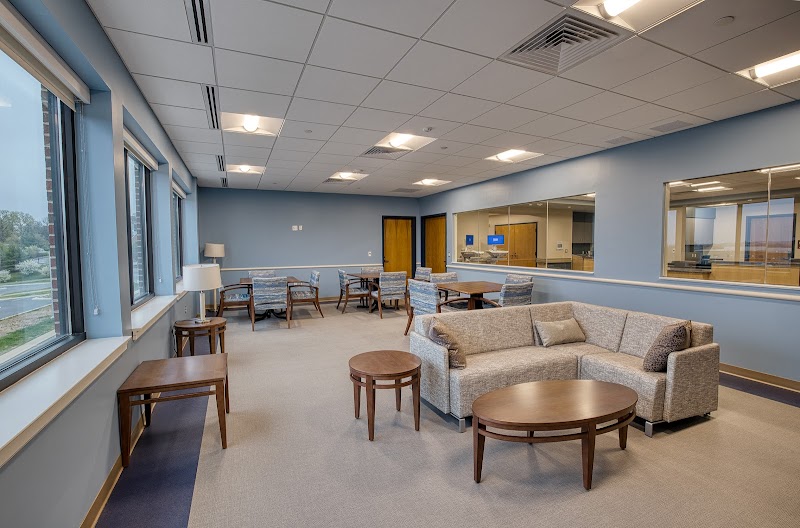
How is Atlee Hill Health And Rehab Center Staffed?

CMS rates ATLEE HILL HEALTH AND REHAB CENTER's staffing level at 4 out of 5 stars, which is above average compared to other nursing homes. Staff turnover is 45%, compared to the Maryland average of 46%. This relatively stable workforce can support continuity of care.

What Have Inspectors Found at Atlee Hill Health And Rehab Center?

State health inspectors documented 80 deficiencies at ATLEE HILL HEALTH AND REHAB CENTER during 2017 to 2025. These included: 1 that caused actual resident harm, 71 with potential for harm, and 8 minor or isolated issues. Deficiencies causing actual harm indicate documented cases where residents experienced negative health consequences.

Who Owns and Operates Atlee Hill Health And Rehab Center?

ATLEE HILL HEALTH AND REHAB CENTER is owned by a for-profit company. For-profit facilities operate as businesses with obligations to shareholders or private owners. The facility is operated by FUTURE CARE/LIFEBRIDGE HEALTH, a chain that manages multiple nursing homes. With 60 certified beds and approximately 55 residents (about 92% occupancy), it is a smaller facility located in WESTMINSTER, Maryland.
How Does Atlee Hill Health And Rehab Center Compare to Other Maryland Nursing Homes?

Compared to the 100 nursing homes in Maryland, ATLEE HILL HEALTH AND REHAB CENTER's overall rating (1 stars) is below the state average of 3.0, staff turnover (45%) is near the state average of 46%, and health inspection rating (1 stars) is much below the national benchmark.

What Should Families Ask When Visiting Atlee Hill Health And Rehab Center?

Based on this facility's data, families visiting should ask: "Can I visit during a mealtime to observe dining assistance and food quality?" "How do you handle medical emergencies, and what is your hospital transfer rate?" "Can I speak with family members of current residents about their experience?"

Is Atlee Hill Health And Rehab Center Safe?

Based on CMS inspection data, ATLEE HILL HEALTH AND REHAB CENTER has a clean safety record: no substantiated abuse findings (meaning no confirmed cases of resident harm), no Immediate Jeopardy citations (the most serious violation level indicating risk of serious injury or death), and is not on the Special Focus Facility watch list (a federal program monitoring the lowest-performing 1% of nursing homes). The facility has a 1-star overall rating and ranks #100 of 100 nursing homes in Maryland. While no facility is perfect, families should still ask about staff-to-resident ratios and recent inspection results during their visit.

Do Nurses at Atlee Hill Health And Rehab Center Stick Around?

ATLEE HILL HEALTH AND REHAB CENTER has a staff turnover rate of 45%, which is about average for Maryland nursing homes (state average: 46%). Moderate turnover is common in nursing homes, but families should still ask about staff tenure and how the facility maintains care continuity when employees leave.

Was Atlee Hill Health And Rehab Center Ever Fined?

ATLEE HILL HEALTH AND REHAB CENTER has been fined $14,888 across 1 penalty action. This is below the Maryland average of $33,228. While any fine indicates a compliance issue, fines under $50,000 are relatively common and typically reflect isolated problems that were subsequently corrected. Families should ask what specific issues led to these fines and confirm they've been resolved.

Is Atlee Hill Health And Rehab Center on Any Federal Watch List?

ATLEE HILL HEALTH AND REHAB CENTER is not on any federal watch list. The most significant is the Special Focus Facility (SFF) program, which identifies the bottom 1% of nursing homes nationally based on persistent, serious quality problems. Not being on this list means the facility has avoided the pattern of deficiencies that triggers enhanced federal oversight. This is a positive indicator, though families should still review the facility's inspection history directly.