WESTMINSTER HEALTHCARE CENTER
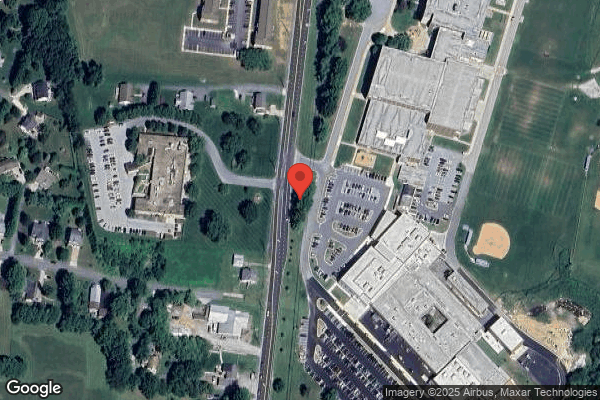
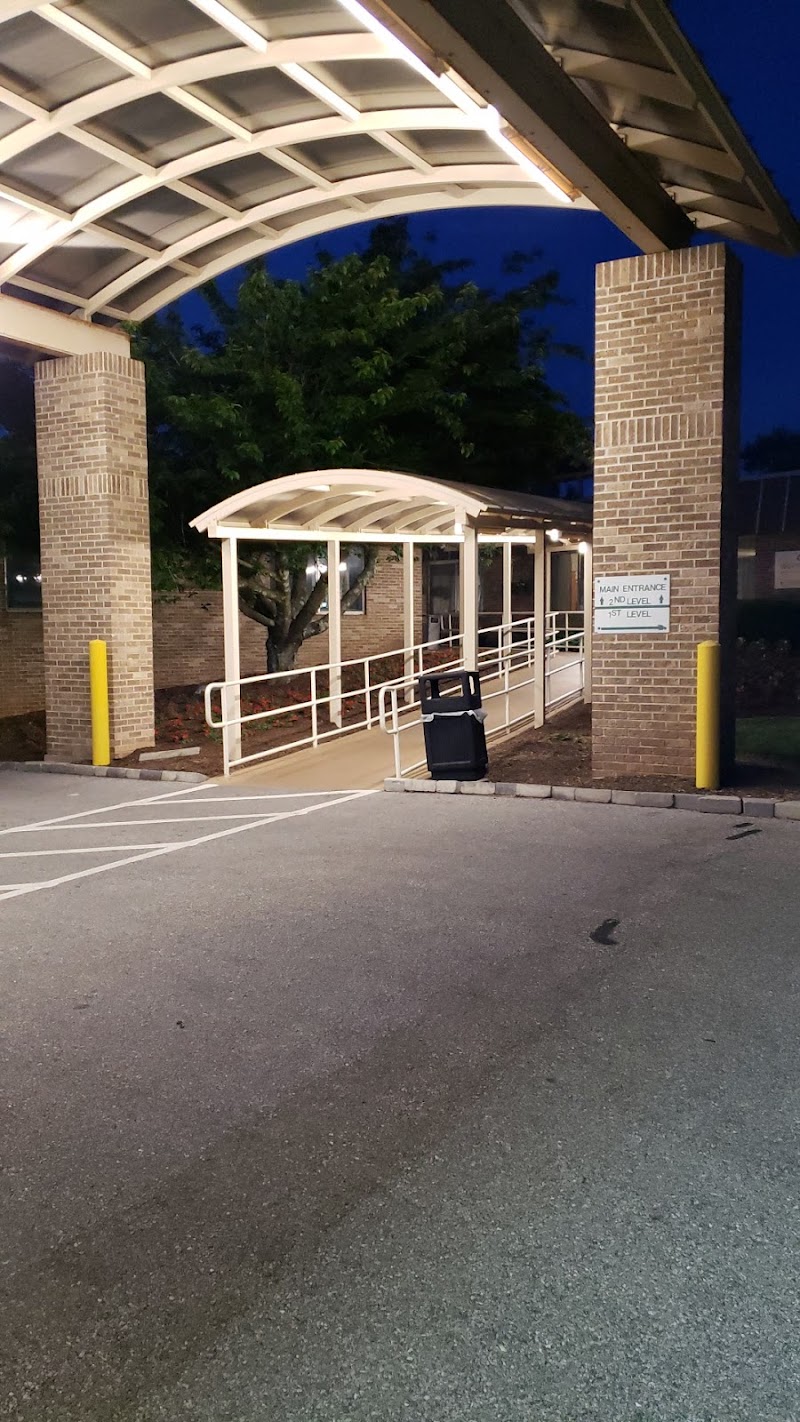
1234 WASHINGTON ROAD, WESTMINSTER, MD 21157 (410) 848-0700
For profit - Corporation 170 Beds COMMUNICARE HEALTH Data: November 2025
Trust Grade
25/100
#179 of 219 in MD
Last Inspection: March 2025

Within standard 12-15 month inspection cycle. Federal law requires annual inspections.

Overview

Westminster Healthcare Center has received a Trust Grade of F, indicating significant concerns and overall poor performance. Ranking #179 out of 219 facilities in Maryland places it in the bottom half, and at #7 out of 10 in Carroll County, only two local options are worse. Although the facility is showing improvement, reducing issues from 34 in 2024 to 8 in 2025, it still has a troubling history. Staffing is rated average with a turnover rate of 50%, which is concerning as it suggests a lack of stability among caregivers. The facility also faces substantial fines totaling $48,789, higher than 78% of Maryland facilities, indicating ongoing compliance issues. Specific incidents include a serious failure to prevent intimidation of a resident following an allegation of sexual abuse, as well as concerns about inadequate food safety procedures in the kitchen, which could affect the health of all residents. Overall, while there are some areas of improvement, the facility's weaknesses raise significant red flags for prospective residents and their families.

Trust Score
F
25/100
In Maryland
#179/219
Bottom 19%
Safety Record
High Risk
Review needed
Inspections
Getting Better
34 → 8 violations
Staff Stability
⚠ Watch
50% turnover. Above average. Higher turnover means staff may not know residents' routines.
Penalties
✓ Good
$48,789 in fines. Lower than most Maryland facilities. Relatively clean record.
Skilled Nurses
✓ Good
Each resident gets 43 minutes of Registered Nurse (RN) attention daily — more than average for Maryland. RNs are trained to catch health problems early.
Violations
⚠ Watch
68 deficiencies on record. Higher than average. Multiple issues found across inspections.
★★☆☆☆
2.0
Overall Rating
★★★☆☆
3.0
Staff Levels
★★★☆☆
3.0
Care Quality
★★☆☆☆
2.0
Inspection Score
Stable
2024: 34 issues
2025: 8 issues

The Good

  • Full Sprinkler Coverage · Fire safety systems throughout facility
  • No fines on record

Facility shows strength in fire safety.

The Bad

2-Star Overall Rating

Below Maryland average (3.0)

Below average - review inspection findings carefully

Staff Turnover: 50%

Near Maryland avg (46%)

Higher turnover may affect care consistency

Federal Fines: $48,789

Above median ($33,413)

Moderate penalties - review what triggered them

Chain: COMMUNICARE HEALTH

Part of a multi-facility chain

Ask about local staffing decisions and management

The Ugly 68 deficiencies on record

1 actual harm
Aug 2025 7 deficiencies 1 Harm
SERIOUS (G) 📢 Someone Reported This

A family member, employee, or ombudsman was alarmed enough to file a formal complaint

Actual Harm - a resident was hurt due to facility failures

Free from Abuse/Neglect (Tag F0600)

A resident was harmed · This affected 1 resident

Based on observation, medical record review, facility documentation review and interview, it was determined the facility staff failed to prevent intimidation of a resident after the resident alleged s...

Read full inspector narrative →
Based on observation, medical record review, facility documentation review and interview, it was determined the facility staff failed to prevent intimidation of a resident after the resident alleged sexual abuse resulting in psychosocial harm (Resident #5). This was evident for 1 of 4 residents reviewed for abuse during a complaint survey.The findings include: Review of facility reported incident 326592 was conducted on 8/12/25 related to Resident #5 allegation of sexual abuse by Staff #4 on 6/4/25.Review of Resident #5's medical record on 8/12/25 revealed the facility staff assessed the Resident on 6/13/25 to have a BIMS (Brief Interview for Mental Status) of 15 out of 15, indicating the Resident's cognitive function was intact.Review of the facility reported incident documentation provided by the Administrator revealed the facility reported to OHCQ (Office of Health Care Quality) on 6/4/25 Resident #5 reported at approximately 9:00 PM Staff #4 was providing perineal care and inserted a finger into the Resident's private area and asked does it feel good.Further review of the facility documentation related to the incident revealed witness statements including from Staff #7 who was Resident #5's assigned nurse on 6/4/25. Staff #7 statement stated Resident #5 called the nurses station and said he/she wanted to talk to the nurse. Staff #7 stated she immediately went to his/her room and the Resident said he/she had been sexually assaulted by a male GNA (geriatric nursing assistant). Staff #7 stated she called assigned GNA (Staff #4) for the Resident to confirm if Staff #4 was the one. Resident stated Staff #4 put his finger into the Resident's private area during care and asked the Resident if he/she is feeling good. Staff #7 stated they left the Resident's room and she immediately called the ADON (Assistant Director of Nursing). During interview with the Director of Nursing (DON) on 8/12/25 at 9:45 AM, the DON stated she received a call from the ADON on 6/4/25 at 9:20 PM that Resident #5 reported he/she was sexually assaulted by an agency GNA (Staff #4). The DON stated she instructed the ADON to go to the facility and the ADON lives within 5 minutes from the facility. The DON stated she then left for the facility and while driving to the facility the DON called 911. The DON stated 911 told her to ensure the alleged perpetrator remained at the facility. The DON then called Staff #7 and told her to not allow Staff #4 into any resident rooms, have Staff #4 stay at the nurse's station and to keep an eye on him. The DON stated when she arrived she immediately went to check on Resident #5 to make sure he/she was okay and shortly after that the police arrived. The DON stated she went with the police when they interviewed Staff #4. The DON stated when the police were questioning Staff #4 he initially denied the allegation but refused to answer any questions, refused to write a statement and requested a lawyer. The DON stated the police then left the facility with Staff #4. The DON stated Staff #4 was an agency GNA working 3-11 PM on 6/4/25 and this was his first shift in the facility. The DON stated after the incident Staff #7 was written up for bringing Staff #4 back into Resident #5's room after an allegation of sexual abuse. The Surveyor requested the write-up of Staff #7.During interview with Staff #7 on 8/12/25 at 11:45 AM, Staff #7 stated Resident #5 called the nurse's station and asked to speak to the nurse. Staff #7 stated she went immediately to the Resident's room and the Resident alleged he/she was sexually abused by a male GNA but did not know the GNA's name. Staff #7 stated at that time Staff #4 was at doorway, so she brought Staff #4 into room for the Resident to identify if Staff #4 was the perpetrator. She asked Resident #5 if Staff #4 was the one and the Resident confirmed. Staff #4 said what? and Staff #7 told Staff #4 in front of Resident #5 that the Resident said you sexually assaulted him/her. Staff #7 stated she called and reported the incident to the ADON. Staff #7 stated she was written up for allowing Staff #4 back into Resident #5's room after the allegation.During interview with the DON on 8/12/25 at 12:17 PM the DON stated the ADON was currently out on leave and unavailable for interview. During interview with Resident #5 on 8/12/25 at 1:09 PM, Resident #5 stated he/she put on his/her call bell to be changed and when the GNA came in room he got a washcloth and was cleaning him/her up. The Resident stated he was taking a long time and said he/she never had someone wash me up like that before. The Resident stated I could feel him put a finger inside of me and he pushed my leg up and asked me if it felt good. I didn't know what to say or do. He eventually left and I immediately called the desk and asked for someone to come to my room. When the nurse (Staff #7) came in, I told her what happened. She brought in the GNA (Staff #4) and had me identify him and tell the whole thing over in front of him. Resident #5 said when he/she saw him (Staff #4) come in the room he/she said why is he here, I don't want him here, I covered my eyes, I did not want to see him again. At that time the Surveyor observed the Resident place both his/her hands over his/her eyes. The Resident stated Staff #4 was crying and telling Resident #5 he was going to lose his job. After the incident Resident #5 stated he/she was afraid he was going to do this to someone else. Resident #5 said they had me talk to the Counselor and she put me on medication (Clonazepam) twice a day to help with my anxiety. Resident #5 stated I do have anxiety but this incident increased my anxiety and is triggering it more. Resident #5 stated he/she had been seeing the Counselor often but would like to have more scheduled counseling. The Surveyor told the Resident that they would notify the DON of his/her request.During interview with the DON on 8/12/25 at 1:50 PM, the DON stated when she arrived at the facility the ADON was standing by the nurse's station and Staff #4 was sitting at the nurse's station.During a second interview with Staff #7 on 8/12/25 at 2:09 PM, Staff #7 was asked what the DON said when she called her on 6/4/25. Staff #7 stated she couldn't remember what the DON said to her. Staff #7 was asked again what was said to Resident #5 when Staff #4 was in the room. Staff #7 stated I asked the Resident was he the one, and the Resident said yes. I told Staff #4 the Resident says you sexually abused him/her. Staff #4 said, no. The Resident told us what Staff #4 did. Resident #5 said I don't want him in here. On 8/12/25 at 2:25 PM the DON provided the Surveyor with the write up of Staff #7. At that time the DON was advised the Resident was requesting more counseling. The DON stated she would advise the Counselor (Staff #12). Review of the Employee Corrective Action Form for Staff #7 revealed it stated Staff #7 took alleged perpetrator back into resident room, making resident feel threatened, vulnerable and compromising his/her safety. It was signed by Staff #7 and DON on 6/9/25. During a second interview with Resident #5 on 8/13/25 at 10:25 AM, the Resident was asked how he/she felt when Staff #4 was brought back into room. Resident #5 stated I was mad, upset and uncomfortable. She (Staff #7) made me tell the whole thing in front of him (Staff #4) while he is crying and begging me about his job. Review of Resident #5's medical record on 8/13/25 revealed the Resident was seen by Staff #12 on 6/5/25. Staff #12 documented: Facility requested consultation related to increased anxiety and fearfulness after an alleged incident. Resident is currently exhibiting symptoms of tearfulness, feelings of hopelessness and anxiety related to recent traumatic event and flashbacks. The symptoms are noted to be intermittent and have worsened since last visit. The Resident alleged the GNA inserted his finger into him/her during peri care. The Resident demonstrates tearfulness during later conversation and expressed feeling traumatized by his/her perception of the alleged event. The Resident requests short-term medication for anxiety. Further review of Resident #5's medical record revealed the Resident was ordered Clonazepam 0.5 mg twice daily for breakthrough anxiety on 6/5/25. Further review of the Resident's medical record revealed the Resident is currently receiving Clonazepam 0.5 mg twice daily. Interview with Staff #12 on 8/13/25 at 2:00 PM, Staff #12 was asked if the incident on 6/4/25 had any effect on Resident #5. Staff #12 stated yes, prior to the incident the Resident was working on goal setting, getting out of bed and therapy. Staff #2 stated I thought the Resident was in a good place. Staff #12 stated after incident the Resident had sadness, frustration and survivor's guilt and they had been working on getting the Resident's anxiety to a manageable level and ordered the Clonazepam to help manage anxiety since the Resident had a history of anxiety but since the incident it had triggered it more. The Resident did tell Staff #12 about the GNA coming back in the room and him pleading his case to the Resident. The Resident stated he/she replays that and him begging him/her. Review of the facility's Abuse, Neglect and Misappropriation Policy (#NS-1300-03) states on Page 8: An Employee who is alleged or accused of being a party to abuse, neglect, misappropriation of property will be immediately removed from the area of resident care. Interview with DON on 8/14/25 at 10:00 AM confirmed the intimidation of Resident #5 by Staff #7 bringing Staff #4 back into the Resident's room to identify the perpetrator and retell the events after an allegation of sexual abuse on 6/4/25 resulting in psychosocial harm to Resident #5. The DON confirmed after an allegation of abuse the alleged perpetrator should be removed from all residents' care.
CONCERN (D) 📢 Someone Reported This

A family member, employee, or ombudsman was alarmed enough to file a formal complaint

Potential for Harm - no one hurt, but risky conditions existed

Grievances (Tag F0585)

Could have caused harm · This affected 1 resident

Based on medical record review, facility documentation review and interview it was determined the facility failed to maintain an effective grievance system as evidenced by the failure to resolve a com...

Read full inspector narrative →
Based on medical record review, facility documentation review and interview it was determined the facility failed to maintain an effective grievance system as evidenced by the failure to resolve a complaint regarding missing clothing belonging to a resident (Resident #6). This was evident for 1 of 3 residents reviewed for grievances during this complaint survey. The findings include:Review of complaint 326588 on 8/12/25 revealed a concern related to Resident #6's missing clothes and the Resident's clothing not being returned from laundry. Medical record review on 8/12/25 revealed Resident #6 was admitted to the facility in July 2022. Further review of Resident #6's medical record revealed the facility staff assessed the Resident on 8/3/25 to have a BIMS (Brief Interview for Mental Status) of 14 out of 15, indicating the Resident's cognitive function is intact. During interview with Resident #6 on 8/12/25 at 11:22 AM, the Resident stated he/she is missing 4 pairs of sweatpants: 1 blue, 1 black and 2 grey. The Resident stated he/she has told the facility staff, and they had not done anything about it. During interview with the Director of Nursing (DON) on 8/13/25 at 8:05 AM, the DON was asked if he/she knew about Resident #6 missing sweatpants. The DON stated yes the Resident came to me about a month ago and I filled out a grievance. The DON was asked what the process is after she fills out grievance. The DON stated she gives the grievance to the Social Worker to follow-up on. The DON was asked at that time to receive a copy of the grievance. Review of the Grievance Form revealed on 6/27/25 the DON wrote under Initiation of grievance/Description of grievance: Resident #6 was missing 2 grey, 1 blue, 1 black sweatpants. Missing for 5 days and checked roommate's clothes and not there. The next section is Facility Follow up on 7/9/25 by the EVS Director that stated: we found his/her grey pants, no other clothes were found in the laundry. We will keep looking for his/her clothes. Some clothes found, some still missing. The next section on form is Resolution of Grievance which was blank. Review of the facility's Resident Grievance Policy revealed it stated: Grievances will be resolved in a reasonable time frame, generally within 5 business days, consistent with the type of grievance. During interview with the Administrator on 8/13/25 at 10:30 AM, the Administrator confirmed the grievance for Resident #6 had not been resolved and the facility was working on a process to ensure residents' grievances are resolved. During interview with the Social Worker on 8/14/25 at 9:00 AM, the Social Worker was asked what her role is in the grievance process. The Social Worker states she holds the grievance book, collects the grievance, gives to the appropriate person that would handle the grievance and then once they resolve the grievance she places back in the grievance binder. The Social Worker stated residents' missing items concerns go to the Administrator. The Director of Nursing on 8/14/25 at 9:30 AM provided the Surveyor with a copy of the facility order on 8/14/25 for four pair of sweatpants for Resident #6.
CONCERN (D) 📢 Someone Reported This

A family member, employee, or ombudsman was alarmed enough to file a formal complaint

Potential for Harm - no one hurt, but risky conditions existed

Investigate Abuse (Tag F0610)

Could have caused harm · This affected 1 resident

Based on review of facility reported incidents and staff interview, it was determined the facility failed to provide documentation that allegations of misappropriation of property were thoroughly inve...

Read full inspector narrative →
Based on review of facility reported incidents and staff interview, it was determined the facility failed to provide documentation that allegations of misappropriation of property were thoroughly investigated. This was evident for 1 (#2) of 3 residents reviewed for facility reported incidents during a complaint survey.The findings include:On 8/13/25 at 7:37 AM a review of facility reported incident 326591 was conducted and revealed Resident #2 alleged that on 6/5/25 someone broke into Resident #2's locked nightstand drawer and stole ninety dollars. The facility report documented that Resident #2 stated, I think it happened last night, 6/1/25, unsure of time, did not notice the money missing and drawer broken until this morning. Review of the facility's investigation revealed a written statement from the Director of Nursing (DON) that documented Resident #2 thought that it happened the previous night as the resident was up late watching TV in the dining room, however there was not an exact time. The facility investigation revealed that (5) staff members worked the night shift, 11:00 PM to 7:00 AM, and (8) staff members worked the evening shift, 3:00 PM to 11:00 PM. There were written statements from (4) of the (5) night shift staff, however only (3) of the (8) evening shift staff were interviewed or had written statements. There were no interviews or statements provided from the 6/2/25 day shift staff. On 8/13/25 at 9:12 AM an interview was conducted with the DON. The DON stated that she did the investigation. The DON stated that the resident came to her office to report the missing money. The DON stated that the resident said someone in the middle of the night had broken into the bedside drawer and money was missing. The DON stated the resident's account of the story changed and was inconsistent. The nursing schedule was reviewed with the DON at that time, and the DON was asked if the resident stated it happened at night and the resident was down watching tv, why wasn't the evening shift staff interviewed about the nightstand drawer. The DON stated that she should have gotten statements from that staff as well and confirmed that the investigation was not complete.
CONCERN (D) 📢 Someone Reported This

A family member, employee, or ombudsman was alarmed enough to file a formal complaint

Potential for Harm - no one hurt, but risky conditions existed

Deficiency F0658 (Tag F0658)

Could have caused harm · This affected 1 resident

Based on record review and staff interview it was determined that the facility failed to meet professional standards of practice as evidenced by licensed nursing staff signing off that a medication wa...

Read full inspector narrative →
Based on record review and staff interview it was determined that the facility failed to meet professional standards of practice as evidenced by licensed nursing staff signing off that a medication was administered when the medication had not yet been delivered to the facility. This was evident for 1 (#1) of 3 residents reviewed for pharmacy services. The findings include:According to the National Library of Medicine, the sixth right of medication administration, correct documentation, should be done immediately after the medication is administered. Signing off on a medication that was not given is a violation of the principle as the documentation does not reflect the actual care provided.On 8/12/25 at 11:34 AM a review of Resident #1's medical record revealed Resident #1 was admitted to the facility in May 2024 with diagnoses that included, but were not limited to, cerebral infarction with hemiplegia and hemiparesis, aphasia, generalized anxiety disorder, bipolar disorder, and major depressive disorder.Review of a 7/17/25 at 15:20 (3:20 PM) SBAR (change in condition) note documented that Resident #1's left eye was noted with redness, like a blood vessel had broken. A new order was given to start the resident on an eye drop, Polyethylene glycol.A 7/17/25 at 21:09 (9:09 PM) eMar (electronic Medication Administration Record note) documented, Polyethyl Glycol-Propyl Glycol Gel 0.4-0.3%; Instill 1 drop in left eye two times a day for protection for bloodshot/dry OS (left eye) until 7/27/22; new medication order. Waiting pharmacy delivery.A 7/19/25 at 22:31 (10:30 PM) eMar note documented, OTC (over the counter) form faxed to pharmacy. Waiting delivery.A 7/20/25 at 5:54 AM nurse's note documented a note about the Polyethyl Glycol that stated, redness noted left eye sclera. Waiting delivery.Review of Resident #1's July 2025 MAR documented on 7/17/25 the PM dose of the eye drop was not given as evidenced by a 9 and the nurse's initials. The 9 indicated that the medication was not given and there was a corresponding nurse's note to explain why it was not given. On 7/18/25 the AM and PM doses and the 7/19/25 AM dose were signed off as given as indicated by a check mark and the nurse's initials. The 7/19/25 PM dose had the nurse's initials and the number 9. The 7/20/25 AM dose was signed off as given.On 8/13/25 at 12:25 PM an interview was conducted with Licensed Practical Nurse (LPN) #13 as she signed off the drops were administered on 7/18/25 in the PM. The progress notes related to the eye drops were reviewed with LPN #13. LPN #13 was asked if she administered the eye drops. LPN #13 stated that she signed off that she did. LPN #13 was able to pull up the audit details of the order in the electronic medical record. Review of the audit details revealed the medication was ordered on 7/17/25, however was not dispensed to the facility until 7/20/25. LPN #13 was asked how she was able to give the drops to Resident #1 when the drops had not been received at the facility until 7/20/25. LPN #13 stated that she could not remember, she could have documented that she gave the drops in error. On 8/13/25 at 12:34 PM an interview was conducted with the Director of Nursing (DON). The July 2025 MAR was reviewed with the DON and the progress notes along with the medication audit sheet. The DON stated, so 3 nurses signed off that the drops were given and they were not yet delivered to the building. The DON confirmed the findings.On 8/13/25 at 1:51 PM an interview was conducted with the Nursing Home Administrator (NHA). The NHA stated she was made aware of the concern from the DON, and she acknowledged the concern.
CONCERN (D) 📢 Someone Reported This

A family member, employee, or ombudsman was alarmed enough to file a formal complaint

Potential for Harm - no one hurt, but risky conditions existed

Deficiency F0711 (Tag F0711)

Could have caused harm · This affected 1 resident

**NOTE- TERMS IN BRACKETS HAVE BEEN EDITED TO PROTECT CONFIDENTIALITY** Based on medical record review and interviews, it was determined that the medical provider failed to review the pain medication ...

Read full inspector narrative →
**NOTE- TERMS IN BRACKETS HAVE BEEN EDITED TO PROTECT CONFIDENTIALITY** Based on medical record review and interviews, it was determined that the medical provider failed to review the pain medication orders for a resident (Resident #4). This was evident for 1 out of 3 residents selected for review during a complaint survey. The findings include: A review of a complaint was conducted on [DATE] regarding the facility stopping Resident #4's Oxycodone in [DATE]. Oxycodone is a narcotic medication used to treat moderate to severe pain. Review of Resident #4's medical record on [DATE] revealed the Resident was admitted to the facility in [DATE] with a diagnosis of chronic pain due to trauma. Review of the Resident's physician orders on admission revealed the Resident was ordered Oxycodone 15 mg every 4 hours as needed for pain. Further review of the Resident's medical record revealed the Resident was followed by the Physical Medicine and Rehabilitation Nurse Practitioner (Staff #15) for pain management. Review of Staff #15's medication orders revealed Staff #15 decreased the Oxycodone to 10 mg every 4 hours as needed for pain on [DATE]. On [DATE] Staff #15 decreased the Oxycodone to 5 mg every 6 hours as needed for pain for 21 days. Review of Staff #15's [DATE] progress note revealed it stated: Plan at this time is keep the patient on his/her extended release morphine sulfate 15 mg twice daily and keep his/her as needed Oxycodone 5 mg at every 6 (hours). Review of Resident #4's physician orders revealed the Oxycodone was discontinued on [DATE] since the order on [DATE] expired after 21 days. Review of Resident #4's [DATE] Medication Administration Record revealed the Resident had not taken the as needed Oxycodone since [DATE]. Review of Staff #15's [DATE] progress note revealed it stated: Patient not currently on services and is only being seen for pain management. Currently taking Morphine ER (extended release) 15 mg 2 times a day. His/her as needed oxycodone was discontinued for unknown reasons. Patient states today that he/she is in pain in his/her lower extremities and that the as needed medication helped control this pain which he/she is no longer receiving. Review of Resident #4's physician orders revealed the Oxycodone was reordered on [DATE] for 5 mg every 8 hours as needed for pain. During interview with Resident #4 on [DATE] at 7:45 AM, the Resident was asked if his/her pain is under control and is he/she receiving his/her pain medication as he/she would like. The Resident stated yes he/she has no issues with his/her pain medication. The Resident was asked if he/she could remember in [DATE] when his/her Oxycodone was discontinued and he/she put in a complaint with the Office of Health Care Quality. The Resident stated no. During interview with Staff #15 on [DATE] at 8:50 AM, Staff #15 stated he shouldn't have put Resident #4's [DATE] Oxycodone order for 21 days and that was an error. Staff #15 also stated he should have ordered Oxycodone indefinitely until he had reevaluated the Resident. Interview with the Director of Nursing on [DATE] at 10:00 AM confirmed Staff #15 failed to review Resident #4's medication orders on [DATE].
CONCERN (D) 📢 Someone Reported This

A family member, employee, or ombudsman was alarmed enough to file a formal complaint

Potential for Harm - no one hurt, but risky conditions existed

Pharmacy Services (Tag F0755)

Could have caused harm · This affected 1 resident

Based on medical record review and staff interview, it was determined the facility failed to provide physician ordered medications timely to meet the needs of the residents. This was evident for 1 (#1...

Read full inspector narrative →
Based on medical record review and staff interview, it was determined the facility failed to provide physician ordered medications timely to meet the needs of the residents. This was evident for 1 (#1) of 3 residents reviewed for facility reported incidents during a complaint survey.The findings include:On 8/12/25 at 11:34 AM a review of Resident #1's medical record revealed Resident #1 was admitted to the facility in May 2024 with diagnoses that included, but were not limited to, cerebral infarction with hemiplegia and hemiparesis, aphasia, generalized anxiety disorder, bipolar disorder, and major depressive disorder.Review of a 7/17/25 at 15:20 (3:20 PM) SBAR (change in condition) note documented that Resident #1's left eye was noted with redness, like a blood vessel had broken. A new order was given to start the resident on an eye drop, Polyethylene glycol.A 7/17/25 at 21:09 (9:09 PM) eMar (electronic Medication Administration Record note) documented, Polyethyl Glycol-Propyl Glycol Gel 0.4-0.3%; Instill 1 drop in left eye two times a day for protection for bloodshot/dry OS (left eye) until 7/27/22; new medication order. Waiting pharmacy delivery.A 7/19/25 at 22:31 (10:30 PM) eMar note documented, OTC (over the counter) form faxed to pharmacy. Waiting delivery.A 7/20/25 at 5:54 AM nurse's note documented a note about the Polyethyl Glycol that stated, redness noted left eye sclera. Waiting delivery.On 8/13/25 at 12:23 PM an interview was conducted with the Director of Nursing (DON), and she was asked if the facility had issues with the pharmacy and timely medication delivery. The DON stated, the pharmacy is awful, and we have had to escalate the issues to corporate. The DON stated, there are weekends when I am at home, and I have gone back and forth with the pharmacy to get new patient meds in here timely. The DON stated that they were in the process of switching pharmacy providers next month.On 8/13/25 at 1:30 PM an interview was conducted with Registered Nurse (RN) #10 who stated they do have an issue with the pharmacy delivering medications timely and there are times when she has to repeatedly call the pharmacy to ask where the medication is and then will have to order the medication STAT (immediately) because the resident really needed the medication.On 8/13/25 at 1:51 PM an interview was conducted with the Nursing Home Administrator (NHA). The NHA was informed of the concern with timely delivery of medications to the facility and she stated that the DON had made her aware.
CONCERN (D) 📢 Someone Reported This

A family member, employee, or ombudsman was alarmed enough to file a formal complaint

Potential for Harm - no one hurt, but risky conditions existed

Medical Records (Tag F0842)

Could have caused harm · This affected 1 resident

Based on medical record review and interview, it was determined the facility failed to maintain complete and accurate medical records in accordance with accepted professional standards. This was evide...

Read full inspector narrative →
Based on medical record review and interview, it was determined the facility failed to maintain complete and accurate medical records in accordance with accepted professional standards. This was evident for 1 (#1) of 3 residents reviewed for facility reported incidents during a complaint survey. The findings include:A medical record is the official documentation of a healthcare organization. As such, it must be maintained in a manner that follows applicable regulations, accreditation standards, professional practice standards, and legal standards. All entries to the record should be legible and accurate.On 8/12/25 at 11:34 AM a review of Resident #1's medical record revealed Resident #1 was admitted to the facility in May 2024 with diagnoses that included, but were not limited to, cerebral infarction with hemiplegia and hemiparesis, aphasia, generalized anxiety disorder, bipolar disorder, and major depressive disorder.Review of a 7/17/25 at 15:20 (3:20 PM) SBAR (change in condition) note documented that Resident #1's left eye was noted with redness, like a blood vessel had broken. A new order was given to start the resident on an eye drop, Polyethylene glycol.A 7/17/25 at 21:09 (9:09 PM) eMar (electronic Medication Administration Record note) documented, Polyethyl Glycol-Propyl Glycol Gel 0.4-0.3%; Instill 1 drop in left eye two times a day for protection for bloodshot/dry OS (left eye) until 7/27/22; new medication order. Waiting pharmacy delivery.A 7/19/25 at 22:31 (10:30 PM) eMar note documented, OTC (over the counter) form faxed to pharmacy. Waiting delivery.A 7/20/25 at 5:54 AM nurse's note documented a note about the Polyethyl Glycol that stated, redness noted left eye sclera. Waiting delivery.Review of Resident #1's July 2025 MAR documented on 7/17/25 the PM dose of the eye drop was not given as evidenced by a 9 and the nurse's initials. The 9 indicated that the medication was not given and there was a corresponding nurse's note to explain why it was not given. On 7/18/25 the AM and PM doses and the 7/19/25 AM dose were signed off as given as indicated by a check mark and the nurse's initials. The 7/19/25 PM dose had the nurse's initials and the number 9. The 7/20/25 AM dose was signed off as given.On 8/13/25 at 12:25 PM an interview was conducted with Licensed Practical Nurse (LPN) #13 as she signed off the drops were administered on 7/18/25 in the PM. The progress notes related to the eye drops were reviewed with LPN #13. LPN #13 was asked if she administered the eye drops. LPN #13 stated that she signed off that she did. LPN #13 was able to pull up the audit details of the order in the electronic medical record. Review of the audit details revealed the medication was ordered on 7/17/25, however was not dispensed to the facility until 7/20/25. LPN #13 was asked how she was able to give the drops to Resident #1 when the drops had not been received at the facility until 7/20/25. LPN #13 stated that she could not remember, she could have documented that she gave the drops in error. On 8/13/25 at 12:34 PM an interview was conducted with the Director of Nursing (DON). The July 2025 MAR was reviewed with the DON and the progress notes along with the medication audit sheet. The DON stated, so 3 nurses signed off that the drops were given and they were not yet delivered to the building. The DON confirmed the findings.On 8/13/25 at 1:51 PM an interview was conducted with the Nursing Home Administrator (NHA). The NHA stated she was made aware of the concern from the DON, and she acknowledged the concern.
Feb 2025 1 deficiency
CONCERN (D) 📢 Someone Reported This

A family member, employee, or ombudsman was alarmed enough to file a formal complaint

Potential for Harm - no one hurt, but risky conditions existed

Quality of Care (Tag F0684)

Could have caused harm · This affected 1 resident

Based on record review, interview, and facility policy review, the facility failed to follow the physician's orders for 1 (Resident #1) of 3 residents reviewed for medications. Specifically, the facil...

Read full inspector narrative →
Based on record review, interview, and facility policy review, the facility failed to follow the physician's orders for 1 (Resident #1) of 3 residents reviewed for medications. Specifically, the facility failed to discontinue Resident #1's tramadol, (pain medication) as ordered by the physician, on 12/13/2024 when oxycodone (opioid pain medication) arrived at the facility. The facility administered both medications to Resident #1 on the morning of 12/14/2024. Findings included: A facility policy titled, Medication Administration, dated 12/02/2024, indicated, 1. General Procedures: a. Administer medication only as prescribed by the provider. An admission Record revealed the facility admitted the resident with diagnoses that included acute embolism and thrombosis of the left femoral vein, neurofibromatosis, unspecified intellectual disabilities, pain in the right and left foot, and polyneuropathy. A 5-day Minimum Data Set (MDS), with an Assessment Reference Date (ARD) of 12/11/2024, revealed Resident #1 had a Brief Interview for Mental Status (BIMS) score of 7, which indicated the resident had severe cognitive impairment. The MDS revealed the resident had mild, occasional pain during the previous five-day look-back period. According to the MDS, Resident #1 received scheduled pain medications and as-needed pain medications during the five-day look-back period. Resident #1's Care Plan included a focus area, initiated on 12/10/2024, that indicated the resident had complaints of acute/chronic pain. Interventions directed staff to follow the physician's orders for complaints of pain (initiated 12/09/2024). Resident #1's Progress Notes, dated 12/11/2024, indicated a medical doctor saw the resident for a follow-up visit and for pain management. The notes revealed on physical examination, Resident #1 had no acute distress, was calm and cooperative, and had a left lower extremity DVT (deep vein thrombosis), for which the resident was complaining about pain that was not controlled. According to the notes, tramadol had been started recently, 50 milligrams (mg), one tablet by mouth three times a day for moderate to severe pain and the resident had an order for oxycodone 5 mg by mouth every six hours as needed for a pain rating of 4 to 10 on a pain scale (0 being no pain and 10 being the worst pain imaginable). According to the Progress Notes, tramadol was to be discontinued when the pharmacy delivered oxycodone. Resident #1's December 2024 Medication Administration Record [MAR] also revealed an order started on 12/11/2024 at 9:00 PM to discontinue tramadol when oxycodone was received from the pharmacy. A pharmacy Delivery Manifest, dated 12/13/2024 at 8:11 PM, revealed Registered Nurse (RN) #13 signed the document indicating that 30 capsules of oxycodone IR (immediate release) 5 mg capsules had been delivered to the facility for Resident #1. Resident #1's December 2024 MAR revealed no documented evidence that the facility discontinued tramadol when oxycodone was delivered to the facility. The MAR revealed RN #12 administered tramadol on 12/14/2024, during the morning medication pass when the resident's pain score was 8, on a scale of 0 to 10. The MAR revealed RN #13 also administered oxycodone 5 mg at 8:11 AM on 12/14/2024, due to a pain score of 8, on a scale of 0 to 10. Resident #1's Progress Notes, dated 12/14/2024 at 10:14 AM, revealed the resident had a change in condition that included a new onset of pocketing food and stroke like symptoms, which included eye fixated/staring left, no response to commands, and being nonverbal. The physician ordered the resident be sent to the hospital for evaluation. During an interview on 02/12/2025 at 4:53 PM, RN #13 stated she worked with Resident #1 on the evening of 12/13/2024 and gave the resident tramadol at 8:00 PM. She stated at 8:11 PM, the pharmacy delivered the resident's oxycodone, and she did not think to go back and discontinue the tramadol. She stated it was overlooked on her part. During a phone interview on 02/12/2025 at 9:13 AM, RN #12 stated she worked with Resident #1 on 12/14/2024. She stated the resident received their morning medications and always yelled and complained of leg pain. RN #12 stated she had overlooked the order to discontinue tramadol when the oxycodone arrived and administered both medications. The nurse stated had she known, she would not have administered both medications. During an interview on 02/11/2025 at 12:38 PM, RN #2, the Clinical Manager, stated in reviewing Resident #1's orders, the tramadol should have been discontinued when the facility received oxycodone from the pharmacy. During an interview on 02/11/2024 at 12:54 PM, the Director of Nursing (DON) stated the agency nurse overlooked the order and Resident #1 received tramadol and oxycodone on the morning of 12/14/2024. The DON stated the tramadol medication should have been discontinued when the oxycodone arrived in the facility. The DON stated her expectation was that all medications be given as ordered. During an interview on 02/11/2025 at 1:50 PM, the Medical Director stated Resident #1 was admitted following a re-hospitalization from home for DVT. He stated the resident was primarily at the facility for pain management, from pain the resident had prior to entering the facility. The Medical Director stated he did a thorough chart review following this event. The Medical Doctor stated the facility was treating the DVT, and while there, the resident received the appropriate medications for their diagnoses. He stated that on 12/14/2024, the resident had stroke-like symptoms that included a left-sided gaze, left-sided facial drooping, and left-leaning. According to the Medical Director, the resident was not completely unresponsive or flaccid, which may be seen in someone who had overdosed. He stated the resident was on the lowest dose of tramadol, and oxycodone, and given the resident was almost two hundred pounds, it was not an overdose. He also stated that the pain medications the resident received would not have contributed to the stroke-like symptoms. The Medical Director stated tramadol and oxycodone together must have been needed to control the resident's pain; however, he stated if he wrote an order to discontinue the tramadol when the oxycodone arrived, the tramadol should have been discontinued.
Oct 2024 11 deficiencies
CONCERN (D)

Potential for Harm - no one hurt, but risky conditions existed

Deficiency F0569 (Tag F0569)

Could have caused harm · This affected 1 resident

**NOTE- TERMS IN BRACKETS HAVE BEEN EDITED TO PROTECT CONFIDENTIALITY** Based on record review and interview it was determined that the facility staff failed to notify the family of a deceased residen...

Read full inspector narrative →
**NOTE- TERMS IN BRACKETS HAVE BEEN EDITED TO PROTECT CONFIDENTIALITY** Based on record review and interview it was determined that the facility staff failed to notify the family of a deceased resident that money was still in their account. This deficient practice was evidenced in 1 (#113) of 2 resident accounts reviewed during the survey. The findings include: On [DATE] at 10:40 am the surveyor reviewed the account balances of all the residents' funds that were managed by the facility. Review of the Trial Balance sheet revealed Resident #113 expired on [DATE]. The surveyor asked Business Office Manager #33 had the family been made aware of the resident's account balance. Business Office Manager #33 verbalized a letter was sent to the family the previous day which was past the 30-day allotted timeframe for notification.
CONCERN (D)

Potential for Harm - no one hurt, but risky conditions existed

Deficiency F0583 (Tag F0583)

Could have caused harm · This affected 1 resident

**NOTE- TERMS IN BRACKETS HAVE BEEN EDITED TO PROTECT CONFIDENTIALITY** Based on surveyor observation and interview with staff, it was determined that the facility staff failed to protect the privacy ...

Read full inspector narrative →
**NOTE- TERMS IN BRACKETS HAVE BEEN EDITED TO PROTECT CONFIDENTIALITY** Based on surveyor observation and interview with staff, it was determined that the facility staff failed to protect the privacy of residents' medical information. This was found to be evident for 1 (#70) of 45 residents reviewed during the survey. The findings include: On 10/16/24 at 9:40 AM as the surveyor walked down the hallway (approximately 1 minute) approaching the medication cart at the end of the hallway, the surveyor did not observe a nurse by the medication cart which was across from room [ROOM NUMBER]. Furthermore, the surveyor observed a laptop computer on top of the medication cart that was unlocked and open with patient information on it. The screen displayed Resident #70's medication administration record (MAR) which displayed what medications Resident #70 was prescribed. Approximately 1 minute later, Licensed Practical Nurse (LPN #36) exited the room (#242). She approached the cart and clicked the mouse so the laptop screen changed from having Resident #70's MAR visible on the screen to showing, This Screen is Hidden. When asked if the laptop screen was left up with resident information visible on the screen, LPN #36 stated, yes. During the interview when asked if the laptop screen should be locked so that resident information is not visible, she stated, yes. In an interview with the Director of Nursing (DON) on 10/16/24 at 12:00 PM when asked the facility's expectation for protecting resident's information on computer screens in the facility, she stated anytime staff leaves or walks away, the computer screen should be locked. During the interview, the DON was made aware of the above findings.
CONCERN (D) 📢 Someone Reported This

A family member, employee, or ombudsman was alarmed enough to file a formal complaint

Potential for Harm - no one hurt, but risky conditions existed

Report Alleged Abuse (Tag F0609)

Could have caused harm · This affected 1 resident

Based on review of facility-reported investigation records and interview with staff, it was determined the facility staff failed to report an allegation of suspected resident abuse to the state agency...

Read full inspector narrative →
Based on review of facility-reported investigation records and interview with staff, it was determined the facility staff failed to report an allegation of suspected resident abuse to the state agency in a timely manner. This was evident for 1 resident (Resident #102) out of 3 reported incidents by the facility reviewed during the survey. The findings include: A review of facility reported incident MD00207413 was started on 10/09/2024 at 12:22 PM. The facility incident report indicated the following: Alleged abuse incident occurred in the resident's room at about 11:45 AM of 07/08/24. The administrator and Law enforcement were notified on the same day and the initial report was sent to the state agency at 3:47 PM of the same day. At 2:32 PM on 10/09/2024, surveyor reviewed a copy of the facility's policies and standard procedures on reporting incidents and facility response, and it revealed that allegations involving abuse should be reported to the state agency within 2 hours, aligning with the federal requirement. On 10/10/2024 at 12:49 PM, in an interview with the Director of Nursing, she was asked about the procedure for reporting alleged abuse. She stated that as soon as the supervisor notifies either the Director of Nursing or Administrator, they both start the investigation process and notify the state agency within two hours of knowing about the alleged abuse incident. She was informed that the alleged incident had happened at 11:45 AM and was reported to the state agency at 03:37 PM and she stated that it was past the 2-hr window period for reporting an alleged abuse. At 12:53 PM on 10/10/2024, the Director of Nursing and the Administrator met with the surveyor. The Administrator confirmed the Director of Nursing's statement and agreed that this incident was reported late, 4 hours after the allegation was made.
CONCERN (D) 📢 Someone Reported This

A family member, employee, or ombudsman was alarmed enough to file a formal complaint

Potential for Harm - no one hurt, but risky conditions existed

Investigate Abuse (Tag F0610)

Could have caused harm · This affected 1 resident

Based on record review and interview it was determined that the facility staff failed to complete a thorough investigation of an allegation of misappropriation of property and failed to investigation ...

Read full inspector narrative →
Based on record review and interview it was determined that the facility staff failed to complete a thorough investigation of an allegation of misappropriation of property and failed to investigation an allegation of verbal abuse. This deficient practice was evident in 2 (Resident #31 & #49) of 9 facility reported incidents reviewed during the survey. The findings include: 1. On 10/16/24 at 1:29 pm during a review the facility's investigation of MD00207401 it revealed on 05/03/24 during 7:00 am-3:00 pm shift, a blister pack of Resident #49's Oxycodone was missing from Licensed Practical Nurse (LPN) #24's medication cart located on Station #3. Further review of the investigation revealed a statement from LPN #24. Review of the staffing sheets revealed there was no copy of the staffing sheet to include the nurse who completed the narcotic count with LPN #24 and no evidence of an interview of nurse who completed the narcotic count before the medication became missing. On 10/16/24 at 2:25 pm during an interview with LPN #24 he/she confirmed the missing narcotics were taken from the medication cart assigned to them. The surveyor asked which nurse completed the narcotic count with them during the change of shift. LPN #24 verbalized the narcotic count was completed with the outgoing nurse LPN#39. A statement from LPN #39 was not included in the investigation and the nurse no longer works at the facility. 2. On 10/18/24 at 12:34 pm a review of the investigation related to facility reported incident MD00207401 revealed that Resident #31 sent an email to Administrator # 1 concerning details of an verbal encounter with a Geriatric Nursing Assistant (GNA). The resident's email was not included with the documents provided to the surveyor for review. After receiving the email sent to Administrator #1, the surveyor asked President of Operations #41 if there was an investigation of the allegation of verbal abuse related to the incident. Administrator #1 confirmed an investigation was not completed for verbal abuse related to Resident #31.
CONCERN (D) 📢 Someone Reported This

A family member, employee, or ombudsman was alarmed enough to file a formal complaint

Potential for Harm - no one hurt, but risky conditions existed

Deficiency F0655 (Tag F0655)

Could have caused harm · This affected 1 resident

Based on interviews with residents, review of medical records, and interview with facility staff, it was determined that the facility failed to provide a baseline care plan summary to residents. This ...

Read full inspector narrative →
Based on interviews with residents, review of medical records, and interview with facility staff, it was determined that the facility failed to provide a baseline care plan summary to residents. This was evident for 1 (#45) of 7 residents reviewed for baseline care plans during the survey. The findings include: A baseline care plan (BLCP) must be completed within 48 hours of a resident's admission to the facility and include the initial goals based on admission orders, physician orders, dietary orders, therapy services, and social services. A summary of the BLCP as well as a list of the resident's current medications must be given to each resident and his/her representative. Completion and implementation of the BLCP is intended to promote continuity of care and communication among staff, increase resident safety, and safeguard against adverse events (undesirable outcomes) that can occur right after admission. Resident #45 was interviewed on 10/08/24 at 12:44 PM. During the interview, when asked if he/she received a BLCP that included a summary of their medications within 48 hours of admission, the resident stated, no. On 10/09/24 at 9:09 AM, Resident #45's electronic medical record was reviewed. The review included an admission date of 9/19/24. However, no note could be found that stated the resident had received a summary of his/her BLCP. On 10/09/24 at 11:09 AM, in an interview with the Director of Nursing (DON) she confirmed there was no documentation that Resident #45 received a BLCP. On 10/11/24 at 1:38 PM in an interview with the DON, she stated the purpose of the BLCP is to indicate to the staff how to provide care safely and accurately as soon as someone is in the building. On 10/15/24 at 8:00 AM the DON provided the surveyor with Resident #45's BLCP dated 9/20/24. However, the DON was unable to provide any evidence that Resident #45 had been provided a copy of the BLCP.
CONCERN (D) 📢 Someone Reported This

A family member, employee, or ombudsman was alarmed enough to file a formal complaint

Potential for Harm - no one hurt, but risky conditions existed

Comprehensive Care Plan (Tag F0656)

Could have caused harm · This affected 1 resident

Based on record review and interview it was determined that the facility staff failed to initiate person centered care plan for mobility and wound care. This deficient practice was evidenced in 1 (#67...

Read full inspector narrative →
Based on record review and interview it was determined that the facility staff failed to initiate person centered care plan for mobility and wound care. This deficient practice was evidenced in 1 (#67) of 4 resident records reviewed for care plans. The findings include: On 10/17/24 at 11:27 am a review of Resident #67's electronic medical record revealed the resident had two pressure ulcers and one was facility acquired. A review of the care plan revealed there were no interventions in place when the resident refused to be turned or repositioned. Further review of the resident's care plans revealed Resident #67 did not have a person-centered care plan related to skin integrity. The care plan did not include the resident's wound care and interventions specific to the resident's care. On 10/18/24 at 1:33 pm during an interview with Director of Nursing #2 he/she confirmed Resident #67 did not have patient centered care plans for mobility and skin integrity and indicated going forward the resident's care plans would have specific orders with the interventions. The staff were educated to document if a resident is refusing a treatment or task.
CONCERN (D)

Potential for Harm - no one hurt, but risky conditions existed

Deficiency F0657 (Tag F0657)

Could have caused harm · This affected 1 resident

Based on interviews, observations, and medical records reviews, it was determined that the facility failed to: 1.) perform and/or document that appropriate revisions to care plan goals and interventio...

Read full inspector narrative →
Based on interviews, observations, and medical records reviews, it was determined that the facility failed to: 1.) perform and/or document that appropriate revisions to care plan goals and interventions as resident care needs changed over time. This was evident for 1 (Resident #2) of 45 resident care plans reviewed during the facility's survey. The findings include: A care plan is a guide that addresses the unique needs of each resident. It is used to plan, assess and evaluate the effectiveness of the resident's care. 1. On 10/09/24 at 09:41 AM a surveyor met with the resident #2 in his/her room and discussed the content of intake MD00207907 regarding basic clinical services related to activities of daily living (ADLs). Resident #2 stated that the staff took away his/her commode chair because she/he fell once while trying to get back in bed after using the commode chair. The resident stated he/she would like to be able to use the commode chair in order to decrease the chances of sacral wounds and to increase mobility. This resident stated that he/she was reluctant to get out bed to the chair because of the shortage of staff. This resident also stated that he/she had observed evidence that the GNA's do not clean his/her buttock thoroughly when she/he has a bowel movement. The resident stated that she/he is not able to wear adult diapers because they cause blisters on his/her skin. The resident stated that his/her dignity was negatively impacted by the staff not responding to his/her requests in timely fashion. Review of Resident #2's record revealed the resident was a vulnerable adult that required a maximum/2-person assistance with activities of daily living. The resident also had significant behavioral problems identified by the mental health nurse practitioner and documented in the care plan on 02.24.22. On 10.09.24 at 2:05 PM the surveyor observed the resident in bed in his/her personal clothing and with their power of attorney (POA) present. The resident was on enhanced barrier precautions secondary to an infection related to her/his suprapubic catheter acquired in August 2024 and was currently in a private room. On 10.11.24 at 1:57 PM the surveyor requested a hard copy of the baseline care plan for Resident #2. The electronic medical review of Resident #2's revealed the facility identified the resident as having a behavior problem related to refusal of nursing interventions. The surveyor reviewed the resident behavior contract dated 06.14.2023. The behavior contract had not been revised or updated to reflect the resident's current behavior issues during 2024. Also, the care plan related to the Resident's behavioral issues related to ADLs was not changed/updated in the 08.15.2024 care plan revision. The revisions in August 2024 care plan did not address the resident's current frequency to refuse clinical interventions to achieve the goals of completing showers, out of bed activities, and/or mobility by providing new individualized staff interventions. On 10.14.24, at 2:45 PM the surveyor reviewed the care plan and documentation survey report and task documentation of activities of daily living (ADLs) report for the month of August and September 2024, and did not find any updates or revisions related to interventions by clinical staff to address the resident's consistent frequency to refuse showers, to get out of bed, or to utilize the motorized wheelchair. The identified deficient practices were discussed with DON during the survey as well as during the exit conference on 10.18.24.
CONCERN (D) 📢 Someone Reported This

A family member, employee, or ombudsman was alarmed enough to file a formal complaint

Potential for Harm - no one hurt, but risky conditions existed

Deficiency F0658 (Tag F0658)

Could have caused harm · This affected 1 resident

6. During a narcotic observation review and reconciliation on 10/16/2024 at 09:45 AM on the first floor, surveyor observed LPN# 24 during a medication administration pass. The surveyor reviewed the Co...

Read full inspector narrative →
6. During a narcotic observation review and reconciliation on 10/16/2024 at 09:45 AM on the first floor, surveyor observed LPN# 24 during a medication administration pass. The surveyor reviewed the Controlled Substance Shift Inventory Sheet with LPN # 24 and it revealed the following; On 10/14/24 at 3pm-11pm change of shift, there was no nurse signature for the nurse going off duty, but there was a nurse signature for the nurse coming on duty. On 10/14/2024 11pm-7am change of shift, there was no signature for the nurse coming on duty but there was a signature for the nurse going off duty. On 10/15/24 during the 7am-3pm change of shift, there was a signature for the nurse coming on duty but there was no signature for the nurse going off duty. When LPN #24 was asked what the process was for the controlled substance shift count, she stated that there should be two signatures, one for the nurse coming on duty and the other for the nurse going off duty. At 10:31 AM on 10/16/2024, in an interview with the nurse manager for unit 3, Registered Nurse (RN) #17, she was asked who was responsible for the shift count of narcotics on the unit and she stated that two nurses were responsible for counting the narcotics and signing off, one signature for the incoming nurse and the other signature for the outgoing nurse, and she added that nurses were supposed to sign in and out of the log book at the beginning and end of each shift. When she was asked why there were missing signatures, she was unable to provide any further explanation but stated that she audits the narcotic log whenever she gets to work but must have missed the signature part during that period. She stated that she would start educating staff members in regard to counting the narcotics and signing the logbook at the end of the count during shift change. At 12:38 PM on 10/16/2024, in an interview with the Director of Nursing (DON), she was asked what the process was for controlled substance audits and she stated that the in-coming nurse and the out-going were supposed to do the counts together making sure that there were no discrepancies. After the counting they both sign on the appropriate portion of the log sheets and then the outgoing nurse hands over the keys to the in-coming nurse. When she was informed of the missing signatures, she stated that she would assume that the nurses forgot and she added that not signing on and off the narcotic logbook was an unacceptable practice. She also added that she was putting plans in place for audit sheets to be signed and checked by the supervisors. 4. On 10/16/24 at 10:12 am the surveyor and Licensed Practical Nurse #30 completed the narcotic count on Cart B located on Unit #3. During the count the surveyor observed Resident #67 blister pack of Tramadol 50 mg ½ tablet pill #15 was sealed inside with tape on the blister packet. LPN #30 confirmed the surveyor's observation. 5. Further review of the narcotics revealed Resident #78 was prescribed Acetaminophen Codeine 300 mg-30 mg tablets. Pill #9 & Pill #10 in the blister packs were damaged. LPN #30 confirmed the surveyor's observation and verbalized the medication should have been wasted. Review of the Shift Count sheets revealed there was only one nurse signature to verify the narcotic count was completed on the following dates: 08/08/24 7 am - 3 pm shift 08/11/24 11pm - 7 am shift 08/14/24 7 am- 3 pm shift 08/30/24 11 pm- 7 am shift 08/31/24 7 am - 3 pm shift 09/03/24 7 am - 3 pm shift and 09/04/24 7 am- 3 pm shift On 10/16/24 12:01 PM During an interview with Director of Nursing (DON) #2 revealed that the nurse who is handing over the keys to the cart and the nurse who is receiving the keys are supposed to do the narcotic count together and sign the book. Typically, the supervisors check between the nurses coming on and off. DON also revealed there should not be medication taped inside the blister pack; it should have been wasted. Based on observations and interviews with facility staff it was determined the facility failed to adhere to professional standards of practice by failing to: 1.) ensure that controlled medications (Narcotics) were signed off by the Licensed Practical Nurse upon removing the medication from the narcotic drawer for 3 residents (Residents # 41, #45, and #107) during a random narcotic reconciliation observation; and 2.) ensure the safety and integrity of narcotic medications blister packs for Resident Resident # 67 and Resident # 78; and 3.) ensure that two nurses sign the narcotic sheet during change of shift to verify the narcotic count was complete. This was found to be evident during the facility's survey. Findings include: 1. A random narcotic medication reconciliation observation was conducted with the Licensed Practical Nurse upon (LPN) # 12 on 10/16/24 at 10:15 AM. Review of a medication blister pack for Resident # 41 was labeled Lorazepam 0.5 mg which had 10 pills in the blister pack. The corresponding narcotic control form for Resident #41 indicated Lorazepam 0.5 mg with 11 pills remaining. The nurse reviewed the electronic medication record screen for this resident, and it revealed the medication was administered at 8:00 AM by Staff #36, but it was not signed off in the narcotic book. Another review was conducted with the nurse and 2 medication blister packs for Resident #41 was labeled Pregabalin 75 mg, one blister pack had 18 pills, and the second pack had 21 pills totaling 39 pills. The corresponding narcotic control form for the resident indicated there were 40 pills remaining. LPN #12 stated that LPN #36 was supposed to sign the narcotic book but failed to do so. 2. Observation and review of a medication blister pack for Resident #45 was labeled Lorazepam 0.5 mg which had 10 pills in the pack. The corresponding narcotic control form for the resident indicated there were 11 pills remaining. LPN #12 acknowledged that he failed to sign the narcotic book and that the narcotic was supposed to be signed at the time the medication was removed from the narcotic drawer. 3. Observation and Review of a medication blister pack for Resident #107 was labeled Oxycodone IR (5 mg) which had 24 pills in the pack. The corresponding narcotic control form indicated 25 remaining pills. LPN #12 reviewed the electronic medication administration record and stated that another nurse, LPN #36 administered the medication and did not sign the narcotic sheet. LPN #12 further stated that medications are to be signed off in the narcotic book once the medication is removed from the narcotic drawer and confirmed that it was not done. An interview was conducted with LPN # 36 on 10/16/24 at 10:45 AM and she was asked about Resident #41 and Resident #107 who had medications that were removed from the narcotic drawer that were not signed off. She stated that she did not have access to the narcotic book at the time the narcotic medications were administered. She further stated the nurse who was leaving, and the oncoming nurse were doing a narcotic count with the book and that she did not have access to it. The DON was made aware of the above concerns on 10/16/24 at 11:30 AM and she stated that education would be done with all staff and that the LPN #36 is an agency nurse who will not be returning. She further stated that it is the facility policy that narcotics are to be signed off immediately when removed from the narcotic drawer.
CONCERN (D) 📢 Someone Reported This

A family member, employee, or ombudsman was alarmed enough to file a formal complaint

Potential for Harm - no one hurt, but risky conditions existed

ADL Care (Tag F0677)

Could have caused harm · This affected 1 resident

Based on medical record reviews and interviews it was determined that the facility failed to ensure that a dependent resident's personal hygiene needs were adequately met. This was evident for 1 (Resi...

Read full inspector narrative →
Based on medical record reviews and interviews it was determined that the facility failed to ensure that a dependent resident's personal hygiene needs were adequately met. This was evident for 1 (Resident #2) of 23 residents reviewed during the survey process. The findings include: Activities of daily living is a term used collectively to describe fundamental skills required to independently care for oneself, such as eating, bathing, and mobility. The task assessment record (TAR) is a electronic form utilized by nursing staff to document the activities of daily living of the residents. On 10.10.24 at 10:30 AM review of the MD00207907 and medical records involving Resident #2's Activities of daily living revealed the resident is a vulnerable adult that required maximum 2-person assistance with activities of daily living based on the care plan initiated 03.02.22 secondary to trauma to below the knee amputation, morbid obesity, and impaired mobility. Continued review revealed that on 08.14.24 the facility failed to document that staff provided assistance with the resident's personal hygiene during the night shift. On the following dates the facility failed to document that staff provided the resident with assistance with showering and bathing on: 08.15, 08.17, 08.18, 08.19, 08.21, 08.22, 08.24, 08.25, 08.26, 08.28, 08.29, and 08.31.24. On 10/09/24 at 09:41 AM the surveyor met with the resident in his/her room and discussed the content of the MD00207907. Resident #2 stated that the staff took away his/her commode chair because she/he fell once while trying to get back in bed after using the commode chair. The resident stated he/she would like to be able to use the commode chair in order to decrease the chances of sacral wounds and to increase his/her mobility. This resident stated that he/she is reluctant to get out bed to the chair because of the shortage of staff. This resident also stated that he/she has observed evidence that the GNA's do not clean his/her buttock thoroughly when she/he has a bowel movement. The resident stated that she/he is not able to wear diapers because they cause blisters on his/her skin. The resident stated that his/ her dignity was negatively impacted by the staff not responding to his/her requests in timely fashion. On 10.17.24 at 2:00 PM the surveyor interviewed the unit manager, RN # 17 who stated that the resident can be demanding with clinical staff regarding when certain activities of daily living are completed. RN #17 stated that the resident frequently refused to shower on the scheduled days of Tuesday and Thursday. RN #17 stated that however, when the resident asks to be showered on a particular day then the staff will try to accommodate the resident's needs. The unit manager failed to provide any specific individualized interventions the clinical staff utilize to assist resident #2 with accomplishing their ADL goals consistently. On 10.18.24 at 1:37 PM the surveyor interviewed the director of nursing (DON). The surveyor asked what the documentation and performance expectations of the geriatric nursing assistants, (GNAs) were, and the charge nurses related to ensuring residents are assisted with ADL's including showering, out of bed activities, and mobility. Also, the DON stated that geriatric nursing assistants (GNAs) and nurses should use clinical interventions to address residents who have a history of refusing clinical interventions related to ADL assistance including mobility. The identified deficient practices were discussed with DON during the survey as well as during the exit conference on 10.18.24.
CONCERN (D)

Potential for Harm - no one hurt, but risky conditions existed

Deficiency F0761 (Tag F0761)

Could have caused harm · This affected 1 resident

**NOTE- TERMS IN BRACKETS HAVE BEEN EDITED TO PROTECT CONFIDENTIALITY** Based on surveyor observation and interview with staff, it was determined the facility staff failed to ensure medications were s...

Read full inspector narrative →
**NOTE- TERMS IN BRACKETS HAVE BEEN EDITED TO PROTECT CONFIDENTIALITY** Based on surveyor observation and interview with staff, it was determined the facility staff failed to ensure medications were secured as evidenced by an unlocked and unattended medication cart. This was found to be evident for 1 of 7 medication carts reviewed during the survey. The findings include: On 10/16/24 at 9:40 AM as the surveyor walked down the hallway (approximately 1 minute) approaching the medication cart at the end of the hallway, the surveyor did not observe a nurse by the medication cart which was across from room [ROOM NUMBER]. The surveyor approached and stopped next to the medication cart and noted the silver button that locks the medication cart was protruding out, in the unlocked position. Approximately 1 minute later, Licensed Practical Nurse (LPN #36) exited the room (#242). She approached the cart and pushed the silver button on the top right hand side of the medication cart which depressed it into the locked position. When asked if the medication cart was left unattended and unlocked, LPN #36 stated, yes. During the interview she stated yes, the medication cart is supposed to be locked at all times. A review of the facility Medication Administration policy on 10/10/24 revealed on page 2 of 7, Do not leave medication cart unlocked. In an interview with the Director of Nursing (DON) on 10/16/24 at 12:00 PM when asked the facility's expectation for staff locking medication carts, she stated they are to be locked immediately anytime you leave, walk away, or turn around. During the interview, the DON was made aware of the above findings.
CONCERN (D)

Potential for Harm - no one hurt, but risky conditions existed

Infection Control (Tag F0880)

Could have caused harm · This affected 1 resident

**NOTE- TERMS IN BRACKETS HAVE BEEN EDITED TO PROTECT CONFIDENTIALITY** Based on observation and interviews it was determined that the facility staff failed to maintain infection control practices as ...

Read full inspector narrative →
**NOTE- TERMS IN BRACKETS HAVE BEEN EDITED TO PROTECT CONFIDENTIALITY** Based on observation and interviews it was determined that the facility staff failed to maintain infection control practices as evidenced by an uncapped foley catheter drainage bag in a resident bathroom, two unlabeled urinals without lids were in a shared bathroom along with a brown matter on the commode of a shared bathroom. This deficient practice was discovered during the survey. The findings include: On 10/08/24 at 7:47 am during observation rounds on Unit 3 the surveyor observed an uncapped foley catheter drainage bag hanging on the handle of the commode in room [ROOM NUMBER]. Geriatric Nursing Assistant #14 confirmed the surveyor's findings. At 7:56 am the surveyor observed two unlabeled urinals without lids hanging over the commode in the shared bathroom between Rooms 105-106. At 8:04 am the surveyor observed brown matter on the shared bathroom commode located between Rooms 107-108. On 10/15/24 at 1:53 pm during an interview with Infection Prevention Nurse #7 he/she verbalized the urinals are not supposed to be in the bathroom; they go into a plastic bag and into their residents' drawers. She also verbalized that the urinals are supposed to be labeled. When the urinary drainage bag is changed, the drainage bag should be discarded and a new drainage bag is used. On 10/17/24 at 11:36 am during an interview with Environmental Service Manager #15 he/she verbalized they do rounds all the time to be certain the facility is clean. Their shifts are 6am- 2:30 pm, and 7am - 3:30 pm and someone works in the laundry but is trained to clean the rooms and works from 4 pm - 12 am. There are always four housekeepers rounding on the rooms. Environmental Services Manager #15 was made aware of the brown matter that was on the commode of the shared bathroom. On 10/18/24 at 1:30 pm during an interview with Director of Nursing (DON) #2 the surveyor asked if the nursing staff have supplies to clean a resident's room or bathroom if needed. DON #2 verbalized yes and since he/she has been working there they have access to the janitor closet if there is a need to be addressed and a Mop & bucket, Clorox wipes, broom dustpan etc. are available on each floor/unit.
Apr 2024 23 deficiencies
CONCERN (D) 📢 Someone Reported This

A family member, employee, or ombudsman was alarmed enough to file a formal complaint

Potential for Harm - no one hurt, but risky conditions existed

Resident Rights (Tag F0550)

Could have caused harm · This affected 1 resident

Based on record review and interview it was determined that the facility failed to treat residents with respect and dignity. This was evident for 1 facility reported incident (MD00204591) of 7 facilit...

Read full inspector narrative →
Based on record review and interview it was determined that the facility failed to treat residents with respect and dignity. This was evident for 1 facility reported incident (MD00204591) of 7 facility reported incidents reviewed during the recertification survey. The findings include: On 4/15/24 at 9:45 AM a review of the facility reported incident MD00204591 revealed an allegation that Resident #32 was treated roughly by a Geriatric Nursing Assistant (GNA #8). On 4/15/24 at 11:05 am an interview with Resident #32 was conducted. The resident described an incident where GNA #8 dragged the resident backwards on a shower chair through the hallway from the resident's room to the shower room and then back to the resident's room. The resident stated GNA #8 could not pull him/her forward because the resident's feet were dragging on the floor and in the way. On 4/15/24 at 3:54 PM during an interview with the Nursing Home Administrator (NHA), the facility's final report of the incident was reviewed. It revealed an action plan for GNA #8 to be instructed on dignity and transfers and given a written final warning. The NHA explained that meant GNA #8 had one chance for improvement. On 4/16/24 at 12:43 PM a telephone interview was conducted with GNA #8 regarding the allegation of pulling Resident #32 backwards on a shower chair through the hallway. GNA #8 told the surveyor that she transferred the resident to a shower chair, and that the footrest on the shower chair were broken and it did not stay in place, so she pulled the resident backwards through the hallway from the resident room to the shower room and then back to the resident's room.
CONCERN (D)

Potential for Harm - no one hurt, but risky conditions existed

Deficiency F0578 (Tag F0578)

Could have caused harm · This affected 1 resident

Based on medical record review and interviews with facility staff, it was determined that the facility failed to inform the residents of their right to establish an advance directive and provide assis...

Read full inspector narrative →
Based on medical record review and interviews with facility staff, it was determined that the facility failed to inform the residents of their right to establish an advance directive and provide assistance if the resident wished to execute one or more directives. This was evident for 3 (#88, #108, and #354) of 6 residents reviewed for Advance Directives. The findings include: An advance directive is a written instruction, such as a living will or durable power of attorney for health care, recognized under State law (whether statutory or as recognized by the courts of the State), relating to the provision of health care when the individual is incapacitated. On 4/02/24 approximately 9 AM, surveyors reviewed advance directives for Resident #88, #108, and #354 in their medical records, including hard copies and electronic documents. The review revealed that no advance directive was found for Residents #88, #108, or #354. No documentation was found in those medical records to indicate that the facility staff provided the resident advance directive information and offered him/her an opportunity and/or assistance to formulate an advance directive if desired. During an interview with the Registered Nurse (RN #10) on 4/03/24 at 11:30 AM, RN #10 stated that providers and social workers were responsible for providing information and assisting residents and/or resident's responsible parties to complete advance directives documents. In an interview with the Nursing Home Administrator (NHA) on 4/03/24 at 2:06 PM, the NHA confirmed that the facility had a regional social worker (Staff #11) who covered this facility. NHA explained that Staff #11 comes to the facility 2-3 times weekly to manage residents' issues like guardianships, surrogates, and other concerns. On 4/03/24 at 2:26 PM, the surveyor interviewed Staff #11 via phone. Staff #11 stated that the admission department managed new residents' advance directives and further stated that she did not offer advance directives to residents. In an interview with the admission Director (Staff #12) on 4/03/24 at 2:43 PM, Staff #12 stated that she didn't do anything clinical, including advance directives upon admission. During an interview with the NHA on 4/16/24 at 09:30 AM, the surveyor shared concerns about residents being offered an opportunity to formulate an advanced directive and his/her response. The NHA validated the concerns.
CONCERN (D) 📢 Someone Reported This

A family member, employee, or ombudsman was alarmed enough to file a formal complaint

Potential for Harm - no one hurt, but risky conditions existed

Notification of Changes (Tag F0580)

Could have caused harm · This affected 1 resident

Based on a complaint, reviews of medical records, and staff interview, it was determined that facility staff failed to notify a resident's representative party and physician when a resident had a chan...

Read full inspector narrative →
Based on a complaint, reviews of medical records, and staff interview, it was determined that facility staff failed to notify a resident's representative party and physician when a resident had a change in diet order and a new prescribed medication. This was evident for 1 (Resident #110) of 41 residents reviewed during the survey. The findings include: On 4/10/24 at 9:15 AM, a complaint MD00202974 related to Resident #110 was reviewed. The complaint alleged the staff failed to notify Resident #110's loved one about his/her diet order changes and a new prescribed medication. During a phone interview with Resident #110' s loved one on 4/10/24 at 10:20 AM, he/she reported, when the facility staff called me on 2/21/24, they told me [Resident #110] was on puree diet. I never heard about why and when it started. Also, when [Resident #110] transferred to the hospital on 2/23/24, he/she was diagnosed with pneumonia. The facility kept saying he/she had been taking cough medication. But I never heard about coughing and medication. A review of Resident #110's medical record on 4/10/24 at 10:50 AM revealed that the resident's diet order changed from regular to dysphagia puree on 2/15/24. However, no additional documentation was found to explain when the resident's condition changed and/or reported to the physician and representative party. In an interview with a speech therapist (Staff #31) on 4/11/24 at 11:59 AM, Staff #31 stated that Resident #110 was referred to the therapist team from the nursing department about difficulty swallowing. After evaluating the resident, Staff #31 changed the diet order to puree. Staff #31 explained that therapists should change residents' diet orders based on their evaluation, and therapists needed to report the changes to the nursing, dietitian, and dietary manager. During an interview with a Licensed Practical Nurse (LPN #27) on 4/11/24 at 12:08 PM, LPN #27 stated that any changes in residents should be reported to all clinical teams and residents (and/or representative parties). Also, LPN #27 said, All changes should be documented in the progress note. On 4/11/24 at 12:10 PM, a review of Resident #110's order history revealed that the facility-attending Nurse Practitioner (NP #25) placed the order for cough medication on 2/15/24. However, there was no documentation in Resident #110's records about coughing: when it started, who was notified, what interventions were applied, etc. During an interview with NP #25 on 4/11/24 at 1:29 PM, NP #25 said, If I needed to order medication, I communicated with nursing staff verbally and also wrote a note. The surveyor asked about Resident #110's cough medication. NP #25 said, Per my note, I saw Resident #110 on 2/13/24 and 2/14/24. But I did not have a note regarding coughing. I'm not sure who put the order. During an interview with the Director of Nursing (DON) on 4/12/24 at noon, the surveyor shared concerns about Resident #110's cough medication, which was not documented clearly including informing the representative party. The DON said, When the provider puts in the new order for residents, whoever verified the order was supposed to document the change in condition. In this case, the process was broken to document.
CONCERN (D) 📢 Someone Reported This

A family member, employee, or ombudsman was alarmed enough to file a formal complaint

Potential for Harm - no one hurt, but risky conditions existed

Investigate Abuse (Tag F0610)

Could have caused harm · This affected 1 resident

Based on review of facility records and interview with facility staff, it was determined that facility staff failed to ensure that all allegations of abuse were thoroughly investigated. This was evide...

Read full inspector narrative →
Based on review of facility records and interview with facility staff, it was determined that facility staff failed to ensure that all allegations of abuse were thoroughly investigated. This was evident for 1 (Resident #108) of 5 residents reviewed for Abuse during the survey. The findings include: On 4/08/24 at 7:41 AM, the surveyor investigated the facility-reported incident, MD00201978. The facility self-report documented that Resident #108 reported two staff members tossed him/her to bed on 1/27/24 during the evening shift (3 PM to 11 PM). The review of the facility's investigation revealed that they had two written statements from two Geriatric Nurse Aides' (GNAs #28 and #29), who worked on 1/26/24, and one Licensed Practical Nurse's (LPN #27) statement written on 1/29/24 (without indicating they cared the resident on 1/26/24 or not). The facility investigation packet also included an assignment sheet for the night shift on 1/26/24. However, GNA #28, #29, and LPN #27 were not listed on the sheet. During an interview with the Nursing Home Administrator (NHA) on 4/08/24 at 9:00 AM, the NHA recalled the incident. The NHA stated that she was not able to verify whether the incident occurred on 1/26/24 or 1/27/24. The surveyor shared the facility's self-report form, which indicated the event date was 1/27/24. However, there was no documentation to support the facility's effort to investigate the incident that was reported to have occurred on the date and to identify perpetrators. Also, there was no statement from Resident #108. On 4/16/24 at 9:30 AM, the surveyor shared the concern about the above with the NHA.
CONCERN (D)

Potential for Harm - no one hurt, but risky conditions existed

Deficiency F0625 (Tag F0625)

Could have caused harm · This affected 1 resident

Based on medical record review and staff interviews, it was determined that the facility failed to notify the resident/resident representative in writing of the reserve bed payment policy upon a resid...

Read full inspector narrative →
Based on medical record review and staff interviews, it was determined that the facility failed to notify the resident/resident representative in writing of the reserve bed payment policy upon a resident's transfer to an acute care facility. This was evident for 3 (Resident #72, #88, and #108) of 5 residents reviewed for hospitalization during the recertification/complaint survey. The findings include: The bed-hold policy describes the facility's policy of holding or reserving a resident's bed while the resident is absent for therapeutic leave or hospitalization and should include information about the cost to reserve a bed. 1) On 4/04/24 at 9:41 AM, a review of Resident #72's medical records revealed that the resident transferred to an acute care facility on 2/16/24. The resident's medical record also contained a form titled Acute Transfer Letter dated 2/16/24, which included information about the resident's bed hold. However, the form did not list the daily amount of payment for bed hold. 2) A review of the medical record for Resident #108 on 4/04/24 at 7:29 AM revealed that the resident transferred to an acute care facility on 3/20/24. The acute transfer letter explained the bed hold policy. However, the form did not list daily payments for bed hold. 3) On 4/05/24 at 1:03 PM, a review of Resident #88's medical record revealed that the resident transferred to the hospital on 1/22/24. The bed hold notice form was documented in his/her record. However, the form did not have the amount. A review of the facility's bed hold policy on 4/05/24 at 10:32 AM revealed that the Admissions Director or Designee will notify the resident and/or responsible party of the days available under their Medicaid benefits or the private pay cost associated with holding the bed will be explained, within 24 hours of the patient leaving the facility, or the following business day if the patient leaves on the weekend or a holiday. And the business office manager or designee will follow all state specific guidelines upon resident return regarding notifying resident or responsible party of amount of bed hold days used and left. On 4/05/24 at 1:14 PM, the Director of Nursing (DON) was interviewed. The DON explained the procedures for the bed hold policy. However, there was no information about the daily amount for the bed hold for residents.
CONCERN (D)

Potential for Harm - no one hurt, but risky conditions existed

Comprehensive Care Plan (Tag F0656)

Could have caused harm · This affected 1 resident

Based on record review and interview it was determined that the facility failed to ensure care plans were comprehensive. This was evident for 1 resident (Resident #26) of 2 residents reviewed for pres...

Read full inspector narrative →
Based on record review and interview it was determined that the facility failed to ensure care plans were comprehensive. This was evident for 1 resident (Resident #26) of 2 residents reviewed for pressure ulcers during the recertification survey. The findings include: A care plan is a guide that addresses the unique needs of each resident. It is used to plan, assess, and evaluate the effectiveness of the resident's care. On 4/11/24 at 11:19 AM a record review of Resident #26's medical record revealed an order dated 3/28/24 for daily dressing changes for the resident's sacral wound. A review of the resident's care plan revealed problem statements for the resident's left heel and left buttock wounds but did not list the resident's sacral wound. On 4/11/24 at 12:04 PM an interview with Registered Nurse (RN #4) was conducted who verbally confirmed that Resident #26 had a sacral wound in addition to the heel and buttock wounds. RN #4 reviewed Resident #26's care plan and indicated that the care plan did not include the resident's sacral ulcer and should have. On 4/11/24 at 3:12 PM the surveyor informed the Nursing Home Administrator (NHA) regarding the concern that Resident #26's care plan was incomplete since the resident's sacral ulcer was not listed.
CONCERN (D)

Potential for Harm - no one hurt, but risky conditions existed

Accident Prevention (Tag F0689)

Could have caused harm · This affected 1 resident

Based on record reviews and interviews it was determined that the facility failed to ensure that resident care was provided in a safe manner. This was evident for 1 facility reported incident (MD00204...

Read full inspector narrative →
Based on record reviews and interviews it was determined that the facility failed to ensure that resident care was provided in a safe manner. This was evident for 1 facility reported incident (MD00204591) of 7 facility reported incidents reviewed during the recertification survey. The findings include: A Hoyer lift is a mechanical device designed to lift and transfer patients from one place to another. The basic components include a mast (vertical bar that fits into the base), a boom (a bar that extends over the patient), a spreader bar (which hangs from the boom), a sling (attached to the spreader bar, designed to hold the patient), and several clips or latches (which secure the sling). Patient falls from these devices have resulted in severe patient injuries including head traumas, fractures, and deaths. On 4/15/24 at 9:45 AM a review of the facility reported incident MD00204591 was conducted. The report was submitted to the Office of Health Care Quality on 4/11/24, and alleged that Resident #32 received rough care while being bathed. On 4/15/24 at 11:05 am an interview with Resident #32 was conducted. The resident explained that Geriatric Nursing Assistant (GNA#8) used a Hoyer lift to transfer him/her from the bed to a shower chair but did not have a second person to assist with the transfer. The resident further stated that GNA #8 situated him/her on the shower chair at a 45-degree angle with my butt hanging half off the chair and that he/she had to really hold myself on the chair to keep from sliding out. On 4/15/24 at 3:54 PM an interview with the Nursing Home Administrator (NHA) was conducted. She provided the surveyor with a revised final report of the facility reported incident which included the resident's allegation that GNA #8 used the Hoyer lift by herself. The NHA also stated that GNA #8 will be required to do additional training on Hoyer lift use for transfers and that the GNA was given a written final warning - which the NHA explained meant that the GNA had one more chance for improvement. On 4/16/24 at 10:35 AM a second review of witness statements from the facility's investigation file revealed a statement that Resident #32 reported the incident to GNA #9. On 4/16/24 at 11:01 AM an interview with GNA #9 was conducted. She stated that she had also cared for Resident #32 and that she first became aware of the incident on 4/11/24 when Resident #32 told her that GNA #8 was a little too rough and did not know how to properly use the Hoyer lift. When GNA #9 was asked if a Hoyer lift transfer always required 2 staff persons, she said yes. On 4/16/24 at 12:43 PM a telephone interview was conducted with GNA #8. When asked about the incident she explained that she used the Hoyer lift by herself because nobody was around to help her because they were always short staffed and that she did the best she could.
CONCERN (D)

Potential for Harm - no one hurt, but risky conditions existed

Deficiency F0692 (Tag F0692)

Could have caused harm · This affected 1 resident

Based on medical record review and staff interviews, it was determined that the facility failed to have a system to monitor and respond to changes in residents' weights and notify the physician when w...

Read full inspector narrative →
Based on medical record review and staff interviews, it was determined that the facility failed to have a system to monitor and respond to changes in residents' weights and notify the physician when weight loss was identified. This was evident for one (Resident #354) of two residents reviewed for nutrition during the survey. The findings include: A review of Resident #354's medical record on 4/01/24 at 2:00 PM revealed that the resident's body weight was documented as 334 lb. (pounds) on 3/22/24 and 324 lb. on 3/26/24, which was a ten-pound difference within four days. However, there was no documentation in Resident #354's medical records regarding his/her weight loss. In an interview with a Registered Nurse (RN #10) on 4/03/24 at 11:32 AM, RN #10 explained that nurses should verify residents' body weight and follow up on their differences by ensuring measuring methods, condition changes, and/or lab results. Also, RN #10 stated that nursing staff should report to the providers and document residents' weight changes. During an interview with the Director of Nursing (DON) on 4/04/24 at 09:46 AM, the DON stated that residents' body weight needed to be documented on the first day of admission and the second day to get the baseline body weight. With the baseline body weight, they need to measure weekly, four times, and then monthly. The DON also insisted that a more than five-pound difference would be concerning, and any concerns would be reported and documented in residents' medical records. The surveyor shared concerns regarding Resident #354's ten-pound loss, which was not reported/discussed with any other clinical staff. The DON validated the concerns.
CONCERN (D)

Potential for Harm - no one hurt, but risky conditions existed

Deficiency F0697 (Tag F0697)

Could have caused harm · This affected 1 resident

Based on observations, record reviews, and resident and staff interviews, it was determined that the facility failed to evaluate residents' pain. This was evident for one Resident (# 354) of two resid...

Read full inspector narrative →
Based on observations, record reviews, and resident and staff interviews, it was determined that the facility failed to evaluate residents' pain. This was evident for one Resident (# 354) of two residents reviewed for pain during the survey. The findings include: During an interview with Resident #354 on 4/01/24 at 11:37 AM, the Resident stated that he/she had pain in both legs. Resident #354 reported that he/she had been taking Morphine twice a day regularly and Oxycodone as needed. The Resident also said, Morphine is not working for me. No one evaluated my pain. On 4/03/24 at 11:06 AM, a review of Resident #354's medical record revealed that the resident had orders of Tylenol 650 mg every 4 hours as needed when pain score 1-3, Oxycodone 10mg every 4 hours as needed for moderate pain (4-7), and morphine sulfate ER 15mg two times a day. Further review of Resident #354's Medication Administration Record (MAR) revealed that the resident administrated Oxycodone 10mg when his/her pain score was more than 7 as below: -On 3/23/24 at midnight, the pain was 10 -On 3/24/24 at 10:42 PM, the pain was 9 -On 3/28/24 at 10:18 AM, the pain was 9 -On 3/28/24 at 10:17 PM, the pain was 10 -On 4/02/24 at 1:34 AM, the pain was 8 -On 4/02/24 at 5:46 PM, the pain was 9 -On 4/03/24 at 11:27 AM, the pain was 8 During an interview with the Registered Nurse (RN #10) on 4/03/24 at 11:30 AM, RN #10 stated that the facility nurses assess residents' pain before administering medication. RN #10 insisted that if the pain score exceeds the order parameter, they should contact the provider and discuss the Resident's pain management. In an interview with the facility attending Nurse Practitioner (Staff #25) on 4/04/24 at 1:56 PM, Staff #25 stated that if residents' pain is above the parameter, he expects to receive a call from nurses and discuss the medications. On 4/16/24 at 9:30 AM, the surveyor shared the above concerns with the Nursing Home Administrator (NHA). The NHA validated the concerns.
CONCERN (D)

Potential for Harm - no one hurt, but risky conditions existed

Deficiency F0726 (Tag F0726)

Could have caused harm · This affected 1 resident

Based on a review of employee files and interviews, it was determined that the facility failed to put a system in place to ensure Geriatric Nursing Assistant (GNAs) were competent with their skill set...

Read full inspector narrative →
Based on a review of employee files and interviews, it was determined that the facility failed to put a system in place to ensure Geriatric Nursing Assistant (GNAs) were competent with their skill sets. This was found to be evident for 3 out of 5 (GNA #39, #40, and #41) GNA employee files reviewed for competencies and skill sets. The findings include: On 4/09/24 at 9:12 AM, the surveyor reviewed randomly selected Geriatric Nurse Aides' (GNAs) employee files, including agency staff, for their competency records. The review revealed that three agency GNAs (GNA #39, #40, and #41) of the five selected ones did not have records to support their competence with their skills. During an interview with the educator (Staff #4) on 4/09/24 at 2:10 PM, Staff #4 stated that the facility's staff provided orientation for agency staff upon their first day, and the orientation form signed by management staff, including herself, the director of Nursing, and supervisor. Also, Staff #4 verified three agency GNAs' first day of work as below: GNA #41 started to work at this facility on 3/19/24. GNA #40 started to work at this facility on 3/29/24. GNA #39 started to work at this facility on 3/28/24. However, a review of orientation forms for GNA #39, #40, and #41 on 4/09/24 at 2:30 PM revealed the form did not include signatures for those who provided education or verified their skills. Also, no date was documented on the form. On 4/10/24 at 9:43 AM, the surveyor shared the above concerns with Staff #4. The staff confirmed no supportive evidence that the facility verified the agency staff's competency skills. Staff #4 validated the concerns.
CONCERN (D)

Potential for Harm - no one hurt, but risky conditions existed

Deficiency F0757 (Tag F0757)

Could have caused harm · This affected 1 resident

Based on record review and staff interviews, it was determined that the facility failed to follow recommended parameters prescribed by the physician when administering blood pressure and pain medicati...

Read full inspector narrative →
Based on record review and staff interviews, it was determined that the facility failed to follow recommended parameters prescribed by the physician when administering blood pressure and pain medications. This was evident for 1 (#28) of 5 residents reviewed for unnecessary medications during the recertification survey. The findings Include: On 4/24 at 9:06 AM review of Resident #28's medical records revealed a Physicians order written on 12/7/23 as: Metoprolol Tartrate Tablet, Give 12.5 milligram by mouth in the morning for Hypertension. Hold for Systolic blood pressure (SBP)-pressure in the blood vessel when your heart beats <110 or Heart rate (HR)<60. Review on 4/4/24 at 11:41 AM of Resident #28's Medication Administration Records (MAR) from January through March 2023 showed that the resident got the metoprolol, but the blood pressure (BP) readings were not documented prior to medication administration per physician's order. Further review revealed a second order written on 11/10/23 as:Oxycodone HCl Oral Tablet 5 MG (Oxycodone HCl) *Controlled Drug*Give 1 tablet by mouth every 6 hours as needed for Pain 5-10, and Acetaminophen oral tablet 325mg. Give 2 tablets by mouth every 4 hours as needed for pain 1-3 written on 8/12/23. Review on 4/4/24 at 12:00 PM of the MAR from January to March 2023 revealed that Resident #28 got oxycodone on 1/22, 2/3, 2/24, 2/27, 3/1, 3/8, 3/9, 3/11, 3/14, 3/23 and 3/24/24 when their pain level was less than 5 (Level 5-10). Resident #28 also got Acetaminophen on 1/6, 1/15, 1/18, 1/26 and 1/31/24 when their pain level was greater than 3 (Level 1-3). On 4/4/24 at12:29 PM Staff #10 a Registered Nurse (RN) was asked in an interview the process for giving a blood pressure(BP) medication with specified parameters. She stated that the process was to check the residents BP and document it prior to giving the prescribed medication and to hold the medication if the readings were outside of the recommended parameters. She was asked about the process for administering pain medication with prescribed parameters. She stated that she was expected to ask the resident for their pain levels prior to pain medication administration. That the pain levels would determine which medication to administer. She was asked if the nurse should give medication outside the recommended parameters. She said the nurse should not. On 4/4/24 at 12:49 PM Staff #23 a unit manager was made aware that the nurses gave BP medications without checking residents BP as ordered and that pain medications were given when parameters were above and below the recommended parameters. She was asked about the expectations for administration. Staff #23 said that the expectation was that residents with parameters should have them checked before medication administration and that pain medications should not be given outside of the prescribed ranges. On 4/4/24 at 1:52 PM in an Interview with Staff #25 a Nurse Practitioner (NP), he was asked about the significance of medication parameters. He stated that if a resident was placed on a Beta Blockers which causes blood vessels to relax and widen thereby lowering blood pressure and heart rate, that these medications must have parameters to hold, to avoid complications from administration. He stated that the nurses must check BP and vital signs before they give these medications. He was asked about pain medications, and he stated that pain medications should have pain levels and should not be given outside the prescribed levels for effective pain management. The Director of Nursing (DON) was present during the discussion with the NP and was made aware that this was a concern.
CONCERN (D) 📢 Someone Reported This

A family member, employee, or ombudsman was alarmed enough to file a formal complaint

Potential for Harm - no one hurt, but risky conditions existed

Dental Services (Tag F0791)

Could have caused harm · This affected 1 resident

Based on observation, interview and record review it was determined that the facility failed to provide dental services to meet residents' needs. This was evident for 1 of 2 (Resident #17) reviewed fo...

Read full inspector narrative →
Based on observation, interview and record review it was determined that the facility failed to provide dental services to meet residents' needs. This was evident for 1 of 2 (Resident #17) reviewed for dental during the survey. The findings include: On 4/01/24 at 10:08 AM an observation and interview with Resident #17 was conducted. The resident was observed to have only bottom dentures and had no natural upper teeth. Resident #17 explained that his/her upper dentures had been lost a few months ago and had not been replaced, and although a care plan meeting was held last week when he/she was told a dentist would come to the facility to do the needed impressions, there had been no follow up to date. On 4/04/24 at 1:38 PM a review of Resident #17's medical record revealed a care plan problem for poor fitting dentures. No dental care notes were found in the resident's record. The surveyor requested all documentation related to the resident's dental care. On 4/05/24 at 1:55 PM another review of Resident #17's record was conducted, and no dental notes were found in the clinical progress notes or in the record where outside service notes were scanned and uploaded. Additionally, there was no response to the surveyor's request for dental services documentation made on 04/04/24. On 4/05/24 at 2:59 PM an interview with the Director of Nursing (DON) and the Nursing Home Administrator (NHA) was conducted. The DON stated that Resident #17 went to the dentist in September or October 2023 and recommendations were made to the resident's family, but the facility was unaware of the recommendations. When asked how the facility ensured this resident's dental needs were being met, they were unable to provide an answer. On 4/09/24 at 11:13 AM in an interview with Unit Manager (Staff #1), and Licensed Practical Nurses (LPN#35), the Unit Manager stated the family was going to pay for the resident's missing dentures and were taking care of it. When asked if there was a grievance form or any documentation in the medical record about the missing dentures, they both said yes. When asked for the documentation, they could not provide any. On 4/10/24 at 2:32 PM in an interview with the NHA, the surveyor reviewed with her that the resident did not receive timely care for dental needs and the NHA verbalized understanding.
CONCERN (D)

Potential for Harm - no one hurt, but risky conditions existed

Deficiency F0801 (Tag F0801)

Could have caused harm · This affected 1 resident

Based on record review, observation, and interview it was determined the facility failed to ensure overall supervisory responsibilities for the facility's kitchen was assigned to a qualified dietetic ...

Read full inspector narrative →
Based on record review, observation, and interview it was determined the facility failed to ensure overall supervisory responsibilities for the facility's kitchen was assigned to a qualified dietetic service supervisor. This was evident upon surveyor's initial tour of the kitchen during the facility's recertification survey. The findings include: Upon surveyor's initial tour of the facility's kitchen on 4/1/24 at 8:21 AM the surveyor conducted an interview with Staff #13, Culinary Director who reported they were in charge of the kitchen. Upon further inquiry by the surveyor, Staff #13 stated they were not a Certified Dietary Manager. Staff #13 further reported to the surveyor that Staff #18, Dietary District Manager, covers regionally, was currently on their way to the facility, and came into the building two to three times per week. On 4/1/24 at 8:46 AM, Staff #17, Culinary Director (of different location,) reported to the surveyor that Staff #13 was in charge of the kitchen, and Staff #19, Registered Dietician, was not running the kitchen. On 4/1/24 at 9:51 AM Staff #18 reported the following information regarding Staff #19: The dietician works 30 hours a week which is full time here. On 4/15/24 at 11:53 AM the surveyor conducted an interview of Staff #19 who reported they work 30 hours per week and did not know whether they were full time or part time. When the surveyor inquired as to if they were in charge of the kitchen or supervising the kitchen, they responded with the following information: I am not, I never was, the real reason I'm hired is for the clinical staff. Staff #19 further confirmed that Staff #18 oversees other buildings in addition to this facility and reported that documented kitchen consultations had not occurred since approximately December 2023. On 4/15/24 at 1:05 PM the surveyor reviewed the facility assessment which identified one full time dietician was needed. Additionally, the facility assessment failed to identify any food and nutrition services staff needed. On 4/16/24 at 9:42 AM the surveyor conducted an interview with the facility Administrator who stated the following information regarding Staff #19: Yes s/he isn't in charge of the kitchen.
CONCERN (D) 📢 Someone Reported This

A family member, employee, or ombudsman was alarmed enough to file a formal complaint

Potential for Harm - no one hurt, but risky conditions existed

Medical Records (Tag F0842)

Could have caused harm · This affected 1 resident

Based on record review and interviews, it was determined the facility failed to: 1) adequately document certifications of incapacity and ensure accuracy of the Maryland Medical orders for life sustain...

Read full inspector narrative →
Based on record review and interviews, it was determined the facility failed to: 1) adequately document certifications of incapacity and ensure accuracy of the Maryland Medical orders for life sustaining treatment (MOLST) form (Resident #15), and 2) ensure pertinent information regarding surrogacy/guardianship disputes were documented in the medical records (Resident #101). This was evident for 2 of 41 residents reviewed during the recertification survey. The findings Include 1. On 4/2/24 at 10:00AM the surveyor reviewed Resident #15's advanced directives document in which they had identified their selection of a primary health care agent. On 4/2/24 at 10:00AM the surveyor reviewed Resident #15's MOLST form dated 2/19/24 which indicated the patient had a guardian. No documentation could be found in the medical record regarding a guardian for the resident. On 4/2/24 at 10:00 AM the surveyor reviewed a Certification of Incapacity form dated 11/11/22 located on Resident #15's paper medical record, and noted Part 1 of the form requiring identifying information was left blank. The following items from Part 1 were left incomplete: 1.) Identification of the patient in which the information was being certified about, 2.) Identification of the certifying practitioner's credentials, and 3.) Documentation certifying the time frame in which the resident was examined within two hours of the certification. At this time, no second Certification of Incapacity could be found on the paper medical record. At this time, the surveyor inquired to Staff #23, Registered Nurse, Acting Unit Manager, Regional Mobile Director of Nursing, regarding documentation of the second Certification of Incapacity. On 4/2/24 at 10:07 AM Staff #23 provided the surveyor with the 2nd Certification of Incapacity form dated 1/28/24. Upon surveyors review of the documentation the following was noted: 1.) Part 1 identification of the certifying practitioners' credentials was left blank, 2.) Certifications under Part 2 of the form, (Section A) were left blank although the certification dated 11/11/22 certified both an end stage condition and terminal condition, and 3.) Section C was incomplete and failed to include a diagnosis or reason for incapacity. From this documentation, no information could be identified as to why the resident was being certified as lacking adequate decision-making capacity. On 4/2/24 at 10:10AM the surveyor shared their concern with Staff #23 who acknowledged understanding of the concern. After surveyor intervention, on 4/2/24 at 10:42AM Staff #23 was interviewed and informed the surveyor that the facility had corrected the MOLST form to reflect the resident's health care agent per their advanced directive and provided a copy of this dated 4/2/24 to the surveyor. On 4/3/24 at 12:41PM the surveyor shared their concerns with the facility Administrator who acknowledged understanding of the concerns. 2) Resident #101's medical record was reviewed on 4/3/24 at 10:12 AM. The record revealed a certificate dated 12/23/23 signed by the resident's attending physician and another dated 12/28/23 signed by the medical director which indicated the resident lacked adequate decision-making capacity due to a brain injury. The residents face sheet indicated the resident's mother was his/her representative and healthcare surrogate. Social History Assessments dated 6/14/23 and 10/3/23 Advance Directives section C. 2. indicated Resident #101's father was his/her health care proxy/agent. C.5. indicated if resident lacks decision making capacity and does not have an advance directive in place who is the decision maker based on state statute? Father. The Assessment also indicated the resident had no power of attorney, conservatorship, or court appointed guardianship. Review of the resident's closed medical record on 4/10/24 at 2:17 PM revealed a paper dated December 21, 2023, that stated Attention: Staff Family is undergoing Guardianship proceedings. Until this becomes official, and we have the papers in (his/her) chart, (he/she) is not to leave the building with anyone, except for medical appointments. **If you have any questions about this, notify the Executive Director (Administrator). Bandage tape was folded over all 4 edges of the paper. No documentation was found in the record related to an interested family member seeking guardianship. In an interview on 4/10/24 at 2:45 PM the Administrator was asked about the notice. She indicated that there was an ongoing dispute between the resident's family and significant other. She was asked if there was any documentation in the resident's medical record regarding this issue. She indicated that the dispute involved protective orders between the parties, and it was not documented in the resident's record because it was all between family members.
CONCERN (E) 📢 Someone Reported This

A family member, employee, or ombudsman was alarmed enough to file a formal complaint

Potential for Harm - no one hurt, but risky conditions existed

Deficiency F0657 (Tag F0657)

Could have caused harm · This affected multiple residents

**NOTE- TERMS IN BRACKETS HAVE BEEN EDITED TO PROTECT CONFIDENTIALITY** Based on medical record review and staff interviews, it was determined that the facility failed to: 1) revise and update a compr...

Read full inspector narrative →
**NOTE- TERMS IN BRACKETS HAVE BEEN EDITED TO PROTECT CONFIDENTIALITY** Based on medical record review and staff interviews, it was determined that the facility failed to: 1) revise and update a comprehensive care plan within 7 days after completing the comprehensive assessments, and 2) have care plan meetings with residents and/or their representatives. This was evident for 5 (Resident #61, #75, #87, #88, and #110) of 41 residents reviewed during the recertification survey. The findings include: A care plan is a guide that addresses each resident's unique needs. It is used to plan, assess, and evaluate the effectiveness of the resident's care. Facility staff must develop the comprehensive care plan within seven days of completing the comprehensive assessment (Admission, Annual or Significant Change in Status) and review and revise the care plan after each evaluation. After each assessment means that after each assessment, it is known as the Resident Assessment Instrument (RAI) or Minimum Data Set (MDS). Minimum Data Set: The Minimum Data Set (MDS) is part of the federally mandated process for clinical assessment of all residents in Medicare or Medicaid-certified nursing homes. It is a core set of screening, clinical, and functional status elements, including common definitions and coding categories, forming the foundation of a comprehensive assessment. 1) During the entrance conference on 4/01/24 the Nursing Home Administrator (NHA) stated that the facility was a smoke-free facility, and that no residents smoke. On 4/03/24 at 11:08 AM in an interview with Resident #88, the resident stated that he stopped smoking a year ago. On 4/08/24 at 11:07 AM a review of Resident #88's care plan revealed a problem titled [Resident #88] utilizes nicotine products due [to] Lifestyle, with the initiation date of 12/30/23. The corresponding care plan interventions included in part, Educate resident to designated smoking areas. A review of the resident's medication list revealed no active order for any nicotine products. A previous order for a nicotine patch was discontinued on 7/31/23. On 4/08/24 at 12:42 PM an interview with the NHA was conducted to review Resident #88's care plan for the use of nicotine products and smoking. The NHA again stated that the facility was a smoke-free facility. When the care plan and orders were reviewed with her, the NHA indicated that the care plan had not been revised and was inaccurate. 4) On 4/08/24 at 12:27 PM, a review of Resident #75's medical record revealed that the resident's quarterly MDS assessments were completed on 11/16/23, 2/16/24, and 4/08/24. The resident's progress note contained care conference notes dated 12/01/23, which was 15 days later than the comprehensive assessment completed. Additionally, care conference notes dated 3/06/24 showed Resident #75 had a care plan meeting. However, this was 19 days later than the MDS assessment was completed. In an interview with the Nursing Home Administrator (NHA) on 4/03/24 at 2:06 PM, the NHA confirmed that the facility had a regional social worker (Staff #11) who covered this facility. The NHA explained that Staff #11 comes to the facility 2-3 times weekly to manage residents' issues like guardianships, surrogates, and other concerns. The NHA also stated that Staff #2 (activities director and Alzheimer care unit manager) coordinated care plan meetings for residents. On 4/08/24 at 1:30 PM, the surveyor requested Resident #75's care plan meeting documentation from Staff #2. The staff provided a copy of the care conference notes in progress dated 12/01/23 and 3/06/24, the same notes the surveyor had already verified. No additional documentation was submitted to the surveyor. 5) On 4/10/24 at 10:20 AM, the surveyor interviewed Resident #110's loved one while investigating a complaint. The resident's loved one reported that he/she received no update regarding the care plan except the initial one upon Resident #110's admission. Resident #110's medical record review on 4/10/24 at 11:00 AM revealed that the resident's quarterly MDS assessments were completed on 9/09/23 and 12/10/23. Resident #110's progress note contained a care plan note on 9/14/23. However, there was no supportive documentation that the resident's representative party attended and/or was notified about the care plan meeting. Additionally, the progress note date 12/27/23 documented the care plan meeting. However, it was 17 days later that the comprehensive assessment (MDS) was completed. During an interview with the Director of Nursing (DON) on 4/12/24 at 11:40 AM, the surveyor shared the above concerns about Resident #110's care plan meeting documentation. 2) Resident #87's medical record was reviewed on 4/3/24 in relation to complain intake MD00203943. Review of the medical record revealed that the most recent MDS (Minimum data set) quarterly assessment was dated 2/26/24. Review of the medical record did not reveal documentation to indicate that a care plan meeting was held within 7 days of the quarterly MDS assessment. Review of the paper chart and the miscellaneous tab in the electronic record did not reveal any care plan signature sheets since the quarterly MDS assessment. An interview was conducted with the director of the unit (Staff#2) that Resident #87 resided on 4/3/24 at 12:45 PM. She was informed that upon surveyor review of Resident #87's medical record care plan conference/meeting documentation was not found. She reviewed the resident's medical record and confirmed that a quarterly care plan meeting was not documented since the last quarterly assessment of 2/26/24. 3) On 4/3/24 at 10:55 AM, Resident #61's medical record was reviewed. Resident #61 was admitted to the facility on [DATE] and the 1st quarterly MDS assessment was dated 2/28/24. Review of the progress notes in the electronic health record (EHR) did not reveal that a quarterly care plan meeting was conducted after the MDS assessment of 2/28/24. An interview with the Unit director (staff #2) was conducted on 4/3/24 at 12:45 PM. She revealed that the facility did not have a social worker and she took over as a social services liaison in November of 2023 to coordinate care plan meetings. She indicated the best way to read her notes was to use a custom search for her name in the EHR progress notes. A follow-up meeting was conducted with the Unit Director #2 on 4/4/24 at 9:24 AM. She was informed that documentation of a care plan meeting/conference was not found in Resident #61's medical record related to the quarterly MDS assessment of 2/28/24. At 10 AM the Unit Director #2 provided a document signed by her and a nurse dated 3/14/24. The Unit Manager was asked to provide the letter that was provided to the responsible party/guardian of Resident #61. The letter was addressed to the cognitively impaired resident who based on medical record review on 4/3/24 had documented certifications of incapacity and an undated handwritten note at the bottom of the form Called mother [name of Resident #61's mother and telephone #]. It was reviewed with the Unit Director #2 that the facility had provided a document to a cognitively impaired individual, and there was no documentation in the record to indicate the lack of participation of resident and the resident's responsible party and the alleged date of the care conference was greater than 7 days after the quarterly assessment.
CONCERN (E) 📢 Someone Reported This

A family member, employee, or ombudsman was alarmed enough to file a formal complaint

Potential for Harm - no one hurt, but risky conditions existed

Quality of Care (Tag F0684)

Could have caused harm · This affected multiple residents

**NOTE- TERMS IN BRACKETS HAVE BEEN EDITED TO PROTECT CONFIDENTIALITY** Based on medical record review, staff interviews and a complaint, it was determined that the facility failed to: 1) have a proce...

Read full inspector narrative →
**NOTE- TERMS IN BRACKETS HAVE BEEN EDITED TO PROTECT CONFIDENTIALITY** Based on medical record review, staff interviews and a complaint, it was determined that the facility failed to: 1) have a process in place to address and review medical orders pending provider signature; 2) provide timely care for residents who experienced a change in condition; and 3) timely arrange for a resident to go for their 2-weeks follow up (F/u) post op visit. This was evident for 4 of 41 residents (Resident #46, #109 and #110, #107) reviewed during recertification survey The findings include: 1) On 4/4/24 at 10:02AM the surveyor conducted a review of the medications for Resident #46. Upon review of the resident's April 2024 Medication Administration Record (MAR) it was revealed that on 4/1/24 the following medication had been documented as administered: methylprednisolone sodium succinate injection. Review of the medical order dated 4/1/24 indicated the medication was a one-time dose. Further review of the April 2024 MAR revealed a second order dated 3/31/24 for the one-time dose of the medication, which had not yet been administered, and the following was notated on the order: pending order signature. On 4/5/24 at 10:15 AM the surveyor conducted an interview with Staff #35, Licensed Practical Nurse, who reported that if an order is pending signature, it is waiting for the doctor to approve it to be given. Staff #35 further reported that if they saw two of the same orders and one was still pending signature, they would tell their supervisor. On 4/5/24 at 11:10 AM the surveyor conducted an interview with Staff #4, Registered Nurse, Infection Control Preventionist and Educator, reported to the surveyor that they rely on nurse to nurse verbal report to make them aware of situations like this, but there is no process in place to ensure the resident would not receive the duplicate dose if the provider ends up signing off on it later on. They further reported that if the medication having been administered was not communicated during the nurse to nurse verbal report and the provider signed the second duplicate order, the resident could end up getting the medication a second time. On 4/5/24 at 11:20 AM the surveyor conducted an interview with Staff #23, Registered Nurse, Acting Unit Manager, Regional Mobile Director of Nursing. When the surveyor inquired as to the duplicate orders they stated: that's the telehealth people. When asked if they review provider's pending orders that have not been signed yet, they reported no. At this time, the surveyor shared their concern with Staff #23, who acknowledged and confirmed understanding of the concern. 4) On 4/10/24 at 9:45 AM review of a complaint MD00197991 alleged that Resident #107 who had surgery and was admitted on [DATE] to the facility was supposed to have a 2-weeks post op visit but was unable to have the f/u appointment for 6 weeks because the facility was unable to make the appointment for the resident. Review of the nurse's progress note dated 8/22/23 on 4/10/24 at 11:25 AM documented a first follow up appointment/Visit on 8/22/23 to the orthopedic surgeon's office accompanied by family members. A second visit was documented on 9/12/23. On 4/10/24 at 12:39 PM the Director of Nursing (DON) was asked in an interview who schedules doctor's appointment for residents. She stated that Staff #24, a scheduler, does scheduling for all residents. She was made aware of the concerns and said she will check with the scheduler. She came back to report that she spoke with Staff #24 and was told that when they tried to make the appointment for Resident #107, staff #24 was told that the earliest available date was 8/22/23. The DON was asked if they made the surgeon or residents family aware, and she said no. She was asked if this was documented anywhere in the medical records, and she said no. Staff #24 the scheduler in an interview on 4/11/24 at 10:45 AM was asked about the process for scheduling post op doctors' appointments. She stated that it was dependent on whether the resident was going to see a specialist, the slot availability, type of surgery and the urgency of the appointment. She was asked why the 2-weeks F/u post op appointment was not scheduled as instructed by the surgeon. She stated that when she called the office to schedule the f/u with the specialist, she was told that the next available opening was in August 2023. She was asked if she notified the surgeon or the residents' families or documented her responses. She stated that she did not notify the surgeon or residents family and did not document regarding the appointments unless it was canceled. On 4/11/24 at 11:27 AM: The surgeon's office was called, and an office scheduler was asked in an interview the process for when a surgeon requests to see a resident 2 weeks post op, if they get the appointments. The scheduler said they will. She was asked if the appointment was dependent on the type of surgery, and she said no. She was asked what date the resident was seen post op. She said the resident was first seen post-op on 8/22/23 and subsequently on 9/12/23. She was asked if their office gave preferences to first time post op patients, and she said yes. On 4/11/24 at 3:15 PM- The Administrator was made aware that this was a concern. 3) On 4/10/24 at 9:15 AM, as part of a review of complaint MD00202974, the surveyor reviewed Resident #110's medical records which revealed that Resident #110 had a change in condition on 2/22/24 which consisted of lethargy, slow response, and elevated pulse rate. However, the medical record revealed that the resident did not receive any interventions until he/she was transferred to a hospital on 2/23/24. Further review of Resident #110's medical record on 4/10/24 at 9:40 AM revealed a progress note dated 2/22/24 at 3:11 PM, written by the mobile Director of Nursing (Staff #33) that described Resident #110's change in condition: upon entering room. [Resident #110] lying in bed with eyes closed, slow to respond to stimuli, v/s obtained. In house NP (Nurse Practitioner) notified and will assess and call family to discuss. The same document also noted that the resident has abnormal vital signs such as blood pressure 143/84, pulse 108, respiration rate 22, temperature 97.5, and pulse oximetry O2 91%. Further review of the medical records revealed that a progress note dated 2/23/24 written by a Registered Nurse (RN #36) documented that Resident has altered mental status. Vital signs: temperature 100.2, pulse 130 per minute, respiration 40 per minute, oxygen 61% on room air, after 15% with non-rebreather applied, 02 saturation recorded 85%. NP notified. New order to transfer patient to the ED for evaluation. Resident transferred to [hospital name] for evaluation. Resident #110's medical record lacked any documentation that described any interventions for the resident's change in condition on 2/22/24 until the transfer to the hospital on 2/23/24. The surveyor reviewed Resident #110's historical vital signs records on 4/10/24 at 10:30 AM. The records revealed that the resident's average pulse was 60s-70s since his/her admission in July 2023. Based on comparing Resident #110's average pulse rate, the resident's pulse rate on 2/22/24 (108 per minute) was elevated. During an interview with the facility attending Nurse Practitioner (NP #25) on 4/11/24 at 1:29 PM, NP #25 insisted that he did not see Resident #110 on 2/22/24. The surveyor shared Resident #110's progress note dated 2/22/24 at 3:11 PM, documenting, in-house NP [Name of NP #25] notified and will assess. NP #25 said, I don't know when they contacted me. If it were here, I would evaluate the resident. I saw him/her on 2/23/24 and ordered to send him/her out for further evaluation. On 4/12/24 at 1:38 PM, the Director of Nursing (DON), NP #25, and Staff #33 requested a meeting with the surveyor. They stated that Resident #110's condition change occurred on 2/23/24, not 2/22/24. Staff #33 insisted that she made a mistake in not changing the event date when she put the late entry note under the progress note. She said, condition changed reported on 2/23/24 NOT 2/22/24. The surveyor questioned how she could explain the vital signs (blood pressure 143/84, pulse 108, respiration rate 22, temperature 97.5, and pulse oximetry O2 91% on 2/22/24 at 3:12 PM) documented in Staff #33's note on 2/22/24. Staff #33 did not answer the surveyor's question. On 4/16/24 at 9:30 AM, the surveyor shared the concern with the Nursing Home Administrator (NHA) about delayed care when Resident #110 had a condition change reported on 2/22/24. The NHA validated the concern. 2) Resident #109's medical record was reviewed in relation to complaint MD00202250. Initial review of resident #109's medical record on 4/8/24 at 1:11 PM revealed the resident was admitted to the facility on [DATE] and was transferred to a hospital on 2/3/24. Review of a nursing progress note dated 1/31/24 at 1:43 PM indicated that Resident #109 had a decline in functioning, difficulty chewing, and had difficulty sitting up unassisted. The nurse documented that Resident #109 stated I don't feel like my normal self. The nurse had contacted a physician (not the residents attending) and had received new orders for laboratory blood work, urinalysis with culture and sensitivity, and the resident's diet was downgraded to puree. Review of a nurse's progress note of 2/1/24 at 5:49 AM revealed the collection of the urinalysis and the urine culture and sensitivity with indication that 1200 ml (milliliters) of output from urinary straight catheterization. Review of the blood laboratory results revealed that the laboratory received the blood specimen on 2/1/24 at 10:45 am and reported the results at 2:36 PM. There was a late entry Acute Visit note by a certified registered nurse practitioner (CRNP Staff #25) time stamped for 1 AM on 2/1/24 and signed on 2/4/24. The note documented Patient seen today for lab review. The note reflected abnormal values for BUN (Blood urea nitrogen) and GFR (glomerular filtration rate) as both of these test measures how well the kidneys' function. The CRNP documented that he discussed with MD and per his recommendation, no IV hydration. Will order nephrology consult for patient. Nursing note of 2/1/24 at 9:15 PM indicated that Resident #109 had a PIV line placed in the right forearm. (Peripheral Intravenous Line. It's a small, short plastic catheter commonly used to deliver fluids or medications.) Nursing note of 2/1/24 at 10:04 PM revealed that the resident had poor intake (eating decline) and a continued decline in baseline. A PIV line placed in the right forearm. The note indicated that the pharmacy was called for a stat delivery of intravenous fluid to be administered to the resident upon delivery. There was not a note to indicate when the resident was started on intravenous fluids. Review of the medication administration record for February 2024 revealed that the administration of sodium chloride intravenous fluids was provided on the day shift of 2/1/24. Review of a nursing note written by the facility's infection control preventionist at 2:35 PM on 2/2/24 revealed the interdisciplinary team met reviewed lab results and the medical director provided orders to discontinue IV fluids for elevated BUN and new order for nephrology consult. The only other note written on 2/2/24 revealed that the patient's IV and IV fluids were discontinued. Review of the medication administration record for February 2024 revealed that an appointment was made for the resident to be seen by nephrology on 2/29/24. Interviews were conducted with the CRNP (staff #25) on 4/10/24 and on 4/11/24 at 11:55 AM. He explained the significance of the resident with identified chronic kidney disease and the abnormal blood work and that IV fluids would be invaluable to the resident. He indicated the resident did not receive intravenous fluids. It was explained that per the physician's order sheet it was he that ordered intravenous fluids. He was asked about the staff removing 1200 ml of urine per note. He was unaware of the note indicating the removal of 1200 ml in the AM hours of 2/1/24, and he seemed unaware of the resident receiving IV fluids. A meeting/interview was held with the director of nursing, the Divisional VP of clinical services, Division VP of Clinical Assessment and Reimbursement, the CRNP, and at least for a time the nursing home administrator. Questions and concerns were shared related to the resident being provided with IV fluids without documentation of the decision as the CRNP was unaware that the resident was placed on IV fluids. The director of nursing began to express her thoughts as to how the orders were obtained but stopped short of her explanation. There was not any indication that the CRNP or the interdisciplinary team had discussed that Resident #109 was retaining fluids and that the resident was administered additional fluids. The Divisional VP of clinical services acknowledged that the CRNP's late note would not have been in the resident's chart for review on 2/2/24 and 2/3/24. Questions went unanswered as to why or what the facility would be waiting for prior to the resident being transferred to the hospital per family request on 2/3/24.
CONCERN (E) 📢 Someone Reported This

A family member, employee, or ombudsman was alarmed enough to file a formal complaint

Potential for Harm - no one hurt, but risky conditions existed

Deficiency F0711 (Tag F0711)

Could have caused harm · This affected multiple residents

**NOTE- TERMS IN BRACKETS HAVE BEEN EDITED TO PROTECT CONFIDENTIALITY** Based on medical record review and staff interview it was determined that the physician/Certified Registered Nurse Practitioner ...

Read full inspector narrative →
**NOTE- TERMS IN BRACKETS HAVE BEEN EDITED TO PROTECT CONFIDENTIALITY** Based on medical record review and staff interview it was determined that the physician/Certified Registered Nurse Practitioner (CRNP) progress notes were not written, signed and timely present in the resident medical records. This was evident for 2 (Residents #46, and #106) of 41 residents reviewed during the survey. The findings include. 1) On 4/4/24 at 10:02AM the surveyor conducted a review of the medication orders for Resident #46. During this review, it was noted the resident was currently receiving 15mg of the following psychiatric medication: escitalopram. On 4/4/24 at 10:02AM the surveyor reviewed the most recent psychiatric note present in the resident's medical record which was dated 3/15/24. The surveyor noted that the visit date was 3/15/24, however, the note had not been uploaded to the resident's medical record until 3/21/24, approximately, seven days after the visit was dated as having occurred. Review of this note indicated a recommendation made by Staff #38, Psychiatric Certified Registered Nurse Practitioner, on 3/15/24 for the resident to receive 10mg of the medication: escitalopram. On 4/4/24 at 1:50PM the surveyor conducted an interview with Staff #38, inquiring as to the dosage amount. The surveyor noted the information Staff #38 provided during the interview did not correlate with the information the surveyor reviewed in the medical record. During the interview Staff #38 reported they were seeing the resident weekly. At this time, the surveyor noted the last visits made according to the medical record documentation, were on 3/13/24 and 3/15/24. When the surveyor inquired as to where the documentation was for the weekly visits, Staff #38 reported they would need to be uploaded to the medical record. Further review of the medical record on 4/4/24 at 2:48PM revealed the following visit dates and upload dates: On 12/22/23 Resident #46's psychotherapy visit note was not uploaded to the medical record until 12/26/23. On 1/13/24 Resident #46's x-ray report was not uploaded until 1/16/24. On 1/24/24 Resident #46's psychotherapy note was not uploaded until 2/1/24. On 1/22/24 Resident #46's orthopedic consult was not uploaded until 2/6/24. On 2/1/24 Resident #46's psychotherapy note was not uploaded until 2/13/24. On 2/7/24 Resident #46's psychotherapy note was not uploaded until 2/14/24. On 2/14/24 Resident #46's psychotherapy note was not uploaded until 2/27/24. On 2/21/24 Resident #46's psychotherapy note was not uploaded until 2/28/24. On 2/27/24 Resident #46's facility requested consult was not uploaded until 2/29/24. On 1/6/24 Resident #46's follow up mental health visit was not uploaded until 3/9/24. On 2/28/24 Resident #46's psychotherapy note was not uploaded until 3/11/24. On 3/6/24 Resident #46's psychotherapy note was not uploaded until 3/11/24. On 3/10/24 Resident #46's follow up mental health visit was not uploaded until 3/21/24. On 3/15/24 Resident #46's facility requested consult was not uploaded until 3/21/24. On 3/13/24 Resident #46's psychotherapy note was not uploaded until 3/25/24. On 3/28/24 Resident #46's psychotherapy note was not uploaded until 4/5/24. On 3/21/24 resident #46's psychotherapy note was not uploaded until 4/5/24. On 4/3/24 resident #46's psychotherapy note was not uploaded until 4/7/24. On 4/11/24 resident #46's psychotherapy note was not uploaded until 4/15/24. On 4/5/24 at 2:27PM the surveyor conducted an interview with the Director of Nursing (DON) who reported that the facility expects providers to document and upload their medical notes within 72 hours of their visit with the resident. At this time, the surveyor shared their concern, and the DON stated the provider was not in compliance, and acknowledged and confirmed the surveyor's concern. 2) Resident #109's closed medical record was reviewed on 4/8/24 in relation to complaint MD00202250. Resident #109 was admitted to the facility on [DATE] and was transferred to a hospital on 2/3/24. Review of a nurse practitioner's (CRNP staff #25) Acute Visit note revealed the date of service as 2/1/24 and an effective date as 2/1/24 at 1:00 AM. The CRNP's note was signed on 2/4/24 at 3:37 PM. By the time the CRNP's note was uploaded to the electronic medical record the resident no longer remained in the facility. A meeting was held on 4/15/24 at 2:21 PM with the director of nursing, Divisional VP of clinical services (staff#6), Division VP of Clinical Assessment and Reimbursement (staff #7), CRNP (Staff#25) and eventually the nursing home administrator. There was a discussion related to resident #109's transfer to the hospital on 2/3/24. The Divisional VP of clinical services acknowledged that the CRNP's late note would not have been in the resident's chart for review on 2/2/24 and 2/3/24.
CONCERN (E)

Potential for Harm - no one hurt, but risky conditions existed

Deficiency F0838 (Tag F0838)

Could have caused harm · This affected multiple residents

Based on record review and interview it was determined that the facility failed to include dietary staffing as part of the facility assessment. This was evident during review of the facility's assessm...

Read full inspector narrative →
Based on record review and interview it was determined that the facility failed to include dietary staffing as part of the facility assessment. This was evident during review of the facility's assessment impacting dietary staffing planning/oversight for the facility. The findings include: On 4/1/24 at 12:16PM observed Staff #15 working in the kitchen wearing a name tag indicating their job title was maintenance. At this time, the surveyor conducted an interview and inquired as to their role within the facility. Staff #15 reported they had performed different positions including in maintenance, social work, other roles with the exception of nursing, and now in the kitchen as of two weeks ago, they were a culinary aide. When the surveyor further inquired as to the staffing levels, they reported the following information: Monday was just me and the cook and that was it. On 4/10/24 at 12:53PM upon surveyor's review of food committee minutes, the following information was documented: 1.) 1/10/24: Various kitchen concerns were documented in addition to the following: Because we have a lack of staff, we cannot call the kitchen or ring the bell, lack of staff has caused us not to have soup or chili, they didn't have time to do desserts or make cakes. During an interview conducted by the surveyor on 4/15/24 at 10:48AM, Staff #18, Dietary District Manager, reported they were not familiar with the facility assessment. On 4/15/24 at 1:05PM the surveyor reviewed the facility assessment currently in place documented as last updated on 11/30/23 for the timeframe of 11/1/23 through 10/31/24 which failed to identify any food and nutrition services staff needed (page 20 of the facility assessment). Additionally, no food service staff was included in the facility's assessment tool which outlines persons involved in completing the assessment (page 3 of the facility assessment). On 4/16/24 at 9:42AM the surveyor conducted an interview with the facility Administrator who confirmed the facility assessment failed to identify food and nutrition services staffing. At this time, the surveyor shared their concerns with the Administrator and Staff #32, Regional Director of Operations, who acknowledged understanding of the surveyor's concerns. After surveyor intervention, the Administrator updated and provided copies of the facility assessment on 4/16/24 to include the following food and nutrition services staffing: 1 FSD (Food Service Director), 8 direct personnel: 1 Cook, and 3 Aides for am and pm shifts.
CONCERN (F)

Potential for Harm - no one hurt, but risky conditions existed

Deficiency F0802 (Tag F0802)

Could have caused harm · This affected most or all residents

Based on interview and record review it was determined the facility failed to ensure the kitchen maintained adequate staffing levels. This deficient practice affects all residents. The findings inclu...

Read full inspector narrative →
Based on interview and record review it was determined the facility failed to ensure the kitchen maintained adequate staffing levels. This deficient practice affects all residents. The findings include: On 4/1/24 at 12:16 PM observed Staff #15 working in the kitchen wearing a name tag indicating their job title was maintenance. At this time, the surveyor conducted an interview and inquired as to their role within the facility. Staff #15 reported they had performed different positions including in maintenance, social work, other roles with the exception of nursing, and now in the kitchen as of two weeks ago, they were a culinary aide. When the surveyor further inquired as to the staffing levels, they reported the following information: Monday was just me and the cook and that was it. On 4/10/24 at 12:35 PM the surveyor requested kitchen staffing schedules from the facility's Administrator. These were provided by Staff #18, Dietary District Manager, and reviewed by the surveyor. On 4/10/24 at 12:53 PM upon surveyor's review of food committee minutes, the following information was documented: 1.) 1/10/24: Various kitchen concerns were documented in addition to the following: Because we have a lack of staff, we cannot call the kitchen or ring the bell, lack of staff has caused us not to have soup or chili, they didn't have time to do desserts or make cakes. On 4/15/24 at 10:48 AM the surveyor conducted an interview with Staff #18, who confirmed with the surveyor that not including kitchen management, 1 [NAME] and 3 Culinary Aides are needed per shift to carry out the essential functions of the kitchen. When the surveyor inquired as to the facility's assessment for staffing, they reported they were not familiar with the facility assessment. Surveyor review of the 3/1/24 staffing schedule revealed that after 5PM, there were only 3 Culinary Aides. Surveyor review of the 3/3/24 staffing schedule revealed that after PM, there were only 2 Culinary Aides. Surveyor review of the 3/4/24 staffing schedule revealed that after 5pm, there was 1 [NAME] and 2 Culinary Aides. Surveyor review of the 3/5/24 staffing schedule revealed that after 5pm, there was 1 [NAME] and 2 Culinary Aides. Surveyor review of the 3/7/24 staffing schedule revealed that after 5pm, there was 1 [NAME] and 2 Culinary Aides. Surveyor review of the 3/9/24 staffing schedule revealed that after 3pm, there was 1 [NAME] and 2 Culinary Aides. Surveyor review of the 3/10/24 staffing schedule revealed that after 3pm, there was 1 [NAME] and 2 Culinary Aides. Surveyor review of the 3/11/24 staffing schedule revealed that after 5pm, there was 1 [NAME] and 1 Culinary Aide. Surveyor review of the 3/14/24 staffing schedule revealed that after 5pm, there were only 2 cooks. Surveyor review of the 3/15/24 staffing schedule revealed that after 3pm, there was 1 [NAME] and 1 Culinary Aide. Surveyor review of the 3/16/24 staffing schedule revealed that after 3pm, there was 1 [NAME] and 2 Culinary Aides. Surveyor review of the 3/18/24 staffing schedule revealed that on dayshift there was 1 Culinary Director, 1 Cook, and 1 Culinary Aide, and after 5pm, there was 1 Cook, and 2 Culinary Aides. Surveyor review of the 3/21/24 staffing schedule revealed that after 5pm, there were 2 Cooks and 1 Culinary Aide. Surveyor review of the 3/22/24 staffing schedule revealed that on dayshift there was 1 Culinary Director and 1 Cook, and after 5pm, there was 1 [NAME] and 2 Culinary Aides. Surveyor review of the 3/23/24 staffing schedule revealed that after 3pm, there was 2 Cooks and 1 Culinary Aide. Surveyor review of the 3/25/24 staffing schedule revealed that after 5pm, there was 1 [NAME] and 2 Culinary Aides. Surveyor review of the 3/27/24 staffing schedule revealed that after 5pm, there were 3 Culinary Aides. Surveyor review of the 3/28/24 staffing schedule revealed that after 5pm, there were 2 Cooks and 1 Culinary Aide. Surveyor review of the 3/31/24 staffing schedule revealed that after 3pm, there was 1 [NAME] and 2 Culinary Aides. Surveyor review of the 4/2/24 staffing schedule revealed that after 5pm, there was 1 [NAME] and 2 Culinary Aides. Surveyor review of the 4/3/24 staffing schedule revealed that after 3:30pm, there was 1 [NAME] and 1 Culinary Director, and 1 Culinary Aide. Surveyor review of the 4/4/24 staffing schedule revealed that after 5pm, there was 1 [NAME] and 2 Culinary Aides. On 4/15/24 at 1:05PM the surveyor reviewed the facility assessment which failed to identify any food and nutrition services staff needed. On 4/16/24 at 9:42AM the surveyor conducted an interview with the facility Administrator who confirmed the facility assessment failed to identify food and nutrition services staffing. At this time, the surveyor shared their concerns with the Administrator and Staff #32, Regional Director of Operations who acknowledged understanding of the surveyor's concerns. After surveyor intervention, the Administrator updated the facility assessment on 4/16/24 to include the following food and nutrition services staffing: 1 FSD (Food Service Director,) 8 direct personnel: 1 Cook, and 3 Aides for am and pm shifts.
CONCERN (F)

Potential for Harm - no one hurt, but risky conditions existed

Food Safety (Tag F0812)

Could have caused harm · This affected most or all residents

Based on observations of the facility's kitchen, review of kitchen records and interviews of dietary staff, it was determined that the facility failed to: 1.) ensure the monitoring and oversight of fo...

Read full inspector narrative →
Based on observations of the facility's kitchen, review of kitchen records and interviews of dietary staff, it was determined that the facility failed to: 1.) ensure the monitoring and oversight of food temperatures in accordance with professional standards for food service safety, 2.) ensure sanitary practices were followed in accordance with professional standards for food service safety, 3.) ensure food was stored in accordance with professional standards for food service safety, 4.) ensure the dishwasher reached adequate temperature according to the manufacturer's guideline and 5.) ensure the food supply order was adequate to support the needs of facility residents. These deficient practices have the potential to affect all residents. The findings include: 1.) Upon surveyor's initial tour of the kitchen on 4/1/24 at 8:38AM the food temperature logs were reviewed and observed to be incomplete on multiple dates. On 4/1/24 at 8:38AM the surveyor conducted an interview with Staff #13, Culinary Director, who acknowledged the incomplete logging of temperatures for meal service. At this time, the surveyor requested copies of the food temperature logs. On 4/1/24 at 8:38AM the surveyor observed there were no food temperatures present on the service line checklist food temperature log (kitchen checklist the facility utilizes to ensure appropriate kitchen procedures are followed which requires temperatures be taken of food prior to service) for the lunch meal on 3/22/24. On 4/1/24 at 8:38AM the surveyor observed there were no food temperatures present on the service line checklist food temperature log for the dinner meal on 3/26/24. On 4/1/24 at 8:38AM the surveyor observed there were no food temperatures present on the service line checklist food temperature log for the dinner meal on 3/28/24, and the service line checklist was not completed. On 4/8/24 at 11:57AM the surveyor observed there were no food temperatures present on the service line checklist food temperature log for the lunch meal on 4/8/24. On 4/8/24 at 11:57AM the surveyor observed the tray line and lunch food on the steam table being plated by kitchen staff. On 4/8/24 at 12:24PM the surveyor requested two test trays of food, one with an oven warmed charger, and one with a dinex system warmed charger. On 4/8/24 at 12:43PM the last food tray was served to a resident, and at 12:44PM the surveyor conducted temperature testing of the two trays with Staff #18, Dietary District Manager, which revealed the main entrée of chicken pot pie which consisted of a biscuit with a chicken gravy on top, which had a temperature of 128.1F on the oven warmed charger, and 125.4F on the dinex warmed charger. On 4/8/24 at 12:51PM the surveyor observed with Staff #18, that the service line checklist food temperature log for the lunch meal had not been completed. On 4/8/24 at 12:52PM the surveyor inquired to Staff #21, Cook, as to why there were no temperatures present on the log. Staff #21 reported to the surveyor and Staff #18 that the food temperatures had not been taken. On 4/8/24 at 12:57PM the surveyor shared kitchen concerns with Staff #18 who acknowledged understanding of the concerns. A copy of the 4/8/24 temperature log was then provided to the surveyor. On 4/9/24 in response to surveyor intervention, the surveyor was informed that education was conducted on 4/8/24 by Staff #19, Registered Dietician, to kitchen staff regarding food temperature maintenance and logs. On 4/10/24 at 12:53PM upon surveyor's review of food committee minutes, the following information was documented: 1.) 1/10/24: food is cold, 2.) 2/13/24: don't have the warming tray plates, food needs to be warm when served, 3.) 3/12/24 (multiple documentation): food is cold, 4.) 4/9/24: food is cold and no plate warmer were given out. 2.) On 4/8/2024 at 1:13PM the surveyor observed a cutting board hanging from a metal holder attached to the side of a metal kitchen rack with the cutting board surface resting against the wheel on the bottom of the kitchen rack, close to the floor. On 4/8/24 at 1:16PM the surveyor observed a handheld beverage device with three lines attached to it, one of which contained a red liquid in the line, another which contained an orange liquid in the line, and another which was an empty line. Each line was observed to have a nozzle at the end which was disconnected and observed to be resting on the kitchen floor. On 4/8/24 at 1:20PM the surveyor conducted an interview with Staff #20, Culinary Aide, who reported to the surveyor that usually the nozzles connect into boxes of juice. At this time, the surveyor shared their concern and Staff #20 acknowledged the concern and sanitized the equipment. On 4/8/24 at 2:07PM the surveyor observed Staff #20 removing wet trays from the dishwashing area and layering them on top of other trays which had napkins and silverware set on them. Wet nesting occurs when wet items such as dishes, trays, and/or pots and pans are stacked, preventing them from drying, and creating conditions that are ripe for microorganisms to grow. On 4/8/24 at 2:19PM the surveyor shared concerns including the cutting board with Staff #13, Culinary Director, who observed and confirmed understanding of the concerns and removed the cutting board and placed it in the dishwashing area to be cleaned and reported they would be relocating the holder for the cutting boards. On 4/16/24 at approximately 2:00PM the surveyor shared the concern regarding wet nesting of trays with Staff #18, Dietary District Manager, who acknowledged understanding of the concern. 3.) On 4/1/24 at 8:27AM the surveyor observed a container of mayonnaise based salad in the facility kitchen's walk-in refrigerator with two cracked, broken areas on the unsecured lid which allowed for direct observation of the salad contained within which was exposed to air. The label present on the container indicated only the following information: 3/30. On 4/1/24 at 8:29AM the surveyor conducted an interview with Staff #21, Cook, who acknowledged the concern and removed the container from the walk-in refrigerator. 4.) On 4/8/24 at 2:02PM the surveyor observed the facility's dishwasher temperature gauges and noted that the wash gauge indicated a temperature of 148F. At this time, Staff #20, Culinary Aide, observed and confirmed the temperature reading with the surveyor. The surveyor continued to observe the dishwashing process. The surveyor observed Staff #20 turn the dishwasher off in between the loads of dishes. Staff #20 stated the following to the surveyor: It's loud and it uses the soap up. On 4/8/24 at 2:17PM Staff #13, Culinary Director, observed the wash temperature gauge and confirmed the temperature was reaching 146F, with the next load of dishes, it reached 148F. At this time the surveyor conducted an interview with Staff #13 who reported the outside contractor for the dishwasher had been to the facility that morning to address an issue with the chemical/soap dispenser for the dishwasher, and that they would be placing a call for them to return to the facility to address the temperature issue. On 4/8/24 at 2:22PM the surveyor shared the concern with Staff #13 as to the dishwashing temperature not meeting the minimum requirement, and inquired as to whether cutting off the machine in between loads had effect on the dishwasher's ability to maintain adequate temperatures. On 4/9/24 at 2:23PM the surveyor observed the dishwasher's wash temperature gauge reading 166F, which met the required minimum temperature. On 4/9/24 at 2:42PM, Staff #13 reported they had called the contractor and in the meantime, had directed kitchen staff to not turn the dishwasher off between dish loads. On 4/9/24 at 2:46PM the surveyor requested copies of the dish washer temperature logs from Staff #18, Dietary District Manager. Upon review of the temperature logs for 1/2024, 2/2024, 3/2024, and 4/2024, the surveyor shared their concern with Staff # 18 who acknowledged the concern. The surveyor noted that on approximately 48 occasions throughout these logs, the temperature was documented as not meeting the required minimum wash temperature for the machine, and on approximately 27 occasions the temperature was documented as not meeting the required minimum rinse temperature for the machine. The surveyor further noted the dish washing machine was documented as out of service between the dates of 1/1/24 and 1/9/24, and out of service for breakfast and lunch on 1/10/24 and 1/11/24. On 4/10/24 surveyors conducted an observation of the plaque located on the dishwasher which read the following information: This machine is currently in hot water sanitizing mode, hot water sanitizing 160F minimum wash temperature. On 4/10/24 at 12:53PM upon surveyor's review of food committee minutes, the following information was documented dated 1/10/24: dish washer is broke, and silverware is dirty. 5.) On 4/1/24 at 12:07PM the surveyor conducted an interview with Resident #2 who relayed the following concern: several days per week they have no milk. At this time, the surveyor observed the resident's tray and ticket indicating they should have milk, however, no milk was observed on their tray. At this time a facility staff member approached the resident, at which time the resident asked the staff if they could have some milk. The staff member replied: we don't have any. On 4/1/24 at 12:16PM the surveyor conducted an interview with Staff #16, Culinary Aide, and conducted an observation of the kitchen's milk supply. The surveyor observed one quarter gallon of milk left in a single, one gallon jug, and nine pre-filled four ounce cups of milk located in the walk-in refrigerator. When the surveyor inquired as to the facility's milk supply, Staff #16 responded that the previous kitchen manager was no longer working for the facility. Regarding the milk supply, Staff #16 stated: that's all we have. Staff #43, Culinary Aide reported staffing was an issue for the facility's kitchen, and the previous kitchen manager would not order anything. The surveyor observed Staff #17, Culinary Director (for a different facility), direct Staff #13, Culinary Director, that more milk needs to be placed in the order to provide for the amount of residents living at the facility. On 4/11/24 at 9:39AM the surveyor conducted an interview with Staff #18, Dietary District Manager, who confirmed that the kitchen order including the milk is delivered on Fridays and Tuesdays. The surveyor noted that the milk supply on Monday, 4/1/24 was only approximately three days after the date the last food order was received.
CONCERN (F)

Potential for Harm - no one hurt, but risky conditions existed

Social Worker (Tag F0850)

Could have caused harm · This affected most or all residents

Based on record review and interviews it was determined that the facility failed to employ a qualified social worker on a full-time basis. This was evident during the recertification survey and had th...

Read full inspector narrative →
Based on record review and interviews it was determined that the facility failed to employ a qualified social worker on a full-time basis. This was evident during the recertification survey and had the potential to affect all residents and resident representatives. The findings include: On 4/02/24 a review of the facility's list of key personnel revealed that there was no social worker listed. On 4/03/24 at 12:45 PM an interview with the Activities Director, Staff #2 stated that she had been providing social work services since November 2023, but she was not a social worker, and that no social worker was currently employed at the facility. On 4/03/24 at 2:05 PM an interview was conducted with the Nursing Home Administrator (NHA) who stated that there was no full-time social worker employed by the facility at this time, and that the previous social worker left at the end of January 2024. On 4/12/24 at 9:48 AM another interview with the NHA was conducted to review that the facility's capacity was greater than 120 beds and that the facility did not employ a qualified full-time Social Worker, and the NHA acknowledged this deficiency.
CONCERN (F)

Potential for Harm - no one hurt, but risky conditions existed

Deficiency F0868 (Tag F0868)

Could have caused harm · This affected most or all residents

Based on record reviews and staff interviews, it was determined that the facility failed to meet at least quarterly to conduct required Quality Assurance and Performance Improvement (QAPI) activities....

Read full inspector narrative →
Based on record reviews and staff interviews, it was determined that the facility failed to meet at least quarterly to conduct required Quality Assurance and Performance Improvement (QAPI) activities. This was evident during the recertification survey. The findings include: On 4/16/24 at 11:26 AM, the QAPI sign in sheets from November 2023 through March 2024 was provided by the Nursing Home Administrator (NHA). Review of the sign in sheets revealed that the facility did not hold a QAPI meeting in November and December 2023 or in January 2024. The facility provided copies of a sign in sheet for a clinical standard- weekly meetings held from 11/16/23 through 1/26/24, but it was not a QAPI meeting. The NHA in an interview on 4/16/24 at 12:45 PM explained that the Clinical standard weekly meeting serves as a subcommittee for QAPI. She acknowledged that the facility did not hold a QAPI meeting from November 2023 through January 2024 which was why they had an Ad Hoc QAPI meeting on 2/26/24 to address the issue.
MINOR (C) 📢 Someone Reported This

A family member, employee, or ombudsman was alarmed enough to file a formal complaint

Minor Issue - procedural, no safety impact

Deficiency F0577 (Tag F0577)

Minor procedural issue · This affected most or all residents

Based on observations and interview with staff it was determined the facility staff failed to ensure the results from the last annual survey were posted in a place readily accessible to residents and ...

Read full inspector narrative →
Based on observations and interview with staff it was determined the facility staff failed to ensure the results from the last annual survey were posted in a place readily accessible to residents and visitors and failed to post accurate notice of the availability of the reports in areas of the facility that are prominent and accessible to the public. This was evident on 2 of 2 floors of the facility. The findings include: On 4/3/24 at 2:45 PM the surveyor observed a white binder labeled Annual Survey Results Book #2 on a shelf beside the receptionist desk in the front lobby. The contents of the binder were reviewed by the surveyor. The binder failed to include the results from the last annual survey conducted by the State Agency on 8/16/23 - 9/21/23. A tour of all common areas accessible to residents and visitors was conducted on 4/4/24 at 8:37 AM. The tour failed to reveal additional survey results. However, a sign was observed on a bulletin board in the hallway near the nurses' station on the locked Alzheimer's Care Unit (ACU). The sign indicated survey results were located in the upstairs lobby and on the wall in front of the downstairs nurses' station. The hallway in front of the downstairs nurses' station was rechecked at that time. No survey results were visible and accessible to residents/visitors in that location as indicated on the sign. In an interview on 4/4/24 at 8:39 AM Staff #14 a receptionist was informed that the survey results binder was labeled #2 and was asked if there was a #1 binder or any additional binders elsewhere in the facility. She indicated that there was probably one in the administrator's office. On 4/4/24 at 9:38 AM another surveyor indicated they observed 2 survey results binders labeled #1 and #2 inside of the nurses station on the ACU, however neither binder contained results from the 8/16/23 - 9/21/23 annual survey, and the binders were not readily accessible for review by the residents residing on the ACU without having to ask for them. At 2:09 PM on 4/4/24 the Administrator observed and confirmed with the surveyor, that there was one survey results book located in the lobby which did not contain the results of the last survey. The Administrator then accompanied the surveyor to the ACU. A bright pink binder labeled Survey Results Book #2 was located within the nurses' station. It was reviewed by the Administrator who stated, these are very old surveys, this shouldn't have been here. A white binder labeled Survey Results Book #1 did not contain the results from the most recent survey, the binders were within the locked nurses' station and were not accessible to the ACU residents without having to ask for them. The Administrator was also made aware that the surveyor was unable to locate survey results on the wall in front of the downstairs nurse's station as indicated by the sign posted on the ACU.
Sept 2023 26 deficiencies
CONCERN (D) 📢 Someone Reported This

A family member, employee, or ombudsman was alarmed enough to file a formal complaint

Potential for Harm - no one hurt, but risky conditions existed

Deficiency F0551 (Tag F0551)

Could have caused harm · This affected 1 resident

Based on medical record review and interview of facility staff it was determined the facility failed to identify the responsible party of a resident. This was evident for one (Resident #144) out of th...

Read full inspector narrative →
Based on medical record review and interview of facility staff it was determined the facility failed to identify the responsible party of a resident. This was evident for one (Resident #144) out of three residents reviewed for resident rights during the facility's recertification survey. The findings include: On 9/13/23 at 12:27PM, the surveyor reviewed the medical records for Resident #144, who had resided on the Alzheimer's Care Unit (secured unit) and was listed on the medical records as their own responsible party. On 9/14/23 at 11:15AM the surveyor reviewed the paper chart medical record which revealed two medical certifications of incapacity for decision making regarding Resident #144. Subsequently, the surveyor reviewed the advance directives for Resident #144 which specified their chosen appointment of healthcare agent(s). During review of Resident #144's paper chart medical record, the surveyor found the facility's consent to treat form. The consent to treat form dated 7/7/2022, revealed documentation of the consent for treatment of Resident #144 had been obtained per phone from an individual other than the named healthcare agent(s) in the resident's advanced directive. During an interview conducted by the surveyor on 9/14/23 at 11:47 AM with Staff #18 (who had roles of Manager of Alzheimer's Care Unit and Activity Director) acknowledged Resident #144 had not been capable of being their own responsible party, and the individual who gave consent for treatment was not the named healthcare agent(s) in the resident's advanced directive.
CONCERN (D) 📢 Someone Reported This

A family member, employee, or ombudsman was alarmed enough to file a formal complaint

Potential for Harm - no one hurt, but risky conditions existed

Free from Abuse/Neglect (Tag F0600)

Could have caused harm · This affected 1 resident

2) On 8/31/23 at 1:28 PM, a review of the facility's investigation file for the facility reported incident MD00186429 revealed that Resident #62 had reported that there was a delay in his/her care on ...

Read full inspector narrative →
2) On 8/31/23 at 1:28 PM, a review of the facility's investigation file for the facility reported incident MD00186429 revealed that Resident #62 had reported that there was a delay in his/her care on 12/04/22 evening shift (3-11 PM). The facility report was sent to the state agency on 12/09/22 at 4:24 PM. A witness statement had been collected from a Geriatric Nursing Aide (GNA #37), who was originally assigned to the resident's care. The report written by GNA #37 revealed that she had to switch rooms/residents. However, she mistakenly gave another aide the wrong room number/resident. GNA #37 recognized this issue around 5 PM on 12/04/22 when Resident #62 put his/her light on to be changed. On 9/01/23 at 10:55 AM, the surveyor attempted an interview with Resident #62. The surveyor asked some questions, the resident did not answer. On 9/05/23 at 9:48 AM, an interview was conducted with a Licensed Practice Nurse (LPN) #24. LPN #24 stated swapping assignments was not common, but if it happened, the change should be updated on the staffing board (located in the nursing station with room assignments). On 09/05/23 at 9:52 AM, GNA #26 confirmed that the unit supervisor updated the assigning board, and any changes would be updated immediately on the board. Further review of the facility self-report packet on 9/05/23 at 11:00 AM revealed that there were no statements written by another GNA who swapped assignments with GNA #37 or the unit supervisor. The surveyor reviewed the facility self-report packet with the Director of Nursing (DON) during an interview on 9/06/23 at 08:55 AM. The DON said, I was not the DON at that time, but it looked like Resident #62 did not receive care for a few hours on 12/04/22. Also, she confirmed that GNA #37 was an agency staff member and was no longer working in the facility. On 9/20/23 at 10:30 AM, the surveyor shared concerns about Resident #62's care being neglected for a few hours on 12/04/22 with the DON. She said, I understood. Based on medical record review, interview and review of pertinent facility policies and documentation, it was determined that the facility failed to: 1.) prevent incidents of abuse related to using a residents image on social media, and 2.) failed to ensure that their residents were free of neglect. This was evident for 2 (Resident #62 and #93) of 19 abuse investigations, including complaints and facility reported incidents. The findings are: 1) A review of facility-reported incident MD00184933 on 9/11/23 revealed that the facility reported a breach in the social media policy involving Resident #93. The facility's investigation initiated on 10/24/22 substantiated that 3 GNA's (GNA #41, #69, #70) were involved in an authorized disclosure of a resident's image onto their personal cell phones and then subsequently onto the social media platform Tik Tok. Additionally, one of the GNA's uploaded the resident's image onto the social media platform with an inappropriate caption attached to it and an inappropriate song playing in the background. The facility's investigation revealed that the 3 GNA's were terminated. Review of the 3 GNA's terminated employee records found all three received educations titled HIPPA: Do's and Don'ts of Social Media and Electronic Communication prior to the breach. The investigation included documentation that all staff employed at the facility at the time received education related to the facility's policy Unauthorized Disclosure of Residents Images and the staff signed a document titled The Promise Note related to staff promising to comply with the Health Insurance Portability and Accountability Act (HIPPA). On 9/12/23 at 2PM, an interview was conducted with the staff developer (staff #31), she indicated that she was the Human Resource Manager at the time of the breach in the facility's social media policy. She indicated that she had seen the Tik Tok videos with indication that the resident's face was not seen in the videos. She was asked about The Promise Note and she indicated that the form was developed after the incident, and it was required to be signed by all staff working at the facility (October 2023). She revealed that any staff hired after the incident did not have to sign The Promise Note. The social media breech incident was discussed with the director of nursing on 9/15/23. At 3:39 PM on 9/15/23 she indicated that staff were required to sign The Promise Note statement/form after the incident and new staff take computer based education training related to HIPPA and social media. On 9/21/23 at 10:50 AM, A review of the incident and related non-compliance was reviewed with the nursing home administrator and the Corporate nurse #30.
CONCERN (D) 📢 Someone Reported This

A family member, employee, or ombudsman was alarmed enough to file a formal complaint

Potential for Harm - no one hurt, but risky conditions existed

Deficiency F0602 (Tag F0602)

Could have caused harm · This affected 1 resident

Based on record review and staff interviews, it was determined that the facility failed to protect a resident's right to be free from misappropriation and/or exploitation. This was evident for 1 (#78)...

Read full inspector narrative →
Based on record review and staff interviews, it was determined that the facility failed to protect a resident's right to be free from misappropriation and/or exploitation. This was evident for 1 (#78) of 6 residents reviewed for personal property during an annual survey. The findings include: On 9/14/23 at 3:12 PM review of a facility reported incident MD00195946 revealed that License Practical Nurse (LPN) #25 and charge nurse assigned to Resident #78 on 8/21/23 took Resident #78's Narcotic Oxycodone a control medication used to treat moderate to severe pain, without Resident #78's permission and gave to Resident #3 who ran out of their medication. LPN #25 signed off on the Medication Administration Record (MAR) that the narcotic medication was given to Resident #78 when the medication was given to Resident #3. On 9/15/23 at 3:30 PM in an Interview with LPN #25, she stated that Resident #3 told her that the prior shift did not medicate him/her for pain for over 4 hours because the medication was not available, and they were waiting for pharmacy to deliver the refills. LPN #25 stated that Resident #3 was in excruciating pain and crying and asking for pain medication. LPN #25 said she took the narcotic medication from Resident #78's stock and gave it to Resident #3 instead of going to the pyxis system where emergency drugs were kept. LPN #25 indicated that it was wrong of her to sign off that the narcotic medication was given to Resident #78. The Director of Nursing (DON) was asked about the incident on 9/15/23 at 3:55 PM. She indicated that Resident #3 asked for a pain pill but was out of his/her supplies and instead of the nurse going to the pyxis to get the medication, the nurse took from another resident's stock. The DON stated that they also have options in the medical records to delete any medication accidentally charted as given.
CONCERN (D) 📢 Someone Reported This

A family member, employee, or ombudsman was alarmed enough to file a formal complaint

Potential for Harm - no one hurt, but risky conditions existed

Transfer Notice (Tag F0623)

Could have caused harm · This affected 1 resident

Based on medical record review and staff interview it was determined the facility staff failed to notify the resident/resident representative in writing of a transfer/discharge of a resident along wit...

Read full inspector narrative →
Based on medical record review and staff interview it was determined the facility staff failed to notify the resident/resident representative in writing of a transfer/discharge of a resident along with the reason for the transfer. This was evident for 3 (#74, #111, #96) of 7 residents reviewed for hospitalization. The findings include: 1) On 8/18/2023 at 9:00 AM, in an interview with Resident #74's family member, s/he stated that the resident fell on Wednesday night in their room and hit his/her forehead. S/he added that the facility staff called her/him, and Resident #74 was sent out 911 to the hospital. When asked if s/he was given a written notification when Resident #74 was sent to the hospital, Resident #74's family member stated that s/he has always been told verbally when the resident was transferred out but not in writing. Review of the medical record for Resident #74 on 8/22/2023 at 12:26 PM revealed that Resident #74 was transferred to an acute care facility on 8/16/2023. However, there was no documentation and/or evidence in the record indicating that the facility staff notified the resident/resident's representative (RP) in writing of the reason for the transfer/discharge to the acute care facility. On 8/23/2023 at 10:20 AM, in an interview with the Director of Nursing (DON), she stated that residents, their representatives (RP)/family members were notified verbally when a resident was transferred to the hospital by the transferring nurse. She confirmed that the notification was done verbally in person and/or on the phone and not in writing. When asked about written notification, the DON stated that they were not notifying in writing resident's and/or RPs when a resident was transferred out. However, she stated that the only time they sent out notification was when staff were unable to reach a RP by phone and after several attempts were made, a certified letter would be sent. 2) On 8/17/2023 at 10:43 AM in an interview with Resident #111, the resident stated s/he was sent to the hospital 3 to 4 weeks ago. Review of medical record for Resident #111 revealed that Resident #111 was transferred to an acute care facility on 7/21/2023. On 8/24/2023 at 12:39 PM, review of the facility's Bed Hold policy revealed the resident was given a written notification of the policy on 7/21/2023. However, there was no written documentation that the resident and/or resident representative was notified in writing of the reason for the transfer/discharge to the hospital. On 8/24/23 at 12:50 PM, in a follow-up interview with Resident #111, the resident stated that s/he did not remember being given any written notification of the reason for the transfer to the hospital. On 8/24/2023 at 1:00 PM, an interview was completed with the Nursing Home Administrator (NHA). The NHA stated that per their policy, the nurse sending a resident out was responsible for signing the bed hold form, send a copy with the resident and a copy to the Business office Manager to mail out to the resident's representative (RP) in a situation where the resident was unable to sign and/or in an emergency. NHA added that he was made aware that the letters were not being sent out by the DON. He further stated that he has asked social services to take over the function of mailing the letters as the Business Office Manager was leaving the job. He added that he was going to re-educate staff on completion of the form, and notification/mailing of the letter to the residents and their RPs. On 8/24/2023 at 1:07 PM, a follow-up interview was completed with Social Services Director (Staff #2) in the presence of the NHA. Staff #2 stated that she did not know if any letter/bed hold notification was sent to Resident #111's RP when the resident was transferred out to the hospital. However, Staff #2 stated that she was going to be following up with nursing staff to make sure notices were completed and mailed when residents were transferred out of the facility. She added that she has already started a binder that will help her keep track of the transfers. 3) Review of the medical record for Resident #96 on 8/28/2023 at 12:30 PM revealed that Resident #96 was transferred to an acute care facility on 8/7/2023. On 8/29/2023 at 9:50 AM, in an interview with Resident #96, the resident stated that the facility staff told him/her verbally the reason they were sending him to the hospital. However, Resident #96 confirmed that the facility did not notify them and/or their representative in writing of the reason for the transfer/discharge to the hospital. On 9/15/2023 at 11:50 AM, the above concerns were reviewed with the Nursing Home Administrator (NHA), the DON, and the Regional Director during an exit conference. The NHA stated that they were going to address the identified issues in QAPI (Quality Assurance and Performance Improvement) and do better next time.
CONCERN (D) 📢 Someone Reported This

A family member, employee, or ombudsman was alarmed enough to file a formal complaint

Potential for Harm - no one hurt, but risky conditions existed

Comprehensive Care Plan (Tag F0656)

Could have caused harm · This affected 1 resident

**NOTE- TERMS IN BRACKETS HAVE BEEN EDITED TO PROTECT CONFIDENTIALITY** Based on observations, record review, and interviews it was determined that the facility failed to develop and implement a compr...

Read full inspector narrative →
**NOTE- TERMS IN BRACKETS HAVE BEEN EDITED TO PROTECT CONFIDENTIALITY** Based on observations, record review, and interviews it was determined that the facility failed to develop and implement a comprehensive care plan. This was evident for 3 (#121, #128, and #153) of 6 residents reviewed for care planning during the survey. The findings include: A care plan is a guide that addresses the unique needs of each resident. It is used to plan, assess, and evaluate the effectiveness of the resident's care. 1) In an observation conducted on 8/17/23 09:43 AM Resident #121 was observed walking next to his/her bed, adjusting things on the bedside table. When the surveyor asked the resident how he/she communicated with staff, he/she was only able to say I can't. The resident gave no other verbal responses, but nodded his/her head to yes and no answers. The resident picked up a pad of paper but was unable to write any words, the paper had scribbled shapes on it. On 8/30/23 at 11:56 AM a review of Resident #121's care plan revealed that there was no care plan for communication. On 8/30/23 at 2:12 PM a record review of Resident #121's medical record revealed that he/she was admitted to the facility in July 2023 after having a stroke that impaired his/her ability to speak. A review of the speech therapist's (Staff #11) notes revealed that the resident was non-verbal, and used some written communication and gestures but these were inconsistent in communicating the resident's needs. In an interview with Staff #11 on 8/31/23 at 8:54 AM, she described her evaluation of Resident #121's communication problems and the strategies that she implemented to assist the resident's communication. Staff #11 explained that at first the resident was unable to follow one step directions or answer yes/no questions, and the resident had no writing ability. Staff #11 taught the resident to point to objects in context, and make a negative or positive face to match the message. Staff #11 also explained that after she evaluated the resident, she gave verbal instructions and also demonstrated strategies to use to communicate with the resident. When the surveyor asked if Staff #11 provided any written education to the nursing staff, she said No. When the surveyor asked how staff who were not present for her education would know to use these communication strategies, Staff #11 said she was not sure, but that she did not update care plans, the nursing staff did. In an interview with the Director of Nursing (DON) on 9/06/23 at 8:47 AM, the DON reviewed Resident #121's care plan and confirmed that Resident #121's care plan lacked any focused problem, goals or interventions for the communication issue. 2) On 8/22/23 at 1:52PM medical records for Resident #128 were reviewed revealing repeated documented refusals of care, and a social services note dated 2/26/2021 documenting an interdisciplinary team phone conference which included review of concerns relating to the care refusals. On 8/23/23 at 8:15AM, review of the medical record for Resident #128 revealed a care plan in place with the following care focus dated for 2/01/2021 noted: The resident has a behavior problem r/t (related to) disease process, stated [he/she] do not like women, refuses care most time, resident alleged staff sexual harassment base on investigation it was unsubstantiated. Upon further review of the medical record, a goal was found to be in place to address this care focus: Resident will have fewer episodes of behaviors through review date. However, no intervention could be found on the medical record to specifically address the resident's noted statement of a preference regarding female caregivers. During an interview on 8/23/23 at 9:07AM, the Director of Nursing reported to the surveyor: Everybody has their preference, so we should obey their preference and not give them a female caregiver. 3) On 9/14/23 at 12:08 AM, a review of the facility self-report MD00188394 revealed that Resident #153 was transferred to the emergency department for a dislodged gastrostomy tube on 1/29/23. During the ER visit, the facility staff received a call from the hospital regarding Resident #153's displaced fracture of the neck/head of his/her left hip. A displaced fracture means the pieces of your bone moved so much that a gap formed around the fracture when your bone broke. During an interview with the Director of Nursing (DON) on 9/15/23 at 12:40 PM, she stated that the facility received a call from the ER on [DATE], and then the facility staff reviewed Resident #153's records. Also, the DON confirmed that since the facility found Resident #153 had a non-displaced left hip fracture on original admission in August 2022, the facility could not substantiate this incident. Non-displaced fractures are still broken bones, but the pieces weren't moved far enough during the break to be out of alignment. Further review of the care plan for Resident #153 revealed that the resident had a care plan, [Resident name] has potential for pain r/t recent femoral neck fracture. Initiated 8/03/22. One of the interventions listed Apply lidocaine patch to Right hip as ordered. Initiated 10/7/22. There was no other care plan regarding the Left hip fracture. An interview was conducted with DON on 9/15/23 at 2:10 PM. The DON confirmed that the resident had a history of non-displaced left hip fracture, which was also reported from his/her 1/29/23 ER visit. Also, she verified that Resident #153's care plan did not include his/her Left hip fracture.
CONCERN (D) 📢 Someone Reported This

A family member, employee, or ombudsman was alarmed enough to file a formal complaint

Potential for Harm - no one hurt, but risky conditions existed

Deficiency F0658 (Tag F0658)

Could have caused harm · This affected 1 resident

**NOTE- TERMS IN BRACKETS HAVE BEEN EDITED TO PROTECT CONFIDENTIALITY** 2) On 9/14/23 at 3:12 PM review of a facility reported incident MD00195946 revealed that License Practical Nurse (LPN) #25 a cha...

Read full inspector narrative →
**NOTE- TERMS IN BRACKETS HAVE BEEN EDITED TO PROTECT CONFIDENTIALITY** 2) On 9/14/23 at 3:12 PM review of a facility reported incident MD00195946 revealed that License Practical Nurse (LPN) #25 a charge nurse assigned to Resident #78 on 8/21/2023 took Resident's control medication Oxycodone a Narcotic without Resident #78's permission and gave to Resident #3 who ran out of their prescribed oxycodone. LPN #25 signed off on the Medication Administration Record (MAR) that the narcotic medication was given to Resident #78 when the medication was actually given to Resident #3. On 9/15/23 at 3:30 PM in an Interview with LPN #25, she stated that Resident #3 told her that the prior shift did not medicate him/her for pain for over 4 hours because the medication was out, and they were waiting for pharmacy to deliver the refills. LPN #25 stated that Resident #3 was in excruciating pain and crying and asking for pain medication. LPN #25 said she took the Narcotic medication from Resident #78's stock and gave to Resident #3 instead of going to the pyxis system where emergency drugs were kept. LPN #25 indicated that it was wrong of her to sign off that the narcotic medication was given to Resident #78. The Director of Nursing (DON) was asked about the incident on 9/15/23 at 3:55 PM. She Indicated that Resident #3 asked for a pain pill but was out of his/her supplies and instead of the nurse going to the pyxis to get the medication, the nurse took from another resident's stock. The DON implied that staff have the option in the medical records to delete any medication accidentally charted as given. Cross Reference F755 Based on medical record review and interview, it was determined that the facility failed to meet professional standards of practice as evidenced by: 1) failing to ensure nursing staff documented on Medication Administration Record (MAR) and Controlled Drug Administration Record (known as control sheet), 2) taking a narcotic medication from one resident to medicate another. This was evident for 3 (#3, #77, and #148) out of 11 residents reviewed for narcotic medication administration. The findings include: Oxycodone is an opioid pain medication, sometimes called a narcotic. Narcotic pain medications are potent and effective at managing moderate to severe pain but have significant side effects and the potential for abuse. As a result, it is a standard of nursing practice to administer narcotic medication only from sources that can be accounted for and reconciled. This practice discourages the diversion of abusable medication and ensures that narcotic medication is tracked according to federally mandated standards. 1) On 9/18/23 at 1:53 PM, a portion of complaint MD00186849 revealed that Resident #148 resided in the facility from [DATE] to 12/28/22 for pain management after his/her spinal instrumentation and fusion. Resident #148 had orders for Oxycodone 10mg by mouth every 4 hours as needed (PRN). On 9/19/23 at 09:01 AM review of the Controlled Drug Administration Record (Control Sheet) revealed one tablet of Oxycodone 10mg was administrated on 12/15/22 (without time documented), 12/16/22 at 9:30 AM & 1 PM, 12/17/22 at 8 AM, 12/18/22 at 11 AM, 12/21/22 at 3:55 AM, 12/23/22 at 1:09 PM, 12/26/22 at 10:30 AM, 12/31/22 at 6 PM, and 1/01/23 at 6 AM. These administrated Oxycodone 10mg were not documented on Resident #148's December Medication Administration Record (MAR). Resident #148 was discharged on 12/28/22. Also, the MAR documented one tablet of Oxycodone 10mg administrated on 12/22/22 at 6:03 PM and 12/25/22 at 00:38 AM. These records were not recorded on the control sheet. On 9/19/23 at 1:57 PM, an interview was conducted with Licensed Practical Nurses (LPNs) #13 and #16. They confirmed that narcotic medication should document both the control sheet and MAR. During an interview with the Director of Nursing (DON) on 9/20/23 at 1:53 PM, the surveyor shared concerns about discrepancies in narcotic documentation. The DON verbalized that she understood the concerns. Cross Reference F755
CONCERN (D) 📢 Someone Reported This

A family member, employee, or ombudsman was alarmed enough to file a formal complaint

Potential for Harm - no one hurt, but risky conditions existed

Deficiency F0676 (Tag F0676)

Could have caused harm · This affected 1 resident

Based on medical record review and interview it was determined the facility failed to ensure residents' bathing preference for showers. This was evident for 1 (Resident #142) out of 2 residents review...

Read full inspector narrative →
Based on medical record review and interview it was determined the facility failed to ensure residents' bathing preference for showers. This was evident for 1 (Resident #142) out of 2 residents reviewed for activities of daily living during the facility's recertification survey. The findings include: On 9/07/23 at 12:49PM the surveyor reviewed Resident #142's plan of care which noted the resident was at risk for decline in their ADL (activities of daily living) self-care performance. Further review of the care plan revealed the following goal for the resident: Resident will demonstrate increased independence with ADL completion. On 9/07/23 at 1:48PM, the surveyor requested all shower and bathing documentation for Resident #142 from the facility administrator. Review of the medical record on 9/11/23 at 11:52AM revealed an admission initial evaluation for Resident #142 dated 5/20/22, which specified the resident's preference for bathing was showers during the daytime. Upon review of the facility's bathing documentation for Resident #142, two showers were documented as performed during the resident's approximately twenty-seven day stay at the facility. During an interview on 9/11/23 at 2:56PM, the Director of Nursing was unable to provide a reason why Resident #142 had only received two showers during their stay at the facility.
CONCERN (D) 📢 Someone Reported This

A family member, employee, or ombudsman was alarmed enough to file a formal complaint

Potential for Harm - no one hurt, but risky conditions existed

Pressure Ulcer Prevention (Tag F0686)

Could have caused harm · This affected 1 resident

**NOTE- TERMS IN BRACKETS HAVE BEEN EDITED TO PROTECT CONFIDENTIALITY** Based on medical record review and interview of facility staff it was determined the facility failed to: 1) ensure a resident re...

Read full inspector narrative →
**NOTE- TERMS IN BRACKETS HAVE BEEN EDITED TO PROTECT CONFIDENTIALITY** Based on medical record review and interview of facility staff it was determined the facility failed to: 1) ensure a resident received a timely wound consult, 2) consistently and timely implement recommendations made by the wound care provider, 3) ensure treatment recommendations made by the wound care provider were provided timely for a resident. This was evident for 3 ( #131, #137, and #144) out of 7 residents reviewed for wounds during the facility's recertification survey. The findings include: 1) On 9/14/23 at 12:23PM, the surveyor reviewed the medical record for Resident #144 which revealed a nurse note upon the resident's admission on [DATE] which documented the following information for the resident: Skin intact no open area noted. Review of the medical records by the surveyor for Resident #144 on 9/15/23 at 10:49 AM, revealed a nursing skin grid pressure note created on 8/08/22 at 9:05 PM documenting a new skin pressure area to the resident's right heel. Additionally, an SBAR communication form (a form the facility uses to document communication made to the resident's medical provider) was reviewed by the surveyor, revealing documented notification on 8/08/22 at 9:15PM to the resident's primary care clinician who responded with the following recommendations for the resident's care: i) boots for heel protection, and ii) a wound consult. Upon review of the medical orders for the resident, orders for each recommendation were placed on 8/08/22. Further review of the medical record by the surveyor on 9/15/23 at 10:49AM revealed the resident received their first wound care consult on 9/16/22, more than a month had elapsed between the time the wound had been found on the resident's heel until they were seen for the wound consult. The wound care provider's documentation for the 9/16/22 visit with the resident documented the following information: Right Heel; Pressure Ulcer- Suspected DTI (Deep tissue injury). An interview was conducted by the surveyor with the Director of Nursing (DON) on 9/15/23 at 12:35 PM. The DON reported to the surveyor there had been an oversight by the wound care provider, and the facility staff had noted the wound in the wound book. During the interview the DON further stated: The nurses didn't see the treatment change, they assumed there were no new interventions. The surveyor further inquired as to who reviews the wound book to ensure the wound consults occur, to which the DON replied: the unit managers. 2) On 8/25/23 at 9:13AM, upon surveyor review of the medical record for Resident #131 revealed that on Resident # 131, who was admitted to the facility on [DATE] was documented as having a comprehensive skin and wound evaluation of a new stage 2 pressure ulcer an 4/2/21 and the following recommendations were made: 1.) ensure compliance with turning protocol, 2.) wash with soap and water, barrier cream q shift (every shift), 3.) heel protection, and 4.) pressure reduction to bony prominences. Upon further surveyor review of the medical record on 8/28/23 at 10:21AM it was revealed that Resident #131 was seen again by the wound care provider on 4/5/21 and they again documented the same recommendations as were made on 4/2/21. Upon continued surveyor review of the medical record, the medical order for the wound to be washed with soap, water, and barrier cream every shift was not ordered until 4/6/21, four days after the initial recommendation had been made. Additionally, no medical orders could be found on the medical record for turning/repositioning of the resident or heel protection. During medical record review on 8/28/23 at 10:22AM, the surveyor reviewed the care plan for Resident #131, which revealed the following intervention implemented on 4/2/21 to address impaired skin integrity: ensure residents are turned and repositioned. On 8/28/23 at 11:00AM the surveyor made a request for the facility to provide all documentation that ensured the resident had been turned and repositioned. On 8/28/23 at approximately 11:00AM during the surveyor's interview of RN,Unit Manager #16, they reported it is expected for turning and repositioning to have an order, be on the treatment administration record, and on the task list for the geriatric nursing assistants. During an interview on 8/28/23 at 2:00PM, RN Unit Manager #9, reported to the surveyor that residents with specific issues would have an order for turning and repositioning which would show up for the geriatric nursing assistants and nurses to see and sign off on. RN #9 further reported to the surveyor that they had reviewed Resident #131's medical record for the requested documentation and it's not there, I was trying to understand how that happened. As of 9/21/23, no further documentation had been provided to the surveyor regarding turning and repositioning of the resident. 3) Review of the medical record by the surveyor on 9/7/23 at 2:24PM revealed a wound care medical order in place for Resident #137 on 2/28/22 directing the use of xeroform (wound dressing material) for the resident's right medial (middle of) lower leg wound. Upon the surveyor's review of the wound care provider evaluation in the medical record for Resident #137 it was revealed the provider had recommended the use of medihoney (wound dressing) on 2/28/22 for the resident's right medial (middle of) lower leg wound, however, the medical order for the use of xeroform continued in place until 3/3/22. During an interview on 9/11/23 at 9:45AM, Staff #21, Registered Nurse/Wound Nurse/Weekend Supervisor, reported to the surveyor that on 2/28/22 they had been pulled to work on the floor due to staffing issues and did not place the order for the treatment change until 3/3/22.
CONCERN (D) 📢 Someone Reported This

A family member, employee, or ombudsman was alarmed enough to file a formal complaint

Potential for Harm - no one hurt, but risky conditions existed

Accident Prevention (Tag F0689)

Could have caused harm · This affected 1 resident

Based on observations, record review, and interview of facility staff it was determined the facility failed to implement the resident's care plan for a resident at risk for falls. This was evident for...

Read full inspector narrative →
Based on observations, record review, and interview of facility staff it was determined the facility failed to implement the resident's care plan for a resident at risk for falls. This was evident for 1 (#91) out of 5 residents reviewed for falls during the facility's recertification survey. The findings include: On 8/16/23 at 12:02PM the surveyor observed Resident #91 in their bed with only one floor mat in place next to their bed. On 9/19/23 at 11:29AM the surveyor observed Resident #91 in their bed with only one floor mat in place next to their bed. Review of the medical record on 9/19/23 at 11:29AM revealed an active order for bilateral (both sides) floor mats while the resident is in bed. On 9/19/23 at 11:56AM, the surveyor continued to observe only one floor mat in place next to the bed of Resident #91. On 9/20/23 at 9:56AM the surveyor observed Resident #91 in their bed with only one floor mat in place next to their bed. On 9/20/23 at 10:34AM the surveyor continued to observe Resident #91 in their bed with only one floor mat in place next to their bed. On 9/20/23 at 10:34AM the surveyor requested the Director of Nursing (DON) to observe Resident #91 while they were in their bed. After this shared observation, the surveyor relayed the concern to the DON who acknowledged the concern. On 9/20/23 at 10:38AM after surveyor intervention, the DON was observed bringing a second fall mat into the room of Resident #91 and placing it onto the floor where there had not been a fall mat observed to be in place. Record review on 9/21/23 at 10:42AM revealed Resident #91 was care planned for risk for falls with the following goal listed: Resident will not sustain major injury related to falls through the review date. Interventions on the care plan to address this goal included the following: Bilateral floor mat to floor while in bed and Ensure resident's room is free of accident hazards. On 9/21/23 at approximately 10:44AM during an interview with Registered Nurse/Unit Manager #15, it was confirmed that Resident #91 has had multiple falls while living at the facility.
CONCERN (D) 📢 Someone Reported This

A family member, employee, or ombudsman was alarmed enough to file a formal complaint

Potential for Harm - no one hurt, but risky conditions existed

Deficiency F0711 (Tag F0711)

Could have caused harm · This affected 1 resident

Based on medical record review and staff interview it was determined the physician progress notes were not placed timely in the resident medical records. This was evident for 3 (#13, #93, and #131) of...

Read full inspector narrative →
Based on medical record review and staff interview it was determined the physician progress notes were not placed timely in the resident medical records. This was evident for 3 (#13, #93, and #131) of 12 residents reviewed during the annual survey. The findings include: 1) Review of the medical record on 8/28/23 at 10:21AM revealed delays from the time Resident #131 was seen by the physician/nurse practitioner and the time their notes for the visit were uploaded and available on the electronic health record system. a. On 3/31/21, the resident had a physician visit. The physician notes for that visit were not documented as uploaded to the medical record until 5/17/21. b. On 4/04/21, the resident had a physician visit. The physician notes for that visit were not documented as uploaded to the medical record until 5/17/21. c. On 4/07/21, the resident had a nurse practitioner visit. The notes for that visit were not documented as uploaded to the medical record until 5/17/21. d. On 4/11/21, the resident had a physician visit. The physician notes for that visit were not documented as uploaded to the medical record until 5/17/21. e. On 4/12/21, the resident had a nurse practitioner visit. The notes for that visit were not documented as uploaded to the medical record until 5/17/21. f. On 4/18/21, the resident had a physician visit. The physician notes for that visit were not documented as uploaded to the medical record until 5/17/21. g. On 4/19/21, the resident had a nurse practitioner visit. The notes for that visit were not documented as uploaded to the medical record until 5/17/21. h. On 4/25/21, the resident had a nurse practitioner visit. The notes for that visit were not documented as uploaded to the medical record until 5/17/21. i. On 5/09/21, the resident had a physician visit. The physician notes for that visit were not documented as uploaded to the medical record until 5/17/21. j. On 5/11/21, the resident had a nurse practitioner visit. The notes for that visit were not documented as uploaded to the medical record until 5/17/21. k. On 6/07/21, the resident had a nurse practitioner visit. The notes for that visit were not documented as uploaded to the medical record until 6/15/21. During an interview with the surveyor on 8/29/23 at 10:47AM, Licensed Practical Nurse (LPN) #6, who had roles of Electronic Health Record Director and Medical Records, reported the facility staff followed up on documentation for admission visits, but after that, the provider documented the visits and there was no system in place to ensure ongoing visit notes were placed in the medical record. On 9/21/23 at 3:30 PM, the DON made aware of the above concerns. She verbalized she understood. 2) Resident #13's medical record was reviewed on 8/30/23 at 9:33 AM in relation to intake MD00165938. Review of Resident #13's attending physician #33's notes revealed late entry physician notes that were not documented in the electronic medical record the day Resident #13 was seen, as follows: a. A physician's progress note with an effective date of 4/23/23 had a created date of 7/11/23. b. A physician's progress note with an effective date of 4/26/23 had a created date of 7/25/23. c. A physician's progress note with an effective date of 5/16/23 had a created date of 7/11/23. d. A physician's progress note with an effective date of 6/26/23 had a created date of 7/11/23. e. A physician's progress note with an effective date of 5/16/23 had a created date of 7/11/23. f. A physician's progress note with an effective date of 7/24/23 had a created date of 8/14/23. g. A physician's progress note with an effective date of 8/13/23 had a created date of 8/21/23. An interview was conducted on 8/30/21 at 3:05 PM with the electronic health records (EHR) director LPN #6. She reviewed copies of the physician notes and confirmed the dates documented on each note with indication that none of the notes were written or created the same day of the physician's visit documented as effective date. An interview was conducted with the medical director on 9/01/23 at 1:10 PM related to timeliness of physician notes. He said that it is a problem all over the industry and acknowledged that it is an issue to get notes documented timely. He was asked if the Quality Assurance Performance Improvement committee is addressing this issue and he responded no, we are working on it. 3) Resident #93's medical record was reviewed on 9/07/23 in relation to intake MD00182817. Review of Resident #93's attending physician #67's notes revealed late entry physician notes that were not documented in the electronic medical record the day Resident #93 was seen, as follows: a. A physician's progress note with an effective date of 4/10/23 had a created date of 6/10/23. b. A physician's progress note with an effective date of 5/01/23 had a created date of 6/10/23. c. A physician's progress note with an effective date of 7/09/23 had a created date of 7/23/23. d. A physician's progress note with an effective date of 8/03/23 had a created date of 8/13/23. Resident #93's attending physician was interviewed on 9/13/23 at 11:45 AM. He indicated that his notes were on time. He displayed his 8/03/23 visitation note for Resident #93 on his computer revealing he had signed the note on 8/06/23. He was shown what was documented in Resident # 93's electronic medical record indicating his note was created in the medical record on 8/13/23. The doctor did not comment to the documentation reviewed in the medical record. On 9/14/23 at 8:30 AM the concerns of the physician's note not documented timely after visiting residents was reviewed with the nursing home administrator (NHA). The NHA revealed that he was aware of the doctor's untimely documentation.
CONCERN (D) 📢 Someone Reported This

A family member, employee, or ombudsman was alarmed enough to file a formal complaint

Potential for Harm - no one hurt, but risky conditions existed

Pharmacy Services (Tag F0755)

Could have caused harm · This affected 1 resident

2) On 8/29/23 at 11:30 AM a review of the Controlled Drug Administration Records (CDAR) located on the first-floor medication cart revealed some discrepancies with documentation of the removal times. ...

Read full inspector narrative →
2) On 8/29/23 at 11:30 AM a review of the Controlled Drug Administration Records (CDAR) located on the first-floor medication cart revealed some discrepancies with documentation of the removal times. Further review of the MAR revealed that the time of administration of some of these narcotics did not correlate with the time it was signed off on the MAR and some narcotics were signed off on the CDAR but not on the MAR. Review of Resident #29's August 2023 MAR on 8/28/23 sat 11:40 AM revealed an order for hydromorphone 8 mg tab- Give 0.5 (4MG) tablet by mouth every 3 hours as needed for pain. Further review showed that the medication was signed off on the MAR as given on 8/17/23 at 12:30 PM but the time of administration was not documented on the CDAR. Also on 8/18/23 at 06:32 AM and 8/19/23 at 6:00 PM and on 8/20/23 at 6:50 PM, the medication was signed off as given on the CDAR but was not documented on the MAR. 3) On 8/3023 at 8:45 AM, a review of Resident #19's August 2023 MAR revealed an order for Morphine Sulphate Extended Release (ER) oral tablet 15mg, give 1 tablet by mouth in the morning for pain. Further review showed that the medication was signed off on the CDAR as given on 8/28/23 at 9:00 AM but was not signed off on the MAR. 4) Resident #78's also had an order on the August 2023 MAR Oxycodone Immediate release (IR) 5mg tab, give 1 tablet by mouth every 8 hours a needed for pain 6-10. Review of the CDAR documented on 8/3/23 at 8:00 PM that one tablet was signed off as given, this medication was not reflected in the MAR as given. On 8/30/23 at 1:15 PM staff #13 a licensed practical Nurse (LPN) was asked in an interview the process for giving out narcotic medication. Staff #13 stated that pain medications are given after assessing residents for pain levels and once a pain medication was given, it should be documented on the MAR and signed off on the CDAR and that staff are not allowed to give medication and sign off at different times. On 8/30/23 at 1:36 PM the Director of Nursing (DON) was asked the expectation for nurses documenting on narcotics given to residents. The DON indicated that after doing a pain assessment and medication was indicated, the nurse would give the pain medication to the resident, then sign off on the MAR and the CDAR. She stated that if the nurse forgot to sign both documents, they are called back to do so and that unit managers are expected to go over the CDAR/MAR to ensure all narcotics given out were documented appropriately at the end of the shift. The DON was made aware of the concerns. Based on review of medical records, policies and other pertinent documentation, and interviews it was determined that the facility failed to ensure narcotics removed from the resident's supply were administered to the resident. This was found to be evident for 4 (#19, #29, #78, and #148) out of 11 residents reviewed for narcotic usage during the survey. The findings include: 1) On 9/18/23 at 1:53 PM, review of complaint MD00186849 revealed that Resident #148 resided the facility from 12/14/22 to 12/28/22 for pain management after his/her spinal instrumentation and fusion. Further review of Resident #148's medical record revealed that the resident had an order of Oxycodone Hcl tablet 10mg by mouth every 4 hours as needed, started on 12/14/22. On 9/19/23 at 09:01 AM review of Resident #148's Controlled Drug Administration Record (Control Sheet) was reviewed and revealed the following: One tablet of Oxycodone 10mg. was administrated on 12/15/22 (without time documented.) The previous dose documented at 6 PM, and next dose documented at 10:30 PM. There was no other dose documented on December 2022 MAR (Medication Administration Record) for Resident #148 between 6 PM and 10:30 PM. The control sheet documented one tablet of Oxycodone 10mg was removed on 12/16/22 at 9:30 AM and 1 PM. However, there were no records on the MAR about these two doses. The control sheet recorded one tablet of Oxycodone 10mg was removed on 12/17/22 at 8AM, however, on the MAR there was no documentation for 8 AM dose, but one dose given at 6:43 PM on 12/17/22 (which was not documented under the control sheet). The control sheet documented 12/18/22 at 11 AM which was not recorded on the MAR. The control sheet had a record of one dose given at 12/21/22 at 3:55 AM which was not on MAR. On the MAR documented one dose was administered on 12/22/22 at 6:03 PM which was not recorded on the control sheet. The control sheet documented one tablet of Oxycodone 10mg was removed from the packet on 12/23/22 at 1:09 PM, however, there was no documentation about this dose on the MAR. On the MAR documented one dose was administered on 12/25/22 at 00:38 AM which was not recorded on the control sheet. The control sheet documented one tablet of Oxycodone 10mg was removed from the packet on 12/26/22 at 10:30 AM, however, there was no documentation about this dose on the MAR. The control sheet documented one tablet of the Oxycodone 10mg given on 12/25/22 (without time), however, there was no documentation on the MAR. On the MAR documented one dose was administered on 12/26/22 at 12:45 PM which was not recorded on the control sheet. Also, the control sheet documented one tablet of Oxycodone 10mg was removed on 12/31/22 at 6 PM and 1/01/23 at 6 AM: it documented dose amount used as 1, amount wasted as 1 with two nurses' signature. (Resident #148 discharged on 12/28/22) On 9/19/23 at 1:57 PM, an interview was conducted with Licensed Practical Nurse (LPN) #13 and #16. They confirmed that narcotic medication should documented both on the control sheet and MAR. During an interview with the Director of Nursing (DON) on 9/20/23 at 1:53 PM, the surveyor shared concerns about discrepancies of narcotic documentation. The DON verbalized that she understood the issue. Also, the DON explained that the narcotic medication and control sheet should be removed from the medication cart right after residents' discharge. The control sheet documentation of Resident #148's Oxycodone 10mg on 12/31/22 and 1/01/23 were about the wasted amount. The DON said, I know the Oxycodone tablet should not be in the narcotic box, but just want to point out that these tablets were not given to anyone they were wasted.
CONCERN (D) 📢 Someone Reported This

A family member, employee, or ombudsman was alarmed enough to file a formal complaint

Potential for Harm - no one hurt, but risky conditions existed

Drug Regimen Review (Tag F0756)

Could have caused harm · This affected 1 resident

Based on review of the medical record and interview with staff it was determined the facility staff failed to ensure that the attending physician documented in the medical record that drug irregularit...

Read full inspector narrative →
Based on review of the medical record and interview with staff it was determined the facility staff failed to ensure that the attending physician documented in the medical record that drug irregularities identified by the consultant pharmacist were reviewed. This was evident for 1 (#46) of 2 residents reviewed for Antibiotic Use. The findings include: Resident #46's medical record was reviewed on 9/1/23 at 10:34 AM. Monthly pharmacist review notes indicated that the clinical pharmacist conducted monthly reviews of Resident #46's drug regimen. The review notes for 12/22/22, 2/28/23, 5/30/23, 6/6/23, 7/24/23 indicated No apparent medication irregularities noted at this time. The notes for 9/29/22, 10/27/22, 11/28/22, 2/5/23, 3/30/23, 4/28/23 indicated Irregularities noted and/or recommendation(s) made. Please see Consultant Pharmacist report. Further review of Resident #46's electronic and paper medical record failed to reveal the consultant pharmacists' recommendations/irregularities as indicated with the physician's response. On 9/1/23 at 11:19 AM Registered Nurse/Unit Manager (UM) #9 was asked where to find the consultant pharmacists recommendations in the resident's record. She stated, you won't find them in the record, [the Director of Nursing (DON)] keeps them in a binder. When asked where to find the binder UM #9 stated It's kept in [the DON's] office. In an interview on 9/1/23 at 11:38 AM the DON was made aware that the surveyor could not find documentation in the medical record that the attending physician reviewed the irregularities and what, if any action was taken to address them, including documentation of the physician's rationale if there was to be no change, or what irregularities were identified and referred to the physician by the pharmacist. She confirmed that the irregularities/recommendations identified and documented by the pharmacist were kept by her in a binder. On 9/14/23 at 11:43 AM the surveyor reviewed copies of the documented irregularities, from the binder, that were identified for 9/29/22, 10/27/22, 11/28/22, 2/5/23, 3/30/23, and 4/28/23. The forms revealed the specific recommendations made by the pharmacist, notations of the physician/prescriber's response, the physician's signature, and date. However, this information was kept in the binder by the DON and was not documented in Resident #46's medical record.
CONCERN (D) 📢 Someone Reported This

A family member, employee, or ombudsman was alarmed enough to file a formal complaint

Potential for Harm - no one hurt, but risky conditions existed

Deficiency F0757 (Tag F0757)

Could have caused harm · This affected 1 resident

2) Review of Resident #34's Medication Administration Records (MAR) on 8/30/23 at 1:00 PM revealed an order, Morphine Sulphate (concentrate) oral solution 100mg/5ml, give 0.5mg sublingually every 6 ho...

Read full inspector narrative →
2) Review of Resident #34's Medication Administration Records (MAR) on 8/30/23 at 1:00 PM revealed an order, Morphine Sulphate (concentrate) oral solution 100mg/5ml, give 0.5mg sublingually every 6 hours for severe pain (Zero is considered no pain, 1-3 is mild, 4-6 is moderate and 7-10 is severe pain). Further review of the MAR revealed that this medication was administered for a pain level of zero on 8/5/23 at 0600, 8/6/23 at 0600, 8/8/23 at 1200, 8/7/23 at 0600, 8/9/23 at 0600, 8/13/23 at 0600 &1200 and 8/14/23 at 0600. On 8/30/23 at 1:15 PM Licensed practical Nurse (LPN) #13 was asked in an interview the process for giving out narcotic pain medication. LPN #13 indicated that narcotic pain medications are given based on pain levels after assessing a resident for their levels of pain. On 8/30/23 at 1:36 PM the Director of Nursing (DON) was asked the expectation for nurses giving narcotic pain medication to residents and the documenting process. The DON indicated that a pain assessment should be done first which determines what was given. If pain was indicated, the nurse would administer the pain medication based on the pain level as ordered by the physician. Pain medications are not administered if pain was not indicated. She was made aware of the above concerns. Based on review of the medical record and interview with staff it was determined the facility staff failed to: 1) ensure that the residents drug regimen was free from unnecessary drugs and 2) administer medication in accordance with the standards of practice. This was evident for 1 (#46) of 2 residents reviewed for Antibiotic Use, and 1 of (#34) of 11 Controlled drug administration records reviewed and a review of a self-report during the recertification survey. The findings include: 1) Resident #46's medical record was reviewed on 8/22/23 at 9:12 AM and revealed a change of condition Nursing Progress note dated 5/18/23 22:19 (10:19 PM) Section 8. Skin evaluation indicated that the resident had Redness (Cellulitis). The section titled Appearance indicated Resident started on Augmentin (an antibiotic belonging to the penicillin class of antibiotics) 875mg for cellulitis of the back right hand and to switch to ceftriaxone (a cephalosporin antibiotic) 1g(gram) IV (intravenous) Q (every) daily when midline or PICC line (specialized IV line) is placed. The note indicated that the Primary Care physician was notified on 5/18/23 at 3:50 PM, and the Resident's family member was notified on 5/18/23 at 8:00 PM. A telephone physicians order from Staff #33 the resident's primary physician was written by Licensed Practical Nurse #25, dated 5/18/23 19:30 (7:30 PM) for Amoxicillin-Pot Clavulanate (Augmentin) Tablet 875-125 mg(milligrams) give 1 tablet by mouth every 12 hours for bacterial infection x 2 days. Amoxicillin is a Penicillin type antibiotic. A nursing progress note dated 5/18/23 19:39 (7:39 pm) indicated: the system has identified a possible drug allergy for the following order: Amoxicillin-Pot Clavulanate Tablet 875-125 MG (Augmentin). The note was electronically signed by LPN #25. The note did not include any actions taken by LPN #25 in response to the system identifying the possible medication allergy. The Medication Administration Record (MAR) for 5/1/23 to 5/31/23 reflected that LPN #25 signed off that she administered an Augmentin dose to Resident #46 at 2000 (8:00 PM) on 5/18/23. Another dose was signed off by Staff #15 for 0900 (9:00 AM) on 5/19/23 it was coded to indicate that a progress note was written. The MAR reflected the Resident's allergy list which included but was not limited to penicillin. A physician's progress note dated 5/29/23 14:04 by Staff #33 indicated a routine visit. The note included: EMR reviewed. Discussed w/staff. Patient at his/her baseline and will continue POC (Plan of Care). No documentation regarding the resident's cellulitis, acknowledgement, or rationale for use of Augmentin in the presence of documented penicillin allergy was found in the progress note or otherwise documented by Staff #33. An interview was conducted with LPN #25 on 9/15/23 at 3:30 PM. She was asked to describe what happened on 5/18/23 related to Resident #46 and the physician's order for amoxicillin. She initially indicated that she didn't really remember, then indicated that she called the residents family member, and they were worried that she gave the amoxicillin to Resident #46. She then indicated that she called the pharmacy and that is why it was changed to another antibiotic, and the doctor was notified. She indicated that the resident had already received a dose when the doctor was notified. She indicated that she didn't really remember what the doctor said. When asked if she realized that the resident had a penicillin allergy she indicated not at the point when she put the order in. When asked if she saw the pharmacy warning she indicated not immediately. She was asked if the doctor said anything about the allergy. She stated No, he said nothing. She indicated when asked that she did not discuss the resident's allergies with the provider. When asked if the physician discussed giving the amoxicillin despite the resident having an allergy to penicillin she stated: he did not. An interview was conducted on 9/18/23 at 1:20 PM with Staff #33 Resident #46's primary physician. He was asked if he recalled a phone call on 5/18/23 from LPN #25 regarding redness to the back of Resident #46's right hand. He stated, It was one of many episodes. He was asked how he decided to treat the resident with Augmentin. He indicated that he believed it was a skin infection which later proved to be incorrect. When asked if he was aware of the resident's listed allergy to Penicillin he stated That's not correct, [he/she] had a decreased white blood count response to it per the resident, but that isn't a true allergy. That was driving that model. The surveyor asked if he would do a risk/benefit analysis to determine the appropriateness of prescribing the medication considering documented adverse response to it, whether it was a true allergy or some other adverse reaction. He indicated it would apply to any penicillin like antibiotics, there was a question that Resident #46 didn't have an allergy, and he thought the resident was treated with it in the past. He was asked where he documented that he reviewed the risk/benefits and decision to treat the resident with the Augmentin despite the listed allergy. He stated Let me stipulate, you are assuming that it needed to be justified. In my mind there was no reason to justify. When asked how the nurses would know it was ok to give, he stated, I don't recall if I had a discussion with the nurse. It's important to understand that what we have learned is that unfortunately in practice there are things that are discussed that don't get documented. It did not rise to the level in my mind that it needed to be documented, I've had that discussion in the past with the resident. The record failed to reveal that the nursing staff or the physician were aware of Resident #46's documented allergy to penicillin, that the staff identified the risk and notified the physician, and that the physician acknowledged, reviewed, and addressed the risks and benefits of the medication prior to prescribing the medication to the resident. The Director of Nursing was made aware of the above concerns on 9/21/23 at 11:22 AM.
CONCERN (D) 📢 Someone Reported This

A family member, employee, or ombudsman was alarmed enough to file a formal complaint

Potential for Harm - no one hurt, but risky conditions existed

Dental Services (Tag F0791)

Could have caused harm · This affected 1 resident

2) On 8/16/23 at 12:28 PM, Resident #62 told the surveyor in an interview that s/he has been asking to see an oral surgeon for a tooth pull since January 2023 but has only seen the dental hygienist. A...

Read full inspector narrative →
2) On 8/16/23 at 12:28 PM, Resident #62 told the surveyor in an interview that s/he has been asking to see an oral surgeon for a tooth pull since January 2023 but has only seen the dental hygienist. A review of the dental assessment form dated 2/21/22 on 9/1/23 at 11:04 AM documented that resident had poor dentition. Further review of the dental hygienist progress note dated 8/31/21 documented that the periodontal condition was poor and that resident stated that all her broken teeth were bothering him/her and ready to discuss extraction. The dental hygienist note had that she placed a request for the dentist to evaluate and confirm treatment. On 9/01/23 at 11:10 AM, a review of the prior Social Worker's (SW) progress not dated 1/05/22 revealed that the resident called the SW to complain of toothaches and reported this to the nurse. The SW documented that she reached out to the nurse and was told that a health drive referral for dental was warranted and that the nurse practitioner had been notified to evaluate the resident. On 9/01/23 at 11:20 AM further review of the dental referral form dated 9/27/22 documented that a referral was made to health drive on 9/28/22, no further documentation was found after this date, the facility was asked to provide further documentation that resident saw an oral surgeon. Staff #2 the Social Work Director was asked on 9/01/23 at 12:02PM if she knew about resident complaining about needing her teeth pulled. Staff #2 indicated that she was unaware but would investigate. Staff #2 came back to report that resident was not seen by an oral surgeon, that a dental appointment has been made for the resident for 11/16/23. On 9/05/23 at 12:02 PM Staff #27 a scheduler was asked the process for scheduling outside appointments for residents to see an outside consultant. She stated that the nurses would first enter an order in the computer for the requested outside consultant to see resident, then send her the consult request document. She would use this document to schedule an appointment for the resident in Health-drive with the provider group. Staff #27 brought more copies of the Health-drive reports. On 9/05/23 at 12:14 PM review of the Health-drive reports revealed that resident was also seen on 9/01/22 and tooth extraction recommended. Resident was seen again on 4/24/23 with recommendations to have tooth extraction. The dental appointment was not scheduled until the surveyor requested to know why it was not scheduled. On 9/21/23 at 1000 AM the DON was made aware of the above concerns. Based on interview and medical record review, it was determined that the facility failed to ensure that residents who require dental services on a routine or emergent basis receive necessary or recommended dental services in a timely manner. This was evident for 2 (#92, #62) of 5 residents reviewed for dental services during the survey. The finding include: 1) On 8/16/2023 at 10:36 AM an interview was conducted with Resident #92 who stated that s/he has three (3) broken teeth and had not seen a dentist to take them out. The resident added that s/he had not gone for an outside doctor's appointment for over a year. On 9/13/2023 at 11:18 AM, in an interview with the Unit Manager (UM #16), she stated that Resident #92 was being seen in the facility by the Health Drive Dental Group and Oral hygienist. She stated that Resident #92 had not gone out for any appointment because the resident has been refusing to go on a wheelchair and the offices cannot accommodate a stretcher. On 9/14/2023 at 10:36 AM, in an interview with the Director of Social Services (Staff #2), she stated that she was not aware that Resident #92 had not been going to his/her appointments. Staff #2 stated that s/he needs those and was going to follow-up with nursing and the resident. On 9/15/2023 at 9:22 AM, a review of the Health Drive Dental Group treatment notes on 7/24/2023 revealed the following documentation: Reviewed Medical History; Recommend FMD (full mouth debridement) due to generalized super gingival plaque and to improve patient's oral health, pt. is interested in being able to eat better, advised he will need retained roots prior to dentures Under Action Required by Nursing Home Staff: If possible, please refer patient to outside office, MD dental school or the Mobile Dentist for extractions #7, 8, 12, and 13. On 9/15/2023 at 10:15 AM, in a follow-up interview with the Unit Manager (UM #16), she acknowledged that they were aware of the above Action Required by Nursing to refer the resident to an outside office for some teeth extractions. UM #16 stated that Resident #92 was not sent out because the dental offices they contacted were not stretcher accessible and the resident refused to go by wheelchair. She added that they got therapy to work with the resident for strengthening, so s/he could be able to sit on a wheelchair. However, there was no documentation in the resident's chart about scheduling the above dental consult. On 9/15/2023 at 10:25 AM an interview was completed with the facility appointment's scheduler, Licensed Practical Nurse (LPN #6). Regarding scheduling the outside dental appointment for Resident #92 and LPN #6 stated that she had contacted the dental offices and they said they did not take residents on stretchers (they were only wheelchair accessible). She added that Resident #92 refused to go by wheelchair. However, there was no documentation of the resident's refusal anywhere in the records. On 9/15/2023 at 10:30 AM, a follow-up interview was completed with the Nursing Home Administrator (NHA). Regarding Resident #92's outside dental appointment not being made, the NHA stated that he was not aware that the resident was not going for their appointments nor that outside appointments were not scheduled. NHA stated that he has identified issues with documentation by HR (Human Resources) and was addressing that with them. He acknowledged that the facility should have accommodated the resident's preference and done everything to make sure the resident's appointments were made/kept.
CONCERN (D) 📢 Someone Reported This

A family member, employee, or ombudsman was alarmed enough to file a formal complaint

Potential for Harm - no one hurt, but risky conditions existed

Antibiotic Stewardship (Tag F0881)

Could have caused harm · This affected 1 resident

Based on interview and record review, it was determined that the facility failed to monitor and track antibiotic usage and resistance data. This was evident for 1 (Resident #159) out of 3 residents' a...

Read full inspector narrative →
Based on interview and record review, it was determined that the facility failed to monitor and track antibiotic usage and resistance data. This was evident for 1 (Resident #159) out of 3 residents' antibiotic use reviewed during the recertification survey. The findings include: On 8/17/23 at 2:15 PM, a portion of the investigation for facility reported incident MD00194564 and complaint MD00194510 revealed that Resident #159 had resided in this facility for several years with diagnoses of dementia, schizophrenia, bipolar, and morbid obesity. On 7/14/23, the resident was transferred to the hospital for an altered level of consciousness evaluation. Further review of the resident's medical record revealed that the resident was seen by his/her physician (Staff #33) on 7/04/23 for confusion evaluation. Staff #33 ordered blood work and Augmentin (antibiotic medication) 875-125mg for five days for bacterial infection, start date 7/05/23 at 0900. One of the on-call physicians (Staff #71) prescribed sulfamethoxazole-trimethoprim tablet 800-160mg twice a day for seven days for a Urinary Tract infection on 7/07/23. Augmentin contains a combination of amoxicillin and clavulanate or clavulanic acid. Augmentin and Amoxicillin-pot clavulanate were same medication. On 8/18/23 at 8:20 AM, Resident #159's medical record, including order history and Medication Administration Record (MAR) reviewed. The order history showed: Amoxicillin-pot clavulanate tablet 875-125mg give one tablet by mouth every 12 hours for bacterial infection for five days: start date 7/05/23 at 0900, discontinued date 7/05/23 at 1:27 PM. Amoxicillin- pot clavulanate tablet 875-125mg give 1 tablet by mouth every 12 hours for UTI for 5 Days. Start date 7/05/23 at 9 PM, discontinued date 7/07/23 at 8:23 AM. Amoxicillin- pot clavulanate tablet 875-125mg give 1 tablet by mouth every 12 hours for UTI for 14 administrations: start date 7/06/23 at 9 PM, discontinued date 7/07/23 at 8:16 AM. Amoxicillin-pot clavulanate tablet 875-125mg give 1 tablet by mouth every 12 hours for UTI for 5 days. Start date 7/07/23 at 9 AM, discontinued date 7/07/23 at 2:08 PM. Sulfamethoxazole-Trimethoprim tablet 800-160mg give 1 tablet by mouth every 12 hours for bacterial infection UTI for 7 days. Start date 7/07/23 at 2100, discontinued date 7/13/23 at 3:49 PM. July 2023 MAR documented: The antibiotic was administrated to Resident #159 twice on 7/05/23, three times on 7/06/23 (one dose in AM, two doses in PM), and one dose given on 7/07/23 AM. Sulfamethoxazole-Trimethoprim tablet 800-160mg was administrated from 7/07/23 PM to 7/13/23 AM (7/13/23 AM dose documented as drug refused): medication administered a total 11 times. During an interview with the Infection Control Preventionist (ICP) on 8/23/23 at 9:32 AM, she confirmed that any changes of antibiotic (after lab resistance result came back or physicians changed order) should be documented in the resident's medical records. The surveyor reviewed Resident #159's antibiotic use with the ICP. She stated that she understood the surveyor's concerns: Resident #159's amoxicillin use (administered twice on 7/06/23 PM dose), no documentation regarding Resident #159's changed antibiotic, and Sulfamethoxazole-Trimethoprim was administered for six days (the actual cover was 5.5 days due to the resident refusing the last dose) even though the order was for seven days. On 9/21/23 at 09:40 AM, the Director of Nursing was made aware of the above concerns.
CONCERN (E) 📢 Someone Reported This

A family member, employee, or ombudsman was alarmed enough to file a formal complaint

Potential for Harm - no one hurt, but risky conditions existed

Report Alleged Abuse (Tag F0609)

Could have caused harm · This affected multiple residents

6) On 9/07/23 at 12:51 PM a review of facility self-report #MD00186322 revealed that Resident #22 was found with blisters/burns on his/her neck and chest. Although the self-report indicated that the i...

Read full inspector narrative →
6) On 9/07/23 at 12:51 PM a review of facility self-report #MD00186322 revealed that Resident #22 was found with blisters/burns on his/her neck and chest. Although the self-report indicated that the incident that caused the resident's blisters/burns occurred on 12/2/22, a progress note written by Nurse Practitioner (Staff #40) stated that the blisters/burns were discovered on 11/30/22. On 9/08/23 at 9:35 AM in an interview with the Director of Nursing (DON), the surveyor reviewed the incident and the medical documentation with her. The DON said she understood the report was delayed for 2 days. 7) On 9/12/23 at 2:15 PM a record review of a facility reported incident MD00189021 for Resident #154 revealed that the resident's left arm was swollen and painful. The report was submitted on 2/14/23. However, the text of the report stated that the incident occurred on 2/12/23. A review of Resident #154's medical record on 9/13/23 at 11:23 AM revealed that a nurse's note written by an unidentified agency nurse (Temp Nurse 09) on 2/12/23 at 1:09 PM stated, The patient's L [left] arm is swollen and painful. On 9/19/23 at 10:45 AM in an interview with the DON, she confirmed that the report was not timely. 8) On 9/14/23 at 12:23 PM, a review of a facility self-report MD00193169 in which Resident #109 was observed forcefully pulling a book from Resident #81's hands, which resulted in Resident #81's fall. The form had a field for the date of incident which was recorded as 6/05/23, however the narrative description of the incident on the form did not include the incident date. On 9/13/23 at 2:05 PM, a record review of Resident #81's medical record revealed that a nurses note dated 6/02/23 by RN #42 described the incident occurred on 6/02/23. In an interview with the DON on 9/19/23 at 10:45 AM, she confirmed that the incident was reported late but did not offer any explanation or other evidence. 5) On 9/21/23 at 10:39 AM, review of a portion of facility self-report MD00189549 revealed that on 2/28/23, Resident #99 complained of pain in his/her left leg during ADL (Activities of Daily Living) care. The resident was assessed and medicated for pain, ordered X-ray, and the x-ray resulted in a left femur fracture. A review of the email confirmation receipt revealed the facility initially reported this incident as an injury of unknown origin on 2/28/23 at 11:46 PM. Further review of the facility's investigation packet contained several witness statements from staff. One of a statement written by Registered Nurse (RN) #21 stated that On the morning of 2/28/23, at approximately 8:30 AM, nurse [a nurse initial] came to my office and asked me to come see a resident's leg. the leg was bent in an unusual way, with the left knee being positioned under the right knee. On 9/14/23 at 2:15 PM, a review of Resident #99's medical record revealed that an X-ray order for left hip pain was placed at 9:59 AM on 2/28/23. During an interview with RN #21 on 9/21/23 at 11:30 AM, she stated since Resident #99's left leg pain looked severe, she reported this to the unit manager. RN #21 said, I believe the unit manager immediately reported this to the Director of Nursing (DON). An interview was conducted with the DON on 9/21/23 at 11:36 AM. She said, Injury of unknown origin should be reported immediately. We report the incident to OHCQ within 2 hours. The surveyor shared Resident #99's left femur fracture with the DON. She said, I understood it would be reported within 2 hours. Based on interview and record review it was determined the facility failed to report allegations of abuse or injuries of unknown origin within required timelines or to all required agencies. This was evident for 7 (#22, #69, #74, #99, #109, #151, and #154) of 19 residents reviewed for abuse during the annual survey. The finding include: Incidents of injuries of unknown origin and allegations of abuse are required to be reported to State Authorities within 2 hours of serious bodily harm, and within 24 hours for all others. On 8/16/2023 at 10:00 AM, surveyors requested from the Nursing Home Administrator (NHA) all documentation of the investigations related to the facility reported incidents (FRIs) that were sent to OHCQ. 1) On 8/22/2023 at 10:25 AM, review of the investigation record of a Facility Reported Incident (FRI), MD00187816, revealed that on 1/15/2023 staff observed Resident #74 with some redness and swelling to his/her right upper and lower eyelid with no open areas. Review of Resident #74's medical record on 8/22/2023 at 12:26 PM revealed the following progress notes by nursing dated 1/15/2023 at 15:50 (3:50 PM): Staff noted redden area to right inner eye shortly after breakfast in the dining room with swelling to right eyelid. However, a review of the email confirmation of the initial incident report revealed that it was submitted to OHCQ on 1/16/2023 at 11:54 AM. On 8/22/2023 at 11:40 AM, in an interview with the Director of Nursing (DON), she was informed of surveyor's concerns regarding the actual date of the above incident. The surveyor reviewed with the DON the progress notes and change in condition documentation by nursing on 1/15/2023. DON stated she was going to investigate. On 8/22/2023 at 12:19 PM, in a follow-up interview with the DON, she acknowledged that the above injury of unknown origin was not timely reported. She confirmed that the above incident happened on a Sunday 1/15/2023, and they came in on Monday, as the reason report was filed on 1/16/23. She added that moving forward they have a clinical person in the building 7 days a week, and they do zoom meetings on the weekends to go over clinical issues. 2) On 9/05/2023 at 2:35 PM, review of Facility Reported Incident (FRI), MD00186573, revealed that Resident #69 was found on 12/08/2022 with an injury, bruise with edema to left foot, and stated s/he fell, but this was not witnessed. The resident was sent to the emergency room for evaluation and found to have no fracture and/or medical concerns. The facility initiated an investigation and determined that this was most likely from a fall. The report indicated that the Police was notified of the incident, but no date, time and/or case number was included in the file. On 9/06/2023 at 12:55 PM, in an interview with the Director of Nursing (DON), she stated that the staff who completed the report of the above FRI (MD00186573) was the former ED (Executive Director) and no longer worked with the company. The DON was made aware that the FRI report did not have the name of a law enforcement officer and/or case number. She stated that she was going to look for the information. On 9/08/2023 at 8:10 AM, in a follow-up interview with the DON, she stated that she could not find any record of a police report/case number to indicate that local law enforcement (police) was notified of the above incident. 3) On 9/11/2023 at 10:50 AM, review of Facility Reported Incident (FRI), MD00186314, revealed that on 12/2/2022 Resident #69 was noted with a bruise on his/her left eye and stated that s/he bumped it on a door, but this was not witnessed. The facility initiated an investigation and established that the resident most likely bumped his/her eye on the door. A review of Resident #69's medical record on 9/11/2023 at 12:30 PM revealed a change in condition documentation by staff on 12/1/2022 at 15:29 (3:29 PM) that noted discoloration to left inner eye. Resident stated s/he bumped his/her face at the dining door yesterday morning while going for breakfast. Per the documentation, the Primary care clinician was notified on 12/1/2022 at 10:00 AM. Review of late entry notes dated 12/1/2022 at 11:50 AM, revealed resident was seen by the CNP (Certified Nurse Practitioner) for staff report of skin redness left eye. However, a review of the email confirmation of the initial incident report revealed that it was submitted to the Office of Health Care Quality on 12/2/2022 at 11:17 AM. On 9/6/2023 at 12:55 PM, in an interview with the Director of Nursing (DON), she stated that the former ED (Executive Director) completed the report and no longer worked with the company. On 9/11/2023 at 12:50 PM, in a follow-up interview with the DON, staff documentation of the above injury was reviewed. Staff documentation revealed the above injury was noted on 12/01/2022, however, the facility reported their finding on 12/02/2022 (more than 24 hours when it was first noted). DON confirmed that the facility did not report the above incident in a timely manner. On 9/15/2023 at 11:50 AM, the above concerns were reviewed with the Nursing Home Administrator (NHA), the DON, and the Regional Director during an exit conference. The NHA stated that they were going to address the identified issues in QAPI (Quality Assurance and Performance Improvement) and do better next time. 4) On 9/18/23 a review of facility reported incident MD00187558 revealed on 8/12/22 Resident #151 alleged that he/she witnessed abuse of another resident (Resident #65). The report of allegation of abuse was sent to the Office of Healthcare Quality on 1/10/23, five months after the allegation was documented in the facility's investigation. Interview with the director of nursing on 9/20/23 at 2 PM revealed that she knew the previous nursing home administrator performed a self-report audit and filed the allegation of abuse upon discovery.
CONCERN (E) 📢 Someone Reported This

A family member, employee, or ombudsman was alarmed enough to file a formal complaint

Potential for Harm - no one hurt, but risky conditions existed

Investigate Abuse (Tag F0610)

Could have caused harm · This affected multiple residents

8) On 8/17/23 at 1:34 PM a review of the facility self-report MD00185460 was conducted. The report stated that Resident #66's roommate reported that he/she observed an unidentified male Geriatric Nurs...

Read full inspector narrative →
8) On 8/17/23 at 1:34 PM a review of the facility self-report MD00185460 was conducted. The report stated that Resident #66's roommate reported that he/she observed an unidentified male Geriatric Nursing Assistant (GNA) threw Resident #66 forcefully into his/her bed on 11/10/22. On 8/29/23 at 2:30 PM the facility's investigative file was reviewed. It revealed that there were no interviews or statements from either the accuser or the alleged perpetrator. During an interview with the Director of Nursing (DON) on 8/30/23 at 8:40 AM, she explained that there were no GNAs assigned to the resident during that shift who matched the description of the alleged perpetrator. However, GNA #44, who did match the description of the alleged perpetrator, worked on a different unit that shift and could have been asked to assist with Resident #66's care. The DON confirmed that GNA #44's statement/interview was not collected. On 9/19/23 at 10:45 AM in an interview with the Director of Nursing (DON), the DON confirmed that the facility did not conduct an investigative interview with the resident. No other evidence or explanation was provided. 6) On 8/31/23 at 1:28 PM, a review of the facility's investigation file for the self-report MD00186429 revealed that Resident #62 had reported delayed care on the 12/04/22 evening shift (3-11 PM). A witness statement had been collected from GNA (Geriatric Nurse Aide) #37, who was originally assigned to the resident's care. The report written by GNA #37 revealed that she had to switch rooms/residents. However, she mistakenly gave another aide the wrong room number/resident. GNA #37 recognized this issue around 5 PM on 12/04/22 when Resident #62 put his/her light on to be changed. Further review of the facility's investigation packet revealed a written statement from GNA #37; however, there were no other statements from another aide who swapped assignments with her, other staff, the unit manager or supervisor. Also, there was no statement from Resident #62 regarding this issue. During an interview with the Director of Nursing (DON) on 9/01/23 at 1:29 PM, the surveyor shared concerns about thoroughly investigating this issue. The DON stated she could not answer since she did not report this. She said, I will ask the unit supervisor about this case. The facility staff submitted no other supportive documentation during the survey. 7) On 9/11/23 at 9:10 AM, a review of the facility's investigation file for the self-report MD00187400 revealed that on 1/06/23, Resident #149 reported to a social worker that a GNA (GNA #39) told him/her that he/she is faking and that he/she can get up and walk. The facility's follow-up report dated 1/11/23 revealed that this allegation could not be substantiated because GNA #39 denied saying to Resident #149 that it was not witnessed. Further review of Resident #149's medical record revealed that the resident's Brief Interview for Mental Status(BIMS) score dated 12/07/22 (prior to the incident reported) was 14 out of 15, indicating the resident was cognitively intact. The BIMS test is used to get a quick snapshot of how well you are functioning cognitively at the moment. However, no documentation or written/interview statement was collected for Resident #149 regarding this event. Also, no statement from other staff was filed in the facility's self-investigation packet. On 9/12/23 at 10:00 AM, an interview was conducted with the DON. She confirmed that this allegation was reported by the social worker, and she submitted the incident report. The surveyor asked for any documented detailed information from the resident. The DON said, No, we don't have any. The surveyor informed the concerns regarding the incident investigation. The DON verbalized she understood. 4) On 9/05/2023 at 2:35 PM, review of Facility Reported Incident MD00186573, revealed that Resident #69 was found on 12/08/2022 with an injury, bruise with edema to left foot, and stated s/he fell, but this was not witnessed. Resident was sent to the emergency room for evaluation and found to have no fracture and/or medical concerns. The facility initiated an investigation and determined that this was most likely from a fall. Further review of the facility report of the incident revealed interview statements from staff stating they did not witness any fall. However, review of the Resident Interview and Resident Observation forms on file did not indicate the name/title of staff person completing the interview/observation. The investigation was not thorough. On 9/06/2023 at 12:55 PM, in an interview with the Director of Nursing (DON), she stated that the staff who completed the report of the above incident was the former ED (Executive Director) and no longer worked with the company. On 9/08/2023 at 8:10 AM, in a follow up interview with the DON, she was made aware that the resident interviews/observation forms in the report packet did not have the name/title of staff person completing the interviews/observations. She acknowledged that the investigation was not thorough. 5) On 9/07/2023 at 12:45 PM, review of Facility Reported Incident MD00191852, revealed Resident #69 was noted with discoloration to the right side of his/her hand and stated s/he bumped his/her hand on the bathroom door. X-ray result showed right hand arthritis, old fracture of the distal ulna, and an acute fracture of the fifth metacarpal. Resident #69 was sent to the hospital for further evaluation. Further review of the facility report of the incident revealed interview statements from staff. However, there was no statement from the nurse/aide who first noticed the discoloration. In addition, review of the Resident Interview and Resident Observation forms on file did not have the name/title of staff person completing the interview/observation. The investigation was not thorough. On 9/08/2023 at 8:10 AM, in an interview with the Director of Nursing (DON), she showed the surveyor a fax receipt of the initial self-report of the FRI to OHCQ. It was dated 4/29/2023 at 8:51 PM. Surveyor observed that the date/time of incident was noted as 4/28/2023 at 6:45 PM but reported to OHCQ and the Police on 4/29/2023. DON stated she was going to investigate and report back to surveyor. DON was also made aware that the Residents Interview/Observation forms provided were incomplete as they did not have the name/title of staff person completing the interviews/observations. On 9/08/2023 at 9:44 AM, an interview was completed with Geriatric Nursing Assistant (GNA #22), who wrote a statement regarding the above incident. GNA #22 stated that she remembered seeing the resident's hand in the morning: I don't work evening or night shift any more. It was in the morning, she stated. However, GNA #22's written statement on file did not have a date nor time on it. The statement read: I came in and [resident's last name] hand was purple one of the aides/nurses pointed out to me at breakfast. I didn't see how it got that way; s/he told me it was because of a door. Surveyor reviewed the written statement with GNA #22, however, she stated that she could not remember the date, time, and/or month the statement was written nor the name of the aide/nurse because it happened a long time ago. On 9/08/2023 at 10:15 AM, in a follow-up interview with the DON, she was informed that there was no written statement from the nurse/aide who first noticed the discoloration of Resident #69's hand. The witness statements on file had conflicting dates: one statement from a Licensed Practical Nurse (LPN) on 4/29/2023 noted the date of occurrence as 4/28/2023. Another statement from a GNA dated 4/29/2023 had date of occurrence as 4/29/2023. DON confirmed the dates were all mixed up and acknowledged that the investigation was not thorough. Based on review of facility reported incident investigations and interview, it was determined the facility failed to thoroughly investigate allegations of abuse, neglect, misappropriation of resident property, and injuries of an unknown source. This was evident for 7 (#17, #34, #46, #62, #66, #69, and #149) of 19 residents reviewed for abuse, neglect, misappropriation of resident property, and injuries of an unknown source during this recertification survey. The findings include: On 8/16/2023 at 10:00 AM, surveyors requested from the Nursing Home Administrator (NHA) all documentation of the investigations related to the facility-reported incidents (FRIs) that were sent to the Office of Health Care Quality (OHCQ). 1) Facility reported incident MD00186092 was reviewed on 8/18/23 at 2:41 PM. The facility reported that at approximately 4:55 PM on 11/27/22 Resident #17's [visitor] arrived and immediately started yelling at and using profanity toward the resident. A staff member, identified in the report, as the writer, intervened to protect the resident and the [visitor] left. The report indicate that the police were notified. Further review of the facility's initial and final reports failed to include documentation to support that the police had been contacted as indicated. The facility's investigative documentation included 3 staff statements, all 3 stated that they did not witness an incident. The investigation documentation did not identify nor include a witness statement from the staff member who witnessed the incident including their actions and interventions. The facility's investigative documentation included Resident Interview & Resident Observation forms which indicated that 13 residents were observed on 11/29/22 for abusive treatment by anyone and for skin issues. An Abuse Questionnaire form dated 11/28/22 reflected that 13 residents were asked if they had experienced or observed others being abused and if they reported it. The documentation failed to identify the staff member(s) who conducted the observations and interviews of the residents. A review of Resident #17's medical record on 8/18/23 at 3:24 PM revealed a nursing progress note written on 11/27/22 at 17:05 (5:55 PM) by Licensed Practical Nurse (LPN) #56. The note indicated that he was the staff member who witnessed the incident and intervened to protect the resident and the [visitor] left. The note included a conversation with the resident. The note did not include how LPN #56 intervened, who he reported the incident to or the details of his interaction with the visitor. At 12:18 PM on 8/22/23 the Administrator was made aware that the facility investigation failed to include a statement from the only witness including details of the incident, failed to ensure staff who conducted interviews and observations of other residents were identified in the documentation, failed to have evidence that the police were notified as indicated. The Administrator returned at 1:27 PM and confirmed these findings. These concerns were reviewed with the Director of Nursing at approximately 1:00 PM on 9/21/23. 2) Facility reported incident MD00186249 was reviewed on 8/24/23 at 2:15 PM. The incident report alleged that Resident #46 reported during a resident council meeting today that Resident #85 was verbally hostile toward him/her. The facility reported the incident to the state agency on 11/30/22 and included that the police were notified. The final report indicated that the facility's investigation included resident and staff interviews and a record review. The facility's investigative documentation included 2 Abuse Questionnaire pages which included 32 resident names, room numbers, the date 11/28/22 and their response to 4 yes/no questions related to experiencing or witnessing and reporting abuse. Twelve Resident Interview & Resident Observation forms each contained the name of a resident and the date 11/29/22 at the top of the page. The form was divided into 2 sections Resident Interview and Resident Observation. The Resident interview section on all 12 forms was blank. The Resident Observation sections all indicated No for F. 1) Is the resident being treated by staff, other residents, or anyone else at the facility in a way that may indicate physical, sexual, mental, or emotional abuse? and G.1) None of the above in response to observed skin injuries. The forms failed to include the name of the staff member(s) who completed the interview(s) or observation(s) of the residents. The facility's investigation failed to include witness statements or interviews with staff. There was no documentation of date, time, case number or officers name to support that the police were notified as indicated in the facility's initial report. The facility Administrator was made aware of these findings on 8/28/23 at 9:00 AM. He indicated that to his knowledge all of the facility's documentation pertaining to this incident was provided to the surveyor, but he would check to see if there was anything additional. He returned on 8/29/23 at approximately 9:00 AM and confirmed that he was unable to find any additional documentation or information related to this facility reported incident. These concerns were reviewed with the Director of Nursing on 9/21/23 at approximately 1:00 PM. 3) Facility reported incident MD00183797 involving Resident #34 was reviewed on 9/19/23 at 9:14 AM. The report alleged that during the night shift of 9/22/22 to 9/23/22 Geriatric Nursing Assistant (GNA) #44 entered the resident's room yelling and making inappropriate comments to the resident. The facility's investigative documentation included a concern form which indicated the resident reported the concern to a UM (Unit Manager) on 9/23/22. However, the concern form failed to identify the UM who received the concern or the name of the accused GNA. The documentation failed to indicate how GNA #44 was identified as the alleged perpetrator. The investigative documentation included a grid type form titled: Abuse Questionnaire. The forms included the names of 56 residents who were interviewed on 9/26/22 and their response to 4 yes/no questions related to experiencing or witnessing and reporting abuse. The forms did not include the name(s) or title(s) of the staff member(s) who conducted the interviews with the residents. A statement signed and dated 9/23/22 by GNA #44 described the care he provided to the resident. There was no documentation to suggest that he was asked about his behavior, or the alleged comments made to the resident. The facility's investigation failed to include evidence that other potential witnesses including but not limited to the resident's roommate(s) and other staff working the night shift of 9/22/22 to 9/23/22 were interviewed regarding GNA #44's behavior or any unusual incident related to Resident #34. During an interview on 9/20/23 at 3:47 PM the Administrator was made aware of the above findings. He was asked if it was his expectation that the facility's investigation would include statements from any potential witnesses including but not limited to other staff on the unit at the time of the alleged event. He indicated that he was not working in the facility in 2022 and that he was finding that things were not done at that time as he would have done them. He stated, I would have gotten staff statements. The Director of Nursing was made aware of these concerns at approximately 1:00 PM on 9/21/23.
CONCERN (E) 📢 Someone Reported This

A family member, employee, or ombudsman was alarmed enough to file a formal complaint

Potential for Harm - no one hurt, but risky conditions existed

Assessment Accuracy (Tag F0641)

Could have caused harm · This affected multiple residents

**NOTE- TERMS IN BRACKETS HAVE BEEN EDITED TO PROTECT CONFIDENTIALITY** Based on observations, record review, and interviews, it was determined that the facility staff failed to ensure Minimum Data Se...

Read full inspector narrative →
**NOTE- TERMS IN BRACKETS HAVE BEEN EDITED TO PROTECT CONFIDENTIALITY** Based on observations, record review, and interviews, it was determined that the facility staff failed to ensure Minimum Data Set (MDS) assessments were accurately coded. This was evident for 2 (#34 and #78) of 5 residents reviewed for Respiratory Care, 1 (#121) of 4 residents reviewed for communication, and 1 (#101) of 2 residents reviewed for dementia care. The findings include: The Minimum Data Set (MDS) is part of the Resident Assessment Instrument that was Federally mandated in legislation passed in 1986. The MDS is a set of assessment screening items employed as part of a standardized, reproducible, and comprehensive assessment process that ensures each resident's individual needs are identified, that care is planned based on those individualized needs, and that the care is provided as planned to meet the needs of each resident. Cognitive ability is documented In Section C of the MDS using the Brief Interview for Mental Status (BIMS) assessment tool. The BIMS questions ask the resident what the year and season is, and to recall a list of 3 words, and is scored on a scale of 0-15. If a resident was unable to complete the interview, the MDS instructs the assessor to skip the BIMS assessment and instead complete a Staff Assessment for Mental Status for residents who are rarely/never understood. 1) On 8/17/23 at 9:45 AM in an interview and observation of Resident #121, the resident was alert, made eye contact, and surveyors stood next to his/her bed, and was unable to speak despite trying to do so. The surveyor attempted an interview with Resident #121. During the interview Resident #121 was only able to say I can't, and gave no other verbal responses. The resident was able to nod yes or no to questions but appeared frustrated. The resident had a pad of paper and pen but was unable to write words, the paper had scribbles of shapes on it. On 8/30/23 at 11:56 AM a review of Resident #121's medical records revealed that the resident was admitted to the facility on [DATE] with a diagnosis of cerebral infarction (stroke). Due to the resident's stroke the resident had difficulty speaking. Further record review revealed that the resident's BIMS score dated 7/25/23 was coded 0. On 8/31/23 at 12:43 PM a telephone interview was conducted with the facility's MDS nurse (Staff #29). Staff #29 reviewed Resident #121's MDS during the interview and explained that if the resident's cognition could not be determined due to a communication deficit, he would still document the resident's BIMS score as 0 and then do a staff assessment of mental status, but in this circumstance that was not done. Staff #29 confirmed that he should have conducted a staff assessment. In an interview with the Director of Nursing (DON) on 9/06/23 at 8:47 AM, the DON reviewed and confirmed that the MDS assessment with Assessment Reference Date of 7/25/23, Section C (Cognition) was inaccurately assessed, and that the resident should have had a Staff Assessment for Mental Status completed. 2) On 8/16/23 at 11:56 AM Resident #101, who resided in the dementia unit, was observed seated in a Geri chair in the dining room of the dementia unit. The resident had his/her eyes closed and did not move nor interact with anyone. On 9/14/23 at 11:55 AM a medical record review revealed that Resident #101 was admitted to the facility in May 2023 with a diagnosis of Alzheimer's disease with late onset. Further record review revealed an MDS dated [DATE] revealed the first question C0100. Should Brief Interview for Mental Status (C0200-C0500) be Conducted? was answered Yes, but there were no answers to any of the questions entered on the form. On 9/14/23 at 1:55 PM in an interview with the Director of Nursing (DON), the DON reviewed and confirmed the Resident #101's MDS assessment was inaccurately assessed and inaccurately documented for the MDS dated [DATE]. 3) Resident #34 was observed on 8/16/23 at 11:28 AM lying in bed receiving oxygen from a concentrator (a machine that concentrates oxygen from room air) at 4L (Liters) per minute by nasal cannula (a tube worn in the nostrils to administer oxygen). The resident indicated that he/she required oxygen at all times. Review of Resident #34's medical record on 9/19/23 at 1:16 PM, revealed a physician order dated 6/01/23 06:30 for Oxygen at 3L/minute via nasal cannula for hypoxia (low levels of oxygen in the body tissues), which was discontinued when a new order was written on 7/03/23 14:30 for Oxygen at 4L/minute via nasal cannula for hypoxia. Resident #34's Treatment Administration Records (TAR) were signed off to indicate that Resident #34 received oxygen from 6/01/23 to 8/16/23 as ordered by the physician. Review of Resident #34's Significant Change MDS assessment with an ARD (assessment reference date) of 7/10/23 revealed that Section O. Special Treatments, Procedures, and Programs: Respiratory Treatments - C. Oxygen therapy was not coded to indicate that Resident #34 received Oxygen during the 14 day look back period. During an interview on 9/20/23 at 10:33 AM Staff #15 a Unit Manager confirmed that Resident #34 was receiving oxygen as per the physician orders and that section O of the MDS, ARD 7/10/23, was not coded to reflect that Resident #34 received oxygen. When asked if the MDS was coded inaccurately he stated, I'm not sure about that, I don't do the MDS so I can't really speak about that. An interview was conducted with Staff #36 the Regional MDS nurse on 9/20/23 at 4:24 PM. She reviewed Resident #34's MDS, ARD 7/10/23 Section O. She explained that the instructions specified Check all that apply, and that a special treatment would only be checked off if the resident received the special treatment during the look back timeframe. She confirmed that the MDS was not checked off for oxygen, reviewed Resident #34's record, then indicated that it should have been checked off. She stated, it was an error on the part of the staff member who completed the MDS. The Director of nursing was made aware of these findings on 9/21/23 at approximately 1:00 PM. 4) During an observation and interview on 8/17/23 at 11:35 AM Resident #78 was observed sitting in a wheelchair in his/her room. An oxygen concentrator was observed in the room. The resident indicated that he/she had used the oxygen concentrator after he/she returned from the hospital for bronchitis in July but had not used it since then. Resident #78's medical record was reviewed on 9/13/23 at 10:59 AM. A physician order was written on 7/12/23 22:18 for: Provide supplemental oxygen 1L/minute via nasal cannula to keep O2 (oxygen) saturation > (greater than) 94% as needed for shortness of breath. The order was discontinued on 9/04/23. Review of the Vital Signs record revealed Resident #78's oxygen saturation levels were documented 15 times between the dates of 7/12/23 to 9/4/23. 8 entries indicated that the saturation levels were obtained while the resident was on room air (not receiving oxygen) the other 7 entries dated 7/12/23 01:55, 7/12/23 04:18, 7/13/23 03:15, 7/13/23 15:52, 7/13/23 20:43, 7/15/23 12:51, 7/15/23 19:26 indicated they were obtained while the resident was receiving oxygen via Nasal Cannula. Review of Resident #78's TARs revealed the TARs were not signed off between 7/12/23 to 9/04/23 to indicate that the oxygen was administered to the resident. Review of Resident #78's Quarterly MDS assessment ARD 7/28/23 Section O. Special Treatments, Procedures, and Programs was not coded to indicate that the resident received oxygen during the 14-day lookback period despite documentation twice on 7/15/23 in the vital signs record, indicating that he/she received oxygen. In an interview on 9/15/23 at 5:24 PM Staff #1 the MDS Coordinator indicated that he obtained the information for completing Section O of the MDS from review of the TAR. He was made aware that the TAR did not reflect that oxygen was administered, however it was indicated in the Vital Signs record. He indicated that he would review the record. He returned on 9/15/23 at 5:42 PM and confirmed that he could not find that the resident's oxygen therapy was documented on the TAR and that was where he looked when coding the MDS. Staff #36 the Regional MDS nurse was made aware of these findings on 9/20/23 at 4:24 PM. These concerns were reviewed with the Director of Nursing on 9/21/23 at approximately 1:00 PM.
CONCERN (E) 📢 Someone Reported This

A family member, employee, or ombudsman was alarmed enough to file a formal complaint

Potential for Harm - no one hurt, but risky conditions existed

Deficiency F0657 (Tag F0657)

Could have caused harm · This affected multiple residents

**NOTE- TERMS IN BRACKETS HAVE BEEN EDITED TO PROTECT CONFIDENTIALITY** 8). On 8/18/23 at 10:17 AM a review of the medical record revealed that Resident #66 was admitted to the facility on [DATE] afte...

Read full inspector narrative →
**NOTE- TERMS IN BRACKETS HAVE BEEN EDITED TO PROTECT CONFIDENTIALITY** 8). On 8/18/23 at 10:17 AM a review of the medical record revealed that Resident #66 was admitted to the facility on [DATE] after having a stroke which resulted in difficulty swallowing. The physician ordered speech therapy services to assess his/her swallowing, determine the proper diet consistency, and educate his/her caregivers with feeding strategies that would minimize the risk of choking. Speech-language pathologists (SLPs) work to prevent, assess, diagnose, and treat speech, language, social communication, cognitive-communication, and swallowing disorders in children and adults. Aspiration is the inhalation of food or fluids into the lungs. Dysphagia is the medical term for difficulty swallowing On 8/21/23 at 1:04 PM an additional record review revealed that on 7/26/23 the Speech Therapist (Staff #11) recommended a modified diet of pureed foods with liquids thickened to a honey-like consistency, and no bread products. A review of the care plan revealed 2 focused problems related to eating: i). [Resident #66] has an Intake of Unsafe Food related to altered awareness Date Initiated: 05/31/2019 Revision on: 08/20/2023, and ii). [Resident #66] is at risk for aspiration related to dysphagia. Date Initiated: 11/12/2021 Revision on: 08/20/2023. Neither the order nor the care plan contained any specific instructions on strategies to use while feeding the resident this modified diet. In an interview on 8/28/23 at 1:46 PM Staff #11 explained that the resident was referred to speech therapy due to increased difficulty swallowing, coughing, and pocketing food in his/her mouth while eating. Staff #11 said she evaluated the resident, made recommendations, and educated the resident's family and staff on ways to feed the resident safely, which included using a toothette (a small sponge on a stick used for mouth care) to remove any pocketed food. She stated that she gave this education verbally to the nursing staff but she did not write any instructions. She also said that she did not update the resident's care plan because she did not have access to it. In an interview with the DON on 8/29/23 at 8:55 AM, the DON explained that care plans are initiated on admission and updated when something changes. The change would be done either by the Unit Manager Nurse or the DON. The DON explained, if speech therapy had any interventions the therapist would let nursing know. When the surveyor asked if feeding strategies were entered on Resident #66's care plan, the DON said she was not sure. In a follow-up interview with the DON on 9/19/23 at 10:45 AM, the DON confirmed the finding that Resident #66's care plan was not updated to include safe feeding strategies. The DON did not offer any additional evidence or explanation. 9) On 9/19/23 08:33 AM a record review for Resident #34 revealed that the resident was admitted on [DATE] with diagnoses that included, but was not limited to, end stage heart failure. On 5/30/23, the resident began receiving hospice care at the facility. A record review of Resident #34's paper chart on 9/19/23 at 9:22 AM revealed a (Maryland Order for Life Sustaining Treatment (MOLST) form dated 5/30/23 which indicated that the resident had chosen No CPR [no attempt to resuscitate] or any life-sustaining treatment and to allow natural death to occur. A record review of Resident #34's care plan on 9/19/23 at 9:54 AM revealed a focused problem for Full Code that was initiated on 4/4/22 and revised on 8/9/23. On 9/19/23 at 10:29 AM in an interview with the unit manager (Staff #15), the manager reviewed the plan of care and stated that the problem for Full code was incorrect since the resident had chosen No CPR on 5/30/23. Staff #15 stated that either he, the MDS nurse, or the unit nurse would update the plan of care and he was not sure why Resident #34's care plan was not updated. The Staff #15 stated that he would make the correction. In an interview with the Director of Nursing (DON) on 9/19/23 at 10:45 AM, the DON confirmed that Resident #34's care plan had not been revised to reflect the correct code status. She did not offer any further evidence or explanation. 5) On 8/16/23 at 12:39 PM, in an interview, Resident #62 was asked if s/he was invited to participate or to attend a care plan meeting and the resident said no. A review of the resident's medical records on 8/31/23 at 9:55 AM revealed a care conference note dated 7/12/22. Further review did not produce any documentation of an earlier care plan meeting note held for this resident. On 9/1/23 at 10:33 AM Staff #2 a Social Work Director (SW), was asked in an interview, how often care plan meetings were held. She responded that it should be held quarterly or every 3 months. She was asked the last time Resident #62 had a care plan meeting or was invited to one. She stated that she did not remember but would get back to the surveyor. On 9/05/23 at 2:23 PM staff #2 brought copies of 2 documents, one was a care conference note dated 7/12/22 and the other a care plan note dated 2/17/22 with a focus on risk for mood problems r/t diagnosis of schizophrenia and delusional disorder. It had a one-line sentence that read, Continues to be followed by Psych. It was not a care plan meeting note. 6) On 8/17/23 at 12:01 PM Resident #9 stated in an interview that s/he only had care plan meeting once, which was last year in 2022. A review of Resident #9's medical records on 8/31/23 at 12:53 PM revealed a care conference note dated 12/6/22. Further review did not yield any other care conference note with an earlier date. On 9/1/23 at 10:28 AM, Staff #2 was asked if Resident #9 had a care plan meeting and she indicated that she was not sure when last it was held but that she saw resident daily and checked to be sure resident had no issues. Staff #2 stated that she would look for the notes and get them back to the surveyor. Staff #2 came back to report on 9/1/23 at 2:10 PM that the last care plan meeting for Resident #9 was held in February 2023 with the prior SW. Staff #2 indicated that she had a meeting with the resident in May 2023, but it was not a care plan meeting. 7) On 8/17/23 at 2:13 PM resident #77 was asked if s/he had attended a care plan meeting or was invited to attend. Resident stated that a care plan meeting was scheduled last year, and that s/he was invited, however Resident #77 indicated that s/he asked for the date to be rescheduled due to conflict, but it was never done. Resident indicated that s/he did not attend and has not been invited since last year. Review of the resident's medical records on 9/5/23 at 9:02 AM revealed a care conference note dated 10/6/20. Further review did not reveal any other notes regarding a care plan meeting held for resident #77. On 9/6/23 at 9:29 AM Staff #2 a SW was asked the last time a care plan meeting was held for Resident #77. Staff #2 indicated that she and the dietitian met with the resident in August 2023 to discuss dietary issues. She was asked to provide documentation for a care plan meeting held for the residents. Staff #15 a unit manager was asked on 9/6/23 at 10:30 how often care plan meetings are held for residents. Staff #15 implied that care plan meetings were supposed to be held quarterly or every 3 months and that the SW plans and coordinates all the meetings. He was asked if resident #77 ever attended a care plan meeting and he indicated that he was unsure, that SW invites resident's and their families, documents, and tracts all care plan meetings. On 9/6/23 at 11.14 AM, Staff #2 provided a care plan note about meeting with the resident in reference to snacks, residents likes/dislikes. It was not a care plan meeting note. Staff #2 was made aware that the last documentation for a care plan meeting was in 2020. She indicated that a care plan meeting has been scheduled for Resident #77 for 9/21/23. On 9/21/23 at 10:00 AM, the DON was made aware of the above concerns. 3) On 8/16/23 at 11:15 AM, Resident #85 was observed lying in bed in their room. Resident was on room air, no Oxygen/Oxygen concentrator observed in the resident's room. On 9/1/2023 at 11:20 AM, review of the resident's care plan revealed a care plan focus on Oxygen with interventions: [ Name] has Oxygen Therapy r/t Respiratory illness Date Initiated: 04/19/2023 Revision on: 04/19/2023. On 9/1/2023 at 11:55 AM, follow up observation was made of Resident #85. The Resident was lying in bed, awake, alert, and oriented to person only. Resident #85 was on room air, no Oxygen/Oxygen concentrator observed in the resident's room. On 9/1/2023 at 11:30 AM, review of order summary report revealed the following discontinued orders: Oxygen at 2 L/M via nasal Cannula every shift Other Discontinued 2/24/2023 14:30 On 9/1/2023 at 12:00 PM, in an interview with the Unit Manager (UM #16), she stated that the last time Resident #85 used Oxygen was about 2-3 months ago. She stated that the resident did not need oxygen. Regarding care plan revision, UM #16 stated that care plan revision was done by the Unit Manager and the Social worker. When asked about Resident #85's care plan having Oxygen, UM #16 opened the resident's care plan and confirmed that the care plan still had oxygen in it and that 4/19/2023 was the last revision date noted. She stated that it was an oversight, the care plan should have been revised to reflect when the Oxygen therapy was discontinued. On 9/1/2023 at 1:29 PM, in an interview with the Director of Nursing (DON), she stated that Resident #85 used to be on Oxygen. The DON looked at and confirmed that Resident #85's care plan should have been revised and Oxygen resolved by the Unit Manager. On 9/5/2023 at 11:35 AM, in a follow up interview with the Director of Social Services (Staff #2), she stated that long-term care plan meetings were supposed to be held every 3 months. However, she stated that she was behind and Playing catch up and has not had a care plan meeting with the resident/Resident Rep since May 2023. She confirmed that the care plan meeting for August 2023 did not take place. Staff #2 stated that usually she would schedule the date and time of the meeting, call and notify the family, and document the information in progress notes. Staff #2 acknowledged that there was no meeting scheduled and no documentation of an upcoming care plan meeting for Resident #85. 4) On 8/23/2023 at 10:18 AM, review of a change in condition form for Resident #74 dated 8/16/2023 revealed: resident was found lying on left side with large hematoma on the left side with abrasion on top of nose. Called convergence resident was sent out 911. On 8/24/2023 at 9:56 AM, review of resident's care plan revealed a care plan focus: [name] is at risk for falls due to lack of safety awareness and generalized weakness, impaired balance, dementia, impulsivity, use of antidepressant medications. [name] has an actual fall. Date initiated 6/29/2021 and revised on 8/14/2023. Further review of the resident's care plan /medical records showed that there was no care plan initiated, reviewed, or revised to reflect the fall on 8/16/2023, and interventions were not adequate and/or resident centered. On 8/24/2023 at 10:15 AM, an interview was completed with Registered Nurse (RN #9), who stated that she was a Unit Manager. Regarding fall interventions put in place for Resident #74, RN #9 stated that the resident could turn and self-propel and so they applied nonskid socks, they locked the wheelchair when the resident was in bed in case s/he attempted to get into it and did frequent rounds to check on him/her. RN #9 added that they got an order for floor mats and staff would sign by shift to make sure they were in place. She added that they had a Dycem (non-slip pad) at one point on Resident #74's wheelchair to prevent him/her from sliding off when sitting. However, RN #9 stated that the Dycem was not currently in the wheelchair because the resident was not as active, and they were waiting for therapy to evaluate him/her after post fall re-admission to the facility on 8/20/2023. However, locked wheelchair and floor mats were not included in the care plan interventions. On 8/24/2023 at 10:20 AM, an interview was completed with the Director of Nursing (DON). Regarding care plan revisions, DON stated that the unit managers oversaw care plan revision. Resident #74's current care plan was reviewed with the DON. She confirmed that the care plan was not revised after the resident fell on 8/16/2023, and the interventions were not adequate and/or resident centered. The DON stated that there were multiple care plans for the resident, and she did not know why the current copy did not have all the interventions they had in place for the resident. DON added that she was going to follow-up. Based on review of the medical record and interview with staff it was determined the facility staff 1) failed to ensure resident care plans were reviewed and revised by the interdisciplinary team after each assessment and revised as changes in treatment occur; and 2) failed to have care plan meetings with a resident and/or resident representative. This was evident for 4 (#34, #78, and #85, #66) of 5 residents reviewed for Respiratory Care, 3 (#62, #9, #77) of 4 residents reviewed for care planning; and 1 (#74) of 9 residents reviewed for accidents during this survey. The findings include: A care plan is a guide that addresses the unique needs of each resident. It is used to plan, assess, and evaluate the effectiveness of the resident's care. 1) During an observation and interview on 8/17/23 at 11:35 AM Resident #78 was observed sitting in a wheelchair in his/her room. An oxygen concentrator (a machine that concentrates oxygen from the air in the room) was observed in the room. The resident indicated that he/she had used oxygen after he/she returned from the hospital for in July 2023 but had not used it since then. When asked about involvement in his/her care planning and care plan meetings, he/she indicated that he/she did not know anything about care plan meetings, had never been invited to attend, and thought that his/her sibling would come in for a meeting if one was held or at least participate by phone. Resident #78's medical record was reviewed on 9/13/23 at 10:59 AM. The record revealed the resident was hospitalized from [DATE] to 7/11/23 for Bronchitis. A physician order was written on 7/12/23 22:18 for: Provide supplemental oxygen 1L/minute via nasal cannula to keep O2 (oxygen) saturation > (greater than) 94% as needed for shortness of breath. The order was discontinued on 9/4/23. The record revealed that a plan of care was developed for: [Resident #78 has Oxygen Therapy r/t [related to] Respiratory illness/SOB [Shortness of Breath]. The interventions staff were to implement included: 2 L [liters] by nasal cannula route for Hypoxia [low levels of oxygen in the body tissues]/SOB (Shortness of Breath). The plan of care was not revised to reflect the new oxygen order after the resident returned from the hospital on 7/11/23. It was Resolved on 9/4/23. Review of Resident #78's medical record on 9/15/23 at approximately 11:00 AM revealed Quarterly Minimum Data Set (MDS) assessments were completed for on 12/6/22, 3/8/23, 6/8/23, and 7/28/23. However, the most recent care conference note was completed on 5/20/22 by the former Social Worker. Progress notes titled Care Plan Notes were found in the medical record dated 12/1/22 which indicated: Nursing care plans for [Resident #78] have been evaluated and updated. The goals are being met, are current and appropriate as per the care plan for this review completed today; And on 2/22/23. No documentation was found in the medical record to reflect that care conference meetings were held with the resident/representative and interdisciplinary team at the time of the Care Plan Notes or within 7 days after completion of the quarterly assessments on 12/6/22, 3/8/23, 6/8/23, and 7/28/23, that the resident/representative were invited to participate, and evidence of meeting participants. Staff #2 the Director of Social Services was interviewed on 5/15/23 at 4:07 PM. She was made aware that no documentation was found in the record to reflect that care conferences were conducted by the interdisciplinary team which included Resident #78 and his/her representative. She was asked where to find evidence that care conference meetings were held for Resident #78 as well as meeting attendees since 5/20/22. She indicated that she was unable to find that they were done. The Director of Nursing was made aware of the above concerns on 9/15/23 at 6:24 PM. 2) Review of Resident #34's medical record on 9/19/23 at 11:39 AM revealed a physician order written 7/3/23 for Oxygen at 4L/M (liters per minute) via nasal cannula for hypoxia every shift. Prior to 7/3/23 the physician order for oxygen was 3L/M via nasal cannula from 6/1/23 to 7/3/23. Resident #34 had a plan of care with the focus: Resident has Oxygen Therapy r/t [related to] ineffective gas exchange and is currently giving nebulizer treatments. The interventions included but were not limited to: 3 L by NC [nasal cannula] continuous for Hypoxia. It did not reflect that it was updated on 7/3/23 when Resident #34's oxygen was increased from 3 to 4 liters per minute. Staff #15 was interviewed on 9/20/23 at 10:33 AM. He was asked to describe the process for updating the plans of care when interventions change. He explained that the changes will usually show up in the 24-hour report and would be followed up in the morning report meeting. He was asked who was responsible for making the updates. He explained that the nurse that puts the new order in should update it at that time. He was made aware of the above findings and confirmed that the interventions on Resident #34's plan of care were inaccurate. These concerns were reviewed with the Director of Nursing on 9/21/23 at approximately 1:00 PM.
CONCERN (E) 📢 Someone Reported This

A family member, employee, or ombudsman was alarmed enough to file a formal complaint

Potential for Harm - no one hurt, but risky conditions existed

Quality of Care (Tag F0684)

Could have caused harm · This affected multiple residents

**NOTE- TERMS IN BRACKETS HAVE BEEN EDITED TO PROTECT CONFIDENTIALITY** 4) On 9/18/23 at 9:42AM, the surveyor reviewed the medical record for Resident #2 which revealed a nurse's note dated 3/17/23 do...

Read full inspector narrative →
**NOTE- TERMS IN BRACKETS HAVE BEEN EDITED TO PROTECT CONFIDENTIALITY** 4) On 9/18/23 at 9:42AM, the surveyor reviewed the medical record for Resident #2 which revealed a nurse's note dated 3/17/23 documenting phone communication received from the hospital regarding the resident's outpatient surgical procedure scheduled to occur on 3/20/23. The procedure was scheduled to address a medical need regarding their implanted cardioverter defibrillator (device utilized to support heart functioning.) Further review of the medical record on 9/18/23 at 9:43AM revealed the following documented note: Resident had a pacemaker change replacement scheduled for 3/20/23, transportation arrived facility in the morning, but refused to take resident if no staff will ride in the van. On 9/18/23 at 10:18AM the surveyor inquired to the Administrator regarding the process for when an escort is needed for an appointment. During the interview, they reported that staff is pulled from the floor to go with residents, if they don't have an escort, they communicate it and reschedule the appointment. They further relayed they were not aware of the transportation company requiring an escort. On 9/18/23 at 10:46AM an interview was conducted with Staff #16 (RN, Unit Manager). During the interview, they reported that Staff #6 (LPN, EHR Director, Medical Records) sets up transportation and escorts, if s/he doesn't then they will go talk to a resident's family. On 9/18/23 at 11:48AM, an interview was conducted with Staff #6. During the interview they reported the Scheduler, Director of Nursing, and Unit Managers find the escorts for resident appointments. They further reported the transportation company refused another resident last week because transportation required an escort in case they needed to go to the bathroom. On 9/18/23 at 12:08PM, an interview was conducted with Staff #31 (Scheduler). During the interview they reported they do not schedule the escorts, staff is pulled off the floor (of the nursing unit). They further stated: It is nothing that I pre-schedule on my end. On 9/19/23 at 12:17PM, the surveyor reviewed the paper chart for Resident #2 which included a copy of a fax dated as sent from the outside device clinic on 3/9/23 to Staff #6, informing them in advance of the 3/20/23 procedure date and preoperative (prior to procedure) orders. Preoperative directions included the resident having to be NPO (nothing by mouth) for a timeframe prior to the procedure, and that certain medications be withheld for the resident. The surveyor's concern was reviewed during the facility's exit conference. 5) On 9/11/23 at 2:55PM, review of the medical records for Resident #142 who was admitted to the facility on [DATE]. Resident #142's hospital discharge summary was reviewed, revealing a recommendation for the resident to have a surgical follow up appointment within two weeks. Medical orders had been placed on 5/20/22, 5/22/22, and again on 6/3/22, for the resident to follow-up with their thoracic surgeon within two weeks. During an interview on 9/11/23 at 2:56PM, the Director of Nursing reported Resident #142 was scheduled for the surgical follow-up, but there were transportation issues, the appointment was canceled, and a note was placed on the medical record. Further review of the medical record on 9/12/23 at 11:06AM revealed a note written on 6/14/22 by Staff #6, EHR Director, LPN, which included the following information: Resident appointment has been rescheduled from 6/16/22 to 6/28/22 due to transportation accommodations. Continued review of the medical record for Resident #142 revealed the resident was discharged on 6/16/22, twenty-seven days after admission, and had not attended the after surgery follow up appointment. On 9/12/23 at 2:10PM the Director of Nursing acknowledged the surveyor's concerns. 6) On 9/11/23 at 10:00AM the surveyor reviewed the medical records of Resident #137 which revealed medication administration documented by Registered Nurse Staff #65 was performed at times other than the medical orders indicated. On 9/11/23 at 10:00AM the surveyor reviewed the medication administration audit report and an active medical order for carvedilol (medication) which was scheduled to be administered two times per day beginning on 2/22/22 which was scheduled for 8:00AM and 5:00PM administration times, however, on 4/10/22 the medication had been documented by RN #65 as the 8:00AM dose being given at 7:42PM, and the 5:00PM dose was documented as given by Licensed Practical Nurse #61, at 5:41PM. On 9/11/23 at 10:00AM the surveyor reviewed the medication administration audit report and an active medical order for spironolactone (medication) which was scheduled to be administered one time per day beginning on 2/22/22 which was scheduled for an administration time of 9:00AM, however, on 4/10/22 the medication had been documented by RN # 65 as the 9:00AM dose being given at 7:43PM. On 4/11/23, the 9:00AM dose was given at 9:32AM by Licensed Practical Nurse #8. On 9/11/23 at 10:00AM the surveyor reviewed the medication administration audit report and an active order beginning on 2/22/22 for monitoring of pain every shift, however, on 4/9/22 the pain monitoring scheduled to occur for the 2:30PM shift had been documented by Staff #66 as assessed at 1:50AM on 4/10/22. On 9/12/23 at 2:10PM during an interview with the Director of Nursing (DON), after several prior requests from the surveyor, was unable to provide a reason as to the varied medication administration times. At this time, the DON acknowledged the surveyor's concerns. 2a) On 8/23/23 at 11:04 AM the surveyor visited Resident #3 who revealed that on 8/21/23 s/he did not get her narcotic pain medication Oxycodone a controlled substance used to treat moderate to severe pain but was given Tylenol a low dose pain medication. Resident #3 indicated that s/he was told by the nurse that they were out of the narcotic pain medication and was waiting on pharmacy for delivery. The resident stated that there was a 4-hour delay window before s/he got the narcotic pain medication. A review of the Medication Administration Record (MAR) for the month of August 2023 on 8/23/23 at 11:30 AM revealed that the nurse signed off on 8/21/23 that she gave both the narcotic medication Oxycodone 5mg at 14:40 PM and Tylenol at 14:43 PM for a pain scale of 10/10 though the narcotic medication was not given as indicated. On 8/23/23 at 11:51 PM, Licensed Practical Nurse (LPN) #19 was asked in an interview if resident got the narcotic pain medication on 8/21/23. LPN #19 indicated that the resident did not get it because the resident was out of the medication. She was asked if the medication was kept in the pyxis (an emergency medication backup storage station). LPN #19 indicated that it was but she was unable to get it from the pyxis station because she was very busy at the time. LPN #19 was asked why she signed off that she gave the narcotic medication when she did not. LPN #19 implied that she was unable to delete it due to a glitch in the computer system. On 8/24/23 at 09:48 AM the Director of Nursing (DON) was asked if staff were trained on how to get medications out of the pyxis when they run out of the supply in the medication carts. The DON stated that all nurses were trained during orientation on how to use the pyxis. She was asked if LPN #19 was trained and had access to the pyxis. The DON indicated that LPN #19 was trained with full access to utilize the pyxis. The DON was made aware of the above concerns. 2b) On 9/07/23 at 1:22 PM, Resident #3 told the surveyor in a phone interview that s/he was on Cipro an antibiotic prior to hospitalization for a medical condition. Resident stated that s/he went 16 hours before getting the next dose of the Cipro prior to hospitalization. Resident #3 stated that the medication was prescribed to be given at 6:00 AM and 6:00 PM and indicated that this incident happened within the last 48 hours. A review of the physician's order dated 8/31/23 on 9/07/23 at 1:35 PM had: Cipro oral tablet 500mg, give 1 tablet by mouth two times a day for 10 days in AM and PM. Further review of the September 2023 MAR on 9/07/23 at 2:24 PM revealed that this order was initiated on 8/31/23 at 1700 and signed off by nursing staff subsequently on 9/01/23 and 9/02/23 in AM and PM. The time range for medication administration as ordered in AM was 0700-1000 AM and PM 1700-1800. The medication was given on 9/01/23 at 13:30 (1:30 PM) for the AM dose which was 3.5 hours late and on 9/01/23 at 20:20 (8:20 PM) for PM dose (3.20 hours late) and on 9/02/23 at 12:30 PM for the AM dose which was 2.5 hours late. On 9/12/23 at 9:54 AM, License Practical Nurse (LPN) #13 was asked in an interview his understanding of the time window for AM and PM medication administration. LPN #13 indicated that the nurse had a three-hour window from 7:00AM-10:00AM to administer the medication for it not to be late. Staff #15 a unit manager in an interview on 9/12/23 at 10:25 AM also indicated that medications ordered to be given in AM were to be given between 7:00 AM-10:00 AM and PM dose from 5:00 PM-6:00 PM. He stated further that medications given outside the scheduled times window are considered late. On 9/21/23 at 10:00 AM the DON was made aware of the above concerns. Based on a complaint, medical record review, and interview, it was determined that the facility failed to ensure staff followed physician orders. This was evident for 6 (#2, #3, #34, #92, #137, and #142) of 15 residents reviewed for quality of care during the recertification/complaint survey. The findings include: 1a) On 8/16/2023 at 10:36 AM during an interview with Resident #92, the resident stated that s/he had not gone for an outside doctor's appointment for over a year. Resident #92 stated that s/he has a pacemaker, AFIB, and has not physically seen a heart doctor for over 1.5 years. The resident stated that s/he has cataracts and has not seen an eye doctor, and a colonoscopy was scheduled for last June 2022 but the appointment was canceled and has not been rescheduled since. Resident #92 added that they had cervical spine surgery on 3/6/2022 but one-year follow up appointment with the neurosurgeon was not made: They say its's because of transportation. On 9/13/2023 at 11:18 AM, an interview was completed with the Unit Manager (UM #16). UM #16 stated that Resident #92 has not gone out for any appointment because the resident has been refusing to go on a wheelchair and the offices cannot accommodate a stretcher. UM #16 acknowledged that the facility staff did not provide transportation by stretcher to those appointments that allowed residents to come by stretcher. UM #16 confirmed that Resident #92 has not been back for his/her one-year follow up visit with the neurosurgeon due to lack of transportation. She stated that they have not scheduled the appointment because they have been trying to get the medical transportation service but no response from them yet. On 9/14/2023 at 10:36 AM, in an interview with the Director of Social Services (Staff #2), she stated that she was not aware that Resident #92 has not been going to his/her appointments. Staff #2 stated that s/he needs those and was going to follow-up with nursing and the resident. An interview was conducted on 9/15/2023 at 10:25 AM with Licensed Practical Nurse (LPN #6) who was responsible for scheduling residents' appointments. LPN #6 verified that Resident #92 had no scheduled outside appointments. On 9/14/2023 at 11:51 AM in an interview with the Nursing Home Administrator (NHA), he stated that he was not aware that Resident #92's appointments were not scheduled particularly the one-year post op spinal surgery follow up with the neurosurgeon. NHA stated that residents' plan of care must be followed and follow-up appointments need to be made. He added that they (facility staff) should make every attempt to make sure residents' keep their appointments. 1b) On 8/16/2023 at 11:00 AM, in an interview with Resident #92, s/he stated that they started taking blood thinner (Eliquis) in 2016 twice a day. However, Resident #92 stated that the staff were giving the medication late and too close together (not 12 hours apart). On 8/21/2023 at 2:29 PM, review of active order summary revealed the following orders: Eliquis Oral Tablet 5 MG (Apixaban) Give 1 tablet by mouth two times a day for DVT/CVA Prophylaxis Pharmacy Active 7/14/2023 17:00. On 8/23/2023 at 11:12 AM, review of Medication Administration Record (MAR) and Treatment Administration Record (TAR) for August 2023 revealed Eliquis was ordered two times a day and scheduled on the MAR to be given AM and PM with no fixed times. On 9/01/2023 at 1:31 PM, an interview was completed with the Director of Nursing (DON) regarding AM/PM liberalized medication pass. For Eliquis for Resident #92, the DON stated that there were time frames in the order for the medication to be given: AM had 0700 - 1000 (7:00 AM - 10:00 AM) range and 1700 - 1800 (5:00 PM - 6:00 PM) for the PM dose. On 9/11/2023 at 3:20 PM, surveyor requested and reviewed the actual times that medications were pulled and given for the month of May 2023 with particular emphasis on Eliquis revealed the following: On 5/19/2023, Eliquis scheduled for 8:00 AM was given at 14:21 (2:21 PM) - more than 6 hours late. On 5/31/2023, Eliquis scheduled for 8:00 AM was given at 15:50 (3:50 PM) - more than 7 hours late. On 9/12/2023 at 9:17 AM, review of actual times that medications were pulled and given for the month of August 2023 with particular emphasis on Eliquis revealed the following: On 8/2/2023, Eliquis scheduled for 17:00 (5:00 PM) was given at 20:59 (8:59 PM). On 8/5/2023, Eliquis scheduled for 17:00 was given at 20:36 (8:36 PM) On 8/10/2023, Eliquis scheduled for 17:00 was given at 20:07 (8:07 PM) On 8/12/2023, Eliquis scheduled for 17:00 was given at 19:33 (7:33 PM) On 8/15/2023, Eliquis scheduled for 17:00 was given at 20:41 (8:41 PM) On 8/17/2023, Eliquis scheduled for 17:00 was given at 19:31 (7:31 PM) On 8/18/2023, Eliquis scheduled for 07:00 was given at 12:40 PM On 8/18/2023, Eliquis scheduled for 17:00 was given at 22:08 (10:08 PM) On 8/21/2023, Eliquis scheduled for 17:00 was given at 20:53 (8:53 PM) On 9/12/2023 at 11:16 AM, review of facility policies and standard procedures for Medication Administration (Policy # NS-1197-05) revealed under 1. General procedures: f- Observe the five rights in giving each medication: i) the right resident, ii) the right time, iii) the right medicine, iv) the right dose, and v) the right route. Under section Z: dd) Medications will be charted when given, ff) Medications will be administered within the time frame of one hour before up to one hour after time ordered. On 9/12/2023 at 11:45 AM, an interview was conducted with Licensed Practical Nurse (LPN #13). LPN #13 verified that there were multiple days that Resident #92's blood thinner (Eliquis) was administered late. LPN #13 stated that when they were short staffed and/or in an emergency, like a resident fall, it was difficult to give all the residents their medications on time: someone will end up getting their med late. When asked about the time expectation of giving a scheduled med, LPN #13 stated that scheduled meds could be given one hour before and one hour after the scheduled time. On 9/12/2023 at 12:00 PM, a review of the medication administration times for Eliquis in May and August 2023 was completed with the Unit Manager (UM #16). UM #16 confirmed that staff administered the medication late on several days. She added that she did not know why the staff did not get her (UM #16) to help because she does med pass sometimes. On 9/12/2023 at 12:50 PM, in a follow up interview with the DON, she was shown the different times the medication (Eliquis) was documented as given for May and August 2023. DON acknowledged that the medications were given late. She stated that the facility policy was for meds to be given an hour before and/or an hour after the scheduled time. DON added that she was going to address this with staff. 3) During an interview on 8/16/23 at 11:15 AM Resident #34 was asked if he/she received insulin. The resident indicated yes but the facility didn't check his/her blood sugar levels since he/she started on Hospice services. Resident #34's medical record was reviewed on 8/16/23 at 3:29 PM. The record included an active physician order for Lantus insulin 15 Units at bedtime for diabetes. The order was reflected on the MAR (Medication Administration Record) with a start date of 6/21/23. A Hospice Interdisciplinary Communication note dated 5/30/23 indicated change finger sticks to 1 x a day. Resident #34's June 2023 MAR reflected that the resident received Aspart insulin as per a sliding scale with blood sugar readings and the insulin administered documented for 6:00 AM every morning from 6/1/23 up to and including 6/27/23. There was no documentation of the resident receiving the fingerstick blood sugar readings or the Aspart insulin after 6/27/23. Resident #34's record failed to reveal documentation as to why Resident #34's daily blood sugar checks and sliding scale Aspart insulin stopped on 6/27/23. A narrative Hospice certification progress note dated 6/13/23 by the Hospice Medical Director included [He/She] has stopped treatment of [his/her] diabetes as well. However, no documentation was found in the resident's record to support this statement. The record review revealed a plan of care for Diabetes was developed on 9/16/22 for Resident #34, and revised on 8/16/23. It included but was not limited to the interventions: Administer insulin injections per orders, Rotate injection sites. On 9/20/23 at approximately 11:00 AM Registered Nurse Unit Manager #15 was asked why Resident #34's blood sugar checks and sliding scale insulin order ended on 6/27/23. He indicated he was not sure; he would look into it. An interview was conducted with Staff #64, a Hospice Nurse on 9/20/23 at 11:09 AM. She was asked about the discontinuation of Resident #34's blood sugar checks and sliding scale insulin coverage. She indicated they would have been discontinued because it was not considered a comfort measure. She was asked if there was documentation reflecting what changes were made. She reviewed the Hospice documentation and confirmed that Resident #34 should have been getting finger stick blood sugar checks once a day. When asked to explain the process for orders from Hospice, she explained that the Hospice physician makes recommendations which were passed to the facility, the attending physician reviewed and signed them off. Then they are entered into the Electronic Medical Record by the attending physician/facility nurse as a telephone order. She confirmed that the Hospice staff did not directly enter orders. RN #15 returned on 9/20/23 at 12:17 PM and confirmed that he was not able to determine who discontinued Resident #34's blood sugar testing and insulin sliding scale coverage on 6/27/23. He then indicated that he thought he recalled that the resident indicated that he/she did not want it done anymore but he was unable to find documentation in the resident's record of that discussion between the resident, the physician, or the facility or Hospice staff. He indicated that there was no documentation regarding the discontinuation of Resident #34's blood glucose monitoring and sliding scale insulin coverage on 6/27/23. In an interview on 9/20/23 at 1:53 PM the Director of Nursing was asked if she would expect to see documentation in the resident's record regarding the discontinuation with rationale when a resident's blood sugar checks and insulin coverage were discontinued. She indicated that if the resident was admitted to Hospice the MOLST (Medical Orders for Life Sustaining Treatment) form will usually indicate no labs but there should be a note. She was made aware of the above findings.
CONCERN (E) 📢 Someone Reported This

A family member, employee, or ombudsman was alarmed enough to file a formal complaint

Potential for Harm - no one hurt, but risky conditions existed

Deficiency F0725 (Tag F0725)

Could have caused harm · This affected multiple residents

**NOTE- TERMS IN BRACKETS HAVE BEEN EDITED TO PROTECT CONFIDENTIALITY** Based on resident, family and staff interview, documentation review, observation, and review of Resident Council meeting minutes...

Read full inspector narrative →
**NOTE- TERMS IN BRACKETS HAVE BEEN EDITED TO PROTECT CONFIDENTIALITY** Based on resident, family and staff interview, documentation review, observation, and review of Resident Council meeting minutes, it was determined that the facility failed to have sufficient nursing staff to meet the needs of the residents. This was evident for 9 (#30, #34, #42, #46, #78, #85, #92, #96, and #120) of 22 Residents' and Residents' Representative interview and 6 (GNA #43, #53, #63, and Staff #35, #52, #54) of 13 Staff's interviews. The findings include: 1) During this survey 7 resident and 2 resident representative interviews were conducted: a. On 8/16/23 at 11:09 AM Resident #92 stated the facility was short staffed on all three shifts, the Geriatric Nursing Assistants (GNAs) complained that they had 15-24 residents to take care of. The resident also stated he/she was changed only once a shift, and his/her call light was sometimes on for hours. b. On 8/17/23 at 10:22 AM Resident #96 said that there were days when his/her dressings were not changed because they said they had an admission and were short staffed. c. On 8/17/23 at 11:16 AM Resident #78 stated that he/she waited hours for call lights to be answered and that there was not enough staff. d. On 8/17/23 at 1:45 PM Resident #46 said that his/her call light was not answered very quickly, sometimes up to 2-3 hours. e. On 8/17/23 at 2:26 PM Resident #30 stated that it took staff a long time to respond to his/her call light because they are always working short. Sometimes I go out to look for staff for my roommate. f. On 8/18/23 at 10:15 AM Resident #85's family member stated that the resident was not being fed, that he/she visited the resident last week at about 3:00 PM and found his/her lunch sitting on the bedside table: the resident was not fed. g. On 9/08/23 at 9:36 AM Resident #120 stated that last evening his/her soiled brief was not changed from 7:00 PM until 1:30 AM because an aide didn't show up. h. On 9/19/23 at 9:00 AM Resident #34 stated that staff took 3-4 hours to answer his/her call light. i. On 9/18/23 at 12:00 PM Resident #42's family stated that the resident sometimes did not get out of bed because there was not enough staff and he/she needed 2 staff to get him up. And recently the resident called his/her family to come feed him/her because there was not enough staff to feed them. On 9/12/23 at 10:15 AM the surveyor shared residents' concerns related to delayed care and staffing shortage with the DON. The DON stated that she was aware of the residents' concerns related to low staffing levels. 2) During this survey 13 Staff Interviews were conducted: a. On 8/24/23 at 6:53 AM in an interview with LPN #52, she stated that the facility was always short staffed, last night 2 nurses stayed over from the 3-11 shift, and she sometimes had to do her job and the GNA's job and that sometimes there was only 1 nurse and 1 GNA for 55 residents. She also stated that short staffing affected resident care, for example resident's not getting changed timely, call lights not answered. b. On 8/27/23 at 9:44pm GNA #43 stated that if staff called out they would work short-staffed and that this would impact resident care, and the lowest staffing she experienced was 2 GNAs for 55 residents. c. On 8/27/23 at 9:54pm, GNA #53 stated that due to short staffing he was not able to give a resident a full shower, but would give a bed bath instead. d. On 8/27/23 at 10:05 PM RN #54 stated if the facility had more GNAs the residents would get better care, that morning shift and afternoon shifts needed more help, and that it was emotionally difficult to see the result of GNA shortage, which included a delay in answering call lights. e. On 8/27/23 at 10:21 pm GNA #63 stated that when staff called out and weren't replaced it was overwhelming. f. On 9/07/23 at 11:03 AM Hospice Nurse (Staff #35) stated that Resident #101 was kept in the geriatric chair (an upholstered wheelchair that reclines) because the resident would try to climb out of the chair and there was not enough staff to watch the resident if he/she were left in bed in his/her room. On 9/12/23 at 10:15 AM the DON was informed of the facility employees' concern regarding low staffing. The DON stated that the facility was aware of staff concerns related to staffing. 3) On 9/18/23 at 1:23 PM a review of the Resident Council Meeting Minutes for January 2023 to August 2023 was conducted. 7 of the 8 monthly meeting notes described the following concerns about the direct impact that the lack of staffing had on residents: a. January 2023 - one weekend there were 2 GNAs for 49 residents noted b. February 2023 - GNA staffing still a concern per the Director of Nursing (DON), call lights not being answered, roommate helps resident due to GNA not present until late, multiple staff call out c. March 2023 - call lights not being answered, call light on for 3 hours, resident did not get shower for 3 weeks, call lights are turned off but no assistance provided d. May 2023 - staffing remains an issue, only 1 GNA for 40 residents, per report 3 GNAs, a nurse, and 2 residents stated that we just can't keep help here e. June 2023 - staffing remains a concern, getting showers remains a concern, not getting bed linens changed, no shower in 3 weeks, no shower in 4 weeks, no shower in 5 weeks (3 different residents) f. July 2023 - call light not being answered timely, missed doses of medication noted g. [DATE] - call lights not being answered, showers not being given noted On 9/12/23 at 10:15 AM an interview with the DON was conducted. The surveyor reviewed staffing concerns. The DON stated she was aware of the issue and has attempted to make improvements.
CONCERN (E) 📢 Someone Reported This

A family member, employee, or ombudsman was alarmed enough to file a formal complaint

Potential for Harm - no one hurt, but risky conditions existed

Deficiency F0726 (Tag F0726)

Could have caused harm · This affected multiple residents

Based on record review and interviews it was determined that the facility failed to assure that all nursing staff had competency evaluations. This was evident for 5 (RN #42, GNA #43, GNA #57, GNA #58,...

Read full inspector narrative →
Based on record review and interviews it was determined that the facility failed to assure that all nursing staff had competency evaluations. This was evident for 5 (RN #42, GNA #43, GNA #57, GNA #58, and GNA #59) of 5 randomly selected nursing staff reviewed for competencies. The findings include: Nursing competence is defined by the American Nurses Association as an expected level of performance that integrates knowledge, skills, abilities, and judgment. A review of staff records on 9/01/23 at 10:29 AM revealed the following: 1. Registered Nurse (RN) #42 was hired in September 2022. No competency evaluation was found for RN #42. 2. Geriatric Nursing Assistant (GNA) #43 was hired in May 2023. No competency evaluation was found for GNA #43. 3. GNA Staff #57 was hired in March 2018. No competency evaluation found. 4. GNA #58 was hired in June 2023. No competency evaluation was found for GNA #58. 5. GNA #59 was hired in May 2013. No competency evaluation was found for GNA #59. On 9/01/23 at 10:39 AM in an interview with the Human Resources Manager #55, she explained that she did not track staff competency evaluations. In an interview with the Director of Nursing (DON) and the Infection Preventionist (IP) on 9/06/23 at 11:16 AM the DON stated that the facility did not have an educator, that staff training was a shared responsibility and was provided by the DON, Unit Managers (UM), and the IP. The surveyor asked how competency evaluations were tracked and both the DON and IP replied that they were not sure but that Human Resources tracks this information. The surveyor asked how often staff competency was evaluated and the DON stated she was not sure, she would have to check. In a follow-up interview with the DON and the IP on 9/06/23 at 1:16 PM the surveyor again asked for competency evaluations for the selected staff since none had been provided. They both said they were not sure where they were and would check. On 9/06/23 at 1:57 PM the IP provided the surveyor with staff educational records, and an incomplete competency evaluation for one staff (which was only a handwashing competency evaluation). The IP said she did not have any other staff competency evaluations to provide to the surveyor. In another interview with the DON on 9/12/23 at 10:15 AM regarding staff competencies, the DON confirmed that the facility was unable to provide any further evidence of staff competency evaluations.
CONCERN (E) 📢 Someone Reported This

A family member, employee, or ombudsman was alarmed enough to file a formal complaint

Potential for Harm - no one hurt, but risky conditions existed

Deficiency F0730 (Tag F0730)

Could have caused harm · This affected multiple residents

Based on review of Geriatric Nursing Assistant (GNA) employee records and staff interview, it was determined the facility failed to conduct yearly performance reviews at least every 12 months. This wa...

Read full inspector narrative →
Based on review of Geriatric Nursing Assistant (GNA) employee records and staff interview, it was determined the facility failed to conduct yearly performance reviews at least every 12 months. This was evident for 3 (GNA # 44, #57, and #59) out of 3 GNAs records reviewed during this survey. The findings include: On 9/06/23 at 11:16 AM in an interview with the Director of Nursing (DON) and the Infection Preventionist Nurse (IP) #3, the surveyor requested employee files for 3 randomly selected facility GNA's. A review of these records revealed that: 1. GNA #44 was hired in March 2020. There were no performance evaluations. 2. GNA #57 was hired in March 2018. There were no performance evaluations. 3. GNA #59 was hired in May 2013. There were no performance evaluations. On 9/06/23 at 1:57 PM in another interview with IP #3, she provided a checklist of training records for the selected staff, but the list did not contain any information regarding performance evaluations. The surveyor again requested IP #3 to submit performance evaluations for the above 3 GNA's. On 9/07/23 at 10:49 AM in another interview with IP #3, the surveyor asked about staff performance evaluations and IP #3 stated we don't have it. On 9/12/23 at 10:15 AM in an interview with the DON, the surveyor addressed the lack of performance evaluations for employees. The DON confirmed that there were no performance evaluations for those employees and was unable to provide any further evidence or explanation.
CONCERN (E) 📢 Someone Reported This

A family member, employee, or ombudsman was alarmed enough to file a formal complaint

Potential for Harm - no one hurt, but risky conditions existed

Medical Records (Tag F0842)

Could have caused harm · This affected multiple residents

**NOTE- TERMS IN BRACKETS HAVE BEEN EDITED TO PROTECT CONFIDENTIALITY** 5) On 8/16/23 at 12:02PM the surveyor observed Resident #91 in their bed with only one floor mat in place next to their bed. On ...

Read full inspector narrative →
**NOTE- TERMS IN BRACKETS HAVE BEEN EDITED TO PROTECT CONFIDENTIALITY** 5) On 8/16/23 at 12:02PM the surveyor observed Resident #91 in their bed with only one floor mat in place next to their bed. On 9/19/23 at 11:29AM the surveyor observed Resident #91 in their bed with only one floor mat in place next to their bed. Review of the medical record on 9/19/23 at 11:29AM revealed an active order for bilateral (both sides) floor mats while the resident is in bed. On 9/19/23 at 11:56AM, the surveyor continued to observe only one floor mat in place next to the bed of Resident #91. On 9/20/23 at 9:56AM the surveyor observed Resident #91 in their bed with only one floor mat in place next to their bed. On 9/20/23 at 10:34AM the surveyor continued to observe Resident #91 in their bed with only one floor mat in place next to their bed. On 9/20/23 at 10:34AM the surveyor requested the Director of Nursing (DON) to observe Resident #91 while they were in their bed. After this shared observation, the surveyor relayed the concern to the DON who acknowledged the concern. On 9/20/23 at 10:38AM after surveyor intervention, the DON was observed bringing a second fall mat into the room of Resident #91 and placing it onto the floor where there had not been a fall mat observed to be in place. On 9/21/23 at 10:42AM, upon surveyor review of the treatment administration record nursing staff had signed off on the following task every shift for the month of September 2023: Bilateral floor mat to bed while in bed every shift. Cross reference to F689. 6) On 8/22/23 at 1:13PM, the surveyor attempted to review a psychological consult on the medical record for Resident #128, and was prompted for a required password to open the record on the facility's electronic health record. On 8/22/23 at approximately 1:15PM, during an interview with the facility Director of Nursing, (DON), they reported to the surveyor that a password should not be required and were unaware of a password to access it. On 8/22/23 at approximately 2:00PM, the DON provided the record in a fax format to the surveyor. Upon receipt of the documentation, the DON was subsequently interviewed. When the surveyor inquired as to why the record was not accessible, they replied it could not be accessed because the record required an encrypted password from the outside consult provider, so they had the provider email the record to them. 7) Review of the medical record of Resident #128 by the surveyor on 8/23/23 at 10:17AM revealed a nursing note written on 2/25/21 at 5:22PM documenting the resident had a pressure ulcer area, the physician was made aware, assessed the resident, then gave treatment orders which included a medical order dated 2/25/21 for the resident to have a wound consult. The wound consult was completed on 3/1/21 and noted an unstageable pressure ulcer located on the resident's sacrum, and suspected deep tissue injury located on the resident's left heel. On 8/23/23 at 8:15AM, the surveyor reviewed the care plan for Resident #128 which was updated on 2/26/21 and included an intervention to educate the resident on need for turning/repositioning. Additionally, the resident had been care planned for skin inspection daily with GNA (Geriatric Nursing Assistant) care and weekly with the charge nurse. Observe for redness, open areas, scratches, cuts, bruises, and report changes to nurse. An interview was conducted by the surveyor on 8/23/23 at 9:07AM with the Director of Nursing who reported the geriatric nursing assistants document yes or no in the point click care computer program as to whether residents have a skin issue, then they tell the nurse, and the nurse will go check. On 8/23/23 at 9:23AM, the surveyor requested all documentation of skin checks and turning and repositioning of the resident from the Director of Nursing. As of 9/21/23, no documentation regarding turning/repositioning of Resident #128 was provided to the surveyor. On 8/23/23 at 10:17AM, the surveyor was provided with daily skin observation documentation performed by geriatric nursing assistants and a legend defining the coded responses. During the month of February 2021, geriatric nursing assistants had coded the resident as a 2 which was defined by the legend as no skin area noted on skin observations for the following dates: 2/1/21, 2/2/21, 2/3/21, 2/4/21, 2/6/21, 2/8/21, 2/10/21, 2/11/21, 2/12/21, 2/13/21, 2/15/21, 2/17/21, 2/18/21, 2/19/21, 2/20/21, 2/22/21, 2/24/21, 2/25/21, 2/26/21, 2/27/21, and 3/1/21, despite the resident having the documented pressure ulcer area on 2/25/21 and the wound consult on 3/1/21 documenting the unstageable pressure ulcer on the sacrum and suspected deep tissue injury of the left heel. For the month of February 2021, no resident refusals had been coded on the skin observations and no skin observations had been documented as occurring on the following dates by the geriatric nursing assistants: 2/7/21, 2/9/21, 2/14/21, 2/21/21, and 2/28/21. 4) On 9/14/23 at 12:08 AM, a review of the facility self-report MD00188394 revealed that Resident #153 was transferred to the emergency department for a dislodged gastrostomy tube on 1/29/23. During the ER visit, the facility staff received a call from the hospital stating Resident #153 had a displaced fracture of the neck/head of his/her left hip. Further review of Resident #153's electronic medical record (PCC) revealed that a facility nursing staff wrote a progress note on 1/29/23 about the resident's transfer, and 2/03/23 documented his/her readmission. However, there was no documentation about his/her left hip fracture. During an interview with the Director of Nursing (DON) on 9/15/23 at 12:40 PM, she stated that the facility received a call from the ER on [DATE], and then the facility staff reviewed Resident #153's records. The DON confirmed that since the facility found Resident #153 had a non-displaced left hip fracture on original admission in August 2022, the facility could not substantial this incident. The surveyor asked about any documentation, including physician notification about Resident #153's health condition. The DON stated she would look more. No other supportive documentation was submitted from the facility staff during the survey. 3) During an observation and interview on 8/17/23 at 11:35 AM Resident #78 was observed sitting in a wheelchair in his/her room. An oxygen concentrator (a machine that concentrates oxygen from room air) was observed in the room. When asked about the oxygen concentrator the Resident indicated that he/she had used it after returning from the hospital for bronchitis in July 2023 but had not used it since then. Resident #78's medical record was reviewed on 9/13/23 at 10:59 AM. A physician order was written on 7/12/23 22:18 for: Provide supplemental oxygen 1L (liter)/minute via nasal cannula to keep O2 (oxygen) saturation > (greater than) 94%, as needed for shortness of breath. The order was discontinued 9/4/23. Review of Resident #78's Vital Signs record revealed Oxygen Saturation levels were documented 15 times between 7/12/23 - 9/4/23. 7 entries dated 7/12/23 01:55, 7/12/23 04:18, 7/13/23 03:15, 7/13/23 15:52, 7/13/23 20:43, 7/15/23 12:51, 7/15/23 19:26 indicated they were obtained while the resident was receiving oxygen via Nasal Cannula. Nursing Progress Notes revealed readmission documentation dated 7/12/23 00:02 which indicated that the resident returned at 16:40. The note included that he/she was on oxygen 1 liter. Another Nurses Note dated 7/12/23 included observed on O2 @ 1LPM (liter per minute). Review of Resident #78's TARs (Treatment Administration Record) revealed the oxygen order as written with space for the nurse to document the resident's oxygen saturation and initial that the oxygen was administered. The TAR was not signed off at any time between 7/12/23 - 9/4/23 and no oxygen saturation levels were documented on the TAR. In an interview on 9/13/23 at 1:35 PM Staff #19, an LPN (Licensed Practical Nurse) was asked where Pulse Ox (oxygen saturation) readings were documented. She indicated the vital sign section of the resident record and if the resident had an order for oxygen to be given as needed based on Pulse Ox parameters it would also be documented on the TAR where the oxygen would be signed off as being administered. The Director of nursing was made aware of the above concerns on 9/15/23 at 6:24 PM. Based on medical record review, interviews and observations it was determined the facility staff failed to: 1) maintain complete and accurate medical records in accordance with accepted professional standards, and 2) maintain a psychological consult on the medical record. This was evident in 7 (Resident #78, #91, #126, #128, #133, #153 and #128) of 18 residents reviewed for their care during this survey. The findings include: 1) On 08/29/23 at 9:10 AM, a review of Resident #126's medical record and MD00162951 revealed Resident #126 was transferred to the hospital on 1/1/21 at 6:30 PM due to an acute change in mental status. Resident #126 did not return to the facility. Further review of Resident #26's medical record revealed 6 medications administered on 1/3/21 at 9 AM. On 8/29/23 at 11:45 AM the electronic health records director (staff #6) reviewed Resident #126's closed medical records. She was asked when the resident was discharged from the facility and she stated January 1, 2021. She acknowledged that the documentation on 1/3/21 indicated that the resident was administered medications by a Certified medication aide (Staff #41). She indicated that the Certified mediation aide no longer worked at the facility. The electronic health records director was asked if this is an example of accurate documentation and she responded no. On 9/21/23 at 10:50 AM the concern was reviewed with the administrator and corporate nurse (staff #30). 2) On 8/30/23 at 10:30 AM review of Resident #133's closed medical record and MD00170682 revealed Resident #133 was admitted to the facility on [DATE] and discharged from the facility on 7/31/21. Two Physician certifications were found in the closed record date 7/30/31 certifying medical ineffectiveness for all medical treatments. One certification was written by a physician (Staff #33) and the other by a certified registered nurse practitioner [CRNP] (staff # 68). Review of a nurses note timed for 7/31/21 8 PM indicated Resident #133 was transferred out to hospice at 7 PM on 7/31/21. Further review of the closed medical record did not reveal physician and or nurse practitioner notes related to the reasons for the two medical ineffectiveness certifications and/or documentation related to the resident's transfer to hospice on 7/31/23. An interview was conducted on 9/13/23 at 11:45 AM with the physician (Staff #67) that tended to the resident during the resident's admission in the nursing home. Questions were asked related to the circumstances related to the two medical ineffectiveness certifications and information related to the transfer from the facility to hospice. The doctor found two notes in his computer written by the CRNP (staff #68) dated 7/29/21 and 7/30/21. The notes he reviewed were not in Resident #133's closed medical record. The doctor acknowledged the incompleteness of the medical record and revealed that the CRNP no longer works at the facility. A discussion was held with the NHA on 9/14/23 to review the concern of missing clinician notes that were not in Resident # 133's medical record.
CONCERN (E) 📢 Someone Reported This

A family member, employee, or ombudsman was alarmed enough to file a formal complaint

Potential for Harm - no one hurt, but risky conditions existed

Deficiency F0943 (Tag F0943)

Could have caused harm · This affected multiple residents

Based on interview and documentation review, it was determined the facility failed to ensure that staff received training regarding abuse, neglect, exploitation, misappropriation of resident property....

Read full inspector narrative →
Based on interview and documentation review, it was determined the facility failed to ensure that staff received training regarding abuse, neglect, exploitation, misappropriation of resident property. This was evident for 6 staff of 11 staff (Registered Nurse (RN) #42, Geriatric Nursing Assistant (GNA) #43, GNA #58, GNA #60, Licensed Practical Nurse (LPN) #61, and LPN #62) reviewed for training records. The findings include: On 8/31/23 at 1:30 PM the surveyor requested the training records for 8 randomly selected nursing staff from the Director of Nursing (DON). The review revealed that the following staff had no training record for abuse, neglect, and misappropriation: GNA #58, who was hired on 6/20/23 GNA #43, who was hired on 5/30/23 (had already worked as an agency staff at the facility) RN #42, who was hired on 9/21/22. LPN #61, who was hired 9/22/21. GNA #60, who was hired on 12/13/22. LPN #62, who was hired on 9/08/22. On 9/01/23 at 10:39 AM an interview was conducted with Staff #55, Director of Human Resources. She was asked about required nursing staff training and she explained that Human Resources did not provide or track nursing training, the nursing department did that. On 9/06/23 at 11:16| AM, in an interview with the DON, the DON said that she was not sure where the missing training records were. The DON stated that the facility did not have an educator, but that role has been shared between the DON, the Infection Preventionist Nurse (IP), and the Unit Managers (UM). They each provided different training. The surveyor asked the DON to gather all evidence of required training and provide it to the surveyor. On 9/07/23 at 10:49 AM in an interview with the DON, the surveyor asked if any of the staff training records were complete. She replied that she did not know. On 9/07/23 at 2:11 PM the surveyor interviewed the DON regarding the apparent lack of any system to track if staff had received the required training. She confirmed that the facility did not have a way to track staff required training and she confirmed that she did not know if all staff had received the required training.
CONCERN (F) 📢 Someone Reported This

A family member, employee, or ombudsman was alarmed enough to file a formal complaint

Potential for Harm - no one hurt, but risky conditions existed

Administration (Tag F0835)

Could have caused harm · This affected most or all residents

Based on interviews, observation, and record review, it was determined that the facility administration failed to provide adequate oversight activities for the facility to ensure that resources were u...

Read full inspector narrative →
Based on interviews, observation, and record review, it was determined that the facility administration failed to provide adequate oversight activities for the facility to ensure that resources were used effectively to meet the health and safety needs of each resident and identify and correct inappropriate care processes/standards. This was evidenced by failing to: 1) ensure that the facility had sufficient staff to care residents' needs, 2) ensure that the facility's nursing staff was competent and had the necessary skill sets and training to provide nursing and related services; and 3) ensure that the facility conducted thorough investigations of self-reported incidents. This was evident during the recertification survey and had the potential to affect all residents. The findings include: 1) Surveyors conducted an off-hour visit on Sunday, 8/27/23, at 9 PM. During the visit, surveyors had interviews with four staff who complained about the lack of nursing staff: a). GNA #43 stated that if staff called out, they would work short-staffed and that this would impact resident care, and the lowest staffing she experienced was 2 GNAs for 55 residents; b). GNA #53 stated that he could not give a resident a full shower due to short staffing but would give a bed bath instead. c). RN #54 stated that if the facility had more GNAs, the residents would get better care, that morning and afternoon shifts needed more help, and that it was emotionally difficult to see the result of GNA shortage, which included a delay in answering call lights. d). GNA #63 stated that it was overwhelming when staff called out and weren't replaced. During the survey from 8/16/23 to 9/21/23, 9 of 22 residents and family members expressed their care was delayed due to a lack of staff. Some of them stated that the call bell was not answered for hours, residents were only changed once a shift, and no assistance was provided for feeding and residents were left in bed due to lack of available staff. Additionally, 7 of the 8 Resident Council monthly meeting notes reviewed from January 2023 to August 2023 (January, February, March, May, June, July, August 2023) described resident concerns about the direct impact that the lack of staffing had on residents. Also, on 9/05/23 at 10:04 AM a review of the state required PPD (per day per patient/resident) of weekend staffing from April 2023 to August 2023 revealed that 88% of the time, the facility's weekend PPD was less than 3.0. The lowest PPD was 1.53 on 4/09/23. The 3.0 PPD hours is a minimum standard for the state requirement for staffing. During an interview with the Nursing Home Administrator (NHA) on 9/06/23 at 9:49 AM, the NHA stated that his goal for PPD has been 3.0. The surveyor informed the NHA that the federal staffing regulation was not being met because the needs of the residents were not being met. The above staffing concerns were shared with the Director of Nursing (DON) and Nursing Home Administrator (NHA) on 9/21/23 at 3:15 PM. Both stated they were aware of the staffing deficiency. Cross Reference F725 2) Surveyors randomly selected eight staff and reviewed their training records on 8/31/23 at 1:30 PM. Six out of eight staff (Geriatric Nursing Aide #43, #58, #60, Licensed Practical Nurse #61,#62, and Registered Nurse #42) had no abuse, neglect, or misappropriation training record. On 9/01/23 at 10:39 AM, an interview was conducted with Staff #55 (Director of Human Resources). She was asked about required nursing staff training, and she explained that Human Resources did not provide or track nursing training; the nursing department did that. On 9/06/23 at 11:16| AM, in an interview with the DON, she said that she was unsure where the missing training records were. The DON stated that the facility did not have an educator, but that role has been shared between the DON, the Infection Preventionist Nurse (IP), and the Unit Managers (UM). They each provided different training. However, no one maintained or tracked employee's training records. Additionally, a review of nursing competence (an expected level of performance that integrates knowledge, skills, abilities, and judgment) on 9/01/23 at 10:29 AM revealed that five out of 5 randomly selected nursing staff (RN #42, GNA #43, GNA #57, GNA #58, and GNA #59) did not have competency records in their employee file. In an interview with the Director of Nursing (DON) and the Infection Preventionist (IP) on 9/06/23 at 11:16 AM, the surveyor asked how competency evaluations were tracked, and both the DON and IP replied that they were not sure but that Human Resources tracks this information. In a follow-up interview with the DON and IP Nurse (Staff #3) on 9/06/23 at 1:16 PM, the surveyor again asked for competency evaluations for the selected staff since none had been provided. They both said they were not sure where they were and would check. In an interview with the Nursing Home Administration (NHA) on 9/21/23 at 1:30 PM, surveyors asked about any Quality Assurance improvements program initiated for the education issue; the surveyor explained details of ensuring each employee had competency, annual training, and neglect and abuse training. The NHA said, I didn't think of it that way. During an exit meeting on 9/21/23 at 3:30 PM, the surveyor team informed the NHA of the lack of training record and tracking issue. Cross Reference F 726 and F943 3) On 8/16/23, the survey team brought 57 facility reported incidents to investigate during the recertification survey. Surveyors reviewed those intakes from 8/16/23 through 9/21/23. The review revealed that 8 out of 57 self-reported incidents (MD00186092, MD00186249, MD00183797, MD00186573, MD00191852, MD00186429, MD00187400, MD00185460) were not thoroughly investigated: the facility staff did not interview/collect statements from cognizant residents who were affected, other residents who possibly exposed to the incident, staff who might have observed the incident, and/or management staff who are responsible for handling any incident. On 9/21/23 at 3:30 PM, an interview was conducted with the Director of Nursing (DON) and Nursing Home Administrator (NHA). They were informed the concerns about self-reported incidents were not thoroughly investigated. They verbalized they understood the concerns. Cross Reference F610
Understanding Severity Codes (click to expand)
Life-Threatening (Immediate Jeopardy)
J - Isolated K - Pattern L - Widespread
Actual Harm
G - Isolated H - Pattern I - Widespread
Potential for Harm
D - Isolated E - Pattern F - Widespread
No Harm (Minor)
A - Isolated B - Pattern C - Widespread

Questions to Ask on Your Visit

  • "What safeguards are in place to prevent abuse and neglect?"
  • "Can I speak with families of current residents?"
  • "What's your RN coverage like on weekends and overnight?"

Our Honest Assessment

Strengths
  • • Licensed and certified facility. Meets minimum state requirements.
Concerns
  • • Multiple safety concerns identified: Federal abuse finding, 1 harm violation(s), $48,789 in fines. Review inspection reports carefully.
  • • 68 deficiencies on record, including 1 serious (caused harm) violation. Ask about corrective actions taken.
  • • $48,789 in fines. Higher than 94% of Maryland facilities, suggesting repeated compliance issues.
  • • Grade F (25/100). Below average facility with significant concerns.
Bottom line: This facility has a substantiated abuse finding. Extreme caution advised. Explore alternatives.

About This Facility

What is Westminster Healthcare Center's CMS Rating?

CMS assigns WESTMINSTER HEALTHCARE CENTER an overall rating of 2 out of 5 stars, which is considered below average nationally. Within Maryland, this rating places the facility higher than 0% of the state's 100 nursing homes. A rating at this level reflects concerns identified through health inspections, staffing assessments, or quality measures that families should carefully consider.
How is Westminster Healthcare Center Staffed?

CMS rates WESTMINSTER HEALTHCARE CENTER's staffing level at 3 out of 5 stars, which is average compared to other nursing homes. Staff turnover is 50%, compared to the Maryland average of 46%. RN turnover specifically is 59%, which is notably high. RNs provide skilled clinical oversight, so turnover in this role can affect medical care quality.

What Have Inspectors Found at Westminster Healthcare Center?

State health inspectors documented 68 deficiencies at WESTMINSTER HEALTHCARE CENTER during 2023 to 2025. These included: 1 that caused actual resident harm, 66 with potential for harm, and 1 minor or isolated issues. Deficiencies causing actual harm indicate documented cases where residents experienced negative health consequences.
Who Owns and Operates Westminster Healthcare Center?

WESTMINSTER HEALTHCARE CENTER is owned by a for-profit company. For-profit facilities operate as businesses with obligations to shareholders or private owners. The facility is operated by COMMUNICARE HEALTH, a chain that manages multiple nursing homes. With 170 certified beds and approximately 115 residents (about 68% occupancy), it is a mid-sized facility located in WESTMINSTER, Maryland.

How Does Westminster Healthcare Center Compare to Other Maryland Nursing Homes?

Compared to the 100 nursing homes in Maryland, WESTMINSTER HEALTHCARE CENTER's overall rating (2 stars) is below the state average of 3.0, staff turnover (50%) is near the state average of 46%, and health inspection rating (2 stars) is below the national benchmark.

What Should Families Ask When Visiting Westminster Healthcare Center?

Based on this facility's data, families visiting should ask: "What safeguards and monitoring systems are in place to protect residents from abuse or neglect?" "Can I visit during a mealtime to observe dining assistance and food quality?" "How do you handle medical emergencies, and what is your hospital transfer rate?" "Can I speak with family members of current residents about their experience?" These questions are particularly relevant given the substantiated abuse finding on record.

Is Westminster Healthcare Center Safe?

Based on CMS inspection data, WESTMINSTER HEALTHCARE CENTER has documented safety concerns. The facility has 1 substantiated abuse finding (meaning confirmed case of resident harm by staff or other residents). The facility has a 2-star overall rating and ranks #100 of 100 nursing homes in Maryland. Families considering this facility should ask detailed questions about what corrective actions have been taken since these incidents.

Do Nurses at Westminster Healthcare Center Stick Around?

WESTMINSTER HEALTHCARE CENTER has a staff turnover rate of 50%, which is about average for Maryland nursing homes (state average: 46%). Moderate turnover is common in nursing homes, but families should still ask about staff tenure and how the facility maintains care continuity when employees leave.

Was Westminster Healthcare Center Ever Fined?

WESTMINSTER HEALTHCARE CENTER has been fined $48,789 across 1 penalty action. The Maryland average is $33,567. While any fine indicates a compliance issue, fines under $50,000 are relatively common and typically reflect isolated problems that were subsequently corrected. Families should ask what specific issues led to these fines and confirm they've been resolved.

Is Westminster Healthcare Center on Any Federal Watch List?

WESTMINSTER HEALTHCARE CENTER is not on any federal watch list. The most significant is the Special Focus Facility (SFF) program, which identifies the bottom 1% of nursing homes nationally based on persistent, serious quality problems. Not being on this list means the facility has avoided the pattern of deficiencies that triggers enhanced federal oversight. This is a positive indicator, though families should still review the facility's inspection history directly.