HOMEWOOD LIVING WILLIAMSPORT
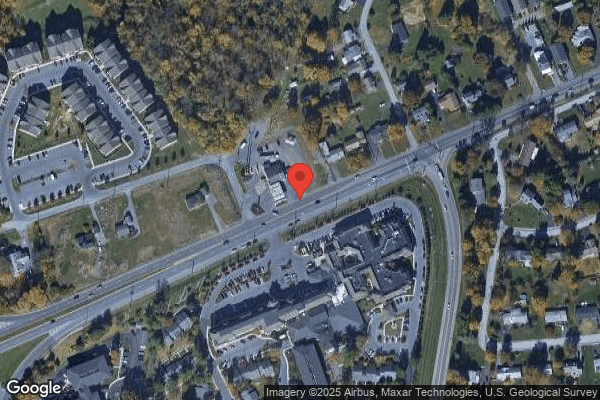
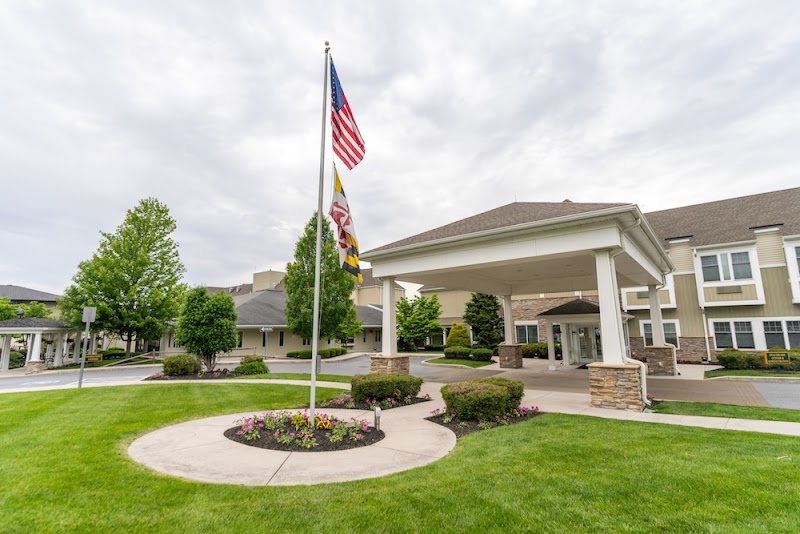
16505 VIRGINIA AVENUE, WILLIAMSPORT, MD 21795 (301) 582-1628
Non profit - Corporation 82 Beds HOMEWOOD RETIREMENT CENTERS Data: November 2025
Trust Grade
5/100
#167 of 219 in MD
Last Inspection: August 2024

Within standard 12-15 month inspection cycle. Federal law requires annual inspections.

Overview

Homewood Living Williamsport has received a Trust Grade of F, indicating significant concerns about the facility's quality and care. Ranked #167 out of 219 in Maryland, it is in the bottom half of all facilities, and #5 out of 10 in Washington County, suggesting that only four local options are better. The facility's trend is worsening, with issues increasing from 7 in 2019 to 15 in 2024, highlighting ongoing problems. On a positive note, staffing is rated 4 out of 5 stars, which is a strength, though the turnover rate of 53% is concerning, exceeding the state average. However, the facility has incurred fines of $42,266, which is higher than 85% of Maryland facilities, indicating compliance issues. Specific incidents include a serious failure to protect a cognitively impaired resident from physical abuse by a staff member and a significant medication error that led to a vulnerable resident suffering a fall with major injuries. These findings, along with the facility's average RN coverage, underline both the strengths and weaknesses of the care provided here. Families should weigh these factors carefully when considering this nursing home.

Trust Score
F
5/100
In Maryland
#167/219
Bottom 24%
Safety Record
High Risk
Review needed
Inspections
Getting Worse
7 → 15 violations
Staff Stability
⚠ Watch
53% turnover. Above average. Higher turnover means staff may not know residents' routines.
Penalties
○ Average
$42,266 in fines. Higher than 58% of Maryland facilities. Some compliance issues.
Skilled Nurses
✓ Good
Each resident gets 55 minutes of Registered Nurse (RN) attention daily — more than average for Maryland. RNs are trained to catch health problems early.
Violations
⚠ Watch
32 deficiencies on record. Higher than average. Multiple issues found across inspections.
★★☆☆☆
2.0
Overall Rating
★★★★☆
4.0
Staff Levels
★★★☆☆
3.0
Care Quality
★★☆☆☆
2.0
Inspection Score
Stable
2019: 7 issues
2024: 15 issues

The Good

  • 4-Star Staffing Rating · Above-average nurse staffing levels
  • Full Sprinkler Coverage · Fire safety systems throughout facility
  • No fines on record

Facility shows strength in staffing levels, fire safety.

The Bad

2-Star Overall Rating

Below Maryland average (3.0)

Below average - review inspection findings carefully

Staff Turnover: 53%

Near Maryland avg (46%)

Higher turnover may affect care consistency

Federal Fines: $42,266

Above median ($33,413)

Moderate penalties - review what triggered them

Chain: HOMEWOOD RETIREMENT CENTERS

Part of a multi-facility chain

Ask about local staffing decisions and management

The Ugly 32 deficiencies on record

5 actual harm
Aug 2024 15 deficiencies 3 Harm
SERIOUS (G) 📢 Someone Reported This

A family member, employee, or ombudsman was alarmed enough to file a formal complaint

Actual Harm - a resident was hurt due to facility failures

Free from Abuse/Neglect (Tag F0600)

A resident was harmed · This affected 1 resident

**NOTE- TERMS IN BRACKETS HAVE BEEN EDITED TO PROTECT CONFIDENTIALITY** Based on medical record review, administrative record review, and staff interview; it was determined that the facility failed to...

Read full inspector narrative →
**NOTE- TERMS IN BRACKETS HAVE BEEN EDITED TO PROTECT CONFIDENTIALITY** Based on medical record review, administrative record review, and staff interview; it was determined that the facility failed to protect a cognitively impaired resident (resident #900) from physical abuse from a facility staff member. This was evident for 1 of 5 residents reviewed during a complaint survey. After the incident, the facility implemented effective and thorough corrective measures.The facility's plan and action were verified during this survey; therefore, this deficiency will be cited as past noncompliance. The date of correction is 2/20/23 The following terms are defined for comprehension of the investigative findings: Minimum Data Set (MDS): The Minimum Data Set (MDS) is a comprehensive assessment of a resident completed by facility staff. The MDS is a multi-discipline tool that allows many facets of the resident's care [cognition, behavior, mobility, activities of daily living, accidents, activities, weight, pain, and medications to name a few] to be addressed. The MDS assessment is part of the broader Resident Assessment Instrument (RAI) process. The RAI process ties the assessment and care plan to the delivery of care to meet the needs of the resident. The findings include: Medical record review on 8/7/24 at 9:25am revealed resident #900 was a memory-impaired long-term care resident as documented in the quarterly MDS assessment dated [DATE]. On 8/7/24 at 9:25am, surveyor review of facility reported incident intake MD#00189249, dated 2/19/23, revealed that on 2/19/23 resident #900 reported to facility nursing staff that I don't want to be hit anymore. On 8/7/24 at 9:30am, surveyor review of the facility investigation dated 2/19/23 revealed a witness statement by LPN #304 which stated that on 2/19/23, resident #900 reported that he/she did not want to be hit anymore. LPN #304 assessed the resident and observed that the resident had purple/red bruises on his/her right temple, right eyebrow, right hand, and left hand. LPN#304 also stated that he/she spoke to GNA #302 regarding the bruising on resident #900's body. GNA#302 admitted that he/she bumped the resident when he/she was attempting to clean barrier cream from the resident ' s face. On 8/8/24 at 9:00am, surveyor interview with the Director of Nursing (DON) revealed he/she interviewed GNA #302 on 2/19/23 at approximately 12:30am, and he/she confirmed that he/she bumped resident #900 when he/she was taking a tube of barrier cream from the resident. The DON also stated that he/she interviewed LPN #304 on 2/19/23 at approximately 12:15 am and was told that he/she spoke to resident #900 and the resident stated, I don't want be hit anymore. LPN #304 observed that the resident was covered with thick, white barrier cream on the right side of his/her face/ hair and bruises on the resident's right temple. LPN #304 escorted the resident to his/her bathroom where the resident was assessed and additional bruises were found on the resident's right eyebrow, top of left hand, and between the 4th and 5th finger on the right hand. The DON stated that LPN #304 also observed that the bruises were purple/red in color. The DON stated that he/she was also able to observe the bruises reported by LPN #304 and he/she agreed with the assessment. The DON stated that he/she took GNA #302 from the unit by 12:30am on 2/19/23 and escorted GNA #302 from the property by 1:30am. On 8/8/24 at 10:40am, the surveyor interviewed Human Resource Director #305. HR Director #305 was able to confirm that GNA #302 last day of pay was on 2/19/23 and GNA#302 worked until 1:30am. On 8/9/24 at 9:31am, surveyor interview with LPN #304 confirmed the details gathered from the DON. The surveyor asked LPN #304 how he/she made initial contact with resident #900. LPN #304 stated that he/she was preparing medications at the medicine cart on 2/19/23 at approximately 12:00am. The resident approached LPN #304 and stated, I don ' t want to be hit anymore. LPN #304 initially thought the resident was involved in a resident-to-resident altercation. LPN#304 stated that when he/she continued to question the resident about his/her statement, the resident was unable to tell him/her any information. LPN #304 then realized the resident had barrier cream all over his/her hair, face and hands. LPN #304 then took the resident to his/her bathroom to clean him/her up and then observed the bruises on the resident ' s face and hands. While LPN #304 was assisting resident#900, GNA #302 came into resident ' s room to speak to LPN #304 about other residents. LPN #304 stated that he/she told GNA #302 that he/she was unable to speak to him/her because the resident was injured in an altercation. LPN#304 stated that GNA#302 told him/her that not one hit the resident and he/she must have bumped the resident ' s glasses with my arm or hand when I was taking the barrier cream from her. LPN#304 then realized that the facial bruises were in the shape of the resident ' s glasses. LPN #304 realized at that moment that GNA #302 may have hurt the resident so he/she did not let the resident out of his/her sight until the DON came to the unit to take GNA#302 off the unit. On 8/9/24 at 11:00am, the surveyor then expressed concern to the Administrator and the DON that the facility failed to protect a cognitively impaired resident (resident #900) from physical abuse from a facility staff member. The DON stated that the facility self-initiated the following actions to correct and re-enforce facility abuse policy as of 2/19/23: 1.) The DON terminated GNA #302 from facility employment on 2/20/23. 2.) The facility reported GNA #302 to the State of Maryland ' s Board of Nursing after termination. 3.) All facility nursing staff were re-educated on abuse prohibition and neglect policies on 2/20/23 and any staff not educated on 2/21/23 were not allowed to work in the facility until re-educated on abuse prohibition and neglect policies.
SERIOUS (G) 📢 Someone Reported This

A family member, employee, or ombudsman was alarmed enough to file a formal complaint

Actual Harm - a resident was hurt due to facility failures

Accident Prevention (Tag F0689)

A resident was harmed · This affected 1 resident

Based on medical record review, administrative record review, and staff interview; the facility failed to protect a vulnerable resident (resident #901) from a fall with major injury when facility nurs...

Read full inspector narrative →
Based on medical record review, administrative record review, and staff interview; the facility failed to protect a vulnerable resident (resident #901) from a fall with major injury when facility nursing staff failed to delete an incorrect order for sleep medication (Ambien) from the resident ' s medical record. This was evident for 1 of 4 residents reviewed during a complaint survey. The findings include: Surveyor review of resident #901's medical record on 8/8/24 at 12:00pm revealed resident #901 was admitted to the facility for rehabilitation after orthopedic surgery. Further review of the resident ' s medical record on 8/8/24 at 12:05pm revealed the resident had a witnessed fall on 9/11/22 at 8:30am. The resident was transferred to a local hospital and was diagnosed with a fracture of the bones near the left eye. Surveyor review of the fall incident report on 8/8/24 at 12:34pm revealed resident #901 fell while being assisted by his/her assigned GNA to the bathroom. The resident was ambulating with a rolling walker when the resident lost his/her balance and fell toward his/her left side, bruising the left side of the resident's forehead. The resident was assessed and ordered to be sent to a local hospital for evaluation by the primary provider. Surveyor review of a self-report (MD00190723) on 8/8/24 at 12:45pm, dated on 9/15/22, revealed the facility completed an investigation of the resident's fall and discovered the root cause of the resident's fall was over-administration of the resident's prescribed sleep medication (Ambien) on 9/10/22. The facility further discovered in the investigation that the facility nursing staff that over-administered the resident's sleep medication was following provider orders transcribed by facility nursing staff on 9/8/22 at 5:38pm. Surveyor review of a medication error report on 8/8/24 at 1:15pm revealed the document, dated 9/11/22, reported that RN #307 transcribed a provider order for a one-time dose of Ambien for 12.5mg on 9/8/22 at 5:38pm. RN #307 administered the one-time dose of Ambien and failed to discontinue the medication after administration. On 9/10/22 at 9:38pm, RN #308 administered the resident's standing dose of Ambien of 6.25mg and the one-time dose 12.5mg of Ambien. Surveyor interview with the RN #310 on 8/8/24 at 2:08 pm revealed RN #310 assessed resident #901 after the 9/11/22 fall incident. RN #310 observed a red bump/bruise on the resident's left side of his/her head. RN #310 contacted the provider and was ordered to have the resident sent to the local hospital. The resident's family was also contacted. RN#310 started a medication review after the resident's fall because GNA #309, the facility nursing staff member who assisted the resident when he/she fell, noticed the resident was lethargic when he/she assisted the resident to the bathroom. RN #310 discovered that RN#308 administered a higher dose of the resident's sleep medication when he/she gave the resident the standing dose and a one-time dose of the sleep medication on 9/10/11 at 9:38pm. RN #310 also discovered that RN #307 transcribed a one-time dose of sleep medication from a provider phone order. RN #307 administered the one-time dose of the sleep medication on 9/8/22 and failed to discontinue the one-time dose after administration of the medication. Surveyor interview with the Director of Nursing (DON) on 8/9/24 at 8:30am confirmed the statements made by RN #310 and the fall incident report. The DON also stated the facility added steps to the order reconciliation process to avoid the mistake made in resident #901's medication order record. The facility now requires a nurse on the 11-7 shift on each floor of the facility to reconcile all resident orders for that floor daily. Any new orders must be written in an order book. This step is in addition to the nurse printing out all orders and reconciling all orders to the electronic record.
SERIOUS (G) 📢 Someone Reported This

A family member, employee, or ombudsman was alarmed enough to file a formal complaint

Actual Harm - a resident was hurt due to facility failures

Deficiency F0760 (Tag F0760)

A resident was harmed · This affected 1 resident

**NOTE- TERMS IN BRACKETS HAVE BEEN EDITED TO PROTECT CONFIDENTIALITY** Based on medical record review, administrative record review, policy review and staff interview; the facility failed to protect ...

Read full inspector narrative →
**NOTE- TERMS IN BRACKETS HAVE BEEN EDITED TO PROTECT CONFIDENTIALITY** Based on medical record review, administrative record review, policy review and staff interview; the facility failed to protect vulnerable residents (resident #901 & #174) from a significant medication error. This was evident for 2 of 30 residents reviewed during the survey. This deficient practice resulted in harm to resident # 901 who had a fall incident (accident) with major injury. The findings include: 1.) Surveyor review of resident #901's medical record on 8/8/24 at 12:00pm revealed resident #901 was admitted to the facility for rehabilitation after orthopedic surgery. Further review of the resident's medical record on 8/8/24 at 12:05pm revealed the resident had a witnessed fall on 9/11/22 at 8:30am. The resident was transferred to a local hospital and was diagnosed with a fracture of the bones near the left eye. Surveyor review of the fall incident report on 8/8/24 at 12:34pm revealed resident #901 fell while being assisted by his/her assigned GNA to the bathroom. The resident was ambulating with a rolling walker when the resident lost his/her balance and fell toward his/her left side, bruising the left side of the resident's forehead. The resident was assessed and ordered to be sent to a local hospital for evaluation by the primary provider. Surveyor review of a self-report (MD00190723) dated 9/15/23 revealed the facility completed an investigation of the resident ' s fall and discovered the root cause of the resident ' s fall was over-administration of the resident ' s prescribed sleep medication (Ambien) on 9/10/22. The facility further discovered in the investigation that the facility nursing staff that over-administered the resident ' s sleep medication was following provider orders transcribed by facility nursing staff on 9/8/22 at 5:38pm. Surveyor review of a medication error report on 8/8/24 at 1:15pm revealed the document, dated 9/11/22, reported that RN #307 transcribed a provider order for a one-time dose of Ambien for 12.5mg on 9/8/22 at 5:38pm. RN #307 administered the one-time dose of Ambien and failed to discontinue the medication after administration. On 9/10/22 at 9:38pm, RN #308 administered the resident's standing dose of Ambien of 6.25mg and the one-time dose 12.5mg of Ambien. Surveyor interview with the RN #310 on 8/8/24 at 2:08 pm revealed RN #310 assessed resident #901 after the 9/11/22 fall incident. RN #310 observed a red bump/bruise on the resident's left side of his/her head. RN #310 contacted the provider and was ordered to have the resident sent to the local hospital. The resident ' s family was also contacted. RN #310 started a medication review after the resident ' s fall because GNA #309, the facility nursing staff member who assisted the resident when he/she fell, noticed the resident was lethargic when he/she assisted the resident to the bathroom. RN #310 discovered that RN#308 administered a higher dose of the resident's sleep medication when he/she gave the resident the standing dose and a one-time dose of the sleep medication on 9/10/11 at 9:38pm. RN #310 also discovered that RN #307 transcribed a one-time dose of sleep medication from a provider phone order. RN #307 administered the one-time dose of the sleep medication on 9/8/22 and failed to discontinue the one-time dose after administration of the medication. 2.) Review of R174's undated Face Sheet, located in the electronic medical record (EMR) under the Dashboard tab, revealed R174 was admitted to the facility on [DATE] with diagnoses that included disorder of bone and other cervical disc degeneration. R174 had the following drug allergies: Penicillin's, Avelox, Bactrim, and cephalosporins. Review of R174's annual Minimum Data Set (MDS) with an Assessment Reference Date (ARD) of 04/21/22, located in the EMR under the MDS tab, revealed a Brief Interview for Mental Status (BIMS) score of 14 out of 15, indicating R174 was cognitively intact. It was recorded R174 had experienced occasional pain the last five days and had received opioids in the preceding seven days. Review of R174's Physician's Orders, dated 04/15/22 and located in the EMR under the Physician Orders tab, revealed an order for Oxycodone 5 mg [milligrams] tablet 0.5 tab (2.5 mg) by mouth every 8 hours for pain. Review of R173's Physician's Orders, dated 04/29/22 and located under the Physician Orders tab of the EMR, revealed an order for Oxycodone 5 mg tablet one by mouth every 4 hours as needed for moderate to severe pain. Review of R173's facility provided Controlled Substance Record, dated 05/09/22, revealed 26 medications noted at 11:00 PM on 05/09/22 count; resident on leave of absence (LOA) pulled in error. Review of the facility's investigative documents revealed the following nursing staff statements written on 05/10/22: Certified Medicine Aide (CMA) 1: On 05/09/22 at 1:00 PM, she pulled R173's medication card from the medication cart and administered R174 the wrong pain medication (Oxycodone 5.0 MG instead of Oxycodone 2.5 MG). Licensed Practical Nurse (LPN) 7: On 05/09/22 at 11:00 PM, during the change of shift count, she noticed R173's medication card was missing one Oxycodone which was not correct because he was out of the facility. During an interview on 08/08/24 at 2:49 PM, CMA1 confirmed she pulled R173's Oxycodone medication card from the medication cart and administered the pain medication to R174 in error. CMA1 stated she should have checked the medication card to ensure she had the right resident and correct medication, but she was distracted by coworkers at the time. LPN7 was unavailable for interview. During an interview on 08/08/24 at 3:36 PM, Director of Nursing (DON) 1 stated she was notified by LPN7 on 05/09/22 at 11:00 PM that one of R173's Oxycodone pills was missing from the medication card and R173 was in the hospital. DON 1 stated she completed the investigation on 05/10/22 and determined CMA1 pulled the wrong medication card from the cart in error and administered R174 Oxycodone 5 MG which was double the dose he/she was supposed to receive per the physician order. DON1 indicated R174 was assessed with no adverse reaction or change of condition and the physician was notified on 05/10/22. DON1 indicated she expected nursing staff to administer medications to the right resident. Review of the facility's policy titled, Administering Medications, revised April 2019 ad provided by the facility, revealed policy medications are administered in a safe and timely manner, and as prescribed. Policy Interpretation and Implementation . As required or indicated for a medication, the individual administering the medication records in the resident's medical record: a. the date and time the medication was administered; b. the dosage; c. the route of administration; d. the injection site (if applicable); e. any complaints or symptoms for which the drug was administered; f. any results achieved and when those results were observed; and g. the signature and title of the person administering the drug .
CONCERN (D)

Potential for Harm - no one hurt, but risky conditions existed

MDS Data Transmission (Tag F0640)

Could have caused harm · This affected 1 resident

**NOTE- TERMS IN BRACKETS HAVE BEEN EDITED TO PROTECT CONFIDENTIALITY** Based on interview, record review, and Resident Assessment Instrument (RAI) Manual review, the facility failed to follow the RAI...

Read full inspector narrative →
**NOTE- TERMS IN BRACKETS HAVE BEEN EDITED TO PROTECT CONFIDENTIALITY** Based on interview, record review, and Resident Assessment Instrument (RAI) Manual review, the facility failed to follow the RAI's transmission requirements, which indicate that within 14 days after a facility completes a resident's assessment a facility must electronically transmit encoded, accurate, and complete ''Minimum Data Set (MDS) data to the Center for Medicare & Medicaid Services (CMS) System, for one (Resident (R) 25) of one supplemental residents reviewed for Resident Assessment. Specifically, it had been over 120 days since the discharge ''MDS'' was completed and the ''MDS'' had not been transmitted to the CMS System. Findings include: Review of R25's undated ''Face Sheet'' located in the electronic medical record (EMR) under the ''Dashboard'' tab, revealed R25 was admitted to the facility on [DATE] with the diagnoses of congestive heart failure (CHF) and pneumonia. Review of R25's admission ''Minimum Data Set (MDS)'' located in the EMR under the ''MDS'' tab with an ''Assessment Reference Date (ARD)'' of 04/01/24 revealed R25's ''Brief Interview for Mental Status (BIMS)'' score was four out of 15 which indicated R25 was severely cognitively impaired. Review of R25's ''Progress Note,'' dated 04/21/24 and located in the EMR under the ''ID Notes'' tab, revealed, ''Resident was discharged at 10:30 am with medications to [another facility]. Discharge instructions were given to resident along with son and daughter. Staff assisted resident out of the building along with his/her family without incident.'' During an interview on 08/09/24 at 10:39 AM, the MDS Coordinator (MDSC) showed on her computer, that R25's discharge ''MDS'' with an ARD of 04/21/24 was completed but had not been submitted. MDSC stated that no reports were provided through the EMR to let her know that the MDS was not submitted, and no other staff were auditing the system to ensure that MDSs were submitted timely. The MDSC acknowledged the MDS was not submitted and should have been submitted within seven days from the MDS lock date. During an interview on 08/09/24 at 1:24 PM, the Director of Nursing (DON) stated she expected the MDSC to complete and submit the MDS timely per the RAI Manual and to check to ensure that the MDS were submitted. Review of the Centers for Medicare and Medicaid Services (CMS) Long-Term Care Facility Resident Assessment Instrument 3.0 User's Manual Version 1.18.11, dated October 2023, revealed ''. 09. Discharge Assessment-Return Not Anticipated (A0310F = 10) Must be completed when the resident is discharged from the facility and the resident is not expected to return to the facility within 30 days. Must be completed (item Z0500B) within 14 days after the discharge date (A2000 + 14 calendar days). Must be submitted within 14 days after the MDS completion date (Z0500B + 14 calendar days) .''
CONCERN (D) 📢 Someone Reported This

A family member, employee, or ombudsman was alarmed enough to file a formal complaint

Potential for Harm - no one hurt, but risky conditions existed

Deficiency F0726 (Tag F0726)

Could have caused harm · This affected 1 resident

**NOTE- TERMS IN BRACKETS HAVE BEEN EDITED TO PROTECT CONFIDENTIALITY** Based on interview, record review, and policy review, the facility failed to provide education for two staff members to possess ...

Read full inspector narrative →
**NOTE- TERMS IN BRACKETS HAVE BEEN EDITED TO PROTECT CONFIDENTIALITY** Based on interview, record review, and policy review, the facility failed to provide education for two staff members to possess the competencies and skill sets necessary to ensure residents were free of medication errors for two of four residents (Resident (R) 174 and R15) reviewed for medications in a total sample of 26 residents. These failures resulted in the residents receiving the wrong dose of medications. Findings include: 1. Review of R174's undated Face Sheet, located in the electronic medical record (EMR) under the Dashboard tab, revealed R174 was admitted to the facility on [DATE] with multiple diagnosis including other disorder of bone, cervical disc degeneration and arthritis. Review of R174's Physician's Orders, dated 04/16/22 and located under the Physician Orders tab of the EMR, revealed an order for oxycodone hydrochloride (HCL) immediate release (IR) 5 milligrams (MG) tablet take 1/2 tablet (2.5 MG) by mouth every 8 hours and every 6 hours as needed (PRN) for severe pain. Review of R173's Physician's Orders, dated 05/17/22 and located under the Physician Orders tab of the EMR, revealed an order for oxycodone 5 MG tablet take one by mouth every 6 hours as needed for pain. Review of the facility's document titled Medication Error Report, undated, provided by the facility, revealed the type of error was the wrong dose and wrong resident. The description of the error was R174 received 5 MG of oxycodone from R173's medication card of oxycodone when Certified Medicine Aide (CMA) 1 pulled the wrong medication card from the medication cart. During an interview on 08/08/24 at 2:49 PM, CMA1 confirmed she administered the wrong medication to R174 due to removing R173's medication card from the medication cart in error on 05/09/22. CMA1 stated R174's card was next to R173's card in the medication cart but she should have checked the card to ensure it was the right resident and right medication before administering the medication. CMA1 stated she was tested every two years on medication administration to continue her medicine aide certification but did not receive education and was not observed passing medications from the staff development coordinator (SDC) until after the incident. During an interview on 08/08/24 at 3:36 PM, Director of Nursing (DON) 1 acknowledged there had been several SDCs over the years and the former SDC was expected to provide education on medication administration and conduct observations of medication administration for all nursing staff. DON1 stated she could not find documentation that medication administration education was provided, and observations of medication administration were performed for CMA1 prior to the medication error on 05/09/22. Review of the facility-provided undated document titled, Medication Technicians Observational Checklist revealed CMA1 was observed administering medications to the correct resident, right medication, right time, correct route, correct dose, and correct time in 2023 and 2024; however, CMA1's medication administration performance was not observed in 2022. Review of the facility-provided job description titled, Certified Medicine Aide, revealed Job Summary: Provide the activities of daily living care to the residents under license staff supervision and provides administers non-parenteral medications. Essential Functions: . 11. Prepares, administers, and records medications as physician-ordered and in accordance with certification regulations . 2. Review of R15's undated Face Sheet located in the electronic medical record (EMR) under the Dashboard tab, revealed R15 was admitted to the facility on [DATE] with the diagnoses including type 2 diabetes mellitus (DM). Review of R15's Physician Orders, located in the EMR under the Physician Orders tab, revealed an order dated 08/03/24 for Lantus Solostar U-100 insulin 100 unit/milliliters (ML) (3 ML) subcutaneous pen [insulin glargine, a long acting insulin] - 5 [five] units subcutaneous every day for DM. During an observation on 08/09/24 at 8:53 AM, Licensed Practical Nurse (LPN) 3 was observed to administer R15's insulin pen (a pen contains the vial of insulin inside the pen and has a mechanism where the dose to be administered is set on a dial at the top of the pen, and only that amount can then be injected). LPN3 was not observed to prime the pen prior to dialing the dose to five units and was observed to remove the pen from the insertion site after administration without waiting. During an interview on 08/09/24 at 9:22 AM, LPN3 confirmed she did not prime the pen prior to dialing the dose to five units and did not hold the pen in R15's abdomen for five seconds after depressing the plunger. LPN3 stated she was not trained to prime the pen and hold the pen in the abdomen for five seconds. During an interview on 08/09/24 at 9:49 AM, the Infection Preventionist (IP) stated she assisted the staff development coordinator (SDC) with staff education and verified LPN3 did not attend the skills fair conducted in March 2024. The IP stated that a medication administration observation was completed on 05/13/24 but it did not include insulin pen administration. The IP indicated she expected nursing staff to prime the pen to two units before administering the insulin to ensure the needle worked and hold the pen in the abdomen for 10 seconds after depressing the plunger to ensure all the insulin was administered. During an interview on 08/09/24 at 10:27 AM, the Director of Nursing (DON) stated she expected the nursing staff to administer insulin correctly according to the manufacturer's guidance and she was not aware that LPN3 had not been trained on insulin pen administration. Review of the insulin pen guidance titled How to use your Lantus SoloStar Pen, undated, provided by the facility, revealed . Step 3. Perform a Safety Test Dial a test dose of 2 [two] units. Hold pen with the needle pointing up and lightly tap the insulin reservoir so the air bubbles rise to the top of the needle. This will help you get the most accurate dose. Press the injection button all the way in and check to see that insulin comes out of the needle . Step 5. Inject your Dose clean site with an alcohol swab. Keep the pen straight. Insert the needle into your skin. Use your skin. Use your thumb to press the injection button all the way down. When the number in the dose window returns to zero as you inject, slowly count to 10 before removing. (Counting to 10 will make sure you get your full insulin dose). Release the button and remove the needle from your skin . Review of the facility-provided document titled, Facility Assessment Tool, dated December 2023, revealed . A.1. Function - Sufficiency Analysis Summary . Staff training/Education and competencies [the facility] provides an ongoing educational program for the development and improvement of all co-workers. The staff training and education program is designed to ensure knowledge competency for all staff. Education is provided through a combination of online training and using the Relias Learning System, peer monitoring and classroom sessions. Competencies are based on the care and services needed by the resident population. Each job description identifies the required education and credentials for the job. Competencies are verified upon orientation and as needed. Competencies are based on current standards of practice and may include knowledge and test, knowledge and return demonstration, knowledge and observed behaviors, and annual performance evaluation. Annual nursing competencies include . medication administration observations .
CONCERN (D) 📢 Someone Reported This

A family member, employee, or ombudsman was alarmed enough to file a formal complaint

Potential for Harm - no one hurt, but risky conditions existed

Pharmacy Services (Tag F0755)

Could have caused harm · This affected 1 resident

Based on medical record review, administrative record review, and staff interview; the facility failed to maintain an accurate resident (resident #901) medication order history. This was evident for 1...

Read full inspector narrative →
Based on medical record review, administrative record review, and staff interview; the facility failed to maintain an accurate resident (resident #901) medication order history. This was evident for 1 of 4 residents reviewed during a complaint survey. The findings include: Surveyor review of a self-report (MD00190723) on 8/8/24 at 12:45pm, dated 9/15/22, revealed the facility completed an investigation of the resident's fall and discovered the root cause of the resident's fall was over-administration of the resident's prescribed sleep medication (Ambien) on 9/10/22. The facility further discovered in the investigation that the facility nursing staff over-administered the resident's sleep medication was following provider orders transcribed by facility nursing staff on 9/8/22 at 5:38pm. Surveyor review of a medication error report on 8/8/24 at 1:15pm revealed the document, dated 9/11/22, reported that RN # 307 transcribed a provider order for a one-time dose of Ambien for 12.5mg on 9/8/22 at 5:38pm. RN #307 administered the one-time dose of Ambien and failed to discontinue the medication after administration. On 9/10/22 at 9:38pm, RN#308 administered the resident's standing dose of Ambien of 6.25mg and the one-time dose 12.5mg of Ambien. Surveyor review of resident #901's medication administration record (MAR) for September 2022 revealed the one-time dose order transcribed by RN#307 was used to administer 12.5mg of Ambien to the resident on 9/8/22, 9/9/22, and 9/10/22. Surveyor interview with the Director of Nursing (DON) on 8/9/24 at 8:30am confirmed the accuracy of the medication error report and the 9/2022 MAR. The DON stated that the facility added steps to the order reconciliation process to avoid the mistake made in resident #901's medication order record. The facility now requires a nurse on the 11-7 shift on each floor of the facility to reconcile all resident orders for that floor daily. Any new orders must be written in an order book. This step is in addition to the nurse printing out all orders and reconciling all orders to the electronic record.
CONCERN (D)

Potential for Harm - no one hurt, but risky conditions existed

Deficiency F0757 (Tag F0757)

Could have caused harm · This affected 1 resident

Based on record review and interview with staff it was determined the facility staff failed to ensure each residents drug regimen was free from unnecessary drugs. This was evident for 1 (#21) of 3 res...

Read full inspector narrative →
Based on record review and interview with staff it was determined the facility staff failed to ensure each residents drug regimen was free from unnecessary drugs. This was evident for 1 (#21) of 3 residents reviewed for unnecessary psychotropic drugs. The findings include: Resident #21's record was reviewed on 10/15/24 at 1:45 PM. A consultant pharmacist monthly review was completed on 10/1/24. The review indicated that a recommendation was given. The note to the attending physician identified that Resident #21 had an order for metformin 500 mg(milligrams)( an oral medication used to treat diabetes) twice a day and that his/her A1c (a lab test which reflects blood glucose control over time), was well within the goal. Please consider reducing his/her metformin to 500 mg daily. The physicians response at the bottom of the note, signed and dated 10/4/24, indicated: Agree and Okay to change metformin to 500mg daily. Review of the October Medication Administration Record (MAR) revealed Resident #21 received Metformin 500 mg at 8:00 AM and 5:00 PM each day in October up to and including that morning (10/15/24). Review of the physicians' orders on 10/16/24 at 11:25 AM revealed Resident #21's current active orders included Metformin HCL 500 mg tablet take 1 tablet by mouth twice daily with meals. It was not changed on 10/4/24 to once daily as indicated by the physicians response to the consultant pharmacists recommendation. In an interview on 10/16/24 at 11:31 AM Staff #6 the Unit Manager explained the facilities process for the consultant pharmacists' recommendations were: the pharmacist placed the review recommendations into a folder for the physician. The physician would review, address and write any new orders at the bottom of the form. Occasionally the physician, but usually the nurse, would write the order on the physicians' order sheet, and the physician would sign it. She was made aware of the above findings, reviewed the physicians orders and eMAR then confirmed that the order was not written to decrease Resident #21's metformin as indicated on 10/4/24 and that the resident received 2 doses of metformin 500 mg from 10/4/24 thru 10/16/24 8:00 AM. The DON was made aware of the above concerns on 10/16/24 at 11:40 AM.
CONCERN (D) 📢 Someone Reported This

A family member, employee, or ombudsman was alarmed enough to file a formal complaint

Potential for Harm - no one hurt, but risky conditions existed

Medication Errors (Tag F0758)

Could have caused harm · This affected 1 resident

Based on medical record review, administrative record review, and staff interview; the facility failed to ensure a resident's medication regimen was free from unnecessary PRN (as needed) medications (...

Read full inspector narrative →
Based on medical record review, administrative record review, and staff interview; the facility failed to ensure a resident's medication regimen was free from unnecessary PRN (as needed) medications (resident #901). This was evident for 1 of 4 residents reviewed during a complaint survey. The findings include: Surveyor review of a self-report (MD00190723) dated 9/15/23 revealed the facility completed an investigation of the resident's fall and discovered the root cause of the resident's fall was over-administration of the resident's prescribed sleep medication (Ambien) on 9/10/22. The facility further discovered in the investigation that the facility nursing staff over-administered the resident's sleep medication was following provider orders transcribed by facility nursing staff on 9/8/22 at 5:38pm. Surveyor review of a medication error report on 8/8/24 at 1:15pm revealed the document, dated 9/11/22, reported that RN # 307 transcribed a provider order for a one-time dose of Ambien for 12.5mg on 9/8/22 at 5:38pm. RN #307 administered the one-time dose of Ambien and failed to discontinue the medication after administration. On 9/10/22 at 9:38pm, RN#308 administered the resident's standing dose of Ambien of 6.25mg and the one-time dose 12.5mg of Ambien. Surveyor interview with the RN #310 on 8/8/24 at 2:08pm revealed RN #308 assessed resident #901 after the 9/11/22 fall incident. RN#310 observed a red bump/bruise on the resident's left side of his/her head. RN#310 contacted the provider and was ordered to have the resident sent to the local hospital. The resident's family was also contacted. RN#310 started a medication review after the resident's fall because GNA #309, the facility nursing staff member who assisted the resident she he/she fell, noticed the resident was lethargic when he/she assisted the resident to the bathroom. RN#310 discovered that RN#308 administered a higher dose of the resident's sleep medication when he/she gave the resident the standing dose and a one-time dose of the sleep medication on 9/10/11 at 9:38pm. RN#310 also discovered that RN#307 transcribed a one-time dose of sleep medication from a provider phone order. RN#307 administered the one-time dose of the sleep medication on 9/8/22 and failed to discontinue the one-time dose after administration of the medication. Surveyor interview with the Director of Nursing (DON) on 8/9/24 at 8:30am confirmed the statements made by RN #310 and the fall incident report. The DON added that the facility added steps to the order reconciliation process to avoid the mistake made in resident #901's medication order record. The facility now requires a nurse on the 11-7 shift on each floor of the facility to reconcile all resident orders for that floor daily. Any new orders must be written in an order book. This step is in addition to the nurse printing out all orders and reconciling all orders to the electronic record.
CONCERN (D)

Potential for Harm - no one hurt, but risky conditions existed

Unnecessary Medications (Tag F0759)

Could have caused harm · This affected 1 resident

**NOTE- TERMS IN BRACKETS HAVE BEEN EDITED TO PROTECT CONFIDENTIALITY** Based on observation, interview, record review, and review of facility policy, the facility failed to ensure a medication error ...

Read full inspector narrative →
**NOTE- TERMS IN BRACKETS HAVE BEEN EDITED TO PROTECT CONFIDENTIALITY** Based on observation, interview, record review, and review of facility policy, the facility failed to ensure a medication error rate below five percent. During medication administration two medication errors for two residents (Residents (R) 15 and R65) were made of 39 opportunities resulting in a medication error rate of 5.13 percent. These failures had the potential to increase or decrease the effectiveness of these medications. Findings include: 1. Review of R15's undated Face Sheet located in the electronic medical record (EMR) under the Dashboard tab, revealed R15 was admitted to the facility on [DATE] with the diagnoses including type 2 diabetes mellitus (DM). Review of R15's Physician Orders located in the EMR under the Physician Orders tab, revealed an order dated 08/03/24 for Lantus Solostar U-100 insulin 100 unit/milliliters (ML) (3 ML) subcutaneous pen [insulin glargine, a long acting insulin] - 5 [five] units subcutaneous every day for DM. During an observation on 08/09/24 at 8:53 AM, Licensed Practical Nurse (LPN) 3 retrieved R15's insulin pen (a pen contains the vial of insulin inside the pen and has a mechanism where the dose to be administered is set on a dial at the top of the pen, and only that amount can then be injected) from the medication cart, wiped the top with an alcohol wipe, attached a needle to the pen then dialed the dose to five units. LPN3 carried the flex-pen to R15's room. LPN3 washed her hands, applied gloves, observed R15's abdomen to find a spot that was not bruised, cleansed the left lower quadrant with an alcohol wipe, gently inserted the flex-pen needle into the flesh, injected the dose, then removed the needle from the abdomen. Next, LPN3 carried the pen to the medication cart, disposed of the needle, and performed hand hygiene. During an interview on 08/09/24 at 9:22 AM, LPN3 confirmed she did not prime the pen prior to dialing the dose to five units and did not hold the pen in R15's abdomen for five seconds after depressing the plunger. LPN3 stated she was not trained to prime the pen and hold the pen in the abdomen for five seconds. During an interview on 08/09/24 at 9:49 AM, the Infection Preventionist (IP) indicated she expected nursing staff to prime the pen to two units before administering the insulin to ensure the needle worked and hold the pen in the abdomen for 10 seconds after depressing the plunger to ensure all the insulin was administered. During an interview on 08/09/24 at 10:27 AM, Director of Nursing (DON) 1 stated she expected the nursing staff to administer insulin correctly according to the manufacturer's guidance. Review of the insulin pen guidance titled How to use your Lantus SoloStar Pen, undated, provided by the facility, revealed . Step 3. Perform a Safety Test Dial a test dose of 2 [two] units. Hold pen with the needle pointing up and lightly tap the insulin reservoir so the air bubbles rise to the top of the needle. This will help you get the most accurate dose. Press the injection button all the way in and check to see that insulin comes out of the needle . Step 5. Inject your Dose clean site with an alcohol swab. Keep the pen straight. Insert the needle into your skin. Use your skin. Use your thumb to press the injection button all the way down. When the number in the dose window returns to zero as you inject, slowly count to 10 before removing. (Counting to 10 will make sure you get your full insulin dose). Release the button and remove the needle from your skin . 2. Review of R65's undated Face Sheet, located in the EMR under the Dashboard tab, revealed R65 was admitted to the facility on [DATE] with the diagnoses including duodenal ulcer and acute gastritis (inflammation of the stomach lining) without bleeding. Review of R65's Physician Orders, located in the EMR under the Physician Orders tab, revealed an order dated 07/03/24 for sucralfate [a protectant that sticks to damaged ulcer tissue and protects against acid and enzymes so healing can occur] 1 [one] gram tablet one by mouth four times a day for stomach ulcer. Review of R65's Medication Administration Record (MAR), dated August 2024, located in the EMR under the eMAR/TAR tab, revealed the medication sucralfate tablet was due at 11:00 AM daily. During an observation on 08/08/24 at 11:42 AM, Registered Nurse (RN) 2 searched through the medication cart for R65's sucralfate medication card then stated she could not find it. RN2 stated the medication was due at 11:00 AM, she would notify the physician that the medication was not administered (missed dose) and would contact the pharmacy for a refill of the medication. During an interview on 08/09/24 at 11:01 AM, DON1 verified the pharmacy delivered the sucralfate medication card to the facility on [DATE] and that the medication card was on the medication cart facing backwards. DON1 indicated when new medication cards were received, the nursing staff would place the new cards facing backwards then turned them facing forward when the last medication card was empty. DON1 acknowledged R65 should not have missed the medication on 08/08/24 at 11:00 AM because the medication was in the cart.
CONCERN (D) 📢 Someone Reported This

A family member, employee, or ombudsman was alarmed enough to file a formal complaint

Potential for Harm - no one hurt, but risky conditions existed

Medical Records (Tag F0842)

Could have caused harm · This affected 1 resident

Based on medical record review, administrative record review, and staff interview; the facility failed to maintain an accurate resident (resident #901) medication order history. This was evident for 1...

Read full inspector narrative →
Based on medical record review, administrative record review, and staff interview; the facility failed to maintain an accurate resident (resident #901) medication order history. This was evident for 1 of 4 residents reviewed during a complaint survey. The findings include: Surveyor review of a self-report (MD00190723) on 8/8/24 at 12:45pm, dated 9/15/22, revealed the facility completed an investigation of the resident's fall and discovered the root cause of the resident's fall was over-administration of the resident's prescribed sleep medication (Ambien) on 9/10/22. The facility further discovered in the investigation that the facility nursing staff over-administered the resident's sleep medication was following provider orders transcribed by facility nursing staff on 9/8/22 at 5:38pm. Surveyor review of a medication error report on 8/8/24 at 1:15pm revealed the document, dated 9/11/22, reported that RN # 307 transcribed a provider order for a one-time dose of Ambien for 12.5mg on 9/8/22 at 5:38pm. RN #307 administered the one-time dose of Ambien and failed to discontinue the medication after administration. On 9/10/22 at 9:38pm, RN#308 administered the resident's standing dose of Ambien of 6.25mg and the one-time dose 12.5mg of Ambien. Surveyor review of resident #901's medication administration record (MAR) for September 2022 revealed the one-time dose order transcribed by RN#307 was used to administer 12.5mg of Ambien to the resident on 9/8/22, 9/9/22, and 9/10/22. Surveyor interview with the Director of Nursing (DON) on 8/9/24 at 8:30am confirmed the accuracy of the medication error report and the 9/2022 MAR. The DON stated that the facility added steps to the order reconciliation process to avoid the mistake made in resident #901's medication order record. The facility now requires a nurse on the 11-7 shift on each floor of the facility to reconcile all resident orders for that floor daily. Any new orders must be written in an order book. This step is in addition to the nurse printing out all orders and reconciling all orders to the electronic record.
CONCERN (F)

Potential for Harm - no one hurt, but risky conditions existed

Administration (Tag F0835)

Could have caused harm · This affected most or all residents

Based on record review, staff interview, and policy review, the facility's administration failed to implement its Resident Immunization policy related to current Centers for Disease Control (CDC) reco...

Read full inspector narrative →
Based on record review, staff interview, and policy review, the facility's administration failed to implement its Resident Immunization policy related to current Centers for Disease Control (CDC) recommendations to provide residents the opportunity to receive the Prevnar (Pneumococcal conjugate vaccine (PCV) 20) or the PCV15. Eight out of eight residents ((R) 14, R21, R10, R32, R35, R2, R19, and R36) reviewed for immunizations were not offered pneumococcal vaccinations in compliance with CDC recommendations, the facility had never had PCV20 available, and the facility failed to identify the potential for deficient practice in quality assurance. These failures had the potential to increase the risk of residents contracting pneumonia. Findings include: Review of a facility policy titled Resident Immunization dated 11/08/23 indicated . The facility will offer residents immunization against vaccine-preventable diseases that may be encountered in the facility and as recommended by the CDC Advisory Committee for Immunization Practices . Upon admission or shortly thereafter, each resident's status for influenza, pneumococcal . will be determined and recorded in the medical record . Residents will be offered pneumococcal vaccine (PPV) using these criteria . Primary physician will be contacted for pneumococcal vaccine for information if not received upon admission . For adults 65 years or older who have not previously received any pneumococcal vaccine, CDC recommends you . Give 1 dose of PCV15 or PCV20 . If PCV 15 is used, this should be followed by a dose of PPSV23 at least one year later. The minimum interval is 8 weeks and can be considered in adults with an immunocompromising condition, cochlear implant, or cerebrospinal fluid leak . If PCV20 is used, a dose of PPSV23 is not indicated . For adults 65 years or older who have only received a PPSV23, CDC recommends you . May give 1 dose of PCV15 or PCV20 . The PCV15 or PCV20 dose should be administered at least one year after the most recent PPSV23 vaccination . Regardless of if PCV15 or PCV20 is given, an additional dose of PPSV23 is not recommended since they already received it . For adults 65 years or older who have only received PCV13, CDC recommends you . Give PPSV23 as previously recommended. The incremental public health benefits of providing PCV15 or PCV20 to adults who have received PCV13 only or both PCV13 and PPSV23 have not been evaluated . For adults who have received PCV13 but have not completed their recommended pneumococcal vaccine series with PPSV23, one dose of PCV20 may be used if PPSV23 is not available. If PCV20 is used, their pneumococcal vaccinations are completed. 1. Review of Influenza and Pneumococcal Immunizations. Cross Reference F883: Failure to offer eight residents ((R) 14, R21, R10, R32, R35, R2, R19, and R36), the opportunity to be vaccinated in accordance with CDC standards and failed to offer PCV20. 2. Review of Quality Assurance and Performance Improvement. Cross Reference F867: Failure to identify potential deficient practice for implementation of CDC recommendations for pneumococcal vaccinations. During an interview on 08/07/24 10:17 AM, the Consultant Pharmacist stated she brought up education on the PCV20 vaccination in the Quality Assurance (QA) meetings, but it was never addressed by the members of the QA meetings. The Consultant Pharmacist stated she called the facility's pharmacy to verify if PCV20 vaccines were ordered by the facility. The Consultant Pharmacist stated there were no orders placed by the facility for the PCV20. During an interview on 08/07/24 12:42 PM, the Medical Director confirmed he attended the monthly QA meetings and stated he remembered the Consultant Pharmacist addressed the CDC recommendations of the PCV20. The Medical Director was then informed the facility never ordered the PCV20 vaccination. The Medical Director stated he was aware that the PCV20 was the current standard vaccine and the residents who received the PCV15 and the PPSV23 did not need to be vaccinated for another five years. During an interview on 08/09/24 12:10 PM, the Director of Nursing (DON) 1 stated she did not know why the PCV20 was not picked up as potential deficient practice.
CONCERN (F)

Potential for Harm - no one hurt, but risky conditions existed

QAPI Program (Tag F0867)

Could have caused harm · This affected most or all residents

Based on interviews, review of the facility documentation, and policy review, the Quality Assessment (QA) committee failed to identify quality deficiencies related to the facility's infection control ...

Read full inspector narrative →
Based on interviews, review of the facility documentation, and policy review, the Quality Assessment (QA) committee failed to identify quality deficiencies related to the facility's infection control program and take corrective action to ensure that Prevnar (PCV) 20 was offered and provided in accordance with recognized national standards. This failure had the potential to affect all residents who were eligible for the PVC20 vaccine who currently live in the facility. Findings include: Review of a facility document titled Quality Assurance, dated 03/25/22, indicated the Consultant Pharmacist provided the QA committee members with the Centers for Disease Control and Prevention (CDC) recommendations of Prevnar20. During an interview on 08/07/24 at 10:17 AM, the Consultant Pharmacist confirmed she participated in the quarterly QA meetings. The Consultant Pharmacist stated during one QA meeting in 2022 she provided the QA members information on the Prevnar20 vaccination and the CDC recommendations. The Consultant Pharmacist was asked why the facility never implemented the CDC recommendations on the use of the Prevnar 20. The Consultant Pharmacist stated there was staff turnover with the Infection Preventionist (IP) position. The Consultant Pharmacist stated the facility never asked her to assist with the tracking of pneumococcal vaccines with the current resident population. The Consultant Pharmacist stated she called the facility's pharmacy to verify if PCV20 vaccines were ordered by the facility. The Consultant Pharmacist stated there were no orders placed by the facility for the PCV20. During an interview on 08/07/24 at 8:29 AM, the Director of Nursing (DON) 1 stated she was not sure why the facility missed the CDC recommendations for the PCV20 in the QA meetings. During an interview on 08/07/24 1:17 PM, Registered Nurse (RN) 1, who was also a nursing supervisor and attended the QA meetings, stated she did not remember the Consultant Pharmacist going over the CDC recommendations for the PVC20 vaccination. Review of a facility document titled Quality Assurance Program dated 08/2012 indicated . This facility shall develop, implement, and maintain an ongoing program designed to monitor and evaluate the quality of resident care, pursue methods to improve quality, and to resolve identified problems . To provide a means whereby negative outcomes relative to resident care and safety can be identified and resolved through an interdisciplinary approach .
CONCERN (F)

Potential for Harm - no one hurt, but risky conditions existed

Infection Control (Tag F0880)

Could have caused harm · This affected most or all residents

Based on observation, interview, and review of facility policies, the facility failed to ensure protective equipment (PPE) was available for laundry staff in one of one laundry rooms while sorting soi...

Read full inspector narrative →
Based on observation, interview, and review of facility policies, the facility failed to ensure protective equipment (PPE) was available for laundry staff in one of one laundry rooms while sorting soiled resident clothing and bed linens. This had the potential to infect the staff and/or residents with pathogens which could potentially lead to the development of infectious diseases. Findings include: During a tour of the soiled laundry room on 08/09/24 at 8:41 AM, gloves were observed but no gowns. An immediate interview was conducted with Housekeeper 1, and she confirmed when she handled the soiled linens from the floors, she did not don (put on) a gown and only used gloves. The Director of Housekeeping/Laundry (DHL) was present during this interview and confirmed the same information. The DHL stated the laundry staff would retrieve the bagged soiled laundry from a bin and then place the bag open end first into the washing machine. The DHL stated there was no contact between the soiled laundry and the laundry staff. During an interview on 08/09/24 at 8:44 AM, Director of Nursing (DON) 1 confirmed the laundry staff only used gloves when handling soiled laundry. During an interview on 08/09/24 at 9:48 AM, the Infection Preventionist (IP) stated she did not go into the soiled laundry room and was not aware the laundry staff were not donning gowns while handling soiled linens. Review of a facility policy titled Laundry and Bathing, Soiled, dated 09/2022 indicated, . Soiled laundry/bedding shall be handled, transported and processed according to best practices for infection prevention and control . All used laundry is handled as potentially contaminated using standard precautions (e.g., gloves and gowns when sorting) .
CONCERN (F)

Potential for Harm - no one hurt, but risky conditions existed

Deficiency F0883 (Tag F0883)

Could have caused harm · This affected most or all residents

**NOTE- TERMS IN BRACKETS HAVE BEEN EDITED TO PROTECT CONFIDENTIALITY** Based on interview, record review, review of the Centers for Disease Control and Prevention (CDC) guidelines, and facility polic...

Read full inspector narrative →
**NOTE- TERMS IN BRACKETS HAVE BEEN EDITED TO PROTECT CONFIDENTIALITY** Based on interview, record review, review of the Centers for Disease Control and Prevention (CDC) guidelines, and facility policy review, the facility failed to offer eight of eight residents (Resident (R) R14, R21, R10, R32, R35, R2, R19, and R36) reviewed for immunizations and/or their representatives the opportunity for the resident to be vaccinated in accordance with nationally recognized standards out of a current facility census of 69. This practice had the potential to increase the risk for the residents to contract pneumonia. (Cross Reference F835 and F867) Findings include: Review of a facility policy titled Resident Immunization dated 11/08/23 indicated . The facility will offer residents immunization against vaccine-preventable diseases that may be encountered in the facility and as recommended by the CDC Advisory Committee for Immunization Practices . Upon admission or shortly thereafter, each resident's status for influenza, pneumococcal . will be determined and recorded in the medical record . Residents will be offered pneumococcal vaccine (PPV) using these criteria . Primary physician will be contacted for pneumococcal vaccine for information if not received upon admission . Review of the CDC website titled Pneumococcal Vaccination: Summary of Who and When to Vaccinate, effective 01/28/22, indicated . CDC recommends pneumococcal vaccination for all adults 65 years or older . For adults 65 years or older who have not previously received any pneumococcal vaccine, CDC recommends you . Give 1 dose of PCV [Pneumococcal Conjugate Vaccine] 15 or PCV20 . If PCV15 is used, this should be followed by a dose of PPSV 23 [Pneumococcal polysaccharide vaccine] at least one year later. The minimum interval is 8 weeks and can be considered in adults with an immunocompromising condition, cochlear implant, or cerebrospinal fluid leak . If PCV20 is used, a dose of PPSV23 is NOT indicated . For adults 65 years or older who have only received a PPSV23, CDC recommends you . May give 1 dose of PCV15 or PCV20 . The PCV15 or PCV20 dose should be administered at least one year after the most recent PPSV23 vaccination. Regardless of if PCV15 or PCV20 is given, an additional dose of PPSV23 is not recommended since they already received it. For adults 65 years or older who have only received PCV13, CDC recommends you . Give PPSV23 as previously recommended . For adults who have received PCV13 but have not completed their recommended pneumococcal vaccine series with PPSV23, one dose of PCV20 may be used if PPSV23 is not available. If PCV20 is used, their pneumococcal vaccinations are complete . For adults who received PCV13 at any age and PPSV23 after age [AGE] Years . use shared clinical decision-making to decide whether to administer PCV20 . 1. Review of a facility provided document titled Profile Face Sheet indicated R21 was admitted to the facility on [DATE]. The resident was over the age of 65 at the time of their admission. Review of a facility provided document for R21 titled Consent for Immunization, dated 10/03/22, indicated a section titled Pneumococcal Vaccine. Under this section were blank (incomplete) areas which would identify if the resident received, was offered, or declined the opportunity to be vaccinated with PCV20. Review of a facility provided document titled Immunization Report for Residents indicated R21 received a PCV13 on 10/05/22. 2. Review of a facility provided document titled Profile Face Sheet indicated R10 was admitted to the facility on [DATE]. The resident was over the age of 65 at the time of their admission. Review of a facility provided document titled Consent for Immunization, dated 10/26/23, indicated a section titled Pneumococcal Vaccine. Under this section were blank areas which would identify if the resident received, was offered, or declined the opportunity to be vaccinated with PCV20. Review of a facility provided document titled Immunization Report for Residents indicated R10 was not offered the opportunity to be vaccinated with PCV20 and had not received any prior pneumococcal vaccinations. 3. Review of a facility provided document titled Profile Face Sheet indicated R36 was admitted to the facility on [DATE]. The resident was over the age of 65 at the time of their admission. Review of a facility provided document titled Consent for Immunization, dated 09/25/23, indicated a section titled Pneumococcal Vaccine. Under this section, revealed R36's representative consented to the pneumococcal vaccine. The consent did not identify which pneumococcal the resident's representative was offered. Review of a facility provided document titled Immunization Report for Residents dated 02/01/21 indicated R36 received the PPSV23 vaccination. There was no other evidence the resident was provided the opportunity to be offered the PCV20. 4. Review of a facility provided document titled Profile Face Sheet indicated R35 was admitted to the facility on [DATE]. he resident was over the age of 65 at the time of their admission. Review of a facility provided document titled Consent for Immunization dated 09/26/23 indicated a section titled Pneumococcal Vaccine. Under this section, revealed R35's representative consented to the pneumococcal vaccine. The consent did not identify which pneumococcal the resident's representative was offered. Review of a facility provided document titled Immunization Report for Residents dated 08/12/20 indicated R35 received the PPSV23 vaccination. There was no other evidence the resident was provided the opportunity to be offered the PCV20. 5. Review of a facility provided document titled Profile Face Sheet indicated R14 was admitted to the facility on [DATE]. The resident was over the age of 65 at the time of their admission. Review of a facility provided document titled Immunization Report for Residents indicated R14 received PCV13 on 07/20/18 and the PPSV23 on 07/10/08. There was no other evidence, in the clinical record, to show R14 and/or her representative was offered the PCV20. There was no evidence in the clinical records, which indicated shared clinical decision making was conducted by the medical provider with the resident and/or their representative. 6. Review of a facility provided document titled Profile Face Sheet indicated R19 was admitted to the facility on [DATE]. The resident was over the age of 65 at the time of their admission. Review of a facility provided document titled Consent for Immunization dated 05/05/22 indicated R19's representative consented to the resident to be vaccinated with the pneumococcal vaccine. This document revealed the resident received an unknown pneumococcal on 10/18/18. Review of a facility document titled Immunization Report for Residents indicated R19, received the PCV13 vaccine on 10/18/18. There was no other evidence, in the clinical record, to show R19 and/or her representative was provided the opportunity to be offered the PCV20 or PPSV23. 7. Review of a facility provided document titled Profile Face Sheet indicated R2 was admitted to the facility on [DATE]. The resident was over the age of 65 at the time of their admission. Review of a facility provided document titled Consent for Immunization dated 09/25/23 indicated R2's representative consented to a pneumococcal vaccine. The consent failed to identify which pneumococcal was offered. Review of a facility provided document titled Immunization Report for Residents indicated R2 received the PCV13 on 02/02/15 and the PPSV23 on 10/01/09. There was no other evidence, in the clinical record, to show R2 and/or her representative was offered the PCV20. There was no evidence in the clinical records, which indicated shared clinical decision making was conducted by the medical provider with the resident and/or their representative. 8. Review of a facility provided document titled Profile Face Sheet indicated R32 was admitted to the facility on [DATE]. The resident was over the age of 65 at the time of their admission. Review of a facility provided document titled Resident Vaccination dated 09/17/20 that R32 gave consent to receive a pneumococcal vaccination. Review of a facility provided document titled Immunization Report for Residents indicated R32 received the PCV13 on 01/08/15 and the PPSV23 on 07/30/12. There was no other evidence, in the clinical record, to show R32 and/or her representative was offered the PCV20. There was no evidence in the clinical records, which indicated shared clinical decision making was conducted by the medical provider with the resident and/or their representative. During an interview on 08/07/24 at 10:17 AM, the Consultant Pharmacist stated she called the facility's pharmacy to verify if PCV20 vaccines were ordered by the facility. The Consultant Pharmacist stated there were no orders placed by the facility for the PCV20. During an interview on 08/07/24 at 8:35 AM, the Infection Preventionist (IP) reviewed the residents' immunization records and stated she would assume if they were offered and administered the PCV20, it would be reflected in the immunization records and confirmed it was not. The IP stated the admission Coordinators went over the vaccination consents with all new admissions, uploaded, and scanned and placed in the electronic medical records (EMR). The IP stated then a physician's order would be obtained. During an interview on 08/07/24 at 12:34 PM, the admission Coordinator confirmed she obtained vaccination consents. The admission Coordinator stated once the consent has been obtained, the document was uploaded into the resident's EMR. The admission Coordinator stated she was unaware if the uploaded consent would alert nursing to obtain a physician's order for a pneumococcal vaccination. During this interview, the admission Coordinator stated the information on the pneumococcal vaccine was included in the facility's admission Packet. During this interview, the admission Coordinator presented the educational piece for the Pneumococcal vaccine and confirmed this was the educational document provided to each resident and/or their representative. A review of the facility's admission packet contained a document titled Pneumococcal polysaccharide vaccine (PPSV23) dated 04/24/15. During an interview on 08/07/23 at 12:42 PM, the Medical Director stated he was aware of the PCV20 vaccination and stated this was the standard for long-term care to offer and to administer. During an interview on 08/07/24 at 1:17 PM, the Director of Nursing (DON) 2 for a sister facility stated there were no triggers to alert clinical staff to obtain a physician order for the pneumococcal vaccine when it was scanned into the EMR. During an interview on 08/09/24 at 12:10 PM, DON2 stated the facility missed identifying the need for the PCV20 vaccine.
CONCERN (F)

Potential for Harm - no one hurt, but risky conditions existed

Deficiency F0944 (Tag F0944)

Could have caused harm · This affected most or all residents

Based on record review, interview, and policy review, the facility failed to ensure five staff (Geriatric Nursing Assistant (GNA) 4, GNA5, and GNA6); (Licensed Practical Nurse (LPN) 9) and (Registered...

Read full inspector narrative →
Based on record review, interview, and policy review, the facility failed to ensure five staff (Geriatric Nursing Assistant (GNA) 4, GNA5, and GNA6); (Licensed Practical Nurse (LPN) 9) and (Registered Nurse (RN) 3) of five random nursing staff reviewed for staffing were trained in the facility's Quality Assurance Performance Improvement (QAPI) Program. Findings include: Review of a facility policy titled Staff Development Program, dated May 2019, indicated All personnel must participate in initial orientation and regularly scheduled in-service training classes . The primary objective of our facility's staff development program is to ensure that staff have the knowledge, skills and critical thinking necessary to provide excellent resident care . Required training topics include the following: Elements and goals of the facility QAPI program . Review of documents provided by the facility titled Relias [an on-line training program] revealed the following: 1. CNA4's date of hire was 11/02/23 and her training failed to address the facility's QAPI program. 2. CNA5's date of hire was 03/02/23 and her training failed to address the facility's QAPI program. 3. CNA6's date of hire was 06/27/24 and her training failed to address the facility's QAPI program. 4. LPN9's date of hire was 02/07/24 and her training failed to address the facility's QAPI program. 5. RN3's date of hire was 10/03/23 and his training failed to address the facility's QAPI program. During an interview on 08/08/24 at 3:59 PM, Director of Nursing (DON) 1 confirmed the staff were not yet trained on the facility's QAPI program. The DON stated, We were ready to implement the QAPI training to staff when COVID hit the facility, and it went by the wayside. My goal is to have QAPI included in the yearly Relias Training that is completed online.
Jun 2019 7 deficiencies 1 Harm
SERIOUS (G)

Actual Harm - a resident was hurt due to facility failures

Quality of Care (Tag F0684)

A resident was harmed · This affected 1 resident

Based on facility report review, medical record review, and staff interview, it was determined that the facility staff failed to ensure that safety interventions were followed and that the physician w...

Read full inspector narrative →
Based on facility report review, medical record review, and staff interview, it was determined that the facility staff failed to ensure that safety interventions were followed and that the physician was provided sufficient notification regarding a recent fall with injury This is evident for 1 (#272) of 2 residents reviewed for provision of quality of care. These failures resulted in a finding of actual harm for Resident #272. The findings include: Review of the facility's investigation report MD#00139351 revealed that, on 4/12/19 at 8:30 AM, Charge Nurse and Unit Manager observed Resident #272 on the floor, blood on the head and a bruised rug burn noted on forehead. Review of the investigation revealed that the resident's floor mat was not in place at the time of the fall. Review of the progress note, written by Licensed Practical Nurse (LPN) #2 on 4/12/19 at 10:05 AM, revealed that Resident #272 was found on the floor in a pool of blood that had come from his/her nose. At 10:56 AM, LPN #2 noted a bruise to the resident's right eye during a follow up assessment. At 11:09 AM, LPN #2 documented that she faxed physician #13 (the on-call physician) about the fall. However, review of the document faxed at 10:26 AM failed to indicate that the resident had bled or was noted with a bruise, or sustained a carpet burn injury or that the fall mat was not in place. Further review revealed that the notification did not require a return call from the physician to the facility. A progress note, written by LPN #2 on 4/12/19 at 1:06 PM, revealed that the resident was found unresponsive and sent to an acute care hospital for evaluation. A record review on 6/24/19 at 1:10 PM, revealed a summary of Resident #272's emergency room visit, dated 4/12/19. Resident #272 had a Computed Tomography (CT Scan) of the head on 4/12/19, which revealed a fracture of the frontal bone (the forehead) with a hematoma (which is collection of blood out the blood vessel) and swelling in the brain and evidence that the brain shifted from one side to the other. A second CT scan was done of the sinuses on 4/12/19 that revealed the fracture in the frontal bone extended to the sinus cavity and included the bone around the right eye. Further review of the summary documented that the neurosurgeon felt that surgery could not be done and the resident was placed in hospice (end of life) care. A progress note, written on 4/13/19 at 8:30 AM by LPN #11, documented that Resident #272 passed away on 4/12/19 at 11:50 PM. A medical record review on 6/24/19 at 1:35 PM, revealed a physician's order for floor mats at the bedside. Further review revealed a care plan as of 4/12/19, with a focus of, I (Resident #272) am at risk for falls related to poor safety awareness I have a history of falls. With a goal, I (Resident #272) would like to be free of falls at my next 90 day review. Interventions included a fall mat for safety and a bed alarm. Interview with the Unit Manager (UM) staff #1 on 6/25/19 11:21 AM revealed that, after the resident was found on the floor that morning, she provided the initial assessment then stayed and closely monitored the resident. She went on to say that she was aware of the development of the bruised right eye, nose, and forehead. However, further review of the medical record failed to indicate that the UM re-assessed the resident until 1:06 pm or tried to contact the physician personally that day. During an interview with the LPN #2, on 6/25/19 at 12:00 PM, she indicated that she would have called the physician after the fax was sent. However, she was unable to submit documentation to support that this was done. An interview with the Director of Nursing (DON) , on 6/25/19 at 3:48 PM, revealed her expectations would be that the physician be notified by phone regarding a resident's fall with details of the fall and the extent of the injuries. The DON acknowledged that this incident should have been reported to regulatory agencies and then investigated. Although LPN #2 indicated that the physician was updated at 1:52 PM, an interview with Physician #13 on 7/18/19 at 3:22 pm indicated that she was not made aware of the fall or the injuries, at the time of receipt of the resident's transfer to the hospital. In addition, she stated that, based upon the circumstances surrounding the fall and injuries sustained, she would have probably sent the resident to the hospital right away if notified of this information at the time of fall.
CONCERN (D)

Potential for Harm - no one hurt, but risky conditions existed

Deficiency F0602 (Tag F0602)

Could have caused harm · This affected 1 resident

Based on medical record review, facility report review, and staff interview, it was determined that the facility failed to ensure the resident's right to be free of misappropriation of property. This ...

Read full inspector narrative →
Based on medical record review, facility report review, and staff interview, it was determined that the facility failed to ensure the resident's right to be free of misappropriation of property. This was evident for 1 (#271) of 2 residents reviewed for abuse. The findings include: A review of a facility's investigation report was conducted on 6/20/19 at 10:00 AM. The report revealed that, on 02/25/18, Licensed Practical Nurse LPN #20 emailed the Unit Manager (UM) staff #21 that she discovered 13 muscle relaxant pills from a blister pack that belonged to Resident #271 were missing and not accounted for on the resident's Medication Administration Record (MAR). On 2/2718, LPN #20 returned to work. She discovered that the same blister pack had 8 additional pills missing, but were not accounted for in the resident's MAR and reported the incidents to the Director of Nursing (DON). Further review of the report indicated that the facility determined there were 22 missing and unrecorded muscle relaxer pills. The facility interviewed 11 staff members that had access to Resident# 271's medications. All the staff with the exception of one (LPN#23) stated they had not given the resident any PRN (as needed) pain medication. During that interview, LPN #23 stated Resident#271 normally complained of pain and admitted that, although she had given approximately 8 pain medication pills, (which included the muscle relaxer) she only recorded 50% of the administrations on the MAR. However, the report showed that Resident #271 provided a signed statement on 2/28/19 that indicated they had not asked for any additional medications for pain and their pain was relieved by the routine medications received. LPN #23 was terminated for failure to follow the policy regarding documentation. Although the report indicated that the facility could not determine misappropriation of property, further review revealed that the police department was notified on 2/28/18 regarding the missing medication. In addition, review of a letter, dated 3/14/19, from the Maryland Board of Nursing (MBON) indicated receipt of the complaint. Review of the complaint revealed that LPN #23 was reported to the MBON because it was determined that she had worked on the day 8 additional pills were missing. An interview with the DON and Director of Clinical Services #5 on 6/20/19 at 11:23 AM, revealed that there is a supervisor present in the facility during all shifts and it is expected that any allegation of misappropriation of property would be reported immediately to that supervisor either face-to-face or by way of phone call. The DON and Administrator acknowledged surveyor's findings on 6/20/19 at 12:49 PM. (Cross Reference F609 and F610)
CONCERN (D)

Potential for Harm - no one hurt, but risky conditions existed

Report Alleged Abuse (Tag F0609)

Could have caused harm · This affected 1 resident

Based on record review, facility report review, and staff interview, it was determined that the facility staff failed to recognize and report an alleged misappropriation of property to Administration ...

Read full inspector narrative →
Based on record review, facility report review, and staff interview, it was determined that the facility staff failed to recognize and report an alleged misappropriation of property to Administration immediately. This was evident for 1(#271) of 2 investigated for abuse. The findings include: A review of the facilities investigation report on 6/20/19 at 10:00 AM, revealed that LPN #20 conducted a medication cart check on Sunday, 2/25/18 and found that Resident #217's blister pack of muscle relaxers had 13 pills missing. She checked the Medication Administration Record (MAR) and discovered that the pills had not been signed as being given to the resident. Although LPN #20 reported to Unit Manager (UM) #21 on 2/25/18, via an email, the LPN failed to report the incident to the weekend Supervisor present in the facility that day. When LPN #20 returned to work on 2/27/18 and discovered 8 additional pills missing from the same blister pack that were also not accounted for in the resident's MAR, she reported the incidents to the Director of Nursing. During an interview with the Administrator and DON on 6/20/19 at 12:49 PM, it was revealed that UM #21 was not working that day and did not have access to her email. The expectation that if abuse is suspected that the Supervisor working in the facility at that time should be notified immediately. Surveyor's findings were confirmed during an interview on 6/20/19 at 11:23 AM with the DON when she stated that it was expected that staff would not treat the incidents as abuse since the incidents were not recognized as misappropriation of property. (Cross Reference F602 and F610)
CONCERN (D)

Potential for Harm - no one hurt, but risky conditions existed

Investigate Abuse (Tag F0610)

Could have caused harm · This affected 1 resident

Based on record review and staff interview, it was determined that the facility failed to put a plan in place to ensure facility staff identify incidents of misappropriation of residents' property and...

Read full inspector narrative →
Based on record review and staff interview, it was determined that the facility failed to put a plan in place to ensure facility staff identify incidents of misappropriation of residents' property and report allegations immediately with administration. This was evident for 1 (#271) of 2 residents reviewed for abuse. The findings include: Review of the facility's investigation report on 6/20/19 at 10:00 AM, revealed Charge Nurse LPN #20 discovered 13 missing muscle relaxer medication for Resident #271. Further review revealed that she did not identify the event as an abuse and did not report it immediately to the Nurse Supervisor present in facility. During an interview with the Director of Nursing (DON) and Administrator on 6/20/19 at 12:49 PM, the DON stated that she did not expect the staff to recognize this as misappropriation of property. She added that the staff would consider the incident as a documentation issue. She admitted that although abuse was indicated two days after 8 additional pills were taken, she did not initiate corrective action for her staff regards to incidents and confirmed surveyor's findings. (Cross Reference F602 and F609)
CONCERN (D)

Potential for Harm - no one hurt, but risky conditions existed

Deficiency F0624 (Tag F0624)

Could have caused harm · This affected 1 resident

Based on review of the resident's record and interview with staff, it was determined the facility staff failed to provide and document sufficient preparation and orientation to residents to ensure saf...

Read full inspector narrative →
Based on review of the resident's record and interview with staff, it was determined the facility staff failed to provide and document sufficient preparation and orientation to residents to ensure safe and orderly transfer. This was evident for 2 (#47, #40) of 5 residents reviewed for Hospitalization. The findings include: 1) A brief review of resident #47's medical record on 6/19/19 at 1:56 PM revealed he/she was transferred to the hospital on 6/7/19 for evaluation after experiencing changes in his/her condition. Further review of the record on 6/25/19 at 8:42 AM revealed nursing progress notes documenting initial observations and ongoing assessments of the residents changing condition. The notes included notification of the physician and the residents responsible party, that report was called to the Meritus Medical Center Emergency room, that the resident's transportation was provided via Emergency Medical Systems and described the paperwork that was sent with the resident. The record failed to reveal that the facility informed the resident in a form and manner that he/she could understand, where he/she was going and took steps under it's control to minimize the resident's anxiety. During an interview on 6/25/19 at 1:10 PM, the Director of Nursing was made aware and confirmed the above findings. These concerns were reviewed with the DON and the Director of Clinical Services on 6/25/19 at 1:35 PM. 2) Review of resident #40's medical record on 6/25/2019 revealed that resident #40 was transferred to the hospital on 4/5/19 after experiencing changes in his/her condition. Documentation in the progress notes indicated that transportation was arranged to transport resident to local acute care hospital and a report was called into the Local hospital's emergency room for a report on the resident. The record failed to reveal that the facility informed the resident in a form and manner that he/she could understand, where he/she was going and took steps under its control to minimize the resident's anxiety. Interview of the facility's Director of nursing on 6/25/19 at 1:18 PM did not reveal if the facility had a policy for providing orientation for a facility-initiated transfer to the hospital. Copies of the progress notes leading up to the resident's transfer out of the facility were reviewed to show that there was not documentation of informing the resident of the transfer and the resident's response.
CONCERN (D)

Potential for Harm - no one hurt, but risky conditions existed

Medical Records (Tag F0842)

Could have caused harm · This affected 1 resident

Based on review of the medical record and interview with staff, it was determined the facility failed to ensure that the residents' medical record contained complete and accurately documented informat...

Read full inspector narrative →
Based on review of the medical record and interview with staff, it was determined the facility failed to ensure that the residents' medical record contained complete and accurately documented information. This was evident for 1 (#26) of 4 residents reviewed for Abuse. The findings include: Resident #26's medial record was reviewed on 6/21/19 at 11:32 AM. The record revealed that, on 7/19/18, Resident #26 reported that a Hospice GNA (Geriatric Nursing Assistant) had forced her agenda on him/her by trying to provide care he/she did not want, and that his/her private area was hurt when she ripped his/her brief off. The facility investigated the allegation and was unable to substantiate that the resident had been mistreated. The facility initiated resident care interventions which included, but were not limited to, Hospice GNA's no longer providing care for Resident #26, monitoring the resident's behaviors and refusals of care, and for 2 facility staff to provide personal hygiene, toileting, bathing and incontinence care due to the resident accusing staff at times. The record contained 2 progress note entries for 7/19/18. The first at 14:28 (2:28 PM) indicated the Unit Manager attempted to assess the resident's peri area for injury or irritation and that the resident refused. The second entry at 15:11 (3:11 PM) indicated the resident was assessed with no redness, bruising or irritation noted to peri area/buttocks and that the resident voiced no complaints of pain or discomfort upon assessment. The notes did not include why the staff felt it was necessary to assess the resident's peri area. The staff failed to document that the resident had made allegations of mistreatment by the Hospice GNA, that a complete assessment was attempted/completed in an attempt to determine any medical/mental changes, or that the physician and the resident's representative were notified of the resident's allegation. The Director of Nursing (DON) was made aware of these findings on 6/21/19 at approximately 2:30 PM and was asked if she could locate any additional documentation of the incident in the resident's record. At approximately 3:25 PM The DON returned and indicated she was unable to find any additional documentation in Resident #26's medical record regarding the resident's . These concerns were reviewed with the DON and the Director of Clinical Services on 6/25/19 at 1:35 PM.
MINOR (C)

Minor Issue - procedural, no safety impact

Drug Regimen Review (Tag F0756)

Minor procedural issue · This affected most or all residents

Based on review of the medical record and interview with facility staff, it was determined that the facility staff failed to ensure irregularities reported to the attending physician by the pharmacist...

Read full inspector narrative →
Based on review of the medical record and interview with facility staff, it was determined that the facility staff failed to ensure irregularities reported to the attending physician by the pharmacist were acted upon for 1 (#41) of 5 residents reviewed for Unnecessary Medication review. The findings include: Resident #41's medical record was reviewed on 6/25/19 at 10:15 AM. The monthly drug regimen review note indicated that the pharmacist made a referral to the physician on 6/4/19, however, the actual referral was not in the record. During an interview on 6/25/19 at 11 AM, The unit manager (staff #1) and Unit Clerk (staff #6) were unable to find the referral as they had first looked in the resident's paper chart. At 11:20, AM staff #1 reported that the pharmacy recommendation was found. Staff #1 acknowledged that it was her responsibility to have resident #41's attending physician respond to the pharmacist recommendations. The pharmacist referral/recommendation form indicated that resident #41 was consistently having high finger-stick readings (for diabetic blood glucose monitoring) at dinner time and recommended increasing the lunch dose of insulin to help bring the pre-dinner fingerstick reading down to an acceptable level. The resident's attending physician had visited the unit earlier in the morning of 6/25/19. The pharmacy review did not have a physician response. The unit manager acknowledged that the form was not made available to the resident's attending physician. .
Jan 2018 10 deficiencies 1 Harm
SERIOUS (G)

Actual Harm - a resident was hurt due to facility failures

Accident Prevention (Tag F0689)

A resident was harmed · This affected 1 resident

**NOTE- TERMS IN BRACKETS HAVE BEEN EDITED TO PROTECT CONFIDENTIALITY** Based on resident interview, medical record review, and staff interview, it was determined that the facility staff failed to pro...

Read full inspector narrative →
**NOTE- TERMS IN BRACKETS HAVE BEEN EDITED TO PROTECT CONFIDENTIALITY** Based on resident interview, medical record review, and staff interview, it was determined that the facility staff failed to protect a resident from an accident with injury. The failure of staff to follow the standard of care while turning a resident in bed resulted in the resident rolling out of bed and sustaining a knee and femur fracture. The facility staff also failed to follow a second resident's plan of care during a transfer which resulted in a fall without injury. This was evident for 2 (#23, #40) of 8 residents reviewed for falls. The findings include: 1) Review of the medical record for Resident #23, on 1/18/18 at 8:13 AM, revealed that Resident #23 had a diagnosis of CVA (cerebral vascular accident) with left hemiplegia (paralysis of one side of the body) following a stroke. The left hand also had a contracture. A contracture is an abnormal shortening of muscle tissue, rendering the muscle highly resistant to stretching which can lead to permanent disability. It can be caused by inadequate exercising of the joint in patients with paralysis. Resident #23 was recently in the hospital, from 12/31/17 to 1/7/18, due to acute hypoxemic respiratory failure, pneumonia, reactive airway disease, SIRS (systemic inflammatory response syndrome), along with other chronic diagnosis. After the resident returned from the hospital, the attending physician documented in Resident #23's medical record that the resident was Incapable due to cognitive dysfunction as of 1/11/18. During an interview with Resident #23 ,on 1/17/18 at 10:49 AM, Resident #23 stated he/she was just in the hospital due to a fall. The resident was observed with bruising to the right arm and on top of the right hand. The resident stated, my body hurts from the fall. Review of the medical record revealed that Resident #23 had a fall on 1/16/18 at 4:15 A.M while a Geriatric Nursing Assistant (GNA) was rendering care. This was 5 days after returning to the facility following hospitalization as stated above. Nursing documentation stated the resident was using the enabler bar and was holding on when the enabler bar moved. It was noted that the resident had a 3 cm (centimeter) purple bruise to the right hip. The resident was transferred to the hospital on 1/16/18 at 4:33 AM. A second note, written on 1/16/18 at 6:20 AM, stated GNA had turned the resident and resident grabbed the enabler and it was unsteady and he/she rolled off the side of the bed to the floor. Documentation revealed that the resident complained of right leg and knee pain. Review of the emergency room documentation, dated 1/16/18 at 13:20, revealed the clinical impression for Resident #23 was 1. Right distal femur fracture and 2. Right knee fracture. A splint device was applied to the resident's right leg and the resident was transferred back to the facility where the resident was to follow-up with orthopedics. A Fall's risk assessment was done, on 1/16/18 at 6:39 AM, after the fall by Staff #3 who documented the resident had intermittent confusion/poor safety awareness/impulsive. The assessment also documented the resident was chair bound, balance was decreased due to muscular coordination and was deemed a low risk for falls. An interview was conducted with the DON on 1/18/18 at 10:37 AM. The DON stated I didn't feel the enabler was involved at all. I had the GNA come in and I got a statement and we reenacted what happened and the GNA indicated the leg had come off the bed, had slid down and the resident indicated the bar was wobbly. I believe the legs got off the bed, were heavy and took him/her off the bed. The DON continued the GNA received education because I indicated to the supervisor if he/she was in the room alone, he/she needed to turn the resident towards him/her instead of away from him/her. We started education in house. Review of the in-house education given to the surveyor revealed 20 of the 46 GNAs had been in-serviced. The in-service education stated when you are assisting a resident in bed with care by yourself ALWAYS turn them toward you. This decreases the risk of the resident rolling OOB (out of bed). If you are ever uncomfortable providing care to a resident, you are encouraged to get a second person. An enabler is not to help the resident stay in bed. The sole purpose of the enabler is to assist the resident with mobility, increasing their independence. If you have questions, please ask your unit manager or shift supervisor. On 1/18/18 at 12:38 PM, Staff #3 was interviewed about the fall and stated that Staff #2 was turning and positioning the resident with no assistance and that the resident was usually a 1 assist. Staff #3 stated the resident will help with turning but is pretty much paralyzed on the left side. Staff #3 stated the resident said the enabler bar moved back and forth slightly. Staff #3 stated that he/she personally checked the enabler bar and it moved back and forth slightly. I thought it was the resident's perception of how loose the grab bar was and that the resident wasn't comfortable with the grip. Staff #3 also stated that after the resident came back from the hospitalization for pneumonia that the resident was more confused than normal and the night of the fall had baseline confusion and had issues with comprehension. On 1/19/18 at 7:45 AM, Staff #2 was interviewed regarding the fall. Staff #2 stated I was changing his/her Attends and linen pad. At 4:20 AM, the resident was wet so I got everything ready before I rolled him/her. I rolled him/her towards the enabler because his/her right side was the stronger side and he/she can hold on and he/she said the enabler was shaky and wobbly and I was trying to get everything under him/her. I wanted to roll him/her back towards me and he/she let go of the enabler and his/her feet went over the edge of the bed. The surveyor inspected the enabler bar and the bar was 4 inches wide and was located near the head of the bed on the left side of the bed. There were no side rails attached to the bed. The interview continued; normally I do him/her by myself because in the computer they have him/her as a 1 person assist. I wanted to get him/her changed and grab someone to help me pull him/her up in bed and he/she let go and his/her legs went and he/she fell on the floor. They said the enablers are not there to prevent someone from falling out of bed and it is for their bed mobility. They said that I should have rolled him/her toward my way instead of away from myself. The way I was taught in school they still had the side rails and that is not the same as enabler and I was taught to have them use their stronger side. I normally have 17 residents assigned to me. On Maplewood, I have to turn, position and change about 9 or 10 residents. About 5 or 6 of the residents, I need assistance with, and it would be easier to do rounds with 2 people. The surveyor asked if Staff #2 didn't feel comfortable doing a resident alone would Staff #2 get help. The response was In some cases I need to make a decision if I need help or not. I usually go by what's in the system. Review of Resident #23's MDS with an assessment reference date (ARD) of 11/19/17, Section G, Functional Status indicated that the resident was coded a (3) extensive assistance with the support (3) which meant a 2 plus person assist with bed mobility. The resident was also coded as having functional limitation for the upper extremity and no functional limitation for the lower extremity (which was an error - Cross Reference F641) as the resident had paralysis on the entire left side of the body, upper and lower. The Long-Term Care Minimum Data Set (MDS) is a standardized, primary screening and assessment tool of health status that forms the foundation of the comprehensive assessment for all residents in a Medicare and-or Medicaid-certified long-term care facility. The MDS contains items that measure physical, psychological and psychosocial functioning. The items in the MDS give a multidimensional view of the patient's functional capacities and helps staff to identify health problems and develop a plan of care to meet the resident's needs. Review of Resident #23's Activities of Daily Living (ADL) functional care plan dated 1/8/18 documented enabler x 1 for bed mobility. A care plan is a guide that addresses the unique needs of each resident. It is used to plan, assess and evaluate the effectiveness of the resident's care. Review of the GNA Resident Care Guide, that was initiated on 1/7/18, documented transfers and ambulation/mobility: Hoyer for all transfers with 2 staff. Uses w/c (wheelchair). Has left sided paralysis, left hand contracted, left foot turns inward. Bathing/hygiene/dressing: one assist d/t (due to) left sided paralysis, left hand contracture, and left foot turned inward. Left hand splint when OOB, remove splint q shift when worn. Safety, enabler x 1 for bed mobility due to increased congestion - keep out of bed as much as possible. Review of the GNA care log for January 8-16, 2018 documented bed mobility as extensive assistance with 1 person. Review of the GNA care log for the month of December 2017 had varied documentation from 1 person assist to 2 person assist for bed mobility. Out of the 31 days for day shift, 15 of the days, the resident required 2 or more staff for bed mobility, which was 48% of the time. Out of the 30 days for evening shift, (resident was discharged to hospital on [DATE] in the afternoon) 22 of the evenings the resident required 2 or more staff for bed mobility which was 73% of the time. The night shift documented 0 nights that the resident required 2 or more staff members for bed mobility. There was no clarity or rationale on a day to day basis as to how the decision was made to determine the level of assistance Resident #23 required for bed mobility. The MDS assessment should drive the care the resident is to receive and the MDS assessment documented that the resident was a 2 person assist for bed mobility. In addition, a functional pathway assessment that was in the paper medical record, which was completed on 10/26/17 documented bed mobility as a 3/3 which was extensive assist with 2 person, transfer 4/3 which was total dependence with 2 person. On 8/4/17 bed mobility was documented again as 3/3 and on 5/23/17 the resident also was an extensive assist with 2 plus person assistance. The DON and MDS Coordinator advised the surveyor on 1/18/19 at 2:15 PM that the functional pathway assessment was an MDS work tool. When the resident was re-admitted from the hospital on 1/7/17 after pneumonia a physical therapy (PT) evaluation was done. PT documented on 1/8/18 that the resident was at baseline with dependence for transfers with Hoyer lift and was non-ambulatory. Nursing, GNA, PT and spouse did not feel PT was indicated as no changes in status existed for PT to address. On 1/19/17 at 2:00 PM the Physical Therapist was interviewed and asked how the resident should have been turned while in bed. The Physical Therapist stated the GNA should have turned towards them self, especially for this resident. 2) Review of the medical record for Resident #40 revealed documentation that the resident had a fall on 10/16/17 while being transferred by a GNA from the chair to the wheelchair. The GNA statement on the incident form stated went into resident room to transfer him/her to bathroom. When I helped him/her stand up (with gait belt on) to transfer him/her to w/c and help him/her to BR, his/her knees buckled on him/her. The resident was not hurt. The incident report only had 1 GNA in the room with the resident. Review of the MDS with an ARD of 9/117 and 12/1/17 coded the resident as a 3 which was extensive assist with 3 which was 2 person physical assistance. Review of GNA daily charting for October 2017 documented the resident was extensive assistance (3) with 2 person assist (3). Review of the care plan I have Parkinson's disease and I am dependent on staff for the completion of my ADLS bathing, dressing and personal hygiene needs. My mobility is limited due to my Parkinson's and OA (osteoarthritis). I am able to feed myself but at times I need staff to assist me due to tremors of my hands. The care plan evaluation documented transfer/ambulate with 2 assist walker. The 12/14/17 evaluation stated transfers and ambulates with 2 assist and use of walker. The potential for fall care plan stated transfer/ambulate with gait belt/walker/2 assist. Facility staff failed to follow the care plan.
CONCERN (D)

Potential for Harm - no one hurt, but risky conditions existed

Assessment Accuracy (Tag F0641)

Could have caused harm · This affected 1 resident

2) On 1/18/17, a review of the medical record revealed that Resident #7 was admitted to the facility in July 2017, following hospitalization for urinary tract infection (UTI). In the hospital discharg...

Read full inspector narrative →
2) On 1/18/17, a review of the medical record revealed that Resident #7 was admitted to the facility in July 2017, following hospitalization for urinary tract infection (UTI). In the hospital discharge summary, the physician documented that Resident #7 had a diagnosis of acute pyelonephritis (kidney infection caused by a UTI) which was treated with antibiotics in the hospital and continued to receive antibiotics in the facility. On 7/25/17, in the admission History and Physical Examination, the physician documented that Resident #7 had resolving acute pyelonephritis. Review of resident assessments revealed an admission MDS with an assessment reference date (ARD) of 7/27/17. The assessment failed to capture that Resident #7 had a urinary tract infection in the past 30 days. Section I, Active Diagnosis, Infections, I2300. Urinary tract infection (UTI) (Last 30 days) was left blank, indicating the resident had not had a UTI. On 1/19/18 at 4:00 PM, during an interview, the MDS coordinator confirmed the inaccuracy. Based on medical record review and staff interview, it was determined the facility staff failed to ensure Minimum Data Set (MDS) assessments were accurately coded. This was evident for 2 (#23, #7) of 21 residents reviewed. The findings include: The MDS is part of the Resident Assessment Instrument that was Federally mandated in legislation passed in 1986. The MDS is a set of assessment screening items employed as part of a standardized, reproducible, and comprehensive assessment process that ensures each resident's individual needs are identified, that care is planned based on those individualized needs, and that the care is provided as planned to meet the needs of each resident. 1) Review of the medical record for Resident #23 revealed that the resident had paralysis on the left side of the body due to a stroke. Review of the Geriatric Nursing Assistance Care Guide revealed documentation that the resident had left sided paralysis, left hand contracted, and left foot turn inward. Review of the MDS with an assessment reference date (ARD) of 11/19/17, Section G0400 Functional Limitation in Range of Motion, was coded 0 for the lower extremity which indicated the resident could move both legs, knees, ankle and foot without limitation. The MDS failed to capture the limitation to the lower extremity. Reviewed with the MDS Coordinator on 1/19/18 at 3:37 PM and the error was confirmed.
CONCERN (D)

Potential for Harm - no one hurt, but risky conditions existed

Comprehensive Care Plan (Tag F0656)

Could have caused harm · This affected 1 resident

**NOTE- TERMS IN BRACKETS HAVE BEEN EDITED TO PROTECT CONFIDENTIALITY** 4) On 1/18/17, a review of the medical record revealed that Resident #7 was admitted to the facility in July 2017, following hos...

Read full inspector narrative →
**NOTE- TERMS IN BRACKETS HAVE BEEN EDITED TO PROTECT CONFIDENTIALITY** 4) On 1/18/17, a review of the medical record revealed that Resident #7 was admitted to the facility in July 2017, following hospitalization for a urinary tract infection (UTI). In the hospital discharge summary, the physician documented that Resident #7 had a diagnosis of acute pyelonephritis (kidney infection caused by a UTI) which was treated with antibiotics in the hospital and continued to receive antibiotics in the facility. On 7/25/17, in the admission History and Physical Examination, the physician documented that Resident #7 had resolving acute pyelonephritis. On 8/22/17, in a progress note, the physician documented that Resident #7 had a past medical history of recurrent urinary tract infections, had been treated for a urinary tract infection in early August, probably has another urinary tract infection and would be started on an antibiotic. On 8/29/17, in a progress note, the physician documented that Resident #7 had recurrent urinary tract infection and completed a course of antibiotics. The medical record failed to reveal a care plan with the appropriate goals and interventions to address Resident #7's history of and actual urinary tract infections. The Director of Nurses confirmed that a care plan had not been developed on 1/18/18 at 4:15 PM. 5) On 1/17/18 at 11:11 AM, observation of Resident #6 revealed that the resident had closed fist contractures of both hands. A contracture is an abnormal shortening of a muscle that can lead to deformity and affect range of motion. A review of Resident #6's medical record revealed that, on 8/30/16, in the annual history and physical, the physician documented Resident #6 had severe rheumatoid arthritis in the hands and the hands were in a grasping fashion with the fist closed. On 4/20/27, in a progress note, the physician documented Resident #6 had flexion contractures of the fingers of both hands and on 6/15/17, the physician documented there are flexion contractures of both hands. On 1/19/18 at 1:50 PM, during an interview with the occupational therapist, Staff #12, stated that Resident #6's hand contractures had been identified, were long standing and the resident had refused orthotics. Review of Resident #6's care plans failed to reveal a care plan with the appropriate goals and interventions to address Resident #6's hand contractures. On 1/19/18 at 1:50 PM, the Director of Nurses was advised of the above findings and confirmed that a care plan had not been developed. 6) On 1/17/18 at 11:14 AM, surveyor observation of Resident #6 revealed that there was a dark colored scab on the left side of the resident's nose. Review of Resident #6's medical record revealed on 8/30/16, in an annual history and physical, physician's progress note, the physician documented that Resident #6 had a skin cancer on the nose and refused to have it treated. The physician further wrote nodular skin cancers involving the mid part of the nose. On 2/23/17, in a progress note, the physician documented that Resident #6 had skin cancer that was mainly manifest on the right side of the nose. On 4/20/17, the physician documented that skin cancer was eroding the right ala (around the nostril part of the nose) area, the left proximal portion of the nose and part of the left ala of Resident #6's nose. On 8/10/17, the physician wrote that Resident #6 had eroded areas at the right side of the nostril and the left ala area. On 10/12/17, the physician wrote that there were skin cancers on either side of Resident #6's nose at the ala and on 12/7/17, in a progress note, the physician wrote there is skin cancer eroding the right nostril and skin cancer on the left side as well. Review of Resident #6's care plans revealed there was not a care plan with the appropriate goals and interventions to address Resident #6's skin cancer. On 1/19/18 at 1:50 PM, the Director of Nursing confirmed that a care plan addressing Resident #6's skin cancer had not been developed. 2) Resident #39 was observed by the surveyor on 1/16/18 at 11:52 AM and on 1/17/18 during lunch with edema (swelling) of both lower legs and feet and wearing TED (anti-blood clot) stockings. A review of the Residents' medical record, on 1/18/18 at 10:28 AM, revealed that Resident #39 had diagnoses which included but were not limited to Essential Primary Hypertension (High Blood Pressure) ASHD (Atherosclerotic Heart Disease) native coronary artery (narrowing of coronary artery). Physicians orders included Weekly Weights, Hydrochlorothiazide (fluid pill) 12.5 mg by mouth every morning for hypertension and knee-high TED hose to both lower extremities (lower legs) apply in AM and remove at bedtime. A review of Resident #39's plan of care failed to reveal that the facility had developed a plan of care which addressed the individualized care and services provided to Resident #39 related to his/her heart disease, hypertension and edema. The Director of Nursing was made aware of these findings and confirmed that no plan of care had been developed to address the care and services to be provided to Resident #39 related to these conditions. 3) On 1/16/18 at 12:01 PM, the surveyor observed Resident #76 sitting at a dining table in the Pod 2 dining room on the Evergreen unit. Resident #76 was seated in a Broda wheelchair with the back reclined. The resident was attempting to sit upright to reach the food on his/her plate. The table top was at the height of Resident #76's chin making it difficult for Resident #76 to see and reach the food in front of him/her. He/She was slowly scooping very small bites of food. Resident #76's medical record was reviewed on 1/19/18 at 8:56 AM. The record revealed a physicians' order written 10/7/17 which included but was not limited to: Utilize bedside table in lowest position at meals for improved accessibility. The Residents plan of care for ADL (Activities of Daily Living) Functional/Rehab Potential included: Utilize bedside table in lowest position at meals for improved accessibility. The facility staff failed to follow the residents plan of care by failing to provide the resident with his/her bedside table to improve the accessibility of his/her lunch. Cross reference F 684. The Director of Nursing was made aware of these findings on 1/19/18 at approximately 1:00 PM. 8) The facility staff failed to follow the care plan. Review of the medical record for Resident #40 revealed that the resident had a fall on 10/16/17 while the GNA (Geriatric Nursing Assistant) was transferring the resident from the chair to the wheelchair. Review of the potential for fall care plan documented the intervention transfer/ambulate with gait belt/walker/2 assist. Review of the care plan I have parkinsons disease and I am dependent on staff for the completion of my ADLS bathing, dressing and personal hygiene needs. My mobility is limited due to my Parkinsons and OA (osteoarthritis). I am able to feed myself but at times I need staff to assist me due to tremors of my hands. The care plan evaluation, dated 9/8/17, documented extensive assist with ADL. After set up, independent with meals/brushing teeth/washing face and hands. Transfer/ambulate with 2 assist walker. Further review of the medical record regarding the fall of 10/16/17 revealed a GNA statement that stated went into resident room to transfer him/her to bathroom. When I helped him/her stand up (with gait belt on) to transfer him/her to w/c (wheelchair) and help him/her to BR (bathroom) his/her knees buckled on him/her. Resident was not hurt. The care plan was not followed. 9) The facility staff failed to develop a care plan for a resident with a history of and actual urinary tract infections. Resident #23 stated, on 1/17/18 at 10:47 AM, that he/she had a urinary tract infection approximately 1 month ago and would have to go to the bathroom all the time. Resident #23 was admitted to the hospital on [DATE] with a diagnosis of a urinary tract infection and was started on antibiotics and continued to receive the antibiotics when the resident returned to the facility. It was also documented in the medical record that Resident #23 was incontinent of bowel and bladder due to a stroke which placed the resident at increased risk for a urinary tract infection. Further review of the medical record revealed a physician's progress note dated 8/29/17 which documented increased urinary frequency and suprapubic discomfort. U/A (urinalysis done w/C&S (culture and sensitivity) > 100,000 proteus mirabilis and enterococus. Clinically, this organism is most frequently a pathogen of the urinary tract. However, at that time there was no treatment as the resident ceased to have symptoms. There was also documentation in the medical record that the resident had a urinary tract infection prior to 8/29/17. On 1/19/18 at 2:47 PM Staff #10 was asked if a care plan had ever been developed for actual or potential for urinary tract infection. Staff #10 confirmed that a care plan had never been developed. Based on surveyor observation, medical record review, and staff interview, it was determined that the facility staff failed to develop and implement resident centered care plans. This was evident for 8 (#37, #39, #76, #7, #6, #75, #40, #10) of 21 residents reviewed. The findings include: A care plan is a guide that addresses the unique needs of each resident. It is used to plan, assess and evaluate the effectiveness of the resident's care. 1) Resident #37 has a diagnosis of Alzheimer's dementia and is cognitively impaired. Review of Resident #37's plan of care found an activities plan of care with a goal of I would like to attend activities of choice. Review of the interventions listed in the activities plan of care for Resident #37, all dated 12/6/17, failed to reveal what activities or types of activities the resident preferred to attend. Resident #37 also had a care plan for constipation with an intervention dated 12/18/16 to encourage me to drink fluids that I like. The plan of care did not include what types of fluids the resident preferred. Further review of the plan of care found a nutritional status plan and a dehydration/fluid maintenance plan which also failed to reveal what types of fluids the resident liked. Interview of the Director of Nursing on 1/18/18 at 4:15 PM confirmed the findings. 7) On 1/19/18 at 11:30 AM, resident #75's son was visiting and expressed his dissatisfaction that his family member did not have his/her hearing aids in place. Review of resident #75's medical record throughout the survey revealed that resident #75 was dependent on staff for care, comfort and safety. Interview of the Unit Manager, Staff #10, on 1/19/18 at 2:28 PM revealed that the nursing staff was responsible to collecting hearing aids at night and nurses were responsible to replace the hearing aids in the morning. Review of the resident's plan of care did not reveal any interventions to assure that resident #75 had his/her hearing aids removed at night and re-inserted in the morning. At 2:43 PM, the unit manger confirmed that written plans of care for resident #75 did not have any directions for placement and removal of hearing aids.
CONCERN (D)

Potential for Harm - no one hurt, but risky conditions existed

Quality of Care (Tag F0684)

Could have caused harm · This affected 1 resident

Based on surveyor observation, and review of the medical record, it was determined that the facility staff failed to provide care and services to assist each resident in achieving their highest practi...

Read full inspector narrative →
Based on surveyor observation, and review of the medical record, it was determined that the facility staff failed to provide care and services to assist each resident in achieving their highest practicable physical, mental and psychosocial wellbeing, by failing to accommodate a residents' individualized needs for dining. This was evident for 1 (#76) of 76 residents observed during the survey. The findings include: On 1/16/18 at 12:01 PM, the surveyor observed Resident #76 sitting with other residents at a dining table in the Pod 2 dining room on the Evergreen unit. Resident #76 was seated in a Broda wheelchair. The back of the wheelchair was reclined approximately 130 degrees. The resident was attempting to sit upright, to eat his/her meal. The surface of the table and plate were at the height of Resident #76's chin making it impossible for the Resident to see all of his/her lunch items. The Resident was carefully reaching up and over the edge of the table attempting to scoop food from his/her plate but only obtaining very small bites. Resident #76's medical record was reviewed on 1/19/18 at 8:56 AM. The record revealed a physicians' order, written 10/7/17, which included, but was not limited to: Utilize bedside table in lowest position at meals for improved accessibility. The facility staff failed to promote Resident #76's highest practicable level of wellbeing during his/her meal by failing to provide a table of appropriate functional height and failing to provide proper back support. Cross reference F 656. The Director of Nursing was made aware of these findings on 1/19/18 at approximately 1:00 PM.
CONCERN (D)

Potential for Harm - no one hurt, but risky conditions existed

Drug Regimen Review (Tag F0756)

Could have caused harm · This affected 1 resident

Based on medical record review and interview with staff, it was determined that the facility failed to ensure that the pharmacist identified irregularities in a resident's medication regimen were time...

Read full inspector narrative →
Based on medical record review and interview with staff, it was determined that the facility failed to ensure that the pharmacist identified irregularities in a resident's medication regimen were timely acted upon. This was identified for 1 (#25) of 21 residents in the final sample. The findings include: 1) 1) The facility failed to ensure that the pharmacist identified irregularities in a resident's medication regimen were timely. Review of resident #25's medical record on 1/18/18 revealed that the consulting pharmacist reviewed the resident's drug regimen every month. The consulting pharmacist had made a recommendation on 1/2/18. The pharmacist had 2 recommendations related to resident #25's medication regimen. Continued review of the medical record revealed that the resident's attending physician on 1/15/18 had signed of in agreement to only one of the recommendations and wrote an appropriate order as per the pharmacist recommendation. The resident's attending physician had failed to acknowledge the second recommendation. On 1/18/18 at 10:12AM, the Director of Nursing was shown the two documents, as one was signed by the attending doctor, and the other did not show any physician response. It was later revealed that the resident attending physician does not have any set schedule and the staff usually did not know when the physician will be at the facility. The medical record did not reveal any physician note on 1/15/18.
CONCERN (E)

Potential for Harm - no one hurt, but risky conditions existed

Deficiency F0657 (Tag F0657)

Could have caused harm · This affected multiple residents

Based on resident and staff interview and medical record review, it was determined that the facility failed to 1) include a resident in the development of the care plan and invite him/her to the care ...

Read full inspector narrative →
Based on resident and staff interview and medical record review, it was determined that the facility failed to 1) include a resident in the development of the care plan and invite him/her to the care plan meeting and 2) failed to evaluate and update a care plan for a resident with a fall and 3) failed to immediately update the care plan for a resident after a fall with a fracture. This was evident for 3 (#64, #40, #23) of 21 residents reviewed. The findings include: A care plan is a guide that addresses the unique needs of each resident. It is used to plan, assess and evaluate the effectiveness of the resident's care. 1) On 1/17/18 at 9:49 AM, Resident #64 was asked if he/she was involved in care planning and if the resident went to care plan meetings. Resident #64 stated I have never been invited. My niece goes because she is my (POA) Power of Attorney. I don't know anything about my care plan. The resident stated I would like to go. On 1/19/18 at 10:09 AM, Staff #1 was asked if Resident #64 was ever invited to care plan meetings. Staff #1 stated that the niece was notified but Staff #1 could not produce documentation that the resident was ever invited or participated in the development of the care plan. 2) Review of the medical record for Resident #40 indicated that the resident had a fall on 10/16/17 while the GNA (Geriatric Nursing Assistant) was transferring the resident from the chair to the wheelchair. Review of the potential for fall care plan stated transfer/ambulate with gait belt/walker/2 assist. Review of the care plan I have Parkinson disease and I am dependent on staff for the completion of my ADLS bathing, dressing and personal hygiene needs. My mobility is limited due to my Parkinson and OA (osteoarthritis), I am able to feed myself but at times I need staff to assist me due to tremors of my hands, transfer/ambulate with 2 assist/walker. The care plan was not followed as there was 1 GNA who assisted the resident. The GNA statement stated went into resident room to transfer him/her to bathroom. When I helped him/her stand up (with gait belt on) to transfer him/her to w/c (wheelchair) and help him/her to BR (bathroom) his/her knees buckled on him/her. Resident was not hurt. Review of the 12/14/17 care plan evaluation failed to acknowledge the fall of 10/16/17. There were no updates to reflect that interventions needed to be revised. 3) Review of the medical record for Resident #23 revealed that, on 1/16/18 at 4:15 AM, Resident #23 fell out of bed during care. The resident was transported to the emergency room where it was determined the resident had a right distal femur fracture and a right knee fracture. A splint device was applied to the right leg and the resident was transferred back to the facility on 1/16/18 with orders to follow up with an orthopedic physician. Resident #23's mobility was severely limited due to the splint device on the entire right leg and the paralysis of the left leg. The care plan and GNA Care Tracker for bed mobility and pain was not updated immediately for the fracture and the proper care for a resident with a fracture.
CONCERN (E)

Potential for Harm - no one hurt, but risky conditions existed

Deficiency F0725 (Tag F0725)

Could have caused harm · This affected multiple residents

**NOTE- TERMS IN BRACKETS HAVE BEEN EDITED TO PROTECT CONFIDENTIALITY** Based on resident, family and staff interview, observation and facility documentation review, it was determined that the facilit...

Read full inspector narrative →
**NOTE- TERMS IN BRACKETS HAVE BEEN EDITED TO PROTECT CONFIDENTIALITY** Based on resident, family and staff interview, observation and facility documentation review, it was determined that the facility failed to have sufficient staffing for providing care according to resident care plans related to resident activities of daily living and answering call lights timely. This concern was evident on 3 of 4 nursing units. The findings include: 1) Residents, family members/caregivers and staff interviewed expressed concern related to sufficient staffing. Resident #64 stated on 1/17/18 at 9:47 AM they need more help. In the evening, my roommate who is blind has to wait at least 30 minutes in the bathroom. Resident #23 stated, on 1/17/18 at 10:42 AM ,sometimes you have to wait to go to the bathroom. Resident #75's family member stated that, on 1/17/18 at 11:31 AM on Sunday evening if someone calls out there is 1 girl for all these residents. I came in yesterday for lunch and the next-door neighbor was sitting in the wheelchair at the door and said she had to go to the bathroom and that she had been sitting there for about an hour waiting. There have been times when the call light comes on and there is nobody here and the resident will call out of the room for help and I have to go look for someone to help. Resident #51 stated on 1/17/18 at 11:47 AM when you call for staff they never come. When I call for help at times it takes a long time. They say it's because of the shortage of personnel. I agree with that statement. Resident #27 on 1/17/18 at 1:04 PM stated they do need staff. Sometimes you have to wait a long time to go the bathroom. It could be anytime. If a person needs 2 staff for assistance then you may have to wait. Resident #12 stated on 1/17/18 at 1:09 PM sometimes they don't make my bed until 5:00 PM. They don't have the help. After the Resident Council meeting, on 1/7/18 at 3:15 PM, a caregiver for one of the residents approached the surveyor and stated the resident I care for has waited on the toilet for 45 minutes. Also, there is no one around during lunch time. I couldn't believe it. There is no one here when they are eating. Alot of people are afraid of repercussions if they complain. 2) Interview of Staff #2 on 1/19/18 at 7:45 AM stated when there are only 2 GNAs working that is not safe at all. Nurses do not help very much. They either sit at the front desk or are at the nurse's station. They do not answer call lights. The call lights go off a lot. The residents have to wait. Some of the residents complain about having to wait a long time. Staff #9 was interviewed on 1/19/18 at 11:08 AM and was asked about staffing. Staff #9 stated I can barely get a 5-minute break. I can't get the residents up in time for breakfast. I can't answer the call lights quick enough. Interview of this Staff #9 a second time by another surveyor at 2:01 PM, indicated that they have been working short all week, as they were working with only 5 GNA's and implying that they usually have 6 GNA's assigned to the whole second floor. 3) A Resident Council meeting was held on 1/17/18 at 3:00 PM in the Canterbury Unit on the second floor. Ten residents attended the meeting. The residents were asked by the surveyor if they had any concerns and several residents expressed concern about having to wait a long time to go to bathroom. The residents stated they put the call bell light on and sit and wait a long time for someone to come and answer the light. One resident stated that staff don't come to him after he pushes the call bell. Another resident stated, I have to wait 45 minutes for the call bell to be answered. The Resident Council President stated, after I push the call bell how am I supposed to alert the staff again while I am still waiting for the light to be answered. Review of the Resident Council Meeting Minutes for September 20, 2017 reveled that residents stated they need more staff in the evenings. The November 15, 2017 meeting minutes documented several residents stated that the wait time for getting assistance was taking a long time. Several residents stated, need more staff to assist us getting to the bathroom. The December 20, 2017 meeting minutes documented that all concerns about staffing were addressed by the Director of Nursing (DON). 4) Observation was made of the following on 1/18/18, beginning at 9:45 AM, while the surveyor was sitting at the nurse's station for 3 units on the second floor: The call light for bath room [ROOM NUMBER] was ringing from 9:39 AM until 10:00 AM which was 21 minutes. In room [ROOM NUMBER] the call light rang from 9:45 AM to 10:00 AM which was 15 minutes. In room [ROOM NUMBER]A the call light rang from 9:48 AM to 10:20 AM which was 32 minutes. In room [ROOM NUMBER]A the call light rang from 9:54 AM to 10:11 AM which was 17 minutes. In room [ROOM NUMBER]A the call light rang from 9:50 AM to 10:21 AM which was 31 minutes. In room [ROOM NUMBER] the call light rang from 10:03 AM to 10:20 AM which was 17 minutes. Observation was made again on 1/19/18 of call lights which rang on the second floor. In room [ROOM NUMBER] the call light rang from 10:40 AM - 10:56 AM which was 16 minutes. In room [ROOM NUMBER] the call light rang from 11:21 AM to 11:48 AM which was 27 minutes. In room [ROOM NUMBER] the call light rang from 11:34 AM to 11:53 AM which was 19 minutes. In room [ROOM NUMBER] the call light rang from 11:27 AM to 11:40 AM which was 13 minutes. Staff #10, who was the Unit Coordinator began to answer the call lights at that time. 5) On 1/19/18 at 12:15 PM, the surveyor asked for a log of call light activations for 1/18/18 from 9:30 AM to 10:30 AM. Review of the report indicated that 19 call bells rang during that time in which 8 of the 19 (42%) rang greater than 10 minutes, ranging from 11 minutes to 32 minutes until answered. A report was also generated for 1/19/18 from 10:30 AM to 12:00 PM in which 5 of 18 (27%) of the call bells rang for longer than 10 minutes ranging from 14 to 44 minutes. On 1/19/18 at 12:30 PM, the surveyor requested a copy of the call bell activation record for Saturday & Sunday January 13 and 14, 2018 from 2:30 PM to 11:00 PM, and Saturday [DATE] and 7 for 11-7 For Saturday 1/13/18, from 2:30 PM to 11:00 PM, there were 29 out of 82 times (35%) that a call light was activated and rang 10 minutes or longer. The range of times was from 10 minutes to 276 minutes. The call light in room [ROOM NUMBER]B was documented as ringing on 1/13/18 from 5:33 PM until 8:24 PM. The call light in room [ROOM NUMBER] was documented as ringing from 3:06 PM until 7:42 PM. The surveyor pointed out the times to the DON on 1/19/18 at 3:15 PM and the DON stated, I saw that. Continued review of the call bell activation record for Sunday 1/14/18 from 2:30 PM to 11:00 PM revealed that there were 30 out of 82 times (39%) a call light was activated and rang 10 minutes or longer. The range of times was from 10 minutes to 65 minutes. The call light rang in room [ROOM NUMBER]B from 8:21 PM until 9:26 PM (65 minutes) and in room [ROOM NUMBER]A from 7:13 PM until 7:53 PM which was 40 minutes. Review of the Saturday 1/7/18 call bell activation record from 10:30 PM to 7:00 AM indicated that there were 6 out of 33 times (18%) a call light was activated and rang 10 minutes or longer. The range of times was from 10 minutes to 36 minutes. Discussed the concerns related to staffing with the DON on 1/19/18 at 3:15 PM.
CONCERN (E)

Potential for Harm - no one hurt, but risky conditions existed

Medication Errors (Tag F0758)

Could have caused harm · This affected multiple residents

Based on review of the medical record and interview with staff, it was determined that the facility failed to ensure that a physician monitored and provided documented clinical rationale for residents...

Read full inspector narrative →
Based on review of the medical record and interview with staff, it was determined that the facility failed to ensure that a physician monitored and provided documented clinical rationale for residents receiving psychotropic drugs including nonpharmacological interventions and evaluation for GDR (gradual dose reduction) in an effort to discontinue the psychotropic drugs; and failed to ensure that a psychotropic medication prescribed as needed was limited to 14 days. This was evident for 2 (#76 and #45) of 5 residents reviewed for unnecessary medications. The findings include: 1) Review of Resident #76's medical record, on1/19/18 at 9:41 AM, revealed physicians orders' which included, but were not limited to, Ativan 0.5 mg (milligrams) by mouth twice daily for anxiety/agitation, written 10/13/17, and Zoloft 50 mg by mouth daily for depression. The Zoloft order was written 11/28/17 and was decreased to 25 mg daily on 12/3/17, on 12/5/17 an order was written for Zoloft 25 mg x 10 days then discontinue on 12/15/17. Another order was written on 12/28/17 for Zoloft 50 mg by mouth every day for depression. Further review of the record failed to reveal documentation by the physician including clinical rationale, evaluation of symptoms, risks and benefits of resident #76 related to his/her use of the psychotropic medications, management and goals of a GDR and clinical indication for restarting the antidepressant Zoloft as ordered on 12/28/17. The record revealed that the last progress note written by behavioral health services, was dated 10/26/17. The DON (Director of Nursing) was interviewed, on 1/19/18 at 11:23 AM, and was unable to find physician documentation in resident #76's medical record related to the physician's rationale and evaluation of the resident related to the GDR and subsequent decision to restart Zoloft. The review of resident #76's record also revealed a physician's order for Lorazepam (Ativan) 0.5 mg every 6 hours as needed for anxiety/agitation, written on 1/2/18 to start on 1/3/18. The order had no discontinuation/end date, was not limited to 14 days duration and had no documented rationale for continuing the order beyond 14 days. 2) Review of Resident #45's medical record, on 1/19/18 at 1:13 PM, revealed hysicians orders for medications, which included but were not limited to, Buspirone 15 mg by mouth three times a day for anxiety, Seroquel (an antipsychotic) 25 mg by mouth twice a day for dementia with psychotic features and Zoloft 25 mg by mouth daily for depression. A review of the physician's progress notes, which were written every 2 months, failed to reveal documentation of clinical rationale for the psychotropic medications, that the physician had evaluated the benefits and risks for their use, nor that GDR had been evaluated. The Director of Nursing was made aware of the above findings and confirmed that none of the above physician documentation was present in the record.
CONCERN (E)

Potential for Harm - no one hurt, but risky conditions existed

Medical Records (Tag F0842)

Could have caused harm · This affected multiple residents

Based on family interview, medical record review, and staff interview, it was determined that the facility failed to keep complete and accurate medical records by failing to accurately document the lo...

Read full inspector narrative →
Based on family interview, medical record review, and staff interview, it was determined that the facility failed to keep complete and accurate medical records by failing to accurately document the location of a resident's wound. This was evident for 1 (#42) of 2 residents reviewed for pressure ulcers. The findings include: On 1/18/18 at 9:10 AM, a review of Resident #42's medical record revealed that, on 1/17/18, in a Wound Care Specialist Evaluation, the physician documented that resident #42 had a stage 2 pressure wound of the left buttock. Review of Resident #42's Skin Evaluation Forms revealed that, on 1/17/18 at 10:33 AM, the nurse documented that Resident #42 had a pressure ulcer on the right buttock, and on 1/17/18 at 11:26 AM, the nurse documented Resident #42 had a pressure ulcer on the right buttock. Further review of the Skin Evaluation Forms failed to reveal documentation of Resident #42 having a pressure ulcer on the left buttock. Review of Resident #42's physician orders revealed a 1/18/18 order to discontinue previous treatment to left buttock, and a new treatment order was written for the ulcer L (left) buttock. On 1/19/18 at 3:28 PM, the Director of Nurses was advised of the discrepancy related to the documentation of Resident #42's pressure ulcer and confirmed the findings.
MINOR (C)

Minor Issue - procedural, no safety impact

Transfer Notice (Tag F0623)

Minor procedural issue · This affected most or all residents

**NOTE- TERMS IN BRACKETS HAVE BEEN EDITED TO PROTECT CONFIDENTIALITY** Based on interview and medical record review, it was determined that the facility failed to notify the Office of the State Long-...

Read full inspector narrative →
**NOTE- TERMS IN BRACKETS HAVE BEEN EDITED TO PROTECT CONFIDENTIALITY** Based on interview and medical record review, it was determined that the facility failed to notify the Office of the State Long-Term Care Ombudsman of a transfer/discharge of a resident. This was evident for 1 (#23) of 21 residents reviewed. The findings include: Interview of Resident #23, on 1/17/18 at 10:48 AM, revealed that the resident was recently admitted to the hospital. Review of the medical record revealed that Resident #23 was hospitalized from [DATE] to 1/8/17. On 1/19/17 at 10:00 AM, Staff #1 was asked if the Ombudsman was made aware of the discharge. Staff #1 stated I was not aware that the Ombudsman had to be notified. Staff #1 also confirmed that the Ombudsman had not been notified of any discharges or transfers of residents from the facility.
Understanding Severity Codes (click to expand)
Life-Threatening (Immediate Jeopardy)
J - Isolated K - Pattern L - Widespread
Actual Harm
G - Isolated H - Pattern I - Widespread
Potential for Harm
D - Isolated E - Pattern F - Widespread
No Harm (Minor)
A - Isolated B - Pattern C - Widespread

Questions to Ask on Your Visit

  • "What safeguards are in place to prevent abuse and neglect?"
  • "Can I speak with families of current residents?"
  • "What's your RN coverage like on weekends and overnight?"

Our Honest Assessment

Strengths
  • • Licensed and certified facility. Meets minimum state requirements.
Concerns
  • • Multiple safety concerns identified: Federal abuse finding, 5 harm violation(s), $42,266 in fines. Review inspection reports carefully.
  • • 32 deficiencies on record, including 5 serious (caused harm) violations. Ask about corrective actions taken.
  • • $42,266 in fines. Higher than 94% of Maryland facilities, suggesting repeated compliance issues.
  • • Grade F (5/100). Below average facility with significant concerns.
Bottom line: This facility has a substantiated abuse finding. Extreme caution advised. Explore alternatives.

About This Facility

What is Homewood Living Williamsport's CMS Rating?

CMS assigns HOMEWOOD LIVING WILLIAMSPORT an overall rating of 2 out of 5 stars, which is considered below average nationally. Within Maryland, this rating places the facility higher than 0% of the state's 100 nursing homes. A rating at this level reflects concerns identified through health inspections, staffing assessments, or quality measures that families should carefully consider.
How is Homewood Living Williamsport Staffed?

CMS rates HOMEWOOD LIVING WILLIAMSPORT's staffing level at 4 out of 5 stars, which is above average compared to other nursing homes. Staff turnover is 53%, compared to the Maryland average of 46%.

What Have Inspectors Found at Homewood Living Williamsport?

State health inspectors documented 32 deficiencies at HOMEWOOD LIVING WILLIAMSPORT during 2018 to 2024. These included: 5 that caused actual resident harm, 25 with potential for harm, and 2 minor or isolated issues. Deficiencies causing actual harm indicate documented cases where residents experienced negative health consequences.
Who Owns and Operates Homewood Living Williamsport?

HOMEWOOD LIVING WILLIAMSPORT is owned by a non-profit organization. Non-profit facilities reinvest revenue into operations rather than distributing to shareholders. The facility is operated by HOMEWOOD RETIREMENT CENTERS, a chain that manages multiple nursing homes. With 82 certified beds and approximately 69 residents (about 84% occupancy), it is a smaller facility located in WILLIAMSPORT, Maryland.
How Does Homewood Living Williamsport Compare to Other Maryland Nursing Homes?

Compared to the 100 nursing homes in Maryland, HOMEWOOD LIVING WILLIAMSPORT's overall rating (2 stars) is below the state average of 3.0, staff turnover (53%) is near the state average of 46%, and health inspection rating (2 stars) is below the national benchmark.

What Should Families Ask When Visiting Homewood Living Williamsport?

Based on this facility's data, families visiting should ask: "What safeguards and monitoring systems are in place to protect residents from abuse or neglect?" "Can I visit during a mealtime to observe dining assistance and food quality?" "How do you handle medical emergencies, and what is your hospital transfer rate?" "Can I speak with family members of current residents about their experience?" These questions are particularly relevant given the substantiated abuse finding on record.

Is Homewood Living Williamsport Safe?

Based on CMS inspection data, HOMEWOOD LIVING WILLIAMSPORT has documented safety concerns. The facility has 1 substantiated abuse finding (meaning confirmed case of resident harm by staff or other residents). The facility has a 2-star overall rating and ranks #100 of 100 nursing homes in Maryland. Families considering this facility should ask detailed questions about what corrective actions have been taken since these incidents.

Do Nurses at Homewood Living Williamsport Stick Around?

HOMEWOOD LIVING WILLIAMSPORT has a staff turnover rate of 53%, which is 7 percentage points above the Maryland average of 46%. Moderate turnover is common in nursing homes, but families should still ask about staff tenure and how the facility maintains care continuity when employees leave.

Was Homewood Living Williamsport Ever Fined?

HOMEWOOD LIVING WILLIAMSPORT has been fined $42,266 across 1 penalty action. The Maryland average is $33,502. While any fine indicates a compliance issue, fines under $50,000 are relatively common and typically reflect isolated problems that were subsequently corrected. Families should ask what specific issues led to these fines and confirm they've been resolved.

Is Homewood Living Williamsport on Any Federal Watch List?

HOMEWOOD LIVING WILLIAMSPORT is not on any federal watch list. The most significant is the Special Focus Facility (SFF) program, which identifies the bottom 1% of nursing homes nationally based on persistent, serious quality problems. Not being on this list means the facility has avoided the pattern of deficiencies that triggers enhanced federal oversight. This is a positive indicator, though families should still review the facility's inspection history directly.