QUABBIN VALLEY HEALTHCARE
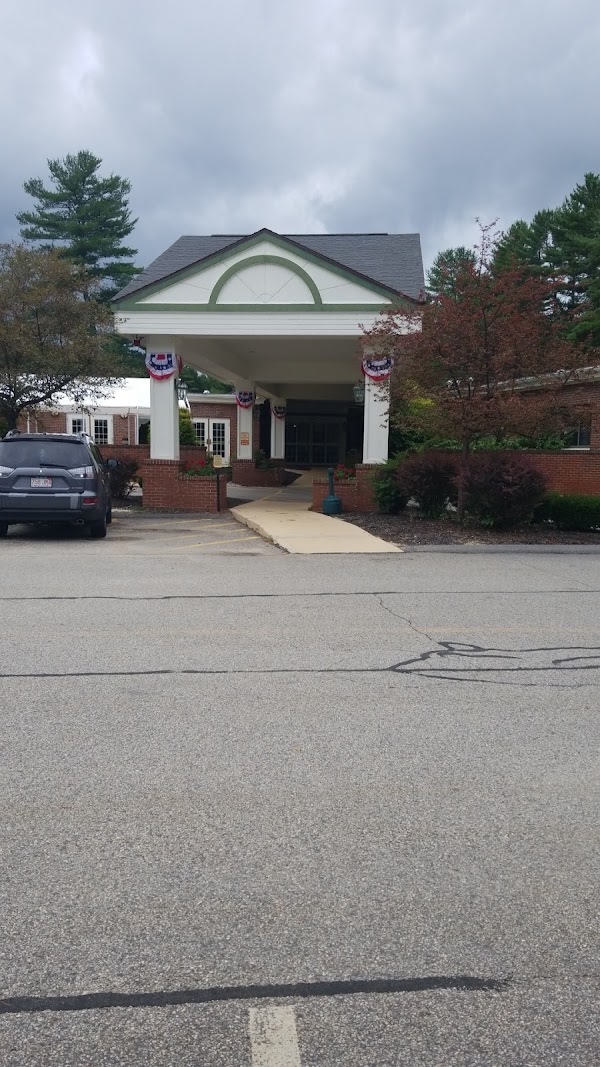
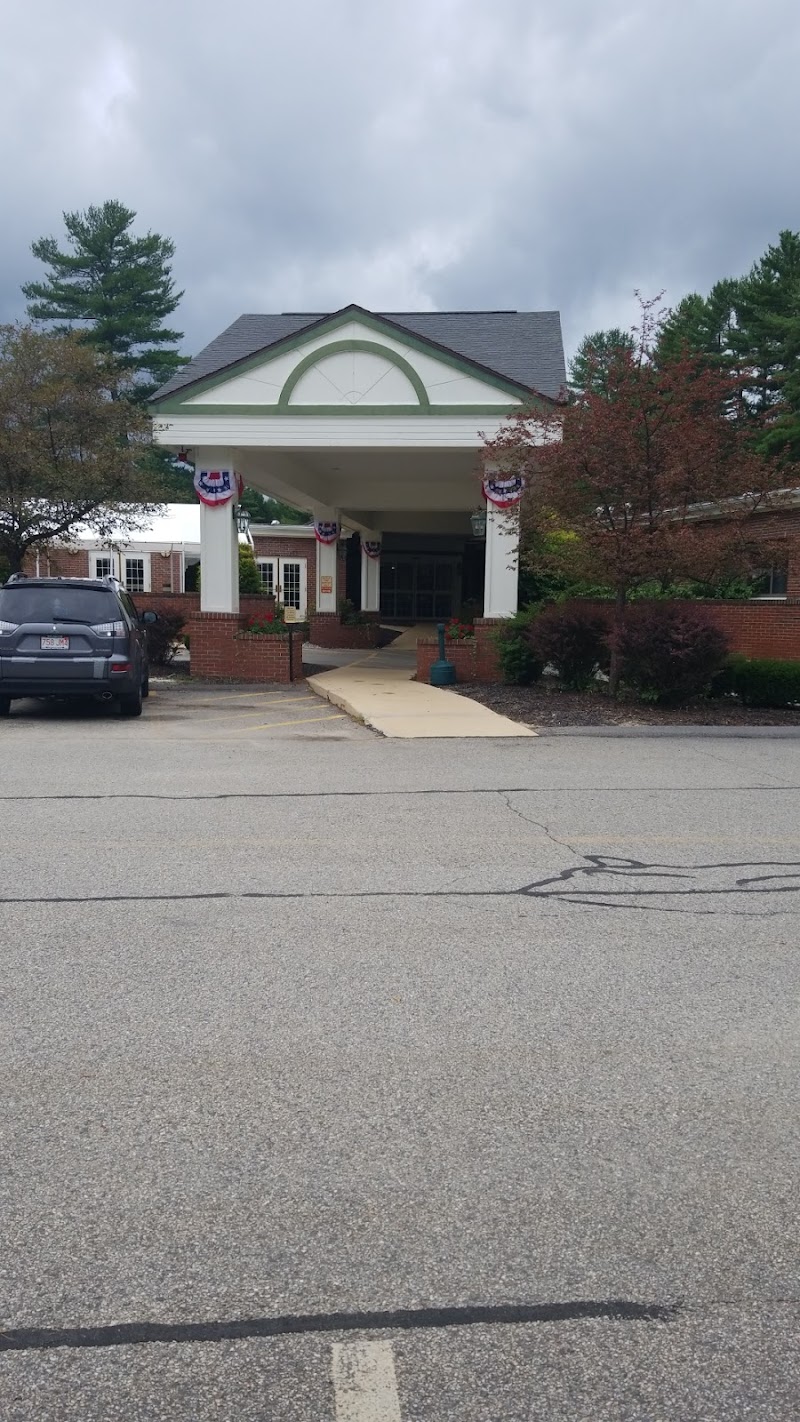
821 DANIEL SHAYS HIGHWAY, ATHOL, MA 01331 (978) 249-3717
For profit - Limited Liability company 142 Beds Independent Data: November 2025
Trust Grade
30/100
#239 of 338 in MA
Last Inspection: June 2024

Within standard 12-15 month inspection cycle. Federal law requires annual inspections.

Overview

Quabbin Valley Healthcare has received a Trust Grade of F, indicating significant concerns with its care quality. Ranking #239 out of 338 facilities in Massachusetts places it in the bottom half of the state, and #39 out of 50 in Worcester County, suggesting limited local options for better care. The facility is showing improvement, having reduced its issues from 14 in 2024 to just 2 in 2025, but it still faces serious staffing challenges, earning a low 1/5 star rating for staffing. Furthermore, the facility has been fined $62,250, which is more than 77% of similar facilities, indicating ongoing compliance issues. Specific incidents of concern include a resident who fell and fractured their hip due to inadequate supervision, and another resident who experienced abusive treatment during a transfer by staff. While the facility's staff turnover rate is commendable at 0%, suggesting stability, the serious nature of some incidents raises concerns about resident safety and care quality.

Trust Score
F
30/100
In Massachusetts
#239/338
Bottom 30%
Safety Record
High Risk
Review needed
Inspections
Getting Better
14 → 2 violations
Staff Stability
○ Average
Turnover data not reported for this facility.
Penalties
✓ Good
$62,250 in fines. Lower than most Massachusetts facilities. Relatively clean record.
Skilled Nurses
○ Average
RN staffing data not reported for this facility.
Violations
⚠ Watch
34 deficiencies on record. Higher than average. Multiple issues found across inspections.
★★☆☆☆
2.0
Overall Rating
★☆☆☆☆
1.0
Staff Levels
★★☆☆☆
2.0
Care Quality
★★★☆☆
3.0
Inspection Score
Stable
2024: 14 issues
2025: 2 issues

The Good

  • Full Sprinkler Coverage · Fire safety systems throughout facility
  • No fines on record

Facility shows strength in fire safety.

The Bad

2-Star Overall Rating

Below Massachusetts average (2.9)

Below average - review inspection findings carefully

Federal Fines: $62,250

Above median ($33,413)

Moderate penalties - review what triggered them

The Ugly 34 deficiencies on record

2 actual harm
Apr 2025 2 deficiencies
CONCERN (D) 📢 Someone Reported This

A family member, employee, or ombudsman was alarmed enough to file a formal complaint

Potential for Harm - no one hurt, but risky conditions existed

Deficiency F0918 (Tag F0918)

Could have caused harm · This affected 1 resident

**NOTE- TERMS IN BRACKETS HAVE BEEN EDITED TO PROTECT CONFIDENTIALITY** Based on observations, records reviewed, and interviews, for two of three sampled residents (#3 and #1), who required the use of...

Read full inspector narrative →
**NOTE- TERMS IN BRACKETS HAVE BEEN EDITED TO PROTECT CONFIDENTIALITY** Based on observations, records reviewed, and interviews, for two of three sampled residents (#3 and #1), who required the use of a wheelchair for mobility, the facility failed to ensure each residents room was equipped with or located near toilet/commode that they can access quickly, both residents ability to quickly access their bathrooms were restricted because the bathroom door size was smaller than the wheelchair. Findings include: 1. Resident #3 was admitted to the facility July 2024, and resided on the [NAME] Unit. Review of Resident #3's Quarterly Minimum Data Set (MDS), dated [DATE] indicated Resident #3 was cognitively intact as evidenced by a score of 14 out of 15 on his/her Brief Interview for Mental Status (BIMS) Assessment (0-7 suggests severe cognitive impairment, 8-12 suggests moderately impaired cognition, and 12-15 suggest a resident is cognitively intact). Further review of the MDS indicated Resident #3 had lower extremity range of motion impairment on both sides, required partial/moderate assistance (helper does up to fifty percent of the effort) to move from sit to stand and required partial/moderate assistance for toilet transfers. Review of Resident #3's Activities of Daily Living Care Plan, reviewed and renewed with his/her 01/21/25 MDS assessment, indicated interventions included transfer assistance from one staff member for a stand pivot transfer. On 04/09/25 at 8:00 A.M., Surveyor #2 observed CNA #1 push Resident #3's wheelchair up to the bathroom door in his/her room. Surveyor #2 observed Resident #3 reach for the hand rail inside the bathroom on the wall and pull his/herself up to a standing position while CNA #1 stood behind the wheelchair outside of the bathroom door, but not within reach of Resident #3. Shortly afterwards, CNA #1 approached Surveyor #2 and said Resident #3's wheelchair did not fit into the bathroom. During an interview on 04/09/25 at 1:10 P.M., Resident #3 said that his/her wheelchair does not fit through the door into the bathroom in his/her room. Resident #3 said to use the bathroom in his/her room, he/she has to get his/her wheelchair as far into the doorway as possible, at an angle to reach the grab bar on the wall inside the bathroom and pull him/herself up. Resident #3 said that if he/she can get out of the wheelchair, he/she has to take two steps to turn toward the toilet. Resident #3 said that a CNA usually stands at the door behind his/her wheelchair, out of reach, until he/she is standing. Resident #3 said there is a bathroom in the hall that is easier for him/her to use but that everybody and their brother uses that bathroom, that he/she has to wait and wait, sometimes he/she almost don't make it. During an observation and interview on 04/09/25 at 1:35 P.M., the Maintenance Director and Surveyor #2 obtained the following measurements: -Resident #3's bathroom door opening- 27 inches. -Resident #3 ' s wheelchair width-28 inches. The Maintenance Director said Resident #3's wheelchair does not fit through the bathroom door. The Maintenance Director said the [NAME] and [NAME] Units of the facility were not up to current building codes. 2. Review of Resident #1's Incident Report, dated 09/12/24, indicated Resident #1 bumped his/her right knee on the bathroom door casing in his/her room when he/she attempted to enter his/her bathroom while seated in his/her wheelchair. The Report indicated Resident #1's right knee was slightly swollen, and Resident #1 said the space in his/her room was too tight. During a telephone interview on 04/08/25 at 12:06 P.M., Visitor #1 said Resident #1's wheelchair could not fit into his/her bathroom when he/she resided on the [NAME] Unit. Visitor #1 said that Resident #1 was instead given a container to empty his/her urinary catheter bag contents into, because he/she could not access his/her bathroom to empty the urine into the toilet. Visitor #1 said Resident #1 was also unable to wash his/her hands when done emptying that catheter bag because he/she could not access the sink in the bathroom. Resident #1 was admitted to the facility in May 2024, diagnoses included neuropathic bladder (causes difficulty with urinating), colostomy (surgical opening from the colon to a pouch for stool collection), and chronic kidney disease. Review of Resident #1's Quarterly Minimum Data Set (MDS) assessment, dated 08/08/24, indicated Resident #1 had moderate cognitive impairment and scored 12 out of 15 on the Brief Interview for Mental Status (BIMS, scores indicate: 0-7 severe cognitive impairment, 8-12 moderate cognitive impairment, and 13-15 cognitively intact). Further review of the Assessment indicated Resident #1 was independent for wheelchair mobility, had an indwelling urinary catheter, and ambulating 10 feet was not attempted due to medical conditions or safety concerns. During an interview on 04/09/25 at 3:58 P.M., Nursing Supervisor #1 said she was on duty on 09/12/24 when Resident #1 bumped his/her right knee on his/her bathroom door casing. Nursing Supervisor #1 said the bathroom doors on the [NAME] and [NAME] Units were tiny and that most wheelchairs did not fit through the bathroom doorways. During an interview on 04/09/25 at 2:56 P.M., the Administrator said that they tried to place only residents who were ambulatory in the [small] rooms on [NAME]/[NAME] unit because the doorways to the bathrooms were small.
MINOR (B) 📢 Someone Reported This

A family member, employee, or ombudsman was alarmed enough to file a formal complaint

Minor Issue - procedural, no safety impact

Deficiency F0912 (Tag F0912)

Minor procedural issue · This affected multiple residents

**NOTE- TERMS IN BRACKETS HAVE BEEN EDITED TO PROTECT CONFIDENTIALITY** Based on observation, interviews and record reviews, for 14 resident rooms that housed two residents per room, located on two of...

Read full inspector narrative →
**NOTE- TERMS IN BRACKETS HAVE BEEN EDITED TO PROTECT CONFIDENTIALITY** Based on observation, interviews and record reviews, for 14 resident rooms that housed two residents per room, located on two of four nursing units, the facility failed to ensure each resident room measured the required square footage of 80 square feet per resident in a multi-bed bedroom. Findings include: On 04/09/25, at 7:50 A.M., the surveyor observed room [ROOM NUMBER], (occupied by two residents) which measured 75 square feet per resident, instead of the required 80 feet. Observations made by the surveyor throughout the day on 04/09/25 indicated the size of the impacted rooms did not compromise the health and safety of the residents residing in the rooms. The surveyor reviewed a photocopied letter, written by the facility Administrator, dated 04/21/23, to the Department of Public Health, regarding a continued waiver request for Rooms 101-105, 118-122, 124-126 and 128. The letter indicated that the rooms were in the section of the facility constructed in 1958, and that any attempts to enlarge them would be cost prohibitive, and/or result in the loss of available resident beds. During an interview on 04/09/25 at 4:30 P.M., the Administrator said she had no return correspondence from the Department of Public Health and that the location and number of residents in these rooms meets the residents ' needs.
Sept 2024 1 deficiency 1 Harm
SERIOUS (G) 📢 Someone Reported This

A family member, employee, or ombudsman was alarmed enough to file a formal complaint

Actual Harm - a resident was hurt due to facility failures

Accident Prevention (Tag F0689)

A resident was harmed · This affected 1 resident

**NOTE- TERMS IN BRACKETS HAVE BEEN EDITED TO PROTECT CONFIDENTIALITY** Based on records reviewed, interviews, and observations, for one of three sampled residents (Resident #3), who resided on a secu...

Read full inspector narrative →
**NOTE- TERMS IN BRACKETS HAVE BEEN EDITED TO PROTECT CONFIDENTIALITY** Based on records reviewed, interviews, and observations, for one of three sampled residents (Resident #3), who resided on a secure unit, had a history of wandering on the evening shift, and staff said they needed to have their eyes on Resident #3 while he/she was ambulating on the unit, the Facility failed to ensure he/she was provided an adequate level of staff supervision in an effort to maintain his/her safety and prevent a fall resulting in an injury, when on 08/25/24, although Resident #3 was out of bed and ambulating in the hallway, he/she was not being supervised by unit staff, Resident #3 fell in the hallway, complained of pain, was transferred to the Hospital Emergency Department (ED) and diagnosed with intertrochanteric (hip) fracture of the left femur, which required surgical intervention to repair. Findings include: Review of the Facility's Policy titled Activities of Daily Living (ADL) Support, dated June 2022, indicated the following: -Definition: Tasks related to personal care such as personal hygiene, toileting, feeding, ambulating, walking in the room and in the corridor. -Resident will perform self-care with ADLs at the level indicated on the Certified Nurse Aide (CNA) Care Plan or Care Card (used by CNAs to determine individual care needs). -Provide ambulation and transfer programs per the care plan. Review of the Report submitted by the Facility via the Health Care Facility Reporting System (HCFRS), dated 08/29/24, indicated that on 08/25/24 at 8:50 P.M., Resident #3 was observed on the floor in the hallway with his/her walker next to him/her. The Report indicated that Resident #3 was transferred to the Hospital ED and was found to have a (left) hip fracture. Review of the Facility's Investigation, which included written statements from the staff, indicated that on 08/25/24 at 8:50 P.M., Resident #3 was observed on the floor in the hallway with his/her walker next to him/her. The Investigation indicated Resident #3 required staff supervision (staff to have eyes on him/her) for ambulation, that he/she had ambulated in the hallway independently and fell. Review of Resident #3's Fall Report, dated 08/25/24 and completed by Nurse #1, indicated the following items were identified as factors relative to Resident #3's fall: -Predisposing Physiological Factors: confused, incontinent, gait imbalance, impaired memory, weakness. -Predisposing Situation Factors: ambulating without assistance, wanderer. Review of Resident #3's Hospital Discharge summary, dated [DATE], indicated Resident #3 sustained a left hip fracture and underwent surgical repair. Resident #3 was admitted to the Facility in September 2021, diagnoses included insomnia, anxiety disorder and vascular dementia. Review of Resident #3's Fall Risk Assessment, dated 07/10/24, indicated he/she was at risk for falls. Review of Resident #3's most recent Quarterly Minimum Data Set (MDS) Assessment, dated 07/10/24, indicated he/she scored a 3 out of 15 on his/her Brief Interview for Mental Status (BIMS) Assessment (0-7 suggests severe cognitive impairment, 8-12 suggests moderately impaired cognition, and 12-15 suggests a resident is cognitively intact). The MDS also indicated that he/she required staff supervision for ambulation (staff provides verbal cues or touching/steadying assistance as resident completes the activity) and had episodes of wandering. Review of Resident #3's Activities of Daily Living (ADL) Care Plan, reviewed and renewed with the most recent Quarterly MDS Assessment, indicated he/she required staff supervision for ambulation. Review of Resident #3's Elopement Risk Care Plan, reviewed with the most recent Quarterly MDS Assessment, indicated he/she was at risk for elopement and wandering due to impaired safety awareness. During an interview on 09/17/24 at 3:05 P.M., (which included review of her 08/25/24, Nurse Progress Note) Nurse #1 said on 08/25/24 at 8:50 P.M., she was in the Day Room reviewing Facility policies with a newly hired employee. Nurse #1 said it was her routine to spend most of the shift in the Unit Day Room. Nurse #1 said Resident #3 was well known to her and he/she often wandered the hallway of the unit. Nurse #1 said it was very common for Resident #3 to be up and about on the evening (3:00 P.M. to 11:00 P.M.) shift. Nurse #1 said Resident #3 had been in bed and had gotten up to use the bathroom in the hallway. Nurse #1 said that on 8/25/24, before Resident #3's fall, the two Certified Nurse Aides (CNAs) on duty for the evening on the shift had started their rounds, which they did together. Nurse #1 said because she was in the Day Room she could not see Resident #3 ambulating in the hallway. Nurse #1 said she heard a terrible crash in the hallway and ran out from the Day Room to see what happened. Nurse #1 said she observed Resident #3 on the floor in the hallway with his/her walker nearby. Nurse #1 said Resident #3 complained of significant left hip pain and was transferred to the Hospital ED for evaluation. On 09/17/24 at 9:38 A.M., the Surveyor made the following observation on the unit where Resident #3 resided. - The Day Room (where Nurse #1 was while Resident #3 was ambulating in the hallway) was located at the near end of the unit hallway. - The Unit hallway, or residents ambulating in the hallway, could not be seen (monitored) by staff from inside the Day Room. During a telephone interview on 09/17/24 at 2:07 P.M., (which included review of her 08/25/24, Post Fall CNA Report), Certified Nurse Aide (CNA ) #1 said she was familiar with Resident #3 and it was normal for him/her to be up at that time of night on the evening shift. CNA #1 said on 8/25/24, she and one other CNA (CNA #2) were on duty for the evening shift and were in a resident's room at the time of Resident #3's fall. CNA #1 said she heard Resident #3 yell and when she came out of the room, she saw Resident #3 on the floor in the hallway. CNA #1 said Resident #3 immediately complained of hip pain. During a telephone interview on 09/17/24 at 1:37 P.M., (which included review of her 08/25/24, Post Fall CNA Report), Certified Nurse Aide (CNA) #2 said Resident #3 was well known to her. CNA #2 said Resident #3 had also sustained a fall in July 2024 and since that fall, Resident #3 had been increasingly confused and had a shuffled gait, which was new for him/her. CNA #2 said not only did Resident #3 shuffle when he/she walked, but he/she also did so very quickly. CNA #2 said Resident #3 never stayed in bed, was up every 15 minutes, and was always looking to get up and go. CNA #2 said Resident #3 and all of the residents on the secured unit required supervision (having a resident within staff' members line of vision), but said it was not always possible because some residents required assistance of two staff members during care, which often left common areas (such as the hallway) unsupervised. During an interview on 09/17/24 at 1:20 P.M., (which included review of her 8/26/24, Falls Assessment Tool), Unit Manager #1 said she reviewed Resident #3's fall which occurred on 08/25/24 and she, along with other members of the Facility's clinical team, determined Resident #3 ambulated independently and did not have staff supervision at the time of his/her fall. Unit Manager #1 said Resident #3 should have been supervised by staff for ambulation. Unit Manager #1 said it was difficult with Resident #3 because he/she often spent time in the unit's Day Room where staff were able to adequately supervise him/her, but when Resident #3 was not in the Day Room staff may not have realized they needed to provide him/her with supervision during ambulation in the hallway. Unit Manager #1 said after Resident #3's fall on 8/25/24, his/her plan of care and care kardex's were updated and interventions included he/her requires assistance of one staff member with ambulation. During an interview on 09/17/24 at 4:02 P.M., the Director of Nurses (DON) said if a resident required supervision for ambulation, she expected staff to watch the resident from a safe distance during ambulation. The DON said in the case of Resident #3's fall on 08/25/24, the staff did not provide the required level of supervision during ambulation.
Aug 2024 1 deficiency
CONCERN (D) 📢 Someone Reported This

A family member, employee, or ombudsman was alarmed enough to file a formal complaint

Potential for Harm - no one hurt, but risky conditions existed

Deficiency F0604 (Tag F0604)

Could have caused harm · This affected 1 resident

Based on interviews and records reviewed, for one of three sampled residents (Resident #1) whose behaviors included disrobing and unsafe rising, the Facility failed to ensure Resident #1 was treated i...

Read full inspector narrative →
Based on interviews and records reviewed, for one of three sampled residents (Resident #1) whose behaviors included disrobing and unsafe rising, the Facility failed to ensure Resident #1 was treated in a dignified respectful manner which included being free from the use of a physical restraint imposed for the purpose of staff, when on 07/04/24 during the overnight shift, Certified Nurse Aide #1 placed a sheet across Resident #1's waist and tied it in the back of his/her reclining chair, to prevent Resident #1 from disrobing, while she left to provide care to other residents. Findings include: Review of the Facility Policy titled Physical Restraint, dated as revised on 06/10/16, indicated the resident has a right to be free from any physical or chemical restraints imposed for purposes of discipline or convenience, and not required to treat the resident's medical symptoms/conditions. The Policy defined a restraint as any manual method or physical or mechanical device, material or equipment attached or adjacent to the resident's body that the individual cannot remove easily, which restricts freedom of movement that could ordinarily occur, or normal access to one's body. The Policy defined convenience as any action taken by the facility to control or manage a resident's behavior with lesser amount of effort by the facility and not in the resident's best interest. Resident #1 was admitted to the Facility in December 2023, diagnoses included neurocognitive disorder with Lewy body (a type of progressive dementia that leads to a decline in thinking, reasoning and independent function), dementia with behavioral disturbance, and delusional disorder. Resident #1's Quarterly Minimum Data Set (MDS) Assessment, dated 05/08/24, indicated Resident #1 was severely cognitively impaired with a score of 6 out of 15 on the Brief Interview for Mental Status (BIMS, scores indicate: 0-7 severe cognitive impairment, 8-12 moderate cognitive impairment, and 13-15 cognitively intact). Further review of the Assessment indicated Resident #1 required substantial/maximum assistance from staff to transfer safely. Review of Resident #1's Behavior Care Plan, reviewed and renewed with his/her May 2024 Quarterly MDS, indicated his/her behaviors included impulsivity, disrobing, and resistance to care. Review of Resident #1's July 2024 Behavior Flowsheets indicated he/she frequently demonstrated episodes of unsafe rising from his/her chair and frequently disrobed during the evening and overnight shifts. During a telephone interview on 08/07/24 at 2:38 P.M., Certified Nurse Aide (CNA) #1 said that on 07/04/24 at 3:00 A.M., CNA #2 helped her transfer Resident #1 out of bed and into his/her reclining chair. CNA #1 said that around 3:30 A.M., while CNA #2 was on break, she supervised Resident #1 and two or more residents in the activity room. CNA #1 said that Resident #1 was restless and kept disrobing in his/her chair and a said another resident began yelling at him/her to put his/her clothes back on. CNA #1 said there were two residents that required immediate assistance with toileting, so she placed a sheet across Resident #1 waist area and tied it in the back of his/her chair to prevent him/her from disrobing, while she left to assist the other residents in the bathroom. CNA #1 said that at the time of the incident, CNA #2 was on break, and the nurse and a third CNA were on the other side of the locked doors. CNA #1 said she did not go to get help from the nurse or the CNA because she knew they were busy. CNA #1 said when she went back to check on Resident #1, she noticed he/she had fallen asleep in his/her chair. CNA #1 said that she was distracted while she was busy, and forgot to go back and untie the sheet from the back of Resident #1's chair before she left at the end of her shift. During an interview on 08/06/24 at 3:15 P.M., Certified Nurse Aide #2 said that on 07/04/24 at approximately 3:00 A.M., she helped CNA #1 transfer Resident #1 into his/her reclining chair, before she went on break. CNA #2 said that when she returned from break, Resident #1 was asleep in his/her chair, with a sheet placed over his/her lap. CNA #2 said that she did not notice anything out of the ordinary, because Resident #1 usually had a sheet or blanket on his/her lap, and said she had not noticed that the sheet was tied in the back. CNA #2 said that Resident #1 frequently disrobed during the overnight shift and that he/she was at risk for falling because he/she sometimes stood up from his/her chair without any assistance. Review of Certified Nurse Aide (CNA) #3's Written Witness Statement, dated 07/04/24, indicated that at 9:45 A.M. she attempted to transfer Resident #1 out of his/her chair, but he/she could not stand because he/she was restrained in the chair with a sheet. The Statement indicated that she (CNA #3) notified the nurse. During an interview on 08/06/24 at 1:40 P.M., Nurse #1 said that while he was working the day shift on 07/04/24, CNA #3 came to him at approximately 10:00 A.M., and reported that Resident #1 was tied in his/her chair. Nurse #1 said he observed that Resident #1 had a sheet across his/her waist that was tied behind the chair. Nurse #1 said the sheet become wedged in the side of the chair and he needed to cut the sheet to release it. Nurse #1 said that Resident #1's manner was calm at the time of the observation and said he/she was at his/her baseline for the remainder of the shift. During an interview on 08/06/24 at 12:58 P.M., Social Worker #1 said that she met with Resident #1 on 07/05/24, and said he/she had no recollection of the incident, and he/she did not appear to be in any distress. During an interview on 08/06/24 at 1:51 P.M., Unit Manager #1 said that on 07/04/24 when she and the Director of Nurses interviewed CNA #1 by telephone, CNA #1 admitted that she tied the sheet that was across Resident #1's waist, in the back of his/her chair, to keep him from disrobing and that CNA #1 had referred to the incident as a lapse in judgement. During an interview on 08/06/24 at 3:55 P.M., The Director of Nurses (DON) said that the Facility prides itself in being restraint free and said CNA #1 should not have tied the sheet, that was across Resident #1's waist, behind his/her chair as a way to prevent him/her from disrobing. The DON said that tying a sheet around a resident in his/her chair was not an appropriate behavioral intervention and said that it was considered a restraint. The DON said the Facility's investigation substantiated the improper use of a physical restraint and CNA #1 was terminated.
Jun 2024 7 deficiencies
CONCERN (D)

Potential for Harm - no one hurt, but risky conditions existed

Transfer Requirements (Tag F0622)

Could have caused harm · This affected 1 resident

Based on record review and interview, the facility failed to ensure the required transfer documentation was completed and that the transfer documentation communicated the appropriate information to th...

Read full inspector narrative →
Based on record review and interview, the facility failed to ensure the required transfer documentation was completed and that the transfer documentation communicated the appropriate information to the receiving health care institution for one Resident (#16), out of a total sample of 25 residents. Specifically, the facility failed to ensure Resident #16 was transferred to the emergency room with a form that included important information relative to the Resident's medical history and the reason for transfer, putting the Resident at risk for complications and adverse events upon transfer to the hospital. Findings include: Review of the facility's policy titled Transfer and Discharge Policies and Procedures, undated, indicated the following: -Should it become necessary to make an emergency transfer or discharge to a hospital .the facility will implement the following procedures (in part): 4. Prepare a transfer form to send with the resident. Resident #16 was admitted to the facility in August 2018 with diagnoses that included: Anxiety Disorder (mental health disorder characterized by feelings of worry, anxiety, or fear that are strong enough to interfere with daily activities), COPD (Chronic Obstructive Pulmonary Disease, a chronic lung disorder that causes restricted airflow in the lungs and difficulty breathing) and CHF (Congestive Heart Failure: caused when the heart is unable to pump blood effectively resulting in fluid build-up in the lungs, arms, feet and other organs). Review of the Nurse's Note, dated 3/6/24, indicated that Resident #16 was transferred to the hospital for evaluation after indicating to the staff that he/she could not breathe. Further review of the Resident's medical record indicated no documented evidence of any discharge paperwork that included the Resident's Advanced Directives (legal documents that provide instructions for medical care and only go into effect if you are unable to communicate your own wishes), any specific instructions or precautions for ongoing care, and/or provider information for the hospital transfer on 3/6/24. During an interview on 6/13/24 at 9:42 A.M., Unit Manager (UM) #2 said when a Resident is sent out to the hospital the following is expected to be completed: transfer form, change in condition and/or a Nurse's note. UM #2 said that a copy of the Resident's Advanced Directives, a face sheet (a form that contains pertinent billing and demographics information relative to the resident), a medication list, the activated Health Care Proxy (HCP- the person chosen as the healthcare decision maker when the individual is unable to do so for themself) or Guardian (a person appointed by the court to make decisions on behalf of someone else) information if applicable, as well as any recent labs or x-rays. UM #2 said that if the assessments are not completed in the electronic medical record (EMR) then it is assumed that the assessments were not completed and sent with the Resident as required. The surveyor and UM #2 reviewed the transfer form and noted that it had been initiated on 3/6/24 but not completed. The surveyor and UM #2 also reviewed the Nurse's note from 3/6/24 which indicated that Resident #16 was sent out to the emergency room per the Resident's request. UM #2 said that the appropriate documentation should have been sent with the Resident to the hospital but was not as required.
CONCERN (D)

Potential for Harm - no one hurt, but risky conditions existed

Respiratory Care (Tag F0695)

Could have caused harm · This affected 1 resident

2. Resident #54 was admitted to the facility in January 2023, with a diagnosis of Chronic Obstructive Pulmonary Disease. On 6/11/24 at 9:25 A.M., the surveyor observed the nebulizer device on the wind...

Read full inspector narrative →
2. Resident #54 was admitted to the facility in January 2023, with a diagnosis of Chronic Obstructive Pulmonary Disease. On 6/11/24 at 9:25 A.M., the surveyor observed the nebulizer device on the windowsill in the Resident's room, with the tubing hanging down and dated 5/27/24. The surveyor further observed that the nebulizer tubing was not stored in a plastic bag. Review of the Resident's June 2024 Physician's orders included: -Change all O2 (oxygen) tubing and neb (nebulizer) tubing weekly on Sundays, start date 2/5/23 -Ipratropium-Albuterol Solution (a combination of medications used to treat COPD) 0.5-2.5 (3) mg (milligrams)/3 ml (milliliters). 1 vial inhale orally (by mouth) via nebulizer four times a day for SOB (shortness of breath) .start date 6/5/24 Review of the Resident's June 2024 Medication Administration Record (MAR) indicated that the Resident received the Ipratropium-Albuterol Solution medication via nebulizer four times a day as ordered from 6/5/24 through 6/13/24. Review of the Resident's June 2024 Treatment Administration Record (TAR) indicated that the nebulizer set/tubing was changed as ordered on 6/2/24 and 6/9/24. On 6/13/24 at 8:49 A.M., the surveyor and Unit Manager (UM) #1 observed the Resident's nebulizer set tubing dated 5/27/24, and reviewed the TAR which indicated that the nebulizer set tubing had been changed on 6/2/24 and 6/9/24. UM #1 reviewed the Resident's nebulizer set tubing and confirmed that the tubing was dated 5/27/24 and was not stored in a plastic bag. UM #1 said that the nebulizer tubing had not been changed since 5/27/24 according to the labeled tubing, and that the TAR which indicated that the nebulizer tubing had been changed on 6/2/24 and 6/9/24 was inaccurate. UM #1 said that the nebulizer tubing should be changed weekly and placed in a plastic bag when not in use. UM #1 said that the nebulizer tubing was not changed or stored as it should have been and that the TAR which indicated the nebulizer tubing had been changed on 6/2/24 and 6/9/24 was not accurate. Please Refer to F842 Based on observation, interview, and record review, the facility failed to provide necessary respiratory care and services in accordance with professional standards of practice for two Residents (#12 and #54) out of a total sample of 25 residents. Specifically, the facility failed to ensure that: 1. -Resident #12 was administered the appropriate liter per minute (LPM - flow rate of supplemental Oxygen [O2] ) of Oxygen as ordered by the Physician. -Resident #12's oxygen equipment was appropriately maintained in a safe and functional manner. 2. Resident #54's nebulizer set/tubing (drug delivery device used to administer medication in the form of a mist inhaled into the lungs) was changed weekly as ordered by the Physician. Findings include: Review of the facility policy titled Nasal Cannula, dated April 2022, indicated the following: -Verify physician orders -Set flow meter by Physician order Review of the facility policy title Transfilling or Portable Liquid Oxygen Units, dated April 2022, indicated the following: -Make sure the connectors are clean and cry [sic] in order to avoid freezing. Review of the facility policy titled Equipment Change/Disinfection, dated 4/2022, included: .nebulizer compressors .Date equipment when changed or cleaned. Review of the AARC (American Association for Respiratory Care) Clinical Practice Guideline, updated 2014: https://www.aarc.org/wp-content/uploads/2014/08/08.07.1063.pdf indicates: -All oxygen must be prescribed and dispensed in accordance with federal, state, and local laws and regulations. -Oxygen is a medical gas and should only be dispensed in accordance with all federal, state, and local laws and regulations. -Undesirable results or events may result from noncompliance with Physicians' orders or inadequate instruction for oxygen therapy. -There is a potential in some spontaneously breathing hypoxemic patients with hypercapnia [high carbon dioxide levels in the blood) and chronic obstructive pulmonary disease that oxygen administration may lead to an increase in PaCO2. -Equipment maintenance and supervision: All oxygen delivery equipment should be checked at least once daily Facets to be assessed include proper function of the equipment, prescribed flowrates, remaining liquid or compressed gas content, and backup supply. 1. Resident #12 was admitted to the facility in May 2024, with diagnoses including Acute Respiratory Failure (ARF-a life-threatening condition where the lungs cannot provide enough oxygen to the body or remove enough carbon dioxide from the body), Chronic Obstructive Pulmonary Disease (COPD-a chronic lung disorder resulting in blocked air flow in the lungs and difficulty breathing). Review of the June 2024 Physician's orders indicated the following: -O2 via Nasal Cannula (flexible tubing that delivers Oxygen through the nostrils) @ (at) 0-4 LPM, initiated on 8/1/23. On 6/11/24 at 11:35 A.M., the surveyor observed Resident #12 seated in a wheelchair in the dining room wearing a nasal cannula that was attached to a portable O2 tank, that was hanging from the back of the Resident's wheelchair. The surveyor observed that there was a buildup of frost on the portable tank, and rising about 12 inches up the tubing from the tank. The surveyor was unable to read the Oxygen liter flow because it was covered by frost. When the surveyor asked Nurse #2 to observe the O2 tank, Nurse #2 said that the tank and the tubing should not have frost on either equipment. Nurse #2 also said that she was unable to see the set liter flow. Nurse #2 then rubbed the frost off the tank and read the liter flow that was set to 6 LPM. The surveyor and Nurse #2 reviewed the Resident's orders and Nurse #2 said per the oxygen order the liter flow should be set between 0-4 LPM. Nurse #2 further said that the liter flow was set too high for the Resident and the portable O2 tank should not have frost build-up on it.
CONCERN (D)

Potential for Harm - no one hurt, but risky conditions existed

Medical Records (Tag F0842)

Could have caused harm · This affected 1 resident

Based on observation, record review and interview, the facility failed to maintain accurate medical records in accordance with professional standards and practices for one Resident (#54) out of a tota...

Read full inspector narrative →
Based on observation, record review and interview, the facility failed to maintain accurate medical records in accordance with professional standards and practices for one Resident (#54) out of a total sample of 25 residents. Specifically, for Resident #54 the facility staff inaccurately documented that a nebulizer (drug delivery device used to administer medication in the form of a mist inhaled into the lungs) set/tubing was changed as ordered. Findings include: Resident #54 was admitted to the facility in January 2023 with a diagnosis of Chronic Obstructive Pulmonary Disease (COPD - a group of lung diseases that block airflow and make it difficult to breathe). Review of the facility policy titled Equipment Change/Disinfection, dated 4/2022, included: .nebulizer compressors .Date equipment when changed or cleaned. On 6/11/24 at 9:25 A.M., the surveyor observed the nebulizer setup on the windowsill in the Resident's room, with the tubing hanging down and dated 5/27/24. Review of the Resident's June 2024 Physician's orders included: -Change all O2 (oxygen) tubing and neb (nebulizer) tubing weekly on Sundays, start date 2/5/23 -Ipratropium-Albuterol Solution (a combination of medications used to treat COPD) 0.5-2.5 (3) MG (milligrams)/3ML (milliliters). 1 vial inhale orally (by mouth) via nebulizer four times a day for SOB (shortness of breath) .start date 6/5/24 Review of the Resident's June 2024 Medication Administration Record (MAR) indicated that the Resident received the Ipratropium-Albuterol Solution medication via nebulizer four times a day as ordered from 6/5/24 through 6/13/24. Review of the Resident's June 2024 Treatment Administration Record (TAR) indicated that the nebulizer set/tubing was changed as ordered on 6/2/24 and 6/9/24. On 6/13/24 at 8:49 A.M., the surveyor and Unit Manager (UM) #1 observed the Resident's nebulizer set/tubing dated 5/27/24, and reviewed the TAR that indicated the nebulizer set/tubing had been changed on 6/2/24 and 6/9/24. UM #1 confirmed that the nebulizer set/tubing was dated 5/27/24, and said that the tubing had not been changed since 5/27/24 according to the label. UM #1 said the TAR documentation that indicated the nebulizer tubing had been changed on 6/2/24 and 6/9/24 was inaccurate. UM #1 said that the nebulizer tubing should be changed weekly but was not changed, and that the TAR which indicated the nebulizer tubing had been changed on 6/2/24 and 6/9/24 was not accurate.
CONCERN (D)

Potential for Harm - no one hurt, but risky conditions existed

Infection Control (Tag F0880)

Could have caused harm · This affected 1 resident

**NOTE- TERMS IN BRACKETS HAVE BEEN EDITED TO PROTECT CONFIDENTIALITY** 2. Resident #111 was admitted to the facility in April 2024, with diagnoses including Urinary Tract Infection (UTI: bacterial in...

Read full inspector narrative →
**NOTE- TERMS IN BRACKETS HAVE BEEN EDITED TO PROTECT CONFIDENTIALITY** 2. Resident #111 was admitted to the facility in April 2024, with diagnoses including Urinary Tract Infection (UTI: bacterial infection of the urinary tract). Review of facility policy titled Indwelling Urinary Catheter, dated 7/2022, indicated: -It is the purpose of this policy to protect our residents from both infectious and noninfectious harms associated with the presence of indwelling urinary catheters, our staff members should follow evidenced based infection prevention practices to maintain their [resident] safety when inserting and handling indwelling urinary catheters. -Drainage bags should be placed in a basin, covered with a plastic bag and stored in the lower level of the nightstand when not in use. Review of the Minimum Data Set (MDS) assessment dated [DATE], indicated that Resident #111 was moderately cognitively impaired as indicated by a score of nine out of a total score of 15 on the Brief Interview for Mental Status (BIMS) assessment. Review of Resident #111's Physician's orders for June 2024 indicated the following: -Foley Catheter 14 Fr (French scale or system used to measure catheters - a 4.7 millimeter diameter urinary catheter) with 30 ml balloon (a balloon filled with 30 milliliters of saline to prevent catheter dislodgement from the bladder) to continuous drainage for Obstructive Uropathy (a disorder of the urinary tract that occurs due to obstructed urine flow). -Output only: empty catheter, measure and record every shift. Review of Resident #111's care plan last revised on 5/29/24 indicated: -The Resident had a Foley catheter 14 Fr, 30 ml balloon. On 6/11/24 at 10:42 A.M., the surveyor observed the urinary drainage bag of Resident #111 hanging on the bathroom handrail on the right hand side of the toilet in the in Resident #111's bathroom. The surveyor observed that the urinary drainage bag was not in a basin or covered by a plastic bag. On 6/12/24 at 10:11 A.M., the surveyor observed the urinary drainage bag of Resident #111 hanging on the bathroom handrail on the right hand side of the toilet, with the connection tip uncovered and touching the bathroom wall. The surveyor observed that the urinary drainage bag was not in a basin or covered by a plastic bag. During an interview on 6/12/24 at 10:38 A.M., Certified Nurses Aide (CNA) #1 said Resident #111 required assistance with all care including catheter care. CNA #1 further said that Resident #111 had a large urinary drainage bag which was worn at night and then Resident #111 was changed by staff to a small urinary drainage leg bag for day time comfort. CNA #1 said she rinsed the large urinary drainage bag with water and put the large urinary drainage bag on the bathroom handrail so that staff would know where the urinary drainage bag was. CNA #1 said the large urinary drainage bag should be stored in a plastic bag to keep the urinary drainage bag from getting dirty and getting the bathroom area dirty. CNA #1 said the urinary drainage bag was uncovered and there was no plastic storage bag available in the Resident's room. CNA #1 said germs could get on the large urinary drainage bag if it was not kept clean in the plastic storage bag. During an interview on 6/13/24 at 10:30 A.M., with CNA #2 who was familiar with Resident #111, CNA #2 said urinary drainage bags should be stored in a plastic bag and then hung on the bathroom handrail when not in use. During an interview on 6/13/24 at 10:40 A.M., Unit Manager (UM) #1 said urinary drainage bags should be placed in a plastic bag in the Residents' bathroom, when not in use. During an interview on 6/13/24 at 10:53 A.M., The IP Nurse said staff were expected to follow the policy for storing urinary drainage bags. The IP Nurse said when urinary drainage bags are not in use, the urinary drainage bags should to be stored in a clean plastic bag to prevent bacteria from contacting the equipment. The IP Nurse also said storing drainage bags on the bathroom handrail, uncovered, puts the resident at risk for urinary infection. Based on interview and record review, the facility failed to maintain infection control measures to prevent the development and transmission of communicable diseases and infections for one Resident (#25) and implement procedures for prevention of infection of one Resident (#111), out of nine applicable residents that had an indwelling urinary catheter (a flexible tube used to empty the bladder and collect urine in a drainage bag), out of a total sample of 25 residents. Specifically, the facility failed to: 1. For Resident #25, implement COVID-19 protocol for the Resident on Transmission Based Precautions (infection control precautions taken to prevent the spread of disease), to ensure that COVID-19 testing was done immediately during an outbreak once it was identified Resident #25 had possible signs and symptoms of COVID-19. 2. For Resident #111, appropriately store the urinary drainage bag when not in use, placing Resident #111 at risk for contamination of the drainage bag and infection when the urinary drainage bag was being stored in the Resident's bathroom on a handrail next to the toilet. Findings include: 1. Resident #25 was admitted to the facility in May 2024. Review of the facility policy titled COVID-19 Prevention and Control, revised 11/17/22, indicated the following: -Outbreak Testing >The facility should immediately test any symptomatic resident or staff member. Review of the COVID-19 Outbreak Documentation provided to the surveyors on 6/11/24 at the time of survey entrance, indicated the first cases of an outbreak of COVID-19 were identified on 6/1/24, on the Unit where Resident #25 resided. On 6/17/24 at 9:36 A.M., the Infection Preventionist (IP) said the COVID-19 outbreak on the Unit where Resident #25 resided started on 6/1/24. The IP said staff were to monitor all residents for signs and symptoms of COVID-19 such as changes in respiratory status for example cough, shortness of breath, and also monitor for gastrointestinal (GI)changes for example diarrhea. The IP said if changes in respiratory status or GI changes were noted, then the resident was to be immediately tested for COVID-19. Review of the Nursing Progress Note dated 6/3/24, indicated that Resident #25 had a productive cough (cough that produces mucus), decrease in appetite, nausea, vomiting, and was not feeling well. Review of the Nursing Progress Note dated 6/5/24, indicated that Resident #25 had a productive cough and expiratory wheezing (wheezing that can be heard as someone exhales). Review of the Nursing Progress Note dated 6/7/24, indicated that Resident #25 requested to be tested for COVID-19 as he/she was still not feeling well. Further review of the Nursing Progress Note indicated that Resident #25 tested positive for COVID-19 (four days after the initial onset of symptoms that could be COVID-19 symptoms were documented). Review of the Resident's medical record indicated no documentation that Resident #25 was tested for COVID-19 prior to his/her request to be tested on [DATE] or when he/she first began exhibiting possible symptoms of COVID-19. During an interview on 6/17/24 at 11:16 A.M., the IP said Resident #25 should have been tested immediately after showing possible signs and symptoms of COVID-19 on 6/3/24, and he/she was not tested until 6/7/24 when he/she requested to be tested.
CONCERN (D)

Potential for Harm - no one hurt, but risky conditions existed

Deficiency F0883 (Tag F0883)

Could have caused harm · This affected 1 resident

**NOTE- TERMS IN BRACKETS HAVE BEEN EDITED TO PROTECT CONFIDENTIALITY** 2. Resident #23 was admitted to the facility in September 2021 with diagnoses including Emphysema (a chronic lung condition wher...

Read full inspector narrative →
**NOTE- TERMS IN BRACKETS HAVE BEEN EDITED TO PROTECT CONFIDENTIALITY** 2. Resident #23 was admitted to the facility in September 2021 with diagnoses including Emphysema (a chronic lung condition where air is abnormally present in the lungs causing shortness of breath) and Chronic Kidney Disease (CKD - when the kidneys are damaged and cannot filter waste and fluids from the blood) and was over the age of 65. Review of the Minimum Data Set (MDS) dated [DATE], indicated that Resident #23 was severely cognitively impaired. as evidenced by a Brief Interview for Mental Status (BIMS) score of three out of a total score of 15. Review of the Medical Record for Resident #23 indicated that the HCP was activated on 9/7/21. Further Review of the Medical Record for Resident #23 indicated that the PPSV23 had been received by Resident #23 on 9/27/15, and PCV13 had been received on 11/27/17. Review of the Adult Vaccine Consent Form, signed by Resident #23's HCP on 9/7/21, indicated consent for Pneumococcal Vaccine administration per CDC guidelines in the facility. During an interview on 6/12/24 at 11:48 A.M., the IP Nurse said the facility follows CDC guidelines for vaccination of the residents in the facility. The IP Nurse said Resident #23's Physician had directed the IP Nurse to bring Resident #23 current for all vaccinations when due. The IP Nurse said Resident #23 was eligible on 11/27/22 to receive the PCV20. The IP Nurse also said that Resident #23 had not been offered or administered the PCV20 as yet and so was at risk for Pneumococcal infections due to living in a high risk environment, age and comorbid diagnoses. Based on interview, record and policy review, the facility failed to ensure that the Pneumococcal (any infection caused by bacteria called Streptococcus pneumoniae, or pneumococcus that can range from ear and sinus infections to pneumonia and blood stream infections) Vaccination was administered to two Residents (#16 and #23) for five applicable residents, out of a total sample of 25 residents, increasing the Resident's risk for facility acquired Pneumococcal infections. Specifically, the facility failed to: 1. offer and administer the Pneumococcal Vaccine to Resident #16 when he/she became eligible. 2. ensure that staff offered and administered an updated Pneumococcal Vaccination to Resident #23 within the appropriate timeframe as indicated by CDC (Centers for Disease Control) guidelines. Findings include: Review of the facility's policy, titled Immunizations and Vaccines-Residents, revised February 2024, indicated the following: -It is the policy of the facility that all residents receive immunizations and vaccinations that assist in preventing infectious diseases, unless medically contraindicated, or otherwise ordered by the resident's attending physician, or refused by the resident or residents activated HCP (Health Care Proxy - the person chosen as the healthcare decision maker when the individual is unable to do so for themself). -Vaccine information statements and consent for Pneumococcal, Influenza, and Covid-19 will be a part of the resident's admission packet. Consent for these vaccinations will be obtained from the resident or resident representative at the time of admission. -For adults who have received the PCV13 at any age and the PPSV23 (Pneumovax 23: vaccine used to help protect against serious infections caused by 23 types of pneumococcal bacteria) after age [AGE] years: used shared clinical decision making to decide whether to administer PCV20. Review of CDC (Center for Disease Control and Prevention) guidelines titled Pneumococcal Vaccination Timeline for Adults, dated 3/15/23, indicated the following for adults aged 65 years and older: -If the following vaccines series has been completed: PCV (Pneumococcal Conjugate Vaccine) 13 at any age & PPSV (Pneumococcal Polysaccharide Vaccine ) 23 at [AGE] years of age or older, then together with the patient, vaccine Providers may choose to administer PCV20 to adults [AGE] years of age or older, who already received PCV13 (but not PCV15 or PCV20) at any age and PPSV23 at or after the age of [AGE] years old. 1. Resident #16 was admitted to the facility in August 2018, with diagnoses including COPD (Chronic Obstructive Pulmonary Disease, a chronic lung disorder resulting in blocked air flow in the lungs and difficulty breathing). Review of Resident #16's medical record indicated that he/she received a Pneumococcal Vaccination on 3/31/09 and the PCV23 Vaccine on 9/6/18. During an interview on 6/13/24 at 1:01 P.M., the Infection Preventionist (IP) said that the Resident received the first two Pneumococcal Vaccinations and that according to the CDC guidelines, the Provider was to review the Resident record and have a conversation with the Resident/Representative to determine if it was appropriate to administer another Pneumococcal Vaccination. The IP said that the Provider had been in the facility within the past few weeks, had reviewed the Resident record and determined that Resident #16 was eligible to receive the next appropriate dose. The IP said that the Resident became eligible in September 2023 and should have been offered and administered the Pneumococcal Vaccination at that time. During a follow-up interview on 6/17/24 at 10:27 A.M., the surveyor and the IP reviewed the Pneumococcal Vaccination Consent Form, signed in 2018 by the activated HCP indicating the Resident Representative consented for Resident #16 to receive the Pneumococcal Vaccine. The IP said that when the Resident became eligible the Pneumococcal Vaccine should have been offered and was not.
CONCERN (E)

Potential for Harm - no one hurt, but risky conditions existed

Deficiency F0773 (Tag F0773)

Could have caused harm · This affected multiple residents

Based on interview and record review, the facility failed to obtain Physician's orders prior to obtaining laboratory testing for three Residents (#25, #103, and #112) out of a total sample of three re...

Read full inspector narrative →
Based on interview and record review, the facility failed to obtain Physician's orders prior to obtaining laboratory testing for three Residents (#25, #103, and #112) out of a total sample of three residents. Specifically, the facility failed to: -For Residents #25, #103, and #112, obtain a Physician's order for COVID-19 rapid testing prior to administering a COVID-19 Rapid Test (type of COVID-19 testing which provides rapid test results) for each of the Residents. Findings Include: 1. Resident #25 was admitted to the facility in May 2024. Review of the Nursing Progress Note dated 6/7/24, indicated that Resident #25 was administered a COVID-19 rapid test. Review of Resident #25's June 2024 Physician's orders indicated no documentation that Resident #25 had an order for COVID-19 rapid testing. 2. Resident #103 was admitted to the facility in October 2023. Review of the Nursing Progress Note dated 6/1/24, indicated Resident #103 was administered a COVID-19 rapid test. Review of Resident #103's June 2024 Physician's orders indicated no documentation that Resident #103 had an order for COVID-19 rapid testing. 3. Resident #112 was admitted to the facility in May 2024. Review of the Nursing Progress Note dated 6/1/24, indicated Resident #112 was administered a COVID-19 rapid test. Review of Resident #112's June 2024 Physician's orders indicated no documentation that Resident #112 had an order for COVID-19 rapid testing. During an interview on 6/17/24 at 12:57 P.M., the Infection Preventionist (IP) said all Resident's should have a Physician's order in place for COVID-19 rapid testing. The surveyor and the IP reviewed Residents #25, #103, and #112's medical records and the IP said Resident's #25, #103, and #112 did not have orders in place for COVID-19 rapid testing. The IP said the orders should have been placed into the Residents medical records at the time the Residents were admitted to the facility.
MINOR (B)

Minor Issue - procedural, no safety impact

Deficiency F0912 (Tag F0912)

Minor procedural issue · This affected multiple residents

Based on observation, interview, and document review, the facility failed to ensure 15 resident bedrooms measured the required square footage of 80 square feet per resident in a multi-bed bedroom. Spe...

Read full inspector narrative →
Based on observation, interview, and document review, the facility failed to ensure 15 resident bedrooms measured the required square footage of 80 square feet per resident in a multi-bed bedroom. Specifically, Rooms 101 - 105, 107, 118 - 122, 124 - 126, and 128, were found to measure 75 square feet per resident, and not the required 80 square feet. Findings include: On 6/17/24 at 1:24 P.M., the surveyor observed the following rooms: 101 - 105, 107, 118 - 122, 124 - 126, and 128 which measured 75 square feet per resident, instead of the required 80 square feet. Observations made by the surveyor throughout the survey period from 4/11/24 through 4/14/24, and on 4/17/24 revealed that the size of the impacted rooms did not compromise the health and safety of the residents residing in the rooms. The surveyor reviewed a photocopied, certified letter signed by the Administrator to the Department of Public Health dated 5/30/24, regarding waiver requests for Rooms 101 - 105, 107, 118 - 122, 124 - 126, and 128. The Administrator provided the surveyor a photocopy of the original request dated 8/25/2006. During an interview and document review on 6/17/24 at 1:30 P.M., the Administrator said that he sent a letter to the Department of Public Health (DPH) on 5/30/24 to request a waiver due to low square footage in Rooms 101 - 105, 107, 118 - 122, 124 - 126, and 128 which stated the rooms were located in the 1958 construction of the facility and any attempts to enlarge them would be cost prohibitive, and/or result in the loss of available resident beds. The Administrator said that he has not yet received return correspondence from DPH. The Administrator further said the room sizes did not affect the health and safety of the residents who reside in them.
May 2024 3 deficiencies 1 Harm
SERIOUS (G) 📢 Someone Reported This

A family member, employee, or ombudsman was alarmed enough to file a formal complaint

Actual Harm - a resident was hurt due to facility failures

Free from Abuse/Neglect (Tag F0600)

A resident was harmed · This affected 1 resident

Based on record reviewed and interviews, for two of three sampled residents (Resident #1 who was severely cognitively impaired and required assistance from staff for mobility and Resident #2 who was c...

Read full inspector narrative →
Based on record reviewed and interviews, for two of three sampled residents (Resident #1 who was severely cognitively impaired and required assistance from staff for mobility and Resident #2 who was cognitively intact and dependent on his/her call light to alert staff of his/her needs), the Facility failed to ensure they were free from abuse by a staff member when: A). On 03/28/24 at approximately 6:00 P.M., Certified Nurse Aide (CNA) #1, was witnessed by Visitor #1 as she forcefully transferred Resident #1 to his/her bed. CNA #1 was then witnessed by both Visitor #1 and Nurse #1, as she forcefully pushed Resident #1 down on his/her bed when he/she tried to get up. Resident #1 was visibly upset and trembling after the incident, was fearful during a skin assessment on the following day, and was found to have three new bruises and two reddened areas on his/her left hand and collarbone that were not present, prior to the incident. B). On 04/03/24 (exact times unknown) CNA #3, was witnessed by Nurse Aide #A as she removed the call light, more than once, away from and out of Resident #2's reach and was heard telling Resident #2 that he/she was in a time-out for using the call light too much, leaving him/her without a way to request staff assistance, if needed. Findings include: Review of the Facility Policy, titled Abuse Policy and Procedure, dated as revised in 2024, indicated it is the policy of the Facility to maintain an environment free of abuse, neglect, and exploitation. The resident has the right to be free from verbal, sexual, physical, and mental abuse, corporal punishment, deprivation, and involuntary seclusion. Residents will not be subjected to abuse by anyone including, but not limited to any staff, other residents, consultants, volunteers, staff, or other agencies serving the residents, family members or legal guardians, friends, or other individuals, (caretakers). A) Resident #1 was admitted to the Facility in October 2023 with diagnoses including generalized anxiety disorder, unspecified dementia without behavioral disturbance, psychotic disturbance, mood disturbance and anxiety. Resident #1's most recent Minimum Data Set (MDS) Assessment, dated 03/20/24, indicated his/her cognitive skills for daily decision making were severely impaired. The Assessment also indicated Resident #1 required moderate assistance from staff for transfers and he/she was dependent on staff for activities of daily living (ADLs). Review of Resident #1's Nurses Note, dated 03/28/24, indicated Visitor #1 ran into the day room in distress and said, you need to come right now! The Note indicated Visitor #1 told Nurse #1 that she had witnessed a CNA (later identified as CNA #1) throw Resident #1 onto his/her bed. The Note indicated that as Nurse #1 approached Resident #1's bed, she heard Resident #1 say Stop that! and Don't hit me! The Note indicated that when Nurse #1 entered Resident #1's room she saw a CNA (CNA #1) push the resident[Resident #1] on the shoulder down onto the bed, hard. The Note indicated Nurse #1 dismissed CNA #1 and she took over Resident #1's care. The Note indicated Nurse #1 sat with Resident #1 until he/she calmed down. Review of the Police Department's Report, dated 03/28/24, indicated a Police Officer responded to a 911 call made by the Facility at 6:08 P.M. The Report indicated that Visitor #1 told the Officer that she witnessed CNA #1 abusing her family member's roommate (later identified as Resident #1). The Report indicated that Visitor #1 told the Officer that she witnessed CNA #1 throw Resident #1 onto his/her bed. The Report indicated that Visitor #1 told the Officer that when Resident #1 was laying on his/her bed, CNA #1 picked him/her up and threw him/her back down, causing him/her to bounce slightly on the bed. The Report indicated that Visitor #1 became upset and started crying while describing the incident to the Officer. The Report indicated CNA #1 told the Officer she put Resident #1's wheelchair next to his/her bed and quickly transferred him/her into the bed. The Report indicated that CNA #1 told the Officer that Resident #1 grabbed the back of her arm and pinched her. The Report indicated that CNA #1 told the officer that in response to the pain from being pinched, she sped up the transfer and placed Resident #1 onto the bed, harder than usual. Review of Resident #1's Medical Record indicated his/her Health Care Proxy (HCP) was activated on 10/14/23. Review of Resident #1's Skin Assessment, dated 03/28/24, indicated his/her skin was clean and intact. Review of Resident #1's Skin Assessment, dated 03/29/24 indicated the following: - Left shoulder (front) three medium purple areas along the collar bone. The anterior area was the largest (1 cm) and irregularly shaped, the second area was approximately .5 cm and irregular shaped and the third area was approximately .25 cm. - Two small, reddened areas on the left wrist and the back of the left hand, both less than .5 cm with irregular outlines. Review of Resident #1's Skin Assessment, dated 03/31/24 indicated the following: - Left shoulder (front) three medium purple areas along the collar bone. - Left, back of hand, erythema (redness of the skin from injury or irritation). Review of the Facility's Internal Investigation Narrative, undated, indicated the Director of Nurses (DON) received a call from the Facility, at approximately 6:04 P.M., notifying her that Visitor #1 was upset and had demanded the police be called to report an abuse allegation. The Narrative indicated the DON arrived at the Facility at 6:10 P.M., at which time CNA #1 had already been removed from the unit and was waiting in a separate room. The Report indicated that CNA #1 told the DON that she did not throw Resident #1 onto the bed but was simply transferring him/her from the wheelchair to the bed and it went quickly because Resident #1 was pinching her. The Narrative indicated that Visitor #1 told the DON that she witnessed CNA #1 forcefully throw Resident #1 onto his/her bed from his/her wheelchair. The Narrative indicated that Visitor #1 told the DON that when Resident #1 tried to sit up from his/her bed, CNA #1 pushed him/her back down onto the bed. The Narrative indicated Nurse #1 responded to Visitor #1's urgent request to go to Resident #1's room. The Narrative indicated that Nurse #1 said she saw CNA #1 push Resident #1 down onto the bed. The Narrative indicated that the Facility's Internal Investigation determined the incident was substantiated as physical abuse and CNA #1 was terminated. During a telephone interview on 05/02/24 at 10:39 A.M., Certified Nurse Aide (CNA) #1 (which also included a review of her written witness statement dated 03/28/24) said that on 03/28/24 during the evening shift, Resident #1 was more disruptive than usual, so she brought him/her to his/her room. CNA #1 said that when she transferred Resident #1 from his/her wheelchair into his/her bed, she (CNA #1) swooped [Resident #1] under the arms to move him/her and he/she pinched the back of her arm. CNA #1 said she plopped Resident #1 onto his/her bed in response to the painful pinch. CNA #1 said that a few minutes later, when Nurse #1 entered the room, Resident #1 popped up in bed and said she (CNA #1) used her right hand on Resident #1's left chest/shoulder area to push him/her back down onto the bed. During a telephone interview on 05/01/24 at 11:23 A.M., Visitor #1 said she was at the Facility visiting family on the evening of 03/28/24, when she went to get her family member a glass of juice, and she saw CNA #1 pushing Resident #1 in his/her wheelchair down the hall. Visitor #1 said that around 5:50 P.M., she saw Resident #1 try to grab the handrail while CNA #1 was pushing his/her wheelchair, and said she saw CNA #1 swat/slap Resident #1's hand away from the handrail. Visitor #1 said that later, at approximately 6:00 P.M., when she walked down the hall, intending to leave the Facility, she had forgotten something, doubled back and re-entered her family member's room (shared with Resident #1) where she saw CNA #1 slam Resident #1 down on his/her bed causing his/her head to bounce on the mattress. Visitor #1 said she immediately ran to get help and quickly returned to the room with Nurse #1. Visitor #1 said that when she re-entered the room with Nurse #1, she saw Resident #1 sit up in bed and CNA #1 forcefully pushed him/her back down onto the bed. Visitor #1 said CNA #1's actions were forceful and stern when she shoved [Resident #1] down on the bed. Visitor #1 said CNA #1's face was red and she appeared frustrated and overwhelmed during her interactions with Resident #1. During an interview on 05/01/24 at 3:40 P.M., Nurse #1 said that when she worked the evening shift on 03/28/24, Visitor #1 came running up to her and said, You to need to come with me, now! Nurse #1 said that as they hurried toward Resident #1's room, Visitor #1 told her that she had witnessed CNA #1 throw Resident #1 on his/her bed. Nurse #1 said that, from the hallway, she heard Resident #1 say stop hitting me and don't hit me, stop that! Nurse #1 said that Resident #1 sometimes repetitively called out for help when he/she was anxious, but said when she heard Resident #1 call out stop hitting me, she felt it was different from his/her normal behavior. Nurse #1 said as she rounded Resident #1's privacy curtain, she saw Resident #1 trying to get up from the bed and said she saw CNA #1 push him/her back down onto the bed, forcefully. Nurse #1 said she heard CNA #1 tell Resident #1, in an angry tone, You need to lay down! as she pushed Resident #1 down with her hand around his/her left upper chest/shoulder area. Nurse #1 described CNA #1's actions as angry and forceful and said CNA #1 appeared impatient, flustered and frustrated. Nurse #1 said that when she dismissed CNA #1 from the room and took over Resident #1's care, she noticed Resident #1 was visibly upset. Nurse #1 said Resident #1 snuggled against her and he/she was trembling. Nurse #1 said she stayed with Resident #1 for over an hour before he/she calmed down. Nurse #1 said she completed Resident #1's care after the incident and said there were no bruises or reddened areas present at that time. During an interview on 05/01/24 at 1:10 P.M., the Unit Manager said Resident #1 was often apprehensive and sometimes fearful during care, therefore, he/she required reassurance and a calm approach. The Unit Manager said Resident #1 becomes frightened and may resist care if the right approach is not used. The Unit Manager said that on 03/29/24 (the day after the incident), when she and Nurse #2 performed Resident #1's skin assessment, he/she was frightened and more jumpy than usual whenever they touched or moved him/her. The Unit Manager said that while performing a skin assessment, they noticed Resident #1 had bruises that were not present prior to the incident on 03/28/24. During an interview on 05/01/24 at 1:20 P.M., Nurse #2 said he performed a skin assessment on Resident #1, on 3/29/24 and noted three purple areas along his/her collar bone that were irregular in shape. Nurse #2 said he also noted red areas on the back of his/her hand. Nurse #2 said all of Resident #1's bruises, red areas were new and were not there prior to the incident on 3/28/24. Nurse #2 said that during the assessment, Resident #1 was more frightened and jumpy with repositioning, than he/she usually is. During an interview on 05/01/24 at 4:10 P.M., the Director of Nurses (DON) said that skin assessments conducted on Resident #1 by nursing after the incident showed new bruising, consistent with the witness accounts of Resident #1 being pushed on at his/her left shoulder. The DON said that based on statements from witnesses, Resident #1's bruising and CNA #1's unwillingness to participate any further with the Facility's internal investigation, the Facility substantiated the allegation of physical abuse and CNA #1 was terminated. B. Review of the Report submitted by the Facility via the Health Care Facility Reporting System (HCFRS), dated as submitted on 04/04/24 at 8:16 A.M., indicated that on 04/03/24 during Resident #2's morning care (exact time unknown), Nurse Aide #A reported that Certified Nurse Aide (CNA) #3 placed Resident #2's call light out of his/her reach and heard CNA #3 say to Resident #2 that he/she was in a time-out. Resident #2 was admitted to the facility in May 2023, diagnoses included cerebral infarction (stroke) and adjustment disorder with depressed mood. Review of Resident #2's Quarterly Minimum Data Set (MDS) Assessment, dated 03/06/24, indicated he/she scored a 13 out of 15 on his/her Brief Interview for Mental Status (BIMS) Assessment (0-7 suggests severe cognitive impairment, 8-12 suggests moderately impaired cognition, and 12-15 suggests a resident is cognitively intact). The MDS also indicated that he/she was dependent for bathing, dressing, hygiene, transfers, incontinent care, and was non-ambulatory. Review of Nurse Aide #A's (nurse aide in training) Written Witness Statement, signed and dated 04/03/24, indicated she (Nurse Aide #A) was assigned to work with CNA #3 on 04/03/24 and upon completion of Resident #2's morning care, CNA #3 told Resident #2 that he/she was in a time-out and CNA #3 took away his/her call light and placed the call light next to his/her bed (out of Resident #2's reach). The Statement indicated that when Nurse Aide #A and CNA #3 re-entered Resident #2's room (exact time unknown), Resident #2 had his/her call light and CNA #3 told Resident #2 that she did not know who gave the call light back to him/her because he/she was still in a time-out and was not supposed to have it, and that CNA #3 took Resident #2's call light away from him/her again. The surveyor was unable to interview Nurse Aide #A as she did not respond to the Department of Public Health's telephone and letter requests for an interview. During a telephone interview on 05/02/24 at 2:37 P.M., Certified Nurse Aide (CNA) #3 said she had been terminated from the Facility and was not comfortable speaking about the incident on 04/03/24 regarding Resident #2. Review of Resident #2's Witness Statement, dated 04/03/24 and signed by the Director of Nurses (DON), indicated that the DON met with Resident #2 at 5:10 P.M. and he/she identified CNA #3 by name and said that she was the CNA who took care of him/her that day. The Statement indicated that Resident #2 said that sometimes CNA #3 took his/her call light away when he/she was in a time-out and that CNA #3 took his/her call light away that day because she said he/she used the call light too much. During an interview on 05/01/24 at 3:09 P.M., Resident #2 said that he/she used the call light when he/she was wet and needed to be changed, or when he/she needed to be repositioned in bed or needed something from staff. Resident #2 said that CNA #3 took care of him/her on the morning of 04/03/24 and that CNA #3 told him/her that she was taking the call light away because he/she used it too much. Resident #2 said he/she always holds onto the call light in his/her hand. Resident #2 said that it did not make me feel good, and he/she was upset when CNA #3 took his/her call light away. Resident #2 said he/she did not recall if CNA #3 said he/she was in a time-out. However, Resident #2's statement on the day of the incident to the DON included that Resident #1 had said he/she was told he/she was in a time-out. During an interview on 05/01/24 at 1:41 P.M. Certified Nurse Aide (CNA) #4 said that she was familiar with and provided care for Resident #2. CNA #4 said that Resident #2 used his/her call light to alert staff if he/she needed to be changed or repositioned. CNA #4 said that Resident #2 often held a tight hand grip on the call light and appeared afraid to let go of it. During an interview on 05/01/24 at 3:55 P.M., the Director of Nurses (DON) said that on the afternoon of 04/03/24, she received a report from Nurse Aide #A that following the completion of Resident #2's morning care with CNA #3, CNA #3 placed Resident #2's call light out of his/her reach and told him/her that he/she was in a time-out. The DON said Nurse Aide #A reported that CNA #3 told Resident #2 that he/she used the call light too much and needed a time-out. The DON said that Nurse Aide #A reported that once CNA #3 left Resident #2's room, she (Nurse Aide #A) gave the call light back to Resident #2. The DON said that she conducted an interview with Resident #2 on 04/03/24 at 5:10 P.M. and that he/she identified CNA #3 by name and told her that CNA #3 sometimes took his/her call light away when he/she was in a time-out. The DON said that Resident #2 indicated to her that this was not the first time CNA #3 had taken his/her call light away. The DON said the Facility substantiated the abuse allegation and CNA #3 was terminated.
CONCERN (D) 📢 Someone Reported This

A family member, employee, or ombudsman was alarmed enough to file a formal complaint

Potential for Harm - no one hurt, but risky conditions existed

Abuse Prevention Policies (Tag F0607)

Could have caused harm · This affected 1 resident

Based on records reviewed and interviews, for one of three sampled residents (Resident #2), who was dependent on staff for all aspects of personal care including bed mobility and transfers, the Facili...

Read full inspector narrative →
Based on records reviewed and interviews, for one of three sampled residents (Resident #2), who was dependent on staff for all aspects of personal care including bed mobility and transfers, the Facility failed to ensure staff implemented and followed their Abuse Policy related to the need to immediately report an allegation of abuse to the Administrator and/or designee, when on 04/03/24, during the provision of morning care, Nurse Aide #A witnessed Certified Nurse Aide (CNA) #3 place Resident #2's call light out of his/her reach, and then tell Resident #2 that he/she was in a time-out however, Nurse Aide #A did not report the incident to the Director of Nurses (DON) until the end of his/her shift, at approximately 4:30 P.M. that day (approximately eight hours after witnessing the incidents). Findings include: Review of the Facility Policy titled Abuse Policy and Procedure, with a revision date of 2024, indicated the Facility will maintain an environment free of abuse, neglect and exploitation. The Policy indicated the following definitions of: - Neglect: means failure of the facility, its employees or service providers to provide goods and services necessary to avoid physical harm, pain, mental anguish or emotional distress. -Mental Abuse: includes, but is not limited to, humiliation, harassment and threats of punishment or deprivation. Further review of the Policy indicated employees, volunteers, and contractors must report any knowledge of abuse to the facility administration immediately. Resident #2 was admitted to the facility in May 2023, diagnoses included cerebral infarction (stroke) and adjustment disorder with depressed mood. Review of Resident #2's Quarterly Minimum Data Set (MDS) Assessment, dated 03/06/24, indicated he/she scored a 13 out of 15 on his/her Brief Interview for Mental Status (BIMS) Assessment (0-7 suggests severe cognitive impairment, 8-12 suggests moderately impaired cognition, and 12-15 suggests a resident is cognitively intact). The MDS also indicated that he/she was dependent for bathing, dressing, hygiene, transfers, incontinent care, and was non-ambulatory. Review of Nurse Aide #A's (nurse aide in training) Written Witness Statement, signed and dated 04/03/24, indicated she (Nurse Aide #A) was assigned to work with CNA #3 on 04/03/24 and upon completion of Resident #2's morning care, CNA #3 told Resident #2 that he/she was in a time-out and CNA #3 placed his/her call light next to his/her bed (out of Resident #2's reach). The Statement indicated that when she (Nurse Aide #A) and CNA #3 re-entered Resident #2's room (exact time unknown), Resident #2 had his/her call light and CNA #3 told Resident #2 that she did not know who gave the call light back to him/her because he/she was still in a time-out, was not supposed to have it, and that CNA #3 took Resident #2's call light away from him/her again. The surveyor was unable to interview Nurse Aide #A as she did not respond to the Department of Public Health's telephone and letter requests for an interview. Review of Resident #2's Witness Statement, dated 04/03/24 and signed by the Director of Nurses (DON), indicated that the DON met with Resident #2 at 5:10 P.M. and that he/she identified CNA #3 by name and said she was the CNA who took care of him/her that day. The Statement indicated that Resident #2 said that sometimes CNA #3 took his/her call light away when, according to her (CNA #3) he/she was in a time-out. The Statement indicated that Resident #2 said that CNA #3 took his/her call light away because she said he/she used the call light too much. During an interview on 05/01/24 at 3:09 P.M., Resident #2 said that he/she used the call light when he/she was wet and needed to be changed, or when he/she needed to be repositioned in bed or needed something from staff. Resident #2 said that CNA #3 took care of him/her on the morning of 04/03/24 and that CNA #3 told him/her that she was taking the call light away because he/she used it too much. Resident #2 said he/she always holds onto the call light in his/her hand. Resident #2 said it did not make me feel good, and that he/she was upset when CNA #3 took his/her call light away. Resident #2 said he/she did not recall if CNA #3 said he/she was in a time-out. However, Resident #2's statement on the day of the incident to the DON, included that Resident #2 said he/she was told he/she was in a time-out. During an interview on 05/01/24 at 3:55 P.M., the Director of Nurses (DON) said that on the afternoon of 04/03/24 she received a report from Nurse Aide #A that following the completion of Resident #2's morning care with CNA #3, CNA #3 placed Resident #2's call light out of reach and told him/her that he/she was in a time-out. The DON said Nurse Aide #A reported that CNA #3 told Resident #2 that he/she used the call light too much and needed a time-out. The DON said that she conducted an interview with Resident #2 on 04/03/24 at 5:10 P.M. and that he/she identified CNA #3 by name and told her that CNA #3 sometimes took his/her call light away when he/she was in a time-out. The DON said that Nurse Aide #A should have reported the incident to Facility administration immediately, and should not have waited until the end of the shift to do so.
CONCERN (D) 📢 Someone Reported This

A family member, employee, or ombudsman was alarmed enough to file a formal complaint

Potential for Harm - no one hurt, but risky conditions existed

Report Alleged Abuse (Tag F0609)

Could have caused harm · This affected 1 resident

Based on records reviewed and interviews, for one of three sampled residents (Resident #2), the Facility failed to ensure that an allegation of abuse, was reported to the Department of Public Health (...

Read full inspector narrative →
Based on records reviewed and interviews, for one of three sampled residents (Resident #2), the Facility failed to ensure that an allegation of abuse, was reported to the Department of Public Health (DPH) within two hours, as required, per Federal Regulations and Facility Policy. When on 04/03/24 at approximately 4:30 P.M. the Director of Nurses (DON) became aware of an incident that occurred earlier that day on the 7:00 A.M. to 3:00 P.M. shift, where the call light was deliberately removed from Resident #2's reach by Certified Nurse Aide (CNA) #3 who told Resident #2 that he/she could not have it because he/she was in a time-out, however the incident was not reported by the facility to the DPH until the following day on 04/04/24 at 8:16 A.M., more than 16 hours after they became aware of the allegation. Findings include: Review of the Facility Policy titled Abuse Policy and Procedure, with a revision date of 2024, indicated the Facility will maintain an environment free of abuse, neglect, and exploitation. The Policy indicated the following definitions of: - Neglect: means failure of the facility, its employees or service providers to provide goods and services necessary to avoid physical harm, pain, mental anguish or emotional distress. -Mental Abuse: includes, but is not limited to, humiliation, harassment and threats of punishment or deprivation. Further review of the Policy indicated if abuse is suspected or confirmed, a report will be made within two hours to the DPH via the DPH portal. Resident #2 was admitted to the Facility in May 2023, diagnoses included cerebral infarction (stroke) and adjustment disorder with depressed mood. Review of the Report submitted by the Facility via the Health Care Facility Reporting System (HCFRS), dated as submitted on 04/04/24 at 8:16 A.M., indicated that the DON reported an incident to the DPH, that had occurred on 04/03/24 during morning care (exact time unknown) with Resident #2, when Nurse Aide #A reported that CNA #3 placed Resident #2's call light out of his/her reach and told him/her that he/she was in a time-out. The Report indicated that later when Nurse Aide #A and CNA #3 re-entered Resident #2's room (exact time unknown), Resident #2 had his/her call light and CNA #3 told Resident #2 that she did not know who gave the call light back to him/her because he/she was still in a time-out, was not supposed to have it, and that CNA #3 took Resident #2's call light away from him/her again. Further review of the Report indicated the DON submitted the incident report to the DPH greater than 16 hours after initially being made aware of the incident on 04/03/24, when she interviewed Nurse Aide #A at 4:30 P.M. that day. During an interview on 05/01/24 at 3:55 P.M., the Director of Nurses (DON) said that on the afternoon of 04/03/24 she received a report from Nurse Aide #A that following the completion of Resident #2's morning care with CNA #3, CNA #3 placed Resident #2's call light out of his/her reach and the CNA #3 told him/her that he/she was in a time-out. The DON said Nurse Aide #A reported that CNA #3 told Resident #2 that he/she used the call light too much and needed a time-out. The DON said that she conducted an interview with Resident #2 on 04/03/24 at 5:10 P.M. and that he/she identified CNA #3 by name and told her that CNA #3 sometimes took his/her call light away when he/she was in a time-out. The DON said that she substantiated the abuse allegation and reported the incident to the DPH the following morning (04/04/24).
Mar 2024 1 deficiency
CONCERN (D) 📢 Someone Reported This

A family member, employee, or ombudsman was alarmed enough to file a formal complaint

Potential for Harm - no one hurt, but risky conditions existed

Medical Records (Tag F0842)

Could have caused harm · This affected 1 resident

Based on records reviewed and interviews for one of three sampled residents (Resident #1), whose Physician's Orders included the administration of an as needed (PRN) antidepressant medication (Trazodo...

Read full inspector narrative →
Based on records reviewed and interviews for one of three sampled residents (Resident #1), whose Physician's Orders included the administration of an as needed (PRN) antidepressant medication (Trazodone), the Facility failed to ensure they maintained a complete and accurate medical record when nursing failed to accurately transcribe the medication order in to Resident #1's Medication Administration Record, by adding parameters not included in the the telephone order, which resulted in the medication being discontinued and unavailable for PRN use. Findings include: Review of the Facility's policy, titled Verbal Orders, with an effective date of 04/2022, indicated the following: -Verbal Orders are those given by the authorized practitioner directly to a person authorized to receive and transcribe orders on his or her behalf. -The individual receiving the verbal order will read the order back to the practitioner to ensure that the information is clearly understood and correctly transcribed. Resident #1 was admitted to the Facility in July 2023, diagnoses included anxiety disorder, major depressive disorder and Post Traumatic Stress Disorder (PTSD). Review of Resident #1's Behavioral Health Progress Note, dated 12/26/23, indicated that Resident #1 endorsed sleep disturbances, had difficulty falling asleep and at times staying asleep. The Note indicated that under the section of Clinical Assessment Nurse Practitioner (NP) #1 recommended increasing the dose of his/her PRN Trazodone as the current dose (50 milligrams) may not be efficacious (produce the desired outcome) for insomnia. Further review of the Progress Note indicated that NP #1 made the following recommendation: -Increase Trazodone 50 milligrams (mg) by mouth (po) daily at bedtime as needed (PRN) to Trazodone 75 mg po daily PRN for insomnia. Review of Resident #1's medical record indicated he/she had a physician's telephone order, dated 01/05/24, that included (but was not limited to) the following: -Discontinue bedtime Trazodone -(New order) Trazodone 75 mg po at bedtime PRN. The telephone order for the PRN Trazodone order did not include a duration/stop date for its use. Review of Resident #1's Medication Administration Record (MAR) for the month of January 2024, indicated he/she had an order for Trazodone 75 mg by mouth every 24 hours as needed for insomnia for 14 days (start date 01/05/24, end date 01/19/24). During an interview on 03/07/24 at 1:31 P.M., Unit Manager #1 said that she transcribed Resident #1's physician telephone order on 01/05/24 on to Resident #1's Medication Administration Record and that she added to the order duration to include 14 days, because that was her practice. Unit Manager #1 said it was her understanding that for all new PRN psychotropic medication orders, the duration was supposed to be 14 days. During a telephone interview on 03/08/24 at 12:32 P.M., Nurse Practitioner (NP) #1 said that she saw Resident #1 at the Facility on 12/26/23 and recommended to increase his/her Trazodone 50 mg PRN daily for insomnia, to 75 mg PRN daily for insomnia. NP #1 said that the order did not require (and she did not include) a 14 day stop date because Resident #1 had a PRN Trazodone order in place since July 2023. During a telephone interview on 03/08/24 at 2:22 P.M., Physician #1 said that if the original PRN Trazodone order had a stop date of July 2024, then the most recent order for PRN Trazodone would not require an assessment after 14 days. Physician #1 said that the telephone order was given without a stop date, however, nursing transcribed the order onto Resident #1's MAR with a 14 day stop date and that's why the PRN Trazodone fell off of the orders. During a telephone interview on 03/06/24 at 3:05 P.M., Witness #1 said that there had been on-going confusion related to Resident #1's PRN Trazodone order. During an interview on 03/07/24 at 2:53 P.M., the Director of Nurses (DON) said that Resident #1's telephone order that was received by nursing on 01/05/24 for Trazodone 75 mg by mouth at bedtime PRN for insomnia, did not include a 14 day stop date, however, nursing added it to the order.
Feb 2024 1 deficiency
CONCERN (D) 📢 Someone Reported This

A family member, employee, or ombudsman was alarmed enough to file a formal complaint

Potential for Harm - no one hurt, but risky conditions existed

Abuse Prevention Policies (Tag F0607)

Could have caused harm · This affected 1 resident

Based on records reviewed and interviews, for one of three sampled residents (Resident #1), who was cognitively intact, the Facility failed to ensure staff implemented and followed their Abuse Policy ...

Read full inspector narrative →
Based on records reviewed and interviews, for one of three sampled residents (Resident #1), who was cognitively intact, the Facility failed to ensure staff implemented and followed their Abuse Policy when :1) on 11/08/23, Resident #1 reported to Nurse #2 that Nurse #1 had acted in a sexually inappropriate manner towards him/her, and although Nurse #2 became aware of the allegation on 11/08/23, she did not report the allegation to administration until the following day, and 2) a Massachusetts Nurse Aide Registry (NAR) check was not conducted on Nurse #1 (agency staff) prior to his date of employment at the Facility, in accordance with Facility Abuse Policy. Findings include: Review of the Facility's Policy titled Resident Rights Program and Abuse Program, dated as revised, February 2022, indicated the following: -Employees, volunteers, and contractors must report any knowledge of abuse to the Facility Administrator within two hours or sooner. -Screening of potential employees will include requesting information from previous and/or current employers and verifying information with appropriate licensing boards and certification registries. 1) Review of the Report submitted by the Facility via the Health Care Facility Reporting System (HCFRS), dated 11/09/23, indicated that Resident #1 reported that a male nurse (later identified as Nurse #1) walked into his/her room, pulled the privacy curtain, gave Resident #1 scheduled medications, but then leaned in to kiss him/her. The Report indicated that Resident#1 told him (Nurse #1) no and he left. The Report indicated that Resident #1 reported that Nurse #1 later came into his/her room again while he/she was lying on her side, put his hand on his/her shoulder, and touched his/her left breast. Resident #1 was admitted to the Facility in October 2023, diagnoses included chronic pain syndrome, depression, and anxiety. Review of Resident #1's admission Minimum Data Set (MDS) Assessment, dated 10/17/23, indicated Resident #1 was cognitively intact. During an interview on 02/28/24 at 11:49 A.M., Resident #1 said on 11/08/23, Nurse #1 entered his/her room sometime during the night and shut the privacy curtain. Resident #1 said Nurse #1 leaned down and kissed him/her on the lips, and then left his/her room. Resident #1 said Nurse #1 returned to his/her room about five minutes later and again shut the privacy curtain. Resident #1 said Nurse #1 put his/her medications on the table, put his right hand on his/her left shoulder, leaned in to kiss him/her, and then dragged his right hand across his/her left breast. During an interview on 03/10/24 at 12:31 P.M., Nurse #2 said that on 11/08/23 at approximately 11:00 P.M., Resident #1 reported to her that Nurse #1 touched him/her inappropriately and tried to kiss him/her. Nurse #2 said she had Nurse #1 go to Resident #1's room with her to apologize to him/her. Nurse #1 said Resident #1 told her that he/she did not want Nurse #1 to care for him/her, so she (Nurse #2) assumed his/her care. Nurse #2 said she did not report Resident #1's allegation to anyone until the next morning, when she told Unit Manager #1. During an interview on 03/08/24 at 11:53 A.M., Unit Manager #1 said she could not recall who told her that Resident #1 wanted to talk to her on 11/09/23, but said it was sometime in the early morning. Unit Manager #1 said she went to speak with Resident #1 and he/she told her that sometime last night (on 11/08/23), Nurse #1 tried to kiss him/her and brushed his hand across his/her chest. Unit Manager #1 said she immediately reported Resident #1's allegation to the Director of Nurses and the Administrator. During an interview on 02/28/24 at 1:03 P.M., the Director of Nurses (DON) said that on 11/09/23, Unit Manager #1 reported to her and the Administrator that Resident #1 had just reported to her that on 11/08/23, sometime during the evening/night, that Nurse #1 had tried to kiss him/her and grazed his/her left breast with his hand. The DON said following this allegation, Nurse #1 and #2 (who were contracted through an agency) were no longer allowed to work at the Facility. 2) Review of Nurse #1's Personnel File indicated he was agency staff, and the first day he worked at the Facility was on 03/31/23. Further review of his Personnel File indicated there was no documentation to support that a Nurse Aide Registry (NAR) check had been conducted prior to his first day working at the Facility. The Director of Nurses said she when she spoke to the staffing agency, she was told that a NAR check had not been conducted on Nurse #1 prior to or during the time Nurse #1 worked at the Facility. During an interview on 03/13/24 at 11:24 A.M., the Administrator said that staff must immediately report any allegation of abuse to their direct supervisor, and if the direct supervisor is unavailable or staff does not feel validated, they should report directly to administration. The Administrator said Administrative Staff Members' phone numbers were posted on all of the units, and staff had been directed to report to them (Administrative staff) regardless of the time of day. The Administrator said that, per Facility Policy, everyone that works at the Facility (including non-clinical staff) must have an NAR check conducted prior to working at the Facility.
Mar 2023 10 deficiencies
CONCERN (D)

Potential for Harm - no one hurt, but risky conditions existed

Assessment Accuracy (Tag F0641)

Could have caused harm · This affected 1 resident

Based on record review and interview, the facility failed to ensure its staff completed a Minimum Data Set (MDS) Assessment to accurately reflect the status of one Resident (#88), out of a total sampl...

Read full inspector narrative →
Based on record review and interview, the facility failed to ensure its staff completed a Minimum Data Set (MDS) Assessment to accurately reflect the status of one Resident (#88), out of a total sample of 26 residents. Specifically, facility staff failed to accurately code Resident #88's risk for pressure ulcers (PUs-localized damage to the skin and/or underlying soft tissue, usually over a bony prominence or related to a medical or other device) and the presence of a Stage Three (full-thickness skin loss) PU on one MDS Assessment. Findings include: 1. For Resident #88, the facility failed to ensure its staff completed one MDS Assessment accurately to reflect the residents' risk for PU, and the presence of a PU when the Resident had, and was being treated for a Stage Three PU on his/her left heel during the observation period for the Assessment. Resident #88 was admitted to the facility in December 2020 with diagnoses including Stage Three PU to left heel and Quadriplegia (paralysis of limbs and torso). Review of a Nursing Note, dated 1/26/23, included that Resident #88 had a Stage Three pressure ulcer on his/her left heel. Review of the Resident's active care plan included the following: - A PU Prevention Care Plan, revised 2/7/23, which indicated the Resident had a history of PUs and that interventions were being provided for PU prevention. - An Activity of Daily Living (ADL) Care Plan, revised 2/24/23, which indicated the Resident required assistance of two staff for repositioning in bed and the use of a mechanical lift for transfers. Review of a Wound Physician Note, dated 3/1/23, included that the wound Physician continued to treat Resident #88 for a left heel wound that measured 4.3 centimeters (cm) length x 5.5 cm width x 0.5 cm depth (indicating full thickness skin loss) prior to treatment. Review of Resident #88's MDS Assessment, Section M, dated 3/2/23, indicated the following: - The Resident was not at risk for developing PUs. - The Resident did not have a stage one PU or greater. - The Resident had no unhealed PUs. During an interview on 3/28/23 at 11:50 A.M., the MDS Coordinator said Resident #88's MDS Assessment, dated 3/2/23, was not completed accurately as required, relative to PUs. The MDS Coordinator said the Resident was at risk for, and had a Stage Three PU on his/her heel during the MDS Assessment observation period. The MDS Coordinator further said the Resident's MDS Assessment should have been completed to reflect that he/she was at risk for developing PUs and that he/she had one unhealed Stage Three PU.
CONCERN (D)

Potential for Harm - no one hurt, but risky conditions existed

Comprehensive Care Plan (Tag F0656)

Could have caused harm · This affected 1 resident

**NOTE- TERMS IN BRACKETS HAVE BEEN EDITED TO PROTECT CONFIDENTIALITY** Based on observation, record review, and interview, the facility failed to ensure its staff implemented the plan of care for two...

Read full inspector narrative →
**NOTE- TERMS IN BRACKETS HAVE BEEN EDITED TO PROTECT CONFIDENTIALITY** Based on observation, record review, and interview, the facility failed to ensure its staff implemented the plan of care for two Residents (#88 and #232), out of a total sample of 26 total residents. Specifically, the facility failed to ensure its staff: 1) provided Resident #88 with appropriate air mattress settings and positioning in bed, according to the Resident's care plan, Wound Physician recommendations, and Physician orders, increasing the Resident's risk for development of, and worsening of a Stage Three pressure ulcer (PU), and 2) obtained weekly weights, according to the Dietitian's recommendation and the Physician's order for Resident #232 after identified weight loss. Findings include: 1. For Resident #88, the facility failed to ensure its staff implemented the Resident's plan of care for proper air mattress settings and positioning while in bed, to offload his/her heels, when the Resident had been identified as being at risk for PU development, had a Stage Three PU on the left heel, and required staff assistance for repositioning. Review of the [NAME] Relief Alternating Pressure System with Low Air Loss Operation Manual, undated, indicated the following: - Simply press the weight button to adjust patient weight from 100 to 325 pounds according to the patient weight .please adjust the weight setting if the mattress is too soft or firm to suit each patient's needs. - Press Mode to change between alternating and static mode. Resident #88 was admitted to the facility in December 2020 with diagnoses including Quadriplegia and Stage Three PU to the left heel. Review of a Nursing Note, dated 1/26/23, indicated Resident #88 had a Stage Three PU to his/her left heel. Review of Resident #88's active Care Plan included the following: - An Activity of Daily Living (ADL) Care Plan, revised 2/24/23, which indicated the Resident required assistance of two staff members for positioning in bed. - Review of the Pressure Ulcer History Care Plan, revised 2/24/23, indicated Wound Physician as ordered, administer treatments as ordered, and follow facility policies/protocols for the prevention/treatment of skin breakdown. Review of the Minimum Data Set (MDS) Assessment, dated 3/2/23, indicated the Resident was cognitively intact as evidenced by a Brief Interview for Mental Status (BIMS) score of 14 out of 15. Review of the March 2023 Physician orders included the following: - Prevlon boots on at all times, every shift, for DTI (deep tissue injury-Persistent non-blanchable, deep red, maroon or purple discoloration), initiated 11/19/21. - Check the Resident's air mattress settings every shift and set the air mattress to a weight of 200 pounds, alternating, initiated 3/10/22. Review of a Wound Physician's Note, dated 3/22/23, included the following: - The Resident had a PU to the left heel that measured 5.0 cm length x 5.5 cm width x 0.4 cm depth (indicating full-thickness skin loss.) - A recommendation to offload (minimizing/ removing weight placed on the foot) the Resident's heels. On 3/26/23 at 9:00 A.M., the surveyor observed Resident #88 positioned on an air mattress in bed, on his/her back. Both of the Resident's heels were resting on pillows that were positioned between the backs of his/her legs/feet and the air mattress. His/her heels were not offloaded and no Prevlon boots were observed on the Resident's feet. The air mattress was set to 325 pounds. During an interview at this time, the Resident said he/she had not been provided with morning care as yet and that he/she was waiting for someone to come in and help him/her to get up out of bed. The Resident said he/she was unable to move his/her legs without assistance and that he/she had impaired sensation in both lower extremities. The Resident also said the air mattress was very uncomfortable and it was killing his/her back. On 3/26/23 at 10:00 A.M., the surveyor observed Resident #88 still positioned on an air mattress, in bed on his/her back. Both of the Resident's heels were resting on pillows that were positioned between the backs of his/her legs/feet and the air mattress. His/her heels were not offloaded and no Prevlon boots were observed on the Resident's feet. The air mattress was set to 325 pounds. On 3/27/23 at 11:09 A.M., the surveyor observed Resident #88 on an air mattress in bed, on his/her back. The air mattress was set to 325 pounds. During an interview at this time, the Resident said that the air mattress was very uncomfortable. The Resident also said he/she thought his/her last weight was somewhere around 240 pounds. During an interview on 3/27/23 at 11:33 A.M., Nurse #4 said she had to review the Physician's orders to see whether the Resident's air mattress was set properly. After reviewing the orders, Nurse #4 said the air mattress was ordered to be set at 200 pounds, alternating and she thought that the alternating pressure caused the weight setting to change but she was not sure. Nurse #4 also said Resident #88's heels should always be offloaded. During an interview on 3/27/23 at 11:47 A.M., Unit Manager (UM) #3 said the alternating pressure setting and the weight setting were two different settings on the air mattress and that the alternating pressure setting did not cause the weight setting to change. UM #3 said she thought the Resident's most recent weight was around 240 pounds and the air mattress should not have been set to 325 pounds. She said if the weight setting was too high then the mattress might be too firm under the Resident and could increase the risk for pressure areas. UM #3 further said the weight setting on the Resident's mattress needed to be set according to the Resident's weight, as ordered. 2. For Resident #232, the facility failed to obtain weights weekly, as recommended by the Dietitian and ordered by the Physician, when the Resident had been identified as having weight loss. Review of the facility policy, titled Weighing and Measuring the Resident, dated April 2022, indicated: It is the policy of the facility to ensure consistent practice in determining the resident's weight and height, to provide a baseline and an ongoing record of the resident's body weight as an indicator of the nutritional status and medical condition of the resident . Resident #232 was admitted to the facility in January 2022. Review of the Dietitian Progress Notes included the following: - 8/11/22: A recommendation to weigh Resident #232 weekly. - 2/20/23: Weekly weights continued to be recommended. - 3/13/23: Weekly weights were recommended. Review of the March 2023 Physician's orders indicated an order, dated 12/26/22, to weigh the Resident weekly. Review of the clinical record indicated no evidence that staff obtained Resident #232's weight weekly while the Resident was in the facility, between 8/11/22 and the completion of the survey time period as recommended by the Dietitian. Further review of the clinical recorded indicated no evidence that staff obtained Resident #232's weight weekly while the Resident was in the facility, through the completion of the survey time period as ordered by the Physician on 12/26/22. During an interview on 3/28/23 at 11:41 A.M., Certified Nurses Aide (CNA) #1 said she knew Resident #232 well and that he/she was usually compliant when staff approached him/her to be weighed. During an interview on 3/28/23 at 2:30 P.M., Unit Manager (UM) #3 said if the Dietitian made a recommendation for weekly weights, she would receive a copy of the recommendations to ensure they were implemented. She also said when weights were obtained, they were to be recorded in the residents' clinical records, and if a resident refused to be weighed, or staff could not obtain a resident's weight, the Nurse would be responsible to document this in the record, including measures attempted to obtain the weight. UM #3 further said if a resident refused to be weighed, staff were expected to re-approach the resident in an effort to obtain the weight. UM #3 said she was not working at the facility in August 2022 so she could not speak to why the Dietitian's recommendation for weekly weights had not been implemented for Resident #232 at that time. UM #3 said a Physician's order for weekly weights had been obtained on 12/26/22 and that the Resident should have been weighed weekly, as ordered.
CONCERN (D)

Potential for Harm - no one hurt, but risky conditions existed

Pressure Ulcer Prevention (Tag F0686)

Could have caused harm · This affected 1 resident

2) Resident #107 was admitted to the facility in January 2023 with diagnoses including Cerebral Infarction (stroke -refers to damage to tissues in the brain due to a loss of oxygen to the area) with H...

Read full inspector narrative →
2) Resident #107 was admitted to the facility in January 2023 with diagnoses including Cerebral Infarction (stroke -refers to damage to tissues in the brain due to a loss of oxygen to the area) with Hemiplegia (paralysis of one side of the body) left non-dominant side. On 3/26/23 at 10:43 A.M., the surveyor observed Resident # 107 lying in his/her room in bed. Review of the Wound Consultation Report, dated 2/15/23, indicated Resident #107 had a chronic pressure ulcer which was now a Stage 3 (an area of skin breakdown that progressed completely through the top two layers of the skin and into the fatty tissue below) to the coccyx. Review of the March 2023 Treatment Administration Record (TAR), indicated the following order with a start date of 2/24/23 and a discontinued date of 3/16/23. -Wound Vacuum (a device that decreases air pressure on the wound and aids to help the wound heal more quickly) dressing treatment to coccyx. 1. Cleanse wound with normal saline and pat dry, skin prep (a liquid when applied to the skin forms a protective film or barrier) to peri wound. 2. Drape wound vac film to peri wound and cut to shape and apply green foam to wound bed. 3. Cover wound vac film, cut quarter sized hole in the center of film and apply suction disk. 4. Turn vac on at 125 millimeters of mercury (mmhg) continuous negative pressure. Assure air tight seal. -Every shift, every Monday, Wednesday, Friday, document wound bed, color, odor, drainage type and amount. Further review of the March 2023 Treatment Administration Record (TAR), indicated Wound Vacuum treatments were signed off as completed for 3/6, 3/8, 3/10 and 3/13/23. Review of the Wound Consultation Report, dated 3/15/23, indicated Resident #107 had coccyx wound measurements of 0.6 centimeters (cm) by (x) 0.4 cm x 0.4 cm depth and after debridement (surgical procedure to remove debris or infected/dead tissue from a wound) 0.8 cm x 0.6 cm x 0.5 cm depth. With the following Wound Physician recommendations: 1. Discontinue the wound vacuum. 2. Apply Aquacel Ag (moisture-retention dressing, which forms a gel on contact with wound fluid and has antimicrobial properties of ionic silver) onto wound site 3. Zinc (is a nutrient used for wound healing) to peri wound 4. Cover with dry dressing 5. Daily dressing changes 6. Offload and reposition frequently 7. Follow up next week. Review of the March 2023 TAR indicated the recommended treatment orders were not obtained and implemented. Review of the Wound Consultation Report, dated 3/22/23, indicated Resident #107 with wound measurements of 0.6 cm x 0.5 cm x 1.0 cm depth and after debridement 0.7 cm x 0.7 cm x 0.1 cm depth. With the following Wound Physician recommendations: 1. Apply Aquacel Ag onto wound base 2. Zinc to peri wound area 3. Cover with dry dressing 4. Daily dressing changes 5. Offload and reposition frequently 6. Follow up next week. Further review of the March 2023 TAR indicated the recommended treatment orders were not put into place and there were no ordered treatments in place for the coccyx pressure ulcer from 3/15/23 through 3/26/23. Review of the Physician Order Report, dated 3/27/23, indicated, an order for: Apply Aquacel AG to wound bed, apply zinc to peri area and cover with dressing daily every shift give description of the site, surrounding drainage, odor, any signs and symptoms of infection and the outcome of the treatment. During an interview on 3/27/23 at 2:23 P.M., Unit Manager #1 said that Resident #107 had a wound vacuum at one point and that he/she no longer has it. She further said that she did not see any orders for a wound treatment to the coccyx after the wound vacuum was discontinued (orders were obtained on 3/27/23 after the surveyor's inquiry). UM #1 said that normally when the Wound Physician makes a recommendation, the orders get put into the computer software and for Resident #107 there was no orders put into the computer. During an observation and interview on 3/27/23 at 4:17 P.M., Additional Staff (Nursing Supervisor-NS) #1, Nurse #1 and this surveyor observed Resident #107 in bed and there was no treatment dressings in place to his/her coccyx area. The dressing was then applied to Resident #107 as ordered. NS #1 said that the area is currently macerated (occurs when skin is in contact with moisture for too long) and that the Wound Physician discontinued the wound vacuum about 2 weeks ago. NS #1 further said that there have been no ordered dressing treatments for the pressure area on the coccyx until 3/27/23. Based on observation, record review, policy review and interview, the facility failed to ensure its staff provided necessary treatments related to the care of pressure ulcers (injury to skin and underlying tissue resulting from prolonged pressure on the skin) for one Resident (#131) out of three closed records, and one Resident (#107) out of three applicable residents, in a total sample of 26 residents. Specifically, the facility failed to: 1) for Resident #131, implement a Physician ordered treatment to a pressure ulcer, and 2) for Resident #107, obtain a Physician ordered treatment to a pressure ulcer following the removal of a wound vacuum (method of decreasing air pressure around a wound to assist with wound healing). Findings include: Review of the facility's policy, titled Skin Care Program and Protocols, dated June 2022, indicated the following: -Weekly assessments of all residents with pressure ulcers will be conducted through wound rounds. -Upon any indication of a pressure ulcer the designated nurse will notify the attending physician. Documentation of the date, time, name of physician, and discussion will be placed in the resident's record by the licensed nurse. -The nurse who discovers any new area/s should measure the area and provide a description of the area in the Nurse's Note and document it on the weekly skin assessment. -The wound team will hold observation rounds each week. Documentation and discussion of wound rounds will include but not be limited to: * date of assessment * any evidence of progress towards healing * condition, size, depth, color, and stage (definition of anatomical tissue loss) of wound * description of surrounding tissue * presence of pain * signs and symptoms of infection or any drainage or odor after cleaning * lab results or necessary labs as requested * new treatments * recommendations as appropriate * care plan revisions/updates -After direct observation of each pressure ulcer, the member of the Nursing Administration completes a Weekly Pressure Ulcer Flow Sheet -Document on the Treatment Administration Record (TAR) - on the day a dressing change is performed record a full description: odor, drainage, slough (yellow/white material in the wound bed that consists of dead cells), eschar (dead tissue), peri-wound skin or condition of the wound bed. 1) For Resident #131, facility staff failed to implement a Physician ordered treatment to a pressure ulcer on the Resident's coccyx (base of the spine, also known as the tail bone). Resident #131 was admitted to the facility in October 2022 with diagnoses including hypertensive heart disease and Diabetes Mellitus Type 2 (DM II). Review of a Physician's order, dated 1/11/23, indicated the following: -Coccyx wound: cleanse with Normal Saline, pat dry. Apply Santyl (removes dead tissue from a wound) ointment followed by a border dressing. Change daily and as needed (PRN). -Hydrogel (to prevent bacteria and promote moist wound environment) to other open areas on buttocks followed by border dressing. Change daily and PRN. Review of the clinical record did not indicate a description, size, or stage of the coccyx wound. Review of the weekly skin assessment, dated 1/16/23, indicated no new skin alterations were noted and treatment continued to the coccyx wound. The assessment did not include wound measurements or stage of wound. Review of a Physician Progress Note, dated 1/24/23, indicated the sacral (coccyx) wound was significantly worse, malodorous, copious amounts of drainage, dark necrotic tissue surrounding, Stage 3. Plan for sacral wound: change dressing to Hydrofera blue, obtain culture and recheck tomorrow. Review of the National Pressure Injury Advisory Panel website, indicated a Stage 3 Pressure Ulcer Injury is a full thickness loss of skin, in which adipose (fat) is visible in the ulcer and granulation tissue and epibole (rolled wound edges) are often present. Slough and/or eschar may be visible. The depth of tissue damage varies by anatomical location; areas of significant adiposity can develop deep wounds. Undermining and tunneling may occur. Fascia, muscle, tendon, ligament, cartilage and/or bone are not exposed. Review of a Physician's order, dated 1/24/23, indicated to change sacral (coccyx) wound dressing to Hydrofera Blue (pulls harmful bacteria away from the wound) with cover dressing. Change daily. Review of a Physician's Progress Note, dated 1/25/23, indicated the sacral (coccyx) wound had very minimal granulation (healing) tissue, slightly cleaner than the previous night, but significant part of the wound on sacrum had dark, necrotic tissue. The wound was re-dressed with Hydrofera Blue. Plan for sacral (coccyx) wound: start Augmentin (antibiotic), monitor closely. Review of a Physician's order, dated 1/26/23, indicated the following: -start Augmentin 875 milligrams (mg) by mouth twice a day for seven days. -discontinue treatment to inner buttocks. -Cleanse inner buttocks with Normal Saline, pat dry, apply Santyl to necrotic tissue, cover with foam border dressing daily and PRN. (The order did not include any changes for the treatment of the coccyx wound). Review of the January 2023 TAR, indicated the treatment to the coccyx wound (Hydrofera Blue) was discontinued on 1/26/23. Review of the Physician's orders indicated no order to discontinue the treatment to the coccyx wound and no order to replace the treatment that was in place (Hydrofera Blue). Review of the January 2023 TAR further indicated no treatments were administered to the coccyx wound from 1/26/23 through 1/31/23. During an interview on 3/28/23 at 1:05 P.M., the Director of Nurses (DON) said it was facility policy that when a new wound was identified, the nurse was expected to notify the Physician or Nurse Practitioner (NP) to obtain treatment orders. She said they were also expected to measure the wound and write a description of it's appearance. The surveyor asked the DON if she could locate wound measurements and weekly wound assessments for Resident #131's coccyx wound. The DON reviewed the electronic health record (EHR) and said she could not find any measurements or wound assessments for the coccyx wound. The surveyor asked the DON if she could find a Physician's order on 1/26/23 to discontinue the treatment to the coccyx wound. The DON reviewed the interim telephone orders and EHR and said there was no order to discontinue the coccyx treatment and that the discontinuation was done in error. The DON reviewed the January 2023 TAR and said there was no evidence that any treatment was provided to the coccyx wound after 1/26/23. She said the wound measurements and wound assessments were not done and they should have been.
CONCERN (D)

Potential for Harm - no one hurt, but risky conditions existed

Incontinence Care (Tag F0690)

Could have caused harm · This affected 1 resident

Based on observation, record review, and interview, the facility failed to ensure its staff provided appropriate care and services of an indwelling urinary catheter as required (a tube placed through ...

Read full inspector narrative →
Based on observation, record review, and interview, the facility failed to ensure its staff provided appropriate care and services of an indwelling urinary catheter as required (a tube placed through the urethra into the bladder to drain urine), for one Resident (#120) out of a total sample of 26 residents. Specifically, the facility staff failed to ensure that Resident #120's indwelling catheter tubing was securely placed to prevent possible dislodgment and trauma. Findings include: Review of the facility policy titled Indwelling Urinary Catheter effective 7/2022 indicated the following: Practices During Maintenance of the Indwelling Catheter - Properly secure catheter to resident's thigh with a urological strap to prevent dislodgement/urethral trauma. Resident #120 was admitted to the facility in November 2022 with a diagnosis of Benign Prostatic Hyperplasia (BPH - enlarged prostate gland). Review of the Resident's Treatment Administration Record (TAR) dated March 2023 indicated the following: Foley Catheter (FC- indwelling urinary catheter), size 16 fr (French) with 10ml (milliliter) balloon to clear drainage bag every shift with a start date of 3/2/2023. Further review of the TAR indicated the Foley Catheter was being signed off as being in place (secured) from 3/2/23 through 3/27/2023. On 3/27/23 at 11:00 A.M., during an observation of care with Nurse #2, the surveyor observed that the Resident's indwelling urinary catheter tubing was not secured to the Resident's thigh. Nurse #2 said that the Resident's catheter tubing was not secured to the Resident's thigh but that it should be secured to the thigh so that the urinary catheter doesn't get pulled out.
CONCERN (D)

Potential for Harm - no one hurt, but risky conditions existed

Deficiency F0698 (Tag F0698)

Could have caused harm · This affected 1 resident

**NOTE- TERMS IN BRACKETS HAVE BEEN EDITED TO PROTECT CONFIDENTIALITY** Based on record review and interview, the facility failed to provide care and services consistent with professional standards fo...

Read full inspector narrative →
**NOTE- TERMS IN BRACKETS HAVE BEEN EDITED TO PROTECT CONFIDENTIALITY** Based on record review and interview, the facility failed to provide care and services consistent with professional standards for one Resident (#40), who required renal dialysis (a procedure to remove waste products and excess fluid from the body when the kidneys stop working), out of one applicable sampled resident, in a total sample of 26 residents. Specifically, the facility failed to ensure complete and accurate communication with the dialysis facility for the Resident's dialysis appointments. Findings include: Resident #40 was admitted to the facility in March 2023 with a diagnosis of End Stage Renal Disease (ESRD - a medical condition where the kidneys cease functioning on a permanent basis). Review of the Minimum Data Set (MDS) assessment dated [DATE] indicated Resident #40 was cognitively intact as evidenced by a Brief Interview for Mental Status (BIMS) score of 15 out of a total possible score of 15. During an interview on 3/26/23 at 12:14 P.M., Resident #40 said that he/she went to dialysis on Tuesdays, Thursdays and Saturday, and staff put his/her binder in the backpack hanging on the back of his/her wheelchair to take with him/her to dialysis treatments. Review of the facility dialysis communication binder for Resident #40 did not indicate any communication forms were filled out and sent to the dialysis center on 3/21/23, 3/23/23 or 3/25/23. During an interview on 3/28/23 at 8:48 A.M., Unit Manager #2 (UM #2) said that the Resident attended dialysis treatments every Tuesday, Thursday and Saturday since admission. She said the nurses were supposed to fill out a communication form for every dialysis treatment, put it into the communication binder, and send it to the dialysis treatment center with the Resident. She said that the completed communication forms stay in the binder. During a review of Resident #40's dialysis communication binder UM#2 said she could not provide any evidence that communication forms were filled out and sent to the dialysis center on 3/21/23, 3/23/23 or 3/25/23 for treatments the Resident received.
CONCERN (D)

Potential for Harm - no one hurt, but risky conditions existed

Deficiency F0744 (Tag F0744)

Could have caused harm · This affected 1 resident

**NOTE- TERMS IN BRACKETS HAVE BEEN EDITED TO PROTECT CONFIDENTIALITY** Based on observation, record review, and interview, the facility failed to ensure its staff provided two Residents (#46 and #65)...

Read full inspector narrative →
**NOTE- TERMS IN BRACKETS HAVE BEEN EDITED TO PROTECT CONFIDENTIALITY** Based on observation, record review, and interview, the facility failed to ensure its staff provided two Residents (#46 and #65), with Dementia diagnoses with appropriate treatment to maintain their highest practicable level of mental and psychosocial well-being, out of 26 total sampled residents. Specifically, the facility staff failed to: 1) For Resident #46, provide appropriate interventions to assist with de-escalation when the Resident was disoriented, exit seeking, wandering, and disrobing during the overnight (11:00 P.M. through 7:00 A.M.) hours, and 2) For Resident #65, interact with the Resident who was awake and seated in a common resident area with five other residents, during an activity where staff interacted with all other residents in the area. Findings include: 1. Resident #46 was admitted to the facility in March 2023 with a diagnosis of unspecified Dementia, unspecified severity, with other behavioral disturbance. Review of the Resident's active Care Plan indicated the following: - The Resident had impaired cognitive function/dementia or impaired thought process related to dementia, impaired decision making and short term memory loss, and understood simple, directive sentences. - The Resident was at risk for elopement related to impaired safety awareness and wandering. - The Resident had adjustment issues and an anxiety disorder. - The Resident was dependent on staff for meeting emotional, intellectual, physical, and social needs due to cognitive deficits with diagnosis of dementia. - The Resident had symptoms of wandering, disrobing, and aggression toward others. - Interventions included: Distract resident from wandering by offering pleasant diversions, structured activities, food, conversation, television, book. Provide structured activities such as toileting, walking inside and outside, reorientation strategies including signs, pictures, and memory boxes. - The Resident's preferences included music, sports, reading thrillers, pets, and cooking. Review of the Certified Nurse Aide (CNA) Care Card, updated 3/9/23 and located in the CNA Flow Sheet Book on the Unit, included topics of physically abusive, verbally abusive, intrusive wandering, socially inappropriate, and risk for elopement. None of these areas had been identified on the Care Card for Resident #46 and were left blank. Review of the Behavioral Health Evaluation, dated 3/15/23, included the following: - The Resident had dementia and anxiety. - The Resident's mental status exam revealed he/she had a disorganized thought process, impaired memory/attention/concentration/judgment/insight, and was disoriented x 3. Review of a Nurse Progress Note, dated 3/28/23, included: .At start of this shift, Resident up in w/c (wheelchair) in unit dining room for safety, self-transferred several times- redirected without success- resident verbally and physically assaultive with staff-hitting & attempted to grab a staff member's throat . During an interview on 3/28/23 at 7:30 A.M., Nurse #3 said she worked the overnight shift and that Resident #46 had been restless and unable to be redirected during the shift. She said she thought the Resident had a problem with women. Nurse #3 said CNA #2 tried to prevent the Resident from entering another resident's room by standing in front of the Resident, while another CNA stood behind him/her. She said the Resident then grabbed CNA #2's neck. During an interview on 3/28/23 at 7:45 A.M., CNA #2 said she came into work around 10:30 P.M. the previous night and that she worked the overnight shift. She said Resident #46 was a little agitated when she came in but, he/she could be redirected. She said during the night, Resident #46 became more agitated, was trying to disrobe, attempting to enter other resident rooms, and was exit seeking. CNA #2 said she tried to tell the Resident he/she could not disrobe because opposite gender residents were present and that he/she could not enter other resident rooms, but this did not work, and the Resident just did what he/she wanted anyway. CNA #2 then said, It was like [the Resident] just wanted to get away and didn't want to be here. CNA #2 said Resident #46 then attempted to enter another resident's room, so she stood in front of the Resident to block the doorway and a second CNA working on the Unit stood behind the Resident to try to assist. CNA #2 said this was when Resident #46 reached forward to grab her neck. When asked what types of diversional interventions were provided for the Resident on the overnight shift, CNA #2 said she offered the Resident toileting, but he/she was not agreeable to that. She said the Resident had recently been admitted to the Unit she worked on and she had not had a chance to talk with staff on the Unit where the Resident was previously, so she did not know what the Resident's preferences were for diversional activities and was still learning about the Resident. CNA #2 further said she had not attended Dementia training in 2022 or yet in 2023. Review of the facility's tracking log for dementia training indicated that neither Nurse #3 nor CNA #2 had attended the facility's annual dementia training class in 2022 or yet in 2023. During an interview on 3/28/23 at 1:35 P.M., the Staff Development Coordinator (SDC) said the facility required all staff to receive four hours of dementia training annually and that the training included how to manage residents with dementia so staff could be prepared to work with residents who had dementia. The SDC said staff need to be able to look at resident behaviors as a form of communication. She said preferred resident activities should be indicated on the Resident's CNA care card so CNAs know what to offer residents for diversional activities. The SDC said diversional interventions should have been attempted with Resident #46 on the 3/28/23 overnight shift and that telling the Resident what he/she could not do and standing in front of the Resident to block him/her from wandering into another resident room were not appropriate interventions. The surveyor reviewed the facility's tracking log for dementia training with the SDC and she said neither Nurse #3 nor CNA #2 had received the required four hours of dementia training in 2022 or yet in 2023. 2. Resident #65 was admitted to the facility in October 2017 with a diagnosis of Dementia, unspecified severity, with other behavioral disturbance. Review of the active Care Plan included that the Resident was dependent on staff for meeting emotional, intellectual, physical, and social needs related to severe cognitive deficits, and that he/she liked when his/her roommate talked to him/her. Further review of the Care Plan indicated the Resident enjoyed soft music and looking out the window at nature. Review of the March 2023 Physician's orders indicated an active order, initiated 1/8/19, that included: Encourage participation in activities . Review of the CNA Care Card, updated 3/23/23, included no information relative to the Resident's preferences. On 3/28/23 from 10:32 A.M. through 11:47 A.M., the surveyor observed the following in the [NAME]/[NAME] resident common area: Resident #65 was seated at a table with two other residents. The Resident was awake with eyes open and moaning loudly and intermittently. The television was on to the left of the Resident but was out of his/her view. There was nothing on the table in front of the Resident. At the back of the common area was an enclosed porch with windows and a view that included grass and trees. There were two entrances to the porch from the common area. The Resident was positioned so that his/her back was toward the enclosed porch. There was another table in front of the table where Resident #65 sat, three residents were seated at that table, engaged in BINGO with Activity Aide (AA) #1. During BINGO, AA #1 walked to Resident #65's table and offered two other residents at the table to join BINGO. One resident declined, one resident accepted, and AA #1 assisted the resident who accepted to the BINGO table. AA #1 did not interact with Resident #65. An additional staff member entered the resident common area, stood and watched BINGO for a short time, and walked around the room. Resident #65 was moaning intermittently. No staff were observed to interact with the Resident. At 11:41 A.M., the surveyor observed AA #1 conversing with the same residents in the resident common area who were engaged in BINGO. Resident #65 was seated in the same place and was moaning loudly, occasionally. Another staff member was in the area at the time, but neither the staff member or AA #1 interacted with Resident #65. During an interview on 3/28/23 at 11:50 A.M., AA #1 said she had worked at the facility for about three weeks. She said Resident #65 didn't really participate in any activity and there was nothing she could really do with the Resident due to his/her cognitive status. She also said she was not aware of any of the Resident's preferences since she was newly hired. During an interview on 3/28/23 at 1:35 P.M., the SDC said CNA care cards and the Read and Sign book were both areas that information and updates were provided for staff to refer to relative to the care of residents. She said Activity staff should be recording resident preferences on the CNA care card or in the Read and Sign book on the units so that all staff have access to resident preferences. The SDC said the expectation was that all staff interact with residents and provide meaningful and preferred activities for engagement. She said staff should have interacted with Resident #65 and offered activities identified as preferences for the Resident during the time the surveyor observed the Resident. During an interview on 3/28/23 at 2:27 P.M., the Activity Director (AD) said residents' initial assessments were entered into the electronic clinical record and that the residents' activity care plans were kept downstairs in a binder. She said there really was no way for CNAs to access the resident care plans to identify resident preferences since the information was not recorded on the CNA care cards and the CNAs did not have access to the care plans in the electronic clinical records. The AD also said it was her expectation that all staff at the facility interact with the residents.
CONCERN (D)

Potential for Harm - no one hurt, but risky conditions existed

Infection Control (Tag F0880)

Could have caused harm · This affected 1 resident

**NOTE- TERMS IN BRACKETS HAVE BEEN EDITED TO PROTECT CONFIDENTIALITY** Based on record review and interview, the facility failed to ensure its staff maintained an infection prevention and control pro...

Read full inspector narrative →
**NOTE- TERMS IN BRACKETS HAVE BEEN EDITED TO PROTECT CONFIDENTIALITY** Based on record review and interview, the facility failed to ensure its staff maintained an infection prevention and control program to prevent the transmission of a communicable disease when the facility was experiencing an outbreak of COVID -19 infections. Specifically, the facility staff failed to assess two Residents (#114 and #115), out of five applicable residents, in a total sample of 26 residents, every shift for signs and symptoms of COVID-19, on a nursing unit where outbreak testing was being conducted. Findings include: Review of the Massachusetts Department of Public Health Memorandum dated October 13, 2022 titled Update to Caring for Long-Term Care Residents During the COVID-19 Response indicated the following: - On unit(s) conducting outbreak testing, a long-term care facility should assess residents for symptoms of COVID- 19 during each shift. Review of the facility policy titled COVID-19 Prevention and Control last reviewed 11/12/2022 indicated the following: - On unit (s) conducting outbreak testing, residents should be assessed for signs and symptoms of COVID-19 during each shift. During an interview on 3/26/23 at 3:48 P.M., the IP (Infection Preventionist) said that the first positive case of COVID-19 on the [NAME]/[NAME] unit (ENG unit) occurred on 2/9/23 and outbreak testing began. She said that they were still conducting outbreak testing on the ENG unit because they had not had seven days pass without identifying a new case of COVID-19 infection on the unit. 1. Resident #114 was admitted to the facility in July 2022 and resided on the ENG unit. Review of the current Physician orders for Resident #114 indicated the following: -Temp (Temperature) and O2 Sat (Oxygen Saturation: amount of oxygen circulating in the blood) monitoring for COVID-19 virus every evening and night shift, initiated 3/1/23. Review of the March 2023 Treatment Administration Record (TAR) for Resident #114 showed evidence that monitoring for the COVID-19 virus was signed off as being done during the evening and night shifts for 48 of the 54 shifts beginning 3/1/23 through 3/27/23, but did not show any evidence that any monitoring had been done during any day shifts between 3/1/23 through 3/27/23. 2. Resident #115 was admitted to the facility in August 2022 and currently resides on the ENG unit. Review of the current Physician orders for Resident #115 indicated the following: -Temp and O2 Sat monitoring for COVID - 19 virus every evening and night shift, initiated 2/28/23. Review of the March TAR for Resident #115 showed that monitoring for the COVID-19 virus was signed off as being done during the evening and night shift for 49 of the 54 shifts beginning 3/1/23 through 3/27/23, but did not show any evidence that any monitoring had been done during any day shifts between 3/1/23 through 3/27/23. During an interview on 3/28/23 at 1:39 P.M., the IP said that Residents #114 and #115 resided on the ENG unit and that outbreak testing was still being conducted on the ENG unit. She said that COVID-19 symptom monitoring was documented on the TAR. She said that Resident #114 and Resident #115 were being monitored for COVID-19 during the evening and night shift only because each had tested positive for COVID-19 recently. She also said she did not know that all residents that reside on a unit where outbreak testing is being conducted should be monitored for symptoms of COVID-19 during each shift.
CONCERN (E)

Potential for Harm - no one hurt, but risky conditions existed

Accident Prevention (Tag F0689)

Could have caused harm · This affected multiple residents

**NOTE- TERMS IN BRACKETS HAVE BEEN EDITED TO PROTECT CONFIDENTIALITY** Based on observation, document review, and interview, the facility failed to provide a resident environment free of accidental h...

Read full inspector narrative →
**NOTE- TERMS IN BRACKETS HAVE BEEN EDITED TO PROTECT CONFIDENTIALITY** Based on observation, document review, and interview, the facility failed to provide a resident environment free of accidental hazards relative to accessibility of microwave ovens on resident units. Specifically, the facility failed to ensure its staff kept three out of three microwaves in common areas on resident units locked after it was determined by the interdisciplinary team (IDT) that all microwaves on resident units were to be locked for resident safety. Findings include: Review of the electronic communication from the facility to all facility staff, dated 2/21/23, included: .You will notice locks have been placed on the microwaves. Please continue to assist residents with their warming needs and utilize the thermometers to test. On 3/27/23 at 9:03 A.M., the surveyor observed a microwave, equipped with a lock, on the counter in the [NAME]/[NAME] Unit nourishment kitchen. The nourishment kitchen was located in an open, common resident area and the microwave was not locked. During an interview on 3/27/23 at 9:17 A.M., Certified Nurse Aide (CNA) #3 said a lock had been placed on the microwave for resident safety, to keep them from heating their own food/drink items and getting burned. On 3/27/23 at 9:22 A.M., the surveyor observed a microwave, equipped with a lock, on the counter in the [NAME] Unit nourishment kitchen. The nourishment kitchen was located in an open, common resident area and the microwave was not locked. On 3/27/23 at 9:37 A.M., the surveyor observed a microwave, equipped with a lock, on the counter in the [NAME] Unit nourishment kitchen. The nourishment kitchen was located in an open, common resident area and the microwave was not locked. During an interview on 3/27/23 at 3:20 P.M., Unit Manager (UM) #1 said she thought that locks on the microwaves had been implemented because residents were reheating their own food without following safety protocols for monitoring temperatures, increasing a risk for being burned. She said most residents on the inside, locked section of the [NAME] Unit would not be capable of accessing the microwave, but there were two residents who may have been able to. She further said the microwave should have been locked, as required. During an interview on 3/27/23 at 3:40 P.M., the Assistant Director of Nursing (ADON) said the interdisciplinary team had met in February 2023 after she received reports from staff that residents from the unlocked section of [NAME] Unit had been going to the [NAME] Unit and using the microwave to reheat fluids without asking for staff assistance and without monitoring temperatures of fluids reheated. She said a team discussion was held and given the presentation of residents with Dementia housed throughout the facility, the decision was made to lock all microwaves for resident safety. The ADON also said the resident population had not been re-evaluated to determine whether it was safe to leave microwaves on resident units unlocked and that the expectation was for staff to keep the microwaves locked at all times.
CONCERN (E)

Potential for Harm - no one hurt, but risky conditions existed

Food Safety (Tag F0812)

Could have caused harm · This affected multiple residents

**NOTE- TERMS IN BRACKETS HAVE BEEN EDITED TO PROTECT CONFIDENTIALITY** Based on observation, interview, and policy review, the facility failed to ensure its staff adhered to sanitary standards of pra...

Read full inspector narrative →
**NOTE- TERMS IN BRACKETS HAVE BEEN EDITED TO PROTECT CONFIDENTIALITY** Based on observation, interview, and policy review, the facility failed to ensure its staff adhered to sanitary standards of practice during food distribution in the main kitchen and standards of practice for food storage in three out of three unit nourishment kitchens. Specifically, the facility failed to ensure: 1) dietary staff wore hair restraints to fully cover their hair and beard during meal service, 2) labeled and dated all resident food items, that outdated food items were not accessible for resident consumption and the nourishment kitchens were clean and free of dried food and debris on three out of three units. Findings include: 1) The facility failed to ensure its staff wore hair restraints during resident food service in the main kitchen. Review of the facility's policy for dietary personnel sanitary standards, untitled, revised February 2022, indicated that hair nets or caps were required to be worn at all times while on duty. On 3/27/23 at 7:28 A.M., the surveyor observed the breakfast tray line with the Food Service Director (FSD). The surveyor observed one Dietary Aide (DA) wearing a baseball hat. He had long hair that extended out from under the back of his hat, about halfway down the back of his neck that was exposed. He also wore a facemask but had long sideburns and facial hair which was not restrained. The DA took plated food from the cook and placed it on resident trays, then covered the food and placed it in the meal cart. At this time, the surveyor also observed another DA who worked on the tray line placing utensils on resident meal trays and had her hair up with a hair restraint on. Long pieces of hair extended out of the back of her hair restraint and fell just beyond her shoulders. During an interview on 3/27/23 at 7:30 A.M., the FSD said that both DAs should have had their hair fully restrained and that the DA with facial hair should have had a beard restraint on, as required. 2) The facility staff failed to implement their process to ensure all resident food items were labeled and dated, that outdated food items were not accessible for resident consumption and the nourishment kitchens were clean and free of dried food and debris on three out of three units. Review of the facility's policy, titled Food Brought in for the Residents from the Outside, dated February 2022, included the following: -All foods/meals, drinks/beverages brought in by families or visitors from outside of the facility, in all instances, must be checked by facility staff only and labeled .before being placed in the refrigerator. -The label would contain the resident's name, room number, current date and contents of the container. -Any unlabeled food containers/items that do not have the appropriate label completed by a staff member will be removed from the refrigerator and will be disposed of accordingly. -The unit refrigerators will be checked daily by the dietary staff assigned on each shift as well as checked randomly by the nursing and certified nurse aide staff, and the staff member will discard any foods after 72 hours, or any that are not stored or labeled properly as previously identified. Review of the facility's Nourishment Kitchen Cleaning policy, dated August 2021, included the following: -The food service department will be responsible for checking the nourishment kitchen, twice daily. -The countertop will be cleared of any dirty dishes, food, papers and be wiped down with disinfectant. -All open bottles/cartons must have the date it was opened on it and properly labeled identifying the contents -Any spilled materials in the refrigerator should be cleaned immediately. The food service staff will clean unit kitchenettes daily to ensure proper sanitation is maintained. On 3/27/23 at 09:03 A.M., the surveyor observed the following in the [NAME]/[NAME] Unit Nourishment Kitchen: - One bottle of grape jelly in the cabinet, dated as opened 3/25/23. The bottle indicated refrigerate after opening but it was not refrigerated. - A toaster with loose breadcrumbs and breadcrumbs adhered to the bottom of the toaster tray. - Breadcrumbs and one screw were observed under the toaster. -Three freeze pops in the freezer that were wrapped inside a paper towel with dried brown debris on the outside of the plastic and the paper towel was adhered to the bottom of the freezer. The freeze pops were not labeled or dated. - Two small cans of V-8 juice in the bottom drawer of the refrigerator with an expiration date of 11/28/2022. - Two containers of yogurt in a plastic bag in the bottom right drawer with an expiration date of November 18, 2022. During an interview on 3/27/23 at 9:04 A.M., Certified Nurses Aide (CNA) #3 said she did not know for sure who the yogurt belonged to and that the V-8 was expired and should have been discarded. She said that the jelly should have been refrigerated but it was not, so it should have been discarded. CNA #3 said she thought the freeze pop came from the kitchen and did not know who was supposed to clean the toaster. During an interview on 3/27/23 at 9:17 A.M., The FSD observed the kitchenette with the surveyor and said that the yogurt and V-8 were expired and should have been discarded. She said the facility kitchen did not provide freeze pops, and as they were not dated, should have been discarded. The FSD said the bottle of jelly should have been refrigerated after it was opened and should not have been stored in the cabinet. She looked inside the toaster at this time and said the toaster needed to be cleaned. The FSD attempted to dump the crumbs from the toaster tray into the trash but the crumbs were adhered to the tray. She then said she would need to take the toaster tray to the kitchen to be washed. On 3/27/23 at 9:22 A.M., the surveyor observed the following in the [NAME] Unit Nourishment Kitchen with the FSD: - Two waffles in a zip lock style bag, undated, in the freezer. - Two popsicles in a zip lock style bag, undated, in the freezer. - One open package of freeze pops, adhered to the bottom of the freezer, unlabeled. - Seven containers of instant macaroni and cheese bowls with an expiration date of 3/15/23. During an interview at this time, the FSD said all food items identified during the observation should have been labeled and dated. She said any food items not labeled or dated, and any food items that were expired, should not have been stored in the nourishment kitchen, and should have been discarded. On 3/27/23 at 9:37 A.M., the surveyor observed the following in the [NAME] Unit Nourishment Kitchen with the FSD: - A bin on the bottom of the freezer that contained three individual ice creams, two ice packs, one unidentified blue plastic object, and two pieces of torn paper. There was brown and white dried debris adhered to the inside of the bin. There was also yellow and brown dripped, dried debris on the bottom wall of the freezer, in front of and under the bin. - One zip lock style plastic bag of freeze pops, not labeled or dated, in the freezer. - One open pint of ice cream in the freezer, not labeled or dated when opened. - One container of partially eaten ice cream product in the freezer, not labeled or dated. - One frozen roll in a zip lock style bag, labeled with a resident name but not dated. At this time, the FSD said all food items stored in the [NAME] Unit Nourishment Kitchen should have been labeled and dated, and that any food items not labeled or dated should have been discarded because it could not be determined how long the food had been there. The FSD said any food items that had been opened should have been labeled and dated when they were opened. She also said the freezer should have been clean and free of debris.
MINOR (B)

Minor Issue - procedural, no safety impact

Deficiency F0912 (Tag F0912)

Minor procedural issue · This affected multiple residents

Based on observation, interview, and document review, the facility failed to ensure 15 resident bedrooms measured the required square footage of 80 square feet per resident in a multi-bedroom. Finding...

Read full inspector narrative →
Based on observation, interview, and document review, the facility failed to ensure 15 resident bedrooms measured the required square footage of 80 square feet per resident in a multi-bedroom. Findings include: Rooms #101,102, 103, 104, 105, 107, 118, 119, 120, 121, 122, 124, 125, 126 and 128 measured 75 square feet per resident, instead of the required 80 square feet. During an interview and document review on 3/28/23 at 8:30 A.M., the Administrator said that he sent a letter to the Department of Public Health (DPH) on 2/1/23 to request a waiver due to low square footage, that rooms 101,102, 103, 104, 105, 107, 118, 119, 120, 121, 122, 124, 125, 126 and 128 are located in the 1958 construction of the facility and any attempts to enlarge them would be cost prohibitive, and or, result in the loss of available Resident beds. He further said that he has not received any further correspondence. He said the room sizes did not affect the health and safety of the residents who reside in them. Observations made throughout the survey from 3/26/23 through 3/28/23 revealed that the size of the rooms did not compromise the health and safety of the residents residing in the noted bedrooms.
Jun 2021 8 deficiencies
CONCERN (D)

Potential for Harm - no one hurt, but risky conditions existed

Employment Screening (Tag F0606)

Could have caused harm · This affected 1 resident

Based on record review and interview, the facility failed to ensure staff checked the State Nurse Aide Registry prior to hiring one out of five sampled staff members. Findings include: Review of 5 per...

Read full inspector narrative →
Based on record review and interview, the facility failed to ensure staff checked the State Nurse Aide Registry prior to hiring one out of five sampled staff members. Findings include: Review of 5 personnel files for newly hired staff between February of 2021 and May of 2021 indicated no documented evidence that a State Nurse Aide Registry check was performed prior to the working start date for 1 out of 5 staff. During an interview on 06/09/21 at 4:12 P.M., the Business Office Manager said there was no documented evidence that a State Nurse Aide Registry check had been performed prior to the start date of the staff member in question, but it should have been, as required.
CONCERN (D)

Potential for Harm - no one hurt, but risky conditions existed

Abuse Prevention Policies (Tag F0607)

Could have caused harm · This affected 1 resident

**NOTE- TERMS IN BRACKETS HAVE BEEN EDITED TO PROTECT CONFIDENTIALITY** Based on record review and interview, the facility failed to ensure staff implemented facility policies and procedures establish...

Read full inspector narrative →
**NOTE- TERMS IN BRACKETS HAVE BEEN EDITED TO PROTECT CONFIDENTIALITY** Based on record review and interview, the facility failed to ensure staff implemented facility policies and procedures established to investigate possible signs of abuse for one Resident (#3) out of 19 sampled residents. Findings Include: Resident #3 was admitted in October of 2018 with a diagnosis of Alzheimer's disease. Review of Resident #3's Quarterly Minimum Data Set (MDS), dated [DATE], indicated Resident #3 had a Brief Interview of Mental Status score of 4 out of 15 (indicating severe cognitive impairment). Review of a nurse's note, dated 04/25/21, indicated Certified Nurse Aide (CNA) #2 identified a bruise on Resident #3. The bruise was described as a deep purple bruised area on the right thigh that measured 9 inches x 2 inches. During an interview on 06/10/21 at 12:55 P.M., CNA #2 said she reported the bruise to the nurse when she first noticed it and reported it to the nurse again on a later date, when she noticed that the bruise had become larger. She further said she was not sure where the bruise came from. Review of the Facility's policy titled Resident's Right Program & Policies and Procedures revised May 2021 indicated: -The facility will identify and investigate all suspicion or allegations of abuse (such as a suspicious bruising of residents) . -The investigation will include a statement from staff involved in the resident's care as well as from residents and/or visitors who may have information regarding the suspected abuse . During an interview on 6/14/21 at 8:51 A.M., the facility's Nurse Consultant said, once a staff member identifies a bruise of unknown origin, the facility's standard process is to report the bruise to the unit supervisor, and the unit supervisor would initiate the facility's abuse investigation process. She further said an investigation would have included collecting statements from all staff working on the unit. The Nurse Consultant said since the bruise was of unknown origin, a facility investigation should have been completed, as required, but it was not.
CONCERN (D)

Potential for Harm - no one hurt, but risky conditions existed

Report Alleged Abuse (Tag F0609)

Could have caused harm · This affected 1 resident

**NOTE- TERMS IN BRACKETS HAVE BEEN EDITED TO PROTECT CONFIDENTIALITY** Based on record review and interview, the facility failed to ensure staff reported an injury of unknown origin to the Department...

Read full inspector narrative →
**NOTE- TERMS IN BRACKETS HAVE BEEN EDITED TO PROTECT CONFIDENTIALITY** Based on record review and interview, the facility failed to ensure staff reported an injury of unknown origin to the Department of Public Health for one Resident (#3) out of a total sample of 19 residents. Findings Include: Resident #3 was admitted in October of 2018 with diagnoses of Alzheimer's disease. Review of a Quarterly Minimum Data Set (MDS), dated [DATE], indicated Resident #3 had a Brief Interview of Mental Status score of 4 out of 15, indicating severe cognitive impairment. Review of a nurse's note, dated 04/25/21, indicated Certified Nurse's Aide (CNA) #2 identified a bruise on Resident #3's right thigh and reported it to the nurse on duty. The bruise was described as a deep purple area that measured 9 inches x 2 inches. Review of the Health Care Facility Reporting System for April of 2021 showed no report had been filed regarding Resident #3's bruise of unknown origin. During an interview on 6/14/21 at 8:51 A.M., Consulting Staff #1 said since the bruise was of unknown origin it should have been reported to the Department of Public Health, as required, but it was not.
CONCERN (D)

Potential for Harm - no one hurt, but risky conditions existed

Deficiency F0658 (Tag F0658)

Could have caused harm · This affected 1 resident

Based on document review, record review, observation and interview the facility failed to maintain Professional Standards of Care related to checking placement of a Gastrostomy Tube (G-tube, a tube in...

Read full inspector narrative →
Based on document review, record review, observation and interview the facility failed to maintain Professional Standards of Care related to checking placement of a Gastrostomy Tube (G-tube, a tube inserted through the belly that brings nutrition directly to the stomach) for one Resident (#19) out of a total sample of 19 residents. Findings include: Review of an article in the Journal of Parenteral and Enteral Nutrition titled ASPEN (American Society of Enteral and Parenteral Nutrition) Safe Practices for Enteral Nutrition Therapy, dated 11/4/16, indicated the following: -The auscultatory method of tube tip placement confirmation is unreliable (listening to the sound of air, via stethoscope, injected into an enteral device to assess for correct placement of the end of the tube). Do not rely on the auscultatory method alone to differentiate between gastric and respiratory placement or gastric and small bowel placement. Resident #19 was admitted to the facility in May of 2021 with a G-tube. Review of the Physician Orders, dated June of 2021, indicated: G-tube site assessment for placement and residual and administer Cyclobenzaprine HCL (a muscle relaxant) 5 milligrams (mg) via the G-tube. On 6/9/21 at 1:00 P.M., the surveyor observed Nurse #1 enter Resident #19's bedroom to administer the above mentioned medication. Before administering the medication, Nurse #1 used a 60 cubic centimeter (cc) syringe and inserted 10 cc of air into the G-tube while listening to the Resident's abdomen with a stethoscope. Nurse #1 then checked if there was residual feeding in the Resident's stomach as ordered. Nurse #1 then administered the medication. During an interview, immediately following the observation, the surveyor asked Nurse #1 why she had inserted the 10 cc of air into the Resident's stomach. Nurse #1 said that was how she was trained to check for placement of a G-tube. Nurse #2, who was precepting Nurse #1, said she also checked placement of a G-tube by inserting air. During an interview on 6/09/21 at 3:09 P.M., the Regional Clinical Nurse said the staff are no longer supposed to check placement of a G-tube by inserting air.
CONCERN (D)

Potential for Harm - no one hurt, but risky conditions existed

Deficiency F0761 (Tag F0761)

Could have caused harm · This affected 1 resident

**NOTE- TERMS IN BRACKETS HAVE BEEN EDITED TO PROTECT CONFIDENTIALITY** Based on observation and interview, the facility staff failed to ensure that a drug/biological was properly labeled in accordanc...

Read full inspector narrative →
**NOTE- TERMS IN BRACKETS HAVE BEEN EDITED TO PROTECT CONFIDENTIALITY** Based on observation and interview, the facility staff failed to ensure that a drug/biological was properly labeled in accordance with currently accepted Professional Standards, specifically with an expiration date, to ensure safe administration in one of the two medication storage rooms observed. Findings include: On [DATE] at 11:20 A.M., the surveyor observed the medication storage on the [NAME] unit with Unit Manager (UM) #2. The surveyor observed an opened vial of Tuberculin skin testing solution (Purified Protein Derivative used to perform skin testing to screen residents for Tuberculosis, a contagious lung disease) in the medication refrigerator. The vial was uncapped, showed evidence of access (puncture marks on the septum) and was not dated with the date opened and the date it expired. On the box and vial, the manufacturer's instructions indicated the vial is to be discarded in 30 days once opened. During an interview, immediately after the above observation, UM #2 said that it was impossible to know if the testing solution could still be used because the vial was not labeled with the date it was opened. UM #2 said that, once opened, a multi-dose vial should be labeled with the opened date and the discard date and this was not done, as required.
CONCERN (D)

Potential for Harm - no one hurt, but risky conditions existed

Medical Records (Tag F0842)

Could have caused harm · This affected 1 resident

Based on record review, observation and interview, the facility failed to ensure staff maintained a complete and accurate record related to an indwelling catheter for one Resident (#36) out 19 residen...

Read full inspector narrative →
Based on record review, observation and interview, the facility failed to ensure staff maintained a complete and accurate record related to an indwelling catheter for one Resident (#36) out 19 residents sampled. Findings include: Resident #36 was admitted to the facility in June of 2020 with diagnoses including neuromuscular dysfunction of the bladder. On 6/8/21 at 10:22 A.M., the surveyor observed Resident #36 seated in his/her wheelchair in the hallway with a urinary drainage bag enclosed in privacy bag hanging off the wheelchair. Review of the Physician's Orders for June 2021 indicated Resident #36 had a latex allergy. There were no orders in place for the catheter size, the balloon size (the balloon serves to keep the catheter tubing in the bladder), frequency of catheter changes or instructions to send the Resident to the urologist for catheter changes. Review of the Resident care plan indicated Resident #36 has an indwelling Foley catheter #16 French (the size of the tube diameter) with 10 ml balloon (a balloon filled with 10 milliliters of sterile water) due to neurogenic bladder (a dysfunction in the nervous system affecting urination); change as ordered. Staff should monitor for signs and symptoms of urinary tract infection. The care plan did not indicate that Resident #36 had an allergy to latex, could only use silicone catheters, had a bladder implant and had to go out to an urologist for catheter changes. During an interview on 6/10/21 at 2:11 P.M., Nurse #3 said she was not sure what she would do if there was an issue with the catheter as there was no order for the catheter. During an interview on 6/10/21 at 2:22 P.M., the Unit Manager (UM) #3 said Resident #36 had a silicone (a flexible rubber-like polymer) Foley catheter because he/she was allergic to latex. UM #3 said the facility does not stock silicone catheters and Resident #36 had a bladder implant, would not allow the facility to change the catheter, and had to go out to the urologist for routine catheter changes. During a subsequent interview on 6/10/21 at 2:51 P.M., UM #3 said she was unsure why there was not a Physician's Order for a catheter, as required.
CONCERN (E)

Potential for Harm - no one hurt, but risky conditions existed

Food Safety (Tag F0812)

Could have caused harm · This affected multiple residents

**NOTE- TERMS IN BRACKETS HAVE BEEN EDITED TO PROTECT CONFIDENTIALITY** Based on document review, policy review, observation and interview, the facility failed to ensure staff maintained safe sanitati...

Read full inspector narrative →
**NOTE- TERMS IN BRACKETS HAVE BEEN EDITED TO PROTECT CONFIDENTIALITY** Based on document review, policy review, observation and interview, the facility failed to ensure staff maintained safe sanitation practices relative to monitoring food and dish machine temperatures, hand hygiene and the storage of food, to minimize and prevent the risk of food borne illnesses. Findings include: 1. Review of the facility's Dishwasher Manufacturer ([NAME]) Instruction Manual, dated April 2021, indicated the following relative to required sanitizing final rinse temperatures: -The minimum temperatures using a high-temperature sanitizing is 160 degrees Fahrenheit (F) for wash and 180 degrees F for final rinse. Review of the facility's Food Temperature Policy, dated 2021, indicated the following: -The temperatures of all food items will be taken and properly recorded prior to service of each meal. -Temperatures should be taken periodically to assure hot foods stay above 135 degrees F and cold food stay below 41 degrees F during the serving process. Review of the facility's Bare Hand Contact with Food and Use of Plastic Gloves Policy, dated 2021, indicated the following: -Single use gloves will be worn when handling food directly with hands to assure that bacteria are not transferred from the food handler's hands to the food product being served. Bare hand contact with food is prohibited. Review of the facility's Hand Washing Policy, dated 2021, indicated the following: -Wash hands after handling soiled equipment or utensils. -Wash hands during food preparation, as often as necessary to remove soil or contamination and to prevent cross contamination when changing tasks. -Wash hands before donning disposable gloves for working with food and after gloves are removed. -Wash hands after engaging in other activities that contaminate the hands. Review of the facility's Food Brought in For the Residents From The Outside Policy, revised July 2020, indicated the following: -All food/meals, drinks/beverages brought in by families or visitors from the outside of the facility, in all instances, must be checked by the facility staff only and labeled with the specific facility label before being placed in the refrigerator or storage area. -The label contains the following information: resident's name, room number, current date and contents of the container. On 6/8/21 at 7:30 A.M., the surveyor observed the following concerns during the initial tour: -On a shelf was a 5 pound (lbs.) bag of brown sugar, approximately half full, that had no date when opened. On this same shelf was a small container labeled rice that did not have a date when the rice was opened and placed in the container. -On a lower shelf near the steam table was an opened, 12-ounce (oz.) box of Farina (instant hot cereal). The box was open to the air and did not have a date when opened. There was also an opened 1 lbs. box of Orzo pasta, approximately one third full, which had no date when opened. -A large trash barrel was uncovered and located near the steam table while breakfast was being served. -Two large bins of flour and oatmeal (bags inside) had no dates when either were opened and placed in the bins. -In the walk-in freezer there was a large bag of frozen meatballs open to the air and undated when opened. -Review of the facility June 2021 Dishwasher Temperature Sheet indicated the following days when the final rinse temperatures were recorded below the required 180 degrees F: -6/1/21 breakfast, lunch and dinner -6/2/21 dinner -6/7/21 lunches -6/8/21 lunches On 6/9/21 at 8:49 A.M., the surveyor observed the [NAME]/[NAME] Nourishment Kitchen and observed the following concerns: -The soap dispenser at the handwashing sink was empty -On top of the microwave was an opened, 8 oz. can of thickener and an opened jar of instant coffee (approximately half full) that had no date when opened. During an interview on 6/9/21 at 9:05 A.M., the Food Service Director (FSD) said the soap dispenser should not have been empty and she would have housekeeping refill it as soon as possible. She also said the can of thickener should have had a date when opened, and she was unsure whose instant coffee jar was stored on top of the microwave. She said any food/drink item brought in from the outside for a resident should have a label on it with a resident's name and date. She said the instant coffee should be discarded. On 6/10/21 at 10:24 A.M., the surveyor observed the Dementia Care Nourishment Kitchen and observed the following concerns: -An opened box of Matzo crackers in a cabinet had a person's name on it, but no date when opened or when it was brought in from outside the facility. On 6/10/21 at 10:32 A.M., the surveyor observed the [NAME]/[NAME] Nourishment Kitchen for a second time and observed the following concerns: -The jar of instant coffee remained on top of the microwave without a resident's name and date when opened. On 6/10/21 at 11:58 A.M., the surveyor observed the kitchen and lunch service, for a second time, and the following concerns were observed: -Diet Aide #1 (cook) indicated the meal service began at about 11:50 A.M. and provided the temperature log for the surveyor to observe. The surveyor observed the temperature log and the following 6 meal items had no record temperatures and were observed being served: -Tater tots -Baked potatoes -Tomato soup -Chicken noodle soup -Milk -Coffee -The surveyor observed Diet Aide #1 wearing gloves to serve the meal. The surveyor observed her handling potholders, opening oven doors and touching other non-food items with her gloved hands. She did not doff (remove) the dirty gloves, wash her hands and don (put on) new gloves before returning to serve the meal, as required. She was observed directly handling rolls and other food items being plated, using the same dirty gloves. -The following 4 opened items remained on shelves and were undated: -Rice -Brown sugar -Farina -Orzo pasta The large bins of flour and oatmeal remained undated. -The large trash bin near the tray line remained uncovered during the lunch meal service. -Review of the May 2021 Dishwasher Temperature Sheet indicated the following days had final rinse temperatures recorded below the required 180 degrees F: -5/7/21 breakfast -5/8/21 breakfast -5/9/21 breakfast and lunch -5/13/21 lunch -5/14/21 breakfast and lunch Additionally, there were no documented temperatures for the wash or rinse recorded from 5/23/21 lunch through 5/31/21 dinner. During an interview on 6/10/21 at 12:30 P.M., the FSD said she had not been made aware of the dish machine's final rinse temperatures being below 180 degrees F., therefore, nothing had been done when the final rinse temperatures were below 180 degrees F. She also said staff should have recorded temperatures all days in May 2021, but they had not. She said Diet Aide #1 should not have been touching food items with the same gloves used to touch non-food items. She said the diet aide should have doffed her gloves, washed her hands and donned clean gloves between tasks. She also said the diet aide should have checked and documented the temperatures of all food served at lunch before the meal service. The FSD said all food items should have been labeled with a date when opened, and the trash should always be covered. She said staff would need to be re-educated on all sanitation concerns. 2. On 6/9/21 at 11:29 A.M., the surveyor observed the nourishment kitchen on the [NAME] Unit, along with Unit Manager (UM) #1, and the following items were observed: -The bottom of a drawer was sticky; UM #1 said that a container of maple syrup had spilled in the drawer. -The refrigerator had a number of items that were not dated when open: 1 bottle of chocolate syrup, 1 bottle of ranch dressing and 3 bottles of grape jelly. -The refrigerator had personal resident items with no name or date on them; a bag of grapes and 5 bottles of Gatorade. During an interview, at the time of the observations, UM #1 said that all resident specific items needed to have a name and date, and all items needed to be dated when opened.
MINOR (B)

Minor Issue - procedural, no safety impact

Deficiency F0912 (Tag F0912)

Minor procedural issue · This affected multiple residents

Based on interview and document review, the facility failed to ensure 15 resident bedrooms measured the required square footage of 80 square feet per resident in a multi-bed room. Findings include: Ro...

Read full inspector narrative →
Based on interview and document review, the facility failed to ensure 15 resident bedrooms measured the required square footage of 80 square feet per resident in a multi-bed room. Findings include: Rooms #101,102, 103, 104, 105, 107, 118, 119, 120, 121, 122, 124, 125, 126 and 128 measured 75 square feet per resident, rather than 80 square feet as required. During an interview on 6/8/21 at 3:06 P.M., the Administrator said there had not been any changes made to the rooms noted above. He said the facility had not submitted a room size waiver since the last one that was submitted on 1/17/19. He said he was unsure why another waiver had not been submitted but should have been by the previous Administrator. During an interview on 6/10/21 at 2:28 P.M., the Maintenance Director said there had been no changes made to the noted bedrooms and the square footage for those rooms remains unchanged. At the time of the survey, the size of the rooms did not compromise the health and safety of the residents residing in the noted bedrooms.
Understanding Severity Codes (click to expand)
Life-Threatening (Immediate Jeopardy)
J - Isolated K - Pattern L - Widespread
Actual Harm
G - Isolated H - Pattern I - Widespread
Potential for Harm
D - Isolated E - Pattern F - Widespread
No Harm (Minor)
A - Isolated B - Pattern C - Widespread

Questions to Ask on Your Visit

  • "Can I speak with families of current residents?"
  • "What's your RN coverage like on weekends and overnight?"

Our Honest Assessment

Strengths
  • • Licensed and certified facility. Meets minimum state requirements.
Concerns
  • • Multiple safety concerns identified: 2 harm violation(s), $62,250 in fines. Review inspection reports carefully.
  • • 34 deficiencies on record, including 2 serious (caused harm) violations. Ask about corrective actions taken.
  • • $62,250 in fines. Extremely high, among the most fined facilities in Massachusetts. Major compliance failures.
  • • Grade F (30/100). Below average facility with significant concerns.
Bottom line: Trust Score of 30/100 indicates significant concerns. Thoroughly evaluate alternatives.

About This Facility

What is Quabbin Valley Healthcare's CMS Rating?

CMS assigns QUABBIN VALLEY HEALTHCARE an overall rating of 2 out of 5 stars, which is considered below average nationally. Within Massachusetts, this rating places the facility higher than 0% of the state's 100 nursing homes. A rating at this level reflects concerns identified through health inspections, staffing assessments, or quality measures that families should carefully consider.
How is Quabbin Valley Healthcare Staffed?

CMS rates QUABBIN VALLEY HEALTHCARE's staffing level at 1 out of 5 stars, which is much below average compared to other nursing homes.

What Have Inspectors Found at Quabbin Valley Healthcare?

State health inspectors documented 34 deficiencies at QUABBIN VALLEY HEALTHCARE during 2021 to 2025. These included: 2 that caused actual resident harm, 28 with potential for harm, and 4 minor or isolated issues. Deficiencies causing actual harm indicate documented cases where residents experienced negative health consequences.

Who Owns and Operates Quabbin Valley Healthcare?

QUABBIN VALLEY HEALTHCARE is owned by a for-profit company. For-profit facilities operate as businesses with obligations to shareholders or private owners. The facility operates independently rather than as part of a larger chain. With 142 certified beds and approximately 117 residents (about 82% occupancy), it is a mid-sized facility located in ATHOL, Massachusetts.

How Does Quabbin Valley Healthcare Compare to Other Massachusetts Nursing Homes?

Compared to the 100 nursing homes in Massachusetts, QUABBIN VALLEY HEALTHCARE's overall rating (2 stars) is below the state average of 2.9 and health inspection rating (3 stars) is at the national benchmark.

What Should Families Ask When Visiting Quabbin Valley Healthcare?

Based on this facility's data, families visiting should ask: "Can you walk me through typical staffing levels on day, evening, and night shifts?" "Can I visit during a mealtime to observe dining assistance and food quality?" "How do you handle medical emergencies, and what is your hospital transfer rate?" "Can I speak with family members of current residents about their experience?" These questions are particularly relevant given the below-average staffing rating.

Is Quabbin Valley Healthcare Safe?

Based on CMS inspection data, QUABBIN VALLEY HEALTHCARE has a clean safety record: no substantiated abuse findings (meaning no confirmed cases of resident harm), no Immediate Jeopardy citations (the most serious violation level indicating risk of serious injury or death), and is not on the Special Focus Facility watch list (a federal program monitoring the lowest-performing 1% of nursing homes). The facility has a 2-star overall rating and ranks #100 of 100 nursing homes in Massachusetts. While no facility is perfect, families should still ask about staff-to-resident ratios and recent inspection results during their visit.

Do Nurses at Quabbin Valley Healthcare Stick Around?

QUABBIN VALLEY HEALTHCARE has not reported staff turnover data to CMS. Staff turnover matters because consistent caregivers learn residents' individual needs, medications, and preferences. When staff frequently change, this institutional knowledge is lost. Families should ask the facility directly about their staff retention rates and average employee tenure.

Was Quabbin Valley Healthcare Ever Fined?

QUABBIN VALLEY HEALTHCARE has been fined $62,250 across 2 penalty actions. This is above the Massachusetts average of $33,701. Fines in this range indicate compliance issues significant enough for CMS to impose meaningful financial consequences. Common causes include delayed correction of deficiencies, repeat violations, or care failures affecting resident safety. Families should ask facility leadership what changes have been made since these penalties.

Is Quabbin Valley Healthcare on Any Federal Watch List?

QUABBIN VALLEY HEALTHCARE is not on any federal watch list. The most significant is the Special Focus Facility (SFF) program, which identifies the bottom 1% of nursing homes nationally based on persistent, serious quality problems. Not being on this list means the facility has avoided the pattern of deficiencies that triggers enhanced federal oversight. This is a positive indicator, though families should still review the facility's inspection history directly.