GARDEN PLACE HEALTHCARE
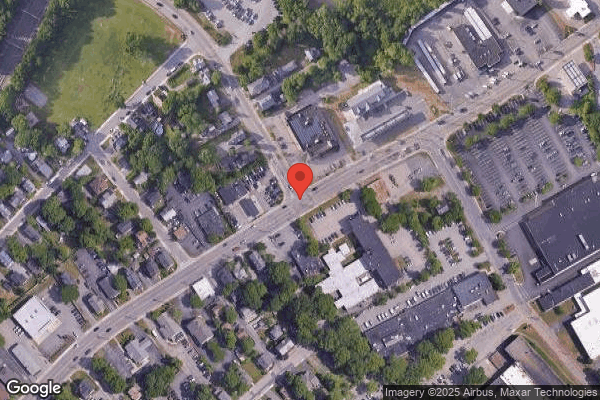

193-195 PLEASANT STREET, ATTLEBORO, MA 02703 (508) 222-4950
For profit - Limited Liability company 133 Beds NEXT STEP HEALTHCARE Data: November 2025
Trust Grade
25/100
#287 of 338 in MA
Last Inspection: November 2024

Within standard 12-15 month inspection cycle. Federal law requires annual inspections.

Overview

Garden Place Healthcare in Attleboro, Massachusetts has received a Trust Grade of F, indicating significant concerns about the quality of care provided. It ranks #287 out of 338 facilities in the state, placing it in the bottom half, and #22 out of 27 in Bristol County, meaning only a few local options are worse. The facility is improving, having reduced its issues from 22 in 2023 to 12 in 2024. Staffing is relatively good with a 3/5 star rating and a low turnover rate of 23%, better than the state average. However, the facility has concerning fines totaling $82,488, suggesting repeated compliance problems, and serious incidents have been reported, including failures to properly assess a resident on blood thinners, resulting in a fracture, and inadequate measures to prevent pressure injuries and food safety violations.

Trust Score
F
25/100
In Massachusetts
#287/338
Bottom 16%
Safety Record
High Risk
Review needed
Inspections
Getting Better
22 → 12 violations
Staff Stability
✓ Good
23% annual turnover. Excellent stability, 25 points below Massachusetts's 48% average. Staff who stay learn residents' needs.
Penalties
✓ Good
$82,488 in fines. Lower than most Massachusetts facilities. Relatively clean record.
Skilled Nurses
○ Average
Each resident gets 39 minutes of Registered Nurse (RN) attention daily — about average for Massachusetts. RNs are the most trained staff who monitor for health changes.
Violations
⚠ Watch
47 deficiencies on record. Higher than average. Multiple issues found across inspections.
★☆☆☆☆
1.0
Overall Rating
★★★☆☆
3.0
Staff Levels
★★★☆☆
3.0
Care Quality
★☆☆☆☆
1.0
Inspection Score
Stable
2023: 22 issues
2024: 12 issues

The Good

  • Low Staff Turnover (23%) · Staff stability means consistent care
  • Full Sprinkler Coverage · Fire safety systems throughout facility
  • No fines on record
  • Staff turnover is low (23%)

    25 points below Massachusetts average of 48%

Facility shows strength in staff retention, fire safety.

The Bad

1-Star Overall Rating

Below Massachusetts average (2.9)

Significant quality concerns identified by CMS

Federal Fines: $82,488

Well above median ($33,413)

Moderate penalties - review what triggered them

Chain: NEXT STEP HEALTHCARE

Part of a multi-facility chain

Ask about local staffing decisions and management

The Ugly 47 deficiencies on record

2 actual harm
Nov 2024 11 deficiencies 1 Harm
SERIOUS (G) 📢 Someone Reported This

A family member, employee, or ombudsman was alarmed enough to file a formal complaint

Actual Harm - a resident was hurt due to facility failures

Quality of Care (Tag F0684)

A resident was harmed · This affected 1 resident

**NOTE- TERMS IN BRACKETS HAVE BEEN EDITED TO PROTECT CONFIDENTIALITY** Based on interview and record review, the facility failed to ensure quality of care based on professional standards of practice ...

Read full inspector narrative →
**NOTE- TERMS IN BRACKETS HAVE BEEN EDITED TO PROTECT CONFIDENTIALITY** Based on interview and record review, the facility failed to ensure quality of care based on professional standards of practice for one Resident (#212), in a sample of three closed records. Specifically, the facility failed to ensure staff fully assessed Resident #212 who was on a blood thinner, had expressed pain, and had a bruise to the left hip, resulting in a delay in treatment. The Resident was later identified to have a fracture to the left hip and was subsequently sent to the hospital where he/she received a blood transfusion. The Resident was determined to not be a candidate for surgery and was admitted to a hospice house. Findings include: Resident #212 was admitted to the facility in September 2024 with diagnoses of atrial fibrillation (A-fib: irregular and often very rapid heart rhythm which can lead to blood clots in the heart), lower extremity cellulitis (bacterial infection that affects the deeper layers of the skin and surrounding tissue), and dementia. Review of the Minimum Data Set (MDS) assessment, dated 9/30/24, indicated Resident #212 scored 11 out of 15 on the Brief Interview for Mental Status, indicating he/she had moderate cognitive impairment. The MDS indicated Resident #212 was taking an anticoagulant (blood thinner). Review of the Nurse Practitioner (NP)'s Progress Note, dated 9/30/24, indicated Resident #212 had lower extremity edema (bilateral), the left leg cellulitis had resolved (last dose of antibiotic on 10/1/24), A-fib was being treated with Coumadin (blood thinner), and to continue to monitor. Review of the NP's Progress Note, dated 10/7/24, indicated Resident #212 had increased behaviors including exit seeking, paranoia and agitation, and increased swelling in the lower extremities with no pain. Review of the Nursing progress note indicated that on 10/11/24 Resident #212 was guarding his/her left knee and leg with facial grimacing and voicing pain when leg was moved. The Resident was seen by the NP and an x-ray of the knee and tibia/fibula (lower bones of the leg) were ordered. Review of the NP's Progress Note on 10/11/24 indicated the Resident was yelling in pain and would not allow the NP to move his/her leg and would grab their knee. Review of the x-ray results indicated there were no fractures for the knee or the tibia/fibula. Review of the NP's Progress Note, dated 10/14/24, indicated Resident #212 had lower extremity edema and for nurses to apply compression stockings. Review of a Nursing progress note, dated 10/15/24 at 3:11 P.M., indicated the Certified Nursing Assistants (CNAs) and Unit Manager found a large bruise to the left hip and left lateral side of the lower leg with deep purple color and faded green/yellowing color surrounding the left hip and going down the leg. A stat (immediate) x-ray was ordered. The x-ray results indicated Resident #212 had a fractured left hip and Resident #212 was sent to the hospital on [DATE]. During an interview on 11/6/24 at 10:20 A.M., CNA #4 said she was the assigned CNA for Resident #212 on the 7:00 A.M. to 3:00 P.M. shift when she worked. The CNA said she had worked 10/12/24, 10/13/24, and 10/14/24. She said the Resident had started to need additional assistance and she and CNA #5 helped Resident #212 transfer from the bed to a shower chair with a lift device (Sit to Stand) which was an increase in assistance for the Resident. She said on 10/14/24 (one day prior to the nursing note identifying the bruise) she was getting ready to give Resident #212 a shower when she saw a large bruise on the hip which was red and yellow. She said she had not seen the bruise the day prior (10/13/24). She said she told the nurse about the bruise. During an interview on 11/6/24 at 11:38 A.M., CNA #4 said she had told Nurse #6 about the bruise on the hip of Resident #212 and the Nurse said they were already aware of the bruise and they were handling it. During an interview on 11/6/24 at 10:24 A.M., CNA #5 said she was with CNA #4 on 10/14/24 when they saw the bruise. She said she was not the primary CNA for this Resident but had helped other CNAs and had not seen the bruise until 10/14/24 with CNA #4. Review of the activity of daily living documentation completed by the CNAs indicated Resident #212 received a shower on 10/14/24. During an interview on 11/6/24 at 10:52 A.M., Physical Therapist #1 said she had regularly been working with Resident #212 who had an increase in fatigue and being aggravated during the week of 10/7/24. She said she saw the bruise on 10/16/24 and the bruise had been there awhile because it had started to yellow and descend down the leg, which is usually what happens as it progresses. Review of the Medication Administration Record (MAR) included an order, dated 9/28/24, to monitor for side effects of anticoagulant medications such as unusual bleeding, excessive bleeding, excessive bruising, black/tarry stools: if symptoms observed notify MD/NP and document in a progress note; monitor every shift. Review of the Treatment Administration Record (TAR) included an order, dated 9/24/24, to complete a weekly skin check every Monday during the 7:00 A.M. to 3:00 P.M. shift. Review of the TAR indicated Nurse #6 signed off that a skin check was completed on 10/14/24. During an interview on 11/6/24 at 12:10 P.M., Nurse #6 said she was the assigned nurse for Resident #212 on 10/14/24. She said she remembered the CNAs telling her the Resident had a bruise but when she inquired about the lower extremity the Unit Manager and the NP had told her they had already done an x-ray (on 10/11/24). She said she did not do a complete skin check on the Resident or look at the hip. She said she looked at the lower part of the lower extremity and thought there was some discoloration including bruising and told the NP about the discoloration and that was why there was a note to use the compression stockings. Review of the medical record included a Weekly Skin Evaluation dated 10/14/24 and signed on 10/17/24 by Unit Manager #1. The Skin Evaluation failed to indicate any discoloration or bruising of the skin. During an interview on 11/6/24 at 4:10 P.M., Unit Manager #1 said she did not have time to enter skin checks as they were completed, so she could not be sure the exact day the skin check was completed for Resident #212, but maybe it was completed the day before the bruise was found. She said she and two CNAs had found the large bruise to the hip on 10/15/24 (over 24 hours after it was found by CNA #4). She said the bruising was on the hip, knee, and the lower part of the extremity and the coloring ranged from deep purple and areas of yellowing. She said no one had told her about the bruising on 10/14/24. She said the CNAs would not know who was on an anticoagulant (blood thinner) and who was at risk for bleeding, but that the CNAs should know to report all bruises to the nurse. She said Nurse #6 had not said anything about bruising on 10/14/24 and the nurse should have checked the skin based on the CNAs report of bruising. During an interview on 11/5/24 at 3:50 P.M., the NP said she had evaluated the Resident for leg pain on 10/11/24. She said the Resident was always evaluated with their clothes on and was always in the wheelchair. She said Resident #212 would not allow her to conduct range of motion and the Resident had been grabbing the lower part of their lower extremity. She said the Resident was on Coumadin and should have been monitored for bruising. She said no one had relayed to her that there was bruising anywhere on the body until 10/15/24. She said based on the presentation of the bruise on 10/15/24, the bruise had been there for at least a few days. She said, for residents on blood thinners, the identification of bruising needs to be presented to the physicians for them to get the full picture. She said, had the staff informed her of the bruise to the hip, she would have ordered the x-ray sooner and sent the Resident to the hospital sooner. She said she spoke with the Director of Nurses (DON) about ensuring bruises were reported and that unfortunately a hip fracture had been missed. During an interview on 11/6/24 at 11:45 A.M., the spouse of Resident #212 said she did not know about the bruise until 10/16/24 when the ambulance arrived to transfer the Resident to the hospital. She said the Resident was bruised all down the left leg and it was yellowing. She said when the Resident arrived at the hospital they had to do a blood transfusion. She said the hospital discussed complications that could arise if the Resident received surgery and the Resident was sent to a hospice house and had passed within days. During an interview on 11/6/24 at 4:40 P.M., the DON said the staff had not told him the bruise was seen on 10/14/24. He said the NP had discussed that staff needed to tell her about bruising, but since none of the staff had seen the bruise, he had not provided any education to the staff. Review of the hospital Discharge summary, dated [DATE], indicated Resident #212 arrived to the hospital on [DATE] with a hip fracture and old appearing ecchymosis (bruising) on the left hip that was yellow in color with swelling throughout the entire left lower extremity. The summary indicated the Resident presented with the following: hyperkalemia (too much potassium in the blood), anemia (noted as acute blood loss anemia (a blood disorder that occurs when the blood has a reduced ability to carry oxygen)) and an elevated INR (international normalized ratio, a blood test that measures how long it takes for blood to clot, higher INR indicates blood takes longer to clot). The summary indicated the following laboratory results: hemoglobin was 7.5 - low (a protein in red blood cells that carries oxygen from lungs which can be effected by bleeding), the potassium was 5.4 (high) (when cells are rapidly destroyed, their components, including potassium, move into the bloodstream), and an increase in INR to 3.6 (from 2.6 on 10/14/24). The summary indicated the hemoglobin continued to trend down and the Resident required a blood transfusion of 2 units on 10/17/24 and after further discussion with the family the Resident was transferred to a hospice house.
CONCERN (D)

Potential for Harm - no one hurt, but risky conditions existed

Deficiency F0551 (Tag F0551)

Could have caused harm · This affected 1 resident

**NOTE- TERMS IN BRACKETS HAVE BEEN EDITED TO PROTECT CONFIDENTIALITY** Based on record review and interview, the facility failed to ensure a [NAME] Treatment Plan (court approved treatment plan for t...

Read full inspector narrative →
**NOTE- TERMS IN BRACKETS HAVE BEEN EDITED TO PROTECT CONFIDENTIALITY** Based on record review and interview, the facility failed to ensure a [NAME] Treatment Plan (court approved treatment plan for the administration of antipsychotic medications) was active and current for administration of an antipsychotic medication for one Resident (#66), out of 24 sampled residents. Findings include: Resident #66 was admitted to the facility in [DATE] with diagnoses which included psychosis, major depressive disorder, and anxiety. Review of the Minimum Data Set (MDS) assessment, dated [DATE], indicated Resident #66 had a Guardian and received antipsychotic medications on a routine basis. Review of the medical record indicated Resident #66 was found to be incapable of taking care of him/herself by reason of mental illness and Guardianship was appointed on [DATE] by the Commonwealth of Massachusetts Probate and Family Court. Subsequent review of the medical record indicated the court issued an expansion of the Guardianship on [DATE] and authorized administration of antipsychotic medication via a [NAME] Treatment Plan, which expired on [DATE] at 9:00 A.M. Review of Resident #66's Physician's Orders indicated but was not limited to: -Zyprexa (antipsychotic) 2.5 milligrams (mg) by mouth one time daily, dated [DATE] Review of the September, October, and [DATE] Medication Administration Records (MAR) indicated Resident #66 was administered Zyprexa as ordered. During an interview on [DATE] at 1:59 P.M., Nurse #7 said Resident #66 had a Guardian and a [NAME]. Nurse #7 said Resident #66 received Zyprexa daily. During an interview on [DATE] at 2:12 P.M., Unit Manager #2 said Resident #66 had a [NAME] for the administration of Zyprexa. Unit Manager #2 said she was not sure where Resident #66 stood with his [NAME] renewal at this time, because the Social Service Department handled the [NAME] renewals. During an interview on [DATE] at 12:05 P.M., Social Worker #1 said residents with a Guardian should have an active [NAME] Treatment Plan in place when they are receiving antipsychotic medications. Social Worker #1 said the facility was in the process of renewing Resident #66's [NAME] Treatment Plan, but at this time there was no court date scheduled. During an interview on [DATE] at 12:53 P.M., Social Worker #1 said the facility sent the required paperwork to the facility lawyer to be processed on [DATE] and then again in May. Social Worker #1 said, in August, the facility lawyer told the facility the required documentation needed to be resubmitted because it was no longer valid. Social Worker #1 said the facility psych provider restarted the required paperwork and it had been resubmitted at that time. Social Worker #1 said on [DATE] she contacted the facility lawyer for an update but had not received one at this time. Social Worker #1 said the court hearing had not been scheduled. During an interview on [DATE] at 4:32 P.M., the Administrator said [NAME] Treatment Plans should be renewed annually when a resident has a Guardian and is receiving antipsychotic medications. The Administrator said the facility had some issues with getting required documentation completed for the renewal of Resident #66's [NAME] Treatment Plan but was working with the facility lawyer to get it done. On [DATE] at 12:43 P.M., the surveyor called the facility lawyer and left a message. As of the end of survey, on [DATE], the survey team did not receive any additional evidence that the required paperwork for a [NAME] Treatment Plan had been completed and submitted to the courts.
CONCERN (D)

Potential for Harm - no one hurt, but risky conditions existed

Comprehensive Care Plan (Tag F0656)

Could have caused harm · This affected 1 resident

Based on observation, interview, and record review, the facility failed to develop and implement an individualized, person-centered care plan to meet the physical, psychosocial, and functional needs f...

Read full inspector narrative →
Based on observation, interview, and record review, the facility failed to develop and implement an individualized, person-centered care plan to meet the physical, psychosocial, and functional needs for one Resident (#33), out of 24 sampled residents. Specifically, the facility failed to ensure a comprehensive care plan was developed and implemented to address his/her cancer treatment. Findings include: Review of the facility's policy titled Comprehensive Person-Centered Care Plans, dated as revised January 2024, indicated but was not limited to: -A comprehensive, person-centered care plan will be developed for each resident. The care plan will include objectives that meet the resident's physical, psychosocial and functional needs is developed for each resident. -Evaluation of residents is ongoing and care plans are revised as information about the resident and the resident's conditions change. Resident #33 was admitted to the facility in March 2018 with diagnoses which included lung and rectal cancer. Review of the Minimum Data Set (MDS) assessment, dated 9/19/24, indicated Resident #33 was cognitively intact as evidenced by a Brief Interview for Mental Status (BIMS) score of 15 out of 15. Review of Resident #33's medical record indicated he/she was undergoing chemotherapy for treatment of lung cancer. Review of Resident #33's care plan failed to indicate a care plan for his/her cancer and chemotherapy had been developed. During an interview on 11/4/24 at 2:47 P.M., Nurse #7 said Resident #33 had lung and rectal cancer and was followed by the cancer center. Nurse #7 said Resident #33 was receiving chemotherapy to treat the cancer. During an interview on 11/5/24 at 9:44 A.M., Nurse #7 said care plans should be updated with significant changes to a residents' treatment plan or medication orders. During an interview on 11/6/24 at 1:23 P.M., Nurse #8 said care plans were managed by the facility management team but should be updated as the treatment plans change and should reflect the resident's current status. During an interview on 11/6/24 at 11:45 A.M., Unit Manager #2 said care plans should be comprehensive and reflect the resident's care and current treatment plans. Unit Manager #2 said Resident #33 did not have a care plan for his/her cancer treatment, but he/she probably should especially because of the potential side effects. During an interview on 11/6/24 at 3:03 P.M., the Director of Nurses (DON) said care plans should be updated and reflect the resident's treatment plans. The DON said there should have been a care plan for Resident #33's cancer and cancer treatments.
CONCERN (D)

Potential for Harm - no one hurt, but risky conditions existed

Deficiency F0658 (Tag F0658)

Could have caused harm · This affected 1 resident

**NOTE- TERMS IN BRACKETS HAVE BEEN EDITED TO PROTECT CONFIDENTIALITY** 2. Resident #18 was admitted to the facility in September 2022 with diagnoses including transient ischemic attack (brief blockag...

Read full inspector narrative →
**NOTE- TERMS IN BRACKETS HAVE BEEN EDITED TO PROTECT CONFIDENTIALITY** 2. Resident #18 was admitted to the facility in September 2022 with diagnoses including transient ischemic attack (brief blockage of blood flow to the brain), cerebral infarction (stroke), and chronic atrial fibrillation (afib, a condition characterized by an irregular and often very rapid heart rhythm which can lead to blood clots in the heart and increase the risk of stroke, heart failure and other heart-related complications). Review of the MDS assessment, dated 8/8/24, indicated Resident #18 had a BIMS score of 13 out of 15, indicating the Resident was cognitively intact. Review of Resident #18's current Physician's Orders indicated but was not limited to the following: -Propranolol tablet, 10 mg, give one tablet by mouth one time a day. Hold if systolic blood pressure is less than 100 (8/15/24). Review of Resident #18's September 2024 MAR indicated but was not limited to the following: 9/5/24: systolic blood pressure = 99, Propranolol administered; 9/6/24: systolic blood pressure = 94, Propranolol administered; 9/23/24: systolic blood pressure = 98, Propranolol administered; 9/24/24: systolic blood pressure = 98, Propranolol administered; 9/29/24: systolic blood pressure = 99, Propranolol administered. During an interview on 11/6/24 at 9:07 A.M., Nurse #8 reviewed Resident #18's Propranolol order. Nurse #8 said the Resident's blood pressure should be taken prior to administering the Propranolol. Nurse #8 said Propranolol should not be given if Resident #18's systolic blood pressure is less than 100. Nurse #8 and the surveyor reviewed the Resident's September 2024 MAR. Nurse #8 said the MAR indicated Resident #18 received Propranolol on 9/5/24, 9/6/24, 9/23/24, 9/24/24, and 9/29/24 when the Resident's systolic blood pressure was less than 100. Nurse #8 said the Propranolol should not have been administered on these dates per physician's order. During an interview on 11/6/24 at 9:09 A.M., Unit Manager (UM) #2 reviewed Resident #18's September 2024 MAR and said the Resident should not have received Propranolol on the days his/her systolic blood pressure was less than 100. UM #2 reviewed the Resident's nursing notes from September 2024 but did not find documentation that the physician ordered the Propranolol to be administered outside of the parameters noted in the physician's order. During an interview on 11/6/24 at 1:50 P.M., the DON said nursing is to follow physician's orders, if Resident #18's systolic blood pressure was below 100, then the Propranolol should not have been administered. Based on observation, interview, and record review, the facility failed to ensure professional standards of care were met for two Residents (#33 and #18), of 24 sampled residents. Specifically, the facility failed: 1. For Resident #33, to ensure his/her Dexamethasone (a corticosteroid to treat/prevent inflammation) orders were accurately transcribed, administered, and documented; and 2. For Resident #18, to administer Propranolol (a medication that affects the heart and circulation and is used to treat conditions such as heart rhythm disorders and other heart or circulatory conditions) in accordance with prescriber orders. Findings include: Review of [NAME], Manual of Nursing Practice 11th edition, dated 2019, indicated the following: -The professional nurse's scope of practice is defined and outlined by the State Board of Nursing that governs practice. Review of the Massachusetts Board of Registration in Nursing Advisory Ruling on Nursing Practice, dated as revised April 11, 2018, indicated: -Nurse's Responsibility and Accountability: Licensed nurses accept, verify, transcribe, and implement orders from duly authorized prescriber's that are received by a variety of methods (i.e., written, verbal/telephone, standing orders/protocols, pre-printed order sets, electronic) in emergent and non-emergent situations. Licensed nurses in a management role must ensure an infrastructure is in place, consistent with current standards of care, to minimize error. Review of the facility's policy titled Administering Medications, dated as revised September 2024, indicated but was not limited to: -Medications are administered in accordance with prescriber orders -The individual administering the medication records the administration in the resident's Medication Administration Record (MAR) Review of the facility's policy titled Medication and Treatment Orders, dated as revised September 2024, indicated but was not limited to: -All drug and biological orders shall be written, dated, and signed by the person lawfully authorized to give such an order 1. Resident #33 was admitted to the facility in March 2018 with diagnoses which included lung and rectal cancer. Review of the Minimum Data Set (MDS) assessment, dated 9/19/24, indicated Resident #33 was cognitively intact as evidenced by a Brief Interview for Mental Status (BIMS) score of 15 out of 15. Review of Resident #33's Physician's Orders indicated but were not limited to: -Dexamethasone 4 milligrams (mg) by mouth every 12 hours as needed for anti-inflammatory, 10/21/24 - 11/5/24 -Dexamethasone 4 mg by mouth two times per day for anti-inflammatory for one day, 10/30/24 Review of Resident #33's Consultation/Clinic Referral, dated 10/21/24, indicated but was not limited to: -start Dexamethasone 4 mg twice daily the day before, the day of, and the day after chemotherapy Review of Resident #33's Cancer Institute After Visit Summary, dated 10/22/24, indicated he/she had an upcoming appointment for chemotherapy on 10/29/24. Review of Resident #33's October Medication Administration Record (MAR) failed to indicate he/she had received Dexamethasone 4 mg twice daily on 10/28/24 or 10/29/24. Review of Resident #33's Nurse's Note, dated 10/29/24, indicated the Cancer Institute called and informed the nurse that Resident #33 should receive Dexamethasone 4 mg twice daily the day before, the day of, and the day after chemotherapy. Further review of Resident #33's Nurse's Note, dated 10/29/24, indicated Resident #33's had a new order for Dexamethasone 4 mg twice a day to be administered on 10/30/24. Review of Resident #33's Cancer Institute After Visit Summary, dated 10/29/24, indicated he/she had an upcoming appointment for chemotherapy on 11/5/24. On 11/5/24 at 12:30 P.M., the surveyor reviewed Resident #33's November MAR which failed to indicate he/she had received Dexamethasone 4 mg twice daily on 11/4/24 and had not received any doses on 11/5/24. During an interview on 11/5/24 at 1:59 P.M., Nurse #7 said Resident #33 had chemotherapy today. Nurse #7 said he/she had received his/her Dexamethasone on 11/4/24 and 11/5/24 but he did not sign the medication off and did not document the administration in the MAR. During an interview on 11/5/24 at 2:12 P.M., Unit Manager #2 said Resident #33 should have received Dexamethasone 4 mg twice daily on 10/28/24, 10/29/24, 10/30/24, 11/4/24 and a dose that morning. Unit Manager #2 said the Resident should have received nine doses of Dexamethasone thus far. Unit Manager #2 and the surveyor reviewed the Dexamethasone card and only six doses were missing. Unit Manager #2 said the facility would not have had anywhere else to get the medication so doses may have been missed. During an interview on 11/5/24 at 2:32 P.M., Unit Manager #2 said she reviewed Resident #33's medical record and the six administered doses of Dexamethasone occurred on 10/30/24 (twice), 11/4/24 (twice) and one dose in the morning on 11/5/24. Unit Manager #2 said she could not account for the sixth dose. Unit Manager #2 said there was no evidence the the Resident received his/her Dexamethasone on 10/28/24. Unit Manager #2 said the medication order should not have been transcribed as as needed and should have been scheduled so that doses would not be missed. Unit Manager #2 said all medications should be documented in the MAR at the time of administration. During an interview on 11/6/24 at 10:50 A.M., the Director of Nurses (DON) said the Dexamethasone order for Resident #33 should have been entered differently and that record review indicated he/she missed some doses. The DON said the nurses should sign off the medication in the MAR at the time of the administration.
CONCERN (D)

Potential for Harm - no one hurt, but risky conditions existed

Deficiency F0697 (Tag F0697)

Could have caused harm · This affected 1 resident

**NOTE- TERMS IN BRACKETS HAVE BEEN EDITED TO PROTECT CONFIDENTIALITY** Based on observations, interviews, and records reviewed, the facility failed to provide pain management interventions for one Re...

Read full inspector narrative →
**NOTE- TERMS IN BRACKETS HAVE BEEN EDITED TO PROTECT CONFIDENTIALITY** Based on observations, interviews, and records reviewed, the facility failed to provide pain management interventions for one Resident (#105) with tooth pain, out of 24 sampled residents. Specifically, for Resident #105, the facility failed to provide prescribed, as needed, pain relief for tooth pain. Findings include: Resident #105 was admitted to the facility in October 2024 with diagnoses of toothache and aphthous ulcer (or canker sore- a small shallow ulcer that occurs on the lining of the mouth). Review of the Hospital Discharge Summary indicated Resident #105 had a toothache and aphthous ulcer. The discharge summary indicated the Resident complained of right lower tooth pain, dental caries (cavities) noted and had a aphthous ulcer on the left upper palate. The plan was to continue to monitor, use Tylenol, Lidocaine mouthwash, home benzocaine ointment for pain control and a referral for outpatient dental at discharge. Review of the care plans indicated Resident #105 had dental caries and to refer to the dentist as needed. Review of the Nurse Practitioner's Progress Note, dated 10/16/24, indicated Resident #105 frequently complained of right lower tooth pain and to continue Tylenol as needed and a dental referral was needed. Review of the nursing progress notes indicated the following: 10/18/24: Tylenol given for complaint of pain to right gum area 10/18/24: Seen by physician with new order to have dental evaluation; form faxed to in-house consultant dentist 10/23/24: Resident with complaint of mouth pain, Tylenol given, referral sent this week to in-house consultant dentist, new order for Orajel (topical treatment used to relieve mouth pain) four times per day as needed 10/24/24: Resident with complaint of mouth pain to right lower jaw, visible swelling, tender to touch, Tylenol given 10/25/24: given Tylenol for complaint of toothache, right lower jaw 10/30/24: complaining of right sided facial pain, right cheek edematous, given Tylenol 10/31/24: Resident complained of gum/mouth pain, new order for Ibuprofen 400 milligrams (mg) every eight hours as needed 11/1/24: Resident complains of mouth pain Review of the Nurse Practitioner Progress Note, dated 11/1/24, indicated the Resident had tooth/gum pain with a new order for Lidocaine Viscous 2% 15 milliliters swish and spit (used to relieve mouth pain) every four hours as needed, to continue Orajel, continue Tylenol and Ibuprofen as needed and the referral to the dentist was pending. On 11/3/24 at 11:30 A.M., Resident #105 approached the surveyor and said he/she had a toothache. The surveyor brought the Resident to Nurse #1. The surveyor observed Resident #105 tell Nurse #1 that he/she had a toothache, the nurse asked the Resident to demonstrate where the toothache was, the Resident opened their mouth and pointed, the Nurse responded oh, you have a black tooth. On 11/3/24 at 1:15 P.M., the surveyor observed Resident #105 walking on the unit with a tube of toothpaste in his/her hand. The Resident was observed placing toothpaste on his/her finger and rubbing the right inside of their mouth. On 11/4/24 at 11:00 A.M., the surveyor observed Resident #105 walking down the hall with his/her fingers in the right side of their mouth. On 11/4/24 at 2:34 P.M., the surveyor observed Resident #105 tell another resident My tooth is killing me. Review of the Medication Administration Record (MAR) indicated Orajel- give one application by mouth every 6 hours as needed for pain, was ordered on 10/23/24. The MAR indicated as of 11/4/24 (13 days) the Orajel was not administered to Resident #105. Review of the MAR indicated an order for Ibuprofen 400 mg every 8 hours for pain was implemented on 10/31/24. The MAR indicated as of 11/4/24 (5 days) the Ibuprofen was not administered to Resident #105. Review of the MAR indicated Lidocaine Viscous 2%, give 15 ml every four hours as needed for mouth pain swish and spit was ordered on 11/1/24. The MAR indicated as of 11/4/24 the Lidocaine Viscous was not administered to Resident #105. Review of the MAR on 11/4/24 indicated Tylenol 650 mg was last administered on 10/30/24 (6 days prior). The MAR failed to indicate any Tylenol, Ibuprofen, Orajel or Lidocaine Viscous were used from 10/31 through 11/4/24, including nothing administered on 11/3/24 when the Resident complained of tooth pain to the nurse. During an interview on 11/4/24 at 3:55 P.M., Nurse #1 said Resident #105 complained of tooth pain on 11/3/24 and she had given the Resident Tylenol 650 mg. She said she had not documented this in a nursing progress note. She said she had not documented this on the MAR because all residents had standing order for as needed Tylenol, so she did not think she needed to document this. She said the Tylenol did not work on 11/3/24 because the Resident kept coming back to the nurse and complaining of pain. She said she was unable to find the Lidocaine Viscous or the Orajel and had not administered any Ibuprofen. During an interview on 11/5/24 at 10:30 A.M., Nurse #4 said she worked at the facility one time per week and was aware the Resident had tooth pain. She said she knew there was an order for Orajel, but she had not been able to find it. She said she did not know anything about the Lidocaine Viscous. The surveyor and the nurse observed the medication cart. The nurse was unable to locate either pain relief medication. The surveyor was able to find a box for the Lidocaine Viscous with the Resident's name on it. The nurse said she did not know this was in the medication cart as the bottle was inside a box and not distinguished as a liquid. During an interview on 11/5/24 at 10:35 A.M., Unit Manager #1 said the Orajel should have been in the medication cart. Unit Manager #1 checked the medication cart and was unable to locate the Orajel. During an interview on 11/5/24 at 10:50 A.M., Unit Manager #1 said the Lidocaine was delivered to the facility on [DATE] at 2:57 A.M. so she was not sure why it had not been administered to Resident #105. She said she was not sure why Nurse #1 had been unable to find it on 11/3/24 because it was available in the medication cart. She said the nurses should be reading the orders for as needed medications and administering if the Resident was complaining of pain.
CONCERN (D)

Potential for Harm - no one hurt, but risky conditions existed

Deficiency F0698 (Tag F0698)

Could have caused harm · This affected 1 resident

Based on interview and record review, the facility failed to ensure staff implemented dialysis care and services consistent with professional standards of practice for one Resident (#412), out of 24 s...

Read full inspector narrative →
Based on interview and record review, the facility failed to ensure staff implemented dialysis care and services consistent with professional standards of practice for one Resident (#412), out of 24 sampled residents. Specifically, the facility failed to assess and monitor the Resident's left Arteriovenous (AV) fistula (a surgically connected artery and vein used for long term dialysis) site. Findings include: Review of the facility's policy titled Hemodialysis Access Care, revised November 2017, indicated but was not limited to the following: Care of AVFs (arterio-venous fistula, dialysis access created by surgically connecting an artery and a vein) and AVGs (arterio-venous graft, a synthetic or animal-derived tubing to connect the artery and vein) -Care involves the primary goals of preventing infection and maintaining patency of the catheter (preventing clots). -Do not use the access site arm to take blood samples, administer IV fluids or give injections. -Do not use the access arm to take blood pressure. Check the patency of the site at regular intervals. Palpate the site to feel the thrill, or use a stethoscope to hear the whoosh or bruit of blood flow through the access. Care Immediately Following Dialysis Treatment -The dressing change is done in the dialysis center post-treatment. -If the dressing becomes wet, dirty, or not intact, the dressing shall be changed by a licensed nurse trained in this procedure. Documentation The general medical nurse should document in the resident's medical record every shift as follows: 1. Location of catheter. 2. Condition of dressing (interventions if needed). 3. If dialysis was done during shift. 4. Any part of report from dialysis nurse post-dialysis being given. 5. Observations post-dialysis. Resident #412 was admitted to the facility in September 2024 with diagnoses including dependence on renal dialysis and end stage renal disease (ESRD). Review of Resident #412's Minimum Data Set (MDS) assessment, dated 10/18/24, indicated the Resident had moderate cognitive impairment as evidenced by a Brief Interview for Mental Status (BIMS) score of 10 out of 15. Further review of the MDS indicated Resident #412 received dialysis treatment. Review of Resident #412's current Physician's Orders indicated the Resident had dialysis three times weekly. On 11/4/24 at 12:38 P.M., the surveyor observed Resident #412's left arm AV fistula site, which was open to air. Review of Resident #412's Care Plan indicated but was not limited to the following: Focus: [Resident] needs dialysis r/t (related to) diagnosis of ESRD Intervention: -Monitor/document/report PRN any s/sx (signs/symptoms) of infection to access site: Redness, swelling, warmth or drainage. -Monitor/document/report PRN for s/sx of the following: Bleeding, hemorrhage, bacteremia, septic shock. -Protect access site from injury. Site: Right Arm; Avoid constriction on affected arm. No BP on limb with shunt/CV (central venous) dialysis catheter. Focus: Potential for complications related to hemodialysis for diagnosis of end stage renal failure Interventions: -Check shunt site for s/s (signs/symptoms) infection, pain, or bleeding daily and PRN (as needed) -Monitor shunt site by palpating for thrill & auscultating for bruit daily. Notify physician of absence of thrill or bruit. -Protect access site from injury. Site: [blank] -Avoid constriction on affected arm, such as carrying purse and constrictive clothing ? no BP (blood pressure) on limb with shunt/CV dialysis catheter Resident #412's Care Plan failed to indicate the correct location of the Resident's AV fistula and care of the access site. Further review of the Physician's Orders indicated but were not limited to the following: -Dialysis log vital signs and weight every Tue, Thu, Sat for dialysis monitoring (10/28/24) The Physician's Orders failed to indicate orders for the care of the Resident's AV fistula. Review of Resident #412's Progress Notes failed to indicate the facility routinely monitored and/or provided care for the Resident's left AV fistula. Further review of the Progress Notes indicated that on the following dates, the Resident's blood pressure was obtained from the left arm, the arm in which the Resident's AV fistula is located: -10/10/24, -10/11/24, -10/13/24, -10/16/24, -10/18/24, -10/20/24, -10/21/24, -10/22/24, -10/23/24, -10/24/24, -10/25/24, -10/26/24, -10/29/24, -10/30/24, -10/31/24, -11/1/24, -11/2/24, and -11/3/24 During an interview on 11/4/24 at 12:38 P.M., Resident #412 said that he/she has an AV fistula in his/her left arm. The Resident said that the staff at the dialysis center apply a bandage to his/her access sites on his/her left arm when he/she finishes his/her dialysis treatment and that he/she removes the bandage himself/herself the next day. The Resident said that the nurses at the facility do not check the AV fistula site or check the dressing. During an interview on 11/4/24 at 12:45 P.M., Unit Manager #1 said Resident #412 should have orders for care and monitoring of the AV fistula site and orders for removal/care of the dressing on the access sites. During an interview on 11/6/24 at 12:30 P.M., the Director of Nursing said that Resident #412 should have had a physician's order in place to monitor the dialysis access site and for dressing care and the facility's nurses should be monitoring and caring for the Resident's access site.
CONCERN (D)

Potential for Harm - no one hurt, but risky conditions existed

Deficiency F0699 (Tag F0699)

Could have caused harm · This affected 1 resident

Based on interview and record review, the facility failed to assess a history of trauma and failed to assess for triggers to avoid potential re-traumatization for one Resident (#105) with a history of...

Read full inspector narrative →
Based on interview and record review, the facility failed to assess a history of trauma and failed to assess for triggers to avoid potential re-traumatization for one Resident (#105) with a history of trauma, out of a total sample of 24 residents. Findings include: Review of the facility's policy titled Trauma Informed Care, dated as revised in October 2019, indicated the following: -as part of the comprehensive assessment, identify history of trauma or interpersonal violence when such information is provided to the facility. Identifying past trauma or adverse experiences may involve record review or the use of screening tools. Resident #105 was admitted to the facility in October 2024 with diagnoses of dementia, post-traumatic stress disorder (PTSD) and poly substance use disorder (PSUD). Review of the Social Service Evaluation, dated 10/19/24, indicated Resident #105 scored 4 out of 15 on the Brief Interview for Mental Status indicating severe cognitive impairment. Review of the Hospital Discharge Summary indicated Resident #105 had a diagnosis of PTSD. Review of the medical record included the diagnosis of PTSD. Review of the Social Service Evaluation, dated 10/19/24, indicated the Resident had not identified any trauma and a trauma care plan was not initiated. Review of the Behavioral Health Group note, dated 10/21/24, indicated Resident #105 had a diagnosis of PTSD, denied any trauma history and that Resident was a poor historian. The note indicated it was unclear where the PTSD diagnosis originated. During an interview on 11/5/24 at 10:45 A.M., Social Worker #1 said she had not completed the Social Service Evaluation for Resident #105. She said following the surveyor inquiry she reviewed the record and Resident #105 did have a diagnosis of PTSD and she was not sure why this was not reflected on the evaluation. She said the Resident should have been assessed for the trauma history and any triggers. During an interview on 11/6/24 at 8:00 A.M., Social Worker #2 said she had completed the evaluation for Resident #105, and she had not seen the diagnosis of PTSD. She said she did not review the hospital discharge paperwork for residents as this was clinical information and as the Social Worker she did not review clinical information. She said she had spoken with the Resident on 10/19/24 and had called the family as the Resident was asking to leave but had not asked the family about any history of trauma.
CONCERN (D)

Potential for Harm - no one hurt, but risky conditions existed

Drug Regimen Review (Tag F0756)

Could have caused harm · This affected 1 resident

Based on interview and record review, the facility failed to act upon recommendations made by the Consultant Pharmacist during the monthly Medication Regimen Reviews (MRR) for one Resident (#6), out o...

Read full inspector narrative →
Based on interview and record review, the facility failed to act upon recommendations made by the Consultant Pharmacist during the monthly Medication Regimen Reviews (MRR) for one Resident (#6), out of a total sample of 24 residents. Specifically, the facility failed to act on the consultant pharmacist's recommendation to consider obtaining a lab to monitor the efficacy of Levothyroxine (a hormone used to treat thyroid disorder). Findings include: Review of the facility's policy titled Medication Regimen Review, dated August 2020, indicated but was not limited to: -Recommendations are acted upon and documented by the facility staff and/or the prescriber -The prescriber accepts and acts upon recommendations or rejects and provides an explanation for disagreeing Resident #6 was admitted to the facility in August 2022 with diagnoses which included thyroid disorder. Review of Resident #6's medical record indicated he/she was seen by the Consultant Pharmacist in January 2024 and recommendations were made. The surveyor was unable to locate the January 2024 Consultant Pharmacist's recommendation in Resident #6's record. After inquiry, the facility provided Resident #6's January 2024 Consultant Pharmacist Recommendation to Prescriber Form. The document indicated but was not limited to: -Resident #6 was receiving a medication that may benefit from laboratory monitoring -The pharmacist recommended a lab be drawn on the next convenient day and then annually thereafter -The physician/prescriber response section was blank During an interview on 11/6/24 at 3:01 P.M., Unit Manager #2 said the Director of Nurses (DON) received the monthly pharmacist recommendations and distributed them to the prescribers. During an interview on 11/6/24 at 3:03 P.M., the DON said the monthly pharmacy recommendations should be reviewed by the prescriber and evidence should be maintained in the resident's medical record. The DON said the facility had no evidence that Resident #66's January recommendations were reviewed by the prescriber. During an interview on 11/6/24 at 2:38 P.M., the Administrator said the facility should follow the policy and ensure pharmacy recommendations were reviewed.
CONCERN (D)

Potential for Harm - no one hurt, but risky conditions existed

Dental Services (Tag F0791)

Could have caused harm · This affected 1 resident

Based on observations, interviews, and records reviewed, the facility failed to provide timely dental services for one Resident (#105), of 24 sampled residents. Specifically, for Resident #105, the fa...

Read full inspector narrative →
Based on observations, interviews, and records reviewed, the facility failed to provide timely dental services for one Resident (#105), of 24 sampled residents. Specifically, for Resident #105, the facility failed to initiate a timely dental appointment for tooth pain. Findings include: Review of the facility's policy titled Dental Services, dated as revised November 2017, indicated but was not limited to: -Routine and 24-hour emergency dental services are provided to residents through a contract agreement, referral to the resident's personal dentist, referral to a community dentist or referral to other health care organizations that provide dental services. DEFINITIONS for §483.55(b) [F791] Emergency dental services includes services needed to treat an episode of acute pain in teeth, gums, or palate; broken, or otherwise damaged teeth, or any other problem of the oral cavity that required immediate attention by a dentist. Resident #105 was admitted to the facility in October 2024 with a diagnosis of dementia. Review of the Hospital Discharge Summary indicated Resident #105 had a toothache and an aphthous ulcer (or canker sore- a small shallow ulcer that occurs on the lining of the mouth). The discharge summary indicated the Resident complained of right lower tooth pain, dental caries (cavities) noted and had a aphthous ulcer on the left upper palate. The plan was to continue to monitor, use Tylenol, Lidocaine mouthwash, home benzocaine ointment for pain control and a referral for outpatient dental at discharge. Review of the care plans indicated Resident #105 had dental caries and to refer to the dentist as needed. Review of the Nurse Practitioner's (NP) Progress Note, dated 10/16/24, indicated Resident #105 frequently complained of right lower tooth pain and to continue Tylenol as needed and a dental referral was needed. Review of the nursing progress notes indicated the following: 10/18/24: Tylenol given for complaint of pain to right gum area 10/18/24: Seen by physician with new order to have dental evaluation; form faxed to in-house consultant dentist 10/23/24: Resident with complaint of mouth pain, Tylenol given, referral sent this week to in house consultant dentist, new order for Orajel (topical treatment used to relieve mouth pain) four times per day as needed 10/24/24: Resident with complaint of mouth pain to right lower jaw, visible swelling, tender to touch, Tylenol given 10/25/24: given Tylenol for complaint of toothache, right lower jaw 10/30/24: complaining of right sided facial pain, right cheek edematous, given Tylenol 10/31/24: Resident complained of gum/mouth pain, new order for Ibuprofen 400 milligrams (mg) every eight hours as needed 11/1/24: Resident complains of mouth pain Review of the NP's Progress Note, dated 11/1/24, indicated the Resident had tooth/gum pain with a new order for Lidocaine viscous 2% 15 milliliters swish and spit every four hours as needed, to continue Orajel, continue Tylenol and Ibuprofen as needed and the referral to the dentist was pending. On 11/3/24 at 11:30 A.M., Resident #105 approached the surveyor and said he/she had a toothache. The surveyor brought the Resident to Nurse #1. The surveyor observed Resident #105 tell Nurse #1 that he/she had a toothache, the nurse asked the Resident to demonstrate where the toothache was, the Resident opened their mouth and pointed, the Nurse responded oh, you have a black tooth. During an interview on 11/4/24 at 12:25 P.M., the Director of Nurses (DON) said he was responsible for coordinating the in-house consultant dental services. He said the dentist had visited the facility on 9/18/24 (prior to the Resident's admission) and there was no schedule for the next visit at this time. He said the consultant dental services would tell the facility when they were coming, usually every 60 to 90 days. He said there was a community dentist in the area who the facility could refer residents to and there were no concerns with wait times for appointments. When the surveyor inquired about a dental appointment for Resident #105 the DON said, They just got here. He said he would have to review what the plan was for the Resident to see a dentist and if the Resident had been referred to a community dentist since the in-house consultant dental services had no scheduled appointment. During an interview on 11/4/24 at 1:58 P.M., the DON said the nursing staff had sent a referral to the in-house consultant dental services on 10/18/24 and at this time there was no indication of when they would come to the facility. He said following the surveyor inquiry the facility made an appointment with a community dentist for Resident #105 to be seen on 11/7/24, three weeks after the Resident was admitted with a plan for a referral to the dentist. During an interview on 11/5/24 at 10:36 A.M., Unit Manager #1 said she had spoken to the family of Resident #105 on the previous day (11/4/24). She said the family identified that Resident #105 had previously seen a dentist for the ill-fitting dentures which may be causing aphthous ulcer and the family was okay with a second opinion and for a dentist to address the separate issue of the toothache.
CONCERN (E)

Potential for Harm - no one hurt, but risky conditions existed

Accident Prevention (Tag F0689)

Could have caused harm · This affected multiple residents

**NOTE- TERMS IN BRACKETS HAVE BEEN EDITED TO PROTECT CONFIDENTIALITY** 3. Resident #79 was admitted to the facility in September 2022 with diagnoses including cerebral infarction, insomnia, and Type ...

Read full inspector narrative →
**NOTE- TERMS IN BRACKETS HAVE BEEN EDITED TO PROTECT CONFIDENTIALITY** 3. Resident #79 was admitted to the facility in September 2022 with diagnoses including cerebral infarction, insomnia, and Type II Diabetes. Review of the Minimum Data Set (MDS) assessment, dated 10/3/24, indicated Resident #79 was cognitively intact as evidenced by a BIMS score of 15 out of 15. During an interview with an observation on 11/3/24 at 10:37 A.M., the surveyor observed that Resident #79 had two brown paper bags of alcohol visible on his/her nightstand and windowsill. The Resident said he/she had a doctor's order for four ounces every night because it helps him/her sleep. The Resident said the nurse was informed of the alcohol being in his/her room. Resident #79 said it was delivered by family on 11/2/24 at 2:00 P.M. The surveyor observed wine (two one-liter bottles, one four pack, and two four packs). In the bag there were a total of 23 6-ounce bottles. The Resident said he/she received one 6-ounce bottle of red wine from the bag last evening. On 11/3/24 at 12:30 P.M., the surveyor observed CNA #2 tell Nurse #9 that Resident #79 was asking for the nurse to take the wine and secure it. CNA #2 said Resident #79 wanted me to remind you to not forget about it. Nurse #2 verbalized acknowledgement to CNA #2. On 11/3/24 at 1:32 P.M., the surveyor observed Resident #79's roommate walking in the room and talking with Resident #79. Further investigation indicated Resident #79's roommate had a history of substance use disorder. During an observation with an interview on 11/3/24 at 1:40 P.M., Resident #79 said he/she told Nurse #10 and CNA #2 to take the wine in his/her room and secure it in the medication room. Resident #79 pointed to the bags and bottles of wine in the room. Resident #79 said Nurse #9 was aware of the alcohol in the room and he provided him/her with their nightly wine from the bag last evening. During an interview with an observation on 11/3/24 3:01 P.M., Resident #79 said Nurse #9 was looking for a spot to put the wine but since there was more than usual, he wouldn't be able to put in all in the medication cart. The surveyor observed two one-liter bottles of wine on the Resident's windowsill at the following times: -11/04/24 at 07:11 A.M. -11/04/24 at 09:00 A.M. -11/04/24 at 12:30 P.M. -11/04/24 at 03:50 P.M. -11/05/24 at 07:20 A.M. During an interview on 11/4/24 at 10:59 A.M., Resident #79's family member said he wasn't sure why they let the Resident keep the alcohol in their room which was brought in on Saturday. During an interview on 11/5/24 at 7:21 A.M., Nurse #3 said alcohol should not be kept with the residents in their room for safety reasons. He said alcohol requires a physician's order and should be secured in the medication cart or secured in the medication storage room. During an interview on 11/5/24 at 7:25 A.M., CNA #1 said the nurse is the only person that can give a resident alcohol like beer or wine. She said it cannot be kept in their room. During an interview with observation on 11/5/24 at 7:45 A.M. with Unit Manager #2 and Resident #79, Unit Manager #2 said the family was responsible for providing the alcohol to Resident #79. She said the process should be the nurse counts how much is brought in and it is taken immediately and secured in the medication room. She said there should be no alcohol in any resident's room. The Unit Manager asked the Resident if there was any additional wine and the Resident said he/she had told the nurse there were two bigger bottles after he took the smaller ones. Unit Manager #2 said alcohol was treated like medication with specific orders and nursing needed to know how much was given and at what time. She said there are risks with keeping alcohol in the room such as the Resident could drink an unknown amount, or another resident could drink the alcohol. She said she was aware the Resident's roommate had a history of substance use disorder. She said there should be a nursing note which included the amount of alcohol brought in by family and when it was brought in. During an interview on 11/6/24 at 8:12 A.M., Nurse #10 said he took the small bottles of wine out of the Resident's room and secured them in the medication cart at 7:30 P.M on 11/3/24. He said the resident did not report how much wine was brought in and he did not write a note regarding the securing of the alcohol. He said he was aware that residents should not have alcohol in their room. During an interview on 11/5/24 at 9:13 A.M., the DON said alcohol should not be left unsecured as residents could drink it without supervision. He said the process was not followed and the alcohol should be secured because it is considered a medication and was documented on the Medication Administration Record (MAR). He said a licensed nurse was the only person who can provide alcohol to a resident. During an interview on 11/5/24 at 10:01 A.M., the Regional Nurse said the expectation was all alcohol should be secured in the medication room and there should be a physician's order to give it. There should be no instance where there are bottles of alcohol unsecured at the bedside. Based on observations, interviews and record review the facility failed to ensure the environment was free from accident hazards for Residents on the secure unit ([NAME]) and for two Residents (#105 and #79) in a total sample of 24 residents. Specifically, the facility failed: 1. To ensure hazardous items (bleach wipes, razors, medications) were not accessible to cognitively impaired residents on the secure unit; 2. For Resident #105, assessed at a high risk for elopement/wandering, to ensure the Resident was provided the indicated intervention of a wander guard; and 3. For Resident #79, to ensure that alcohol brought in by family was securely stored. Findings include: 1. During the entrance conference on 11/3/24 at 9:15 A.M., the Director of Nurses (DON) said the facility had a secure unit, the [NAME] (Alzheimer's Friendly Unit). On 11/4/24 at 11:11 A.M., the surveyor observed the bathroom/shower room on the unit with an unsecured cabinet with a container of bleach wipes. A child safety lock was observed hanging from one of the cabinet door handles, unlocked. During an interview on 11/6/24 at 10:10 A.M., Unit Manager #1 said the child safety lock on the cabinet in the shower room should be maintained in the locked position. She said residents should not have had access to bleach wipes and the bleach wipes were stored in the shower room so things could be wiped down after each resident use. She said the cabinet door had a child safety lock on it to prevent the residents from being able to get in it. On 11/4/24 at 11:15 A.M., the surveyor was able to open the key padded door to the soiled utility room without a code. The surveyor observed a sharps container with two shaving razors sticking out and easily accessible. On 11/4/24 at 3:01 P.M., the surveyor was able to open the unsecured door to the soiled utility room without a code and the razors continued to be protruding from the sharps container. On 11/5/24 at 10:22 A.M., the surveyor was able to open the unsecured door to the soiled utility room without a code and the razors continued to be protruding from the sharps container. During an interview on 11/5/24 at 1:45 P.M., Certified Nursing Assistant (CNA) #3 said she was not sure what the process was for the sharps container being emptied and the Unit Manager would know. During an interview on 11/5/24 at 1:48 P.M., Unit Manager #1 said the CNAs should tell the nursing staff when the sharps containers are full so that they are able to be moved to another room to be collected by the maintenance department. The surveyor and the Unit Manager went to the [NAME] soiled utility room. The Unit Manager said the keypad to the door should not allow access without the code and the room should be secure. She said the razors should not be sticking out of the sharps container and that the container was full. During an observation with interview on 11/5/24 at 2:45 P.M., the surveyor observed the medication cart on the [NAME] to be unlocked and unattended with three residents (two who were able to ambulate independently) sitting next to the medication cart. Nurse #4 returned to the medication cart at 2:50 P.M. and said the medication cart should have been locked. During an interview on 11/6/24 at 10:10 A.M., Unit Manager #1 said the medication carts should be locked whenever they were unattended for patient safety, especially on the [NAME] unit because the residents were cognitively impaired. She said everything should be locked and out of residents reach and should not be accessible. 2. Review of the facility's policy titled Wandering, Unsafe Resident, dated as revised in November 2017 indicated the following: -staff would identify residents who were at risk for harm because of unsafe wandering (including elopement) -staff would assess at-risk individuals for potential correctable risk factors related to unsafe wandering -resident's care plan would indicate the resident was at risk for elopement and interventions to try to maintain safety would be included Resident #105 was admitted to the facility in October 2024 with a diagnosis of dementia. Review of the Social Service Evaluation, dated 10/19/24, indicated Resident #105 scored 4 out of 15 on the Brief Interview for Mental Status (BIMS), indicating severe cognitive impairment. Resident #105 resided on the secure unit. Review of the care plans for Resident #105 indicated a risk for elopement. Review of the Hospital Discharge Summary indicated Resident #105 had left their home, was missing for two days and was found at a train station and had been placed on a one to one at the hospital for wandering. The discharge summary indicated the Resident would get disoriented and elope from home with three events of attempt for elopement. On 11/3/24 at 11:30 A.M., the surveyor observed Resident #105 dressed, groomed, ambulating independently and wearing a winter coat. The Resident was observed walking around the unit, with no purpose of destination. On 11/3/24 at 12:47 P.M., the surveyor observed Resident #105 walking around the unit and said out loud I'm thinking of leaving. On 11/4/24 at 9:08 A.M., the surveyor observed Resident #105 walking around the unit and wearing a large winter coat. On 11/4/24 at 11:08 A.M., the surveyor observed Resident #105 approach a housekeeper at the exit door for the unit. The Resident told the housekeeper that he/she lost their keys. The housekeeper exited the unit, and the Resident asked the surveyor what he/she should do without their keys. Review of the nursing admission assessment (Nursing Evaluation), dated 10/15/24, indicated Resident #105 was a high risk for elopement with an intervention for a wander alert (wander guard). Review of the nursing progress notes indicated the following: 10/15/24: Resident wanting to go home several times, pacing unit 10/16/24: wandering behavior 10/18/24: wanders unit; attempts made to pack clothes up into pillowcase and states he/she was going home During an interview on 11/4/24 at 3:20 P.M., Nurse #2 said the facility process for residents at risk for elopement was to add them to the Wander guard book. She said there was a book on each unit. The surveyor and the Nurse attempted to find the Wander guard book on the [NAME] unit and were unable to locate it. Review of the Wander guard book on the A unit included a picture and demographic information for residents from all units who were at risk for elopement. Review of the book failed to include information regarding Resident #105. There was an empty Wander guard book labeled [NAME] on the A unit. During an interview on 11/4/24 at 3:25 P.M., the Assistant Director of Nurses said the DON had been working on updating all of the Wander guard books for the units and she was not sure why the book labeled [NAME] was empty. During an interview on 11/4/24 at 3:40 P.M., Nurse #2 said Resident #105 was a newer admission to the facility who had confusion and would often ask to go home. The Nurse said the Resident did not have a wander guard but probably should. The Nurse verified the orders in the medical record and was unable to find an order to indicate the Resident had a wander guard. During an interview on 11/4/24 at 4:00 P.M., the DON said he had been re-organizing the Wander guard books and had needed to add all residents to the [NAME] unit book. He said the process was for each unit to have a Wander guard book that contained all facility residents who were at risk for elopement. He said all residents who were at risk for elopement had wander guards and if a newly admitted resident was at risk for elopement they were added to the book and provided a wander guard. He checked the Wander guard book and confirmed Resident #105 was not in the book. He requested to review the Resident record and follow up with the surveyor. During an interview on 11/4/24 at 4:35 P.M., the DON said the nurse who had completed the admission assessment might have thought the Resident was at risk for elopement, but as of this time, the Resident had not attempted to go out of the doors. He said the interdisciplinary team (IDT) had not been notified the Resident was at risk for elopement and a wander guard had not been initiated. During an interview on 11/5/24 at 8:38 A.M., the DON said the nurse who had completed the admission assessment should have completed the intervention of a wander guard.
CONCERN (E)

Potential for Harm - no one hurt, but risky conditions existed

Food Safety (Tag F0812)

Could have caused harm · This affected multiple residents

Based on observation and interview, the facility failed to follow their policy and professional standards of practice for food safety and sanitation to prevent the potential spread of foodborne illnes...

Read full inspector narrative →
Based on observation and interview, the facility failed to follow their policy and professional standards of practice for food safety and sanitation to prevent the potential spread of foodborne illness to residents who are at high risk. Specifically, the facility failed to: 1. Ensure food items were properly dated and stored in the main kitchen and kitchenettes; 2. Ensure four of four ice machines were maintained in a clean and sanitary condition; and 3. Ensure one of three unit kitchenettes was maintained in a clean and sanitary condition. Findings include: Review of the 2022 Food Code by the Food and Drug Administration (FDA), revised 1/2023, indicated but was not limited to the following: 3-305.11 (A) Except as specified in paragraphs (B) and (C) of this section, food shall be protected from contamination by storing the food (1) in a clean, dry location. 3-501.17 Ready-to-Eat, Time/Temperature Control for Safety Food, Date Marking. (B) Except as specified in (E) - (G) of this section, refrigerated, READY-TO-EAT TIME/TEMPERATURE CONTROL FOR SAFETY FOOD prepared and PACKAGED by a FOOD PROCESSING PLANT shall be clearly marked, at the time the original container is opened in a FOOD ESTABLISHMENT and if the FOOD is held for more than 24 hours, to indicate the date or day by which the FOOD shall be consumed on the FDA Food Code 2022 Chapter 3. Food Chapter 3 - 29 PREMISES, sold, or discarded, based on the temperature and time combinations specified in (A) of this section and: (1) The day the original container is opened in the FOOD ESTABLISHMENT shall be counted as Day 1; and (2) The day or date marked by the FOOD ESTABLISHMENT may not exceed a manufacturer's use-by date if the manufacturer determined the use-by date based on FOOD safety. (D) A date marking system that meets the criteria stated in (A) and (B) of this section may include: (1) Using a method approved by the regulatory authority for refrigerated, ready-to-eat time/temperature control for safety food that is frequently rewrapped, such as lunchmeat or a roast, or for which date marking is impractical, such as soft serve mix or milk in a dispensing machine; (2) Marking the date or day of preparation, with a procedure to discard the food on or before the last date or day by which the food must be consumed on the premises, sold, or discarded as specified under (A) of this section; (3) Marking the date or day the original container is opened in a food establishment, with a procedure to discard the food on or before the last date or day by which the food must be consumed on the premises, sold, or discarded as specified under (B) of this section; or (4) Using calendar dates, days of the week, color-coded marks, or other effective marking methods, provided that the marking system is disclosed to the REGULATORY AUTHORITY upon request. 4-602.11 (D) Equipment is used for storage of packaged or unpackaged food such as a reach-in refrigerator and the equipment is cleaned at a frequency necessary to preclude accumulation of soil residues. 6-501.12 (A) Physical facilities shall be cleaned as often as necessary to keep them clean. Review of the facility's policy titled Food and Supply Storage, revised 06/2018, indicated but was not limited to: Policy: Food, non-food items, and supplies used in food preparation and service shall be stored in such a manner as to maintain safety and sanitation of the food or supply for human consumption as outlined in the Federal Drug Administration Food Code, state regulations, and city/county health codes. 1. General guidelines: a. Storerooms are well-lit, adequately ventilated, clean and dry; b. Storeroom walls and floors are solid, cleanable, in good repair and rodent proof. 2. Labeling and rotating food: a. Food products that are opened and not completely used; transferred from its original package to another storage container; or prepared at the facility and stored should be labeled as to its contents and used by dates. 1) Follow recommendations from the manufacturer when indicated on the product for storage time and storage location; 2) Follow city, county, or state food storage guidelines. Review of the facility's policy titled Ice Production and Handling, revised 06/2018, indicated but was not limited to: Policy: Ice is produced and handled in a manner to minimize contamination. Guidelines: f. Keep equipment clean, including draining, cleaning, and sanitizing internal components of the ice machine as needed and according to the manufacturer's specifications, cleaning schedules, and preventative maintenance schedules. This may include but is not limited to: -removing the build-up of mineral scale from the ice machine's water systems and sensors; -sanitizing the ice machine's water system and ice storage bin or dispenser. 1. On 11/3/24 at 7:57 A.M., the surveyor observed the following in the main kitchen: -one opened container of thickened apple juice dated as opened 9/9, manufacturer label stated: after opening, may be kept up to seven days under refrigeration. -two opened containers of thickened dairy drink with no opened date, manufacturer label stated: after opening, may be kept up to seven days under refrigeration. -one opened container of thickened orange juice dated 11/15, manufacturer label stated: after opening, may be kept up to seven days under refrigeration. On 11/3/24 at 8:55 A.M., the surveyor observed the following in the Unit A kitchenette: -one opened container of thickened apple juice dated as opened 9/20, manufacturer label stated: after opening, may be kept up to seven days under refrigeration. -one opened container of thickened cranberry juice dated as opened 10/8, manufacturer label stated: after opening, may be kept up to seven days under refrigeration. On 11/3/24 at 9:22 A.M., the surveyor observed the following in the Unit C kitchenette: -one opened container of thickened dairy drink dated as opened 10/18, manufacturer label stated: after opening, may be kept up to seven days under refrigeration. -one opened container of thickened dairy drink dated as opened 10/17, manufacturer label stated: after opening, may be kept up to seven days under refrigeration. -one opened container of thickened lemon water with no opened date, manufacturer label stated: after opening, may be kept up to seven days under refrigeration. On 11/5/24 at 11:40 A.M., the surveyor observed the following in the main kitchen: -two opened containers of thickened juice with no opened date, manufacturer label stated: after opening, may be kept up to seven days under refrigeration. -one opened container of thickened dairy drink with no opened date, manufacturer label stated: after opening, may be kept up to seven days under refrigeration. -one opened container of thickened lemon water dated 10/16-11/16, manufacturer label stated: after opening, may be kept up to seven days under refrigeration. During an interview on 11/6/24 at 10:29 A.M., Nurse #10 said any containers of thickened liquids must be dated when opened. During an interview on 11/6/24 at 2:12 P.M. with the Food Service Director (FSD) and the Corporate FSD, the FSD said he expected all thickened liquids to be dated with the opened date and discarded seven days after opening and for staff to follow the manufacturer's instruction to discard containers of thickened liquids after seven days of opening. 2. The surveyor made the following observations: -11/3/24 at 7:57 A.M.: Main kitchen ice machine with orange-brown growth on interior flap and observed condensation dripping from the orange-brown growth onto the ice; vendor sticker indicated 7/24; -11/3/24 at 9:03 A.M.: Unit A kitchenette ice machine with several areas of dark spots in the interior, specifically one interior component had black growth at the bottom and water was observed dripping from black growth onto the ice; vendor sticker indicated 7/24; -11/3/24 at 9:22 A.M.: Unit C kitchenette ice machine with an internal component (white in color) that had areas of orange growth; observation of orange growth that had transferred from the white component to another internal component below it; ice was just inches below both components; vendor sticker indicated 7/24. On 11/6/24 at 2:47 P.M., the FSD, the Director of Maintenance (DOM) and the surveyor observed orange-brown colored growth on interior components of main kitchen the ice machine, with water dripping from the growth onto the ice. The FSD and the DOM said all ice machines are serviced and cleaned every three months by a vendor and the vendor had written the last date of service on the ice machine which read 7/24. The FSD and the DOM said the ice machines in the main kitchen and on the resident units are not cleaned by the facility and are only cleaned by the vendor every three months. During an interview on 11/6/24 at 2:52 P.M., the FSD observed the Unit A ice machine with the surveyor and observed several black splotches in the interior. The FSD wiped the splotches with a paper towel to identify if it was a stain or growth. The black splotches were removed by the paper towel. During an interview on 11/6/24 at 2:58 P.M., the Administrator said the ice machines are cleaned every three months by a vendor and there was no cleaning schedule for the facility to clean the machines between vendor visits. The Administrator observed the growth in the ice machine and said there should be no growth inside the ice machines. During an interview on 11/6/24 at 3:10 P.M., the FSD observed the Unit C ice machine with the surveyor and observed several black colored splotches on the interior of the ice machine. The FSD wiped the black splotches with a napkin to determine if they were growth or discoloration. The black splotches were removed by the paper towel. During an interview on 11/6/24 at 3:20 P.M., the FSD observed the Unit B ice machine with the surveyor and observed black, brown, yellowish growth littered throughout the internal compartment and components. The FSD said the Unit B ice machine should be free of any growth. 3. On 11/3/24 at 8:57 A.M., the surveyor observed the following in the Unit A kitchenette: -An open floor drain used as drainage for the ice machine; -The open floor located next to ice machine and toaster; -Black and brown growth on the drain grate; -Greenish-white slimy substance on drain grate; -Black growth around the floor drain grate; -Black growth between floor tiles around and adjacent to the floor drain; -Black growth where floor meets wall, adjacent to the floor drain; -Extremely warm air temperature in the kitchenette; -Dozens of dead drain flies on floor next to drain. On 11/6/24 at 12:25 P.M., the surveyor observed the following in the Unit A kitchenette: -The open floor located next to ice machine and toaster; -Black and brown growth on the drain grate; -Greenish-white slimy substance on drain grate; -Black growth around the floor drain grate, which the surveyor could easily wipe away with a napkin; -Black growth between floor tiles around and adjacent to the floor drain; -Black growth where floor meets wall, adjacent to the floor drain; -Extremely warm air temperature in the kitchenette; -Damp smell close to the drain. During an interview on 11/6/24 at 3:00 P.M., the Administrator said the ice machine used to be over the drain and the ice machine was moved recently as to not cover the drain. The Administrator said the drain was also replaced with a larger drain to better meet the drainage needs of the ice machine. The DOM and Administrator observed the open floor drain and said it needed to be cleaned and the tile and area surrounding the drain needed to be replaced in order to remove the black growth. The Administrator said the floor in the kitchenette should be clean and clear of any growth.
Oct 2024 1 deficiency
CONCERN (D) 📢 Someone Reported This

A family member, employee, or ombudsman was alarmed enough to file a formal complaint

Potential for Harm - no one hurt, but risky conditions existed

Medical Records (Tag F0842)

Could have caused harm · This affected 1 resident

Based on records reviewed and interviews for one of three sampled residents (Resident #1), who developed redness and irritation to his/her facial area after being shaved by a staff member, the Facilit...

Read full inspector narrative →
Based on records reviewed and interviews for one of three sampled residents (Resident #1), who developed redness and irritation to his/her facial area after being shaved by a staff member, the Facility failed to ensure they maintained complete and accurate medical/clinical records, when there was no nursing documentation in the Medical Record related to Resident #1's razor burn to his/her facial area, there was no documentation to support nursing assessed the razor burn to his/her facial area and/or monitored the progress towards healing. Finding Include: Review of the Facility Policy titled, Charting and Documentation, dated as last revised 10/2019, indicated that all services provided to the resident, progress toward the care plan goals, or any changes in the resident's medical, physical, functional, or psychosocial condition should be documented in the resident's medical record. The Policy further indicated that the following information is to be documented in the resident medical record: -objective observations; -treatments or services performed; -changes in the resident's condition; -events, incidents or accidents involving the resident; -progress toward or changes in the care plan goals and objectives; -documentation of treatments will include care-specific details. Review of the Facility Policy titled, Accidents and Incidents - Investigating and Reporting, dated as last revised 07/2024, indicated the following: -accidents or incidents involving residents occurring on our premises shall be investigated and reported to the Administrator; -the charge nurse shall promptly initiate and document investigation of the accident or incident; -the following date shall be included in the Report of Incident/Accident Form - date and time the incident took place, the nature of the injury, circumstances surrounding the incident, where the incident took place, names of witnesses and their account of the incident, the injured person's account of the incident, the time the injured person's attending physician and family was notified and by whom, condition of the injured person, including vital signs, disposition of the injured, signature and title of the person completing the report. -the Nurse Supervisor or Charge Nurse shall complete a Report of Incident/Accident form and submit the original to the Director of Nursing Services within 24 hours of the incident or accident. Resident #1 was admitted to the Facility in March 2024, diagnoses included fracture of nasal bones, basal cell carcinoma of skin, obstructive sleep apnea, osteoarthritis, old myocardial infarction, age related macular degeneration, atherosclerotic heart disease of native coronary artery, dementia with psychotic disturbance and major depressive disorder. Review of the Report submitted by the Facility via the Health Care Reporting System (HCFRS), dated 09/24/24, indicated that on 06/24/24 on the evening shift, a Certified Nurse Aide (CNA) shaved Resident #1 and there was no redness on his/her face. The Report indicated that on 06/25/24, a CNA reported to the Nurse that Resident #1 had redness and irritation on his/her beard from shaving the previous day and that the Nurse called the physician and obtained an order to apply bacitracin (a topical medication used to prevent minor skin infections caused by small cuts, scrapes, or burns) to his/her beard daily until healed. The Report indicated that the redness and irritation was probably due to a reaction to the razor due to Resident #1's sensitive skin. Review of Resident #1's Physicians Orders, dated 06/26/24, indicated to apply bacitracin to beard daily for razor burn (once daily) until healed. Review of Resident #1's Treatment Administration Records (TAR) dated 06/26/24 through 07/14/24, indicated to apply bacitracin to beard daily for razor burn. The TAR indicated that the bacitracin was signed off on (initialed) by nursing as being completed, however, there was no documentation to support that nursing staff described the razor burn to his/her facial area and monitored the progress toward healing. Review of Resident #1's Nurse Progress Notes, dated 06/25/24 through 06/26/24, indicated there was no documentation related to the administration of bacitracin to Resident #1's razor burn, no documentation to support that nursing staff conducted a skin assessment of Resident #1's razor burn, that the physician was notified and that a new treatment order was obtained. Review of Resident #1's Medical Record, indicated there was no documentation related to the administration of bacitracin to Resident #1's razor burn shaving incident that occurred to him/her on 6/24/24 to support that nursing staff assessed Resident #1's razor burn and monitored the progress towards healing. During an interview on 10/01/24 at 1:15 P.M., Nurse #1 said that she took care of Resident #1 on 06/25/24 during the 7:00 A.M. through 3:00 P.M. shift. Nurse #1 said one of the CNA's (exact name unknown) reported to her that Resident #1 had some redness to his/her facial area. Nurse #1 said that she assessed Resident #1's facial area and noted that he/she had some redness to his/her facial beard and chin area from shaving. Nurse #1 said that she notified the Assistant Director of Nurses and the physician. Nurse #1 said that the physician ordered a treatment to the facial area, to apply bacitracin to beard daily for razor burn until healed. Nurse #1 said she forgot to write a nurses note and said she did not complete an incident report. Nurse #1 said she administered the treatment to Resident #1, but said she did not document her assessment of the facial area and just signed off the treatment on the TAR. During an interview on 10/01/24 at 3:45 P.M., the Director of Nurses (DON) said that he could not find any documentation in Resident 1's Medical Record to support that Nursing had assessed him/her after his/her shaving incident. The DON said that Nursing should have documented their assessment of Resident #1's facial area each time they administer his/her treatment. The DON said it is his expectation that Nursing document in the Medical Records assessments, physician notification and any new treatment orders that were obtained from the physician, but for Resident #1, they had not.
Aug 2023 22 deficiencies 1 Harm
SERIOUS (G)

Actual Harm - a resident was hurt due to facility failures

Pressure Ulcer Prevention (Tag F0686)

A resident was harmed · This affected 1 resident

**NOTE- TERMS IN BRACKETS HAVE BEEN EDITED TO PROTECT CONFIDENTIALITY** Based on observation, interview, record review, and policy review, the facility failed to provide care and treatment consistent ...

Read full inspector narrative →
**NOTE- TERMS IN BRACKETS HAVE BEEN EDITED TO PROTECT CONFIDENTIALITY** Based on observation, interview, record review, and policy review, the facility failed to provide care and treatment consistent with professional standards of practice to prevent the development or worsening of a pressure injury for one Resident (#4), out of a total sample of 26 residents. Specifically, the facility failed to implement interventions to prevent the development of a pressure wound, assess the Resident's risk and skin per their policy, and implement interventions recommended by the wound physician timely once the area had developed, resulting in a facility acquired unstageable full thickness deep tissue injury (DTI: localized area of persistent non-blanchable discoloration resulting from intense and/or prolonged pressure and shear forces at the bone/muscle) to the left lateral heel of Resident #4 that had worsened within a week of development. Findings include: Review of the facility's policy titled Pressure Ulcer/Injury Risk Assessment, dated as revised April 2018, indicated but was not limited to the following: - this procedure provides guidelines for the structured assessment and identification of resident risk of developing a pressure ulcer/injury - the purpose of a structured risk assessment is to identify all risk factors and then determine which can be modified and which cannot or which can be immediately addressed and which cannot - the risk assessment should be conducted as soon as possible after admission and repeated weekly for the first four weeks - a comprehensive skin evaluation/assessment is conducted with every risk assessment - if a resident refuses the treatment the reason for refusal, resident response and physician notification of refusal must be documented Resident #4 was admitted to the facility in July 2023 with diagnoses including: status post-surgical amputation of the right lower extremity, end stage renal disease (ESRD), diabetes mellitus (DM), and peripheral vascular disease (PVD). Review of the medical record indicated Resident #4 has a Brief Interview for Mental Status (BIMS) score of 11 out of 15, indicating moderate cognitive impairment. The Resident's healthcare proxy is not activated; he/she is their own decision maker. During an interview on 8/10/23 at 2:50 P.M., Unit Manager (UM) #1 said the Resident is his/her own person and makes their own decision, and their healthcare proxy (HCP) was not activated. She said the Assistant Director of Nurses (ADON) was also the wound nurse and could provide any information on the Resident's wound. Review of the Nursing Evaluation, dated 7/10/23, indicated under Section C that Resident #4 did not have any pressure injuries. Review of the Minimum Data Set (MDS) assessment, dated 7/16/23, indicated the Resident was at risk for developing a pressure ulcer/injury and did not currently have a pressure ulcer/injury. Review of the medical record indicated the following: - Norton Scale for predicting risk of pressure ulcer was completed on 7/25/23 and indicated the Resident was high risk with a score of 8 - Weekly skin evaluation, completed 7/26/23, indicated the Resident had a right below the knee amputation surgical site and a fistula on his/her left upper arm The record failed to indicate weekly risk assessments or skin evaluations had been completed per the facility policy. During an interview on 8/10/23 at 3:22 P.M., Regional Nurse #1 said the expectation is for skin evaluations to be completed in the medical record weekly and with any new identified skin concern. Review of the progress notes for Resident #4 indicated on 8/3/23 a pressure wound was discovered on the Resident's left lateral heel and the Resident was assessed by the wound physician. Review of the wound physician's Wound Evaluations for Resident #4, indicated but were not limited to the following: 8/3/23: Unstageable DTI to the left lateral heel, full thickness resulting from pressure - wound measurements: 2 centimeters (cm) long (L) by (x) 3.1 cm wide (W) x not measurable depth (D) - duration of wound was estimated at greater than 1 day - recommendations: off-load wound; Prevalon boot (a cushioned boot to minimize pressure, friction and shear from the feet, heels and ankles); reposition per facility protocol 8/10/23: Unstageable DTI to the left lateral heel, full thickness resulting from pressure - wound measurements: 2.4 cm L x 3.6 cm W x not measurable D (an increase in size from the previous week) - wound progress: exacerbated due to patient non-compliance with wound care - recommendations: off-load wound; Prevalon boot (a cushioned boot to minimize pressure, friction and shear from the feet, heels and ankles); reposition per facility protocol Review of the progress notes and behavior monitoring for Resident #4 from 8/3/23 through 8/10/23 failed to indicate the Resident was non-compliant with wound care treatments or interventions. During an interview on 8/11/23 at 8:04 A.M., Unit Manager #1 said Resident #4 is dependent for care and repositioning and rubs his/her left foot against the mattress resulting in the removal or disturbance of his/her dressing to the left heel wound. She said to her knowledge he/she has never refused wound care, repositioning or any type of skin assessments. Review of the Attending Physician's Note from 8/3/23 indicated but was not limited to the following: - heel wound - wound care, off-load The surveyor observed the following: - 8/9/23 at 9:05 A.M., Resident in bed on a regular mattress with no off-loading boot, pillow or device under the Resident's left foot to off-load or alleviate pressure - 8/9/23 at 3:15 P.M., Resident in bed with no off-loading boot, pillow, or device under the Resident's left foot to off-load or alleviate pressure - 8/10/23 at 4:43 P.M., Resident in bed with no off-loading boot, pillow, or device under the Resident's left foot to off-load or alleviate pressure - 8/11/23 at 8:14 A.M., Resident in bed with no off-loading boot, pillow, or device under the Resident's left foot to off-load or alleviate pressure - 8/11/23 at 9:24 A.M., Resident in bed with no off-loading boot, pillow, or device under the Resident's left foot to off-load or alleviate pressure During an interview on 8/11/23 at 10:38 A.M., Resident #4 said he/she has a wound on his/her left heel and the staff put a dressing on it daily. He/she said the staff come in and move him/her in the bed sometimes to help him/her get more comfortable but does not think it is every two hours and feels more random. He/She said they were unaware that the left foot needed to be off the bed but someone just recently came in and put a big pillow boot on his/her foot and he/she had never had it before. Review of the Lippincott Manual of Nursing Practice - 11th Edition. (2019) indicated but was not limited to the following standards of practice for positioning: - The goal of frequent position changes is to prevent contractures, stimulate circulation, and prevent pressure sores - The recommendation is to change body position at least every 2 hours and, preferably, more frequently in patients who have no spontaneous movement Review of the documentation for Resident #4's repositioning for July 2023 through August 11, 2023, indicated but was not limited to the following: - 7/12/23, Wednesday: at 4:00 P.M., 6:00 P.M., and 8:00 P.M., No (N) - the Resident was not repositioned - 7/13/23, Thursday: at 12:00 A.M., 2:00 A.M., 4:00 A.M., and 6:00 A.M., - the documentation was blank - 7/14/23, Friday: at 8:00 A.M., 10:00 A.M., 12:00 P.M., and 2:00 P.M., - the documentation was blank - 7/17/23, Monday: at 8:00 A.M., 10:00 A.M., 12:00 P.M., and 2:00 P.M., - the documentation was blank - 7/19/23, Wednesday: at 8:00 A.M., and 2:00 P.M., not applicable (NA) - 7/23/23, Sunday: at 8:00 A.M., 10:00 A.M., 12:00 P.M., and 2:00 P.M., - the documentation was blank - 7/28/23, Friday: at 4:00 P.M., 6:00 P.M., 8:00 P.M., and 10:00 P.M., - the documentation was blank - 8/5/23, Saturday at 2:00 A.M., 4:00 A.M., and 6:00 A.M., No (N) - the Resident was not repositioned - 8/9/23, Wednesday at 12:00 A.M., and 2:00 A.M., No (N) - the Resident was not repositioned Review of the Resident record indicated the Resident leaves the facility every Tuesday, Thursday, and Saturday for a 10:15 A.M., dialysis session and does not return to the facility until between 3:00 P.M., and 4:00 P.M. on those days. During an interview on 8/11/23 at 10:51 A.M., Certified Nurse Assistant (CNA) #5 said she helps reposition Resident #4 in bed sometimes and does not recall the Resident having any devices to off-load his/her heel. She said all residents are supposed to be repositioned every two hours if they cannot do it themselves. During an interview on 8/11/23 at 11:00 A.M., CNA #4 said she was assigned to Resident #4 on this day. She said he/she requires assistance with all care and positioning. She said he/she has a dressing on his/her left foot that is done by the nurses but she does not know about any pillow or device to be placed on or under the Resident's left foot to keep it up off the bed and she did not do that for the Resident today. She said all residents should be repositioned every two hours and on review of the CNA documentation could not explain why there were gaps in Resident #4's repositioning. During an interview on 8/11/23 at 12:01 P.M., the ADON said the expectation is that [NAME] pressure risk assessments are completed on admission and then weekly for four weeks and weekly skin evaluations are signed off on the treatment administration record (TAR) after the evaluation is completed and documented. She reviewed the medical record and said, that although the TAR was signed, there was only one [NAME] pressure risk assessment completed on 7/25/23, indicating the Resident was high risk for pressure ulcer development and only one weekly skin evaluation completed on 7/26/23 and the process was not followed. She said typically when a resident is considered high risk for pressure ulcer development the facility implements interventions such as every two hour repositioning, off-loading of the heels/feet with elevation and placement of a pillow, skin prep treatment to the heels and continues to complete [NAME] pressure risk assessments. She reviewed Resident #4's medical record and said she could not find any documentation that indicated any of these or any other preventative interventions were in place to prevent the pressure ulcer that developed to Resident #4's left lateral heel. She reviewed the repositioning documentation for Resident #4 and said there were times when the repositioning was not completed or documented as it should have been and it appeared the Resident was not repositioned according to the standard. She said on 8/3/23 she was doing wound rounds when she was alerted that Resident #4 had a new area on his/her left heel and the Resident was evaluated by the wound physician that day and again on 8/10/23. She said the wound had worsened on 8/10/23 and the physician wrote it was related to the Resident being non-compliant but she could not explain why the physician documented that and said there was no documentation of the Resident being non-compliant to wound care, treatments or repositioning and she was not aware of any issues. She said the recommendation on 8/3/23 for the use of a Prevalon boot to off-load the heel was not implemented or addressed until 8/10/23 and she placed the Prevalon boot on the Resident this morning for the first time. She said the recommendations for off-loading of the left heel and use of the Prevalon boot from 8/3/23 were not implemented as they should have been and she could not find any documentation as to why the Resident did not have these interventions implemented. During an interview on 8/15/23 at 9:08 A.M., Wound Physician #1 said he evaluated Resident #4 initially on 8/3/23 and assessed the area on the left lateral heel to be a full-thickness unstageable DTI due to pressure. He said on 8/3/23 he placed recommendations for a dressing, off-loading of the wound, use of a Prevalon boot, repositioning, and some labs. He said when he re-evaluated the Resident on 8/10/23 the wound had been exacerbated (worsened) and he assumed that since the Resident did not have the off-loading or Prevalon boot in place at the time of the re-evaluation that the Resident was non-compliant. He said he was not aware the facility had not yet implemented his recommendations from the 8/3/23 visit. He said prevention of pressure ulcer development is best practice to help avoid an area that may be difficult to heal. He said the Resident had a lot of risk factors for pressure development and should have had preventative measures in place to help avoid the development of the left lateral heel ulcer that developed within the facility. During an interview on 8/15/23 at 10:21 A.M., the Director of Nurses said Resident #4 was high risk for pressure ulcer development and the expectation is that he/she should have had their risk assessments, skin evaluations and pressure prevention interventions in place and the medical record does not indicate that those things occurred, and the process was not followed as it should have been. During an interview on 8/15/23 at 2:01 P.M., Attending Physician #1 said Resident #4 was fragile and had a poor medical trajectory. He said he was aware the Resident had a pressure ulcer that had developed in the facility on his/her left heel, the etiology (cause) of the wound was pressure and the Resident was being managed for the wound by the facility wound physician. He said he wrote a note on the Resident on 8/11/23 that indicated: despite appropriate treatment the left lower extremity wound was medically unavoidable. He said the facility made him aware on 8/11/23 that there were no preventative measures in place to prevent the pressure ulcer from developing and the facility had not implemented the wound physician's recommendations from 8/3/23 until 8/11/23. He said he did document for the facility to off-load the wound in his 8/3/23 note and his expectation is when he requests preventative measures the facility implements them in hopes of preventing further issues and the facility made him aware on 8/11/23 that that did not occur.
CONCERN (D)

Potential for Harm - no one hurt, but risky conditions existed

Resident Rights (Tag F0550)

Could have caused harm · This affected 1 resident

Based on observations, interviews, and policy review, the facility failed to provide dignified dining experiences on 2 out of 4 units. Specifically, the facility failed to ensure staff delivered meals...

Read full inspector narrative →
Based on observations, interviews, and policy review, the facility failed to provide dignified dining experiences on 2 out of 4 units. Specifically, the facility failed to ensure staff delivered meals to all residents seated at the table simultaneously, resulting in residents waiting an extended period of time to receive their meal, while watching their tablemates eat. Findings include: Review of the facility's policy titled Resident Meal Service and Dining, undated, indicated but was not limited to the following: -Staff distribute meals by serving meals to residents at the same table at the same time. On 8/14/23 at 11:54 A.M., the surveyor observed the lunch meal service on Unit C; there were nine residents in the dining room. The surveyor observed the following: -At 11:58 A.M., the first resident at Table #3 was served while two other residents sat idly at the table. -At 12:00 P.M., one resident sitting alone was served at Table #6. -At 12:04 P.M., one resident sitting alone was served at Table #2. -At 12:05 P.M., the second resident at Table #3 was served. This was seven minutes after the first resident at Table #3 was served and a third resident at Table #3 was still sitting idly with no meal. -At 12:06 P.M., one resident sitting alone was served at Table #1. -At 12:08 P.M., one resident sitting alone was served at Table #4. -At 12:08 P.M., one resident was served at Table #5 followed by a second resident at 12:09 P.M. -At 12:10 P.M., the third resident at Table #3 was still without a meal. -At 12:15 P.M., a tray for the third resident at Table #3 was delivered to the dining room and placed on the table with covers on. The other residents at Table #3 were served at 11:58 A.M. and 12:05 P.M. respectively. -At 12:19 P.M., staff began to feed the third resident at Table #3 (21 minutes after the first resident at Table #3 was served). The resident that was served at 11:58 A.M. was still eating and the resident that was served at 12:05 P.M. was done eating and exited the dining room. On 8/15/23 at 8:04 A.M., the surveyor observed the breakfast meal service on Unit AFU; there were 11 residents in the dining room. The surveyor observed the following: -At 7:58 A.M., the food truck was delivered to the unit. -At 8:04 A.M., the first tray was removed from the truck. -At 8:20 A.M., two of three residents were sitting idly waiting for breakfast as they were not served at the same time. -At 8:22 A.M., Certified Nursing Assistant (CNA) #9 said the last two residents still need to be fed. -At 8:25 A.M., the last resident was served in the dining room (totaling 27 minutes). During an interview on 8/14/23 at 12:07 P.M., Nurse #3 said there is no seating chart, they pass trays as they get them off the truck. Additionally, Nurse #3 said they don't serve one table at the same time and that there is no order they are supposed to serve the trays in. During an interview on 8/14/23 at 12:15 P.M., CNA #2 said they used to have a structured dining plan, but not anymore. She said the trays do not come up in order. Additionally, CNA #2 said she usually tries to look for the other trays for the residents at a table, so they are eating at the same time and not looking at each other, but not everyone does that. During an interview on 8/14/23 at 2:50 P.M., the Corporate Food Service Manager (FSM) said the expectation with group dining is the units give a list of who eats in the dining rooms to the kitchen and tray tickets are set up in that order. She said her expectation per the policy is that in the dining room they should be serving everyone at a single table at the same time. Additionally, the FSM said Unit B and Unit C haven't turned in a list since at least last week. The surveyor asked if the timetable noted above on Unit C was within the expected serving timeframe (Table #3 the first resident was served at 11:58 A.M., the second was served at 12:05 P.M., and the third was served and fed at 12:19 P.M.). The FMS said that should not happen and they should have been served at the same time. They were not following the policy. During an interview on 8/14/23 at 3:12 P.M., the Assistant Director of Nurses (ADON) said residents at one table should be served at the same time before moving to the next table. Additionally, she said the trays are supposed to come up in order, because the units give the kitchen a list. Today, there was a resident that was waiting a long time, his/her tray was just sitting on one of the other trucks on the unit. No one looked for it until after they served everyone else. The staff should have looked for his/her tray as soon as they served the first resident at that table. He/she should not have to wait 20 minutes to be served.
CONCERN (D)

Potential for Harm - no one hurt, but risky conditions existed

Notification of Changes (Tag F0580)

Could have caused harm · This affected 1 resident

Based on record review and interview, the facility failed to notify the attending physician of a consultant's recommendations in a timely manner, for one Resident (#20), from a total sample of 26 resi...

Read full inspector narrative →
Based on record review and interview, the facility failed to notify the attending physician of a consultant's recommendations in a timely manner, for one Resident (#20), from a total sample of 26 residents, resulting in an eight day delay in obtaining a urine for a culture and sensitivity (laboratory tests to check for urinary tract infection and microorganisms). Findings include: Resident #20 was admitted to the facility in March 2019 with diagnoses that included psychiatric and mood disorders, dementia, and history of urinary tract infections (UTI). Review of the most recent Minimum Data Set (MDS) assessment, dated 6/25/23, indicated that Resident #20 was usually understood and can usually understand others. The MDS further indicated the Resident had no present signs or symptoms of delirium and required extensive assistance to meet his/her transfers and toileting needs. Review of Resident #20's biannual comprehensive physical exam and review of chronic conditions, dated 3/7/23, indicated to monitor for signs and symptoms of UTI and adjust plan of care as indicated. Review of the behavioral health Nurse Practitioner's progress note, dated 7/31/23, indicated the Resident had a reoccurrence of behavioral symptoms that had previously resolved several weeks ago, but were present last time he/she had a UTI. The Nurse Practitioner made the recommendation for urinalysis (UA) and culture (UC) to rule out a UTI as the cause of mental status change. Review of Resident #20's medical record between 7/31/23 and 8/7/23 failed to indicate the Resident's attending physician was made aware of the behavioral health Nurse Practitioner's recommendation to obtain a UA/UC to rule out a UTI. Review of the nursing progress note, dated 8/8/23 at 3:13 P.M., indicated psych results reported to MD, order to obtain urine specimen approved. Rule out UTI as cause of change in mental status. Health care proxy aware and in agreement. On 8/8/23 at 3:27 P.M., an order was entered in the electronic medical record to Obtain U/A and culture and sensitivity (C&S) to rule out a UTI, a total of eight days after the initial recommendation was made. During an interview on 8/14/23 at 2:17 P.M., UM #1 said the Nurse Managers and Director of Nursing (DON) all receive an emailed copy of the consulting provider's reports and recommendations one to two days after the Resident has been assessed. She said the process is that the DON reviews all recommendations first, and then gives them directly to the Unit Managers to be properly addressed. Unit Manager #1 said that she received provider approval for the UA and C&S and entered in the order herself on 8/8/23. During an interview on 8/14/23 at 2:54 P.M., the Assistant Director of Nursing (ADON) said recommendations can take a few days to receive from the consultants and then need approval by the Physician and the Health Care Proxy, which can result in a delay of labs. She was unsure why there was a delay in the physician being notified of the UA and UC recommendation, but that she was investigating it.
CONCERN (D)

Potential for Harm - no one hurt, but risky conditions existed

Abuse Prevention Policies (Tag F0607)

Could have caused harm · This affected 1 resident

Based on policy review, document review, and interview, the facility failed to ensure staff implemented the facility's abuse policy for one Resident (#65), out of a total sample of 26 residents, for t...

Read full inspector narrative →
Based on policy review, document review, and interview, the facility failed to ensure staff implemented the facility's abuse policy for one Resident (#65), out of a total sample of 26 residents, for two allegations brought forward during a Resident Council meeting held on 8/14/23. Specifically, the facility failed to: a. Follow their policy for investigating and reporting an alleged violation related to abuse; and b. Follow their policy for reporting an alleged violation related to sexual abuse. Findings include: Review of the facility's policy titled Abuse Investigation and Reporting, revised October 2022, indicated but was not limited to the following: -All reports of resident abuse, neglect, exploitation, misappropriation of resident property, mistreatment and/or injuries of unknown source (abuse) shall be promptly reported to local, state, and federal agencies (as defined by current regulations) and thoroughly investigated by facility management. -The Administrator will inform the resident and his/her representative of the status of the investigation and measures taken to protect the safety and privacy of the resident. -An alleged violation of abuse, neglect, exploitation or mistreatment will be reported immediately, but not later than two hours if the alleged violation involves abuse or has resulted in serious bodily injury. a. Resident #65 was admitted to the facility in December 2022. Review of the Minimum Data Set (MDS) assessment, dated 7/14/23, indicated Resident #65 was cognitively intact as evidenced by a Brief Interview for Mental Status (BIMS) score of 14 out of 15. During a Resident Council meeting held on 8/14/23 at 10:33 A.M., with eight residents in attendance, Resident #65 said he/she felt like he/she was in prison for not being allowed to leave the unit to see his/her friends on the second floor without a staff member. Resident #65 said if he/she goes alone and gets caught then I get punished and is told by staff he/she has to stay in his/her room. On 8/14/23 at 11:17 A.M., upon conclusion of the Resident Council meeting, the surveyor informed the Administrator of Resident #65's allegation of abuse who said he was not aware but would follow up. Review of the Health Care Facility Reporting System (HCFRS) failed to indicate the facility reported the Resident's alleged violation related to abuse to the Department of Public Health (DPH) as required. During an interview on 8/15/23 at 9:00 A.M., Resident #65 said he/she spoke to the Administrator and Social Worker #1 the day prior about another allegation voiced by him/her during Resident Council but neither asked about this. Resident #65 said, If they catch me, they send me back to my room and make me stay there, I don't need to be punished. He/she said if staff see him/her outside the room they will say he/she is going to get in trouble, I can't leave the floor, I feel I should be able to go where I want to go and not be punished or harassed. During an interview on 8/15/23 at 9:35 A.M., Social Worker #1 said the Administrator did not tell her about the allegation, so she did not talk to the Resident about it the day prior. Social Worker #1 said she only spoke to the Resident about a different allegation. During an interview on 8/15/23 at 10:41 A.M., the Administrator said he did not speak to the Resident about the allegation after it was reported to him by the surveyor the day prior and did not follow the process to report or investigate it. b. During a Resident Council meeting held on 8/14/23 at 10:33 A.M., Resident #65 also said a male resident on his/her unit was kissing female residents without their permission and had just kissed him/her the other day. Resident #65 said the male resident goes into their rooms and if they're at a table he'll come around and kiss them. Resident #65 said he/she asked him to stop but he just laughed at him/her and thinks it's a joke. Resident #65 said I slapped him and told a nurse but wasn't sure who. On 8/14/23 at 11:17 A.M., upon conclusion of the Resident Council meeting, the surveyor informed the Administrator of Resident #65's allegation involving sexual abuse who said he was not aware but would follow up. On 8/14/23 at 12:25 P.M., the Administrator said he had been on the phone but would now address Resident #65's allegations. Review of the Health Care Facility Reporting System (HCFRS) failed to indicate the facility reported the Resident's allegation related to sexual abuse to the Department of Public Health (DPH) within the required timeframe (reported on 8/14/23 at 2:31 P.M.). During an interview on 8/15/23 at 9:00 A.M, Resident #65 said the male resident was still on his/her unit and said he kissed him/her on the mouth two weeks ago and did not want him to do that. He/she said he/she felt dizzy after; It startled me. Resident #65 said, He put his tongue in my mouth, I smacked him, and said he/she was not the only one he did it to. The Resident said he/she gets nervous when he/she sees him and said, I stay away, I feel safe if he isn't near me, and If he comes near me, I feel uncomfortable. Resident #65 said despite being nervous it won't stop him/her from doing what he/she wants to do. During an interview on 8/15/23 at 10:41 A.M., the Administrator said if it's a resident-to-resident allegation of abuse they would separate the residents into different units and report it to DPH within the required two-hour timeframe. The Administrator further said immediate steps were not taken to protect the Resident from potential further harm. He said he should have immediately spoken to him/her to ensure his/her safety but did not. See 609, 610
CONCERN (D)

Potential for Harm - no one hurt, but risky conditions existed

Report Alleged Abuse (Tag F0609)

Could have caused harm · This affected 1 resident

Based on policy review and interview, the facility failed to ensure that staff reported to the Department of Public Health (DPH) immediately, but no later than two hours, alleged violations of abuse r...

Read full inspector narrative →
Based on policy review and interview, the facility failed to ensure that staff reported to the Department of Public Health (DPH) immediately, but no later than two hours, alleged violations of abuse reported during a Resident Council meeting held on 8/14/23, by one Resident (#65), out of a total sample of eight residents in attendance. Findings include: Review of the facility's policy titled Abuse Investigation and Reporting, revised October 2022, indicated but was not limited to the following: -All reports of resident abuse, neglect, exploitation, misappropriation of resident property, mistreatment and/or injuries of unknown source (abuse) shall be promptly reported to local, state, and federal agencies (as defined by current regulations). -An alleged violation of abuse, neglect, exploitation or mistreatment will be reported immediately, but not later than two hours if the alleged violation involves abuse or has resulted in serious bodily injury. a. Resident #65 was admitted to the facility in December 2022. Review of the Minimum Data Set (MDS) assessment, dated 7/14/23, indicated Resident #65 was cognitively intact as evidenced by a Brief Interview for Mental Status (BIMS) score of 14 out of 15. During a Resident Council meeting held on 8/14/23 at 10:33 A.M., with eight residents in attendance, Resident #65 said he/she felt like he/she was in prison for not being allowed to leave the unit to see his/her friends on the second floor without a staff member. Resident #65 said if he/she goes alone and gets caught then I get punished and is told by staff he/she has to stay in his/her room. On 8/14/23 at 11:17 A.M., upon conclusion of the Resident Council meeting, the surveyor informed the Administrator of Resident #65's allegation who said he was not aware but would follow up. Review of the Health Care Facility Reporting System (HCFRS) failed to indicate the facility reported the Resident's allegation related to abuse to the Department of Public Health (DPH) as required. During an interview on 8/15/23 at 9:00 A.M., Resident #65 said he/she spoke to the Administrator and Social Worker #1 the day prior about another allegation voiced during Resident Council but neither asked about this. Resident #65 said if they catch me, they send me back to my room and make me stay there, I don't need to be punished. He/she said if staff see him/her outside the room they will say he/she is going to get in trouble, I can't leave the floor, I feel I should be able to go where I want to go and not be punished or harassed. b. During a Resident Council meeting held on 8/14/23 at 10:33 A.M., Resident #65 also said a male resident on his/her unit was kissing female residents without their permission and had just kissed him/her the other day. Resident #65 said the male resident goes into their rooms and if they're at a table he'll come around and kiss them. Resident #65 said he/she asked him to stop but he just laughed at him/her and thinks it's a joke. Resident #65 said I slapped him and told a nurse but wasn't sure who. On 8/14/23 at 11:17 A.M., upon conclusion of the Resident Council meeting, the surveyor informed the Administrator of Resident #65's allegation involving sexual abuse who said he was not aware but would follow up. Review of the Health Care Facility Reporting System (HCFRS) failed to indicate the facility reported the Resident's allegation related to sexual abuse to the Department of Public Health (DPH) within the required two-hour timeframe (reported on 8/14/23 at 2:31 P.M.). During an interview on 8/15/23 at 9:00 A.M, Resident #65 said the male resident was still on his/her unit and said he kissed him/her on the mouth two weeks ago and did not want him to do that. He/she said he/she felt dizzy after, it startled me. Resident #65 said he put his tongue in my mouth, I smacked him, and said he/she was not the only one he did it to. The Resident said he/she gets nervous when he/she sees him and said, I stay away, I feel safe if he isn't near me, and If he comes near me, I feel uncomfortable. Resident #65 said despite being nervous it won't stop him/her from doing what he/she wants to do. During an interview on 8/15/23 at 10:41 A.M., the Administrator said the abuse allegation should have been reported to DPH within the required two-hour timeframe but was not. See 610
CONCERN (D)

Potential for Harm - no one hurt, but risky conditions existed

Investigate Abuse (Tag F0610)

Could have caused harm · This affected 1 resident

Based on policy review, record review, and interview, the facility failed to ensure staff implemented the facility's abuse policy for one Resident (#65), out of a total sample of 26 residents. Specifi...

Read full inspector narrative →
Based on policy review, record review, and interview, the facility failed to ensure staff implemented the facility's abuse policy for one Resident (#65), out of a total sample of 26 residents. Specifically, the facility failed to follow their policy for investigating an alleged violation of abuse voiced by the Resident during a Resident Council meeting held on 8/14/23. Findings include: Review of the facility's policy titled Abuse Investigation and Reporting, revised October 2022, indicated but was not limited to the following: -All reports of resident abuse, neglect, exploitation, misappropriation of resident property, mistreatment and/or injuries of unknown source (abuse) shall be thoroughly investigated by facility management. -The Administrator will inform the resident and his/her representative of the status of the investigation and measures taken to protect the safety and privacy of the resident. Resident #65 was admitted to the facility in December 2022. Review of the Minimum Data Set (MDS) assessment, dated 7/14/23, indicated Resident #65 was cognitively intact as evidenced by a Brief Interview for Mental Status (BIMS) score of 14 out of 15. During a Resident Council meeting held on 8/14/23 at 10:33 A.M., with eight residents in attendance, Resident #65 said he/she felt like he/she was in prison for not being allowed to leave the unit to see his/her friends on the second floor without a staff member. Resident #65 said if he/she goes alone and gets caught then I get punished and is told by staff he/she has to stay in his/her room. On 8/14/23 at 11:17 A.M., upon conclusion of the Resident Council meeting, the surveyor informed the Administrator of Resident #65's allegation who said he was not aware but would follow up. On 8/14/23 at 12:25 P.M., the Administrator said he had been on the phone but would now address Resident #65's allegations. During an interview on 8/15/23 at 9:00 A.M., Resident #65 said he/she spoke to the Administrator and Social Worker #1 the day prior about another allegation voiced during Resident Council but neither asked about this. Resident #65 said if they catch me, they send me back to my room and make me stay there, I don't need to be punished. He/she said if staff see him/her outside the room they will say he/she is going to get in trouble, I can't leave the floor, I feel I should be able to go where I want to go and not be punished or harassed. During an interview on 8/15/23 at 9:35 A.M., Social Worker #1 said the Administrator did not tell her about the allegation, so she did not talk to the Resident about it the day prior. Social Worker #1 said she only spoke to the Resident about a different allegation. During an interview on 8/15/23 at 10:41 A.M., the Administrator said he did not speak to the Resident about the allegation after it was reported to him by the surveyor the day prior and did not follow the process to investigate it.
CONCERN (D)

Potential for Harm - no one hurt, but risky conditions existed

Comprehensive Care Plan (Tag F0656)

Could have caused harm · This affected 1 resident

Based on policy review, record review, and interview, the facility failed to develop and implement the Plan of Care for two Residents (#11 and #90), out of a total sample of 26 residents. Specifically...

Read full inspector narrative →
Based on policy review, record review, and interview, the facility failed to develop and implement the Plan of Care for two Residents (#11 and #90), out of a total sample of 26 residents. Specifically, the facility failed to implement fall prevention interventions for two residents. Findings include: Review of the facility's policy titled Safety and Supervision of Residents, dated 4/2018, indicated but was not limited to the following: -Care team shall analyze information obtained to identify any specific accident hazard or risks for individual residents. -Care team shall target interventions to reduce individual risk. -Implementing interventions to reduce risk includes the following: communication, training, ensuring interventions are implemented, and documentation. -Monitoring the effectiveness of intervention includes the following: ensuring the interventions are implemented correctly and consistently, evaluate, modify if needed and re-evaluate. Review of the facility's policy titled Care Plans, Comprehensive Person-Centered, dated 11/2017, indicated but was not limited to the following: -A comprehensive, person-centered care plan is developed and implemented for each resident. -Each resident's person-centered care plan will be consistent with resident rights, including the right to receive the services and/or items included in the plan of care. 1. Resident #11 was admitted to the facility in February 2019 with diagnoses including history of falling, muscle weakness, epilepsy, lack of coordination, difficulty walking, and cognitive communication deficit. Review of the Minimum Data Set (MDS) assessment, dated 6/13/23, indicated Resident #11 was cognitively intact as evidenced by a Brief Interview for Mental Status (BIMS) score of 13 out of 15, required assistance with activities of daily living (ADLs), and walked in his/her room. Review of the medical record indicated Resident #11 had three falls at the facility between June 2023 and August 2023. Review of the Incident Reports indicated the following: -6/16/23, Resident #11 rolled out of bed and was observed on the floor next to his/her bed with seizure activity lasting approximately two minutes. No injury was noted. The care plan was updated to include a fall mat on the right side of the bed. -7/15/23, Resident #11 was observed on the floor next to the bathroom door. Resident stated he/she slipped and fell trying to go to the bathroom. No injury was noted. The care plan was updated to include non-skid strips on the floor in front of the bathroom door. -8/6/23, Resident #11 reported he/she went to the bathroom, fell, did not call for help, and returned to his/her bed. The care plan was updated to include encourage Resident to use call light for assistance. The surveyor made the following observations: -8/9/23 at 10:00 A.M., Resident #11 was in bed, no floor mat on the right side of the bed. -8/10/23 at 10:37 A.M., Resident #11 was sitting in a wheelchair next to the bed, no floor mat on the right side of the bed. -8/14/23 at 8:25 A.M., Resident #11 was in bed, no floor mat on the right side of the bed. -8/15/23 at 8:00 A.M., Resident #11 was in bed, no floor mat on the right side of the bed. During an interview on 8/15/23 at 8:13 A.M., Nurse #2 said there has never been a mat next to Resident #11's bed that she was aware of. Additionally, Nurse #2 was unable to locate a floor mat in the room. During an interview on 8/15/23 at 8:33 A.M., Nurse #8 said Resident #11 does not have a floor mat, maybe it was a mistake on his/her care plan. During an interview on 8/15/23 at 9:59 A.M., the Assistant Director of Nursing (ADON) entered Resident #11's room with the surveyor; Resident #11 was in bed with no floor mat on the right side of the bed. Per the care plan, the ADON said there should be a floor mat next to the bed, but there is no mat next to the Resident's bed. During an interview on 8/15/23 at 10:03 A.M., Resident #11 stated that the mat is never on the floor next to the bed. 2. Resident #90 was admitted to the facility in February 2022 with diagnoses which included Alzheimer's disease, history of falling, muscle weakness, lack of coordination, and depression. Review of the Minimum Data Set (MDS) assessment, dated 7/28/23, indicated Resident #90 had severe cognitive impairment as evidenced by a Brief Interview for Mental Status (BIMS) score of 0 out of 15, required extensive assistance of two people with activities of daily living (ADLs), required assistance with wheelchair mobility and had a history of falls. Review of the medical record indicated Resident #90 had two falls at the facility between June 2023 and August 2023. Review of the Incident Reports indicated the following: -6/27/23, Resident #90 slid out of the wheelchair and fell on his/her left side and sustained a skin tear to his/her left elbow. The care plan was updated to include a dycem (a non-slip material used to help stabilize objects and provide better grip) on the wheelchair. -7/2/23, Resident #90 observed sitting on the floor. Prior to the fall Resident #90 was sitting in his/her wheelchair. No injury was noted. The care plan was updated to toilet and put Resident back to bed after lunch. The surveyor made the following observations: -8/14/23 at 8:25 A.M., Resident #90 sitting in bed eating breakfast, no dycem on his/her wheelchair -8/14/23 at 11:11 A.M., Resident #90 was sitting in the hallway, no dycem was on his/her wheelchair. -8/14/23 at 11:50 A.M., Resident #90 was sitting in the hallway, no dycem was on his/her wheelchair. -8/15/23 at 8:24 A.M., Resident #90 was sitting in bed, no dycem was on his/her wheelchair. During an interview on 8/15/23 at 8:17 A.M., Certified Nursing Assistant (CNA) #7 said Resident #90 has a cushion on his/her wheelchair, but no dycem. Additionally, CNA #7 said there has never been any dycem on the wheelchair that she was aware of. During an interview on 8/15/23 at 8:35 A.M., Nurse #8 said Resident #90 has a cushion on his/her wheelchair but no dycem. Additionally, she said the Resident did have a fall scooting in his/her wheelchair and she assumed this heavy cushion was ok because it doesn't slip that much. Nurse #8 said the care plan says dycem to wheelchair, so it should be there, but it is not on the wheelchair. During an interview on 8/15/23 at 8:40 A.M., CNA #2 said therapy usually does wheelchair adjustments. Additionally, CNA #2 inspected the wheelchair and said there is no dycem on the wheelchair. During an interview on 8/15/23 at 10:00 A.M., the ADON said there is no dycem on his/her wheelchair. It should be between the seat and the chair cushion to prevent the cushion from sliding. Additionally, the ADON said sometimes therapy puts it on the chair and other times nursing does it and she was unsure if the dycem was ever put on his/her chair after the fall in June when it was added to the care plan. During an interview on 8/15/23 at 10:04 A.M., the Rebab Director said Resident #90 was not on services after the fall so it would have been nursing that implemented that intervention.
CONCERN (D)

Potential for Harm - no one hurt, but risky conditions existed

Deficiency F0658 (Tag F0658)

Could have caused harm · This affected 1 resident

Based on observation, interview, policy review, and record review, the facility failed to follow standards of practice for one Resident (#38), in a total sample of 26 residents. Specifically, the faci...

Read full inspector narrative →
Based on observation, interview, policy review, and record review, the facility failed to follow standards of practice for one Resident (#38), in a total sample of 26 residents. Specifically, the facility failed to ensure nursing staff observed the consumption of administered medication prior to leaving the room. Findings include: Review of the facility's policy titled Safety and Supervision of Residents, revised April 2018, indicated but was not limited to the following: -Residents have the right to self-administer medications if the interdisciplinary team has determined that it is clinically appropriate and safe for the resident to do so. -In addition to general evaluation of decision-making capacity, the staff and practitioner will perform a more specific skill assessment, including (but not limited to) the resident's ability to read and understand medication labels; comprehension of the purpose and proper dosage and administration time for his or her medications; ability to remove medications from a container and to ingest and swallow the medication; and ability to recognize risks and major adverse consequences of his or her medications. -Staff shall identify and give to the charge nurse any medications found at the bedside that are not authorized for self-administration. Review of the facility's policy titled Administering Medications, revised February 2020, indicated but was not limited to the following: -Medications are administered in a safe and timely manner, and as prescribed -Medications are administered in accordance with prescriber orders, including any required timeframe -The individual administering medications verifies the resident's identity before giving the resident his/her medications Resident #38 was admitted to the facility in January 2019 with diagnoses which included chronic obstructive pulmonary disease, hypertension, and malignant neoplasm of the supraglottis (cancer of the upper part of the larynx). Review of the Minimum Data Set (MDS) assessment, dated 6/29/23, indicated Resident #38 had a Brief Interview for Mental Status (BIMS) score of 15 out of 15 indicating he/she had intact cognition. Review of Resident #38's current Physician's Orders indicated but was not limited to: -Aspirin Tablet Chewable 81 milligrams (mg), give one tablet by mouth one time a day for prophylaxis, dated 4/29/23 -Folic Acid Tablet 1 mg, give one tablet by mouth one time a day for supplement, dated 4/29/23 -Furosemide Tablet 20 mg, give one tablet by mouth one time a day for Chronic Obstructive Pulmonary Disease, dated 4/29/23 -Levothyroxine Sodium Tablet, give 125 micrograms (mcg) by mouth in the morning for Hypothyroidism, dated 4/29/23 -Lipitor Tablet 80 mg, give 80 mg by mouth in the evening for prophylactic, dated 4/29/23 -Metoprolol Tartrate Tablet 25 mg, give 12.5 mg by mouth two time a day for High Blood Pressure, dated 4/29/23 -Omeprazole Capsule Delayed Release 20 mg, give one capsule by mouth in the morning for acid indigestion, dated 4/29/23 Review of Resident #38's medical record (paper and electronic) failed to indicate: -a Physician's Order to self-administer medication -a care plan to self-administer medication -an assessment of the Resident that determined he/she was clinically appropriate and safe to self-administer medication Further review of the medical record indicated a Self-Administration of Medications consent form dated and signed on 7/1/22 by Resident #38. The consent indicated that Resident #38 chose to have the facility nursing staff administer all medications. On 8/10/23 at 7:14 A.M., the surveyor entered Resident #38's room and observed Resident #38 lying in bed. The surveyor observed a medication cup containing applesauce with white particles. The surveyor asked Resident #38 to identify the contents of the medication cup and he/she could not. Resident #38 said the nurse sometimes will leave his/her medication with him/her in the morning. During an interview on 8/10/23 at 7:22 A.M., Nurse #2 said she had prepared Resident #38's medication. Nurse #2 said she crushes Resident #38's medication and puts them in applesauce. Nurse #2 said the crushed medication inside the medication cup were Resident #38's 6:00 A.M. medications. Nurse #2 said she usually stays with the Resident while he/she takes the medication, but she left the room because he/she was sleeping. Nurse #2 said she had left Resident #38's medications at the bedside a few times when he/she was sleeping. Nurse #2 said she would go back when she leaves the medications at bedside and make sure Resident #38 took his/her medications. The surveyor and Nurse #2 reviewed the Medication Administration Record and the 6:00 A.M. medications identified. Nurse #2 said the crushed medications were his/her Levothyroxine and Omeprazole. Nurse #2 said she should not have left the medications at the bedside. During an interview on 8/10/23 at 7:30 A.M., the Assistant Director of Nurses (ADON) said the expectation was for nurses to stay with residents until the medication has been consumed. The ADON said Resident #38 did not have an order or an assessment to self-administer medication.
CONCERN (D)

Potential for Harm - no one hurt, but risky conditions existed

Deficiency F0761 (Tag F0761)

Could have caused harm · This affected 1 resident

Based on observation, interviews, and review of facility policies and manufacturer's instructions, the facility failed to label medications in accordance with currently accepted professional principle...

Read full inspector narrative →
Based on observation, interviews, and review of facility policies and manufacturer's instructions, the facility failed to label medications in accordance with currently accepted professional principles, and the expiration date when applicable. Specifically, the facility failed to: 1. Ensure staff labeled medications in accordance with currently accepted professional principles, for 2 of 3 medication carts observed; and 2. Ensure staff stored all drugs and biologicals under proper temperature controls in 2 of 3 medication carts observed. Findings include: Review of the facility's policy as written by the contracted pharmaceutical provider titled Storage of Medications, with a revision date of August 2020, indicated but was not limited to the following: - Medication and biologicals are stored safely, securely, and properly, following manufacturer's recommendations or those of the supplier. - Medications requiring refrigeration are kept in a refrigerator at temperatures between 36 degrees Fahrenheit and 46 degrees Fahrenheit with a thermometer to allow temperature monitoring. Medication requiring storage in a cool place are refrigerated unless otherwise directed on the label. - Certain medication or package types, such as intravenous solutions, multiple dose injectable vials, ophthalmics, nitroglycerin tablets, and blood sugar testing solutions and strips require an expiration date shorter than the manufacturer's expiration date once opened to ensure medication purity and potency. - When the original seal of a manufacturer's container or vial is initially broken, the container or vial will be dated. - The nurse shall place a date opened sticker on the medication and record the date opened and the new date of expiration. The expiration date of the vial or container will be 30 days from opening unless the manufacturer recommends another date or regulations/guidelines require different dating. - The nurse will check the expiration date of each medication before administering it. - All expired medications will be removed from the active supply and destroyed in accordance with the facility policy, regardless of amount remaining. Review of the facility's policy, titled Administering Medications, with a revision date of February 2020, indicated but was not limited to the following: - The expiration/beyond use date on the medication label is checked prior to administering. When opening a multi-dose container, the date open is recorded on the container. On 8/14/23 at 12:02 P.M., during inspection of the medication cart on the Alzheimer's Friendly (AF) Unit with Nurse #5, the surveyor observed the following: - One opened and undated bottle of over the counter (OTC) Carbamide Peroxide 6.5% ear wax removal drops were stored in the top left side of the medication cart and observed with a broken manufacturer's seal. - One opened and undated bottle of OTC Refresh Tears lubricating eye drops were stored in the top left side of the medication cart and observed with a broken manufacturer's seal. During an interview on 8/14/23 at 12:10 P.M., Nurse #5 said she could not tell when the OTC bottle of Refresh Tears lubricating eye were opened, and said, I guess they want us to date them when we open the eye drops. Nurse #5 was then observed placing the opened and undated bottle, with a broken manufacturer's seal, back into the medication cart and closed the top drawer. On 8/14/23 at 12:33 P.M., during the medication cart review on C unit with Nurse #4, the surveyor observed the following: - One opened bottle of acidophilus probiotic (bacteria to support digestive health), was stored in the top drawer of the medication cart. The bottle was at room temperature to touch. According to the manufacturer's instructions for Acidophilus probiotic, the medication should be stored in the refrigerator after opening. During an interview on 8/14/23 at 12:48 P.M., Nurse #4 said the acidophilus probiotic should have been stored in the medication refrigerator, and not in the medication cart, after it had been opened. On 8/14/23 at 12:55 P.M., during inspection of the B unit medication cart with Nurse #6, the surveyor observed the following: - Two opened and undated bottles of OTC Carbamide Peroxide 6.5% ear wax removal drops stored in the top drawer of the medication cart and observed with a broken manufacturer's seal. - One opened bottle of liquid Gabapentin (a medication used to treat nerve pain and control seizures) stored in the medication cart. The medication was packaged in a pharmacy prepared bottle. The bottle of liquid Gabapentin was marked with the pharmacy's refrigerate labels on both the front of the bottle and on the bag the medication was stored in. During an interview on 8/14/23 at 1:09 P.M., Nurse #6 said the bottle of Gabapentin has been in the medication cart for a while, because the resident is on a medical leave of absence (MLOA). She said she didn't know it required refrigeration but could see the label indicating it had to be. Nurse #6 said she would throw the medication away. During an interview on 8/14/23 at 2:36 P.M., the Assistant Director of Nursing (ADON) said medications should be stored as labeled, and that the OTC eye and ear drops should have been dated when opened.
CONCERN (D)

Potential for Harm - no one hurt, but risky conditions existed

Laboratory Services (Tag F0770)

Could have caused harm · This affected 1 resident

Based on observation, interview, and record review, the facility failed to obtain laboratory services timely, resulting in a 15-day delay in treatment for one Resident (#20), out of a total sample of ...

Read full inspector narrative →
Based on observation, interview, and record review, the facility failed to obtain laboratory services timely, resulting in a 15-day delay in treatment for one Resident (#20), out of a total sample of 26 residents. Specifically, the facility failed to notify the physician of a recommendation to obtain a urine culture and sensitivity (lab testing for urinary tract infection and effective antibiotic) for eight days and failed to collect the urine timely once an order was obtained, resulting in a total delay of 15 days. Findings include: Resident #20 was admitted to the facility in March 2019 with diagnoses that included psychiatric and mood disorders, dementia, and history of urinary tract infections (UTI). Review of the behavioral health Nurse Practitioner's Progress Note, dated 7/31/23, indicated the Resident had a reoccurrence of behavioral symptoms that included weepiness, self talk, sleep disturbance, and speaking in his/her native language, that had previously resolved several weeks ago. The Nurse Practitioner made the recommendation to collect a urine for urinalysis (UA) and culture (UC) to rule out a UTI as the cause of recent mental status change. Review of Resident #20's Nurse's Progress Notes indicated the following: - 8/1/23 at 6:57 A.M., Resident alert, singing, and talking through the night. - 8/2/23 at 6:03 A.M., Resident was wakeful at times softly singing to his/herself (overnight). Refused morning care and to have any clothes put on. Is covered with sheet and denies being hot. - 8/4/23 at 5:58 A.M., Resident was wakeful for a few hours (overnight). Talking softly to self. - 8/4/23 at 1:57 P.M., Resident was resistive to care. After reassurance he/she allowed for morning care and was in good spirits after getting up from bed. - 8/4/23 at 2:55 P.M., Resident talking to self out loud at times on and off throughout the day, sometimes in English, but most of the time in his/her native language. - 8/5/23 at 1:26 P.M., Resident refused medications on four different attempts, finally took on fifth attempt. Review of the Nurse's Progress Note, dated 8/8/23 at 3:13 P.M., indicated psych results reported to MD, order to obtain urine specimen approved. Rule out UTI as cause of change in mental status. Health care proxy aware and in agreement. Review of the medical record indicated on 8/8/23 at 3:27 P.M., an order was entered in the electronic medical record to Obtain U/A and culture and sensitivity (C&S) to r/o UTI one time only for 2 days with a start date of 8/8/23 and an end date of 8/10/23 recorded. Review of Resident #20's Nurse's Progress Notes, indicated the following: - 8/9/23 at 6:56 A.M., Resident was awake for several hours with non-stop talking. Is speaking in a normal tone of voice, but if staff speaks to him/her to inquire if he/she needs anything, he/she starts yelling. Urine was obtained previous shift for U/A and C&S. - 8/9/23 at 4:01 P.M., Resident was noted to speak in his/her native language loudly at times, especially during lunch in the dining room on the unit. He/she did not eat well at breakfast or lunch, only taking bites and drinking some fluids. U&A, C&S is pending at present time. - 8/10/23 at 6:01 A.M., Resident was awake for short periods of time and talking to self. He/she is not loud. Denies any discomfort and no signs or symptoms of pain noted. U/A, C&S pending. The surveyor made the following observations of Resident #20: - 8/11/23 at 7:50 A.M., Resident was sitting in his/her wheelchair in the hallway speaking their native language out loud to self with eyes closed. - 8/11/23 at 9:42 A.M., Resident remained in hallway with his/her eyes closed and talking to self in native language, until he/she abruptly began to cry loudly. - 8/11/23 at 9:46 A.M., Resident was singing then began to cry again and talk loudly in native language. During an interview on 8/11/23 at 2:23 P.M., Certified Nursing Assistant (CNA) #3 said for the past 2-3 weeks, maybe even longer, Resident #20's has been refusing to get dressed and changed out of his/her brief frequently. She said he/she has not been eating much or sleeping well and talking out loud to self in his/her native language. CNA #3 said the Resident had become aggressive at times and the CNA asked the nurse if a urine sample could be checked for an infection, because this was the same way Resident #20 had acted the last time he/she had a UTI. She said the nurse told her she would check with the Nurse Practitioner, but that to the best of her knowledge it hadn't been checked. During an interview on 8/14/23 at 12:17 P.M., Nurse #5 said she was unaware of any recently collected urine sample for Resident #20 and that nothing was mentioned to her about it during the Nurse-to-Nurse handoff received that morning. Review of the Nurse's Progress Note, dated 8/14/23 at 1:24 P.M., indicated Call placed to covering Nurse Practitioner for United Health, provider was notified that lab did not pick up prior urine, new orders to obtain urine for UA and C&S. New orders noted and posted. [Family Member] also updated. Will continue to monitor. During a follow-up interview on 8/14/23 at 2:14 P.M., Nurse #5 said she saw the behavioral health provider's recommendation for urine testing, but that there was no further mention of it after an 8/10/23 progress note was written documenting the collected specimen was pending completion. The Nurse said there was no requisition found to determine the lab had ever received the sample, so she contacted the physician and obtained approval to re-order. During an interview on 8/14/23 at 2:17 P.M., Unit Manager #1 said the Nurse Managers and Director of Nursing (DON) all receive an emailed copy of the consulting providers' reports and recommendations one to two days after the Resident has been assessed. She said the process is that the DON reviews all recommendations first, and then gives them directly to the Unit Managers to be properly addressed. Unit Manager #1 said that she received provider approval for the UA and C&S and entered in the order herself on 8/8/23 because she didn't feel confident that an Agency Nurse would complete the task. During an interview on 8/14/23 at 2:54 P.M., the Assistant Director of Nursing (ADON) said recommendations can take a few days to receive from the consultants and then need approval by the Physician and the Health Care Proxy which can result in a delay of labs. She said she was unable to trace the urine sample from the 8/8/23 order on the lab service provider's website. She said there was miscommunication because the urine had not been collected yet and there was no follow-up in the chart after it was written that it had been collected. The ADON said the expectation that Nursing documents when outstanding lab orders need to be collected or pass the information off to the next Nurse during handoff had not been met. During a follow-up interview on 8/15/23 at 1:36 P.M., Unit Manager #1 said Resident #20's urine specimen was picked up by the lab. She said she didn't think the urine ordered on 8/8/23 was ever collected and was not sure why that had been documented in the Nurse's Notes because she could not find a requisition for the specimen on the lab's website and there is always an associated requisition for every lab collected.
CONCERN (D)

Potential for Harm - no one hurt, but risky conditions existed

Deficiency F0813 (Tag F0813)

Could have caused harm · This affected 1 resident

Based on observation, interview, and policy review, the facility failed to have an effective policy which addressed the reheating of residents' food brought in from home in accordance with professiona...

Read full inspector narrative →
Based on observation, interview, and policy review, the facility failed to have an effective policy which addressed the reheating of residents' food brought in from home in accordance with professional standards to ensure food safety. Specifically, the facility failed to provide a thermometer or device (T-stick) and adequate reheating instructions to reheat residents' food brought in from home to an internal temperature of 165 degrees Fahrenheit (F) to prevent potential foodborne illnesses. Findings include: Review of the facility's policy titled Microwave Ovens and Safety Guidelines, lasted revised 11/2017, indicated but was not limited to the following: General instructions for heating food: -use a clean and sanitized thermometer or T-stick to ensure food has reached a safe, internal cooking temperature of 165 degrees. During the observation of the three nourishment kitchens on A unit, B unit, and C unit, on 8/10/23 11:15 A.M., the surveyor observed the following: Unit A and C had posted reheating instructions, however B unit did not. All three units did not have T-sticks or thermometers available for use when residents, family members or staff reheated food brought in from home for a resident. During an interview on 8/10/23 at 1:20 P.M., the Food Manager and Corporate Food Manager said staff and families should be using T-sticks to check the internal temperature of food when reheating food in the microwave. They were not aware that T-sticks were not available for use in the unit nourishment rooms.
CONCERN (E)

Potential for Harm - no one hurt, but risky conditions existed

Grievances (Tag F0585)

Could have caused harm · This affected multiple residents

Based on policy review, grievance book review, and interview, the facility failed to implement their grievance policy and ensure that: 1a. For Resident #65, one grievance voiced by the Resident during...

Read full inspector narrative →
Based on policy review, grievance book review, and interview, the facility failed to implement their grievance policy and ensure that: 1a. For Resident #65, one grievance voiced by the Resident during a Resident Council meeting held on 8/14/23 was addressed and immediate actions taken to resolve the grievance related to an alleged violation involving abuse, was reported to the Department of Public Health (DPH) as required, and investigated; and b. a second grievance voiced by the Resident during the Resident Council meeting involving an alleged violation involving abuse was reported to DPH within the required timeframe; 2. three of seven grievances reviewed were resolved within three to five working days of the receipt of the grievance; 3. staff documented and informed the person filing the grievance of the findings and actions taken for four out of seven grievances reviewed within three to five working days; and 4. grievances were documented on the Grievance Tracking Log to be used for tracking and trending per facility policy. Findings include: Review of the facility's policy titled Grievances, revised December 2018, indicated but was not limited to the following: -The Administrator is identified as the Grievance official responsible for the oversight of the grievance process in the facility. This includes responsibility for reviewing and tracking grievances, leading any investigations, ensuring that grievances and/or complaints are confirmed or not confirmed, and that a written grievance decision has been provided to the person filing the grievance. -The Administrator will also be responsible to coordinate with the state and federal agencies as necessary in light of specific allegations and take immediate necessary actions to prevent further potential violations of any resident right while the alleged violation is being investigated. -Immediate reporting of alleged violations involving neglect, abuse, to the Administrator of the provider; as required by State law. -Upon receipt of a written grievance and/or complaint, the Administrator will refer it to the appropriate department head for investigation. The department head will submit a written report of such findings to the Administrator within three working days of receiving the grievance and/or complaint. -The Administrator will document receipt of all grievances on the Grievance Log for tracking and trending. -The resident and/or health care representative, or person filing the grievance and/or complaint on behalf of the resident, will be informed of the findings of the investigation and the actions that will be taken. This report will be completed by the Administrator within three to five working days of the receipt of the grievance or complaint with the facility. -The Resident Council is an additional forum within the facility for voicing complaints/grievances and will be acted upon in accordance with this procedure. During an interview on 8/14/23 at 9:06 A.M., the Administrator said he was the grievance official and was responsible for overseeing the grievance process. He said once a grievance form is initiated, he or the Director of Nurses investigate, but it's primarily him. He said the middle section of the grievance form contains documentation of the process/investigative piece. He said the bottom portion of the grievance form is the resolution piece and contains documentation of communication of the resolution to the person filing the grievance. He said he signs and dates this section as to the grievance being resolved and when. The Administrator further said he also reviews the minutes from the Resident Council meetings and will file a grievance on behalf of the residents if needed. 1a. During a Resident Council meeting held on 8/14/23 at 10:33 A.M., with eight residents in attendance, Resident #65 said he/she felt like he/she was in prison for not being allowed to leave the unit to see his/her friends on the second floor without a staff member. Resident #65 said if he/she goes alone and gets caught then I get punished and is told by staff he/she has to stay in his/her room. On 8/14/23 at 11:17 A.M., upon conclusion of the Resident Council meeting, the surveyor informed the Administrator of Resident #65's allegation who said he was not aware but would follow up. On 8/14/23 at 12:25 P.M., the Administrator said he had been on the phone but would now address Resident #65's allegations. Review of the Health Care Facility Reporting System (HCFRS) failed to indicate the facility reported the Resident's allegation related to abuse to the Department of Public Health (DPH) as required. During an interview on 8/15/23 at 9:00 A.M., Resident #65 said he/she spoke to the Administrator and Social Worker #1 the day prior about another allegation voiced during Resident Council but neither asked about this. Resident #65 said, If they catch me, they send me back to my room and make me stay there, I don't need to be punished. He/she said if staff see him/her outside the room they will say he/she is going to get in trouble, I can't leave the floor, I feel I should be able to go where I want to go and not be punished or harassed. During an interview on 8/15/23 at 9:35 A.M., Social Worker #1 said the Administrator did not tell her about the allegation, so she did not talk to the Resident about it the day prior. Social Worker #1 said she only spoke to the Resident about a different allegation. During an interview on 8/15/23 at 10:41 A.M., the Administrator said he did not speak to the Resident about the allegation after it was reported to him by the surveyor the day prior and did not follow the grievance process to report or investigate it. b. During a Resident Council meeting held on 8/14/23 at 10:33 A.M., Resident #65 also said a male resident on his/her unit was kissing female residents without their permission and had just kissed him/her the other day. Resident #65 said the male resident goes into their rooms and if they're at a table he'll come around and kiss them. Resident #65 said he/she asked him to stop but he just laughed at him/her and thinks it's a joke. Resident #65 said, I slapped him and told a nurse but wasn't sure who. On 8/14/23 at 11:17 A.M., upon conclusion of the Resident Council meeting, the surveyor informed the Administrator of Resident #65's allegation involving sexual abuse who said he was not aware but would follow up. On 8/14/23 at 12:25 P.M., the Administrator said he had been on the phone but would now address Resident #65's allegations. Review of the Health Care Facility Reporting System (HCFRS) failed to indicate the facility reported the Resident's allegation related to sexual abuse to the Department of Public Health (DPH) within the required two-hour timeframe (reported on 8/14/23 at 2:31 P.M.). During an interview on 8/15/23 at 9:00 A.M, Resident #65 said the male resident was still on his/her unit and said he kissed him/her on the mouth two weeks ago and did not want him to do that. He/she said he/she felt dizzy after, It startled me. Resident #65 said, He put his tongue in my mouth, I smacked him, and said he/she was not the only one he did it to. The Resident said he/she gets nervous when he/she sees him and said, I stay away, I feel safe if he isn't near me, and If he comes near me, I feel uncomfortable. Resident #65 said despite being nervous it won't stop him/her from doing what he/she wants to do. During an interview on 8/15/23 at 10:41 A.M., the Administrator said if it's a resident-to-resident allegation of abuse they would separate the residents onto different units and report it to DPH within the required two-hour timeframe. The Administrator further said immediate steps were not taken to protect the Resident from potential further harm. He said he should have immediately spoken to him/her to ensure his/her safety but did not. 2. Review of the Grievance Book and Resident Council minutes indicated the following grievances: a. A 6/8/23 grievance brought forward by residents during a Resident Council meeting indicated that staff were speaking a foreign language on all shifts, but especially during the 3pm-11pm and 11pm-7am shifts when they are trying to sleep. The staff was in-serviced on speaking a foreign language and for cell phone use. The grievance was documented as resolved on 6/17/23 and was not within 3-5 working days of the receipt of the grievance per facility policy. During an interview on 8/15/23 at 11:17 A.M., the Administrator said the resolution was not timely. b. A 6/30/23 grievance brought forward by a health care representative indicated the resident was not receiving his/her medication. The facility investigated and found one of the medications had been discontinued and one was reinstated as an as needed medication. The grievance was not dated as to when it was resolved. During an interview on 8/15/23 at 11:08 A.M., the Administrator said he signed the grievance form but did not date it and, therefore, could not determine when the grievance was resolved. c. A 7/5/23 grievance brought forward by residents during a Resident Council meeting indicated that staff were coming into unit dayrooms while residents were playing cards and speaking their own language and were sitting and chatting with each other. The grievance failed to indicate an investigation was completed or a resolution within three to five working days of the receipt of the grievance per facility policy. During an interview on 8/15/23 at 9:47 A.M., the Activities Director said she filed the grievance on behalf of the residents, but the process was not followed through. During an interview on 8/15/23 at 11:01 A.M., the Administrator said he was not made aware of the grievance and it was not in the grievance book. He said it should have been given to him but wasn't and was not investigated. 3. Review of the Grievance Book indicated grievances were filed by the Resident Council or the resident and/or representative on 3/24/23, 6/8/23, 6/30/23, and 7/5/23. The bottom section of the grievance forms failed to indicate documentation that the findings of the investigation and the actions taken were communicated to the person filing the grievance within three to five working days per facility policy. During an interview on 8/15/23 at 11:17 A.M., the surveyor reviewed the Grievance/Complaint forms with the Administrator who said they were not completed in regard to documentation of communication of a resolution. 4. Review of the Grievance Book, dated January of 2023 through August of 2023, failed to indicate Grievance Tracking Logs were completed for tracking and trending purposes per facility policy. During an interview on 8/15/23 at 11:06 A.M., the Administrator said when a grievance is completed it is put back in the Grievance Book and the Grievance Tracking Logs should be completed each month but were not.
CONCERN (E)

Potential for Harm - no one hurt, but risky conditions existed

Deficiency F0645 (Tag F0645)

Could have caused harm · This affected multiple residents

Based on record review, policy review, and interview, the facility failed to resubmit a Level II Preadmission Screening and Resident Review (PASRR- screen to determine if a resident had an intellectua...

Read full inspector narrative →
Based on record review, policy review, and interview, the facility failed to resubmit a Level II Preadmission Screening and Resident Review (PASRR- screen to determine if a resident had an intellectual or developmental disability and/or serious mental illness (ID/DD/SMI) and needed further evaluation) for one Resident (#11), out of a total sample of 26 residents, who exceeded the approved period for nursing facility level of care by 1566 days. Findings include: Review of the facility's policy titled admission Criteria, dated 1/2018, indicated but was not limited to the following: -Nursing and medical needs of individuals with mental disorders or intellectual disabilities will be determined by coordination with the PASRR. -Potential residents with mental disorders or intellectual disabilities will only be admitted if the State mental health agency has determined (through the preadmission screening program) that the individual has a physical or mental condition that requires the level of services provided by the facility. Review of the MassHealth Nursing Facility Bulletin 169, titled Updates to Nursing Facility Regulations: PASRR, dated October 2021 indicated but was not limited to the following: -Exempt Hospital Discharge (EHD) is a PASRR exemption permitted only when nursing facility stay is likely less than 30 calendar days as certified by the hospital attending or discharging physician before admission. -Individuals under EHD that will remain in the facility for more than 30 days must receive a PASRR Level II if applicable. -A nursing facility must make post-admission referrals to the appropriate PASRR authority for individuals admitted under EHD, when the facility determines the individual's stay is likely to exceed the EHD. Resident #11 was admitted to the facility in February 2019 with diagnoses including depression, history of alcohol abuse, and epilepsy. Review of the PASRR Notice of Determination, dated 2/1/19, indicated the following: -The Resident screened positive for ID/DD/SMI. -Nursing Facility level of services was approved from 2/1/19 through 5/2/19. -Specialized services were not needed. -Screening generally occurs prior to admission, at 90-day intervals, whenever there is a significant change in the resident's condition or annually. Review of the PASRR, dated 2/5/19, indicated the following: -The Resident screened positive for ID/DD/SMI. -Level II PASRR for ID/DD not indicated at this time, use screen dated 2/1/19. -Level II PASRR for SMI not indicated at this time due to exempt hospital discharge, patient is expected stay less than 30 days. During an interview on 8/15/23 at 7:57 A.M., Social Worker #2 said this Level II had an expiration date of 5/2/19 and the state office comes out to do the follow ups. Additionally, she said she would call the PASRR office to see if any subsequent PASRRs were done since May 2019. During an interview on 8/15/23 at 10:31 A.M., Social Worker #2 said they do not have any additional PASRRs for this Resident; we must do them at least annually and I do not know why this one has not been done since 2019. During an interview on 8/15/23 at 3:50 P.M., the Administrator said the PASRR is done before admission at the hospital, then the facility requests the follow ups if they are going to exceed the 30 days, have a 90-day approval, or if there is an expiration date. He said this Resident's PASRR has an expiration date of 5/2/19 and there should have been another one done; I do not know why it wasn't done, there is a gap in the process.
CONCERN (E)

Potential for Harm - no one hurt, but risky conditions existed

Deficiency F0698 (Tag F0698)

Could have caused harm · This affected multiple residents

Based on observation, interview, and policy review, the facility failed to ensure ongoing communication and collaboration was maintained with the dialysis center for two Residents (#4 and #76), out of...

Read full inspector narrative →
Based on observation, interview, and policy review, the facility failed to ensure ongoing communication and collaboration was maintained with the dialysis center for two Residents (#4 and #76), out of two dialysis Residents in the facility. Findings include: Review of the facility's policy titled Care of the Resident with End Stage Renal Disease, dated as revised July 2023, indicated but was not limited to the following: the facility will ensure: - the resident receives care and services for the provisions of hemodialysis consistent with professional standards of practice - ongoing communication and collaboration with the dialysis facility regarding dialysis care and services A. Resident #4 was admitted to the facility in July 2023 with diagnoses including end stage renal disease (ESRD). Review of the Dialysis Communication Book and forms in use by the facility for Resident #4 indicated, but was not limited to the following: - 8/8/23: There was no information sent to the dialysis center from the facility, and only return information available from the dialysis center. - 8/10/23: There was no return information from the dialysis center, and only information from the facility to the dialysis center. Review of the progress notes for Resident #4 failed to indicate any documentation regarding communication with the dialysis center on the days the communication forms were incomplete. B. Resident #76 was admitted to the facility in November 2022 with diagnoses including ESRD. Review of the Dialysis Communication Book and forms in use by the facility for Resident #76 indicated but was not limited to the following: - 6/23/23: There was no information sent to the dialysis center from the facility, and only return information available from the dialysis center. - 7/19/23: There was no return information from the dialysis center, and only information from the facility to the dialysis center. - 7/31/23: There was no information sent to the dialysis center from the facility, and only return information available from the dialysis center. Review of the progress notes for Resident #76 failed to indicate any documentation regarding communication with the dialysis center on the days the communication forms were incomplete. During an interview on 8/10/23 at 9:59 A.M., Unit Manager #1 said the process is for the facility to provide communication to dialysis each dialysis day using the facility form and receive information back from the dialysis center either on the facility form or a form used by the dialysis center and all communications are stored in the resident's dialysis communication book. She said if a form comes back without information from dialysis or the resident leaves for dialysis prior to the form being completed the nurse should contact the dialysis and document the communication in the progress notes. She reviewed the dialysis communication books and said there was missing documentation and no evidence of communication for the missing days in the progress notes and the communication between the facility and the dialysis centers needed to be improved. During an interview on 8/10/23 at 12:11 P.M., Dialysis Nurse #1 said she cares for Resident #4 at the dialysis center. She said she either completes the facility's dialysis form or uses the dialysis center form to communicate with the facility. She said there have been times when communication is lacking on both sides and it needs improvement. During an interview on 8/11/23 at 8:06 A.M., Dialysis Nurse #2 said she cares for Resident #76 at the dialysis center. She said she felt the facility communicates major issues, if they should occur, but the regular communication is inconsistent and needs improvement. During an interview on 8/10/23 at 4:23 P.M., the Assistant Director of Nurses (ADON) said the expectation is that communication between the facility and dialysis centers is collaborative and ongoing each dialysis day and documented in the dialysis communication book or progress notes for the individual residents. She was made aware of the surveyor's concerns with missing dialysis communication and reviewed the documentation for both Residents #4 and #76. The ADON said the communication was incomplete and the policy was not followed as it should have been.
CONCERN (E)

Potential for Harm - no one hurt, but risky conditions existed

Deficiency F0700 (Tag F0700)

Could have caused harm · This affected multiple residents

Based on observation, policy review, interview, and record review, the facility failed to ensure its staff properly assessed four Residents (#29, #65, #73, and #90), out of a total sample of 26 reside...

Read full inspector narrative →
Based on observation, policy review, interview, and record review, the facility failed to ensure its staff properly assessed four Residents (#29, #65, #73, and #90), out of a total sample of 26 residents, for the risk of entrapment from bed rails and conducted regular maintenance inspections of the bed rails. Findings include: Review of the Facility Assessment Tool, dated July 2023, indicated but was not limited to the following: -Upon admission, residents/patients' beds are assessed to monitor the risk of entrapment Review of the facility's policy titled Proper Use of Side Rails Policy, revised April 2019, indicated but was not limited to the following: -An assessment will be conducted to identify the reason for using side rails and the risk of entrapment 1. Resident #29 was admitted to the facility in May 2023. On 8/14/23 at 8:45 A.M., the surveyor observed Resident #29 in bed. One quarter upper siderail was in the upright position. One half rail was also in the upright position on the opposite side of the bed. On 8/14/23 at 2:40 P.M., the surveyor observed Resident #29 in bed. Bilateral upper quarter rails were in the upright position. On 8/15/23 at 7:46 A.M. and 2:00 P.M., the surveyor observed Resident #29 in bed. Bilateral upper quarter side rails were in the upright position. Review of the re-admission Nursing Evaluation, dated 6/26/23, indicated Resident #29 did not need side rails. Review of the clinical record did not indicate any evidence that an assessment for the risk of entrapment from the bed rails was completed prior to installation of the bed rails. Review of the Bed System Measurement Device Test Results Worksheets failed to indicate a bed rail assessment for the risk of entrapment had been completed by maintenance. During an interview on 8/15/23 at 2:42 P.M., the surveyor reviewed the medical record with Unit Manager (UM) #1 who said a nursing side rail assessment was not completed for Resident #29. She said the 6/26/23 nursing assessment said the Resident did not use side rails and was not sure how he/she ended up with them. UM #1 said the Resident should have been assessed for safety for the use of the side rails. 2. Resident #65 was admitted to the facility in December 2022. On 8/16/23 at 6:50 A.M., the surveyor observed Resident #65 in bed. One quarter upper siderail was in the upright position. Review of the most recent quarterly Nursing Evaluation, dated 7/14/23, indicated Resident #65 did not need side rails. The medical record failed to indicate a nursing assessment was conducted to identify the current reason for Resident #65's use of side rails and the risk of entrapment. Review of the Bed System Measurement Device Test Results Worksheets indicated the last bed rail assessment completed by maintenance was on 7/28/21. 3. Resident #73 was admitted to the facility in August 2021. On 8/16/23 at 6:50 A.M., the surveyor observed Resident #73 in bed. Bilateral upper quarter siderails were in the upright position. Review of the most recent quarterly Nursing Evaluation, dated 8/3/23, indicated Resident #73 did not need side rails. The medical record failed to indicate a nursing assessment was conducted to identify the current reason for Resident #73's use of side rails and the risk of entrapment. Review of the Bed System Measurement Device Test Results Worksheets failed to indicate a bed rail assessment for the risk of entrapment had been completed by maintenance. 4. Resident #90 was admitted to the facility in February 2022. On 8/16/23 at 6:50 A.M., the surveyor observed Resident #90 in bed. Bilateral quarter upper siderails were in the upright position. Review of the most recent quarterly Nursing Evaluation, dated 7/30/23, indicated Resident #90 did not need side rails. The medical record failed to indicate a nursing assessment was conducted to identify the current reason for Resident #90's use of side rails and the risk of entrapment. Review of the Bed System Measurement Device Test Results Worksheets indicated the last bed rail assessment completed by maintenance was on 7/28/21. During an interview on 8/15/23 at 4:17 P.M., the Maintenance Director said when a resident needs side rails, nursing staff or the supervisor on the unit will let him know and he will go in right away and put them on while also assessing for the risk of entrapment. He said side rails could pose a danger to the resident if not assessed properly. The Maintenance Director said the bed rail assessments should be done once a year. During an interview on 8/15/23 at 5:05 P.M., Consulting Staff #2 said bed safety checks are expected to be done every six months for entrapment. During an interview on 8/16/23 at 9:02 A.M., the Maintenance Director said he has only been at the facility for two months now and the last time the side rails were inspected was in 2021. During an interview on 8/16/23 at 10:55 A.M., the Director of Nurses (DON) said there should be a nursing assessment for the use of side rails, and it should be accurate. He said staff are supposed to go in and check to see if the side rails are needed or not needed. The DON said he didn't know why the nursing assessments were incorrect. He said regardless, the nursing evaluation assessments should have said the residents had side rails and separate side rail nursing assessments completed. The DON said he wasn't sure how often the assessments needed to be done but said maybe quarterly.
CONCERN (E)

Potential for Harm - no one hurt, but risky conditions existed

Deficiency F0804 (Tag F0804)

Could have caused harm · This affected multiple residents

**NOTE- TERMS IN BRACKETS HAVE BEEN EDITED TO PROTECT CONFIDENTIALITY** Based on observation and interviews, the facility failed to ensure that each resident receives food prepared by methods that con...

Read full inspector narrative →
**NOTE- TERMS IN BRACKETS HAVE BEEN EDITED TO PROTECT CONFIDENTIALITY** Based on observation and interviews, the facility failed to ensure that each resident receives food prepared by methods that conserve nutritive value, flavor, and appearance, and is palatable, attractive, and at a safe and appetizing temperature. Findings include: On 8/9/23 between 9:00 A.M. and 11:00 A.M., the survey team identified 13 residents with the following meal concerns: -Food terrible, food in general is an issue. -Cold food, especially if you're served last. -Poor quality of the meats, and bland food. -Sometimes served on Styrofoam plates, then food gets soggy. On 8/10/23 at 11:50 A.M., the surveyor observed the noon meal service in the main kitchen. The surveyor observed that the soup had been pre-poured into insulated bowls, covered with a lid, and stacked on the tray line. The ice cream and specially ordered juices were not held under any refrigeration or on ice during the meal service. At 12:00 P.M., the surveyor requested a house test tray to be sent to the B unit with the following results: The food cart left the kitchen at 12:02 P.M., and the surveyor and the Food Manager followed the food cart to the unit. The food cart arrived at the unit at 12:04 P.M. and was delivered to the end of the hall and placed by the day room. At 12:23 P.M., the test tray was conducted, and food temperatures were obtained by the Food Manager. The surveyor and the Food Manager also tasted the food and beverage. -Swedish meatballs registered 121.8 degrees Fahrenheit (F) and were tepid in temperature and slightly salty to taste. -Egg noodles registered 105 degrees F and were tepid in temperature. -Cooked fresh vegetables (zucchini/summer squash) registered 114 degrees F and were tepid in temperature. -Tomato soup registered 126 degrees F and was not hot. -Ice cream had a soft/melting consistency. -Milk registered 54 degrees F and was not cold in temperature and had a slightly sour taste. -Apple juice registered 56.3 degrees F and was lukewarm in temperature. During an interview on 8/10/23 at 12:30 P.M., the Food Manager said he had just started on 7/24/23 and has not had the opportunity to monitor meal distribution, including conducting any test trays. During an interview on 8/14/23 at 2:00 P.M., the Corporate Food Manager said that although there is no facility policy about when to complete a test tray, or monitoring of meals, the expectation is that each facility will conduct three test trays weekly. She also said that she would like the new Food Manager to attend Monthly dining Committee meetings to help the Food Manager determine where food problems might be occurring. The Corporate Food Manager said that the last dining Committee meeting that the previous food manager attended was 3/4/23. On 8/15/23 at 12:10 P.M., the surveyor observed the noon meal service in the main kitchen and requested a test tray to be sent to the [NAME] unit with the following results: The food cart left the kitchen at 12:20 P.M., and arrived on the unit at 12:21 P.M. The Food Manager accompanied the surveyor. At 12:23 P.M., the first tray was removed. During an interview on 8/15/23 at 12:23 P.M., the Food Manager said trays should be delivered to the residents within 10-15 minutes. The Food Manager said his expectation of the normal temperature ranges for food, when delivered to the resident, should be approximately the following: -Fish: 165 degrees F -Vegetables: 155 degrees F -Mashed potatoes: 155 degrees F -Coffee: 155 degrees F -Juices and milk: 40 degrees F The test tray was conducted at 12:42 P.M. with the following results: -Pudding registered 63.7 degrees F, and had a palatable taste, but was not cold. -Apple juice registered 59.1 degrees F and was not cold. -Milk registered 52.8 degrees F and was not cold. -Coffee registered 124.5 degrees F and was not hot. -Mashed potato registered 126.8 degrees F and was lukewarm and bland in flavor. -Rice registered 127.7 degrees F and was lukewarm. -Fish registered 127.7 degrees F and was dry in flavor and lukewarm. -Ground vegetables registered 119.4 degrees F and was bland in taste and lukewarm. -Zucchini registered 120.9 degrees F and was lukewarm. Although the Food Manager obtained the temperatures of the test tray, he declined to taste the food with the surveyor. At 12:55 P.M., the Food Manager poured another cup of fresh coffee from the carafe on the truck, and it registered 130 degrees F., and was not hot. During an interview on 8/15/23 at 1:00 P.M., the Food Manager said the hot foods were below the normal range and the cold items were above the normal range, referring to his expectation of food temperatures when the residents receive their meals.
CONCERN (E)

Potential for Harm - no one hurt, but risky conditions existed

Infection Control (Tag F0880)

Could have caused harm · This affected multiple residents

**NOTE- TERMS IN BRACKETS HAVE BEEN EDITED TO PROTECT CONFIDENTIALITY** Based on observation, record review, and interview, the facility failed to ensure standards of practice were implemented to prev...

Read full inspector narrative →
**NOTE- TERMS IN BRACKETS HAVE BEEN EDITED TO PROTECT CONFIDENTIALITY** Based on observation, record review, and interview, the facility failed to ensure standards of practice were implemented to prevent the spread of potential infection on 2 out of 4 resident dining areas. Specifically, Certified Nursing Assistants (CNAs), and Nursing Staff failed to assist the residents with hand hygiene prior to meal service. Findings include: Review of the facility's policy titled Resident Meal Service and Dining, undated, indicated but was not limited to the following: -Appropriate hand hygiene is completed before distributing meals. -Nursing assists the resident to prepare themselves for the meal, including assisting with or confirming the residents face and hands are washed. Review of the facility's policy titled Infection Control Guidelines for all Nursing Procedures, dated 11/2017 last revised 2/2023 indicated but was not limited to the following: -Standard precautions are minimum infection prevention practices and include hand hygiene. -The preferred method of hand hygiene is with an alcohol-based hand rub (ABHR) if hands are not visibly soiled. On 8/14/23 at 11:54 A.M., the surveyor observed the lunch meal service on Unit C in the dining area. Upon entry to the dining room three residents were already in the room. Staff brought an additional six residents into the dining room. During preparation for the meal service the staff in the dining room did not ask if hand hygiene was performed nor did they assist the residents with hand hygiene. On 8/15/23 at 08:04 A.M., the surveyor observed the breakfast meal service on Unit [NAME] in the dining area. The dining area had 11 residents. Staff were not observed performing hand hygiene for residents prior to the meal. During an interview on 8/15/23 at 8:28 A.M., Nurse #9 said she wasn't sure if staff should have residents perform hand hygiene first. During an interview on 8/15/23 at 8:28 A.M., CNA #8 said staff are supposed to do hand hygiene with the residents. During an interview on 8/14/23 at 3:12 P.M., the Assistant Director of Nursing (ADON) said all residents should have hand hygiene provided by staff in the dining room prior to meal service. She said the ABHR and hand wipes are available in the dining room and staff should be assisting all residents once they are seated.
CONCERN (E)

Potential for Harm - no one hurt, but risky conditions existed

Room Equipment (Tag F0908)

Could have caused harm · This affected multiple residents

2. Resident #268 was admitted to the facility in August 2023 with diagnoses including: a recent surgical procedure to a right groin hematoma. Review of the admission nursing evaluation indicated the ...

Read full inspector narrative →
2. Resident #268 was admitted to the facility in August 2023 with diagnoses including: a recent surgical procedure to a right groin hematoma. Review of the admission nursing evaluation indicated the Resident was alert and oriented to person, place, and time with an intact memory. During a tour on 8/10/23 at 8:12 A.M., Resident #268 requested to speak to the surveyor. During an observation with interview on 8/10/23 at 8:12 A.M., Resident #268 said his/her bed was not working and the head of the bed would not move into a full upright position and he/she had reported it the previous evening and the bed was still not fixed, nor was he/she offered an alternative bed for the night. The Resident was observed in the bed at this time and demonstrated the beds' malfunction using the attached hand controls. He/she was observed to have their head of the bed at approximately a 45-degree angle and lower the head to a flat position and then attempt to elevate the head to a full upright 90 degree angle with the bed stopping at approximately the 45 degree angle. He/she said they were disgusted that no one at the facility could be bothered to fix their bed and they were going to report it to staff today as well. During a follow up observation with interview on 8/10/23 at 12:52 P.M., Resident #268 was in his/her bed and said the bed had still not been repaired and his/her concern was not addressed, even though they reported to the certified nursing assistant (CNA) this morning after speaking with the surveyor. He/she was again observed to attempt to elevate the head of the bed to the full upright position using the facility supplied hand controls without success. During an interview on 8/10/23 at 12:54 P.M., CNA #6 said the Resident did report the broken bed to her at approximately 8:30 A.M., today. She said the process to report broken or malfunctioning equipment was to notify maintenance through the TELS system (a live cloud based electronic building management communication system to schedule and track maintenance services and repairs) to alert maintenance of the issue. She said she had not yet placed a request to have the Resident's bed fixed into the TELS system or alerted the maintenance man of the issue but should have done so when the Resident reported it to her this morning. During an interview with the Maintenance Director, Regional Engineer, and the Administrator on 8/10/23 at 12:56 P.M., the Maintenance Director reviewed his TELS list and said he had not received any notification that Resident #268's bed was not working and was not aware of the problem to assess the situation. The Regional Engineer said the TELS alert regarding the broken bed for Resident #268 alerted in the system at 12:58 P.M., today while the surveyor was interviewing the Maintenance Director. The Administrator said the expectation is that staff place information on broken equipment into the TELS system right away and that expectation was not met. During an observation with interview on 8/10/23 at 1:08 P.M., the Maintenance Director entered the room of Resident #268 and inspected the Resident's bed. He said there appeared to be an issue with the motor for the head of the bed not working appropriately and it needed repair. During a follow up interview on 8/10/23 at 2:37 P.M., the Administrator said the facility does not have a policy on reporting broken equipment or using the TELS system. During a follow up interview on 8/16/23 at 9:05 A.M., the Maintenance Director said preventative maintenance bed assessments are completed monthly one unit at a time and include inspecting the full functioning of the resident beds. He said since he has only worked at the facility for approximately two months, he had not yet completed any preventative bed maintenance on the beds on the unit for which Resident #268 resided. He reviewed the facility documents for preventative bed maintenance and said it had not been completed for this unit in the facility since 2021. Based on observation, and staff interview, the facility failed to ensure that equipment was in good working order. Specifically, the facility failed to: 1. Ensure that equipment was in good working order in the nourishment kitchenettes; and 2. Ensure that one Resident (#268), out of a total sample of 26 residents, had a safe, functioning bed. Findings include: 1. The facility failed to maintain essential equipment in all three nourishment kitchenettes, to ensure good working order. a.The ice machines, located in all three nourishment kitchettes, were broken during survey. The ice machine on C unit was observed to have ice in the bottom of the machine and staff were observed using the ice. During an interview on 8/10/23 at 11:15 A.M., the Administrator said the ice machine should not be in use. The Administrator also said they have a contract with a maintenance company, however he was unable to provide the contract to the surveyor. b. The interior of the refrigerator, located on C unit nourishment kitchenette, had water collecting on the glass shelves. c. The base of the bottom cabinet, located in C unit nourishment kitchettes, was made of particle board and had collapsed. During an interview on 8/10/23 at 11:15 A.M., the Administrator said he had a cabinet to replace it since July 7, 2023, but it had not been installed.
CONCERN (E)

Potential for Harm - no one hurt, but risky conditions existed

Deficiency F0909 (Tag F0909)

Could have caused harm · This affected multiple residents

**NOTE- TERMS IN BRACKETS HAVE BEEN EDITED TO PROTECT CONFIDENTIALITY** Based on document review, policy review, and interview, the facility failed to conduct inspections of all bed frames, mattresses...

Read full inspector narrative →
**NOTE- TERMS IN BRACKETS HAVE BEEN EDITED TO PROTECT CONFIDENTIALITY** Based on document review, policy review, and interview, the facility failed to conduct inspections of all bed frames, mattresses, and bed rails, if any, as part of a regular maintenance program to identify areas of possible entrapment in two of four units (A Wing and [NAME]). Findings include: Review of the facility's policy titled Proper Use of Side Rails, revised April 2019, indicated but was not limited to the following: -When side rail usage is appropriate, the facility will assess the space between the mattress and side rails to reduce the risk for entrapment (the amount of safe space may vary, depending on the type of bed and mattress being used). Review of the bed inspection Logbook Documentation, dated 2021 (paper record) and 2023 (TELS system, a live cloud based electronic building management communication system to schedule and track maintenance services and repairs), failed to indicate evidence that all resident beds, including mattresses, frames, and bedrails, if any, had been assessed for possible areas of entrapment in 2022 for four of four units and in 2023 for two (A Wing, and [NAME]) of four units as required. The Logbook Documentation indicated the goal was to inspect each bed monthly. During an interview on 8/15/23 at 5:05 P.M., Consulting Staff #2 said bed safety checks are expected to be done every six months to assess for entrapment but was not familiar with any routine bed preventative maintenance for the facility. During an interview on 8/15/23 at 5:12 P.M., Consulting Staff #2 said bed safety checks are supposed to be completed monthly through the facility's TELS system. During an interview on 8/16/23 at 9:02 A.M., the Maintenance Director said he had only been at the facility for two months but does monthly rounds for bed inspections. He said he had only gotten to two of the four units (B Wing and C Wing) since he started and had not done the A Wing or [NAME] units yet. He said prior to this, the last time the beds were inspected was in 2021 and there was no maintenance director there for a year prior to him starting. No evidence that all resident beds were assessed for potential areas of entrapment in the year 2023 for two of four units (A Wing and [NAME]) was provided to the surveyor prior to survey exit.
CONCERN (F)

Potential for Harm - no one hurt, but risky conditions existed

Food Safety (Tag F0812)

Could have caused harm · This affected most or all residents

Based on observation, interview, and policy review, the facility failed to follow professional standards of practice for food safety and sanitation to prevent the potential spread of foodborne illness...

Read full inspector narrative →
Based on observation, interview, and policy review, the facility failed to follow professional standards of practice for food safety and sanitation to prevent the potential spread of foodborne illness to residents who are at high risk. Specifically, the facility failed to: 1. Ensure staff wear beard restraints in the main kitchen, during meal preparation and service; and 2. Ensure adequate sanitation of equipment in the main kitchen, and 2 of 3 nourishment kitchenettes; and 3. Ensure dietary staff wash their hands after touching a body part, before proceeding with food preparation and service; and 4. Ensure ice machines were cleaned and sanitized. Findings include: Review of the facility's policy titled Personal Hygiene for Food Handlers, dated as revised 6/2018, indicated but was not limited to the following: POLICY-Individuals that handle food practice good personal hygiene to minimize the risk of contaminating food that can results in foodborne illness. -Facial hair should be neatly trimmed and covered by a mask or beard guard. -Staff should refrain from touching their hair, mouth, nose, ear, or other parts of the body, touching a pimple or infected wound/boil, coughing or sneezing near food or dishware. If the employee needs to sneeze, step away to a safe zone, then wash hands immediately after. Review of the facility's policy titled Hand washing, Bare Hand Contact, and glove use, dated as revised on 6/2018, indicated but was not limited to the following: POLICY-Hand washing is performed as frequently as needed throughout the day using proper procedures in a designated hand washing sink to keep hands and exposed portions of arms clean to minimize the risk of contaminating food and food-contact surfaces. Guidelines-Hand washing-When to wash hands: Minimally, hands and exposed portions of arms (or surrogate prosthetic device) are washed: -After touching bare human body parts other than clean hands and clean, exposed portions of arms Review of the facility's policy titled Cleaning and Sanitizing Stationary Foodservice Equipment and Work Surface, dated as revised on 6/2018, indicated but was not limited to the following: POLICY-Stationary foodservice equipment and surfaces are cleaned, and food contact surfaces of stationary foodservice equipment and work surfaces are cleaned and sanitized to minimize the risk of pathogens and chemical food contamination. -Cavities and doors of microwave ovens shall be cleaned at least every 24 hours. -Food contact surfaces are washed, rinsed and sanitized: -after each use; (and sanitized before each use), -before switching preparation to another type of food, -after handling different raw TCS (Time/Temperature Control for Safety) food including fruits and vegetables. (TCS foods require time/temperature control for safety to limit the growth of pathogens or bacteria), -anytime there is an interruption during a task and the item being used may have been contaminated, -when the tools or items being used may have been contaminated, and -approximately every four hours, if the surface is in constant use. Review of the facility's policy titled Food Brought into Facility, dated as revised 4/19, indicated but was not limited to the following: -Perishable foods must be stored and identified with the resident's name, food item and used by date. These can be stored in the nursing unit kitchen nourishment refrigerators. -The nursing staff is responsible for discarding perishable foods on or before the use by date. On 8/9/23 at 8:15 A.M., the surveyor observed the following in the kitchen: -The morning cook and a diet aide both were observed to have facial hair/beard, without a beard restraint. -The upright ice cream refrigerator had a dirty gasket that was sticky to the touch. -The ice machine had last been serviced on 4/23/23, and last cleaned on the interior of the machine in July 2023, however there were specks of light brown substance on the interior of the ice machine. -The reach-in refrigerator had a dirty gasket that had food particles in-between the crevasse. On 8/10/23 at 8:15 A.M., the surveyor observed the morning cook and a diet aide to have facial hair/beards, without a beard restraint. During a follow-up kitchen tour on 8/10/23 at 10:15 A.M., the surveyor observed: -The interior of the microwave cavity was dirty with food splatters. -The reach-in refrigerator had a white, unknown substance along the door gasket. -The food temperature log (three ring binder), located on the counter in the cook's area, was observed to have a buildup of grease and grime. -The radio, located on the windowsill in the cook's area, had food splatters on the exterior. -The food processor was wet and dirty, with food particles on the interior of the bowl. The Food Manager said the staff send it through the dish machine to clean but did not allow it to dry before putting in back in the cook's area for use. On 8/10/23 at 11:15 A.M. the surveyor observed the following in the nourishment kitchens: Third floor nourishment kitchen -The ice machine interior was dirty and had sediment on the inside of the water reservoir. -Interior of the microwave had food splatters. -Refrigerator shelves (glass) had water on the surface, but unable to determine where the water source was coming from. -Refrigerator gasket was dirty with food/grime in the crevasses. -in the refrigerator there was a package of cheesecake bits, not labeled or dated, a plastic Ziploc bag with rotten apples, not labeled or dated. -Freezer had candy and Kind bar unlabeled and undated and two ice packs. Second floor nourishment kitchen -Interior of the microwave was dirty with food splatters. During an interview on 8/10/23 at 11:15 A.M., the Administrator said that the ice machines should not be used at this time, because they are broken and waiting for repair. On 8/10/23 at 11:50 A.M., the surveyor observed the morning cook and diet aide #1, both to have facial hair, but were not wearing beard restraints. The surveyor also observed the morning cook, during the meal service, touch his hair and face, then continue serving the meal. He failed to wash his hands after touching his face and hair. During an interview on 8/10/23 at 1:15 P.M., the Food Manager and the Corporate Food Manager said all facial hair needs to be covered while in the kitchen. The Food Manager also said that it is up to the diet aides to restock the nourishment kitchen once a day. They also wipe the interior of the refrigerator and discard outdated foods, including food brought in from home that has expired. The Food Manager said he was not sure who was responsible for cleaning the interior of the microwaves on the units. The Food Manager said there is a monthly cleaning assignment sheet, but it had not been posted for August 2023. During an interview on 8/10/23 at 4:20 P.M., the Housekeeping Director said her staff are to wash the floors and counters in the nourishment kitchens but was not sure who was to clean the interior of the microwave. During an interview on 8/10/23 at 11:15 A.M., the Administrator said that the ice machines should not be used at this time, because they are broken and waiting for repair.
CONCERN (F)

Potential for Harm - no one hurt, but risky conditions existed

Deficiency F0865 (Tag F0865)

Could have caused harm · This affected most or all residents

**NOTE- TERMS IN BRACKETS HAVE BEEN EDITED TO PROTECT CONFIDENTIALITY** Based on interview, document review, and policy review, the facility failed to develop, implement, and maintain a Quality Assura...

Read full inspector narrative →
**NOTE- TERMS IN BRACKETS HAVE BEEN EDITED TO PROTECT CONFIDENTIALITY** Based on interview, document review, and policy review, the facility failed to develop, implement, and maintain a Quality Assurance and Performance Improvement (QAPI) program that addressed the full range of care and services, was comprehensive and data-driven, and focused on indicators of outcomes of quality of life, care, and services to residents in the facility. Findings include: Review of the facility's policy titled Quality Assurance Performance Improvement (QAPI), dated 4/2018 and last revised 6/2019, indicated but was not limited to: -The purpose of the committee is to review and analyze facility related data and direct appropriate actions for the facility response. -Identify areas of improvement and rank them by factors to determine Performance Improvement Project (PIP). -The Administrator is responsible and accountable for developing, leading, and closely monitoring the QAPI program. -Residents and families have input through resident and family committee and satisfaction surveys. -Concerns are brought up when a certain department or task is not hitting benchmark, the concern is discussed, and an action plan developed. -The Committee maintains a QAPI manual that houses meeting minutes, project [NAME], PIPs, Plan-Do-Study-Act (PDSA) reviews, data, and data analysis. -Information gathered is analyzed and compared to the benchmarks that have been established by the facility. -Flowcharts, graphs, documents for individual performance improvement projects will be used to communicate progress and outcomes of individual QAPI projects. -A summary of QAPI activities and outcomes will be reviewed and approved by the QAPI committee regularly with quarterly updates. Written summaries will be available on request. -PIPs are identified through the QAPI committee and involve gathering information to clarify issues or problems, design and implement interventions, assess results, and sustain improvements utilizing PDSA cycle. -PIPs are developed based on prioritizing process with a minimum of one project at a time. -PIPs are reported by the project lead and documented in the meeting minutes. -The PIP will be placed on a permanent tracking log for ongoing measurement. -The QAPI committee makes plans describing what areas of the process are going to change, implement changes to these areas, monitors progress, and make further changes if not reaching goals. During an interview on 8/16/23 at 12:10 P.M., the Administrator said there is no formal documented QAPI plan. Additionally, he said the team meets and discusses concerns, but there is no tracking method, plan, written goals, quarterly or annual comparison on a project. He said there is no process for residents or families to report concerns to QAPI committee. The Administrator said he writes a summary at every meeting, however, was unable to produce the summaries when requested by the Surveyor. The Administrator was unable to speak of any current QAPI projects or PIP or to show any documentation of these projects, plans, and goals. The Administrator said he should document and track things better. The Administrator said he did not have a current PIP, nor did he have one last year. During a follow-up interview on 8/16/23 at 2:30 P.M., the surveyor requested the last quarterly meeting summary, the Administrator was unable to provide any documentation of the QAPI plan, goals, audits, or summary of progress. The Administrator said there are no specific projects that we are working on that I can show you in writing.
CONCERN (F)

Potential for Harm - no one hurt, but risky conditions existed

QAPI Program (Tag F0867)

Could have caused harm · This affected most or all residents

Based on record review, policy review, and interview, the facility failed to ensure that the Quality Assurance Committee identified quality deficient areas and to develop and implement an appropriate ...

Read full inspector narrative →
Based on record review, policy review, and interview, the facility failed to ensure that the Quality Assurance Committee identified quality deficient areas and to develop and implement an appropriate corrective action plan, to ensure satisfactory outcomes. Specifically, the facility failed to develop and implement a QAPI plan and a Performance Improvement Project (PIP) that focuses on a high risk or problem-prone area identified through data collection and analysis. Findings include: Review of the facility's policy titled Quality Assurance Performance Improvement (QAPI), dated 4/2018 and last revised 6/2019, indicated but was not limited to: -The purpose of the committee is to review and analyze facility related data and direct appropriate actions for the facility response. -Identify areas of improvement and rank them by factors to determine PIP. -Concerns are brought up when a certain department or task is not hitting benchmark, the concern is discussed, and an action plan developed. -A summary of QAPI activities and outcomes will be reviewed and approved by the QAPI committee regularly with quarterly updates. Written summaries will be available on request. -PIPs are identified through the QAPI committee and involve gathering information to clarify issues or problems, design and implement interventions, assess results, and sustain improvements utilizing Plan-Do-Study-Act (PDSA) cycle. -PIPs are developed based on prioritizing process with a minimum of one project at a time. -PIPs are reported by the project lead and documented in the meeting minutes. -The PIP will be placed on a permanent tracking log for ongoing measurement. -The QAPI committee makes plans describing what areas of the process are going to change, implement changes to these areas, monitors progress, and make further changes if not reaching goals. During an interview on 8/16/23 at 12:10 P.M., the Administrator said there is no formal documented QAPI plan. Additionally, he said the team meets and discusses concerns, but there is no tracking method, plan, written goals, quarterly or annual comparison on a project. The Administrator was unable to speak of any current QAPI projects or PIP or to show any documentation of these projects, plans, and goals. The Administrator said he should document and track things better. The Administrator said he did not have a current PIP, nor did he have one last year. During a follow-up interview on 8/16/23 at 2:30 P.M., the Administrator said there are no specific projects that we are working on that I can show you in writing.
Feb 2020 13 deficiencies
CONCERN (D)

Potential for Harm - no one hurt, but risky conditions existed

Resident Rights (Tag F0550)

Could have caused harm · This affected 1 resident

Based on record review, observation, and staff interview, the Facility failed to ensure that resident dignity and privacy were provided to 1 resident (#63), who was observed receiving care/treatment b...

Read full inspector narrative →
Based on record review, observation, and staff interview, the Facility failed to ensure that resident dignity and privacy were provided to 1 resident (#63), who was observed receiving care/treatment by health care professionals. Finding include: Resident # 63 was admitted to the facility in July 2013 with diagnoses including osteomyelitis, intervertebral disc disorder, and quadriplegia. Review of the most recent quarterly Minimum Data Set, with a reference date of 12/5/19, indicated Resident #63 had severe cognitive impairment as evidenced by a Brief Interview for Mental Status score of 3 out of 15, and was totally dependent on staff for all activities of daily living. On 1/30/20 at 11:02 A.M., Nurse #2 was observed from the hallway performing a dressing change to Resident #63's left foot. The privacy curtain was not pulled, the door was wide open, and the care being provided to the resident was easily observed by any passerby in the hallway. On 1/31/20 at 11:05 A.M Nurse #2 was again observed from the hallway providing care to Resident #63. The privacy curtain was not pulled, the door was wide open, and the care being provided to the resident was easily observed by any passerby in the hallway. During interview with Unit Manager #2 on 1/31/20 at 11:07 A.M., she said that the nurse should have pulled the privacy curtain and/or closed the door to the resident's room during care.
CONCERN (D)

Potential for Harm - no one hurt, but risky conditions existed

Grievances (Tag F0585)

Could have caused harm · This affected 1 resident

Based on policy review, grievance review, and interview, the Facility failed to ensure that one grievance voiced by a resident's responsible person was addressed and prompt efforts were made to resolv...

Read full inspector narrative →
Based on policy review, grievance review, and interview, the Facility failed to ensure that one grievance voiced by a resident's responsible person was addressed and prompt efforts were made to resolve the grievance related to quality of care, and was reported to the Department of Public Health (DPH) as required. Findings include: Review of the Facility Grievance Policy (last revised 12/2018) included the following: -The facility will support each resident's right to voice a grievance and to ensure that after a grievance has been received, the Grievance Official (Administrator or designee) will collaboratively work with team members to resolve the issue and provide written grievance decisions to the resident and/or resident's family. -Upon receipt of a written grievance and/or complaint, the Administrator will refer it to the appropriate department head for investigation. The department head will submit a written report of such findings to the administrator within 3 working days of receiving the grievance and/or complaint. A grievance form dated 11/3/19, indicated in the description of the grievance that a resident's representative reported to the facility social worker and nurse that they were upset regarding care provided to the resident. The resident was found with a wet brief, dirty glasses, and a bandage on his/her left arm dated 10/31. Further review of this grievance form indicated that the Director of Nursing conducted an investigation and found that the bandage (Nicotine patch) was applied while the resident was at the hospital. Education was provided to staff regarding grooming of residents including combing hair, brushing teeth, shaving, cleaning eyeglasses, clothes free of food/stains, and trim nails. The grievance form failed to indicate that an investigation was conducted into the complaint of the resident being found in a wet brief, with no pertinent findings or conclusions, a statement as to whether the grievance was confirmed or not, and any corrective action taken or to be taken in response to the grievance. The grievance form was signed as complete by the Administrator on 11/4/19. During interview with the Administrator on 2/4/20 at 8:45 A.M., the surveyor asked for any additional information related the investigation into the grievance regarding care that the resident was found by his/her responsible person in a wet brief. As of the time of the exit conference on 2/4/20 at 6:00 P.M., no further information was provided to the survey team related to the grievance.
CONCERN (D)

Potential for Harm - no one hurt, but risky conditions existed

Deficiency F0661 (Tag F0661)

Could have caused harm · This affected 1 resident

Based on record review and interview for 1 of 2 closed records, Resident #111, the facility failed to document in the medical record a recapitulation of the resident's admission including but to limit...

Read full inspector narrative →
Based on record review and interview for 1 of 2 closed records, Resident #111, the facility failed to document in the medical record a recapitulation of the resident's admission including but to limited to, status during the resident's stay, post-discharge medications, post-discharge plan of care, and medication reconciliation. Findings include: Resident #111 was admitted to the facility in 11/2019 and was discharge in 12/2019. Review of the clinical record including physician's orders, and nurses' notes indicated that there was no summary of Resident #111's stay at the facility. During an interview on 2/4/20 at 5:30 P.M. with the Director of Nurses (DON), the Surveyor informed the DON and Administrator that there was no Discharge Summary in the clinical record.
CONCERN (D)

Potential for Harm - no one hurt, but risky conditions existed

Deficiency F0688 (Tag F0688)

Could have caused harm · This affected 1 resident

**NOTE- TERMS IN BRACKETS HAVE BEEN EDITED TO PROTECT CONFIDENTIALITY** Based on observation, record review and interviews the facility failed to implement the resident's current care plan to apply pa...

Read full inspector narrative →
**NOTE- TERMS IN BRACKETS HAVE BEEN EDITED TO PROTECT CONFIDENTIALITY** Based on observation, record review and interviews the facility failed to implement the resident's current care plan to apply palm guards four hours per day for 1 Resident (#85) and apply palm guards at all times and elbow splints when in the wheelchair for one Resident (#85), out of a total sample size of 26 residents. The failure to apply elbow splints resulted in a loss of range of motion in both arms. Findings include: For Resident #85 the facility failed to follow physician orders and care plan to keep palm guards on both hands at all times and to apply elbow splints to both arms, when Resident #85 was sitting in the wheelchair to maintain and prevent a decline in range of motion in both arms. Resident #85 was admitted to the facility 1/2014 with diagnoses including muscle weakness and joint contractors (decrease in range of motion). A review of the annual Minimum Data Set (MDS) assessment dated [DATE] indicated that Resident #85 was total dependence for all functional mobility and activities of daily living and had range of motion limitations in both upper and lower extremities. The MDS also indicated Resident #85 was not on a restorative nursing program for range of motion or splint/brace assistance. A review of Resident #85's current physician orders indicated the following for contracture management: -Bilateral elbow splints to be donned (put on) while up in wheelchair and remove for skin check and for hygiene -Palm guards to be worn at all times and to remove for hygiene -Resident #85 may use lap tray when in his/her wheelchair per rehab to benefit from upper extremity contractures and to prevent further contractures. Remove for supervised meals and activities and as needed for positioning and toileting. A review of Resident #85's current care plan indicated the following: -physical functioning deficit a. Bilateral elbow splints to be put on while up in wheelchair and remove for skin check and for hygiene for contracture management b. Palm guards to be worn at all times and remove for hygiene for contracture management - lap tray when I am in my wheelchair due to contracture's to my upper extremities. a. use the lap tray when I am in my wheelchair per rehab therapy to benefit from upper extremity contracture's and prevent further contracture development. b. Remove lap tray for supervised activities and meals as needed. c. Assess my contracture's for continued improvement and refer me to rehab as needed with any concerns d. Assist me to keep my upper extremities on the tray so that they may straighten out and not kept bent up as I tend to do, as this will worsen my contracture's. a. anticipate patient needs A review of Resident #85's current [NAME] for certified nursing assistants (CNAs), daily care indicated the following: -Mobility lap tray when in wheelchair to benefit upper extremity contractures -Resident Care a. Bilateral elbow splints to be put on while up in wheelchair and remove for skin check and for hygiene for contracture management b. Palm guards to be worn at all times and remove for hygiene for contracture management c. Use the lap tray when I am in my wheelchair per rehab therapy to benefit from upper extremity contracture's and prevent further contracture development d. Remove tray for supervised activities and meals as needed. e. Assess my contractures for continued improvement and refer me to rehab as needed with any concerns f. Assist me to keep my upper extremities on the tray so that they may straighten out and not kept bent up as I tend to do, as this will worsen my contractures, A review of Resident #85's Treatment Administration Record (TAR) indicated the following orders were listed as scheduled orders (other) and did not have a check off box if completed for the following orders: - bilateral elbow splints to be put on while up in wheelchair and remove for skin check and for hygiene for contracture management -Palm guards to be worn at all times remove for hygiene for contracture management. A review of Occupational notes dated 11/15/2018 thru 12/12/18 indicated the following assessments: -Initial evaluation performed on 11/15/2018 indicated Resident #85 was having difficulty tolerating the elbow braces putting him/her at risk for increased contracture and making it more difficult to complete upper body dressing. -right elbow flexion 85 to 150 degrees -left elbow flexion 90 to 150 degrees -Discharge evaluation performed on 12/4/2018 indicated, the use of bilateral elbow splints have yielded an overall improvement in passive stretch, allowing for increased passive range of motion at bilateral elbows allowing for bilateral elbows to rest on lap tray and for staff to provide improved hygiene and decrease difficulty with upper body dressing and bathing. The right elbow brace set at 70 degrees and the left elbow brace set at 85 degrees flexion. -right elbow flexion 65 to 150 degrees -left elbow flexion 90 to 150 degrees. On 01/28/20 at 10:44 A.M., Resident #85 was observed lying in bed with no palm guards on either hands, elbows flexed and her arms lying across his/her chest with the hands in a closed fist position. On 01/29/20 at 09:45 A.M., Resident #85 was observed asleep lying in bed with no palm guards on either hands, elbows flexed across his/her chest with the hands in closed fist position. On 01/29/20 at 04:38 P.M., the second floor dining was observed. Resident #85 was sitting in his/her wheelchair with a lap tray on the wheelchair and not wearing palm guards or bilateral elbow splints. Resident 85's arms were fully flexed at the elbows, crossed the body with both hands in a closed fist position. Neither arm was in contact with the lap tray. On 02/04/20 at 10:34 A.M., Resident #85 was observed by the surveyor sitting in the wheelchair with lap tray on and no elbow splints on either arm. Both elbows were fully flexed and his/her arms were lying across their body. During an interview on 02/04/20 at 10:40 A.M., the Unit Manager said she was not aware if Resident #85 wears elbow splints. The Unit Manager asked CNA #8 if she put the elbow splints on Resident #85 today and CNA #8 said no, we have not been using them. The Unit Manager then checked Resident #85 orders and said yes, Resident #85 is supposed to be wearing bilateral elbow splints while in the wheelchair. On 02/04/20 at 10:48 A.M., the Unit Manager and surveyor went to Resident #85's room and the Unit Manager found two elbow splints in the second dresser draw. The Unit Manager was observed attempting to extend the right elbow without success. She then tried to extend the left elbow without success. The Unit Manager then said, I don't want to hurt Resident #85, I can't get these braces on his/her arms because his/her arms arms are too tight and she is twitching her arms when I try to extend the elbow. During an interview on 02/04/20 at 11:03 A.M., Nurse #7 said she was Resident #85's nurse and she was not aware Resident #85 was supposed to wear elbow splits. During an interview on 02/04/20 at 11:00 A.M., CNA #8 said she has had Resident #85 on her assignment for the last couple of months and was not aware Resident #85 is supposed to have bilateral elbow splints on when he/she is in the wheelchair. CNA #8 also said Resident #85 just started wearing the palm guards a few days ago. During an interview on 02/04/20 at 11:08 A.M., CNA #9 said she has not worked with Resident #85 for a few weeks, but does not remember ever putting on elbow splints on Resident #85. CNA #9 said she does remember putting on the palm guards sometimes. During an interview on 02/04/20 01:31 P.M., the Rehabilitation Director (Rehab Director) said the long term care residents are screened quarterly. He said Resident #85 completed therapy in May 2019 and was put on a functional maintenance program (FMP) and should have had two rehab screens performed one in August and one in November. The Rehab Director said the FMP, education logs and the screens for August and November should be in Resident #85's medical record. The Rehab Director was unable to produce a copy of the FMP, the screens for August and November or staff education documentation.
CONCERN (D)

Potential for Harm - no one hurt, but risky conditions existed

Respiratory Care (Tag F0695)

Could have caused harm · This affected 1 resident

Based on observations, medical record review and interviews the facility failed to provide respiratory care, tracheostomy care and have adequate medical supplies available, consistent with accepted pr...

Read full inspector narrative →
Based on observations, medical record review and interviews the facility failed to provide respiratory care, tracheostomy care and have adequate medical supplies available, consistent with accepted professional standards of practice for 1 Resident (#3) out of a total sample size of 26 residents. Resident #3 was found multiple times with large amounts of phlegm on his/her bare chest, old treatment for tracheostomy care listed on the administration record (TAR), supplies stored in the Resident's room in every drawer and cabinet in a disorganized manner and mixed in with personal belongings, lack of supplies available to the nurses at the time of tracheostomy care and did not document tracheostomy care as indicated in the facility policy. Findings include: Resident #3 was admitted to the facility 10/2018 with diagnoses of tracheostomy, anoxic brain damage, quadriplegia and diseases of the respiratory system. A review of the facility policy for tracheostomy care dated January 2018, with a revision 4/4/19, indicated the following: The purpose of this procedure is to guide tracheostomy care and the cleaning of reusable tracheostomy cannulas. Equipment and supplies: 1. Gloves (clean and sterile) 2. Mask and eyewear (as indicated) 3. Tracheostomy care kit 4. Hydrogen peroxide 5. Sterile water or normal saline 6. suction catheter 7. suction machine 8. pulse oximeter 9. extra gauze dressing Guidelines included, but not limited to: 1. Clean technique must be used: a. During cleaning and cleaning of reusable tracheostomy tubes 5. Tracheostomy care should be provided as often as needed, at least once daily for old, established tracheostomies. 7. A suction machine, supply of suction catheters, exam and clean gloves, and flush solution, must be available at the bedside at all times. Procedure Guidelines- preparation and assessment 1. Check physician orders Site and stoma care: 2 Clean the stoma with normal saline-soaked gauze pads (using a single sweep for each side). 3. Rinse the stoma with saline-soaked gauze pads (using single=sweep for each side). 4. Wipe with dry gauze (using a single sweep for each side). 8. Apply a fenestrated gauze pad around the insertion site 12. Document the procedure, condition of the site, and resident's response. A review of Resident #3 current Physician orders indicated the following: -May change trachea to a bivona size 9 cuffless. (revision date 1/20/2020) -Trachea care: inspection of cannula-clean 2 x daily. Clean cannula with normal saline and Q-tip, rinse with normal saline, dry using gauze. (revision date 1/20/20) -Trachea type Bivona , Trachea size 9 -Cleanse area around Trachea with normal saline and change Trachea sponge once day (qd) and as needed (PRN) if soiled. -Back up trachea at bedside, check every shift -May suction as needed for increased secretions A review of the Treatment Administration Record (TAR) for Resident #3 indicated Trachea care was signed off for inspection of inner cannula, clean two times daily. Clean inner cannula with hydrogen peroxide in basin #1, rinse with normal saline in basin #2, dry using gauze. Replace inner cannula and lock in place on the following dates: January 17 at 9:00 A.M. and 5:00 P.M., January 18 and 19 at 5:00 P.M. A review of the Treatment Administration Record (TAR) for Resident #3 indicated Trachea care was signed off at 9:00 A.M. and 5:00 P.M. for inspection of cannula, clean two times daily, clean cannula with normal saline and Q-tip, rinse with normal saline, dry with gauze on the following dates: January 20. 2020 thru January 30, 2020. A review Of Resident #3 current care plan indicates the following: Tracheostomy- Bivona size 9 cuffless, no removable inner cannula A review of the nursing notes indicated the following trachea documentation: 1/4/2020 indicated MD orders to send Resident #3 to the hospital 1/16/2020 indicated Resident #3 returned to the facility with a diagnoses of influenza A and B and septic shock. 1/17/2020 indicated large amounts of sputum cleaned from around trachea and on chest. 1/19/2020 indicated Trachea care: inspection of inner cannula- clean two times daily. Clean inner cannula with hydrogen peroxide in basin #1, rinse with normal saline in basin #2, dry using gauze. Replace inner cannula and lock in place. two times a day for tracheostomy. Resident #3 has a different trachea in place, no longer has this style trachea. 1/19/2020 indicated moderate mount of secretions cleaned from around trachea 1/20/20 indicated secretions cleaned from around the trachea. 1/21/20 indicated trachea cleaned, large amount of clear sticky secretions cleaned from around the trachea and chest. 1/22/20 indicated trachea suctioned times 1., trachea cleaned, and dressing changed. 1/23/20 indicated trachea cleaned a/o. Large amount clear sticky secretions cleaned from around trachea and on chest. 1/24/20 indicated trachea cleaned a/o. Large amount of thick sticky secretions cleaned from around the trachea and residents chest. 1/26/20 indicated Trachea intact with moderate clear secretions expelled with coughing 1/28/20 indicated large amount sticky thick secretions cleaned from around trachea and on chest. 1/28/20 indicated large thick secretions cleaned On 01/28/20 at 10:09 A.M., Resident #3 was observed lying in bed with supplemental oxygen (O2) cover dislodged off of the trachea. There was a large pool of secretions on Resident #3's chest . The surveyor notified Nurse #3 of the dislodged O2 cover and the large pool of secretions. Nurse #3 looked in multiple drawers for a replacement Trachea sponge gauze and could not find one. She left the room and returned with a couple. On 01/29/20 at 04:34 P.M., Resident #3 was observed lying in bed with large pool of secretions on Resident #3's chest, the top of the sheets were soaked with secretions. Resident #3 asked this surveyor to get the nurse, he/she was cold. On 01/29/20 at 04:36 P.M., Nurse #4 and the surveyor entered Resident #3's room. Nurse #4 had a difficult time finding a trachea sponge in Resident #3's room. Nurse #4 was observed looking in Resident #3's dresser drawers, armoire closet and bed side table going through various disorganized medical supplies. Nurse #10 came into Resident #3's room and told told Nurse #4, when Resident #3 went out to the hospital he/she came back with a different trach and you don't need to clean the tube, just clean around the opening. Nurse #4 said she does not normally work on this floor and has not worked with Resident #3 since he/she returned from the hospital. Nurse #3 said she was not aware and did not receive report that Resident #3 had a different type of tracheostomy tube and that the care was different. During an interview on 01/29/20 at 05:56 P.M., the Director of Nursing (DON) said her expectations are the nurse on duty reads the MD orders and follows the orders. During an interview on 01/31/20 at 09:17 A.M., Nurse #3 said Resident #3 has a new tracheostomy tube and the inner cannula doesn't come out, so we only clean around the opening. She said if there are secretions we can see, we will use a Q-tip to clean secretions out of the tube. Nurse #3 and the surveyor reviewed the treatment administration record (TAR) for tracheostomy care. Nurse #3 said it tells you to clean the cannula and rinse with normal saline solution, she said this is the old TAR, we can't take out this tracheostomy tube. She further viewed the TAR and said we are signing off that we are doing this. During an interview on 01/31/20 at 09:23 A.M., the Assistant Director of Nursing (ADON) said Resident #3 gets suctioned once a shift and as needed. She said they clean the outer trachea area with hydrogen peroxide and sterile solution. The ADON and the surveyor reviewed Resident #3's current orders and TAR and the ADON said we still have the old TAR that says to clean the tracheostomy tube, rinse and dry. The ADON said the nurses have been signing off since 1/17/20 that they are cleaning and rinsing the tracheostomy tube and they shouldn't have been. She said, she can see how the nurses could be confused about the current tracheostomy care. The ADON said the nurses should be cleaning around the trachea with a Q-tip, not using the Q-tip to clean in Resident #3's trachea, you could push secretions down further into the trachea.
CONCERN (D)

Potential for Harm - no one hurt, but risky conditions existed

Pharmacy Services (Tag F0755)

Could have caused harm · This affected 1 resident

Based on observations and interviews, the facility failed to ensure that the E-kits (emergency medications) were re-ordered on a timely basis as per facility policy for 2 of 2 medication storage rooms...

Read full inspector narrative →
Based on observations and interviews, the facility failed to ensure that the E-kits (emergency medications) were re-ordered on a timely basis as per facility policy for 2 of 2 medication storage rooms. Findings include: The facility policy titled Medication Ordering and Receiving from Pharmacy Provider, Emergency Pharmacy Service and Emergency Kits (E-kits), dated 5/16 indicates the pharmacy is available on a 24 hour basis. Upon removal of any medication or supply item from the E-kit, the nurse documents the medication or item used on an emergency kit log. One copy of this information should be immediately faxed to the pharmacy. A hard copy will be retained in the nursing care center. The log shall include the following information: Resident's name, medication name, strength and quantity, date and time of removal, prescriber's name, date and time pharmacy notified and signature of nurse removing the medication and/or item. The faxed log sheet will inform the pharmacy of items used from the emergency kits. This will notify the pharmacy to replace the kit or item, as applicable per state law. Before reporting off duty, the nurse indicates the status of the emergency kit at shift change reports. 1. During the review of the medication storage room on 2/4/20 at 9:20 A.M. on A Wing, Nurse #9 was present with the Surveyor and she confirmed the emergency boxes containing the (intravenous kit) IV kit and the Insulin kit were both opened. The emergency kit log requires the licensed staff to document the date, item removed, and the resident's name. During review of the contents of the Insulin kit with Nurse #9, there were 2 vials of insulin removed and there was no documentation on the emergency kit log as to the date the insulins were removed. Nurse #9 said that she doesn't know much about these kits. During review of the contents of the IV kit and emergency kit log, which is located in the IV box, indicated that an IV dressing kit was removed on 1/23/20 for a resident with a PICC (peripheral inserted central catheter). Clinical record review of the status this resident's PICC line verified that it was removed on 1/23/20. Nurse #9 requested Nurse #8 come to the medication storage room for assistance as Nurse #9 was not able to provide information on the status of the two opened emergency kits on A Wing. Nurse #9 inquired to Nurse #8 as to the status of the emergency kits. Neither nurse could provide information to the Surveyor as to when the kits were opened and/or re-ordered and why there was no documentation on the log. 2. During review of the medication storage room on 02/04/20 at 10:44 AM on C Wing, Nurse #1 was present with the Surveyor and she confirmed the Emergency IV kit box was opened. The delivery tag on the IV box indicated that it was delivered to the facility on 1/6/20. The emergency kit log was blank. Nurse #1 was unable to provide any information as to what item was removed and for which resident. Nurse #1 did not know if the kit had been re-ordered.
CONCERN (D)

Potential for Harm - no one hurt, but risky conditions existed

Medication Errors (Tag F0758)

Could have caused harm · This affected 1 resident

2. For Resident #48, the facility failed to ensure that a prn order for Xanax was limited to 14 days unless otherwise documented by the attending physician or prescribing practitioner that it was appr...

Read full inspector narrative →
2. For Resident #48, the facility failed to ensure that a prn order for Xanax was limited to 14 days unless otherwise documented by the attending physician or prescribing practitioner that it was appropriate to extend beyond 14 days. Resident #48 was admitted to the facility in February 2019 with diagnoses including anxiety disorder. Review of the medical record indicated a physician's order for the antianxiety medication Xanax 0.25 mg (milligrams) every 8 hours prn for 14 days, initiated 3/31/19 to 4/15/19. A 4/3/19 physician's progress note indicated that Resident #48 continued to have anxiety and gets worked up. He said that the resident should have an order for Xanax 0.25 mg every 12 hours prn for 30 days. On 5/1/19, an order for Xanax 0.25 mg every 8 hours prn for 90 days was initiated (5/1/19 to 8/1/19). Review of May 2019 physician's progress notes and the facility's psychiatric consultant's notes failed to indicate a documented clinical rationale for the continued use of prn Xanax beyond 30 days. Review of August through October 2019 physician's orders failed to indicate orders for prn Xanax. Review of November 2019 through February 2020 physician's orders indicated an order for Xanax 0.25 mg every 4 hours prn for 6 months (10/31/19 - 4/30/20). Review of October 2019 through January 2020 physician's progress notes and the facility's psychiatric consultant's notes failed to indicate a documented clinical rationale for the continued use of prn Xanax beyond 14 days. During interview with Unit Manager #2 on 2/3/20 at 12:15 P.M., she reviewed Resident #48's medical record. She said that she was unable to find documentation from the prescriber or psychiatric consultant that identified a clinical rationale for the continued use of prn Xanax. Based on record review and staff interview, the facility failed to ensure that for 2 residents (#22 and #48), of a total sample of 26 residents, that each Resident's drug regimen was free of unnecessary drugs and that PRN (as needed) orders for psychotropic drugs were limited to 14 days, unless the physician or practitioner documented a rationale to continue the medication longer than 14 days and include a stop date. Findings include: 1. Resident #22 was admitted in 10/2019 with diagnoses which included cerebral palsy, allergic rhinitis, and anxiety. The Resident's record was reviewed on 1/29/20 and indicated that on admission to the facility in 10/2019, a PRN (as needed) order for Xanax 0.25 mg, by mouth, every 8 hours, for 14 days, was written by the attending physician. The end date listed on the PRN Xanax order was 11/11/19. Further record review indicated that there was no documentation by the physician of a rationale to continue the PRN medication longer than 14 days. On 2/4/20 at 5:00 P.M., after the surveyor questioned the DON (Director of Nursing) regarding the rationale by the physician for the continued use of the PRN Xanax, the DON provided the surveyor with a pharmacy recommendation dated 12/17/19 (not in the medical record), that indicated that the stop date/re-evaluation date should have been 12/14/19. A notation by the physician (not dated), indicated that the patient has moderate anxiety. He/She is stable on current dose of Xanax 0.25 mg every 8 hours/PRN. The DON said that the physician's office faxed the document to the facility that afternoon.
CONCERN (D)

Potential for Harm - no one hurt, but risky conditions existed

Deficiency F0801 (Tag F0801)

Could have caused harm · This affected 1 resident

Based on record review and interview the facility failed to designate a person to serve as the Director of Food and Nutrition services that met the required qualifications. The facilities dietician is...

Read full inspector narrative →
Based on record review and interview the facility failed to designate a person to serve as the Director of Food and Nutrition services that met the required qualifications. The facilities dietician is employed twenty hours per week and per regulations their current Food Service Director must be certified or receive frequently scheduled consultations from a qualified dietician or other qualified nutrition professional. Findings include: The facility employs a part-time dietician 20 hours per week. During an interview on 01/24/20 at 08:21 P.M., the Food Service Director (FSD) said he started at the facility December 2017. He said he is not a certified Food Service Manager, but is enrolled in a fast track online program. The FSD said he has been in touch with corporate and has been told he is out of compliance and needs to pass the exam to be certified. The FSD said he does not have access to weekly consulting from anyone to assist him, except occasional consulting through corporate office During an interview on 01/29/20 at 04:18 P.M., the Administrator said the facility has a part time dietician 20 hours peer week.
CONCERN (D)

Potential for Harm - no one hurt, but risky conditions existed

Deficiency F0838 (Tag F0838)

Could have caused harm · This affected 1 resident

Based on documentation review and staff interview, the Facility failed to accurately assess the Residents profile by listing types of care that the resident population requires and is provided. The F...

Read full inspector narrative →
Based on documentation review and staff interview, the Facility failed to accurately assess the Residents profile by listing types of care that the resident population requires and is provided. The Facility Assessment tool had no specific information: a. for the required 12 hour/year education of NA (Nurse Aide) staff and no information of completing annual competencies for nursing staff. b. regarding the initiation of the Antibiotic Stewardship program. c. for the assessing of Residents' safety with bed rails for entrapment, the role of the Maintenance department in evaluating the bed frames and bed rails. d. for resources necessary to assess the risk and management of building water to reduce the risk of growth and spread of Legionella and other water borne pathogens in the water. Findings include: The Facility failed to accurately conduct and document a facility-wide assessment to determine what resources are necessary to care for its residents competently during both day-to-day operations and emergencies. The Assessment Tool for staffing resources needed to provide competent support and care for their Resident population failed to list specific information for staff training, education and competencies necessary to provide the level and types of support and care needed for their resident population. The Assessment was noted to include various orientation topics, but had no specific information for ongoing training such as, the certified nurse assistant training of 12 hours of education annually. There was no information of resources for training of licensed nurses and of completing competencies for all nursing staff for daily care and emergencies. The Assessment had no documentation of their facility based and community based risk assessment ,and resources considered for the Infection Control program or the new Antibiotic Stewardship program. The Assessment did not include resources to be designated for the Maintenance department to assess the risk of entrapment and safety for the use of bed rails with mattresses and frames, and failed to identify bed rail management. After reviewing the Facility Assessment Tool, the Administrator was interviewed on 2/4/20 at 8:45 A.M. He said that the Facility Assessment Tool did not include specific information for the required 12 hour/year education of NA (Nurse Aide) staff and no information of completing annual competencies for nursing staff, no information regarding the initiation of the Antibiotic Stewardship program, no information for the assessment of Residents' safety with bed rails for entrapment, and the role of the Maintenance department in evaluating the bed frames and bed rails, and no information of resources necessary to assess the risk and management of building water to reduce the risk of growth and spread of Legionella and other waterborne pathogens in the water.
CONCERN (D)

Potential for Harm - no one hurt, but risky conditions existed

Infection Control (Tag F0880)

Could have caused harm · This affected 1 resident

2. On 01/29/20 at 03:35 P.M., the surveyor observed the first floor kitchenette and found the sink had a black square patch adhered to the bottom of the sink covering the drain. The water supply to th...

Read full inspector narrative →
2. On 01/29/20 at 03:35 P.M., the surveyor observed the first floor kitchenette and found the sink had a black square patch adhered to the bottom of the sink covering the drain. The water supply to the sink had been shut off. During an interview on 01/29/20 at 04:05 P.M., the Administrator said he is aware the sink in the first floor kitchenette has not worked for a couple of weeks. He said the water has been shut off because there is a drain leak and they have to wait for the plumber to come in with a drain camera to find the source of the leak. The Administrator said there are no hand washing capabilities in the kitchenette, but there are bathrooms right outside the kitchenette the staff can use to wash their hands before handling food. During an interview on 01/30/20 at 03:07 P.M., with the Administrator and Corporate Maintenance Director present, the facility Maintenance Director said the sink has been broken since he started working in the facility about 8 months ago. He said he put the black patch over the drain because he was concerned with the sewer gases coming up through the drain pipe. The Corporate Maintenance Director said his plumber was unable to come fix the broken drain due to outstanding bills not being paid. Based on interview and policy review, the Facility failed to ensure that: 1. A water management plan (WMP) was developed and implemented as part of their ongoing risk management for Legionella infection or other waterborne bacteria with a system of surveillance that included testing protocols, and ongoing monitoring of control measure locations. 2. An additional infection control concern was observed in the A Wing kitchenette. The kitchenette sink, to include the hot and cold water faucets and sink drain, were inoperable at the start of the survey, and unavailable for staff to wash their hands prior to preparing food items or serving food to residents. Findings include: 1. During interview on 1/30/20 at 11:50 A.M. with the Administrator, Maintenance Director, and corporate Maintenance consultant, the facility's WMP was reviewed. They were unable to provide evidence that they followed their WMP including weekly monitoring of water temperatures at the mixing valve, random resident rooms and where the water returns to the boiler/heater or valve. Additionally, they said that there was no system in place to visually inspect and perform ongoing monitoring of areas in the water system that could encourage the growth and spread of Legionella or other waterborne bacteria.
CONCERN (D)

Potential for Harm - no one hurt, but risky conditions existed

Room Equipment (Tag F0908)

Could have caused harm · This affected 1 resident

**NOTE- TERMS IN BRACKETS HAVE BEEN EDITED TO PROTECT CONFIDENTIALITY** Based on observations and interviews the facility failed to identify a broken electric bed and failed to contact the rental comp...

Read full inspector narrative →
**NOTE- TERMS IN BRACKETS HAVE BEEN EDITED TO PROTECT CONFIDENTIALITY** Based on observations and interviews the facility failed to identify a broken electric bed and failed to contact the rental company to have the broken hand controls repaired in a timely manner, for 1 Resident (#86) out of a total sample of 26 residents. Findings include: Resident #86 was admitted to the facility on 9/2019 with diagnoses including morbid obesity, above the knee amputation and general muscle weakness. A review of the most recent Minimum Data Set (MDS) assessment dated [DATE] indicated, a Brief Interview for Mental Status (BIMS) score was 14 out of 15, which indicated Resident #86 was cognitively intact. The MDS also indicated Resident #86 required 2 person assist for bed mobility and was dependent with daily care needs. During an interview on 01/28/20 at 09:30 A.M., Resident #86 said his/her bed has not worked for 2 weeks, the head of the bed is stuck in an up position. Resident #86 said the bed control was ripped off the bed and the nurses have the control at the nurses station. Resident #86 said, luckily he likes to sleep in his electric wheelchair, but would occasionally like to use the bed if it was working. The surveyor observed the oversized bed to have the head of the bed elevated to a 45 degree angle. On 01/30/20 at 01:36 P.M., the surveyor observed resident #86's bed with the head of the bed elevated to 45 degree angle. During an interview on 01/30/20 at 03:07 P.M., with the Administrator and Corporate Maintenance Director present, the facility Maintenance Director said he was not aware Resident #86's bed was not operating. He said he only works 20 hours per week and does not have time to do regular rounds to check if all the beds are working. The facility Maintenance Director said he depends on the facility staff to enter the work orders in the TEL'S system (electronic maintenance reporting system). On 01/30/20 at 03:23 P.M., the Corporate Maintenance Director and facility Maintenance Director and the surveyor went to Resident #86's room. The facility Director of Maintenance said this was a rental bed and if it was broken he would have to call the company to come in and fix the bed. The Corporate Maintenance Director and the facility Maintenance Director inspected the bed and found the foot board bed controls had no electrical connection to the bed, therefore it was inoperable. They both then examined under the bed and found the bed control wires had been severed where they connected to the bed. The facility Maintenance Director said there is no way to change the position of the bed, the hand control is gone and the foot board control is not connected to the bed. Resident #86 said to the Facility Maintenance Director the bed had been broken for 2 weeks and the nurses knew about it. During an interview on 01/30/20 at 03:44 P.M., CNA #2 said Resident #86's bed has been broken for about 2 weeks. She said the resident told her not to bother to make the bed because it is broken. CNA #2 said she did not report the broken bed in the TEL'S system, she just told the nurse. During an interview on 01/30/20 at 03:52 P.M., CNA #3 said she was aware Resident #86's bed was broken, but she can't remember if she told the nurse.
CONCERN (E)

Potential for Harm - no one hurt, but risky conditions existed

Deficiency F0658 (Tag F0658)

Could have caused harm · This affected multiple residents

**NOTE- TERMS IN BRACKETS HAVE BEEN EDITED TO PROTECT CONFIDENTIALITY** 4. Resident #65 was admitted to the facility 9/2019 with diagnoses including localized edema (swelling caused by excess fluid tr...

Read full inspector narrative →
**NOTE- TERMS IN BRACKETS HAVE BEEN EDITED TO PROTECT CONFIDENTIALITY** 4. Resident #65 was admitted to the facility 9/2019 with diagnoses including localized edema (swelling caused by excess fluid trapped on the body's tissues) and heart failure. Resident #65 was admitted to hospice 1/27/2020. A review of most recent Minimum Data Set (MDS) assessment dated [DATE] indicated that Resident #86 required oxygen therapy. A review of physician orders indicated the following: -compression/ace wrap daily to bilateral lower extremities in the A.M. and remove at night (start date 1/29/20). -Oxygen at 4 liters/minute continuous via nasal cannula. -portable oxygen while out of room A review of Resident #65 careplan indicated the following: -Respiratory- Resident will have adequate oxygen and ventilation to meet self care needs. a. administer oxygen as per physician order-(9/6/19) -Resident has altered respiratory status/difficulty breathing related to Chronic obstructive pulmonary disease (COPD) a. monitor for signs of respiratory distress and report to physician, decreased pulse oximetry b. Oxygen settings: O2 via ( specify:nasal prongs/mask) @ (specify) Liters(specify frequency). Parameters were not specified on care plan, revision date 1/23/20. On 01/29/20 at 10:02 A.M., Resident #65 was observed sitting in his/her wheelchair with no ace wraps on either lower extremity. Resident #65 was observed to have severe swelling with a small amount of weeping fluid on the top of the left foot. On 01/29/20 at 12:57 P.M., Resident #65 was observed sitting in his/her wheelchair in the hallway with no ace wraps on his/her bilateral lower legs. On 01/29/20 at 04:33 P.M., Resident #65 was observed sitting in his/her wheelchair in the hallway with no ace wraps on his/her bilateral lower legs. On 01/30/20 at 09:17 A.M., Resident #65 was observed sitting in his/her wheelchair outside his/her room on in the hallway with ace wraps on his/her bilateral lower legs. On 01/31/20 at 01:07 P.M., Resident #65 was observed sitting in his his/her wheelchair by the nursing station on portable oxygen. Resident #65 had no ace wraps on his/her bilateral lower legs. The left lower leg was noted to be weeping a small amount of fluid. During an interview on 01/31/20 at 01:07 P.M., Nurse #7 said she does not normally work on this floor and is not sure if Resident #65's legs are supposed to be wrapped. Nurse #7 said she had not gotten to her daily treatments yet. Nurse #7 reviewed Resident #65's orders and said he/she is supposed to have her legs wrapped in the morning. On 01/31/20 at 01:14 P.M., Resident #65 said to Nurse #7 he/she was very tired and requested to lie down. CNA #4 was asked to return Resident #65 to his/her room. The surveyor observed Resident #65's portable Oxygen tank gauge to be in the red zone on empty. During an interview on 01/31/20 at 01:15 P.M., CNA #4 was observed switching Resident #65 from the portable oxygen to the concentrator in her room. At the time Resident #65's son was in the room. CNA #4 said Resident #65's portable oxygen tank was empty and she was going to let the nurse know. On 01/31/20 at 01:18 P.M., Nurse #7 took Resident #65's oxygen saturation and said it was 85%. Per Mayo clinic Respiratory Guideline 2017, an oxygen saturation level lower than 88% can be dangerous. During an interview on 01/31/20 at 01:34 P.M., Resident #65's Family Member approached the surveyor and said it was very upsetting to see his mother/father returned to the room with the portable oxygen tank empty. Resident #65's Family Member expressed a concern that the oxygen is critical for his/her parent to be comfortable and safe. The family member also expressed concern about the amount of fluid in Resident #65's legs and that there was nothing covering or on the legs. 5. Resident #3 was admitted to the facility 10/2018 with diagnoses of anoxic brain damage, quadriplegia and chronic pain. A review of the most recent Minimum Data Set (MDS) assessment dated [DATE] indicated, a Brief Interview for Mental Status (BIMS) score was 15 out of 15, which indicated Resident #3 was cognitively intact. The MDS indicated Resident #3's weight at 152 pounds. A review of the physician orders indicated the following: -check air mattress setting every shift, setting on 4. A review of Resident #3's care plan indicated the following: -Potential skin, potential alteration in skin integrity due to decreased mobility/impaired mobility function and refusal to get out of bed. a. speciality Air Mattress set according to weight, setting of 4 (revision date 1/15/2019) A review of Resident #3's treatment administration record (TAR) indicted the following: -Mattress, check function and setting every shift, setting #4 (date initiated 1/16/2020) Nursing staff documented this was monitored three times a day from 1/16/2020 evening shift thru 1/30/20 evening shift. On 01/28/20 at 10:09 A.M., Resident #3's air mattress was set on #9. Setting #9 indicated it was for a person over 315 to 350+ pounds. Setting #4 indicated for a person 140 to 175 pounds. On 01/28/20 at 02:28 P.M., Resident #3's Air mattress was observed to be set on #9. On 01/29/20 at 11:37 A.M., Resident #3's Air mattress was observed to be set on #9. On 01/29/20 at 01:21 P.M., Resident #3's air mattress was observed to be set on #9. On 01/29/20 at 04:34 P.M., Resident #3 air mattress was observed to be set on #9. During an interview on 01/31/20 at 09:17 A.M., Nurse #3 said she checks the air mattress to make sure it is working, but doesn't look at the number it is set on. She said, she was not aware the air mattress was set on #9. During an interview on 01/31/20 at 09:23 A.M., the Assistant Director of Nurses (ADON) said she is not sure why the nurses are checking off the air mattress is on the correct setting. 6. For Resident #63, the facility failed to ensure that a left palm guard was applied to the resident's hand daily to decrease skin breakdown and chances of wound on his/her left hand. Resident #63 was admitted to the facility in July 2013 with diagnoses including quadriplegia, diabetes mellitus, and neuropathy. Review of the most recent quarterly Minimum Data Set, with a reference date of 12/5/19, indicated that Resident #63 had severe cognitive impairment as evidenced by a Brief Interview for Mental Status score of 3 out of 15, was dependent on staff for all activities of daily living, and was at risk of developing pressure ulcers. Review of the medical record included Occupational Therapy (OT) documentation related to treatment provided to Resident #63 from 12/12/19 to 1/7/20 for the use of a left palm guard. The OT indicated in a 1/7/20 note, that the resident had skin breakdown on the index finger of his/her left hand, and the left palm guard was implemented to decrease skin breakdown, and decrease the chances of wounds on his/her left hand. The note indicated that early on in treatment, the resident would remove the guard, however, he/she had demonstrated an improvement in tolerance and increased wear time of up to 4 hours a day with no skin breakdown. A 1/6/20 Rehab Follow-Up Recommendation included the following: -Don palm guard to resident's left upper extremity X 4 hours daily -Check left hand for redness, swelling and skin breakdown -Consult with OT/COTA for any questions/concern Review of the January 2020 Medication Administration Record/Treatment Administration Record failed to indicate that a left palm guard was to be applied to the resident's left hand for 4 hours daily as indicated by OT. Review of comprehensive care plans failed to indicate a care plan had been developed for the use of a left palm guard to prevent skin breakdown. On 1/29/20 at 10:25 A.M., Resident #63 was observed lying in bed sleeping, call light button placed in his/her left hand, no palm guard on left hand. On 1/30/20 at 8:12 A.M. and 12:30 P.M., Resident # 63 was again observed lying in bed sleeping, call light button placed in his/her left hand, no palm guard on his/her left hand. During interview with OT #1, OT #2, and COTA (certified occupational therapy assistant) #1 on 1/30/20 at 12:40 P.M., they said that Resident #63 received OT services for range of motion issues to his/her left hand starting on 12/12/19. The resident was discharged from therapy on 1/7/20. OT #2 said that prior to discharge from services, education was provided to the staff that primarily care for the resident to show how and when to apply the palm guard, and to check skin integrity. OT #1 and OT #2 said that the resident is supposed to wear the palm guard in his/her left hand at least 4 hours a day, and up to 6 hours a day. At 12:45 P.M., OT #1, OT #2 and COTA #1 accompanied the surveyor to Resident #63's room. The resident was observed lying in bed resting. The left palm guard was not observed to be applied to the resident's left hand. OT #2 looked inside the bedside drawer, removed the palm guard from the drawer, and applied it to the resident's left hand. She said that once a resident is discharged from OT services, it is the responsibility of the nursing staff to follow up and obtain an order for the palm guard, and ensure the palm guard is applied as indicted by therapy. During interview with Unit Manager #2 on 1/30/20 at 12:55 P.M., she reviewed Resident #63's medical record. She said that nursing did not follow up after the resident was discharged from OT services. She said that an order for the palm guard should have been obtained, the guard should have been applied and removed as ordered, and a schedule for its use should have been added to the treatment sheets for documentation. 2. For Resident #70, the Facility failed to ensure that a physician's telephone order for a medication was transcribed by the nurse according to professional standards of practice to include the name of the medication being ordered. Massachusetts Board of Registration in Nursing, Accepting, Verifying, Transcribing and Implementing Prescriber Orders (last revised 10/8/14). The minimum elements required for inclusion in a complete medication order include: patient's full name; name of medication; dose and route of the medication; frequency of the medication administration; valid medication order date; specific directions for administration; signature of the duly authorized prescriber; and signature of the individual accepting/verifying the order. Review of the most recent Quarterly Minimum Data Set, with a reference date of 12/12/19, indicated that Resident #70 and received anticoagulant medication for 7 days during the review period. The medical record indicated a telephone order dated 1/27/20. The order summary indicated the following: May give 8 mg on 1/27/20, 6 mg on 1/28/20, 5 mg on 1/29/20 & 1/30/20. May obtain PT/INR on 1/31/20. The telephone order failed to identify the medication that was ordered. During interview with Unit Manager #2 on 1/30/20 at 12:55 P.M., she said that the nurse that took the telephone order should have identified the medication in the order, not just the dosage. 3. For Resident #91, the Facility failed to follow a physician's order for daily weights. Resident #91 was admitted to the facility in February 2019 with diagnoses including congestive heart failure. Review of the most recent quarterly Minimum Data Set, with a reference date of 12/26/19, indicated that Resident #91 was administered diuretic medication (medications designed to increase the amount of water and salt expelled from the body as urine) for 7 days in the review period. The January 2020 physician's orders included the following: -Daily weight, report weight gain greater than 2 lb (pounds) to physician STAT (immediately), in the morning (initiated 5/18/19) Review of comprehensive care plans included the following: Focus: Impaired cardiovascular status due to coronary artery disease and elevated blood pressure at times due to congestive heart failure (initiated 7/17/18) Goal: Will be free of symptoms (initiated 11/21/18) Interventions: Daily weight, report weight gain greater than 2 lbs to physician (initiated 12/21/17) Review of Resident #91's weight summary, provided by Nurse #1 on 2/3/20 at 12:36 P.M., indicated that the resident's weight was not taken on 54 occasions from 10/8/19 to 2/2/20 as follows: -10/12/19 -10/16/19 -10/19-20/19 -10/22-23/19 -10/28/19 -10/30/19 -11/3/19 -11/5/19 -11/11-13/19 -11/15-17/19 -11/19-21/19 -11/23-27/19 -11/29-30/19 -12/1/19 -12/6-8/19 -12/14-16/19 -12/25/19 -12/28/19 -12/30/19 -1/1/20 -1/3-4/20 -1/7-11/20 -1/17-18/20 -1/21-22/20 -1/24-26/20 -1/28/20 -2/1/20 -2/3/20 Review of the medical record failed to indicate that Resident #91 refused to be weighed on any occasion from 10/12/19 to 2/3/20 During interview Nurse #1 and Unit manager #2 on 2/3/20 at 12:38 P.M., they said that Resident is weighed every day at 6:00 A.M. because he/she retains fluid. They reviewed Resident #91's documented weights from 10/8/19 through 2/3/20. Unit Manager #2 said that the resident was not weighed daily as ordered by the physician, and there were no notes to indicate that he/she refused to be weighed. Based on observation, record review and staff interview, the facility failed to ensure that for six residents (#3, #63, #65, #70, #91, and #92), of a total sample of 26 residents, that the services provided/arranged by the facility met professional standards of quality. -For Resident #3, the facility failed to ensure that the air mattress was inflated to the proper setting. -Resident #65's ace wraps to control edema were not applied as ordered, and the Resident's portable oxygen tank was no monitored to ensure that the tank contained oxygen at all times. - -For Resident #70 the facility failed to ensure that a telephone orders was transcribed in accordance with acceptable professional standards. -For Resident #91, the facility failed to follow a physician's order for daily weights in a resident at elevated risk for fluid volume overload. -And, for Resident #92, the facility failed to ensure that nursing staff consistently and accurately monitored the resident's fluid intake to ensure that the 1500 ml Fluid Resident was maintained in accordance with the physician's order. -For Resident #63 the facility failed to follow up on Occupational Therapy's recommendations for application of a (L) hand palm guard. Findings include: 1. Resident #92 was admitted in 9/2019 with diagnoses which included, COPD with acute exacerbation, CHF, ASHD, and pneumonia. Record review on 1/31/20, indicated that on 11/22/19 daily weights were ordered, and on 11/25/19, a Fluid Restriction of 1500 mls (milliliters) /24 hours was ordered. Further record review indicated that the facility failed to consistently implement the medical care plan/physician's order to limit the Resident's fluid intake to 1500 mls/24 hours. For example: On 12/3/19 the Resident's fluid intake was 1530 ml On 12/4/19 the Resident's fluid intake was 1680 ml. On 12/7/19 the Resident's fluid intake was 1820 ml. On 12/8/19 the Resident's fluid intake was 1880 ml. On 12/9/19 the Resident's fluid intake was 1520 ml. On 12/10/19 the Resident's fluid intake was 1560 ml. On 12/11/19 the Resident's fluid intake was 2180 ml. On 12/13/19 the Resident's fluid intake was 1900 ml. On 12/17/19 the Resident's fluid intake was 1530 ml. On 12/20/19 the Resident's fluid intake was 2280 ml. On 12/22/19 the Resident's fluid intake was 1700 ml. On 12/23/19 the Resident's fluid intake was 1620 ml. On 1/26/19 the Resident's fluid intake was 1720 ml. On 2/4/20 at 5:30 P.M., the DON was interviewed regarding nursing staff's failure to follow the physician order to limit the Resident's fluid intake to 1500 mls/24 hours. She acknowledged that each nurse assigned to provide care or treatment to the Resident should have maintained the physician-ordered, 1500 ml. fluid restriction.
CONCERN (E)

Potential for Harm - no one hurt, but risky conditions existed

Deficiency F0909 (Tag F0909)

Could have caused harm · This affected multiple residents

**NOTE- TERMS IN BRACKETS HAVE BEEN EDITED TO PROTECT CONFIDENTIALITY** On 01/30/20 at 03:47 P.M., Resident #25's bed was observed to have a broken side rail pad, with one bracket missing. The blue si...

Read full inspector narrative →
**NOTE- TERMS IN BRACKETS HAVE BEEN EDITED TO PROTECT CONFIDENTIALITY** On 01/30/20 at 03:47 P.M., Resident #25's bed was observed to have a broken side rail pad, with one bracket missing. The blue side rail pad was wedged between the mattress and the side rail, not secured to the side rail as designed. On 01/30/20 at 03:50 P.M., CNA #3 said she puts the blue pad on the side rail the best she can because it is broken. CNA #3 said she has not entered the broken side rail pad in the TEL'S (electronic maintenance reporting system) or told a nurse. The surveyor asked CNA #3 if she knew how to report maintenance issues through the TEL'S system. CNA #3 said she was unsure and attempted to log into the CNA kiosk in the hallway and was unable to navigate to the TEL'S reporting system. CNA #3 said she would just tell the nurse it was broken. On 01/31/20 at 09:15 A.M., Resident #25 was observed lying in bed with the same broken blue side rail pad stuffed between the mattress and the side rail. During an interview on 01/31/20 at 12:57 P.M., the facility Maintenance Director said he did not receive any information about a broken side rail pad for Resident #25. The Maintenance Director and surveyor went to Resident #25 room and identified the broken blue side rail pad. The Maintenance Director removed the pad and said he was not notified and this pad with the exposed bracket should not be on the resident's bed. The Maintenance Director said he does not have time to do regular checks for broken equipment, he relies on the staff to put the work orders in the TEL'S system. C Wing On 1/31/20 at 7:30 A.M., the surveyor observed all beds on the C WIng to determine which beds had bed rails in place and in use. The following beds had bilateral side rails and the last date of inspection for them was 4/1/19. room [ROOM NUMBER] A's bed, in room [ROOM NUMBER] B's,room [ROOM NUMBER] A and B, room [ROOM NUMBER] A's bed room [ROOM NUMBER] A's bed, room [ROOM NUMBER] B's bed, room [ROOM NUMBER] A's bed, room [ROOM NUMBER] B's room [ROOM NUMBER] A and B beds, room [ROOM NUMBER] A and B beds, room [ROOM NUMBER] B, room [ROOM NUMBER] A&B, room [ROOM NUMBER], room [ROOM NUMBER] B's bed, room [ROOM NUMBER] A's bed, room [ROOM NUMBER] A, room [ROOM NUMBER] A, room [ROOM NUMBER] A&B, room [ROOM NUMBER] B's bed, room [ROOM NUMBER] A&B, room [ROOM NUMBER] A, room [ROOM NUMBER] A&B, The inspection forms failed to indicate the name of the resident assigned to each bed so the surveyor was unable to determine if there was a change in Residents, change in clinical status of each Resident. Based on observation, review of the bed inspection logs, and staff interviews, the facility failed to ensure that regular inspections of all bed frames, mattresses, and bed rails, if any, were conducted as part of a regular maintenance program to identify areas of possible entrapment. Findings include: A-Wing On 1/31/20 at 7:30 A.M. the surveyor reviewed the facility bed inspection log for the beds on the A Wing, provided by the Administrator. The Bed Measurement Device Test Results Worksheet for each bed was incomplete, and did not include the Bed Make/Model, Barcode, the Mattress Make/Model, the Bed ID, or the name of the tester. The Bed System Measurement Device Test Results Worksheet indicated a date of 4/3/19 as the last date tested, but did not include the name of the resident that used the bed, and Pass was circled which indicated that the bed Passed the inspection. For beds with bed rails, a P for Pass was circled for each zone for which siderails were indicated. On 1/31/20 at 7:55 A.M., the surveyor accompanied Nurse #8 to determine which beds on the A Wing had bed rails in place and in use. -The Resident in room [ROOM NUMBER]A's bed had bilateral 1/4 rails at the top of the bed. The last time the bed was inspected was on 4/3/19. That inspection failed to indicate the name of the resident assigned to the bed. -The Resident in room [ROOM NUMBER]B's bed was observed to have bilateral side rails positioned at the middle portion of the bed. The last time the bed was inspected was on 4/3/19. That inspection failed to indicate the name of the resident assigned to the bed. -The Resident in room [ROOM NUMBER]A's bed had bilateral side rails at the upper part of the bed. The last time the bed was inspected was on 4/3/19. That inspection failed to indicate the name of the resident assigned to the bed. -The Resident in room [ROOM NUMBER]B's bed had bilateral side rails affixed to the middle portion of the bed. The last time the bed was inspected was on 4/3/19. That inspection failed to indicate the name of the resident assigned to the bed. -The Resident in room [ROOM NUMBER]A's bed had bilateral side rails at the upper part of the bed. The bed was last inspected on 4/3/19. That inspection failed to indicate the name of the resident assigned to the bed. -The Resident in room [ROOM NUMBER]B's bed had bilateral side rails affixed to the middle portion of the bed. The bed was last inspected on 4/3/19. That inspection failed to indicate the name of the resident assigned to the bed. -The Resident in room [ROOM NUMBER]A's bed had bilateral side rails affixed to the middle portion of the bed. The bed was last inspected on 4/3/19. That inspection failed to indicate the name of the resident assigned to the bed. -The Resident in room [ROOM NUMBER]B's bed had bilateral side rails affixed to the middle portion of the bed. The bed was last inspected on 4/3/19. That inspection failed to indicate the name of the resident assigned to the bed. -The Resident's in room [ROOM NUMBER]A's bed had two, narrow bars, affixed to the upper portion of the bed. The bed was last inspected on 4/3/19. That inspection failed to indicate the name of the resident assigned to the bed. -The Resident in room [ROOM NUMBER]A's bed had two, bilateral, 1/4 rails affixed to the upper portion of the bed. The bed was last inspected on 4/3/19. That inspection failed to indicate the name of the resident assigned to the bed. -The Resident in room [ROOM NUMBER]C's bed had two, bilateral side rails, affixed to the middle portion of the bed. The bed was last inspected on 4/3/19. That inspection failed to indicate the name of the resident assigned to the bed. -The Resident in room [ROOM NUMBER]A's bed had two, bilateral 1/4 side rails, affixed to the upper portion of the bed. The bed was last inspected on 4/3/19. That inspection failed to indicate the name of the resident assigned to the bed. [NAME] Wing: The bed of the Resident in room [ROOM NUMBER]A was observed to have a broken bed control unit hanging from the right side of the bed. The back of the control box was missing and multiple colored electrical wires were visible.
Understanding Severity Codes (click to expand)
Life-Threatening (Immediate Jeopardy)
J - Isolated K - Pattern L - Widespread
Actual Harm
G - Isolated H - Pattern I - Widespread
Potential for Harm
D - Isolated E - Pattern F - Widespread
No Harm (Minor)
A - Isolated B - Pattern C - Widespread

Questions to Ask on Your Visit

  • "Can I speak with families of current residents?"
  • "What's your RN coverage like on weekends and overnight?"

Our Honest Assessment

Strengths
  • • 23% annual turnover. Excellent stability, 25 points below Massachusetts's 48% average. Staff who stay learn residents' needs.
Concerns
  • • Multiple safety concerns identified: 2 harm violation(s), $82,488 in fines. Review inspection reports carefully.
  • • 47 deficiencies on record, including 2 serious (caused harm) violations. Ask about corrective actions taken.
  • • $82,488 in fines. Extremely high, among the most fined facilities in Massachusetts. Major compliance failures.
  • • Grade F (25/100). Below average facility with significant concerns.
Bottom line: Trust Score of 25/100 indicates significant concerns. Thoroughly evaluate alternatives.

About This Facility

What is Garden Place Healthcare's CMS Rating?

CMS assigns GARDEN PLACE HEALTHCARE an overall rating of 1 out of 5 stars, which is considered much below average nationally. Within Massachusetts, this rating places the facility higher than 0% of the state's 100 nursing homes. A rating at this level reflects concerns identified through health inspections, staffing assessments, or quality measures that families should carefully consider.

How is Garden Place Healthcare Staffed?

CMS rates GARDEN PLACE HEALTHCARE's staffing level at 3 out of 5 stars, which is average compared to other nursing homes. Staff turnover is 23%, compared to the Massachusetts average of 46%. This relatively stable workforce can support continuity of care.

What Have Inspectors Found at Garden Place Healthcare?

State health inspectors documented 47 deficiencies at GARDEN PLACE HEALTHCARE during 2020 to 2024. These included: 2 that caused actual resident harm and 45 with potential for harm. Deficiencies causing actual harm indicate documented cases where residents experienced negative health consequences.

Who Owns and Operates Garden Place Healthcare?

GARDEN PLACE HEALTHCARE is owned by a for-profit company. For-profit facilities operate as businesses with obligations to shareholders or private owners. The facility is operated by NEXT STEP HEALTHCARE, a chain that manages multiple nursing homes. With 133 certified beds and approximately 115 residents (about 86% occupancy), it is a mid-sized facility located in ATTLEBORO, Massachusetts.

How Does Garden Place Healthcare Compare to Other Massachusetts Nursing Homes?

Compared to the 100 nursing homes in Massachusetts, GARDEN PLACE HEALTHCARE's overall rating (1 stars) is below the state average of 2.9, staff turnover (23%) is significantly lower than the state average of 46%, and health inspection rating (1 stars) is much below the national benchmark.

What Should Families Ask When Visiting Garden Place Healthcare?

Based on this facility's data, families visiting should ask: "Can I visit during a mealtime to observe dining assistance and food quality?" "How do you handle medical emergencies, and what is your hospital transfer rate?" "Can I speak with family members of current residents about their experience?"

Is Garden Place Healthcare Safe?

Based on CMS inspection data, GARDEN PLACE HEALTHCARE has a clean safety record: no substantiated abuse findings (meaning no confirmed cases of resident harm), no Immediate Jeopardy citations (the most serious violation level indicating risk of serious injury or death), and is not on the Special Focus Facility watch list (a federal program monitoring the lowest-performing 1% of nursing homes). The facility has a 1-star overall rating and ranks #100 of 100 nursing homes in Massachusetts. While no facility is perfect, families should still ask about staff-to-resident ratios and recent inspection results during their visit.

Do Nurses at Garden Place Healthcare Stick Around?

Staff at GARDEN PLACE HEALTHCARE tend to stick around. With a turnover rate of 23%, the facility is 23 percentage points below the Massachusetts average of 46%. Low turnover is a positive sign. It means caregivers have time to learn each resident's needs, medications, and personal preferences. Consistent staff also notice subtle changes in a resident's condition more quickly.

Was Garden Place Healthcare Ever Fined?

GARDEN PLACE HEALTHCARE has been fined $82,488 across 2 penalty actions. This is above the Massachusetts average of $33,904. Fines in this range indicate compliance issues significant enough for CMS to impose meaningful financial consequences. Common causes include delayed correction of deficiencies, repeat violations, or care failures affecting resident safety. Families should ask facility leadership what changes have been made since these penalties.

Is Garden Place Healthcare on Any Federal Watch List?

GARDEN PLACE HEALTHCARE is not on any federal watch list. The most significant is the Special Focus Facility (SFF) program, which identifies the bottom 1% of nursing homes nationally based on persistent, serious quality problems. Not being on this list means the facility has avoided the pattern of deficiencies that triggers enhanced federal oversight. This is a positive indicator, though families should still review the facility's inspection history directly.