LIFE CARE CENTER OF ATTLEBORO


969 PARK STREET, ATTLEBORO, MA 02703 (508) 222-4182
For profit - Partnership 123 Beds LIFE CARE CENTERS OF AMERICA Data: November 2025
Trust Grade
75/100
#30 of 338 in MA
Last Inspection: August 2024

Within standard 12-15 month inspection cycle. Federal law requires annual inspections.

Overview

Life Care Center of Attleboro has received a Trust Grade of B, which means it is considered a good choice but has room for improvement. It ranks #30 out of 338 nursing homes in Massachusetts, placing it in the top half of facilities in the state, and is the top-rated option among 27 facilities in Bristol County. The facility is showing improvement, with the number of reported issues decreasing from 7 in 2023 to 3 in 2024. Staffing is rated average with a turnover rate of 31%, which is better than the state average, but the coverage by registered nurses is concerning as it is less than that of 82% of facilities in Massachusetts. While there have been no fines reported, some specific incidents raised concerns, including a serious finding where the facility failed to ensure proper supervision for residents, and another where residents were not provided with a comfortable dining experience, as meals were served on trays rather than plates. Overall, while there are strengths in its good grade and improving trend, families should be aware of the staffing coverage and some recent deficiencies in resident care.

Trust Score
B
75/100
In Massachusetts
#30/338
Top 8%
Safety Record
Moderate
Needs review
Inspections
Getting Better
7 → 3 violations
Staff Stability
○ Average
31% turnover. Near Massachusetts's 48% average. Typical for the industry.
Penalties
✓ Good
No fines on record. Clean compliance history, better than most Massachusetts facilities.
Skilled Nurses
⚠ Watch
Each resident gets only 27 minutes of Registered Nurse (RN) attention daily — below average for Massachusetts. Fewer RN minutes means fewer trained eyes watching for problems.
Violations
⚠ Watch
25 deficiencies on record. Higher than average. Multiple issues found across inspections.
★★★★★
5.0
Overall Rating
★★★☆☆
3.0
Staff Levels
★★★★★
5.0
Care Quality
★★★★☆
4.0
Inspection Score
Stable
2023: 7 issues
2024: 3 issues

The Good

  • 5-Star Quality Measures · Strong clinical quality outcomes
  • Full Sprinkler Coverage · Fire safety systems throughout facility
  • No fines on record
  • Staff turnover below average (31%)

    17 points below Massachusetts average of 48%

Facility shows strength in quality measures, fire safety.

The Bad

Staff Turnover: 31%

15pts below Massachusetts avg (46%)

Typical for the industry

Chain: LIFE CARE CENTERS OF AMERICA

Part of a multi-facility chain

Ask about local staffing decisions and management

The Ugly 25 deficiencies on record

1 actual harm
Aug 2024 3 deficiencies
CONCERN (D)

Potential for Harm - no one hurt, but risky conditions existed

Deficiency F0698 (Tag F0698)

Could have caused harm · This affected 1 resident

Based on record review and interviews, the facility failed to ensure that dialysis services included ongoing, collaborative, and complete documentation of communication between the facility and dialys...

Read full inspector narrative →
Based on record review and interviews, the facility failed to ensure that dialysis services included ongoing, collaborative, and complete documentation of communication between the facility and dialysis center regarding the Resident's dialysis care and treatment for one Resident (#168), of a total sample of 23 residents. Findings include: Resident #168 was admitted in May 2024 with diagnoses which included end-stage renal disease (ESRD). Review of the facility's policy titled Area of Focus: Dialysis, dated 11/23/2022, included but was not limited to the following: General Guidelines: -Assess for any signs/symptoms of infection, such as redness or edema at the vascular access site. -Assess vascular access site for signs of clotting every 8 hours. -Monitor for any complaints of pain or discomfort at vascular access site. -Document in the clinical record: dialysis treatment completed, order changes, condition of shunt site, complaints from resident (if applicable), and physician and responsible party notification. -Document any pertinent or relevant observations and information including compliance/non-compliance with food and fluid restrictions. When: Pre-Dialysis -Any concerns are communicated to the resident/responsible party, physician, and dialysis facility, as appropriate. Day of Dialysis: -Check medications the resident is taking, especially blood pressure and cardiac medications -Initiate the Pre-/Post-Dialysis Communication Form to be sent to the dialysis clinic with the resident. Post-Dialysis: -Obtain vital signs of resident upon return from dialysis and complete the Pre-/Post-Dialysis Communication Form. -Follow routine dialysis instructions on dialysis transfer form. -Transcribe any diet, medication, and/or orders received with resident from the dialysis facility. -Monitor vascular access site on a routine basis. Notify physician if any unusual problems note (tenderness, bleeding). Post-Dialysis: -Obtain vital signs of resident upon return from dialysis. Review of the medical record indicated that Resident #168 went to the dialysis center every Monday, Wednesday, and Friday. Review of Resident #168's care plan for dialysis indicated for nursing to complete the Pre-/Post-Dialysis Communication Form on dialysis days. During an interview on 8/16/24 at 10:30 AM, Unit Manager (UM) #2 said that the Resident had an arteriovenous (AV) fistula in his/her left arm and that a care plan for dialysis was developed and included nursing to complete the Pre-/Post-Dialysis Communication Form on dialysis days. Review of Resident #168's Pre-/Post-Dialysis Communication Forms from 7/8/24 through 8/19/24 indicated there were 18 communications forms. Of the 18 Pre-/Post-Dialysis Communication Forms reviewed, 15 of the communication forms for the facility were incomplete and were missing information such as the condition of the access site, bruit and thrill (an assessment of the AV fistula function), vital signs, and/or the Resident's weight. Of the 18 Pre-/Post-Dialysis Communication Forms reviewed, 14 of the communication forms from the dialysis center were incomplete, but not limited to the following missing clinical information: The condition of the access site, vital signs, pre-/post-dialysis weights, type of vascular access/site, presence or absence of the bruit/thrill (assessment for AV fistula function). Further review of the dialysis center's Pre-/Post-Dialysis Communication Forms indicated that on 7/10/24, 7/17/24, 7/26/24, and 7/31/24, the communication forms were completely blank and lacked any of the required information pertaining to the Resident's care and treatment at the dialysis center. During an interview on 8/21/24 at 7:58 A.M., the Director of Nursing (DON) said that the facility nursing staff are responsible for making sure the Dialysis Communication Form is complete prior to the Resident leaving for dialysis. Upon return to the facility, nursing is responsible for ensuring the form is complete and contains all the required information from the dialysis center. The DON said that if the Resident returns from the dialysis center with an incomplete Dialysis Communication Form, nursing is responsible for calling the dialysis center to obtain the missing information. The DON reviewed the Dialysis Communication Forms, from both the facility and the Dialysis Center, from 7/8/24 to 8/19/24, for the Resident, and said that they were incomplete. She said she was not aware that the dialysis documentation on the Dialysis Communication Forms was not being completed in their entirety by the facility and the dialysis center. The DON said her expectation was that her staff must ensure that the dialysis paperwork is complete for both the facility and the dialysis center and that it include weights, treatment provided, vital signs, status of the IV access, etc. as outlined on the Dialysis Communication Form.
CONCERN (D)

Potential for Harm - no one hurt, but risky conditions existed

Deficiency F0699 (Tag F0699)

Could have caused harm · This affected 1 resident

Based on interview and record review, the facility failed to assess a history of trauma and failed to assess for triggers to avoid potential re-traumatization for one Resident (#88) with a history of ...

Read full inspector narrative →
Based on interview and record review, the facility failed to assess a history of trauma and failed to assess for triggers to avoid potential re-traumatization for one Resident (#88) with a history of trauma, out of a total sample of 23 residents. Findings include: Trauma results from an event, series of events, or set of circumstances that is experienced by an individual as physically or emotionally harmful or life threatening and that has lasting adverse effects on the individual's functioning and mental, physical, social, emotional, or spiritual well-being. Trauma. SAMHSA-HRSA Center for Integrated Health Solutions. Substance Abuse and Mental Health Services Administration, 11/30/2016. Review of the facility's policy titled Trauma-Informed Care, dated as reviewed in 8/22/23, indicated the following: -The facility will use a multi-pronged approach to identify residents with PTSD (post-traumatic stress disorder) or history of trauma. The approach would include assessing the residents for indicators of trauma upon admission/re-admission and with change of condition. -The facility will use the Trauma Informed Care Assessment in the electronic medical record to assess the resident's experience of seventeen possible negative life events. -The facility should collaborate with the resident trauma survivors, and as appropriate, the resident's family, friends, and any other health care professionals to develop and implement an individualized plan of care. -In situations where a trauma survivor is reluctant to share his/her history, the facility should still attempt to identify triggers which may re-traumatize the resident and develop care plan interventions which minimize or eliminate the effect of the trigger for the resident. Resident #88 was admitted to the facility in June 2024 with a diagnosis of dementia. Review of the care plans indicated Resident #88 utilized an antidepressant medication related to anxiety and agitation as evidenced by calling out and had an isolated incident of being combative during care. Interventions included: attempt to redirect with conversation about the daughter; having family visits with daughter; behavioral health services. On 8/15/24 at 8:50 A.M., the surveyor observed Resident #88 in bed and the Resident was heard repeatedly calling out. On 8/15/24 at 1:53 P.M., the surveyor observed Resident #88 attending a small group activity and repeatedly calling out. Review of the nursing progress notes indicated Resident #88 was often calling out, restless, and agitated. Review of the electronic and paper medical record failed to include a psychosocial history or trauma assessment. During an interview on 8/20/24 at 10:15 A.M., Social Worker #1 said when residents are admitted to the facility, the social workers complete a psychosocial history and a trauma assessment. She said sometimes she completes the assessments on paper. She reviewed her soft file in the Social Service office for Resident #88 and found an undated paper Social Service Assessment. The Social Worker said Resident #88 was unable to answer some of the questions due to dementia and she could not remember if she had contacted the family to obtain the history. The Social Worker pulled a blank Trauma Assessment form out of the soft file and said she did not have a Trauma Assessment for Resident #88. Review of the undated Social Service Assessment did not include any information regarding if Resident #88 was assessed for a history of trauma. During an interview on 8/20/24 at 2:45 P.M., Social Worker #1 said she had reached out to the family of Resident #88. The family had indicated Resident #88 had a significant trauma history and did not like to discuss their trauma. She said, in addition, Resident #88 had experienced the loss of their child, who was also their care giver two years prior. The Social Worker said a Trauma Assessment should have been completed for Resident #88 during the admission process.
CONCERN (D)

Potential for Harm - no one hurt, but risky conditions existed

Medication Errors (Tag F0758)

Could have caused harm · This affected 1 resident

Based on record review and staff interviews, the facility failed to ensure that as needed (PRN) orders for psychotropic medications were limited to 14 days, unless otherwise documented by the attendin...

Read full inspector narrative →
Based on record review and staff interviews, the facility failed to ensure that as needed (PRN) orders for psychotropic medications were limited to 14 days, unless otherwise documented by the attending physician or prescribing practitioner that it was appropriate to extend beyond 14 days for one Resident (#46), out of a total sample of 23 residents. Findings include: Review of the facility's policy titled Psychotropic Medication Use, revision date 10/24/2022, indicated but was not limited to the following: -PRN psychotropic medications should be ordered for no more than 14 days. Each resident who is taking a PRN psychotropic drug will have his or her prescription reviewed by the physician or prescribing practitioner every 14 days. - For psychotropic medications, excluding antipsychotics, that the attending physician believes a PRN order for longer than 14 days is appropriate, the attending physician can extend the prescription beyond 14 days for the resident by documenting their rationale in the resident's medical record. - Where Physician/Prescriber orders a psychotropic medication for a resident, facility should ensure that the Physician/Prescriber has conducted a comprehensive assessment of the resident and has documented in the clinical record that the psychopharmacologic medication is necessary. Resident #46 was admitted to the facility in January 2021 with diagnoses including diabetes, anxiety, and dementia with agitation. Review of the Minimum Data Set (MDS) assessment, with a reference date of 7/17/24, indicated that Resident #46 had severe cognitive impairment as evidenced by a Brief Interview for Mental Status (BIMS) score of 5 out of 15. Review of the Physician's Orders indicated but was not limited to the following: -Lorazepam Intensol Oral Concentrate two milligrams/milliliter (ml) give 0.5 ml by mouth every one hours as needed for anxiety. (7/12/24) Further review of the Lorazepam PRN order failed to indicate a stop date or re-evaluation date as required. Review of July 2024 and August 2024 Medication Administration Records (MAR) indicated Lorazepam Intensol Oral Concentrate was administered as needed on 7/26/24. Further review of the medical record failed to indicate documentation that Resident #46's PRN order for Lorazepam was re-evaluated by the attending physician to determine that it was appropriate to extend beyond 14 days as required. During an interview on 8/21/24 at 8:17 A.M., Unit Manager #1 said Resident #46 had been admitted to Hospice. The Hospice company had an order set which included the use of PRN Lorazepam. Unit Manager #1 said all psychotropic PRN orders should be written for 14 days and then re-evaluated and extended if needed. Unit Manager #1 said she could not see any documentation that the physician had substantiated the continued use of Lorazepam PRN and extended the duration of use. During an interview on 8/21/24 at 10:27 A.M., the Director of Nurses (DON) said she had been made aware of the issue with the Lorazepam order for Resident #46 by Unit Manager #1. The DON said all psychotropic PRN medications, including Lorazepam, should be written for 14 days only and then re-evaluated with a documented rationale and a new duration date for evaluation.
Jul 2023 7 deficiencies
CONCERN (D)

Potential for Harm - no one hurt, but risky conditions existed

Deficiency F0655 (Tag F0655)

Could have caused harm · This affected 1 resident

Based on record review, policy review, and interview, the facility failed to ensure for one Resident (#303), out of a total sample of 22 residents, that staff developed and implemented a baseline care...

Read full inspector narrative →
Based on record review, policy review, and interview, the facility failed to ensure for one Resident (#303), out of a total sample of 22 residents, that staff developed and implemented a baseline care plan or comprehensive care plan within 48 hours as required for the Resident's high aspiration risk due to his/her diagnosis of Zenker's diverticulum (the muscle between the throat and esophagus, known as the cricopharyngeus muscle, over-tightens, causing the throat above it to pouch out. Overtime, the pouch can enlarge as the muscles below it tighten excessively. Food can catch in this pouch or it can cause an obstruction). Findings include: Review of the facility's policy titled Baseline Care Plan, last revised 8/17/22, included but was not limited to: -A baseline care plan will be developed for every resident within 48 hours of admission to provide an initial set of instructions needed to provide effective and person-centered care of the resident that meet professional standards of care -Procedure: complete the baseline care plan in the electronic health record within 48 hours of each new admission; update the baseline care plan as needed to reflect current needs until the comprehensive care plan is developed Resident #303 was admitted to the facility following an acute hospitalization in July 2023 with diagnoses including Zenker's diverticulum. Review of the admission Minimum Data Set assessment indicated it was in process. Review of hospital documentation indicated Resident #303 was evaluated in the hospital for difficulty breathing and lower back pain. The Resident was diagnosed and treated for aspiration pneumonia (infection of the lungs or large airways. Aspiration pneumonia occurs when food or liquid is breathed into the airways or lungs, instead of being swallowed). The hospital's Speech Therapist (ST) performed a clinical swallow evaluation and indicated Resident #303 presented with delayed coughing following the swallow of pureed texture and coughing with audible signs of regurgitation likely due to Zenker's diverticulum. The Resident had a Reflux Symptom Index score (a scoring tool that consists of nine items used to assess various symptoms associated with laryngopharyngeal reflux (LPR) of 16 (a score of more than 13 is considered abnormal and reflects LPR). The ST indicated the Resident was a high risk for aspiration and presented with overt signs of airway compromise and recommended safe strategies for safe swallowing including to take small bites/sips (1/2 - 1 teaspoon). Review of the medical record failed to indicate a baseline care or comprehensive plan with the identified problem, goals, and interventions for high aspiration risk had been developed within 48 hours of his/her admission as required. During an interview on 7/26/23 at 1:30 P.M., Unit Manager #1 could not explain why a baseline or comprehensive care plan had not been developed within 48 hours to address Resident #303's high aspiration risk.
CONCERN (D)

Potential for Harm - no one hurt, but risky conditions existed

Comprehensive Care Plan (Tag F0656)

Could have caused harm · This affected 1 resident

**NOTE- TERMS IN BRACKETS HAVE BEEN EDITED TO PROTECT CONFIDENTIALITY** Based on observation, record review, and interview, the facility failed to ensure that individualized, comprehensive care plans ...

Read full inspector narrative →
**NOTE- TERMS IN BRACKETS HAVE BEEN EDITED TO PROTECT CONFIDENTIALITY** Based on observation, record review, and interview, the facility failed to ensure that individualized, comprehensive care plans were developed and consistently implemented for one Resident (#303), out of 22 sampled residents. Specifically, the facility failed to implement care plan interventions for the Resident's high risk for aspiration. Findings include: Review of the facility's policy titled Blue Tray/Thicken Liquids Policy and Procedures, undated, included but was not limited to: -Safe feeding-swallowing instructions are located in the care plans -The Blue Trays will serve as a warning to the designated feeder or caregiver that special feeding/swallowing instructions are in effect. Resident #303 was admitted to the facility in July 2023 with diagnoses including Zenker's diverticulum (the muscle between the throat and esophagus, known as the cricopharyngeus muscle, over-tightens, causing the throat above it to pouch out. Overtime, the pouch can enlarge as the muscles below it tighten excessively. Food can catch in this pouch or it can cause an obstruction). Review of the admission Minimum Data Set assessment indicated it was in process. Review of the comprehensive care plans included, but was not limited to: -Problem: The resident has a swallowing problem related to swallowing assessment result (7/20/2023) -Interventions: Alternate small bites and sips; small sips/small bites per intake; use a teaspoon for eating; Blue tray aspiration and reflux precautions (7/20/23) -Goal: The Resident will have clear lungs, no signs and symptoms of aspiration through the review date; The Resident will have no choking episodes when eating through the review date; The Resident will not have injury related to aspiration through the review date (7/20/23) Review of Resident #303's Certified Nursing Assistant (CNA) Care Plan [NAME] as of 7/26/23 included but was not limited to: -Eating/Nutrition: Alternate small bites and sips; use a teaspoon for eating -Blue tray aspiration and reflux precautions Review of a 7/17/23 Speech Therapy Evaluation and Plan of Treatment indicated the Resident presented with moderate oropharyngeal dysphagia and recommendations to increase the Resident's safety and reduce risk of aspiration included thin liquids and mechanically altered solids with use of slow rate, alternate bites/sips, small bites/sips, and supervision at meals. On 7/25/23 from 12:15 P.M. to 12:35 P.M., the surveyor observed Resident #303 seated at a table in the Bristol Unit dining room eating his/her lunch meal independently from a blue tray. The Resident used a soup spoon and not a teaspoon as indicated on the comprehensive care plan. The Resident scooped food onto the soup spoon that was overflowing off of the spoon with large bites and did not alternate with sips of liquid. CNA #3 was in the dining room assisting other Residents and did not cue Resident #303 to use a teaspoon or alternate bites and sips. On 7/26/23 at 7:30 A.M., the surveyor observed Resident #303 in his/her room seated in a wheelchair at the bedside eating breakfast. The Resident was using a soup spoon to eat scrambled eggs and not a teaspoon according to the care plan. The Resident scooped food onto the soup spoon that was overflowing off of the spoon with large bites and did not alternate with sips of liquid. Nurse #4 was in the room with Resident #303 and did not cue the Resident to use a teaspoon or alternate bites and sips. On 7/26/23 at 12:03 P.M., the surveyor observed Resident #303 in his/her room in a wheelchair at the bedside eating lunch with a family member at his/her side. The Resident was using a soup spoon to eat pasta, ground meat and sauce and not a teaspoon according to the care plan. The Resident scooped food onto the soup spoon that was overflowing off of the spoon with large bites and did not alternate with sips of liquid. During an interview with Unit Manager #1, the Director of Nursing, and Corporate Nurse #1 on 7/26/23 at 1:30 P.M., Unit Manager #1 said Resident #303 should be given a teaspoon and not a soup spoon while eating as well as other interventions indicated on the care plan.
CONCERN (D)

Potential for Harm - no one hurt, but risky conditions existed

Quality of Care (Tag F0684)

Could have caused harm · This affected 1 resident

**NOTE- TERMS IN BRACKETS HAVE BEEN EDITED TO PROTECT CONFIDENTIALITY** Based on observation, record review, policy review, and interview, the facility failed to implement their policy and provide qua...

Read full inspector narrative →
**NOTE- TERMS IN BRACKETS HAVE BEEN EDITED TO PROTECT CONFIDENTIALITY** Based on observation, record review, policy review, and interview, the facility failed to implement their policy and provide quality of care treatment for one Resident (#32), out of a sample of 22 residents. Specifically, the facility failed to: a. Document an observation/assessment for an open purpura (red or purple discoloration of skin) to the right upper arm identified on 7/20/23 and document an observation/assessment with a change in condition of the open purpura when it was documented to be infected on 7/23/23 requiring five days of antibiotics. In addition, the facility failed to implement their wound care template to document the daily skin condition including drainage, odor, surrounding care, and condition of the skin tear, and b. Document the daily condition of a skin tear to the right upper chest wall identified on 7/24/23, by not implementing the wound care template for daily skin condition to include drainage, odor, surrounding skin and skin tear outcome 7/24/23 to 7/26/23. The skin tear was evaluated on 7/28/23 and was found to have worsened. Findings include: a. Review of the facility's policy titled area of focus: Basic Skin Management, reviewed on 11/28/22, indicated but was not limited to the following: -The skin care program is directed by the facility's interdisciplinary team. -If any new skin alteration/wound is identified, it is the responsibility of the nurse to perform and document in assessment/observation, obtain treatment orders, and notify MD and responsible party. -Orders are required for skin and wound care. There are wound care protocol orders in electronic medical record under orders-treatment template. -Wound assessment/observations are required at a minimum weekly and when there is a change. To view or update an assessment/observation access resident's electronic medical record. -Nursing administration (Director of Nurses, unit managers, supervisors) should monitor the wound care program daily utilizing electronic medical record to review timely completion of assessments and evaluations (Bradens/[NAME] (pressure risk assessments), weekly skin assessment, Wound Observation Tools (WOT). -Additionally, electronic Interact skin alerts should be reviewed and risk management for skin changes reviewed and updated. -A review of the medication administration record (MAR) is utilized to review if treatment/wound care admissions have occurred and should be reviewed for possible medication discrepancy reports if needed. Resident #32 was admitted to the facility in March 2021 with diagnoses which included diabetes mellitus, iron deficiency, and chronic kidney disease. Review of the Minimum Data Set (MDS) assessment, dated 6/28/23, indicated Resident #32 scored a 12 out of 15 on the Brief Interview for Mental Status (BIMS), which indicated the Resident had mild cognitive impairment. Review of Resident #32's current care plan indicated the following: Focus: -Resident has the potential for impaired skin integrity related to decreased mobility, incontinence, pain, diabetes mellitus, anemia, and decreased strength and endurance. -7/17/23-left temporal picked scab -7/23/23- right upper arm open -7/25/23- right chest wall open purpura Interventions/Tasks: -Identify/document potential causative factors and eliminate/resolve where possible. -Monitor skin during routine care and notify nurse of any changes in skin condition observed. -Weekly treatment documentation to include measurements of each area of skin breakdowns with length, depth, type of tissue, and exudate in any other notable changes or observations. During an interview on 7/25/23 at 5:00 P.M., Family Member (FM) #2 said he/she was aware of the open area to the right arm which got infected. Review of the medical record indicated the following: -No initial wound observation/assessment for the open purpura right upper arm on 7/20/23. -No nursing note documentation for the open purpura right upper arm 7/20/23 to 7/22/23. -No change of condition wound observation/assessment when the open purpura was identified to be infected with cellulitis (Bacterial infection of the skin) on 7/23/23. -No documentation the open purpura right upper arm was cleaned and dressing applied on 7/20/23 through 7/23/23. -No wound template initiated on the [DATE]/20/23 through 7/28/23 to document the daily skin condition for drainage, odor, surrounding skin and skin tear condition. Review of the MAR indicated, the right upper arm open purpura, 7/20/23 to cleanse open purpura on right upper arm with normal saline, followed by opsite (clear elastic film dressing) every day shift, every three days (initiated 7/20/23). The first treatment recorded on the MAR was completed on 7/23/23. Review of a physician/prescriber's telephone order indicated Nurse Practitioner #1 wrote orders on 7/23/23 for Resident #32 to start Keflex (antibiotic) 500 milligrams orally twice a day for 5 days. Further review of the nursing notes indicated the following: -On 7/23/23, Health Status Note indicated cephalexin (Keflex) capsule 500 milligrams, give one capsule by mouth 2 times a day for right arm wound infection for 5 days question Cellulitis. -On 7/24/23 at 4:24 A.M., Infection Note, indicated resident started on Keflex, right upper arm skin tear infection without adverse reactions. No voiced complaints of pain or discomfort. Area red and warm, with some swelling noted. Will continue to monitor. -On 7/26/23 at 3:22 P.M, Health Status Note indicated continues antibiotic for right arm Cellulitis. Area continues with redness and warmth, denies pain. Will continue to monitor. -On 7/27/23 at 12:45 P.M., Infection Note indicated, resident continues Keflex/right arm Cellulitis without adverse reactions. No voice complaints of pain or discomfort. Will continue to monitor. -On 7/27/23 at 12:48 P.M., Health Status note indicated, denies and no signs or symptoms of pain and or discomfort noted. Resident continues Keflex related to right arm skin tear. No adverse reactions noted. Review of Physician's and Nurse Practitioner's (NP) notes in the electronic medical record and paper chart indicated there was no documentation of the condition of the wound, signs and symptoms of an infection until the physician's note dated 7/27/23. During an interview on 7/28/23 at 2:00 P.M., NP #1 said she was asked by nursing to see Resident #32 on 7/23/23 because his/her doctor was away, and she prescribed antibiotics for cellulitis in the right upper arm. She said she did not document the condition of the skin; she thought the nurses were monitoring the condition of the wound. The plan was to have the Resident's physician evaluate the wound when he returned from vacation. Further review of the Physician's notes indicated Resident #32 was seen by his/her physician on 7/27/23 and the note indicated the following: -A diagnosis of Cellulitis in the right arm and wound infection. The patient was started on cephalexin (Keflex) for the right arm skin tear with wound infection and Cellulitis. His/Her erythema (redness) has improved. No significant discharge at this point. He/She remains afebrile. Cellulitis and wound infection appear to be doing well at this point. Continue local wound care. During an interview with the Administrator, the Director of Nursing (DON), the Assistant Director of Nursing (ADON), and Unit Manager #3 on 7/28/23 at 8:05 A.M., the surveyor reviewed the concerns of the lack of documentation for the left upper arm open purpura until the Resident was seen by NP #1 on 7/23/23 and diagnosed with cellulitis. Unit Manager #3 said she thought the nurse practitioner documented in her notes the condition of the wound because she started her on the antibiotics. The ADON said the nurses should have documented the right upper arm wound, including measurements and should have been documenting on the MAR using the wound template. She showed the surveyor the wound template orders, which included documenting the wound drainage, odor, surrounding skin condition, and the skin tear condition. The ADON said there is glitch in the system, the template disappears and the orders for the template must be re-entered. We reviewed the MAR and the wound template did not populate for the nurses to document daily the condition of the right upper wound. b. During an interview on 7/25/23 at 12:56 P.M., the surveyor observed what looked like to be a large skin tear on Resident #32's right upper chest that extended down below his/her shirt line. The surrounding tissue had a large purplish discoloration; no dressing on the right upper chest wound. During an interview on 7/25/23 at 5:00 P.M., FM #2 said he/she was not aware the Resident had a new right open area on the right chest. Resident #32 showed FM #2 the open area and FM #2 said it looked gnarly and was concerning. Review of the medical record indicated the following: -No documentation 7/24/23 and 7/25/23 in medical record documenting the right upper chest wound. -Late entry nursing note, dated 7/26/23 at 3:57 P.M., which indicated the certified nursing assistant (CNA) reported resident received a skin tear while he/she was being boosted in the wheelchair. CNA asked the resident to give herself/himself a hug while boosting and he/she accidentally scraped himself/herself with his/her nails. The area measures 2 centimeters (cm) long and 0.2 cm wide by 0.1 cm depth. Small amount of bloody drainage noted. Area washed with normal saline followed by dry protective dressing (DPD). -No wound template initiated on the [DATE]/24/23 through 7/26/23 to document the daily skin condition for drainage, odor, surrounding skin and skin tear condition. -7/27/23 the wound template was initiated, and indicated no drainage, no odor, skin pink, surrounding skin condition is not applicable, and the wound is improved. Review of the nursing Wound Observation Tool (WOT) documentation, dated 7/28/23, indicated the following: -Location: Anterior aspect of right chest -Overall impression: Worsening -Skin tear presented in an L shape with area of wound edges furthest apart measuring 0.3 cm. Wound edges open. Wound has increased in size. Peri-wound minimal ecchymotic (blood or bleeding under the skin) discoloration peri-wound. Review of the current Physician's Orders indicated the following: -7/24/23: Wash open purpura to chest area with normal saline, apply Xeroform followed by dry protective dressing. Change daily until healed. Discontinued on 7/26/23. There was no wound template populated in this order set to daily document the condition of the skin for drainage, odor, surrounding skin and skin tear condition. - New orders written on 7/26/23: Skin tear care to the right chest wall, wash with normal saline, followed by Xeroform, and dry product protective dressing daily. Document drainage, odor, surrounding skin, and skin tear outcome. During an interview with the Administrator, the DON, the ADON, and Unit Manager #3 on 7/28/23 at 8:05 A.M., the surveyor reviewed the concerns and the lack of documentation for the right upper chest skin tear first identified 7/24/23. There was no documentation until the late entry nursing note written on 7/26/23, describing the wound to be 2 cm in length. Unit Manager #3 said she has seen the wound and said the length is now larger than 2 cm and thought maybe the Resident increased the size when she took the dressing off on Tuesday (7/25/23), but there is no documentation the wound got bigger. The ADON said the nurses should have been documenting on the MAR using the wound template. We reviewed the MAR and the wound template did not populate for the first set of orders written 7/24/23 to 7/26/23.
CONCERN (D)

Potential for Harm - no one hurt, but risky conditions existed

Respiratory Care (Tag F0695)

Could have caused harm · This affected 1 resident

Based on observation, interview, and record review, the facility failed to ensure staff provided the necessary respiratory care and services for three Residents (#303, #304, and #155), out of a total ...

Read full inspector narrative →
Based on observation, interview, and record review, the facility failed to ensure staff provided the necessary respiratory care and services for three Residents (#303, #304, and #155), out of a total sample of 22 residents. Specifically, the facility failed to ensure: 1. For Resident #303, Oxygen was administered according to Physician's orders, and equipment (nebulizer tubing and masks) was properly stored; 2. For Resident #304, Oxygen was administered according to Physician's orders; and 3. For Resident #155, a physician's order was obtained for the use of Oxygen. Findings include: Review of the facility's policies titled Oxygen Administration/Safety/Storage/Maintenance, last reviewed 10/7/22, and Pulse Oximetry, last reviewed 10/7/22, included but were not limited to: -Infection Control: store respiratory supplies in bag labeled with resident's name when not in use Review of the American Association of Respiratory Care (AARC) Clinical Practice Guideline titled Oxygen Therapy in the Home or Alternate Site Health Care Facility indicated Oxygen therapy should be administered in accordance with the physician prescription. (https://www.aarc.org/wp-content/uploads/2014/08/08.07.1063.pdf) 1. Resident #303 was admitted to the facility in July 2023 with diagnoses including acute respiratory failure with hypoxia (not enough oxygen in the blood). Review of the July 2023 Physician's Orders included but was not limited to: -Oxygen at 2 liters/minute continuously per nasal cannula (a lightweight flexible tube which on one end splits into two prongs which are placed in the nostrils and from which a mixture of air and oxygen flows), document every shift (7/16/23) -Ipratropium-Albuterol Solution 0.5-2.5 milligrams (mg)/milliliters (ml), 3 ml inhale orally via nebulizer every 6 hours as needed for shortness of breath (7/14/23) On 7/25/23 at 9:37 A.M., the surveyor observed Resident #303 lying in bed sleeping. An oxygen concentrator was at the bedside, on and set to 3.5 liters/minute. The oxygen tubing was connected to the concentrator with the nasal cannula in place in the Resident's nostrils. A nebulizer machine was noted on the bedside table. The mask and tubing were lying on the bedside table and were exposed to the environment and were not properly stored in a plastic bag. On 7/26/23 at 7:30 A.M., the surveyor observed Resident #303 in his/her room eating breakfast. The oxygen concentrator was on and set to 3 liters/minute. The oxygen tubing was connected to the concentrator with the nasal cannula in place in the Resident's nostrils. A nebulizer machine was noted on the bedside table. The mask and tubing were lying on the bedside table and were exposed to the environment and were not properly stored in a plastic bag. On 7/26/23 at 12:03 P.M., the surveyor observed a nebulizer machine on the bedside table. The mask and tubing were lying on the bedside table and were exposed to the environment and were not properly stored in a plastic bag. On 7/27/23 at 9:07 A.M., the surveyor observed Resident #303 seated in a wheelchair at his/her bedside. The oxygen concentrator was on and set to 3 liters/minute. The oxygen tubing was connected to the concentrator with the nasal cannula in place in the Resident's nostrils. A nebulizer machine was noted on the bedside table. The mask and tubing were lying on the bedside table and were exposed to the environment and were not properly stored in a plastic bag. At 9:08 A.M., Nurse #4 entered the Resident's room. Nurse #4 confirmed that Resident #303's oxygen concentrator was set to 3 liters/minute and should be set to 2 liters/minute according to physician's orders. She said the Resident's nebulizer equipment is supposed to be stored in a plastic bag when not in use and it was not. On 7/28/23 at 11:07 A.M., the surveyor observed Resident #303 lying in bed resting. A portable oxygen tank was on the floor at the Resident's bedside. The tank was on and set to 3 liters/minute. The oxygen tubing was connected to the concentrator with the nasal cannula in place in the Resident's nostrils. During an interview on 7/28/23 at 11:10 A.M., the surveyor asked Nurse #7 and Nurse Practitioner #1 to come into the Resident's room to examine his/her oxygen. Nurse #7 said the Certified Nursing Assistants must have brought the Resident back to his/her room after lunch and not reconnected the tubing to the concentrator. She said the flow rate on the portable tank was set to 3 liters and should be set to 2 liters according to physician's orders. 2. Resident #304 was admitted to the facility in June 2023 with diagnoses including acute respiratory failure with hypoxia. Review of the July 2023 Physician's Orders included, but was not limited to: -Oxygen (O2) at 1 liter/minute per nasal cannula as needed to maintain O2 saturation of 92% or greater (6/11/23) On 7/25/23 at 9:55 A.M., the surveyor observed Resident #304 lying in bed resting. The oxygen concentrator was on and set to 2 liters/minute. The oxygen tubing was connected to the concentrator with the nasal cannula in place in the Resident's nostrils. During an interview on 7/25/23 at 2:08 P.M., the surveyor observed Resident #304 lying in bed awake. The oxygen concentrator was on and set to 2 liters/minute. The oxygen tubing was connected to the concentrator with the nasal cannula in place in the Resident's nostrils. Resident #304 said that he/she uses oxygen continuously and has done so since he/she was admitted to the facility in June. On 7/26/23 at 10:00 A.M., the surveyor observed Resident #304 lying in bed awake. The oxygen concentrator was on and set to 2 liters/minute. The oxygen tubing was connected to the concentrator with the nasal cannula in place in the Resident's nostrils. On 7/27/23 at 8:52 A.M., the surveyor observed Resident #304 lying in bed awake. The oxygen concentrator was on and set to 2 liters/minute. The oxygen tubing was connected to the concentrator with the nasal cannula in place in the Resident's nostrils. During an interview on 7/27/23 at 9:18 A.M., Nurse #4 looked at Resident #304's concentrator and said it was set to 2 liters. She said she thought the Resident is supposed to have oxygen continuously between 2 and 3 liters/minute. Nurse #4 reviewed the physician's orders and said the order is for 1 liter/minute as needed, and not continuously. She said the concentrator should be set to 1 liter and not 2 liters, and the order should be written for continuous use and not as needed. 3. Resident #155 was admitted in July 2023 with diagnoses which included lung transplant and Chronic Obstructive Pulmonary Disease (COPD). Record review on 7/28/23, indicated that on 7/23/23 at 11:00 P.M., the Resident experienced a change in his/her medical status, was observed talking to herself, hallucinating, skin was clammy and could not be easily redirected. At that time, his/her oxygen saturation was checked and found to be in the low 80's. According to the nursing progress note, the Resident's oxygen saturation did not increase with repositioning. The nurses note indicated the Resident was placed on 2 liters of Oxygen via nasal cannula and his/her oxygen saturation increased to 88%. The Oxygen was increased further to 3 liters per minute via nasal cannula and the Resident's oxygen saturation increased to 94%. Further record review on 7/28/23, indicated that there was no physician's order for Oxygen on 7/23/23, following the change in the Resident's clinical status and the Resident's need for Oxygen. During an interview on 7/27/23 at 10:17 A.M., Unit Manager (UM) #1 said that the Resident's physician's order for Oxygen was not obtained at the time it was required on 7/23/23, and was only ordered on 7/27/23 at 3:00 P.M. UM#1 said that it is the facility's policy that a physician's order is obtained when a Resident's clinical condition requires the use of Oxygen.
CONCERN (E)

Potential for Harm - no one hurt, but risky conditions existed

Safe Environment (Tag F0584)

Could have caused harm · This affected multiple residents

**NOTE- TERMS IN BRACKETS HAVE BEEN EDITED TO PROTECT CONFIDENTIALITY** Based on observation and interview, the facility failed to ensure residents in 3 of 4 dining rooms had a comfortable and homelik...

Read full inspector narrative →
**NOTE- TERMS IN BRACKETS HAVE BEEN EDITED TO PROTECT CONFIDENTIALITY** Based on observation and interview, the facility failed to ensure residents in 3 of 4 dining rooms had a comfortable and homelike dining experience. Findings include: During dining observations throughout survey from 7/25/23 through 7/28/23, the surveyors observed the following on [NAME], Bristol, [NAME] Units, and the main dining room: 1. [NAME] Unit: -7/25/23 from 8:25 A.M. to 8:34 A.M., the surveyor observed three residents seated at two tables in the unit dining room. All three residents were served their meal from the food truck to the table. All meal plates remained on the trays and residents were observed to eat breakfast off the serving trays that were placed directly on the table. Both tables in the dining room had tablecloths on them. Facility staff did not ask each resident if they wanted their plates, cups, and utensils to remain on the trays, or placed on the table. The surveyor approached each table and asked the residents if they preferred to eat their meals off trays or want them placed on the table. All three residents at the table said they did not know they could have the plates removed from the trays and placed on the table. -7/26/23 at 12:11 P.M., the surveyor observed six residents seated at tables in the unit dining room. All six residents were served their meal from the food truck to the table. All meal plates remained on the trays and residents were observed to eat lunch off the serving trays that were placed directly on the table. Both tables in the dining room had tablecloths on them. Facility staff did not ask each resident if they wanted their plates, cups and utensils to remain on the trays, or placed on the table. The surveyor approached each table and asked the residents if they preferred to eat their meals off trays or want them placed on the table. Four residents said they did not know they could have their plates removed off the trays and placed on the table, and two residents did not respond. 2. Bristol: -7/25/23 from 12:06 P.M. to 12:26 P.M., the surveyor observed five residents seated at two tables in the unit dining room. All five residents were served their meal from the food truck to the table. All meal plates remained on the trays and residents were observed to eat lunch off the serving trays that were placed directly on the table. Neither of the two tables had tablecloths. Facility staff did not ask each resident if they wanted their plates, cups and utensils to remain on the trays, or placed on the table. -7/26/23 at 8:45 A.M., the surveyor observed three residents seated at a table in the unit dining room. All three residents were served their meal from the food truck to the table. All meal plates remained on the trays and residents were observed to eat breakfast off the serving trays that were placed directly on the table. Neither of the two tables had tablecloths. Facility staff did not ask each resident if they wanted their plates, cups, and utensils to remain on the trays, or placed on the table. 3. [NAME]: - 7/28/23 at 12:00 P.M., the surveyor observed staff assisting residents seated at three tables to eat their lunch meal in the unit dining room. All meal plates remained on the trays and residents were observed to eat lunch off the serving trays that were placed directly on the table. There were no tablecloths on any of the tables. Facility staff did not ask each resident if they wanted their plates, cups, and utensils to remain on the trays, or placed on the table. 4. Main Dining Room: -7/26/23 at 12:05 P.M., the surveyor observed 11 residents in the main dining room eating lunch. Blue tablecloths and white placemats were placed on each table. All 11 residents were served their meals with plates, cups and utensils directly on the table. -7/27/23 at 12:03 P.M., the surveyor observed 11 residents in the main dining room eating lunch. Blue tablecloths and white placemats were placed on each table. All 11 residents were served their meals with plates, cups and utensils directly on the table. During an interview with Unit Manager #3, the Assistant Director of Nursing (ADON), the Director of Nursing (DON), and the Corporate Nurse on 7/27/23 at 10:17 A.M., the DON said each resident can have their meal served either on the tray or placed on the table. However, the DON and Unit Manager #2 said that residents are not asked daily if they want their meal served on the tray or on the table. The DON said residents that eat meals in the main dining room are always served their meals directly on the table with tablecloths, and not on trays. They could not explain why the dining experience was more institutional on the [NAME], Bristol, and [NAME] units and homelike in the main dining room.
CONCERN (E)

Potential for Harm - no one hurt, but risky conditions existed

Deficiency F0658 (Tag F0658)

Could have caused harm · This affected multiple residents

**NOTE- TERMS IN BRACKETS HAVE BEEN EDITED TO PROTECT CONFIDENTIALITY** 2. Resident #64 was admitted to the facility for short term rehabilitation in June 2023 following an acute hospitalization for p...

Read full inspector narrative →
**NOTE- TERMS IN BRACKETS HAVE BEEN EDITED TO PROTECT CONFIDENTIALITY** 2. Resident #64 was admitted to the facility for short term rehabilitation in June 2023 following an acute hospitalization for pneumonia and left posterior lower cellulitis. Review of the 7/12/23 Minimum Data Set assessment indicated Resident #64 had a planned discharge on [DATE], and his/her return to the facility was not anticipated. Review of a 7/11/23 Nursing Progress Note in the medical record indicated Resident #64 would be discharged from the facility to home with homecare services on 7/12/23. Further review of the medical record failed to indicate a physician's order was obtained for discharge from the facility. During an interview on 7/28/23 at 10:29 A.M., the Assistant Director of Nursing reviewed Resident #64's entire medical record and said no physician's order was obtained for the Resident's planned discharge on [DATE]. Based on record review, policy review, and staff and family interviews, the facility failed to ensure that for two Residents (#17 and #64), of a total sample of 22 residents, care and treatment of the residents met professional standards of quality. Specifically, the facility failed to ensure: 1. For Resident #17, care and treatment to the Resident's implanted cardiac pacemaker met professional standards of quality and were in accordance with the facility's policy, and follow-up care for a pacemaker and Implantable Cardiac Defibrillator (ICD) met current standards of practice; and 2. For Resident #64, a physician's order for discharge from the facility was obtained. Findings include: 1. Review of the facility's policy titled The Permanent Pacemaker policy, revised on 9/3/2022, indicated: -Resident with pacemakers will have a record of when it was last checked and the date of when the next check is due. The facility will assist in facilitating the check of the pacemaker in accordance with the schedule set by the resident's cardiologist. Procedure: 1. The practitioner's office or device manufacturer contacts the nursing unit to schedule an appointment for pacemaker checks. 2. On the scheduled date and time, the licensed nurse gathers testing equipment, explains procedures to resident, and provides privacy. 3. The nurse will follow the instructions for the transmission of data that has been given by the practitioner's office or follow the device manufacturer's instructions on how to submit a transmission. 4. Document completion of the transmission and in abnormal issues, if any, in the nurses' note and document schedule in resident care plan. 5. If the patient becomes symptomatic (e.g., bradycardia, syncope), the licensed nurse will notify the practitioner and inquire whether a pacemaker check should be completed at that time. Review of the American College of Cardiology/American Heart Association guidelines for implantation of cardiac pacemakers and antiarrhythmia devices indicated After implantation of a pacemaker, careful follow-up and continuity of care are absolute requirements. Programming at implantation must be reviewed before the patient is discharged and further refined at subsequent follow-up visits as indicated by interrogation and testing. Gregoratos G, Cheitlin MD, Conill A, [NAME] AE, [NAME] C, [NAME] TB Jr, [NAME] RA, [NAME] MA, Naccarelli GV, Saksena S, Schlant RC, [NAME] MJ. ACC/AHA guidelines for implantation of cardiac pacemakers and antiarrhythmia devices: a report of the ACC/AHA Task Force on Practice Guidelines (Committee on Pacemaker Implantation). J Am Coll Cardiol. 1998;31:1175-1206. Resident #17 was admitted to the facility in June 2022 with diagnoses which included atherosclerotic heart disease, non-rheumatic aortic valve stenosis, transcatheter aortic valve replacement (prosthetic heart valve), hypertensive heart disease with heart failure, chronic combined systolic (congestive) and diastolic (congestive) heart failure, atrial fibrillation, biventricular pacemaker and ICD, and chronic obstructive pulmonary disease (COPD). Review of the Hospital Discharge documentation indicated the Resident had a biventricular pacemaker and ICD, and a follow up appointment with his/her cardiologist on 11/8/22 at 2:45 P.M. Review of the care plan for the care of the pacemaker, dated 6/16/22, indicated the following: Focus: The resident has a pacemaker related to (r/t) atrial fibrillation. Goals: The resident will remain free of signs and symptoms (s/sx) of altered cardiac output through review date. The resident will maintain heart rate within acceptable limits as determined by MD/pacemaker settings through review date. Interventions: -Labs as ordered -Observe and report as needed (PRN) any s/sx of CHF [Congestive Heart Failure]: dependent edema of legs and feet, periorbital edema, shortness of breath (SOB) upon exertion, cool skin, dry cough, distended neck veins, weakness, weight gain unrelated to intake, crackles and wheezes upon auscultation of the lungs, orthopnea, weakness and/or fatigue, increased heart rate (tachycardia), lethargy and disorientation. -vital signs daily and as needed (PRN) -weight as ordered The care plan for the care and treatment of the pacemaker did not list any information about the manufacturer, type, serial number, or ongoing monitoring, or follow-up visits with the cardiologist to ensure proper functioning of the pacemaker, in accordance with professional standards. On 7/26/23 at 9:37 A.M., the surveyor observed the Resident lying in bed with his/her eyes closed. The Resident's pacemaker transmitter was not observed at the bedside. During an interview on 7/26/23 at 2:33 P.M., Nurse #2 said that sometimes the pacemaker monitor is kept at the bedside or in the medication room. She said that they haven't had to check the Resident's pacemaker since he/she was admitted and no follow up appointments with the cardiologist had occurred since admission. Nurse #2 reviewed Resident #17's care plan and said that there was no additional information about the pacemaker, to include pacemaker settings, in the care plan. Initial record review on 7/26/23 indicated there was no information/consultation paperwork regarding a cardiology or follow-up appointment for the Resident's pacemaker. On 7/27/23, Unit Manager (UM) #2 obtained a consultation note from the Resident's last cardiology appointment dated 5/11/22. Review of the note written by the cardiac nurse practitioner at the Boston area hospital on 5/11/22, indicated that, there were no programing or medication changes today and the patient will follow up with (cardiologist) in clinic in 4 months. The consult listed the Resident as having a Boston Scientific CRT-D pacemaker/defibrillator. During an interview on 7/28/23 at 9:53 A.M., UM #2 explained that when a resident is admitted with a cardiac pacemaker, they check the pacemaker, fill out the Pacemaker/Defibrillator Tracking form and follow up to see if there are any scheduled cardiology appointments. UM #2 said that she was not aware of the follow up cardiology appointment that was to be scheduled four months from 5/11/22 per the Boston area hospital, nor was she aware of the 11/8/22 appointment with the local cardiologist. Additionally, UM #2 said that once she became alerted by the surveyors on 7/28/23, of the lack of cardiology and pacemaker follow-up, she contacted the cardiologist's office who informed UM #2 that the Resident had a pacemaker transmitter at his/her home. UM #2 said that she would call the Resident's family member to see if he had the transmitter. On 7/28/23, the surveyor reviewed the Resident's Pacemaker/Defibrillator Tracking Form. The only information contained on the form, dated 6/15/22, was: -Admitting nurse -pacemaker present -pacemaker serial number -What is the date of the resident's last pacemaker check? unknown The following information was blank on the Pacemaker/Defibrillator Tracking Form: -Cardiologist's name -Office Phone # -Date of Next Pacemaker Check -Copy of Pacemaker Card -Add to Care Plan The Pacemaker Check Dates and nurse conducting the checks were also blank on the form from the date of admission [DATE]) to the present. During interviews with the Assistant Director of Nursing (ADON) and UM #2 on 7/28/23 at 1:05 P.M. and 1:20 P.M., the ADON said they had found Resident #17's pacemaker transmitter in the [NAME] Unit's medication room today and placed it in the Resident's room with the green light on, which indicated it was transmitting, and that the cardiologist's office was notified. They said the Resident's family member had dropped off the transmitter unbeknownst to them. UM #2 said, It was an error on our part and We didn't know we had it. The ADON said, that in November 2022, the Resident missed an appointment with the cardiologist due to COVID-19. She did not say why the cardiology appointment was not rescheduled once the COVID infection resolved. They said that there was no information in the medical record, they were waiting to hear back from the cardiologist, and there was no record of any follow-up by the facility regarding the Resident's cardiac pacemaker, for more than a year following admission. During an interview on 7/28/23 at 1:33 P.M., the Resident's family member said that he had dropped off the Resident's transmitter months earlier to a nurse on the [NAME] Unit. He said that he did not think that the Resident was seen by a cardiologist recently, and that he was unaware that the pacemaker check and cardiology care had not been provided since admission in June 2022. He said that the family had not canceled any cardiology appointments, nor were they aware that the Resident had any. Additionally, the Resident's family member said that he had not spoken to anyone about holding off on any cardiology appointments, for any reason, to check the pacemaker.
CONCERN (E)

Potential for Harm - no one hurt, but risky conditions existed

Infection Control (Tag F0880)

Could have caused harm · This affected multiple residents

**NOTE- TERMS IN BRACKETS HAVE BEEN EDITED TO PROTECT CONFIDENTIALITY** Based on observation, interview, and policy review, the facility failed to ensure that acceptable infection control and preventi...

Read full inspector narrative →
**NOTE- TERMS IN BRACKETS HAVE BEEN EDITED TO PROTECT CONFIDENTIALITY** Based on observation, interview, and policy review, the facility failed to ensure that acceptable infection control and prevention measures were implemented during a dressing change, for three Residents (#34, #84, and #95), of a total sample of 22 residents. Specifically, the facility failed: 1. For Resident #34, to ensure staff wore appropriate personal protective equipment including a gown and performed appropriate hand hygiene during a wound dressing change; 2. For Resident #84, to ensure staff performed appropriate hand hygiene during a wound dressing change; and 3. For Resident #95, to ensure staff performed appropriate hand hygiene during a wound dressing change. Findings include: Review of the facility's policy titled Treatment of Wounds, last reviewed 3/31/23, indicated but was not limited to the following: -It is the intent of this center that a resident having a wound receives necessary medical treatment to prevent infection, deterioration, or development of wounds in keeping with the resident's medical condition. -the facility will utilize the Lippincott procedures: Traumatic Wound Care: Abrasions, Lacerations, and Puncture wounds. -provided to the surveyor with the policy was the procedure titled, Critical notes: Pressure Injury Management, long term care: -Perform hand hygiene -Put on gloves and as needed, other personal protective equipment. -Position the resident to allow access to the pressure injury site. -Remove the old dressing carefully. -Discard the used dressing in the plastic bag. -Remove and discard your gloves. -Perform hand hygiene. -Put on new gloves. -Inspect the wound. -Clean the wound with sterile normal saline solution, wound cleaner, or potable tap water. -To mechanically clean the wound, clean it gently with a gauze pad moistened with sterile normal saline solution, wound cleaner, or potable water, working from the center towards the edge of the wound. -Irrigate the wound if adherent material is present in the wound using wound irrigation device. -Pat the wound dry with a sterile gauze pad, then discard the pad. -Clean the peri-wound skin with a pH-balanced skin cleaner. -Remove and discard your gloves. -Perform hand hygiene. -Put on new gloves. -Reassess the skin; reassess the condition of the skin surrounding the wound and the wound bed. -Cover the wound with composite dressing. Review of the facility's policy titled Area of Focus: Basic Skin Management, last reviewed 11/28/22, indicated but was not limited to the following: -Care is provided utilizing a clean technique. Procedure and competencies are located on village square in [NAME]. Review of the Centers for Disease Control and Prevention (CDC), Implementation of Personal Protective Equipment (PPE) use in nursing homes to prevent the spread of multi drug resistant organisms (MDRO), updated 7/12/22, indicated but was not limited to: -Expanded residents for whom enhanced barrier precautions (EBP) applies to include any resident with an indwelling medical device or wound (regardless of MDRO colonization or infection status). -enhanced barrier precautions are infection control interventions designed to reduce transmission of resistant organizations that employs targeted gown and glove use during high contact resident care activities. 1. Resident #34 was admitted to the facility October 2022 with diagnoses which included diabetes, peripheral vascular disease, stroke, and dementia. Review of the current Physician's Orders indicated: -Enhanced barrier precautions diagnosis: Diabetes mellitus ulcer to left great toe, initiated 7/27/23. -Wound care to left great toe for pressure injury. Cleanse with normal saline followed by bacitracin followed by dry protective dressing, initiated 5/30/23. On 7/27/23 at 9:45 A.M., the surveyor observed a sign posted outside Resident #34's room indicating Enhanced Barrier Precautions, Everyone must: -Clean their hands, including before entering and when leaving the room. -Providers and staff must also: -Wear gloves and gown for following high contact resident care activities. -Wound care: any skin opening requiring a dressing. On 7/27/23 at 9:45 A.M., two surveyors observed Nurse #5 provide wound care to Resident #34's left great toe. Nurse #5 set up her supplies, washed her hands in the bathroom and applied a pair of gloves. Nurse #5 was observed removing the old dressing on the left great toe, cleaning the wound with normal saline solution, applying bacitracin and then a dry protective dressing (DPD). Nurse #5 did not perform hand hygiene or change her gloves after removing the old dressing/cleansing the wound, before proceeding with clean procedure applying bacitracin to the wound bed and DPD to the left great toe. In addition, Nurse #5 was not wearing a gown during the dressing change. During an interview on 7/27/23 at 1:36 P.M., Nurse #5 said she does not know why she didn't put a gown on when she changed Resident #34's dressing. Nurse #5 insisted she changed her gloves after removing the old dressing on the left great toe. 2. Resident #84 was admitted to the facility in May 2023 with diagnoses which included diabetes and unstageable pressure ulcer left heel and stage 4 coccyx wound. Review of the current Physician's Orders indicated: -Enhanced barrier precautions diagnosis: coccyx wound, initiated 6/13/23. -Three liters normal saline 1/8th strength Dakin's (antiseptic) solution for closed pulse irritation (CPI) for left heel wound five times a week for four weeks, initiated 7/11/23. -Wound care left heel, clean with sterile water, apply Iodosorb (cadexomer iodine) ointment followed by Allevyn heel cup (foam dressing) and Kling wrap. On 7/27/23 at 10:15 A.M., two surveyors observed Nurse #5 provide wound care to Resident #84's left heel. Nurse #5 put on gown and gloves entering Resident #84's room and set up her supplies and placed a clean disposable absorbent pad (disposable incontinent brief) at the foot of the bed. Nurse #5 assisted Resident #84 back into bed, placing his/her sneakers on the clean absorbent pad, then removed the sneakers. Nurse #5 was observed to clean the left heel using a gauze pad and sterile water, then place the heel back down on the absorbent pad. She opened the Iodosorb ointment tube and applied some to a cotton swab. Nurse #5 applied the Iodosorb ointment to the left heel, placed the heel cup on and wrapped the ankle with Kerlex wrap. Nurse #5 was not observed to perform hand hygiene and change her gloves after she cleaned the heel wound, prior to applying the Iodosorb ointment and the heel cup. Nurse #5 did not change the clean absorbent pad after removing the Resident's sneakers that had been in contact with the ground. During an interview on 7/27/23 at 1:36 P.M., Nurse #5 said she changed her gloves after cleaning the heel wound. The surveyor said to her you did change your gloves and performed hand hygiene after transferring the Resident back to bed, but not after cleaning the heel wound, prior to applying the cream and dressing. During an interview on 7/27/23 at 4:10 P.M., the Director of Nurses said it is her expectation they (nurses) follow the procedure for wound care, which included hand hygiene, changing gloves after cleaning wound, and wearing gown if a resident is on EBP. The DON said Nurse #5 had informed her she had a discussion with a surveyor about not wearing the gown into the Resident's room on EBP but said Nurse #5 insisted she changed her gloves after cleaning both wounds. The surveyor reviewed with the DON, there were two surveyors who did not observe Nurse #5 perform hand hygiene and change her gloves after cleaning both wounds this morning. 3. Resident #95 was admitted to the facility in January 2023 with diagnoses including pressure ulcer of the sacral region, unstageable. Review of a Physician's Order, dated 7/25/23, indicated the following: -Wound care to Stage 4 coccyx wound: -Cleanse with Normal Saline, followed by Iodoform packing strips (type of wound dressing that consists of cotton gauze strips impregnated with iodoform, an antimicrobial solution) and cover with an Allevyn dressing (absorbent dressing). -Change every other day on the day shift (7:00 A.M.-3:00 P.M.), and as needed for soiled, loose, or missing dressing. On 7/26/23 at 10:15 A.M., with the Resident's permission, the surveyor observed Nurse #9 perform Resident #95's dressing change of the coccyx. Upon entering the room, the surveyor observed that the dressing supplies were in place on the Resident's overbed table. Nurse #9 said she had already washed her hands, wiped down the overbed table, and sanitized her scissors (needed to cut the Iodoform packing). The surveyor observed Nurse #9 position Resident #95 and don (put on) a pair of gloves. Nurse #9 removed the old, soiled dressing, discarded the dressing into a plastic bag and doffed (removed) her gloves. Nurse #9 donned another pair of gloves and cleansed the wound with the Normal Saline and doffed her gloves. Nurse #9 donned another pair of gloves, cut a piece of Iodoform gauze, placed the Iodoform gauze into the Resident's wound and doffed her gloves. Nurse #9 donned another pair of gloves and covered the wound with the Allevyn dressing. Each time that Nurse #9 changed her gloves, no hand hygiene was performed. During an interview on 7/26/23 at 11:30 A.M., Nurse #9 said that she was unaware that she had to perform hand hygiene each time she changed her gloves. During an interview on 7/26/23 at 3:15 P.M., Unit Manager #1 reviewed the facility's policy and said that Nurse #9 should have performed hand hygiene when she changed her gloves.
Jan 2020 15 deficiencies 1 Harm
SERIOUS (G)

Actual Harm - a resident was hurt due to facility failures

Accident Prevention (Tag F0689)

A resident was harmed · This affected 1 resident

**NOTE- TERMS IN BRACKETS HAVE BEEN EDITED TO PROTECT CONFIDENTIALITY** Based on observation, record review, and staff interviews, the facility failed to ensure that for 2 residents (#160 and #38), of...

Read full inspector narrative →
**NOTE- TERMS IN BRACKETS HAVE BEEN EDITED TO PROTECT CONFIDENTIALITY** Based on observation, record review, and staff interviews, the facility failed to ensure that for 2 residents (#160 and #38), of a total sample of 23 residents, that adequate supervision and safety interventions were developed and consistently implemented to maintain each residents' safety and prevent injury. Findings include: 1. Resident #160 was admitted in October 2019 with diagnoses which included, fall with fractured left hip, hemiarthroplasty (surgical repair), diabetes mellitus, hypertension, hyperlipidemia, cerebrovascular accident (stroke), legal blindness, and dementia. Upon readmission to the facility on [DATE], following a fall on 11/3/19, and an additional diagnosis of left hip dislocation which required surgical intervention. Record review on 1/8/20, indicated that according to an admission MDS (Minimum Data Set), signed as being completed 10/15/19, indicated that the Resident had a BIMS (Brief Interview for Mental Status) score of 15 out 15, hearing was adequate with the use of a hearing aid, the Resident's vision was severely impaired, and the Resident experienced trouble concentrating on things, such as reading the newspaper or watching television. Additionally, the MDS indicated that the Resident required extensive assistance with all ADLs (Activities of Daily Living), to include bed mobility, transfers, and ambulation. Functional Abilities and Goals on the admission MDS included, but not limited to, the following: -Sit to lying-01, Dependent -Lying to sitting on side of bed-01, Dependent -Sit to Stand-01, Dependent -Chair/bed-to-chair transfer-01, Dependent -Toilet transfer-01,Dependent, Discharge Goal-04, Supervision or touching assistance The MDS further indicated that the Resident was frequently Incontinent of both bowel and bladder and no trial of a toileting program had been attempted upon admission. The Care Plan developed by the facility on 10/3/19, indicated that the Resident had a dx (diagnosis) of dementia with an activated HCP (health care proxy-person designated to make health care decision for the resident), On 10/3/19, a Fall Risk Assessment was conducted which assessed the Resident's Fall Risk Score to be 28, which indicated he/she was at high risk for falls (>10 indicated at Risk for Falls). During interview with the Clinical Coordinator on 1/9/20 at 11:30 A.M., she indicated that the facility had assessed the Resident on admission to be at Risk for Falls. She said that the Resident had periods of forgetfulness and would do things spontaneously and without warning, placing him/her at risk for further falls and injury. She also said that the Resident was admitted with a history of multiple falls at home, had fractured his/her hip during a recent fall, for which he was hospitalized , underwent a fractured left hip repair, and was admitted to the facility for rehabilitative services. The Initial Care Plan developed by the facility included the following interventions: -Assist with ADLs, -call light within reach -Fall Risk Assessment, -orient to room -provide consistent staff and routine for his/her care -1/4 side rails to assist with mobility -face and speak clearly when communicating - bed in lowest position and locked -gripper socks. The care plan did not indicate how the facility would provide supervision of the Resident, with a history of falls, to ensure his/her safety. On 10/10/19 at 7:18 P.M., the incident report indicated that Resident #160 was found on the bathroom floor at 6:15 P.M., was self-toileting, and was getting him/herself up from the toilet. The Resident's Fall Risk Assessment was 20. According to the Care Plan Revisions, the following interventions were added following the fall: -Therapy, bladder pattern completed, 10/12/19, 10/13/19, 10/14/19 -offer toileting to Resident before meals, upon waking, bedtime and as needed On 10/27/19 at approximately 7:00 P.M., the incident report indicated the Resident was observed sitting on the floor in their room in front of the wheelchair with his/her back up against the wheelchair with his/her head resting on the wheelchair. According to the Care Plan Revisions, the following interventions were added following the fall: -Encourage activities and involvement out of room -Dycem to wheelchair cushion -Keep personal items within reach while in wheelchair and bed. The care plan revisions did not include any additional interventions to provide supervision to the Resident to prevent further falls and potential injury. On 11/1/19 at approximately 5:00 P.M., the incident report indicated that Resident #160 had slid down the bathroom door and was found on the floor, under a puddle of water, and a cup in hand. The Resident was not being supervised. According to the Care Plan Revision , the following interventions were added following the fall: -Medication review with anti-hypertensive order changes, monitor BP (blood pressure) and HR (heart rate) every shift until 11/7/19. No additional interventions were implemented following the fall to address the need for additional supervision to address the Resident's continued risk for falls and injury. On 11/3/19 at 7:10 P.M., the incident report indicated that Resident #160 reportedly got up from the wheelchair, used the walker, lost his/her balance, and fell to the floor. The RN walked into the room and found the patient lying on the floor next to his/her bed facing towards the window. The patient was alert and verbal, stated he/she was trying to stand up and lost his/her balance. The patient said he/she did not hit his/her head. The RN noticed the patient's left lower leg was unable to straighten up and was in an abducted (away from the body) position. The RN further indicated that based on the pain scale, the pain level was 7/10. The physician was called and ordered the facility to send the patient to the hospital for evaluation. The Resident was sent to the emergency room for evaluation/treatment, and was treated for a left hip dislocation that required surgical revision. According to the Care Plan Revisions, the following interventions were added following the fall and dislocated left hip on 11/3/19: -Be sure over-bed table is next to resident before leaving room -Family to notify staff when leaving -Provide activities that minimize the potential for falls while providing diversion and distraction such as books on tape/games on tablet. No additional interventions were implemented to provide increased supervision of the Resident. The Resident returned to the facility in November 2019. The Resident had an increased risk for falls, with a Fall Risk Assessment score of 23. On 11/12/19 at 12 :00 P.M., the Resident's spouse was in visiting and left the Resident unattended without notifying staff. According to the incident report, the Resident was last seen by the nurse, sitting up in his/her wheelchair in his/her room at approximately 11:45 A.M. The incident report indicated that the Resident's spouse was in to visit at approximately 11:30 and stopped at the nurses station to speak to a staff member. The spouse reportedly left the Resident's room without staff being aware. At 12:00 P.M., another resident reported, someone in 101 B is on the floor. The Resident was found in the supine position on the floor with two CNAs assessing his/her vital signs. A family meeting was held with the spouse and the spouse's daughter, nursing, social services, and therapy. The spouse agreed to inform staff when the spouse is leaving from his/her visit with the Resident. The following interventions were identified following this unwitnessed fall: -Hourly checks for 24 hours - pain management with non-verbal pain scale - hearing aids and teeth to be placed -activities of interest discussed No additional interventions were implemented to provide increased supervision of the Resident. An incident report dated 12/8/19 at 5:30 P.M. indicated that the Resident was found lying flat on his/her back. He/She stated that he/she was trying to get into the wheelchair independently. No injuries were identified and vital signs were stable. According to the Care Plan Revisions, the following interventions were added following the fall on 12/8/19: -apply hearing aids to bilateral ears in A.M., remove P.M. -falling Star program -enjoys playing games on table and listening to music/books -extensive assist of 2 for transfers -restorative therapy 6 x week for ambulation with rolling walker-2 assist -transfer and bilateral lower extremity therapeutic exercises in seated position including ankle pumps, knee extensions, hip abductions and mini marches left leg and left hamstring stretch. No additional interventions were implemented following this unwitnessed fall, to provide greater supervision and prevent further falls and injury. On 1/3/20 at 3:30 A.M., the CNA went to answer the call light in the Resident's room, she found that the Resident's roommate was calling. The CNA indicated in her statement, that while toileting the Resident's roommate, the Resident, who had fallen and was lying on the floor, called out to the CNA, Hey, I'm over here, I'm okay, I'm on the floor. The CNA indicated that the Resident's curtain was pulled so she didn't notice he/she wasn't in bed. The CNA indicated that she called for the nurse. She also indicated that the bed was lowered all the way to the floor and his/her call light was in reach. The Resident said to the CNA that he/she had to use the bathroom and he/she removed the urinary catheter. According to the Care Plan Revisions and timeline of the Resident's falls, the following interventions were added following the fall on 1/3/20: -15 minute checks while in bed on 11-7 -enjoys playing cribbage with his spouse during visits -enjoys attending men's/women's group activities -associate stationed outside room During interview on 1/9/20 with the Clinical Care Coordinator, she said that Resident #160 fell 8 times since admission in October 20190. The surveyor said to the Clinical Coordinator that the Resident was observed in his/her room, unsupervised, on multiple occasions throughout the survey. The surveyor said to the Clinical Care Coordinator, that on 1/9/20 at 8:50 A.M., the Resident was observed lying in bed in his/her room with his/her breakfast tray placed on the over -bed table. The Resident was finishing his/her breakfast and sipping from a coffee mug. The Resident was unsupervised and his/her bed was observed to be in a high position, approximately 4 feet off the floor. The Clinical Care Coordinator said that the Resident's bed should not be in a high position and acknowledged the Care Plan on 10/3/19, indicated that the bed was to be in the lowest position and locked. The Clinical Care Coordinator said that she understood that the interventions to maintain the Resident's safety had been ineffective in maintaining the Resident's safety. The DON said to the surveyor that the Resident had experienced 8 falls since admission, to include the fall on 11/3/19 that was unwitnessed/unsupervised, and resulted in a left hip dislocation that required admission to the hospital for surgical repair. The DON said that in spite of interventions implemented by the facility, the Resident continued to fall, while in his/her room, unsupervised, and remained at risk for falls.
CONCERN (D)

Potential for Harm - no one hurt, but risky conditions existed

Deficiency F0554 (Tag F0554)

Could have caused harm · This affected 1 resident

Based on observation, policy review, record review, Resident and staff interviews, the facility failed to ensure for 1 Resident (#11), out of a total sample of 23 residents, that medications were not ...

Read full inspector narrative →
Based on observation, policy review, record review, Resident and staff interviews, the facility failed to ensure for 1 Resident (#11), out of a total sample of 23 residents, that medications were not self administered without an assessment, a physician's order for self administration, and were stored securely according to facility policy. Findings include: On 1/2/20 at 10:40 A.M., a bottle of Ammonium Lactate 12% lotion and a spray bottle of Cepacol Sore Throat spray were observed on an over-bed table alongside Resident #38's bed. January 2020 physician's orders for Resident #11 included the following: -Ammonium Lactate 12% lotion (initiated 11/20/19) -Cepacol Sore Throat Spray Liquid 0.1 - 33% Give 2 applications by mouth every 6 hours as needed for sore throat (initiated 8/27/19) Review of the Facility's Self Administration of Medication policy (last reviewed 4/15/19), included the following: -If the resident desires to self administer medication, an order for self administration will be obtained from the physician, and an assessment is conducted by the interdisciplinary team of the resident's cognitive, physical, and visual ability to carry out this responsibility, and a skills assessment will be conducted. -If the resident demonstrates the ability to safely self administer medications, a further assessment of the safety of bedside mediation storage is conducted. -The resident will document on the Bedside Medication Record each time a medication is taken. Notation of each dose self administered is made by placing a check mark in the appropriate space and noting in the nursing comments the initials of the nurse who reviewed the Bedside Documentation Record. Review of the most recent quarterly Minimum Data Set, with a reference date of 11/6/19, indicated that Resident #38 was cognitively intact as evidenced by a Brief Interview for Mental Status score of 15 out of 15, required assistance from staff for activities of daily living, and had ointments/medications applied to areas other than the feet. The Informed Consent Administration of Medications form, signed by Resident #38 and a facility staff nurse on 6/5/19, indicated that the resident wished to have the medication nurse administer all medications. During interview with Resident #38 on 1/6/20 at 11:50 A.M., a bottle of Ammonium Lactate 12% lotion and a spray bottle of Cepacol Sore Throat spray were observed on an over-bed table alongside the Resident's bed. Resident #38 said that he/she self applies the lotion to his/her skin because it can get itchy sometimes, self administers the throat spray on occasion for a sore throat and keeps it on the over-bed table. The Resident said that no one had conducted an assessment for self administration or told him/her that the medications had to be stored. The Resident also said that he/she does not document when he/she self administers the medications. During interview with Unit Manager #3 on 1/6/20 at 1:08 P.M., she said that Resident #38 had not had an assessment to ascertain if he/she was capable of self administering the lotion and throat spray, and did not have physician's orders to be able to self administer the medications, and keep them at the bedside.
CONCERN (D)

Potential for Harm - no one hurt, but risky conditions existed

Safe Environment (Tag F0584)

Could have caused harm · This affected 1 resident

**NOTE- TERMS IN BRACKETS HAVE BEEN EDITED TO PROTECT CONFIDENTIALITY** Based on observation and staff interview, the Facility failed to ensure that a safe, clean, comfortable and homelike environment...

Read full inspector narrative →
**NOTE- TERMS IN BRACKETS HAVE BEEN EDITED TO PROTECT CONFIDENTIALITY** Based on observation and staff interview, the Facility failed to ensure that a safe, clean, comfortable and homelike environment was provided to residents for 1 unit ([NAME]) of 3 unit dayroom/dining rooms in the facility. Findings include: During observation of the [NAME] Dayroom/Dining room on 1/2/20 at 11:54 A.M., a long strip of coving (prefabricated decorative molding fitted at the junction of the wall and ceiling around a room) was missing from half of the wall (underneath the window extending to the right wall) exposing approximately a 5 inch width by approximately 8 foot long area of drywall. Circular spots of a black substance were observed in several areas along the exposed drywall. During interview on 1/8/20 at 2:10 P.M., the surveyor along with the Administrator and Maintenance Director observed the exposed drywall in the [NAME] Dayroom. The Maintenance Director said that in November 2019, the coving began to peel off, and the wall started to bubble up in areas. He said that he realized that moisture was coming through the wall from the outside, because the landscaping mulch was graded too high along the outside of the building. The Maintenance Director said that he regraded the mulch outside to stop the moisture from coming through the wall, sprayed the exposed drywall with a bleach solution twice, and wiped off the area. He said that he did not have a professional come in to test the black substance to ascertain what it was, how to properly treat it, or to ensure that it was gone after cleaning it. He said that it was his opinion that the black substance was mildew. The surveyor pointed out that the black substance remained on the wall. The Maintenance Director then took his hand and rubbed it along the wall where the black substance was, and it did not come off. The Maintenance Director had said that he did not open up the wall to visually inspect the area, and could not say if the black substance was in-between the walls.
CONCERN (D)

Potential for Harm - no one hurt, but risky conditions existed

Comprehensive Care Plan (Tag F0656)

Could have caused harm · This affected 1 resident

**NOTE- TERMS IN BRACKETS HAVE BEEN EDITED TO PROTECT CONFIDENTIALITY** Based on record review, observation, Resident and staff interview, the Facility failed to ensure for one Resident, (#160) that c...

Read full inspector narrative →
**NOTE- TERMS IN BRACKETS HAVE BEEN EDITED TO PROTECT CONFIDENTIALITY** Based on record review, observation, Resident and staff interview, the Facility failed to ensure for one Resident, (#160) that comprehensive, person-centered care plans were developed and consistently implemented that included measurable objectives and timeframes to meet the Residents' medical, nursing, mental, and psychosocial needs, one of which resulted in a fall with injury, in a total sample of 23 Residents Finding include: 1. Resident #160 was admitted in 10/2019 with diagnoses which included, fall with fractured left hip, hemiarthroplasty (surgical repair), diabetes mellitus, hypertension, hyperlipidemia, cerebrovascular accident (stroke), legal blindness, and dementia. Upon readmission to the facility on [DATE] following a fall at the facility on 11/3/19, an additional diagnosis of left hip dislocation and surgical repair was noted. Record review on 1/8/20, indicated that according to the MDS (Minimum Data Set), signed as being completed 10/15/19, indicated that the Resident had a BIMS (Brief Interview for Mental Status) score of 15 out of 15 indicating intact cognition, hearing was adequate with the use of a hearing aid, the Resident's vision was severely impaired, and the Resident experienced trouble concentrating on things, such as reading the newspaper or watching television. Additionally, the MDS indicated that the Resident required extensive assistance with all ADLs (Activities of Daily Living), to include bed mobility, transfers, and ambulation. Functional Abilities and Goals on the admission MDS indicated the following: -Roll left and right-01, Dependent -Sit to lying-01, Dependent -Lying to sitting on side of bed-01, Dependent -Sit to Stand-01, Dependent -Chair/bed-to-chair transfer-01, Dependent -Toilet transfer-01,Dependent, Discharge Goal-04, Supervision or touching assistance -Car transfer-88, Not attempted due to medical condition or safety concern -Walk 10 feet-88. Not attempted due to medical condition or safety concern The MDS, dated [DATE], also indicated that the Resident had a fall history, had fallen prior to admission, had a fracture related to a fall in the six months prior to admission, and had experienced a fall with no injury since admission to the facility. Record Review on 1/9/20, indicated that a Fall Risk Assessment determined that the Resident scored a 28 ( > 10 at Risk for Falls) when admitted on [DATE]. Interventions noted on the Care Plan to address the Resident's risk for falls included: -assist with ADL (activities of daily living) -call light within reach -fall risk assessment -orient to room -provide consistent staff and routine for his/her care -Quarter side rails to assist with mobility -face and speak clearly when communicating -bed in lowest position and locked -gripper socks The care plan failed to indicate the methods by which the facility would provide supervision of the Resident to ensure his/her safety. Review of the facility incident report, dated 10/10/19 at 7:18 P.M., indicated that the Resident's walker was outside the bathroom door, the call light was not on, but within reach. The Resident was found on the bathroom floor at 6:15 P.M., was self-toileting, and was getting him/herself up from the toilet. The incident report indicated there were no visible injuries from the fall. The Resident's Fall Risk Assessment was 20. According to the Care Plan Revisions and timeline of the Resident's falls, the following interventions were added following the fall: -Therapy, bladder pattern completed, 10/12/19, 10/13/19, 10/14/19 -offer toileting to Resident before meals, upon waking, bedtime and as needed The facility incident report, dated 10/27/19 at approximately 7:00 P.M., indicated that when the CNA (Certified Nursing Assistant) went to Resident # 160's room the Resident was found sitting on the floor in front of the wheelchair with his/her back was up against the wheelchair with his/her head resting on the wheelchair. No injuries were reported and the Resident denied pain. According to the Care Plan Revisions and timeline of the Resident's falls, the following interventions were added following the fall: -Encourage activities and involvement out of room -Dycem to wheelchair cushion -Keep personal items within reach while in wheelchair and bed. The care plan revisions did not include any additional interventions to provide additional supervision to the Resident when in his/her room to prevent further falls and potential injury. On 11/1/19 at approximately 5:00 P.M., the nurse indicated in the incident report, that while she was walking by the Resident's room, she heard a loud thump. Her witness statement indicated that the Resident had slid down the bathroom door and was found on the floor, under a puddle of water, and a cup in his/her hand. No injuries or ill effects were noted from the fall. According to the Care Plan Revisions and timeline of the Resident's falls, the following interventions were added following the fall: -Medication review with anti-hypertensive order changes, monitor BP (blood pressure) and HR (heart rate) every shift until 11/7/19. No additional interventions were implemented following the fall to address the need for additional supervision or address the Resident's continued risk for falls and injury. The facility incident report, dated 10/27/19 at 7:00 P.M., indicated that Resident #160 was sitting in his/her wheelchair in his/her room visiting with his/her spouse, the spouse left, and the Resident was encouraged to go to activities. The Resident declined and wanted to stay in his/her room to watch TV (television). The Resident reportedly got up from the wheelchair, used the walker, lost his/her balance, and fell to the floor. The RN (registered nurse) witness statement for the fall indicated that, while pushing the med cart by the Resident's room, she noticed that the Resident was not in his bed/wheelchair. The RN walked into the room and found Resident #160 lying on the floor next to his/her bed facing towards the window. The patient was alert and verbal, stated he/she was trying to stand up and lost his/her balance. The patient said he/she did not hit his/her head. The RN noticed the patient's left lower leg was unable to straighten up and was in an abducted (away from the body) position. The RN further indicated that based on the pain scale assessment, the pain was 7/10 (10= worst pain). Oxycodone 5 mg was administered with good effect. The physician was called and advised the facility to send the patient to the hospital for evaluation. The Resident was sent to the emergency room for evaluation/treatment, and was treated for a left hip dislocation that required surgical revision. The Resident returned to the facility on following surgical repair of the dislocated left hip. The Resident remained at Risk for falls with a Fall Risk Assessment score of 23 and experienced four additional falls on 11/12/19, 12/6/19, 12/8/19, and 1/3/20. In spite of the facility care plan for a Resident assessed to be at Risk for Falls on admission, who was admitted following a fall with a fractured hip, the facility failed to develop and implement a care plan that provided consistent and effective interventions to maintain the Resident's safety. During interview with the Clinical Care Coordinator on 1/9/20 at 11:30 A.M., she said that she understood that the interventions to maintain the Resident's safety had been ineffective. During interview with the Administrator on 1/9/20 at 1:30 P.M., he said that he understood that for Resident #160, the facility's plan of care and safety interventions were not effective in maintaining the Resident's safety and preventing injury.
CONCERN (D)

Potential for Harm - no one hurt, but risky conditions existed

Deficiency F0658 (Tag F0658)

Could have caused harm · This affected 1 resident

Based on record review and staff interviews, the Facility failed, for 1 sampled resident (#38) out of a sample of 23 residents, to follow the accepted standards of clinical practice to ensure injectio...

Read full inspector narrative →
Based on record review and staff interviews, the Facility failed, for 1 sampled resident (#38) out of a sample of 23 residents, to follow the accepted standards of clinical practice to ensure injection sites were rotated when administering insulin medications. Findings include: The American Diabetes Association 2019 Guidelines include but not limited to: 4. Site rotation. Allow at least 1 cm (adult finger-width) between injections in the same site. Avoid injecting into the same spot for at least 4 weeks. Injecting Regular insulin and NPH into different injection sites (e.g. abdomen to buttock) may impact absorption and action. Resident #38 was admitted to the facility in 12/2018 with diagnoses including type 2 diabetes mellitus with diabetic neuropathy. January 2020 physician's orders indicated the following orders for insulin, allowing for the potential of 5 injections a day: -Levemir Solution, inject 30 units subcutaneously (under the skin) at bedtime (initiated 12/20/19) -Novolog Solution 100 units/ML (milliliters), inject subcutaneously before meals, and at bedtime as per sliding scale: If Blood sugar is 0-150 = give 0 units insulin If Blood sugar is 151-200 = 4 units If Blood sugar is 201-250 = 6 units If Blood sugar is 251-300 = 8 units If Blood sugar is 301-350 = 10 units If Blood sugar is 351-400 =12 units If Blood sugar is 401-450 = 14 units Review of the December 2019 Medication Administration Record indicated injection sites were not rotated on the following occasions: 4 times on 12/2/19 3 times on 12/3/19, 12/4/19, 12/10/19, 12/20/19, 12/22/19 2 times 12/7/19, 12/11-/13/19, 12/15-16/19, 12/18-19/19, 12/26-28/19, 12/30-31/19 During interview with Unit Manager #3 on 1/8/19 at 9:15 A.M., she said that insulin injection sites should be rotated, and after reviewing the MAR, she indicated that they were not always rotated as they should be.
CONCERN (D)

Potential for Harm - no one hurt, but risky conditions existed

Deficiency F0688 (Tag F0688)

Could have caused harm · This affected 1 resident

**NOTE- TERMS IN BRACKETS HAVE BEEN EDITED TO PROTECT CONFIDENTIALITY** Based on record reviews, observation and interviews, the facility failed to ensure a resident with limited mobility receives app...

Read full inspector narrative →
**NOTE- TERMS IN BRACKETS HAVE BEEN EDITED TO PROTECT CONFIDENTIALITY** Based on record reviews, observation and interviews, the facility failed to ensure a resident with limited mobility receives appropriate equipment reflected the orthotic mobility devices in use and alternative interventions for risk of skin impairment associated with their use for 1 Resident (#63) of 23 sampled residents. Findings include: Resident #63 was admitted to the facility in April 2019, with diagnoses including diabetes, end stage renal disease, and Charcot (condition caused by weakening of bones and complications of neuropathy in diabetes) of both the right and left foot, arthritis, and history of wrist pain secondary to scarpholunate (ligament tears) of left wrist. A Significant Change in Status (Minimum Data Set) MDS assessment dated [DATE], indicated Resident #63 was dependent for most activities of daily living, with range of motion impairment to both lower extremities, non-ambulatory, and had a stage two skin pressure area. Review of the Quarterly MDS assessment dated [DATE], indicated Resident #63 was at risk for skin impairment and had moisture associated skin damage. On 1/2/20, while the Resident was out of the his/her room, one black CAM (controlled ankle movement) boot was observed on top of a utility container in the resident's room. Review of the medical record indicated Resident #63 had an area on the right inner ankle, identified as a diabetic ulcer on 11/25/19. The resident was referred to the wound clinic on 12/9/19 for evaluation and was diagnosed with an abscess to the right inner ankle area. Treatment included antibiotic medication (until 12/14/19) and to cleanse with sterile water, follow by Alleyvn AG, change every three days. A new treatment for the area was ordered on 1/6/20, to cleanse with NS (normal saline) apply Iodosorb gel followed by DPD (dry protective dressing). Review of wound consultation report dated 12/16/19, indicated Resident #63 diagnoses of a right ankle abscess was due to diabetes. The report also noted a request for new CAM walkers for both feet. Current physician orders included Hoyer lift, as needed, for functional transfers with staff. Review of the care plan included focus for pain which indicated range of motion activities aggravated and caused discomfort to the resident and that the CAM boots (implemented 4/19/19 and revised 8/27/19) were to be applied to both lower extremities (BLE) for mobility and transfers and to monitor for skin integrity. During observation on 1/8/20 at the noon meal, Resident was wearing one hard black (CAM) boot to his/her left foot and the other boot on the right foot was softer or foam like. Record review of the care plan on 1/7/20 and 1/8/20, had not indicated any changes in applying the CAM boots or wearing of the CAM boot for the right foot regarding the ulcerated area. During interview on 1/8/20 at 4:36 P.M., Unit Manager #3 said the spouse did not like the resident to wear the boot on the right foot unless transferring. Restorative services had been discontinued at this time due to the ulcerated area and the Unit Manager said that the resident was not able to stand or ambulate without the firm support of boots (hard covering) and staff assistance due to Charcot foot of both feet. Further interview, regarding the note on the wound consult report for new boots. Nurse Manager #3, said on 1/8/20 that the foam boot was implemented at the facility and not the wound clinic and that the care plan should be updated to reflect the use of a Prevalon boot (soft foam) and not to use the CAM boot on the right foot unless standing to transfer.
CONCERN (D)

Potential for Harm - no one hurt, but risky conditions existed

Incontinence Care (Tag F0690)

Could have caused harm · This affected 1 resident

Based on record review, and staff interview, the Facility failed to ensure for 1 resident (#98) out of a total sample of 23 residents, that appropriate care and services were provided for the maintena...

Read full inspector narrative →
Based on record review, and staff interview, the Facility failed to ensure for 1 resident (#98) out of a total sample of 23 residents, that appropriate care and services were provided for the maintenance of an indwelling catheter according to physician's orders. Findings include: Resident #98 was admitted to the facility in 1/2019 with diagnoses including retention of urine, UTI, and had a urinary catheter. Review of the significant change Minimum Data Set with a reference date of 12/11/19, indicated that Resident #98 had moderate cognitive impairment as evidenced by a Brief Interview for Mental Status score of 12 out of 15, required extensive assistance from staff for activities of daily living, and had a urinary catheter. The December 2019 physician's orders included the following: -Change catheter bag every 2 weeks every night shift, every 2 weeks on Sunday for suprapubic tube care (initiated 1/9/19) Review of the December 2019 Medication/Treatment Administration Record, indicated that the resident's catheter bag was due to be changed on 12/1/19 and 12/15/19, but was not documented as being changed. During interview with Unit Manager #3 on 1/6/19 at 1:08 P.M., the surveyor and unit manager reviewed the medical record. Unit Manager #3 said that if the catheter bag was changed, it would have been documented on the Medication/Treatment Administration Record. She said that she was unable to find any documentation to indicate that the catheter bag was changed on 12/1/19 or 12/15/19, or why it was not changed according to physician's orders.
CONCERN (D)

Potential for Harm - no one hurt, but risky conditions existed

Respiratory Care (Tag F0695)

Could have caused harm · This affected 1 resident

Based on observation, record review and staff interview, the Facility failed to ensure that pulse oximetry (test used to measure the oxygen level (oxygen saturation) of the blood) was monitored accord...

Read full inspector narrative →
Based on observation, record review and staff interview, the Facility failed to ensure that pulse oximetry (test used to measure the oxygen level (oxygen saturation) of the blood) was monitored according to the physician's order for 1 sampled Resident (#98), in a total sample of 23 residents. Findings include: Resident #98 was admitted to the facility in January 2019 with diagnoses including pulmonary sarcoidosis (the collection of inflammatory cells in the lungs) . Review of the significant change Minimum Data Set with a reference date of 12/11/19, indicated that Resident #98 received oxygen therapy. The December 2019 physician's orders included the following: -Check pulse oximetry every shift; if below 88% saturation rate, apply prn (as needed) oxygen (initiated 12/4/19). Review of the December 2019 Medication/Treatment Administration Record indicated that from 12/4/19 through 12/16/19, Resident #98's oxygen saturation level was not measured as ordered. During interview with Unit Manager #3 on 1/8/20 at 9:15 A.M., she reviewed the medical record and said that it looked like the order for pulse oximetry did not carry over to the MAR/TAR and the resident's oxygen saturation was not taken every shift consistently from 12/4/19 to 12/16/19 as ordered by the physician.
CONCERN (D)

Potential for Harm - no one hurt, but risky conditions existed

Deficiency F0740 (Tag F0740)

Could have caused harm · This affected 1 resident

Based on record review and interview, the Facility failed to ensure that necessary behavioral health care and services was provided to 1 resident (#2) out of a sample of 23 residents, to attain or mai...

Read full inspector narrative →
Based on record review and interview, the Facility failed to ensure that necessary behavioral health care and services was provided to 1 resident (#2) out of a sample of 23 residents, to attain or maintain his/her highest practicable mental, and psychosocial well-being to meet their needs following a report that the resident verbalized that they wanted to harm his/herself. Findings include: During interview with Resident #3 on 1/2/20 at 1:44 P.M., the resident said that he/she was very depressed about not being able to return home to his/her spouse, and it feels like we're getting divorced. The resident said, I have nothing to do, I cant go anywhere, and All I do is sleep. Resident #2 was diagnosed including major depressive disorder and anxiety disorder. Review of the quarterly Minimum Data Set with a reference date of 9/25/19, indicated that Resident #3 was cognitively intact as evidenced by a Brief Interview for Mental Status score of 13 out of 15, exhibited no behaviors, required limited assistance with activities of daily living, and received antidepressant medication for 7 days during the review period. A 9/27/19 Psychosocial Note written by the Facility's Social Services Assistant (SSA), indicated that the SSA spoke to the resident's family member on the telephone, and at that time, the family member asked to speak to someone about services for the resident. The SSA noted that later in the day, a phone call was received from an elder service agency to inform her that Resident #3's family had reported to her that the resident said that he/she wanted to hurt themselves. The note indicated that the SSA and the Facility Social Worker (SW) met with Resident #3, who told them that he/she did not have a plan to harm his/herself. Neither the SSA nor SW contacted the resident's family to clarify the statement, and no referrals were made to the Facility's consultant psychotherapist to address the resident's psychosocial needs following a report of wanting to harm him/herself. A 10/3/19 Psychosocial Note written by the SSA indicated that Resident #3 was anxious, sad, tearful at times related to being at the facility and wanting to go home with his/her spouse. No referrals were made to the Facility's consultant psychotherapist to address the resident's psychosocial needs following an assessment that the resident was exhibiting sign and symptoms of depression and anxiety. A History and Physical note written by the resident's attending physician indicated that Resident #3 reported increased depressive symptoms. No referral was made to the Facility's consultant psychotherapist to address the resident's psychosocial needs On 12/26/19, the SW met with Resident #3 to complete an assessment. The resident reported feeling sad at times, and wanting to go home with his/her spouse. No referrals were made to the Facility's consultant psychotherapist to address the resident's psychosocial needs following the resident's report to the SW that he/she felt sad at times, and wanted to go home. The SW was interviewed on 1/3/20 at 1:27 P.M. The surveyor and the SW reviewed the statements made by the resident and she said that the statement reflected depression. She said that she did not contact the resident's family to clarify the statement, and did not make a referral to the psychiatric consultant. During interview with the Facility's consultant psychiatric Nurse Practitioner (NP) on 1/7/20 at 10:16 A.M., she said that she was never made aware by staff that Resident #3 had verbalized a wish of self harm in September 2019.
CONCERN (D)

Potential for Harm - no one hurt, but risky conditions existed

Medication Errors (Tag F0758)

Could have caused harm · This affected 1 resident

Based on record review and interviews, the facility failed to ensure that prn (as needed) orders for psychotropic medications were limited to 14 days, unless a clinical rationale is documented by the ...

Read full inspector narrative →
Based on record review and interviews, the facility failed to ensure that prn (as needed) orders for psychotropic medications were limited to 14 days, unless a clinical rationale is documented by the attending physician or prescribing practitioner that it is appropriate to extend beyond 14 days, for 1 resident (#60) in a total sample of 23 residents. Findings include: Resident #60 was admitted to the facility November 2019 with a diagnosis of anxiety. A review of the physician orders indicated on 12/07/2019, Resident #60 was prescribed Xanax (antianxiety) tablet 0.5 MG (milligrams) to be given by mouth prn for anxiety for 90 days 2 x day, then re-evaluate. The order sis not include a documented rationale for extended use of the Xanax. A review of the 11/30/19, 12/11/19, and 12/17/19 nurse practitioner notes, did not indicate a rationale for extended use of the Xanax. During an interview on 01/09/2109 at 09:25 A.M., the Resident Care Coordinator Nurse said that initially, Resident #60 had a 14 day PRN order for Xanax and at the end of the 14 days it was changed to a 90 day PRN order for Xanax. She reviewed Resident #60's medical record including physician and nurse practitioner notes with the surveyor. She said she could not find a written rationale for the order for PRN Xanax to extend beyond 14 days as required.
CONCERN (D)

Potential for Harm - no one hurt, but risky conditions existed

Medical Records (Tag F0842)

Could have caused harm · This affected 1 resident

Based on record review and staff interview, the Facility failed to ensure that medical records were complete, and accurately documented in accordance with professional standards of practice for 2 resi...

Read full inspector narrative →
Based on record review and staff interview, the Facility failed to ensure that medical records were complete, and accurately documented in accordance with professional standards of practice for 2 residents (#38 and #261) out of a total sample of 23 residents. Findings include: 1. Resident #38 was admitted to the facility in 12/2018 with diagnoses including congestive heart failure, atrial fibrillation, and had a cardiac pacemaker. Review of the most recent quarterly Minimum Data Set, with a reference date of 11/6/19, indicated that Resident #38 had a cardiac pacemaker. Review of comprehensive care plans indicated the following incomplete care plan that did not include medical device information: Focus: Cardiac pacemaker (last revised 4/3/19) Interventions: -Follow up with Cardiology as ordered (5/17/19) - Model type : -Location: -Rate parameters: -Pacer checks as scheduled -Monitor for signs/symptoms of pacer malfunction: irregular heartbeat, dizziness, syncope, chest pain, and report to physician Goal: Pacemaker checks will be done per resident's schedule (4/3/19) During interview with the Nurse Practitioner (NP) on 1/6/20 at 12:47 P.M., she said that she did not know any details about Resident #38's pacemaker. After reviewing the medical record she said that that information about the device should be kept in the medical record and it was not there. 2. For Resident #261, the facility failed to complete accurate intake and output (I&O) of fluids including intravenous fluids administered as a course of antibiotic treatment. Record review indicated Resident #261 was admitted to the facility in December 2019 for short term rehabilitation and to continue treatment for urinary tract and eye infections. On 1/3/20, the physician ordered a urine analysis test to rule out infection. Laboratory test results (1/6/20), indicated a positive result of the organisms pseudomonas aeruginosa and Escherichia Coli. Physician orders dated 1/6/20, included intravenous (IV) antibiotic medication Cefepime HCL Solution 2 gm/100 ml continuous infusion one time a day for 7 days (until 1/13/20) and to monitor I&O of fluids for continuous infusions. Review of the 1/2020 I&O records on 1/6/20 to 1/8/20 for Resident #261 failed to include the fluids administered intravenously. Review of the facility's policy for Monitoring I&O (undated) provided for review on 1/9/20, indicated that basic I&O monitoring included intake of all fluids taken into the body: oral fluids, enteral, IV (intravenous) fluids, tube feeding flushes, etc. The procedure included that I&Os will be initiated at the time a resident is started on IV therapy and for the duration of IV administration. On 1/08/20 at 10:50 AM, review of Resident #261's I&O of fluids did not include any IV intake for 1/6/20, 1/7/20 or 1/8/20. After reviewing with Unit Manager #1 , she confirmed that the IV fluids should have been documented on the I& O sheet and had not been done. The Unit Manager #1 said the the nurse aides document on a daily sheet I & O sheet in the room. The nurse is supposed to document the other fluid intake such as IV or enteral fluid intake, and the evening shift documents the total on the I&O record.
CONCERN (E)

Potential for Harm - no one hurt, but risky conditions existed

Pharmacy Services (Tag F0755)

Could have caused harm · This affected multiple residents

Based on medical record review and interviews, the facility failed to ensure providing pharmaceutical services (including procedures that assure the accurate acquiring, receiving, dispensing, and admi...

Read full inspector narrative →
Based on medical record review and interviews, the facility failed to ensure providing pharmaceutical services (including procedures that assure the accurate acquiring, receiving, dispensing, and administering of all drugs and biologicals) to meet the needs of each resident. Specifically the facility failed to provide a prescribed medication for 11 days to a resident, failed to have a plan in place if the family was unable to provide the medication, and failed to pursue alternative sources to obtain the medication, resulting in missed medication administrations (11 days) for 1 resident (#64) out of a total sample of 23 residents. Findings include: Resident #64 was admitted to the facility in August 2019 with a diagnosis of Multiple Sclerosis. The January 2020 physician's orders indicated that Resident #64 had orders for Fingolimod (Gilenya) (an immunosuppressive medication) capsule 0.5 mg (milligrams) with start date of August 2019, to be given by mouth one time per day for Multiple Sclerosis. Family supplies the medication. A review of the December 2019 Medication Administration Record (MAR) indicated Fingolimod capsule 0.5 mg was not administered 12/19/2019 thru 12/29/2019. The MAR indicated to see progress note for reason. A review of the nursing notes from 12/19/2019 thru 12/29/2019 indicated the Fingolimod capsule 0.5 mg was not available. There was no indication that an alternate plan to obtain the medication was developed. During an interview on 01/07/20 at 12:30 P.M., the Director of Nurses (DON) said she was not aware Resident #64 missed 11 doses (11 days) of Fingolimod medication. She said she was not sure why Resident #64's family was supplying the medication, but she would find out. During an interview on 01/07/20 at 01:17 P.M., the DON said Resident #64 was involved in a trial with the Fingolimod medication through his/her neurologist's office. She said the facility's pharmacy did not have access to the medication and that the family has to secure the medication directly from the manufacturer. The DON said the medication was not available for 11 days in December because the family had a death and was unable to get the medication and bring it in. During a phone interview on 01/07/20 at 03:42 P.M., Resident #64's Health Care Proxy (HCP) said the Fingolimod (Gilenya) was never part of a clinical trial, it was Resident #64's regular Multiple Sclerosis medication. She said when the resident was admitted to the facility, she was told the pharmacy does not carry Fingolimod. The HCP said due to the cost, she applied for free medication through the manufacturer and was approved for a one year supply. The HCP said, the only reason Resident #64 ran out of medication was because the nurse called the HCP for more medication as the nurse was giving Resident #64 the last pill the facility had. She said due to the holidays and paperwork involved, it took 11 days to get the new supply of medication to the facility. The HCP is still not clear why the pharmacy does not provide the Fingolimod medication. During a phone interview on 01/08/20 at 09:32 A.M., the facility Pharmacy Specialty Center was called and Customer Service Representative #1 said she spoke with a pharmacist and they do dispense Fingolimod (Gilenya) and there has been no shortage of the medication in the last month. During an interview on 01/08/20 at 09:09 A.M., the DON said she could not provide documentation the facility attempted to obtain Fingolimod from the pharmacy or other sources. She is now aware Fingolimod is a FDA approved medication and is not part of a clinical trail. The DON said the facility did not pursue the Specialty Center through their pharmacy, because at the time Resident #64 was admitted it was understood the family would provide the medication per hospital records. She said there was no plan in place if the family was unable to provide the medication.
CONCERN (E)

Potential for Harm - no one hurt, but risky conditions existed

Food Safety (Tag F0812)

Could have caused harm · This affected multiple residents

Based on observation and staff interview, the facility failed to ensure that food was stored, prepared, and served under sanitary conditions. Findings include: During an initial tour of the kitchen o...

Read full inspector narrative →
Based on observation and staff interview, the facility failed to ensure that food was stored, prepared, and served under sanitary conditions. Findings include: During an initial tour of the kitchen on 1/2/20 at 12:21 P.M., the following kitchen/food sanitation concerns were observed: - A large plastic-framed rack containing aluminum pans was observed to have a significant amount of crumbs and food on the lower racks on the left side and the upright corner braces were observed with food residue on them. -A portable food utility cart was noted to be coated with a significant amount of dirt and food debris, especially in the corners. -On 1/3/20 at 1:12 P.M. the facility's large, walk-in cooler was observed to contain multiple undated meat products. They included wrapped pieces of corned beef, roast beef, and turkey, covered in plastic wrap with no labeling of the date they were placed in the cooler. -A stainless steel pan was observed with a large amount of vegetable soup covered with plastic wrap with no date to indicate when the soup was prepared and placed in the cooler. -Two large white plastic flour/oats containers were observed with food residue along the top edge where the cover sits on the container. - On 1/3/20 at 11:30 A.M., multiple boxes of fresh produce/fruit were observed on the kitchen floor adjacent to the cooler. -On 1/3/20 at 1:15 P.M., the multiple boxes of fresh produce/fruit remained directly on the kitchen floor where they previously had been observed at 11:30 A.M. During interview with the FSS (Food Service Supervisor) on 1/2/20 and 1/3/20, the FSS acknowledged the concerns over kitchen sanitation, and said that he would address the issues identified with the kitchen staff.
CONCERN (E)

Potential for Harm - no one hurt, but risky conditions existed

Deficiency F0838 (Tag F0838)

Could have caused harm · This affected multiple residents

Based on documentation review and staff interview, the Facility failed to accurately assess the Residents profile by listing types of care that the resident population requires and is provided. The F...

Read full inspector narrative →
Based on documentation review and staff interview, the Facility failed to accurately assess the Residents profile by listing types of care that the resident population requires and is provided. The Facility Assessment tool had no specific information: a. for the required 12 hour/year education of NA (Nurse Aide) staff and no information of completing annual competencies for nursing staff. b. regarding the initiation of the Antibiotic Stewardship program. c. for the assessing of Residents' safety with bed rails for entrapment, the role of the Maintenance department in evaluating the bed frames and bed rails. d. for resources necessary to assess the risk and management of building water to reduce the risk of growth and spread of Legionella and other water borne pathogens in the water. Findings include: The Facility failed to accurately conduct and document a facility-wide assessment to determine what resources are necessary to care for its residents competently during both day-to-day operations and emergencies. Review of the Matrix for Providers completed by the Director of Nursing indicated that 15 residents residing in the facility had an indwelling catheter. The Resident Support/Care Needs failed to identify that their resident population required, and was provided catheter care. The Assessment Tool for staffing resources needed to provide competent support and care for their Resident population failed to list specific information for staff training, education and competencies necessary to provide the level and types of support and care needed for their resident population. The Assessment was noted to include various orientation topics, but had no specific information for ongoing training such as, the certified nurse assistant training of 12 hours of education annually. There was no information of resources for training of licensed nurses and of completing competencies for all nursing staff for daily care and emergencies. The Assessment had no documentation of their facility based and community based risk assessment ,and resources considered for the Infection Control program or the new Antibiotic Stewardship program. The Assessment did not include resources to be designated for the Maintenance department to assess the risk of entrapment and safety for the use of bed rails with mattresses and frames, and failed to identify bed rail management. After reviewing the Facility Assessment Tool on 1/3/20, the Administrator was interviewed at 2:45 P.M., and reviewed the Assessment document. He said that corporate provides a template for the assessment and that he customized to their facility. The Administrator said the information we reviewed should had been included, and that he didn't know he had to be that specific.
CONCERN (F)

Potential for Harm - no one hurt, but risky conditions existed

Infection Control (Tag F0880)

Could have caused harm · This affected most or all residents

Based on interview and policy review, the Facility failed to ensure that a water management plan was developed and implemented as part of their ongoing risk management for Legionella infection or othe...

Read full inspector narrative →
Based on interview and policy review, the Facility failed to ensure that a water management plan was developed and implemented as part of their ongoing risk management for Legionella infection or other waterborne pathogens with a system of surveillance that included a facility risk assessment, testing protocols, ongoing monitoring of control measure locations, and annual water testing. Findings include: During interview on 1/3/20 at 3:20 P.M. the Administrator and Maintenance Director Administrator identified themselves as members of the Water Management team, however, they do not have meetings, have not conducted a risk assessment, and have no Water Management policy or plan as required.
Understanding Severity Codes (click to expand)
Life-Threatening (Immediate Jeopardy)
J - Isolated K - Pattern L - Widespread
Actual Harm
G - Isolated H - Pattern I - Widespread
Potential for Harm
D - Isolated E - Pattern F - Widespread
No Harm (Minor)
A - Isolated B - Pattern C - Widespread

Questions to Ask on Your Visit

  • "Can I speak with families of current residents?"
  • "What's your RN coverage like on weekends and overnight?"

Our Honest Assessment

Strengths
  • • No fines on record. Clean compliance history, better than most Massachusetts facilities.
  • • 31% turnover. Below Massachusetts's 48% average. Good staff retention means consistent care.
Concerns
  • • 25 deficiencies on record, including 1 serious (caused harm) violation. Ask about corrective actions taken.
Bottom line: Generally positive indicators. Standard due diligence and a personal visit recommended.

About This Facility

What is Life Of Attleboro's CMS Rating?

CMS assigns LIFE CARE CENTER OF ATTLEBORO an overall rating of 5 out of 5 stars, which is considered much above average nationally. Within Massachusetts, this rating places the facility higher than 99% of the state's 100 nursing homes. This rating reflects solid performance across the metrics CMS uses to evaluate nursing home quality.

How is Life Of Attleboro Staffed?

CMS rates LIFE CARE CENTER OF ATTLEBORO's staffing level at 3 out of 5 stars, which is average compared to other nursing homes. Staff turnover is 31%, compared to the Massachusetts average of 46%. This relatively stable workforce can support continuity of care.

What Have Inspectors Found at Life Of Attleboro?

State health inspectors documented 25 deficiencies at LIFE CARE CENTER OF ATTLEBORO during 2020 to 2024. These included: 1 that caused actual resident harm and 24 with potential for harm. Deficiencies causing actual harm indicate documented cases where residents experienced negative health consequences.
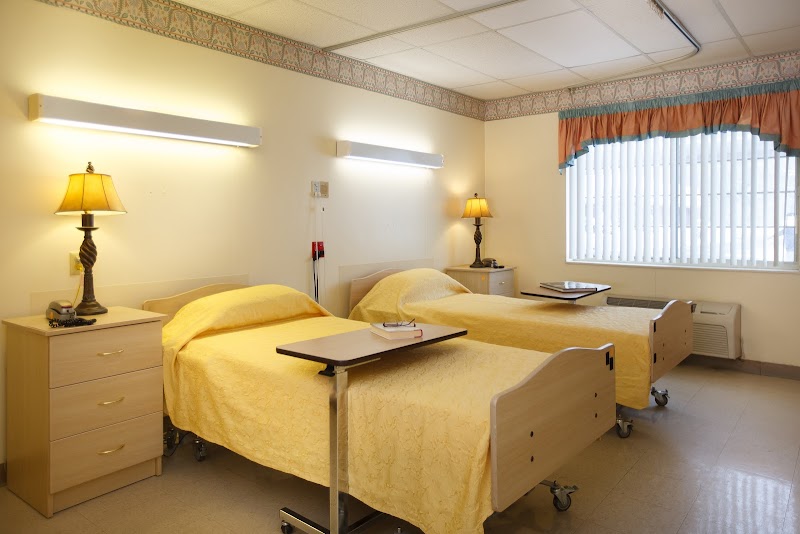
Who Owns and Operates Life Of Attleboro?

LIFE CARE CENTER OF ATTLEBORO is owned by a for-profit company. For-profit facilities operate as businesses with obligations to shareholders or private owners. The facility is operated by LIFE CARE CENTERS OF AMERICA, a chain that manages multiple nursing homes. With 123 certified beds and approximately 115 residents (about 93% occupancy), it is a mid-sized facility located in ATTLEBORO, Massachusetts.

How Does Life Of Attleboro Compare to Other Massachusetts Nursing Homes?

Compared to the 100 nursing homes in Massachusetts, LIFE CARE CENTER OF ATTLEBORO's overall rating (5 stars) is above the state average of 2.9, staff turnover (31%) is significantly lower than the state average of 46%, and health inspection rating (4 stars) is above the national benchmark.

What Should Families Ask When Visiting Life Of Attleboro?

Based on this facility's data, families visiting should ask: "Can I visit during a mealtime to observe dining assistance and food quality?" "How do you handle medical emergencies, and what is your hospital transfer rate?" "Can I speak with family members of current residents about their experience?"

Is Life Of Attleboro Safe?

Based on CMS inspection data, LIFE CARE CENTER OF ATTLEBORO has a clean safety record: no substantiated abuse findings (meaning no confirmed cases of resident harm), no Immediate Jeopardy citations (the most serious violation level indicating risk of serious injury or death), and is not on the Special Focus Facility watch list (a federal program monitoring the lowest-performing 1% of nursing homes). The facility has a 5-star overall rating and ranks #1 of 100 nursing homes in Massachusetts. While no facility is perfect, families should still ask about staff-to-resident ratios and recent inspection results during their visit.

Do Nurses at Life Of Attleboro Stick Around?

LIFE CARE CENTER OF ATTLEBORO has a staff turnover rate of 31%, which is about average for Massachusetts nursing homes (state average: 46%). Moderate turnover is common in nursing homes, but families should still ask about staff tenure and how the facility maintains care continuity when employees leave.

Was Life Of Attleboro Ever Fined?

LIFE CARE CENTER OF ATTLEBORO has no federal fines on record. CMS issues fines when nursing homes fail to meet care standards or don't correct problems found during inspections. The absence of fines suggests the facility has either maintained compliance or corrected any issues before penalties were assessed. This is a positive indicator, though families should still review recent inspection reports for the full picture.

Is Life Of Attleboro on Any Federal Watch List?

LIFE CARE CENTER OF ATTLEBORO is not on any federal watch list. The most significant is the Special Focus Facility (SFF) program, which identifies the bottom 1% of nursing homes nationally based on persistent, serious quality problems. Not being on this list means the facility has avoided the pattern of deficiencies that triggers enhanced federal oversight. This is a positive indicator, though families should still review the facility's inspection history directly.