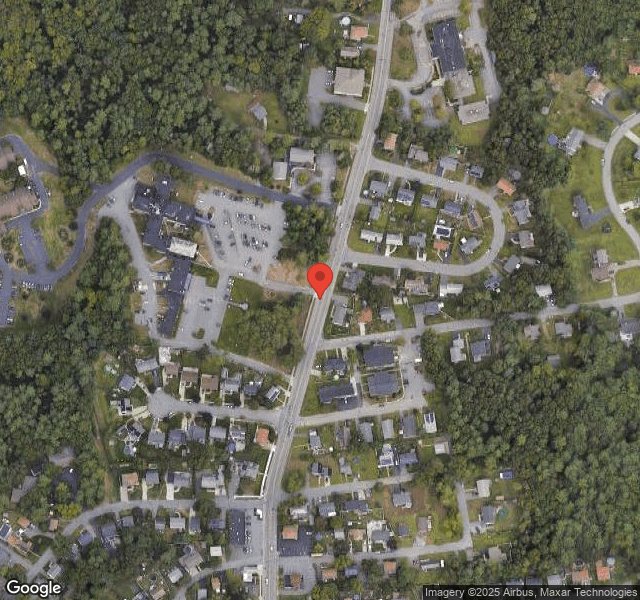




OAKS, THE

4525 ACUSHNET AVENUE, NEW BEDFORD, MA 02745 (508) 501-2012
For profit - Corporation 122 Beds LIFE CARE CENTERS OF AMERICA Data: November 2025
Trust Grade
75/100
#112 of 338 in MA
Last Inspection: December 2024

Within standard 12-15 month inspection cycle. Federal law requires annual inspections.

Overview

The Oaks in New Bedford, Massachusetts has a Trust Grade of B, indicating it is a good facility that is a solid choice for care. It ranks #112 out of 338 nursing homes in the state, placing it in the top half, and #5 out of 27 in Bristol County, meaning only four local options are better. The facility is showing improvement, with issues decreasing from 8 in 2023 to 4 in 2024, but still has concerns that need addressing. Staffing is an average 3 out of 5 stars with a turnover rate of 40%, which aligns closely with the state average. Notably, there were no fines reported, which is a positive sign, and there is average RN coverage, meaning residents receive good medical oversight. However, specific incidents raise concerns, such as failing to review medication regimens properly for three residents, which could lead to unnecessary medication use, and not adhering to infection control procedures during a COVID-19 outbreak, which poses potential health risks. Overall, while The Oaks has strengths, families should be aware of these weaknesses when considering care for their loved ones.

Trust Score
B
75/100
In Massachusetts
#112/338
Top 33%
Safety Record
Low Risk
No red flags
Inspections
Getting Better
8 → 4 violations
Staff Stability
○ Average
40% turnover. Near Massachusetts's 48% average. Typical for the industry.
Penalties
✓ Good
No fines on record. Clean compliance history, better than most Massachusetts facilities.
Skilled Nurses
○ Average
Each resident gets 34 minutes of Registered Nurse (RN) attention daily — about average for Massachusetts. RNs are the most trained staff who monitor for health changes.
Violations
⚠ Watch
15 deficiencies on record. Higher than average. Multiple issues found across inspections.
★★★★☆
4.0
Overall Rating
★★★☆☆
3.0
Staff Levels
★★★★☆
4.0
Care Quality
★★★★☆
4.0
Inspection Score
Stable
2023: 8 issues
2024: 4 issues

The Good

  • 4-Star Quality Measures · Strong clinical quality outcomes
  • Full Sprinkler Coverage · Fire safety systems throughout facility
  • No fines on record
  • Staff turnover below average (40%)

    8 points below Massachusetts average of 48%

Facility shows strength in quality measures, fire safety.

The Bad

Staff Turnover: 40%

Near Massachusetts avg (46%)

Typical for the industry

Chain: LIFE CARE CENTERS OF AMERICA

Part of a multi-facility chain

Ask about local staffing decisions and management

The Ugly 15 deficiencies on record

Dec 2024 4 deficiencies
CONCERN (D)

Potential for Harm - no one hurt, but risky conditions existed

Deficiency F0658 (Tag F0658)

Could have caused harm · This affected 1 resident

Based on record review and interview, the facility failed to provide care and services consistent with accepted standards of clinical practice for one Resident (#1), out of a total sample of 22 reside...

Read full inspector narrative →
Based on record review and interview, the facility failed to provide care and services consistent with accepted standards of clinical practice for one Resident (#1), out of a total sample of 22 residents. Specifically, the facility failed to ensure an as needed (PRN) Tylenol order contained all necessary components for a valid complete medication order and to ensure the right dose was administered per the physician's order. Findings include: Review of the facility's policy titled Physician Orders, dated as last revised 2/26/24, indicated but was not limited to the following: -A physician, physician assistant, or nurse practitioner must provide orders for the resident's immediate care and ongoing care of the resident. -The facility is obligated to follow and carry out the orders of the prescriber in accordance with all applicable state and federal guidelines. -Physician orders include medications and treatments. Review of the facility's policy titled Administration of Medications, dated as last reviewed 9/16/24, indicated but was not limited to the following: -The facility will ensure all medications are administered safely and appropriately per physician order. -Staff who are responsible for medication administration will adhere to the 10 Rights of Medication Administration: Right Drug, Right Resident, Right Dose, Right route, Right time and frequency, Right Documentation, Right Assessment, Right to refuse, Right Evaluation, and the Right education and information. -Right Dose: Check the Medication Administration Record (MAR) and the doctor's order before medicating. If there is any doubt about the dose on the MAR or if there is a question on the drug, stop and verify all information before administering. -A physician order that includes dosage, route, frequency, duration, and other required considerations including the purpose, diagnosis, or indication for use is required for administration of a medication. -Any order that is incomplete, illegible, or unclear, should be clarified. Review of the Massachusetts Board of Registration in Nursing Advisory Ruling #9324 titled Accepting, Transcribing and Implementing Prescriber Orders, dated as last revised 4/11/18, indicated but was not limited to the following: -Licensed Nurse accept, verify, transcribe, and implement orders from authorized prescribers. -The nurse is accountable for ensuring that any orders he or she implements are reasonable based on the nurse's knowledge of that particular patient's care needs at that time. -All Medication Orders: The minimum elements required for inclusion in a complete medication order include: a. Resident full name; b. Name of the medication; c. Dose and route of the medication; d. Frequency of the medication administration; e. A valid medication order date; f. Specific directions for administration; g. Signature of the duly authorized prescriber; and h. Signature of the individual accepting/verifying the order. Resident #1 was admitted to the facility in March 2023 with diagnoses including Parkinson's disease, restless leg syndrome, and gout (a complex form of arthritis causing pain). Review of the Minimum Data Set (MDS) assessment, dated 10/3/24, indicated Resident #1 scored 15 out of 15 on the Brief Interview for Mental Status (BIMS), indicating he/she was cognitively intact and was on a pain regimen. Review of the physician's orders for Resident #1 indicated but was not limited to the following: -Acetaminophen (Tylenol) oral tablet, give 2 tablets by mouth every 12 hours as needed for pain or fever. Do not exceed 3 grams in 24 hours. (start date 4/25/24-end date 7/19/24) The order failed to include the strength of the acetaminophen tablet. Review of the May and June MARs indicated the PRN acetaminophen was administered 5/1/24, 6/2/24, and 6/4/24. Review of the monthly pharmacist medication regimen reviews (MRR) indicated that on 6/14/24 and 7/17/24 it was recommended to clarify the acetaminophen order by adding the strength. During an interview on 12/11/24 at 10:58 A.M., Unit Manager #1 said all medication orders should have full instructions including the strength, dose, frequency, route, etc. and should not be administered if the order is incomplete; the order should have been clarified prior to administration, and she could not speak to why this order was not clarified or corrected until 7/19/24 because she was not in this role at that time. During an interview on 12/12/24 at 9:00 A.M., the Director of Nurses (DON) and Consulting Staff #1 said all orders should have a strength and dose included in the order and the order should have been clarified prior to administration. They said the acetaminophen should not have been administered per the order on the MAR as it was incomplete and missing the strength of the tablets.
CONCERN (E)

Potential for Harm - no one hurt, but risky conditions existed

Drug Regimen Review (Tag F0756)

Could have caused harm · This affected multiple residents

Based on record review and interview, the facility failed to ensure irregularities identified by the pharmacist during the monthly Medication Regimen Review (MRR) were reviewed and acted upon timely f...

Read full inspector narrative →
Based on record review and interview, the facility failed to ensure irregularities identified by the pharmacist during the monthly Medication Regimen Review (MRR) were reviewed and acted upon timely for three Residents (#1, #2, and #73), out of a total sample of five residents selected for unnecessary medication review. Specifically, the facility failed: 1. For Resident #1, to clarify the as needed (PRN) acetaminophen order by adding a strength and to add a stop date to the PRN Ativan/Lorazepam (anti-anxiety); 2. For Resident #2, to add a stop date to the PRN Trazodone (anti-depressant), PRN Ativan/Lorazepam, and PRN ABH (Ativan/Benadryl/Haldol) gel (anti-psychotic), and to reevaluate the continued need for prophylactic treatment with Methenamine (antibiotic) as a new order for Cefuroxime (antibiotic) prophylaxis was added indicating the Methenamine may not have been effective; and 3. For Resident #73, to review Seroquel as a possible contributor to a recent fall. Findings include: Review of the facility's policy titled Pharmacy Services and Medication Regimen Review, dated as last reviewed 9/16/24, indicated but was not limited to the following: -The facility maintains the resident's highest practicable level of physical, mental, and psychosocial well-being and prevents or minimizes adverse consequences related to medication therapy to the extent possible, by providing oversight by a licensed pharmacist, attending physician, medical director, and the director of nurses (DON). -The attending physician must document in the resident's medical record that the identified irregularity has been reviewed and what, if any, action has been taken to address it. If there is to be no change in the medication, the attending physician should document his or her rationale in the resident's medical record. Review of the facility's policy titled Psychotropic Medication Use, dated as last revised 10/24/22, indicated but was not limited to the following: -Psychotropic drugs include but are not limited to antipsychotics, anti-anxiety, antidepressants, or sedative-hypnotics that affect brain activities associated with mental processes and behavior. -PRN psychotropic medications should be ordered for no more than 14 days. Each resident who is taking a PRN psychotropic drug will have his or her prescription reviewed by the physician or prescribing practitioner every 14 days and by the pharmacist every month. -For psychotropic medications, excluding antipsychotics, that the attending physician believes a PRN order for longer than 14 days is appropriate, the attending physician can extend the prescription beyond 14 days for the resident by documenting their rationale in the resident's medical record. -The facility should not extend PRN antipsychotic orders beyond 14 days. 1. Resident #1 was admitted to the facility in March 2023 with diagnoses including Parkinson's disease, gout (a complex form of arthritis causing pain), and anxiety. Review of the Minimum Data Set (MDS) assessment, dated 10/3/24, indicated Resident #1 was on a pain regimen and was taking anti-anxiety medication. Review of the June 2024 pharmacist MRR indicated the following: -6/14/24: recommendation made to clarify the Acetaminophen order by adding the strength and to add a stop date for PRN Ativan. Review of the Physician's Orders indicated but were not limited to the following: -Acetaminophen (Tylenol) oral tablet, give 2 tablets by mouth every 12 hours PRN for pain or fever. Do not exceed 3 grams in 24 hours. (4/25/24) -Lorazepam (Ativan) oral tablet 0.5 milligrams (mg), give one tablet by mouth every 12 hours as needed for anxiety. (5/26/24) Further review of the medical record including physician's orders, progress notes, and MRR reports indicated the following: -The physician signed the 6/14/24 MRR and indicated to add a strength of 325 mg to the acetaminophen order, to continue the Ativan for 30 days, and to re-evaluate the Ativan on 7/19/24. -No rationale was documented regarding the need to extend the PRN Ativan on the MRR or in the progress notes. -A physician's order was entered to reevaluate the PRN Ativan on 7/19/24. The facility failed to review and implement MRR recommendations. The facility failed to update the order in the medical record for acetaminophen to include the strength and it remained an incomplete order. The facility failed to update the order in the medical record with a stop/end date for the Ativan and it remained indefinite order. Review of the July 2024 pharmacist MRR indicated the following: -7/17/24, recommendation was made again to clarify the acetaminophen order by adding the strength, noting the physician had signed the recommendation on 6/21 and the order had not been processed. Review of the Physician's Orders indicated but were not limited to the following: -Acetaminophen oral tablet, give 2 tablets by mouth every 12 hours as needed for pain or fever. Do not exceed 3 grams in 24 hours. (4/25/24) Further review of the medical record including physician's orders, progress notes, and MRR reports indicated the following: -The physician signed the 6/14/24 MRR to add a strength of 325 mg to the acetaminophen order on 6/21/24. The facility failed to update the order in the medical record for acetaminophen to include the strength until 7/19/24 after it was recommended a second time. Review of the August 2024 pharmacist MRR indicated the following: -8/7/24 recommendation made to add a stop date for PRN Ativan. Review of the Physician's Orders indicated but were not limited to the following: -Lorazepam (Ativan) oral tablet 0.5 mg, give one tablet by mouth every 12 hours as needed for anxiety. (5/26/24) Further review of the medical record including physician's orders, progress notes, and MRR reports indicated the following: -The PRN order Ativan from 5/26/24 remained active until 8/7/24. The facility failed to review and implement MRR recommendations. The facility failed to ensure the Ativan was reviewed on 7/19/24 and discontinued or extended if the physician deemed it necessary. The facility failed to ensure a rationale for continuation of the Ativan beyond 14 days was documented. 2. Resident #2 was admitted to the facility in September 2023 with diagnoses including dementia, anxiety, depression, and obstructive and reflux uropathy (condition where urine flow is blocked and flows backward to bladder and kidneys). Review of the MDS assessment, dated 9/5/24, indicated Resident #2 was taking antipsychotic, anti-anxiety, antidepressant, and antibiotic medications. Review of the May and June 2024 pharmacist MRRs indicated the following: -5/13/24: recommendation made to discontinue the PRN Trazodone or add a stop date that is less than 14 days from initiation. If the medication cannot be discontinued at this time, document the diagnoses specific condition, the intended duration of therapy, and the rationale for the extended time period prior to issuing a new order. -6/14/24: recommendation regarding Trazodone repeated from May. Additional recommendation made for Ativan without a stop date indicating if the medication cannot be discontinued at this time, please document the indication for use, intended duration of therapy, and the rationale for the extended time period. Review of the Physician's Orders indicated but were not limited to the following: -The Trazodone orders were rewritten multiple times related to dose changes and the repeated recommendation was in reference to separate Trazodone orders without stop dates. -Lorazepam (Ativan) oral concentrate 2mg/milliliter (ml) give 0.25 ml sublingually every 4 hours as needed for agitation and a half hour before care for anxiety/agitation. (6/11/24) Further review of the medical record including physician's orders, progress notes, and MRR reports indicated the following: -The MRR reports provided were blank and unsigned by the physician. The facility failed to review and implement MRR recommendations. The facility failed to ensure PRN Trazodone medication orders had stop dates and a rationale for continuing a PRN psychotropic medication beyond 14 days was documented in the medical record. The facility failed to ensure PRN Ativan had a stop date and/or a rationale for continuing a PRN psychotropic medication beyond 14 days was documented in the medical record. Review of the July 2024 pharmacist MRR indicated the following: -7/17/24: recommendation to re-evaluate prophylaxis Methenamine (antibiotic) and to discontinue if appropriate due to having a new order for Cefuroxime (antibiotic) for prophylaxis indicating the Methenamine may not have been effective. Review of the Physician's Orders indicated but were not limited to the following: -Methenamine Hippurate oral tablet 1 gram (gm) give one tablet by mouth two times a day for preventative for urinary tract infection (UTI). (6/17/24) -Cefuroxime Axetil oral tablet 250 mg give one tablet by mouth once a day for prophylaxis for UTI. (6/24/24-end 7/10/24-rewritten) -Cefuroxime Axetil oral tablet 250 mg give one tablet by mouth once a day for prophylaxis for UTI. (7/10/24 end 7/22/24-rewritten) -Cefuroxime Axetil oral tablet 250 mg give one tablet by mouth once a day for prophylaxis for UTI. (7/22/24-start 8/6/24 after other antibiotic finished) Further review of the medical record including physician orders, progress notes, and MRR reports indicated the following: -The MRR report provided was marked MLOA (medical leave of absence) and unsigned by the physician. Resident #2 was MLOA for 10 days and upon return had the same active orders for both Methenamine Hippurate and Cefuroxime Axetil. Review of the August 2024 pharmacist MRR indicated the following: -8/22/24: recommendation from July repeated. Additionally, he/she has a PRN order for an antipsychotic ABH (Ativan/Benadryl/Haldol) gel, without a stop date. Please discontinue or add stop date that does not exceed 14 days from initiation. If this PRN antipsychotic cannot be discontinued at this time, the prescriber should directly examine the resident to determine if the antipsychotic is still needed and document the specific condition being treated prior to issuing a new order. Centers for Medicare and Medicaid (CMS) requires that PRN orders for antipsychotic drugs be limited to 14 days. Review of the Physician's Orders indicated but were not limited to the following: -Methenamine Hippurate oral tablet 1gm give one tablet by mouth two times a day for preventative for UTI. (6/17/24) -Cefuroxime Axetil oral tablet 250 mg give one tablet by mouth once a day for prophylaxis for UTI. (7/22/24-start 8/6/24 after other antibiotic finished) -ABH Gel apply to skin topically every 24 hours PRN for anxiety/agitation and every 8 hours for agitation/anxiety (8/8/24-8/15/24-dose changed) -ABH Gel apply to skin topically as needed for anxiety/agitation give twice a day PRN and apply four times a day for agitation/anxiety (8/15/24) Further review of the medical record including physician orders, progress notes, and MRR reports indicated the following: -The MRR reports provided were blank unsigned by the physician. The facility failed to review and implement MRR recommendations. Review of the September 2024 pharmacist MRR indicated the following: -9/17/24: both recommendations from August were repeated. Review of the Physician's Orders indicated but were not limited to the following: -Methenamine Hippurate oral tablet 1gm give one tablet by mouth two times a day for preventative for UTI. (6/17/24) -Cefuroxime Axetil oral tablet 250 mg give one tablet by mouth once a day for prophylaxis for UTI. (7/22/24-start 8/6/24 after other antibiotic finished) -ABH Gel apply to skin topically as needed for anxiety/agitation give twice a day PRN and apply four times a day for agitation/anxiety (8/15/24) Further review of the medical record including physician orders, progress notes, and MRR reports indicated the following: -The MRR reports provided were blank unsigned by the physician. The facility failed to review and implement MRR recommendations. Review of the October 2024 pharmacist MRR indicated the following: -10/17/24: both recommendations from September repeated. Review of the Physician's Orders indicated but were not limited to the following: -Methenamine Hippurate oral tablet 1gm give one tablet by mouth two times a day for preventative for UTI. (6/17/24) -Cefuroxime Axetil oral tablet 250 mg give one tablet by mouth once a day for prophylaxis for UTI. (7/22/24-start 8/6/24 after other antibiotic finished) -ABH Gel apply to skin topically as needed for anxiety/agitation give twice a day PRN and apply four times a day for agitation/anxiety (8/15/24) Further review of the medical record including physician's orders, progress notes, and MRR reports indicated the following: -The MRR reports provided were signed by the physician and noted by Unit Manager #1 indicating the physician declined the recommendations. -The reason noted for the continued use of the prophylaxis antibiotic was documented as Urology recommendation. -The reason noted for the continued use of the PRN antipsychotic was documented as Hospice Medication. The facility failed to review and implement MRR recommendation for ABH Gel. Per CMS requirements antipsychotics must be limited to 14 days and a new order should not be written without the prescriber directly examining the resident and assessing the resident's condition. Review of the November 2024 pharmacist MRR indicated the following: -10/17/24: ABH recommendations from October were repeated. Additionally, the report indicated This is not exempt from CMS regulations. Review of the Physician's Orders indicated but were not limited to the following: -ABH Gel apply to skin topically as needed for anxiety/agitation give twice a day PRN and apply four times a day for agitation/anxiety (8/15/24) Further review of the medical record including physician's orders, progress notes, and MRR reports indicated the following: -The MRR reports provided were signed by the physician and noted by Unit Manager #1 indicating the physician declined the recommendations. -The reason noted for the continued use of the PRN antipsychotic was documented as Resident on Hospice. PRN is a hospice recommendation to assist with resident's behaviors. The facility failed to review and implement MRR recommendation for ABH Gel. Per CMS requirements antipsychotics must be limited to 14 days and a new order should not be written without the prescriber directly examining the resident and assessing the resident's condition. 3. Resident #73 was admitted to the facility in September 2023 with diagnoses including dementia with behavioral disturbances, Parkinson's disease, and abnormalities of gait and mobility. Review of the MDS assessment, dated 10/31/24, indicated Resident #73 was taking an antipsychotic medication. Review of the May 2024 pharmacist MRR indicated the following: -5/14/24: Resident #73 recently experienced a fall on 4/29. Review of the medical record identifying the following medications which may contribute to falls: Seroquel 12.5 mg daily at bedtime. Please evaluate these medications as possibly causing or contributing to falls and consider a trial discontinuation of Seroquel. Review of the Physician's Orders indicated but were not limited to the following: -Seroquel oral tablet 25 mg Give 12.5 mg by mouth at bedtime related to hallucinations (10/3/23) Further review of the medical record including physician's orders, progress notes, and MRR reports indicated the following: -The MRR report provided was blank and unsigned by the physician. The facility failed to review and implement MRR recommendations. Review of the June 2024 pharmacist MRR indicated the following: -6/14/24: recommendation from May was repeated. Additionally, noting another fall on 6/11 and Loratadine 10 mg daily (allergy medication) Review of the Physician's Orders indicated but were not limited to the following: -Seroquel oral tablet 25 mg Give 12.5 mg by mouth at bedtime related to hallucinations (10/3/23) -Loratadine tablet 10 mg give one tablet by mouth one time daily for allergy symptoms (6/11/24) Further review of the medical record including physician's orders, progress notes, and MRR reports indicated the following: -The MRR report provided was signed by the physician indicating they declined the recommendation. During an interview on 12/10/24 at 2:15 P.M., Nurse #3 said the Unit Manager does the MRRs and she thinks they are kept in the charts. During an interview on 12/10/24 at 2:42 P.M., Unit Manager #1 said the MRRs are kept in the charts after completed and did not know why they were not all in there and readily available. (The Director of Nurses (DON) needed to print some MRRs from her email for review by the surveyor). During an interview on 12/10/24 at 4:03 P.M., the DON said the MRRs should be addressed every month by the unit managers. She said she was not aware recommendations were being repeated and not addressed as she does not have a tracking system in place to ensure they are all addressed because the unit managers handle them. During an interview on 12/11/24 at 10:58 A.M., Unit Manager #1 said the MRR should be reviewed every month and she could not speak to why they had not been addressed as she was not in this role at the time. Additionally, she said the process is the MRR reports are emailed and printed; she writes notes on them for the physician, and then they are reviewed by the physician within a week, orders implemented and then filed in the chart. During an interview on 12/11/24 at 2:06 P.M., the DON said the MRR should have been addressed timely and she could not speak to why they were not done as she was not in this role at that time to oversee them. She said the process is the MRR reports are emailed to her and then dispersed to the unit managers who take care of them. She said there is not a cross-checking process to ensure they are all reviewed and addressed but there should be.
CONCERN (E)

Potential for Harm - no one hurt, but risky conditions existed

Medication Errors (Tag F0758)

Could have caused harm · This affected multiple residents

Based on record review and interview, the facility failed to ensure the residents' medication regimen was free from unnecessary psychotropic (anti-anxiety, antidepressant, and antipsychotic) as needed...

Read full inspector narrative →
Based on record review and interview, the facility failed to ensure the residents' medication regimen was free from unnecessary psychotropic (anti-anxiety, antidepressant, and antipsychotic) as needed (PRN) medications and they were limited to 14 days and not extended without the physician evaluating and documenting a rationale for continued use for three Residents (#1, #2, and #90), out of a total sample of five residents selected for unnecessary medication review. Specifically, the facility failed to ensure: 1. For Resident #1, PRN Ativan (anti-anxiety) was limited to 14 days and if the physician deemed it necessary to extend the PRN he/she documented in the medical record and a new order was written with an extended stop date; 2. For Resident #2, PRN Trazodone (antidepressant) and PRN Ativan were limited to 14 days and if the physician deemed it necessary to extend the PRN he/she documented in the medical record and a new order was written with an extended stop date and to ensure the PRN ABH (Ativan/Benadryl/Haldol) gel, (antipsychotic) was limited to 14 days and if the physician deemed it necessary to continue the PRN he/she documented in the medical record and a new order was written for a maximum of 14 days; and 3. For Resident #90, PRN Ativan was limited to 14 days and if the physician deemed it necessary to extend the PRN he/she documented in the medical record and a new order was written with an extended stop date. Findings include: Review of the facility's policy titled Psychotropic Medication Use, dated as last revised 10/24/22, indicated but was not limited to the following: -Facility should comply with the Psychopharmacological Dosage Guidelines created by the Centers for Medicare and Medicaid Services (CMS), the State Operations Manual, and all other Applicable Law relating to the use of psychopharmacologic medications including gradual dose reductions. -PRN psychotropic medications should be ordered for no more than 14 days. Each resident who is taking a PRN psychotropic drug will have his or her prescription reviewed by the physician or prescribing practitioner every 14 days. -For psychotropic medications, excluding antipsychotics, that the attending physician believes a PRN order for longer than 14 days is appropriate, the attending physician can extend the prescription beyond 14 days for the resident by documenting their rationale in the resident's medical record. -The facility should not extend PRN antipsychotic orders beyond 14 days. 1. Resident #1 was admitted to the facility in March 2023 with diagnoses including Parkinson's disease, gout (a complex form of arthritis causing pain), and anxiety. Review of the Minimum Data Set (MDS) assessment, dated 10/3/24, indicated Resident #1 was taking anti-anxiety medication. Review of the Physician's Orders indicated but were not limited to the following: -Lorazepam (Ativan) oral tablet 0.5 milligrams (mg), give one tablet by mouth every 12 hours as needed for anxiety. (start 5/26/24 - end 8/7/24) -Lorazepam (Ativan) oral tablet 0.5 mg give one tablet by mouth every 12 hours as needed for anxiety until 8/21/24. (start 8/7/24 - end 8/21/24) -Lorazepam (Ativan) oral tablet 0.5 mg give one tablet by mouth every 12 hours as needed for anxiety until 10/19/24 (start 9/26/24 - end 10/19/24) -Lorazepam (Ativan) oral tablet 0.5 mg give 0.25mg tablet by mouth every 8 hours as needed for anxiety for 14days (start 10/22/24 - end 11/5/24) -Lorazepam (Ativan) oral tablet 0.5 mg give one tablet by mouth every 8 hours as needed for anxiety for 90 days (11/5/24) Review of the Medication Administration Record (MAR) indicated the following: -Resident #1 received the PRN Ativan greater than five times after the initial 14days (6/8/24). Review of the Physician's Progress Notes indicated the following: -May through August: failed to indicate a rationale was documented regarding the need to extend the PRN Ativan beyond 14 days and the order remained active with no stop date until 8/7/24 (74 days). -8/7/24: failed to indicate a rationale was documented regarding the need to extend the PRN Ativan for an additional 14 days. -8/13/24: indicated the desire to continue the PRN Ativan due to positive effects. (7 days after the order was written) -8/21/24, 8/28/24, and 9/20/24: failed to indicate Resident #1 was experiencing adverse effects since the Ativan had been completed on 8/21/24 or that the medication should be re-instated. -10/2/24, 10/21/24, and 10/22/24: failed to indicate a rationale was documented regarding the need to write a new order on 9/26/24 for PRN Ativan beyond 14 days. The order was written for 23 days. -11/5/24: indicated the desire to continue the PRN Ativan for 90 days. The facility failed to ensure the initial PRN Ativan order was not written for more than 14 days, was reviewed on or before 6/8/24 (day 14) and then discontinued or extended if the physician deemed it necessary. The facility failed to ensure additional PRN Ativan orders were not written without a physician evaluation and documented rationale in the medical record. 2. Resident #2 was admitted to the facility in September 2023 with diagnoses including dementia, anxiety, depression, and obstructive and reflux uropathy (condition where urine flow is blocked and flows backward to bladder and kidneys). Review of the MDS assessment, dated 9/5/24, indicated Resident #2 was taking antipsychotic, anti-anxiety, and antidepressant medications. Further review of the MDS indicated the Resident was receiving Hospice services. Review of the Physician's Orders indicated but were not limited to the following: -Trazodone oral tablet give 25 mg by mouth twice a day PRN for anxiety/insomnia reevaluate in 14days. (start 4/23/24 - end 5/8/24) -Trazodone oral tablet 50 mg give 50 mg by mouth every 24 hours as needed for agitation. (start 5/8/24 - end 5/9/24) -Trazodone oral tablet 50 mg give one tablet by mouth every 12 hours as needed for agitation. (start 5/9/24 - end 5/22/24) -Trazodone oral tablet 50 mg give one tablet by mouth every 12 hours as needed for agitation until 5/23/24. Re-eval in 14 days (start 5/22/24 - end 5/23/24) -Trazodone oral tablet 50 mg tablet give one tablet by mouth every 24 hours PRN for agitation/anxiety for 30 days. (start 5/31/24 - end 6/1/24) -Trazodone oral tablet give 50 mg by mouth every 24 hours as needed for agitation/anxiety for 30 days and give half tablet three times a day. (start 6/1/24 - end 6/12/24) -Trazodone oral tablet give 25 mg by mouth daily PRN (start 6/12/24 - end 6/13/24) -Trazodone oral tablet give 25 mg by mouth every 24 hours PRN for anxiety/agitation (start 6/13/24 - end 6/17/24) -Trazodone oral tablet give 25 mg by mouth every 24 hours PRN for anxiety/agitation (start 6/17/24 - end 7/30/24) -Trazodone oral tablet give 25 mg by mouth every 24 hours PRN for care/agitation/anxiety for 90 days and give 25 mg by mouth two times a day. (start 7/30/24 - end 8/10/24) -Lorazepam (Ativan) oral concentrate 2 mg/milliliter (ml) give 0.25 ml sublingually every 4 hours as needed for agitation and a half hour before care for anxiety/agitation. (6/11/24) -ABH Gel apply to skin topically every 24 hours PRN for anxiety/agitation and every 8 hours for agitation/anxiety (8/8/24-8/15/24-dose changed) -ABH Gel apply to skin topically as needed for anxiety/agitation give twice a day PRN and apply four times a day for agitation/anxiety (8/15/24) Review of the MAR indicated the following: -Resident #2 received the PRN Trazodone one time after the initial 14 days. -Resident #2 received the PRN Ativan nine times after the initial 14 days. -Resident #2 received the ABH Gel one time after the initial 14 days. Review of the Physician's Progress Notes from 5/6/24 through 11/20/24 failed to indicate a rationale for continued and/or extended use of the PRN psychotropic medications. The facility failed to ensure PRN Trazodone medication orders had stop dates and a rationale for continuing a PRN psychotropic medication beyond 14 days was documented in the medical record. The facility failed to ensure PRN Ativan had a stop date and/or a rationale for continuing a PRN psychotropic medication beyond 14 days was documented in the medical record. The facility failed to ensure PRN ABH gel was limited to 14 days and if it could not be discontinued the prescriber should directly examine the resident to determine if the antipsychotic is still needed and document the specific condition being treated prior to issuing a new order. CMS requires that PRN orders for antipsychotic drugs be limited to 14 days. 3. Resident #90 was admitted to the facility in May 2023 with diagnoses including anxiety and respiratory failure. Review of the MDS assessment, dated 11/15/24, indicated Resident #90 was taking an antidepressant. Review of the Physician's Orders indicated but were not limited to the following: -Trazodone oral tablet 50 mg give 0.5 tablet by mouth every six hours as needed for anxiety/agitation for 14 days. (7/28/24-8/11/24) -Trazodone oral tablet 50 mg give 0.5 tablet by mouth every six hours as needed for anxiety (8/11/24-8/12/24) -Trazodone oral tablet 50 mg give 0.5 tablet by mouth every six hours as needed for anxiety until 8/27/24. (8/13/24-8/27/24) -Trazodone oral tablet 50 mg give 25 mg by mouth every six hours as needed for anxiety until 9/13/24. (8/30/24-9/13/24) -Trazodone oral tablet 50 mg give 25 mg by mouth every six hours as needed for anxiety. (9/17/24-9/18) -Trazodone oral tablet 50 mg give 25 mg by mouth every six hours as needed for anxiety for 14 days. (9/18/24-10/2/24) Review of the MAR indicated he/she was administered Trazodone greater than 15 times after the initial 14 days (8/11/24) Review of the Physician's Progress Notes from 7/28/24 through 10/28/24 failed to indicate a re-evaluation and rationale for continued/extended use of the PRN Trazodone. Further review of the 8/12/24 progress note indicated re-evaluation of the Trazodone and indicated the plan was to increase the bedtime Trazodone. The facility failed to ensure PRN Trazodone medication orders had stop dates and a rationale for continuing a PRN psychotropic medication beyond 14 days was documented in the medical record. During an interview on 12/10/24 at 2:15 P.M., Nurse #3 said Psychotropic medications are limited to 14 days and if the physician wants to extend it they have to write a note when they evaluate the resident. During an interview on 12/10/24 at 2:42 P.M., Unit Manager #1 said all PRN psychotropic medications are limited to 14 days then they can extend them to 30 days and then 90 days after the physician re-evaluates and writes a note. She said they cannot be indefinite orders unless they are on hospice, then we can keep the orders. During an interview on 12/10/24 at 4:03 P.M., the Director of Nurses (DON) said psychotropic medications can be longer than 14 days if the doctor writes a note and the same goes for anti-psychotics. During an interview on 12/10/24 at 4:03 P.M., Consulting Staff #1 said antipsychotics cannot be extended. She said they must always be limited to 14 days and if the physician deems another course is needed up to a maximum of 14 days they can evaluate and write a new order, but they cannot be over 14 days and hospice is not a reason for a longer psychotropic order or an indefinite order. During an interview on 12/11/24 at 10:58 A.M., Unit Manager #1 said PRN psychotropic medications should be limited to 14 days and if the physician wants to extend it beyond that they must write a note in the medical record. She was not sure why there was no documentation in the medical records to support extending the PRNs. Additionally, she said she was not aware being on Hospice was not a valid reason to support extending PRN medications or to allow them not to have a stop date. During an interview on 12/11/24 at 2:06 P.M., the DON said the PRN psychotropic medications should be limited to 14 days and then the physician should be evaluating and writing a progress note if they decide to extend PRN psychotropics and did not know why they had not done so. Additionally, she said she was not aware an antipsychotics could not be extended or that the ABH Gel had no stop date.
CONCERN (E)

Potential for Harm - no one hurt, but risky conditions existed

Infection Control (Tag F0880)

Could have caused harm · This affected multiple residents

**NOTE- TERMS IN BRACKETS HAVE BEEN EDITED TO PROTECT CONFIDENTIALITY** Based on observation, document review, record review, and interview, the facility failed to maintain an infection prevention and...

Read full inspector narrative →
**NOTE- TERMS IN BRACKETS HAVE BEEN EDITED TO PROTECT CONFIDENTIALITY** Based on observation, document review, record review, and interview, the facility failed to maintain an infection prevention and control program designed to provide a safe, sanitary, and comfortable environment, and to help prevent the development and potential transmission of communicable diseases and infections when the facility was currently experiencing an outbreak of COVID-19 infection on one (Maplewood) of three units, and failed to adhere to infection control procedures during a wound dressing change for one Resident (#89) out of a sample size of 22 residents. Specifically, the facility failed to: 1. Ensure residents on the Maplewood Unit with potential COVID -19 exposure unit were tested at least every 48 hours on the affected unit until the facility went seven days without a new case; and 2. For Resident #89, the facility failed to adhere to infection control procedures to prevent potential cross contamination during a wound vac dressing change. Findings include: Review of the Massachusetts Department of Public Health (DPH) Memorandum titled Update to Infection Prevention and Control Considerations When Caring for Long-Term Care Residents, Including Visitation Conditions, Communal Dining, and Congregate Activities, dated May 10, 2023, indicated but was not limited to the following: - Long-term care facilities are required to perform outbreak testing of residents and staff as soon as possible when a case is identified. - Once a new case is identified in a facility, following outbreak testing, long-term care facilities should test exposed residents and staff at least every 48 hours on the affected unit until the facility goes seven days without a new case unless the DPH epidemiologist directs otherwise. - Residents and staff who are recovered from COVID-19 in the last 30 days can be excluded from this testing. Review of the facility's policy titled COVID -19 Outbreak Investigation, dated as revised 10/22/24, indicated but was not limited to: -the facility will perform COVID-19 outbreak investigations in accordance with local, state and federal regulations to mitigate the spread of COVID-19 within facility -an outbreak investigation is initiated when a single new case of COVID-19 occurs among residents or staff to determine if others have been exposed. During an interview on 12/9/24 at 2:07 P.M., the Infection Control Nurse said the facility was in a COVID-19 outbreak and initiated outbreak testing as of 12/2/24 on the Maplewood Unit. The Infection Control Nurse said residents on the Maplewood Unit were being tested every 48 hours until the facility went 7 days without a positive test, which had not occurred thus far. Review of the Maplewood Unit Resident Testing indicated testing did not occur every 48 hours as required. Review of the Resident testing indicated: One of 28 residents was tested on [DATE], 12/4/24, and 12/9/24 (>48 hours from his/her previous test) One of 28 residents was tested on [DATE], 12/6/24, and 12/9/24 (>48 hours from his/her previous test) One of 28 residents was tested on [DATE], 12/4/24, 12/7/24 (>48 hours from his/her previous test), and 12/9/24 Twenty five of 28 residents were tested on [DATE], 12/4/24, 12/6/24, and 12/9/24 (>48 hours from his/her previous test) During an interview on 12/10/24 at 10:20 A.M., Nurse #1 and Nurse #2 said the prompt to test residents during an outbreak did not show up in the Resident Assessments, Medication Administration Record (MAR) or Treatment Administration Record (TAR). Nurse #1 and Nurse #2 said that during an outbreak they know to test residents on the unit because the unit manager or charge nurse communicates it to them that day. During an interview on 12/10/24 at 12:51 P.M., Unit Manager #1 said the residents on the Maplewood Unit should be tested for COVID-19 every 48 hours, and the entire floor had been tested on Friday and then again on Monday, we were supposed to do it on Sunday but did it on Monday instead. During an interview 12/9/24 at 4:40 P.M., the Director of Nurses (DON) said the facility was in a COVID-19 outbreak and testing was initiated on the Maplewood Unit on 12/2/24. The DON said testing was not scheduled in the Resident Assessments, MAR or TAR and the staff knew to test residents on the required days because they are told which units to test on which days. The DON said residents on the Maplewood Unit should have been tested every 48 hours until there was a seven-day span with no additional positive cases. During an interview on 12/10/24 at 12:42 P.M., the DON reviewed records for Resident #71 and #61 and said they should have been tested on the 8th, surveyor reported additional residents with concerns and DON to follow up. During an interview on 12/10/24 at 12:54 P.M., the DON said the residents on the Maplewood Unit should have been tested for COVID-19 on Sunday 12/8/24 but it did not occur until Monday 12/9/24. 2. Review of the facility's policy titled Negative Pressure Wound Therapy, Long Term Care, not dated, indicated but was not limited to the following: -Negative pressure wound therapy (NPWT), also called vacuum-assisted closure, is an adjunct wound therapy used with traditional wound therapy (such as debridement, dressing changes, and antimicrobial therapy), to accelerate wound healing while maintaining a moist wound environment. -NPWT is the application of continuous or intermittent sub atmospheric pressure (suction) to the surface of the wound to remove excess wound fluids that can cause maceration and delay healing, reduce edema and bacterial count, improve circulation to deliver oxygen and nutrients, stimulate granulation tissue formation and proliferation, and draw the wound edges together. -Gather and prepare the necessary equipment and supplies. -Organize the equipment and supplies on a clean surface. -Place a fluid-impermeable pad between the environment and equipment, if needed. -Arrange them in the order of use to avoid cross contamination while performing wound care. -Place a fluid impermeable pad under the wound to prevent soiling. -Apply a protective skin barrier, as needed and ordered, to the skin surrounding the wound that will come in contact with drainage, adhesive dressing or the suction tubing following the manufacturer's instructions. Let it dry for the time specified by manufacturer. Resident #89 was admitted to the facility in November 2024 with diagnoses which included laceration without foreign body left lower leg and local infection of the skin. Review of current Physician's Orders indicated but was not limited to the following: -Treatment: Location: Left lower leg (LLE) Etiology: Surgical debridement of laceration related to trauma. Clean with Wound cleanser spray. Apply NPWT/Vac per manufacturer's guidelines at 125 mmHG setting continuous. Every day shift, every Monday, Wednesday, and Friday for wound treatment. Order Date 12/6/2024. On 12/9/24 at 1:35 P.M., the surveyor observed the Infection Control (IC) Nurse perform NPWT Vac dressing change and made the following observations: -Resident #89 was sitting in a wheelchair with the LLE supported on the left leg rest with no fluid impermeable pad between the LLE and the floor. -The dressing supplies were in a pile on the Resident's bed in direct contact with the blanket (Clean barrier was not established). -A large package of 4 x 4 gauze was on the ground in front of the IC Nurse (Clean barrier was not established). -IC Nurse removed the 4 x 4 gauze from the package sitting on the floor to clean the wound bed. -During the cleaning of the wound bed, there was visible blood running down Resident #89's LLE onto the floor. -IC Nurse sprayed Skin prep around the wound with the wound bed open and susceptible to over spray. -IC Nurse removed gloves, sanitized hands, and applied a new pair of gloves. -IC Nurse opened the clean dressing supplies which were in contact with the Resident's bed blanket, allowing the clear dressing and the black foam to contact the outside of the packages and the bed blanket. -IC Nurse cut four strips of clear dressing and placed them directly on the bed in contact with the blanket. The clear dressing strips were then applied to the skin surrounding the open wound bed. -IC Nurse cut the black foam dressing to the wound size and then placed it on the bed, in contact with the outside packaging. The black foam dressing was then placed in direct contact with the wound bed and held in place by clear dressing strips which had contacted the outside packing and the bed blanket. -IC Nurse handled the outside surfaces of multiple packages of supplies which were in direct contact with the bed blanket. -IC Nurse cut additional clear dressing strips from supplies that were open and had contacted the bed blanket. The clear dressing strips were then applied to the wound area for additional coverage to complete the seal. -During the dressing change, the IC Nurse was not observed to change his gloves after handling the dressing supplies which were in direct contact with the Resident's bed blanket. During an interview on 12/10/24 at 4:01 P.M., the IC Nurse said he normally does not establish a clean surface and probably should have, but they are not always available. He said Resident #89 usually does not bleed like that and he sanitized the floor after he completed the dressing change. He said when he was spraying the edges of the wound with the skin prep, he tried to shield the wound bed from the over spray. Additionally, he said he often does the dressing changes by himself because there is not always someone available, but sometimes he gets help. During an interview on 12/11/24 at 10:19 A.M., the Corporate Staff Development Coordinator (SDC) Nurse said she is aware of the infection control issues with the dressing change and the policy should have been followed. She said the facility has enough supplies and resources for the dressing change to be performed correctly, and a clean surface barrier should have been established for the dressing change.
Sept 2023 8 deficiencies
CONCERN (D)

Potential for Harm - no one hurt, but risky conditions existed

Notification of Changes (Tag F0580)

Could have caused harm · This affected 1 resident

Based on interview, policy review, and record review, the facility failed to notify the physician of changes in condition, to re-evaluate the potential need to alter the treatment plan for one Residen...

Read full inspector narrative →
Based on interview, policy review, and record review, the facility failed to notify the physician of changes in condition, to re-evaluate the potential need to alter the treatment plan for one Resident (#33), in a total sample of 23 residents. Specifically, the facility failed to notify the physician when Resident #33's morning blood sugar level was 499. Findings include: Review of the facility's policy titled Blood Glucose Monitoring, dated as revised in September 2022, indicated the facility followed the Lippincott procedure. Review of the Lippincott procedure for Blood Glucose Monitoring, long term care indicated if you obtain an extremely high or low blood glucose level on the glucose monitor (glucometer), retest the resident. If the result is the same, notify the practitioner for review and new orders. Resident #33 was admitted to the facility in May 2016 with a diagnosis of diabetes mellitus. Review of the medical record indicated Resident #33 received insulin on a scheduled basis and on a sliding scale basis (units of insulin to be given would depend on the blood sugar level). Review of the medical record indicated a physician's order for sliding scale insulin, dated as discontinued in June 2022, included parameters which indicated to contact the physician if the blood sugar was below 50 or over 450. Review of the Physician's Orders indicated on 6/13/22 the previous sliding scale order was discontinued and a new order was initiated which did not include parameters of when to notify the physician. Review of the medical record indicated the most recent sliding scale order was initiated on 4/13/23: Novolog FlexPen Subcutaneous inject per sliding scale: if 200-249 = 4 units 250-299 = 6 units 300-349 = 8 units 350-399 = 10 units 400-449 = 12 units 450+ =14 units 450 OR GREATER, subcutaneously before meals for DM (diabetes mellitus). Review of the September 2023 Medication Administration Record (MAR) indicated the following blood sugar levels for Resident #33: 9/1/23 at 6:30 A.M.: 199 9/1/23 at 12:00 P.M.: refused 9/1/23 at 4:30 P.M.: 321 9/2/23 at 6:30 A.M.: 277 9/2/23 at 12:00 P.M.: 423 9/2/23 at 4:30 P.M.: 286 9/3/23 at 6:30 A.M.: 277 9/3/23 at 12:00 P.M.: 318 9/3/23 at 4:30 P.M.: 352 Review of the MAR indicated on 9/4/23 at 6:05 A.M. Resident #33 had a blood sugar of 499. The MAR indicated Resident #33 received 14 units of insulin. Review of the nursing progress notes failed to include a nurse's note from this time. During an interview on 9/12/23 at 4:03 P.M., Nurse #6 said she had cared for Resident #33 overnight on 9/3/23 through the morning on 9/4/23. She said in the morning on 9/4/23 the Resident's blood sugar was 499 and she provided the insulin of 14 units based on the sliding scale coverage. She said she did not notify the physician at this time as the sliding scale order did not indicate to call the physician. She said the Resident's blood sugars were not normally this high. She said she would have called the physician had the blood sugars been over 500. Review of the medical record indicated on 9/4/23 at 11:00 A.M., Resident #33 complained of nausea and was given Zofran (an anti-nausea medication). Review of the nursing progress note indicated Resident #33 was sweating and nauseous and the Zofran was given with no change. The progress note indicated the nurse checked the blood sugar at this time, which was 566. The on-call Nurse Practitioner was contacted and ordered a one-time dose of Humalog insulin 15 units and stat laboratory tests. The note indicated the Resident continued to look pale and began to vomit blood, the nurse checked the blood sugar again and the glucometer measured as high and an order was obtained to send the Resident to the hospital. During an interview on 9/12/23 at 3:17 P.M., Unit Manager #1 said Resident #33 had been admitted to the hospital with a gastrointestinal bleed. She said Resident #33 had an order for sliding scale insulin and the order should include parameters for when to contact the physician. The Unit Manager said all sliding scale orders should include parameters for when to contact the physician. She said the physician should have been called when the blood sugar for Resident #33 was 499. During an interview on 9/12/23 at 3:18 P.M., Nurse #5 said she was reviewing the medical record at this time and found the parameters on a previous order for when to call the physician. She said the parameters for calling the physician when the blood sugar was over 450 should have been carried over to the new orders. During an interview on 9/12/23 at 4:49 P.M., Nurse #7 said during her shift on 9/4/23 Resident #33 complained of nausea and was given Zofran. She said she checked the blood sugar around 11:00 A.M., earlier than usual, and it was 566. She said she contacted the Nurse Practitioner and obtained an order to give additional units of insulin and to obtain stat laboratory tests. She said she rechecked the Resident's blood sugar and the glucometer registered a blood sugar of high which meant it was over 600 and the Resident had started to vomit blood. She said she contacted the physician and the Resident was sent out to the hospital.
CONCERN (D)

Potential for Harm - no one hurt, but risky conditions existed

Deficiency F0583 (Tag F0583)

Could have caused harm · This affected 1 resident

Based on policy review, observations, and interviews, the facility failed to maintain privacy and confidentiality of medical records. Specifically, the facility failed to ensure resident records were ...

Read full inspector narrative →
Based on policy review, observations, and interviews, the facility failed to maintain privacy and confidentiality of medical records. Specifically, the facility failed to ensure resident records were not exposed during the medication pass. Findings include: Review of facility's policy titled Safeguarding and Storage of Medical Records, dated as last reviewed 3/16/23, indicated but was not limited to the following: -The medical record is a legal document that contains confidential resident information and should be safeguarded at all times. -Do not leave clinical records unattended in public areas. -Limit viewing access by unauthorized personnel and visitors by closing them when not in use. -The computer privacy screens on the medication carts will be used at all times when the cart is unattended. On 9/7/23 at 4:47 P.M., the surveyor observed Nurse #4 walk away from the medication cart leaving a laptop opened, with an exposed resident profile which included a resident's name, identifying photo and medical information visible on the computer screen to the surveyor and anyone in the vicinity. Additionally, a resident roster with nursing report was on the medication cart without a protective covering, leaving multiple residents' names and medical information exposed. On 9/7/23 at 4:56 P.M., the surveyor observed Nurse #4 walk away from the medication cart leaving a laptop opened, with an exposed resident profile which included a resident's name, identifying photo and medical information visible on the computer screen to the surveyor and anyone in the vicinity. Additionally, a resident roster with nursing report was on the medication cart without a protective covering, leaving multiple residents' names and medical information exposed. During an interview on 9/7/23 at 5:08 P.M., Nurse #4 said, The laptop should be closed or the screen locked so no one can see the residents' protected health information (PHI) and my report sheet should also be covered so no one can read it. During an interview on 9/12/23 at 5:00 P.M., the Administrator said the nurses should be shutting off the screen when they are not with the cart.
CONCERN (D)

Potential for Harm - no one hurt, but risky conditions existed

Assessment Accuracy (Tag F0641)

Could have caused harm · This affected 1 resident

Based on record review and interview, the facility failed to ensure the Minimum Data Set (MDS) assessment accurately reflected the status of one Resident (#30) with dentures, out of a total sample of ...

Read full inspector narrative →
Based on record review and interview, the facility failed to ensure the Minimum Data Set (MDS) assessment accurately reflected the status of one Resident (#30) with dentures, out of a total sample of 23 residents. Findings include: Resident #30 was admitted to the facility in May 2023. Review of the Inventory of Personal Effects sheet for Resident #30 indicated the Resident was admitted with upper dentures. Review of the Nursing admission Collection Tool, dated 5/12/23, indicated Resident #30 had no obvious problems or missing teeth. Review of the MDS assessment, dated 5/18/23, section L: oral/dental status indicated Resident #30 had no concerns regarding missing natural teeth or having tooth fragments (edentulous). Review of the progress notes, dated 6/28/23, indicated Resident #30 received the Heimlich maneuver following a choking episode on spaghetti. The Social Service's progress note indicated the family was contacted and reported the Resident was missing their upper dentures. During an interview on 9/12/23 at 12:26 P.M., the Registered Dietitian said she had completed Section L of the MDS. She said she had obtained the information from the nursing admission assessment and could not recall if she had physically observed the Resident. She said the MDS was coded incorrectly and the Resident was admitted without any natural teeth and with upper dentures.
CONCERN (D)

Potential for Harm - no one hurt, but risky conditions existed

Comprehensive Care Plan (Tag F0656)

Could have caused harm · This affected 1 resident

Based on record review and interview, the facility failed to ensure the medical record and individualized care plan indicated the plan and use of dentures for Resident #30. The total sample was 23 res...

Read full inspector narrative →
Based on record review and interview, the facility failed to ensure the medical record and individualized care plan indicated the plan and use of dentures for Resident #30. The total sample was 23 residents. Findings include: Resident #30 was admitted to the facility in May 2023. Review of the Inventory of Personal Effects sheet for Resident #30 indicated the Resident was admitted with upper dentures. Review of the Nursing admission Collection Tool, dated 5/12/23, indicated Resident #30 had no obvious problems or missing teeth. Review of the MDS assessment, dated 5/18/23, section L: oral/dental status indicated Resident #30 had no concerns regarding missing natural teeth or having tooth fragments (edentulous). Review of the progress notes, dated 6/28/23, indicated Resident #30 received the Heimlich maneuver following a choking episode on spaghetti. A Social Service's progress note, dated 6/28/23, indicated the family was contacted and reported the Resident was missing their upper denture. Review of the care plans, physician's orders, and care card prior to the incident date of 6/28/23 failed to indicate Resident #30 had dentures and what the plan or interventions were (when to put in, when to remove, where they were kept, Resident's independent or dependent ability to care for them). During an interview on 9/12/23 at 12:26 P.M., the Registered Dietitian said she had completed Section L of the MDS. She said she had obtained the information from the nursing admission assessment and could not recall if she had physically observed the Resident. She said the MDS was coded incorrectly and the Resident was admitted without any natural teeth and with upper dentures. She said had this section been completed to reflect the Resident's status a care plan would have been initiated to indicate a plan for the dentures.
CONCERN (D)

Potential for Harm - no one hurt, but risky conditions existed

Deficiency F0761 (Tag F0761)

Could have caused harm · This affected 1 resident

Based on policy review, observations, and interviews, the facility failed to ensure the medication cart was locked when unattended on one of three units. Findings include: Review of the facility's pol...

Read full inspector narrative →
Based on policy review, observations, and interviews, the facility failed to ensure the medication cart was locked when unattended on one of three units. Findings include: Review of the facility's policy titled Storage and Expiration Dating of Medications, Biologicals, dated as last revised 7/21/22, indicated but was not limited to the following: -Facility should ensure that all medications and biologicals, including treatment items, are securely stored in a locked cabinet/cart or locked medication room that is inaccessible to residents and visitors. On 9/7/23 from 4:20 P.M. to 5:08 P.M., the surveyor made the following observations: -At 4:20 P.M., Nurse #4 left the medication cart on the outside of the nurses' station unlocked and walked down the hallway with a medication cup. -At 4:22 P.M., Nurse #4 returned to the medication cart and at 4:24 P.M. she walked away from the medication cart, which was still unlocked. She entered the medication room behind the nurses' station and closed the door behind her. Three residents were sitting in wheelchairs approximately 10 feet from the unlocked and unsupervised medication cart. -At 4:25 P.M., Nurse #4 exited the medication room, returned to the medication cart, and wheeled the cart down the hallway. She then poured a resident's medications, walked away from the unlocked medication cart, and entered a room across the hallway. -At 4:36 P.M., Nurse #4 returned to the unlocked medication cart, poured medications for another resident. -At 4:44 P.M., Nurse #4 walked away from the medication cart and down the hallway to the nurses' station, leaving the medication cart unlocked and not in view, to obtain the vital sign machine. She returned to the medication cart with the vital sign machine, checked the computer and then entered a resident's room, again leaving the medication cart unlocked and not in view. -At 4:48 P.M., Nurse #4 returned to the medication cart to get the thermometer, left the unlocked cart, and re-entered the resident's room. -At 4:56 P.M., after returning to the medication cart, Nurse #4 walked away from the medication cart with the vital sign machine and entered another room, the medication cart remained unlocked and not in view of the nurse. -At 5:08 P.M., Nurse #4 exited the room and returned to the unlocked medication cart. During an interview on 9/7/23 at 5:08 P.M., Nurse #4 said, The medication cart should be locked all the time and it has been unlocked since I got here today. During an interview on 9/12/23 at 5:00 P.M., the Administrator said they should be locking the carts going into rooms or leaving the medication cart.
CONCERN (D)

Potential for Harm - no one hurt, but risky conditions existed

Laboratory Services (Tag F0770)

Could have caused harm · This affected 1 resident

Based on interview and record review, the facility failed to ensure laboratory services were obtained for one Resident (#6), out of a total sample of 23 residents. Specifically, the facility failed to...

Read full inspector narrative →
Based on interview and record review, the facility failed to ensure laboratory services were obtained for one Resident (#6), out of a total sample of 23 residents. Specifically, the facility failed to follow the physician's order to obtain a Tegretol level every four months. Findings include: Resident #6 was admitted to the facility in July 2013 with diagnoses of epilepsy and bipolar disorder. Review of the care plan indicated Resident #6 had a seizure disorder with a goal of being free from injury with an intervention of obtaining laboratory work as ordered. Review of the medical record for Resident #6 included an order effective 8/19/21 through 7/13/23 for Carbamazepine (an anticonvulsant generic for Tegretol) 300 milligrams (mg) three times per day and effective 7/13/23 to give Carbamazepine 200 mg twice per day. Review of the Physician's Orders included an order, dated 8/19/21, to obtain a Tegretol level every four months. Review of the laboratory results for Resident #6 indicated the most recent Tegretol level was obtained on 2/6/23. During an interview on 9/8/23 at 7:45 A.M., Unit Manager #2 said she had reviewed the documentation and was unable to locate any additional Tegretol levels since February 2023, seven months prior. She said the Tegretol level was not obtained every four months as ordered.
CONCERN (D)

Potential for Harm - no one hurt, but risky conditions existed

Medical Records (Tag F0842)

Could have caused harm · This affected 1 resident

Based on policy review, record review, and interviews the facility failed to accurately reflect in the electronic medical record (EMR) physician's orders, the resident's advanced directives recorded o...

Read full inspector narrative →
Based on policy review, record review, and interviews the facility failed to accurately reflect in the electronic medical record (EMR) physician's orders, the resident's advanced directives recorded on the Massachusetts Medical Orders for Life-Sustaining Treatment (MOLST) for two Residents (#99 and #109), out of a total sample of 23 residents. Specifically, the facility failed: 1. For Resident #99, to record the advanced directives which included: Do not intubate or ventilate order; and 2. For Resident #109, to record the advanced directives which included: Use artificial hydration. Findings include: Review of the facility's policy titled Advanced Directives and Advanced Care planning, dated as last reviewed 9/30/22, indicated but was not limited to the following: -If the resident has an advanced directive, the resident's attending physician is made aware of such, and the appropriate orders are incorporated into the resident's care plan. 1. Resident #99 was admitted to the facility in August 2023 with diagnoses which included surgical aftercare, coronary artery disease, heart failure, and cerebral infarction (stroke). Review of the MOLST signed by the Resident and the provider on 8/16/23, indicated to attempt resuscitation, do not intubate and ventilate, use non-invasive ventilation, transfer to the hospital, undecided on dialysis, undecided on artificial hydration, and undecided on artificial nutrition. Review of the Active Physician Order Summary, dated 9/7/23, in the Electronic Health Record (EHR), indicated the Resident was a Full Code. Review of the Care plan indicated he/she had advanced directives: Do not intubate; Do not Ventilate. 2. Resident #109 was admitted to the facility in July 2023 with diagnoses which included pneumonia, chronic atrial fibrillation (irregular heart rate), and chronic kidney disease. Review of the MOLST signed by the Resident and the provider on 7/31/23, indicated Resident #109 was a Do Not Resuscitate (DNR), Do Not Intubate (DNI), use non-invasive ventilation, transfer to the hospital, no dialysis, use artificial hydration and undecided on artificial nutrition. Review of the Active Physician Order Summary, dated 9/7/23, in the EHR indicated the Resident was a DNR, DNI, no artificial hydration and no dialysis. During an interview on 9/12/23 at 12:51 P.M., Nurse #8 said the EHR doesn't always reflect the full MOLST and that she checks the MOLST as that is a physician's order. During an interview on 9/12/23 at 12:55 P.M., Unit Manager #3 said the nurses go by the signed MOLST as that is the true physician's order. During an interview on 9/12/23 at 1:00 P.M., Case Manager #1 said when a resident is admitted they are coded in the EHR as a full code. When the physician signs the MOLST it should be changed to what the MOLST says.
CONCERN (E)

Potential for Harm - no one hurt, but risky conditions existed

Room Equipment (Tag F0908)

Could have caused harm · This affected multiple residents

Based on observation, interview, and record review, the facility failed to ensure one refrigerator in the main kitchen was maintained in good working condition as evidenced by the refrigerator not mai...

Read full inspector narrative →
Based on observation, interview, and record review, the facility failed to ensure one refrigerator in the main kitchen was maintained in good working condition as evidenced by the refrigerator not maintaining an internal temperature at or below 41 degrees Fahrenheit (F). Specifically, the facility failed to record the internal temperature twice a day, routinely clean the condenser coils, and maintain the door gasket to create a working seal. Findings include: Review of the U.S. Food and Drug Administration (FDA) Food Code, dated 2022, indicated but was not limited to the following: -FDA continues to recommend that food establishments limit the cold storage of time/temperature control for safety foods, ready to-eat foods to a maximum temperature of 41 degrees F. -Bacterial growth and/or toxin production can occur if TCS remains in the temperature Danger Zone of 41 degrees F to 135 degrees F too long. -Refrigeration- The facility's refrigerators and/or freezers must be in good working condition to keep foods at or below 41 degrees F and the freezer must keep frozen foods frozen solid. The following are methods to determine the proper working order of the refrigerators and freezers: -Document the temperature of external and internal refrigerator gauges as well as the temperature inside the refrigerator. Measure whether the temperature of a PHF/TCS food is 41 degrees or less. Review of the facility's policy titled Chapter 5: Sanitation and Food Safety, revised 9/8/22, indicated the following: Cold Food Storage -Ambient temperatures in refrigerators/coolers are to remain at or below 41 degrees Fahrenheit to significantly slow growth of microorganisms. -Temperatures are recorded at least twice daily on the Refrigerator/Freezer Temperature Log using an inside thermometer placed near the door which is the warmest part of the refrigerator, and any problems will be reported immediately to the Director of Food and Nutrition Services/Maintenance. Review of the Record of Refrigeration Temperatures log indicated for 9/1/2023 through 9/6/2023 the reach-in refrigerator temperatures were only recorded once daily in the morning. On 9/6/23 at 8:30 A.M., the surveyor observed the reach-in refrigerator in the main kitchen to have an internal temperature of 57 degrees F and the black rubber seal to be broken along the side extending across the bottom of the door. On 9/7/23 at 2:01 P.M., the surveyor observed the reach in refrigerator in the main kitchen to have an internal temperature of 60 degrees F. The Food Service Manager (FSM) with the surveyor present, checked the temperature of two pre-poured glasses of milk (covered with plastic wrap) with the facility's thermometer. The temperature of milk in glass #1 was 57.2 F and glass #2 was 56.7 F. The surveyor reviewed with FSM, the broken seal on the side and bottom of the refrigerator door. The FSM said the products inside the refrigerator should be below 41 degrees F and she will have maintenance look at the refrigerator. During an interview on 9/7/23 at 3:27 P.M., the Maintenance Director said he has had the gasket for the refrigerator door, he just needs to replace it. During an interview on 9/12/23 at 11:45 A.M., the FSM said the Maintenance Director replaced the gasket on the refrigerator and cleaned the condenser coils. She said the refrigerator has been maintaining temperature below 41 degrees F. She said she does not know the last time the refrigerator condenser coils were cleaned and didn't know she had to keep track of it.
May 2021 3 deficiencies
CONCERN (D)

Potential for Harm - no one hurt, but risky conditions existed

Deficiency F0658 (Tag F0658)

Could have caused harm · This affected 1 resident

Based on policy review, interview, and record review, the facility failed to ensure staff administered medications as ordered per accepted standards of practice for one Resident (#293) from a total sa...

Read full inspector narrative →
Based on policy review, interview, and record review, the facility failed to ensure staff administered medications as ordered per accepted standards of practice for one Resident (#293) from a total sample of 20 residents. Findings include: Review of the facility's policy for dialysis indicated the facility was to assure each resident on dialysis received care and services consistent with professional standards, on the day of dialysis to check medications the resident is taking, and to follow physician orders regarding medication administration. Resident #293 was admitted to the facility in May 2021 and received dialysis services at an outside vendor. Review of the medical record indicated Resident #293 attended dialysis on Tuesdays, Thursdays and Saturdays at 7:30 A.M. Review of the dialysis communication book included pre/post-communications forms. The form, dated 5/13/21, indicated a note from the facility to the dialysis center to clarify medication administration times. The form, dated 5/20/21, indicated a note from the facility (written in capital letters and highlighted in bright pink) to clarify the times of medication administration and indicated the medication administration forms were attached. The form, dated 5/27/21, included a note from the facility nurse indicating the Resident takes medications at 9:00 A.M. and to clarify. Review of the May 2021 Medication Administration Record (MAR) indicated Resident #293 was to receive the following medications at 8:00 A.M.: -Bumux (for fluid retention) 2 milligrams (mg) twice daily at 8:00 A.M. and 5:00 P.M. -Flovent (inhaler) 2 puffs, twice a day at 8:00 A.M. and 8:00 P.M. -Gabapentin (for pain) 100 mg, twice daily at 8:00 A.M. and 8:00 P.M. -Protonix (for gastro-esophageal reflux disease (GERD)) 40 mg, twice daily at 8:00 A.M. and 5:00 P.M. Review of the May 2021 MAR indicated these medications were not administered, as ordered, to Resident #293 on 5/13/21, 5/15/21, 5/18/21, 5/20/21, 5/22/21 and 5/27/21. Review of the physician's orders for Resident #293 did not include an order to hold the medications during dialysis days. During an interview on 5/27/21 at 2:52 P.M., Nurse #2 said Resident #293 left for dialysis prior to her shift. She said she had not administered medications to the Resident this morning as the Resident was not in the facility and said on the days Resident #293 attends dialysis he/she does not get their medications. Nurse #2 confirmed there was not an order to hold the Resident's medication during dialysis. Nurse #2 said she had not contacted the physician to obtain clarification on the medications being scheduled on times Resident #293 was not in the facility. During an interview on 5/28/21 at 7:27 A.M., Unit Manager #1 said she had not clarified the physician orders with the physician or with the dialysis center to ensure Resident #293's medications were given as ordered.
CONCERN (D)

Potential for Harm - no one hurt, but risky conditions existed

Deficiency F0698 (Tag F0698)

Could have caused harm · This affected 1 resident

Based on policy review, interview, and record review, the facility failed to ensure standards of practice for a Resident (#293) receiving dialysis services included communication with the dialysis cli...

Read full inspector narrative →
Based on policy review, interview, and record review, the facility failed to ensure standards of practice for a Resident (#293) receiving dialysis services included communication with the dialysis clinic, receiving medications prior to dialysis and ensuring post-dialysis weights were obtained; for one of one residents receiving dialysis, out of a total sample of 20 residents. Findings include: Review of the facility's policy for dialysis indicated the facility was to assure each resident on dialysis received care and services consistent with profession standards by having ongoing communication and collaboration with the dialysis facility regarding dialysis care and services. The policy indicated: on the day of dialysis to check medications the resident is taking, follow physician orders regarding medication administration, and initiate the pre/post-dialysis communication form. The policy also indicated post-dialysis to complete the post-dialysis communication form. Resident #293 was admitted to the facility in May 2021 and received dialysis services at an outside vendor. Review of the medical record indicated the Resident attended dialysis on Tuesdays, Thursdays and Saturdays at 7:30 A.M. Review of the pre/post-dialysis communication form for 5/13/21 indicated a note from the nursing home to clarify medication administration times. The dialysis center communication section was not completed and there was no response to the request to review medications. Review of the pre/post-dialysis communication form for 5/20/21 indicated a note from the nursing home (written in capital letters and highlighted in bright pink) to clarify the times of medication administration and indicated the medication administration forms were attached. The dialysis center communication section was not completed, did not include any post-dialysis information including vitals and pre/post-dialysis weight, and there was no response to the request to review medications. Review of the pre/post-communication form, dated 5/22/21, indicated the dialysis center did not complete the communication form to include vitals and pre/post-dialysis weight. Review of the pre/post-communication form, dated 5/25/21, indicated the dialysis center did not complete the communication form to include vitals and pre/post-dialysis weight. Review of the pre/post-communication form, dated 5/27/21, included a note from the facility nurse indicating Resident #293 takes medications at 9:00 A.M. and to clarify. During an interview on 5/27/21 at 2:52 P.M., Nurse #2 said Resident #293 left for dialysis prior to her shift and returned during her shift. She said she had not reviewed the dialysis book upon the return of the Resident and was not aware the dialysis center had not responded to the clarification regarding medication times. During an interview on 5/28/21 at 7:27 A.M., Unit Manager (UM) #1 said the facility sends the dialysis book with the communication forms with Resident #293 to the dialysis center. UM#1 said the dialysis center did not always complete the communication form and she would call the center sometimes to get a printed report. UM#1 said she had not reviewed the communication forms for Resident #293 and was unaware there was an issue with medication administration times and had not contacted the dialysis center to coordinate care.
CONCERN (D)

Potential for Harm - no one hurt, but risky conditions existed

Infection Control (Tag F0880)

Could have caused harm · This affected 1 resident

Based on observations and interviews, the facility failed to ensure staff implemented infection prevention and control practices and policies. Specifically, the facility staff failed to ensure that Pe...

Read full inspector narrative →
Based on observations and interviews, the facility failed to ensure staff implemented infection prevention and control practices and policies. Specifically, the facility staff failed to ensure that Personal Protective Equipment (PPE) was utilized properly when entering the rooms of quarantined residents. Findings include: Review of the Centers for Disease Control and Prevention (CDC) guidance titled Interim Infection Prevention and Control Recommendations for Health Care Personnel During the Coronavirus 2019 Pandemic, updated February 10, 2021, indicated healthcare personnel (HCP) who enter the room of a patient with suspected or confirmed SARS-CoV-2 infection, and also patients who have met criteria for 14 day quarantine and should be isolated and the HCP should follow recommendations for proper use of personal protective equipment (PPE) including gowns, face masks, eye protection and gloves. For residents requiring transmission based precautions and placed in quarantine for suspected COVID-19, the CDC recommendation for gown use is to put on a clean isolation gown upon entry into patient room or care area. Change the gown if soiled. Remove and discard the gown into a dedicated waste or linen container before leaving the patient room. On 5/25/21 at 10:00 A.M., the facility staff informed the surveyor that there were 10 residents in the facility that required quarantine and these residents resided on the Elmwood Place Unit. Review of the quarantine precaution signs (posted on the wall at the entrance to the resident's room) indicated that all staff must clean their hands when entering and exiting the room, wear a gown, mask, eye protection and gloves. -On 5/25/21 at 12:59 P.M., the surveyor observed Certified Nursing Assistant (CNA) #1 in the room of a resident who required droplet precautions/quarantine. CNA #1 donned (put on) an isolation gown, however the gown was not correctly donned as the entire back of CNA's #1 uniform was exposed. -On 5/25/21 at 2:00 P.M., the surveyor observed CNA #1 don her isolation gown and enter the room of a resident who required droplet precautions/quarantine. CNA #1 did not tie the isolation gown around her waist leaving the back of her uniform exposed. -On 5/26/21 at 9:46 A.M., the surveyor observed Activities Assistant #1 in the room of a resident who required droplet precautions/quarantine. Activities Assistant #1 had not tied the isolation gown around her waist, allowing the isolation gown to move/shift as she walked/moved exposing most of her uniform. -On 5/26/21 at 9:53 A.M., the surveyor observed Activities Assistant #1 in another resident's room who required droplet precautions/quarantine. Activities Assistant #1 had not tied the isolation gown securely around her neck and had not tied the isolation gown at the waist, allowing the isolation gown to move/shift as she walked/moved exposing most of her uniform. -During an observation and interview on 5/26/21 at 9:55 A.M., the surveyor observed Activities Assistant #1 in the room of a resident who required droplet precautions/quarantine. Activities Assistant #1 exited the room, still in full PPE, and moved a wheelchair directly next to the resident's doorway. Activities Assistant #1 said she was busy and was trying to get things in place for the resident and had forgotten to doff. -On 5/26/21 at 10:01 A.M., the surveyor observed Nurse #1 in the room of a resident who required droplet precautions/quarantine. Nurse #1 had not tied the isolation gown around the waist, exposing the entire back of her uniform. During an interview on 5/27/21 at 1:05 P.M., the surveyors reviewed the observed breeches of infection control with the Infection Preventionist. The IP said isolation gowns were to be donned so that the entire uniform was covered and staff should doff their PPE prior to exiting the room.
Understanding Severity Codes (click to expand)
Life-Threatening (Immediate Jeopardy)
J - Isolated K - Pattern L - Widespread
Actual Harm
G - Isolated H - Pattern I - Widespread
Potential for Harm
D - Isolated E - Pattern F - Widespread
No Harm (Minor)
A - Isolated B - Pattern C - Widespread

Questions to Ask on Your Visit

  • "Can I speak with families of current residents?"
  • "What's your RN coverage like on weekends and overnight?"

Our Honest Assessment

Strengths
  • • No major safety red flags. No abuse findings, life-threatening violations, or SFF status.
  • • No fines on record. Clean compliance history, better than most Massachusetts facilities.
  • • 40% turnover. Below Massachusetts's 48% average. Good staff retention means consistent care.
Concerns
  • • 15 deficiencies on record. Higher than average. Multiple issues found across inspections.
Bottom line: Generally positive indicators. Standard due diligence and a personal visit recommended.

About This Facility

What is Oaks, The's CMS Rating?

CMS assigns OAKS, THE an overall rating of 4 out of 5 stars, which is considered above average nationally. Within Massachusetts, this rating places the facility higher than 99% of the state's 100 nursing homes. This rating reflects solid performance across the metrics CMS uses to evaluate nursing home quality.

How is Oaks, The Staffed?

CMS rates OAKS, THE's staffing level at 3 out of 5 stars, which is average compared to other nursing homes. Staff turnover is 40%, compared to the Massachusetts average of 46%. This relatively stable workforce can support continuity of care. RN turnover specifically is 58%, which is notably high. RNs provide skilled clinical oversight, so turnover in this role can affect medical care quality.

What Have Inspectors Found at Oaks, The?

State health inspectors documented 15 deficiencies at OAKS, THE during 2021 to 2024. These included: 15 with potential for harm.

Who Owns and Operates Oaks, The?

OAKS, THE is owned by a for-profit company. For-profit facilities operate as businesses with obligations to shareholders or private owners. The facility is operated by LIFE CARE CENTERS OF AMERICA, a chain that manages multiple nursing homes. With 122 certified beds and approximately 110 residents (about 90% occupancy), it is a mid-sized facility located in NEW BEDFORD, Massachusetts.

How Does Oaks, The Compare to Other Massachusetts Nursing Homes?

Compared to the 100 nursing homes in Massachusetts, OAKS, THE's overall rating (4 stars) is above the state average of 2.9, staff turnover (40%) is near the state average of 46%, and health inspection rating (4 stars) is above the national benchmark.

What Should Families Ask When Visiting Oaks, The?

Based on this facility's data, families visiting should ask: "Can I visit during a mealtime to observe dining assistance and food quality?" "How do you handle medical emergencies, and what is your hospital transfer rate?" "Can I speak with family members of current residents about their experience?"

Is Oaks, The Safe?

Based on CMS inspection data, OAKS, THE has a clean safety record: no substantiated abuse findings (meaning no confirmed cases of resident harm), no Immediate Jeopardy citations (the most serious violation level indicating risk of serious injury or death), and is not on the Special Focus Facility watch list (a federal program monitoring the lowest-performing 1% of nursing homes). The facility has a 4-star overall rating and ranks #1 of 100 nursing homes in Massachusetts. While no facility is perfect, families should still ask about staff-to-resident ratios and recent inspection results during their visit.

Do Nurses at Oaks, The Stick Around?

OAKS, THE has a staff turnover rate of 40%, which is about average for Massachusetts nursing homes (state average: 46%). Moderate turnover is common in nursing homes, but families should still ask about staff tenure and how the facility maintains care continuity when employees leave.

Was Oaks, The Ever Fined?

OAKS, THE has no federal fines on record. CMS issues fines when nursing homes fail to meet care standards or don't correct problems found during inspections. The absence of fines suggests the facility has either maintained compliance or corrected any issues before penalties were assessed. This is a positive indicator, though families should still review recent inspection reports for the full picture.

Is Oaks, The on Any Federal Watch List?

OAKS, THE is not on any federal watch list. The most significant is the Special Focus Facility (SFF) program, which identifies the bottom 1% of nursing homes nationally based on persistent, serious quality problems. Not being on this list means the facility has avoided the pattern of deficiencies that triggers enhanced federal oversight. This is a positive indicator, though families should still review the facility's inspection history directly.