SPAULDING NURSING AND THERAPY CENTER - BRIGHTON
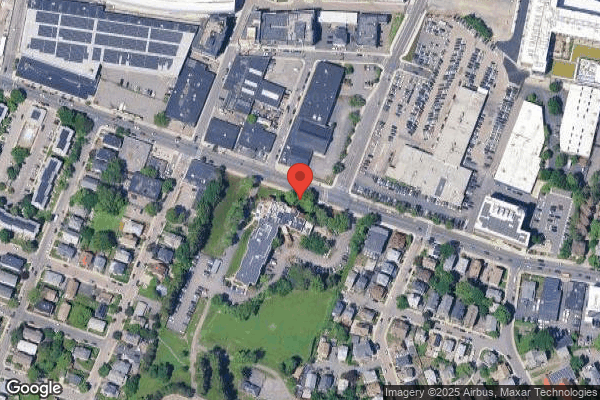
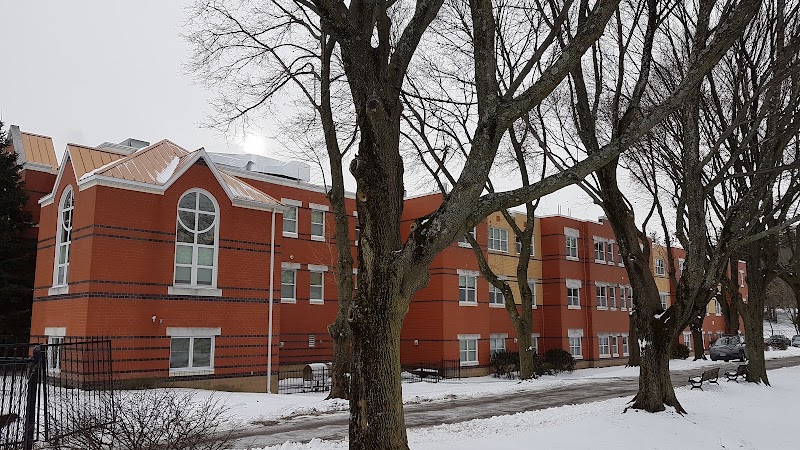
100 N BEACON STREET, BOSTON, MA 02134 (617) 325-5400
Non profit - Corporation 123 Beds Independent Data: November 2025
Trust Grade
83/100
#54 of 338 in MA
Last Inspection: March 2025

Within standard 12-15 month inspection cycle. Federal law requires annual inspections.

Overview

Spaulding Nursing and Therapy Center in Brighton, Massachusetts, has a Trust Grade of B+, indicating it is above average and recommended for families seeking care. It ranks #54 out of 338 facilities in Massachusetts, placing it in the top half, and #5 out of 22 in Suffolk County, suggesting only four local facilities offer better options. However, the trend is concerning as the number of issues has worsened from 1 in 2024 to 5 in 2025. Staffing is a strength, with a 5-star rating and a turnover rate of 38%, which is below the state average, meaning staff members are generally stable and familiar with residents. Despite good RN coverage, more than 100% of state facilities, the facility received $7,901 in fines, which is average but indicates some compliance issues. Recent inspections revealed some serious concerns. One incident involved a resident who suffered a second-degree burn after being left unattended with a hot pack, highlighting a failure in supervision. Additionally, a medication cart was found unlocked and unattended, and another resident was not properly monitored while taking medication, with pills left unsecured at their bedside. While the facility has strengths in staffing and overall ratings, these incidents raise important questions about resident safety and care protocols.

Trust Score
B+
83/100
In Massachusetts
#54/338
Top 15%
Safety Record
Moderate
Needs review
Inspections
Getting Worse
1 → 5 violations
Staff Stability
○ Average
38% turnover. Near Massachusetts's 48% average. Typical for the industry.
Penalties
✓ Good
$7,901 in fines. Lower than most Massachusetts facilities. Relatively clean record.
Skilled Nurses
✓ Good
Each resident gets 207 minutes of Registered Nurse (RN) attention daily — more than 97% of Massachusetts nursing homes. RNs are the most trained staff who catch health problems before they become serious.
Violations
○ Average
7 deficiencies on record. Average for a facility this size. Mostly minor or procedural issues.
★★★★★
5.0
Overall Rating
★★★★★
5.0
Staff Levels
★★★★☆
4.0
Care Quality
★★★★☆
4.0
Inspection Score
Stable
2024: 1 issues
2025: 5 issues

The Good

  • 5-Star Staffing Rating · Excellent nurse staffing levels
  • 4-Star Quality Measures · Strong clinical quality outcomes
  • Full Sprinkler Coverage · Fire safety systems throughout facility
  • No fines on record
  • Staff turnover below average (38%)

    10 points below Massachusetts average of 48%

Facility shows strength in staffing levels, quality measures, fire safety.

The Bad

Staff Turnover: 38%

Near Massachusetts avg (46%)

Typical for the industry

Federal Fines: $7,901

Below median ($33,413)

Minor penalties assessed

The Ugly 7 deficiencies on record

1 actual harm
Mar 2025 5 deficiencies
CONCERN (D)

Potential for Harm - no one hurt, but risky conditions existed

Deficiency F0554 (Tag F0554)

Could have caused harm · This affected 1 resident

Based on observation, interview and policy review, the facility failed to ensure a resident was assessed for the ability to self-administer medications, failed to observe a resident take prescribed me...

Read full inspector narrative →
Based on observation, interview and policy review, the facility failed to ensure a resident was assessed for the ability to self-administer medications, failed to observe a resident take prescribed medication, and left the medication at the bedside, unsecured. Findings include: Review of the facility policy Medication Administration dated 5/28/24, indicated: - Observe the patient taking the medication and no medications are left at bedside. On 3/11/25 at 8:46 A.M., the surveyor observed a resident in his/her room sitting in a chair located in front of a breakfast tray. On the tray was a medicine cup which contained 8 pills of various sizes and colors. The Resident said that about five minutes ago a nurse left the medicine on his/her breakfast tray and then left the room. The Resident said that some nurses watch him/her take the medication while others leave the medication on the tray for him/her to take later. Review of the resident's medical record indicated he/she had not been screened for medication self-administration and did not have a physician's order to self-administer medications. During an interview with the Nursing Supervisor on 3/12/25 at 9:30 A.M., she said the resident did not have an order for medication self-administration. The Nursing Supervisor said nurses are not allowed to leave medications unsecured in resident bedrooms.
CONCERN (D)

Potential for Harm - no one hurt, but risky conditions existed

Pressure Ulcer Prevention (Tag F0686)

Could have caused harm · This affected 1 resident

Based on observation, record review and interview the facility failed to implement a treatment order timely for an identified pressure injury for one Resident (#184), out of a total sample of 20 resid...

Read full inspector narrative →
Based on observation, record review and interview the facility failed to implement a treatment order timely for an identified pressure injury for one Resident (#184), out of a total sample of 20 residents. Specifically, for Resident #184, a treatment order was not implemented until 72 hours after the facility first identified his/her pressure injury. Findings include: Review of the facility's Skin and Wound Care Policy, with a current revision date 3/4/2025 includes but is not limited to the following: Purpose: to outline how skin assessment and wound care is delivered safely and effectively within the facility. Policy Statement *Two nurses will provide a comprehensive skin assessment for all patients on admission ('four eyes skin check). *Comprehensive skin assessments will be completed a minimum once per day. Any undocumented or worsening pressure injuries, atypical, deteriorating or otherwise clinically concerning wounds warrant an order for IP Consult to Wound Nurse. *A validated tool to assess the risk of pressure ulcer development will be utilized to help determine treatment and preventative interventions. (Braden/Braden Q) *All pressure injuries will be categorized on admission by the wound care nurse or the designee using National Pressure Injury Advisory Panel staging system (NPIAP 2016) Review of the National Pressure Injury Advisory Panel (NPIAP) indicted the following definition for a Stage 2 Pressure Injury: Partial-thickness skin loss with exposed dermis Partial-thickness loss of skin with exposed dermis. The wound bed is viable, pink or red, moist, and may also present as an intact or ruptured serum-filled blister. Adipose (fat) is not visible and deeper tissues are not visible. Granulation tissue, slough and eschar are not present. These injuries commonly result from adverse microclimate and shear in the skin over the pelvis and shear in the heel. This stage should not be used to describe moisture associated skin damage (MASD) including incontinence associated dermatitis (IAD), intertriginous dermatitis (ITD), medical adhesive related skin injury (MARSI), or traumatic wounds (skin tears, burns, abrasions). Resident #184 was admitted to the facility in February 2025 and has diagnoses that include but not limited to failure to thrive in adult, rheumatoid arthritis, pneumonia, and breast cancer. Minimum Data Set Assessment information was not available at the time of survey for Resident #184. Review of the Brief Interview for Mental Status Exam, dated 3/2/25 indicated Resident #184 had a score of 13 out of 15, indicating he/she has intact cognitive status. Further review of the medical record indicated Resident #184 requires partial to moderate assistance from staff for toileting hygiene and supervision/touching assistance with dressing, and receives enteral nutrition (tube feeding, a way of providing nutrition directly into the gastrointestinal tract through a tube). Review of the Braden Scale for Predicting Pressure Injury Risk dated 2/27/25 indicated Resident #184 had a score of 17, which indicates he/she as being mild risk for developing a pressure injury. During an observation and interview on 3/11/25 at 8:32 A.M., Resident #184 was sitting up in a chair. Resident #184's bed was equipped with an air mattress. Resident #184 said he/she has a wound on his/her buttock and that he/she did not come in with it. Review of the LDA (Lines/Drains/Airways - a field in the electronic health records) and wounds flowsheets indicated the following: Wound Pressure Injury date first assessed 2/28/25 primary wound stage 2 PI (pressure injury), present on admission, location left buttocks, Wound description Stage 2 PI. Review of the physician's orders indicated: Daily dressing to left buttocks PI, cleanse with normal saline and pat dry, cover with TRIAD hydrophilic wound dressing apply in a dime-thickness and cover with bordered dressing. Do not scrub old Triad off with force, just cleanse with gray bath wipes and if doesn't all have to be removed prior to reapplying, change daily, initiated 3/3/25. The physician's orders indicated a treatment was not implemented for Resident #184's pressure injury until 3/3/25; three days after it was first identified. Review of the facility's incident report, titled Event: Skin/Tissue, dated 3/3/25 indicated the event occurred on 2/28/25. Event type Pressure Ulcer. Objectively describe the event: On 3/3/25 I was asked to review a 2nd day skin check photo of patient has a pressure injury (sic) small stage 2 PI noted on left buttocks. Actual Ulcer Stage, Stage 2, Ulcer Location: Left buttocks. Where was ulcer acquired? Noted on admission. During an interview on 3/12/25 at 9:22 A.M., Nurse #3 said the order for Resident #184's pressure injury was put in place on 3/3/25 and that there was no other treatment to the pressure injury prior to 3/3/25. During an interview on 3/12/25 at 9:28 A.M., Charge Nurse #1 said Resident #184 is at risk for developing pressure ulcers due to poor appetite and is on enteral feeding. Charge Nurse #1 reviewed Resident #184's medical record and said Resident #184 has a left buttock pressure injury. Charge Nurse #1 reviewed the record and said the Pressure injury on Resident #184's left buttock was identified on 2/28/25. Charge Nurse said there was no measurement of the wound, but it was noted as a Stage 2 Pressure injury. Charge Nurse #1 said when a pressure injury is identified the wound nurse is made aware, the MD (medical doctor) is notified, and a treatment is obtained. Charge Nurse #1 said a treatment for Resident #184's wound did not get placed until 3/3/24, three days after the pressure area was identified. During an interview on 3/12/25 at 9:53 A.M., Unit Manager #1 said a treatment for a pressure injury should be in place when it is identified. During an interview on 3/12/25 at 10:05 A.M., the Wound Nurse, said she did not see the resident's pressure injury and that if the area was identified on 2/28/25 that the provider should have been notified, and a treatment order should be obtained, and should not have waited until 3/3/25. During an interview on 3/12/25 at 10:17 A.M., the Director of Nursing said a treatment order should have been obtained for the pressure injury when it was identified.
CONCERN (D)

Potential for Harm - no one hurt, but risky conditions existed

Medication Errors (Tag F0758)

Could have caused harm · This affected 1 resident

Based on record review and interview, the facility failed to ensure that an as needed (PRN) order for psychotropic medication was limited to 14 days for one Resident (#7) out of a total sample of 20 r...

Read full inspector narrative →
Based on record review and interview, the facility failed to ensure that an as needed (PRN) order for psychotropic medication was limited to 14 days for one Resident (#7) out of a total sample of 20 residents. Findings include: Review of facility policy titled 'Procedure for Psychotropic Consent' dated February 2017, indicated the following but not limited to: -PRN (as needed) orders for psychotropic medications which are not for antipsychotic medications are limited to 14 days, unless the attending physician/prescribing practitioner documents a rationale to extend the medication. Resident #7 was admitted to the facility in October 2017 with diagnoses including anoxic brain damage. Review of the current physician order indicated the following: -Date modified 2/18/25, Lorazepam (ativan) tablet 0.5 mg (milligram). Give one tablet by gastrostomy tube route three times a day as needed for anxiety/agitation. Review of the pharmacy recommendation dated 3/5/25 indicated the following:' Please evaluate the continued need for this medication. A rationale could not be located on the progress note. If it is to be extended please document the rationale for the extended time period in the medical record and indicate specific duration. Review of the Nurse Practitioner note dated 3/11/25 indicated the following: Recommendations reviewed and no changes made based on the following rationale: LT (Long Term) care patient -using for agitation with good effects. Review of the Nurse Practitioner note failed to indicate a specific duration for the PRN Lorazepam. Review of the Medication Administration Record indicated the Resident had received the Lorazepam 17 times from 2/19/25 through 3/11/25. During an interview on 3/12/25 at 10:23 A.M., the Director of Nursing said PRN psychotropics should have a 14 day stop date.
CONCERN (D)

Potential for Harm - no one hurt, but risky conditions existed

Infection Control (Tag F0880)

Could have caused harm · This affected 1 resident

Based on observation and interviews, the facility failed to ensure infection control practices were maintained to prevent spread of infection during medication pass. Findings include: During medicati...

Read full inspector narrative →
Based on observation and interviews, the facility failed to ensure infection control practices were maintained to prevent spread of infection during medication pass. Findings include: During medication pass observation on 3/12/25 at 8:40 A.M., on the 3rd floor unit. Nurse #2 was observed touching pills with her bare hands as she poured the medications from the blister pack and the bottles. During an interview on 3/12/25 at 8:56 A.M., Nurse #2 said she was touching the pills with her bare hands because she had sanitized her hands. During an interview 3/12/25 at 9:44 A.M., the Infection Control Nurse said nurses should not touch medications with bare hands during medication administration.
CONCERN (E)

Potential for Harm - no one hurt, but risky conditions existed

Deficiency F0761 (Tag F0761)

Could have caused harm · This affected multiple residents

Based on observations, interviews and policy review, the facility failed to ensure staff stored drugs and biological's in accordance with State and Federal requirements. Specifically, the facility fai...

Read full inspector narrative →
Based on observations, interviews and policy review, the facility failed to ensure staff stored drugs and biological's in accordance with State and Federal requirements. Specifically, the facility failed to ensure medication carts were locked while a nurse was not present. Findings include: Review of the facility policy titled Medication Storage, dated revised 8/2/24, indicated that carts, cabinets and other areas containing medications must be kept locked at all times when not in use. Further review indicated that all medications on the nursing units are stored securely in the med (medication) carts. On 3/11/25 at 7:42 A.M., the surveyor observed a medication cart unlocked and unattended in the hallway of the 2nd floor nursing unit. At 7:44 A.M., Nurse #1 arrived at the medication cart and said she was not aware the cart was unlocked and then locked it. On 3/11/25, at 8:33 A.M. the surveyor observed a medication cart open on the second floor. The surveyor was able to access the medication cart and open the drawers. The surveyor also observed several nurses and other staff members down the hall, not paying attention to the medication cart with the drawer wide open. The surveyor observed 2 staff members walk towards the medication cart, look at the open drawer, and then enter resident's rooms to deliver food trays. During an interview on 3/11/25, at 8:38 A.M., Unit Manager #1 said the medication cart was not supposed to be unlocked. During an interview on 3/11/25 at 8:42 A.M., Nurse #2 said she should not have left the medication cart open and should have locked it when she left. On 3/12/24 at 12:19 P.M. the surveyor observed a medication cart unlocked on the 2nd floor and unattended and accessible to others in the area. The nurse exited a resident room, walked down the hallway, passed the cart and went behind the nurse's station. The medication cart was equipped with an automatic locking mechanism which engaged at approximately 12:21 P.M. During an interview on 3/12/25, at 1:30 P.M. the Director of Nursing said that some of the medication carts are equipped with a timer that automatically lock the cart after 4 minutes of being idle.
Mar 2024 1 deficiency
CONCERN (D) 📢 Someone Reported This

A family member, employee, or ombudsman was alarmed enough to file a formal complaint

Potential for Harm - no one hurt, but risky conditions existed

Abuse Prevention Policies (Tag F0607)

Could have caused harm · This affected 1 resident

Based on records reviewed and interviews, for one of three sampled residents (Resident #1), the facility failed to ensure staff implemented and followed their abuse policy, when on 2/29/24 Certified N...

Read full inspector narrative →
Based on records reviewed and interviews, for one of three sampled residents (Resident #1), the facility failed to ensure staff implemented and followed their abuse policy, when on 2/29/24 Certified Nurse Aide (CNA) #2 reported Resident #1's allegation that someone had hurt him/her a couple days ago at the facility to Nurse #1, however Nurse #1 did not report the allegation to the Executive Director, Director of Nursing or designee, per Facility policy. Administrative Staff were not made aware until 3/04/24, of Resident #1's allegation. Findings include: Review of the Facility's Abuse Policy, revised dated 05/16/18, indicated that all employees will identify events, such as but not limited to suspicious bruising of patients, occurrences, patterns, and trends that may constitute abuse, immediately report them and the Executive Director, Director of Nursing or designee will determine the direction of the investigation. This also includes resident to resident abuse. A. Anyone who witnesses an incident of suspected abuse which includes unauthorized photographs of residents that has been taken, kept, and/or distributed on social media or transmitted through multimedia messaging by staff, neglect, involuntary seclusion, or misappropriation of resident's property is to tell the abuser to stop immediately and is to report the incident to a supervisor immediately. Resident #1 was admitted to the Facility in August 2023, diagnoses included coronary artery disease, chronic obstructive pulmonary disease, pulmonary embolism, and rectal cancer. Review of Resident #1's Quarterly Minimum Data Set (MDS) assessment, dated 01/22/24, indicated Resident #1 was cognitively intact with a score of 15 out of 15 on the Brief Interview for Mental Status (BIMS), was able to make his/her needs know, was his/her own decision maker, and was dependent on staff for mobility and activities of daily living. Review of the Facility's Internal Investigation, dated 03/04/24, indicated that CNA #2 reported to Nurse #1 on 2/29/24 that Resident #1 had told her that someone had hurt him/her a couple of days ago at the facility. The Investigation indicated that a telephone interview with Nurse #1 was conducted on 03/04/24 by the Director of Nursing (DON), and during the interview Nurse #1 confirmed that CNA #2 had told her about Resident #1's allegation. The Investigation indicated Nurse #1 went to speak to Resident #1 and he/she reported that someone hurt him/her, and that Nurse #1 told Resident #1 that she would tell the doctor. The Investigation indicated that DON told Nurse #1 that she should have immediately reported the allegation, per the facility abuse policy and training. During an interview on 03/19/24 at 1:00 P.M., CNA #2 said on 02/29/24 while providing him/her care, Resident #1 had told her that someone had hurt him/her a couple of days ago at the facility. CNA #2 said she immediately reported what Resident #1 told her to Nurse #1, who was the nurse assigned to care for Resident #1 that day. During a telephone interview on 03/21/24 at 3:10 P.M., Nurse #1 said that she was no longer an employee at the Facility and declined to be interviewed by the Surveyor. During an interview on 03/19/24 at 12:50 P.M., the Director of Nursing (DON) said their Investigation findings concluded that Nurse #1 had failed to report an alleged incident of CNA #1 being inappropriate with a resident while providing care immediately, per facility policy. The DON said Nurse #1 had not followed the Facility's Abuse Policy. On 03/19/24, the Facility was found to be in Past Non-Compliance and presented the Surveyor with a plan of correction which addressed the area(s) of concern as evidenced by: A. Resident #1 was immediately assessed for any sign of injury or distress, none were noted, staff provided support and will continue to do so as needed. B. 03/04/24, all residents on CNA #1's assignment were immediately assessed and were asked if there were any other concerns related to care and/or treatment provided by CNA #1. C. 03/04/24 through 03/18/24, the Director of Nursing (DON) and Assistant Director of Nursing (ADON) completed house-wide staff re-education and training on the Facility's Abuse Policy, which included reporting immediately. D. Area of concern presented at the facility's monthly Quality Assurance Performance Improvement (QAPI) Committee Meeting. It will continue to be reviewed by the committee monthly to ensure substantial compliance. E. The facility terminated CNA #1's employment. F. The Administrator, the Director of Nursing, and/or their designee are responsible for overall compliance.
Dec 2022 1 deficiency 1 Harm
SERIOUS (G) 📢 Someone Reported This

A family member, employee, or ombudsman was alarmed enough to file a formal complaint

Actual Harm - a resident was hurt due to facility failures

Accident Prevention (Tag F0689)

A resident was harmed · This affected 1 resident

Based on records reviewed and interviews, for one of three sampled residents, (Resident #1), the Facility failed to ensure he/she was provided adequate supervision to maintain his/her safety to preven...

Read full inspector narrative →
Based on records reviewed and interviews, for one of three sampled residents, (Resident #1), the Facility failed to ensure he/she was provided adequate supervision to maintain his/her safety to prevent an incident/accident resulting in an injury. On 11/27/22 during the overnight shift, the nurse applied a hot pack to Resident #1's abdominal area, however, the nurse did not follow hot pack instructions when she applied it to Resident #1, and Resident #1 was left unattended with the hot pack in place. When the nurse returned to remove the hot pack, Resident #1 was found to have a second degree burn (burn that affects both the outer and underlying layer of skin, they cause pain, redness, swelling and blistering) to the mid- lower quadrant of his/her abdomen. . Findings include: Review of the Facility Policy titled, Applying a Commercial Dry Heat Pack, dated August 2022, indicated the following; -consult the manufacturer's instructions before applying the dry heat pack; -position the resident as appropriate to ensure that the treatment area is accessible; -apply the dry heat pack to the treatment area as indicated by the practitioner or manufacture; and -monitor the condition of the skin and assess for redness and discomfort in the treatment area. Review of the Facility's Chemical Medi-Choice Hot Pack, undated, indicated the following; -place hot pack in sleeve or wrap in towel to avoid direct contact with the skin; -supervise children and the elderly during use; -peak temperatures may reach 120 degrees once activated; -do not apply to patients with circulatory problems unless prescribed by a physician; and -do not use with sensory impaired patients. Resident #1 was admitted to the facility in November 2022, diagnoses included diabetes mellitus, lower extremity weakness with neuropathic pain, falls, and urinary retention with an indwelling catheter (tube inserted into the bladder to drain urine) in place. Review of the Report submitted by the Facility via the Health Care Facility Reporting System (HCFRS), dated 11/27/22, indicated that at 3:30 A.M., Resident #1 was administered a single use hot pack to his/her abdomen in attempt to assist him/her to urinate. The Report indicated that Resident #1 sustained a second degree burn with blisters to the lower quadrant of his/her abdomen from the application of the hot pack by the 11:00 P.M. to 7:00 A.M. (overnight shift) nurse. The Report indicated that the nurse left Resident #1 on the toilet to get the bladder scanner and an indwelling catheter kit. The Report indicated that the nurse found the burn at 3:40 A.M. The Report indicated that the there was no indication to apply a hot pack to Resident #1 to assist with urinary retention, that the resident must have a physician's order to use a hot pack, and that the nurse must monitor and assess the area before, during and after the application of a hot pack. During an interview on 12/19/22 at 1:10 P.M. (and review of her written witness statement dated, 11/28/22), Nurse #1 said Resident #1 was having difficulty urinating and failed previous voiding trials. Nurse #1 said she was trying to think of anything that might help him/her urinate without having to re-insert an indwelling Foley catheter again. Nurse #1 said she did not realized Resident #1 did not have a Physician's Order for a hot pack and she said she did not pay attention to the rules. Nurse #1 said while Resident #1 was on the toilet, she got a hot pack, placed it in the bunched-up material from his/her house gown, and left Resident #1 in the bathroom to get the bladder scanner and a new indwelling catheter insertion kit. Nurse #1 said when she returned to Resident # 1, the hot pack was directly on his/her abdominal area. Nurse #1 said the area was already pink. Nurse #1 said by the time she got Resident #1 back into bed, performed the bladder scan, and re-inserted his/her indwelling catheter, that his/her abdominal area was red and blistering. Review of Resident #1's Physician Progress Note, dated 11/17/22, indicated he/she had erythema (reddening of the skin) four by six centimeters (cm) and a 1.5 cm by 2 cm blister with clear contents in the middle of the erythematous area. Review of Resident #1's Physician Orders, dated 11/27/22 through 12/10/22, indicated to apply Silver Sulfadiazine (a topical antibiotic used to treat and/or prevent infection to second and third degree burns) one percent (%) daily, topically (on the skin) to suprapubic wound. Review of Resident #1's Treatment Note, dated 12/09/22, indicated the application of the Silver Sulfadiazine was completed by nursing and his/her abdominal area continued to be pink and fragile at that time. During an interview on 12/19/22 at 11:36 A.M., the Unit Manager said she had interviewed Resident #1 on 11/28/22, about the use of the hot pack. The Unit Manager said she asked Resident #1 if Nurse #1 educated him/her on the use of the hot pack and that Resident #1 said no. During an interview on 12/19/22 at 3:45 P.M., the Director of Nurses said Nurse #1 did not have a Physician's Order to apply a hot pack to Resident #1's abdomen. The DON said it is the expectation of the Facility that all treatments provided to Residents have a Physician's Order, any use of heat or cold pack that there is a barrier placed between the skin and the pack, the nurse should educate the Resident on the use of the pack, remain with the resident, and frequently check the affected area for any adverse reactions. On 12/19/22, the Facility was found to be in Past Non-Compliance and presented the Surveyor with a plan of correction which addresses the areas of concern as evidence by; A) On 11/27/22 Resident #1 was immediately assessed by Nurse #1 after removing the hot pack, Resident #1's Physician was notified, treatment orders were provided, and administered. B) On 11/27/22 through 12/02/22, the DON re-educated all nursing staff on the proper use of hot packs including; -Physician or Nurse Practitioner Order must be present and treatment is to only be performed by a licensed nurse or therapist; -Do not leave a resident unattended while using a hot pack if the resident has cognitive or sensory deficits; -Ensure there is a barrier between the hot pack and the residents skin, such as a towel or pillowcase; -Educated the resident not to place the hot pack directly onto the skin; and -Monitor the skin under the hot pack frequently during the treatment. C) On 11/29/22, a Facility wide audit was conducted by the Nurse Directors (equivalent to Unit Managers) to ensure all resident utilizing a hot pack had a Physician's Order in place. D) Weekly, the Nurse Directors will complete audits of five resident medical records. Any resident with a hot pack order will be assessed by the Nurse Director for proper use of the hot pack. E) Nurse Directors will survey nursing staff, once per week to determine if any resident is receiving heat therapy and will review the medical record to ensure a Physician's Order is in place. F) Any non-compliance or opportunity for education will be addressed immediately by the Nurse Directors. G) Audit results will be reported to the DON or designee weekly and brought to Quality Assurance and Performance Improvement (QAPI) meeting monthly until 100 percent compliance is achieved for three consecutive months. H) The Director of Nurses and/or designee is responsible for to report findings to the QAPI committee. I) The Director of Nurses and/or designee is responsible for overall compliance.
Understanding Severity Codes (click to expand)
Life-Threatening (Immediate Jeopardy)
J - Isolated K - Pattern L - Widespread
Actual Harm
G - Isolated H - Pattern I - Widespread
Potential for Harm
D - Isolated E - Pattern F - Widespread
No Harm (Minor)
A - Isolated B - Pattern C - Widespread

Questions to Ask on Your Visit

  • "Can I speak with families of current residents?"
  • "What's your RN coverage like on weekends and overnight?"

Our Honest Assessment

Strengths
  • • Grade B+ (83/100). Above average facility, better than most options in Massachusetts.
  • • 38% turnover. Below Massachusetts's 48% average. Good staff retention means consistent care.
Concerns
  • • 7 deficiencies on record, including 1 serious (caused harm) violation. Ask about corrective actions taken.
Bottom line: Generally positive indicators. Standard due diligence and a personal visit recommended.

About This Facility

What is Spaulding Nursing And Therapy Center - Brighton's CMS Rating?

CMS assigns SPAULDING NURSING AND THERAPY CENTER - BRIGHTON an overall rating of 5 out of 5 stars, which is considered much above average nationally. Within Massachusetts, this rating places the facility higher than 99% of the state's 100 nursing homes. This rating reflects solid performance across the metrics CMS uses to evaluate nursing home quality.
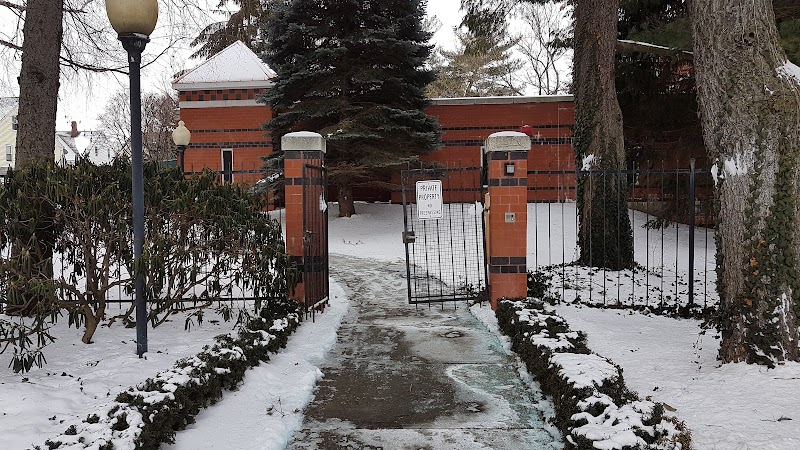
How is Spaulding Nursing And Therapy Center - Brighton Staffed?

CMS rates SPAULDING NURSING AND THERAPY CENTER - BRIGHTON's staffing level at 5 out of 5 stars, which is much above average compared to other nursing homes. Staff turnover is 38%, compared to the Massachusetts average of 46%. This relatively stable workforce can support continuity of care.

What Have Inspectors Found at Spaulding Nursing And Therapy Center - Brighton?

State health inspectors documented 7 deficiencies at SPAULDING NURSING AND THERAPY CENTER - BRIGHTON during 2022 to 2025. These included: 1 that caused actual resident harm and 6 with potential for harm. Deficiencies causing actual harm indicate documented cases where residents experienced negative health consequences.
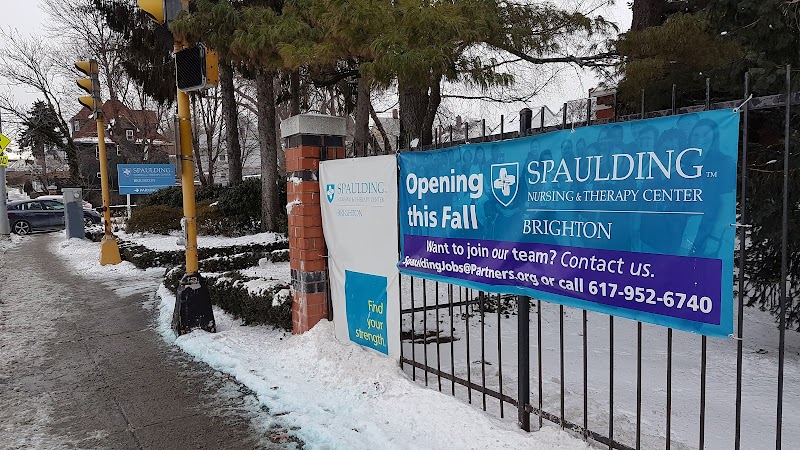
Who Owns and Operates Spaulding Nursing And Therapy Center - Brighton?

SPAULDING NURSING AND THERAPY CENTER - BRIGHTON is owned by a non-profit organization. Non-profit facilities reinvest revenue into operations rather than distributing to shareholders. The facility operates independently rather than as part of a larger chain. With 123 certified beds and approximately 90 residents (about 73% occupancy), it is a mid-sized facility located in BOSTON, Massachusetts.

How Does Spaulding Nursing And Therapy Center - Brighton Compare to Other Massachusetts Nursing Homes?

Compared to the 100 nursing homes in Massachusetts, SPAULDING NURSING AND THERAPY CENTER - BRIGHTON's overall rating (5 stars) is above the state average of 2.9, staff turnover (38%) is near the state average of 46%, and health inspection rating (4 stars) is above the national benchmark.

What Should Families Ask When Visiting Spaulding Nursing And Therapy Center - Brighton?

Based on this facility's data, families visiting should ask: "Can I visit during a mealtime to observe dining assistance and food quality?" "How do you handle medical emergencies, and what is your hospital transfer rate?" "Can I speak with family members of current residents about their experience?"

Is Spaulding Nursing And Therapy Center - Brighton Safe?

Based on CMS inspection data, SPAULDING NURSING AND THERAPY CENTER - BRIGHTON has a clean safety record: no substantiated abuse findings (meaning no confirmed cases of resident harm), no Immediate Jeopardy citations (the most serious violation level indicating risk of serious injury or death), and is not on the Special Focus Facility watch list (a federal program monitoring the lowest-performing 1% of nursing homes). The facility has a 5-star overall rating and ranks #1 of 100 nursing homes in Massachusetts. While no facility is perfect, families should still ask about staff-to-resident ratios and recent inspection results during their visit.

Do Nurses at Spaulding Nursing And Therapy Center - Brighton Stick Around?

SPAULDING NURSING AND THERAPY CENTER - BRIGHTON has a staff turnover rate of 38%, which is about average for Massachusetts nursing homes (state average: 46%). Moderate turnover is common in nursing homes, but families should still ask about staff tenure and how the facility maintains care continuity when employees leave.

Was Spaulding Nursing And Therapy Center - Brighton Ever Fined?

SPAULDING NURSING AND THERAPY CENTER - BRIGHTON has been fined $7,901 across 1 penalty action. This is below the Massachusetts average of $33,158. While any fine indicates a compliance issue, fines under $50,000 are relatively common and typically reflect isolated problems that were subsequently corrected. Families should ask what specific issues led to these fines and confirm they've been resolved.

Is Spaulding Nursing And Therapy Center - Brighton on Any Federal Watch List?

SPAULDING NURSING AND THERAPY CENTER - BRIGHTON is not on any federal watch list. The most significant is the Special Focus Facility (SFF) program, which identifies the bottom 1% of nursing homes nationally based on persistent, serious quality problems. Not being on this list means the facility has avoided the pattern of deficiencies that triggers enhanced federal oversight. This is a positive indicator, though families should still review the facility's inspection history directly.