ROYAL OF FAIRHAVEN NURSING CENTER
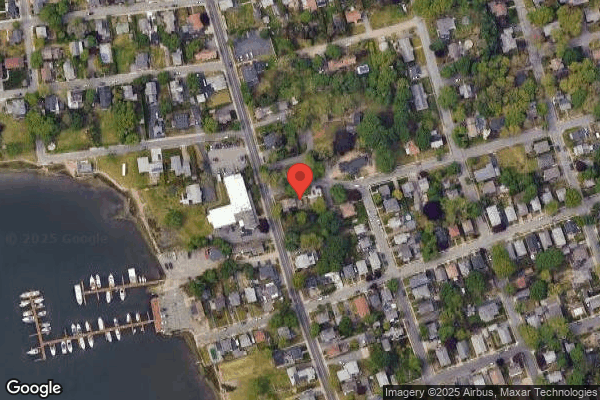
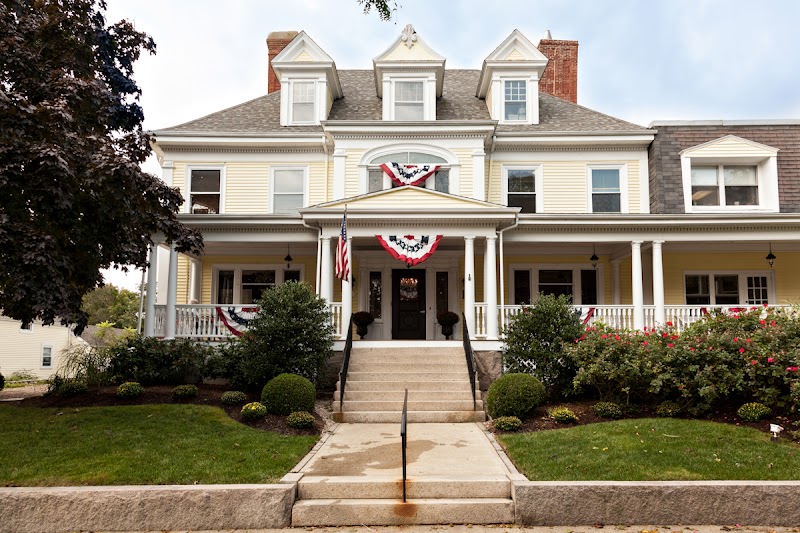
184 MAIN STREET, FAIRHAVEN, MA 02719 (508) 997-3193
For profit - Limited Liability company 107 Beds ROYAL HEALTH GROUP Data: November 2025
Trust Grade
33/100
#246 of 338 in MA
Last Inspection: March 2025

Within standard 12-15 month inspection cycle. Federal law requires annual inspections.

Overview

Royal of Fairhaven Nursing Center has received a Trust Grade of F, indicating poor conditions and significant concerns within the facility. Ranking #246 out of 338 in Massachusetts places them in the bottom half of nursing homes in the state, and #18 out of 27 in Bristol County suggests that there are better local options available. The facility is worsening, with issues increasing from 1 in 2024 to 4 in 2025, and staffing is a major concern, reflected by a low rating of 1 out of 5 stars and a troubling 100% turnover rate. They have faced $8,648 in fines, which is average compared to other facilities, but they have also had serious incidents, such as a resident being transferred without the necessary assistance, leading to a serious injury. While RN coverage is average, families should weigh these significant weaknesses against the facility's strengths before making a decision.

Trust Score
F
33/100
In Massachusetts
#246/338
Bottom 28%
Safety Record
Moderate
Needs review
Inspections
Getting Worse
1 → 4 violations
Staff Stability
⚠ Watch
100% turnover. Very high, 52 points above average. Constant new faces learning your loved one's needs.
Penalties
✓ Good
$8,648 in fines. Lower than most Massachusetts facilities. Relatively clean record.
Skilled Nurses
⚠ Watch
Each resident gets only 29 minutes of Registered Nurse (RN) attention daily — below average for Massachusetts. Fewer RN minutes means fewer trained eyes watching for problems.
Violations
⚠ Watch
17 deficiencies on record. Higher than average. Multiple issues found across inspections.
★★☆☆☆
2.0
Overall Rating
★☆☆☆☆
1.0
Staff Levels
★★★☆☆
3.0
Care Quality
★★★☆☆
3.0
Inspection Score
Stable
2024: 1 issues
2025: 4 issues

The Good

  • Full Sprinkler Coverage · Fire safety systems throughout facility
  • No fines on record

Facility shows strength in fire safety.

The Bad

2-Star Overall Rating

Below Massachusetts average (2.9)

Below average - review inspection findings carefully

Staff Turnover: 100%

53pts above Massachusetts avg (47%)

Frequent staff changes - ask about care continuity

Federal Fines: $8,648

Below median ($33,413)

Minor penalties assessed

Chain: ROYAL HEALTH GROUP

Part of a multi-facility chain

Ask about local staffing decisions and management

Staff turnover is very high (100%)

52 points above Massachusetts average of 48%

The Ugly 17 deficiencies on record

2 actual harm
Mar 2025 4 deficiencies
CONCERN (D)

Potential for Harm - no one hurt, but risky conditions existed

Deficiency F0804 (Tag F0804)

Could have caused harm · This affected 1 resident

Based on observations, interviews, and meal test tray results, the facility failed to serve meals that were palatable and at appetizing temperatures on one (Dementia Special Care Unit - DSCU) of two u...

Read full inspector narrative →
Based on observations, interviews, and meal test tray results, the facility failed to serve meals that were palatable and at appetizing temperatures on one (Dementia Special Care Unit - DSCU) of two units. Findings include: On 2/26/25 at 8:00 A.M., the surveyor made the following observations on the DSCU Unit: - At 8:00 A.M., the first meal truck arrived on the unit. - At 8:07 A.M., the first residents were served in the dining area. - At 8:16 A.M., the second meal truck arrived on the unit. - At 8:20 A.M., the third meal truck arrived on the unit. - Nursing staff were bringing breakfast meal trays to the resident rooms as well as into the dining room being observed. - At 8:21 A.M., the final resident in the dining area was delivered their breakfast tray, 21 minutes after the initial residents were served their meals. On 2/27/25 at 7:55 A.M., the surveyor requested a breakfast test tray to the DSCU Unit. The following observations were made: - The third meal truck arrived on the DSCU unit at 8:06 A.M. - The DSCU had three unit dining rooms in which residents were seated for the breakfast meal. - Nursing staff were still serving meals from the first and second trucks which had previously arrived on the unit. - Nursing staff were bringing breakfast meal trays to resident rooms as well as into the two of the three dining room areas. - At 8:22 A.M., nursing staff were observed to open the third meal truck and begin delivering trays to the unit, 16 minutes after it arrived on the unit. - At 8:27 A.M., nursing staff delivered the final tray from the third meal truck to a resident, 21 minutes after the meal truck arrived on the unit. On 2/27/25 at 8:27 A.M., a test tray was conducted with the Food Service Director (FSD) observing and confirming temperatures (in degrees Fahrenheit (F)) at 8:27 A.M. The results were as follows: - Scrambled Eggs: 98.0 F, cold to taste and lacking flavor - Oatmeal: 125.0 F, cold to taste - Orange Juice: 53.3 F, warm to taste/touch - Milk: 56.6 F, warm to taste/touch During an interview on 2/26/25 at 12:10 P.M., the DSCU Activities Director said the meal trays come up from the kitchen and there is no order. During an interview on 2/27/25 at 8:34 A.M., the FSD said the meal temperatures were not within appropriate ranges. The FSD said the eggs and oatmeal should be warmer when delivered to the residents. The FSD said her expectation was for hot food items to be served to residents at about 155 F. The FSD said the milk should be at a colder temperature, below 53 F. During an interview on 3/3/25 at 8:28 A.M., the Administrator and the surveyor reviewed the dining observations on the DSCU and the test tray results. The Administrator said she was unaware of the length of time it took for meal trays to be passed on the second floor. The Administrator said meal trucks should be organized to ease the delivery of trays to residents on the unit.
CONCERN (E)

Potential for Harm - no one hurt, but risky conditions existed

Resident Rights (Tag F0550)

Could have caused harm · This affected multiple residents

Based on interviews and observations, the facility failed to promote residents' rights to be treated with dignity, respect and was provided equal access to services for all residents. Specifically, th...

Read full inspector narrative →
Based on interviews and observations, the facility failed to promote residents' rights to be treated with dignity, respect and was provided equal access to services for all residents. Specifically, the facility failed to ensure: 1. all 46 residents residing on one unit (Dementia Special Care Unit (DSCU)-a specialized nursing home unit that provides care for people with dementia designed to support residents' independence and well-being) of two units in the facility were provided equal access to television sets for their personal use, while 18 residents on the first-floor unit were each provided televisions sets by the facility (at no cost) for their personal use; 2. staff did not stand while assisting residents to eat for three Residents (#25, #36, and #5), out of a total sample of 18 residents; and 3. staff maintained a dignified dining experience in two of three dining rooms observed and ensure meals were provided at the same time for residents seated at tables together resulting in residents having to sit and watch while others ate. Findings include: 1. On 2/25/25 at 7:30 A.M., the surveyor observed that 18 resident rooms on the first-floor unit had wall mounted televisions for each bed for 25 residents currently residing on the unit. On 2/25/25 at 7:26 A.M., the surveyor observed that all 17 resident rooms on the DSCU did not have wall mounted televisions for each bed for 46 residents currently residing on the unit. Of the 46 residents on the unit, only 16 residents had a television on a bureau/table in their room. During an interview on 2/27/25 at 9:40 A.M., the Therapeutic Activity Director (TAD) said for residents on the DSCU, families can bring in a television for them to watch or to play music. She said the DSCU is different than the first-floor unit in that the first-floor televisions are provided by the facility, and on the DSCU, families need to bring them in for their loved ones. During an interview on 2/27/25 at 11:04 A.M., the surveyor observed a television placed on a bureau in Resident #44's room (on the DSCU). The Resident's significant other (SO) said the facility did not provide the television and the Resident's son purchased the television and brought it in for his/her use. The SO said it is a Smart TV (a television that has built-in internet connectivity, allowing users to access online content like streaming services) and they use the facility's free internet to access channels. During an interview on 2/27/25 at 12:45 P.M., Resident #49, who resides on the first-floor unit, said the television mounted on the wall in his/her room is the facility's property and he/she did not need to purchase one to use. The Resident said everyone on the first-floor unit has a free television mounted to the wall. During an interview on 2/27/25 at 1:57 P.M., the Administrator said the facility provides televisions and free cable service for residents on the first-floor unit but has never provided televisions for DSCU residents. She said the former DSCU director didn't like televisions for the dementia residents and wanted them out of their rooms and participating in activities. She said they have free internet access and residents can use that with the Smart TVs their families bring in to watch what they like. 2a. Review of the facility's policy titled Promoting/Maintaining Resident Dignity During Mealtimes, revised February 2025, included but was not limited to the following: -It is the practice of this facility to treat each resident with respect and dignity and care for each resident in a manner and in an environment that maintains or enhances his or her quality of life, recognizing each resident's individuality and protecting the rights of each resident. -Focus on the resident while talking to him/her and addressing him/her individually. -All staff will be seated, if possible, while feeding a resident. Resident #25 was admitted to the facility in August 2023. On 2/25/25 at 8:47 A.M., the surveyor observed Resident #25 lying in bed with the bed elevated from the floor. Certified Nursing Assistant (CNA) #5 was observed standing while assisting the Resident with eating his/her breakfast meal consisting of scrambled eggs, oatmeal, and a thickened red colored beverage. The breakfast tray was observed on top of a dresser next to the bed. No overbed tray table was observed in the room. An armed chair was observed right behind CNA #5, but it was not used. On 2/25/25 at 9:01 A.M., the surveyor observed CNA #5 remain standing and continue to assist the Resident with eating his/her breakfast meal until 9:12 A.M. (25 minutes total) when the tray was removed from the room. During an interview on 2/25/25 at 12:58 P.M., UM #2 said staff are supposed to be at eye level and should be sitting down while feeding residents and not standing. She said it should be a dignified experience. During an interview on 2/26/25 at 4:19 P.M., Nurse #1 said staff are expected to sit while feeding residents and be at eye level. During an interview on 2/27/25 3:53 P.M., CNA #5 said she did feed the Resident breakfast on Tuesday, 2/25/25. She said the process for physically assisting residents with meals is to engage the resident and sit at eye level when assisting them to ensure there is no risk of them feeling intimidated. She said she did not sit to feed the Resident on this day, but it was not intentional. She said she had a chair set up and didn't realize until after she had obtained the Resident's tray that there was no overbed table in the room to hold the tray while she fed the Resident. She said she decided that looking for a table may take a while and result in the food getting cold and the Resident getting hungry, so she placed the tray on the long bureau piece of furniture near the bed and then stood and fed the Resident with the tray on the bureau and her standing facing the resident. CNA #5 said this is not the regular way and she knows she should not have stood to feed the Resident, and the policy is to sit. She said the Resident takes about 30 minutes to eat and consumed about 100% of his/her meal and had no negative interaction with him/her or change in eating related to her standing so she thought this one time it would be okay. b. Resident #36 was admitted to the facility in December 2024. On 2/26/25 at 8:22 A.M., the surveyor observed Resident #36 sitting in the Daffodil dining room on the second floor. The MDS nurse was observed standing and physically assisting the Resident with eating his/her breakfast meal. On 2/26/25 at 8:30 A.M., the surveyor observed the MDS nurse walking around the dining room checking on all the residents. The MDS nurse returned to Resident #36's side, picked up his/her silverware, and physically assisted the Resident with eating his/her breakfast meal while standing to the Resident's left side. Five minutes later, the MDS nurse was observed standing to the Resident's left. She picked up the Resident's spoon and physically assisted him/her with another bite. During an interview on 2/27/25 at 8:07 A.M., the MDS Nurse said the process for the dining rooms is to serve all residents at the same table at the same time removing all the food from the trays and then assisting as needed. She said when staff physically assist the residents they are supposed to be seated. She said yesterday because she was in the Daffodil room alone for breakfast, she did not sit down to assist Resident #36 with his/her breakfast because she had two other residents in there she had to check on and intermittently assist. She said typically Resident #36 has supervision for meals and can feed him/herself, but she noticed a change yesterday and had to physically assist him/her. The MDS Nurse said she should have been sitting down to assist the Resident but was not. c. Resident #5 was admitted to the facility in June 2014. On 2/26/25 at 12:56 P.M., the surveyor observed Resident #5 in bed. CNA #2 was observed physically spooning food from the lunch meal into the Resident's mouth while standing over the Resident. CNA #2 provided a few bites to the Resident. No chair was observed in the room to be available for the CNA's use while assisting the Resident. During an interview on 2/26/25 at 1:03 P.M., CNA #2 said Resident #5 can feed him/herself if you hand him/her handheld foods but anything else would need to be fed. She said staff should be sitting while assisting residents with meals. When asked how they achieve this in resident rooms, she said if they cannot find a chair to bring in the room they can sit at the edge of the resident's bed. CNA #2 said she thought the Resident was done with his/her meal but the Resident asked for more so that was why she was standing over him/her when she was observed by the surveyor. She said staff should be sitting when physically assisting a resident with meals and standing over them could be intimidating. During an interview on 2/26/25 at 5:06 P.M., the Assistant Director of Nursing (ADON) and Administrator said staff are supposed to sit at eye level to the resident and provide dignity while feeding. They said staff are supposed to be sitting and not standing while assisting residents with eating. 3. On 2/26/25, the surveyor made the following dining observations: a. Daffodil Dining Room (second floor) 11:55 A.M. Lunch Service: -food truck #1 arrived at second floor at 11:54 A.M. to be delivered to dining room and long hall residents -16 total residents seated in the dining room Table 2: -Two residents seated at the table -At 11:59 A.M., the first resident received their lunch meal, a staff member assisted with set up while the other resident watched -At 12:07 P.M., the second resident received their lunch tray During an interview on 2/26/25 at 12:10 P.M., the Activities Director (AD), who was delivering meal trays to dining room residents, said the expectation is that all residents should be served at the same time, but the order of the trays is how they come up from the kitchen. She said there's no order to the trays and staff can only open one side of the food truck at a time so they'll pull what they can from that side, then will pull from the other side. b. Additional Dining Room (second floor) 8:07 A.M. Breakfast Service: Table 1 (left): -Two total residents seated at the table -One resident eating his/her breakfast meal while the second Resident (#30) was observed falling asleep at the table without his/her breakfast meal -At 8:10 A.M., Resident #30 still without breakfast meal -At 8:12 A.M., Resident #30 observed getting restless, first resident finished their meal, Resident #30 pulling at his/her clothes and knocking on the table rocking from side to side, -At 8:19 A.M., Resident #30 is still without his/her breakfast meal, all other residents served. Resident restless and observed ringing his/her hands while rocking from side to side in the wheelchair -At 8:21 A.M., the Resident is assisted with eating his/her breakfast meal (14 minutes later) During an interview on 2/26/25 at 8:19 A.M., CNA #1 said Resident #30 is a feeder and his/her tray comes up on a later truck and the Resident would be fed by staff once they got to that tray. Table 2 (middle): -Two total residents seated at the table -At 8:08 A.M. one resident received his/her breakfast tray -Resident (#57) drinking tea, no breakfast tray observed, Resident said he/she had not eaten yet -At 8:10 A.M., Resident #57 still without breakfast meal, observed saying to the tablemate who was trying to speak to him/her to just eat their breakfast since they had some -At 8:15 A.M. Resident #57 received his/her breakfast tray Table 3 (on right): -One Resident (#27) seated at the table repeatedly asking if he/she can have coffee, if he/she is having food -At 8:10 A.M., Resident #27 asks staff if he/she is getting any breakfast -At 8:16 A.M., Resident #27 received his/her breakfast meal During an interview on 2/26/25 at 12:58 P.M., Unit Manager (UM) #2 said residents should be served together, but if they're in the wrong position or are at a different table it changes the way the trays are lined up. She said the trays should be removed together to accommodate the residents, so they're served together. UM #2 further said staff are supposed to be at the same level as the residents while assisting them to eat and be sitting, not standing. She said the expectation is that it should be a dignified dining experience. During an interview on 2/26/25 at 4:08 P.M., the Certified Food Manager (CFM) said nursing staff on the second floor give her a list of residents in order of how they would like them to be served for all three meals. She said the way it goes is the way nursing gives it to her and has no way of knowing who goes in the dining room by looking at the list. She said the resident list is numbered starting with number one, so she lines up the trays in the food trucks to accommodate the requested nursing order. For example, she would ensure the number one tray is in the front. The CFM said the trays are organized in order on one side of the truck, then the other side. The CFM said residents seated at the same table should be served together but the way nurses set it up is hard and she has no control of this. The CFM said the list nurses give her is how she does it. She said she wishes there was a seating chart but knows this could be hard. During an interview on 2/26/25 at 5:05 P.M., the Assistant Director of Nursing (ADON) and the Administrator said they try to provide a dignified dining experience for the residents. The Administrator said residents should be served at the same time, but sometimes there are instances where residents are in a different dining room, so their tray is on a different food truck. She said they do have a seating arrangement on the second floor and food trays should be in order per the table assignments. She said there are instances where residents don't want to sit in their assigned seat but usually do. She said the trays are organized in chronological order. The ADON and Administrator further said staff are supposed to sit, not stand, at the resident's eye level and provide a dignified experience while feeding the residents.
CONCERN (E)

Potential for Harm - no one hurt, but risky conditions existed

Deficiency F0679 (Tag F0679)

Could have caused harm · This affected multiple residents

Based on records reviewed and interviews, the facility failed to ensure activity programs were offered consistently on weekends to meet the needs of residents residing on the first-floor unit in the f...

Read full inspector narrative →
Based on records reviewed and interviews, the facility failed to ensure activity programs were offered consistently on weekends to meet the needs of residents residing on the first-floor unit in the facility. Findings include: On 2/26/25 at 1:30 P.M., the surveyor held a Resident Group Meeting with seven residents in attendance. During the meeting, six of seven residents (all representing the first-floor unit) said they enjoy the activity program during the week (Monday through Friday), but the weekends are long and boring with nothing to do. They said one activity assistant comes in every other Saturday, but otherwise there is nothing to do on the weekend. One resident said that Bingo is on the calendar every Saturday, but when the activity assistant is not in, there is no one to run the game and Bingo doesn't happen. They said there are some coloring materials and books in the dayroom, but they are not interested in those items. Review of the January 2025 and February 2025 Activity Staff Schedule and punch card detail report indicated activity staff working Saturday and Sundays on the first-floor unit as follows: -Saturday 1/4/25: 1 activity staff 9:00 A.M. to 4:00 P.M. -Sunday 1/5/25: 0 activity staff -Saturday 1/11/25: 0 activity staff -Sunday 1/12/25: 0 activity staff -Saturday 1/18/25: 1 activity staff 9:00 A.M. to 4:00 P.M. -Sunday 1/19/25: 0 activity staff -Saturday 1/25/25: 0 activity staff -Sunday 1/26/25: 0 activity staff -Sunday 2/2/25: 0 activity staff -Saturday 2/8/25: 0 activity staff -Sunday 2/9/25: 0 activity staff -Sunday 2/16/25: 0 activity staff -Saturday 2/22/25: 0 activity staff -Sunday 2/23/25: 0 activity staff Review of the January 2025 first floor activity calendar for days when no activity staff were present indicated: -Sunday 1/5/25: 9:30 A.M. Morning visits; 10:00 A.M. to 11:00 A.M. Televised Catholic Mass; 2:00 P.M. to 4:00 P.M. Afternoon movie. -Saturday 1/11/25: 9:30 A.M. Morning visits; 10:00 A.M. to 12:00 P.M. Open Rec Room; 2:00 P.M. Bingo; 3:30 P.M. Refreshments. -Sunday 1/12/25: 9:30 A.M. Morning visits; 10:00 A.M. to 11:00 A.M. Televised Catholic Mass; 2:00 P.M. to 4:00 P.M. Afternoon movie. -Sunday 1/19/25: Morning visits; 10:00 A.M. to 11:00 A.M. Televised Catholic Mass; 2:00 P.M. to 4:00 P.M. Afternoon movie. -Saturday 1/25/25: 9:30 A.M. Morning visits; 10:00 A.M. to 12:00 P.M. Open Rec Room; 2:00 P.M. Bingo; 3:30 P.M. Refreshments. -Sunday 1/26/25: Morning visits; 10:00 A.M. to 11:00 A.M. Televised Catholic Mass; 2:00 P.M. to 4:00 P.M. Afternoon movie. Review of the February 2025 first floor activity calendar for days when no activity staff were present indicated: -Sunday 2/2/25: Morning visits; 10:00 A.M. to 11:00 A.M. Televised Catholic Mass; 2:00 P.M. to 4:00 P.M. Afternoon movie. -Saturday 2/8/25: 9:30 A.M. Morning visits; 10:00 A.M. to 12:00 P.M. Open Rec Room; 2:00 P.M. Bingo; 3:30 P.M. Refreshments. -Sunday 2/9/25: Morning visits; 10:00 A.M. to 11:00 A.M. Televised Catholic Mass; 2:00 P.M. to 4:00 P.M. Afternoon movie. -Sunday 2/16/25: Morning visits; 10:00 A.M. to 11:00 A.M. Televised Catholic Mass; 2:00 P.M. to 4:00 P.M. Afternoon movie. -Saturday 2/22/25: Morning visits; 10:00 A.M. to 12:00 P.M. Open Rec Room; 2:00 P.M. Bingo; 3:30 P.M. Refreshments. -Sunday 2/23/25: Morning visits; 10:00 A.M. to 11:00 A.M. Televised Catholic Mass; 2:00 P.M. to 4:00 P.M. Afternoon movie. During an interview on 2/27/25 at 9:33 A.M., the Activity Director said she was aware that residents were bored on weekends because they told her this a while ago. She said there used to be no activity staff on weekends but started having one activity assistant come in every other Saturday to do activities. She said the weekend receptionist is available to do things for the residents, like call Bingo, when the activity assistant is not working every other Saturday. During an interview on 2/27/25 at 1:57 P.M., the Administrator said they have only one activity staff who come in for activities on the first floor every other Saturday and will need to hire someone to come in on weekends to meet the residents' needs.
CONCERN (E)

Potential for Harm - no one hurt, but risky conditions existed

Food Safety (Tag F0812)

Could have caused harm · This affected multiple residents

Based on observation, interview, and document review, the facility failed to follow professional standards of practice for food safety to prevent the potential of foodborne illness to residents who ar...

Read full inspector narrative →
Based on observation, interview, and document review, the facility failed to follow professional standards of practice for food safety to prevent the potential of foodborne illness to residents who are at high risk. Specifically, the facility failed to: 1. Ensure food was properly stored in the walk-in freezer in the main kitchen; 2. Properly label and date food products stored in the free-standing refrigerator and walk-in refrigerator in the main kitchen and/or discard food when past their use by date; and 3. Ensure food was properly labeled and/or discarded when past their manufacturer's expiration date in two of two resident nourishment kitchen refrigerators reviewed. Findings include: Review of the facility's policy titled Food Receiving and Storage, undated, indicated but was not limited to the following: -Foods shall be received and stored in a manner that complies with safe food handling practices. -All foods stored in the refrigerator or freezer will be covered, labeled of contents and date (use by date). -The freezer must keep frozen foods frozen solid. Wrappers of frozen foods must stay intact until thawing. -Food items and snacks kept on the nursing units must be maintained as indicated below: a. All food items to be kept below 41 degrees must be placed in the refrigerator located at the nurses' station and labeled with a use by date. b. All foods belonging to residents must be labeled with the resident's name, the item, and the use by date. 1. On 2/25/25 at 7:27 A.M., the surveyor reviewed the walk-In freezer in the main kitchen with the Certified Food Manager (CFM) and observed the following inside: -one cardboard box on a shelf opened, inside the box contained a plastic bag of frozen beef patties, bag not sealed potentially exposing the patties to environmental contaminants During an interview on 2/25/25 at 7:27 A.M., the CFM said the bag should have been sealed. 2. On 2/25/25 at 7:30 A.M., the surveyor reviewed the free-standing refrigerator in the main kitchen with the CFM and observed the following: -one plastic container of Thick & Easy thickened orange juice, approximately ¼ full, not labeled with open date or use by date, manufacturer expiration date 1/22/25, not disposed of when expired During an interview on 2/25/25 at 7:30 A.M., the CFM said the thickened beverage container should have been labeled when opened and when expired. She said once opened, they were only good for three days. On 2/25/25 at 7:41 A.M., the surveyor reviewed the walk-in refrigerator in the main kitchen with the CFM and observed the following: -one large rectangular pan with two clear plastic bags stored inside filled with raw chicken breasts, pan not labeled with content, date prepared, or the use by date During an interview on 2/25/25 at 7:41 A.M., the CFM said the pan should have been labeled with the content, the day it was pulled out, and the use by date. She said she knew she pulled it out on Friday but wasn't sure how long it was good for. She said it still should have been labeled. During an interview on 2/26/25 at 4:06 P.M., the CFM said the chicken was only good for four days and should have been labeled. 3. Review of the facility's policy titled Food Brought by Family/Visitors, dated January 2025, indicated the following: -Perishable foods must be stored in re-sealable containers with tightly fitting lids in the refrigerator. Containers will be labeled with the resident's name the item and the use by date. -The nursing staff if responsible for discarding perishable foods on or before the use by date. On 2/26/25 at 3:26 P.M., the surveyor reviewed the first floor resident nourishment kitchen with the CFM and observed the following: -one container of Activa probiotic yogurt, 7 oz, unopened, labeled with resident's name, labeled 12/5, manufacturer's expiration 1/1/25, item expired and not disposed of During an interview on 2/26/25 at 3:26 P.M., the CFM said the yogurt was expired. On 2/26/25 at 3:44 P.M., the surveyor reviewed the second floor resident nourishment kitchen with the CFM and observed the following: -One plastic bag stored inside the refrigerator with three plastic containers of food inside the bag, bag labeled with a resident's name, bag not labeled with the date received or the use by date During an interview on 2/26/25 at 3:44 P.M., the CFM said the resident's food stored inside the plastic bag was only good for three days once received by the family member. She said the bag should have been labeled with the date it came in and the use by date but wasn't.
Jan 2024 1 deficiency
CONCERN (F)

Potential for Harm - no one hurt, but risky conditions existed

Deficiency F0761 (Tag F0761)

Could have caused harm · This affected most or all residents

**NOTE- TERMS IN BRACKETS HAVE BEEN EDITED TO PROTECT CONFIDENTIALITY** Based on observation, interview, document review, and policy review, the facility failed to ensure all medications were labeled ...

Read full inspector narrative →
**NOTE- TERMS IN BRACKETS HAVE BEEN EDITED TO PROTECT CONFIDENTIALITY** Based on observation, interview, document review, and policy review, the facility failed to ensure all medications were labeled in accordance with currently accepted professional principles, which included the appropriate accessory and cautionary instructions, and a date-opened when a shortened date of expiration was applicable. Specifically, the facility failed to: - Ensure all multi-dose bottles of eye drops and respiratory inhalers were labeled with a date-opened when first accessed and discarded per shortened date of expiration when applicable, affecting two of two Units and three of four medication carts within the facility; and - Ensure all drugs were properly contained in packaging with labeling to include appropriate accessory and cautionary instructions, affecting two of two Units and four of four medication carts within the facility. Findings include: Review of the facility's policy titled Storage of Medications, dated [DATE], indicated but was not limited to the following: - The facility stores all drugs and biologicals in a safe, secure, and orderly manner. - Drugs and biologicals are stored in the packaging, containers, or other dispensing systems in which they are received. Only the issuing pharmacy is authorized to transfer medications between containers. - The nursing staff is responsible for maintaining medication storage and preparation areas in a clean, safe, and sanitary manner. - Discontinued, outdated, or deteriorated drugs or biologicals are returned to the dispensing pharmacy or destroyed. Review of the facility's policy titled Administering Medications, undated, indicated but was not limited to the following: - The expiration/beyond use date on the medication label must be checked prior to administering. When opening a multi-dose container, the date opened shall be recorded on the container. Review of the facility's document titled Medication Expiration, undated, indicated but was not limited to the following: - All medications given or stored must be before expiration date. - Federal law mandates that the DATE OPENED appear on the bottle/diskus, etc. - All expiration dates are as noted below OR the Manufacturer's recommended at; whichever date comes first. - Xalatan (latanoprost) (a medication to treat glaucoma), eye drops, expiration-six weeks after opening at room temperature. Unopened and refrigerated, until manufacturer's date - All other eye drops/ointments, nasal sprays/drops & ear drops, expiration- 60 days after opening - Pressurized metered-dose inhalers (MDI), foil wrapped (ex. Albuterol MDI)- Discard after use of all actuations noted on the canister; or one year. During an observation on [DATE] at 8:13 A.M., of Unit 2's short hall medication cart, the surveyor and Nurse #4 observed the following: -Within the medication cart's first drawer: Four multi-dose bottles of eye drops were stored: - One open 5 milliliter (ml) multi-dose bottle of Brimonidine Tartrate 0.1 percent (%) ophthalmic solution (medication used to treat high pressure inside the eye), with a blank date-opened label affixed to the bottle, no beyond-use date indicated (a shortened expiration date calculated from when the bottle was first opened), and a broken manufacturer's seal indicating that the bottle had been opened. - One open 10 ml multi-dose bottle of Dorzolamide Hydrochloride/Timolol Maleate 22.3 milligrams (mg)/6.8 mg ophthalmic solution (a medication to treat high pressure inside the eye), with a blank date-opened label affixed to the bottle, no beyond-use date indicated, and a broken manufacturer's seal. - One open 2.5 ml multi-dose bottle of Latanoprost 0.005% ophthalmic solution with a blank date-opened label affixed to the bottle, no beyond-use indicated, and a broken manufacturer's seal. - One open and expired 2.5 ml multi-dose bottle of Latanoprost 0.005% ophthalmic solution, with a date-opened labeled as [DATE], no beyond-use date indicated, and a broken manufacturer's seal. -Within the medication cart's second drawer: - A mix of approximately 83 whole and partially loose medication tablets/capsules of various shapes, colors, and sizes were observed uncontained without appropriate packaging or labeling. The surveyor observed packaged, in-use, resident medication cards in direct contact with loose, unidentified pills and a large build-up of crushed pharmaceutical dust and debris. Review of the Latanoprost 0.005% ophthalmic solution's full prescribing information, revised [DATE], indicated but was not limited to the following: - Once a bottle is opened for use, it may be stored at room temperature, up to 77 degrees Fahrenheit, for six weeks. During an interview on [DATE] at 8:16 A.M., Nurse #4 said the date-opened label should not have been left blank and it should have been dated when the eye drops were first opened for use. The nurse reviewed each pharmacy bag containing a bottle of unlabeled eye drops and said two of the bottles (Brimonidine Tartrate and Dorzolamide Hydrochloride/Timolol Maleate) were filled by the pharmacy on [DATE] and the other (Latanoprost) was filled by the pharmacy on [DATE], so that could indicate an approximate date the bottles may have been opened but she could not be certain of the open or expiration dates without a labeled date. Nurse #4 said she did not know there were loose pills in the medication cart. She said the resident medication cards were so tightly packed within the cart she could not see the bottom of the drawer. She could not identify any of the loose pills observed by the drug name and did not know to whom the medications were prescribed. She said there should be no loose pills in the medication cart and that any medication found without packaging and labeling should be brought to the designated area in the medication storage room for disposal. During an observation on [DATE] at 10:30 A.M., of Unit 1's long hall medication cart, the surveyor and Nurse #2 observed the following: -Within the medication cart's second drawer: - A mix of approximately seven whole and partially loose medication tablets/capsules of various shapes, colors, and sizes were observed without appropriate packaging or labeling within the bottom of the cart drawer and lodged between the left-side panel and the permanently affixed narcotic storage container. A small build-up of crushed pharmaceutical dust and debris was also observed in the drawer's crevices and corner edges. -Within the medication cart's third drawer: - One Bevespi aerosphere respiratory inhaler (a medication used to control and prevent wheezing and shortness of breath) was observed outside of its packaged foil pouch and not labeled with a date-opened, resident's name, or pharmacy label. The inhaler was attached to a medication spacer and was not contained in a pharmacy bag or manufacturer's packaging with appropriate accessory and cautionary instructions for use. Review of the Bevespi Aerosphere (glycopyrrolate and formoterol fumarate) inhalation aerosol's manufacturer's instructions for use, dated as revised [DATE], indicated but was not limited to the following: - BEVESPI AEROSPHERE should be discarded when the dose indicator display window shows zero or 3 months after removal from the foil pouch, whichever comes first. During an interview on [DATE] at 10:35 A.M., Nurse #2 said all medications should be stored in pharmacy packaging with labeling and there shouldn't be any loose, unlabeled, undated, medications in the cart. Nurse # 2 said he was unaware of the loose pills in the cart but could not reach some of them to dispose of, due to the affixed narcotic container and small space. He was unable to identify any of the loose pills by drug name and did not know to whom they were prescribed. Nurse #2 said he did not know the Bevespi aerosphere respiratory inhaler was not detached from the spacer after it was administered and put back into its original container. He said the spacer should have been detached from the inhaler and rinsed, then put in a separate, labeled, pharmacy bag for storage until next use. During an interview on [DATE] at 10:44 A.M., Unit Manager (UM) #1 said unlabeled, loose pills, should not be in the medication cart and should be disposed of right away if found by a nurse. She said all medications need to be contained in appropriate packaging with proper labeling. She said the Bevespi inhaler should not have been stored uncovered and attached to the spacer without labeling and packaging. During an observation on [DATE] at 11:17 A.M., of Unit 2's long hall medication cart, the surveyor and Nurse #3 observed the following: - One small, round white tablet, and one small round blue tablet, within the second drawer of the medication cart. There was some buildup of crushed pharmaceutical dust and debris in the drawer's crevices and corner edges. During an interview on [DATE] at 11:19 A.M., Nurse # 3 said she was unaware there were loose medication tablets in the cart. The Nurse could not identify either of the loose pills by drug name and did not know to whom they were prescribed. She said medications need to be labeled and stored in pharmacy packaging and the loose pills found would need to be disposed. During an observation on [DATE] at 11:40 A.M., of Unit 1's short hall medication cart, the surveyor and Nurse #1 observed the following: -Within the medication cart's first drawer: A total of seven multi-dose bottles of eye drops were stored: - One open 5 ml multi-dose bottle of Brimonidine Tartrate 0.2% ophthalmic solution, with a blank date-opened label affixed to the bottle, no beyond-use date indicated, and a broken manufacturer's seal. - One open 10 ml multi-dose bottle of Dorzolamide Hydrochloride/Timolol Maleate 22.3 mg/6.8 mg ophthalmic solution, stored in a pharmacy storage bag with a faintly labeled date observed as 11/16. The bottle had a broken manufacturer's seal and there was no beyond-use date indicated. - One open 2.5 ml multi-dose bottle Vyzulta 0.024% ophthalmic solution (a medication to treat glaucoma), with a blank date-opened label affixed to the bottle, no beyond-use indicated, and a broken manufacturer's seal. - One open 10 ml multi-dose bottle of Dorzolamide Hydrochloride/Timolol Maleate 2 %-0.5% ophthalmic solution, with a blank date-opened label affixed to the bottle, no beyond-use date indicated, and a broken manufacturer's seal. - One open 2.5 ml multi-dose bottle of Rhopressa 0.02% ophthalmic solution (a medication to treat glaucoma), with a blank date-opened label affixed to the bottle, no beyond-use indicated, and a broken manufacturer's seal. - Two open 15 ml bottles of Sterile Artificial Tears lubricant eye drops (an over-the-counter medication to help with dry eyes) each observed with a broken manufacturer's seal and no labeled open-date written. -Within the medication cart's second drawer: - One small, round, white pill, and one larger oblong, white pill, loose within the cart's drawer without appropriate packaging or labeling. During an interview on [DATE] at 11:42 A.M., Nurse # 1 said multi-dose bottles of eye drops should be labeled with the date the bottle was first opened. The Nurse was unable to identify when the undated multi-dose bottles of eye drops were first accessed or when they would expire. Nurse #1 said there should be no loose pills in the medication cart and medications without proper packaging and labeling should be disposed of. The nurse was unable to identify either of the two loose pills found during observation of the medication cart and did not know to whom the tablets were prescribed. During an interview on [DATE] at 12:19 P.M., the Assistant Director of Nursing (ADON) said she expects all expired, discontinued, loose, or unlabeled medications to be removed from medication carts immediately, upon discovery, and be brought to the assigned medication disposal area in the medication storage room for destruction. The ADON said all multi-dose containers of eye drops and inhalers need to be labeled with an open-date and specific date of expiration, if shortened, and would need to be discarded if found without the appropriate labeling. She said if there was no-open date labeled on a multi-dose container of medication, there would be no way of determining, when exactly a medication had first been used or when it would expire, if shortened based on the date it was first accessed.
Sept 2023 3 deficiencies 2 Harm
SERIOUS (G) 📢 Someone Reported This

A family member, employee, or ombudsman was alarmed enough to file a formal complaint

Actual Harm - a resident was hurt due to facility failures

Comprehensive Care Plan (Tag F0656)

A resident was harmed · This affected 1 resident

**NOTE- TERMS IN BRACKETS HAVE BEEN EDITED TO PROTECT CONFIDENTIALITY** Based on records reviewed and interviews, for one of three sampled residents (Resident #1), whose Plan of Care indicated that he...

Read full inspector narrative →
**NOTE- TERMS IN BRACKETS HAVE BEEN EDITED TO PROTECT CONFIDENTIALITY** Based on records reviewed and interviews, for one of three sampled residents (Resident #1), whose Plan of Care indicated that he/she required the use of a hoyer lift (mechanical floor lift system used to transfer a medically dependent person from point A to point B), physical assistance of two staff members for transfers and was assessed by nursing at high risk for falls, the Facility failed to ensure nursing staff consistently implemented and followed interventions identified in his/her Plan of Care while meeting his/her transfer needs. On 9/08/23, Certified Nurse Aide (CNA) #1 transferred Resident #1 out of bed and then back into bed without the use of a hoyer lift and without another staff member present to assist her. Approximately an hour and a half later, after being transferred back into bed, Resident #1's left knee was found swollen and discolored. Resident #1 was transferred to the Hospital Emergency Department for evaluation and was diagnosed with a comminuted (bone that is broken in at least two places) fracture of the proximal (shinbone just below the knee) metaphysis (neck of the bone) of the left tibia with impaction (when one broken end of the bone is jammed or wedged into the other broken end) and a fracture of the proximal fibular metaphysis. Findings include: Review of the Facility's Policy, titled Care Plans, dated as revised September 2010, indicated the following: -Facility would develop an individualized care plan that includes measurable objectives and timetables to meet the resident's medical, nursing, mental and psychological needs of each resident; -the comprehensive care plan identifies the highest level of functioning the resident may be expected to attain; -the comprehensive care plan is designed to incorporate identified problem areas, incorporate risk factors associated with identified problems and aid in preventing or reducing declines in the resident's functional status; -care plan interventions address the underlying sources of the problem areas. Resident #1 was admitted to the Facility in September 2017, diagnoses included repeated falls, embolism and thrombosis of deep veins of right lower extremity, unsteadiness on feet, muscle weakness, Alzheimer's disease and bilateral primary osteoarthritis of knee. Review of the Quarterly Minimum Data Set Assessment (MDS), dated [DATE], indicated Resident #1 was severely cognitively impaired and was totally dependent on two staff members with transfers. Review of Resident #1's Care Plan related to Activities of Daily Living (ADL), reviewed and renewed with his/her July 2023 MDS, indicated that he/she utilized a hoyer lift with physical assistance of two staff members with transfers between surfaces due to poor balance related to osteoarthritis of the knees. Review of the Facility's Internal Investigation Report, dated 9/09/23, indicated that on 9/08/23 around 2:00 P.M., staff noted swelling and discoloration to Resident #1's left knee and shin area. The Report indicated that Resident #1 was sent to the Emergency Department (ED) for evaluation, the ED obtained an ultrasound of Resident #1's left extremity which was negative for a deep vein thrombosis and Resident #1 returned to the facility. (There were no x-rays ordered and/or obtained on 9/08/23 during Resident #1's evaluation in the ED.) The Report indicated that on 9/09/23, Resident #1 was assessed and noted with increased swelling, increased bruising and he/she had pain to the left leg, an x-ray was obtained at the facility and revealed an acute middle displaced proximal tibial and fibial (lower leg bones) metaphyseal fractures. The Report indicated that Resident #1 was sent back to the ED for further evaluation, an x-ray was obtained in the ED and revealed a comminuted fracture of the proximal fibular metaphysis of the left tibia with impaction and a fracture of the proximal fibular metaphysis. Resident #1 was sent back to the facility with a leg immobilizer (device that maintains stability of the knee and avoids further damage). Further review of the Report indicated that Resident #1 was dependent with all ADL's except eating, that on 9/08/23 a CNA transferred Resident #1 out of bed and then back into bed after lunch around 12:45 P.M. and did not see any bruising or swelling in Resident #1's legs. The Report indicated that the CNA left at 1:00 P.M. that day. The Report indicated that another CNA went to perform care on Resident #1 at 2:30 P.M. and observed swelling and discoloration on Resident #1's left leg and reported this to the nurse. The Report indicated that the CNA who worked the previous shift, 11:00 P.M. through 7:00 A.M. shift on 9/08/23 did not see any bruising or swelling on Resident #1. The Report concluded that Resident #1 sustained a tibial and fibular fracture, and it was unclear how the injury occurred. Review of a Nurse Progress Note, dated 9/08/23 at 2:44 P.M., as a late entry, indicated that Resident #1 had discoloration and notable swelling to the left shin and knee area. The Note indicated that upon assessment, Resident #1 was noted to be grimacing and had positive [NAME] sign (physical examination used to test for deep vein thrombosis (DVT), forced dorsiflexion of the foot). The Note indicated that Resident #1 had a history of DVT, the Nurse Practitioner was notified, and Resident #1 was transferred to the Hospital Emergency Department. Review of a Nurse Progress Note, dated 9/08/23 at 11:16 P.M., indicated that a call was received from the Hospital Emergency Department that Resident #1's ultrasound was negative for a DVT and Resident #1 returned to the Facility. Review of a Nurse Progress Note, dated 9/09/23 at 12:28 A.M., indicated that Resident #1's left lower extremity remained enlarged with discoloration to the upper shin and knee area. Review of a Nurse Progress Note, dated 9/09/23 at 3:09 P.M., indicated that Resident #1's left lower extremity continued with swelling and discoloration, the Physician was notified, stat labs and an x-ray of the entire left leg was ordered. The Note indicated that the x-ray revealed an acute mildly displaced proximal tibular and fibular metaphyseal fractures and Resident #1 was transferred to the Hospital. During an interview on 10/02/23 at 5:28 P.M., Nurse #3 said that she was the nurse who cared for Resident #1 during the 7:00 A.M. through 3:00 P.M. shift on 9/08/23 and 9/09/23. Nurse #3 said that on 9/08/23, a CNA reported to her that Resident #1's left leg knee and shin area was swollen and bruised. Nurse #3 said that the next day, 9/09/23, she assessed Resident #1's left leg, said it did not look any better and actually looked worse than it had on 9/08/23. Nurse #3 said that she notified the Physician, stat labs and x-rays were obtained and x-ray revealed that Resident #1 had a fracture and he/she was transferred to the Hospital. Review of a Nurse Progress Note, dated 9/09/23 at 10:50 P.M., indicated that Resident #1 returned to the Facility from the Hospital with a knee immobilizer in place to his/her left lower extremity. The Note indicated that left knee x-ray results revealed a comminuted fracture of the proximal metaphysis of the left tibia with impaction and a fracture of the proximal fibular metaphysis. Review of Certified Nurse Aide (CNA) #1's Written Witness Statement, dated 9/10/23, indicated that on 9/08/23, she provided morning care to Resident #1 and transferred him/her into the chair by herself by pivoting Resident #1 during the transfer. The Statement indicated that she transferred Resident #1 back into bed again before 1:00 P.M. by herself by standing and pivoting Resident #1. During an interview on 9/27/23 at 11:50 A.M., CNA #1 said that she worked on 9/08/23 from 7:00 A.M. until 1:00 P.M. and said Resident #1 was assigned to her. CNA #1 said that she transferred Resident #1 out of bed into the wheelchair by herself in the morning. CNA #1 said when she transferred him/her, that she gave Resident #1 a hug and grabbed the back of his/her pants, pivoted him/her into the chair and did the same thing again when she transferred him/her back into bed after lunch before she went home at 1:00 P.M. CNA #1 said that she did not see any bruising or swelling on Resident #1's left leg when she cared for him/her on 9/08/23. CNA #1 said that Resident #1's legs were stiff and touched the floor during the transfers. CNA #1 said that she has taken care of Resident #1 for more than a year, had never reviewed his/her care plan and said she was not aware that Resident #1 required a hoyer lift and the physical assistance of two staff members during transfers. CNA #1 said she should have reviewed Resident #1's care plan. During an interview on 9/27/23 at 1:56 P.M., the Therapeutic Activity Director said that on 9/08/23 at approximately 2:30 P.M., she was getting ready to provide personal care to Resident #1 when she noticed that his/her left leg knee area was swollen, bruised and blue in color and immediately notified the Unit Manager. The Therapeutic Activity Director said that she has taken care of Resident #1 for many years and said that Resident #1 has been a hoyer transfer and has required the physical assistance of two staff members for the past year or two. Review of a Hospital Emergency Department Discharge summary, dated [DATE], indicated that Resident #1's x-ray of the left knee revealed a comminuted fracture of the proximal metaphysis of the left tibia with impaction and a fracture of the proximal fibular metaphysis, he/she was placed in a knee immobilizer and should not bear weight. During an interview on 10/03/23 at 1:26 P.M., the Physician said that Resident #1 required a hoyer lift for transfers and the assistance of two staff members for transfers. The Physician said that it is possible that a pivot transfer may have caused Resident #1's fractures of the left knee area. During an interview on 09/27/23 at 2:50 P.M., the Director of Nurses (DON) said that Resident #1 requires a hoyer lift and the assistance of two staff members with transfers. The DON said that CNA #1 transferred Resident #1 without the assistance of another staff member and without the hoyer lift. The DON said that CNA #1 did not follow Resident #1's plan of care and said that it was her expectation that staff follow the plan of care. On 09/27/23, the Facility presented the Surveyor with a plan of correction that addressed the areas of concern identified in this survey, the Plan of Correction provided is as follows: A) Resident #1 was immediately assessed by Nursing and was transferred to the Hospital Emergency Department for evaluation. B) 09/09/23, Resident #1's left knee area was noted to be worse, an x-ray was obtained and revealed a proximal fibial and tibial fracture and Resident #1 was transferred to the Hospital Emergency Department. C) 09/09/23, Resident #1 returned to the Facility with a left knee immobilizer in place. D) 09/11/23, A Facility wide audit of all resident's transfer status was completed by the DON and Staff Development Coordinator (SDC). E) 9/11/23 through 9/26/23, staff transfer validation audits were completed on resident transfers by the DON and SDC. F) 09/13/23, CNA #1 was educated by the Director of Nurses on following the plan of care while providing care to residents. G) 09/15/23, All resident Care Kardex's and Care Plans were updated by the DON and SDC to ensure they reflected their current transfer status. H) 09/21/23, the DON and SDC conducted Educational In-services for nursing department staff on following the plan of care when transferring residents according to their specific care plan, including hoyer lift transfers and the number of staff assistance. I) DON or Designee will randomly select and question nursing staff weekly regarding the transfer status is of their residents. J) DON or Designee will conduct random transfer observation audits weekly. K) Audits will be conducted weekly for four weeks and monthly thereafter or until substantial compliance is achieved. L) Results of the audits will be presented to the Quality Assurance Performance Improvement (QAPI) committee monthly for three months for patterns, trends and continued recommendations for process monitoring and improvement. M) The DON and/or Designee are responsible for overall compliance.
SERIOUS (G) 📢 Someone Reported This

A family member, employee, or ombudsman was alarmed enough to file a formal complaint

Actual Harm - a resident was hurt due to facility failures

Accident Prevention (Tag F0689)

A resident was harmed · This affected 1 resident

**NOTE- TERMS IN BRACKETS HAVE BEEN EDITED TO PROTECT CONFIDENTIALITY** Based on records reviewed and interviews, for one of three sampled residents (Resident #1), who was assessed by nursing to be at...

Read full inspector narrative →
**NOTE- TERMS IN BRACKETS HAVE BEEN EDITED TO PROTECT CONFIDENTIALITY** Based on records reviewed and interviews, for one of three sampled residents (Resident #1), who was assessed by nursing to be at high risk for falls, and required the use of a hoyer lift (mechanical floor lift system used to transfer a medically dependent person from point A to point B) and physical assistance of two staff members for transfers, the Facility failed to ensure he/she was provided with the required level of staff assistance and an assistive device to maintain his/her safety, in an effort to prevent an accident resulting in an injury. On 9/08/23, Certified Nurse Aide (CNA) #1 transferred Resident #1 on two separate occasions, out of bed and then back into bed without the use of a hoyer lift and without another staff member present to assist her. Approximately an hour and a half later, after being transferred back into bed, Resident #1's left knee area was found swollen and discolored. Resident #1 was transferred to the Hospital Emergency Department for evaluation and was diagnosed with a comminuted (bone that is broken in at least two places) fracture of the proximal (shinbone just below the knee) metaphysis (neck of the bone) of the left tibia with impaction (when one broken end of the bone is jammed or wedged into the other broken end) and a fracture of the proximal fibular metaphysis. Findings include: Review of the Facility Policy titled, Safe Lifting and Movement of Residents, dated May 2023, indicated the following: -in order to protect the safety and well-being of staff and residents, and to promote quality of care, the facility uses appropriate techniques and devices to lift and move residents; -manual lifting of residents shall be eliminated when feasible; -nursing staff, in conjunction with rehabilitation staff, shall assess individual residents' needs for transfer assistance on an ongoing basis; -staff will document resident transfer and lifting needs in the care plan, including resident's mobility (degree of dependency), weight-bearing ability; -staff responsible for direct care will be trained in the use of mechanical lifting devices; -mechanical lifting devices shall be used for heaving lifting, including lifting and moving residents when necessary; -safe lifting and movement of residents is part of an overall facility employee health and safety program. Resident #1 was admitted to the Facility in September 2017, diagnoses included repeated falls, embolism and thrombosis of deep veins of right lower extremity, unsteadiness on feet, muscle weakness, Alzheimer's disease and bilateral primary osteoarthritis of knee. Review of Resident #1's Fall Risk Evaluation, dated 6/28/23, indicated that he/she was at high risk for falls. Review of the Quarterly Minimum Data Set Assessment (MDS), dated [DATE], indicated Resident #1 was severely cognitively impaired and was totally dependent on two staff members with transfers. Review of Resident #1's Care Plan related to Activities of Daily Living (ADL), reviewed and renewed with his/her July 2023 MDS, indicated that he/she utilized a hoyer lift with physical assistance of two staff members with transfers between surfaces due to poor balance related to osteoarthritis of the knees. Review of the Facility's Internal Investigation Report, dated 9/09/23, indicated that on 9/08/23 around 2:00 P.M., staff noted swelling and discoloration to Resident #1's left knee and shin area. The Report indicated that Resident #1 was sent to the Emergency Department (ED) for evaluation, the ED obtained an ultrasound of Resident #1's left extremity which was negative for a deep vein thrombosis and Resident #1 returned to the facility. (There were no x-rays ordered and/or obtained on 9/08/23 during Resident #1's evaluation in the ED.) The Report indicated that on 9/09/23, Resident #1 was assessed and noted with increased swelling, increased bruising and he/she had pain to the left leg, an x-ray was obtained at the facility and revealed an acute middle displaced proximal tibial and fibial (lower leg bones) metaphyseal fractures. The Report indicated that Resident #1 was sent back to the ED for further evaluation, an x-ray was obtained in the ED and revealed a comminuted fracture of the proximal fibular metaphysis of the left tibia with impaction and a fracture of the proximal fibular metaphysis. Resident #1 was sent back to the facility with a leg immobilizer (device that maintains stability of the knee and avoids further damage). Further review of the Report indicated that Resident #1 was dependent with all ADL's except eating, that on 9/08/23 a CNA transferred Resident #1 out of bed and then back into bed after lunch around 12:45 P.M. and did not see any bruising or swelling in Resident #1's legs. The Report indicated that the CNA left at 1:00 P.M. that day. The Report indicated that another CNA went to perform care on Resident #1 at 2:30 P.M. and observed swelling and discoloration on Resident #1's left leg and reported this to the nurse. The Report indicated that the CNA who worked the previous shift, 11:00 P.M. through 7:00 A.M. shift on 9/08/23 did not see any bruising or swelling on Resident #1. The Report concluded that Resident #1 sustained a tibial and fibular fracture, and it was unclear how the injury occurred. Review of a Nurse Progress Note, dated 9/08/23 at 2:44 P.M., as a late entry, indicated that Resident #1 had discoloration and notable swelling to the left shin and knee area. The Note indicated that upon assessment, Resident #1 was noted to be grimacing and had positive [NAME] sign (physical examination used to test for deep vein thrombosis (DVT), forced dorsiflexion of the foot). The Note indicated that Resident #1 had a history of DVT, the Nurse Practitioner was notified, and Resident #1 was transferred to the Emergency Department. Review of a Nurse Progress Note, dated 9/08/23 at 11:16 P.M., indicated that a call was received from the Hospital Emergency Department that Resident #1's ultrasound was negative for a DVT and Resident #1 returned to the Facility. Review of a Nurse Progress Note, dated 9/09/23 at 12:28 A.M., indicated that Resident #1's left lower extremity remains enlarged with discoloration to the upper shin and knee area. Review of a Nurse Progress Note, dated 9/09/23 at 3:09 P.M., indicated that Resident #1's left lower extremity continued with swelling and discoloration, the Physician was notified, stat labs and an x-ray of the entire left leg was ordered. The Note indicated that the x-ray revealed an acute mildly displaced proximal tibular and fibular metaphyseal fractures and Resident #1 was transferred to the Hospital. During an interview on 9/27/23 at 1:26 P.M., the Unit Manager said that at approximately 2:30 P.M. on 9/08/23, the Therapeutic Activity Director notified her that Resident #1 had a bruise on his/her left leg knee area. The Unit Manager said that she assessed Resident #1's left leg knee area and noted that it was much more swollen than usual and was bruised. The Unit Manager said that Resident #1 was diagnosed with a fracture of his/her left leg and had an order for a left knee immobilizer to be worn. The Unit Manager said that Resident #1 required the assistance of two staff members and a hoyer lift for transfers. During an interview on 10/02/23 at 5:28 P.M., Nurse #3 said that she was the nurse who cared for Resident #1 during the 7:00 A.M. through 3:00 P.M. shift on 9/08/23 and 9/09/23. Nurse #3 said that on 9/08/23, a CNA reported to her that Resident #1's left leg knee and shin area was swollen and bruised. Nurse #3 said that she and the Unit Manager assessed Resident #1 left leg, said it was swollen and bruised, that Resident #1 had a history of DVT's and she notified the NP. Nurse #3 said that Resident #1 was transferred to the Emergency Department, an ultrasound of his/her left leg was done and was negative for DVT. Nurse #3 said that Resident #1 returned to the Facility later that evening. Nurse #3 said that the next day, 9/09/23, she assessed Resident #1's left leg, said it did not look any better and actually looked worse than it had on 9/08/23. Nurse #3 said that she notified the Physician, stat labs and x-rays were obtained and x-ray revealed that Resident #1 had a fracture and he/she was transferred to the Hospital. Review of a Nurse Progress Note, dated 9/09/23 at 10:50 P.M., indicated that Resident #1 returned to the Facility from the Hospital with a knee immobilizer in place to his/her left lower extremity. The Note indicated that left knee x-ray results revealed a comminuted fracture of the proximal metaphysis of the left tibia with impaction and a fracture of the proximal fibular metaphysis. Review of Certified Nurse Aide (CNA) #1's Written Witness Statement, dated 9/10/23, indicated that on 9/08/23, she provided morning care to Resident #1 and transferred him/her into the chair by herself by pivoting Resident #1 during the transfer. The Statement indicated that she transferred Resident #1 back into bed before 1:00 P.M. by herself, by standing and pivoting Resident #1. During an interview on 9/27/23 at 11:50 A.M., CNA #1 said that she worked on 9/08/23 from 7:00 A.M. until 1:00 P.M. and said Resident #1 was assigned to her. CNA #1 said that she transferred Resident #1 out of bed into the wheelchair by herself in the morning. CNA #1 said when she transferred him/her, she gave Resident #1 a hug and grabbed the back of his/her pants and pivoted him/her into the chair and did the same process again when she transferred him/her back into bed after lunch before she went home at 1:00 P.M. CNA #1 said that Resident #1's legs were stiff and touched the floor during the transfers. CNA #1 said that she has taken care of Resident #1 for more than a year, had never reviewed his/her care plan and said she was not aware that Resident #1 required a hoyer lift and the physical assistance of two staff members during transfers. During an interview on 9/27/23 at 1:56 P.M., the Therapeutic Activity Director said that on 9/08/23 at approximately 2:30 P.M., she was getting ready to provide personal care to Resident #1 when she noticed that his/her left leg knee area was swollen, bruised and blue in color and immediately notified the Unit Manager. The Therapeutic Activity Director said that she has taken care of Resident #1 for many years and said that Resident #1 has been a hoyer transfer and has required the physical assistance of two staff members for the past year or two. Review of a Hospital Emergency Department Discharge summary, dated [DATE], indicated that Resident #1's x-ray of the left knee revealed a comminuted fracture of the proximal metaphysis of the left tibia with impaction and a fracture of the proximal fibular metaphysis, he/she was placed in a knee immobilizer and should not bear weight. Review of a Physician Progress Note, dated 9/20/23, indicated that Resident #1 sustained an unknown injury to his/her left leg, was sent to the emergency department and noted to have a tibia and fibula fracture of the left leg. The Note indicated that a pathologic fracture is unlikely given that the injury is within the proximal fibula and proximal tibia just below the knee. The Note further indicated that Resident #1 has a history of vitamin D deficiency and osteopenia and given his/her age and clinical status, may have had a minor traumatic injury which later transitioned to full fractures with bleeding. During an interview on 10/03/23 at 1:26 P.M., the Physician said that Resident #1 required a hoyer lift for transfers and the assistance of two staff members for transfers. The Physician said that it is possible that a pivot transfer may have caused Resident #1's fractures of the left knee area. During an interview on 09/27/23 at 2:50 P.M., the Director of Nurses (DON) said that Resident #1 requires a hoyer lift and the assistance of two staff members with transfers. The DON said that CNA #1 transferred Resident #1 without the assistance of another staff member and without the hoyer lift. The DON said that CNA #1 did not follow Resident #1's plan of care and said that it was her expectation that staff follow the plan of care. On 09/27/23, the Facility presented the Surveyor with a plan of correction that addressed the areas of concern identified in this survey, the Plan of Correction provided is as follows: A) Resident #1 was immediately assessed by Nursing and was transferred to the Hospital Emergency Department. B) 09/09/23, Resident #1's left knee area was noted to be worse, an x-ray was obtained and revealed a proximal fibial and tibial fracture and Resident #1 was transferred to the Hospital Emergency Department for evaluation. C) 09/09/23, Resident #1 returned to the Facility with a left knee immobilizer in place. D) 09/11/23, A Facility wide audit of all resident's transfer status was completed by the DON and Staff Development Coordinator (SDC). E) 9/11/23 through 9/26/23, staff transfer validation audits were completed on resident transfers by the DON and SDC. F) 09/13/23, CNA #1 was educated by the Director of Nurses on following the plan of care while providing care to residents. G) 09/15/23, All resident Care Kardex's and Care Plans were updated by the DON and SDC to reflect their current transfer status. H) 09/21/23, the DON and SDC conducted Educational In-services for nursing department staff on following the plan of care when transferring residents according to their specific care plan, including hoyer lift transfers and the number of staff assistance. I) DON or Designee will randomly select and question nursing staff weekly regarding the transfer status is of their residents. J) DON or Designee will conduct random transfer observation audits weekly. K) Audits will be conducted weekly for four weeks and monthly thereafter or until substantial compliance is achieved. L) Results of the audits will be presented to the Quality Assurance Performance Improvement (QAPI) committee monthly for three months for patterns, trends and continued recommendations for process monitoring and improvement. M) The DON and/or Designee are responsible for overall compliance.
CONCERN (D) 📢 Someone Reported This

A family member, employee, or ombudsman was alarmed enough to file a formal complaint

Potential for Harm - no one hurt, but risky conditions existed

Medical Records (Tag F0842)

Could have caused harm · This affected 1 resident

Based on records reviewed and interviews for one of three sampled residents (Resident #1), the Facility failed to ensure they maintained complete and accurate medical records related to Certified Nurs...

Read full inspector narrative →
Based on records reviewed and interviews for one of three sampled residents (Resident #1), the Facility failed to ensure they maintained complete and accurate medical records related to Certified Nurse Aide (CNA) Activities of Daily Living (ADL) Record and Nurse Practitioner Progress Notes. Findings include: Review of the Facility's Policy titled, Charting and Documentation, dated as revised April 2008, indicated the following: -all services provided to the resident shall be documented in the resident's medical record; -entries may only be recorded in the resident's clinical record by licensed personnel (RN, LPN, physicians, etc.) in accordance with state law and facility policy; -CNA may only make entries in the resident's medical chart as permitted by facility policy; -documentation of procedures and treatments will include care-specific details including, the date and time the procedure was provided, the name and title of the individual who provided the care. 1) Resident #1 was admitted to the Facility in September 2017 diagnoses included repeated falls, embolism and thrombosis of deep veins of right lower extremity, unsteadiness on feet, muscle weakness, Alzheimer's disease and bilateral primary osteoarthritis of knee. Review of a Written Witness Statement, dated 9/10/23, written by CNA #1, indicated that on 9/08/23, she provided morning care to Resident #1 and transferred him/her into the chair by herself by pivoting Resident #1 during the transfer. The Statement indicated that she transferred Resident #1 back into bed before 1:00 P.M. by herself by standing and pivoting Resident #1. During an interview on 9/27/23 at 11:50 A.M., CNA #1 said that she worked on 9/08/23 from 7:00 A.M. until 1:00 P.M. and said Resident #1 was assigned to her. CNA #1 said that she transferred Resident #1 by herself out of bed into the wheelchair in the morning and then again by herself back into bed in the afternoon. CNA #1 said that she gave Resident #1 a hug and grabbed the back of his/her pants and pivoted him/her into the chair and then again when she transferred him/her back into bed. Review of Resident #1's CNA ADL Record, dated 9/08/23, indicated that CNA #1 transferred him/her with extensive assist of two staff members on the day shift. CNA #1 could not explain why she documented that Resident #1 was transferred with the extensive assist of two staff members. This was also inconsistent with CNA #1's Written Witness Statement and Interview. During an interview on 10/04/23 at 12:13 P.M., the Director of Nurses (DON) said that it is her expectation that the resident's Medical Record contain accurate information about the delivery of care and could not explain why CNA #1 documented in Resident #1's ADL Record on 9/08/23 that he/she was transferred with extensive assist of two staff members. The DON said that CNA #1 transferred Resident #1 without the assistance of another staff member on 9/08/23. 2) Review of Resident #1's Massachusetts Medical Orders for Life-Sustaining Treatment (MOLST), dated 1/30/20, indicated that his/her Code Status was a Do Not Resuscitate (DNR- it instructs health care providers not to do cardiopulmonary resuscitation if a patient's breathing stops or if the patient's heart stops beating), Do Not Intubate (DNI) and Ventilate. Review of Resident #1's Physician Orders, dated 10/03/20, indicated that his/her Code Status was a DNR, DNI. Review of Nurse Practitioner (NP) Progress Notes, dated 8/30/23 and 9/11/23, indicated that Resident #1's Code Status was a Full Code: Attempt resuscitation, intubate and ventilate. This was inconsistent with Resident #1's MOLST and Physician Orders. During an interview on 10/10/23 at 5:19 P.M., the Nurse Practitioner (NP) said that sometimes the information that gets loaded into electronic progress note ends up in a structured field in the note, so if Resident #1's code status was a Full Code at one time, and then the Code Status changes, she is not always made aware of the change in Code Status change and the Code Status will populate the progress note The NP said that she was not notified by anyone at the Facility that there was inaccurate information in Resident #1's progress notes. The DON said that Resident #1 was a DNR and DNI, said that the NP's Code Status Progress Notes on 8/30/23 and 9/11/23 were inaccurate and said that her expectation is that the Medical Record contain accurate information about the resident.
Nov 2021 9 deficiencies
CONCERN (D)

Potential for Harm - no one hurt, but risky conditions existed

Deficiency F0554 (Tag F0554)

Could have caused harm · This affected 1 resident

Based on observation, record review, and interviews, the facility failed to assess one Resident (#52), out of a total sample of 18 residents, for clinical appropriateness to self-administer eye medica...

Read full inspector narrative →
Based on observation, record review, and interviews, the facility failed to assess one Resident (#52), out of a total sample of 18 residents, for clinical appropriateness to self-administer eye medications in accordance with the facility's policy. Findings include: Review of the facility's policy titled Self-Administration of Medication, revised December 2012, indicated residents who wish to self-administer medications may do so if it is determined that they are capable of doing so. An evaluation to assess the resident's mental and physical abilities to properly self-administer, the type and dose of medication, will be performed by staff and practitioner and to identify who will be responsible for the documentation. All self-administered medications must be stored in a safe and secure place and monitor the resident's compliance, re-evaluate quarterly and as needed. Staff shall identify and report to charge nurse any medications found at bedside that are not authorized for bedside storage. During an observation with interview on 10/26/21 at 11:05 A.M., the surveyor observed Resident #52 in bed holding a plastic baggie containing several small medication bottles. The Resident was asked if the items in the baggie were his/her medications, and the Resident said, Yes. The Resident went on to say that he/she puts in eye drops but the nurse gives him/her all other medications. Resident #52 was admitted to the facility for short term rehabilitation. Review of a Clinical admission Evaluation, dated 9/29/21, indicated Resident #52 would have nursing administer medications. Review of the Minimum Data Set (MDS) assessment, dated 10/12/21, indicated the Resident was cognitively intact as evidenced by a Brief Interview for Mental Status (BIMS) score of 15 out of 15. Review of the current Physician's Orders indicated the Resident was prescribed the following eye medications including: - Brimonidine Tartrate Solution 0.2% one drop to right eye twice a day - Dorzolamide HCL Solution, one drop right eye twice daily (glaucoma) - Latanoprost Solution, one drop both eyes at bedtime Record review failed to indicate there was a physician's order for the Resident to self-administer any medications. During an interview on 10/28/21 at 9:50 A.M., Unit Manager #1 said she was not aware that Resident #52 was self-administering any medications or that medications were currently stored in the Resident's room. Unit Manager #1 said she recalls having a previous conversation with another nurse about Resident #52's medications but does not know if there was any follow-up. Unit Manager #1 said she would speak to the Resident and safe guard medications. During an interview on 10/28/21 at 1:15 P.M., the Director of Nurses said she was aware that the facility failed to implement their policy for self-administration of medication and medications stored at the bedside.
CONCERN (D)

Potential for Harm - no one hurt, but risky conditions existed

Deficiency F0655 (Tag F0655)

Could have caused harm · This affected 1 resident

Based on record review, interview, and policy review, the facility failed to establish a baseline care plan for pacemaker care within 48 hours of admission for one Resident (#222), out of a total samp...

Read full inspector narrative →
Based on record review, interview, and policy review, the facility failed to establish a baseline care plan for pacemaker care within 48 hours of admission for one Resident (#222), out of a total sample of 18 residents. Findings include: Resident #222 was admitted to the facility in October 2021 with diagnoses including heart failure, presence of cardiac pacemaker, and unspecified diastolic heart failure. Review of the facility's policy titled: 48 Hour Baseline Care Plan Policy, dated November 2020, indicated the following: -To establish resident/family goals -To ensure PASARRs have been completed -To ensure that all assessments and baseline care plan have been completed Review of the medical record indicated that an interdisciplinary care plan evaluation was not completed within 48 hours with the Social Worker, Rehabilitation representative, and nursing representative, that addressed the Resident's pacemaker care needs. During an interview on 11/03/21 at 08:54 A.M., Unit Manager #1 said she could not find information in the medical record that the Resident's pacemaker was being addressed within 48 hour of admission. Unit Manager #1 said she was not aware that the Resident had a pacemaker in place. During an interview on 11/03/21 at 09:45 A.M., Unit Manager #1 said the baseline care plan was not developed within 48 hours of admission.
CONCERN (D)

Potential for Harm - no one hurt, but risky conditions existed

Comprehensive Care Plan (Tag F0656)

Could have caused harm · This affected 1 resident

2. Resident #23 was admitted to the facility in May 2021 with diagnoses of Alzheimer's disease, diabetes and acquired absence of left leg below the knee. Resident #23 had a significant recent history ...

Read full inspector narrative →
2. Resident #23 was admitted to the facility in May 2021 with diagnoses of Alzheimer's disease, diabetes and acquired absence of left leg below the knee. Resident #23 had a significant recent history of unstageable deep tissue injury of the right heel identified 7/23/21 by the facility's wound consultant. Resident #23 recently underwent a right below the knee amputation (BKA) on 10/11/21 due to cellulitis of the right lower extremity. Review of the most recent quarterly MDS assessment, dated 8/28/21, indicated the Resident had a BIMS score of 2 out of 15, which indicated the Resident had severe cognitive impairment. The MDS also indicated the Resident had an unhealed pressure ulcer with suspected deep tissue injury evolution and was receiving pressure ulcer care. Review of Hospital discharge paperwork, dated 10/15/21, indicated the following: -Hospital Course: Severe sepsis, urinary tract infection, right lower leg cellulitis, suspected right second toe osteomyelitis, peripheral arterial disease and right leg contracture. -After BKA (below knee amputation) the patient appeared to be developing right leg contracture, which risks increasing stump pressure and development of pressure ulcer. Resident was placed in leg immobilizer, which will help prevent this. Resident should remain in this until follow-up with the vascular surgeon. -Follow up with vascular surgeon 11/17/21. Review of Resident #23's current Care Plan indicated the following: Focus: I have impaired physical mobility related bilateral leg amputation Goal: Resident will be free of complications of immobility Interventions: Ensure call light is available to Resident and Evaluate Resident's ability to perform activities of daily living. During an interview on 10/29/21 at 4:30 P.M., Unit Manager #2 said Resident #23's current care plan does not include care for recent BKA, including information on the leg immobilizer or skin care for the surgical site. Based on observation, record review, policy review, and staff interview, the facility failed to ensure that a comprehensive person-centered care plan was developed and implemented for two Residents (#222 and #23), out of a total sample of 18 residents. Specifically, the facility: 1) Failed to develop a Plan of Care for Resident #222 with a pacemaker (a small, battery-operated device that senses when your heart is beating irregularly or too slowly) that was present upon admission; and 2) Failed to develop a Plan of Care for Resident #23 with a new below the knee amputation (BKA) to protect the surgical wound and prevent the loss of range of motion. Findings include: 1. Review of the facility's policy titled Care of a Resident with a Pacemaker, dated October 2021, indicated: -For each Resident with a pacemaker, document the following in the medical record and on a pacemaker identification card upon admission: a. The name, address and telephone number of the cardiologist; b. Type of pacemaker; c. Type of leads; d. Manufacturer and model; e. Serial number; f. Date of implant; and g. Paced rate - When the resident's pacemaker is monitored by the Physician, document the date and results of the pacemaker surveillance, including: a. how the resident's pacemaker was monitored (phone, office, internet); b. Type of heart rhythm; c. Functioning of the leads d. Frequency of utilization; and e. Battery life. Resident #222 was admitted to the facility in October 2021 with medical diagnoses including heart failure, atrial fibrillation, presence of cardiac pacemaker, and unspecified diastolic heart failure. Review of the Minimum Data Set (MDS) assessment, dated 10/29/21, indicated Resident #222 has moderate cognitive impairment as evidenced by a Brief Interview for Mental Status (BIMS) score of 12 out of 15. The MDS indicated the Resident requires extensive assistance for transfer, walk in the room, the hallway and locomotion on and off unit, with supervision. The MDS indicated the Resident requires extensive assistance for dressing, personal hygiene and toilet use. The MDS failed to reference that the Resident had a pacemaker in place. Review of the Interdisciplinary Care Plans failed to indicate that a care plan had been developed for the Resident's pacemaker (present on admission), and failed to include the presence of a cardiac pacemaker as a listed diagnosis in the Resident's care plan. Review of the Physician's Order, dated 10/15/21, failed to indicate order instructions for the Resident's pacemaker monitoring and care. Review of the Progress Notes, dated 10/15/2021 at 23:22 P.M. (11:22 P.M.), indicated Resident #222 is alert and oriented, his/her vital signs were stable, and his/her lungs sound were diminished bilaterally upon auscultation. The note further indicated the Resident slept sitting up in a chair due to intolerance of lying down related to shortness of breath. The note indicated safety was maintained and the call light was within reach. During an interview on 10/28/21 at 2:30 P.M., Nurse #3 said she was not aware Resident #222 had a pacemaker in place. During an interview on 11/3/21 at 1:03 P.M., Unit Manager #1 said she reviewed the Resident's medical record and missed the diagnosis for the presence of a pacemaker. Unit Manager #1 said the diagnosis should have been included, and confirmed that an interdisciplinary care plan had not been developed for the Resident's pacemaker, but should have been.
CONCERN (D)

Potential for Harm - no one hurt, but risky conditions existed

Deficiency F0658 (Tag F0658)

Could have caused harm · This affected 1 resident

Based on observation, record review, policy review, and interview, the facility failed to ensure that staff were not pre-pouring medications and storing them in the top drawer of the medication cart. ...

Read full inspector narrative →
Based on observation, record review, policy review, and interview, the facility failed to ensure that staff were not pre-pouring medications and storing them in the top drawer of the medication cart. Findings include: 1. Review of the facility's policy titled Medication Pass and Documentation, undated, indicated: -During routine administration of medications, the medication cart is brought to the doorway of the patient's room with the open drawers facing inward and all other sides closed. -Acceptable methods of documentation are: pour, administer and chart. -The person who prepares the dose for administration is the person who administers the dose. -Medications should not be pre-poured and left in the top drawer for later administration. On 11/03/21 at 11:00 A.M., the surveyor and Nurse #7 inspected the medication cart on the second-floor [NAME] side and observed the following: -Cup #1 contained three unidentified pills; not labeled -Cup #2 contained one small pill; not labeled At this time, the surveyor and Nurse #7 reviewed the pills from Cups #1 and #2. Nurse #7 said the pills in Cup #1 were for Resident #12 as follows: -Nateglinide (helps your body regulate the amount of glucose (sugar) in your blood) 120 milligrams (mg) give one tab -Bumex (treats the symptoms of fluid retention or edema) 2 mg tablets give one tablet -Hydralazine (treats high blood pressure) 50 mg tablets give one tablet Nurse #7 said the pill in Cup #2 was for Resident #6 as follows: -Oxycodone (treats moderate to severe pain) 5 mg tablet Review of the October 2021 Medication Administration Record (MAR) indicated: -Resident #12 was to receive his/her medications at 12:00 P.M. -Resident #6 was to receive Oxycodone 5 mg at 12:00 P.M. During an interview on 11/03/21 at 11:20 A.M., Nurse #7 said she pre-poured the medications prior to administering them for the two Residents (#12 and #6), and stored them in the top drawer. During an interview on 11/03/21 at 11:48 A.M., Nurse #4 said medications are not to be pre-poured. Nurse #4 said medications are to be poured upon administration. During an interview on 11/03/21 at 11:58 A.M., Unit Manager #2 said nursing staff received re-in-servicing on not pre-pouring medications when this happened two months ago.
CONCERN (D)

Potential for Harm - no one hurt, but risky conditions existed

Quality of Care (Tag F0684)

Could have caused harm · This affected 1 resident

Based on observations, record review, and interviews, the facility failed to follow the Hospital Discharge Summary instructions to ensure one Resident (#23), out of a sample of 18 residents, was consi...

Read full inspector narrative →
Based on observations, record review, and interviews, the facility failed to follow the Hospital Discharge Summary instructions to ensure one Resident (#23), out of a sample of 18 residents, was consistently wearing a right leg immobilizer to maintain range of motion and protect skin integrity upon readmission to the facility after undergoing a right below the knee amputation (BKA). Findings include: Resident #23 was admitted to the facility in May 2021 with diagnoses of Alzheimer's disease, diabetes, and acquired absence of left leg below the knee. Resident #23 had a significant recent history of unstageable deep tissue injury of the right heel identified 7/23/21 by the facility's wound consultant. Resident #23 recently underwent a right BKA on 10/11/21 due to cellulitis (a serious bacterial infection of the skin which usually affects the leg and the skin appears as swollen and red and painful) of the right lower extremity. Review of the most recent Minimum Data Set (MDS) assessment, dated 8/28/21, indicated the Resident had a Brief Interview for Mental Status (BIMS) score of 2 out of 15, which indicated the Resident had severe cognitive impairment. In addition, the MDS also indicated the Resident had an unhealed pressure ulcer with suspected deep tissue injury evolution and was receiving pressure ulcer care. Review of the Hospital Discharge Paperwork, dated 10/15/21, indicated the following: -Hospital Course: Severe sepsis, urinary tract infection, right lower leg cellulitis, suspected right second toe osteomyelitis, peripheral arterial disease and right leg contracture. -After BKA the patient appeared to be developing a right leg contracture, which risks increasing stump pressure and development of a pressure ulcer. Resident was placed in leg immobilizer, which will help prevent this. Resident should remain in this until follow-up with the vascular surgeon. -Follow up with vascular surgeon on 11/17/21. Review of Resident #23's current Physician's Orders indicated the following: -Liquid Protein 30 milliliters (ml) orally in the morning for wound healing -Norton Assessment weekly times four every day shift -Physical Therapy 12 times for four weeks starting 10/19/21 Review of the Skin Only Evaluation, dated 10/16/21, indicated the following: -Resident has skin issues- amputation right foot -Wound bed- Not assessed -Wound exudate- Not assessed -Peri Wound condition- Not assessed -Tissue- Painful -General note- Surgical wound Review of the Nursing Notes indicated the following: -10/15/21- Resident #23 returned to room at 5:45 P.M. via stretcher. Dressing on the right stump foot, flap clean, a support around calf holding it in place. -10/15/21- admission note- Right foot stump site clean and clear, 4 x 4 with a stocking net intact. Calf support in place. -10/16/21- Stocking net in place right leg along with the brace. -10/17/21- Immobilizer removed this AM with relief noted -10/17/21- Immobilizer on along with stocking net -10/18/21- Lower extremity immobilizer intact as ordered: sock over surgical amputation site, sutures to site are clean, dry, and intact (CDI), and absent from signs of infection or complications. -10/18/21- Right BKA incision clean and dry, slightly pink around incision line. Dry protective dressing applied to prevent skin irritation. -10/18/21- Dry protective dressing applied to incision to prevent irritation. -10/20/21- Right BKA incision clean and dry. Immobilizer on as ordered for prevention of a contracture. Dry protective dressing on to prevent irritation of incision line. Further review of the Nurse's Notes failed to indicate documentation after 10/20/21 that the immobilizer or protective dressing was applied to the right lower leg. On 10/26/21 at 09:53 A.M., the surveyor observed Resident #23 lying in bed with the right lower extremity visible. Resident #23 did not have any protective dressing or leg immobilizer on the recent BKA stump and the Resident was observed weight-bearing through the BKA stump on the mattress as he/she tried to move in bed. The surveyor observed the recent surgical incision and noted the healing scabbed over surgical wound on the BKA stump. On 10/26/21 at 12:39 P.M., the surveyor observed Resident #23 sitting in a wheelchair in the small dining room. The right BKA stump had no protective dressing, the Resident was not wearing the leg immobilizer and the right knee was observed to be hanging over the edge of the wheelchair with the knee in a bent position. On 10/26/21 at 03:01 P.M., the surveyor observed Resident #23 lying in bed with the right knee in a bent position, weight-bearing on the mattress. The Resident was not wearing the protective knee immobilizer. On 10/28/21 at 12:27 P.M., the surveyor observed Resident #23 sitting in a wheelchair in the small dining room with no protective dressing or leg immobilizer on the right lower extremity. The right BKA stump was hanging over the over the edge of the wheelchair with the knee in a bent position. During an interview on 10/29/21 at 11:58 A.M., Rehab Staff #2 said she just started working with Resident #23 and was told Resident #23 came from the hospital with an immobilizer, but it was discontinued because the Resident did not like wearing it; there was no specific order from the surgeon. She is not aware if the surgeon was contacted to clarify the instructions for the knee immobilizer. On 10/29/21 at 01:20 P.M., the surveyor observed Resident #23 being wheeled down the hallway by Rehab Staff #2 wearing the leg immobilizer. During an interview on 10/29/21 at 01:21 P.M., Rehab Staff #2 said she found the immobilizer in the Resident's cabinet and said he/she doesn't seem to mind wearing it today. During an interview on 10/29/21 at 3:30 P.M., the Director of Nurses (DON) could not speak to why Resident #23 has not been wearing the leg immobilizer or what the hospital discharge summary instructions were. The DON said she would have to review the medical record. During an interview on 10/29/21 at 4:30 P.M., Unit Manager #2 said Resident #23 was admitted from the hospital with the leg immobilizer and a protective dressing on the BKA stump. She followed up with the Nurse Practitioner (NP) to clarify if the Resident still had to wear the leg immobilizer. She was told by the NP that it was up to the physical therapist if the Resident had to continue to wear the immobilizer. Unit Manager #2 said she has not clarified the orders with the Resident's surgeon and she has not heard back from the NP if the Resident has to continue wearing the leg immobilizer or have the BKA stump wrapped. During an interview on 11/02/21 at 10:09 A.M., Rehab Staff #1 said it was his understanding from reading the hospital discharge narrative summary, that Resident #23 was to wear the leg immobilizer to prevent knee contracture until the follow up appointment with the vascular surgeon. He said there were no formal orders written by the facility physician to wear the immobilizer or apply a protective dressing to the BKA stump, but it clearly states in my physical therapy notes the Resident is supposed to be wearing the leg immobilizer. Rehab Staff #1 said he did not contact the surgeon to clarify the orders, he just followed the discharge paperwork. Rehab Staff #1 said he never measured the right knee range of motion because he was focusing on wheelchair positioning and therefore can't tell if Resident #23 has developed a contracture of the right knee.
CONCERN (D)

Potential for Harm - no one hurt, but risky conditions existed

Incontinence Care (Tag F0690)

Could have caused harm · This affected 1 resident

Based on observation, record review, interviews, and policy review, the facility failed to ensure services were provided for an indwelling catheter according to physician's orders and facility policy ...

Read full inspector narrative →
Based on observation, record review, interviews, and policy review, the facility failed to ensure services were provided for an indwelling catheter according to physician's orders and facility policy for one Resident (#71), out of a total sample of 18 residents. Specifically, the facility failed to ensure nursing implemented the urinary catheter care policy and completed documentation of services to monitor the Resident's urinary catheter, status of urine, total daily urine output and for signs of any potential complications. Findings include: Review of the facility's policy for Urinary Catheter Care, revised September 2014, indicated the following: - to observe resident's urine level for noticeable increases or decreases - maintain an accurate record of the resident's daily urine output - monitor catheter tubing for unobstructed urine flow - document in the resident's clinical record the date and time of catheter care - document assessment data such as urine color, clarity and odor - document any problems with urethral junction or drainage, bleeding, pain, etc. Resident #71 was admitted to the facility for short term rehabilitation after a hospitalization for multiple medical conditions including benign prostatic hypertrophy (BPH). Review of the Minimum Data Set (MDS) assessment, dated 10/18/21, indicated Resident #71 utilized an indwelling urinary catheter. Review of the recent Physician's Orders indicated: -To provide care for Foley catheter every shift, Foley Catheter, size 14, French 10 milliliter (ml) balloon as needed for blockage, change the catheter bag as needed, replace and irrigate as needed. -A follow up appointment with urology was scheduled for 11/3/21. Review of a Progress Note, dated 10/12/21, indicated Resident #71 was alert and oriented, has a Foley catheter, patent draining dark, amber color urine. Review of Daily Nursing Documentation from 10/13/21 to 10/22/21 failed to include any specifics of monitoring catheter care per the facility's policy. Review of the Treatment Administration Record (TAR), from 10/11/21 to 10/26/21, failed to include documentation of care and treatment for the Resident's urinary catheter. Although, included in the physician's orders, there was no mention or documentation of nursing services provided to care for the Resident's Foley catheter every shift per the facility's policy. Review of the Nursing Progress Note, dated 10/23/21, indicated the Resident's Foley catheter was in place, draining urine with no signs or symptoms of bleeding. During an interview on 10/26/21 at 2:20 P.M., the surveyor observed the Resident sitting up in bed, and a catheter bag and tubing was on the side of the bed. Resident #71 said the catheter was new and expressed uncertainty of its use and duration. The Resident said staff come in once in a while and empty it. Review of Certified Nurse's Aide (CNA) Activities of Daily Living (ADL) Records from 10/11/21 to 10/27/21 only included a code (3) for the Resident's bladder function and indicated an indwelling catheter was present. There was no additional documentation such as color or volume of urine. Review of documentation indicated an incident occurred during the evening of 10/26/21, in which the Resident ambulated toward the bathroom, unassisted and the Foley catheter became dislodged. Further review indicated after the Resident's urinary catheter was dislodged, the Resident refused to consent for reinsertion. During an interview on 10/28/21 at 12:45 P.M., Unit Manager #1 was asked where the documentation for catheter care could be located. Unit Manager #1 said that she would review. After review of the Resident's record, physician's orders and treatment records, Unit Manager #1 confirmed that she was unable to find any documentation to indicate that catheter care was performed every shift as the information did not carry over to the electronic treatment record and was not documented. Unit Manager #1 said the catheter care should have been on the treatment record and was not done.
CONCERN (D)

Potential for Harm - no one hurt, but risky conditions existed

Deficiency F0698 (Tag F0698)

Could have caused harm · This affected 1 resident

Based on interview, record review, and policy review, the facility failed to ensure staff implemented dialysis services consistent with professional standards of practice for one Resident (#44), out o...

Read full inspector narrative →
Based on interview, record review, and policy review, the facility failed to ensure staff implemented dialysis services consistent with professional standards of practice for one Resident (#44), out of a total sample of 18 residents. Specifically, the facility failed to provide ongoing communication and collaboration with the dialysis facility regarding dialysis care and services and ongoing assessment of the Resident's condition and monitoring for complications before and after dialysis treatments. Findings include: Resident #44 was admitted to the facility in September 2021 with diagnoses including End Stage Renal Disease (ESRD). Review of the Minimum Data Set (MDS) assessment, dated 10/06/21, indicated Resident #44 has no cognitive impairment as evidenced by a Brief Interview for Mental Status (BIMS) score of 15 out of 15. The MDS indicated Resident #44 received hemodialysis. Review of the October 2021 Physician's Orders indicated Resident #44 received hemodialysis three times a week (Tuesdays, Thursdays, and Saturdays) at 11:30 A.M. at the consultant dialysis center. Review of the Facility Outpatient Dialysis Services Coordination Agreement with the consultant dialysis center, dated 9/14/2009, indicated the following: - Company shall provide Services to the Nursing Facility End Stage Renal Disease (ESRD) residents in accordance with the applicable Conditions of Coverage of 42 C.F.R.§§ 405.21100 through 405.2171. - Interchange of information: The nursing Facility shall provide for the interchange of information useful or necessary for the care of the ESRD residents, including a registered nurse as a contact person at the Nursing Facility whose responsibilities include oversight of provision of Services to the ESRD residents. On 11/02/21 at 09:01 A.M., review of the Dialysis Communication Record failed to indicate that the facility and the dialysis center were obtaining the Resident's pre-and post-dialysis weights and vitals. On 11/03/21 at 09:22 A.M., the surveyor reviewed Resident #44's medical record and the Dialysis/Observation Communication Forms with Nurse #3 and Unit Manager #1 which indicated: 1) Dialysis Center On 10/5/21, 10/07/21, 10/09/21, 10/10/21, 10/20/21, 10/26/21, 10/28/21, and three undated communication forms (including the documentation template for pre-and post-dialysis weights and vitals) were not completed to reflect the Resident's vital signs pre- and post-dialysis. 2) Facility On 10/5/21, 10/07/21, 10/09/21, 10/10/21, 10/20/21, 10/26/21, and 10/28/21, the facility failed to document in Resident #44's medical record post-dialysis observations or the report from the dialysis nurse post-dialysis. During an interview on 11/03/21 at 12:26 P.M., Unit Manager #1 said the Dialysis Communication Record appeared very unorganized and not properly documented. Unit Manager #1 said the nurse on duty should have reviewed the communication record for proper completion when the Unit Manager is off duty. Unit Manager #1 said she should have called the dialysis center to obtain the missing information, which would then be written on the communication form or documented in a nursing progress note. She said the medical records did not contain the required documentation per the facility's policy.
CONCERN (E)

Potential for Harm - no one hurt, but risky conditions existed

Deficiency F0804 (Tag F0804)

Could have caused harm · This affected multiple residents

Based on observation, review of the Resident Council Meeting Minutes, resident and staff interviews, and 2 out of 3 test trays results, the facility failed to ensure foods provided to all residents we...

Read full inspector narrative →
Based on observation, review of the Resident Council Meeting Minutes, resident and staff interviews, and 2 out of 3 test trays results, the facility failed to ensure foods provided to all residents were appetizing and served at palatable temperatures. Findings include: On 10/26/21, during the morning tour of the First Floor Unit, 6 out of 17 residents reported complaints of cold breakfast and awful tasting meals. Review of the Resident Council Meeting Minutes, dated 10/21/21, identified resident complaints of cold breakfast and coffee, and that foods could be served hotter. During a meeting with the surveyor on 10/27/21 at 10:30 A.M., seven residents made comments about the food served and the dining experience at the facility as follows: -Food is not even warm most of the time. -Food on our end is always cold, and we are served last every meal. Breakfast is never warm, always cold. -I am not on that hallway, but my food is cold too. -The Certified Nursing Assistants (CNA) told the Resident, there were no crackers last night and the kitchen was closed, so he/she did not get a snack. -The girls (CNAs) will try to warm up food, but they don't always have time to warm it up or warm it up correctly. -You can get snacks when they have them. If you want a sandwich, they tell you the kitchen is closed. -There is no fresh fruit. My family brings me in fruit and I share it with the residents. -I would like a banana for breakfast, they have not been serving them recently. -No variety for breakfast, eggs just about every morning. During an interview on 10/28/21 at 2:00 P.M., the Administrator said the facility had performed test trays and provided information for review. Although the facility provided documentation for noon meal test trays on 9/28/21 and 9/29/21, there were no breakfast meal test trays to address the issue with cold breakfast foods. On 10/28/21 during the noon meal, the surveyor conducted a test tray with the following results: -hot food temperatures were palatable, -texture of the zucchini (vegetable) was limp and flavorless, and -both the mashed potatoes and whipped sweet potatoes were unappetizing, tasting like unseasoned, imitation-like potatoes On 11/2/21, the surveyor conducted two breakfast test trays. Tray #1 was sampled at 8:22 A.M. from the first Second Floor Cart as the last resident's meal tray was served. Food temperatures in degrees Fahrenheit (F) were as follows: - Scrambled eggs at 104-106 degrees F - Pureed toast at 110 degrees F - Oatmeal at 107 degrees F - Juice at 60 degrees F - Coffee at 147 degrees F (hot) The hot foods such as the scrambled egg, pureed toast, and oatmeal all tasted cold and unpalatable. The juice was not chilled. Tray #2 was sampled at 8:35 A.M. from the last second floor cart as follows: - Fried eggs at 80 degrees F were cold to touch - Two slices of toast were cold to touch - Oatmeal at 100 degrees F - Milk at 60 degrees F - Coffee at 142 degrees F (hot) The hot foods such as the fried egg, toast, and oatmeal all tasted cold and unpalatable. The milk was not chilled. The test tray results validated the food concerns raised by the residents. The surveyor observed both second floor food carts on the unit at 8:00 A.M. and meal trays sat on the food cart from 22 to 35 minutes un-served. During an interview on 11/2/21 at 8:55 A.M., the Dietary Manager said he was made aware of the time that the last resident's breakfast tray was served/tested and agreed it sat un-served too long to maintain hot food temperatures. The Dietary Manager also confirmed the facility does not utilize any thermal device (to aid in holding hot food temperatures) for meals served to residents on the second floor. Previously, (pre-COVID), the second floor resident unit was served family style and currently individual trays are served and plated in the main kitchen and transported to the second floor. The Dietary Manager said they use heated plates for the first floor only.
CONCERN (E)

Potential for Harm - no one hurt, but risky conditions existed

Deficiency F0805 (Tag F0805)

Could have caused harm · This affected multiple residents

2. Resident #36 was admitted to the facility in March 2021 with a diagnosis of dementia. Review of the most recent Minimum Data Set (MDS) assessment, dated 9/17/21, indicated the Resident had a Brief ...

Read full inspector narrative →
2. Resident #36 was admitted to the facility in March 2021 with a diagnosis of dementia. Review of the most recent Minimum Data Set (MDS) assessment, dated 9/17/21, indicated the Resident had a Brief Interview for Mental Status (BIMS) score of 10 out of 15, which indicated the Resident had moderate cognitive impairment. During an interview on 10/26/21 at 09:53 A.M., Resident #36 said they lost their upper dentures over a month ago and thinks they were thrown out. Resident #36 said when he/she has to chew tough food, he/she pushes the food down on his/her bottom teeth with his/her fingers. Resident #36 demonstrated how he/she chews tough food for the surveyor and said sometimes the food is too hard to even chew that way. Review of Resident #36's current Physician's Orders indicated the following: HCC (House Consistent Carbohydrates) / NAS (No Added Salt) diet, ground texture (mechanically altered), thin consistency with a start date of 08/04/21. Review of Resident #36's Meal Ticket, dated 10/26/21, indicated a diet of HCC/NAS, thin liquids. Review of Resident #36's current Care Plan indicated the following: A) I have potential nutritional problem related to loss of partial denture initiated 8/4/21. -Provide and serve diet as ordered -Monitor/document/report as needed any signs of dysphagia: Pocketing, Choking, Coughing, Drooling, Holding food in mouth, Several attempts at swallowing, Refusing to eat, Appears concerned during meals. B) I'm confused/forgetful with variable oral intake/missing dentures which puts me at risk for weight loss initiated 9/21/2021 -Continue tolerance ground texture foods -Diet: HCC, NAS, Ground diet Review of Nursing Progress Notes indicated the following: 8/01/21- Dentures are missing 8/02/21- Resident's dentures are missing, resident states she wrapped them up in a tissue and put them on her meal tray. Investigation in place, the weekend nurse called the kitchen, laundry and searched through resident's room, no dentures found. 8/04/21- Downgraded to ground diet related to dentures missing. Healthcare proxy made aware and will update with dental appointment dates. 9/28/21-Healthcare proxy aware of replacement of dentures in progress. Diet downgraded to ground related to denture loss. Review of the RD's Progress Notes indicated the following: 8/12/21- Lost dentures (dental service working on getting him/her new ones); on ground diet but dislikes. Oral intake variable, start on 120 ml Sugar Free house supplement/day. On 10/26/21 at 12:32 P.M., the surveyor observed Resident #36 in his/her room eating lunch. The meal observed was sausage and potatoes wedges. The surveyor observed Resident #36 slice a piece of sausage and begin chewing the sausage and then he/she would pull the skin out of his/her mouth. In the center of the plate, the surveyor observed a pile of chewed sausage skin remnants. During an interview on 10/26/21 at 12:32 P.M., Resident #36 said he/she was unable to fully chew the sausage and pulled out the part he/she was unable to chew. Resident #36 said the potato wedges were too hard to chew. On 10/27/21 at 12:45 P.M., the surveyor observed Resident #36 in his/her room eating lunch which appeared to be a piece of white meat, later identified as pork. Resident #36 said he/she cuts the meat and chews as much as he/she can, but said some of it is too tough to chew. Resident #36 said there are other things on the tray he/she can eat. During an interview on 10/28/2021 at 3:40 P.M., the RD said after reviewing the medical record and the physician's orders with the surveyor, Resident #36's diet should have been changed to a ground diet when he/she lost the dentures in August. She said the change of diet was not communicated with the kitchen. Based on observation, record review, interviews, and menu review, the facility failed to ensure two Residents (#71 and #36), out of a total sample of 18 residents identified with modified texture needs were provided with appropriate foods. Specifically, the facility 1. Failed to provide Resident #71 with foods according to the written menu plan for a ground diet; and 2. Failed to communicate a physician's diet order for a ground diet for Resident #36 to the kitchen staff. Findings include: 1. Resident #71 was admitted to the facility for short term rehabilitation after a hospitalization for multiple medical conditions including malnutrition and dysphagia. Review of the Physician's Order, dated 10/11/21, indicated a prescribed diet of house ground texture and nectar consistency liquids. Review of Speech Therapy Services Notes, dated 10/12/21, indicated the Resident has a medical history of silent aspiration when mixing foods and fluids of different textures. Speech Therapy recommendations to treat dysphagia included a soft ground diet (International Dysphagia Diet Standards-IDDS Level 5) chopped or minced and moist consistency, and nectar thick liquids. For one of two meal observations, Resident #71 was not provided with foods in the correct form as prescribed. During the 10/28/21 noon meal observation Resident #71's tray card listed a ground diet with nectar thick liquids. However, the Resident was served the house menu plan of whole cube steak, sweet potato and green beans. The meat item was not served in the correct form according to the therapeutic/mechanically altered texture diet plan and physician's diet order. The Resident said he/she was eating, however left greater than 50% of meat uneaten. Review of the facility's written menu plan for the 10/28/21 noon house diet included cubed steak, sweet potato and green beans. The ground diet menu listed ground cube steak, mashed sweet potato and soft green beans. During an interview on 10/28/21 at 1:05 P.M., [NAME] #1 was asked about the cube steak served to Resident #71 who was to receive a ground diet and the written menu plan. The [NAME] said he serves whatever they tell him and has been told the menu item (cube steak) is soft enough to serve for ground diets. [NAME] #1 said he served whole cube steak and not ground cube steak for ground diets although the planned menu listed ground cube steak. During an interview on 10/28/21 at 3:30 P.M., the Registered Dietitian (RD) was informed of Resident #71 receiving whole cube steak. The RD said, after checking the menu with the Dietary Manager, that [NAME] #1 was mistaken and should have served the ground cube steak, as specified on the planned menu for ground diets.
Understanding Severity Codes (click to expand)
Life-Threatening (Immediate Jeopardy)
J - Isolated K - Pattern L - Widespread
Actual Harm
G - Isolated H - Pattern I - Widespread
Potential for Harm
D - Isolated E - Pattern F - Widespread
No Harm (Minor)
A - Isolated B - Pattern C - Widespread

Questions to Ask on Your Visit

  • "Why is there high staff turnover? How do you retain staff?"
  • "Can I speak with families of current residents?"
  • "What's your RN coverage like on weekends and overnight?"

Our Honest Assessment

Strengths
  • • Licensed and certified facility. Meets minimum state requirements.
Concerns
  • • 17 deficiencies on record, including 2 serious (caused harm) violations. Ask about corrective actions taken.
  • • Grade F (33/100). Below average facility with significant concerns.
  • • 100% turnover. Very high, 52 points above average. Constant new faces learning your loved one's needs.
Bottom line: Trust Score of 33/100 indicates significant concerns. Thoroughly evaluate alternatives.

About This Facility

What is Royal Of Fairhaven Nursing Center's CMS Rating?

CMS assigns ROYAL OF FAIRHAVEN NURSING CENTER an overall rating of 2 out of 5 stars, which is considered below average nationally. Within Massachusetts, this rating places the facility higher than 0% of the state's 100 nursing homes. A rating at this level reflects concerns identified through health inspections, staffing assessments, or quality measures that families should carefully consider.

How is Royal Of Fairhaven Nursing Center Staffed?

CMS rates ROYAL OF FAIRHAVEN NURSING CENTER's staffing level at 1 out of 5 stars, which is much below average compared to other nursing homes. Staff turnover is 100%, which is 53 percentage points above the Massachusetts average of 47%. High turnover can affect care consistency as new staff learn residents' individual needs. RN turnover specifically is 100%, which is notably high. RNs provide skilled clinical oversight, so turnover in this role can affect medical care quality.

What Have Inspectors Found at Royal Of Fairhaven Nursing Center?

State health inspectors documented 17 deficiencies at ROYAL OF FAIRHAVEN NURSING CENTER during 2021 to 2025. These included: 2 that caused actual resident harm and 15 with potential for harm. Deficiencies causing actual harm indicate documented cases where residents experienced negative health consequences.

Who Owns and Operates Royal Of Fairhaven Nursing Center?

ROYAL OF FAIRHAVEN NURSING CENTER is owned by a for-profit company. For-profit facilities operate as businesses with obligations to shareholders or private owners. The facility is operated by ROYAL HEALTH GROUP, a chain that manages multiple nursing homes. With 107 certified beds and approximately 75 residents (about 70% occupancy), it is a mid-sized facility located in FAIRHAVEN, Massachusetts.

How Does Royal Of Fairhaven Nursing Center Compare to Other Massachusetts Nursing Homes?

Compared to the 100 nursing homes in Massachusetts, ROYAL OF FAIRHAVEN NURSING CENTER's overall rating (2 stars) is below the state average of 2.9, staff turnover (100%) is significantly higher than the state average of 47%, and health inspection rating (3 stars) is at the national benchmark.

What Should Families Ask When Visiting Royal Of Fairhaven Nursing Center?

Based on this facility's data, families visiting should ask: "How do you ensure continuity of care given staff turnover, and what is your staff retention strategy?" "Can you walk me through typical staffing levels on day, evening, and night shifts?" "Can I visit during a mealtime to observe dining assistance and food quality?" "How do you handle medical emergencies, and what is your hospital transfer rate?" These questions are particularly relevant given the facility's high staff turnover rate and the below-average staffing rating.

Is Royal Of Fairhaven Nursing Center Safe?

Based on CMS inspection data, ROYAL OF FAIRHAVEN NURSING CENTER has a clean safety record: no substantiated abuse findings (meaning no confirmed cases of resident harm), no Immediate Jeopardy citations (the most serious violation level indicating risk of serious injury or death), and is not on the Special Focus Facility watch list (a federal program monitoring the lowest-performing 1% of nursing homes). The facility has a 2-star overall rating and ranks #100 of 100 nursing homes in Massachusetts. While no facility is perfect, families should still ask about staff-to-resident ratios and recent inspection results during their visit.

Do Nurses at Royal Of Fairhaven Nursing Center Stick Around?

Staff turnover at ROYAL OF FAIRHAVEN NURSING CENTER is high. At 100%, the facility is 53 percentage points above the Massachusetts average of 47%. Registered Nurse turnover is particularly concerning at 100%. RNs handle complex medical decisions and coordinate care — frequent RN changes can directly impact care quality. High turnover means new staff may not know residents' individual needs, medications, or preferences. It can also be disorienting for residents, especially those with dementia who rely on familiar faces. Families should ask: What is causing the turnover? What retention programs are in place? How do you ensure care continuity during staff transitions?

Was Royal Of Fairhaven Nursing Center Ever Fined?

ROYAL OF FAIRHAVEN NURSING CENTER has been fined $8,648 across 1 penalty action. This is below the Massachusetts average of $33,165. While any fine indicates a compliance issue, fines under $50,000 are relatively common and typically reflect isolated problems that were subsequently corrected. Families should ask what specific issues led to these fines and confirm they've been resolved.

Is Royal Of Fairhaven Nursing Center on Any Federal Watch List?

ROYAL OF FAIRHAVEN NURSING CENTER is not on any federal watch list. The most significant is the Special Focus Facility (SFF) program, which identifies the bottom 1% of nursing homes nationally based on persistent, serious quality problems. Not being on this list means the facility has avoided the pattern of deficiencies that triggers enhanced federal oversight. This is a positive indicator, though families should still review the facility's inspection history directly.