FALL RIVER HEALTHCARE

1748 HIGHLAND AVENUE, FALL RIVER, MA 02720 (508) 730-1070
For profit - Limited Liability company 176 Beds NEXT STEP HEALTHCARE Data: November 2025
Trust Grade
0/100
Last Inspection: July 2025

Inspected within the last 6 months. Data reflects current conditions.

Overview

Fall River Healthcare has received an F grade, indicating significant concerns and a poor overall quality of care. It ranks at the bottom in both Massachusetts and Bristol County, meaning there are no other facilities in the state or county performing worse. The facility's situation is worsening, with issues increasing from 22 in 2024 to 34 in 2025. Staffing is a concern, as the turnover rate of 50% is above the state average, suggesting instability among caregivers. Additionally, the facility has incurred $557,405 in fines, indicating serious compliance issues that are higher than 98% of Massachusetts facilities. On the positive side, RN coverage is average, which means there is adequate nursing presence to catch potential problems. However, the inspector's findings highlight serious issues, such as a failure to protect a resident from verbal abuse, where staff witnessed and did not intervene against another resident's racial slurs for three weeks. This lack of action contributed to the affected resident feeling distressed and wanting to isolate socially. Overall, while there are some strengths in RN coverage, the numerous and severe deficiencies raise significant concerns for families considering this facility.

Trust Score
F
0/100
In Massachusetts
#112/223
Top 50%
Safety Record
High Risk
Review needed
Inspections
Getting Worse
22 → 34 violations
Staff Stability
⚠ Watch
50% turnover. Above average. Higher turnover means staff may not know residents' routines.
Penalties
⚠ Watch
$557,405 in fines. Higher than 89% of Massachusetts facilities, suggesting repeated compliance issues.
Skilled Nurses
⚠ Watch
Each resident gets only 29 minutes of Registered Nurse (RN) attention daily — below average for Massachusetts. Fewer RN minutes means fewer trained eyes watching for problems.
Violations
⚠ Watch
57 deficiencies on record. Higher than average. Multiple issues found across inspections.
☆☆☆☆☆
0.0
Overall Rating
☆☆☆☆☆
0.0
Staff Levels
☆☆☆☆☆
0.0
Care Quality
☆☆☆☆☆
0.0
Inspection Score
Stable
2024: 22 issues
2025: 34 issues

The Good

  • Full Sprinkler Coverage · Fire safety systems throughout facility
  • No fines on record

Facility shows strength in fire safety.

The Bad

Staff Turnover: 50%

Near Massachusetts avg (46%)

Higher turnover may affect care consistency

Federal Fines: $557,405

Well above median ($33,413)

Significant penalties indicating serious issues

Chain: NEXT STEP HEALTHCARE

Part of a multi-facility chain

Ask about local staffing decisions and management

The Ugly 57 deficiencies on record

13 actual harm
Jul 2025 6 deficiencies
CONCERN (D)

Potential for Harm - no one hurt, but risky conditions existed

Deficiency F0551 (Tag F0551)

Could have caused harm · This affected 1 resident

Based on record review and interview, the facility failed to ensure the Health Care Proxy (HCP: health care agent designated by the resident when competent who has the authority to consent for health ...

Read full inspector narrative →
Based on record review and interview, the facility failed to ensure the Health Care Proxy (HCP: health care agent designated by the resident when competent who has the authority to consent for health care decisions when a resident has been declared, by a physician, not to be competent to make his/her own health care decisions) was notified of the benefits, risks, and alternatives for the medication prior to providing psychotropic medication for one Resident (#3), out of 31 sampled residents.Findings include:Review of the facility's policy titled Psychotropic Medication, dated as revised 7/2023, indicated but was not limited to:-A written informed consent from the resident (or legally authorized individual in the case of resident incompetence) is required for administration of psychotropic medicationResident #3 was admitted to the facility in October 2024 with diagnoses that include dementia and depression.Review of the Minimum Data Set (MDS) assessment, dated 6/27/25, indicated Resident #3 received antidepressant medication.Review of Resident #3's Physician's Orders indicated but were not limited to:-invoked HCP, dated 10/30/24-Sertraline (antidepressant) 25 milligrams (mg) by mouth daily, dated 6/22/25Review of Resident #3's June and July 2025 Medication Administration Record (MAR) indicated he/she received Sertraline as ordered.Review of Resident #3's electronic and paper records failed to indicate his/her representative was notified of the benefits, risks, and alternatives of Sertraline.During an interview on 7/28/25 at 3:12 P.M., Nurse #7 said before a psychotropic medication is started the resident or resident representative must be notified of the risks, benefits and side effects. Nurse #7 said the facility completes a consent form indicating the notification had occurred.During an interview on 7/28/25 at 3:08 P.M., Unit Manager #3 said the initiation of psychotropic medication requires consent from the resident or his/her representative, as indicated. Unit Manager #3 said the resident/resident representative should be aware of the benefits, risks, and alternative options prior to initiation of the medication. Unit Manager #3 said to indicate acceptance, the facility completes a consent form that is signed by the resident/resident representative. Unit Manager #3 reviewed Resident #3's medical record and could not locate a consent form. Unit Manager #3 said Resident #3 was not his/her own person and their HCP had been activated and should have signed a consent for Sertraline prior to it being initiated.
CONCERN (D)

Potential for Harm - no one hurt, but risky conditions existed

Deficiency F0645 (Tag F0645)

Could have caused harm · This affected 1 resident

Based on interview and record review, the facility failed to ensure the state agency responsible for Preadmission Screening and Resident Review (PASRR) was notified following psychiatric hospital admi...

Read full inspector narrative →
Based on interview and record review, the facility failed to ensure the state agency responsible for Preadmission Screening and Resident Review (PASRR) was notified following psychiatric hospital admissions for one Resident (#155), in a total sample of 31 residents.Findings include:Review of Nursing Facility Bulletin 186: Updates to Nursing Facility Regulations: Preadmission Screening and Resident Review (PASRR) for Intellectual Disability, Developmental Disability, and Serious Mental Illness (SMI) indicated the following:-PASRR Portal: An online portal that is required for the submission of all Level I Screening forms -A nursing facility must ensure an individual who has or is suspected of having SMI is referred to the state PASRR Unit, for a post-admission Level II Evaluation (i.e. a Resident Review) in the following instances: When an individual who resides in a nursing facility has experienced a Significant Change; including but not limited to: The resident is transferred, admitted , or readmitted to a nursing facility following an inpatient psychiatric stay or equally intensive treatment. Resident #155 was admitted to the facility in May 2024 with diagnoses of schizoaffective disorder, bipolar disorder, and anxiety disorder. Review of the medical record indicated Resident #155 was admitted to psychiatric hospitals in August 2024 and March 2025. Review of the medical record indicated the most recent PASRR was dated 7/12/24, prior to the psychiatric hospital admissions. During an interview on 7/23/25 at 12:05 P.M., Social Worker #1 said he checked the PASRR portal and the last PASRR submitted for Resident #155 was in July 2024. He said there were no additional PASRRs submitted for the Resident. He said he can see in the medical record that Resident #155 had psychiatric admissions in August 2024 and March 2025. He said a Resident Review should have been submitted in the PASRR portal following the psychiatric admissions.
CONCERN (D)

Potential for Harm - no one hurt, but risky conditions existed

Deficiency F0658 (Tag F0658)

Could have caused harm · This affected 1 resident

**NOTE- TERMS IN BRACKETS HAVE BEEN EDITED TO PROTECT CONFIDENTIALITY** Based on observation, record review, and interview, the facility failed to ensure the standard of nursing practice was followed ...

Read full inspector narrative →
**NOTE- TERMS IN BRACKETS HAVE BEEN EDITED TO PROTECT CONFIDENTIALITY** Based on observation, record review, and interview, the facility failed to ensure the standard of nursing practice was followed for one Resident (#55), out of a total sample of 31 residents. Specifically, the facility failed to ensure physician's orders for bolus tube feedings (TF) were administered by nursing as written and the Resident was assessed for competency to self-administer his/her own bolus tube feeding (TF) and had a physician's order to do so. Findings include: Review of [NAME], Manual of Nursing Practice 11ed, dated 2019, indicated the following:-The professional nurse's scope of practice is defined and outlined by the State Board of Nursing that governs practice.Review of the Massachusetts Board of Registration in Nursing Advisory Ruling on Nursing Practice, dated as revised April 11, 2018, indicated:-Nurse's Responsibility and Accountability: Licensed nurses accept, verify, transcribe, and implement orders from duly authorized prescriber's that are received by a variety of methods (i.e., written, verbal/telephone, standing orders/protocols, pre-printed order sets, electronic) in emergent and non-emergent situations. Licensed nurses in a management role must ensure an infrastructure is in place, consistent with current standards of care, to minimize error.-In any situation where an order is unclear, or a nurse questions the appropriateness, accuracy, or completeness of an order, the nurse may not implement the order until it is verified for accuracy with a duly authorized prescriber.Review of the facility's policy titled Self-Administration of Medications, dated as revised 9/2024, indicated but was not limited to the following: Residents have the right to self-administer if the interdisciplinary team has determined it is clinically appropriate and safe for them to do sofollowing an evaluation the staff will document their findings Resident #55 was admitted to the facility in July 2025 with diagnoses including: malignant neoplasm of the mandible, mouth, pharynx and overlapping sites; dysphagia (difficulty swallowing); gastrostomy status (presence of a surgically created opening with a tube into the stomach for the purpose of nutrition- G-tube).Review of the Brief Interview for Mental Status score, dated 7/16/25, indicated the Resident was cognitively intact with a score of 15 out of 15. Review of the current orders for Resident #55, as of 7/23/25, indicated but were not limited to the following: Regular diet, easy to chew texture, thin liquid consistency (7/16/25)Enteral Feed order: Jevity 1.5 calories, 500 milliliters (mls) bolus three times a day, may hold if eats greater than 50% of by mouth meals (7/19/25)Enteral Feed order: Give 200 mls free water four times a day (7/16/25)During an interview on 7/22/25 at 12:45 P.M., the surveyor observed Resident #55's room. In front of their bureau there were numerous TF supplies including: one sealed 237ml box of Jevity 1.5cal, 3 small bottles of sterile water, 2 piston syringes, a notebook, and a large 1500 ml bottle of Jevity 1.5ml that was sealed. Resident #55 said he/she provides him/herself with bolus feedings of Jevity about three times a day. Resident #55 said he/she is concerned that the facility may run out of the small individual boxes (containing 237 mls each) and he/she may have to try to use a large bottle (containing 1500 mls) which he/she is unsure if he/she can manage that independently. Resident #55 said he/she had just provided him/herself a bolus about 20 minutes prior and showed the surveyor their G-tube. The surveyor observed the G-tube to have what appeared to be residual tube feeding in the tube from insertion to the clamp. The Resident said he/she keeps a notebook record of when he/she provides him/herself the bolus, how much he/she takes and at what time, but said he/she does not consistently take the bolus three times a day or more than one 237 ml box at one time. Review of the progress notes for Resident #55 indicated but were not limited to the following: 7/16/25: Physician progress note: Concerns with G-tube dysfunction, G-tube in place and Jevity 1.5 - 500ml three times a day ordered and tolerated plus free water flushes. Plan: G-tube care, continue feeds and monitor tolerance7/19/25: G-tube patent and pt does feeds and flushes on own7/23/25: G-tube is patent and pt independent with water flushes and bolus feedings if by mouth intake is not adequateFurther review of the medical record failed to indicate an order for the Resident to self-administer their tube feeding or flushes or an evaluation to determine if the Resident was capable or could demonstrate the ability to provide themselves G-tube feedings and flushes as ordered in the progress notes, or a resident education evaluation or self-administration evaluation.Review of the Resident #55's personal notebook of GT feedings indicated but was not limited to the following: 7/17/25: took 1 (237ml box) three times7/18/25: took 1 box in the A.M., two boxes in the afternoon, and an unknown amount from a large bottle in the evening7/19/25: took 2 boxes in the morning and afternoon, but couldn't finish 2 boxes in the evening having taken an unknown amount7/20/25: took 2 boxes in the A.M., took one in the afternoon and two in the evening7/21/25: took 2 boxes in the A.M. and afternoon and an unknown amount in the evening due to not turning on the lights7/22/25: took 2 boxes in the A.M. and afternoon and one in the eveningReview of the July 2025 Medication Administration Record (MAR) indicated but was not limited to the following: Jevity 1.5cal 500 ml bolus three times a day, may hold if eats >50% of by mouth meals: was signed off as administered by the nurse and received by the Resident 18 of 20 opportunities (with one refusal and one other)Review of the intake percentage of meals for Resident #55 indicated 51% or greater was consumed by mouth by the Resident 14 out of 17 opportunities.During an interview on 7/23/25 at 9:57 A.M., Nurse #2 said Resident #55 is independent with providing him/herself with their G-tube feedings three times a day. She said she does sign off on the MAR that the feeding was administered after asking the Resident if they gave themself a bolus. She said she does not ask how much the Resident provided to themself since the order is 500 ml. She said upon reading the orders for Resident #55 there is no order for the Resident to self-administer their own tube feedings and the MAR actually reads as if the nurse is administering the feed herself and she is not. She said she does not believe anyone has ever observed or evaluated the Resident to determine if they were capable of physically following the MD order for the G-tube feedings and assumed they were since they came from an assisted living. She reviewed the medical record and said she could not find any evidence that the physician provided an order for the Resident to self-administer or that the Resident was educated or evaluated for self-administration of his/her G-tube feedings and all that should be in place. During an interview on 7/23/25 at 11:20 A.M., the Dietitian said he evaluated the Resident for nutritional and hydration needs. He said he went in to see the Resident either 7/22 or 7/21 and caught the Resident providing themself their bolus feeding through their G-tube. He said he reported this to a nurse and was told the Resident was independently providing themselves the bolus feedings. He said he did not evaluate whether or not the Resident was doing the bolus feedings correctly or if the MD was aware and that there was an order in place since that is not within the scope of his practice and that is why he reported it to the nurses. He said he would assume if the nurses are aware the Resident is providing themselves their bolus feeds, then the nurses are monitoring the amounts to ensure the ordered and necessary calculated amounts are being provided each time.During an interview on 7/23/25 at 11:44 A.M., Unit Manager #4 said the unit has not had a resident that self-administers anything in quite a while but the process is for the Licensed nurse to determine if the resident is competent to do so, then if they are obtain an MD order for self-administration and document on the MAR that the resident verbally confirms administration. She reviewed the medical record and said even though there are two self-administration evaluations and a resident education evaluation there is no evidence that anyone had ever evaluated Resident #55 to determine if he/she was capable of self-administering their G-tube bolus or even knew what the order was for their bolus feedings. She said in addition there is no physician order for the Resident to self-administer and therefore the Licensed nurses should be administering the bolus feeding and documenting them on the MAR to ensure all 500 ml are received when necessary and documenting any discrepancies. She said the process was not followed for this Resident to be able to self-administer his/her own G-tube feedings in accordance with the current physician's orders. During an interview on 7/24/25 at 12:27 P.M., the Director of Nurses and Director of Clinical Operations said Resident #55 should have MD orders to self-administer their G-tube feedings and be evaluated for competency of that task and the expectations are that the Licensed nurses are following MD orders as written, and in this instance those things did not occur. During an interview on 7/24/25 at 1:54 P.M., the Attending Physician for Resident #55 said the Resident had a history of G-tube dysfunction meaning multiple blockages in the past. He said he did not provide any orders for this Resident to self-administer their own G-tube feedings and was not aware that was occurring at the time the Resident was evaluated or admitted to the facility. He said his expectation is that when he writes an order, like the one for this Resident to receive bolus feedings, and that the Licensed nurses are providing that to the Resident and in the amount ordered and documenting any deviation and notifying him. He said he was made aware of this not occurring as it should have by the facility on 7/23/25, after the survey team brought the concern to the facility's attention.
CONCERN (D)

Potential for Harm - no one hurt, but risky conditions existed

Deficiency F0685 (Tag F0685)

Could have caused harm · This affected 1 resident

Based on observation, interview and record review, the facility failed to arrange for an audiology appointment for one Resident (#155), out of 31 sampled residents, to address the Resident's hearing l...

Read full inspector narrative →
Based on observation, interview and record review, the facility failed to arrange for an audiology appointment for one Resident (#155), out of 31 sampled residents, to address the Resident's hearing loss.Findings include:Review of the facility's policy titled Ancillary Physician Services, last revised March 2025, indicated routine Audiology services were available to meet the resident's health needs. The policy indicated the services could be available through a contract agreement with an Audiologist that comes to the facility, or referral to community Audiologists. Resident #155 was admitted to the facility in May 2024 with a diagnosis of hearing loss. Review of the Minimum Data Set (MDS) assessment indicated the following for Resident #155:5/22/24: moderate difficulty with hearing; no hearing aid or other hearing appliance9/5/24: moderate difficulty with hearing; no hearing aid or other hearing appliance12/4/24: highly impaired hearing; no hearing aid or other hearing appliance5/23/25: highly impaired hearing; no hearing aid or other hearing appliance; Brief Interview for Mental Status score 10 out of 15, indicating the Resident had a moderate cognitive impairment. During an interview on 7/22/25 at 9:05 A.M., Resident #155 said he/she could not hear the surveyor, and their left ear was better than the right ear. Review of a care plan, initiated on 5/16/24, indicated Resident #155 had a communication problem related to moderate hearing impairment and deficits in understanding and making self understood with a goal of being able to communicate simple concrete needs. The interventions included: discuss with resident/family concerns or feelings regarding communication difficulty, allow time to respond and a new intervention on 7/2/25 for ear drops every night for five days. Review of the active Physician's Orders for Resident #155 indicated to consult Audiology as needed. During an interview on 7/24/25 at 1:17 P.M., the Health Care Proxy (HCP) of Resident #155 said the Resident had increased difficulty hearing over the last year. He said he had attended a care plan meeting the previous month where they had discussed the increased hearing loss. He said he was not sure if the Resident had ever seen an Audiologist, but believed the facility was working on it. Review of the Care Plan Meeting notes, dated 6/12/25, failed to indicate any information regarding the HCP's request for assistance with the Resident's hearing. Review of the nursing progress notes indicated on 7/2/25 Resident #155 complained he/she could not hear out of their right ear; the right ear was noted with wax build-up and an order for ear drops was obtained. During an interview on 7/23/25 at 11:26 A.M., Nurse #5 said Resident #155 had received the five days of ear drops to the right ear, following a flush on the sixth day. The Nurse said the ear flush was successful, and the Resident cannot hear at baseline. The Nurse said every day the Resident will say he/she cannot hear. During an interview on 7/24/25 at 1:43 P.M., Unit Manager #3 said the Audiologist was at the facility in June 2025 and Resident #155 was not on the list of residents who were seen. She said she started working at the facility at the end of June 2025 and was not aware Resident #155 could not hear at baseline. During an interview on 7/25/25 at 8:46 A.M., the Medical Records staff said Resident #155's consent for ancillary services was sent over to the consultant ancillary service company on 6/6/25. She said she had sent the consent form for Resident #155 so the Resident could be seen by the dentist. She said she had not requested for Resident #155 to be seen by the consultant Audiologist. She said she had never been asked to have Resident #155 be seen by an Audiologist. She said the consultant Audiologist visits the facility approximately every quarter and was at the facility on 6/16/25 and did not see Resident #155. During an interview on 7/25/25 at 9:00 A.M., the Director of Clinical Operations said the Unit Manager and the Social Worker who attended the care plan meeting for Resident #155 on 6/12/25 no longer worked at the facility. She said she could not speak to why the Resident had not been referred to Audiology services.
CONCERN (D)

Potential for Harm - no one hurt, but risky conditions existed

Pressure Ulcer Prevention (Tag F0686)

Could have caused harm · This affected 1 resident

Based on interviews and records reviewed, the facility failed to ensure one Resident (#6), out of a total sample of 31 residents, received care and treatment to promote healing of a pressure ulcer. Sp...

Read full inspector narrative →
Based on interviews and records reviewed, the facility failed to ensure one Resident (#6), out of a total sample of 31 residents, received care and treatment to promote healing of a pressure ulcer. Specifically, the facility failed for Resident #6, to implement treatments from the wound consultant physician for a chronic Stage 4 pressure ulcer (full-thickness skin and tissue loss) on the ischium (lower buttocks). Findings include: Resident #6 was admitted to the facility in August 2023 with a chronic stage 4 pressure ulcer on the ischium. Review of the care plans indicated Resident #6 had a stage 4 pressure ulcer and could be non-compliant with offloading (not bearing weight on an area) and dietary recommendations with a goal to improve skin integrity by signs and symptoms of healing. The care plan interventions included but were not limited to: consult and treatment by wound physician; follow orders for skin care and treatments. Review of the Consultant Wound Physician Encounter Form, dated 6/17/25, indicated Resident #6's Stage 4 pressure ulcer measured 3.7 centimeters (cm) in length, by 3.0 cm in width, by 0.2 cm in depth and had a large amount of serous exudate (watery, clear, or slightly yellow/tan/pink fluid that has separated from the blood and presents as drainage). The following treatment plan was indicated: antibacterial wound cleanser, Alginate (made of fibers that absorb wound fluid and promote healing), and followed by foam to the left ischium wound twice daily and as needed. Review of the June 2025 Treatment Administration Record (TAR) indicated this treatment was completed as ordered, twice daily. Review of the Consultant Wound Physician Encounter Form, dated 7/1/25, indicated Resident #6's Stage 4 pressure ulcer measured 4.0 cm in length by 3.5 cm in width by 0.4 cm in depth and had a moderate amount of serous exudate. The following treatment plan was indicated: Primsa/Puracol/Dermacol (or similar collagen dressing (a dressing with the collagen protein, used to promote healing), Alginate, and followed by foam to the left ischium once daily. Review of the nursing progress, dated 7/1/25 and written by Nurse #9, indicated Resident #6 was seen by the Consultant Wound Physician with a treatment of antibacterial wound cleanser, pat dry, apply collagen dressing and foam to the left buttock daily. Review of the Physician's Orders and July 2025 TAR on 7/23/25 failed to indicate the treatment had been updated to include the collagen dressing. Review of the Consultant Wound Physician Encounter Form, dated 7/15/25, indicated Resident #6's Stage 4 pressure ulcer measured 3.7 cm in length by 3.5 cm in width by 0.2 cm in depth and had a moderate amount of serous exudate. The following treatment plan was indicated: Primsa/Puracol/Dermacol (or similar collagen dressing (a dressing with the collagen protein, used to promote healing), Alginate, and followed by foam to the left ischium once daily. Review of the nursing progress, dated 7/16/25 and written by the Assistant Director of Nurses (ADON), indicated Resident #6 was seen by the Consultant Wound Physician with a treatment of antibacterial wound cleanser, pat dry, apply collagen dressing and foam to the left buttock daily. During an interview on 7/24/25 at 2:05 P.M., Nurse #4 said she had completed the dressing change for Resident #6 that morning. She said the treatment she completed was for the antibacterial wash, followed by Alginate, followed by a foam dressing. During an interview on 7/25/25 at 10:53 A.M., Nurse #6 said she had completed the dressing change for Resident #6 that morning. She said the treatment she provided was for antibacterial wash, followed by Alginate, followed by a foam dressing and demonstrated the products to the surveyor. During an interview on 7/25/25 at 11:27 A.M., Nurse Practitioner #1 said the in-house Consultant Wound Physician saw residents weekly and determined the treatments needed for managing the wounds. She said the facility defers to the Consultant Wound Physician on wound treatment orders. During an interview on 7/25/25 at 11:35 A.M., Nurse #9 said she was previously the ADON at the facility and that was why she was conducting weekly wound rounds. She said she had conducted wound rounds with the Consultant Wound Physician on 7/1/25. She said the process was that at the end of the visit the Consultant Wound Physician provides a copy of the Encounter Form and the ADON will document in a progress note and make changes to the treatment orders. She reviewed the medical record with the surveyor and said the changes to the treatment on 7/1/25 were not made in the electronic medical record and did not reflect the accurate order from the Consultant Wound Physician.
CONCERN (E)

Potential for Harm - no one hurt, but risky conditions existed

Food Safety (Tag F0812)

Could have caused harm · This affected multiple residents

**NOTE- TERMS IN BRACKETS HAVE BEEN EDITED TO PROTECT CONFIDENTIALITY** Based on observation and interview, the facility failed to follow professional standards of practice for food safety and sanitat...

Read full inspector narrative →
**NOTE- TERMS IN BRACKETS HAVE BEEN EDITED TO PROTECT CONFIDENTIALITY** Based on observation and interview, the facility failed to follow professional standards of practice for food safety and sanitation to prevent the potential of foodborne illness to residents who are at high risk. Specifically, the facility failed to:1. Properly label and date food products and maintain safe/clean equipment in three of four nourishment kitchenettes; and2. Handle ready-to-eat food (food which does not require cooking or further preparation prior to consumption) utilizing proper hand hygiene to prevent cross contamination (transfer of pathogens from one surface to another). Findings include:1. Review of the facility's policy titled Food Brought into Facility, revised 4/2019, indicated but was not limited to the following:- It is the policy of the Company that visitors or family members are permitted to bring food to a resident and are encouraged to limit foods to those that meet patient's meal plan and safe food handling practices.- Visitors and family members should take all food to the nurse's station before it is provided to the resident.- Perishable foods must be stored and identified with resident's name, food item and use by date.- Nursing staff is responsible for discarding perishable foods on or before the use by date. On 7/22/25 at 11:44 A.M., the surveyor made the following observations in the River 2 Kitchenette:- The inside of the microwave had orange/brown residue and food splatter covering the tops and sides.- A white plastic bag containing a loaf of bread was labeled only with a resident name and had no use by date. On 7/22/25 at 12:05 P.M., the surveyor made the following observations in the [NAME] 2 Kitchenette:- The inside of the microwave had orange/brown residue and food splatter covering the tops and sides.- The refrigerator contained two clear plastic containers with food product, labeled with a resident name but no use by date. There were visible moisture/water droplets inside each of the containers.- The refrigerator contained one clear plastic container with a small salad, labeled with a resident name and a use by date of 7/20/25. There were moisture/water droplets inside of the container. The lettuce and vegetables were noted to be browning.- The bottom right drawer of the refrigerator had a bag of red [NAME] apples and a container of red grapes. Both items were not labeled with any resident identification or use by dates. On 7/22/25 at 12:47 P.M., the surveyor made the following observations in the River 1 Kitchenette:- The inside of the microwave had a gray residue covering the top/sides.- A white plastic bag was inside the freezer containing five individual ice cream cups (in plastic cups) with no lids as well as three Bizcocho cakes. Neither the bag nor the individual ice cream cups/cakes were labeled with resident identification or a use by date. The ice cream cups were freezer burned with discoloration to the top. On 7/23/25 at 11:11 A.M., the surveyor made the following observations in the River 2 Kitchenette:- The inside of the microwave had orange/brown residue and food splatter covering the tops and sides.- A white plastic bag containing a loaf of bread was labeled only with a resident name and had no use by date. On 7/23/25 at 11:15 A.M., the surveyor made the following observations in the [NAME] 2 Kitchenette:- The inside of the microwave had orange/brown residue and food splatter covering the tops and sides.- The bottom right drawer of the refrigerator had a bag of red [NAME] apples and a container of red grapes. Both items were not labeled with any resident identification or use by dates. On 7/23/25 at 11:21 A.M., the surveyor made the following observations in the River 1 Kitchenette:- The inside of the microwave had a gray residue covering the top/sides.- A white plastic bag was inside the freezer containing five individual ice cream cups (in plastic cups) with no lids as well as three Bizcocho cakes. Neither the bag nor the individual ice cream cups/cakes were labeled with resident identification or a use by date. The ice cream cups had freezer burn and discoloration to the top.During an interview on 7/24/25 at 1:20 P.M., the Food Service Director (FSD) said dietary staff are responsible for stocking unit refrigerators and ensuring items in the refrigerators and freezers are properly labeled and dated. The FSD said the dietary staff are also responsible for making sure the microwaves and refrigerators/freezers are clean. The FSD and the surveyor reviewed the observations made in the unit kitchenettes throughout the survey. The FSD said all items should have proper labels including resident identification and use by dates. The FSD said microwaves, refrigerators and freezers should be clean from any food residue or spills.2. Review of the 2022 Food Code by the U.S. Food and Drug Administration (FDA), revised 1/2023, indicated but was not limited to the following:- 3-301.11 Preventing Contamination from Hands. (A) FOOD EMPLOYEES shall wash their hands as specified under S 2-301.12. (B) Except when washing fruits and vegetables as specified under S3-302.15 or as specified in (D) and (E) of this section, FOOD EMPLOYEES may not contact exposed, READY-TO-EAT FOOD with their bare hands and shall use suitable UTENSILS such as deli tissue, spatulas, tongs, single-use gloves, or dispensing EQUIPMENT.- 3-304.15 Gloves, Use Limitation. (A) If used, single-use gloves shall be used for only one task such as working with ready-to-eat food or with raw animal food, used for no other purpose, and discarded when damaged or soiled, or when interruptions occur in the operation. On 7/24/25 at 11:00 A.M., the surveyor made the following observations of the lunch line service:- 11:00 A.M. to 11:15 A.M.: [NAME] #1 was taking the temperature of the food products on the service line and in the refrigerator. [NAME] #1 used an alcohol wipe to clean the thermometer between food products and dispose of the alcohol wipe in a trash can in the kitchen. [NAME] #1 touched the top of the trash can and/or lid when disposing of the alcohol wipes and then returned to obtaining temperatures of food products without washing her hands.- 11:22 A.M.: Dietary Aide #1 dropped three bags of potato chips on the ground. With his gloves donned (on), Dietary Aide #1 grabbed the bags off the ground and placed them in a box above the food service line. Dietary Aide #1 continued to work on the food service line and was not observed to change his gloves.- 11:28 A.M.: [NAME] #1, with gloves donned, left the food service line to grab a package of hamburger buns from across the kitchen. [NAME] #1 opened the package and plated the hamburger bun. [NAME] #1 was then observed to be working on the stove top as well as grabbing items out of the oven including a hamburger patty which was placed on the bun. [NAME] #1 was not observed to change her gloves.- 11:34 A.M.: Dietary Aide #1 left the kitchen with gloves donned to deliver a meal truck to the unit.- 11:39 A.M.: Dietary Aide #1 returned to the kitchen from delivering a meal truck to a unit still wearing his gloves. Dietary Aide #1 then returned to the food service line and plated food items without changing his gloves.- 11:48 A.M.: Dietary Aide #1 grabbed food covers off a rack on the food service line, touching the food covers to his shirt and body prior to placing the lids on the tray containing resident food.During an interview on 7/24/25 at 1:25 P.M., the FSD said dietary staff should be washing their hands and changing gloves when breaking from a task on the service line or leaving the kitchen. The FSD said [NAME] #1 should have washed her hands in between obtaining food product temperatures if she touched the trash can and/or lid. The FSD said Dietary Aide #1 should have washed his hands and changed gloves after picking up items from the ground and returning from delivering meal trucks to the unit. The FSD said food covers should not touch a staff member's clothing or body prior to being placed on a meal tray.
Mar 2025 1 deficiency 1 Harm
SERIOUS (G) 📢 Someone Reported This

A family member, employee, or ombudsman was alarmed enough to file a formal complaint

Actual Harm - a resident was hurt due to facility failures

Free from Abuse/Neglect (Tag F0600)

A resident was harmed · This affected 1 resident

Based on records reviewed and interviews, for one of three sampled residents (Resident #1), who was alert and oriented, frequently incontinent and dependent on staff to meet his/her care needs, the Fa...

Read full inspector narrative →
Based on records reviewed and interviews, for one of three sampled residents (Resident #1), who was alert and oriented, frequently incontinent and dependent on staff to meet his/her care needs, the Facility failed to ensure he/she was free from verbal abuse by staff members when, during the night shift (11:00 P.M. to 7:00 A.M.) on 03/09/25, Certified Nurse Aide (CNA) #1 and CNA #2 yelled at, made insulting and ridiculing comments to Resident #1, who said he/she was upset, humiliated and cried after the incident. Findings include: Review of the Facility Policy titled Abuse Investigation and Reporting, last revised February 2024, indicated that each resident has the right to be free from verbal, sexual, physical and mental abuse. Review of the Facility Policy titled Resident Rights, last revised January 2024, indicated employees shall treat all residents with kindness, respect and dignity. Review of the Report submitted by the Facility via the Health Care Facility Reporting System (HCFRS), dated 3/12/25, indicated that Resident #1 reported that Certified Nurse Aide (CNA) #1 and CNA #2 verbally abused him/her. Review of the Facility's Internal Investigation Report, undated, indicated that on 3/12/25, Resident #1 reported that at 2:00 A.M. on 3/09/25, he/she had diarrhea and CNAs (later identified as CNA #1 and CNA #2) yelled at him/her, said that he/she could have prevented the diarrhea and incontinence and said that he/she was lazy. Resident #1 was admitted to the Facility during October 2017 and his/her diagnoses included anxiety disorder, depression, and post-traumatic stress disorder. Review of Resident #1's Annual Minimum Data Set (MDS) Assessment, dated 3/14/25, indicated his/her cognitive patterns were intact, he/she was frequently incontinent of bowel and bladder and he/she required assistance with hygiene and bathing. Resident #1's Care Plan regarding Self-Care Deficit, dated as revised 2/23/25, indicated interventions which included total dependence on staff members for showers and personal hygiene and the assistance of two staff members with toileting needs. During an interview on 3/31/25 at 10:00 A.M., the Unit Manager said that on 3/12/25, Resident #1 reported that on 3/09/25 CNAs #1 and #2 yelled at him/her after he/she was incontinent in bed. The Unit Manager said that Resident #1 told her that CNAs #1 and #2 weren't very nice to him/her and had told him/her that he/she was lazy and should have gotten up to use the bathroom. During an interview on 3/31/25 at 10:25 A.M. Resident #1 said on 3/09/25 during the overnight shift, around 2:00 A.M., two CNA's came to his/her room to provide care, that it was dark but that he/she knew who the CNA's were by their voices, and said their names (identifying CNA #1 and CNA #2). Resident #1 said after finding he/she had been incontinent in the bed, that both CNA #1 and CNA #2 were verbally abusive to him/her. Resident #1 said CNA #1 and #2 told him/her to get his/her ass out of bed and get to the shower. Resident #1 said that CNA #1 and #2, without first helping to clean him/her up or remove his/her feces covered Johnny, told him/her to walk to the shower, and that he/she continued to be incontinent of diarrhea while walking to the shower. Resident #1 said that once in the shower room, CNA #1 and #2 told him/her to stop acting like an animal and, when he/she was incontinent again during the shower, he/she heard them say he/she's doing it again, shitting like a cow. Resident #1 said that he/she felt verbally abused, was humiliated and upset as a result of the incident, and that the CNA's treatment of him/her that night made him/her cry. Review of Resident #2's Minimum Data Set (MDS) assessment, dated 1/10/25, indicated he/she had a BIMS score of 15/15 (0-7 suggests severe cognitive impairment, 8-12 suggests moderate cognitive impairment, 13-15 suggests cognition intact. The MDS indicated Resident #2 was alert, oriented, able to make self understood and understood others. During an interview on 3/31/25 at 10:35 A.M., Resident #2, who shared a room with Resident #1, said that during the overnight shift on 3/09/25, he/she heard CNA #1 and #2 yell at Resident #1. Resident #2 said that CNA #1 and #2 yelled oh my God and what a mess when they found that Resident #1 had moved his/her bowels in bed. Resident #2 said CNA #1 and #2 made Resident #1 walk to the shower in a [NAME] which was soiled by feces and that he/she heard them yell at Resident #1 the whole way to the shower. Resident #2 said he/she heard CNA #1 and #2 say to Resident #1 that he/she wouldn't have been incontinent in his/her bed if he/she wasn't so lazy and if he/she didn't eat the foods that he/she ate. Resident #2 said that Resident #1 cried and apologized to CNA #1 and #2 for having been incontinent in the bed. Resident #2 said that he/she heard CNA #1 and CNA #2 tell Resident #1 that he/she ought to be sorry and he/she should stop acting like an animal. During a telephone interview on 4/01/25 at 2:50 P.M., CNA #1 said that she and CNA #2 assisted Resident #1 following an incident in which Resident #1 was incontinent of stool in bed. CNA #1 said on 3/09/25, she assisted CNA #2 that night, while they provided care to Resident #1, that CNA #2 yelled at Resident #1 and made insulting and ridiculing comments. CNA #1 said that CNA #2 asked Resident #1 why he/she hadn't called to use the bathroom and said that Resident #1 was fucking ridiculous and fucking disgusting. CNA #1 said however, that she did not know whether CNA #2 was calling Resident #1 ridiculous and disgusting or was talking about the condition of his/her bed. CNA #1 said that CNA #2 told her, while in Resident #1's presence and where he/she could hear, that Resident #1 was with it and had moved his/her bowels in bed on purpose. CNA #1 said that while CNA #2 walked Resident #1 to the shower room, CNA #2 muttered that Resident #1 was shitting like a cow. CNA #1 said that once Resident #1 was in the shower, CNA #2 continued to run her mouth and use foul language when Resident #1 had been incontinent of stool during the shower. CNA #1 said that she was present when CNA #2 yelled at and made insulting and ridiculing comments toward Resident #1. CNA #1 denied that she yelled at Resident #1 and denied making insulting or ridiculing statements to him/her. Although CNA #1 said it was CNA #2 that verbally abused Resident #1, CNA #1 also did not intervene to stop CNA #2 and did not report CNA #2's behavior to the nurse. During a telephone interview on 4/04/25 at 9:20 A.M., CNA #2 said that she and CNA #1 cared for Resident #1 following an episode of incontinence on 3/09/25 during the overnight shift. CNA #2 said that CNA #1 called her to Resident #1's room and said to her (CNA #2) look at this, referring to Resident #1 and his/her soiled bed. CNA #2 said she did ask Resident #1 why he/she didn't put on his/her call light so that they could have taken him/her to the bathroom, but denied saying it an abusive manner. CNA #2 said that CNA #1 suggested that they clean Resident #1 by taking him/her to the shower and Resident #1 agreed. CNA #2 said that she stood in the shower room door while CNA #1 and went into the shower assisted Resident #1. CNA #2 said CNA #1 made insulting and ridiculing comments toward Resident #1 during the shower. CNA #2 said that during the shower, CNA #1 said this was unacceptable. CNA #2 said she heard CNA #1 say in a frustrated and angry tome of voice, that Resident #1 should have put his/her call light on, that it was two o'clock in the morning and that she (CNA #1) and Resident #1 were not good. CNA #2 said that at one point when Resident #1 had diarrhea during the shower, CNA #1 said to him/her now you're going again and we are not good. CNA #2 said that Resident #1 explained to CNA #1 that he/she did not realize that he/she was moving his/her bowels in the shower and CNA #1 said, in an incredulous tone of voice, you don't know when you have to go? CNA #2 said that when Resident #1 told CNA #1 he/she was finished moving his/her bowels, CNA #1 responded back and said I thought you said you didn't know when you needed to go. You know, don't give me that, this is unacceptable. CNA #2 said that when the shower was completed, CNA #1 handed Resident #1 a towel and said dry yourself off, I'm not going to do it, I've done enough. CNA #2 said that she was present when CNA #1 yelled at and made insulting and ridiculing comments toward Resident #1. CNA #2 denied that she yelled at Resident #1 and denied making insulting or ridiculing statements to him/her. Although CNA #2 said it was CNA #1 that verbally abused Resident #1, CNA #2 also did not intervene to stop CNA #1 and did not report CNA #1's behavior to the nurse. Both CNA #1 and CNA #2 had initially denied that anyone yelled at Resident #1 or make insulting and ridiculing comments directly to him/her, or within his/her earshot. CNA #1 and #2's statements of denial seemed suspect given the consistent and corroborating statements of Resident #1 and Resident #2, who said that both CNA's were verbally abusive to Resident #1 that night. As a result, of the facility's and State Agency's investigations, CNA #1 and #2 changed their stories about the events that occurred on 3/09/25 and accused each other of having made the alleged abusive statements. During an interview on 3/31/25 at 2:00 P.M., with the Director of Nursing and the Administrator, they said that the Facility investigated Resident #1's report to the Unit Manager regarding the actions of CNA #1 and CNA #2. They said that although CNA #1 and CNA #2 initially denied that any disrespectful or verbally abusive comments were uttered toward Resident #1 during the incident on 3/09/25, that during subsequent interviews, CNA #1 and CNA #2 each, then changed their stories and accused the other of having made such comments. On 3/31/25 the Facility was found to be in past non-compliance. The Facility provided the Surveyor with a plan of correction which addressed the concern as evidenced by: A. On 3/12/25, CNAs #1 and #2 were suspended pending the outcome of the Facility Investigation and were subsequently terminated. B. Resident #1 was seen by Social Services on 3/13/25, 3/19/25 and 3/26/25 for support related to the alleged incident and was seen by psychiatric services on 3/17/25. C. On 3/19/25, the Administrator attended Residents Council to provide education to residents on the Facility Abuse Policy and to ask resident about other potential concerns related to verbal abuse/resident rights. D. On 3/19/25, the Director of Clinical Compliance reviewed the 2025 Grievances for any concerns related to verbal abuse/resident rights. E. Between 3/19/25 and 3/21/25, the Director of Clinical Compliance and the Staff Development Coordinator trained all Facility staff using a new scenario-based training curriculum targeted toward identifying and responding to resident abuse/resident rights. F. Starting 3/15/25 and on-going, the Social Worker interviewed four Facility residents daily, five days each week, to ask about potential incidents of verbal abuse/resident rights violations. G. The Administrator and/or designee are responsible for overall compliance.
Feb 2025 2 deficiencies 2 Harm
SERIOUS (G) 📢 Someone Reported This

A family member, employee, or ombudsman was alarmed enough to file a formal complaint

Actual Harm - a resident was hurt due to facility failures

Free from Abuse/Neglect (Tag F0600)

A resident was harmed · This affected 1 resident

Based on records reviewed and interviews, for three of three sampled residents (Resident #1, #2, and #3), who were dependent on staff to meet their care needs, the Facility failed to ensure they were ...

Read full inspector narrative →
Based on records reviewed and interviews, for three of three sampled residents (Resident #1, #2, and #3), who were dependent on staff to meet their care needs, the Facility failed to ensure they were free from verbal and mental abuse by a staff member when, during the night shift (11:00 P.M. to 7:00 A.M.) on 01/29/25 into 01/30/25, Certified Nurse Aide (CNA) #1 was witnessed by two staff members as she yelled at, swore at, and berated Residents #1, #2, and #3, who became embarrassed, upset, and cried. Resident #1 also reported to staff that he/she was afraid of CNA #1. Findings include: Review of the Facility's Policy titled, Abuse Investigation and Reporting, dated as revised February 2024, indicated the following: -verbal abuse is defined as any use of oral, written, or gestured language that willfully includes disparaging and derogatory terms to residents or their families, or within hearing distance, to describe residents, regardless of a resident's age, ability to comprehend or mental and/or physical disability, and -staff will maintain a manner of courtesy and respect toward residents and their families. 1. Review of the Report submitted by the Facility via the Health Care Facility Reporting System (HCFRS), dated as submitted 01/30/25, indicated that Resident #1 said CNA #1 was verbally abusive to him/her. Review of the Facility's Investigation Report, undated, indicated that on 01/30/25, Resident #1 told Nurse #1 that CNA #1 yelled at him/her while she (CNA #1) provided care. The Report indicated that during an interview, Resident #1 told the Director of Social Services that CNA #1 had made him/her cry. Resident #1 was admitted to the Facility in April 2023, diagnoses included polyosteoarthritis (arthritis in five or more joints) and stroke. Review of Resident #1's Quarterly MDS Assessment, dated 12/18/24 indicated that Resident #1 was alert, oriented, able to make self-understood and understood others, and his/her Brief Interview for Mental Status (BIMS) score was 14 out of 15 (score of 0-7 indicates severe cognitive impairment, 8-12 indicates moderate impairment and 13-15 indicates cognitively intact). The MDS indicated Resident #1 was dependent on staff to meet his/her care needs. During an interview on 02/27/25 at 1:00 P.M. (which included a review of his/her witness statement, documented by the Director of Social Services dated 01/30/25), Resident #1 said that on 01/30/25 sometime between 3:30 A.M. and 4:00 A.M., he/she was constipated and asked CNA #1 for help. Resident #1 said CNA #1 responded by yelling at him/her saying, you're faking it! and I'm not sticking my finger up your ass! Resident #1 said that CNA #1 embarrassed and upset him/her and made him/her cry. During an interview on 02/27/25 at 11:54 A.M., the Director of Social Services said that when she interviewed Resident #1, he/she (Resident #1) told her that CNA #1 had been very rude to him/her, yelled at him/her, and made him/her very upset. During a telephone interview on 02/27/25 at 2:02 P.M., (which included a review of her written witness statement), CNA #2 said Resident #1 was constipated, that she heard CNA #1 say to Resident #1, we are not sticking our fucking fingers up your ass. CNA #2 said she also heard CNA #1 say to Resident #1, I am not your fucking friend, I am here to clean your ass. During a telephone interview on 02/28/25 at 1:29 P.M., (which included a review of her written witness statement, undated), Nurse #1 said that during the night shift (on 01/29/25 into 01/30/25), she heard CNA #1 yelling and swearing at Resident #1, which made him/her cry. Nurse #1 said she heard CNA #1 tell Resident #1 she would leave him/her on the bed pan for two hours if he/she acted up again. Nurse #1 said she also heard CNA #1 say to Resident #1, we are not sticking our fingers in your fucking asshole to make you shit. Nurse #1 said Resident #1 asked for her (Nurse #1) later in the morning (sometime around 6:30 A.M.) and said he/she (Resident #1) was afraid of CNA #1. 2. Review of the Facility's Investigation Report, undated, indicated that on 01/30/25, Nurse #1 said she heard CNA #1 say, what do you want? to Resident #2 which made him/her cry. The Report indicated that Nurse #1 said CNA #1 then said, why is everyone crying tonight? Resident #2 was admitted to the Facility in July 2021, diagnoses included stroke, chronic obstructive pulmonary disease, dementia, and major depressive disorder. Review of Resident #2's Quarterly MDS Assessment, dated 11/27/24, indicated he/she had moderate cognitive impairment, with a BIMS score of 9 out of 15, and that he/she was dependent on staff to meet his/her care needs. During an interview on 02/27/25 at 1:20 P.M., Resident #2 said he/she did not remember any staff member yelling at him/her on 01/30/25. During an interview on 02/27/25 at 11:54 A.M., the Director of Social Services said that when she interviewed Resident #2 on 1/30/25, he/she said he/she had no recollection of CNA #1 yelling at him/her. During a telephone interview on 02/27/25 at 2:02 P.M., (which included a review of her written witness statement), CNA #2 said that sometime after 12:30 A.M., Resident #2 began to frequently asking staff to either open or close his/her window during the night because he/she had difficulty breathing. CNA #2 said she heard CNA #1 yell while she (CNA #1) was standing outside Resident #2's room, he/she (Resident #2) has been doing this (asking for window to be opened or closed) all fucking night. CNA #2 said CNA #1's remark made Resident #2 cry. During a telephone interview on 02/28/25 at 1:29 P.M., (which included a review of her written witness statement, undated), Nurse #1 said that Resident #2 receives hospice services, has respiratory issues, and frequently asks for his/her window to be opened or closed throughout the night to help with his/her breathing. Nurse #1 said that sometime between 2:30 A.M. to 3:30 A.M., Resident #2 activated his/her call light and asked for his/her window to be either opened and/or closed (could not recall which). Nurse #1 said she could not remember exactly what CNA #1 said, but that she heard CNA #1 yell at Resident #2 until he/she (Resident #2) began to cry. Nurse #1 said CNA #1 then yelled, and now this one is fucking crying too! and why is everyone crying? 3. Review of the Facility's Investigation Report, undated, indicated that on 01/30/25, Nurse #1 said that Resident #3 went to the Nurses' Station and asked for cranberry juice, and CNA #1 told him/her he/she could not have any. Resident #3 was admitted to the Facility in August 2019, diagnoses included dementia, bulimia nervosa (eating disorder), legal blindness, and major depressive disorder. Review of Resident #3's Quarterly Minimum Date Set (MDS) Assessment, dated 01/31/25, indicated he/she was cognitively intact, he/she had a BIMS score of 13/15, and was dependent on staff to meet his/her care needs. During an interview on 02/27/25 at 11:54 A.M., the Director of Social Services said that on 1/30/25, when she interviewed Resident #3, he/she said he/she had no recollection of CNA #1 yelling at him/her. During a telephone interview on 02/27/25 at 2:02 P.M., (which included a review of her written witness statement), CNA #2 said on 1/30/25 sometime around 12:30 A.M., Resident #3 came out of his/her room and asked for juice. CNA #2 said CNA #1 responded and said to Resident #1 no, because you will shit yourself. CNA #2 said Resident #3 kept apologizing to CNA #1 and then sat on his/her rollator (rolling walker with built-in seat) and put his/her head down. CNA #2 said Resident #3 looked sad. During an interview on 02/27/25 at 1:20 P.M., Resident #3 said he/she did not remember anyone yelling at him/her. During a telephone interview on 02/28/25 at 1:29 P.M., (which included a review of her written witness statement, undated), Nurse #1 said that she, CNA #1, and CNA #2 were sitting at the Nurses' Station when Resident #3 walked up to them and asked CNA #1 for juice. Nurse #1 said that CNA #1 said to Resident #3, absolutely not, you will shit your pants, and then said to Resident #3 you are disgusting. Although Residents #2 and #3 said they did not remember being yelled at and berated by CNA #1 on 01/30/25 during the overnight shift, Nurse #1's and CNA #2's recounting of the events that night supports the residents' were verbally and mentally abused by CNA #1 that night. A reasonable person would have experienced mental anguish after being treated by a caregiver, who they were dependent on for care, in this manner. During an interview on 02/27/25 at 2:33 P.M., the Director of Nurses (DON) said that Nurse #1 told her that CNA #1 had been yelling at residents during the night shift (11:00 P.M. - 7:00 A.M.) that began on 01/29/25. The DON said she interviewed CNA #1 and she (CNA #1) denied the allegations of verbal abuse, refused to write a witness statement, and then resigned from the Facility. The DON said the Facility did not substantiate the allegations of verbal abuse because CNA #1 denied the allegations.
SERIOUS (G) 📢 Someone Reported This

A family member, employee, or ombudsman was alarmed enough to file a formal complaint

Actual Harm - a resident was hurt due to facility failures

Abuse Prevention Policies (Tag F0607)

A resident was harmed · This affected 1 resident

Based on records reviewed and interviews, for three of three sampled residents (Residents #1, #2, and #3), who were dependent on staff to meet their care needs, the Facility failed to ensure staff imp...

Read full inspector narrative →
Based on records reviewed and interviews, for three of three sampled residents (Residents #1, #2, and #3), who were dependent on staff to meet their care needs, the Facility failed to ensure staff implemented and followed their Abuse Policy to prevent the potential for further abuse, when on 01/30/25 during the night shift, although Nurse #1 witnessed and was therefore aware [sometime around 12:30 A.M.], that Certified Nurse Aide (CNA) #1 had verbally abused Residents #3, she did not immediately report the abuse to facility management, as required. CNA #1 was not put on administrative leave after the first incident that night and worked the entire night shift on the same unit providing care and having access to other residents. As a result, CNA #1 verbally and mentally abused Resident #1 and #2, later that same night. Nurse #1 waited and reported all three incidents of abuse to the Director or Nurses (DON) at the end of the night shift, sometime around 7:00 A.M., more than six hours after the first incident occurred. Findings include: Review of the Facility's Policy, titled, Abuse Investigation and Reporting, dated as revised February 2024, indicated it included, but was not limited to the following: -upon receiving report of an allegation of abuse, neglect or misappropriation of resident property, or injury of unknown etiology, the staff member receiving an allegation, witnessing a potentially inappropriate treatment, or observing an injury of unknown etiology will report the event immediately to the nursing supervisor/management, and; - if the suspected perpetrator is an employee, the employee will be placed on administrative leave pending the completion of an investigation. Review of the Facility's Investigation Report, undated, indicated that on 01/30/25, Nurse #1 said that Resident #3 came out to the Nurses' Station and asked for cranberry juice, and CNA #1 told him/her he/she could not have any. Resident #3 was admitted to the Facility in August 2019, diagnoses included dementia, bulimia nervosa (eating disorder), legal blindness, and major depressive disorder. Review of Resident #3's Quarterly Minimum Data Set (MDS) Assessment, dated 01/31/25, indicated he/she was cognitively intact, with a Brief Interview for Mental Status (BIMS) score of 13 out of 15 (score of 0-7 indicates severe cognitive impairment, 8-12 indicates moderate impairment and 13-15 indicates cognitively intact). The MDS indicated Resident #3 was dependent on staff to meet his/her care needs. During a telephone interview on 02/27/25 at 2:02 P.M., (which included a review of her written witness statement), CNA #2 said she could not remember the exact time, but that sometime around 12:30 A.M. on 01/30/25, Resident #3 came out of his/her room to the nursing station and asked for juice. CNA #2 said she, CNA #1 and Nurse #1, were all the nursing station at that time. CNA #2 said CNA #1 yelled at Resident #3 and said to him/her no juice, because you will shit yourself! During a telephone interview on 02/28/25 at 1:29 P.M., (which included a review of her written witness statement, undated), Nurse #1 said that during the night shift (on 01/29/25 into 1/30/25) she witnessed CNA #1 yell and swear [used profanity] at three residents (#1, #2, and #3). Nurse #1 said the incidents started sometime around 12:30 A.M. when CNA #1 refused to give Resident #3 juice, then yelled at him/her and said, you cannot have juice, you will shit your pants and that CNA #1 then said to Resident #3, you are disgusting. Nurse #1 said there was no Nursing Supervisor working in the facility during the night shift and that she was unsure of who to call. Nurse #1 said after she heard CNA #1 yell at Resident #1, she instructed CNA #1 to stay away from him/her. Review of the Facility's Investigation Report, undated, indicated that on 01/30/25, Nurse #1 said she heard CNA #1 say, what do you want? to Resident #2, which made him/her cry. The Report indicated that Nurse #1 said CNA #1 then said, why is everyone crying tonight? Resident #2 was admitted to the Facility in July 2021, diagnoses included stroke, chronic obstructive pulmonary disease, dementia, and major depressive disorder. Review of Resident #2's Quarterly MDS Assessment, dated 11/27/24 indicated he/she had moderate cognitive impairment, with a BIMS score of 9 out of 15, and that he/she was dependent on staff to meet his/her care needs. CNA #2 said that sometime after 12:30 A.M., (exact time unknown) Resident #2 began to frequently ask staff to either open or close his/her window during the night. CNA #2 said she heard CNA #1 yell while she (CNA #1) was standing outside Resident #2's room, he/she (Resident #2) has been doing this (asking for window to be opened or closed) all fucking night. CNA #2 said CNA #1's remark made Resident #2 cry. Nurse #1 said that Resident #2 was receiving hospice services, has respiratory issues, and frequently asks staff for his/her window to be opened or closed throughout the night to help with his/her breathing. Nurse #1 said that sometime between 2:30 A.M. to 3:30 A.M., (exact time unknown) Resident #2 activated his/her call light again and asked for his/her window to be either opened and/or closed (could not recall which). Nurse #1 said she could not remember exactly what CNA #1 said, but that she heard CNA #1 yell at Resident #2 until he/she (Resident #2) began to cry. Nurse #1 said CNA #1 then yelled, and now this one is fucking crying too! and why is everyone crying? Review of the Report submitted by the Facility via the Health Care Facility Reporting System (HCFRS), dated as submitted 01/30/25, indicated that Resident #1 said CNA #1 was verbally abusive to him/her. Review of the Facility's Investigation Report, undated, indicated that on 01/30/25, Resident #1 told Nurse #1 that CNA #1 yelled at him/her while she (CNA #1) provided care. The Report indicated that during an interview, Resident #1 told the Director of Social Services that CNA #1 had made him/her cry. Resident #1 was admitted to the Facility in April 2023, diagnoses included polyosteoarthritis (arthritis in five or more joints) and stroke. Review of Resident #1's Quarterly MDS Assessment, dated 12/18/24, indicated that Resident #1 was alert, oriented, able to make self-understood and understood others, his/her Brief Interview for Mental Status (BIMS) score was 14 out of 15, and was dependent on staff to meet his/her care needs. During an interview on 02/27/25 at 1:00 P.M. (which included a review of his/her witness statement, documented by the Director of Social Services dated 01/30/25), Resident #1 said that on 01/30/25 sometime between 3:30 A.M. and 4:00 A.M., he/she asked CNA #1 for help. Resident #1 said CNA #1 responded by yelling at and embarrassing him/her, which upset him/her and made him/her cry. CNA #2 said later that night (exact time unknown) she heard CNA #1 say to Resident #1, we are not sticking our fucking finger up your ass. CNA #2 said she also heard CNA #1 say to Resident #1, I am not your fucking friend, I am here to clean your ass. CNA #2 said she did not report the incidents because Nurse #1 was already aware of them. Nurse #1 said she also heard CNA #1 yelling and swearing at Resident #1 and then saw Resident #1 crying. Nurse #1 said she heard CNA #1 tell Resident #1 that she would leave him/her on the bed pan for two hours if he/she acted up again, and then heard CNA #1 say to him/her, we are not sticking our fingers in your fucking asshole to make you shit. Nurse #1 said she did not immediately report the verbal abuse incident with Resident #3 [that occurred on 1/30/25 around 12:30 A.M.] to administrative staff but waited until the morning at the end of her shift [7:00 A.M.] and reported all three incidents to the Director of Nurses (DON) at that time. Nurse #1 said she had not sent CNA #1 home after the incident with Resident #3, and that CNA #1 worked the entire night shift (11:00 P.M. to 7:00 A.M.) providing care to residents. During an interview on 02/27/25 at 2:33 P.M., the Director of Nurses (DON) said that Nurse #1 and CNA #2 should have immediately notified her as soon as they witnessed CNA #1 yell and swear at any of the residents during their shift that night, but they had not. The DON said CNA #1 should have been removed from the Facility that night. The DON said she was not notified of the incidents until she arrived at the Facility the following morning (01/30/25, exact time unknown), when Nurse #1 reported them to her. The DON said staff did not follow facility policy.
Feb 2025 25 deficiencies 5 Harm
SERIOUS (H)

Actual Harm - a resident was hurt due to facility failures

Free from Abuse/Neglect (Tag F0600)

A resident was harmed · This affected multiple residents

Based on observations, interviews, and record review, the facility failed to protect Resident #141's right to be free from verbal abuse by Resident #105. The total sample was 33 residents. Specificall...

Read full inspector narrative →
Based on observations, interviews, and record review, the facility failed to protect Resident #141's right to be free from verbal abuse by Resident #105. The total sample was 33 residents. Specifically, after the facility staff witnessed Resident #105 use racial slurs to verbally abuse Resident #141, the facility failed to develop and implement effective interventions to prevent further resident-to-resident verbal abuse, resulting in the verbal abuse continuing for three weeks and Resident #141 crying and verbalizing wanting to decrease their socialization. Findings include: Review of the facility's policy titled Abuse Investigating and Reporting, revised in February 2024, indicated the following: -Verbal abuse is defined as any use of oral, written, or gestured language that willfully include disparaging and derogatory terms to residents or their families, or within their hearing distance, to describe residents, regardless of a resident's age, ability to comprehend or mental and/or physical disability -alleged violations are reported to the Administrator and to other officials in accordance with state law -alleged violations are thoroughly investigated and must prevent further potential abuse while the investigation is in process -the results of investigations must be reported in accordance with state/federal law within five business days of the incident -if the alleged violation is verified appropriate corrective actions must be taken -report to DPH (Department of Public Health) and local law enforcement any reasonable suspicion of a crime committed against an individual who is a resident of the facility -if the events that cause reasonable suspicion result in serious bodily injury, the report must be made immediately (but not later than two hours) after forming the suspicion; otherwise the report must not be made later than 24 hours after forming the suspicion. Crime is defined by local law jurisdiction. -any suspected allegation of abuse shall be reported to the Administrator or his/her designee -if the suspected perpetrator is another resident, the residents shall be separated so they do not have access to each other until the circumstances of the alleged incident can be determined -the staff member witnessing a potentially inappropriate treatment will report the event immediately to the nursing supervisor/management -the nursing supervisor/designee will take appropriate steps to protect the resident from further mistreatment through: separating the accused/suspected resident from the alleged victim and other residents; provide emotional support to alleged victim if needed -interview appropriate individuals; which may include the alleged victim, employees working during the shift when the event was discovered/reported, as well as other residents who may have witnessed something -the Social Worker may interview other potential victims Resident #141 was admitted to the facility in January 2025 for short term rehabilitation and was receiving physical and occupational therapy services. Review of the Minimum Data Set (MDS) assessment, dated 1/13/25, indicated Resident #141 scored 14 out of 15 on the Brief Interview for Mental Status (BIMS) indicating he/she was cognitively intact, and was a smoker. Resident #105 was admitted to the facility in December 2024 for short term rehabilitation and was receiving physical therapy services. Review of the MDS assessment, dated 12/29/24, indicated Resident #105 scored 14 out of 15 on the BIMS indicating he/she was cognitively intact, and was a smoker. During an interview with observation on 1/30/25 at 2:10 P.M., the surveyor observed Resident #141 crying. The Resident said he/she was listening to his/her music earlier in the day when Resident #105, while on their way to Rehab, said, Why are you listening to that? I don't want to hear Nxxxxx music. Resident #141 said he/she did not know why Resident #105 did not like him/her. Resident #141 said there had been other negative encounters with Resident #105 saying he/she smelled and using racial slurs. Resident #141 said that Resident #105 could say whatever they wanted, but he/she couldn't. The Resident felt he/she needed to censor him/herself and couldn't allow him/herself to burst out in these situations in response to Resident #105. Resident #141 went on to say that he/she tries to stay in his/her room, as he/she had a TV and iPad he/she could use to pass time. Resident #141 said after today's incident, he/she will stay in his/her room and will not be going to communal places within the facility (such as the drop-in day room) as to avoid situations like today. Resident #141 said he/she was going to just sit in his/her bed in the current spot and that's where the surveyor will find him/her next week when the surveyor returned. Review of the medical record for Resident #105 indicated that on 1/7/25 Resident #105 was screaming racial slurs at new roommate (Resident #141) and the Resident became aggressive with redirection. Resident #105 was sent to the hospital for a change in mental status. Further review indicated Resident #105 had a room change on 1/7/25 so that he/she was not rooming with Resident #141. Resident #105 was moved two rooms down, diagonally across the hall from Resident #141. Review of the emergency room After Visit Summary from 1/7/25 indicated Resident #105 presented with agitation and included an educational attachment for Intermittent Explosive Disorder which included treatment goals to stop outbursts through the use of cognitive behavioral therapy, group therapy, relaxation methods and medications. Review of the progress notes and care plans for Resident #105 failed to address behaviors and failed to identify interventions. Review of the medical record for Resident #141 failed to indicate any information regarding the Resident being called racial slurs and failed to indicate any follow-up was conducted with Resident #141 to determine the effectiveness of the room change across the hall. During an interview with the Administrator and the Director of Nurses (DON) on 1/30/25 at 2:42 P.M., the Administrator said he was unaware of the verbal altercation between Resident #141 and Resident #105 today. The DON said she was aware that Resident #105 had used racial slurs towards Resident #141 today on the way to attend physical therapy together and the staff were working on a plan to keep the residents separated. She said Resident #105 previously had a verbal altercation with Resident #141 when Resident #141 was admitted to the facility and a room change was initiated. She said she was unaware Resident #105 had used racial slurs during that altercation. During an interview on 1/30/25 at 2:40 P.M., Nurse #3 said she had been working on 1/7/25 when Resident #105 called Resident #141 a nxxxxx and said Resident #141 was making the room smell like a zoo. She said Resident #141 was so upset that he/she started crying because of the racial slurs that were hurled at him/her by Resident #105. Nurse #3 said she notified Nurse #1 who was the nursing supervisor. During an interview on 1/30/25 at 2:43 P.M., Certified Nursing Assistant (CNA) #1 said she was the assigned CNA for Resident #105 and Resident #141. She said about three weeks prior, Resident #105 had made racial comments to Resident #141, and they switched the room of Resident #105 to across the hall. She said she was not aware if there had been any additional plan to keep the residents separated. During an interview on 1/30/25 at 2:50 P.M., CNA #3 said on 1/7/25 Resident #105 had said he/she did not like black people and did not want Resident #141 in his/her room. She said Resident #105 was yelling that Resident #141 was nasty and smelled nasty and their room was going to smell nasty now and she felt this was directly related to race. The CNA said she immediately notified the nurse who notified the supervisor and the DON. During an interview on 1/30/25 at 2:55 P.M., Nurse #1 said she was the supervisor on 1/7/25 and was called down to the unit to assist as Resident #105 was yelling about Resident #141 saying that he/she smelled and was calling the Resident the N word. She said the plan at that time was to split up the two residents right way and moved Resident #105 across the hall. She said on 1/7/25, Resident #141 was very sensitive about this and was crying. She said another verbal altercation was bound to happen between the two residents. During an interview on 1/31/25 at 3:23 P.M., CNA #6 said on 1/7/25 she found Resident #141 in his/her room crying. CNA #6 said Resident #105 had called Resident #141 a nxxxxx. She said Resident #105 kept yelling and Resident #141 did not want to stay. The CNA said the Nurse Scheduler had come to assist separating the residents and the DON was contacted as well. In addition, CNA #6 said Resident #105 often uses profanities, and if smoking break is late, Resident #105 will call the staff bxxxxes and nxxxxxxs. During an interview on 1/30/25 at 2:40 P.M., CNA #5 said she was not aware there had been any altercations before today and normally works on the unit with both residents. During an interview on 1/30/25 at 2:40 P.M., CNA #4 said she was not aware there had been any altercations before today and normally works on the unit with both residents. During an interview on 1/31/25 at 9:45 A.M., Social Worker #1 said she was in the facility on 1/7/25 and went to the unit when Resident #105 was yelling. She said she heard Resident #105 yelling, This is gross, he/she smells like shit. She said Resident #141 was crying and said, This always happens to me. She said she did not directly hear any racist comments but had been told by staff that Resident #105 was saying racial slurs to Resident #141. She said the interdisciplinary team discussed this at morning meeting the next day and she thought the plan was to keep them separated. She said she would not have been involved in any staff education for this and it would have been completed by the Staff Development Coordinator (SDC). The Social Worker said at this facility the Social Service staff were not involved in documenting behaviors or implementing behavioral care plans or behavioral interventions. During an interview on 2/4/25 at 3:47 P.M., the SDC said she was at the facility on 1/7/25 when the altercation occurred. She said she was aware Resident #105 had used racial slurs towards Resident #141. She said the plan was to move the room of Resident #105 and there were no additional interventions. She said she did not provide any staff education on keeping the two residents separated. During an interview on 1/31/25 at 10:00 A.M., the Nurse Scheduler said he went to the unit when Resident #105 was yelling at Resident #141. He said he had not heard Resident #105 saying any racial slurs, but that Resident #141 had told him about the racial slurs. He said he offered Resident #141 support as the Resident was visibly very upset. During an interview on 2/4/25 at 8:48 A.M., the Activity Director said Resident #105 and Resident #141 attend the drop-in center (where residents can come and go at their leisure) and both residents attend the smoking breaks regularly. She said she was unaware there were any altercations between the two residents prior to 1/30/25. During an interview on 2/4/25 at 1:45 P.M., the DON confirmed there was no investigation to review for the verbal abuse that occurred between Resident #105 and Resident #141 on 1/7/25. During an interview on 1/30/25 at 5:15 P.M., the Administrator said the police had met with both Resident #105 and Resident #141 today. The Administrator said the plan was for Resident #105 to be checked on by staff every 15 minutes. He said both residents had refused to change rooms at this time. The Administrator said he had just discovered that both residents attend the smoking breaks and he would need to initiate a plan for this. During an interview on 1/31/25 at 9:25 A.M., Resident #141 said he/she did not understand why Resident #105 did not like him/her and when he/she asked Resident #105 a couple of days prior Resident #105 had responded with go f*** yourself. Resident #141 went on to talk about the racial slurs Resident #105 had used the previous day and Resident #141 said he/she had gotten so upset that he/she had started to lose their temper and raised their voice and was trying hard to control themselves and not retaliate. During an interview on 1/31/25 at 1:30 P.M., the Physical Therapy Assistant (PTA) said on 1/30/25 he went to the room of Resident #141 and asked the Resident to get ready to come down to the rehab gym. He said he then went to the room of Resident #105 to get this Resident to go down to the gym for rehab. He said he had never heard that there had been any issues between the two residents prior. He said Resident #141 had music playing and as they all approached the elevator Resident #105 started yelling and became verbally aggressive. The PTA said he was not sure exactly what was said and he had done his best to de-escalate the situation by having Resident #141 go back to his/her room while Resident #105 continued to yell. He said Resident #105 was aggressive, angry, and agitated. He said after Resident #105 went to his/her room he had Resident #141 come down to complete therapy in the Rehab gym. He said Resident #141 was very upset and told him how Resident #105 had been making racial comments and that smoking breaks had become an argumentative setting. During an interview on 1/31/25 at 9:30 A.M., the Director of Rehabilitation (Rehab) said she was not sure of the specifics from the previous day, which involved a Physical Therapy Assistant (PTA) and she would have to get back to the surveyor on what the plan was for Resident #105 and Resident #141 who were both receiving rehab services. She said that the residents should not be in rehab at the same time but that only the PTA needed to know this because he was the only staff who worked with both residents. During an interview on 1/31/25 at 9:35 A.M., the Certified Occupational Therapy Assistant (COTA) said he was working with Resident #141 and had already seen the Resident this morning. He said he was not at the facility the previous day (1/30/25) but had heard there was a verbal altercation between Resident #105 and the PTA. He said as far as he knew there had not been any altercations between Resident #105 and Resident #141 since Resident #141 was first admitted . The COTA said he had not heard anything since then and had never been told to keep the residents separated. During an interview on 1/31/25 at 9:45 A.M., Social Work Consultant #2 said she met with Resident #141 following the verbal abuse on 1/30/25 and Resident #141 told her the racial comments from Resident #105 had been occurring daily. During an interview with the Administrator and the DON on 2/5/25 at 12:00 P.M., the DON said she was not aware that Resident #105 had said racial slurs to Resident #141 on 1/7/25 until the surveyors brought it to her attention. The Administrator said he was also not aware and that the racial slurs were verbal abuse and should have been investigated and reported. The DON said the only intervention that occurred on 1/7/25 was to move Resident #105 diagonally across the hall. The Administrator and the DON said they did not recall discussing the racial slurs at morning meeting the following day. The Administrator said he had become aware this week that Resident #105 had been walking by the room of Resident #141, who would be visible from the door, and using it as a tool to continue to make comments towards Resident #141, including racial slurs. The Administrator said this could weigh a lot on someone psychosocially. Refer to F607, F609, F610, F656, F740, and F745
SERIOUS (H)

Actual Harm - a resident was hurt due to facility failures

Abuse Prevention Policies (Tag F0607)

A resident was harmed · This affected multiple residents

Based on observation, interview, and record review, the facility failed to implement their abuse policy and procedures to prevent further verbal abuse for one Resident (#141), in a total sample of 33 ...

Read full inspector narrative →
Based on observation, interview, and record review, the facility failed to implement their abuse policy and procedures to prevent further verbal abuse for one Resident (#141), in a total sample of 33 residents. Specifically, after the facility staff witnessed Resident #105 use racial slurs to verbally abuse Resident #141, the facility failed to implement their policy to initiate effective interventions to prevent further resident-to-resident verbal abuse, resulting in the verbal abuse continuing for three weeks and Resident #141 crying and verbalizing wanting to decrease their socialization. Findings include: Review of the facility's policy titled Abuse Investigating and Reporting, revised in February 2024, indicated the following: -Verbal abuse is defined as any use of oral, written, or gestured language that willfully include disparaging and derogatory terms to residents or their families, or within their hearing distance, to describe residents, regardless of a resident's age, ability to comprehend or mental and/or physical disability -alleged violations are reported to the Administrator and to other officials in accordance with state law -alleged violations are thoroughly investigated and must prevent further potential abuse while the investigation is in process -the results of investigations must be reported in accordance with state/federal law within five business days of the incident -if the alleged violation is verified appropriate corrective actions must be taken -report to DPH (Department of Public Health) and local law enforcement any reasonable suspicion of a crime committed against an individual who is a resident of the facility -if the events that cause reasonable suspicion result in serious bodily injury, the report must be made immediately (but not later than two hours) after forming the suspicion; otherwise the report must not be made later than 24 hours after forming the suspicion. Crime is defined by local law jurisdiction. -any suspected allegation of abuse shall be reported to the Administrator or his/her designee -if the suspected perpetrator is another resident, the residents shall be separated so they do not have access to each other until the circumstances of the alleged incident can be determined -the staff member witnessing a potentially inappropriate treatment will report the event immediately to the nursing supervisor/management -the nursing supervisor/designee will take appropriate steps to protect the resident from further mistreatment through: separating the accused/suspected resident from the alleged victim and other residents; provide emotional support to alleged victim if needed -interview appropriate individuals; which may include the alleged victim, employees working during the shift when the event was discovered/reported, as well as other residents who may have witnessed something -the Social Worker may interview other potential victims Resident #141 was admitted to the facility in January 2025 for short term rehabilitation and was receiving physical and occupational therapy services. Review of the Minimum Data Set (MDS) assessment, dated 1/13/25, indicated Resident #141 scored 14 out of 15 on the Brief Interview for Mental Status (BIMS) indicating he/she was cognitively intact and was a smoker. Resident #105 was admitted to the facility in December 2024 for short term rehabilitation and was receiving physical therapy services. Review of the MDS assessment, dated 12/29/24, indicated Resident #105 scored 14 out of 15 on the BIMS indicating he/she was cognitively intact and was a smoker. During an observation with interview on 1/30/25 at 2:10 P.M., the surveyor observed Resident #141 from their doorway. The Resident did not wave or smile to the surveyor and was visibly upset. The surveyor entered the Resident's room and observed Resident #141 crying. During an interview at this time, the Resident said he/she was listening to his/her music earlier in the day when Resident #105, on the way to Rehab, said, Why are you listening to that? I don't want to hear Nxxxxx music. Resident #141 said he/she did not know why Resident #105 did not like him/her. Resident #141 said there had been other negative encounters with Resident #105 saying he/she smelled and using racial slurs. Resident #141 said he/she tries to stay in his/her room, as he/she had a TV and iPad he/she could use to pass time. Resident #141 said after today's incident, he/she will stay in his/her room and will not be going to communal places within the facility (such as the drop-in day room) as to avoid situations like today. Resident #141 said he/she was going to just sit in his/her bed in the current spot and that's where the surveyor will find him/her next week when the surveyor returned. Review of the medical record for Resident #105 indicated on 1/7/25 Resident #105 was screaming racial slurs at new roommate (Resident #141) and the Resident became aggressive with redirection. Resident #105 was sent to the hospital for change in mental status. Further review indicated Resident #105 had a room change on 1/7/25 so that he/she was not rooming with Resident #141. Resident #105 was moved two rooms down, diagonally across the hall from Resident #141. Review of the medical record for Resident #141 failed to indicate any information regarding the Resident being called racial slurs and failed to indicate any follow-up was conducted with Resident #141 to determine the effectiveness of the room change across the hall. During an interview on 1/30/25 at 2:42 P.M., the Director of Nurses (DON) said Resident #105 had previously had a verbal altercation with Resident #141 when Resident #141 was admitted to the facility and a room change was initiated and she was unaware Resident #105 had used racial slurs during that altercation. During an interview on 1/30/25 at 2:40 P.M., Nurse #3 said she had been working on 1/7/25 when Resident #105 called Resident #141 a nxxxxx and said Resident #141 was making the room smell like a zoo. She said Resident #141 was so upset that he/she started crying because of the racial slurs that were hurled at him/her by Resident #105. Nurse #3 said she notified Nurse #1 who was the nursing supervisor. During an interview on 1/30/25 at 2:43 P.M., Certified Nursing Assistant (CNA) #1 said she was the assigned CNA for Resident #105 and Resident #141. She said about three weeks prior Resident #105 had made racial comments to Resident #141, and they switched the room of Resident #105 to across the hall. She said she was not aware if there had been any additional plan to keep the residents separated. During an interview on 1/30/25 at 2:50 P.M., CNA #3 said on 1/7/25 Resident #105 had said he/she did not like black people and did not want Resident #141 in his/her room. She said Resident #105 was yelling that Resident #141 was nasty and smelled nasty and their room was going to smell nasty now and she felt this was directly related to race. The CNA said she immediately notified the nurse who notified the supervisor and the DON. During an interview on 1/30/25 at 2:55 P.M., Nurse #1 said she was the supervisor on 1/7/25 and was called down to the unit to assist as Resident #105 was yelling about Resident #141 saying that he/she smelled and was calling the Resident the N word. She said the plan at that time was to split up the two residents right way and moved Resident #105 across the hall. She said on 1/7/25 Resident #141 was very sensitive about this and was crying. She said another verbal altercation was bound to happen between the two residents. During an interview on 1/31/25 at 3:23 P.M., CNA #6 said on 1/7/25 she found Resident #141 in his/her room crying. CNA #6 said Resident #105 had called Resident #141 a nxxxxx. She said Resident #105 kept yelling and Resident #141 did not want to stay. The CNA said the Nurse Scheduler had come to assist separating the residents and the DON was contacted as well. In addition, CNA #6 said Resident #105 often uses profanities, and if smoking break is late, Resident #105 will call the staff bxxxxxs and nxxxxxs. During an interview on 1/31/25 at 9:45 A.M., Social Worker #1 said she was in the facility on 1/7/25 and went to the unit when Resident #105 was yelling. She said she heard Resident #105 yelling, this is gross, he/she smells like shit. She said Resident #141 was crying and said, this always happens to me. She said she did not directly hear any racist comments but had been told by staff that Resident #105 was saying racial slurs to Resident #141. She said the interdisciplinary team discussed this at morning meeting the next day and she thought the plan was to keep them separated. She said she would not have been involved in any staff education for this and it would have been completed by the Staff Development Coordinator (SDC). During an interview on 2/4/25 at 3:47 P.M., the SDC said she was at the facility on 1/7/25 when the altercation occurred. She said she was aware Resident #105 had used racial slurs towards Resident #141. She said the plan was to move the room of Resident #105 and there were no additional interventions. She said she did not provide any staff education on keeping the two residents separated. During an interview on 2/4/25 at 8:48 A.M., the Activity Director said Resident #105 and Resident #141 attend the drop-in center (where residents can come and go at their leisure) and both residents attend the smoking breaks regularly. She said she was unaware there were any altercations between the two residents prior to 1/30/25. During an interview on 2/4/25 at 1:45 P.M., the DON confirmed there was no investigation to review for the verbal abuse that occurred between Resident #105 and Resident #141 on 1/7/25. During an interview on 1/31/25 at 9:25 A.M., Resident #141 said he/she did not understand why Resident #105 did not like him/her and when he/she asked Resident #105 a couple of days prior Resident #105 had responded with go f*** yourself. Resident #141 went on to talk about the racial slurs Resident #105 had used the previous day and Resident #141 said he/she had gotten so upset that he/she had started to lose their temper and raised their voice and was trying hard to control themselves and not retaliate. During an interview on 1/31/25 at 1:30 P.M., the Physical Therapy Assistant (PTA) said on 1/30/25 he went to the room of Resident #141 and asked the Resident to get ready to come down to the rehab gym. He said he then went to the room of Resident #105 to get this Resident to go down to the gym for rehab. He said he had never heard that there had been any issues between the two residents prior. He said Resident #141 had music playing and as they all approached the elevator Resident #105 started yelling and became verbally aggressive. The PTA said he was not sure exactly what was said and he had done his best to de-escalate the situation by having Resident #141 go back to his/her room while Resident #105 continued to yell. He said Resident #105 was aggressive, angry and agitated. He said after Resident #105 went to his/her room he had Resident #141 come down to complete therapy in the Rehab gym. He said Resident #141 was very upset and told him how Resident #105 had been making racial comments and that smoking breaks had become an argumentative setting. During an interview on 1/31/25 at 9:35 A.M., the Certified Occupational Therapy Assistant (COTA) said he was working with Resident #141 and had already seen the Resident this morning. He said he was not at the facility the previous day, 1/30/25 but had heard there was a verbal altercation between Resident #105 and the PTA. He said as far as he knew there had not been any altercations between Resident #105 and Resident #141 since Resident #141 was first admitted . The COTA said he had not heard anything since then and had never been told to keep the residents separated. During an interview with the Administrator and the DON on 2/5/25 at 12:00 P.M., the DON said she was not aware that Resident #105 had said racial slurs to Resident #141 on 1/7/25 until the surveyors brought it to her attention. The Administrator said he was also not aware and that the racial slurs were verbal abuse and should have been investigated and reported. The DON said the only intervention that occurred on 1/7/25 was to move Resident #105 diagonally across the hall. The Administrator and the DON said they did not recall discussing the racial slurs at morning meeting the following day. The Administrator said he had become aware this week that Resident #105 had been walking by the room of Resident #141, who would be visible from the door, and using it as a tool to continue to make comments towards Resident #141, including racial slurs. The Administrator said this could weigh a lot on someone psychosocially. Refer to F609 and F610
SERIOUS (H)

Actual Harm - a resident was hurt due to facility failures

Investigate Abuse (Tag F0610)

A resident was harmed · This affected multiple residents

Based on observation, interview, and record review, the facility failed to implement their policy and procedures to investigate and prevent further verbal abuse for one Resident (#141), in a total sam...

Read full inspector narrative →
Based on observation, interview, and record review, the facility failed to implement their policy and procedures to investigate and prevent further verbal abuse for one Resident (#141), in a total sample of 33 residents. Specifically, after the facility staff witnessed Resident #105 use racial slurs to verbally abuse Resident #141, the facility failed to implement their policy to conduct a thorough investigation and initiate effective interventions to prevent further resident-to-resident verbal abuse, resulting in the verbal abuse continuing for three weeks and Resident #141 crying and verbalizing wanting to decrease socialization. Findings include: Review of the facility policy titled Abuse Investigating and Reporting, revised in February 2024 indicated the following: -Verbal abuse is defined as any use of oral, written, or gestured language that willfully include disparaging and derogatory terms to residents or their families, or within their hearing distance, to describe residents, regardless of a resident's age, ability to comprehend or mental and/or physical disability -alleged violations are reported to the Administrator and to other officials in accordance with state law. -alleged violations are thoroughly investigated and must prevent further potential abuse while the investigation is in process -the results of investigations must be reported in accordance with state/federal law within five business days of the incident - if the alleged violation is verified appropriate corrective actions must be taken -any suspected allegation of abuse shall be reported to the Administrator or his/her designee -if the suspected perpetrator is another resident, the residents shall be separated so they do not have access to each other until the circumstances of the alleged incident can be determined -the staff member witnessing a potentially inappropriate treatment will report the event immediately to the nursing supervisor/management -the nursing supervisor/designee will take appropriate steps to protect the resident from further mistreatment through: separating the accused/suspected resident from the alleged victim and other residents; provide emotional support to alleged victim if needed -interview appropriate individuals; which may include the alleged victim, employees working during the shift when the event was discovered/reported, as well as other residents who may have witnessed something -the Social Worker may interview other potential victims Resident #141 was admitted to the facility in January 2025 for short term rehabilitation and was receiving physical and occupational therapy services. Review of the Minimum Data Set (MDS) assessment, dated 1/13/25, indicated Resident #141 scored 14 out of 15 on the Brief Interview for Mental Status (BIMS) indicating he/she was cognitively intact and was a smoker. Resident #105 was admitted to the facility in December 2024 for short term rehabilitation and was receiving physical therapy services. Review of the MDS assessment, dated 12/29/24, indicated Resident #105 scored 14 out of 15 on the BIMS indicating he/she was cognitively intact and was a smoker. On 1/30/25 at 2:10 P.M., the surveyor observed Resident #141 from their doorway. The Resident did not wave or smile to the surveyor and was visibly upset. The surveyor entered the Resident's room and observed Resident #141 crying. During an interview at this time, the Resident said he/she was listening to his/her music earlier in the day on the way to Rehab when Resident #105 said Why are you listening to that? I don't want to hear Nxxxxx music. Resident #141 said he/she did not know why Resident #105 did not like him/her. Resident #141 said there had been other negative encounters with Resident #105 saying he/she smelled and using racial slurs. Resident #141 said he/she tries to stay in his/her room, as he/she had a TV and iPad he/she could use to pass time. Resident #141 said after today's incident, he/she will stay in his/her room and will not be going to communal places within the facility (such as the drop-in day room) as to avoid situations like today. Resident #141 said he/she was going to just sit in his/her bed in the current spot and that's where the surveyor will find him/her next week when the surveyor returned. Review of the medical record for Resident #105 indicated on 1/7/25 Resident #105 was screaming racial slurs at roommate (Resident #141) and the Resident became aggressive with redirection. Resident #105 was sent to the hospital for a change in mental status. Further review indicated Resident #105 had a room change on 1/7/25 so that he/she was not rooming with Resident #141. Resident #105 was moved two rooms down, diagonally across the hall from Resident #141. Review of the emergency room After Visit Summary from 1/7/25 indicated Resident #105 presented with agitation and included an educational attachment for Intermittent Explosive Disorder which included treatment goals to stop outbursts through the use of cognitive behavioral therapy, group therapy, relaxation methods and medications. Review of the progress notes and care plans for Resident #105 failed to address behaviors and failed to identify interventions. Review of the medical record for Resident #141 failed to indicate any information regarding the Resident being called racial slurs and failed to indicate any follow-up was conducted with Resident #141 to determine the effectiveness of the room change across the hall. During an interview on 1/30/25 at 2:42 P.M., the Director of Nurses (DON) said Resident #105 had previously had a verbal altercation with Resident #141 when Resident #141 was admitted to the facility and a room change was initiated. She was unaware Resident #105 had used racial slurs during that altercation. During an interview on 1/30/25 at 2:40 P.M., Nurse #3 said she had been working on 1/7/25 when Resident #105 called Resident #141 a nxxxxx and said Resident #141 was making the room smell like a zoo. She said Resident #141 was so upset that he/she started crying because of the racial slurs that were hurled at him/her by Resident #105. Nurse #3 said she notified Nurse #1 who was the nursing supervisor. During an interview on 1/30/25 at 2:43 P.M., Certified Nursing Assistant (CNA) #1 said she was the assigned CNA for Resident #105 and Resident #141. She said about three weeks prior Resident #105 had made racial comments to Resident #141, and they switched the room of Resident #105 to across the hall. She said she was not aware if there had been any additional plan to keep the residents separated. During an interview on 1/30/25 at 2:50 P.M., CNA #3 said on 1/7/25 Resident #105 had said he/she did not like black people and did not want Resident #141 in his/her room. She said Resident #105 was yelling that Resident #141 was nasty and smelled nasty and their room was going to smell nasty now and she felt this was directly related to race. The CNA said she immediately notified the nurse who notified the supervisor and the DON. During an interview on 1/30/25 at 2:55 P.M., Nurse #1 said she was the supervisor on 1/7/25 and was called down to the unit to assist as Resident #105 was yelling about Resident #141 saying that he/she smelled and was calling the Resident the N word. She said the plan at that time was to split up the two residents right way and moved Resident #105 across the hall. She said on 1/7/25 Resident #141 was very sensitive about this and was crying. She said another verbal altercation was bound to happen between the two residents. During an interview on 1/31/25 at 3:23 P.M., CNA #6 said on 1/7/25 she found Resident #141 in his/her room crying. CNA #6 said Resident #105 had called Resident #141 a nxxxxx. She said Resident #105 kept yelling and Resident #141 did not want to stay. The CNA said the Nurse Scheduler had come to assist separating the residents and the DON was contacted as well. In addition, CNA #6 said Resident #105 often uses profanities and if smoking break is late Resident #105 will call the staff bxxxxxs and nxxxxxs. During an interview on 1/31/25 at 9:45 A.M., Social Worker #1 said she was in the facility on 1/7/25 and went to the unit when Resident #105 was yelling. She said she heard Resident #105 yelling this is gross, he/she smells like shit. She said Resident #141 was crying and said this always happens to me. She said she did not directly hear any racist comments but had been told by staff that Resident #105 was saying racial slurs to Resident #141. She said the interdisciplinary team discussed this at morning meeting the next day and she thought the plan was to keep them separated. She said she would not have been involved in any staff education for this and it would have been completed by the Staff Development Coordinator (SDC). During an interview on 2/4/25 at 3:47 P.M., the SDC said she was at the facility on 1/7/25 when the altercation occurred. She said she was aware Resident #105 had used racial slurs towards Resident #141. She said the plan was to move the room of Resident #105 and there were no additional interventions. She said she did not provide any staff education on keeping the two residents separated. During an interview on 2/4/25 at 8:48 A.M., the Activity Director said Resident #105 and Resident #141 attend the drop-in center (where residents can come and go at their leisure) and both residents attend the smoking breaks regularly. She said she was unaware there were any altercations between the two residents prior to 1/30/25. During an interview on 2/4/25 at 1:45 P.M., the DON confirmed there was no investigation to review for the verbal abuse that occurred between Resident #105 and Resident #141 on 1/7/25. During an interview on 1/31/25 at 9:25 A.M., Resident #141 said he/she did not understand why Resident #105 did not like him/her and when he/she asked Resident #105 a couple of days prior Resident #105 had responded with go f*** yourself. Resident #141 went on to talk about the racial slurs Resident #105 had used the previous day and Resident #141 said he/she had gotten so upset that he/she had started to lose their temper and raised their voice and was trying hard to control themselves and not retaliate. During an interview on 1/31/25 at 1:30 P.M., the Physical Therapy Assistant (PTA) said on 1/30/25 he went to the room of Resident #141 and asked the Resident to get ready to come down to the rehab gym. He said he then went to the room of Resident #105 to get this Resident to go down to the gym for rehab. He said he had never heard that there had been any issues between the two residents prior. He said Resident #141 had music playing and as they all approached the elevator Resident #105 started yelling and became verbally aggressive. The PTA said he was not sure exactly what was said and he had done his best to de-escalate the situation by having Resident #141 go back to his/her room while Resident #105 continued to yell. He said Resident #105 was aggressive, angry and agitated. He said after Resident #105 went to his/her room he had Resident #141 come down to complete therapy in the Rehab gym. He said Resident #141 was very upset and told him how Resident #105 had been making racial comments and that smoking breaks had become an argumentative setting. During an interview on 1/31/25 at 9:35 A.M., the Certified Occupational Therapy Assistant (COTA) said he was working with Resident #141 and had already seen the Resident this morning. He said he was not at the facility the previous day, 1/30/25 but had heard there was a verbal altercation between Resident #105 and the PTA. He said as far as he knew there had not been any altercations between Resident #105 and Resident #141 since Resident #141 was first admitted . The COTA said he had not heard anything since then and had never been told to keep the residents separated. During an interview with the Administrator and the DON on 2/5/25 at 12:00 P.M., the DON said she was not aware that Resident #105 had said racial slurs to Resident #141 on 1/7/25 until the surveyors brought it to her attention. The Administrator said he was also not aware and that the racial slurs were verbal abuse and should have been investigated. The DON said the only intervention that occurred on 1/7/25 was to move Resident #105 diagonally across the hall. The Administrator and the DON said they did not recall discussing the racial slurs at morning meeting the following day. The Administrator said he had become aware this week that Resident #105 had been walking by the room of Resident #141, who would be visible from the door, and using it as a tool to continue to make comments towards Resident #141, including racial slurs. The Administrator said this could weigh a lot on someone psychosocially.
SERIOUS (H)

Actual Harm - a resident was hurt due to facility failures

Deficiency F0740 (Tag F0740)

A resident was harmed · This affected multiple residents

**NOTE- TERMS IN BRACKETS HAVE BEEN EDITED TO PROTECT CONFIDENTIALITY** Based on observation, interviews, and record review, the facility failed to provide effective and appropriate treatment and serv...

Read full inspector narrative →
**NOTE- TERMS IN BRACKETS HAVE BEEN EDITED TO PROTECT CONFIDENTIALITY** Based on observation, interviews, and record review, the facility failed to provide effective and appropriate treatment and services to attain the highest practicable mental and psychological well-being for one Resident (#105) with anxiety, demonstrated behaviors, and active substance use, out of a total sample of 33 residents. Specifically, the facility failed to develop, implement, and update the plan of care to meet the Resident's behavioral needs, including interventions for verbal abuse to Resident #141, interventions for intermittent explosive disorder, and interventions for active substance use resulting in emergency room visits. Findings include: Review of the facility's policy titled Behavioral Assessment, Intervention and Monitoring, revised in November 2017, indicated but was not limited to the following: -behavioral symptoms will be identified using facility-approved behavioral screening tools and the comprehensive assessment. -the interdisciplinary team will evaluate behavioral symptoms in residents to determine the degree of severity, distress and potential safety risk to the resident, and develop a plan of care accordingly. -safety strategies will be implemented immediately if necessary to protect the resident and others from harm. -the resident will be involved in the development and implementation of the care plan. -interventions will be individualized and part of an overall care environment that supports physical functional and psychosocial needs and strives to understand, prevent or relieve the resident's distress or loss of abilities. -interventions and approaches will be based on a detailed assessment of physical, psychological and behavioral symptoms and their underlying causes, as well as the potential situational and environmental reasons for the behavior. -the care plan will include, as a minimum: a description of the behavioral symptoms (frequency, intensity, duration, outcomes, location, environment, and precipitating factors or situations), targeted and individualized interventions for behavioral and/or psychosocial symptoms, rational for the interventions and approaches, specific and measurable goals for targeted behaviors, and how staff will monitor for the effectiveness of the interventions. Review of the facility's policy titled Substance Use Disorder Policy, revised February 2024, indicated but was not limited to the following: -if residents with a history of Substance Use Disorder are admitted to the facility the nursing staff will be alerted of the resident's history to ensure appropriate measures are taken if warranted. -social services will refer the resident to mental health services/Licensed Drug Addiction Counselor as warranted with a focus on management of relapse risk and maintenance of sobriety. -the interdisciplinary team will evaluate the resident substance use history, risk of relapse, and develop a person-centered plan of care. -residents will be offered counseling from a Licensed Drug Addiction Counselor. -should residents show signs of relapse, the provider will be made aware and the resident's plan of care will be revised as warranted. Resident #105 was admitted to the facility in December 2024 with a new above the knee amputation of the left leg, anxiety, and cannabis dependence. Review of the Minimum Data Set (MDS) assessment, dated 12/29/24, indicated Resident #105 scored 14 out of 15 on the Brief Interview for Mental Status (BIMS) indicating he/she was cognitively intact. Review of the nursing progress notes indicated on 12/31/24 Resident #105 returned to the facility at 7:00 P.M. following a personal leave with family. When the Resident returned, he/she was verbally loud and noisy, making inappropriate statements to staff and slurring his/her speech. The nursing progress note indicated the Nurse Practitioner (NP) was contacted with a new order to hold medication and send to the emergency room. The note indicated when Resident #105 was informed of the new orders the Resident became very agitated, threatening to punch someone if he/she did not get their medication. The Resident then went to their room and started throwing around furniture, came back into the hallway swearing, and exposing him/herself to the nurse, while yelling with slurred speech. 911 was called and Resident #105 was sent to the hospital. Review of the Hospital Discharge summary, dated [DATE], indicated Resident #105 was seen in the emergency room for alcohol intoxication where the Resident was restrained related to violence. In the emergency room, the Resident was administered the following injections: Haldol 5 milligrams (mg), Ativan 2 mg, and Benadryl 25 mg. During an interview on 1/30/25 at 2:55 P.M., Nurse #1 said she was working on 12/31/24 when Resident #105 returned and was intoxicated. She said the Resident was yelling and swearing and there were family members of other residents around. Review of the NP's Progress Note, dated 1/3/25, indicated Resident #105 was sent to the emergency room for aggressive behavior and alcohol intoxication with the following plan: -behavior: nursing to provide ongoing support to monitor for any signs of recurrent aggression or agitation and collaborate with behavioral health services if necessary -alcohol intoxication: reinforce strategies to prevent further episodes and consider behavioral counseling or substance use treatment referrals if patient agrees Review of the medical record including assessments, care plans, and progress notes failed to indicate any behavioral interventions were implemented following Resident #105 being intoxicated, yelling, swearing, throwing furniture, and exposing him/herself. Review of the Nursing Progress note, dated 1/3/25, indicated Resident #105 became extremely agitated during a change of the bandage to the amputation, threw the bandage at the nurse, and refused a new dressing. Review of the Nursing Progress note, dated 1/7/25, indicated Resident #105 was yelling and screaming racial slurs at a new Resident (#141) and when staff attempted to redirect the Resident he/she became very aggressive and the Resident was sent to the hospital. Further review indicated Resident #105 had a room change on 1/7/25 so that he/she was not rooming with Resident #141. Resident #105 was moved two rooms down, diagonally across the hall from Resident #141. Review of the emergency room After Visit Summary from 1/7/25 indicated Resident #105 presented with agitation and included an educational attachment for Intermittent Explosive Disorder (recurrent aggressive behavior; disordered aggression) which included treatment goals to stop outbursts through the use of cognitive behavioral therapy, group therapy, relaxation methods, and medications. During an interview on 1/30/25 at 2:55 P.M., Nurse #1 said she was the supervisor on 1/7/25 and was called when Resident #105 was yelling racial slurs. She said the Resident was screaming, would not take Ativan (an antianxiety medication) and was sent out the hospital. Review of the medical record, including assessments, progress notes, and care plans, failed to address behaviors of yelling, swearing, being aggressive and saying racial slurs and failed to identify interventions. Review of the Physician's Progress Note, dated 1/8/25, failed to indicate the behaviors and emergency room visit were reviewed. During an interview on 1/30/25 at 2:43 P.M., Certified Nursing Assistant (CNA) #1 said she was the primary CNA for Resident #105. She said the Resident gets upset and yells and she gives the Resident space. She said she did not know any other ways to manage the Resident's behavior. During an interview on 1/30/25 at 2:10 P.M., Resident #141, who was crying, said when he/she was on their way to Rehab today Resident #105 started yelling at him/her about their music and said why are you listening to that? I don't want to hear N***** music. Resident #141 said he/she had previous encounters with Resident #105 using racial slurs. During an interview on 1/30/25 at 2:42 P.M., the Director of Nurses (DON) said on 1/7/25 Resident #105 was yelling and did not want a roommate. Resident #105's room was changed to diagonally across the hall. She said she did not think there were any further concerns between the two residents until today. She said Social Services would have done the follow up with Resident #141. She said there had been a few issues with Resident #105 since admission and Resident #105 had a history of drug and alcohol abuse. Review of the Medication Administration Record (MAR) for January 2025 for Resident #105 included an order to monitor behaviors. Further review of the MAR indicated Resident #105 did not have any behaviors in January 2025. Review of the January 2025 Behavior Monitoring, completed by the CNAs, indicated Resident #105 had the following behaviors: 1/4/25: accusing others, expressing frustration/anger at others, cursing at others, screaming at others 1/17/25: expressing frustration/anger at others 1/22/25: expressing frustration/anger at others 1/26/25: expressing frustration/anger at others Review of the care plans for Resident #105 on 1/30/25 failed to address behaviors of yelling, swearing, being aggressive, saying racial slurs, or substance abuse and failed to identify interventions. During an interview on 1/31/25 at 9:40 A.M., Social Worker #1 said the facility Social Workers do not create or participate in care plans related to behavioral concerns. She said the nursing staff were responsible for behavioral care plans. She said Resident #105 has had behaviors of yelling, screaming, using racial slurs and had been sent out to the hospital for being intoxicated. She said she did not know the Resident was also sent to the hospital on 1/7/25 related to behaviors. She said the contracted psychiatric serivces had a therapist at the facility on Tuesdays and a psychiatric NP at the facility on Fridays. She said she verbally referred residents to the psychiatric clinicians and she could not recall if she ever referred Resident #105. She said the facility had recently contracted with a Substance Use Disorder (SUD) Counselor and she was not sure how the residents were referred to the SUD counselor. She said the interdisciplinary team discussed Resident #105 at morning meeting on Monday 1/27/25, possibly related to smoking and the nursing staff was going to refer the Resident to the psychiatric services. Review of the paper record indicated Resident #105 had consented to be seen by the contracted psychiatric services on 12/24/24. Review of the contracted psychiatric services referral book on 1/31/25 failed to indicate Resident #105 had been referred for services. Review of the medical record failed to indicate Resident #105 had been seen by psychiatric services. During an interview on 1/31/25 at 9:40 A.M., Social Work Consultant #2 said the Social Workers do not create or participate in care plans related to behavioral concerns. She said Resident #105 has had behaviors of yelling, swearing and being verbally aggressive. She said the Resident can be combative in discussions and was screaming and swearing at her on 1/30/25 when she inquired if the Resident would change his/her room. She said she was not sure how the residents were referred to the SUD Counselor and would follow up with the surveyor. During an interview on 2/4/25 at 12:11 P.M., Unit Manager #1 said she was a nurse on the unit prior to becoming the Unit Manager last week. She said the process was for the Unit Manager to enter care plans in the electronic medical record. She said the behavioral care plans were usually a collaboration between the Social Workers and the Unit Manager. She said she was not sure if behavioral interventions were implemented for Resident #105 and she had not initiated a care plan for this Resident. She said the NP had seen Resident #105 following one of the emergency room visits and the NP had come up with the plan and the staff would have followed that. She said she was not sure what that plan was. The Unit Manager reviewed the psychiatric services referral book and said Resident #105 was referred to psychiatric services on 1/31/25 and she did not see that the Resident had been referred prior to that. During an interview on 2/4/25 at 3:10 P.M., Social Work Consultant #1 said Resident #105 had been exhibiting behaviors and a care plan should have been initiated for the Resident with personalized interventions. During an interview on 2/4/25 at 4:15 P.M., Nurse #11 said she was previously the Unit Manager until mid-January 2025. She said Resident #105 had behaviors of making a racial comment to Resident #141 on 1/7/25, of yelling and throwing things. She said the Social Workers create care plans related to behavioral concerns of verbal altercations, throwing things, and substance use. During a follow up interview on 1/31/25 at 10:22 A.M., Social Work Consultant #2 said the process for the SUD counselor was for the Social Workers to tell the Administrator which residents would be seen, and the Administrator would tell the SUD Counselor. During an interview on 1/31/25 at 10:42 A.M., the Administrator said the MDS Coordinator tells the SUD Counselor which residents to see. During an interview on 1/31/25 at 10:43 A.M., the MDS Coordinator said they did not provide a list of residents to the SUD Counselor. During an interview on 1/31/25 at 10:44 A.M., the Administrator said the Assistant Administrator tells the SUD Counselor who to see and thought the list had come from the MDS Coordinator. During an interview on 1/31/25 at 10:50 A.M., the Assistant Administrator said she did not provide a list of residents to the SUD Counselor and thought the resident referrals came from the nurses or the Social Workers. During an interview on 1/31/25 at 11:34 A.M., the Assistant Administrator said she wanted to clarify that she previously had a list of residents in the facility with a history of SUD and that was why the Administrator thought she had it. She said the MDS Coordinator had run a report of residents with diagnoses related to SUD and that had been provided to the SUD Counselor the first time they had come to the facility the previous month. She said she was not sure how newly identified residents were identified for the SUD Counselor and thought maybe the Social Workers would tell the SUD Counselor. During an interview on 1/31/25 at 1:11 P.M., the SUD Counselor said he had started a contract with the facility in mid-December and had been to the facility twice, the last time about two weeks ago. He said he had been provided with a list of residents with a diagnosis of SUD in mid-December (prior to the admission of Resident #105) and had not been provided a new one. He said Resident #105 had not been referred to him for services. During an interview on 2/3/25 at 2:18 P.M., the DON said Resident #105 was sent to the hospital for a change in condition. She said the Resident had presented with stroke-like symptoms and another Resident had indicated Resident #105 had taken a controlled substance from a visitor and they were investigating this. During an interview on 2/4/25 at 4:15 P.M., Nurse #11 said she was the daytime supervisor on 2/3/25 and assisted in sending Resident #105 out to the hospital. She said the staff had found Resident #105 on 2/3/25 to be lethargic, had uneven pupils and a slight facial droop, but was still responsive. She said when emergency medical services (EMS) arrived to transport the Resident to the hospital, another Resident (#151) had said Resident #105 had taken pills from a visitor. During an interview on 2/4/25 at 2:48 P.M., Social Work Consultant #1 said he spoke with Resident #151 who said Resident #105 had taken Xanax (a Benzodiazepines that produces sedation) from a visitor on 2/3/25. He said Resident #105 had not had a Social Service Evaluation upon admission and that evaluation contained the assessment for SUD and one was never completed. He said the SUD Counselor had been at the facility on 2/3/25 and had not seen Resident #105. He said the process for the SUD Counselor was being worked on and the SUD Counselor had been provided a list of residents with a diagnosis of SUD. He said the SUD Counselor had not been provided with any additional information to indicate which residents to prioritize based on most recent use or most at risk for relapse. During an interview on 2/5/25 at 12:00 P.M., the DON said she was at the facility on 1/7/25 when Resident #105 was yelling at Resident #141. She said she was not aware that Resident #105 had used racial slurs. She said the Resident was moved diagonally across the hall and when the Resident was not de-escalating and would not take Ativan the Resident was sent to the hospital. She said no additional interventions were implemented to keep Resident #105 and Resident #141 separated and there were more interventions they could have done. During an interview on 2/5/25 at 12:00 P.M., the Administrator said facility staff did not know Resident #105 had continued to walk by the room of Resident #141 (in the same hallway) and continued to use racial slurs. He said the Social Workers should have evaluated/assessed the behaviors of Resident #105 and implemented care plans following a face-to-face assessment with resident specific interventions. He said he was unaware the Social Workers were not initiating behavioral care plans and they should be involved from a psychosocial standpoint. He said the SUD Counselor had started services at the facility approximately a month and a half prior and there had not been a system in place for the SUD Counselor referral or to prioritize the residents who were at risk or currently using substances. Refer to F745
SERIOUS (H)

Actual Harm - a resident was hurt due to facility failures

Deficiency F0745 (Tag F0745)

A resident was harmed · This affected multiple residents

**NOTE- TERMS IN BRACKETS HAVE BEEN EDITED TO PROTECT CONFIDENTIALITY** Based on observation, interviews, and record review, the facility failed to provide social services to attain the highest practi...

Read full inspector narrative →
**NOTE- TERMS IN BRACKETS HAVE BEEN EDITED TO PROTECT CONFIDENTIALITY** Based on observation, interviews, and record review, the facility failed to provide social services to attain the highest practicable mental and psychological well-being for two Residents (#105 and #141), out of a total sample of 33 residents. Specifically, the facility failed 1. For Resident #105, to assess, develop, implement, and update the plan of care to meet the Resident's behavioral needs, including interventions for verbal abuse to Resident #141, interventions for intermittent explosive disorder and interventions for active substance use resulting in emergency room visits; and 2. For Resident #141, to follow up after being verbally abused by Resident #105 to ensure effective interventions were implemented to prevent additional incidents of verbal abuse resulting in Resident #141 crying and verbalizing wanting to decrease socialization. Findings include: Review of the facility's policy titled Behavioral Assessment, Intervention and Monitoring, revised in November 2017, indicated but was not limited to the following: -the interdisciplinary team will evaluate behavioral symptoms in residents to determine the degree of severity, distress and potential safety risk to the resident, and develop a plan of care accordingly. -safety strategies will be implemented immediately if necessary to protect the resident and others from harm -the resident will be involved in the development and implementation of the care plan -interventions will be individualized and part of an overall care environment that supports physical functional and psychosocial needs and strives to understand, prevent or relieve the resident's distress or loss of abilities -interventions and approaches will be based on a detailed assessment of physical, psychological and behavioral symptoms and their underlying causes, as well as the potential situational and environmental reasons for the behavior. -the care plan will include, as a minimum: a description of the behavioral symptoms (frequency, intensity, duration, outcomes, location, environment, and precipitating factors or situations), targeted and individualized interventions for behavioral and/or psychosocial symptoms, rational for the interventions and approaches, specific and measurable goals for targeted behaviors, and how staff will monitor for the effectiveness of the interventions Review of the facility's policy titled Substance Use Disorder (SUD) Policy, revised February 2024, indicated but was not limited to the following: -if residents with a history of Substance Use Disorder are admitted to the facility the nursing staff will be alerted of the resident's history to ensure appropriate measures are taken if warranted -social services will refer the resident to mental health services/Licensed Drug Addiction Counselor as warranted with a focus on management of relapse risk and maintenance of sobriety -the interdisciplinary team will evaluate the resident substance use history, risk of relapse, and develop a person-centered plan of care -residents will be offered counseling from a Licensed Drug Addiction Counselor -should residents show signs of relapse, the provider will be made aware and the resident's plan of care will be revised as warranted. Review of the facility's Social Service Job Description indicated the Social Work employees had the following functions: -work with the interdisciplinary team and administration to promote and protect resident rights and the psychosocial well-being of each resident. Prevent and address abuse as mandated by law and professional licensure -complete a social history and psychosocial assessment for each resident that identifies social, emotional, and psychosocial needs -participate in the development of written, interdisciplinary plan of care for each resident that identifies the psychosocial needs/issues of the resident, the goals to accomplish those needs/issues, and the appropriate social worker interventions -ensure or provide therapeutic interventions to assist residents in coping with their transition and adjustment to a long term care facility, including their social, emotional, and psychological needs 1. Resident #105 was admitted to the facility in December 2024 with a new above the knee amputation of the left leg, anxiety and cannabis dependence. Review of the Minimum Data Set (MDS) assessment, dated 12/29/24, indicated Resident #105 scored 14 out of 15 on the Brief Interview for Mental Status (BIMS) indicating he/she was cognitively intact. Review of the medical record on 1/30/25 failed to indicate a social service evaluation had been completed with Resident #105, over a month after he/she was admitted . Review of the nursing progress notes indicated on 12/31/24 Resident #105 returned to the facility at 7:00 P.M. following a personal leave with family. When the Resident returned he/she was verbally loud and noisy, making inappropriate statements to staff and slurring his/her speech. The note indicated the Resident became very agitated, threatening to punch someone if he/she did not get their medication. The Resident went to their room and started throwing around furniture, came back into the hallway swearing and exposing him/herself to the nurse, while yelling with slurred speech. 911 was called and Resident #105 was sent to the hospital. During an interview on 1/30/25 at 2:55 P.M., Nurse #1 said she was working on 12/31/24 when Resident #105 returned and was intoxicated. She said the Resident was yelling and swearing and there were family members of other residents around. Review of the Nurse Practitioner's (NP) Progress Note, dated 1/3/25, indicated Resident #105 was sent to the emergency room for aggressive behavior and alcohol intoxication with the following plan: -behavior: nursing to provide ongoing support to monitor for any signs of recurrent aggression or agitation and collaborate with behavioral health services if necessary -alcohol intoxication: reinforce strategies to prevent further episodes and consider behavioral counseling or substance use treatment referrals if patient agrees Review of the Social Service Note, dated 1/3/25, indicated Resident #105 was issued a 30-day discharge notice by the Social Worker, the Resident had refused to sign it and swore at the Social Worker. There were no additional notes from a Social Worker regarding the Resident being sent to the hospital on [DATE] related to intoxication and behaviors. Review of the nursing progress note, dated 1/7/25, indicated Resident #105 was yelling and screaming racial slurs at a new Resident (#141) and when staff attempted to redirect the Resident he/she became very aggressive and the Resident was sent to the hospital. Review of the emergency room After Visit Summary from 1/7/25 indicated Resident #105 presented with agitation and included an educational attachment for Intermittent Explosive Disorder (recurrent aggressive behavior; disordered aggression) which included treatment goals to stop outbursts through the use of cognitive behavioral therapy, group therapy, relaxation methods and medications. During an interview on 1/30/25 at 2:55 P.M., Nurse #1 said she was the supervisor on 1/7/25 and was called when Resident #105 was yelling racial slurs. She said the Resident was screaming, would not take Ativan (an antianxiety medication) and was sent out the hospital. During an interview on 1/30/25 at 2:10 P.M., Resident #141, who was crying, said when he/she was on their way to Rehab today Resident #105 started yelling at him/her about their music and said why are you listening to that? I don't want to hear N***** music. Resident #141 said he/she had previous encounters with Resident #105 using racial slurs. During an interview on 1/30/25 at 2:42 P.M., the Director of Nurses (DON) said on 1/7/25 Resident #105 was yelling and did not want a roommate and Resident #105's room was changed to diagonally across the hall. She said there had been a few issues with Resident #105 since admission and Resident #105 had a history of drug and alcohol abuse. Review of the medical record for Resident #105 on 1/30/25 failed to address behaviors of yelling, swearing, being aggressive, saying racial slurs, or substance abuse and failed to identify interventions. The record review indicated the only Social Service progress note was written on 1/3/25 when the 30-day discharge notice was given. There were no additional notes or assessments from a Social Worker. During an interview on 1/31/25 at 9:40 A.M., Social Worker #1 said when residents were first admitted the process was for a Social Worker to complete the Social Service Evaluation which included but was not limited to a social history, a trauma assessment, and a SUD assessment. She said assessments were usually completed within one week of admission. She reviewed the medical record for Resident #105 and said a Social Service Evaluation had not been completed. She said Resident #105 has had behaviors of yelling, screaming, using racial slurs and had been sent out to the hospital for being intoxicated. She said she did not know the Resident was also sent to the hospital on 1/7/25 related to behaviors. Social Worker #1 said the facility Social Workers do not create or participate in care plans related to behavioral concerns. She said she verbally referred residents to the psychiatric clinicians and she could not recall if she ever referred Resident #105. She said the facility had recently contracted with a Substance Use Disorder (SUD) Counselor and she was not sure how the residents were referred to the SUD counselor. She said the interdisciplinary team discussed Resident #105 at morning meeting on Monday 1/27/25, possibly related to smoking and the nursing staff was going to refer the Resident to the psychiatric services. Review of the paper record indicated Resident #105 had consented to be seen by the contracted psychiatric services on 12/24/24. Review of the contracted psychiatric services referral book on 1/31/25 failed to indicate Resident #105 had been referred for services. Review of the medical record failed to indicate Resident #105 had been seen by psychiatric services. During an interview on 1/31/25 at 9:40 A.M., Social Work Consultant #2 said the Social Workers do not create or participate in care plans or interventions related to behavioral concerns. She said Resident #105 has had behaviors of yelling, swearing and being verbally aggressive. She said the Resident can be combative in discussions and was screaming and swearing at her on 1/30/25 when she inquired if the Resident would change his/her room. She said she was not sure how the residents were referred to the SUD Counselor and would follow up with the surveyor. During an interview on 2/4/25 at 12:11 P.M., Unit Manager #1 said she was a nurse on the unit prior to becoming the Unit Manager last week. She said the behavioral care plans were usually a collaboration between the Social Workers and the Unit Manager. She said she was not sure if behavioral interventions were implemented for Resident #105. During an interview on 2/4/25 3:10 P.M., Social Work Consultant #1 said Resident #105 had been exhibiting behaviors and personalized interventions should have been initiated. During an interview on 2/4/25 at 4:15 P.M., Nurse #11 said she was previously the Unit Manager until mid-January 2025. She said Resident #105 had behaviors of making a racial comment to Resident #141 on 1/7/25, of yelling and throwing things. She said the Social Workers create care plans related to behavioral concerns of verbal altercations, throwing things and substance use. During an interview on 1/31/25 at 11:34 A.M., the Assistant Administrator said the MDS Coordinator had run a report of residents with diagnoses related to SUD and that had been provided to the SUD Counselor the first time they had come to the facility the previous month. She said she was not sure how newly identified residents were identified for the SUD Counselor and thought maybe the Social Workers would tell the SUD Counselor. During an interview on 1/31/25 at 1:11 P.M., the SUD Counselor said he had started a contract with the facility in mid-December and had been to the facility twice, the last time about two weeks ago. He said he had been provided a list of residents with a diagnosis of SUD in mid-December (prior to the admission of Resident #105) and had not been provided a new one. He said Resident #105 had not been referred to him for services. During an interview on 2/3/25 at 2:18 P.M., the DON said Resident #105 was sent to the hospital for a change in condition. She said the Resident had presented with stroke-like symptoms and another Resident had indicated Resident #105 had taken a controlled substance from a visitor and they were investigating this. During an interview on 2/4/25 at 4:15 P.M., Nurse #11 said she was the daytime supervisor on 2/3/25 and assisted in sending Resident #105 out to the hospital. She said the staff had found Resident #105 on 2/3/25 to be lethargic, had uneven pupils and a slight facial droop, but was still responsive. She said when emergency medical services (EMS) arrived to transport the Resident to the hospital, another Resident (#151) had said Resident #105 had taken pills from a visitor. During an interview on 2/4/25 at 2:48 P.M., Social Work Consultant #1 said he spoke with Resident #151 who said the Resident #105 had taken Xanax (a Benzodiazepines that produces sedation) from a visitor on 2/3/25. He said Resident #105 had not had a Social Service Evaluation upon admission and that evaluation contained the assessment for Substance Use Disorder and one was never completed. He said the SUD Counselor had been at the facility on 2/3/25 and had not seen Resident #105. He said the process for the SUD Counselor was being worked on and the SUD had been provided a list of residents with a diagnosis of SUD. He said the SUD had not been provided with any additional information to indicate which residents to prioritize based on most recent use or most at risk for relapse. During an interview on 2/5/25 at 12:00 P.M., the Administrator said the Social Workers should have evaluated/assessed the behaviors of Resident #10 with a face-to-face assessment to obtain resident specific interventions. He said he was unaware the Social Workers were not initiating behavioral care plans and they should be involved from a psychosocial stand point. He said the SUD Counselor had started services at the facility approximately a month and a half prior and there had not been a system in place for the SUD Counselor referral or to prioritize the residents who were at risk or currently using substances. 2. Resident #141 was admitted to the facility in January 2025 for short term rehabilitation and was receiving physical and occupational therapy services. Review of the MDS assessment, dated 1/13/25, indicated Resident #141 scored 14 out of 15 on the BIMS indicating he/she was cognitively intact. During an interview on 1/30/25 at 2:10 P.M., Resident #141, who was crying, said when he/she was on their way to Rehab today Resident #105 started yelling at him/her about their music and said why are you listening to that? I don't want to hear N***** music. Resident #141 said he/she had previous encounters with Resident #105 using racial slurs. Review of the medical record for Resident #141 failed to indicate any information regarding the Resident being called racial slurs. During an interview on 1/30/25 at 2:40 P.M., Nurse #3 said she had been working on 1/7/25 when Resident #105 called Resident #141 a nxxxxx and said Resident #141 was making the room smell like a zoo. She said Resident #141 was so upset that he/she started crying because of the racial slurs that were hurled at him/her by Resident #105. Nurse #3 said she notified Nurse #1 who was the nursing supervisor. During an interview on 1/30/25 at 2:55 P.M., Nurse #1 said she was the supervisor on 1/7/25 and was called down to the unit to assist as Resident #105 was yelling about Resident #141 saying that he/she smelled and was calling the Resident the N word. She said the plan at that time was to split up the two residents right way and moved Resident #105 across the hall. She said on 1/7/25, Resident #141 was very sensitive about this and was crying. She said another verbal altercation was bound to happen between the two residents. During an interview on 1/30/25 at 2:42 P.M., the DON said she was aware Resident #105 had used racial slurs towards Resident #141 today on the way to attend physical therapy together and the staff were working on a plan to keep the residents separated. She said Resident #105 previously had a verbal altercation with Resident #141 when Resident #141 was admitted to the facility and a room change was initiated. Review of the medical record for Resident #141 failed to indicate any information regarding the Resident being called racial slurs and failed to indicate any follow-up was conducted with Resident #141 to determine the effectiveness of the room change across the hall. During an interview on 1/31/25 at 9:40 A.M., Social Worker #1 said she was at the facility on 1/7/25 when Resident #105 was yelling at Resident #141. She said she had not directly heard the racial slurs, but staff had told her. She said she met with Resident #141 at that time and the Resident was crying. She said she invited Resident #141 to sit in her office the next day as the Resident was walking by and the Resident talked about how sad he/she was about the racial slur. She said she had not checked with Resident #141 on the effectiveness of the intervention of moving Resident #105 diagonally across the hall. During an interview on 1/31/25 at 9:45 A.M., Social Work Consultant #2 said she met with Resident #141 following the verbal abuse on 1/30/25 and Resident #141 told her the racial comments had been happening every day. During an interview on 2/3/25 at 1:30 P.M., Social Worker #1 said the facility staff did not pay enough attention to Resident #141 and Resident #105 following the verbal altercation on 1/7/25. During an interview on 2/5/25 at 12:00 P.M., the DON said no additional interventions were implemented following the verbal abuse on 1/7/25 to keep Resident #105 and Resident #141 separated and there were more interventions they could have done. During an interview on 2/5/25 at 12:00 P.M., the Administrator said facility staff did not know Resident #105 had continued to walk by the room of Resident #141 (in the same hallway) and continued to use racial slurs. He said the Social Workers should have followed up with Resident #141 to determine if there had been any further interactions with Resident #105.
CONCERN (D)

Potential for Harm - no one hurt, but risky conditions existed

Report Alleged Abuse (Tag F0609)

Could have caused harm · This affected 1 resident

Based on interview and record review, the facility failed to report verbal abuse for one Resident (#141), in a total sample of 33 residents. Specifically, after the facility staff witnessed Resident #...

Read full inspector narrative →
Based on interview and record review, the facility failed to report verbal abuse for one Resident (#141), in a total sample of 33 residents. Specifically, after the facility staff witnessed Resident #105 use racial slurs to verbally abuse Resident #141, the facility failed to report the verbal abuse to the State Survey Agency. Findings include: Review of the facility's policy titled Abuse Investigating and Reporting, revised in February 2024 indicated the following: -Verbal abuse is defined as any use of oral, written, or gestured language that willfully include disparaging and derogatory terms to residents or their families, or within their hearing distance, to describe residents, regardless of a resident's age, ability to comprehend or mental and/or physical disability -any suspected allegation of abuse shall be reported to the Administrator or his/her designee -alleged violations are reported to the Administrator and to other officials in accordance with state law -the results of investigations must be reported in accordance with state/federal law within five business days of the incident -report to DPH (Department of Public Health) and local law enforcement any reasonable suspicion of a crime committed against an individual who is a resident of the facility -if the events that cause reasonable suspicion result in serious bodily injury, the report must be made immediately (but not later than two hours) after forming the suspicion; otherwise, the report must not be made later than 24 hours after forming the suspicion. Crime is defined by local law jurisdiction. Resident #141 was admitted to the facility in January 2025. Review of the Minimum Data Set (MDS) assessment, dated 1/13/25, indicated Resident #141 scored 14 out of 15 on the Brief Interview for Mental Status (BIMS) indicating he/she was cognitively intact. Resident #105 was admitted to the facility in December 2024. Review of the MDS assessment, dated 12/29/24, indicated Resident #105 scored 14 out of 15 on the BIMS indicating he/she was cognitively intact. During an interview on 1/30/25 at 2:10 P.M., Resident #141 was crying and said he/she was listening to music earlier in the day on the way to Rehab when Resident #105 said, Why are you listening to that? I don't want to hear Nxxxxx music. Resident #141 said he/she did not know why Resident #105 did not like him/her. Resident #141 said there had been other negative encounters with Resident #105 saying he/she smelled and using racial slurs. Review of the medical record for Resident #105 indicated on 1/7/25 Resident #105 was screaming racial slurs at a new roommate (Resident #141) and the Resident became aggressive with redirection. Resident #105 was sent to the hospital for a change in mental status. Further review indicated Resident #105 had a room change on 1/7/25 so that he/she was not rooming with Resident #141. Resident #105 was moved two rooms down, diagonally across the hall from Resident #141. Review of the Health Care Facility Reporting System (HCFRS) from 1/1/25 through 1/31/25 failed to indicate any incidents of verbal abuse of Resident #141 by Resident #105 were reported by the facility. During an interview on 1/30/25 at 2:42 P.M., the Director of Nurses (DON) said Resident #105 previously had a verbal altercation with Resident #141 when Resident #141 was admitted to the facility and a room change was initiated. She was unaware Resident #105 had used racial slurs during that altercation and the incident had not been reported to DPH. During an interview on 2/5/25 at 12:00 P.M., the Administrator said he was not aware racial slurs were said to Resident #141 on 1/7/25, that the racial slurs were verbal abuse and should have been reported. Refer to F610
CONCERN (D)

Potential for Harm - no one hurt, but risky conditions existed

Deficiency F0645 (Tag F0645)

Could have caused harm · This affected 1 resident

Based on record review and interview, the facility failed, for one Resident (#43), out of 33 sampled residents, to complete Preadmission Screening and Resident Review (PASARR- screen to determine if a...

Read full inspector narrative →
Based on record review and interview, the facility failed, for one Resident (#43), out of 33 sampled residents, to complete Preadmission Screening and Resident Review (PASARR- screen to determine if a resident had an intellectual or developmental disability and/or serious mental illness (ID/DD/SMI) and needed further evaluation) prior to his/her admission. Findings include: Resident #43 was admitted to the facility in December 2023. Review of the medical record indicated a PASARR had not been completed until one day after his/her admission to the facility. During an interview on 1/30/25 at 12:27 P.M., Social Worker #1 reviewed Resident #43's medical record and said Resident #43's PASARR was not completed prior to admission. Social Worker #1 said the PASARR should have been completed before the Resident was admitted . During an interview on 1/30/25 at 2:23 P.M., Corporate Nurse #2 said the facility did not have a PASARR policy.
CONCERN (D)

Potential for Harm - no one hurt, but risky conditions existed

Deficiency F0655 (Tag F0655)

Could have caused harm · This affected 1 resident

Based on observation, interview, and document review, the facility failed to ensure one Resident (#144) was informed of and actively participated in his/her baseline plan of care within the first 48 h...

Read full inspector narrative →
Based on observation, interview, and document review, the facility failed to ensure one Resident (#144) was informed of and actively participated in his/her baseline plan of care within the first 48 hours following admission, out of a total sample of 33 residents. Findings include: Review of the facility's policy titled Baseline Care Plan, dated as revised 11/2017, indicated but was not limited to: -To assure that the resident's immediate care needs are met and maintained, a baseline care plan will be developed within 48 hours of the resident's admission -The resident and their representative will be provided a summary of the baseline care plan that includes but is not limited to: a. The initial goals of the resident; b. A summary of the resident's medications and dietary instructions; c. Any services and treatments to be administered by the facility and personnel acting on behalf of the facility. Resident #144 was admitted to the facility in September 2024 with diagnoses of Parkinson's disease, Type II diabetes, and delusional disorders. Review of the Minimum Data Set (MDS) assessment, dated 11/7/24, indicated the Resident scored 2 out of 15 on the Brief Interview for Mental Status (BIMS) assessment indicating severe cognitive impairment. Review of Physician's orders, dated 11/19/24, indicated Resident #144's Health Care Proxy was activated. During an interview on 2/3/25 at 1:58 P.M., Social Worker #1 said the process is supposed to include the initiation and completion of the baseline care plan under the evaluation tab in the electronic health record (EHR). She said there was a lapse in consistent social service coverage and Resident #144's baseline care plan did not get completed. During an interview on 2/5/25 at 3:20 P.M., Social Work Consultant #1 said the contract for the consulting company was initiated on 1/6/25 and he cannot speak to previous missed baseline care plan meetings. He said he was aware that meetings were not being conducted regularly and the meeting is where the resident and resident representative would receive a copy of the initiated baseline care plan. He said because the meetings were not occurring it is possible that the baseline care plans were not being completed previously. He said Resident #144 did not have a baseline care plan and the representative did not receive a copy.
CONCERN (D)

Potential for Harm - no one hurt, but risky conditions existed

Deficiency F0676 (Tag F0676)

Could have caused harm · This affected 1 resident

Based on record review and interviews, the facility failed to provide the necessary care and services to attain or maintain the highest practical physical, mental, and psychosocial well-being for one ...

Read full inspector narrative →
Based on record review and interviews, the facility failed to provide the necessary care and services to attain or maintain the highest practical physical, mental, and psychosocial well-being for one Resident (#457), out of a total sample of 33 residents. Specifically, the facility failed to fully develop and implement interdisciplinary care plans related to his/her primary language of Spanish and failed to ensure staff provided person-centered care and services to determine and support the Resident's communication needs. Findings include: Review of the facility's policy titled Translation and Interpretation Policy, dated January 2018, indicated but was not limited to: Policy: The facility's language access program will ensure that individuals with limited English proficiency (LEP) shall have meaningful access to information and services provided by the facility. Guidelines: -All LEP persons shall receive a written notice in their primary language of their rights to obtain competent oral translation services free of charge. If written notice is not possible, such notice shall be given orally. -Competent oral translation of vital information and non-vital information shall be provided in a timely manner and at no cost to the resident through the following means (as available to the facility): a. A staff member who is trained and competent in the skill of interpreting; b. A staff interpreter who is trained and competent in the skill of interpreting; c. Contracted interpreter service; d. Voluntary community interpreters who are trained and competent in the skill of interpreting; e. Telephone interpretation services. -Interpreters and translators must be appropriately trained in medical terminology, confidentiality of protected health information, and ethical issues that may arise in communicating health-related information. -Family members and friends shall not be relied upon to provide interpretation services for the resident, unless explicitly requested by the resident. If family or friends are used to interpret, the resident must provide written consent for disclosure of protected health information. -It is understood that providing meaningful access to services provided by this facility requires also that the LEP resident's needs and questions are accurately communicated to the staff. Oral interpretation services therefore include interpretation from the LEP resident's primary language back to English. -Staff should be trained upon hire and at least annually on how to provide language access services to LEP residents. Review of Resident #457's admission Packet indicated but was not limited to the following: Long Term Care Resident Rights Notice of Rights and Services: -You will be informed of your rights and of all rules and regulations governing resident conduct and responsibilities, both orally and in writing, in a language you understand; -You have the right to be fully informed of your total health status; -You will be informed of facility services and charges. Free Choice: -You will be informed of and may participate in the development and implementation of your person-centered care plan and treatment, and any resulting changes. Staff Treatment: -The facility must implement procedures that protect you from abuse, neglect, or mistreatment, and misappropriation of your property. Dignity: -The facility will treat you with dignity and respect in the full recognition of your individuality. Quality of Life: -The facility must care for you in a manner that enhances your quality of life. Accommodation of Needs: -You have the right as a resident to receive services with reasonable accommodations to individual needs and preferences except when to do so would endanger the health or safety of other residents; -You have the right to make choices about specific aspects of your life that are important to you, while staying in the facility. Resident #457 was admitted to the facility in January 2025 with diagnoses that included acute polynephritis (kidney infection), severe sepsis (a life-threatening blood infection) with septic shock (organ failure and dangerously low blood pressure), cancer status post total pelvic exenteration (removal of pelvic organs) and chemo and radiation therapies, postprocedural pain, and colostomy (a procedure that diverts the colon to the abdominal wall) status. Review of Resident #457's medical record included but was not limited to the following: 1/24/25 Recreation Assessment: Highest level of education = 8th grade or less; Primary language = Spanish; Resident #457 is Spanish, and the interview was done with the help from his/her son. 1/23/25 Social Determinants of Health Progress Note: -Language: Spanish Resident does need or want an interpreter to communicate with a doctor or health care staff. 1/23/25 Evaluation Summary: Social Service Evaluation Completed. Interpreter needed: Yes. 2/3/25 Nurse's Note: Resident alert/verbal, Spanish speaking. This nurse understands some Spanish. 2/3/25 Occupational Therapy (OT) Note: Education provided on benefits in skilled OT, patient declined due to pain, unable to describe due to language barrier. Pain at rest = 5/10; Frequency = constant; Location = generalized; Pain description/Type = unable to describe; Pain with movement = 6/10. Review of Resident #457's care plan indicated but was not limited to the following: Communication Care Plan, dated 1/22/25: -The resident prefers to communicate in (SPECIFY: language); -The resident requires (SPECIFY assistance) with communication. Psychosocial Care Plan, dated 1/22/25: -Encourage alternative communication with visitors; -Honor resident preferences and choices whenever possible; -Provide opportunities for expression of feelings related to situational stressor. During an interview on 1/29/25 at 9:03 A.M., Resident #457's son, who was fluent in English and Spanish, said the Resident and their spouse were mostly Spanish speaking and that the spouse understood some English. The Resident's son said, upon admission, he asked the facility about the potential communication barrier and how the facility handles Spanish translating. The Resident's son said he was told that some staff speak some Spanish, fluent Spanish, or Portuguese. The Resident's son said professional interpreting services were never discussed or offered upon admission. During an interview on 1/29/25 at 9:05 A.M., Resident #457's son translated for the Resident's spouse who said there were one or two instances in which the Resident's spouse loosely understood information the staff was communicating to them about the Resident. The Resident's spouse said translation services should have been offered. During a telephone interview on 2/4/25 at 9:30 A.M., Resident #457's son said the communication barrier makes the Resident feel uneasy, especially at night when the Resident's spouse can't stay. The Resident's son said there had been times with the Resident pressed his/her call button, staff would come by and say something, but the Resident did not understand. The Resident's son said, one night, Resident #457 asked the nurse if it was time for pain medication but did not understand the nurse's response. Resident #457's son said he asked upon admission if the facility had an interpreter but was told the facility only had some staff that spoke Spanish. During an interview on 2/4/25 at 9:30 A.M., Resident #457's spouse said the Resident asked nursing for pain medication during the night. The Resident's spouse said the Resident was unsure if the nurse did not understand him/her, or if it wasn't time to administer the medication. The Resident's spouse said it makes the Resident uncomfortable when staff does not understand the Resident or the Resident does not understand the staff. During an interview on 2/4/25 at 9:30 A.M., Resident #457's spouse said the Resident's colostomy bag was leaking on a previous day. The Resident's spouse said it appeared staff members were having a conversation back and forth about who would change the colostomy bag but the Resident's spouse could not understand the conversation. The Resident's spouse said staff tried to fix the leaking colostomy but could not resolve the leaking. The Resident's spouse said they felt like they couldn't communicate and would have preferred a translator in this situation. During an interview on 2/4/25 at 1:27 P.M., Nurse #7 said they are not fluent in Spanish. Nurse #7 said they use gestures to communicate with Resident #457. Nurse #7 said there was no communication book with simple pictures, words, or phrases in the Resident's room. Nurse #7 said when asking the Resident about pain, Nurse #7 would hold their stomach and say pain. Nurse #7 said they had never used the telephonic translator services with residents in the few months they'd been working at the facility. Nurse #7 said they were unsure of how to use the telephonic translator services. Nurse #7 said they and Resident #457 have gotten good at gestures. During an interview on 2/4/25 at 2:03 P.M., Unit Manager (UM) #1 said the facility has professional interpreter services via telephone. UM #1 said there was a paper at the nursing station with contact information for the interpreter services. UM #1 said she never had to use the telephonic interpreter services in the years she had worked at the facility. UM #1 said family or facility staff are utilized as interpreters for residents. During an interview on 2/5/25 at 9:52 A.M., Nurse #12 said Resident #457 and their spouse speak little English. Nurse #12 said the Resident's son was called that morning to help translate that the Resident was experiencing nausea. Nurse #12 said there are some Spanish-speaking staff on the floors that the facility uses to help translate. Nurse #12 said she works in the facility quite a lot on the different units and was unaware of any telephonic translating services. Nurse #12 said she had not utilized a telephonic translation service since she started working at the facility. During an interview on 2/5/25 at 10:01 A.M., Certified Nursing Assistant (CNA) #3 said she speaks Portuguese and some Spanish and helps translate for residents and staff. CNA #3 said she had no formal training or competencies in translating. During an interview on 2/5/25 at 12:32 P.M., Social Worker #1 said she was aware the contracted on-demand phone interpreting service was available for languages that staff do not speak in the facility. Social Worker #1 said she never had to use the phone service in the four months she has been at the facility. Social Worker #1 said the facility has a lot of residents who speak Spanish or Portuguese. Social Worker #1 said no staff on Resident #457's unit speaks fluent Spanish. During an interview on 2/5/25 at 12:32 P.M., Social Worker #1 said she believed admissions would provide residents paperwork with information about those translation services. Social Worker #1 said the front desk receptionist performed admissions. During an interview on 2/5/25 at 1:00 P.M., the Receptionist said she goes over the admission packet with English-speaking residents, and non-English speaking residents' admission would be handled by the appropriate staff who were better able to communicate with the residents. The Receptionist said she was not aware if information on translation services were included in the admission packet. During an interview on 2/5/25 at 1:05 P.M., the Director of Nursing (DON) said the facility utilizes Spanish speaking employees for general questions to residents, but not for detailed interviews. The DON said she was unaware if staff had translating competencies on file. The DON said the facility has a contracted on-demand phone interpreting service which should be used with non-English speaking residents, and she expected staff to be aware of and know how to use the translating service. During an interview on 2/5/25 at 3:21 P.M., Corporate Nurse #2 said there was no documentation of staff training/competency on translating on file and no written consent to disclose Patient Health Information to family members per the facility's policy.
CONCERN (D)

Potential for Harm - no one hurt, but risky conditions existed

Deficiency F0687 (Tag F0687)

Could have caused harm · This affected 1 resident

Based on observations, interviews, and record review, the facility failed to ensure foot care, including toenail care, was provided to one Resident (#122), in a total sample of 33 residents. Specifica...

Read full inspector narrative →
Based on observations, interviews, and record review, the facility failed to ensure foot care, including toenail care, was provided to one Resident (#122), in a total sample of 33 residents. Specifically, for Resident #122, the facility failed to ensure toenails were cut to prevent thickened elongated nails and ensure treatment to dry flaky skin on the feet. Findings include: Resident #122 was admitted to the facility in December 2023 with a diagnosis of hemiplegia following a stroke. Review of the Minimum Data Set (MDS) assessment, dated 12/18/24, indicated Resident #122 scored 11 out of 15 on the Brief Interview for Mental Status (BIMS) indicating the Resident had a moderate cognitive impairment. The MDS also indicated Resident #122 was their own responsible person. During an interview with observation on 1/29/25 at 10:47 A.M., Resident #122 said they had not seen a podiatrist and would like their toenails and feet looked at. The surveyor observed Resident #122's feet to have long, overgrown toenails which curled off of the toes and dry flaky skin on the toes and bottoms of the feet. Review of the Physician's Orders included an order to consult with a podiatrist as needed. During an interview on 1/30/25 at 9:00 A.M., Unit Manager #2 said the facility utilized a contracted provider for podiatry services including toenail care. She said the consent forms were uploaded into the electronic medical record. Review of the electronic and paper medical record failed to indicate Resident #122 had been offered to see a podiatrist since their admission on e year prior. Review of the Weekly Skin Evaluation failed to indicate Resident #122 had elongated toenails or scaly skin on the feet. During an interview on 1/30/25 at 12:47 P.M., Unit Manager #2 said feet should be checked as part of the weekly skin assessment and the Resident's toenails or flaky skin should have been noted. She said Resident #122 definitely needed to be seen by a podiatrist and the podiatrist was coming to the facility on the following day. Review of the Podiatry Group visit from 1/31/25 indicated Resident #122 was being seen for elongated toenails and onychomycosis (a fungal infection of the nails). Review of the visit indicated all toenails were elongated, discolored, yellow, 6 millimeters thick (the height of 3 stacked nickels). The visit indicated the Resident had dry flaky skin on the bilateral feet/digits. During an interview on 1/31/25 at 2:01 P.M., Resident #122 said they were very happy their toenails were cut. During an interview on 1/31/25 at 2:22 P.M., the Director of Nurses said the nurses or the Certified Nursing Assistants should have noticed the Resident's toenails and skin on the feet and reported it to the Unit Manager so that the Resident could have been seen by the Podiatrist.
CONCERN (D)

Potential for Harm - no one hurt, but risky conditions existed

Pharmacy Services (Tag F0755)

Could have caused harm · This affected 1 resident

Based on observation, record review, and interview, the facility failed to ensure that all drug records were in order and that an account of all controlled drugs was maintained. Specifically, the faci...

Read full inspector narrative →
Based on observation, record review, and interview, the facility failed to ensure that all drug records were in order and that an account of all controlled drugs was maintained. Specifically, the facility failed to ensure for two Residents (#117, and #118), information was entered on the narcotic accountability record immediately after a schedule-IV controlled substance (low potential for abuse and a low risk of dependence) and schedule-V controlled substance (lowest potential for abuse) were removed from the medication cart. Findings include: Review of the facility's policy titled Administration Procedures for All Medications, revised 8/2020, indicated but was not limited to the following: -After administration, return to cart, replace medication container (if multi-dose and doses remain), and document administration in the MAR (medication administration record) or TAR (treatment administration record) and the controlled substance sign out record, if necessary. Review of the facility's policy titled Narcotic Count, revised 7/2023, indicated but was not limited to the following: -Medications included in the Drug Enforcement Administration (DEA) classification as controlled substances are subject to special handling and record keeping in the facility, in accordance with Federal and State laws and regulations and require narcotic book documentation. 1. Resident #117 was admitted to the facility in January 2025 with diagnoses including chronic venous hypertension (a condition where blood pressure in the veins is high due to damaged valves) with ulcer of right lower extremity and diabetes. Review of Resident #117's current Physician's Orders included but was not limited to the following: -Tramadol 25 milligrams (mg) 1 tablet twice daily as needed for left shoulder/right leg wound During inspection of the Medication Cart on the Riverside 1 Unit (high side) on 1/30/25 at 2:24 P.M. with Nurse #6, the surveyor observed the following: -The Narcotic Medication Card in the Medication Cart for Resident #117's Tramadol 25mg tablets (schedule-IV controlled substance medication) contained 16 tablets. -The Narcotic Book documentation log for Resident #117's Tramadol 25mg tablets had 17 tablets on the register. Review of Resident #117's MAR indicated Tramadol 25 mg was administered by Nurse #6 on 1/30/25 at 12:46 P.M. During an interview on 1/30/25 at 2:30 P.M., Nurse #6 said she administered an as needed dose of Tramadol 25 mg to Resident #117 earlier in her shift and should have signed the medication out of the Narcotic Book at the time of administration but did not. Nurse #6 showed the surveyor her documentation in the Resident's electronic medical record indicating that the dose had been administered. 2. Resident #118 was admitted to the facility in December 2024 with diagnoses including low back injury and polyneuropathy (a nerve disease affecting many nerves that often causes pain). Review of Resident #118's current Physician's Orders included but was not limited to the following: -Pregabalin 25 mg Give 1 capsule by mouth two times a day for chronic pain During inspection of the Medication Cart on the Riverside 1 Unit (high side) on 1/30/25 at 2:24 P.M. with Nurse #6, the surveyor observed the following: -The Narcotic Medication Card in the Medication Cart for Resident #117's Pregabalin 25 mg capsules (schedule-V controlled substance medication) contained 30 capsules. -The Narcotic Book documentation log for Resident #118's Pregabalin 25mg capsules had 31 capsules on the register. Review of Resident #118's MAR indicated Pregabalin 25 mg was administered by Nurse #6 on 1/30/25 at 9:36 A.M. During an interview on 1/30/25 at 2:30 P.M., Nurse #6 said she administered Resident #118's Pregabalin dose as ordered earlier in her shift. Nurse #6 said she should have signed the medication out of the Narcotic Book at the time of administration but did not. Nurse #6 showed the surveyor her documentation in the Resident's electronic medical record indicating that the dose had been administered during the morning medication pass. During an interview on 2/5/25 at 9:35 A.M., the Director of Nurses said all narcotics should be signed out of the Narcotic Book when they are removed from the medication cart and administered, not later in the day.
CONCERN (D)

Potential for Harm - no one hurt, but risky conditions existed

Food Safety (Tag F0812)

Could have caused harm · This affected 1 resident

**NOTE- TERMS IN BRACKETS HAVE BEEN EDITED TO PROTECT CONFIDENTIALITY** Based on observation and interview, the facility failed to follow professional standards of practice for food safety and sanitat...

Read full inspector narrative →
**NOTE- TERMS IN BRACKETS HAVE BEEN EDITED TO PROTECT CONFIDENTIALITY** Based on observation and interview, the facility failed to follow professional standards of practice for food safety and sanitation to prevent the potential spread of foodborne illness to residents who are at high risk. Specifically, the facility failed to ensure the main kitchen floor and ceiling were maintained in a sanitary and safe condition. Findings include: Review of the 2022 Food Code by the Food and Drug Administration (FDA), revised 1/2023, indicated but was not limited to the following: 1-2 Definitions 1-201 Applicability and Terms Defined 1-201.10 Statement of Application and Listing of Terms. Easily Cleanable. (1) Easily cleanable means a characteristic of a surface that: (a) Allows effective removal of soil by normal cleaning methods; (b) Is dependent on the material, design, construction, and installation of the surface; and (c) Varies with the likelihood of the surface's role in introducing pathogenic or toxigenic agents or other contaminants into food based on the surface's approved placement, purpose, and use. Smooth means: (3) A floor, wall, or ceiling having an even or level surface with no roughness or projections that render it difficult to clean. 6-201.12 Floors, Walls, and Ceilings, Utility Lines. Floors that are of smooth, durable construction and that are nonabsorbent are more easily cleaned. Requirements and restrictions regarding floor coverings, utility lines, and floor/wall junctures are intended to ensure that regular and effective cleaning is possible and that insect and rodent harborage is minimized. 6-201.13 Floor and Wall Junctures, Coved, and Enclosed or Sealed. (A) In FOOD ESTABLISHMENTS in which cleaning methods other than water flushing are used for cleaning floors, the floor and wall junctures shall be coved and closed to no larger than 1 mm (one thirty-second inch). When cleaning is accomplished by spraying or flushing, coving and sealing of the floor/wall junctures is required to provide a surface that is conducive to water flushing. Grading of the floor to drain allows liquid wastes to be quickly carried away, thereby preventing pooling which could attract pests such as insects and rodents or contribute to problems with certain pathogens such as Listeria monocytogenes. 6-201.17 Walls and Ceilings, Attachments. (A) Except as specified in (B) of this section, attachments to walls and ceilings such as light fixtures, mechanical room ventilation system components, vent covers, wall mounted fans, decorative items, and other attachments shall be EASILY CLEANABLE. On 1/29/25 at 8:00 A.M. and on 2/4/25 at 11:20 A.M., the surveyor observed in the main kitchen, several areas of compromised and recessed floor grout. Specifically, the surveyor observed: -uneven grout levels throughout the main kitchen; specifically, areas where grout and tile were almost even to each other and other areas where tiles were noticeably protruding up from the surrounding grout; -areas of crumbling grout; -crumbs, debris, and standing water in some areas of the recessed and/or crumbling grout; -noticeably recessed grout were, but not limited to, areas around the steam table, food prep table, ice machine, and in the dish room. On 1/29/25 at 8:00 A.M. and on 2/4/25 at 11:20 A.M., the surveyor observed the following of the main kitchen ceiling: -several ceiling tiles that did not snugly fit within the metal ceiling grid; -ceiling tiles with peeled layers protruding; -ceiling tiles with broken corners; -metal ceiling grid with surface areas that contained black, clustered splotches and/or peeling. During an interview on 1/29/25 at 8:20 A.M., the surveyor and Food Service Director (FSD) observed areas of the main kitchen's floor grout and ceiling. The FSD said the grout was recessed and the floor could use regrouting. The FSD said steam causes ceiling tiles to [NAME] and sag as well as black splotchy growth on the metal ceiling grids. The FSD said any compromised ceiling tiles or metal ceiling grid should be replaced to prevent potential contamination. During an interview on 2/5/25 at 3:04 P.M., the Director of Nursing (DON) said the floor grout and ceiling tiles and gridding in the main kitchen should be in good repair and easy to clean.
CONCERN (D)

Potential for Harm - no one hurt, but risky conditions existed

Deficiency F0838 (Tag F0838)

Could have caused harm · This affected 1 resident

Based on document review and interview, the facility failed to develop and implement their facility assessment (a document assessing the capability of the facility and its resources to provide both em...

Read full inspector narrative →
Based on document review and interview, the facility failed to develop and implement their facility assessment (a document assessing the capability of the facility and its resources to provide both emergency and day to day care of the population the facility currently serves). Specifically, the facility failed to: 1. Implement and utilize the identified resources in the facility assessment to provide care to the resident population; and 2. Ensure active involvement of all required members when conducting the facility assessment. Findings include: Review of the facility's policy titled Facility Assessment, dated as revised September 2024, indicated but was not limited to: -The team responsible for conducting, reviewing and updating the facility assessment includes the following: a. the administrator; b. a representative of the governing body; c. the medical director; d. the director of nursing services; and e. the director (or designee) from the following departments as warranted: environmental services, physical operations, dietary services, social services, activity services, rehabilitative services, staff on the unit and residents -The facility assessment includes a detailed review of the resident population. -The facility assessment also includes a detailed review of the resources available to meet the needs of the resident population. -The facility assessment is intended to help our facility plan for and respond to changes in the needs of our resident population. Review of the Centers for Medicare and Medicaid Services (CMS) guidance, dated 6/18/24, indicated but was not limited to: -In conducting the facility assessment, the facility must ensure active involvement of the following participants in the process: a. Nursing home leadership and management, including but not limited to, a member of the governing body, the medical director, an administrator, and the director of nursing; and b. Direct care staff, including but not limited to, Registered Nurses, Licensed Practical Nurses/Licensed Vocational Nurses, Nursing Assistants, and representatives of the direct care staff, if applicable c. The facility must also solicit and consider input received from residents, resident representatives, and family members 1. Review of the Facility Assessment, dated December 2024, indicated but was not limited to: -Section 2.0 Resident Profile: the average daily census (range) was 158 -Section 3.0 Common Diagnoses/Conditions: common diagnoses/conditions the facility may accept residents with or residents may develop included mental disorder, post-traumatic stress disorder (PTSD), and behavior that needs intervention -Section 5.0 Special Treatments and Conditions: the facility had 145-155 residents who required behavioral health needs, and 50-70 residents with active or current substance use disorders -Section 8.0 Services Provided Based on Resident Assessments and Care Plans: Mental health and behavior: Identify and implement interventions to help support individuals with issues such as dealing with anxiety, care of individuals with depression, trauma/PTSD During an interview on 1/31/25 at 9:40 A.M., Social Worker #1 said when residents were first admitted the process was for a Social Worker to complete the Social Service Evaluation which included but was not limited to a social history, a trauma assessment, and a substance use disorder (SUD) assessment. She said the facility had a younger population of residents with psychosocial concerns including but not limited to: history of trauma, history of SUD, justice involved residents with and without a history of violence, and history of psychiatric conditions. Social Worker #1 said the facility Social Workers do not create or participate in care plans related to behavioral concerns (yelling, threatening, swearing, verbal abuse, physical abuse, refusing care, resident to resident altercations.) She said the Social Workers will create care plans related to the use of psychotropic medications, SUD and/or trauma. During an interview on 1/31/25 at 9:40 A.M., Social Work Consultant #2 said the Social Workers do not create or participate in care plans related to behavioral concerns and do not initiate behavioral interventions. During an interview on 2/4/25 at 12:11 P.M., Unit Manager #1 said she was a nurse on the unit prior to becoming the Unit Manager last week. She said the behavioral care plans were usually a collaboration between the Social Workers and the Unit Manager but she had not created any behavioral care plans in the previous week. During an interview on 2/4/25 at 4:15 P.M., Nurse #11 said she was previously the Unit Manager until mid-January 2025. She said the Social Workers create care plans related to behavioral concerns of verbal altercations, throwing things, and substance use. During an interview on 2/5/25 at 12:02 P.M., the Director of Nurses said she believed social services was dealing with psychosocial issues and she did not know that the social service department was not developing behavior care plans and was not implementing interventions related to behaviors. The Director of Nurses said the social service department should have been meeting with the resident's face to face to determine specific interventions and needs. During an interview on 2/5/25 at 1:45 P.M., with the Administrator and Assistant Administrator, the Administrator said trauma-informed care/behavioral issues were not on his radar, and he thought the social service department was doing what was expected of them. 2. Review of the Facility Assessment, dated December 2024, indicated the following participant sections were left blank: -Direct Care Staff Member (RN, LPN, CNA, etc.) -Resident -Family Member -Resident Representative -Staff Representative During an interview on 2/5/25 at 1:45 P.M., the Assistant Administrator said the facility assessment was completed with help from the Administration team including the Administrator, Director of Nurses, Infection Control Nurse, the Governing Body, and Department Heads. As of the end of the survey, on 2/5/25, the survey team did not receive any additional documentation to support the involvement of required members in completing the Facility Assessment.
CONCERN (E)

Potential for Harm - no one hurt, but risky conditions existed

Deficiency F0558 (Tag F0558)

Could have caused harm · This affected multiple residents

Based on observations and interviews, for one resident unit out of a total sample of four resident units, the facility failed to ensure the physical environment met the residents' needs. Specifically,...

Read full inspector narrative →
Based on observations and interviews, for one resident unit out of a total sample of four resident units, the facility failed to ensure the physical environment met the residents' needs. Specifically, the facility failed to: 1. Accommodate residents who could not open the closed doors to the River 1 unit; and 2. Ensure the handicapped switches to and from the smoking area were functioning and in good repair. Findings include: On 1/30/25 the surveyor made the following observations on Unit 1: At 10:47 A.M., two closed doors to the River 1 Unit. At 10:48 A.M., a resident attempting to exit Unit 1 in a manual wheelchair. The resident was unable to open the doors, and staff observed the resident attempt and open the door. The resident was observed swearing in frustration. At 10:48 A.M., a second resident attempting to exit Unit 1 in a manual wheelchair. The resident was unable to open the doors and was swearing in frustration. A staff member observed the resident's attempts and eventually opened the door. At 10:57 A.M., one resident holding one door open and one resident in a wheelchair self-propelled through the door while another resident pushed another resident in a wheelchair through the door. The door was held open by a magnet at this time. At 10:57 A.M., a second resident holding a Unit 1 door open for another resident self-propelling in their wheelchair. The same resident also held the door for two additional residents, one resident pushing the other resident in a wheelchair. The resident holding the door left the door open, attached to the door magnet. At 10:59 A.M., the surveyor observed a Certified Nursing Assistant (CNA) close the doors. During an observation and interview on 1/30/25 at 11:30 A.M., Resident #129 attempted to kick open one door to get through. The Resident said it was very difficult to go through the closed doors in a wheelchair and with a splint on his/her hand. He/She said they preferred the doors kept open for accessibility on and off the Unit. On 2/3/25 at 8:45 A.M., the surveyor observed a resident with an arm sling and in a wheelchair attempting to get through the door. The surveyor heard the resident grunt as he/she attempted to get a door open and hit his/her leg rests on one of the doors. The resident asked a passing staff member for help. The surveyor observed visible damage, such as scuff marks and indentations, to the bottom portion of the Unit 1 doors, equal to wheelchair level. On 2/4/25 at 10:35 A.M., the surveyor observed a staff member bringing a resident in a manual wheelchair backwards through the Unit 1 door because it was closed. During the Resident Group meeting on 1/30/25 at 10:00 A.M., residents said the doors to Unit 1 were always closed and they were unable to open the door independently and must ask for assistance each time. The residents said there was a sign on the door to keep the doors closed and they were unsure why, given multiple residents requested for the doors to stay open or for an accessible handicap door button to be installed. Members of the Resident Group also said, due to limited mobility, they have to kick the Unit 1 doors open and are fearful of the doors shutting on them if they don't move through fast enough. During an interview on 1/30/25 at 11:39 A.M., Unit Secretary #1, said she didn't know why the doors to Unit 1 were kept closed. She said there was no infection control rationale for the doors to be closed and she said that the residents should be able to enter and leave the Unit independently. During an interview on 2/4/25 at 10:20 A.M., Resident #129 said it can be tough to enter and exit Unit 1 when the doors are closed, so he/she kicks the door with his/her foot, and it swings to get him/her through. Not everyone can kick the door or get the door open without help though. During an interview on 2/4/25 at 10:51 A.M., the Director of Nurses and Corporate Nurse #1 said the Unit 1 doors should be kept open so the residents with disabilities/mobility issues can access the Unit with ease. They said they did not know why the Unit 1 door was kept closed or why the sign on the door said, Please Keep Door Closed. They said the doors were not closed for safety reasons. 2. On 1/30/25 at 10:15 A.M., Residents at the Resident Group Meeting said the handicapped access to and from the smoking area had been broken and they must rely on someone to hold the door for them. On 1/30/25 at 11:06 A.M., the surveyor attempted to push the handicapped buttons to open the doors to the smoking area but observed them not to be functioning. The handicapped button on the outside was on a pole that was loose from the ground and tilting at an angle. On 1/30/25 at 11:06 A.M., Unit Manager #4 said the outside button had been broken for months. She said that staff must hold the door for residents to enter the building from the smoking area. On 1/30/25 at 11:25 A.M., the Maintenance Director said he was aware the outdoor handicapped button had not worked for over a year. He said he wasn't sure how long the inside handicapped button had not been working as he just received a work order for it today after Unit Manager #4 told him the surveyor was asking about it. Review of an invoice, dated 1/30/25 at 1:45 P.M., indicated a work order was submitted for repair of the interior and exterior handicapped buttons. On 2/3/25 at 9:01 A.M., the surveyor observed Activities Staff #2 using the inside handicapped button twice to assist residents to the outside smoking area. The surveyor also observed a resident using the inside/outside handicapped button to open the door for two residents in wheelchairs. During an interview on 2/3/25 at 09:36 A.M., the Maintenance Director said he contacted a technician, and the handicapped buttons are working. He said he wasn't sure what prompted it to get fixed after over a year of being broken. He said he didn't think there had to be handicapped access to the smoking area for residents. He said there is always someone around to hold the door. During an interview on 2/4/25 at 10:51 A.M., the Director of Nurses and Corporate Nurse #1 said the handicapped buttons doors should be working so the residents with disabilities/mobility issues can access the smoking area in the courtyard. They said that they did not know the handicap buttons were not in good repair. They said there was no facility policy referencing resident accommodation of needs. During an interview on 2/4/25 at 10:20 A.M., Resident #129 said it was much easier to get out to the smoking area with functioning handicapped buttons that open the doors for residents. He/She said maintenance was aware they were not working but because the Department of Public Health asked about them was the reason they were repaired.
CONCERN (E)

Potential for Harm - no one hurt, but risky conditions existed

Safe Environment (Tag F0584)

Could have caused harm · This affected multiple residents

**NOTE- TERMS IN BRACKETS HAVE BEEN EDITED TO PROTECT CONFIDENTIALITY** Based on observations and interviews, the facility failed to ensure the residents' environment was safe, clean, comfortable, and...

Read full inspector narrative →
**NOTE- TERMS IN BRACKETS HAVE BEEN EDITED TO PROTECT CONFIDENTIALITY** Based on observations and interviews, the facility failed to ensure the residents' environment was safe, clean, comfortable, and homelike. Findings include: On the following dates and times, in the second-floor dayroom/dining room between R2 and H2 units, the surveyor observed: -1/29/25 at 11:25 A.M., a spill on the floor, a table with a book under the leg of the table balancing it, and heaters with missing top covers and with multiple rust spots -1/30/25 at 12:11 P.M., a spill on the floor and heaters with missing top covers and with multiple rust spots -1/31/25 at 11:15 A.M., a spill on the floor, a table with a book under the leg of the table balancing it, and residents present in the room watching a movie -2/3/25 at 9:05 A.M., a table with a book under the leg of the table balancing it On 1/31/25 at 11:10 A.M., on the H2 Unit, the surveyor observed an armoire door that was detached from the armoire and was next to the armoire in room [ROOM NUMBER]. On 2/3/25 at 8:43 A.M., on the H3 Unit, the surveyor observed: -the dark brown armoire doors in rooms [ROOM NUMBERS] were scratched with white scratch marks -room [ROOM NUMBER] with broken drawers on the armoire -room [ROOM NUMBER] with both the bathroom sink and room sinks clogged; Resident #22 said a facility staff person came a few weeks ago and snaked the sink, but the facility staff person said the sink was still draining slow at that time and nothing further had been done. -room [ROOM NUMBER] with the bathroom sink dripping and unable to be turned off completely, and the room sink with a missing faucet handle -room [ROOM NUMBER](A) with two bottom drawers of armoire broken During an interview on 1/30/25 at 8:36 A.M., Unit Manager #2 said maintenance requests were put in the TELS (a live cloud-based electronic building management communication system to schedule and track and request maintenance services and repairs) and there was no maintenance book for the unit. Review of the TELS indicated the following were reported and closed as fixed: 1/8/25: both sinks in room [ROOM NUMBER] not draining. During an interview on 2/5/25 at 9:48 A.M., the Maintenance Director said the maintenance department did not conduct environmental rounds and relied on the unit staff to put information and requests in the TELS. The Maintenance Director said the water to the in-room sinks in rooms [ROOM NUMBERS], on the H3 Unit, had been shut off and that is why the sink in room [ROOM NUMBER] was clogged. The Maintenance Director said staff must have been pouring things down the sink and they should not have been. The Maintenance Director said he was not aware of the closets, sinks, and armoires, and if he did not know about them, he could not fix them.
CONCERN (E)

Potential for Harm - no one hurt, but risky conditions existed

Comprehensive Care Plan (Tag F0656)

Could have caused harm · This affected multiple residents

Based on record review and interview, the facility failed to develop and implement a person-centered plan of care for two Residents (#105, #141), out of a total of 33 sampled residents. Specifically, ...

Read full inspector narrative →
Based on record review and interview, the facility failed to develop and implement a person-centered plan of care for two Residents (#105, #141), out of a total of 33 sampled residents. Specifically, the facility failed: 1. For Resident #105, to implement a care plan and interventions related to exhibited behaviors of yelling, swearing, throwing furniture, exposing themselves, alcohol intoxication and using racial slurs; and 2. For Resident #141, to have a person-centered care plan by implementing a behavior care plan that was not individualized and failed to initiate a care plan related to the trauma of military combat. Findings include: Review of the facility's policy titled Behavioral Assessment, Intervention and Monitoring, revised in November 2017 indicated but was not limited to the following: -behavioral symptoms will be identified using facility-approved behavioral screening tools and the comprehensive assessment. -the interdisciplinary team will evaluate behavioral symptoms in residents to determine the degree of severity, distress and potential safety risk to the resident, and develop a plan of care accordingly. -safety strategies will be implemented immediately if necessary to protect the resident and others from harm -the resident will be involved in the development and implementation of the care plan. -interventions will be individualized and part of an overall care environment that supports physical functional and psychosocial needs and strives to understand, prevent or relieve the resident's distress or loss of abilities. -interventions and approaches will be based on a detailed assessment of physical, psychological and behavioral symptoms and their underlying causes, as well as the potential situational and environmental reasons for the behavior. -the care plan will include, as a minimum: a description of the behavioral symptoms (frequency, intensity, duration, outcomes, location, environment, and precipitating factors or situations), targeted and individualized interventions for behavioral and/or psychosocial symptoms, rational for the interventions and approaches, specific and measurable goals for targeted behaviors, and how staff will monitor for the effectiveness of the interventions. 1. Resident #105 was admitted to the facility in December 2024. Review of the Minimum Data Set (MDS) assessment, dated 12/29/24, indicated Resident #105 scored 14 out of 15 on the Brief Interview for Mental Status (BIMS) indicating he/she was cognitively intact. Review of the Nursing Progress Notes indicated on 12/31/24 Resident #105 returned to the facility at 7:00 P.M. following a personal leave with family. When the Resident returned he/she was verbally loud and noisy, making inappropriate statements to staff and slurring his/her speech. The note indicated Resident #105 became very agitated, threatening to punch someone if he/she did not get their medication. The Resident then went to their room and started throwing around furniture, came back into the hallway swearing and exposing him/herself to the nurse, while yelling with slurred speech. 911 was called and Resident #105 was sent to the hospital. During an interview on 1/30/25 at 2:55 P.M., Nurse #1 said she was working on 12/31/24 when Resident #105 returned and was intoxicated. She said the Resident was yelling and swearing and there were family members of other residents around. Review of the Nurse Practitioner's (NP) Progress Note, dated 1/3/25, indicated Resident #105 was sent to the emergency room for aggressive behavior and alcohol intoxication with the following plan: -behavior: nursing to provide ongoing support to monitor for any signs of recurrent aggression or agitation and collaborate with behavioral health services if necessary -alcohol intoxication: reinforce strategies to prevent further episodes and consider behavioral counseling or substance use treatment referrals if patient agrees Review of the care plans failed to indicate a care plan with behavioral interventions was implemented following Resident #105 being intoxicated, yelling, swearing, throwing furniture and exposing him/herself. Review of the Nursing Progress Note indicated on 1/7/25 Resident #105 was yelling and screaming racial slurs at a new resident and when staff attempted to redirect the Resident he/she became very aggressive and the Resident was sent to the hospital. Review of the emergency room After Visit Summary from 1/7/25 indicated Resident #105 presented with agitation and included an educational attachment for Intermittent Explosive Disorder (recurrent aggressive behavior; disordered aggression) which included treatment goals to stop outbursts through the use of cognitive behavioral therapy, group therapy, relaxation methods and medications. During an interview on 1/30/25 at 2:55 P.M., Nurse #1 said she was the supervisor on 1/7/25 and was called when Resident #105 was yelling racial slurs. She said the Resident was screaming, would not take Ativan (an antianxiety medication) and was sent out the hospital. During an interview on 1/30/25 at 2:43 P.M., Certified Nursing Assistant (CNA) #1 said she was the primary CNA for Resident #105. She said the Resident gets upset and yells and she gives the Resident space. She said she did not know any other ways to manage the behaviors. During an interview on 1/30/25 at 2:42 P.M., the Director of Nurses (DON) said on this day Resident #105 was yelling, swearing, and using a racial slur. She said there had been a few issues with Resident #105 since admission and Resident #105 had a history of drug and alcohol abuse. Review of the January 2025 Behavior Monitoring, completed by the CNAs, indicated Resident #105 had the following behaviors: 1/4/25: accusing of others, expressing frustration/anger at others, cursing at others, screaming at others 1/17/25: expressing frustration/anger at others 1/22/25: expressing frustration/anger at others 1/26/25: expressing frustration/anger at others Review of the care plans for Resident #105 on 1/30/25 failed to address behaviors of yelling, swearing, being aggressive, saying racial slurs, or substance abuse and failed to identify interventions. During an interview on 1/31/25 at 9:40 A.M., Social Worker #1 said the facility Social Workers do not create or participate in care plans related to behavioral concerns. She said the nursing staff were responsible for behavioral care plans. She said Resident #105 has had behaviors of yelling, screaming, using racial slurs and had been sent out to the hospital for being intoxicated. During an interview on 1/31/25 at 9:40 A.M., Social Work Consultant #2 said the Social Workers do not create or participate in care plans related to behavioral concerns. She said Resident #105 has had behaviors of yelling, swearing and being verbally aggressive. She said the Resident can be combative in discussions and was screaming and swearing at her on 1/30/25 when she inquired if the Resident would change his/her room. During an interview on 2/4/25 at 12:11 P.M., Unit Manager #1 said she was a nurse on the unit prior to becoming the Unit Manager last week. She said the behavioral care plans were usually a collaboration between the Social Workers and the Unit Manager. She said she was not sure if behavioral interventions were implemented for Resident #105 and she had not initiated a care plan for this Resident. During an interview on 2/4/25 at 3:10 P.M., Social Work Consultant #1 said Resident #105 had been exhibiting behaviors and a care plan should have been initiated for the Resident with personalized interventions. During an interview on 2/4/25 at 4:15 P.M., Nurse #11 said she was previously the Unit Manager until mid-January 2025. She said Resident #105 had behaviors of making racial comments, yelling, and throwing things. She said the Social Workers create care plans related to behavioral concerns of verbal altercations, throwing things, and substance use. During an interview on 2/5/25 at 12:00 P.M., the Administrator said the Social Workers should have evaluated/assessed the behaviors of Resident #105 and implemented care plans following a face-to-face assessment with resident specific interventions. He said he was unaware that the Social Workers were not initiating behavioral care plans and they should be involved from a psychosocial standpoint. 2. Resident #141 was admitted to the facility in January 2025. Review of the MDS assessment, dated 1/13/25, indicated Resident #141 scored 14 out of 15 on the BIMS indicating he/she was cognitively intact. During an interview on 1/29/25 at 10:20 A.M., Resident#141 said he/she was a veteran and had experienced combat. Review of the care plans failed to indicate Resident #141 was a veteran who experienced combat and was wounded in combat. Review of the care plans for Resident #141 indicated the following: -Focus: Behavior: potential concern related to verbally abusive as evidenced by verbal outbursts due to frustrations with others, current health status and inpatient admission status -Goal: behavior will not interfere with daily care needs, will not harm themselves or others secondary to their behaviors -Interventions: administer and monitor effectiveness of medications -anticipate care needs and provide before resident becomes overly stressed -invite and encourage activity programs -provide non-confrontational environment -share options of dealing with feelings -when agitated reapproach at a later time Review of the medical record, including all progress notes, failed to indicate Resident #141 had exhibited any verbal outbursts or had been verbally abusive. During an interview on 1/30/25 at 4:52 P.M., the MDS Coordinator said she had created the behavioral care plan of being verbally abusive for Resident #141. She said the care plan was created based on the MDS assessment which indicated the Resident had verbal behaviors towards others (threatening, screaming, cursing). She said the information came from the Certified Nursing Assistant (CNA) Behavior Monitoring. Review of the Behavior Monitoring with the MDS Coordinator indicated CNA #2 was the only CNA who had documented the behavior of expressing frustration/anger at others. for Resident #141. The MDS Coordinator said she did not know the specifics of the behaviors for Resident #141. During an interview on 1/31/25 at 9:39 A.M., Social Worker #1 said the Social Workers were not involved in behavioral care plans, but that Resident #141 had not exhibited any behaviors and was very polite. In addition, she reviewed the Social Service Evaluation and said Resident #141 was a veteran who had experienced combat and had been wounded in combat. She said being in combat would be traumatic and a care plan should have been implemented. During an interview on 1/31/25 at 9:45 A.M., Social Worker Consultant #2 confirmed the Social Workers were not involved in behavioral care plans. She said Resident #141 had not exhibited any behaviors. During an interview on 1/31/25 at 11:45 A.M., CNA #2 said Resident #141 had gotten frustrated when he/she did not get the food they ordered on the selected menu and would be on the telephone yelling about it. She said the Resident was very pleasant to her and had never yelled at her, other staff or other residents. During an interview on 1/31/25 at 1:30 P.M., the Physical Therapy Assistant who works with Resident #141 said the Resident had not had any behaviors and enjoyed the facility food and would often order a second tray of food. During an interview on 2/4/25 at 8:48 A.M., the Activity Director said Resident #141 had not had any behaviors. During an interview on 2/4/25 at 9:34 A.M., CNA #7 said she worked on the unit of Resident #141 and the Resident had not exhibited any behaviors. During an interview on 2/4/25 at 10:00 A.M., CNA #8 said she was the assigned CNA for Resident #141 and the Resident had not had any behaviors of yelling or verbal outbursts. During an interview on 2/4/25 at 3:05 P.M., Social Work Consultant #1 said the reaction of being frustrated with getting the wrong meal was reasonable and a behavioral care plan for verbal abuse was not warranted for Resident #141.
CONCERN (E)

Potential for Harm - no one hurt, but risky conditions existed

Deficiency F0658 (Tag F0658)

Could have caused harm · This affected multiple residents

4. Resident #210 was admitted in January 2025 with diagnoses which included osteomyelitis (bone infection) and sepsis (infection in bloodstream). On 1/31/25 at 2:19 P.M., the surveyor observed Reside...

Read full inspector narrative →
4. Resident #210 was admitted in January 2025 with diagnoses which included osteomyelitis (bone infection) and sepsis (infection in bloodstream). On 1/31/25 at 2:19 P.M., the surveyor observed Resident #210's Intravenous Vancomycin (antibiotic) 1250 milligrams (mg) infusing via an IV pump at 166 milliliters(ml)/hour. The IV Vancomycin was ordered to be administered at 9:00 A.M. During an interview on 1/31/25 at 2:34 P.M., Nurse #5 said that she didn't start to administer the Resident's Vancomycin until approximately 12:15 P.M. She said she administered it late because she is new and not familiar with the residents and the medications. She said that she understood the importance of administering medications like Vancomycin (a potent antibiotic) on time. During an interview on 1/31/25 at 2:38 P.M., Unit Manager #1 (UM) #1 said that the IV Vancomycin should have been administered at 9:00 A.M. and was late, as Nurse #5 did not administer it until 12:15 P.M. During an interview on 1/31/25 at 3:01 P.M., the DON said that she shared the same concern regarding the late administration of the Resident's Vancomycin. 5. Resident #457 was admitted to the facility in January 2025 with diagnoses that included acute polynephritis (kidney infection), severe sepsis (a life-threatening blood infection) with septic shock (organ failure and dangerously low blood pressure), cancer status post total pelvic exenteration (removal of pelvic organs) and chemo and radiation therapies, postprocedural pain, and colostomy (a procedure that diverts the colon to the abdominal wall) status. Review of Resident #457's Physician Orders included but was not limited to the following: -1/30/25, Change colostomy appliances; Coloplast 1 ¾ inch (in) every day shift every 3 day(s) for colostomy; -1/22/25, Change urostomy appliances every day shift every 3 day(s) for urostomy; -1/22/25, Colostomy care every shift; -1/22/25, Urostomy care every shift. Review of Resident #457's January and February 2025 Treatment Administration Record (TAR) indicated that care was not performed and not completed on: -Change colostomy appliances; Coloplast 1 ¾ inch (in) every day shift every 3 day(s) for colostomy not completed on 2/2/25. -Change urostomy appliances every day shift every 3 day(s) for urostomy not completed on 2/2/25. -Colostomy care every shift not completed on the following shifts: 1/23/25 (day); 1/26/25 (evening); 1/29/25 (evening); 2/1/25 (evening); 2/2/25 (day and evening). -Urostomy care every shift not completed on the following shifts: 1/23/25 (day); 1/26/25 (evening); 1/29/25 (evening); 2/1/25 (evening); 2/2/25 (day and evening). Review of Resident #457's care plan indicated but was not limited to the following: -Bowel incontinence/ostomy characterized by inability to control bowel movements related to recent surgical creation of ostomy; -Change appliance as ordered and as needed, 1/22/25; -The resident has ileal conduit/urostomy in place status post-surgical creation; During an interview on 2/5/25 at 3:02 P.M., Nurse #12 said when treatment is completed or a medication is administered, staff will check off the corresponding order in the resident's Medication Administration Record (MAR) or TAR. Nurse #12 said blank entries indicate a treatment was not performed or a medication was not administered. Nurse #12 said any blank entries for urostomy and colostomy care in Resident #457's TAR indicated the care was not provided. During an interview on 2/5/25 at 1:05 P.M., the DON said a check mark on the MAR or TAR indicates a treatment was provided or a medication was administered. The DON said any blank entries for Resident #457's urostomy and colostomy care indicated the treatment was not performed per physician's orders. During an interview on 2/5/25 at 12:00 P.M., the Director of Nurses (DON) said the nurses should be documenting on the MAR as medications were administered and medications should be administered between one hour before and one hour after the scheduled time. 6. Resident #110 was admitted to the facility in May 2023 with diagnoses that included venous thrombosis and embolism and type 2 diabetes. Review of Resident #110's MDS assessment, dated 11/27/24, indicated Resident #110 scored 12 out of 15 on the BIMS indicating he/she had moderate cognitive impairment. The MDS also indicated but was not limited to the following: -Resident #110 had not been on a scheduled pain medication regimen and did not receive pain medication on an as-needed basis and did not receive non-medication intervention for pain; -Resident #110's skin was intact; -Skin and ulcer treatments included applications of ointments/medications other than to feet; pressure reducing device for bed was not selected. The surveyor observed Resident #110 lying on his/her air mattress on 1/29/25, 1/30/25, 2/3/25, 2/4/25, and 2/5/25. Review of Resident #110's Physician's Orders did not indicate an order for an air mattress. During an interview on 2/5/25 at 11:42 A.M., Nurse #12 said Resident #110 used an air mattress but did not know why the Resident had one or what the settings were to be. Nurse #12 said the air mattress indication and settings were in the physician's order. Nurse #12 reviewed the Resident's physician's orders and said there was no physician's order for an air mattress. Nurse #12 reviewed the Resident's care plan and said there was no care plan for the Resident's air mattress. Nurse #12 said Resident #110's air mattress should have a physician's order and be documented in the Resident's care plan. During an interview on 2/5/25 at 1:05 P.M., the DON said Resident #110 should have a physician's order for his/her air mattress and the air mattress should be included in the Resident's care plan. 2. Resident #136 was admitted to the facility in December 2024 with diagnoses of epilepsy, hypothyroidism, and diabetes. Review of the MDS assessment, dated 1/1/25, indicated a BIMS should be conducted with Resident #136, but was not completed. The staff assessment indicated Resident #136 had moderately impaired cognitive skills for daily decision making. During an interview on 1/29/25 at 8:40 A.M., Resident #136 said he/she takes seizure medication around 8:00 P.M. or 9:00 P.M. and that the previous night (1/28/25) he/she had to leave their room to ask for their seizure medication around midnight. He/she said they also take a medication for their thyroid which was not given on time the previous day. The Resident said the hospital staff had told him/her that they needed to take their medication on time in order to avoid complications. Resident #136 became tearful and said, It's my life. Review of the Physician's Progress Note, dated 1/2/25, indicated Resident #136 had multiple issues related to the underlying history of seizure disorder during the hospitalization, was followed by neurology, and medications had been adjusted. Review of the January 2025 Medication Administration Audit Report (MAAR) which included time of administration indicated that on 1/28/25 the following medications were scheduled to be administered at 8:00 P.M. -Levetiracetam tablet 1000 milligrams (mg) for seizures was administered at 10:32 P.M. -Amitriptyline 50 mg for seizures was administered at 10:32 P.M. -Lacosamide 150 mg for seizures was administered at 12:12 A.M. on 1/29/25 -Cenobamate 200 mg for seizures was administered on 12:12 A.M. on 1/29/25 Further review of the January 2025 MAAR indicated the following medications were administered over an hour after the scheduled time of administered: -Repaglinide (regulates the amount of sugar in blood) 0.5 mg to be given for diabetes before lunch at 11:00 A.M.: 9 out of 30 times -Repaglinide 0.5 mg at 4:00 P.M.: 5 out of 29 times -Humalog injection (insulin), 12 units at 8:00 A.M.: 16 out of 30 times -Humalog insulin: inject based on sliding scale of blood sugars at 6:30 A.M.: 2 out of 30 times -Humalog insulin: inject based on sliding scale of blood sugars at 4:00 P.M.: 2 out of 29 times -Lacosamide 150 mg give twice per day for seizure disorder at 8:00 A.M.: 16 out of 30 times -Lacosamide 150 mg give twice per day for seizure disorder at 8:00 P.M.: 2 out of 29 times -Levetiracetam tablet 1000 mg twice per day for seizures at 8:00 A.M.: 16 out of 30 times -Levetiracetam tablet 1000 mg twice per day for seizures at 8:00 P.M.: 2 out of 29 times -Amitriptyline 50 mg one time per day for seizures at 8:00 P.M.: 2 out of 29 times -Cenobernate 200 mg tablet for seizures at 8:00 P.M.: 2 out of 29 times -Enoxaparin (anticoagulant) 30 mg injected one time per day at 8:00 A.M.: 16 out of 30 times -Magnesium Oxide 800 mg twice per day 8:00 A.M.: 16 out of 30 times -Magnesium Oxide 800 mg twice per day at 8:00 P.M.: 2 out of 29 times -Lidocaine pain relief patch to bilateral knees at 8:00 A.M.: 16 out of 30 times -Cyanocobalamin (Vitamin B12) 500 micrograms (mcg): 16 out of 30 times -Cholecalciferol (Vitamin D) tablet 1000 unit twice per day 8:00 A.M.: 16 out of 30 times -Cholecalciferol tablet 1000 unit twice per day at 8:00 P.M.: 2 out of 29 times -Prilosec (decreases stomach acid) 20 mg at 8:00 A.M.: 16 out of 30 times -Calcium Carbonate 600 mg at 8:00 A.M.: 16 out of 30 times -Acetaminophen 650 mg for arthritic pain at 8:00 A.M.: 16 out of 30 times -Lisinopril 10 mg for hypertension at 8:00 P.M.: 2 out of 29 times -Atorvastatin 40 mg for hyperlipidemia at 8:00 P.M.: 2 out of 29 times -Ezetimibe 10 mg for cholesterol control at 9:00 P.M.: 2 out of 29 times -Levothyroxine 100 mcg for thyroid at 6:30 A.M.: 2 out of 30 times During an interview on 1/31/25 at 2:22 P.M., the DON said all medications should be given within one hour before or one hour after the scheduled time. She said she had not heard there were any issues with administering medications late from staff or residents and could not say why medications were not being administered on time. She said her expectation was that medications get administered on time. During an interview on 2/3/25 at 12:00 P.M., Nurse #13 said he regularly worked on the unit of Resident #136 and was his/her nurse during the day shift. He said he was not sure why medications were not administered on time. He said the network made the electronic medical record system very slow and that it would take multiple seconds (up to 30) while waiting between clicking one button and it was difficult to wait for the system to process the information. 3. Resident #105 was admitted to the facility in December 2024 following a new above the knee amputation of the left leg. Review of the MDS assessment, dated 12/29/24, indicated Resident #105 had pain almost constantly which frequently interfered with therapeutic activities and day to day activities. During an interview on 2/3/25 at 2:18 P.M., the DON said there had been a change in the nurse on the River 1 unit around 12:00 P.M. today. She said she was not sure which residents had gotten their morning medications and which had not. She said Resident #105 had been sent out during this time related to stroke-like symptoms. Review of the February 2025 MAAR indicated Resident #105 received the following medication from Nurse #8 on 2/3/25 at 2:35 P.M. (after they had left the facility): -Oxycodone (an opioid used for pain management) 5 milligrams (mg), scheduled for 8:00 A.M. During an interview on 2/4/25 at 3:26 P.M., Nurse #8 said she completed report on the residents on River 1 with Nurse #1 around noon on 2/3/25. She said the medication cart was located outside of the room of Resident #105 and Nurse #1 had said they had just administered medications to Resident #105 but had not signed them off in the electronic medical record. She said Nurse #1 had administered the Oxycodone to Resident #105 and had signed the Oxycodone out in the Controlled Substance Log. Nurse #8 said she should not have marked the medication as administered on the MAR. Review of the Physician's Orders indicated Resident #105 had the following orders: -Oxycodone 5 mg twice per day at 8:00 A.M. and 8:00 P.M. (started 1/6/25) and -Oxycodone 5 mg as needed for moderate to severe pain twice per day (started 1/24/25) Review of the Controlled Substance Log versus the MAR for 2/1/25 through 2/3/25 indicated the following for Oxycodone scheduled and as needed: 2/1/25 administered at 9:00 A.M. (as scheduled) 2/1/25 administered at 2:45 P.M. (an as needed dose which was not on the MAR) 2/1/25 administered at 8:00 P.M. (as scheduled) 2/2/25 administered at 2:00 A.M. (an as needed dose which was not on the MAR) 2/2/25 administered at 2:45 A.M. (an as needed dose which was not on the MAR and which was administered 45 minutes after the previous as needed dose) 2/2/25 administered at 7:00 P.M. (as scheduled) 2/2/25 administered at 11:00 P.M. (an as needed dose which was not on the MAR) 2/3/25 administered at 9:00 A.M. (as scheduled) Review of the Controlled Substance Log indicated Nurse #1 had signed out all of the administered doses of Oxycodone from 2/1/25 through 2/3/25. During an interview on 2/4/25 at 5:00 P.M., the DON said she would have to review the information to determine why the nurse had not documented on the MAR and the administration of an Oxycodone 45 minutes after the previous administration. During an interview on 2/5/25 at 12:00 P.M., the DON said they were still reviewing the administration of the Oxycodone for Resident #105 and had not spoken with Nurse #1. She said the nurses should be documenting on the MAR when medications were administered. Based on interview and record review, the facility failed to provide care and services consistent with professional standards of practice for one out of four units, and for five Residents (#136, #105, #210, #457, and #110) out of a total sample of 33 residents. Specifically, the facility failed to: 1. Administer morning medications per physician's orders on one of four units; 2. For Resident #136, administer medications timely including diabetic and seizure medications; 3. For Resident #105, administer an opioid as ordered and document in the medical record when it was administered; 4. For Resident #210, administer an IV (intravenous) antibiotic timely; 5. For Resident #457, provide urostomy and colostomy care per physician's orders; and 6. For Resident #110, obtain a physician's order for an air mattress. Findings include: Review of the Massachusetts Board of Registration in Nursing Advisory Ruling on Nursing Practice, dated as revised April 11, 2018, indicated: Nurse's Responsibility and Accountability: Licensed nurses accept, verify, transcribe, and implement orders from duly authorized prescribers that are received by a variety of methods (i.e., written, verbal/telephone, standing orders/protocols, pre-printed order sets, electronic) in emergent and non-emergent situations. Licensed nurses in a management role must ensure an infrastructure is in place, consistent with current standards of care, to minimize error. Review of the facility's policy titled Administering Medications, dated as revised in September 2024 indicated but was not limited to the following: -medications are administered in accordance with prescriber orders, including any required time frame -medications may be administered one (1) hour before or after the prescribed time, unless otherwise specified -the individual administering medications records the administration on the resident's Medication Administration Record (MAR) 1. During an interview on 2/3/25 at 1:45 P.M., Residents #47 and #458 on Unit 1 said they had not received today's morning medications at the scheduled times. Residents #47 and #458 said they were given their morning medications around 1:15 to 1:30 P.M. Both Residents also said a Resident across the hall was upset and yelling about not getting his/her morning medications that day. During an interview on 2/3/25 at 1:54 P.M., Nurse #8 said she was asked to work the unit around 12:15 P.M. at which time she was told morning medications were not passed. During an interview on 2/3/25 at 2:05 P.M., Unit Manager (UM) #1 said Nurse #1 was pulled from her assignment around 12:00 to 12:30 P.M. today. UM #1 said she was unsure why the nurse was pulled, but morning medications were not given. During an interview on 2/3/25 at 2:19 P.M., the Director of Nursing (DON) said if the Medication Administration Record indicated nursing administered a medication, then she believed the nurse administered it. The DON said the plan was to monitor residents and call the physician if needed. The DON said Nurse #8 is now covering the unit. During an interview on 2/3/25 at 3:25 P.M., the DON said Nurse #1 did not administer all the morning medications on Unit 1. The DON said the physicians had been called and instructed the facility to skip morning medications. Review of the Medication Administration Audit Report (MAAR), dated 2/3/25 at 3:28 P.M., indicated but was not limited to the following: -Resident name, Unit, Order Summary, Schedule Date (which included the scheduled administration time), Administration Time, Documented Time, Documented By; -List of Residents on Unit 1 with medication and/or treatment orders with no documentation of completion; -18 Residents with blank documentation for physician's orders that were scheduled between 7:00 A.M. and 12:00 P.M. Review of the MAAR, dated 2/3/25 at 3:44 P.M., indicated but was not limited to the following: -Resident name, Unit, Order Summary, Schedule Date (which included the scheduled administration time), Administration Time, Documented Time, Documented By; -39 Residents on Unit 1 were scheduled for medication and/or treatment orders; -39 Residents on Unit 1 had at least one physician's medication/treatment order with Administration Time and Documented Time completed two or more hours after the Schedule Date and scheduled administration time. -Administration Times and Documented Times ranged from more than two hours to eight and a half hours past the Schedule Date and scheduled administration times. During an interview on 2/4/25 at 1:52 P.M., Resident #93 said on 2/3/25 he/she did not get his/her morning medications until 2:30 P.M. The Resident said Nurse #1 was outside his/her door twice that day, once at 9:15 A.M., telling the Resident she had his/her medications. The Resident said Nurse #1 evidently gave residents their medications and didn't write it down in the book. The Resident said if that was the case, double medicating could be dangerous. Resident #93 said the situation makes him/her angry and upset. The Resident said he/she is flexible when it comes to receiving medication, but he/she cannot wait to take his/her blood pressure and diuretic medication. The Resident said his/her roommate did not get their morning medications on 2/3/25 either. During an interview on 2/4/25 at 3:26 P.M., Nurse #8 said she had taken over the medication cart around noon on 2/3/25. She said she could not tell which residents received their medications and which residents did not because not all of the medications were documented as administered in the electronic medical record. She said the most she could do was start with the noon medications and move forward adding It was just chaos. During an interview on 2/5/25 at 12:00 P.M., the Director of Nurses (DON) said the nurses should be documenting on the MAR as medications were administered and medications should be administered between one hour before and one hour after the scheduled time.
CONCERN (E)

Potential for Harm - no one hurt, but risky conditions existed

Accident Prevention (Tag F0689)

Could have caused harm · This affected multiple residents

3. On 1/29/25 at 9:30 A.M., the surveyor observed a black portable radiator in the River 2 Sitting Room, where residents were observed finishing breakfast. The black portable radiator was hot to the t...

Read full inspector narrative →
3. On 1/29/25 at 9:30 A.M., the surveyor observed a black portable radiator in the River 2 Sitting Room, where residents were observed finishing breakfast. The black portable radiator was hot to the touch. During an interview on 1/30/25 at 1:08 P.M., CNA #11 said there were two wall unit heaters in the River 2 Sitting Room and there was a period of time where both units did not work so the staff had been utilizing a portable radiator. She said someone took the portable radiator out the previous day because it was a fire hazard. She said currently, only one of the wall unit heaters had been working and the other continued to not work. During an interview on 2/3/25 at 9:30 A.M., the Maintenance Director said one of the wall unit heaters in the River 2 Sitting Room was not working. He said the staff had been using a portable heater and he was not sure where they got it. He said the staff should not have been using a portable heater and he had taken it away. He said the facility was not supposed to use portable heaters. He said the wall unit heater had been leaking and needed a plumber and he would have to check to see if one had been called to fix the unit. On 1/29/25 at 11:20 A.M., the surveyor observed a tan portable radiator, on a medium setting and hot to the touch between the beds of Resident #53 and Resident #76. During an interview at this time, Resident #53 said they had the portable radiator because the wall unit heater only put out cold air and that it did not work. On 1/30/25 at 1:05 P.M., the surveyor did not observe the tan portable radiator in the room of Resident #53 and Resident #76. During an interview at this time, Resident #76 said the staff had removed the portable radiator and the staff had said something about a fire hazard. She said the wall unit heater still was not working. The surveyor observed the wall unit heater to be on, set at 85, and blowing cool air. During an interview on 1/31/25 at 11:20 A.M., Resident #53 said he/she was wearing gloves because it was cold in their room. He/she said the staff had taken their portable radiator and put it in their closet. The surveyor observed the portable radiator in the Resident's closet. She said the wall unit heater continued to blow cold air. During an interview on 2/3/25 at 9:30 A.M., the Maintenance Director said the wall unit heater for Resident #53 and #76 was not working and that a replacement had been ordered, but it was back ordered. He said the Residents should not have had a portable heater as they could be hot to the touch. During an interview on 2/5/25 at 3:10 P.M., the Maintenance Director said there should not be any portable heaters as they are fire hazards and he would look for any policies regarding electrical devices or fire safety. During an interview on 2/5/25 at 4:00 P.M., the Maintenance Director said he was unable to locate any policies on electrical devices or fire safety. He said the process for an electrical device brought in to the facility was to have it checked by maintenance first to ensure the device was UL- listed (Underwriters Laboratory- ensure that electrical products are capable of transmitting or insulating currents without exposing people to hazards) and grounded (provides a path for excess electricity to escape in case of a fault, preventing potential electric shock). He said he had not checked either of these portable heaters. 2. Resident #123 was admitted to the facility in July 2023 with diagnoses including dementia, frontal lobe and executive function deficit (lack of cognitive skills that allow the brain to absorb, remember, and manipulate new information). Review of the MDS assessment, dated 1/24/25, indicated the Resident scored 4 out of 15 on the BIMS assessment, indicating severe cognitive impairment. Review of Resident #123's medical record indicated that he/she has a permanent court appointed legal guardian due to incapacitation, dated 7/13/23. Review of Resident #123's Care Plan, dated 7/30/23, indicated: Focus: Resident wishes to smoke and is assessed for supervision level. Goal: Resident will be free from smoking related injuries. Intervention: Smoking policy is reviewed with resident and/or responsible party. Review of smoking policy indicated that Resident #123's resident representative/legal guardian's signature was not obtained. On 1/30/25 at 8:25 A.M., the surveyor observed, on top of the Resident's television stand across from his/her bed at about waist height, a package of cigarettes and a blue cigarette lighter. On 1/30/25 at 8:45 A.M., the surveyor observed Certified Nursing Assistant (CNA) #1 pick up the Resident's breakfast tray and talk with the Resident in his/her room. On 1/30/25 at 11:34 A.M., the surveyor observed the cigarettes and the blue lighter in the same spot as previously observed. On 1/30/25 at 2:14 P.M., the surveyor observed the cigarettes and the blue lighter in the same spot as previously observed. During an interview on 1/30/25 at 8:47 A.M., CNA #1 said residents are not supposed to have their cigarettes or lighters stored in their room, but she said some residents prefer to hold on to them and there isn't anything that can be done if the resident does not want to give staff their lighter or cigarettes. During an interview on 1/30/25 at 8:25 A.M., Resident #123 said he/she has not been out to smoke yet this morning and the first smoke time is at 9:00 A.M. He/she said staff delivered his/her breakfast tray and didn't say anything about having cigarettes and a lighter out. He/She said everyone knows that he/she smokes. He/She has been here two and a half years, and he/she always keeps their cigarette and lighter in the same spot. During an interview on 2/3/25 at 1:24 P.M., CNA #12 said she collects cigarette lighters at the end of the cigarette break. She said there isn't a list of residents who have their own lighters. She said she wasn't sure if there was a formal process for smoking. She said she knows some residents keep their own cigarettes and lighters because she doesn't have to light their cigarettes. During an interview on 2/3/25 at 1:52 P.M., the DON said the expectation is for the Resident's smoking materials to be safely secured. She said the Resident should not have a lighter on their television stand because it shouldn't be accessible to any resident, particularly since his roommate uses oxygen. She said the Resident signed a smoking agreement indicating he/she understands the smoking policy. She said the Resident's Legal guardian should have signed the form, not the Resident if he/she is not his/her own responsible person. Based on observation, record review, and interview, the facility failed to ensure it provided an environment free of potential safety hazards. Specifically, the facility failed: 1. For Resident #138, to ensure that the Resident's safety device was in place at all times when unsupervised per physician's orders; 2. For Resident #123, to safely secure his/her cigarette lighter; and 3. To ensure resident areas were free from portable space heaters. Findings include: 1. Resident #138 was admitted to the facility in March 2024 with diagnoses including cerebral infarction (also known as an ischemic stroke, occurs when blood flow to the brain is disrupted due to issues with the arteries that supply it) and decompressive hemicraniectomy (a surgical procedure in which a significant proportion of the skull is removed). Review of the Minimum Data Set (MDS) assessment for Resident #138, dated 1/1/25, indicated the Resident was rarely/never understood and Brief Interview for Mental Status (BIMS) should not be completed. Further review of the MDS assessment indicated Resident #138 had short-term and long-term memory impairments. Review of Resident #138's current Physician's Orders indicated but was not limited to the following: -Helmet on at all times when unattended (order date: 11/8/24) Review of Resident #138's Impaired Cognition Care Plan included but was not limited to the following intervention: -Resident is to wear helmet at all times when not attended including while in bed (date initiated 11/11/24) Review of Resident #138's Report of Consultation from a vascular neurology appointment, dated 11/8/24, indicated Resident #138 should be wearing a helmet when unattended. Review of Resident #138's Progress Notes, dated 11/1/24 through 2/2/25, failed to indicate that Resident #138 declined to wear the helmet or removed the helmet after it was applied. Review of the Progress Note, dated 11/8/24, indicated Resident #138 returned from a neurology appointment with a recommendation that the Resident should wear a helmet at all times when not attended. Review of Resident #138's Treatment Administration Record for January 2025 and February 2025 indicated the Resident's helmet was on at all times when unattended as ordered. The surveyor made the following observations during the course of the survey: -On 1/29/25 at 9:40 A.M., Resident #138 was lying in bed without the helmet on. The helmet was noted to be across the room on top of the Resident's dresser. -On 2/3/25 at 8:49 A.M., Resident #138 was sitting up in bed eating breakfast. The Resident was not wearing the helmet. The helmet was across the room on top of the Resident's dresser. -On 2/4/25 at 8:26 A.M., Resident #138 was lying in bed without the helmet on. The helmet was on top of the Resident's nightstand. During an interview on 2/4/25 at 8:33 A.M., Unit Manager #3 said Resident #138 should have the helmet on when he/she is alone. Unit Manager #3 said sometimes Resident #138 removes the helmet himself/herself and will not put it back on. During an interview on 2/4/25 at 9:35 A.M., the Director of Nurses (DON) said that Resident #138 should be wearing the helmet as ordered by the physician.
CONCERN (E)

Potential for Harm - no one hurt, but risky conditions existed

Deficiency F0699 (Tag F0699)

Could have caused harm · This affected multiple residents

Based on record review and interview, the facility failed to ensure a person-centered plan of care with individualized interventions for trauma-informed care was developed for four Residents (#145, #1...

Read full inspector narrative →
Based on record review and interview, the facility failed to ensure a person-centered plan of care with individualized interventions for trauma-informed care was developed for four Residents (#145, #141, #105, and #77), out of a total of 33 sampled residents. Specifically, the facility failed to assess and implement care plan interventions for: 1. Resident #145 with a history of a traumatic and violent event, 2. Resident #141 with a history of military combat and war injuries, 3. Resident #105 with a new above the knee amputation, and 4. Resident #77 with a diagnosis of post-traumatic stress disorder (PTSD). Findings include: Review of the facility's policy titled Trauma Informed Care, revised in October 2019, indicated the following: -trauma-informed care is culturally sensitive and person-centered -care givers are taught strategies to help eliminate, mitigate or sensitively address a resident's triggers -use trauma-informed principles in strategic planning -implement universal screening of residents with trauma -as part of the comprehensive assessment, identify history of trauma or interpersonal violence when such information is provided to the facility. -identifying past trauma or adverse experiences may involve record review or the use of screening tools 1. Resident #145 was admitted to the facility in August 2024 with a diagnosis of dementia. Review of the Minimum Data Set (MDS) assessment, dated 12/4/24, indicated Resident #145 scored 7 out of 15 on the Brief Interview for Mental Status (BIMS) indicating he/she had a severe cognitive impairment and had a permanent legal guardian. Review of the admitting paperwork indicated Resident #145 had experienced a traumatic and violent event 20 years prior and had not returned to a community setting until being discharged to the facility in August 2024. Review of the medical record failed to indicate that a care plan had been developed for past trauma. Review of the Trauma Informed Care section of the Social Service Evaluation, dated 12/4/24, indicated the Resident had never experienced anything upsetting that could have changed him/her emotionally, spiritually, physically, or behaviorally. The Trauma Informed Care assessment further indicated the following experiences were not applicable: sudden or violent death, unexpected death of someone close to you, serious injury you caused to someone. During an interview on 1/31/25 at 11:30 A.M., Unit Manager #2 said Resident #145 had not wanted to come out of his/her room when they were first admitted but had started to bond with some residents on the unit and was now attending activities. Review of the progress notes indicated that on 2/2/25 Resident #145 was seen by Social Work Consultant #3 for a supportive visit to discuss any history of SUD (substance use disorder), trauma, behaviors, psychosocial well-being and the Social Worker would proceed to care plan. During an interview on 2/3/25 at 2:00 P.M., Social Work Consultant #3 said she had been at the facility over the weekend assessing residents for psychosocial history including SUD and trauma. She said she had visited a lot of residents and called a lot of family/guardians, and she was unable to recall Resident #145. She said if she had identified any history of trauma it was noted in the progress note and on the care plans. Review of the care plans and assessments for Resident #145 on 2/3/25 failed to include any information regarding the history of the traumatic and violent event. During an interview on 2/3/25 at 1:03 P.M., Social Worker #1 said she had started working at the facility shortly after Resident #145 was admitted . She reviewed the medical record for Resident #145 and said a Social Service Evaluation and Trauma Informed Care assessment had not been completed when the Resident was admitted . The Social Worker said she had completed the quarterly assessment for the Resident in December 2024. She said Resident #145 did not have any trauma. The Social Worker reviewed the quarterly assessment and said the information was not available in the assessment, but she thought the Resident had previously resided with family and the house was not in good order. The surveyor requested a follow up on the social history of Resident #145. During an interview on 2/3/25 at 1:40 P.M., Social Worker #1 said she spoke with additional staff members and Resident #145 had not been residing in the community prior to admission and she was not sure how long the Resident had not been part of the community. The Social Worker said she knew of the traumatic and violent event and that he/she absolutely went through a trauma. The Social Worker said she had asked the Resident about a history of trauma and took the information at face value, regardless of a diagnosis of dementia. She said she could not recall if the guardian had returned any phone calls regarding a history of trauma. She said a trauma assessment should have been conducted to indicate the history and a care plan should have been developed. 2. Resident #141 was admitted to the facility in January 2025. Review of the MDS assessment, dated 1/13/25, indicated Resident #141 scored 14 out of 15 on the BIMS indicating he/she was cognitively intact. Review of the Psychiatric Evaluation and Consultation, dated 1/7/25, indicated Resident #141 took medication for the management of nightmares. During an interview on 1/29/25 at 10:20 A.M., Resident#141 said he/she was a veteran, had experienced combat and had parts of their fingers blown off. Resident #141 showed the surveyor his/her hand with missing parts of his/her fingers. Resident #141 said he/she told his/her children they could not go into the military based on the Resident's experience. Review of the Social Service Evaluation, dated 1/13/25, indicated Resident #141 was a veteran who had served eight years in combat and was wounded four times. Review of the Trauma Informed Care section of the Evaluation indicated the Resident had never experienced anything upsetting that could have changed him/her emotionally, spiritually, physically or behaviorally. The Trauma Informed Care assessment further indicated the following were not applicable: fire/explosion, assault with a weapon, combat or exposure to war-zone, bullying. Review of the care plans failed to indicate Resident #141 was a veteran who experienced combat and was wounded in combat. During an interview on 1/31/25 at 9:39 A.M., Social Worker #1 said she reviewed the Social Service Evaluation and could see that Resident #141 was a veteran who had experienced combat. She said being in combat would be traumatic and the Social Workers should still assess the history they know about for triggers, even if the Resident wasn't willing to talk about them. She said she was not sure why the Trauma Informed Care section did not indicate this or why a care plan had not been implemented. She said Social Work Consultant #1 had completed this evaluation. During an interview on 2/3/25 at 11:16 A.M., Social Work Consultant #1 said when the Social Service Evaluation was completed for Resident #141 it was completed by Social Worker #1 and signed off by Social Work Consultant #1. He said he had not met with Resident #141 and Social Worker #1 had noted the history of military experience and he had asked Social Worker #1 about initiating a care plan for a history of trauma but had not checked that one had been initiated. During an interview on 2/3/25 at 1:31 P.M., Social Worker #1 said there are common triggers from military trauma and the social workers should have assessed for the triggers and implemented a care plan for Resident #141. 3. Resident #105 was admitted to the facility in December 2024 with a new above the knee amputation on the left leg with phantom limb syndrome. Review of the MDS assessment, dated 12/29/24, indicated Resident #105 scored 14 out of 15 on the BIMS indicating he/she was cognitively intact. Review of the nursing and social service progress notes indicated that since admission Resident #105 had exhibited behaviors of yelling, swearing, throwing furniture, and making comments regarding race. Review of the medical record failed to indicate Resident #105 had been assessed for a history of trauma. During an interview on 1/31/25 at 9:40 A.M., Social Worker #1 said the process was for all new admissions to have a social history assessment completed by a Social Worker. She said the social history assessment included a trauma assessment. The Social Worker reviewed the medical record and confirmed that neither a social history nor a trauma assessment had ever been completed for Resident #105. She said a recent amputation could be traumatic and a trauma assessment should have been completed with the Resident. Resident #105 went out to the hospital during the survey process and was unavailable for interview. 4. Resident #77 was admitted to the facility in September 2024 with diagnoses including PTSD. Review of the Minimum Data Set (MDS) assessments, dated 9/12/24 and 12/11/24, indicated Resident #77 had a history of PTSD. Review of the medical record indicated his/her Social Service Evaluation was completed on 12/11/24, three months after his/her admission. Review of the Social Service Evaluation, dated 12/11/24, section E, failed to identify his/her history of trauma. Further review of the Social Service Evaluation, Plan of Care/Comments section, indicated his/her diagnoses included PTSD. Review of Resident #77's medical record failed to indicate a care plan for Trauma Informed Care/PTSD had been formulated and failed to identify any potential triggers or interventions to prevent re-traumatization. During an interview on 1/30/25 at 1:34 P.M., Unit Manager #4 said the Social Service department completed trauma informed care and PTSD assessments. The surveyor and Unit Manager #4 reviewed Resident #77's medical record and Unit Manager #4 said he/she had a history of PTSD but there was no care plan. Unit Manager #4 said she was not aware of potential triggers or interventions to prevent re-traumatization. During an interview on 2/4/25 at 12:10 P.M., Social Worker #1 said Resident #77's Social Service Evaluation was not completed with his/her admission in September; it was not completed until three months later. Social Worker #1 said Resident #77 did have a history of PTSD and a care plan should have been developed.
CONCERN (E)

Potential for Harm - no one hurt, but risky conditions existed

Deficiency F0712 (Tag F0712)

Could have caused harm · This affected multiple residents

7. Resident #88 was admitted to the facility in April 2020. Review of the Physician's Progress Notes indicated Resident #88 was seen by the MD (Doctor of Medicine) on 4/18/24. The next visit from the...

Read full inspector narrative →
7. Resident #88 was admitted to the facility in April 2020. Review of the Physician's Progress Notes indicated Resident #88 was seen by the MD (Doctor of Medicine) on 4/18/24. The next visit from the MD occurred on 10/29/24, 194 days since the previous MD visit. Resident #88 was only seen by the Nurse Practitioner between 4/18/24 and 10/29/24. During an interview on 1/30/25 at 2:10 P.M., Medical Record Staff #1 said she had contacted the physician office for Resident #88 and there were no additional visits from the MD between April and October 2024. During an interview on 2/4/25 at 2:23 P.M., Physician #1 said residents should be every two to four months and visits could alternate with the Nurse Practitioners. Physician #1 said he was not sure why some residents had not been seen. During an interview on 1/31/25 at 2:14 P.M., the Director of Nurses said she was unaware there was a lapse in visits from the MD and the physicians should be alternating visits with the Nurse Practitioners every 60 days. During an interview on 2/5/25 at 9:35 A.M., the Director of Nurses said that the physician keeps his own list of when each resident should be seen and is present in the building multiple times per week. The Director of Nurses said Residents should be seen by the physician as required by the CMS regulation. During an interview on 2/4/25 at 4:22 P.M., Corporate Nurse #1 said that physician visits should occur as required by the Centers for Medicare and Medicaid Services (CMS) regulation; once every 30 days for the first 90 days after admission, and at least once every 60 days thereafter. The subsequent physician visits may alternate with Nurse Practitioner visits, so the Resident may be seen every 120 days by the physician. Based on record reviews and interviews, for seven Residents (#139, #55, #43,#9, #138, #17, and #88), out of 33 sampled residents, the facility failed to ensure the Resident was seen by the Physician at least every 30 days for the first 90 days after admission and at least every 60 days thereafter, with alternate visits by a Nurse Practitioner (NP) as indicated. Findings include: Review of the facility's policy titled Physician Services, dated as revised February 2020, indicated but was not limited to: - The medical care of each resident is under the supervision of a Licensed Physician. - The Physician will perform pertinent, timely medical assessments; prescribe an appropriate medical regimen; provide adequate, timely information about the resident's condition and medical needs; visit the resident at appropriate intervals; and ensure adequate alternative coverage. - Physician visits, frequency of visits, emergency care of residents, etc., are provided in accordance with current regulations and facility policy. 1. Resident #139 was admitted to the facility in April 2024. Review of Resident #139's medical record indicated he/she had no documented evidence of a physician visit since her/her admission to the facility. Further review of the medical record failed to include documented evidence that a physician completed an admission assessment. During an interview on 1/30/25 at 1:34 P.M., Unit Manager #4 said the Physicians walk around and check on things but the Nurse Practitioners do the actual visits. Unit Manager #4 reviewed Resident #139's medical record and said there was no evidence that the facility physician saw the Resident. During an interview on 1/30/25 at 2:10 P.M., Medical Record Staff #1 said she had contacted the physician office for Resident #139 and there were no visits from the physician. 2. Resident #55 was admitted to the facility in August 2023. Review of Resident #55's medical record, on 1/30/25, indicated it had been 196 days since his/her last documented physician visit on 7/18/24. During an interview on 1/30/25 at 1:34 P.M., Unit Manager #4 reviewed Resident #55's medical record and said there was no evidence that the Resident had been seen by the physician since July 2024. During an interview on 1/30/25 at 2:10 P.M., Medical Record Staff #1 said she had contacted the physician's office for Resident #55 and there had been no additional visits from the physician since July. 3. Resident #43 was admitted to the facility in December 2023. Review of Resident #43's medical record, on 1/30/25, indicated it had been 196 days since his/her last documented physician visit on 7/18/24. During an interview on 1/30/25 at 1:34 P.M., Unit Manager #4 reviewed Resident #43's medical record and said there was no evidence that Resident #43 had been seen by the physician since July 2024. During an interview on 1/30/25 at 2:10 P.M., Medical Record Staff #1 said she had contacted the physician office for Resident #43 and there had been no additional visits from the physician since July. 4. Resident #138 was admitted to the facility in March 2024. Review of the medical record indicated he/she was seen by the physician on 4/1/24. Resident #138 was not seen by the physician again until 1/7/25, 281 days after the last physician visit. 5. Resident #17 was admitted to the facility in July 2020. Review of the medical record indicated his/her last documented visit from the physician occurred on 7/11/24. 6. Resident #9 was admitted to the facility in December 2017. Review of the medical record indicated his/her last documented visit from the physician occurred on 7/18/24.
CONCERN (E)

Potential for Harm - no one hurt, but risky conditions existed

Deficiency F0847 (Tag F0847)

Could have caused harm · This affected multiple residents

Based on interview and document review, the facility failed to ensure the binding Arbitration Agreement presented to residents as part of the admission packet was explained to the resident and/or his/...

Read full inspector narrative →
Based on interview and document review, the facility failed to ensure the binding Arbitration Agreement presented to residents as part of the admission packet was explained to the resident and/or his/her representative in a form and manner that he/she understands for three Residents (#146, #209, and #151), out of three sampled residents, that had signed arbitration agreements in the facility. Findings include: During the Resident Group Meeting on 1/30/25 at 10:00 A.M., Residents in attendance said they do not understand what arbitration is. They said they were asked to sign papers after they were admitted and never received a copy of what they signed. During an interview on 1/30/25 at 12:18 P.M., the Administrator said he was not sure who was responsible for having residents sign the arbitration agreement. He said either the Receptionist or nursing would have residents sign the agreement. He said the business office reported that nursing staff have residents sign the agreement upon admission. During an interview on 1/30/25 at 12:20 P.M., the Receptionist said she has residents sign admission paperwork in four spots, she said she puts a sticky note where the resident needs to sign. She said she does not know what arbitration is and cannot explain it to the residents. She said she has them sign the paperwork because she is responsible for getting these signatures but doesn't have knowledge of what the documents are. She said she has not been trained on arbitration agreements. During an interview on 1/30/25 at 12:39 P.M., Resident #146 said he/she signed a bunch of papers on the day they arrived, but he/she doesn't recall anything being explained about an arbitration process. The Resident said he/she does not know what arbitration is. During an interview on 1/30/25 at 12:48 P.M., Resident #209 said he/she did not know if he/she signed an arbitration agreement. The Resident said he/she was told to sign a lot of papers and shown where to sign but it was not explained. During an interview on 1/30/25 at 01:43 P.M., Resident #151 said he/she was handed a pile of papers with sticky notes of where to sign. The Resident said he/she did not know what arbitration was and wouldn't have signed it if he/she understood what it was. The Resident said the arbitration process and agreement were not explained to him/her. During an interview on 1/30/25 at 2:35 P.M., the Administrator said he expects that the residents are educated on what they are asked to sign. He said there should be someone who can explain the arbitration agreement and their current process needs to be revised because it isn't working.
CONCERN (E)

Potential for Harm - no one hurt, but risky conditions existed

Deficiency F0868 (Tag F0868)

Could have caused harm · This affected multiple residents

Based on interview and document review, the facility failed to maintain a Quality Assurance and Performance Improvement (QAPI) Committee which included the required members at their meetings. Specific...

Read full inspector narrative →
Based on interview and document review, the facility failed to maintain a Quality Assurance and Performance Improvement (QAPI) Committee which included the required members at their meetings. Specifically, the facility Medical Director failed to attend the last two quarterly QAPI meetings and the Director of Nurses (DON) the last QAPI meeting. Findings include: Review of the facility's policy titled Quality Assurance Performance Improvement (QAPI), dated as revised 6/2019, indicated but was not limited to: -the facility will form a QAPI Steering Committee designed to meet quarterly. The Steering Committee must include the Medical Director (attendance required quarterly), Administrator, DON, Pharmacist, Staff Development Coordinator (ADON), and Social Services. Review of the facility's QAPI Attendee sign-in sheets for October 2024 indicated the line for the Medical Director signature was blank. Review of the facility's QAPI Attendee sign-in sheets for January 2025 indicated the line for the Medical Director and Director of Nurses signature was blank. During an interview on 2/5/25 at 1:45 P.M., with the Administrator and Assistant Administrator, the Assistant Administrator said the facility completed monthly QAPI meetings and conducts a larger Quarterly QAPI meeting. The Administrator said the last quarterly QAPI meetings were held in January 2025 and October 2024. The Administrator said the Medical Director attended the Quarterly QAPI meetings. During an interview on 2/5/25 at 1:46 P.M., with the Administrator and Assistant Administrator, the surveyor reviewed the QAPI Attendee sign-in sheets and the Assistant Administrator said sometimes the Medical Director attended telephonically and when that was the case he/she would fax over a copy of the signed attendance sheet. The Assistant Administrator said the DON may have been on vacation at the last QAPI meeting. The Assistant Administrator said she would provide the survey team with the updated attendance sheets. During an interview on 2/5/25 at 2:01 P.M., the Medical Director (Physician #1) said the facility usually reports any issues they have to him but he did not attend the QAPI meetings. At the time of survey completion, on 2/5/25, the facility failed to provide any additional documentation to the survey team.
CONCERN (E)

Potential for Harm - no one hurt, but risky conditions existed

Infection Control (Tag F0880)

Could have caused harm · This affected multiple residents

3. Resident #220 was admitted in January 2025 with diagnoses which included osteomyelitis, ankle and foot, other specified sepsis, and encounter for orthopedic aftercare following surgical amputation,...

Read full inspector narrative →
3. Resident #220 was admitted in January 2025 with diagnoses which included osteomyelitis, ankle and foot, other specified sepsis, and encounter for orthopedic aftercare following surgical amputation, and Methicillin-resistant Staphylococcus aureus (MRSA) sepsis (blood infection). Review of Resident #220's medical record indicated that the Resident was being treated for a blood infection with the MDRO, MRSA. Review of the January 2025 Medication Administration Record indicated a physician's order to Maintain Contact Precautions/MRSA blood, dated 1/29/25 at 7:00 A.M. On 1/31/25 at 12:15 P.M., 1/31/25 at 2:19 P.M., and 2/4/25 at 8:45 A.M., the surveyor observed the sign posted on the entrance to the Resident's room was for Enhanced Barrier Precautions, not Contact Precautions, as required. On 1/31/25 at 12:15 P.M., the surveyor observed Nurse #5 preparing to administer the Resident's IV (intravenous) antibiotic (Vancomycin). The surveyor did not observe Nurse #5 wearing a gown as required. On 1/31/25, between 12:15 P.M. and 2:30 P.M., the surveyor observed Nurse #5 enter Resident #220's room without donning a gown, as required for a resident on Contact Precautions. During an interview on 2/5/25 at 12:35 P.M., Unit Manager (UM) #1 said that from 1/29/25 through 2/5/25, the precaution sign on the Resident's doorway was not the correct one; the Enhanced Barrier Precaution sign should have been a Contact Precaution sign for the Resident's MRSA infection. She said that nursing staff should have been donning gown and gloves, when providing care to any resident with a MRSA infection. During an interview and observation on 2/4/25 at 11:24 A.M., the Infection Preventionist (IP) and the surveyor observed the signage posted outside of Resident #220's room. The IP said that the Enhanced Barrier Precaution sign was the wrong sign. The IP said the Resident has a MRSA infection in his/her blood and should have a Contact Precaution sign posted at the entrance to the room. The IP said that the unit managers are typically the ones to ensure the proper precaution signs are posted. The IP did not know why the proper precaution sign was not posted. Based on observation, interview, and document review, the facility failed to maintain an infection prevention and control program designed to provide a safe, sanitary, and comfortable environment, and to help prevent the development and potential transmission of communicable diseases and infections. Specifically, the facility failed to: 1. For Resident #118, ensure his/her respiratory equipment was stored in clean and sanitary condition when not in use; 2. For Resident #139, who has chronic wounds and indwelling devices, putting him/her at increased risk for infection, to ensure staff implemented Enhanced Barrier Precautions (EBP-an infection control intervention designed to reduce transmission of multidrug-resistant organisms (MDRO) that employs targeted gown and glove use during high contact resident care activities; and 3. For Resident #210, ensure staff implemented contact precautions (an infection control intervention to prevent the spread of infection) while being treated for an infection with an multi-drug resistant organism. Findings include: Review of the facility's policy titled Infection Control Guidelines for Nursing Procedures, dated as revised 7/2024, indicated but was not limited to: -Transmission-Based Precautions will be used whenever measures more stringent than Standard Precautions are needed to prevent the spread of infection. Transmission-Based Precautions will be initiated when there is reason to believe that a resident has a communicable infectious disease. Transmission- Based Precautions may include Contact Precautions, Droplet Precautions, Airborne Precautions, or Enhanced Barrier Precautions. -Contact Precautions: a. in addition to Standard Precautions, implement Contact Precautions for residents known or suspected to be infected with microorganisms that can be transmitted by direct contact with the resident or indirect contact with environmental surfaces or resident-care items in the resident's environment. b. examples of infections requiring Contact Precautions include but are not limited to: infections with multi-drug resistant organisms. c. Personal Protective Equipment 1. in addition to wearing gloves as outlined under Standard Precautions, don (put on) disposable gown when entering the room 2. while caring for a resident, change gloves after having contact with infective material -Enhanced Barrier Precautions (EBP): a. EBP is indicated in nursing home residents with any of the following: infection or colonization with an MDRO when Contact Precautions do not otherwise apply, chronic wounds, and indwelling devices including feeding tubes, trach, and urinary catheters b. Personal Protective Equipment 1. use of gown and gloves during high-contact care resident care activities that may provide opportunities for transmission of MDROs via staff hands and clothing, examples of high contact resident activities are dressing, bathing, shower, transferring, changing linen, personal hygiene, toileting/brief change, device care, PICC/central line 2. while caring for a resident change gloves after having contact with infective material 1. On 1/30/25 at 1:04 P.M., the surveyor observed Resident #118's nasal canula hanging from a door handle with the nasal prongs touching the handle. On 2/3/25 at 11:18 A.M., the surveyor observed Resident #118's nasal canula hanging from a hook with the nasal prongs touching the hook and other items hanging from the hook. During an interview on 2/3/25 at 4:48 P.M., Resident #118 said during a smoke break he/she removed their oxygen and left it inside the building. Resident #118 said the facility never instructed him/her to store the tubing in a respiratory bag when he/she was smoking so he/she just stuck it on a hook or a handle before going outside. During an interview on 2/3/25 at 4:10 P.M., Certified Nursing Assistant (CNA) #10 said when oxygen was not being utilized the tubing should be stored in a bag. During an interview on 2/3/25 at 4:13 P.M., Nurse #4 said oxygen tubing should be stored in a respiratory bag and not exposed to the environment when not in use. During an interview on 2/4/25 at 9:14 A.M., Unit Manager #4 said oxygen tubing should be stored in a respiratory bag when it was not being utilized. Unit Manager #4 said during smoking breaks residents should keep the nasal cannula in a bag inside the building. During an interview on 2/4/25 at 8:23 A.M., the Infection Control Nurse said any time the oxygen was not in use the tubing should be stored in a respiratory bag. The Infection Control Nurse said if needed staff should assist residents with storing their oxygen in a bag during smoke breaks. During an interview on 2/4/25 at 9:15 A.M., the Director of Nurses said the facility did not have a policy for care of respiratory equipment. 2. Review of the Centers for Medicare and Medicaid Services (CMS) guidance titled Enhanced Barrier Precautions in Nursing Homes, dated 3/20/24, indicated but was not limited to: -Enhanced Barrier Precautions (EBP) refer to an infection control intervention designed to reduce transmission of multidrug-resistant organisms (MDRO) that employs targeted gown and glove use during high contact resident care activities. -EBP are used in conjunction with standard precautions and expand the use of personal protective equipment (PPE) to donning of gown and gloves during high-contact resident care activities that provide opportunities for transfer of MDROs to staff hands and clothing -EBP are indicated for residents with any of the following: a. Infection or colonization with a CDC-targeted MDRO when Contact Precautions do not otherwise apply; or b. Wounds and/or indwelling medical devices even if the resident is not known to be infected or colonized with a MDRO -EBP should be used for any residents who meet the above criteria, wherever they reside in the Facility Review of the Centers for Disease Control and Prevention (CDC) Enhanced Barrier Precaution sign indicated but was not limited to: -In addition to standard precautions Staff and Providers must: -Clean hands prior to entering and when exiting the room -Wear gloves and a gown for the following high-contact resident care activities: dressing, bathing/showering, transferring, changing linens, providing hygiene, changing briefs or assisting with toileting, device care or use, and wound care. Review of Resident #139's medical record indicated he/she had a tracheostomy (an opening surgically created through the neck into the trachea (windpipe) to allow direct access to the breathing tube), gastrostomy (a tube that is placed directly into the stomach through an abdominal wall incision for administration of food, fluids, and medications), a chronic wound, and an indwelling urinary catheter. On 2/3/25 at 10:57 A.M., the surveyor observed Nurse #4 performing tracheostomy care to Resident #139 with only gloves donned. There was a PPE bin outside of the room and an EBP sign posted at the entrance of the room. On 2/3/25 at 1:45 P.M., the surveyor observed Nurse #4 repositioning Resident #139 in bed with only gloves donned. There was a PPE bin outside of the room and an EBP sign posted at the entrance of the room. During an interview on 2/3/25 at 4:10 P.M, CNA #10 said when a resident has a sign for EBP the staff should wear a gown and gloves when they are providing direct care to the resident. During an interview on 2/3/25 at 4:13 P.M., Nurse #4 said the EBP signs posted at the entrance to residents rooms told the staff what to wear for PPE. Nurse #4 said Resident # 139 required a gown and gloves for wound care because his/her wound used to have an infection in it. During an interview on 2/3/25 at 4:16 P.M., Unit Manager #4 said Resident #139 required EBP because he/she had a tracheostomy, a gastrostomy, a catheter and a chronic wound. Unit Manager #4 said anytime staff was performing care and/or touching the resident a gown and gloves should be worn. During an interview on 2/3/25 at 4:44 P.M., the Infection Control Nurse said EBP should be followed according to the signs posted outside of the rooms. The Infection Control Nurse said EBP are required for residents with a colonized MDRO, an indwelling device, and/or a chronic wound. The Infection Control Nurse said EBP would require gowns and gloves for positioning a resident in bed and performing tracheostomy care.
MINOR (B)

Minor Issue - procedural, no safety impact

Assessment Accuracy (Tag F0641)

Minor procedural issue · This affected multiple residents

2. Review of resident records for Residents #30, #107, #47, #154 indicated inaccurate and incomplete MDS assessments for section C (BIMS) and section D (Mood Assessment). Review of Resident #30's MDS ...

Read full inspector narrative →
2. Review of resident records for Residents #30, #107, #47, #154 indicated inaccurate and incomplete MDS assessments for section C (BIMS) and section D (Mood Assessment). Review of Resident #30's MDS assessment, dated 1/8/25, indicated the BIMS and Resident Mood Interview should be conducted. Further review of the questions indicated that they were marked with a dash indicating an incomplete assessment. Review of Resident #107's MDS assessment, dated 1/8/25, indicated the BIMS and Resident Mood Interview should be conducted. Further review of the questions indicated that they were marked with a dash indicating an incomplete assessment. Review of Resident #47's MDS assessment, dated 1/8/25, indicated the BIMS and Resident Mood Interview should be conducted. Further review of the questions indicated that they were marked with a dash indicating an incomplete assessment. Review of Resident #154's MDS assessment, dated 1/15/25, indicated the BIMS and Resident Mood Interview should be conducted. Further review of the questions indicated that they were marked with a dash indicating an incomplete assessment. During an interview on 2/4/25 at 3:20 P.M., the MDS nurse said the BIMS assessment and the Resident Mood Interview should be completed by social services. She said if the resident is not able to participate, then the staff interviews should be completed. She said if the social service evaluations are not complete then the MDS fields are marked with a line to show no data was collected. She said that Residents #30, #107, #47, and #154 should have had data entered from the interviews but were not completed prior to the assessment review date (ARD). During an interview on 2/4/25 at 3:30 P.M., Social Work Consultant #1 said the BIMS and Mood assessments should have been completed for the residents and does not know why they were not. He said if the social service assessment weren't complete, then often the other assessments were not as well. He said the residents should have completed assessments either through resident interview or staff interview. During an interview on 2/5/25 9:08 A.M., the DON said there is no specific facility policy related to MDS completion but the facility follows the Resident Assessment Instrument (RAI) manual. She said she expects that the assessments are being completed accurately and reflective of the residents' current cognition and mood. Based on record review and interview, the facility failed to ensure the Minimum Data Set (MDS) assessment was complete and accurate to reflect the status of five Residents (#22, #30, #107, #47, #154), out of a sample of 33 residents. Specifically, the facility failed: 1. For Resident #22, to complete MDS Section J0200, Pain Assessment Interview; 2. For Residents #30, #107, #47, and #154, to complete MDS Section C0200, Brief Interview for Mental Status (BIMS), and D0150, Resident Mood Interview. Findings include: 1. Resident #22 was admitted to the facility in July 2023 with diagnoses including chronic pain syndrome and rheumatoid arthritis (a chronic inflammatory disorder primarily affecting the joints). Review of the Minimum Data Set (MDS) assessment, dated 1/10/25, Section J indicated, but was not limited to, the following: J0200: Should Pain Assessment Interview be Conducted?: Yes Further review indicated questions J0300 through J0600 were not answered and there was no assessment of the Resident's pain presence, pain frequency, pain effect on sleep, pain interference with therapy activities, pain interference with day-to-day activities, and pain intensity. During an interview on 2/5/25 at 9:08 A.M., the Director of Nurses (DON) said the facility does not have an MDS policy and staff completing the MDS follow the instructions in the Long-Term Care Facility Resident Assessment Instrument user's manual. During an interview on 2/5/25 at 11:22 A.M., the MDS nurse said the pain interview should have been completed, but there was not adequate information in the Resident's record and the interview was not completed.
MINOR (C)

Minor Issue - procedural, no safety impact

Transfer Notice (Tag F0623)

Minor procedural issue · This affected most or all residents

2. Resident #46 was admitted to the facility in April 2022 with diagnoses including dementia, Parkinson's disease, and epilepsy (seizure disorder). Review of the MDS assessment, dated 1/17/25, indica...

Read full inspector narrative →
2. Resident #46 was admitted to the facility in April 2022 with diagnoses including dementia, Parkinson's disease, and epilepsy (seizure disorder). Review of the MDS assessment, dated 1/17/25, indicated the Resident scored 15 out of 15 on the Brief Interview for Mental Status (BIMS) assessment indicating the Resident was cognitively intact. Review of Resident #46's medical record indicated the Resident was transferred to the hospital once in each of the following months: 2/2025, 1/2025, 9/2024, 8/2024, and 7/2024. During an interview on 1/28/25 at 4:30 P.M., the Ombudsman said she had not received any transfer/discharge notices since July 2024. She said she was not sure if the facility was issuing notices to the residents and their responsible party. The Ombudsman also said the facility did not inform her when a resident received a 30-day discharge notice. During an interview on 2/4/25 at 9:07 A.M., Social Worker #1 said nurses complete the transfer/discharge notices and send them with the resident to the hospital. She said Resident #46 is not his/her own responsible party, and the transfer notices should have been provided to Resident #46's Health Care Proxy (HCP). Social Worker #1 said she should have mailed these notices to the Resident #46's HCP but did not. She said she had not been sending transfer notices when residents go to the hospital. She said she was not sure exactly what the process should be for completing transfer/discharge notices and ensuring the resident, resident representative, and ombudsman receive copies. During an interview on 2/4/25 at 9:25 A.M., the Director of Nurses (DON) said she was not aware the transfer/discharge notices were not being sent to the ombudsman. The DON said she expected a resident or their responsible party and the Ombudsman to receive transfer/discharge notices. Based on record review and interview, the facility failed to ensure a Notice of Intent to Transfer Resident with Less than 30 Days' Notice was issued to two Residents (#22 and #46), out of a sample of 33 residents and three discharge records reviewed. Specifically, the facility failed to send a copy of the Notice of Intent to Transfer Resident with Less than 30 Days' Notice to the Ombudsman's office when the Residents were transferred to the hospital. Findings include: Review of the facility's policy titled Bed Holds/Returns, dated 11/2024, indicated but was not limited to the following: -Prior to transfer, written information will be given to the residents and/or the resident representatives that explains in detail: a. The rights and limitations of the resident regarding the bed holds; b. The reserve bed payment policy established by the state plan (Medicaid residents); c. The facility per diem rate required to hold a bed (non-Medicaid residents), or hold a bed beyond the state bed-hold period (Medicaid residents); and d. The details of the transfer (per the Notice of the Transfer). 1. Resident #22 was admitted to the facility in July 2023 with diagnoses including heart failure (a condition where the heart does not pump blood as effectively as it should) and rheumatoid arthritis (a chronic inflammatory disorder primarily affecting the joints). Review of the Minimum Data Set (MDS) assessment, dated 1/10/25, indicated Resident #22 scored 15 out of 15 on the Brief Interview for Mental Status (BIMS), indicating he/she was cognitively intact. Review of Resident #22's medical record indicated he/she was transferred to the hospital three times in the month of 6/2024, and one time in the months of 8/2024 and 1/2025. The facility failed to provide documentation indicating the Ombudsman was notified of any of the Resident's transfers. During an interview on 2/4/25 at 9:07 A.M., Social Worker #1 said that she did not send any Notices of Transfer/Discharge to the Ombudsman.
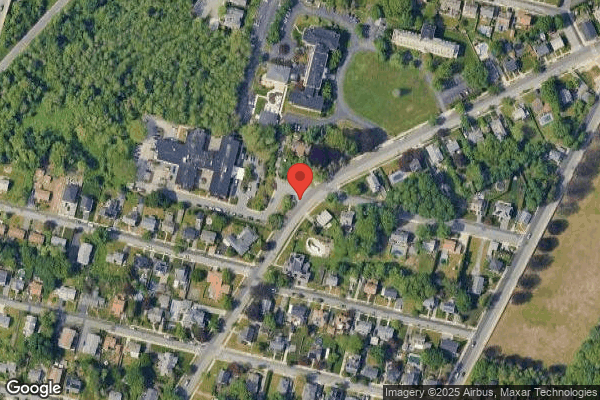
Dec 2024 1 deficiency
CONCERN (D) 📢 Someone Reported This

A family member, employee, or ombudsman was alarmed enough to file a formal complaint

Potential for Harm - no one hurt, but risky conditions existed

Notification of Changes (Tag F0580)

Could have caused harm · This affected 1 resident

**NOTE- TERMS IN BRACKETS HAVE BEEN EDITED TO PROTECT CONFIDENTIALITY** Based on records reviewed and interviews, for one of three sampled residents (Resident #1), who had an unwitnessed fall on 11/21...

Read full inspector narrative →
**NOTE- TERMS IN BRACKETS HAVE BEEN EDITED TO PROTECT CONFIDENTIALITY** Based on records reviewed and interviews, for one of three sampled residents (Resident #1), who had an unwitnessed fall on 11/21/24, and was noted on 11/22/24 and 11/23/24 to have a change in status that included left hand/wrist edema, bruising, and pain, the Facility failed to ensure his/her Provider was notified timely of the change, when the Nurse Practitioner (NP) was not made aware of the changes until 11/25/24, at which time the NP ordered an X-ray for Resident #1 and he/she was diagnosed with a left wrist fracture. Findings include: Review of the Facility's policy, titled Change in Resident's Condition or Status, dated as revised July 2024, indicated that the nurse will notify the resident's provider or on call provider when there has been a change in resident condition which includes (but not limited to): -accident or incident involving resident, -adverse reaction to medication, -significant change in the resident's physical condition, -need to transfer the resident to hospital/treatment center, or -discharge without proper medical authority. Resident #1 was admitted to the Facility in August 2024, diagnoses included dementia and anxiety disorder. Review of the report submitted by the facility via the Health Care Facility Reporting System (HCFRS), dated 11/27/24, indicated that on 11/21/24, Resident #1 was found on the floor in his/her room. The Report indicated that nursing assessed Resident #1, noted a hematoma on the left side of his/her head, no other visible injuries, and he/she was transferred to the Hospital Emergency Department (ED) for evaluation. The Report indicated that after being notified on 11/25/24 that Resident #1's left hand/wrist was painful, the NP saw him/her and ordered an X-ray. The Report indicated that the X-ray showed Resident #1 had an acute (new) distal radial (wrist) fracture with soft tissue swelling, and Resident #1 was transferred to the Hospital (ED). During an interview on 12/12/24 at 1: 20 P.M., Nurse #1 said she found Resident #1 on the floor on 11/21/24, noted that he/she had a hematoma on his/her head, so she notified the NP and the Resident #1 was sent to the Hospital Emergency Department (ED) for evaluation. Nurse #1 said Resident #1 did not have any other visible injuries at the time of his/her fall. Review of a Nurse Progress Note, dated 11/22/24 at 6:32 A.M., indicated that Resident #1 returned to the facility on [DATE] at 1:00 A.M. with no abnormal findings. The Note also indicated that the bruise on the left side of Resident #1's head was intact. Per the Nurse Progress Note referenced above and the Hospital's ED documentation, there was no indication that Resident #1 had left wrist/hand bruising, edema, or pain when he/she was sent to the Hospital ED on 11/21/24, or when he/she returned on 11/22/24, to the Facility. Review of a Nurse Progress Note (written by Nurse #3), dated 11/22/24, indicated that Resident #1 had left hand edema and bruising [which was new]. During a telephone interview on 12/12/24 at 3:19 P.M., Nurse #3 said she was aware Resident #1 had had a fall on 11/21/24, and had been evaluated at the Hospital. Nurse #3 said that when she noticed Resident #1 had swelling and bruising on his/her left wrist, she did not check the Hospital's ED documentation to see if Resident #1 had wrist pain, bruising, or swelling upon discharge back to the Facility. Nurse #3 said she did not notify the NP when she noticed Resident #1's left wrist swelling and bruising, because he/she did not complain of pain. Nurse #3 said she figured the swelling and bruising were from his/her fall on 11/21/24. Review of a Nurse Progress Note (written by Nurse #2), dated 11/23/24, indicated that Resident #1 refused to use his/her walker [to ambulate] due to left hand pain. During a telephone intervew on 12/12/24 at 1:35 P.M., Nurse #2 said that on 11/23/24 she noticed Resident #1's left hand and wrist were swollen. Nurse #2 said when Resident #1 stood to use his/her walker, he/she refused because of left wrist/hand pain. Nurse #3 said she did not notify the on-call Provider because she was not sure who to call. Review of a Nurse Progress Note, dated 11/25/24, indicated that Resident #1 complained of left hand discomfort, and his/her hand was swollen and bruised. The Note indicated that Resident #1 was seen by NP #1 who ordered an x-ray. Nurse #3 said Resident #1 complained of wrist pain on 11/25/24, so she called the Nurse Practioner to report it. When the Surveyor asked why she had not reported the swelling and bruising on Resident #1's wrist to the NP on 11/22/24, she said she had not reported it because he/she had not complained of pain. Review of an X-ray Report, dated 11/25/24, indicated Resident #1 had an acute distal radial (wrist) fracture with moderate soft tissue swelling. Review of a Nurse's Note, dated 11/26/24, indicated that the X-ray results showed that Resident #1 had an acute distal radial fracture with moderate soft tissue swelling. The Note indicated that Resident #1's NP was notified and he/she was sent to the Hospital's Emergency Department. During a telephone interview on 12/12/24 at 12:32 P.M., the NP said that after being notified on 11/25/24 that Resident #1 had left wrist pain, edema, and bruising, she saw Resident #1. The NP said she ordered an X-ray which showed a left distal radial fracture, and she sent Resident #1 to the Hospital's ED. The NP said she was unaware of Resident #1's left wrist pain, edema, and bruising, until she was notified on 11/25/24. During an interview on 12/12/24 at 1:57 P.M., the Director of Nurses (DON) said she knew that Resident #1 had had a fall on 11/21/24 and was sent to the Hospital's ED due to a hematoma on the left side of his/her head. The DON said there was no documentation at the time of the fall to suggest that Resident #1 had injured his/her left wrist. The DON said on Monday (11/25/24), she reviewed the Nurse's Notes while she investigated Resident #1's fall, and noticed progress notes about left wrist pain, edema, and bruising. The DON said she told Nurse #3 to notify the NP immediately. The DON said Nurse #3 should have notified the NP or on call Provider when she noticed bruising and edema on Resident #1's left wrist on 11/22/24, but did not. The DON also said that Nurse #2 should have notified the NP or on call provider when she noticed that Resident #1 had left wrist edema, bruising, and pain on 11/23/24, but did not.
May 2024 16 deficiencies 3 Harm
SERIOUS (H)

Actual Harm - a resident was hurt due to facility failures

Deficiency F0658 (Tag F0658)

A resident was harmed · This affected multiple residents

**NOTE- TERMS IN BRACKETS HAVE BEEN EDITED TO PROTECT CONFIDENTIALITY** 3. Resident #2 was admitted to the facility in April 2019 with diagnoses of Type 2 Diabetes and a stage 4 pressure ulcer (full-t...

Read full inspector narrative →
**NOTE- TERMS IN BRACKETS HAVE BEEN EDITED TO PROTECT CONFIDENTIALITY** 3. Resident #2 was admitted to the facility in April 2019 with diagnoses of Type 2 Diabetes and a stage 4 pressure ulcer (full-thickness skin and tissue loss with exposed or directly palpable fascia, muscle, tendon, ligament, cartilage, or bone in the ulcer) to the coccyx (area below the spine). Review of the MDS assessment, dated 5/1/24, indicated Resident #2 scored 6 out of 15 on the Brief Interview for Mental Status (BIMS) indicating Resident #2 cognition was severely impaired. Review of Section M: Skin Conditions of the MDS assessment indicated the Resident had a Stage 4 pressure ulcer/injury. The assessment also indicated Resident #2 was receiving pressure ulcer/injury care including the application of non-surgical dressings and ointments. Review of the care plans for Resident #2 indicated the Resident had a Stage 4 pressure ulcer to the coccyx with interventions to consult certified wound MD or Nurse as needed and monitor for changes and update provider. Review of the April 2024 Medication and Treatment Administration Records (MAR and TAR) indicated the following treatment order for the coccyx was initiated on 4/25/24: Cleanse area to coccyx with wound cleanser, apply Santyl (debriding ointment used to rid wound bed of dead tissue), Collagen Sheet (stimulates growth of new tissue), and Calcium Alginate (absorbent gel forming debriding agent to rid wound bed of dead tissue). Cover with gauze island border dressing, change daily and as needed soilage on day shift. Review of the medical record indicated Resident #2 was seen by the Wound Physician Consultant on 4/30/24. Review of the Wound Evaluation Management Summary indicated Resident #2 had a Stage 4 pressure injury to the coccyx measuring 6 centimeters (cm) in length by 6 cm in width by 1.5 cm in depth. The treatment recommendation was to change the treatment to apply Collagen Sheet, Alginate Calcium with Silver, and cover with gauze island border dressing daily for 23 days. Review of the Nursing Progress Note, dated 5/1/24, indicated Resident #2 was seen by the Wound Physician with wound measurements and treatments updated. MD and guardian aware of changes and in agreement with plan of care. Review of the Pressure Ulcer Evaluation, dated 5/1/24, indicated there was a new order for the pressure injury to the coccyx to apply Collagen Sheet, followed by Alginate Calcium with Silver, cover with a gauze island with border dressing and change daily. Review of the May 2024 MAR and TAR indicated a new treatment order was initiated on 5/1/24 for the coccyx area: -Cleanse area to coccyx with wound cleanser, apply Collagen Sheet followed by Calcium Alginate. Cover with gauze island border dressing. Change daily and as needed for soilage. Review of the May 2024 MAR and TAR failed to indicate Alginate Calcium with Silver was initiated. Review of the 5/7/24 Wound Evaluation and Management Summary from the Wound Physician indicated to continue the Collagen sheet, followed by Alginate Calcium with Silver, cover with gauze island border dressing daily for 16 days. Review of the Nursing Progress Notes, dated 5/8/24, indicated Resident #2 was seen by the Wound Physician with measurements and treatments updated. MD and guardian aware of plan of care and agree. Review of the Pressure Ulcer Evaluation, dated 5/8/24, indicated to continue current treatment order of Collagen Sheet, followed by Alginate Calcium with Silver, cover with gauze island border dressing daily. Review of the 5/14/24 Wound Evaluation and Management Summary from the Wound Physician indicated to continue the Collagen sheet, followed by Alginate Calcium with Silver, cover with gauze island border dressing daily for 9 days. Review of the Nursing Progress Notes, dated 5/15/24, indicated Resident #2 was seen by the wound physician with measurements and treatments updated. MD and guardian aware of plan of care and agree. Review of the Pressure Ulcer Evaluation, dated 5/15/24, indicated to continue current treatment order of collagen sheet, followed by Alginate Calcium with Silver, cover with gauze island border dressing daily. Review of the May 2024 MAR and TAR failed to indicate the treatment of Alginate Calcium with Silver was implemented between 5/1/24 and 5/21/22. Review of the Nursing Progress Notes, dated 5/21/24, indicated Resident #2 wound orders were updated by Nurse Practitioner related to Alginate Calcium being unavailable at this time, use Alginate Calcium with Silver, until Alginate Calcium is available, guardian in agreement. Review of the May 2024 MAR and TAR indicated a new order: -Cleanse area to coccyx with wound cleanser, apply Collagen Sheet followed by Calcium Alginate with Silver, cover with gauze island border dressing. Change daily and as needed for soilage. Review of the May 2024 MAR and TAR failed to indicate a treatment was completed on 5/21/24 to the coccyx. The TAR was blank. Review of the Nursing progress notes, dated 5/21/24, failed to indicate a treatment was completed to the coccyx. During an interview on 5/21/24 at 1:42 P.M., Unit Manager (UM) #3 said the facility ran out of Alginate Calcium and they notified the Nurse Practitioner (NP), and the order was updated to include Alginate Calcium with Silver. The surveyor and UM reviewed wound physician's recommendations together and she said the order was in the system incorrectly, and it should have always included Alginate Calcium with Silver since 5/1/24. During an interview on 5/22/24 at 2:31 P.M., Nurse #9 said the standard of practice would be to document completion of the treatment on the TAR. She said she will also document in a nursing progress note if she has more information to add regarding the treatment she provided. Nurse #9 said she must have forgotten to document after completing the treatment to Resident #2 coccyx area. During an interview on 5/22/24 at 3:17 P.M., Nurse Practitioner #2 said she defers to the wound physician for wound recommendations. She said she has not declined any wound recommendations for Resident #2. During an interview on 5/22/24 at 4:22 P.M., UM #3 said the process for a nurse to follow once completing a treatment would be to sign off on the TAR. The surveyor and UM #3 reviewed the TAR and Nursing Progress Notes together and she said the nurse did not document completion of the treatment in the medical record on 5/21/24. During an interview on 5/23/24 at 9:05 A.M., Nurse #5 said she regularly conducted wound rounds with the wound physician. She said the wound physician would give her verbal recommendations and send over the Wound Evaluation and Management Summary with the written recommendations, and she reviewed them with the PCP. Nurse #5 said the PCP did not decline the recommendation to use Alginate Calcium Silver, she must have entered it into the medical record incorrectly. During an interview on 5/23/24 at 12:25 P.M., Director of Nursing (DON) reviewed the wound evaluation recommendations and the May 2024 MAR and TAR with the surveyor. She said the order is incorrect and does not match the wound treatment recommendations from the wound physician. She said her expectation is for the order to be reviewed after implementation to ensure it is correct. During an interview on 5/23/24 at 12:33 P.M. DON said once a treatment has been completed, her expectation is for it to be documented on the TAR. She said that is just nursing standard of practice. The surveyor and DON reviewed the TAR and Nursing Progress Notes together for the date of 5/21/24. She said there was no evidence that the treatment was completed on the coccyx, because it is not documented. Refer to F686 4. Resident #110 was admitted to the facility in March 2024 with diagnoses including Type two Diabetes and stage 4 pressure ulcer to the coccyx. Review of the MDS assessment dated [DATE] indicated Resident #110 scored 3 out of 15 on the BIMS indicating Resident #110 cognition was severely impaired. Review of Section M: Skin Conditions of the MDS assessment indicated the Resident had a Stage 4 pressure ulcer/injury. The assessment also indicated Resident #110 was receiving pressure ulcer/injury care. Review of the medical record indicated Resident #110 Health Care Proxy was invoked. Review of the care plans for Resident #110 indicated the Resident had a Stage 4 pressure ulcer to the coccyx with interventions to complete weekly pressure evals and monitor the healing process. Consult and treatment by certified wound MD or Nurse as needed and monitor for changes and update provider. Apply treatment as ordered. Review of the Wound Evaluation Management Summary dated 5/14/24 indicated to continue the Collagen sheet, followed by Alginate Calcium with Silver, cover with gauze island border dressing daily for 16 days. Review of the Wound Physician's Progress Note, dated 5/14/24, and electronically signed by Wound Physician on 5/16/24 indicated new treatment for Negative Pressure Wound Therapy (NPWT) and to continue treatment with Collagen sheet and Alginate Calcium with Silver until arrival of NPWT. Review of the Nursing Progress Notes failed to indicate NPWT had been ordered and/or initiated. Review of the Pressure Ulcer Evaluation, dated 5/14/24, indicated Resident #110 was seen by the Wound MD for wound to the coccyx. Review of the May 2024 MAR and TAR indicated the following treatment order for the coccyx was initiated on 5/1/24: -Cleanse coccyx wound with normal saline, apply a Collagen Sheet followed by Calcium Alginate with Silver and cover with a gauze island border dressing. Change daily and as needed soilage. Review of the May 2024 MAR and TAR failed to indicate an order for NPWT had been ordered and/or initiated. During an interview on 5/23/24 at 9:05 A.M., Nurse #5 said she conducted wound rounds with the wound physician on 5/14/24. She said the wound physician gave her a verbal order for the NPWT. Nurse #5 said the recommendation was not included on the Wound Evaluation and Management Summary report, and she notified the wound physician. She said the wound physician sent over a progress note on 5/16/24, including the NPWT. Nurse #5 said she has not placed the order for the wound therapy yet, because she does not know how to do it. She said it is the first time NPWT has been ordered, since she began completing rounds with the wound physician. During an interview on 5/23/24 at 9:14 A.M. UM #3 said she was aware Resident #110 had a recommendation for NPWT but she does not order it. She said all wound supplies come from the wound physician and she does not know how to order it. During an interview on 5/23/24 at 9:45 A.M., Wound Physician said she makes recommendations, and it is up to the PCP to approve and implement orders. She said Resident #110 could benefit from NPWT, and she does not know what the delay is with ordering it. During an interview on 5/23/24 at 12:40 P.M., the DON and the surveyor reviewed the Wound Physician's progress notes together for Resident #110. She said that was an addendum that came over on 5/16/24, that she was unaware of. She said her expectation would be for the NPWT to be ordered the same day or the next day at the latest. She said Nurse #5 did not make her aware of the order, and there was no physician's order for NPWT in the medical record for Resident #110. Refer to F686 Based on record review, interview, observation, and policy review, the facility failed to provide services that met professional standards of quality for four Residents (#4, #117, #2, and #110), out of a total sample of 35 residents. Specifically, the facility failed: 1. For Resident #4 to accurately transcribe and implement orders for changes in pressure and non-pressure wound treatments (Wound Site #8, #9, #10, #11 ,#12, #13, #14, #15, and #16), resulting in Wound Site #9 progressing from a non-pressure wound to a Stage 3 pressure ulcer; 2. For Resident #117, to accurately transcribe and implement orders for changes in pressure wound treatments; 3. For Resident #2, to accurately transcribe and implement orders for changes in pressure wound treatments; and 4. For Resident #110, to accurately transcribe and implement orders for changes in pressure wound treatments. Findings include: Review of the Massachusetts Board of Registration in Nursing Advisory Ruling on Nursing Practice, dated as revised April 11, 2018, indicated: -Nurse's Responsibility and Accountability: Licensed nurses accept, verify, transcribe, and implement orders from duly authorized prescriber's that are received by a variety of methods (i.e., written, verbal/telephone, standing orders/protocols, pre-printed order sets, electronic) in emergent and non-emergent situations. Licensed nurses in a management role must ensure an infrastructure is in place, consistent with current standards of care, to minimize error. - In any situation where an order is unclear, or a nurse questions the appropriateness, accuracy, or completeness of an order, the nurse may not implement the order until it is verified for accuracy with a duly authorized prescriber. Review of the facility's policy titled Charting and Documentation, dated as revised 10/2019, included but was not limited to the following: -All services provided to the resident, progress toward the care plan goals, or any changes in the resident's medical, physical, functional, or psychosocial condition, should be documented in the resident's medical record. The medical record should facilitate communication between the interdisciplinary team regarding the resident's condition and response to care. -The following information is to be documented in the resident medical record: Treatments or services performed. -Documentation of procedures and treatments will include care-specific details Review of the facility's policy titled Pressure Ulcer/Injury Risk Assessment, dated as last revised 4/2018, indicated but was not limited to the following: -If a new skin alteration is noted, initiate a pressure/non pressure form related to the type of alteration noted. -The following information should be recorded in the resident's medical record utilizing facility forms: the condition of the resident's skin (i.e., the size and location of any red or tender areas), if identified; documentation in the medical record addressing Physician notification if new skin alteration noted with change of plan of care, if indicated. 1. Resident #4 was admitted to the facility in January 2010, and recently readmitted in January 2024 with diagnoses including morbid obesity, diabetes mellitus with diabetic polyneuropathy (symptoms of numbness, weakness, and decreased sensation usually starting in feet/hands), and peripheral vascular disease (PVD-narrowing of blood vessels causing decreased blood flow). Review of the Minimum Data Set (MDS) assessment, dated 3/27/24, indicated Resident #4 had moderate cognitive impairment as evidenced by a score of 10 out of 15 on the Brief Interview for Mental Status (BIMS). Additionally, Resident #4 had skin treatments and was dependent on staff for assistance with positioning. Review of the comprehensive care plan indicated but was not limited to the following: FOCUS: Pressure Ulcer: Ulceration or interference with structural integrity of layers of skin. GOAL: Show no signs of infection through review date; Show reduction in size/stage of pressure ulcer. INTERVENTIONS: Consult and treatment by Certified Wound Doctor or Certified Wound Nurse as needed (PRN), monitor for changes and update provider, offload heels as tolerated when in bed, offload wounds as tolerated, treatments as ordered, and turn/reposition as needed. Review of the medical record indicated Resident #4 was followed by a Wound Care Physician at the facility. a. Site #8-Stage 2 Pressure Wound of the Right Buttock. (Partial thickness loss of dermis (middle layer of skin) presenting as a shallow open ulcer with a red or pink wound bed, without slough (yellow/white material in wound bed) or bruising) Review of the initial Wound Evaluation and Management Summary, dated 12/5/23 indicated the following: -Site #8-Stage 2 Pressure Wound of the Right Buttock measured 3 x 2 cm x depth is unmeasurable due to presence of tissue overgrowth. Review of the Wound Evaluation and Management Summaries (18 visits) indicated the following: -Start of Care for Site #8 was 12/5/23 and the area resolved on 4/30/24. -Of the weekly wound care recommendations made 5 of 11 were transcribed accurately as recommended, 6 of 11 were not transcribed accurately and 6 visits no change was needed; the visit on 4/30/24 the area was resolved. Review of the Treatment Administration Record (TAR) from 12/5/23-4/30/24 indicated the facility failed to complete the treatment ordered on the TAR 30 of 266 opportunities. b. Site #9-Non-Pressure Wound Sacrum (area at the lower spine) (Moisture Associated Skin Damage (MASD)-caused by prolonged exposure to various sources of moisture including urine or stool, perspiration, wound exudate (drainage), mucus, saliva, and their contents). Review of the initial Wound Evaluation and Management Summary, dated 12/5/23 indicated the following: - Site #9-Non-Pressure Wound Sacrum measured 2 x 1 x 0.1 cm. Review of the Wound Evaluation and Management Summaries (20 visits) indicated the following: -Start of Care for Site #9 was 12/5/23 and the area is still currently under the care of the Wound Physician for the Pressure Wound. -The wound was reclassified due to exacerbation from MASD to a Stage 3 Pressure Ulcer (Full thickness tissue loss, subcutaneous fat may be visible, but bone, tendon, or muscle is not exposed; slough may be present but does not obscure the depth of tissue loss) on 2/8/24. -Of the weekly wound care recommendations made 5 of 18 were transcribed accurately as recommended, 13 of 18 were not transcribed accurately and 2 visits no change was needed. Review of the TAR from 12/5/23-5/22/24 indicated the facility failed to complete the treatment ordered on the TAR 4 of 66 opportunities. c. Site #10-Unstageable Wound of the Right Lateral Foot. (Full thickness pressure injury in which the base is obscured by slough and/or eschar (dead tissue that dries and becomes adherent to the wound)) Review of the initial Wound Evaluation and Management Summary, dated 12/5/23, indicated the following: -Site #10-Unstageable Wound of the Right Lateral Foot measured 2.5 x 1.5 cm x depth not measurable due to presence of non-viable tissue and necrosis. Review of the Wound Evaluation and Management Summary, dated 1/16/24, indicated but was not limited to the following: - Site #10-Stage 3 Pressure Wound of the Right Lateral Foot measured 3.5 x 2.5 x 0.1 cm with moderate serous drainage. Wound Progress: Not at Goal. -Recommendation: Apply calcium alginate and silver sulfadiazine and cover with gauze island border dressing twice daily. Off-load wound, float heels in bed. The surface area of the wound was four times larger than the previous visit and the wound now had 20% thick adherent devitalized necrotic tissue (not present on previous visit (1/2/24)). Review of the nursing progress notes failed to indicate staff had identified the decline in the wound and notified the Physician since the previous visit (1/2/24). Review of the TAR failed to indicate the order was obtained for the new treatment as recommended by the wound physician. The order written for Silver Sulfadiazine failed to include the calcium alginate or a dressing. Review of the nursing and physician progress notes failed to indicate the Physician declined the recommendation of the Wound Physician. Review of the nursing progress notes indicated Resident #4 had been diagnosed with influenza on 1/16/24 and treatment was initiated. He/she spiked a temp on 1/18/24 and was transferred to an acute care hospital. The Resident was hospitalized from [DATE]-[DATE]. Review of the History and Physical, dated 1/18/24, indicated: -Treatment for Sepsis (life-threatening complication of an infection) without septic shock is likely secondary to urinary tract infection (UTI) and right foot ulcer. Review of the Hospital Discharge summary, dated [DATE], indicated: -Infectious Disease Consult 1/18/24-reason Sepsis. -Podiatry Consult 1/18/24-reason right lateral foot ulcer, ?osteomyelitis. -Sepsis secondary to right foot ulcer. Could not do the MRI. Per Infectious Disease (ID) will do two weeks of intravenous (IV) Ceftriaxone (antibiotic). -Discharge Data: Sepsis with acute organ dysfunction. -Discharge Diagnosis: Right foot infection. -Discharge Information: Skin Comment: Pressure Injury Right Lateral Foot: Cleanse with normal saline or wound cleanser, apply protective skin barrier spray/wipe or skin barrier cream, protect with foam dressing, change every other day, or as needed. Review of the nursing progress note, dated 1/26/24, indicated the change in treatment per hospital orders and IV antibiotics for right foot sepsis. Review of the TAR failed to indicate the wound care order was obtained per the discharge instructions from the hospital. The Silver Sulfadiazine treatment remained in effect since ordered on 1/17/24, still without the calcium alginate or a dressing. Review of the nursing progress notes failed to indicate the Physician declined the recommendation from the hospital discharge instructions. Review of the Wound Evaluation and Management Summaries (18 visits) indicated the following: -Start of Care for Site #10 was 12/5/23 and the area resolved on 4/30/24, and exacerbated on 5/23/24, pending evaluation on 5/24/24. -Of the weekly wound care recommendations made 6 of 11 were transcribed accurately as recommended, 5 of 11 were not transcribed accurately and 6 visits no change was needed; the final on 4/30/24 the area was resolved. Review of the TAR from 12/5/23-4/30/24 indicated the facility failed to complete the treatment ordered on the TAR 40 of 234 opportunities. d. Site #11-Non-Pressure Wound of the Right Thigh (trauma/from brief) Review of the initial Wound Evaluation and Management Summary, dated 12/19/23, indicated the following: -Site #11-Non-Pressure Wound of the Right Thigh measured 2.5 x 2.5 cm x depth not measurable due to presence of tissue overgrowth. Review of the Wound Evaluation and Management Summaries (5 visits) indicated the following: -Start of Care for Site #11 was 12/19/23 and the area resolved on 1/31/24. -Of the weekly wound care recommendations made 1 of 4 were transcribed accurately as recommended, 3 of 4 were not transcribed accurately; the visit on 1/31/24 the area was resolved. Review of the TAR from 12/19/23-1/31/24 indicated the facility failed to complete the treatment ordered on the TAR 3 of 14 opportunities. e. Site #12-Stage 3 Pressure Wound of the Left Buttock. Review of the initial Wound Evaluation and Management Summary, dated 1/31/24, indicated the following: -Site #12-Stage 3 Pressure Wound of the Left Buttock measured 4.5 x 1 x 0.1 cm. Review of the Wound Evaluation and Management Summaries (3 visits) indicated the following: -Start of Care for Site #12 was 1/31/24 and the area resolved on 2/13/24. -Of the weekly wound care recommendations made 0 of 2 were transcribed accurately as recommended, 2 of 2 were not transcribed accurately; the visit on 2/13/24 the area was resolved. Review of the TAR from 1/31/23-2/13/24 indicated the facility failed to complete the treatment ordered on the TAR 3 of 14 opportunities. f. Site #13-Skin Tear of the Right Shin. Review of the initial Wound Evaluation and Management Summary, dated 1/31/24 indicated the following: -Site #13-Skin Tear of the Right Shin measured 2 x 3 cm x depth unmeasurable due to presence of tissue overgrowth. Review of the Wound Evaluation and Management Summaries (2 visits) indicated the following: -Start of Care for Site #13 was 1/31/24 and the area resolved on 2/8/24. -Of the weekly wound care recommendations made 0 of 1 were transcribed accurately as recommended, 1 of 1 were not transcribed accurately; the visit on 2/8/24 the area was resolved. Review of the TAR from 1/31/23-2/8/24 indicated the facility failed to obtain an order for a treatment. g. Site #14-Stage 3 Pressure Wound of the Left Buttock. Review of the initial Wound Evaluation and Management Summary, dated 2/20/24, indicated the following: -Site #14-Stage 3 Pressure Wound of the Left Buttock measured 1.5 x 1 cm x depth unmeasurable due to presence of tissue overgrowth. Review of the Wound Evaluation and Management Summaries (5 visits) indicated the following: -Start of Care for Site #14 was 2/20/24 and the area resolved on 3/19/24. -Of the weekly wound care recommendations made 1 of 2 were transcribed accurately as recommended, 1 of 2 were not transcribed accurately and 2 visits no change was needed; the visit on 3/19/24 the area was resolved. Review of the medical record indicated that from 2/20/24-3/4/24 the facility failed to obtain an order for a treatment to the left buttock. Review of the physician's orders indicated that on 3/4/24 an order was obtained for the left buttock. (14days after the onset of the wound) Review of the TAR from 3/4/24-3/19/24 indicated the facility failed to complete the treatment ordered on the TAR 6 of 32 opportunities. Review of the Pressure Ulcer Evaluations, dated 2/21/24, failed to indicate a pressure area to the left buttock. h. Site #15-Non-Pressure Wound of the Right Buttock (MASD). Review of the medical record indicated a previous area to the right buttock had resolved on 5/1/24. Review of the initial Wound Evaluation and Management Summary, dated 5/14/24, indicated the following: -Site #15-Non-Pressure Wound of the Right Buttock (MASD) measured 3 x 2 cm x depth unmeasurable due to presence of tissue overgrowth. Review of the Wound Evaluation and Management Summaries (1 visits) indicated the following: -Start of Care for Site #15 was 5/14/24 and the area is still currently under the care of the Wound Physician. Review of the TAR from 5/14/23-5/22/24 indicated the facility failed to complete the treatment ordered on the TAR 1 of 7 opportunities. i. Site #16-Non-Pressure Wound of the Right Thigh (trauma/from brief). Review of the initial Wound Evaluation and Management Summary, dated 5/14/24, indicated the following: -Site #16-Non-Pressure Wound of the Right Thigh (trauma/from brief) measured 4.5 x 0.5 x 0.1 cm. Review of the Wound Evaluation and Management Summaries (1 visits) indicated the following: -Start of Care for Site #16 was 5/14/24 and the area is still currently under the care of the Wound Physician. Review of the TAR from 5/14/23-5/22/24 indicated the facility failed to complete the treatment ordered on the TAR 1 of 6 opportunities. During an interview on 5/21/24 at 4:06 P.M., Unit Manager #1 said the Wound Doctor comes weekly and usually rounds with Nurse #5, then she would get the recommendations from the Wound Doctor and write/obtain all the orders. She said the non-pressure and pressure ulcer evaluations trigger to be done weekly once initiated and every area should have one done weekly. During a telephone interview on 5/23/24 at 8:51 A.M., Nurse #5 said she does the weekly wound rounds with the Wound Doctor and writes the orders. She said typically the Attending Physician or NP goes with whatever the Wound Doctor recommends unless it is something out in left field but that rarely happens. Nurse #5 was not in the building during the interview and did not have access to the medical records at the time of the interview. She said she couldn't speak to the recommendations that were not done prior to her taking over in late April but said if her name is on the current orders then she wrote them. She was unable to speak to why the orders from May were not written and/or did not match the Wound Doctor Recommendations as they should because the physician did not disagree with the recommendations. During an interview on 5/23/24 at 9:26 A.M., the DON said the general process is the Nurse rounds with the Wound Doctor, then obtains orders and write them per the Wound Doctor Recommendations and completes the weekly pressure/non-pressure evaluations. She said there is no process in place at this time to ensure orders are transcribed correctly and treatments are implemented but there needs to be one. Additionally, she said she expects treatments to be done per the physician's order and signed off on the TAR and there should not be blanks (treatment not signed off as administered) on the TAR. The DON and Consulting Staff #1 confirmed with chart review multiple treatments as noted above were not implemented correctly or at all and they should have been. Given the number of errors noted, not every treatment was reviewed by the DON and Consulting Staff #1 for accuracy. She said the number of things not done correctly was concerning. Additionally, the DON said the orders should match the recommendation unless the Attending disagreed and in that case there should be a progress note written and there are no notes indicating such. She also said if the recommendation is unclear, or a secondary dressing was not written on the recommendation, then the nurse should be calling the Wound Doctor for clarification. During an interview on 5/23/24 at 9:26 A.M., the DON and Consulting Staff #1 confirmed with chart review that multiple treatments as noted above were not implemented correctly or at all and they should have been. Given the number of errors noted, not every treatment was reviewed by the DON and Consulting Staff #1 for accuracy. During an interview on 5/23/24 at 12:40 P.M., Unit Manager #1 said she expects treatments to be done per the physician's order and signed off on the TAR. During an interview on 5/23/24 at 3:30 P.M., the Wound Doctor said her expectation is for the Nurse to obtain and write the orders per the recommendations made and if they need clarification to call her. She said the Attending Physicians/NP's always go with whatever is recommended and she has never had any issues with them disagreeing with what she recommended. Refer to F684 and F686 2. Resident #117 was admitted to facility in April 2024 with a pressure ulcer to the coccyx (bone at the end of the spine). Review of the Minimum Data Set (MDS) assessment, dated 4/30/24, indicated Resident #117 was dependent on staff for all activities of daily living (ADLs) and mobility. Review of the care plans indicated Resident #117 had a stage 3 (full-thickness loss of skin, in which subcutaneous fat may be visible in the ulcer and granulation tissue) pressure ulcer to the coccyx with interventions of administering treatments as ordered, utilize an air mattress, and to follow facility protocol for the prevention/treatment of skin breakdown. Review of the admissions paperwork indicated Resident #117 was admitted with a pressure wound to the coccyx with a treatment order to cleanse with normal saline, pat dry, apply wound gel with silver, followed by Calcium Alginate with silver, apply skin prep to peri-wound (the skin around the wound) and cover with a super absorbent dressing, two times per day and as needed. Review of the Treatment Administration Record (TAR) for April 2024 indicated the treatment from admission was not completed as ordered on the following days: -4/19/24 (day and evening shift) -4/21/24 (day shift) -4/22/24 (day shift) Review of the Wound Evaluation and Management Summary from the Consultant Wound Physician, dated 4/23/24, indicated the following: Stage 3 pressure ulcer of the left coccyx: measuring 3 centimeters (cm) in length by 1 cm in width by 0.1 cm in depth, with light serous (water[TRUNCATED]
SERIOUS (H)

Actual Harm - a resident was hurt due to facility failures

Quality of Care (Tag F0684)

A resident was harmed · This affected multiple residents

**NOTE- TERMS IN BRACKETS HAVE BEEN EDITED TO PROTECT CONFIDENTIALITY** Based on interviews, record review, and policy review, the facility failed to promote and manage the delivery of safe nursing ca...

Read full inspector narrative →
**NOTE- TERMS IN BRACKETS HAVE BEEN EDITED TO PROTECT CONFIDENTIALITY** Based on interviews, record review, and policy review, the facility failed to promote and manage the delivery of safe nursing care in accordance with accepted Standards of Nursing Practice by failing to identify and address a change in condition and provide necessary care and treatment for three Residents (#36, #34, and #4), out of a total sample of 35 residents. Specifically, the facility failed: 1. For Resident #36, to provide proper care and treatment of a non-pressure right heel wound including accurately implementing the Wound Consultant's recommendations; 2. For Resident #4, to implement and complete treatments as ordered for: a. Site #9-Non-Pressure Wound Sacrum (Moisture Associated Skin Damage-MASD), resulting in the wound progressing to a Stage 3 pressure ulcer, b. Site #11-Non-Pressure Wound of the Right Thigh (trauma/from brief), c. Site #13-Skin Tear of the Right Shin, d. Site #15-Non-Pressure Wound of the Right Buttock (MASD), and e. Site #16-Non-Pressure Wound of the Right Thigh (trauma/from brief); and 3. For Resident #34, to ensure weekly weights were obtained for the management of congestive heart failure (CHF- progressive heart disease that affects pumping action of the heart muscles which leads to fatigue, shortness of breath). Findings include: 1. Review of the facility's policy titled Pressure Ulcer/Injury Risk Assessment, dated as last revised 4/2018, indicated but was not limited to the following: - If a new skin alteration is noted, initiate a pressure/non-pressure form related to the type of alteration noted. - The following information should be recorded in the resident's medical record utilizing facility forms: the condition of the resident's skin (i.e., the size and location of any red or tender areas), if identified; documentation in the medical record addressing Physician notification if new skin alteration noted with change of plan of care, if indicated. Resident #36 was admitted to the facility in August 2022 with diagnoses including morbid obesity and muscle weakness. Review of the Minimum Data Set (MDS) assessment, dated 4/9/24, indicated Resident #36 was cognitively intact as evidenced by a score of 15 out of 15 on the Brief Interview for Mental Status (BIMS). The MDS indicated Resident #36 required assistance from staff to perform activities of daily living, including but not limited to bed mobility and transfers. The MDS also indicated Resident #36 was at risk for alteration in skin. During an observation with interview on 5/20/24 at 12:30 P.M., the surveyor observed Resident #36 resting in bed, lying on his/her back. Resident #36 said he/she has an area to his/her right heel which opens and closes frequently. Resident #36 said he/she had a traumatic injury to his/her right heel several years ago when this all started. The surveyor did not observe a dressing on Resident #36's right heel. Review of Resident #36's Physician's Orders indicated the following: - 2/23/23: Weekly Skin Assessment by Licensed Nurse, every Friday day shift. Review of the Weekly Skin Evaluation assessment, dated 3/27/24, indicated Resident #36 had a right heel area open with treatment in place. Further review of the Weekly Skin Evaluation assessments continued to indicate Resident #36 had a right heel area on 4/7/24, 4/15/24, 4/22/24, 4/29/24, 5/6/24, and 5/14/24. Review of the Resident #36's Physician's Orders, in place from 3/6/23 to 4/1/24, indicated: - Skin prep bilateral heels every shift every day for prevention. Review of the medical record from 3/27/24 through 4/9/24 failed to indicate treatment orders addressing Resident #36's open non-pressure right heel wound. Review of the Wound Consultant's notes, dated 4/9/24, indicated the following: - Resident #36 had a non-pressure wound of right heel, partial thickness with an etiology of trauma/injury. - The objective of the Wound Consultant treatment was to manage exudate (drainage) and maintain healing. - The wound duration was noted to be greater than 3 days. - Wound size: 1.5 centimeters (cm) x 1.0 cm x not measurable depth due to presence of tissue overgrowth. The total surface area of the wound was 1.5 cm squared. The wound has light serous (clear) drainage. - Dressing treatment plan: collagen sheet with silver, gauze island border dressing changed once daily. Review of Physician's Orders following the Wound Consultant visit on 4/9/24, failed to indicate treatment orders were put in place for the open non-pressure right heel wound based on the recommendations made during the visit. Review of the Wound Consultant's notes, dated 4/16/24, indicated the following: - Resident #36 had a non-pressure wound of right heel, full thickness with an etiology of trauma/injury. - The objective of the Wound Consultant treatment was to maintain healing. - The wound duration was noted to be greater than 10 days. - Wound size: 2.5 cm x 2.0 cm x 0.05 cm with a total surface area of 5.00 cm squared. The wound had moderate serosanguinous (bloody) drainage. The wound bed contained 50% slough (necrotic (dead) tissue that is green, yellow, tan, or brown, and may be moist, loose, or stringy) and 50% granulation (healthy) tissue. - Wound progress was noted to be not at goal. - Dressing treatment plan: collagen sheet with silver, gauze island border dressing and skin prep to surrounding skin once daily. Review of the Physician's Orders following the Wound Consultant visit on 4/16/24, indicated treatment orders for the non-pressure right heel wound were put in place as recommended by the Wound Consultant on 4/17/24, 21 days after the non-pressure right heel wound was identified. Review of the Wound Consultant's notes, dated 4/30/24, indicated the following: - Resident #36 had a non-pressure wound of right heel, full thickness with an etiology of trauma/injury. - The wound duration was noted to be greater than 38 days. - Wound size: 3.5 cm x 2.0 cm x not measurable due to presence of tissue overgrowth. The total surface area of the non-pressure right heel wound was 7.00 cm squared. The wound had light serosanguinous drainage. The wound bed contained 100% granulation tissue. - Dressing treatment plan: collagen sheet with silver, gauze island border dressing and skin prep to surround skin once daily. Review of the Wound Consultant's notes indicated the non-pressure right heel wound progress was not at goal. The non-pressure right heel wound surface area grew from 5.00 cm squared on 4/16/24 to 7.00 cm squared on 4/30/24 (total increase in surface area of 2.00 cm squared). Review of Wound Consultant notes from 5/7/24, indicated the non-pressure right heel wound progress was improved as evidenced by decreased surface area (3.00 cm squared) and physician's orders including treatment recommendations for collagen sheet with silver, gauze island border dressing with skin prep to surrounding skin once daily were in place. Review of the Wound Consultant's notes, dated 5/14/24, indicated the following: - Resident #36 had a non-pressure wound of right heel, full thickness with an etiology of trauma/injury. - Objective of the Wound Consultant treatment was to maintain healing. - The wound duration was noted to be greater than 38 days. - Wound size: 1.0 cm x 1.0 cm x not measurable due to presence of tissue overgrowth. The total surface area of the non-pressure right heel wound was 1.00 cm squared. The wound had light serous drainage. The wound bed contained 100% granulation tissue. - Dressing treatment plan: collagen sheet with silver, gauze island border dressing and skin prep to surrounding skin once daily. Review of Physician's Orders following the Wound Consultant's visit on 5/14/24, failed to include the collagen sheet with silver as recommended for the open non-pressure right heel wound. Further review of the medical record failed to indicate why the recommendation for the collagen sheet with silver was left off the active physician's order. Review of the Treatment Administration Record (TAR) failed to include collagen sheet with silver as the active treatment order for Resident #36 after 5/15/24 as recommended by the Wound Consultant. During an interview on 5/21/24 at 8:32 A.M., Unit Manager (UM) #1 said the Wound Consultant comes in once a week, typically either Tuesday or Friday. UM #1 said typically Nurse #5 completes wound rounds with the Wound Consultant unless they are unavailable. During an interview on 5/21/24 at 12:43 P.M., Nurse #5 said she completes weekly wound rounds with the Wound Consultant and updates the medical record based on her recommendations. Nurse #5 said she will clarify recommendations with the resident's MD/NP and update the orders as needed. Nurse #5 said Resident #36 had an old traumatic injury to the right heel before entering the facility. Nurse #5 said the area to the right heel tends to re-open frequently and requires intervention to heal due to the area being fragile. Nurse #5 said she was not certain when Resident #36's non-pressure right heel wound re-opened. Nurse #5 reviewed the medical record for Resident #36 and said the Wound Consultant recommended a treatment of collagen sheet with silver, gauze border island dressing and skin prep to the surrounding skin on 5/14/24. Nurse #5 said the current active physician's order for Resident #36 did not include a collagen sheet with silver, but all collagen sheets in the facility included silver. On 5/21/24 at 2:25 P.M., the surveyor observed the following: - Nurse #6 gathered wound supplies from the treatment cart (including barrier paper, non-sterile 4x4 gauze pads, normal saline, collagen sheet and gauze island border dressing) at the door of Resident #36's room and set up on the overbed table after wiping it down with bleach. - Unit Manager #1 entered the room, donned gloves, and assisted Resident #36 in lifting his/her right leg off the bed. - Nurse #6 cleaned the wound bed with normal saline wash and patted it dry with gauze. - Nurse #6 placed the collagen sheet over the wound on the right heel. - Nurse #6 covered the area with the gauze island border dressing. During an interview on 5/21/24 at 2:36 P.M., Nurse #6, UM #1 and the surveyor reviewed the collagen sheet packaging which failed to indicate the collagen sheet had silver. UM #1 said the collagen sheet placed on Resident #36 during the dressing change did not have silver in it as per the Wound Consultant's recommendation from 5/15/24. UM #1 said the collagen sheet with silver is in a different packaging. UM #1 reviewed the Wound Consultant's recommendations from 5/15/24 and said the order should include collagen sheet with silver. During an interview on 5/21/24 at 2:48 P.M., UM #1 said when a resident has a new skin area identified, the MD/NP should be notified, and any orders given should be put into the medical record. UM #1 said the nurse would then document in a note the changes identified in the resident's skin. UM #1 and the surveyor reviewed the medical record for Resident #36. UM #1 said there was no nursing note documentation from 3/27/24 for Resident #36's non-pressure right heel wound, but there should be. UM #1 said Resident #36 was not seen by the Wound Consultant until 4/9/24. UM #1 said the first order put into the medical record related to the treatment of Resident #36's non-pressure right heel wound was on 4/17/24. UM #1 said she would not expect there to be that kind of delay in treatment. During an interview on 5/22/24 at 10:48 A.M., NP #1 said recommendations from the Wound Consultant are reviewed by the providers. NP #1 said Wound Consultant recommendations would be approved for treatment unless there were any issues in which they would document the need for the change. During an interview on 5/22/24 at 11:43 A.M., the Director of Nursing (DON) said when a new skin area or re-opened skin area is found on a resident the nurse would notify the MD/NP for treatment orders. The DON said the resident's profile would also be updated to identify the need for the Wound Consultant to follow the area. The DON said the Wound Consultant follows any resident in the facility with open skin issues/concerns. The DON said once the Wound Consultant sees the resident, any recommendations would be reconciled with the MD/NP and put in place for treatment. The DON and the surveyor reviewed the findings as related to Resident #36. The DON said Resident #36 should not have gone without a treatment to an open area to the right heel. The DON said skin prep to an open area was not an appropriate treatment. The DON said orders should be reconciled based on the recommendations given by the Wound Consultant. The DON said the orders for Resident #36 needed to be reconciled again with the MD/NP for not being accurate. During an interview on 5/22/24 at 3:11 P.M., the Wound Consultant said she typically comes into the facility on a weekly basis. The Wound Consultant said Nurse #5 typically completes wound rounds with her, but if she is unavailable the Unit Managers are available to complete rounds. The Wound Consultant said she will assess the wound, update the nurse regarding the status of the wound and make any treatment recommendations. The Wound Consultant said the current order for Resident #36 should include a collagen sheet with silver. The Wound Consultant said she was not updated regarding Resident #36 receiving a treatment without the collagen sheet. 2. Review of the facility's policy titled Pressure Ulcer/Injury Risk Assessment, dated as last revised 4/2018 indicated but was not limited to the following: -If a new skin alteration is noted, initiate a pressure/non pressure form related to the type of alteration noted. -The following information should be recorded in the resident's medical record utilizing facility forms: the condition of the resident's skin (i.e., the size and location of any red or tender areas), if identified; documentation in the medical record addressing Physician notification if new skin alteration noted with change of plan od care, if indicated. Resident #4 was admitted to the facility in January 2010, and recently readmitted in January 2024 with diagnoses including morbid obesity, diabetes mellitus with diabetic polyneuropathy (symptoms of numbness, weakness, and decreased sensation usually starting in feet/hands), and peripheral vascular disease (PVD-narrowing of blood vessels causing decreased blood flow). Review of the MDS assessment, dated 3/27/24, indicated Resident #4 had moderate cognitive impairment as evidenced by a score of 10 out of 15 on the BIMS. Additionally, Resident #4 had skin treatments and was dependent on staff for assistance with positioning. Review of the comprehensive care plan indicated but was not limited to the following: FOCUS: Resident has incontinence related to decreased motivation to toilet and weakened bladder tone. GOAL: Resident will remain free from skin breakdown due to incontinence. INTERVENTIONS: Brief Use for containment and dignity; Incontinent care and apply barrier cream with incontinent care. FOCUS: Resident has a self-care deficit related to decreased motivation and obesity. INTERVENTIONS: Bed Mobility and Positioning-Totally dependent; Turning and Repositioning every two hours and as needed. FOCUS: Resident has potential for pressure ulcer development related to disease process, history of ulcers, immobility, obesity, diabetes, and incontinence. GOAL: Resident will not develop any new areas of skin breakdown. INTERVENTIONS: Administer preventative skin care as ordered. Review of the medical record indicated Resident #4 was followed by a Wound Care Physician at the facility. a. Site #9-Non-Pressure Wound Sacrum (area at the lower spine) (MASD-caused by prolonged exposure to various sources of moisture including urine or stool, perspiration, wound exudate (drainage), mucus, saliva, and their contents). Review of the weekly skin check, dated 12/4/23, indicated a shearing area to the coccyx (area at the base of spine-just below the sacrum) with a treatment in progress. Review of the nursing progress notes failed to indicate the area on the coccyx was reported to the physician. Review of the physician's orders/TAR failed to indicate a treatment for the coccyx area was ordered. Review of the Wound Evaluation and Management Summary, dated 12/5/23, indicated but was not limited to the following: - Site #9-Non-Pressure Wound Sacrum (MASD) measured 3 x 1 centimeter (cm) x depth not measurable due to tissue overgrowth, open ulceration with light serous drainage (pale yellow/transparent drainage). Duration over three days. -Recommendation: Apply Silver sulfadiazine (antimicrobial cream to prevent infection) and calcium alginate (antibacterial product for wound drainage) twice daily, cover with gauze island border dressing. The new area identified on the 12/4/23 weekly skin check as shearing of the coccyx by the nurse, did not have a treatment in place at the time of the skin check, nor was one implemented when the area was discovered. The area was evaluated by the Wound Physician on 12/5/23 and determined to be MASD of the sacrum. Review of the TAR indicated the order was implemented on 12/6/23. Review of the Wound Evaluation and Management Summary, dated 12/19/23, indicated but was not limited to the following: - Site #9-Non-Pressure Wound Sacrum (MASD) measured 1 x 1 x 0.1 cm, open areas with exposed dermis (middle layer of skin). -Recommendation: Apply Collagen powder (wound filler to aid in formation of healthy tissue) daily, cover with gauze island border dressing twice daily. Review of the TAR failed to indicate the order was obtained for the new treatment as recommended. The order for silver sulfadiazine and calcium alginate remained in effect. Review of the nursing and physician progress notes failed to indicate the Physician declined the recommendation of the Wound Physician. Review of the Wound Evaluation and Management Summary, dated 12/26/23, indicated but was not limited to the following: - Site #9-Non-Pressure Wound Sacrum (MASD) measured 1 x 0.5 x 0.1 cm, open areas with exposed dermis. -Recommendation: Apply Collagen powder daily, cover with gauze island border dressing twice daily. Review of the TAR indicated the order was implemented on 12/27/23 as follows: Sacrum-Cleanse with wound cleanser, pat dry, apply skin prep (forms a barrier between skin and adhesive to help preserve skin integrity) to surrounding skin, apply collagen powder to wound bed and cover with gauze island border dressing twice daily. (8 days after it was recommended) Further review of the December 2023 TAR indicated the treatments were not signed off as administered 7 out of 53 opportunities. Review of the Wound Evaluation and Management Summary, dated 1/16/24, indicated but was not limited to the following: - Site #9-Non-Pressure Wound Sacrum (MASD) measured 1.5 x 0.5 x 0.1 cm, open areas with exposed dermis. Wound Progress: Not at goal. -Recommendation: Apply silver sulfadiazine and cover with gauze island border dressing twice daily. Review of the TAR indicated the order was implemented on 1/17/24 as follows: silver sulfadiazine apply to sacrum topically twice daily. No dressing was ordered as recommended to cover the wound. Review of the nursing and physician progress notes failed to indicate the Physician declined the recommendation of a dressing to cover the wound. The Resident was hospitalized from [DATE]-[DATE]. Further review of the January 2024 TAR indicated the treatments were not signed off as administered 6 out of 45 opportunities. Review of the Wound Evaluation and Management Summary, dated 1/31/24, indicated but was not limited to the following: - Site #9-Non-Pressure Wound Sacrum (MASD) measured 1.5 x 0.4 x 0.1 cm, open areas with exposed dermis. Wound Progress: Not at goal. -Recommendation: Apply Collagen Sheet with silver (advanced dressing for management of wounds to reduce/prevent infection) and cover with gauze island border dressing twice daily. Review of the TAR failed to indicate an order was obtained for the collagen sheet with silver treatment as recommended. The order for silver sulfadiazine remained in effect. Review of the nursing and physician progress notes failed to indicate the Physician declined the recommendation of the Wound Physician. Review of the Wound Evaluation and Management Summary, dated 2/8/24, indicated but was not limited to the following: - Site #9-Non-Pressure Wound Sacrum (MASD) was exacerbated and was now a Stage 3 Pressure Wound (full thickness tissue loss, subcutaneous fat may be visible but not bone, tendon, or muscle) and measured 1.5 x 2 x 0.1 cm with moderate serous drainage. -Recommendation: Apply Santyl (debriding agent to rid the wound of necrotic (dead) tissue and aid in healing) followed by calcium alginate and cover with gauze island border dressing daily. Review of the TAR failed to indicate an order was obtained for the Santyl and calcium alginate treatment as recommended. The order was written for Santyl Ointment-Apply to sacrum topically every day for wound care on 2/12/24. The order failed to contain the calcium alginate or a dressing to cover the wound. Review of the nursing and physician progress notes failed to indicate the Physician declined the recommendation of the Wound Physician. Review of the Wound Evaluation and Management Summary, dated 2/13/24, indicated but was not limited to the following: - Site #9-Stage 3 Pressure Wound and measured 6 x 2 x 0.1 cm with moderate serous drainage. Wound Progress: Not at Goal. -Recommendation: Apply Calcium Alginate once daily and silver sulfadiazine twice daily cover with gauze island border dressing twice daily. The order was written as follows: Cleanse wound with wound cleanser, apply silver sulfadiazine to wound bed, apply calcium alginate then cover with gauze island border dressing twice daily. Review of the Wound Evaluation and Management Summary, dated 2/20/24, indicated but was not limited to the following: - Site #9-Stage 3 Pressure Wound and measured 2 x 1 x 0.1 cm with light serous drainage. -Recommendation: Silver sulfadiazine twice daily cover with gauze island border dressing twice daily. -Skin substitute (alternative to a skin graft used to aid in healing of wounds not responding to typical treatment) wound candidate evaluation. Review of the TAR failed to indicate the silver sulfadiazine treatment as recommended. The previous order for silver sulfadiazine and calcium alginate remained in effect. Review of the nursing and physician progress notes failed to indicate the Physician declined the recommendation of the Wound Physician. Further review of the February 2024 TAR indicated treatments were not signed off as administered 4 out of 57 opportunities. Review of the Wound Evaluation and Management Summary, dated 3/1/24, indicated but was not limited to the following: - Site #9-Stage 3 Pressure Wound and measured 2 x 1 x 0.1 cm with light serous drainage. Wound Progress: Not at goal. -Recommendation: Primary Dressing: Silver sulfadiazine apply once weekly. If dressing falls off use silvadene and a border gauze daily. Skin substitute application (Restorigin) apply once weekly. DO NOT REMOVE or disturb the wound bed. Change the secondary dressing with care per recommendations. The skin substitute graft will be re-evaluated by the wound physician during the next visit. Secondary Dressing: Gauze Island border once weekly. Review of the TAR failed to indicate an order was obtained for the treatment as recommended. The order from 2/13/24 was still in effect as it was not changed on 2/20/24 as recommended or on 3/1/24 as recommended. An order for silver sulfadiazine and cover with gauze island border twice daily was written on 3/4/24, also not per the recommendation made on 3/1/24 by the wound physician, the instructions pertaining to the skin substitute and full dressing were not included in the order. Review of the nursing and physician progress notes failed to indicate the Physician declined the recommendation of the Wound Physician. Review of the Wound Evaluation and Management Summary, dated 3/8/24, indicated but was not limited to the following: - Site #9-Stage 3 Pressure Wound and measured 1.5 x 1 x 0.1 cm with light serous drainage. Wound Progress: Not at goal. -Recommendation: Primary Dressing: If dressing falls off use silvadene and a border gauze daily. Xeroform gauze once weekly. Skin substitute application (Restorigin) apply once weekly. DO NOT REMOVE or disturb the wound bed. Change the secondary dressing with care per recommendations. The skin substitute graft will be re-evaluated by the wound physician during the next visit. Secondary Dressing: Gauze Island border once weekly. Review of the TAR failed to indicate an order was obtained for the treatment as recommended. The previous incorrect order from 3/4/24 remained in effect until 3/11/24. On 3/11/24 orders were written as follows: -Maintain dressing to sacrum area, if dressing falls off apply the as needed (PRN) treatment of silver sulfadiazine with border gauze daily. -Cleanse area to sacrum wound with wound cleanser, apply silver sulfadiazine to wound followed by border gauze daily PRN if dressing falls off. The incorrect order from 3/4/24 remained in effect until 3/11/24, therefore the newly applied skin substitute graft from 3/8/24 was disturbed that evening and the wrong treatment continued until 3/11/24, when an order was written to maintain the sacrum dressing (which had already been disturbed) and therefore should have had daily dressing changes until the next wound physician visit and it did not. Review of the nursing and physician progress notes failed to indicate the Physician declined the recommendation of the Wound Physician. Review of the Wound Evaluation and Management Summary, dated 3/19/24, indicated but was not limited to the following: - Site #9-Stage 3 Pressure Wound and measured 4 x 1 x 0.1 cm with light serous drainage. Wound Progress: Not at goal. -Recommendation: Primary Dressing: If dressing falls off use silvadene and a border gauze daily. Collagen sheet with silver apply once weekly. Skin substitute application (Restorigin) apply once weekly. DO NOT REMOVE or disturb the wound bed. Change the secondary dressing with care per recommendations. The skin substitute graft will be re-evaluated by the wound physician during the next visit. Secondary Dressing: Gauze Island border once weekly. Review of the TAR failed to indicate an order was obtained for the treatment as recommended. On 3/20/24 orders were written as follows: -Maintain dressing to sacrum area, if dressing falls off apply the PRN treatment of collagen sheet with silver followed by border gauze daily. Every shift for sacrum dressing. -Maintain restorigin/border gauze dressing to sacrum until wound MD in to re-evaluate, check placement every shift. If soilage is noted to the border gauze, change the border gauze as needed (see PRN order) if entire dressing falls off, refer to PRN collagen sheet with silver every shift for sacrum wound. The TAR failed to indicate an order for if dressing falls of use silvadene and border gauze daily. The order was written for a collagen sheet with silver followed by a border gauze daily. Review of the nursing and physician progress notes failed to indicate the Physician declined the recommendation of the Wound Physician. Further review of the March 2024 TAR indicated treatments were not signed off as administered 6 out of 21 opportunities. Review of the Wound Evaluation and Management Summary, dated 4/9/24, indicated but was not limited to the following: - Site #9-Stage 3 Pressure Wound and measured 2 x 1 x 0.1 cm with light serous drainage. -Recommendation: Primary Dressing: If dressing falls off use silvadene and a border gauze daily. Collagen sheet with silver apply once weekly. For the week of 4/15 apply Collagen AG and a border gauze once daily. Skin substitute application (Restorigin) apply once weekly. DO NOT REMOVE or disturb the wound bed. Change the secondary dressing with care per recommendations. The skin substitute graft will be re-evaluated by the wound physician during the next visit. Secondary Dressing: Gauze Island border once weekly. Review of the TAR failed to indicate an order was obtained for the treatment as recommended. The incorrect orders written 3/20/24 remained in effect. The additional order for the week of 4/15/24 as indicated above was not written until 4/17/24 and initiated on 4/18/24. Review of the nursing and physician progress notes failed to indicate the Physician declined the recommendation of the Wound Physician. Review of the Wound Evaluation and Management Summary, dated 4/23/24, indicated but was not limited to the following: - Site #9-Stage 3 Pressure Wound and measured 2 x 1 x 0.1 cm with light serous drainage. -Recommendation: Primary Dressing: Collagen sheet with silver apply once weekly. Calcium Alginate once weekly. Skin substitute application (Restorigin) apply once weekly. DO NOT REMOVE or disturb the wound bed. Change the secondary dressing with care per recommendations. The skin substitute graft will be re-evaluated by the wound physician during the next visit. Secondary Dressing: Gauze Island border once weekly. Review of the TAR failed to indicate an order was obtained for the treatment as recommended. The order was written for daily dressing changes as follows: Cleanse area to sacrum wound with wound cleanser, pat dry, apply skin prep to surrounding skin, apply collagen AG sheet with silver and calcium alginate sheet to wound followed by a border gauze dressing every day shift for wound care. Review of the nursing and physician progress notes failed to indicate the Physician declined the recommendation of the Wound Physician. Review of the Wound Evaluation and Management Summary, dated 4/30/24, indicated but was not limited to the following: - Site #9-Stage 3 Pressure Wound and measured 1.2 x 1 x 0.1 cm with light serous drainage. -Recommendation: Primary Dressing: Collagen sheet with silver apply once weekly. Hydrocolloid sheet (satin) (moisture-retentive dressing with gel properties and waterproof to isolate wound from bacteria contaminants) once weekly. Skin substitute application (Restorigin) apply once weekly. DO NOT REMOVE or disturb the wound bed. Change the secondary dressing with care per recommendations. The skin substitute graft will be re-evaluated by the wound physician during the next visit. Review of the TAR failed to indicate an order was obtained for the treatment as recommended. The orders written included the gauze island border dressing and not the hydrocolloid sheet. The order written 5/1/24 read as follows: -Maintain the Restorigin/Border gauze dressing to sacrum wound until Wound MD in to re-evaluate, check placement every shift. If soilage is noted to the border gauze change the border gauze as needed (see PRN order). If entire dressing falls off, refer to PRN Collagen sheet with silver every shift for sacrum wound. Review of the TAR indicated the wound descriptors including the drainage amount/type and wound bed. These descriptors were documented on daily basis, indicated the wound bed was exposed and assessed daily. Additionally, the PRN order to change the dressing for soilage and the PRN order if the entire dressing falls off were not signed off as administered. Review of the nursing and physician progress notes failed to indicate the Physician declined the recommendation of the Wound Physician. Further review of the April 2024 TAR indicated treatments were not signed off as administered 3 out of 13 opportunities. Review of the Wound Evaluation and Management Summary, dated 5/7/24, indicated but was not limited to the following: - Site #9-Stage 3 Pressure Wound [TRUNCATED]
SERIOUS (H)

Actual Harm - a resident was hurt due to facility failures

Pressure Ulcer Prevention (Tag F0686)

A resident was harmed · This affected multiple residents

**NOTE- TERMS IN BRACKETS HAVE BEEN EDITED TO PROTECT CONFIDENTIALITY** 2. Resident #2 was admitted to the facility in April 2019 with diagnoses of Type II diabetes and a stage IV pressure ulcer (full...

Read full inspector narrative →
**NOTE- TERMS IN BRACKETS HAVE BEEN EDITED TO PROTECT CONFIDENTIALITY** 2. Resident #2 was admitted to the facility in April 2019 with diagnoses of Type II diabetes and a stage IV pressure ulcer (full-thickness skin and tissue loss with exposed or directly palpable fascia, muscle, tendon, ligament, cartilage, or bone in the ulcer) to the coccyx. Review of the Minimum Data Set (MDS) assessment, dated 5/1/24, indicated Resident #2 scored 6 out of 15 on the Brief Interview for Mental Status (BIMS) indicating cognition was severely impaired. Review of Section M (Skin Conditions) of the MDS assessment indicated the Resident had a Stage IV pressure ulcer/injury. The assessment also indicated Resident #2 was receiving pressure ulcer/injury care including the application of non-surgical dressings and ointments. Review of the medical record indicated Resident #2's Health Care Proxy (HCP) was invoked and had a guardian in place. Review of the care plans for Resident #2 indicated the Resident had a Stage IV pressure ulcer to the coccyx with interventions to consult certified wound physician (MD) or nurse as needed, monitor for changes and update provider. Review of the April 2024 Medication and Treatment Administration Records (MAR and TAR) indicated the following treatment order for the coccyx was initiated on 4/25/24: - Cleanse area to coccyx with wound cleanser, apply Santyl (debriding ointment used to rid wound bed of dead tissue), Collagen Sheet (stimulates growth of new tissue), and Calcium Alginate (absorbent gel forming debriding agent to rid wound bed of dead tissue). Cover with gauze island border dressing, change daily and as needed soilage on day shift. Review of the medical record indicated Resident #2 was seen by the Wound Physician Consultant on 4/30/24. Review of the Initial Wound Evaluation Management Summary indicated Resident #2 had a stage IV pressure injury to the coccyx measuring 6 centimeters (cm) in length by 6 cm in width by 1.5 cm in depth. The treatment recommendation was to change the treatment to apply Collagen Sheet, Alginate Calcium with Silver, and cover with gauze island border dressing daily for 23 days. Review of the Nursing Progress Note, dated 5/1/24, indicated Resident #2 was seen by the Wound Physician with wound measurements and treatments updated. MD and guardian aware of changes and in agreement with plan of care. Review of the Pressure Ulcer Evaluation, dated 5/1/24, indicated there was a new order for the pressure injury to the coccyx to apply Collagen Sheet, followed by Alginate Calcium with Silver, cover with a gauze island with border dressing and change daily. Review of the May 2024 MAR and TAR indicated a new treatment order was initiated on 5/1/24 for the coccyx area: - Cleanse area to coccyx with wound cleanser, apply Collagen Sheet followed by Calcium Alginate. Cover with gauze island border dressing. Change daily and as needed for soilage. -The treatment order failed to indicate the use of Alginate Calcium with Silver per the wound physician's recommendation. Review of the 5/7/24 Wound Evaluation and Management Summary from the Wound Physician indicated to continue the Collagen sheet, followed by Alginate Calcium with Silver, cover with gauze island border dressing daily for 16 days. Review of the Nursing Progress Notes, dated 5/8/24, indicated Resident #2 was seen by the Wound Physician with measurements and treatments updated. MD and guardian aware of plan of care and agree. Review of the Pressure Ulcer Evaluation, dated 5/8/24, indicated to continue current treatment order of Collagen Sheet, followed by Alginate Calcium with Silver, cover with gauze island border dressing daily. Review of the 5/14/24 Wound Evaluation and Management Summary from the Wound Physician indicated to continue the Collagen sheet, followed by Alginate Calcium with Silver, cover with gauze island border dressing daily for 9 days. Review of the Nursing Progress Notes, dated 5/15/24, indicated Resident #2 was seen by the wound physician with measurements and treatments updated. MD and guardian aware of plan of care and agree. Review of the Pressure Ulcer Evaluation, dated 5/15/24, indicated to continue current treatment order of collagen sheet, followed by Alginate Calcium with Silver, cover with gauze island border dressing daily. Review of the May 2024 MAR and TAR failed to indicate the treatment of Alginate Calcium with Silver was implemented between 5/1/24 and 5/21/22. Review of the Nursing Progress Notes, dated 5/21/24, indicated Resident #2's wound orders were updated by Nurse Practitioner (NP) related to Alginate Calcium being unavailable at this time, use Alginate Calcium with Silver, until Alginate Calcium is available, guardian in agreement. Review of the May 2024 MAR and TAR indicated a new order initiated on 5/21/24: -Cleanse area to coccyx with wound cleanser, apply Collagen Sheet followed by Calcium Alginate with Silver, cover with gauze island border dressing. Change daily and as needed for soilage. During an interview on 5/21/24 at 1:42 P.M., Unit Manager (UM) #3 said the facility ran out of Alginate Calcium and they notified the NP, and the order was updated to include Alginate Calcium with Silver. The surveyor and UM #3 reviewed the wound physician recommendations together, and she said the treatment order should have included Alginate Calcium with Silver from 5/1/24. During an interview on 5/22/24 at 9:05 A.M., Nurse #1 said the wound physician rounds with the unit manager. He said any recommendations made by the wound physician are given to the primary care physician (PCP) or NP within a day for review and approval. Once approved, the order is updated in the medical record. During an interview on 5/22/24 at 3:17 P.M., NP #2 said she defers to the wound physician for wound recommendations. She said she has not declined any wound recommendations for Resident #2. During an interview on 5/23/24 at 9:05 A.M., Nurse #5 said she regularly conducted wound rounds with the wound physician. She said the wound physician would give her verbal recommendations and send over the Wound Evaluation and Management Summary with the written recommendations, and she reviewed them with the PCP. Nurse #5 said the PCP did not decline the recommendation to use Alginate Calcium with Silver. She said she must have entered it into the medical record incorrectly. During an interview on 5/23/24 at 12:25 P.M., Director of Nursing (DON) reviewed the wound evaluation recommendations and the May 2024 MAR and TAR with the surveyor. She said the order was incorrect for 20 days and does not match the wound treatment recommendations from the wound physician. She said her expectation is for the order to be reviewed after implementation with the recommendations to ensure it is correct. 3. Resident #110 was admitted to the facility in March 2024 with diagnoses including Type II diabetes and stage IV pressure ulcer to the coccyx. Review of the MDS assessment, dated 5/1/24, indicated Resident #110 scored 3 out of 15 on the Brief Interview for Mental Status (BIMS) indicating cognition was severely impaired. Review of Section M (Skin Conditions) of the MDS assessment indicated the Resident had a stage IV pressure ulcer/injury. The assessment also indicated Resident #110 was receiving pressure ulcer/injury care. Review of the medical record indicated Resident #110's Health Care Proxy was invoked. Review of the care plans for Resident #110 indicated the Resident had a stage IV pressure ulcer to the coccyx with the following interventions: - To complete weekly pressure evaluations and monitor the healing process. - Consult and treatment by certified wound MD or Nurse as needed and monitor for changes and update provider. - Apply treatment as ordered. Review of the Wound Evaluation Management Summary, dated 5/14/24, indicated to continue the Collagen sheet, followed by Alginate Calcium with Silver, cover with gauze island border dressing daily for 16 days. Review of the Wound Physician's Progress Note, dated 5/14/24, and electronically signed by Wound physician on 5/16/24, indicated new treatment for Negative Pressure Wound Therapy (NPWT) and to continue treatment with Collagen sheet and Alginate Calcium with Silver until arrival of NPWT. Review of the Nursing Progress Notes failed to indicate NPWT had been ordered and/or initiated. Review of the current Physician's Orders for May 2024 failed to indicate NWPT was ordered. Review of the Pressure Ulcer Evaluation, dated 5/14/24, indicated Resident #110 was seen by the Wound MD for wound to the coccyx. Review of the May 2024 MAR and TAR indicated the following treatment order for the coccyx was initiated on 5/1/24: -Cleanse coccyx wound with normal saline, apply a Collagen Sheet followed by Calcium Alginate with Silver and cover with a gauze island border dressing. Change daily and as needed soilage. Review of the May 2024 MAR and TAR failed to indicate NPWT had been ordered and/or initiated. During an interview on 5/23/24 at 9:05 A.M., Nurse #5 said she conducted wound rounds with the wound physician on 5/14/24. She said the wound physician gave her a verbal order for the NPWT. Nurse #5 said the recommendation was not included on the Wound Evaluation and Management Summary report, and she notified the Wound Physician. She said the wound physician sent over a progress note on 5/16/24, including the NPWT. Nurse #5 said she had not placed the order for the wound therapy yet, because she does not know how to do it. She said it is the first time NPWT has been ordered, since she began completing rounds with the Wound Physician. During an interview on 5/23/24 at 9:14 A.M., UM #3 said she was aware Resident #110 had a recommendation for NPWT but she does not order it. She said all wound supplies come from the Wound Physician and she does not know how to obtain the supplies. During an interview on 5/23/24 at 9:45 A.M., the Wound Physician said she makes recommendations, and it is up to the PCP to approve and implement orders. She said she does not bring in the supplies to the facility. She said Resident #110 could benefit from NPWT, and she does not know what the delay is with ordering it. During an interview on 5/23/24 at 12:40 P.M., the DON and the surveyor reviewed the Wound Physician's progress notes together for Resident #110. She said that was an addendum that came over on 5/16/24, that she was unaware of. She said her expectation would be for the NPWT to be ordered the same day or the next day at the latest. She said Nurse #5 did not make her aware of the order, and there was no physician's order for NPWT in the medical record for Resident #110.Based on observations, interviews, record review, and policy review, the facility failed to ensure four Residents (#4, #2, #110, and #117), out of a total sample of 35 residents, received care and treatment to promote healing of pressure injuries. Specifically, the facility failed: 1. For Resident #4, to implement and complete treatments as ordered for: a. Site #8-Stage 2 Pressure Wound (partial thickness loss of dermis presenting as a shallow open ulcer with red/pink wound bed, without slough (yellow/white material in wound bed) or an intact, open, or ruptured blister) of the Right Buttock, b. Site #9-Non-Pressure Wound Sacrum (area at the lower spine) (MASD-Moisture Associated Skin Damage-caused by prolonged exposure to various sources of moisture including urine or stool, perspiration, wound exudate (drainage), mucus, saliva, and their contents) that progressed to a Stage 3 Pressure Wound (full thickness tissue loss. Subcutaneous fat may be visible, but bone, tendon, or muscle are not exposed, slough may be present but does not obscure the depth of tissue loss), c. Site #10-Unstageable (due to necrosis) (pressure ulcer known but is not stageable due to coverage of the wound bed by slough or eschar (dead tissue typically brown, tan, or black and may be crusty) of the Right Lateral Foot and failed to implement effective pressure relieving interventions by off-loading heels/feet, d. Site #12-Stage 3 Pressure Wound of the Left Buttock, and e. Site #14-Stage 3 Pressure Wound of the Left Buttock; and 2. For Resident #2, to implement and complete treatments as ordered for a stage 4 pressure injury (full thickness skin loss extending through the fascia (thin casing of connective tissue that surrounds and holds every organ, blood vessel, bone, nerve fiber, and muscle in place) with considerable tissue loss. There may be muscle, bone, tendon, or joint involvement) to the coccyx (bone at the end of the spine); 3. For Resident #110, to address wound physician's recommendations timely for care and treatment of a stage 4 pressure injury to the coccyx; and 4. For Resident #117, to implement and complete treatments as ordered to a stage 3 pressure ulcer on the coccyx and to implement an effective pressure relieving intervention. Findings include: Review of the facility's policy titled Pressure Ulcer/Injury Risk Assessment, dated as last revised 4/2018 indicated but was not limited to the following: -Risk Factors that increase a resident's susceptibility to develop or not to heal Pressure Ulcer/Pressure Injury (PU/PI) include but are not limited to: Impaired/decreased mobility, the presence of previously healed pressure ulcers/injuries (areas of healed stage 3 or 4 PU/PI are more likely to have recurrent breakdown), exposure of skin to urinary or fecal incontinence, and co-morbid conditions, such as end stage renal disease or diabetes. -If a new skin alteration is noted, initiate a pressure/non pressure form related to the type of alteration noted. -The following information should be recorded in the resident's medical record utilizing facility forms: the condition of the resident's skin (i.e., the size and location of any red or tender areas), if identified; documentation in the medical record addressing Physician notification if new skin alteration noted with change of plan of care, if indicated. Review of the facility's policy titled Prevention of Pressure Ulcers/Injury, dated as last revised 11/2017, indicated but was not limited to the following: -Assess the resident on admission for existing PU/PI risk factors. Repeat the risk assessment weekly and upon changes in condition. -Inspect the skin on a daily basis when performing or assisting with personal care or activities of daily living (ADLs). -Inspect pressure points (sacrum, heels, buttocks, coccyx, elbows, ischium, trochanter, etc.) -Reposition resident as indicated on the care plan. -Keep the skin clean and free of exposure to urine and fecal matter. -At least every two hours, reposition residents who are reclining or dependent on staff for repositioning. -Provide support devices and assist as needed. -Select appropriate support surfaces based on the resident's mobility, continence, skin moisture and perfusion, body size, weight, and overall risk factors. Review of the facility's policy titled Dressings, Dry/Clean, dated 4/2018, indicated but was not limited to the following: -Verify that there is a physician's order for this procedure. -Review the resident's care plan, current orders, and diagnoses to determine if there are special resident needs. -Check the treatment record. 1. Resident #4 was admitted to the facility in January 2010, and recently readmitted in January 2024 with diagnoses including morbid obesity, diabetes mellitus with diabetic polyneuropathy (symptoms of numbness, weakness, and decreased sensation usually starting in feet/hands), and peripheral vascular disease (PVD-narrowing of blood vessels causing decreased blood flow). Review of the Minimum Data Set (MDS) assessment, dated 3/27/24, indicated Resident #4 had moderate cognitive impairment as evidenced by a score of 10 out of 15 on the Brief Interview for Mental Status (BIMS). Additionally, Resident #4 had skin treatments and was dependent on staff for assistance with positioning. Review of the comprehensive care plan indicated but was not limited to the following: FOCUS: Resident has incontinence related to decreased motivation to toilet and weakened bladder tone. GOAL: Resident will remain free from skin breakdown due to incontinence. INTERVENTIONS: Brief Use for containment and dignity; Incontinent care and apply barrier cream with incontinent care. FOCUS: Resident has a self-care deficit related to decreased motivation and obesity. INTERVENTIONS: Bed Mobility and Positioning-Totally dependent; Turning and Repositioning every two hours and as needed. FOCUS: Resident has potential for pressure ulcer development related to disease process, history of ulcers, immobility, obesity, diabetes, and incontinence. GOAL: Resident will not develop any new areas of skin breakdown. INTERVENTIONS: Administer preventative skin care as ordered. FOCUS: Pressure Ulcer: Ulceration or interference with structural integrity of layers of skin. GOAL: Show no signs of infection through review date; Show reduction in size/stage of pressure ulcer. INTERVENTIONS: Consult and treatment by Certified Wound Doctor or Certified Wound Nurse as needed (PRN), monitor for changes and update provider, offload heels as tolerated when in bed, offload wounds as tolerated, treatments as ordered, and turn/reposition as needed. Review of the medical record indicated Resident #4 was followed by a Wound Care Physician at the facility. a. Site #8-Stage 2 Pressure Wound of the Right Buttock. Review of the weekly skin check, dated 12/4/23, indicated a shearing area to the coccyx (area at the base of spine-just below the sacrum) with a treatment in progress; there was no indication of a right buttock wound. Review of the Wound Evaluation and Management Summary, dated 12/5/23, indicated but was not limited to the following: - Site #8-Stage 2 Pressure Wound of the Right Buttock measured 3 x 2 centimeters (cm) depth was not measurable due to presence of tissue overgrowth with light serous drainage (pale yellow/transparent drainage). Duration: over three days -Recommendation: Silver sulfadiazine (antimicrobial cream to prevent infection) and calcium alginate (antibacterial product for wound drainage), cover with gauze island border twice daily. Review of the Physician's Orders/treatment administration record (TAR) indicated the order was implemented on 12/6/23. Review of the Wound Evaluation and Management Summary, dated 12/19/23, indicated but was not limited to the following: - Site #8-Stage 2 Pressure Wound of the Right Buttock measured 2 x 1 x 0.1 cm with light serous drainage. Wound Progress: Not at Goal. -Recommendation: Apply Collagen powder (wound filler to aid in formation of healthy tissue) once daily and cover with gauze island border twice daily. Review of the Treatment Administration Record (TAR) failed to indicate the order was obtained for the new treatment. The previous order for silver sulfadiazine and calcium alginate remained in effect. Review of the nursing and physician progress notes failed to indicate the Physician declined the recommendation of the Wound Physician. Review of the Wound Evaluation and Management Summary, dated 12/26/23, indicated but was not limited to the following: - Site #8-Stage 2 Pressure Wound of the Right Buttock measured 3 x 1 x 0.1 cm with light serous drainage. Wound Progress: Not at Goal. -Recommendation: Apply Collagen powder once daily and cover with gauze island border twice daily. Review of the TAR indicated the order was obtained for the new treatment (7 days after the initial recommendation on 12/19/24). Further review of the December 2023 TAR indicated the treatments were not signed off as administered 7 out of 53 opportunities. Review of the Wound Evaluation and Management Summary, dated 1/16/24, indicated but was not limited to the following: - Site #8-Stage 2 Pressure Wound of the Right Buttock measured 0.5 x 0.7 x 0.1 cm with light serous drainage. Wound Progress: Not at Goal. -Recommendation: Silver sulfadiazine and cover with gauze island border twice daily. Review of the TAR failed to indicate the order was obtained for the new treatment. The order did not contain a dressing as recommended by the wound physician. Review of the nursing and physician progress notes failed to indicate the Physician declined the recommendation of the Wound Physician. The Resident was hospitalized from [DATE]-[DATE]. Further review of the January 2024 TAR indicated the treatments were not signed off as administered 7 out of 47 opportunities. Review of the Wound Evaluation and Management Summary, dated 1/31/24, indicated but was not limited to the following: - Site #8-Stage 3 Pressure Wound of the Right Buttock measured 7 x 3 x 0.1 cm with light serous drainage. Wound Progress: Exacerbated due to recent hospitalization. -Recommendation: Collagen sheet with silver and cover with gauze island border twice daily. Review of the TAR failed to indicate the order was obtained for the new treatment. The order for Silver Sulfadiazine remained in effect, still with no dressing as recommended on 1/16/24 from the Wound Physician. Review of the nursing and physician progress notes failed to indicate the Physician declined the recommendation of the Wound Physician. Review of the Wound Evaluation and Management Summary, dated 2/8/24, indicated but was not limited to the following: - Site #8-Stage 3 Pressure Wound of the Right Buttock measured 3 x 3.5 x 0.1 cm with moderate serous drainage. -Recommendation: Santyl (debriding agent to rid the wound of necrotic (dead) tissue and aid in healing) and calcium alginate once daily and cover with gauze island border twice daily. Review of the TAR failed to indicate the order was obtained for the new treatment. The order for Silver Sulfadiazine remained in effect, still with no dressing as recommended on 1/16/24 from the Wound Physician. On 2/12/24 an order was written for Santyl to the right buttock once daily. The order failed to include the calcium alginate or the dressing. Review of the nursing and physician progress notes failed to indicate the Physician declined the recommendation of the Wound Physician. Review of the Wound Evaluation and Management Summary, dated 2/13/24, indicated but was not limited to the following: - Site #8-Stage 3 Pressure Wound of the Right Buttock measured 2 x 1.5 x 0.1 cm with light serous drainage. -Recommendation: calcium alginate once daily, silver sulfadiazine twice daily and cover with gauze island border twice daily. The entire order was written to be changed twice daily on 2/14/24. Review of the Wound Evaluation and Management Summary, dated 2/20/24, indicated but was not limited to the following: - Site #8-Stage 3 Pressure Wound of the Right Buttock measured 1.5 x 1 x 0.1 cm with light serous drainage. -Recommendation: silver sulfadiazine and cover with gauze island border twice daily. Review of the TAR failed to indicate the order was obtained for the new treatment per the wound doctor's recommendations. The previous order for silver sulfadiazine and calcium alginate remained in effect. Review of the nursing and physician progress notes failed to indicate the Physician declined the recommendation of the Wound Physician. Further review of the February 2024 TAR indicated the treatments were not signed off as administered 3 out of 57 opportunities. Review of the Wound Evaluation and Management Summary, dated 3/1/24, indicated but was not limited to the following: - Site #8-Stage 3 Pressure Wound of the Right Buttock measured 1.5 x 1 x 0.1 cm with light serous drainage. Wound Progress: Not at Goal. -Recommendation: silver sulfadiazine and cover with gauze island border twice daily. The order was written on 3/4/24. (14 days after the initial recommendation was made.) Further review of the March 2024 TAR indicated the treatments were not signed off as administered 7 out of 62 opportunities. Review of the Wound Evaluation and Management Summary, dated 4/9/24, indicated but was not limited to the following: - Site #8-Stage 3 Pressure Wound of the Right Buttock measured 2 x 1 x depth is unmeasurable due to tissue overgrowth with light serous drainage. Wound Progress: Not at Goal. -Recommendation: Collagen sheet with silver (advanced dressing for management of wounds to reduce/prevent infection) once daily cover with gauze island border twice daily. The order was obtained as recommended by the Wound Physician. Review of the Wound Evaluation and Management Summary, dated 4/16/24, indicated but was not limited to the following: - Site #8-Stage 3 Pressure Wound of the Right Buttock measured 1.4 x 1.2 x 0.05 cm. -Recommendation: Collagen sheet with silver cover with gauze island border daily. The order was obtained as recommended by the Wound Physician. Review of the Wound Evaluation and Management Summary, dated 4/30/24, indicated but was not limited to the following: - Site #8-Stage 3 Pressure Wound of the Right Buttock-RESOLVED Further review of the April 2024 TAR indicated the treatments were not signed off as administered 6 out of 47 opportunities. b. Site #9-Non-Pressure Wound Sacrum (MASD). Review of the weekly skin check, dated 12/4/23, indicated a shearing area to the coccyx with a treatment in progress. Review of the nursing and physician progress notes failed to indicate the area on the coccyx was reported to the physician. Review of the physician's orders/TAR failed to indicate an order for a treatment to the coccyx. Review of the Wound Evaluation and Management Summary, dated 12/5/23, indicated but was not limited to the following: - Site #9-Non-Pressure Wound Sacrum (MASD) measured 3 x 1 cm x depth not measurable due to tissue overgrowth, open ulceration with light serous drainage. Duration over three days. -Recommendation: Apply Silver sulfadiazine and calcium twice daily, cover with gauze island border dressing. The new area identified on the 12/4/23 weekly skin check as shearing of the coccyx by the nurse, did not have a treatment in place at the time of the skin check, nor was one implemented when the area was discovered. The area was evaluated by the Wound Physician on 12/5/23 and determined to be MASD of the sacrum. Review of the TAR indicated the order was implemented on 12/6/23. Review of the Wound Evaluation and Management Summary, dated 12/19/23, indicated but was not limited to the following: - Site #9-Non-Pressure Wound Sacrum (MASD) measured 1 x 1 x 0.1 cm, open areas with exposed dermis (middle layer of skin). -Recommendation: Apply Collagen powder daily, cover with gauze island border dressing twice daily. Review of the TAR failed to indicate the order was obtained for the new treatment as recommended. The order for silver sulfadiazine and calcium alginate remained in effect. Review of the nursing and physician progress notes failed to indicate the Physician declined the recommendation of the Wound Physician. Review of the Wound Evaluation and Management Summary, dated 12/26/23, indicated but was not limited to the following: - Site #9-Non-Pressure Wound Sacrum (MASD) measured 1 x 0.5 x 0.1 cm, open areas with exposed dermis. -Recommendation: Apply Collagen powder daily, cover with gauze island border dressing twice daily. Review of the TAR indicated the order was implemented on 12/27/23 as follows: Sacrum-Cleanse with wound cleanser, pat dry, apply skin prep (forms a barrier between skin and adhesive to help preserve skin integrity) to surrounding skin, apply collagen powder to wound bed and cover with gauze island border dressing twice daily. (8 days after it was recommended) Further review of the December 2023 TAR indicated the treatments were not signed off as administered 7 out of 53 opportunities. Review of the Wound Evaluation and Management Summary, dated 1/16/24, indicated but was not limited to the following: - Site #9-Non-Pressure Wound Sacrum (MASD) measured 1.5 x 0.5 x 0.1 cm, open areas with exposed dermis. Wound Progress: Not at goal. -Recommendation: Apply silver sulfadiazine and cover with gauze island border dressing twice daily. Review of the TAR indicated the order was implemented on 1/17/24 as follows: silver sulfadiazine apply to sacrum topically twice daily. No dressing was ordered as recommended to cover the wound. Review of the nursing and physician progress notes failed to indicate the Physician declined the recommendation of a dressing to cover the wound. The Resident was hospitalized from [DATE]-[DATE]. Further review of the January 2024 TAR indicated the treatments were not signed off as administered 6 out of 45 opportunities. Review of the Wound Evaluation and Management Summary, dated 1/31/24, indicated but was not limited to the following: - Site #9-Non-Pressure Wound Sacrum (MASD) measured 1.5 x 0.4 x 0.1 cm, open areas with exposed dermis. Wound Progress: Not at goal. -Recommendation: Apply Collagen Sheet with and cover with gauze island border dressing twice daily. Review of the TAR failed to indicate an order was obtained for the collagen sheet with silver treatment as recommended. The order for silver sulfadiazine remained in effect. Review of the nursing and physician progress notes failed to indicate the Physician declined the recommendation of the Wound Physician. Review of the Wound Evaluation and Management Summary, dated 2/8/24, indicated but was not limited to the following: - Site #9-Non-Pressure Wound Sacrum (MASD) was exacerbated and was now a Stage 3 Pressure Wound and measured 1.5 x 2 x 0.1 cm with moderate serous drainage. -Recommendation: Apply followed by calcium alginate and cover with gauze island border dressing daily. Review of the TAR failed to indicate an order was obtained for the Santyl and calcium alginate treatment as recommended. An order was written for Santyl Ointment-Apply to sacrum topically every day for wound care on 2/12/24. The order failed to contain the calcium alginate or a dressing to cover the wound. Review of the nursing and physician progress notes failed to indicate the Physician declined the recommendation of the Wound Physician. Review of the Wound Evaluation and Management Summary, dated 2/13/24, indicated but was not limited to the following: - Site #9-Stage 3 Pressure Wound and measured 6 x 2 x 0.1 cm with moderate serous drainage. Wound Progress: Not at Goal. -Recommendation: Apply Calcium Alginate once daily and silver sulfadiazine twice daily cover with gauze island border dressing twice daily. The order was written as follows: Cleanse wound with wound cleanser, apply silver sulfadiazine to wound bed, apply calcium alginate then cover with gauze island border dressing twice daily. Review of the Wound Evaluation and Management Summary, dated 2/20/24, indicated but was not limited to the following: - Site #9-Stage 3 Pressure Wound and measured 2 x 1 x 0.1 cm with light serous drainage. -Recommendation: Silver sulfadiazine twice daily cover with gauze island border dressing twice daily. -Skin substitute (alternative to a skin graft used to aid in healing of wounds not responding to typical treatment) wound candidate evaluation. Review of the TAR failed to indicate the silver sulfadiazine treatment as recommended. The previous order for silver sulfadiazine and calcium alginate remained in effect. Review of the nursing and physician progress notes failed to indicate the Physician declined the recommendation of the Wound Physician. Further review of the February 2024 TAR indicated treatments were not signed off as administered 4 out of 57 opportunities. Review of the Wound Evaluation and Management Summary, dated 3/1/24, indicated but was not limited to the following: - Site #9-Stage 3 Pressure Wound and measured 2 x 1 x 0.1 cm with light serous drainage.[TRUNCATED]
CONCERN (D)

Potential for Harm - no one hurt, but risky conditions existed

Deficiency F0578 (Tag F0578)

Could have caused harm · This affected 1 resident

Based on interview and record review, the facility failed to ensure the Health Care Proxy (HCP) of Resident #15 maintained the right to refuse psychiatric services. Specifically, psychiatric services ...

Read full inspector narrative →
Based on interview and record review, the facility failed to ensure the Health Care Proxy (HCP) of Resident #15 maintained the right to refuse psychiatric services. Specifically, psychiatric services continued to be provided to Resident #15 following the HCP's decision to discontinue treatment from the contracted psychiatric services provider. Findings include: Review of the contracted Behavioral Health Services Agreement, effective 9/1/23, indicated the behavioral health agency agreed to observe the rights of residents in arranging for services and performing services. Review of a blank Consent for behavioral services indicated, by signing, the designated person agreed to the following: - consent to receive counseling and psycho-therapy services; - allows the therapists to conduct, plan, and direct treatment; - acknowledge that this consent will remain valid until explicitly revoked; and - authorize to bill and receive payments from the healthcare provider or any other third-party payers. Resident #15 was admitted to the facility in November 2013 with a diagnosis of dementia and had an activated HCP. During an interview on 5/19/24 at 1:00 P.M., the HCP of Resident #15 inquired if the surveyor was able to see the insurance claims submitted for Resident #15. She said she wanted to see what services the facility had been billing for as she believed the facility had been providing and billing for services for Resident #15 that had not been consented to. She said she had informed the facility that she did not want the Resident being seen by the behavioral health services provider. She said she had a working relationship with the primary Nurse Practitioner (NP) and preferred the primary NP to make decisions regarding changes in medications and did not want the Psychiatric NP to make treatment recommendations or to see Resident #15. Review of the medical record failed to include a signed consent form for the contracted behavioral health services. Review of the medical record indicated Resident #15 had been seen by the psychiatric NP on 3/5/24, 3/15/24, 3/26/24, 4/26/24, and 5/14/24. During an interview on 5/21/24 at 12:05 P.M., the Psychiatric NP said she was currently seeing Resident #15 for psychiatric services by offering therapy or behavioral interventions. She said the process for consent for services was for the facility to obtain the signed consent form and she did not know where this was kept. She said she was aware the HCP did not want psychiatric services and had addressed this in the Behavioral Health Resident Log (a binder kept on the unit for communication with the psychiatric services). Review of the Behavioral Health Resident Log, dated 3/26/24, indicated staff had reported falls for Resident #15 who continued to be anxious and the HCP was hesitant to make medication changes. The log indicated staff report patient's daughter (HCP) doesn't want psych to see patient. During a continued interview on 5/21/24 at 12:05 P.M., the Psychiatric NP said she did continue to provide services to Resident #15 following 3/26/24. During an interview on 5/21/24 at 1:35 P.M., the Director of Nurses said the facility was unable to locate the consent for behavioral health services for Resident #15. She said the contracted behavioral health services should not have continued to provide services to Resident #15 if they knew the HCP did not want the services.
CONCERN (D)

Potential for Harm - no one hurt, but risky conditions existed

Safe Environment (Tag F0584)

Could have caused harm · This affected 1 resident

**NOTE- TERMS IN BRACKETS HAVE BEEN EDITED TO PROTECT CONFIDENTIALITY** Based on observation, interview and policy review, the facility failed to ensure residents in one of four dining areas experienc...

Read full inspector narrative →
**NOTE- TERMS IN BRACKETS HAVE BEEN EDITED TO PROTECT CONFIDENTIALITY** Based on observation, interview and policy review, the facility failed to ensure residents in one of four dining areas experienced a dignified and homelike dining experience. Findings include: Review of the facility's policy titled Resident Meal Service and Dining, dated as revised 6/2018, indicated but was not limited to the following: - Residents are served food and beverages in manner that provides nourishing and attractive meals, dignity, and social interaction based on the resident references to the degree possible; - Minimizing excess noise; and - Staff distributes meals by serving meals to residents at the same table at the same time. On 5/21/24 at 12:10 P.M., the surveyor made the following observations on the [NAME] Two Unit dining room: - Dance music playing in the background, very loud in a different language (Spanish) and disruptive. - Nine Residents were seated at various tables in the [NAME] Two Unit dining room. - Staff members were delivering meal trays to the residents off the first lunch truck that had arrived on the unit. - At 12:23 P.M., six out of the nine residents in the dining room were served their lunch meal. One of two residents seated at the front table was not served a meal. One of one resident sitting at the middle table was not served a meal. One of two residents sitting at the left hand center table was not served a meal. During an interview on 5/20/24 at 12:27 P.M., Certified Nursing Assistant (CNA) #2 said the three residents still waiting for food is because their meal trays come up on the second truck. She said they used to be in different rooms and ever since the room change, they are now on different trucks and cannot be served at the same time as the rest of the residents eating in the dining room. On 5/20/24 at 12:33 P.M., the surveyor observed the second lunch truck arrive on the [NAME] Two Unit. - A Staff member exited the dining room and went to the truck to obtain the last three resident meal trays. - The last resident in the dining room was served their meal at 12:35 P.M., 25 minutes after the first six residents in the dining room were served their meals. During an interview on 5/20/24 at 12:40 P.M., CNA #2 said the music is not supposed to be so loud or in a language the residents cannot understand. She said no residents in the dining room at that time requested Spanish music. During an interview on 5/20/24 at 4:15 P.M., Unit Manager (UM) #3 said residents in the dining room are supposed to be served their meals at the same time for a home-like experience. She said some residents had room changes, and their meal trays are on different trucks. UM #3 said the residents should not have to listen to very loud music that they do not understand while they eat, the residents should have the choice of the music in the background. During an interview on 5/22/24 at 4:44 P.M., the Food Service Director (FSD) said residents are not supposed to be in the dining room watching other residents eat, while waiting for their food. She said they all should receive their trays on the same truck to ensure that does not happen. The FSD said the truck schedule was updated after the surveyor's observation.
CONCERN (D)

Potential for Harm - no one hurt, but risky conditions existed

Comprehensive Care Plan (Tag F0656)

Could have caused harm · This affected 1 resident

Based on observations, record review, policy review, and interview, the facility failed to implement interventions on the Comprehensive Care Plan for two Residents (#4, #106), out of a sample of 35 re...

Read full inspector narrative →
Based on observations, record review, policy review, and interview, the facility failed to implement interventions on the Comprehensive Care Plan for two Residents (#4, #106), out of a sample of 35 residents. Specifically, the facility failed: 1. For Resident #4, to offload heels while in bed; and 2. For Resident #106, to respond promptly when assistance with toileting was requested. Findings include: Review of the facility's policy titled Care Plans, Comprehensive Person-Centered, dated as last revised January 2024, indicated but was not limited to the following: - A comprehensive, person-centered care plan will be developed for each resident. The care plan will include objectives that meet the resident's physical, psychosocial and functional needs. - The resident comprehensive care plan will identify problem areas and their causes as warranted and developing interventions that are targeted and meaningful to the resident. 1. Review of the facility's policy titled Prevention of Pressure Ulcers/Injuries, dated as last revised November 2017, indicated but was not limited to the following: - Provide support device and assistance as needed. - Support Surfaces and Pressure Redistribution: Select appropriate support surfaces based in resident's mobility, continence, skin moisture and perfusion, body size, weight, and overall risk factors. Resident #4 was readmitted to the facility in January 2024 with diagnoses including morbid obesity, diabetes mellitus with diabetic polyneuropathy (symptoms of numbness, weakness, and decreased sensation usually starting in feet/hands), and peripheral vascular disease (PVD-narrowing of blood vessels causing decreased blood flow). Review of the Minimum Data Set (MDS) assessment, dated 3/27/24, indicated Resident #4 had moderate cognitive impairment as evidenced by a score of 10 out of 15 on the Brief Interview for Mental Status (BIMS). Additionally, Resident #4 had treatments for care of pressure ulcers and was dependent on staff for assistance with positioning. Review of the Physician's Orders for Resident #4 indicated but were not limited to the following: - Off-Load feet when in bed as tolerated every shift for pressure relief (2/9/24). Review of the Comprehensive Care Plan indicated but was not limited to the following: FOCUS: Resident has potential for pressure ulcer development related to disease process, history of ulcers, immobility, PVD, status post toe amputation, at times limited adherence to different types of off-loading devices. GOAL: Resident will not develop any new areas of skin breakdown. INTERVENTIONS: - Off-load feet when in bed as tolerated. The surveyor made the following observations: - 5/19/24 at 9:46 A.M., Resident lying in bed with heels resting directly on the off-loading/elevation pillow (not floating off the end of it). - 5/19/24 at 2:13 P.M., Resident lying in bed with heels resting directly on the off-loading/elevation pillow (not floating off the end of it). - 5/20/24 at 10:25 A.M., Resident lying in bed with heels resting directly on the off-loading/elevation pillow (not floating off the end of it). - 5/21/24 at 10:08 A.M., Resident lying in bed with heels resting directly on the mattress. Off-loading/elevation pillow leaning against the closet. - 5/21/24 at 12:59 P.M., Resident lying in bed with heels resting directly on the off-loading/elevation pillow (not floating off the end of it). During an interview on 5/21/24 at 10:08 A.M., Resident #4 said he/she uses the off-loading pillow in bed but did not know if heels should be on it or floating off the end. During an interview on 5/23/24 at 8:51 A.M., Nurse #5 said Resident #4 had an off-loading pillow and heels should be floating off the end of it, not resting on the pillow or the mattress. During an interview on 5/23/24 at 9:26 A.M., the Director of Nurses (DON) said when off-loading heels, they should be floating off the end of the pillow and not resting on the pillow or the bed. During an interview on 5/23/24 at 11:30 A.M., Nurse #10 and Unit Manager #1 said Resident #4's heels should be floating off the end of the off-loading pillow not resting on it or resting on the bed. During an interview on 5/23/24 at 3:30 P.M., the Wound Physician said heels should be floating off the end of the off-loading pillow and if they are resting on it, it defeats the purpose of off-loading the heels. 2. Review of the facility's policy titled Assessing Falls and their Causes, dated as last revised January 2018, indicated but was not limited to the following: - Review the residents care plan to assess for any special needs of the resident. - Documentation: Appropriate interventions to prevent future falls. Review of the facility's policy titled Activities of Daily Living (ADLs), Supporting, dated as last revised September 2019, indicated but was not limited to the following: - Appropriate care and services will be provided for residents who are unable to carry out ADLs independently, with the consent of the resident and in accordance with the plan of care, including appropriate support and assistance with elimination (toileting). Resident #106 was admitted to the facility in April 2020 with diagnoses including cognitive communication deficit, difficulty walking, and dementia. Review of the MDS assessment, dated 4/24/24, indicated Resident #106 had moderate cognitive impairment as evidenced by a score of 11 out of 15 on the BIMS. Additionally, he/she required assistance with ambulation and toileting and had a history of recent falls. Review of the Comprehensive Care Plan indicated but was not limited to the following: FOCUS: INCONTINENCE: Resident has a potential for complications associated with frequent bowel and bladder incontinence. INTERVENTIONS: Offer to assist with toileting throughout the day. FOCUS: Self-care deficit related to generalized weakness, decreased range of motion, and decreased attention span. INTERVENTIONS: - Toilet Use: Dependent FOCUS: Resident is at risk for falls related to deconditioning, generalized weakness, and impaired safety awareness. INTERVENTIONS: - Be sure the resident's call light is within reach and encourage the resident to use it for assistance as needed. The Resident needs prompt response to all requests for assistance. - Remind resident to have rolling walker at all times, call for assistance from staff, and staff to respond to call light promptly. The surveyor made the following observations: - 5/19/24 at 9:55 A.M., Resident #106 requested assistance from the Surveyor to go to the bathroom. The Surveyor advised Resident #106 they could not assist with toileting but would seek assistance. The Surveyor walked into the hallway and requested assistance for Resident #106 from Nurse #10. The surveyor then returned to the Resident's room. - 5/19/24 at 10:15 A.M., Resident #106 was still waiting for assistance to go to the bathroom, no staff member had entered the room since the surveyor requested assistance 20 minutes earlier. The surveyor went back into the hallway to seek assistance. Nurse #10 was not in sight. Certified Nursing Assistant #4 was in the hallway, the surveyor requested assistance with toileting for Resident #106 and she said she would go and help. - 5/19/24 at 10:25 A.M., staff entered the room, closed the door, and provided care (30 minutes after the initial request). - 5/20/24 at 12:05 P.M., the Surveyor was walking by the room and Resident #106 waved for assistance. The surveyor entered the room, Resident #106 was grabbing at his/her pants and brief visibly in distress and fidgeting in the bed, said they had to go to the bathroom and was already wet, thinks they moved their bowels, and needed to be toileted and changed. He/she said, Someone came in a little while ago, but they don't believe me, they did not even check, they just left, and I am not supposed to go alone. - 5/20/24 at 12:10 P.M., the surveyor advised Nurse #11 the Resident was requesting assistance with toileting/incontinent care and was restless in the bed grabbing at his/her pants/brief. - 5/20/24 at 12:25 P.M., staff entered the room to provide care (15 minutes after the surveyor requested assistance). During an interview on 5/19/24 at 12:47 P.M., Resident #106 said they had a fall in the bathroom toileting themself because it takes staff a long time to answer the call light. He/She said they are supposed to wait for someone to come help but they have to wait a long time and they don't always make it to the bathroom. During an interview on 5/21/24 at 1:02 P.M., Nurse #11 said call lights and requests for assistance with toileting should be handled promptly and 15-30 minutes is not acceptable. During an interview on 5/21/24 at 1:07 P.M., Unit Manager #1 said call lights and requests for assistance with toileting should be handled promptly and 15-30 minutes is not acceptable. During an interview on 5/23/24 at 10:20 A.M., the DON said call lights should generally be answered within five minutes and toileting requests should be handled as soon as possible if not immediately when requested. She said requests for assistance with toileting should be handled promptly and 15-30 minutes is not acceptable for anyone especially for Resident #106. She said the fall care plan indicated to toilet/provide assistance promptly, that was an intervention to prevent future falls and they need to ensure they are meeting his/her needs and 15-30 minutes is not promptly.
CONCERN (D)

Potential for Harm - no one hurt, but risky conditions existed

Respiratory Care (Tag F0695)

Could have caused harm · This affected 1 resident

Based on observation, interview, record review, and policy review, the facility failed for two Residents (#128 and #87), out of a sample of 35 residents, to maintain and store respiratory equipment in...

Read full inspector narrative →
Based on observation, interview, record review, and policy review, the facility failed for two Residents (#128 and #87), out of a sample of 35 residents, to maintain and store respiratory equipment in a safe and sanitary way. Specifically, the facility failed: 1. For Resident #128, to label and date oxygen tubing; and 2. For Resident #87, to store and change a nebulizer mask and tubing in accordance with physician's orders. Findings include: Review of the facility's policy titled Oxygen Administration, dated as revised 1/2024, indicated but was not limited to the following: - the purpose of the procedure is to provide guidelines for safe oxygen administration; - verify the physician's order in place; and - store tubing in a plastic bag marked with date. 1. Resident #128 was admitted to the facility in May 2023 with diagnoses which included: chronic respiratory failure with hypoxia (low blood oxygen levels), chronic obstructive pulmonary disease (disease restricting air flow and causing breathing difficulty), and emphysema (a disorder effecting the exchange of carbon dioxide and oxygen in the lungs). Review of the most recent Brief Interview for Mental Status (BIMS), dated 2/14/24, indicated the Resident is moderately cognitively impaired with a score of 8 out of 15. During an observation with interview on 5/19/24 at 8:28 A.M., the surveyor observed Resident #128 in bed with 2 liters (L) of Oxygen (O2) by nasal cannula (nc) in place. The surveyor observed the oxygen tubing to be unlabeled and undated and slightly discolored with a yellow tint; attached to the oxygen concentrator was a respiratory storage bag dated 4/18/24. During an interview on 5/19/24 at 8:30 A.M., Nurse #4 said the process for changing oxygen tubing is that it is changed weekly on Wednesdays and is labeled and dated at that time. She observed the oxygen tubing currently in use by Resident #128 and said the tubing should be labeled and is not; therefore, there is no way to tell how old the tubing is and it would need to be changed. Nurse #4 observed the respiratory storage bag and said that it should have been changed as well and was not. She said there is a risk of germs with old tubing and storage bags and both needed to be changed for this Resident. Review of the Physician's Orders as of 5/21/24, for Resident #128, indicated but were not limited to the following: - change oxygen tubing weekly date and initial every night shift every Wednesday. During an interview on 5/21/24 at 8:31 A.M., Unit Manager (UM) #2 said the policy is for all oxygen tubing and respiratory storage bags to be changed, labeled, and dated weekly. She said she was made aware of the situation with Resident #128's oxygen tubing and it appears the policy was not followed. During an interview on 5/21/24 at 1:29 P.M., the Director of Nurses (DON) said the expectation is that oxygen tubing is changed weekly and labeled and dated at that time, she said although the tubing was signed off each week it was unlabeled and dated and therefore the expectation for maintaining the oxygen tubing was not met. 2. Resident #87 was admitted to the facility in March 2023 with diagnoses including: dyspnea (shortness of breath) and asthma (a disease in which the airways become narrow and swollen making it difficult to breathe). Review of the most recent BIMS, dated 3/6/24, indicated the Resident is moderately cognitively impaired with a score of 9 out of 15. During an interview with observation on 5/19/24 at 8:42 A.M., the surveyor observed the Resident's nebulizer (a device used to deliver inhaled medications in a fine mist) mask and tubing to be sitting on the bedside table, on top of but not stored in a respiratory storage bag labeled and dated 3/1. The Resident said he/she uses the nebulizer every day and mostly at night. He/she said they are unsure if the staff change the tubing and mask and can't remember it happening recently. The surveyor observed the mask and tubing to be dry, lying open to air, germs and environmental debris, not securely stored in the respiratory storage bag. On 5/19/24 at 4:05 P.M., the surveyor observed the nebulizer mask and tubing for Resident #87 lying on top of the bedside table on top of the respiratory storage bag. The mask and tubing were dated 3/1 and observed to be dry and left open to environmental debris and germs, not stored in the storage bag. Review of the Physician's Orders for Resident #87, dated 5/21/24, indicated but were not limited to the following: - change nebulizer mask and tubing weekly, date and place in dated plastic bag when not in use every evening shift (2/14/24). - ipratropium-albuterol solution 0.5 -2.5 milligrams per milliliter inhale orally by nebulizer every four hours as needed for wheezing or cough (2/19/24). Review of the Medication Administration Record (MAR) for Resident #87 for 5/1/24 through 5/21/24 failed to indicate the Resident used their as needed nebulizer treatment throughout the month. Review of the Treatment Administration Record (TAR) for Resident #87 for 5/1/24 through 5/21/24 indicated but was not limited to the following: - The weekly mask and tubing change with storage in the plastic bag was signed as completed 17 of 20 opportunities (as the order is signed off each evening). During an interview on 5/21/24 at 8:31 A.M., UM #2 viewed photographs, taken by the surveyor, of the old nebulizer mask and tubing for Resident #87 dated 3/1. She said the tubing and mask should have been changed weekly and stored in a respiratory storage bag and it was evident that the policy was not followed for this Resident; the tubing and mask were old. During an interview on 5/21/24 at 1:29 P.M., the DON said the expectation is that nebulizer masks and tubing should be changed and dated weekly, when oxygen tubing is not in use it should be stored in a respiratory storage plastic bag. She observed the photographs of the equipment dated 3/1 for Resident #87 and said the use of an old mask and tubing that is not stored appropriately is an infection control concern and highly unacceptable. She said the expectation was not followed for the nebulizer being stored in a sanitary way or for the mask and tubing to be changed. She said regardless of the TAR being signed off it was clear the order and process were not followed as they should have been.
CONCERN (D)

Potential for Harm - no one hurt, but risky conditions existed

Drug Regimen Review (Tag F0756)

Could have caused harm · This affected 1 resident

Based on interview, record review, and policy review, the facility failed to ensure monthly medication regimen reviews were maintained as part of the permanent medical record and failed to ensure reco...

Read full inspector narrative →
Based on interview, record review, and policy review, the facility failed to ensure monthly medication regimen reviews were maintained as part of the permanent medical record and failed to ensure recommendations made by the pharmacy consultant were addressed timely for one Resident (#89), out of five residents selected for an unnecessary medication review. Findings include: Review of the facility's policy titled Medication Regimen Review, effective August 2020, indicated but was not limited to the following: - Resident-specific irregularities are documented in the resident's active record and reported to the Director of Nursing, Medical Director, and/or prescriber as appropriate. - Recommendations are acted upon and documented by the facility staff and/or the prescriber. - The prescriber accepts and acts upon recommendation or rejects provides an explanation for disagreeing. Resident #89 was admitted to the facility in September 2023. Review of the medical record indicated on 2/16/24 Resident #89 had a new order for Ativan (Lorazepam) 1 milliliter (an antianxiety medication) every four hours as needed for anxiety. Review of the monthly reviews from the Pharmacist Consultant indicated recommendations were made on 4/1/24 and 5/5/24. Review of the electronic and paper medical record failed to include the Consultant Pharmacist Recommendation to Prescriber form. During an interview on 5/21/24 at 10:50 A.M., the Director of Nurses said the process was for the recommendations to be left in a folder for the attending physician to review for changes and then the nursing staff would place the signed forms in the medical record. The surveyor requested copies of the April and May recommendations. Review of the Consultant Pharmacist Recommendation to Prescriber form, dated 4/1/24 indicated Resident #89 had an order for Lorazepam, give one milliliter by mouth every four hours as needed for anxiety without a stop date and to re-assess the as needed order and consider discontinuation or document continued need for therapy and specify stop date. Review of the Consultant Pharmacist Recommendation to Prescriber form, dated 5/5/24 indicated Resident #89 had an order for Lorazepam, give one milliliter by mouth every four hours as needed for anxiety without a stop date and to re-assess the as needed order and consider discontinuation or document continued need for therapy and specify stop date. During an interview on 5/21/24 at 1:30 P.M., the Director of Nurses said the physician had not reviewed the pharmacy recommendations for Resident #89 for April 2024 and May 2024. She said she was not sure why they were not addressed by the physician timely.
CONCERN (D)

Potential for Harm - no one hurt, but risky conditions existed

Medication Errors (Tag F0758)

Could have caused harm · This affected 1 resident

Based on record review and staff interview, the facility failed to ensure residents who use psychotropic medications, as needed, were limited to 14 days, or extended beyond 14 days with a documented c...

Read full inspector narrative →
Based on record review and staff interview, the facility failed to ensure residents who use psychotropic medications, as needed, were limited to 14 days, or extended beyond 14 days with a documented clinical rationale and duration, for one Resident (#89), out of five residents selected for unnecessary medication review. Findings include: Review of the facility's policy titled Psychotropic Medication, dated as last revised in July 2023, indicated but was not limited to the following: -the need to continue as needed (PRN) doses of psychotropic medications beyond 14 days requires that the practitioner document the rational for the extended order. The duration of the PRN order will be indicated in the order. Resident #89 was admitted to the facility in September 2023 with a diagnosis of anxiety. Review of the medical record indicated on 2/16/24 Resident #89 had a new order for Ativan (Lorazepam) 1 milliliter (an antianxiety medication) every four hours as needed for anxiety with an end date listed as indefinite. Review of the Consultant Pharmacist Recommendation to Prescriber indicated the pharmacy consultant completed a medication regimen review on 4/1/24 and 5/5/24 for the continued use of Lorazepam PRN. The medication review indicated PRN orders for psychotropic medication were limited to 14 days with the exception that the prescriber documented their rationale in the medical record and indicated the duration for the PRN order. The forms did not indicate if the physician agreed or disagreed with the recommendation and were not signed by a physician. During an interview on 5/21/24 at 1:32 P.M., the Director of Nurses said the April and May 2024 pharmacy recommendations had not been addressed by a physician. She said the Lorazepam order had continued to not have a duration.
CONCERN (D)

Potential for Harm - no one hurt, but risky conditions existed

Deficiency F0761 (Tag F0761)

Could have caused harm · This affected 1 resident

Based on observation, interview, and policy review, the facility failed to store medications in the H2 High Side medication cart in a safe manner in accordance with standards of practice out of four o...

Read full inspector narrative →
Based on observation, interview, and policy review, the facility failed to store medications in the H2 High Side medication cart in a safe manner in accordance with standards of practice out of four observed medication carts. Specifically, the facility failed to ensure medications were not pre-poured and left in the medication cart in unlabeled containers. Findings include: Review of the facility's policy titled Storage of Medications, dated as revised 8/2020, indicated but was not limited to the following: - all medications dispensed by the pharmacy are stored in the pharmacy container with the pharmacy label On 5/22/24 at 12:33 P.M., the surveyor, with Nurse #7 present, observed a small, plastic medication administration cup, unlabeled, with a capsule in it in the third drawer of the H2 High Side medication cart. Nurse #7 said the capsule was Lyrica (medication used to treat pain caused by nerve damage) for Resident #52 and she had popped it to administer it to the Resident but then had to take a phone call and placed it in the drawer to administer later. She said she wouldn't usually do that but did this time. During an interview with observation on 5/22/24 at 12:38 P.M., Unit Manager #3 observed the pre-poured capsule in the small, plastic administration cup and said it was not acceptable for staff to pre-pour medications or store them in the medication cart in that manner. Review of the Medication Administration Record (MAR) for Resident #52 indicated the Resident had an order to receive Lyrica, 1 capsule, 150 milligrams by mouth three times a day at 9:00 A.M., 2:00 P.M., and 8:00 P.M. During an interview on 5/22/24 at 2:02 P.M., the Staff Development Coordinator said medications should never be pre-poured in a medication cart and it was against the standard of practice for medication administration. During an interview on 5/22/24 at 4:12 P.M., the Director of Nurses said the expectation is that medications are stored in a secure manner and medications are never pre-poured and left in the medication cart, as doing so is a safety concern and not an acceptable practice for medication administration.
CONCERN (D)

Potential for Harm - no one hurt, but risky conditions existed

Deficiency F0849 (Tag F0849)

Could have caused harm · This affected 1 resident

**NOTE- TERMS IN BRACKETS HAVE BEEN EDITED TO PROTECT CONFIDENTIALITY** Based on record review, hospice contract review, and interviews, the facility failed to ensure hospice services were provided in...

Read full inspector narrative →
**NOTE- TERMS IN BRACKETS HAVE BEEN EDITED TO PROTECT CONFIDENTIALITY** Based on record review, hospice contract review, and interviews, the facility failed to ensure hospice services were provided in accordance with the agreement between hospice and the facility for one Resident (#77), out of a total sample of 35 residents. Specifically, the facility failed to provide ongoing documentation, and maintain a complete medical record of services to ensure prompt and effective communication and continuity of care for the Resident. Findings include: Review of the facility's policy titled Hospice Services, dated as last revised 4/2018, indicated but was not limited to the following: - Our facility will coordinate care provided to the resident with hospice staff. - Obtaining the following information from hospice: a. The most recent hospice plan of care. b. Physician certification and recertification. Review of the Facility and Hospice Agreement, dated [DATE], indicated but was not limited to the following: -Plan of Care means a written care plan established, maintained, reviewed, and modified, if necessary, at intervals identified by the Interdisciplinary Group (IDG). - Coordination of Care: Hospice and Facility shall communicate with one another regularly and as needed for each particular hospice patient. Each party is responsible for documenting such communication in its respective clinical records. - Responsibilities of Hospice: At minimum, Hospice shall provide the following information to Facility for each hospice patient residing at the Facility: a. Plan of Care, Medications, and Orders. The most recent Plan of Care, medication information and physician orders specific to each hospice patient residing at the Facility. b. Certifications. Physician certifications and recertifications of terminal illness. - Records: Creation and Maintenance of Records: Each clinical record shall completely, promptly, and accurately document all services provided to, and events concerning, each Hospice patient, including evaluations, treatments, progress notes, authorizations to admission to Hospice and/or Facility, physician orders pursuant to this agreement and discharge summaries. Each record shall document that the specific services are furnished in accordance with this agreement and shall be readily accessible and systematically organized to facilitate retrieval by either party. Resident #77 was admitted to the facility in [DATE] with diagnoses including Hereditary Factor VIII Deficiency (hemophilia, a blood disorder affecting the ability to clot properly). Review of the Minimum Data Set (MDS) assessment, dated [DATE], indicated Resident #77 had moderate cognitive impairment as evidenced by score of 10 out of 15 on the Brief Interview for Mental Status (BIMS). Additionally, he/she was receiving Hospice services. Review of the Physician's Orders indicated Resident #77 had been admitted to Hospice services [DATE] with a diagnosis of Hereditary Factor VIII Deficiency. Review of the Comprehensive Care Plan indicated Resident #77 was receiving Hospice Services. Review of the Hospice Binder for Resident #77 failed to include a current Physician Plan of Care and failed to include recent progress notes from the Hospice providers. The recertification in the binder was dated [DATE] and had a certification period of [DATE] through [DATE]. The binder did not include the [DATE] or the [DATE] recertifications as required. Additionally, the last provider visit note in the binder was dated [DATE]. There were no visit notes between [DATE] and [DATE] as required. During an interview on [DATE] at 1:02 P.M., Nurse #11 said Hospice usually handles the documents and the Unit Manager coordinates with them. Additionally, she said the current certification is not in the binder, only the one from [DATE], and there are no visit notes since [DATE], and those should be in the binder. During an interview on [DATE] at 4:06 P.M., Unit Manager #1 said Hospice puts the documents in the binder. She said the binder should have the admission certification and all recertifications, as well as the progress notes from each provider. She said the recertification in the chart expired [DATE] and the last note was from [DATE]. Additionally, she said hospice was here today and brought the new recertification but that was all they brought so the record is still incomplete. During an interview on [DATE] at 8:05 A.M., the Director of Nurses (DON) said Hospice is responsible for putting the documentation in the binder. She said the binder should have admission certification and all subsequent recertifications, and all visit notes from the providers, including nursing, nursing assistants, chaplain, and social worker. Additionally, she said the facility should have all the current documents and plan of care in the binder and they do not.
CONCERN (E)

Potential for Harm - no one hurt, but risky conditions existed

Resident Rights (Tag F0550)

Could have caused harm · This affected multiple residents

Based on observation, interview, and policy review, the facility failed to ensure a dignified existence was maintained for two individual Residents (#64 and #128) and for 16 residents in one unit hall...

Read full inspector narrative →
Based on observation, interview, and policy review, the facility failed to ensure a dignified existence was maintained for two individual Residents (#64 and #128) and for 16 residents in one unit hallway, out of 35 sampled residents. Specifically, the facility failed to: 1. Ensure a privacy bag was maintained on Resident #64's Foley catheter drainage bag; 2. Provide Resident #128 a dignified dining experience in his/her room by ensuring their urinal was not sitting next to their meal while they were eating; and 3. Ensure dignity was maintained for 16 residents on one unit who had a sign posted on every door indicating the rooms were out of order for service from a pest control company. Findings include: Review of the facility's policy titled Resident Rights, dated as revised 1/2024, indicated but was not limited to the following: - employees shall treat all residents with dignity; - residents at this facility have the right to a dignified existence and be treated with respect. 1. Review of the facility's policy titled Catheter Care of indwelling urinary [sic], dated as revised 4/2018, indicated but was not limited to the following: - catheter care will be performed in accordance with physician's or nursing order; - assemble equipment including privacy cover. Resident #64 was admitted to the facility in February 2024 with diagnoses including: obstructive and reflex uropathy (a blockage of normal urine flow) and chronic kidney disease. On 5/19/24 at 8:21 A.M., the surveyor observed Resident #64 in his/her bed with their Foley catheter drainage bag hanging on the bed frame visible from the hallway and not in a privacy bag. On 5/19/24 at 12:47 P.M., the surveyor observed Resident #64 with his/her Foley catheter bag visible and not in a privacy bag to obscure the contents of the bag and maintain the Resident's dignity. Review of the current (5/21/24) Physician's Orders for Resident #64 included but were not limited to the following: - indwelling urinary Foley catheter is in privacy bag and catheter leg strap on at all times, every shift (2/13/24). Review of the Treatment Administration Record (TAR) for Resident #64 for 5/1/24 through 5/21/24 indicated but was not limited to the following: - 53 of 60 opportunities for the catheter to be in a privacy bag were signed off as completed. During an interview on 5/21/24 at 8:27 A.M., Unit Manager (UM) #2 said residents with catheters should have them kept in a privacy/dignity bag and up off the floor at all times. She said she did notice Resident #64 did not have a privacy bag over his/her catheter drainage bag on Sunday, May 19th. She said the policy is for the catheter bags to be maintained in a privacy bag at all times unless the residents are wearing a leg bag and that was not followed in this instance. During an interview on 5/21/24 at 1:27 P.M., the Director of Nurses (DON) said the expectation is that catheter bags are in privacy bags to maintain the privacy and dignity of the Resident and that expectation was not met. 2. Resident #128 was admitted to the facility in May 2023 with diagnoses including: chronic respiratory failure with hypoxia, bipolar disorder and major depressive disorder. Review of the most recent Brief Interview for Mental Status (BIMS), dated 2/14/24, indicated the Resident is moderately cognitively impaired with a score of 8 out of 15. During an observation with interview on 5/19/24 at 8:28 A.M., the surveyor observed the Resident in bed with his/her breakfast tray in front of them on their overbed table with a urinal containing a yellow clear fluid sitting on the table to the left of the Resident's breakfast tray. Nurse #4 entered the Resident's room and removed the breakfast tray leaving behind the hot cereal in a bowl, she did not remove the urinal from the overbed table the Resident was eating off of. Resident #128 said the urinal gets left there in case it needs to be used, he/she said, I don't know why but I guess I have to keep it there and look at my pee while I eat. During an interview on 5/19/24 at 8:30 A.M., Resident #149, who is Resident #128's roommate, said the staff always leave Resident #128's urinal on the overbed table while both Resident's in the room are eating breakfast and lunch. The Resident said it was disgusting and he/she also has to look at the urinal during meals and the staff just don't care. On 5/19/24 at 12:46 P.M., the surveyor observed Resident #128 in bed with his/her lunch tray in front of them on the overbed table with the urinal on the table just to the left of the meal tray the Resident was eating off of. During an interview on 5/21/24 at 8:29 A.M., UM #2 said the staff frequently put the Resident's urinal on the overbed table but it should not be left there when they are serving meals. She said it was gross and a dignity issue. She said she is working on breaking this habit the staff have and feels it has improved, but still happens from time to time. She said the staff should always be removing the urinal from the table the Resident is going to eat off of. During an interview on 5/21/24 at 1:27 P.M., the DON said the Resident having a urinal on their overbed table with any meal, food, or drink on the table is unacceptable and a dignity concern and should not be happening. She said the expectation to maintain the Resident's dignity with dining was not met. 3. On 5/19/24 at 8:18 A.M., the surveyor observed one hallway of a unit to have signs posted on eight rooms (with 16 residents currently in the rooms) indicating a pest company was servicing the room and the room was out of order until (with no date or time specified.) The surveyor observed residents actively in all eight rooms. During an interview on 5/19/24 at 8:19 A.M., Certified Nursing Assistant (CNA) #1 said the signs were up on each room because those rooms had active cockroaches and the pest control company would come to spray them periodically. She said when the pest company was spraying the rooms the residents in those rooms needed to leave the rooms for a couple of hours and the staff would fill in on the sign the date and times for when the residents could return to their rooms. She said the staff couldn't always find the signs, so they leave the signs up on the rooms to be ready for when the pest control company comes. During an interview on 5/20/24 at 12:22 P.M., Nurse #6 said the pest control company had just left the unit and they had not sprayed any of the rooms and none of the residents were required to leave their rooms. During an interview on 5/22/24 at 3:06 P.M., the Director of Maintenance said he was not sure why the signs were up on the resident rooms. He said the signs can be placed on the door either the night before or that morning to alert staff to have the residents out of the rooms and when the residents are able to return to their rooms. He said the pest control company was not scheduled to spray these rooms on 5/21/24, had not sprayed that hallway recently and did not spray the unit on 5/21/24. During an interview on 5/22/24 at 3:07 P.M., the Administrator said he thought the signs were up because the pest control company was coming on 5/21/24. The surveyor explained that the pest control company did not spray those rooms on 5/21/24. The Administrator said the signs should not have been up while blank and while the rooms were not out of service for pest control.
CONCERN (E)

Potential for Harm - no one hurt, but risky conditions existed

Deficiency F0692 (Tag F0692)

Could have caused harm · This affected multiple residents

Based on observations, interview, record review, and policy review, the facility failed to implement interventions timely after significant weight loss was identified for one Resident (#61) with an un...

Read full inspector narrative →
Based on observations, interview, record review, and policy review, the facility failed to implement interventions timely after significant weight loss was identified for one Resident (#61) with an unplanned significant weight loss (5.23% in 1 month to 17.82% in 6 months), out of a total sample of 35 residents. Specifically, the facility failed to: -Respond to a Registered Dietitian (RD)'s dietary recommendation to decrease the dose of Remeron (an antidepressant used at a lower dose as an appetite stimulant), from 22.5 milligrams (mg) to 7.5 mg to stimulate appetite and promote weight gain, -Consider additional weight monitoring timely per policy, and -Consider additional interventions to curb further weight loss, resulting in continued significant weight loss over a period of seven months (October 2023 through May 2024). Findings include: Review of the facility's policy titled Weight Measurement, dated as last revised 4/4/19, indicated but was not limited to the following: -All residents with significant weight changes will have verification of weight measurement for accuracy and documentation purposes. If verification of weight change indicates significant weight change (suggested parameters for evaluating significance of unplanned weight and undesired weight loss are: 5% in 30 days, 7.5% in 90 days, and 10% in 180 days) the resident and/or family representative and interdisciplinary team (IDT) will be notified, and the plan of care will be revised as appropriate. -Residents with significant unintended weight changes will be added to weekly weights x 4 weeks or until weight stabilizes. Resident #61 was admitted to the facility in May 2018 and readmitted to the facility in April 2023 with diagnoses including Parkinson's disease (disorder of the central nervous system that affects movement), muscle weakness, anorexia, and major depressive disorder. Review of the Minimum Data Set (MDS) assessment, dated 3/20/24, indicated Resident #61 was cognitively intact as evidenced by a score of 14 out of 15 on the Brief Interview for Mental Status (BIMS), needed set up assistance with meals, was taking an antidepressant, and had weight loss. Review of the Physician's Orders indicated the following: -Regular Diet, mechanical soft texture, and thin liquids. Fortified pudding at dinner and small portions. (3/31/21) -House Supplement 60 milliliters (ml) twice daily (Resident refuses increased volume). (3/20/24) -Weekly weights times 4 weeks. (5/8/24) -Remeron 22.5 mg by mouth one time a day related to major depressive disorder. (12/17/20) (administered at 8:00 P.M.) -Prozac 10mg (antidepressant) one time a day related to major depressive disorder. (6/6/23) (administered at 8:00 A.M.) Review of the Medication Administration Record (MAR) for April 2024 indicated Resident #61 rarely consumed all 60 ml of the House Supplement. Review of the MAR for May 2024 indicated he/she consumed 60 ml of House Supplement 75% of the time. Review of the Weight Summary indicated the following: (Height 61 inches / Ideal Body Weight: 105 pounds (lbs.) / Body Mass Index 15.9) -10/3/23 weight 101 lbs. -11/3/23 weight 98 lbs. -12/4/23 weight 95 lbs. -1/2/24 weight 92 lbs. -2/1/24 weight 89.5 lbs. -3/1/24 weight 87 lbs. -4/9/24 weight 83 lbs. -4/19/24 weight 86 lbs. -4/26/24 weight 88 lbs. -5/1/24 weight 85 lbs. -5/8/24 weight 84 lbs. -5/16/24 weight 81.5 lbs. -The weight loss from October 2023 to January 2024 was 9 lbs. or 8.91% in three months indicating significant weight loss. -The weight loss from October 2023 to April 2024 was 18 lbs. or 17.82% in six months indicating significant weight loss. -The weight loss from November 2023 to May 2024 was 16.5 lbs. or 16.84% in six months indicating significant weight loss. -The weight loss from April 2024 to May 2024 was 4.5 lbs. or 5.23% in one month indicating significant weight loss. The facility failed to implement weekly weights per policy in January 2024 when Resident #61 had significant weight loss in a three-month period and the Resident continued to lose weight. Weekly weights were not implemented until April 2024, three months after a significant weight loss should have been identified and weekly weights implemented. During an interview on 5/19/24 at 9:30 A.M., Resident #61 said they had a poor appetite and did not eat very much. Additionally, he/she said they knew he/she had lost weight and while he/she did not necessarily want to gain it all back he/she did not want to lose more weight. Resident #61 said he/she did not like the heavy supplement drinks and sometimes his/her son brings something from a local coffee shop as he had this morning. Resident #61 did not eat all of it and had the rest wrapped in the coffee shop bag for later. Resident #61 said the staff set up the tray and he/she can feed themselves; he/she said finger food are easiest to eat because his/her hands are a little shaky (from Parkinson's) and for that reason he/she does not eat soup because it will spill trying to maneuver the spoon to his/her mouth. Review of the Comprehensive Care Plan indicated but was not limited to the following: FOCUS: Resident exhibits preoccupation with food and weight, makes negative remarks about self and body image, and limits intake due to diagnosis of anorexia. INTERVENTIONS: -Administer and monitor the effectiveness and side effects of medications as ordered. -Dietician to continue to monitor in establishing adequate nutritional intake. -Dietician/Social Worker 1:1 check-ins as desired/appropriate. -Psych services as ordered/needed. FOCUS: Nutrition GOAL: No significant weight loss. INTERVENTIONS: Administer medications as ordered. Monitor/Document for side effects and effectiveness. -Provide fortified food/supplements for added calories. -Registered Dietician to evaluate and make diet change recommendations as needed. Review of the meal intake report indicated Resident #61 consumed 50-100% of meals most of the time in the last 30 days. Review of the Physician's Progress Note, dated 4/2/24, indicated the Plan and Recommendations for a Nutritional Assessment to be conducted (if not already complete) to optimize caloric intake, considering feeding difficulties. Review of RD #4's Progress Notes indicated but were not limited to the following: -4/12/24: On 4/9 weight was 83 lbs.; On 10/3 weight was 101 lbs. which is weight loss of 18 lbs. in the past six months 17.8% considered significant. Average intake 76-100%. Receives fortified pudding at dinner, house supplement 60 ml twice daily and prefers small portions. On Remeron 22.5 mg for depression. May want to consider decreasing Remeron to 7.5 mg for appetite stimulant. Weight loss is not ideal. RD recommends to continue current plan of care. RD available for follow up. MD/NP notified. Discussed in risk. -4/26/24: On Remeron 22.5 mg for depression. Weight loss is not ideal. RD recommends to continue current plan of care. RD available for follow up. MD/NP notified. Discussed in risk. -5/3/24: On Remeron 22.5 mg for depression. May want to consider decreasing Remeron to 7.5 mg for appetite stimulant. Weight loss is not ideal. RD recommends to continue current plan of care. RD available for follow up. MD/NP notified. Discussed in risk. -5/8/24: On Remeron 22.5 mg for depression. May want to consider decreasing Remeron to 7.5 mg for appetite stimulant. Weight loss is not ideal. RD recommends to continue current plan of care. RD available for follow up. MD/NP notified. Discussed in risk. Further review of the Dietitian's Progress Notes failed to indicate any additional interventions/recommendations were made while waiting for the repeated recommendation for review of the Remeron dose by the provider. RD #4 no longer works at the facility and was not available to speak with during the survey. Review of the Nursing and Physician's Progress notes from April and May 2024 failed to address continued weight loss, failed to indicate the repeated recommendation by the RD to decrease the Remeron dose to be used for appetite stimulant due to significant weight loss was addressed by the provider, or any other interventions were put in place. During an interview on 5/21/24 at 1:07 P.M., Unit Manager #1 said when the dietitian makes recommendations, they flag them and tell us, then we get an order from the physician. She said she did not know why the recommendation to adjust the dose of Remeron was not addressed timely. She said she wrote it in the communication book on 5/7/24 but it should have been addressed prior to that as the first note from the dietitian was on 4/12/24 almost a month prior. Additionally, she said after writing it in the communication book for the Nurse Practitioner (NP) on 5/7/24, the NP deferred to psych to review the recommendation. Review of the communication log indicated the NP requested a psych eval on 5/7/24. Review of the Psych Visit Request log indicated an entry on 5/7/24 for Resident #61 to be seen and the reason was listed as dietitian recommendation to decrease Remeron. Review of the Psych Practitioner's notes failed to indicate the dietary recommendation was addressed. During an interview on 5/21/24 at 1:07 P.M., Unit Manager #1 said she put it in the book for psych, and psych did see Resident #61 but did not understand the rationale to decrease the Remeron, so it was not addressed or discussed further. During an interview on 5/21/24 at 1:48 P.M., RD #1 said he was unsure of this Resident's case as he was new to this staff position and was not here at the time the recommendation was made. During an interview on 5/21/24 at 1:48 P.M., the Regional Dietitian said the process is to make recommendations, discuss them with the team and at the weekly risk meeting. The recommendations should not be repeated without follow-up with staff and providers. She said the process needs improvement. Additionally, she said the facility has had a few (3-4) different dietitians filling in, so it was not consistent for follow up. She said Resident #61 has had significant weight loss and has a history of anorexia so they should also be looking for more fortified food to supplement calories. She said she and RD #1 would have to look further into this to see why the recommendation to decrease the Remeron had not been addressed for going on six weeks now and the Resident continued to lose weight. She said the ideal dose of Remeron when used as an appetite stimulant is 7.5-15 mg and the Resident was on a higher dose. During an interview on 5/22/24 at 10:55 A.M., the Psychiatric NP said the Unit Manager had asked her to review the dosage of the Remeron at the request of the RD because the Resident was losing weight. She said she wanted to discuss it with the RD, but she was not there that day, so she told the Unit Manager she wanted to discuss this with the RD first but had not heard from them. During an interview on 5/22/24 at 11:20 A.M., RD #1 said he had not been told the Psych NP wanted to discuss the Remeron. During an interview on 5/22/24 at 11:21 A.M., RD #2 said she had been covering two days a week for the last 10 weeks. She said she had not made the initial recommendation for the Remeron and had not heard that the Psych NP wanted to discuss the Remeron with anyone. During an interview on 5/22/24 at 11:35 A.M., Unit Manager #1 said when the recommendation for decreasing the Remeron was made from the RD she did not know the rational, so she was unable to explain it to the Psychiatric NP. She said she talked to one of the RDs asking if she could speak to the Psychiatric NP, but the RD said she was not the one to make the recommendation and therefore could not speak to the Psychiatric NP. She said she was not sure what the plan was for follow up after this.
CONCERN (E)

Potential for Harm - no one hurt, but risky conditions existed

Deficiency F0760 (Tag F0760)

Could have caused harm · This affected multiple residents

Based on policy review, record review, and interview, the facility failed to ensure one Resident (#15) was free from a significant medication error, from a sample of 35 residents. Specifically, the fa...

Read full inspector narrative →
Based on policy review, record review, and interview, the facility failed to ensure one Resident (#15) was free from a significant medication error, from a sample of 35 residents. Specifically, the facility failed to ensure a beta blocker (used to treat high blood pressure and heart failure) was administered to the Resident as ordered by the physician. Findings include: Standard of Practice Reference: Pursuant to Massachusetts General Law (M.G.L.), chapter 112, individuals are given the designation of registered nurse and practical nurse which includes the responsibility to provide nursing care. Pursuant to the Code of Massachusetts Regulation (CMR) 244, Rules and Regulations 3.02 and 3.04 define the responsibilities and functions of a Registered nurse and Practical nurse respectively. The regulations stipulate that both the registered nurse and practical nurse bear full responsibility for systematically assessing health status and recording the related health data. They also stipulate that both the registered nurse and practical nurse incorporate into the plan of care, and implement prescribed medical regimens. A nurse licensed by the Board shall not administer any prescription drug or non-prescription drug to any person in the course of nursing practice except as directed by an authorized prescriber. A nurse licensed by the Board shall document the handling, administration, and destruction of controlled substances in accordance with all federal and state laws and regulations and in a manner consistent with accepted standards of practice. Resident #15 was admitted to the facility in November 2013 with diagnoses of hypertension (high blood pressure) and atrial fibrillation (disease of the heart characterized by irregular and often faster heartbeat). Review of the care plans indicated Resident #15 had an alteration in cardiac status including hypertension and ventricular tachycardia (abnormal heart rhythm) with an intervention to take medications as ordered. Review of the current Physician's Orders included an order for Carvedilol 6.25 milligrams (mg), give twice per day for paroxysmal ventricular tachycardia and to hold the medication if the heart rate is less than 60. Review of the Medication Administration Record (MAR) for May 2024 indicated the Carvedilol was given outside of the physician prescribed parameters on the following days: 5/1/24 at 8:00 A.M. with a heart rate of 55 5/1/24 at 6:00 P.M. with a heart rate of 55 5/2/24 at 8:00 A.M. with a heart rate of 55 5/9/24 at 8:00 A.M. with a heart rate of 59 5/17/24 at 8:00 A.M. with a heart rate of 58 5/17/24 at 6:00 P.M. with a heart rate of 58 5/20/24 at 8:00 A.M. with a heart rate of 58 5/20/24 at 6:00 P.M. with a heart rate of 58 During an interview on 5/21/24 at 2:20 P.M., the Director of Nurses said the Carvedilol should have been held when the heart rate was less than 60 and the order was not followed.
CONCERN (E)

Potential for Harm - no one hurt, but risky conditions existed

Food Safety (Tag F0812)

Could have caused harm · This affected multiple residents

**NOTE- TERMS IN BRACKETS HAVE BEEN EDITED TO PROTECT CONFIDENTIALITY** Based on observation, policy review, and interview, the facility failed to follow their policy and professional standards of pra...

Read full inspector narrative →
**NOTE- TERMS IN BRACKETS HAVE BEEN EDITED TO PROTECT CONFIDENTIALITY** Based on observation, policy review, and interview, the facility failed to follow their policy and professional standards of practice for food safety and sanitation to prevent the potential spread of foodborne illness to residents who are at high risk. Specifically, the facility failed to properly label and date food products and maintain safe and clean equipment in two of four nourishment kitchenettes. Findings include: Review of the facility's policy titled Food and Supply Storage, dated as revised 6/2018, indicated but was not limited to the following: - Food, non-food items, and supplies used in food preparation and service shall be stored in such a manner as to maintain safety and sanitation of the food or supply. - Do not store food, dishware (including disposables), and paper products: Under unshielded sewer lines or leaking water lines, or lines which water has condensed. - Food products that are opened and not completely used; transferred from its original package to another storage container; or prepared at the facility and stored should be labeled as to its contents and used by dates. - Follow recommendations from the manufacturer when indicated on the product for storage time and storage location. - Discard food that exceeds their use-by date or expiration date, or incorrectly stored such that it is unsafe or its safety is uncertain. On 5/20/24 at 9:10 A.M., the surveyor observed the following on the [NAME] Two Unit Kitchenette: - The inside of the freezer had food splatter and food debris on the bottom, and left-hand side. On the right side of the inside freezer wall, there was food splatter with strands of hair stuck on it. - The refrigerator had three cartons of Almond Unsweetened milk, opened, with an expiration date of 4/11/24, and a one-gallon container labeled Tropicana orange juice, opened, with an expiration date of 2/27/24. On 5/20/24 at 10:32 A.M., the surveyor observed the following on the Riverside Two Unit Kitchenette: - Inside of the freezer a sandwich, in a plastic bag, without a date or resident identification label. - One 20-fluid ounce bottle of Gatorade, frozen, without a date or resident identification label. - One box of spoons and a pink plastic container filled with plastic silverware, stored under the sink, next to the plumbing piping. During an interview on 5/20/24 at 10:39 A.M., the Regional Food Service Director (RFSD) said the kitchenettes are supposed to be cleaned and stocked daily by the dietary staff. She said they are supposed to clean the inside of the freezer and refrigerator. The RFSD said the dietary staff is responsible for removing and disposing of any foods that are not labeled, dated, or expired. During an interview on 5/20/24 at 10:48 A.M., the RFSD said nothing is supposed to be stored under the sink due to the high risk of contamination. She said all food items stored in the kitchenettes must be labeled and dated. The RFSD said drinks should never be stored in the freezer, even if they are labeled and dated.
CONCERN (E)

Potential for Harm - no one hurt, but risky conditions existed

Infection Control (Tag F0880)

Could have caused harm · This affected multiple residents

4. Review of the Centers for Medicare and Medicaid Services (CMS), Quality, Safety, and Oversight (QSO) Reference #QSO-24-08-NH memo dated 3/20/24, indicated but was not limited to the following: - SU...

Read full inspector narrative →
4. Review of the Centers for Medicare and Medicaid Services (CMS), Quality, Safety, and Oversight (QSO) Reference #QSO-24-08-NH memo dated 3/20/24, indicated but was not limited to the following: - SUBJECT: EBP in Nursing Homes to prevent spread of multi-drug resistant organisms (MDROs). - In July 2022, the Centers for Disease Control (CDC) released recommendations for implementation of PPE (which recommended gown and glove use) in nursing homes to prevent spread of MDROs, and therefore CMS is updating its infection prevention and control guidance accordingly. The recommendations now include the use of EBP during high contact care activities for residents with chronic wounds or indwelling medical devices, regardless of their MDRO status. - EBP is employed when performing the following high contact resident care activities: dressing, bathing/showering, transferring, providing hygiene, changing linens, changing briefs or assisting with toileting, device care or use, and wound care. - Effective Date: 4/1/2024 A. Resident #2 was admitted to the facility in April 2019 with diagnoses including type II diabetes and a stage IV pressure ulcer (full-thickness skin and tissue loss with exposed or directly palpable fascia, muscle, tendon, ligament, cartilage, or bone in the ulcer) to the coccyx. Review of the Minimum Data set (MDS) assessment, dated 5/1/24, indicated Resident #2 scored 6 out of 15 on the Brief Interview for Mental Status (BIMS) indicating Resident #2's cognition was severely impaired. Review of Section M: Skin Conditions of the MDS assessment indicated the Resident had a stage IV pressure ulcer/injury. The assessment also indicated Resident #2 was receiving pressure ulcer/injury care including the application of non-surgical dressings and ointments. Review of the current Physician's Orders for May 2024 included the following: - Cleanse area to coccyx with normal saline (NS), apply collagen sheet followed by calcium alginate with silver. Cover with gauze island border dressing. Change daily and as needed soilage. On 5/21/24 at 2:03 P.M., the surveyor observed Nurse #9 provide wound care to Resident #2's pressure ulcer to the coccyx as follows: - Nurse #9 entered Resident #2's room with Unit Manager (UM) #3 and they both performed hand hygiene and donned (put on) gloves. - Nurse #9 cleansed the bedside table, placed a barrier on the table, placed supplies on the barrier, doffed (removed) her gloves, performed hand hygiene and donned new gloves. - UM #3 lifted Resident #2's hospital gown, and assisted Resident #2 onto his/her right side and held Resident #2 on their side up against UM #3 throughout the dressing change. - Nurse #9 and UM #3 were not observed to don a protective gown. - Nurse #9 applied the treatment as ordered doffed her gloves and performed hand hygiene. - Nurse #9 donned new gloves and provided incontinence care to Resident #2. - UM #3 then lowered Resident #2's hospital gown, placed him/her onto their back, doffed her gloves and performed hand hygiene. - At no time throughout the treatment or the incontinence care did Nurse #9 or UM #3 don a protective gown. Review of the in-service summary of education sheet. dated 5/17/24 and signed by Nurse #9 and UM #3, indicated the following education was provided: - Enhanced Barrier Precautions: what was reviewed: What residents would require EBP, Reviewed Center Medicare Services (CMS) information, what is high contact activities, Department Public Health (DPH), webinar information, Signage, Personal Protective Equipment (PPE) totes, and who is responsible to stock totes. During an interview on 5/21/24 at 3:55 P.M., Nurse #9 said she recently attended an in-service on Enhanced Barrier Precautions (EBP) and the need to wear a protective gown while performing wound care. She said she did not use one because the facility has not provided her with gowns yet. During an interview on 5/21/24 at 4:02 P.M., UM #3 said the personal protective equipment needed for wound care includes a protective gown and gloves. She said the facility is going to be implementing it soon. UM #3 said she recently attended an in-service explaining wound care is considered high contact care, and she should have worn a gown. She said she did not wear a gown as she should have because the gowns are not available yet. B. Resident #110 was admitted to the facility in March 2024 with diagnosis including Type two Diabetes and a stage 4 pressure ulcer to the coccyx. Review of the MDS assessment, dated 5/1/24, indicated Resident #110 scored 3 out of 15 on the BIMS indicating Resident #110's cognition was severely impaired. Review of Section M: Skin Conditions of the MDS assessment indicated the Resident had a Stage 4 pressure ulcer/injury. The assessment also indicated Resident #110 was receiving pressure ulcer/injury care. Review of the current Physician's Orders for May 2024 included the following: - Cleanse coccyx wound with normal saline, apply a collagen sheet followed by calcium alginate with silver and cover with a gauze island border dressing. Change daily and as needed for soilage. On 5/23/24 at 11:16 A.M., the surveyor observed Nurse #9 provide wound care to Resident #110's stage 4 pressure ulcer to the coccyx as follows: - Nurse #9 entered Resident #110's room with UM #3 and they both performed hand hygiene and donned gloves. -Nurse #9 cleansed the bedside table, placed a barrier on the table, placed supplies on the barrier, doffed her gloves, performed hand hygiene, and donned new gloves. - UM #3 lifted Resident #110's hospital gown, and assisted Resident #110 onto his/her right side leaning up against UM #3 throughout the dressing change. - Nurse #9 and UM #3 were not observed to don a protective gown. - Nurse #9 applied the treatment as ordered doffed her gloves and performed hand hygiene. - UM #3 lowered Resident #110's hospital gown, placed him/her onto their back, doffed her gloves and performed hand hygiene. - At no time throughout the treatment did Nurse #9 or UM #3 don a protective gown. During an interview on 5/23/24 at 11:30 P.M., UM #3 said her expectation is to wear a gown and gloves while providing wound care. She said there was no gown available for use. During an interview on 5/23/24 at 12:18 P.M., the DON said wound care is considered a high contact care activity, and gowns and gloves should be worn while providing care. She said the facility has not implemented EBP yet. The DON said she is aware they should be following EBP guidelines. She said the facility is in the process of implementing it soon, and all staff will be supplied with gowns along with gloves, once EBP use is rolled out. During an interview on 5/23/24 at 12:48 P.M., Consulting Staff #1 said the nursing staff did not use a gown because the facility has not fully implemented EBP yet. She said the facility is aware of the EBP guidelines and the need for protective gowns and gloves to be worn for all high contact care activities.5. Review of the facility's policy titled Dressings, Dry/Clean, dated April 2018, indicated but was not limited to the following: - Wash and dry hands thoroughly. - Put on clean gloves. Loosen tape and remove soiled dressing. - Pull glove over dressing and discard into plastic biohazard bag. - Sanitize hands or wash and dry hands thoroughly. Resident #4 was readmitted to the facility in January 2024 with diagnoses including morbid obesity and diabetes mellitus with diabetic polyneuropathy (symptoms of numbness, weakness, and decreased sensation usually starting in feet/hands). Review of the MDS assessment, dated 3/27/24, indicated Resident #4 had moderate cognitive impairment as evidenced by a score of 10 out of 15 on the BIMS. Additionally, Resident #4 had treatments for care of pressure ulcers. Review of the Physician's Orders indicated but were not limited to the following: - Sacrum Wound: Clean with wound cleanser, apply collagen sheet with silver followed by calcium alginate. Cover with hydrocolloid sheet. Change only hydrocolloid sheet every two days. Remove the hydrocolloid sheet. Wash with normal saline, apply skin prep to peri wound. Allow skin prep to dry. Cover with hydrocolloid sheet every day shift every two days. Do not remove or disturb the wound bed. Change secondary dressing with care. Restorigin (skin substitute graft) will be re-evaluated by MD. (5/22/24) On 5/23/24 at 11:40 A.M., the surveyor observed Nurse #10 perform Resdient #4's dressing change with Unit Manager #1 present, which included but was not limited to the following: - Nurse #10 did hand hygiene and put on clean gloves. - Nurse #10 removed the soiled dressing and disposed of it in the trash. - Nurse #10 removed one glove and disposed of it in the trash. - Nurse #10 then reached into the trash and retrieved the soiled dressing. - Nurse #10, holding the dressing with his one gloved hand, proceeded to touch and pull the dressing apart and inspect the drainage on the soiled dressing with his bare/ungloved hand. - Nurse #10 again disposed of the soiled dressing in the trash, followed by the one glove remaining. Nurse #10 was not available for interview immediately after the dressing change was complete. During an interview on 5/23/24 at 12:40 P.M., Unit Manager #1 said Nurse #10 should not have touched the soiled dressing with his bare/ungloved hand. She said he should have had gloves on both hands to handle and inspect the soiled dressing and was going to speak to him when he was available. During an interview on 5/23/24 at 1:45 P.M., the DON said Nurse #10 should not have handled the soiled dressing with his bare/ungloved hand. She said he was not following current infection control practice as staff should be wearing gloves to handle soiled dressings. Based on observation and interview, the facility failed to maintain an infection prevention and control program designed to provide a safe, sanitary, and comfortable environment and to help prevent the development and potential transmission of communicable diseases and infections. Specifically, the facility failed to: 1. Ensure policy and procedures for Enhanced Barrier Precautions (EBP) were developed and implemented, effective 4/1/24 as required; 2. Ensure staff handle linens in a sanitary way in the laundry room to maintain their cleanliness; 3. Provide a clean space to store resident medications, as two of two medication rooms observed had medication storage cabinets with a splattered substance in the cabinets; 4. Ensure EBP personal protective equipment (PPE) requirements were followed by previously educated staff while performing wound care for two Residents #2 and #110; and 5. Ensure staff maintained proper PPE use during wound care/dressing change for Resident #4. Findings include: 1. Review of the Centers for Medicare and Medicaid Services (CMS), Quality, Safety, and Oversight (QSO) Reference #QSO-24-08-NH memo dated 3/20/24, indicated but was not limited to the following: - SUBJECT: EBP in Nursing Homes to prevent spread of multi-drug resistant organisms (MDROs). - In July 2022, the Centers for Disease Control (CDC) released recommendations for implementation of PPE use in nursing homes to prevent spread of MDROs, and therefore CMS is updating its infection prevention and control guidance accordingly. The recommendations now include the use of EBP during high contact care activities for residents with chronic wounds or indwelling medical devices, regardless of their MDRO status. - EBP are indicated for residents with wounds and/or indwelling medical devices. - Indwelling medical device examples include central lines, urinary catheters, feeding tubes, and tracheostomies. - EBP should be used for any resident who meets the above criteria, wherever they reside in the facility. - EBP is employed when performing the following high contact resident care activities: dressing, bathing/showering, transferring, providing hygiene, changing linens, changing briefs or assisting with toileting, device care or use, and wound care. - Effective Date: 4/1/2024 During an interview on 5/20/24 at 9:59 A.M., the Director of Clinical Operations said the EBP policy was recently written by the company and has not yet been provided to the facilities and is awaiting corporate approval. She said the Infection Preventionist (IP) had already started education and determined who needed to be on EBP but the process was not implemented fully since there was no policy available at this time. During an interview on 5/20/24 at 10:50 A.M., the IP said the facility had not implemented the use of EBP as they should have on 4/1/24 and she was not aware of the change until after the effective date. She said she did begin educating the staff on the process on 5/17/24 after she had watched the CDC webinar and printed the available slides to use as training. She said she identified 56 residents who would meet criteria and should be on EBP as of 5/16/24 and needed to order supplies to roll out the program. She said none of the residents in the facility are on EBP at this time as they should be and she is still waiting on a policy from the corporate office but would try to get one. During a follow up interview on 5/22/24 at 9:58 A.M., the IP said the company still has not provided the facility with an EBP policy at this time and none of the identified residents are on EBP as they should be. The facility was unable to provide the survey team with an EBP policy for the facility at the time of exit on 5/23/24. 2. During a tour of the laundry room on 5/20/24, the surveyor made the following observations: - At 10:14 A.M., Laundry Personnel #2 was observed to drop dry clean linen on the floor while removing it from the dryer, she then picked it up and placed it on the folding table with the other clean dry linen, she was asked if the linen was dirty after touching the floor and said she didn't know, she placed the linen back into the to be washed pile once she was prompted by the Laundry Manager. - At 10:27 A.M., Laundry Personnel #3 was observed to drop a clean wet towel and two clean wet facecloths from the transport bin from the washer to the dryer area. She then picked the linens up off the floor and proceeded to attempt to throw them into the dryer, the Laundry Manager intervened telling her it needed to be washed and the floor was considered dirty, Laundry Personnel #3 shrugged her shoulders and threw the wet linens into a to be washed pile. During an interview on 5/20/24 at 10:29 A.M., the Laundry Manager said she was newer to the role of manager and was responsible for training the staff. She said the floor is dirty and linen that has fallen on the floor would need to be rewashed and she was still working on training her staff. During an interview on 5/20/24 at 10:47 A.M., the IP was made aware of the surveyor's observations in the laundry room and said laundry personnel should not be picking clean linen up off the floor for use and the floor was inherently dirty and therefore any linens that touched the floor would be required to be rewashed and not put into circulation. She said the laundry staff were not following the basic principles of infection control. During an interview on 5/21/24 at 9:56 A.M., the Regional Laundry Manager said she was made aware of the surveyor's observations and concerns from the previous day and said the floor is considered dirty and any linen that falls on the floor is therefore dirty and would need to go for a rewash. She said many of the laundry staff and manager were new and needed further training. She said she was unsure if there was a policy specific to the circumstances on infection control, but if she found one, she would provide it to the survey team. No general infection control or handling of linen in the laundry room policy could be provided to the survey team prior to their exit of the facility on 5/23/24. 3. On 5/22/24 at 12:41 P.M., the surveyor inspected the H2 medication room with Nurse #1, and observed the following: - a cabinet in the room which held medications for the residents on the unit including over the counter bulk medications and resident specific medications; - a brown, splattered substance in the back left corner of the cabinet that had dripped down the side wall and culminated into a small pool of dried substance on the bottom of the shelf. During an interview at the time of the inspection, Nurse #1 said he did not know what the substance was. On 5/22/24 at 1:01 P.M., the surveyor inspected the H3 medication room with Nurse #8, and observed the following: - a cabinet in the room which held medications for the residents on the unit including over the counter bulk medications and resident specific nebulizer medications; - a brown, splattered substance in the back left corner of the cabinet, across the interior of the cabinet door and pooled drips of the dried substance on the bottom of the shelf. During an interview at the time of the inspection, Nurse #8 said she did not know what the substance that had splattered in the cabinet was but that it was disgusting and needed to be cleaned. During an interview on 5/22/24 at 1:07 P.M., Nurse #2 observed the brown, splattered substance in the cabinet with the residents' medications and said the substance was unknown to her, but they probably should not be storing the residents' medications in a dirty cabinet and it didn't seem sanitary. She said the cabinet needed to be cleaned. During an interview with observation on 5/22/24 at 1:19 P.M., Unit Manager #3 observed the dirty medication room cabinets and said she was unsure what the substance was but thought it may be glue and said it looks gross and that the shelves needed to be cleaned since resident medications are stored on that shelf. During an interview on 5/22/24 at 2:02 P.M., the IP said medication storage areas should be kept clean and sanitary to ensure medications are not contaminated by any unknown substance. She said storing resident medications in the unclean cabinets was an infection control concern and the cabinets needed to be cleaned and remain that way. She said she would try to locate a general infection control guidelines policy for the facility and provide it to the survey team. During an interview on 5/22/24 at 4:12 P.M., the Director of Nurses (DON) said the staff informed her of the concerns regarding the medication storage cleanliness and told her they thought perhaps the substance was glue. She observed the photographs of the cabinets taken by the surveyor and said the substance did not appear to be glue, was not by a fixture and appeared to be splattered all over the walls and door of the shelves. She said it appeared that a bottle had fallen over or exploded in the cabinet. She said resident medications should not be stored in that manner and it was unsanitary and an infection control concern and it needed to be addressed. During a follow up interview on 5/23/24 at 8:33 A.M., the IP said she could not locate a general guidelines infection control policy for the facility.
May 2024 1 deficiency
CONCERN (D) 📢 Someone Reported This

A family member, employee, or ombudsman was alarmed enough to file a formal complaint

Potential for Harm - no one hurt, but risky conditions existed

Resident Rights (Tag F0550)

Could have caused harm · This affected 1 resident

Based on records reviewed and interviews, for one of three sampled residents (Resident #1) who was cognitively intact, the Facility failed to ensure staff treated Resident #1 in a dignified and respec...

Read full inspector narrative →
Based on records reviewed and interviews, for one of three sampled residents (Resident #1) who was cognitively intact, the Facility failed to ensure staff treated Resident #1 in a dignified and respectful manner, when it was reported that during an overnight shift (04/15/24 into 4/16/24), Nurse #1 confronted Resident #1 and used profanity when questioning Resident #1 about a statement he/she (Resident #1) had made about him (Nurse #1) to another staff member. Findings include: Review of the Facility's policy titled Resident Rights, dated as revised January 2024, indicated that residents have the right to a dignified existence, and the right to be treated with respect, kindness, and dignity. Resident #1 was admitted to the Facility in October 2022, diagnoses included stroke, schizoaffective disorder, and paranoid personality disorder. Review of Resident #1's Quarterly Minimum Date Set (MDS) Assessment, dated 03/18/24, indicated Resident #1 had intact cognition. Review of Resident #1's Care Plan, reviewed and renewed with the completion of his/her March 2024 MDS, indicated he/she gets easily annoyed/agitated, and has daily episodes of verbally abusive behavior toward staff. The Care Plan indicated that staff should not condemn or argue with Resident #1. During an interview on 5/14/24 at 11:31 A.M., and review of his/her Written Witness Statement, dated 04/16/24, Resident #1 said that during the overnight shift (4/15/24 into 4/16/24) at approximately 6:30 A.M., he/she told Certified Nurse Aide (CNA) #2 that Nurse #1 had been sleeping during the overnight shift. Resident #1 said Nurse #1 then came into his/her room and said, I hope you die, asshole. During an interview on 05/14/24 at 12:07 P.M., and review of her Written Witness Statement, dated 04/17/24, CNA #2 said that during the overnight shift (04/15/24 into 04/16/24) she went into Resident #1's room early in the morning, and said Resident #1 called Nurse #1 the sleeping nurse. CNA #2 said she then told Nurse #1 that Resident #1 called him the sleeping nurse. CNA #2 said Nurse #1 then went into Resident #1's room to talk to him/her, but said she did not hear what Nurse #1 said to Resident #1. Review of the Written Interview Summary with Nurse #1, dated 4/16/24, that was conducted and documented by the Director of Nurses (DON) and the Director of Operations (DCO), indicated during his interview, Nurse #1 told them that after he heard that Resident #1 told CNA #2 that he had been sleeping, he went to talk to Resident #1 and said to him/her, Why are you being an asshole to me? During an interview on on 05/14/24 at 1:23 P.M., Nurse #1 said Resident #1 had told CNA #2 that he had been sleeping. Nurse #1 said he went into Resident #1's room and asked him/her why he/she (Resident #1) was being an asshole to him. Nurse #1 said he never said, I hope you die to Resident #1. During an interview on 05/14/24 at 11:51 A.M., Unit Manager #1 said that on 04/16/24, Resident #1 reported to her that earlier that morning (04/16/24), he/she (Resident #1) told CNA #2 that Nurse #1 sleeps during the overnight shift. The Unit Manager said that Resident #1 then told her that Nurse #1 came into his/her (Resident #1's) room and called him/her (Resident #1) an asshole. During an interview on 05/14/24 at 2:36 P.M., the Director of Nurses (DON) said she was made aware on 04/16/24, of Resident #1's allegation that Nurse #1 swore at him/her. The DON said she and the DCO interviewed Nurse #1 and he told them that he asked Resident # 1 why he/she was being an asshole to him. The DON said she immediately suspended Nurse #1 and then terminated him because of what he said to Resident #1.
Apr 2024 2 deficiencies
CONCERN (D) 📢 Someone Reported This

A family member, employee, or ombudsman was alarmed enough to file a formal complaint

Potential for Harm - no one hurt, but risky conditions existed

Deficiency F0568 (Tag F0568)

Could have caused harm · This affected 1 resident

Based on records reviewed and interviews, for one of three sampled residents (Resident #1), the facility failed to ensure Resident #1's Durable Power of Attorney (POA)/responsible party (which was Fam...

Read full inspector narrative →
Based on records reviewed and interviews, for one of three sampled residents (Resident #1), the facility failed to ensure Resident #1's Durable Power of Attorney (POA)/responsible party (which was Family Member #1) was provided with statements for Resident #1's personal needs account (PNA) quarterly, as required. Findings include: Review of the Facility's Policy titled, Resident Trust Fund Policy, dated as revised August 2022, indicated the following: - the Administrator will ensure strict compliance with the policies addressed herein, as well as any additional state-specific policies that may exist; - the Administrator will ensure that the quarterly statement, which includes an itemization and complete description of all trust activity during the quarter, is generated and issued on a quarterly basis to all residents (or authorized agents or legal representatives) for whom funds are held and managed, or as requested in writing; -Statements must be mailed by the 10th of the month; -a copy of each quarterly statement must be retained in the Facility as a permanent trust fund record; -in addition, the copy of the quarterly statement must contain the initials of the Resident Trust Fund Custodian, the method of delivery, and the date delivered; -if a cover letter is used, the Resident Trust Fund Custodian and Administrator must sign the cover letter as attestation that the quarterly statements were delivered or mailed, as applicable. Resident #1 was admitted to the Facility in June 2021, diagnoses included dementia, major depressive disorder, and chronic obstructive pulmonary disease. Review of the Social Security Administration letter, dated 11/24/22, indicated that the Facility had been designated Resident #1's Representative Payee (RP). Review of Resident #1's Health Care Proxy Form, dated 01/28//2004, indicated Family Member #1 was Resident #1's Health Care Agent. Review of Resident #1's Notice of Documentation of Resident Incapacity Pursuant to Massachusetts Health Care Proxy Act, dated 01/17/2023, indicated Resident #1's Health Care Proxy (HCP) was activated. During an interview on 4/09/24 at 10:27 A.M., Family Member #1/POA said that she is Resident #1's POA and should have received copies of his/her PNA quarterly statements. Family Member #1/POA said she had not received any quarterly PNA statements for Resident #1 in 2023. Family Member #1/POA said that she sent an email to the Business Office Assistant (BOA) and in the responding email she was informed that the Facility does not send quarterly PNA statements to the POA because the Facility is the Representative Payee. Family Member #1/POA said she sent an email to the [NAME] President of Revenue Cycle Operations and in that responding email she was informed that she should have received copies of Resident #1's PNA quarterly statements even though the Facility was the Representative Payee. Review of email correspondence between Family Member #1/POA (for Resident #1) and the Business Office Assistant (BOA), and the [NAME] President of Revenue Cycle Operations, dated 2/20/24 through 2/26/24, indicated the following: -On 2/20/24 at 9:37 A.M., Family Member #1/POA sent an email to the BOA stating she had not received a PNA statement for Resident #1 in quite some time and requested a statement be emailed to her. -On 2/22/24 at 12:30 P.M., the BOA responded to Family Member #1/POA that she had attached a print-out of Resident #1's account beginning 9/01/23. -On 2/26/24 at 7:28 A.M., Family Member #1/POA responded to the BOA that Resident #1 should not be getting his/her own statement because she was the POA, and requested a change for her to receive the statement. -On 2/26/24 at 8:10 A.M., the BOA responded to Family Member #1/POA stating Resident #1 had not received his/her statement and the Facility was the RP and signs for him/her. -On 2/26/24 at 8:38 A.M. Family Member #1/POA responded to the BOA and carbon copy (cc'd) the [NAME] President of Revenue Cycle Operations that she understood the Facility applied for RP, that she spoke to the main office and was supposed to receive a copy of Resident #1's PNA statement quarterly which was received at one point. Family Member #1/POA requested copies of all Resident #1's PNA statements that the Facility had signed. -On 2/26/24 at 9:39 A.M., the [NAME] President of Revenue Cycle Operations responded to Family Member #1/POA and the BOA that Family Member #1/POA was correct, and that the Facility should be sending quarterly statements (or as often as requested) to the family member/responsible party for review of the account, even if the Facility is RP. -On 2/26/24 at 9:47 A.M. the BOA responded to Family Member #1/POA and the [NAME] President of Revenue Cycle Operations that the information was not passed on to her correctly. During an interview on 4/09/24 at 11:27 P.M., the Business Office Assistant (BOA) said Family Member #1/POA requested copies of Resident #1's quarterly PNA statements for 2023 because she had not received them. The BOA said the Facility was the Representative Payee (RP) for Resident #1 and they were signing off on his/her quarterly PNA statements. The BOA said if the Facility was not the RP for a resident, she mails two copies of their quarterly PNA statement to the family member/responsible party, the family members signs and returns a copy to the Facility acknowledging they received the statement. The BOA said because the Facility was Resident #1's RP she had not mailed his/her 2023 quarterly PNA statements to Family Member #1/POA. During an interview on 4/11/24 at 2:32 P.M., the [NAME] President of Revenue Cycle Operations said Family Member#1/POA contacted her via email because the BOA had not been sending her Resident #1's quarterly PNA statements. The [NAME] President of Revenue Cycle Operations said although the Facility was Resident #1's RP, and the Administrator was signing off his/her quarterly PNA statements, that the BOA was not aware she still should have been sending Resident #1's quarterly statements to Family Member #1/POA. During an interview on 4/09/24 at 4:24 P.M., the Administrator said the Facility was the RP for Resident #1 and he signed his/her quarterly PNA statements. The Administrator said they send quarterly PNA statements to all residents' responsible parties and that they missed sending one of Resident #1's 2023 quarterly statements to Family Member#1/POA. Although the Administrator stated that three of Resident #1's quarterly statements for 2023 were sent to Family Member #1/POA, there was no documentation to support that those quarterly PNA statements were mailed to and received by Family Member #1/POA, as the Facility was unable to provide copies of signed acknowledgements or correspondence requesting return of signed forms.
CONCERN (D) 📢 Someone Reported This

A family member, employee, or ombudsman was alarmed enough to file a formal complaint

Potential for Harm - no one hurt, but risky conditions existed

Deficiency F0658 (Tag F0658)

Could have caused harm · This affected 1 resident

Based on records reviewed and interviews for one of three sampled residents (Resident #1), who had a diagnosis of Diabetes with long-term use of insulin, with Physician's orders that included paramete...

Read full inspector narrative →
Based on records reviewed and interviews for one of three sampled residents (Resident #1), who had a diagnosis of Diabetes with long-term use of insulin, with Physician's orders that included parameters for the administration of Glucagon (hormone that increases blood sugar) via intramuscular injection (IM) in the event of hypoglycemia (low blood sugar), the Facility failed to ensure Resident #1 was provided with nursing care and treatment that met professional standards for quality, when on 10/10/23, after Resident #1 was found lethargic by nursing and unable to take anything by mouth, despite obtaining his/her blood sugar reading that confirmed he/she was hypoglycemic, nursing did not administer Glucagon IM to Resident #1 per physician's orders, as an intervention to treat him/her. Findings include: Review of the Facility Policy titled, Diabetes - Clinical Protocol, dated as revises December 2020, indicated the following: -criteria for the diagnosis of diabetes will be based on current American Diabetes Association guidelines; -based on assessment, the physician will order appropriate interventions which may include: treatment of underlying conditions causing impaired glucose tolerance, diet and lifestyle modifications, oral hypoglycemia agents and/or insulin; -the physician will follow up on any acute episodes associated with a significant change in blood sugars or deterioration of previous glucose control and document resident status at subsequent visits until the acute situation is resolved; -the physician will order appropriate lab tests and adjust treatments based on these results and other parameters such as hypoglycemic episodes; -the physician will order desired parameters for monitoring and reporting information related to diabetes or blood sugar management; -the staff will identify and report hypoglycemia; -the staff and physician will manage hypoglycemia appropriately; -appropriate treatment of hypoglycemia for a responsive individual would be 15 grams to 20 grams of carbohydrate in the form of glucose, sucrose tablets or juice combined with a sandwich, crackers or other light snack containing protein; -appropriate treatment of hypoglycemia for someone who is lethargic might include oral glucose paste rubbed into the buccal mucosa, intramuscular Glucagon or intravenous dextrose 50%. Pursuant to Massachusetts General Law (M.G.L.), chapter 112, individuals are given the designation of Registered Nurse and Practical Nurse which includes the responsibility to provide nursing care. Pursuant to the Code of Massachusetts Regulation (CMR) 244, Rules and Regulations 3.02 and 3.04 define the responsibilities and functions of a Registered Nurse and Practical Nurse respectively. The regulations stipulate that both the Registered Nurse and Practical Nurse bear full responsibility for systematically assessing health status and recording the related health data. They also stipulate that both the Registered Nurse and Practical Nurse incorporate into the plan of care and implement prescribed medical regimens. The Rules and Regulations 9.03 define Standards of Conduct for Nurses where it is stipulated that a nurse licensed by the Board shall engage in the practice of nursing in accordance with accepted standards of practice. Resident #1 was admitted to the Facility in June 2021, diagnoses included type II diabetes, dementia, dysphagia (difficulty swallowing), chronic respiratory failure with hypoxia, chronic kidney disease, stage 4, severe, congestive heart failure and hypertension. Review of Resident #1's Nurse Progress Note, dated 10/10/23, (written by Nurse #5), indicated that Resident #1 presented to be lethargic, upon assessment oxygen saturation level was 81% on 3 Liters of Oxygen (normal range: 95% - 100%), oxygen (liter flow) was increased to 4 Liters then 5 Liters, with no effect. The Note indicated that Resident #1's CBG (capillary blood glucose) was checked and was 62 milligrams per deciliter (mg/dl) (normal range: 70 mg/dl - 110 mg/dl) and apple juice was given, but Resident #1 was unable to take anything by mouth. The Note indicated that Resident #1's daughter was notified, and Resident #1 was transferred to the Hospital. Review of Resident #1's Physician Order, for October 2023, indicated he/she had a Physician's order for Glucagon with parameters indicating what nursing was to administer in the event of a low blood sugar, the order was as follows: -administer Glucagon Solution (from emergency kit) Glucagon inject 1 milligram (mg) intramuscularly (IM, into the muscle) as needed for blood sugar less than 70 mg/dl and unable to take PO (by mouth) per hypoglycemia protocol, may repeat in 20 minutes. Review of Resident #1's Medication Administration Record (MAR) and Nurse Progress Notes, dated 10/10/23, indicated there was no documentation to support Nurse #5 administered Glucagon to Resident #1, per physician orders. During a telephone interview on 04/11/24 at 12:04 P.M. and a follow-up telephone interview on 04/17/24 at 8:48 A.M., Nurse #5 said she worked the 7:00 A.M.-7:00 P.M. shift on 10/10/23 and she had administered Resident #1's 11:00 A.M. scheduled insulin after he/she ate lunch. Nurse #5 said that at approximately 3:00 P.M., Resident #1 was lethargic, she checked his/her oxygen saturation level and it was in the 80's on 2 Liters of oxygen. Nurse #5 said she increased Resident #1's oxygen flow to 4 Liters then 5 Liters and his/her oxygen saturation level did not improve. Nurse #5 said she checked Resident #1's blood sugar and it was low, in the 60's, so she tried to give him/her apple juice but he/she was unable to drink anything due to lethargy. Nurse #5 said she notified the physician and daughter, and Resident #1 was transferred to the Hospital Emergency Department (ED). Nurse #5 said that she did not check Resident #1's physician orders, but should have, said she was not aware that he/she had a physician's order for Glucagon IM and said she did not administer Glucagon to Resident #1 when he/she experienced a hypoglycemic episode on 10/10/23. Review of Resident #1's Hospital Discharge Summary, indicated Resident #1 presented to the Hospital Emergency Department on 10/10/23, after he/she was found to be diaphoretic and lethargic at his/her Long-term Care facility. The Summary indicated that EMS found Resident #1's blood glucose level to be 44 mg/dl and he/she received intravenous D10 (by EMS en-route). The Summary indicated that Resident #1 was admitted to the hospital with insulin induced hypoglycemia, hypovolemic hypotension, and sepsis evidenced by right lower lobe pneumonia. During an in-person interview on 04/09/24 at 4:15 P.M. and a telephone interview on 04/11/24 at 3:12 P.M., the Director of Nurses (DON) said that it was her expectation that all nurses follow the physician's orders for the administration of Glucagon per the parameters in the physician's order as well as Facility Policies and Procedures.
Feb 2024 2 deficiencies 2 Harm
SERIOUS (G) 📢 Someone Reported This

A family member, employee, or ombudsman was alarmed enough to file a formal complaint

Actual Harm - a resident was hurt due to facility failures

Comprehensive Care Plan (Tag F0656)

A resident was harmed · This affected 1 resident

**NOTE- TERMS IN BRACKETS HAVE BEEN EDITED TO PROTECT CONFIDENTIALITY** Based on records reviewed and interviews, for one of three sampled residents (Resident #1), whose Plan of Care indicated that he...

Read full inspector narrative →
**NOTE- TERMS IN BRACKETS HAVE BEEN EDITED TO PROTECT CONFIDENTIALITY** Based on records reviewed and interviews, for one of three sampled residents (Resident #1), whose Plan of Care indicated that he/she required the physical assistance of two staff members with bed mobility and was assessed by nursing as being at high risk for falls, the Facility failed to ensure nursing staff consistently implemented and followed interventions identified in his/her Plan of Care while meeting his/her care needs. On 01/28/24, Certified Nurse Aide (CNA) #1 provided care to Resident #1 who was in bed, without the assistance of another staff member, Resident #1 rolled and fell out of bed on the opposite side of the bed where CNA #1 was standing, and sustained a laceration to his/her right lower eyelid. Resident #1 was transferred to the Hospital Emergency Department (ED) for evaluation and required five sutures to close the wound to his/her right lower eyelid. Findings include: Review of the Facility's Policy, titled Care Plans, dated as revised January 2024, indicated the following: -a comprehensive, person-centered care plan will be developed for each resident; -the care plan will include objectives that meet the resident's physical, psychosocial and functional needs; -the Interdisciplinary Team (IDT) in conjunction with the resident and his/her family may assist with the development of a comprehensive care plan; -care plan interventions are derived from information gathered as part of the comprehensive assessment; -evaluation of residents is ongoing and care plans are revised as information about the resident and the resident conditions change; -the IDT team reviews and updated the care plan when there has been a significant change in the resident's conditions, when there is a change and at least quarterly, in conjunction with the required quarterly MDS assessment; Resident #1 was admitted to the Facility in September 2022, diagnoses included cerebral infarction due to embolism, degenerative disease of the nervous system, joint disorder, tremor, anxiety, major depressive disorder, dementia with behavioral disturbance and alcohol abuse. Review of the Quarterly Minimum Data Set Assessment (MDS), dated [DATE], indicated Resident #1 was severely cognitively impaired and was totally dependent on staff with rolling from side to side in bed. Review of Resident #1's Care Plan related to Activities of Daily Living, renewed and reviewed with his/her December 2023 MDS, indicated that he/she was dependent on the physical assistance of two staff members with bed mobility. Review of Resident #1's current Resident Care Card, (used as a reference guide by CNA's), (reviewed and updated in conjunction with his/her plan of care), indicated that he/she was dependent on the physical assistance of two staff members with bed mobility, which included turning and repositioning in bed. Review of the Facility's Internal Investigation Report, dated 02/02/24, indicated that on 01/28/24 at 6:15 A.M., a CNA was providing care to Resident #1, turned to rinse out the wash cloth, and Resident #1 rolled out of bed on the opposite side of the bed from where the CNA was standing, landed on the floor and sustained a laceration to his/her lower eyelid. The Report further indicated that the CNA was aware that Resident #1 required the physical assistance of two staff members with turning and repositioning. The Report indicated that Resident #1 was sent to the Hospital Emergency Department (ED) for evaluation of his/her injury and returned with sutures to his lower eyelid. Review of a Nurse Progress Note, dated 01/28/24 at 6:47 A.M., (written by Nurse #1) indicated that a CNA (later identified as CNA #1) called her into Resident #1's room and he/she (Resident #1) was found on the floor on his/her face. The Note indicated that the CNA was changing Resident #1 in bed, stepped out of the room, and upon return found Resident #1 on the floor with blood coming from his/her face and head. The Note indicated that upon assessment, Resident #1 presented with an egg-shaped area on his/her forehead and blood coming from the bridge of nose and right eye socket. The Note indicated that Resident #1 was sent out 911 (Emergency Medical Services) for evaluation of his/her injuries. During a telephone interview on 03/04/24 at 4:48 P.M., (which included review of her written witness statement), Nurse #1 said that Resident #1 required the physical assistance of two staff members with bed mobility, that he/she was restless in bed, combative with care and was at high risk for falls. Nurse #1 said that on 1/28/24 at 6:15 A.M., she was passing out medications when a CNA (later identified as CNA #1) yelled out for a nurse. Nurse #1 said that when she entered Resident #1's room he/she was face down on the floor with blood coming from his/her eye area and there was a lot of blood on the floor. Nurse #1 said that CNA #1 stayed with Resident #1 while she called 911. Review of Certified Nurse Aide (CNA) #1's Written Witness Statement, dated 1/28/24, indicated that she washed Resident #1's face and turned her back to soak the washcloth again, and in a fraction of a second, he/she rolled out of bed and fell on his/her face. The Statement indicated that Resident #1 hit under his/her eye and was bleeding. During a telephone interview on 2/28/24 at 10:12 A.M., CNA #1 said that when she provided care to Resident #1 on the morning of 1/28/24, that she knew that Resident #1 was a fall risk and required the physical assistance of two staff members with bed mobility and turning and repositioning in bed. CNA #1 said that she has taken care of Resident #1 many times prior to the incident. CNA #1 said that she thought she could provide care to Resident #1 in bed by herself and said she did not follow Resident #1's plan of care. Review of a Hospital Emergency Department Discharge summary, dated [DATE], indicated that Resident #1 was in his/her room with a caregiver when she turned her back and Resident #1 fell on his/her face on the floor. The Summary indicated that Resident #1 sustained a closed head injury and a 2 centimeter (cm) right lower eyelid laceration which required five absorbable sutures to close the wound. During an interview on 02/27/24 at 2:30 P.M., the Director of Nurses (DON) said that Resident #1 was totally dependent on the physical assistance of two staff members with bed mobility, turning and repositioning. The DON said that CNA #1 provided care to Resident #1 in bed without the assistance of another staff member and said Resident #1 fell out of bed on the opposite side of the bed from where CNA #1 was standing. The DON said that CNA #1 did not follow Resident #1's plan of care and said that it was her expectation that staff follow the plan of care.
SERIOUS (G) 📢 Someone Reported This

A family member, employee, or ombudsman was alarmed enough to file a formal complaint

Actual Harm - a resident was hurt due to facility failures

Accident Prevention (Tag F0689)

A resident was harmed · This affected 1 resident

**NOTE- TERMS IN BRACKETS HAVE BEEN EDITED TO PROTECT CONFIDENTIALITY** Based on records reviewed and interviews, for one of three sampled residents (Resident #1), who was assessed by nursing to be at...

Read full inspector narrative →
**NOTE- TERMS IN BRACKETS HAVE BEEN EDITED TO PROTECT CONFIDENTIALITY** Based on records reviewed and interviews, for one of three sampled residents (Resident #1), who was assessed by nursing to be at high risk for falls, and required the physical assistance of two staff members with bed mobility, the Facility failed he/she was provided with the required level of staff assistance in an effort to prevent an accident resulting in an injury. On 01/28/24, Certified Nurse Aide (CNA) #1 provided care to Resident #1, who was in bed, without the assistance of another staff member, Resident #1 rolled and fell out of bed, on the opposite side of the bed where CNA #1 was standing, and sustained a laceration to his/her right lower eyelid. Resident #1 was transferred to the Hospital Emergency Department (ED) for evaluation and required five sutures to close the wound to his/her right lower eyelid. Findings include: Review of the Facility's Policy, titled Assessing Falls and Their Causes, dated as revised January 2018, indicated the following: -review the resident's care plan to assess for any special needs of the resident; -after an observed fall, staff will clarify the details of the fall; -staff will evaluate the chain of events preceding a recent fall; -staff will continue to collect and evaluate the information until they identify the cause of the fall; -staff will complete a falls risk assessment; -staff will document appropriate interventions taken to prevent future falls. Review of the Facility's Policy, titled Safety and Supervision of Residents, dated April 2028, indicated the following: -the facility strives to make the environment as free from accident hazards as possible; -safety risks and environmental hazards are identified on an ongoing basis through a combination of employee training, employee monitoring and reporting processes; -employees shall be trained on potential accident hazards and report accident hazards and try to prevent avoidable accidents; -care team shall target interventions to reduce individual risks related to hazards in the environment, including adequate supervision and assistive devices; -implementation of interventions and monitoring the effectiveness of interventions; -resident supervision is a core component of the systems approach to safety; Resident #1 was admitted to the Facility in September 2022, diagnoses included cerebral infarction due to embolism, degenerative disease of the nervous system, joint disorder, tremor, anxiety, major depressive disorder, dementia with behavioral disturbance and alcohol abuse. Review of Resident #1's Fall Risk Evaluation, dated 12/01/23, indicated that he/she was at high risk for falls. Review of the Quarterly Minimum Data Set Assessment (MDS), dated [DATE], indicated Resident #1 was severely cognitively impaired and was totally dependent on staff with rolling from side to side in bed. Review of Resident #1's Care Plan related to Activities of Daily Living, renewed and reviewed with his/her December 2023 MDS, indicated that he/she was dependent on the physical assistance of two staff members with bed mobility. Review of Resident #1's Current Resident Care Card, (used as a reference guide by CNA's), (reviewed and updated in conjunction with his/her plan of care), indicated that he/she was dependent on the physical assistance of two staff members with bed mobility and with turning and repositioning in bed. Review of the Facility's Internal Investigation Report, dated 02/02/24, indicated that on 01/28/24 at 6:15 A.M., a CNA (later identified as CNA #1) was providing care to Resident #1, turned to rinse out the wash cloth, and Resident #1 rolled out of bed on the opposite side of the bed from where the CNA was standing, landed on the floor and sustained a laceration to his/her lower eyelid. The Report further indicated that the CNA was aware that Resident #1 required the physical assistance of two staff members with turning and repositioning. The Report indicated that Resident #1 was sent to the Hospital Emergency Department (ED) for evaluation of his/her injury and returned with sutures to his lower eyelid. Review of a Nurse Progress Note, dated 01/28/24 at 6:47 A.M., (written by Nurse #1) indicated that a CNA (later identified as CNA #1) called her into Resident #1's room and he/she (Resident #1) was found on the floor on his/her face. The Note indicated that the CNA was changing Resident #1 in bed, stepped out of the room, and upon return found Resident #1 on the floor with blood coming from his/her face and head. The Note indicated that upon assessment, Resident #1 presented with an egg-shaped area on his/her forehead and blood coming from the bridge of nose and right eye socket. The Note indicated that Resident #1 was sent out 911 (Emergency Medical Services) for evaluation of his/her injuries. During a telephone interview on 03/04/24 at 4:48 P.M., (which included review of her written witness statement), Nurse #1 said that on 1/28/24 at 6:15 A.M., she was passing out medications when a CNA (later identified as CNA #1) yelled out for a nurse. Nurse #1 said that when she entered Resident #1's room he/she was face down on the floor with blood coming from his/her eye area and there was a lot of blood on the floor. Nurse #1 said that CNA #1 stayed with Resident #1 while she called 911. Nurse #1 said that Resident #1 required the physical assistance of two staff members with bed mobility, he/she was restless in bed, combative with care and was at high risk for falls. Review of Certified Nurse Aide (CNA) #1's Written Witness Statement, dated 1/28/24, indicated that she washed Resident #1's face, turned her back to soak the washcloth again, and in a fraction of a second, he/she rolled out of bed and fell on his/her face. The Statement indicated that Resident #1 hit under his/her eye and was bleeding. During a telephone interview on 2/28/24 at 10:12 A.M., CNA #1 said that on the morning of 1/28/24, she washed Resident #1's face, she turned her back to soak the facecloth, he/she (Resident #1) made a quick turn, fell out of bed, and landed on a bedside table on his/her face in a matter of seconds. CNA #1 said that she tried to grab him/her, but she was unable to reach him/her because Resident #1 fell out of bed on the opposite side of where she was standing. CNA #1 said that she knew that Resident #1 was a fall risk and required the physical assistance of two staff members with bed mobility and turning and repositioning in bed. CNA #1 said that she has taken care of Resident #1 many times prior to the incident. CNA #1 said that she thought she could provide care to Resident #1 in bed by herself, and had not gotten another staff member to assist her. Review of a Hospital Emergency Department Discharge summary, dated [DATE], indicated that Resident #1 was in his/her room with a caregiver when she turned her back and Resident #1 fell on his/her face on the floor. The Summary indicated that Resident #1 sustained a closed head injury and a 2 centimeter (cm) right lower eyelid laceration which required five absorbable sutures to close the wound. During an interview on 02/27/24 at 2:30 P.M., the Director of Nurses (DON) said that Resident #1 was totally dependent on the physical assistance of two staff members with bed mobility, turning and repositioning. The DON said that CNA #1 provided care to Resident #1 in bed without the assistance of another staff member and said Resident #1 fell out of bed on the opposite side of the bed from where CNA #1 was standing. The DON said Resident #1 was not provided with the necessary level of staff assistance for safety during care.
Feb 2023 1 deficiency
CONCERN (D) 📢 Someone Reported This

A family member, employee, or ombudsman was alarmed enough to file a formal complaint

Potential for Harm - no one hurt, but risky conditions existed

Deficiency F0551 (Tag F0551)

Could have caused harm · This affected 1 resident

Based on interviews and records reviewed, for one of three sampled Residents (Resident #1), whose Health Care Proxy (HCP) had been activated in September 2022, the Facility failed to ensure his/her He...

Read full inspector narrative →
Based on interviews and records reviewed, for one of three sampled Residents (Resident #1), whose Health Care Proxy (HCP) had been activated in September 2022, the Facility failed to ensure his/her Health Care Agent (HCA/Family Member #1) was notified that the HCP had been activated and that the HCA was invited to attend Resident #1's care plan meeting. Findings include: Review of the Facility's Resident Rights Policy, dated as revised 11/2017, indicated that the rights of residents at the Facility included the right to appoint a legal representative of their choice. Review of the Facility's Appointing a Resident Representative Policy, dated as revised 11/2017, indicated the resident representative has the right to exercise the Resident's right to the extent those rights are delegated to the representative. Review of Resident #1's medical record indicated he/she was admitted to the Facility during June 2021, and his/her diagnoses included metabolic encephalopathy (alteration in consciousness, chemical imbalance that affect brain function) and depression. Further review of Resident #1's medical record indicated it contained a Health Care Proxy, dated 1/28/04, which indicated Family Member #1 was his/her Health Care Agent. Review of Resident #1's Minimum Data Set (MDS) Assessment, dated 1/25/23, indicated that his/her cognitive skills were moderately impaired. During an interview on 2/09/23 at 11:44 A.M., the Nurse Practitioner said that during September 2022, Facility staff asked her to evaluate Resident #1 for his/her decision-making and for health care proxy activation. The Nurse Practitioner said that she asked the Facility Psychiatric Service to evaluate Resident #1. Review of the Medication Follow Up Visit, dated 9/13/22, indicated the Clinical Nurse Specialist evaluated Resident #1 and that the Clinical Nurse Specialist determined that Resident #1 was not able to make informed healthcare or financial decisions and recommended that his/her Health Care Proxy should be activated. The Nurse Practitioner said that, on 9/22/22, she reviewed the Clinical Nurse Specialist's Note. Review of the Nurse Practitioner's Note, dated 9/22/22, indicated that there had been growing concern over Resident #1's ability to make his/her own decisions due to his/her poor judgement and poor insight. The Note indicated Resident #1 was seen by psychiatry who recommended that his/her Health Care Proxy be activated due to his/her cognitive decline. The Note indicated Resident #1's Health Care Proxy was being activated. Review of Resident #1's Medical Record indicated a Physician Order was obtained by nursing staff on 9/28/22 to activate his/her Health Care Proxy. Review of Resident #1's Health Care Proxy Form indicated his/her designated Health Care Agent (HCA) was Family Member #1. During an interview on 2/06/23 at 11:27 A.M., Family Member #1 said that she was Resident #1's Health Care Agent. Family Member #1 said that during January 2023 she learned that Resident #1's Health Care Proxy had been activated since September 2022. Family Member #1 said that the facility staff had not notified her that the Health Care Proxy had been activated. Family Member #1 said she was not contacted by anyone from the facility to inform her of the activation of Resident #1's HCP, and said she had not been informed of or invited to attend Resident #1's care plan meeting. Review of Resident #1's Care Plan Meeting Note, dated 11/08/22, indicated Resident #1's Health Care Proxy was activated. The Note indicated the MDS Coordinator, the Social Worker and the Dietician attended the meeting. During an interview on 2/06/22 at 11:15 A.M., the MDS Coordinator said that she was responsible for inviting residents and/or their representatives/family members to care plan review meeting. The MDS Coordinator said she did not invite Family Member #1 to Resident #1's meeting in November 2022. The MDS Coordinator said she thought that she invited Resident #1 to the meeting and he/she declined. The MDS Coordinator said that her procedure was to invite Health Care Agents to care plan review meetings when a resident's Health Care Proxy was activated and said she should have invited Family Member #1 to Resident #1's meeting in November 2022.
Understanding Severity Codes (click to expand)
Life-Threatening (Immediate Jeopardy)
J - Isolated K - Pattern L - Widespread
Actual Harm
G - Isolated H - Pattern I - Widespread
Potential for Harm
D - Isolated E - Pattern F - Widespread
No Harm (Minor)
A - Isolated B - Pattern C - Widespread

Questions to Ask on Your Visit

  • "What safeguards are in place to prevent abuse and neglect?"
  • "Can I speak with families of current residents?"
  • "What's your RN coverage like on weekends and overnight?"

Our Honest Assessment

Strengths
  • • Licensed and certified facility. Meets minimum state requirements.
Concerns
  • • Multiple safety concerns identified: Federal abuse finding, Special Focus Facility, 13 harm violation(s), $557,405 in fines. Review inspection reports carefully.
  • • 57 deficiencies on record, including 13 serious (caused harm) violations. Ask about corrective actions taken.
  • • $557,405 in fines. Extremely high, among the most fined facilities in Massachusetts. Major compliance failures.
  • • Grade F (0/100). Below average facility with significant concerns.
Bottom line: This facility has a substantiated abuse finding. Extreme caution advised. Explore alternatives.

About This Facility

What is Fall River Healthcare's CMS Rating?

FALL RIVER HEALTHCARE does not currently have a CMS star rating on record.

How is Fall River Healthcare Staffed?

Staff turnover is 50%, compared to the Massachusetts average of 46%. RN turnover specifically is 71%, which is notably high. RNs provide skilled clinical oversight, so turnover in this role can affect medical care quality.

What Have Inspectors Found at Fall River Healthcare?

State health inspectors documented 57 deficiencies at FALL RIVER HEALTHCARE during 2023 to 2025. These included: 13 that caused actual resident harm, 42 with potential for harm, and 2 minor or isolated issues. Deficiencies causing actual harm indicate documented cases where residents experienced negative health consequences.

Who Owns and Operates Fall River Healthcare?

FALL RIVER HEALTHCARE is owned by a for-profit company. For-profit facilities operate as businesses with obligations to shareholders or private owners. The facility is operated by NEXT STEP HEALTHCARE, a chain that manages multiple nursing homes. With 176 certified beds and approximately 150 residents (about 85% occupancy), it is a mid-sized facility located in FALL RIVER, Massachusetts.

How Does Fall River Healthcare Compare to Other Massachusetts Nursing Homes?

Compared to the 100 nursing homes in Massachusetts, FALL RIVER HEALTHCARE's staff turnover (50%) is near the state average of 46%.

What Should Families Ask When Visiting Fall River Healthcare?

Based on this facility's data, families visiting should ask: "What safeguards and monitoring systems are in place to protect residents from abuse or neglect?" "Can I visit during a mealtime to observe dining assistance and food quality?" "How do you handle medical emergencies, and what is your hospital transfer rate?" "Can I speak with family members of current residents about their experience?" These questions are particularly relevant given the substantiated abuse finding on record.

Is Fall River Healthcare Safe?

Based on CMS inspection data, FALL RIVER HEALTHCARE has documented safety concerns. The facility has 1 substantiated abuse finding (meaning confirmed case of resident harm by staff or other residents). The facility is currently on the Special Focus Facility watch list (a federal program monitoring the lowest-performing 1% of nursing homes nationwide). The facility has a 0-star overall rating and ranks #100 of 100 nursing homes in Massachusetts. Families considering this facility should ask detailed questions about what corrective actions have been taken since these incidents.

Do Nurses at Fall River Healthcare Stick Around?

FALL RIVER HEALTHCARE has a staff turnover rate of 50%, which is about average for Massachusetts nursing homes (state average: 46%). Moderate turnover is common in nursing homes, but families should still ask about staff tenure and how the facility maintains care continuity when employees leave.

Was Fall River Healthcare Ever Fined?

FALL RIVER HEALTHCARE has been fined $557,405 across 6 penalty actions. This is 14.4x the Massachusetts average of $38,653. Fines at this level are uncommon and typically indicate a pattern of serious deficiencies, repeated violations, or failure to correct problems promptly. CMS reserves penalties of this magnitude for facilities that pose significant, documented risk to resident health or safety. Families should request specific documentation of what issues led to these fines and what systemic changes have been implemented.

Is Fall River Healthcare on Any Federal Watch List?

FALL RIVER HEALTHCARE is currently on the Special Focus Facility (SFF) watch list. This federal program identifies the roughly 1% of nursing homes nationally with the most serious and persistent quality problems. SFF facilities receive inspections roughly twice as often as typical nursing homes. Factors in this facility's record include a substantiated abuse finding and $557,405 in federal fines. Facilities that fail to improve face escalating consequences, potentially including termination from Medicare and Medicaid. Families considering this facility should ask for documentation of recent improvements and what specific changes have been made since the designation.