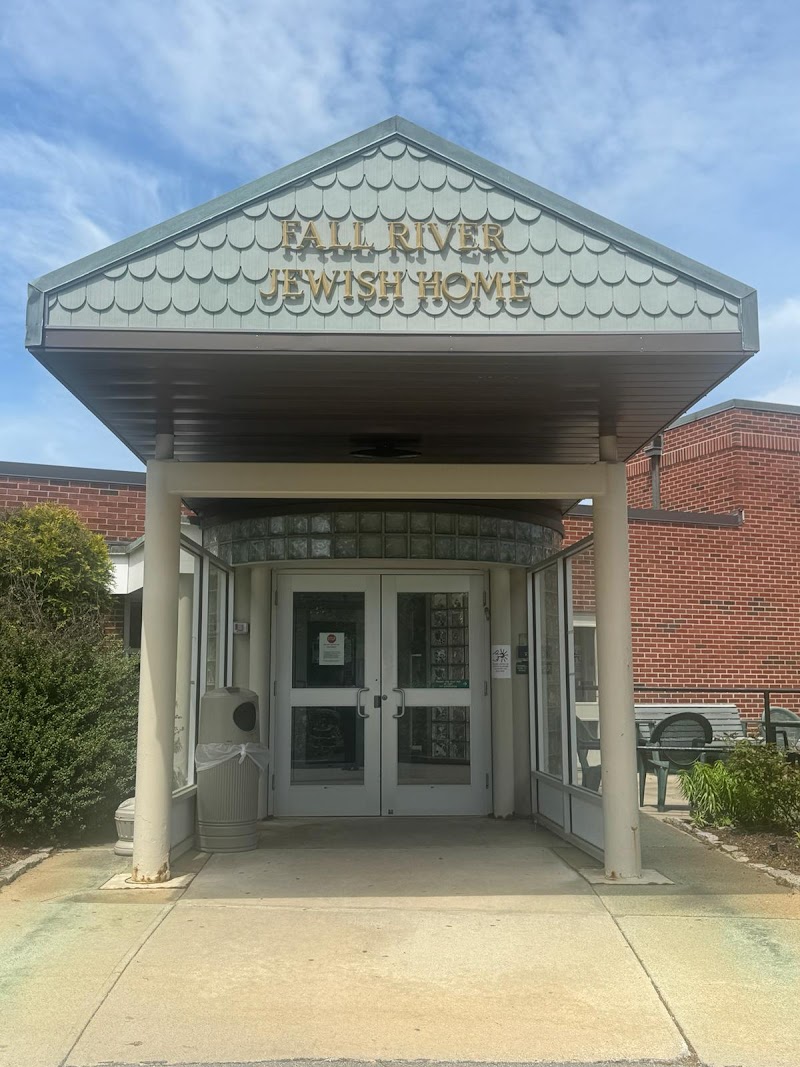
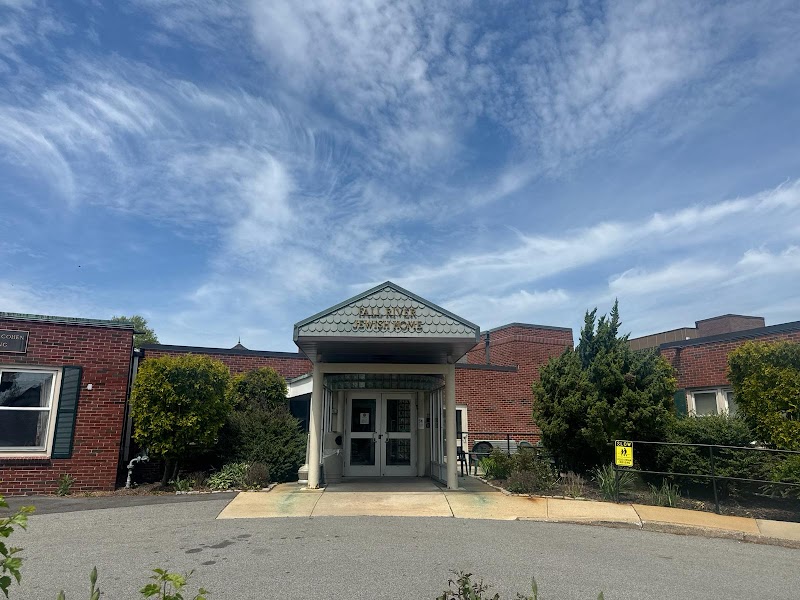
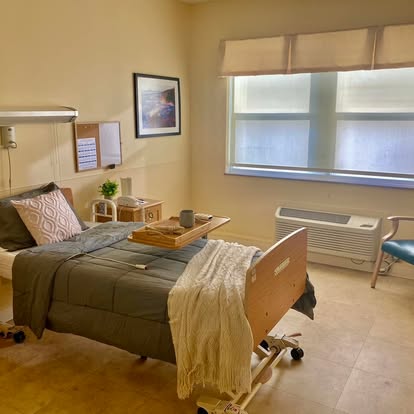
FALL RIVER JEWISH HOME

538 ROBESON STREET, FALL RIVER, MA 02720 (508) 679-6172
For profit - Limited Liability company 62 Beds Independent Data: November 2025
Trust Grade
0/100
#217 of 338 in MA
Last Inspection: June 2025

Inspected within the last 6 months. Data reflects current conditions.

Overview

Families considering Fall River Jewish Home should be cautious, as it received an F trust grade, indicating significant concerns about the facility. Ranking #217 out of 338 in Massachusetts places it in the bottom half of nursing homes in the state, and it ranks #15 of 27 in Bristol County, which means there are better local options available. While the facility is improving, having reduced issues from 22 in 2024 to 12 in 2025, the staffing turnover is concerning at 63%, much higher than the state average, which may affect the quality of care. The facility has faced serious incidents, including staff verbally threatening a resident and an incident where a resident was injured after wandering outside due to staff not responding to an alarm. Additionally, the $282,605 in fines is alarming, as it indicates this facility has compliance problems that are more severe than any other in Massachusetts.

Trust Score
F
0/100
In Massachusetts
#217/338
Bottom 36%
Safety Record
High Risk
Review needed
Inspections
Getting Better
22 → 12 violations
Staff Stability
⚠ Watch
63% turnover. Above average. Higher turnover means staff may not know residents' routines.
Penalties
✓ Good
$282,605 in fines. Lower than most Massachusetts facilities. Relatively clean record.
Skilled Nurses
○ Average
Each resident gets 31 minutes of Registered Nurse (RN) attention daily — about average for Massachusetts. RNs are the most trained staff who monitor for health changes.
Violations
⚠ Watch
71 deficiencies on record. Higher than average. Multiple issues found across inspections.
★★☆☆☆
2.0
Overall Rating
★★☆☆☆
2.0
Staff Levels
★★★☆☆
3.0
Care Quality
★★☆☆☆
2.0
Inspection Score
Stable
2024: 22 issues
2025: 12 issues

The Good

  • Full Sprinkler Coverage · Fire safety systems throughout facility
  • No fines on record

Facility shows strength in fire safety.

The Bad

2-Star Overall Rating

Below Massachusetts average (2.9)

Below average - review inspection findings carefully

Staff Turnover: 63%

17pts above Massachusetts avg (46%)

Frequent staff changes - ask about care continuity

Federal Fines: $282,605

Well above median ($33,413)

Significant penalties indicating serious issues

Staff turnover is elevated (63%)

15 points above Massachusetts average of 48%

The Ugly 71 deficiencies on record

6 actual harm
Jun 2025 12 deficiencies
CONCERN (D)

Potential for Harm - no one hurt, but risky conditions existed

Deficiency F0554 (Tag F0554)

Could have caused harm · This affected 1 resident

Based on observation, record review, and interview, the facility failed to ensure one Resident (#56), out of a total sample of 16 residents, was assessed by the Interdisciplinary Care Team for self-ad...

Read full inspector narrative →
Based on observation, record review, and interview, the facility failed to ensure one Resident (#56), out of a total sample of 16 residents, was assessed by the Interdisciplinary Care Team for self-administration of all their medications and had a physician's order to self-administer medications. Findings include: Review of the facility's policy titled Administering Medications, undated, indicated but was not limited to: - Residents may self-administer their own medications only if the Attending Physician, in conjunction with the Interdisciplinary Care Planning Team, has determined that they have the decision-making capacity to do so safely. Review of the facility's policy titled Safety and Supervision of Residents, last revised April 2018, indicated but was not limited to: - Residents have the right to self-administer medications if the interdisciplinary team has determined that it is clinically appropriate and safe for the resident to do so. - As part of their overall evaluation, the staff and/or practitioner will assess each resident's mental and physical abilities to determine whether self-administering medications is clinically appropriate for the resident. - The staff and/or practitioner will document their findings and the choices of residents who are able to self-administer medications. - Self-administered medications must be stored in a safe and secure place which is not accessible by other residents. - The staff and practitioner will periodically (for example, during quarterly MDS reviews) re-evaluate a resident's ability to continue to self-administer medications. Resident #56 was admitted to the facility in March 2025 with diagnoses including myocardial infarction (heart attack) and tachycardia (a heart rate faster than 100 beats per minute at rest). Review of the Minimum Data Set (MDS) assessment, dated 5/28/25, indicated Resident #56 was cognitively intact as evidenced by a Brief Interview for Mental Status (BIMS) score of 15 out of 15. Further review of the MDS indicated the Resident was able to perform activities of daily living with supervision. During an interview with observation on 6/8/25 at 8:22 A.M., the surveyor observed Resident #56 sitting on the edge of his/her bed with the following: - A napkin on his/her bed which contained: - One white capsule broke in half, - One yellow oval pill, - One red and white oval capsule, - One round pink tablet, - One yellow round tablet, - Three small oval white tablets, - Three medium sized round tablets, - Two large round tablets, and - One small round tablet. - Three medication cups on his/her overbed table which contained: - One with one round white medium sized tablet, - One with four round white medium sized tablets, and - One with one yellow oval pill and one red oval capsule. - A plastic cup containing two 2 milliliter (ml) nebulizer vials on his/her nightstand. Resident #56 said the nurses would give him/her all their pills in the morning and leave them, then he/she would sort their medication for accuracy before he/she would take them. On 6/8/25 at 12:05 P.M., the surveyor observed a medication cup on Resident #56's overbed table which contained three white round pills and, on their nightstand, the surveyor observed a plastic cup which contained two 2 ml nebulizer vials. During a follow-up interview with observation on 6/9/25 at 8:20 A.M., the surveyor observed a plastic cup on Resident #56's nightstand containing two 2 ml nebulizer vials. Resident #56 said the nurse had brought him/her their medication this morning, the nurse would not leave their medication for him/her to check because the surveyors were in the facility. Resident #56 said he/she wanted the nurse to give him/her their medications and so he/she could check them over prior to taking them. Resident #56 he/she wanted to be able self-administer his/her medications. On 6/10/25 at 8:25 A.M., the surveyor observed a plastic cup on Resident #56's nightstand containing two 2 ml nebulizer vials and, on their chair, a medication cup with a yellow oval pill. Review Resident #56 Physician's Orders indicated but was not limited to: - Acetaminophen (Tylenol) Tablet 325 milligrams (mg), give 2 tablets by mouth every 12 hours as needed for pain, dated 3/14/25 (discontinued) - Acetaminophen Tablet 325 mg, give 2 tablets by mouth every 6 hours as needed for pain, dated 3/14/25 (discontinued 3/14/24) - Acetaminophen Tablet 325 mg, give 2 tablets by mouth every 6 hours as needed for temperature of 100 F or above, dated 3/14/25 (discontinued 3/14/24) - Acetaminophen Tablet 325 mg, give 2 tablets by mouth every 12 hours as needed for temperature of 100 Fahrenheit (F) or above, dated 3/14/25 (discontinued) - Acetaminophen Tablet 325 mg, give 2 tablets by mouth every 12 hours for pain, dated 3/14/25 (discontinued) - Acetaminophen Tablet 325 mg, give 2 tablets by mouth every 12 hours as needed for pain, dated 5/21/25 (discontinued) - Acetaminophen Tablet 325 mg, give 2 tablets by mouth every 12 hours for pain, dated 5/21/25 (discontinued) - Acetaminophen Tablet 325 mg, give 2 tablets by mouth every 12 hours as needed for temperature of 100 F or above, dated 5/21/25 (discontinued) - Acetaminophen Tablet 325 mg, give 2 tablets by mouth every 6 hours for pain, dated 6/8/25 - Acetaminophen Tablet 325 mg, give 2 tablets by mouth every 6 hours for temperature of 100 F or above, dated 6/8/25 - Colace (stool softener) 100 mg capsule, give 1 capsule in the morning every other day, dated 3/14/25 (discontinued) - Colace 100 mg capsule, give 1 capsule one time daily, dated 4/15/25 (discontinued) - Colace 100 mg capsule, give 1 capsule in the morning, dated 5/21/25 (discontinued) - Colace 100 mg capsule, give 1 capsule every 24 hours as needed for constipation, dated 6/8/25 (discontinued) - Budesonide Inhalation (nebulizer, used to decrease inflammation of the airways) 0.5 mg/2 milliliter, give 2 ml inhalation two times a day for COPD 5/21/2025 Review of Resident #56's medical record failed to indicate: - he/she had a care plan to self-administer their medications, and - a physician's order for self-administration of medications. During an interview on 6/10/25 at 10:22 A.M., the Charge Nurse said if a resident voiced a desire to self-administer their medications, they would need an assessment, a physician's order, and care plan which indicated the medications he/she could self-administer. The Charge Nurse said the medications should not have been left with Resident #56 as they had not been assessed to take all of his/her medications independently. On 6/10/25 at 3:30 P.M., the facility provided the surveyor with a Medication Self-Administration Assessment, dated 3/14/25, which indicated but was not limited to: - Medications: - Tylenol 325 mg, 2 tablets every 6 hours as needed - Colace 100 mg, 1 tablet every 24 hours as needed - Does the resident wish for the staff to prepare medications and leave at bedside per request: YES - Signed by the Charge Nurse on 3/17/25 Further review of the Medication Self-Administration Assessment, dated 3/14/25, failed to indicate Resident #56 was assessed by the Interdisciplinary Care Team to self-administer his/her nebulizer and had not identified any medications other than Colace and Tylenol. During an interview on 6/10/25 at 3:20 P.M., the Director of Nursing (DON) said residents would be assessed for self-administration of medications upon admission and if/when they requested to do so and a physician's order was needed for self-administration of medications.
CONCERN (D)

Potential for Harm - no one hurt, but risky conditions existed

Abuse Prevention Policies (Tag F0607)

Could have caused harm · This affected 1 resident

Based on record review and interview, the facility failed to implement written policies and procedures for the investigation of allegations of abuse, protection of residents during investigations and ...

Read full inspector narrative →
Based on record review and interview, the facility failed to implement written policies and procedures for the investigation of allegations of abuse, protection of residents during investigations and reporting of allegations and investigative findings for one Resident (#50), out of a total sample of 16 residents. Specifically, the facility failed to initiate their abuse policy after an allegation of potential abuse was reported on a grievance form dated 2/25/25. Findings include: Review of the facility's policy titled Clinical Services, Subject: Abuse, dated March 2023, indicated but was not limited to the following: - Any complaint of, observation of, or suspicion of resident abuse, mistreatment or neglect is to be thoroughly investigated and reported. -Action: -Immediately protect Resident from alleged abuse. -Immediately suspend employee pending investigation. -The facility will notify the Department of Public Health (DPH) and Local Law Enforcement no later than two hours after abuse allegation was received. -Investigation: The administrative staff or nursing supervisor assumes responsibility for: -Immediate investigation into the alleged incident (during the shift it occurred on). -Interview resident and other resident witnesses. This interview is to be dated, documented and signed by supervisor. -Interview staff member implicated. Have employee document their knowledge/version of incident in written narrative that is dated and signed. -Interview staff witnesses or other available witnesses. Witnesses are to document incident in a written narrative that is dated and signed. Interview relevant staff on that unit and obtain written statement. -Facility investigation will be completed within 72 hours of the incident. Documentation of investigation to be completed by initiating an Incident and Accident Report, obtaining statements from identified potential witnesses, completing necessary evaluations, and maintaining a timeline of events. -Reporting/Documentation Requirements: The Administrator, Director of Nursing or their designee assumes responsibility for notification of the incident and preliminary internal investigation results to the State Health Department and other regulatory agencies per individual state reporting requirements. Resident #50 was admitted to the facility in June 2024 with diagnoses including dementia and diabetes mellitus. Review of the Minimum Data Set (MDS) assessment, dated 3/31/25, indicated Resident #50 had moderate cognitive impairment as evidenced by a Brief Interview for Mental Status score of 10 out of 15. The MDS further indicated Resident #50 was independent for most activity of daily living tasks. Review of the facility's Grievance book indicated a grievance reported by Resident #50 dated 2/25/25. The grievance indicated on 2/25/25, Resident #50 reported to the Director of Social Services that a nurse went into the Resident's room and threw a shopping bag at him/her. The Resident was very upset and angry that he/she was yelled at. The grievance indicated that the Director of Social Service met with the Resident and the nurse and had a conversation about approach and the nurse apologized. The grievance form was signed by the Director of Social Services and the Administrator on 2/25/25. During an interview on 6/9/25 at 9:03 A.M., the Administrator said the 2/25/25 grievance was complete and there was no additional investigation or interview documentation to accompany the grievance. Review of the Health Care Facility Reporting System (HCFRS-system used in Massachusetts by facilities to report suspected abuse/misappropriation) on 6/9/25, failed to indicate the facility submitted a report on 2/25/25 for an allegation of abuse. During an interview on 6/9/25 at 9:35 A.M., the Administrator and surveyor reviewed the 2/25/25 grievance reported by Resident #50. He said the Resident can be difficult at times and he did not consider the incident anything more than the Resident being accusatory and difficult. He said he did not think the report of a nurse throwing at bag at the Resident and yelling at the Resident as a potential abuse. He said he considered it a customer service issue and education was provided to all staff on the facility's customer service expectations. The Administrator said if he felt it was an allegation of abuse, he would have suspended the nurse pending an investigation, conducted an investigation and reported it to DPH. During an interview on 6/9/25 at 11:00 A.M., the Administrator said he had just submitted a report to HCFRS for Resident #50's allegation of potential abuse on 2/25/25. Refer to F609, F610.
CONCERN (D)

Potential for Harm - no one hurt, but risky conditions existed

Report Alleged Abuse (Tag F0609)

Could have caused harm · This affected 1 resident

Based on record review and interviews, the facility failed to report a potential allegation of abuse for one Resident (#50), out of a total sample of 16 residents. Findings include: Review of the fac...

Read full inspector narrative →
Based on record review and interviews, the facility failed to report a potential allegation of abuse for one Resident (#50), out of a total sample of 16 residents. Findings include: Review of the facility's policy titled Clinical Services, Subject: Abuse, dated March 2023, indicated but was not limited to the following: - Any complaint of, observation of, or suspicion of resident abuse, mistreatment or neglect is to be thoroughly investigated and reported. -The facility will notify the Department of Public Health (DPH) and Local Law Enforcement no later than two hours after abuse allegation was received. Resident #50 was admitted to the facility in June 2024 with diagnoses including dementia and diabetes mellitus. Review of the Minimum Data Set (MDS) assessment, dated 3/31/25, indicated Resident #50 had moderate cognitive impairment as evidenced by a Brief Interview for Mental Status score of 10 out of 15. The MDS further indicated Resident #50 was independent for most activity of daily living tasks. Review of the facility's Grievance book indicated a grievance reported by Resident #50 dated 2/25/25. The grievance indicated on 2/25/25, Resident #50 reported to the Director of Social Services that a nurse went into the Resident's room and threw a shopping at him/her. The Resident was very upset and angry that he/she was yelled at. The Resident was told he/she would be moving rooms that afternoon. The grievance indicated that the Director of Social Service met with the Resident and the nurse and had a conversation about approach and the nurse apologized. The grievance form was signed by the Director of Social Services and the Administrator on 2/25/25. Review of the Health Care Facility Reporting System (HCFRS-system used in Massachusetts by facilities to report suspected abuse/misappropriation) on 6/9/25, failed to indicate the facility submitted a report on 2/25/25 for an allegation of abuse. During an interview on 6/9/25 at 9:35 A.M., the Administrator and surveyor reviewed the 2/25/25 grievance reported by Resident #50. He said the Resident can be difficult at times and he did not consider the incident anything more than the Resident being accusatory and difficult. He said he did not think the report of a nurse throwing at bag at the Resident and yelling at the Resident as a potential abuse. He said he considered it a customer service issue and education was provided to all staff on the facility's customer service expectations. The Administrator said if he felt it was an allegation of abuse, he would have reported it to DPH. During an interview on 6/9/25 at 11:00 A.M., the Administrator said he just submitted a report to HCFRS for Resident #50's allegation of potential abuse on 2/25/25. Refer to F610.
CONCERN (D)

Potential for Harm - no one hurt, but risky conditions existed

Investigate Abuse (Tag F0610)

Could have caused harm · This affected 1 resident

Based on record review and interviews, the facility failed to investigate a potential allegation of abuse for one Resident (#50), out of a total sample of 16 residents. Findings include: Review of th...

Read full inspector narrative →
Based on record review and interviews, the facility failed to investigate a potential allegation of abuse for one Resident (#50), out of a total sample of 16 residents. Findings include: Review of the facility's policy titled Clinical Services, Subject: Abuse, dated March 2023, indicated but was not limited to the following: - Any complaint of, observation of, or suspicion of resident abuse, mistreatment or neglect is to be thoroughly investigated and reported. -Action: -Immediately protect Resident from alleged abuse. -Immediately suspend employee pending investigation. -Investigation: The administrative staff or nursing supervisor assumes responsibility for: -Immediate investigation into the alleged incident (during the shift it occurred on). -Interview resident and other resident witnesses. This interview is to be dated, documented and signed by supervisor. -Interview staff member implicated. Have employee document their knowledge/version of incident in written narrative that is dated and signed. -Interview staff witnesses or other available witnesses. Witnesses are to document incident in a written narrative that is dated and signed. Interview relevant staff on that unit and obtain written statement. -Facility investigation will be completed within 72 hours of the incident. Documentation of investigation to be completed by initiating an Incident and Accident Report, obtaining statements from identified potential witnesses, completing necessary evaluations, and maintaining a timeline of events. Resident #50 was admitted to the facility in June 2024 with diagnoses including dementia and diabetes mellitus. Review of the Minimum Data Set (MDS) assessment, dated 3/31/25, indicated Resident #50 had moderate cognitive impairment as evidenced by a Brief Interview for Mental Status score of 10 out of 15. The MDS further indicated Resident #50 was independent for most activity of daily living tasks. Review of the facility's Grievance book indicated a grievance reported by Resident #50 dated 2/25/25. The grievance indicated on 2/25/25, Resident #50 reported to the Director of Social Services that a nurse went into the Resident's room and threw a shopping at him/her. The Resident was very upset and angry that he/she was yelled at. The Resident was told he/she would be moving rooms that afternoon. The grievance indicated that the Director of Social Service met with the Resident and the nurse and had a conversation about approach and the nurse apologized. The grievance form was signed by the Director of Social Services and the Administrator on 2/25/25. During an interview on 6/9/25 at 9:03 A.M., the Administrator said the 2/25/25 grievance was complete and there was no additional investigation or interview documentation to accompany the grievance. During an interview on 6/9/25 at 9:35 A.M., the Administrator and surveyor reviewed the 2/25/25 grievance reported by Resident #50. He said the Resident can be difficult at times and he did not consider the incident anything more than the Resident being accusatory and difficult. He said he did not think the report of a nurse throwing at bag at the Resident and yelling at the Resident as a potential abuse. He said he considered it a customer service issue and education was provided to all staff on the facility's customer service expectations. The Administrator said if he felt it was an allegation of abuse, he would have suspended the nurse pending an investigation and conducted an investigation.
CONCERN (D)

Potential for Harm - no one hurt, but risky conditions existed

Deficiency F0761 (Tag F0761)

Could have caused harm · This affected 1 resident

Based on observation and interview, the facility failed to ensure all drugs and biologicals used in the facility were stored in a safe and secure manner as required. Specifically, the facility failed ...

Read full inspector narrative →
Based on observation and interview, the facility failed to ensure all drugs and biologicals used in the facility were stored in a safe and secure manner as required. Specifically, the facility failed to ensure one of two medication carts was clean and free of loose pills and debris. Findings include: Review of the facility's policy titled Storage of Medication, undated, indicated but was not limited to: -The facility shall store all drugs and biologicals in a safe, secure, and orderly manner. -The nursing staff shall be responsible for maintaining medication storage and preparation areas in a clean, safe, and sanitary manner. On 6/9/25 at 3:53 P.M., the surveyor observed the Unit Two medication cart to have a large amount of loose pills and paper debris on the bottom of the second, third, and fourth drawers. During an interview on 6/9/25 at 3:53 P.M., Nurse #3 said the medication cart should be clean and free of loose pills and debris. Nurse #3 said she was unaware when the medication cart was last cleaned, but it was supposed to have been cleaned weekly on the night shift. During an interview on 6/9/25 at 4:17 P.M., the Director of Nursing (DON) observed the Unit Two medication cart and said the medication cart was cleaned weekly on the 11:00 P.M. to 7:00 A.M. shift and was last cleaned last Friday. The DON said the expectation was for medication carts to be clean and free of loose pills and debris.
CONCERN (D)

Potential for Harm - no one hurt, but risky conditions existed

Deficiency F0804 (Tag F0804)

Could have caused harm · This affected 1 resident

Based on observation and interviews, the facility failed to ensure residents received food prepared by methods that conserve nutritive value, flavor, and appearance, and was palatable, attractive, and...

Read full inspector narrative →
Based on observation and interviews, the facility failed to ensure residents received food prepared by methods that conserve nutritive value, flavor, and appearance, and was palatable, attractive, and at a safe and appetizing temperature for two of two test trays. Findings include: Review of Food Committee Minutes indicated the following resident concerns and facility solutions: a) 1/6/25 RESIDENT CONCERNS: Food cold when arrives to resident rooms; SOLUTIONS: The kitchen is trying to keep the food hotter. Kitchen manager is looking into new food trucks. b) 3/6/25 SOLUTIONS: In process of ordering new food delivery carts. c) 4/28/25 SOLUTIONS: In process of ordering new food delivery carts. d) 5/8/25 RESIDENT CONCERNS: The residents saying their food is cold when they get it in their rooms; SOLUTIONS: The Kitchen Manager is still trying to get new food trucks so it will keep the food hotter; CONCLUSION: Four Residents in attendance let the Kitchen Manager know the breakfast and lunch food is hotter. During the initial resident screening on 6/8/25, the survey team identified the following concerns expressed by residents about food palatability: -Resident #60 said the food was always cold, the tea is even cold; -Resident #16 said the food was not always hot but can get reheated; -Resident #48 said the food was cold at times; -Resident #58 said the scrambled eggs were cold; -Resident #39 said the breakfast eggs were cold today; -Resident #61 said the food served was cold, his/her lunch was a bit warmer but not warm enough. On 6/8/25, the surveyor observed the following on Unit 3: -7:54 A.M., one meal truck that enclosed trays within it and two pushcarts with no walls or doors to enclose the breakfast trays. -8:01 A.M., the surveyor observed tray pass begin on Unit 3. -8:25 A.M., Resident #60 indicated the food is always cold and he/she did not receive his/her breakfast yet. -8:38 A.M., the surveyor informed a Certified Nursing Assistant (CNA) of Resident #60 with no breakfast tray. The CNA collected the Resident's breakfast tray from the push cart. -8:40 A.M., Resident #60 received his/her breakfast. The surveyor observed Resident #60's breakfast tray on the open pushcart for 46 minutes prior to the Resident receiving his/her meal. On 6/9/25, the surveyor observed the following: -8:30 A.M., Resident #61 said his/her breakfast was lukewarm; -8:35 A.M., Resident #166 said his/her eggs were cold. On 6/9/25 at 10:30 A.M., 11 Residents attended the Resident Council Meeting. Two of the three Residents from Unit 3 and four of the eight Residents from Unit 2 said the food is cold, not hot enough, and this applied to all meals all days of the week. The Residents said food temperatures are improving but were still not good. On 6/9/25 at 11:12 A.M., the Ombudsman said the residents were concerned with the food not being warm. On 6/9/25 at 11:51 A.M., the surveyor observed the lunch tray line. 12:32 P.M. - a regular texture test tray was made. 12:34 P.M. - the test tray left the kitchen in an enclosed meal truck. 12:35 P.M. - the meal truck arrives on Unit 2. A nurse began reconciling meal tickets with the food on each plate, which consisted of raising and lowering the plate dome. She reviewed two meals which were immediately delivered to residents. Subsequently, she pulled the remaining trays one at a time from the meal truck, reviewed each ticket against the food on the plate, and placed the tray back into the meal truck. 12:41 P.M. - the nurse had finished reconciling the remainder of the trays on the food truck. 12:52 P.M. - the last tray was served from the meal truck. On 6/9/25 at 12:54 P.M., the Food Service Director (FSD) and the surveyor performed the test tray together. The food temperatures were observed to be: -roasted chicken 135F -roasted potatoes and onions 119F -green beans 131F The surveyor and FSD sampled the food. The surveyor observed the food to be visually appealing with good flavor and texture. The surveyor observed the chicken to be adequately warm and the potatoes and green beans to be lukewarm and a less desirable temperature. The FSD said the potatoes and green beans could be warmer. On 6/9/25 at 12:25 P.M.: -Resident #61 said his/her lunch was barely lukewarm and could have been warmer. -Resident #41 said lunch tasted great but was lukewarm. -Resident #14 said lunch could be hotter. -Resident #50 said lunch was lukewarm. On 6/10/25 at 7:45 A.M., the surveyor observed breakfast tray line. 8:05 A.M. - a test tray was made and placed on a pushcart which had no walls or doors to enclose the tray. 8:06 A.M. - test tray leaves kitchen. 8:07 A.M. - test tray arrives on Unit 3. On 6/10/25 at 8:12 A.M., the FSD and surveyor performed a test tray together. The food temperatures were observed to be: -scrambled eggs 120F -oatmeal 127F -muffin (no temperature taken) -juice 48F The FSD and surveyor sampled the food. The surveyor observed the breakfast food to be visually appealing with good flavor and texture. The surveyor observed the scrambled eggs to be lukewarm and the oatmeal to be barely warm and cooler than the eggs. The FSD said he thought the egg temperature was fair and he was surprised by the oatmeal temperature as the oatmeal is typically hotter. On 6/10/25 at 8:25 A.M., Resident #56 said breakfast was cold. On 6/10/25 at 8:33 A.M., Resident #166 said breakfast was cold today, especially the eggs. During an interview on 6/10/25 at 11:50 A.M., the Administrator said he was unaware of pushcarts (with no walls or doors to enclose meals) being used regularly for meal pass. The Administrator said he expected food to be served per regulations and at an appetizing temperature with hot foods served hot.
CONCERN (D)

Potential for Harm - no one hurt, but risky conditions existed

Food Safety (Tag F0812)

Could have caused harm · This affected 1 resident

Based on observation and interview, the facility failed to follow their professional standards of practice for food safety and sanitation to prevent the potential spread of foodborne illness to reside...

Read full inspector narrative →
Based on observation and interview, the facility failed to follow their professional standards of practice for food safety and sanitation to prevent the potential spread of foodborne illness to residents who are at high risk. Specifically, the facility failed to: 1. Ensure the main kitchen grout and coving was maintained in a sanitary and safe condition; and 2. Ensure the refrigerators in two of two unit kitchenettes were maintained in a sanitary and safe condition. Findings include: 1. Review of the 2022 Food Code by the Food and Drug Administration (FDA), revised January 2023, indicated but was not limited to the following: 1-2 Definitions 1-201 Applicability and Terms Defined 1-201.10 Statement of Application and Listing of Terms. Easily Cleanable. (1) Easily cleanable means a characteristic of a surface that: (a) Allows effective removal of soil by normal cleaning methods; (b) Is dependent on the material, design, construction, and installation of the surface; and (c) Varies with the likelihood of the surface's role in introducing pathogenic or toxigenic agents or other contaminants into food based on the surface's approved placement, purpose, and use. Smooth means: (3) A floor, wall, or ceiling having an even or level surface with no roughness or projections that render it difficult to clean. 6-201.12 Floors, Walls, and Ceilings, Utility Lines. Floors that are of smooth, durable construction and that are nonabsorbent are more easily cleaned. Requirements and restrictions regarding floor coverings, utility lines, and floor/wall junctures are intended to ensure that regular and effective cleaning is possible and that insect and rodent harborage is minimized. 6-201.13 Floor and Wall Junctures, Coved, and Enclosed or Sealed. (A) In FOOD ESTABLISHMENTS in which cleaning methods other than water flushing are used for cleaning floors, the floor and wall junctures shall be coved and closed to no larger than 1 mm (one thirty-second inch). On 6/9/25 at 12:59 P.M., the surveyor observed, in the main kitchen, several areas of compromised floor grout that was crumbling and/or deeply recessed. The surveyor observed some of these areas to be near the dish room with the tile and grout wet. Additionally, the surveyor observed areas of grout with a thick layer of gray buildup. The surveyor scratched the gray film with a fingernail indicating it was malleable, putty-like substance. On 6/9/25 at 12:59 P.M., the surveyor observed two different types of flooring in the main kitchen, ceramic tile and a vinyl-type flooring. The surveyor observed, near the dish room, raised vinyl flooring where the tile and vinyl flooring met to have small crumbs under the raised vinyl and the grout to be wet. At a different juncture where tile met vinyl flooring, the surveyor observed the vinyl to sit above the tile floor plane. Along that juncture, the surveyor observed a line of gray, putty-like buildup. On 6/9/25 at 12:59 P.M., the surveyor observed compromised floor/wall junctures throughout the main kitchen. There were several areas where coving peeled away from the wall, leaving gaps and/or protruding coving. The surveyor observed cracked and crumbling grout in areas of the floor/wall juncture, and a missing door frame at a floor/doorframe juncture. During an interview on 6/10/25 at 8:45 A.M., the Food Service Director (FSD) said he expected the main kitchen floor to be easily cleanable with no compromised grout or junctures. During an interview on 6/10/25 at 11:50 A.M., the Administrator said he expected the kitchen floor and junctures/coving to be in good repair and easily cleanable. 2. Review of the 2022 Food Code by the FDA, revised 1/2023, indicated but was not limited to the following: 3-305 Preventing contamination from the premises 3-305.11 Food Storage. (A) Except as specified in (B) and (C) of this section, FOOD shall be protected from contamination by storing the FOOD: (1) In a clean, dry location; (2) Where it is not exposed to splash, dust, or other contamination Review of the facility's policy titled Cleaning and Sanitation of Dining and Food Service Areas, undated, indicated but was not limited to: Policy: The food and nutrition services staff will maintain the cleanliness and sanitation of the dining and food service areas through compliance with a written, comprehensive cleaning schedule. Procedure: -The director of food and nutrition services will determine all cleaning and sanitation tasks needed for the department. -Staff will be trained on the frequency of cleaning as necessary. -A cleaning schedule will be posted for all cleaning tasks, and staff will initial the tasks as completed. -Staff will be held accountable for cleaning assignments. On 6/9/25 at 9:50 A.M., the surveyor observed in the Unit 2 kitchenette refrigerator, pools of dried orange liquid under the crisper drawers. On 6/9/25 at 9:54 A.M., the surveyor observed in the Unit 3 kitchenette refrigerator, a Resident's plastic grocery bag containing food set on top of an orange and red sticky substance. The surveyor had to use force to lift the bag from the shelf and remove from the sticky substance. On 6/10/25 at 11:01 A.M., the surveyor observed a sticky red and orange substance on the bottom shelf of the Unit 3 kitchenette refrigerator. On 6/10/25 at 11:10 A.M., the surveyor observed the same pools of dried orange liquid under the crisper drawers of the Unit 2 kitchenette refrigerator. The surveyor also observed the bottom crisper drawer had dry, crusted spillage that was a milky white color. In that drawer were single-serve gelatin cups, a Tupperware container of peanut butter, and bottles of water. During an interview on 6/10/25 at 11:50 A.M., the Administrator said he expected Unit refrigerators to be kept clean. He said the refrigerators should be cleaned on a regular and as needed basis. The Administrator said the kitchen and unit staff are responsible for and should coordinate efforts to keep the refrigerators clean. During an interview on 6/10/25 at 11:55 A.M., the FSD said dietary cleaned the unit refrigerators on a weekly basis. The FSD said he expects the kitchenette refrigerators to be clean and free of spills.
CONCERN (E)

Potential for Harm - no one hurt, but risky conditions existed

Deficiency F0694 (Tag F0694)

Could have caused harm · This affected multiple residents

Based on observation, interview, and record review, the facility failed to provide care and maintenance of a Peripherally Inserted Central Catheter (PICC-a flexible tube inserted through a vein in one...

Read full inspector narrative →
Based on observation, interview, and record review, the facility failed to provide care and maintenance of a Peripherally Inserted Central Catheter (PICC-a flexible tube inserted through a vein in one's arm and passed through to larger veins near the heart, used to deliver medications intravenously (IV)), consistent with professional standards of practice for two Residents (#12 and #166), out of a total of 2 residents receiving intravenous therapy. Specifically, the facility failed to change the PICC dressing per professional standards. Findings include: Review of the facility policy titled Central Venous Catheter Care and Dressing Changes, undated, indicated but was not limited to the following: - The purpose of the procedure is to prevent complications associated with intravenous therapy, including catheter-related infections that are associated with contaminated, loosened, soiled, or well dressings. - Maintain sterile dressing (transparent semi-permeable membrane (TSM) dressing or sterile gauze) dressing for all central vascular access devices. - Change the dressing if it becomes damp, loosened or visibly soiled and: - at least every 7 days for TSM dressing; - at least every 2 days for sterile gauze dressing (including gauze under a TSM unless the site is not obscured. Review of the Centers for Disease Control and Prevention (CDC) Guidelines for the Prevention of Intravascular Catheter-Related Infections, last revised October 2017, indicated but was not limited to: - Catheter Site Dressing Regimens: - Replace dressings used on short-term CVC (central vascular catheter) sites every 2 days for gauze dressings. - Replace dressings used on short-term CVC sites at least every 7 days for transparent Dressings. (https://www.cdc.gov/infection-control/media/pdfs/Guideline-BSI-H.pdf) Review of the National Library of Medicine (NLM), dated 5/15/23, indicated but was not limited to: - Gauze (a fabric dressing that does not stick to the skin) dressings to be changed every 48 hours, and transparent semi permeable dressings every seven days. (https://pmc.ncbi.nlm.nih.gov/articles/PMC8765739/) 1. Resident #12 was admitted to the facility in May 2025 with diagnoses including staphylococcal arthritis (serious joint infection that can lead to significant damage if not treated promptly). Review of the Minimum Data Set (MDS) assessment, dated 5/21/25, indicated Resident #12 was cognitively intact as evidenced by a Brief Interview for Mental Status (BIMS) score of 15 out of 15. Further review of the MDS assessment indicated Resident #12 had a central line and received intravenous (IV) antibiotic medication. Review of Resident #12's current Physician Orders indicated but was not limited to: - Change transparent dressing to PICC every 7 days and as needed, dated 6/8/2025 - Change transparent dressing to PICC every 7 days, dated 6/8/2025, discontinued 6/8/25 During an interview 6/10/25 at 8:37 A.M., the surveyor observed Resident #12 in bed with a PICC line in his/her right upper arm. There was a 2 centimeter (cm) x 2 cm split gauze over the insertion point of the PICC line covered with transparent dressing, dated 6/4/25. Resident #12 said he/she had received IV antibiotics through his/her PICC line. During an interview on 6/10/25 at 10:36 A.M., Nurse #2 said when he would change a PICC line dressing prior to applying the transparent dressing he would first cover the PICC line at the insertion point with gauze. Nurse #2 observed Resident #12's PICC line dressing and said he had changed the dressing on 6/4/25 and prior to applying the transparent dressing he had covered the PICC line with gauze at the insertion point. Nurse #2 said PICC line dressings were changed every seven days and as needed. Nurse #2 said he followed the facility policy for PICC line dressings. 2. Resident #166 was admitted to the facility in May 2025 with diagnoses of cellulitis (a bacterial skin infection affecting the deeper layers of the skin and underlying tissue). Review of the MDS assessment, dated 6/5/25, indicated Resident #166 was cognitively intact as evidenced by a BIMS score of 15 out of 15. Further review of the MDS assessment indicated Resident #166 had a central line and received IV antibiotic medication. Review of Resident #166's current Physician's Orders indicated but was not limited to: - Change transparent dressing to PICC one time only for IV maintenance for 1 Day 24 hours post insertion or on admission AND every day shift every 7 days AND as needed, dated 5/29/2025 On the following days and times, the surveyor observed Resident #166 in bed with a PICC line in his/her right upper arm. There was a 2 cm x 2 cm gauze over the insertion point of the PICC line covered with a transparent dressing, dated 6/5/25: - 6/8/25 at 9:07 A.M., - 6/9/25 at 8:35 A.M., and - 6/10/25 at 8:33 A.M. During an interview on 6/8/25 at 9:07 A.M., Resident #166 said he/she had received two different antibiotics through his/her PICC line. Resident #166 said the last time his/her dressing was changed was on 6/5/25. During an interview on 6/10/25 at 10:36 A.M., Nurse #2 said when he would change a PICC line dressing prior to applying the transparent dressing he would first cover the PICC line at the insertion point with gauze. Nurse #2 observed Resident #166's PICC line dressing and said he had changed the dressing on 6/5/25 and prior to applying the transparent dressing he had covered the PICC line with gauze at the insertion point. Nurse #2 said PICC line dressings were changed every seven days and as needed. Nurse #2 said he followed the facility policy for PICC line dressings. During an interview on 6/10/25 at 11:00 A.M., the Regional Clinical Coordinator observed the PICC line dressings for Residents #12 and #166 and said both PICC lines were covered with gauze and transparent dressing. The Regional Clinical Coordinator said PICC line dressings were changed every seven days and as needed, according to facility policy. The Regional Clinical Coordinator reviewed the facility policy and the dressings for Resident #12 and Resident #166 and said the gauze dressings should have been changed every two days per facility policy and infection control purposes.
CONCERN (E)

Potential for Harm - no one hurt, but risky conditions existed

Deficiency F0865 (Tag F0865)

Could have caused harm · This affected multiple residents

**NOTE- TERMS IN BRACKETS HAVE BEEN EDITED TO PROTECT CONFIDENTIALITY** Based on interview and document review, the facility failed to maintain a Quality Assurance and Performance Improvement (QAPI) p...

Read full inspector narrative →
**NOTE- TERMS IN BRACKETS HAVE BEEN EDITED TO PROTECT CONFIDENTIALITY** Based on interview and document review, the facility failed to maintain a Quality Assurance and Performance Improvement (QAPI) program with documentation of the development, implementation, and evaluation of corrective actions or performance improvement activities and failed to maintain a QAPI program which addressed the full range of care and services including clinical care. Findings include: Review of the facility's policy titled Quality Assurance Performance Improvement, last reviewed 2/28/23 indicated the following: -QAPI plan addresses: -clinical care including quality measures, falls, medication errors, pressure ulcers, incident reports, infection control and quality of life including concerns brought up through resident council -the Administrator is responsible and accountable for developing, leading and closely monitoring a QAPI program -the QAPI Committee meets monthly and maintains minutes of all activity -the Committee maintains a QAPI manual that houses meeting minutes, project [NAME], performance improvement projects (PIP), data, data analysis and sample performance improvement support tools -the information gathered is analyzed and compared to benchmarks and/or targets established by the facility -QAPI teams analyze data regularly as part of their project assignments -PIP projects are developed based on a prioritizing process with a minimum of one project at a time -the QAPI Committee makes plans describing what areas of the process we are going to change (where breakdowns were observed), utilizing the Performance Improvement Plan and Monitoring Tool; using a structured Root Cause Analysis and Plan-Do-Study-Act depending on the issue/opportunity -the QAPI Committee monitors progress to ensure that interventions or actions are implemented and effective in making and sustaining improvements -if changes to the process have not resulted in the goal of the PIP, further changes are made and monitoring of the process takes place again During an interview on 6/10/25 at 2:00 P.M., the Administrator said the QAPI Committee met monthly to discuss any major issues and projects that were being worked on. Review of the QAPI manual included the following monthly minutes: January 2025: -pharmacy consultant reviewed new regulatory requirement, -laboratory vendor change in February 2025, -update to the Facility Assessment, -awaiting the next 5-star report for measurable results -sent Survey Readiness Folder including pathways to departments for self-assessment and development of QAPI projects based upon their findings February 2025: no meeting minutes included March 2025: no meeting minutes included April 2025: no meeting minutes included May 2025: no meeting minutes included During an interview on 6/10/25 at 2:00 P.M., the Administrator said he started working at the facility at the end of January 2025 and facilitated the QAPI Committee meetings since February 2025. He said the QAPI Committee meets monthly and has discussions. He said there were no meeting minutes for the monthly meetings from February through May 2025. He said the departments work on different things and there were no projects until March 2025 when the facility initiated a QAPI project for concerns with food temperature. He said that he had never heard that there had always needed to be a project. Review of QAPI manual for February 2025 included the following: -a sheet titled Nursing Report for QA, dated February 2025 listed the following identified areas of potential concern: falls, call light response time, reportable events, antibiotics, bruises and weights; under the section labeled Current PIPs it listed None. -a sheet titled Department: Maintenance: which listed things that were worked on during the month (replaced kitchen light bulbs, dryer repair came in, extinguishers checked, etc.) -a sheet titled Activity Department: which indicated the amount of residents seen for bedside visits and what activity was provided (picture book, hand massages, etc.) -a sheet titled Therapy QAPI which listed the percentage of residents seen per payer source Review of the QAPI manual for March 2025 included the same lists from February without any indication of corrective actions or monitoring with one additional department sheet: Dietary: Food temperatures: plan weekly audits to be completed until compliant. Review of the QAPI manual for April 2025 included the same lists from March 2025 without any indication of corrective actions or monitoring including: Dietary: no information provided regarding how the food temperature audits were going and what corrective actions were identified Nursing: added a PIP of provider notes to be added to the electronic medical record, with no indication of corrective actions or what monitoring would be conducted Review of the QAPI manual for May 2025 included the same lists from April 2025 without any indication of corrective actions or monitoring including but not limited to: Dietary: new food truck arrived, no additional information was provided regarding the monitoring of the corrective action Nursing: provider notes to be added to electronic medical record with no indication of the corrective action being implemented or the status of the project During an interview on 6/10/25 at 2:00 P.M., the Administrator said the QAPI Committee met and held discussions about how the potential areas were going, but no data could be provided, adding we worked on these areas, we don't necessarily write down the information of goals or data.
CONCERN (E)

Potential for Harm - no one hurt, but risky conditions existed

QAPI Program (Tag F0867)

Could have caused harm · This affected multiple residents

**NOTE- TERMS IN BRACKETS HAVE BEEN EDITED TO PROTECT CONFIDENTIALITY** Based on interview and document review, the facility failed to maintain a Quality Assurance and Performance Improvement (QAPI) p...

Read full inspector narrative →
**NOTE- TERMS IN BRACKETS HAVE BEEN EDITED TO PROTECT CONFIDENTIALITY** Based on interview and document review, the facility failed to maintain a Quality Assurance and Performance Improvement (QAPI) program with documentation of the development, implementation, and evaluation of corrective actions or performance improvement activities. Specifically, the facility failed to develop and implement appropriate plans of action for resident concerns regarding food temperatures. Findings include: Review of the facility's policy titled Quality Assurance Performance Improvement, last reviewed 2/28/23, indicated the following: -QAPI plan addresses: -clinical care including quality measures, falls, medication errors, pressure ulcers, incident reports, infection control and quality of life including concerns brought up through resident council -the Administrator is responsible and accountable for developing, leading and closely monitoring a QAPI program -the QAPI Committee meets monthly and maintains minutes of all activity -the Committee maintains a QAPI manual that houses meeting minutes, project [NAME], performance improvement projects (PIP), data, data analysis and sample performance improvement support tools -the information gathered is analyzed and compared to benchmarks and/or targets established by the facility -QAPI teams analyze data regularly as part of their project assignments -PIP projects are developed based on a prioritizing process with a minimum of one project at a time -the QAPI Committee makes plans describing what areas of the process we are going to change (where breakdowns were observed), utilizing the Performance Improvement Plan and Monitoring Tool; using a structured Root Cause Analysis and Plan-Do-Study-Act depending on the issue/opportunity -the QAPI Committee monitors progress to ensure that interventions or actions are implemented and effective in making and sustaining improvements -if changes to the process have not resulted in the goal of the PIP, further changes are made and monitoring of the process takes place again During an interview on 6/10/25 at 2:00 P.M., the Administrator said he started working at the facility at the end of January 2025 and facilitated the QAPI Committee meetings since February 2025. He said the QAPI Committee meets monthly and has discussions. He said there were no meeting minutes for the monthly meetings from February through May 2025. He said the departments work on different things and there were no projects until March 2025 when the facility initiated a QAPI project for concerns with food temperature. Review of the QAPI manual for March 2025 included the following on a typed up page: Dietary: Food temperatures self-identified; weekly audits three times per week for one month then two times a week for 60 days, if audits are 100%; if the issue continues audits will continue until food temperatures are compliant with state regulations Review of Food Committee Minutes indicated the following resident concerns: -1/6/25: Food cold when arrives to resident rooms; The kitchen is trying to keep the food hotter. Food Service Director (FSD) is looking into new food trucks. -3/6/25: In process of ordering new food delivery carts. -4/28/25: In process of ordering new food delivery carts. -5/8/25: The residents say their food is cold when they get it in their rooms; The FSD is still trying to get new food trucks so it will keep the food hotter; four residents in attendance let the FSD know the breakfast and lunch food was hotter. Review of the QAPI manual for April 2025 included the same typed up page from March 2025, now dated April 2025. The page failed to indicate how the food temperature audits were going and what corrective actions were identified. Review of the QAPI manual for May 2025 included the same lists from April 2025 without any indication of corrective actions or monitoring including but not limited to: Dietary: new food truck arrived, no additional information was provided regarding the monitoring of the corrective action On 6/8/25 at 7:54 A.M., the surveyor observed one meal truck that enclosed trays within it and two pushcarts with no walls or doors to enclose the breakfast trays. The last breakfast tray from the push cart was delivered at 8:40 A.M. On 6/9/25 at 10:30 A.M., at the Resident Group the residents said food temperatures were improving but were still not good. On 6/10/25 at 8:05 A.M., the surveyor observed the breakfast tray line with the FSD. The kitchen staff were observed by the surveyor and the FSD to place breakfast trays on the open push carts. During an interview on 6/10/25 at 2:00 P.M., the Administrator said the FSD was conducting test tray audits and he had the audits available for review. He said in terms of corrective action the facility had purchased a new food truck for meal delivery, but he was unaware that some of the meals had continued to be served from open push carts and the FSD had not mentioned this as part of the QAPI. He said there was no documentation to indicate the goal of how many test trays should be within temperature range or any documentation to evaluate the effectiveness of the corrective action of ordering a new food truck.
CONCERN (E)

Potential for Harm - no one hurt, but risky conditions existed

Infection Control (Tag F0880)

Could have caused harm · This affected multiple residents

**NOTE- TERMS IN BRACKETS HAVE BEEN EDITED TO PROTECT CONFIDENTIALITY** Based on document review and interview, the facility failed to maintain an infection prevention and control program to help prev...

Read full inspector narrative →
**NOTE- TERMS IN BRACKETS HAVE BEEN EDITED TO PROTECT CONFIDENTIALITY** Based on document review and interview, the facility failed to maintain an infection prevention and control program to help prevent the development and potential transmission of communicable diseases and infections. Specifically, the facility failed to implement control measures for Legionella (bacteria that can cause Legionnaires' disease, a serious type of pneumonia) and other opportunistic waterborne pathogens that could grow and spread in the facility's water system. Findings include: Review of Centers for Medicare & Medicaid Services (CMS) Memorandum titled Requirement to Reduce Legionella Risk in Healthcare Facility Water Systems to Prevent Cases and Outbreaks of Legionnaires' Disease, revised July 2018, indicated but was not limited to the following: - In manmade water systems, Legionella can grow and spread to susceptible hosts, such as persons who are at least [AGE] years old, smokers, and those with underlying medical conditions such as chronic lung disease or immunosuppression. Legionella can grow in parts of building water systems that are continually wet, and certain devices can spread contaminated water droplets via aerosolization. Examples of these system components and devices include: - Hot and cold-water storage tanks - Water heaters - Water-hammer arrestors - Pipes, valves, and fittings - Expansion tanks - Water filters - Electronic and manual faucets - Aerators - Faucet flow restrictors - Showerheads and hoses - Centrally-installed misters, atomizers, air washers, and humidifiers - Non-steam aerosol-generating humidifiers - Eyewash stations - Ice machines - Hot tubs/saunas - Decorative fountains - Cooling towers - Medical devices (such as CPAP machines, hydrotherapy equipment, bronchoscopes, heater-cooler units) CMS expects Medicare and Medicare/Medicaid certified healthcare facilities to have water management policies and procedures to reduce the risk of growth and spread of Legionella and other opportunistic pathogens in building water systems. Facilities must have water management plans and documentation that, at a minimum, ensure each facility: - Conducts a facility risk assessment to identify where Legionella and other opportunistic waterborne pathogens (e.g. Pseudomonas, Acinetobacter, Burkholderia, Stenotrophomonas, non-tuberculous mycobacteria, and fungi) could grow and spread in the facility water system. Review of the facility's policy titled Water Management Program to Reduce Growth and Spread, last reviewed March 24, 2025, indicated but was not limited: - Policy: It is the policy of the facility to reduce the risk of the growth and spread of Legionella. - Procedure: The facility will identify and manage hazardous conditions that support growth and the spread of Legionella. - The facility must conduct a risk assessment to identify where Legionella and other opportunistic waterborne pathogens could grow and spread in the facility water system and assess how much risk hazardous conditions in those water system pose. - Based on the risk assessment, implement a water management program that includes control measures such as physical controls, temperature management, disinfectant level control, visual inspections and environmental testing for pathogens. - Specify testing controls and acceptable ranges for control measures and document results of testing and corrective actions when control limits are not maintained. - Control measures to reduce the hazardous conditions whenever possible to prevent Legionella growth and spread. - Review the elements of the water management program at least once a year to make sure the program is running as designed and is effective. Review of the Water Management Program indicated but was not limited to: - Policy and Procedure Acknowledgement, dated 3/19/25 During an interview on 6/10/25 at 11:44 A.M., the Regional Director of Maintenance said last year the facility implemented as part of the control measures to prevent Legionella growth, the facility would flush the water system quarterly. He said he could not provide evidence of the flushing or say when it was last done. The Director of Maintenance provided the surveyor with a schematic of the facility and a diagram of control measures and corrective actions. The schematic and diagram did not refer to a flushing schedule. During an interview on 6/10/25 at 11:39 A.M., the Director of Maintenance said he had been working at the facility for six months and had not flushed the water system. The facility failed to provide documentation of water flushing.
MINOR (B)

Minor Issue - procedural, no safety impact

Deficiency F0582 (Tag F0582)

Minor procedural issue · This affected multiple residents

Based on interview, and record review, the facility failed to ensure the Skilled Nursing Facility Advanced Beneficiary Notice of Non-coverage (SNF ABN) and Notice of Medicare Non-coverage (NOMNC) were...

Read full inspector narrative →
Based on interview, and record review, the facility failed to ensure the Skilled Nursing Facility Advanced Beneficiary Notice of Non-coverage (SNF ABN) and Notice of Medicare Non-coverage (NOMNC) were issued with the required information for a Resident (#217) out of three applicable residents reviewed. Specifically, the facility failed to issue the SNF ABN notice and NOMNC, so the Resident/Resident Representative could decide if they wished to continue receiving skilled services that may not be paid for by Medicare, and were aware of the financial responsibility they may have to assume. Findings include: The NOMNC, Form CMS-10123, is given by the facility to all Medicare beneficiaries at least two days before the end of a Medicare covered Part A stay or when all of Part B therapies are ending. The NOMNC informs the beneficiaries of the right to an expedited review by a Quality Improvement Organization. The SNF ABN, CMS-10055, is only issued if the beneficiary intends to continue services and the SNF believes the services may not be covered under Medicare. It is the facility's responsibility to inform the beneficiary about potential non-coverage and the option to continue services with the beneficiary accepting financial liability for those services. Resident #217 was admitted to the facility in January 2025. Review of Form CMS-20052 indicated Resident #217 had a last covered day of Part A Service on 3/21/25. The discharge from Medicare Part A service was facility/provider initiated, and the Resident remained in the facility. Upon request of the ABN and NOMNC for Resident #217, the facility was unable to provide the notices for review. During an interview on 6/9/25 at 8:29 A.M., the Administrator said the social service department was responsible for issuing ABN and NOMNC forms. He said the facility identified the previous social worker was not issuing all of the required notices. He said the Resident should have been informed of the information on the forms. During an interview on 06/09/25 at 8:40 A.M., the Social Worker said she was not working at the facility at the time this notice was supposed to be issued. She said this Resident should have received an ABN to be informed of the estimated cost, reason Medicare may not pay, and the date the resident may have out of pocket expenses.
Jun 2024 19 deficiencies
CONCERN (D)

Potential for Harm - no one hurt, but risky conditions existed

Deficiency F0553 (Tag F0553)

Could have caused harm · This affected 1 resident

Based on record review and interview, the facility failed to ensure resident representatives were provided the opportunity to participate in the care planning process, to be included in decisions and ...

Read full inspector narrative →
Based on record review and interview, the facility failed to ensure resident representatives were provided the opportunity to participate in the care planning process, to be included in decisions and changes in the care plan, and failed to ensure that care planning meetings were held to review and make changes in the care plan as needed for one Resident (#8), out of a total sample of 15 residents. Findings include: Review of the facility's policy titled Care Planning- Interdisciplinary Team, undated, indicated the following: -the resident, the resident's family and/or the resident's legal representative/guardian are encouraged to participate in the development of and revisions to the resident's care plan -care plan meetings are scheduled at the best time of the day for the resident and family when possible -if it is determined that participation of the resident or representative is not practicable for development of the care plan, an explanation is documented in the medical record Resident #8 was admitted to the facility in January 2021 and had an invoked Health Care Proxy. During an interview on 6/7/24 at 12:05 P.M., the Health Care Proxy of Resident #8 said she had not been invited to care plan meetings in about a year and a half. She said prior to then she was invited to care plan meetings and now she did not know when they were being held. During an interview on 6/11/24 at 1:20 P.M., the Administrator said the care plan process is initiated through the MDS (Minimum Data Set) process and care plans are held following the MDS to review a Resident's plan of care. During an interview on 6/11/24 at 2:00 P.M., Social Worker #2 said she started consulting at the facility in December 2023, two or three days per week. She said at that time she was provided with a list of residents and representatives to invite to the care plan meetings from the previous MDS nurse. She said the MDS nurse left in February and there had not been a process in place since that time and she was no longer given a list of residents or representatives to invite to care plan meetings or for which residents to have care plan meetings for. She said she was unable to locate any documentation to indicate the Resident's representative was invited to the care plan meeting.
CONCERN (D)

Potential for Harm - no one hurt, but risky conditions existed

Deficiency F0576 (Tag F0576)

Could have caused harm · This affected 1 resident

Based on interviews and record review, the facility failed to ensure mail was delivered, unopened to residents. Specifically, the facility failed to maintain the privacy of Resident #2 by opening his/...

Read full inspector narrative →
Based on interviews and record review, the facility failed to ensure mail was delivered, unopened to residents. Specifically, the facility failed to maintain the privacy of Resident #2 by opening his/her mail, completing a form on their behalf and mailing the form back to an agency without ever having presented the mail to the Resident. Findings include: Resident #2 was admitted to the facility in February 2024. Review of the Minimum Data Set (MDS) assessment, dated 2/21/24, indicated Resident #2 scored a 13 out of 15 on the Brief Interview for Mental Status (BIMS), indicating he/she was cognitively intact. Review of the medical record indicated Resident #2 was their own responsible person for financial and medical decisions. During an interview on 6/6/24 at 12:00 P.M., Resident #2 said the facility Receptionist, who was also responsible for the business office, had opened his/her mail from a community agency, filled out a form and returned the form to the agency. The Resident said the Receptionist had never asked if she could open the Resident's mail and had not notified the Resident that she had completed a form and mailed it back to the agency. The Resident said he/she had informed the Administrator about this when it occurred in March 2024 and was worried an additional package had been opened prior to the Resident receiving it. Review of the medical record indicated that on 3/21/24 Resident #2 was at the reception area yelling at the Receptionist. During an interview on 6/11/24 at 2:25 P.M., the Receptionist said the facility had an external billing company and she was responsible for coordination with that billing company, including resident bills, resident patient needs accounts and insurance status. She said she had accidentally opened the mail of Resident #2 and filled out a form and mailed it to a community agency. She said she could not recall what agency it was but that it was not from the Social Security Administration or Medicaid. She said the mail had been addressed to the Resident and not to the facility business office. She said the Resident continued to get their own monthly income, had not been paying the facility the patient paid amount, had been spending their money on shopping and would soon have an upcoming overdue bill. When asked why she had opened the mail, the Receptionist then discussed the Resident's psychosocial status prior to being at the facility. The Receptionist said when residents are admitted they sign a form indicating the facility can open their mail. Review of the admission packet for Resident #2 indicated Resident #2 signed the admission Agreement in March 2024. The last page of the packet was titled Authorization for Facility to Open Certain Mail which authorized the facility to open mail sent by The Department of Social Services, the Social Security Administration and the Department of Health and Human Services. Review of the form indicated Resident #2 did not sign the form and had not consented for the facility to open certain mail. During an interview on 6/11/24 at 2:45 P.M., the Receptionist said she did not know Resident #2 did not sign the form to authorize the facility to open certain mail. During an interview on 6/12/24 at 7:33 A.M., the Administrator said she had not been the Administrator at the time of the incident and became aware of it following the surveyor inquiry on 6/11/24. She said the Receptionist opening the mail of Resident #2 was a violation of this Resident's rights.
CONCERN (D)

Potential for Harm - no one hurt, but risky conditions existed

Grievances (Tag F0585)

Could have caused harm · This affected 1 resident

Based on interviews and record review, the facility failed to formulate a written grievance and follow up with one Resident (#2) following a voiced grievance. Specifically, Resident #2 voiced concerns...

Read full inspector narrative →
Based on interviews and record review, the facility failed to formulate a written grievance and follow up with one Resident (#2) following a voiced grievance. Specifically, Resident #2 voiced concerns regarding staff opening his/her mail, completing a form on their behalf and mailing the form back to an agency without ever having presented the mail to the Resident, and the Resident had not received follow up from the facility on the concern. Findings include: Review of the facility's policy titled Grievances, last revised December 2018, indicated the following: -The facility will support each resident's right to voice grievances and ensure that after a grievance has been received, the Grievance Official will collaboratively work with team members to resolve the issue and provide written grievance decisions to the resident. -If a resident has a complaint, a staff member should encourage and assist the resident to file a written grievance with the facility using the Grievance/Complaint form. -The Administrator will review the findings with the person investigating the complaint to determine what corrective actions need to be made. -The Resident will be informed of the findings of the investigation and the actions that will be taken to correct any identified problems. This report will be completed by the Administrator or Social Worker within five working days of the receipt of the grievance or complaint with the facility. Resident #2 was admitted to the facility in February 2024. Review of the Minimum Data Set (MDS) assessment, dated 2/21/24, indicated Resident #2 scored a 13 out of 15 on the Brief Interview for Mental Status (BIMS), indicating he/she was cognitively intact. Review of the medical record indicated Resident #2 was their own responsible person for financial and medical decisions. During an interview on 6/6/24 at 12:00 P.M., Resident #2 said the facility Receptionist, who was also responsible for the business office, had opened his/her mail from a community agency, filled out a form and returned the form to the agency. The Resident said the Receptionist had never asked if she could open the Resident's mail and had not notified the Resident that she had completed a form and mailed it back to the agency. The Resident said he/she had informed the Administrator about this when it occurred in March 2024 and was worried an additional package had been opened prior to the Resident receiving it. The Resident said no one had followed up with him/her about how this concern was addressed. Review of the medical record indicated that on 3/21/24 Resident #2 was at the reception area yelling at the Receptionist. The writer of the progress note indicated the Receptionist said Resident #2 was upset because his/her checks are being turned over to the facility and not given to [the Resident] entirely. The note indicated a Social Worker would follow up with the Resident. Further review of the medical record failed to indicate any follow up progress notes from the Social Worker to the Resident. Review of the facility provided Grievance binder failed to include a grievance for Resident #2. During an interview on 6/11/24 at 2:00 P.M., Social Worker #2 said she did not have a grievance for Resident #2. She said she was aware of the concern raised by Resident #2 about his/her mail being opened and that the Resident had reached out to the Ombudsman. She said the previous Administrator had been coordinating the follow up on this concern. During an interview on 6/11/24 at 2:25 P.M., the Receptionist said the facility had an external billing company and she was responsible for coordination with that billing company, including resident bills, resident patient needs accounts and insurance status. She said she had accidentally opened the mail of Resident #2, filled out a form and mailed it to a community agency. She said she could not recall what agency it was but that it was not from the Social Security Administration or Medicaid. She said the mail had been addressed to the Resident and not to the facility business office. The Receptionist said she had met with the Administrator at that time and will no longer open this Resident's mail. During an interview on 6/12/24 at 7:33 A.M., the Administrator said she had not been the Administrator at the time of the incident and became aware of it following the surveyor inquiry on 6/11/24. She said she was unable to locate any formal grievance or follow up that was provided to the Resident.
CONCERN (D)

Potential for Harm - no one hurt, but risky conditions existed

Report Alleged Abuse (Tag F0609)

Could have caused harm · This affected 1 resident

Based on interviews and record review, the facility failed to ensure potential misappropriation was reported to the Department of Public Health (DPH) no later than 24 hours in accordance with federal ...

Read full inspector narrative →
Based on interviews and record review, the facility failed to ensure potential misappropriation was reported to the Department of Public Health (DPH) no later than 24 hours in accordance with federal guidelines. Specifically, the facility failed to report when the previous facility allegedly kept $2,213.55 of Resident #19's personal money. Findings include: Review of the facility's policy titled Clinical Services: Abuse, revised March 2023, indicated the following: -Each resident has the right to be free from abuse, neglect and misappropriation of resident property. -Misappropriation of resident property means the deliberate misplacement, exploitation, or wrongful, temporary or permanent use of a resident's belongings or money without the resident's consent. -The facility will ensure that all alleged violations involving mistreatment, neglect, or abuse, including injuries of unknown source and misappropriation of resident property and exploitation are reported immediately to the Administrator and Director of Nurses of the facility utilizing the chain of command. -The facility will notify the Department of Public Health and Local Law Enforcement no later than two hours after abuse allegation was received. Resident #19 transferred to the facility in January 2024 from another long term care facility. Review of the medical record indicated Resident #19 had a court appointed legal guardian. During an interview on 6/11/24 at 2:40 P.M., the Receptionist, who was responsible for resident Personal Needs Accounts, said when Resident #19 was admitted to the facility he/she arrived with a physical check (payable to the Resident from the previous facility of their personal funds) for their personal needs account. The Receptionist said she attempted to deposit the check and the check bounced and returned to have insufficient funds and the Resident never received their money. The Receptionist said she had informed her boss about the bounced check and had reached out to Social Security but the Resident still did not have his/her money. Review of documentation indicated Resident #19 had a Personal Needs Account with a balance of $2,213.55 when he/she left the previous facility and was sent with a physical check. Review of the banking information indicated a check dated 1/19/24 was attempted to be deposited on 2/27/24 and returned for insufficient funds. During an interview on 6/11/24 at 5:25 P.M., the Administrator said she had started at the facility in May 2024 and was not aware that Resident #19 had a check from another facility that had bounced and Resident #19 had yet to receive their own money. During an interview on 6/11/24 at 5:30 P.M., Social Worker #2 said she was not aware there was a bounced check for Resident #19 and that Resident #19 had not received their money from the previous facility. Review of the Health Care Facility Reporting System (HCFRS) failed to indicate the facility had reported that the previous facility had not provided Resident #19 with their $2,213.55. During an interview on 6/12/24 at 7:30 A.M., the Administrator said the previous facility not providing Resident #19 with their money was misappropriation and should have been reported to the Department of Public Health.
CONCERN (D)

Potential for Harm - no one hurt, but risky conditions existed

Deficiency F0655 (Tag F0655)

Could have caused harm · This affected 1 resident

Based on record review and staff interview, the facility failed to ensure that a baseline care plan was developed within 48 hours of admission, for two Residents (#20 and #153), out of a total sample ...

Read full inspector narrative →
Based on record review and staff interview, the facility failed to ensure that a baseline care plan was developed within 48 hours of admission, for two Residents (#20 and #153), out of a total sample of 15 residents, that included the instructions needed to provide effective, person-centered care of the resident, that met professional standards of practice. Specifically, the facility failed: 1. For Resident #20, to implement and initiate a baseline care plan to address mental health diagnoses; and 2. For Resident #153, to provide a copy of the baseline care plan summary to the Resident/Resident Representative. Findings include: Review of the facility's policy titled Care Plans- Baseline, dated 7/26/2017, indicated but was not limited to: -To assure that resident's immediate care needs are met and maintained, a baseline care plan will be developed within forty-eight (48) hours of the resident's admission. - Include the minimum healthcare information necessary to properly care for a resident including but not limited to: a. Initial goals based on admission orders; b. Physician orders; c. Dietary orders; d. Therapy services; e. Social Services; f. PASRR recommendations, if applicable. -A copy of the baseline care plan or summary must be provided to the resident or their representative at the time of the resident's 48-hour meeting. 1. Resident #20 was admitted to the facility in January 2024 with diagnoses including but not limited to anxiety disorder, bipolar disorder, and schizoaffective disorder, bipolar type. Review of the Minimum Data Set (MDS) assessment, dated 4/25/24, indicated Resident #20 scored 6 out of 15 on the Brief Interview for Mental Status (BIMS) assessment, indicating severe cognitive impairment. Record review indicated that Resident #20 had a court appointed legal guardian. The Legal Guardian was unavailable for interview at the time of survey. During an interview on 6/10/24 at 12:09 P.M., Social Worker #1 said she completes an assessment in the electronic medical record titled Social Service 48-hour meeting but does not complete a baseline care plan or provide a copy to the resident at that time. During an interview on 6/11/24 at 2:11 P.M., Social Worker #2 said she completed the 48-hour meeting note seven days after Resident #20 was admitted . She said she did not complete an initial care plan to address the Resident's mental illness at that time or prior to the assessment. She said there has not been a process for baseline care plans since the MDS coordinator position has been vacant back to February. During an interview on 6/13/24 at 9:57 A.M., the Administrator said there have been changes in duties and responsibilities and the care planning process has had lapses due to changes in personnel. 2. Resident #153 was admitted to the facility in May 2024 for short term rehabilitation. Review of the medical record indicated Resident #153 was alert and oriented and their own decision maker. During an interview on 6/6/24 at 2:30 P.M., Resident #153 said he/she did not know what his/her goals were to be able to return to the community and had never had an initial meeting with an interdisciplinary team within two days of admission. The Resident said they had arrived on a Thursday evening around 7:00 P.M., was evaluated by Physical Therapy on Friday and then did not see anyone again until Monday. He/she said they were upset by this and had requested to be discharged , but after meeting with one of the Physical Therapists had agreed to stay at the facility for two weeks. The Resident said he/she did not understand his/her medications including which as needed medications to take and why he/she was taking Potassium. He/she said no one had reviewed their medications with them upon admission. During an interview on 6/11/24 at 8:10 A.M., Social Worker #1 said she was new to the facility, new to long term care, and was learning about what to do for Residents. She reviewed the medical record and said there was no documentation to indicate a summary of the baseline care plan had been provided to Resident #153. She said Social Worker #2 worked at the facility on Tuesdays and Thursdays and was meeting with newly admitted Residents regarding the baseline care plans. During an interview on 6/11/24 at 12:37 P.M., Social Worker #2 said there had not been a summary of baseline care plans provided to Resident #153 within 48-hours of admission.
CONCERN (D)

Potential for Harm - no one hurt, but risky conditions existed

Comprehensive Care Plan (Tag F0656)

Could have caused harm · This affected 1 resident

Based on interviews and record review, the facility failed to ensure comprehensive care plans were developed for two Residents (#40 and #2) to include nutritional goals and interventions, out of a tot...

Read full inspector narrative →
Based on interviews and record review, the facility failed to ensure comprehensive care plans were developed for two Residents (#40 and #2) to include nutritional goals and interventions, out of a total sample of 15 residents. Findings include: Review of the facility's policy titled Care Plans- Comprehensive, dated as revised in July 2023, indicated the following: -an individualized comprehensive care plan that includes measurable objectives and timetables to meet the resident's medical, nursing, emotional and psychological needs is developed for each resident -the comprehensive care plan is designed to: incorporate identified problem areas, reflect the resident's expressed wishes regarding care and treatment goals, reflect treatment goals timetables and objectives in measurable outcomes -assessments of residents are ongoing and care plans are revised as information about the resident and the resident's condition change 1. Resident #40 was admitted to the facility in December 2022 with a diagnosis of dysphagia (difficulty swallowing). Review of the medical record indicated Resident #40 had a significant weight loss in March 2024. Review of a nutrition progress note, dated 3/22/24, indicated Resident #40 had a significant weight loss of 10% over 30 days. The progress note indicated the intake remained fair, the Resident continued to receive a frozen nutritional supplement twice per day and an additional supplement (MedPass) was increased from one time per day to twice per day. Review of the Nutrition Quarterly Assessment, dated 4/23/24, indicated Resident #40 had weight loss in March with an increase in April 2024, had varying intake and received frozen nutrition supplements and MedPass, both twice per day. Review of the medical record failed to include a care plan to indicate the goals or interventions for the nutritional status of Resident #40. During an interview on 6/11/24 at 12:17 P.M., the Registered Dietitian said Resident #40 recently had weight loss and then gained the weight back. He said he had made changes to the interventions in the end of March by increasing the MedPass to twice per day. He said he was not responsible for creating nutritional care plans for Residents. He said the prior Minimum Data Set (MDS) nurse had completed the care plans, but that person was no longer at the facility. He said he was not sure who was creating or updating nutritional care plans for residents. During an interview on 6/11/24 at 1:20 P.M., the Administrator said there was no one in the facility currently in the MDS nurse position. She said the unit nurses were currently creating nursing care plans and each department was responsible for creating their own care plans (dietary, social services, activities, etc.). She said she did not know the Registered Dietitian was not creating nutritional care plans for Residents. 2. Resident #2 was admitted to the facility in February 2024 with a history of bariatric surgery. Review of the Minimum Data Set (MDS) assessment, dated 2/21/24, indicated Resident #2 scored a 13 out of 15 on the Brief Interview for Mental Status (BIMS), indicating he/she was cognitively intact. During an interview on 6/6/24 at 12:00 P.M., Resident #2 said he/she had bariatric surgery years prior and was following a high protein, low carbohydrate diet to maintain weight loss. He/she said they ordered and purchased their own protein drink supplements, high protein oatmeal and high protein yogurt. Review of the Nutrition Evaluation Comprehensive, dated 2/20/24, indicated Resident #2 had a diet order of regular, regular texture, thin liquids. The evaluation indicated the following: -Snacks/supplements: Core Power (a high protein milk shake) and indicated the Resident had a bunch that he/she had brought to the facility -Comments: Resident reported a history of bariatric surgery in 2020 and drinks protein drinks twice per day Review of the medical record for Resident #2 indicated there were no additional nutritional assessments or progress notes. Review of the care plans for Resident #2 failed to include a care plan to address nutritional needs. During an interview on 6/11/24 at 12:24 P.M., the Registered Dietitian said he had met with Resident #2 for an assessment when the Resident was admitted to the facility. He said he was not creating any care plans with goals and interventions for any of the residents. He said the previous MDS nurse was creating the care plans and he was not sure who was doing that now. He said he did not attend care plan meetings and did not do updates to interventions to any of the care plans. During an interview on 6/11/24 at 1:20 P.M., the Administrator said there was no one in the facility currently in the MDS nurse position. She said the unit nurses were currently creating nursing care plans and each department was responsible for creating their own care plans (dietary, social services, activities, etc.). She said she did not know the Registered Dietitian was not creating nutritional care plans for Residents.
CONCERN (D)

Potential for Harm - no one hurt, but risky conditions existed

Medication Errors (Tag F0758)

Could have caused harm · This affected 1 resident

Based on record review and staff interview, the facility failed to ensure residents who use psychotropic medications, as needed, were limited to 14 days, or extended beyond 14 days with a documented c...

Read full inspector narrative →
Based on record review and staff interview, the facility failed to ensure residents who use psychotropic medications, as needed, were limited to 14 days, or extended beyond 14 days with a documented clinical rationale and duration, for one Resident (#89), out of a total sample of 15 residents. Findings include: Review of the facility's policy titled PRN (as needed) Psychotropic Medications, dated issued 3/2018, indicated but was not limited to the following: -Residents do not receive PRN psychotropic medications unless the medication is necessary to treat a diagnosed specific condition that is documented in the clinical record. All PRN orders for psychotropic medications will not exceed 14 days, including those residents on Hospice. Resident #19 was admitted to the facility in January 2024 with a diagnosis of anxiety. Review of the Physician's Orders indicated the following: -Admit to Hospice for diagnosis of senile degeneration of the brain, effective 2/8/24. -Lorazepam give one tablet by mouth every two hours as needed for anxiety, effective 4/24/24 with an end date listed as indefinite. Review of the Consultant Pharmacist Recommendation to Prescriber indicated the pharmacy consultant completed a medication regimen review on 5/22/24 for the use of Lorazepam PRN without a specified stop date. Please note that Centers for Medicare and Medicaid (CMS) guidelines do not allow maintaining an open-ended order for PRN psychotropics on medication profiles including Hospice residents. Please consider adding a stop date to Lorazepam PRN, if appropriate. During an interview on 6/13/24 at 1:15 P.M., the Director of Nurses (DON) said she was not aware Hospice patients needed a stop date for their psychotropic medications.
CONCERN (D)

Potential for Harm - no one hurt, but risky conditions existed

Deficiency F0800 (Tag F0800)

Could have caused harm · This affected 1 resident

Based on interview and record review, the facility failed to take into consideration the dietary preferences of each resident. Specifically, the facility failed to accommodate preferences of Resident ...

Read full inspector narrative →
Based on interview and record review, the facility failed to take into consideration the dietary preferences of each resident. Specifically, the facility failed to accommodate preferences of Resident #2 for a high protein diet. The total sample was 15 residents. Findings include: Resident #2 was admitted to the facility in February 2024 with a history of bariatric surgery. Review of the Minimum Data Set (MDS) assessment, dated 2/21/24, indicated Resident #2 scored 13 out of 15 on the Brief Interview for Mental Status (BIMS), indicating he/she was cognitively intact. During an interview on 6/6/24 at 12:00 P.M., Resident #2 said he/she had bariatric surgery years prior and was following a high protein, low carbohydrate diet to maintain weight loss. The Resident said when he/she was admitted they had brought their own protein shakes but was now worried about the cost of ordering the protein shakes, which was $52 for 12 bottles. He/she said they were also ordering high protein oatmeal and yogurt. He/she said they had met with the Food Service Director, who had said he was unable to order high protein items for the Resident. The Resident said he/she had not seen the Registered Dietitian regarding the high protein since February when he/she was admitted and had their own protein drinks at that time. Review of the Nutrition Evaluation Comprehensive, dated 2/20/24, indicated Resident #2 had a diet order of regular, regular texture, thin liquids. The evaluation indicated the following: -Snacks/supplements: Core Power (a high protein milk shake) and indicated the Resident had a bunch that he/she had brought to the facility -Comments: Resident reported a history of bariatric surgery in 2020 and drinks protein drinks twice per day -Weight status: Resident reported weight gain over the last year of approximately 30 pounds -Summary: Resident has a large supply of Core Power which he/she drinks twice per day. Estimated intake provides approximately 1900 calories with 75 grams of protein with additional 340 calories and 52 grams from the Core [NAME] which is adequate to meet nutrition needs. Review of the medical record for Resident #2 indicated there were no additional nutritional assessments or progress notes. Review of the care plans for Resident #2 failed to include a care plan to address nutritional needs. On 6/7/24 at 1:15 P.M., the surveyor observed Resident #2 tell Nurse #1 that the Resident was gaining weight, was eating too many starches and had told the Food Service Director about the high protein shakes but he would not order them for the Resident. Review of the medical record indicated the Resident weighed 188 pounds at the previous facility with the most recent weight on 4/8/24 (two months prior to review) of 195.8, a gain of seven pounds in two months. During an interview on 6/11/24 at 12:24 P.M., the Registered Dietitian said he had completed the admission assessment for Resident #2 and had not seen the Resident since that time. He said he was supposed to see every Resident at least quarterly and referred to a list and found that Resident #2 had been due for an assessment on 5/20/24, but as of 6/11/24 he had not met with the Resident. He said he recalled the Resident had voiced that he/she had their own protein supplements in February 2024 and did not know what the plan was after the Resident had used their own supply. He said he had not discussed high protein food options with the Resident and which supplements, if any, that were available at the facility would be able to meet the Resident's needs. He said the facility does have a liquid protein and had not been asked to review this for the Resident. During an interview on 6/12/24 at 9:26 A.M., the Food Service Director said Resident #2 had asked him to order the protein shakes and he was unable to order those shakes. He said Resident #2 did not like the food that was served and had discussed not getting a grilled cheese, but instead getting a peanut butter and jelly sandwich at times. He said he did not know which items would constitute a high protein diet and the Registered Dietitian would need to discuss this with the Resident. He said he had not talked with the Registered Dietitian about Resident #2 and was not sure if the Registered Dietitian had met with the Resident about the protein requests.
CONCERN (D)

Potential for Harm - no one hurt, but risky conditions existed

Deficiency F0805 (Tag F0805)

Could have caused harm · This affected 1 resident

Based on observation, record review, and interview, the facility failed to ensure diets as ordered by the physician were served in proper form for one Resident (#40), out of a total of 15 sampled resi...

Read full inspector narrative →
Based on observation, record review, and interview, the facility failed to ensure diets as ordered by the physician were served in proper form for one Resident (#40), out of a total of 15 sampled residents. Specifically, the facility failed to ensure the physician's order to have nectar thick liquids (liquids that have been altered to a thicker consistency for people who have difficulty swallowing) was followed for Resident #40. Findings include: Resident #40 was admitted to the facility in December 2022 with a diagnosis of dysphagia (difficulty swallowing). Review of the Physician's Orders for Resident #40 indicated the Resident was on a ground texture diet with nectar thick liquids. Review of the care plans for Resident #40 failed to include the Resident's diet or nutritional goals. On 6/11/24 at 8:50 A.M., the surveyor observed Resident #40 in his/her room having breakfast. The surveyor observed the Resident to have a half cup of coffee left, which was not thickened and a cup of apple juice which was also not thickened. During an interview on 6/11/24 at 8:50 A.M., Nurse #1 said the coffee and the apple juice were both not thickened and should have been thickened by staff. During an interview on 6/11/24 at 8:51 A.M., Certified Nursing Assistant (CNA) #1 said she had brought the breakfast tray to Resident #40 and had not thickened the liquids prior to leaving the room. She said the process was for the nursing staff to thicken the liquids when giving the meal trays to a resident and there was a plastic storage container of thickener on the unit. On 6/11/24 at 12:12 P.M., the surveyor observed Resident #40 in his/her room with their lunch tray. The Resident's lunch tray was observed to have thickened coffee and thickened cranberry juice. The surveyor picked up the cup of cranberry juice and when shaking the cup the substance did not move. During an interview on 6/11/24 at 2:50 P.M., CNA #1 said when a resident needs thickened liquids she gets the container of thickener and uses one and a half teaspoons of thickener in the cup. She said they do not use a specific measuring spoon or scoop, but a plastic disposable soup spoon (rounder than a teaspoon). She said she does one and a half teaspoons because two teaspoons was too thick. The CNA showed the surveyor the unlabeled (no brand listed) plastic storage container on top of the unit refrigerator and said this was the thickener. On 6/11/24 at 3:00 P.M., the surveyor observed the unit kitchenette to have the unlabeled plastic storage container on top of the unit refrigerator and a canister of Thick and Easy thickener in the unit cabinet. There were no directions for use on the plastic storage container of thickener. The surveyor observed a Thick and Easy Thickener Mixing Chart on the unit refrigerator which indicated the following for nectar thick liquids: 4 fluid ounces (fl oz): 1 T (tablespoon) plus 1 tsp (teaspoon) 6 fl oz: 2 T 8 fl oz: 2 T plus 2 tsp During an interview on 6/12/24 at 4:00 P.M., the Food Service Director said he would obtain the instructions for the thickener in the plastic storage container for the surveyor. During an interview on 6/12/24 at 8:26 A.M., the Food Service Director said the facility now utilized an instant food thickener from Sysco (wholesale food distributor) and he posted the directions on the unit cabinet on this day. He said the kitchen staff have a large canister of the thickener and they put some in the plastic storage containers for the units. He said the nursing staff will use the plastic disposable teaspoons to add the thickener to the liquids. He said the kitchen does not provide measuring spoons with the plastic container of thickener. He said the kitchen staff does not supply the canisters of Thick and Easy and he does not know where it came from. Review of the Sysco instant food thickener directions indicated the following would create nectar thick liquids per 4 fluid ounces: water, clear juices, coffee, tea: 1 Tbsp (tablespoon) orange juice, 2% milk: 2 and a half teaspoons The Sysco thickener directions were not the same as the Thick and Easy thickener directions. During an interview on 6/12/24 at 8:32 A.M., CNA #2 said she had thickened the orange juice and the coffee for Resident #40 today. She said she used a plastic round soup spoon and used about 1 and a half of them. She said someone else had thickened the milk of Resident #40. The CNA and the surveyor observed the milk to not be able to move in the cup. The CNA said the milk was too thick for this Resident as the Resident's diet order was for nectar thick and not honey thick (a thicker consistency). During an interview on 6/12/24 at 10:30 A.M., the Assistant Director of Nurses said the process was for the kitchen staff to send up the plastic storage container of thickener. She said the staff should be using measuring spoons to measure the thickener but was not sure if the kitchen was sending the measuring spoons with the container. The surveyor and the Assistant Director of Nurses observed the two types of thickener on Unit 3 with two types of directions. The Assistant Director of Nurses said the kitchen had recently started purchasing a different thickener and she had not realized that the directions for thickening had been different. She said she was responsible for staff education and none of the staff had been educated on the change in thickener and the new directions for use.
CONCERN (E)

Potential for Harm - no one hurt, but risky conditions existed

Deficiency F0658 (Tag F0658)

Could have caused harm · This affected multiple residents

Based on record review, interview, and policy review, the facility failed to provide services that met professional standards of quality for one Resident (#303), out of a total sample of 15 residents....

Read full inspector narrative →
Based on record review, interview, and policy review, the facility failed to provide services that met professional standards of quality for one Resident (#303), out of a total sample of 15 residents. Specifically, the facility failed for Resident #303, to implement orders for the care and management of a Peripherally Inserted Central Catheter (PICC-a thin flexible tube inserted into a vein in the upper arm and guided into a large vein above the right side of the heart called the superior vena cava (SVC) used for intravenous (IV) medications), specifically for monitoring and flushing of a PICC line and changing the equipment for the PICC line. Findings include: Review of the Massachusetts Board of Registration in Nursing Advisory Ruling on Nursing Practice, dated as revised April 11, 2018, indicated: -Nurse's Responsibility and Accountability: Licensed nurses accept, verify, transcribe, and implement orders from duly authorized prescribers that are received by a variety of methods (i.e., written, verbal/telephone, standing orders/protocols, pre-printed order sets, electronic) in emergent and non-emergent situations. -Licensed nurses in a management role must ensure an infrastructure is in place, consistent with current standards of care, to minimize error. Review of the Massachusetts Board of Registration in Nursing Advisory Ruling on Nursing Practice, Title: PICC, dated as revised March 11, 2015, indicated but was not limited to the following: -PICC Management activities include dressing the PICC insertion area, accessing the PICC, administering solutions and medications when prescribed. -Nursing care responsibilities, including, but not limited to patient assessment, monitoring, medication administration, potential complications, and documentation criteria. Review of the facility's policy titled Charting and Documentation, undated, indicated but was not limited to the following: -All services provided to the resident, progress toward the care plan goals, or any changes in the resident's medical, physical, functional, or psychosocial condition, shall be documented in the resident's medical record. -The following information is to be documented in the resident's medical record: Treatments or services performed. -Documentation of procedures and treatments will include care-specific details, including: the date and time the procedure/treatment was provided, the name and title of the individual who provided care, whether the resident refused the procedure/treatment, and the signature and title of the individual documenting. Review of the facility's policy titled Infusion Devices/Pumps, dated as last revised 12/2021, indicated but was not limited to the following: -The chart documentation should include bag or cassette change at appropriate time interval, monitoring of catheter site at a minimum of every shift, and documentation to be done every shift and as needed (PRN). Resident #303 was admitted to the facility in April 2023 with diagnoses including Alzheimer's dementia, chronic kidney disease, heart disease, and urinary tract infection (UTI). Review of the Minimum Data Set (MDS) assessment, dated 4/16/24, indicated Resident #303 had severe cognitive impairment as evidenced by a score of 6 out of 15 on the Brief Interview for Mental Status (BIMS) and was dependent on staff for activities of daily living. Review of the Physician's Orders indicated but were not limited to the following: -Monitor PICC line site every shift (three shifts per day) for signs of redness, swelling, or warmth. -Meropenem Solution (antibiotic) 1 gram (gm) IV every 12 hours for bacterial infection for 14 days. -Vancomycin IV Solution (antibiotic) 1000 milligram (mg)/200 milliliters (ml) use 1g IV in the evening for bacterial infection for 14 days. -Change IV tubing every 24 hours at bedtime for IV antibiotic use for 14 days. -Sodium Chloride (NS) Flush Solution 0.9% use 10 ml IV three times a day for flush for 14 days. Flush PICC line with 10 ml NS prior to antibiotic infusion. -NS Flush Solution 0.9% use 10 ml IV three times a day for flush. Flush PICC line with 10 ml NS post antibiotic infusion. Review of the Medication Administration Record (MAR) and Treatment Administration Record (TAR) for May 2024 and June 2024 indicated the following: -Monitor PICC line site every shift for signs of redness, swelling, or warmth was not signed off as administered/completed on 5/31/24, 6/1/24, 6/2/24, 6/3/24 (all opportunities) and on 6/4/24 (2 of 3 opportunities). -Meropenem Solution 1 gm IV was signed off as administered as ordered (5/31/24-6/4/24) -Vancomycin IV Solution 1gm IV was signed off as administered as ordered. (6/1/24-6/4/24) -Change IV tubing every 24 hours was not signed off as administered/completed on 5/31/24, 6/1/24, 6/2/24, 6/3/24, and 6/4/24. -NS Flush Solution 0.9% use 10 ml IV three times a day prior to antibiotic infusion was not signed off as administered/completed on 5/31/24, 6/1/24, 6/2/24, 6/3/24 (all opportunities) and on 6/4/24 (2 of 3 opportunities). -NS Flush Solution 0.9% use 10ml IV three times a day post antibiotic infusion was not signed off as administered/completed on 5/31/24, 6/1/24, 6/2/24, 6/3/24 (all opportunities) and on 6/4/24 (2 of 3 opportunities). Review of the nursing progress notes failed to indicate Resident #303 had refused these treatments. Further review of the nursing progress notes indicated the following: -6/1/24 at 6:01 A.M., PICC line patent and no signs of infection. -6/2/24 at 11:55 P.M., PICC line flushed and patent. -6/3/24 at 6:20 A.M., Continues IV antibiotics, PICC line appears intact, no swelling or redness. The notes above indicated that the PICC line had been flushed on 2 of these 3 occurrences, however they failed to indicate if the PICC was flushed before and after the antibiotic administration as ordered and the MAR/TAR were not signed off. Additionally, the note indicated no signs of infection and/or swelling or redness on 2 of these 3 occurrences, however the MAR/TAR were not signed off. During an interview with Consulting Staff #1 and the new Director of Nurses (DON) on 6/12/24 at 10:38 A.M., Consulting Staff #1 said all those treatments should be signed off as administered/completed on the MAR/TAR as ordered and there should not be any blanks/unsigned boxes on the MAR/TAR. She said the treatments should be done per the orders and they were not. The DON nodded in agreement.
CONCERN (E)

Potential for Harm - no one hurt, but risky conditions existed

Quality of Care (Tag F0684)

Could have caused harm · This affected multiple residents

Based on observations, interviews, and record reviews, the facility failed to ensure quality of care was provided, according to the plan of care, facility protocols, and professional standards of prac...

Read full inspector narrative →
Based on observations, interviews, and record reviews, the facility failed to ensure quality of care was provided, according to the plan of care, facility protocols, and professional standards of practice for two Residents (#28 and #38), out of 15 sampled residents. Specifically, the facility failed: 1. For Resident #28, to ensure wound care treatments were reflective of recommendations from the physician wound consultant and in line with the primary physician treatment plan; and 2. For Resident #38, to ensure wound care treatments and preventative recommendations from the physician wound consultant were implemented and provided in accordance with the treatment orders. Findings include: Review of the facility's policy titled Dressing, Dry/Clean, undated, indicated the following: -the purpose of this procedure is to provide guidelines for the application of dry, clean dressings -verify that there is a physician's order for this procedure -review the resident's care plan, current orders, and diagnoses to determine if there are special resident needs -check the treatment record -document the date and time the dressing was changed 1. Resident #28 was admitted to the facility in April 2023. Review of the Minimum Data Set (MDS), assessment, dated 3/15/24, indicated Resident #28 scored 15 out of 15 on the Brief Interview for Mental Status (BIMS), indicating the Resident was cognitively intact. Review of the nursing progress notes indicated that on 5/13/24 Resident #28 sustained a skin tear to the left shin with a new order to cleanse the left shin with normal saline, pat dry, apply Xeroform (a mesh medicated gauze), apply an ABD pad (gauze dressing that absorbs fluid) and wrap with Kling (rolled gauze) loosely twice per day until seen by wound consultant. Review of the Wound Evaluation and Management Summary from the wound consultant, dated 5/16/24, indicated Resident #28 had a skin tear to the left shin measuring 4.9 centimeters (cm) in length by 3.2 cm in width by 0.2 cm in depth. The recommended treatment indicated to cleanse with saline at the time of dressing and use a Hydrocolloid sheet (a thin, sterile, occlusive dressing with a flexible outer layer that helps isolate the wound) three times per week. Review of the Wound Evaluation and Management Summary from the wound consultant, dated 5/30/24, indicated the skin tear to the left shin measured 5 cm in length by 5 cm in width by 0.2 cm in depth. The wound consultant recommendation indicated to discontinue the Hydrocolloid sheet, start a Collagen sheet, an ABD pad, followed by a gauze roll, followed by tape for retention once per day. Review of the Treatment Administration Record (TAR) for Resident #28 indicated the recommended order of a Collagen sheet was initiated on 6/6/24, 7 days after it was recommended. Review of the Wound Evaluation and Management Summary from the wound consultant, dated 6/6/24, indicated the skin tear to the left shin measured 4 cm in length by 4.5 cm in width by 0.2 cm in depth. The wound consultant recommendation indicated to discontinue the Collagen sheet, start Adaptic (designed to help protect the wound while preventing the dressing from adhering to the wound), followed by an ABD pad, followed by a gauze roll and tape for retention. Review of the TAR on 6/11/24 indicated the treatment order continued as Collagen sheet, ABD pad, gauze roll and tape. During an interview on 6/11/24 at 5:15 P.M., Resident #28 said no one had changed his/her dressing on this day, but it had been changed the day before. The Resident said the staff change the dressing every other day. The surveyor observed the Resident to have an adhesive bandage to the left shin, the surveyor did not observe gauze wrap. During an interview on 6/12/24 at 7:45 A.M., Nurse #1 said the process with the wound consultant was that if there was an extra nurse (a nurse not assigned to a medication cart) that nurse would complete wound rounds with the physician, otherwise the assigned unit nurse would complete the wound rounds with the wound consultant. She said she had not completed wound rounds with the wound consultant on 6/6/24. She said she was not sure who checked the Wound Evaluation and Management Summary to determine changes to the treatment or what the process was. She said Resident #28 has a dressing that is changed every Monday, Wednesday and Friday (indicating the previous order, which was discontinued on 6/6/24). During an interview on 6/12/24 at 8:00 A.M., Nurse #1 said she had changed the dressing for Resident #28 this morning and when removing the adhesive bandage, the skin tear started to bleed. She said she was not sure who put the adhesive bandage on Resident #28. During an interview on 6/12/24 at 9:10 A.M., Resident #28 said the skin tear had been improving until this morning when the adhesive bandage was removed and started bleeding. The surveyor observed the left shin to now have a gauze wrap. The Resident said the staff had not previously been wrapping the skin tear. During an interview on 6/12/24 at 2:00 P.M., the Assistant Director of Nurses said a nurse should have accompanied the wound consultant during wound rounds to verify any changes in treatment. She said the treatment orders should have been followed by the nurses and an adhesive bandage should not have been used on 6/11/24. She said the primary physicians have deferred to the wound consultant for treatment recommendations and the orders should be updated to reflect the wound consultant recommendations following the visits. During an interview on 6/13/24 at 1:50 P.M., Physician #2 said the expectation was for the facility to follow the recommendations from the wound consultant. 2. Resident #38 was admitted to the facility in March 2024 with a vascular ulcer to the left great toe. Review of the MDS assessment, dated 3/9/24, indicated Resident #28 scored 15 out of 15 on the BIMS indicating the Resident was cognitively intact. Review of the Wound Evaluation and Management Summary from the wound consultant, dated 3/28/24, indicated Resident #38 had a wound to the left great toe measuring 1.2 cm in length by 1.1 cm in width by 0.2 cm in depth. The recommended treatment indicated to apply Calcium Alginate, followed by a gauze island border dressing every day. Additional recommendations indicated to apply lambswool between toes. Review of the TAR indicated the left great toe treatment order for Calcium Alginate was initiated on 4/2/24 and was not provided on 4/3, 4/4, 4/5, 4/7, 4/8, and 4/9/24. There was no indication the recommendation to apply lambswool between toes was implemented. Review of the Wound Evaluation and Management Summary from the wound consultant, dated 4/11/24, indicated Resident #38's wound to the left great toe measured 1 cm in length by 1 cm in width by 0.4 cm in depth. The recommended treatment indicated to apply a Collagen sheet followed by a gauze island border dressing every day. The recommendation to apply lambswool between toes continued. Review of the TAR indicated the left great toe treatment order for Collagen sheet was initiated on 4/13/24 and was not provided on 4/14, 4/17, 4/19, 4/22, 4/23, 4/26, 4/27, 5/1, 5/6, 5/7, 5/9, 5/13, 5/21 and 5/22/24. There was no indication the recommendation to apply lambswool between toes was implemented. Review of the Wound Evaluation and Management Summary from the wound consultant, dated 5/23/24, indicated Resident #38's wound to the left great toe measured 0.7 cm in length by 0.7 cm in width by 0.2 cm in depth. The recommended treatment indicated to continue the Collagen sheet, add Santyl (topical medication used for removing damaged or burned skin to allow for wound healing and growth of healthy skin), followed by a gauze island border dressing every day. The recommendation to apply lambswool between toes continued. Review of the TAR indicated the order for the Collagen sheet followed by the gauze island border dressing continued from 4/13/24 through 6/7/24. The addition of Santyl was not ordered as recommended in the treatment plan by the wound consultant on 5/23/24. Review of the TAR indicated no treatments were completed to the left great toe on 5/24, 5/27, 5/31, 6/4, and 6/5/24. Review of the Wound Evaluation and Management Summary from the wound consultant, dated 6/6/24, indicated Resident #38's wound to the left great toe measured 0.4 cm in length by 0.5 cm in width by 0.2 cm in depth. The recommended treatment indicated to discontinue the Collagen sheet and Santyl and to start Calcium Alginate followed by a gauze island with border dressing. The recommendation to apply lambswool between toes continued. During an interview on 6/6/24 at 8:45 A.M., Resident #38 said the wound consultant had been in this morning to look at the left great toe and had put on a new treatment. He/she said the staff do not change the dressings every day and that sometimes he/she had to remind the staff. During an interview on 6/7/24 at 1:52 P.M., Resident #38 said the wound consultant had changed the dressing at 8:00 A.M. the previous morning and no one had changed the dressing since. The surveyor observed a bandage to be attached by only one out of four sides and no longer covering the wound to the left great toe. The surveyor did not observe lambswool to be in place. Review of the TAR indicated the recommended treatment from 6/6/24 was implemented on 6/8/24. No treatment was provided to the left great toe on 6/7/24. During an interview on 6/11/24 at 3:48 P.M., Resident #38 said Nurse #1 had changed the dressing to the left great toe on this day. The surveyor observed the area to be bandaged and did not observe lambswool between the toes. During an interview on 6/12/24 at 7:50 A.M., Nurse #1 said the process for the wound consultant was that if there was an extra nurse that nurse would complete wound rounds with the physician otherwise the assigned unit nurse would complete the wound rounds with the wound consultant. She said she had not completed wound rounds with the wound consultant on 6/6/24. She said she was not sure who checked the Wound Evaluation and Management Summary to determine changes to the treatment or what the process was. She said the primary physicians defer to the wound consultant for treatment recommendations. She said she could not say why the orders did not match the recommendations or why the treatments were not provided as ordered. During an interview with observation on 6/12/24 at 11:38 A.M., Nurse #1 said she did not know about the lambswool recommendation for Resident #38 and lambswool was not being used. During an interview on 6/12/24 at 2:00 P.M., the Assistant Director of Nurses said the recommendations from the wound consultant should be followed, the treatment changes should be implemented timely, and the treatments should be completed as ordered. She said the recommendation for lambswool between the toes should have been reviewed for implementation. During an interview on 6/13/24 at 1:50 P.M., Physician #2 said the expectation was for the facility to follow the recommendations from the wound consultant.
CONCERN (E)

Potential for Harm - no one hurt, but risky conditions existed

Deficiency F0761 (Tag F0761)

Could have caused harm · This affected multiple residents

Based on observation, manufacturer's suggestion for use, and interview, the facility failed to ensure that staff properly labeled all medications stored in 1 of 2 medication carts with the date opened...

Read full inspector narrative →
Based on observation, manufacturer's suggestion for use, and interview, the facility failed to ensure that staff properly labeled all medications stored in 1 of 2 medication carts with the date opened or the Resident's name. Findings include: On 6/06/24 at 1:19 P.M., the surveyor inspected the Unit 3 medication cart with Nurse #1 and observed the following: -A bottle of Artificial Tears for Resident #17, not labeled when opened. -A bottle of Artificial Tears for Resident #8, not labeled when opened. Review of the manufacturer's suggestions for use indicated that Artificial Tears should be discarded 30 days after opening because the preservative inside can start to breakdown and allow bacteria to grow. -A bottle of Latanoprost 0.005% ophthalmic solution (used to treat certain kinds of glaucoma), not labeled with the Resident's name. -A vial of Levemir insulin (long-acting insulin used once to twice daily to control high blood sugar) for Resident #24, not labeled when opened. Review of the manufacturer's suggestions for use indicated that Levemir should be discarded 42 days after opening because the insulin loses its effectiveness at lowering blood glucose levels. -A bottle of Ketotifen 0.025% ophthalmic solution, (a medication used to treat allergic conjunctivitis) for Resident #30, not labeled when opened. Review of the manufacturer's suggestions for use indicated that Ketotifen should be discarded 15 days from the date it was opened. During an interview on 6/6/24 at 1:30 P.M., Nurse #1 said that the Artificial Tears eye drops should be discarded after 28 days. Nurse #1 said that eye medications must always be labeled with the resident's name and the date they would expire so that they can be properly discarded. Nurse #1 said that the Levemir insulin should not be used as she did not know when the Levemir insulin in the medication cart had been opened.
CONCERN (E)

Potential for Harm - no one hurt, but risky conditions existed

Deficiency F0804 (Tag F0804)

Could have caused harm · This affected multiple residents

Based on observation, interview, and test tray results, the facility failed to provide food to residents that was palatable and served at appetizing temperatures for both food and drinks. Findings in...

Read full inspector narrative →
Based on observation, interview, and test tray results, the facility failed to provide food to residents that was palatable and served at appetizing temperatures for both food and drinks. Findings include: During a Resident Group Meeting with the surveyor on 6/7/24 at 11:00 A.M., 14 residents attended the meeting and had the following food complaints: Food is mushy, overcooked, and cold. No fresh vegetables or fruit. The always available menu is not always available. The kitchen only makes a certain number of items and if they run out, the go to food is peanut butter and jelly or grilled cheese sandwiches. During an interview on 6/06/24 at 9:32 A.M., Resident #154 said the eggs are burnt/crispy on the edges and he/she could only eat the center of the egg. During an interview on 6/06/24 at 9:35 A.M., Resident #153 said he/she ordered poached eggs, but you can't eat the edges because they are too crisp. The Resident said last night he/she ordered a hot dog off the anytime menu and never got it. During an interview on 6/6/24 at 10:06 A.M., Resident #3 said the eggs were cold. During an interview on 6/06/24 at 12:45 P.M., Resident #45 said the food is cold every day, for all meals. During an interview on 6/06/24 at 3:40 P.M., Resident #16 said the food is always cold, no flavor or taste. On 6/11/24 at 7:50 A.M., the surveyor observed breakfast tray line service and made the following observations: -The plate warmer machine was not turned on and the plates were cold to touch. -The beverages were pre-poured on trays, sitting out at room temperature. -The puree eggs appeared pale compared to the regular eggs. On 6/11/24 at 8:21 A.M., the surveyor requested a test tray, which left the kitchen at 8:24 A.M. The last tray was served off the meal cart at 8:42 A.M. The surveyor tested the tray with Nurse #2 with the following results: -Scrambled eggs were 94 degrees Fahrenheit (F). The taste was palatable in flavor but cold. -Biscuit with sausage gravy was 91.7 degrees F. The taste was palatable in flavor but cold. -Oatmeal was 147.6 degrees F. The taste was palatable and hot. -Plastic glass of Milk was 56.2 degrees F. It was not cold or palatable. -Plastic container of Juice was 53 degrees F. It was not cold. During an interview on 6/11/24 at 8:42 A.M., Nurse #2 said the food tasted O.K., the food was warm. On 6/11/24 at 8:51 A.M., the surveyor requested a second test tray of the puree meal. The test tray left the kitchen at 8:55 A.M., on an open wheeled cart for service in the main dining room. The last tray served off the cart was at 9:00 A.M. The surveyor tested the tray with Dietary Staff #2 with the following results: -Puree eggs were 103 degrees F, pale in color, cold, and not tasty. -Puree biscuit was 110 degrees, light brown in color, cold, and tasted like toast. No sausage gravy flavor present. During an interview on 6/11/24 at 9:02 A.M., Dietary Staff #2 said the eggs were not good and the biscuit was bland and tasted more like toast. She said she could not taste any sausage in the puree biscuit. During an interview on 6/11/24 at 9:05 A.M., [NAME] #2 said he makes the puree eggs by adding water and the puree biscuit by water and toast. He said he did not add sausage gravy to the puree biscuit. On 6/11/24 at 11:45 A.M., the surveyor observed lunch meal service and observed the drinks sitting out on a tray at room temperature, and the plate warmer was turned on, but the plates were only slightly warm to touch. The surveyor requested a test tray which left the kitchen at 11:54 A.M. The last tray served off the cart was at 12:10 P.M. The surveyor tested the tray with Director of Nurses (DON) with the following results: -Chicken was 120.1 degrees F. The taste was salty, and the temperature was tepid (lukewarm). -Mashed potatoes with gravy were 129.0 F. They were palatable. -Broccoli was 108.4 F. It was cold. -Mandarin oranges were 76.3 F. They were room temperature. -Milk was 59.4 F. It was not cold to taste. -Orange flavored drink was 74.2 F. It was room temperature. During an interview on 6/11/24 at 12:14 P.M., the DON said the chicken and mashed potatoes were a little warm, the mandarin oranges were room temperature, and the broccoli was cold. The results of the test trays validated the residents' complaints of unpalatable, unappetizing, and cold food.
CONCERN (E)

Potential for Harm - no one hurt, but risky conditions existed

Infection Control (Tag F0880)

Could have caused harm · This affected multiple residents

Based on observation, interviews, and record review, the facility failed for one Resident (#303), out of a sample of 15 residents, to ensure Enhanced Barrier Precautions (EBP) were implemented and Per...

Read full inspector narrative →
Based on observation, interviews, and record review, the facility failed for one Resident (#303), out of a sample of 15 residents, to ensure Enhanced Barrier Precautions (EBP) were implemented and Personal Protective Equipment (PPE) was utilized when providing high contact resident care as required. Findings include: Review of the facility's policy titled Clinical Services-Subject: Precautions to Prevent Infection, dated as last revised 12/2023, indicated but was not limited to the following: -Purpose to comply with all Federal, State, and local heath requirements as well as appropriate Infection Prevention Standards. -EBP fall between standard and contact precautions and require gown and glove use for certain residents during specific high contact resident care activities that have been found to increase risk for Multi-Drug Resistant Organisms (MDRO) transmission. -Residents defined at risk are those with indwelling medical devices. -High Risk Resident Care Activities include dressing, bathing/showering, transferring, providing hygiene, changing linen, changing brief, or assisting with toileting, device care or use of a device (central line, urinary catheter, feeding tube etc.), and wound care. IMPLEMENTATION OF PRECAUTIONS: -When implementing precautions ensure staff have awareness of facility expectations about hand hygiene and gown/glove use, initial and refresher training, and access to appropriate supplies. -Post clear signage on the door or wall outside of the resident room indicating the type of precautions and required PPE. -For EBP, signage should also clearly indicate the high contact resident care activities that require the use of gown and gloves. -Make PPE, including gowns and gloves, available immediately outside of the resident room. SUMMARY OF PPE USE CHART -EBP: All residents with any of the following: Infection or colonization with a novel or targeted MDRO (when contact precautions do not apply), wounds and/or indwelling medical devices (e.g., central line, urinary catheter, feeding tube, tracheostomy/ventilator) -PPE used for these situations: High Risk Resident Care Activities include dressing, bathing/showering, transferring, providing hygiene, changing linen, changing brief, or assisting with toileting, device care or use of a device (e.g., central line, urinary catheter, feeding tube), and wound care. -Required PPE: gloves and gown prior to the high contact care activity. Review of the Centers for Disease Control (CDC) EBP sign in use at the facility indicated the following: -EBP: EVERYONE MUST: Clean their hands, including before entering and when leaving the room. -PROVIDERS AND STAFF MUST ALSO: Wear gloves and gowns for the following Activities: dressing, bathing/showering, transferring, providing hygiene, changing linen, changing brief, or assisting with toileting, device care or use of a device (central line, urinary catheter, feeding tube), and wound care. Review of the Centers for Medicare and Medicaid Services (CMS) Quality, Safety, and Oversight (QSO) Memo QSO-24-08-NH, dated 3/20/24 indicated but was not limited to the following: -Subject: EBP in Nursing Homes to Prevent the spread of MDROs. -In July 2022, the CDC released updated EBP recommendations and therefore CMS is updating guidance accordingly. -The new guidance is effective April 1, 2024. Resident #303 was admitted to the facility in April 2023 with diagnoses including Alzheimer's dementia, chronic kidney disease, heart disease, and urinary tract infection (UTI). Review of the Minimum Data Set (MDS) assessment, dated 4/16/24, indicated Resident #303 had severe cognitive impairment as evidenced by a score of 6 out of 15 on the Brief Interview for Mental Status (BIMS) and was dependent on staff for activities of daily living. Review of the medical record indicated Resident #303 had a peripherally inserted central catheter (PICC) line (a thin flexible tube inserted into a vein in the upper arm and guided into a large vein above the right side of the heart called the superior vena cava (SVC) used for intravenous (IV) medications) inserted in May 2024 at an acute care hospital and was discharged back to the facility on 5/31/24 for IV antibiotics due to a bacterial infection. Review of the Physician's Orders indicated but were not limited to the following: -Monitor PICC line site every shift (three shifts per day) for signs of redness, swelling, or warmth. -Meropenem Solution (antibiotic) 1 gram (gm) IV every 12 hours for bacterial infection for 14 days. -Vancomycin IV Solution (antibiotic) 1000 milligram (mg)/200 milliliters (ml) use 1gm IV in the evening for bacterial infection for 14 days. The surveyor made the following observations: -6/11/24 at 9:45 A.M., no EBP sign was on or next to the door to Resident #303's room, no PPE cart was positioned outside of the room. -6/11/24 at 2:47 P.M., Nurse #2 brought Resident #303 to his/her room with the surveyor. Nurse #2 had no PPE on and removed Resident #303's arm from the sweatshirt to view the PICC line dressing, inspect/touch the dressing to ensure proper adherence and to show the surveyor the date of the last dressing change. Nurse #2 then proceeded to put Resident #303's arm back into the shirt and maneuver the shirt over the PICC line still with no PPE on. During an interview on 6/11/24 at 2:50 P.M., Nurse #2 said Resident #303 was not on any precautions or EBP. She said EBP was for residents with wounds/open areas or a colostomy (surgical procedure creating an opening for the intestine through an incision in the abdomen for drainage of stool into a colostomy bag) but not for residents with a PICC line. She said Resident #303 did not require any extra PPE. The surveyor made the following observations: -6/13/24 at 7:56 A.M., EBP sign was hanging on the wall next to Resident #303's door and a PPE cart was set up at the entrance to the room. -6/13/24 at 7:56 A.M., Certified Nursing Assistant (CNA) #4 was in the room with gloves on and no gown. Resident #303 was sitting in a reclining Broda chair (used for positioning), the mechanical lift was next to the bed. CNA #4 was washing/styling the Resident's hair. CNA #4 then removed gloves and brought Resident #303 into the hallway. CNA #3 had been standing in the doorway and now stood next to Resident #303 in the hallway. CNA#4 got a sweater and then CNA #3 and CNA #4 with no gloves on finished dressing the Resident, by putting the sweater on over the PICC line and bare arms. During an interview on 6/13/24 at 8:01 A.M., CNA #4 said Resident #303 must be on precautions for a rash on his/her buttocks. She said the sign says to wear a gown and gloves but confirmed she did not wear a gown with washing, dressing, transferring the Resident into the Broda chair or when she put the sweater on, and she should have. She said the precautions are new, he/she was never on them before, and she didn't realize Resident #303 was on them until the surveyor asked about the sign at the doorway. During an interview on 6/13/24 at 8:04 A.M., CNA #3 said Resident #303 is on precautions for the antibiotics he/she is on. She said Resident #303 has an IV so maybe that is why, but she was unsure and said that it is new today. She said the sign says to wear a gown and gloves for things like dressing so they should have had a gown and gloves on when they put the sweater on the Resident, but they did not. During an interview with Consulting Staff #1 and the new Director of Nurses (DON) on 6/12/24 at 10:38 A.M., Consulting Staff #1 said EBP is for anyone with an opening, wounds, catheter, PICC lines, colostomy, feeding tube etc. She said Resident #303 should be on EBP and staff should have PPE (gown and gloves) on while dressing/changing the Resident's shirt and when touching/caring for the PICC line. The DON nodded in agreement.
CONCERN (E)

Potential for Harm - no one hurt, but risky conditions existed

Antibiotic Stewardship (Tag F0881)

Could have caused harm · This affected multiple residents

Based on record review and interview, the facility failed to implement an Antibiotic Stewardship Program to measure and improve how antibiotics are prescribed by clinicians and include antibiotic use ...

Read full inspector narrative →
Based on record review and interview, the facility failed to implement an Antibiotic Stewardship Program to measure and improve how antibiotics are prescribed by clinicians and include antibiotic use protocols and monitoring antibiotic use in line with the facility antibiotic stewardship program. Specifically, the facility failed to ensure accurate monitoring of infections and antibiotic use was completed for 12 infection occurrences of 12 Residents (#2, #253, #43, #303, #45, #38, #24, #255, #12, #1, #36, and #45) from the March, April, and May 2024 line list. Findings include: Review of the facility's policy titled Antibiotic Stewardship, undated, indicated but was not limited to the following: -The purpose of the Antibiotic Stewardship program is to monitor the use of antibiotics in our residents. -Orientation, training, and education of staff will emphasize the importance of antibiotic stewardship and will include how inappropriate use of antibiotics affect individual residents and the overall community. -When a resident is admitted from an emergency department, acute care facility, or other care facility, the admitting nurse will review discharge and transfer paperwork for current antibiotic/anti-infective orders. -When a nurse calls the physician/prescriber to communicate a suspected infection, he/she will have the following information available: signs and symptoms, when symptoms were first observed, resident hydration status, and infection type. -When antibiotics are prescribed over the phone, the primary care practitioner will assess the resident within 72 hours of the telephone order. -When a culture and sensitivity (C&S) is ordered lab results and the current clinical situation will be communicated to the prescriber as soon as available to determine if antibiotic therapy should be started, continued, modified, or discontinued. Review of the line listing of infections for March, April and May 2024 indicated but were not limited to the following: 1.Resident #2 Facility Line List documentation was as follows: -Onset Date: 3/5; Treatment: Azithromycin (antibiotic). All other entries on the log were blank. (Category, Symptoms, Culture, Site, Results, if Infection cleared, Comments, Final Status (hospital/facility acquired infection (HAI) or community acquired infection (CAI), and if it Counts (as a true infection/met infection criteria). Review of the medical record including physician's orders, nursing progress notes, and Physician/Nurse Practitioner (NP) progress notes indicated the following: -3/5/24: Azithromycin 250 milligram (mg) tablet, give 500 mg by mouth in the afternoon for one day (3/5). -3/5/24: Azithromycin 250 mg by mouth in the afternoon for four days (3/6-3/9). -Nursing and Physician/NP progress notes failed to indicate any symptoms or why the Resident was on an antibiotic. Review of the McGeer Criteria for Infection Surveillance Checklist (McGeer-a standardized tool utilized to review symptoms and determine if the infection is a true infection and deter unnecessary antibiotic use) failed to indicate any symptoms or why the Resident was on the antibiotic. Review of the Medication Administration Record (MAR) indicated Resident #2 completed the full course of antibiotics. 2. Resident #253 Facility Line List documentation was as follows: Category: UTI; Onset Date: 3/7; Symptoms: H-Hematuria (blood in the urine); Culture Date: - ; Site: - ; Results: UNC (uncultured) ; Treatment: Linezolid (antibiotic); Infection Cleared Yes/No: Yes; Comment: (left blank); Final Status (HAI/CAI): HAI; Count Yes/No: No. Review of the medical record including physician's orders, nursing progress notes, and Physician/NP progress notes indicated the following: -3/7/24: Linezolid 600 mg give one tablet by mouth two times a day for infection for 7 days. -2/23/24: Xarelto 20 mg (blood thinner) give one tablet by mouth in the evening. -Nursing progress notes indicated Resident #253 was transferred to an acute care hospital on 3/3/24 with hematuria and returned to the facility. The progress notes failed to indicate any symptoms or why the Resident was placed on an antibiotic on 3/7/24. -The facility failed to provide any paperwork from the brief hospitalization. -Physician (MD)/NP progress note dated 3/8/24 indicated Resident was being evaluated for acute cystitis with hematuria likely because of the UTI and the Xarelto making him/her more likely to have bleeding after recent stent placement. Please stop taking the Xarelto for the next 2-3 days so the bleeding will slow down. Once the dark bloody urine becomes lighter/more pink or yellow, may resume Xarelto. Follow up with urology as scheduled. Review of the progress notes failed to indicate Resident #253 had a diagnosis of UTI and failed to indicate the order was written to hold the Xarelto. Review of McGeer Criteria for Infection Surveillance Checklist, dated 3/7, indicated the infection did not meet UTI criteria. Review of the MAR indicated Resident #253 completed the full course of antibiotics. 3. Resident #43 Facility Line List documentation was as follows: Category: UTI; Onset Date: DR; Symptoms: DR-Drainage; Culture Date: 3/14; Site: check mark; Results: pseudo; Treatment: Cefpodoxime (antibiotic); Infection Cleared Yes/No: (left blank); Comment: (left blank); Final Status (HAI/CAI): HAI; Count Yes/No: Yes. Review of the medical record including physician's orders, nursing progress notes, and Physician/NP progress notes indicated the following: -3/4/24: Resident was experiencing increased vaginal discharge and treated with Flagyl (antibiotic). -3/14/24: Resident was seen by Gynecologist on 3/14/24 and a vaginal swab was done. -3/26/24: Daughter reported to facility vaginal discharge was positive for pseudomonas and needed treatment with antibiotics. -Review of the Gynecologist/Women's Health Summary indicated Resident had Acute Vaginitis, Wound Culture was positive for pseudomonas aeruginosa and was prescribed Cefpodoxime. The facility failed to provide a copy of McGeer Criteria for Infection Surveillance Checklist from 3/14/24. Further review of the Nursing and MD/NP progress notes failed to indicate Resident had a UTI as coded on the line listing. 4. Resident #303 Facility Line List documentation was as follows: Category: UTI; Onset Date: 3/28; Symptoms: CF-Confusion, AG-Agitation; Culture Date: - ; Site: - ; Results: - ; Treatment: Cephalexin (antibiotic); Infection Cleared Yes/No: (left blank); Comment: rMLOA (returned from medical leave of absence) Diagnosed (DX) UTI; Final Status (HAI/CAI): HAI; Count Yes/No: No. Review of the medical record including physician's orders, nursing progress notes, and Physician/NP progress notes indicated the following: -Progress notes indicated resident was confused and agitated, no urinary symptoms were documented. - McGeer Criteria for Infection Surveillance Checklist, dated 3/28/24, indicated return from MLOA dx UTI, symptoms confusion and agitation, did not meet criteria. -3/28/24: Cephalexin for UTI. -Progress notes failed to indicate the culture from the hospital was obtained and reviewed with the physician for continued use of antibiotics. 5. Resident #45 Review of the medical record including physician's orders, nursing progress notes, lab results and Physician/NP progress notes indicated the following: -3/21/24: Resident complained of dysuria (pain on urination) and dark colored urine and requested a urine specimen be obtained. -MAR indicated a urine specimen was obtained. -Review of the Urinalysis and Culture and Sensitivity (UA C&S) indicated the urine was obtained on 3/24/24 and resulted on 3/26/24 with >100,000 streptococcus-like species. -Progress notes failed to indicate the MD/NP were notified of the urine culture when it resulted. -NP note dated 4/1/24 indicated Urinalysis was reviewed and Resident started on Vantin (antibiotic) 600 mg twice daily for 7 days for a UTI. (Treatment was initiated 6 days after the culture resulted.) Review of the McGeer Criteria for Infection Surveillance Checklist, dated 4/4/24, indicated the Resident met the criteria. Resident #45 was not on the line list for March 2024. 6. Resident #38 Facility Line List documentation was as follows: Category: UTI; Onset Date: 4/9; Symptoms: CF-Confusion; Culture Date:4/3; Site: urine; Results: e-coli; Treatment: Levaquin (antibiotics); Infection Cleared Yes/No: yes; Comment: (left blank); Final Status (HAI/CAI): HAI; Count Yes/No: No. Review of the medical record including physician's orders, nursing progress notes, and Physician/NP progress notes indicated the following: -Progress notes failed to indicate any urinary symptoms. -UA C&S report indicated the specimen was obtained on 4/3/24 and resulted 4/6/24. -Progress notes failed to indicate MD/NP were notified when the urine culture resulted. -4/9/24: New order for Levaquin for a UTI. (3 days after the culture resulted) Review of the McGeer Criteria for Infection Surveillance Checklist, dated 4/9/24, indicated symptom was change in mental status and criteria was not met. 7. Resident #24 Facility Line List documentation was as follows: Category: UTI; Onset Date:4/7; Symptoms: CF-confusion; Culture Date:4/7; Site: urine; Results: e-coli; Treatment: Macrobid (antibiotic); Infection Cleared Yes/No: yes; Comment: (left blank); Final Status (HAI/CAI): HAI; Count Yes/No: No. Review of the medical record including physician's orders, nursing progress notes, and Physician/NP progress notes indicated the following: -4/7/24: Resident with increased confusion, nurse requested UA C&S. -4/7/24: Resident transferred to hospital due to confusion. -4/7/24: started on Macrobid for UTI. -4/9/24: Culture resulted 30,000 yeast and gram-positive organisms; no sensitivity report. -4/9/24: NP reviewed C&S no new order. -Progress notes failed to indicate NP was made aware Resident was started on antibiotics prior to final culture report and that he/she wanted to continue treatment. -Review of the McGeer Criteria for Infection Surveillance Checklist, dated 4/7 indicated >100,000 e-coli, which does not match the C&S report in medical record. 8. Resident #255 Facility Line List documentation was as follows: Category: UTI; Onset Date: 4/13; Symptoms: CF-confusion; Culture Date: (left blank); Site: urine; Results: at acute care hospital; Treatment: Cefuroxime (antibiotic); Infection Cleared Yes/No: discharge/no; Comment: rMLOA; Final Status (HAI/CAI): HAI; Count Yes/No: No. Review of the medical record including physician's orders, nursing progress notes, and Physician/NP progress notes indicated the following: -4/13/24: Resident transferred to hospital for increased confusion. -Hospital report indicated urine culture was pending. -4/13/24: new order for Cefuroxime for UTI. -Progress notes failed to indicate the culture report was obtained from the hospital and reported to the MD/NP for review of continued antibiotic use. Review of the McGeer Criteria for Infection Surveillance Checklist, dated 4/13/24, indicated Resident returned from MLOA with UTI, did not meet criteria. Review of the April MAR indicated Resident #255 completed the full course of antibiotics. 9. Resident #12 Facility Line List documentation was as follows: Category: UTI; Onset Date:4/22; Symptoms: none; Culture Date: prophylaxis; Site: -; Results:- ; Treatment: Macrobid (antibiotic); Infection Cleared Yes/No: N/A ; Comment: prophylaxis; Final Status (HAI/CAI): HAI; Count Yes/No: No. Review of the medical record including physician's orders, nursing progress notes, and Physician/NP progress notes indicated the following: -4/15/24: NP note indicated to obtain labs and a urine; symptoms vomiting/diarrhea and weakness. -4/20/24: urine was pending. -4/22/24: UA C&S reviewed with NP and Macrobid started. Review of the McGeer Criteria for Infection Surveillance Checklist, dated 4/22/24, indicated E.coli, criteria not met, was on antibiotic prophylaxis, urine per daughter request. The Line List failed to include accurate data regarding urine specimen versus prophylactic treatment. 10. Resident #1 Facility Line List documentation was as follows: Category: UTI; Onset Date: 5/7; Symptoms: fall; Culture Date:- ; Site:- ; Results: -; Treatment: Cefpodoxime (antibiotic); Infection Cleared Yes/No: yes; Comment: rMLOA dx UTI; Final Status (HAI/CAI): HAI; Count Yes/No: No. Review of the medical record including physician's orders, nursing progress notes, and Physician/NP progress notes indicated the following: -5/6/24: sent to hospital after a fall and returned with new order for Cefpodoxime for UTI. -Notes failed to indicate any urinary symptoms. -Hospital report indicated urine positive for E.coli; sensitivity report not included. -Notes failed to indicate urine culture was obtained from hospital and/or MD/NP was contacted to discuss need to continue antibiotic treatment. Review of the McGeer Criteria for Infection Surveillance Checklist, dated 5/7/24, indicated status post fall, sent to hospital, and returned with DX UTI. The Line List failed to indicate the urine was obtained and/or the result. Review of the May MAR indicated Resident #1 had completed the full course of antibiotics. 11. Resident #36 Facility Line List documentation was as follows: Category: UTI; Onset Date: 5/10; Symptoms: fall; Culture Date:- ; Site: -; Results:- ; Treatment: Cephalexin; Infection Cleared Yes/No: yes; Comment: rMLOA; Final Status (HAI/CAI):HAI; Count Yes/No: No. Review of the medical record including physician's orders, nursing progress notes, and Physician/NP progress notes indicated the following: -5/10/24: status post fall sent to hospital; returned 3 hours later with new order for Cephalexin. -Notes failed to indicate any urinary symptoms. -Hospital report indicated urine culture was pending. -Progress Notes failed to indicate urine culture was obtained from hospital and reviewed with MD/NP for continued use of antibiotic. Review of the McGeer Criteria for Infection Surveillance Checklist, dated 5/10/24, indicated s/p fall rMLOA dx UTI, criteria not met. Review of the May MAR indicated Resident #36 had completed the full course of antibiotics. 12. Resident #45 Facility Line List documentation was as follows: Not on the line list. Review of the medical record including physician's orders, nursing progress notes, and Physician/NP progress notes indicated the following: -5/27/24: Resident complained of chills and pelvic pain, afebrile. New order to obtain a urine and start Bactrim (antibiotic) for 7 days. -5/27/24: Bactrim for UTI started. 5/28/24: Urine obtained. -5/31/24: Culture resulted <10,000 gram negative -Progress notes failed to indicate results were reviewed on 5/31/24 with MD/NP for continued use of antibiotics. The McGeer Criteria for Infection Surveillance Checklist was not provided by the facility. Review of the May MAR indicated Resident #45 had completed the full course of antibiotics. During an interview on 6/12/24 at 10:38 A.M., Consulting Staff #1 said they use McGeer criteria for infections and complete the line listing monthly. She said she had been doing the Line Listing at the facility due to multiple changes in management. She said she uses the criteria to determine if infections are true infections or if the resident was just on an antibiotic. She said when a resident goes to the hospital they try to get the culture results to follow up review with MD/NP. She said she doesn't always get them and does not document in the medial record. She said she always follows up with the provider if an antibiotic was started without a culture to see if they want to continue or stop treatment and they always want to continue the antibiotic for the full course regardless of results or symptoms. She said she does not have any documentation of any follow up conversations with the providers. She said she doesn't document it in the medical record or anywhere. She said the medical record should have documentation of the symptoms and conversations with MD/NP and they often do not. During the interview, the surveyor reviewed the March, April, and May line list with Consulting Staff #1, and she said the following: -Resident #2, she was unsure why he/she was on antibiotics. -Resident #253, she didn't know why the Xarelto was not put on hold and was unable to provide the hospital paperwork for that visit. -Resident #43, she didn't know why the line list didn't match the information in the medical record as the resident did not have a diagnosis of a UTI. Additionally, she said the facility should have followed up with the provider and not waited until the daughter inquired and provided information. -Resident #303, there should be follow documentation that the antibiotic use was reviewed in a couple days and there was not. -Resident #45, she did not know why there was a delay in treatment as the results should have been reported the same day they came in. -Resident #38, she didn't know why the line list didn't match the information in the medical record. -Resident #24, she didn't know why the line list didn't match the information in the medical record. -Resident #255, there should be follow up documentation that the antibiotic use was reviewed in a couple days and there was not. -Resident #12, she didn't know why the line list didn't match the information in the medical record and there was an order written for a urine on 4/17/24 but she was unsure why, as there was no documentation. -Resident #1, there should be follow up documentation that the antibiotic use was reviewed in a couple days and there was not. -Resident #36, there should be follow up documentation that the antibiotic use was reviewed in a couple days and there was not. -Resident #45, the urine should have been obtained prior to starting the antibiotic and not the other way around and they should have followed up when the culture came back. Additionally, she said her expectation is if a resident went to the hospital, specifically the emergency room, and came back with an order for an antibiotic, staff would call to try and get the results and update the provider. She said she would expect this information to be given in report and staff would know to do so, however she said that she had not told them specifically to do so. She said anytime staff are getting orders for urines there should be documentation of symptoms and discussion with the provider. She said the notes are not always there and that is why the line list doesn't have all the information it should have. During an interview on 6/13/24 at 12:10 P.M., Physician #1 said his expectation is that the team is strictly following Antibiotic Stewardship guidelines and it is a challenge. He said it is especially challenging with agency nurses and covering providers outside of the normal business hours. He said they will call with minimal symptoms and get an order for treatment when they should be waiting until the urine is resulted before starting treatment, and when they go the emergency room and return on an antibiotic there should be follow up with culture results. He said no one routinely calls him to discuss whether to continue or discontinue treatment in these cases. He said in general his expectation is treatment would continue if a resident was symptomatic and/or culture indicated treatment was appropriate. He said he would expect treatment to be stopped if the culture was negative or low numbers and if they were not symptomatic. Additionally, he said if a provider orders a urine and antibiotics, they should be getting the urine before starting the antibiotic and never the other way around. He said when cultures result, the facility should be calling his office that day to initiate treatment. The surveyor reviewed the line list and discussed the number of urines that did not meet criteria, yet treatment continued (14 of 16) and he said he thinks they are over prescribing antibiotics, and the process needs improvement. Additionally, he said he thinks they are getting too many urines and treatment is being initiated without follow up, so things are falling through the cracks and our number are not where we want them to be.
CONCERN (F)

Potential for Harm - no one hurt, but risky conditions existed

Deficiency F0801 (Tag F0801)

Could have caused harm · This affected most or all residents

Based on record review and interview, the facility failed to designate a person who met the minimum qualifications to serve as the Food Service Director (FSD). Specifically, the facility did not emplo...

Read full inspector narrative →
Based on record review and interview, the facility failed to designate a person who met the minimum qualifications to serve as the Food Service Director (FSD). Specifically, the facility did not employ a full-time dietitian, or have a qualified dietary employee who met the minimum qualifications to serve as the FSD. Findings include: During an interview on 6/6/24 at 8:45 A.M., the Food Service Director (FSD) said he is not a certified food service manager. He said he was going to take the test, but he has not registered for the class yet. He said he has not taken any formal training classes to be a food service manager at this time. He said he has work experience as a cook at a local restaurant and hospital, and he has completed the ServSafe course. The surveyor reviewed the FSD certificate which indicated he completed ServSafe Food Handler online course and exam 4/6/24. During an interview on 6/6/24 at 1:30 P.M., the Administrator said she was not aware the current FSD did not have the required qualifications to serve as the Food Service Director. She said the Dietitian only works eight hours a week at the facility.
CONCERN (F)

Potential for Harm - no one hurt, but risky conditions existed

Food Safety (Tag F0812)

Could have caused harm · This affected most or all residents

**NOTE- TERMS IN BRACKETS HAVE BEEN EDITED TO PROTECT CONFIDENTIALITY** Based on observation and interview, the facility failed to follow their policy and professional standards of practice for food s...

Read full inspector narrative →
**NOTE- TERMS IN BRACKETS HAVE BEEN EDITED TO PROTECT CONFIDENTIALITY** Based on observation and interview, the facility failed to follow their policy and professional standards of practice for food safety and sanitation to prevent the potential spread of foodborne illness to residents who are at high risk. Specifically, the facility failed to: 1. Ensure the main kitchen was pest free and maintained in a sanitary condition; 2. Ensure residents were not served undercooked, unpasteurized shell eggs; 3. Ensure food items were properly labeled and dated in the main kitchen refrigerators; 4. Ensure staff practiced proper hand hygiene to prevent cross contamination (transfer of pathogens from one surface to another) and ensure the use of gloves was limited to a single use task; and 5. Ensure staff obtained cooked food temperature prior to serving to residents. Findings include: 1. Review of the facility's policy titled Cleaning and Sanitation of Dining and Food Service Areas, undated, indicated but was not limited to the following: -The food and nutrition service staff will maintain the cleanliness and sanitation of the dining and food service areas through compliance with written, comprehensive cleaning schedules. -The Director of Food and Nutrition services will determine all cleaning and sanitation tasks needed for the department. Review of the 2022 Food Code by the U.S. Food and Drug Administration (FDA) indicated, but was not limited to: -6-501.111 Controlling Pests. Insects and other pests are capable of transmitting disease to humans by contaminating food and food-contact surfaces. Effective measures must be taken to eliminate their presence in food establishments. -6-501.111 Controlling Pests. The PREMISES shall be maintained free of insects, rodents, and other pests. The presence of insects, rodents, and other pests shall be controlled to eliminate their presence on the PREMISES by: -(B) Routinely inspecting the PREMISES for evidence of pests -(D) Eliminating harborage conditions. On 6/6/24 at 8:05 A.M., the surveyor observed the main kitchen floor to be dirty with food particles around the entire kitchen floor, the floor tile grout had a black grimy build-up with embedded food particles, the walls were visibly dirty, and there was dirt and debris underneath the metal tables throughout the kitchen. There was standing water in both dish rooms on the floor, and by the three bay sink. In addition, there were small, black flies on the ceiling by the main serving stationing, dish room to the left of the kitchen, and in and around the floor drain in the first dish room. -On 6/11/24 at 7:50 A.M., the surveyor observed the main kitchen walls and made the following observations: -The walls above the prep sink were stained with food particles, it appeared an attempt was made to wash the walls but only halfway up the wall. -On 6/12/24 at 9:00 A.M., the surveyor and the Food Service Director (FSD) did a final tour of the kitchen and observed the black flies in the first dish room and around the floor drain on the left side of the kitchen, on the walls, and on the ceiling by the service table. There was observed standing water on the floor of the second dish room (last used the evening before per the FSD), the faucet was slowly running in the three bay sink, the sink with the garbage disposal (tape across the top) had standing water, under the flat top grill had large amount of food crumbs under the grill, there was water draining into the floor drain from underneath the counter with the steam oven on it, the floor tile grout throughout the kitchen had built up of a black substance which had food debris imbedded in it. The surveyor was able to scrape the black substance off the floor and remove particles of food. The floor drain in the first dish room was observed to have a build-up of organic matter. During an interview on 6/12/24 at 9:05 A.M., the FSD said the floor was scrubbed last night and this was as clean as they could get the floor. He said the stuff won't come out of the cracks. The FSD said the flies have been a problem and the staff have been educated about keeping the kitchen clean and making sure the water is shut off and cleaned off. He said the dietary staff needs to do a better job. During an interview on 6/13/24 at 12:05 P.M., the Administrator said she was aware of the pest issues as it relates to the kitchen sanitation. She said the floor requires a deeper cleaning and power washing to remove the debris. 2. Review of the facility's policy titled General HACCP (Hazard analysis and critical control point) Guidelines for Food Safety, undated, indicated but was not limited to the following: -Note: The use of pasteurized shell eggs or egg products is preferable. Waivers to allow undercooked unpasteurized eggs are not acceptable. Use pasteurized eggs for safe consumption of undercooked eggs (Sunnyside up fried eggs, soft, cooked eggs, etc.) Review of the 2022 Food Code by the U.S. Food and Drug Administration (FDA) indicated, but was not limited to: 3-8 Special Requirements for Highly Susceptible Populations. 3-801.11 Pasteurized Foods, Prohibited Re-Service, and Prohibited Food. In a food establishment that serves a highly susceptible population: (2) A partially cooked animal FOOD such as lightly cooked FISH, rare MEAT, soft-cooked EGGS that are made from raw EGGS, and meringue. On 6/6/24 at 9:10 A.M., the surveyor observed a white box labeled Fresh Shell, Eggs, Large White, Grade AA. Further markings on the box indicated they were United Egg Producers (UEP) Certified (uepcertified.com). The box did not indicate the eggs were pasteurized and the eggs were not marked as pasteurized. Review of uepcertified.com website indicated store labels definitions included but was not limited to the following: -UEP Certified: Eggs marked with these logos are laid on farms following UEP Certified or UEP Certified Cage-Free Guidelines to ensure optimal [NAME] welfare. -Pasteurized: Regulated by FDA, shell eggs are heated to temperatures just below the coagulation point to destroy pathogens. This type of egg may provide benefits for immune-compromised individuals. Review of the facility's food order delivered to the facility on 5/30/24 and 6/6/24, indicated but was not limited to the following: -On 6/6/24 15 dozen, WHLFCLS eggs shell, large white, USDA AA, with item #4838340 were delivered to the facility. -On 5/30/24 15 dozen, WHLFCLS eggs shell, large white, USDA AA, with item #4838340 were delivered to the facility. -There were no purchases of pasteurized eggs on either invoice. During an interview on 6/6/24 at 9:15 A.M., the Food Service Director (FSD) said their eggs are pasteurized, and they cook the residents' eggs to order. The surveyor and the FSD reviewed the white box of eggs in the walk-in refrigerator and the box was only with the markings UEP Certified. There were no observed markings indicating the eggs were pasteurized. On 6/6/24 at 9:26 A.M., the surveyor observed [NAME] #1 cooking fried eggs and plating undercooked eggs (yolk was runny) for a resident's breakfast meal. The surveyor observed the Dietary Aide covering the plated eggs and loading them onto the delivery truck. On 6/6/24 at 9:31 A.M., the surveyor observed Resident #154's breakfast plate and observed partially eaten undercooked eggs. A review of Resident #154's breakfast meal ticket indicated over medium. On 6/6/24 at 9:34 A. M., the surveyor observed Resident #153 breakfast plate and partially eaten undercooked fried eggs. A review of Resident #153's breakfast meal ticket indicated two poached eggs or fried eggs. On 6/6/24 at 9:50 A.M., the surveyor observed Resident #39's breakfast plate and partially eaten undercooked fried eggs. A review of Resident #39's breakfast meal ticket indicated two over easy eggs. On 6/6/24 at 10:04 A.M., the surveyor observed Resident #303's breakfast plate and partially eaten undercooked fried eggs. A review of Resident #303's meal breakfast ticket indicated scrambled eggs. On 6 6/24 at 10:06 A. M., the surveyor observed Resident #7 breakfast plate and partially eaten undercooked fried eggs. A review of Resident #7's breakfast meal ticket indicated two eggs over medium. On 6/6/24 at 10:07 AM, the surveyor observed Resident #3 breakfast plate and partially eaten undercooked fried eggs. A review of Resident #3's breakfast meal ticket indicated large portion scrambled eggs. During an interview on 6/6/24 at 10:10 A.M., the FSD said he called his regional boss and was told the eggs were pasteurized and they could serve poached or medium eggs. During an interview on 6/11/24 at 2:57 P.M., the Administrator said she thought the eggs were pasteurized. During a telephonic interview on 6/12/24 at 8:28 A.M., the facilities Food Delivery Vendor Customer Representative said food item #4838340 was regular unpasteurized eggs. He said pasteurized eggs have pasteurized in the product name on the order sheet. 3. On 6/6/24 at 8:05 A.M., the surveyor observed the main kitchen and made the following observations: Reach-in refrigerator on the right side: -Fourteen green plastic bowls of diced fruit, six covered with tin foil and eight with ill-fitting plastic lids. Six of the tin foil covered pears cup were sitting inside the cups which had plastic lids and were in contact with the liquid base of the fruit. They were not dated or labeled. -A puddle of clear liquid on the bottom shelf, and a large piece of brown paper saturated with the clear liquid. -Tray of drinks, five had dark liquids, five had red liquid, four had clear liquid, one nosey cup (cut out on top of the cup) with clear liquid, and green plastic bowl covered with tin foil, not labeled, dated, or covered. -One cardboard container of Ready Care thickened, labeled open 3/26/24. Instructions on the container indicated the following: After opening, may be kept up to 7 days under refrigeration. -One open Fortified Nutritional Shake Vanilla, not dated when opened. Instructions on the containing indicated the following: After opening, consume product within 4 days if properly refrigerated. Reach-in refrigerator on the left side: -Large metal bowl of a bean mix, not labeled or dated. -Medium metal pan, uncovered which contained a red puree mix, not labeled, or dated. -Plastic clear container with a yellow food product, not labeled or dated. Walk-in refrigerator: -Plastic clear container with chopped fruit, not labeled or dated. -Plastic clear container of sliced cheese, not labeled or dated. -Metal pan with unidentified food, not labeled or dated. -Metal pan of small pancakes, not dated. -Metal pan of unidentified fruit, not labeled or dated. -Small metal pan containing three hardboiled eggs, not dated. -Clear metal container of jelly, with jelly dripping on the outside of the container, not dated. -Clear round container of an unidentified white food, not labeled or dated. -Clear round container of an unidentified food, not labeled and dated 5/26/24. -Container of low-fat cottage cheese, with a manufacturer's best use by date of 6/1/24, and an open date of 5/9. During an interview on 6/6/24 at 8:31 A.M., the FSD said the food should be labeled and dated and should be thrown out if more than three days old. 4. Review of the facility's policy titled Bare Hand Contact with Food and Use of Plastic Gloves, undated, indicated but was not limited to the following: -Single use gloves will be worn when handling food directly with hands to assure that bacteria are not transferred from food handlers' hands to the food product being served. -staff will use good hygienic practices and techniques with access to proper hand washing facilities (available soap, hot water, and disposable towels and/or heat/air drying methods). -Staff will use clean barriers such as single-use gloves, tongs, usually deli paper and spatulas when handling food. -Gloved hands are considered a food contact surface that can get contaminated or soiled. If used, single use gloves shall be used only for one task (such as working with ready-to-eat food or with raw animal food), used for no other purpose, and discarded when damaged or soiled, or when interruptions occur in the operation. -Gloves are just like hands. They get soiled. Any time a contaminated surface is touched, the gloves must be changed, and hands must be washed: -After coughing or sneezing into hands, using a handkerchief or tissue, using tobacco or touching hair or face. -After handling boxes, crates, or packages. -During food preparation, as often as necessary to remove soil and contamination and to prevent cross contamination when changing tasks. -When switching between working with raw food and working with ready-to-eat food. Review of the 2022 Food Code by the U.S. Food and Drug Administration (FDA) indicated, but was not limited to: 3-301.11 Preventing Contamination from Hands. (A) FOOD EMPLOYEES shall wash their hands as specified under § 2-301.12. (B) Except when washing fruits and vegetables as specified under §3-302.15 or as specified in (D) and (E) of this section, FOOD EMPLOYEES may not contact exposed, READY-TO-EAT FOOD with their bare hands and shall use suitable UTENSILS such as deli tissue, spatulas, tongs, single-use gloves, or dispensing EQUIPMENT. On 6/6/24 at 9:15 A.M., the surveyor observed [NAME] #1 leave the service station wearing gloves, enter the walk-in refrigerator and retrieve two unpasteurized eggs, return to the stove, and crack the eggs into a frying pan. [NAME] #1 was then observed touching resident plates and handling ready-to-eat biscuits with her gloved hands. [NAME] #1 did not change her gloves or perform hand hygiene after cracking the raw, unpasteurized eggs. On 6/6/24 at 9:16 A.M., the surveyor informed the FSD of the observations of [NAME] #1. The surveyor heard the FSD tell [NAME] #1 to remove her gloves and perform hand hygiene. On 6/6/24 at 9:17 A.M., the surveyor observed [NAME] #1 remove her gloves and wash her hands in the prep sink by the stove. [NAME] #1 then dried her hands on the front of her apron and returned to serving breakfast. The paper towel dispenser was observed to be empty. On 6/6/24 at 9:19 A.M., the FSD said [NAME] #1 should have changed her gloves and washed her hands after cracking the eggs. He said she should not have used her apron to dry her hands, and instead should have dried her hands with paper towels. The FSD pointed across the kitchen to the hand washing sink which was observed to have paper towels. On 6/11/24 at 11:45 A.M., the surveyor observed [NAME] #2 leave the tray line wearing gloves, open the oven, remove a tray of hamburgers, and place them on the stove. [NAME] #2 opened a hamburger bun package, retrieved a bun with his gloved hands and placed the hamburger on the bun. [NAME] #2 then returned to lunch service line and continued to plate food. [NAME] #2 was not observed to change his gloves. On 6/11/24 at 11:59 A.M., the surveyor observed a Dietary Aide wearing gloves assembling the resident lunch trays when she sneezed in the direction of her right arm. The Dietary Aide continued to work and was not observed to perform hand hygiene after sneezing. During an interview on 6/11/24 At 2:57 P.M., the FSD said the dietary staff should change gloves anytime their gloves get dirty, they change jobs, or handle raw meats or eggs. 5. Review of the facility's policy titled General HACCP Guidelines for Food Safety, undated, indicated but was not limited to the following: -Educate and monitor food and nutrition service staff on the following: -food temperatures for meal service: -check to be sure staff takes food temperatures correctly and records temperatures. -teach staff what to do if temperatures are in the temperature danger zone. Review of the 2022 Food Code by the U.S. Food and Drug Administration (FDA) indicated, but was not limited to: - 3-501.16 Time/Temperature Control for Safety Food, Hot and Cold Holding. (A) Except during preparation, cooking, or cooling, or when time is used as the public health control as specified under §3-501.19, and except as specified under ¶ (B) and in ¶ (C) of this section, TIME/TEMPERATURE CONTROL FOR SAFETY FOOD shall be maintained: (1) At 57°C (135°F) or above . Review of the 2022 Food Code by the U.S. Food and Drug Administration (FDA) indicated, but was not limited to: 3-401.11 Raw Animal Foods. (A) Except as specified under ¶ (B) and in ¶¶ (C) and (D) of this section, raw animal FOODS such as EGGS, FISH, MEAT, POULTRY, and FOODS containing these raw animal FOODS, shall be cooked to heat all parts of the FOOD to a temperature and for a time that complies with one of the following methods based on the FOOD that is being cooked: (2) 68oC (155oF) for 17 seconds for . nonINTACT MEATS . During observation and interview on 6/11/24 at 7:50 A.M., the surveyor observed [NAME] #2 start breakfast service, plating his first plate. The surveyor asked [NAME] #2 to view his breakfast temperature log. [NAME] #2 said he has not temped the food yet. [NAME] #2 stopped the tray service, looked for a thermometer, temped the tray table, and recorded the holding temperatures. Review of the recorded temperatures indicated that the pureed eggs were 131 degrees Fahrenheit (F) and not being held above 135 degrees F. On 6/11/24 at 11:45 A.M., the surveyor observed [NAME] #2 removing a tray of hamburgers from the oven and placing them on the stove. [NAME] #2 was then observed plating a hamburger on a bun for a resident, and the dietary staff placed the hamburger on the truck for delivery. The surveyor did not observe [NAME] #2 record an internal cooked temperature of the hamburgers (minimum of 155 degrees F) prior to service or a holding temperature to ensure they were held above 135 degrees F. During an interview on 6/11/24 at 2:57 P.M., the FSD said the cooks should take the temperature of the food before serving it to the residents. He said if the temperature is not high enough, the food should be cooked longer.
CONCERN (F)

Potential for Harm - no one hurt, but risky conditions existed

Deficiency F0925 (Tag F0925)

Could have caused harm · This affected most or all residents

Based on observation, interview, and documentation review, the facility failed to implement an effective pest control program, as evidenced by small black flies and sanitation concerns in the main kit...

Read full inspector narrative →
Based on observation, interview, and documentation review, the facility failed to implement an effective pest control program, as evidenced by small black flies and sanitation concerns in the main kitchen, and small black flies in the main dining room throughout the survey. Findings include: Review the facility's policy titled Pest Control, undated, indicated but was not limited to the following: -Routine pest control procedures will be in place. If pests are seen in the kitchen the Director of Food and Nutrition services or designee shall be informed describing where the pest was seen and when. Appropriate action will be taken to eliminate any reported pest situation in the department. Review of the 2022 Food Code by the U.S. Food and Drug Administration (FDA) indicated, but was not limited to: -6-501.111 Controlling Pests. Insects and other pests are capable of transmitting disease to humans by contaminating food and food-contact surfaces. Effective measures must be taken to eliminate their presence in food establishments. -6-501.111 Controlling Pests. The PREMISES shall be maintained free of insects, rodents, and other pests. The presence of insects, rodents, and other pests shall be controlled to eliminate their presence on the PREMISES by: -(B) Routinely inspecting the PREMISES for evidence of pests -(D) Eliminating harborage conditions. Review of the facility's Pest Control Binder indicated but was not limited to the following: -There were no pest sightings recorded in the pest sighting log. -Pest Contractor (PC) visit, dated 10/23/23, indicated: Pest findings, drain flies in the kitchen. Heavy organic build-up in grout in around the drains and the dish pit areas. Recommend routine cleaning to deter fly breeding in these areas. Added a logbook to the kitchen. -PC visit, dated 10/27/23, indicated: Drain flies in the kitchen could not locate logbook, sanitation observations included heavy water buildup and organic buildup in dish pit areas. -PC visit, dated 2/1/24, indicated: Sanitation; food debris on kitchen floor. The area needs to be sanitized, and excessive moisture on the kitchen floor, moisture needs to be dried. No pest activity. -PC visit, dated 2/26/24, indicated: Small flies in the kitchen, no entries in the pest logbook, red eye fruit flies observed in the kitchen. Inspected the kitchen area to inspect for possible sources for fruit flies. PC did find multiple sources and pointed them out to the kitchen Manager and how to address them. Sanitation: food debris on kitchen floor, this area needs to be sanitized. Sanitation: excessive moisture under sinks and dishwashing areas that build up in corners and along baseboards along with food debris allowing conducive breeding conditions for fruit flies. Moisture needs to be dried. Sanitation: moisture and food debris not being cleaned off carts in the kitchen. Carts in the kitchen need to be wiped down and dried after use. Sanitation: there were buckets under the sink in the dishwasher area that collected moisture, buckets need to be cleaned and dried out and removed under the sink. -PC visit, dated 3/6/24, indicated: Mainly Black-Eyed fruit flies were found throughout the kitchen. Sanitation conditions: Include standing water under dishwashing stations, food and organic matter build up along baseboards, food collected insides of sink drains and garbage disposals, clean glasses are wet when they are placed on the drying rack. -PC visit, date 3/25/24, indicated: No concerns at this time. Maintenance Director mentioned they had addressed many of the sanitation conditions. I pointed out last visit and since then there has been very little to no small fruit fly activity. Continue maintenance program. -PC visit, dated 5/1/24, small flies beginning to show up again in the kitchen. No entries in the pest logbook. Black Eyed fruit flies in the kitchen. Inspected kitchen for sources of flies, pointed out these conditions to the Maintenance Director and sent photos. Sanitation: food debris on kitchen floor, these areas need to be sanitized. Structural; baseboard pulling away from wall near ovens, baseboards need to be fixed to prevent moisture and food debris from being caught between baseboards. Behavioral: hose left running and water was dripping onto the floor creating stagnant water buildup, hose should be shut off when not in use. Sanitation: debris build up and get caught on top of floor drain covers, drain covers need to be cleaned. Sanitation: sugar packets in and on top of the floor drains, floors need to be swept better before washing. Sanitation: organic matter build-up in the floor drains, floor drains need to be cleaned. -PC visit, dated 5/30/24, indicated: small flies in the kitchen, no logbook entries. Small flies in the kitchen. Please note the fly issue will not improve until the kitchen staff does a better job cleaning and drying things. Continue maintenance program. Sanitation food debris on kitchen floor this area needs to be sanitized structural baseboards pulling away from wall near ovens. Baseboards need to be fixed to prevent moisture and food debris from being caught between baseboards. Behavioral- hose left running and water dripping onto the floor creating stagnant water build up, hose should be shut off when not in use. Sanitation debris build up and getting caught on top of the floor drain covers, drain covers need to be cleaned. Sanitation organic matter build up in floor drains floor drains need to be cleaned. Sanitation, moderate amounts of standing water on the floor, floors need to be dried more thoroughly. Sanitation, clean glasses not dried and left dripping in crates. Glasses and cups should be dried more thoroughly before being placed down and should not be left to drip dry when moisture can collect such as in the crates. During a Resident Group Meeting with the surveyor held in the main dining room on 6/7/24 at 11:00 A.M., fourteen Residents attended the meeting and reported the following: -There are gnats in both parts of the dining room and in the resident rooms. -During Resident Council the surveyor observed residents to be swatting away small black flies. During an interview on 6/06/24 at 3:40 P.M., Resident #16 said there are bugs/flies in the main dining room. On 6/6/24 at 8:05 A.M., the surveyor observed the main kitchen floor to be dirty with food particles around the entire kitchen floor, floor tile grout had a black grimy build-up with embedded food particles, the walls were visible dirty, dirt and debris underneath the metal tables throughout the kitchen. There was standing water in both dish rooms on the floor, and by the three Bay sink. In addition, there were black small black flies on the ceiling by the main serving stationing, dish room to the left of the kitchen, and in and around the floor drain in the first dish room. On 6/6/24 at 3:05 P.M., the surveyor observed the main dining room and observed small black flies on the wall ice machine and coffee station to the left of the entrance to the kitchen, the wall to right of the entrance to the main kitchen, the wall by the windows, the wall by the entrance to the main dining room. The ice machine drain was observed to be draining slowly, leaving standing water. On 6/11/24 at 7:50 A.M., the surveyor observed the main kitchen walls and made the following observations: -The walls above the prep sink were stained with food particles, it appeared an attempt was made to wash the walls but only halfway up the wall. -The prep sink was dirty with a large amount of food particles and standing water. -There were many small black flies on the wall by the main entrance to the kitchen. -There were small black flies on the ceiling over the serving steam table. -There were small black flies on the walls in the room that housed the reach-in refrigerator. -There were small black flies on the walls, the shelving unit drying dishes, in and around the drain in by the first dishwasher room on the left of the kitchen. -The drain in the dish room was found to have standing water and build-up food debris. On 6/11/24 at 8:27 A.M., the surveyor observed walls of main dining room with multiple small flies, along the wall leading to the kitchen, near the ice machine (flying and on the wall), and above the coffee carafes and on the wall adjacent to the coffee carafes. During an interview on 6/11/24 at 8:28 A.M., the Activity Director said the bugs have been increasing with the warmer weather and were not here during the winter months. On 6/11/24 at 11:42 A.M., the surveyor observed multiple small black flies, flying around the area of the ice machine in the main dining room. In addition, there were numerous small black flies on the walls by the windows, behind the ice and coffee machine, entrance to the kitchen and entrance into the main dining room. On 6/12/24 at 9:00 A.M., the surveyor and the FSD did a final tour of the kitchen and reviewed the black flies in the first dish room and around the floor drain on the left side of the kitchen, on the walls and ceiling by the service table. There was observed standing water on the floor of the second dish room (last used the evening before per the FSD), the faucet was slowly running in the three bay sink, the sink with the garbage disposal (tape across the top) had standing water, under the flat top grill had large amount of food crumbs under the grill, there was water draining into the floor drain from underneath the counter with the steam oven on it, the floor tile grout throughout the kitchen had built up of a black substance which had food debris imbedded in it. The surveyor was able to scrape the black substance off the floor and remove a particle of food. The floor drain in the first dish room was observed to have a build-up of organic matter. During an interview on 6/12/24 at 9:05 A.M., the FSD said the floor was power washed last night and that was as clean as they could get the floor. He said the stuff won't come out of the cracks. The FSD said the flies have been a problem and the staff have been educated about keeping the kitchen clean and making sure the water is shut off and cleaned off. He said the dietary staff needs to do a better job. During a telephonic interview on 6/11/24 at 4:45 P.M., the Pest Control Contractor (PCC) said there has been an ongoing issue with small flies in the kitchen and the overall sanitation of the kitchen which has not been addressed. PCC said the sanitation issues included the food and grease build up under the stove and on the floors, standing water on the floors, clogged floor drains, running water found in the sinks, not drying the floors after the dish machine is run leaving standing water. PCC said he had recommended on 5/1/24 and 5/30/24 the baseboard around the kitchen area, between the two dishwashing rooms be fixed. In addition, he has recommended the drains be cleaned out and the organic manner removed from the drains. He indicated the flies could only be eradicated if the kitchen sanitation is maintained and the facility goes ahead with the fogging of the kitchen. During an interview on 6/13/24 at 12:05 P.M., the Administrator said she was aware of the pest issues as it relates to the kitchen sanitation.
MINOR (B)

Minor Issue - procedural, no safety impact

Deficiency F0582 (Tag F0582)

Minor procedural issue · This affected multiple residents

Based on policy review, record review, and interview, the facility failed to inform 3 out of 3 Residents, or their representatives, of potential liability for payment for non-covered services includin...

Read full inspector narrative →
Based on policy review, record review, and interview, the facility failed to inform 3 out of 3 Residents, or their representatives, of potential liability for payment for non-covered services including estimated cost of services. Findings include: Review of the facility's policy titled Medicare Denials-Advance Beneficiary Notice, dated 6/2019, indicated but was not limited to the following: -The notice must note the care to be provided, the reason Medicare will not pay, and the estimated costs for the services. The Advanced Beneficiary Notice (SNF/ABN) is a form which provides information to residents and/or their representatives so they can decide if they wish to continue receiving the skilled services, they are receiving at the facility that may not be paid for by Medicare and assume financial responsibility. Review of the records for three Residents who had been taken off their Medicare Part A benefit indicated the facility failed to provide information to 3 out 3 Residents regarding potential financial liability on the SNF/ABN form. During an interview on 6/11/24 at 12:36 P.M., Social Worker #2 said she issues the ABN when she is made aware of the need. She said there should be a financial amount that is listed on the form for what the estimated cost would be if the resident or resident representative wished to continue services and/or know what the financial responsibility is expected to be. During an interview on 6/11/24 at 1:32 P.M., the Administrator said the Executive Assistant is responsible for putting the estimated cost per day so the resident or resident representative receiving the notice is aware of the estimated cost per day for services. She said the ABN form did not include the cost because the Residents have alternative insurance but agreed the cost per day should be identified in the event the resident or resident representative did not have insurance coverage and/or wished to continue to pay for services. During an interview on 6/11/24 at 3:16 P.M., the Executive Assistant said she provides the ABNs for the social service department to issue and she is responsible for putting the estimated cost on the forms, so residents and representatives know the estimated financial liability per day if they choose to continue services.
May 2024 1 deficiency
CONCERN (D) 📢 Someone Reported This

A family member, employee, or ombudsman was alarmed enough to file a formal complaint

Potential for Harm - no one hurt, but risky conditions existed

Deficiency F0557 (Tag F0557)

Could have caused harm · This affected 1 resident

Based on records reviewed and interviews, for one of three sampled residents (Resident #1), who was alert and oriented, was able to make his/her needs known and required medication every two hours in ...

Read full inspector narrative →
Based on records reviewed and interviews, for one of three sampled residents (Resident #1), who was alert and oriented, was able to make his/her needs known and required medication every two hours in an effort to control his/her symptoms related to a progressive brain disease that affected his/her movements and speech, the Facility failed to ensure he/she was treated in a dignified and respectful manner, when on 04/08/24, Nurse #1 spoke to Resident #1 in a degrading, insulting manner and slammed a door in his/her face. Findings include: Review of the Facility Resident Rights Policy, undated, indicated that employees shall treat residents with kindness, respect and dignity. Review of Resident #1's medical record indicated he/she was admitted to the Facility during November 2023 and his/her diagnosis included depression and Parkinson's disease (brain disease in which nerve cells, or neurons, in the brain die or become impaired, damage is progressive over time, and affects areas in the brain that control movement, speech and causes tremors). Review of Resident #1's quarterly Minimum Data Set Assessment, dated 3/04/24, indicated that his/her cognitive patterns were intact and he/she made his/her needs known verbally. Review of Resident #1's Medication Administrator Records for March and April 2024 indicated he/she had a physician's order for Sinemet (a dopamine promoter used to treat Parkinson's Disease) 25-250 mg tablet, one tablet every two hours while awake. Review of the Report submitted by the Facility to the Department of Public Health (DPH) via the Health Care Facility Reporting System (HCFRS), dated 4/08/24, indicated that on 4/08/24 at 10:30 A.M., Family Member #1 reported that a staff member (later identified as Nurse #1) had called Resident #1 lazy. During an interview on 5/06/24 at 12:10 P.M., Resident #1 said that Nurse #1 was rude to him/her on a couple of occasions. Resident #1 said that on one occasion, when Nurse #1 answered his/her call light and he/she told her that the urinal needed to be emptied, Nurse #1 asked him/her why he/she did not get up and do it him/herself. Resident #1 said Nurse #1 called him/her lazy in a tone of voice that sounded as though she doubted his/her inability to do things for him/herself. Resident #1 said that on one occasion, he/she asked Nurse #1 why she gave him/her a hard time and Nurse #1 said he/she did not belong at the Facility and should go to an Assisted Living. Resident #1 said that he/she did not like Nurse #1 second guessing the decision that he/she and Family Member #1 made for long-term care. Resident #1 said that on another occasion, when he/she approached Nurse #1 for his/her medications at the nursing station, Nurse #1 shut the door quickly right in his/her face. During a telephone interview on 5/16/24 at 1:23 P.M., Family Member #1 said that Resident #1 complained to her that Nurse #1 called him/her lazy. Family Member #1 said that on one occasion, when she was outside the door of Resident #1's room, she heard Nurse #1 tell Resident #1 that he/she didn't need assistance and said he/she was capable of doing things for him/herself. Family Member #1 said she heard Nurse #1 tell Resident #1 to get up and do it for yourself, and, you don't belong here, you belong in Assisted Living. Family Member #1 said Nurse #1's tone of voice was reprimanding and belittling. Family Member #1 said that Resident #1 told her about other instances in which Nurse #1 caused Resident #1 to wait for his/her medications and acted as though she could not understand his/her speech when he/she asked for medications. Family Member #1 said she reported Resident #1's concerns to the Assistant Director of Nursing (ADON). During an interview on 5/06/24 at 1:30 P.M., the ADON said that on 4/08/24 Family Member #1 reported concerns about Nurse #1's interactions with Resident #1 and she initiated an investigation. The ADON said that she asked staff members whether they had witnessed any concerns with the care of Resident #1 and that Certified Nurse Aide (CNA) #1 told her about a concerning interaction between Resident #1 and Nurse #1. During an interview on 5/16/24 at 5:10 P.M., the CNA #1 said that on 4/08/24 around 7:00 A M., she observed Nurse #1 get mad at Resident #1 for asking for his/her medications. CNA #1 said when Resident #1 went to the nursing station to talk to Nurse #1 about medications, that Nurse #1 told Resident #1 he/she was addicted to pills in a tone of voice that was mad, upset and almost yelling. CNA #1 said Nurse #1 slammed the door to the nursing station in Resident #1's face and he/she walked away. During a telephone interview on 5/16/24 at 2:00 P.M., the Social Worker said that she interviewed Resident #1 about Nurse #1 as part of the Facility's Internal Investigation. The Social Worker said that Resident #1 told her Nurse #1 asked him/her questions about the reasons why that he/she was at the Facility and that Nurse #1 said he/she belonged in an Assisted Living. The Social Worker said that Resident #1 told her that Nurse #1 referred to him/her as an addict and he/she felt humiliated and degraded. Review of the Social Worker's Progress Note for 4/08/24, (dated 4/04/24 in error), indicated Resident #1 told her that when he asked Nurse #1 to empty his/her urinal, Nurse #1 told him/her to do it him/herself. The Note indicated Resident #1 told her that Nurse #1 said that he/she was just another lazy addict looking for more meds. The Note indicated Resident #1 told the Social Worker that he/she felt like he/she was walking on eggshells or playing cat and mouse with Nurse #1. The Note indicated Resident #1 said Nurse #1 was in a position of power and was taking advantage of his/her weakness and disease and making him/her feel worse. During a telephone interview on 5/16/24 at 2:15 P.M., Nurse #1 said that worked the 3:00 P.M. to 11:00 P.M. shift at the Facility and was Resident #1's nurse. Nurse #1 said that she administered medications to Resident #1 every two hours during the shift as ordered by the physician and rarely engaged in other conversation with Resident #1 because she was so busy. Nurse #1 said she did not call Resident #1 lazy or an addict, did not tell him/her that he/she should do more for him/herself or tell him/her that he/she belonged in an Assisted Living. Although Nurse #1 said that she never told Resident #1 that he/she was lazy, an addict, was capable of doing more for him/herself or belonged in an Assisted Living, her statement seems suspect given Resident #1's consistent statements about Nurse #1 to multiple staff members, the Surveyor and CNA #1's corroborating observation of Nurse #1's disrespectful interaction with Resident #1 around 7:00 A.M. on 4/08/24. On 5/06/24, the Facility was found to be in Past Noncompliance and presented the Surveyor with a plan of correction that addressed the area(s) of concern as evidenced by: A) On 4/08/24, the Social Worker assessed Resident #1 for trauma related to the alleged incident and developed a care plan for psychosocial support as needed. B) On 4/08/24, Nurse #1 was suspended pending the outcome of the Facility investigation and, as of 5/06/24, Nurse #1's termination was pending her response to the Facility's telephone calls. C) On 4/12/24, the Social Worker conducted an internal audit of current residents by interviewing them regarding any instances of abuse with no further concerns identified. D) Between 4/08/24 and 4/12/24, the Director of Clinical Operations/designees trained all staff on policies concerning abuse, neglect and exploitation and investigations. E) Starting 4/12/24, the Social Worker/designee will conduct random, observation audits of staff/resident interactions an all units weekly for one month and monthly for two months. F) The results of all audits will be reviewed at the Monthly QAPI Meeting for three consecutive months or until the QA committee determines the concern resolved. G) The Administrator/designee is responsible for overall compliance.
Mar 2024 2 deficiencies 1 Harm
SERIOUS (G) 📢 Someone Reported This

A family member, employee, or ombudsman was alarmed enough to file a formal complaint

Actual Harm - a resident was hurt due to facility failures

Free from Abuse/Neglect (Tag F0600)

A resident was harmed · This affected 1 resident

**NOTE- TERMS IN BRACKETS HAVE BEEN EDITED TO PROTECT CONFIDENTIALITY** Based on records reviewed and interviews, for two of three sampled residents (Resident #2 and Resident #1), the Facility failed ...

Read full inspector narrative →
**NOTE- TERMS IN BRACKETS HAVE BEEN EDITED TO PROTECT CONFIDENTIALITY** Based on records reviewed and interviews, for two of three sampled residents (Resident #2 and Resident #1), the Facility failed to ensure they were free from physical and/or verbal abuse by staff members when; 1) On 2/19/24, Resident #2, who was alert and oriented, reported to a staff member that during an 11:00 P.M. to 7:00 A.M. shift (later determined to be on 2/18/24) he/she had a fall, that Nurse #2 picked him/her up, put him/her back into bed, that Nurse #2 then put his hand over his/her mouth and verbally threatened him/her saying he (Nurse #2) would hurt his/her (Resident #2's) family if he/she told anyone. Resident #2 told staff he/she was scared of Nurse #2, and he/she became visibly upset and cried even weeks later, when interviewed regarding the incident. 2) On 03/06/24, Resident #1, who had significant cognitive impairment and was dependent on staff to meet his/her care needs, spit food out at CNA #1 and in response, CNA #1 grabbed both of Resident #1's arms, forcefully shook him/her, and then backhanded Resident #1 on the mouth. A skin assessment was conducted and Resident #1 was found to have new bruised areas on his/her left side and left arm. Although Resident#1's impaired cognition minimized his/her understanding of the incident, an unimpaired individual would have experienced physical pain and mental anguish after being treated by a caregiver in this manner. Findings include: Review of the Facility's Policy titled Resident Abuse Prevention, Investigation, and Reporting, dated as revised 03/2023, indicated the following: -it is the policy of the Facility that each resident has the right to be free from abuse, neglect, misappropriation of resident property and exploitation, -it is the philosophy of the Facility to encourage an environment that recognizes the special qualities of our residents and provides them with a safe environment. 1) Resident #2 was admitted to the Facility in April 2023, diagnoses included major depressive disorder, chronic pain, spinal stenosis (narrowing of the spinal canal), and anxiety disorder. Review of Resident #2's Minimum Data Set (MDS) Assessment, dated 02/02/23 indicated he/she had intact cognition, was able to make his/her needs known and was his/her own decision maker. The MDS indicated Resident #2 required moderate assistance from one staff member to meet his/her care needs. Review of the Report submitted by the Facility via the Health Care Facility Reporting System (HCFRS), dated as submitted 02/19/24, indicated that on 02/19/24, Resident #2 reported that after he/she had a fall, that a nurse (later identified as Nurse # 2) assisted him/her (back to bed), then the nurse placed his hand over his/her (Resident #2's) mouth and said, do not say anything about this or your family will be in trouble. During an interview on 03/19/24 at 11:10 A.M., Resident #2 said he/she could not remember the date, but that sometime late at night or early morning, he/she heard a girl yell, he/she is flat on his/her face! Resident #2 said next thing he/she knew, Nurse #2 was picking him/her up, and then threw him/her onto his/her bed. Resident #2 said then Nurse #2 put his hand over his/her mouth and told him/her not to tell anyone or he would come back and hurt his/her family. Resident #2 said he/she felt very threatened by Nurse #2. Resident #2 was observed to be visibly upset and tearful during the interview with the Surveyor, which was one month after the alleged incident occurred. Review of a Social Services Progress Note, dated 03/01/24, indicated that when Social Worker (SW) #1 asked Resident #2 about his/her abuse allegation, he/she said he/she had tried to avoid Nurse #2. The Note indicated that Resident #2 was still upset, and said he/she was trying to understand why he (Nurse #2) would do something like that to him/her, and said, I'm a good person, what did I do wrong? The Note indicated that SW #1 provided reassurance, support, and validation of his/her recent trauma. Review of a Police Report, dated 02/19/24, indicated Resident #2 said he/she had been lying in bed at night when Nurse #2 came into his/her room, grabbed him/her and assisted him/her out of bed. The Police Report indicated Nurse #2 pulled Resident #2, he/she fell and hit his/her face on the floor. The Police Report indicated that the Officer observed a bruise on Resident #2's upper lip. The Police Report indicated that Resident #2 said Nurse #2 threw him/her down onto the bed, and told him/her to be quiet or he would be back, which Resident #2 took as a threat. The Police Report further indicated that Resident #2 said Nurse #2 knew his/her family, their addresses, and that Resident #2 was clearly scared and hesitant to tell anyone because he/she was concerned for his/her family's well-being. The Police Report indicated that a few days had passed after the incident before the resident told CNA #2. The Police Report indicated that Facility Administration reported to the Officer that Resident #2 had told CNA #2 that when Nurse #2 threw him/her on the bed, he covered his/her (Resident #2's) mouth and told him/her that if he/she told anyone, he would hurt his/her family. During a telephone interview on 03/26/24 at 9:24 A.M., and review of her Written Witness Statement, dated 02/19/24, Certified Nurse Aide (CNA) #2 said she knew Resident #2 very well and had been regularly assigned to care for him/her. CNA #2 said she could not remember the exact date, but said when she went to care for Resident #2 in the morning, Resident #2 said to her, thank God you are here, because that man threw me in bed last night, put his hand over my mouth, and told me not to say anything or he would do something to my family. CNA #2 said Resident #2 was crying, shaking, and hugged her when he/she (Resident #2) told her what happened. CNA #2 said she told Nurse #1 immediately. Review of the Facility's Investigation Summary Report, undated, indicated that on 02/19/24 Resident #2 reported that Nurse #2 picked him/her up (off the floor), threw him/her in bed, and then put his hands over Resident #2's mouth and told him/her not to tell anyone or he was going to come for his/her family. The Report indicated that on 02/19/24, Nurse #1 said that staff noticed a bruise on Resident #2's upper lip and when Nurse #1 asked him/her how he/she got the bruise, Resident #2 said he/she had already had it and denied any falls. The Report indicated that Resident #2 had said to CNA #2 that, the big man (later identified as Nurse #2) picked me up, threw me onto the bed, put his hands over my mouth and told me not to tell anyone or he was going to come after my family. The Report indicated that CNA #5, who worked the night shift starting on 02/18/24 into 2/19/24 with Nurse #2 on Resident #2's unit, was interviewed on 02/19/24, and that CNA #5 said that at approximately 11:50 P.M. (sometime at the start of the shift) when she answered Resident #2's call light, and she found him/her on the floor. The Report indicated that CNA #5 told Nurse #2, and he (Nurse #2) picked Resident #2 up. The Report indicated that Nurse #2 would not comply with the Facility's investigation, and the Facility substantiated Resident #2's allegation of abuse. Review of a CNA #5's Written Witness Statement, undated, indicated that on 02/11/24, (per the Director of Clinical Operations, correct date was 02/19/24) at approximately 11:50 P.M., she went to Resident #2's room to answer his/her call light and found Resident #2 on the floor. The Statement indicated that CNA #5 told Nurse # 2 that Resident #2 was on the floor and that he (Nurse #2) picked Resident #2 up. The Surveyor was unable to interview CNA #5 as she did not respond to the Department of Public Health's telephone or letter requests for an interview. Review of Resident #2's Medical Record indicated there was no documentation to support Nurse #2 documented that Resident #2 had a fall anytime during the overnight shift from 02/18//24 into 02/19/24. Review of a Skin Assessment, dated 02/19/24, indicated Resident #2 had a bruise on the left side of his/her mouth. During a telephone interview on 3/27/24 at 10:24 A.M., and review of her Written Witness Statement, dated 02/19/24, Nurse #1 said she knew Resident #2 very well, and was assigned to him/her during 7:00 A.M. to 3:00 P.M. shifts. Nurse #1 said that on 02/19/24 in the morning, she noticed bruising on Resident #2's left upper lip, that had not been there the last time she worked with Resident #2 (2-3 days prior) and asked him/her what happened. Nurse #1 said Resident #2 initially denied anything had occurred which would have caused the bruise. Nurse #1 said that after she left Resident #2's room, CNA # 2 approached her and told her that Resident #2 had just reported to her that Resident #2 got scared when he/she heard her (CNA #2) jiggle the doorknob to enter the bathroom. Nurse #1 said CNA #2 then told her that Resident #2 had told her (CNA #2) that some night over the weekend, a large man picked him/her up, threw him/her onto his/her bed, put his hand over his/her mouth and then told him/her not to say anything or he would hurt his/her family. Nurse #1 said she went back to speak with Resident #2 again and that Resident #2 repeated to her the exact allegation that CNA #2 had just reported to her. Nurse #1 said Resident #2 apologized for lying about the bruise on his/her lip, but said he/she was afraid to say anything because Nurse #2 told him/her that he would hurt his/her family if he/she did. Nurse #1 said that when Resident #2 told her what happened, he/she was crying, shaking, and afraid. Nurse #1 said Resident #2 told her that he/she was afraid for his/her family. Nurse #1 said it took Resident #2 until last week (about one month) to return to his/her emotional baseline. Nurse #1 said she was also present during Resident #2's follow-up interview with the Police Detectives approximately two weeks after the incident occurred and said when Resident #2 had to restate his/her account of the alleged incident, he/she was crying, shaking, and told them he/she was scared. Nurse #1 said there was never any variation in Resident #2's account of the alleged incident. During an interview on 03/20/24 at 1:27 P.M., the Assistant Director of Nurses (ADON) said Nurse #1 reported Resident #2's allegation on 02/19/24 in the morning. The ADON said she went to interview Resident #2 and he/she seemed afraid to tell her any information. The ADON said Resident #2 then told her that a big dude picked him/her up from the floor, threw him/her into bed, then put his hand over his/her mouth and told him/her (Resident #2) not to say anything. The ADON said Resident #2 apologized for initially lying about his/her fall but said he/she lied because he/she was afraid for his/her family. During an in-person interview on 03/20/24 at 3:04 P.M., and a telephone interview on 03/29/24 at 9:35 A.M., the Director of Clinical Operations said that upon completion of the Facility's investigation, Nurse #2 had been terminated. The Director said she and the ADON attempted to interview Nurse #2, and although he had refused to answer any of their questions, said that Nurse #2 had acknowledged that Resident #2 had a fall, and that he refused to document it. The Director said CNA #5's Written Witness Statement had mistakenly indicated the date of the incident was 02/11/24, but said it should have been 02/19/24. The Director said based on Resident #2's allegation and interviews, CNA #5's Written Witness Statement and facility interview, the Facility substantiated an allegation of abuse and terminated Nurse #2. During a telephone interview on 03/19/24 at 1:10 P.M., Nurse #2 said he had retained an attorney and refused to participate in an interview with the Surveyor, stating he was invoking his Fifth Amendment Rights, and then began quoting his [NAME] Rights. Nurse #2 said he would always cooperate with the Department of Public Health however, he refused to participate in an interview. Although there were no witnesses to corroborate Resident #2's allegation that Nurse #2 threatened him/her and covered his/her mouth, a reasonable person would be convinced abuse occurred based on Resident #2's intact cognition and consistent statements regarding the allegation, as well as Nurse #2's failure to be forthcoming at the time of Resident #2's fall and Nurse #2's refusal to participate in investigations conducted by the Facility and the Department of Public Health. 2) Review of the Report submitted by the Facility via the Health Care Facility Reporting System (HCFRS), dated as submitted 03/06/24, indicated that Nurse #1 reported that she witnessed a Certified Nurse Aide (CNA, later identified as CNA #1) with her hand raised toward Resident #1's mouth. Resident #1 was admitted to the Facility in April 2023, diagnoses included Alzheimer's Disease, dementia, and anxiety disorder. Review of Resident #1's Quarterly Minimum Data Set (MDS) Assessment, dated 01/24/24, indicated he/she had severe cognitive impairment and was dependent on staff to meet his/her care needs. Review of a Skin Assessment,dated 02/29/24, indicated Resident #1 had intact skin, with no issues noted. Review of the Facility's Investigation Summary Report, undated, indicated that on 03/06/24 at approximately 9:45 A.M., Nurse #1 reported that she observed Certified Nurse Aide (CNA) #1 with her hand raised toward Resident #1's mouth. The Summary indicated that during an interview conducted by the Assistant Director of Nurses (ADON), Nurse #1 told her that she witnessed CNA #1 slap Resident #1 on the mouth. Review of CNA #1's Written Witness Statement, dated 03/06/24, indicated that Resident #1 spit on her (CNA #1) and that she tapped Resident #1 on the mouth for spitting. During an interview on 03/20/24 at 9:24 A.M., CNA #1 said that on 03/06/24 that Resident #1 had been spitting food out and that when she tried to wash his/her face with a facecloth, Resident #1 spit in her (CNA #1's) face. CNA #1 said she then tapped Resident #1 on the lips and said, no, no, no don't do that. However, further review of the Facility's Investigation Summary Report indicated that during an interview conducted by the Assistant Director of Nurses (ADON), CNA #1 told the ADON that Resident #1 spit his/her medications at her, and that she (CNA #1) backhanded Resident #1 so he/she would stop spitting. The Summary indicated that an allegation of abuse had been substantiated. Review of a Police Report, dated 03/06/24, indicated that CNA #1 said that at approximately 9:30 A.M., Resident #1 spit ice cream at her. The Report indicated that in response to the spitting, CNA #1 admitted that she smacked Resident #1's mouth with the back of her hand and told him/her no. The Report indicated that the Police Officer had been informed that Resident #1 had a bruise on his/her arm from being grabbed and that CNA #1 said she had grabbed Resident #1's hands to assist him/her up so she could provide care, but said she was unaware if she had left any bruising. Review of a Nurse Progress Note, dated 03/06/24, indicated that at 9:30 A.M. that morning, Resident #1 had been involved in an incident involving a staff member. The Note indicated that CNA #1, with an open back hand, hit Resident #1 on the mouth. Review of a Skin Assessment, dated 03/06/24, indicated Resident #1 had scattered bruises on bilateral arms and left breast area. During an interview on 03/19/24 at 2:12 P.M. and review of her Written Witness Statement, dated 03/06/24, Nurse #1 said that on 03/06/24 during breakfast, Resident #1 had been combative and had been spitting his/her food out. Nurse #1 said she witnessed CNA #1 hit Resident #1 in the mouth with the back of her hand. Nurse #1 said that during a skin check following the incident, she noticed bruising on Resident #1's left breast area and both forearms. Nurse #1 said she works during the day Monday through Friday on Resident #1's unit, is very familiar with him/her, and said she had not seen the bruises on Resident #1's arms or left breast area prior to 3/06/24. During a telephone interview on 03/28/24 at 10:07 A.M. and review of her Written Witness Statement, dated 03/06/24, CNA #3 said at the start of her day shift (7:00 A.M. to 3:00 P.M.) on 03/06/24, CNA #1 seemed agitated. CNA #3 said during breakfast in the dining room, she saw CNA #1 trying to feed Resident #1, but he/she was resistant. CNA #3 said she was fluent in Resident #1's language and said Resident #1 kept saying he/she did not want to eat. CNA #3 said she told CNA #1 that Resident #1 was saying he/she did not want to eat and that CNA #1 told her that he/she had to eat, and that he/she did this all of the time. CNA #3 said she saw CNA #1 grab Resident #1's cheeks, force food into his/her mouth, and then Resident #1 spit the food out at CNA #1. CNA #3 said she then saw CNA #1 grab both of Resident #1's arms and shake him/her forcefully. CNA #3 said at that point, she immediately went to get Nurse #1. During an interview on 03/20/24 at 1:27 P.M., the Assistant Director of Nurses (ADON) said on 03/06/24, Nurse #1 reported to her that she had just witnessed CNA #1 backhand (smack) Resident #1 in the mouth. The ADON said she and Director of Clinical Operations interviewed CNA #1 together. The ADON said CNA #1 told them that Nurse #1 gave Resident #1 medications and then he/she started to spit them at her (CNA #1). The ADON said CNA #1 told them that she backhanded (smacked) Resident #1 and that CNA #1 then demonstrated to them, what she had done. The ADON said that on 03/06/24 CNA #3 told her that during breakfast, she saw Resident #1 hitting and spitting at CNA #1 and he/she would not stop. The ADON said CNA #3 told her that CNA #1 then shook Resident #1's arms. The ADON said she saw bruises on Resident #1's left breast area and left arm. Review of a Skin Assessment, dated 03/19/24, indicated Resident #1 had a fading yellow bruise over his/her left breast area. During an in-person interview on 03/20/24 at 3:04 P.M., and a telephone interview on 03/29/24 at 9:35 A.M., the Director of Clinical Operations said she and the ADON interviewed CNA #1 together. The Director said CNA #1 told them that when Resident #1 spit at her, she (CNA #1) backhanded him/her in the mouth, and at the same time she (CNA #1) demonstrated the backhand motion to them. The Director said that she and the ADON determined that the bruise on Resident #1's left breast area and both arms were a result of the physical abuse by CNA #1. The Director said the Facility had substantiated the abuse and CNA #1 had been terminated. Although Resident#1's impaired cognition minimized his/her understanding of the incident, an unimpaired individual would have experienced physical pain and mental anguish after being treated by a caregiver in this manner.
CONCERN (D) 📢 Someone Reported This

A family member, employee, or ombudsman was alarmed enough to file a formal complaint

Potential for Harm - no one hurt, but risky conditions existed

Abuse Prevention Policies (Tag F0607)

Could have caused harm · This affected 1 resident

Based on records reviewed and interviews, for one of two sampled Employee Files, the Facility failed to ensure staff implemented and followed their Abuse Policy when a Massachusetts Nurse Aide Registr...

Read full inspector narrative →
Based on records reviewed and interviews, for one of two sampled Employee Files, the Facility failed to ensure staff implemented and followed their Abuse Policy when a Massachusetts Nurse Aide Registry (NAR) check was not conducted on Nurse #2 prior to his date of employment at the Facility as required, and in accordance with the Facility's Abuse Policy. Findings include: Review of the Facility's Policy titled Abuse, dated as revised 03/2023, indicated the following: -all potential employees will be thoroughly screened for any history of abuse, neglect, or mistreatment of residents, and -the Facility will not employ anyone with disciplinary action in effect against license, or guilty of abuse, neglect, and/or exploitation. The Policy also indicated that screening shall include, but is not limited to: -at least one favorable reference from a previous or current employer, -checking and verifying licenses, -checking and verifying CNA registry (this includes all departments), -checking OIG listing, and -checking the state sex offender registry. Review of Nurse #2's Employee File indicated his date of employment at the Facility was 10/05/23. Further review of his Employee File indicated there was no documentation to support that a Nurse Aide Registry (NAR) check had been conducted prior to his first day of employment, or at any time during his employment at the Facility. Review of an Employee Hire Checklist, also indicated Nurse #2's date of hire was 10/05/23. Further review of the checklist indicated that the section on the Checklist dedicated to verification of completion of the Nurse Aide Registry check was left blank. During an interview on 03/20/24 at 3:04 P.M., the Director of Clinical Operations said they were unable to locate documentation to support that the Facility had conducted a NAR Check on Nurse #2, but said they would reach out to the corporate office to see if it could be located. The Facility was unable to provide documentation to support that a NAR check had been conducted on Nurse # 2.
Dec 2023 2 deficiencies
CONCERN (D) 📢 Someone Reported This

A family member, employee, or ombudsman was alarmed enough to file a formal complaint

Potential for Harm - no one hurt, but risky conditions existed

Comprehensive Care Plan (Tag F0656)

Could have caused harm · This affected 1 resident

Based on records reviewed and interviews for one of three sampled residents (Resident #1), who was assessed by nursing as being at high risk for the potential for skin breakdown, the Facility failed t...

Read full inspector narrative →
Based on records reviewed and interviews for one of three sampled residents (Resident #1), who was assessed by nursing as being at high risk for the potential for skin breakdown, the Facility failed to ensure nursing developed and implemented an individualized comprehensive care plan with interventions, treatment goals and outcomes that addressed his/her risk for skin breakdown, and Resident #1 developed actual alteration in his/her skin integrity to both his/her heels. Findings include: Review of the Facility's Policy, titled Care Plans - Comprehensive, dated as revised July 2023, indicated the following: -an individualized comprehensive care plan that includes measurable objectives and timetables to meet the resident's medical, nursing, mental and psychological needs is developed for each resident; -the comprehensive care plan will incorporate risk factors associated with identified problems and reflect treatment goals, timetables and objectives in measurable outcomes; - identify the professional services that are responsible for each element of care; -reflect currently recognized standards of practice for problem areas and conditions; -identify problem areas and their causes and developing interventions that are targeted; -assessments of residents are ongoing and care plans are revised as information about the resident and the resident's condition change; -the Care Planning/Interdisciplinary Team is responsible for the review and updating of care plans when their has been a significant change in the resident's condition, when he desired outcome is not met, when the resident has been readmitted to the facility from a hospital stay and at least quarterly. Review of the Facility's Policy titled, Pressure Injury Risk Assessment, undated, indicated the following: - conduct a pressure injury risk assessment is used to identify all risk factors and then to determine which can be modified and which cannot; - develop a resident-centered care plan and interventions based on the risk factors identified in the assessments, the condition of the skin and the resident's overall clinical condition; - the interventions must be based on current, recognized standards of care; - the effects of the interventions must be evaluated; - care plan must be modified as the resident's condition changes, or if current interventions are deemed inadequate. Resident #1 was admitted to the Facility in March 2019, diagnoses included: abnormalities of gait and mobility, Covid-19, wedge compression fracture of third lumbar vertebra, atrial fibrillation, Alzheimer's disease, hypertension and diabetes mellitus. Review of Resident #1's Norton Scale for Predicting Risk of Pressure Ulcer Assessment, dated 6/19/23 and 11/01/23, indicated he/she was at high risk for the development of pressure injuries. Review of Resident #1's Plans of Care indicated there was no documentation to support that an individualized Plan of Care that included preventative skin measures related to his/her increased (high) risk for the development of Pressure injuries was developed or implemented. Review of Resident #1's Weekly Skin Assessment, dated 10/21/23, indicated that there was skin alteration noted to his/her bilateral heels. Review of a Nurse Progress Note, dated 10/21/23 as a late entry, indicated that Nurse #2 was called to Resident #1's room by a family member to look at his/her heels. The Note indicated that skin alteration was noted to both heels. The Note further indicated that the Nurse Practitioner was notified and ordered a treatment to Resident #1's right heel. The Note indicated nurses were to wash his/her right heel with normal saline, pat dry, apply calcium alginate (dressings used in advanced wound care for the management of highly draining wounds) and cover with bordered gauze, and to apply skin prep (a fast-drying sterile liquid that forms a skin-protectant film, shown to provide a protective layer on intact skin) to left heel and leave open to air. During an interview on 12/20/23 at 2:46 P.M., the Minimum Data Set (MDS) Nurse said that she was responsible for the development of care plans. The MDS Nurse said that residents who are assessed as being at high risk for the development of pressure injuries should have a preventative care plan, related to skin, developed to address the risk factors. The MDS Nurse said she could not explain why Resident #1, who was assessed as being at high risk for the development of pressure injuries, did not have a preventative care plan to address his/her risk for the development of pressure injuries. During an interview on 12/21/23 at 11:19 A.M., the Director of Nurses (DON) said that it was her expectation that a preventative skin care plan should have been developed and implemented to address Resident #1's high risk for the development of pressure injuries.
CONCERN (D) 📢 Someone Reported This

A family member, employee, or ombudsman was alarmed enough to file a formal complaint

Potential for Harm - no one hurt, but risky conditions existed

Pressure Ulcer Prevention (Tag F0686)

Could have caused harm · This affected 1 resident

Based on records reviewed and interviews for one of three sampled residents (Resident #1), who was assessed by nursing as being at high risk for the potential for skin breakdown, and subsequently deve...

Read full inspector narrative →
Based on records reviewed and interviews for one of three sampled residents (Resident #1), who was assessed by nursing as being at high risk for the potential for skin breakdown, and subsequently developed a pressure injury to his/her right heel, the Facility failed to ensure care and treatment to the pressure injury was consistently monitored, assessed and documented by nursing to determine if the area was improving or to prevent worsening of the area. Findings include: Review of the Facility's Policy titled, Pressure Ulcer/Skin Breakdown - Clinical Protocol, undated, indicated the following: - nursing staff will assess and document an individual's significant risk factors for developing pressure ulcers; - nurse shall describe and document/report the full assessment of pressure sore, including location, stage, length, width, depth, presence of exudates or necrotic tissue, pain assessment, current treatments, including support surfaces; - the physician will order pertinent wound treatments, including pressure reduction surfaces, wound cleansing and debridement approaches, dressings and application of topical agents; - the physician will evaluate and document the progress of wound healing; - the physician will guide the care plan as appropriate, especially when wounds are not healing as anticipated or new wounds develop despite existing interventions; - current approaches should be reviewed for whether they remain pertinent to the residents medical conditions, are affected by factors influencing wound development or healing, and the impact of specific treatment choices made by the resident. Resident #1 was admitted to the Facility in March 2019, diagnoses included: abnormalities of gait and mobility, Covid-19, wedge compression fracture of third lumbar vertebra, atrial fibrillation, Alzheimer's disease, hypertension and diabetes mellitus. Review of Resident #1's Norton Scale for Predicting Risk of Pressure Ulcer Assessment, dated 6/19/23 and 11/01/23, indicated he/she was assessed as being at high risk for the development of pressure injuries. Review of Resident #1's Weekly Skin Assessment, dated 10/21/23, indicated that there was skin alteration noted to his/her bilateral heels. Review of a Nurse Progress Note, dated 10/21/23 as a late entry, indicated that she (Nurse #2) was called to Resident #1's room by a family member to look at his/her heels. The Note indicated that skin alteration was noted to both heels. The Note further indicated that the Nurse Practitioner was notified and ordered a treatment to Resident #1's right heel. The Note indicated nurses were to wash his/her right heel with normal saline, pat dry, apply calcium alginate (dressings used in advanced wound care for the management of highly draining wounds) and cover with bordered gauze, and to apply skin prep (a fast-drying sterile liquid that forms a skin-protectant film, shown to provide a protective layer on intact skin) to left heel and leave open to air. During an interview on 12/19/23 at 11:30 A.M., Nurse #2 said that Resident #1's family member asked her to look at Resident #1's heels. Nurse #2 said that Resident #1's right heel had a scab that had fallen off, was red, tender and fragile and his/her left heel was dark red and intact. Nurse #2 said that she notified the Nurse Practitioner (NP) and obtained treatment orders for both heels. Nurse #2 said that the NP ordered calcium alginate to Resident #1's right heel and said she did not know why she ordered that treatment because his/her right heel was intact and not open. Nurse #2 said she could not explain why she did not document the characteristics of Resident #1's heels in Resident #1's Medical Record. Review of Resident #1's Plan of Care related to Actual Alteration in Skin Integrity, dated as initiated 10/23/23, indicated that Resident #1 had actual alteration in skin integrity to his/her left and right heels. Interventions included the following: - apply skin prep to his/her left heel; - treatments as ordered; - to monitor wound for signs and symptoms of infection (redness, swelling, drainage, odor, etc.); - to update physician with changes. Review of Resident #1's Physician Active Orders dated December 2023, indicated he/she had a physicians order dated 10/21/23 for the following treatments: - apply skin prep (liquid film-forming dressing that upon application to intact skin, forms a protective film to help reduce friction) to left heel every day and evening shift and, - to cleanse right heel with normal saline, pat dry, apply calcium alginate and cover with bordered gauze every night shift. Review of Resident #1's Treatment Administration Record (TAR), dated 10/21/23 through 12/19/23, indicated the skin prep to his/her left heel was initialed by nursing as completed on the day and evening shift and the calcium alginate to his/her right heel was initialed by nursing as completed on the night shift. However, there was no documentation to support that nursing staff assessed, measured, and described the characteristics of Resident #1's left and right heels. Review of Resident #1's Nurse Progress Notes, dated 10/22/23 through 12/19/23, indicated there was no documentation to support that nursing consistently assessed, measured and described the characteristics of his/her right and left heels. Review of a Nurse Progress Note, dated 10/31/23 as a late entry, written by the Minimum Data Set (MDS) Nurse, indicated that Resident #1's heels remain red and blanchable (when there is a red ulcer that you've pressed, and the redness goes away and then comes back). During a telephone interview on 12/20/23 at 2:46 P.M., the MDS Nurse said that Resident #1's right and left heels were intact. The MDS Nurse said that Resident #1's had a deep tissue injury (DTI) to his/her right heel. During a telephone interview on 12/20/23 at 9:15 A.M., Nurse #5, who was assigned to and provided direct care to Resident #1, said that she was responsible for completing Resident #1's treatments. Nurse #5 said that Resident #1's heels were intact. Nurse #5 said that she could not explain why she did not document the characteristics of his/her heels in his/her medical record or TAR. During a telephone interview on 12/20/23 at 12:22 P.M., Nurse #4, who was assigned to and provided direct care to Resident #1, said that she was responsible for completing Resident #1's treatments. Nurse #4 said that Resident #1's heels were intact. Nurse #4 said that she could not explain why she did not document the characteristics of his/her heels in his/her medical record or TAR. During a telephone interview on 12/20/23 at 3:37 P.M., Nurse #8, who was assigned to and provided direct care to Resident #1, said that she was responsible for completing Resident #1's treatments. Nurse #8 said that Resident #1's heels were intact. Nurse #8 said that she could not explain why she did not document the characteristics of his/her heels in his/her medical record or TAR. Review of a Nurse Progress Note, dated 11/15/23, written by Nurse #9, indicated that Resident #1 did not need calcium alginate and gauze to his/her right heel at this time. During a telephone interview on 12/21/23 at 3:21 P.M., Nurse #9, who was assigned to and provided direct care to Resident #1, said that she was responsible for completing Resident #1's treatments. Nurse #9 said that she could not recall what Resident #1's right heel looked like and said she could not recall why she documented why Resident #1 did not need calcium alginate and gauze to his/her right heel. Nurse #9 did not offer an explanation as to why she did not document the characteristics of Resident #1's wounds in his/her medical record or TAR. During an interview on 12/19/23 at 5:20 P.M., the Director of Nurses (DON) said that it was her expectation that there be a description of the wound every time a nurse completes the treatment to any wound. The DON said that Resident #1's heels were intact and said that calcium alginate should not be used on intact skin and said she could not explain why Resident #1 had a treatment order for calcium alginate to his/her right heel which was intact and not open. The DON could not explain why there was no documentation in Resident #1's medical record that described the characteristics of his/her heels.
Oct 2023 1 deficiency
CONCERN (D) 📢 Someone Reported This

A family member, employee, or ombudsman was alarmed enough to file a formal complaint

Potential for Harm - no one hurt, but risky conditions existed

Deficiency F0624 (Tag F0624)

Could have caused harm · This affected 1 resident

Based on interviews and records reviewed, for one of three sampled residents (Resident #1) who was discharged home from the facility less than 24 hours after being admitted , the Facility failed to en...

Read full inspector narrative →
Based on interviews and records reviewed, for one of three sampled residents (Resident #1) who was discharged home from the facility less than 24 hours after being admitted , the Facility failed to ensure Resident #1's discharge was safe, orderly, and that the medications provided to him/her upon discharge were accurately reconciled by nursing, when upon his/her discharge on e of the medications sent home with Resident #1 belonged to another facility resident, was not a medication Resident #1 was prescribed by his/her physician, and therefore placed him/her at increased risk for the potential for adverse side effects in the event he/she consumed the medication. Findings include: Review of the Facility's Policy titled, Discharge Medications, dated as last revised March 2022, indicated the following: -medications shall be sent with the resident upon discharge; -the charge nurse shall verify that the medications are labeled consistent with current physician orders including instructions for use; -the nurse will reconcile pre-discharge medications with the resident's post-discharge medications and the medication reconciliation will be documented; -the nurse shall review medication instructions with the resident, family member before the resident leaves the facility; -the nurse shall complete the medication disposition record including: Resident name, name of each medication, the prescription number of each medication, quantity of each medication, strength of each medication and any special instructions. Review of the Facility's Policy titled, Discharge Summary and Plan, dated as last revised December 2016, indicated that a discharge summary and post-discharge plan will be developed to assist the resident to adjust to his/her new living environment. The Policy indicated that the nurse will reconcile all pre-discharge medication with the resident's post-discharge medications and the medication reconciliation will be documented. Resident #1 was admitted to the Facility in July 2023, diagnoses included cutaneous abscess of buttock, type 2 diabetes mellitus, depression, anxiety and stage 3 chronic kidney disease. Review of Resident #1 medical record indicated he/she remained at the Facility less than twenty-four hours. Review of a Medication Error Report, dated 7/13/23 indicated that Resident #1 called the Facility to report that he/she was discharged home with the wrong medication. The Report indicated that the Admissions Director went to Resident #1's house to pick up the wrong medication. Review of the Admissions Director's Written Witness Statement, dated 7/13/23, indicated she received a voicemail from Resident #1 stating that he/she had been sent home with a medication that was not his/hers and requested that the Facility come pick up the medication. The Statement indicated that the Admissions Director notified Director of Nurses (DON) #1 and the Administrator of the voicemail from Resident #1. The Statement indicated that the Admissions Director was instructed to pick up the medication that did not belong to Resident #1 and that she picked up the medication at Resident #1's house, returned to the Facility with the medication and handed it to DON #1. During an interview on 10/30/23 at 1:15 P.M., the Admissions Director said that on 7/13/23 she received a voicemail from Resident #1 stating that the Facility sent him/her home with someone else's medication. The Admissions Director said that she immediately notified the Director of Nurses (DON) #1 who told her to call Resident #1 back and let him/her know that she would be coming to his/her house to pick up the medication card that did not belong to him/her. The Admissions Director said that she drove to Resident #1's house and said that his/her spouse handed her the medication card that was sent home with Resident #1 in error. The Director of Admissions said that she drove back to the Facility and gave the medication card to DON #1. Review of a photograph of the Medication Card which the Facility sent home (in error) upon discharge with Resident #1 indicated that the medication card contained 10 capsules of Nitrofurantoin Monohyd Macro (an antibiotic medication) 100 milligrams (mg). The Medication Card was labeled with the name of Resident #2, who resided in the facility. Review of Resident #2's Medical Record indicated that he/she was admitted to the Facility during June 2023 and his/her diagnoses included urinary tract infection. Review of Resident #2's Physician Order, dated 7/12/23, indicated he/she was to receive Nitrofurantoin Monohyd Macro 100 mg twice daily for five days related to urinary tract infection. Review of Resident #1's Physicians Orders, dated 7/12/23 through 7/13/23, indicated he/she did not have a physician's order for Nitrofurantoin Monohyd Macro 100 mg. During a telephone interview on 11/01/23 at 8:58 A.M., Nurse #3 said that on 7/13/23 she was informed by the Admissions Director that Resident #1 wanted to go home now. Nurse #3 said that she was in the middle of administering medications, was very overwhelmed and said she was unable to discharge Resident #1 home at that time. Nurse #3 said the Admissions Director said she would help her out and asked her for Resident #1's medication cards. Nurse #3 said that she removed Resident #1's medication cards from the medication cart and gave them to the Admissions Director. Nurse #3 said that she did not reconcile Resident #1's medication cards with his/her physician orders, said she did not review any of Resident #1's medications or do any discharge teaching with Resident #1 prior to him/her being discharged home. Nurse #3 said that she was informed sometime later that day that Resident #1 had received a medication card that belonged to Resident #2 in error, when he/she was discharged home. Nurse #3 said that she thought Resident #2's medication card must have been in between Resident #1's medication cards in the medication cart and said she accidentally gave Resident #2's medication card to the Admissions Director along with Resident #1's medication cards. During a telephone interview on 11/01/23 at 10:16 A.M., the Admissions Director said that she did not give Resident #1 the bag with his/her medication cards, said she did not do any discharge teaching or documentation. The Admissions Director said the residents' nurse is responsible for the discharge teaching, medication reconciliation and documentation when a resident is discharged . The Admissions Director said that she thought that Nurse #3 did the discharge teaching, medication reconciliation with Resident #1 and documented that information in his/her medical record. Review of the Resident #1's Medical Record indicated there was no documentation on the discharge summary and no nurse progress note that clearly identified which nurse facilitated and discharged Resident #1 home. Further review of the Medical Record indicated there was a late entry note completed by DON #1 on 7/14/23, the day after Resident #1's discharge, that indicated he/she was discharged home. During a telephone interview on 10/30/23 at 2:19 P.M., Director of Nurses (DON) #1 said that on 7/13/23, Resident #1 wanted to go home. DON #1 said that Nurse #3 mistakenly discharged Resident #1 with a medication card that belonged to Resident #2 and the Facility was notified by Resident #1 that he/she had a medication card that did not belong to him/her. DON #1 said that she asked the Admissions Director to drive to Resident #1's house and pick up the medication card. DON #1 said that it was her expectation that nursing completes discharge teaching, reconciles medications and documents this in the resident medical record upon discharge. DON #1 said that she believed that Nurse #3 completed the discharge teaching and medication reconciliation with Resident #1 prior to him/her being discharged home. DON #1 could not explain how Resident #1 went home with another resident's medication card and said that Nurse #3 accidentally sent the wrong medication with Resident #1 when he/she was discharged home.
Mar 2023 1 deficiency 1 Harm
SERIOUS (G) 📢 Someone Reported This

A family member, employee, or ombudsman was alarmed enough to file a formal complaint

Actual Harm - a resident was hurt due to facility failures

Accident Prevention (Tag F0689)

A resident was harmed · This affected 1 resident

**NOTE- TERMS IN BRACKETS HAVE BEEN EDITED TO PROTECT CONFIDENTIALITY** Based on records reviewed and interviews, for one of three sampled residents, (Resident #1), who was assessed by nursing to be a...

Read full inspector narrative →
**NOTE- TERMS IN BRACKETS HAVE BEEN EDITED TO PROTECT CONFIDENTIALITY** Based on records reviewed and interviews, for one of three sampled residents, (Resident #1), who was assessed by nursing to be at an increased risk for elopement, had a history of wandering the unit, and told staff he/she wanted to go home, the Facility failed to ensure staff responded appropriately to a sounding exit door alarm, in an effort to maintain Resident #1's safety and prevent an incident/accident (elopement), resulting in an injury. On 2/23/23, sometime during the evening shift (3:00 P.M. to 11:00 P.M.), Resident #1 who was last seen in the day room on his/her unit, exited the Facility, unbeknownst to staff. The Facility received a call from someone in the community saying they heard someone outside the Facility yelling for help. Resident #1 was found outside on the Facility grounds, lying in the prone (face down) position on the ground, he/she was transported to the Hospital Emergency Department (ED) for evaluation, where he/she was diagnosed with a hematoma (bruise) above his/her left eye and a left rib fracture. Findings include: The Facility's Policy, titled Missing Person-Elopement, dated as revised June 2015, indicated the following: -it is the policy of the Facility to minimize the potential of resident elopement and to establish a process to locate a resident if they are unable to be found in the Facility or on the grounds -an elopement assessment is completed on residents upon admission, quarterly, annually, and as needed. Residents scoring 10 or greater is considered an elopement risk and will have their picture posted at the front desk and on each unit -door breach: if door alarm sounds and staff cannot identify who has triggered the alarm, residents identified as an elopement risk must be checked and located by a staff member Resident #1 was admitted to the Facility in March 2021, diagnoses included Alzheimer's disease, Dementia with behavioral disturbances, Abnormalities of gait and mobility, Anxiety, Dysthymic disorder, bilateral knee pain, and muscle weakness. Review of Resident #1's Quarterly Minimum Data Set (MDS) Assessment, dated 12/15/22, indicated that Resident #1 had severe cognitive impairments, exhibited wandering behavior, and he/she required extensive assistance of one staff person with ambulation, and locomotion on/off the unit. The MDS indicated Resident #1's balance was not steady during transitions and walking. Review of Resident #1's Behavioral Care Plan, (reviewed and renewed with the Quarterly MDS dated [DATE]), indicated that he/she had behavioral symptoms that included intrusive wandering and attempting to elope. Review of Resident #1's Fall Risk Assessment, dated 12/21/22, indicated that he/she was assessed by nursing as being a high risk for falls. Review of Resident #1's Falls Care Plan, (reviewed and renewed with the Quarterly MDS dated [DATE]), indicated that he/she required an assist of one for ambulation and was at risk for falls related to bilateral knee pain. Review of Resident #1's Certified Nurse Aide (CNA) Care Card, updated as 1/05/23, indicated that Resident #1 required assist of one with ambulation and locomotion on/off the unit, and that he/she could become angry, wanting to go home, and was an elopement risk. Review of a Nurse Progress Note, dated 2/08/23, indicated that Resident #1 was verbally and physically abusive to staff, and attempting to elope. Review of Nurse Progress Notes, dated 2/17/23, indicated that Resident #1 was combative, yelling/screaming, and trying to elope. Review of Resident #1's Activity of Daily Living (ADL's) Flow sheet, for February 2023, indicated that on 2/23/23 Resident #1 exhibited wandering behavior on the 3:00 P.M.-11:00 P.M. shift. Review of the Facility's Internal Investigation Report, dated 2/24/23, indicated that at approximately 8:50 P.M., Resident #1 became combative and was redirected by staff, he/she was brought to a common area to watch television while staff tended to other residents. The Report indicated Resident #1 eloped outside through a door and fell before staff could reach him/her and that he/she was transported to the Hospital Emergency Department. Review of a Nurse Progress Note, dated 2/24/23 at 12:19 A.M., indicated at approximately 8:50 P.M., (2/23/23) this writer (identified as Nurse #1) was notified by a CNA (identified as CNA #2) that there was a resident outside. The Note indicated Nurse #1 went outside found Resident #1 lying on his/her abdomen with another nurse present (identified as Nurse #2), he/she was assessed and sent to the Hospital Emergency Department (ED) for evaluation. During an interview on 3/09/23 at 3:00 P.M., Certified Nurse Aide (CNA) #3 said on 2/23/23, she worked the evening shift and she was assigned to provide care to Resident #1 and that he/she became combative saying I am going home. CNA #3 said that this was not unusual for Resident #1. CNA #3 said she asked CNA #4 to take Resident #1 for a walk because he/she (Resident #1) wanted nothing to do with her (CNA #3). CNA #3 said that she told CNA #4 to stay with him/her while she provided care to another resident. CNA #3 said she was going back to go look for Resident #1 when CNA #2 came running towards the nurse's station saying Resident #1 was outside on the ground. CNA #3 said she did not know how Resident #1 eloped because she did not hear a door alarm sound until she opened the exit door near the nurse's station to go outside with CNA #2 and Nurse #1 after Resident #1 was found outside. During an interview on 3/13/23 at 3:35 P.M., Certified Nurse Aide (CNA) #4 said she worked on 2/23/23 during the evening shift on Resident #1's unit. CNA #4 said that CNA #3 asked her to take Resident #1 for a walk because he/she did not want CNA#3 to care for him/her and that he/she wanted to go home. CNA #4 said she walked with Resident #1 then sat him/her in a chair in the day room by him/herself and left the room. CNA #4, at some point later in the shift (exact time unknown) CNA #2 came to the unit yelling the neighbors called, and Resident #1 is outside lying on the ground. CNA #4 said that when CNA #2 and CNA #3 opened the exit door near the nurse's station the alarm sounded and said she had not hear any door alarm sound until they opened that door. CNA #4 said she should not have left Resident #1 alone because he/she had Dementia, wandered the unit, and was at risk for eloping. During an interview on 3/13/23 at 2:45 P.M., Nurse #3 said on 2/23/23 during the evening shift, she heard a door alarm sounding and saw Nurse #2 shut the alarm off from behind the nurse's station, but said she could not recall the exact time the alarm went off. Nurse #3 said a few minutes after Nurse #2 had shut the alarm off Nurse #2 told her a neighbor called saying someone was outside the Facility yelling for help and she was going outside to check around the building. Nurse #3 said that CNA #2 stayed at the nurses station watching the camera monitors and then CNA #2 left the unit to go outside because Nurse #2 had not come back into the Facility. Nurse #3 said CNA #2 then came back into the Facility and told her (Nurse #3) to 911 because there was a resident outside, and he/she was hurt. During an interview on 3/08/23 at 3:00 P.M., Certified Nurse Aide (CNA) #2 said she worked on 2/23/23 during the evening shift on another unit. CNA #2 said that she returned from her dinner break at approximately 8:25 P.M., and about ten minutes later Nurse #2 told her that neighbors had called the Facility and informed her they heard someone outside yelling help me and said Nurse #2 told her to watch the cameras monitors at the nurse's station while she went outside to do a perimeter check of the building. CNA #2 said on the monitors she saw someone walking up the driveway and she immediately ran outside, down the driveway and said there was a man saying there is a resident on the ground and then she heard Nurse #2 yell, I need help. CNA #2 said she ran back into the Facility and yelled to Nurse #3 to call 911 immediately. CNA #2 said she then ran to the unit where Resident #1 resided to inform staff that he/she was outside on the ground and Nurse #2 needed help. CNA #2 said she did not hear any door alarms sound until she and CNA #3 opened the exit door to go outside to help. During an interview on 3/09/23 at 8:36 A.M., Nurse #1 said the last time she saw Resident #1 was around 7:45 P.M., that he/she was sitting in the main day room near his/her unit, and she (Nurse #1) left the room at that time to go pass medications to other residents. Nurse #1 said that CNA #2 came to the unit (exact time unknown) and started yelling, Nurse, Nurse your resident is outside on the ground. Nurse #1 and said that one of the CNA's (name unknown) opened the exit door near the nurse's station and the alarm sounded as she ran outside with the CNA's. Nurse #1 said she saw Resident #1 lying on his/her abdomen at the bottom of cement steps on the ground and Nurse #2 was with him/her. Nurse #1 said that she and Nurse #2 assessed Resident #1 and did not move him/her from the position he/she was in until the Emergency Medical Technicians (EMT's) arrived. Nurse #1 said that she never heard a door alarm sound until the exit door by the nurse's station was opened by a CNA (name unknown). Nurse #1 said she was not aware Resident #1 had eloped off the unit. During an interview on 3/08/23 at 12:36 P.M., the Maintenance Director said that there are alarm keypads on each unit located at the nurse's stations and said the nurses have the codes to shut off the alarm in the Facility from the nurse's station when an exit door is opened. The Maintenance Director said when a door alarm sounds the alarm keypad shows what door has been opened. Review of Nurse #2's Written Witness Statement, dated 2/23/23, indicated that she found Resident #1 lying in the prone position on the ground on the side of the building and instructed CNA #2, who was first to respond outside, to get Nurse #1 while she remained with him/her. The Statement indicated 911 was called and Resident #1 was transported to the Hospital ED. During an interview on 3/14/23 at 1:31 P.M., Nurse #2 said that she heard a door alarm sounding while she was in a resident's room and said she went to the nurse's station and shut the alarm off. Nurse #2 said she questioned why the alarm went off and quickly looked at the cameras monitors but did not see anyone exit out a door and said that she was not surprised because the alarm had been sounding for at least five minutes before she shut it off. Nurse #2 said the alarm keypad at the nurses's station shows what exit door was opened and said that she could not remember what door had been opened. Nurse #2 said she knew what the process was when an exit door is opened and the alarm goes off, that staff should investigate why an alarm went off and all residents are accounted for and safe and said that she did not follow the process. Nurse #2 said she received a phone call a few minutes later from neighbors that lived behind the Facility that told her that they were hearing someone yelling for help outside. Nurse #2 said she told CNA #2 to watch the cameras monitors and she immediately ran outside to check the perimeter of the building and found Resident #1 outside lying face down below a cement staircase on the side of the building and he/she had a large hematoma above his/her left eye. Nurse #2 said that CNA #2 came running outside and she told her to go call 911 and to go get Nurse #1. Nurse #2 said the EMT's arrived and quickly assessed Resident #1 and he/she was transported to the Hospital Emergency Department (ED). Review of Resident #1's Hospital Emergency Department Report, dated 2/23/23, indicated that Resident #1 was seen in the Emergency Department after being found outside the Facility at the bottom of concrete stairs, was status post fall with a hematoma and abrasions to the left side of his/her forehead. The Report indicated that Resident #1 sustained a closed head injury, left supraorbital (above the eye) hematoma and a nondisplaced fracture through his/her left seventh rib. Review of a Nurse Progress Notes, dated 2/24/23 at, indicated the following: -Resident #1 returned to the Facility with a closed head injury and a fractured rib -contusion over his/her left orbital and swelling/bruising noted with decreased Range of Motion (ROM) on his/her left ring and middle finger During an interview on 3/08/23 at 3:59 P.M. and 3/14/23 at 12:21 P.M., the Director of Nurses (DON) said on 2/23/23, Resident #1 got out of the building through an exit door, and he/she was found outside lying on the ground near cement stairs on the side of the building and said he/she sustained rib fractures and a hematoma above his/her left eye. The DON said that Resident #1 wandered the unit and would state he/she wanted to go home. The DON said when Resident #1's behaviors escalated he/she would start yelling and try to find a way out and said that staff needed to supervise him/her because he/she was an elopement risk. The DON said that during her investigation staff told her they had heard a door alarm sound, but they did not witness Resident #1 going out of the building and said that she could not determine what door he/she had exited from. The DON said her expectation is staff would follow the policy and process when a door alarm sounds.
Feb 2023 33 deficiencies 4 Harm
SERIOUS (G)

Actual Harm - a resident was hurt due to facility failures

Notification of Changes (Tag F0580)

A resident was harmed · This affected 1 resident

Based on interview, policy review, and record review, the facility failed to notify the Resident's physician about changes in condition, to re-evaluate the potential need to alter the treatment plan f...

Read full inspector narrative →
Based on interview, policy review, and record review, the facility failed to notify the Resident's physician about changes in condition, to re-evaluate the potential need to alter the treatment plan for one Resident (#43), from a total sample of 17 residents. Specifically, the facility failed to notify the primary physician of: a. a change in a new pressure injury in order to alter the treatment plan to prevent deterioration, and b. a significant weight loss of over 9% in 7 weeks in order to alter the plan of care to prevent an additional weight loss of 4.96%. Findings include: Resident #43 was admitted to the facility in October 2022 with diagnoses of dementia and hypertension. a. Review of the nursing progress notes indicated on 11/20/22 Resident #43 had developed an area to the left buttock with a darkened center. A new order was implemented for normal saline wash, pat dry, followed by a dry protective dressing and to change the dressing daily and as needed. Review of the Weekly Skin Assessment, dated as occurring on 11/17/22 and recorded on 11/20/22, indicated there was a pressure ulcer to the left lower buttocks, with no measurements or additional descriptive information. Review of the November 2022 Treatment Administration Record (TAR) indicated the treatment of normal saline wash, pat dry, followed by a dry protective dressing was implemented on 11/20/22. The TAR indicated the following description on 11/27/22: wound has slough (necrotic (dead) tissue that is green, yellow, tan, or brown, and may be moist, loose, or stringy). Review of the medical record for Resident #43 failed to indicate the primary physician had been notified of the change in condition of the wound from an area with a darkened center to slough on 11/27/22 following the treatment of the wound. Review of the Wound Evaluation and Management Summary, from the wound consultant, dated 12/1/22 indicated the area to the left ischium was unstageable due to necrosis, measured 5 centimeters (cm) in length by 2.5 cm in width by a non-measurable depth. The wound had a moderate serous exudate (watery drainage), 80% thick adherent devitalized necrotic tissue and 20% skin. The wound physician recommended a treatment of Santyl, Calcium Alginate and cover with a gauze island with border dressing. During an interview on 2/23/23 at 3:05 P.M., the Director of Nurses said the physician was notified when the area developed on 11/20/22 as they had ordered the dry protective dressing. She said she could not locate any documentation to indicate the primary physician had been alerted to changes in the wound which could alter the treatment based on the wound becoming necrotic. b. Review of the facility's policy titled Weight Measurement, revised in February 2022, indicated the charge nurse will notify the physician, responsible party, and dietitian when a 5% more or less variance is noted. Review of the medical record for Resident #43 indicated the following weights: 11/3/22: 132.1 pounds (lbs.) 12/23/22: 119.0 lbs. (a loss of 9.92% in 7 weeks) 1/5/23: 120.2 lbs. (a loss of 9.02% in two months) 1/19/23: 113.1 lbs. (an additional loss of 4.96% in two weeks, for a total loss of 14.38% in less than three months) Review of the medical record for Resident #43 (including telephone orders, progress notes, and care plans) failed to indicate the physician was notified of the significant weight loss on 12/23/22 and failed to indicate any changes to the plan of care between 12/23/22 and 1/6/23. During an interview on 2/23/23 at 3:05 P.M., the Director of Nurses said she was unable to locate any documentation or recommendations to indicate the physician had been notified of the significant weight loss of 9.92% when it first occurred on 12/23/22.
SERIOUS (G)

Actual Harm - a resident was hurt due to facility failures

Deficiency F0688 (Tag F0688)

A resident was harmed · This affected 1 resident

Based on observation, record review, and interview, the facility failed to ensure interventions were implemented for the treatment of bilateral hand contractures for one Resident (#22) out of a sample...

Read full inspector narrative →
Based on observation, record review, and interview, the facility failed to ensure interventions were implemented for the treatment of bilateral hand contractures for one Resident (#22) out of a sample of 17 residents. Specifically, the facility failed to ensure bilateral palmar guards were in place as ordered by the physician to maintain and prevent further contracture and increased pain with range of motion. Findings include: Resident #22 was admitted to the facility in July 2019 with diagnoses including Alzheimer's dementia and contracture of the right and left shoulder. Review of the 12/15/22 Minimum Data Set (MDS) assessment indicated Resident #22 had severely impaired cognitive skills for daily decision making, was dependent on staff for all activities of daily living and had impaired functional limitation in range of motion in both upper and lower extremities. Review of the medical record indicated the following Physician's Orders: -Bilateral palmar guards on during the daytime hours-after morning care-assess skin integrity (5/24/21) -Bilateral palmar guards to be removed with evening care-assess skin integrity on removal (5/24/21) -Occupational Therapy (OT) evaluation and treatment as indicated (12/8/22) Review of comprehensive care plans included but was not limited to: -Problem: Resident is at risk for complications related to the use of bilateral upper extremity palmar guards (9/16/21) -Approach: Assess for pain; doff (take off) bilateral palmar guards as per instructions from registered Occupational Therapist (prior to evening care); don (put on) bilateral palmar guards as per instructions from registered Occupational Therapist (after morning care); may remove palmar guards for hand hygiene; skilled Occupational Therapist to provide education to insure the staff understand placement of palmar guards and wear time; staff to observe for signs/symptoms of skin breakdown or any signs/symptoms of infection including redness/discoloration, odor, swelling, blisters, fluid, sores, pimples, skin lesions, or any non-removable foreign material (9/25/22) -Goal: Resident will utilize bilateral upper extremity palmar guards to decrease pain and for contracture prevention and will not develop any complications related to their use. Review of a 12/8/22 OT Evaluation & Plan of Treatment note indicated Resident #22 was evaluated for decreased hand function below functional baseline and demonstrates right hand pain intensity of 5/10 as evidenced by facial grimacing. Goals of treatment identified included, but were not limited to: -Decrease right hand pain from 5/10 utilizing Pain Assessment in Advanced Dementia scale (PAINAD) to 3/10 during passive range of motion; -Resident will safely wear least restrictive splinting/orthotic device during daily tasks without complaints of discomfort in order to improve passive range of motion for adequate hygiene. The Resident was discharged from OT services on 1/27/23 and noted a pain level of 4/10 on the PAINAD scale. Review of 1/30/23 and 2/1/23 Nursing Notes indicated Resident #22's left palmar guard was missing and a towel was placed in the Resident's left palm. The Nurse indicated the Rehab department was notified of the missing palmar guard. On 2/21/23 at 10:16 A.M., the surveyor observed Resident #22 in a high back wheelchair in his/her room. The Resident had a palmar guard in place in his/her right hand. The Resident's left hand was contracted and resting on his/her lap. There was no devices or towel in place in the Resident's left hand. On 2/22/23 at 8:28 A.M., the surveyor observed Resident #22 seated in a high back wheelchair in the Visitor's Lounge sleeping. The Resident had no palmar guards applied to either the left or right hand and his/her hands were contracted and resting in his/her lap. On 2/22/23 at 8:35 A.M., the surveyor observed Resident #22 seated in a high back wheelchair being fed breakfast in the unit's Visitor Lounge. The Resident had a palmar guard in place in his/her right hand. The Resident's left hand was contracted and resting on his/her lap. There was no devices or towel in place in the Resident's left hand. During an interview on 2/22/23 at 9:13 A.M., Nurse #5 said Resident #22 was supposed to have bilateral palmar guards in place but does not have the left guard in place right now. She said the left guard was missing and they were waiting on therapy for a new one. During an interview on 2/22/23 at 1:05 P.M., Rehab Staff #2 said she works per diem and last worked with Resident #22 a few weeks ago. She said the Resident has had the palmar guards for a long time and were replaced on 1/4/23 because they were worn. She said she was not aware of the missing palmar guard and wished she knew earlier so she could have replaced it immediately. She said she was going to perform a Rehab screen for Resident #22 today. On 2/22/23 at 1:21 P.M., the surveyor observed Resident #22 seated in a wheelchair in his/her room. The Resident had no palmar guards applied to either the left or right hand and his/her hands were contracted and resting in his/her lap. The right palmar guard was observed on the bureau. During an interview on 2/23/23 at 11:40 A.M., Rehab Staff #2 said she conducted a screen yesterday and was currently conducting an evaluation of Resident #22's right and left hand contractures. She said when she arrived, the Resident had a palmar guard in his/her right hand, but nothing in his/her left hand. She said the Resident demonstrated increased pain when she attempted passive range of motion of his/her left hand, and it could have been avoided if the palmar guards were applied as ordered. She said she would pick up the Resident for services due to the decline. Rehab Staff #2 said she had ordered another palmar guard and expects it to come in tonight. Review of the completed 2/22/23 Rehabilitation Screen Form and the 2/23/23 OT Evaluation and Plan of Treatment included, but was not limited to: -Resident #22 experienced an increase in pain 6/10 (pain level on 1/27/23 was 4/10) when attempted left hand and digit passive range of motion; -Resident would benefit from skilled OT services to decrease pain and prevent further contractures; -Bilateral palm protector splints have not been properly utilized for 3+ weeks; -Resident would benefit from skilled services in order to prevent skin breakdown, maintain skin integrity, promote tone reduction, and reduce further risk of contractures; -It is recommended the Resident wear a palmar guard on the right and left hands at all times except bathing, exercise, and at night, in order to prevent skin breakdown, maintain skin integrity, promote tone reduction, and reduce further contractures. During an interview on 2/23/23 at 1:47 P.M., the Assistant Director of Nursing (ADON) said staff should have notified the Rehab department immediately that Resident #22's left palmar guard was missing to prevent the Resident from experiencing increased pain during range of motion and further contracture.
SERIOUS (G)

Actual Harm - a resident was hurt due to facility failures

Deficiency F0692 (Tag F0692)

A resident was harmed · This affected 1 resident

Based on observations, interviews, record review, and policy review, the facility failed to monitor the nutritional status for Resident #43 with an unplanned, significant weight loss, out of a total s...

Read full inspector narrative →
Based on observations, interviews, record review, and policy review, the facility failed to monitor the nutritional status for Resident #43 with an unplanned, significant weight loss, out of a total sample of 17 residents. Specifically, the facility failed to implement nutritional interventions to prevent further weight loss. Findings include: Review of the facility's policy titled Weight Measurement, revised in February 2022, indicated the frequency of weights will be determined by the interdisciplinary team (IDT) based on the resident's individual needs. When a significant weight fluctuation of 5% more or less is noted, the resident will be weighed based on the determination of the IDT. The resident's plan of care will be updated accordingly. Resident #43 was admitted to the facility in October 2022 with diagnoses of dementia. Review of the medical record failed to include a care plan to indicate the nutritional goals and interventions for Resident #43. Review of the medical record indicated the following weights: 11/3/22: 132.1 pounds (lbs.) 12/23/22: 119.0 lbs. (a loss of 9.92% in 7 weeks) 1/5/23: 120.2 lbs. (a loss of 9.02% in two months) 1/19/23: 113.1 lbs. (an additional loss of 4.96% in two weeks, for a total loss of 14.38% in less than three months) Review of the medical record (including telephone orders, progress notes, and care plans) failed to indicate any changes to the plan of care between 12/23/22 and 1/6/23. Review of a progress note by the Registered Dietitian on 1/6/23 (14 days after the significant weight loss) included: -laboratory values and skin concerns with the Resident having an approximate total intake of 815 kcal (kilocalories) and an estimated need of 1912 kcals. -Plan to increase the nutritional frozen treat (Magic Cup) to twice per day for an additional 600 kcal for a total intake with interventions of 1415 kcals. -Continue to monitor weights. The progress note failed to mention the significant weight loss from 132.1 lbs. to 119.0 lbs (a loss of 9.92%), failed to address interventions to attain the estimated need of 1912 kcals, and failed to indicate how often weights were to be obtained. Review of the medical record indicated Magic Cup, twice per day was ordered on 1/9/23. Review of the progress note by the Registered Dietitian on 1/23/23, a quarterly review note, indicated: -The Resident triggered for a significant weight loss of 5% in 30 days with a weight of 113.1 lbs. on 1/19/23. -The Resident had an approximate total intake of 1415 kcals with an estimated need of 1912 kcals and that intake is insufficient to meet needs, putting the Resident at risk for malnutrition related to significant weight loss. -Resident #43 consumed an average of 38% of meals. -The Registered Dietitian recommended to increase the Magic Cup to three times per day and that an appetite stimulant may benefit the Resident. -Plan to continue to monitor intakes and weights. The Registered Dietitian failed to indicate the significant weight loss of 14.38% in less than three months, failed to address interventions to attain the estimated need of 1912 kcals as the increased Magic Cup would bring the approximate total intake to 1715 kcal, almost 200 kcal below the estimated need, and failed to indicate how often weights would be monitored. Review of the Physician's Orders following the Registered Dietitian review on 1/23/23, indicated the Magic Cup was increased to three times per day. Review of the medical record indicated as of 2/21/23 Resident #43 had not had their weight monitored since 1/19/23, four weeks prior. On 2/21/23 at 11:00 A.M., the surveyor observed a handwritten note at the unit nursing station indicating the family of Resident #43 would like to have the Resident fed at every meal. On 2/21/23 at 12:35 P.M., the surveyor observed Resident #43 to be in his/her room in a reclining wheelchair with an overbed table with their lunch meal on it. The meal tray contained a cup of juice, which had been knocked over and spilled on the meal tray. There was a half of peanut butter and jelly sandwich, which was half eaten, sausage chopped up in a roll, uneaten, cabbage uneaten and a chocolate Magic Cup, uneaten. There were no staff members in the room with the Resident. At 12:50 P.M., the surveyor observed Certified Nursing Assistant (CNA) #3 take the tray from Resident #43. During an interview at this time, the CNA said she did not know who helped the Resident eat, but that the Resident does not eat a lot of food. At this time two additional CNAs approached the surveyor and CNA #3. CNA #5 said she did not have Resident #43 on her assignment and did not help him/her eat. CNA #4 said she did not help the Resident eat but knew there was a note from the family indicating that someone needed to help the Resident eat. On 2/22/23 at 8:15 A.M., the surveyor observed Resident #43 with their breakfast tray including orange juice, eggs, a biscuit, coffee, oatmeal and a half of peanut butter and jelly on a small plate. There was no Magic Cup on the breakfast tray. Review of the meal ticket failed to indicate a Magic Cup should have been included. Resident #43 was observed to be able to pick up the peanut butter and jelly sandwich. At 8:28 A.M. the surveyor observed CNA #5 ask Resident #43 if they were all set and take the Resident's meal tray. Approximately 25% of the food had been eaten. During an interview on 2/22/23 at 10:18 A.M., the Health Care Proxy of Resident #43 said the Resident had a family member who came every day and wanted the Resident to have help with eating. The Health Care Proxy said Resident #43 was having difficulty eating due to their medical condition and she had spoken with one of the nurses the week prior and asked them to help the Resident eat because he/she was not eating enough. During an interview with observation on 2/23/23 at 8:22 A.M., CNA #10 said she likes to feed Resident #43 things that may be difficult, such as the oatmeal she was feeding now. She said the Resident can pick up his/her own sandwich but eats more of other items if someone helps him/her. The surveyor observed the breakfast tray to not have a Magic Cup. During an interview on 2/22/23 at 4:36 P.M., the Director of Nurses said she had placed a call to the Dietitian to see how often Resident #43 should be weighed. She said they had talked about it as an Interdisciplinary Team (IDT), but she did not know how often the Resident was to be weighed. Review of the medical record failed to indicate how often the weight of Resident #43 should be monitored and failed to indicate a plan established by the IDT for weight monitoring. During an interview on 2/23/23 at 8:24 A.M., the Director of Nurses said the weight for Resident #43 on 2/22/23 (four weeks after the last significant weight loss) was now 106.5 lbs. (a loss of 5.84% in one month, a loss of 10.5% in three months and a total loss of 19.38% in less than four months). During an interview on 2/23/23 at 12:10 P.M., the Director of Nurses said the Magic Cup should have been on the meal tray for every meal and should have been on the meal ticket for Resident #43. The DON reviewed the physician's order for Magic Cup with the surveyor and said the order was written as three times per day but entered incorrectly as a frequency of twice per day. The DON said the IDT should have had a plan following the initial significant weight loss. The surveyor attempted to contact the Registered Dietitian on 2/23/23 at 11:15 A.M. with no response.
SERIOUS (H)

Actual Harm - a resident was hurt due to facility failures

Pressure Ulcer Prevention (Tag F0686)

A resident was harmed · This affected multiple residents

2. Resident #34 was admitted to the facility in March 2022 with diagnoses including unspecified severe protein-calorie malnutrition and encounter for palliative care. Review of the Minimum Data Set (M...

Read full inspector narrative →
2. Resident #34 was admitted to the facility in March 2022 with diagnoses including unspecified severe protein-calorie malnutrition and encounter for palliative care. Review of the Minimum Data Set (MDS) assessment, dated 12/15/22, indicated that Resident #34 was moderately impaired as evidenced by a Brief Interview for Mental Status (BIMS) score of 8 out of 15. The MDS also indicated the Resident was at risk for developing pressure ulcers. Review of current Physician's Orders indicated the following: -Off-load (distribute the load to other areas which are not susceptible to pressure) bilateral heels with pillow (8/17/22) -Weekly skin checks on bath day, complete under Matrix observation and notify MD/NP of new or worsening skin areas and document in progress note (3/10/22) Review of the Pressure Ulcer Care Plan, initiated 3/15/22, indicated the following: Problem: -Resident is at risk for pressure ulcers related to incontinence and dependence on staff for bed mobility and peri-hygiene Goal: -Resident's skin will remain intact Approach/Interventions: -off-load heels as tolerated -report any signs of skin breakdown (sore, tender, red, or broken areas) On 2/22/23 at 8:27 A.M., the surveyor observed Resident #34 sitting up in bed with his/her heels resting on the mattress and not off-loaded per physician's orders. During an interview on 2/23/23 at 10:36 A.M., the Director of Nursing (DON) said the expectation was for staff to implement interventions per physician's orders. Review of a nursing progress note, dated 1/30/23, indicated a new, small open area on the right great toe. Review of the medical record failed to indicate consecutive weekly Skin Assessments had been completed under the Matrix observation, per physician's order, since staff first identified the open area on 1/30/23 for continued monitoring. During an observation with interview on 2/23/23 at 11:55 A.M., the surveyor and DON assessed the Resident's feet for pressure areas. The Resident's heels were observed resting on the mattress and not off-loaded per physician's orders. A bed cradle (frame at the foot of the bed to keep sheets/blankets off legs/feet) was in place; however, blankets were observed resting on top of the Resident's feet and not over the cradle. The DON said the heels were pink but they were like that and should have been off-loaded to prevent further injury, and the blankets should not have been resting on top of the Resident's feet. Review of the medical record failed to indicate staff had reported any recent signs of skin breakdown on the Resident's heels as the DON had indicated during the assessment with the surveyor. During an interview on 2/23/23 at 2:02 P.M., the surveyor reviewed the weekly skin assessments with the DON who said they were not being consistently done. She said the expectation was for staff to complete them weekly as ordered. The DON said she did not document her earlier assessment of the Resident's heels. On 2/23/23 at 7:07 A.M., the surveyor observed Resident #34 lying in bed sleeping. His/her heels were not off-loaded in the bed. During an interview on 2/23/23 at 8:06 A.M., Nurse #6 said Resident #34 was on Hospice care and was supposed to have his/her heels elevated and the bed cradle in place. She said staff were expected to implement interventions to prevent new areas from developing.Based on observations, interviews, and record review, the facility failed to ensure three Residents (#43, #34, and #22), out of a total sample of 17 residents, received care and treatment to prevent and to promote healing of pressure injuries. Specifically, the facility failed: 1. For Resident #43, to implement treatments as ordered to a pressure injury of the left ischium (forms the lower and back region of the hip bone) that became an infected stage 4 pressure injury, and worsening bilateral heel pressure injuries; 2. For Resident #34, to ensure monitoring and pressure related interventions were consistently implemented to prevent the development of a pressure injury to the Resident's bilateral heels; and 3. For Resident #22 to ensure interventions were implemented to maintain skin integrity of a contracted hand. Findings include: Review of the facility's policy titled Pressure Ulcers/Skin Breakdown-Clinical Protocol, undated, indicated the following: -the nursing staff and physician will assess and document an individual's significant risk factors for developing pressure sores -the nurse shall describe and document the following: full assessment including location, stage, length, width, depth and presence of exudates or necrotic tissue; current treatments including support surfaces 1. Resident #43 was admitted to the facility in October 2022 with diagnoses of dementia and hypertension. Review of the Minimum Data Set (MDS) assessment, dated 1/10/23, indicated Resident #43 needed extensive assist from one person for bed mobility and was dependent upon two staff for transferring between surfaces. Review of the medical record for Resident #43 indicated the following pressure injuries developed during the Resident's stay: A. Stage 4 pressure injury (full-thickness skin and tissue loss with exposed or directly palpable fascia, muscle, tendon, ligament, cartilage, or bone) of the left ischium, B1. Stage 3 pressure injury (full-thickness loss of skin, in which subcutaneous fat may be visible in the ulcer and granulation tissue and epibole (rolled wound edges) are often present) of the right heel, and B2. Stage 4 pressure injury of the left heel. A. Review of the nursing progress notes indicated on 11/20/22 Resident #43 had developed a pressure injury to the left buttock (ischium) with a darkened center; a new order was implemented for normal saline wash, pat dry, followed by a dry protective dressing and to change daily and as needed. Review of the Weekly Skin Assessment, dated as occurring on 11/17/22 and recorded on 11/20/22, indicated there was a pressure injury to the left lower buttocks, with no measurements or additional information. During an interview on 2/22/23 at 2:40 P.M., the Assistant Director of Nurses said when a new pressure injury develops an incident report is initiated. The surveyor requested the incident report for the pressure injury to the left ischium. On 2/23/23 at 3:05 P.M., the Director of Nurses provided an incident report which indicated a pressure injury developed to the left buttocks (ischium) on 11/20/22. The incident report did not include any measurements or descriptions. The incident report was signed as completed on 2/23/23. During an interview at this time, the Director of Nurses said the agency nurse had never completed an incident report for the wound and she was unable to find any wound descriptions in the medical record. Review of the November 2022 Treatment Administration Record (TAR) indicated the treatment of normal saline wash, pat dry, followed by dry protective dressing was implemented on 11/20/22. The TAR indicated the following descriptions: 11/27/22: wound has slough (necrotic (dead) skin tissue that is green, yellow, tan, or brown, and may be moist, loose, or stringy) 11/28/22: wound change not completed 11/29/22: left buttocks (no further information regarding the wound was documented) 11/30/22: lower left buttock (no further information regarding the wound was documented) Review of the nursing progress notes from 11/20/22 through 12/1/22 failed to indicate any description or change in the wound to the left ischium. Review of the Wound Evaluation and Management Summary, from the wound consultant, dated 12/1/22, indicated the pressure injury to the left ischium was unstageable due to necrosis (dead tissue), measured 5 centimeters (cm) in length by 2.5 cm in width by a non-measurable depth. The wound had a moderate serous exudate (watery drainage), 80% thick adherent devitalized necrotic tissue and 20% skin. The wound physician recommended a treatment of Santyl ointment (used for wound healing), Calcium Alginate (a highly absorbent dressing that interacts with the wound fluids to form a gel that provides a moist wound environment and facilitates auto debridement) and cover with a gauze island with border dressing. Review of the December 2022 TAR indicated the treatment of normal saline wash, pat dry, followed by a dry protective dressing was discontinued on 12/2/22. Review of the December 2022 TAR failed to indicate the new recommendation of Santyl, Calcium Alginate, cover with a gauze island with border dressing was implemented. The TAR indicated no treatment was provided to the pressure injury of the left ischium for 19 days (12/2/22 through 12/21/22). Review of the Wound Evaluation and Management Summary, from the wound consultant, dated 12/15/22 indicated the pressure injury to the left ischium was a stage 4, measuring 4.5 cm in length by 2.5 cm in width by 2 cm in depth, with 60% slough and no change in the wound progress. The recommendation was to continue the treatment of Santyl, Calcium Alginate, and cover with a gauze island with border dressing. Review of a nursing progress note for Resident #43, dated 12/15/22, indicated the buttock wound (pressure injury to the ischium) appeared to be worsening and did not indicate what treatment was being provided. Review of the Wound Evaluation and Management Summary, from the wound consultant, dated 12/22/22, indicated the pressure injury to the left ischium was a stage 4, measuring 4.5 cm in length by 2 cm in width by 4 cm in depth, with 40% slough and no change in the wound progress. The wound consultant indicated a treatment plan to add crushed Flagyl (antibiotic) 500 milligrams (mg) into the wound, continue Santyl, continue Calcium Alginate, continue to use the gauze island with border dressing. Review of the medical record indicated an order was written to obtain a wound culture of the left ischium pressure injury. A specimen was collected on 12/23/22 and results returned on 12/25/22 indicating abnormal results of a moderate growth of bacteria (Proteus Mirabilis). During an interview on 02/23/23 at 1:02 P.M., the Assistant Director of Nurses said she had reviewed the medical record of Resident #43 and found the physician order for the treatment to the left ischium from 12/2/22 was not entered correctly and was not put on the administration records and the nurses do not know to do the treatments if the orders were not entered correctly. She said there was no documentation to indicate any wound treatment was provided to the stage 4 pressure injury to the left ischium from 12/2/22 through 12/21/22 (19 days). Review of the December Medication and Treatment Administration Records and the 12/29/22 Wound Evaluation and Management Summary from the wound consultant indicated the Flagyl to the wound bed was discontinued on 12/29/22. Review of the nursing progress notes indicated a new order was written to obtain a wound culture of the left ischium on 12/31/22. Review of the laboratory results collected on 12/31/22 and reported on 1/4/23 indicated abnormal results of a moderate growth of bacteria (Proteus Mirabilis). The laboratory paperwork indicated an order from the Nurse Practitioner for Bactrim DS (antibiotic) twice per day for 7 days. Review of the telephone orders and Medication Administration Record indicated the order was written for Bactrim DS one tablet once daily for 7 days. Review of the Wound Evaluation and Management Summary, from the wound consultant, dated 1/5/23 indicated the left ischium wound had deteriorated with 30% necrotic tissue and an odor. The recommendation was to add crushed Flagyl 500 mg, continue Santyl, continue Alginate Calcium, and continue gauze island with border. Review of the January 2023 Administration Records failed to indicate the Flagyl was re-ordered on 1/5/23 per the recommendations. During an interview on 2/23/23 at 11:09 A.M., the Assistant Director of Nurses said the Flagyl had not been ordered on 1/5/23 and would have needed a separate order from the wound treatment in order for the pharmacy to send the medication. She said she was not sure how this was missed. During a review of the Wound Evaluation and Management Summaries, dated 1/17/23 and 1/19/23, the Assistant Director of Nurses said the wound consultant thought the Flagyl had been in place from 1/5/23 through 1/19/23 when it was recommended to discontinue the Flagyl. Review of the nursing progress notes indicated on 2/6/23 the primary physician ordered a Foley catheter placement due to the wound on the left buttocks (ischium). The nursing progress note on 2/6/23 at 2:45 P.M. indicated Foley catheter supplies had not been brought upstairs for the catheter to be inserted. There were no further nursing progress notes regarding the Foley catheter. Review of the Administration record indicated the Foley catheter was not inserted and the order was extended until 2/7/23. During an interview on 2/22/23 at 10:18 A.M., the Health Care Proxy said Resident #43 had a wound to the buttock (ischium) and she had been told the facility staff had attempted to put in a Foley catheter and when they were unable to put it in the Assistant Director of Nurses said she would try herself. She said she was assuming Resident #43 had a Foley catheter at this time (two weeks later). During an interview on 2/22/23 at 2:40 P.M., the Assistant Director of Nurses said she did not attempt to put the Foley catheter in Resident #43, and she was unsure why the order was discontinued. During an interview on 2/23/23 at 3:05 P.M., the Director of Nurses said she had tried to insert the Foley catheter for Resident #43 but was unable to. She said there was no documentation to indicate the physician was aware to re-evaluate the interventions. Review of the Wound Evaluation and Management Summary, from the wound consultant, dated 2/9/23, indicated the wound measured 7 cm in length by 2 cm in width by 5 cm in depth with 20% necrotic tissue, 40% slough with a recommendation to start Flagyl 500 mg crushed to wound bed, continue Alginate Calcium, Collagen Sheet with silver, and Santyl, cover with gauze island with border. Review of the medical record indicated the last wound visit from the wound consultant was conducted on 2/9/23. During an interview on 2/23/23 at 11:09 A.M., the Assistant Director of Nurses reviewed the medical record and said there were no wound measurements or descriptions of the wound since the last wound consultant visit (two weeks prior). She said the expectation is that if the wound consultant is unable to visit the facility the nurses are responsible for evaluating the wound to update the physicians on any changes. B. Review of the medical record for Resident #43 indicated on 10/21/22 the Resident had developed a Deep Tissue Injury (DTI) (intact skin with localized area of persistent non-blanchable deep red, maroon, purple discoloration due to damage of underlying soft tissue) to the bilateral heels with a new order to elevate the heels while in bed. Review of the Initial Wound Evaluation and Management Summary, from the wound consultant on 10/27/22, indicated the following areas: B1: unstageable DTI of the right heel with intact skin, measuring 2 cm in length by 3 cm in width by non-measurable depth. B2: unstageable DTI of the left heel with intact skin, measuring 2 cm in length by 2 cm in width by non-measurable depth. The recommendation for both heels was to apply skin prep and cover with gauze island with border, off-load (distribute the load to other areas which are not susceptible to pressure) the wounds and float the heels while in bed. Review of the nursing progress note indicated on 10/30/22 the Assistant Director of Nurses noted new recommendations from the wound consultant and new treatments were ordered. Review of the October and November 2022 Treatment Administration Records (TAR) for Resident #43 indicated an order was implemented from 10/20/22 through 11/20/22 to wash bilateral heels with normal saline, pat dry, apply Puracol (a highly absorbent dressing) and cover with a foam dressing. During an interview on 2/23/23 at 9:30 A.M., the Assistant Director of Nurses said she could not tell why the treatment that was ordered was different from the one recommended by the wound consultant. Review of the nursing progress notes for Resident #43 indicated on 11/8/22 bilateral heel dressings were changed with a moderate amount of yellow, foul-smelling drainage noted on the old dressing. Review of the nursing progress notes, dated 11/9/22, indicated both heels were open with a large amount of foul-smelling drainage on the old dressing. Review of the Wound Evaluation and Management Summary, from the wound consultant, dated 11/10/22 indicated the following: B1: unstageable DTI of the right heel measuring 3 cm in length by 3 cm in width by unmeasurable depth with light serous drainage B2: unstageable DTI of the left heel measuring 3.5 cm in length by 3 cm in width by unmeasurable depth with light serous drainage The recommendation for both heels was to discontinue the skin prep, start collagen sheet with silver (a sheet that maintains a moist environment at the wound surface to aid in the formation of healthy tissue, the silver is intended to reduce bacteria in the wound) and apply the gauze island with border. Review of the November TAR indicated the following treatments initiated on 11/11/22: B1. wash DTI of right heel with normal saline, pat dry, apply collagen sheet, cut to fit, cover with foam dressing B2. wash DTI of left heel with normal saline, pat dry, apply collagen sheet, cut to fit, cover with foam dressing. Neither order contained the recommended collagen sheet with silver. During an interview on 2/23/23 at 9:30 A.M., the Assistant Director of Nurses said the order on 11/11/22 should have been written for collagen sheet with silver and these were not the same treatments. Review of the Wound Evaluation and Management Summary, from the wound consultant, dated 11/17/22, indicated the following: B1: Stage 3 pressure injury to the right heel measuring 3 cm in length by 3 cm in width by unmeasurable depth with moderate serous drainage, and 30% necrotic tissue. The wound progress was noted as deteriorated. B2: Stage 3 pressure injury to the left heel measuring 4 cm in length by 3 cm in width by an unmeasurable depth with moderate serosanguinous (fluid with blood) drainage and odor and 20% necrotic tissue. The wound progress was noted as deteriorated. The recommendation for both heels was to discontinue the collagen sheet with silver, add Santyl, add Calcium Alginate, add ABD pad, gauze roll, tape, and a gauze island with border dressing. Review of the December 2022 TAR for Resident #43 indicated the following: B1: right heel treatment not completed on 12/6, 12/7, 12/10, 12/11, 12/12, 12/13, and 12/20 B2: left heel treatment not completed on 12/6, 12/7, 12/10, 12/11, 12/12, 12/13, and 12/20 Review of the Wound Evaluation and Management Summary, from the wound consultant, dated 1/26/23, indicated the following: B1: stage 3 pressure injury to the right heel measuring 3 cm in length by 2 cm in width and an unmeasurable depth (surface area 6.0 cm); showing improvement. Treatment recommendation was to continue Calcium Alginate, collagen sheet with silver, gauze island with border, ABD pad, gauze roll and tape. B2: stage 4 pressure injury to the left heel measuring 3 cm in length by 4 cm in width and an unmeasurable depth, unchanged status. Treatment recommendation was to add Santyl, continue Calcium Alginate, collagen sheet with silver, gauze island with border, ABD pad, gauze roll, and tape. Review of the January 2023 TAR for Resident #43 indicated the following on 1/27/23: B1: the treatment to the right heel, which was to continue per the recommendations on 1/26/23 was discontinued, no further treatments to the right heel were ordered at that time. Review of the Wound Evaluation and Management Summary, from the wound consultant, dated 2/2/23, indicated the following: B1: stage 3 pressure injury to the right heel measuring 3.5 cm length by 3.5 cm in width and an unmeasurable depth (surface area 12.25 cm) with a recommendation to continue the previous order of Calcium Alginate, collagen sheet with silver, gauze island with border, ABD pad, gauze roll and tape. Review of the February 2023 TAR for Resident #43 indicated the treatment to the right heel was re-instated on 2/6/23 with 10 days of missed treatments to the right heel. During an interview on 2/23/23 at 12:08 P.M., the Assistant Director of Nurses said the order for the right heel was discontinued in error and the treatment should have continued through the days it was missed. Review of all Wound Evaluation and Management Summaries from 11/28/22 through 2/9/23 recommend the Prevalon boots (have a cushioned bottom that floats the heel off the surface, helping to reduce pressure) with the heel cut out. On 2/21/23 at 8:50 A.M., the surveyor observed Resident #43 to be seated in a Geri-Chair (reclining wheelchair), wearing blue booties to the bilateral feet. The blue booties were not observed to have a heel cut out. On 2/22/23 at 10:52 A.M., the surveyor observed the Resident in the Geri-Chair with blue booties, neither bootie had heel cut outs. On 2/23/23 at 8:03 A.M., the surveyor observed the Resident in the Geri-Chair with blue booties which did not have a heel cut out. During an interview on 2/23/23 at 12:08 P.M., the Assistant Director of Nurses said she had not seen the recommendation from the wound physician regarding the Prevalon boots with heel cut out as she had not read that section of the wound evaluation. She said no one at the facility had ordered the correct booties for the Resident. The surveyor attempted to contact the primary physician of Resident #43 on 2/23/23 at 11:46 A.M., with no return call. The surveyor contacted the answering service for the Medical Director on 2/23/23 at 2:02 P.M. and requested a call back, with no return call. 3. Resident #22 was admitted to the facility in July 2019 with diagnoses including Alzheimer's dementia and contracture of the right and left shoulder. Review of the 12/15/22 Minimum Data Set (MDS) assessment indicated Resident #22 had severely impaired cognitive skills for daily decision making, was dependent on staff for all activities of daily living and had impaired functional limitation in range of motion in both upper and lower extremities. Review of the medical record indicated the following Physician's Orders: -Bilateral palmar guards on during the daytime hours-after morning care-assess skin integrity (5/24/21) -Bilateral palmar guards to be removed with evening care-assess skin integrity on removal (5/24/21) -Occupational Therapy (OT) evaluation and treatment as indicated (12/8/22) Review of comprehensive care plans included but was not limited to: -Problem: Resident is at risk for complications related to the use of bilateral upper extremity palmar guards (9/16/21) -Approach: Assess for pain; doff (take off) bilateral palmar guards as per instructions from registered Occupational Therapist (prior to evening care); don (put on) bilateral palmar guards as per instructions from registered Occupational Therapist (after morning care); may remove palmar guards for hand hygiene; skilled Occupational Therapist to provide education to insure the staff understand placement of palmar guards and wear time; staff to observe for signs/symptoms of skin breakdown or any signs/symptoms of infection including redness/discoloration, odor, swelling, blisters, fluid, sores, pimples, skin lesions, or any non-removable foreign material (9/25/22) -Goal: Resident will utilize bilateral upper extremity palmar guards to decrease pain and for contracture prevention and will not develop any complications related to their use. On 2/21/23 at 10:16 A.M., the surveyor observed Resident #22 seated in a wheelchair in his/her room with a palmar guard in place in his/her right hand. The Resident's left hand had no device, was contracted, and resting on his/her lap. On 2/22/23 at 8:28 A.M., the surveyor observed Resident #22 seated in a wheelchair in the Visitor's Lounge sleeping. The Resident had no palmar guards in place in either the left or right hand. The Resident's hands were contracted and resting in his/her lap. On 2/22/23 at 8:35 A.M., the surveyor observed Resident #22 seated in a wheelchair being fed breakfast in the unit's Visitor Lounge. The Resident had a palmar guard in place in his/her right hand. The Resident's left hand had no device, was contracted, and resting on his/her lap. During an interview on 2/22/23 at 9:13 A.M., Nurse #5 said Resident #22 is supposed to have bilateral palmar guards in place, but it has been missing for a few weeks. Review of 1/30/23 and 2/1/23 Nursing Notes indicated Resident #22's left palmar guard was missing. During an interview on 2/22/23 at 1:05 P.M., Rehab Staff #2 said she works per diem and last worked with Resident #22 a few weeks ago. She said the Resident has used the palmar guards for a long time. She said they were replaced on 1/4/23 because they were worn. She said she was not aware of the missing palmar guard and wished she knew earlier so she could have replaced it immediately. On 2/22/23 at 1:21 P.M., the surveyor observed Resident #22 seated in a wheelchair in his/her room. The Resident had no palmar guards applied to either the left or right hand. His/her hands were contracted and resting in his/her lap. The right palmar guard was observed placed on a bureau. During an interview on 2/22/23 at 2:15 P.M., Rehab Staff #1 said she was not aware Resident #22's left palmar guard was missing and staff was not applying the guards daily as ordered. She said the purpose of the palmar guards was to prevent further contracture and maintain skin integrity. On 2/23/23 at 8:27 A.M. and 10:39 A.M., the surveyor observed Resident #22 seated in a wheelchair in the dayroom. A palmar guard in place in his/her right hand. The Resident's left hand had no device, was contracted and resting on his/her lap. On 2/23/23 at 11:40 A.M., Rehab Staff #2 was observed seated next to Resident #22. She said she conducted a screen yesterday and was currently conducting an evaluation of Resident #22's right and left-hand contractures. She said when she arrived, the Resident had a palmar guard in his/her right hand, but nothing in his/her left hand. Rehab Staff #2 said the Resident has skin breakdown on the palm of his/her left hand and redness on the palm of his/her right hand. She said it could have been avoided if the palmar guards were applied as ordered. Review of the completed 2/23/23 OT Evaluation and Plan of Treatment included, but was not limited to: -Upon arrival, resident presented with palm protector splint in right hand and no splint or hand roll in left. Facecloth was obtained and placed in left palm until facility left palm protector arrives to facility. Right palm red hardened area, and left palm open areas were noted. -It is recommended the resident wear a palmar guard on the right and left hand at all times except bathing, exercise, and at night, in order to prevent skin breakdown, maintain skin integrity, promote tone reduction, and reduce further risk of contractures.
CONCERN (D)

Potential for Harm - no one hurt, but risky conditions existed

Deficiency F0551 (Tag F0551)

Could have caused harm · This affected 1 resident

Based on record review and interview, the facility failed to ensure one Resident's (#46) representative, as designated by the Resident, was able to make medical decisions for the Resident. The total s...

Read full inspector narrative →
Based on record review and interview, the facility failed to ensure one Resident's (#46) representative, as designated by the Resident, was able to make medical decisions for the Resident. The total sample was 17 residents. Findings include: Resident #46 was admitted to the facility in December 2022 with a diagnosis of dementia. Review of the medical record included a Health Care Proxy designating Family Member #1 as the primary health care decision maker for Resident #46. The medical record included a Documentation of Resident Incapacity form which indicated Resident #46 was unable to make health care decisions related to advanced age and cognitive decline. During an interview on 2/21/23 at 9:30 A.M., Family Member #2 of Resident #46 said he/she was not the primary health care proxy, that Family Member #1 was the primary health care proxy, but the staff continue to call him/her with any updates. Review of the medical record indicated on 12/15/22 Family Member #2 signed the Massachusetts Medical Orders for Life-Sustaining Treatment (MOLST) indicating Resident #46 was not to be resuscitated or intubated. During an interview on 2/22/23 at 8:31 A.M., the Social Worker said the primary Health Care Proxy for Resident #46 is Family Member #1. During an interview on 2/22/23 at 2:13 P.M., the Social Worker said Family Member #2 should not have been making health care decisions on behalf of Resident #46, as Family Member #1 was the primary health care decision maker.
CONCERN (D)

Potential for Harm - no one hurt, but risky conditions existed

Deficiency F0552 (Tag F0552)

Could have caused harm · This affected 1 resident

Based on record review, interview, and policy review, the facility failed to ensure the resident and/or their representative were fully informed in advance and given information necessary to make heal...

Read full inspector narrative →
Based on record review, interview, and policy review, the facility failed to ensure the resident and/or their representative were fully informed in advance and given information necessary to make health care decisions, including the purpose for psychotropic medications as well as the risks and benefits, prior to their use for two Residents (#14 and #33), out of a total sample of 17 residents. Specifically, the facility failed to ensure: 1. For Resident #14, informed consent was obtained from the Health Care Proxy (HCP- a designated individual to legally make medical decisions for another when a doctor declares the person incompetent) prior to the administration of the antidepressant medication Trazodone and Depakote (an anticonvulsant used to treat agitation and anxiety) outside of the dose range consented by the HCP; and 2. For Resident #33, informed consent was obtained from the HCP prior to the administration of Gabapentin (an anticonvulsant used to treat agitation and anxiety). Findings include: Review of the facility's policy titled Psychoactive Medication, last revised July 2022, included but was not limited to the following: -An informed consent from the resident (or legally authorized individual in the case of resident incompetence) is required for administration of psychotropic medication. 1. Resident #14 was admitted to the facility in January 2018 with diagnoses including dementia, psychotic disturbance, mood disturbance, major depression, and anxiety disorder. Review of the Minimum Data Set (MDS) assessment, dated 1/17/23, indicated Resident #14 had severe cognitive impairment as evidenced by a Brief Interview for Mental Status (BIMS) score of 3 out of 15 and was administered antidepressant medication daily. Review of the current Physician's Orders included but was not limited to the following: -HCP activated 9/25/18 -Depakote delayed release 125 milligrams (mg), once a morning (1/3/23) -Depakote delayed release 250 mg, once an evening (1/3/23) -Trazodone 25 mg, twice a day, as needed (prn) for anxiety and agitation (1/27/23 - 2/8/23) -Trazodone 25 mg, twice a day, prn for anxiety and agitation (2/8/23 - 3/10/23) Review of the medical record indicated psychotropic consent forms for: -Depakote 125 mg, twice daily, range: 0-250 mg, signed by the HCP on 3/15/22. There was no signed informed consent for the use of Trazodone. Review of the January and February 2023 Medication Administration Records indicated Resident #14 received Depakote as ordered by the physician for a total daily dose of 375 mg, and not 250 mg as indicated on the psychotropic consent form. The Resident received Trazodone 25 mg, prn on 2/12/23 and 2/16/23. Further review of the medical record failed to indicate Resident #14's HCP was informed that Resident #14 was being administered Depakote outside of the dosage range indicated on the psychotropic consent form and was informed the Resident was prescribed and administered Trazodone. 2. Resident #33 was admitted to the facility in April 2021 with diagnoses including major depression, hallucinations, anxiety, and dementia. Review of the MDS assessment, dated 1/20/23, indicated Resident #33 had severe cognitive impairment as evidenced by a BIMS score of 6 out of 15 and was administered antipsychotic and antidepressant medication daily. Review of the current Physician's Orders included, but was not limited to the following: -HCP activated 11/8/21 -Gabapentin (anticonvulsant medication used to treat anxiety) 100 mg, twice a day (4/16/21 - 1/30/23) -Gabapentin 100 mg, 2 capsules=200 mg, twice a day (1/30/23) Review of the medical record failed to indicate a signed, informed consent for the use of Gabapentin. Review of the January and February 2023 Medication Administration Records indicated Resident #33 received the Gabapentin as ordered by the physician. Further review of the medical record failed to indicate Resident #33's HCP was informed and provided informed consent for Resident #33 to be administered Gabapentin. During an interview on 2/23/23 at 1:47 P.M., the Assistant Director of Nursing (ADON) said psychotropic medications must have informed consent prior to administration and they are not to be administered outside of the previously approved range without informed consent of the HCP.
CONCERN (D)

Potential for Harm - no one hurt, but risky conditions existed

Abuse Prevention Policies (Tag F0607)

Could have caused harm · This affected 1 resident

Based on policy review, record review, and interview, the facility failed to ensure staff implemented the facility's abuse policy for one Resident (#109), out of a total sample of 17 residents. Specif...

Read full inspector narrative →
Based on policy review, record review, and interview, the facility failed to ensure staff implemented the facility's abuse policy for one Resident (#109), out of a total sample of 17 residents. Specifically, the facility failed to follow their policy for investigating and reporting an allegation of verbal abuse by staff documented in the the Resident's medical record and facility's Grievance Book. Findings include: Review of the facility's policy titled Abuse Prohibition, last revised April 2021, included but was not limited to the following: -Verbal Abuse: Any use of oral, written or gestured language that willfully include disparaging and derogatory terms to residents or their families, or within hearing distance, to describe residents, regardless of a resident's age, ability to comprehend or mental and/or physical disability; -Investigation: -The facility will investigate all alleged/potential incidents of resident abuse, including mental abuse, neglect, mistreatment, injuries of unknown etiology, exploitation, and misappropriation of property. -Interviews of appropriate individuals-the Nursing Supervisor/Charge Nurse will collect witness statements from staff on duty during the shift in which the event was reported. -The Director of Nursing (DON) will interview the alleged victim, employees working during the shift when the event was discovered/reported, others who may have witnessed something; -The DON/Administrator will coordinate the remaining interviews and investigation process until all appropriate individuals have been interviewed, utilizing the staffing schedule for the previous 48 hours as reference; -The Social Worker will interview other potential victims within 24-48 hours of the event; -The DON /Administrator will coordinate at least three separate interviews with a Resident who alleged abuse. -Reporting Response and Follow-up: Alleged violations and all substantiated incidents will be reported to the state agency immediately but not later than 2 hours after the allegation is made, and corrective actions will be taken as necessary depending on results of the investigation. Resident #109 was admitted to the facility in December 2022 with diagnoses including COVID-19 and fractured right femur. Review of the Minimum Data Set (MDS) assessment, dated 12/21/23, indicated Resident #109 was cognitively intact as evidenced by a Brief Interview for Mental Status (BIMS) score of 13 out of 15, and required extensive assistance from staff for all activities of daily living. Review of a 12/21/22 Grievance/Complaint Reporting and Response Record form indicated Resident #109 had complaints of how a 3:00 P.M. - 11:00 P.M. agency staff treated him/her on 12/20/22. The Resident stated staff was rude, abrasive and unresponsive to his/her needs. The Grievance form indicated the Resident's grievance was confirmed and the agency staff member would not be allowed back to the facility. There were no interviews or additional documentation attached to the grievance form to indicate the Resident's report was investigated according to facility policy. Review of the Health Care Facility Reporting System (a web-based system that health care facilities must use to report incidents and allegations of abuse, neglect, and misappropriation) on 2/23/23 at 8:00 A.M., failed to indicate Resident #109's allegation of verbal abuse reported to staff on 12/21/22 was reported to the Department of Public Health (DPH) as required. During an interview on 2/23/23 at 1:20 P.M., the DON said there are no interviews or additional documentation to indicate the Resident's allegation was investigated. During an interview on 2/23/23 at 2:30 P.M., the Administrator said he is the facility's Grievance Official. The surveyor reviewed Resident #109's 12/21/22 grievance and the 12/20/22 and 12/21/22 Nursing Progress notes with the Administrator. He said he was not aware of the information in the Nursing Progress notes and after reading the notes, he would have thoroughly investigated the allegation and reported it to the Department of Public Health as an allegation of verbal abuse.
CONCERN (D)

Potential for Harm - no one hurt, but risky conditions existed

Report Alleged Abuse (Tag F0609)

Could have caused harm · This affected 1 resident

Based on policy review, record review, and interview, the facility failed to ensure staff implemented the facility's abuse policy for one Resident (#109), out of a total sample of 17 residents. Specif...

Read full inspector narrative →
Based on policy review, record review, and interview, the facility failed to ensure staff implemented the facility's abuse policy for one Resident (#109), out of a total sample of 17 residents. Specifically, the facility failed to report an allegation of verbal abuse to the Department of Public Health (DPH) as required. Findings include: Review of the facility's policy titled Abuse Prohibition, last revised April 2021, included but was not limited to the following: -Verbal Abuse: Any use of oral, written or gestured language that willfully include disparaging and derogatory terms to residents or their families, or within hearing distance, to describe residents, regardless of a resident's age, ability to comprehend or mental and/or physical disability; -Reporting Response and Follow-up: Alleged violations and all substantiated incidents will be reported to the state agency immediately but not later than 2 hours after the allegation is made, and corrective actions will be taken as necessary depending on results of the investigation. Resident #109 was admitted to the facility in December 2022 with diagnoses including COVID-19 and fractured right femur. Review of the Minimum Data Set (MDS) assessment, dated 12/21/23, indicated Resident #109 was cognitively intact as evidenced by a Brief Interview for Mental Status (BIMS) score of 13 out of 15, and required extensive assistance from staff for all activities of daily living. Review of a 12/21/22 Grievance/Complaint Reporting and Response Record form indicated Resident #109 had complaints of how a 3:00 P.M. - 11:00 P.M. agency staff treated him/her on 12/20/22. The Resident stated staff was rude, abrasive and unresponsive to his/her needs. The Grievance form indicated the Resident's grievance was confirmed and the agency staff member would not be allowed back to the facility. Review of a 12/20/22 Nursing Progress note indicated Resident #109 told a nurse, Everyone in here treats me like shit . A 12/21/22 Nursing Progress note indicated Resident #109 told a nurse he/she would like to go to another facility .and is fearful. Review of the Health Care Facility Reporting System (a web-based system that health care facilities must use to report incidents and allegations of abuse, neglect, and misappropriation) on 2/23/23 at 8:00 A.M., failed to indicate Resident #109's allegation of verbal abuse reported to staff on 12/21/22 was reported to the Department of Public Health (DPH) as required. During an interview on 2/23/23 8:10 A.M., Resident #109 said in December, an agency staff person was not kind to him/her and was mean .it was abusive. The Resident said he/she asked for help with using the bathroom and the agency staff refused and stood at the foot of the bed with her arms folded and said No. The Resident said she finally did help him/her but was rough. During an interview on 2/23/23 at 2:30 P.M., the Administrator said he is the facility's Grievance Official. The surveyor reviewed Resident #109's 12/21/22 grievance and the 12/20/22 and 12/21/22 Nursing Progress notes with the Administrator. He said he was not aware of the information in the Nursing Progress notes and after reading the notes, he would have reported the allegation to the Department of Public Health immediately as an allegation of verbal abuse.
CONCERN (D)

Potential for Harm - no one hurt, but risky conditions existed

Investigate Abuse (Tag F0610)

Could have caused harm · This affected 1 resident

Based on policy review, record review, and interview, the facility failed to ensure staff implemented the facility's abuse policy for one Resident (#109), out of a total sample of 17 residents. Specif...

Read full inspector narrative →
Based on policy review, record review, and interview, the facility failed to ensure staff implemented the facility's abuse policy for one Resident (#109), out of a total sample of 17 residents. Specifically, the facility failed to follow their policy for investigating an allegation of verbal abuse documented in the facility's Grievance Book. Findings include: Review of the facility's policy titled Abuse Prohibition, last revised April 2021, included but was not limited to the following: -Verbal Abuse: Any use of oral, written or gestured language that willfully include disparaging and derogatory terms to residents or their families, or within hearing distance, to describe residents, regardless of a resident's age, ability to comprehend or mental and/or physical disability; -Investigation: -The facility will investigate all alleged/potential incidents of resident abuse, including mental abuse, neglect, mistreatment, injuries of unknown etiology, exploitation, and misappropriation of property. -Interviews of appropriate individuals-the Nursing Supervisor/Charge Nurse will collect witness statements from staff on duty during the shift in which the event was reported. -The Director of Nursing (DON) will interview the alleged victim, employees working during the shift when the event was discovered/reported, others who may have witnessed something; -The DON/Administrator will coordinate the remaining interviews and investigation process until all appropriate individuals have been interviewed, utilizing the staffing schedule for the previous 48 hours as reference; -The Social Worker will interview other potential victims within 24-48 hours of the event; -The DON /Administrator will coordinate at least three separate interviews with a Resident who alleged abuse. Resident #109 was admitted to the facility in December 2022 with diagnoses including COVID-19 and fractured right femur. Review of the Minimum Data Set (MDS) assessment, dated 12/21/23, indicated Resident #109 was cognitively intact as evidenced by a Brief Interview for Mental Status (BIMS) score of 13 out of 15, and required extensive assistance from staff for all activities of daily living. Review of a 12/21/22 Grievance/Complaint Reporting and Response Record form indicated Resident #109 had complaints of how a 3:00 P.M. - 11:00 P.M. agency staff treated him/her on 12/20/22. The Resident stated staff was rude, abrasive and unresponsive to his/her needs. The Grievance form indicated the Resident's grievance was confirmed and the agency staff member would not be allowed back to the facility. There were no interviews or additional documentation attached to the grievance form. Review of a 12/20/22 Nursing Progress note indicated Resident #109 told a nurse, Everyone in here treats me like shit . A 12/21/22 Nursing Progress note indicated Resident #109 told a nurse he/she would like to go to another facility is not happy here .and is fearful. During an interview on 2/23/23 8:10 A.M., Resident #109 said in December, an agency staff person was not kind to him/her and was mean .it was abusive. The Resident said he/she asked for help with using the bathroom and the agency staff refused and stood at the foot of the bed with her arms folded and said, No. The Resident said she finally did help him/her but was rough. During an interview on 2/23/23 at 1:20 P.M., the DON said there are no interviews or additional documentation as part of the investigation into Resident #109's allegation. During an interview on 2/23/23 at 2:30 P.M., the Administrator said he is the facility's Grievance Official. The surveyor reviewed Resident #109's 12/21/22 grievance and the 12/20/22 and 12/21/22 Nursing Progress notes with the Administrator. He said he was not aware of the information in the Nursing Progress notes and after reading the notes, he would have thoroughly investigated the allegation of verbal abuse.
CONCERN (D)

Potential for Harm - no one hurt, but risky conditions existed

Deficiency F0655 (Tag F0655)

Could have caused harm · This affected 1 resident

3. Resident #24 was re-admitted to the facility in February 2023 with diagnoses including COVID-19 (infectious disease caused by the SARS-CoV-2 virus). Review of the medical record indicated hospital ...

Read full inspector narrative →
3. Resident #24 was re-admitted to the facility in February 2023 with diagnoses including COVID-19 (infectious disease caused by the SARS-CoV-2 virus). Review of the medical record indicated hospital discharge documentation including a 2/17/23 Laboratory Specimen Report which indicated Resident #24 tested positive for COVID-19 on 2/17/23. Further review of the medical record indicated an unsigned, five-page Base Line Care Plan document that failed to include the Resident's diagnosis of COVID-19 and services and treatments to be administered by the facility related to his/her diagnosis. The Base Line Care Plan document was unsigned by facility staff or the Resident and/or their representative. The medical record failed to indicate a comprehensive care plan had been developed to meet the Resident's needs as it related to his/her diagnosis of COVID-19. On 2/22/23 at 10:09 A.M., the surveyor and Nurse #5 reviewed Resident #24's Base Line Care Plan document. She said the care plan did not include the Resident's positive COVID-19 status and was incomplete. During an interview on 2/23/23 at 1:47 P.M., the surveyor and Assistant Director of Nursing (ADON) reviewed Resident #24's medical record. She said she initiated Resident #24's base line care plan, but it was incomplete and did not include his/her diagnosis of COVID-19. The ADON said the Resident and/or their representative was not provided a copy of the base line care plan within 48 hours as required. Based on record review and interview, the facility failed to develop a baseline care plan within 48 hours of the resident's admission that promoted and managed the delivery of safe nursing care in accordance with accepted Standards of Nursing Practice for three residents (#108, #45, and #24), out of a total sample of 17 residents. Specifically, the facility failed: 1. For Resident #108, to develop a baseline care plan for pain management; 2. For Resident #45, to develop a baseline care plan for pacemaker care; and 3. For Resident #24, to develop a baseline care plan on admission for COVID-19 diagnosis. Findings include: 1. Resident #108 was admitted to the facility in February 2023 with diagnoses including encounter for other orthopedic aftercare and subsequent encounter for fracture with routine healing. Review of the Physician's Orders, dated 2/1/23, included the following: -Tramadol (used to treat moderate to severe pain) 50 milligrams (MG) by mouth for pain level of 4-6 -Tramadol 50 MG every 6 hours for pain as needed -Percocet (oxycodone-acetaminophen 5-325 MG); Give one tablet oral Special Instructions. Administer every six hours as needed for moderate (4-6) or severe (7-10) pain Further review of the medical record failed to indicate documentation that a 48-hour care plan with the identified problem, goals, and interventions for pain management had been developed. During an interview on 2/22/23 at 8:50 A.M., Nurse #2 reviewed the medical record for Resident #108 and said there was no baseline care plan in place to address the Resident's moderate to severe pain. During an interview on 2/23/23 at 1:24 P.M., the Director of Nursing (DON) said it is good practice to address each of the Resident's problems in the 48-hour care plan. She agreed the 48-hour care plan failed to address the Resident's pain problem. 2. Resident #45 was admitted to the facility in January 2023 with diagnoses including presence of a cardiac pacemaker, unspecified atrial fibrillation, and transient ischemic attack, unspecified. Review of the clinical record failed to include a baseline care plan that addressed the presence of a cardiac pacemaker which would require periodic surveillance of the following: heart rhythm, the functioning of the pacemaker leads, the frequency of utilization of the pacemaker, the battery life, and the presence of any abnormal heart rhythms. During an interview on 2/22/23 at 1:24 P.M., the DON said the staff failed to assess for the presence of the pacemaker. She agreed that the baseline care plan was not developed and implemented.
CONCERN (D)

Potential for Harm - no one hurt, but risky conditions existed

Comprehensive Care Plan (Tag F0656)

Could have caused harm · This affected 1 resident

Based on record review, interview, document review, and policy review, the facility failed to ensure that individualized, comprehensive care plans were developed and/or implemented for one Resident (#...

Read full inspector narrative →
Based on record review, interview, document review, and policy review, the facility failed to ensure that individualized, comprehensive care plans were developed and/or implemented for one Resident (#34), out of a total of 17 sampled residents. Specifically, the facility failed to develop and implement an individualized plan of care for a cardiac pacemaker. Findings include: Review of the facility's policy titled Care Plans - Comprehensive, revised July 2022, indicated but is not limited to the following: -The resident has the right to refuse to participate in the development of his/her care plan and medical and nursing treatments. When such refusals are made, appropriate documentation will be entered into the resident's clinical records in accordance with established policies Resident #34 was admitted to the facility in March 2022 with diagnoses including hypertensive heart disease with heart failure, paroxysmal atrial fibrillation (a-fib) (an irregular, often rapid heart rate that occurs occasionally and commonly causes poor blood flow), sick sinus syndrome (type of heart rhythm disorder that affects the heart's natural pacemaker), presence of a cardiac pacemaker, and encounter for palliative care. Review of the Nurse Practitioner's progress note, dated 3/15/22, indicated Resident #34 had a dual chamber pacemaker implanted on 9/26/16. During an interview on 2/22/23 at 8:27 A.M., Resident #34 said he/she had a cardiac pacemaker pointing to his/her left chest wall but said staff did not check it or ever hold anything up to it. Review of the medical record failed to indicate a comprehensive care plan was developed and implemented for Resident #34's cardiac pacemaker that included measurable objectives and timetables to meet the resident's needs. During an interview on 2/23/23 at 10:38 A.M., the surveyor reviewed the medical record with the Director of Nursing (DON) who said there was not a care plan for the Resident's pacemaker. During an interview on 2/23/23 at 3:59 P.M., the DON, with the surveyor present, spoke to the Resident's assigned Hospice Nurse #1 via telephone who said she did not have a conversation with the Resident or family to not have the pacemaker followed anymore. The DON said at end-of-life staff would make the decision to turn off the pacemaker, but the Resident was not there yet. During an interview on 2/23/23 at 5:19 P.M., the DON said Resident #34 should have had a care plan developed for his/her pacemaker.
CONCERN (D)

Potential for Harm - no one hurt, but risky conditions existed

Deficiency F0657 (Tag F0657)

Could have caused harm · This affected 1 resident

Based on observation, interview, record review, and policy review, the facility failed to review and revise the care plan for one Resident (#22), out of a total sample of 17 residents. Specifically, t...

Read full inspector narrative →
Based on observation, interview, record review, and policy review, the facility failed to review and revise the care plan for one Resident (#22), out of a total sample of 17 residents. Specifically, the facility failed to ensure the care plan was updated to reflect the discontinuation of pacemaker monitoring. Findings include: Review of the facility's policy titled Care Plans-Comprehensive, last revised 7/2022, included but was not limited to: -The Care Planning/Interdisciplinary Team is responsible for the review and updating of care plans: a. When there has been a significant change in the resident's condition; b. When the desired outcome is not met; c. When the resident has been readmitted to the facility from a hospital stay; and d. At least quarterly. Resident #22 was admitted to the facility in July 2019 with diagnoses including atrioventricular (AV) block (an interruption or delay of electrical conduction from the atria to the ventricles due to conduction system abnormalities in the AV) and presence of a cardiac pacemaker. On 2/21/23 at 9:20 A.M., the surveyor observed a pacemaker monitoring device on the bedside table next to Resident #22's bed. Review of Resident #22's comprehensive care plans included but was not limited to: -Problem: Resident is at risk for pacemaker malfunction, failure or altered cardiac output related to implanted pacemaker. -Approach: Arrange for pacemaker checks as ordered per schedule (9/25/22); Avoid electromagnetic interference (microwave ovens, anti-theft devices, etc.) (9/25/22); Notify MD of any significant abnormalities (9/25/22) -Plan: Resident will not experience signs of pacemaker failure as evidenced by: no signs of dizziness, faintness, palpitations, hiccups, or chest pain (12/25/22) Review of a 12/7/22 Nursing Progress Note indicated a Certified Nursing Assistant reported pacer monitor was showing orange lights rather than the usual green; Boston Scientific was called and the Nurse was told the orange light signified an interruption in the connection between the monitor and the Physician's office. Review of the medical record indicated a care plan meeting was held on 1/4/23 and Resident #22's responsible person indicated she had contacted the Resident's cardiologist regarding the alerting function in the pacemaker monitor and said she does not wish to pursue anything further in regard to the pacemaker. During an interview on 2/23/23 at 1:47 P.M., the surveyor and the Assistant Director of Nursing (ADON) reviewed Resident #22's medical record. The ADON said the Resident's family was notified the pacemaker monitoring unit was malfunctioning and the family decided that they no longer wanted to have the Resident's pacemaker monitored. The ADON said the Resident's care plan should have been updated to reflect the responsible person's decision to pursue no further monitoring or intervention with the pacemaker.
CONCERN (D)

Potential for Harm - no one hurt, but risky conditions existed

Deficiency F0685 (Tag F0685)

Could have caused harm · This affected 1 resident

Based on observation, interview, and record review, the facility failed to arrange for an audiology appointment for one Resident (#31), out of 17 sampled residents, to address the Resident's hearing l...

Read full inspector narrative →
Based on observation, interview, and record review, the facility failed to arrange for an audiology appointment for one Resident (#31), out of 17 sampled residents, to address the Resident's hearing loss. Findings include: Review of the facility's policy titled Ancillary Physician Services, updated July 2022, indicated but was not limited to the following: -routine and emergency audiology services are provided to residents through: contract agreement with a licensed audiologist that comes to the facility, referrals to resident's personal audiologist, referral to community audiologist or referral to health care organizations that provide audiologist -selected audiologists will be available to provide follow-up care per resident's request -Social Services will assist with appointments, transportation and reimbursement if eligible -direct care staff will assist with hearing aid care, including removing, cleaning and storage Resident #31 was admitted to the facility in October 2021. Review of the Minimum Data Set (MDS) assessment, dated 1/20/23, indicated for Resident #31 the ability to hear was moderately difficult- the speaker has to increase volume and speak distinctly, and Resident #31 had hearing aids. During an interview on 2/21/23 at 9:10 A.M., Resident #31 said he/she was unable to hear the surveyor. He/she said they needed to see an audiologist because their hearing aids need filters, but the staff have told him/her that the hearing aids did not have filters and had not obtained the filters. Review of the medical record indicated the following requests for audiology: 8/3/22: Care Plan Conference Summary indicated family requests audiology as hearing aids are at least five years old 10/31/22: progress note indicated Resident would like to be seen by audiology 1/23/23: progress note indicated Resident #31 was very hard of hearing and becomes anxious easily 2/6/23: Care Plan Conference Summary indicated discussion included to follow up with audiologist During an interview on 2/22/23 at 2:11 P.M., the Social Worker said Resident #31 had not been scheduled to see an audiologist because the facility did not have an audiologist coming to the facility at this time. She said no outside appointments for review of the hearing aids had been made. During an interview on 2/22/23 at 4:05 P.M., the Social Worker said she had looked at the hearing aids for Resident #31. She said she changed the batteries and has ordered the filters for the hearing aids. She said prior to today she was not aware the hearing aids had filters that needed to be ordered for the Resident.
CONCERN (D)

Potential for Harm - no one hurt, but risky conditions existed

Accident Prevention (Tag F0689)

Could have caused harm · This affected 1 resident

**NOTE- TERMS IN BRACKETS HAVE BEEN EDITED TO PROTECT CONFIDENTIALITY** Based on observation, interview, record review, and policy review, the facility failed to ensure each resident's environment rem...

Read full inspector narrative →
**NOTE- TERMS IN BRACKETS HAVE BEEN EDITED TO PROTECT CONFIDENTIALITY** Based on observation, interview, record review, and policy review, the facility failed to ensure each resident's environment remained as free of accident hazards as is possible and received adequate supervision to help reduce the risk for falls for two Residents (#19, #37), out of a total sample of 17 residents. Specifically, the facility failed to: 1. For Resident #19, a. ensure the Resident's level of assist for ambulation (to walk), toileting, and transfer was accurately reflected in the medical record, b. ensure staff were aware of the Resident's high risk for falls and implemented interventions to reduce the risk for falls, and c. ensure the post fall process was implemented after each fall per facility requirement; and 2. For Resident #37, to ensure staff were aware of the Resident's risk for falls and provide adequate supervision to reduce the risk for falls. Findings include: Review of the facility's policy titled Falls and Fall Risk, Managing, revised February 2022, indicated but was not limited to the following: -Based on previous evaluations and current data, the staff will identify interventions related to the resident's specific risks and causes to try to prevent the resident from falling and to try to minimize complications from falling -The staff, with the input of the attending physician, will identify appropriate interventions to reduce the risk of falls -Examples of initial approaches might include exercise and balance training, or a rearrangement of room furniture. If a medication is suspected as a possible cause of the resident's falling, the initial intervention might be to taper or stop the medication -If falling recurs despite initial interventions, staff will implement additional or different interventions, or indicate why the current approach remains relevant -If underlying causes cannot be readily identified or corrected, staff will try various interventions, based on assessment of the nature or category of falling, until falling is reduced or stopped, or until the reason for the continuation of the falling is identified as unavoidable -Staff will monitor and document each resident's response to interventions intended to reduce falling or the risks of falling 1. Resident #19 was admitted to the facility with diagnoses including unspecified dementia, abnormalities of gait and mobility, cognitive communication deficit, obsessive-compulsive disorder (OCD), multiple fractures of left ribs, and muscle wasting and atrophy. a. Review of the Minimum Data Set (MDS) assessment, dated 11/17/22, indicated that Resident #19 had severe cognitive impairment as evidenced by a Brief Interview for Mental Status (BIMS) score of 5 out of 15. The MDS also indicated the Resident was an extensive assist for toileting and walking in the room. Review of the Activities of Daily Living (ADL) care plan, initiated 2/19/21, indicated Resident #19 had a self-care deficit and required staff assistance with ADLs related to dementia. Review of the February 2023 Monthly Licensed Nursing Summary indicated Resident #19 was independent with mobility, had no behavioral problems, and was independent with toileting and transfer. Review of the February 2023 certified nursing assistant (CNA) Care Card indicated Resident #19 was independent with ambulation, used a walker, and was an assist of one to the bathroom with supervision for safety. During an interview on 2/23/23 at 10:55 A.M., the Director of Nursing (DON) said the Resident could ambulate independently though sometimes needed staff to remind him/her to use the walker. The DON said staff supervises the Resident as much as they can. b. Review of the falls care plan, initiated 9/20/21, indicated the following: Problem: -Resident at risk for falls due to history of falls, impaired mobility, and poor safety awareness. Approach/Interventions: (11/17/22) -Resident is not able to consistently request help. When rounding, caregivers need to ensure resident is wearing his/her shoes or slippers and a pull up. If Resident not in his/her bed area, please check the bathroom to be sure resident is safe -I don't always recognize the need for assistance with toileting, please offer to assist me frequently. -Maintain clutter free room and closet -Remind me to use walker On 2/21/23 at 10:42 A.M., the surveyor observed Resident #19 getting up from his/her bed on the right side and walk around to the left side where his/her recliner was located without the use of his/her walker. The area was cluttered with the overbed tray table directly in front of the recliner leaving no space in between the two and minimal space between that and of the bed. While attempting to sit in the recliner, the Resident caught his/her left foot on the lower leg of the table and stumbled. No staff were present assisting or supervising the Resident. The call light was not illuminated. On 2/21/23 at 10:44 A.M., the surveyor observed Resident #19 ambulating independently in his/her room without the use of his/her walker. No staff were nearby. The call light was not illuminated. During an interview on 2/23/23 at 7:07 A.M., Certified Nursing Assistant (CNA) #13 and CNA #14 said the Resident is left to his/her own decision in the room but is supposed to be supervised. During an interview on 2/23/23 at 7:52 A.M., Nurse #6 said she is familiar with the Resident who has a lot of OCD type tendencies and can be up all-night puttering around but does not use his/her walker. She said the Resident is impulsive and is supposed to be supervised. Nurse #6 said the room is cluttered. During an interview on 2/23/23 at 8:51 A.M., Nurse #7 said she was agency staff and received in report that the Resident was a fall risk but nothing else about behaviors including the Resident's impulsivity or history of falls. During an observation with interview on 2/23/23 at 9:00 A.M., the surveyor did not observe the Resident in his/her room. Sounds were heard coming from the bathroom within the room. The surveyor asked CNA #14, who was walking down the hall, where the Resident was. CNA #14 said she was agency staff and, I don't know then continued walking past the room. CNA #14 did not enter the room or bathroom to check on the Resident. Approximately 30 seconds later CNA #14 returned to the room, looked in, and told the surveyor the Resident was in the day room eating. The surveyor pointed out that the breakfast tray was on the Resident's table. CNA #14 then entered the bathroom and located the Resident who was barefoot. CNA #14 assisted him/her to bed and said the Resident was not a fall risk because I can tell you, I can see it and that the Resident could do everything on his/her own. CNA #14 did not attempt to apply the Resident's slippers or shoes. Review of the February 2023 Activities of Daily Living (ADL) Flow Sheet indicated that during the 3:00 P.M.-11:00 P.M. shift, Resident #19 was independent while walking in the room [ROOM NUMBER] of 21 days. During an interview on 2/23/23 at 11:17 A.M., the Director of Nursing (DON) said staff should be aware of the risk for falls with interventions implemented. She said agency staff is not getting information transferred over, and currently, there is no way to identify residents at risk for falls. c. Review of the Resident Fall Checklist document indicated but was not limited to the following: -The items on this checklist are required, not optional To be completed by end of shift on which fall occurred: -Complete Post Fall Huddle with ALL staff on unit and resident, if able to participate - determine appropriate intervention as a group -Complete Post-Fall Observation and Fall Risk Assessment -Update care plan with new intervention Review of Incident Report Forms indicated Resident #19 sustained five unwitnessed falls from 5/14/22 through 2/23/23, without major injury, and were as follows: Fall #1 (5/14/22 at 4:05 P.M.) Aide found Resident sitting on the floor in his/her room between the sliding bed table, his/her recliner, and the bed with a skin tear to the left forearm. The Resident was not using the walker at the time of the fall. The Resident was ambulating alone, was not wearing shoes, and did not remember to call for assist. Contributors to the fall included the rolling bed table, over furnished room, and too tight of spaces to safely ambulate. Interventions included to remove the bedside table and rearrange the room. No post fall risk assessment or post fall huddle were completed as required by the facility. Fall #2 (6/23/22 at 3:30 A.M.) CNA found Resident sitting on the floor without injury in his/her room when responding to the call light pressed by the roommate. The Resident was barefoot and said he/she was returning from the bathroom. The Resident ambulated independently and did not use his/her walker. New interventions included slipper socks on while in bed. No post fall risk assessment, post fall huddle, or post fall observation was completed as required by the facility. Fall #3 (6/24/22 at 6:15 P.M.) One day later, Resident was found sitting on the floor in his/her room without injury. The Resident did not use his/her walker and was ambulating independently. No new interventions were documented. No post fall risk assessment, post fall huddle, or post fall observation was completed as required by the facility. Fall #4 (8/26/22 at 6:30 P.M.) CNA found Resident lying on the floor on his/her side in their room. The Resident was ambulating independently without his/her walker and was barefoot. Interventions included to continue to monitor for safety, continue to remind the patient not to walk barefoot and call for help by using the call light (continued interventions). No post fall observation was completed as required by the facility. Fall #5 (1/5/23 at 6:15 A.M.) CNA heard Resident fall and found him/her sitting on a wet floor in front of the toilet. The Resident ambulated independently to the bathroom without calling for assist and was barefoot slipping on the wet floor. Potential factors that contributed to the fall were poor safety awareness, non-compliance with calling for assistance, incontinence, refusal to wear slipper socks, and dementia. Interventions included bed in low position and frequent safety checks. No post fall huddle was completed as required by the facility. During an interview on 2/23/23 at 11:17 A.M., the surveyor reviewed the Resident's falls and observations with the DON who said a post fall huddle, post fall risk assessment, and post fall observation form should have been completed after each fall but were not. The surveyor questioned the effectiveness of the falls interventions with the DON who said there was a pattern surrounding the Resident's falls, but they cannot restrain him/her or educate him/her on when to call. She said the Resident can be difficult and not able to be re-directed. 2. Resident #37 was admitted to the facility with diagnoses including unspecified dementia, repeated falls, and anxiety disorder. Review of the Minimum Data Set (MDS) assessment, dated 11/18/22, indicated that Resident #37 had severe cognitive impairment as evidenced by a Brief Interview for Mental Status (BIMS) score of 3 out of 15. The MDS also indicated the Resident was an extensive assist for bed mobility, transfer, toileting, and walking in the room. Review of the Falls Care Plan, initiated 2/18/20, indicated the following: Problem: -Resident at risk for falls due to recent kyphoplasty, impaired mobility, incontinence, and psychotropic drug use Approach/Interventions: -Assess and implement safety measures for me as needed -Remind me not to transfer without assistance -Assist me with toileting with am and pm care, before or after meals and as needed Review of the February 2023 CNA Care Card indicated the Resident was an assist of one with bed mobility, transfers, and ambulation with the use of an assistive device. Safety measures included quarter left side rail and purposeful rounding every 1-2 hours. On 2/21/23 at 10:17 A.M., the surveyor observed Resident #37 lying in bed with his/her legs hanging over the side of the bed. The Resident was confused and was not understood while speaking to the surveyor. During this time, the Resident attempted to get up out of bed twice but lied back into bed pulling his/her covers up over him/her. The Resident's room was located towards the end of the hallway. No staff were in the immediate vicinity. On 2/22/23 at 8:40 A.M., the surveyor observed the call light illuminated red with an audible beeping sound outside the Resident's room. The surveyor walked to the room and observed Resident #37 standing up beside his/her bed adjusting the linens. Resident #37 was barefoot with his/her shoes observed on the floor next to the bed. The Resident was heard saying, Will somebody help me then lied down in his/her bed. No staff were in the immediate vicinity. On 2/22/23 at 8:45 A.M., five minutes later, the surveyor observed CNA #11 stop in front of the Resident's room while pushing the breakfast food truck, looked into the room then said, I can't go in there proceeding to push the food truck down the hall. The light remained illuminated red and beeping. The Resident was heard asking, Can anyone help me? and tapping on an object in the room. During an observation with interview on 2/22/23 at 8:47 A.M., the surveyor observed CNA #12 enter the Resident's room to turn off the call light. She told the surveyor the red light was the bathroom call light. She said the Resident was not a fall risk because he/she did not have an armband that would say he/she was a fall risk, so was not. CNA #12 said the aides follow the CNA care plan for care but did not know where it was. CNA #2 joined the conversation and showed the surveyor the CNA care plan which indicated the Resident was an assist of one for ambulation and required purposeful rounds every 1-2 hours. During an interview on 2/23/23 at 7:58 A.M., Nurse #6 said the Resident gets up on his/her own to use the bathroom and has a walker but doesn't use it if he/she is in the room. Nurse #6 said she did not get in report that the Resident was a fall risk and was not sure of any fall risk interventions. During an interview on 2/23/23 at 8:51 A.M., Nurse #7 said she did not receive in report the resident was a fall risk and it was not on her report sheet. She said she was not aware of any behaviors. During an interview on 2/23/23 at 11:27 A.M., the Director of Nursing (DON) said yes and no that the Resident was a fall risk. The surveyor reviewed the medical record with the DON which indicated a care plan for falls with listed interventions to prevent falls. The DON said the Resident was a fall risk if he/she was unsupervised and if they did not have eyes on him/her anything could happen.
CONCERN (D)

Potential for Harm - no one hurt, but risky conditions existed

Deficiency F0711 (Tag F0711)

Could have caused harm · This affected 1 resident

**NOTE- TERMS IN BRACKETS HAVE BEEN EDITED TO PROTECT CONFIDENTIALITY** Based on interviews and record review, the facility failed to ensure the physician reviewed and evaluated the total program of c...

Read full inspector narrative →
**NOTE- TERMS IN BRACKETS HAVE BEEN EDITED TO PROTECT CONFIDENTIALITY** Based on interviews and record review, the facility failed to ensure the physician reviewed and evaluated the total program of care for Resident #43, out of a total sample of 17 residents. Specifically, the physician failed to review and evaluate the significant weight loss and stage 4 pressure areas of Resident #43. Findings include: Resident #43 was admitted to the facility in October 2022 with a diagnosis of dementia. Review of the medical record indicated Resident #43 developed an unstageable (due to necrosis) area of the left ischium and was seen by the wound doctor on 12/1/22. On 12/8/22, the wound consultant determined the wound was a stage 4 pressure injury to the left ischium, recommended a wound culture for possible infection and recommended an antibiotic for the wound. On 12/29/22, the order for antibiotic was discontinued. On 12/31/22, a wound culture of the left ischium was obtained and on 1/4/23 the order for an antibiotic was written. Review of the weights for Resident #43 indicated on 11/3/22 the Resident weighed 132.1 pounds (lbs.) and on 12/23/22 the Resident weighed 119.0 lbs., a loss of 9.92% in seven weeks, making it a significant loss. Review of the medical record indicated Resident #43 was reweighed on 1/5/23 with a weight of 120.2 lbs., for a loss of 9.01% in two months. Review of the medical record indicated Resident #43 had been seen a total of four times by primary care physicians at the facility; once for admission [DATE]), once 30 days later (11/9/22), once one week later (11/16/22) addressing wounds to the heels and once two months later (1/6/23). The Physician's Progress Note, dated 1/6/23, indicated nursing staff does not have any new concerns regarding this resident at this time, Skin: warm and dry, The Physician's Progress Note failed to indicate the physician had reviewed or evaluated the changes in skin or the changes in weight. The surveyor attempted to contact the primary physician of Resident #43 on 2/23/23 at 11:46 A.M. with no return call. During an interview on 2/23/23 at 3:05 P.M. the Director of Nurses said the four progress notes were the only physician visits available for Resident #43 and she had no idea if the physician had addressed the changes in wounds or the weight loss.
CONCERN (D)

Potential for Harm - no one hurt, but risky conditions existed

Deficiency F0712 (Tag F0712)

Could have caused harm · This affected 1 resident

Based on interviews and record reviews, the facility failed to ensure Resident #43 was seen by a physician at least once every 30 days for the first 90 days after admission. The total sample was 17 re...

Read full inspector narrative →
Based on interviews and record reviews, the facility failed to ensure Resident #43 was seen by a physician at least once every 30 days for the first 90 days after admission. The total sample was 17 residents. Findings include: Resident #43 was admitted to the facility in October 2022. Review of the medical record for Resident #43 included the following physician visits: 10/5/22, 11/9/22, 11/16/22. On 2/22/23 at 11:00 A.M, the surveyor requested documentation for all physician visits for Resident #43. During an interview on 2/23/23 at 3:05 P.M., the Director of Nurses said one additional physician visit for Resident #43 was completed on 1/6/23 and provided the surveyor with a copy of the Progress Note. The Director of Nurses said Resident #43 was last seen in November 2022, so they were seen every 60 days. The surveyor inquired about the visits for every 30 days for the first 90 days of admission and the Director of Nurses said these are the only physician visits available for Resident #43.
CONCERN (D)

Potential for Harm - no one hurt, but risky conditions existed

Deficiency F0744 (Tag F0744)

Could have caused harm · This affected 1 resident

Based on observation, interview, policy review, and record review, the facility failed to ensure staff developed and implemented a comprehensive, person-centered care plan to address the dementia care...

Read full inspector narrative →
Based on observation, interview, policy review, and record review, the facility failed to ensure staff developed and implemented a comprehensive, person-centered care plan to address the dementia care needs of two Residents (#155 and #47) to attain or maintain their highest practicable physical, mental, and psychosocial well-being, out of a total sample of 17 residents. Specifically, Resident #155 and Resident #47 were observed to be behind a closed day room door exhibiting visual and verbal distress. Findings include: Review of the facility's policy titled Dementia-Clinical Protocol, undated, indicated the following: -the interdisciplinary team (IDT) will identify a resident-centered care plan to maximize remaining function and quality of life -nursing assistants will receive initial training in the care of residents with dementia and related behaviors, in-services will be conducted at least annually -the IDT will adjust interventions and the overall plan depending on the individual's responses to those interventions, progression of dementia, development of new acute medical conditions or complications, changes in resident or family wishes. Resident #155 was admitted to the facility in February 2023 with a diagnosis of dementia. Review of the care plans for Resident #155 indicated a Problem of needing to adjust to living in long term care, with a goal of voicing comfort and acceptance of care to staff and family. The approaches included in the care plan were: assess and document results of interventions, encourage interaction with similar peers, encourage participation in activities, involve in the care planning process, praise coping skills, support and encourage family interaction. There were no approaches listed to indicate the specific interventions to assist Resident #155 with a diagnosis of dementia. Resident #47 was admitted to the facility in December 2022 with a diagnosis of dementia. Review of the care plans for Resident #47 indicated a Problem of needing to adjust to living in long term care, with a goal of voicing comfort and acceptance of care to staff and family. The approaches included in the care plan were: assess and document results of interventions, encourage interaction with similar peers, encourage participation in activities, involve in the care planning process, praise coping skills, support and encourage family interaction. There were no approaches listed to indicate the specific interventions to assist Resident #47 with a diagnosis of dementia. On 2/22/23 at 3:40 P.M. the surveyor walked past the large picture window of the unit day room and observed Resident #47 and Resident #155 to be looking out the window and calling help with their hands in a pleading position. The surveyor attempted to open the unit day room door and the door was locked. The surveyor looked through the large window and saw Certified Nursing Assistant (CNA) #6 sitting approximately 15 feet away from Resident #47 and Resident #155. The surveyor notified Nurse #7 who came over and tapped on the window of the unit day room. CNA #6 was observed to get up from the folding chair and open the unit day room door. Nurse #7 went back to the nurses' station and did not come into the day room. CNA #6 went back to sit in the folding chair. There were approximately 8 residents in the room, including Resident #47 and Resident #155. There was music playing very loudly, with no active activity, only the passive music and the television was on (no sound). The surveyor approached Resident #47 and Resident #155. Resident #155 reached out for the surveyor and said, They're keeping us here. Resident #47 said, Help us. I'm scared. Both residents were exhibiting verbal and nonverbal signs of distress. Neither CNA #6 or Nurse #7 offered assistance. At 3:43 P.M., the Assistant Director of Nursing was walking past the unit day room when the surveyor requested assistance for the Residents. The surveyor explained that the door to the day room had been locked. The Assistant Director of Nurses said the door should not have been locked. The Assistant Director of Nursing took Resident #47 on a walk to the bathroom. At 3:44 P.M., CNA #6 said she had only meant to close the door to the unit day room and had not meant to lock the door because Resident #155 kept trying to leave the room. On 2/22/23 at 4:45 P.M., the surveyor observed the Activity Assistant to be in the unit day room, giving hand massages to residents, with soft music playing, including Resident #155 and Resident #47. During an interview at this time, the Activity Assistant said Resident #155 and Resident #47 both experience sundowning and are more calm after hand massages. During an interview on 2/22/23 at 4:50 P.M., CNA #6 said Resident #155 was newer to the facility and the CNA was unfamiliar with the behaviors of the Resident. She said the Resident had wanted to get out of the wheelchair and into a regular chair, but the CNA did not think this was a good idea, so she did not assist the Resident. CNA #6 said Resident #47 was trying to the leave the unit day room. She said the Resident uses a walker and was able to walk up and down the hall without staff but could not use the bathroom unsupervised. She said she did not want either Resident to leave the room which is why she had closed the day room door. She said she was not sure of any other interventions to try for either Resident and had not tried any other interventions. The CNA said she had not received training to handle residents with dementia who had behaviors. During an interview on 2/21/23 at 8:47 A.M., CNA #3 said she had not received training on how to handle residents with behaviors, but it would be helpful. During an interview on 2/21/23 at 8:48 A.M., Nurse #5 said residents on the unit had behaviors and there had not been enough training on how to deal with behaviors. During an interview on 2/21/23 at 9:20 A.M., CNA #12 said they had not received education or training on how to handle residents with behaviors. During an interview on 2/23/23 at 12:10 P.M., the Director of Nurses said she was unaware the unit day room door had been locked the day prior and that the door should not have been locked to keep residents in the room because residents would feel like they were trapped.
CONCERN (D)

Potential for Harm - no one hurt, but risky conditions existed

Medical Records (Tag F0842)

Could have caused harm · This affected 1 resident

Based on interview, record review, and policy review, the facility failed to maintain a complete medical record for one Resident (#11), out of a total sample of 15 residents. Specifically, the medical...

Read full inspector narrative →
Based on interview, record review, and policy review, the facility failed to maintain a complete medical record for one Resident (#11), out of a total sample of 15 residents. Specifically, the medical record failed to include a physician evaluation and review for Resident #11 since his/her admission to the facility. Findings include: Review of the facility's policy titled Physician Visits, undated, indicated but was not limited to: -the Attending Physician will visit residents in a timely fashion, consistent with applicable state and federal requirements, and depending on the individual's medical stability, recent and previous medical history, and the presence of medical conditions or problems that cannot be handled readily by phone. - the Attending Physician must perform relevant tasks at the time of each visit, including a review of the resident's total program of care and appropriate documentation. Resident #11 was admitted to the facility in March 2023 with diagnoses which included hypertension, asthma, and hyperlipidemia (abnormally high levels of lipids (fats) in the blood). Review of Resident #11's medical record (electronic and paper) indicated no documentation of a Physician Visit. On 4/13/23 at 8:11 A.M., the surveyor requested documented evidence of a physician assessment and evaluation for Resident #11. During an interview on 4/13/23 at 12:44 P.M., the Director of Nurses (DON) said the physician's fax their notes to the facility. The DON said she does not have physician notes/documentation for Resident #11 at this time. At the time of survey completion on 4/13/23 at 2:45 P.M., the facility failed to provide evidence of physician evaluation and/or assessment for Resident #11.
CONCERN (E)

Potential for Harm - no one hurt, but risky conditions existed

Deficiency F0658 (Tag F0658)

Could have caused harm · This affected multiple residents

Based on observation, interview, record review, and policy review, the facility failed to ensure that staff provided care and services according to accepted standards of clinical practice for three Re...

Read full inspector narrative →
Based on observation, interview, record review, and policy review, the facility failed to ensure that staff provided care and services according to accepted standards of clinical practice for three Residents (#34, #45, #14), out of a total sample of 17 residents. Specifically, the facility failed: 1. For Resident #34, to ensure physician's orders were in place for the care and treatment of the Resident's cardiac pacemaker; 2. For Resident #45, to address the presence of and management of the Resident's cardiac pacemaker; and 3. For Resident #14, to ensure the Psychiatric consultant's recommendations that were reviewed and approved by the Physician were implemented. Findings include: 1. Review of the facility's policy titled Care of a Resident with a Pacemaker, revised March 2018, indicated but was not limited to the following: -Pacemakers are electronic devices that artificially stimulate the heart muscle with electrical impulses when the heart rhythm is too slow (bradycardia) Complications: -If the pulse generator or battery fails, or if the leads become displaced the pacemaker may not work properly, leading to bradyarrhythmias Monitoring: -Monitor the resident for pacemaker failure by monitoring for signs and symptoms of bradyarrhythmias -Symptoms may include syncope (fainting), shortness of breath, dizziness, fatigue and/or confusion -The pacemaker battery will be monitored remotely through the telephone or an internet connection. The resident's cardiologist will provide instructions on how and when to do this -The resident will have an EKG annually, or as ordered, to monitor for changes in the heart's electrical activity -Pacemaker batteries and generator will be replaced by a cardiologist as needed, usually every five to eight years Documentation: For each resident with a pacemaker, document the following in the medical record and on a pacemaker identification card upon admission: a. The name, address and telephone number of the cardiologist; b. The type of pacemaker; c. Type of leads; d. Manufacturer and model; e. Serial number; f. Date of implant; and g. Paced rate -When the pacemaker is monitored by the physician, document the date and results of the pacemaker surveillance, including how it was monitored, type of heart rhythm, functioning of the leads, frequency of utilization, and the battery life Resident #34 was admitted to the facility in March 2022 with diagnoses including sick sinus syndrome (type of heart rhythm disorder that affects the heart's natural pacemaker), presence of a cardiac pacemaker, and encounter for palliative care. Review of the Nurse Practitioner's progress note, dated 3/15/22, indicated Resident #34 had a dual chamber pacemaker implanted on 9/26/16. Further review of the medical record failed to indicate current physician's orders for the care and treatment of the Resident's pacemaker including orders to monitor the Resident for signs and symptoms of pacemaker failure per facility policy. During an interview on 2/23/23 at 8:06 A.M., Nurse #6 said she thinks the Resident has a pacemaker, but staff does not check it off as being monitored on the administration records. During an interview on 2/22/23 at 8:27 A.M., Resident #34 said he/she had a cardiac pacemaker pointing to his/her left chest wall but said staff did not check it and did not ever hold anything up to it. During an interview on 2/23/23 at 10:38 A.M., the surveyor reviewed the medical record with the Director of Nursing (DON) who was unable to locate any documentation regarding monitoring of the Resident's pacemaker. During an interview on 2/23/23 at 5:19 P.M., the DON said unless there was documentation of refusal, then Resident #34 should have had orders in place for the pacemaker including monitoring type and frequency. 3. Resident #14 was admitted to the facility in January 2018 with diagnoses including dementia, anxiety, and depression. Review of the 1/17/23 Minimum Data Set (MDS) assessment indicated Resident #14 had severe cognitive impairment as evidenced by a Brief Interview for Mental Status score of 4 out of 15 and was administered psychotropic medication daily. Review of the February 2022 Physician's Orders included but was not limited to: -Depakote (used for anxiety) 125 milligrams (mg) once a morning (1/3/23) -Depakote 250 mg once an evening (1/3/23) -Trazodone (antidepressant) 25 mg twice daily as needed (prn) for anxiety and agitation (2/8/23 - 3/10/23) -Zoloft (antidepressant) 12.5 mg once a morning (2/11/23 - 2/25/23) Review of the medical record indicated a 2/10/23 Psychopharmacology Note from the consultant provider. The note indicated the following recommendations: - Taper and discontinue Depakote - Depakote 125 mg every morning x 3 doses - Depakote 125 mg every other morning x 3 doses and discontinue - Continue Depakote 125 mg every evening x 3 doses, then 25 mg every evening, every other day x 3 doses - Start Ativan (antianxiety) 0.25 mg twice daily as needed for severe anxiety/agitation - Schedule Trazodone 25 mg twice daily The Psychopharmacology Note was signed off by Resident #14's Physician and dated 2/10/23. During an interview on 2/23/23 at 1:47 P.M., the surveyor and the Assistant Director of Nursing (ADON) reviewed Resident #14's medical record. The ADON said the Physician's signature and date on the 2/10/23 Psychopharmacology Note indicated the Physician reviewed and approved the recommendations and Nursing should have ensured the orders were initiated. 2. Resident #45 was admitted to the facility in January 2023 with diagnoses including presence of cardiac pacemaker, unspecified atrial fibrillation, and transient ischemic attack, unspecified. Review of the Physician's Orders, dated 2/1/23, failed to include order instructions for the care of the Resident's pacemaker. Review of the medical record failed to include the proper documentation for a resident with a pacemaker in place. The following documentation should have been included in the Resident's medical record: Pacemaker identification card upon admission, the name, address and telephone number of the cardiologist, type of pacemaker, type of leads, manufacturer and model, serial number, date of implant, and paced rate. Review of the medical record failed to address the presence of a cardiac pacemaker, which will require periodic surveillance of the following: heart rhythm, the functioning of the pacemaker leads, the frequency of utilization of the pacemaker, the battery life, and the presence of any abnormal heart rhythms. During an interview on 2/22/23 at 10:05 A.M., Nurse #2 said she was not aware that the Resident has a pacemaker. During an interview on 2/23/23 at 8:30 A.M., Nurse #1 said she was not aware that the Resident has a pacemaker. The Nurse said she was not told from report. During an interview on 2/23/23 at 1:24 P.M., the DON said she was not aware that the Resident had a pacemaker in place. The DON said the nursing staff failed to assess the presence of the Resident's pacemaker.
CONCERN (E)

Potential for Harm - no one hurt, but risky conditions existed

Medication Errors (Tag F0758)

Could have caused harm · This affected multiple residents

4. Resident #19 was admitted to the facility with diagnoses including unspecified dementia, obsessive-compulsive disorder (OCD), and major depressive disorder. Review of the MDS assessment, dated 11/1...

Read full inspector narrative →
4. Resident #19 was admitted to the facility with diagnoses including unspecified dementia, obsessive-compulsive disorder (OCD), and major depressive disorder. Review of the MDS assessment, dated 11/17/22, indicated that Resident #19 had severe cognitive impairment as evidenced by a BIMS score of 5 out of 15. The MDS also indicated the Resident exhibited mood symptoms such as feeling tired or having little energy and behavioral symptoms and was administered psychotropic medications daily. Review of the current Physician's Orders indicated the following: -Clonazepam tablet (antianxiety) 0.5 mg, give 0.25 mg (1/2 tab) orally twice a day (7/5/22) -Remeron (Mirtazapine) (antidepressant, also used to stimulate the appetite) tablet 15 mg, give 7.5 mg (1/2 tab) orally at bedtime (8/27/21) -Sertraline (Zoloft) (antidepressant also used for OCD) tablet 100 mg, give 1 tablet orally with Sertraline 25 mg = 125 mg once a day (11/21/22) -Sertraline tablet 25 mg, give 1 tablet with Sertraline 100mg = 125 mg once a day (11/21/22) The physician's order failed to include monitoring of signs/symptoms for the use of the psychotropic medications as required. Review of the February 2023 MAR indicated Resident #19 received the Clonazepam, Remeron, and Sertraline as ordered by the physician. Review of the February 2023 Behavioral/Intervention Monthly Flow Records failed to indicate that staff consistently monitored targeted behaviors for the use of psychotropic medications as required. During an interview on 2/23/23 at 10:28 A.M., Nurse #4 said behaviors were not being consistently documented on the flow record but should have been. Nurse #4 said there were many agency staff, and they may not know how to do this. During an interview on 2/23/23 at 3:53 P.M., the Director of Nursing (DON) said there were no orders for monitoring of psychotropic drug use and the behavioral monitoring sheets were not being consistently documented on but should have been. 5. Review of the facility's policy, Antipsychotic Medication Use, undated, indicated the following: -PRN orders for antipsychotic medications will not be renewed beyond 14 days unless the healthcare practitioner has evaluated the resident for the appropriateness of that medication Resident #155 was admitted to the facility in February 2023 with a diagnosis of dementia. Review of the Physician's Progress Note, dated 2/8/23, indicated during admission to the hospital Resident #155 exhibited delirium; narcotics, anxiolytics, sleeping aids and other sedating medications should be avoided. There were no other physician's progress notes in the medical record. Review of the February 2023 MAR included an order for Seroquel (an antipsychotic, used to treat symptoms of psychosis such as delusions, hallucinations, paranoia, or confused thoughts) 12.5 mg once per day as needed (PRN) from 2/7/23 through 2/14/23. On 2/15/23 an order was written for Seroquel 12.5 mg once per day as needed, with no stop date indicated, the end date was noted as open ended. The MAR indicated the PRN antipsychotic was administered on the following days with the following notations: 2/8/23- agitation, crying 2/10/23- extremely anxious/restless weepy 2/11/23- agitation, paranoid, noncompliant with safety 2/12/23- agitation, physically abusive, growling 2/15/23- agitation and weepy 2/17/23- anxiety 2/18/23- restless Review of the medical record failed to include documentation to indicate the Resident had been re-evaluated by the physician for the use of the PRN psychotropic medication. During an interview on 2/23/23 at 12:05 P.M., the surveyor and Nurse #7 reviewed the Unit Behavior Monitoring Book. Nurse #7 was unable to locate a behavioral monitoring sheet for Resident #155. Nurse #7 said Resident #155 should have behaviors monitored as she was told on report that Resident #155 wanders and cries. During an interview on 2/23/23 at 12:11 P.M., the Director of Nurses said Resident #155 should have been evaluated after the stop date and all orders for PRN antipsychotics should have a stop date. She said the behaviors of Resident #155 should be monitored in the behavior book on the unit. Based on interview and record review. the facility failed to ensure for five Residents (#14, #22, #33, #19, and #155) that each Resident's drug regimen was free from unnecessary psychotropic medications, in a total sample of 17 residents. Specifically, the facility failed to ensure: 1. For Resident #14, resident specific, targeted behaviors were monitored for the use of the psychotropic medications Trazodone (antianxiety) and Zoloft (antidepressant); 2. For Resident #22, resident specific, targeted behaviors were monitored for the use of the psychotropic medication Effexor (antianxiety); 3. For Resident #33, resident specific, targeted behaviors were monitored for the use of the psychotropic medication Gabapentin (anticonvulsant medication used to treat anxiety); 4. For Resident #19, targeted behaviors were being consistently documented and physician's orders in place to monitor for potential side effects to evaluate the effectiveness of the Resident's psychotropic medications; and 5. For Resident #155, an antipsychotic medication ordered as needed (PRN) was limited to 14 days and was reviewed by the physician with a documented rationale for continued use. Findings include: 1. Resident #14 was admitted to the facility in January 2018 with diagnoses including dementia, psychotic disturbance, mood disturbance, major depression, and anxiety disorder. Review of the Minimum Data Set (MDS) assessment, dated 1/17/23, indicated Resident #14 had severe cognitive impairment as evidenced by a Brief Interview for Mental Status (BIMS) score of 3 out of 15 and was administered psychotropic medication daily. Review of February 2023 Physician's Orders included but was not limited to the following: -Trazodone 25 milligrams (mg), twice a day, as needed (prn) for anxiety and agitation (1/27/23 - 2/8/23) -Trazodone 25 mg, twice a day, prn for anxiety and agitation (2/8/23 - 3/10/23) -Zoloft 12.5 mg, once a morning (2/11/23 - 2/25/23) The physician's order failed to include monitoring of targeted behaviors, signs/symptoms for the use of Trazodone and Zoloft as required. Review of the February 2023 Medication Administration Records (MAR) indicated Resident #14 received Trazodone 25 mg, prn on 2/12/23 and 2/16/23 and Zoloft as ordered by the Physician. Further review of the medical record failed to indicate Resident specific, targeted behaviors were monitored for the use of Trazodone and Zoloft as required. 2. Resident #22 was admitted to the facility in July 2019 with diagnoses including psychotic disturbance, mood disturbance, and anxiety. Review of the MDS assessment, dated 12/15/22, indicated Resident #22 had severely impaired cognitive skills for daily decision making, and received psychotropic medication daily. Review of the medical record indicated the following Physician's Order: -Effexor extended release 37.5 mg once daily (7/26/22) The physician's order failed to include monitoring of targeted behaviors, signs/symptoms for the use of Effexor as required. Review of January 2023 and February 2023 MAR/Treatment Administration Records (TAR) indicated Resident #22 was administered Effexor as ordered by the physician. Further review of the medical record failed to indicate Resident specific, targeted behaviors were monitored for the use of Effexor as required. 3. Resident #33 was admitted to the facility in April 2021 with diagnoses including major depression, hallucinations, anxiety, and dementia. Review of the MDS assessment, dated 1/20/23, indicated Resident #33 had severe cognitive impairment as evidenced by a BIMS score of 6 out of 15 and was administered psychotropic medication daily. Review of the current Physician's Orders included, but was not limited to the following: -Gabapentin 100 mg, twice a day (4/16/21 - 1/30/23) -Gabapentin 100 mg, 2 capsules=200 mg, twice a day (1/30/23) The physician's order failed to include monitoring of targeted behaviors, signs/symptoms for the use of the antianxiety medication as required. Review of the January and February 2023 MAR indicated Resident #33 received the Gabapentin as ordered by the physician. Further review of the medical record failed to indicate Resident specific, targeted behaviors were monitored for the use of Gabapentin as required. During an interview on 2/23/23 at 1:47 P.M., the surveyor reviewed Resident #14, #22 and #33's medical records with the Assistant Director of Nursing (ADON). She said Resident specific, targeted behaviors are not being monitored for the use of psychotropic medications but should be.
CONCERN (E)

Potential for Harm - no one hurt, but risky conditions existed

Deficiency F0761 (Tag F0761)

Could have caused harm · This affected multiple residents

2. On 2/22/23 from 8:30 A.M. to 9:10 A.M., the surveyor observed an unlocked treatment cart positioned against the wall across from the Visitor's Lounge in the Unit 2 hallway. There was no nursing sta...

Read full inspector narrative →
2. On 2/22/23 from 8:30 A.M. to 9:10 A.M., the surveyor observed an unlocked treatment cart positioned against the wall across from the Visitor's Lounge in the Unit 2 hallway. There was no nursing staff in the vicinity of the treatment cart. During the observation, multiple staff walked by the treatment cart including two Certified Nursing Assistants, the Activity Director, two Nurses, and two housekeeping staff. The unlocked treatment cart contained: -six tubes Diclofenac (nonsteroidal anti-inflammatory drug) -two tubes Triad Hydrophilic wound dressing (zinc oxide-based paste to absorb low to moderate amounts of fluid) -one tube Calmoseptin cream (barrier cream used to treat and prevent minor skin irritations) -four tubes Nystatin Cream (a medicated cream or ointment that treats fungal or yeast infections on the skin) -two tubes Hydrocortisone cream 2.5% (topical corticosteroid) -three tubes Clobetasol Propionate 0.05% (topical corticosteroid) -two tubes Nystatin 100,000 unit/gram powder (antifungal) -nine tubes Fluocinonide USP 0.05% (topical steroid) -four tubes hemorrhoidal ointment (topical steroid) -two bottles Nyamyc 100,000 USP unit/gram powder (antifungal) -two tubes Iodosorb Cadexomer Iodine gel (used to treat wounds) -one tube Proctomed Hydrocortisone cream 2.5% (corticosteroid) -two tubes zinc oxide ointment (medicated barrier cream) -two tubes muscle and joint rub gel (topical analgesic) -one box Bacitracin packets (topical antibiotic) During an interview on 2/22/23 at 9:13 A.M., Nurse #4 said the treatment cart should be secured at all times and not left unlocked. Based on observation and interview, the facility failed to ensure that drugs and biologicals were secured (limited access) and safely stored. Specifically, the facility failed to ensure that: 1. The Director of Nurses' (DON) office, with medications visible from the office doorway, was locked/secured when she was not present; and 2. The treatment cart on Unit 2 was locked. Findings include: 1. On 2/22/23 at 8:00 A.M., the surveyors walked by the DON's office and observed the following medications on a bookshelf in her office (visible from the doorway): -six boxes of 4% Lidocaine patches (topical medication patch containing Lidocaine used for pain) -18 bottles of over the counter (OTC) pain relief medications (Tylenol and non-Tylenol) -four tubes of A and D ointment (a skin protectant-contains Lanolin, Petrolatum and cod liver oil which contains vitamin A and D) -one bottle of Fluticasone Nasal spray (nasal steroid used to treat symptoms of rhinitis such as sneezing, runny/stuffy nose or itchy nose caused by allergies) -A plastic bag containing numerous syringes filled with normal saline (used for flushing an Intravenous (IV) line to keep it patent) Surveyor observations on 2/22/23 at 11:05 A.M. to 11:30 A.M. and at 1:57 P.M. indicated the above medications were unsecured (DON was not in her office or in the area where she could potentially visualize the medications). During an interview on 2/22/23 at 2:00 P.M., the DON said the door of her office should be closed/locked when she leaves/is not present because of the items that are stored in her office.
CONCERN (E)

Potential for Harm - no one hurt, but risky conditions existed

Food Safety (Tag F0812)

Could have caused harm · This affected multiple residents

Based on observations, interviews, and policy review, the facility failed to store food in accordance with professional standards for food service safety in the main kitchen and in the unit kitchenett...

Read full inspector narrative →
Based on observations, interviews, and policy review, the facility failed to store food in accordance with professional standards for food service safety in the main kitchen and in the unit kitchenettes. Findings include: Review of the facility's policy titled Food Storage, undated, indicated the following: -all foods will be held according to manufacturer's guidelines and expiration dates -all foods will be labeled with a use by date when opened -open products such as canned fruit, vegetables, juices should be discarded after 3 days Review of the 2013 Food and Drug Administration Food Code indicated that temperatures should be monitored to ensure proper food holding temperatures. The Food Code is a model for safeguarding public health and ensuring food is safe for consumption. On 2/21/23 at 8:08 A.M., the surveyor observed the following in the main kitchen: A large refrigerator had a bowl of pineapples, covered in plastic wrap dated 1/22 through 1/25; a bowl of chocolate pudding with plastic wrap dated 2/16 and a tray of cucumbers with plastic wrap and the numbers 7120. On 2/22/23 at 9:15 A.M., the surveyor and the Food Service Director observed the same large refrigerator to continue to have the bowl of pineapples and continue to have the tray of cucumbers. During an interview at this time, the Food Service Director said the pineapples and the cucumber should have been discarded. On 2/23/23 at 12:43 P.M. the surveyor observed the kitchenette refrigerator on Unit 3: -a sign on the front of the refrigerator indicated this was a refrigerator for resident items -refrigerator temperature log on the side of the refrigerator was for the month of December 2022 -there were food spills on the fridge door shelves -a chocolate pudding container was handwritten with the date of 2/7 -three applesauce containers were undated -a pitcher of orange juice was undated -a pitcher of cranberry juice was dated 2/15/23 -two boxes of organic soy milk with expirations dates of 2/6/23 -the freezer has six uncovered plastic cups filled with frozen water On 2/23/23 at 12:50 P.M. the surveyor observed the following in the kitchenette refrigerator on Unit 2: -refrigerator temperature log on the side of the refrigerator was for the month of December 2022 -the refrigerator had spills on the floor of the fridge -the freezer door had brown substance spilled on the shelf -the freezer had an undated iced coffee, an undated cup from Starbucks and an undated cup from an ice cream shop -the freezer had a brown substance on the floor of the freezer During an interview on 2/22/23 at 1:35 P.M., the Food Service Director said she had been at the facility for about three weeks, and she was unsure of the process of who was responsible for taking the kitchenette refrigerator temperatures, discarding the open or expired items or cleaning the refrigerators in the kitchenette. She said all food should be discarded after three days and all food items should be labeled. She said the refrigerator temperatures should have been taken twice daily.
CONCERN (E)

Potential for Harm - no one hurt, but risky conditions existed

Infection Control (Tag F0880)

Could have caused harm · This affected multiple residents

Based on observation, interview, and policy review, the facility failed to ensure their infection control and prevention program was implemented throughout the facility. Specifically, the facility fai...

Read full inspector narrative →
Based on observation, interview, and policy review, the facility failed to ensure their infection control and prevention program was implemented throughout the facility. Specifically, the facility failed to: 1. Implement and utilize a system of surveillance for staff, symptomatic or positive for COVID-19, to include return to work criteria; 2. Ensure staff wore personal protective equipment (PPE) according to posted signs when entering or working within a COVID-19 positive resident's room; and 3. For Resident #24, ensure staff implemented infection prevention and control practices including donning the appropriate personal protective equipment (PPE) prior to entering a COVID-19 positive room. Findings include: 1. Review of the Centers for Disease Control and Prevention (CDC) guidance titled Interim Guidance for Managing Healthcare Personnel with SARS-CoV-2 Infection or Exposure to SARS-CoV-2 dated: September 2022, indicated criteria to determine when healthcare personnel (HCP) with SARS-CoV-2 infection could return to work and are influenced by severity of symptoms and presence of immunocompromising conditions. It further indicated but was not limited to the following: - HCP with mild to moderate illness could return to work after the following criteria have been met: - At least 7 days have passed since symptoms first appeared, if a negative viral test is obtained within 48 hours prior to returning to work or 10 days if testing is not performed or if a positive test at day 5-7; and - At least 24 hours have passed since last fever without the use of fever-reducing medications, and; - Symptoms (e.g., cough, shortness of breath, etc.) have improved. Review of the facility's Staff COVID-19 line listing indicated the following: - Nurse #9 was COVID-19 positive on 2/13/23 and had symptoms that started the day of testing including: myalgia (muscle pain) and headache - Nurse #10 was COVID-19 positive on 2/13/23 and had symptoms that started the day of testing including: myalgia (muscle pain), headache, sore throat, and cough The form did not indicate whether or not the two staff members had improvement or resolution of their symptoms, the date they returned to work, or any follow up testing prior to returning to work. During an interview on 2/21/23 at 7:45 A.M., Nurse #9 said today (2/21/23) was her first day returning to work after being COVID-19 positive on 2/13/23. Nurse #9 returned to work eight days following testing positive for COVID-19. Review of the screening log from 2/21/23 indicated Nurse #9 had a symptom of nausea, vomiting or diarrhea and had not been COVID-19 positive in the last 10 days. There is no evidence on the facility staff testing logs for 2/20/23 or 2/21/23 that Nurse #9 had a negative COVID-19 test prior to returning to work. During an interview on 2/21/23 at 8:39 A.M., Nurse #10 said she was COVID-19 positive and still not feeling well and was observed to be actively coughing and clearing her throat. She said today (2/21/23) was her first day back to work and her symptom of a scratchy sore throat had not resolved or improved, but she received a call from the facility that the department of public health (DPH) was in the facility so she would try and see how she feels, she said she would not have otherwise come to work today. She said her last positive COVID-19 test was completed at home on 2/13/23, she said she was not told any requirements for returning to work but did test negative this A.M. at the facility prior to starting her shift for the day. She said she did complete screening at the front desk that indicated she was not COVID-19 positive in the last 10 days and she did not have any signs or symptoms of COVID-19. She said she answered the questions without thinking about them and was in a hurry. Nurse #10 returned to work eight days following testing positive for COVID-19, and still had symptoms that she stated had not improved. During an interview on 2/22/23 at 10:11 A.M., the Infection Preventionist (IP) said the expectation is that staff who were positive for COVID-19 must test negative on day 5 and have resolution of signs and symptoms of COVID-19 to return to work. She said if they remain positive on day 5 testing, they must remain out for 10 full days and return to work on day 11. She reviewed the COVID-19 staff line listing and said the facility does not document any follow up testing for positive staff members, the resolution or improvement in signs and symptoms of COVID-19 positive staff, or the date they return to work. 2. Review of the facility's policy titled Coronavirus Prevention and Control, dated as revised 10/2022, indicated but was not limited to the following: - the IP or designee will reinforce the standard and transmission-based precaution procedures including hand hygiene (HH), respiratory hygiene, proper use and disposal of PPE, and recommended transmission based precautions to be used when caring for residents with respiratory infections per DPH and Center for Disease Control (CDC) guidance. Review of the CDC guidance for sequencing of putting on and safely removing PPE, undated, indicated but was not limited to the following: Putting on PPE: - Step one: Gown - fasten in back of the neck and waist - Step Two: Mask or respirator - secure ties or elastic bands at the middle of the head and neck How to safely remove PPE: - Remove gloves and discard in waste container - Remove eye protection/face shield and place in waste container, or if reusable disinfect - Unfasten gown ties making sure sleeves do not touch your body remove arms roll into a ball and place in a waste container - Grasp bottom ties or elastic of respirator first then top tie or elastic and pull away from your face and place in a waste container Review of the signage in use by the facility indicated but was not limited to the following: Isolation Droplet/Contact Precautions In addition to standard precautions, Staff and providers must: - Clean hands when entering and exiting the room - Gown change between each resident - N95 respirator (facemask acceptable if a N95 not available; fit-tested N95 or higher is required when performing aerosol generating procedures {AGPs}) - Eye protection (goggles or face shield) - Gloves - change between each resident During an observation with interview on 2/21/23 at 9:02 A.M., the surveyor observed Certified Nursing Assistant (CNA) #1 put on PPE prior to entering a room with an Isolation Droplet/Contact precaution sign outside the door. She secured the gown around her neck but not around her waist. She was moving back and forth within the room and the back of her uniform was exposed and coming in contact with the bed and linens in the room. She stood in the doorway of the resident's room and was asked if she was wearing her gown correctly. She said the tie had broken and she did not get another gown but should have. She said she was not wearing her isolation gown correctly. During an observation with interview on 2/21/23 at 9:10 A.M., the surveyor, with the Assistant Director of Nurses (ADON) present, observed CNA #1 wearing her gown without securing the back and then changing her gown and enter with the isolation precaution sign at the door without having her arms in the gown that was now secured at both her neck and waist. The ADON said the CNA was not wearing her PPE correctly and should not be in a COVID-19 positive room without her PPE on correctly. She redirected CNA #1 who said she did not realize she forgot to put her arms in the gown prior to entering the room and starting to provide care. On 2/21/23 at 3:37 P.M., the surveyor observed CNA #7 putting PPE on outside of a room with a sign indicating Isolation Droplet/Contact precautions. She did not secure both straps of her N95 mask and left the bottom strap of the mask hanging down below her chin. Approximately five minutes later CNA #7 opened the door of the room and was observed to not be wearing eye protection, a gown, or gloves while standing in the back half of the room by the resident bathroom and window area. She said she knows she is not supposed to be in a COVID-19 positive room without PPE on but there is no trash receptacle in the room for her to dispose of her PPE. She said she was not wearing her PPE correctly and was placing herself at risk of infection by being in the room without PPE on as required. During an interview on 2/21/23 at 3:50 P.M., the ADON was made aware of the surveyor's observations and said CNA #7 should have secured her N95 mask using both straps to ensure safety and should not have been in the COVID-19 positive resident room without any PPE on. 3. Resident #24 was admitted to the facility in February 2023 with diagnoses including COVID-19. a. On 2/21/23 at 9:12 A.M., the surveyor observed Lab Staff #1 walk down the hallway and directly into Resident #24's room wearing an N95 mask. There was no signage posted outside of the room to alert staff or visitors that a resident in the room had COVID-19, was on droplet precautions, and personal protective equipment (PPE-N95 mask, gown, gloves and eye protection) was required to be worn upon entering the room. The surveyor observed Lab Staff #1 move about the room on both sides of the Resident's bed (her legs observed under curtain), then leave the room at 9:23 A.M. Lab Staff #1 did not change her N95 mask and did not perform hand hygiene. During an interview on 2/21/23 at 9:26 A.M., Lab Staff #1 said she performed a blood draw on Resident #24. The surveyor asked if she was aware of either of the residents' in the room COVID-19 status. She said there was no sign outside the door to indicate anyone in the room was positive for COVID-19. During an interview on 2/21/23 at 9:27 A.M., Nurse #3 said that she was not aware Resident #24 was COVID-19 positive but did know that his/her roommate is positive for COVID-19. She said there should be a droplet precaution sign posted at the door to indicate that anyone entering the room must wear full PPE and the lab staff should had worn full PPE prior to entering the room. b. On 2/22/23 at 9:20 A.M., the surveyor observed CNA #12 enter Resident #24's room wearing an N95 mask and goggles but no gown or gloves. A droplet precaution sign was posted at the entrance of the Resident's room. When the CNA emerged from the room, she was carrying a meal tray. When asked what the posted sign indicated she should wear upon entering the room, she said she should have worn full PPE: gown, gloves and eye protection. During an interview on 2/23/23 at 1:47 P.M., the ADON said the CNA should have followed infection control practices and worn full PPE prior to entering a resident's room that is on droplet precautions.
CONCERN (E)

Potential for Harm - no one hurt, but risky conditions existed

Room Equipment (Tag F0908)

Could have caused harm · This affected multiple residents

**NOTE- TERMS IN BRACKETS HAVE BEEN EDITED TO PROTECT CONFIDENTIALITY** Based on observation, interview, and record review, the facility failed to ensure two of three refrigerators in the main kitchen...

Read full inspector narrative →
**NOTE- TERMS IN BRACKETS HAVE BEEN EDITED TO PROTECT CONFIDENTIALITY** Based on observation, interview, and record review, the facility failed to ensure two of three refrigerators in the main kitchen and one of two Unit refrigerator/freezers were maintained in good working condition. Specifically, the facility failed: 1. For the Unit #3 Resident kitchenette refrigerator, to ensure the refrigerator was functioning properly to maintain refrigerator product at or below 41 degrees, and failed to ensure the replacement refrigerator was working properly; 2. For the main kitchen Walk-In Refrigerator (labeled #3), to maintain the refrigerator unit by evidence of a slow leak of refrigerant coolant and rusted unreadable thermostat dial resulting in the refrigerator not maintaining the temperature at or below 41 degrees Fahrenheit (F); and 3. For the main kitchen Reach-In Refrigerator (labeled #1), to maintain the refrigerator unit by regularly cleaning the condenser unit resulting in the refrigerator not maintaining the temperature at or below 41 degrees F. Findings include: Review of the U.S. Food and Drug Administration (FDA) Food Code, dated 2022, indicated but was not limited to the following: -FDA continues to recommend that food establishments limit the cold storage of time/temperature control for safety foods, ready to-eat foods to a maximum temperature of 41 degrees F. -Potentially Hazardous Food (PHF) or Time/Temperature Control for Safety (TCS) Food means food that requires time/temperature control for safety to limit the growth of pathogens (bacterial or viral organisms capable of causing a disease or toxin formation). -Bacterial growth and/or toxin production can occur if TCS remains in the temperature Danger Zone of 41 degrees F to 135 degrees F too long. Refrigeration- The facility's refrigerators and/or freezers must be in good working condition to keep foods at or below 41 degrees F and the freezer must keep frozen foods frozen solid. The following are methods to determine the proper working order of the refrigerators and freezers: -Document the temperature of external and internal refrigerator gauges as well as the temperature inside the refrigerator. Measure whether the temperature of a PHF/TCS food is 41 degrees or less. 1. On 4/12/23 at 8:00 A.M., the surveyor observed the Unit #3 kitchenette and made the following observations: -The refrigerator had an internal temperature of 50 degrees F. The Food Service Director (FSD) temped (took the temperature of) a carton of milk as having an internal temperature of 48.4 degrees F. -The freezer had an internal temperature of 10 degrees F. The surveyor noted the ice cream container to be soft. During an interview on 4/12/23 at 8:40 A.M., the Administrator said they are replacing the refrigerator on Unit #3 with a refrigerator from the Rehab Department. On 4/12/23 at 4:48 P.M., the surveyor observed the Unit #3 replacement refrigerator which contained juices and water. The internal temperature was observed to be 45 degrees F. The surveyor temped a glass of apple juice at 44.4 degrees F. During an interview on 4/13/23 at 12:05 P.M., the Administrator said he checked the replacement refrigerator this morning on Unit #3 and noticed the temperature was too high and turned down the refrigerator to make it colder. 2. On 4/12/23 at 8:15 A.M., the surveyor and the Food Service Director (FSD) made the following observations in the Main Kitchen: -Walk-In Refrigerator #3 had an external temperature of 48 degrees F, and an internal temperature of 50 degrees F. The FSD temped a carton of milk having an internal temperature of 46.6 degrees F. -Walk-In Freezer did not have a thermometer. During an interview on 4/12/23 at 8:30 A.M., Dietary Staff #1 said she checked the temperatures of the freezer and the refrigerators this morning at 6:00 A.M. The surveyor informed [NAME] #1 there was no thermometer in the freezer. [NAME] #1 said she just copied the temperature from the day before, because she could not find the thermometer in the freezer today. During an interview on 4/12/23 at 8:48 A.M., the FSD said that the only issue with Walk-In Refrigerator #3 was occasional condensation. During an interview on 4/12/23 at 8:52 A.M., the Maintenance Director said that Walk-In Refrigerator #3 needs a new internal thermostat because it is rusted, and you can't read the numbers on the dial. The Maintenance Director showed the surveyor the dial, and it was noted to be completely rusted with no visible numbers. He said he noticed some ice buildup yesterday and turned down the temperature dial a little, but because it was so rusted, he could not say what temperature he set it on. The Maintenance Director then said Refrigerator #3 was not regulating temperature correctly. Review of the Service Order invoice, dated 4/12/23, indicated but was not limited to the following: -Found Walk in #3 cooler running at 55 degrees F, with sight glass less than half full. -Found oil on the condenser as well. -Unit is 35-[AGE] years old with obsolete refrigerant. During an interview on 4/12/23 at 12:10 P.M., the Contracted Service Technician stated there is a slow leak in walk-in refrigerator #3's coolant system and the unit is over [AGE] years old and the refrigerant it uses is obsolete. He said the coolant in the system is about one quarter full and there is oil on the condenser, which usually means there is a slow leak. He said if there was not enough coolant in the system, you would expect the temperature of the unit to rise over time. The low coolant makes the condenser run continuously without the ability to lower the temperature. 3. On 4/12/23 at 8:15 A.M., the surveyor and Food Service Director (FSD) made the following observations in the Main Kitchen: -Reach in refrigerator #1, had an external temperature of 52 degrees F and an internal temperature of 50 degrees F. The FSD temped a carton of milk as having an internal temperature of 47 degrees F. During an interview on 4/12/23 at 8:48 A.M., the FSD said Refrigerator #1 should be colder. Review of the Owner's Manual for the Reach-In Refrigerator #1 stated but was not limited to: -Section V: Care and Maintenance; -The most important thing you can do to ensure a long reliable service life is to regularly clean the condenser coil. -The condensing unit requires regularly scheduled cleaning. Review of the Service Order invoice, dated 4/12/23, indicated but was not limited to the following: -Reach in cooler blew out condenser coil and went over all set points on control. -Work performed included cleaned coil, checked charge, and adjusted thermostat. During an interview on 4/12/23 at 12:10 P.M., the Contracted Service Technician said the condenser on Refrigerator #1 was plugged and he won't know how bad it is until he cleans it out. He said the condenser gets plugged from lack of regular maintenance cleaning, and it should be cleaned at least twice a year. He said his company services the building and he has not been in this building to service any of the refrigerator units. During an interview on 4/12/23 at 12:10 P.M., the Maintenance Director said he has only been working in the facility for two months, he was not sure what cleaning and/or maintenance has been done on any of the refrigerator units. During an interview on 4/13/23 at 11:55 A.M., the Maintenance Director said he does not have any documentation that any of the facility refrigerator units have been serviced and/or maintenance cleaning performed.
CONCERN (F)

Potential for Harm - no one hurt, but risky conditions existed

Antibiotic Stewardship (Tag F0881)

Could have caused harm · This affected most or all residents

**NOTE- TERMS IN BRACKETS HAVE BEEN EDITED TO PROTECT CONFIDENTIALITY** Based on document review and interview, the facility failed to maintain an active antibiotic stewardship program to monitor resi...

Read full inspector narrative →
**NOTE- TERMS IN BRACKETS HAVE BEEN EDITED TO PROTECT CONFIDENTIALITY** Based on document review and interview, the facility failed to maintain an active antibiotic stewardship program to monitor residents receiving antibiotic medications. Findings include: During an interview on 2/21/23 at 7:45 A.M., the Director of Nurses (DON) said she is also the facility's Infection Preventionist (IP). During an interview on 2/21/23 at 12:06 P.M., the DON provided the surveyors with a binder of infection control (IC) documents, and said she believed they were the policies and protocols the facility was to use to guide IC practices. Review of the IC Binder failed to indicate that it contained any antibiotic stewardship information, policy, procedure, or plan. During an interview on 2/22/23 at 10:10 A.M., Regional Nurse #1 said policies could not be retrieved by the DON yesterday because of a technology issue and provided the surveyor with print outs of IC policies, including an antibiotic stewardship program for review. Additional documents of McGeer criteria surveillance (standard definitions used for infection surveillance in long term care facilities) were also provided for the month of January 2023. During an interview on 2/22/23 at 10:11 A.M., the DON/IP said there is a lot of agency staff in the facility and no real process in place to review an antibiotic or antibiotic use in general for the residents. On review of the facility's line listings, she said numerous entries for the months of October 2022 through [DATE] do not meet McGeer criteria for an infection but have still been prescribed antibiotics and antibiotics are ordered frequently without meeting criteria, especially if a request is made by a family member. She said there has not been an active antibiotic stewardship program in the facility that she is aware of since she has been at the facility for approximately 4 months. Review of the facility's antibiotic stewardship documents titled Minnesota SAMPLE Antibiotic Stewardship Policy for long-term care facilities, dated 9/13/2017, indicated the following: - the document indicated on the cover page it was a Sample - the document had numerous blanks throughout its 15 pages that required the facility name, leadership names, pharmacy consultant name, and provider names to be inserted During an interview on 2/22/23 at 12:10 P.M., Pharmacy Consultant #1 said she is not aware if the facility has an antibiotic stewardship program, and she has not been involved in any meetings or discussions regarding an antibiotic stewardship or the use of antibiotics in the facility. During an interview on 2/22/23 at 3:26 P.M., the Administrator and DON/IP reviewed the Antibiotic stewardship document provided to the surveyor and said there is not currently an antibiotic stewardship program in place and the provided document was incomplete and the only example the facility had of an antibiotic stewardship program. The Administrator said there are no other documents or meeting minutes for infection control or quality assurance performance improvement (QAPI) that would indicate an antibiotic stewardship was in place at the facility. The DON/IP reviewed the facility provided completed McGeer criteria surveillance sheets for the month of January 2023 and said those sheets were not completed by herself and were inaccurate and indicated antibiotic medications were still being prescribed without meeting infection criteria for antibiotic use which would violate an antibiotic stewardship program.
CONCERN (F)

Potential for Harm - no one hurt, but risky conditions existed

Deficiency F0885 (Tag F0885)

Could have caused harm · This affected most or all residents

Based on document review and interview, the facility failed to inform residents, families, and resident representatives of a confirmed COVID-19 infection by 5:00 P.M. the next calendar day. Findings ...

Read full inspector narrative →
Based on document review and interview, the facility failed to inform residents, families, and resident representatives of a confirmed COVID-19 infection by 5:00 P.M. the next calendar day. Findings include: Review of the facility's policy titled COVID-19, dated as revised 12/2022, indicated but was not limited to the following under section 29, COVID-19 reporting: - center must inform patients, their representatives, and families of those residing in the center by 5:00 P.M. the next calendar day following the occurrence of a single confirmed infection of COVID-19. During an interview on 2/21/23 at 8:38 A.M., the Administrator said he was responsible for notifying all residents, their representatives and family members about COVID-19 cases in the facility and does so through a letter sent by either mail or e-mail. Review of the facility's Staff Testing Logs and Staff COVID-19 Line Listings indicated the following: - on 1/12/23 Staff #4 tested positive for COVID-19 - on 1/28/23 Staff #6 tested positive for COVID-19 - on 1/30/23 Rehab Staff #1 and Staff #5 tested positive for COVID-19 - on 2/2/23 Certified Nursing Assistant (CNA) #17 tested positive for COVID-19 - on 2/6/23 Dietary Staff #1 tested positive for COVID-19 - on 2/8/23 Dietary Staff #2 tested positive for COVID-19 - on 2/13/23 Staff #7, Nurse #9, and Nurse #10 tested positive for COVID-19 Review of the facility resident testing logs indicated the following: - on 1/29/23 Resident #2 tested positive for COVID-19 - on 2/1/23 Resident #12 tested positive for COVID-19 - on 2/3/23 Resident #32 tested positive for COVID-19 - on 2/6/23 Residents #50, #20, and #43 were positive for COVID-19 - on 2/14/23 Residents #34, #29, #19, #33, #6, and #17 were positive for COVID-19 - on 2/18/23 Resident #36 was documented as positive for COVID-19 - on 2/20/23 Resident #30 was documented as testing positive for COVID-19 Review of the facility's notification letters to patients, their representatives, and families indicated the following: - no letter of notification was provided on 1/13/23, notification was not completed until a letter dated 1/17/23 - no letter of notification was provided following COVID-19 positive test results on 1/29/23, 1/30/23, 1/31/23, 2/2/23, 2/3/23, 2/4/23, or 2/7/23; notification was not completed until a letter dated 2/8/23 - no letter of notification was provided following COVID-19 positive test results on 2/9/23, 2/14/23, or 2/15/23, notification was not completed until a letter dated 2/17/23 - no letter of notification was provided following COVID-19 positive test results on 2/18/23 or 2/21/23, notification was not completed until a letter dated 2/22/23 During an interview on 2/21/23 at 2:05 P.M., the Administrator said he is responsible for notifying the residents, their representatives, and families of any changes in the facility COVID-19 status, including new cases. He said he usually sends out a weekly update if there is a COVID-19 outbreak, he said he was not sure what the policy regarding notification for the facility was. On review of the policy and guidance for notification he said he was not sending notifications by 5:00 P.M., the next calendar day and was unaware that was required.
CONCERN (F)

Potential for Harm - no one hurt, but risky conditions existed

Deficiency F0886 (Tag F0886)

Could have caused harm · This affected most or all residents

Based on document review, observation, and interview, the facility failed to ensure staff conducted COVID-19 self-testing in a manner that was consistent with current standards of practice set forth b...

Read full inspector narrative →
Based on document review, observation, and interview, the facility failed to ensure staff conducted COVID-19 self-testing in a manner that was consistent with current standards of practice set forth by the Centers for Disease Control and Prevention (CDC) and manufacturer's guidelines during a COVID-19 outbreak in the facility. Specifically, the facility failed to: 1. Ensure COVID-19 Indicaid tests were being fully developed for proper results; 2. Ensure staff COVID-19 test results are monitored and logged to maintain an accurate record of staff testing; and 3. Ensure staff are completing testing prior to reporting to their assigned work area for the day. Findings include: 1. Review of the Indicaid Rapid Antigen COVID-19 test kit insert, undated, indicated but was not limited to the following: - Do not read test results before 20 minutes or after 25 minutes - Look for lines next to the C (control) and T (test) areas on the test device - If a control line and a test line is visible the test is positive - If a control line is visible and a test line is not visible the test is negative - No red line next to the C (control) means the test is invalid - Results read before 20 minutes or after 25 minutes may lead to a false positive, false negative or invalid result During an interview on 2/21/23 at 8:39 A.M., the Assistant Director of Nurses (ADON) said the staff self-tests twice a week because the facility is in an outbreak. She said staff come in, perform the test, and wait 15 minutes prior to logging their results or leave the test on the shelf for the Director of Nurses (DON) or Receptionist to read the test and document the results in the testing log. The ADON observed her test sitting on the shelf and marked as completed at 7:52 A.M. She said someone should have read the results and logged them on the form and thrown the test away once the timer went off. She logged the test as negative. She said she does not know how long the test is good for once it is fully developed. She confirmed she used the Indicaid testing device and said she believes the test time is 15 minutes prior to it being read. We observed the posted instructions for the test which indicated the test is to be read in 20 minutes and is invalid after 25 minutes. She said she was not aware of the test time requirements. During an observation of the staff COVID-19 testing area on 2/21/23 at 9:13 A.M., the surveyor observed the testing log which indicated rehab staff #3 had come in and performed her self-test at 9:00 A.M. The result was already documented on the testing log as negative, only 13 minutes after the test had been started. During an interview on 2/21/23 at 9:15 A.M., Rehab Staff #3 said she arrived to work at 9:00 A.M., and self-tested. She said she logged her results at 9:11 A.M. and disposed of her test. She said it takes about 15 minutes for the test but said if you get one solid red line before that you can log the result as negative and discard the test, and waiting the full time is not necessary because the result is already available. She said she used an Indicaid test kit, and her understanding is the test takes 15 minutes, but if results show up sooner you do not have to wait the entire time for the test to develop. She said one red line next to the C on top of the testing window indicates a negative test. During an interview on 2/21/23 at 10:12 A.M., additional Staff #2 said she has oversight of the staff testing when she is on duty. She said the test in use by the facility staff at this time is the Indicaid rapid test and the staff either complete the log themselves when testing or she will check the test for them and log the results. She said staff should know about how long it takes for the test because the test instructions are posted. She said she did not check the ADON test results this morning because she got busy and usually tells the staff to leave the tests there and she will log them when she has time. She said she did not check or log Rehab Staff #3's test results because they were already done, and the test disposed of when she got over there. She said she did not know the staff did not wait the appropriate time to read the results of the test. She said, To be fair the line will come up before 20 minutes, so if the line comes up negative there is really no reason for them to wait, they just log the results and proceed with their day. She said although she oversees the testing area, she does not know who has to test and who does not and relies on the staff to manage that themselves. She simply checks tests that are left and logs the results or ensures the log does not have blanks in it. During an interview on 2/21/23 at 12:06 P.M., the DON said the staff are required to self-test when they come in at least twice a week. She said they self-perform the test and leave the tests behind for additional Staff #2 to verify and log the results. She said she does not know exactly how long the tests take to develop but usually they are ready between 15 and 20 minutes. She was made aware of the surveyor observations from the testing center and said the staff should wait between 15 and 20 minutes, but since they are doing testing twice a week, the rehab staff can go to their assigned area and leave the test for additional staff #2 to read and log the results. She said the ADON should have waited and logged her own results once the results were available. She said she does not oversee the testing and if there is a problem, for example a staff member tests positive, then additional staff #2 would alert her and the Administrator. During an observation with interview on 2/21/23 at 1:05 P.M., the surveyor observed Activity assistant #1 self-perform an antigen test for COVID-19. She said the staff are to self-test twice a week between Thursday and Wednesday, but not two days in a row. She said she had one of the nurses show her how to self-test and wait for her results and excused herself to the restroom while awaiting her results after setting the timer. At 1:16 P.M., the surveyor observed additional staff #2 enter the testing area, throw away the test of activity assistant #1, and log the results as negative. Activity assistant #1 returned as additional staff #2 was logging the results and asked where her test went. Additional staff #2 told activity assistant #1 her test results had come up negative and there was no reason for her to wait the full time once the negative line comes up. During an interview on 2/21/23 at 1:19 P.M., Additional staff #2 said she threw away the test of activity assistant #1 because the red line next to the C at the top of the test window was there and that line indicated the staff member was negative. She said she believed that if the red line came up prior to the timer going off or the test time you did not need to wait the full time and could log the results as negative. She said she read the posted instructions for the self-testing process about 4 months ago when she was asked to oversee the process but could not answer any questions on them. She reviewed the test instructions and said she did not know the Indicaid test required a full 20 minutes of development time, and the red line was not a negative line, but a control line indicating the test is functioning. She said she was unaware that the test had to be read at 20 minutes and discarded as no good after 25 minutes and that she was not waiting 20 minutes to document staff results and misinterpreted the manner in which the test was to be read. She said according to the instructions the tests read before 20 minutes and after 25 minutes would be inaccurate, but she was not aware of that until now and said the testing log was likely inaccurate based on this information. During an observation with interview on 2/22/23 at 9:02 A.M., the surveyor observed the testing log in the testing area and additional staff #3 to have documented a self-test at 8:52 A.M., the results were already documented on the log as negative, only 10 minutes after the test was taken. Additional staff #3 said she self-tested upon arriving to the facility at 8:52 A.M. and proceeded to her work area. She said she set a timer to return and read her test after 20 minutes. She observed the testing log at 9:04 A.M. and said someone documented her results as negative and threw her test away but the test was not fully developed. It had only been 12 minutes between the time she took the test and the time she observed her documented results on the log as negative. During an interview on 2/22/23 at 9:09 A.M., the Administrator observed the testing area and log and said that 20 minutes had still not passed since additional staff #3 had taken her test and she would need to retest. He said he is aware of the testing concerns and spoke with additional staff #2 about them the previous day. The surveyor made the Administrator aware of the self-testing observations for the last two days and he said the staff misunderstood the testing instructions and the new process entailed the staff waiting for their results prior to going to their assigned work area to ensure no one is going to a clinical area or patient area positive for COVID-19. He said the process had changed based on the surveyor's observations the day before and the process was not being completed correctly. 2. Review of the CMS guidance titled Interim Final Rule (IFC), CMS-3401-IFC, Additional Policy and Regulatory Revisions in Response to the COVID-19 Public Health Emergency related to Long-Term Care (LTC) Facility Testing Requirements, dated September 2022, indicated but was not limited to the following: - Documentation of Testing: a. Facilities must demonstrate compliance with the testing requirements b. Facilities may document the conducting of tests in a variety of ways, such as a log, schedules of completed testing, and/or staff and resident records. Review of the facility's Indicaid COVID-19 card testing log indicated the following: - On 2/13/23 no results of self-testing were logged for additional staff #11, although there was documentation a test was performed - On 2/9/23 no results of self-testing were logged for rehab staff #4, although there was documentation a test was performed - On 2/2/23 no results of self-testing were logged for nurse #4, although there was documentation a test was performed - On 2/1/23 no results of self-testing were logged for rehab staff #5, although there was documentation a test was performed - On 1/26/23 no results of self-testing were logged for additional staff #11, although there was documentation a test was performed - On 1/18/23 no results of self-testing were logged for additional staff #8 or rehab staff #6, although there was documentation a test was performed - On 1/14/23 no results of self-testing were logged for rehab staff #7, although there was documentation a test was performed - On 1/13/23 no results of self-testing were logged for CNA # 18, although there was documentation a test was performed During an interview on 2/22/23 at 10:11 A.M., the DON said staff are to self-test while in outbreak at least twice a week and when they are not in outbreak unvaccinated people test twice a week and vaccinated test weekly. She reviewed the facility supplied testing logs for January 2023 through February 22, 2023 and said if the staff are not documenting their results on the log there is no way to know if they are positive or negative while working in the facility. She said the holes observed in the testing logs would indicate that the tests were not completed, and the results are unknown. 3. During an observation with interview on 2/22/23 at 11:45 A.M., the surveyor observed Nurse #5 self-testing for COVID-19 using the Indicaid testing kit. She said she did not test when she came in earlier, at around 8:00 A.M., because she was running late and did not get a moment to stop to test until now. She said she is working today (2/22/23) as a treatment nurse and is extra busy because she was going to both units to do treatments. She said staff are supposed to test prior to reporting to their assigned area but she was running late and was busy, so she is doing it now, so it is done. Review of the punch detail for nurse #5 indicated she arrived to work at 8:15 A.M., on 2/22/23 and punched out at 12:15 P.M. During an interview with observation on 2/22/23 at 2:41 P.M., the Administrator provided the survey team with updated staff testing logs, he reviewed the logs and said Nurse #5 had tested positive for COVID-19 at approximately noon time, was asymptomatic and sent home. He said the expectation is that staff who are due to test complete their test prior to going to their assigned area, but no one was aware she had not tested this morning. He said she did not follow the testing expectations for staff.
CONCERN (F)

Potential for Harm - no one hurt, but risky conditions existed

Deficiency F0888 (Tag F0888)

Could have caused harm · This affected most or all residents

Based on interview, policy review, and document review, the facility failed to develop and implement their COVID-19 vaccination exemption policy for medical exemptions that were inclusive of all regul...

Read full inspector narrative →
Based on interview, policy review, and document review, the facility failed to develop and implement their COVID-19 vaccination exemption policy for medical exemptions that were inclusive of all regulatory requirements and documents for one of two exempt employees reviewed. Findings include: Review of the facility's policy titled Employee HCP COVID-19 vaccination, dated as revised 10/2022, included but was not limited to: Staff Vaccination Exemptions: - facility staff may request exemptions; all exemptions will be kept on site for easy access - the exemption form will be used to record the facility determination of the exemption - the exemption form will record the facilities accommodations for the staff member Medical Exemptions: Facility staff may request a medical exemption under the following provisions: - medical exemption documentation must specify which authorized or licensed COVID-19 vaccine is clinically contraindicated for the staff member and the recognized clinical reason for contraindication - the document must include a statement recommending the staff member be exempt from the facility's COVID-19 vaccination requirements based on medical contraindications - the staff member who requests medical exemption must provide documentation signed and dated by a licensed practitioner acting within their respective scope of practice and in accordance with applicable state and local law During an interview on 2/22/23 at 10:11 A.M., the Infection Preventionist (IP) said she knows of two employees with exemptions for the COVID-19 vaccination, one is a medical exemption and the other a religious exemption. She said she does not know if all the required pieces are in place for the exemption guidelines and has not reviewed the exemptions since starting at the facility approximately four months ago. Review of the exemption documentation provided by the facility for Dietary Staff (DS) #3 was inclusive of only a physician's note which indicated the following: - DS #3 is unable to receive the flu or COVID-19 vaccines - DS #3 gets nausea, vomiting, diarrhea from the flu vaccine and a rash from the COVID-19 vaccine The documentation for the medical exemption did not include any specification of which licensed or authorized COVID-19 vaccine is clinically contraindicated for the staff member. During an interview on 2/22/23 at 3:26 P.M., the Director of Nurses (DON) and Administrator were made aware of the surveyor's review of the document provided for DS #3's exemption. Upon review of the guidelines for a medical exemption for COVID-19 vaccination and the facility's policy for vaccine exemption, they said the provided documents did not meet the policy or guidance for a medical exemption to be granted and would verify no other documents were available. During an interview on 2/23/22 at 7:51 A.M., the DON said, although the physician's note does not meet the requirements for medical exemption, no other documents were available for review, and the facility process was not followed.
CONCERN (F)

Potential for Harm - no one hurt, but risky conditions existed

Deficiency F0942 (Tag F0942)

Could have caused harm · This affected most or all residents

Based on interview, document review, and policy review, the facility failed to ensure three out of four facility staff (Staff #8, #9, and #10) reviewed were educated on the rights of the residents as ...

Read full inspector narrative →
Based on interview, document review, and policy review, the facility failed to ensure three out of four facility staff (Staff #8, #9, and #10) reviewed were educated on the rights of the residents as well as the responsibilities of the facility to properly care for its residents. Findings include: Review of the facility's policy titled Orientation Program for Newly Hired Employees, Transfers, Volunteers, and Agency, undated, indicated but is not limited to the following: -An orientation program shall be conducted for all newly hired employees, transfers from other departments, and volunteers -All newly hired personnel must attend an orientation program their first few days of employment -A written record will be maintained of each employee's individual orientation program -Orientation records shall include the date reviewed, employee's initials, subject matter reviewed, and other information deemed necessary or appropriate -Records of orientation shall be filed in the employee's personnel file upon completion of the orientation program Our orientation program includes but is not limited to: -A review of resident rights On 2/23/23 at 2:52 P.M., Consulting Staff #3 provided four personnel files, per surveyor request, for resident rights training review. Review of the personnel files failed to indicate that three out of four staff (Staff #8, #9, and #10) received training regarding the rights of residents and facility responsibilities. During an interview on 2/23/23 at 3:26 P.M., the surveyor made Consulting Staff #3 aware the resident rights training/facility responsibilities was not included in the three personnel files. Consulting Staff #3 said she would look for additional information. During an interview on 2/23/23 at 4:21 P.M., the Administrator and Director of Nursing (DON) were made aware no additional information had been provided to the surveyor yet by Consulting Staff #3. The DON said Staff #8 was a new hire and should have the new hire trainings for resident rights. During an interview on 2/23/23 on 5:14 P.M., the DON said staff are simply directed to review a training binder, but no one follows up to ensure that it is done. She said they do not have staff, including agency staff, sign off or document any proof that they have reviewed the training information. At the time of exit, additional information was not provided to the surveyor to validate that resident rights training was completed by the three staff members whether in a group setting or on an individual basis.
CONCERN (F)

Potential for Harm - no one hurt, but risky conditions existed

Deficiency F0943 (Tag F0943)

Could have caused harm · This affected most or all residents

Based on document review and interview, the facility failed to provide annual abuse training for their staff, as required. Specifically, the facility failed to provide in-servicing that included resid...

Read full inspector narrative →
Based on document review and interview, the facility failed to provide annual abuse training for their staff, as required. Specifically, the facility failed to provide in-servicing that included resident abuse prohibition training. Findings include: Review of the of the facility's policy titled Abuse Prohibition, last reviewed April 2021, indicated but was not limited to the following: -Purpose: To ensure that employees receive training at orientation and through on-going sessions on issues related to abuse prohibition practices. -Policy: Staff will understand and be familiar with the policies and procedures related to abuse prohibition and must attend in-service education related to abuse prohibition at least annually. -Procedure: Facility staff will receive in-service training at least annually on abuse prohibition. During an interview on 2/22/23 at 12:00 P.M., the Assistant Director of Nursing (ADON) said that she is also the Staff Development Coordinator (SDC) and is responsible for the in-servicing of staff. She said that she has not had an opportunity to locate any previous in-service trainings except for documents dated 2021 but would try and locate more current documents/in-servicing information/education. During an interview on 2/22/23 at 2:25 P.M., the SDC and the surveyor reviewed the binders from the previous SDC which contained the required mandatory in-service documents. Review of the documents indicated that the last time any mandatory in-servicing was completed was 12/2021. The SDC confirmed that date as accurate/correct. During an interview on 2/22/23 at 3:15 P.M., the Administrator, the Director of Nursing and the SDC confirmed that the December 2021 documentation was the last time that in-servicing had been completed. The Administrator, DON and SDC said that the annual in-servicing had not been completed as required.
CONCERN (F)

Potential for Harm - no one hurt, but risky conditions existed

Deficiency F0944 (Tag F0944)

Could have caused harm · This affected most or all residents

Based on interview and policy review, the facility failed to ensure, as part of its quality assurance and performance improvement (QAPI) program, that mandatory training that outlined and informed sta...

Read full inspector narrative →
Based on interview and policy review, the facility failed to ensure, as part of its quality assurance and performance improvement (QAPI) program, that mandatory training that outlined and informed staff of the elements and goals of the facility's QAPI program was conducted. Findings include: Review of the facility's policy titled Quality Assurance Performance Improvement (QAPI), revised June 2019, indicated but was not limited to the following: -The administrator ensures that consistent, appropriate and just-in-time training is provided to facility employees. Quality topics are covered at general orientation and with on-going training. -Allocation of resources for quality activities such as time, equipment, and technical training are provided as needed by the administrator in conjunction with Department feedback. -Administrator is responsible to ensure ongoing orientation, education, and training on QAPI updates is communicated to staff. In addition, staff are expected to answer questions regarding performance improvement and how QAPI is used in operations of the facility. During the recertification survey, the facility failed to provide the surveyor with documentation that QAPI training had been provided to facility employees. During an interview on 2/23/23 at 4:21 P.M., the Administrator said QAPI training was supposed to be in February, but they did not have the meeting yet. He said he met with managers in October about QAPI but did not have a copy of the training and it was not documented in QAPI minutes. He said he had no evidence of QAPI training for facility employees to provide to the surveyor.
CONCERN (F)

Potential for Harm - no one hurt, but risky conditions existed

Deficiency F0945 (Tag F0945)

Could have caused harm · This affected most or all residents

Based on policy review and interview, the facility failed to implement and permanently maintain an effective training program for all staff, which included, training on standards, policies, and proced...

Read full inspector narrative →
Based on policy review and interview, the facility failed to implement and permanently maintain an effective training program for all staff, which included, training on standards, policies, and procedures for the facility's infection prevention and control program. Findings include: Review of the facility's policy titled Outbreak Investigation Control Strategies and Prevention Guidelines, dated as revised 5/2022, indicated but was not limited to the following: - the Infection Preventionist (IP) will provide staff education about the causative organisms, outbreak control measures and the responsibilities of certified nurse assistants, charge nurses, nursing supervisors, and leadership. Review of the facility's policy titled Infection Control Guidelines for All Nursing Procedures, dated as revised 12/2022, included but was not limited to the following: Prior to having direct-care responsibilities for residents, staff must have appropriate in-service training on general infection and exposure control issues, and on managing infections in residents. Training includes: - facility protocols for isolation precautions - locations of personal protective equipment (PPE) and medical waste containers - exposure control plan and protocol for occupational exposures to bloodborne pathogens - types of healthcare associated infections - methods of preventing infection spread - how to recognize and report signs and symptoms of infection - prevention of transmission of multi-drug resistant organisms During an interview on 2/22/23 at 8:42 A.M., the Director of Nurses (DON) said the Assistant Director of Nurses (ADON) is in charge of education in the facility and she personally did not have any in-services she could provide to the surveyor regarding infection control training. During an interview on 2/22/23 at 8:44 A.M., the ADON said she herself had not done any infection control or COVID-19 educations or trainings for staff and proceeded to look for them in staff development and education office. The ADON said she could not find any trainings for 2022 or 2023 but would continue to look. During an interview on 2/22/23 at 3:26 P.M., the DON, ADON and Administrator reviewed the facility policy indicating all staff with direct care responsibilities must have in-service training and all three agreed that the facility did not have any evidence of training from 2022, and neither the DON nor ADON had completed any trainings or education for 2023. The facility failed to provide the survey team with training documentation prior to the conclusion of the survey.
MINOR (B)

Minor Issue - procedural, no safety impact

Deficiency F0642 (Tag F0642)

Minor procedural issue · This affected multiple residents

Based on document review and interview, the facility failed for one Resident (#41) to complete a Minimum Data Set (MDS) within the resident assessment instrument (RAI) time guidelines. Findings inclu...

Read full inspector narrative →
Based on document review and interview, the facility failed for one Resident (#41) to complete a Minimum Data Set (MDS) within the resident assessment instrument (RAI) time guidelines. Findings include: Resident #41 was admitted to the facility in August 2022 and discharged home with services in September 2022. Review of the medical record indicated a MDS for Resident #41 was started in September of 2022, but not signed by the registered nurse (RN) coordinator as completed. During an interview on 2/22/23 at 11:13 A.M., MDS Nurse#1 said all of the questions are answered in Resident #41's MDS, but it has not been signed by a RN for completion. She said the assessment reference date (ARD) of the MDS was 9/23/22 and it is very late and should have been signed and transmitted back in September of 2022. She said the process is for the MDS nurse to notify the Director of Nurses (DON) once an MDS is complete so it can be signed, but the DON at the time was not the current DON, and it must have been missed. She said she was unaware the MDS was not complete until the surveyor inquired about Resident #41. She said the RAI guidelines for MDS completion were not met as required.
Understanding Severity Codes (click to expand)
Life-Threatening (Immediate Jeopardy)
J - Isolated K - Pattern L - Widespread
Actual Harm
G - Isolated H - Pattern I - Widespread
Potential for Harm
D - Isolated E - Pattern F - Widespread
No Harm (Minor)
A - Isolated B - Pattern C - Widespread

Questions to Ask on Your Visit

  • "Why is there high staff turnover? How do you retain staff?"
  • "Can I speak with families of current residents?"
  • "What's your RN coverage like on weekends and overnight?"

Our Honest Assessment

Strengths
  • • Licensed and certified facility. Meets minimum state requirements.
Concerns
  • • Multiple safety concerns identified: 6 harm violation(s), $282,605 in fines. Review inspection reports carefully.
  • • 71 deficiencies on record, including 6 serious (caused harm) violations. Ask about corrective actions taken.
  • • $282,605 in fines. Extremely high, among the most fined facilities in Massachusetts. Major compliance failures.
  • • Grade F (0/100). Below average facility with significant concerns.
Bottom line: Trust Score of 0/100 indicates significant concerns. Thoroughly evaluate alternatives.

About This Facility

What is Fall River Jewish Home's CMS Rating?

CMS assigns FALL RIVER JEWISH HOME an overall rating of 2 out of 5 stars, which is considered below average nationally. Within Massachusetts, this rating places the facility higher than 0% of the state's 100 nursing homes. A rating at this level reflects concerns identified through health inspections, staffing assessments, or quality measures that families should carefully consider.

How is Fall River Jewish Home Staffed?

CMS rates FALL RIVER JEWISH HOME's staffing level at 2 out of 5 stars, which is below average compared to other nursing homes. Staff turnover is 63%, which is 17 percentage points above the Massachusetts average of 46%. High turnover can affect care consistency as new staff learn residents' individual needs.

What Have Inspectors Found at Fall River Jewish Home?

State health inspectors documented 71 deficiencies at FALL RIVER JEWISH HOME during 2023 to 2025. These included: 6 that caused actual resident harm, 62 with potential for harm, and 3 minor or isolated issues. Deficiencies causing actual harm indicate documented cases where residents experienced negative health consequences.

Who Owns and Operates Fall River Jewish Home?

FALL RIVER JEWISH HOME is owned by a for-profit company. For-profit facilities operate as businesses with obligations to shareholders or private owners. The facility operates independently rather than as part of a larger chain. With 62 certified beds and approximately 59 residents (about 95% occupancy), it is a smaller facility located in FALL RIVER, Massachusetts.

How Does Fall River Jewish Home Compare to Other Massachusetts Nursing Homes?

Compared to the 100 nursing homes in Massachusetts, FALL RIVER JEWISH HOME's overall rating (2 stars) is below the state average of 2.9, staff turnover (63%) is significantly higher than the state average of 46%, and health inspection rating (2 stars) is below the national benchmark.

What Should Families Ask When Visiting Fall River Jewish Home?

Based on this facility's data, families visiting should ask: "How do you ensure continuity of care given staff turnover, and what is your staff retention strategy?" "Can you walk me through typical staffing levels on day, evening, and night shifts?" "Can I visit during a mealtime to observe dining assistance and food quality?" "How do you handle medical emergencies, and what is your hospital transfer rate?" These questions are particularly relevant given the facility's high staff turnover rate and the below-average staffing rating.

Is Fall River Jewish Home Safe?

Based on CMS inspection data, FALL RIVER JEWISH HOME has a clean safety record: no substantiated abuse findings (meaning no confirmed cases of resident harm), no Immediate Jeopardy citations (the most serious violation level indicating risk of serious injury or death), and is not on the Special Focus Facility watch list (a federal program monitoring the lowest-performing 1% of nursing homes). The facility has a 2-star overall rating and ranks #100 of 100 nursing homes in Massachusetts. While no facility is perfect, families should still ask about staff-to-resident ratios and recent inspection results during their visit.

Do Nurses at Fall River Jewish Home Stick Around?

Staff turnover at FALL RIVER JEWISH HOME is high. At 63%, the facility is 17 percentage points above the Massachusetts average of 46%. High turnover means new staff may not know residents' individual needs, medications, or preferences. It can also be disorienting for residents, especially those with dementia who rely on familiar faces. Families should ask: What is causing the turnover? What retention programs are in place? How do you ensure care continuity during staff transitions?

Was Fall River Jewish Home Ever Fined?

FALL RIVER JEWISH HOME has been fined $282,605 across 2 penalty actions. This is 7.9x the Massachusetts average of $35,905. Fines at this level are uncommon and typically indicate a pattern of serious deficiencies, repeated violations, or failure to correct problems promptly. CMS reserves penalties of this magnitude for facilities that pose significant, documented risk to resident health or safety. Families should request specific documentation of what issues led to these fines and what systemic changes have been implemented.

Is Fall River Jewish Home on Any Federal Watch List?

FALL RIVER JEWISH HOME is not on any federal watch list. The most significant is the Special Focus Facility (SFF) program, which identifies the bottom 1% of nursing homes nationally based on persistent, serious quality problems. Not being on this list means the facility has avoided the pattern of deficiencies that triggers enhanced federal oversight. This is a positive indicator, though families should still review the facility's inspection history directly.