KIMWELL NURSING AND REHABILITATION
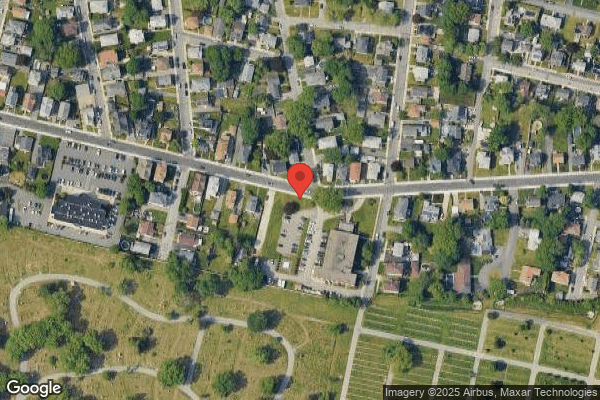
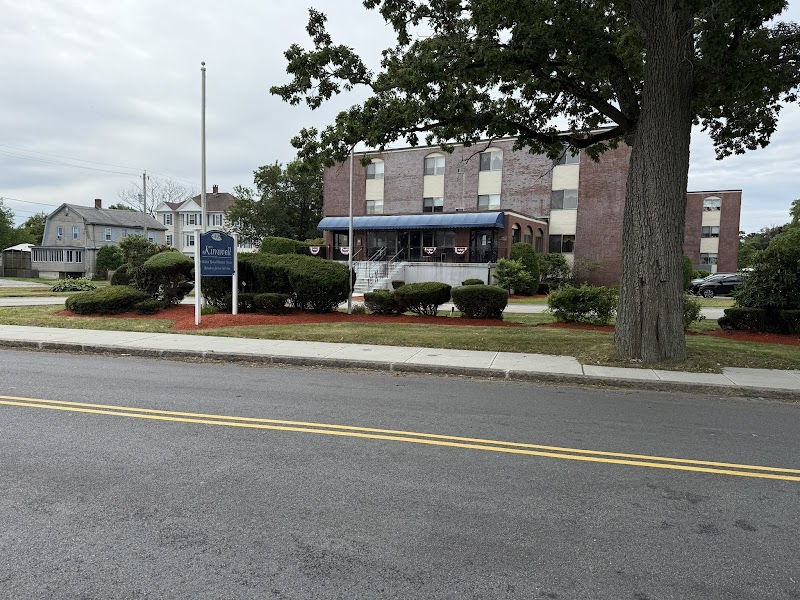
495 NEW BOSTON ROAD, FALL RIVER, MA 02720 (508) 679-0106
For profit - Limited Liability company 124 Beds BEST CARE SERVICES Data: November 2025
Trust Grade
60/100
#160 of 338 in MA
Last Inspection: December 2024

Within standard 12-15 month inspection cycle. Federal law requires annual inspections.

Overview

Kimwell Nursing and Rehabilitation has a Trust Grade of C+, which means it is slightly above average but not exceptional. It ranks #160 out of 338 facilities in Massachusetts, placing it in the top half of the state, and #11 out of 27 in Bristol County, indicating that there are only a few options that rank higher locally. Unfortunately, the facility is experiencing a worsening trend, with the number of reported issues increasing from 7 in 2023 to 10 in 2024. Staffing is a concern, with a rating of 2 out of 5 stars and a 43% turnover rate, which is around the state average but suggests less stability among staff. On a positive note, the facility has not incurred any fines, which is a good sign, but it also has less RN coverage than 93% of Massachusetts facilities, raising concerns about oversight. Specific incidents reported include failure to maintain safe water temperatures in resident bathrooms, not providing requested vaccinations for several residents, and issues with medication management, such as improper handling of medication kits. While there are some strengths, such as the absence of fines, the facility has significant areas that need improvement to ensure resident safety and care quality.

Trust Score
C+
60/100
In Massachusetts
#160/338
Top 47%
Safety Record
Low Risk
No red flags
Inspections
Getting Worse
7 → 10 violations
Staff Stability
○ Average
43% turnover. Near Massachusetts's 48% average. Typical for the industry.
Penalties
✓ Good
No fines on record. Clean compliance history, better than most Massachusetts facilities.
Skilled Nurses
⚠ Watch
Each resident gets only 19 minutes of Registered Nurse (RN) attention daily — below average for Massachusetts. Fewer RN minutes means fewer trained eyes watching for problems.
Violations
⚠ Watch
22 deficiencies on record. Higher than average. Multiple issues found across inspections.
★★★☆☆
3.0
Overall Rating
★★☆☆☆
2.0
Staff Levels
★★☆☆☆
2.0
Care Quality
★★★☆☆
3.0
Inspection Score
Stable
2023: 7 issues
2024: 10 issues

The Good

  • Full Sprinkler Coverage · Fire safety systems throughout facility
  • No fines on record
  • Staff turnover below average (43%)

    5 points below Massachusetts average of 48%

Facility shows strength in fire safety.

The Bad

3-Star Overall Rating

Near Massachusetts average (2.9)

Meets federal standards, typical of most facilities

Staff Turnover: 43%

Near Massachusetts avg (46%)

Typical for the industry

Chain: BEST CARE SERVICES

Part of a multi-facility chain

Ask about local staffing decisions and management

The Ugly 22 deficiencies on record

Dec 2024 8 deficiencies
CONCERN (D)

Potential for Harm - no one hurt, but risky conditions existed

Deficiency F0551 (Tag F0551)

Could have caused harm · This affected 1 resident

Based on record review and interview, the facility failed to ensure the Court Order of Appointment of Guardian for an Incapacitated Person was followed for one Resident (#77), in a sample of 20 reside...

Read full inspector narrative →
Based on record review and interview, the facility failed to ensure the Court Order of Appointment of Guardian for an Incapacitated Person was followed for one Resident (#77), in a sample of 20 residents. Specifically, the facility failed to ensure for Resident #77 that the Massachusetts Medical Orders for Life Sustaining Treatment (MOLST) form, which was signed by the previous Health Care Proxy (HCP), was voided with the appointment of a court designated guardian (a professional guardian who is unrelated to the incapacitated adult) who revoked the previous HCP and did not have authority to make advanced directive treatment decisions. Findings include: Review of the facility's policy titled Resident Representative, dated as last revised February 2021, indicated the following: -If the resident is determined to be incompetent under the laws of the state by a court of competent jurisdiction, the rights of the resident devolve to and are exercised by the resident representative appointed to act on the resident's behalf. -The court-appointed resident representative will exercise the resident's rights to the extent judged necessary by a court of competent jurisdiction, in accordance with state law. Resident #77 was admitted to the facility in June 2023 with a diagnosis of dementia. Review of the medical record indicated the previous facility in which Resident #77 resided petitioned the court for guardianship in November 2022. In March 2023, the previous facility submitted a Motion to Amend Petition (which was granted) to remove the request for authorization to consent to advanced directives. The Motion indicated Resident #77 had two estranged children, that advanced directives were not recommended by the treating clinicians and were not necessary at that time. Review of the medical record indicated the court designated an attorney as a temporary legal guardian in March 2023 and then ordered the attorney to be the permanent legal guardian in May 2023. Review of both court orders indicated the legal guardian had authority to admit the Resident to a nursing home and to revoke the previous Health Care Proxy. The Order did not indicate the guardian had authority to make decisions regarding advanced directives. Review of the medical record failed to indicate who the previous designated HCP was. Further review of the medical record included a MOLST form and physician's orders indicating Resident #77 was not to be resuscitated, not to be intubated and not to be transferred to the hospital. The MOLST form was signed by the sister of Resident #77 on 7/30/22, prior to the appointment of the professional guardian. During an interview on 12/12/24 at 9:38 A.M., Resident #77's sister said the previous facility had petitioned for a professional guardian related to discrepancies between herself and the Resident's spouse on the goals of care. She said she was not clear on the role of the professional guardian and her own role and if she maintained any rights as the previous HCP. During an interview on 12/12/24 at 10:17 A.M., the Social Worker said the Director of Social Services usually handles the guardianships for residents but was currently on leave. The Social Worker said she was unfamiliar with the rules for guardianship so could not say if the MOLST form signed by the Resident's sister was valid if there was a court appointed guardian. She said she was not sure if the Resident's sister was previously the HCP and was unable to locate the information in the medical record. She said she did not know why there was a court appointed guardian if there had previously been a HCP and was not sure if there had been any concerns with the previous HCP. She said she would have to bring the information to the Unit Manager to review if the MOLST was valid. During an interview on 12/12/24 at 11:17 A.M., the Director of Nurses (DON) said Resident #77 admitted to the facility as a direct admission from another facility. She said she was able to access the medical records from the previous facility and was able to locate a copy of the HCP, which indicated the Resident had previously designated his/her sister as the HCP. She said when the Resident was admitted to the facility, he/she had a permanent legal guardian. The DON said, because the previous HCP had signed the MOLST form, she assumed it was still valid. She said she had not seen the Motion to Amend Petition which indicated the removal of authority for advanced directives from the guardianship authority. She said she did not know why the previous HCP was revoked. During an interview on 12/12/24 at 3:15 P.M., the DON said she had attempted to contact the guardian to determine if the MOLST was valid, but with no response. During an interview on 12/16/24 at 7:32 A.M., the DON said they had contacted the facility legal counsel regarding Resident #77. She said the legal office advised that when the permanent guardianship became effective the MOLST was no longer effective and should have been voided. During the survey process, the surveyors and the facility attempted to contact the professional guardian with no response.
CONCERN (D)

Potential for Harm - no one hurt, but risky conditions existed

Deficiency F0645 (Tag F0645)

Could have caused harm · This affected 1 resident

**NOTE- TERMS IN BRACKETS HAVE BEEN EDITED TO PROTECT CONFIDENTIALITY** Based on record review and interview, the facility failed to ensure that a required Preadmission Screening and Resident Review (...

Read full inspector narrative →
**NOTE- TERMS IN BRACKETS HAVE BEEN EDITED TO PROTECT CONFIDENTIALITY** Based on record review and interview, the facility failed to ensure that a required Preadmission Screening and Resident Review (PASARR) was completed for one Resident (#2) with a diagnosed mental condition, out of a total sample of 20 residents. Findings include: Review of the facility's policy titled Behavioral Assessment, Intervention and Monitoring, revised March 2019, indicated but was not limited to the following: 1. As part of the initial assessment, the nursing staff and attending physician will identify individuals with a history of impaired cognition, altered behavior, substance use disorder, or mental disorder. a. All residents will receive a Level 1 PASARR screen prior to admission. Resident #2 was admitted to the facility in November 2024 with diagnoses including: bipolar disorder, anxiety, depression, and schizophrenia. Review of the Hospital Discharge summary, dated [DATE], indicated the Resident's past medical history included schizoaffective disorder, schizophrenia, and bipolar disorder. Review of the Minimum Data Set (MDS) assessment for Resident #2, dated 11/22/24, indicated under Section I (Active Diagnoses) the Resident had anxiety disorder, depression, bipolar disorder, and schizophrenia coded as active diagnoses. Review of the physician's progress note for Resident #2, dated 11/19/24, indicated the Resident's past medical history included paranoid schizophrenia and anxiety. Further review of the physician's progress note indicated the Resident was hospitalized at a psychiatric facility in May 2022 and from October 2022 through March 2023. Review of the medical record failed to indicate a Level 1 PASARR was completed for Resident #2. During an interview on 12/11/24 at 12:20 P.M., the Director of Nurses (DON) said the facility did not have a completed Level 1 PASARR in the medical record for Resident #2. During an interview on 12/11/24 at 2:22 P.M., Social Worker #1 said she had been responsible for completing the PASARR forms since November 2024. She said she looked in the record for a completed Level 1 PASARR for Resident #2 but was unable to find it and probably never completed it.
CONCERN (D)

Potential for Harm - no one hurt, but risky conditions existed

Respiratory Care (Tag F0695)

Could have caused harm · This affected 1 resident

Based on observations, interview, and record review, the facility failed to follow professional standards of practice to administer oxygen therapy as ordered for one Resident (#68), in a total sample ...

Read full inspector narrative →
Based on observations, interview, and record review, the facility failed to follow professional standards of practice to administer oxygen therapy as ordered for one Resident (#68), in a total sample of 20 residents. Specifically, the facility administered Oxygen at 5 liters (L) per minute for Resident #68 with an order for Oxygen at 2L. Findings include: Resident #68 was admitted to the facility in May 2024 with a diagnosis of chronic obstructive pulmonary disease (COPD- a lung disease that blocks airflow and makes it difficult to breathe) and had an active diagnosis of pneumonia during the survey period. Review of the Physician's Orders included an order to administer Oxygen at 2L via nasal cannula effective 11/10/24. Review of the Nurse Practitioner (NP) Progress Note, dated 11/11/24, indicated Resident #68 had COPD and to continue Oxygen at 2 to 3L. Review of the NP Progress Note, dated 11/14/24, indicated Resident #68 had COPD and to continue Oxygen at 2 to 3L. Review of the nursing progress notes indicated the following: -12/6/24: Resident's oxygen saturation increased from 83% to 98% with raising the head of the bed, Resident on 2L of Oxygen -12/6/24: Resident's oxygen saturation at 80% with head of bed low (10%), head of bed raised and nebulizer treatment provided and oxygen saturation increased to 98% on 2L of Oxygen -12/9/24: Resident's oxygen saturation at 89% with head of bed at 30% and Resident refusing to increase the head of bed elevation, nebulizer treatment administered -12/9/24: vital signs stable with oxygen saturation at 92% on 2L of Oxygen -12/10/24: Resident's oxygen saturation at 85% and head of bed almost all the way down, head of bed was raised, oxygen saturation increased to 91% on 2L of Oxygen -12/10/24: Resident stable with oxygen saturation at 90-93% on 2L of Oxygen On 12/11/24 at 10:13 A.M., the surveyor observed Resident #68 in bed, wearing a nasal cannula. The oxygen concentrator was observed set to 5L. On 12/11/24 at 2:47 P.M., the surveyor observed Resident #68 in bed, wearing a nasal cannula. The oxygen concentrator was observed set to 5L. On 12/12/24 at 8:05 A.M., the surveyor observed Resident #68 in bed, wearing a nasal cannula. The oxygen concentrator was observed set to 5L. During an interview on 12/12/24 at 8:24 A.M., Nurse #3 said she was caring for Resident #68 on this day and had been in to the room to administer a nebulizer breathing treatment to the Resident. She said the Resident has an order for the Oxygen to be administered at 2 liters per minute and she thinks she confirmed the administration on the concentrator this morning. During an interview with observation on 12/12/24 at 8:26 A.M., Nurse #3 observed the Oxygen concentrator for Resident #68 set at 5L. She said the Oxygen concentrator should not be set at 5L and should be set at 2L. She reviewed the medical record and confirmed the physician orders were to administer the Oxygen at 2L. She said she was not sure how the setting was changed to 5L and she should have noticed this morning when administering the nebulizer treatment. During an interview on 12/12/24 at 3:13 P.M., the Director of Nurses (DON) said the physician's orders for administering Oxygen should be followed and the physician should be contacted for any changes.
CONCERN (D)

Potential for Harm - no one hurt, but risky conditions existed

Deficiency F0727 (Tag F0727)

Could have caused harm · This affected 1 resident

Based on record review and interview, the facility failed to utilize the services of a Registered Nurse (RN) for at least eight consecutive hours a day, seven days a week, as required placing all resi...

Read full inspector narrative →
Based on record review and interview, the facility failed to utilize the services of a Registered Nurse (RN) for at least eight consecutive hours a day, seven days a week, as required placing all residents at risk for not having their clinical needs met either directly by the RN or indirectly by the Licensed Practical Nurse (LPN) or Certified Nurse Aides (CNA) that the RN was responsible for overseeing with provision of resident care. Specifically, the facility failed to provide the services of a RN for at least eight consecutive hours a day, seven days a week when no staffing waivers were in place on four days for the period of 7/1/24 to 9/30/24. Findings include: 1. Review of the Payroll Based Journal (PBJ) Staffing Data Report, dated Quarter 4: 2024 (July 1 - September 30), indicated the following: -One Star Staffing Rating Triggered = Star Staffing Rating Equals 1 -No RN Hours Triggered = Four or More Days Within the Quarter with no RN Hours Review of the as worked nursing schedule provided by the facility failed to indicate that a RN worked for eight hours in the facility on the following days: -8/3/24 -8/4/24 -8/25/24 -9/21/24 During the Entrance Conference Interview on 12/10/24 at 8:58 A.M., the Administrator and the Director of Nurses (DON) said the facility did not have any nurse waivers in place. During an interview on 12/16/24 at 9:17 A.M., Human Resource Manager #1 said the facility was aware of the PBJ report triggering for four or more days within the quarter with no RN during Quarter 4. She said she submits the information for the PBJ report. She said she confirmed before submitting the data that there was no RN coverage for those days. During an interview on 12/16/24 at 12:00 P.M., the Administrator said he is aware of the need to have RN coverage for a consecutive eight hours a day for seven days a week in the building, but there is on call coverage available from the nurse management team for clinical needs. We identified we did not have the coverage we are required to have.
CONCERN (D)

Potential for Harm - no one hurt, but risky conditions existed

Deficiency F0745 (Tag F0745)

Could have caused harm · This affected 1 resident

Based on record review and interview, the facility failed to provide medically related social services to attain or maintain the highest practicable physical, mental, and psychosocial well-being for o...

Read full inspector narrative →
Based on record review and interview, the facility failed to provide medically related social services to attain or maintain the highest practicable physical, mental, and psychosocial well-being for one Resident (#77), in a total sample of 20 residents. Specifically, the facility failed to obtain a social history for Resident #77 which included complicated family relations, possible lack of care in the community from a family member, and a history of substance use disorder. Findings include: Review of the facility's policy titled Social Services, dated as revised in September 2021, indicated but was not limited to the following: -the facility staff are able to identify and address factors that have potentially negative effect on psychosocial functioning of a resident; examples include: situations that impede the resident's dignity and sense of control, lack of family/community support system, substance abuse; -the social worker/social service staff are responsible for: identifying and seeking ways to support residents needs through the assessment and care planning process Review of the facility's policy titled Social Assessment, dated as revised in July 2014, indicated but was not limited to the following: -a social assessment will be done to help identify the resident's personal and social situation, needs, and problems; -social service staff will obtain information during the initial interview of the family and upon the resident's admission; -the purpose is to identify information to help staff develop a personalized plan of care that will utilize the individual's existing strengths, try to compensate for physical and functional deficits, optimize function and quality of life, and meet the individual's needs and preferences -Components of the Social Assessment include: personal and family history, employment and professional history, hobbies and interests, personal preferences, and wishes about medical treatment and care, including advanced directives Resident #77 was admitted to the facility in June 2023 with a diagnosis of dementia and had a court Order of Appointment of Guardian for an Incapacitated Person. Review of the Minimum Data Set (MDS) assessment, dated 9/20/24, indicated Resident #77 scored 0 out of 15 on the Brief Interview for Mental Status (BIMS), indicating the Resident had a severe cognitive impairment. Review of the medical record indicated a petition for guardianship was filed in November 2022, prior to admission. In March 2023 the previous facility submitted a Motion to Amend Petition (which was granted) to remove the request for authorization to consent to advanced directives. The Motion indicated Resident #77 had two estranged children, that advanced directives were not recommended by the treating clinicians and were not necessary at that time. Further review of the medical record included a MOLST form and physician's orders indicating Resident #77 was not to be resuscitated, not to be intubated and not to be transferred to the hospital. The MOLST form was signed by the sister of Resident #77 on 7/30/22, prior to the appointment of the professional guardian. Review of the medical record indicated the first Social Service Assessment was completed on 9/27/23, three months after the Resident was admitted to the facility. The Social Service Assessment indicated the following: -highest level of education: unknown -occupation: unknown -advanced care planning: Health Care Proxy (guardianship was not indicated) -code status reviewed: yes -marital status: widowed -number and names of children: see face sheet -identified support system: family -drug/alcohol abuse: no -source of information: Resident Review of the medical record included Social Service Assessments from the following dates: 1/9/24, 4/3/24, 6/26/24, 9/19/24 all indicated the following: -highest level of education: unknown -occupation: unknown -advanced care planning: Health Care Proxy (guardianship was not indicated) -code status reviewed: yes -marital status: widowed -number and names of children: see face sheet -identified support system: family -drug/alcohol abuse: no -source of information: Resident During an interview on 12/12/24 at 9:38 A.M., Resident #77's sister said Resident #77 previously lived at home with his/her spouse, was losing weight and had bed sores which he/she has been gauging with his/her fingers. She said the Resident was admitted to the hospital and then sent to a nursing home. She said the spouse of Resident #77 and herself did not get along and she had been threatened by the spouse. She said the spouse of Resident #77 had been visiting the Resident at the facility up until six months ago. She said the Resident had two children, both who had not been to visit in over a year. The Resident's sister said she was previously the designated HCP, but there was now a professional guardian, and she was not clear on if she was still able to make any medical decisions. During an interview on 12/12/24 at 10:17 A.M., the Social Worker said she had been at the facility since October 2023 and was the Social Worker for Resident #77. She reviewed the medical record and said she was unable to find any social service documentation prior to September 2023. She said Social Service Assessments were completed upon admission and every quarter for each resident. She said she had completed the last four Social Service Assessments for Resident #77. She said the process was to copy the answers from the previous assessments and she had not reached out to any family members for Resident #77 to obtain a social history. She said she did not think the Resident was married or had any children. The Social Worker then reviewed the Resident's contacts and said, Oh, he/she is married. During the continued interview, the Social Worker said the Director of Social Services usually handles the guardianships for residents but was currently on leave. The Social Worker said she was unfamiliar with the rules for guardianship and could not say if the MOLST form signed by the Resident's sister was valid if there was a court appointed guardian. She said she was not sure if the Resident's sister was previously the HCP and was unable to locate the information in the medical record. She said she did not know why there was a court appointed guardian if there had previously been a HCP and was not sure if there had been any concerns with the previous HCP. She said she had indicated on the Social Service Assessment that she had reviewed the advanced directives but would have to check with a nurse to see if the MOLST was valid. During an interview on 12/12/24 at 11:17 A.M., the Director of Nurses (DON) said Resident #77 was admitted to the facility as a direct admission from another facility and was admitted to be closer to a family member, but not a spouse and that the Resident was not married. She said she was able to access the medical records from the previous facility and was able to locate a copy of the HCP, which indicated the Resident had previously designated his/her sister as the HCP. She said when the Resident was admitted to the facility, he/she had a permanent legal guardian. The DON said because the previous HCP had signed the MOLST form she assumed it was still valid. She said she had not seen the Motion to Amend Petition which indicated the removal of authority for advanced directives from the guardianship authority. She said she did not know why the previous HCP was revoked. During an interview on 12/12/24 at 1:33 P.M., the Social Worker said she had called the sister of Resident #77 to obtain a social history and found out the Resident was still married and had two children who were estranged. She said the sister identified that the Resident also had a history of alcohol abuse. She said the facility was unaware of this information prior.
CONCERN (E)

Potential for Harm - no one hurt, but risky conditions existed

Accident Prevention (Tag F0689)

Could have caused harm · This affected multiple residents

**NOTE- TERMS IN BRACKETS HAVE BEEN EDITED TO PROTECT CONFIDENTIALITY** Based on observations, interviews, and maintenance record review, the facility failed to ensure the environment was free from ac...

Read full inspector narrative →
**NOTE- TERMS IN BRACKETS HAVE BEEN EDITED TO PROTECT CONFIDENTIALITY** Based on observations, interviews, and maintenance record review, the facility failed to ensure the environment was free from accident hazards for two out of three units in the facility. Specifically, the facility failed to ensure water temperatures were maintained at safe and comfortable levels in resident bathrooms and shower rooms. Findings include: Review of the facility's policy titled Water Temperatures, Safety of, dated 2001, included but was not limited to the following: -Policy Statement: Tap water in the facility shall be kept within a temperature range to prevent scalding of residents. -Policy Interpretation and Implementation: 1. Water heaters that service resident rooms, bathrooms, common areas, and tub/shower areas shall be set to temperatures of no more than 115 degrees Fahrenheit, or the maximum allowable temperature per state regulation. 2. Maintenance staff is responsible for checking thermostats and temperature controls in the facility and recording these checks in a maintenance log. 3. Maintenance staff shall conduct periodic tap water temperature checks and record the water temperatures in a safety log. 4. If at any time water temperatures feel excessive to the touch (such as hot enough to be painful or cause reddening of the skin after removal of the hand from the water), staff will report this finding to the immediate supervisor. 5. Direct care staff shall be informed of the risk factors for scalding/burns that are more common in the elderly, such as: a. decreased skin thickness; b. decreased skin sensitivity; c. peripheral neuropathy; d. reduced reaction time; e. decreased cognition; f. decreased mobility; and g. decreased communication. 6. The length of exposure to warm or hot water, the amount of skin exposed, and the resident's current condition affect whether or not exposure to certain temperatures will cause scalding or burns. Therefore, ongoing resident observation and assessment during prolonged exposure to warm or hot water will help to determine the safety of the situation. Review of the Department of Public Health 105 CMR 150.470 Standards for Long Term Care Facilities indicated hot water supplied to fixtures accessible to residents shall be controlled to maintain a temperature between 110 and 120 degrees Fahrenheit (F). On 12/11/24 at 3:43 P.M., during an environmental tour of the facility, the surveyors tested the temperature of the hot water in resident bathroom sinks and shower rooms with the following results: -room [ROOM NUMBER]: 133F at 3:43 P.M. -room [ROOM NUMBER]: 133.2F at 3:50 P.M. -room [ROOM NUMBER]: 124.7F at 3:55 P.M. -Shower room [ROOM NUMBER] (on Unit 2): 138.5F at 4:13 P.M. -Shower room [ROOM NUMBER] (on Unit 2): 133.7F at 4:16 P.M. -Shower room [ROOM NUMBER] (on Unit 3): 135.5F at 4:23 P.M. -Shower room [ROOM NUMBER] (on Unit 3): 138.5F at 4:28 P.M. During an interview on 12/11/24 at 4:02 P.M., Resident #84 said the water temperature in the shower room could get too hot and was unsafe. Resident #84 said when he/she is in the shower room, he/she is offered to feel the water temperature by the Certified Nursing Assistant (CNA) prior to being showered. Resident #84 said there had been instances when the water was way too hot and he/she could have been scalded had he/she not tested the water temperature. The Resident said residents are at the mercy of the staff and expressed concern that staff could harm residents with the hot water. During an interview on 12/11/24 at 5:04 P.M., the Director of Maintenance (DOM) said he checks water temperatures every week but hadn't in the past two weeks. The DOM said each week he sampled faucet water in ten resident rooms by running the water for three minutes to get it as hot as possible. The DOM said the water in resident and shower rooms should not exceed 110F and anything above 110F could be too hot and unsafe. The DOM said if any resident room or shower room water temperatures exceed 110F, he would then lower the water temperature at the main boiler (a closed vessel in which fluid is heated) and adjust the house mixing valve (a device, also known as a temperature control valve, that controls the mix of hot and cold water in order to deliver water at a consistent, safe temperature) that delivers water to the units, including resident and shower rooms. The DOM said he keeps the boiler temperature at 135-140F, and there have been no water temperature issues since he came to the facility in July 2024. On 12/11/24 at 5:15 P.M., the DOM and surveyors tested the water temperatures for rooms #203, #204, and Shower room [ROOM NUMBER] (on Unit 2) with the following results: -#203: 140F -#204: 158F -Shower room [ROOM NUMBER]: 120F The DOM said these water temperatures were too high and he was surprised by the readings. Review of the Weekly Water Temperature Logs indicated water temperatures had not been monitored for the past 13 days and were last monitored on 11/29/24. The Weekly Water Temperature Logs indicated but were not limited to the following: November 2024 -11/6/24, House mixing valve: 120F -11/8/24, House mixing valve: 140F -11/13/24, House mixing valve: 120F -11/15/24, House mixing valve: 120F -11/22/24, House mixing valve: 120F -11/29/24, House mixing valve: 120F -Water temperature ranges for resident rooms and shower rooms sampled this month: 107-112F October 2024 -House mixing valve: 140F during four of four days monitored in October -Water temperature ranges for resident rooms and shower rooms sampled this month: 110-112F September 2024 -House mixing valve: 140F during six of six days monitored in September -Water temperature ranges for resident rooms and shower rooms sampled this month: 109-112F The Weekly Water Temperature Logs indicated but were not limited to the following: Please make sure the water in the resident's bath sink, shower room, common area lavatories doesn't exceed 115 or below 110 at the plumbing fixtures. Mixing valve 120. Please report any discrepancies to Director of Maintenance. During an interview on 12/11/24 at 5:30 P.M., the Administrator said the boiler temperature was 135F and he had just lowered the boiler temperature to 120F in recent minutes due to the surveyors' expressed concern over water temperatures. During an interview on 12/12/24 at 7:43 A.M., Certified Nursing Assistant (CNA) #1, who normally works on the first floor, said the water temperatures in resident bathroom sinks can vary and would get too hot in rooms [ROOM NUMBERS]. She said this was not a new issue and she thought management knew. During an interview on 12/12/24 at 7:48 A.M., CNA #2, who normally works on the first floor, said the sink water can run too hot sometimes and she tries to fill basins right when she turns the water on before it gets too hot. During an interview on 12/12/24 at 2:25 P.M., the DOM and surveyor observed the boiler and the house mixing valve. The pipe extending from the house mixing valve had a dial thermometer around the piping. The DOM said the thermometer measured the temperature of the water delivered to the units and it was this thermometer that he used to measure the temperature for the house mixing valve on the Weekly Water Temperature Logs. The DOM and surveyor reviewed the Weekly Water Temperature Logs, specifically the values for the house mixing valve where the value was 140F. The DOM said he adjusted the temperature of the house mixing valve based on the water temperature values obtained from resident rooms and shower rooms during weekly water temperature monitoring. The DOM said if the house mixing valve thermometer read 140F, it was possible for 140F water to travel from the mixing valve to the units, and the temperature of water traveling from the mixing valve to the units should not exceed 115-120F per facility policy and regulation.
CONCERN (E)

Potential for Harm - no one hurt, but risky conditions existed

Deficiency F0883 (Tag F0883)

Could have caused harm · This affected multiple residents

Based on interview and record review, the facility failed to provide the Pneumococcal and Influenza immunizations as requested/consented for three Residents (#94, #90 and #11), out of a total sample o...

Read full inspector narrative →
Based on interview and record review, the facility failed to provide the Pneumococcal and Influenza immunizations as requested/consented for three Residents (#94, #90 and #11), out of a total sample of five residents. Findings include: Review of the facility's policy titled Influenza Vaccine, dated as revised in September 2024, indicated the following: -between as early as August 1st through March 31st of the following year, the influenza vaccine shall be offered to residents, unless the vaccine is medically contraindicated, or the resident has already been immunized -residents admitted between August 1st (or when the vaccine is available) and March 31st of the following year shall be offered the vaccine within five (5) working days of the resident's admission to the facility Review of the facility's policy titled Pneumococcal Vaccine, dated as revised in March 2023, indicated the following: -all residents are offered pneumococcal vaccines to aid in preventing pneumonia/pneumococcal infections -prior to or upon admission, residents are assessed for eligibility to receive the pneumococcal vaccine series and when indicated/available, are offered the vaccine series within the facility unless medically contraindicated, awaiting shipments of vaccines, or the resident has already been vaccinated -assessments of pneumococcal vaccination status are conducted within thirty (30) days of the resident's admission if not conducted prior to admission -administration of the pneumococcal vaccines are made in accordance with current Centers for Disease Control and Prevention (CDC) recommendations at the time of the vaccination During an interview on 12/12/24 at 12:15 P.M., the Infection Control Preventionist said when a resident admits to the facility the admitting nurse will review the vaccine options and obtain either consent or declination for the vaccines. She said she will then review the risks and benefits with the Resident, check the Massachusetts Immunization Information System (MIIS) for a history of immunizations, and then administer immunizations as indicated and document in the medical record. Review of the medical record for Resident #94 indicated the Resident was admitted to the facility in October 2024. Review of the Immunization Consent form indicated the Resident consented to the Pneumococcal vaccine and had declined the influenza vaccine and any COVID-19 boosters. Review of the electronic medical record indicated Resident #94 declined the Pneumococcal vaccine and the influenza vaccine. Record review failed to indicate the Resident had been administered the Pneumococcal vaccine. During an interview on 12/12/24 at 12:15 P.M., the Infection Control Preventionist said she thinks she might have gone to offer Resident #94 the Pneumococcal vaccine, but she couldn't be sure. She said she reviewed the medical record and was unable to find any documentation to indicate if she had and she would have to meet with the Resident again to administer the vaccine. Review of the medical record for Resident #90 indicated the Resident was admitted to the facility in October 2024. Review of the Immunization Consent form indicated the Resident consented to the Influenza vaccine and the Pneumococcal vaccine. Review of the electronic medical record indicated Resident #90 declined the Influenza and the Pneumococcal vaccines. Record review failed to indicate the Resident had been administered either vaccine. During an interview on 12/12/24 at 12:15 P.M., the Infection Control Preventionist said the consent form had been missed and she had not gone to offer either of the vaccines to Resident #90 and should have. Review of the medical record for Resident #11 indicated the Resident was admitted to the facility in November 2024. Review of the Immunization Consent form indicated the Resident's representative consented to the Influenza, the Pneumococcal and the COVID-19 booster vaccines. Review of the electronic medical record indicated Resident #1 was administered the Influenza vaccine at the facility on 11/21/24. The electronic medical record indicated the Resident had received the PCV (Pneumococcal conjugate vaccines)-13 vaccine on 2/3/23. The medical record failed to indicate if the Resident had been assessed eligibility for additional Pneumococcal vaccines. Further review of the paper medical record for Resident #11 indicated the previous facility had sent an immunization history for the Resident indicating the Resident had received their 2024-2025 flu season Influenza vaccine on 9/27/24. During an interview on 12/12/24 at 12:15 P.M., the Infection Control Preventionist said she had not assessed the eligibility guidelines for additional Pneumococcal vaccines for Resident #11. She said in reviewing the guidelines, Resident #11 was eligible to receive the PCV 20 vaccine and had not been administered the vaccine. She said she would have to review the medical record and the MIIS to determine how the Resident was administered the Influenza vaccine in September 2024 and November 2024. During an interview on 12/12/24 at 1:25 P.M., the Infection Control Preventionist said Resident #11 had been administered the Influenza vaccine at the previous facility and at the current facility. She said she had not reviewed the discharge paperwork sent from the previous facility to note the administration of the Influenza vaccine and had relied on the MIIS being up to date.
MINOR (B)

Minor Issue - procedural, no safety impact

Deficiency F0582 (Tag F0582)

Minor procedural issue · This affected multiple residents

Based on the Beneficiary Protection Notification Review, the facility failed to issue the Notice of Medicare Non-Coverage (NOMNC) to two of three sampled Residents (#207 and #208) and failed to issue ...

Read full inspector narrative →
Based on the Beneficiary Protection Notification Review, the facility failed to issue the Notice of Medicare Non-Coverage (NOMNC) to two of three sampled Residents (#207 and #208) and failed to issue the Skilled Nursing Facility Advanced Beneficiary Notice (SNF ABN) to two of three sampled Residents (#208 and #86). Findings include: The NOMNC, Form CMS-10123, is given by the facility to all Medicare beneficiaries at least two days before the end of a Medicare covered Part A stay or when all of Part B therapies are ending. The NOMNC informs the beneficiaries of the right to an expedited review by a Quality Improvement Organization. The SNF ABN, CMS-10055, is only issued if the beneficiary intends to continue services and the SNF believes the services may not be covered under Medicare. It is the facility's responsibility to inform the beneficiary about potential non-coverage and the option to continue services with the beneficiary accepting financial liability for those services. Review of the Beneficiary Protection Notification Review indicated Resident #208 was receiving Medicare Part A services from 8/2/24 with a last covered day of 8/15/24 and then remained at the facility and was not provided the NOMNC or the SNF ABN. Review of the Beneficiary Protection Notification Review indicated Resident #207 was receiving Medicare Part A services from 9/6/24 until he/she discharged to the community on 9/16/24 and was not provided the NOMNC. Review of the Beneficiary Protection Notification Review indicated Resident #86 was receiving Medicare Part A services from 11/16/24 with a last covered day of 11/27/24 and then remained at the facility and was not provided the SNF ABN. During an interview on 12/12/24 at 2:51 P.M., the Administrator said the facility was unable to locate notices for two of the three residents. He said the Social Worker provides the notices to the residents but was unable to provide evidence the notices were issued. During an interview on 12/12/24 at 3:00 P.M., the Social Worker said she had provided the representative for Resident #86 with the NOMNC, but had not provided them with the information for the SNF ABN and she had forgotten to provide the additional notice. She said herself and the Business Office manager were unable to locate any notices for Resident #207 or Resident #208.
Oct 2024 2 deficiencies
CONCERN (D) 📢 Someone Reported This

A family member, employee, or ombudsman was alarmed enough to file a formal complaint

Potential for Harm - no one hurt, but risky conditions existed

Notification of Changes (Tag F0580)

Could have caused harm · This affected 1 resident

Based on records reviewed and interviews, for one of three sampled residents (Resident #1), who had an activated Health Care Proxy (HCP), the Facility failed to ensure nursing promptly notified his/he...

Read full inspector narrative →
Based on records reviewed and interviews, for one of three sampled residents (Resident #1), who had an activated Health Care Proxy (HCP), the Facility failed to ensure nursing promptly notified his/her Health Care Agent (HCA), when on 09/05/24, Resident #1 was found sitting on the floor against the bed after an unwitnessed fall. Findings include: Review of the Facility's Policy, titled Change in a Resident's Condition or Status, dated as revised February 2022, indicated the following: -our facility promptly notifies the resident's attending physician, the resident representative of change in the resident's medical/mental condition and/or status; -a nurse will notify the resident's representative when the resident is involved in any accident or incident that results in an injury including injuries of unknown source; -the nurse will record in the resident's medical record information relative to changes in the resident's medical/mental condition or status. Review of the Facility Policy, titled Accidents and Incidents - Investigating and Reporting, dated as revised July 2022, indicated that all accidents and incidents involving residents occurring on our premises shall be investigated and reported to the administrator. The Policy further indicated that the charge nurse shall promptly initiate and document investigation of the accident or incident. Resident #1 was admitted to the Facility in July 2024, diagnoses included fracture of right pubis, osteoarthritis, type 2 diabetes mellitus, dysphagia, anxiety, depressive disorder, muscle weakness, muscle wasting, chronic kidney disease stage 3 and cerebral infarction. Review of Resident #1's Medical Record indicated Resident #1's Health Care Proxy was invoked on August 23, 2024. Review of the Report submitted by the Facility via the Health Care Facility Reporting System (HCFRS), dated as submitted on 09/12/24, indicated that on 09/05/24 at approximately 5:00 A.M., Resident #1 sustained a fall out of bed and did not sustain any injuries. Review of an Accident/Incident Report, dated 09/05/24, indicated that at 5:05 A.M., Resident #1 was found siting on the floor against the bed after an unwitnessed fall. The Report indicated that Resident #1's HCA was not notified. During an interview on 10/30/24 at 8:16 A.M., Nurse #3 said that she worked the 11:00 P.M. to 7:00 A.M. shift on 09/04/24 into 09/05/24. Nurse #3 said that on 09/05/24 at approximately 5:00 A.M., Resident #1 was found lying on the floor in his/her room next to his/her bed. Nurse #3 said that she could not recall if she notified Resident #1's HCA of the fall, but should have. Nurse #3 said that if she did not document that she notified Resident #1's HCA of the fall, then she probably did not notify him/her. Review of Resident #1's Medical Record indicated that there was no documentation from Nurse #3 related to Resident #1's unwitnessed fall or any documentation to support Nurse #3 notified Resident #1's HCA of his/her unwitnessed fall on 09/05/24. Review of a written and signed statement by Resident #1's HCA, dated 09/09/24, the HCA said they were not notified of Resident #1's unwitnessed fall on 09/05/24. This was not consistent with the Facility's Change in a Resident's Condition or Status and Accidents and Incidents - Investigating and Reporting Policies. The Surveyor was unable to interview Resident #1's HCA, as he/she did not respond to the Department of Public Health's telephone requests for an interview. During an interview on 10/29/24 at 3:35 P.M., the Director of Nurses (DON) said that Resident #1 had sustained an unwitnessed fall on 09/05/24 and said she could not find any documentation in Resident #1's Medical Record regarding his/her unwitnessed fall on 09/05/24. The DON said it was her expectation that Nurse #3 should have documented in a progress note about Resident #1's unwitnessed fall and immediately notified Resident #1's HCA of his/her unwitnessed fall, but had not. The DON said that Nurse #3 did not follow the Facility's policies.
CONCERN (D) 📢 Someone Reported This

A family member, employee, or ombudsman was alarmed enough to file a formal complaint

Potential for Harm - no one hurt, but risky conditions existed

Medical Records (Tag F0842)

Could have caused harm · This affected 1 resident

Based on records reviewed and interviews for one of three sampled residents (Resident #1), who was found sitting on the floor against his/her bed after an unwitnessed fall, the Facility failed to ensu...

Read full inspector narrative →
Based on records reviewed and interviews for one of three sampled residents (Resident #1), who was found sitting on the floor against his/her bed after an unwitnessed fall, the Facility failed to ensure they maintained complete and accurate medical/clinical records, when there was no nursing documentation in the Medical Record related to Resident #1's unwitnessed fall. Finding Include: Review of the Facility Policy titled, Charting and Documentation, dated as revised July 2017, indicated that all services provided to the resident, progress toward the care plan goals, or any changes in the resident's medical, physical, functional, or psychosocial condition should be documented in the resident's medical record. The Policy further indicated that the following information is to be documented in the resident medical record: -objective observations; -treatments or services performed; -changes in the resident's condition; -events, incidents or accidents involving the resident; Review of the Facility Policy, titled Accidents and Incidents - Investigating and Reporting, dated as revised July 2022, indicated that all accidents and incidents involving residents occurring on our premises shall be investigated and reported to the administrator. The Policy further indicated that the charge nurse shall promptly initiate and document investigation of the accident or incident. Resident #1 was admitted to the Facility in July 2024, diagnoses included fracture of right pubis, osteoarthritis, type 2 diabetes mellitus, dysphagia, anxiety, depressive disorder, muscle weakness, muscle wasting, chronic kidney disease stage 3 and cerebral infarction. Review of the Report submitted by the Facility via the Health Care Facility Reporting System (HCFRS), dated as submitted on 09/12/24, indicated that on 09/05/24 at approximately 5:00 A.M., Resident #1 sustained a fall out of bed and did not sustain any injuries. Review of an Accident/Incident Report, dated 09/05/24, indicated that at 5:05 A.M., Resident #1 was found siting on the floor against the bed after an unwitnessed fall. The Report indicated that Resident #1's HCA was not notified. During an interview on 10/30/24 at 8:16 A.M., Nurse #3 said that she worked the 11:00 P.M. to 7:00 A.M. shift on 09/04/24 into 09/05/24. Nurse #3 said that on 09/05/24 at approximately 5:00 A.M., Resident #1 was found lying on the floor in his/her room next to his/her bed. Nurse #3 said that she thought she documented the incident (fall) in Resident #1's medical record, and said she could not explain why there was no documentation in Resident #1's medical record regarding his/her unwitnessed fall on 09/05/24. Review of Resident #1's Medical Record indicated that there was no documentation from Nurse #3 related to Resident #1's unwitnessed fall. This was not consistent with the Facility's Charting and Documentation and Accidents and Incidents - Investigating and Reporting Policies. During an interview on 10/29/24 at 3:35 P.M., the Director of Nurses (DON) said that Resident #1 had sustained an unwitnessed fall on 09/05/24 and said she could not find any documentation in Resident #1's Medical Record regarding his/her unwitnessed fall. The DON said it was her expectation that Nurse #3 should have documented in a progress note about Resident #1's unwitnessed fall, but had not. The DON said that Nurse #3 did not follow the Facility's policies.
Aug 2023 6 deficiencies
CONCERN (D)

Potential for Harm - no one hurt, but risky conditions existed

Deficiency F0658 (Tag F0658)

Could have caused harm · This affected 1 resident

Based on observation, record review, and interview, the facility failed to meet professional standards of care for two Residents (#36, #22), out of a total sample of 24 residents. Specifically, the fa...

Read full inspector narrative →
Based on observation, record review, and interview, the facility failed to meet professional standards of care for two Residents (#36, #22), out of a total sample of 24 residents. Specifically, the facility failed: 1. For Resident #36, to ensure three of the physician prescribed morning medications were not continuously scheduled to conflict with the Resident's scheduled dialysis treatment, when the Resident was known to be out of the facility; and 2. For Resident #22, to ensure the nurse administered medication following the facility's policy. Findings include: Review of the facility's policy titled Administering Medications, revised April 2022, indicated but was not limited to the following: -Medication administration times are determined by resident's need and benefit, not staff convenience. Factors that are considered include: a. Enhancing optimal therapeutic effect of medications; b. Preventing potential medication or food interactions; and c. Honoring resident choices and preferences, consistent with his or her care plan. -New personnel authorized to administer medications are not permitted to prepare or administer medications until they have been oriented to the medication administration system used by the facility. Review of the facility's policy titled End Stage Renal Disease, Care of Residents with .(unfinished), revised September 2022, indicated but was not limited to the following: -Residents with end stage renal disease (ESRD) will be cared for according to currently recognized standards of care. Residents who require dialysis receive such services, consistent with professional standards of practice, the comprehensive person-centered care plan, and the resident's goal and preferences. -The facility remains responsible for the overall quality of care the resident receives which includes: Ongoing provision of assessment, care planning, and provision of care. -Coordination of physician services between the nursing home and dialysis. 1. Resident #36 was admitted to the facility in July 2023 with diagnoses which included ESRD on dialysis and diabetes. Review of the Minimum Data Set (MDS) assessment, dated 6/10/23, indicated the Resident had a Brief Interview for Mental Status (BIMS) score of 14 out of 15 indicating the Resident was cognitively intact. Review of the current Physician's Orders indicated the following: -Resident to have dialysis on: Tuesday, Thursday and Saturday, pick up time 5:15 A.M. -Prostat (concentrated protein supplement) sugar free liquid, 3 times a day. Give 30 ML at 8:00 AM, 1:00 PM and 5:00 P.M. Start date 7/6/2023. -Sevelamer (phosphorus binder used to lower phosphorus in the blood of patients with kidney disease) 800 milligrams, give one tablet by mouth with meals for hypophosphate (lowering high levels of phosphorus), at 8:00 A.M., 12:00 P.M. and 5:00 P.M. Start date 7/19/2023. -Humalog Kwik Pen subcutaneous solution pen injector 100 unit/ml (insulin Lispro), inject 8 units subcutaneously at 9:00 A.M. Start date 7/6/23. Review of the Medication Administration Record (MAR) indicated Resident #36 did not receive the 8:00 A.M. dosage of Prostat and Sevelamer, and the 9:00 A.M. dosage of 8 units of Lispro insulin on the scheduled dialysis days of Tuesday, Thursday, and Saturday. In total, Resident #36 missed 17 administrations of Prostat 30 ml and 8 units of Lispro insulin, and 12 administrations of Sevelamer 800 mg due to a conflict with the dialysis schedule. Review of the Dialysis Communication Sheet titled Tracking My Numbers, dated August 2023, indicated Resident #36's phosphorus level goal is 3.0 to 5.5, and the Resident's value is 5.8 (above goal). Additional comments: Your phosphorus is above goal. Talk with your dietitian about your food choices. Take your binders (Sevelamer) as prescribed. Review of the Nursing Progress Note, dated 8/15/23 at 5:03 P.M., indicated Nurse #6 spoke with the dietitian from the dialysis center. Reviewed medications. Continues on phosphorus binders three times daily with meals and liquid protein. Appetite good. During an interview on 8/17/23 at 11:00 A.M., Nurse #6 said she was not aware Resident #36 was not receiving his/her morning Prostat, Lispro insulin, and Sevelamer on dialysis days. She said the medication should have been ordered earlier and given to the Resident before he/she left for dialysis. Nurse #6 said Resident #36 does eat breakfast before he/she leaves for dialysis and should have had the Sevelamer with breakfast. During an interview on 8/17/23 at 2:20 P.M., Dietitian #1 said she had only been in the building for one week and was not aware Resident #36 was not receiving the Prostat and the Sevelamer on the morning of dialysis. During a telephonic interview on 8/17/23 at 2:25 P.M., Dietitian #2 said she had seen Resident #36 and was not aware he/she was not receiving the Prostat and the Sevelamer on the morning of dialysis. During a telephonic interview on 8/22/23 at 12:30 P.M., the Dialysis Center Dietitian said she telephoned the facility when she identified the Resident's phosphorus levels were slightly elevated. She said the Resident was prescribed phosphorus binders in the community and she wanted to confirm the medication was still prescribed. She said the facility confirmed the Resident was prescribed the phosphorus binder three times daily with meals. The Dialysis Center Dietitian said she did not confirm with the facility and was not made aware the Resident had not received the phosphorus binder on the morning of dialysis for approximately two months. The Dialysis Center Dietitian said when the Resident was in the community, his/her phosphorus levels were stable and said if the Resident missed the phosphorus binder three times weekly for approximately two months, if could have resulted in slightly elevated phosphorus levels. During an interview on 8/17/23 at 12:41 P.M., the Director of Nurses (DON) said the nurses should have looked at the Resident's dialysis schedule and scheduled all of his/her medications around dialysis. The DON said the nurses should have notified her or the physician of the conflict with the medication and dialysis schedule so the times could be adjusted. 2. Resident #22 was admitted to the facility in April 2023 with diagnoses which included gastric (stomach) ulcer. Review of the Physician's Orders indicated the following: -Calcium carbonate (Tums) tablet chewable 500 milligrams. Give 2 tablets by mouth 3 times a day (8:00 A.M., 11:30 A.M., and 5:00 P.M.) for gastrointestinal upset before meals. On 8/15/23 at 12:45 P.M., the surveyor was in Resident #22's room when Nurse #12 entered the room and said she had two Tums and gave them to Resident #22 in a plastic cup and left the room before the Resident consumed them. The surveyor watched Resident #22 chew the Tums. During an interview on 8/15/23 at 12:50 P.M., Nurse #12 said she was in training and was not administering any medications, but she did give Resident #22 two Tums. Nurse #12 said she didn't stay and watch him/her take the Tums because it was not a medication. Nurse #9 (orientating Nurse #12) said she gave Nurse #12 the Tums to give to Resident #22 because they were running late and the Resident was supposed to have the Tums before lunch. Nurse #9 said Tums is a medication and Nurse #12 should not have left them with the Resident. During an interview on 8/15/23 at 3:12 P.M., the Director of Nurses (DON) said it is her expectation that the nurse bring the medication cart to the Resident's room, identifies the resident, administers the medication, and stays until the resident has taken the medication. The DON said Nurse #12 is in training and Nurse #9 should have been in the room if the trainee is administering medication.
CONCERN (D)

Potential for Harm - no one hurt, but risky conditions existed

ADL Care (Tag F0677)

Could have caused harm · This affected 1 resident

Based on observation, record review, and interview, the facility failed to ensure Activity of Daily Living (ADL) assistance was provided to one dependent Resident (#14), out of a total sample of 23 re...

Read full inspector narrative →
Based on observation, record review, and interview, the facility failed to ensure Activity of Daily Living (ADL) assistance was provided to one dependent Resident (#14), out of a total sample of 23 residents. Specifically, the facility failed to provide assistance with grooming and supervision while eating. Findings include: Review of the facility's policy titled Activities of Daily Living (ADL), Supporting, last revised March 2018, included but was not limited to: -Appropriate care and services will be provided for residents who are unable to carry out ADLs independently, with the consent of the resident and in accordance with the plan or care, including appropriate support and assistance with hygiene (bathing, dressing, grooming, and oral care) and dining (meals and snacks). Review of the facility's policy titled Fingernails, Care Of, last revised February 2018, included but was not limited to: -The purpose of this procedure are to clean the nail bed, to keep nails trimmed, and to prevent infections. -Nail care includes daily cleaning and regular trimming. Resident #14 was admitted to the facility in May 2021 with diagnoses including dysphagia pharyngeal phase (difficulty swallowing where the larynx (voice box) closes tightly and breathing stops to prevent food or liquid from entering the airway and lungs) and unspecified abnormalities of gait and mobility. Review of the 6/16/23 Minimum Data Set assessment indicated Resident #14 is cognitively intact as evidenced by a Brief Interview for Mental Status score of 15 out of 15, requires extensive assistance from staff for personal hygiene, is dependent on staff for bathing, and requires supervision for eating. Review of comprehensive care plans included but was not limited to: Focus: My daily care/ADLs-I have an ADL self-care deficit related to generalized weakness, anemia, heart disease (1/4/19) Interventions: Bathing/Showering-Check nail length and trim and clean on bath day and as necessary. Report any changes to the nurse (1/4/19); Continual Supervision/cues (1:8) for eating-patient to eat all meals in supervised dining room (1/4/19) Goal: I will groom myself daily with set up assist from staff by the next target date (1/4/19) Review of the 4/24/23 Speech Therapy Discharge Summary indicated Resident #14 required close supervision for oral intake. On 8/15/23 at 9:08 A.M., the surveyor observed Resident #14 seated in a chair at the bedside in his/her room. The Resident was writing in a word search puzzle book. The fingernails on both of the Resident's hands were long with sharp edges. Review of the medical record failed to indicate when the Resident's fingernails were last cleaned and trimmed. During an observation with interview on 8/16/23 at 12:19 P.M., the surveyor observed Resident #14 seated in a chair at the bedside with an overbed table in front of him/her eating lunch. There were no staff in the room or anywhere in the line of sight of the Resident as he/she ate their meal alone in the room. Resident #14 said no staff supervise or check on him/her while eating meals in his/her room. The fingernails on both of the Resident's hands were long with sharp edges and orange-tinged food remnants were observed underneath them. The surveyor asked if staff cut his/her fingernails, and he/she said, They used to, but haven't done it lately. On 8/17/23 at 11:46 A.M., the surveyor observed Resident #14 seated in a chair at the bedside doing a puzzle. The fingernails on both hands were long with orange-tinged food remnants underneath them. During an uninterrupted observation on 8/17/23 from 12:04 P.M. to 12:49 P.M., the surveyor observed Nurse #10 deliver Resident #14's lunch meal to his/her room at 12:15 P.M., set it up, and leave the room. The Resident was eating the lunch meal alone in his/her room with no staff in the room or anywhere in the vicinity to provide close supervision. During an interview on 8/17/23 at 1:02 P.M., Certified Nursing Assistant (CNA) #2 said she provides care for Resident #14 and he/she needs full assistance with all ADLS. She said the Resident's shower day is Sunday and nursing staff trim the Resident's fingernails because he/she is diabetic. CNA #2 said supervision is provided to residents that eat their meals in the unit dining room unless they require one to one feeding. During an interview on 8/17/23 at 2:30 P.M., the surveyor asked Nurse #9 who is responsible for trimming diabetic residents' fingernails. She said, I think the podiatrist does it, but I don't know. Nurse #9 then said she thinks the CNAs do it. During an interview on 8/18/23 at 8:29 A.M., the Director of Nursing said CNAs are allowed to cut/file diabetic residents' fingernails and should do it on shower days and whenever the resident needs it done. During an interview on 8/18/23 at 10:15 A.M., Rehabilitation Staff #1 said Resident #14's Speech Therapy discharge note indicated discharge recommendations including close supervision for oral intake. She said, close supervision means within the line of sight of staff. Someone needs to be able to see the resident. The surveyor asked if a resident eating alone in a room with no staff in the vicinity during the entire meal is close supervision, and she said No.
CONCERN (D)

Potential for Harm - no one hurt, but risky conditions existed

Accident Prevention (Tag F0689)

Could have caused harm · This affected 1 resident

Based on observation, interview, and policy review, the facility failed to ensure there was adequate supervision and assistance during smoking sessions for two Residents (#1 and #32), and the resident...

Read full inspector narrative →
Based on observation, interview, and policy review, the facility failed to ensure there was adequate supervision and assistance during smoking sessions for two Residents (#1 and #32), and the resident designated smoking area complied with the Centers for Medicare and Medicaid Services (CMS) guidance for a safe smoking area. Specifically, the facility failed to: 1. Provide adequate supervision for Resident #1 and #32 when attempting to ignite and extinguish their cigarettes; and 2. Provide all smoking residents with a dignified smoking experience, including protection from the elements and have readily available safety equipment in the designated smoking area. Findings include: Review of the CMS circular letter, dated November 10, 2011, titled Smoking Safety in Long Term Care Facilities indicated but was not limited to the following: -The facility is obligated to ensure the safety of designated smoking areas which includes protection of residents from weather conditions and non-smoking residents from second hand smoke. -The facility is also required to provide portable fire extinguishers in all facilities (NFPA101, 2000 ed., 18/19.3.5.6). Review of the facility's policy titled Smoking Policy-Residents, dated July 2022, indicated but was not limited to the following: -This facility shall establish and maintain safe resident smoking practices. -Any resident with restricted smoking privileges requiring monitoring shall have the direct supervision of a staff member, family member, visitor or volunteer working at all times while smoking. 1. Resident #1 was admitted to the facility in April 2023 with diagnoses which included Alzheimer's disease and stroke. Review of the Minimum Data Set (MDS) assessment, dated 5/4/23, indicated the Resident had a Brief Interview for Mental Status (BIMS) score of 12 out of 15 indicating the Resident had moderate cognitive impairment. Resident #32 was admitted to the facility in November 2021 with diagnoses which included heart failure. Review of the MDS assessment, dated 6/23/23, indicated the Resident had a BIMS score of 12 out of 15 indicating the Resident had moderate cognitive impairment. On 8/15/23 at 10:15 A.M., the surveyor observed the resident smoking area, which was located outside the ambulance entrance, up on the sidewalk and made the following observations during the smoking session: -Resident #1 and Resident #32 were sitting in their wheelchairs side by side on the sidewalk. Resident #1 was observed attempting to light his/her second cigarette with a disposable lighter unsuccessfully due to the strong wind conditions. Resident #1 opened the left side of his/her jacket, leaned his/her head, with the cigarette in his/her mouth, into the jacket and attempted to light the cigarette again, but was unsuccessful. Resident #32 was observed to intervene by extending his/her arms out to shield the wind which was also unsuccessful in lighting the cigarette. Resident #32 took off his/her baseball cap, and Resident #1 leaned his/her head, with cigarette in mouth, inside the baseball cap to light the cigarette unsuccessfully. Certified Nursing Assistant (CNA) #9, who was supervising the smoking session, was then observed assisting Resident #1 in lighting the cigarette. -Resident #1 was observed to extinguish both his/her cigarettes on the metal armrest of the wheelchair. After smoking and extinguishing both cigarettes, Resident #1 handed the butts to CNA #9 to dispose of them in the ashtray receptacle. -Resident #32 was observed to extinguish one of his/her cigarettes on the wheelchair armrest. After extinguishing the cigarette, he/she handed the butt to CNA #9 for disposal. During an interview on 8/15/23 at 10:30 A.M., CNA #9 said the staff take turns supervising the smoking session. She said she did not receive any training; she just watches the residents and if they need help she will assist them. She said it is windy today, usually they don't smoke up on the sidewalk, but stay down near the ambulance ramp by the door. During an interview on 8/16/23 at 11:35 A.M., the Administrator said the staff should be supervising the smokers and assisting them in lighting and disposing of the cigarette butts properly. 2. On 8/15/23 at 10:15 A.M., the surveyor observed the morning smoking session and made the following observations: -Weather: it was an overcast day with intermittent brisk winds. There was a potential of rain at any time. -Six residents were wheeled by staff members through the ambulance entrance, up the ramp, to the sidewalk. They were lined up on the sidewalk in a row, facing the private residence homes across the street. -There was no protection from the elements, and there was no safety equipment available up on the sidewalk. -There was one staff member supervising the six residents. -All six residents said they don't like smoking up on the sidewalk. During an interview on 8/15/23 at 10:20 A.M., Resident #32 said they normally don't smoke up on the sidewalk; they keep them down the ramp by the door. Resident #32 said if the weather is bad, sometimes they let us smoke on the front porch, it's a nice area up there. During an interview on 8/15/23 at 10:30 A.M., CNA #9 said they usually smoke down by the ambulance ramp but moved them up here today. She said if there was an emergency, I would have to run down the ramp and call for help. On 08/15/23 at 1:20 P.M., the surveyor observed a second smoking session and made the following observations: -Weather: it was an overcast day with intermittent brisk winds. There was a potential of ran at any time. -Seven residents were wheeled by staff members through the ambulance entrance, up the ramp, to the sidewalk. They were lined up on the sidewalk in a row, facing the private residence homes across the street. -There was no protection from the elements, and there was no safety equipment available up on the sidewalk. -There were two staff members supervising the seven residents. During an interview on 08/15/23 at 1:20 P.M., Resident #8 said the smoking situation could improve. He/she said they moved us up here on the sidewalk today to smoke; he/she feels like they are on display. The Resident said if it rains, we smoke under the awning by the ambulance entrance, but we can't all fit. During an interview on 08/15/23 at 1:30 P.M., Activity Staff #3 said they moved the smoking group away from the building today up on the sidewalk. She said it's not ideal and she said she is not sure what they will do if it rains. During an interview with the Administrator on 8/16/23 at 11:35 A.M., the surveyor brought the concerns of the residents smoking on the sidewalk with no protection from the elements trying to light their cigarettes by shielding the wind with their clothing, and there being no safety equipment available at the current smoking location. The Administrator said he just started in the building on 8/4/23 and has identified smoking as an issue. He said they moved the residents away from the ambulance entrance for smoking today, because he had identified a gas line by the ambulance door. The surveyor pointed out, the staff smoking area is protected by a permanent structure and safety equipment readily available. The Administrator said the staff structure could not be used by the residents because there is no ramp to the rear of the building and it would take too long to transport the residents around the back of the building.
CONCERN (E)

Potential for Harm - no one hurt, but risky conditions existed

Pharmacy Services (Tag F0755)

Could have caused harm · This affected multiple residents

Based on observation and staff interview, the facility failed to ensure that pharmaceutical services (including procedures that assure the accurate acquiring, receiving, dispensing, and administering ...

Read full inspector narrative →
Based on observation and staff interview, the facility failed to ensure that pharmaceutical services (including procedures that assure the accurate acquiring, receiving, dispensing, and administering of all drugs and biologicals) met the needs of each resident. Specifically, the facility failed to: a. Ensure medication kits were replaced by the pharmacy after being opened with medications removed, and not accounted for; b. Ensure proper handling of extra unused medications; and c. Ensure prescriptions for controlled substances were logged into the narcotic register. Findings include: On 8/17/23 at 1:52 P.M., the surveyor, with Nurse #6 present, inspected the K-1 medication storage room, and identified the following issue: a. An emergency Super Kit of medications was lying directly on the floor in the K-1 medication storage room. The 2nd and 3rd drawers of the emergency kit were opened indicating medications had been removed for resident use. During an interview at this time, Nurse #6 said that whenever the emergency kit is opened, the nurse must fill out a form that indicates what the medication was that was removed from the kit, the resident's name, the date and time it was removed, and the name of the nurse who removed the medication. The form must then be faxed to the pharmacy so a replacement kit can be delivered to the facility. Nurse #6 said that once the form is faxed to the pharmacy, the replacement kit is typically delivered to the facility by the pharmacy later that same day. Nurse #6 said that the emergency kit on the K-1 unit is the only emergency drug kit in the facility, and that it contains medication not available on other units at the facility. Nurse #6 also said that there was no evidence that the form was faxed to the pharmacy by the nurse who opened it. During an interview on 8/17/23 at 1:55 P.M., Nurse #6 said she didn't know when the emergency kit was opened, who it was opened for, what medication was removed, or who the nurse was that opened it. b. A plastic bag containing multiple vials of the antibiotics Ertapenem and Cefepime were observed in a drawer to the right of, and below the shelf of over the counter (OTC) medications. Neither the bag, nor the vials of antibiotic powder, were labeled with a resident name, the medication, or any other information typically contained on medication dispensed from the pharmacy. During an interview on 8/17/23 at 1:55 P.M., Nurse #6 said that the nurses keep the extra antibiotics that go unused by residents and use them while they wait for the pharmacy to deliver a newly ordered antibiotic for a resident. c. On 8/17/23 at 2:00 P.M., the surveyor inspected the Team 1 medication cart on the K-1 unit and observed two prescriptions for two residents for controlled substances in the top drawer of the medication cart. The prescriptions were for: -Tramadol 100 mg, dated 8/2/23 -Ativan 0.5 mg, dated 8/8/23 Review of the Narcotic Register indicated that neither of the prescriptions had been logged into the unit narcotic register as required. During an interview on 8/17/23 at 2:00 P.M., Nurse #10 said that the prescriptions for controlled substances should have been logged into the narcotic register and accounted for during the change of shift narcotic count.
CONCERN (E)

Potential for Harm - no one hurt, but risky conditions existed

Deficiency F0761 (Tag F0761)

Could have caused harm · This affected multiple residents

Based on observation and staff interview, the facility failed to ensure that all medications and biologicals were labeled in accordance with currently accepted principles, and included the appropriate...

Read full inspector narrative →
Based on observation and staff interview, the facility failed to ensure that all medications and biologicals were labeled in accordance with currently accepted principles, and included the appropriate accessory and cautionary instructions, and the expiration date when applicable. Specifically, the facility failed to label medication stored in the medication storage room. Findings include: On 8/17/23 at 1:52 P.M., the surveyor inspected the K-1 medication room and observed the following: A plastic bag containing multiple glass vials of the antibiotics Ertapenem and Cefepime (powder requiring reconstitution) were in a drawer to the right of, and below, the shelf of over the counter (OTC) medications. Neither the plastic bag, nor the vials of antibiotic powder, were labeled with a resident name, the medication, or any other information typically contained on medication dispensed to the facility from the pharmacy. During an interview on 8/17/23 at 1:55 P.M., Nurse #6 said that the nurses keep the extra antibiotics that go unused by residents and use them while they wait for the pharmacy to deliver a newly ordered antibiotic for a resident. She acknowledged that the practice of stockpiling discontinued medications is prohibited.
CONCERN (E)

Potential for Harm - no one hurt, but risky conditions existed

Deficiency F0943 (Tag F0943)

Could have caused harm · This affected multiple residents

Based on interview and review of training documentation, the facility failed to ensure 5 out of 5 sampled employees were provided training on prevention of abuse, neglect, exploitation, misappropriati...

Read full inspector narrative →
Based on interview and review of training documentation, the facility failed to ensure 5 out of 5 sampled employees were provided training on prevention of abuse, neglect, exploitation, misappropriation of resident property, and dementia management. Findings include: Review of the Staff Training/education and competency section of the Facility Assessment, dated 8/7/23) indicated staff were to have the following education upon hire and annually: -abuse, neglect, exploitation -care/management for persons with dementia and resident abuse prevention -caring for residents with dementia, Alzheimer's and cognitive impairments (8 hours training upon hire and 4 hours upon annual recertification) 1. Certified Nursing Assistant (CNA) #6: Review of the education file failed to include abuse, neglect, exploitation, care/management for persons with dementia and resident abuse prevention, and caring for residents with dementia, Alzheimer's and cognitive impairments (8 hours training upon hire and 4 hours upon annual recertification). 2. Nurse #7: Review of the education file failed to include abuse, neglect, exploitation, care/management for persons with dementia and resident abuse prevention, and caring for residents with dementia, Alzheimer's and cognitive impairments (8 hours training upon hire and 4 hours upon annual recertification). 3. CNA #5: Review of the education file failed to include abuse, neglect, exploitation, care/management for persons with dementia and resident abuse prevention, and caring for residents with dementia, Alzheimer's and cognitive impairments (8 hours training upon hire and 4 hours upon annual recertification). 4. CNA #8: Review of the education file failed to include abuse, neglect, exploitation, care/management for persons with dementia and resident abuse prevention, and caring for residents with dementia, Alzheimer's and cognitive impairments (8 hours training upon hire and 4 hours upon annual recertification). 5. Nurse #11: Review of the education file failed to include abuse, neglect, exploitation, care/management for persons with dementia and resident abuse prevention, and caring for residents with dementia, Alzheimer's and cognitive impairments (8 hours training upon hire and 4 hours upon annual recertification). During an interview on 8/18/23 at 11:30 A.M., Unit Manager #1 said she was covering for the Staff Development Coordinator and would provide the surveyor with requested documentation of staff education on abuse and dementia management. At 2:20 P.M., Unit Manager #1 and Corporate Nurse #3 said they were unable to find evidence that the required education on abuse and dementia management was complete for the sampled employees.
Mar 2023 1 deficiency
CONCERN (D) 📢 Someone Reported This

A family member, employee, or ombudsman was alarmed enough to file a formal complaint

Potential for Harm - no one hurt, but risky conditions existed

Deficiency F0583 (Tag F0583)

Could have caused harm · This affected 1 resident

Based on records reviewed and interviews, for one of three sampled residents (Resident #1), the Facility failed to ensure Resident #1's right to privacy related to confidential information was respect...

Read full inspector narrative →
Based on records reviewed and interviews, for one of three sampled residents (Resident #1), the Facility failed to ensure Resident #1's right to privacy related to confidential information was respected, when on 02/25/23 Nurse #1 and the Assistant Director of Nurses (ADON), sent via text messages back and forth to each other using their own personal cell phones, that contained protected and identifiable resident information, such as his/her full last name and first initial, his/her location in the facility, and a picture of a bruised area on him/her. Findings include: Review of the Facility's Policy titled, Telephones, Employee Use of, dated as revised July 2010, indicated that cellular phones may be used for personal calls and text messaging only, when the employee is on authorized meal and break periods. The Policy indicated that failure to comply with cellular phone policies may result in disciplinary action. Resident #1 was admitted to the Facility in February 2022, diagnoses included dementia. Review of text messages between Nurse #1 and the ADON (which they each verified were exchanged on their personal cell phones), dated 02/25/23, indicated the following: - At 6:22 P.M., Nurse #1 began a text thread with the ADON which identified Resident #1 by his/her first initial and full last name, and the unit he/she was located on. - The ADON initially responded back via text that Nurse #1 would need to write an incident report the next day for a bruise. - The ADON then texted and asked Nurse #1 what Resident #1's ambulation status was. - Nurse #1 texted back and responded that Resident #1 was an independent walker. - The ADON texted back and asked Nurse #1 to confirm that the bruise was on Resident #1's right arm. - Nurse #1 texted back and confirmed that the bruise was on Resident #1's right arm. -At 7:04 P.M., the ADON sent a picture which showed Resident #1's right arm, clothed torso and lap. The picture depicted a bruise on his/her right forearm. During an interview on 03/15/2023 at 10:49 A.M., Nurse #1 said he was not working 02/25/23 at the time(approximately 6:20 P.M.) he texted messages to the ADON's personal cell phone from his personal cell phone. Nurse #1 said he texted the ADON to notify her of a situation that involved Resident #1. Nurse #1 said he and the ADON texted messages back and forth, and then the ADON texted him a picture Resident #1's bruised right arm. During an interview on 03/15/23 at 11:36 A.M. the ADON said Nurse #1 texted her on her personal cell on 02/25/23 at approximately 6:30 P.M. to notify her of a situation which involved Resident #1. The ADON said she texted a picture of Resident #1's bruised arm to Nurse #1 to ask him if he had seen the bruise earlier in the day. The ADON said she and other staff did not typically use their personal cell phones for texting pictures and/or resident-specific information, but said she had this time. During an interview on 3/15/23 at 12:58 P.M., the Director of Nurses said staff should not use their personal cell phones to text pictures of residents and/or resident-specific information.
Feb 2020 5 deficiencies
CONCERN (D)

Potential for Harm - no one hurt, but risky conditions existed

Accident Prevention (Tag F0689)

Could have caused harm · This affected 1 resident

Based on observation, interview and record review, the facility failed to ensure the environment was free of accident hazards related to smoking in accordance with facility policy and procedure and fe...

Read full inspector narrative →
Based on observation, interview and record review, the facility failed to ensure the environment was free of accident hazards related to smoking in accordance with facility policy and procedure and federal guidelines, and that biological's were properly stored and secured for 2 residents (#27 and #64), out of a total sample of 25 residents. Findings include: 1.) For Resident #27, the facility failed to provide adequate supervision to ensure prevention of accidents related to smoking. Resident #27 was admitted to the facility in November of 2019, with diagnoses including emphysema (long-term progressive disease of the lungs that causes shortness of breath), adult failure to thrive, dysphagia (swallowing difficulties), aphasia (inability to comprehend or formulate language due to damage of specific brain regions), and lack of coordination. Review of the admission Minimum Data Set (MDS), with a reference date of 11/29/19, indicated that Resident #27 had severe cognitive deficits, as evidenced by a Brief Interview for Mental Status (BIMS) score of 1 out of 15. The resident required extensive to total dependence with all Activities of Daily Living (ADL's). Review of the facility policy titled, Smoking, last revised on 10/2017 indicated the following: -Smoking will be permitted in an outside designated area. All residents will be supervised by a staff member. -Facility will be responsible for the following: keeping smoking materials for residents in a safe and secure area, smoking articles include but are not limited to: cigarettes, cigars, vapor, e-cigarettes and any nicotine related products. -Prior to, or upon admission, residents shall be informed in writing, that smoking is permitted in designated areas only, and that smoking articles of any kind (including, cigarettes, cigars, vapor e-cigarettes and nicotine related products) are to be stored in the nurses' station and not permitted to be stored in the resident's room. -Smoking materials must be retained by facility staff at the area facility keeps cigarettes and lighters, residents may not keep smoking materials on them or in their rooms. Materials must be retained by staff in designated area. -The smoking supervisor shall obtain the smoking materials for the smokers, place aprons and protective equipment for those deemed as needing such, and light smoking materials for those as needed. -At the end of the session, the supervisor will collect the smoking materials. During an observation on 2/10/20 at 10:01 A.M., the surveyor observed Resident #27 self propel herself/himself to the elevators on the third floor to prepare to exit the facility for the 10:00 A.M. scheduled smoke break. The surveyor overheard Nurse #4 tell Resident #27 he/she could not go out for a smoke break because he/she had no cigarettes remaining in the designated smoking materials box located behind the nurse's station. The surveyor observed Resident #27 take a plastic bag filled with cigarettes out of her/his coat pocket. Resident #27 told the nurse he/she always keeps cigarettes in their room and coat pocket. The resident said he/she had never been told he/she couldn't keep cigarettes in their possession. During an interview with the Director of Nurses (DON) on 2/11/20 at 1:53 P.M., the surveyor reviewed the above observation in which the facility failed to follow their policy and procedures as smoking materials were in Resident #27's room and coat pocket. The DON said the resident's Health Care Proxy was educated on the facility smoking policy on 11/22/19. The DON said the resident, health care agent and staff need to be re-educated and reminded to adhere to the facility smoking policy. 2.) For Resident #64, the facility failed to ensure that wound dressing supplies and medications were not left at the resident's bedside. Resident #64 was admitted to the facility in June of 2006, with diagnoses including altered mental status, chronic ulcer of the buttocks, major depressive disorder, and quadriplegia (paralysis resulting in partial or total loss of use of all four limbs and torso). Review of the most recent quarterly MDS, with a reference date of 12/20/19, indicated that Resident #64 had moderate cognitive impairments, as evidenced by a BIMS score of 10 out of 15. The resident required total dependence on staff for all ADLs. During an observation on 2/6/20 at 11:08 A.M., the surveyor entered Resident #64's room, and observed the resident lying in bed. The surveyor observed 1 bottle of Derma Klenz wound cleaner, Bacitracin ointment, collagen powder, Nystatin powder, and other wound cleaning supplies on the resident's night stand located to the left of her/his bed. The resident shared a room with 2 other residents. During an observation on 2/7/20 at 2:52 P.M., a surveyor observed Resident #64 lying in bed. The Derma Klenz wound cleaner, Bacitracin ointment, collagen powder, Nystatin powder, and other wound care supplies remained on the resident's night stand to the left of his/her bed. During an interview with the DON on 2/11/20 at 1:52 P.M., the surveyors reviewed the observations of wound care supplies left in the resident's room (unlocked). The DON said the wound cleaning supplies should not be left in the resident's room and should be locked in the nursing treatment cart at all times.
CONCERN (D)

Potential for Harm - no one hurt, but risky conditions existed

Deficiency F0838 (Tag F0838)

Could have caused harm · This affected 1 resident

Based on interview and review of documentation, the facility failed to accurately assess and identify facility resources needed to ensure the Facility Assessment accurately reflected the population th...

Read full inspector narrative →
Based on interview and review of documentation, the facility failed to accurately assess and identify facility resources needed to ensure the Facility Assessment accurately reflected the population that they admit to the facility and provide care for. Findings include: Review of the Facility Assessment, dated 10/31/19, indicated the following discrepancies: -Noted in the category of Common Diagnoses, the facility failed to identify that they provide care for residents with Substance Use Disorder (SUD). -Noted in the category of Special Treatments and Conditions, the facility listed one resident as having active or a current substance use disorder diagnosis. -Noted in the category of Specific Care or Practices the facility failed to document they admit residents with SUD -Noted in Table 1 - Other the facility indicated that they do not have Behavior Specialists to care for residents with SUD on staff or as a consultant. -Noted in Policies and Procedures for Provision of Care, the facility noted that they address policies regarding specialized respiratory care for tracheostomy or ventilators. -Noted under Resources/physical equipment the facility documented dialysis chair and station, and ventilators. During the entrance conference on 2/6/20 at 8:18 A.M., the Surveyor was informed by the Administrator and Director of Nurses that the facility does not admit residents with tracheostomies and facility also currently has no residents with substance use disorders (SUD). During an interview with the Director of Nurses on 2/10/20 at 2:00 P.M., she said that they do not take in residents with vents or tracheostomies. She said that the nursing staff do not have current training in that area. The facility provided the surveyor with a policy titled Alcohol and Illegal Substance Use, dated 12/2019, which indicated the facility accepts residents with substance use disorder. On 2/11/20, the surveyor requested a list of residents with current diagnoses of substance use disorder that reside in the facility. The Social Worker provided a list of six (6) residents. All six residents have alcohol dependence. In February 2020, the facility admitted a resident with recent alcohol withdrawal and delirium. There are currently no services in place to offer any resident with a diagnosis of alcohol abuse. The facility is not licensed to have ventilators and/or provide dialysis onsite. These two areas were identified in the Facility Assessment as noted above in the discrepancies. During QAPI (Quality Assurance Performance Improvement) interview on 2/12/20 at 3:10 P.M., the surveyor reviewed the discrepancies of the Facility Assessment with the Administrator.
CONCERN (D)

Potential for Harm - no one hurt, but risky conditions existed

Medical Records (Tag F0842)

Could have caused harm · This affected 1 resident

Based on record review and interview for 4 of 25 Residents, (#10, #66, #73, #417), the facility failed to document physician's orders accurately with all the components required. Findings include: Re...

Read full inspector narrative →
Based on record review and interview for 4 of 25 Residents, (#10, #66, #73, #417), the facility failed to document physician's orders accurately with all the components required. Findings include: Review of the facility's policy titled, Physician Orders, dated 6/2016, indicated that the procedure for obtaining physician's orders requires: name of drug, route, dosage, frequency, diagnosis and stop date if appropriate. 1). Resident #10 was admitted to the facility in August 2017, with the diagnoses of Parkinson's disease and spondylosis with myelopathy in cervical region. Review of Resident #10's Quarterly Minimum Data Set (MDS) on 2/7/20, indicated that the resident has a Brief Interview Mental Status (BIMS) score of 7 out of 15, which indicates severe impaired cognition. Review of the medication administration record (MAR) indicated there were two orders for Gabapentin written one day apart. An initial order for Gabapentin dated 1/20/20, was written as follows: - Gabapentin Capsule 300 mg Give 1 capsule by mouth one time a day related to Parkinson's Disease. Second order dated 1/21/20 was written as follows: - Gabapentin Capsule 400 mg Give 400 mg by mouth one time a day related to Parkinson's Disease. Review of the medical record indicated that both doses of Gabapentin are to be given once daily. There were no times documented designating which dose was for the A.M. or P.M. and there was no documentation that the physician was contacted to clarify the orders for administration time. On 2/11/20 at 11:45 A.M. during an interview with Nurse #5, she said that all orders should have a time designated for administering medications. Surveyor reviewed the Gabapentin with Nurse #5 and she said that it was confusing and since there was no time written in the order, the staff designated which dose was A.M. and P.M. Nurse #5 said that this was an incomplete order. There was no documentation in the medical record to indicate that the times were clarified by the physician. 2). Resident #66 was admitted to the facility in November 2019, with diagnoses of a transmetatarsal amputation and diabetes. Resident #66 is alert and oriented with a BIMS of 14. Review of the medical record indicated the following physician orders: - One time dose of 8 units of Novalog, dated 1/29/20, for increase in CBG (capillary blood glucose). - One time dose of Humalog 12 units, dated 2/9/20, may administer CBG of 482. Neither written interim physician's order indicated the time and the route the medication was to be administered, which is not consistent with facility policy. 3). Resident #73 was admitted to the facility in January 2016, with diagnoses including depression. The Resident is alert and oriented with a BIMS of 15/15. Review of the medical record indicated the following: orders: - A physician order dated 11/2719, written as Trazodone 150 mg give 0.5 tablet by mouth one time a day for anxiety. - A physician order dated 11/27/19, written as Trazodone 50 mg give by mouth one time a day for anxiety. The orders failed to indicate which dose is for A.M. and/or P.M., or if both are to be given at same time. There was no documentation to indicate the staff contacted the physician to clarify the orders. 4). Resident #417 was admitted to the facility in February 2020 with diagnoses of alcoholic hepatitis with ascites, and osteomyelitis of vertebra, lumbar region. This Resident is alert and oriented with a BIMS of 15. Review of Resident #417's medical record indicated a physician order to administer the medication Cefazolin (an antibiotic) every 8 hours via a PICC line (peripherally inserted central catheter-IV) beginning on 2/5/20. Review of the physician's orders, indicated there was a telephone order, dated 2/5/20, to administer the Cefazolin every 8 hours for lumbar vertebral osteomyelitis for 36 days. Resident #417 received 3 doses on 2/6/20. The order was discontinued on 2/8/20. There was a second telephone order dated 2/8/20, to administer the Cefazolin every 8 hours for lumbar vertebral osteomyelitis for 37 days, with an end date of 3/16/20. There was no indication the staff requested clarification by the Physician as to the length of time the antibiotic was to be administered, for 36 days or 37 days. During an interview on 02/11/20 at 04:52 PM with the Director of Nurses, the surveyor reviewed concerns regarding incomplete orders for medications and discussed the above issues. She said that the time, route, date, and length of administration as per facility policy should be included in the orders.
CONCERN (D)

Potential for Harm - no one hurt, but risky conditions existed

Infection Control (Tag F0880)

Could have caused harm · This affected 1 resident

Based on observations, interviews, and record review, the facility failed to adhere to hand washing infection control standards after touching a urinary catheter bag for 1 resident (#3) out of a total...

Read full inspector narrative →
Based on observations, interviews, and record review, the facility failed to adhere to hand washing infection control standards after touching a urinary catheter bag for 1 resident (#3) out of a total sample of 25 residents. Findings include: Resident #3 was admitted to the facility in May of 2018 with diagnoses including retention of urine, frequent urinary tract infections, and stage 3 chronic kidney disease. Review of the most recent quarterly Minimum Data Set (MDS), with a reference date of 11/1/19, indicated that Resident #3 had moderate cognitive impairments, as evidenced by a Brief Interview for Mental Status (BIMS) score of 11 out of 15. The Resident required extensive to total assistance with all Activities of Daily Living (ADL's), and had an indwelling urinary catheter (a flexible tube that collects urine from the bladder and leads to a drainage bag). During an observation on 2/6/20 at 12:18 P.M., the surveyor observed the following: -Certified Nursing Assistant (CNA) #5 wheeled Resident #3 who was seated in their Broda chair from the unit activity room to their personal room to receive 1:1 feeding from a staff member for the lunch meal. -As CNA #5 wheeled Resident #3 down the corridor, the surveyor observed a catheter bag located under the resident's Broda chair, which was dragging on the floor. -The surveyor followed the CNA and resident into Resident #3's room. The surveyor looked under the Broda chair and saw a catheter privacy bag (not in use), next to the urine filled catheter bag which had been dragging on the floor. -CNA #5 said the catheter bag should be covered inside the privacy bag and not directly on the floor. -CNA #5 was observed to don a pair of gloves, and place the urine filled catheter bag inside the black privacy bag. -CNA #5 then removed her gloves, sat down and began handling milk and juice containers, and fed Resident #3 his/her lunch meal. -The CNA failed to perform hand hygiene practices after touching the unsanitary catheter bag, consistent with accepted standards of nursing practice. During an interview with the Director of Nurses on 2/12/20 at 3:15 P.M., the surveyors reviewed the breach in infection control in regards to failure to perform hand washing.
MINOR (B)

Minor Issue - procedural, no safety impact

Assessment Accuracy (Tag F0641)

Minor procedural issue · This affected multiple residents

**NOTE- TERMS IN BRACKETS HAVE BEEN EDITED TO PROTECT CONFIDENTIALITY** 2) For Resident #117, the facility failed to accurately document the death status for 1 of 3 closed records. Resident #117 was a...

Read full inspector narrative →
**NOTE- TERMS IN BRACKETS HAVE BEEN EDITED TO PROTECT CONFIDENTIALITY** 2) For Resident #117, the facility failed to accurately document the death status for 1 of 3 closed records. Resident #117 was admitted in February 2019 with diagnoses of urinary tract infection (UTI), anorexia, history of falls and an unspecified head injury. During review of the closed medical record for Resident #117, the documentation indicated that the resident was transferred to the emergency room for an evaluation on [DATE] and expired at the hospital on [DATE]. Review of the Minimum Data Set, (MDS) for discharge status dated [DATE], the facility coded the resident as death in facility, which did not accurately reflect the disposition of the resident. On [DATE] at 10:39 A.M., during an interview with MDS Nurse #1, the surveyor and MDS Nurse #1 reviewed the MDS for Resident #117. She said that the MDS should not have been coded as death in facility, but it should have been coded as a discharge, return not anticipated. Based on record review and staff interview, the facility failed to complete an assessment for 2 residents to ensure the health status accurately reflected the resident's condition, for 1 (#65) of a total sample of 25 residents and for 1 (#117) of 3 closed medical records. Findings include: 1. For Resident #65, the facility failed to ensure that the Minimum Data Set (MDS) assessment for significant change in status accurately reflected the Resident's health and life expectancy status. Resident #65 was admitted in [DATE] with medical history of cancer, urinary tract infection, depression and anxiety. Record review on [DATE] indicated Resident #65 had recent hospitalization in [DATE] for respiratory failure, hypoxia, anemia and sepsis. Physician orders dated [DATE], include to admit to hospice services. Review of hospice certification documentation includes a medical care plan indicating life expectancy status of 6 months or less, with consent signed by the resident on [DATE] for hospice services. The current care plan for hospice services includes visitation of health aide three times a week and a nurse weekly. Review of the MDS assessment for significant change in status with a reference date of [DATE], indicates the resident is alert, oriented with a Brief Interview of mental status (BIMS) of 14 out of 15 score and requires assistance for ADL's, use of oxygen therapy and antibiotics. The assessment Section J for health status only indicated health condition of shortness of breath. The health and life expectancy status of 6 months or less was not coded correctly to reflect that the resident had elected hospice services. After review of the MDS assessment dated [DATE], with the MDS Nurse #1 on [DATE] at 12:30 P.M., the MDS Nurse #1 said the assessment was completed inaccurately.
Understanding Severity Codes (click to expand)
Life-Threatening (Immediate Jeopardy)
J - Isolated K - Pattern L - Widespread
Actual Harm
G - Isolated H - Pattern I - Widespread
Potential for Harm
D - Isolated E - Pattern F - Widespread
No Harm (Minor)
A - Isolated B - Pattern C - Widespread

Questions to Ask on Your Visit

  • "Can I speak with families of current residents?"
  • "What's your RN coverage like on weekends and overnight?"

Our Honest Assessment

Strengths
  • • No major safety red flags. No abuse findings, life-threatening violations, or SFF status.
  • • No fines on record. Clean compliance history, better than most Massachusetts facilities.
  • • 43% turnover. Below Massachusetts's 48% average. Good staff retention means consistent care.
Concerns
  • • 22 deficiencies on record. Higher than average. Multiple issues found across inspections.
Bottom line: Mixed indicators with Trust Score of 60/100. Visit in person and ask pointed questions.

About This Facility

What is Kimwell Nursing And Rehabilitation's CMS Rating?

CMS assigns KIMWELL NURSING AND REHABILITATION an overall rating of 3 out of 5 stars, which is considered average nationally. Within Massachusetts, this rating places the facility higher than 99% of the state's 100 nursing homes. This mid-range rating indicates the facility meets federal standards but may have areas for improvement.
How is Kimwell Nursing And Rehabilitation Staffed?

CMS rates KIMWELL NURSING AND REHABILITATION's staffing level at 2 out of 5 stars, which is below average compared to other nursing homes. Staff turnover is 43%, compared to the Massachusetts average of 46%. This relatively stable workforce can support continuity of care. RN turnover specifically is 62%, which is notably high. RNs provide skilled clinical oversight, so turnover in this role can affect medical care quality.

What Have Inspectors Found at Kimwell Nursing And Rehabilitation?

State health inspectors documented 22 deficiencies at KIMWELL NURSING AND REHABILITATION during 2020 to 2024. These included: 20 with potential for harm and 2 minor or isolated issues.
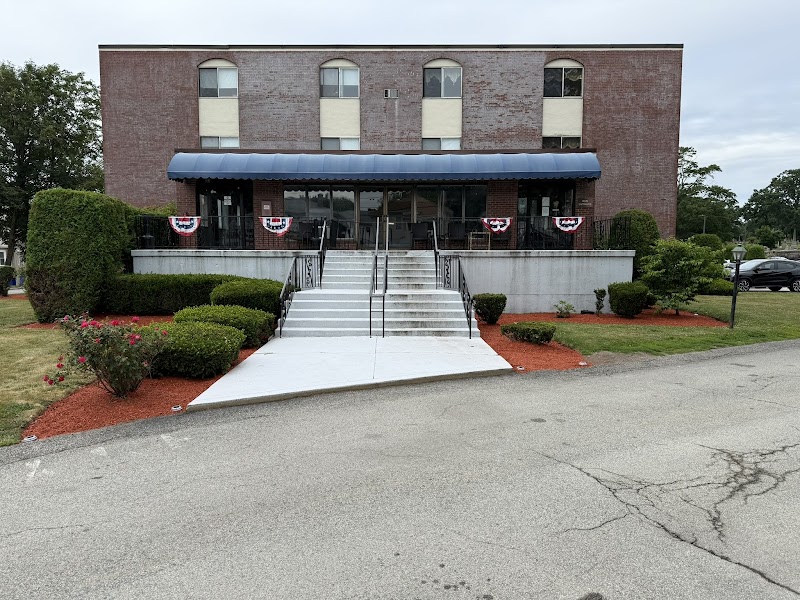
Who Owns and Operates Kimwell Nursing And Rehabilitation?

KIMWELL NURSING AND REHABILITATION is owned by a for-profit company. For-profit facilities operate as businesses with obligations to shareholders or private owners. The facility is operated by BEST CARE SERVICES, a chain that manages multiple nursing homes. With 124 certified beds and approximately 100 residents (about 81% occupancy), it is a mid-sized facility located in FALL RIVER, Massachusetts.
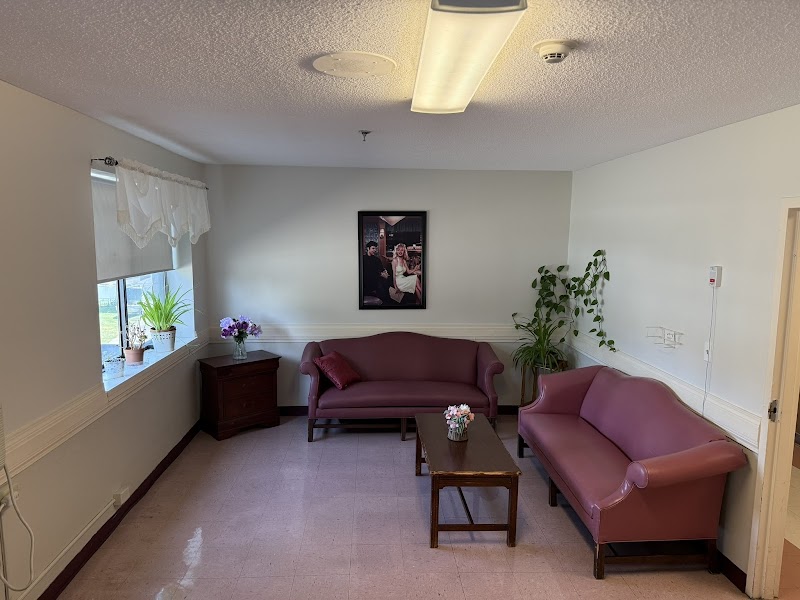
How Does Kimwell Nursing And Rehabilitation Compare to Other Massachusetts Nursing Homes?

Compared to the 100 nursing homes in Massachusetts, KIMWELL NURSING AND REHABILITATION's overall rating (3 stars) is above the state average of 2.9, staff turnover (43%) is near the state average of 46%, and health inspection rating (3 stars) is at the national benchmark.

What Should Families Ask When Visiting Kimwell Nursing And Rehabilitation?

Based on this facility's data, families visiting should ask: "Can you walk me through typical staffing levels on day, evening, and night shifts?" "Can I visit during a mealtime to observe dining assistance and food quality?" "How do you handle medical emergencies, and what is your hospital transfer rate?" "Can I speak with family members of current residents about their experience?" These questions are particularly relevant given the below-average staffing rating.

Is Kimwell Nursing And Rehabilitation Safe?

Based on CMS inspection data, KIMWELL NURSING AND REHABILITATION has a clean safety record: no substantiated abuse findings (meaning no confirmed cases of resident harm), no Immediate Jeopardy citations (the most serious violation level indicating risk of serious injury or death), and is not on the Special Focus Facility watch list (a federal program monitoring the lowest-performing 1% of nursing homes). The facility has a 3-star overall rating and ranks #1 of 100 nursing homes in Massachusetts. While no facility is perfect, families should still ask about staff-to-resident ratios and recent inspection results during their visit.

Do Nurses at Kimwell Nursing And Rehabilitation Stick Around?

KIMWELL NURSING AND REHABILITATION has a staff turnover rate of 43%, which is about average for Massachusetts nursing homes (state average: 46%). Moderate turnover is common in nursing homes, but families should still ask about staff tenure and how the facility maintains care continuity when employees leave.

Was Kimwell Nursing And Rehabilitation Ever Fined?

KIMWELL NURSING AND REHABILITATION has no federal fines on record. CMS issues fines when nursing homes fail to meet care standards or don't correct problems found during inspections. The absence of fines suggests the facility has either maintained compliance or corrected any issues before penalties were assessed. This is a positive indicator, though families should still review recent inspection reports for the full picture.

Is Kimwell Nursing And Rehabilitation on Any Federal Watch List?

KIMWELL NURSING AND REHABILITATION is not on any federal watch list. The most significant is the Special Focus Facility (SFF) program, which identifies the bottom 1% of nursing homes nationally based on persistent, serious quality problems. Not being on this list means the facility has avoided the pattern of deficiencies that triggers enhanced federal oversight. This is a positive indicator, though families should still review the facility's inspection history directly.