SARAH S BRAYTON CENTER
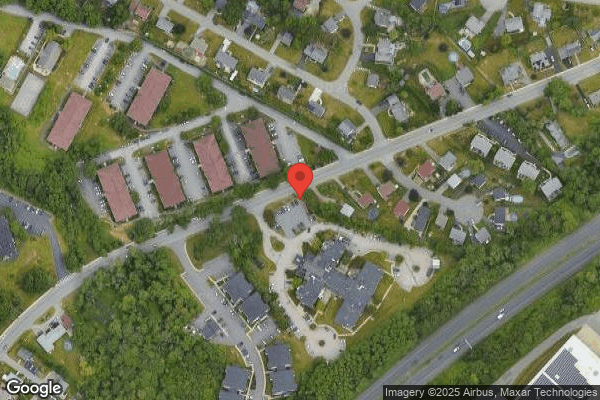
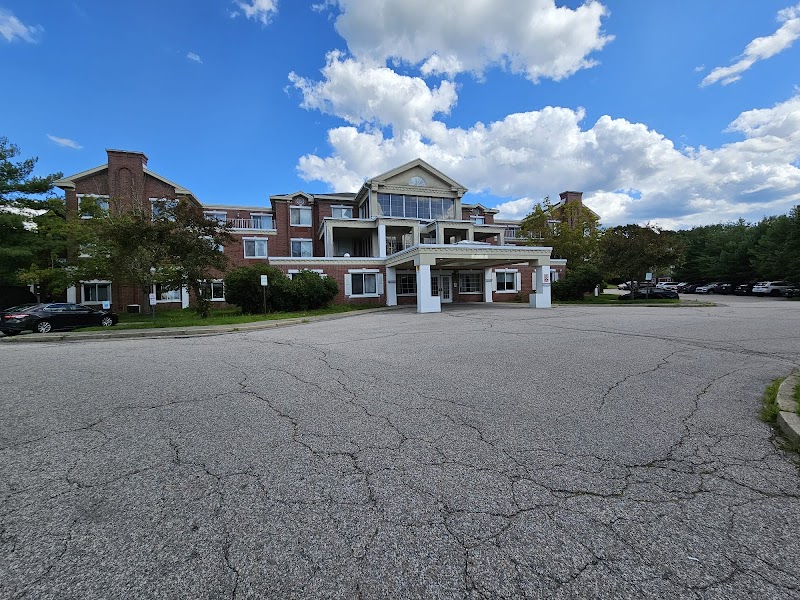
4901 NORTH MAIN STREET, FALL RIVER, MA 02720 (508) 675-1001
For profit - Limited Liability company 183 Beds BEST CARE SERVICES Data: November 2025
Trust Grade
15/100
#322 of 338 in MA
Last Inspection: December 2024

Within standard 12-15 month inspection cycle. Federal law requires annual inspections.

Overview

The Sarah S Brayton Center has received a Trust Grade of F, indicating significant concerns regarding its quality of care. It ranks #322 out of 338 facilities in Massachusetts, placing it in the bottom half of all nursing homes in the state, and #24 out of 27 in Bristol County, meaning there are very few local options that perform better. While the facility is improving, with issues decreasing from 22 in 2023 to 20 in 2024, it still has a concerning 51% staff turnover rate, higher than the state average, though staffing is rated average overall. The facility has incurred $151,920 in fines, which is higher than 84% of Massachusetts facilities, indicating potential compliance problems. Specific incidents include a resident who fell 14 times, with a serious injury requiring emergency care, due to inadequate supervision and fall prevention measures. Another resident with pressure ulcers did not receive proper treatment or follow-up care, which is alarming. While there are areas of strength, such as average RN coverage, the numerous safety and care deficiencies raise serious concerns for families considering this facility.

Trust Score
F
15/100
In Massachusetts
#322/338
Bottom 5%
Safety Record
High Risk
Review needed
Inspections
Getting Better
22 → 20 violations
Staff Stability
⚠ Watch
51% turnover. Above average. Higher turnover means staff may not know residents' routines.
Penalties
⚠ Watch
$151,920 in fines. Higher than 76% of Massachusetts facilities, suggesting repeated compliance issues.
Skilled Nurses
○ Average
Each resident gets 41 minutes of Registered Nurse (RN) attention daily — about average for Massachusetts. RNs are the most trained staff who monitor for health changes.
Violations
⚠ Watch
56 deficiencies on record. Higher than average. Multiple issues found across inspections.
★☆☆☆☆
1.0
Overall Rating
★★★☆☆
3.0
Staff Levels
★★☆☆☆
2.0
Care Quality
★☆☆☆☆
1.0
Inspection Score
Stable
2023: 22 issues
2024: 20 issues

The Good

  • Full Sprinkler Coverage · Fire safety systems throughout facility
  • No fines on record

Facility shows strength in fire safety.

The Bad

1-Star Overall Rating

Below Massachusetts average (2.9)

Significant quality concerns identified by CMS

Staff Turnover: 51%

Near Massachusetts avg (46%)

Higher turnover may affect care consistency

Federal Fines: $151,920

Well above median ($33,413)

Significant penalties indicating serious issues

Chain: BEST CARE SERVICES

Part of a multi-facility chain

Ask about local staffing decisions and management

The Ugly 56 deficiencies on record

2 actual harm
Dec 2024 20 deficiencies
CONCERN (D)

Potential for Harm - no one hurt, but risky conditions existed

Resident Rights (Tag F0550)

Could have caused harm · This affected 1 resident

Based on observation, interview, and record review, the facility failed to ensure for one sampled Resident (#7) with an indwelling nephrostomy tube (a catheter inserted through the skin into the kidne...

Read full inspector narrative →
Based on observation, interview, and record review, the facility failed to ensure for one sampled Resident (#7) with an indwelling nephrostomy tube (a catheter inserted through the skin into the kidney draining urine into a collection bag outside of the body), out of a total sample of 33 residents, that the Resident's dignity was maintained. Specifically, the facility failed to consistently place the Resident's nephrostomy tube drainage bag in a privacy bag. Findings include: Review of the facility's policy titled Resident Rights, dated as revised February 2021, indicated but was not limited to the following: - Demeaning practices and standards of care that compromise dignity are prohibited. Staff are expected to promote dignity and assist residents. - Helping the resident to keep urinary catheter bags covered. Resident #7 was re-admitted to the facility in October 2024 with a diagnosis of obstructive nephropathy (a blockage in the urinary tract), hydronephrosis (back up of urine in one or more kidneys), and had a right nephrostomy tube. Review of the Minimum Data Set (MDS) assessment, dated 11/23/24, indicated Resident #7 was cognitively impaired as evidenced by a Brief Interview for Mental Status (BIMS) score of 3 out of 15. Further review of the MDS indicated Resident #7 required maximum assistance with transfers and ambulation and had an indwelling catheter. On 12/16/24 at 3:29 P.M., the surveyor observed Resident #7 sitting up in his/her wheelchair in the threshold of the doorway to their room, with a urinary drainage bag placed on their lap with visible urine in the bag. The drainage bag was fully exposed and not placed in a privacy bag to conceal it from public view. On 12/18/24 at 9:41 A.M., the surveyor observed Resident #7 sitting in his/her chair with an overbed table placed in front of him/her. Directly on the table was a urinary drainage bag with visible urine in the bag. The drainage bag was fully exposed and not placed in a privacy bag to conceal it from public view. During an interview on 12/18/24 at 9:48 A.M., Certified Nurse Aide (CNA) #1 said urinary drainage bags should always be in a privacy bag so the urine is not visible to others. On 12/18/24 at 10:58 A.M., the surveyor observed Resident #7 sitting in a chair next to the doorway with a urinary drainage bag hanging down on his/her right side with visible urine in the bag. The drainage bag was fully exposed and not placed in a privacy bag to conceal it from public view. During an interview on 12/18/24 at 11:02 A.M., Nurse #4 said all drainage bags should be placed in a privacy bag. During an interview with observation on 12/18/24 at 11:04 A.M., Unit Manager (UM) #2 said drainage bags must be placed in a privacy bag. The surveyor and UM #2 observed Resident #7 sitting in his/her chair next to the doorway with a urinary drainage bag hanging down on his/her right side, with visible urine in the bag. UM #2 approached the bed, lifted the blankets, and showed the surveyor a privacy bag attached to the bed frame. UM #2 said the staff should have taken the privacy bag off the bed and attached it to the Resident's chair, when they transferred him/her to the chair, and placed the drainage bag inside. During an interview on 12/18/24 at 4:18 P.M., the Director of Nursing (DON) said the urinary drainage bag should have been placed inside of a privacy bag to maintain the Resident's dignity.
CONCERN (D)

Potential for Harm - no one hurt, but risky conditions existed

Notification of Changes (Tag F0580)

Could have caused harm · This affected 1 resident

Based on record review and interview, the facility failed to notify the Physician/Nurse Practitioner when one Resident (#30), out of a total sample of 33 residents, did not keep medical appointments w...

Read full inspector narrative →
Based on record review and interview, the facility failed to notify the Physician/Nurse Practitioner when one Resident (#30), out of a total sample of 33 residents, did not keep medical appointments with his/her consultant cardiologist and urologist as scheduled. Findings include: Review of the facility's policy, Change in a Resident's Condition or Status, dated February 2022, indicated but was not limited to: -Our facility notifies the resident, his or her attending physician, and the resident representative of changes in the resident's medical/mental condition and/or status (e.g., changes in level of care, billing/payments, resident rights, etc.). Resident #30 was admitted to the facility in December 2021 and had diagnoses including sick sinus syndrome (a condition where the heart's natural pacemaker, known as the sinus node, does not function properly), hypertensive heart disease with heart failure, presence of a cardiac pacemaker (a small, battery-powered implanted device used to correct a slower-than-normal heart rate), retention of urine, and a Foley catheter (a thin, flexible tube inserted into the bladder to drain urine). Review of the Minimum Data Set (MDS) assessment, dated 10/31/24, indicated Resident #30 had moderate cognitive impairment as evidenced by a Brief Interview for Mental Status score of 10 out of 15, and had an indwelling urinary catheter. During an interview on 12/18/24 at 2:03 P.M., Unit Manager #1 said Resident #30's health insurance had lapsed and he/she had missed a few appointments. She said the Resident was due to see his/her cardiologist on 10/24/24 and the urologist on 11/25/24, but the appointments were cancelled because he/she does not currently have health insurance. Review of the medical record indicated Resident #30 had appointments scheduled with his/her cardiologist on 10/24/24 and his/her urologist on 11/25/24. Review of the entire medical record failed to indicate Resident #30 went to his/her 10/24/24 cardiology appointment. During a telephone interview on 12/19/24 at 10:06 A.M., the Resident's cardiology office staff said Resident #30 was a no show for the 10/24/24 appointment with the cardiologist for a pacemaker check and evaluation. Review of a Clinical Nurse's Note, dated 11/25/24, indicated the nurse called the Resident's Urologist's office and cancelled the 11/25/24 appointment and did not reschedule it. Further review of the entire medical record, including Physician/Nurse Practitioner visit notes, failed to indicate the Physician/Nurse Practitioner was notified that Resident #30 did not go to a cardiology appointment scheduled for 10/24/24 and a urology appointment on 11/25/24. During a telephone interview on 12/19/24 at 11:15 A.M., Nurse Practitioner #1 said she was not notified that the Resident did not go to the 10/24/24 cardiology appointment and the 11/25/24 urology appointment as scheduled but would have expected staff to inform her. Attempts to reach Resident #30's attending Physician on 12/19/24 were unsuccessful.
CONCERN (D)

Potential for Harm - no one hurt, but risky conditions existed

Deficiency F0602 (Tag F0602)

Could have caused harm · This affected 1 resident

Based on interview and record review, the facility failed to protect one Resident (#413) from misappropriation of resident property, out of a total sample of 33 residents, when fifty dollars and a sto...

Read full inspector narrative →
Based on interview and record review, the facility failed to protect one Resident (#413) from misappropriation of resident property, out of a total sample of 33 residents, when fifty dollars and a store credit card were taken from his/her personal bag. Findings include: Review of the facility's policy titled Abuse, Neglect, Exploitation and Misappropriation Prevention Program, last revised April 2021, indicated but was not limited to: - Policy Statement: Residents have the right to be free from abuse, neglect, misappropriation of resident property and exploitation. - Policy Interpretation and Implementation: 1. Protect residents from abuse, neglect, exploitation or misappropriation of property by anyone. 2. Develop and implement policies and protocols to prevent and identify: c. theft, exploitation, or misappropriation of resident property. 8. Identify and investigate all possible incidents of abuse, neglect, mistreatment, or misappropriation of resident property. 9. Investigate and report any allegations within timeframes required by federal requirements. Review of the facility's policy titled Abuse, Neglect, Exploitation and Misappropriation- Reporting and Investigating, last revised September 2022, indicated but was not limited to: -Policy Statement: All reports of resident abuse (including injuries of unknown origin), neglect, exploitation, or theft/misappropriation of resident property are reported to local, state and federal agencies (as required by current regulations) and thoroughly investigated by facility management. Findings of all investigations are documented and reported. - Reporting Allegations to the Administrator and Authorities 1. If the abuse, neglect, exploitation, misappropriation of resident property or injury of unknown source is suspected, the suspicion must be reported immediately to the administrator and to other officials according to state law. 2. The administrator or the individual making the allegations immediately reports his or her suspicion to the following persons or agencies: a. The state licensing/certification agency responsible for surveying/licensing the facility; e. Law enforcement officials 3. Immediately is defined as: b. within 24 hours of an allegation that does not involve abuse or result in serious bodily injury. 6. Upon receiving any allegations of abuse, neglect, exploitation, misappropriation of resident property or injury of unknown source, the administrator is responsible for determining what actions (if any) are needed for the protection of residents. - Investigating Allegations 1. All investigations are thoroughly investigated. The administrator initiates investigations. - Follow-up Report 1. Within five (5) business days of the incident the administrator will provide a follow-up investigation report. 2. The follow-up investigation report will provide sufficient information to describe the results of the investigation, and indicate any corrective actions taken if the allegation is verified. 3. The follow-up investigation report will provide as much information as possible at the time of submission of the report. 4. The resident and/or representative are notified of the outcome immediately upon the conclusion of the investigation. Resident #413 was admitted to the facility in December 2024. Review of Resident #413's admission Assessment, dated 12/12/24, indicated he/she was alert and oriented to person, place, and time. During an interview on 12/16/24 at 8:59 A.M., Resident #413 said he/she was admitted to the facility on the previous Thursday. Resident #413 said upon admission he/she completed an inventory sheet with Certified Nursing Assistant (CNA) #4 and showed CNA #4 that he/she had fifty dollars in cash in his/her personal bag. Resident #413 said when he/she looked in his/her personal bag the next day, he/she realized the fifty dollars and a store credit card were gone. Resident #413 said he/she reported the missing money and store credit card to CNA #4 and the Social Worker. Review of Resident #413's Personal Inventory List, undated, indicated he/she had one personal bag and fifty dollars in cash. Further review of the Personal Inventory List failed to indicate Resident #413 had a store credit card. Review of the Health Care Facility Reporting System (HCFRS- State agency reporting system), on 12/16/24, failed to show the facility had reported an allegation of misappropriation to the Department of Public Health (DPH). During a telephonic interview on 12/18/24 at 2:14 P.M., CNA #4 said she completed the Personal Inventory List for Resident #413 on 12/12/24. CNA #4 said Resident #413 had fifty dollars folded in a piece of paper in his/her personal bag. CNA #4 said she was not aware Resident #413 had a store credit card on admission but found out about it the next day. CNA #4 said when she came into work on 12/13/24, Resident #413 told her that someone had taken his/her store credit card and the fifty dollars. CNA #4 said she searched Resident #413's room and notified Social Worker (SW) #1. During an interview on 12/17/24 at 3:50 P.M., SW #1 said she was notified on 12/13/24 about Resident #413's missing fifty dollars and store credit card. SW #1 said she notified the Administrator and started an investigation. SW #1 said the fifty dollars and store credit card had gone missing some time during the 11:00 P.M. to 7:00 A.M. shift of Thursday into Friday. SW #1 said Resident #413 had the personal bag tucked under his/her hip while he/she slept and was only able to describe the person who took the money and store credit card as wearing all black. SW #1 said she wasn't sure how Resident #413 couldn't feel someone taking his/her money and store credit card but was able to see their clothes. SW #1 said she offered to call the police, but Resident #413 declined. SW #1 said missing money and missing credit card should be reported to state agencies and the police within two hours. SW #1 said she was going to finish the investigation on Monday, 12/16/24, but lost track of time. During an interview on 12/17/24 at 4:02 P.M., the Director of Nursing (DON) said she had not been aware Resident #413 was missing fifty dollars and a store credit card. During an interview on 12/18/24 at 7:38 A.M., the Administrator said the investigation into the missing fifty dollars and store credit card had not been completed yet.
CONCERN (D)

Potential for Harm - no one hurt, but risky conditions existed

Abuse Prevention Policies (Tag F0607)

Could have caused harm · This affected 1 resident

Based on interview and record review, the facility failed to implement policies and procedures for alleged misappropriation of resident property for one Resident (#413), out of a total sample of 33 re...

Read full inspector narrative →
Based on interview and record review, the facility failed to implement policies and procedures for alleged misappropriation of resident property for one Resident (#413), out of a total sample of 33 residents. Specifically, the facility failed to investigate and report an allegation of misappropriation of Resident #413's fifty dollars and a store credit card. Findings include: Review of the facility's policy titled Abuse, Neglect, Exploitation and Misappropriation Prevention Program, last revised April 2021, indicated but was not limited to: - Policy Statement: Residents have the right to be free from abuse, neglect, misappropriation of resident property and exploitation. - Policy Interpretation and Implementation: 1. Protect residents from abuse, neglect, exploitation or misappropriation of property by anyone. 2. Develop and implement policies and protocols to prevent and identify: c. theft, exploitation, or misappropriation of resident property. 8. Identify and investigate all possible incidents of abuse, neglect, mistreatment, or misappropriation of resident property. 9. Investigate and report any allegations within timeframes required by federal requirements. Review of the facility's policy titled Abuse, Neglect, Exploitation and Misappropriation- Reporting and Investigating, last revised September 2022, indicated but was not limited to: -Policy Statement: All reports of resident abuse (including injuries of unknown origin), neglect, exploitation, or theft/misappropriation of resident property are reported to local, state and federal agencies (as required by current regulations) and thoroughly investigated by facility management. Findings of all investigations are documented and reported. -Reporting Allegations to the Administrator and Authorities 1. If the abuse, neglect, exploitation, misappropriation of resident property or injury of unknown source is suspected, the suspicion must be reported immediately to the administrator and to other officials according to state law. 2. The administrator or the individual making the allegations immediately reports his or her suspicion to the following persons or agencies: a. The state licensing/certification agency responsible for surveying/licensing the facility; e. Law enforcement officials 3. Immediately is defined as: b. within 24 hours of an allegation that does not involve abuse or result in serious bodily injury. 6. Upon receiving any allegations of abuse, neglect, exploitation, misappropriation of resident property or injury of unknown source, the administrator is responsible for determining what actions (if any) are needed for the protection of residents. - Investigating Allegations 1. All investigations are thoroughly investigated. The administrator initiates investigations. - Follow-up Report 1. Within five (5) business days of the incident the administrator will provide a follow-up investigation report. 2. The follow-up investigation report will provide sufficient information to describe the results of the investigation, and indicate any corrective actions taken if the allegation is verified. 3. The follow-up investigation report will provide as much information as possible at the time of submission of the report. 4. The residents and/or representative are notified of the outcome immediately upon the conclusion of the investigation. Resident #413 was admitted to the facility in December 2024. Review of Resident #413's admission Assessment, dated 12/12/24, indicated he/she was alert and oriented to person, place, and time. During an interview on 12/16/24 at 8:59 A.M., Resident #413 said he/she was admitted to the facility on the previous Thursday. Resident #413 said upon admission he/she completed an inventory sheet with Certified Nursing Assistant (CNA) #4 and showed CNA #4 that he/she had fifty dollars in cash in his/her personal bag. Resident #413 said when he/she looked in his/her personal bag the next day, he/she realized the fifty dollars and a store credit card were gone. Resident #413 said he/she had reported the missing money and store credit card to CNA #4 and the Social Worker (SW). Review of Resident #413's Personal Inventory List, undated, indicated the Resident had one personal bag and fifty dollars in cash. Further review of the Personal Inventory List failed to indicate Resident #413 had a store credit card. Review of the Health Care Facility Reporting System (HCFRS- State agency reporting system), on 12/16/24, failed to indicate that the facility reported an allegation of misappropriation to the Department of Public Health (DPH). During an interview on 12/17/24 at 3:50 P.M., SW #1 said she was notified on 12/13/24 about Resident #413's missing fifty dollars and store credit card. SW #1 said she notified the Administrator and started an investigation. SW #1 said the fifty dollars and store credit card had gone missing some time during the 11:00 P.M. to 7:00 A.M. shift of Thursday into Friday. SW #1 said Resident #413 had the personal bag tucked under his/her hip while he/she slept and was only able to describe the person who took the money and store credit card as wearing all black. SW #1 said she wasn't sure how Resident #413 couldn't feel someone taking his/her money and store credit card but was able to see their clothes. SW #1 said she offered to call the police, but Resident #413 declined. SW #1 said missing money and missing credit card should be reported to state agencies and the police within two hours. SW #1 said she was going to finish the investigation on Monday, 12/16/24, but lost track of time. During an interview on 12/17/24 at 4:02 P.M., the Director of Nursing (DON) said she had not been aware Resident #413 was missing fifty dollars in cash and a store credit card. During an interview on 12/18/24 at 7:38 A.M., the Administrator said the investigation into the missing fifty dollars cash and store credit card had not been completed yet or reported in HCFRS. The Administrator said the facility had two hours to report the allegation of abuse and five days to complete the investigation. The Administrator said the facility had not implemented their policy.
CONCERN (D)

Potential for Harm - no one hurt, but risky conditions existed

Report Alleged Abuse (Tag F0609)

Could have caused harm · This affected 1 resident

Based on record review and interviews, the facility failed to ensure an allegation of misappropriation of resident property was reported timely to the state agency and to the police as required, for o...

Read full inspector narrative →
Based on record review and interviews, the facility failed to ensure an allegation of misappropriation of resident property was reported timely to the state agency and to the police as required, for one Resident (#413), of 33 sampled residents. Findings include: Review of the facility's policy titled Abuse, Neglect, Exploitation and Misappropriation Prevention Program, last revised April 2021, indicated but was not limited to: 9. Investigate and report any allegations within timeframes required by federal requirements. Review of the facility's policy titled Abuse, Neglect, Exploitation and Misappropriation- Reporting and Investigating, last revised September 2022, indicated but was not limited to: -Policy Statement: All reports of resident abuse (including injuries of unknown origin), neglect, exploitation, or theft/misappropriation of resident property are reported to local, state and federal agencies (as required by current regulations) and thoroughly investigated by facility management. Findings of all investigations are documented and reported. -Reporting Allegations to the Administrator and Authorities 1. If the abuse, neglect, exploitation, misappropriation of resident property or injury of unknown source is suspected, the suspicion must be reported immediately to the administrator and to other officials according to state law. 2. The administrator or the individual making the allegations immediately reports his or her suspicion to the following persons or agencies: a. The state licensing/certification agency responsible for surveying/licensing the facility; e. Law enforcement officials 3. Immediately is defined as: b. within 24 hours of an allegation that does not involve abuse or result in serious bodily injury. Resident #413 was admitted to the facility in December 2024. Review of Resident #413's admission Assessment, dated 12/12/24, indicated he/she was alert and oriented to person, place, and time. During an interview on 12/16/24 at 8:59 A.M., Resident #413 said he/she was admitted to the facility on the previous Thursday. Resident #413 said that upon admission to the facility he/she completed an inventory sheet with Certified Nursing Assistant (CNA) #4. Resident #413 said he/she showed CNA #4 that he/she had fifty dollars in cash in his/her personal bag. Resident #413 said when he/she looked in his/her personal bag the next day, he/she realized the fifty dollars in cash and a store credit card had been taken. Resident #413 said she had reported the missing money and store credit card to CNA #4 and the Social Worker. Review of the Health Care Facility Reporting System (HCFRS- State agency reporting system), on 12/16/24, failed to indicate that the facility reported an allegation of misappropriation to the Department of Public Health (DPH). During an interview on 12/17/24 at 3:50 P.M., SW #1 said she was notified on 12/13/24 about Resident #413's missing fifty dollars in cash and missing credit card. SW #1 said she notified the Administrator and started an investigation. SW #1 said she offered to call the police and report the missing money and credit card but Resident #413 declined. During an interview on 12/17/24 at 4:02 P.M., the Director of Nursing (DON) said she had not been aware Resident #413 was missing fifty dollars in cash and a credit card. During an interview on 12/18/24 at 7:38 A.M., the Administrator said the investigation into the missing fifty dollars in cash and store credit card had not been reported timely in HCFRS as it should have and the incident was not reported to the police because Resident #413 declined to have them notified.
CONCERN (D)

Potential for Harm - no one hurt, but risky conditions existed

Comprehensive Care Plan (Tag F0656)

Could have caused harm · This affected 1 resident

2. Review of the facility's policy titled Wandering and Elopements, dated as revised March 2019, indicated but was not limited to the following: - If a resident is identified as a risk for wandering,...

Read full inspector narrative →
2. Review of the facility's policy titled Wandering and Elopements, dated as revised March 2019, indicated but was not limited to the following: - If a resident is identified as a risk for wandering, elopement or other safety issue, the resident's care plan will include strategies and interventions to maintain the resident's safety. Resident #72 was admitted to the facility in November 2022 and had diagnoses including schizophrenia, bipolar disorder, and adjustment disorder with mixed anxiety and depression. Review of the MDS assessment, dated 10/17/24, indicated Resident #72 was moderately cognitively impaired as evidenced by a BIMS score of 12 out of 15 and used a wander/elopement alarm daily. Throughout the survey, the surveyor observed a wanderguard band on Resident #72's right lower extremity (RLE) on the following days and times: 12/17/24 at 8:34 A.M. 12/17/24 at 1:42 P.M. 12/18/24 at 8:19 A.M. 12/18/24 at 8:36 A.M. 12/18/24 at 11:27 A.M. Review of the current care plans for Resident #72 indicated, but were not limited to the following: FOCUS: Check function and placement of wanderguard every shift (12/13/24) - The goals and intervention section of this care plan focus were blank FOCUS: Resident is an elopement risk and has a history of attempts to leave the facility unattended, impaired safety awareness related to (r/t) psych history. Wanderguard to RLE INTERVENTIONS: Wander alert expires: December 2025 - left lower extremity; assess for fall risk; Identify pattern of wandering: is wandering purposeful, aimless, or escapist? Is resident looking for something, does it indicate the need for more exercise?; Monitor for weight loss and fatigue; Distract resident from wandering by offering pleasant diversions, structured activities, food, conversation, television, book. Resident prefers: (1/3/2023) The Resident's preference for diversional activities remained blank and was not Resident-centered; and the location of the wanderguard under interventions indicated left lower extremity which was inaccurate. During an interview on 12/18/24 at 8:24 A.M., Nurse #6 said the Resident does well in his/her room, in the dining room on the unit watching television, or in the small group activities offered on the Sagamore unit, but does not do well in large group activities. She said these things are not documented anywhere that she is aware of she only knows these things by working with the Resident so often. Review of the current Physician's Orders indicated but were not limited to the following: - Wanderguard/Wander elopement device due to poor safety awareness, Expiration date: 12/25, right lower extremity, every shift check placement (4/25/24) - Wanderguard/Wander elopement device due to poor safety awareness, Expiration date: 12/25, right lower extremity, every night check function (4/26/24) Review of the December Treatment Administration Record (TAR) for Resident #72 indicated but was not limited to the following: -The wanderguard was documented as being in place to the RLE 47 of 51 opportunities. -The wanderguard function check was documented as being completed 16 out of 17 nights. During an interview on 12/18/24 at 8:29 A.M., Nurse #5 said she works the overnight shift and knows the Resident well. She said the Resident has a wanderguard bracelet on his/her RLE and she signs off that the device is in place each night and that it is not expired. She said she has never seen the Resident attempt to get on the elevator or set off the alarm on the elevator and isn't sure how she is supposed to know if the bracelet is functioning, if it is not by simply checking the expiration date on the bracelet to ensure it is not expired. She said when she signs off on the function each night she is signing off that the wanderguard bracelet is not expired and therefore must be functioning, she said she is not aware of any other way to verify the function of the bracelet. Nurse #5 was not verifying the function of the wanderguard device, by testing it, regardless of the signed order on the TAR, therefore the care plan for verifying function was not implemented. During an interview on 12/18/24 at 8:36 A.M., Resident #72 said he/she has not tried to leave the facility in a long time but did once. The Resident showed the surveyor the wanderguard bracelet on his/her right ankle. The Resident said the staff come in and look at it every day and check the expiration date but he/she doesn't know if there is a way for them to test it because he/she has never seen them bring a small box or machine to test it and he/she doesn't remember it making any noise when they come to check it. During an interview on 12/18/24 at 8:44 A.M., Certified Nurse Aide (CNA) #3 said Resident #72 wears a wanderguard band, but she hasn't really ever seen the Resident wander. She said she doesn't know what types of diversional activities the Resident enjoys and she isn't sure how she would know that. She said the Resident can be very demanding and yell and at those times it is best to just give the Resident whatever he/she wants so he/she calms down. During an interview on 12/18/24 at 12:13 P.M., Nurse #6 said she has two residents on her assignment with wanderguard bands in place. She said on her shift she checks the placement of the bands and signs off that the band is in place. She said she doesn't know how functioning is tested and there is not any way that she is aware of to get that done unless the residents are ambulated to the elevator to set off the alert. She said there is probably an official way with a testing box but she has never seen that and doesn't know where it is. During an interview on 12/18/24 at 12:58 P.M., Nurse #7 said there are residents on her unit who wear wanderguard bands, but she does not have any testing box in her cart and does not know how testing the function of the wanderguards would be completed. During an interview on 12/18/24 at 1:58 P.M., CNA #2 said Resident #72 wears a wanderguard bracelet, but doesn't really wander but did have a history of attempting to leave the facility once. She said the best way to keep the Resident calm during a behavior is to either have him/her take a moment to his/herself in their bedroom or bring him/her to the small dayroom on the unit for some small group socialization and television. She said she doesn't know anything specific the Resident would enjoy otherwise or what the Resident's favorite activities or shows are and isn't sure where she would find that information. During an interview on 12/18/24 at 3:46 P.M., the Maintenance Director said he is not sure if there is a box for the Nurses to verify function of the wanderguard bands for the Residents and he has never seen one and the system in place is old. He said when the staff requests a new wanderguard band from him he verifies the band works by walking it around the facility to each alert box to ensure the band is functioning. During an interview on 12/18/24 at 4:18 P.M., Nurse #8 said she works both the evening and night shift, occasionally. She said the Resident wears a wanderguard band on his/her RLE related to a previous attempt to leave the facility. She said every shift she verifies placement of the bracelet on the Resident and then the night shift also signs off on the functioning of the device. She said this can be done by walking the Resident to the elevator, if he/she is awake, or checking that the device is not expired. She said there is supposed to be a testing box that you hold next to the bracelet that then lights up if the bracelet is functioning, but she has been asking where that is and has not yet received any follow up on the missing testing box. She said that is the normal process for testing the bracelets but the testing box has been missing for a while. She said when she signs off on its functioning it is either because the Resident has set off the alert system by the elevator or that the device is not expired. She said when the Resident's behavior is occurring, she does not know any Resident specific or preferred activities to distract him/her and typically brings the Resident to his/her room. Nurse #8 was not verifying the function of the wanderguard device, by testing it, regardless of the signed order on the TAR, therefore the care plan for verifying function was not implemented, as it should have been. During an interview on 12/18/24 at 4:29 P.M., Unit Manager #3 said the normal process for testing the functioning of the wanderguard bracelets is to use a testing box. She said the testing box was missing and she does not know where it is. She said she would expect that the staff would bring the residents to the elevator each night to ensure the wanderguard bracelets were functioning prior to signing them off and simply checking the expiration date was not an appropriate method to verify that it's functioning. During an interview on 12/19/24 at 10:48 A.M., Unit Manager #3 reviewed the care plans for wandering/elopement and said the care plan that simply is a focus that says check placement and function should have been placed as an intervention under the original elopement care plan. She said on review of the care plan that the care plan was incomplete and not individualized to Resident #72 since it did not indicate what diversional or distraction activities that the Resident prefers and the care plans needed work to ensure all pieces were implemented and specific to Resident #72's individual needs. During an interview on 12/19/24 at 11:03 A.M., Social Worker #2 reviewed Resident #72's care plans with the surveyor and said they were not individualized for the Resident and needed work since the Resident prefers section was left blank. During an interview on 12/19/24 at 12:16 P.M., the DON said her expectation is that resident care plans are specific and individualized to the residents they are developed for and all sections are complete and the care plan is implemented to ensure it is effective. She said it appears that did not occur in this instance. During an interview on 12/19/24 at 1:37 P.M., the DON said the night shift nurses are responsible for verifying the function of the wanderguard bands by using the testing box each night. She said if they were not aware of testing the function with the testing box and the box was missing then the process was not followed and the care plan was not fully implemented and the process required improvement. During an interview on 12/19/24 at 1:38 P.M., the Administrator said the facility found the wanderguard testing box on a different unit and that is why the Nurses on this unit did not know where it was or how to test the wanderguards and the process needed improvement. Based on record review and interview, the facility failed to ensure that individualized, comprehensive care plans were developed and consistently implemented for two Residents (#30 and #72), out of 33 sampled residents. Specifically, the facility failed to: 1. For Resident #30, develop and implement an individualized plan of care for a pacemaker; and 2. For Resident #72, develop a person-centered, individualized care plan that was implemented for wandering and elopement risk. Findings include: Review of the facility's policy titled Care Plans, Comprehensive Person-Centered, last revised March 2022, indicated but was not limited to: -A comprehensive, person-centered care plan that includes measurable objectives and timetables to meet the resident's physical, psychosocial and functional needs is developed and implemented for each resident; -Assessments of residents are ongoing and care plans are revised as information about the residents and residents' conditions change -Describe the services that are to be furnished to attain or maintain the resident's highest practicable physical, mental, and psychosocial well-being; -Reflects currently recognized standards of practice for problem areas and conditions. 1. Resident #30 was admitted to the facility in December 2021 with diagnoses including sick sinus syndrome (a condition where the heart's natural pacemaker, known as the sinus node, does not function properly) and presence of a cardiac pacemaker (a small, battery-powered implanted device used to correct a slower-than-normal heart rate). Review of the Minimum Data Set (MDS) assessment, dated 10/31/24, indicated Resident #30 had moderate cognitive impairment as evidenced by a Brief Interview for Mental Status (BIMS) score of 10 out of 15, and had sick sinus syndrome. Review of comprehensive care plans included but was not limited to: -Focus: Resident exhibits or is at risk for cardiovascular symptoms or complications related to diagnosis of congestive heart failure (CHF), coronary artery disease (CAD), hypertension (HTN) (last revised 9/28/22); -Interventions: Administer medications as ordered and assess for effectiveness (12/13/21); assess and monitor for chest pain including intensity, location and duration and report to the physician (12/13/21) -Goal: Resident will not experience any chest pain through the next review date (last revised 8/27/24) Further review of comprehensive care plans failed to indicate Resident #30 had a cardiac pacemaker. During an interview on 12/18/24 at 2:03 P.M., Unit Manager #1 said Resident has a cardiac pacemaker and has a monitoring device at the bedside. She reviewed Resident #30's medical record and was unable to find a care plan for the Resident's cardiac pacemaker. She said a pacemaker care plan should have been developed for Resident #30 that included information about the pacemaker device, and symptoms for staff to monitor for pacemaker failure. During an interview on 12/18/24 at 4:02 P.M., the Director of Nursing (DON) said a care plan had not been developed for Resident #30's cardiac pacemaker, and they created one today subsequent to the surveyor's inquiry.
CONCERN (D)

Potential for Harm - no one hurt, but risky conditions existed

Deficiency F0657 (Tag F0657)

Could have caused harm · This affected 1 resident

Based on observation, interview, and record review, the facility failed to review and revise the care plan for one Resident (#115), out of a total sample of 33 residents. Specifically, the facility fa...

Read full inspector narrative →
Based on observation, interview, and record review, the facility failed to review and revise the care plan for one Resident (#115), out of a total sample of 33 residents. Specifically, the facility failed to ensure the care plan for communication was updated to reflect the Resident's non-functioning bilateral hearing aids. Findings include: Review of the facility's policy titled Care Plans, Comprehensive Person-Centered, last revised March 2022, indicated but was not limited to: -The interdisciplinary team (IDT), in conjunction with the resident and his/her family or legal representative, develops and implements a comprehensive, person-centered care plan for each resident. -The care plan interventions are derived from a thorough analysis of the information gathered as part of the comprehensive assessment. -Assessments of residents are ongoing and care plans are revised as information about the residents and the residents' conditions change. Resident #115 was admitted to the facility in July 2022 and had diagnoses including diabetes mellitus. Review of the Minimum Data Set (MDS) assessment, dated 10/10/24, indicated Resident #115 had moderate cognitive impairment as evidenced by a Brief Interview for Mental Status (BIMS) score of 7 out of 15, and had highly impaired ability to hear. Review of the medical record indicated Resident #115 received new bilateral hearing aids on 4/15/24. On 12/17/24 at 8:30 A.M., the surveyor observed Resident #115 seated in a chair at the bedside. The Resident's spouse was sitting on the bed writing on a whiteboard with a pen. The spouse said that Resident #115's hearing aids stopped working a few months ago when the hospital mistakenly placed them in a denture cup with water, and now needs to write on the whiteboard to communicate with him/her. The Resident's spouse said he/she has not worn the hearing aids since being in the hospital and wears wireless headphones while watching television to be able to hear the shows. The surveyor attempted to engage Resident #115 in conversation, and he/she kept pointing to his/her ears and shaking his/her head back and forth. Review of Nursing Notes indicated but was not limited to: -10/4/24: Resident returned from the hospital with his/her hearing aids in a green denture cup with water. The hearing aids were removed from the water and attempts were made to dry them. -10/5/24: Resident's hearing aids are not turning on. -10/10/24: Unable to find hearing aids. -11/18/24: Hearing aids are waiting for repair; on the charger in the med room. -11/19/24: Hearing aids not working at this time; appropriate people made aware. Review of Resident #115's comprehensive care plans indicated but was not limited to: Focus: Resident can experience communication problems related to hearing deficit (1/9/23) Interventions: -Communication board as needed related to hearing deficit (9/1/23) -Ensure Resident has headphones for television within reach (1/9/23) -Hearing aids to be given to Resident by nurse in A.M. and return to med room for charging at bedtime (6/28/24) -Resident offered hearing services through (contracted provider) as needed (4/20/23) Goal: Resident will be able to make basic needs known by verbal communication on a daily basis through the review date (1/9/23) Review of interdisciplinary care plan meeting documentation indicated a care plan meeting was held on 11/15/24 without a revision to the care plan to reflect the Resident was no longer able to use his/her hearing aids as they were non-functioning as of 10/4/24. During an interview on 12/19/24 at 10:13 A.M., Social Worker #1 said a care plan meeting for Resident #115 was held on 11/15/24 and only she and Unit Manager #1 were present. She reviewed the Care Plan Conference Summary document and said although it is documented by nursing in the medical record, she was not aware that Resident #115's hearing aids were not functioning and therefore did not update the care plan.
CONCERN (D)

Potential for Harm - no one hurt, but risky conditions existed

Deficiency F0658 (Tag F0658)

Could have caused harm · This affected 1 resident

Based on observation, interview and record review, the facility failed to follow professional standards of practice for one Resident (#30), out of a total sample of 33 residents. Specifically, the fac...

Read full inspector narrative →
Based on observation, interview and record review, the facility failed to follow professional standards of practice for one Resident (#30), out of a total sample of 33 residents. Specifically, the facility failed to monitor for signs/symptoms for pacemaker complications and monitor the function of the pacemaker. Findings include: Review of the facility's policy titled Pacemaker, Care of a Resident With, last revised 12/2015, indicated but was not limited to: -The purpose of this procedure is to provide information about and guidance for the care of a resident with a pacemaker. -Pacemakers are electronic devices that artificially stimulate the heart muscle with electrical impulses when the heart rhythm is too slow. -Pacemakers are programmed to sense the heart and respiratory rate and to administer electrical pulses when the heart rate falls below a set threshold. -Permanent pacemakers are surgically implanted when the cause of the arrhythmia is chronic, and it has been determined that the cause is not transient. Complications -If the pulse generator or battery fails, or if the leads become displaced the pacemaker may not work properly, leading to bradyarrhythmias (abnormal heart rhythms characterized by a slow heart rate, typically below 60 beats per minute). -The following devices or procedures may interfere with pacemaker functioning: cell phones and MP3 players (for example iPods); magnetic resonance imaging (MRI) machines Monitoring -Monitor the resident for pacemaker failure by monitoring for signs and symptoms of bradyarrhythmias. -Symptoms associated with bradyarrhythmia may include: a. Syncope (fainting). b. Shortness of breath. c. Dizziness. d. Fatigue; and/or e. Confusion -The pacemaker battery should be monitored remotely through the telephone or an internet connection. The resident's cardiologist will provide instructions on how and when to do this. -Make sure the resident has a medical identification card that indicates he or she has a pacemaker. The medical record must contain this information as well. According to the National Institute of Health, Treatment/Management of permanent pacemakers: -Postoperatively, monitor rhythm and device function, obtain interrogation of the device, and restore settings as appropriate. (September 12/2022) Resident #30 was admitted to the facility in December 2021 and has diagnoses including sick sinus syndrome (a condition where the heart's natural pacemaker, known as the sinus node, does not function properly), hypertensive heart disease with heart failure, and presence of a cardiac pacemaker. Review of the Minimum Data Set assessment, dated 10/31/24, indicated Resident #30 had moderate cognitive impairment as evidenced by a Brief Interview for Mental Status score of 10 out of 15, and had an indwelling urinary catheter. On 12/17/24 at 8:25 A.M., the surveyor observed Resident #30 sitting upright in bed watching television. A white box was noted on the bedside table. The Resident did not respond the surveyor's question if he/she knew what the white box was for. Review of Physician and Nurse Practitioner (NP) notes, dated 6/3/24, 6/10/24, 6/17/24, 7/8/24, 7/22/24, 8/21/24, 9/20/24, 11/15/24, and 12/6/24 indicated Resident #30 had a cardiac pacemaker and was followed by outpatient cardiology. Review of the entire medical record failed to indicate any documentation from the Resident's cardiologist, failed to indicate that the facility staff monitored the Resident for signs/symptoms of pacemaker complications and bradyarrhythmia: syncope (fainting), shortness of breath, dizziness, fatigue and/or confusion, and failed to indicate the functioning of the pacemaker was monitored according to facility policy. During an interview on 12/18/24 at 2:03 P.M., Unit Manager #1 said Resident #30 has a cardiac pacemaker and the monitoring device manufacturer conducts pacemaker checks remotely. She said she does not know anything about the device and how frequently pacemaker checks are conducted. She said nursing should check that the monitoring box is functioning by checking that the light is illuminated green. Unit Manager #1 reviewed the entire medical record and was unable to find any information about the pacemaker device, or any evidence that staff was checking the device to ensure it was functioning. She said the Resident was due to see the cardiologist on 10/24/24 but missed the appointment due to not having health insurance coverage. During interviews with the Director of Nursing on 12/18/24 at 3:30 P.M. and 4:02 P.M., she said there was no documentation in the medical record about Resident #30's pacemaker device monitoring. During an interview on 12/19/24 at 11:15 A.M., Nurse Practitioner #1 said she was aware Resident #30 had a cardiac pacemaker but did not know anything about the device or how frequently pacemaker checks were done. She said the Resident is followed by a cardiologist in the community. Attempts to reach Resident #30's attending Physician on 12/19/24 were unsuccessful.
CONCERN (D)

Potential for Harm - no one hurt, but risky conditions existed

Deficiency F0694 (Tag F0694)

Could have caused harm · This affected 1 resident

Based on observation, interview, and record review, the facility failed to ensure the proper care and treatment of a peripherally inserted central catheter (PICC) line device (inserted into a vein in ...

Read full inspector narrative →
Based on observation, interview, and record review, the facility failed to ensure the proper care and treatment of a peripherally inserted central catheter (PICC) line device (inserted into a vein in the upper arm and is advanced until the internal tip of the catheter is in the superior vena cava to deliver medications and other treatments directly to the large central veins near your heart) was provided in accordance with professional standards of practice for one Resident (#66), out of a total sample of 33 residents. Specifically, the facility failed to ensure Resident #66's PICC line dressing was secured to prevent infection. Findings include: Review of the facility's policy titled Central Venous Catheter Care and Dressing Changes, last revised March 2022, indicated but was not limited to: - Purpose: The purpose of this procedure is to prevent complications associated with intravenous therapy, including catheter- related infections that are associated with contaminated, soiled, or wet dressings. - General Guidelines: 1. Perform site care and dressing change at established intervals or immediately if skin integrity of the dressing is compromised (e.g., damp, loosened or visibly soiled). 3. Change the dressing if it becomes damp, loosened, or visibly soiled. Resident #66 was admitted to the facility in November 2024 with diagnoses including pneumonia and pulmonary fibrosis. Review of the Minimum Data Set (MDS) assessment, dated 11/28/24, indicated Resident #66 was cognitively intact as evidenced by a Brief Interview for Mental Status (BIMS) score of 14 out of 15. Further review of the MDS assessment indicated Resident #66 had a central line and received intravenous (IV) antibiotic medication. Review of Resident #66's current Physician's Order indicated but was not limited to: - Change IV Catheter Securement Device upon admission and weekly every day shift every Thursday and as needed (if not integral to the dressing) and with dressing change, dated 11/21/24 - Change Catheter Site Transparent Dressing. Indicate external catheter length and upper arm circumference (10 centimeters (cm) above antecubital). Notify practitioner if the external length has changed since last measurement one time only for 1 day post PICC insertion or upon admission and every day shift every Thursday and as needed, dated 11/21/24 - Observe IV site routinely for signs and symptoms of infiltration/extravasation at a frequency based on therapy and resident condition. Document in PN (progress note) at least every shift. Every shift before and after administration of intermittent medications or when not in use, dated 11/21/24 - PICC Non-Valved: Gauge 4 French Total Length: 42 centimeters, Lumens: Double lumen, dated 11/21/24 - Normal Saline Flush Solution Use 10 milliliters (ml) intravenously every 6 hours for PICC line management Flush each IV catheter lumen with 10 ml normal saline after each intermittent IV administration, dated 11/21/24 - Normal Saline Flush Solution Use 10 ml intravenously every 6 hours for PICC line management Flush each IV catheter lumen with 10 ml normal saline before intermittent IV administration, dated 11/21/24 - Heparin Sodium Lock Flush Intravenous Solution 10 Unit/ml. Use 5 ml intravenously every 12 hours for patency flush each IV catheter lumen, dated 11/21/24 - Zosyn (antibiotic) 4.5 grams intravenously every 6 hours, dated 11/21/24 On 12/16/24 at 10:12 A.M., the surveyor observed Resident #66 in bed with a PICC line in his/her right upper arm. The dressing to the PICC line was lifting/loose on the bottom left corner and was not secured. On 12/16/24 at 12:03 P.M., the surveyor observed Resident #66 in bed and the dressing to Resident #66's PICC line was lifting/loose on the bottom left corner and was not secured. On 12/16/24 at 1:02 P.M., the surveyor observed Resident #66 ambulating in the hallway with physical therapy. Resident #66's PICC line dressing was lifting on the bottom and loose. The PICC line was observed to be hanging slightly away from the Resident's body and moving side to side. The dressing was not secured. On 12/16/24 at 1:30 P.M., the surveyor observed Nurse #1 administer Resident #66's IV antibiotics via his/her PICC line, the lower part of the dressing was loose and visibly lifting. On 12/16/24 at 4:27 P.M., the surveyor observed Resident #66 in bed and the dressing to his/her PICC was line lifting/loose on the bottom. The PICC line was able to move side to side and it was not secured. On 12/18/24 at 1:23 P.M., the surveyor observed Resident #66 in bed and the dressing to Resident #66's PICC line was lifting/loose on the bottom and was not secured. Review of Resident #66's Medication Administration Record (MAR) indicated Resident #66's PICC line dressing was changed on 12/16/24 at 4:48 P.M. by Nurse #1. During an interview on 12/18/24 at 1:26 P.M., Nurse #1 said a PICC line dressing should be clean and secure. Nurse #1 said on 12/16/24 while administering the 12:00 P.M. dose of antibiotics to Resident #66 she noticed his/her PICC line dressing was loose and not secured. Nurse #1 said she changed Resident #66's dressing but not until about 4:45 P.M. Nurse #1 said she should have changed Resident #66's dressing when she observed it was loose and not secured. Nurse #1 said she realized Resident #66's transparent PICC line dressing was loose and peeling at the bottom prior to administering his/her 12/18/24 12:00 P.M. antibiotic. Nurse #6 said prior to administering the medication she had pushed the dressing back down to secure the transparent dressing to the skin. During an interview on 12/18/24 at 1:35 P.M., Unit Manager (UM) #4 said PICC line dressings should be clean, dry, and intact. UM #4 said the expectation was for nurses to check PICC line dressings prior to administering medications. UM #4 said if the dressing was loose and not secured it should be changed prior to medication administration to prevent infection and/or pulling the PICC line out. During an interview on 12/18/24 at 4:28 P.M., the Director of Nursing (DON) said PICC line dressings should be changed if visibly loose and nurses should follow the facility policy.
CONCERN (D)

Potential for Harm - no one hurt, but risky conditions existed

Deficiency F0804 (Tag F0804)

Could have caused harm · This affected 1 resident

Based on resident and staff interviews, observation, and meal test tray results, on one of four units, the facility failed to prepare and serve meals in a manner conserving flavor, were palatable, and...

Read full inspector narrative →
Based on resident and staff interviews, observation, and meal test tray results, on one of four units, the facility failed to prepare and serve meals in a manner conserving flavor, were palatable, and served at safe and appetizing temperatures for one out of one test tray conducted. Findings include: During initial resident screening on 12/16/24 and 12/17/24, the residents expressed the following concerns about the food served at the facility: - Food has been cold lately, especially breakfast. - No variety, and it is always cold. - Food sucks, no flavor it is too bland. Review of Resident Council Meeting Minutes, dated 8/14/24, indicated a resident was concerned about food temperatures and receiving cold food. On 12/18/24 at 9:57 A.M., the surveyor held a Resident Group meeting with 12 residents in attendance. The residents expressed concern with the temperature of the food served at the facility that included but was not limited to: - Food is cold for all meals. - Food is cold all days of the week and even worse on the weekends. - Staff are slow to distribute trays and leave the door open to the food truck. - Residents do not bother to ask staff to reheat the food anymore, because the staff always say they are too busy. On 12/18/24 at 11:27 A.M., the surveyor requested a lunch test tray to the Pocasset Unit. The test tray, a regular texture meal, was plated and placed on the food truck at 12:59 P.M. The food truck left the kitchen at 1:00 P.M. and arrived on the unit at 1:01 P.M. The first tray was passed at 1:01 P.M., and the last tray was passed at 1:08 P.M. The surveyor and Nurse #3 conducted the test tray at 1:09 P.M., the surveyor obtained temperatures in degrees Fahrenheit (F) with the following results: - Chicken with lemon pepper: 114.9 F flavorful; cold to taste - Rice: 112.8 F: flavorful; cold to taste. - Mixed Vegetables: 105.0 F: cold to taste. - Soup: 113.2 F: flavorful; cold to taste. - Milk: 46.2 F -Cranberry juice: 45.9 F -Coffee: 147.2 F During an interview on 12/18/24 at P.M., Nurse #3 said the food had flavor but was cold. Nurse #3 said she was going to go around and ask the residents if they wanted their food reheated. During an interview on 12/18/24 at 1:53 P.M., the Food Service Director (FSD), Dietitian, and Kitchen Assistant Manager, reviewed results of the test tray with the surveyor. The FSD said the tray was passed timely and should not have affected the temperature of the food; the temperatures on the test tray were very low. The Dietitian said she does not know why the food temperatures are so low. The FSD said he needs to make changes to how the food is stored on the steam table while serving the line, so it is not on the steam table for an extended period of time. The FSD said his expectation is for hot food to be over 135 F and cold food to be below 41 F. During an interview on 12/19/24 at 2:00 P.M., the Dietitian said she completed two test trays in November 2024, one being satisfactory and one being unsatisfactory. Review of the test tray results from 11/21/24 indicated the American chop suey was cold (112 F) and the green beans were cold (113 F), stringy, and mushy. The Dietitian said she did not know why the food was cold.
CONCERN (D)

Potential for Harm - no one hurt, but risky conditions existed

Food Safety (Tag F0812)

Could have caused harm · This affected 1 resident

**NOTE- TERMS IN BRACKETS HAVE BEEN EDITED TO PROTECT CONFIDENTIALITY** Based on observation, record review, and interview, the facility failed to follow professional standards of practice for food sa...

Read full inspector narrative →
**NOTE- TERMS IN BRACKETS HAVE BEEN EDITED TO PROTECT CONFIDENTIALITY** Based on observation, record review, and interview, the facility failed to follow professional standards of practice for food safety and sanitation to prevent the potential spread of foodborne illness to residents who are at high risk. Specifically, the facility failed to maintain safe and clean equipment, in two of four kitchenettes. Findings include: Review of the 2022 Food Code by the Food and Drug Administration (FDA), revised January 2023, indicated but was not limited to the following: 3-305.11 (A) Except as specified in paragraphs (B) and (C) of this section, food shall be protected from contamination by storing the food (1) in a clean, dry location. 4-602.11 (D) Equipment is used for storage of packaged or unpackaged food such as a reach-in refrigerator and the equipment is cleaned at a frequency necessary to preclude accumulation of soil residues. 4-602.13 Nonfood-contact surfaces of equipment shall be cleaned at a frequency necessary to preclude accumulation of soil residues. 6-501.12 (A) Physical facilities shall be cleaned as often as necessary to keep them clean. Review of the facility provided Kitchenette Cleaning Schedule for the month of December 2024, indicated a kitchen staff member was assigned to cleaning the kitchenettes daily Monday through Friday. On 12/16/24 at 2:42 P.M., the surveyor observed the following in the [NAME] Unit kitchenette: -Inside the microwave, the right-side wall steel plate appeared to have melted away, leaving a large hole with blackish/brown staining along the edges of the hole with crusted black debris inside the opening -Inside the microwave, on the back top left and right corners, areas of rust On 12/16/24 at 2:49 P.M., the surveyor observed the following in the Pocasset Unit kitchenette: -Inside the microwave on the right-side steel plate, brownish/blackish areas of rust, flaking off -Inside the microwave, in the back lower right corner, crusted brownish/orange debris -Inside the microwave, under the glass turntable, brownish dried food spatter During an interview on 12/17/24 at 11:09 A.M., Unit Manager (UM) #2 said the dietary staff is responsible for cleaning the equipment in the kitchenettes. During an interview on 12/17/24 at 9:08 A.M., the Food Service Director (FSD) said they have a dietary aide assigned to the kitchenettes daily to clean the equipment. He said they wipe down the microwave daily. The FSD said if the dietary aide finds equipment that needs repair, they notify him, and he notifies maintenance through the TELS system (computer software used to manage maintenance tasks) or verbally. During an interview on 12/18/24 at 10:01 A.M., the Maintenance Director said he has not been notified of any microwaves needing repair or replacement in the TELS System or verbally. During an interview with observation of the Pocasset Unit kitchenette on 12/18/24 at 2:11 P.M., the FSD said the inside of the microwave wall is beginning to rust and needs to be replaced. The surveyor and FSD then entered the [NAME] Unit kitchenette and observed the inside of the microwave. He said the inner wall had rusted away, creating the hole inside and it needed to be replaced. The FSD said he was made aware of the condition of the microwave earlier and was going to notify maintenance. During an interview on 12/18/24 at 4:23 P.M., the Director of Nursing (DON) said any microwave that has rust or an open area inside of it should not be in use. She said they are supposed to be maintained daily and she was unaware of the condition of the microwaves until the surveyor brought it to her attention.
CONCERN (D)

Potential for Harm - no one hurt, but risky conditions existed

Medical Records (Tag F0842)

Could have caused harm · This affected 1 resident

Based on record review and staff interview, the facility failed to ensure that medical records were complete and accurately documented in accordance with professional standards of practice for one Res...

Read full inspector narrative →
Based on record review and staff interview, the facility failed to ensure that medical records were complete and accurately documented in accordance with professional standards of practice for one Resident (#30), out of a total sample of 33 residents. Specifically, the facility failed to ensure Resident #30's medical record included information about his/her cardiac pacemaker. Findings include: Review of the facility's policy titled Pacemaker, Care of a Resident With, last revised 12/2015, indicated but was not limited to: Documentation -For each resident with a pacemaker, document the following in the medical record and on a pacemaker identification card upon admission: a. The name, address, and telephone number of the cardiologist; b. Type of pacemaker; c. Type of leads; d. Manufacturer and model; e. Serial number; f. Date of implant; and g. Paced rate -When the resident's pacemaker is monitored by the Physician, document the date and results of the pacemaker surveillance, including: a. How the resident's pacemaker was monitored (phone, office, internet); b. Type of heart rhythm; c. Functioning of the leads; d. Frequency of utilization; and e. Battery life. Resident #30 was admitted to the facility in December 2021 and had diagnoses including sick sinus syndrome (a condition where the heart's natural pacemaker, known as the sinus node, does not function properly), hypertensive heart disease with heart failure, and presence of a cardiac pacemaker. Review of the entire medical record failed to indicate any specific information related to the cardiac pacemaker device such as: -Type of pacemaker; -Type of leads; -Manufacturer and model; -Serial number; -Date of implant; -Paced rate; -Battery life; -special precautions identified and placed in residents record, and no subsequent physician orders. -orders for pacemaker management and telephonic/office monitoring. -orders that may include, but are not limited to contact number, frequency of telephonic checks, schedule of planned phone checks. During an interview on 12/18/24 at 2:03 P.M., Unit Manager #1 said Resident #30 has a cardiac pacemaker and the monitoring device manufacturer conducts pacemaker checks remotely. She said she does not know anything about the device and how frequently pacemaker checks are conducted. Unit Manager #1 reviewed the entire medical record and was unable to find any information about the pacemaker device or any documentation from the Resident's cardiologist. During interviews on 12/18/24 at 3:30 P.M. and 4:02 P.M., the Director of Nursing said there was no documentation in the medical record about Resident #30's pacemaker device.
CONCERN (E)

Potential for Harm - no one hurt, but risky conditions existed

Deficiency F0655 (Tag F0655)

Could have caused harm · This affected multiple residents

Based on record review and interview, the facility failed to ensure three Residents (#74, #117, and #155) were offered or provided a summary of their baseline care plans, out of a total sample of 33 r...

Read full inspector narrative →
Based on record review and interview, the facility failed to ensure three Residents (#74, #117, and #155) were offered or provided a summary of their baseline care plans, out of a total sample of 33 residents. Findings include: Review of the facility's policy titled Care Plans - Baseline, dated as last revised March 2022, indicated but was not limited to the following: -A baseline plan of care to meet the resident's immediate health and safety needs is developed for each resident within 48 hours of admission. -A comprehensive care plan may be used in place of the baseline care plan providing the comprehensive care plan is developed within 48 hours of the resident's admission and meets the requirements of a comprehensive assessment. -The resident and/or representative are provided a written summary of the baseline care plan (in a language that the resident/representative can understand) that includes, but is not limited to the following: the stated goals and objectives of the resident, a summary of the resident's medications and dietary instructions, any services and treatments to be administered by the facility and personnel acting on behalf of the facility, and any updated information based on the details of the comprehensive care plan, as necessary. -Provision of the summary to resident and/or the resident representative is documented in the medical record. a. Resident #74 was admitted to the facility in March 2024 with diagnoses including encounter for surgical aftercare following surgery and diabetes mellitus. Review of the Minimum Data Set (MDS) assessment, dated 9/19/24, indicated Resident #74 scored 14 out of 15 on the Brief Interview for Mental Status (BIMS) indicating he/she was cognitively intact. Review of the Comprehensive Care Plan indicated it had been developed upon admission. Review of the medical record including assessments, nursing and social service progress notes, and scanned documents failed to indicate the baseline care plan had been provided to the Resident. During an interview on 12/19/24 at 12:30 P.M., Resident #74 said he/she never had a care plan meeting after admission, and he/she was never provided a copy of the baseline care plan. b. Resident #117 was admitted to the facility in November 2023 with diagnoses including Chronic Obstructive Pulmonary Disease, diabetes with foot ulcer, and dementia. Review of the MDS assessment, dated 10/17/24, indicated Resident #117 scored 11 out of 15 on the BIMS indicating he/she had mild cognitive impairment. Review of the Comprehensive Care Plan indicated it had been developed upon admission. Review of the medical record including assessments, nursing and social service progress notes, and scanned documents failed to indicate the baseline care plan had been provided to the Resident. During an interview on 12/19/24 at 12:39 P.M., Resident #117 said he/she did not recall if there was a meeting or if the care plan was provided. c. Resident #155 was admitted to the facility in September 2024 with diagnoses including encounter osteoporosis, scoliosis, and encounter for surgical aftercare following surgery on the nervous system. Review of the MDS assessment, dated 9/11/24, indicated Resident #155 scored 13 out of 15 on the BIMS indicating he/she was cognitively intact. Review of the Comprehensive Care Plan indicated it has been developed upon admission. Review of the medical record including assessments, nursing and social service progress notes, and scanned documents failed to indicate the baseline care plan had been provided to the Resident. During an interview on 12/19/24 at 12:02 P.M., Resident #155 said he/she never had a care plan meeting after admission and never got or was offered a copy of their care plan. The Resident said he/she only had one meeting and it was a couple weeks ago for discharge planning. During an interview on 12/19/24 at 10:20 A.M., Unit Manager #4 said they usually have care plan meetings and provide the care plan to the resident and then the social worker writes a note indicating the meeting had occurred. During an interview on 12/19/24 at 10:30 A.M., Social Worker #3 said she has only been here a few months and could not speak if these care plan meetings took place or if the resident was provided with a copy of the baseline care plan. She said they usually have the meeting on Mondays, Wednesdays, and Fridays and then would put a note in the medical record. During an interview on 12/19/24 at 10:35 A.M., the Director of Social Service said she was coordinating the meetings during the time frame these meetings should have occurred. She said the meetings are documented in the electronic medical record in a progress note. She said there is no assessment or paper document in the charts, the proof of the meeting would be the progress note. She said for Resident #74 she was unable to locate a note indicating the meeting had occurred and a copy of the baseline care plan had been provided. She said for Resident #155 the progress note dated 9/12/24 was a late entry for 9/6/24, but it was not a care plan meeting note, it was the initial social service interview note. She said there was not a progress note indicating the meeting had taken place or that the baseline care plan was provided to the resident. Additionally, she said for Resident #117 there was not a progress note indicating the meeting had occurred and a copy of the care plan was provided, but Social Worker #2 manages the meetings for that unit. During an interview on 12/19/24 at 11:17 A.M., Social Worker #2 said she uses a version of a care plan meeting form to log attendance and would locate the meeting document. During an interview on 12/19/14 at 1:18 P.M., Social Worker #2 provided the surveyor with a quarterly care plan meeting form from October 2024 (not the baseline care plan meeting) and said she did not do the initial care plan meeting for Resident #117 and was unable to locate any documentation of that meeting or if the baseline care plan was provided to the resident and/or family. During an interview on 12/19/24 at 12:52 P.M., the Director of Nurses said the baseline care plan is generated on admission and the team usually has the meeting 48-72 hours after admission on Mondays, Wednesdays, and Fridays. She said the meeting includes the resident and the health care proxy (HCP), if applicable, and after they review the plan of care, they are given a copy of the care plan if they want it. She said the meeting should be documented in the electronic medical record under progress notes. During an interview on 12/19/24 at 1:56 P.M., the Director of Social Service said the Social Worker that was doing the meetings at the time of Resident #117's admission is no longer employed and there was not a note indicating the meeting took place or that the HCP was provided a copy on the baseline care plan. She said at the time of admission Resident #117's HCP was invoked and the baseline care plan should have been provided to the HCP. Additionally, she said she did not have an audit system in place to ensure the meetings occurred, the baseline care plan was provided, and it was documented in the medical record and was unable to provide any documentation for Residents #74, #117, or #155 indicating the meetings had occurred and a copy of the baseline care plan was provided to the Resident and/or HCP.
CONCERN (E)

Potential for Harm - no one hurt, but risky conditions existed

Deficiency F0685 (Tag F0685)

Could have caused harm · This affected multiple residents

**NOTE- TERMS IN BRACKETS HAVE BEEN EDITED TO PROTECT CONFIDENTIALITY** Based on observation, record review, and interviews, the facility failed to provide services to ensure that proper treatment to ...

Read full inspector narrative →
**NOTE- TERMS IN BRACKETS HAVE BEEN EDITED TO PROTECT CONFIDENTIALITY** Based on observation, record review, and interviews, the facility failed to provide services to ensure that proper treatment to maintain hearing ability was provided for one Resident (#115), out of a total sample of 33 residents. Specifically, the facility failed to notify the consultant provider to address Resident #115's non-functioning hearing aids for more than two months, resulting in a delay in the process of repairing them. Findings include: Review of the facility's policy titled Hearing Aid, Care of, last revised February 2018, indicated but was not limited to: -The purpose of this procedure is to maintain the resident's hearing at the highest attainable level. Care of the hearing aid: -Never clean or immerse any part of a hearing aid (other than the ear mold) in water. The device must be returned to the dealer or to an audiologist to be cleaned properly. Documentation: The following information should be recorded in the resident's medical record: -The date and time the hearing aid was checked and/or battery was replaced. -The name and title of the individual(s) who checked the hearing aid and changed the battery. -If the resident refused the procedure, the reason(s) why and the intervention taken. -The signature and title of the person recording the task. Reporting: -Notify the supervisor if hearing aid is damaged or needs to be sent to the dealer for cleaning. -Report other information in accordance with facility policy and professional standards of practice. Resident #115 was admitted to the facility in July 2022 and had diagnoses including diabetes mellitus. Review of the Minimum Data Set (MDS) assessment, dated 10/10/24, indicated Resident #115 had moderate cognitive impairment as evidenced by a Brief Interview for Mental Status (BIMS) score of 7 out of 15, and had highly impaired ability to hear. Review of the medical record indicated a referral was made for the consultant Audiologist on 1/10/24 due to complaints of newly decreased hearing. Review of the medical record indicated the following documentation from the consultant Audiologist: -A hearing evaluation was performed for Resident #115 on 4/1/24. The progress note indicated clinical findings that Resident #115 had mild to severe hearing loss in both ears and the Audiologist recommended bilateral hearing aids. -An Audiology progress note, dated 4/15/24, indicated Resident #115 was provided bilateral hearing aids and a charger unit. The hearing aids fit well, and the Resident was noted to hear well with the hearing aids. On 12/17/24 at 8:30 A.M., the surveyor observed Resident #115 seated in a chair at the bedside. The Resident's spouse was sitting on the bed writing on a whiteboard with a pen. The spouse said that Resident #115's hearing aids stopped working a few months ago when the hospital mistakenly placed them in a denture cup with water, and now needs to write on the white board to communicate with him/her. The Resident's spouse said he/she has not worn the hearing aids since being in the hospital and wears wireless headphones while watching television to be able to hear the shows. The surveyor attempted to engage Resident #115 in conversation, and he/she kept pointing to his/her ears and shaking his/her head back and forth. Review of the medical record indicated Resident #115 was admitted to the hospital in September 2024 and was readmitted to the facility in October 2024. Review of Nursing Notes indicated but was not limited to: -10/4/24: Resident returned from the hospital with his/her hearing aids in a green denture cup with water. The hearing aids were removed from the water and attempts were made to dry them. -10/5/24: Resident's hearing aids are not turning on. -10/10/24: Unable to find hearing aids. -11/18/24: Hearing aids are waiting for repair; on the charger in the med room. -11/19/24: Hearing aids not working at this time; appropriate people made aware. Review of the medical record indicated the following Physician's order, initiated more than six weeks after staff identified Resident #115's hearing aids were not functioning: -Bilateral hearing aids stored in medication room-ON HOLD PENDING REPAIR (11/20/24) Further review of the medical record failed to indicate the supervisor or Audiologist/dealer was notified the hearing aids were not functioning to determine if the damaged devices needed to be sent to the dealer for cleaning or repair. During an interview on 12/17/24 at 8:37 A.M., Unit Manager #1 said Resident #115 returned from the hospital in October with his/her hearing aids in a denture cup submerged in water. She said they tried to dry out the hearing aids, but they still didn't work. She said the hearing aids are now kept in the medication room. She said she thinks the hearing aids are under warranty and said the Audiologist was in the process of replacing them. During a subsequent interview on 12/18/24 at 1:09 P.M., Unit Manager #1 reviewed Resident #115's medical record and said she could not find any evidence that she notified the Audiologist or dealer that Resident #115's hearing aids were not functioning. She said she called the Audiologist's office today and found out that the hearing aids may not be covered under the warranty. She said she was told the hearing aids need to be sent out to [NAME] for testing to determine if they can be repaired. She confirmed that the non-functioning hearing aids were not addressed until 12/18/24, more than six weeks after nursing documented the hearing aids were not functioning and following surveyor intervention. During an interview on 12/19/24 at 10:13 A.M., Social Worker #1 and Social Worker #2 said they were not aware that Resident #115's hearing aids were not functioning until recently. They said they have not been involved in any efforts to get them repaired. During an interview on 12/19/24 at 11:10 A.M., the Administrator said she thinks the Admissions Director called the hospital to see if they would pay to replace the broken hearing aids since they are responsible for what happened. She said she did not know anything else about the non-functioning hearing aids, but the Admissions Director would know. During an interview with the Admissions Director and Chief Operations Officer (COO) on 12/19/24 at 11:49 A.M., the Admissions Director said she did not make any calls to the hospital regarding Resident #115's hearing aids. She said the Regional Admissions Director called them, but she is away and unavailable for an interview. The COO said he did not know where to find any information about efforts made to have Resident #115's hearing aids repaired but would find out and inform the survey team. During an interview on 12/19/24 at 12:55 P.M., Resident Representative #1 (RR #1) said Resident #115 received new hearing aids in April of this year, and they worked really well. He said he was told that when Resident #115 returned from the hospital in October, the hearing aids were in a denture cup with water and did not work anymore. He said he last spoke with Unit Manager #1 about a month ago but hasn't heard any more about it. RR #1 said prior to getting the hearing aids, they had to write on a dry erase board to communicate with him/her and ever since the hearing aids have broken, he needs to use the whiteboard to communicate with him/her again. No further information regarding efforts to repair Resident #115's non-functioning hearing aids was provided to the survey team by the time of exit on 12/19/24.
CONCERN (E)

Potential for Harm - no one hurt, but risky conditions existed

Deficiency F0761 (Tag F0761)

Could have caused harm · This affected multiple residents

**NOTE- TERMS IN BRACKETS HAVE BEEN EDITED TO PROTECT CONFIDENTIALITY** Based on observation, interview, and record review, the facility failed to ensure staff stored all drugs and biologicals used in...

Read full inspector narrative →
**NOTE- TERMS IN BRACKETS HAVE BEEN EDITED TO PROTECT CONFIDENTIALITY** Based on observation, interview, and record review, the facility failed to ensure staff stored all drugs and biologicals used in the facility in accordance with currently accepted professional principles on four of four units. Specifically, the facility failed: 1. On the [NAME] Unit to date insulin pens with an open and discard date; 2. On the Sagamore Unit to date ophthalmic ointment with a discard date; 3. On the Pocasset Unit to maintain a medication cart free from loose pills; and 4. On the [NAME] Unit to date eye drops with an open and discard date. Findings include: Review of the facility's policy titled Storage of Medications, last revised November 2020, indicated but was not limited to: - Policy heading: The facility stores all drugs and biologicals in a safe, secure, and orderly manner. - Policy Interpretation and Implementation: 3. The nursing staff is responsible for maintaining medication storage and preparation area clean, safe, and sanitary manner. 4. Discontinued, outdated, or deteriorated drugs or biologicals are returned to the dispensing pharmacy or destroyed. Review of the facility's policy titled Miscellaneous Medications with shortened Expiration Dates Requiring Refrigeration, undated, indicated but was not limited to: - All medications will include an open/discard (expire) sticker affixed to the unit. - The date opened and date to discard (expire) will be documented on the sticker as referenced below per manufacturer specifications once the medication is opened and/or removed from the refrigerator. - It is the responsibility of the nurse opening and/or removing the medication from the refrigerator to document the date opened/date discard (expire) on the sticker affixed to the medication unit. - Latanoprost eye drops (Xalatan)- Expiration date (once opened): 42 days (6 weeks) once opened (refrigerator storage unopened, room temperature once opened) 1. On 12/17/24 at 11:18 A.M., the surveyor completed a review of the medication storage room on the [NAME] Unit with Nurse #6 and observed the following in the refrigerator: - Two Admelog (fast-acting insulin) pens, opened not marked with the opened/discard date. During an interview on 12/17/24 at 11:24 A.M., Nurse #6 said insulin pens should have been labeled with the date opened and the discard date. Nurse #6 said the two open insulin pens should not have been in the refrigerator but discarded because they belonged to a resident that had passed away. 2. On 12/17/24 at 1:00 P.M., the surveyor completed a review of the medication cart (Side 1) on the Sagamore Unit with Nurse #2 and made the following observations: - One Erythromycin (antibiotic) Ophthalmic Ointment tube, date opened 10/17/24 - One Erythromycin Ophthalmic Ointment tube, date opened 10/29/24 During an interview on 12/17/24 at 1:04 P.M., Nurse #2 said the two tubes of the Erythromycin were both prescribed for a limited time and should have been discarded after the antibiotics had been completed. 3. On 12/17/24 at 1:09 P.M., the surveyor completed a review of the medication cart (South Side) on the Pocasset Unit with Nurse #9 and made the following observations: - Second drawer of the medication cart with multiple loose pills During an interview on 12/17/24 at 1:16 P.M., Nurse #9 said medication carts should not contain loose pills and medication carts should be kept clean. During an interview on 12/17/24 at 1:39 P.M., Unit Manager (UM) #4 said medication carts should be kept clean and free of loose medications. UM #4 said the expectation was if a pill fell into the drawer, it would be discarded immediately. 4. On 12/17/24 at 1:39 P.M., the surveyor completed a review of the medication cart (Side 1) on the [NAME] Unit with Nurse #10 and made the following observations: - One bottle of Dorzolamide Hydrochloride and Timolol Maleate Ophthalmic Solution (eye drops used to treat glaucoma), opened not marked with the opened/discard date - One bottle of Latanoprost Ophthalmic Solution (eye drops used to treat glaucoma), opened not marked with the opened/discard date - One bottle of Ofloxacin Ophthalmic Solution (eye drops used to treat eye infections), date dispensed 9/14/24 - One bottle of Lubricating Eye Drops, opened not marked with the opened/discard date or a resident's name - One bottle of Ketorolac Ophthalmic Solution (eye drops used to treat itching caused by seasonal conjunctivitis) During an interview on 12/17/24 at 1:53 P.M., Nurse #10 said she was unaware that she was supposed to label eye drops with an open/discard date and she did not date them when she would open them. Nurse #10 said she was unaware to which resident the lubricating eye drops belonged to. During an interview on 12/17/24 at 1:57 P.M., UM #2 and the surveyor reviewed the contents of the medication cart. UM #2 said eye drops should always be labeled with a Resident's name and open/discard date because once they are opened, they have a shortened expiration date. UM #2 said the Ofloxacin Ophthalmic Solution and Ketorolac Ophthalmic Solution should have been discarded after the course of the medication was completed. During an interview on 12/17/24 at 4:05 P.M., the Director of Nursing (DON) said the expectation was for medication rooms and carts to be kept clean. The DON said eye drops and insulin pens should have been labeled with a name and the opened/discard date.
CONCERN (E)

Potential for Harm - no one hurt, but risky conditions existed

Infection Control (Tag F0880)

Could have caused harm · This affected multiple residents

Based on observation, interview, and document review, the facility failed to maintain an infection prevention and control program designed to provide a safe, sanitary, and comfortable environment, and...

Read full inspector narrative →
Based on observation, interview, and document review, the facility failed to maintain an infection prevention and control program designed to provide a safe, sanitary, and comfortable environment, and to help prevent the development and potential transmission of communicable diseases and infections. Specifically, the facility failed to: 1. Ensure environmental cleaning was maintained in the laundry room including flooring and surfaces and properly store linens; 2. For Resident #154, who has chronic wounds, putting him/her at increased risk for infection, to ensure that staff implemented Enhanced Barrier Precautions (EBP-an infection control intervention designed to reduce transmission of multidrug-resistant organisms (MDRO) that employs targeted gown and glove use during high contact resident care activities. Findings include: 1. Review of the Centers for Disease Control and Prevention Core Infection Prevention and Control Practices for Safe Health Care Delivery in All Settings, last reviewed 11/29/22, indicated but was not limited to: Environmental Cleaning and Disinfection require routine targeted cleaning of environmental surfaces as indicated by the level of patient contact and degree of soiling. Review of a facility document titled 5-Step Daily Routine Cleaning, revised October 2016, indicated but was not limited to the following: Purpose: To teach Environmental Services employees the proper cleaning method to sanitize a patient room or any area in a healthcare facility. Review of a facility document titled Quality Control Inspection-Laundry, undated, indicated but was not limited to the following: Other: -Machines clean -Floors clean -Behind machines On 12/18/24 at 8:07 A.M., the surveyor toured the laundry room with the Housekeeping Manager and observed the following: -One tower fan along the back wall and one tabletop fan on top of a washer in the off position, both significantly laden with dust. Clean linens stored nearby and potentially exposed to any environmental pathogens if fans in use. -Top surface of three washing machines laden with dust. One pillow and a pillowcase stored on top exposed. -Floor drain in front of the washers with a buildup of debris, lint, and other unidentified accumulated particles partially obstructing the drain. -Area behind washing machines with numerous unidentified deteriorating paper and cloth like objects on the floor and against wall, one with numerous blackened areas on the surface, various debris, lint, plastic wrappers, and hoses. A large rectangular floor cage was observed with a buildup of debris, lint and other unidentified accumulated particles partially obstructing the cage. During an interview on 12/18/24 at 8:07 A.M., the Housekeeping Manager said she was responsible for housekeeping in the facility and said staff clean the laundry room around 11:30 A.M. every morning and wash the floor and all the machines but said there was no checklist or log to show the surveyor. The Housekeeping Manager removed the fans and said laundry staff use the fans because it gets hot in there. She said the top surfaces of the washers needed to be cleaned and the pillow and pillowcase should not have been stored there. She said she was not responsible for cleaning behind the washing machines, maintenance was. During an interview on 12/18/24 at 9:59 A.M, the Infection Preventionist (IP) said her expectation is that laundry is stored properly and in a sanitary way and laundry room staff were responsible for the cleanliness of the fans and environmental cleaning. During an interview on 12/18/24 at 10:14 A.M., the Maintenance Director said he usually pulls stuff out of the drain on the floor and sweeps behind the washers. He said he's also responsible for cleaning the cage on the floor behind the washers, so lint doesn't build up and sometimes he'll see diapers back there. The Maintenance Director said he does this monthly, but it should be cleaned as needed as well if staff complain or if he goes back there and sees it. He said he saw it today after surveyor intervention and it was a mess back there, but he's seen worse. He said he found broken hoses and gloves and crumbling sheetrock that had fallen off the wall from all the chemicals. He said the expectation is that the floor drain and cage be clean and free of debris and lint so water can drain but wasn't sure when they were last cleaned and had no record of it. He said lint and gloves may have been swept towards there. 2. Review of the Centers for Medicare and Medicaid Services (CMS) guidance titled Enhanced Barrier Precautions in Nursing Homes, dated 3/20/24, indicated but was not limited to: -Enhanced Barrier Precautions (EBP) refer to an infection control intervention designed to reduce transmission of multidrug-resistant organisms (MDRO) that employs targeted gown and glove use during high contact resident care activities. -EBP are used in conjunction with standard precautions and expand the use of personal protective equipment (PPE) to donning (putting on) of gown and gloves during high-contact resident care activities that provide opportunities for transfer of MDROs to staff hands and clothing -EBP are indicated for residents with any of the following: a. Infection or colonization with a CDC-targeted MDRO when Contact Precautions do not otherwise apply; or b. Wounds and/or indwelling medical devices even if the resident is not known to be infected or colonized with a MDRO -EBP should be used for any residents who meet the above criteria, wherever they reside in the Facility Review of the facility's policy titled Enhanced Barrier Precautions, last revised March 2024, indicated but was not limited to: -EBPs are used as an infection prevention and control intervention to reduce the spread of multi-drug resistant organisms to residents. -EBPs employ targeted gown and glove use during high contact resident care activities when contact precautions do not otherwise apply a. gloves and gown are applied prior to performing the high contact resident care activity -Examples of high contact resident care activities include dressing, bathing/showering, transferring, providing hygiene, changing linens, changing briefs or assisting with toileting, device care or use, and wound care -EBPs are indicated for residents with wounds and/or indwelling medical devices regardless of MDRO colonization -Signs are posted in the door or wall outside the resident room indicating the type of precaution and PPE required -PPE is available outside of the residents' rooms Resident #154 was admitted to the facility in November 2024 and had two stage 2 pressure ulcers. Review of the Minimum Data Set assessment, dated 11/28/24, indicated Resident #154 had moderate cognitive impairment as evidenced by a Brief Interview for Mental Status score of 7 out of 15, had functional limitation in range of motion on one side of his/her upper extremity, required partial to moderate assistance for bed mobility, and had two stage 2 pressure ulcers. Review of Physician's Orders indicated but was not limited to: -Maintain enhanced barrier precautions with high contact care-wounds, every shift for prevention (11/25/24) Review of comprehensive care plans indicated but were not limited to: -Focus: The resident is on enhanced barrier precautions due to increased risk to acquire infection related to wounds (11/25/24) -Interventions: Maintain enhanced barrier precautions: clean hands before entering and leaving the room. [NAME] (put on) gloves and gown prior to providing high contact care and discard prior to exiting room (11/25/24) -Goal: The resident will remain free of healthcare acquired infection through the review date (last revised 12/13/24) On 12/17/24 at 8:20 A.M., the surveyor observed an EBP sign posted on the wall outside Resident #154's room. A three-tiered PPE cart was outside the door to the Resident's room and contained gowns and gloves. Resident #154 was sitting upright in bed but slouched down and leaning to his/her right side. On 12/17/24 at 8:25 A.M., the surveyor observed Nurse #2 and Speech Therapist (ST) #1 enter Resident #154's room. Nurse #2 and ST #1 repositioned the Resident in bed. Neither Nurse #2 nor ST #1 wore PPE during high contact care. During an interview on 12/17/24 at 8:27 A.M., ST #1 said she should have worn PPE when she assisted Nurse #2 to boost the Resident and did not. During an interview on 12/17/24 at 8:28 A.M., Nurse #2 said Resident #154 is on EBP and she should have worn a gown and gloves when repositioning the Resident. During an interview on 12/19/24 at 9:31 A.M., Unit Manager #1 said for residents on EBP, staff are to follow what is printed on the sign posted at the resident's door. She said Nurse #2 and ST #1 should have worn a gown and gloves when repositioning Resident #154.
CONCERN (E)

Potential for Harm - no one hurt, but risky conditions existed

Deficiency F0883 (Tag F0883)

Could have caused harm · This affected multiple residents

**NOTE- TERMS IN BRACKETS HAVE BEEN EDITED TO PROTECT CONFIDENTIALITY** Based on record review, document review, and interview, the facility failed to ensure residents were screened for eligibility to...

Read full inspector narrative →
**NOTE- TERMS IN BRACKETS HAVE BEEN EDITED TO PROTECT CONFIDENTIALITY** Based on record review, document review, and interview, the facility failed to ensure residents were screened for eligibility to receive the recommended influenza and/or pneumococcal vaccinations, residents/residents' representatives were educated on the benefits and potential side effects of the vaccine, and were offered and administered (if applicable) the vaccine in a timely manner for one Resident (#117), out of a total sample size of five residents reviewed for immunizations. Findings include: Review of the Centers for Disease Control and Prevention (CDC) document titled Pneumococcal Vaccine Timing for Adults, dated October 2024, indicated the following: -Make sure your patients are up to date with pneumococcal vaccination. Adults >= [AGE] years old, Complete Pneumococcal Vaccine Schedules: -PPSV23 only at any age - give PCV20 or PCV21 >= 1 year later Review of the facility's policy titled Pneumococcal Vaccine, revised March 2023, indicated but was not limited to the following: -All residents are offered pneumococcal vaccines to aid in preventing pneumonia/pneumococcal infections. -Prior to or upon admission, residents are assessed for eligibility to receive the pneumococcal vaccine series, and when indicated/available, are offered the vaccine series within the facility unless medically contraindicated, awaiting shipments of vaccines, or the resident has already been vaccinated. -Assessments of pneumococcal vaccination status are conducted within thirty (30) days of the resident's admission if not conducted prior to admission. -Before receiving a pneumococcal vaccine, the resident or legal representative receives information and education regarding the benefits and potential side effects of the pneumococcal vaccine. Provision of education is documented in the resident's medical record. -Pneumococcal vaccines are administered to residents (unless medically contraindicated, already given, or refused) per our facility's physician-approved pneumococcal vaccination protocol. -Administration of the pneumococcal vaccines are made in accordance with current Centers for Disease Control and Prevention (CDC) recommendations at the time of the vaccination. Review of the facility's policy titled Influenza Vaccine, revised September 2024, indicated but was not limited to the following: -All residents and employees who have no medical contraindications to the vaccine will be offered the influenza vaccine annually to encourage and promote the benefits associated with vaccinations against influenza. -Between as early as August 1st through March 31st of the following year, the influenza vaccine shall be offered to residents and employees, unless the vaccine is medically contraindicated, or the resident or employee has already been immunized. -Prior to the vaccination, the resident (or resident's legal representative) or employee will be provided information and education regarding the benefits and potential side effects of the influenza vaccine. Provision of education shall be documented in the resident's/employee's medical record. Resident #117 was admitted to the facility in November 2023 and was [AGE] years old. Review of the Resident's Immunization record indicated the following: -Resident #117/Resident's representative refused the Influenza vaccine on 9/9/24. The record indicated vaccination education was not provided. -Prevnar-23 vaccine administered 7/31/17, outside of the facility Further review of the medical record failed to indicate documentation of follow up screening, an assessment for eligibility to receive the recommended Pneumococcal vaccine dose (PCV20 or PCV21), the provision of education related to the Influenza and Pneumococcal vaccines, signed consent to either receive or refuse the vaccines, and offering and/or administration of the vaccines. During an interview on 12/18/24 at 9:29 A.M., the Infection Preventionist (IP) said the facility had infection control policies and procedures that were current and based on national standards. She said they follow CDC, Massachusetts Department of Public Health (DPH), or Centers for Medicare and Medicaid Services (CMS) guidance for vaccines, whichever is most stringent. During an interview on 12/18/24 at 9:46 A.M., the IP said she finally got a hold of the Resident's son yesterday, after surveyor intervention, who consented to receive the recommended Influenza and Pneumococcal vaccinations. During an interview on 12/18/24 at 9:48 A.M., the IP said the expectation is to ensure all residents are provided education, offered the vaccines, and either consent to receive the vaccines or decline them.
CONCERN (E)

Potential for Harm - no one hurt, but risky conditions existed

Deficiency F0887 (Tag F0887)

Could have caused harm · This affected multiple residents

**NOTE- TERMS IN BRACKETS HAVE BEEN EDITED TO PROTECT CONFIDENTIALITY** Based on record review and interview, the facility failed to provide education and/or offer the COVID-19 vaccination as required...

Read full inspector narrative →
**NOTE- TERMS IN BRACKETS HAVE BEEN EDITED TO PROTECT CONFIDENTIALITY** Based on record review and interview, the facility failed to provide education and/or offer the COVID-19 vaccination as required or appropriate per the Centers for Disease Control and Prevention (CDC) recommendations for two Residents (#153 and #117), out of a total sample size of five residents reviewed for immunizations. Findings include: Review of Centers for Disease Control and Prevention (CDC) guidance titled Use of COVID-19 Vaccines in the U.S. revised October 2024, indicated but was not limited to the following: -People ages 5-64 years should receive 1 dose of an age appropriate 2024-2025 COVID-19 vaccine. Ages 12-64 years (Previous COVID-19 vaccination before 2024-2025 vaccine): -Receive 1 dose of 2024-2025 vaccine -People ages 65 years and older, vaccinated under the routine schedule, are recommended to receive 2 doses of an 2024-2025 COVID-19 vaccine (i.e., Moderna, Novavax, or Pfizer-BioNTech) separated by 6 months (minimum interval 2 months) regardless of vaccination history, with one exception: Unvaccinated people who initiate vaccination with 2024-2025 Novavax COVID-19 Vaccine are recommended to receive 2 doses of Novavax followed by a third dose of any COVID-19 vaccine 6 months (minimum interval 2 months) later. Review of the facility's policy titled Coronavirus Disease (COVID-19) - Vaccination of Residents, revised April 2023, indicated but was not limited to the following: -Each resident is offered the COVID-19 vaccine unless the immunization is medically contraindicated, or the resident has already been immunized. -Residents who are eligible to receive the COVID-19 vaccine are strongly encouraged to do so. -The resident (or resident representative) has the opportunity to accept or refuse a COVID-19 vaccine, and to change his/her decision. -COVID-19 vaccine education, documentation and reporting are overseen by the infection preventionist. -Vaccines are administered in accordance with CDC, ACIP, FDA and manufacturer guidelines. -Before the COVID-19 vaccine is offered, the resident is provided with education regarding the benefits, risks, and potential side effects associated with the vaccine. -Residents or HCP/guardian must sign a consent to vaccinate form prior to receiving the vaccine. -The resident's medical record includes documentation that indicates, at a minimum, the following: a. That the resident or resident representative was provided education regarding the benefits and potential risks associated with COVID-19 vaccine; b. Signed consent; and c. Each dose of COVID-19 vaccine that was administered to the resident. -If the resident did not receive the COVID-19 vaccine due to medical contraindications, prior vaccination or refusal, appropriate documentation is made in the resident's record. 1. Resident #153 was admitted to the facility in August 2024 and was [AGE] years old. Review of the Resident's Immunization record indicated the following: -Resident #153 refused the 2023-2024 formula COVID-19 vaccine. The record indicated vaccination education was not provided. -COVID-19 Dose 1 received 2/5/21, Dose 2 received 5/24/21 Review of Resident #153's Immunization Consent Form, dated 8/27/24, indicated he/she had declined the vaccine with the reason documented as received. No date was provided. Education on the form indicated the following: -COVID-19 Vaccine/Booster: Soreness, swelling, redness of the arm, fever, muscle aches and pains; rarely allergic reaction. The form did not indicate education regarding the type of COVID-19 vaccine being offered or benefits and risks associated with the vaccine. During an interview on 12/18/24 at 9:41 P.M., the Infection Preventionist (IP) said she did the COVID-19 education with the Resident yesterday, after surveyor intervention, and the Resident refused. She said the only documented COVID-19 vaccinations the Resident received were from 2021 and the Resident did not have anything recent that she knew of. She said there had been no follow up on if the Resident had received a more recent dose as indicated on the consent form. 2. Resident #117 was admitted to the facility in November 2023 and was [AGE] years old. Review of the Resident's Immunization record indicated the following: -Resident #117/Resident's representative refused the COVID-19 Pfizer Booster on 12/15/23. The record failed to indicate that vaccination education was provided. -COVID-19 Dose 1 received 5/10/22, Dose 2 received 6/7/22 Further review of the medical record failed to indicate documentation of follow up screening, an assessment for eligibility to receive the recommended 2024-2025 COVID-19 vaccine dose, the provision of education related to the COVID-19 vaccine, completed consent to either receive or refuse the vaccine in the medical record, and offering or administration of the vaccine. During an interview on 12/18/24 at 9:29 A.M., the IP said the facility had infection control policies and procedures that were current and based on national standards. She said they follow CDC, Massachusetts Department of Public Health (DPH), or Centers for Medicare and Medicaid Services (CMS) guidance for vaccines, whichever is most stringent. During an interview on 12/18/24 at 9:46 A.M., the IP said she finally got a hold of the Resident's son yesterday, after surveyor intervention, who consented for Resident #117 to receive the recommended COVID-19 vaccination. During an interview on 12/18/24 at 9:48 A.M., the IP said the expectation is to ensure all residents are provided education, offered the vaccine, and either consent to receive the COVID-19 vaccination or decline it.
MINOR (B)

Minor Issue - procedural, no safety impact

MDS Data Transmission (Tag F0640)

Minor procedural issue · This affected multiple residents

Based on record review and interview, the facility failed to complete a discharge assessment to ensure timely coding and transmitting of a Minimum Data Set (MDS) assessment for one Resident (#60), out...

Read full inspector narrative →
Based on record review and interview, the facility failed to complete a discharge assessment to ensure timely coding and transmitting of a Minimum Data Set (MDS) assessment for one Resident (#60), out of one resident assessment reviewed, resulting in a 129-day delay in the encoding and transmission of a MDS post-discharge from the facility. Findings include: Review of Centers for Medicare and Medicaid Services (CMS) Resident Assessment Instrument (RAI) Manual, Version 3.0, indicated assessments must be completed no later than 14 calendar days after the assessment reference date (ARD) and transmitted and encoded within 7 days of assessment completion. Resident #60 was admitted to the facility in March 2024 following a hospitalization for generalized weakness and frequent falls. Review of the medical record for Resident #60 indicated the Resident had been transferred to the hospital on 8/10/24 for possible sepsis and was later admitted to the hospital with a diagnosis of urinary tract infection. Review of the census for the facility indicated the facility had stopped billing for the Resident on 8/11/24, indicating the Resident had been discharged 129 days prior to the record review. During an interview on 12/17/24 at 1:19 P.M., the MDS Nurse said the discharge assessment was not started or coded and had somehow been missed. She said the facility should have completed and transmitted an MDS for Resident #60's discharge back in August of 2024 but did not.
MINOR (C)

Minor Issue - procedural, no safety impact

Deficiency F0577 (Tag F0577)

Minor procedural issue · This affected most or all residents

Based on interview and observations, the facility failed to post a notice of availability of survey results and prominently post the Department of Public Health (DPH) Survey inspection results binder....

Read full inspector narrative →
Based on interview and observations, the facility failed to post a notice of availability of survey results and prominently post the Department of Public Health (DPH) Survey inspection results binder. Findings include: On 12/18/24 at 9:57 A.M., the surveyor held a Resident Group meeting with 12 residents in attendance. Twelve of 12 residents said they were not aware of the location of the DPH Survey inspection results and said they were not aware the survey results were available for review. On 12/18/24 and 12/19/24, the surveyor toured the four resident care units and front lobby of the facility and failed to observe any postings which indicated survey results were readily available and accessible for examination without having to ask to view them. On four of four units, the surveyor observed wall mounted document holders (positioned approximately five feet from the floor) across from the nursing stations. The document holders held a paper folder labeled grievance forms and behind that was a thin, three-ringed binder which had survey results printed on the spine (facing upward). The holder was not easily identified as survey results due to the label facing toward the ceiling and was not accessible as beverage carts and furniture were positioned in front of the holders. During an interview on 12/19/24 at 11:10 A.M., the Administrator said the survey results were kept in a binder which was located in the main lobby on the ground floor (only accessible to residents that go into the lobby) and should also be somewhere on each unit. The Administrator was made aware the residents were unaware that survey results were available for review, that the surveyor was unable to locate any postings which indicated survey results were readily available and accessible without having to ask to view them, and that the results on the units were inaccessible due to positioning of the binders and obstacles in the way. The Administrator said she would have to work on that.
Dec 2023 3 deficiencies
CONCERN (D) 📢 Someone Reported This

A family member, employee, or ombudsman was alarmed enough to file a formal complaint

Potential for Harm - no one hurt, but risky conditions existed

Deficiency F0553 (Tag F0553)

Could have caused harm · This affected 1 resident

Based on records reviewed and interviews for two of three sampled residents (Resident #1 and Resident #3), the Facility failed to ensure the residents and/or their family members or legal representati...

Read full inspector narrative →
Based on records reviewed and interviews for two of three sampled residents (Resident #1 and Resident #3), the Facility failed to ensure the residents and/or their family members or legal representatives participated in the development and implementation of each of their person-centered care plans, which included conducting and inviting residents and/or their representatives to an interdisciplinary care plan meeting following the completion of their comprehensive admission Minimum Data Set (MDS) assessments. Findings include: Review of the Facility Policy titled, Comprehensive Person-Centered Care Planning, undated, indicated that the Facility must develop and implement a comprehensive person-centered care plans for each resident, consistent with the residents' rights that included measurable objectives and timeframe's to meet a resident's medical, nursing, and mental and psychosocial needs that are identified in the comprehensive assessment. The Policy also indicated that to the extent practicable, the participation of the resident and the resident's representative(s). An explanation must be included in the resident's medical record if the participation of the resident and their resident representative is determined not practicable for the development of the resident's care plan. 1) Resident #1 was admitted to the Facility in October 2023, diagnoses included status post fall, central cord syndrome (incomplete traumatic injury to the cervical spinal cord), cervical myelopathy (compression of the spinal cord in the neck), quadriplegia (paralysis of all four limbs), multiple pressure injuries and significant impairments of the skin. Review of Resident #1's admission Minimum Data Set (MDS) Assessment, dated 10/17/23, indicated he/she was alert and had a Brief Interview Mental Status (BIMS) score of 12 (score of 8-12 indicated moderately impaired cognition). During a telephone interview on 12/04/23 at 1:56 P.M., Family Member #1 said the Facility had not invited her to any type of meeting while Resident #1 was at the Facility. Family Member #1 said if there had been a meeting of any kind, she would have participated and assisted Resident #1 with any health care needs and/or decisions as needed. Family Member #1 was his/her Health Care Agent (HCA), and even though his/her Health Care Proxy was not activated, Resident #1 wanted her (Family Member #1) involved with his/her care. Review of Resident #1's Medical Record indicated that there was no documentation to support he/she had an initial comprehensive care plan meeting since admission. 2) Resident #3 was admitted to the Facility in October 2023, diagnoses included chronic obstructive pulmonary disease, urinary tract infection, clostridium difficile (C-Diff, an infection in the colon), congestive heart failure, and diabetes mellitus. Review of Resident #3's admission Minimum Data Set (MDS) Assessment, dated 11/02/23, indicated he/she was alert and had a Brief Interview Mental Status (BIMS) score of 12 (score of 8-12 indicated moderately impaired cognition). During an interview on 12/05/23 at 11:27 A.M., Resident # 3 said he/she could not recall meeting with staff and with his/her family member to discuss his/her care plan or goals, since his/her admission to the Facility. Review of Resident #3's Medical Record indicated that there was no documentation to support he/she had an initial comprehensive care plan meeting since admission. During an interview on 12/05/23 at 12:40 P.M., the Unit Manager said that she used to go to care plan meetings in the past but said the Facility has not been conducting the care plan meetings for some time. During an interview on 12/05/23 at 3:39 P.M., the Director of Social Services said that the Facility has not been doing comprehensive care plan meetings at this time. The Director of Social Services said that she is the only person in the department at the time and has been finding it difficult to keep up with things. The Director of Social Services said that the required 72-hour meetings and the required comprehensive care plan meetings with the residents and /a representatives has not been happening. During an interview on 12/05/23 at 4:15 P.M., the Director of Nurses (DON) said it is the expectation of the Facility that all new admissions and their family or representatives be invited to attend the residents 72-hour and comprehensive care plan meetings.
CONCERN (D) 📢 Someone Reported This

A family member, employee, or ombudsman was alarmed enough to file a formal complaint

Potential for Harm - no one hurt, but risky conditions existed

Notification of Changes (Tag F0580)

Could have caused harm · This affected 1 resident

**NOTE- TERMS IN BRACKETS HAVE BEEN EDITED TO PROTECT CONFIDENTIALITY** Based on records reviewed and interviews for one of three sampled residents (Resident #1), the Facility failed to ensure that nu...

Read full inspector narrative →
**NOTE- TERMS IN BRACKETS HAVE BEEN EDITED TO PROTECT CONFIDENTIALITY** Based on records reviewed and interviews for one of three sampled residents (Resident #1), the Facility failed to ensure that nursing notified his/her Health Care Agent (HCA) of significant changes in his/her status, which included the development of additional pressure areas, testing positive for Covid-19 (a contagious respiratory infection caused by a particular virus), as well as the need to be transferred to the Hospital Emergency Department (ED) on multiple occasions, and the need for him/her to be admitted to the Hospital for treatment. Findings include: Review of the Facility Policy titled, Change in Resident's Condition or Status, dated as last revised 2/2021, indicated that the facility will promptly notifies the resident, his/her attending physician, and the resident representative of changes in the residents medical/mental condition and/or status. The Policy further indicates that unless otherwise instructed by the resident, a nurse will notify the resident's representative when; -the resident is involved in any accident or incident that results in injury, including injuries of unknown source; -there is a significant change in the resident's physical, mental, or psychosocial status; -there is a need to change the resident's room assignment; -a decision has been made to discharge the resident from the facility; and it is necessary to transfer the resident to the hospital. Resident #1 was admitted to the Facility in October 2023, diagnoses included status post fall, central cord syndrome (incomplete traumatic injury to the cervical spinal cord), cervical myelopathy (compression of the spinal cord in the neck), quadriplegia (paralysis of all four limbs), multiple pressure injuries and significant findings to his/her skin. Review of Resident #1's Medical Record indicated that Family Member #1 was his/her Health Care Agent (HCA), and even though his/her Health Care Proxy was not activated, Resident #1 wanted Family Member #1 involved on his/her care and notified of any changes. During a telephone interview on 12/04/23 at 1:56 P.M., Family Member #1 said she went to visit Resident #1 on 10/23/23 and said she notified that day by nursing staff that he/she was hospitalized due to testing positive for Covid-19 the evening before. Family Member #1 said no one from the Facility called to tell her that he/she tested positive for Covid-19 or that he/she had been transferred to the Hospital Emergency Department. Family Member #1 said the next time that anyone had called her was on 11/02/23, when the Acute Hospital had called to inform her that Resident #1 was admitted to the hospital and was in the Intensive Care Unit (ICU). Family Member #1 said the Hospital had explained to her how severe Resident #1's wounds were. Family Member #1 said that no one from the Facility had told her how severe his/her skin condition was or that he/she had developed additional areas of skin breakdown. Review of Resident #1's Nurse Progress Note, dated 10/14/23, indicated nursing identified a new stage two (partial thickness loss of skin, presents as shallow crater, may present as intact or broken blister) pressure injury to his/her back. Review of Resident #1's Nurse Progress Note, dated 10/22/23 indicated he/she tested positive for Covid-19 and was symptomatic with a cough, chills, and a fever 101.5 degrees (normal temperature 98.6 degrees). Review of Resident #1's Nurse Progress Note, dated 10/23/23, indicated he/she was sent to the Hospital Emergency Department (ED) for evaluation related to a fever of 103.4 degrees, a non-productive cough, chills, headache, and decreased appetite. Review of Resident #1's Nurse Progress Note, dated 10/23/23, indicated he/she returned from the Hospital ED after receiving a liter of fluids, negative labs, and a negative chest x-ray according to the ED. Review of Resident #1's Nurse Progress Note, dated 10/29/23, indicated he/she was experiencing an acute change in condition, including vomiting, fever of 102.9, pulse 90 (normal 60-100 beats per minute), and blood pressure of 86/56 (normal is above [AGE] years of age is 133/69 mmHg (millimeters of mercury), crackles in his/her lungs, and a non-productive cough. The Note further indicated that he/she was sent to the Hospital Emergency Department for evaluation, however, he/she did return to the Facility after evaluation and treatment. Review of Resident #1's Nurse Progress Note, dated 11/02/23, indicated he/she was sent out to the Hospital ED again due to 102.0 fever and a low blood pressure of 84/48. Further review of Resident #1's Medical Record indicated there was no documentation to support that nursing staff informed Family Member #1 (his/her Health Care Agent) of any of his/her acute illnesses, transfers to the Hospital, or the development of additional pressure areas. During an interview on 12/05/23 at 12:40 P.M., the Unit Manager said she could not remember ever notifying Resident #1's HCA (Family Member #1) of any changes in his/her care or any transfers to the Hospital. The Unit Manager said that if a residents Health Care Proxy (HCP) is not activated, nursing staff should have asked Resident #1 if he/she would like them to inform his/her HCA. During an interview on 12/05/23 at 2:51 P.M., the Assistant Director of Nurses (ADON) said if the resident's HCP was not activated, she would have expected nursing to ask the resident if he/she would want staff to inform their HCA with each change and document the results. The ADON said that is the Facility's expectation that nursing staff inform resident's families of changes in condition and transfers to Hospitals despite the resident's cognition. During an interview on 12/05/23 at 4:15 P.M., the Director of Nurses said that is a resident's HCP is not activated, it is the expectation of the Facility that the Nursing staff ask the resident if he/she would like staff to inform his/her HCA of the significant changes and document the resident's decision.
CONCERN (D) 📢 Someone Reported This

A family member, employee, or ombudsman was alarmed enough to file a formal complaint

Potential for Harm - no one hurt, but risky conditions existed

Deficiency F0658 (Tag F0658)

Could have caused harm · This affected 1 resident

**NOTE- TERMS IN BRACKETS HAVE BEEN EDITED TO PROTECT CONFIDENTIALITY** Based on records reviewed and interviews for one of three sampled residents (Resident #1), who was admitted with multiple pressu...

Read full inspector narrative →
**NOTE- TERMS IN BRACKETS HAVE BEEN EDITED TO PROTECT CONFIDENTIALITY** Based on records reviewed and interviews for one of three sampled residents (Resident #1), who was admitted with multiple pressure injuries and significantly impaired skin, the Facility failed to ensure they provided care and services consistent with professional standards of practice, when upon admission nursing failed to adequately assess his/her skin condition, which included assessment and documentation related to pressure injuries and other skin conditions, and the need to be evaluated by a wound physician. Findings include: Review of the Facility Policy titled, Pressure Ulcers/Skin Breakdown-Clinical Protocol, dated as last revised 4/2018, indicated that the nursing staff and practitioner will assess and document an individual's significant risk factors for developing pressure ulcers. The Policy also indicated following; -The Nursing Staff and Practitioner will examine the skin of newly admitted residents for evidence of existing pressure ulcers or other skin conditions; and -Full assessment of pressure sores including location, stage, length, width, and depth, presence of exudates or necrotic tissue. Standard Reference: Standard of Practice Reference: Pursuant to Massachusetts General Law (M.G.L), chapter 112, individuals are given the designation of registered nurse and practical nurse which includes the responsibility to provide nursing care. Pursuant to the Code of Massachusetts Regulation (CMR) 244, Rules and Regulations 3.02 and 3.04 define the responsibilities and functions of a registered nurse and practical nurse respectively. The regulations stipulate that both the registered nurse and practical nurse bear full responsibility for systematically assessing health status and recording the related health data. They also stipulate that both the registered and practical nurse incorporated into the plan of care and implement prescribed medical regimens. The rules and regulations 9.03 defined standards of Conduct for Nurses where it is stipulated that a nurse licensed by the Board shall engage in the practice of nursing in accordance with accepted standards of practice. Resident #1 was admitted to the Facility in October 2023, diagnoses included status post fall, central cord syndrome (incomplete traumatic injury to the cervical spinal cord), cervical myelopathy (compression of the spinal cord in the neck), quadriplegia (paralysis of all four limbs), multiple pressure injuries and significant impairments of the skin. Review of Resident #1's Hospital Discharge summary, dated [DATE], indicated he/she had multiple pressure injuries and area of skin breakdown as follows; -Sacrococcygeal unstageable pressure injury (unable to determine stage because the base of the wound is covered by a layer of dead tissue) ; -Evolving deep tissue injury (DTI, injury to underlying tissues below the skin's surface that results from prolonged pressure in an area of the body) to left iliac crest; -Bilateral feet and legs with multiple deep tissue injuries; -Right pubic closed surgical incision with staples; and -Right posterior heel. The Hospital Wound Care Discharge Instructions indicated to call the Wound Nurse with any questions. During a telephone interview on 12/08/23 at 8:43 A.M., the Hospital Wound Nurse said that upon discharge to the Facility, Resident #1 skin was identified to have the following; -Unstageable pressure injury to coccyx; -Evolving deep tissue injury to left iliac crest; -Left lower leg, multiple areas mixed with pressure and skin tears; -Left Flexeril junction; -Left medical malleolus; -Left lateral mid-foot; -Left medical proximal foot; -Left heel; -Right Flexeril junction; -Right lateral malleolus; -Right lateral mid-foot; -Right posterior heel; -Right medical malleolus; -Discoloration to some toes; -Surgical area to right pubic region (resolved); -Area under tracheostomy site (resolved); and -Surgical site at Gastrostomy site. The Hospital Wound Nurse said no one from the Facility called her for any clarification of Resident #1's skin areas. Review of Resident #1's admission Minimum Date Set (MDS) Assessment, dated 10/17/23, indicated he/she had a stage two (partial thickness loss of dermis presenting as a shallow open ulcer with a red or pink wound bed) pressure area upon admission, two unstageable areas related to the presence of eschar or slough, present on admission, and three Facility acquired stage three (extends to the deeper tissues and fat) pressure injuries. Review of Resident #1's admission Skin Assessment, dated 10/11/23, indicated Nurses were to document the site, type, length, width, depth and stage of each skin area noted upon nursing assessment. The completed admission Skin Assessment for Resident #1, dated 10/11/23 indicated the following; -Site: Abdomen, Type: surgical incision, Length: 5 centimeters (cm), however the width and depth of the wound were left blank; -Site: Right lower leg (rear), Type: Other (specify) Length: 17 cm, Stage: unstageable; however the width and depth of the wound were left blank; -Site: Left ankle (inner), Type: Other (specify), Length: 2 cm, the type of the wound was not identified and the width, depth, and stage were left blank; -Site: Left ankle (inner), Type: Other (specify), Length: 2 cm, the type of the wound was not identified and the width, depth, and stage were left blank; -Site: Right heel: Type: Other (specify), Length: 1 cm, Stage: Unstageable, the width and depth were left blank; and -Site: Sacrum, Type: Other (specify), Length: 4 cm, Stage: Unstageable, the width and depth were left blank. Review of Resident #1's Weekly Skin Check, dated 10/17/23, indicated nurses were to document and list all marks on the resident's body and open areas with site, size, and the description of all abnormal skin findings. The Skin Check indicated the following; -Site: Abdomen/Description: Right Lower Quadrant (RLQ) incision site with steri-strips intact; -Site: Right Buttocks/Description: no description provided, just to see treatment orders; -Site: Left Buttocks/Description: no description provided, just to see treatment orders; -Other (specify)/Description: front of left ankle; no description provided; -Other (specify)/Description: Left Lower Extremity (LLE) wound; no description provided; -Other (specify)/Description: Right and Left upper back areas; no description provided; and -Other (specify)/Description: Right rear ankle/heel, no description provided. Review of Resident #1's Medical Record, indicated there was no documentation to support Nursing Staff measured his/her pressure areas and skin abnormalities until he/she was seen by the Facility Wound Nurse Practitioner on 10/18/23, one week after Resident #1's admission to the Facility. During a telephone interview on 12/11/23 at 3:33 P.M., Nurse #1 said he was the admitting nurse for Resident #1 and said the only portion of the admission he was responsible for was the admission skin assessment. Nurse #1 said he remembers that Resident #1 was admitted with multiple areas on his/her skin, however said he was unable to do a complete skin assessment upon admission because Resident #1 was unable to tolerate being moved in bed. Nurse #1 said he was only able to measure the length of some of Resident #1's skin areas and said he did not report to the Evening Supervisor that he was unable to complete a thorough skin assessment. Nurse #1 said he knew Resident #1 would be followed by the wound nurse. During an interview on 12/05/23 at 1:41 P.M., the Charge Nurse said that Resident #1's admission skin assessment was incomplete and only had the length of his/her skin areas. The Charge Nurse said she does rounds with the Wound NP and said she does not remember being involved with Resident #'1's skin/wounds before 10/18/23, when the Wound NP first saw Resident #1. During an interview on 12/05/23 at 2:51 P.M., the Assistant Director of Nurses (ADON), said that she was aware that Resident #1 was being admitted to their Facility with multiple skin areas and said Resident #1 was unfortunately admitted on a Wednesday, missed the Wound NP and had to wait a week until he/she could be seen. The ADON said she did not call the Wound NP to request an earlier visit for Resident #1. The ADON said the day after a resident is admitted , each chart usually gets audited and double checked for accuracy. The ADON said that Resident #1's admission skin assessment was incomplete, was missing lengths and descriptions for all skin areas identified. During an interview on 12/05/23 at 4:15 P.M., the Director of Nurses (DON) said Resident #1's admission Skin Assessment was incomplete and said that the width, depth, description, and stage were missing for the areas identified by his/her admission nurse. The DON said that Resident #1 was admitted on a Wednesday and had to wait a whole week before getting evaluated by the Wound NP. The DON said it is the expectation of the Facility that upon admission, the admitting nurse do a full head to toe assessment of the resident's skin. The DON said all existing dressing are to be removed, each identified area measured appropriately and provide a description of all areas identified.
Sept 2023 18 deficiencies 1 Harm
SERIOUS (G)

Actual Harm - a resident was hurt due to facility failures

Accident Prevention (Tag F0689)

A resident was harmed · This affected 1 resident

**NOTE- TERMS IN BRACKETS HAVE BEEN EDITED TO PROTECT CONFIDENTIALITY** Based on observation, record review, and staff interview, the facility failed to provide adequate supervision and accident preve...

Read full inspector narrative →
**NOTE- TERMS IN BRACKETS HAVE BEEN EDITED TO PROTECT CONFIDENTIALITY** Based on observation, record review, and staff interview, the facility failed to provide adequate supervision and accident prevention interventions to maintain the safety of one Resident (#76), out of a total sample of 32 residents. Specifically, the facility failed to provide adequate supervision to maintain the Resident's safety and prevent falls, and/or injury, resulting in Resident #76 sustaining a total of 14 falls from the time of their admission [DATE]) to 8/27/23; 12 of which were unwitnessed, and one resulted in the Resident being transported to the emergency room for a head laceration that required three staples. Findings include: Review of the facility's policy titled Falls and Fall Risk Managing, revised March 2018, included but was not limited to: -The staff, with the input of the attending physician, will implement a resident-centered fall prevention plan to reduce the specific risk factor(s) of falls for each resident at risk or with a history of falls. -If a systematic evaluation of a resident's fall risk identifies several possible interventions, the staff may choose to prioritize interventions (i.e., to try one or a few at a time, rather than many at once). -If falling recurs despite initial interventions, staff will implement additional or different interventions, or indicate why the current approach remains relevant. -If underlying causes cannot be readily identified or corrected, staff will try various interventions, based on assessment of the nature or category of falling, until falling is reduced or stopped, or until the reason for the continuation of the falling is identified as unavoidable. -In conjunction with the attending physician, staff will identify and implement relevant interventions (e.g., hip padding or treatment of osteoporosis, as applicable) to try to minimize serious consequences of falling. Monitoring Subsequent Falls and Fall Risk -The staff will monitor and document each resident's response to interventions intended to reduce falling or the risks of falling. -If interventions have been successful in preventing falling, staff will continue the interventions or reconsider whether these measures are still needed if a problem that required the intervention (e.g., dizziness or weakness) had resolved. -If the resident continues to fall, staff will re-evaluate the situation and whether it is appropriate to continue or change interventions. As needed, the attending physician will help the staff reconsider possible causes that may not have been identified. -The staff and/or physician will document the basis for conclusions that specific irreversible risk factors exist that continue to present a risk for falling or injury due to falls. Resident #76 was admitted to the facility in January 2023 with diagnoses which included status post wedge compression fracture of the 3rd lumbar vertebra, wedge compression fracture of the thoracic, T11-T12 vertebrae, status post left and right hip fractures following previous falls, anxiety, depression, and Alzheimer's dementia. Review of the Minimum Data Set (MDS) assessment, dated 9/14/23, indicated that Resident #76 experienced severe cognitive impairment as evidenced by a Brief Interview for Mental Status (BIMS) score of 5 out of 15, required extensive assistance with bed mobility/transfers, was not steady during walking or moving from seated to standing position, had wandering behaviors, and experienced two or more falls without injury since admission/entry or reentry on the prior assessment. The Resident was assessed to be at high risk for falls r/t (related to) confusion, deconditioning, gait/balance problems, incontinence, poor communication/comprehension, psychoactive drug use, and unaware of safety needs. Review of the Comprehensive Care Plan on 9/15/23 included, but was not limited to: -Focus: Falls, 1/3/2023 -Goals: -Monitor resident every 2 hours to help prevent falls. -The Resident will be free of minor injury through the review date -Side effects of psychoactive drugs, antihypertensives etc. (contributing to gait disturbance, balance, syncope, movement disorders) and increasing the resident's fall risk will be reduced by the review date. -Resident will not sustain serious injury through the review date. Interventions: -1/13/23- Patient (pt) to be in view of staff when out of bed. -1/16/23-Staff member is to be educated not to leave patient in the bathroom alone. -7/6/23- 11-7 staff on first rounds to offer resident toileting while awake. -8/2/23- Anti-tippers applied to w/c (wheelchair). -7/14/23- Antiroll backs on w/c. -8/8/23- Call before you fall placed in room. -7/14/23- Dycem to cushion under w/c. -3/23/23- Handheld bell to ring for assistance any time resident is in bed. -1/3/23- Resident needs activities that minimize the potential for falls while providing diversion and distraction. -1/3/23- Resident needs to be evaluated for, and supplied appropriate adaptive equipment or devices as needed. Re-evaluate and as needed for continued appropriateness and to ensure least restrictive device or restraint. -1/3/23- Resident needs a safe environment with even floors free from spills and/or clutter, adequate, glare-free light, a working and reachable call light, the bed in low position at night, side rails as ordered, handrails on walls, personal items within reach. -8/27/23- Offer toileting at midnight to resident. -5/23/23- OT evaluation for use of reacher. -7/14/23- PT evaluate and treat as ordered or PRN. -6/19/23- Rehab to screen status post (s/p) Covid. -4/19/23- Sign placed in bathroom (BR) to call for assistance. Review of the Falls and Incident Reports for Resident #76 indicated the Resident sustained 14 falls, 12 of which were unwitnessed, and one resulted in the Resident being transported to the emergency room for a head laceration that required three staples as follows: 1. On 1/12/23 at 9:30 A.M., the Resident had an unwitnessed fall. A Certified Nursing Assistant (CNA) found the Resident on the floor in the Resident's room and went to get the nurse. When the Registered Nurse (RN) arrived to the room, the Resident was found in a chair. The Resident stated that he/she did not know how he/she fell or what he/she was doing prior to the fall. No injuries were reported. An immediate intervention was listed as, Patient to be outside nurse station when up in chair for observation. 2. On 1/14/23 at 7:30 P.M., the Resident had an unwitnessed fall in the bathroom. The incident report indicated that the Resident tried to get off the toilet independently. The incident report indicated that the CNA had left the Resident unattended in the bathroom. The plan of care was updated to include, Staff member to be educated not to leave patient in the bathroom alone. No other interventions were implemented to prevent falls. 3. On 1/18/23 at 10:00 A.M., the Resident was being transferred by the CNA, from the side of the bed to the wheelchair. The Report indicated that the Resident began to lean to the right and the CNA was unable to maintain the Resident in an upright position. The CNA lowered the Resident to the floor. The Resident sustained a skin tear to the right arm that required four steri-strips. The plan of care was revised to require two staff members for transferring the Resident. 4. On 3/3/23 at 11:41 A.M., the Resident sustained an unwitnessed fall and was found sitting on the floor of his/her bedroom near the dresser. The report indicated that the Resident had removed his/her pants and non-skid socks. The Resident told the nurse that he/she was getting ready for bed. No injuries were discovered, the MD (medical doctor) was notified, and a new order was obtained to monitor every 2 hours to prevent falls. 5. On 3/22/23 at 10:50 A.M., the Resident sustained an unwitnessed fall. The Resident was found sitting on the floor near his/her bed, and the call light was not functioning. The Resident stated he/she had been pressing the call light for assistance with toileting, however, the call bell was not sounding, and no assistance was noted for a period of time. The Resident attempted to toilet himself/herself. No injuries were reported. There was no evidence that the malfunctioning call light was addressed or investigated. Intervention added to care plan on 3/23/23 of handheld bell to ring for assistance any time resident is in bed. The care plan did not address the Resident's impaired memory and the continued inability of the Resident to follow and retain safety information. 6. On 4/18/23 at 13:56 (1:56 P.M.), the nurse was called to the Resident's room as the Resident was found sitting on the floor in his/her bathroom. The Resident attempted to toilet him/herself without assistance. The Resident was reminded to ask for help to use the restroom. A sign was posted in the BR [bathroom] to call for assistance, however the Resident had severely impaired cognition. 7. On 5/14/23 at 21:27 (9:27 P.M.), the Resident sustained an unwitnessed fall. The Resident was found on the floor beside his/her bed and was confused. No injuries were observed at the time of the incident. The report indicated that the Resident needs activities to minimize potential for falls, however the type of activities were not described. There were no additional interventions listed to address the Resident's poor safety awareness, his/her impaired memory, or the risk for further falls and potential for injury. 8. On 5/23/23 at 15:36 (3:36 P.M.), the Resident sustained an unwitnessed fall in his/her room. The incident report indicated that the Resident was found on his/her knees by his/her chair and told staff that he/she was reaching for something. Staff used a Hoyer (mechanical lift device) lift to get the Resident up off the floor. No injuries were reported. Intervention added of PT/OT to evaluate for Resident ability to utilize a grabber. 9. On 6/7/23 at 17:00 (5:00 P.M.), the Resident sustained an unwitnessed fall in his/her room and sustained a head injury. The incident report indicated that the Resident told staff that he/she was trying to get off his/her chair when he/she fell and hit the back of the head on the bureau and was bleeding. The Resident was transported to the emergency department and received three staples to close a head laceration. Gait imbalance was listed as a causative factor. The care plan did not list any additional interventions to address the Resident's continued risk for falls while attempting to self-transfer. 10. On 6/19/23 at 21:41 (9:41 P.M.), the Resident sustained an unwitnessed fall in his/her room. The report indicated that the Resident was found face down on the floor with no injuries. The Resident told staff that he/she wanted to leave his/her room. The Resident was reportedly Hoyer lifted off the floor and brought to the nurses' station for his/her safety. 11. On 7/6/23 at approximately 12:15 A.M., nursing staff reportedly heard a bang from the North side and walked to the Resident's room. The Resident was found on the floor with no visible injuries. The care plan was revised to include, 11-7 staff to offer Resident to be toileted while awake. 12. On 7/13/23 at approximately 20:10 (8:10 P.M.), the Resident sustained an unwitnessed fall. The incident report indicated that a CNA heard the Resident calling out for help. The Resident was found sitting on the floor in his/her room in front of his/her wheelchair and had previously been in bed. The plan of care was revised for a PT (physical therapy) screen and treatment as needed (PRN). 13. On 8/8/23 at 11:00 A.M., the incident report indicated that the Resident sustained an unwitnessed fall. The CNA responded to calls for help from the Resident. The report indicated that the Resident was found on the floor halfway in the bathroom door. The Resident was incontinent of bowels. The Resident stated that he/she did not use the walker or call light. No injuries were reported. Causative factors included, gait imbalance, incontinent, and impaired memory. Call before you fall sign posted in the Resident's room. This intervention could not be effectively relied upon due to the Resident's severe cognitive impairment and memory impairment. 14. On 8/27/23 at 1:00 A.M., the incident report indicated that the Resident experienced an unwitnessed fall while in his/her room. The nurse and CNA heard a noise and went to the Resident's room to investigate. The Resident was found sitting on the floor between the bed and the bathroom door. Mild redness was found on the left scapula. The Resident was assisted to the toilet without difficulty. Causative factors included, gait imbalance, incontinent, impaired memory, and ambulating without assist. No additional interventions were noted to address the Resident's fall risk, impaired memory, and poor safety awareness. Review of the medical record indicated that a number of the falls occurred due to the inconsistent implementation of the plan of care and the lack of effective interventions and supervision by nursing staff (i.e., Resident left unattended in the bathroom, staff not in view of Resident when Resident out of bed, call light not functioning, etc.). Although interventions were developed to address the Resident's risk for falls, the plan of care was not effective in preventing falls and maintaining the Resident's safety, and interventions were not evaluated for effectiveness. Record review on 9/15/23, indicated a note by the nurse practitioner (NP) in reference to the Resident's multiple falls. The NP note indicated, He/She has poor memory issues, he/she is impulsive and poor safety awareness. No recommendations or causative factors were noted by the NP to address the Resident's falls. The Resident was observed on multiple times throughout the survey including the following: On 9/13/23 at 11:14 AM, the surveyor observed the Resident leaning forward from a soft chair in a sitting area across from the nurses' station. The Resident was observed leaning forward, attempting to stand, and reaching for a wheelchair positioned immediately across from him/her. The Resident was off balance and at risk for falling. The surveyor responded immediately, went over to stand by the Resident, and called out to Corporate Nurse #1 (who couldn't hear the surveyor initially as she had earbuds in her ears) and Nurse #5, who were both sitting at a table behind the nurses' station and were unaware of the Resident's attempt to stand and walk unassisted. Both staff members were looking down and did not view the Resident or the Resident's unsafe behavior until the surveyor called out for their help. Neither staff member were near enough to help the Resident if he/she began falling. Corporate Nurse #1 and Nurse #5 encouraged the Resident to sit back down in the soft chair. During an interview on 9/13/23 at 11:20 A.M., Unit Manager #2 said, Oh yeah, he's/she's a fall risk. He's/She's had multiple falls. During an interview on 9/13/23 at 11:14 A.M., the surveyor made the Director of Nursing (DON) aware of the Resident's near fall when the Resident attempted to stand up and walk unassisted. The DON said that she understood that staff were unaware of the Resident's unsafe behavior, at that time, and would not have been able to help the Resident if he/she started to fall. The DON said, We'll have to figure out a safe plan to keep the Resident safe. During an interview on 9/15/23 at 9:15 A.M., the DON said the Resident had sustained multiple falls, and that the care plan interventions had not been effective in preventing falls, injury, or in maintaining the Resident's safety. The DON said that she was aware of the 14 falls (12 unwitnessed), two with injury that the resident had sustained since admission in January 2023.
CONCERN (D)

Potential for Harm - no one hurt, but risky conditions existed

Comprehensive Care Plan (Tag F0656)

Could have caused harm · This affected 1 resident

Based on observations, interviews, and records reviewed, the facility failed to ensure that individualized, comprehensive care plans were developed for one Resident (#74), of 32 sampled residents. Spe...

Read full inspector narrative →
Based on observations, interviews, and records reviewed, the facility failed to ensure that individualized, comprehensive care plans were developed for one Resident (#74), of 32 sampled residents. Specifically, the facility failed for Resident #74, to develop a communication care plan. Findings include: Resident #74 was admitted to the facility in July 2023 with the following diagnoses: Parkinson's disease and cognitive disorder with Lewy body dementia. Review of the most recent Minimum Data Set (MDS) assessment, dated 8/7/23, indicated Resident #74 was moderately cognitively impaired as evidenced by a Brief Interview for Mental Status (BIMS) score of 8 out of 15. Review of Resident #74's medical record indicated he/she was Portuguese speaking at baseline. On 9/11/23 at 9:47 A.M., the surveyor observed Resident #74 speaking Portuguese with facility staff. Review of Resident #74's care plans indicated no care plan for communication. During an interview on 9/18/23 at 10:26 A.M., the Director of Nurses (DON) said Resident #74 did not have a care plan for communication.
CONCERN (D)

Potential for Harm - no one hurt, but risky conditions existed

Deficiency F0658 (Tag F0658)

Could have caused harm · This affected 1 resident

Based on interview, record review, and policy review, the facility failed to meet professional standards of care for one Resident (#114), out of a total sample of 32 residents. Specifically, the facil...

Read full inspector narrative →
Based on interview, record review, and policy review, the facility failed to meet professional standards of care for one Resident (#114), out of a total sample of 32 residents. Specifically, the facility failed to ensure the Resident was weighed according to the physician's order, and if treatment refused, to notify the physician. Findings include: Review of the facility's policy titled Weight Assessment and Intervention, revised March 2022, included the following: -Residents are weighed upon admission and at intervals established by the interdisciplinary team. Review of the facility's policy titled Change in a Resident's Condition or Status, revised February 2021, included the following: -The nurse will notify the resident's attending physician or physician on call when there has been a: Refusal of treatment or medication two (2) or more consecutive times. Resident #114 was admitted to the facility in May 2023 with diagnoses that included cirrhosis of the liver with ascites (abdominal swelling caused by the accumulation of fluid, most often related to liver disease), diabetes, and moderate protein calorie malnutrition. Review of the Physician's Order, dated 8/23/23, indicated that the Resident is to be weighed daily. Review of the Nutrition Progress Notes, dated 9/11/23, indicated that the Resident had been placed on daily weights related to congestive heart failure and ascites, and continued to refuse daily weights, despite education. Review of the Resident's Weight Summary indicated the following: 8/23/23 - 229.2 pounds (lbs.) via mechanical lift 8/26/23 - 229.9 lbs. via mechanical lift 9/4/23 - 228.6 lbs. via mechanical lift 9/7/23 - 233.6 lbs. via mechanical lift There were no documented weights for Resident #114 for 16 of 20 days. Review of the nursing progress notes, between 8/24/23 through 9/12/23, indicated the physician was only notified of refusal of weight on 8/30/23, 9/6/23, 9/8/23, 9/11/23, and 9/12/23. During an interview on 9/14/23 at 2:14 P.M., Unit Manager #3 said if the resident refuses to be weighed, the nurse should document that information in the nursing progress notes, and then notify the physician.
CONCERN (D)

Potential for Harm - no one hurt, but risky conditions existed

Deficiency F0676 (Tag F0676)

Could have caused harm · This affected 1 resident

Based on record review, observation, policy review, and interview, the facility failed to provide the necessary services to ensure one Resident (#143), out of a total sample of 32 residents, was able ...

Read full inspector narrative →
Based on record review, observation, policy review, and interview, the facility failed to provide the necessary services to ensure one Resident (#143), out of a total sample of 32 residents, was able to effectively communicate his/her needs. Findings include: Review of the facility's policy titled Translation Language, undated, indicated but was not limited to: - The facility's language access program will ensure that individuals with limited English proficiency (LEP) shall have meaningful access to information and services provided by the facility. - When encountering LEP individuals, staff members will conduct the initial language assessment and identify primary language and inform resident of interpretation services. - All LEP persons shall have access to medical interpretation line provided by the facility. Resident #143 was admitted to the facility in May 2023 with diagnoses which included hypothyroidism and traumatic brain injury. Review of the most recent Minimum Data Set (MDS) assessment, dated 8/17/23, indicated Resident #143 had severe cognitive impairment as evidenced by a Brief Interview for Mental Status (BIMS) score of 3 out of 15. Review of the care plan for communication needs, dated as initiated 5/27/23, indicated Resident #143 had communication needs related to a language barrier as Resident primarily communicated in Spanish. - Goal: Resident will be able to communicate in primary language with staff and others - Interventions/tasks: language line provided at bedside, and Resident will have access to communication line/interpreter services 24/7 - Provide language specific basic communication cards at bedside. During an interview on 9/13/23 at 8:39 A.M., Nurse #7 said the Resident's primary language was Spanish. Nurse #7 said the Resident was sometimes impulsive and behavioral and had been aggressive with staff at times. Nurse #7 said the Resident was able to point in order to make some of his/her needs known. She said some staff spoke Spanish and were able to communicate with the Resident. Nurse #7 said the Resident's family visited and were able to translate for the Resident during visits. Nurse #7 said she did not believe the Resident had communication cards or a communication board in his/her room. During an interview on 9/13/23 at 8:48 A.M., Resident #143 was only able to say good morning in English to the surveyor and was unable to communicate any further with the surveyor. During an interview on 9/13/23 at 10:23 A.M., Nurse #7 accompanied the surveyor into Resident #143's room. Nurse #7 was unable to locate communication cards or a language line at the bedside but said she believed Resident did have the cards at one time. During an interview on 9/14/23 at 11:05 A.M., Certified Nursing Assistant (CNA) #6 said the Resident spoke very minimal English. CNA #6 said she spoke no Spanish and found it difficult to communicate with Resident #143. CNA #6 said she had never seen communication cards in the Resident's room and said she didn't even know what a language/communication line was. CNA #6 said the Resident would point to things to make some needs known and she would ask staff who spoke Spanish to translate for the Resident. During an interview on 9/14/23 at 12:00 P.M., CNA #7 said the Resident spoke minimal English and mostly spoke Spanish. She said the Resident was sometimes able to make their needs known by repeating words or pointing to something in the room. CNA #7 said she had never seen communication cards in the Resident's room and said she was not familiar with a language/communication line and had never observed any type of phone at the Resident's bedside. During an interview on 9/14/23 at 12:05 P.M., Nurse #7 said she used a communication line on the computer at the nurses' station or Google Translate (smart phone application which provides translation services). The surveyor reviewed Resident #143's care plan with the Nurse. Nurse #7 said there were no communication cards or language line in Resident #143's room as indicated in the care plan. During an interview on 9/15/23 at 10:05 A.M., the Director of Nurses said the expectation would be for all non-English speaking residents to have a form of communication available to them at all times.
CONCERN (D)

Potential for Harm - no one hurt, but risky conditions existed

Incontinence Care (Tag F0690)

Could have caused harm · This affected 1 resident

Based on observation, interview, record review, and policy review, the facility failed to ensure the proper care and management related to urinary catheter bags for three Residents (#52, #129, and #14...

Read full inspector narrative →
Based on observation, interview, record review, and policy review, the facility failed to ensure the proper care and management related to urinary catheter bags for three Residents (#52, #129, and #145), out of a total sample of 32 residents. Specifically, the facility failed to ensure: 1. For Resident #52, the drainage bag and tubing were positioned to lessen the likelihood of complications and maintained to prevent the possibility of infection, 2. For Resident #129, the catheter was maintained in a manner to prevent the possibility of infection, and 3. For Resident #145, the catheter was maintained in a manner to prevent the possibility of infection. Findings include: Review of the facility's policy titled Catheter Care, Urinary, dated September 2014, indicated but was not limited to: - Check the resident frequently to be sure he or she is not lying on the catheter and to keep the catheter and tubing free of kinks, and - The urinary drainage bag must be held or positioned lower than the bladder at all times to prevent the urine in the tubing and drainage bag from flowing back into the urinary bladder. - Be sure the catheter tubing and drainage bag are kept off the floor. 1. Resident #52 was admitted to the facility in June 2021 with diagnoses including retention of urine and bladder dysfunction. Review of Resident #52's current Physician's Orders indicated: - Perform Foley catheter care, empty catheter drainage bag at least once every eight hours to when it becomes 1/2 to 2/3 full, dated 12/5/22, and - Empty Foley drainage bag q-shift [every shift] to monitor patency, dated 5/11/23. Review of Resident #52's care plan indicated the indwelling catheter should be kept off the floor. On 9/11/23 at 9:45 A.M., the surveyor observed Resident #52's indwelling urinary catheter drainage bag on the floor underneath the Resident's bed without a privacy bag. On 9/11/23 at 12:15 P.M., the surveyor observed Resident #52's indwelling urinary catheter drainage bag attached to the arm rest of the wheelchair in between the wheel and brake of the chair. On 9/12/23 at 8:47 A.M., the surveyor observed Resident #52's indwelling urinary catheter drainage bag on the floor underneath the Resident's bed without a privacy bag. On 9/12/23 at 11:25 A.M. and 1:45 P.M., the surveyor observed Resident #52's indwelling urinary catheter drainage bag attached to the arm rest of the wheelchair in between the wheel and brake of the chair. On 9/13/23 at 8:27 A.M., the surveyor observed Resident #52's indwelling urinary catheter drainage bag on the floor underneath the Resident's bed covered in privacy bag. On 9/13/23 at 2:30 P.M., the surveyor observed Resident #52's indwelling urinary catheter drainage bag attached to the arm rest of the wheelchair in between the wheel and brake of the chair. On 9/14/23 at 8:10 A.M., the surveyor observed Resident #52's indwelling urinary catheter drainage bag on the floor underneath the Resident's bed covered with privacy bag. On 9/18/23 at 9:25 A.M., the surveyor observed Resident #52's indwelling urinary catheter drainage bag on the floor underneath the Resident's bed covered with privacy bag. During an interview on 9/14/23 at 8:21 A.M., Certified Nursing Assistant (CNA) #3 said indwelling catheter bags were to be hooked lower so urine could flow downward. CNA #3 said indwelling catheter bags were hooked at the bottom of the wheelchair and off the ground. During an interview on 9/14/23 at 8:23 A.M., Nurse #4 said indwelling catheter bags were assessed every shift. Nurse #4 said indwelling catheter bags were to be hooked to the chair or bed. Nurse #4 and the surveyor observed the location of Resident #52's indwelling catheter bag. Nurse #4 observed the indwelling catheter bag on the ground and said the bag should be hooked under the bed. During an interview on 9/18/23 at 2:54 P.M., the Director of Nursing (DON) said indwelling catheter bags should be hanging on a wheelchair when a Resident is out of bed. The DON said the indwelling catheter bag should be kept to gravity to ensure urine flow into the bag. The DON said indwelling catheter bags should not be on the floor. 2. Resident #129 was admitted to the facility in August 2023 with diagnoses which included bladder cancer requiring a permanent suprapubic catheter (a catheter inserted through the abdomen into the bladder to drain urine from the bladder). Review of the most recent Minimum Data Set (MDS) assessment, dated 8/14/23, indicated Resident #129 was cognitively intact as evidenced by a Brief Interview for Mental Status (BIMS) of 13 out of 15 and had an indwelling catheter. Review of Resident #129's current Physician's Orders included but were not limited to: -Suprapubic Catheter to down drain, dated 8/8/23 Review of Resident #129's care plan indicated he/she had an indwelling suprapubic catheter. On 9/14/23 at 8:35 A.M., the surveyor observed Resident #129 sitting in his/her wheelchair with the indwelling urinary catheter tubing and drainage bag directly on the floor next to him/her. During an interview 9/14/23 at 2:57 P.M., the Infection Prevention Nurse (IPN) said to prevent infection indwelling catheter bags should not be on the floor. 3. Resident #145 was admitted to the facility in July 2023 with diagnoses that included encounter for surgical aftercare following surgery on the nervous system, central cord syndrome at unspecified level of cervical spinal cord, neuromuscular dysfunction of bladder, obstructive and reflux uropathy, and urinary retention. Review of the most recent MDS assessment, dated 8/7/23, indicated Resident #129 was cognitively intact was evidenced by a BIMS of 15 out of 15 and had an indwelling catheter. Review of Resident #145's September 2023 Medication Administration Record (MAR) and Treatment Administration Record (TAR) indicated he/she had an indwelling urinary device. Review of Resident #145's care plan indicated he/she had an indwelling catheter. On 9/12/23 at 9:04 A.M., the surveyor observed Resident #145's indwelling urinary catheter drainage bag full of urine, lying on the floor, next to the Resident's bed. On 9/12/23 at 1:28 P.M., the surveyor observed Resident #145's indwelling urinary catheter drainage bag full of urine, lying on the floor, next to the Resident's bed. On 9/12/23 at 4:22 P.M., the surveyor observed Resident #145's indwelling urinary catheter hanging on the railing of the Resident's bed with the bottom of the drainage bag and catheter tubing touching the floor. On 09/13/23 at 1:53 P.M., the surveyor observed Resident #145 sitting in a wheelchair with his/her indwelling urinary catheter drainage bag between the Resident's legs and touching his/her shoes. On 9/18/23 at 2:07 P.M., the surveyor observed Resident #145's indwelling urinary catheter drainage bag full of urine, on the floor, next to the Resident's bed. During an interview on 9/18/23 at 2:08 P.M., CNA #8 said when she was assigned to care for Resident #145, she would empty his/her indwelling urinary catheter drainage bag at least once per shift. She said the drainage bag should be hanging on the bed, and not touching the floor. She said the hook used to hang the catheter's drainage bag needed to be replaced because the weight of the full bag of urine stretched out the plastic hook and it could no longer hold the device. During an interview on 9/18/23 at 2:55 PM, the DON said indwelling urinary catheter drainage bags should be hanging and off the floor. She said Resident #145's catheter drainage bag should not have been in contact with the Resident's shoes or the floor.
CONCERN (D)

Potential for Harm - no one hurt, but risky conditions existed

Deficiency F0698 (Tag F0698)

Could have caused harm · This affected 1 resident

Based on record review and interviews, the facility failed to ensure there was ongoing communication and collaboration with the dialysis facility regarding dialysis care and services for one Resident ...

Read full inspector narrative →
Based on record review and interviews, the facility failed to ensure there was ongoing communication and collaboration with the dialysis facility regarding dialysis care and services for one Resident (#86), of seven receiving dialysis services, out of a total sample of 32 residents. Specifically, the facility failed to consistently document weights and vitals in a dialysis communication book pre-dialysis and failed to receive communication from the dialysis center with weights and vitals post-dialysis. Findings include: Review of the facility's policy titled End-Stage Renal Disease, Care of a Resident with, revised September 2021, indicated the following: - Agreement between this facility and the contracted ESRD facility include all aspects of how the resident's care will be managed, including: how information will be exchanged between the facilities. - A communication log will be maintained for the facility and the ESRD facility including: - Facility to record vital signs prior to leaving the facility. - Facility to provide updated medication list and face sheet. - ESRD facility to provide pre- and post-dialysis weights and vital signs. - ESRD facility to provide intolerance to treatment as needed. - ESRD facility to provide recommendations as needed. Resident #86 was admitted to the facility in March 2023 with diagnoses including end stage renal disease and receives dialysis treatment three times a week. Review of the most recent Minimum Data Set (MDS) assessment, dated 6/22/23, indicated a Brief Interview for Mental Status (BIMS) score of 14 out of 15, indicating intact cognition, and receives dialysis treatment. Review of the Physician's Order indicated that Resident #86 receives dialysis treatment Tuesday, Thursday, and Saturday each week, with a pickup time of 10:00 A.M. Review of Resident #86's Dialysis Communication three-ring binder indicated each page (hemodialysis communication record) had two sections: -Section 1 was to be completed by a licensed nurse at the facility prior to hemodialysis treatment that included blood pressure, temperature, and pulse (vitals) bruit/thrill (if applicable), last meal, diet, patient's condition, and signed and dated by the nurse. -Section 2 was to be completed by staff at the dialysis center and to accompany patient on return to the facility that included vitals, bruit/thrill, dialysis pre-/post-weights, medication given at dialysis, new orders/significant changes in condition, and signed and dated by the dialysis nurse. Review of the communication book indicated the Resident received 23 treatments from 7/18/23 through 9/9/23. There was no information provided to the dialysis center from the facility, prior to treatment, on 7 of 23 visits, and there was no information provided to the facility from the dialysis center, post treatment, for 8 of 23 treatments. During an interview on 9/14/23 at 9:07 A.M., Unit Manager #3 said the expectation is that the nurse would fill out the information prior to the Resident leaving for dialysis. Unit Manager #3 said the dialysis center staff would complete the communication record identifying the pre-/post-dialysis weight, vitals, and any concerns that may have occurred during the dialysis treatment.
CONCERN (D)

Potential for Harm - no one hurt, but risky conditions existed

Deficiency F0699 (Tag F0699)

Could have caused harm · This affected 1 resident

Based on record review, interviews, and policy review, the facility failed to develop a person-centered plan of care which included trauma informed approaches and identified triggers to avoid potentia...

Read full inspector narrative →
Based on record review, interviews, and policy review, the facility failed to develop a person-centered plan of care which included trauma informed approaches and identified triggers to avoid potential re-traumatization for one Resident (#27) with a history of trauma, out of a total sample of 32 residents. Findings include: Review of the facility's policy titled Trauma Informed Care, revised March 2019, included but was not limited to: - Policy: To guide staff in appropriate and compassionate care specific to individuals who have experienced trauma, - This facility supports a culture of emotional well-being and physical safety for staff, residents and visitors, - Trauma-informed care is culturally sensitive and person-centered, - Caregivers are taught strategies to help eliminate, mitigate or sensitively address a resident's triggers, - Use trauma-informed principles in strategic planning, and - Implement universal screening of residents for trauma. Resident #27 was admitted to the facility in April 2023 with diagnoses including depression, anxiety, and Post-Traumatic Stress Disorder (PTSD - a mental health condition that is triggered by an event, series of events, or set of circumstances that is experienced by an individual as physically or emotionally harmful or life threatening and that has lasting adverse effects on the individual's functioning and mental, physical, social, emotional, or spiritual well-being). Review of the quarterly Minimum Data Set (MDS) assessment, dated 8/7/23, indicated the Resident had a Brief Interview for Mental Status (BIMS) score of 15 out of 15, indicating the Resident was cognitively intact. Further review of the MDS assessment indicated Resident #52 had a diagnosis of PTSD. Review of the Social Service Assessments, dated 4/20/23, 7/10/23, and 7/27/23, indicated Resident #27 had a history of trauma, as well as a diagnosis of PTSD. Review of the facility's Consultant Psychotherapist Notes, dated 6/20/23, 7/3/23, 7/7/23, 7/13/23, 7/31/23, 8/7/23, and 8/17/23, documented the Resident's diagnoses to include PTSD. The documentation indicated that the Resident continues to process on-going issues related to traumatic life experiences, but does not indicate specifics related to the traumas or the Resident's triggers. During an interview on 9/13/23 at 4:31P.M., Resident #27 said she has been dealing with trauma from his/her childhood for a very long time. Resident #27 said they were receiving counseling in the community prior to being admitted to the facility. He/she said the care has continued through services provided by the facility. Resident #27 said he/she tries not to put themselves in a triggering situation. Resident #27 said that if a triggering situation presented itself, he/she would refuse care. Review of the medical record failed to indicate facility staff collaborated with the Resident, Resident representative, or any other health care professional that provided care to the Resident to gather information related to the Resident's PTSD in order to develop a person-centered plan of care that identified potential triggers or trauma with interventions to prevent re-traumatization. Review of Resident #27's care plan indicated a care plan was in place for altered mood related to the Resident's PTSD, but it was not individualized related to triggers or history of PTSD. During an interview on 9/14/23 at 1:29 P.M., Social Worker #1 said when a resident is admitted to the facility an interview is completed and if PTSD or trauma is identified, a referral to psychiatric services would be completed. Social Worker #1 said a care plan would be completed to identify the diagnosis of PTSD or trauma. Social Worker #1 said information regarding triggers should be identified in the care plan for each resident.
CONCERN (D)

Potential for Harm - no one hurt, but risky conditions existed

Unnecessary Medications (Tag F0759)

Could have caused harm · This affected 1 resident

Based on observations, records reviewed, policy review, and interviews, the facility failed to ensure it remained free from a medication error rate of 5 percent (%) or greater. Specifically, two medic...

Read full inspector narrative →
Based on observations, records reviewed, policy review, and interviews, the facility failed to ensure it remained free from a medication error rate of 5 percent (%) or greater. Specifically, two medication errors were observed, out of 30 total opportunities for error, which resulted in a medication error rate of 6.67% and affected one Resident (#601), out of seven total residents observed. Findings include: Resident #601 was admitted to the facility in September 2023 with diagnoses that included cirrhosis (disease of the liver) with ascites (accumulation of fluid in the stomach), moderate protein-calorie malnutrition, hypokalemia (low potassium), and hypomagnesemia (low magnesium). Review of the facility's policy titled Administering Medications, dated as revised April 2019, included but was not limited to: - Medications are administered in accordance with prescriber orders, including any required time frame. - The individual administering the medication checks the label three (3) times to verify the right resident, right medication, right dosage, right time, and right method (route) of administration before giving the medication. Review of Resident #601's current Physician's Orders indicated he/she was due to receive, but was not limited to the following medication: - Multi-Vitamin oral tablet (Multiple Vitamin): Give one tablet by mouth one time a day for Supplement (start date: 9/9/23). - Thiamine HCl oral tablet (B-vitamin) 100 milligrams (mg): Give 200 mg by mouth one time a day for Supplement (start date: 9/9/23). On 9/13/23 at 8:19 A.M., on the Pocasset Unit, the surveyor observed Nurse #3 as she prepared and administered medications to Resident #601. The prepared medications included but were not limited to: - one 100 mg tablet of Thiamine - one Multi-Vitamin with Minerals tablet During an interview on 9/14/23 at 1:07 P.M., Nurse #3 said she administered one 100 mg tablet of Thiamine and one Multi-Vitamin with minerals tablet, to Resident #601 during the observed medication pass. Nurse #3 compared the medication bottles to the Physician's order and said both medications would be considered an error. She said she gave Resident #601 a different vitamin supplement than what was prescribed, and only half of the ordered dose of Thiamine. During an interview on 9/18/23 at 1:05 P.M., the Director of Nursing (DON) said the expectation was for the Resident to be administered the correct medication and the correct dose. She said her expectation had not been met. The DON said nurses should read the Physician's order to verify the selected medication and prepared amount matched the prescribed orders prior to administration.
CONCERN (D)

Potential for Harm - no one hurt, but risky conditions existed

Medical Records (Tag F0842)

Could have caused harm · This affected 1 resident

Based on observations, interviews, and records reviewed, for two Residents (#624 and #703) of 32 sampled residents and one Resident (#704), out of 11 randomly selected individual controlled substance ...

Read full inspector narrative →
Based on observations, interviews, and records reviewed, for two Residents (#624 and #703) of 32 sampled residents and one Resident (#704), out of 11 randomly selected individual controlled substance records selected for inspection during medication storage review, the facility failed to maintain medical records that were complete, accurate, and systemically organized within accepted professional standards of practice. Specifically, the facility failed: 1. For Resident #624, to document the administration of parental nutrition; 2. For Resident #703, to document the accurate dosage of a narcotic administered on two identified occasions; and 3. For Resident #704, to document the accurate dosage of a narcotic administered on one identified occasion. Review of the facility's policy titled Charting and Documentation, dated as revised July 2017, indicated but was not limited to: -The following information is to be documented in the resident medical record: a. objective observations; b. medications administered; c. treatments or services performed; d. changes in the resident's condition; e. events, incidents or accidents involving the resident; and f. progress toward or changes in the care plan goals and objectives. -Documentation of the procedures and treatments will include care-specific details, including: a. the date and time of the procedure/treatment was provided; b. the name and title of the individual(s) who provided the care; c. the assessment data and/or an unusual findings obtained during the procedure/treatment; d. how the resident tolerated the procedure/treatment; e. whether the resident refused the procedure/treatment; f. notification of family, physician, or other staff, if indicated; and g. the signature and title of the individual documenting. - Documentation in the medical record will be objective (not opinionated or speculative), complete, and accurate. 1. Review of the facility's policy titled Enteral Feedings - Safety Precautions, dated as revised November 2018, indicted but is not limited to: -Document all assessments, findings and interventions in the medical record Resident #624 was admitted to the facility in September 2023 with the following diagnoses: severe protein-calorie malnutrition, paralysis of vocal cords and larynx, status post placement of gastrostomy tube (G-tube, a surgically placed device used to give direct access to the stomach for supplemental feeding, hydration, or medication). Review of Resident #624's current Physician's Orders included but was not limited to: -NPO (Latin for nil per os meaning nothing by mouth), dated 9/10/23 -Enteral (via the intestine) Feed Order every six hours for hydration. Water Flush with 125 milliliters (ml) every six hours for a total of 500 ml every 24 hours, dated 9/11/23 -Enteral Feeding via G-tube Formula Type: Jevity 1.2 continuous at 50 ml/hour, dated 9/11/23 On the following days, the surveyor observed Resident #624 in bed with Jevity 1.2 being administered via his/her G-tube. -9/11/23 at 9:34 A.M. -9/13/23 at 3:26 P.M. -9/14/23 at 4:27 P.M. -9/18/23 at 9:22 A.M. Review of Resident #624's September Medication Administration Record (MAR) and Treatment Administration Record (TAR) failed to include documentation that Jevity 1.2 was administered via his/her G-tube. During an interview on 9/18/23 at 1:29 P.M., the Dietitian said when a resident has an enteral feeding order the administration of the enteral feeding should be documented in the MAR or the TAR. During an interview on 9/18/23 at 1:47 P.M., Nurse # 6 said the documentation for the administration of an enteral feeding would be in the MAR or TAR. The surveyor and Nurse #6 reviewed Resident #624's MAR and TAR and Nurse #6 said she was unable to show documentation for the administration of the Resident's enteral feeding. During an interview on 9/18/23 at 1:50 P.M., Unit Manager #1 said the administration of enteral feedings should be documented in the MAR. The surveyor and Unit Manager #1 reviewed Resident #624's MAR and could not find documented evidence of the enteral feeding administration. During an interview on 9/18/23 at 2:56 P.M., the Director of Nurses (DON) said Resident #634's enteral feeding order administrations should have been documented in the MAR. 2. Review of the facility's policy titled Storage of Medications, dated as revised November 2022, indicated but was not limited to the following: - As required or indicated for a medication, the individual administering the medication records in the resident's medical record: a. The date and time the medication was administered; and b. the dosage Resident #703 was admitted to the facility in August 2023 with diagnoses which included multiple fractures of ribs to both the left and right side, displaced fracture of the seventh cervical vertebra, and unsteadiness on feet. Review of Resident #703's current Physician's Orders included but was not limited to the following: - Percocet (oxycodone with acetaminophen) Oral Tablet 5-325 milligrams (mg): Give one tablet by mouth every 4 hours as needed for pain (start date: 8/23/23). - Percocet (oxycodone with acetaminophen) Oral Tablet 5-325 mg: Give two tablets by mouth every 4 hours as needed for pain (start date: 8/23/23). Review of Resident #703's individual controlled substance record in the narcotic book, labeled as oxycodone with acetaminophen 5-325 mg tablet, with written instructions to give 1-2 tabs as needed for pain, indicated Nurse #9 administered two 5-325 mg tablets of oxycodone with acetaminophen to the Resident once on 8/26/23 and once on 8/27/23. Review of Resident #703's electronic Medication Administration Record (eMAR) for the month of August 2023 indicated that Nurse #9 administered Oxycodone to the Resident one time on 8/26/23 and one time on 8/27/23. Nurse #9 documented one 5-325 mg tablet of oxycodone with acetaminophen was administered and effective for a pain level of four on 8/26/23 at 12:40 P.M., and one 5-325 mg tablet of oxycodone with acetaminophen was administered and effective for a numeric pain level of five on 8/27/23 at 12:10 P.M. During an interview on 9/13/23 at 2:03 P.M., Nurse #2 compared Resident #703's eMAR for the month of August 2023, and individual controlled substance record in the narcotic book, labeled as oxycodone with acetaminophen 5-325 mg tablet and identified a discrepancy in the quantity of oxycodone with acetaminophen 5-325 mg tablets he documented as administered. The Nurse said the documentation in the eMAR was incorrect and that the Narcotic book was accurate, because every time he has given Percocet to the Resident, he has always administered a two-tablet dose. During an interview on 9/14/23 at 9:34 A.M., the DON said she expects all documentation of controlled substance administrations to be complete and accurate in both the individual controlled substance record and the eMAR. 3. Resident # 704 was admitted to the facility in September 2023 with diagnoses that included an unspecified fracture of left femur. Review of Resident #704's current Physician's Orders included but was not limited to the following: - Oxycodone HCl Oral Tablet 5 mg: Give 0.5 tablet by mouth every 4 hours as needed for mod pain (start date: 9/11/23). - Oxycodone HCl Oral Tablet 5 mg: Give 1 tablet by mouth every 4 hours as needed for sev pain (start date: 9/11/23). On 9/14/23 at 12:31 P.M., the surveyor and Nurse #2 reviewed Resident # 704's individual controlled substance record labeled as oxycodone 5 mg, 0.5 half tablets with written directions on line one to: give one tablet by mouth every four hours as needed, and written instructions on line two to: + two tablets by mouth every four hours as needed and observed a total remaining quantity of 22 tablets was written in the narcotic book. Further review indicated a total of 20 tablets observed, and accounted for, in the medication package, indicating a discrepancy of two 0.5 half tablets, documented and available for use. During an interview on 9/14/23 at 12:35 P.M., Nurse #2 said she had just administered two half tablets to the Resident and had not yet documented it in the narcotic book. Nurse #2 said she documented that she gave the Oxycodone to the Resident in the eMAR at the time of administration and the electronic medical record was up to date. Further review of Resident #703's individual controlled substance record on 9/14/23 at 3:31 P.M., indicated two 0.5 half tablets of 5 mg Oxycodone were administered to the Resident at 12:00 P.M. Review of Resident #704's eMAR indicated Nurse #2 administered Oxycodone to the Resident one time on 9/14/23. Nurse #2 documented one 0.5 half tablet of 5 mg oxycodone was administered and effective for a numeric pain level of seven, at 10:24 A.M. During an interview on 9/18/23 at 1:05 P.M., the DON said her expectation was for staff to maintain complete, accurate, and up to date records in both the narcotic book and electronic medical record. She reviewed the documentation discrepancies identified and said the records were not accurately maintained.
CONCERN (E)

Potential for Harm - no one hurt, but risky conditions existed

Safe Environment (Tag F0584)

Could have caused harm · This affected multiple residents

**NOTE- TERMS IN BRACKETS HAVE BEEN EDITED TO PROTECT CONFIDENTIALITY** 3b. On 9/12/23, the surveyor observed the following on the Pocasset unit: -room [ROOM NUMBER] at 9:02 A.M., bathroom walls in n...

Read full inspector narrative →
**NOTE- TERMS IN BRACKETS HAVE BEEN EDITED TO PROTECT CONFIDENTIALITY** 3b. On 9/12/23, the surveyor observed the following on the Pocasset unit: -room [ROOM NUMBER] at 9:02 A.M., bathroom walls in need of repair and paint, curtains ripped with yellow discoloration, windowsill with rotted wood and chipped paint, the walls of the room discolored with unpainted patches. -room [ROOM NUMBER] at 9:20 A.M., multiple brown discolored ceiling tiles, window ripped curtains with yellow discoloration. On 9/18/23, the surveyor observed the following: -room [ROOM NUMBER] at 9:28 A.M., multiple brown discolored ceiling tiles. -room [ROOM NUMBER] at 9:29 A.M., broken blinds. -room [ROOM NUMBER] at 9:31 A.M., ceiling tiles with brown discoloration. -room [ROOM NUMBER] at 9:42 A.M., chipped paint along the baseboard and wall, no curtains or blinds, bathroom with missing paint and dirty walls, windowsill with cracked wood. -room [ROOM NUMBER] at 9:44 A.M., curtains with yellow discoloration. -room [ROOM NUMBER] at 9:49 A.M., ceiling tiles with brown discoloration, walls with spackle patches and missing paint. -room [ROOM NUMBER] at 9:56 A.M., bathroom and bedroom with exposed spackle and missing/chipped areas of paint, bedroom with large portions of the wall painted a different color. -room [ROOM NUMBER] at 10:00 A.M., a hole in the flooring next to A bed, bathroom floor dirty, curtains with yellow discoloration. -Pocasset Dining Room at 1:57 P.M., a folded bath blanket on the ground soaking up water that was dripping from the ceiling. During an interview on 9/12/23 at 9:04 A.M., a Resident Representative said the condition of the resident rooms was not good and they do not look clean. During an interview on 9/18/23 at 9:36 A.M., Resident #622 said the windowsill baffled him/her and the wall just did not look clean. Resident #622 said his/her grandchild tried to wipe the walls with Clorox wipes, but it did not help. During an interview on 9/18/23 at 9:53 A.M., Resident #615 said the rooms were no good and could use a lot of work and cleaning. During an interview on 9/18/23 at 10:00 A.M., Resident #17 said the building was old and in need of some updates. During an interview on 9/18/23 at 3:53 P.M., the Maintenance Director said the facility had made updates to one of the three sections on the Pocasset Unit, and one of three sections of the [NAME] unit, but had not gotten to the remainder of the rooms because residents needed to be placed. The surveyor and Maintenance Director toured the units and the Maintenance Director said there were areas that needed to be painted, curtains that should be replaced, and ceiling tiles that should be replaced. The Maintenance Director said the facility utilized the TELS system (a live cloud based electronic building management communication system to schedule and track maintenance services and repairs) for staff to notify him of concerns, but he was not made aware of the stained and discolored ceiling tiles on the unit. Based on observation and interview, the facility failed to ensure the residents' environment was clean, comfortable, and homelike. Specifically, the facility failed to ensure: 1. Residents in 2 of 5 dining areas had a comfortable and homelike dining experience, 2. The resident's main dining area was not used as an overflow storage area, and the carpet was clean and well maintained, and 3. Residents' rooms were maintained in good repair, and homelike, on 2 of 4 resident care units. Findings include: 1. During dining observations throughout survey on 9/12/23, 9/13/23, 9/14/23, and 9/15/23, the surveyor observed the following: On 9/12/23 at 11:57 A.M., the surveyor observed 11 residents seated in the back dining/activity area on the Sagamore Unit. The television was tuned to a movie. Staff were not observed to wash any residents' hands prior to the meal delivery. All residents were served their meal from the food truck to the table. All meal plates remained on the heating elements and several residents were observed to eat lunch on the serving trays. On 9/12/23 at 12:04 P.M., the surveyor observed four residents seated in the main dining/activity area on the Sagamore Unit. The television was tuned to a movie. Staff were not observed to wash any residents' hands prior to meal delivery. One resident was observed to eat his/her meal which was served from the food truck. The plate remained on the heating element. Three residents remained seated at the table without a tray, waiting for their meals as the other resident ate. At 12:27 P.M., the second food truck arrived to the unit, and the three residents were served their meals from the food truck. Two residents' plates remained on the heating elements. One resident's meal remained on the heating element and tray. A staff member was observed to drape a towel around a resident's neck to be used a clothing protector. On 9/13/23 at 11:39 A.M., the surveyor observed 11 residents seated in the back dining/activity area on the Sagamore Unit. The television was tuned to a movie. Staff were not observed to wash any residents' hands prior to meal delivery. All residents were served their meal from the food truck to the table. All meal plates remained on the heating elements. Two residents were observed to have towels draped around their necks to be used as clothing protectors. On 9/13/23 at 12:18 P.M., the surveyor observed four residents seated in the main dining/activity area on the Sagamore Unit. The television was tuned to a cooking show. Staff were not observed to wash any residents' hands prior to meal delivery. All residents were served their meals from the food truck to the table. All meal plates remained on the heating elements. The surveyor observed a certified nurse assistant (CNA) yell out to another staff member to grab some towels for the residents. The surveyor observed CNA #5 return with four towels. CNA #5 was observed to drape the towels around the necks of the four residents to be used as clothing protectors. During an interview on 9/13/23 at 12:19 P.M., CNA #5 said staff would use towels when there were no clothing protectors available. On 9/15/23 at 8:33 A.M., the surveyor observed three residents seated in the main dining/activity area on the Sagamore Unit. The television was tuned to a movie. Staff were not observed to wash any residents' hands prior to meal delivery. All residents were served their meal from the food truck to the table. All meals remained on the heating elements. The surveyor observed trays, meal covers, and pieces of trash like material such as crumpled napkins and plastic lid covers left on the table where the three residents were eating their meals. During an interview on 9/15/23 at 2:40 P.M., the Administrator was made aware of the surveyor's observations. The Administrator said it was the expectation that all residents have a comfortable and homelike dining experience. 2. On 9/12/23 at 3:00 P.M., the surveyor observed the following in the main dining room. -The carpet throughout the main dining room was badly stained and soiled, especially by the kitchen entrance. -There were 10 food delivery carts stored in the corner of the dining room, located by the kitchen entrance. Next to the food carts was a large table used by dietary personnel for breaks. -Located by the patio doors were boxes of personal protective equipment (PPE) leftover from the state of emergency, too numerous to count. -There were five twin mattresses, a metal bed frame, a nightstand, two recliner chairs, a couch, and several straight back chairs, located by the patio doors. During an interview on 9/12/23 at 4:30 P.M., the Administrator and Maintenance Director both said they did not know that the extra furniture and mattresses were stored there, and that the boxes of PPE were left over from COVID. The Administrator also said the carpet needs to be addressed, and that there is no other location to store the food carts. 3a. On 9/12/23, the surveyor observed the following on the [NAME] unit: -Unit dayroom at 8:01 A.M., the baseboard was badly scratched, large gouges on the lower half of the walls and the door to the closet was badly scratched. -room [ROOM NUMBER] at 8:06 A.M., scratched wallpaper along hallway into the room and on two of the four walls. -room [ROOM NUMBER] at 8:09 A.M., two bedside tables were both badly scratched. -room [ROOM NUMBER] at 2:47 P.M., electrical outlet behind the bed did not have a faceplate. -room [ROOM NUMBER] at 3:58 P.M., wallpaper was peeling in multiple areas. Two ceiling tiles had large circular areas of darkened discoloration. -room [ROOM NUMBER] at 2:32 P.M., had an outlet/cable connection coming out of the wall. On 9/18/23 from 3:15 P.M. to 3:50 P.M., the surveyor and Maintenance Director observed the following on the [NAME] unit: -room [ROOM NUMBER], badly scraped and peeling wallpaper on the walls. -room [ROOM NUMBER], scratched bedside table. -room [ROOM NUMBER], badly scraped and peeling wallpaper on the walls. -room [ROOM NUMBER], badly scraped and peeling wallpaper on the walls. -room [ROOM NUMBER], badly scraped and peeling wallpaper on the walls. -room [ROOM NUMBER], badly scraped and peeling wallpaper on the walls. -room [ROOM NUMBER], badly scraped and peeling wallpaper on the walls. -room [ROOM NUMBER], one stained ceiling tile. -room [ROOM NUMBER], broken nameplate outside of resident's room. -room [ROOM NUMBER], privacy curtain falling off the track.
CONCERN (E)

Potential for Harm - no one hurt, but risky conditions existed

Deficiency F0679 (Tag F0679)

Could have caused harm · This affected multiple residents

**NOTE- TERMS IN BRACKETS HAVE BEEN EDITED TO PROTECT CONFIDENTIALITY** 2. Resident #127 was admitted to the facility in March 2023 with the following diagnoses: cerebral infarction (stroke), parapleg...

Read full inspector narrative →
**NOTE- TERMS IN BRACKETS HAVE BEEN EDITED TO PROTECT CONFIDENTIALITY** 2. Resident #127 was admitted to the facility in March 2023 with the following diagnoses: cerebral infarction (stroke), paraplegia (paralysis of lower extremities) and diabetes mellitus. Review of the most recent Minimum Data Set (MDS) assessment, dated 6/22/23, indicated Resident #127 was cognitively intact as evidenced by a Brief Interview for Mental Status (BIMS) score of 14 out of 15. Review of the September 2023 [NAME] Nursing Care Center activity calendar for the week of 9/10/23, indicated the following activities were scheduled: -9/10/23, Independent activity packets -9/11/23 at 10:00 A.M., Communion Service in the Music Room -9/11/23 at 10:00 A.M. - 11:00 A.M., Communion Room to Room -9/11/23 at 2:00 P.M., Manicures on [NAME] Unit -9/12/23 at 10:00 A.M., BINGO on [NAME] Unit -9/12/23 at 2:00 P.M., BINGO on [NAME] Unit -9/13/23 at 10:00 A.M., Jewelry Sale in Main lobby with 1:1 Resident Shopping -9/13/23 at 2:00 P.M., Resident Shopping Council in the Music Room -9/14/23 at 10:00 A.M., Scategories Trivia Group on the [NAME] Unit -9/14/23 at 2:00 P.M., Trivia with [NAME] on the [NAME] Unit -9/15/23 at 10:00 A.M. Room Visits -9/15/23 at 2:00 P.M. Left, Right, Center Game on the [NAME] Unit -9/16/23, Independent activity packets On the following dates, the surveyor observed Resident #127 in his/her room alone: -9/11/23 at 1:50 P.M., sitting in wheelchair watching television -9/13/23 at 1:52 P.M., sitting in wheelchair watching television -9/14/23 at 4:27 P.M., lying in bed watching television During an interview on 9/11/23 at 1:55 P.M., Resident #127 said he/she liked to attend activities when the facility staff was able to get him/her out of bed in time. Resident #127 said on the weekend there was no activities and the facility provided coloring packets but that was it. The Resident said the residents were not children and coloring was not an ideal activity. Resident #127 said the activities were very limited and usually only included one activity per day. The surveyor and Resident #127 reviewed the week's activity calendar and Resident #127 said room visits was not an actual activity, he/she said the staff drops off the daily chronicle and the coloring packet but that was the extent of the visit. During an interview on 9/13/23 at 1:53 P.M., Resident #127 said there is really nothing to do. Resident #127 said they had a jewelry event that day in which a vendor came to sell jewelry but did not interest him/her. He/she said on Monday (9/11/23) manicures were offered but that did not appeal to him/her as they did not care about the status of their fingernails. Resident #127 said the facility also considered Resident Council to be an activity but that was not an actual activity. 3. Resident #623 was admitted to the facility in August 2023 with the following diagnoses: hypertension, hyperlipidemia, and diabetes mellitus. Review of the most recent MDS assessment, dated 8/24/23, indicated Resident #623 was cognitively intact as evidenced by a BIMS score of 15 out of 15. On the following dates, the surveyor observed Resident #623 in his/her room alone: 9/13/23 at 2:20 P.M., sitting in their wheelchair watching television. 9/11/23 at 11:43 A.M., sitting on his/her bed watching television. 9/14/23 at 4:27 P.M., sitting in their wheelchair with television on and phone in his/her hands. During an interview on 9/11/23 at 11:43 A.M., Resident #623 said he/she did attend activities, but the facility did not offer much. Resident #163 said it seemed like there was only one thing to do a day, with nothing to do on the weekend. Resident #623 said he/she had been told activities was closed on the weekend. During an interview on 9/13/23 at 2:20 P.M., Resident #623 said there had been a jewelry sale at the facility that day, but he/she could not attend because he/she had no money at the facility because he/she was at the facility for rehab. Resident #623 said there was nothing for him/her to do that day. During an interview on 9/15/23 at 1:02 P.M., the Interim Activity Director said she was covering for the Activity Director who was out on medical leave. The Interim Activity Director said she had several staff in training but had not had any weekend coverage for several months. She said residents received activity packets on Fridays which contained such things as coloring pages and crossword puzzles to complete over the weekend. She said unless a staff member put on a video movie on the individual units, there had been no weekend activities. The Interim Activity Director said some activities, such as menu selection and room visits to deliver activity packets, were not on the calendar. The surveyor reviewed that the delivery of activity packets and menu selection were not considered activities. The surveyor reviewed the observations made on the Sagamore Unit and the concerns voiced by several residents individually and at the Resident Group Meeting. The Interim Activity Director said residents on the Sagamore Unit wanted a variety of programs and some residents attended programs on other units. She said the alert and oriented residents attended Bingo on other units and the department did not always have available staff to provide directed activities on the Sagamore Unit. She said she was unsure how much activity involvement was provided by the certified nursing assistants on that unit, but there were sensory videos and sensory items available for staff to offer residents. During an interview on 9/15/23 at 2:40 P.M., the surveyor made the Administrator aware of the concerns regarding lack of activity programing, and the Administrator said that the department recently had new staffing due to a medical leave. Based on observation, documentation review, policy review, and interview, the facility failed to implement resident-centered, meaningful, and engaging activity programming for all residents on one unit and failed to provide for two Residents (#127 and #623), out of 32 sampled residents, an activity program which engaged the residents and supported their physical, mental, and psychosocial well-being. Specifically, the facility failed: 1. To provide resident-centered, meaningful, and engaging activities to residents on the Sagamore Unit; and 2. To ensure facility sponsored individualized and group activities were offered to support the psychosocial well-being of the residents, including Resident #127 and Resident #623. Findings include: 1. Review of the facility's policy titled Activity Programs, undated, indicated but was not limited to: - Activity programs are designed to meet the interests of and support the physical, mental, and psychosocial well-being of each resident. - The activities program is ongoing and includes facility organized group activities, independent individual activities and assisted individual activities. - Activities are scheduled 7 (seven) days a week - Individualized and group activities are provided that: a. reflect the schedules, choices and rights of the residents; b. are offered at hours convenient to the residents, including evenings, holidays and weekends; c. reflect the cultural and religious interests, hobbies, life experiences and personal preferences of the residents; d. appeal to men and women, as well as those of various age groups residing in the facility; and e. incorporate family, visitor and resident ideas of desired appropriate activities. On 9/12/23 at 1:30 P.M., the surveyor held a Resident Group Meeting with 14 residents in attendance. Fourteen out of 14 residents said there were not enough activities available, especially on the weekends. The residents said there were no activity staff available on the weekends to provide or direct activities. The residents said the activity staff passed out activity packets and the Daily Chronicle (standard daily newsletter used by long term care facilities for residents) on Fridays for the weekend activity but there was nothing else available. Review of the September 2023 [NAME] Nursing Center Sagamore Unit activity calendar for the week of 9/10/23 indicated the following activities were scheduled: - 9/10/23: left blank - 9/11/23 at 10:00 A.M., Communion Service in the Music Room - 9/11/23 at 10:00 A.M.- 11.00 A.M., Communion Room to Room - 9/11/23 at 2:00 P.M., Coloring Sagamore Activity Room - 9/12/23 at 10:00 A.M., BINGO in the [NAME] Activity Room - 9/12/23 at 2:00 P.M., BINGO in the [NAME] Activity Room - 9/13/23 at 10:00 A.M., Jewelry Sale in the Main Lobby - 9/13/23 at 2:00 P.M., Resident Council Meeting in the Music Room - 9/14/23 at 10:00 A.M., Match Game in the Sagamore Activity Room - 9/14/23 at 2:00 P.M., Manicures in the Sagamore Activity Room - 9/15/23 at 10:00 A.M., Room Visits - 9/15/23 at 2:00 P.M., Create a Collage in the Sagamore Activity Room - 9/16/23: left blank On 9/13/23 at 9:29 A.M., the surveyor observed 12 residents seated in the back dining/activity room on the Sagamore Unit. The television was tuned to a movie. Two residents were sleeping in recliners, two residents were sleeping in wheelchairs, one resident was sleeping with their head on the table and two residents were seated with their backs to the television. There was one Certified Nursing Assistant (CNA) seated in the room watching the movie with the other residents. During an interview on 9/13/23 at 9:29 A.M., CNA #4 said unit staff would rotate into the activity/dining room every 30 minutes in order to provide supervision to residents. CNA #4 said the activity staff would show up at some point during the morning, but there was no set schedule or plan for activities to be provided. CNA #4 said when there was an activity staff present, the staff person would take those residents who were interested in an activity to the back of the room to participate and the other residents would watch a movie or television show. On 9/13/23 at 10:07 A.M., the surveyor observed 13 residents seated in the back dining/activity room on the Sagamore Unit. The television was tuned to a movie. Three residents were sleeping in recliners, two residents were sleeping in wheelchairs, and two residents were seated with their backs to the television with their eyes closed. There was one resident, seated alone, in the back of the room coloring. There was one staff member seated in the room, not engaged with the residents. On 9/13/23 at 10:38 A.M., the surveyor observed 13 residents seated in the back dining/activity room on the Sagamore Unit. The television was tuned to a movie. Four residents were sleeping in chairs and one resident was seated with their back to the television with their eyes closed. One resident remained seated alone in the back of the room coloring. There was one staff member seated in the room, not engaged with the residents. On 9/13/23 at 10:59 A.M., the surveyor observed four residents seated in the main area dining/ activity room on the Sagamore Unit. The television was tuned to a morning talk show. There were three residents seated in recliner chairs lined up against the wall. One resident was seated and sleeping in a recliner in the corner of the room. There were no staff present or engaged in any activity program. On 9/13/23 from 2:30 P.M. through 5:00 P.M, residents were observed seated in the back dining/activity room watching a movie on the television. The surveyor failed to observe any resident centered, meaningful or engaging activities on the Sagamore Unit. On 9/14/23 at 9:43 A.M., the surveyor observed 14 residents seated in the back dining/activity room on the Sagamore Unit. The television was tuned to a movie. There was one staff member seated in the room, not engaged with the residents. During an interview on 9/14/23 at 9:45 A.M., Unit Manager #2 said there was not much going on for activity programing on the Sagamore Unit as the Activity Director was out on medical leave. She said residents who remained in their room received room visits from activity staff, but she was unaware when those visits occurred.
CONCERN (E)

Potential for Harm - no one hurt, but risky conditions existed

Deficiency F0761 (Tag F0761)

Could have caused harm · This affected multiple residents

**NOTE- TERMS IN BRACKETS HAVE BEEN EDITED TO PROTECT CONFIDENTIALITY** 2. On 9/12/23 through 9/15/23 and 9/18/23 the survey team observed an unlocked medication cart in the conference room being util...

Read full inspector narrative →
**NOTE- TERMS IN BRACKETS HAVE BEEN EDITED TO PROTECT CONFIDENTIALITY** 2. On 9/12/23 through 9/15/23 and 9/18/23 the survey team observed an unlocked medication cart in the conference room being utilized during the survey. Observation of the medication cart contents included but was not limited to: -one bottle of Vitamin D 25 micrograms (mcg) (supplement) -one bottle of Vitamin D 10 mcg (supplement) -one bottle of Multivitamin with Iron (supplement) -one bottle of Multivitamin with Minerals (supplement) -one bottle of Multivitamins (supplement) -one bottle of Thiamine 100 milligrams (mg) (supplement) -one bottle of Vitamin B-12 500 mcg (supplement) -one bottle of Vitamin E 200 mg (supplement) -one bottle of Zinc 50 mg (supplement) -one bottle of Vitamin B complex (supplement) -one bottle of Vitamin B-12 100 mcg(supplement) -one bottle of Vitamin C 500 mg (supplement) -one bottle of Ferrous Sulfate 325mg (iron supplement) -one bottle of Senna-plus (laxative) -two bottles of Stool softener 100mg -one bottle of Geri-kot 8.6mg (laxative) -one bottle of Fiber Laxative 625mg -one bottle of Bisacodyl 5mg (laxative) -one bottle of Omeprazole 20mg (antacid) -one bottle of Ibuprofen 200mg (nonsteroidal anti-inflammatory for pain/fever) -one bottle of Probiotic (used to improve gastrointestinal health) -one bottle of Eye Vitamin and Mineral supplements (supplement) -one bottle of Cranberry tablets 450mg (supplement) -one bottle of Acetaminophen 500mg (pain reliever/fever reducing) -one bottle of chewable Aspirin 81mg (antiplatelet/nonsteroidal anti-inflammatory for pain/fever) -one bottle of Naproxen (nonsteroidal anti-inflammatory for pain) -one bottle of Enteric Coated Aspirin 81 mg (antiplatelet/nonsteroidal anti-inflammatory for pain/fever) -one bottle of Aspirin 325mg (antiplatelet/nonsteroidal anti-inflammatory for pain/fever) -one bottle of Enteric Coated Aspirin 325mg (antiplatelet/nonsteroidal anti-inflammatory for pain/fever) -one bottle of Acetaminophen 325mg (pain reliever/fever reducing) -one bottle of Oyster Shell Calcium 500 mg (supplement) -one bottle of Calcium 600mg with Vitamin D 5mg (supplement) -one bottle of Calcium Carbonate 500mg (supplement) -one bottle of Magnesium Oxide 400mg (supplement) -one bottle of Folic Acid 1,000mcg (supplement) -one bottle of Sodium Chloride tablets 1gram (supplement) -one box of Artificial Tears -one bottle of Guaifenesin 400mg (for cough) -one bottle of Cetirizine 10mg (allergy relief) -one bottle of Deep Sea Premium Saline moisturizing nasal spray -one box of Mucinex 12-hour 600mg (for cough) -one box of Aspercreme Lidocaine patches (for pain) -one bottle of Geri-mox antacid and antigas liquid (antacid liquid) -one bottle of Geri-lanta antacid and antigas liquid (antacid liquid) -one bottle of MiraLAX powder (for bowels) -two 3ml vanishpoint syringes with attached needle -one blood glucose monitoring machine including test strips and lancets During an interview on 9/18/23 at 2:56 P.M., the Director of Nurses (DON) said the room surveyors were utilizing during survey was used for whatever was needed including meetings on a normal basis. The DON said the room is not normally locked and residents could access the room if they wanted. The DON said the medication cart being stored in the room was used for training and had likely not been used since March 2023. She said the medication cart should have been locked. Based on observation, interviews, and policy review, the facility failed to label medications in accordance with currently accepted professional principles to include the expiration dates when applicable, and ensure all drugs were stored in locked compartments to prevent unauthorized access. Specifically, the facility failed to: 1. Ensure multi-dose containers of medication were appropriately labeled for 2 of 5 medication carts observed, on 2 of 3 units; and 2. Ensure all drugs and biologicals were stored in locked compartments and permitted only authorized personnel access. Findings include: 1. Review of the facility's policy titled Administering Medications, dated as revised April 2019, indicated but was not limited to the following: - The expiration/beyond use date of the medication label is checked prior to administering. When opening a multi-dose container, the date opened is recorded on the container. Review of the facility's policy titled Storage of Medications, dated as revised November 2022, indicated but was not limited to the following: - Drugs and biologicals used in the facility are stored in locked compartments under proper temperature, light, and humidity controls. Only persons authorized to prepare and administer medications have access to locked medications. - Compartments (including but not limited to, drawers, cabinets, rooms, refrigerators, carts, and boxes) containing drugs and biologicals are locked when not in use. On 9/14/23 at 10:34 A.M., during review of the south side medication cart on the [NAME] Unit with Nurse #14, the surveyor observed the following: - One opened and undated insulin pen stored in the second drawer of the cart alongside other previously opened insulin pens. During an interview on 9/14/23 at 10:38 A.M., Nurse #14 said insulin pens should be labelled with the date they are opened so nurses know when to discard the pen. Nurse #14 reviewed the insulin pen and could not identify when it was opened or when it should be discarded. On 9/14/23 at 10:58 A.M., during review of the north side medication cart #2 on the Sagamore Unit with Nurse #15, the surveyor observed the following: - Two opened and undated bottles of 0.005% Latanoprost eye drops (used to lower pressure in the eye), prescribed to two different Residents. During an interview on 9/14/23 at 11:15 A.M., Nurse #15 said she could not tell when either of the Latanoprost eye drop containers had first been opened for use. According to the manufacturer's instructions for use package insert, once Latanoprost eye drops are opened for use, the medication may be stored at room temperature (up to 77 degrees Fahrenheit) for 6 weeks. According to the Omnicare Selected Glaucoma Eye Drop Days Supply chart hanging in the medication room on the [NAME] Unit, Xalatan (Latanoprost) must be discarded six weeks (42 days) after opening. During an interview on 9/14/23 at 11:43 P.M., the Assistant Director of Nursing (ADON) said multi-dose medications should be marked with the date the container was first opened for use. During an interview on 9/18/23 at 1:05 P.M., the Director of Nursing (DON) said her expectation was for staff to label multi-dose medications, including insulin pens, with the date they are opened and expiration date as needed.
CONCERN (E)

Potential for Harm - no one hurt, but risky conditions existed

Deficiency F0804 (Tag F0804)

Could have caused harm · This affected multiple residents

Based on resident and staff interviews, observation, and meal test trays on 2 of 4 units, the facility failed to provide residents with meals that were prepared and served in a manner that conserved f...

Read full inspector narrative →
Based on resident and staff interviews, observation, and meal test trays on 2 of 4 units, the facility failed to provide residents with meals that were prepared and served in a manner that conserved flavor, were palatable, and served at safe and appetizing temperatures. Findings include: On 9/11/23 and 9/12/23, during the resident's initial screening, the survey team identified 25 residents who expressed concerns about food palatability as follows: - Food is cold. - Food not good, doesn't taste good. - Horrible and overcooked. - If you don't get to the main dining room (Monday through Friday) you get cold food delivered to your room. - Food nasty, often cold. - I don't look forward to meals. - Soup is ice cold. - Food is Bland. - Food not hot when you get it. - Institutional. On 9/12/23 at 1:15 P.M., the surveyor conducted a Resident Group Meeting with 14 residents in attendance, who voiced concerns regarding the quality and palatability of the meals provided to them. Fourteen out of 14 residents complained about cold food, including the taste and temperature of the coffee. On 9/13/23 at 8:10 A.M., the surveyor observed the breakfast meal service. Review of the pre-meal service temperatures indicated the following: - Oatmeal 189 degrees Fahrenheit (F), juice 36 degrees F, milk 38 degrees F, hot beverage 174 degrees F, and eggs 179 degrees F. There was no temperature recorded for the fortified cooked cereal. The surveyor requested a test tray to go to the Sagamore unit. The food truck left the kitchen at 8:13 A.M., and arrived on the unit at 8:18 A.M. The test tray was conducted at 8:33 A.M., with the following results: - Egg casserole registered 132 degrees F, was tasty, but not hot. The plate was not hot to the touch. - The oatmeal registered 128 degrees F and was not hot. - The fortified cooked cereal (cream of wheat) had a mild sweet flavor but was not hot. - The milk registered 53 degrees F, was not cold, and beginning to taste slightly sour. - The apple juice registered 53 degrees F and was not cold. - The coffee registered 149 degrees F, and although was adequate in temperature, was bitter in taste. On 9/13/23 at 8:45 A.M., the surveyor returned to the main kitchen to request a second test tray (puree) to be sent to the Pocasset unit. The food truck left the kitchen at 8:54 A.M., and arrived on the unit at 8:58 A.M. The test tray was conducted at 9:15 A.M., with the following results: - The puree eggs registered 122 degrees F and had a dry texture. - The puree bread registered 134 degrees F and had a pasty flavor. - The milk registered 50 degrees F and was not cold. - The fortified cooked cereal registered 136 degrees F and was not hot. - The orange juice registered 52 degrees F and was not cold. - The coffee registered 149 degrees F, and was adequate in temperature, but bitter in flavor. During an interview on 9/13/23 at 10:15 A.M., the Food Manager said they are working on getting a better tasting coffee, but have not found a better selection with their new vendor. The Food Manager said she makes the puree bread by blending the toast with the addition of breadcrumbs and a little cinnamon. She did not know how the other cooks prepared the puree bread, and that she did not have a recipe. The Food Manager said she had concerns about the steam table not consistently heating throughout the five wells, and noticed the previous day that one of three plate warmers holders was not working. She also said the plug (cord) to the cord was frayed. The Food Manager also said that due to limited dietary staff, she has been unable to monitor the food distribution on the units, and the facility dietitian does not monitor the meal service, nor completes test trays. The Food Manager said she attends resident council monthly and is aware of the residents' food concerns.
CONCERN (E)

Potential for Harm - no one hurt, but risky conditions existed

Infection Control (Tag F0880)

Could have caused harm · This affected multiple residents

**NOTE- TERMS IN BRACKETS HAVE BEEN EDITED TO PROTECT CONFIDENTIALITY** Based on observations, interviews, policy review, and records reviewed, the facility failed to maintain an infection prevention ...

Read full inspector narrative →
**NOTE- TERMS IN BRACKETS HAVE BEEN EDITED TO PROTECT CONFIDENTIALITY** Based on observations, interviews, policy review, and records reviewed, the facility failed to maintain an infection prevention and control program designed to help prevent the development and transmission of infections. Specifically, the facility failed to ensure transmission-based precautions were maintained for four Residents (#17, #601, #129, and #15). Findings include: Review of the facility's policy titled Isolation - Initiating Transmission-Based Precautions, dated August 2019, indicated but was not limited to: -Transmission-based precautions are initiated when a resident develops signs and symptoms of a transmissible infection; arrives for admission with symptoms of an infection or has a laboratory confirmed infection; and is at risk of transmitting the infection to other residents. -Transmission-based precautions may include contact precautions, droplet precautions, or airborne precautions. -If a resident is suspected of, or identified as, having a communicable infectious disease, the charge nurse or nursing supervisor notifies the Infection Preventionist and the resident's attending physician for evaluation of appropriate transmission-based precautions. In the event the attending physician fails to take appropriate action, the Infection Preventionist or medical director has the authority to implement appropriate transmission-based precautions. Review of the Centers for Disease Control and Prevention (CDC) Contact Precaution Sign, in use at the facility, included but was not limited to: -Everyone must clean their hands, including before entering and when leaving the room. -Providers and staff must also put on gloves before room entry and discard gloves before room exit. -Providers and staff must also put on gown before room entry and discard gown before room exit. Do not wear the same gown and gloves for the care of more than one person. Review of the CDC Enhanced Barrier Precaution Sign, in use at the facility, included but was not limited to: -Everyone must clean their hands, including before entering and when leaving the room. -Providers and staff must wear gloves and gown for the following High-Contact Resident Care Activities: dressing, bathing/showering, transferring, changing linens, providing hygiene, changing briefs or assisting with toileting, device care or wound care. On 9/13/23 at 8:31 A.M., the surveyor observed Certified Nursing Assistant (CNA) #1 put on personal protective equipment (PPE) including a gown and gloves and enter the room of Residents #17 and #601 on the Pocasset Unit. Their room had two precautions signs posted outside of the door indicating Resident #17 (A bed) required contact precautions and Resident #601 (B bed) required enhanced barrier precautions. CNA #1 approached the A bed (Resident #17's) rearranged belongings on the bedside table and served the Resident their breakfast tray. CNA #1 then came to the doorway of the room and another staff member handed her a second breakfast tray. CNA #1 delivered and set up the breakfast tray for Resident #601 in the B bed. CNA #1 failed to change her PPE between the two residents. During an interview on 9/13/23 at 8:36 A.M., CNA #1 said she should have changed her gown and gloves in between the two residents. On 9/14/23 at 10:43 A.M., the surveyor observed MDS Nurse #2 enter Resident #15's room, on the [NAME] Unit, with a Contact Precautions sign posted at the entrance of the door. MDS Nurse #2 did not put PPE on prior to entering the room. The surveyor observed MDS Nurse #2 leaning over the bed talking to the Resident. During an interview on 9/14/23 at 10:51 A.M., MDS Nurse #2 said Resident #15 had been on precautions for Methicillin-resistant Staphylococcus aureus (MRSA, an infection caused by a bacteria that is resistant specific antibiotics) in his/her wounds but the wounds had resolved. MDS Nurse #2 said she was told to leave the Resident on precautions for now, but gown and gloves were not required to go into that room. During an interview on 9/14/23 at 2:59 P.M., the Infection Preventionist (IP) said Resident #15 was still on Contact Precautions for MRSA in his/her wound and because he/she often picked their skin. The IP said she expected staff to wear a gown and gloves anytime they entered his/her room. During an interview on 9/14/23 at 3:01 P.M., the IP said PPE should be changed between residents and hand hygiene should be performed prior to entering and when exiting a room in which precautions are indicated. The IP said when a resident is on contact precautions PPE should be worn anytime a staff member crossed the threshold of the room.
CONCERN (E)

Potential for Harm - no one hurt, but risky conditions existed

Room Equipment (Tag F0908)

Could have caused harm · This affected multiple residents

Based on observation and interview, the facility failed to maintain essential gas and electrical equipment, located in the main kitchen, in safe operating condition. Findings include: On 9/11/23 at 1...

Read full inspector narrative →
Based on observation and interview, the facility failed to maintain essential gas and electrical equipment, located in the main kitchen, in safe operating condition. Findings include: On 9/11/23 at 12:18 P.M., the surveyor observed that the cook was not using the two ovens. During an interview on 9/11/23 at 12:20 P.M., the Food Manager said the two ovens have not been working since she arrived over a year ago. She also said the six gas burners, located on the top of the stove, had to be lit manually, and this had been going on for some time. During an interview on 9/12/23 at 2:30 P.M., the Food Manager said she communicates with the Maintenance Director via email or telephone if there are any maintenance needs. During an interview on 9/12/23 4:30 P.M., the Administrator said she was not aware of the nonfunctional (broken) ovens and gas burners. During an interview on 9/13/23 at 10:15 A.M., the Food Manager said she had concerns about the steam table not consistently maintaining temperature during the meal service and did notice the prior day that the middle plate holder of the plate warmer was not working. The Food Manager said the plate warmer cord was separating from the warmer exposing interior wires. She said there were large discrepancies in temperature between each well in the steam table, and there were no exterior knobs to change the temperature. The Food Manager said the knobs had been removed some time ago. During an interview on 9/14/23 at 8:42 A.M., the Administrator and the Maintenance Director both said they were not aware the steam table or the ovens were broken. The Maintenance Director said they have been having issues with the plate warmer for some time, and he unplugged the middle column because it was short circuiting the plate warmer when the staff plugged it in.
MINOR (B)

Minor Issue - procedural, no safety impact

Transfer Notice (Tag F0623)

Minor procedural issue · This affected multiple residents

Based on record review, policy review, and interview, the facility failed to ensure written notice for transfer or discharge was provided to Residents and/or Resident Representatives prior to hospital...

Read full inspector narrative →
Based on record review, policy review, and interview, the facility failed to ensure written notice for transfer or discharge was provided to Residents and/or Resident Representatives prior to hospital transfers for one Resident (#66), out of a total sample of 32 residents. Findings include: Review of the facility's policy titled Transfer or Discharge Notice, revised 3/2021, indicated but was not limited to: - Residents and/or representatives are notified in writing, and in a language and format they understand, at least thirty (30) days prior to a transfer or discharge. - Except as specified below, the resident and his or her representative are given a thirty (30) day advance written notice of an impending transfer or discharge from this facility. - Under the following circumstances, the notice is given as soon as it practicable but before the transfer or discharge: d. An immediate transfer or discharge is required by the resident's urgent medical needs. Resident #66 was admitted to the facility in November 2022 with diagnoses which included neck fracture and metabolic encephalopathy (brain dysfunction caused by diseases or toxins which affect metabolism). Review of the medical record indicated the Resident was transferred to the hospital on 8/10/23 due to increased lethargy and change in condition. Further review of the paper and electronic records failed to indicate the transfer or discharge notice was provided to Resident #66 or their representative before/upon transfer to the hospital. During an interview on 9/14/23 at 12:00 P.M., the Assistant Director of Nursing (ADON) said Social Services would send notification of transfer discharge forms during normal business hours. During an interview on 9/15/23 at 11:19 A.M., Social Worker #1 said she believed nursing staff were responsible for the completion and issuing of the transfer discharge notice form. She said the nurse would complete the three-page form and send the completed form with the resident on transfer to the hospital. She said the facility only copied the 1st page of the form and not the entire form. Social Worker #1 said she reviewed the medical record and was unable to provide the surveyor with documentation the transfer discharge notice forms were provided to Resident #66 or their representatives upon transfer to the hospital.
MINOR (B)

Minor Issue - procedural, no safety impact

Deficiency F0625 (Tag F0625)

Minor procedural issue · This affected multiple residents

Based on record review, policy review, and interview, the facility failed to provide written notification of the bed hold policy to the Resident or Resident Representative prior to discharge to the ho...

Read full inspector narrative →
Based on record review, policy review, and interview, the facility failed to provide written notification of the bed hold policy to the Resident or Resident Representative prior to discharge to the hospital for four Residents (#66, #83, #114, and #127), in a total sample of 32 residents. Findings include: Review of the facility's policy titled Bed Holds and Returns, revised 3/2022, indicated but was not limited to: - All residents/representatives are provided written information regarding the facility bed-hold policies, which address holding or reserving a resident's bed during periods of absence (hospitalization or therapeutic leave). Residents are provided written information about these policies at least twice: a. well in advance of any transfer (e.g., in the admission packet); and b. at the time of transfer (or, if the transfer was an emergency, within 24 hours) 1. Resident #66 was admitted to the facility in November 2022 with diagnoses which included neck fracture and metabolic encephalopathy (brain dysfunction caused by diseases or toxins which affect metabolism). Review of the medical record indicated the Resident was transferred to the hospital on 8/10/23 due to increased lethargy and change in condition. Further review of the paper and electronic records failed to indicate the bed hold policy was provided to Resident #66 or their representative before/upon transfer to the hospital on 8/10/23. 2. Resident #83 was admitted to facility in August 2020 with diagnoses which included diabetes mellitus and chronic obstructive pulmonary disease. Review of the medical record indicated the Resident was transferred to the hospital on 8/10/23 for a change in medical condition. Further review of the paper and electronic records failed to indicate the bed hold policy was provided to Resident #83 or their representative before/upon transfer to the hospital on 8/10/23. 3. Resident #114 was admitted to the facility in March 2023 with diagnoses which included diabetes mellitus and metabolic encephalopathy. Review of the medical record indicated the Resident was transferred to the hospital on 8/1/23 for change in medical condition and again, on 8/21/23 for altered mental status. Further review of the paper and electronic records failed to indicate the bed hold policy was provided to Resident #114 or their representative before/upon transfer to the hospital on 8/1/23 and 8/21/23. 4. Resident #127 was admitted to the facility in March 2023 with diagnoses which included cerebral vascular disease and hypertension. Review of the medical record indicated the Resident was transferred to the hospital on 8/27/23 for change in medical condition. Further review of the paper and electronic records failed to indicate the bed hold policy was provided to Resident #127 or their representative before/upon transfer to the hospital on 8/27/23. During an interview on 9/15/23 at 11:19 A.M., Social Worker #1 said she reviewed the medical records and was unable to provide the surveyor with documentation the bed hold policy was provided to Residents #66, #83, #114, and #127 or their representatives upon transfer to the hospital. During an interview on 9/18/23 at 11:18 A.M., the Administrator said the social service department was responsible to provide bed hold notifications when a resident was discharged to the hospital and was unsure if there was paper documentation kept in the medical records for evidence of notification.
MINOR (B)

Minor Issue - procedural, no safety impact

Assessment Accuracy (Tag F0641)

Minor procedural issue · This affected multiple residents

**NOTE- TERMS IN BRACKETS HAVE BEEN EDITED TO PROTECT CONFIDENTIALITY** Based on record review and interview, the facility failed to ensure the Minimum Data Set (MDS) assessment accurately reflected t...

Read full inspector narrative →
**NOTE- TERMS IN BRACKETS HAVE BEEN EDITED TO PROTECT CONFIDENTIALITY** Based on record review and interview, the facility failed to ensure the Minimum Data Set (MDS) assessment accurately reflected the resident's status for three Residents (#145, #27, and #74), out of a total sample of 32 residents. Specifically, the facility failed: 1. For Resident #145, to accurately reflect the use of opioid medication; 2. For Resident #27, to accurately reflect the election of hospice services; and 3. For Resident #74, to accurately reflect a fall resulting in injury. Findings include: 1. Resident #145 was admitted to the facility in July 2023 with diagnoses including spinal cord dysfunction and hypertension. Review of Resident #145's current Physician's Orders indicated the following: - Tramadol HCl Oral Tablet (opioid pain medication), Give 1 tablet by mouth every 8 hours as needed for mod pain, Give 2 tablet by mouth every 8 hours as needed for severe pain. Review of Resident #145's Medication Administration Record (MAR) for July 2023 indicated the Resident received the Tramadol medication on 7/6/23. Review of Resident #145's MDS assessment Section N, dated 7/9/23, indicated no opioid medication was given during the seven day look back period. During an interview on 9/18/23 at 2:00 P.M., MDS Nurse #1 said that medications are reviewed for the seven days prior to the MDS Assessment Reference Date (ARD). MDS Nurse #1 reviewed Resident #145's MAR and MDS assessment dated [DATE] and said Section N of the MDS should have reflected the administration of the opioid medication on 7/6/23. 2. Resident #27 was admitted to the facility in April 2023 with diagnoses including chronic obstructive pulmonary disorder (COPD) and chronic pain syndrome. Review of Resident #27's current Physician's Orders indicated hospice services were elected on 5/10/23. Review of Resident #27's MDS assessment Section O, dated 5/11/23, indicated hospice services were not elected. During an interview on 9/14/23 at 2:14 P.M., MDS Nurse #1 reviewed Resident #27's clinical record, and said hospice services were coded incorrectly on the 5/11/23 MDS assessment. 3. Resident #74 was admitted to the facility in July 2023 with diagnoses including heart failure and hypertension. Review of Resident #74's clinical record indicated he/she had a fall on 7/29/23 in the facility. Further review of the clinical record indicated Resident #74 sustained an injury during the fall, a 0.2cm x 1.0cm abrasion to left eyebrow. Review of Resident #74's 5-Day MDS assessment Section J, dated 8/7/23, indicated no falls since admission or prior assessment resulting in injury. During an interview on 9/18/23 at 11:31 A.M., MDS Nurse #1 said a fall with injury would be coded if a Resident sustained a fall that resulted in an abrasion, bruise, skin tear, or laceration. MDS Nurse #1 said Resident #74's fall was incorrectly coded based on documentation indicated in the clinical record.
Jul 2023 1 deficiency
CONCERN (D) 📢 Someone Reported This

A family member, employee, or ombudsman was alarmed enough to file a formal complaint

Potential for Harm - no one hurt, but risky conditions existed

Notification of Changes (Tag F0580)

Could have caused harm · This affected 1 resident

Based on records reviewed and interviews for one of three sampled residents (Resident #1), who had been seen by the Psychiatric Nurse Practitioner and found to be experiencing mood lability (rapid, of...

Read full inspector narrative →
Based on records reviewed and interviews for one of three sampled residents (Resident #1), who had been seen by the Psychiatric Nurse Practitioner and found to be experiencing mood lability (rapid, often exaggerated changes in mood, where strong emotions or feelings occur), the Facility failed to ensure nursing notified the physician of the Psychiatric Nurse Practitioner's recommendation to make a change to his/her medication, in accordance with his/her plan of care. Findings include: Review of the Facility Policy, titled, Acute Condition Changes - Clinical Protocol, dated as revised March 2018, indicated the following: -the nursing staff will collect pertinent details to report to the physician regarding a change in condition; -the attending physician or practitioner will respond in a timely manner to notifications of problems or changes in condition or status; -the physician will help identify and authorize appropriate treatments; -the staff will monitor and document the resident's progress and response to treatment and the physician will adjust treatment accordingly; -the physician will help the staff monitor a resident with a recent change in condition until the condition has resolved or stabilized; -at the next visit, the physician will review the status of the condition change and document his/her evaluation, including the anticipated impact on the resident's function, prognosis and quality of life. Resident #1 was admitted to the Facility in March 2023, diagnoses included major depressive disorder, generalized anxiety disorder, paraplegia and Type 2 Diabetes Mellitus. Review of Resident #1's Behavioral Health Medication Management Psychiatric Nurse Practitioner (NP) Consult, dated 6/27/23, indicated that he/she had a follow-up visit for depression and anxiety. The Psychiatric NP Consult indicated that Resident #1 was not being treated with any psychiatric medications but took Gabapentin (used to treat nerve pain) for neuropathy. The Psychiatric NP Consult further indicated that throughout the assessment, Resident #1 was tangential (erratic thought pattern) with flight of ideas, was accusatory towards many staff members, was difficult to redirect and was perseverative on incidences that he/she said every staff member was lying about what happened. The Psychiatric NP Consult recommended increasing his/her Gabapentin to 200 milligrams (mg) three times a day for mood stabilization. Review of Resident #1's Medical Record indicated there was no documentation to support that nursing notified the physician of the Psychiatric NP's recommendation to increase his/her Gabapentin to help with mood stabilization. During an interview on 7/12/23 at 12:31 P.M., the Director of Nurses (DON) said that it is her expectation that any consultants including Psychiatric Nurse Practitioners recommendations be addressed right away and within 24 hours. The DON said that the Facility practice has been that the consultants communicate their recommendations via email to the Unit Managers, via their facility email address. The DON said that the Unit Managers no longer worked at the Facility when the emails were sent. During an interview on 7/17/23 at 11:23 A.M., Physician #1 said that neither he nor any of his practitioners were notified in June 2023 that the Psychiatric Nurse Practitioner recommended to increase Resident #1's Gabapentin. Physician #1 said that the Facility had just called him last week (week of 7/10/23 through 7/14/23) to review the Psychiatric Nurse Practitioner's recommendations. Physician #1 said that he did not know why the Facility waited so long to notify him of the recommendations and said the Facility should have called him right away after the recommendations were made.
Mar 2021 14 deficiencies 1 Harm
SERIOUS (G)

Actual Harm - a resident was hurt due to facility failures

Pressure Ulcer Prevention (Tag F0686)

A resident was harmed · This affected 1 resident

**NOTE- TERMS IN BRACKETS HAVE BEEN EDITED TO PROTECT CONFIDENTIALITY** Based on observation, interview, and record review, the staff failed to ensure that Residents with pressure ulcers receive the n...

Read full inspector narrative →
**NOTE- TERMS IN BRACKETS HAVE BEEN EDITED TO PROTECT CONFIDENTIALITY** Based on observation, interview, and record review, the staff failed to ensure that Residents with pressure ulcers receive the necessary treatment and services, consistent with professional standards of practice, to promote healing, and prevent new ulcers from developing for one Resident (#35) out of 26 sampled Residents. Specifically, the facility failed to ensure nursing assessed and measured pressure wounds per facility policy, failed to provide pressure relieving devices as recommended and per facility policy, failed to follow physician's orders, and failed to assess and treat a wound for infection. Findings include: 1. For Resident #35, the facility staff failed to accurately assess and measure a coccygeal (relating to the coccyx/tailbone) pressure ulcer per facility policy, failed to provide a pressure relieving mattress as recommended by the wound clinic, and failed to follow physician's orders. Resident #35 was admitted to the facility in January 2021 with diagnoses including pressure ulcer of the coccyx and peripheral vascular disease. Review of the most recent Minimum Data Set (MDS), dated [DATE], indicated that Resident #35 had a Stage II pressure injury (present on admission), and required extensive assist with bed mobility and transfers. The MDS further indicated that Resident #35 has a Brief Interview for Mental Status (BIMS) score of 10 out of 15, which indicated that he/she has moderately impaired cognition. Review of the skin integrity report for Resident #35 indicated that he/she was admitted to the facility with an unstageable pressure injury due to the presence of slough (necrotic (dead) tissue that is green, yellow, tan, or brown and may be moist, loose, or stringy) that measured 5.8 centimeters (cm) in length, 4.6 cm in width and undetermined depth. There was no undermining (occurs when tissue under the wound edges becomes eroded resulting in a pocket beneath the skin and the wound edge) present. Unstageable pressure injury is defined as full thickness skin and tissue loss in which the extent of tissue damage within the ulcer cannot be confirmed because it is obscured by slough or eschar (dry, thick, leathery tissue). Review of Nurse Practitioner (NP) #1's progress note, dated 1/15/21, indicated that Resident #35 had a Stage II pressure ulcer on his/her coccyx with some slough on wound bed with a dark center according to nursing. The NP's progress note further indicated the plan was to start Santyl (a topical debriding agent that helps remove dead tissue from the wound) daily and to keep pressure off the area. Stage II pressure ulcer is defined as a wound with partial thickness loss of skin with dermis (inner layer of the two main layers of the skin) exposed. Review of Resident #35's care plans indicated that a comprehensive pressure ulcer care plan was not developed until 3/15/21, 66 days after the area was identified. A. The facility staff failed to assess and measure Resident #35's pressure wound per facility policy. The facility's policy titled Wound Dressings (revision date of 11/1/19) indicated the following: 7.2 Measure the wound depth: Insert a sterile, cotton tipped applicator moistened with NSS (Normal Saline Solution) into the deepest part of the wound. Grasp the fully inserted applicator with your thumb and forefinger at the skin surface. Withdraw the applicator while maintaining the grasp with your thumb and forefinger at the point indicating depth. Measure from the tip of the applicator to the position of your thumb. 7.3 Measure undermining and tunneling: Insert a sterile, cotton tipped applicator moistened with NSS as described in depth measuring. Describe the undermining using the clock system. Measure the extent of the undermining clockwise (e.g., 2:00 to 8:00), then the deepest part (e.g., undermining at 2 cm at 4:00). On 03/15/21 at 02:05 P.M., the surveyor observed Resident #35's dressing change, by Unit Manager #1 after receiving approval by the Resident. Unit Manager #1 identified herself as the nurse on the unit responsible for weekly wound rounds, which includes measuring and assessing wounds on the unit. Unit Manager #1 collected materials, washed her hands and proceeded to undress the current dressing. Upon removal of the current dressing, thick yellowish/white drainage was observed and a strong odor was present. Skin surrounding the wound was reddish/purple in color, blanchable, and measured 8 cm in length, and 9.4 cm in width. Unit Manager #1 said the red surrounding tissue was new from the previous week. The surveyor observed slough covering 100% of the wound bed and undermining was present from approximately 7 o'clock to 1 o'clock. Unit Manager #1 then measured the wound at 2.7 cm in length, 2.4 cm in width and 0.9 cm for depth. Unit Manager #1 then began packing the dressing as ordered but failed to measure for any undermining present. The surveyor asked the Unit Manager #1 how she measures the wound for undermining. Unit Manager #1 then stopped packing the wound and said she forgot to measure for undermining. Unit Manager #1 then measured undermining at 6 o'clock, using a dry sterile cotton tip applicator, and did not moisten the applicator per facility policy. The Unit Manager measured undermining with a depth of 0.4 cm at 6 o'clock and did not measure the wound undermining further. The wound was then cleaned and dressed as ordered. There was no further assessment or measurements taken of the remaining areas of undermining. During an interview on 3/15/21 at 2:36 P.M., Unit Manager #1 said this wound was the first wound she has measured with undermining and was unclear on the exact procedure. Unit Manager #1 said she does not recall receiving education on wound care since she started, despite being responsible for measuring wounds on her unit. She further said, she just compares her measurements to the wound clinic's measurements to make sure they are accurate. Review of the wound clinic documentation, dated 3/16/21, indicated Resident #35's pressure ulcer was measured as 2.7 cm in length by 1.5 cm in width by 1.0 cm in depth. Undermining was present from 7 o'clock to 2 o'clock with a maximum depth of 1.5 cm. The pressure injury was now classified as a Stage III, with new undermining present indicating a decline in the wound status. B. The facility failed to ensure that Resident #35 had the appropriate pressure relieving devices and failed to follow physician's orders. Review of the facility's policy titled Pressure Injury/Ulcer Guidelines, undated, indicated the following: - Treat: 1. Implement prevention interventions 2. Implement actions to redistribute pressure from area, observe for tissue tolerance and any new interventions (devices, surfaces, turning schedules, etc.) 3. Evaluate for pain and medicate as indicated 4. Cleanse area and apply treatment as ordered 5. Monitor site daily for placement of dressing, status of surrounding tissue, and pain. - Re-evaluate/Follow-up: Continue to re-evaluate for healing and/or anticipated deterioration. If deterioration occurs at any time or if not improving in two to four weeks, re-evaluate risk factors and plan of care and notify physician/mid-level provider to report current Skin Integrity Report and current treatment. Review of NP #1's progress note, dated 2/16/21 indicated that Resident #35 is having increased pain in his/her coccyx wound, it is deeper and has a foul odor and a large amount of slough in the center. The NP's progress note further indicated that Resident #35 was currently receiving Santyl which was not improving the wound and that the plan was to continue the use of Santyl, get a wound clinic evaluation, position the patient off his/her buttocks and begin medication for a wound infection and pain management. Resident #35 was seen by the wound clinic on 2/23/21. The wound clinic documentation indicated that Resident #35 had an unstageable pressure injury 2.7 cm in length, 2.0 cm in width and now had a depth of 1.0 cm. Undermining was also present, 1.0 cm at 12 o'clock, which was a new finding. The wound clinic documentation from 2/23/21 further indicated a recommendation for a gel mattress over-lay and gel wheelchair cushion for Resident #35 to off-load pressure to the coccyx. Resident #35 should be turned and repositioned every two hours and should not sit for more than one hour at a time. Review of the physician's orders indicated an order was written on 2/23/21 to reposition Resident #35 every two hours and for Resident #35 not to sit in a chair for more than one hour. On 3/11/21 at 11:42 A.M., the surveyor observed Resident #35 to be out of bed, sitting in his/her wheelchair. A standard mattress was observed on the bed. Resident #35 remained out of bed until 2:45 P.M., approximately three hours later. On 3/15/21 at 11:45 A.M., the surveyor observed Resident #35 to be out of bed, sitting in his/her wheelchair. The Resident told the surveyor that he/she gets into his/her wheelchair to go to wound care appointments. The Resident had an appointment scheduled that day at 1:45 P.M. The Resident said he/she is usually out for a bit and sits for a few hours in his/her wheelchair. During an interview on 03/15/21 at 11:42 A.M., Resident #35 said, The wound clinic nurse wants me to get a new mattress for my bed, but I still haven't gotten one. He/She further said there is still pain at the wound site and pain medication helps a little but the pain is still there, especially when lying in bed. During an interview on 3/15/21 at 11:50 A.M., Unit Manager #1 said Resident #35 did not have an upgraded mattress on his/her bed as recommended by the wound clinic, because the mattress needed to be approved by the facility and to her knowledge this had not been done. Unit Manager #1 could not tell the surveyor why there was a delay in getting the mattress. The Unit Manager further said that Resident #35 goes to his/her weekly appointments in his/her wheelchair and said he/she is usually out for a few hours at a time. During an interview on 3/15/21 at 3:26 P.M., the Director of Nurses said the gel overlay mattress recommended by the wound clinic was not available so we had ordered him/her something similar. She said when mattresses are ordered, they usually come in within a few days but did not have an explanation as to why Resident #35 did not have the recommended mattress. Resident #35 did not receive a pressure relieving mattress until 3/16/21, a total of 22 days after the wound clinic's recommendations. During an interview on 3/17/21 at 12:57 P.M., Nurse Practitioner #1 said Resident #35's wound is now a Stage III and is getting worse based on the size, undermining, drainage and odor. She further said Resident #35 needs to reduce pressure to that area, and should not be out of bed for more than one hour but he/she seems to always be in the chair when I see him/her, this puts pressure on the wound and is likely the reason for the new undermining. C. The facility failed to assess, treat and monitor a pressure wound for infection. Review of NP #1's progress note, dated 2/16/21 indicated that Resident #35 is having increased pain in his/her coccyx wound, it is deeper and has a foul odor and a large amount of slough in the center. The NP progress note further indicated that Resident #35 was currently receiving Santyl which was not improving the wound and that the plan was to continue the use of Santyl, get a wound clinic evaluation, position the patient off his/her buttocks and begin Doxycycline (an antibiotic used to treat infections) 100 milligrams (mg) twice per day for ten days for a wound infection. Review of the Medication Administration Record for Resident #35 indicated that he/she received Doxycycline 100 mg twice per day for only seven days, indicating that he/she did not receive the total dose prescribed by the Nurse Practitioner. Review of the wound clinic documentation, dated 2/23/21, indicated that a wound culture was obtained for Resident #35. During an interview on 3/15/21 at 11:50 A.M., Unit Manager #1 said she was unaware that a wound culture was obtained for Resident #35 and could not tell the surveyor if there was an infection present. This was 21 days after the wound culture was first obtained. During an interview on 3/17/21 at 12:57 P.M., NP #1 said she assessed Resident #35 today and the coccyx wound has a strong odor and appears to be infected. She further said, she feels Resident #35's wound is not getting better because of an underlying infection that is not being treated and ordered a wound culture to be obtained.
CONCERN (D)

Potential for Harm - no one hurt, but risky conditions existed

Abuse Prevention Policies (Tag F0607)

Could have caused harm · This affected 1 resident

Based on review of the medical record, policy review, and staff interview, the facility failed to ensure that staff implemented written policies and procedures for alleged physical abuse for one resid...

Read full inspector narrative →
Based on review of the medical record, policy review, and staff interview, the facility failed to ensure that staff implemented written policies and procedures for alleged physical abuse for one resident (#112) from a total sample of 26 residents. Findings include: Review of the facility policy's titled Abuse Prohibition (last revised 7/1/2019), indicated the following: -Staff will identify events - such as suspicious bruising of patients, occurrences, patterns, and trends that may constitute abuse- and determine the direction of the investigation. -The notified supervisor will report the suspected abuse immediately to the Center Executive Director (CED) or designee and other officials in accordance with state law. -Upon receiving information concerning a report of suspected or alleged abuse, mistreatment, or neglect, the CED or designee will perform the following: -Report allegations involving abuse (physical, verbal, sexual, mental) no later than two hours after the allegation is made; -Provide subsequent reports to the Department as often as necessary to inform the Department of significant changes in the status of affected individuals or changes in material facts originally reported; -Initiate an investigation within 24 hours of an allegation of abuse that focuses on whether the abuse occurred, clinical examination for signs of injuries, causative factors and interventions to prevent further injury. -The CED or designee will report findings of all completed investigations within five working days to the Department of Health using state on-line reporting system or state-approved forms Resident #112 was admitted to the facility in February 2021 with diagnoses including back pain, anxiety, and diabetes mellitus. Review of the Physician's Assistant's progress note, dated 3/5/21, indicated, nursing reports patient is agitated, accusatory, and screaming at staff from 10 A.M. - 1 P.M. today. Patient seen with [an] interpreter and patient relates that [he/she] received rough care last night - nursing aware and investigating. Review of the Occupational Therapy Treatment Encounter Note (TEN) for Resident #112, dated 3/5/21, indicated that Resident #112 was anxious and weepy stating bad night, issues with a staff member, not a nurse but she works here, she pushed me, she didn't wash me. The TEN further indicated that the Unit Secretary was present for the conversation with Resident #112 and that the Unit Manager and Social Services were notified. During an interview on 3/17/21 at 1:46 P.M., Rehabilitation Staff #3 said Resident #112 was very agitated during their session on 3/6/21 and continued to say a staff member was rough with him/her the evening of 3/4/21. Rehab Staff #3 said she reported the accusations to Unit Manager #3 and documented the conversation in her notes. During a telephonic interview on 3/17/21 at 11:36 A.M., Family Member #5 said that Resident #112 called to say a staff member pushed him/her down on the bed. Family Member #5 said he/she spoke with the Social Worker who said she would look into it. During an interview on 3/17/21 at 12:53 P.M., Social Worker (SW) #1 said Unit Manager #3 told her there was an incident the night of 3/4/21 with Resident #112 and asked if she could speak with him/her. SW #1 said Resident #112 was restless at the time of interview and said a staff member was rough with him/her the evening of 3/4/21. The Social Worker then said she took a statement from the Resident and gave the information to Unit Manager #3 for follow-up and notified the family. During an interview on 3/17/21 at 1:32 P.M., Unit Manager #3 said she was made aware of Resident #112's accusations from Rehabilitation Staff #3 and Social Worker #1. She said Resident #112 had a history of hallucinations and confusion and it was unclear at the time if the accusations were true. Unit Manager #3 said she took the statement from the Social Worker and put it in the Director of Nurses' mailbox. During an interview on 3/17/21 at 1:38 P.M., the Director of Nurses (DON) said she did not receive the statement from Social Worker #1. The DON said she did have a conversation with Unit Manager #3 about Resident #112, but no report was filed and no additional investigations were conducted. The Director of Nurses said if she knew the word rough was used, she would have reported the allegations per facility policy. Review of HCFRS (Health Care Facility Reporting System) on 3/17/21 at 12:03 P.M. confirmed that the facility failed to report the allegation of abuse per facility policy.
CONCERN (D)

Potential for Harm - no one hurt, but risky conditions existed

Report Alleged Abuse (Tag F0609)

Could have caused harm · This affected 1 resident

Based on record review and interview, the facility failed to ensure an allegation of abuse was reported to the Department of Public Health within two hours in accordance with federal guidelines and fa...

Read full inspector narrative →
Based on record review and interview, the facility failed to ensure an allegation of abuse was reported to the Department of Public Health within two hours in accordance with federal guidelines and facility policy for one Resident (#112), out of a total sample of 26 residents. Findings include: Review of the facility's policy titled Abuse Prohibition, (last revised 7/1/2019), indicated the following: -Upon receiving information concerning a report of suspected or alleged abuse, mistreatment, or neglect, the CED or designee will perform the following: -Report allegations involving abuse (physical, verbal, sexual, mental) no later than two hours after the allegation is made; -Provide subsequent reports to the Department as often as necessary to inform the Department of significant changes in the status of affected individuals or changes in material facts originally reported; -Initiate an investigation within 24 hours of an allegation of abuse that focuses on whether the abuse occurred, clinical examination for signs of injuries, causative factors and interventions to prevent further injury. -The CED or designee will report findings of all completed investigations within five working days to the Department of Health using state on-line reporting system or state-approved forms Resident #112 was admitted to the facility in February 2021 with diagnoses including back pain, anxiety, and diabetes mellitus. Review of the Physician's Assistant's progress note, dated 3/5/21, indicated, nursing reports patient is agitated, accusatory, and screaming at staff from 10 A.M. - 1 P.M. today. Patient seen with [an] interpreter and patient relates that [he/she] received rough care last night - nursing aware and investigating. During an interview on 3/17/21 at 1:38 P.M., the Director of Nurses said she did not report Resident #112's allegation of abuse and no additional investigations were conducted. The Director of Nurses said if she knew the word rough was used, she would have reported the allegations within 2 hours per facility policy. Review of the Health Care Facility Reporting System (HCFRS), on 3/17/21 at 12:03 P.M., which is the reporting system utilized by the Department of Public Health, indicated the facility did not report the allegation of abuse which was alleged to occur on 3/4/21, to the Department of Public Health.
CONCERN (D)

Potential for Harm - no one hurt, but risky conditions existed

Investigate Abuse (Tag F0610)

Could have caused harm · This affected 1 resident

Based on interview and record review, the facility failed to thoroughly investigate an allegation of abuse for one Resident (#112), from a total sample of 26 Residents. Findings include: Review of the...

Read full inspector narrative →
Based on interview and record review, the facility failed to thoroughly investigate an allegation of abuse for one Resident (#112), from a total sample of 26 Residents. Findings include: Review of the facility's policy titled Abuse Prohibition, last revised 7/1/2019, indicated the following: -Staff will identify events - such as suspicious bruising of patients, occurrences, patterns, and trends that may constitute abuse- and determine the direction of the investigation. -The notified supervisor will report the suspected abuse immediately to the Center Executive Director (CED) or designee and other officials in accordance with state law. -Upon receiving information concerning a report of suspected or alleged abuse, mistreatment, or neglect, the CED or designee will perform the following: -Report allegations involving abuse (physical, verbal, sexual, mental) no later than two hours after the allegation is made; -Provide subsequent reports to the Department as often as necessary to inform the Department of significant changes in the status of affected individuals or changes in material facts originally reported; -Initiate an investigation within 24 hours of an allegation of abuse that focuses on whether the abuse occurred, clinical examination for signs of injuries, causative factors and interventions to prevent further injury. -The CED or designee will report findings of all completed investigations within five working days to the Department of Health using state on-line reporting system or state-approved forms Resident #112 was admitted to the facility in February 2021 with diagnoses including back pain and anxiety. Review of the Physician's Assistant's progress note, dated 3/5/21, indicated, nursing reports patient is agitated, accusatory, and screaming at staff from 10 A.M. - 1 P.M. today. Patient seen with [an] interpreter and patient relates that [he/she] received rough care last night - nursing aware and investigating. Review of the Occupational Therapy Treatment Encounter Note (TEN) for Resident #112, dated 3/5/21, indicated that Resident #112 was anxious and weepy stating bad night, issues with a staff member, not a nurse but she works here, she pushed me, she didn't wash me. The TEN further indicated that the Unit Secretary was present for the conversation with Resident #112 and that the Unit Manager and Social Service were notified. During an interview on 3/17/21 at 1:46 P.M., Rehabilitation Staff #3 said Resident #112 was very agitated during their session on 3/6/21 and continued to say a staff member was rough with him/her the evening of 3/4/21. Rehab Staff #3 said she reported the accusations to Unit Manager #3 and documented the conversation in her notes. During an interview on 3/17/21 at 12:53 P.M., Social Worker #1 said Unit Manager #3 told her on 3/6/21 that there was an incident the night of 3/4/21 with Resident #112 and asked if she could speak with him/her. SW #1 said Resident #112 was restless at the time of interview and said a staff member was rough with him/her the evening of 3/4/21. The Social Worker then said she took a statement from the Resident and gave the information to Unit Manager #3 for follow-up and notified the family. During an interview on 3/17/21 at 1:32 P.M., Unit Manager #3 said she was made aware of Resident #112's accusations from Rehabilitation Staff #3 and Social Worker #1. She said Resident #112 had a history of hallucinations and confusion and it was unclear at the time if the accusations were true. Unit Manager #3 said she took the statement from the Social Worker and put it in the Director of Nurses' mailbox. At the time of the interview, Unit Manager #3 could not provide the surveyor with evidence that the alleged violation was investigated. During an interview on 3/17/21 at 1:38 P.M., the Director of Nurses (DON) said she did not receive the statement from Social Worker #1. The DON said she did have a conversation with Unit Manager #3 about Resident #112, but no report was filed and no additional investigations were conducted. The Director of Nurses said if she knew the word rough was used, she would have reported the allegations per facility policy. At the time of the interview the Director of Nurses could not provide the surveyor with evidence that the alleged violation was thoroughly investigated
CONCERN (D)

Potential for Harm - no one hurt, but risky conditions existed

Deficiency F0657 (Tag F0657)

Could have caused harm · This affected 1 resident

**NOTE- TERMS IN BRACKETS HAVE BEEN EDITED TO PROTECT CONFIDENTIALITY** Based on record reviews, interviews, and observations, the facility failed, for three of 26 residents, (Residents #8, #50 and #1...

Read full inspector narrative →
**NOTE- TERMS IN BRACKETS HAVE BEEN EDITED TO PROTECT CONFIDENTIALITY** Based on record reviews, interviews, and observations, the facility failed, for three of 26 residents, (Residents #8, #50 and #115), to revise the care plans according to the needs of the Residents. Findings include: 1. Resident #8 was admitted to the facility in December 2019 with diagnoses including unspecified cord compression, unstageable sacral pressure ulcer, muscle weakness, and paraplegia incomplete. Resident #8 is alert and oriented and is his/her own person. During an interview on 3/15/21 at 8:45 A.M., Resident #8 said that a wound vac (a type of therapy to help heal wounds- a vacuum assisted closure) was used several months ago to try and heal the sacral (lower back between the hip bones) pressure ulcer but they (facility) stopped it. Review of the facility's care plans indicated that Resident #8 still had a wound vac in place. During an interview on 3/15/21 at 11:40 A.M., Unit Manger #1 said that the wound vac had been discontinued on 1/28/21 and that Resident #8 visits the wound clinic. During a review of the care plans, there was no documentation to indicate Resident #8 is receiving services at the wound clinic and no update to the care plan that the wound vac was discontinued. On 3/15/21 at 2:45 P.M., an observation of the dressing change on the coccyx/sacral (buttocks/tailbone) area revealed there was no wound vac in place. The facility failed to update the plan of care for Resident #8 to reflect that the wound vac was no longer utilized and that Resident #8 receives services from the wound clinic. 2. Resident #115 was admitted with diagnoses including type 2 diabetes (non-insulin dependent) and dementia with behavior disturbances. Review of the facility's care plans for Resident #115 indicated that they did not revise the care plans to include Prevalon boots on at all time, and [NAME] splints ordered for the knees. The hospice aide is providing Activities of Daily Living (ADL) (i.e. bathing) five times a week. The care plan indicates that the hospice aide is providing morning care three times a week. The care plan was not revised to address the current services the Resident is receiving. 3. For Resident #50, facility staff failed to review and revise the care plan to address the Resident's behaviors including increased anxiety while participating in therapy with the occupational therapist (OT). Resident #50 was admitted to the facility in October 2020 with diagnoses that included anxiety disorder, osteoarthritis of the knee, osteoporosis, and chronic pain syndrome. Review of the Resident's care plan for mood, dated 10/7/20, indicated that Resident #50 was at risk for distressed/fluctuating mood related to the diagnosis of anxiety. Interventions identified on the care plan included: -observe for signs and symptoms of worsening anxiety, report to MD/NP as indicated -encourage to seek staff support for distressed mood -facilitate contact with support system -allow time for expression of feeling, provide empathy, encouragement, and reassurance -provide opportunities for choices during care/activities to provide a sense of control -social service visits to provide support as needed -seek input from family support system regarding past mood, triggers, and strategies -consult front line staff for observations of mood symptoms Review of the medical record indicated that Resident #50 returned from a planned hospitalization for an elective left knee replacement surgery. Occupational therapy (OT) was initiated on 2/18/21 to help Resident #50 increase his/her endurance and strength to return to baseline level of functioning. Review of the OT progress notes dated 2/20/21, 2/22/21, 2/23/21, 2/24/21, 2/26/21, 3/1/21, 3/2/21, 3/4/21, 3/8/21, 3/9/21, 3/10/21, 3/11/21, and 3/15/21, indicated that during OT sessions Resident #50 exhibited increased anxiety and fearfulness with standing and transfers. Review of the Physician's Assistant's progress note, dated 3/10/21, indicated that Resident #50 was experiencing increased anxiety during therapy with the OT which was limiting the Resident's participation. Review of the physician's orders indicated a new order, dated 3/10/21, for Trazodone (antidepressant used to decrease anxiety related to depression) 12.5 mg (milligrams) to be given one hour prior to therapy, daily for 14 days then re-evaluate. Review of the OT progress notes, dated 3/12/21, indicated that Resident #50 was screaming out at therapists that he/she could not do it. The therapist documented that Resident #50 was medicated prior to therapy session with Oxycodone. The progress note did not indicate that Trazodone was given as ordered. Review of the March 2021 medication administration record indicated that Trazodone was not administered as ordered. During an interview on 3/16/21 at 3:12 P.M., Rehab Manager said the increased anxiety was hindering the Resident from making gains in therapy. Review of the comprehensive care plan for mood related to diagnosis of anxiety indicated that the care plan was not revised to address the Resident's increased anxiety during therapy, including what interventions should be put into place to help the Resident attain the highest practicable level of well-being and individual goals.
CONCERN (D)

Potential for Harm - no one hurt, but risky conditions existed

Deficiency F0658 (Tag F0658)

Could have caused harm · This affected 1 resident

**NOTE- TERMS IN BRACKETS HAVE BEEN EDITED TO PROTECT CONFIDENTIALITY** Based on record review and staff interview, the facility staff failed to meet professional standards of quality by not accuratel...

Read full inspector narrative →
**NOTE- TERMS IN BRACKETS HAVE BEEN EDITED TO PROTECT CONFIDENTIALITY** Based on record review and staff interview, the facility staff failed to meet professional standards of quality by not accurately transcribing a physician's order for an antidepressant/sedative to be administered prior to therapy to reduce anxiety, for one sampled Resident (#50), from a total sample of 26 residents. Findings include: For Resident #50, the facility staff failed to accurately transcribe a physician's order for Trazodone (antidepressant used to decrease anxiety related to depression) 12.5 mg to be administered one hour prior to therapy daily, and re-evaluate in 14 days. During an interview on 3/10/21 at 9:30 A.M., Unit Manager #1 said that Resident #50 had an elective total left knee surgery and was experiencing increased anxiety when receiving therapy from the Occupational Therapist. Resident #50 was admitted to the facility in October 2020 with diagnoses that included anxiety disorder, osteoarthritis of the knee, osteoporosis, and chronic pain syndrome. Review of the most recent quarterly Minimum Data Set (MDS) dated [DATE], indicated that the Resident had a Brief Interview for Mental Status (BIMS) score of 8 of 15 indicating that the Resident had moderate cognitive impairment. The Resident required extensive assistance for bed mobility, transfers, dressing, personal hygiene and did not ambulate. Review of the Resident's care plans indicated that there was no documented evidence that a care plan was developed for the Resident's increased anxiety during therapy. Review of the medical record indicated that Resident #50 returned from a planned hospitalization for an elective left knee replacement surgery. Occupational therapy (OT) was initiated on 2/18/21 to help Resident #50 increase his/her endurance and strength to return to baseline level of functioning. Review of the OT progress notes dated 2/20/21, 2/22/21, 2/23/21, 2/24/21, 2/26/21, 3/1/21, 3/2/21, 3/4/21, 3/8/21, 3/9/21, 3/10/21, 3/11/21, 3/15/21 and 3/16/21 indicated that during OT sessions Resident #50 exhibited increased anxiety and fearfulness with standing and transfers. Review of the medical record indicated a new physician's order, dated 3/10/21, for Trazodone 12.5 mg (milligrams) to be administered for increased anxiety one hour prior to therapy, times 14 days, and then re-evaluate. Review of Resident #50's March 2021 medication administration record (MAR) indicated to administer Trazodone 12.5 mg daily prior to therapy, as needed. Further review indicated that the Resident did not receive the medication prior to therapy on 3/10/21, 3/11/21, 3/12/21, and 3/15/21. During an interview on 3/16/21 at 3:12 P.M., the Rehab Manager said that Resident #50's anxiety had increased during therapy and it has hindered the Resident's progress with the Occupational therapist. During an interview on 3/17/21 at 9:42 A.M., Occupational Therapy Assistant (OTA) #3 said that at initiation of therapy it was thought that the Resident was experiencing pain. OTA #3 said she would ensure that Resident #50 was medicated for pain management prior to his/her therapy session. OTA #3 said that when the intervention seemed to not improve the situation, the OTA #3 had a conversation with Resident #50 and determined that Resident #50 was more likely experiencing anxiety and fear around falling during his/her transfers. This was discussed with nursing and a physician order was written to medicate Resident #50 prior to therapy sessions for anxiety. OTA #3 said that nursing is told daily by therapy what time they will be working with Resident #50, to ensure that the Resident is medicated appropriately. During an interview on 3/17/21 at 12:15 P.M., Unit Manager (UM) #1 said that she wrote the order for the Trazodone as needed, because therapy was conducted at a different time each day, despite the physician's original order to receive the Trazodone daily prior to therapy as documented by the physician. The surveyor and UM#1 reviewed the order written by the physician which indicated a discrepancy in how the order was transcribed in the MAR.
CONCERN (D)

Potential for Harm - no one hurt, but risky conditions existed

Deficiency F0676 (Tag F0676)

Could have caused harm · This affected 1 resident

**NOTE- TERMS IN BRACKETS HAVE BEEN EDITED TO PROTECT CONFIDENTIALITY** Based on record review, observations, and interview, the facility failed for one of 26 residents, (Resident #115), to provide th...

Read full inspector narrative →
**NOTE- TERMS IN BRACKETS HAVE BEEN EDITED TO PROTECT CONFIDENTIALITY** Based on record review, observations, and interview, the facility failed for one of 26 residents, (Resident #115), to provide the necessary care, based upon the assessment of the Resident's needs, to prevent further decline in the Resident's clinical condition. Findings include: Resident #115 was admitted to the facility with diagnoses including: abnormal posture and osteoporosis (a condition where bone strength weakens and is susceptible to fracture). Diagnoses added to his/her medical record on 2/11/21, consisted of contracture (shortening and hardening of tissues leading to the rigidity of joints) of muscle of the right hand, and contracture of the right forearm. Review of the most recent significant change Minimum Data Set (MDS) dated [DATE] indicated that Resident #115 is currently receiving hospice services and is completely dependent for all Activities of Daily Living (ADL) (i.e. shower, mobility, toileting) and is an extensive assist. Review of the medical record indicated the following physician's orders to treat the Resident's current assessment: A. Apply foam roll or gauze roll to bilateral hands every shift initiated 2/13/21 B. Apply B [NAME] splints (air inflatable splints) after morning care and remove them before evening care to further prevent knee flexion contractures initiated 3/24/20 C. Apply left elbow [NAME] splint with morning care and after 5 hours to remove it, initiated 4/6/20 D. Apply right elbow splint after lunch and remove after 3 hours to decrease risk of further contracture and impaired skin integrity initiated 4/6/20 E. Apply Prevalon boots (heel protectors) to bilateral feet at all times (Resident had skin issues on his/her feet that were being treated) initiated 2/10/21 On 3/10/2021 at 3:10 P.M., the surveyor observed Resident #115 without hand rolls and no [NAME] splint applied to his/her knees. During an interview on 3/16/2021 at 3:45 P.M., the surveyor observed Certified Nursing Assistants (CNAs) #7 and #8 trying to apply Resident #115's hand rolls and booties. CNA #7 said that the hand rolls and booties were not on Resident #115 when they arrived on shift. During an interview on 3/17/2021 at 8:54 A.M., Hospice Aide #1 said she informed the Unit Manager that the Resident did not have Prevalon booties on his/her feet when she (Hospice Aide #1) arrived to provide morning care. On 3/17/2021 at 3:45 P.M., the surveyor observed Resident #115 without the [NAME] splint, without the Prevalon booties on his/her feet and with no hand rolls in place. Review of the February and March (2021) orders and treatment records indicated that staff documented at 7:00 A.M. that the elbow splints were applied and that they were removed at 8:00 P.M. during evening care. This is inconsistent with the physician's order with length of time on applying and removing splint.
CONCERN (D)

Potential for Harm - no one hurt, but risky conditions existed

Deficiency F0849 (Tag F0849)

Could have caused harm · This affected 1 resident

**NOTE- TERMS IN BRACKETS HAVE BEEN EDITED TO PROTECT CONFIDENTIALITY** Based on observation, record review, and staff interview, the facility failed to ensure that for two sampled Residents (#59, #11...

Read full inspector narrative →
**NOTE- TERMS IN BRACKETS HAVE BEEN EDITED TO PROTECT CONFIDENTIALITY** Based on observation, record review, and staff interview, the facility failed to ensure that for two sampled Residents (#59, #115), reviewed for Hospice Services, of a total sample of 26 residents, that the facility and the Hospice services had a collaborative care plan in place. Findings include: 1. Record review on 3/17/21, indicated that Resident #59's physician ordered that the Resident may receive Hospice services on 3/2/21 due to end-stage uterine cancer. A Hospice Plan of Care was developed on 3/2/21, which included the Hospice providing hospice aide (HA) services five to seven times per week. Review of the Resident's Hospice record on 3/18/21 indicated that the Hospice nurse visited the Resident from 3/2/21 to 3/18/21. The handwritten notes documented details of the visits including assessment and clinical information by the nurses. However, the surveyor did not find any notes by the HAs, documenting their visits with the Resident from the Start of Care (SOC) on 3/2/21 through 3/18/21. During an interview on 3/18/21 at 10:10 A.M., Unit Manager (UM) #4 examined the Resident's Hospice record and said that he did not find any HA notes for the Resident in the record. UM #4 said he was not aware that the HAs were not leaving documentation verifying their visits with the Resident. The surveyor explained to UM#4 that all care, treatment, and services, provided by the Hospice must be documented and available to the facility. UM#4 called the Hospice office to investigate why the HA's notes were not included in the Resident's hospice record. UM #4 said that the Hospice office told him that none of the notes were left in the Hospice record. Instead, the HAs send their notes electronically to the Hospice nurses. The surveyor asked UM #4 if the Hospice agency would send the HA notes to the facility for the surveyor to review. On 3/18/21 at 11:15 A.M., the surveyor observed Hospice Nurse #1 at the [NAME] Unit nurse's station. The surveyor interviewed Hospice Nurse #1 regarding the lack of documentation by the HAs who were providing ongoing care to the Resident. Hospice Nurse #1 reviewed the Resident's Hospice record and said that there were no HA notes for each of the Hospice visits to the Resident from 3/2/21 to 3/18/21. Hospice Nurse #1 said that the aides are required to discuss their visits with residents with the nurses at the facility. The surveyor turned to UM #4, with Hospice Nurse #1 present, and asked if the HAs are discussing their visits with facility nursing staff. UM #4 said that they are not and that the HAs leave the facility without discussing the care and treatment they provide to the Resident. UM #4 also said, that some of the HAs, when they arrive, will ask the nurse if there any changes with the Resident. However, UM #4 said that that is the extent of communication between the HAs and the nurses at the facility. On 3/18/21 at 12:00 P.M., review of The Hospice/NF (Nursing Facility) Agreement dated 1/7/21, indicated in Section 3.7, Resident Chart: Facility and Hospice shall prepare and maintain complete medical records for Hospice Patients receiving Facility services in accordance with this Agreement and shall include all treatments, progress notes, authorizations, physician orders and other pertinent information. Copies of all documents of services provided by Hospice shall be filed and maintained in the Facility chart. Social Worker (SW) #2, the NF's Hospice Coordinator responsible for working with the Hospice in coordinating care, was interviewed on 3/18/21 at 1:02 P.M. SW #2 was informed by the surveyor that the Resident's Hospice record was incomplete, and failed to include progress notes by the HAs detailing the care, services, and observations made by the HAs at the time of their visits. SW #2 said, that although she is the Hospice Coordinator with duties that included meeting with each Hospice on a monthly basis to discuss issues, she had not yet met with Resident #59's Hospice agency liaison. SW #2 said she did not monitor the day to day services provided by Hospice and was not aware that the HAs were not providing documentation of their visits. SW #2 said that nursing staff should be monitoring the Hospice's coordination of care for each resident to include documentation of care and services provided by the HAs. SW#2 also said that without documentation there is no coordination of care between the NF and the Hospice. 2. Resident #115 was admitted to hospice on 2/12/21 due to end stage dementia. On 3/17/21, record review of the hospice book for Resident #115 indicated that there were no certified nursing assistant (CNA) flow sheets or any documentation to indicate what care the hospice aide provided to the Resident on a daily basis. Review of the hospice contract, effective 10/28/14 on page 12 section 6, between the facility and hospice provider, indicated that the facility shall prepare and maintain complete and detailed records concerning each hospice patient receiving facility services and be readily accessible, this is also included in the regulatory requirements of integrating hospice and facility care, which the hospice contract refers to throughout the document. Review of the facility's policy titled Hospice OPS118 dated 3/1/18 revised, indicated in section 1.4, a communication process, section 1.5.2 that the facility must notify the hospice of clinical complication or change suggesting a need to alter the patient's plan of care. On 3/17/21, Resident #115 developed an infection and additional skin issues that would constitute a clinical change that would require the plan of care to be altered and communicated to the hospice facility. On 3/17/21 at 8:45 A.M., Hospice Aide (HA) #1 was observed providing morning care, activities of daily living (ADL) (i.e. bathing, dressing), for Resident #115. There was no documentation of daily care performed by HA #1 in the hospice binder or on paper in the Resident's medical record. Facility staff CNA #7 documented the ADLs were completed on 3/17/21, not the hospice aide. The facility CNAs did not provide the documented morning care for Resident #115. On 3/17/21 at 9:05 A.M., Unit Manager (UM) #1 said that she did not know where the hospice aides' documentation was located. She reviewed the hospice binder and could not locate documentation. The hospice aide's schedule indicated that hospice aides are in five times a week. On 3/18/21 at 12:50 P.M., Social Worker #2 said that due to COVID-19 they have not had any meetings with Hospice. When asked about the location of the hospice aide's documentation of the care provided on a daily basis, she said that the documentation is in the Resident's Hospice binder and a carbon copy is left behind by the aide. SW #2 was unable to locate the aide's documentation in the Hospice binder. SW #2 said that they must document on their tablets, however, she was not sure. On 3/18/21 at 1:45 P.M., SW #2 informed the surveyor that she has contacted Hospice Nurse #2 to have them fax the aide's documentation for Resident #115's care. The documentation was not located in Resident #115's medical record and the Hospice Aide #1 does not document in the facility's computer and/or on paper.
CONCERN (D)

Potential for Harm - no one hurt, but risky conditions existed

Antibiotic Stewardship (Tag F0881)

Could have caused harm · This affected 1 resident

Based on record review and staff interview, the facility staff failed to ensure that the antibiotic stewardship program was implemented per facility policy, specific to performing an antibiotic time-o...

Read full inspector narrative →
Based on record review and staff interview, the facility staff failed to ensure that the antibiotic stewardship program was implemented per facility policy, specific to performing an antibiotic time-out (reassessment) to ensure the correct use of antibiotics for a urinary tract infection for one Resident (#19) out of 26 sampled residents. Findings include: Review of the facility's policy titled Antibiotic Stewardship (last revised 11/15/20) indicated the following: - Front-Line Nursing staff is responsible to: discuss with providers if the patient meets criteria for antibiotic use or if alternative measures for treatment are warranted; and to contact providers for reassessment (time-out) of the ongoing need for and choice of an antibiotic within 48-72 hours of the initiation of an antibiotic. The discussion should include: clinical response, additional diagnostic information, alternative explanations for the status change which prompted the antibiotic start. - Perform a time-out on all antibiotics, including: when a patient is admitted to the center, when a patient is readmitted or transferred from another healthcare facility, and when initiated in the center. Resident #19 was admitted to the facility in June 2019 with diagnoses including Alzheimer's Disease and anxiety. The most recent Minimum Data Set (MDS) assessment, dated 12/17/20, indicated that Resident #19 was incontinent of urine and required extensive assist with ambulation and toileting. Review of the medical record indicated that Resident #19 had a urinalysis, with culture and sensitivity (UA/C&S) obtained on 3/3/21. A urine culture test is performed to grow and identify organisms. The antibiotic sensitivity test helps to select an appropriate antibiotic that is effective against specific types of bacteria or fungi causing any infection. Review of the UA /C&S for Resident #19 indicated that he/she had an Escherichia Coli (E-Coli) infection (a bacteria found in the intestines). Review of the Medication Administration Record, dated March 2021, indicated that Resident #19 received a five day course of Ciprofloxacin (antibiotic used to treat infections). Review of the antibiotic sensitivity indicated a total of 15 antibiotics that were susceptible to treat the E. Coli Urinary Tract Infection (UTI). The antibiotic sensitivity failed to indicate that Ciprofloxacin was one of the antibiotics susceptible to treat the infection. The medical record failed to indicate that an antibiotic time-out was performed by the facility staff to ensure the correct antibiotic was being used to treat Resident #19's infection. During an interview on 3/18/21 at 2:25 P.M., the Infection Preventionist said that Resident #19 should have had an antibiotic time-out within two days of the antibiotic start, but said it was not done. She further said when antibiotic time-out's are done, the staff would look at the lab results to make sure the resident is receiving the correct antibiotics.
CONCERN (E)

Potential for Harm - no one hurt, but risky conditions existed

Comprehensive Care Plan (Tag F0656)

Could have caused harm · This affected multiple residents

**NOTE- TERMS IN BRACKETS HAVE BEEN EDITED TO PROTECT CONFIDENTIALITY** Based on record reviews, interviews, and observations, the facility failed to develop and implement comprehensive care plans for...

Read full inspector narrative →
**NOTE- TERMS IN BRACKETS HAVE BEEN EDITED TO PROTECT CONFIDENTIALITY** Based on record reviews, interviews, and observations, the facility failed to develop and implement comprehensive care plans for six of 26 residents (#50, #53, #65, #67, #109 and #115) to maintain the highest practicable functioning physical, mental, and psychosocial well-being for the residents that included measurable objectives. Findings include: 1. Resident #65 was admitted to the facility in January 2018 with diagnoses including: Parkinson's disease (a disorder of the central nervous system that affects movement) and muscle weakness. Review of the most recent annual Minimum Data Set (MDS), dated [DATE], indicated that the Resident is completely dependent on staff for feeding, grooming and transfers. Review of the physician's orders, dated 5/14/20, indicated there was an order to apply a [NAME] splint (flannel-like material with cushioned foam with plastic dorsal stays firm support) to the left hand as Resident will tolerate up to 1.5-2 hours twice daily on day and evening shifts. On 3/11/21 at 9:19 A.M., the surveyor observed the [NAME] splint next to the Resident's bed on the nightstand. Resident #65 had two contracted hands. A contracture is the shortening and hardening of tissues leading to the rigidity of joints. Both hands were slightly swollen and clenched shut. The surveyor observed the following: On 3/11/21 at 8:07 A.M., 9:20 A.M., and 12:58 P.M., Resident #65 was not wearing the [NAME] splint on his/her left hand. The splint was on the bedside stand. On 3/15/21 at 11:48 A.M., the Resident was not wearing the [NAME] splint on his/her left hand. On 3/16/21 at 11:20 A.M. and 3:52 P.M., the Resident was not wearing the [NAME] splint on his/her left hand. On 3/17/21 at 8:59 A.M., 1:11 P.M., and 3:52 P.M., the Resident was not wearing the [NAME] splint on his/her left hand. The splint was no longer on the bedside stand. During an interview on 3/11/21 at 11:40 A.M., Certified Nursing Assistant (CNA) #10 said she had no idea what the blue sleeve (splint) was and she did not know where it would be applied. During an interview on 3/16/21 at 11:40 A.M., CNA #3 said that she has never applied the splint to the Resident and has not seen the Resident wear it. CNA #3 said she has no idea how to apply it, so it must be discontinued. During an interview on 3/16/21 at 3:43 P.M., CNAs #7, #8, and #6 said they were not aware of what the blue sleeve was utilized for. CNA #7 said that it looks like some sort of brace, but I have never put it on the Resident. During the interview, all three aides said that they do not receive report and wish the nurses would provide one at the beginning of the shift. CNA #6 said that she rarely utilizes the [NAME] (document that reflects each individual resident's care details), as there is not enough time. CNA's #7 and #8 agreed. During an interview on 3/17/2021 at 8:59 A.M., CNA #10 said that she had no idea what the blue thing did, but she has never used it. She said, I don't know where it goes. The physician's order, dated 5/14/20, is listed on the March Order Summary (list of current orders) to apply [NAME] splints. On 3/17/21 at 1:11 P.M., review of the CNA's [NAME] indicated that there was no documentation or instructions for the CNAs to apply the [NAME] splint as ordered. Review of the Resident's Treatment Sheet for February 2021, indicated there was no treatment documented for applying the [NAME] splint to the Resident's left hand. Review of March 2021 treatment sheets through 3/16/21, indicated there was no treatment for applying the [NAME] splint 1.5-2 hours twice daily on day and evening shifts as ordered. 2. Resident #67 was admitted to the facility in July 2019 with diagnoses including rheumatoid arthritis (autoimmune), muscle weakness and pain in right hand, and carpal tunnel syndrome (median nerve compresses and causes numbness, tingling or weakness in hand). Review of the physician's orders indicated that an order was written on 2/1/21 to elevate Resident #67's right hand every shift. The surveyor observed the following: On 3/10/21 at 9:34 A.M., 10:10 A.M., 10:56 A.M., 12:38 P.M., and 2:00 P.M., Resident #67 was sitting in a recliner chair in the hallway. Resident #67's right hand was swollen (puffy) and not elevated. There was no device to assist the Resident in keeping his/her right hand elevated and no observation of staff attempting to elevate his/ her hand. On 3/15/21 at 10:00 A.M., Resident #67 did not have his/her right hand elevated. The Resident's hand appeared swollen. On 3/17/21 at 1:00 P.M., Resident #67 did not have his/her right hand elevated. Review of Resident #67's Order Summary (list of all physician's orders), dated 3/16/21, indicated there was an order on 2/1/21 to elevate the right hand every shift. Review of the facility's care plans and the Certified Nursing Assistant's (CNA's) [NAME] (summary of resident's care and preferences) indicated neither were developed and/or implemented to include elevating Resident #67's right hand every shift. 3. Resident #115 was admitted to the facility on [DATE] with diagnoses including osteoporosis (a condition where bone strength weakens and is susceptible to fracture). Review of Resident #115's medical record indicated new diagnoses were added to the medical record 2/11/19 which included contracture of muscle of the right hand, and contracture of right forearm. Review of the most recent significant change Minimum Data Set (MDS), dated [DATE], indicated that Resident #115 is completely dependent for all Activities of Daily Living (ADL) (i.e. shower, mobility, toileting) and is an extensive assist. Review of the medical record on 3/10/21 at 3:10 P.M., indicated there were several physician's orders to treat the resident as follows: A. Apply foam roll or gauze roll to bilateral (both) hands every shift initiated 2/13/21 B. Apply B [NAME] splints (air inflatable splints) after morning care and remove them before evening care to further prevent knee flexion contractures initiated 3/24/20 C. Apply left elbow [NAME] splint with morning care and after 5 hours to remove it, initiated 4/6/20 D. Apply right elbow splint after lunch and remove after 3 hours to decrease risk of further contracture and impaired skin integrity initiated 4/6/20 E. Apply Prevalon boots (heel protectors) to bilateral feet at all times order initiated 2/10/21, (Resident had skin issues on his/her feet that were being treated). On 3/10/21 at 3:10 P.M., the surveyor observed Resident #115 without hand rolls and no [NAME] splint was applied to his/her knees. On 3/16/21 at 3:45 P.M., the surveyor observed CNAs #7 and #8 trying to apply Resident #115's hand rolls and booties. CNA #7 said that the hand rolls and booties were not on Resident #115 when they arrived on shift. On 3/17/21 at 8:54 A.M., Hospice CNA #1 informed the Unit Manager that Resident #115 did not have Prevalon booties on his/her feet when she (Hospice CNA#1) arrived to provide morning care. On 3/17/21 at 3:45 P.M., the surveyor observed Resident #115 without the [NAME] splint on his/her knee, no booties on his/her feet and no hand rolls in place. Review of the skin assessments dated 2/2, 2/8, 2/15, 2/22, 3/1, 3/8 and 3/15/21, indicated that Resident #115 does not have any external devices (cast/prosthetic, brace) present. Review of the facility care plans indicated that there was not a resident specific care plan developed to include time frames and where to apply the [NAME] splints. 4. For Resident #109, the facility staff failed to develop and implement a comprehensive, person centered care plan that included the Resident's medical and nursing needs, including measurable objectives and time frames, for the development and treatment of moisture-associated skin damage, located on the Resident's coccyx (bone at the base of the spine referred to as the tailbone). Resident #109 was admitted to the facility in November 2020 with diagnoses that included anemia and coronary artery disease. Review of the most recent quarterly Minimum Data Set (MDS), completed on 3/3/21, indicated that the Resident had a Brief Interview for Mental Status (BIMS) score of 6 of 15 indicating severe cognitive impairment. The Resident required extensive assist for Activities of Daily Living (ADL) including bed mobility, transfer, dressing, toileting and personal hygiene and supervision for eating. The Resident was incontinent of bowel and bladder, was at risk for developing pressure ulcers/injuries, and triggered for moisture associated skin damage. Review of the Resident's active care plan for skin integrity, initiated on 11/20/20 and revised 1/11/21, indicated that the Resident was at risk for skin breakdown related to decreased activity and urinary incontinence. The interventions included: -provide preventative skin care -apply barrier cream with each cleansing -observe skin for signs and symptoms of skin breakdown i.e. redness, cracking, blistering, decreased sensation and skin that does not blanche (become white or pale when pressure is applied to the area so as to force blood out of the capillaries) easily -evaluate for any localized skin problems i.e. dryness, redness, pustules, inflammation -observe skin daily with ADL care and report abnormalities -weekly skin checks by licensed nurse Review of the physician's orders indicated a new treatment order, dated 2/16/21, for the development of a moisture associated skin damage wound on the Resident's coccyx. The order was to cleanse the coccyx with normal saline, apply skin prep to surrounding skin, and apply hydrogel to the open wound, followed by Optifoam dressing daily, and as needed. Review of the weekly skin checks indicated that the Resident received treatments and Unit Manager #1 obtained measurements of the wound weekly and documented the results on the Skin Integrity Report. During an interview on 3/15/21 at 3:14 P.M., Unit Manager #1 said that the Resident's area was discovered on 2/16/21 and at that time a new treatment order was obtained from the physician. Unit Manager #1 said that she and the Infection Preventionist did skin rounds on 3/9/21 and Resident #109 still had an open area located on the Resident's coccyx, but she felt it was getting smaller. During an interview on 3/16/21 at 1:14 P.M., Resident #109 said that the area on his/her coccyx didn't hurt, unless someone touched it. Review of the Resident's current comprehensive care plans indicated that there was no documented evidence that a care plan was developed to address the treatment and healing of a moisture associated skin damage wound on the Resident's coccyx. 5. For Resident #53, the facility staff failed to develop and implement a comprehensive, person centered care plan to ensure that the Resident's left heel pressure relieving boot was applied daily and the Resident's heels were off-loaded (to distribute pressure to other areas which are not susceptible to pressure) while in bed. Resident #53 was admitted to the facility in January 2019 with diagnoses that included diabetic foot ulcer, rheumatoid arthritis, type II diabetes and osteoporosis. Review of the most recent annual Minimum Data Set (MDS) dated [DATE], indicated the Resident required extensive assist with Activities of Daily Living (ADL) and was independent with eating. Review of the medical record indicated a physician's order, dated 2/24/21, to off-load heels while in bed and apply a left heel pressure relieving boot every shift. Review of the Physician's assistant's progress note, dated 2/24/21, indicated the Resident's left heel was being managed with a pressure relieving boot. On 3/11/21 at 9:10 A.M., the surveyor observed Resident #53 lying in bed, not wearing a left heel pressure relieving boot and the Resident's heels were not off-loaded. The Resident's left heel was observed to be wrapped in a gauze dressing. On 3/15/21 at 11:56 A.M., the surveyor observed Resident #53 in bed, lying on his/her back, with both heels having direct contact on the bed and without the left pressure relieving boot in place, as ordered. The left heel was observed to be wrapped in a gauze dressing. During an interview on 3/15/21 at 12:12 P.M., Unit Manager #1 (UM #1) said she had found the left heel area awhile ago. UM #1 said initially the Resident's left heel had a small dark area and she implemented a non- adhesive wrap with dry protective dressing at that time. UM #1 said currently the left heel is red and she identified the area to be a Stage 1 pressure injury. On 3/15/21 at 12:20 P.M., the surveyor observed Resident #53 in bed with no left pressure relieving boot on. On 3/15/21 at 3:25 P.M., the surveyor observed Resident #53 in bed on his/her right side without the left heel pressure relieving boot on and the Resident's heels were not off-loaded, leaving the Resident's heels placed directly on the mattress. On 3/17/21 at 9:25 A.M., the surveyor observed Resident #53 in bed without the left heel pressure relieving boot on. During an interview on 3/17/21 at 12:30 P.M., UM #1 said the order was written under ancillary orders. Therefore, the order did not transcribe over to the Medication Administration Record. 6. For Resident #50, the facility staff failed to develop and implement a comprehensive care plan care to attain or maintain the Resident's highest practicable physical well-being that included measurable objectives and timeframes for the care and treatment of a left total knee replacement. Resident #50 was admitted to the facility in October 2021 with diagnoses that included: osteoporosis, osteoarthritis of the knee, and lumbar disc disease. Review of the most recent quarterly Minimum Data Set (MDS), dated [DATE], indicated that Resident #50 requires extensive assist with Activities of Daily Living (ADL), was dependent with toileting, and independent with eating. Review of the medical record indicated that Resident #50 returned to the facility on 2/17/21 from a planned hospitalization for a left total knee replacement. Review of the Resident's current comprehensive care plans indicated that there was no documented evidence that a comprehensive care plan was developed to address the goals, objectives, and time frames to ensure the Resident's recovery after his/her left total knee replacement.
CONCERN (E)

Potential for Harm - no one hurt, but risky conditions existed

Deficiency F0726 (Tag F0726)

Could have caused harm · This affected multiple residents

Based on observation, interview and in-servicing documentation review, the facility failed to ensure licensed nursing staff possessed the appropriate competencies and skills sets necessary to assess, ...

Read full inspector narrative →
Based on observation, interview and in-servicing documentation review, the facility failed to ensure licensed nursing staff possessed the appropriate competencies and skills sets necessary to assess, monitor and measure pressure ulcers for one Unit Manager (#1) out of a total of four Unit Managers. Findings include: The facility failed to provide Unit Manager #1 with appropriate competencies and skills sets to assess, monitor and measure pressure wounds. Review of the facility's policy titled Wound Dressings (revision date of 11/1/19) indicated the following: 7.2 Measure the wound depth: Insert a sterile, cotton tipped applicator moistened with NSS (Normal Saline Solution) into the deepest part of the wound. Grasp the fully inserted applicator with your thumb and forefinger at the skin surface. Withdraw the applicator while maintaining the grasp with your thumb and forefinger at the point indicating depth. Measure from the tip of the applicator to the position of your thumb. 7.3 Measure undermining and tunneling: Insert a sterile, cotton tipped applicator moistened with NSS as described in depth measuring. Describe the undermining using the clock system. Measure the extent of the undermining clockwise (e.g., 2:00 to 8:00), then the deepest part (e.g., undermining at 2 c.m. at 4:00). Resident #35 was admitted to the facility in January 2021 with diagnoses including pressure ulcer of the coccyx and peripheral vascular disease. On 03/15/21 at 02:05 P.M., the surveyor observed Resident #35's dressing change, by Unit Manager #1 after receiving approval by the Resident. Unit Manager #1 identified herself as the nurse on the unit responsible for weekly wound rounds, which includes measuring and assessing wounds. Unit Manager #1 collected materials, washed her hands and proceeded to undress the current dressing. Upon removal of the current dressing, slough covered 100% of the wound bed and undermining was present from approximately 7 o'clock to 1 o'clock. Unit Manager #1 then measured the wound at 2.7 c.m. in length, 2.4 c.m. in width and 0.9 c.m. for depth. Unit Manager #1 then began packing the dressing as ordered but failed to measure any undermining present. The surveyor ask Unit Manager #1 how she measures the wound for undermining. Unit Manager #1 then stopped packing the wound and said she forgot to measure the undermining. Unit Manager #1 then measured undermining at 6 o'clock, using a dry sterile cotton tip applicator, and did not moisten the applicator per facility policy. The Unit Manager measured undermining with a depth of 0.4 c.m. at 6 o'clock and did not measure the wound undermining further. The wound was then cleaned and dressed as ordered. During an interview on 3/15/21 at 2:36 P.M., Unit Manager #1 said this wound was the first wound she has measured with undermining and was unclear on the exact procedure. Unit Manager #1 said she does not recall receiving education on wound care since she started, despite being responsible for measuring wounds on her unit. She further said, she just compares her measurements to the wound clinic's measurements to make sure they are accurate. Review of Unit Manager's #1 education record, failed to indicate that she had been provided education on wound management, specific to measuring and staging wounds. During an interview on 3/18/21 at 11:10 A.M., the Director of Nurses said Unit Manager #1 has not had any wound care education according to VitaLearn (the facility's computerized staff education tracking program) and her education file.
CONCERN (E)

Potential for Harm - no one hurt, but risky conditions existed

Deficiency F0804 (Tag F0804)

Could have caused harm · This affected multiple residents

**NOTE- TERMS IN BRACKETS HAVE BEEN EDITED TO PROTECT CONFIDENTIALITY** Based on observation, record review, staff and resident interviews, and the results of four test trays, the facility staff faile...

Read full inspector narrative →
**NOTE- TERMS IN BRACKETS HAVE BEEN EDITED TO PROTECT CONFIDENTIALITY** Based on observation, record review, staff and resident interviews, and the results of four test trays, the facility staff failed to serve food that was palatable and serve food at appetizing temperatures on three of four units. Findings include: During a meeting with the surveyor on 3/12/21 at 10:30 A.M., five residents made comments about the food served and the dining experience at the facility including: -The soup is always luke warm, at best, and the same soup is served four days in a row with just an additional ingredient added. -Grilled cheeses are made in the morning and when requested and by the time you receive it, the sandwich is cold and it's like eating shoe leather. -Fresh apple bowls with cinnamon have too much cinnamon and the apple cubes are hard. -Every meal has carrots, onions and celery. Can have spaghetti three days in row with just a different item added to it. -Mashed potatoes have too much pepper. On 3/15/21 at 8:21 A.M., Surveyor #1 conducted a test tray on the Sagamore Unit with the following results: -The scrambled eggs registered 115 degrees Fahrenheit (F) and was tepid (slightly warm). -The French toast registered 107 degrees F. and was luke warm. The cooked cereal (oatmeal) registered 125 degrees F. and was tepid. -The coffee registered 115 degrees F. and was luke warm. -The orange juice registered 20 degrees F. and was frozen in the center and slightly melted along the edges. All foods and beverages were unpalatable and the orange juice could not be consumed due to its frozen consistency. Surveyor #1 conducted a test tray on the Pocasset Unit at 8:25 A.M. with the following results: -The French toast registered 93.8 degrees F. and was cold. -The cooked cereal (oatmeal) registered 127 degrees F. and was tepid. -The coffee registered 127 degrees F. and was tepid. The milk registered 49 degrees F. and had a slight sour taste. The orange juice was partially frozen and registered 28 degrees F. All foods and beverages tested were unpalatable to taste. On 3/15/21 at 12:15 P.M. the surveyor conducted a test tray on the [NAME] Unit with the following results: -The ground meat registered 122 degrees F. and was luke warm. -The cream soup registered 131 degrees F. had good flavor but luke warm in temperature. The coffee registered 148 degrees F. and tepid. -The milk registered 53 degrees degrees F. and was luke warm. All foods and beverages served on the test tray were unpalatable. On 3/16/21 at 6:10 P.M., the surveyor conducted a test tray on the Pocasset Unit with the following results: -The puree meat registered 127 degrees F. and was tepid. -The mashed potato registered 129 degrees F. and also tepid. -The puree vegetables registered 122 degrees F. and were tepid. -The puree fruit registered 64 degrees F. and was room temperature. -The coffee registered 141 degrees F. and was tepid. -The milk registered 61 degrees F. and the apple juice registered 56 degrees F., both were room temperature. The soup registered 130 degrees F. and was luke warm. All foods and beverages served on the test tray were unpalatable. During an interview on 3/17/21 at 9:30 A.M., the Food Manager and facility Dietitian said that test trays are conducted regularly. However, they have not met with the residents for food committee since February 2020 due to COVID-19.
CONCERN (E)

Potential for Harm - no one hurt, but risky conditions existed

Deficiency F0943 (Tag F0943)

Could have caused harm · This affected multiple residents

Based on observation, interview, and in-servicing documentation review, the faility failed to ensure that the licensed nursing staff and the the certified nursing assistants (CNA) possessed the compet...

Read full inspector narrative →
Based on observation, interview, and in-servicing documentation review, the faility failed to ensure that the licensed nursing staff and the the certified nursing assistants (CNA) possessed the competencies and skill sets necessary to prevent occurrences of abuse, mistreatment, neglect, exploitation, involuntary seclusion and misappropriation of property for all residents per facility policy for 48 licensed nurses and CNAs out of a total sample of 111. Findings include: Review of the facility's policy titled Abuse Prohibition, revised 7/1/19, indicated the following: -Training and reporting obligations will be provided to all employees through orientation, code of conduct training, and a minimum of annually and will include the Abuse Prohibition policy. During an interview on 3/18/21 at 10:33 A.M., the Staff Development Coordinator (SDC) and the Assistant Director of Nursing (ADON), discussed the facility educational program with the surveyor. The SDC said the facility uses VitaLearn, a computerized program that assists in tracking staff education for a variety of education topics. The SDC further said competencies are completed on hire, and only as needed, but could not provide the surveyor with the facility required educational topics, specifically abuse as outlined in the facility's policy. The SDC said she typically educates staff on an as needed basis. Review of a facility roster indicated there were a total of 65 CNAs and 46 licensed nurses for a total of 111 nurses and CNAs employed in the building. The roster was reviewed with the Director of Nurses to ensure accuracy. A review of all in-servicing documentation for Abuse Prohibition indicated that a total of 48 employees failed to complete the Abuse Prohibition education per facility policy as of 3/18/21. During an interview on 3/18/21 at 11:27 A.M. the Director of Nurses said abuse education should be done on hire, during orientation, and annually through the VitaLearn program.
MINOR (C)

Minor Issue - procedural, no safety impact

Deficiency F0813 (Tag F0813)

Minor procedural issue · This affected most or all residents

**NOTE- TERMS IN BRACKETS HAVE BEEN EDITED TO PROTECT CONFIDENTIALITY** Based on record review, observation, and staff interview, the facility staff failed to implement the facility policy to ensure s...

Read full inspector narrative →
**NOTE- TERMS IN BRACKETS HAVE BEEN EDITED TO PROTECT CONFIDENTIALITY** Based on record review, observation, and staff interview, the facility staff failed to implement the facility policy to ensure safe food handling and reheating practices of food brought to the facility for residents from family/visitors and to ensure that all food reheated in the microwave reaches an internal temperature of 165 degrees Fahrenheit prior to serving the resident. Findings include: Review of the Food and Drug Administration (FDA) Food Code (2017) indicates reheating foods in the microwave as follows: Reheated cooked foods present a risk because they have passed through the danger zone multiple times during cooking, cooling, and reheating. The PHF/TCS (Potentially Hazardous Foods/Time and Temperature Control for Safety) food that is cooked and cooled must be reheated so that all parts of the food reach an internal temperature of 165 degrees Fahrenheit for at least 15 seconds before service. During an interview on 3/10/21 at 8:00 A.M., the Food Manager said they have a policy for food being brought in from the outside. Review of the facility's Food handling Policy, revised on 6/15/18, in subsection Food Brought into the facility indicated that food brought into the facility for patients/residents can be reheated by staff, patients/residents or their guests, in the microwave outside the (main) kitchen. On 3/16/21 at 5:55 P.M., the surveyor and the Food Manager observed several postings of reheating instructions in the Pocasset Unit nourishment room. One posting provided instructions as to how to reheat food and beverage items including meats, casseroles, vegetables, and beverages. The instruction identified microwave power, time and some general instructions, including cover loosely. However, there were no instructions identifying to reheat foods in the microwave oven to a minimum of 165 degrees Fahrenheit before serving to ensure that the food was reheated to the correct temperature for food safety to prevent food borne illness. Each unit nourishment kitchen had a binder that had a temperature reheating log, thermometer and alcohol wipes. Review of the Pocasset temperature reheating log also identified all items heated must be logged by all staff members and heat to 160-185 degrees Further review of the unit temperature log indicated that on 11/28/20 a staff member reheated soup and coffee to 140 degrees Fahrenheit and 142 degrees Fahrenheit, respectively. Review of the [NAME] Unit and [NAME] Temperature reheating logs indicated an additional instruction of Maximum Point of Service Temp 165 degrees. Review of [NAME] and [NAME] temperature reheating logs indicated that staff were reheating with temperature ranges from 100 degrees to 160 degrees Fahrenheit, but no higher.
Understanding Severity Codes (click to expand)
Life-Threatening (Immediate Jeopardy)
J - Isolated K - Pattern L - Widespread
Actual Harm
G - Isolated H - Pattern I - Widespread
Potential for Harm
D - Isolated E - Pattern F - Widespread
No Harm (Minor)
A - Isolated B - Pattern C - Widespread

Questions to Ask on Your Visit

  • "Can I speak with families of current residents?"
  • "What's your RN coverage like on weekends and overnight?"

Our Honest Assessment

Strengths
  • • Licensed and certified facility. Meets minimum state requirements.
Concerns
  • • Multiple safety concerns identified: 2 harm violation(s), $151,920 in fines. Review inspection reports carefully.
  • • 56 deficiencies on record, including 2 serious (caused harm) violations. Ask about corrective actions taken.
  • • $151,920 in fines. Extremely high, among the most fined facilities in Massachusetts. Major compliance failures.
  • • Grade F (15/100). Below average facility with significant concerns.
Bottom line: Trust Score of 15/100 indicates significant concerns. Thoroughly evaluate alternatives.

About This Facility

What is Sarah S Brayton Center's CMS Rating?

CMS assigns SARAH S BRAYTON CENTER an overall rating of 1 out of 5 stars, which is considered much below average nationally. Within Massachusetts, this rating places the facility higher than 0% of the state's 100 nursing homes. A rating at this level reflects concerns identified through health inspections, staffing assessments, or quality measures that families should carefully consider.
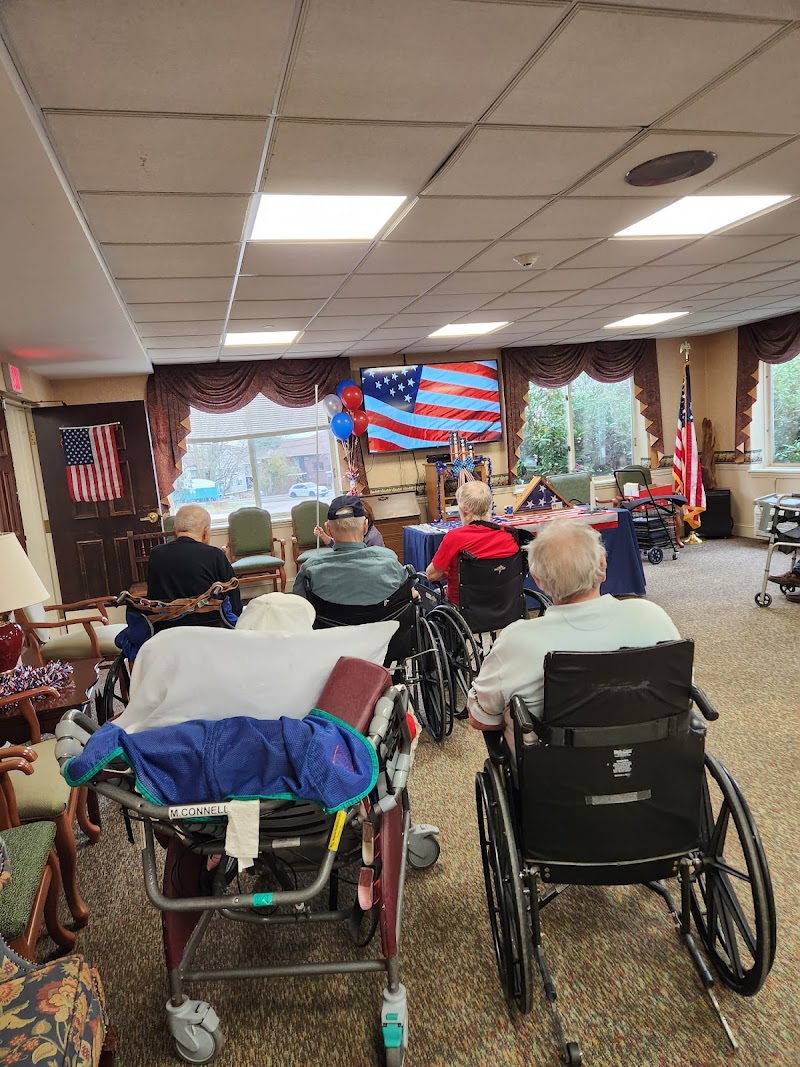
How is Sarah S Brayton Center Staffed?

CMS rates SARAH S BRAYTON CENTER's staffing level at 3 out of 5 stars, which is average compared to other nursing homes. Staff turnover is 51%, compared to the Massachusetts average of 46%.

What Have Inspectors Found at Sarah S Brayton Center?

State health inspectors documented 56 deficiencies at SARAH S BRAYTON CENTER during 2021 to 2024. These included: 2 that caused actual resident harm, 48 with potential for harm, and 6 minor or isolated issues. Deficiencies causing actual harm indicate documented cases where residents experienced negative health consequences.
Who Owns and Operates Sarah S Brayton Center?

SARAH S BRAYTON CENTER is owned by a for-profit company. For-profit facilities operate as businesses with obligations to shareholders or private owners. The facility is operated by BEST CARE SERVICES, a chain that manages multiple nursing homes. With 183 certified beds and approximately 165 residents (about 90% occupancy), it is a mid-sized facility located in FALL RIVER, Massachusetts.
How Does Sarah S Brayton Center Compare to Other Massachusetts Nursing Homes?

Compared to the 100 nursing homes in Massachusetts, SARAH S BRAYTON CENTER's overall rating (1 stars) is below the state average of 2.9, staff turnover (51%) is near the state average of 46%, and health inspection rating (1 stars) is much below the national benchmark.

What Should Families Ask When Visiting Sarah S Brayton Center?

Based on this facility's data, families visiting should ask: "Can I visit during a mealtime to observe dining assistance and food quality?" "How do you handle medical emergencies, and what is your hospital transfer rate?" "Can I speak with family members of current residents about their experience?"

Is Sarah S Brayton Center Safe?

Based on CMS inspection data, SARAH S BRAYTON CENTER has a clean safety record: no substantiated abuse findings (meaning no confirmed cases of resident harm), no Immediate Jeopardy citations (the most serious violation level indicating risk of serious injury or death), and is not on the Special Focus Facility watch list (a federal program monitoring the lowest-performing 1% of nursing homes). The facility has a 1-star overall rating and ranks #100 of 100 nursing homes in Massachusetts. While no facility is perfect, families should still ask about staff-to-resident ratios and recent inspection results during their visit.

Do Nurses at Sarah S Brayton Center Stick Around?

SARAH S BRAYTON CENTER has a staff turnover rate of 51%, which is 5 percentage points above the Massachusetts average of 46%. Moderate turnover is common in nursing homes, but families should still ask about staff tenure and how the facility maintains care continuity when employees leave.

Was Sarah S Brayton Center Ever Fined?

SARAH S BRAYTON CENTER has been fined $151,920 across 1 penalty action. This is 4.4x the Massachusetts average of $34,598. Fines at this level are uncommon and typically indicate a pattern of serious deficiencies, repeated violations, or failure to correct problems promptly. CMS reserves penalties of this magnitude for facilities that pose significant, documented risk to resident health or safety. Families should request specific documentation of what issues led to these fines and what systemic changes have been implemented.

Is Sarah S Brayton Center on Any Federal Watch List?

SARAH S BRAYTON CENTER is not on any federal watch list. The most significant is the Special Focus Facility (SFF) program, which identifies the bottom 1% of nursing homes nationally based on persistent, serious quality problems. Not being on this list means the facility has avoided the pattern of deficiencies that triggers enhanced federal oversight. This is a positive indicator, though families should still review the facility's inspection history directly.