FITCHBURG HEALTHCARE

1199 JOHN FITCH HWY, FITCHBURG, MA 01420 (978) 345-0146
For profit - Limited Liability company 160 Beds NEXT STEP HEALTHCARE Data: November 2025
Trust Grade
38/100
#218 of 338 in MA
Last Inspection: October 2024

Within standard 12-15 month inspection cycle. Federal law requires annual inspections.

Overview

Fitchburg Healthcare has received a Trust Grade of F, indicating significant concerns about the quality of care provided, which is among the poorest ratings possible. It ranks #218 out of 338 facilities in Massachusetts, placing it in the bottom half, and #34 out of 50 in Worcester County, meaning there are only a few local options that are better. Although the facility is showing some improvement-reducing issues from 13 in 2024 to just 1 in 2025-there are still serious deficiencies, including incidents where a resident was injured during a transfer due to inadequate staffing assistance. Staffing ratings are average, with a 42% turnover rate, and RN coverage is concerning, as it is lower than 78% of other facilities in the state. Additionally, the facility has incurred $23,989 in fines, which is average but still raises concerns about compliance with safety regulations.

Trust Score
F
38/100
In Massachusetts
#218/338
Bottom 36%
Safety Record
Moderate
Needs review
Inspections
Getting Better
13 → 1 violations
Staff Stability
○ Average
42% turnover. Near Massachusetts's 48% average. Typical for the industry.
Penalties
✓ Good
$23,989 in fines. Lower than most Massachusetts facilities. Relatively clean record.
Skilled Nurses
⚠ Watch
Each resident gets only 25 minutes of Registered Nurse (RN) attention daily — below average for Massachusetts. Fewer RN minutes means fewer trained eyes watching for problems.
Violations
⚠ Watch
33 deficiencies on record. Higher than average. Multiple issues found across inspections.
★★☆☆☆
2.0
Overall Rating
★★☆☆☆
2.0
Staff Levels
★★☆☆☆
2.0
Care Quality
★★☆☆☆
2.0
Inspection Score
Stable
2024: 13 issues
2025: 1 issues

The Good

  • Full Sprinkler Coverage · Fire safety systems throughout facility
  • No fines on record
  • Staff turnover below average (42%)

    6 points below Massachusetts average of 48%

Facility shows strength in fire safety.

The Bad

2-Star Overall Rating

Below Massachusetts average (2.9)

Below average - review inspection findings carefully

Staff Turnover: 42%

Near Massachusetts avg (46%)

Typical for the industry

Federal Fines: $23,989

Below median ($33,413)

Minor penalties assessed

Chain: NEXT STEP HEALTHCARE

Part of a multi-facility chain

Ask about local staffing decisions and management

The Ugly 33 deficiencies on record

2 actual harm
Sept 2025 1 deficiency
CONCERN (D) 📢 Someone Reported This

A family member, employee, or ombudsman was alarmed enough to file a formal complaint

Potential for Harm - no one hurt, but risky conditions existed

Deficiency F0557 (Tag F0557)

Could have caused harm · This affected 1 resident

**NOTE- TERMS IN BRACKETS HAVE BEEN EDITED TO PROTECT CONFIDENTIALITY** Based on records reviewed and interviews for one of three sampled residents (Resident #1) who was severely cognitively impaired,...

Read full inspector narrative →
**NOTE- TERMS IN BRACKETS HAVE BEEN EDITED TO PROTECT CONFIDENTIALITY** Based on records reviewed and interviews for one of three sampled residents (Resident #1) who was severely cognitively impaired, the Facility failed to ensure he/she was treated in a respectful and dignified manner, when during the provision of care, two staff members overheard Certified Nurse Aide (CNA) #1 interacting with Resident #1, during which CNA #1 used profanities and spoke to him/her in a raised, very loud tone of voice.Findings include:Review of the Facility's Policy titled, Abuse Investigation and Reporting, dated as last revised February 2024, indicated that every resident in the facility will be treated with respect and dignity. Review of the Facility's Policy titled, Resident Rights, dated as last revised January 2024, indicated all residents have a right to a dignified existence and employees shall treat all residents with kindness, respect, and dignity.Resident #1 was admitted to the Facility in May 2025, diagnoses included Lewy Body Dementia (a type of brain disease characterized by the accumulation of abnormal protein deposits called Lewy bodies in the brain) and Post Traumatic Stress Disorder (PTSD, a mental health condition that can develop after experiencing or witnessing a traumatic event).Review of Resident #1's admission Minimum Data Set Assessment, dated 05/26/25, indicated he/she had severe cognitive impairment as evidenced by a score of 01 out of 15 on the Brief Interview for Mental Status (BIMS, scores indicate: 0-7 severe cognitive impairment, 8-12 moderate cognitive impairment, and 13-15 cognitively intact).Further review of the MDS Assessment indicated Resident #1 usually understood others (missed some part/intent of message but comprehended most conversation), experienced hallucinations, physical and verbal behavioral symptoms directed toward others, and a history of rejection of care. Review of the Report submitted by the Facility via the Health Care Facility Reporting System (HCFRS), dated 07/14/25, indicated that on 07/14/25, the Shift Supervisor notified the Director of Nursing (DON) that a Unit Nurse requested the Shift Supervisor's assistance because the Unit Nurse said she heard yelling and cursing coming from the hallway bathroom, which was occupied by a Certified Nurse Aide (later identified as CNA #1) and a resident (later identified as Resident #1). Review of the Facility's Incident Summary indicated the Administrator interviewed CNA #1 who said she told Resident #1, I am sick of this [NAME] and [NAME] shit (Resident's name), come on! The Report also indicated the Administrator asked CNA #1 if she made any additional unprofessional, vulgar, or inappropriate comments and that CNA #1 told him she could not recall exactly what she said but acknowledged she may have used the word dumbass.During an interview on 09/17/25 at 12:07 P.M. (which also included a review of her written witness statement, dated 07/14/25), Nurse #1 said on 07/14/25, just after dinner time (exact time unknown), she was behind the nursing station when she heard yelling coming from the hallway bathroom which was located diagonally across from where she was standing. Nurse #1 said she heard CNA #1 shouting, stop, stop, stop, you fucking dumb ass, coming from behind the closed bathroom door. Nurse #1 said she immediately responded to the shouting by banging on the bathroom door, telling CNA #1 to immediately stop what she was doing and to exit the bathroom. Nurse #1 said CNA #1 told her (through the closed door) she was unable to open the door because Resident #1 was not in a safe position for her to leave his/her side. Nurse #1 said she then summoned two other unit CNAs to stand at the door while she went to the adjacent unit to elicit help from the Shift Supervisor.Nurse #1 said that CNA #1 finally opened the bathroom door, and she and the Shift Supervisor told CNA #1 to leave the Unit, and the two other unit CNAs assumed completion of care for Resident #1.During a telephone interview on 09/17/25 at 1:44 P.M. (which also included a review of her written witness statement, dated 07/14/25), CNA #2 said she was working during the 3:00 P.M. to 11:00 P.M. shift on 07/14/25 and just after dinnertime (exact time unknown) she heard CNA #1 yelling and cursing from behind the bathroom door (near the nursing station). CNA #2 said she heard CNA #1 yell, you fucking stand up and said she also heard CNA #1 use the word dumbass and that CNA #1 was being very loud towards Resident #1.CNA #2 said that Nurse #1 requested that she and another CNA stand at the bathroom door, and said after CNA #1 finally opened the door, she and the other CNA went into the bathroom to assist Resident #1.During a telephone interview on 09/17/25 at 2:04 P.M. (which also included a review of her written witness statement, dated 07/14/25), the Shift Supervisor said Nurse #1 came to request her assistance regarding an incident involving CNA #1 and Resident #1 in the bathroom. The Shift Supervisor said Nurse #1 told her that CNA #1 was yelling profanities at Resident #1, that she tried to get CNA #1 to exit the bathroom, and that CNA #1 was not removing herself from the situation, despite Nurse #1's insistence. The Shift Supervisor said when she arrived on the Unit with Nurse #1, CNA #1 was still in the bathroom with Resident #1, however at that time, she did not hear any yelling or cursing. The Shift Supervisor said she called the Director of Nurses (DON), who advised her to tell CNA #1 to leave the unit immediately upon exiting the bathroom. The Shift Supervisor said CNA #1 left the unit at her request and went downstairs to wait for further instruction. During a telephone interview on 9/23/25 at 9:45 A.M., (which included review of her Written Witness Statement, dated 06/14/25) CNA #1 said the incident with Resident #1 occurred on 7/14/25 and that the date on her statement (6/14/25) was incorrect. CNA #1 said she was asked to change Resident #1 after he/she experienced an incontinent episode, and she brought him/her to the bathroom. CNA #1 said that Resident #1 was exhibiting his/her usual signs of agitation, she had him/her stand with her assistance, removed his/her brief, and then he/she grabbed her instead of the wheelchair, then he/she began to walk around as his/her brief were falling around his/her ankles. CNA #1 said Resident #1 was mostly non-verbal and often would not follow verbal cues or directions and could be resistant to care. CNA #1 said she asked the nurse to have somebody come help her as soon as they could because Resident #1 was known to be difficult with care, but nobody came to her help her. CNA #1 said Resident #1 started to move about the bathroom after his/her pants and brief were around his/her ankles, and that she became frustrated while trying everything she could to try to keep him/her safe. CNA #1 said that her voice carries even if she is not yelling and she said she remembers saying to Resident #1 that she was sick of this [NAME] and [NAME] shit and that she may have used the word dumbass but could not remember the exact context. CNA #1 she said she could not remember exactly what else she said but acknowledged that she did not speak to Resident #1 in an appropriate or respectful manner.During a telephone interview on 09/18/25 at 1:50 P.M., the Director of Nurses (DON) said the Shift Supervisor called her on 07/14/25 to report that Nurse #1 heard CNA #1 yelling at Resident #1 in the hallway bathroom. The DON said she told the Shift Supervisor to tell CNA #1 to leave the unit and requested the Shift Supervisor put Nurse #1 on the phone so she could obtain a statement from her. The DON said Nurse #1 told her she was standing at the far end of the nursing station, which was behind plexiglass two to three rooms away from the bathroom, and she said she heard CNA #1 yelling at Resident #1 in the hallway bathroom. The DON said Nurse #1 told her she heard CNA #1 yell, Stop fucking doing that! Stop, stop, stop! and she said Nurse #1 told her said she heard CNA #1 use the word dumbass. The DON said she then called the Administrator who was still in the Facility and requested he respond to the incident.During an interview on 09/17/25 at 4:45 P.M., the Administrator said the DON called him on 07/14/25 sometime between 6:30 P.M. and 7:00 P.M. and reported that CNA#1 was heard yelling and swearing at Resident #1 and he initiated an investigation immediately.The Administrator said when he interviewed CNA #1, she admitted telling Resident #1 she was sick of this [NAME] and [NAME] shit and he said when he asked CNA #1 if she called Resident #1 anything derogatory, such as dumbass, said CNA #1 admitted to saying something along those lines, but had said she could not remember exactly the manner in which that word was used. The Administrator said CNA #1 was immediately placed on leave pending further investigation and was subsequently terminated from her position.
Oct 2024 13 deficiencies
CONCERN (D)

Potential for Harm - no one hurt, but risky conditions existed

Deficiency F0578 (Tag F0578)

Could have caused harm · This affected 1 resident

Based on record review, policy review and interview, the facility failed to ensure that Advance Directives (legal documents that provide instructions for medical care and only go into effect if you ar...

Read full inspector narrative →
Based on record review, policy review and interview, the facility failed to ensure that Advance Directives (legal documents that provide instructions for medical care and only go into effect if you are unable to communicate your own wishes) were accurate for one Resident (#111) out of a total sample of 24 residents. Specifically, for Resident #111 the facility failed to have the Resident evaluated for the capacity to make medical decisions following a decline/change in their cognitive status. Findings include: Review of the facility policy titled Advanced Directives, last revised January 2024, indicated the following: -the interdisciplinary team (IDT) will conduct ongoing review of the resident's decision-making capacity and communicate significant changes as appropriate. -determine the decision-making capacity of the resident and invoke (activate) the decisions of the legal representative as appropriate. 1. Resident #111 was admitted to the facility in December 2023, with diagnoses including vascular Dementia (decline in reasoning, planning, memory, judgement, and other thought processes caused by brain damage from impaired blood flow to the brain), Cerebral Infarction (stroke: damage to tissues in the brain caused by blood clots, disrupted blood supply and restricted oxygen supply to the specific area) and Aphasia (language disorder that makes it difficult to understand, speak, read or write resulting from damage to the language center of the brain). Review Resident #111's of the Minimum Data Set (MDS) Assessments indicated the following Brief Interview for Mental Status (BIMS) exam scores on the following dates: -1/24/24:11 out of 15 points, moderate cognitive impairment -3/11/24: 9 out of 15 points, moderate cognitive impairment -6/10/24: 5 out of 15 points, severe cognitive impairment -9/9/24: 4 out of 15 points, severe cognitive impairment Review of Resident #111's Psychological Services Progress Note, dated 7/18/24, indicated that the Resident: -has functional and behavioral challenges related to memory -cognition and decision-making difficulty -has poor recall Review of the Physician's Progress note, dated 8/23/24, indicated that the Resident: -is a poor historian due to Dementia -is unable to provide a review of symptoms as the patient was unable cooperate Review of Resident #111's Care Plan for Impaired Cognition, last revised 9/4/24, indicated: -the Resident has a deficit in memory, judgement and short-term memory loss -observe and report changes in cognitive status During an interview on 9/25/24 at 10:16 A.M., Resident #111 said that they were confused and had difficulty answering the surveyors' questions. During an interview on 9/30/24 at 10:37 A.M., the MDS Nurse said that she was the person responsible in the facility to complete the BIMS with the residents and notifies the residents Unit Manager (UM) of any changes in their cognitive status. The MDS Nurse also said that the UM then will notify the Physician to address the Resident decision-making capacity. During an interview on 9/30/24 at 10:53 A.M., the MDS Nurse said that she was unable to provide evidence that the Physician had been informed of Resident #111's change in cognitive status. During an interview on 9/30/24 at 3:23 P.M., UM #2 said that Resident #111 should have had a capacity evaluation completed once the BIMS score started to decline but did not.
CONCERN (D)

Potential for Harm - no one hurt, but risky conditions existed

Notification of Changes (Tag F0580)

Could have caused harm · This affected 1 resident

Based on interview, record and policy review, the facility failed to notify the Physician/Non-Physician Practitioner (NPP/ Nurse Practitioner [NP]) of a significant change in condition for two Residen...

Read full inspector narrative →
Based on interview, record and policy review, the facility failed to notify the Physician/Non-Physician Practitioner (NPP/ Nurse Practitioner [NP]) of a significant change in condition for two Residents (#23 and #111) out of a total sample of 24 residents. Specifically, the facility staff failed to notify the Physician/NPP: 1. For Resident #23, when the blood sugar reading was greater than 400 mg/dL (milligrams per deciliter). 2. For Resident #111, when the blood sugar reading was less than 70 mg/dL and greater than 401 mg/dL. Findings include: Review of the facility policy for Diabetes- Clinical Protocol, last revised December 2020 indicated: -the Physician will follow-up any acute episodes associated with a change in blood sugars or deterioration of previous glucose control and document resident status at subsequent visits until the acute situation is resolved. -the Physician will order desired parameters for monitoring and reporting information related to diabetes or blood sugar management. -the staff will identify and report complications such as .hypoglycemia (low blood sugar). The Physician will help staff clarify and respond to these episodes. Review of the facility policy for Change in Resident's Condition or Status, last revised July 2024 indicated: -the nurse will notify the resident's provider or on call provider when there has been a change in resident condition - .notifications will be made in a reasonable time frame to physician and family. -the nurse will record in the resident's medical record information relative to changes in the resident's medical/mental condition or status. 1. Resident #23 was admitted to the facility in September 2023, with a diagnosis of Diabetes Mellitus Type 2 (DM II- a chronic medical condition where the body cannot effectively use insulin [hormone that regulates blood glucose/sugar] or produce enough insulin and has trouble controlling blood sugar levels). Review of Resident #23's Care Plan for Diabetes last revised 9/4/24, indicated: -administer medications as ordered. See Medication Administration Record (MAR). Monitor effectiveness and side effects. -check blood glucose levels per Physician's order. -monitor for signs and symptoms of hyperglycemia (high blood sugar) and hypoglycemia (low blood sugar). Review of the Resident's September 2024 Physician's orders included: >Lantus (long-acting insulin) - Subcutaneous Solution- (injection between the skin and muscle for treatment of Diabetes) 100 UNIT/ML (units/milliliter); Inject 15 units subcutaneously at bedtime for Diabetes, start date 6/4/24 >Humalog (fast-acting insulin injection) Subcutaneous Cartridge -100 UNIT/ML; Inject subcutaneously before meals related to Type 2 Diabetes, start date 2/8/24, as per sliding scale: -if blood sugar is 150 - 199 mg/dL = give 2 units (u). -200 - 249 mg/dL = give 4u. -250 - 299 mg/dL = give 6u. -300 - 249 mg/dL = give 8u. -350 - 399 mg/dL = give 10u. -400 - 999 mg/dL = give 12u, and then call MD (Doctor of Medicine/ Physician) for further orders. Review of the Resident #23's July 2024 to September 2024 Medication Administration Record (MAR) indicated the following blood sugar levels recorded on the following days: -7/31/24 at 11:30 - 450 mg/dL -8/11/24 at 16:30 - 411 mg/dL -8/13/24 at 16:30 - 434 mg/dL -8/24/24 at 11:30 - 408 mg/dL -9/20/24 at 16:30 - 400 mg/dL Review of the Resident's Nursing Progress Notes from 7/31/24 through 9/20/24 did not indicate any Physician notification as required when the Resident's blood sugar levels were greater than 400 mg/dL. During an interview on 10/1/24 at 11:04 A.M., the Nursing Regional Director of Operations said that the facility was unable to provide evidence that the Physician had been notified of the elevated blood sugars. The Nursing Regional Director of Operations also said that the Physician should have been notified when the blood sugars were that elevated, and they had not been. 2. Resident #111 was admitted to the facility in December 2023 with a diagnosis of DM II. Review of Resident #111's Care Plan for Diabetes last revised 9/4/24, indicated: -administer medications as ordered. See MAR. Monitor effectiveness and side effects. -check blood glucose levels per Physician's order. -monitor for signs and symptoms of hyperglycemia and hypoglycemia. Review of the Resident's September 2024 Physician's orders included: >Insulin Glargine (long-acting insulin) - Subcutaneous Solution- 100 UNIT/ML; Inject 15 units subcutaneously at bedtime for Diabetes, with a start date of 9/24/24 >Humalog (fast acting insulin injection) Subcutaneous Cartridge -100 UNIT/ML; Inject subcutaneously before meals related to Type 2 Diabetes, start date 12/31/23, as per sliding scale: -if blood sugar is 0 - 60 mg/dL, administer no insulin and follow hypoglycemic protocol and notify MD. -60 - 200 mg/dL = give 0u. -201 - 250 mg/dL = give 4u. -251 - 300 mg/dL = give 6u. -301 - 350 mg/dL = give 8u. -351 - 400 mg/dL = give 10u. -400+ mg/dL = give 12u, and then call MD for further orders. >GlucaGen Hypokit (glucagon- a natural substance that raises blood sugar) Solution Reconstituted inject 1 mg (milligram) intramuscularly as need for blood sugar of less than 70 if resident is not responsive or able to swallow. Activate emergency medical services (EMS) and notify Provider, start date 1/22/24 Review of the Resident #111's August 2024 to September 2024 MAR indicated the following blood sugar levels recorded on the following days: -8/5/24 at 11:30 - 418 mg/dL -8/13/24 at 11:30 - 471 mg/dL -8/22/24 at 16:30 - 423mg/dL -9/22/24 at 6:30 - 55 mg/dL -9/22/24 at 16:30 - 56 mg/dL Review of the Resident's Nursing Progress Notes from 8/5/24 through 9/22/24 did not indicate any Physician notification as required when the Resident's blood sugar levels were greater than 400 mg/dL and below 70 mg/dL. During an interview on 10/1/24 at 11:04 A.M., the Nursing Regional Director of Operations said that the facility was unable to provide evidence that the Physician had been notified of the high and low blood sugars. The Nursing Regional Director of Operations also said that the Physician should have been notified when the blood sugars were outside of the acceptable range, and the Physician had not been notified.
CONCERN (D)

Potential for Harm - no one hurt, but risky conditions existed

Deficiency F0645 (Tag F0645)

Could have caused harm · This affected 1 resident

4. Resident #56 was admitted to the facility in January 2024, with diagnoses including Major Depressive Disorder and Schizoaffective Disorder (mental health condition marked by a mix of schizophrenia ...

Read full inspector narrative →
4. Resident #56 was admitted to the facility in January 2024, with diagnoses including Major Depressive Disorder and Schizoaffective Disorder (mental health condition marked by a mix of schizophrenia symptoms like hallucinations [seeing things or hearing voices] and delusions [believing things that are not real or not true], and mood disorder symptoms such as depression, mania and hypomania), Seizure Disorder (also known as Epilepsy, a brain condition that causes recurring seizures [sudden, uncontrolled burst of electrical activity in the brain that causes changes in behavior, movements, feelings and level of consciousness]). Review of Resident #56's medical record failed to indicate a Level I PASRR had been completed prior to admission to the facility. Further review of the medical record indicated that the PASRR Level I, dated 2/1/24, was completed after the Resident's admission to the facility. During an interview on 9/26/24 at 10:51 A.M., Social Worker (SW) #1 said the facility completed the PASRR late. The SW said that the PASRR should have been completed prior to admission and it was not. 5. Resident #111 was admitted to the facility in December 2023, with diagnoses including Major Depressive Disorder and Adjustment Disorder. Review of Resident #111's medical record failed to indicate a Level I PASRR had been completed prior to admission to the facility. Further review of the medical record indicated that the PASRR Level I, dated 2/29/24, was completed after the Resident's admission to the facility. During an interview on 9/26/24 at 10:51 A.M., Social Worker (SW) #1 said the facility completed the PASRR late. The SW said that the PASRR should have been completed prior to admission and it was not. Based on interview, and record review, the facility failed to ensure that a Preadmission and Resident Review Level I (initial PASRR - initial pre-screening completed prior to admission to a Nursing Facility that assess for Serious Mental Illness[SMI] or Developmental Disabilities[DD]) screen was completed prior to admission to the facility for five Residents (#59, #90, #113, #56, and #111) out of a total sample of 24 residents. Findings include: 1. Resident #59 was admitted to the facility in August 2024, with diagnoses including Unspecified Dementia with behavioral disturbance (a mental disorder that occurs when someone has Dementia but does not have a specific diagnosis, usually associated with adverse behaviors). Review of the Resident #59's PASRR Level I, dated 9/3/24, indicated the Level I screen was completed after the Resident's admission to the facility. 2. Resident #90 was admitted to the facility in May 2023, with diagnoses including Unspecified Dementia with behavioral disturbance, Anxiety Disorder (mental health disorder characterized by feelings of worry, anxiety, or fear that are strong enough to interfere with daily activities), Major Depressive Disorder (symptoms lasting greater than two weeks of a persistently low or depressed mood and a loss of interest in activities that a person used to enjoy), and adjustment disorder (a disorder characterized by a group of symptoms such as stress, anxiety, feeling sad or hopeless, and physical symptoms that can occur after a stressful life event). Review of Resident #90's PASRR Level I, dated 5/15/23, indicated the Level I screen was completed after the Resident's admission to the facility. 3. Resident #113 was admitted to the facility in October 2023, with diagnoses including Unspecified Dementia with behavioral disturbance, generalized Anxiety Disorder, and a history of alcohol abuse. Review of Resident #113's PASRR Level I, dated 10/19/23, indicated the Level I screen was completed after the Resident's admission to the facility. During an interview on 9/26/24 at 12:14 A.M., the Social Worker (SW) said every resident being admitted to the facility should have a PASRR Level I completed prior to their admission to the facility. The SW said for Residents #59, #90, and #113, their PASRR Level I's had been completed after the Residents were already admitted to the facility.
CONCERN (D)

Potential for Harm - no one hurt, but risky conditions existed

Deficiency F0658 (Tag F0658)

Could have caused harm · This affected 1 resident

**NOTE- TERMS IN BRACKETS HAVE BEEN EDITED TO PROTECT CONFIDENTIALITY** 2. Review of a 2016 National Institute of Diabetes and Digestive and Kidney Disease Article titled Eating and Nutrition for Hemo...

Read full inspector narrative →
**NOTE- TERMS IN BRACKETS HAVE BEEN EDITED TO PROTECT CONFIDENTIALITY** 2. Review of a 2016 National Institute of Diabetes and Digestive and Kidney Disease Article titled Eating and Nutrition for Hemodialysis at https://www.niddk.nih.gov/health-information/kidney-disease/kidney-failure/hemodialysis/eating-nutrition indicates: -Your choices about what to eat and drink while on hemodialysis can make a difference in how you feel and can make your treatments work better. Between dialysis treatment sessions, wastes can build up in your blood and make you sick. -You can reduce waste buildup by controlling what you eat and drink. -You can match what you eat and drink with what your kidney treatments remove. Some foods cause wastes to build up quickly between your dialysis sessions. If your blood contains too much waste, your kidney treatment session may not remove them all. - .Hemodialysis removes extra fluid from your body. However, hemodialysis can remove only so much fluid at a time safely. -If you come to your hemodialysis with too much fluid in your body, your treatment may make you feel ill. You may get muscle cramps or have a sudden drop in blood pressure that causes you to feel dizzy or sick to your stomach. Review of a 2017 National Kidney Foundation Journal of Renal Nutrition titled Tips for Dialysis Patients with Fluid Restrictions at https://www.jrnjournal.org/article/S1051-2276(17)30143-7/fulltext indicates: -There are many components to the renal diet that are important when educating end-stage renal disease (ESRD) patients requiring hemodialysis. -Intake of the correct amount of fluids on a daily basis is crucial to stabilizing your kidney patient and reducing potential symptoms associated with fluid overload including shortness of breath, headaches, abdominal bloating, hypertension, heart failure, and edema. -Limiting fluid consumption is a complex part of the renal diet as there are many factors that play into patient acceptance of this restriction. -Recommended weight gain between dialysis sessions is individualized and fluctuations above ideal are often indicators of noncompliance with fluid and diet nutritional goals. -Long-term research has demonstrated that greater and undesired fluid gain between dialysis sessions with ESRD patients increases risk of all-cause and cardiovascular death. Resident #91 was admitted to the facility in August 2024, with diagnoses including End Stage Renal Disease (ESRD), Dependance on Renal Dialysis and Atherosclerotic Heart Disease (a condition in which fatty material collects along the walls of arteries and causes narrowing. The fatty material thickens, hardens, and may eventually block the arteries). Review of the Minimum Data Set (MDS) assessment dated [DATE], indicated Resident #91 was cognitively intact as evidenced by a Brief interview for Mental Status (BIMS) score of 13 out of 15. Review of Resident #91's medical record indicated that the Resident had dialysis and nutrition care plans with interventions to monitor/provide intake of diet and fluids as ordered. Review of Resident 91's Physician's orders indicated: -8/9/24: on a renal diet, regular texture with thin liquids consistency, for diet 1200 milliliter (ml) fluid restriction, double proteins with all meals. -8/10/24: has Dialysis every Tuesday, Thursday and Saturday at 11:00 A.M. Review of the Nurse Practitioner NP) Progress Note, dated 8/13/24 under assessment and plan indicated: -Diastolic Heart Failure (condition in which the left ventricle [the heart's main pumping chamber] becomes stiff and unable to relax between heartbeats to fill properly with blood) EF (ejection fraction - measurement of the percentage of blood leaving the heart each time it contracts) 50%. -Continue to monitor fluid status and compliance with Dialysis. -End Stage Renal Disease on Hemodialysis. Continue dialysis, monitor I's and O's (intake and output). Review of the Physician's order dated 8/16/24, indicated: -Nepro shake with carb steady (a nutritionally complete liquid formula with a vitamin and mineral profile specifically designed for people with chronic or acute kidney failure requiring dialysis) in the afternoon give 8 oz (ounces) daily at 2 P.M. Review of the August 2024 Medication Administration Record (MAR) indicated that the Nepro shake was not administered due to the Resident being out of the facility on the following days: -8/17 -8/22 -8/24 -8/27 -8/29 Review of the September 2024 MAR indicated the Nepro shake was not administered due to the Resident being out of the facility on the following days: -9/3 -9/5 -9/7 -9/10 -9/12 -9/14 -9/19 -9/24 -9/26 Further review of Resident #91's clinical record indicated on 9/2/24 the Physician ordered the following: -Maintain Fluid Restriction as ordered: >Nursing 480 ml (milliliters) total: 150 ml (5oz) fluid per shift for medication passes, additional 30 ml (fluid) if needed. >Meals 720 ml total: Breakfast 240 ml, Lunch 120 ml, 2 P.M.- Nepro shake 240 ml, Dinner 120 ml. Review of the September 2024 MAR indicated that the Resident was over his/her 1200 ml fluid restriction amount on the following dates: -9/4 intake of 1347 ml -9/6 intake 1320 ml -9/7 intake 1260 ml -9/8 intake 1800 ml -9/9 intake 1560 ml -9/16 intake 1500 ml -9/20 intake 1440 ml -9/21 intake 1440 ml -9/24 intake 1240 ml -9/25 intake 1300 ml During an interview on 9/26/24 at 2:41 P.M., the Dietitian said there is no policy on fluid restriction, that the Dietitian puts individual Residents' fluid restrictions on the unit in the Certified Nurses Aides (CNA) room and in the chart. The Dietitian said she puts the fluid restriction orders in to the kitchen to go on the meal ticket and enters the fluid restriction orders in the care plan. The Dietitian said the Nurses are educated on the fluid restriction and the Dietitian brings the fluid restriction to the Resident and educates them if they are able to understand. The Dietitian said she thought that Resident #91 was offered the Nepro shakes at dialysis which would account for the days on the MAR the Resident was not receiving the shakes due to being out of the building. The Dietitian said if the dialysis center does not communicate with the facility about whether Resident #91 drank the shake or not, the facility does not know if the Resident was given the shake and how much the Resident drank, so the facility would be unable to add that to the fluid intake for the day. During an interview on 9/30/24 at 8:43 A.M., Nurse #5 said every shift he monitors fluid restriction and document how much fluid he had given the Resident over his shift. If the Resident is over his/her fluid restriction, the Nurse should let the Provider (Physician) and the Dietitian know. Nurse #5 said if a Resident is on a fluid restriction and on dialysis the dialysis Provider should be informed of the fluid restriction. Nurse #5 said the fluid restriction should be written on the dialysis communication sheet that goes with the Resident to dialysis and the Nurse on duty is responsible for filling out the dialysis communication sheet. During an interview on 9/30/24 at 9:14 A.M., the Director of Nursing (DON) said she thought the Nepro shake was given to the Resident at dialysis. The DON said if the shake was not written on the dialysis communication sheet there was no way to know if the Resident had been given the shake or know how much fluid the Resident had taken in. During an interview on 9/30/24 at 11:45 A.M., Resident #91 said he/she does not drink or eat anything at dialysis. Resident #91 said that sometimes at the end (of dialysis) the dialysis staff give him/her something called a vitamin drink. The Resident was unable to say how often he/she was given the vitamin drink or the specific name of the drink. Based on interview, and record review, the facility failed to the facility failed to provide care and services consistent with professional standards of practice for two Residents (#113 and #91) out of a total sample of 24 residents. Specifically, the facility failed to: 1. For Resident #113, ensure that Physician orders were obtained for a recommended Hemoglobin A1C (HbA1c - test used to identify Diabetes [disease that affects how the body uses blood sugar]) lab to be drawn as recommended by the Behavioral Health Nurse Practitioner (NP) for the Resident on medications for mental health conditions. 2. For Resident #91, maintain and document fluid restrictions and administer dietary supplements as ordered by the Physician for treatment of End Stage Renal Disease (the final stage of kidney disease where the kidneys can no longer function on their own leading to the need for a regular course of long-term dialysis [a procedure to remove waste products and fluid from the body when the kidneys stop working] or a kidney transplant to maintain life) requiring Hemodialysis (a procedure where a machine with a special filter called a dialyzer is used to remove waste from the blood). Findings include: 1. Review of the National Alliance on Mental Illness (NAMI) website article titled, Why Screening for Diabetes is Important (Especially if You Take Psychiatric Medications), dated 3/25/14, at https://www.nami.org/blog-post/why-screening-for-diabetes-is-important-especially-if-you-take-psychiatric-medications-2/ indicated: -the American Diabetes Association (ADA) suggests screening regularly for Diabetes for those who use medications to treat mental health conditions. -as medications used to treat mental health conditions pose an additional risk for the increase in Diabetes. Review of the facility policy titled Lab and Diagnostic Test Results-Clinical Protocol, last revised 2/2020, indicated the following: -The Physician will identify and order diagnostic and lab testing based on the resident's diagnostic and monitoring needs. Resident #113 was admitted to the facility in October 2023, with diagnoses including Unspecified Dementia with behavioral disturbance (a mental disorder that occurs when someone has Dementia but does not have a specific diagnosis, usually associated with adverse behaviors), generalized Anxiety Disorder (mental health disorder characterized by feelings of worry, anxiety, or fear that are strong enough to interfere with daily activities), and a history of alcohol abuse. Review of the Psychiatric Evaluation and Consultation Notes dated: 6/13/24, 7/18/24, 8/1/24, and 9/11/24, indicated the Psychiatric Nurse Practitioner recommended Resident #113 have a HbA1c lab drawn as he/she was prescribed an antipsychotic medication. Review of Resident #113's September 2024 Physician's orders indicated Resident #113 had an active order for Haloperidol (Haldol - an antipsychotic medication), with a start date of 5/28/24. Review of the August 2024 and September 2024 Medication Administration Records (MARs) indicated Resident #113 was administered Haloperidol daily as prescribed when he/she was in the facility. Further review of Resident #113's medical record indicated no documentation that the recommended HbA1c lab had been drawn. During an interview on 9/26/24 at 3:34 P.M., the Minimum Data Set (MDS) Nurse said the recommended HbA1c lab was never drawn for Resident #113. The MDS Nurse said Behavioral Health notes should be reviewed regularly by the attending Physician and orders should have been put into place for Resident #113 to have the HbA1c lab drawn within a week of the Behavioral Health Nurse Practitioner recommending the lab work.
CONCERN (D)

Potential for Harm - no one hurt, but risky conditions existed

Deficiency F0679 (Tag F0679)

Could have caused harm · This affected 1 resident

**NOTE- TERMS IN BRACKETS HAVE BEEN EDITED TO PROTECT CONFIDENTIALITY** Based on observation, interview, and record review, the facility failed to implement a resident-centered, meaningful, and engagi...

Read full inspector narrative →
**NOTE- TERMS IN BRACKETS HAVE BEEN EDITED TO PROTECT CONFIDENTIALITY** Based on observation, interview, and record review, the facility failed to implement a resident-centered, meaningful, and engaging activity program for one Resident (#11) out of a total sample of 24 residents. Specifically, the facility failed to ensure that staff offered and encouraged engagement in activities identified as being preferences for Resident #11. Findings include: Resident #11 was admitted to the facility in May 2021, with diagnoses including Unspecified Schizophrenia (a mental disorder characterized by hallucinations, delusions, disorganized thinking and behavior), Unspecified Dementia (a mental disorder that occurs when someone has Dementia but does not have a specific diagnosis), Major Depressive Disorder (symptoms lasting greater than two weeks of a persistently low or depressed mood and a loss of interest or pleasure in activities that a person used to enjoy), and Anxiety Disorder (mental health disorder characterized by feelings of worry, anxiety, or fear that are strong enough to interfere with daily activities). Review of the comprehensive Minimum Data Set (MDS) assessment dated [DATE], indicated that it was very important to the Resident to: -have books, newspapers, and magazines to read -listen to music you like -do favorite activities -participate in religious activities -to go outside to get fresh air when the weather is good Review of the Resident's Activity Care Plan, last revised 8/3/24, listed interventions including but not limited to: -prefers to attend all rosary groups and weekly catholic mass, receives weekly communion -staff is to provide materials as needed for independent leisure time, staff will assess the need regularly -prefers to spend time in (their) room watching TV (television) and socializing with staff and peers No evidence was found in the Activity Care Plan to include interventions for musical activities, or to go outside when the weather was good. Review of the most recent MDS dated [DATE], included a Brief Interview of Mental Status (BIMS) score of 3 out of 15 possible points indicating the Resident was severely cognitively impaired. Review of the Resident's Activity Participation Log indicated the following: >August 2024: -19 days of a 1:1 interaction with the Resident Active in a Greeting Time visit -11 days of a 1:1 interaction where the Resident Verbalized in a Greeting Time visit -1 day independent active TV activity >September 2024: -17 days of a 1:1 interaction with the Resident Active in a Greeting Time visit -11 days of a 1:1 interaction where the Resident Verbalized in a Greeting Time visit -3 days of independent active TV activity -4 days of a 1:1 interaction with a Brief Verbalization in a Greeting Time visit -3 days of a 1:1 interaction with active reminiscing -2 days with no activity recorded -2 days of the Resident refusing offer to join the book/drama club or exercise Further review of the August 2024 and September 2024 Activity Participation Logs showed no evidence that the Resident had been offered or refused any religious activities, reading materials, musical activities, going outside, or more than 4 days of independent active TV activity. On 9/25/24 at 11:33 A.M., the surveyor observed Resident #11 sitting in a chair facing the middle of the bed and the wall beyond the bed. The surveyor observed that there was nothing on the walls and no personal items. The surveyor further observed the bedside table was out of the Resident's reach at the foot of the bed and the television (TV) was turned off. The surveyor observed the Resident had no activity in place and was rocking back and forth in the chair. On 9/25/24 at 3:54 P.M., the surveyor observed Resident #11 sitting in a chair facing the middle of the bed and the wall beyond the bed. The surveyor observed that the Resident was not participating in any activity. During an interview at the time, the Resident said he/she would like to watch TV. The surveyor observed a staff member responded to the request and tried to turn the TV on with the remote control. The staff member told the surveyor that the TV does not turn on. The Activity Director (AD) arrived in the Resident's room and said that the cord from the TV was partially out of the electrical outlet. The staff worked on getting the TV turned on, but were not successful when the surveyor exited the room. On 9/26/24 at 1:07 P.M., and 9/30/24 at 1:09 P.M., the surveyor observed Resident #11 lying in bed with eyes open. The surveyor observed the TV was located on the bedside table and was not turned on. The surveyor observed the Resident was not participating in any activity. On 10/1/24 at 10:00 A.M., the surveyor observed Resident #11 sitting in the chair beside the bed facing across the bed towards the wall. The surveyor observed the overbed table had 2 TV remotes on it and was located at the bottom of the bed, out of the reach of the Resident. The surveyor observed there was a daily chronical paper which listed the activities for the day on the foot of the bed, out of the reach of the Resident. The surveyor observed there were no pictures, or personal items visible in the Resident's space, no reading materials available, the TV was not turned on, and the Resident was not participating in any activity. On 10/1/24 at 10:10 A.M., during an observation and interview with the AD, Resident #11 was observed sitting in the chair beside the bed facing the wall. The surveyor observed the TV was off and there were no activity materials available for the Resident. The surveyor observed that the overbed table was located at the bottom of the bed and there were 2 TV remotes on the overbed table that was out of the reach of the Resident. When the surveyor asked the AD what activities were provided for the Resident, the AD said that someone would come around later and visit. When the surveyor asked if the TV should be on, the AD said it probably should have been and she turned on the TV and put the remote back on the overbed table out of the reach of the Resident. When the surveyor asked if there were any individual activities for the Resident to do independently in the room per the plan of care, the AD said that there should have been. The surveyor observed the AD go through the Resident's bedside table to look for activity materials but was not able to locate any. The AD said there used to be reading materials here. The AD said that the Resident did attend a religious program on Saturdays and liked to go outside. The AD said that the Resident also liked to join some programs in the activity room. During an interview on 10/1/24 at 11:44 A.M., the surveyor and the AD reviewed the Resident's Activity Care Plan and Activity Participation Logs for August 2024 and September 2024. The AD said that there were religious programs on Wednesdays and Sundays and she thought the Resident was attending some but maybe the Resident had not come in a while. The AD also said that staff do invite the Resident to musical programs but maybe the Resident did not want to come. The AD said that maybe the activity staff carry a radio with them, and the Resident could listen to music while they visited the Resident. The AD was not sure why the Resident did not have any reading materials but maybe the Resident did not ask for reading materials. The AD said that refusals of activities should be recorded on the Activity Participation Log, but was unable to provide any evidence that the Resident had been offered or refused any religious programs, musical activities, going outside, or reading materials during August 2024 and September 2024. When the surveyor said that over the last 4 days of survey the Resident was not observed participating in any activities, the AD did not respond to the surveyor.
CONCERN (D)

Potential for Harm - no one hurt, but risky conditions existed

Incontinence Care (Tag F0690)

Could have caused harm · This affected 1 resident

**NOTE- TERMS IN BRACKETS HAVE BEEN EDITED TO PROTECT CONFIDENTIALITY** Based on observation, record and policy review, and interview, the facility failed to provide care and services as required for ...

Read full inspector narrative →
**NOTE- TERMS IN BRACKETS HAVE BEEN EDITED TO PROTECT CONFIDENTIALITY** Based on observation, record and policy review, and interview, the facility failed to provide care and services as required for an indwelling urinary/Foley catheter (a flexible tube that passes through the urethra and into the bladder to drain urine outside the body) for one Resident (#23) out of a total sample of 24 residents. Specifically, for Resident #23, the facility staff failed to: 1. verify the correct size indwelling urinary catheter as ordered by the Physician and ensure the verified size urinary catheter was in place. 2. to obtain an appointment with a Urologist as requested by the Nurse Practitioner (NP) to prevent catheter related complications. Findings include: Review of the facility policy for Indwelling Foley Catheter Insertion, last revised December 2020, indicated: -to verify that there is a Physician's order for this procedure. -review the resident's care plan to assess for any special needs of the resident. -the following information should be recorded in the resident's medical record: the size of the Foley catheter and the amount of fluid used to inflate the balloon. Resident #23 was admitted to the facility in September 2023, with diagnoses including benign prostatic hyperplasia (BPH- enlarged prostate gland, which blocks the flow of urine) and urinary retention (inability to completely empty the bladder of urine). Review of Resident #23's clinical record indicated a NP Progress Note dated 1/6/24, that indicated: -the Assessment and Plan was to have the Resident be seen by Urology secondary to the diagnosis of obstructive uropathy (blockage of urinary flow). -the administration of Flomax (medication that relaxes the muscles in the prostate gland and bladder). Review of Resident #23's Care Plan for indwelling urinary catheter, last revised 9/4/24, indicated: -the Resident will not develop any complications associated with catheter usage. -an intervention to change the catheter per policy and MD (Doctor of Medicine/Physician) orders. -an intervention to review for possible removal of catheter as indicated. Review of the Minimum Data Set (MDS) assessment dated [DATE], indicated that Resident #23 was cognitively intact as evidenced by a Brief Interview for Mental Status (BIMS) score of 15 out of 15. Further review of the MDS assessment indicated that the Resident had an indwelling urinary catheter and was dependent for activities of daily living (ADL's- basic skills such as bathing, dressing, eating, etc.). Review of Resident #23's September 2024 Physician's orders indicated: -Change Foley catheter as needed for blockage/leakage, start date 5/27/24 -Change Foley catheter every day shift starting on the 2nd and ending on the 2nd of every month, start date 6/2/24 -Foley catheter 16 Fr (French scale or system used to size catheters), 10 ml (milliliter) balloon (retention balloon- a tiny balloon at the end of the indwelling urinary catheter that is inflated with water to prevent the indwelling urinary catheter from sliding out of the body), start date 9/15/23. Review of Resident #23's Treatment Administration Record (TAR) for September 2024 indicated that the Foley catheter had been changed on 9/13/24 as needed for blockage or leakage. Review of the clinical record indicated a progress note dated 9/13/24, that indicated Resident #23 received Tramadol (opiate analgesic medication) 50 mg as needed (PRN) for moderate to severe pain. On 9/26/24 at 9:01 A.M., the surveyor observed Resident #23's Foley catheter which was a size 18 Fr Foley catheter. During an interview on 9/26/24 at 9:02 A.M., Unit Manager (UM) #2 said that Resident #23 should have a size 16 Fr Foley catheter in place according to the Physician's orders. UM #2 declined to observe the Resident's urinary catheter with the surveyor and said that she believed the information conveyed to her by the surveyor was true. UM #2 also said that increasing the urinary catheter size can cause trauma to the Resident and that he/she have not been seen by a Urologist. During an interview on 9/26/24 at 10:11 A.M., the Director of Nursing (DON) said that the Physician's orders related to Resident #23's urinary catheter size were not being followed. The DON also said that the Resident had not been seen by Urology but should have been seen after the NP had requested it (the Urology visit).
CONCERN (D)

Potential for Harm - no one hurt, but risky conditions existed

Deficiency F0692 (Tag F0692)

Could have caused harm · This affected 1 resident

Based on observation, interview, and record review, the facility failed to maintain proper nutrition and hydration care and services for one Resident (#64) out of a total sample of 24 residents. Spec...

Read full inspector narrative →
Based on observation, interview, and record review, the facility failed to maintain proper nutrition and hydration care and services for one Resident (#64) out of a total sample of 24 residents. Specifically, for Resident #64, the facility failed to appropriately monitor daily fluid intake and follow the care plan to ensure that the Resident maintained fluid restriction amounts as ordered by the Physician. Findings include: Resident #64 was admitted to the facility in December 2022, with diagnoses including Chronic Kidney Disease Stage 4 (CKD - a condition where the kidneys have become severely damaged and have a decreased ability to filter toxins and excess fluid from the blood), and Heart Failure (HF: when the heart is unable to pump blood as it should resulting in fluid buildup in the feet, arms, lungs and other organs). Review of Resident #64's Minimum Data Set (MDS) Assessment, dated 9/3/24, indicated the Resident had moderate cognitive impairment as evidenced by a Brief Interview for Mental Status (BIMS) score of 9 out of a possible 15. Review of Resident #64's September 2024 Physician's orders indicated: -CCHO/NAS (Consistent Carbohydrate/No Added Salt), regular texture, thin liquid consistency, 1500 ml (milliliter) fluid restriction, initiated on 12/14/22 -Maintain fluid restriction as ordered: -Nursing 660 ml total, 220 ml per shift (3 shifts) for medication passes, and additional 40 ml as needed. -Meals 840 ml total, breakfast 360 ml, Lunch 240 ml, Dinner 240 ml, initiated 9/2/24. Review of Resident #64's Potential for Alteration in Nutrition and Hydration Care Plan indicated following: -Fluid restriction as per MD (medical doctor) orders. Review of Resident #64's September Medication Administration Record (MAR) indicated the following: -9/13/24 total fluid intake = 1800 ml -9/16/24 total fluid intake = 1520 ml -9/18/24 total fluid intake = 1680 ml -9/24/24 total fluid intake = 2160 ml Review of Resident #64's medical record indicated no evidence of communication with the Provider (MD) regarding the Resident exceeding the prescribed fluid restriction amounts. During an interview on 9/26/24 at 2:50 P.M., the Dietitian said the facility had no written policy for intake and output or for fluid restrictions. During an interview on 9/30/24 at 8:43 A.M., Nurse #5 said every shift the Nurse monitor fluid restriction and document how much fluid the Resident has received over the shift. Nurse #5 further said that if the Resident has consumed more than his/her prescribed fluid restriction the Provider should be notified, and the Nurse should let the facility Dietitian know. During a follow-up interview on 10/1/24 at 9:11 A.M., the Dietitian said that Resident #64's fluid restriction was overseen by herself in conjunction with nursing staff. The Dietician said during her reviews she does take the daily documentation of fluids and add up each shift for totals. The surveyor and the Dietitian reviewed documentation of fluid intake on the September 2024 MAR. The Dietitian said she was not aware of the Resident having exceeded his/her fluid restriction. The Dietician said relative to the dates where intake exceeded the prescribed fluid restriction amount of 1500 ml, that staff may have provided the Resident extra fluids if he/she was thirsty but staff should not exceed the fluid restriction without notifying a Provider. The Dietitian further said she was unsure if documentation of communication with the Provider existed, but she would look. The facility did not provide any additional evidence relative to Resident #64's fluid restriction to the survey team at the time of survey exit.
CONCERN (D)

Potential for Harm - no one hurt, but risky conditions existed

Respiratory Care (Tag F0695)

Could have caused harm · This affected 1 resident

Based on observation, interview, record and policy review, the facility failed to provide necessary respiratory care and services in accordance with professional standards of practice for one Resident...

Read full inspector narrative →
Based on observation, interview, record and policy review, the facility failed to provide necessary respiratory care and services in accordance with professional standards of practice for one Resident (#64) out of a total sample of 24 residents. Specifically, for Resident #64, the facility failed to: -ensure that the Resident who had a chronic pulmonary diagnosis was administered the appropriate liter per minute (LPM - flow rate) of supplemental Oxygen [O2] as ordered by the Physician. -routinely assess and monitor that the Resident's oxygen delivery device was set at the prescribed liter flow rate. Findings include: Review of the AARC (American Association for Respiratory Care) Clinical Practice Guideline, updated 2014: https://www.aarc.org/wp-content/uploads/2014/08/08.07.1063.pdf indicates: -All oxygen must be prescribed and dispensed in accordance with federal, state, and local laws and regulations. -Oxygen is a medical gas and should only be dispensed in accordance with all federal, state, and local laws and regulations. - Oxygen therapy should be administered in accordance with the Physician prescription. -Undesirable results or events may result from noncompliance with Physicians' orders or inadequate instruction for oxygen therapy. -There is a potential in some spontaneously breathing hypoxemic patients with hypercapnia [high carbon dioxide levels in the blood) and chronic obstructive pulmonary disease that oxygen administration may lead to an increase in PaCO2. -Equipment maintenance and supervision: >All oxygen delivery equipment should be checked at least once daily >Facets to be assessed include proper function of the equipment, prescribed flowrates, remaining liquid or compressed gas content, and backup supply. Review of the facility policy titled Oxygen Administration, revised January 2024, indicated the following: -Verify there is a physician's order in place. -Review the physician's orders or facility protocol for oxygen administration. -Turn on oxygen as ordered, start the flow of oxygen. -After completing oxygen setup or adjustment, the following information should be recorded in the resident's medical record as warranted: >the name and title of the individual who [administered it] >the rate of oxygen flow, route Resident #64 was admitted to the facility in December 2022, with diagnoses including Chronic Respiratory Failure (CRF-a condition that decreases the ability of the lungs to provide enough oxygen to the body or remove enough carbon dioxide from the body, identified with symptoms of trouble breathing and fatigue), and Heart Failure (HF: when the heart is unable to pump blood as it should resulting in fluid buildup in the feet, arms, lungs and other organs). Review of the Minimum Data Set (MDS) Assessment, dated 9/3/24, indicated Resident #64: -had moderate cognitive impairment as evidenced by a Brief Interview for Mental Status (BIMS) score of 9 out of total possible score of 15. -is non-ambulatory and dependent for transfers. Review of Resident #64's medical record indicated the Resident retained capacity (cognitive ability) to make his/her own medical decisions. Review of Resident #64's ADL (Activities of Daily Living) care plan, initiated 12/22/22 and revised 6/26/24 indicated: -often refuses to get out of bed. Review of the September 2024 Physician's orders indicated the following: -Administer Oxygen at 2 L/min (liters per minute) via N/C (nasal cannula: flexible tubing that delivers supplemental Oxygen through the nostrils via nasal prongs), initiated on 4/21/23. On 9/25/24 at 8:47 A.M., the surveyor observed Resident #64 lying in bed with nasal cannula in his/her nose. The surveyor observed that the oxygen concentrator (medical device that that uses air in the atmosphere, filters it, and delivers air that is 90 - 95% oxygen concentrated to the lungs) was located at the head of the bed behind the Resident, and the liter flow was set at 3 L/min. On 9/25/24 at 3:40 P.M., the surveyor observed Resident #64 lying in bed with N/C in his/her nose and the oxygen concentrator located at the head of bed behind the Resident was observed to be set at 3.5 L/min. On 9/26/24 at 7:48 A.M., the surveyor observed Resident #64 lying in bed with N/C in his/her nose and the oxygen concentrator at head of bed behind the Resident was set at 3.5 L/min. On 9/26/24 at 12:40 P.M., the surveyor observed Resident #64 lying in bed with N/C in his/her nose. The surveyor observed the oxygen concentrator at the head of bed behind the Resident was set at 3.5 L/min. During an interview at the time, Resident #64 said he/she cannot reach the oxygen concentrator and does not adjust the settings. During an interview immediately following the observation, Unit Manager (UM) #2 said Resident #64's oxygen order was for 2 L/min. The surveyor shared the liter flow observation findings with UM #2 who said she would check the settings and return. During a follow-up interview on 9/26/24 at 12:45 P.M., UM #2 said the oxygen concentrator was not set at 2 L/min as ordered. UM #2 further said Resident #64 would ask others including his/her spouse to adjust the liter flow. UM #2 said she believed she had written notes on this (issue) in the past and would look for the notes to provide to the surveyor. During a follow-up interview on 9/26/24 at 1:00 P.M., UM #2 said that staff who were unfamiliar with Resident #64 would not be aware of a history of non-compliance. UM #2 said that staff unfamiliar with the Resident would not know to check oxygen flow settings more frequently because checking the flow rate frequently was not ordered by the Physician, or included in the care plan or progress notes. The facility did not provide any additional information relative to Resident #64's oxygen administration to the survey team at the time of survey exit.
CONCERN (D)

Potential for Harm - no one hurt, but risky conditions existed

Deficiency F0698 (Tag F0698)

Could have caused harm · This affected 1 resident

Based on record and policy review, and interview, the facility failed to complete ongoing communication with the contracted dialysis center related to dialysis care and services for one Resident (#91)...

Read full inspector narrative →
Based on record and policy review, and interview, the facility failed to complete ongoing communication with the contracted dialysis center related to dialysis care and services for one Resident (#91) out of one applicable resident, out of a total sample of 24 residents. Specifically, for Resident #91, the facility failed to: -ensure that dialysis communication forms included updated information on the Resident's dialysis care and services. -maintain communication with the dialysis center related to an elevated laboratory result for the Resident. Findings include: Review of the facility's End Stage Renal Disease and Dialysis Policy, initiated 11/2017 and revised 9/2023, indicated: -Agreements between this facility and the ESRD (End Stage Renal Disease) facility include aspects of how the residents care will be managed. -Ongoing communication and collaborations with the dialysis facility regarding dialysis care and services. Resident #91 was admitted to the facility in August 2024, with diagnoses including End Stage Renal Disease (ESRD - a medical condition where the kidneys cease functioning on a permanent basis leading to the need for a regular course of long-term dialysis [a procedure to remove waste products and fluid from the body when the kidneys stop working] or a kidney transplant to maintain life), Dependance on Renal Dialysis and Atherosclerotic Heart Disease (a condition in which fatty material collects along the walls of arteries and causes narrowing, that may eventually block the arteries). Review of the Physician's orders dated 8/10/24, indicated Resident # 91 receives Hemodialysis every Tuesday, Thursday and Saturday at 11:00 A.M. Review of the Resident's care plan indicated: -the Resident needs dialysis related to ESRD. -interventions on the care plan include coordination of the Resident's care in collaboration with the dialysis center. Review of the Resident's dialysis communication book indicated there was no information pertaining to the Resident's care sent back from the dialysis center to the facility on the following days: -8/15/24 -8/22/24 -9/7/24 -9/19/24 Review of Resident #91's medical record indicated: -No evidence that the dialysis center had been contacted to get an update of the Resident's status at dialysis on 8/15/24. -no evidence of follow-up communication from the facility for the dialysis dates of 9/7/24 and 9/19/24. Review of the Nursing Progress Note dated 8/21/24, indicated: -the Resident had an elevated alkaline phosphatase (ALK PHOS- high levels in hemodialysis patients are associated with higher risk of hospitalization and death) level for labs completed on 8/21/24. -that a copy of the lab had been flagged in the dialysis communication book for the Dietitian review. Further review of the medical record showed no evidence there was any return communication from the dialysis center related to the elevated ALK PHOS level. There was also no evidence of follow-up from the facility regarding the ALK PHOS lab result after the Resident's dialysis treatment on 8/22/24. During an interview on 9/26/24 at 10:50 A.M., Nurse #4 said she did not know what to do if the Resident returned from dialysis with no information in the dialysis communication book. Nurse #4 said sometimes the dialysis unit will call the facility and communicate the Resident's treatment information directly. Nurse #4 said she does not know the procedure if there was no communication from the dialysis center. During an interview on 9/30/24 at 9:14 A.M., the Director of Nursing (DON) said dialysis communication forms should have communication from the dialysis center on the forms upon the Resident return from dialysis treatment. The DON said if the dialysis communication form is completely blank, the Nurse should call the dialysis center and at the least get a weight and document the weight in the progress notes.
CONCERN (D)

Potential for Harm - no one hurt, but risky conditions existed

Deficiency F0773 (Tag F0773)

Could have caused harm · This affected 1 resident

**NOTE- TERMS IN BRACKETS HAVE BEEN EDITED TO PROTECT CONFIDENTIALITY** Based on interview and record review, the facility failed to ensure that Physician orders were in place for lab work for one Res...

Read full inspector narrative →
**NOTE- TERMS IN BRACKETS HAVE BEEN EDITED TO PROTECT CONFIDENTIALITY** Based on interview and record review, the facility failed to ensure that Physician orders were in place for lab work for one Resident (#120) out of a total of two residents reviewed for infection control. Specifically, for Resident #120, the facility failed to obtain Physician orders prior to completing Vancomycin (an antibiotic) trough laboratory (labs that measure the amount of Vancomycin in the blood stream to ensure it is at a therapeutic level) draws. Findings include: Review of the facility policy titled Lab and Diagnostic Test Results-Clinical Protocol, last revised 2/2020, indicated the following: -The Physician will identify and order diagnostic and lab testing based on the resident's diagnostic and monitoring needs. Resident #120 was admitted to the facility in September 2024, with a diagnosis of left kidney contusion (bruising to the left kidney) and Methicillin Resistant Staphylococcus Aureus (MRSA-strain of gram-positive bacteria resistant to several antibiotics, making it difficult to treat, which spreads through contact with infected individuals) in the blood stream. Review of Resident #120's September 2024 Physician's orders indicated the following: -Vancomycin Intravenous (IV- directly into the vein) Solution 1000 milligram/200 milliliters, use 1 gram intravenously every 24 hours .with a start date of 9/5/24 and end date of 10/1/24. Review of the September 2024 Medication Administration Record (MAR) indicated Resident #120 received the Vancomycin IV medication daily as ordered in September 2024. Review of Resident #120's Hospital Discharge summary dated [DATE], indicated: -the Resident should have Vancomycin troughs drawn twice weekly while he/she continued to be administered Vancomycin. Review of the Vancomycin Trough lab reports indicated Resident #120 had Vancomycin trough labs drawn on the following days: -9/12/24 -9/18/24 -9/21/24 -9/27/24 Further review of the Resident's September 2024 Physician's orders indicated no documentation that a Physician order had been obtained prior to or at the time the Resident had the labs drawn on: -9/12/24 -9/18/24 -9/21/24 -9/27/24 During an interview on 10/1/24 at 9:36 A.M., Unit Manager (UM) #3 said when a Resident needed to have labs drawn Physician orders needed to be in place to have the labs drawn. The surveyor and UM #3 reviewed Resident #120's medical record and UM #3 said she was unable to find Physician orders for the Vancomycin trough labs drawn on: 9/12/24, 9/18/24, 9/21/24, and 9/27/24.
CONCERN (D)

Potential for Harm - no one hurt, but risky conditions existed

Deficiency F0825 (Tag F0825)

Could have caused harm · This affected 1 resident

Based on record and policy review, and interview, the facility failed to ensure that specialized rehabilitation services were provided to one Resident (#21) out of a total sample of 24 residents. Spe...

Read full inspector narrative →
Based on record and policy review, and interview, the facility failed to ensure that specialized rehabilitation services were provided to one Resident (#21) out of a total sample of 24 residents. Specifically, for Resident #21, the facility failed to ensure that a speech and language therapy evaluation was completed timely, when it was identified the Resident was having difficulty swallowing. Findings include: Review of the facility policy titled Evaluations, updated 9/5/17, indicated the following: -Evaluations will be initiated within a reasonable amount of time of receipt of Physician's order or authorization, or according to facility policy. Resident #21 was admitted to the facility in February 2015, with a diagnosis of dysphagia (difficulty swallowing). Review of the Nursing Progress Note dated 9/6/24 at 10:57 A.M., indicated: -the Resident was having trouble with his/her mechanical soft meals (meal provided is chopped into small pieces and of soft texture). -meal texture was down graded to puree (smooth consistency with uniform texture). -the Nurse Practitioner was made aware, and a speech language therapy evaluation was recommended. Review of the Nursing Progress Note dated 9/6/24 at 12:44 P.M., indicated: -the Resident had increased difficulty swallowing. -meals were downgraded to puree. -and a speech language evaluation was requested. Review of the Nursing Referral to Therapy Form, dated 9/6/24, indicated: -the Resident was having trouble swallowing his/her mechanical soft diet. -was pocketing (holding food in the cheek) food. -and he/she was downgraded to a pureed diet. Review of the Resident's medical record indicated no documentation that the Resident had been seen by the Speech Language Pathologist (SLP) as requested by the Nurse Practitioner or Nursing as of 9/26/24. During an interview on 9/26/24 at 4:42 P.M., the SLP said he had just been made aware on 9/23/24 that Resident #21 was in need of a swallow evaluation and that his/her diet had been downgraded to puree. The SLP said he would expect that as soon as a Resident needs an evaluation the therapy department would be made aware and the evaluation should be completed within a week of the evaluation request. The SLP said he should have been made aware of the of the 9/6/24 request sooner than 9/23/24. During an interview on 9/30/24 at 12:44 P.M., Rehabilitation Services Regional Director of Operations said a Resident should not have waited as long as Resident #21 did to be evaluated by the SLP. The Rehabilitation Services Regional Director of Operations said she would expect when an evaluation is requested that a Resident would be seen within a couple days of the request.
CONCERN (D)

Potential for Harm - no one hurt, but risky conditions existed

Deficiency F0883 (Tag F0883)

Could have caused harm · This affected 1 resident

**NOTE- TERMS IN BRACKETS HAVE BEEN EDITED TO PROTECT CONFIDENTIALITY** Based on interview, record and policy review, the facility failed to ensure that administration of Pneumococcal Vaccination was ...

Read full inspector narrative →
**NOTE- TERMS IN BRACKETS HAVE BEEN EDITED TO PROTECT CONFIDENTIALITY** Based on interview, record and policy review, the facility failed to ensure that administration of Pneumococcal Vaccination was provided timely to one Resident (#113) out of a total sample of five residents. Specifically, for Resident #113, the facility failed to ensure a Pneumococcal Vaccination was administered timely after the Resident and/or Resident Representative consented to receive the Pneumococcal Vaccination. Findings include: Review of the Centers for Disease Control and Prevention (CDC) information sheet titled Pneumococcal Timing Vaccine Timing for Adults, dated 9/12/24, indicated the following recommendation: -If a patient has had the Pneumococcal Conjugate Vaccine-13 (PCV-13 at type of pneumococcal vaccination) at any age and Pneumococcal Polysaccharide Vaccine-23 (PPSV23 a type of pneumococcal vaccination) at or after the age of 65 after 5 years PCV-20 or PCV-21 should be offered. -Together, with the patient, vaccine providers may choose to administer PCV-20 or PCV-21 to adults = [AGE] years old who have already received PCV-13 (but not PCV-15, PCV-20, or PCV-21) at any age and PPSV23 at or after the age of [AGE] years old. Review of the facility policy titled Pneumococcal Vaccine, last revised 7/2023, indicated the following: -Upon admission, residents should be assessed for eligibility to receive the Pneumococcal Vaccine series, and when indicated, will be offered the vaccine . -Administration of the Pneumococcal Vaccines or re-vaccinations will be made in accordance with current CDC recommendations at the time of the vaccination. Resident #113 was admitted to the facility in October 2023, and was over the age of 65. Review of Resident #113's Immunization sheet, undated, provided to the surveyor by the Infection Preventionist (IP), indicated the Resident had the following vaccinations: -PCV-13, dated administered 7/6/16 -PPSV23, date administered 11/14/17 (received after the age of [AGE] years old) Review of the Immunization Consent form, dated 10/18/23, signed by the Resident and/or Resident Representative indicated the Resident and/or Resident Representative consented to the annual administration of Pneumococcal Vaccination. Further review of the Resident's medical record indicated no documentation that the Resident had been offered the PCV-20 as recommended for those over [AGE] years of age who had the PCV-13 at any age and the PPSV23 at or after the age of [AGE] years old. During an interview on 9/26/24 at 3:45 P.M., the IP said Pneumococcal Vaccination is offered at the time of admission and as needed after admission. The IP said Resident #113 signed the consent to receive any recommended Pneumococcal Vaccinations at the time of his/her admission and when a Resident consents to vaccination it should be administered within a week of admission. The IP further said she was unable to find any documentation the Resident had been offered the PCV-20 which he/she was eligible for.
MINOR (B)

Minor Issue - procedural, no safety impact

Assessment Accuracy (Tag F0641)

Minor procedural issue · This affected multiple residents

**NOTE- TERMS IN BRACKETS HAVE BEEN EDITED TO PROTECT CONFIDENTIALITY** 3. Resident #56 was admitted to the facility in January 2024, with diagnoses including Neuralgia (severe, typically intermittent...

Read full inspector narrative →
**NOTE- TERMS IN BRACKETS HAVE BEEN EDITED TO PROTECT CONFIDENTIALITY** 3. Resident #56 was admitted to the facility in January 2024, with diagnoses including Neuralgia (severe, typically intermittent pain or burning sensation that follows the path of a nerve, especially in the head or face), neuritis (inflammation of a peripheral nerve or nerves) and major depressive disorder (symptoms lasting greater than two weeks of a persistently low or depressed mood and a loss of interest in activities that a person used to enjoy). Review of Resident #56's comprehensive Minimum Data Set (MDS) Assessments dated 7/15/24, indicated the following: -The Resident had adequate hearing. -The Resident had clear speech. -The Resident could make him/herself understood. -The Resident understood others. -The Resident's preferred language was (not English). -The Resident would like an interpreter to communicate with health care staff. -The Brief Interview for Mental Status (BIMS) should be attempted with all residents. -The BIMS was not conducted with the Resident and the responses were left blank. -The Mood interview was not conducted with the Resident and the responses were left blank. -The Resident has not been on a scheduled pain medication regimen. Review of the Resident #56's care plans, last revised 7/23/24, indicated: -the Resident required monitoring for pain -the Resident was able to make their needs known -an intervention to monitor the Resident's mood -an intervention to enlist the use of communication devices as needed -an intervention to use an interpreter as needed Review of Resident #56's September 2024 Physician's orders indicated that the Resident was prescribed Pregabalin (Lyrica - anticonvulsant, used to treat nerve pain) 75 milligrams (mg) three times a day related to Neuralgia and neuritis, start date 1/10/24. Review of Resident #56's September 2024 Medication Administration Record (MAR) indicated that the Resident was administered the Pregabalin 75 mg medication three times a day as ordered. During an interview on 9/30/24 at 3:27 P.M., the MDS Nurse said the Cognition and Mood interviews should have been completed with Resident #56 for the 7/15/24 MDS Assessment and they were not. During an interview on 10/1/24 at 9:20 A.M., the MDS Nurse said the Pregabalin medication should have been coded on the 7/15/24 MDS and it was not. Based on record review, and interview, the facility failed to ensure that Minimum Data Set (MDS) Assessments were coded accurately for four Residents (#70, #90, #113, and #56) out of a total sample of 24 residents and for one Resident (#124) out of a total sample of three closed records. Specifically, the facility failed to: 1. for Residents #70, #90, #113, ensure the Brief Interview of Mental Status (BIMS-cognitive test) and Patient Health Questionnaire-9 (PHQ-9-Depression questionnaire) interviews were attempted when the Residents were identified as at least sometimes being understood on the most recent MDS Assessment, 2. for Resident #124, ensure the Resident's discharge MDS Assessment was coded accurately related to the Resident's discharge 3. for Resident #56, code the use of a medication used for pain management and ensure the BIMS and PHQ-9 interviews were completed. Findings include: 1a. Resident #70 was admitted to the facility in May 2024, with diagnoses including Unspecified Dementia with Behavioral Disturbance (a mental disorder that occurs when someone has Dementia but does not have a specific diagnosis, associated with adverse behaviors). Review of the Resident's most recent MDS assessment dated [DATE], indicated he/she was usually understood and usually understands. Review of the MDS Assessment sections titled Cognitive Patterns and Mood indicated that neither a BIMS or PHQ-9 interview had been attempted for Resident #70. 1b. Resident #90 was admitted to the facility in May 2023, with diagnoses including Unspecified Dementia with Behavioral Disturbance. Review of the Resident's most recent MDS assessment dated [DATE], indicated he/she had clear speech, was usually understood and usually understands. Review of the MDS Assessment sections titled Cognitive Patterns and Mood indicated neither a BIMS or PHQ-9 interview had been attempted for Resident #90. 1c. Resident #113 was admitted to the facility in October 2023, with diagnoses including Unspecified Dementia with Behavioral Disturbance. Review of the Resident's most recent MDS assessment dated [DATE], indicated he/she had clear speech, was understood, and usually understands. Review of the MDS Assessment sections titled Cognitive Patterns and Mood indicated neither a BIMS or PHQ-9 interviews had been attempted for Resident #113. During an interview on 10/1/24 at 8:58 A.M., the MDS Nurse said BIMS and PHQ-9 interviews should have been attempted for Residents #70, #90, and #113 as the Residents are at least sometimes understood and the interviews had not been attempted. 2. Resident #124 was admitted to the facility in June 2024, with diagnoses including Deep Vein Thrombosis (DVT-the formation blood clots within a vein, usually in the lower extremities/ legs). Review of the Resident's Discharge MDS assessment dated [DATE], indicated the Resident was discharged from the facility to an acute care hospital. Review of the Resident's Transfer/Discharge Report dated 6/27/24, indicated the Resident was discharged to his/her home in the community. During an interview on 10/1/24 at 11:48 A.M., the MDS Nurse said Resident #124 was discharged from the facility to his/her home in the community and the MDS assessment dated [DATE], was coded inaccurately and should be modified to reflect the Resident discharged to the community.
Jul 2023 12 deficiencies
CONCERN (D)

Potential for Harm - no one hurt, but risky conditions existed

Comprehensive Care Plan (Tag F0656)

Could have caused harm · This affected 1 resident

**NOTE- TERMS IN BRACKETS HAVE BEEN EDITED TO PROTECT CONFIDENTIALITY** 2. Resident #47 was admitted to the facility in August 2022 with a diagnosis of moderate protein-calorie malnutrition (a conditi...

Read full inspector narrative →
**NOTE- TERMS IN BRACKETS HAVE BEEN EDITED TO PROTECT CONFIDENTIALITY** 2. Resident #47 was admitted to the facility in August 2022 with a diagnosis of moderate protein-calorie malnutrition (a condition that occurs when one does not consume enough protein and calories, that can lead to loss of muscle and fat). Review of the facility's policy, titled Weight Measurement, dated 5/23/18, included the following: - Weights will be obtained weekly four times after admission. - Subsequent weights will be monthly, unless Physician's orders or the resident's condition warrants more frequent . Review of Resident #47's Nurse Practitioner Note, dated 5/22/23, indicated the Resident had failure to thrive. Review of Resident #47's July 2023 Physician's orders included an active order for weekly weights with a start date of 9/23/22 and no end date. Review of Resident #47's clinical record included no evidence he/she was weighed weekly during the months of May and June 2023, as ordered. During an interview on 7/11/23 at 9:42 A.M., Unit Manager (UM) #3 said since there was an order in place for weekly weights, weekly weights should have been obtained for Resident #47 as ordered, but they were not. Based on observation, record review, policy review and interview, the facility failed to implement the plan of care for two Residents (#67 and #47) out of a total sample of 26 residents. Specifically, the facility staff failed to: 1. For Resident #67, develop a person-centered care plan that included measurable objectives related to bilateral hand contractures (when muscles, tendons, joints or other tissues tighten or shorten causing loss of movement). 2. For Resident #47, implement a Physician's order to weigh weekly when the Resident had been identified as having failure to thrive (syndrome of weight loss, decreased appetite and poor nutrition, and inactivity). Findings include: Review of the facility's policy for Resident Mobility and Range of Motion (ROM), dated April 2018, indicated the following: -The care plan will be developed by the interdisciplinary team (IDT) based on the comprehensive assessment, and will be revised as needed. -The care plan will include specific interventions, exercises and therapies to maintain, prevent avoidable decline in, and/or improve mobility and range of motion. -Interventions may include therapies, the provision of necessary equipment, and/or exercises and will be based on professional standards of practice and be consistent with state laws and practice acts. -The care plan will include the type, frequency, and duration of interventions, as well as measurable goals and objectives. The resident and resident's representative will be included in determining these goals and objectives. -Documentation of the resident's progress toward the goals and objectives will include attempts to address any changes or decline in the resident's condition and needs. 1. Resident #67 was admitted to the facility in November 2022 with diagnoses including Rheumatoid Arthritis (RA) without rheumatoid factor, of the right hand. Review of the clinical record indicated the Resident required the services of a Legal Guardian. Review of the Occupational Therapy (OT) Discharge summary, dated [DATE], indicated the following goal: -Resident will be independent with bilateral hand home exercise plan (HEP) with verbal cues for participation daily. Review of a Nurse Practitioner (NP) progress note, dated 5/30/23, indicated the Resident had bilateral hand contractures. On 7/5/23 at 10:21 A.M., the surveyor observed the Resident lying in bed with bilateral hand contractures and no positioning device in place. During an interview at the time of observation, the Resident said his/her hands only hurt when they were touched. On 7/6/23 at 3:12 P.M. the surveyor observed the Resident lying in bed with bilateral hand contractures and no positioning device in place. On 7/7/23 at 8:46 A.M., the surveyor observed the Resident lying in bed with bilateral hand contractures and no positioning device in place. During an interview at that time, the Resident said he/she used the carrot (a device used to provide pain relief and positioning for contracted hands) a few times a day. The Resident was unable to specify how long the carrot was used. The Resident was unable to open his/her hands, except the index finger of the left hand when asked by the surveyor. During an interview on 7/7/23 at 11:21 A.M., the Minimum Data Set (MDS) Assessment Coordinator said she usually put a care plan in place for the risk of skin integrity issues for residents with contractures. The MDS Coordinator said she could see the concern with the Resident possibly having complications from the contractures and a care plan should have been in place. During an interview on 7/7/23 at 11:49 A.M., the Director of Rehabilitation (DOR) and the surveyor reviewed the OT Discharge Summary and the DOR said the HEP was a plan that was given to the Resident to do on his/her own and that the Rehabilitation Team had educated the staff to follow though and encourage Resident #67 to do the exercises. The DOR said they assess the contractures every two to three months because they can get worse fast. The surveyor asked the DOR if she expected a care plan to be in place for ROM and to address the risk of decline, and the DOR said absolutely. The DOR said she did not do the care plans but that the Nursing department should have put one in. The DOR said there is a risk of further contracture, skin integrity issues and pain. During an interview on 7/7/23 at 11:55 A.M., Certified Nurse Aide (CNA) #1 said she was very familiar with the Resident and that the staff had to provide most of the Activities of Daily Living (ADL) care. The surveyor asked if the Resident had any exercises he/she did and CNA #1 said she did not know anything about that. During an interview on 7/7/23 at 12:01 P.M., Unit Manager (UM) #2 said that when the Resident was discharged from OT, he/she was given exercises to do. When the surveyor asked if UM #2 knew what those exercises were and the specifics of the HEP that had been given to the Resident, UM #2 said no. UM #2 said she thought the Resident was supposed to do leg lifts and arm stretches. On 7/11/23 at 11:10 A.M., the surveyor observed the Resident in bed, bilateral hands with contractures and no positioning device in place. The surveyor asked the Resident if the therapy department had given him/her a written list of exercises when he/she was discharged from therapy. The Resident said no one gave him/her anything written to follow. Review of the comprehensive care plan did not indicate a care plan related to the care and services of the bilateral hand contractures.
CONCERN (D)

Potential for Harm - no one hurt, but risky conditions existed

ADL Care (Tag F0677)

Could have caused harm · This affected 1 resident

Based on observations, interview and record review, the facility failed to provide Activities of Daily Living (ADLs - bathing, dressing, grooming) care for two Residents (#110 and #53), out of a total...

Read full inspector narrative →
Based on observations, interview and record review, the facility failed to provide Activities of Daily Living (ADLs - bathing, dressing, grooming) care for two Residents (#110 and #53), out of a total sample of 26 Residents. Specifically, the facility staff failed to ensure that Resident #110 and Resident #53 were provided grooming to remove facial hair per their preference/comfort. Findings include: Review of the facility's policy titled Activities of Daily Living (ADL's) Supporting, dated 4/2018 and revised 9/2019, included: -Appropriate care and services will be provided for residents who are unable to carry out ADL's independently, with the consent of the resident and in accordance with the plan of care, -including appropriate support and assistance with hygiene (bathing, dressing, grooming, and oral care). 1. Resident #110 was admitted to the facility in March 2022 with a diagnosis of Major Depression Disorder with psychotic symptoms (a distinct type of depressive illness in which mood disturbance is accompanied by either delusions, hallucinations, or both). Review of the ADL Care Plan, initiated 3/3/22, indicated Resident #110 had a self-care deficit and included: -To provide assist of one staff with dressing, hygiene, and bathing. Review of the Minimum Data Set (MDS) Assessment, dated 5/29/23, indicated: -Resident #110 was cognitively intact as evidenced by a Brief Interview of Mental Status (BIMS) score of 15 out of 15 possible points -required extensive assistance of one staff with dressing and personal hygiene/grooming. On 7/5/23 at 12:26 P.M., the surveyor observed Resident #110 lying in bed, wearing a gown, with significant facial hair. On 7/6/23 at 10:14 A.M., the surveyor observed Resident #110 lying in bed, wearing a gown. The Resident had significant facial hair. During an interview at the time, the Resident said that no one had offered to shave his/her face. On 7/6/23 at 11:17 A.M., the surveyor observed Certified Nursing Assistant (CNA) #3 enter Resident #110's room with linen and close the door after entering. On 7/6/23 at 1:23 P.M., the surveyor observed Resident #110 sitting up in bed watching television. During an interview at the time, Resident #110 said a specific CNA used to shave him/her, but that CNA was on vacation and no one else offered to shave him/her. During an interview on 7/6/23 at 1:31 P.M., CNA #3 said she provided care to Resident #110 but did not offer to shave him/her. During an interview on 7/6/23 1:37 P.M., Unit Manager #4 said the CNA was expected to shave Resident #110, but she had not. 2. Resident #53 was admitted to the facility in July 2022 with a diagnosis of Alzheimer's Disease. Review of the Minimum Data Set (MDS) assessment, dated 5/1/23, indicated the Resident had moderately impaired cognition as evidenced by a score of 10 out of 15 on the Brief Interview for Mental Status (BIMS) and required extensive assistance of one for personal hygiene. Review of the Documentation Survey Report (Resident behaviors that were coded by a Certified Nurse Aide [CNA]), dated July 2023, indicated the Resident had no behaviors, including refusal of care. On 7/5/23 at 8:16 A.M., the surveyor observed Resident #53 dressed and seated on his/her bed in his/her room. The Resident had long facial hair. The Resident said he/she had been asking the staff to be shaved and told the surveyor that the staff do not have time. On 7/6/23 at 8:45 A.M., the surveyor observed the Resident dressed and seated at the edge of his/her bed with long facial hair. During an interview on 7/6/23 at 2:21 P.M., CNA #2 said she took care of the Resident and that generally the Resident was agreeable to care but sometimes preferred to do things his/her way. CNA #2 said that other staff usually told her which residents like to be shaved but no one had told her to shave Resident #53. She said she had never offered to shave Resident #53.
CONCERN (D)

Potential for Harm - no one hurt, but risky conditions existed

Quality of Care (Tag F0684)

Could have caused harm · This affected 1 resident

Based on observation, record review, policy review, and interview the facility failed to provide care and treatment in accordance with professional standards of practice for one Resident (#34) out of ...

Read full inspector narrative →
Based on observation, record review, policy review, and interview the facility failed to provide care and treatment in accordance with professional standards of practice for one Resident (#34) out of a total sample of 26 residents. Specifically, the facility staff failed to: -notify the Physician and implement the facility policy when the Resident had a weight gain of 14.76% in one month. -apply ace wraps (bandages used to help reduce swelling) to edematous (abnormally swollen with fluid) lower extremities (legs) as ordered when the Resident presented with 3+ edema (depression mark of 5 to 6 millimeters left in the edematous area when pressed with the finger tips that rebounds in 60 seconds) in both lower extremities. Findings include: Review of the facility policy titled Weight Management, dated 5/23/18, indicated: -All residents with significant weight changes will have verification of weight measurement for accuracy and documentation purposes. If verification of weight indicates significant weight change (suggested parameters for evaluating significance of unplanned and undesired weight loss are: >5% in 30 days, >7.5% in 90 days and >10% in 180 days) the resident and/or family representative and IDT (Interdisciplinary Team) will be notified and the plan of care will be revised as appropriate. -Residents with significant unintended weight changes will be added to weekly weights x 4 weeks or until weight stabilizes. -staff will follow acceptable procedure to obtain accurate weights Resident #34 was admitted to the facility in August 2022 with diagnoses including unspecified Atrial Fibrillation (Afib-abnormal heart rhythm), essential (primary) Hypertension (high blood pressure), and chronic diastolic (congestive) Heart Failure (the heart is unable to fill properly with blood, reducing the amount of blood pumped out to the body characterized by fluid retention causing swelling in the ankles, legs, feet, and/or abdomen). Review of the Nurse Practitioner Progress Note dated 5/16/23 included: - .past medical history sent for Atrial Fibrillation, Congestive Heart Failure . - .legs are still pretty edematous (he/she) does endorse it is worse when (his/her) legs are down but does improve when we do elevate and wrap (his/her) legs . - .positive for leg edema . - .3 + edema in LE's (lower extremities) -Assessment and plan 1. Congestive Heart Failure .Monitor I's and O's (Intakes and Outputs of fluid) and weights. 2. Bilateral lower extremity edema. Continue with elevation, .and wrapping (ace wraps). Review of Resident #34's weights included: -6/1/23 231.7 pounds -7/3/23 265.9 pounds (gain of 34.2 pounds - 14.76% weight gain in one month) Review of the Resident's clinical record did not provide any evidence that the staff: -notified the Physician, Resident and/or Resident Representative, or the IDT of the significant weight change of 14.76% in one month. -revised the care plan or implemented weekly weights -checked the 7/3/23 weight of 265.9 pounds for accuracy Review of the July 2023 Physician's orders included: -Apply Ace wrap in the morning and remove at bedtime, every evening and night shift, order date 9/30/2022 -Monitor BLE (bilateral lower extremities) every shift related to unspecified Atrial Fibrillation, order date 9/16/2022 On 7/5/23 at 9:14 A.M., the surveyor observed the Resident sitting up in the chair beside the bed. The Resident did not have any ace wraps on his/her lower legs. Both lower legs were edematous. On 7/11/23 at 9:00 A.M., the surveyor observed the Resident sitting in the chair beside the bed. The Resident did not have any ace wraps on his/her lower legs. Both lower legs were edematous. During an interview at the time the Resident said that staff should have put the ace wraps on his/her legs at 6 A.M. but they had not. Review of the Resident's Treatment Administration Record (TAR) for July 2023 indicated that on the night shift (11:00 P.M. - 7:00 A.M.) of 7/10/23 to 7/11/23, the Nurse documented bilateral lower extremity edema at 3+, but the order for the application of ace wraps in the morning was left blank. On 7/11/23 at 9:14 A.M., during an observation and interview, the surveyor and Unit Manager (UM) #4 observed the Resident sitting in the chair beside the bed. Resident did not have any ace wraps on his/her lower legs. Both lower legs were edematous. UM #4 said that the night shift should have applied the ace wraps to the Resident's legs before the Resident got out of bed, but they had not. During an interview on 7/11/23 at 12:00 P.M., the Director of Nurses (DON) told the surveyor that the weight gain of 34.2 pounds on 7/3/23 should have been retaken and then reported to the Physician and the IDT, but it was not. The DON said that the Physician was a member of the IDT. The DON further said that it was important for the night Nurse to apply the bilateral ace wraps to the Resident's lower legs each morning before getting out of bed.
CONCERN (D)

Potential for Harm - no one hurt, but risky conditions existed

Deficiency F0687 (Tag F0687)

Could have caused harm · This affected 1 resident

Based on observations, record review, and interviews, the facility failed to ensure its staff provided foot care for one Resident (#34), out of a total sample of 26 residents. Specifically, the facil...

Read full inspector narrative →
Based on observations, record review, and interviews, the facility failed to ensure its staff provided foot care for one Resident (#34), out of a total sample of 26 residents. Specifically, the facility staff failed to ensure Diabetic foot care was provided to maintain good foot health per facility policy and professional standards. Findings include: Resident #34 was admitted to the facility in August 2022 with a diagnosis of Type 2 Diabetes Mellitus without complications (a chronic condition that affects the way the body processes blood sugar). Review of the facility policy titled Diabetes-Clinical Protocol, revised 12/2020, included: -Licensed staff will conduct Diabetic foot care on all Diabetic residents Per Physician order -Diabetic Foot Care consists of the following: a. Visual inspection for impaired skin integrity. b. Cleansing feet appropriately and thoroughly drying feet, especially between toes. c. Apply lotion to dry feet as needed unless contraindicated. d. Apply appropriate footwear. Review of the Centers for Disease Control and Prevention (CDC) article titled 'Diabetes and Your Feet', review date 4/11/2023, indicated that nerve damage can occur with diabetes which most often affects the feet and legs and can cause loss of feeling and other complications. The article included the following recommendations to maintain good foot health: -check your feet every day for cuts, redness, swelling, sores, blisters, corns, calluses, or any other change to the skin or nails . -wash your feet every day in warm (not hot) water. Don't soak your feet. Dry your feet completely and apply lotion to the top and bottom - but not between your toes, which could lead to infection. On 7/5/23 at 9:14 A.M., the surveyor observed the Resident's lower legs and feet to be dry and chapped with flaky (breaking or separating easily) skin. Review of the Resident's July 2023 Physician's orders did not show any evidence of an order for Diabetic foot care. Review of the Resident's Medication and Treatment Administration records for May 2023, June 2023, and July 2023, did not show any evidence that the Resident received Diabetic foot care from the facility staff. On 7/11/23 at 9:14 A.M., during an observation and interview, the surveyor and Unit Manager (UM) #4 observed the Resident sitting in the chair beside the bed wearing slippers. UM #4 removed the Resident's slippers. The skin on the Resident's lower legs and feet was dry, chapped, and flaky. When asked what was being done about the Resident's dry feet and lower legs, UM #4 said that the Resident received Diabetic foot care each evening. The surveyor and UM #4 reviewed the Resident's clinical record together, and the UM told the surveyor that there was no order for Diabetic foot care for the Resident. The UM was unable to provide any evidence that Diabetic foot care was being provided to the Resident. During an interview on 7/11/23 at 12:00 P.M., the Director of Nurses (DON) said that the Resident did not have any Physician's orders for the care of his/her feet. She said that the Resident should have had an order for Diabetic foot care because he/she was Diabetic, but they did not as ordered.
CONCERN (D)

Potential for Harm - no one hurt, but risky conditions existed

Accident Prevention (Tag F0689)

Could have caused harm · This affected 1 resident

**NOTE- TERMS IN BRACKETS HAVE BEEN EDITED TO PROTECT CONFIDENTIALITY** Based on record review and interview, the facility failed to ensure its staff provided an environment as free of accident hazard...

Read full inspector narrative →
**NOTE- TERMS IN BRACKETS HAVE BEEN EDITED TO PROTECT CONFIDENTIALITY** Based on record review and interview, the facility failed to ensure its staff provided an environment as free of accident hazards as possible for two Residents (#26 and #106) out of 26 total sampled residents. Specifically, the facility staff failed to: 1. Provide continual supervision for Resident #26 which resulted in the Resident obtaining metal silverware, walking into an unoccupied third floor resident room, forcing the window fully open using the silverware, and removing the screen when the Resident had a recent history of exit seeking and attempted elopement through his/her own third floor bedroom window at the facility, increasing the Resident's risk for injury. 2. Assess and obtain a Physician order for Resident #106 to store and self-administer Unisom (sleep aid medication) at the bedside, increasing the Resident's risk for improper self-medication administration and potential drug reactions. Findings include: Review of the facility's policy, titled Accidents and Incidents_investigating and Reporting, dated November 2017, included: - All accidents or incidents involving residents, .occurring on the facility's premises shall be investigated and reported to the Administrator. - The Nurse Supervisor/Charge Nurse and/or the department director or supervisor shall promptly initiate and document investigation of the incident or accident. 1. Resident #26 was admitted to the facility in February 2023 with diagnoses including Dementia (condition characterized by progressive loss of intellectual functioning, especially with impairment in memory and abstract thinking) and Psychosis (severe mental condition in which thought and emotions are so affected that contact is lost with external reality). Review of Resident #26's Nursing admission Assessment, Section P, dated 2/2/23, Elopement indicated the Resident was at risk for elopement and included: - Resident is oblivious to needs or safety. - Wanting to go home or leave. - Watching others go out of doors. - Increased confusion and anxiety. - Searching behavior. - Diagnosis/history of psychosis - Independent mobility Review of Resident #26's comprehensive care plan indicated a care plan for elopement, initiated on 2/10/23, was resolved on 2/14/23 and no longer part of the Resident's active care plan. Review of the clinical record included no evidence Resident #26 was re-assessed to determine he/she was no longer at risk for elopement before the Elopement Care Plan was resolved on 2/14/23. Review of Resident #26's Activities of Daily Living Care Plan interventions, revised 3/6/23, indicated the Resident required continual supervision of one staff member for walking. Review of the Minimum Data Set (MDS) assessment, dated 5/1/23, indicated the following: - Resident #26 was severely cognitively impaired as exhibited by a Brief Interview for Mental Status score of 7 out of a possible 15 total points. - Resident #26 required supervision of one staff member for transfers, walking in the room, and walking in the corridor. Review of a Nursing Behavior Note, dated 5/19/23, included: - Resident #26 stood around exits, tried to remember the codes to get out, and tested all exit doors continuously throughout the day and night to get them open. - Resident #26 crawled on his/her belly down the entire length of the Unit on more than one occasion trying to not be seen escaping. - Resident #26 had ripped the screen out of his/her window on multiple occasions, although the window only opened a small amount. - On 5/19/23, Resident #26 used a metal butter knife and fork to take most of the hardware off his/her third floor bedroom window to get it opened fully, then ripped out the screen. - Resident #26 cut up his/her clothing and started to make a rope. - Resident #26 was to be provided with plastic utensils at meals for safety. - Resident #26 took metal forks and knives off off other trays on a daily basis and hid them in his room, his/her room needed to be searched frequently. Review of the clinical record indicated Resident #26 was transferred to the hospital on 5/19/23 and returned to the facility on 5/24/23. Review of a Nursing Behavior Note, dated 5/25/23, included: - At approximately 8:15 A.M. that morning, Resident #26 was found in room [ROOM NUMBER] on the third floor, slamming the window open and jamming a butter knife under the safety brackets on the window. - Resident #26 was able to get the window fully open when staff found him/her. - The top of the window was cracked/brackets removed. - Resident #26 was taking silverware off other residents' trays. - Staff found forks and knives hidden in different places throughout Resident #26's room (under the mattress, in the pillow case, and on top of the closet). - The Resident was searched and a butter knife was found in his/her waist band. During an interview on 7/6/23 at 4:36 P.M., Unit Manager (UM) #3 said Resident #26 would generally pace on the Unit and that the Resident walked independently. UM #3 said if the Resident was walking around and had not been seen for a few minutes, he would go look for the Resident. UM #3 said Resident #26 had frequent behaviors, paced, wandered, and was exit seeking. UM #3 also said Resident #26 had an attempted elopement through his/her bedroom window on 5/19/23 where he/she removed the safety hardware off the window in his/her bedroom using metal silverware, opened the window, and removed the screen. UM #3 said Resident #26 was then provided with plastic utensils for eating. UM #3 also said he did not observe Resident #26 remove metal utensils from other residents' meal trays, but they did not store metal silverware on the Unit, so that was the only way the Resident could have gotten them. UM #3 also said he did not observe Resident #26 make his/her clothing into a rope, but that he thought this was done by the Resident using a metal butter knife. UM #3 said Resident #26 was transferred to the hospital after this incident on 5/19/23, returned to the facility on 5/24/23, and had a second incident on 5/25/23 where the Resident used a butter knife on the window in an unoccupied resident room [ROOM NUMBER]. UM #3 said no one on the Unit observed the Resident obtain silverware, remove the window's safety brackets or screen, or crack the window, but that staff responded to loud banging they heard coming from room [ROOM NUMBER]. UM #3 said when they responded to the loud banging, Resident #26 was found in the room with a metal butter knife, the safety brackets were removed from the window and the window was open with the screen removed. UM #3 said Resident #26 was transferred back out to the hospital after this incident occurred. During a follow-up interview on 7/7/23 at 11:14 A.M., UM #3 said if a resident who had been identified as at risk for elopement was re-assessed and was no longer at risk, their care plan for elopement could be discontinued. UM #3 said as far as he was aware, Resident #26 had not been re-assessed and determined not to be at risk for elopement prior to his/her Elopement Care Plan being resolved. UM #3 further said he was unsure why or how Resident #26's Elopement Care Plan had been resolved on 2/14/23. During an interview on 7/7/23 at 3:00 P.M., the Director of Nursing (DON) said incidents reports were completed by Nursing staff when Resident #26 attempted to elope through third floor bedroom windows on 5/19/23 and 5/26/23. The DON said no investigations were conducted for either incident. The DON further said she was unsure of the details leading up to the incident that occurred on 5/25/23 and that she was unsure how the Resident obtained metal silverware. The DON also said she did not know at what point Resident #26 was under continual supervision, per the Resident's care plan, when he/she walked into unoccupied third floor room [ROOM NUMBER], cracked the window. removed the safety brackets, opened the window, and removed the screen. 2. For Resident #106 the facility failed to ensure its staff re-assessed the Resident for the ability to self-administer medications and failed to obtain a Physician's order for the Resident to store and self-administer Unisom at the bedside. Resident #106 was admitted to the facility in December 2021 with diagnoses including Anxiety Disorder, Depressive Disorder, PTSD and history of opioid dependence. Review of the clinical record indicated a self-administration medication evaluation dated 12/29/21, which revealed the Resident was to have staff administer medications. Review of the Minimum Data Set (MDS) assessment dated [DATE], indicated the Resident was cognitively intact as evidenced by a score of 14 out of a score 15 on the Brief Interview for Mental Status (BIMS). Review of an Incident Report dated 11/12/22, indicated the Resident was found on the floor in the downstairs lobby. The Resident was found with two bottles of sleep aids (unspecified). The Resident was educated on the importance of the need for staff to monitor his/her medications, as sleep aids can cause drowsiness. The Resident refused to give them up, but then decided to comply. The bottles were locked in the medication cart. The intervention was the staff educated the resident on informing staff if he/she is going off of the unit. Review of the clinical record indicated no evidence that: -another evaluation for self administration of medications was completed since 12/29/21. -the staff updated the care plan to address the risk of the Resident self-medicating. -the staff obtained a Physician's order for the use of Unisom. Review of the May 2023 Medication Administration Record (MAR) indicated the Resident was administered the following medication in the evening on 5/10/23: -Melatonin (sleep aid) 3 milligrams (mg) by mouth at 9:00 P.M. for insomnia -Ambien (Zolpidem-sleep aid) 10 mg by mouth at 9:00 P.M. for difficulty sleeping -Oxycodone (narcotic analgesic) 5 mg by mouth at 6:00 P.M. Review of a progress note, dated 5/11/23 at 12:19 A.M., indicated that during nursing rounds the Resident was found with a handful of Unisom pills and said that he/she was counting and putting them back in the bottle. The Resident refused to give the bottle to the Nurse, stated it's mine and I paid for it I refuse to give it (to the writer), I usually take two a night for sleep. The Nurse explained to the Resident that it was acceptable if he/she wanted to take the Unisom but that they needed to obtain a Physician's order for it. The Resident took two of the sleep-aid pills and gave the bottle to the Nurse. There were 15 pills left in the bottle, the Nurse put the bottle in the medication cart. Review of a progress note, dated 5/11/23 at 1:50 A.M., indicated the Resident was found on the floor, unable to explain what happened, with mumbling speech. The Resident was transferred to the emergency room (ER) for an evaluation. Review of the Incident Report, dated 5/11/23 at 1:10 A.M., indicated the Resident was found sitting on the floor with his/her head between the bed and the nightstand. The Resident was unable to explain what happened, mumbling speech and unable to follow command. The intervention was to send to the ER for an evaluation. Review of a progress note, dated 5/11/23, indicated the Resident returned from the hospital at approximately 9:30 A.M., with no new orders from the ER. Review of the hospital's After Visit Summary, dated 5/11/23, indicated the Resident presented in the ER with altered mental status and a fall. There were no traumatic injuries. The Resident's urinalysis was suggestive of infection and the Resident should take Vantin (antibiotic) as directed. The Resident reported that he/she took Ambien (sleep aid), Unisom, and Oxycodone (narcotic analgesic) before bed. This, in conjunction with the Urinary Tract Infection (UTI) was what likely led to the altered mental status and fall. Review of a Nurse Practitioner (NP) progress note, dated 5/12/23, indicated the chief complaint was unintentional overdose. Further review indicated the Resident endorsed to the NP that he/she took two extra Unisom palpating the Ambien to help him/her sleep. The NP indicated that if the Resident wanted to take the Unisom it would be administered by the Nurses and the Ambien would be stopped. During an interview on 7/6/23 at 10:40 A.M., Unit Manager (UM) #2 said that in November they found the bottles of Unisom and told the Resident he/she could not have them and initially the Resident agreed, but then he/she was found with the Unisom again. UM #2 said it was reported to the Director of Nurses (DON). UM #2 said she was the Nurse on duty during the incident in May 2023 and that she did notify the NP when the Resident fell and was found with another bottle of Unisom. UM #2 said they never did another assessment for self-administration of medication for the Resident and they did not develop a care plan to address that the Resident had medications at the bedside that he/she was not supposed to have. On 7/6/23 the surveyor requested the investigations related to the unprescribed medications found in the Resident's possession on 11/12/22 and on 5/11/23. The DON wrote on a note that was provided to the surveyor on 7/6/23, that the medications found in the Resident's possession were included in the fall investigations for 11/12/22 and 5/11/23.
CONCERN (D)

Potential for Harm - no one hurt, but risky conditions existed

Incontinence Care (Tag F0690)

Could have caused harm · This affected 1 resident

**NOTE- TERMS IN BRACKETS HAVE BEEN EDITED TO PROTECT CONFIDENTIALITY** Based on observation, record review and interview, the facility failed to provide indwelling Foley catheter (also known as urina...

Read full inspector narrative →
**NOTE- TERMS IN BRACKETS HAVE BEEN EDITED TO PROTECT CONFIDENTIALITY** Based on observation, record review and interview, the facility failed to provide indwelling Foley catheter (also known as urinary catheter - a tube placed through the urethra into the bladder to drain urine) care, per professional standards for two Residents (#24 and #105) out of 6 applicable residents from a total sample of 26 residents. Specifically, the facility staff failed to ensure that the indwelling urinary catheter tubing for Residents #24 and #105 was securely placed as required to prevent possible dislodgement and trauma. Findings include: Review of the Centers for Disease Control's Guidelines for Proper Techniques for Urinary Catheter Insertion, reviewed 11/5/2015, indicated to Properly secure indwelling catheters after insertion to prevent movement and urethral retraction. Review of the facility policy titled Catheter Care of Indwelling Catheter, dated 4/2018, indicated that the catheter tubing should be secured to the thigh with a leg strap. 1. Resident #24 was admitted to the facility in February 2023 with diagnoses of disorder of the urinary system, neuromuscular dysfunction of the bladder, and retention of urine. Review of the Minimum Data Set (MDS) dated [DATE], section H, indicated that the Resident did have an indwelling urinary catheter. Review of the July 2023 Physician's orders included: -Foley catheter care every shift related to retention of urine, disorder of the urinary system, order date 3/30/2023 Review of the Resident's Treatment Administration Record (TAR) for July 2023 indicated that the Resident received Foley catheter care every shift. On 7/5/23 at 8:53 A.M., the surveyor observed the Resident lying in bed. The Resident had an indwelling urinary catheter tubing coming out from under the sheets that was connected to a bedside drainage bag which was attached to a walker beside the Resident's bed. No leg strap to secure the catheter tubing was observed. On 7/6/23 at 5:00 P.M., during an observation and interview, Nurse #3 and the surveyor observed the Resident standing next to the bed. There was a urinary catheter tube coming out from the bottom of the Resident's pants attached to a walker that was beside the Resident. The Resident said that he/she did not have a leg strap on to secure the catheter tubing. Nurse #3 provided for privacy, and lowered the Resident's pants. The Nurse confirmed that the Resident did not have a leg strap on to secure the catheter tubing, and said that there should have been a leg strap in place so that the catheter does not get pulled out accidentally, but there wasn't one. The Nurse said that all residents that have a urinary catheter should have a strap on to secure the catheter tubing to their thigh. 2. Resident #105 was admitted to the facility in May 2023 with diagnoses of neuromuscular dysfunction of the bladder and retention of urine. Review of the Minimum Data Set Assessment (MDS) dated [DATE], section H, indicated that the Resident had an indwelling urinary catheter. Review of the July 2023 Physician's orders included: - Foley cath (catheter) care every shift for F/C (Foley catheter), order date 5/23/23 Review of the Resident's Treatment Administration Record (TAR) for July 2023 indicated that the Resident received Foley catheter care every shift. On 7/5/23 at 11:14 A.M., and on 7/6/23 at 7:40 A.M., the surveyor observed the Resident lying in bed with a urinary catheter tube coming out from under the sheets connected to a bedside drainage bag which was attached to the bottom of the bed frame. No leg strap was observed to secure the catheter tubing to the Resident's leg. On 7/6/23 at 4:45 P.M., the surveyor observed the Resident lying in bed with the catheter tubing coming out of the bottom of his/her pants on the right leg. The catheter tubing was connected to a bedside drainage bag which was attached to the underside of a wheelchair, beside the Resident's bed. The Resident said that he/she had put him/herself back to bed. The Resident said that they did not have a leg strap in place to secure the catheter tubing to his/her upper leg. On 7/6/23 at 4:50 P.M., during an observation and interview, Nurse #3 and the surveyor observed the Resident lying in bed with a urinary catheter tube coming out from the bottom of the Resident's pants connected to a bedside drainage bag that was attached to the bottom of a wheelchair that was located next to the Resident's bed. The Resident told the surveyor and the Nurse that there was no leg strap in place to secure the tubing of his/her catheter to his/her leg. Nurse #3 provided for privacy, lowered the Resident's pants and confirmed that the Resident did not have a leg strap on to secure his/her catheter tubing. Nurse #3 said that there should have been a leg strap in place, but there was not. The Nurse said that all residents that have a urinary catheter should have a strap on to secure the catheter tubing to their thigh.
CONCERN (D)

Potential for Harm - no one hurt, but risky conditions existed

Deficiency F0694 (Tag F0694)

Could have caused harm · This affected 1 resident

**NOTE- TERMS IN BRACKETS HAVE BEEN EDITED TO PROTECT CONFIDENTIALITY** Based on observation, record review, policy review, and interview, the facility failed to provide care for one Resident (#1), ou...

Read full inspector narrative →
**NOTE- TERMS IN BRACKETS HAVE BEEN EDITED TO PROTECT CONFIDENTIALITY** Based on observation, record review, policy review, and interview, the facility failed to provide care for one Resident (#1), out of two applicable residents sampled, in a total sample of 26 residents, related to a peripheral venous catheter (a small flexible tube placed into a peripheral vein to administer intravenous (in the vein) therapy. Specifically, the facility staff failed to: - obtain a Physician's order to insert and change a peripheral venous catheter. - obtain Physician approval to leave a peripheral venous catheter in place for longer than 7 days. Findings include: Review of the facility policy titled Standard Care of Peripheral Venous Catheter last revised in February 2019 indicated the following: - Nurse will obtain Physician's order for infusion therapy - The Physician must approve peripheral venous catheter indwelling times greater than 7 days Resident #1 was admitted to the facility in May 2023 with diagnoses including Chronic Kidney Failure and Acute Kidney Failure. Review of the Minimum Data Set (MDS) assessment dated [DATE], indicated Resident #1 was severely cognitively impaired as evidenced by a Brief Interview for Mental Status (BIMS) score of 6 out of a total possible score of 15. On 7/5/23 at 11:01 A.M., the surveyor observed Resident #1 sitting in a wheelchair with a peripheral venous catheter placed in his/her left forearm. The surveyor also observed a bag of intravenous fluid labeled Sodium Chloride 0.9% infusing into the Resident's peripheral venous access catheter at a rate of 100 milliliters (mls) per hour. Review of the Physician's orders dated 5/2/23 to 7/9/23, indicated an order for Sodium Chloride Solution 0.9%, use 100 ml per hour intravenously one time a day every Monday, Wednesday and Friday for hydration, initiated on 6/2/23. Review of the Medication Administration Record (MAR) for June 2023 and July 2023 indicated the Resident was administered the Sodium Chloride Solution 0.9% as ordered every Monday, Wednesday and Friday from 6/1/23 through 6/30/23 and 7/1/23 through 7/7/23. Further review of the Physician's orders indicated no order to insert or change Resident #1's peripheral venous catheter and no Physician approval to leave the peripheral venous catheter in place for longer than seven days. Further review of Resident #1's clinical record, MAR, and Treatment Administration Record (TAR) for June 2023 and July 2023 did not provide any documentation evidence that a Physician's order was obtained to insert and change the peripheral venous catheter and no evidence that Physician approval was obtained to leave the peripheral catheter in place longer than seven days. During an observation and interview on 7/10/23 at 10:20 A.M., the Assistant Director of Nurses (ADON) and the surveyor observed the the date located on Resident #1's peripheral venous catheter dressing that read 7/1/23. The ADON said the date on the catheter dressing represented the day the catheter was last changed. He said the facility policy states that peripheral venous access catheters should be changed at least every seven days and that the Resident's catheter should have been changed three days ago but it was not changed. During a follow-up interview on 7/10/23 at 3:14 P.M., the ADON said that he could not provide any documentation evidence that a Physician's order had been obtained to insert and change Resident #1's peripheral venous catheter but there should have been an order. The ADON also said that there is no documentation evidence that Physician approval had been obtained to leave the catheter in place for longer than seven days.
CONCERN (D)

Potential for Harm - no one hurt, but risky conditions existed

Deficiency F0698 (Tag F0698)

Could have caused harm · This affected 1 resident

**NOTE- TERMS IN BRACKETS HAVE BEEN EDITED TO PROTECT CONFIDENTIALITY** Based on observation, record review, policy review and interview, the facility failed to provide care for one Resident (#122), w...

Read full inspector narrative →
**NOTE- TERMS IN BRACKETS HAVE BEEN EDITED TO PROTECT CONFIDENTIALITY** Based on observation, record review, policy review and interview, the facility failed to provide care for one Resident (#122), who required hemodialysis (a process for purifying the blood of a person whose kidneys are not working normally) out of one applicable sampled resident, in a total sample of 26 residents. Specifically, the facility staff failed to provide care according to professional standards for the Resident's Arteriovenous Fistula (AV Fistula-a surgically created passageway between an artery and a vein, usually located in the arm and used as an access to administer hemodialysis treatments). Findings include: Review of the facility policy titled Hemodialysis Access Care, last revised in November 2017, indicated the following to prevent infection and/or clotting: - keep access site clean and dry - do not use access site arm to take blood samples, administer intravenous fluids or give injections - check for signs of infection (warmth, redness, tenderness or edema) at the access site when performing routine care at regular intervals - do not use access arm to take blood pressure - check the color and temperature of the fingers, and the radial pulse of the access arm when performing routine care at regular intervals - check patency of the site at regular intervals, palpate the site to feel the thrill, or use a stethoscope to hear the whooshor bruit of blood flow through the access Resident #122 was admitted to the facility in June of 2023 with a diagnosis of Dependence on Renal (kidney) Hemodialysis. Review of the Minimum Data Set (MDS) assessment dated [DATE], indicated Resident #122 was cognitively intact as evidenced by a Brief Interview for Mental Status (BIMS) score of 15 out of a total possible score of 15. During an interview on 7/5/23 at 8:57 A.M., Resident #122 said that he/she goes to hemodialysis on Mondays, Wednesdays and Fridays and that he/she was going to surgery on 7/6/23 to have a hemodialysis AV fistula placed in his/her left arm. Review of the clinical record progress notes for Resident #122 dated 7/5/23 at 3:33 P.M., indicated that the Resident would be transported on 7/6/23 at 4:30 A.M. to surgery for an AV fistula placement. During an interview on 7/6/23 at 11:09 A.M., Nurse #1 said that Resident #122 was out of the facility at surgery to have an AV fistula placed for hemodialysis treatments. She said she did not know when the Resident would return to the facility. Review of the July 2023 Physician's orders indicated no Physician orders relative to the care of the Resident's AV fistula. Review of the July 2023 Medication Administration Record (MAR) and Treatment Administration Record (TAR) indicated no documentation relative to the care of the Resident's AV fistula. During an interview on 7/10/23 at 3:14 P.M., Unit Manager #1 said that Resident #122 had an AV fistula placed last Thursday (7/6/23). She said that there were no Physician orders for the care of the AV fistula obtained when the AV fistula was placed, but there should have been orders obtained.
CONCERN (D)

Potential for Harm - no one hurt, but risky conditions existed

Deficiency F0699 (Tag F0699)

Could have caused harm · This affected 1 resident

**NOTE- TERMS IN BRACKETS HAVE BEEN EDITED TO PROTECT CONFIDENTIALITY** Based on record review and interview, the facility failed to identify triggers that may cause re-traumatization for one Resident...

Read full inspector narrative →
**NOTE- TERMS IN BRACKETS HAVE BEEN EDITED TO PROTECT CONFIDENTIALITY** Based on record review and interview, the facility failed to identify triggers that may cause re-traumatization for one Resident (#106) with a diagnosis of Post-Traumatic Stress Disorder (PTSD), out of one applicable sampled residents. Findings include: Review of the facility's policy for Trauma Informed Care, dated August 2019, indicated the following: -Policy: To guide staff in appropriate and compassionate care specific to individuals who have experienced trauma. -General Guidelines: Trauma-informed care is culturally sensitive and person-centered. Caregivers are taught strategies to help eliminate, mitigate or sensitively address a resident's triggers. Resident #106 was admitted to the facility in December 2021 with diagnoses including Anxiety Disorder, Major Depressive Disorder and PTSD. Review of a Psychosocial Evaluation, dated 4/6/23, indicated a Comprehensive Trauma Screening was completed and the following questions (included but not limited to) were answered: -History of trauma?- yes -Mental disorder?- yes - PTSD?- yes -Have you ever had a serious accident?- yes -Have you ever been in a situation that was extremely frightening?- yes -Have you witnessed any extremely frightening situations?- yes -Do you have a close relationship with someone who experienced any extremely frightening situations?- yes -Have you recently felt any of the following due to any of the situations just asked about: Decreased social interaction or withdrawn?- yes Review of a Psychiatric Evaluation and Consultation, dated 4/7/23, indicated the Resident had a diagnosis of chronic PTSD that was moderate in severity. The evaluation did not include specific triggers related to PTSD and how to mitigate them. Review of the Minimum Data Set (MDS) assessment dated [DATE], indicated the Resident had moderate cognitive impairment as evidenced by a score of 12 out of 15 on the Brief Interview for Mental Status (BIMS). Review of the care plan indicated a care plan for Trauma Informed Care due to PTSD. The cause of PTSD was left blank. Specific triggers related to PTSD were not identified or included in the care plan. During an interview on 7/6/23 at 2:11 P.M., Social Worker (SW) #1 said that the normal process was to identify specific PTSD triggers and also to have good communication with Psychiatric services. She said the goal was to avoid re-traumatization. SW #1 reviewed the clinical record and said that she could not find any evidence that specific triggers related to PTSD were identified for Resident #106. During an interview on 7/6/23 at 3:05 P.M., Nurse #2 said that she did not know what triggered the Resident's PTSD.
CONCERN (D)

Potential for Harm - no one hurt, but risky conditions existed

Deficiency F0727 (Tag F0727)

Could have caused harm · This affected 1 resident

Based on review of the facility's Licensed Nurse staff schedule and interview, the facility failed to provide the services of a Registered Nurse (RN) for at least eight consecutive hours a day, seven ...

Read full inspector narrative →
Based on review of the facility's Licensed Nurse staff schedule and interview, the facility failed to provide the services of a Registered Nurse (RN) for at least eight consecutive hours a day, seven days a week. Specifically, facility staff failed to provide at least eight consecutive hours of RN services in the facility over one 24-hour period, when no Nurse staffing waivers were in place. Findings include: Review of the as worked Nursing Staff Schedule provided by the facility, dated 6/18/23, included no evidence that a RN was scheduled or had worked at the facility on 6/18/23. During an interview on 7/5/23 at 10:14 A.M., the Director of Nursing (DON) said the facility had no Nurse staffing waivers in place. During an interview on 7/6/23 at 1:53 P.M., the Director of Nursing (DON) reviewed the Nursing Staff Schedule dated 6/18/23, with the surveyor and said no RNs were on the schedule for that day. The DON then said there was always a RN on-call and she would look back to see which RN was on-call that day and whether they worked in the facility. During a follow-up interview on 7/7/23 at 2:24 P.M., the DON said the Assistant DON (ADON) was a RN and was on-call on 6/18/23. During an interview on 7/7/23 at 3:45 p.m., the ADON said he was on-call 6/18/23, but he did not work eight consecutive hours in the facility that day. The ADON further said no other RNs were scheduled or worked eight consecutive hours in the facility on 6/18/23.
CONCERN (D)

Potential for Harm - no one hurt, but risky conditions existed

Deficiency F0772 (Tag F0772)

Could have caused harm · This affected 1 resident

2. Resident #34 was admitted to the facility in August 2022 with a diagnosis of Type 2 Diabetes Mellitus without complications. Review of the Resident's July 2023 Physician's orders included: -HGB A1C...

Read full inspector narrative →
2. Resident #34 was admitted to the facility in August 2022 with a diagnosis of Type 2 Diabetes Mellitus without complications. Review of the Resident's July 2023 Physician's orders included: -HGB A1C (hemoglobin A1C - a blood test also known as A1C) every 3 months (February, May, August & November), order status active, order date 1/25/2023 Review of the Resident's clinical record did not show any evidence of HGB A1C test results for the months of February 2023 and May 2023. During an interview on 7/11/2023 at 12:00 P.M., the Director of Nurses (DON) told the surveyor that the Resident did not have the HGB A1C blood test performed as ordered by the Physician for February 2023 and May 2023, but that the labwork should have been done. Based on policy review, record review and interview, the facility failed to obtain Physician ordered laboratory specimens for Hemoglobin A1C (Hgb A1C-a blood test that measures the average sugar level over the past three months) for two Residents (#106 and #34) with diagnoses of Diabetes Mellitus (a group of diseases that affect how the body uses blood sugar), out of a sample of 26 residents. Findings include: Review of the facility policy titled Diabetes - Clinical Protocol, revised 12/2020, included: -For residents who meet the criteria for Diabetes testing, the Physician will order pertinent screening; for example A1C - For the resident on oral (by mouth) medication(s) who is well controlled: >monitor blood glucose levels at least twice weekly (or more frequently if there is a change in drugs or drug dosages) >monitor A1C on admission (if no results from a previous test are available) or when diabetes is diagnosed and every three to six months thereafter 1. Resident #106 was admitted to the facility in December 2021 with a diagnosis including Diabetes Mellitus. Review of the July 2023 Physician's orders indicated to obtain a laboratory specimen for Hgb A1C every three months (February, May, August, November). Review of the clinical record indicated no evidence that a laboratory specimen for Hgb A1C was ever obtained for the Resident. During an interview on 7/6/23 at 10:40 A.M., Unit Manager (UM) #2 reviewed the clinical record with the surveyor and said she could not find any Hgb A1C laboratory results. UM #2 said they should have obtained specimens for Hgb A1C in February 2023 and May 2023, and they did not.
CONCERN (D)

Potential for Harm - no one hurt, but risky conditions existed

Food Safety (Tag F0812)

Could have caused harm · This affected 1 resident

Based on observation, record review and interview, the facility failed to adhere to food safety requirements in preventing hair contamination of food being prepared for facility residents. Specifical...

Read full inspector narrative →
Based on observation, record review and interview, the facility failed to adhere to food safety requirements in preventing hair contamination of food being prepared for facility residents. Specifically, the facility failed to ensure that three staff members working in the food preparation area of the kitchen, wore hair restraints to contain their hair during meal preparation. Findings include: Review of the facility's policy, titled Personal Hygiene for Food Handlers, dated June 2018, included that hair restraints such as hats, hair coverings or nets are worn at all times when in the kitchen. On 7/5/23 at 7:12 A.M., during the initial tour of the kitchen, the surveyor observed three Dietary Staff who had no hair restraints, in the food preparation area handling food. During an interview on 7/5/23 at 7:15 A.M., Dietary Staff #1 said that staff were all expected to wear hair restraints. During an observation on 7/6/23 at 11:40 A.M., the surveyor observed Dietary Staff #1 wearing a cap on the top of his/her head with hair on the back and sides of his/her head unrestrained and exposed while handling food. During an interview on 7/6/23 at 11:42 A.M., the Food Service Director (FSD) said all Dietary staff members are expected to wear hair restraints. FSD said Dietary Staff #1 should have all hair covered under the cap.
Jan 2023 2 deficiencies 2 Harm
SERIOUS (G) 📢 Someone Reported This

A family member, employee, or ombudsman was alarmed enough to file a formal complaint

Actual Harm - a resident was hurt due to facility failures

Comprehensive Care Plan (Tag F0656)

A resident was harmed · This affected 1 resident

**NOTE- TERMS IN BRACKETS HAVE BEEN EDITED TO PROTECT CONFIDENTIALITY** Based on records reviewed and interviews, for one of three sampled residents (Resident #1), whose plan of care indicated he/she ...

Read full inspector narrative →
**NOTE- TERMS IN BRACKETS HAVE BEEN EDITED TO PROTECT CONFIDENTIALITY** Based on records reviewed and interviews, for one of three sampled residents (Resident #1), whose plan of care indicated he/she required extensive assistance of two staff members with the use of a mechanical lift for all transfers, the Facility failed to ensure staff implemented and followed interventions from Resident #1's Plan of Care related to transfers and staff assistance. On 11/07/22, although Certified Nurse Aide (CNA) #3 asked the Unit Manager for assistance with transferring Resident #1 from a shower chair into bed with the mechanical lift, CNA #3 had already begun to transfer him/her, and Resident #1 was suspended up and over the shower chair, before the Unit Manager was fully in the room and in close enough proximity to provide hands on assistance. When CNA #3 raised Resident #1, his/her body shifted in the lift pad, which then caused his/her left leg to move and twist in an upward position. Resident #1 complained of left leg pain, x-rays were obtained, and revealed he/she had a left intertrochanteric fracture (type of hip fracture). Resident #1 was transferred to the Hospital Emergency Department, was admitted , and required surgical intervention to repair of the fracture. Findings Include: Review of the Facility Policy titled, Care Plans, Comprehensive Person-Centered, dated as revised 11/2017, indicated that a comprehensive person-centered care plan that included measurable objectives and timetables to meet the resident's physical, psychosocial, and functional needs would be developed and implemented for each resident. The Policy indicated that the care plan would aid in preventing or reducing decline in the resident's functional status and/or functional levels. The Policy indicated that Care Plan interventions were chosen only after careful data gathering, proper sequencing of events, careful consideration of the relationship between the resident's problem areas and their causes, and relevant clinical decision making. Resident #1 was admitted to the Facility in August 2019, diagnoses included muscular dystrophy (group of genetic diseases that cause progressive weakness and loss of muscle mass), muscle weakness, and rheumatoid arthritis (autoimmune disease causing chronic inflammation effecting joints). Review of Resident #1's Minimum Data Set (MDS), dated [DATE], indicated he/she was cognitively intact with a Brief Interview for Mental Status (BIMS) score of 15, he/she was non-ambulatory, had bilateral lower extremity impairments, and was dependent with two staff members to assist for transfers. Review of Resident #1's Activity of Daily Living (ADL) Care Plan, dated as reviewed on 08/29/22, indicated that Resident #1 required the use of a mechanical lift with the assistance of two staff members for all transfers. Review of Resident #1's Nurse Progress Note, dated 11/07/22, indicated that during a transfer with a mechanical lift, when lifted above the shower chair, Resident #1 shifted out of proper alignment, vocalized discomfort, and the operator (identified as CNA #3) then transferred him/her into bed. The Note indicated Resident #1 stated that it hurt when he/she was lifted out of the shower chair, his/her Physician's Assistant was notified, and new orders were obtained for a left hip x-ray. Review of Resident #1's Imaging Report, dated 11/07/22, indicated that he/she had a moderately displaced intertrochanteric left hip fracture. A subsequent Nurse Progress Note, dated 11/07/22, indicated Resident #1's Nurse Practitioner was updated regarding his/her hip fracture and that he/she was transferred to the Hospital Emergency Department (ED). Review of Resident #1's Hospital Orthopedic Consult Note, dated 11/08/22, indicated that he/she was transferred to the Hospital ED and admitted to the hospital from the Facility on 11/07/22 after sudden onset of left upper thigh pain during a transfer from a shower chair to his/her bed in a mechanical lift. The Note indicated that Resident #1 denied any popping sound or fall but said his/her left leg was suddenly raised up during the transfer. The Note indicated that Resident #1 was a good historian and indicated that surgical intervention was planned for Resident #1. During an interview on 1/11/23 at 08:35 A.M., Resident #1 said only one staff member (identified as CNA #3) had transferred him/her with the mechanical lift that day (11/07/22), and he/she had left leg pain right afterwards. Resident #1 said he/she fractured his/her hip because the mechanical lift was not hooked up right when he/she was being transferred and said that his/her left leg went up in a funny position. Resident #1 said when the nurse (identified as the Unit Manager) came into the room, both he/she and CNA #3 told the nurse what happened. Resident #1 said the Facility obtained x-rays, he/she found out he/she had a fracture, and was transferred to the hospital where he/she had surgery. During an interview on 01/11/23 at 12:15 P.M., the Unit Manager said that on 11/07/22 Certified Nurse Aide (CNA) #3 told her she needed help transferring Resident #1 and said she told CNA #3 to get Resident #1 all hooked up to the mechanical lift and to call her when she was ready to transfer him/her. The Unit Manager said when CNA #3 called her into Resident #1's room, as she walked in the doorway, CNA #3 had already started to raise Resident #1 up (with the mechanical lift) out of the shower chair. The Unit Manager said there were three beds in Resident #1's room at the time and his/her bed was the furthest bed away from the doorway. The Unit Manager said she walked past the end of first bed closest to the doorway, and as she approached the second bed, CNA #3 had already raised Resident #1 up out of the shower chair. The Unit Manager said she observed Resident #1's body start to shift to the right. The Unit Manager said she observed Resident #1's left leg go upwards as she reached them. The Unit Manager said it appeared that Resident #1's left hip had twisted. The Unit Manager said she assisted with the remainder of the transfer and when they got Resident #1 into bed, he/she complained that his/her left leg hurt. The Unit Manager said two people were required to be present during the mechanical lift transfer, that one person was needed to operate the mechanical lift and the second person needed to guide the resident to ensure proper body alignment while in the lift pad. The Unit Manager said CNA #3 should have waited for her and should not have started to lift Resident #1 with the mechanical lift until she was right there beside them to provide hands on assistance. During an interview on 01/11/23 at 1:28 P.M., CNA #3 said on 11/07/22 after she helped shower Resident #1, that she used the mechanical lift to transfer him/her from the shower chair back into bed, and said as soon as she raised him/her up and out the shower chair with the mechanical lift, his/her left hip started to twist. CNA #3 said when she started to lift Resident #3 with the mechanical lift, the Unit Manager was in the doorway to the room and said she should have waited until the Unit Manager was beside them before she started to move Resident #1. CNA #3 said two staff members were required to assist during a mechanical lift transfer, one to operate the mechanical lift and the other to touch (hands on) and guide the resident. During an interview on 01/11/23 at 1:00 P.M., the Staff Development Coordinator (SDC) said it was Facility Policy for two staff members to be present during any mechanical lift transfer and said that meant both staff member's are hands on, and did not mean someone was watching. The SDC said one staff member needed to maneuver (operate)the lift while the other staff member maneuvered (hands on) the resident. During an interview on 01/11/23 at 3:02 P.M. and 3:40 P.M., the Director of Nursing (DON) said mechanical lifts required the assistance of two staff members. The DON said this should be done to ensure all around resident safety.
SERIOUS (G) 📢 Someone Reported This

A family member, employee, or ombudsman was alarmed enough to file a formal complaint

Actual Harm - a resident was hurt due to facility failures

Accident Prevention (Tag F0689)

A resident was harmed · This affected 1 resident

**NOTE- TERMS IN BRACKETS HAVE BEEN EDITED TO PROTECT CONFIDENTIALITY** Based on records reviewed and interviews, for one of three sampled residents (Resident #1), who required extensive assistance of...

Read full inspector narrative →
**NOTE- TERMS IN BRACKETS HAVE BEEN EDITED TO PROTECT CONFIDENTIALITY** Based on records reviewed and interviews, for one of three sampled residents (Resident #1), who required extensive assistance of two staff members and the use of a mechanical lift for all transfers, the Facility failed to ensure he/she was provided with the required level of staff assistance and that assistive equipment (lift pad) was positioned correctly by staff, in an effort to maintain Resident #1's safety during a mechanical lift transfer to prevent incidents/accidents resulting in an injury. On 11/07/22, Certified Nurse Aide (CNA) #3 placed the mechanical lift pad under Resident #1 (per facility investigation the pad was not positioned properly) and began to transfer Resident #1 from a shower chair into bed, with the mechanical lift before the second staff member (identified as the Unit Manager) was fully in the room beside the resident, and in close enough proximity to provide hands on assistance. As CNA #3 raised Resident #1 up out of the shower chair, his/her body shifted, and his/her left leg moved and twisted in an upward position. Resident #1 complained of left leg pain, x-rays were obtained, and revealed he/she had a left intertrochanteric fracture (type of hip fracture). Resident #1 was transferred to the Hospital Emergency Department, was admitted , and required surgical intervention to repair of the fracture. Findings Include: Review of the Facility Policy titled Lifting Machine, Using a Mechanical Lift, dated as revised 04/2018, indicated at least two nursing staff members were needed to safely move a resident with a mechanical lift. The Policy indicated to make sure the sling (pad) is securely attached to the clips and that it is properly balanced. Resident #1 was admitted to the Facility in August 2019, diagnoses included muscular dystrophy (group of genetic diseases that cause progressive weakness and loss of muscle mass), muscle weakness, and rheumatoid arthritis (autoimmune disease causing chronic inflammation effecting joints). Review of Resident #1's Minimum Data Set (MDS), dated [DATE], indicated he/she was cognitively intact with a Brief Interview for Mental Status (BIMS) score of 15, he/she was non-ambulatory, had bilateral lower extremity impairments, was dependent and required assistance of two staff members for transfers. Review of Resident #1's Activity of Daily Living (ADL) Care Plan, dated as reviewed on 08/29/22, indicated that Resident #1 required the use of a mechanical lift with the assistance of two staff members for transfers. Review of Resident #1's Nurse Progress Note, dated 11/07/22, indicated that during a transfer with a mechanical lift when lifted above the shower chair, he/she shifted out of proper alignment, vocalized discomfort, and the operator (identified as CNA #3) then transferred him/her into bed. The Note indicated Resident #1 stated that it hurt when he/she was lifted out of the shower chair, his/her Physician's Assistant was notified, and new orders were obtained for a left hip x-ray. Review of Resident #1's Imaging Report, dated 11/07/22, indicated that he/she had a moderately displaced intertrochanteric left hip fracture. A subsequent Nurse Progress Note, dated 11/07/22, indicated Resident #1's Nurse Practitioner was updated regarding his/her hip fracture and that he/she was transferred to the Hospital Emergency Department (ED). Review of Resident #1's Hospital Orthopedic Consult Note, dated 11/08/22, indicated that he/she was transferred to the Hospital ED and admitted to the hospital from the Facility on 11/07/22 after sudden onset of left upper thigh pain during a transfer from a shower chair to his/her bed in a mechanical lift. The Note indicated that Resident #1 denied any popping sound or fall but said his/her left leg was suddenly raised up during the transfer. The Note indicated that Resident #1 was a good historian and indicated that surgical intervention was planned for Resident #1. During an interview on 1/11/23 at 08:35 A.M., Resident #1 said only one staff member (identified as CNA #3) had transferred him/her with the mechanical lift that day (11/07/22), and he/she had left leg pain after right afterwards. Resident #1 said he/she fractured his/her hip because the mechanical lift was not hooked up right when he/she was being transferred and that his/her left leg went up in a funny position. Resident #1 said when the nurse (identified as the Unit Manager) came into the room, both he/she and CNA #3 told the nurse what happened. Resident #1 said the Facility obtained x-rays, he/she found out he/she had a fracture, and was transferred to the hospital where he/she had surgery. During an interview on 01/11/23 at 12:15 P.M., the Unit Manager said that on 11/07/22 Certified Nurse Aide (CNA) #3 told her she needed help transferring Resident #1 and said she told CNA #3 to get Resident #1 all hooked up to the mechanical lift and to call her when she was ready to transfer him/her. The Unit Manager said when CNA #3 called her into Resident #1's room, as she walked in the doorway, CNA #3 had already started to raise Resident #1 up out of the shower chair with the mechanical lift. The Unit Manager said there were three beds in Resident #1's room at the time and his/her bed was the furthest bed away from the doorway. The Unit Manager said she walked past the end of first bed closest to the doorway, and as she approached the second bed, CNA #3 was already raising Resident #1 up from the shower chair. The Unit Manager said she observed Resident #1's body start to shift to the right in the lift pad. The Unit Manager said she observed Resident #1's left leg go upwards as she reached them. The Unit Manager said it appeared that Resident #1's left hip had twisted. The Unit Manager said she assisted with the remainder of the transfer and when they got Resident #1 into bed, he/she complained that his/her left leg hurt. The Unit Manager said two people were required to be present during the transfer, one person to operate the mechanical lift and the second person to guide the resident to ensure proper body alignment while in the lift pad. The Unit Manager said CNA #3 should have waited for her and should not have started to lift Resident #1 with the mechanical lift until she was right there beside them to provide hands on assistance. The Unit Manager said that after the incident, that same day, she, the Director of Nursing (DON), Assistant Director of Nursing (ADON), and CNA #3 re-created the transfer to try to see what could have happened. The Unit Manager said the DON sat in the shower chair, and they used the same lift pad and mechanical lift that had been used for Resident #1, to lift and transfer the DON. The Unit Manager said when CNA #3 lifted the DON up out of the shower chair, the DON's body shifted while being transferred in the same manner that Resident #1's had shifted. The Unit Manager said they determined that the pad to the mechanical lift had not been placed correctly under Resident #1, that there was a small fold in the lift pad, and the lift pad needed to be more taut (stretched or pulled tight) under the resident. During an interview on 01/11/23 at 1:28 P.M., CNA #3 said on 11/07/22 after she helped shower Resident #1, she used the mechanical lift to transfer him/her from the shower chair back into bed, and said as soon as she raised him/her up from the shower chair with the mechanical lift, his/her left hip started to twist. CNA #3 said when she started to raise Resident #3 with the mechanical lift, the Unit Manager was in the doorway to the room and said she should have waited until the Unit Manager was beside them before she started to move Resident #1. CNA #3 said two staff members were required to assist during a mechanical lift transfer, and said one staff member needed to operate the lift and the staff member needed to touch (hands on) and guide the resident. CNA #3 said after the incident, she, the DON, ADON, and Unit Manager re-created the transfer to see what happened and said she transferred the DON in the same manner as she had transferred Resident #1. CNA #3 said that as she lifted the DON from the shower chair with the mechanical lift, the DON started to twist like Resident #1 had twisted. CNA #3 said that during the demonstration she learned that the pad to the mechanical lift was incorrectly placed under Resident #1 when he/she was transferred. CNA #3 said the lift pad was not placed under Resident #1's thighs properly. During an interview on 01/11/23 at 1:00 P.M., the Staff Development Coordinator (SDC) said she was notified by the DON that Resident #1 sustained a hip fracture because of how he/she had been positioned in the pad for the mechanical lift. The SDC said it was determined that the pad had been up bunched in the back and had not been pulled forward enough under Resident #1 at the time of the transfer. The SDC said that it was also Facility Policy for two staff members to be present during any mechanical lift transfer and said that meant both staff members are hands on, and did not mean someone watching. The SDC said one staff member needed to maneuver (operate) the lift while the other staff member maneuvered (with hands on) the resident. During an interview on 01/11/23 at 3:02 P.M. and 3:40 P.M., the Director of Nursing (DON) said after she heard about the incident with Resident #1's transfer on 11/07/22, she asked the staff members involved to demonstrate what happened by having them attempt to transfer her with the mechanical lift. The DON said while she was in the mechanical lift, as she was lifted from the shower chair, her body also started to shift when she was lifted. The DON said they determined that it was because the pad was not in the proper position and that said the seam to the pad rested higher over the hip than it should have. The DON said that mechanical lifts required the assistance of two staff members. The DON said this should be done to ensure all around safety.
Oct 2021 5 deficiencies
CONCERN (D)

Potential for Harm - no one hurt, but risky conditions existed

Assessment Accuracy (Tag F0641)

Could have caused harm · This affected 1 resident

Based on record review and interview, the facility failed to accurately assess the status of one Resident (#56), out of 24 sampled residents, related to a fall with a fracture. Findings include: Resi...

Read full inspector narrative →
Based on record review and interview, the facility failed to accurately assess the status of one Resident (#56), out of 24 sampled residents, related to a fall with a fracture. Findings include: Resident #56 was admitted to the facility in August 2021. Review of a Nurse's Note, dated 8/20/21, indicated Resident #56 had an unwitnessed fall at the bedside. The resident sustained a left eye laceration and a left shoulder skin tear. Review of a Nurse's Note, dated 8/22/21, indicated a change of condition as follows: *Left hand swelling and signs of discomfort, increased warmth and redness. *X-ray ordered by physician. *Left arm x-ray results showed a fracture involving the humeral neck with mild displacement. *Sent to hospital for evaluation Review of a Minimum Data Set (MDS) assessment, dated 8/24/21, indicated Resident #56 had no falls since admission. During an interview on 10/14/21 at 1:18 P.M., the MDS Nurse said Resident #56 fell on 8/20/21. She further said the fracture, sustained during the fall, was discovered on 8/22/21. She reviewed the 8/24/21 MDS and said a fall with a fracture should have been coded, but it was not.
CONCERN (D)

Potential for Harm - no one hurt, but risky conditions existed

Incontinence Care (Tag F0690)

Could have caused harm · This affected 1 resident

**NOTE- TERMS IN BRACKETS HAVE BEEN EDITED TO PROTECT CONFIDENTIALITY** Based on record review, observation, and interview, the facility failed to ensure care and services were provided related to an ...

Read full inspector narrative →
**NOTE- TERMS IN BRACKETS HAVE BEEN EDITED TO PROTECT CONFIDENTIALITY** Based on record review, observation, and interview, the facility failed to ensure care and services were provided related to an indwelling urinary catheter (tube inserted into the bladder for urine drainage) for one Resident (#41), out of 24 sampled residents. Findings include: Resident #41 was admitted to the facility in January 2020 with diagnoses including urinary retention and neuromuscular dysfunction of the bladder. On 10/13/21 at 8:49 A.M., the surveyor observed Resident #41 lying in bed with catheter tubing draining to the bedside drainage bag. Review of a Hospital Discharge summary, dated [DATE], indicated Resident #41 had an intraurethral catheter (tube inserted into the bladder via the urethra for urine drainage) and also a suprapubic (tube inserted directly into the bladder) catheter. The suprapubic catheter was clogged and the Resident had an upcoming urology appointment. Review of a Nurse Practitioner's Note, dated 1/3/21, indicated Resident #41 had an upcoming urology appointment to fix the suprapubic catheter and a potential to remove the intraurethral catheter. Review of a Physician's Progress Note, dated 4/19/21, indicated to schedule an appointment with urology to unclog the suprapubic catheter. Review of the clinical record indicated no evidence of urology consultations. During an interview on 10/14/21 at 9:19 A.M., Unit Manager (UM) #1 said Resident #41 had an upcoming appointment with urology on November 2, 2021. She said that the Resident was supposed to have been seen by urology, but things got backed up due to COVID-19. When the surveyor asked if there was any evidence of rescheduling the urology appointments, UM #1 said maybe something was documented in the progress notes. UM #1 said there were no urology consults in the Resident's chart since October 2020. Review of the progress notes indicated no evidence of urology appointments being canceled or rescheduled.
CONCERN (D)

Potential for Harm - no one hurt, but risky conditions existed

Deficiency F0886 (Tag F0886)

Could have caused harm · This affected 1 resident

**NOTE- TERMS IN BRACKETS HAVE BEEN EDITED TO PROTECT CONFIDENTIALITY** Based on record review and interview, the facility failed to ensure that all unvaccinated staff were BinaxNOW tested for COVID-1...

Read full inspector narrative →
**NOTE- TERMS IN BRACKETS HAVE BEEN EDITED TO PROTECT CONFIDENTIALITY** Based on record review and interview, the facility failed to ensure that all unvaccinated staff were BinaxNOW tested for COVID-19 prior to every shift as required. Findings include: Review of the facility's policy for COVID-19 Testing, dated May 2021, indicated the following: Facilities should follow testing protocols as established by state and federal agencies including the Massachusetts Department of Public Health (DPH) and/or Centers for Medicare and Medicaid Services (CMS). Review of DPH guidance, dated 8/4/21, indicated the following: *Test all staff who are not fully vaccinated at the beginning of each shift using BinaxNOW test kits. Review of the time card for unvaccinated Staff #1 indicated she worked on 10/1/21 and 10/4/21. Review of the facility BinaxNOW testing logs indicated Staff #1 had not been tested on [DATE] and 10/4/21. During an interview on 10/15/21 at 3:00 P.M., the Director of Nursing said that Staff #1 was not BinaxNOW tested before her shifts on 10/1/21 and 10/4/21, but she should have been tested because she was unvaccinated.
CONCERN (E)

Potential for Harm - no one hurt, but risky conditions existed

Infection Control (Tag F0880)

Could have caused harm · This affected multiple residents

**NOTE- TERMS IN BRACKETS HAVE BEEN EDITED TO PROTECT CONFIDENTIALITY** Based on policy review, record review, and interview, the facility failed to ensure that all personnel were vaccinated against C...

Read full inspector narrative →
**NOTE- TERMS IN BRACKETS HAVE BEEN EDITED TO PROTECT CONFIDENTIALITY** Based on policy review, record review, and interview, the facility failed to ensure that all personnel were vaccinated against COVID-19 as required per the facility's policy. Findings include: Review of the facility's policy for Employee COVID-19 Vaccination, dated 10/2021, indicated the following: *Facilities should follow employee COVID-19 vaccination protocols as established by state and federal agencies including the Massachusetts Department of Public Health (DPH) and/or Centers for Medicare and Medicaid Services (CMS). *Fully Vaccinated is defined as 14 calendar days post a single dose COVID-19 vaccine such as [NAME] (J&J) or 14 calendar days from the second dose of a 2-dose COVID-19 vaccine such as Pfizer or Moderna. Review of DPH guidance dated September 24, 2021 indicated the following: *All nursing homes must ensure that all personnel were fully vaccinated against COVID-19 by October 10, 2021. Review of the facility's COVID-19 vaccination documentation indicated facility personnel #2, #3, #4, #5, #6, and #7, had not been fully vaccinated by October 10, 2021. Review of time cards indicated that facility personnel #2, #3, #4, #5, #6, and #7 all worked in the facility after October 10, 2021. During an interview on 10/15/21 at 2:04 P.M., the Administrator said that he was not aware that staff had to be two weeks from their second dose of the vaccine to be considered fully vaccinated.
CONCERN (F)

Potential for Harm - no one hurt, but risky conditions existed

Deficiency F0568 (Tag F0568)

Could have caused harm · This affected most or all residents

Based on interviews with one Resident (#50) and Business Office staff members, the facility failed to issue quarterly statements relative to Personal Need Accounts (PNA) to residents who had a PNA. Re...

Read full inspector narrative →
Based on interviews with one Resident (#50) and Business Office staff members, the facility failed to issue quarterly statements relative to Personal Need Accounts (PNA) to residents who had a PNA. Resident #50 was admitted to the facility in May 2021. During an interview on 10/12/21 at 11:15 A.M., Resident #50 said he/she did not know if he/she had a PNA. Resident #50 said he/she did not know how much money he/she had and was concerned about obtaining certain items. Resident #50 said he/she did not get any type of statement regarding his/her money. During an interview on 10/14/21, the Payroll Manager and the Business Office Manager (BOM) said the activity staff used to hand out the quarterly statement for the resident PNAs, but the activity staff was no longer involved. The BOM said a lot of residents do not get quarterly statements, but the facility will write down the amount of money they have for them if they ask. They said 75 residents in the facility had PNAs, but there was no system to ensure the residents got quarterly statements. They said Resident #50 did have a PNA.
Understanding Severity Codes (click to expand)
Life-Threatening (Immediate Jeopardy)
J - Isolated K - Pattern L - Widespread
Actual Harm
G - Isolated H - Pattern I - Widespread
Potential for Harm
D - Isolated E - Pattern F - Widespread
No Harm (Minor)
A - Isolated B - Pattern C - Widespread

Questions to Ask on Your Visit

  • "Can I speak with families of current residents?"
  • "What's your RN coverage like on weekends and overnight?"

Our Honest Assessment

Strengths
  • • 42% turnover. Below Massachusetts's 48% average. Good staff retention means consistent care.
Concerns
  • • 33 deficiencies on record, including 2 serious (caused harm) violations. Ask about corrective actions taken.
  • • $23,989 in fines. Higher than 94% of Massachusetts facilities, suggesting repeated compliance issues.
  • • Grade F (38/100). Below average facility with significant concerns.
Bottom line: Trust Score of 38/100 indicates significant concerns. Thoroughly evaluate alternatives.

About This Facility

What is Fitchburg Healthcare's CMS Rating?

CMS assigns FITCHBURG HEALTHCARE an overall rating of 2 out of 5 stars, which is considered below average nationally. Within Massachusetts, this rating places the facility higher than 0% of the state's 100 nursing homes. A rating at this level reflects concerns identified through health inspections, staffing assessments, or quality measures that families should carefully consider.
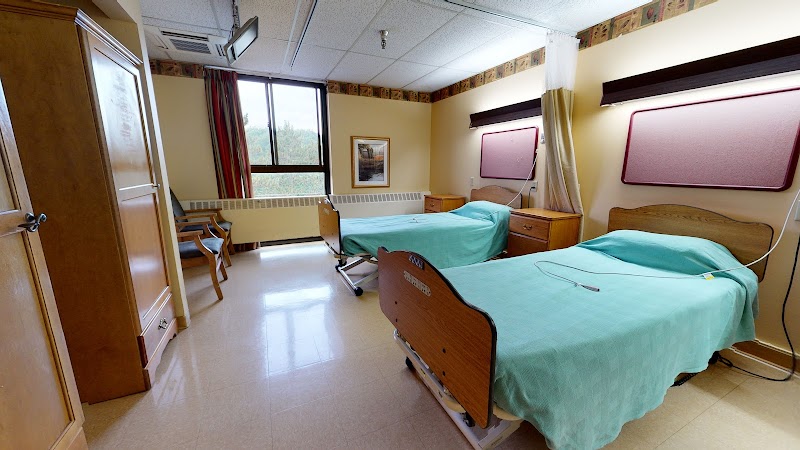
How is Fitchburg Healthcare Staffed?

CMS rates FITCHBURG HEALTHCARE's staffing level at 2 out of 5 stars, which is below average compared to other nursing homes. Staff turnover is 42%, compared to the Massachusetts average of 46%. This relatively stable workforce can support continuity of care. RN turnover specifically is 57%, which is notably high. RNs provide skilled clinical oversight, so turnover in this role can affect medical care quality.

What Have Inspectors Found at Fitchburg Healthcare?

State health inspectors documented 33 deficiencies at FITCHBURG HEALTHCARE during 2021 to 2025. These included: 2 that caused actual resident harm, 30 with potential for harm, and 1 minor or isolated issues. Deficiencies causing actual harm indicate documented cases where residents experienced negative health consequences.
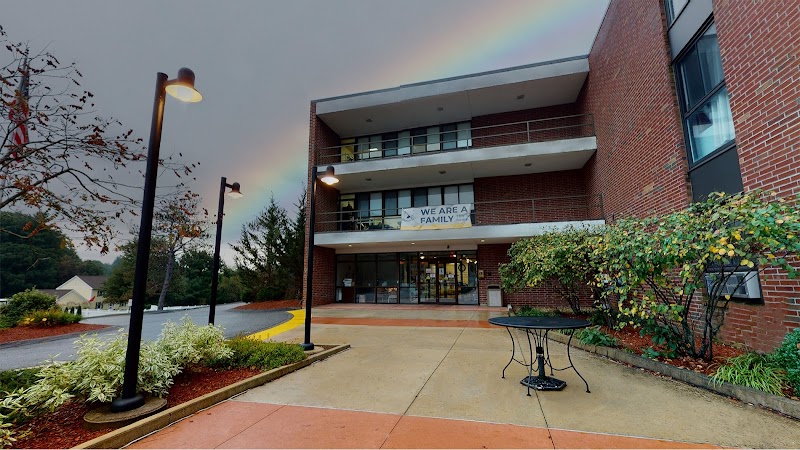
Who Owns and Operates Fitchburg Healthcare?

FITCHBURG HEALTHCARE is owned by a for-profit company. For-profit facilities operate as businesses with obligations to shareholders or private owners. The facility is operated by NEXT STEP HEALTHCARE, a chain that manages multiple nursing homes. With 160 certified beds and approximately 128 residents (about 80% occupancy), it is a mid-sized facility located in FITCHBURG, Massachusetts.
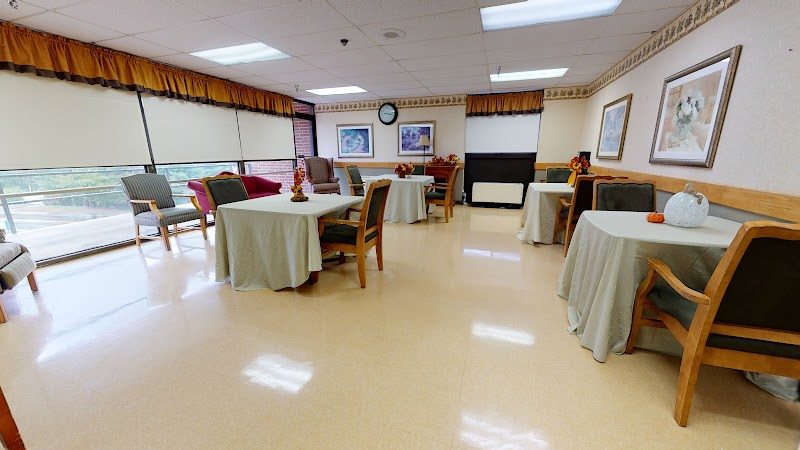
How Does Fitchburg Healthcare Compare to Other Massachusetts Nursing Homes?

Compared to the 100 nursing homes in Massachusetts, FITCHBURG HEALTHCARE's overall rating (2 stars) is below the state average of 2.9, staff turnover (42%) is near the state average of 46%, and health inspection rating (2 stars) is below the national benchmark.

What Should Families Ask When Visiting Fitchburg Healthcare?

Based on this facility's data, families visiting should ask: "Can you walk me through typical staffing levels on day, evening, and night shifts?" "Can I visit during a mealtime to observe dining assistance and food quality?" "How do you handle medical emergencies, and what is your hospital transfer rate?" "Can I speak with family members of current residents about their experience?" These questions are particularly relevant given the below-average staffing rating.

Is Fitchburg Healthcare Safe?

Based on CMS inspection data, FITCHBURG HEALTHCARE has a clean safety record: no substantiated abuse findings (meaning no confirmed cases of resident harm), no Immediate Jeopardy citations (the most serious violation level indicating risk of serious injury or death), and is not on the Special Focus Facility watch list (a federal program monitoring the lowest-performing 1% of nursing homes). The facility has a 2-star overall rating and ranks #100 of 100 nursing homes in Massachusetts. While no facility is perfect, families should still ask about staff-to-resident ratios and recent inspection results during their visit.

Do Nurses at Fitchburg Healthcare Stick Around?

FITCHBURG HEALTHCARE has a staff turnover rate of 42%, which is about average for Massachusetts nursing homes (state average: 46%). Moderate turnover is common in nursing homes, but families should still ask about staff tenure and how the facility maintains care continuity when employees leave.

Was Fitchburg Healthcare Ever Fined?

FITCHBURG HEALTHCARE has been fined $23,989 across 2 penalty actions. This is below the Massachusetts average of $33,319. While any fine indicates a compliance issue, fines under $50,000 are relatively common and typically reflect isolated problems that were subsequently corrected. Families should ask what specific issues led to these fines and confirm they've been resolved.

Is Fitchburg Healthcare on Any Federal Watch List?

FITCHBURG HEALTHCARE is not on any federal watch list. The most significant is the Special Focus Facility (SFF) program, which identifies the bottom 1% of nursing homes nationally based on persistent, serious quality problems. Not being on this list means the facility has avoided the pattern of deficiencies that triggers enhanced federal oversight. This is a positive indicator, though families should still review the facility's inspection history directly.