HOLDEN REHABILITATION & NURSING CENTER
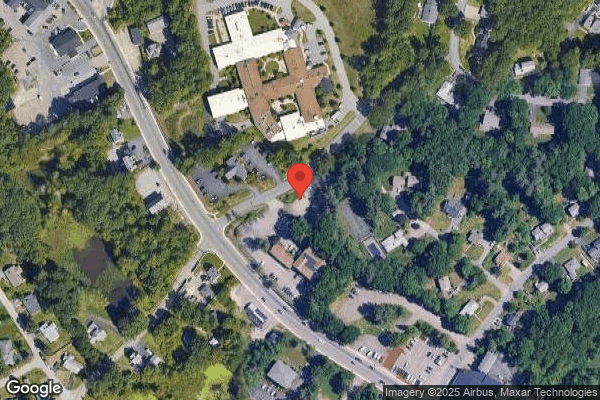
32 MAYO ROAD, HOLDEN, MA 01520 (508) 829-4327
For profit - Corporation 123 Beds Independent Data: November 2025
Trust Grade
75/100
#88 of 338 in MA
Last Inspection: February 2025

Within standard 12-15 month inspection cycle. Federal law requires annual inspections.

Overview

Holden Rehabilitation & Nursing Center has a Trust Grade of B, indicating it is a good option, though not without its issues. It ranks #88 out of 338 facilities in Massachusetts, placing it in the top half, and #13 out of 50 in Worcester County, meaning only 12 local facilities are better. The facility is experiencing a worsening trend, increasing from 4 issues in 2023 to 5 in 2025, which raises some concerns. Staffing is a weak point with a rating of 2 out of 5 stars and a turnover rate of 47%, higher than the state average, suggesting staff may not be as stable. On a positive note, there are no fines on record, which is a good sign, and RN coverage is better than 81% of Massachusetts facilities, indicating that registered nurses are available to catch potential issues that other staff might miss. However, there are specific incidents of concern, such as a resident not receiving medication as prescribed, which can lead to severe pain management issues. Additionally, there were instances where medications were not properly handled, like a nurse uncertain about the expiration of a medication vial and food being found in medication carts. These findings highlight areas where the facility needs to improve in order to ensure better care for its residents.

Trust Score
B
75/100
In Massachusetts
#88/338
Top 26%
Safety Record
Low Risk
No red flags
Inspections
Getting Worse
4 → 5 violations
Staff Stability
⚠ Watch
47% turnover. Above average. Higher turnover means staff may not know residents' routines.
Penalties
✓ Good
No fines on record. Clean compliance history, better than most Massachusetts facilities.
Skilled Nurses
✓ Good
Each resident gets 57 minutes of Registered Nurse (RN) attention daily — more than average for Massachusetts. RNs are trained to catch health problems early.
Violations
⚠ Watch
13 deficiencies on record. Higher than average. Multiple issues found across inspections.
★★★★☆
4.0
Overall Rating
★★☆☆☆
2.0
Staff Levels
★★★☆☆
3.0
Care Quality
★★★★☆
4.0
Inspection Score
Stable
2023: 4 issues
2025: 5 issues

The Good

  • Full Sprinkler Coverage · Fire safety systems throughout facility
  • No fines on record

Facility shows strength in fire safety.

The Bad

Staff Turnover: 47%

Near Massachusetts avg (46%)

Higher turnover may affect care consistency

The Ugly 13 deficiencies on record

Feb 2025 5 deficiencies
CONCERN (D)

Potential for Harm - no one hurt, but risky conditions existed

Deficiency F0604 (Tag F0604)

Could have caused harm · This affected 1 resident

**NOTE- TERMS IN BRACKETS HAVE BEEN EDITED TO PROTECT CONFIDENTIALITY** Based on record review, observation, and interview, the facility failed to provide an environment free from physical restraints ...

Read full inspector narrative →
**NOTE- TERMS IN BRACKETS HAVE BEEN EDITED TO PROTECT CONFIDENTIALITY** Based on record review, observation, and interview, the facility failed to provide an environment free from physical restraints for one Resident (#42) out of a total sample of 22 residents. Specifically, the facility failed to ensure that Resident #42 was free from physical restraints when CNA #1 used a locked wheelchair at the foot of the Resident's bed to prevent him/her from getting out of bed. Findings include: Review of the facility policy titled Physical Restraint Policy, revised 2/26/21, included but was not limited to the following: Operative Definitions: -PHYSICAL RESTRAINT- Any manual method or physical or mechanical device, material, or equipment attached or adjacent to the resident's body that the individual cannot easily move which restricts freedom of movement normal access to one's own body. >Physical restraints include but are not limited to: leg restraints ., lap buddy/seat belts. Also included are chairs which prevent rising. -Convenience - Any action taken by the facility to control resident behavior or maintain residents with a lesser amount of effort by the facility and not in the resident's best interest. Policies: -The facility shall, in addition to the MDS (Minimum Data Set Assessment), use an interdisciplinary assessment which will examine the following: In addition to the Physical Restraint Assessment, supporting documentation may be found in the following documentation: <History of falls, MDS, Physician history and physical .restraint assessment. -This assessment will be performed on a periodic basis: <Upon admission, at least quarterly, if a significant change has occurred, when use of a new restraint is .occurring. -A physician's order will be required for restraint use and will include the following: Type, time frame, .circumstances when the resident is to be restrained. -For the resident to make an informed choice about the use of restraints, the facility will explain to the resident and or family the potential risks .of the restraint in use. Resident #42 was admitted to the facility in January 2025 with diagnoses including Dementia, Muscle Weakness and Glaucoma. Review of the MDS dated [DATE], indicated that Resident #42 was moderately cognitively impaired as evidenced by a Brief Interview for Mental Status (BIMS) score of nine out of a total possible score of 15. Review of the Resident's comprehensive person-centered Falls Risk Care Plan, revised 1/27/25, indicated: -Resident #42 was at risk for falls. >Interventions for falls prevention included: *bed sensor alarm for safety *non-skid footwear *well-lit environment free of clutter Review of the Resident's comprehensive person-centered Resident Care Needs Care Plan, revised 1/28/25, indicated: -Resident #42 had care needs that would be met. >Interventions for care needs included: *Mobility assist of one (one staff member) with a rolling walker. *Transfers assist of one with a gait belt. Review of Resident 42's complete medical record indicated: -An Invoked Health Care Proxy (HCP- person that makes health care decisions for a patient when patient is unable to do so for themselves), effective 1/24/25. -An order for two half side rails while in bed as enabler with staff repositioning and security at patient/HCP request, effective 1/23/25. -A Physician order for a bed alarm, effective 1/23/25. Review of Nursing Progress Notes dated 1/31/25, 2/3/25, 2/7/25 and 2/8/25 indicated: -Resident #42 frequently self-transfers with poor safety awareness. Review of Resident #42's Nurse Practitioner (NP) Progress Note dated 2/10/25, indicated that Resident #42 was ambulating (walking) functional distances up to 80 feet with a walker and CGA (Contact Guard Assist [caregiver places 1-2 hands on the patient's body to help with balance but provides no other assistance])/minimum assistance. Review of the Social Services Progress Note dated 2/11/25, indicated Resident #42: -was working with PT (Physical Therapy)/OT (Occupational Therapy) services. -was ambulating with a RW (rolling walker) in his/her room to the bathroom with CGA. -was performing STS (sit to stand) with CGA. -performed a tub transfer with tub seat and CGA and verbal cues. On 2/12/25 from 10:30 A.M. to 12:00 P.M. the surveyor observed Resident #42 lying in bed with 1/2 side rails up bilaterally (both sides) and a bed sensor alarm in place. The surveyor also observed a manual wheelchair with the left brake locked and inward facing positioned against the mattress and blocking the lower quarter of Resident #42's bed on the right-hand side. During an interview and observation on 2/12/25 at 12:00 P.M. Certified Nurses Aide (CNA) #1 said that she was providing care to Resident #42. CNA #1 said that she was the staff member that assisted Resident #42 back to bed mid-morning and put the bed alarm in place. CNA #1 said that the bed alarm was in place because Resident #42 tries to get out of bed without help. CNA #1 said that Resident #42 is able to stand independently. The surveyor and CNA #1 observed the locked inward facing wheelchair positioned against the lower quarter of the right sided mattress of the Resident's bed. CNA #1 said that she put the wheelchair against the lower mattress and locked the brake to keep Resident #42 safe, so that Resident #42 would not get out of the bed independently. During an observation and interview on 2/12/25 at 12:08 P.M., the surveyor and Nurse #1 observed the inward facing wheelchair positioned against the lower quarter of the right sided mattress of the Resident's bed. Nurse #1 said that the wheelchair should not be locked because Resident #42 already had a bed alarm in place and the alarms could alert the staff if Resident #42 were to get up without help from staff. Nurse #1 said that a locked wheelchair at the foot of the bed would inhibit the resident's ability to get out of bed and was a restraint.
CONCERN (D)

Potential for Harm - no one hurt, but risky conditions existed

Deficiency F0646 (Tag F0646)

Could have caused harm · This affected 1 resident

Based on interviews and records reviewed, the facility failed to notify the state mental health authority for resident review after a significant change in the mental health condition of one Resident ...

Read full inspector narrative →
Based on interviews and records reviewed, the facility failed to notify the state mental health authority for resident review after a significant change in the mental health condition of one Resident (#16) out of a total sample of 22 residents. Specifically, the facility failed to notify the State PASRR (Preadmission Screening and Resident Review - federal requirement to help ensure individuals who have a mental disorder or intellectual disabilities are not inappropriately placed in nursing homes for long term care) Office of the need for a Resident Review when Resident #16 was newly diagnosed with Auditory Hallucinations and treatment using antipsychotic medications was implemented. Findings include: Resident #16 was admitted to the facility in May 2022 with diagnoses including Major Depressive Disorder and Mild Cognitive Impairment. Review of Resident #16's Level I PASRR dated 5/22/22, indicated the Resident had a negative screen for Serious Mental Illness (SMI). Review of Resident #16's Nursing Progress Note, dated 4/4/24, indicated the following: -Increased paranoia noted in patient today. -Patient vocalized frustration describing staff messing with him/her over the intercom, specifically overnight. -The patient stated staff saying his/her name over and over again through the intercom. Review of Resident #16's Nurse Practitioner (NP) Progress Note dated 5/20/24, indicated: -The Resident had been complaining about people playing tricks on him/her over the intercom at night. -Nursing had completed an investigation and could not find evidence of people playing tricks on the Resident over the intercom at night. -The Resident was quite paranoid about this and could not sleep. -The Resident was mistrustful of staff. -The Resident became very animated and upset when talking about the voices and said, Someone is messing with me. -A medical work-up had been completed in the past for this same complaint and was negative. -The NP suspected the Resident was having auditory hallucinations. -The plan included trialing Seroquel (antipsychotic medication) 25 milligrams (mg) Q (every) HS (Hour of Sleep [night]). Review of Resident #16's clinical record indicated the following: -The Resident was newly diagnosed with Auditory Hallucinations on 5/22/24. -The Resident began treatment with Seroquel for paranoia on 5/22/24. Review of Resident #16's Psychiatric Evaluation dated 6/11/24, indicated: -The Resident denied auditory hallucinations. -The Resident believed staff were messing with him/her, calling his/her name through the intercom at night. -The Resident had auditory hallucinations and paranoia. Review of Resident #16's Physician Order Summary for 5/1/24 through 2/13/25 indicated the following Physician orders: -Seroquel Oral Tablet 25 milligrams (mg), give 25 mg by mouth at bedtime for paranoia, dated 5/22/24 and discontinued 6/7/24. -Seroquel Oral Tablet 25 mg, give two tablets by mouth at bedtime for paranoia, dated 6/7/24 and discontinued 7/16/24. -Seroquel Oral Tablet 25 mg, give 0.5 tablet by mouth in the morning for paranoia, 12.5 mg dose, dated 7/16/24. -Seroquel Oral Tablet 50 mg, give one tablet by mouth at bedtime for paranoia, dated 7/16/24 and discontinued 10/9/24. -Seroquel Oral Tablet 25 mg, give 75 mg by mouth at bedtime for paranoia, dated 10/9/24 and discontinued 11/21/24. -Seroquel Oral Tablet, give 87.5 mg by mouth at bedtime for paranoia, dated 11/21/24 and discontinued 11/21/24. -Seroquel Oral Tablet, give 87.5 mg by mouth at bedtime for Vascular Dementia with Mood Disturbance, dated 11/21/24 with start date of 11/22/24. Review of Resident #16's clinical record indicated the Resident was newly diagnosed with Psychosis on 2/6/25. Further review of the clinical record did not indicate that Resident #16 had been referred to the State PASRR Office for Resident Review anytime between 5/22/24 and the DPH survey date. During an interview on 2/12/25 at 11:35 A.M., the Social Worker (SW) said that she oversaw the PASRR process at the facility. The SW said that if a resident experienced a significant change in mood or behavior and treatment for change in mental condition, the resident would be referred to the State PASRR Office for review. The SW said she was unsure whether Resident #16 had been referred to the State PASRR Office for review when the Resident was newly diagnosed with Auditory Hallucinations and began treatment with Seroquel. The SW further said she would review the Resident's record and get back to the surveyor. During a follow-up interview on 2//12/25 at 12:12 P.M., the SW said that no request for a Resident Review had been submitted to the State PASRR Office for Resident #16 anytime between 5/22/24 and the survey date. The SW further said that the Resident should have been referred to the State PASRR Office for Resident Review when the Resident was newly diagnosed with Auditory Hallucinations and required treatment with antipsychotic medications. Please refer to F740.
CONCERN (D)

Potential for Harm - no one hurt, but risky conditions existed

Incontinence Care (Tag F0690)

Could have caused harm · This affected 1 resident

**NOTE- TERMS IN BRACKETS HAVE BEEN EDITED TO PROTECT CONFIDENTIALITY** Based on observation, interview, and record review, the facility failed to provide care and services as required for an indwelli...

Read full inspector narrative →
**NOTE- TERMS IN BRACKETS HAVE BEEN EDITED TO PROTECT CONFIDENTIALITY** Based on observation, interview, and record review, the facility failed to provide care and services as required for an indwelling urinary/Foley catheter for one Resident (#36) out of a total sample of 22 residents. Specifically, for Resident #36, the facility failed to ensure that a blocked indwelling urinary catheter was replaced with the correct sized catheter balloon as ordered by the Physician. Findings include: Review of the facility policy for Catheter Care, Urinary, updated 12/12/24, indicated: >Preparation -Review the resident's care plan to assess for any special needs of the resident. -Assemble the equipment and supplies as needed. >Reporting -Report other information in accordance with facility policy and professional standards of practice. Resident #36 was admitted to the facility in September 2023 with diagnoses including Multiple Sclerosis, Quadriplegia and Neurogenic Bladder. Review of the Resident's care plan for a Foley Catheter, last revised 9/24/24, indicated: -Change Foley catheter as needed (PRN). -Foley catheter care per facility protocol every shift, and as needed. Review of the Minimum Data Set (MDS) assessment dated [DATE], indicated that Resident #36: -was severely cognitively impaired as evidenced by a Brief Interview for Mental Status (BIMS) score of four out of 15. -was dependent for toileting -had an indwelling urinary catheter. Review of Resident #36's February 2025 Physician's orders indicated: -Foley catheter size 20 French (Fr: French scale or system used to size catheters) with 10 milliliter (ml) balloon, change every 3 months as needed for blockage or leakage, start date 8/11/24. -Foley catheter 20 Fr with 10 ml (balloon), change every 3 months . change with same size catheter, start date 9/5/24 Review of Resident #36's February 2025 Treatment Administration Record (TAR) indicated: -Foley catheter size 20 Fr with a 10 ml balloon. -the Foley catheter had been changed to a size 20 Fr with a 10 ml balloon as needed for a blockage or leakage on 2/1/25. Review of Resident #36's clinical record indicated a Nursing Progress Note dated 2/1/25, that indicated: -the Resident's Foley catheter had been changed due to a blockage. -the Foley catheter size was changed to a 20 Fr with a 10 ml balloon. On 2/13/25 at 9:21 A.M., the surveyor and Unit Manager (UM) #2 observed that Resident #36 had a Foley catheter in place that was a size 20 Fr with a 30 ml balloon. The surveyor and UM #2 also observed a red colored substance on the towel next to the Resident's right leg. During an interview at the time, UM #2 said that the size of the catheter and balloon should reflect what was ordered by the Physician and it did not. UM #2 further said that having a larger balloon size can cause irritation and increase the chances of bleeding to the Resident. During an interview on 2/13/25 at 10:53 A.M., the Director of Nursing (DON) said the facility should have supply of the correct size urinary catheters for all the residents who needed them. During an interview on 2/13/25 at 12:48 P.M., UM #2 said that she had no documented evidence that the wrong balloon size urinary catheter had been placed in Resident #36 on 2/1/25 until 2/13/25, after the initial observation with the surveyor. During an interview on 2/13/25 at 12:54 P.M., the Nurse Practitioner (NP) said that she does receive phone calls from the Nurses if they do not have the correct size catheter equipment and need to change the sizing of urinary catheter. The NP also said that in the case where the correct size catheter balloon was not available, an order should be written to reflect the new catheter balloon size change and this was not done. During an interview on 2/13/25 at 12:57 P.M., Central Supply Staff said that he did not have Foley catheters size 20 Fr with 10 ml balloon on hand until they were delivered to the facility today. Central Supply Staff also said that he was unable to provide evidence on how long the facility had been without 20 Fr/10 ml balloon size urinary catheter. Central Supply Staff said that he was responsible for ordering the building's medical supplies and he is informed of what supplies to order by a list created by the nursing staff on each of the units.
CONCERN (D)

Potential for Harm - no one hurt, but risky conditions existed

Deficiency F0740 (Tag F0740)

Could have caused harm · This affected 1 resident

Based on interview, and record review, the facility failed to provide Behavioral Health Care and services to attain or maintain the highest practicable mental and psychosocial well-being, in accordanc...

Read full inspector narrative →
Based on interview, and record review, the facility failed to provide Behavioral Health Care and services to attain or maintain the highest practicable mental and psychosocial well-being, in accordance with the comprehensive assessment and plan of care for one Resident (#16) out of a total sample of 22 residents. Specifically, for Resident #16, the facility failed to: -obtain psychotherapeutic counseling based on recommendations of a Psychotherapy Evaluation, and consent for the therapy by the Resident. -obtain a Psychiatric evaluation timely for the Resident when the Nurse Practitioner ordered a Psychiatric Evaluation to assess the Resident for auditory hallucinations. Findings include: Review of the facility's policy titled Behavioral Health Services, undated, indicated the following: -The facility will provide and residents will receive behavioral health services as needed to attain or maintain the highest practicable . mental and psychosocial well-being in accordance with the . plan of care. -Behavioral health services are provided to residents as needed as part of the interdisciplinary, person-centered approach to care. Resident #16 was admitted to the facility in May 2022 with diagnoses including Major Depressive Disorder and Mild Cognitive Impairment. Review of Resident #16's active Physician orders dated 5/6/22, indicated: -Dentist, Podiatry, Optometrist, Audiology, Behavioral Health, and Wound MD (Physician) with Resident/family consent as needed. Review of Resident #16's Mood Care Plan, initiated 5/6/22, indicated the following: -The Resident had potential for alteration in coping and mood related to a diagnosis of MDD (Major Depressive Disorder), periods of agitation at times, and feeling down on occasion. -Monitor for mood and behavior changes and report to SW (Social Worker) and Nursing for follow-up as indicated (5/6/22). -Obtain Psychological/Psychiatric Consult/Services if indicated (5/6/22). Review of Resident #16's Behavioral Health Psychotherapy Evaluation Note, dated 11/3/23, indicated: -The Resident was referred to Psychotherapy for counseling. -An initial evaluation was being conducted. -The Resident reported someone was messing with him/her through the phone and from the hallway, calling his/her name. -The rationale for therapy included identifying changing of negative or repetitive thoughts, engage in or review new interpersonal skills and self management (grounding) activities to control those thoughts . -The Resident agreed with the treatment plan. Review of Resident #16's Behavioral Health Consent, dated 11/3/23, indicated the Resident consented to psychotherapy services. Review of Resident #16's clinical record did not include any evidence that the Resident received psychotherapeutic counseling after his/her evaluation on 11/3/23. Review of Resident #16's Attending Physician Request for Services/Consultation, dated 12/14/23, indicated a request for Behavioral Health Services relative to Dementia and a question of the Resident experiencing auditory hallucinations. Review of Resident #16's Nurse Practitioner (NP) orders, dated 12/14/23, indicated: -Obtain psych (Psychiatric) eval and audiology consult. Review of Resident #16's Audiology Consult, dated 2/1/24, indicated the Resident: -had hearing loss -reported tinnitus (ringing or buzzing in ears) -had hearing aids recommended -had been referred to Behavioral Health Services for a change in behavior and hearing sounds. -reported tinnitus in the left ear. Review of Resident #16's Physician Progress Note, dated 3/6/24, indicated: -The Resident had some issues with staff overnight relative to staff talking through the intercom. -The Resident had mild cognitive impairment. -It was unclear whether the Resident was having delusions. -The Resident had been seen by Psych Services. Review of Resident #16's clinical record did not include any evidence that the Resident was seen by Psychiatric Services since the Behavioral Health Psychotherapy Evaluation on 11/3/23. Review of Resident #16's Nursing Progress Note, dated 4/4/24, indicated: -Increased paranoia noted in patient today. -Patient vocalized frustration describing staff messing with him/her over the intercom, specifically overnight. -The patient stated staff saying his/her name over and over again through the intercom. Review of Resident #16's Social Services Progress Note, dated 5/1/24, indicated: -The Resident reported feeling down at times and was prescribed Lexapro (antidepressant medication) for symptom management. -The Resident was followed by psych services as needed. -The Resident was last seen by psych services for one-to-one counseling on 11/3/23. Review of Resident #16's NP Progress Note, dated 5/20/24, indicated: -The Resident had been complaining about people playing tricks on him/her over the intercom at night. -Nursing had completed an investigation and could not find evidence of people playing tricks on the Resident over the intercom at night. -The Resident was quite paranoid about this and could not sleep. -The Resident was mistrustful of staff. -The Resident became very animated and upset when talking about the voices and said, Someone is messing with me. -A medical work-up had been completed in the past for this same complaint and was negative. -The NP suspected the Resident was having auditory hallucinations. -The plan included trialing Seroquel (antipsychotic medication) 25 milligrams (mg) Q (every) HS (Hour of Sleep [night]). Review of Resident #16's NP Progress Note, dated 6/7/24, indicated: -The Resident reported voices over the intercom at night and was fearful people were trying to poison him/her. -The Resident thought Nurses were trying to kill him/her with medications. -The Resident became very agitated when asked about the intercom. -The Resident had moderate cognitive impairment with paranoia and auditory hallucinations. -The plan included to increase the Resident's Seroquel at night from 15 mg to 50 mg and to add a dose of Seroquel 12.5 mg every morning. -If no improvement, consult Psych. Review of Resident #16's clinical record did not indicate any evidence that a Psychiatric Evaluation was completed as ordered by the NP on 12/14/23, until 6/11/24 (approximately six months after being ordered). Review of Resident #16's Psychiatric Evaluation, dated 6/11/24, indicated: -The Resident denied auditory hallucinations. -The Resident believed staff were messing with him/her, calling his/her name through the intercom at night. -The Resident had auditory hallucinations and paranoia. During an interview on 2/13/25 at 7:40 A.M., Certified Nurses Aide (CNA) #2 said that she cared for Resident #16 and that the Resident sometimes experienced hallucinations where he/she talks about seeing or hearing things that are not there, such as bugs on the wall and voices through the intercom. CNA #2 said she could not recall how long Resident #16 had been having hallucinations and that the hallucinations had decreased significantly over the last month. CNA #2 said that she has not heard the Resident report any hallucinations lately. During an interview on 2/12/25 at 1:35 P.M., the Assistant Director of Nursing (ADON) said he reviewed Resident #16's record and the most recent Behavioral Health visit provided for Resident #16 prior to the Psychiatric Evaluation on 6/11/24 was the Psychotherapy Evaluation completed on 11/3/23. During an interview on 2/13/25 at 8:20 A.M. with the ADON and the Director of Nursing (DON), the ADON said that the Psychotherapist who evaluated Resident #16 on 11/3/23 was no longer providing services to the facility since the end of 2023. The DON said it took a few months for the contracted Behavioral Health Agency to find a replacement for the Psychotherapist and that staff at the facility were providing additional support for Resident #16. When the surveyor asked what support was provided for the Resident, the DON said that she thought the SW was involved with the Resident and that the NP oversaw the Resident and initiated Seroquel for the Resident's behaviors. The DON also said that although the Psychotherapist was no longer providing services to the facility, the contracted Behavioral Health Agency did provide the facility with a Psychiatric NP to evaluate residents at the facility. The surveyor requested evidence as to whether the facility obtained a Psychiatric Evaluation for Resident #16 after one was ordered for the Resident on 12/14/23, prior to the evaluation completed on 6/11/24. The surveyor also requested evidence of any additional Behavioral Health Support provided to the Resident between 12/14/23 and 5/20/24 when the NP assessed the Resident for auditory hallucinations. During an interview on 2/13/25 at 9:45 A.M., the NP said that she referred Resident #16 for a Psych Eval (Psychiatric Evaluation) on 12/14/23. The NP said when Specialists, such as Psych Practitioners, assess Residents, she reviews any recommendations made and will determine whether to accept the recommendations. The NP said when Specialists complete a Consult for a resident, she has access to the Consult notes, but she does not always review the Consult notes if she is not alerted by facility staff that recommendations were made. When the surveyor asked whether the NP was aware that the Psych Evaluation had not been completed as ordered on 12/14/23, the NP said that when she made a referral, she expected that the other professionals would follow through on providing the service. The NP further said there was a period of time when the Resident's hallucinations were not occurring as much, and that the hallucinations were addressed when they increased. The NP said that even if the Psych Provider had evaluated the Resident, she did not think they would have done anything differently than what she did for the Resident. The facility did not provide any evidence to the survey team prior to the end of the survey period relative to: -Any communications made to obtain Psychotherapeutic Counseling for Resident #16 after the Psychotherapist's evaluation of the Resident was completed on 11/3/23 and continued therapy was recommended. -Any Psychiatric Evaluation being obtained between 12/14/23 and 6/11/24. During a post-survey interview on 2/18/25 at 4:32 P.M., the Behavioral Health Manager said that Resident #16 was evaluated by the Psychotherapist in November 2023 and the Psychotherapist had recommended treatment for the Resident. The Behavioral Health Manager said that there may have been a glitch in the computer system and the Resident's enrollment was not processed which resulted in the Resident not being scheduled for Psychotherapy visits. The Behavioral Health Manager said that Resident #16 was enrolled for Psychiatric Services to be evaluated by the Psychiatric Nurse Practitioner (NP) on 12/14/23, but the evaluation was never completed. The Behavioral Health Manager said it was atypical that errors like this occurred and that she hoped this would not happen to other residents. The Behavioral Health Manager also said there was nothing in the Resident's file indicating that the Psychotherapy Services and the Psychiatric Evaluation were not to be completed for the Resident, and that Resident #16 was not evaluated by the Psychiatric NP until 6/11/24. The Behavioral Health Manager further said there was nothing in the Resident's file that indicated the facility had followed-up with the Behavioral Health Agency relative to Psychotherapy Services or the Psychiatric Evaluation.
MINOR (B)

Minor Issue - procedural, no safety impact

Assessment Accuracy (Tag F0641)

Minor procedural issue · This affected multiple residents

Based on interview, and record review, the facility failed to accurately code three Minimum Data Set (MDS) Assessments relative to medications administered to the Resident during the Assessment observ...

Read full inspector narrative →
Based on interview, and record review, the facility failed to accurately code three Minimum Data Set (MDS) Assessments relative to medications administered to the Resident during the Assessment observation periods for one Resident (#16), out of a total sample of 22 residents. Specifically, the facility failed to accurately code three consecutive MDS Assessments for the administration of an antiplatelet medication when Aspirin was ordered by the Physician for the Resident and the Resident received Aspirin during the observation periods for each MDS Assessment. Findings include: Review of the Centers for Medicare and Medicaid Services (CMS) Long-Term Care Facility Resident Assessment Instrument 3.0 User's Manual, Version 1.19.1, dated October 2024, indicated the following under Section N: Medications: -The intent of the items in this section is to record the number of days, during the last 7 days (or since admission/entry or reentry if less than 7 days) that any type of . select medications were received by the resident. -High Risk Drug Classes included Antiplatelet medications. -Check if an Antiplatelet medication (e.g., aspirin/extended release, dipyridamole, clopidogrel) was taken by the resident at any time during the 7-day observation period (or since admission/entry or reentry if less than 7 days). 1. Resident #16 was admitted to the facility in May 2022 with diagnoses including Hyperlipidemia and Atherosclerotic Heart Disease. Review of Resident #16's active Physician orders, dated 6/5/22, indicated: -Aspirin Tablet Delayed Release 81 milligrams (mg). -Give one tablet by mouth one time a day for prophylactic heart health. Review of Resident #16's MDS Assessment, dated 5/2/24, did not indicate that the Resident had received antiplatelet medication during the Assessment observation period. Review of Resident #16's May 2024 Medication Administration Record (MAR) indicated the Resident received Aspirin as ordered on 5/1/24 and 5/2/24. Review of Resident #16's MDS Assessment, dated 11/1/24, did not indicate that the Resident had received antiplatelet medication during the observation period for the Assessment. Review of Resident #16's October 2024 and November 2024 MARs indicated the Resident received Aspirin daily as ordered from 10/26/24 through 10/31/24 and 11/1/24. Review of Resident #16's MDS Assessment, dated 1/31/25, did not indicate that the Resident had received antiplatelet medication during the Assessment observation period. Review of Resident #16's January 2025 MAR indicated the Resident received Aspirin daily as ordered, from 1/25/25 through 1/31/25. During an interview on 2/12/25 at 11:23 A.M., the MDS Coordinator said that she did not code Resident #16's MDS Assessments dated 5/2/24, 11/1/24, and 1/31/25, to indicate the Resident had received antiplatelet medication because Aspirin is never coded on MDS's as being an antiplatelet medication.
Dec 2023 4 deficiencies
CONCERN (D)

Potential for Harm - no one hurt, but risky conditions existed

Food Safety (Tag F0812)

Could have caused harm · This affected 1 resident

Based on observation, interview, and policy review, the facility failed to ensure that staff stored, labeled, and dated food used for resident consumption, in accordance with professional standards fo...

Read full inspector narrative →
Based on observation, interview, and policy review, the facility failed to ensure that staff stored, labeled, and dated food used for resident consumption, in accordance with professional standards for food safety within the facility's main kitchen. Findings include: Review of the facility policy titled, Food Storage, dated 2021, indicated the following: -Date marking should be visible on all high-risk food to indicate the date by which a ready to eat, Time/Temperature Control for Safety (TSC) food should be consumed, sold, or discarded. During a tour of the kitchen on 12/15/23 from 9:26 A.M. through 9:52 A.M., the surveyor observed the following: In the walk-in refrigerator: -two packages of cheese that were opened, (undated) and moldy -a cranberry sauce container, with a use by date of 11/29/23 -one opened and undated bag of hamburger patties -one opened and undated bag of fried eggs During an interview on 12/15/23 at 9:51 A.M., Dietary Staff #1 said that the food items should be labeled and dated when opened. She further said that food items should not be used after the use by date, not consumed if moldy, and said that they would be thrown away.
CONCERN (D)

Potential for Harm - no one hurt, but risky conditions existed

Infection Control (Tag F0880)

Could have caused harm · This affected 1 resident

Based on observation, interview, record and policy review, the facility failed to adhere to infection control standards and implement the facility policy relative to Contact Precautions (actions imple...

Read full inspector narrative →
Based on observation, interview, record and policy review, the facility failed to adhere to infection control standards and implement the facility policy relative to Contact Precautions (actions implemented in addition to standard precautions based upon means of transmission in order to prevent or control infections), for one Resident (#87), in a total sample of 24 residents. Specifically, the facility staff failed to ensure that Contact Precautions were maintained during a wound dressing change for a Resident with Vancomycin Resistant Enterococcus (VRE- an infection with bacteria that are resistant to the antibiotic vancomycin). Findings include: Review of the facility policy titled, Vancomycin Resistant Enterococcus (VRE) Policy, undated, indicated: -The facility would place residents with diagnosed VRE on Contact Precautions in addition to Standards Precautions to protect against the transmission of VRE infection to other residents and to personnel. -Wash hands after removing gloves. Use antiseptic soap. Review of the facility policy titled, Hand Washing/Hand Hygiene revised 2018, indicated the following: -Contact Precautions may be implemented for residents known or suspected to be infected with microorganisms that can be transmitted by direct contact with the resident or indirect contact with environmental surfaces or resident care items in the resident's environment. -Staff and visitors will wear gloves (clean non-sterile) when entering the room. -While caring for a resident, staff will change gloves after having contact with infected material (for example, fecal material and wound drainage). -Gloves will be removed and hand hygiene performed before leaving the room. -Staff will avoid touching potentially contaminated environmental surfaces or items in the resident's room after gloves are removed. Resident #87 was admitted to the facility in October 2023, with a diagnosis of Stage 4 (Full-thickness skin and tissue loss with exposed or directly palpable fascia, muscle, tendon, ligament, cartilage or bone in the ulcer) pressure ulcer of the sacral region (region of the sacrum [triangular shaped bone at the base of the spine] and coccyx/tailbone) and Osteomyelitis (infection of the bone) of vertebra, sacral, and sacrococcygeal region. Review of Resident #87's October 2023, Physician's orders indicated the following: -Maintain Contact Precautions every shift for VRE in the coccyx wound every shift for VRE/Wound. -Referral to infectious disease for Osteomyelitis of the sacral wound. -Medial sacral wound: >clean area with normal saline (NS) and pat dry >Apply Collagen with silver sheet on the wound bed >cover with a super-absorbent gelling fiber with silicone border dressing [promotes healing] every day-shift (7:00 A.M. to 3:00 P.M.) -VRE precautions every shift (VRE in wound) Review of Resident #87's Lab Culture Report dated 10/10/23, indicated VRE in the coccyx wound. On 12/13/23 at 10:40 A.M., the surveyor observed a wound dressing change being done by Nurse #1 for Resident #87 in his/her room. A Contact Precautions sign was posted outside of the Resident's room which indicated that all staff were required to clean their hands upon entering and exiting the room, wear a gown, gloves and use dedicated equipment and clean and disinfect re-usable equipment. The surveyor also observed a plastic three-drawer bin containing personal protective equipment (PPE) in the hallway outside the Resident's room, which included disposable gowns, gloves, N95 masks, and eye protection. Nurse #1 was observed to don (put on) a gown, gloves (without washing her hands), face shield and a mask and entered Resident #87's room. Resident #87 was observed lying in bed. Nurse #1 opened gauze and normal saline and discarded the wrappers on the Resident's floor. She then removed the old wound dressing, which was observed by the surveyor with drainage, body fluid and blood and placed the soiled dressing on the floor. Nurse #1 then removed her gloves, washed her hands, and replaced her gloves. She then cleaned the sacral wound area with normal saline and gauze. The surveyor observed body fluid drainage present on the gauze. Nurse #1 discarded the gauze and soiled gloves on the Resident's floor. The surveyor observed that Nurse #1 replaced her gloves, without washing her hands. At this time another staff member provided Nurse #1 with a trash bag. Nurse #1 placed the open bag on the floor next to the discarded gloves, gauze, and old wound dressing. Nurse #1 then placed the open collagen with silver sheet into the sacral wound bed. She then removed her gloves and discarded them on the Resident's floor. Nurse #1 again replaced her gloves (without washing her hands) and dated the new silicone border dressing that she applied. The surveyor observed that Nurse #1 picked up the discarded wound treatment items from the floor and placed them into the trash bag that was on the floor. She then replaced her gloves without washing her hands, removed the unused dressing items off the bed and threw them into the trash bag. During an interview on 12/13/23 at 11:27 A.M., Nurse #1 said that she placed the soiled dressing and used wound care items on the floor. She said that she did not wash her hands between glove changes and asked the surveyor if she needed to perform hand washing between glove changes. Nurse #1 said that after the staff member gave her a trash bag, she threw the soiled treatment dressing items on top of it and may have missed the bag . When the surveyor asked if that was a concern for infection control procedures, Nurse #1 said no. When the surveyor addressed that Resident #87 has a VRE sacral wound infection Nurse #1 said she guessed that makes sense with the infection that it [the soiled wound dressing items] should be in the trash. During an interview on 12/13/23 at 1:34 P.M., the Infection Preventionist (IP) said that the facility used wound care policies as their guide to provide care. He further said that staff should wash their hands prior to starting wound care and throughout the treatment as indicated. The IP said that the dirty removed wound dressing and supplies should be put into a trash bag and not on the floor for infection control. He further stated that the facility also utilized biohazard bags if wound drainage soaks through the dressing, and that staff should utilize the biohazard bags to dispose of the items [with drainage and body fluids].
CONCERN (E)

Potential for Harm - no one hurt, but risky conditions existed

Deficiency F0760 (Tag F0760)

Could have caused harm · This affected multiple residents

Based on observation, record review, and interview, the facility failed to ensure that one Resident (#161) out of a total sample of 14 residents was free from significant medication errors. Specifical...

Read full inspector narrative →
Based on observation, record review, and interview, the facility failed to ensure that one Resident (#161) out of a total sample of 14 residents was free from significant medication errors. Specifically, the facility failed to administer Hydromorphone (Opioid: medication used to treat severe pain) Hydrochloride (HCl: common salt used in some medications to make them more water soluble) on an as needed (PRN) basis, according to the facility standards of practice and the prescribing Practitioner's orders. Findings include: Review of the facility's policy, titled Administering Medications, dated 2001 and revised April 2019, indicated the following: - Medications are administered in accordance with Prescriber orders . - If a dosage is believed to be inappropriate ., the person preparing or administering the medication will contact the Prescriber, . to discuss the concerns. Resident #161 was admitted to the facility in December 2023 with diagnoses including Malignant Neoplasm (cancerous tumor which invades normal tissue) of the soft palate (flexible fleshy tissue toward the back of the roof of the mouth). Review of Resident #161's December 2023 Physician's orders indicated the following orders, initiated 12/6/23: -Hydromorphone HCl Oral Tablet, two (2) milligrams (mg); give 2 mg via gastrostomy tube (G-tube: tube used to administer nutrition, hydration, and medication directly into one's stomach) every 4 hours for moderate pain 4-6. -Hydromorphone HCl Oral Tablet 2 mg; give 4 mg via G-tube every 4 hours as needed for severe pain 7-10. Review of Resident #161's December 2023 Medication Administration Record (MAR) indicated the following: -12/7/23: The Resident reported a pain level of 4 at 3:31 P.M. and a pain level of 5 at 6:28 P.M. 4 mg of Hydromorphone HCl were administered to the Resident for each of these episodes (not 2 mg as ordered, for moderate pain of 4-6). -12/8/23: The Resident reported a pain level of 8 at 2:03 P.M. 2 mg of Hydromorphone HCl was administered to the Resident (not 4 mg as ordered, for severe pain of 7-10). -12/10/23: The Resident reported a pain level of 5 at 8:07 A.M. 4 mg of Hydromorphone HCl was administered to the Resident (not 2 mg as ordered, for moderate pain of 4-6). -12/11/23: The Resident reported a pain level of 4 at 4:37 P.M. 4 mg of Hydromorphone HCl was administered to the Resident (not 2 mg as ordered, for moderate pain of 4-6). -12/13/23: The Resident reported a pain level of 6 at 8:12 A.M. and a pain level of 5 at 1:12 P.M. 4 mg of Hydromorphone HCl were administered to the Resident (not 2 mg as ordered, for moderate pain of 4-6). Review of the clinical record indicated no evidence that the facility contacted Resident #161's Physician or Nurse Practitioner (NP) to administer doses of Hydromorphone HCl outside of the ordered parameters on the 12/7/23 -12/8/23, 12/10/23 -12/11/23 and 12/13/23 dates. On 12/14/23 at 11:11 A.M., the surveyor observed Resident #161 in his/her room, lying on the bed on his/her right side. The Resident had a bandage around his/her head and his/her left cheek was swollen. During an interview at the time, Resident #161 said the swollen area was cancerous and caused pain. The Resident said the Nurses gave him/her pain medication when he/she needed it and they told him/her the dose they were giving, but he/she did not choose the dose to be administered. During an interview on 12/14/23 at 11:45 A.M., Nurse #5 said Resident #161 always had pain and that there were orders for Hydromorphone HCl to administered to the Resident every four hours, as needed (PRN). Nurse #5 said she did not recall ever having administered only 2 mg of Hydromorphone HCl to the Resident. Nurse #5 said she recalled only ever administering 4 mg of the medication to the Resident. The surveyor and Nurse #5 reviewed Resident #161's December 2023 MAR and Physician's orders, and she said she had administered 4 mg of Hydromorphone HCl to the Resident at times when his/her reported level of pain was between 4-6 and that she had done that because she knew the Resident's pain would increase when his/her dressing needed to be changed or he/she was going to therapy. Nurse #5 further said she did not consider administering Hydromorphone HCl outside of the ordered pain level parameters a problem because she thought the Resident would need it. During an interview on 12/14/23 at 12:00 P.M., the NP said she was at the facility four days per week, that she saw her assigned residents every 24 to 48 hours during that time, and that Resident #161 was one of the Residents whose care she managed. The NP also said when she was not in the facility, she could be reached by phone or electronically and that there was also an on-call schedule so the facility could reach a Provider seven days per week, 24 hours per day. The NP said Hydromorphone HCl was an opioid and it was one of the strongest medications used to treat severe cases of pain. The NP said if a Resident required a higher dose of pain medication than what was indicated by the pain parameters ordered, she would expect the facility staff to contact her to obtain the order, but this had not been done for Resident #161. The NP said staff at the facility were expected to provide all medications according to what was ordered and that staff should not have administered Hydromorphone HCl doses to Resident #161 that were outside of the pain parameters ordered.
CONCERN (E)

Potential for Harm - no one hurt, but risky conditions existed

Deficiency F0761 (Tag F0761)

Could have caused harm · This affected multiple residents

**NOTE- TERMS IN BRACKETS HAVE BEEN EDITED TO PROTECT CONFIDENTIALITY** 5. On 12/14/23 at 3:11 P.M., the surveyor observed Medication Cart #3 on the Wachusett Unit with Nurse #7. In the cart was a Lid...

Read full inspector narrative →
**NOTE- TERMS IN BRACKETS HAVE BEEN EDITED TO PROTECT CONFIDENTIALITY** 5. On 12/14/23 at 3:11 P.M., the surveyor observed Medication Cart #3 on the Wachusett Unit with Nurse #7. In the cart was a Lidocaine 1% (percent) 10 ml (milliliters) multi-dose vial dated as opened on 11/9/23, with an expiration of May 2025. During an interview at the time, Nurse #7 said she is not sure if the Lidocaine 1% vial needed to be discarded after 28 days. On 12/14/23 at 4:42 P.M., the surveyor observed Medication Cart #1 on the Laurel Unit with Nurse #9. The surveyor observed a closed bag of smart food located in the bottom drawer of the cart. Nurse #9 stated that the bag of smart food does not belong in the cart and threw it away. During an interview on 12/14/23 at 4:45 P.M., the Director of Nurses (DON) said that food was not supposed to be stored in the Medication Carts. 4. Resident #35 was admitted to the facility in February 2020. Review of the MDS assessment dated [DATE], indicated that Resident #35 was cognitively intact as evidenced by a BIMS score of 14 out of a total possible score of 15. On 12/12/23 at 9:05 A.M., the surveyor observed a cup containing medications sitting on Resident #35's breakfast tray. During an interview at the time, the Resident said that he/she was not sure how long the medications had been sitting on the breakfast tray but that the Nurse must have placed the medication cup on the tray while he/she was sleeping. The Resident said that the Nurse is supposed to watch him/her take the medications, especially since he/she usually receives Oxycodone (an opioid medication used to relieve pain) with his/her morning medications. During an interview on 12/12/23 at 9:18 A.M., Nurse #6 said that when she brought the Resident's medication into the room, she found that the Resident was on the commode. She said she left the medications on the breakfast tray so the Resident could have privacy but said she shouldn't have left the medications on the breakfast tray. Based on observation, interview, record and policy review, the facility failed to store drugs and biologicals in accordance with professional standards and facility policy for three Residents (#19, #66, and #35) out of a total sample of 24 residents and on two out of four medication carts. Specifically, the facility failed to adhere to medication storage requirements when: 1. Medications were observed stored on Resident #19's night stand. 2. Medications were observed stored inside a disposable plastic cup on Resident #66's rolling bedside table. 3. Medications were observed on a medication cart on the Laurel Unit with no Nurse present at the cart. 4. Medications were observed stored in a medicine cup on Resident #35's breakfast tray. 5. One open, 10 milliliter (ml) vial of Lidocaine (medication used to numb an area on the body) 1% and one bag of popcorn were observed stored in the medication carts on two units. Findings include: Review of the facility policy titled Administering Medications, revised April 2019, indicated the following: - Medications are administered in a safe and timely manner, and as prescribed. - For residents not in their rooms or otherwise unavailable to receive medications on the pass, the Medication Administration Record (MAR) may be flagged. After completing the medication pass, the Nurse will return to the missed resident to administer the medication. Review of the facility's policy titled Medication Labeling and Storage, dated 2001 and revised February 2023, indicated the following: - The facility stores all medications and biologicals in locked compartments under proper temperature, humidity, and light controls. - Only authorized personnel have access to keys. - The Nursing staff is responsible for maintaining medication storage and preparation areas in a clean, safe, and sanitary manner. - If the facility has discontinued, outdated or deteriorated medications or biologicals, the dispensing pharmacy is contacted for instructions regarding returning or destroying these items. - Controlled substances . and other drugs subject to abuse are separately locked in permanently affixed compartments . - Multi-dose vials that have been opened or accessed .are dated and discarded within 28 days, unless the manufacturer specifies a shorter or longer date for the open vial. 1. Resident #19 was admitted to the facility in May 2022 with a diagnosis of mild cognitive impairment (stage between the expected decline in memory and thinking that happens with age and the more serious decline of Dementia) of uncertain or unknown etiology (cause). Review of Resident #19's Minimum Data Set (MDS) assessment dated [DATE], indicated the Resident was moderately cognitively impaired, as exhibited by a Brief Interview for Mental Status (BIMS) score of 12 total points out of 15 possible points. Review of Resident #19's December 2023 Physician's orders indicated the following: -Ammonium Lactate External Cream 12% (Lactic Acid [Ammonium Lactate]: used to treat dry scaly skin). Apply to arms, legs and feet topically two times a day for dry skin, initiated 8/11/23. -Voltaren External Gel 1% (Diclofenac Sodium [Topical]: used to treat pain) Apply to feet topically two times a day for pain two grams each foot, initiated 1/31/23. On 12/12/23 at 10:01 A.M. the surveyor observed the following medications on Resident #19's night stand: -One bottle of Ammonium Lactate External Cream 12%. -One tube of Diclofenac Sodium Gel 1%. During an interview at the time, Resident #19 said that the bottle of Ammonium Lactate External Cream 12% and the tube of Diclofenac Sodium Gel 1% were always resting on top of his/her night stand so that he/she could self administer these medications. On 12/13/23 at 8:23 A.M., the surveyor observed one bottle of Ammonium Lactate External Cream 12% and one tube of Diclofenac Sodium Gel 1% on Resident #19's night stand. During an interview on 12/13/23 at 11:37 A.M., Nurse #3 said the bottle of Ammonium Lactate External Cream 12% and tube of Diclofenac Sodium Gel 1% were always stored in Resident #19's room. Nurse #3 said both items should have been stored and locked in the Resident's top night stand drawer. Nurse #3 further said Resident #19 did not have a key to his/her night stand drawer, so the items could not be stored in a locked compartment as required. 2. Resident #66 was admitted to the facility in November 2023 with Age Related Cognitive Decline and Unspecified Glaucoma (a condition where the eye's optic nerve is damaged which can cause gradual vision loss). Review of Resident #66's MDS assessment dated [DATE], indicated the Resident was cognitively intact as exhibited by a BIMS score of 13 total points out of 15 possible points. Review of Resident #66's December 2023 Physician's orders indicated the following: -Brimonidine Tartrate Ophthalmic Solution 0.15% (Brimonidine Tartrate: eye drop used to treat Glaucoma). Instill one drop in both eyes three times a day for Glaucoma, initiated 11/13/23. -Cosopt Ophthalmic Solution 2-0.5% (Dorzolamide HCl-Timolol Meleate: eye drop used to treat Glaucoma). Instill one drop in both eyes two times a day for Glaucoma, initiated 11/13/23. -Rocklatan Ophthalmic Solution 0.02-0.005% (Netarsudil Dimesylate-Latanoprost: eye drop used to treat Glaucoma). Instill one drop in both eyes one time a day for Glaucoma, initiated 11/14/23. On 12/12/23 at 9:19 A.M., the surveyor observed the following medications inside a disposable plastic cup, on Resident #66's rolling bedside table: -One bottle of Brimonidine Tartrate Ophthalmic Solution. -One bottle of Dorzolamide HCl-Timolol Meleate Solution. -One bottle of Netarsudil Dimesylate-Latanoprost Solution. During an interview at this time, Resident #66 said he/she had Glaucoma and had used the eye drops for years, so he/she kept them in a cup on the rolling table to access to them, in order to self-administer them timely. Resident #66 said he/she had a night stand with a locking drawer, but he/she had not been given a key to the drawer and that he/she had never been told his/her eye drops needed to be stored in a locked compartment. On 12/13/23 at 8:39 A.M., the surveyor observed the same three bottles of eye drops in a disposable plastic cup, remained on top of Resident #66's rolling bedside table. On 12/13/23 at 11:52 A.M., Nurse #4 said the eye drops on Resident #66's rolling bedside table were his/her eye drops from home and that the facility also had a set of the same eye drops for the Resident stored in the medication cart. Nurse #4 said she did not think the eye drops in the Resident's room needed to be stored in a locked compartment because the Resident was allowed to self-administer these medications. When the surveyor asked, Nurse #4 said she was not sure what the facility's policy was regarding the storage of eye drops. During an interview on 12/13/23 at 11:59 A.M., Nurse #2 said residents required a Physician order and locked compartments to store any medications in their rooms. Nurse #2 said the medications stored in both Resident #19's and #66's rooms should have been stored in locked compartments as required, but they were not. 3. On 12/13/23 at 7:38 A.M., the surveyor observed that Medication Cart #3 on the Laurel Unit was left unattended and a bottle of stool softener (medication used to treat constipation) 100 milligrams (mg) and a bottle of Aspirin (used to treat pain, reduce fever or inflammation, and is sometimes used to treat or prevent heart attacks, strokes, and chest pain) 81 mg were on top of the cart. One Certified Nurses Aide (CNA) was observed to walk by the medication cart where the unsecured bottle of stool softener and Aspirin were stored. During an interview on 12/13/23 at 7:42 A.M., Nurse #1 said the two medication bottles on top of the medication cart were stool softener 100 mg and Aspirin 81mg. Nurse #1 said she did not leave medications on top of the medication cart all the time and medications were required to be stored and locked in the medication cart. Nurse #1 said the bottles of stool softener and Aspirin stored on top of the medication cart should have been locked in the cart, but they were not.
May 2022 4 deficiencies
CONCERN (D)

Potential for Harm - no one hurt, but risky conditions existed

Food Safety (Tag F0812)

Could have caused harm · This affected 1 resident

Based on observation, document review, and interview, the facility failed to ensure that staff maintained safe food storage, monitor food temperatures at meals and maintain hand hygiene during meal se...

Read full inspector narrative →
Based on observation, document review, and interview, the facility failed to ensure that staff maintained safe food storage, monitor food temperatures at meals and maintain hand hygiene during meal service, in accordance with professional standards for food service safety to help minimize the risk of food-borne illnesses. Findings include: Review of the facility's Food Storage policy, dated 2017, indicated the following: -Plastic containers with tight-fitting covers must be used for storing cereals, cereal products, flour, sugar, dried vegetables and broken lots of bulk foods. All containers must be legible and accurately labeled and dated. -Refrigerated foods should be stored upon delivery and careful rotation procedures should be followed. Review of the facility's Meat and Vegetable Preparation policy, dated 2017, indicated the following: -Suitable utensils such as forks, knives, tongs and spoons or scoops will be used to minimize handling of food at all points where food is prepared. Review of the facility's Food Temperature policy, dated 2017, indicated the following: -The temperatures of all food items will be taken and properly recorded prior to service of each meal. Review of the facility's General Food Preparation and Handling policy, indicated the following: -Food will be prepared and served with clean tongs, scoops, forks, spoons, spatulas or other suitable implements to avoid manual contact with prepared foods. Any utensil or serving dish must be thoroughly cleaned and sanitized prior to use. -Review of the facility's Hand Washing/Hand Hygiene policy, revised 2019, indicated the following: -All personnel shall follow the hand washing/hand hygiene procedures to help prevent the spread of infections to other personnel, residents and visitors. -The use of gloves does not replace hand washing/ hand hygiene. Integration of glove use along with routine hand hygiene is recognized as the best practice for preventing healthcare-associated infections. -When applying and removing gloves, perform hand hygiene. Review of the facility's Food Brought In From Home By Family/Visitor policy, undated, indicated the following: -Resident's food left in the refrigerator on the unit must be clearly marked with the resident's name and date. -After three days the meal must be thrown away when cleaning or restocking the refrigerator. During a tour of the kitchen on 5/11/22 at 7:50 A.M., with the Registered Dietitian (RD), the surveyor observed: - three large storage bins, one with a large, opened bag of rice, one with a large, opened bag of muffin mix and one with large, opened bags of Panko bread crumbs and flour. None of the food items were dated when opened. The RD said all food should be labeled with a date when opened, and these items were not. -On a food storage shelf the surveyor observed a 5.3 pound container of instant mashed potatoes without a date when opened, and two one gallon containers of Teriyaki sauce and soy sauce, both one fourth full that should have been refrigerated when opened as indicated on the labels. The RD said the containers of sauces should have been refrigerated when opened, as required. During this same time the surveyor observed the breakfast meal being served by four dietary staff members. The surveyor observed: -Dietary Staff #1 was serving the main entree items. He was observed handling bacon and bagels with his gloved hands. The surveyor observed him doff dirty gloves and don clean gloves several times, but he did not wash his hands between glove changes. -Dietary Staff #1 was observed leaving the meal service area to cook an omelet. He doffed the dirty gloves and donned clean gloves, without hand washing in-between. The surveyor observed him touching non food items and then directly handling food items with the same gloves. The surveyor also observed him wiping his gloved hands on the front of his clothes. -Dietary Staff #2 was observed making toast with gloved hands and handling non food items/equipment. She did not doff gloves and perform hand hygiene between handling food items and non food items -Dietary Staff #3 was observed doffing and donning gloves without performing hand hygiene between tasks. He was also observed using his clean gloved hand to pick equipment off the ground and then return to making toast without changing his dirty glove. The surveyor observed meal temperature log for the breakfast meal being served, and no temperatures were documented. Further review of the May 2022 temperature logs indicated the following days that had no documented food/beverage temperatures completed for the breakfast and lunch meals; 5/1/22, 5/4/22, 5/5/22, 5/6/22, 5/9/22 and 5/10/22. During an interview on 5/11/22 at 8:40 A.M., the RD said staff are expected to wash hands between glove changes. She said, after reviewing the temperature logs with the surveyor, that all food and beverage temperatures should have been obtained documented on the logs. During a tour of the Laurel Unit kitchenette on 5/11/22 at 11:10 A.M., the surveyor observed: -In the freezer there was a container of ice cream and a bag of frozen food items, both had residents' names on them but no date when brought into the facility. -In the refrigerate was container of food with a resident's name on it, but no date when it was brought into the facility. During a tour of the Wachusett Unit kitchenette on 5/11/22 at 3:30 P.M., the surveyor observed: -Wachusett Unit: In the refrigerator were two half gallons of whole milk, one half full and the other not opened yet, both had expiration dates of 5/9/22. There were three containers of yogurt with a resident's name and one container with no name. All four containers of yogurt were undated when brought into the facility. On 5/11/22 at 3:50 P.M., the surveyor and the Administrator observed the Wachusett and Laurel Unit Kitchenettes. During this time, the Administrator said all food/beverage brought into the facility for a resident should be labeled with the resident's name and date when brought in. He said the items of concern would need to be discarded. He also said the expired milk should have been discarded after 5/9/22.
CONCERN (E)

Potential for Harm - no one hurt, but risky conditions existed

Deficiency F0694 (Tag F0694)

Could have caused harm · This affected multiple residents

Based on observation, interview and record review, the facility failed to ensure staff: 1. implemented physician orders to flush a Peripherally Inserted Central Catheter (PICC- long catheter inserted ...

Read full inspector narrative →
Based on observation, interview and record review, the facility failed to ensure staff: 1. implemented physician orders to flush a Peripherally Inserted Central Catheter (PICC- long catheter inserted in a smaller vein and terminates in a large vein for the use of long term intravenous (IV) antibiotic) and, 2. to measure the external catheter length, for one Resident (#99) out of two applicable sampled residents. Findings include: Resident #99 was admitted to the facility in April 2022 with diagnoses including Osteomyelitis (bone infection) of the left ankle and foot. On 5/11/22 at 10:14 A.M., the surveyor observed Resident #99 seated in a wheelchair in his/her room with an IV pole and empty bag of IV Vancomycin (antibiotic). Resident #99 said he/she had an infection and that's why he/she was receiving the IV antibiotic. 1. Review of the May 2022 physician's orders, indicated the following orders (both initiated 4/20/22): -Central venous line: intermittent infusions flush 10 milliliters (ml) 0.9% sodium chloride, infuse medication, then flush with 10 ml 0.9% sodium chloride. -Central venous line: measure external catheter length on admission, once a week, and with as needed dressing changes. Review of the April 2022 Medication Administration Record (MAR) indicated the Resident was administered IV Vancomycin (doses varied due to lab levels) 4/16/22 through 4/27/22, 4/29/22 and 4/30/22. Further review of the MAR indicated no evidence of flushes being done prior to or after the infusion of the Vancomycin as ordered. Review of the May 2022 MAR indicated the Resident was administered IV Vancomycin (doses varied due to lab levels) 5/1/22 through 5/10/22. Further review of the MAR indicated no evidence of flushes being done prior to or after the infusion of the Vancomycin as ordered. 2. Review of the April 2022 Treatment Administration Record (TAR) indicated no measurement of the external length of the catheter was documented until 4/27/22 (several days after admission). Review of the May 2022 TAR indicated no measurement of the external length of the catheter was documented. On 5/11/22 it was coded that the Resident refused the measurement. During an interview on 5/12/22 at 3:14 P.M., nurse #2 reviewed the April 2022 and May 2022 MARs and TARs with the surveyor. Nurse #2 said the flush orders were entered wrong in the computer so they never made it to the MARs, she said there was no evidence of the flushes being done as ordered. Nurse #2 said they should have measured the external catheter length on admission and as ordered after that, but they didn't.
CONCERN (E)

Potential for Harm - no one hurt, but risky conditions existed

Infection Control (Tag F0880)

Could have caused harm · This affected multiple residents

**NOTE- TERMS IN BRACKETS HAVE BEEN EDITED TO PROTECT CONFIDENTIALITY** 2. Resident #57 was admitted to the facility in June of 2021 with diagnoses including Chronic Obstructive Pulmonary Disease (COP...

Read full inspector narrative →
**NOTE- TERMS IN BRACKETS HAVE BEEN EDITED TO PROTECT CONFIDENTIALITY** 2. Resident #57 was admitted to the facility in June of 2021 with diagnoses including Chronic Obstructive Pulmonary Disease (COPD), and Obstructive Sleep Apnea (OSA, episodes of complete or partial obstruction of the upper airway leading to reduced or absent breathing during sleep). Review of the Minimum Data Set (MDS) assessment dated [DATE] indicated the Resident was cognitively intact as evidenced by a Brief Interview for Mental Status (BIMS) score of 15 out of a possible 15. Review of the facility policy titled Oxygen Therapy, no revision date, indicated the following: - Oxygen tubing is changed at least monthly - When masks and cannulas are not in use, store in plastic bag Review of current physician orders indicated the following: - Turn on BiPAP on 3-11 shift when patient is ready for bed at bedtime for COPD, initiated 12/10/21 - Turn off BiPAP 7-3 shift when patient awakes in the morning for COPD, initiated 12/10/21 - Change oxygen(O2) tubing to BiPAP machine, portable O2 tank and concentrator in room, Saturday 11-7 shift, every night shift every Saturday initiated 10/15/21 Review of the Resident Treatment Administration Record (TAR) for April and May of 2022 indicated that BiPAP was signed off as being turned on and off as ordered. Further review of the TAR for April and May of 2022 indicated the O2 tubing for the BiPAP was signed off as being changed every night shift, every Saturday as ordered. During an observation on 5/11/22 at 10:13 A.M., the surveyor observed Resident #57 sitting on the edge of the bed eating breakfast and a BiPAP mask lying on the bed next to the Resident. The surveyor also observed oxygen tubing connected to an oxygen concentrator dated 1/28/22. During an interview on 5/11/22 at 10:13 A.M., the Resident said he/she wears the BiPAP mask when he/she sleeps. He/She said the BiPAP mask is kept lying on the bedside table, but not kept in a bag or covered. During an interview on 5/12/22 at 9:09 A.M., the Assistant Director of Nurses (ADON) said that the O2 tubing used for the Resident's BiPAP was dated 1/28/22. She said that she thinks the tubing should be changed more frequently but she was unsure. She said the O2 tubing should have been changed but that it wasn't changed. Based on observation, interview and record review, the facility failed to: 1. ensure staff followed infection control practices related to personal protective equipment (PPE) use for residents on isolation/droplet precautions related to COVID-19 on one of three units and, 2. ensure oxygen tubing was changed regularly and bilevel positive airway pressure (BiPAP- type of ventilator used to treat sleep apnea and other conditions in which a person is still able to breath on their own but assistance is needed) equipment was stored in a sanitary manner for one Resident (#57) out of 21 sampled residents. 1. On 5/11/22 at 8:35 A.M., the surveyor observed the following on the Laurel Unit: -Several resident rooms had precaution signs with personal protective equipment (PPE) bins outside of their doors. Several of the PPE bins were empty or close to empty. -Nurse #3 entered a resident room that had a sign outside of the door to indicate the resident was on droplet precautions: when entering the room everyone must put on a gown, N95 respirator, eye protection, and gloves. Nurse #3 entered the room wearing only a surgical mask. During an interview, following this observation, Nurse #3 said she didn't need to wear anything more than a surgical mask. The surveyor asked why there were precaution signs on two other nearby resident room's, Nurse #3 said she didn't know and would have to find out. During an interview on 5/11/22 at 9:42 A.M., the Director of Nurses (DON) reviewed the precaution signs on the Laurel Unit and she said that they use extra caution for new admissions, related to COVID-19. She said she would have to review them specifically to see why they were on precautions. She said for any residents that have a precaution sign, the staff should be wearing N95 masks, gowns, gloves, and goggles. -On 5/11/22 at 9:45 A.M., the surveyor observed a visitor come out of a resident room's that had a sign for droplet precautions. The visitor came out of the room with a surgical mask that she wore inside of the resident's room, walked down the hall and out of the building. On 5/11/22 at 9:50 A.M., the surveyor observed the visitor come back onto the unit and return to the resident's room. The visitor told the surveyor that she visited her family member daily and said no one had told her anything about needing to wear anything besides a surgical mask. The surveyor observed the visitor pull her mask down while seated in the resident's room. During an interview on 5/11/22 at 9:55 A.M., Nurse #4 said the visitor should have full personal protective equipment (PPE) on. She said that it was wrong that she didn't. On 5/11/22 at 10:05 A.M., the surveyor observed two therapists, the resident, and the resident's visitor exit the room. Nurse #4 observed them leave and did not educate the visitor to change her mask. Review of the facility's infection control policies, that included Visitor and Staff PPE Guide updated 1/13/22, indicated for resident visits occurring in the resident room, eye wear and N95 masks were required for resident's on droplet precautions.
MINOR (B)

Minor Issue - procedural, no safety impact

Staffing Information (Tag F0732)

Minor procedural issue · This affected multiple residents

Based on observation and interview the facility failed to post nurse staffing data in a clear, readable format ,in a prominent place, readily accessible to residents and visitors on a daily basis. On...

Read full inspector narrative →
Based on observation and interview the facility failed to post nurse staffing data in a clear, readable format ,in a prominent place, readily accessible to residents and visitors on a daily basis. On 5/12/22 at 8:30 A.M. the surveyor observed the lobby area of the facility and did not locate posted nurse staffing data. During an interview on 5/12/22 at 8:39 A.M. the Receptionist said the nurse staffing data is not posted. During an interview on 5/12/22 at 1:24 P.M. the Administrator and Director of Nurses said the staffing data is not posted.
Understanding Severity Codes (click to expand)
Life-Threatening (Immediate Jeopardy)
J - Isolated K - Pattern L - Widespread
Actual Harm
G - Isolated H - Pattern I - Widespread
Potential for Harm
D - Isolated E - Pattern F - Widespread
No Harm (Minor)
A - Isolated B - Pattern C - Widespread

Questions to Ask on Your Visit

  • "Can I speak with families of current residents?"
  • "What's your RN coverage like on weekends and overnight?"

Our Honest Assessment

Strengths
  • • No major safety red flags. No abuse findings, life-threatening violations, or SFF status.
  • • No fines on record. Clean compliance history, better than most Massachusetts facilities.
Concerns
  • • 13 deficiencies on record. Higher than average. Multiple issues found across inspections.
Bottom line: Generally positive indicators. Standard due diligence and a personal visit recommended.

About This Facility

What is Holden Rehabilitation & Nursing Center's CMS Rating?

CMS assigns HOLDEN REHABILITATION & NURSING CENTER an overall rating of 4 out of 5 stars, which is considered above average nationally. Within Massachusetts, this rating places the facility higher than 99% of the state's 100 nursing homes. This rating reflects solid performance across the metrics CMS uses to evaluate nursing home quality.

How is Holden Rehabilitation & Nursing Center Staffed?

CMS rates HOLDEN REHABILITATION & NURSING CENTER's staffing level at 2 out of 5 stars, which is below average compared to other nursing homes. Staff turnover is 47%, compared to the Massachusetts average of 46%.

What Have Inspectors Found at Holden Rehabilitation & Nursing Center?

State health inspectors documented 13 deficiencies at HOLDEN REHABILITATION & NURSING CENTER during 2022 to 2025. These included: 11 with potential for harm and 2 minor or isolated issues.

Who Owns and Operates Holden Rehabilitation & Nursing Center?

HOLDEN REHABILITATION & NURSING CENTER is owned by a for-profit company. For-profit facilities operate as businesses with obligations to shareholders or private owners. The facility operates independently rather than as part of a larger chain. With 123 certified beds and approximately 112 residents (about 91% occupancy), it is a mid-sized facility located in HOLDEN, Massachusetts.

How Does Holden Rehabilitation & Nursing Center Compare to Other Massachusetts Nursing Homes?

Compared to the 100 nursing homes in Massachusetts, HOLDEN REHABILITATION & NURSING CENTER's overall rating (4 stars) is above the state average of 2.9, staff turnover (47%) is near the state average of 46%, and health inspection rating (4 stars) is above the national benchmark.

What Should Families Ask When Visiting Holden Rehabilitation & Nursing Center?

Based on this facility's data, families visiting should ask: "Can you walk me through typical staffing levels on day, evening, and night shifts?" "Can I visit during a mealtime to observe dining assistance and food quality?" "How do you handle medical emergencies, and what is your hospital transfer rate?" "Can I speak with family members of current residents about their experience?" These questions are particularly relevant given the below-average staffing rating.

Is Holden Rehabilitation & Nursing Center Safe?

Based on CMS inspection data, HOLDEN REHABILITATION & NURSING CENTER has a clean safety record: no substantiated abuse findings (meaning no confirmed cases of resident harm), no Immediate Jeopardy citations (the most serious violation level indicating risk of serious injury or death), and is not on the Special Focus Facility watch list (a federal program monitoring the lowest-performing 1% of nursing homes). The facility has a 4-star overall rating and ranks #1 of 100 nursing homes in Massachusetts. While no facility is perfect, families should still ask about staff-to-resident ratios and recent inspection results during their visit.

Do Nurses at Holden Rehabilitation & Nursing Center Stick Around?

HOLDEN REHABILITATION & NURSING CENTER has a staff turnover rate of 47%, which is about average for Massachusetts nursing homes (state average: 46%). Moderate turnover is common in nursing homes, but families should still ask about staff tenure and how the facility maintains care continuity when employees leave.

Was Holden Rehabilitation & Nursing Center Ever Fined?

HOLDEN REHABILITATION & NURSING CENTER has no federal fines on record. CMS issues fines when nursing homes fail to meet care standards or don't correct problems found during inspections. The absence of fines suggests the facility has either maintained compliance or corrected any issues before penalties were assessed. This is a positive indicator, though families should still review recent inspection reports for the full picture.

Is Holden Rehabilitation & Nursing Center on Any Federal Watch List?

HOLDEN REHABILITATION & NURSING CENTER is not on any federal watch list. The most significant is the Special Focus Facility (SFF) program, which identifies the bottom 1% of nursing homes nationally based on persistent, serious quality problems. Not being on this list means the facility has avoided the pattern of deficiencies that triggers enhanced federal oversight. This is a positive indicator, though families should still review the facility's inspection history directly.