LINDA MANOR EXTENDED CARE FACILITY
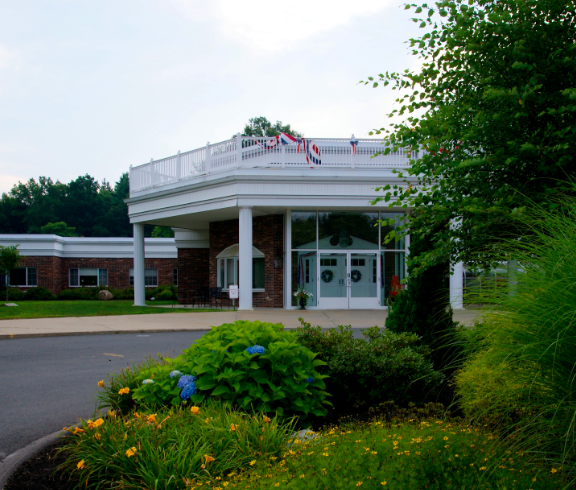
349 HAYDENVILLE ROAD, LEEDS, MA 01053 (413) 586-7700
Non profit - Corporation 123 Beds INTEGRITUS HEALTHCARE Data: November 2025
Trust Grade
33/100
#224 of 338 in MA
Last Inspection: July 2024

Within standard 12-15 month inspection cycle. Federal law requires annual inspections.

Overview

Linda Manor Extended Care Facility has received a Trust Grade of F, indicating significant concerns about the quality of care provided. This places them at #224 out of 338 facilities in Massachusetts, which means they are in the bottom half of the state's nursing homes. The facility is improving, having reduced the number of issues from 10 in 2024 to 3 in 2025, but still faces serious staffing challenges with a turnover rate of 63%, significantly higher than the state average. The facility has also been fined $13,520, which is concerning as it suggests ongoing compliance problems. Specific incidents of concern include a resident who fell and suffered a serious injury due to inadequate staffing during care, highlighting risks in their care practices. While they offer average RN coverage, it is crucial to weigh these strengths against the serious deficiencies noted in recent inspections.

Trust Score
F
33/100
In Massachusetts
#224/338
Bottom 34%
Safety Record
Moderate
Needs review
Inspections
Getting Better
10 → 3 violations
Staff Stability
⚠ Watch
63% turnover. Above average. Higher turnover means staff may not know residents' routines.
Penalties
✓ Good
$13,520 in fines. Lower than most Massachusetts facilities. Relatively clean record.
Skilled Nurses
○ Average
Each resident gets 40 minutes of Registered Nurse (RN) attention daily — about average for Massachusetts. RNs are the most trained staff who monitor for health changes.
Violations
⚠ Watch
34 deficiencies on record. Higher than average. Multiple issues found across inspections.
★★☆☆☆
2.0
Overall Rating
★★★☆☆
3.0
Staff Levels
★★☆☆☆
2.0
Care Quality
★★☆☆☆
2.0
Inspection Score
Stable
2024: 10 issues
2025: 3 issues

The Good

  • Full Sprinkler Coverage · Fire safety systems throughout facility
  • No fines on record

Facility shows strength in fire safety.

The Bad

2-Star Overall Rating

Below Massachusetts average (2.9)

Below average - review inspection findings carefully

Staff Turnover: 63%

16pts above Massachusetts avg (46%)

Frequent staff changes - ask about care continuity

Federal Fines: $13,520

Below median ($33,413)

Minor penalties assessed

Chain: INTEGRITUS HEALTHCARE

Part of a multi-facility chain

Ask about local staffing decisions and management

Staff turnover is elevated (63%)

15 points above Massachusetts average of 48%

The Ugly 34 deficiencies on record

2 actual harm
Jun 2025 3 deficiencies 2 Harm
SERIOUS (G) 📢 Someone Reported This

A family member, employee, or ombudsman was alarmed enough to file a formal complaint

Actual Harm - a resident was hurt due to facility failures

Comprehensive Care Plan (Tag F0656)

A resident was harmed · This affected 1 resident

Based on records reviewed and interviews, for one of three sampled residents (Resident #3), whose care plan interventions included the need for two staff members to provide assistance during care, whi...

Read full inspector narrative →
Based on records reviewed and interviews, for one of three sampled residents (Resident #3), whose care plan interventions included the need for two staff members to provide assistance during care, which included incontinence care, bed mobility and repositioning, the Facility failed to ensure staff consistently implemented and followed his/her care plan interventions. On 05/04/25, Certified Nurse Aide (CNA #1) provided incontinence care to Resident #3 without another staff member present for assistance, CNA #1 positioned Resident #3 on his/her side, then turned away from the resident, he/she rolled off the bed and fell onto the floor. Resident #3 was transferred to the Hospital Emergency Department (ED) and diagnosed with a closed displaced fracture (broken pieces of bone that moved away from each other) of the right femoral neck (part of the thigh bone just below the hip joint). Findings include: Review of the Facility's policy titled, Care Planning, last revised 10/18/22, indicated the Facility will develop and implement a comprehensive person-centered care plan for each resident, consistent with resident rights that include measurable objectives and timeframes to meet a resident's medical, nursing, mental, and psychosocial needs that are identified in the comprehensive assessment. Review of the Report submitted by the Facility via the Health Care Facility Reporting System (HCFRS), dated 05/09/25, indicated that on 05/04/25 around 7:45 P.M., CNA #1 was providing care to Resident #3 when he/she rolled out of the bed, was assessed to have a one centimeter (cm) laceration to the back of his/her head, pain in his/her leg, was transferred to the Hospital ED for evaluation and subsequently admitted to the Hospital with a right hip fracture. Review of Resident #3's Hospital History and Physical, dated 05/05/25, indicated he/she sustained a closed displaced fracture of the right femoral neck. Resident #3 was admitted to the Facility in April 2017, diagnoses included Dementia and Parkinson's Disease (a movement disorder of the nervous system that worsens over time). Review of Resident #3's Quarterly Minimum Data Set (MDS) Assessment, dated 02/05/25, indicated he/she was severely cognitively impaired as evidenced by a score of 3 out of a possible 15 on the Brief Interview for Mental Status (BIMS) Assessment (score of 0-7 suggest severe cognitive impairment, 8-12 suggest moderate cognitive impairment, and 13-15 suggest that cognition is intact). Further review of the MDS indicated Resident #3 had impaired range of motion to both sides of his/her upper and lower extremities, was dependent on staff for transfers, required substantial to maximum assistance rolling left to right, and with all ADLs. Review of Resident #3's Activities of Daily Living (ADL) Care Plan, reviewed and renewed with his/her Quarterly MDS Assessment, dated 02/05/25, indicated he/she was dependent on two staff members for dressing, toileting, bed mobility, and positioning. Review of Resident #3's Fall Prevention Care Plan, reviewed and renewed with his/her Quarterly MDS Assessment, dated 02/05/25, indicated he/she was at risk for falls and his/her bed should be low to the floor. During a telephone interview on 06/03/25 at 2:45 P.M., Family Member #1 said during the evening of 05/04/25, she received a telephone call from a Facility Nurse to notify her that Resident #3 had fallen. Family Member #1 said she immediately went to the Facility, saw Resident #3 lying on the floor in the area between his/her bed and window, and saw CNA #1 holding a towel to the back of Resident #3's head because he/she was bleeding. Family Member #1 said Resident #3 cried out in pain (which was unlike him/her) whenever staff tried to move his/her right leg. During a telephone interview on 06/10/25 at 11:55 A.M., (which included a review of her written witness statement, dated 05/04/25 and an additional witness statement, dated 05/09/25, both of which were obtained by the facility), CNA #1 said she works for a staffing agency, has been working at the Facility for several months, and was very familiar with Resident #3. CNA #1 said she routinely checks the CNA Assignment Sheet, obtains report at shift change from another CNA, and checks the resident Care Kardex (a centralized quick-reference document used by CNAs and other staff to track patient information and care plans) in the computer if she has any questions about care. CNA #1 said that on the evening of 05/04/25 around 7:30 P.M., she, along with another CNA transferred Resident #3 into bed via a mechanical lift. CNA #1 said they positioned Resident #3 on his/her back in the center of the bed and then the other CNA left the room. CNA #1 said after the other CNA left the room, she proceeded to get Resident #3 ready for bed. CNA #1 said another CNA (later identified as CNA #3) was in the room, but she was across the room assisting Resident #3's roommate. CNA #1 said she proceeded to get Resident #3 undressed, washed up, and covered his/her upper body with a hospital gown. CNA #1 said she then positioned Resident #3 onto his/her left side with his/her right leg crossed over his/her left leg so she provide incontinent care. CNA #1 said the bed had been raised to a higher position during care. CNA #1 said after she performed incontinent care for Resident #3, she placed a brief underneath him/her while he/she was lying on his/her side, and realized she did not have barrier cream (a cream used to protect a person's skin from moisture associated with incontinence) nearby. CNA #1 said she turned away from Resident #3 to look for the barrier cream, saw that it was on his/her dresser against the wall across from the foot of his/her bed, and that it was out of her reach. CNA #1 said she never completely walked away from Resident #3's bedside, but had maybe taken a step away from Resident #3 to obtain the cream. CNA #1 said the next thing she heard was somebody screaming Resident #3's name (later identified as CNA #2), observed CNA #2 run into the room and heard a loud noise. CNA #1 said it was then that she realized Resident #3 had fallen to the floor. CNA #1 said she was aware that Resident #3's Kardex said that he/she required two staff members to assist with bed mobility, for transfers in and out of bed, but said she thought Resident #3's Kardex said he/she was a one assist for all other ADL care. CNA #1 said she thought that bed mobility only meant when staff had to boost a resident up in bed or assist them to make small movements. CNA #1 said she did not think that when she provided personal care to a resident while they were in bed, that positioning them for care was bed mobility. CNA #1 said she had cared for Resident #3 many times without having assistance of another staff member. During an interview on 06/04/25 at 10:25 A.M., (which included a review of her written witness statement, dated 05/04/25, and an additional witness statement, dated 05/09/25, both of which were obtained by the facility), CNA #2 said on 05/04/25 around 7:45 P.M., as she was walking down the hall, she looked into Resident #3's room, saw him/her lying on his/her left side, he/she was actively rolling towards his/her right side and fell off of the bed. CNA #2 said when she saw Resident #3 falling, she screamed out his/her name and ran into his/her room, but she could not get to him/her in time to prevent the fall. CNA #2 said she had an unobstructed view of Resident #3 from the hallway and did not see a CNA or any other staff member in the room. CNA #2 said when she ran into the room, CNA #1 appeared from somewhere near the middle of the room and ran around the foot of Resident #3's bed to try to get to him/her before he/she fell, but she (CNA #1) was also unable to get to him/her in time. CNA #2 said information related to residents' care needs, and the amount of staff assistance required is located on their resident Kardex in the computer. CNA #2 said there is also some care information on the CNA Assignment Sheets, but CNAs should always check the Kardex before providing care to a resident. CNA #2 said Resident #3 is totally dependent on staff to provide all care, including ADLs. During a telephone interview on 06/04/25 at 1:45 P.M. (which included a review of her written witness statement, dated 05/09/25, and an additional witness statement on 05/09/25, both of which were obtained by the facility), CNA #3 said that during the evening of 05/04/25 around 7:45 P.M., she was providing care to Resident #3's roommate (Bed A, near the door), CNA #1 was providing care to Resident #3 in the bed by the window, and there were no other CNAs in the room. CNA #3 said her back was turned away from Resident #3, but that she saw CNA #2 run into the room yelling that Resident #3 was falling and heard a loud sound. CNA #3 said she did not know where, in the room, CNA #1 was prior to Resident #3's fall. During an interview on 06/04/25 at 10:03 A.M., CNA #4 said Resident #3 is dependent on staff members for all care, including meals, dressing, transfers, bed mobility, and personal hygiene. CNA #4 said each resident has a Kardex in the computer that includes the type of care and assistance each resident requires, and CNAs know that they should consult the Kardex prior to providing care to a resident. During an interview on 06/04/25 at 10:45 A.M., Nurse #1 said Resident #3 is total care, meaning he/she requires physical assistance from staff for feeding, dressing, bathing, bed mobility, positioning, transfers, and incontinence care. Nurse #1 said any information related to the level of staff assistance, including the number of staff member a resident requires during care is located in their Care Plan and the Kardex. Nurse #1 reviewed Resident #3's Care Plan and said, based on the information in his/her Care Plan, there should always be two caregivers present when providing care. Nurse #1 said if two caregivers were assisting Resident #3 on the evening of 05/04/25, one caregiver could have remained with him/her to maintain his/her safety, while the other caregiver could have obtained the barrier cream. During an interview on 06/04/24 at 11:07 A.M., Unit Manager #1 said Resident #3 is totally dependent on staff to provide care, and staff (CNAs) access the level of care a resident requires by looking at the Care Plan, the Kardex, and to some extent the CNA Assignment Sheets. Unit Manager #1 said the Kardex should have the most up to date information and is the preferred source to obtain resident care information. After reviewing Resident #3's Care Plan, Unit Manager #1 said that based on the Care Plan, there should always be two staff members present while providing care to him/her, and when CNA #1 provided care by herself, she was not following Resident #3's plan of care. During an interview on 06/04/25 at 4:10 P.M., the Director of Nursing (DON) said CNA #1 works for a staffing agency but has worked at the facility for several months and often took care of Resident #3. The DON said Resident #3's Care Plan clearly indicated Resident #3 required two staff members be present to assist with dressing, transfers, toileting, bed mobility and positioning. The DON said they were unable to provide a copy of Resident #3's care Kardex that was in effect at the time of the incident, because their Electronic Medical Record (EMR) does not have the capability to retrieve previous versions after an update. The DON did say however, that Resident #3's Kardex would have indicated the same level of care and staff assistance he/she required, per his/her plan of care at that time. The DON said CNA #1 did not follow Resident #3's plan of care and should have had another staff member assist with care. On 06/06/25 the Facility was found to be in Past Non-Compliance and provided the surveyor with a plan of correction which addressed the area of concern as evidenced by: A) On 05/07/25, CNA #1 was re-educated, topics included but were not limited to the following: - facility policy related to provision of care to residents, - the need to review and follow each residents plan of care/ resident care Kardex, - ensuring the required level of staff assistance is present and used during the provision of care, - facility protocol related to residents who are care planned for two person assist, - having all necessary supplies ready and available before providing care to a resident. B) On 05/09/25, Resident #3's Care Plan and CNA Care Kardex were immediately reviewed to ensure accuracy with the need for the specific number of staff member assistance clearly indicated for each ADL. C) From 05/09/25 through 05/13/25 (and ongoing) - Facility Unit Managers and/or Designees conducted facility wide audits to ensure the following: - All residents are receiving the necessary level of staff assistance needed for bed mobility (including when turning and repositioning a resident in bed to provide care), - Level of care and staff assistance is recorded accurately on both the Care Plan and Care Kardex, - Observations and record reviews for all residents with scoop mattresses to ensure they are receiving appropriate and necessary level of staff assistance required for bed mobility, including turning/repositioning while in bed to provide care while taking into consideration the width of the mattress and ability of each resident to participate in care. D) From 05/09/25 through 05/13/25 (and ongoing) - Interdisciplinary Team audited all residents to determine the need for additional fall interventions for safety and appropriateness of interventions that were in place. E) From 05/12/25 through 05/16/25 (and ongoing), the Staff Development Coordinator and/or their Designee completed nursing/CNA education, which included but was not limited to the following topics: - CNA's must check the Care Kardex prior to providing care as changes may occur daily, - Review of all current residents requiring two person assist for bed mobility, positioning and what two person assist for positioning and bed mobility means, - Clarifications of ADL tasks - bed mobility, turning and repositioning -as to what constitutes a two-person assist, - Careful positioning of residents when close to the edge of the bed, especially when they utilize scoop mattresses, - CNA's (nursing staff) to ensure second staff person is in place, and that necessary supplies needed are obtained and within reach prior to starting personal care to the resident. F) Ongoing, random audits conducted by the Staff Development Coordinator and/or their Designee to ensure accuracy of Care Plans, resident's Kardex, and staff are providing the appropriate level of assistance to residents. G) Deficient practice was presented at an Ad-Hoc Quality Assurance Performance Improvement (QAPI) meeting, and the will continue to be discussed at monthly QAPI meetings as needed to ensure substantial compliance is achieved and maintained. H) The Director of Nursing and/or their Designee are responsible for overall compliance.
SERIOUS (G) 📢 Someone Reported This

A family member, employee, or ombudsman was alarmed enough to file a formal complaint

Actual Harm - a resident was hurt due to facility failures

Accident Prevention (Tag F0689)

A resident was harmed · This affected 1 resident

Based on records reviewed and interviews, for one of three sampled residents (Resident #3), who required the assistance of two staff members for dressing, toileting care needs, bed mobility, and posit...

Read full inspector narrative →
Based on records reviewed and interviews, for one of three sampled residents (Resident #3), who required the assistance of two staff members for dressing, toileting care needs, bed mobility, and positioning, the Facility failed to ensure he/she was provided with the necessary level of staff assistance to maintain his/her safety to prevent an incident/accident resulting in a serious injury. On 05/04/25, Certified Nurse Aide (CNA) #1 provided care to Resident #3 without having another staff member present for assistance, CNA #1 repositioned Resident #3 onto his/her side in bed, then turned away from Resident #3 to grab something, leaving him/her unattended and he/she rolled off the bed onto the floor. Resident #3 was transferred to the Hospital Emergency Department (ED) and diagnosed with a closed displaced fracture (broken pieces of bone that moved away from each other) of the right femoral neck (part of the thigh bone just below the hip joint). Findings include: Review of the Facility's Policy titled, Fall Risk Reduction, dated as revised 11/2/23, indicated but was not limited to the following: - All residents will be assessed for falls risk factors. - Those determined to have risk factors will receive individualized interventions based on the risk factors in order to reduce risk for falls and minimize occurrence of falls. - Include fall interventions on Kardex and Care Plan. - Review and revise Care Plan and Kardex regularly to ensure individualized interventions are effective. Review of the Report submitted by the Facility via the Health Care Facility Reporting System (HCFRS), dated 05/09/25, indicated that on 05/04/25, around 7:45 P.M., CNA #1 was providing care to Resident #3 when he/she rolled out of the bed, was assessed to have a one centimeter (cm) laceration to the back of his/her head, pain in his/her leg, was transferred to the hospital and subsequently admitted with a right hip fracture. Review of Resident #3's Hospital History and Physical, dated 05/05/25 indicated he/she sustained a closed displaced fracture of the right femoral neck. Resident #3 was admitted to the Facility in April 2017, diagnoses included Dementia and Parkinson's Disease (a movement disorder of the nervous system that worsens over time). Review of Resident #3's Quarterly Minimum Data Set (MDS) Assessment, dated 02/05/25, indicated he/she was severely cognitively impaired as evidenced by a score of 3 out of a possible 15 on the Brief Interview for Mental Status (BIMS) Assessment (score of 0-7 suggest severe cognitive impairment, 8-12 suggest moderate cognitive impairment, and 13-15 suggest that cognition is intact). Further review of the MDS indicated Resident #3 had impaired range of motion to both sides of his/her upper and lower extremities, was dependent on staff for transfers, required substantial to maximum assistance rolling left to right, and with all ADLs. Review of Resident #3's Activities of Daily Living (ADL) Care Plan, reviewed and renewed with his/her Quarterly MDS Assessment, dated 02/05/25, indicated he/she was dependent on two staff members for dressing, toileting, bed mobility and positioning. Review of Resident #3's Fall Prevention Care Plan, reviewed and renewed with his/her Quarterly MDS Assessment, dated 02/05/25, indicated he/she was at increased risk for falls and interventions for his/her safety included two staff members to assist with dressing, toileting, transfers bed mobility and positioning. Review of a Nursing Progress Note, dated 05/04/25 at 9:54 P.M., indicated the following: - This Nurse was called into Resident #3's room by a CNA around 7:45 P.M. - The CNA reported Resident #3 rolled out of bed during care. - Small laceration was observed on back of his/her head, of approximately 1 centimeter (cm). - Applied pressure to the head injury to stop the bleeding. - Called Resident #3's daughter, who came in and wanted him/her to be sent out to the ED for evaluation. - Telephone call placed to on-call provider and Assistant Director of Nursing. - Resident #3 transferred to the hospital around 8:35 P.M., accompanied by two emergency medical technicians. During a telephone interview on 06/03/25 at 2:45 P.M., Family Member #1 said during the evening of 05/04/25, she received a telephone call from a Facility Nurse notifying her that Resident #3 had fallen. Family Member #1 said she immediately went to the Facility and saw Resident #3 lying on the floor in the area between his/her bed and the window, and that CNA #1 holding a towel to the back of Resident #3's head because he/she was bleeding. Family Member #1 said Resident #3 was crying out in pain (which was unlike him/her) whenever staff tried to move his/her right leg. Family Member #1 said prior to Resident #3's fall on 5/04/25, he/she would be out of bed in a specialized chair every day and was often in the Facility's common area where he/she could be around other people. Family Member #1 said since the fall, Resident #3 is no longer able to get out of bed and remains in his/her room because the mechanical lift required to transfer him/her out of bed into his/her specialized chair causes him/her too much pain. During a telephone interview on 06/10/25 at 11:55 A.M., (which included a review of her written witness statement, dated 05/04/25 and an additional witness statement, dated 05/09/25, both of which were obtained by the facility), CNA #1 said she works for a staffing agency, has been working at the Facility for several months, and was very familiar with Resident #3. CNA #1 said she routinely checks the CNA Assignment Sheet, obtains report at shift change from another CNA, and checks the care Kardex (a centralized quick-reference document used by CNAs and other staff to track patient information and care plans) in the computer if she has any questions about care. CNA #1 said that on the evening of 05/04/25 around 7:30 P.M., she, along with another CNA transferred Resident #3 into bed via a mechanical lift. CNA #1 said they positioned Resident #3 on his/her back in the center of the bed and the other CNA left the room. CNA #1 said after the other CNA left the room, she proceeded to get Resident #3 ready for bed, which included changing his/her clothes. CNA #1 said another CNA (later identified as CNA #3) was in the room, but she was across the room assisting Resident #3's roommate. CNA #1 said while the bed was in a high position, she proceeded to get Resident #3 undressed, washed up, and covered his/her upper body with a hospital gown. CNA #1 said she then positioned Resident #3 on his/her left side with his/her right leg crossed over his/her left leg so to provide incontinent care. CNA #1 said after she performed incontinent care for Resident #3, she placed a brief underneath him/her while he/she was still lying on his/her side, and realized she did not have his/her barrier cream (a cream used to protect a person's skin from moisture associated with incontinence) nearby. CNA #1 said she turned away from Resident #3 to look for the barrier cream, and saw that it was on his/her dresser which was against the wall across from the foot of his/her bed, which was out of her reach. CNA #1 said she may have taken a step away from Resident #3 to obtain the cream, then turned towards CNA #3 who was behind her after hearing her say something. CNA #1 said the next thing she heard was somebody screaming Resident #3's name (later identified as CNA #2), observed CNA #2 run into the room and heard a loud noise. CNA #1 said it was then that she realized Resident#3 had fallen on the floor. CNA #1 said she was aware that Resident #3's Kardex said that he/she required two staff members to assist with bed mobility, for transfers in and out of bed, but said she thought Resident #3's Kardex said he/she was a one person assist for all other ADL care. CNA #1 said she thought that bed mobility only meant when staff had to boost a resident up in bed or assist them to make small movements. CNA #1 said she did not think that when she provided personal care to a resident while they were in bed, that positioning them for care was bed mobility. During an interview on 06/04/25 at 10:25 A.M., (which included a review of her written witness statement, dated 05/04/25, and an additional witness statement, dated 05/09/25, both of which were obtained by the facility), CNA #2 said on 05/04/25 around 7:45 P.M., as she was walking down the hall, she looked into Resident #3's room, saw him/her lying on his/her left side actively rolling towards his/her right side off of the bed, and then he/she fell. CNA #2 said when she saw Resident #3 falling, she screamed his/her name and ran into his/her room, but she could not get to him/her in time to prevent the fall. CNA #2 said she had an unobstructed view of Resident #3 from the hallway and did not see any other CNA or staff member in the room. CNA #2 said when she ran into the room, CNA #1 appeared from somewhere near the middle of the room. During a telephone interview on 06/04/25 at 1:45 P.M. (which included a review of her written witness statement, dated 05/09/25, and an additional witness statement on 05/09/25, both of which were obtained by the facility), CNA #3 said that during the evening of 05/04/25 around 7:45 P.M., she was providing care to Resident #3's roommate (Bed A, near the door), CNA #1 was providing care to Resident #3 in the bed by the window, and there were no other CNAs in the room. CNA #3 said her back was turned away from Resident #3, but she saw CNA #2 run into the room yelling that Resident #3 was falling and heard a loud sound. CNA #3 said she did not know where CNA #1 was in the room prior to Resident #3's fall. CNA #3 said Resident #3 cannot do anything for him/herself and said he/she requires two people for transfers because he/she requires a mechanical lift. During an interview on 06/04/25 at 10:45 A.M., Nurse #1 said Resident #3 is total care, meaning he/she requires staff assistance with feeding, dressing, bathing, and incontinence care. During the interview, Nurse #1 reviewed Resident #3's Care Plan and said, based on the information in his/her Care Plan, there should have been two caregivers present when CNA #1 was providing care to Resident #3. Nurse #1 said if two caregivers were assisting Resident #3 on the evening of 05/04/25, one caregiver would have remained with him/her while the other caregiver could have obtained the barrier cream. Nurse #1 said if CNA #1 stepped away from Resident #3, she should not have left his/her bed in a high position and should not have left him/her positioned on his/her side. Nurse #1 further said prior to his/her fall, Resident #3 used to spend much of the day in the common area outside of his/her room so he/she could be around other people, but since the fall, he/she is no longer able to get out of bed and relies on both Morphine and Fentanyl (opioid pain medications) to remain comfortable. During an interview on 06/04/24 at 11:07 A.M., Unit Manager #1 said Resident #3 is totally dependent on staff to provide care and there should always be two staff members present while providing care to him/her. Unit Manager #1 said on 05/04/25, when Resident #3 fell out of bed, CNA #1 should not have been alone, and when CNA #1 stepped away from his/her bed, Resident #3 should not have been left lying on his/her side with the bed in a high position because that was unsafe. Unit Manger #1 further said if CNA #1 could not get to the barrier cream, after she saw that it was out of her reach, she could have asked CNA #3, who was in the room caring for Resident #3's roommate to get it for her. During an interview on 06/04/25 at 4:10 P.M., with the Director of Nursing (DON) and the Quality Improvement (QI) Manager, the DON said Resident #3 was care planned to have two staff members present to assist with dressing, transfers, toileting, bed mobility and positioning, and CNA #1 did not adhere to Resident #1's plan of care. In addition, the DON said if CNA #1 either looked away or stepped away from Resident #3 to find a needed supply, she should not have left him/her lying on his/her side as that was unsafe, and said when providing care, all necessary supplies should be within reach. The QI Manager said during her investigation after the incident, she noted Resident #3 utilized a scoop mattress that had bolsters (raised edges) on both sides with the exception of a 24 inch opening at the center of both sides of the mattress. The QI Manager said she noted that scoop mattress measured 29 inches wide, which is 7 inches narrower than a standard facility mattress. The QI Manager said when she interviewed CNA #1, she said she was confident Resident #3 was placed in the center of the bed on his/her left side but was positioned so that his/her right leg was crossed over his/her left leg. The QI Manager said that position likely caused a gravitational pull that propelled Resident #3's her body weight over the side of the bed causing him/her to roll quickly, and fall out of bed. The QI Manager said according to Resident #3's Care Plan, he/she should have had two caregivers present during care. On 06/06/25 the Facility was found to be in Past Non-Compliance and provided the surveyor with a plan of correction which addressed the area of concern as evidenced by: A) On 05/07/25, CNA #1 was re-educated, topics included but were not limited to the following: - facility policy related to provision of care to residents, - the need to review and follow each residents plan of care/ resident care Kardex, - ensuring the required level of staff assistance is present and used during the provision of care, - facility protocol related to residents who are care planned for two person assist, - having all necessary supplies ready and available before providing care to a resident. B) On 05/09/25, Resident #3's Care Plan and CNA Care Kardex were immediately reviewed to ensure accuracy with the need for the specific number of staff member assistance clearly indicated for each ADL. C) From 05/09/25 through 05/13/25 (and ongoing) - Facility Unit Managers and/or Designees conducted facility wide audits to ensure the following: - All residents are receiving the necessary level of staff assistance needed for bed mobility (including when turning and repositioning a resident in bed to provide care), - Level of care and staff assistance is recorded accurately on both the Care Plan and Care Kardex, - Observations and record reviews for all residents with scoop mattresses to ensure they are receiving appropriate and necessary level of staff assistance required for bed mobility, including turning/repositioning while in bed to provide care while taking into consideration the width of the mattress and ability of each resident to participate in care. D) From 05/09/25 through 05/13/25 (and ongoing) - Interdisciplinary Team audited all residents to determine the need for additional fall interventions for safety and appropriateness of interventions that were in place. E) From 05/12/25 through 05/16/25 (and ongoing), the Staff Development Coordinator and/or their Designee completed nursing/CNA education, which included but was not limited to the following topics: - CNA's must check the Care Kardex prior to providing care as changes may occur daily, - Review of all current residents requiring two person assist for bed mobility, positioning and what two person assist for positioning and bed mobility means, - Clarifications of ADL tasks - bed mobility, turning and repositioning -as to what constitutes a two-person assist, - Careful positioning of residents when close to the edge of the bed, especially when they utilize scoop mattresses, - CNA's (nursing staff) to ensure second staff person is in place, and that necessary supplies needed are obtained and within reach prior to starting personal care to the resident. F) Ongoing, random audits conducted by the Staff Development Coordinator and/or their Designee to ensure accuracy of Care Plans, resident's Kardex, and staff are providing the appropriate level of assistance to residents. G) Deficient practice was presented at an Ad-Hoc Quality Assurance Performance Improvement (QAPI) meeting, and the will continue to be discussed at monthly QAPI meetings as needed to ensure substantial compliance is achieved and maintained. H) The Director of Nursing and/or their Designee are responsible for overall compliance.
CONCERN (D) 📢 Someone Reported This

A family member, employee, or ombudsman was alarmed enough to file a formal complaint

Potential for Harm - no one hurt, but risky conditions existed

Deficiency F0658 (Tag F0658)

Could have caused harm · This affected 1 resident

Based on records reviewed and interviews for one of three sampled residents (Resident #1), who had multiple wounds and required an appointment with an outside wound specialist, the Facility failed to ...

Read full inspector narrative →
Based on records reviewed and interviews for one of three sampled residents (Resident #1), who had multiple wounds and required an appointment with an outside wound specialist, the Facility failed to ensure nursing staff clarified and/or followed up on his/her wound consult recommendations related to the need for an X-ray, in a timely manner, which resulted in a delay in treatment. Findings include: Pursuant to Massachusetts General Law (M.G.L.), chapter 112, individuals are given the designation of Registered Nurse and Practical Nurse which includes the responsibility to provide nursing care. Pursuant to the Code of Massachusetts Regulation (CMR) 244, Rules and Regulations 3.02 and 3.04 define the responsibilities and functions of a Registered Nurse and Practical Nurse respectively. The regulations stipulate that both the Registered Nurse and Practical Nurse bear full responsibility for systematically assessing health status and recording the related health data. They also stipulate that both the Registered Nurse and Practical Nurse incorporate into the plan of care and implement prescribed medical regimens. The Rules and Regulations 9.03 define Standards of Conduct for Nurses where it is stipulated that a nurse licensed by the Board shall engage in the practice of nursing in accordance with accepted standards of practice. Resident #1 was admitted to the Facility in March 2025, diagnoses included Type 2 Diabetes Mellitus, Multiple Myeloma (a type of cancer that affects a type of white blood cell in the body that produces antibodies to fight infection), Chronic Thrombocytopenia (a decreased amount of blood clotting cells in the body), Anemia (lower than normal red blood cells in the body), chronic foot wounds with recent right toe amputation. Review of a Wound Clinic Consultation Note, dated 03/12/25, indicated it included the following recommendation: - X-ray to right great toe placed and included an order requisition to obtain an X-ray of 3rd toe, right foot to rule out Osteomyelitis (an infection of the bone often caused by bacteria, that can lead to inflammation and potentially permanent bone damage if left untreated). Review of a Wound Clinic Consultation Note, dated 03/19/25, indicated in included the following recommendation: - Right foot X-ray to rule out Osteomyelitis in right third toe, ordered in CIS (the wound clinic computer system), and can be completed at [Name of Hospital]. Further review of Resident #1's medical record indicated there was no documentation to support that after his/her Wound Clinic appointment on 3/12/25 or 3/19/25, since the wound clinic had not provided results of an X-ray to the facility, that nursing followed up with the Clinic to clarify the X-ray order, and who was responsible for completing it. During a telephone interview on 06/05/25 at 1:25 P.M., the Wound Clinic Nurse Practitioner (NP) said their clinic does not have X-ray capabilities and that she put an order in for him/her to have an X-ray done at their outpatient Radiology office, and said if it was a problem for the Facility to get Resident #1 there, the Facility should have obtained an order from their Provider to have a portable X-ray done at the Facility. Review of a Wound Clinic Consultation Note, dated 04/15/25, indicated it included the following recommendation: - Patient needs an X-ray of right foot. Review of Resident #1's Medical Record indicated there was an X-ray report, dated 04/16/25 (obtained a month after the Facility was notified of the recommendation for the X-ray), with results that indicated he/she had Osteomyelitis in his/her right third toe. During an interview on 06/05/25 at 2:00 P.M., Unit Manager #2 said when a resident goes outside the Facility for a specialist visit, the Facility sends a Report of Consultation form with the resident or responsible person to give to the specialist so they can provide a summary of the visit as well as any recommendations they may have for the resident's ongoing care. Unit Manager #2 said the resident will come back from the appointment with the Report of Consultation form and the specialist will then fax a more detailed visit note to the facility shortly after the visit. Unit Manager #2 said it was the responsibility of the unit nurse who receives the Consultation form or the detailed visit note, to review the notes and discuss them with the Facility Provider, and obtain orders as needed. Unit Manager #2 said she reviewed the Wound Clinic Consultation Notes and corresponding visit notes on 03/12/25, 03/19/25 and 04/15/25 after each appointment and saw an X-ray to Resident #1's right foot was warranted to rule out Osteomyelitis. Unit Manager #2 said the way the Report of Consultation Notes were written were ambiguous and confusing, and seemed as though the Wound Clinic was planning to obtain the X-ray because the notes referred to ordering the imaging and entering the order into their own (Wound Clinic) computer system. Unit Manager #2 said it wasn't until she reviewed the Wound Consultation Note, dated 04/15/25, that she called the Wound Clinic to clarify and ask who was responsible to obtain Resident #1's X-ray. Unit Manager #2 said she was told by the Wound Clinic that they expected the Facility obtain Resident #1's right foot X-ray, (which was completed on 04/16/25 at the Facility). Unit Manager #2 said the results indicated Resident #3 had developed Osteomyelitis in his/her right third toe. During an interview on 06/05/25 at 2:30 P.M., the Director of Nursing said she reviewed the Wound Clinic Notes and Reports of Consultation and said the recommendations made by the clinic were unclear and understood why Unit Manager #2 thought the Wound Clinic was obtaining the X-ray for Resident #1. The DON said a call could have been made to the Wound Clinic by facility nursing staff to clarify the recommendation after his/her visit on 03/19/25.
Aug 2024 3 deficiencies
CONCERN (D) 📢 Someone Reported This

A family member, employee, or ombudsman was alarmed enough to file a formal complaint

Potential for Harm - no one hurt, but risky conditions existed

Pressure Ulcer Prevention (Tag F0686)

Could have caused harm · This affected 1 resident

Based on records reviewed and interviews for one of three sampled residents (Resident #1) who was assessed by nursing to be at risk for skin breakdown with actual pressure injuries (localized damage t...

Read full inspector narrative →
Based on records reviewed and interviews for one of three sampled residents (Resident #1) who was assessed by nursing to be at risk for skin breakdown with actual pressure injuries (localized damage to the skin and underlying soft tissue usually over a bony prominence which can present as intact skin or an open ulcer and may be painful) the Facility failed to ensure nursing adequately assessed, measured and obtained Physician's orders related to wound care to his/her bilateral heels that included specifics related to treatments for offloading, in accordance with professional standards of practice in an effort to promote wound healing. Findings include: Review of the Facility's Policy titled Skin Integrity Management, dated 12/03/23, indicated the following: -Stage 1 Pressure Injury: A persistent area of redness that does not disappear when pressure is removed. Skin is not broken, the site may be tender, painful, firm, or soft, warm, or cool compared to surrounding skin. -Stage 2 Pressure Injury: Partial-thickness skin loss involving the outer layer of the skin and the inner layer, which are either damaged or lost. The wound may look like an abrasion, fluid filled blister, or shallow crater. -It is the policy of the facility, consistent with Centers for Medicare and Medicaid Services (CMS) regulations that any resident with pressure ulcer or injury receives necessary treatment and services, consistent with professional standards of practice, to promote healing, prevent infection and prevent new ulcers from developing. -Preventative measures to consider as part of resident care planning include (but not limited to) off loading devices such as heel cushions, pillows and pressure relieving device on chair and in bed. -All devices, dressings, nutritional supplements, and preventative skin care will be prescribed by the Medical Practitioner and will be entered in the resident's electronic health record: Physician's orders, electronic medication administration record (eMAR) and electronic treatment administration record (eTAR). -Conduct weekly wound rounds- complete measurements of each wound length x width x depth, description of wound bed, description of wound edges and surrounding skin, type and amount of exudates, type of wound drainage, signs of infection and presence or absence of pain. -Document findings of the weekly wound assessment in the resident's EMR. Review of the National Pressure Injury Advisory Panel (NPIAP) website defined a Deep Tissue Injury (DTI) as a persistent non-blanchable (redness that does not fade when pressure is applied) deep red, maroon or purple discoloration Intact or non-intact skin with localized area of persistent non-blanchable deep red, maroon, purple discoloration or epidermal separation revealing a dark wound bed or blood filled blister. Pain and temperature change often precede skin color changes. This injury results from intense and/or prolonged pressure and shear forces at the bone-muscle interface. The wound may evolve rapidly to reveal the actual extent of tissue injury or may resolve without tissue loss. Resident #1 was re-admitted to the Facility in April 2024, diagnoses included Congestive Heart Failure and unspecified protein-calorie malnutrition. Review of Resident #1's Hospital Discharge (DC) Summary, which included the Hospital's Wound Nurse Initial Consult, dated 04/15/24, indicated Resident #1 had the following pressure injuries: -Right heel Stage 1- measured 1.2 centimeters (cm.) x 1.0 cm., non-blanchable erythema (redness). Recommend foam dressing and offloading boots. -Left heel Stage 2- beginning to form a blister, measured 1.3 cm. x 1.1 cm., non-blanchable, central area boggy tissue with slight purple discoloration. Also suspicious for deep tissue injury component. Recommend foam dressing and offloading boots. Review of Resident #1's re-admission Nursing Assessment, dated 04/18/24 and completed by Nurse #1, indicated his/her Norton Pressure Ulcer Risk Assessment score was 12, (indicating moderate risk for skin breakdown). The Assessment also indicated there was a Stage 2 pressure injury on his/her coccyx that measured 0.8 cm. x 1.2 cm. However, the Assessment did not include any reference to skin breakdown on his/her bilateral heels, despite having been clearly identified on his/her Hospital DC Summary. Review of Resident #1's Nurse Progress Note, dated 04/19/24 and written by Nurse #1, indicated Resident #1 was re-admitted to the Facility following a short hospital stay and had a Stage 2 pressure injury to the coccyx and his/her bilateral heels were boggy, non-blanchable, tender to pressure and palpation. The Note indicated a foam dressing was applied to each heel and heels were offloaded on pillows. During a telephone interview on 09/03/24 at 10:06 A.M., Nurse #1 said she did not specifically remember Resident #1. Nurse #1 said when she admits a resident who has a wound(s), she obtains Physician's orders for a treatment and then passes it along to the Unit Manager that the resident has wound(s) and may need other interventions. Nurse #1 said that if there was no Unit Manager in place at the time, she would have passed the information along to the next shift's nurse. Nurse #1 said it was up to the Unit Manager to notify the Facility's Wound Nurse when a resident has a new wound. Review of Resident #1's Treatment Administration Record (TAR) for the month of April 2024 indicated the following: -04/19/24- new Physician's Order to apply a foam dressing to his/her bilateral boggy heels for protection every day, on 7:00 A.M. through 3:00 P.M. (day shift) and offload heels while in bed. -04/27/24- above referenced Physician's Order was discontinued -04/28/24- new Physician's Order to apply skin prep (used to create a barrier to reduce friction) to bilateral boggy heels every day on 3:00 P.M. through 11:00 P.M. shift (evening). However, the Physician's Order and therefore the TAR did not include to off-load pressure to Resident #1's bilateral heels. Review of Resident #1's admission Minimum Data Set (MDS) Assessment, dated 04/25/24, indicated he/she was dependent for bathing, dressing, hygiene and ambulation was not attempted at the time of the assessment due to medical or safety concerns. Review of Resident #1's Care Plan related to skin integrity and potential for skin breakdown, dated 04/23/24, indicated Resident #1 had Stage 1 pressure injuries to bilateral heels and interventions included to follow (the Facility's) skin and wound care protocols. Review of Resident #1's Nurse Progress Note, dated 05/11/24 and written by Nurse #2, indicated Resident #1's bilateral heels each had a small dark scab. Review of Resident #1's Nurse Practitioner (NP) Progress Note, dated 05/13/24, indicated Resident #1 had a Deep Tissue Injury (DTI) on the right heel and a Stage 2 pressure injury on the left heel, foam dressings were to be done daily and heels were to be elevated off of the bed. Review of Resident #1's Nurse Progress Note, dated 05/16/24 and written by Nurse #2, indicated Resident #1's right heel had a scabbed area and the surrounding tissue appeared necrotic. The Note indicated the wound measured 1 cm. x 0.5 cm, was unstageable (depth of the wound undetermined due to dead tissue) and a bootie was applied to his/her right foot and leg. During a telephone interview on 08/29/24 at 9:39 A.M., Nurse #2 said she was very familiar with Resident #1. Nurse #2 said the weekly wound measurements were supposed to be done by the Facility's Wound Care Nurse. Nurse #2 said she did not remember specifically when she noticed the scabs on Resident #1's bilateral heels but said she did notify the Nurse Practitioner at one point and a boot was applied to his/her right foot. Nurse #2 said she did not remember if any additional preventative measure were put in place at the time for Resident #1's left foot. Nurse #2 said that all devices, including boots for offloading should be on the Treatment Administration Record. Review of Resident #1's NP Progress Note, dated 05/16/24, indicated Resident #1's Stage 2 pressure injury on his/her left heel was worsening and to float bilateral heels with boots. The Progress Note indicated Resident #1 was now Comfort Measures Only (CMO). Review of Resident #1's TAR for the month of May 2024 indicated the following Physician's orders: - 05/01/24 through 05/14/24, Apply skin prep to bilateral boggy heels every evening shift. - 05/15/24 through 05/21/24, Cleanse left heel with normal saline, apply Santyl (chemical agent to remove dead tissue), cover with foam dressing every day shift. - 05/16/24 through 05/20/24, Cleanse right heel with normal saline, apply Santyl, cover with a dry clean dressing and wrap with Kling every day shift. However, there was still no Physician's Order or treatment on the TAR to indicate nursing to ensure to float heels or to apply boots. There was also no documentation on the TAR to support weekly measurements of Resident #1's wounds were completed by nursing, per facility policy. Review of Resident #1's medical record indicated there was no documentation to support that the wounds on his/her bilateral heels were: -measured weekly since his/her re-admission per facility policy -that his/her heels were off loaded every shift when in bed and how (boots, pillows etc.) -that he/she was assessed during weekly wound rounds per facility policy. During an interview on 08/29/24 at 10:31 A.M., the Wound Care Nurse said all pressure injuries, no matter the stage, should be measured on admission to the Facility, weekly, and with any change or upon re-admission. The Wound Care Nurse said that the nurses were supposed to measure Resident #1's wounds weekly. The Wound Care Nurse said that she was responsible to track all wounds in the Facility. The Wound Care Nurse said that she was not notified when Resident #1 was admitted to the Facility with wounds. The Wound Care Nurse said by the time she was notified of his/her wounds it was late in the game. The Wound Care Nurse said that all interventions, including off loading with pillows or boots, should be an order and documented on the Treatment Administration Record. During a telephone interview on 08/30/24 at 11:52 A.M., the Director of Nurses said she expected all wounds to be measured weekly and that any interventions or pressure relieving devices should be on the resident's care plan and on the Treatment Administration Record.
CONCERN (D) 📢 Someone Reported This

A family member, employee, or ombudsman was alarmed enough to file a formal complaint

Potential for Harm - no one hurt, but risky conditions existed

Deficiency F0692 (Tag F0692)

Could have caused harm · This affected 1 resident

**NOTE- TERMS IN BRACKETS HAVE BEEN EDITED TO PROTECT CONFIDENTIALITY** Based on records reviewed and interviews for one of three sampled residents (Resident #1), who was assessed to be at risk for nu...

Read full inspector narrative →
**NOTE- TERMS IN BRACKETS HAVE BEEN EDITED TO PROTECT CONFIDENTIALITY** Based on records reviewed and interviews for one of three sampled residents (Resident #1), who was assessed to be at risk for nutritional decline, dehydration, and with the potential slow wound healing due to low albumin (may indicate malnutrition, kidney/liver disease), the Facility failed to ensure Resident #1's nutritional status including body weight, meal percentage and fluid intakes, were accurately assessed and monitored appropriately by nursing and per facility policy. Findings include: Review of the Facility Policy titled Weighing and Measuring Resident, with a revision date of 05/03/11, indicated the following: -Residents will be weighed using consistent scale on admission and at least monthly thereafter. -Reweigh will be obtained if weight is +/- three pounds (lbs.) from previous weight. Review of the Facility Policy titled Nutrition Management, with a revision date of 06/06/22, indicated the following: -Identify residents who have functional limitations which may affect ability to eat or drink independently: confusion, easily distracted, fine and gross motor tremors. -Unplanned weight loss or gain considered (greater than three pounds (lbs.) from last recorded weight and/or 5 % in one month, 7.5 % in three months and 10% in six months). -Document residents' percentage of food intake. Resident #1 was re-admitted to the Facility in April 2024, diagnoses included Congestive Heart Failure and unspecified protein-calorie malnutrition. Review of Resident #1's Hospital Discharge Summary, which included a Clinical Nutrition assessment dated [DATE], indicated he/she had an estimated weight of 190 lbs. on 04/13/24. The Assessment also indicated that Ensure Plus (high protein/high calorie) supplement was ordered and provided with each meal. Review of Resident #1's admission Nursing Assessment, dated 04/18/24, indicated that Nurse #1 entered Resident #1's re-admission weight on 04/19/24 at 10:46 A.M. as 190 lbs. The Assessment indicated Resident #1 was admitted with alterations in skin integrity which included a Stage 2 pressure injury on his/her coccyx and his/her bilateral heels were boggy and non-blanchable. Review of Resident #1's weight record, provided by the Facility, indicated the following: 04/04/24 - 215 lbs. 04/05/24 - 142 lbs. (later determined by the Facility to be an error) 04/19/24- 190 lbs. Further review of Resident #1's medical record indicated there was no documentation to support a re-weight was obtained, per the Facility policy, despite there being a 25 lb. difference in weight readings in approximately two weeks. During a telephone interview on 09/03/24 at 10:06 A.M., Nurse #1 said she did not specifically remember Resident #1 but that she likely helped to complete his/her re-admission to the Facility. Nurse #1 said that when a resident is re-admitted to the Facility, his/her weight is obtained by nursing. Nurse #1 said that if for some reason they were unable to obtain his/her weight, they enter the weight from the Hospital Discharge Summary into the admission Nursing Assessment. Nurse #1 said nursing did not always have access to a resident's previous weight but if they did and noticed a discrepancy, a re-weight would be done. Nurse #1 said she considered anything greater or less than 10 lbs. from the resident's previous weight to be a big difference that would require nursing to obtain a re-weight, but did not remember if she requested one for Resident #1. Review of Resident #1's Nutrition History and Assessment, dated 04/29/24 and signed by the Registered Dietician (RD), indicated Resident #1 weighed 190 lbs., had a Stage 2 pressure injury on his/her coccyx, and had a low albumin level. The Assessment also indicated that Resident #1 was at risk for nutritional decline due to unplanned weight loss, was at risk for dehydration and delayed wound healing. Review of Resident #1's Nutrition Care Plan, dated 04/29/24, indicated he/she was at risk for dehydration and potential for slow wound healing due to low albumin. Further review of the Care Plan indicated the following: -interventions included to monitor intakes and weights. -goals included that Resident #1 would maintain stable weights. Review of Resident #1's Medication Administration Record (MAR) for the month of April 2024, indicated his/her weekly weight was not obtained on 04/12/24 due to his/her hospitalization, and the order for weekly weights was discontinued on 04/18/24 (prior to his/her re-admission). Review of Resident #1's Physician's Orders for the months of April 2024 and May 2024 indicated nursing did not obtain another Physician's order to monitor Resident #1's weights, despite it being an intervention on his/her Care Plan. During a telephone interview on 08/29/24 at 3:24 P.M., the Registered Dietician (RD) said that she completed Resident #1's initial Nutrition Assessment on 04/29/24 (after he/she was re-admitted to the facility). The RD said she absolutely would have expected a re-weight to be done for Resident #1 due to the documented 25 lb. weight loss from 04/04/24 through 04/19/24. The RD said that if Resident #1's weight was recorded from the hospital records, that was not enough, and nursing should have obtained another weight. The RD said she was sure a re-weight was requested and if it was not done immediately it should have been done as soon as possible. The RD said there was no Unit Manager on the Unit Resident #1 resided at that time and that follow through was very difficult without one. The RD said that her expectation was for residents to be weighed upon admission (and/or re-admission) to the facility, then weekly, and if stable at that time could go to monthly. The RD said that it was facility protocol and industry standard, and due to Resident #1's low albumin, wounds and potential weight loss, she would have expected Resident #1 to have been weighed weekly. The RD said that weekly she reviewed an electronic report from the Facility's Electronic Medical Record System (EMRS) that allowed her to view any changes in resident's weights. The RD said the problem in this case, was because the re-weight order for Resident #1 was never entered into the EMRS, so Resident #1 did not appear on her weekly report during his/her stay at the Facility. Therefore, she did not re-assess his/her weight for accuracy or weight loss. The RD said Resident #1 was at high risk for nutritional decline due to his/her low albumin level and wounds, therefore obtaining his/her weights was important. The RD said that Resident #1 was not started on any type of a nutritional supplement until she evaluated him/her on 04/29/24. The RD said if Resident #1 had been on Ensure Plus at the hospital, the order should have been implemented when he/she was re-admitted to the Facility, and not ten days later when she (RD) did her initial assessment. During a telephone interview on 08/30/24 at 9:05 A.M., the Nurse Practitioner (NP) said that she was not made aware by nursing that there had been any weight discrepancies for Resident #1. The NP said nursing did weekly weights and if a resident sustained a weight loss, they would notify her. The NP said she found out this week (during survey) that Resident #1's Physician's order for weekly weights had been discontinued when he/she had a brief hospitalization and were not restarted when he/she was re-admitted to the Facility. The NP said that if she had been aware that Resident #1 may have had a significant weight loss she could have discussed options with his/her family, such as an appetite stimulant. During an interview on 08/29/24 at 12:59 P.M., the Assistant Director of Nurses (ADON) said that she reviewed Resident #1's Physician's Orders and the order to weigh him/her weekly was discontinued when he/she was hospitalized . The ADON said the order was dropped and should not have been. During a telephone interview on 08/30/24 at 11:52 A.M., the Director of Nurses said that staff should obtain a resident's weight on their own, upon admission (re-admission) to the Facility. The DON said if a resident had a weight discrepancy of 25 lbs. in a two week period, she expected staff to obtain a re-weight as soon as possible. The DON said the CNAs should document resident meal and fluid intakes at each meal.
CONCERN (E) 📢 Someone Reported This

A family member, employee, or ombudsman was alarmed enough to file a formal complaint

Potential for Harm - no one hurt, but risky conditions existed

Medical Records (Tag F0842)

Could have caused harm · This affected multiple residents

Based on records reviewed and interviews, for one of three sampled residents (Resident #1) who sustained two unwitnessed falls and whose Comprehensive Care Plan indicated he/she was at risk for dehydr...

Read full inspector narrative →
Based on records reviewed and interviews, for one of three sampled residents (Resident #1) who sustained two unwitnessed falls and whose Comprehensive Care Plan indicated he/she was at risk for dehydration with the potential for slow wound healing due to low albumin (may indicate malnutrition, kidney/liver disease) the Facility failed to ensure they maintained a complete and accurate medical record when 1) nursing did not complete the 72 hour neurological checks following each of his/her unwitnessed falls, and 2) Certified Nurse Aides (CNAs) daily documentation related to Resident #1's fluid and food intake were not consistently recorded on his/her flow sheets. Findings include: Review of the Facility's policy titled Falls Management: Post Fall, with a revision date of 11/02/23, indicated an Incident and Accident Report would be completed after each resident fall. Review of the Facility's Incident and Accident Report Form indicated to initiate neurological checks (assessment used to determine head injury) when a resident sustained an unwitnessed fall or head strike. Review of the Facility's Neurological Check Flowsheet indicated to assess the following with each check: -Level of consciousness -Pupil Response -Motor Response (hand grasps) -Pain Response -Vital Signs (record blood pressure, temperature, pulse and respiration) Further review of the Flowsheet indicated the neurological checks were to be completed every 15 minutes for the first hour, then every 30 minutes for the next four hours, then every hour for two hours, then every shift for 72 hours. Review of the Facility's policy titled Nutrition Management, with a revision date of 06/06/22, indicated to document residents' percentage of food intake. Resident #1 was admitted to the Facility in April 2024, diagnoses included atrial fibrillation, muscle weakness and unspecified protein-calorie malnutrition. 1) Review of Resident #1's Incident and Accident Report, dated 04/28/24 at 3:45 P.M., indicated Resident #1 sustained an unwitnessed fall in his/her room. Review of Resident #1's Neurological Check Flowsheet, dated 04/28/24, indicated Resident #1's neurological checks were initiated on 04/28/24 at 3:45 P.M., and checked again at 4:30 P.M. and 5:00 P.M. However, per facility policy his/her neurological checks were to be obtained every 15 minutes for one hour and were not obtained at 4:00 P.M., 4:15 P.M. and 4:30 P.M., as required Further review of the Flowsheet indicated Resident #1's neurological checks were not documented as being obtained on 4/30/24 for the 7:00 A.M. through 3:00 P.M. (day shift) or 3:00 P.M. through 11:00 P.M. (evening shift) or on 05/01/24 day or evening shifts to complete the 72-hour neurological checks. Review of Resident #1's Accident Report, dated 05/10/24 at 1:35 P.M., indicated Resident #1 sustained an unwitnessed fall in his/her room. Review of Resident #1's Neurological Check Flowsheet, dated 05/10/24, indicated neurological checks were done through 05/12/24 11:00 P.M. through 7:00 A.M. (night shift), but were not documented on 05/12/24 day or evening shifts, or on 05/13/24 day or evening shifts, to complete the 72-hour neurological checks. During an interview on 08/29/24 at 11:47 A.M., the Assistant Director of Nurses (ADON) said that neurological checks should be initiated when a resident sustains an unwitnessed fall or a head strike. The ADON said the neurological checks should be done at the intervals specified on the Flowsheet. During the interview, the ADON reviewed Resident #1's Neurological Check Flow Sheets, dated 04/28/24 and 05/10/24, and said they were not completed accurately. During a telephone interview on 08/30/24 at 11:52 A.M., the Director of Nurses (DON) said that Resident #1's neurological checks should have been completed accurately by nursing and according to facility protocol. 2.) Review of Resident #1's Nutrition Care Plan, dated 04/29/24 , indicated he/she was at risk for dehydration and slow wound healing due to low albumin, interventions included to monitor intakes. Review of Resident #1's Meal Intake by Day report, indicated from 05/01/24 through 05/19/24, that CNAs had not consistently completed his/her flow sheets related to the percentage of the meal consumed or the amount of fluids consumed, and that the following dates and times were left blank; 05/03/24- breakfast, lunch 05/05/24- breakfast, lunch, dinner 05/06/24- dinner 05/07/24- breakfast, lunch 05/08/24- breakfast, lunch 05/11/24- breakfast, lunch, dinner 05/12/24- dinner 05/13/24- dinner 05/17/24- breakfast, lunch, dinner During an interview on 08/28/24 at 3:40 P.M. Certified Nurse Aide (CNA) #2 said the CNAs were supposed to document resident meal intake percentages and fluids consumed for every meal. During an interview on 08/29/24 at 9:19 A.M., Unit Manager #1 said the CNAs were supposed document meal percentages and fluid intakes for every resident at every meal. During a telephone interview on 08/30/24 at 11:52 A.M., the Director of Nurses (DON) said the CNAs were expected to document fluid intake and meal intake percentage for each resident, at every meal.
Jul 2024 5 deficiencies
CONCERN (D)

Potential for Harm - no one hurt, but risky conditions existed

Notification of Changes (Tag F0580)

Could have caused harm · This affected 1 resident

**NOTE- TERMS IN BRACKETS HAVE BEEN EDITED TO PROTECT CONFIDENTIALITY** Based on record review, and interview, the facility failed to notify the Physician of the unavailability of an ordered medicatio...

Read full inspector narrative →
**NOTE- TERMS IN BRACKETS HAVE BEEN EDITED TO PROTECT CONFIDENTIALITY** Based on record review, and interview, the facility failed to notify the Physician of the unavailability of an ordered medication for one Resident (#1) out of a total sample of 24 residents. Specifically, the facility staff failed to notify the Physician when Resident #1's Fluoxetine (a psychotropic medication used to treat Depression) medication was unavailable to be administered in accordance with his/her Physician orders, resulting in the Resident not receiving five scheduled doses of Fluoxetine medication. Findings include: Resident #1 was admitted to the facility in June 2024, with a diagnosis of Depression (a mental health disorder characterized by persistently depressed mood or loss of interest in activities, causing significant impairment in daily life). Review of the Minimum Data Set (MDS) assessment dated [DATE], indicated that Resident #1 was moderately cognitively impaired as evidenced by a Brief Interview for Mental Status (BIMS) score of nine out of a total score of 15. Review of the current Physician's orders dated 7/8/24, indicated: -Fluoxetine 40 mg (milligram) capsule orally in the morning 7 A.M.-11 A.M., and at bedtime 7 P.M.-11 P. M., initiated on 6/11/24. Review of the July 2024 Medication Administration Record (MAR) indicated the letter H (held, not administered) documented in the spaces corresponding to the administration times for the Fluoxetine on: -7/1/24 at bedtime -7/2/24 at bedtime -7/3/24 for morning -7/5/24 for both morning and bedtime scheduled doses Further Review of the July 2024 MAR indicated that the Fluoxetine medication was administered to the Resident on 7/4/24. During an interview on 7/3/24 at 1:59 P.M., Nurse #1 said that the H documented on the MAR next to the Fluoxetine medication indicated that the medication was held and not administered. Nurse #1 said that she did not administer the Fluoxetine to Resident #1 this morning (7/3/24) as ordered because the medication was not available from the pharmacy. Nurse #1 said that she notified the pharmacy of the missing medication for Resident #1. Review of the clinical record progress notes did not indicate that Resident #1's Physician had been notified that the ordered Fluoxetine medication had not been administered as scheduled on 7/1/24, 7/2/24, 7/3/24 and 7/5/24. During an interview on 7/8/24 at 12:31 P.M., the surveyor and Unit Manager (UM) #1 reviewed Resident #1's MAR and UM #1 said that the H documented on the Resident #1's MAR next to the Fluoxetine indicated that the medication had been held and not administered. UM #1 said when the medication was held and not administered to Resident #1 as ordered, the Nurse should have notified the Physician and documented the Physician notification in the nursing progress notes. UM #1 said that she could not provide any evidence that Resident #1's Physician had been notified when the Fluoxetine medication was held and not administered as ordered to Resident #1 on 7/1/24, 7/2/24, 7/3/24 and 7/5/24.
CONCERN (D)

Potential for Harm - no one hurt, but risky conditions existed

Assessment Accuracy (Tag F0641)

Could have caused harm · This affected 1 resident

**NOTE- TERMS IN BRACKETS HAVE BEEN EDITED TO PROTECT CONFIDENTIALITY** 2a) Resident #12 was admitted to the facility in February 2022, with a diagnosis of urinary retention (condition that occurs whe...

Read full inspector narrative →
**NOTE- TERMS IN BRACKETS HAVE BEEN EDITED TO PROTECT CONFIDENTIALITY** 2a) Resident #12 was admitted to the facility in February 2022, with a diagnosis of urinary retention (condition that occurs when an individual is unable to empty their bladder completely or partially of urine) Review of Resident #12's care plans indicated that the Resident had a care plan for urinary catheter, last revised 3/28/24. Review of Resident #12's MDS assessment dated [DATE], indicated that the Resident did not have a catheter. Review of Resident #12's Physician's orders for July 2024 indicated the following: -Foley Catheter (a sterile tube that in inserted into your bladder to remove urine) care every shift -May change Foley catheter as needed for occlusion, leakage or accidental removal -Foley- site care every shift During an interview on 7/8/24 at 1:39 P.M., the MDS Nurse said that the MDS was inaccurately coded and that Resident #12's MDS should have been coded as the Resident having a urinary catheter. 2b) Resident #89 was admitted to the facility in May 2023 with a diagnosis of acute on chronic respiratory failure (a life-threatening condition where the lungs cannot provide enough oxygen to the body or remove enough carbon dioxide from the body, that can trigger serious complications for the individual). Review of Resident #89's MDS assessment dated [DATE], indicated that the Resident had an indwelling urinary catheter. Review of the Physician's orders dated 7/1/24 through 7/31/24 did not indicate an order for the placement of an indwelling urinary catheter. During an interview on 7/8/24 at 9:11 A.M., Unit Manager (UM) #1 said that Resident #89's indwelling urinary catheter had been discontinued in July 2023. During an interview on 7/8/24 at 2:37 P.M., the MDS Nurse said that Resident #89's indwelling urinary catheter had been discontinued in July 2023 and the MDS dated [DATE] had been coded inaccurately. The MDS Nurse said Resident #89 should not have been coded as having an indwelling urinary catheter. Based on record review and interview, the facility failed to ensure that the Minimum Data Set (MDS) assessments were accurately coded for four Residents (#88, #12, #89, and #110) out of a total sample of 24 residents. Specifically, the facility failed to: 1. Accurately code that Resident #88 was receiving Hemodialysis (also known as dialysis: a procedure where a machine with a special filter called a dialyzer is used to remove waste products and fluids from the blood). 2. Accurately code an indwelling urinary catheter (a tube inserted into the bladder used to drain urine outside the body) usage for Resident #12 and Resident #89. 3. Accurately code the discharge disposition for Resident #110. Findings include: 1. Resident #88 was admitted to the facility in May 2023, with a diagnosis of End Stage Renal Disease (ESRD - a medical condition where the kidneys cease functioning on a permanent basis leading to the need for a regular course of long-term dialysis or a kidney transplant to maintain life) and was dependent on Hemodialysis treatments. Review of the MDS assessment dated [DATE], indicated Resident #88 was cognitively intact as evidenced by a Brief Interview for Mental Status (BIMS) score of 15 out of a total 15 points. Review of the quarterly MDS assessment dated [DATE], did not indicate that Resident #88 received Hemodialysis treatments. Review of the annual MDS assessment dated [DATE], did not indicate that Resident #88 received Hemodialysis treatments. During an interview on 7/2/24 at 4:41 P.M., Resident #88 said he/she has been going to dialysis every Tuesday, Thursday and Saturday for a year and a half. During an interview on 7/3/24 at 8:25 A.M., the surveyor and the Clinical Reimbursement Coordinator (CRC) reviewed the MDS Assessments dated 3/8/24 and 5/30/24. The CRC said the MDS assessments were not coded to reflect that the Resident had been receiving dialysis treatments. The CRC further said she needed to review Resident #88's medical record to determine the accuracy of the MDS assessments dated 3/8/24 and 5/30/24. During a follow-up interview on 7/3/24 at 2:40 P.M., the CRC said the MDS Assessments dated 3/8/24 and 5/30/24 were inaccurate and that Resident #88 was receiving dialysis treatments during the assessment periods in question. 3. For Resident #110 the facility failed to accurately code Resident #110's discharge status. Resident #110 was admitted to the facility in March 2024. Review of the Nurse's Note dated 4/5/24, indicated the Resident was discharged home with discharge instructions, medication and belongings. Review of the MDS assessment dated [DATE], indicated the discharge status for Resident #110 was for a short-term general hospital discharge. During an interview on 7/9/24 at 1:38 P.M., the MDS Nurse said that Resident #110 had a planned discharge home to the community and that the discharge status should be coded to reflect a discharge to home to the community. The surveyor and the MDS Nurse reviewed the MDS assessment dated [DATE] and the MDS Nurse said that the MDS Assessment was coded as though the Resident had been sent out to the hospital for a short-term general hospital stay, which was not correct.
CONCERN (D)

Potential for Harm - no one hurt, but risky conditions existed

Deficiency F0692 (Tag F0692)

Could have caused harm · This affected 1 resident

**NOTE- TERMS IN BRACKETS HAVE BEEN EDITED TO PROTECT CONFIDENTIALITY** Based on observation, interview, record and policy review, the facility failed to provide nutrition care and services for one Re...

Read full inspector narrative →
**NOTE- TERMS IN BRACKETS HAVE BEEN EDITED TO PROTECT CONFIDENTIALITY** Based on observation, interview, record and policy review, the facility failed to provide nutrition care and services for one Resident (#264) out of a total sample of 24 residents, when the Resident was determined to be at risk for malnutrition. Specifically, the facility staff failed to perform monthly weight measurements for Resident #264 as ordered for June 2024, resulting in a significant weight loss being missed and a delay of nutritional interventions. Findings include: Review of the facility policy titled Nutrition Management last revised June 2022 indicated the following: -staff will consistently observe and monitor residents for changes and implement revisions to care plan as needed. -to recognize, evaluate and address the nutritional needs of every resident, including but not limited to, the resident at risk or currently experiencing impaired nutrition. -address any immediate concern with the dietician and physician. -use the Dietician Consult Request to initiate a consult with Dietician when indicated for unplanned weight loss or gain of 5% in one month, 7.5% in three months and 10% in six months. -monitor resident's weight as ordered at a minimum monthly unless contraindicated by advanced directives. Resident #264 was admitted to the facility in April 2024 with diagnoses including displaced fracture of the left humerus (when the bones in the upper arm separated after they were broken and formed a gap), left maxillary fracture (broken facial bone) and Diabetes Mellitus (DM - disease in which the body's ability to produce or respond to the hormone insulin is impaired resulting in elevated blood glucose [sugar] levels in the blood). Review of the Minimum Data Set (MDS) assessment dated [DATE] indicated Resident #264 was cognitively intact as evidenced by a Brief Interview for Mental Status (BIMS) score of 15 out of a total score of 15 and at risk for malnutrition (lack of proper nutrition caused by not eating enough food). On 7/2/24 at 10:16 A.M., the surveyor observed Resident #264 sitting on the edge of the bed with a breakfast meal on the bedside table. Resident #264 said that the food is terrible, and he/she has lost about twenty pounds since he/she was admitted to the facility. Review of the Physician's orders dated July 2024 indicated: -an order for a House Diet with controlled carbohydrates regular consistency, initiated on 4/29/24. -an order to obtain weights monthly on the first Saturday of every month, initiated on 5/28/24. Review of the Initial Nutritional History/assessment dated [DATE], indicated the following Dietician recommendations: -encourage adequate oral intake -monitor intake, weight and labs Review of the Weight Report provided by the facility indicated the following weights for Resident #264: -4/30/24: 130.0 pounds (lbs) -5/4/24: 130.0 lbs -5/18/24: 130.0 lbs -7/6/24: 112.0 pounds (weight loss of 18 lbs from 5/18/24, verified with a re-weigh) Further review of the Weight Report provided no evidence that Resident #264 had been weighed monthly as ordered in June 2024. During an interview on 7/9/24 at 7:18 A.M., The Director of Nursing (DON) #2 said Resident #264 had a Physician's order to be weighed monthly and should have been weighed for the month of June but was not weighed as ordered. DON #2 said that the facility was not aware of Resident 264's weight loss until it was identified on 7/8/24. DON #2 also said that the Dietician was notified of the weight loss on 7/8/24 and interventions were put into place. During a telephone interview on 7/9/24 at 10:50 A.M., the facility Dietician said she attends weekly risk meetings at the facility and reviews the facility weight report for all residents in the facility. The Dietician said the weekly report she uses to monitor resident weights does not indicate if a weight measurement was not performed as ordered. The Dietician said that Resident #264 should have been weighed in June 2024 but could not provide any evidence in the clinical record that Resident #264 had been weighed in June 2024 as ordered. The Dietician also said she was notified of Resident #264's significant weight loss on 7/8/24, and had put interventions into place at that time.
CONCERN (D)

Potential for Harm - no one hurt, but risky conditions existed

Dental Services (Tag F0791)

Could have caused harm · This affected 1 resident

**NOTE- TERMS IN BRACKETS HAVE BEEN EDITED TO PROTECT CONFIDENTIALITY** Based on observation, interview and record review, the facility failed to provide dental care and services as required for one R...

Read full inspector narrative →
**NOTE- TERMS IN BRACKETS HAVE BEEN EDITED TO PROTECT CONFIDENTIALITY** Based on observation, interview and record review, the facility failed to provide dental care and services as required for one Resident (#16) out of a total sample of 24 residents. Specifically, the facility staff failed to provide assistance with scheduling and maintaining dental services for Resident #16, when the Resident had consents for dental care and services. Findings include: Review of the facility policy titled, Consulting Services, Podiatry/Dental/Optometry/Audiology, dated 11/22/16, indicated the following: -The facility has a contract with credentialed providers for in house services of dental. -Services are offered to all residents as a means of providing the highest practicable level of functioning and care. -Residents/representatives are provided information about consulting services on admission and at any time the need arrives. -Residents/representatives provide written consent to treatment prior to initiation of services. -Appointments are arranged by facility staff. -Transportation is arranged by facility staff for outside appointments. -Credentialed Consultant documents, care and services provided, are in the medical record. Resident #16 was admitted to the facility in March 2015, with diagnoses including Aphasia (a language disorder that affects how one communicates) and Hemiplegia (paralysis of one side of the body). Review of Resident #16's most recent Minimum Data Set assessment (MDS), dated [DATE], indicated that Resident #16: -was unable to complete the Brief Interview for Mental Status (BIMS) exam because they were rarely or never understood. -was dependent on staff assistance with oral hygiene. On 7/2/24 at 9:59 A.M., the surveyor observed Resident #16 on the Sunrise Unit. The surveyor observed that the Resident's teeth were stained brown and coated with debris. During an interview on 7/2/24 at 2:38 P.M., Resident #16's daughter said that she did not feel the facility staff were taking good care of the Resident's teeth. The Resident's daughter also said that she was unsure if the Resident had seen the Dentist and wanted Resident #16 to be seen for dental services. Review of Resident #16's medical record indicated Consent Forms dated 11/30/15, 9/5/18, and 12/15/20, requesting dental services for Resident #16. Review of Resident #16's medical record failed to indicate whether Resident #16 was seen by the Dentist. During an interview on 7/8/24 at 9:49 A.M., Unit Manager (UM) #1 said that Resident #16 had not been seen by the Dentist since 2020. During an interview on 7/8/24 at 12:10 P.M., the Corporate Quality Improvement Nurse said that Resident #16 had not been seen by the Dentist and should have been.
CONCERN (D)

Potential for Harm - no one hurt, but risky conditions existed

Food Safety (Tag F0812)

Could have caused harm · This affected 1 resident

Based on policy review, observation and interview, the facility failed to maintain sanitary conditions for two (Meadowview and Forestview) applicable unit kitchenettes out of a total of three unit kit...

Read full inspector narrative →
Based on policy review, observation and interview, the facility failed to maintain sanitary conditions for two (Meadowview and Forestview) applicable unit kitchenettes out of a total of three unit kitchenettes. Specifically, the facility failed to maintain sanitary conditions for two of the two applicable unit kitchenette microwaves located on Meadowview and Forestview to prevent contamination and the spread of food-borne infections. Findings include: Review of the facility policy titled Dietary: Sanitary Conditions, revised on 9/21/22, indicated that when cleaning fixed equipment ( .equipment that cannot readily be immersed in water), the removable parts are washed and sanitized and non-removable parts are cleaned with detergent and hot water, rinsed, air-dried and sprayed with a sanitizing solution. Review of the Housekeeping responsibilities for Forestview and Meadowview units, indicated that housekeeping staff are to ensure that all areas on the units are clean and kept up: this includes .kitchenettes. On 7/9/24 at 9:45 A.M., the surveyor observed splattered food and built up debris on the interior top and sides of the microwave in the kitchenette located on Meadowview. On 7/9/24 at 9:50 A.M., the surveyor observed splattered food and built up debris on the interior top and sides of the microwave in the kitchenette located on Forestview. During an interview on 7/9/24 at 10:17 A.M., Housekeeper #1 said that the microwaves in the two kitchenettes that have microwaves should be checked daily and cleaned if needed. The surveyor and Housekeeper #1 observed the splattered food particles and built up debris covering the top and sides of the interior of both microwaves on the Meadowview and Forestview units. Housekeeper #1 said that the two microwaves did not appear to have been cleaned for quite some time judging by the amount of built up debris and food splatter. Housekeeper #1 said the microwaves on the Forestview and Meadowview units should have been cleaned as they are supposed to be checked daily, and deep cleaned monthly.
Feb 2024 2 deficiencies
CONCERN (D) 📢 Someone Reported This

A family member, employee, or ombudsman was alarmed enough to file a formal complaint

Potential for Harm - no one hurt, but risky conditions existed

Notification of Changes (Tag F0580)

Could have caused harm · This affected 1 resident

**NOTE- TERMS IN BRACKETS HAVE BEEN EDITED TO PROTECT CONFIDENTIALITY** Based on records reviewed and interviews, for one of three sampled residents (Resident #1), who had an activated Health Care Pro...

Read full inspector narrative →
**NOTE- TERMS IN BRACKETS HAVE BEEN EDITED TO PROTECT CONFIDENTIALITY** Based on records reviewed and interviews, for one of three sampled residents (Resident #1), who had an activated Health Care Proxy, was transferred to the Hospital Emergency Department (ED) for an evaluation when he/she became unresponsive, the Facility failed to ensure that nursing notified his/her Health Care Agent (HCA) of the transfer. Findings include: Review of the Facility's policy, titled Health and Medical Condition, Informing Residents of, with an approval date of 01/10/17, indicated the following: -Each resident or resident representative admitted to our facility will be informed of his/her health status and medical condition on an ongoing basis. -The resident's family/resident representative will be notified when there is a medical change in the resident's condition. Review of the Facility's policy, titled Physician Notification, with a revision date of 09/2011, indicated the following: -If clinical findings are life threatening or an emergency, a nurse should notify the physician and family. -Document family notification. Resident #1 was admitted to the Facility in December 2022 with diagnoses including atrial fibrillation (irregular heart rate) and bilateral pulmonary embolisms (blood clots to both lungs). Review of Resident #1's medical record indicated Resident #1's Health Care Proxy was permanently invoked on December 3, 2022. Review of Resident #1's Nursing Progress Note, dated 01/26/24, indicated that Resident #1 became unresponsive in the bathroom, was assessed by Nurse Practitioner (NP) #1 who was in the Facility, and was sent to the Hospital (ED) via 911 for an evaluation. Further review of the Progress Note indicated there was no documentation to support that Resident #1's HCA was notified of the transfer. During a telephone interview on 02/28/24 at 11:26 A.M., Resident #1's HCA said she was not notified by the Facility of Resident #1's transfer to the hospital on [DATE]. The HCA said that she was called by the Hospital ED staff, when consent for additional testing for Resident #1 was required, and that was how she learned that Resident #1 had been transferred to the hospital. During a telephone interview on 02/29/24 at 1:22 P.M., Nurse #1 said that she was on duty on 01/26/24 and was the one who sent Resident #1 to the ED via 911. Nurse #1 said she did not notify Resident #1's HCA of the transfer to the hospital because she thought the Assistant Director of Nurses had notified Resident #1's HCA. Nurse #1 said there was a breakdown in communication and that one of them should have notified Resident #1's HCA of his/her transfer to the ED. During a telephone interview on 03/01/24 at 1:00 P.M., the Director of Nurses (DON) said that Nurse #1 should have notified Resident #1's HCA of his/her transfer to the ED.
CONCERN (D) 📢 Someone Reported This

A family member, employee, or ombudsman was alarmed enough to file a formal complaint

Potential for Harm - no one hurt, but risky conditions existed

Medical Records (Tag F0842)

Could have caused harm · This affected 1 resident

Based on records reviewed and interviews, for one of three sampled residents (Resident #1), whose physician's orders included the administration of Xarelto (anticoagulant medication) for treatment of ...

Read full inspector narrative →
Based on records reviewed and interviews, for one of three sampled residents (Resident #1), whose physician's orders included the administration of Xarelto (anticoagulant medication) for treatment of atrial fibrillation (irregular heart rate) and history of bilateral pulmonary embolisms (blood clots in both lungs), the Facility failed to ensure they maintained a complete and accurate medical record when the Physician and Nurse Practitioner progress notes reference to Resident #1's anticoagulant dosage conflicted with the daily dosage being administered by nursing. Findings include: Review of the Facility's policy, titled Medical Records Policy, dated 05/19/23, indicated the following: Purpose: To ensure a system that abides by regulatory, state and federal requirements for medical records. -Each resident will have an active medical record. This record shall be kept current, complete and available at all times to authorized personnel. Resident #1 was admitted to the Facility in December 2022 with diagnoses including atrial fibrillation and bilateral pulmonary embolism. Review of Resident #1 Physician's Orders for the month of October 2023 indicated the order to administer Xarelto 20 milligrams (mg) by mouth daily at 5:00 P.M., was changed on 10/23/23 to Xarelto 20 mg give ½ tablet (10 mg) by mouth daily at 5:00 P.M. Further review of the Physician's Orders indicated Resident #1 was started on Paxlovid 150 mg/100 mg tablet one dose by mouth daily for suspected lower respiratory infection for five days (start date 10/23/23, end date 10/28/23). Review of Resident #1's Medication Administration Record (MAR) for the months of October 2023, November 2023, December 2023, and January 2024, indicated the following: -Resident #1 was administered Xarelto 20 mg 1/2 tablet (10 mg) by mouth daily from 10/23/23 through 10/31/23. -Resident #1 was administered Xarelto 20 mg 1/2 half tablet (10 mg) by mouth daily from 11/01/23 through 11/30/23. -Resident #1 was administered Xarelto 20 mg 1/2 half tablet (10 mg) by mouth daily from 12/01/23 through 12/31/23. -Resident #1 was administered Xarelto 20 mg 1/2 half tablet (10 mg) by mouth daily from 01/01/24 through 01/18/24. Review of Resident #1's Physician Progress Note, dated 11/27/23, indicated Resident #1's medication list included Xarelto 20 mg with dinner. Review of Resident #1's Nurse Practitioner (NP) Progress notes, dated 11/15/23, 11/20/23 and 12/01/23, all indicated that Resident #1's medication list included Xarelto 20 mg with dinner. During a telephone interview on 02/29/24 at 3:27 P.M., Physician #1 said that he had access to Resident #1's medical record and could see that he saw Resident #1 in the facility on 11/27/23. Physician #1 said that all of the progress notes he could see indicated that Resident #1 was on Xarelto 20 mg daily. Physician #1 said that anticoagulants were often decreased when they are prescribed at the same time as Paxlovid. Physician #1 went on to say that he did not know why the order for Xarelto did not include to resume the Xarelto 20 mg daily upon Resident #1's completion of the Paxlovid. During a telephone interview on 03/01/24 at 8:26 A.M., Nurse Practitioner #1 said that she had access to Resident #1's medical record and could see that she saw Resident #1 in the facility on 11/15/23, 11/20/23 and 12/01/23. NP #1 said that she reviewed Resident #1's medication list at each of those visits and had documented Xarelto 20 mg at dinner under the medication list section on her progress notes for each of those visits. NP #1 said that typically when the Xarelto dose was decreased due to Paxlovid being prescribed at the same time, that the original dose of Xarelto is resumed upon the completion of Paxlovid. NP #1 said that when the medications were reviewed, she referred to the medication list in Resident #1's electronic medical record which indicated that Resident #1 was on Xarelto 20 mg daily. NP #1 went on to say that the medication list did not always include the directions for the medication's administration. NP #1 said she likely did not see the directions to give the Xarelto 20 mg one half tablet (10 mg) daily. NP #1 said she was under the impression that Resident #1 had been administered Xarelto 20 mg daily since his/her completion of the Paxlovid in October 2023. During a telephone interview on 03/01/24 at 1:00 P.M., the Director of Nurses said that the residents' medication lists should be accurate in their medical records, which include progress notes.
Nov 2023 2 deficiencies
CONCERN (D)

Potential for Harm - no one hurt, but risky conditions existed

Infection Control (Tag F0880)

Could have caused harm · This affected 1 resident

Based on interview and record review the facility failed to implement a COVID-19 monitoring plan to prevent the spread of infection for two Residents (#1 and #2) out of a total sample of three residen...

Read full inspector narrative →
Based on interview and record review the facility failed to implement a COVID-19 monitoring plan to prevent the spread of infection for two Residents (#1 and #2) out of a total sample of three residents. Specifically, the facility's staff failed to screen for signs and symptoms of COVID-19 every shift (Q-shift) while outbreak testing was being conducted within the facility. Findings include: Review of the facility policy titled Infection Prevention and Control Program, revised 12/22/16, indicated the following: -Ensure compliance with local, state, and federal regulations related to infection control and prevention . Review of the Massachusetts DPH Memorandum titled, Update to Infection Prevention and Control Considerations When Caring for Long-Term Care Residents, Including Visitation Conditions, Communal Dining, and Congregate Activities, dated May 10, 2023 included, but was not limited to: -Residents included in outbreak testing or who are being tested following an exposure, should be assessed for symptoms of Covid-19 during each shift. Review of the facility policy titled COVID-19 Prevention and Outbreak Management, revised 6/8/23, indicated the following: -If resident is included in outbreak testing or who are being tested following an exposure, they should be assessed for symptoms of COVID-19 during each shift. During an interview on 11/1/23 at 8:44 A.M., Nurse #1 said residents should be screened for signs and symptoms of COVID-19 every shift and that Nurses documented this information in the Medication Administration Record (MAR). During an interview on 11/1/23 at 10:00 A.M., the facility Infection Preventionist (IP) said the facility began outbreak testing on the Sunrise Unit on 10/12/23 and outbreak testing on the Forestview Unit on 10/10/23. a. Resident #1 was admitted to the facility in June 2021 and resided on the Sunrise Unit. Review of Resident #1's October 2023 Physician's orders indicated: -COVID-19 Screening every shift .with a start date of 10/20/23 Review of Resident #1's October 2023 MAR indicated that the facility did not begin screening the Resident for signs and symptoms of COVID-19 until 10/20/23. b. Resident #2 was admitted to the facility in March 2021 and resided on the Forestview Unit. Review of Resident #2's October 2023 Physician's orders indicated: -COVID-19 Screening every shift .with a start date of 10/20/23 Review of Resident #2's October 2023 MAR indicated that the facility did not begin screening the Resident for signs and symptoms of COVID-19 until 10/20/23. During an interview on 11/1/23 at 10:32 A.M., the IP said when outbreak testing started on each unit the residents on those units should have been screened for signs and symptoms of COVID-19 on each shift and documentation should have been completed on the MAR. During a follow-up interview on 11/1/23 at 10:56 P.M., the IP said both Resident #1 and Resident #2 had been included in outbreak testing and had not been screened for signs and symptoms of COVID-19 according to the facility policy. She further said that both Residents should have been screened every shift, as soon as outbreak testing on their units started, for Resident #1 screening should have begun on 10/12/23, and for Resident #2 screening should have begun on 10/10/23, and this was not done as required.
CONCERN (D)

Potential for Harm - no one hurt, but risky conditions existed

Deficiency F0883 (Tag F0883)

Could have caused harm · This affected 1 resident

Based on record review and interview, the facility failed to provide education, assess for eligibility, and offer Pneumococcal Immunizations per the Centers for Disease Control and Prevention (CDC) re...

Read full inspector narrative →
Based on record review and interview, the facility failed to provide education, assess for eligibility, and offer Pneumococcal Immunizations per the Centers for Disease Control and Prevention (CDC) recommendations for one Resident (#4) out of a total sample of five residents. Findings include: Review of the facility policy titled Resident Pneumococcal Immunization, revised 9/1/23, indicated the following: -Residents will be offered immunization to protect them from pneumococcal disease . Pneumococcal immunizations will be provided as recommended by the Centers for Disease Control and Prevention (CDC) Advisory Committee for Immunization Practices (ACIP) recommendations. Review of the CDC website Pneumococcal Vaccine Timing for Adults greater than or equal to 65 years (cdc.gov), dated 3/15/23 indicated the following: For adults 65 and over who have had Pneumococcal Conjugate Vaccine 13 (PCV13) and Pneumococcal Polysaccharide Vaccine 23 (PPSV23) and it has been 5 years or greater since the last pneumococcal vaccination then the patient and the vaccine provider may choose to administer the 20-Valent Pneumococcal Conjugate Vaccine (PCV20) . Resident #4 was admitted to the facility in July 2022 and was over the age of 65. Review of the Resident's Massachusetts Immunization Information System (MIIS) sheet provided by the facility indicated the Resident had previously been administered following vaccinations: -PPSV23 on 1/17/02 and 10/31/06 -PCV13 on 4/23/15 During an interview on 11/11/23 at 12:23 P.M., the surveyor met with the facility Infection Preventionist (IP), Regional Quality Improvement Nurse, and the Regional Director of Infection Control. The Regional Quality Improvement Nurse said there was no documentation that the Resident and/or Resident's Representative had been offered or educated on the PCV20 vaccination. The Regional Director of Infection Control said the Resident and/or Resident's Representative should have been offered the PCV20 vaccination. He further said if the vaccination was not pertinent for the Resident, it should have been documented in the Resident's record that the Resident's Primary Care Provider (PCP) had been consulted and assessed the Resident and this was not done. The facility IP said there currently was not a process to ensure the facility's long term care residents were offered or educated on the recommended PCV20 Vaccination.
Mar 2023 11 deficiencies
CONCERN (D)

Potential for Harm - no one hurt, but risky conditions existed

Resident Rights (Tag F0550)

Could have caused harm · This affected 1 resident

Based on observation and interview, the facility failed to ensure its staff treated each resident with respect and dignity, impacting one Resident (#35), out of a sample of 22 residents. Specifically...

Read full inspector narrative →
Based on observation and interview, the facility failed to ensure its staff treated each resident with respect and dignity, impacting one Resident (#35), out of a sample of 22 residents. Specifically, staff repeatedly did not address Resident #35 by his/her preferred name. Findings include: On 3/21/23 at 9:22 A.M., while standing in the hallway outside of Resident #35's room, the surveyor overheard Certified Nurse's Aide (CNA) #2 calling the Resident names such as dear, sweetie, honey, love, and sweetheart repeatedly while she provided care for the Resident. During an interview on 3/21/23 at 10:28 A.M., CNA #2 said that she was aware that she often refers to residents by names such as honey, dear, and sweetie. She further said that she was aware of the rules and had been educated to call residents by their preferred names, not pet names, and that it was a habit that was hard to break.
CONCERN (D)

Potential for Harm - no one hurt, but risky conditions existed

Notification of Changes (Tag F0580)

Could have caused harm · This affected 1 resident

Based on observations, interviews, and record review, the facility failed to ensure its staff consulted the attending provider relative to an alteration in treatment for one Resident (#76), out of a s...

Read full inspector narrative →
Based on observations, interviews, and record review, the facility failed to ensure its staff consulted the attending provider relative to an alteration in treatment for one Resident (#76), out of a sample of 22 residents. Specifically, facility staff failed to inform the Resident's attending Physician and/or the Physician designee that the Resident did not wear his/her right hand splint, as ordered. Findings include: Resident #76 was admitted to the facility in December 2021 with diagnoses including: Hemiparesis following Cerebral Infarction affecting the right dominant side (paralysis of the right side of the body following an area of tissue death in the brain, also known as a stroke), and a contracture to his/her right hand (a permanent tightening of the muscles, tendons, skin and nearby tissues that causes joints to shorten and become very stiff preventing normal movement of a joint). Review of the Resident's Activities of Daily Living (ADL) Care Plan, dated 4/8/22, included the following: - Provide adaptive equipment: right hand splint. Review of the March 2023 Physician's Orders included the following: - Apply splint to right hand every shift, initiated on 1/20/23. Review of the Resident's Splint Care Plan, dated 2/1/23, included the following: - Resident will not have problems associated with use of splints (pain, skin breakdown). - Resident will not have an increase of contracture by next review in 90 days. - Apply splint as ordered. Review of the January 2023 Medication Administration Record (MAR) indicated the Resident did not wear his/her splint on the following shifts/dates: - Day: 1/27, 1/28 - Evening: 1/21, 1/22, 1/28, 1/29, 1/31 - Night: 1/23, 1/25, 1/26, 1/27, 1/28, 1/29, 1/30, 1/31 Review of the February 2023 MAR indicated the Resident did not wear his/her splint on the following shifts/dates: - Day: 2/4, 2/5, 2/7, 2/8, 2/9, 2/12, 2/13, 2/14, 2/17, 2/18, 2/19, 2/21, 2/22, 2/23, 2/24, 2/25, 2/27, 2/28 - Evening: 2/6, 2/7, 2/8, 2/11, 2/12, 2/15, 2/16, 2/20, 2/21, 2/22, 2/25, 2/26 - Night: 2/4, 2/5, 2/6, 2/7, 2/8, 2/9, 2/10, 2/11, 2/14, 2/15, 2/16, 2/17, 2/19, 2/21, 2/22, 2/23, 2/24, 2/25, 2/27, 2/28 Review of the March 2023 MAR indicated the Resident did not wear his/her splint on the following shifts/dates: - Day: 3/1, 3/3, 3/4, 3/5, 3/6, 3/7, 3/8, 3/9, 3/12, 3/13, 3/14, 3/16, 3/17, 3/18, 3/19, 3/21, 3/22 - Evening: 3/2, 3/3, 3/6, 3/7, 3/8, 3/14, 3/15, 3/16, 3/17, 3/20, 3/21 - Night: 3/1, 3/2, 3/3, 3/5, 3/6, 3/7, 3/8, 3/10, 3/11, 3/14, 3/16, 3/17, 3/19, 3/20, 3/22 During an observation and interview on 3/21/23 at 10:40 A.M., the surveyor observed the Resident lying in bed noting he/she had contractures to his/her right hand/fingers and a splint on the Resident's nightstand. Certified Nursing Assistant (CNA) #10 said the Resident did not like to wear his/her splint. Resident #76 then made a face and said the splint bothered him/her. On 3/23/23 at 10:15 A.M., the surveyor observed the Resident lying in bed with the splint on the nightstand in the corner of the room. During an interview on 3/23/23 at 11:28 A.M., Physician Assistant (PA) #1 said she was not aware Resident #76 had not been wearing his/her splint. During an interview on 3/23/23 11:30 A.M., Unit Manager (UM) #2 said the nursing staff should have notified the Physician and/or the PA that the Resident had regularly been refusing to wear his/her splint.
CONCERN (D)

Potential for Harm - no one hurt, but risky conditions existed

Safe Environment (Tag F0584)

Could have caused harm · This affected 1 resident

Based on observation and interview, the facility failed to ensure a clean environment was maintained on one Unit (Sunrise), out of three units observed. Specifically, the facility's staff failed to e...

Read full inspector narrative →
Based on observation and interview, the facility failed to ensure a clean environment was maintained on one Unit (Sunrise), out of three units observed. Specifically, the facility's staff failed to ensure the privacy curtains for Resident #41's room were clean. Findings Include: Review of the facility policy titled Environmental Services Guidelines, dated September 2011, indicated the following: -Cleaning of walls, curtains, blinds, etc. will be completed when dust/soil is visible. Resident #41 was admitted to the facility in November 2021 and resided on the Sunrise Unit. On 3/21/23 at 10:15 A.M., the surveyor observed in Resident #41's room a large brown stain and multiple small brown stains on the privacy curtain. During a subsequent interview following the observation Resident #41 said he/she would like a clean curtain in his/her room. On 3/22/23 at 2:34 P.M., the surveyor observed the same large brown stain and smaller brown stains visible on Resident #41's privacy curtain. During an interview on 3/23/23 at 11:23 A.M., the Housekeeping Director said privacy curtains were cleaned once a week and as needed. She reviewed her monthly schedule and said curtains had not been cleaned this week as scheduled because the staff member who performed this job had called out (of work). On 3/23/23 at 11:35 A.M., the surveyor and the Housekeeping Director observed Resident #41's room. The Housekeeping Director said Resident #41's privacy curtain was dirty and should have been cleaned. She further said any staff member in the building could notify housekeeping and laundry of a dirty privacy curtain so that it could be taken down and washed but no one had made her aware of Resident #41's dirty privacy curtain. During a follow-up interview on 3/23/23 at 11:50 A.M., the Housekeeping Director said she was unsure when Resident #41's privacy curtain had last been cleaned. She further said she was unable to locate any documentation on when the curtain in Resident #41's room had been cleaned last.
CONCERN (D)

Potential for Harm - no one hurt, but risky conditions existed

ADL Care (Tag F0677)

Could have caused harm · This affected 1 resident

Based on observation and interview, the facility failed to ensure its staff provided assistance for one Resident (#89), out of a total sample of 22 residents. Specifically, facility staff failed to p...

Read full inspector narrative →
Based on observation and interview, the facility failed to ensure its staff provided assistance for one Resident (#89), out of a total sample of 22 residents. Specifically, facility staff failed to provide grooming/ maintaining facial hair for the resident who was unable to carry out activities of daily living (ADLs). Findings include: Review of the facility policy titled Activities of Daily Living (ADLs), dated 11/14/16, indicated the following: -Each resident will receive the necessary care and services to attain or maintain the highest practicable physical, mental, and psychosocial well-being, consistent with the resident's comprehensive assessment and plan of care. -Resident's abilities, personal choices and self-image are accounted for during ADLs Resident #89 was admitted to the facility in February of 2023. Review of the Minimum Data Set (MDS) Assessment, dated 3/1/23, indicated that the Resident required an extensive assist of one person for personal hygiene. During an interview on 3/21/23 at 9:52 A.M., the surveyor asked Resident #89 about the hair on his/her face. He/she said that he/she prefers to have no facial hair but did not think he/she had a razor to shave his/her face. During a follow-up interview on 3/22/23 at 9:10 A.M., Resident #89 said that he/she would like to have the hair on his/her face removed but did not have a razor to do so. During an interview on 3/22/23 at 9:19 A.M., Certified Nurse's Aide (CNA) #3 said that Resident #89 typically will do most of his/her personal care independently with some occasional cueing and supervision. He said that he was unaware if the Resident preferred to have his/her facial hair removed and did not recall ever offering it to remove it. Immediately following this interview, CNA #3 offered to remove the facial hair for Resident #89 and the Resident responded yes. During an interview on 3/22/23 at 9:26 A.M., the Unit Manager (UM) #1 said that residents on the unit where Resident #89 resided, do not keep any razors or electric razors in their rooms. She said that if a resident would like to have facial hair removed, the CNAs were to provide assistance.
CONCERN (D)

Potential for Harm - no one hurt, but risky conditions existed

Pressure Ulcer Prevention (Tag F0686)

Could have caused harm · This affected 1 resident

**NOTE- TERMS IN BRACKETS HAVE BEEN EDITED TO PROTECT CONFIDENTIALITY** Based on observation, interviews, and record review, the facility failed to ensure that its staff provided care and services con...

Read full inspector narrative →
**NOTE- TERMS IN BRACKETS HAVE BEEN EDITED TO PROTECT CONFIDENTIALITY** Based on observation, interviews, and record review, the facility failed to ensure that its staff provided care and services consistent with professional standards relative to the identification, monitoring, and documentation of a facility acquired pressure injury (also called pressure ulcer or bed sore: are injuries to the skin and underlying tissue resulting from prolonged pressure on the skin) for one sampled Resident (#105), out of five applicable residents with facility acquired pressure injuries, out of a total sample of 22 residents. Specifically, the facility failed to: 1) implement their policy relative to performing an initial and weekly assessment of a newly identified wound, 2) accurately document the location of the wound(s) throughout the clinical record, and 3)document whether turning and repositioning of the Resident occurred per the care plan. Findings include: 1) Review of the facility policy titled, Skin Integrity Management, revised 5/21/21 indicated the following: -Perform wound assessment upon initial identification of altered skin integrity and weekly thereafter. Document on Skin Condition Record. Review of the facility policy titled, Documentation-CNA (Certified Nurses Aide), revised 10/17/22, indicated the following: - It is the policy of the facility that CNAs complete documentation requirements each shift and as soon as possible after resident care activity is completed. As of 10/17/22, it is the policy of the facility to document on paper. - Document care provided on paper documentation before the end of the shift. - Late entry allows for observations to be entered up to 15 days into the past. Review of a Journal article titled, Comprehensive Patient and Wound Assessments from Advances in Skin and Wound Care, [NAME], C.(2019) (https://journals.lww.com/aswcjournal/Fulltext/2019/06000/Comprehensive_Patient_and_Wound_Assessments.10.aspx) indicated: -Performing a comprehensive patient assessment is an essential first step toward healing a chronic skin condition or wound -A comprehensive wound assessment is the next important step. The wound assessment helps define the status of the wound and helps identify impediments to the healing process. A detailed assessment of the patient's wound status includes but is not limited to the following parameters: --Location - detailing each wound's location is imperative for accurate documentation and consistent care by each provider working with the patient. --Size- accurate wound measurements can assist the clinician in designing appropriate care plan, --Color and type of wound tissue - wound bed description and color provide a consistent approach in defining the tissue in the base of the wound, --Exudate or drainage - the amount of drainage is assessed and described with each dressing change. --Odor - odor helps define presence and type of bacteria in the wound. --Peri-wound skin condition - the area surrounding the wound is assessed for color and temperature. --Wound margins - the condition of the wound margins can provide the clinician with information about the wound ' s chronicity or healing ability. --Pain - the presence, absence or type of pain may indicate infection, underlying tissue destruction, neuropathy or vascular insufficiency. --Adjunctive therapies - such as support surfaces for bed and chair and rehabilitation services play a vital role - the wound should determine the level of therapy needed. --Dressing management - a moist healing wound environment requires a proper dressing and considerations for choosing proper primary and secondary dressings are based on wound characteristics including size, undermining and tunneling and amount of exudate. Resident #105 was admitted to the facility in January 2023 with diagnoses including: Cerebrovascular Accident (CVA- also known as a stroke) with left sided paralysis and Diabetes. Review of the Minimum Data Set (MDS) Assessment, dated 1/20/23, indicated the Resident required the extensive assistance of two persons for bed mobility and transfers in and out of bed, was incontinent of bowel, and was at risk for pressure injuries with no current pressure injuries at the time of the assessment. Further review of the MDS Assessment indicated the Resident was cognitively intact as evidenced by a Brief Interview for Mental Status (BIMS) score of 14 out of 15. Review of the Nursing admission Assessment, dated 1/13/23, indicated: - There were no current skin issues identified - The Resident was dependent on staff for toileting and mobility. - The Norton Plus Assessment (an assessment used to determine a person's risk for developing pressure injuries) indicated a score of five, which indicated a high risk of developing a pressure injury (high risk scores range from zero to ten). Review of the Care Plan titled: Breakdown, initiated 1/26/23 indicated: -The Resident was at high risk for pressure ulcer development. -Weekly skin checks were to be completed by a licensed nurse. -Observe skin condition during care and report pink, red or open areas to the nurse. -Encourage repositioning every two hours in bed and every one hour while in the chair. Review of the Physician's orders indicated the following initiated on 1/14/23: Weekly Skin Screening assessment for new areas of concern, evening shift -weekly on Friday. Complete incident report for any new areas of concern. 2) Review of the Care Plan titled: Unstageable (full thickness tissue loss with base of wound covered by dead, devitalized tissue called slough and/or eschar) Pressure Area, initiated 3/20/23 indicated: -The Resident had an unstageable pressure area to right lower buttock related to pressure and incontinence. -Minimize or eliminate contributing factors by turning and repositioning every two hours, provide alternating pressure relief mattress and back to bed schedule as the Resident allows. -Treatment to area per Physician's orders. Review of the March 2023 Physician's orders included: -Weekly Skin Screening assessment for new areas of concern, evening shift -weekly on Friday. Complete incident report for any new areas of concern, initiated 1/14/23. - Right buttock: Cleanse wound on right buttock with Normal Saline (NS, a liquid solution containing sodium chloride and water often used to cleanse wounds), apply Aquacel Ag (an absorbent dressing containing 1.2 percent silver in an ionic form used for heavily draining wounds), and cover with foam dressing. Change every three days and as needed (PRN), initiated 3/7/23 and discontinued 3/7/23. - Unstageable pressure area to the right lower buttocks: Cleanse wound on the right buttock with Normal Saline, apply Xeroform gauze (a type of moist wound dressing) and cover with a dry clean dressing, initiated 3/7/23 and discontinued 3/17/23. - Unstageable wound to lower buttock area (which side was not identified): Cleanse with NS, apply Santyl (an ointment used to help remove dead skin tissue to aid in wound healing), 250 Units per 1 gram (U/gm) to wound bed and cover with a dry clean dressing once daily, initiated 3/18/23. Review of a Nursing Progress Note, dated 2/22/23, indicated: This evening a Certified Nursing Assistant (CNA) made me aware that he/she has a Stage Two (a pressure injury that has broken through the top layer of skin and part of the layer below resulting in a shallow, open wound) pressure ulcer on his/her left butt cheek. I placed a foam dressing on top of it and let the next shift/doctor aware. It is open and actively bleeding a mild amount, non-blanchable (discoloration of the skin that does not turn white when pressed, a clinically significant skin abnormality), approximately 1 inch by (X) 1 inch. Told CNAs to reposition the Resident every 2 hours and will continue to monitor. Review of the Resident's clinical record indicated no documented evidence that an incident report was completed on 2/22/23 when the skin impairment was first identified nor were there Physician's Orders obtained relative to the treatment of the newly identified area (left buttocks). Review of a Nursing Progress Note dated 3/2/23, indicated: At 9:00 P.M., the CNA informed me that the Resident had a pressure ulcer forming on his/her left butt cheek. A foam dressing was applied, the Resident was repositioned to his/her right side, a note was left for the doctor and will continue to monitor. Review of a Nursing Progress note dated 3/6/23 indicated: .A foam dressing was applied to left butt cheek. Review of an Incident/Accident Report, dated 3/7/23, indicated during care on 3/7/23 at 9:00 A.M., staff/nursing noted the area to the Resident's right buttock had worsened and had evolved into an unstageable pressure injury. Review of the Initial Skin Condition Record dated 3/7/23 indicated: New onset of an area to right lower buttocks described as an unstageable pressure ulcer. The wound was not present on admission and it was identified on 3/7/23. The wound measured 2.8 centimeter (cm) x 2.8 cm with a moderate amount of serosanguineous exudate (drainage that includes blood and the liquid part of blood called serum). The wound bed contained 30 percent slough (dead tissue) and the surrounding skin was pink. The written description was as follows: area with black/brown non-viable tissue noted tightly adhered to 30% of wound bed, pink granulation (new tissue and blood vessels) to outer wound edges, large amount of serosanguineous drainage, no odor, peri-wound (area surrounding the wound) pink. Review of the Nursing Progress Notes indicated references to the Resident's right buttock wound on the following dates: 3/8/23-3/9/23 3/12/23-3/14/23 3/17/23-3/23/23 Review of the Weekly Skin assessment dated [DATE] indicated: The buttock wound was not resolved, it measured 3.0 cm x 2.1 cm x 0.1 cm with moderate amount of serosanguineous drainage containing 40% slough and black/brown eschar (dead tissue). It also indicated the wound had deteriorated. During a wound care observation on 3/24/23 at 11:25 A.M., with Nurse #4 and Nurse #5, the surveyor observed the Resident's wound to be on his/her left side (not the right side as indicated throughout the medical record and orders). The wound was measured to be 3.0 cm x 3.5 cm x 0.3 cm and was circular in shape. The area surrounding the wound was pink, the wound bed contained both yellow slough with brown/black eschar. Nurse #4 cleansed the wound with NS, patted it dry with gauze, applied Santyl to the wound bed, applied skin prep to the skin surrounding the wound and covered the wound with a foam dressing. During an interview on 3/24/23 at 12:03 P.M., the Resident said he/she was not able to move him/herself in bed and needed the staff to assist him/her. The Resident further said that the staff did assist with repositioning while he/she was in bed, but there were also times where he/she felt that the staff were laying him/her on the back position for long periods of time. However, the resident was unable to specify when this occurred. During a record review on 3/24/23 at 9:00 A.M., the March 2023 CNA positioning sheets indicated no documentation that the Resident was repositioned during the following dates and shifts: -11:00 P.M.-7:00 A.M shift: 3/5 and 3/15 -7:00 A.M.-3:00 P.M. shift: 3/2-3/8, 3/15-3/16, and 3/18-3/19 -3:00 P.M.-11:00 P.M. shift: 3/1-3/6, 3/11, 3/12-3/13, 3/16, and 3/20-3/21 During an interview on 3/24/23 at 2:33 P.M., Unit Manager (UM) #2 said when the nurse discovered the Resident had a pressure injury to the left buttock on both 2/22/23 and 3/2/23, she should have also completed incident reports and Initial Skin Condition Records (a comprehensive assessment of the wound) and did not, as required. Additionally, UM #2 said that there were no further assessments completed until it was reported the wound worsened from Stage Two to Unstageable as documented on 3/7/23, and wounds needed to be assessed weekly to determine whether they are improving or worsening. UM #2 and the surveyor reviewed the Incident Report dated 3/7/23, the Physician's orders, the Initial Skin Condition Record dated 3/7/23, and the Nursing Progress Notes that indicated the wound was on the Resident's right buttock. UM #2 said that the incident report, the Physician's order and the progress notes indicating the wound was on the Resident's right buttock were all in error and should have been referring to the Resident's left buttock. He further said there were no Physician's orders for treatment of the wound until 3/7/23 and the nurses should not have been providing treatments without an order. The surveyor and UM #2 then reviewed the March 2023 CNA positioning sheets that now indicated newly documented information that included repositioning for the Resident during the 7:00 A.M.-3:00 P.M. shift for 3/2-3/8/23 that were missing from the positioning sheets when the surveyor reviewed them on 3/24/23 at 9:00 A.M. UM #2 first said when there was no documentation that indicated the Resident was repositioned, we would have to assume it was not done. In addition, he said the documentation should have been completed when the repositioning occurred and should not have been documented today because it was not likely they would have known the specific details of the Resident's position during those shifts. Refer to F842
CONCERN (D)

Potential for Harm - no one hurt, but risky conditions existed

Accident Prevention (Tag F0689)

Could have caused harm · This affected 1 resident

Based on observations, interviews, record and policy reviews, the facility failed to ensure its staff reduced the risk of falls for two Residents (#40 and #55), out of a total sample of 22 residents. ...

Read full inspector narrative →
Based on observations, interviews, record and policy reviews, the facility failed to ensure its staff reduced the risk of falls for two Residents (#40 and #55), out of a total sample of 22 residents. Specifically, facility staff failed to implement the plan of care and provide effective interventions for Residents #40 and #55 who had numerous falls while at the facility. Findings include: Review of the facility policy titled Fall Risk Reduction, revised 11/28/18, indicated all residents will be assessed for falls risk factors. Those determined to have factors will receive individualized interventions based on the risk factors to reduce risk of falls and minimize the actual occurrence of falls. The policy also included the following: -the facility will ensure that the resident environment remains as free of accident hazards as is possible and that each resident receives adequate supervision and assistance devices to prevent accidents -the facility staff will develop an individualized plan of care -the facility staff will include fall interventions on the Resident Profile (Communication Tool utilized by the Certified Nurse Aides (CNAs) to guide/assist with the Resident's specific care needs) and Care plan, and -review and revise the care plan/profile regularly to ensure the individualized interventions are effective 1. For Resident #40, facility staff failed to provide effective interventions in order to prevent or reduce the risk of falls and failed to implement interventions as indicated on his/her Fall and Activities of Daily Living (ADLs) plans of care. Resident #40 sustained six falls since admission to the facility. Resident #40 was admitted to the facility in May 2022 with diagnoses including Dementia, Spinal Stenosis (narrowing of the spinal canal which puts pressure on the spinal cord and nerves within the spine), Bradycardia (slow heart rate) and presence of cardiac pacemaker (device implanted in the chest to regulate heart rate). Review of the Nursing Assessment, dated 5/3/22, indicated that Resident #40 was confused/forgetful, was on medications that increased the risk of falls and had a recent change in his/her environment. Review of the Minimum Data Set (MDS) Assessment, dated 5/10/22, indicated Resident #40 had severe cognitive impairment as evidenced by a Brief Interview of Mental Status (BIMS) score of 2 out of 15, required extensive assist of two staff with bed mobility and toileting, assistance of one staff with transfers and had no falls within the last six months. Review of the Falls Care Plan, initiated on 5/4/22, indicated Resident #40 was at risk for falls related to a change in his/her mobility/gait and unsafe behaviors. The following interventions were included: -encourage participation in diversional activities -rehabilitation services as needed Review of a late entry Nurse's Note, dated 6/1/22 for entry on 5/31/22, indicated Resident #40 sustained a fall after sliding out of bed while reaching for his/her phone. The surveyor requested on 3/23/23 at 9:35 A.M., for Unit Manager (UM) #1 to provide all of the facility fall investigations for Resident #40 since admission. There was no falls investigation provided to the surveyor relative to the 5/31/22 fall. Review of the Falls Care Plan indicated the following intervention was initiated on 5/31/22: place items the Resident uses frequently in reach to prevent bending or reaching, especially his/her phone. Review of a Nurse's Note, dated 7/13/22, indicated the CNA called the nurse to the Resident's room after finding him/her sitting on the floor next to the bed. The Resident stated he/she was trying to reach the phone and slipped. The Resident reported back pain on a scale of 8 out of 10, X-rays were ordered and pain medication was administered. Review of the facility investigation, dated 7/13/22, indicated the Resident's phone rang and he/she slipped out of bed in order to reach it. The intervention added to the Resident's plan of care was to ensure the phone was accessible and encourage the use of the call light to request assistance (which was a duplicate intervention after the 5/31/22 fall). Review of the ADL Care Plan, initiated on 7/31/22, included the following intervention: call light within reach and encourage use. Review of a Nurse's Note, dated 8/2/22, indicated Resident #40 was found on the floor during rounds and complained of tail bone pain. Review of the facility investigation, dated 8/1/22 at 3:30 P.M., indicated the intervention added to the Resident's plan of care was to re-educate him/her on using the call light to request assistance. Review of a Nurses' Note, dated 8/4/22, indicated the Resident was found on the floor next to his/her bed by the housekeeper, complained of back pain of 4 out of 10, and was medicated. Review of the facility investigation, dated 8/4/22 at 9:30 A.M., indicated the Resident's bed was in the low position, that he/she was found on the floor, did not activate the call light, and was confused upon interview. The intervention added to Resident #40's plan of care included to add bed and chair alarms. Review of a Nurse's Note, dated 9/28/22, indicated Resident #40 was transferred to the Forestview Unit. Review of a Nurse's Note, dated 10/20/22, indicated the Resident sustained an unwitnessed fall in his/her room which was reported by the roommate. The Resident said that he/she was seated at the end of the bed and slipped to the floor. Review of the facility fall investigation, dated 10/20/22 at 3:00 P.M., indicated the Resident's bed was in the low position and that he/she could not recall the incident upon interview by the nurse. The immediate new interventions that were added included: keep the bed low, monitor the Resident more frequently and toilet him/her at least every two hours. Further review of the investigation did not indicate alarms were present and/or sounding at the time of the fall. Review of the Falls Care Plan indicated the following intervention was added on 10/20/22: keep bed in low position (despite the Resident's bed was documented as being in the low position at the time of the fall). Review of the Nurse's Note, dated 1/6/23 at 3:30 P.M., indicated the CNA heard an alarm, responded, and found Resident #40 on the floor next to his/her bed. The investigation indicated the Resident fell while leaning for his/her phone and slid to the floor. The Resident stated he/she bumped his/her head and was observed to have abrasions (scraps) on both knees and a skin tear to the right calf. Review of the Falls Care Plan indicated the following intervention was added on 1/12/23: provide and educate the Resident on using the handheld grabber device to retrieve items that are out of reach. Review of the Resident Profile, revised on 1/12/23, included the following interventions under safety: -Resident is confused at times, ensure his/her phone is within reach to prevent reaching, -provide and educate the Resident on using handheld grabber device to retrieve items that are out of reach. During an observation on 3/22/23 at 7:32 A.M. and at 9:39 A.M., the surveyor observed Resident #40 lying in bed. There was no handheld grabber device observed within the Resident's reach. During an observation on 3/22/23 at 2:38 P.M., the surveyor observed Resident #40 lying in bed with his/her right leg resting on the floor on the left side of the bed. The call light cord was looped around the lower section of the 1/2 side rail and the call light button was hanging towards the floor and was not accessible. There was no handheld grabber observed within reach of Resident #40 nor was there one observed within the room. During an observation on 3/24/23 at 9:02 A.M., the surveyor observed the Resident lying in bed. The call light cord was looped around the lower section of the right side rail and the call light button was hanging towards the floor and was not accessible. An overbed table, which had a phone placed on it, was on the left side of the Resident's bed and was positioned away from him/her. There was no handheld grabber within the Resident's reach nor was the phone accessible. When the surveyor asked Resident #40 if he/she could reach the phone, the Resident stated no and further said that he/she would like to use it to contact family. During an interview at this time, CNA #3 said the Resident's call light and phone should have been within reach but were not. CNA #3 said he was not aware of any handheld grabber device for Resident #40 and said that he did not see one within the Resident's room. During an inteview on 3/24/23 at 9:10 A.M., CNA #1 said that she had worked with Resident #40 several times previously and was assigned to him/her today. She said that the Resident required assistance with personal care and transfers, but was able to use the phone independently. CNA #1 further said that she was not aware of any safety measures that should be in place for Resident #40, but said that she kept his/her bed low just in case. During an interview on 3/24/23 at 10:24 A.M., with UM #1, the surveyor relayed the previous observations of Resident #40's phone and call light not being accessible and that a handheld grabber was not observed. UM #1 said that she understood the concerns. She further said that she would check into the Resident's handheld grabber device. During an interview on 3/24/23 at 1:03 P.M., the surveyor reviewed the Resident's falls from 5/31/22, 7/13/22, 8/1/22 and 8/4/22. UM #2 said that multiple facility staff have the ability to add fall interventions onto the Resident's care plan. He further said that he was not sure if the staff adding new interventions review what was previously in place and that the fall from 7/13/22 had an intervention added to have the frequently used items within reach, especially his/her phone, but this intervention had previously been an intervention that was added on 5/31/22 after a fall. UM #2 said the fall interventions relative to keeping personal items like the phone within reach were not in place, as required, when the Resident fell on 7/13/22. He further said he cannot speak to the falls that occurred after 8/4/22 because Resident #40 was transferred to another floor, but said that when the transfer occurred a verbal report was given to the receiving floor about the Resident's care which would include safety information. During an interview on 3/24/23 at 2:20 P.M., the surveyor reviewed the Resident's falls on 10/20/22 and 1/6/23 with UM #1. UM #1 said that she was unaware of the circumstances surrounding the 10/20/22 fall because she was not the UM at the time. Upon reviewing the facility investigation, she said that it was not clear if the Resident's alarm was in place and was sounding at the time of the fall, but that there was a notation in a nurse's note that indicated that staff were to continue monitoring the alarm. UM #1 said that when the Resident fell on 1/6/23, the facility investigation indicated that it occurred when he/she was reaching for the phone which should have been accessible. UM #1 reviewed the previous Falls Care Plan interventions which included numerous additions to keep personal and frequently used items within reach; especially the Resident's phone, and said that it had been added as interventions after previous falls and should have already been in place. She further said that the phone that was currently in the Resident's room was the only phone that had been utilized and that the handheld grabber was added as a safety measure after the 1/6/23 fall in case the phone was not accessible as care planned. UM #1 said was unable to find a handheld grabber in the Resident's room, that she got one for him/her today and that it should have been in place when it was added as an intervention. UM #1 said that Resident #40's call light and personal items should have been accessible at all times. 2. For Resident #55, the facility staff failed to ensure effective interventions were in place and that staff implemented the plan of care in order to reduce the risk of falls. Resident #55 sustained three falls while in the facility. Resident #55 was admitted to the facility in December 2022 with diagnoses including Dementia and Orthostatic Hypotension (low blood pressure that occurs when standing from lying down or sitting position which could cause dizziness and/or lightheadedness). Review of the Nursing Assessment, dated 12/8/22, indicated Resident #55 was at risk for falls related to: -fall within 30 days of admission, -history of fall with fracture within the last six months -confusion/forgetfulness -specific medications and new medication or dosage changes -recent change in his/her environment -unsteadiness with mobility which required staff assistance relative to transfers Review of Falls Care Plan, initiated on 12/9/22, indicated Resident #55 was at increased risk for falls related to a change in mobility/gait, confusion/forgetfulness, exhibiting unsafe behaviors and history of a fall with fracture within the past year. The plan of care included the following interventions: -place items that the Resident uses frequently in reach to prevent bending or reaching -keep the call light within reach Review of a Nurse's Note, dated 12/9/22, indicated Resident #55 was found on the floor at 5:00 P.M. next to his/her bed on the window side of the room with his/her hands on the chair. Resident #55 reported that he/she slipped. Review of the facility investigation indicated that the fall was unwitnessed and the following intervention was added to Resident #55's Fall Care Plan on 12/9/22: chair alarm Review of the Resident Profile, initiated on 12/13/22, indicated no safety devices and was marked as na (not applicable). Review of the MDS Assessment, dated 12/15/22, indicated Resident #55 was cognitively intact as evidenced by a BIMS score of 14 out of 15, required extensive assistance of one staff with bed mobility, transfers, toileting, had a fall with a fracture prior to admission and had one fall with no injury since admission. Review of a Nurse's Note, dated 1/7/23, indicated at 1:00 P.M., Resident #55 reported he/she self-transferred from the bed to the wheelchair, then to the bathroom where he/she fell onto the floor after attempting to transfer from the toilet where a CNA found him/her. Review of the facility investigation, dated 1/7/23 indicated the Resident pulled the red alarm located in the bathroom to ask for staff assistance prior to the fall, then attempted to self-transfer and fell to the floor where he/she was found by the CNA. The fall investigation did not indicate that a chair alarm was in place and was sounding at the time of the self-transfers. The Falls Care Plan was updated to include the following intervention on 1/7/23: remind and encourage the Resident to ring the call light prior to all transfers. Review of a Nurse's Note, dated 3/10/23, indicated at 11:20 AM., a CNA reported that Resident #55 was on the floor. The Resident stated that he/she was trying to transfer self from the bed to the wheelchair. Review of the facility investigation, dated 3/10/23, indicated the Resident's fall was unwitnessed and the following intervention was added to the Resident's Fall Care Plan: Anti-roll backs to the wheelchair. During an observation on 3/22/23 at 8:43 A.M., the surveyor observed Resident #55 seated in a wheelchair positioned next to the left side of the bed and window eating breakfast. There was no chair alarm observed on the wheelchair and the Resident's call light was observed to be on the right side of the bed under the blankets and was not accessible. During an observation on 3/23/23 at 8:51 A.M., the surveyor observed Resident #55 seated in the wheelchair positioned next to the left side of his/her bed and window eating breakfast. There was no chair alarm observed on the wheelchair, and the call light was on the right side of the bed and was not accessible. During an observation and interview on 3/23/23 at 8:53 A.M., CNA #3 said Resident #55 required assistance with ADL care but transferred him/herself at times without assistance. CNA #3 said the Resident was able and does utilize the call light to request assistance, was aware that he/she had fallen while in the facility but did not have any interventions like alarms or other safety measures in place. When observing the Resident's room with the surveyor, CNA #3 said that the call light should have been accessible to Resident #55 and observed him move if from the right side of the Resident's bed to the left side where the Resident was positioned. During an observation and interview on 3/23/23 at 12:09 P.M., the surveyor relayed previous observations with UM #1, who said that the Resident's call light should have been positioned next to him/her and that a chair alarm should be in place. UM #1 accompanied the surveyor to Resident #55's room. Resident #55 was observed lying in bed with the wheelchair positioned on the left side of the bed next to the window. UM#1 was observed to look around the sides and back of the wheelchair and under the wheelchair cushion and said that there was no chair alarm in place. During an follow-up interview on 3/24/23 at 10:18 A.M., UM#1 said that Resident #55 should have a chair alarm on his/her wheelchair per his/her Falls Care Plan, and it had not been in place. She further said that Resident had transferred from the first floor and that the chair alarm was put into place as an intervention prior to his/her transfer. She said that residents with alarms or other special needs are listed by nurse assignment on a check sheet, and are supposed to be checked every shift. During a review of the check sheet with UM #1, the surveyor observed Resident #55 was not listed as requiring any alarms or other safety measures.
CONCERN (D)

Potential for Harm - no one hurt, but risky conditions existed

Deficiency F0699 (Tag F0699)

Could have caused harm · This affected 1 resident

Based on interview and record review, the facility failed to ensure staff completed a Trauma-Informed Care Assessment at the time of admission or after it was identified for one Resident (#102), out o...

Read full inspector narrative →
Based on interview and record review, the facility failed to ensure staff completed a Trauma-Informed Care Assessment at the time of admission or after it was identified for one Resident (#102), out of a sample of 22 residents. Specifically, the facility failed to complete a Trauma-Informed Care Assessment for a diagnosis of Post-Traumatic Stress Disorder (PTSD-a disorder in which a person has difficulty recovering after experiencing or witnessing a terrifying event) per facility policy. Findings Include: Review of the facility policy titled Trauma-Informed Care, revised 11/18/22 indicated the following: -A Trauma-Informed Care Assessment will be completed by Social Services upon admission, as well as for all resident's residing in the facility with a diagnosis of PTSD. Resident #102 was admitted to the facility in November 2022 with a diagnosis of PTSD. Review of the Resident's Hospital Discharge/Transfer Note, dated 11/21/22, indicated the Resident had a diagnosis of PTSD. Review of the Physician Assistant (PA) Initial Assessment, dated 11/22/22, indicated the Resident had a diagnosis of PTSD. Review of the Social Work Note, dated 11/26/22, indicated the Resident reported to the Social Worker he/she had a diagnosis of PTSD and took an antidepressant medication to help with his/her PTSD. Further review of the Resident's medical record indicated no Trauma-Informed Care Assessment had been completed for Resident #102 at the time of admission or once it was identified the Resident had a diagnosis of PTSD. During an interview on 3/21/23 at 4:52 P.M., Unit Manger (UM) #3 said she was unable to locate a Trauma-Informed Care Assessment for the Resident and she was unsure when the Trauma-Informed Care Assessment should be completed. During an interview on 3/21/23 at 5:03 P.M., the Director of Social Services (DSS) said she had only started completing Trauma-Informed Care Assessments in December 2022, and that they were done upon admission. During a follow-up interview on 3/21/23 at 5:12 P.M., the DSS said anyone admitted prior to December had not had a Trauma-Informed Care Assessment completed. She further said she did not know if residents in the facility who were admitted prior to December 2022 should have had a Trauma-Informed Care Assessment completed and that once the facility started implementing the Trauma-Informed Care Assessments for new admissions, facility staff did not conduct an audit of residents already residing in the facility to ensure those with a diagnosis of PTSD were assessed using the facility's Trauma-Informed Care Assessment.
CONCERN (D)

Potential for Harm - no one hurt, but risky conditions existed

Medical Records (Tag F0842)

Could have caused harm · This affected 1 resident

Based on interview and record review, the facility failed to ensure its staff maintained accurate medical records for two Residents (#105 and #102), out of a sample of 22 residents. Specifically, 1. ...

Read full inspector narrative →
Based on interview and record review, the facility failed to ensure its staff maintained accurate medical records for two Residents (#105 and #102), out of a sample of 22 residents. Specifically, 1. for Resident #105, failure to accurately document: a) the location of a pressure injury (injuries to skin and underlying tissue resulting from prolonged pressure), and b) turning and positioning information on a Certified Nursing Assistant (CNA) flowsheet. 2. for Resident #102, failure to accurately complete the Preadmission Screening and Resident Review (PASRR- a federal and state required process that is designed to identify evidence of severe mental illness and/or intellectual or developmental disabilities for those seeking admission to a Medicaid and/or Medicare certified nursing facility). Findings include: 1. Resident #105 was admitted to the facility in January 2023. a) Review of a Nursing Progress Notes indicated Resident #105 had a pressure injury to his/her left buttock on the following dates: -2/22/23 -3/2/23 -3/6/23 Review of an Incident Report and Initial Skin Condition Record, completed 3/7/23, indicated the Resident had an area of presuure injury on his/her right buttock. Review of the March 2023 Physician's orders indicated a treatment was obtained on 3/7/23 for the Resident's right buttock area. Review of the Nursing Progress Notes indicated references to a right buttock wound on the following dates: -3/8/23-3/9/23 -3/12/23-3/14/23 -3/17/23-3/23/23 On 3/24/23 at 11:25 A.M., the surveyor observed Nurse #4 perform wound treatment assisted by Nurse #5 on Resident #105. The surveyor observed an unstageable wound to the Resident's inner left buttock. There were no wounds observed on the Resident's right buttock. During an interview on 3/24/23 at 1:45 P.M., both Nurse #4 and Nurse #5 said the Resident's wound was located on his/her left buttock and the references to a wound to the right buttock in the medical record were incorrect. b) Review of the facility policy titled, Documentation-CNA, revised 10/17/22 indicated the following: - It is the policy of this facility that CNAs complete documentation requirements each shift and as soon as possible after resident care activity is completed. As of 10/17/22, it is the policy of this facility to document on paper. - Document care provided on paper documentation before the end of the shift. - Late entry allows for observations to be entered up to 15 days into the past. During a record review on 3/24/23 at 9:00 A.M., the March 2023 CNA positioning sheets indicated no documentation the Resident was repositioned during the 7:00 A.M.-3:00 P.M. shift on 3/2-3/8/23. On 3/24/23 at 2:54 P.M., the surveyor reviewed the March 2023 CNA positioning sheets with Unit Manager (UM) #2. The positioning sheets indicated newly documented information that included repositioning for the Resident during the 7:00 A.M.-3:00 P.M. shift for the dates that were noted to be missing during the documentation review earlier that day. UM #2 said that the documentation should have been completed by the CNAs when the positioning occurred and should not have documented today because it was not likely they would have known the specific details of the Resident's position during those shifts. 2. For Resident #102 the facility failed to ensure its staff accurately completed a Level 1 PASRR. Resident #102 was admitted to the facility in November 2022 with a diagnosis of Post Traumatic Stress Disorder (PTSD- a disorder in which a person has difficulty recovering after experiencing or witnessing a terrifying event). Review of the Resident's Hospital Discharge/Transfer Note, dated 11/21/22, indicated the Resident had a diagnosis of PTSD. Review of Resident #102's Level 1 PASRR, dated 11/21/22, indicated the Resident did not have a diagnosis of PTSD or any other serious mental illness. During an interview on 3/22/23 at 12:09 P.M., the Social Services Director said Resident #102's Level 1 PASRR was inaccurately completed as the Resident had a diagnosis of PTSD and this should have been documented on the Level 1 PASRR. She further said no one in the facility reviewed the Level 1 PASSRs for accuracy once they were submitted to the facility and that she was unable to speak with the hospital liaison who completed Resident #102's Level 1 PASRR to see why it was inaccurately completed as the hospital liaison no longer worked for the facility.
CONCERN (D)

Potential for Harm - no one hurt, but risky conditions existed

Room Equipment (Tag F0908)

Could have caused harm · This affected 1 resident

Based on observation and interviews, the facility failed to ensure its staff maintained electrical equipment in safe operating condition for one Resident (#76), out of a sample of 22 residents. Speci...

Read full inspector narrative →
Based on observation and interviews, the facility failed to ensure its staff maintained electrical equipment in safe operating condition for one Resident (#76), out of a sample of 22 residents. Specifically, the resident's electronic bed control contained exposed wires creating potential for electrocution and/or burns. Findings include: Resident #76 was admitted to the facility in December 2021. During an observation and interview on 3/21/23 at 10:40 A.M., the surveyor observed Nurse # 6 take the Resident's bed control and place it out of the Resident's reach on a metal bar underneath the Resident's bed. She said there were exposed wires on the device, that it was a hazard, and she needed to notify maintenance. The surveyor observed the base of the bed control to have a broken plastic tube containing multiple colored wires extending down to the other end of the the broken plastic tube attached to a long, coiled cord which connected underneath the bed. During an observation and interview on 3/23/23 at 11:30 A.M., the Resident said he/she was not able to put his/her head up and down, was stuck sitting up straight because the staff took his/her bed remote away and if he/she wanted to adjust the bed he/she needed to use the call bell every single time to have staff come and adjust the bed for him/her. The surveyor observed the bed control, which still had the exposed wires, located underneath the Resident's bed resting on a metal bar in the same place Nurse #6 had placed it on 3/21/23. During an interview on 3/23/23 at 11:45 A.M., Unit Manager (UM) #2 said when staff noticed an issue that required maintenance, they were to communicate the issue to maintenance by completing a work order slip and clipping it to a mail bin located next to the nursing station for maintenance staff to pick up on their daily rounds. During an observation and interview on 3/23/23 at 12:00 P.M., the Maintenance Director said that his assistant conducts rounds at the facility every morning and checks for work orders/requests for maintenance. Together, the Maintenance Director and the surveyor observed Resident #76's bed control. He said the bed control should not contain exposed wires, it needed to be replaced, and he was unaware there was a problem with it.
CONCERN (E)

Potential for Harm - no one hurt, but risky conditions existed

Transfer Notice (Tag F0623)

Could have caused harm · This affected multiple residents

Based on record reviews and interview, the facility failed to ensure its staff provided a copy of the transfer and/or discharge notices to a Representative of the Office of the State Long-Term Care Om...

Read full inspector narrative →
Based on record reviews and interview, the facility failed to ensure its staff provided a copy of the transfer and/or discharge notices to a Representative of the Office of the State Long-Term Care Ombudsman for four Residents (#113, #35, #55 and #61), out of a sample of 22 residents. Findings include: 1. Resident #113 was admitted to the facility in August 2019. A clinical record review indicated Resident #113 was sent to the hospital on 2/26/23. Further review of the clinical record indicated no documented evidence that the Ombudsman was notified of the hospital transfer on 2/26/23, as required. During an interview on 3/23/23 at 3:10 P.M., the Administrator said that the staff were unable to locate evidence that the Ombudsman was notified of Resident #113's transfer to the hospital on 2/26/23. 2. Resident #35 was admitted to the facility in June 2022. A clinical record review indicated that Resident #35 was sent to the hospital on 2/22/23. Further review of the clinical record indicated no documented evidence that the Ombudsman had been notified of the hospital transfer on 2/22/23 as required. 3. Resident #55 was admitted to the facility in December 2022. Review of a Nurse's Note, dated 1/3/23, indicated that Resident #55 had a change in condition and was transferred to the hospital for evaluation at 11:00 P.M. Review of a Nurse's Note, dated 1/4/23, indicated the Resident returned to the facility at 5:30 A.M. Review of the clinical record indicated no documented evidence that the Office of the State Long-Term Care Ombudsman was notified of the Resident's transfer to the hospital, as required. 4. Resident #61 was admitted to the facility in October 2021. Review of a Nurse's Note, dated 12/25/22, indicated Resident #61 was transferred to the hospital for evaluation after sustaining a fall at 9:00 P.M. Review of a Nurse's Note, dated 12/26/22, indicated Resident #61 returned to the facility at 2:45 P.M. Review of the clinical record indicated no documented evidence that the Office of the State Long-Term Care Ombudsman was notified of the Resident's transfer to the hospital, as required. During an interview on 3/23/23 at 12:39 P.M., the Administrator said that the facility staff have not communicated hospitalizations to the Office of the State Long-Term Ombudsman for residents who have been transferred out of the facility to the hospital and have returned to the facility within 24 hours. He further said that it was his understanding that this information did not need to be relayed.
CONCERN (E)

Potential for Harm - no one hurt, but risky conditions existed

Comprehensive Care Plan (Tag F0656)

Could have caused harm · This affected multiple residents

3a. For Resident #35, facility staff failed to ensure a monthly weight was obtained per the Physician orders and the facility policy. Review of the Weighing and Measuring Resident policy, revised on ...

Read full inspector narrative →
3a. For Resident #35, facility staff failed to ensure a monthly weight was obtained per the Physician orders and the facility policy. Review of the Weighing and Measuring Resident policy, revised on 3/3/21, indicated that residents will be weighed using a consistent scale on admission and at least monthly thereafter. Resident #35 was admitted to the facility in June 2022. Review of the Active Orders Report indicated to obtain a monthly weight starting 10/26/22. Review of Nutritional History/Assessment for a significant change completed by the Registered Dietitian on 3/15/23 and 3/17/23 indicated the following: -Weight not obtained for this review period, last weight was obtained on 2/5/23. -Poor intake of 0-24% -At nutrition risk due to unplanned weight loss During an interview on 3/22/23 at 2:58 P.M., CNA #3 said that they typically obtain monthly weights for all residents, unless otherwise indicated, between the first and fifth of every month. He continued to explain that they document the weights on a clip board kept at the nurse's station. The Surveyor and CNA #3 reviewed the March monthly weight list and noted that Resident #35 had no information documented next to his/her name. CNA #3 said that it appeared that the weight had not yet been obtained for this month and they were still working on obtaining the weights. 3b. For Resident #104 the facility failed to ensure its staff obtained a weekly weight per the Physician orders. Resident #104 was admitted to the facility in December 2022. Review of the Active Orders Report indicated to obtain a weekly weight during the day shift on Saturdays starting 12/30/22. Review of the Administration History from 1/2023 through 3/2023 for the weekly weight order indicated that weights were not obtained on the following dates: 1/22/23 -weight held 2/18/23 -weight held due to short staff 2/25/23 -weight held, not documented on previous shift 3/4/23 - weight held - Resident refused to get out of bed There was no further documentation indicating the reason weights were not obtained on 3/11/23 and 3/18/23. Review of the clinical record indicated on 3/16/23 the Dietitian wrote the following: -Resident reviewed on 3/13/23, pending re-weigh for weight loss from 106 pounds on 1/28/23 to 102 pounds on 2/11/23. -Will monitor for March monthly weight. During an interview on 3/22/23 at 4:24 P.M., Unit Manager (UM) #1 said that she was unable to locate any additional weights. She said that Resident #104 should have been weighed weekly per the Physician's orders and was not, as required. Based on observations, interview, record and policy reviews, the facility failed to ensure its staff developed and implemented the plan of care for seven Residents (#40, #55, #61, #22, #16, #35 and #104), out of total sample of 22 residents. Specifically, the facility staff failed to: 1. ensure the plan of care relative to falls/activities of daily living (ADLs) was implemented for two Residents (#40 and #55), 2. implement the Physician's Orders for three Residents (#61, #22 and #16) relative to utilization of bed rails, and 3. obtain weights as ordered by the Physician for two Residents (#35 and #104). Findings include: Review of the facility policy titled Side Rails- Assessment and Use of, revised 10/17/17, included the following: -use of side rails will be addressed in the resident's plan of care and will also be documented in the resident's profile. Review of the facility policy titled Falls Risk Reduction, revised 11/28/18, included the following: -Residents determined to have risk factors will receive individualized interventions based on the risk factors in order to reduce the risk of falls and minimize the actual occurrence of falls -include fall interventions on the Resident Profile (Communication Tool utilized by the Certified Nurse Aides (CNAs) to guide/assist with the Resident's specific care needs), and Care plan 1a. For Resident #40, facility staff failed to A) implement the Falls and ADL Plan of Care relative to the accessibility of the call light, personal items (phone) and handheld grabber device, and B) failed to implement the Physician's orders relative to the use of side rails. Resident #40 was admitted to the facility in May 2022 with diagnoses including Dementia. A) Review of the Falls Care Plan, initiated 5/4/22, indicated Resident #40 was at risk for falls and included the following interventions: -place items the Resident uses frequently in reach to prevent bending or reaching, especially his/her phone -bed/chair alarm -provide and educate on using the handheld grabber device to retrieve items that are out of reach -re-educate on use of the call light Review of the Activities of Daily Living (ADLs) Care Plan, initiated on 7/31/22, included the following intervention: call light within reach and encourage use. B) Review of the March 2023 Physician's orders included the following: quarter (1/4) side rails on bilateral (both) sides of the bed, initiated 5/3/22. Review of the Resident Profile, initiated 5/23/22 included the following under safety devices: -Resident is confused, ensure his/her phone is within reach at all times to prevent reaching and educate the Resident to use the handheld grabber device to retrieve items that are out of reach. On 3/22/23 at 7:32 A.M. and at 9:39 A.M., the surveyor observed Resident #40 lying in bed with a 1/4 side rail on the left side and a half (1/2) side rail on the right side. There was no handheld grabber device observed within the Resident's reach. On 3/22/23 at 2:38 P.M., the surveyor observed Resident #40 lying in bed with a 1/4 side rail on the left side of the bed and a 1/2 side rail on the right side. The Resident's right leg was resting on the floor and the call light was looped around the lower section of the 1/2 side rail with the call button hanging towards the floor and not accessible to the Resident. There was no handheld grabber observed within reach of Resident #40 nor was there one observed within the room. On 3/24/23 at 9:02 A.M., the surveyor observed the Resident lying in bed with a 1/4 side rail in place on the left side and a 1/2 side rail in place on the right side of the bed. The call light was observed looped around the lower section of the right side rail and was hanging towards the floor and not accessible. An overbed table was on the left side of the Resident's bed and was positioned away from him/her. There was no handheld grabber device within the Resident's reach nor was the phone (which was on the overbed table) accessible to the Resident. When the surveyor asked Resident #40 if he/she could reach the phone, the Resident stated no and further said that he/she would like to use it to contact family. During an interview at this time, CNA #3 said the Resident's bed had a 1/4 side rail on the left side and a 1/2 side rail on the right side. He said he was did not know what side rails should be in place for Resident #40 and was unsure where he would find that information. When the surveyor inquired about the accessibility of the Resident's telephone and call light, CNA #3 said that they both should have been within reach and were not. CNA #3 said he was not aware of any handheld grabber device for Resident #40 and did not see one within the Resident's room. During an interview on 3/24/23 at 9:47 A.M., Unit Manager (UM) #1 said the type of side rails to be utilized for residents are ordered by the Physician, and should be implemented and not changed unless they are needed to be adjusted in order to provide resident care. She further said that if the side rails were adjusted to provide care, they should be put back into place after resident care was provided. UM #1 said the CNAs would not know what type of side rails, if any, a resident would have ordered by the Physician unless it was relayed to them from the nurse. During an interview on 3/24/23 at 10:24 A.M., the surveyor discussed with UM #1 the previous observations of the type of side rails utilized, and the lack of accessibility of the Resident's phone and call light. UM #1 said that she understood the concerns. She said that she would check into the Resident's side rails and handheld grabber device. During an interview on 3/24/23 at 2:20 P.M., UM #1 said that she was unable to find a handheld grabber device in Resident #40's room and that the Resident should have his/her call light, personal items like the telephone and the handheld grabber accessible. UM #1 said the type of side rails ordered (1/4) for Resident #40 should have been in place. 1b. For Resident #55, facility staff failed to implement the Falls Plan of Care relative to the implementation of the chair alarm and accessibility of the call light. Resident #55 was admitted to the facility in December 2022 with diagnoses including Dementia and Orthostatic Hypotension (low blood pressure that occurs when standing from lying down or sitting position which could cause dizziness/lightheadedness). Review of the Falls Care Plan, initiated 12/9/22, included the following interventions: -chair alarm -place items the Resident uses within reach to prevent bending or reaching -keep call bell within reach and remind/encourage the Resident to use prior to all transfers On 3/22/23 at 8:43 A.M., the surveyor observed Resident #55 seated in a wheelchair next to the left side of his/her bed eating breakfast. There was no chair alarm observed on the wheelchair and the Resident's call light was observed to be on the right side of the bed under the blankets and was not accessible to him/her. On 3/23/23 at 8:51 A.M., the surveyor observed Resident #55 seated in the wheelchair next to the left side of his/her bed eating breakfast. There was no chair alarm observed on the wheelchair, and the call light was on the right side of the bed and was not accessible. During an interview on 3/23/23 at 8:53 A.M., CNA #3 said Resident #55 required assistance with care and had transferred him/herself at times. CNA #3 said the Resident was able to and did use the call light to request assistance, that he/she had fallen while in the facility but did not have any interventions like alarms or other safety measures in place. When observing the Resident's room with the surveyor, CNA #3 said that the call light was not accessible to Resident #55 and observed CNA #3 move it from the right side of the Resident's bed to the left side where the Resident was positioned. During interview on 3/23/23 at 12:09 P.M., the surveyor discussed the previous observations with UM #1, who said that the Resident's call light should have been positioned next to him/her and that a chair alarm should have been in place. UM #1 accompanied the surveyor to Resident #55's room at this time. Resident #55 was observed lying in bed with the wheelchair positioned on the left side of the bed. UM#1 was observed to look around and behind the Resident's wheelchair and under the wheelchair cushion and said there was no alarm on the Resident's chair. During a follow-up interview on 3/24/23 at 10:18 A.M., UM#1 said Resident #55 should have a chair alarm on his/her wheelchair as indicated on the Falls Care Plan, but it had not been in place. She said the Resident had transferred from the first floor and the chair alarm was added as a falls intervention prior to his/her transfer. She said residents who have alarms or other special needs are listed on a check sheet which was supposed to be checked every shift by the CNAs. During a review of the check sheet with UM #1, the surveyor observed Resident #55 was not listed as requiring any alarms or other safety measures. Refer to F689 2a. For Resident #61, facility staff failed to implement the Physician's orders relative to the use of side rails. Resident #61 was admitted to the facility in October 2021 with diagnoses of Dementia, unsteadiness, and muscle weakness. Review of the March 2023 Physician's orders included the following order initiated on 3/2/22: 1/4 side rails on bilateral sides of the bed. On 3/24/23 at 8:21 A.M., the surveyor observed Resident #61 sitting upright in bed during breakfast with a 1/2 side rail on the left side of the bed and 1/4 side rail on the right. During an interview on 3/24/23 at 9:47 A.M., the surveyor discussed the observations about Resident #61's side rail with UM #1. UM #1 said the type of side rails to be used, if any, were ordered by the Physician. She said the side rails should be implemented by the staff as per the Physician's orders and should not be changed unless they needed to be adjusted to provide resident care, but after care they should be put back into place. 2b. For Resident #22, facility staff failed to implement the Physician's orders relative to the use of side rails. Resident #22 was admitted to the facility in December 2014 with a diagnosis of Dementia. Review of the March 2023 Physician's orders included the following order initiated on 5/21/19: 1/2 side rails on bilateral sides of the bed to assist with bed mobility and positioning. On 3/22/23 at 11:09 A.M., the surveyor observed Resident #22 lying in bed with eyes closed with a 1/4 side rail on the left side of the bed and a 1/2 side rail on the right side. On 3/22/23 at 3:09 P.M., the surveyor observed Resident #22 awake and lying in bed with a 1/2 side rail on the left side of the bed and a 1/4 side rail on the right side of the bed. On 3/24/23 at 8:23 A.M., the surveyor observed the Resident lying in bed with eyes closed with a 1/2 side rail on the left side of the bed and a 1/4 side rail on the right side. During an interview on 3/24/23 at 9:47 A.M., the surveyor discussed the observations about Resident #22's side rail with UM #1. UM #1 said the type of side rails to be used, if any, were ordered by the Physician. She said the side rails should be implemented by the staff per the Physician's orders and should not be changed unless the rails needed to be adjusted to provide resident care, but after care they should be put back into place. 2c. For Resident #16, facility staff failed to implement the Physician's orders relative to the use of side rails. Resident #16 was admitted to the facility in February 2022 with diagnoses including Cerebral Vascular Accident (CVA-stroke) and mild cognitive impairment. Review of the March 2023 Physician's orders included the following order initiated on 3/4/22: 1/4 side rails on bilateral sides of the bed. On 3/21/23 at 9:37 A.M. and 10:59 A.M., the surveyor observed Resident #16 lying in bed with a 1/4 side rail on the left side of the bed and a 1/2 side rail on the right. On 3/24/23 at 8:20 A.M., the surveyor observed the Resident lying in bed with a 1/4 side rail on the left side of the bed and a 1/2 side rail on the right. During an interview on 3/24/23 at 9:47 A.M., the surveyor discussed the observations about Resident #22's side rail with UM #1. UM #1 said the type of side rails to be used, if any, were ordered by the Physician. She said the side rails should be implemented by the staff as per the Physician's orders and should not be changed unless they needed to be adjusted to provide resident care, but after care they should be put back into place.
Jul 2021 8 deficiencies
CONCERN (D)

Potential for Harm - no one hurt, but risky conditions existed

Deficiency F0578 (Tag F0578)

Could have caused harm · This affected 1 resident

Based on interview and record review the facility failed to ensure staff offered the opportunity to formulate an advanced directive for one Resident (#110) out of 24 sampled residents. Findings inclu...

Read full inspector narrative →
Based on interview and record review the facility failed to ensure staff offered the opportunity to formulate an advanced directive for one Resident (#110) out of 24 sampled residents. Findings include: Resident #110 was admitted to the facility in June of 2021. Review of the July of 2021 physician's orders did not indicate a code status/advanced directive. Review of the facility's policy for Advanced Directives/Do Not Resuscitate Orders, dated 7/11/18, indicated the following: - .Residents who are competent at the time of admission and who have not previously executed an advance directive are asked if they would like one prepared. Social Services will ensure that a copy of the advanced directive is obtained for the resident's clinical record. Social Services also verify that there is an appropriate physician's order in the resident's clinical record. - .Whenever possible, the MOLST form should be used to document advanced directives. The MOLST form should be kept in the advanced directives section of the patient record . Review of the Minimum Data Set (MDS) assessment, dated 6/8/21, indicated the Resident had moderate cognitive impairment as evidenced by a score of 11 out of 15 on the Brief Interview of Mental Status, and had a healthcare proxy (HCP) that was not invoked. During an interview on 7/08/21 at 9:47 A.M., Unit Manager (UM) #1 said if a resident was admitted to the facility without an advanced directive they are given a Massachusetts Order for Life Sustaining Treatment (MOLST) for the resident or family to fill out and once that was completed it would be forwarded to the physician or nurse practitioner for signature and to get the order written. The surveyor asked how nursing would know the code status of a resident during an emergency and UM #1 said staff were to go to the hard record and see the actual MOLST form. UM #1 reviewed the clinical record with the surveyor and UM #1 said that she couldn't find the MOLST or a physician's order. During an interview on 7/08/21 at 9:53 A.M., Social Worker (SW) #1 said she gave the resident's family the MOLST to fill out when the Resident was admitted and she didn't know why it hadn't been returned yet. The surveyor asked why the family was given the MOLST when the Resident was his/her own person and SW #1 said she thought the Resident was in the process of having his/her HCP invoked, she said she shouldn't have given it to the HCP prior to the invocation being completed. The surveyor asked how staff would know the Resident's code status without orders, etc. and she said that was a good point.
CONCERN (D)

Potential for Harm - no one hurt, but risky conditions existed

Quality of Care (Tag F0684)

Could have caused harm · This affected 1 resident

Based on interview and record review the facility staff failed to ensure that treatment and care was in accordance with professional standards of practice related to competency, treatment, and care of...

Read full inspector narrative →
Based on interview and record review the facility staff failed to ensure that treatment and care was in accordance with professional standards of practice related to competency, treatment, and care of a pressure wound, for one Resident (#13) and prescribed urology treatment for one Resident (#76) out of a total sample of 24 residents. Findings include: 1. For Resident #13 the facility staff failed to change a dressing on a pressure wound on the left heel for 16 days and failed to measure the wound weekly as ordered. Resident #13 was admitted to the facility in May of 2019 with diagnoses including dementia and fibromyalgia. Review of a physician's order, dated 5/6/21, instructed to measure the heel area weekly on Friday. Review of the record indicated there were no wound measurements between 5/18/21 and 6/8/21 (a 20 day period). Review of a physician's order, dated 5/12/21, instructed to cleanse the left heel blister with normal saline (NS), pat dry, apply Aquacel AG to wound bed, cover with foam dressing. Change every two days, on day shift. Review of an Ongoing Skin Condition Record, dated 5/20/21 (late entry from 5/18/21), indicated the following wound measurements: 1.0 centimeters (cm) in length (L) x 1.5 cm width (W) and 0.1 cm depth (D). No exudate. Periwound normal for skin. Wound progress improved. Review of an Ongoing Skin Condition Record, dated 6/8/21, indicated the following wound measurements: 1.0 cm L x 1.8 cm W x 0.0 cm D. Small amount of exudate, serosanguineous. Periwound pink. Wound progress improved. Review of an investigation summary by the Director of Nurses (DON), dated 6/8/21, indicated the following: *On 6/3/21 Resident #13 had an appointment with a neurologist, offsite. *On 6/4/21, the neurologist notified the DON that Resident #13 presented (on 6/3/21) with a dressing on the left heel that was dated 5/18/21. The neurologist changed the dressing at her office on 6/3/21 and reported to the DON that she was concerned that the dressing had not been changed in 16 days. *The DON's investigation revealed that the dressing had not been changed on 5/20/21, 5/22/21, 5/24/21, 5/26/21, 5/28/21, 5/30/21, 6/1/21 or 6/3/21 as ordered. *The investigation concluded there was no worsening of the wound. Review of a treatment variance report, dated 6/4/21, indicated Nurse #3 did not complete a dressing change for 7 out of the 8 dates listed above, and Nurse #5 did not perform the dressing change on 1 out of the 8 dates listed above. During an interview on 7/8/21 at 3:02 P.M. the DON said Resident #13 went to see a neurologist on 6/3/21. She said the neurologist notified her the following day, on 6/4/21, that she noticed a dressing on Resident #13's heel that was dated 5/18/21. She said the neurologist was upset that the dressing had not been changed in 16 days. The DON further said she initiated an investigation on 6/4/21. She said when she interviewed Nurse #3, who signed off on the TAR that the dressing was changed on 5/20/21, 5/22/21, 5/24/21, 5/26/21, 5/28/21, and 6/1/21 or 6/3/21, he said he had not actually changed the dressing on those dates because he thought the dressing was supposed to be changed on the 3:00 P.M. to 11:00 P.M. shift. During an interview on 7/9/21 at 7:52 A.M. the DON said the Ongoing Skin Condition Record, dated 5/20/21, was actually a late entry from 5/18/21. She further said she did not have evidence the dressing was changed as ordered between 5/18/21 and 6/3/21 and she said she did not have evidence that the wound was measured weekly between 5/18/21 and 6/8/21 as ordered. 2. For Resident #76 the facility failed to ensure prescribed urology treatment was provided when ambulance transportation was not available (for non emergent stretcher transport). Resident #76 was admitted to the facility in October of 2018 with diagnoses including a history of prostate cancer. Review of a Minimum Data Set (MDS) assessment, dated 5/18/21, indicated the Resident was cognitively intact as evidenced by a Brief Interview for Mental Status (BIMS) score of 15 out of 15. During an interview on 7/6/21 at 9:04 A.M. Resident #76 said he/she was concerned that appointments had been canceled due to difficulty getting transportation. Resident #76 said he/she missed a follow up by the urologist at the cancer treatment center on 4/20/21. The Resident further said he/she was supposed to have an injection by the urologist as treatment for his/her history of cancer. Resident #76 said he/she cannot tolerate sitting in a wheelchair and all appointments were by ambulance, using a stretcher. During an interview on 7/07/21 at 10:23 A.M., Unit Manager (UM) #2 said the facility had been having problems with the ambulance transportation provider and they had difficulty arranging stretcher transport for non emergent appointments. Review of a urology consult sheet, dated 11/17/2020, indicated a follow up was needed in 6 months for an injection and specific antigen (PSA, lab test). Further review of the record indicated there was no evidence the follow up took place. During an interview on 7/7/21 at 10:50 A.M. with the Administrator and a Corporate Representative, the surveyor inquired about the ambulance transport issues. The Administrator and Corporate Representative reviewed documented evidence with the surveyor showing that 6 different ambulance companies had been contacted since February of 2021 by the facility administration and at a corporate level and none of the companies had sufficient staff to provide non emergent stretcher transport for appointments. The facility was actively working on a contract with a company that indicated it would be staffed in August to provide the transportation. The Administrator said he had set up credentialing for a physiatrist to provide cortisone injections onsite for Resident #76 due to the inability to transport the Resident to the orthopedic physician for the scheduled injections. He further said he did not realize the Resident had missed a urology appointment/follow up treatment as it had occurred before he started working at the facility. The DON joined the interview and provided evidence of the PSA being completed in May of 2021. The DON said the injection the Resident was scheduled for in April was for the medication Lupron (a type of hormone therapy that works by lowering the amount of testosterone, which helps slow the growth of cancer cells). She too said she was not aware that the Resident had missed the appointment and she had only been at the facility about a month. During an interview on 7/8/21 at 10:41 A.M. the Administrator said he spoke with the primary physician on 7/7/21 regarding the missed urology appointment and the primary said he would be in touch with the urologist to see if the injection could be given at the facility. *Please also refer to F842.
CONCERN (D)

Potential for Harm - no one hurt, but risky conditions existed

Incontinence Care (Tag F0690)

Could have caused harm · This affected 1 resident

Based on observation, interview and record review the facility failed to ensure staff (1.) assessed for the removal of an indwelling urinary catheter (a tube inserted into the bladder to drain urine) ...

Read full inspector narrative →
Based on observation, interview and record review the facility failed to ensure staff (1.) assessed for the removal of an indwelling urinary catheter (a tube inserted into the bladder to drain urine) and (2.) failed to assess and develop a plan of care related to bowel incontinence for one Resident (#30) out of 24 sampled residents. Findings include: Resident #30 was admitted to the facility in April of 2021. 1. The facility failed to ensure staff assessed for the removal of an indwelling urinary catheter. Review of the nursing assessment, dated 4/8/21, indicated the Resident was admitted with an indwelling urinary catheter. Review of the Minimum Data Set (MDS) assessment, dated 4/14/21, indicated the Resident had no cognitive impairment as evidenced by a score of 15 out of 15 on the Brief Interview for Mental Status. Review of the nurse practitioner (NP) notes indicated the following: 4/12/21- A foley (urinary) catheter had been placed due to sacral wound and was continued to assist wound healing as the Resident has developed several other ulcers on bilateral buttocks. Currently non weight bearing to right leg. 5/4/21- Multiple pressure ulcers, mostly stage 1 and 2. Continue foley catheter to preserve skin-discontinue and complete voiding trial when appropriate. 5/6/21- Currently toe touch weight bearing to right leg (full weight bearing left leg) 5/27/21- .continues to have a foley catheter to protect early stage wounds in sacral area. Review of the May of 2021 Treatment Administration Record (TAR) indicated the sacral wound healed as of May 10th. Review of the facility's policy for Indwelling Urinary Catheter Removal, dated 8/12/09, indicated the following: The resident will be assessed for exclusions or medical justifications which would prohibit removal of the indwelling urinary catheter. These conditions include: -Coma or unresponsive state -Terminal illness -Stage III or Stage IV pressure ulcer affected by incontinence -Untreatable urethral blockage -Need for exact measurement of urine output -Medical history of urinary retention after attempted catheter removal attempts in the past. -Quad/paraplegia with failed attempt to remove catheter in the past. During an interview on 7/06/21 at 9:30 A.M., Nurse #1 said the Resident had an indwelling catheter in the hospital and it had not yet been removed. On 7/06/21 at 9:40 A.M., the surveyor observed Resident #30 in bed with urinary catheter to bedside drainage bag (BSD), the Resident said he/she still needed the catheter. On 7/07/21 at 12:04 P.M., the surveyor observed the Resident in bed, watching TV, with urinary catheter to BSD. On 7/08/21 at 10:04 A.M., the surveyor observed the Resident in bed, awake, with urinary catheter to BSD. During an interview on 7/08/21 at 11:27 A.M., Unit Manager (UM) #1 said the Resident was originally admitted to the facility with the catheter due to a superficial wound on his/her sacrum. She said the hospital had said it was a Stage 3 pressure ulcer but it was actually only superficial and had since healed. UM #1 said the NP reportedly agreed to keep the urinary catheter in until the Resident's mobility progressed. UM #1 said nursing and the NP had educated the Resident about the risks associated with keeping the urinary catheter in, but was unable to provide any evidence that education had been done. During an interview on 7/08/21 at 1:28 P.M., the NP said that the catheter had been left in due to the Resident's preference and that the Resident wanted to be more mobile before having it removed. She said she was concerned that the Resident's skin would reopen again if the catheter came out. The surveyor reviewed that per the May of 2021 TAR the wound had been healed for 2 months, the NP did not give a response. The NP said that the Resident had refused to have the catheter removed and would probably be incontinent if it was removed. The surveyor asked how she knew if the Resident would be incontinent if the catheter had not yet ever been removed and the NP said she didn't know for sure. When asked if she had reviewed the risks benefits of keeping the urinary catheter in with the Resident and if there was evidence of it, the NP said no. 2. The facility failed to ensure staff assessed and developed a plan of care related to bowel incontinence for Resident #30. Review of the Nursing Assessment, dated 4/8/21, indicated the Resident was continent of stools. Review of the MDS assessment, dated 4/14/21, indicated the Resident was always continent of bowels and required extensive assist of 2 for toileting. Review of the current Certified Nurse's Aide (CNA) care card indicated the resident had regular bowel movements and required between 1 and 2 assists for toileting. Review of the CNA Bowel Review by Day Report indicated the following: -April of 2021: 14 days of bowel incontinence -May of 2021: 25 days of bowel incontinence -June of 2021: 25 days of bowel incontinence -July of 2021: 8 days of bowel incontinence (out of 8 days) Review of the facility policy for Bowel Incontinence, dated 12/22/16, indicated the facility would ensure that a resident who was continent of bowel on admission received the services and assistance to maintain continence unless his or her clinical condition is or becomes such that continence is not possible to maintain. Procedure: -Licensed nurse completes bowel assessment on admission/re-admission .and with new onset of bowel incontinence. -Person center care plan is developed to prevent skin breakdown, promote dignity, and restore as much normal bowel function as possible. -Involve resident in care plan. Review of the current care plan indicated no interventions for Resident #30 for bowel incontinence prior to the time of the survey period. During an interview on 7/06/21 at 9:42 A.M., Nurse #1 said the Resident had resolved to be incontinent of stool. During an interview and observation on 7/09/21 at 9:15 A.M., the surveyor observed the Resident in bed, dressed. The Resident said prior to his/her hospitalization he/she was continent of bowel and bladder and had never had any issues with either. The Resident said he/she had loose bowel movements on and off since admission and doesn't always recognize the urge. The Resident said he/she wore an incontinent brief every day to manage the loose bowel movements. During an interview on 7/09/21 at 9:33 A.M., CNA #1 said she took care of the Resident on a full time basis since he/she had been admitted . She said the Resident has had both soft and loose stools since admission and didn't use the bed pan because the Resident reported he/she doesn't recognize the urge to go. During an interview on 7/09/21 at 9:45 A.M., UM #1 said that the Resident had been incontinent of stools since admission, or shortly thereafter. She reviewed the care plan with the surveyor and said that there was no care plan in place for the bowel incontinence/management. She said there was also no care plan in place to identify that the Resident refused a lot of care and interventions. UM #1 said she understood that the CNA care card and care plans did not accurately reflect the resident's current status.
CONCERN (D)

Potential for Harm - no one hurt, but risky conditions existed

Drug Regimen Review (Tag F0756)

Could have caused harm · This affected 1 resident

Based on record review and interview, the facility failed to address the pharmacist Medication Regimen Review (MMR) recommendation for one sampled Resident (#6) out of a total sample of 24 residents. ...

Read full inspector narrative →
Based on record review and interview, the facility failed to address the pharmacist Medication Regimen Review (MMR) recommendation for one sampled Resident (#6) out of a total sample of 24 residents. Findings include: Resident #6 was admitted to the facility in April of 2020 with diagnoses including dementia and anxiety disorder. Review of a physician's order, dated 1/7/21, indicated an order for trazodone hydrochloride (anti-depressant) 50 milligrams (mg) twice daily prn for anxiety. There was no duration for the order written. Review of the physician progress note from 4/28/21 (the last documented visit) did not indicate a duration for the prn use of trazodone and did not indicate a rationale for the extended use of the medication. Review of the June 2021 and July 2021 Medication Administration Records (MAR) indicated trazodone was administered prn 16 times in June and 4 times between 7/1/21 and 7/7/21. Review of a pharmacist's Medication Regimen Review (MMR) , dated 6/3/21 indicated a recommendation to assess the need for prn trazodone or to document a clinical rationale to extend the use of the prn and provide a specific duration of use. Further review of the recommendation indicated there was no evidence of the physician's response. During an interview on 7/7/21 at 9:30 A.M., Unit Manager #2 reviewed the chart and said she was unable to find a duration for the use of trazodone prn. During an interview on 7/7/21 at 11:37 A.M. the Director of Nurses reviewed the pharmacy recommendation from 6/3/21 and said she did not have evidence that the recommendation was addressed by the physician. *Please also refer to F758
CONCERN (D)

Potential for Harm - no one hurt, but risky conditions existed

Medication Errors (Tag F0758)

Could have caused harm · This affected 1 resident

Based on record review and interview, the facility staff failed to ensure a psychotropic medication (chemical that changes brain function and results in alteration in perception, mood, consciousness, ...

Read full inspector narrative →
Based on record review and interview, the facility staff failed to ensure a psychotropic medication (chemical that changes brain function and results in alteration in perception, mood, consciousness, cognition or behavior) that was ordered by the physician on an as needed (prn) basis, had a stop date of 14 days or that there was documentation of the rationale to extend the stop date longer than the 14 days for one sampled Resident (#6) out of a total sample of 24 residents. Findings include: Resident #6 was admitted to the facility in April of 2020 with diagnoses including dementia and anxiety disorder. Review of a physician's order, dated 1/7/21, indicated an order for trazodone hydrochloride (anti-depressant) 50 milligrams (mg) twice daily prn for anxiety. There was no duration for the order written. Review of the physician progress note from 4/28/21 did not indicate a duration for the prn use of trazodone and did not indicate a rationale for the extended use of the medication. Review of the June 2021 and July 2021 Medication Administration Records (MAR) indicated trazodone was administered prn 16 times in June and 4 times between 7/1/21 and 7/7/21. Review of a pharmacist's Medication Regimen Review (MMR) , dated 6/3/21 indicated a request to assess the need for prn trazodone or to document a clinical rationale to extend the use of the prn and provide a specific duration of use. Further review of the recommendation indicated there was no evidence of a physician's response. During an interview on 7/7/21 at 9:30 A.M., Unit Manager #2 reviewed the chart and said she was unable to find a duration for the use of trazodone prn. During an interview on 7/7/21 at 11:37 A.M. the Director of Nurses reviewed the pharmacy recommendation from 6/3/21 and said she did not have evidence that the recommendation was addressed by the physician and could find no evidence of a duration for the use of trazodone prn.
CONCERN (D)

Potential for Harm - no one hurt, but risky conditions existed

Deficiency F0761 (Tag F0761)

Could have caused harm · This affected 1 resident

Based on observation and interview, the facility failed to ensure that staff dated all multidose medication vials when opened for two of three medication rooms investigated. Findings include: Accordi...

Read full inspector narrative →
Based on observation and interview, the facility failed to ensure that staff dated all multidose medication vials when opened for two of three medication rooms investigated. Findings include: According to the Food and Drug Administration (FDA) package insert, A vial of TUBERSOL (Tuberculin Purified Protein, used to aid in the detection of infection with tuberculosis) which has been entered and in use for 30 days should be discarded. On 07/07/21 at 1:49 P.M., the surveyor observed with Nurse #2 on the Forestview Unit medication room one opened vial of Tubersol in the refrigerator with no open date noted on the vial. Nurse #2 said she had no idea when the Tubersol was opened. On 07/07/21 at 1:59 P.M., the surveyor observed with Unit Manager #2 on the Sunrise Unit medication room one opened vial of Tubersol in the refrigerator with no open date noted on the vial. Nurse #3 said this should be dated.
CONCERN (D)

Potential for Harm - no one hurt, but risky conditions existed

Deficiency F0790 (Tag F0790)

Could have caused harm · This affected 1 resident

Based on observation, interview and record review the facility staff failed to provide dental services for one Resident (#69) in a total sample of 24 residents. Findings include: Resident #69 was adm...

Read full inspector narrative →
Based on observation, interview and record review the facility staff failed to provide dental services for one Resident (#69) in a total sample of 24 residents. Findings include: Resident #69 was admitted to the facility in October 2018. Review of the dental consult, dated 10/5/2020, indicated the Resident was seen for insertion of full upper denture and full lower denture. Review of the Minimum Data Set (MDS) Assessment, dated 5/12/2021, indicated the Resident was cognitively intact as evidenced by a score of 15 out of 15 on the Brief Interview of Mental Status (BIMS). The dental assessment indicated the Resident had no loose teeth or ill fitting dentures. Review of the Nutrition Assessment, dated 5/19/2021, the section titled Fit of Dentures indicated upper denture as good , lower denture was slightly loose per resident. The section titled Clinical Observations indicated chewing problems. Further review indicated chewing difficulty with some harder items such as corn. Review of the care plan for Nutrition, revised on 5/20/2021, indicated the Resident had inadequate oral intake with meals related to resident report of loose lower dentures that were irritating. During an interview on 7/6/2021 at 8:21 A.M., the Resident said he/she had all of their bottom teeth pulled before the virus and didn't have teeth for a long time. He/She said that the denture he/she had now were so loose and that putting the glue on them didn't help. The Resident said as soon as he/she started eating they get loose and it made it hard to chew. During an observation and interview on 7/7/2021 at 8:27 A.M., the surveyor observed the Resident sitting in bed eating breakfast without his/her dentures in place. The Resident said he/she was trying to eat without the dentures and thought the cereal would be soft enough to eat without the dentures. During an interview on 7/7/2021 at 3:10 P.M. the Resident said that he/she loved tomatoes and lettuce but couldn't chew them because his/her teeth were loose and the Resident didn't feel they were sharp enough. The Resident said he/she used the adhesive but no amount seemed to hold his/her teeth in place. During an interview on 7/8/2021 at 10:55 A.M., the Director of Nursing (DON) stated that she was unaware of the Resident's loose dentures. During an interview on 7/8/2021 at 1:26 P.M. the DON stated that nothing had been done about the Resident's ill fitting dentures. She stated she wished there had been something done.
CONCERN (D)

Potential for Harm - no one hurt, but risky conditions existed

Medical Records (Tag F0842)

Could have caused harm · This affected 1 resident

Based on record review and interview the facility staff failed to maintain an accurate record for 1 Resident (#13) out of a total sample of 24 Residents, related to dressing changes on a pressure woun...

Read full inspector narrative →
Based on record review and interview the facility staff failed to maintain an accurate record for 1 Resident (#13) out of a total sample of 24 Residents, related to dressing changes on a pressure wound. Findings include: Review of the facility Documentation-Clinical policy, revised 5/11/21, indicated the following: *Medication and Treatment: The licensed nurse notes the time and date of all medications and treatments administered on the Medication Administration Record (MAR) and or treatment record. The nurse who administers the medication and/or treatment must document it on the resident's record. If a scheduled medication is withheld or not given as ordered, the nurse documents this and lists the reason for the resident not receiving the medication and what was done to attempt to administer the medication. Resident #13 was admitted to the facility in May of 2019 with diagnoses including dementia and fibromyalgia. Review of a physician's order, dated 5/12/21, instructed to cleanse the left heel blister with normal saline (NS), pat dry, apply Aquacel AG to wound bed, cover with foam dressing. Change every two days, on day shift. Review of an investigation summary by the Director of Nurses (DON), dated 6/8/21, indicated the following: *On 6/3/21 Resident #13 had an appointment with a neurologist, offsite. *On 6/4/21, the neurologist notified the DON that Resident #13 presented (on 6/3/21) with a dressing on the left heel that was dated 5/18/21. The neurologist changed the dressing at her office on 6/3/21 and reported to the DON that she was concerned that the dressing had not been changed in 16 days. *The DON's investigation revealed that the dressing had not been changed on 5/20/21, 5/22/21, 5/24/21, 5/26/21, 5/28/21, 5/30/21, 6/1/21 or 6/3/21 as ordered. *The investigation concluded there was no worsening of the wound. Review of the May 2021 Treatment Administration Record (TAR) indicated entries on 5/20/21, 5/22/21, 5/24/21, 5/26/21, 5/28/21, 5/30/21, 6/1/21 or 6/3/21 that staff signed off on the dressing change and noted wound and peri-wound status (drainage, dressing intact, pain etc). Review of a treatment variance report, dated 6/4/21, indicated Nurse #3 did not complete a dressing change for 7 out of the 8 dates listed above, and Nurse #5 did not perform the dressing change on 1 out of the 8 dates listed above. During an interview on 7/8/21 at 3:02 P.M. the DON said Resident #13 went to see a neurologist on 6/3/21. She said the neurologist notified her the following day, on 6/4/21, that she noticed a dressing on Resident #13's heel that was dated 5/18/21. She said the neurologist was upset that the dressing had not been changed in 16 days. The DON further said she initiated an investigation on 6/4/21. She said when she interviewed Nurse #3, who signed off on the TAR that the dressing was changed on 5/20/21, 5/22/21, 5/24/21, 5/26/21, 5/28/21, and 6/1/21 or 6/3/21, he said he had not actually changed the dressing on those dates because he thought the dressing was supposed to be changed on the 3:00 P.M. to 11:00 P.M. shift.
Understanding Severity Codes (click to expand)
Life-Threatening (Immediate Jeopardy)
J - Isolated K - Pattern L - Widespread
Actual Harm
G - Isolated H - Pattern I - Widespread
Potential for Harm
D - Isolated E - Pattern F - Widespread
No Harm (Minor)
A - Isolated B - Pattern C - Widespread

Questions to Ask on Your Visit

  • "Why is there high staff turnover? How do you retain staff?"
  • "Can I speak with families of current residents?"
  • "What's your RN coverage like on weekends and overnight?"

Our Honest Assessment

Strengths
  • • Licensed and certified facility. Meets minimum state requirements.
Concerns
  • • 34 deficiencies on record, including 2 serious (caused harm) violations. Ask about corrective actions taken.
  • • $13,520 in fines. Above average for Massachusetts. Some compliance problems on record.
  • • Grade F (33/100). Below average facility with significant concerns.
  • • 63% turnover. Above average. Higher turnover means staff may not know residents' routines.
Bottom line: Trust Score of 33/100 indicates significant concerns. Thoroughly evaluate alternatives.

About This Facility

What is Linda Manor Extended Care Facility's CMS Rating?

CMS assigns LINDA MANOR EXTENDED CARE FACILITY an overall rating of 2 out of 5 stars, which is considered below average nationally. Within Massachusetts, this rating places the facility higher than 0% of the state's 100 nursing homes. A rating at this level reflects concerns identified through health inspections, staffing assessments, or quality measures that families should carefully consider.

How is Linda Manor Extended Care Facility Staffed?

CMS rates LINDA MANOR EXTENDED CARE FACILITY's staffing level at 3 out of 5 stars, which is average compared to other nursing homes. Staff turnover is 63%, which is 16 percentage points above the Massachusetts average of 46%. High turnover can affect care consistency as new staff learn residents' individual needs. RN turnover specifically is 64%, which is notably high. RNs provide skilled clinical oversight, so turnover in this role can affect medical care quality.

What Have Inspectors Found at Linda Manor Extended Care Facility?

State health inspectors documented 34 deficiencies at LINDA MANOR EXTENDED CARE FACILITY during 2021 to 2025. These included: 2 that caused actual resident harm and 32 with potential for harm. Deficiencies causing actual harm indicate documented cases where residents experienced negative health consequences.

Who Owns and Operates Linda Manor Extended Care Facility?

LINDA MANOR EXTENDED CARE FACILITY is owned by a non-profit organization. Non-profit facilities reinvest revenue into operations rather than distributing to shareholders. The facility is operated by INTEGRITUS HEALTHCARE, a chain that manages multiple nursing homes. With 123 certified beds and approximately 113 residents (about 92% occupancy), it is a mid-sized facility located in LEEDS, Massachusetts.

How Does Linda Manor Extended Care Facility Compare to Other Massachusetts Nursing Homes?

Compared to the 100 nursing homes in Massachusetts, LINDA MANOR EXTENDED CARE FACILITY's overall rating (2 stars) is below the state average of 2.9, staff turnover (63%) is significantly higher than the state average of 46%, and health inspection rating (2 stars) is below the national benchmark.

What Should Families Ask When Visiting Linda Manor Extended Care Facility?

Based on this facility's data, families visiting should ask: "How do you ensure continuity of care given staff turnover, and what is your staff retention strategy?" "Can I visit during a mealtime to observe dining assistance and food quality?" "How do you handle medical emergencies, and what is your hospital transfer rate?" "Can I speak with family members of current residents about their experience?" These questions are particularly relevant given the facility's high staff turnover rate.

Is Linda Manor Extended Care Facility Safe?

Based on CMS inspection data, LINDA MANOR EXTENDED CARE FACILITY has a clean safety record: no substantiated abuse findings (meaning no confirmed cases of resident harm), no Immediate Jeopardy citations (the most serious violation level indicating risk of serious injury or death), and is not on the Special Focus Facility watch list (a federal program monitoring the lowest-performing 1% of nursing homes). The facility has a 2-star overall rating and ranks #100 of 100 nursing homes in Massachusetts. While no facility is perfect, families should still ask about staff-to-resident ratios and recent inspection results during their visit.

Do Nurses at Linda Manor Extended Care Facility Stick Around?

Staff turnover at LINDA MANOR EXTENDED CARE FACILITY is high. At 63%, the facility is 16 percentage points above the Massachusetts average of 46%. Registered Nurse turnover is particularly concerning at 64%. RNs handle complex medical decisions and coordinate care — frequent RN changes can directly impact care quality. High turnover means new staff may not know residents' individual needs, medications, or preferences. It can also be disorienting for residents, especially those with dementia who rely on familiar faces. Families should ask: What is causing the turnover? What retention programs are in place? How do you ensure care continuity during staff transitions?

Was Linda Manor Extended Care Facility Ever Fined?

LINDA MANOR EXTENDED CARE FACILITY has been fined $13,520 across 1 penalty action. This is below the Massachusetts average of $33,214. While any fine indicates a compliance issue, fines under $50,000 are relatively common and typically reflect isolated problems that were subsequently corrected. Families should ask what specific issues led to these fines and confirm they've been resolved.

Is Linda Manor Extended Care Facility on Any Federal Watch List?

LINDA MANOR EXTENDED CARE FACILITY is not on any federal watch list. The most significant is the Special Focus Facility (SFF) program, which identifies the bottom 1% of nursing homes nationally based on persistent, serious quality problems. Not being on this list means the facility has avoided the pattern of deficiencies that triggers enhanced federal oversight. This is a positive indicator, though families should still review the facility's inspection history directly.