
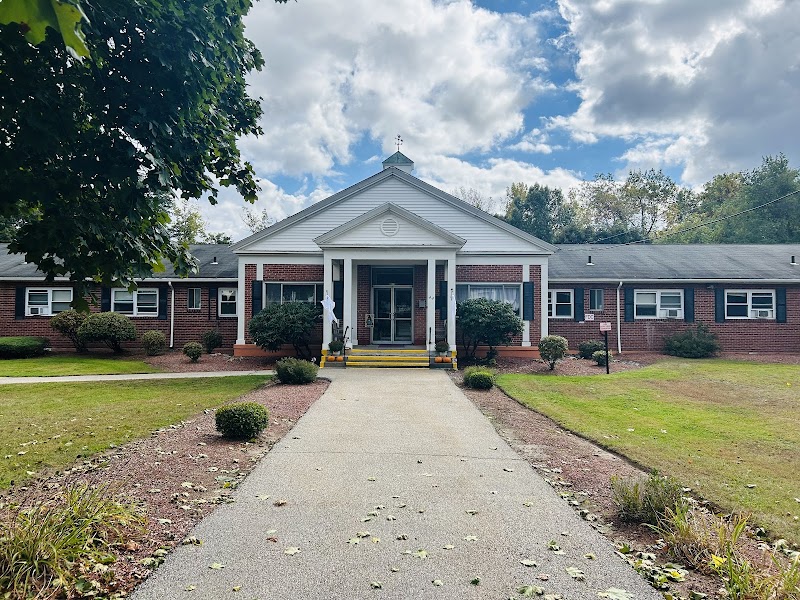

KEYSTONE CENTER

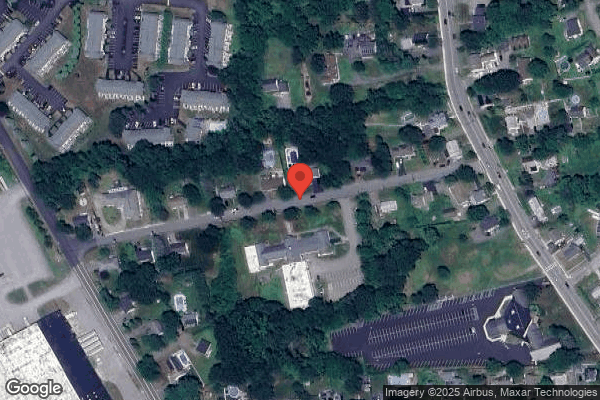
44 KEYSTONE DRIVE, LEOMINSTER, MA 01453 (978) 537-9327
For profit - Limited Liability company 106 Beds EPHRAM LAHASKY Data: November 2025
Trust Grade
20/100
#293 of 338 in MA
Last Inspection: September 2024

Within standard 12-15 month inspection cycle. Federal law requires annual inspections.

Overview

Keystone Center in Leominster, Massachusetts, has received a Trust Grade of F, indicating significant concerns and overall poor performance. It ranks #293 out of 338 facilities in the state, placing it in the bottom half, and #45 out of 50 in Worcester County, suggesting very limited local options that are better. The facility is showing an improving trend, with issues dropping from 23 in 2024 to just 2 in 2025, but staffing remains a concern with a low rating of 1 out of 5 stars and less RN coverage than 81% of state facilities. Despite a low staff turnover rate of 0%, which is excellent, the facility has been fined a total of $33,476, average for the area, indicating some compliance issues. Specific incidents of concern include a resident being physically restrained against their will and another resident suffering a wrist fracture after being left alone on a wet floor, highlighting serious safety and care plan implementation failures. While there are strengths in staff stability, the facility has significant weaknesses in care quality and safety protocols that families should consider.

Trust Score
F
20/100
In Massachusetts
#293/338
Bottom 14%
Safety Record
High Risk
Review needed
Inspections
Getting Better
23 → 2 violations
Staff Stability
○ Average
Turnover data not reported for this facility.
Penalties
✓ Good
$33,476 in fines. Lower than most Massachusetts facilities. Relatively clean record.
Skilled Nurses
⚠ Watch
Each resident gets only 22 minutes of Registered Nurse (RN) attention daily — below average for Massachusetts. Fewer RN minutes means fewer trained eyes watching for problems.
Violations
⚠ Watch
50 deficiencies on record. Higher than average. Multiple issues found across inspections.
★☆☆☆☆
1.0
Overall Rating
★☆☆☆☆
1.0
Staff Levels
★★☆☆☆
2.0
Care Quality
★★☆☆☆
2.0
Inspection Score
Stable
2024: 23 issues
2025: 2 issues

The Good

  • Full Sprinkler Coverage · Fire safety systems throughout facility
  • No fines on record

Facility shows strength in fire safety.

The Bad

1-Star Overall Rating

Below Massachusetts average (2.9)

Significant quality concerns identified by CMS

Federal Fines: $33,476

Above median ($33,413)

Moderate penalties - review what triggered them

Chain: EPHRAM LAHASKY

Part of a multi-facility chain

Ask about local staffing decisions and management

The Ugly 50 deficiencies on record

3 actual harm
Jul 2025 2 deficiencies
CONCERN (D) 📢 Someone Reported This

A family member, employee, or ombudsman was alarmed enough to file a formal complaint

Potential for Harm - no one hurt, but risky conditions existed

Incontinence Care (Tag F0690)

Could have caused harm · This affected 1 resident

Based on records reviewed and interviews, for one of three sampled residents (Resident #1) who had an indwelling catheter and whose Physician's orders included daily irrigation of the indwelling cathe...

Read full inspector narrative →
Based on records reviewed and interviews, for one of three sampled residents (Resident #1) who had an indwelling catheter and whose Physician's orders included daily irrigation of the indwelling catheter, the Facility failed to ensure Resident #1 was provided with catheter care including but not limited to catheter irrigation, in accordance with his/her Physician's orders. Findings include:Review of the Facility policy titled Catheter Irrigation, Open System, revised October 2010, indicated the following: The purpose of this procedure is to maintain patency of the catheter.Unless specifically ordered by the Physician, do not apply a clamp to any catheter. Resident #1 was admitted to the Facility in February 2012, diagnoses included but not limited to Multiple Sclerosis (nerve damage that disrupts communication between the brain and the body that can result in numbness, weakness, and trouble walking), Dementia, and neuromuscular dysfunction of the bladder. Review of Resident #1's July 2025 Physician's orders related to indwelling catheter care indicated the following:Acetic Acid Irrigation solution 0.25%-instill 30 milliliters (ml) of acetic acid solution through the catheter and clamp off. Let the solution sit in the bladder for 30 minutes. After 30 minutes, unclamp the foley and flush with 30 ml of sterile water and reattach the BSD (bedside drainage bag), start date 3/14/25.Review of the Medication Administration Record for July 2025 indicated Resident #1 was administered Acetic Acid solution 0.25%, 30 ml catheter irrigation daily, on the day shift.During an interview on 07/29/25 at 2:20 P.M., Nurse #2 said that she worked the day shift, full time, on the [NAME] unit and had regularly performed Resident #1's bladder irrigation treatment. Nurse #2 said that when she performs the catheter irrigation she cleans around the tubing, and using a piston syringe, she inserts 30 ml of Acetic Acid into the catheter then reattaches the catheter tubing to let the liquid drain back into the bag. Nurse #2 said she had not been clamping off the catheter and waiting 30 minutes then unclamping before flushing out the solution, Nurse #2 and the surveyor reviewed the Physician's order and Nurse #2 said she had not performed Resident #1's catheter irrigation as ordered by the Physician. During an interview on 7/29/25 at 2:40 P.M., the Assistant Director of Nurses said Nurse #2 was responsible for following the Physician's order for Resident #1's catheter irrigation and she had not.
CONCERN (D) 📢 Someone Reported This

A family member, employee, or ombudsman was alarmed enough to file a formal complaint

Potential for Harm - no one hurt, but risky conditions existed

Tube Feeding (Tag F0693)

Could have caused harm · This affected 1 resident

Based on records reviewed and interviews, for one of three sampled residents (Resident #1) who had a gastrostomy tube (G-tube, placed through the abdomen into the stomach, for feedings, liquids and me...

Read full inspector narrative →
Based on records reviewed and interviews, for one of three sampled residents (Resident #1) who had a gastrostomy tube (G-tube, placed through the abdomen into the stomach, for feedings, liquids and medications) in place to meet his/her nutritional and fluid intake needs, and whose physician's orders included specific administration rates and volumes for formula feeds and water flushes, the Facility failed to ensure that Resident #1 was provided with appropriate treatment and services when Resident #1 was administered formula feeds and flushes at an incorrect rate and volume.Findings include:Review of the Facility policy titled Enteral Feeding-Safety Precautions, date revised November 2018, indicated the following:All personnel responsible for preparing, storing and administering enteral nutrition formulas will be trained, qualified and competent in his or her responsibilities.The facility will remain current in and follow accepted best practices in enteral nutrition. Preventing errors in administration: Check the following information: rate of administration (ml/hour- [milliliter per hour]).Review of a Facility Grievance/Concern Form dated, 02/21/25, indicated a visitor had observed Resident #1's tube feeding formula and water flushes to be placed in the incorrect enteral pump bags resulting in Resident #1 getting incorrect volumes of formula and water. Review of the Facility Investigation, dated 02/26/25, indicated the Nursing Supervisor had been notified on 02/21/25, by Resident #1's visitor, that Resident #1's formula feeding bag and water flush bag had been reversed resulting in Resident #1 not receiving the prescribed amount of formula and water. Resident #1 was admitted to the Facility in February 2012, diagnoses included but not limited to Multiple Sclerosis (nerve damage that disrupts communication between the brain and the body that can result in numbness, weakness, and trouble walking), Dementia, and Gastrostomy (G-tube, placed through the abdomen into the stomach, for feedings, liquids and medications) status. Review of Resident #1's Care Plan indicated the following:Tube feeding as ordered, date initiated 11/01/23. Flush feeding tube as ordered, date initiated 11/01/23. Review of Resident #1's Physician's orders for the Month of February 2025, related to G tube feed and water flushes indicated his/her orders included the following:Change tube feeding set every 24 hours, every night shift, date initiated 09/22/24.Enteral feed order, Jevity 1.5, per feeding tube, 45 milliliters (ml) per hour continuous, every shift, date initiated 09/23/24.Flush G-tube with 200 cc (cubic centimeter) every four hours, date initiated 09/23/24. During a telephone interview on 07/30/25 at 8:30 A.M., Nurse #1 said that Resident #1's formula and water flush was administered through a feeding pump using a two-bag system. Nurse #1 said that she could not recall the exact Physician's orders for Resident #1 back in February but said that the formula feeding was set at a certain rate of milliliters per hour and the water flush was set to give a certain amount of water every four hours. Nurse #1 said that she had been assigned Resident #1 on 02/21/25 on the night shift and that sometime between 5:00 A.M. and 6:00 A.M., she had removed and replaced the feeding pump tubing, formula and water flush. Nurse #1 said that she became aware of the mistake (that the Jevity formula and water were in the wrong bag) when she was called by the Nursing Supervisor and informed that the tubing and pump had not been set up correctly. During a telephone interview on 7/30/25 at 4:30 P.M., the Nursing Supervisor said that she had worked the evening shift on 02/21/25 when she was approached by Resident #1's visitor and informed that the tube feeding formula was in the water flush bag and water was in the tube feeding bag. The Nursing Supervisor said that switching the bags resulted in Resident #1 not receiving his/her tube feeding and water flushes as ordered by the Physician.During an interview on 7/29/25 at 2:40 P.M., the Assistant Director of Nursing said that Resident #1's formula feeding and water flush system had been set up incorrectly resulting in Resident #1 not being administered his/her tube feeding as prescribed by the Physician.
Sept 2024 14 deficiencies
CONCERN (D)

Potential for Harm - no one hurt, but risky conditions existed

Deficiency F0552 (Tag F0552)

Could have caused harm · This affected 1 resident

Based on interview, policy and record review, the facility failed to provide one Resident (#59), out of a total sample of 17 residents, the right to participate in their plan of care. Specifically, t...

Read full inspector narrative →
Based on interview, policy and record review, the facility failed to provide one Resident (#59), out of a total sample of 17 residents, the right to participate in their plan of care. Specifically, the facility failed to inform Resident #59 in advance of a medication treatment and the risks and benefits of the medication when the Resident was prescribed a new anti-psychotic (type of medication used to treat symptoms of psychosis including hallucinations [sights, sounds, smells, tastes, or touches that a person believes to be real but are not real] and delusions [false beliefs]) medication. Findings include: Review of the facility policy titled Psychotropic Medication Use, revised July 2022, indicated: -Residents, families, and/or the Representative are involved in the medication management process. -When determining whether to initiate, modify, or discontinue medication therapy, the Interdisciplinary Team (IDT) conducts an evaluation of the resident. The evaluation will attempt to clarify whether .the actual and intended benefit of the medication is understood by the resident/representative. -Residents (and/or representative) have the right to decline treatment with psychotropic medications. -The staff and physician will review with the resident/representative the risks related to not taking the medication as well as appropriate alternatives. Resident #59 was admitted to the facility in August 2023, with diagnoses including Depression (a mood disorder that causes a persistent feeling of sadness and loss of interest) and Anxiety (feeling of unease, such as worry or fear, that can be mild or severe/ intense, excessive, and persistent worry and fear about everyday situations). Review of the Minimum Data Set (MDS) Assessment, dated 7/10/24, indicated that Resident #59: -was cognitively intact as evidenced by a Brief Interview for Mental Status (BIMS) score of 15 out of a total 15. -received an antipsychotic (psychotropic medication primarily used to manage psychosis (including delusions, hallucinations, paranoia or disordered thought) and the antipsychotic medication was administered on a routine basis. During an interview on 9/12/24 at 8:56 A.M., Resident #59 said that when he/she was hospitalized in August 2024 and returned to the facility, no one reviewed his/her medications with him/her. Resident #59 further said he/she was not aware that he/she had taken Olanzapine (antipsychotic) medication or that his/her psychotropic medications were different from before he/she was hospitalized . Resident #59 said the Olanzapine had not been discussed with him/her upon return from the hospital. Review of Resident #59's August 2024 Physician's Orders indicated: -Olanzapine (antipsychotic) 5 mg (milligrams), give 1 tablet by mouth one time a day, initiated 8/6/24, discontinued 8/28/24 Review of Resident #59's August 2024 Medication Administration Record (MAR) indicated the Resident received the following medications: -Olanzapine, administered daily from 8/7/24 - 8/28/24 (22 total doses) Review of the medical record failed to provide evidence that the initiation of treatment with Olanzapine medication, and risks and benefits of Olanzapine, were reviewed with Resident #59 prior to the administration of the medication. Further review of the medical record indicated an Informed Consent for Psychotropic Medication for Olanzapine was signed by the Resident on 8/28/24. During an interview on 9/11/24 at 2:31 P.M., the surveyor and the Physician reviewed Resident #59's medical record. The Physician said Resident #59 was readmitted from a recent hospitalization on Olanzapine and Aripiprazole (atypical antipsychotic). The Physician said that she reviews if psychotropic medications are needed to make sure medications are given in the right dose and are effective. The Physician said that she made the decision to discontinue the Olanzapine on 8/28/24 on her own and the recommendation did not come from nursing or psychiatric services. The Physican was unable to provide additional information that treatment with Olanzapine was discussed with Resident #59 prior to administration of the medication. During an interview on 9/12/24 at 10:12 A.M., the surveyor and the Director of Nursing (DON) reviewed Resident #59's medical record. The DON said that after a hospitalization, if a resident had new psychotropic medications, the admitting Nurse would obtain a consent at the time of readmission. The DON said that consents should be obtained before psychotropic medication is provided. The DON said that Resident #59 received the Olanzapine from 8/6/24 - 8/28/24 and consent should have been obtained before administration of the medication and it had not been.
CONCERN (D)

Potential for Harm - no one hurt, but risky conditions existed

Notification of Changes (Tag F0580)

Could have caused harm · This affected 1 resident

Based on record review and interview, the facility failed to notify the Physician of a significant change in condition for one Resident (#16), out of a total sample of 17 Residents. Specifically, the ...

Read full inspector narrative →
Based on record review and interview, the facility failed to notify the Physician of a significant change in condition for one Resident (#16), out of a total sample of 17 Residents. Specifically, the facility staff failed to notify the Physician/Nurse Practitioner (NP) so treatment could be altered when Resident #16 was identified with significant weight loss by the Registered Dietician. Findings include: Review of the facility policy titled Weight Management, undated, indicated: -Newly admitted residents are weighed weekly for four weeks. -Residents are weighed a minimum of monthly by the 7th of each month, with more frequent weights obtained as ordered or deemed necessary. -Check the previous monthly weight(s) for any significant weight change. If there is a significant weight change of plus/minus 5 percent (%) in 30 days (1 month), 7.5% in 90 days (3 months) or 10% in 180 days (6 months), schedule the resident to be reweighed within 24 hours. -Weights are verified and documented in the medical record as they are obtained. -The entire interdisciplinary team (IDT) must be involved in the resident's care needs to manage unplanned weight change. Each member performs tasks consistent with their area of expertise. Review of the facility policy titled Change in a Resident's Condition or Status, revised February 2021, indicated: -The facility promptly notified the resident, his or her attending Physician, and the resident representative of changes in the resident's medical/mental condition and or status. -The Nurse will notify the resident's attending Physician when there has been a significant change in the resident's physical/emotional/mental condition. Resident #16 was admitted to the facility in May 2024, with diagnoses including Muscle Wasting and Atrophy (also known as muscle atrophy - the loss of muscle tissue or muscle mass that cause muscles to weaken, shrink or shorten and can lead to a decrease in strength and mobility), Bipolar Disorder (a mental health condition that causes extreme mood swings that include emotional highs [mania or hypomania] and lows [depression]) and Developmental Delay (a delay in reaching language, thinking, social or motor skills milestone). Review of the May 2024 Physician's orders indicated: -Weight every evening shift every Thursday for 4 weeks, initiated 5/9/24. -Weight every evening shift starting on the 1st and ending on the 1st every month, initiated 5/9/24. Review of the Physician Progress Note, dated 5/15/24, indicated: -Weight 223.8 pounds (lbs.) -Nutrition - continues regular diet with thin liquids, will continue with weekly weights monitoring once every Thursday in the evening for 4 weeks and will be followed by a Dietitian. Review of Resident #16's Weights and Vitals report provided by the facility on 9/10/24 indicated: -5/9/24: 223.8 lbs. -5/30/24: 224 lbs. -7/24/24: 220.3 lbs. -8/13/24: 199 lbs. -8/14/24: 198 lbs. -8/15/24: 198.8 lbs. -9/1/24: 197.4 lbs. (11.8% change indicating significant weight loss in less than 180 days) Review of the Nutritional Risk Evaluation Quarterly Assessment, dated 8/14/24 indicated: -Significant weight loss of 9.9% in less than 30 days and 11.2% weight loss in 90 days. -Weight on admission was 224 lbs, with a follow-up weight on 5/30/24: 224 lbs. -No June weight to assess. -Weight on 8/13/24: 199 lbs. per nursing. -Resident triggered for significant weight loss. Review of the medical record indicated no documented evidence that the Physician or the NP were notified of Resident #16's significant weight loss when identified by the Dietitian on 8/14/24. During an interview on 9/10/24 at 1:54 P.M., the NP said typically the Director of Nursing (DON), or nursing staff communicate any resident weight loss to her. The surveyor and the NP reviewed Resident #16's medical record and the NP said Resident #16's weights had not been communicated to her. The NP further said had the weights been reported to her, she would have reviewed the Resident's clinical record to see if any follow-up would have been warranted.
CONCERN (D)

Potential for Harm - no one hurt, but risky conditions existed

Deficiency F0657 (Tag F0657)

Could have caused harm · This affected 1 resident

**NOTE- TERMS IN BRACKETS HAVE BEEN EDITED TO PROTECT CONFIDENTIALITY** 3. Resident #59 was admitted to the facility in August 2023, with diagnoses including Depression and Anxiety (feeling of unease,...

Read full inspector narrative →
**NOTE- TERMS IN BRACKETS HAVE BEEN EDITED TO PROTECT CONFIDENTIALITY** 3. Resident #59 was admitted to the facility in August 2023, with diagnoses including Depression and Anxiety (feeling of unease, such as worry or fear, that can be mild or severe/ intense, excessive, and persistent worry and fear about everyday situations). Review of the Resident's clinical record showed evidence that a MDS (Minimum Data Set) Assessment was completed on 4/18/24, and indicated that Resident #59 was cognitively intact as evidenced by a Brief Interview for Mental Status (BIMS) score of 15 out of 15. Review of the Resident's clinical record did not provide evidence of involvement of the Resident and/or their Representative in the care planning process or that a care plan meeting had been held following the MDS Assessment completed on 4/18/24. During an interview on 9/11/24 at 7:50 A.M., the Director of Social Services (DSS) said that care plan meetings will include the Resident and/or their Representative and the IDT consisting of the Director of Social Services, the Activity Director, Rehabilitation services if involved with the Resident, and the MDS Nurse or Assistant Director of Nursing (ADON). If the Resident does not attend, the IDT will still hold the care plan meeting which is typically documented as a care plan meeting note. The DSS said that she was out sick in April when Resident #59's care plan meeting would have been held. The surveyor requested documentation that a care plan meeting was held relative to the 4/18/24 MDS assessment. During a follow-up interview on 9/11/24 at 11:51 A.M., the DSS said that there was no evidence that a care plan meeting was held relative to the 4/18/24 MDS assessment. Based on observation, interview, record and policy review, the facility failed to ensure the plan of care was assessed and revised for two Residents (#6, #21) and that a care plan meeting was held for one Resident (#59), out of a total sample of 17 residents. Specifically, the facility staff failed to: 1. For Resident #6, assess and revise the Resident's Care Plan to include measurable goals for falls prevention after the Resident sustained a fall. 2. For Resident #21, obtain a Physician order and revise the Resident's Care Plan to include the use of mattress bolsters and floor mats after the Resident sustained a fall. 3. For Resident #59, provide evidence that an interdisciplinary care plan meeting was held, or that the Resident had participated in the care planning process following an MDS assessment completed on 4/18/24. Findings include: Review of the facility policy titled Care Planning - Interdisciplinary Team, revised March 2022, indicated: -Comprehensive, person-centered care plans are based on resident assessments and developed by an interdisciplinary team (IDT). -The IDT includes but is not limited to: <Resident's attending physician <Registered Nurse with responsibility for the resident <Nursing assistant with the responsibility for the resident <Member of food and nutrition services staff <the Resident and/or Resident's Representative <Other staff as appropriate or necessary to meet the needs of the resident, or as requested by the resident. -The resident, the resident's family and or/the residents legal representative .are encouraged to participate in the development of and revisions to the resident's care plan. -Care plan meetings are scheduled at the best time of day for the resident and the family when possible. 1. Resident #6 was admitted to the facility in August 2023, with diagnoses including Encephalopathy (a disease of the brain that can be caused by disease, injury, drugs or chemicals and alters brain function, which can cause confusion), Bipolar Disorder (a mental health condition that causes extreme mood swings that include emotional highs [mania or hypomania] and lows [depression]), Schizoaffective Disorder (a mental health condition that is a combination of schizophrenia and mood disorder symptoms such as depressive episodes, hallucinations (sights, sounds, smells, tastes, or touches that a person believes to be real but are not real) and delusions (false beliefs), and manic episodes), and Muscle Weakness (decreased strength in the muscles). Review of the Minimum Data Set (MDS) Assessment, dated 7/3/24, indicated Resident #6 was cognitively impaired as evidenced by a Brief Interview of Mental Status (BIMS) score of 99 (indicating unable to assess) and had visual hallucinations. Review of Activities of Daily Living (ADL) Care Plan, revised 9/5/23, indicated Resident #6 required assistance with ADL related to impaired mobility and included the following interventions: -Provide assist with mobility/positioning as needed when fatigued. -Provide assist with transfers as needed when fatigued. -Allow for periods of rest if resident becomes fatigued. Review of the Incontinence Care Plan, revised 7/17/24, indicated Resident #6 had mixed bladder [sic] incontinence related to impaired mobility and included the following interventions: -Ensure the Resident has unobstructed path to the bathroom. -Establish voiding (urinating) patterns. -Observe for/document/report to MD (medical doctor) as needed for possible medical causes of incontinence. Review of the Nursing Progress Note, dated 8/9/24, indicated Resident #6 was found standing between the bathroom door and the room with his/her brief soaked. The Nurse informed the Resident that she was getting a clean brief and while the Nurse was looking in the closet, the Nurse heard a big noise and found the Resident on the floor lying on his/her back. The Nurse indicated the Resident hit his/her head but was able to move his/her legs. The Resident reported a headache, and was transferred to the emergency room for further evaluation. Review of Resident #6's Care Plan did not indicate assessment of what led to the fall on 8/9/24, and any interventions implemented to prevent further falls by the Resident. On 9/11/24 at 2:06 P.M., the Director of Nursing (DON) said all falls are reviewed and assessed by the IDT, and interventions would be implemented to prevent further falls, but this was not completed for Resident #6. 2. Resident #21 was admitted to the facility in June 2022, with diagnoses including Cognitive Impairment (trouble remembering, learning new things, concentrating or making decisions that affect everyday life), Depression (a mental health disorder characterized by persistently depressed mood or loss of interest in activities, causing significant impairment in daily life), Insomnia (sleep disorder with trouble falling and/or staying asleep), and Muscle Weakness. Review of the MDS assessment dated [DATE], indicated Resident #21 was severely cognitive impaired as evidenced by a BIMS score of 3 out of 15. On 9/6/24 at 9:04 A.M., the surveyor observed Resident #21 lying in bed with his/her eyes closed. The surveyor observed that the Resident was lying on a mattress with bolsters (a foam device used to prevent slipping or sliding out of the mattress) and had mats on the floor. Review of Resident #21's medical record including the Resident's Care Plan, did not indicate the use of mattress bolsters and floor mats. On 9/10/24 at 10:18 A.M., the surveyor and Nurse #6 reviewed the Medication Administration Record (MAR) and the Treatment Administration Record (TAR). Nurse #6 said residents with bolsters on the bed and mats on the floor would have Physician's orders and would be assessed every shift. Nurse #6 said Resident #21 did not have orders to the assess the need for and the use of placement of mattress bolsters on the bed and mats on the floor. During an interview on 9/10/24 a at 11:13 A.M., the DON said Resident #21 had utilized the mattress with bolsters and used the mats on the floor long before the DON started working in the facility. The DON said there should have been a Physician's order in place for the use of the bolsters on the mattress and mats on the floor and the Care Plan should have been revised to include the use of the bolsters and mats on the floor.
CONCERN (D)

Potential for Harm - no one hurt, but risky conditions existed

Deficiency F0658 (Tag F0658)

Could have caused harm · This affected 1 resident

Based on record review and interview, the facility failed to provide services that met professional standards of quality for one Resident (#25), out of a total sample of 17 residents. Specifically, t...

Read full inspector narrative →
Based on record review and interview, the facility failed to provide services that met professional standards of quality for one Resident (#25), out of a total sample of 17 residents. Specifically, the facility staff failed to transcribe (to put into written word or print) a verbal order (a Physician order that is received in person via spoken word or over the telephone) for a medication change into the medical record, resulting in the verbal order not being implemented and Resident #25 not receiving an updated medication as ordered by the Physician. Findings include: Review of facility policy titled Telephone Orders, revised February 2014, indicated: -Verbal telephone orders may be accepted from each resident's attending Physician. -Verbal telephone orders may only be received by licensed personnel (Registered Nurse (RN), Licensed Professional Nurse (LPN), Pharmacist, Physician, etc.). -Orders must be reduced to writing (transcribed), by the person receiving the order, and recorded in the resident's medical record. Resident #25 was admitted to the facility in March 2024, with diagnoses including Gastro Esophageal Reflux Disease (GERD - a condition that causes heartburn or acid indigestion) and Irritable Bowel Syndrome (IBS - condition that affects the large intestine and can cause abdominal pain, bloating, and changes in bowel habits). Review of the Consultant Pharmacist Recommendations to Prescriber, dated July 2024, indicated: -Resident #25 currently receiving Protonix (Pantoprazole [a medication prescribed to treat GERD]) 40 milligrams (mg) twice daily. -Please consider switch to Prilosec OTC (Prilosec over the counter- a medication prescribed to treat GERD) .please specify Prilosec OTC consider starting dose of 20 mg daily and monitor. The Physician/Prescriber Response on the Consultant Pharmacist Recommendations to Prescriber form indicated: -Agreement with the recommendation. -Signed by the Director of Nursing (DON) not the ordering Physician, on 7/30/24. Review of the Physician's Order Summary Report, provided 9/12/24, indicated: -Protonix 40 mg, give1 tablet once time a day, initiated 3/31/24, active During an interview on 9/12/24 at 12:06 P.M., the DON said she received the Pharmacist recommendations for Resident #25 and called the Resident's Physician to obtain a verbal order for a change of Protonix 40 mg by mouth twice daily to Prilosec OTC 20 mg by mouth daily. The DON said she then signed and dated the pharmacy recommendation on 7/30/24. The DON said the new order had been entered into the Resident's electronic medical record. Further review of the active Physician's orders, as of 9/12/24, did not indicate evidence the Physician's verbal order to change Resident #25's medication from Protonix 40 mg by mouth twice daily to Prilosec OTC 20 mg by mouth daily had been transcribed and implemented. During a follow-up interview on 9/12/24 at 12:27 P.M., the DON said she had spoken with Resident #25's Physician on 7/30/24 and received a verbal order to change Protonix 40 mg by mouth twice daily to Prilosec OTC 20 mg by mouth daily. The DON said there was no evidence that the verbal order she obtained had been entered into Resident #25's medical record. The DON further said she had given the verbal order to another Nurse on 7/30/24 to transcribe but was unable to recall which Nurse. The DON said Resident #25 was not getting the correct medication as ordered by the Physician. The DON said all Residents should receive medications as ordered by the Physician to treat his/her medical conditions correctly.
CONCERN (D)

Potential for Harm - no one hurt, but risky conditions existed

Deficiency F0679 (Tag F0679)

Could have caused harm · This affected 1 resident

**NOTE- TERMS IN BRACKETS HAVE BEEN EDITED TO PROTECT CONFIDENTIALITY** Based on observation, interview, policy and record review, the facility failed to provide activities to meet the needs of one Re...

Read full inspector narrative →
**NOTE- TERMS IN BRACKETS HAVE BEEN EDITED TO PROTECT CONFIDENTIALITY** Based on observation, interview, policy and record review, the facility failed to provide activities to meet the needs of one Resident (#28), out of a total sample of 17 residents. Specifically, the facility failed to provide activities of interest for Resident #28 based on their plan of care, comprehensive assessment, and preferences. Findings include: Review of the facility policy titled Activity Evaluation, revised June 2018, indicated: -The activity evaluation is used to develop an individual activities care plan .that will allow the resident to participate in activities of his/her choice and interest. -The activity evaluation and activities care plan identifies if a resident is capable of pursuing activities independently or if supervision and assistance are needed. Resident #28 was admitted to the facility in December 2023 with diagnoses including Dementia (a group of conditions characterized by impairment of at least two brain functions, such as memory and loss of judgment). Review of the Minimum Data Set (MDS) assessment dated [DATE], indicated Resident #28 was severely cognitively impaired as evidenced by a Brief Interview for Mental Status (BIMS) score of zero out of a possible 15. Review of the Activity Assessment, dated 2/26/24, indicated the following preferences for Resident #28: -Preference for afternoon participation in activities. -Somewhat important to have books/magazines to read. -Very important to listen to music. -Very important to keep up with the news. -Somewhat important to do things with people. -Very important to do favorite activities. Review of the Activities Note, dated 6/19/24, indicated: -Resident #28 is alert and able to make his/her needs known. -He/she had attended parties, television, and pet visits. -Staff continue to invite/encourage the Resident to join group programs, offer supplies and 1:1 (individual) visits as tolerated. Review of the Activity Care Plan, last revised 7/17/24, indicated: -Resident #28 is dependent on staff for activities, cognitive stimulation, and social interaction due to physical limitations, cognitive deficits. -Resident #28 had a plastic tool box to use to keep his/her hands busy. -Resident liked fishing, music, sports, to keep up with the news, and to read. -Staff to provide informal 1:1 visits for socialization to include facility happenings, upcoming events, and scheduled programs. During an observation on 9/6/24 at 9:17 A.M., the surveyor observed Resident #28 lying in bed, sleeping after the breakfast meal was completed. The surveyor did not observe any television or radio in the Resident's room. During a telephone interview on 9/6/24 at 1:00 P.M., Resident #28's Representative said the Resident was bored and staff don't know how to keep him/her busy. During an observation on 9/10/24 at 10:07 A.M., the surveyor observed Resident #28 sleeping in bed. The surveyor did not observe any television or radio in the Resident's room. During an observation on 9/10/24 at 12:07 P.M., the surveyor observed Resident #28 seated alone at a table in the South Dining Room. At 12:21 P.M.,the staff was observed moving Resident #28 to another table with a resident and their visiting family member. The surveyor did not observe Resident #28 engaging with the other resident or visitor at the table. During an observation on 9/10/24 at 3:59 P.M. the surveyor observed Resident #28 seated alone at an empty table in the South Dining Room in the same location where he/she was observed at 12:21 P.M. The surveyor did not observe any activity or reading materials in front of the Resident, and there were no staff, other Residents, or visitors in the South Dining Room at the time. The surveyor did not observe any music to be playing and the television in the room was off. Review of the September 2024 Recreation Participation Record indicated Resident #28 was greeted by Recreation staff on 9/6/24, 9/7/24, 9/8/24, 9/9/24, and 9/10/24 and was provided with 1:1 cognition game on 9/10/24. Further review of the Recreation Participation Record did not indicate that Resident #28 participated in any additional activities from 9/6/24 through 9/9/24. Review of the CNA (Certified Nurses Assistant) Flow Sheet for September 2024 did not indicate that any individual or group activity was provided to Resident #28 from 9/6/24 - 9/9/24. During an interview on 9/12/24 at 9:04 A.M., CNA #1 said that Resident #28 is not very social but he/she will color or read and that staff will give him/her a fidget board from the Activities department. CNA #1 said staff try to keep Resident #28 occupied and Activities staff will do 1:1 activities with him/her. CNA #1 said she would ask about activity preferences from the nursing or activity staff, and resident participation in any activities would be documented. During an interview on 9/12/24 at 9:15 A.M., the Activities Director (AD) said the Activity Department includes herself and two other staff. The AD said activities staff provide 1:1 visits to residents which are documented on the Recreation Participation forms. The AD said that Resident #28 did better with 1:1 activities, the staff have a toolbox setup for him/her, and that a busy board was available in the South Dining Room. The AD further said Resident #28 mostly preferred chit-chatting, coloring, and distractions with his/her hands. The surveyor and the AD reviewed the September 2024 Recreation Participation Record for Resident #28, and the AD said that there was no documentation of additional activities provided to the Resident on 9/6/24, 9/7/24, or 9/8/24. The AD said that on 9/10/24, a cognitive game was provided to the Resident by an activity staff member, but she was unsure of what the staff did as a cognitive interaction or what time that activity was provided. During a follow-up interview on 9/12/24 at 9:52 A.M., the AD said that she was unable to provide specifics of the cognitive game activity provided on 9/10/24 or if that activity occurred between 12:21 P.M. and 3:59 P.M.
CONCERN (D)

Potential for Harm - no one hurt, but risky conditions existed

Accident Prevention (Tag F0689)

Could have caused harm · This affected 1 resident

Based on observation, interview, record and policy review, the facility failed to provide an environment was free of accidental hazards, relative to swallowing safety during one meal for one Resident ...

Read full inspector narrative →
Based on observation, interview, record and policy review, the facility failed to provide an environment was free of accidental hazards, relative to swallowing safety during one meal for one Resident (#10) out of a total sample of 17 residents. Specifically, facility staff failed to provide Resident #10 with necessary interventions, in accordance with the Resident's plan of care, to ensure the Resident's safety while eating his/her breakfast meal when the Resident had a diagnosis of Dysphagia (difficulty swallowing), required staff assistance for securing his/her dentures in place, and required verbal cues for safety while eating, which increased the Resident's risk for choking. Findings include: Review of the facility's policy titled Assistance with Meals, revised March 2022, indicated the following: -Residents should receive assistance with meals in a manner that meets the individual needs of each resident. -Facility staff will serve resident trays and will help residents who require assistance with eating. Resident #10 was admitted to the facility in February 2016 with diagnoses including Parkinson's Disease (progressive degenerative disorder of the central nervous system characterized by tremor and impaired muscular coordination) and Dysphagia (difficulty swallowing foods or liquids). Review of Resident #10's Activity of Daily Living (ADL) Care Plan, initiated 12/30/20 and revised 12/6/23, indicated the following: -Needs to be continually supervised -may need cues to slow down -and may require assist with meal at meal times Review of Resident #10's Dysphagia Care Plan, initiated 2/3/21 and revised 12/6/23, indicated the following: -Continual supervision when eating, provide assistance as needed. -Encourage Resident to chew and swallow each bite. -Encourage small sips/bites and cue as needed. -If coughing occurs, no food/liquids until coughing resolves. Review of Resident #10's active Physician's orders, initiated 8/15/23, indicated the Resident required a puree (food texture that is changed from a solid texture to smooth, with no lumps and pudding-like) diet texture with thin liquids due to signs/symptoms of Dysphagia. Review of Resident #10's Dental Exam Report, dated 11/16/23, indicated the following: -Complaint of loose dentures. -Use adhesive to improve retention. -Use denture adhesive as needed. Review of Resident #10's Speech Therapy (ST) Evaluation, dated 7/13/24, indicated the following: -The Resident was referred for a ST evaluation due to complaints of increased swallowing difficulty at meals including increased cough. -The Resident's diet was puree solids and thin liquids. -The Resident's oral motor structure (parts of the mouth that work together to help with eating) and function was impaired. -The Resident's cognitive-communicative skills were impaired. -The Resident's lower dentures were loose. Further review of the ST Evaluation indicated the Resident demonstrated clinical signs of Dysphagia with puree texture foods as evidenced by: >oral residue (food/liquid remaining in the mouth after swallow), >poor attention to task, >suspected premature (early) spillage into the pharynx (muscular tube that connects one's nose and mouth to the lungs and stomach), >coughing after swallow, >decreased self monitoring, >wet vocal quality prior to and after swallowing. General swallow techniques/precautions were recommended and no changes to the Resident's plan of care were recommended. Review of Resident #10's Minimum Data Set (MDS) Assessment, dated 7/17/24, indicated the following: -The Resident was moderately cognitively impaired as evidenced by a Brief Interview for Mental Status (BIMS) score of 12 out of total possible 15. -The Resident required substantial/maximal assistance (helper does more than half the effort) for oral hygiene. On 9/11/24 between 8:15 A.M. and 8:32 A.M., the surveyor observed the following in the South Unit Dining Room: -Resident #10 sat with a plate of scrambled eggs on the table in front of him/her. -The Assistant Director of Nursing (ADON) was present in the Dining Room. -The Resident put a spoonful of scrambled eggs into his/her mouth, began to chew, then started to cough. -The Resident began to cough repetitively, then stopped coughing and the ADON immediately approached the Resident, using the palm of her hand forcefully on the Resident's back multiple times. -The Resident began to cough repetitively again, for a short time, then intermittently, and continued to eat his/her scrambled eggs. -The surveyor observed staff provide Resident #10 with a cup of apple juice at 8:23 A.M. -The surveyor observed Resident #10 take a bite of eggs, chew, cough, then gag, and take a drink of juice from his/her cup. -The surveyor observed some of the juice exit from the front of the Resident's mouth and run down his/her chin. -Resident #10 then cleared his/her throat and took a heaping spoonful of scrambled eggs. -The surveyor observed Resident #10's bottom dentures protrude over his/her bottom lip and partially out of his/her mouth multiple times while he/she was eating. -The surveyor observed Resident #10 fully load the bowl of his/her spoon with a heaping amount of scrambled eggs and place the eggs into his/her mouth under his/her bottom dentures that were not secured in place. -The Resident began to chew the eggs, with the bottom dentures continuing to move forward out of his/her mouth, and he/she began to gag. -The surveyor observed the Resident repeat placing a heaping spoonful of scrambled eggs under his/her bottom teeth and gag one more time, and the ADON instructed Certified Nurses Aide (CNA) #1 to remove the Resident's dentures at 8:27 A.M. -The surveyor observed CNA #1 remove Resident #10's dentures as instructed, and the Resident completed eating his/her meal. -At no time during the observation, through the time the Resident's dentures were removed, did the surveyor observe that the Resident's dentures were secured in his/her mouth. -At no time during the observation, did the surveyor observe staff encourage the Resident to chew and swallow each bite, encourage small bites of food, or ensure the Resident did not continue to eat until coughing was resolved. During an interview on 9/11/24 at 9:00 A.M., CNA #1 said that Resident #10 was always assisted out of bed and with personal care on the night (11:00 P.M. through 7:00 A.M.) shift, so she was not sure what assistance was provided for Resident #10's oral care in the morning. CNA #1 said that Resident #10's teeth (dentures) were consistently loose and she thought the Resident would benefit from the use of denture adhesive. CNA #1 said she was not sure if the Resident had any denture adhesive, but if he/she did, the denture adhesive would most likely be in the Resident's top night stand drawer. At that time, the surveyor, CNA #1 and Resident #10 entered the Resident's room. Resident #10 said he/she had denture adhesive in the top night stand drawer. CNA #1 opened the night stand drawer and the surveyor observed a tube of denture adhesive cream in the drawer. The Resident removed the denture adhesive cream and said that when the denture adhesive cream was put on his/her dentures, the dentures would stick forever. Resident #10 said he/she had adhesive cream on his/her dentures the previous day, but he/she did not think anybody put any adhesive cream on his/her dentures that morning. CNA #1 offered to apply the denture adhesive cream to the Resident's dentures, the Resident accepted, then said he/she would apply the adhesive cream themselves. The surveyor observed the Resident make several attempts to put the adhesive cream on his/her dentures, but the Resident was unable to squeeze the tube with enough force to expel any adhesive cream. CNA #1 then assisted Resident #10 with applying the adhesive cream to the Resident's dentures. During an interview on 9/11/24 at 9:38 A.M., the Speech Language Pathologist (SLP) said that he evaluated Resident #10 within the last month or two due to the Resident having increased coughing episodes when he/she ate. The SLP said that Resident #10 had difficulty swallowing, difficulty managing his/her own secretions at times, and experienced coughing episodes when eating. The SLP said that no changes were recommended to Resident #10's diet when he evaluated the Resident as the Resident was already on a puree diet. The SLP said that for safety, the Resident required continual supervision while eating. The SLP said staff should provide the interventions indicated in the Resident's care plan for encouraging small bites, chewing and swallowing each bite, and ensuring that the Resident's dentures were secured in place. During an interview on 9/11/24 at 11:00 A.M., the ADON said she supervised Resident #10 at the breakfast meal that same morning. The ADON said she recognized that the Resident was having difficulty managing his/her breakfast meal, that the Resident was coughing while eating and that she had provided assistance using her hand on the Resident's back when the Resident was coughing during the meal. The ADON said she knew the Resident was not choking and had positive air exchange, but was having difficulty. The ADON said she did not know that the Resident's care plan indicated required interventions for encouraging small bites and encouraging the Resident to chew and swallow each bite. The ADON further said once she recognized the Resident's bottom dentures were not secured in place, she instructed CNA #1 to remove them from the Resident's mouth. The ADON said there was no way the Resident had been provided with adhesive cream for his/her dentures that morning with the way the Resident's bottom dentures were moving around his/her mouth.
CONCERN (D)

Potential for Harm - no one hurt, but risky conditions existed

Incontinence Care (Tag F0690)

Could have caused harm · This affected 1 resident

Based on interview, record and policy review, the facility failed to provide appropriate care and services for a nephrostomy tube (a thin flexible tube that drains urine from the kidney into a bag out...

Read full inspector narrative →
Based on interview, record and policy review, the facility failed to provide appropriate care and services for a nephrostomy tube (a thin flexible tube that drains urine from the kidney into a bag outside the body) according to professional standards of practice for one Resident (#372), out of a total sample of 17 residents. Specifically, the facility staff failed to flush Resident #372's nephrostomy tubes as ordered by the Physician to prevent blockage and increased risk of infection. Findings include: Review of the facility policy titled Nephrostomy Tube Care, revised October 2010, indicated: -The purpose of this procedure is to provide guidelines for the care of the resident with a percutaneous (through the skin) nephrostomy tube. -Verify that there is a Physician's Order. -Review the resident's care plan to assess for any special needs of the resident. Review of the facility policy titled Catheter Care, Urinary, revised 9/2014 indicated: to maintain an unobstructed urine flow. Review of the Management of Patients with Nephrostomy Tubes: Nursing toolkit, revised November 2022,(retrieved from: https://aci.health.nsw.gov.au/__data/assets/pdf_file/0011/807095/ACI-Management-patients-nephrostomy-tubes-nursing-toolkit.pdf) indicated: -A Medical Officer must order flushing (frequency and amount of fluid to be instilled) or removal of a nephrostomy tube. -A Medical Officer or a Registered Nurse experienced in the procedure must perform flushing of the nephrostomy tube. -A Medical Officer prescribes flushing of the nephrostomy tube with 2 -10 milliliters (ml) of sterile normal saline as a single procedure. Following a medical officer's review, the frequency of flushing will be adjusted according to treatment needs and outcome. -The flushing of the nephrostomy tube is done using a 10 ml syringe. It should be a gentle, slow flush. It is not necessary to draw back or retrieve the small amount of normal saline that may remain, as this will drain out naturally. Resident #372 was admitted to the facility in September 2024, with diagnoses including Malignant Neoplasm of the Bladder (cancer of the bladder), Muscle Weakness (decreased strength in the muscles), Intestinal Obstruction (a gastrointestinal condition in which digested material is prevented from passing normally through the bowels), and palliative care (specialized medical care that focuses on providing relief from pain and other symptoms of a serious illness). Review of Resident# 372's Discharge Summary information (Patient Care Referral Facility and Home Care Page 2) indicated: -Bilateral Nephrostomy tubes draining clear yellow urine, every 8-hour flushes. Review of the Minimum Data Set (MDS) Assessment, dated 9/12/24, indicated Resident #372 was cognitively intact as indicated by a Brief Interview of Mental Status (BIMS) score of 14 out of total possible 15. During an interview on 9/6/24 at 10:45 A.M., Resident #372 said his/her only concern was the need to have his/or nephrostomy tubes flushed twice a day as he/she did at home, which was not occurring at the facility. Review of the September 2024 Physician's orders indicated: -9/7/24: Flush nephrostomies daily with 10 ml (milliliters) of normal saline every day shift. During an observation and interview on 9/10/24 at 10:11 A.M., Resident #372 said that he/she had repeatedly asked the facility staff to flush his/her nephrostomy tubes, and the facility staff informed him/her that there was no Physician's order to do this. The Resident further said that he/she was afraid of a potential obstruction and had requested the facility staff to provide him/her with supplies so that he/she could flush the nephrostomy tubes as he/she had been doing twice daily when previously at home. On 9/10/24 at 10:46 A.M., the surveyor and Nurse #6 reviewed the Medication Administration Record (MAR) and the Treatment Administration Record (TAR). Nurse #6 said there were no orders in the Administration Records to flush Resident #372's nephrostomy tubes. On 9/10/24 at 10:58 A.M., the Director of Nursing (DON) said the facility reviews resident orders with the Physician when the residents are admitted to the facility. The DON said she reviewed the discharge paperwork for Resident #372 on 9/7/24, after he/she had been admitted to the facility, and noted the order to flush the nephrostomy tubes had not been entered into the Electronic Medical Record (EMR). The DON said she entered the orders incorrectly and there were no orders on the Administration Records (MAR or TAR) to flush the Resident's nephrostomy tubes. Please Refer To F726
CONCERN (D)

Potential for Harm - no one hurt, but risky conditions existed

Deficiency F0742 (Tag F0742)

Could have caused harm · This affected 1 resident

**NOTE- TERMS IN BRACKETS HAVE BEEN EDITED TO PROTECT CONFIDENTIALITY** Based on interview, policy and record review, the facility failed to provide appropriate treatment and services to attain the hi...

Read full inspector narrative →
**NOTE- TERMS IN BRACKETS HAVE BEEN EDITED TO PROTECT CONFIDENTIALITY** Based on interview, policy and record review, the facility failed to provide appropriate treatment and services to attain the highest practicable mental and psychosocial well-being for one Resident (#59), out of a total sample of 19 residents. Specifically, the facility failed: -to develop an individualized care plan to address the emotional and psychosocial needs of Resident #59, -to monitor and provide ongoing assessment as to whether the care approaches were meeting the emotional and psychosocial needs of the Resident after he/she experienced Suicidal Ideation (SI- verbal expressions of thoughts of harming oneself that may or may not lack specific intent), and -to review and revise the Resident's care plan after expression of SI, hospitalization, and re-admission to the facility. Findings include: Review of the facility policy titled Behavioral Assessment, Intervention, and Monitoring, revised March 2019, indicated: -Nursing staff will identify, document, and inform the Physician about specific details regarding changes in an individual's mental status including: <onset, duration, intensity, and frequency of behavioral symptoms; <any recent precipitating or relevant factors of environment triggers (e.g. medication changes, infection, recent transfer from the hospital); and <appearance and alertness of the resident and related observations -New onset or changes in behavior will be documented regardless of the degree of risk to the resident or others -The care plan will incorporate findings from the comprehensive assessment .and be consistent with current standards of practice -Interventions and approaches will be based on a detailed assessment of physical, psychological, and behavioral symptoms and their underlying causes, as well as the potential situational and environmental reasons for the behavior. The care plan will include, as a minimum: <A description of the behavioral symptoms including frequency, intensity, duration, outcomes, location, environment and precipitating factors or situation <Targeted and individualized interventions for the behavioral and psychosocial symptoms, the rational for the interventions and approaches, specific and measurable goals for targeted behaviors, and how the staff will monitor for effectiveness of the interventions. -If the resident is being treated for altered behavior or mood, the interdisciplinary team (IDT) will seek and document any improvements or worsening in the individual's behavior, mood, and function. Resident #59 was admitted to the facility in August 2023, with diagnoses including Depression (a mental health disorder characterized by persistently depressed mood or loss of interest in activities, causing significant impairment in daily life), Anxiety (feeling of unease, such as worry or fear, that can be mild or severe/ intense, excessive, and persistent worry and fear about everyday situations), and Alcohol Abuse. Review of the Nursing Progress Note, dated 6/7/24, indicated: -Resident was crying uncontrollably -Resident was unable to be redirected -Resident stated I want to kill myself. If I had the means I would have done it already. -Resident requested to go to the hospital -Resident was transferred to the Emergency Room Review of the Hospital Emergency Department (ED) Provider Note dated 6/7/24, indicated Resident #59: -Had a history of Anxiety -Had two prior suicide attempts last year -Anxiety had been worsening -Increased Depression that morning -Stated if he/she had a means to kill him/herself, he/she would have done it Review of the Nurse Practioner (NP) Note dated 6/11/24 indicated: -Resident was sent to the ED for SI on 6/7/24 and returned the next day -Resident stated he/she became suicidal as a result of domestic and family problems -Resident said he/she felt this way before -Resident reported breakthrough Anxiety -Resident stated that he/she might start talk sessions with psych [sic] Review of the Minimum Data Set (MDS) assessment dated [DATE], indicated Resident #59: -was cognitively intact as evidenced by a Brief Interview for Mental Status (BIMS) score of 15 out of a total 15. -reported symptoms of Depression including loss of interest, Depression, and fatigue in the past several days prior to the assessment. Review of the Plan of Care initiated 8/9/23, indicated Resident #59 had diagnoses of Anxiety and Depression and the goal was that the Resident will have improved mood state: happier, calmer, no [signs or symptoms] of Depression, Anxiety, or sadness through the review date. Review of the care plan interventions indicated: -Behavioral Health Consults as needed (psycho-geriatric team, Psychiatrist etc), initiated 8/9/23 -Resident needs time to talk, encourage Resident to express feelings, initiated 8/9/23 Further review of the Plan of Care failed to indicate person-centered or targeted individualized interventions to attain the highest practicable mental and social well-being for Resident #59 or that the care plan interventions were revised after 8/9/23. During an interview on 9/12/24 at 8:56 A.M., the Resident said that he/she had been having negative thoughts about him/herself in June and was transferred to the Emergency Department. Resident #59 said that when he/she returned from the hospitalization, he/she did not recall meeting with the facility Social Worker (SW). The Resident further said that he/she was supposed to get weekly therapy visits but the visits only started recently. Review of the Psychiatric Evaluation and Consultation, dated 6/10/24, indicated: -Requested evaluation by nursing upon return from hospitalization related to making SI statements. -Plan to coordinate with staff to monitor changes. -Interventions: validation, active listening, emotional support, and psycho-education when confronting current stressors. -Patient will avoid trigger situations, practice grounding skills daily, and focus on things that he/she can change. -Patient will find a day structure and reach out to the nursing staff if he/she has concerns. -Continue psychotherapy to provide patient with emotional support. Review of the Psychological Services Progress Note, dated 6/13/24, indicated: -Met with Resident .to assess for worsening Depression and Anxiety symptoms -[Resident] was hospitalized after reporting SI ideation -Interventions included: active listening, empathy, safety planning -[Resident] asked Therapist to come back again -Plan: Therapist will follow up with [Resident] next week for mood rating and emotional support Review of the Psychosocial Services Progress note, dated 7/4/24, indicated: -Resident had not met for therapy since 6/13/24 -Resident agreed to meet again for emotional support next week Review of the Medical Record failed to indicate that any supportive visits or assessments were made by the facility's Social Services team following the Resident's hospitalization for SI or that the evaluations and recommended interventions by Psychological Support Services from visits conducted on 6/10/24, 6/13/24, and 7/4/24 had been reviewed. During an interview on 9/11/24 at 2:13 P.M., the Director of Social Services (DSS) said that she was notified about Resident #59's SI statements and hospital transfer on 6/10/24. The DSS said that she recalled meeting with the Resident on 6/10/24. The DSS said they discussed the Resident's trigger for SI on 6/7/24 related to family issues and the DSS has since provided additional supportive visits to Resident #59. The DSS said that her supportive visits should have been documented and had not been. The surveyor and the DSS reviewed Resident #59's Plan of Care relative to Depression and Anxiety. The DSS said that she reviews care plans as needed and quarterly, and that Resident #59's mood care plan was not revised after 6/7/24, and should have been. During an interview on 9/12/24 at 10:12 A.M., the Director of Nursing (DON) said that Resident #59's care plan should have been reviewed and revised when he/she returned from the hospital after expression of SI and the care plan had not been revised.
CONCERN (D)

Potential for Harm - no one hurt, but risky conditions existed

Drug Regimen Review (Tag F0756)

Could have caused harm · This affected 1 resident

**NOTE- TERMS IN BRACKETS HAVE BEEN EDITED TO PROTECT CONFIDENTIALITY** 2. Resident #59 was admitted to the facility August 2023, with diagnoses including Depression (a mood disorder that causes a per...

Read full inspector narrative →
**NOTE- TERMS IN BRACKETS HAVE BEEN EDITED TO PROTECT CONFIDENTIALITY** 2. Resident #59 was admitted to the facility August 2023, with diagnoses including Depression (a mood disorder that causes a persistent feeling of sadness and loss of interest) and Anxiety (intense, excessive, and persistent worry and fear about everyday situations). Review of the Minimum Data Set (MDS) assessment dated [DATE], indicated Resident #59 was cognitively intact as evidenced by a Brief Interview for Mental Status (BIMS) score of 15 out of a total 15. The MDS Assessment further indicated Resident #59 received Antipsychotic (Antipsychotic-psychotropic medication primarily used to manage psychosis (including delusions, hallucinations, paranoia or disordered thought), Antianxiety (psychotropic medication used to manage anxiety), Antidepressant (psychotropic medication used to manage Depression), Hypnotic (psychotropic medication used to induce sleep), and Opioid (class of drugs to treat pain that derive from, or mimic, natural substances found in the opium poppy plant) medications. Review of Resident #59's Pharmacy Review Notes indicated: -9/13/23: Recommendations made, review Clinical Pharmacy Report -10/3/23: Recommendations made, review Clinical Pharmacy Report -11/3/23: Recommendations made, review Clinical Pharmacy Report -4/2/24: Recommendations made, review Clinical Pharmacy Report -5/6/24: Recommendations made, review Clinical Pharmacy Report Review of the clinical record did not indicate the specific pharmacy recommendations for the listed dates of 9/13/23, 10/3/23, 11/3/24, 4/2/24, and 5/6/24. During an interview on 9/11/24 at 3:45 P.M., the Director of Nursing (DON) said that she was unable to provide evidence of the Pharmacy reviews on 9/13/23, 10/3/23, 11/3/24, 4/2/24 and 5/6/24. The facility was unable to provide evidence of the pharmacy recommendations being reviewed at the time of survey exit. Based on policy and record review, and interview, the facility failed to review and address the Pharmacist Medication Review recommendations for two Residents (#6 and #56), out of a total sample of 17 residents. Specifically, the facility failed to: 1. For Resident #6, verify and/or confirm that the Pharmacist recommendations were reviewed or addressed. 2. For Resident #56, verify and/or confirm that the Pharmacist recommendations were reviewed or addressed. Findings include: Review of the facility's policy, titled Documentation and Communication of Consultant Pharmacist Recommendations, undated, indicated: -A record of the Consultant Pharmacist's observations and recommendations is made available in an easily retrievable form to Nurses, Physicians, and the care planning team. -Comments and recommendations concerning drug therapy are communicated in a timely fashion. -The Consultant Pharmacist and the facility follows up on his/her recommendations to verify action has been taken. 1. Resident #6 was admitted to the facility in August 2023, with diagnoses of Encephalopathy (a brain disease that alters brain function, which can cause confusion), Bipolar Disorder (episodes of mood swings ranging from depressive lows to manic highs), Schizoaffective Disorder (a mental health condition that is a combination of Schizophrenia and mood disorder symptoms such as depressive episodes, hallucinations (sights, sounds, smells, tastes, or touches that a person believes to be real but are not real) and delusions (false beliefs), and manic episodes), and Muscle Weakness (decreased strength in the muscles). Review of the Minimum Data Set (MDS) Assessment, dated 7/3/24, indicated Resident #6 was cognitively impaired as evidenced by a Brief Interview of Mental Status (BIMS) score of 99 (indicating unable to access), and had visual hallucinations. Review of Resident #6's Pharmacy Progress Notes, indicated: -10/3/23: Recommendations made, review Clinical Pharmacy Report -12/6/23: Recommendations made, review Clinical Pharmacy Report Review of the clinical record did not indicate the specific pharmacy recommendations for the listed dates of 10/3/23 and 12/6/23. During an interview on 9/11/24 at 1:34 P.M., the Director of Nursing (DON) said that they were unable to find the pharmacy recommendations during the time of October 2023 and December 2023. The DON said that she would have to contact the pharmacy to have the recommendations faxed over, since it was not located in the Resident's record, and have the Physician address the recommendation. The facility was unable to provide evidence of the pharmacy recommendations being reviewed at the time of survey exit.
CONCERN (D)

Potential for Harm - no one hurt, but risky conditions existed

Medication Errors (Tag F0758)

Could have caused harm · This affected 1 resident

**NOTE- TERMS IN BRACKETS HAVE BEEN EDITED TO PROTECT CONFIDENTIALITY** Based on interview, policy and record review, the facility failed to ensure that one Resident (#59), out of a total sample of 17...

Read full inspector narrative →
**NOTE- TERMS IN BRACKETS HAVE BEEN EDITED TO PROTECT CONFIDENTIALITY** Based on interview, policy and record review, the facility failed to ensure that one Resident (#59), out of a total sample of 17 residents, was free from the risks of side effects resulting from the unnecessary use of psychotropic medications. Specifically, the facility failed to ensure that appropriate monitoring for adverse consequences and side effects via an Abnormal Involuntary Movement Scale (AIMS) assessment (a clinical outcome checklist completed by a healthcare Provider to assess the presence and severity of adverse outcomes, such as abnormal movements of the face, limbs, and body) was completed timely in accordance with standards of practice. Findings include: Review of the facility policy titled Psychotropic Medication Use, revised July 2022, indicated: -Psychotropic medication management includes: <adequate monitoring for efficacy and adverse consequences; and <preventing, identifying, and responding to adverse consequences. -Residents receiving psychotropic medications are monitored for adverse consequences . Review of the National Library of Medicine (NLM), dated 5/15/23 https://www.ncbi.nlm.nih.gov/pmc/articles/PMC10292174/ indicated but was not limited to: -The Abnormal Involuntary Movement Scale (AIMS) is administered every three to six months to monitor the patient for the development of TD (tardive dyskinesia - a syndrome characterized by abnormal involuntary movements of the patient's face, mouth, trunk, or limbs). Resident #59 was admitted to the facility in August 2023, with diagnoses including Depression (a mental health disorder characterized by persistently depressed mood or loss of interest in activities, causing significant impairment in daily life), Anxiety (feeling of unease, such as worry or fear, that can be mild or severe/ intense, excessive, and persistent worry and fear about everyday situations) and Alcohol Abuse. Review of the Minimum Data Set (MDS) Assessment, dated 7/10/24, indicated Resident #59: -was cognitively intact as evidenced by a Brief Interview for Mental Status (BIMS) score of 15 out of a total 15. -received an antipsychotic (psychotropic medication primarily used to manage psychosis (including delusions, hallucinations, paranoia or disordered thought) and the antipsychotic was administered on a routine basis. Review of the August 2024 Physician's orders indicated: -Olanzapine (antipsychotic) 5 mg, give 1 tablet by mouth one time a day, initiated 8/6/24, discontinued 8/28/24 -Aripiprazole (antipsychotic) 5 mg, give 1 tablet by mouth one time a day, initiated 8/6/24, active Review of the August 2024 Medication Administration Record (MAR) indicated Resident #59 received the following medications as ordered: -Olanzapine, administered from 8/7/24 - 8/28/24 -Aripiprazole, administered from 8/7/24 - 8/31/24 Review of the September 2024 Physician's orders indicated: -Aripiprazole 5 mg, give 1 tablet by mouth one time a day, initiated 8/6/24, active Review of the September 2024 MAR indicated Resident #59 received the following medications as ordered: -Aripiprazole, administered from 9/1/24 - 9/11/24 Review of Resident #59's Abnormal Involuntary Movement Scale (AIMS) assessment dated [DATE], indicated the Resident was assessed for abnormal movements and none were present. Review of the medical record failed to indicate that an updated AIMS had been completed every three to six months as required, since August 2023. Further Review of the medical record failed to provide evidence that a plan of care was developed to monitor for adverse consequences and side effects related to antipsychotic medication use. During an interview on 9/12/24 at 10:12 A.M., the surveyor and the Director of Nursing (DON) reviewed Resident #59's medical record. The DON said that an AIMS assessment is typically done every six months to assess for adverse consequences or side effects related to antipsychotic medication use. The DON said that an updated AIMS should have been completed for Resident #59 and had not been.
CONCERN (D)

Potential for Harm - no one hurt, but risky conditions existed

Medical Records (Tag F0842)

Could have caused harm · This affected 1 resident

**NOTE- TERMS IN BRACKETS HAVE BEEN EDITED TO PROTECT CONFIDENTIALITY** Based on observation, interview, and record review, the facility failed to maintain complete and accurate medical records in acc...

Read full inspector narrative →
**NOTE- TERMS IN BRACKETS HAVE BEEN EDITED TO PROTECT CONFIDENTIALITY** Based on observation, interview, and record review, the facility failed to maintain complete and accurate medical records in accordance with accepted professional standards and practices for one Resident (#14), out of a total sample of 17 residents. Specifically, the facility staff failed to document medicated lotion treatments administered to Resident #14's lower extremities as ordered by the Physician. Findings include: Review of the facility policy titled Charting and Documentation, revised July 2017, indicated: -All services provided to the resident .shall be documented in the resident's medical record. The medical record should facilitate communication between the interdisciplinary team regarding the resident condition and response to care. -The following information is to be documented in the resident medical record: <Treatments or services performed <Medications administered Resident #14 was admitted to the facility in August 2024 with diagnoses including Need for Assistance With Personal Care, Adult Failure to Thrive (a syndrome of global decline in older adults as a worsening of physical frailty that is frequently compounded by cognitive impairment, weight loss, decreased appetite or poor nutrition and inactivity), and Cellulitis (potentially serious bacterial infection of the skin) of left and right lower extremities. Review of the Minimum Data Set (MDS) assessment dated [DATE], indicated that Resident #14 was moderately cognitively intact as evidenced by Brief Interview for Mental Status (BIMS) score of 12 out of 15. Review of the September 2024 Physician's orders for Resident #14 indicated: -Lac-Hydrin Twelve External Lotion 12% (medicated cream to treat dry scaly skin) apply to LEs (lower extremities) topically (on the surface) two times a day for dry skin, initiated 9/4/24, active During an observation and interview on 9/6/24 at 10:26 A.M., the surveyor observed Resident #14 lying in bed, and dressed in a gown. The surveyor observed the skin on the Resident's right leg to be scaly, dry, flaky, red and scabbed. Resident #14 said the staff were supposed to put medicated lotion on his/her legs and feet twice a day, but this did not happen. During observation and interview on 9/6/24 at 11:39 A.M., the surveyor observed Resident #14 sitting up in a wheelchair. Resident #14 said that staff provided care and had put medicated lotion on his/her legs. Review of the September 2024 Treatment Administration Record (TAR) for Resident #14 failed to indicate that administration of Lac-Hydrin Twelve External Lotion 12% had occurred on: -9/5/24 at 8:00 A.M. -9/7/24 at 8:00 A.M. -9/8/24 at 8:00 A.M. -9/10/24 at 8:00 A.M. During an observation and interview on 9/10/24 at 4:13 P.M, the Director of Nursing (DON) said the Nurses should be signing off on the TAR when treatments are provided. The DON said there should not be blank spaces for signatures on the TAR because lack of a signature on the TAR indicated that the treatment was not provided. The DON confirmed the missing signatures on the TAR for the following dates and times: -9/5/24 at 8:00 A.M., -9/7/24 at 8:00 A.M., -9/8/2024 at 8:00 A.M. -9/10/2024 at 8:00 A.M. The DON said she would look for evidence that the treatments were provided to Resident #14. During a follow-up interview on 9/11/24 at 1:47 P.M., the Assistant Director of Nurses (ADON) said she contacted the Nurses who failed to sign off the TAR for: -9/5/24 at 8:00 A.M., -9/7/24 at 8:00 A.M., -9//8/2024 at 8:00 A.M. -9/10/2024 at 8:00 A.M. The ADON said care had been confirmed to have been provided but the Nurses had forgotten to sign off on the TAR. The ADON said that the TAR should be signed off in accordance with facility policy and standards of care to indicate that care was delivered as ordered by the Physician.
CONCERN (D)

Potential for Harm - no one hurt, but risky conditions existed

Infection Control (Tag F0880)

Could have caused harm · This affected 1 resident

**NOTE- TERMS IN BRACKETS HAVE BEEN EDITED TO PROTECT CONFIDENTIALITY** Based on observation, interview, policy and record review, the facility failed to maintain an infection prevention and control p...

Read full inspector narrative →
**NOTE- TERMS IN BRACKETS HAVE BEEN EDITED TO PROTECT CONFIDENTIALITY** Based on observation, interview, policy and record review, the facility failed to maintain an infection prevention and control program to help prevent the development and transmission of communicable diseases and infections for three Residents (#14, #42 and #45) out of a total sample of 17 residents. Specifically, the facility failed to: 1. implement Enhanced Barrier Precautions (EBP - infection prevention practice of wearing gown and gloves to reduce transmission of multi-drug resistant organisms [MDRO's-resistant bacteria that are resistant to three or more types of antimicrobial drugs] during high contact [touching] Resident care for Resident #14 as ordered by the Physician. 2. ensure that Resident's #42 and #45 were free from the risk of infection when Resident #38 expelled emesis (vomit) while seated at the same lunch table, and the facility staff did not offer to replace the Resident #42 and #45's plated meals. Findings include: Review of facility policy titled Enhanced Barrier Precautions (EBP), revised August 2023, indicated: -EBP's are used as an infection prevention and control intervention to reduce the spread of MDRO 's to residents. -Gown and gloves are applied prior to performing the high contact resident care activity. -Examples of high contact resident care activities requiring the use of gown and gloves for EBP's includes wound care. Resident #14 was admitted to the facility in August 2024, with diagnoses including Need for Assistance With Personal Care and Cellulitis (potentially serious bacterial infection of the skin) of the left and right lower extremities. Review of the Minimum Data Set (MDS) assessment dated [DATE], indicated Resident #14 was moderately cognitively impaired as evidenced by a Brief Interview for Mental Status (BIMS) score of 12 out of a total 15. Review of Resident #14's September 2024 Physician's orders indicated: -EBP's every shift for wounds and foley catheter (a soft flexible tube that drains urine from the bladder). -Foley catheter every shift. -Wash right heel with derma wound cleanser, pat dry, apply Calcium Alginate (absorbent wound dressing made from seaweed) followed by dry clean dressing daily. Review of Resident #14's Care Plan indicated the following: -Resident #14 had decubitus (lying position) ulcers (pressure related wounds) to BLE (bilateral [both right and left] lower extremities), effective 8/3/24. -Resident had EBP's, effective 8/3/24. -Resident had a Foley Catheter, effective 8/3/24. On 9/10/24 at 3:34 P.M., the surveyor observed Nurse #1 cleanse her hands with alcohol sanitizer and put on (don) gloves in the Resident's room. Nurse #1 was not observed to don a gown. The surveyor observed Nurse #1 lean against Resident #14's mattress and remove the old dressing from the Resident's right foot. Nurse #1 then discarded the old dressing in the bathroom. Nurse #1 was observed to remove her used gloves, washed her hands, and applied a new pair of gloves. Nurse #1 again leaned against the Resident's mattress and administered wound care to the Resident's foot. The surveyor observed Nurse #1 discard unused supplies into the trash, remove the used gloves, and cleanse her hands with alcohol sanitizer. During an interview on 9/10/2024 at 3:50 P.M., Nurse #1 said Resident #14 was ordered for EBP's. Nurse #1 said EBP's were in place to prevent Resident #14 from infection. Nurse #1 said the Resident was high risk because of Foley catheter use and wounds. Nurse #1 said she should have worn a gown to administer Resident #14's wound care but she did not. During an interview on 9/10/2024 at 4:00 P.M., the Infection Preventionist (IP) said all residents with wounds and/or catheters have EBP's to prevent transmission of infection to the residents. The IP said Resident #14 had wounds and a Foley catheter in place, therefore EBP's should have been followed as ordered by the Physician. The IP said Nurse #1 should have worn a gown and gloves when delivering wound care because wound care was a high contact activity. 2. Review of the facility policy titled Blood or Body Fluids Exposure, revised July 2016, indicated: -All blood or body fluids should be considered potentially infectious at all times. On 9/10/24 at 12:39 P.M., the surveyor observed the following during the lunchtime meal in the South Unit Dining Room: -Resident #38 was seated at a dining table with Residents #42 and #45 to either side of him/her. -Resident #38 expelled emesis onto his/her plated meal while the other two seated residents (#42 and #45) were consuming their meals. -Facility staff called the Director of Nursing (DON) and the Infection Preventionist (IP) for assistance for Resident #38. -The DON removed Resident #38's plate and the soiled table linens from the table. -The IP disinfected Resident #38's seating area wearing gloves. -The DON offered to move Residents #42 and #45 to another table, both Residents declined and continued to eat from their original plated meals. -The surveyor did not observe staff offering to replace Resident #42 and #45 plated meals. During an interview on 9/11/24 at 11:00 A.M., the IP said staff should have removed and replaced the plated meals of Residents #42 and #45 who were seated with Resident #38 because of the potential for splash from Resident #38's emesis onto their food. During an interview on 9/12/24 at 8:40 A.M., the DON said that she offered the Residents seated with Resident #38 to move tables, but she did not offer to replace their plated meals and she should have.
CONCERN (E)

Potential for Harm - no one hurt, but risky conditions existed

Deficiency F0726 (Tag F0726)

Could have caused harm · This affected multiple residents

Based on interview, record review, and review of the Facility Assessment Tool, the facility failed to ensure that Licensed Nurses (#6, #1, #5, and #4) had the specific competencies and skill sets to c...

Read full inspector narrative →
Based on interview, record review, and review of the Facility Assessment Tool, the facility failed to ensure that Licensed Nurses (#6, #1, #5, and #4) had the specific competencies and skill sets to care for the needs of one Resident (#372) relative to nephrostomy tube (a thin flexible tube that is surgically inserted through the skin, into the kidney and drains urine into a bag outside the body) care. Specifically, facility staff failed to ensure Licensed Nurses were assessed for competency to care for nephrostomy tubes when: -Resident #372 was admitted to the facility with bilateral (right and left side) nephrostomy tubes. -The Facility Assessment indicated staff at the facility could provide care for residents with diseases of the genitourinary (genital and urinary organs or functions) system and that special treatments provided included ostomy (surgically created opening between an internal organ and the body's surface) care. Findings include: Review of the Facility Assessment, dated 8/7/24, indicated the following: -Diseases and conditions typical for a resident in the facility included diseases of the genitourinary system. -Special treatments provided by facility staff included treatment for ostomy care. -The number/average number of residents who required ostomy care was zero to five. - . education was completed monthly and as needed, based on regulatory requirements and facility identified needs . Review of Nurse #6's Competency Evaluation dated 5/6/24, indicated Nurse #6 had been assessed for competency in the following areas: -Medication -admission Assessment -Cracking (technique used to remove the protective tape and slowly open the cylinder valve to the tank, blowing excess dust away from the opening) Oxygen Tank -Sterile (free from living germs or microorganisms) Wound Care -Tube Feeding (device used to send nutrition from a bag directly into one's body) -Foley Catheter (device that drains urine from one's bladder into a collection bag outside the body) Care/Change -PEG (percutaneous endoscopic gastrostomy: a surgery to place a feeding tube which allows one to receive nutrition through the stomach) -Colostomy (surgical opening in one's abdomen that enters the colon and allows stool to exit the body) -IV (intravenous: administration of fluids or medication into a vein) Further review of Nurse #6's Competency Evaluation included no evidence that Nurse #6 had been assessed for competency to provide care for nephrostomy tubes. Review of Nurse #1's Competency Evaluation dated 6/10/24, indicated Nurse #1 had been assessed for competency in the following areas: -Medication -admission Assessment -Cracking Oxygen Tank -Sterile Wound Care -Tube Feeding -Foley Catheter Care/Change -PEG -Colostomy -IV Further review of Nurse #1's Competency Evaluation included no evidence that Nurse #1 had been assessed for competency to provide care for nephrostomy tubes. Review of Nurse #5's Competency Evaluation dated 7/22/24, indicated Nurse #5's competency was assessed for the following areas: -Medication -admission Assessment -Cracking Oxygen Tank -Sterile Wound Care -Tube Feeding -Foley Catheter Care/Change -PEG -Colostomy -IV Further review of Nurse #5's Competency Evaluation included no evidence that Nurse #5 had been assessed for competency to provide care for nephrostomy tubes. Review of Nurse #4's Competency Evaluation dated 8/19/24, indicated Nurse #4 had completed a self-assessment for competency in the following areas: - Medication - admission Agreement - Cracking Oxygen Tank - Sterile Wound Care - Tube Feeding - Foley Catheter Care/Change - PEG - Colostomy - IV Further review of Nurse #4's Competency Evaluation included no evidence that Nurse #4 was assessed for competency by the Staff Development Coordinator (SDC) to provide care in the above self-assessed areas and that Nurse #4 was also assessed for competency to provide care for nephrostomy tubes. Resident #372 was admitted to the facility in September 2024, with a diagnosis of Malignant (condition that is dangerous to one's health) Neoplasm (abnormal growth of tissue that can be cancerous or non-cancerous) of the Bladder. Review of the Patient Care Referral provided to the facility from the hospital dated 9/5/24, indicated that Resident was being transferred to the facility with bilateral nephrostomy tubes in place. Review of Resident #372's Nursing Note dated 9/5/24, indicated the Resident was admitted to the facility with bilateral nephrostomy tubes. Review of the facility's Daily Nursing Attendance Records indicated the following: -Nurse #3 and Nurse #4 were assigned to care for Resident #372 on 9/5/24. -Nurse #1 and Nurse #5 were assigned to care for Resident #372 on 9/6/24. -Nurse #1 and Nurse #6 were assigned to care for Resident #372 on 9/7/24. During an interview on 9/11/24 at 11:45 A.M., the Assistant Director of Nursing (ADON) said that she also worked as the Staff Development Coordinator (SDC) at the facility. The ADON said she was on vacation when Resident #372 was admitted to the facility, but if she had been there, she would have started education with licensed staff right away relative to the care of nephrostomy tubes to ensure the Licensed Nurses were able to provide the necessary care for Resident #372. The ADON further said the Licensed Nurse competency evaluations did not include nephrostomy tube care. During an interview on 9/12/24 at 8:15 A.M. the Director of Nursing (DON) said that the special treatments indicated as ostomies in the Facility Assessment included nephrostomy tubes. At the time, the surveyor and the DON reviewed the competency evaluations completed for Nurse #1, Nurse #3, Nurse #4, Nurse #5, and Nurse #6. The DON said the competency evaluations did not include assessment of Licensed Nurse competencies relative to nephrostomy tubes. The DON said competency assessment for nephrostomy tubes needed to be added to the Licensed Nurses' competency evaluations. The DON also said she began to provide education relative to providing care for Resident #372's nephrostomy tubes to the Licensed Nurses on 9/7/24 (after the Resident's admission to the facility). The DON said she had not kept record of which staff had been educated.
CONCERN (E)

Potential for Harm - no one hurt, but risky conditions existed

Deficiency F0727 (Tag F0727)

Could have caused harm · This affected multiple residents

Based on record reviewed and interview, the facility failed to ensure that the Director of Nursing (DON) did not serve as the Charge Nurse when the facility had an average daily occupancy of greater t...

Read full inspector narrative →
Based on record reviewed and interview, the facility failed to ensure that the Director of Nursing (DON) did not serve as the Charge Nurse when the facility had an average daily occupancy of greater than 60 residents. Specifically, the facility failed to ensure the DON did not serve as Charge Nurse, providing direct resident care, when the facility's daily occupancy was greater than 60 residents: -on four dates during the Quarter Three (April 1, 2024 through June 30, 2024) Payroll Based Journal (PBJ) Staffing Data Report period where the facility reported excessively low weekend staffing. -on three dates over the four week time frame prior to the survey start date of 9/6/24. Findings include: Review of the facility's Quarter Three PBJ Staffing Data Report indicated the facility reported excessively low weekend staffing. Review of the facility's Daily Nursing Attendance Reports for the Quarter Three reporting period indicated the DON served as Charge Nurse on the following four dates: -5/15/24 (Wednesday) on the Back Unit, on the Night (11:00 P.M. through 7:00 A.M.) Shift. -5/18/24 (Saturday) on the Back Unit, on the Night Shift. -5/19/24 (Sunday) on the Back Unit, on the Day (7:00 A.M. through 3:00 P.M.) Shift. -6/16/24 (Sunday) on the Back Unit, on the Evening (3:00 P.M. through 11:00 P.M.) Shift. Review of the DON's Missed Punch Form, dated 5/15/24, indicated the DON worked from 11:00 P.M. through 7:30 A.M. on Wednesday 5/15/24. Review of the DON's Time Card, date range 5/12/24 through 5/25/24, indicated the DON worked: -from 12:45 P.M. through 7:00 A.M. on 5/18/24 (Saturday). -from 7:00 A.M. through 3:00 P.M. on 5/19/24 (Sunday). Review of the DON's Missed Time Punch Form, dated 6/16/24, indicated the DON worked from 3:00 P.M. through 11:30 P.M. on Sunday 6/16/24. Review of the facility's Daily Census Reports indicated the facility's in-house resident occupancy was: -67 on 5/15/24. -68 on 5/18/24 and 5/19/24. -63 on 6/16/24. Review of the facility's Daily Nursing Attendance Reports for 8/11/24 through 9/10/24 indicated the DON was scheduled to work as Charge Nurse on the following dates: -8/24/24 (Saturday) on the Back Unit, on the Day Shift. -8/27/24 (Tuesday) on the Back Unit, on the Night Shift. -9/3/24 (Tuesday) on the Front Unit, on the Day Shift. Further review of the Daily Nursing Attendance Report indicated the DON was also scheduled to work in the DON role on Tuesday, 9/3/24 from 7:00 A.M. through 3:00 P.M. Review of the DON's Time Card, date range 8/18/24 through 8/31/24 indicated the DON worked: -from 9:26 A.M. through 1:55 P.M. on 8/24/24 (Saturday) -from 12:50 A.M. through 7:00 A.M. on 8/27/24 (Tuesday) Review of the DON's Time Card for 9/1/24 through 9/12/24 indicated the DON worked as Charge Nurse: -from 7:00 A.M. through 3:00 P.M. on 9/3/24 (Tuesday). Review of the facility's Daily Census Reports indicated the facility's in-house resident occupancy was: -69 on 8/24/24. -67 on 8/27/24. -69 on 9/3/24. During an interview on 9/11/24 at 4:37 P.M., the DON said that staff at the facility would call her to come in and work on a Unit when a scheduled Nurse did not show up or called out of work and a replacement could not be found. The DON further said working as Charge Nurse interfered with her ability to perform her responsibilities as DON. During a follow-up interview on 9/12/24 at 8:15 A.M., the DON said she has had to work on the Units as Charge Nurse several times since she was hired in May 2024. The DON further said she worked as the Charge Nurse the same dates that were reflected on the facility's Daily Nursing Attendance Reports: 5/15/24, 5/18/24, 5/19/24, 6/16/24, 8/24/24, 8/27/24, and 9/3/24.
Aug 2024 5 deficiencies
CONCERN (D) 📢 Someone Reported This

A family member, employee, or ombudsman was alarmed enough to file a formal complaint

Potential for Harm - no one hurt, but risky conditions existed

Deficiency F0557 (Tag F0557)

Could have caused harm · This affected 1 resident

Based on records reviewed and interviews, for one of three sampled residents (Resident #1), who had severe cognitive impairment, the Facility failed to ensure he/she was treated in a dignified and res...

Read full inspector narrative →
Based on records reviewed and interviews, for one of three sampled residents (Resident #1), who had severe cognitive impairment, the Facility failed to ensure he/she was treated in a dignified and respectful manner, when on 07/31/24, Certified Nurse Aide (CNA) #1 sat next to Resident #1, with her legs outstretched crossed, raised and extended on top of Resident #1's lap, across both armrests of his/her wheelchair, and enticed him/her to play with her legs and hair to keep him/her calm. Findings include: Review of the Facility's Policy, titled Resident Rights, dated as revised February 2021, indicated that Federal and State laws guarantee certain basic rights to all residents of this facility. These rights include the resident's right to a dignified existence and to be treated with respect, kindness, and dignity. Resident #1 was admitted to the Facility in December 2023, diagnoses included Parkinson Disease, dementia, history of falling, schizoaffective disorder, and depression. Resident #1's Quarterly Minimum Data Set (MDS) Assessment, dated 06/19/24, indicated Resident #1 had severe cognitive impairment, evidenced by a Brief Interview for Mental Status (BIMS) of 0/15, and he/she required maximal assistance from staff for all mobility. Review of Resident #1's Behavior Care Plan, reviewed and renewed with his/her June 2024 MDS indicated that he/she yells, hits, kicks, uses profanity, and is resistive to staff. The Care Plan indicated that staff should distract him/her with task or activity, Review of a Nurse's Note, dated 07/31/24, indicated Resident #1 had increased restlessness, agitation and that Ativan was given at 9:40 A.M. with little effect. The Note indicated that Resident #1 continually stood up unassisted at times and that he/she was difficult to redirect. During an interview on 08/29/24 at 1:22 P.M., and review of her Written Statement, the Director of Social Services said that on 07/31/24 at approximately 10:30 A.M., she saw CNA #1 sitting with Resident #1 in the hallway and her (CNA #1's) legs were crossed at the ankle and laying across Resident #1's lap. The Director of Social Services said Resident #1 was rubbing and shaking CNA #1's legs from her ankles to her buttocks. The Director of Social Services said she asked CNA #1 why she was sitting like that, and said CNA #1 told her that Resident #1 likes to play with her legs and it keeps him/her (Resident #1) sitting. During a telephone interview on 08/29/24 at 11:54 A.M., and review of her Written Witness Statement, CNA #3 said on 07/31/24, CNA #1 had been trying to distract Resident #1 because he/she had been trying to stand up. CNA #3 said she saw CNA #1 sitting next to Resident #1, who was in his/her wheelchair, and that she saw both of CNA #1's legs stretched straight across Resident #1's lap. During a telephone interview on 08/2924 at 11:02 A.M., which included review of her Written Witness Statement, dated 07/31/24, CNA #1 said she had a close bond with Resident #1. CNA #1 said that on 07/31/24, she was sitting with Resident #1 and he/she was playing with her hair. CNA #1 said Resident #1 tries to stand on his/her own, and so she was trying to keep him/her busy. CNA #1 said Resident #1 plays with her arms and legs also. CNA #1 said she put her legs across Resident #1 while he/she was seated in his/her wheelchair so he/she could reach her legs. CNA #1 said Resident #1 likes to trace the prints on her scrub top and scrub pants. CNA #1 said that after the Director of Nurses (DON) told her to remove her leg from Resident #1's lap, Resident #1 played with her (CNA #1's) hands instead. During an interview on 08/29/24 at 2:17 P.M., and review of her Written Witness Statement, the Director of Nurses (DON) said that on 07/31/24, the Director of Social Services asked her to come look at something that was happening on Resident #1's unit. The DON said she observed CNA #1 sitting with her legs across Resident #1's wheelchair. The DON said CNA #1's legs were crossed and the back of her right thigh was resting across him/her on his/her lap. The DON said she immediately told CNA #1 to remove her legs. The DON said she told CNA #1 that it looked like she was restraining Resident #1, and that CNA #1 told her (DON) that she was just trying to calm him/her (Resident #1) down. The DON said CNA #1 told her that Resident #1 likes to play with her hair. The DON said if Resident #1 had been rubbing CNA #1's leg that it could be considered as something inappropriate (sexual) and CNA #1 would be in a lot of trouble.
CONCERN (D) 📢 Someone Reported This

A family member, employee, or ombudsman was alarmed enough to file a formal complaint

Potential for Harm - no one hurt, but risky conditions existed

Deficiency F0604 (Tag F0604)

Could have caused harm · This affected 1 resident

Based on observation, records reviewed, and interviews, for one of three sampled residents (Resident #1) who had severe cognitive impairment, the Facility failed to ensure Resident #1 was free from th...

Read full inspector narrative →
Based on observation, records reviewed, and interviews, for one of three sampled residents (Resident #1) who had severe cognitive impairment, the Facility failed to ensure Resident #1 was free from the use of a physical restraint when Facility staff failed to assess whether or not the use of a concave mattress and bed rails on his/her bed, prevented him/her from getting out of his/her bed. Findings include: Review of the Facility's Policy, titled Use of Restraints, dated as revised April 2017, indicated the following: -physical restraints are defined as any manual method, or physical, or mechanical device, material or equipment attached to adjacent to the resident's body that the individual cannot remove easily, which restricts freedom of movement or restricts access to one's body, and -the definition of a restraint if based on the functional status of the resident and not the device. If the resident cannot remove a device in the same manner in which the staff applied it given that resident's physical condition, and this restricts his/her typical ability change position or place, that device is considered a restraint. Resident #1 was admitted to the Facility in December 2024, diagnoses included Parkinson Disease, dementia, history of falling, schizoaffective disorder, and depression. Review of Resident #1's Skin Care Plan, dated as revised 05/29/24, indicated he/she had two quarter side rails in place to assist with mobility and transfers. Review of Resident #1's Medical Record indicated he/she had a Physician's order, dated 05/30/24, for a scoop/perimeter mattress. Resident #1's Quarterly Minimum Data Set (MDS) Assessment, dated 06/19/24, indicated Resident #1 had severe cognitive impairment, evidenced by a Brief Interview for Mental Status (BIMS) of 0/15, and he/she required maximal assistance from staff for all mobility. Review of Resident #1's Falls Care Plan, dated as revised 07/15/24, indicated Resident #1 was at risk for falls, and interventions included the use of a scoop/perimeter mattress initiated 08/27/24. Review of Resident #1's ADL Care Plan, dated as revised 08/12/24, indicated interventions included the addition of a concave/perimeter mattress. Review of the Medical Record indicated there was no documentation to support Facility staff had completed a restraint assessment for the bed rails and/or the concave/perimeter mattress to determine if either or both together prevented Resident #1 from getting out of bed on his/her own. On 08/29/24 at 10:09 A.M., the Surveyor observed Resident #1 lying in bed on a concave/perimeter mattress with both upper bed rails in the upright position. During an interview on 08/29/24 at 1:06 P.M., Nursing Supervisor #1 said Resident #1 likes to get up on his/her own, and said he/she repeatedly stands up unassisted. Nursing Supervisor #1 said Resident #1 has had multiple falls, and the concave/perimeter mattress gave him/her something to try and climb over if he/she tries to get up. Nursing Supervisor #1 said she was unable to find a Restraint Assessment for Resident #1's concave/perimeter mattress, but said one should have been completed to determine whether or not the mattress was a restraint. During an interview on 08/29/24 at 11:05 A.M., Nurse #1 said Resident #1 falls a lot and said he/she is also aggressive and combative. During an interview on 08/29/24 at 12:14 P.M., CNA #2 said Resident #1 stands up frequently and falls. CNA #2 said Resident #1 can be aggressive and when staff try redirect him/her to sit down, he/she gets angry, hits and squeezes us, and yells, fuck you! During a telephone interview on 08/29/24 at 11:54 A.M., CNA #3 said Resident #1 continually tries to stand up unassisted. During a telephone interview on 09/04/24 at 2:10 P.M., CNA #4 said Resident #1 always tries to stand up unassisted, sometimes he/she is calm, and sometimes he/she hits staff when they try to stop him/her from standing. During an interview on 08/29/24 at 2:17 P.M., the Director of Nurses (DON) said Resident #1 had a concave/perimeter mattress to prevent falls, and said it reminded him/her to stay in bed. When asked by the Surveyor if the concave/perimeter mattress and/or bed rails had been assessed to determine whether or not either of the devices restrained Resident #1's ability to get out of bed, the DON said neither was a restraint because he/she can easily get up with them in place. However, The DON said she could not provide documentation to support that a restraint assessment had been completed for Resident #1 related to the use of upper quarter bed rails and/or the concave mattress. During a follow-up telephone interview on 09/11/24 at 12:28 P.M., the DON said the concave mattress was added to Resident #1's care plan on 08/27/24, but said she did not know when the concave mattress was actually added to Resident #1's bed. The DON said she completed the restraint assessment for the concave mattress on 08/27/24. The DON said she could not provide a restraint assessment for Resident #1's bed rails, because it had not been done. The DON said a restraint assessment should have been completed for Resident #1's bed rails, but had not been, and also said she could not provide documentation to support that a restraint assessment had been done for the concave mattress when it was added to Resident #1's bed. The DON was unable to provide a restraint assessment for Resident #1's scoop mattress to the Surveyor during survey, but said she would fax it, more than a week after the date of exit, the Facility had not provided DPH with that assessment
CONCERN (D) 📢 Someone Reported This

A family member, employee, or ombudsman was alarmed enough to file a formal complaint

Potential for Harm - no one hurt, but risky conditions existed

Report Alleged Abuse (Tag F0609)

Could have caused harm · This affected 1 resident

Based on records reviewed and interviews, for one of three sampled residents (Resident #1) who had severe cognitive impairment and had been repeatedly attempting to stand unassisted, the Facility fail...

Read full inspector narrative →
Based on records reviewed and interviews, for one of three sampled residents (Resident #1) who had severe cognitive impairment and had been repeatedly attempting to stand unassisted, the Facility failed to ensure they reported an allegation of abuse by use of a restraint by a staff member, to the Massachusetts Department of Public Health (DPH), when after being notified by the Director of Social Services, the Director of Nurses witnessed Certified Nurse Aide (CNA #1 sitting next to Resident #1 (who was seated in his/her wheelchair) with her legs raised, crossed and extended across his/her lap, with her legs positioned across both of the armrests to Resident #1's wheelchair. Findings include: Review of the Facility's Policy titled, Abuse, Neglect, Exploitation or Misappropriation-Reporting and Investigating, dated as revised, September 2022, indicated the following: -all reports of resident abuse, including injuries of unknown origin, neglect, exploitation, or theft/misappropriation of resident property, are reported to local, state, and federal agencies, (as required by current regulations), and thoroughly investigated by facility management. Findings of all investigations are documented and reported, -the Administrator or the individual making allegation immediately reports his or her suspicion to the state licensing/certification agency responsible for surveying/licensing the facility, and -within five business days of the incident, the administrator will provide a follow-up investigation report. Review of Reports submitted by the Facility via the Health Care Facility Reporting System (HCFRS), from 07/31/24 through 08/29/24, indicated the Facility had not reported the incident to the DPH, from 07/31/24 in which CNA #1 was witnessed to have her legs crossed and extended across Resident #1, who was sitting in a wheelchair, and by doing so, he/she was unable to stand up at will. Review of CNA #1's Time Card, dated 07/31/24, indicated CNA #1 entered the Facility at 7:42 A.M., and left the Facility at 11:00 A.M. During an interview on 08/29/24 at 1:22 P.M., which included a review of her Written Witness Statement, dated 07/31/124, the Director of Social Services (SS) said that on 07/31/24 at approximately 10:30 A.M., she saw Certified Nurse Aide (CNA) #1 sitting with Resident #1 in the hallway and saw CNA #1's legs crossed at the ankle and laying across Resident #1's lap. The Director of SS said she asked CNA #1 why she was sitting like that said CNA #1 told her, Resident #1 likes to play with her legs, and it keeps him/her (Resident #1) sitting. The Director of SS said that she immediately told the Director of Nurses (DON) who also witnessed CNA #1 sitting with her legs across Resident #1 wheelchair armrests. During an interview on 08/29/24 at 11:02 A.M., which included a review of her Written Witness Statement, dated 07/31/24, CNA #1 said she put her legs across Resident #1 so he/she could reach her legs. CNA #1 said she was trying to keep him/her (Resident #1) busy that morning because he/she stands up frequently. During a telephone interview on 08/29/24 at 11:35 A.M., which included a review of her Written Witness Statement, dated 07/31/24, Nurse #1 said that on 07/31/24 she saw CNA #1 sitting with Resident #1 across from the Nurse's Station, but could not see below chest level since she was sitting and documenting behind the Nurse's Station desk. Nurse #1 said the DON came to the unit and she heard her say to CNA #1, Why are you doing that? That is a restraint! During an interview on 08/29/24 at 11:54 A.M., which included a review of her Written Witness Statement, dated 07/31/24, CNA #3 said the on 07/31/24, she and Nurse #1 were behind the Nurse's Station documenting and said she saw CNA #1 sitting with Resident #1 trying to distract him/her because he/she (Resident #1) kept trying to stand up. CNA #3 said she left the Nurse's Station to go provide care and when she returned to the Nurse's Station area, she saw CNA #1 and the Director of Social Services (SS) talking, and said she saw CNA #1 sitting next to Resident #1 (who was sitting in his/her wheelchair) with both of her legs extended, and fully across Resident #1's lap. During an interview on 08/29/24 at 2:17 P.M., which included a review of her Written Witness Statement, the DON said on 07/31/24, the Director of SS asked her to look at something on Resident #1's unit. The DON said she saw CNA #1 sitting with her legs across Resident #1's lap. The DON said she removed CNA #1 from the unit and told her it looked like she was restraining Resident #1. The DON said CNA #1 told her that Resident #1 likes to play with her hair. The DON said that if Resident #1 had been rubbing her legs that that would have been considered something inappropriate (sexual) and that she (CNA #1) would have been in a lot of trouble. The DON said she sent CNA #1 home. The DON said she did not consider the incident to be an abuse allegation, so they did not report it to DPH. During an in person interview on 08/29/24 at 2:56 P.M, which included a review of her Written Witness Statement, the Administrator said she had not reported the allegation to the DPH because Resident #1 had been in good spirits and because CNA #1's legs were not actually on Resident #1.
CONCERN (D) 📢 Someone Reported This

A family member, employee, or ombudsman was alarmed enough to file a formal complaint

Potential for Harm - no one hurt, but risky conditions existed

Investigate Abuse (Tag F0610)

Could have caused harm · This affected 1 resident

Based on records reviewed and interviews, for one of three sampled residents (Resident #1), who had severe cognitive impairment and was dependent on staff to meet his/her care needs, the Facility fail...

Read full inspector narrative →
Based on records reviewed and interviews, for one of three sampled residents (Resident #1), who had severe cognitive impairment and was dependent on staff to meet his/her care needs, the Facility failed to ensure that after being made aware on 07/31/24 of an allegation of a possible restraint, that they obtained and maintained evidence that a thorough investigation was completed. Findings include: Review of the Facility's Policy titled, Abuse, Neglect, Exploitation or Misappropriation-Reporting and Investigating, dated as revised, September 2022, indicated the following: -all reports of resident abuse, including injuries of unknown origin, neglect, exploitation, or theft/misappropriation of resident property, are reported to local, state, and federal agencies, (as required by current regulations), and thoroughly investigated by facility management. Findings of all investigations are documented and reported, Resident #1 was admitted to the Facility in December 2024, diagnoses included Parkinson Disease, dementia, history of falling, schizoaffective disorder, and depression. Resident #1's Quarterly Minimum Data Set (MDS) Assessment, dated 06/19/24, indicated Resident #1 had severe cognitive impairment, evidenced by a Brief Interview for Mental Status (BIMS) of 0/15, and he/she required maximal assistance from staff for all mobility. Review of the Facility's Investigation File indicated there was no documentation to support that Resident #1 had been interviewed immediately after the incident about what happened. Review of the File indicated there was no documentation to support that other residents on CNA #1's assignment that day had been interviewed to determine if they had concerns about care or treatment provided by CNA #1. Review of the File also indicated that there was no documentation to support that an investigation summary had been completed or an outcome determined. Review of CNA #1's Time Card, dated 07/31/24, indicated CNA #1 entered the Facility at 7:42 A.M., and left the Facility at 11:00 A.M. on 07/31/24. Review of Resident #1's Medical Record indicated that there was no documentation to support that an incident on 7/31/24, had occurred, with no reference to CNA #1 having been found with her outstretched, raised, crossed legs positioned from armrest to armrest, with Resident #1 seated in the wheelchair. During an interview which included a review of her Written Witness Statement, dated 07/31/124, the Director of Social Services (SS) said that on 07/31/24 at approximately 10:30 A.M., she saw CNA #1 sitting with Resident #1 in the hallway and said CNA #1's were legs crossed at the ankle and laying across Resident #1's lap. The Director of SS said she asked CNA #1 why she was sitting like that and said CNA #1 told her Resident #1 likes to play with her legs, and it keeps him/her (Resident #1) sitting. The Director of SS said that she immediately told the Director of Nurses (DON) and that she (DON) also witnessed CNA #1 sitting with her legs across Resident #1. During an interview on 08/29/24 at 11:35 A.M., which included a review of her Written Witness Statement, dated 07/31/24, Nurse #1 said that on 07/31/24 she saw CNA #1 sitting with Resident #1 across from the Nurse's Station, but could not see below chest level since she was sitting and documenting behind the Nurse's Station desk. Nurse #1 said the DON came to the unit and she heard the DON say to CNA #1, Why are you doing that? That is a restraint! During an interview on 08/29/24 at 11:02 A.M., which included a review of her Written Witness Statement, dated 07/31/24, CNA #1 said she put her legs across Resident #1 so he/she could reach her legs. CNA #1 said she was trying to keep him/her (Resident #1) busy that morning because he/she stands up frequently. During an interview on 08/29/24 at 11:54 A.M., which included a review of her Written Witness Statement, dated 07/31/24, CNA #3 said the on 07/31/24, she and Nurse #1 were behind the Nurse's Station documenting and said she saw CNA #1 sitting with Resident #1 trying to distract him/her because he/she (Resident #1) kept trying to stand up. CNA #3 said she saw CNA #1 sitting next to Resident #1 (who was sitting in his/her wheelchair) with both of her legs extended, and fully across Resident #1's lap. During an in person interview on 08/29/24 at 2:17 P.M., which include a review of her Written Witness Statement, the DON said on 07/31/24, the Director of SS asked her to look at something on Resident #1's unit. The DON said she saw CNA #1 sitting with her legs across Resident #1's lap. The DON said she removed CNA #1 from the unit and told her it looked like she was restraining Resident #1. The DON said CNA #1 told her that Resident #1 likes to play with her hair. The DON said that if Resident #1 had been rubbing her legs that that would have been considered as something inappropriate (sexual) and she (CNA #1) would have been in a lot of trouble. The DON said she sent CNA #1 home. The DON said she could only provide a soft investigation file that contained Written Witness Statements, because she and the Administration did not conduct a formal investigation since they did not consider the allegation to be abuse. During an in person interview on 08/29/24 at 2:56 P.M, which include a review of her Written Witness Statement, the Administrator said she had not conducted an investigation since she had not considered the incident an allegation of abuse.
CONCERN (D) 📢 Someone Reported This

A family member, employee, or ombudsman was alarmed enough to file a formal complaint

Potential for Harm - no one hurt, but risky conditions existed

Deficiency F0700 (Tag F0700)

Could have caused harm · This affected 1 resident

Based on observation, records reviewed, and interviews for one of three sampled residents (Resident #1), who had severe cognitive impairment and was dependent on staff for care, the Facility failed to...

Read full inspector narrative →
Based on observation, records reviewed, and interviews for one of three sampled residents (Resident #1), who had severe cognitive impairment and was dependent on staff for care, the Facility failed to ensure a Bed Rail Entrapment Assessment was completed prior to putting two quarter rails in the upright position while he/she was in bed. Findings include: Review of the Facility's Policy titled Bed Safety and Bed Rails, dated as revised August 2022, indicated the following: -the resident's sleeping environment is evaluated by the interdisciplinary team, -bed frames, mattresses, and bed rails are checked for comparability and size prior to use, and -the use of bed rails or side rails (including temporarily raising the sides rails for episodic use during care) is prohibited unless certain criteria for use of the bed rails have been met, including attempts to use alternatives, interdisciplinary evaluation, resident assessment, and informed consent. The Policy also indicated that Resident assessment also determines potential risks to the resident associated with the use of bed rails, including accident hazards and restricted mobility. Resident #1 was admitted to the Facility in December 2024, diagnoses included Parkinson Disease, dementia, history of falling, schizoaffective disorder, and depression. Review of Resident #1's Skin Care Plan, dated as revised 05/29/24, indicated he/she required the use of two quarter side rails to assist with mobility and transfers. However, further review of the Medical Record indicated there was no documentation to support Facility staff had completed Bed Rail Assessment for risk of entrapment. Resident #1's Quarterly Minimum Data Set (MDS) Assessment, dated 06/19/24, indicated Resident #1 had severe cognitive impairment, evidenced by a Brief Interview for Mental Status (BIMS) of 0/15, and he/she required maximal assistance from staff for all mobility. Review of Resident #1's ADL Care Plan, dated as revised 08/12/24, indicated interventions included the addition of a concave/perimeter mattress. During an observation and interview on 08/29/124 at 3:37 P.M., the Surveyor observed Resident #1's bed system with the Director of Maintenance. The Director of Maintenance said said he did not have documentation to support that the bed rails had been tested for safety, after Resident #1's concave mattress was put on his/her bed. The Director of Maintenance said the Nursing Department typically notified him if a bed system test needed to be completed, and said the only Bed System Measurement Device Test Results Worksheet he could provide for Resident #1 was from 04/04/24, (which was prior to both the bed rails and concave mattress being put into use). Review of a Bed System Measurement Device Test Results Worksheet, dated 04/04/24, indicated that Resident #1's bed system had been evaluated with the use of his/her prevous mattress (which included the model number). There was no documentation to support that after the scoop/concave mattress was added to Resident #1's bed in August 2024, that the use of side rails were re-assessed for risk of entrapment. During a telephone interview on 09/11/24 at 12:28 P.M., the Director of Nurses (DON) said she did not know when the upper quarter bed rails were added to Resident #1's bed. The DON said when Resident #1's siderails were added to the bed they should have been tested with use of his/her previous mattress and then tested again once the concave mattress was added.
Jul 2024 2 deficiencies 1 Harm
SERIOUS (G) 📢 Someone Reported This

A family member, employee, or ombudsman was alarmed enough to file a formal complaint

Actual Harm - a resident was hurt due to facility failures

Free from Abuse/Neglect (Tag F0600)

A resident was harmed · This affected 1 resident

**NOTE- TERMS IN BRACKETS HAVE BEEN EDITED TO PROTECT CONFIDENTIALITY** Based on records reviewed and interviews, for one of three sampled residents (Resident #1), who had severe cognitive impairment ...

Read full inspector narrative →
**NOTE- TERMS IN BRACKETS HAVE BEEN EDITED TO PROTECT CONFIDENTIALITY** Based on records reviewed and interviews, for one of three sampled residents (Resident #1), who had severe cognitive impairment and was dependent on staff for care, the Facility failed to ensure he/she was free from physical abuse and mental anguish, when on 06/11/24 during the evening shift (3:00 P.M. to 11:00 P.M), Resident #1 refused to transfer to bed, he/she became combative with staff and in response, Certified Nurse Aide (CNA) #1 physically restrained Resident #1, to which Resident #1 said stop, you're hurting me! CNA #1 yelled at Resident #1 telling him/her he was the captain, and forced Resident #1 to transfer into bed against his/her will. Findings include: Review of the Facility's Policy titled Abuse Prevention Program, dated as revised April 2021, indicated that the Facility's residents have the right to be free from abuse, misappropriation of resident property and exploitation. This includes but is not limited to freedom from corporal punishment, involuntary seclusion, verbal, mental, sexual, or physical abuse, and physical or chemical restraint not required to treat a person's symptoms. Review of the Facility's Policy Titled and Neglect, Clinical Protocol, dated as revised September 2022, indicated that abuse is defined as the willful infliction of injury, unreasonable confinement, intimidation, or punishment with resulting physical harm, pain or mental anguish. Review of the Facility's Policy titled, Use of Restraints, dated as revised April 2017, indicated the following: -physical restraints are defined as any manual method of physical or mechanical device, material or equipments attached or adjacent to the resident's body that the individual cannot remove easily, which restricts freedom of movement or restricts normal access to one's body, and -restraints shall only be used to treat the resident's medical symptoms and never for discipline or staff convenience, or prevention of falls. Review of the Facility's Policy titled Behavioral Assessment, Intervention, and Monitoring, dated as revised March 2019, indicated the following: -Behavior can be a way for an individual in distress to communicate unmet needs, indicate discomfort, or express thoughts that cannot be articulated, and -the Resident and or resident surrogate will have the right to refuse treatment. Resident #1 was readmitted to the Facility in February 2024, diagnoses included right femur (long leg bone) fracture, Alzheimer's Disease, depression, and paranoid personality disorder. Review of Resident #1's Minimum Set Data (MDS) Quarterly Assessment, dated 04/24/24, indicated he/she had severe cognitive impairment and required maximal assistance from staff for all mobility. Review of the report submitted by the Facility via Health Care Facility Reporting System (HCFRS), dated 06/11/24, indicated that CNA #2 and CNA #3 reported to the Nursing Supervisor that during care, it appeared that CNA #1 was kneeling on Resident #1. Review of a Nursing Progress Note, dated 06/11/24, indicated that two Certified Nurse Aides (CNA #2 and CNA #3) heard CNA #1 talking loudly out of frustration due to Resident #1 being combative. The Note indicated that CNA #2 and CNA #3 reported that CNA #1 used excessive force by putting his (CNA#1) knee on Resident #1's lap to prevent him/her (Resident #1) from getting up. The Note also indicated that CNA #1 was observed (by CNA #2 and CNA #3) to be very loud and aggressive toward Resident #1. Review of the Facility's Investigation Summary Report, undated, indicated that the reporting CNAs (identified as CNA #2 and CNA #3) said that on 6/11/24, CNA #1 kneeled on Resident #1 when he/she attempted to stand up. The Report indicated that CNA #2 and CNA #3 also reported that CNA #1 spoke very loudly and told Resident #1 to listen to him because he (CNA #1) was the captain. Review of Resident #1's CNA Care [NAME], dated 06/11/24, indicated the following: -be careful not to invade Resident #1's personal space, -if Resident #1 refuses care, leave him/her and return in five to ten minutes, and -talk with Resident in a low pitch, calm voice to decrease or eliminate undesired behavior. The Report indicated that CNA #1 said that Resident #1 was being combative when he was trying to put him/her to bed, so he (CNA #1) put one of his (CNA #1) legs on top of Resident #1's legs. The Report indicated that CNA #1 was immediately suspended and then terminated. Review of a Police Report, dated 06/11/24, indicated that an Officer was dispatched to the facility on [DATE] at 10:31 P.M. The Report indicated that the Nursing Supervisor told the Officer that one of their employees (identified as CNA #1), had been aggressive with one of their residents (later identified as Resident #1). The Report indicated that CNA #1 had been suspended and had already left the Facility. The Report indicated that the Nursing Supervisor told the Officer that two employees (identified as CNA #2 and CNA #3) had witnessed CNA #1 place his knee on Resident #1's lap/hip area to hold him/her down. The Report indicated that CNA #2 and CNA #3 told the Officer that CNA #1 grabbed Resident #1's right hand, placed it on his/her lap/hip area and then CNA #1 put his left knee on top of Resident #1's lap/hip area while he/she was sitting down. The Report indicated that CNA # 2 and CNA #3 had also said that CNA #1 was yelling at Resident #1 in frustration. The Report indicated that CNA #2 and CNA #3 said Resident #1 became combative while CNA #1 was trying to set Resident #1 up to transfer him/her back to bed, and that they told CNA #1 to leave him/her alone. The Report indicated that the Officer was requesting a show-cause hearing for CNA #1 for a charge of assault and battery on a 60+/disabled person. During a telephone interview on 07/11/24 at 10:28 A.M., which included review of her Written Witness Statement, dated 06/11/24, CNA #2 said Resident #1 was confused and could be combative during care, but said if staff were patient with him/her, Resident #1 could typically be redirected. CNA #2 said if Resident #1 continued to be combative or refuse care, staff should tell the nurse and reapproach him/her later. CNA #2 said that on 06/11/24 at approximately 10:00 P.M., CNA #1 was trying to get Resident #1 to transfer to bed from his/her wheelchair, and Resident #1 said leave me alone. CNA #2 said CNA #1 was angry and yelled at Resident #1. CNA #2 said that Resident #1 was trying to free him/herself from CNA #1 and then CNA #1 grabbed Resident #1's hand, put it on his/her (Resident #1) lap and then CNA #1 put his knee on Resident #1's hand and lap to hold him down. CNA #2 said Resident #1 yelled, get away from me and ouch, you're hurting me! CNA #2 said that even though Resident #1 did not want to go to bed, CNA #1 forced Resident #1 to transfer into bed. CNA #2 said she and CNA #3 told CNA #1 to stop, but he would not. CNA #2 said she immediately went and told the Nursing Supervisor that CNA #1 was brutal and very aggressive, both verbally and physically, with Resident #1. During a telephone interview on 07/09/24 at 1:26 P.M. (which included a review of her Written Witness Statement, dated 06/11/24), CNA #3 said CNA #1 asked her for help with Resident #1, and that CNA #2 also came in to help. CNA #3 said CNA #1 was talking loudly to Resident #1 and she told him to lower his voice, but he refused. CNA #3 said Resident #1 told CNA #1 to get out! and CNA #1 responded to Resident #1 by telling him/her that he (CNA #1) was the captain and he/she (Resident #1) had to go to bed. CNA #3 said that Resident #1 tried to stand, and CNA #1 put his knee on Resident #1's lap to stop him/her. CNA #3 said CNA #1 should have left Resident #1 alone because he/she was being combative and did not want to go to bed. During a telephone interview on 07/11/24 at 12:03 P.M., (which included review of her Written Witness Statement, undated), the Nursing Supervisor said that on 06/11/24 at approximately 10:00 P.M., CNA #2 told her that she (CNA #2) and CNA #3 had been trying to help CNA #1 with Resident #1 and that CNA #1 had been excessively rough with him/her (Resident #1). The Nursing Supervisor said CNA #2 told her that CNA #1 had put his knee on Resident #1's lap and hand (which was on his/her lap) to hold him/her down. The Nursing Supervisor said she also interviewed CNA #3 that night, and said CNA #3 told her that CNA #1 had held Resident #1 down, was talking loudly, and told Resident #1 that he (CNA #1) was the captain. The Nursing Supervisor said she interviewed CNA #1 before she removed him from the Facility, and said he told her that Resident #1 was hitting him (CNA #1), so he put Resident #1's hand on his/her (Resident #1's) lap and then used his (CNA #1) knee to hold Resident #1's arm down. The Nursing Supervisor said she told CNA #1 that what he admitted to was abuse, and said she suspended CNA #1 and called the Police. During a telephone interview on 07/09/24 at 1:42 P.M., (which included a review of his Written Witness Statement, undated), CNA #1 said he was trying to get Resident #1 into bed, but Resident #1 was being combative, so he held both of Resident #1's hands down with his leg when he/she (Resident #1) was sitting in his/her wheelchair. CNA #1 said Resident #1 was yelling at him, hitting and kicking him, and said Resident #1 told him he/she did not want to go to bed. CNA #1 said he held Resident #1's hands and feet so he/she could not move and put Resident #1 to bed even though he/she had refused. During an interview on 07/02/24 at 2:17 P.M., Social Worker (SW) #1 said when she spoke to Resident #1 about the incident on 6/11/24 with CNA #1, that Resident #1 had been unable to answer any questions about the alleged abuse incident because of his/her severe cognitive impairment. SW #1 said Resident #1 is typically only aggressive when staff does not back off when he/she refuses something, and said Resident #1 gets angry when he/she is not heard. Although Resident#1's impaired cognition minimized his/her understanding of the incident, an unimpaired individual would have experienced mental anguish after being treated by a caregiver in this manner. The Surveyor was unable to interview Resident #1 as he/she was on a medical leave of absence at the time of the survey. During an in-person interview on 07/02/24 at 11:34 A.M., and a follow-up telephone interview on 07/11/24 at 1:04 P.M., the Director of Nurses (DON) said that on 06/11/24 during the evening shift, the Nursing Supervisor called her and said she had removed CNA #1 from the building and called the Police because CNA #2 and CNA #3 reported to her that CNA #1 had used his leg to restrain Resident #1. The DON said that if Resident #1 refused care or became combative, then CNA #1 should walked away, let the nurse know, and attempt care again later. The DON said CNA #1 was immediately suspended and then terminated. The DON said the Facility substantiated an allegation of abuse because CNA #1 had restrained Resident #1. During an in-person interview on 07/02/24 at 2:05 P.M., and a follow-up telephone interview on 07/11/24 at 12:41 P.M., the Administrator said the Nursing Supervisor notified her on 06/11/24 that CNA #1 had been rough and inappropriate with Resident #1. The Administrator said she interviewed CNA #1 in person and said that CNA #1 told her that Resident #1 was being aggressive during care, so he (CNA #1) put his/her (Resident #1) hand down and then he (CNA #1) put his leg on top of Resident #1's leg, so he/she would not kick. The Administrator said CNA #2 and CNA #3 told her that CNA #1 was also yelling at Resident #1. The Administrator said that the outcome of the Facility investigation was that CNA #1 restrained Resident #1, that staff are not allowed to restrain residents and that restraining a resident is considered abuse. The Administrator said CNA #1 had been terminated from the Facility.
CONCERN (D) 📢 Someone Reported This

A family member, employee, or ombudsman was alarmed enough to file a formal complaint

Potential for Harm - no one hurt, but risky conditions existed

Abuse Prevention Policies (Tag F0607)

Could have caused harm · This affected 1 resident

Based on records reviewed and interviews, for one of one sampled Employee Files, the Facility failed to ensure staff implemented and followed their Abuse Policy when a Criminal Offender Record Inquiry...

Read full inspector narrative →
Based on records reviewed and interviews, for one of one sampled Employee Files, the Facility failed to ensure staff implemented and followed their Abuse Policy when a Criminal Offender Record Inquiry (CORI) was not conducted on Certified Nurse Aide (CNA) #1 prior to his date of employment at the Facility as required, and in accordance with the Facility's Abuse Policy. Findings include: Review of the Facility's Policy titled Abuse, Neglect, Exploitation, and Misappropriation Prevention Program, dated as revised April 2021, indicated that as part of resident abuse prevention, the administration will: - develop and implement policies and protocols to prevent and identify abuse or mistreatment of residents, neglect of residents; and/or theft, exploitation or misappropriation of resident property - conduct employee background checks and not knowingly employ or otherwise engage any individual who has been found guilty of abuse, neglect, exploitation, misappropriation of property, or mistreatment by a court of law. Review of CNA #1's Employee File indicated his first date of employment at the Facility was 08/11/17. Further review of his Employee File indicated there was no documentation to support that a Criminal Offender Record Information (CORI) check had been conducted prior to his first day of employment, or at any time during his employment at the Facility, until the day after the abuse allegation was made. During an in-person interview on 07/02/24 at 12:33 P.M., and a telephone interview on 07/17/24 at 12:59 P.M., the Director of Human Resources (HR) said the Facility conducted a CORI on all staff prior to hire. The Director of HR said CNA #1 was hired in 2017 and said she could not provide documentation to support that the Facility conducted a CORI on CNA #1 prior to hire. The Director of HR said she conducted a CORI on CNA #1 06/12/24 following the allegation of abuse against him, and said Administration terminated CNA #1 on 06/13/24. During an interview on 07/11/24 at 12:42 P.M., the Administrator said the Facility was unable to provide documentation to support that a CORI had been conducted on CNA #1 prior to 06/13/24 (following the allegation of abuse against him).
Feb 2024 2 deficiencies
CONCERN (D) 📢 Someone Reported This

A family member, employee, or ombudsman was alarmed enough to file a formal complaint

Potential for Harm - no one hurt, but risky conditions existed

Comprehensive Care Plan (Tag F0656)

Could have caused harm · This affected 1 resident

**NOTE- TERMS IN BRACKETS HAVE BEEN EDITED TO PROTECT CONFIDENTIALITY** Based on records reviewed and interviews, for one of three sampled residents (Resident #1), who had an indwelling urinary cathet...

Read full inspector narrative →
**NOTE- TERMS IN BRACKETS HAVE BEEN EDITED TO PROTECT CONFIDENTIALITY** Based on records reviewed and interviews, for one of three sampled residents (Resident #1), who had an indwelling urinary catheter (a flexible tube used to empty the bladder and collect urine into a drainage bag), the Facility failed to ensure nursing developed an individualized comprehensive care plan with interventions, treatment goals and outcomes that addressed his/her risk for complications associated with an indwelling urinary catheter. Findings include: Review of the Facility's policy, titled Comprehensive Person-Centered Care Plans, with a revision date of March 2022, indicated the following: -A comprehensive, person-centered care plan that includes measurable objectives and timetables to meet the resident's physical, psychosocial and functional needs is developed and implemented for each resident. -The comprehensive, person-centered care plan reflects currently recognized standards of practice for problem areas and conditions. Resident #1 was admitted to the Facility in May 2023, diagnoses included Diabetes Mellitus Type II and muscle wasting with atrophy. Review of Resident #1's Hospital Discharge summary, dated [DATE], indicated Resident #1 had a newly inserted indwelling urinary catheter due to urinary retention. Review of Resident #1's Nursing readmission Assessment, dated 09/14/23, indicated Resident #1 had an indwelling urinary catheter. Review of Resident #1's most recent Minimum Data Set (MDS) Assessment, dated 01/10/24, indicated that Resident #1 had an indwelling urinary catheter. Review of Resident #1's comprehensive care plan indicated there was no documentation to support that nursing developed and implemented a care plan for an indwelling urinary catheter, that identified person-centered interventions and treatment goals. During a telephone interview on 02/16/24 at 11:00 A.M., the Director of Nurses (DON) said she had access to Resident #1's comprehensive care plan and said that it did not include a care plan related to the indwelling urinary catheter. The DON said that there should have been a specific care plan in place to address the care and services of the indwelling urinary catheter. The DON said the care plan needed to include the size of the catheter, the frequency to change it, and any potential complications. The DON said that nursing was responsible for adding an indwelling urinary catheter care plan to a resident's comprehensive care plan, when indicated.
CONCERN (D) 📢 Someone Reported This

A family member, employee, or ombudsman was alarmed enough to file a formal complaint

Potential for Harm - no one hurt, but risky conditions existed

Medical Records (Tag F0842)

Could have caused harm · This affected 1 resident

**NOTE- TERMS IN BRACKETS HAVE BEEN EDITED TO PROTECT CONFIDENTIALITY** Based on records reviewed and interviews, for one of three sampled residents (Resident #1), who had a pressure injury (injury to...

Read full inspector narrative →
**NOTE- TERMS IN BRACKETS HAVE BEEN EDITED TO PROTECT CONFIDENTIALITY** Based on records reviewed and interviews, for one of three sampled residents (Resident #1), who had a pressure injury (injury to skin and underlying tissue resulting from prolonged pressure on the skin) to the coccyx and an indwelling urinary catheter (a flexible tube used to empty the bladder and collect urine into a drainage bag), the Facility failed to ensure they maintained a complete and accurate medical record when nursing failed to transcribe his/her wound care orders and indwelling urinary catheter care orders, in a timely manner, upon readmission to the Facility. Findings include: Review of the Facility's policy, titled Pressure Ulcers/Skin Breakdown-Clinical Protocol, with a revision date of December 2023, indicated the following: -The physician will order pertinent wound treatments, including wound cleansing and debridement approaches, dressings, and application of topical agents. -The nurse shall describe and document current treatments. Review of the Facility's policy, titled Catheter Care, Urinary, with a revision date of August 2022, indicated that the purpose of this procedure is to prevent urinary catheter-associated complications, including urinary tract infections. Further review of the Policy indicated the following: -Empty the collection bag at least every eight hours. -Ensure that the catheter remains secured with a securement device to reduce friction and movement at the insertion site. -Observe the resident for complications associated with urinary catheters. -Document in the resident's clinical record all assessment data obtained when giving catheter care. Resident #1 was admitted to the Facility in May 2023, diagnoses included Diabetes Mellitus Type II and muscle wasting with atrophy. Review of Resident #1's nursing progress note, dated 09/14/23, indicated Resident #1 was readmitted to the Facility following a hospital admission. Review of Resident #1's Hospital Discharge summary, dated [DATE], indicated Resident #1 had a stage II pressure injury (partial thickness loss of skin; the location of the injury was not specified) which required frequent repositioning and wound care. Further review of the Summary indicated that Resident #1 required continued indwelling urinary catheter care. Review of Resident #1's Nursing readmission Assessment, dated 09/14/23, indicated Resident #1 had an unstageable pressure injury to his/her coccyx that measured 8 centimeters (cm) by 6.8 cm by 0.1 cm. Further review of the Assessment indicated that Resident #1 had an indwelling urinary catheter. Review of Resident #1's Medication Administration Record (MAR) for the month of September 2023, indicated the physician's order for wound care to the coccyx pressure injury was not transcribed until 09/16/23 (two days after Resident #1's readmission to the Facility). Review of Resident #1's Treatment Administration Record (TAR) for the month of September 2023 indicated there were no physician's orders transcribed for the care and treatment of the indwelling urinary catheter until 09/27/23. During an interview on 02/14/24 at 4:38 P.M., the Director of Nurses (DON) said that nursing should have transcribed wound care orders and indwelling urinary catheter orders for Resident #1 as soon as he/she was readmitted to the Facility.
Jun 2023 13 deficiencies
CONCERN (D)

Potential for Harm - no one hurt, but risky conditions existed

Notification of Changes (Tag F0580)

Could have caused harm · This affected 1 resident

Based on record review and interview, the facility failed to notify the Physician and the Resident's Responsible Party/ family member in a timely manner, of the unavailability and multiple missed dose...

Read full inspector narrative →
Based on record review and interview, the facility failed to notify the Physician and the Resident's Responsible Party/ family member in a timely manner, of the unavailability and multiple missed doses of the anxiolytic (anti-anxiety) medication for one Resident (#271), out of a total sample of 18 residents. Specifically, the facility staff failed to: -Notify the Physician and the Responsible Party/ family member when multiple missed doses of prescribed anti-anxiety medication, Klonopin was not administered to Resident #271. Findings include: Review of facility policy last revised June 2023, indicated: -medications are administered in a safe and timely manner, and as prescribed. -if a drug is withheld, refused, or omitted, the individual administering the medication shall document in the EMAR (Electronic Medication Administration Record), notify the Physician and responsible party if necessary. Resident #271 was admitted to the facility in June 2023 with diagnoses including Anxiety Disorder and Major Depressive Disorder. Review of the Physician's Orders for June 2023 indicated an order for Klonopin (anti-anxiety medication) 0.5 milligrams(mg) by mouth, two times a day for Anxiety. Review of Resident #271's Medication Administration Record (MAR) for June 2023 indicated that the Resident had not received the prescribed daily doses of Klonopin on the following consecutive dates: 6/7/23, 6/8/23, 6/9/23, 6/10/23, 6/11/23, 6/12/23, 6/13/23 and 6/14/23. Review of Resident #271's progress notes indicated that the Resident's Physician had not been notified until five days after the initial missed dose. Further review of the progress notes indicated that the responsible party had not been notified of the omitted doses of Klonopin. Review of the June 2023 Nurse's Notes indicated the following related to Resident #271's Klonopin administration: - 6/7/23 at 21:32: not available - 6/8/23 at 07:49: not available, reordered - 6/8/23 at 14:51: on order, not available - 6/9/23 at 05:34: (no reason documented in the note for not administering medication) - 6/9/23 at 21:25: on order - 6/10/23 at 07:36: medication not available - 6/10/23 at 22:49: not available, called pharmacy, waiting for delivery - 6/11/23 at 05:44: medication not available, has been ordered and Physician aware - 6/11/23 at 22:13: medication not available - 6/12/23 at 10:47: not available, on order - 6/12/23 at 20:09: medication not available, waiting for pharmacy - 6/13/23 at 11:51: no reason documented in note for not administering medication - 6/13/23 at 22:31: on order, not available - 6/14/23 at 08:11: waiting for pharmacy - 6/14/23 at 20:20: on order Review of the clinical record revealed a Nurse Practitioner (NP) Note, dated 6/20/23, that indicated that both the Residents' brother and caretaker were concerned about the Resident's Anxiety, Depression, and Agitation, prompting a request for the anti-anxiety medication Xanax. Further review of the record revealed that the Resident #271 was prescribed Xanax 0.25 mg for agitation on 6/20/23, as needed (PRN) up to three times daily. During an interview on 6/22/23 at 12:49 P.M., Nurse #2 said that Resident #271 had missed the prescribed doses of Klonopin for eight days due to the facility having issues obtaining the medication with their contracted pharmacy. Nurse #2 also confirmed that the Physician had not been notified until 6/11/23 and that there was no evidence that the Responsible Party was notified, and they should have been. Please refer to F760.
CONCERN (D)

Potential for Harm - no one hurt, but risky conditions existed

Report Alleged Abuse (Tag F0609)

Could have caused harm · This affected 1 resident

Based on record review, policy review, and interview, the facility failed to implement the facility's policies relative to abuse reporting. Specifically, the facility staff failed to immediately repo...

Read full inspector narrative →
Based on record review, policy review, and interview, the facility failed to implement the facility's policies relative to abuse reporting. Specifically, the facility staff failed to immediately report two incidents of resident to resident altercations, involving three Residents (#170, #30, and #19), but not later than two hours after the altercations occurred. Findings include: Review of the Abuse Investigation and Reporting Policy, dated 2001 and provided by the facility, included: -An alleged violation of abuse, neglect, exploitation or mistreatment will be reported immediately, but not later than two hours if the alleged violation involves abuse or has resulted in serious bodily injury . a. Facility staff failed to report a physical resident to resident altercation within the required time frame of immediately or not later than two hours after Certified Nurse Aide (CNA) #1 witnessed Resident #170 pull Resident #30's facial hair. Resident #170 was admitted to the facility in May 2023 with diagnoses including Vascular Dementia with agitation. Resident #30 was admitted to the facility in May 2023 with diagnoses including Muscle Weakness and lack of coordination. Review of the facility's Nursing Daily Attendance Report, dated 6/10/23, indicated CNA #1 worked at the facility that day on the day shift (7:00 A.M. through 3:00 P.M.). Review of a Nurse's Note, dated 6/11/23, indicated the following: - A resident notified the Nurse of an altercation that occurred on 6/10/23 between Resident #170 and Resident #30. - Resident #30 said Resident #170 had pulled on his/her facial hair multiple times on 6/10/23, once at 11:00 A.M., once at 2:00 P.M., and two additional times in the evening hours of 6/10/23. - Resident #30 said he/she did not report this to the Nurse because CNA #1 witnessed this occur in the morning and that he/she thought CNA #1 would have told someone. During an interview on 6/22/23 at 9:16 A.M., CNA #1 said she witnessed Resident #170 grab and pull hard on Resident #30's facial hair in the morning on 6/10/23. CNA #1 then said that she considered this physical abuse. CNA #1 said she did not report this to the Nurse because she could not find the paperwork to complete an incident report, and that she did not report it until 6/11/23, when the Director of Nursing approached her to inquire about the altercation. b. Facility staff failed to report a physical resident to resident altercation within the required time frame of immediately or not later than two hours after CNA #2 witnessed Resident #170 slap Resident #19 on the buttocks. Resident #19 was admitted to the facility in February 2023 with diagnoses including Anxiety Disorder and muscle weakness. Review of the facility's Nursing Daily Attendance Report, dated 6/13/23, indicated CNA #2 and Nurse #1 worked at the facility that day on the evening shift (3:00 P.M. through 11:00 P.M.). Review of a Nurse's Note, dated 6/14/23, indicated Resident #19 said he/she was slapped in the buttocks by another resident the previous night. During an interview on 6/22/23 at 9:38 A.M., CNA #2 said she worked at the facility on 6/13/23, on the evening shift. CNA #2 said she was assigned to stay with Resident #170 on a one to one basis throughout the shift. CNA #2 said she was walking down the hall with Resident #170 around 7:00 P.M. on 6/13/23 and Resident #170 slapped Resident #19 on the buttocks, laughed, and asked Resident #19 if he/she liked it. CNA #2 said that she considered this abuse, but she did not report this to anyone because there were two Nurses at the Nurses' Station whom she thought witnessed the altercation. During an interview on 6/22/23 at 10:37 A.M., Nurse #1 said she worked the evening shift at the facility on 6/13/23 and that she was at the Nurses' Station with another Nurse when Resident #170 slapped Resident #19 on the buttocks. Nurse #1 said she did not see the altercation, but she heard some commotion and by the time she turned around to look, the altercation had already occurred. Nurse #1 also said she could not recall when this altercation was reported to facility administration. During an interview on 6/22/23 at 10:44 A.M., the Director of Nurses (DON) said the resident to resident altercations that occurred between Resident #170 and Resident #30, and between Resident #170 and Resident #19 should have been reported to the Nurse immediately when CNA #1 and CNA #2 witnessed them occur, but they were not. The DON said neither resident to resident altercation was reported within the required time frame of immediately or not later than two hours because staff did not implement the facility's policy for abuse reporting.
CONCERN (D)

Potential for Harm - no one hurt, but risky conditions existed

Deficiency F0655 (Tag F0655)

Could have caused harm · This affected 1 resident

Based on record review and interview, the facility failed to develop a Baseline Care Plan within 48 hours of admission for one Resident (#18), out of a total sample of 18 residents. Findings include:...

Read full inspector narrative →
Based on record review and interview, the facility failed to develop a Baseline Care Plan within 48 hours of admission for one Resident (#18), out of a total sample of 18 residents. Findings include: Review of the facility policy for Baseline Care Plans, last revised March 2022, indicated that a baseline plan of care to meet the resident's immediate health and safety needs is developed for each resident with forty-eight hours of admission. Resident #18 was admitted to the facility in June 2023 with diagnoses including Wedge Compression Fracture of the Second Lumbar Vertebra and Lower Back Pain. Review of Resident #18's clinical record did not indicate any evidence that a Baseline Care Plan had been developed within 48 hours, as required. During an interview on 6/22/23 at 7:27 A.M., Nurse #6 said that he was unable to locate Resident #18's Baseline Care Plan and that he would speak to his Director of Nurses (DON). During an interview on 6/22/23 at 8:09 A.M., the Minimum Data Set (MDS) Coordinator said that the Baseline Care Plan should be completed within 48 hours of admission or on admission for all newly admitted residents. During an interview on 6/26/23 at 3:58 P.M., the DON said that a baseline care plan should have been completed for Resident #18, and it was not.
CONCERN (D)

Potential for Harm - no one hurt, but risky conditions existed

ADL Care (Tag F0677)

Could have caused harm · This affected 1 resident

Based on observations, interview and record review, the facility failed to provide Activities of Daily Living (ADLs-bathing, dressing, grooming) care for one Resident (#42), out of a total sample of 1...

Read full inspector narrative →
Based on observations, interview and record review, the facility failed to provide Activities of Daily Living (ADLs-bathing, dressing, grooming) care for one Resident (#42), out of a total sample of 18 residents. Specifically, the facility staff failed to ensure Resident #42 was provided grooming per his/her preference/comfort. Findings include: Resident #42 was admitted to the facility in April 2022 with a diagnosis of Dementia. Review of the ADL Care Plan, initiated 4/15/22, indicated Resident #42 had a self care deficit and included the following interventions: -Provide assist of one staff with dressing, grooming and bathing. -Can be dependent at times related to weakness/fatigue. Review of the Minimum Data Set (MDS) Assessment, dated 4/1/23, indicated Resident #42 had moderate cognitive impairment as evidenced by a Brief Interview of Mental Status (BIMS) score of nine out of 15, had no behaviors including rejection of care, and required extensive assistance of one staff with dressing and personal hygiene/grooming. On 6/21/23 at 8:58 A.M., the surveyor observed Resident #42 near the nursing station. The Resident was dressed, had facial hair on his/her cheeks, chin and upper lip, his/her eye glasses were smudged/dirty and his/her hair was greasy in appearance with dandruff. On 6/22/23 at 7:31 A.M., the surveyor observed Resident #42 seated in a stationary chair near the nursing station. He/she was dressed and the surveyor observed facial hair on his/her cheeks, chin and upper lip. His/her hair was greasy with dandruff present. On 6/23/23 at 7:33 A.M., the surveyor observed the Resident seated in a stationary chair near the nursing station. The Resident had facial hair on his/her cheeks, chin and upper lip, and his/her hair was greasy with dandruff present. During an interview at that time, the Resident said he/she could not recall the last time he/she had been showered but liked to shower and shave daily. Resident #42 said he/she did not like to have facial hair. Review of the Certified Nurses Aide (CNA) Care Card, indicated Resident #42 required assistance of one staff with dressing, grooming and bathing, and could be dependent due to weakness/fatigue. Review of the CNA Documentation, dated June 2023, indicated Resident #42 last received a shower on 6/14/23. During an interview on 6/23/23 at 2:51 P.M., CNA #3 said he worked regularly with Resident #42 and that the Resident was very easy going, required assistance from staff and did not like to ask staff for help/assistance. CNA #3 said that there was a schedule for showers, and that most residents received them at least weekly. He further said that Resident #42 usually received showers more often than weekly. CNA #3 said that he thought showers may not have been documented since 6/14/23 and that Resident #42 was very sweaty, his/her hair was greasy even after showering and that his/her scalp was dry. CNA #3 said the Resident wanted to be shaved every day and it should be offered by the staff daily when care was provided. He further said that Resident #42 wanted to be clean shaven, and that this was important to him/her.
CONCERN (D)

Potential for Harm - no one hurt, but risky conditions existed

Accident Prevention (Tag F0689)

Could have caused harm · This affected 1 resident

Based on record review and interview, the facility failed to provide an environment free of accidental hazards for one Resident (#170), out of a total sample of 18 residents. Specifically, for Reside...

Read full inspector narrative →
Based on record review and interview, the facility failed to provide an environment free of accidental hazards for one Resident (#170), out of a total sample of 18 residents. Specifically, for Resident #170, the facility staff failed to: -provide adequate supervision and assistance when the Resident was identified at risk for elopement, and had eloped from the facility. -investigate the elopement incident, and review and implement interventions to reduce further episodes of wandering/attempts to elope. Findings include: Review of the facility's policy titled Wandering and Elopement revised, 10/1/10 indicated the following: -Patients will be assessed for elopement risk upon admission, re-admission, quarterly and with a change in condition as part of the nursing assessment process. -Those determined to be at risk will receive appropriate interventions to reduce risk and minimize injury. -Purpose: To provide a process for managing patients at risk for elopement. -Individual risk factors and patterns will be identified and addressed within the care plan. Review of the facility's policy titled Accidents and Incidents - Investigations and Reporting revised 2017 indicated: -All accidents or incidents involving residents, employees, visitors, vendors, etc., occurring on our premises shall be investigated and reported to the Administrator. -The Nurse supervisor/charge Nurse and/or the department director or supervisor shall promptly initiate and document investigation of the accident or incident. Resident #170 was admitted to the facility in May 2023 with diagnoses including Vascular Dementia with agitation, Schizoaffective Disorder (a mental disorder characterized by abnormal thought processes and an unstable mood), and Depression. Review of the Minimum Data Set (MDS) Assessment, dated 5/17/23, indicated the Brief Interview of Mental Status (BIMS) score was not assessed and that the Resident required supervision of one staff with locomotion within the room/unit and required extensive assistance of one staff with locomotion off the unit. Review of the Resident's Elopement Care Plan, initiated 5/11/23, indicated potential for elopement and associated injury related to exit seeking behavior and included the following interventions: -Wanderguard device, check placement and function each shift. -Door alarms on at all times, and answer alarms promptly. -Check Resident's whereabouts frequently. Review of the Resident's Elopement/Wander Risk Evaluation Assessment, completed on 6/3/23, indicated that Resident #170 was disoriented x 3, expressed a desire to go home, packed belongings and was hovering at exit door(s), ambulated with assistance of one staff, and was determined to be a high risk for elopement. Review of the Resident's clinical record included the following: -A Skilled Nursing Note, dated 6/4/23, indicated the Resident was alert and oriented to self and was very confused. -A Nursing Progress note, dated 6/8/23, indicated that the Nurse went downstairs to retrieve supplies, leaving two Certified Nurse Aides (CNAs) on the unit and when he was walking back towards the unit, he heard a beeping sound from the side door on the [NAME] Unit going to the courtyard. Resident #170 was observed standing outside of the door, looking inside, wanting to get in. The Nurse let the Resident back in, and the Resident was redirected to his/her room. The Nurse indicated in the note that the Resident appeared to have gone out the door on the far side of the [NAME] Unit and ambulated with his/her walker across the courtyard (the note did not indicate staff was present). The Nurse indicated that the Resident's wanderguard was beeping/working properly and the door alarms were also working properly. -A Behavior Note, dated 6/10/23, indicated the Nurse witnessed the Resident leave the facility via the East Wing Unit door by pushing it open . During an interview on 6/23/23 at 9:31 A.M., the surveyor interviewed Nurse #7 about the facility's elopement process/policy. Nurse #7 said that all residents are monitored for safety and elopement and if any issues were identified, the Director of Nurses (DON) would be informed, a wanderguard would be placed on the resident, and report would be given to the CNA's at the beginning of the shift. Nurse #7 said if a resident eloped from the facility, all staff have access to the electronic medical record (EMR) where all resident pictures were located. Nurse #7 did not indicate during the interview that the facility had a specific elopement book where residents were identified as being at risk for elopement and what additional steps would be taken in the event that a resident eloped. During an interview on 6/23/23 at 10:15 A.M., CNA #3 indicated he knew all the residents in the facility and if the staff saw a resident pushing on a door to exit the facility who did not have a wanderguard on, they would inform the Nurse immediately. CNA #3 said the Nurses would update them on who had behaviors and wandering. CNA #3 did not indicate during the interview that the facility had a specific elopement book where residents were identified as being at risk for elopement. On 6/23/23 at 11:51 A.M., the surveyor observed all of the facility doors on the nursing units. The doors were observed to be alarmed with code access to enter and exit. The surveyor went to the reception desk in the front of the building where the Housekeeping Director was seated, and asked her if there was any information about residents who were exit seeking/elopement risk. The Housekeeping Director said she was not aware of any such information but said that all the facility doors were locked. Nurse #2, who was also present at the reception desk, said she was not sure if there was any type of book that identified residents who were at risk for wandering. The surveyor observed Nurse #2 look around and locate a book at the end of the reception desk which was labeled elopement risk. The surveyor and Nurse #2 reviewed the elopement book at that time and she said that she was not sure who updated the information within the book or who was responsible for making sure the information was in place. Nurse #2 said all the doors to enter the facility were locked. She further said that she was unsure how the wanderguard system for residents worked but thought that it would make noise to alert the staff. During an interview on 6/23/23 at 11:55 A.M., the Infection Preventionist (IP)/Assistant Director of Nurses (ADON) said that all doors were alarmed and locked, but could be opened if the door release bar was pushed down for 15-20 seconds. She further said when the door was opened or if a resident who had a wanderguard on was near an alarmed door, that door would alarm and would be indicated on a panel in the front lobby so staff were aware of the location of the alarming door. The IP/ADON said if a door was alarming, facility staff were to check on the alarming door, and that a code would need to be entered for the alarm to be disengaged. During an interview on 6/27/23 at 7:18 A.M., Nurse #6 said he was working on 6/8/23 with the two CNAs when Resident #170 was found outside of the facility. Nurse #6 said he had gone downstairs to gather supplies and upon his return up the stairs heard the [NAME] Unit door alarm sounding. Upon entering the hallway, he saw the Resident standing outside the other [NAME] Unit entrance waiting to come in. Nurse #6 said he assessed the Resident, then directed the Resident back to his/her room. Nurse #6 said that the last time he had seen the Resident was during 6:00 A.M. medication administration in the Resident's room. Nurse #6 further said he reported the incident to the 7:00 A.M. shift on-coming nurse and the DON. During an interview on 6/27/23 at 9:05 A.M., the DON said she considered a resident to have eloped when they leave the building without having visual sight by staff. The DON said that she was not aware that Resident #170 had left the building unsupervised on 6/8/23. The DON said that an investigation should have been completed and that the incident was considered an elopement. The DON said the staff did not follow facility policy because an incident report was not completed and the Physician, family and administration were not notified of the incident when Resident #170 eloped the facility. The DON further said because these steps were not followed, the incident was not investigated and reported as required.
CONCERN (D)

Potential for Harm - no one hurt, but risky conditions existed

Deficiency F0698 (Tag F0698)

Could have caused harm · This affected 1 resident

Based on observation, interview and record review, the facility failed to ensure dialysis (a process by which waste substances are removed from a patient's body) care and services were provided for on...

Read full inspector narrative →
Based on observation, interview and record review, the facility failed to ensure dialysis (a process by which waste substances are removed from a patient's body) care and services were provided for one Resident (#121), out of one applicable resident who receive dialysis, out of a total sample of 18 residents. Specifically, the facility failed to ensure that its staff: A. Coordinated timing of medication administration around the Resident's dialysis schedule. B. Maintained an ongoing communication record with the Dialysis clinic. Findings include: Review of the State Operations Manual (SOM), Appendix PP, (Rev. 211, 02-03-23), included the following guidance under Dialysis Care and Services under Shared Communication between the Nursing Home and the Dialysis facility: >It is essential that a communication process be established between the nursing home and the dialysis facility to be used 24-hours a day. >The care of the resident receiving dialysis services must reflect ongoing communication, coordination and collaboration between the nursing home and the dialysis staff. >The communication process should include how the communication will occur, who is responsible for communicating, and where the communication and responses will be documented in the medical record, including but not limited to: --Timely medication administration (initiated, administered, held or discontinued) by the nursing home and/or dialysis facility; --Physician/treatment orders, laboratory values, and vital signs; --Advance Directives and code status; specific directives about treatment choices; and any changes or need for further discussion with the resident/representative, and practitioners; --Nutritional/fluid management including documentation of weights, resident compliance with food/fluid restrictions or the provision of meals before, during and/or after dialysis and monitoring intake and output measurements as ordered; --Dialysis treatment provided and resident's response, including declines in functional status, falls, the identification of symptoms such as anxiety, depression, confusion, and/or behavioral symptoms that interfere with treatments; --Dialysis adverse reactions/complications and/or recommendations for follow up observations and monitoring, and/or concerns related to the vascular access site/PD catheter; --Changes and/or decline in condition unrelated to dialysis. This would include communication related to care concerns such as a resident who is at risk for or who has a pressure ulcer, receiving appropriate interventions; and --The occurrence or risk of falls and any concerns related to transportation to and from the dialysis facility. Resident #121 was admitted to the facility in March 2022 with diagnoses including Chronic Kidney Disease (CKD-condition in which the kidneys are damaged and cannot filter blood and waste as well as they should) Stage 3 and was receiving dialysis treatment. Review of the Minimum Data Set (MDS) Assessment, dated 12/20/22, indicated Resident #121 was cognitively intact as evidenced by a Brief Interview of Mental Status (BIMS) score of 13 out of 15, and was receiving dialysis while in the facility. Review of the June 2023 Physician's Orders included the following: - Dialysis on Tuesdays/Thursdays/Saturdays with a pick-up at 6:00 A.M. A. Review of the Nurses's Note, dated 11/1/22, indicated Resident #121 returned from dialysis with the following new order: Phoslo (medication used to lower phosphate levels in patients receiving dialysis) 667 milligrams (mg) three times daily with meals. Review of a Nurse's Note, dated 5/4/23, indicated Resident #121 returned from dialysis with a new order for Phoslo (667 mg) 2 capsules three times daily (increased from 1 capsule) for a Phosphorus level of 6.9 milligrams/deciliter (mg/dl) (normal values of Phosphorus are 3.4- 4.5 mg/dl, and may be different based on specific goals/ranges provided by the Dialysis clinic). Review of Resident #121's Dialysis Communication Book indicated the following lab work was provided by the dialysis clinic dated 6/20/23 and included the following: Goal: Phosphorus level 3.0- 5.5 mg/dl phosphorus level on 5/9/23 was 5.3 mg/dl phosphorus level on 6/13/23 was 7.0 mg/dl Review of the June 2023 Physician's Orders included the following: Phoslo 667 mg, 2 capsules three times daily, initiated 5/4/23. Review of the June 2023 Medication Administration Record (MAR) indicated the Phoslo medication was scheduled to be received daily at 7:30 A.M., 11:30 A.M. and 4:30 P.M. Further review of the MAR indicated the 7:30 A.M. dose of Phoslo was not documented as administered on the following dates: -Thursday, 6/1/23 -Saturday, 6/3/23 -Tuesday, 6/6/23 -Thursday, 6/8/23 -Saturday, 6/10/23 -Tuesday, 6/13/23 -Thursday, 6/15/23 -Saturday, 6/17/23 -Thursday, 6/22/23 -Tuesday, 6/27/23 On 6/23/23 at 8:59 A.M., the surveyor observed Resident #121 lying in bed dressed in a hospital gown. During an interview at that time, Resident #121 said he/she goes to dialysis and has had no issues with his/her treatments except he/she occasionally feels sick after the treatments. Resident #121 said he/she did not take any medications from the nursing facility with him/her to the scheduled dialysis treatments. On 6/27/23 at 11:12 A.M., the surveyor reviewed the June 2023 MAR with Nurse #3. Nurse #3 said Resident #121 attends dialysis three times a week, and a communication binder, a bagged breakfast, snack and drink were sent with him/her from the facility. Nurse #3 said that no medications were sent from the facility with Resident #121 to dialysis. Nurse #3 reviewed the Physician's order for the Phoslo medication and said this medication was ordered by the dialysis clinic because of some of the Resident's lab work. She further said that it was scheduled to be administered three times daily at 7:30 A.M., and at lunch and dinner. Nurse #3 said the dialysis clinic recently wanted to have this medication increased, that it was supposed to be administered with meals but that Resident #121 was not at the facility to administer the 7:30 A.M. dose on Tuesdays, Thursdays and Saturdays because he/she was out of the facility at dialysis. B. Review of Resident #121's clinical record included the following: -Nurse's Note, dated 4/13/23 (Thursday), Resident complained of dizziness at lunch (after scheduled treatment). -Nurse's Note, dated 6/14/23 (Wednesday- Resident required an extra treatment per clinical record), Resident returned from dialysis, complained of nausea vomited during dinner, blood pressures taken (elevated), the Physician was updated and blood pressure medication was ordered to be administered -Nurses Note, dated 6/24/23 (Saturday), Resident's dialysis access site was bleeding and no dressing was observed . Review of Resident #121's Dialysis Communication Book included the following: -a medication list from the dialysis clinic, dated 3/7/23, with a written notation for the nursing facility to please review. -communication forms which were partially completed by either the facility or the dialysis clinic on the following dates: -11/1/22 -1/9/23 -3/23/23 -6/13/23 -6/14/23 -6/15/23 -6/22/23 Further review of the Dialysis Communication Book indicated a form titled Hemodialysis Communication Record which included the following: *Information to be completed by the Nursing Facility Licensed Nurse for dialysis patient prior to dialysis treatment: -access site: note any swelling, drainage, pain -blood pressure -temperature -pulse -presence of bruit/thrill ( the swishing sound (bruit) heard via stethescope and feel of vibration (thrill) to assess for blood flow) (positive/+ or negative/-) for Arteriovenous (AV) shunt (a surgical connection between an artery and vein to allow for dialysis treatments) only -time of last meal -diet -patient's general condition *Information to be completed by the Dialysis Facility following treatment and to accompany patient on return to the facility after dialysis: -access site: note any swelling, drainage, pain -blood pressure -pulse -presence of bruit/thrill (for AV shunt only) -pre/post dialysis weights -medications received during dialysis -new orders/significant change in condition during treatment *Information to be completed by the Nursing Facility Licensed Nurse post-dialysis treatment: -access site: note any swelling, drainage, pain -blood pressure -temperature -pulse -presence of bruit/thrill (for AV shunt only) -post dialysis complications: note dizziness, nausea, vomiting, fatigue or hypotension (low blood pressure) -new orders from the dialysis clinic: note yes/no During an interview on 6/27/23 at 11:54 A.M., the surveyor reviewed Resident #121's Dialysis Communication Book with the Director of Nurses (DON). The DON said that the facility used the Dialysis Communication Book in order to communicate with the dialysis clinic, and the communication forms should be completed by the nursing facility staff prior to the Resident leaving for his/her dialysis treatments. She said the information provided by the facility staff included any clinical changes with the Resident, medication changes, what was administered for medications prior to the dialysis treatment, assessment of vitals and weight changes. The DON said that if a medication was scheduled to be administered during the time when the Resident was at his/her dialysis treatment, the Physician would be notified and the medication order time would be adjusted. She further said there were no medications sent with the Resident to dialysis to be administered. During a review of the Resident's Dialysis Communication Book, the DON said there was no consistent communication provided from the facility to the dialysis clinic. She said the dialysis communication forms were only partially completed on 11/1/22, 1/9/23, 3/23/23, 6/13/23, 6/14/23 and 6/22/23. She further said the handwritten note on scrap paper, dated 6/15/23, must be from the dialysis clinic because it included the pre/post weights. The DON said there were no other communication forms in the book for other dialysis dates for June, and no communication forms for the months of November 2022 through May 2023. The surveyor also reviewed the June MAR with the DON who said the Phoslo medication was scheduled to be administered three times daily. The DON said that the days it was scheduled when Resident #121 was at dialysis and not given were considered medication errors, and that the Physician should have been notified so that the medication administration time/order could have been adjusted based on his/her dialysis treatment schedule.
CONCERN (D)

Potential for Harm - no one hurt, but risky conditions existed

Deficiency F0699 (Tag F0699)

Could have caused harm · This affected 1 resident

Based on observation, interview and record review, the facility failed to assess and provide individualized interventions for two Residents (#30 and #121), out of four applicable residents, out of a t...

Read full inspector narrative →
Based on observation, interview and record review, the facility failed to assess and provide individualized interventions for two Residents (#30 and #121), out of four applicable residents, out of a total sample of 18 residents. Specifically, the facility failed to assess and provide interventions for Resident's #30 and #121 who were identified as having Post Traumatic Stress Disorder (PTSD- a mental health condition that is triggered by an event, series of events, or set of circumstances that is experienced by an individual as physically or emotionally harmful or life threatening and that has lasting adverse effects on the individual's functioning and mental, physical, social, emotional, or spiritual well-being), in order to mitigate and eliminate potential triggers that may cause re-traumatization. Findings include: Review of the facility policy titled Trauma Informed Care and Culturally Competent Care, revised August 2022, included the following: -Purpose: to address the needs of trauma survivors by minimizing triggers and/or re-traumatization -perform universal screening of residents which includes a brief, non-specialized identification of possible exposure to traumatic events -resident assessment involves an in-depth process of evaluating the presence of symptoms, their relationship to trauma and identification of triggers -utilize licensed and trained clinicians who have been designated by the facility to conduct trauma assessments -develop an individualized care plan that addresses past trauma in collaboration with the resident/family, identify and decrease exposure to triggers that may re-traumatize the resident Review of the Resident Matrix, provided by the facility shortly after entrance on 6/21/23, indicated Resident #30 and Resident #121 were identified as having PTSD/Trauma. 1. Resident #30 was admitted to the facility in May 2023 and had a diagnosis of Depression. Review of the Minimum Data Set (MDS) Assessment, dated 5/10/23, indicated Resident #30 was cognitively intact as evidenced by a Brief Interview of Mental Status (BIMS) score of 15 out of 15, and had bilateral upper and lower range of motion (ROM-the extent or limit to which a part of the body can be moved around a joint or a fixed point) deficits. During an interview on 6/21/23 at 9:59 A.M., Resident #30 said that he/she served in the military, was on active duty during the war and had experienced bodily harm related to his/her service, had recently lost his/her spouse unexpectedly, had a daughter who had addiction issues and was homeless, and that he/she was recently homeless prior to being admitted to the facility. The surveyor observed the Resident to be visibly upset, emotional and weepy during the interview. Review of the June 2023 Physician's orders included the following: Psychiatric evaluation as needed, dated 5/3/23. Review of the Psychiatric Evaluation and Consultation, dated 5/4/23, indicated Resident #30 was diagnosed with Major Depression which was moderate in severity related to chronic illness and progression of symptoms, and adjustment disorder which was moderate in severity related to chronic illness with exacerbation. The Clinician who conducted the initial assessment indicated Resident #30 was withdrawn, had a flat affect, and reported he/she was feeling hopeless, had no money and was unsure what was going to happen to him/her. The Clinician indicated Resident #30 would benefit from further Behavioral Health follow-up. Review of the clinical record indicated no documented evidence of any further Psychiatric Visits after 5/4/23. Review of the Behavioral Health Visit Request/Follow-up form indicated the facility staff requested Resident #30 be evaluated on the following dates: -two separate entries on 5/18/23 due to PTSD nightmares, Resident is a Veteran, Resident stating he/she was afraid to go to sleep due to PTSD nightmares -6/12/23 due to inappropriate behaviors. Review of the Social History Assessment, dated 6/5/23, indicated the Resident served in the Army, reported he/she was injured in Afghanistan, was very recently widowed and was currently homeless. Further review of the assessment indicated no documented evidence of the possible triggers related to the Resident's past reported history or current living situation, nor did it identify ways to minimize re-traumatization. Review of the Psychosocial Assessment, dated 6/5/23, indicated Resident #30 was admitted to the facility after being presented to the emergency room (ER) by Police when found sleeping on a park bench after running out of money. The assessment indicated the Resident was currently homeless and had identified psychosocial problems/needs/concerns identified related to potential mood alterations due to physical condition, living situation and recent loss of spouse. Further review of the assessment indicated no documented evidence of the possible triggers related to the Resident's past reported history or current living situation, nor did it identify ways to minimize re-traumatization. Review of Resident's Mood Care Plan, initiated 6/1/23, indicated the Resident was at risk for negative mood/behaviors related to his/her history of major depression and possible PTSD. Review of the care plan did not identify triggers related to past reported history or current living situation, nor did it identify ways to minimize re-traumatization. Review of the Certified Nurses Aide (CNA) Care Card did not indicate any instructions/guidance for the facility staff relative to the Resident's trauma history nor did it identify strategies to eliminate/mitigate re-traumatization. During an interview on 6/22/23 at 1:42 P.M., Nurse #3 said she was aware of Resident #30's homelessness and recent loss of spouse. She further said it was unclear about the Resident's military history but that he/she did have multiple medical concerns in the past. Nurse #3 said she did not know who would assess residents for trauma/PTSD nor any specific plans/interventions for Resident #30. During an interview on 6/23/23 at 9:42 A.M., Social Worker (SW) #1 said if a resident was identified as having PTSD/trauma, an assessment would be completed and a care plan would be generated to address trauma and would include individualized goals. SW #1 said Resident #30 should have been assessed for PTSD/trauma and if present, triggers should have been identified and interventions put in place to prevent re-traumatization. She further said that these interventions should be included in the Resident's plan of care and also included on the CNA Care Card so staff who take care of him/her are aware. SW #1 reviewed the Psychiatric Services Request book with the surveyor and said that there was no evidence of Behavioral Health Services since 5/15/23. During a follow-up interview at 1:31 P.M., the surveyor reviewed Resident #30's clinical record with SW #1. SW #1 said the facility did not have an assessment for Trauma/PTSD but upon assessing the Resident, he/she presented with conditions/circumstances that would indicate to the SW that he/she had trauma. SW #1 further said that she would assess the Resident's cognition, mood and refer to Psychiatric services while at the facility for additional support. SW #1 said that she did not assess Resident #30 in order to identify for potential triggers related to his/her trauma history nor did his/her plan of care indicate ways to prevent/mitigate further re-traumatization. Refer to F742 2. Resident #121 was admitted to the facility in March 2022 with a diagnosis of PTSD. Review of the MDS Assessment, dated 12/20/22, indicated Resident #121 was cognitively intact as evidenced by a BIMS score of 13 out of 15, and had a diagnosis of PTSD. Review of the Initial Social Service History, dated 3/23/22, indicated Resident #121 had PTSD. Further review of the assessment did not indicate any evidence of an assessment related to the cause of the PTSD diagnosis, possible triggers nor did it identify ways to minimize re-traumatization. Review of the Mood Care Plan, initiated on 3/23/22, indicated the Resident was at risk for mood fluctuations related to PTSD. Review of the care plan did not identify triggers related to past reported history or current living situation, nor did it identify ways to minimize re-traumatization. Review of a Social Service Note, dated 4/4/22, indicated Protective Services was involved due to suspected financial/physical abuse and neglect by his/her family. Review of the CNA Care Card did not indicate any instructions/guidance for the facility staff relative to the Resident's trauma history nor did it identify strategies to eliminate/mitigate re-traumatization. During an interview on 6/27/23 at 12:49 P.M., SW #1 said she reviewed Resident #121's clinical record and said there was no formal assessment for his/her diagnosis of PTSD nor identification of possible triggers or strategies to eliminate/mitigate re-traumatization.
CONCERN (D)

Potential for Harm - no one hurt, but risky conditions existed

Deficiency F0742 (Tag F0742)

Could have caused harm · This affected 1 resident

Based on observation, interview and record review, the facility failed to ensure the staff provided appropriate treatment/services for one Resident (#30), out of a total sample of 18 residents, who wa...

Read full inspector narrative →
Based on observation, interview and record review, the facility failed to ensure the staff provided appropriate treatment/services for one Resident (#30), out of a total sample of 18 residents, who was identified as having Post Traumatic Stress Disorder (PTSD) and was exhibiting signs/symptoms related to his/her possible trauma. Findings include: Resident #30 was admitted to the facility in May 2023 and had a diagnosis of Depression. Review of the Resident Matrix, provided to the survey team shortly after entrance on 6/21/23, indicated Resident #30 was identified as having PTSD/Trauma. Review of the Minimum Data Set (MDS) Assessment, dated 5/10/23, indicated Resident #30 was cognitively intact as evidenced by a Brief Interview of Mental Status (BIMS) score of 15 out of 15, and had bilateral upper and lower range of motion deficits. During an interview on 6/21/23 at 9:59 A.M., Resident #30 said that he/she served in the military, was on active duty during the war and had experienced bodily harm related to his/her service, had recently lost his/her spouse unexpectedly, had a daughter who had addiction issues and was homeless, and that he/she was recently homeless prior to being admitted to the facility. The surveyor observed the Resident to be visibly upset, emotional and weepy during the interview. Review of the June 2023 Physician's Orders included the following: Psychiatric Evaluation as needed, dated 5/3/23. Review of the Psychiatric Evaluation and Consultation Note, dated 5/4/23, indicated Resident #30 was diagnosed with Major Depression which was moderate in severity related to chronic illness and progression of symptoms, and Adjustment Disorder which was moderate in severity related to chronic illness with exacerbation. The Clinician who conducted the initial assessment indicated Resident #30 was withdrawn, had a flat affect, and reported he/she was feeling hopeless, had no money and was unsure what was going to happen to him/her. The Clinician indicated Resident #30 would benefit from further Behavorial Health follow-up and made a recommendation to start Zoloft (an antidepressant medication). Review of a Nurse's Progress Note, dated 5/9/23, indicated: -the Resident declined taking Zoloft as recommended by the Psychiatric Clinician. -wanted to discuss increasing Effexor (antidepressant medication). -and that the Psychiatric Nurse would be updated on the Effexor request during the next visit. Review of a Physician's Progress Note, late entry on 5/12/23 for 5/9/23, indicated to obtain a Psychiatric Evaluation. Review of the Behavioral Health Visit Request/Follow-up form located in the Psychiatric Services Communication Book indicated the facility staff requested that Resident #30 be evaluated on the following dates: -two separate entries on 5/18/23 due to PTSD nightmares, Resident is a Veteran, Resident stating he/she was afraid to go to sleep due to PTSD nightmares. -6/12/23 due to inappropriate behaviors. Review of the clinical record indicated no documented evidence of further Psychiatric Visits after 5/4/23. During an interview on 6/22/23 at 1:42 P.M., Nurse #3 said she was aware of Resident #30's homelessness and recent loss of spouse. She further said it was unclear about the Resident's military history but that he/she did have multiple medical concerns in the past. She further said Resident #30 had episodes of weepiness and had attention seeking behaviors. Nurse #3 said if a resident had an order for Psychiatric services and there were concerns identified by the resident/family and/or staff, she would put a request for the resident to be evaluated in the Psychiatric Services Communication Book. Nurse #3 said her understanding was that the Psychiatric staff were in the facility weekly, but could not remember the last time they were in and thought it may be after her scheduled work hours. During an interview on 6/23/23 at 7:59 A.M., Resident #30 said Zoloft had been recommended to him/her, that it had been tried in the past and did not work, and that he/she had requested Effexor which had been effective for him/her. Resident #30 said no supportive services had been provided to him/her since admission and that he/she wasn't even sure what medications he/she was on currently. During and interview and record review on 6/23/23 at 9:42 A.M., the surveyor reviewed the Psychiatric Services Communication Book with Social Worker (SW) #1. SW #1 said that if there were resident concerns/requests for Psychiatric follow-up, she and/or the nursing staff would put in a written request for services in the Psychiatric Services Communication Book. She further said the last documented visit on the South Unit (where Resident #30 resides) by Psychiatric Services was on 5/15/23, that there were some staffing changes with the Clinicians with the contracted Psychiatric Services group that the facility utilized. SW #1 said she was not sure who was overseeing the overall process of what residents were to be evaluated. During an interview on 6/23/23 at 2:30 P.M., the surveyor reviewed the Psychiatric Services Communication Book with the Director of Nurses (DON). The DON said that she oversees the Psychiatric Services process relative to resident medication requests/recommendations and that SW #1 would oversee the process relative to anything else related to Psychiatric Services. Upon reviewing the Psychiatric Services Book, the DON said the last time there was documented evidence that the Psychiatric Clinicians were on the South Unit was 5/15/23. The DON further said that she was not aware that Resident #30 had made a request for medication changes relative to the Effexor on 5/9/23, nor was she aware of the facility staff's multiple requests to evaluate the Resident due to PTSD/nightmares/sleeping and other behavioral concerns.
CONCERN (D)

Potential for Harm - no one hurt, but risky conditions existed

Deficiency F0760 (Tag F0760)

Could have caused harm · This affected 1 resident

Based on record review and interview, the facility failed to ensure that one Resident (#271), out of a total sample of 18 residents, was free of significant medication errors per facility policy and p...

Read full inspector narrative →
Based on record review and interview, the facility failed to ensure that one Resident (#271), out of a total sample of 18 residents, was free of significant medication errors per facility policy and professional standards. Specifically, the facility failed to administer 15 doses of an anxiolytic (anti-anxiety) medication as ordered by a Physician for a total of eight days. Findings include: Review of facility policy last revised June 2023, indicated: -medications are administered in a safe and timely manner, and as prescribed. -if a drug is withheld, refused, or omitted, the individual administering the medication shall document in the EMAR (Electronic Medication Administration Record), notify the MD (Physician) and Responsible Party if necessary. Resident #271 admitted to the facility in June 2023 with diagnoses including Anxiety Disorder and Major Depressive Disorder. Review of the Physician's orders for June 2023 indicated an order for Klonopin (anti-anxiety medication) 0.5 milligrams(mg) by mouth two times a day for Anxiety. Review of Resident #271's Medication Administration Record (MAR) for June 2023 indicated that the Resident had not received the prescribed daily doses of Klonopin on the following consecutive dates: 6/7/23, 6/8/23, 6/9/23, 6/10/23, 6/11/23, 6/12/23, 6/13/23 and 6/14/23. Review of the June 2023 Nurse's Notes indicated the following related to Resident #271's Klonopin administration: - 6/7/23 at 21:32: not available - 6/8/23 at 07:49: not available, reordered - 6/8/23 at 14:51: on order, not available - 6/9/23 at 05:34: (no reason documented in the note for not administering medication) - 6/9/23 at 21:25: on order - 6/10/23 at 07:36: medication not available - 6/10/23 at 22:49: not available, called pharmacy, waiting for delivery - 6/11/23 at 05:44: medication not available, has been ordered and MD (Physician) aware - 6/11/23 at 22:13: medication not available - 6/12/23 at 10:47: not available, on order - 6/12/23 at 20:09: medication not available, waiting for pharmacy - 6/13/23 at 11:51: no reason documented in note for not administering medication - 6/13/23 at 22:31: on order, not available - 6/14/23 at 08:11: waiting for pharmacy - 6/14/23 at 20:20: on order Review of the clinical record indicated a Nurse Practitioner (NP) Note, dated 6/20/23, that both the Resident's brother and caretaker were concerned with the Resident's Anxiety, Depression and Agitation, prompting a request for Xanax. Further review of the record revealed that the Resident #271 was prescribed Xanax 0.25 mg for Agitation on 6/20/23, as needed (PRN) up to three times daily. During an interview on 6/22/23 at 12:49 P.M., Nurse #2 said that Resident #271 had missed the prescribed doses of Klonopin for eight days due to the facility having issues obtaining the medication with their contracted pharmacy.
CONCERN (D)

Potential for Harm - no one hurt, but risky conditions existed

Deficiency F0868 (Tag F0868)

Could have caused harm · This affected 1 resident

Based on interviews and record reviews, the facility failed to ensure the required staff attended the scheduled quarterly Quality Assurance and Performance Improvement (QAPI) Program Meetings, as requ...

Read full inspector narrative →
Based on interviews and record reviews, the facility failed to ensure the required staff attended the scheduled quarterly Quality Assurance and Performance Improvement (QAPI) Program Meetings, as required. Findings include: During a review of the facility's quarterly QAPI meeting attendance sheets with the Administrator and Director of Nurses (DON) on 6/27/23 at 2:06 P.M., the Administrator said the staff required to attend the meetings include the Medical Director, the DON, and the Infection Preventionist (IP), and that these meetings occurred in January, April, July and October. The Administrator further said that there was no documented evidence that a quarterly QAPI meeting was held in January 2023, and that there was no documented evidence that the IP attended the April 2023 meeting, as required.
CONCERN (E)

Potential for Harm - no one hurt, but risky conditions existed

Abuse Prevention Policies (Tag F0607)

Could have caused harm · This affected multiple residents

Based on record review, policy review, and interview, the facility failed to complete a thorough background screening for one staff member (Nurse #1), out of three sampled staff members, prior to Nurs...

Read full inspector narrative →
Based on record review, policy review, and interview, the facility failed to complete a thorough background screening for one staff member (Nurse #1), out of three sampled staff members, prior to Nurse #1's employment start at the facility. Specifically, the facility failed to complete a criminal background check or Professional Nurse License Check for Nurse #1 before the Nurse began working at the facility on a resident unit. Findings include: Review of the facility policy titled, Background Screening Investigations, dated March 2019, included: - Background checks would be completed for all potential direct access employees . - Background checks would be initiated within two days of an offer of employment .and completed prior to employment. - For any licensed professional applying for a position that may involve direct contact with residents, his/her respective licensing board would be contacted to determine if any sanctions have been assessed against the applicant's license. Review of the Nursing Daily Attendance Reports, dated 4/26/23 and 4/27/23, indicated Nurse #1 worked at the facility on 4/26/23 and 4/27/23. Review of a Background Screening Report verification indicated the facility requested a pre-employment background check on 4/28/23. Review of the Nurse License Verification Report for Nurse #1 indicated the facility did not complete the Nurse's License Verification until 6/21/23. During an interview on 6/22/23 at 10:37 A.M., Nurse #1 said she began working on 4/26/23 and continued to work at the facility. During an interview on 6/22/23 at 12:00 P.M., the Human Resource Employee said she was required to complete a background check for all employees before they began working at the facility. She also said she was required to complete a License Verification Check for all Licensed Nurses before they began working. The Human Resource Employee said Nurse #1 began working at the facility on 4/26/23, was in classroom orientation that day, and that Nurse #1 worked on a resident unit on 4/27/23. The Human Resource Employee said the background check and Nurse License Verification should have been completed prior to Nurse #1 starting work at the facility, as required, but this was not done.
CONCERN (E)

Potential for Harm - no one hurt, but risky conditions existed

Comprehensive Assessments (Tag F0636)

Could have caused harm · This affected multiple residents

**NOTE- TERMS IN BRACKETS HAVE BEEN EDITED TO PROTECT CONFIDENTIALITY** 2. For Residents # 1, 3, 9, 16, 18, 20, 46, 49, and 50, the facility failed to ensure staff completed the MDS Assessment within ...

Read full inspector narrative →
**NOTE- TERMS IN BRACKETS HAVE BEEN EDITED TO PROTECT CONFIDENTIALITY** 2. For Residents # 1, 3, 9, 16, 18, 20, 46, 49, and 50, the facility failed to ensure staff completed the MDS Assessment within the required time frame of 14 days after the ARD. Review of Resident #1's MDS, with an ARD of 2/5/23, indicated that it was not completed until 2/20/23. Review of Resident #3's MDS, with an ARD of 8/9/22, indicated that it was not completed until 9/7/22. Review of Resident #9's MDS, with an ARD of 6/29/22, indicated that it was not completed until 7/27/22, and an MDS with an ARD of 12/27/22, was not completed until 1/14/23. Review of Resident #16's MDS, with an ARD of 3/30/23, indicated that it was not completed until 4/14/23. Review of Resident #18's MDS, with an ARD of 3/29/23, indicated that it was not completed until 4/17/23, and an MDS with an ARD of 5/30/23, indicated that it was not completed until 6/22/23. Review of Resident #20's MDS's indicated: - an ARD of 4/17/22, indicated it was not completed until 5/13/22. - an ARD of 7/13/22, indicated it was not completed until 8/3/22. - an ARD of 3/29/23, indicated it was not completed until 4/17/23. Review of Resident #46's MDS indicated that the Resident was placed on hospice on 7/15/22, and a significant change MDS was not initiated until 9/28/22. Resident #46's MDS, with an ARD of 12/27/22, indicated that it was not completed until 1/13/23. Review of Resident #49's MDS, with an ARD of 7/20/22, indicated that it was not completed until 8/17/22. Review of Resident #50's MDS, with an ARD of 12/27/22, indicated that it was not completed until 1/12/23. During an interview on 6/22/23 at 12:10 P.M., Nurse #4 said that the facility did not have an MDS Coordinator for a period of over six months and that they were aware of the late assessments. During an interview on 6/23/23 at 8:57 A.M., Nurse #5 said that the MDS Assessments were late and that they were working to catch up on the late assessments. Based on record review and interview, the facility failed to complete comprehensive assessments for two Resident's (#271 and #170) and complete the Minimum Data Set (MDS) Assessments in a timely manner for nine Residents (#1, #3, #9, #16, #18, #20, #46, #49 and #50), out of a total sample of 18 residents. Specifically, 1. For Residents #271 and #170, the facility failed to ensure that its staff completed a resident and/or staff interview to assess for concerns related to cognition or mood. 2. For Residents #1, #3, #9, #16, #18, #20, #46, #49 and #50, the facility failed to ensure that its staff completed quarterly and discharge MDS's in a timely manner, as required. Findings include: 1a. Resident #271 admitted to the facility in June 2023. Review of Resident #271's MDS Assessment, dated 6/5/23, indicated that Resident had adequate hearing, clear speech, was sometimes understood, and was able to understand others. Further review of the MDS indicated that a Resident or Staff interview had not been completed for the cognitive or mood assessments. Review of the Centers for Medicare & Medicaid Services (CMS) MDS 3.0 Resident Assessment Instrument (RAI) Manual, dated October 2019, indicated to conduct interviews with ALL residents. This interview is conducted during the look-back period of the Assessment Reference Date (ARD) and is not contingent upon item B0700, Makes Self Understood. Further review of the RAI Manual indicated if the interview should not be conducted because the resident is rarely/never understood, cannot respond verbally, in writing, or using another method, or an interpreter is needed but not available; skip to C0700, Staff Assessment of Mental Status. During an interview on 6/22/23 at 8:09 A.M., the MDS Coordinator said while reviewing Resident #271's MDS, dated [DATE], that the resident or staff interview should have been conducted and they were not. 1b. The facility failed to ensure its staff comprehensively assessed Resident #170's cognitive patterns and mood on one MDS Assessment, when the Resident was identified as having adequate hearing, usually understood others, and was sometimes understood. Review of Resident #170's MDS Assessment, dated 5/17/23, Section B, indicated the Resident had adequate hearing, usually understood others, and was sometimes understood. Further review of Sections C (Cognitive Patterns) and D (Mood) indicated : Not Assessed. During an interview on 6/22/23 at 11:34 A.M., the MDS Coordinator said staff were required to assess cognitive patterns and mood on the MDS assessment for residents who usually understood others and were usually understood. The MDS Coordinator reviewed Resident #170's comprehensive MDS assessment, dated 5/17/23, at that time and said staff should have assessed the Resident's cognitive patterns and mood when they completed the MDS assessment as required, but they did not.
CONCERN (F)

Potential for Harm - no one hurt, but risky conditions existed

Deficiency F0909 (Tag F0909)

Could have caused harm · This affected most or all residents

Based on record review and interview, the facility failed to inspect all resident beds annually for the 2022 year, including mattresses, frames, and bedrails for possible areas of entrapment as requir...

Read full inspector narrative →
Based on record review and interview, the facility failed to inspect all resident beds annually for the 2022 year, including mattresses, frames, and bedrails for possible areas of entrapment as required. Findings include: Review of the facility's policy titled, Bed Safety and Bed Rails, dated August 2022, included: - Maintenance staff routinely inspects all beds and related equipment to identify risks and problems including potential entrapment risks. - The Maintenance department provides a copy of inspections to the Administrator . Review of the facility's Center Bed Rail Assessment Tracking Log, undated, included no evidence that all resident beds, including mattresses, frames, and bedrails had been assessed for possible areas of entrapment in 2022. During an interview on 6/21/23 at 9:47 A.M., the Administrator said the facility required all resident beds to be assessed annually for potential areas of entrapment. She said the Center Bed Rail Assessment Tracking Log provided to the surveyor included no evidence that all resident beds were assessed in the 2022 year for potential areas of entrapment. The Administrator also said she would try to contact the previous Maintenance Director, who no longer worked at the facility, to see if this had been done, as required. No evidence that all resident beds were assessed for potential areas of entrapment in the 2022 year was provided to the surveyor prior to survey exit.
May 2023 2 deficiencies 2 Harm
SERIOUS (G) 📢 Someone Reported This

A family member, employee, or ombudsman was alarmed enough to file a formal complaint

Actual Harm - a resident was hurt due to facility failures

Comprehensive Care Plan (Tag F0656)

A resident was harmed · This affected 1 resident

**NOTE- TERMS IN BRACKETS HAVE BEEN EDITED TO PROTECT CONFIDENTIALITY** Based on records reviewed and interviews for one of three sampled residents (Resident #1), whose Activity of Daily Living Care P...

Read full inspector narrative →
**NOTE- TERMS IN BRACKETS HAVE BEEN EDITED TO PROTECT CONFIDENTIALITY** Based on records reviewed and interviews for one of three sampled residents (Resident #1), whose Activity of Daily Living Care Plan indicated he/she required the assistance of one to two staff members for ambulation, the Facility failed to ensure nursing staff consistently implemented and followed interventions identified in his/her plan of care related to mobility and care needs. On 04/09/23, Certified Nurse Aide (CNA) #3, left Resident #1 standing alone on a wet floor in his/her room while she went to get supplies to clean his/her floor. Resident #1 slipped, fell, and complained of left wrist pain and was later transferred to the Hospital Emergency Department for further evaluation where he/she was diagnosed with a non-displaced left wrist fracture. Findings Include: Review of the Facility Policy titled Care Plans, Comprehensive Person-Centered, dated as revised March 2022, indicated the Comprehensive Care Plan described the services that are to be furnished to attain or maintain the resident's highest practicable physical, mental, and psychosocial well-being. Resident #1 was admitted to the Facility in September 2021, diagnoses included bipolar disorder, schizophrenia, generalized muscle weakness, unsteadiness on feet, and lack of coordination. Review or Resident #1's Activity of Daily (ADL) Living Care Plan, dated as revised on 01/13/23, indicated Resident #1 required assistance with ADLs related to decreased functional ability, easily fatigued, and physical limitations. The Care Plan indicated he/she required the assistance of one to two staff members with ambulation. The Care Plan indicated he/she required the assistance of two staff members for toileting, incontinence care, bathing, dressing, grooming, and hygiene. Review of Resident #1's Quarterly Minimum Data Set (MDS), dated [DATE], indicated Resident #1 required limited physical assistance of one staff member for transfers and ambulation. The MDS indicated that Resident #1 had a Brief Interview for Mental Status (BIMS) score of 15 (scores of 13-15 indicates cognitively intact), and was alert and oriented. Review of the Report submitted by the Facility via the Health Care Facility Reporting System (HCFRS), dated 05/08/23, indicated that on 04/09/23 at approximately 9:00 P.M., when CNA #3 went into Resident #1's room to assist him/her with P.M. care, she noticed that his/her bed was soiled and asked him/her to stand bedside the bed so she could remove the linens and clean the bed. The Report indicated that when Resident #1 stood beside the bed, he/she was incontinent of urine and CNA #3 asked him/her to stay there and she went out of the room to get supplies to clean the floor. The Report indicated that when CNA #3 returned, she found Resident #1 on the floor laying on his/her right side. The Report further indicated that Resident #1 was transferred to the Hospital Emergency Department where he/she was diagnosed with a non-displaced left wrist fracture and returned with a soft case on his/her left wrist. Review of the Facility Incident Report, dated 04/09/23, indicated Resident #1 was observed on the floor laying on his/her right side. The Report indicated that CNA #3 stated that, after Resident #1 stood up from his/her bed, she noticed the floor was wet and told the resident to wait while she turned around to grab a towel and Resident #1 fell to the floor. The Report indicated there were no witnesses to his/her fall. The Note indicated that Resident #1 complained of left hip pain, elbow, and wrist pain and that he/she had an abrasion and slight bruising on his/her left elbow. The Incident Report indicated that a predisposing situational factor at the time of the incident included Resident #1 ambulated without assistance. Review of Resident #1's Nurse Progress Note, dated 04/09/23, indicated he/she was observed on the floor laying on his/her right side. The Note indicated that CNA #3 stated she noticed the floor was wet and told the resident to wait while she turned around to grab a towel and Resident #1 fell to the floor. The Note indicated that Resident #1 complained of left hip pain, elbow, and wrist pain and that he/she had an abrasion and slight bruising on his/her left elbow. However, documentation in the Facility Incident Report and the Nurse Progress Notes conflicted with the report the Facility submitted to the Department of Public Health and subsequent staff interviews which indicated CNA #3 left Resident #1 standing alone beside the bed in his/her room while she left the room to get supplies, versus just turning around to grab a towel. Review of Resident #1's Nurse Progress Note, dated 04/10/23, indicated Resident #1 returned from the Hospital Emergency Department at 4:30 A.M. and was diagnosed with a nondisplaced fracture of his/her left wrist and required a follow-up with an orthopedic specialist. Review of Resident #1's Hospital After Visit Summary, dated 04/10/23, indicated that Resident #1 sustained a non-displaced fracture of his/her left wrist as a result of a fall with a recommendation to follow-up with an orthopedic specialist. Review of the typed Telephone Statement from the CNA #3, dated 04/10/23, transcribed and signed by the Director of Nursing (DON) and a Human Resource (HR) staff member, indicated that CNA #3 stated (to the DON and HR staff member) that on 4/09/23, she provided incontinence care for Resident #1 at 8:30 P.M. and at 9:00 P.M., that she went into Resident #1's room with incontinence products and linens to assist him/her with evening care. The Statement indicated that CNA #3 said she noticed Resident #1's bed was wet and asked him/her to stand up (from the bed) so she could strip the bed and wipe it down. The Statement indicated that as Resident #1 was standing beside the bed, he/she (was incontinent) urinated on the floor and that CNA #3 asked him/her to stay where he/she was and that CNA #3 ran to get linen to clean the floor. The Statement indicated that when CNA #3 returned to Resident #1's room, she found him/her on the floor and went to notify the nurse. During an interview on 05/23/23 at 9:02 A.M., Resident #1 said, although he/she could not remember the date, said he/she recently fell and broke his/her wrist. Resident #1 said at the time of the fall, a CNA left him/her standing alone next to his/her bed, and he/she slipped and fell. During an interview on 05/24/23 at 12:24 P.M., Nurse #1 said she was assigned to Resident #1 when he/she fell on [DATE]. Nurse #1 said she could not recall the exact time, but that sometime between 8:00 P.M. and 9:00 P.M., CNA #3 came to her and told her that Resident #1 was on the floor. Nurse #1 said she went directly to Resident #1's room and observed him/her laying on the floor at the foot of his/her bed with his/her feet towards the door and his/her head towards the window. Nurse #1 said Resident #1 was mad that he/she fell and he/she said CNA #3 was useless and how dare she leave him/her in his/her room alone like that (or words to that effect) and that he/she had urinated on the floor and slipped in it. During an interview on 05/25/23 at 12:27 P.M., Nurse #2 said that on 04/09/23 she was the acting Nursing Supervisor during the 3:00 P.M. to 11:00 P.M. shift. Nurse #2 said she was on the unit and CNA #3 told her Resident #1 fell. Nurse #2 said CNA #3 told her that the fall occurred because Resident #1 urinated on the floor, told her (CNA #3) to go get some towels, so CNA #3 left him/her alone to go to the linen cart to get towels to wipe urine off the floor and for linens for his/her bed. Nurse #2 said at the time of Resident #2's fall, there were no other staff members in the room with him/her. Nurse #2 said she was unsure what Resident #1's functional status was, but said CNA #3 should have followed his/her Care Plan. During an interview on 05/30/23 at 8:22 A.M., CNA #3 said on 04/09/23 she worked the 3:00 P.M.-11:00 P.M. shift and said Resident #1 was on her assignment. CNA #3 said she went into Resident #1's room to assist him/her with evening care and said his/her bed was wet so she asked him/her to stand up so she could change the bed linens. CNA #3 said Resident #1 got up out of bed and stood at the foot of his/her bed and said she left him/her standing there while she left his/her room to go get supplies but said she was not sure what supplies she went out to get. CNA #3 said she left Resident #1 standing because she thought it was safe. CNA #3 said she could not recall if Resident #1's floor was wet. CNA #3 said she was unsure but thought Resident #1 required the assistance of one staff member for care and ambulation. CNA #3 said the way to determine the level of assistance a resident needs is by looking at the Care Plans. CNA #3 said she did not recall if she checked Resident #1's Care Plan before she provided care to him/her that shift. During an interview on 05/23/23 at 1:04 P.M. and on 05/25/23 at 1:11 P.M., the Director of Nursing (DON) said that the day after Resident #1 fell, she spoke to CNA #3 on the phone and said the HR Director was also present during the phone call. The DON said CNA #3 told her that she went into Resident #1's room to provide evening care and noticed that his/her bed was wet with urine so she asked him/her to stand up from the bed and when he/she stood up, he/she became incontinent of urine on the floor. The DON said CNA #3 told her that she then asked Resident #1 to stay where he/she was and not to move. The DON said CNA #3 told her that she then ran out of the room to get linens and when she returned, Resident #1 was on the floor. The Director of Nursing (DON) said resident Care Plans provide nursing staff with information about how to care for a resident and said when interventions are put into a resident's Care Plan, nursing staff, including CNA's, were able to view those interventions on the computer. The DON said when CNA #3 went into Resident #1's room to provide care for Resident #1, she did not have another staff member with her and said Resident #1's level of assistance varied depending on his/her level of fatigue. The DON said CNA #3 should not have left Resident #1 standing alone on a wet floor. The DON said CNA #3 should have followed what his/her Care Plan indicated.
SERIOUS (G) 📢 Someone Reported This

A family member, employee, or ombudsman was alarmed enough to file a formal complaint

Actual Harm - a resident was hurt due to facility failures

Accident Prevention (Tag F0689)

A resident was harmed · This affected 1 resident

**NOTE- TERMS IN BRACKETS HAVE BEEN EDITED TO PROTECT CONFIDENTIALITY** Based on records reviewed and interviews for one of three sampled residents (Resident #1), who required the assistance of one to...

Read full inspector narrative →
**NOTE- TERMS IN BRACKETS HAVE BEEN EDITED TO PROTECT CONFIDENTIALITY** Based on records reviewed and interviews for one of three sampled residents (Resident #1), who required the assistance of one to two staff members for ambulation and whose Care Plan indicated he/she had a potential for falls related to impulsiveness, poor safety awareness, and weakness, the Facility failed to ensure he/she was provided with the appropriate level of assistance required to maintain his/her safety, while in the presence of an environmental risk factor (wet floor), in an effort to prevent incident/accidents resulting in injury. On 04/09/23, Certified Nurse Aide (CNA) #3 left Resident #1 standing alone on a wet floor in his/her room while she went to get supplies to clean his/her floor. Resident #1 slipped, fell, and complained of left wrist pain and was later transferred to the Hospital Emergency Department for further evaluation where he/she was diagnosed with a non-displaced left wrist fracture. Findings Include: The Facility Policy titled Falls-Clinical Protocol, dated as revised March 2018, indicated that examples of risk factors for falling included weakness and environmental hazards. The Facility Policy titled Falls and Fall Risk, Managing, dated as revised March 2018, indicated that environmental risk factors that contributed to risk of falls included wet floors. Resident #1 was admitted to the Facility in September 2021, diagnoses included bipolar disorder, schizophrenia, generalized muscle weakness, unsteadiness on feet, and lack of coordination. Review of Resident #1's Quarterly Minimum Data Set (MDS), dated [DATE], indicated Resident #1 required limited physical assistance of one staff member for transfers and ambulation. The MDS indicated that Resident #1 had a Brief Interview for Mental Status (BIMS) score of 15 (scores of 13-15 indicates cognitively intact), and was alert and oriented. Review of Resident #1's Potential for Falls Care Plan, reviewed and renewed during his/her Care Plan Meeting in March 2023, indicated he/she had a potential for falls related to risk factors that included impulsiveness, poor safety awareness, and weakness. Review of Resident #1's Nurse Progress Note, dated 03/08/23, indicated that his/her Care Plan meeting was held and his/her Care Plans were reviewed. Review of Resident #1's Activity of Daily Living (ADL) Care Plan, reviewed and renewed during his/her Care Plan Meeting in March 2023, indicated he/she required assistance with ADLs related to decrease in functional ability, easily fatigued, and physical limitations. The Care Plan indicated Resident #1 required the assistance of one to two staff members with ambulation. Review of the Report submitted by the Facility via the Health Care Facility Reporting System (HCFRS), dated 04/14/23, indicated that on 04/09/23 at approximately 9:00 P.M., CNA #3 entered Resident #1's room to assist him/her with P.M. care, noticed his/her bed was soiled, and asked him/her to stand bedside the bed so she could remove the linens and clean the bed. The Report indicated that when Resident #1 stood beside the bed, he/she was incontinent of urine and CNA #3 asked him/her to stay there and went out of the room to get supplies to clean the floor. The Report indicated that when CNA #3 returned, she found Resident #1 on the floor laying on his/her right side. The Report indicated that Resident #1 was transferred to the Hospital Emergency Department where he/she was diagnosed with a non-displaced left wrist fracture and returned with a soft case on his/her left wrist. Review of the Facility Incident Report, dated 04/09/23, indicated Resident #1 was observed on the floor laying on his/her right side. The Report indicated that CNA #3 stated she noticed the floor was wet and told the resident to wait while she turned around to grab a towel and Resident #1 fell to the floor. The Report indicated there were no witnesses to his/her fall. The Note indicated that Resident #1 complained of left hip pain, elbow, and wrist pain and that he/she had an abrasion and slight bruising on his/her left elbow. The Incident Report indicated that Resident #1 stated, in his/her description of the incident, that he/she was incontinent of urine on the floor, stepped in it, lost his/her balance, and fell. The Incident Report indicated that a predisposing physiological factor at the time of the incident was Resident #1 was incontinent. The Incident Report indicated that predisposing environmental factors at the time of the incident included a floor surface spill, wet floor, and poor lighting, The Incident Report indicated that a predisposing situational factor at the time of the incident included Resident #1 ambulated without assistance. Review of Resident #1's Nurse Progress Note, dated 04/09/23, indicated he/she was observed on the floor laying on his/her right side. The Note indicated that CNA #3 stated she noticed the floor was wet and told the resident to wait while she turned around to grab a towel and Resident #1 fell to the floor. The Note indicated that Resident #1 complained of left hip pain, elbow, and wrist pain and that he/she had an abrasion and slight bruising on his/her left elbow. However, documentation in the Facility Incident Report and the Nurse Progress Notes conflicted with the report the Facility submitted to the Department of Public Health and subsequent staff interviews which indicated CNA #3 left Resident #1 standing alone beside the bed in his/her room while she left the room to get supplies, versus just turning around to grab a towel. A subsequent Nurse Progress Note, dated 04/09/23, indicated Resident #1 continued to complain of left elbow and wrist pain but refused to be transferred to the Hospital Emergency Department. Review of Resident #1's Nurse Progress Note, dated 04/10/23, indicated he/she approached the nurse at 10:45 P.M. (on 04/09/23), demanding to be transferred to the Hospital for evaluation related to his/her left upper extremity feeling immobile. The Note indicated Resident #1 was transferred to the Hospital Emergency Department. A subsequent Nurse Progress Note, dated 04/10/23, indicated Resident #1 returned from the Hospital Emergency Department at 4:30 A.M. with a diagnosis of a nondisplaced fracture of his/her left wrist that required a follow-up with an orthopedic specialist. Review of Resident #1's Hospital After Visit Summary, dated 04/10/23, indicated that Resident #1 sustained a non-displaced fracture of his/her left wrist as a result of a fall with a recommendation to follow-up with an orthopedic specialist. Review of the typed Telephone Statement from the CNA #3, dated 04/10/23, transcribed and signed by the Director of Nursing (DON) and a Human Resource (HR) staff member, indicated CNA #3 stated (to the DON and the HR staff member) that on 4/09/23, she provided incontinence care for Resident #1 at 8:30 P.M. and at 9:00 P.M., that she went into Resident #1's room with incontinence products and linens to assist him/her with evening care. The Statement indicated that CNA #3 said she noticed Resident #1's bed was wet and asked him/her to stand up (from the bed) so she could strip the bed and wipe it down. The Statement indicated that as Resident #1 was standing beside the bed, he/she (was incontinent) urinated on the floor and that CNA #3 asked him/her to stay where he/she was and that she (CNA #3) ran to get linens to clean the floor. The Statement indicated that when CNA #3 returned to Resident #1's room, she found him/her on the floor and went to notify the nurse. During an interview on 05/23/23 at 9:02 A.M., Resident #1 said, although he/she could not remember the date, said he/she recently fell and broke his/her wrist. Resident #1 said at the time of the fall, a CNA left him/her standing alone next to his/her bed and he/she slipped and fell. During an interview on 05/24/23 at 12:24 P.M., Nurse #1 said she was assigned to Resident #1 when he/she fell on [DATE]. Nurse #1 said although she could not recall the exact time, said that sometime between 8:00 P.M. and 9:00 P.M., CNA #3 came to her and told her that Resident #1 was on the floor. Nurse #1 said she went directly to Resident #1's room and observed him/her laying on the floor at the foot of his/her bed with his/her feet towards the door and his/her head towards the window. Nurse #1 said Resident #1 was mad that he/she fell and he/she said CNA #3 was useless and how dare she leave him/her in his/her room alone like that (or words to that effect) and that he/she had urinated on the floor and slipped in it. Nurse #1 said she observed the floor was wet next to where Resident #1 was observed laying. Nurse #1 said CNA #3 told her that she left Resident #1's room to get linens and when she returned he/she was on the floor. During an interview on 05/25/23 at 12:27 P.M., Nurse #2 said that on 04/09/23 she was the acting Nursing Supervisor during the 3:00 P.M. to 11:00 P.M. shift. Nurse #2 said she was on the unit and CNA #3 told her Resident #1 fell. Nurse #2 said CNA #3 told her that the fall occurred because Resident #1 urinated on the floor, that he/she told her (CNA #3) to go get some towels, and she (CNA #3) left him/her alone to go to the linen cart to get towels to wipe urine off the floor and for linens for his/her bed. Nurse #2 said Resident #1 frequently refused to wear incontinence briefs and frequently urinated when he/she stood up. Nurse #2 said at the time of Resident #2's fall, there were no other staff members in the room with him/her. Nurse #2 said she was unsure what Resident #1's functional status was, but said CNA #3 should have followed his/her Care Plan. During an interview on 05/30/23 at 8:22 A.M., CNA #3 said on 04/09/23 she worked the 3:00 P.M.-11:00 P.M. shift and said Resident #1 was on her assignment. CNA #3 said she went into Resident #1's room to assist him/her with evening care and said his/her bed was wet so she asked him/her to stand up so she could change the bed linens. CNA #3 said Resident #1 got up out of bed and stood at the foot of his/her bed and said she left him/her standing while she left his/her room to go get supplies but said she was not sure what supplies she went out to get. CNA #3 said she left Resident #1 standing because she thought it was safe. CNA #3 said she could not recall if Resident #1's floor was wet. During an interview on 05/30/23 at 12:19 P.M., the Assistant Director of Nursing (ADON) said that Care Plans were reviewed quarterly and said the last time Resident #1's Care Plans were reviewed prior to his/her fall on 04/09/23 was at his/her Care Plan meeting on 03/08/23. During an interview on 05/23/23 at 1:07 P.M., the Director of Nursing (DON) said that the day after Resident #1 fell, she spoke to CNA #3 on the phone and said the HR Director was also present during the phone call. The DON said CNA #3 told her that she went into Resident #1's room to provide evening care and noticed that his/her bed was wet with urine so she asked him/her to stand up from the bed and when he/she stood up, he/she became incontinent of urine on the floor. The DON said CNA #3 told her that she then asked Resident #1 to stay where he/she was and not to move. The DON said CNA #3 told her that she then ran out of the room to get linens and when she returned, Resident #1 was on the floor. The DON said CNA #3 should have sat Resident #1 back down on his/her bed or used a wheelchair to bring him/her to the bathroom when she saw his/her had urinated on the floor and said CNA #3 should not have left him/her standing alone on a wet floor because she put him/her at risk for falling like he/she did.
Oct 2021 10 deficiencies
CONCERN (D)

Potential for Harm - no one hurt, but risky conditions existed

Report Alleged Abuse (Tag F0609)

Could have caused harm · This affected 1 resident

Based on policy review, record review, and interview, the facility failed to ensure an allegation of abuse by a staff member was reported to the Department of Public Health (DPH) within the required t...

Read full inspector narrative →
Based on policy review, record review, and interview, the facility failed to ensure an allegation of abuse by a staff member was reported to the Department of Public Health (DPH) within the required time frame, for one Resident (#42), out of 14 sampled residents. Findings include: Review of the facility's Abuse Prohibition policy, dated 7/1/19, indicated the following: -Verbal abuse is any use of oral, written, or gestured language that willfully includes disparaging or derogatory terms to the patients . -Upon receiving information concerning a report of suspected or alleged abuse, mistreatment, or neglect, the administrator will perform the following: *Initiate an investigation within 24 hours of an allegation of abuse that focuses on whether abuse or neglect occurred and to what extent; causative factors; interventions to prevent further injury. *Report allegations involving abuse (physical, verbal, sexual, mental) not later than two hours after the allegation is made. *Report findings of all completed investigations within five working days to the Department of Public Health using the state on-line supporting system. Resident #42 was admitted to the facility in September 2021. During an interview on 10/5/21 at 9:18 A.M., the Resident told the surveyor that a nurse called him/her a profanity a few weeks ago. The Resident said that the Administrator was aware and that his/her family member wrote a letter to the facility that outlined several concerns. Review of the facility's investigation indicated the facility received a letter from the Resident's family member on 9/29/21 and the letter indicated the Resident had been called a profanity by a nurse. Review of the Health Care Facility Reporting System (HCFRS) indicated a report was submitted by the facility to the DPH on 9/29/21 that included some of the concerns referenced in the letter submitted to the facility by the Resident's family member. The report did not include the allegation of verbal abuse in the Incident Narrative nor was it addressed in the Corrective Measures Narrative. Further review indicated a summary that included the allegation of verbal abuse was submitted to the DPH as an attachment to the original report, on 10/5/21 (six days after the allegation of abuse). During an interview on 10/06/21 at 10:19 A.M., the investigation was reviewed with the Administrator and she said she did not report the allegation to the DPH immediately and she may have missed it because the letter submitted by the Resident's family was lengthy.
CONCERN (D)

Potential for Harm - no one hurt, but risky conditions existed

Comprehensive Care Plan (Tag F0656)

Could have caused harm · This affected 1 resident

Based on record review and interview, the facility failed to implement the nutrition care plan and weigh the resident weekly per the physician's order for one Resident (#38), out of 14 sampled residen...

Read full inspector narrative →
Based on record review and interview, the facility failed to implement the nutrition care plan and weigh the resident weekly per the physician's order for one Resident (#38), out of 14 sampled residents. Findings include: Resident #38 was admitted to the facility in May 2021. Review of the Resident's Weight Records indicated the following: 5/27/21- 176.3 pounds (lbs.) 6/3/21- 174.6 lbs. 6/24/21- 170 lbs. 7/2/21- 168 lbs. 8/4/21- 153.6 lbs. 9/1/21- 151.2 lbs. Review of a progress note, dated 8/18/21, indicated the Resident had lost 14.4 lbs. since the previous month and was referred to the Dietitian for nutritional intervention. Review of the Nutrition Care Plan, dated 9/1/21, indicated the Resident had less than body requirement of nourishment. The goal was to maintain current weight of 151 lbs. and interventions included to weigh the Resident weekly for four weeks or until stable. Review of the September 2021 Physician's Orders indicated an order, initiated on 9/2/21, to obtain weekly weight for four weeks due to weight loss. Review of the September 2021 Treatment Administration Record (TAR) indicated the Resident was weighed only on 9/1/21, and not weekly per the physician's order. During an interview on 10/6/21 at 8:19 A.M., the Director of Nurses (DON) said the Certified Nurse Aides (CNAs) were supposed to obtain the weights and tell the nurse so the nurse could enter them on the TAR. During an interview on 10/6/21 at 8:44 A.M., the DON said the Resident had not been weighed since 9/1/21 and was supposed to have been weighed weekly.
CONCERN (D)

Potential for Harm - no one hurt, but risky conditions existed

Deficiency F0685 (Tag F0685)

Could have caused harm · This affected 1 resident

Based on observation, interview, and record review, the facility failed to assist one Resident (#44) in obtaining routine vision services, out of a total sample of 14 residents. Findings include: Res...

Read full inspector narrative →
Based on observation, interview, and record review, the facility failed to assist one Resident (#44) in obtaining routine vision services, out of a total sample of 14 residents. Findings include: Resident #44 was admitted to the facility in March 2020. During an interview on 10/6/21 at 8:48 A.M., Resident #44 said he/she had not had an eye exam since admission to the facility, but wanted one because of difficulty reading. Resident #44 said, Reading feeds my soul. Review of an undated Request for Service form indicated the resident representative consented to dental, eye care, and podiatry services from the facility's contracted provider. The electronic medical record indicated the consent form was scanned into the record on 3/17/20. Further review of the record indicated there was no evidence that vision services had been provided since admission. During an interview on 10/6/21 at 10:40 A.M., Unit Manager (UM) #1 reviewed the medical record and said she could not find evidence that vision services had been provided since admission. During an interview on 10/6/21 at 10:51 A.M., UM #1 said the contracted vision provider had no evidence that vision services had been requested or provided to Resident #44.
CONCERN (D)

Potential for Harm - no one hurt, but risky conditions existed

Accident Prevention (Tag F0689)

Could have caused harm · This affected 1 resident

**NOTE- TERMS IN BRACKETS HAVE BEEN EDITED TO PROTECT CONFIDENTIALITY** Based on observation, record review, and interview, the facility failed to provide adequate supervision during meals for one Res...

Read full inspector narrative →
**NOTE- TERMS IN BRACKETS HAVE BEEN EDITED TO PROTECT CONFIDENTIALITY** Based on observation, record review, and interview, the facility failed to provide adequate supervision during meals for one Resident (#11) with dysphagia (difficulty swallowing food or liquid), out of a total sample of 14 residents. Findings include: Resident #11 was admitted to the facility in January 2019 with diagnoses including dementia and dysphagia, oropharyngeal phase (difficulty in initiating the swallowing process so that solids and liquids cannot move out of the mouth properly). Review of the Minimum Data Set (MDS) assessment, dated 7/15/21, indicated that Resident #11 had severe cognitive impairment as evidenced by a Brief Interview for Mental Status (BIMS) score of 5 out of 15. Further review of the MDS indicated Resident #11 required limited assistance of one for eating. Review of a Speech and Language Pathology Discharge summary, dated [DATE], indicated Resident #11 required close supervision for oral intake. The summary included recommendations for the resident to eat in supervised areas and for staff to verbally cue for smaller bites or occasionally slower rate as needed. Review of Resident #11's interdisciplinary care plan indicated the following: *The resident had impaired swallowing related to oropharyngeal dysphagia. *Goal, revised 8/17/21, Resident #11 to be free from aspiration through next review and to tolerate the least restrictive diet, and have no choking episodes through next review. *Monitor for signs and symptoms of choking or aspiration (inhalation of food or fluids into the lungs). *Provide diet texture/fluid consistency as ordered. *Supervision at meals. *Cue for small bites/sips and slow rate. Review of the October 2021 Documentation Survey Report indicated the Certified Nurse Aides (CNAs) provided set up only and Resident #11 ate independent-no help provided during breakfast on 10/2/21 through 10/5/21. On 10/5/21 at 8:01 A.M., the surveyor observed Resident #11 eating breakfast alone in his/her room, facing the wall with his/her back to the door. There were no beverages on the tray. On 10/6/21 from 7:58 A.M. through 8:54 A.M., the surveyor continually observed Resident #11 while he/she ate breakfast in the doorway to his/her room. Breakfast consisted of scrambled eggs, hot cereal and bacon. The beverages appeared to be thickened. During the observation there was no staff at the nurse's station across from the Resident. Staff were passing trays or assisting other residents. The surveyor observed that staff did not provide supervision, cuing or assistance related to the Resident's oral intake. The surveyor observed Resident #11 had four separate coughing bouts while drinking milk. The Resident's cough came in spasms; his/her eyes became red and teary and clear mucous ran from his/her nose. Nurse #1 responded to the Resident's coughing and wiped the Resident's nose. Nurse #1 then brought the Resident another glass of thickened juice before heading back down the hall. At 8:47 A.M., the surveyor observed the Resident trying to drink the last few ounces of thickened juice in the cup, without success. Resident #11 was unable to physically tip the cup far enough to access the remaining juice so he/she spooned oatmeal into the juice and then used a spoon to get it out of the cup. At 8:54 A.M., the Administrator stopped and asked if the Resident was finished with breakfast and directed a CNA to collect the tray. On 10/6/21 at 1:15 P.M., the surveyor observed that Resident #11 ate lunch in the dining room. The room was supervised by CNA #1 and Nurse #1. During an interview on 10/6/21 at 1:16 P.M., Nurse #1 said Resident #11 required supervision and set up with eating. She said Resident #11 was on a regular diet but required nectar thickened liquids. (Thickener is added to thin liquids such as water, juice or milk to reduce the risk of aspiration). During an interview on 10/6/21 at 2:21 P.M., CNA #1 said Resident #11 was independent feeding himself/herself with set up. CNA #1 further said that Resident #11 needed continual supervision and cuing. She said that is why Resident #11 needed to eat in the dining room. On 10/7/21 at 8:17 A.M., the surveyor observed the staff bring a breakfast tray to Resident #11 and then leave the room. The Resident sat in a wheelchair next to the bed with his/her back to the hallway door. Breakfast consisted of scrambled eggs, strips of bacon, toast, hot cereal, and juice. The surveyor continually observed the doorway to the room and no one entered or encouraged the Resident with eating. At 8:30 A.M., the surveyor heard Resident #11 coughing/gagging in his/her room. Nurse #1 entered Resident #11's room and asked if he/she was okay. After checking on the Resident, Nurse #1 left the room and the Resident continued to eat breakfast. During an interview on 10/7/21 at 8:45 A.M., Unit Manager (UM) #1 said that Resident #11's eating status was independent with supervision. When the surveyor asked if this meant continual supervision, UM #1 said the Resident was usually positioned in the doorway of his/her room to eat breakfast and staff just checked in as they walked by. When asked why today he/she was sitting beside the bed with his/her back to the door, UM #1 said that staff must just not have moved him/her to the doorway today.
CONCERN (D)

Potential for Harm - no one hurt, but risky conditions existed

Pharmacy Services (Tag F0755)

Could have caused harm · This affected 1 resident

Based on observation and interview, the facility failed to ensure that the medication emergency kits were secured, and all medications accounted for in 1 out of 2 medication storage rooms reviewed. Fi...

Read full inspector narrative →
Based on observation and interview, the facility failed to ensure that the medication emergency kits were secured, and all medications accounted for in 1 out of 2 medication storage rooms reviewed. Findings include: On 10/5/21 at 5:00 P.M., while reviewing the medication storage room on the East/West unit, the surveyor observed that the Emergency Super Kit #4 was open with no documentation of what was taken, when, or for which resident. During an interview on 10/5/21 at 5:00 P.M., Nurse #5 said that she did not know when the #4 box was opened, what was taken, or for which resident. Nurse #4 further said that whoever opened the kit and took something should have filled out the proper documentation and replaced the kit.
CONCERN (D)

Potential for Harm - no one hurt, but risky conditions existed

Deficiency F0761 (Tag F0761)

Could have caused harm · This affected 1 resident

Based on observation and interview, the facility failed to ensure that staff dated all multidose medication vials when opened for 1 out of 2 medication rooms reviewed. Findings include: On 10/5/21 at ...

Read full inspector narrative →
Based on observation and interview, the facility failed to ensure that staff dated all multidose medication vials when opened for 1 out of 2 medication rooms reviewed. Findings include: On 10/5/21 at 5:05 P.M., while reviewing the medication storage room on the East/West unit, the surveyor observed two vials of Tuberculin Purified Protein Derivative (Tuberculin Purified Protein, used to aid in the detection of infection with tuberculosis) open with no open date documented on the vial. As indicated on the Food and Drug Administration (FDA) package insert, a vial of Tuberculin Purified Protein Derivative which has been entered and in use for 30 days should be discarded. During an interview on 10/5/21 at 5:05 P.M., Nurse #5 said she did not know when the vials were opened, but that the vials should have been dated when they were opened.
CONCERN (D)

Potential for Harm - no one hurt, but risky conditions existed

Dental Services (Tag F0791)

Could have caused harm · This affected 1 resident

Based on observation, interview, and record review, the facility failed to assist one Resident (#44) in obtaining routine dental care, out of a total sample of 14 residents. Findings include: Residen...

Read full inspector narrative →
Based on observation, interview, and record review, the facility failed to assist one Resident (#44) in obtaining routine dental care, out of a total sample of 14 residents. Findings include: Resident #44 was admitted to the facility in March 2020. On 10/7/21 at 8:48 A.M., the surveyor observed Resident #44 during breakfast. The surveyor observed Resident #44 had missing teeth and the remaining teeth were severely decayed. During an interview on 10/6/21 at 8:48 A.M., Resident #44 said he/she had not seen a dentist since admission to the facility. Review of the medical record indicated an undated Request for Service form that indicated the resident representative consented to dental, eye care, and podiatry services from the facility's contracted provider. The electronic medical record indicated the consent form was scanned into the record on 3/17/20. Further review of the record indicated there was no evidence that routine dental services had been provided since admission. During an interview on 10/6/21 at 10:40 A.M., Unit Manager (UM) #1 reviewed the medical record and said she could not find evidence that dental services had been provided since admission. During an interview on 10/6/21 at 10:51 A.M., UM #1 said the contracted dental provider had no evidence that dental services had been requested or provided to Resident #44.
CONCERN (E)

Potential for Harm - no one hurt, but risky conditions existed

Abuse Prevention Policies (Tag F0607)

Could have caused harm · This affected multiple residents

Based on policy review, personnel file review, record review, and interview, the facility 1. Failed to implement their policy and check the Certified Nurse Aide (CNA) Registry upon hire, as required, ...

Read full inspector narrative →
Based on policy review, personnel file review, record review, and interview, the facility 1. Failed to implement their policy and check the Certified Nurse Aide (CNA) Registry upon hire, as required, for 4 out of 4 personnel; and 2. Failed to ensure an allegation of abuse by a staff member was investigated immediately for one Resident (#42), out of 14 sampled residents. Findings include: 1. Review of the facility's policy for Abuse Prohibition, dated 7/1/19, indicated, but is not limited to the following: -The Center will screen potential employees for a history of abuse .and check with the appropriate licensing boards and registries. -The Center will not employ individuals who have had a finding entered into the state nurse aide registry concerning abuse. Review of four personnel files indicated the following: -Nurse #1 was hired on 7/20/21 -Nurse #2 was hired on 5/7/19 -Nurse #3 was hired on 7/14/21 -Nurse #4 was hired on 10/20/20 There were no CNA registry checks included in the personnel files listed above. During an interview on 10/6/21 at 12:00 P.M. with the Human Resource Director (HRD) and the Administrator, the HRD said she checked the licenses upon hire, she thought that included the CNA registry check. During an interview on 10/6/21 at 12:11 P.M., the administrator brought the surveyor a CNA registry check for nurse #2, dated 10/6/21. The administrator said the CNA registry check hadn't been done so she just did one today. During an interview on 10/6/21 at 2:28 P.M., the HR director reviewed the personnel files for nurse #1, #3 and #4 with the surveyor and said no CNA registry checks had been done. 2. Review of the facility's Abuse Prohibition policy, dated 7/1/19, indicated the following: -Verbal abuse is any use of oral, written, or gestured language that willfully includes disparaging or derogatory terms to the patients. -Upon receiving information concerning a report of suspected or alleged abuse, mistreatment, or neglect, the administrator will perform the following: *Initiate an investigation within 24 hours of an allegation of abuse that focuses on whether abuse or neglect occurred and to what extent; causative factors; interventions to prevent further injury. *Ensure that documentation of witnessed interviews is included. *Interview forms will be kept confidential in a file in the administrative office. Resident #42 was admitted to the facility in September 2021. During an interview on 10/5/21 at 9:18 A.M., the Resident told the surveyor that a nurse called him/her a profanity a few weeks ago. The Resident said that the Administrator was aware and that his/her family member wrote a letter to the facility that outlined several concerns. Review of the facility's investigation indicated the facility received a letter from the Resident's family member on 9/29/21 and the letter indicated the Resident had been called a profanity by a nurse. Further review of the investigation indicated the allegation was not investigated and no witness statements were obtained until 10/5/21 (six days after the facility was made aware of the allegation). During an interview on 10/06/21 at 10:19 A.M., the investigation was reviewed with the Administrator and the Administrator said she interviewed the accused nurse and another staff member yesterday. The surveyor asked if it was normal procedure to wait that long to initiate an investigation of alleged abuse and the Administrator said, No. The Administrator said she thought she may have missed it because the letter she received from the Resident's family member was lengthy.
CONCERN (F)

Potential for Harm - no one hurt, but risky conditions existed

Infection Control (Tag F0880)

Could have caused harm · This affected most or all residents

Based on record review and interview, the facility failed to maintain an Infection Surveillance Program as required for the months of August, September, and October 2021. Findings include: Review of t...

Read full inspector narrative →
Based on record review and interview, the facility failed to maintain an Infection Surveillance Program as required for the months of August, September, and October 2021. Findings include: Review of the Infection Surveillance Program log for 2021 showed no evidence of documentation for the months of August, September, or October 2021. During an interview on 10/07/21 at 12:58 P.M., the Administrator said there was no infection surveillance conducted or documented for the months of August, September, or October 2021.
MINOR (B)

Minor Issue - procedural, no safety impact

Deficiency F0625 (Tag F0625)

Minor procedural issue · This affected multiple residents

2. Resident #5 was admitted to the facility in March 2021. Review of Resident #5's record indicated the Resident was transferred out of the facility on 8/1/21 and 8/22/21. There was no evidence that b...

Read full inspector narrative →
2. Resident #5 was admitted to the facility in March 2021. Review of Resident #5's record indicated the Resident was transferred out of the facility on 8/1/21 and 8/22/21. There was no evidence that bed hold notices were provided to the Resident or Resident representative. During an interview on 10/7/21 at 11:29 A.M., the Administrator said that she couldn't find any bed hold notices and that she couldn't provide evidence that bed hold notices had been provided to the Resident or Resident representative as required. Based on record review, interview, and policy review, the facility failed to provide a bed hold notice upon transfer from the facility as required for two Residents (#46 and #5), out of a total sample of 14 residents. Findings include: 1. Resident #46 was admitted to the facility in March 2021. Review of the facility's census records for Resident #46 indicated a transfer to the hospital from the facility on 9/24/21. Review of the Resident's progress note, dated 9/24/21, indicated a transfer to the hospital. Review of the Resident's record showed no evidence of a bed hold notice provided to the Resident or their representative on 9/24/21. Review of the facility's policy titled Bed-Holds and Returns, dated March 2017, indicated: Prior to a transfer, written information will be given to the residents and the resident representatives that explain in detail the rights and limitations of the resident regarding bed-holds. During an interview on 10/07/21 at 11:29 A.M., the Administrator said she was unable to provide any evidence of a bed hold notice for the Resident's transfer on 9/24/21.
Understanding Severity Codes (click to expand)
Life-Threatening (Immediate Jeopardy)
J - Isolated K - Pattern L - Widespread
Actual Harm
G - Isolated H - Pattern I - Widespread
Potential for Harm
D - Isolated E - Pattern F - Widespread
No Harm (Minor)
A - Isolated B - Pattern C - Widespread

Questions to Ask on Your Visit

  • "Can I speak with families of current residents?"
  • "What's your RN coverage like on weekends and overnight?"

Our Honest Assessment

Strengths
  • • Licensed and certified facility. Meets minimum state requirements.
Concerns
  • • Multiple safety concerns identified: 3 harm violation(s), $33,476 in fines. Review inspection reports carefully.
  • • 50 deficiencies on record, including 3 serious (caused harm) violations. Ask about corrective actions taken.
  • • $33,476 in fines. Higher than 94% of Massachusetts facilities, suggesting repeated compliance issues.
  • • Grade F (20/100). Below average facility with significant concerns.
Bottom line: Trust Score of 20/100 indicates significant concerns. Thoroughly evaluate alternatives.

About This Facility

What is Keystone Center's CMS Rating?

CMS assigns KEYSTONE CENTER an overall rating of 1 out of 5 stars, which is considered much below average nationally. Within Massachusetts, this rating places the facility higher than 0% of the state's 100 nursing homes. A rating at this level reflects concerns identified through health inspections, staffing assessments, or quality measures that families should carefully consider.

How is Keystone Center Staffed?

CMS rates KEYSTONE CENTER's staffing level at 1 out of 5 stars, which is much below average compared to other nursing homes.

What Have Inspectors Found at Keystone Center?

State health inspectors documented 50 deficiencies at KEYSTONE CENTER during 2021 to 2025. These included: 3 that caused actual resident harm, 46 with potential for harm, and 1 minor or isolated issues. Deficiencies causing actual harm indicate documented cases where residents experienced negative health consequences.

Who Owns and Operates Keystone Center?

KEYSTONE CENTER is owned by a for-profit company. For-profit facilities operate as businesses with obligations to shareholders or private owners. The facility is operated by EPHRAM LAHASKY, a chain that manages multiple nursing homes. With 106 certified beds and approximately 70 residents (about 66% occupancy), it is a mid-sized facility located in LEOMINSTER, Massachusetts.

How Does Keystone Center Compare to Other Massachusetts Nursing Homes?

Compared to the 100 nursing homes in Massachusetts, KEYSTONE CENTER's overall rating (1 stars) is below the state average of 2.9 and health inspection rating (2 stars) is below the national benchmark.

What Should Families Ask When Visiting Keystone Center?

Based on this facility's data, families visiting should ask: "Can you walk me through typical staffing levels on day, evening, and night shifts?" "Can I visit during a mealtime to observe dining assistance and food quality?" "How do you handle medical emergencies, and what is your hospital transfer rate?" "Can I speak with family members of current residents about their experience?" These questions are particularly relevant given the below-average staffing rating.

Is Keystone Center Safe?

Based on CMS inspection data, KEYSTONE CENTER has a clean safety record: no substantiated abuse findings (meaning no confirmed cases of resident harm), no Immediate Jeopardy citations (the most serious violation level indicating risk of serious injury or death), and is not on the Special Focus Facility watch list (a federal program monitoring the lowest-performing 1% of nursing homes). The facility has a 1-star overall rating and ranks #100 of 100 nursing homes in Massachusetts. While no facility is perfect, families should still ask about staff-to-resident ratios and recent inspection results during their visit.

Do Nurses at Keystone Center Stick Around?

KEYSTONE CENTER has not reported staff turnover data to CMS. Staff turnover matters because consistent caregivers learn residents' individual needs, medications, and preferences. When staff frequently change, this institutional knowledge is lost. Families should ask the facility directly about their staff retention rates and average employee tenure.

Was Keystone Center Ever Fined?

KEYSTONE CENTER has been fined $33,476 across 2 penalty actions. The Massachusetts average is $33,414. While any fine indicates a compliance issue, fines under $50,000 are relatively common and typically reflect isolated problems that were subsequently corrected. Families should ask what specific issues led to these fines and confirm they've been resolved.

Is Keystone Center on Any Federal Watch List?

KEYSTONE CENTER is not on any federal watch list. The most significant is the Special Focus Facility (SFF) program, which identifies the bottom 1% of nursing homes nationally based on persistent, serious quality problems. Not being on this list means the facility has avoided the pattern of deficiencies that triggers enhanced federal oversight. This is a positive indicator, though families should still review the facility's inspection history directly.