LIFE CARE CENTER OF LEOMINSTER
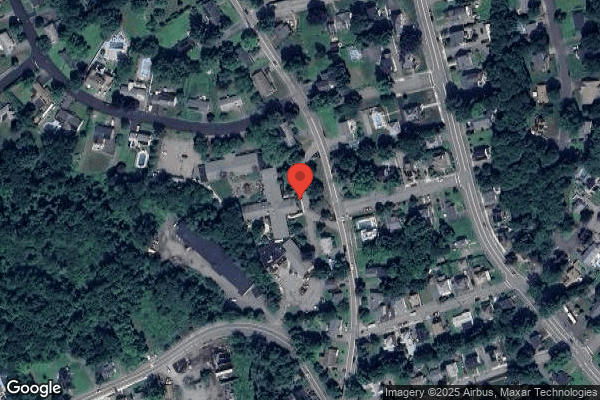
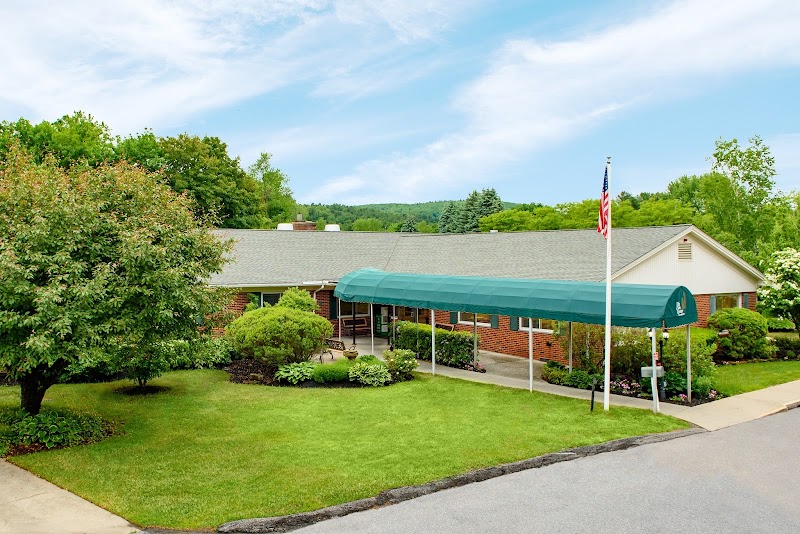
370 WEST STREET, LEOMINSTER, MA 01453 (978) 537-0771
For profit - Limited Liability company 133 Beds LIFE CARE CENTERS OF AMERICA Data: November 2025
Trust Grade
40/100
#162 of 338 in MA
Last Inspection: July 2024

Within standard 12-15 month inspection cycle. Federal law requires annual inspections.

Overview

Life Care Center of Leominster has a Trust Grade of D, indicating below-average performance with some concerns about the quality of care. Ranking #162 out of 338 facilities in Massachusetts places it in the top half, while being #25 out of 50 in Worcester County suggests that there is only one local option better than this facility. The facility is improving, having reduced its issues from 10 in 2023 to 5 in 2024, but it still has a concerning staffing rating of 2 out of 5 stars and a turnover rate of 42%, which is around the state average. Additionally, fines totaling $63,125 are higher than 78% of Massachusetts facilities, indicating potential compliance issues. There are serious incidents to consider, such as a staff member verbally abusing a resident, leading to visible distress, and another case where care was not aligned with a resident's care plan, resulting in further agitation. Lastly, the facility has lower RN coverage than 91% of state facilities, which can impact the quality of care provided, although it has some strong quality measures rated at 4 out of 5 stars. Families should weigh these strengths and weaknesses carefully when researching this home for their loved ones.

Trust Score
D
40/100
In Massachusetts
#162/338
Top 47%
Safety Record
High Risk
Review needed
Inspections
Getting Better
10 → 5 violations
Staff Stability
○ Average
42% turnover. Near Massachusetts's 48% average. Typical for the industry.
Penalties
✓ Good
$63,125 in fines. Lower than most Massachusetts facilities. Relatively clean record.
Skilled Nurses
⚠ Watch
Each resident gets only 23 minutes of Registered Nurse (RN) attention daily — below average for Massachusetts. Fewer RN minutes means fewer trained eyes watching for problems.
Violations
⚠ Watch
16 deficiencies on record. Higher than average. Multiple issues found across inspections.
★★★☆☆
3.0
Overall Rating
★★☆☆☆
2.0
Staff Levels
★★★★☆
4.0
Care Quality
★★★☆☆
3.0
Inspection Score
Stable
2023: 10 issues
2024: 5 issues

The Good

  • 4-Star Quality Measures · Strong clinical quality outcomes
  • Full Sprinkler Coverage · Fire safety systems throughout facility
  • No fines on record
  • Staff turnover below average (42%)

    6 points below Massachusetts average of 48%

Facility shows strength in quality measures, fire safety.

The Bad

3-Star Overall Rating

Near Massachusetts average (2.9)

Meets federal standards, typical of most facilities

Staff Turnover: 42%

Near Massachusetts avg (46%)

Typical for the industry

Federal Fines: $63,125

Above median ($33,413)

Moderate penalties - review what triggered them

Chain: LIFE CARE CENTERS OF AMERICA

Part of a multi-facility chain

Ask about local staffing decisions and management

The Ugly 16 deficiencies on record

3 actual harm
Jul 2024 5 deficiencies
CONCERN (D)

Potential for Harm - no one hurt, but risky conditions existed

Deficiency F0604 (Tag F0604)

Could have caused harm · This affected 1 resident

**NOTE- TERMS IN BRACKETS HAVE BEEN EDITED TO PROTECT CONFIDENTIALITY** Based on observation, record review and interview, the facility failed to provide an environment that was free from physical res...

Read full inspector narrative →
**NOTE- TERMS IN BRACKETS HAVE BEEN EDITED TO PROTECT CONFIDENTIALITY** Based on observation, record review and interview, the facility failed to provide an environment that was free from physical restraints for one Resident (#56) out of a total sample of 23 residents. Specifically, the facility failed to assess and re-evaluate the need for physical restraints with the use of Resident #56's bed positioned flush against the wall on the left side of the bed that restricted the Resident from exiting the left side of the bed if needed. Findings include: Review of the facility policy titled Physical Restraint Use last revised 12/29/23 indicated the following: -The intent is for each resident to attain and maintain his/her highest practicable well-being in an environment that: >prohibits the use of physical restraints for discipline or convenience, >prohibits the use of physical restraints to unnecessarily inhibit a resident's freedom of movement or activity, >and limits physical restraint use to circumstances in which the resident has medical symptoms that may warrant the use of restraints. -Physical restraint- any manual method or physical or mechanical device, equipment, or material that meets the following criteria: a. Is attached or adjacent to the resident's body b. Cannot be moved easily by the resident (meaning it can be removed intentionally by the resident in the same manner as it was applied by the staff); and c. Restricts the resident's movement or normal access to his/her body -The type of restraining device, frequency/duration and medical reasons for restraining device are documented on the Physical Restraint Informed Consent. -The resident or resident representative may request the use of a physical restraint; however, if there are no medical symptoms identified that require treatment, the use of a restraint is prohibited. -A Physician's order is required for the use of the specific restraints. The order should include the specific type of restraint, the condition and/or medical symptom that warrants restraint use, where and how the restraint is to be applied and used, and the time and frequency the restraint should be released. -The Physician's order alone, without supporting clinical documentation, is not sufficient to warrant the use of a restraint. -The need for the restraint is assessed quarterly and as indicated. Resident #56 was admitted to the facility in February 2018, with diagnoses including Dementia (a condition in which memory, social skills and thinking abilities are impaired), and Lack of normal physiological development in childhood (developmental delay in physical and mental development). Review of a Minimum Data Set Assessment (MDS) dated [DATE], indicated Resident #56 was severely cognitively impaired as evidenced by a Brief Interview for Mental Status (BIMS) score of three out of a total score of 15. On 6/25/24 at 9:49 A.M., the surveyor observed Resident #56 lying in bed, with the bed positioned flush against the wall on the left side of the bed. On 6/26/24 at 8:22 A.M., the surveyor observed Resident #56 lying in bed, with the bed positioned flush against the wall on the left side of the bed. On 6/26/24 at 2:05 P.M., the surveyor observed Resident #56 lying in bed, with the bed positioned flush against the wall on the left side of the bed. Review of the current Physician's orders dated 6/27/24, did not indicate any evidence of an order for Resident #56 to have the bed positioned flush against the wall on the left side of the bed. Review of Resident #56's clinical record did not provide any evidence that assessment and re-evaluation had been completed relative to positioning Resident #56's bed flush against the wall on the left side of the bed as a physical restraint. Further review of Resident #56's clinical record did not provide any evidence documented in the progress notes relative to positioning Resident #56's bed flush against the wall on the left side of the bed. During an interview on 6/26/24 at 2:07 P.M., Certified Nurses Aide #1 (CNA #1) said she worked full-time on the Main Hall nursing unit and often provided care to Resident #56. CNA #1 said Resident #56's bed had been pushed flush against the wall on the left side of the bed for several months because it is safer for Resident #56 to get into and out of bed with the bed positioned against the wall. CNA #1 also said that she was not sure why or how it was decided that positioning the left side of the bed flush against the wall was safer for Resident #56. During an interview on 6/26/24 at 2:28 P.M., Unit Manager (UM) #1 said that she was not sure how Resident #56 had been assessed to require the left side of the bed be positioned flush against the wall. UM #1 said that with the bed positioned flush against the wall, the Resident is not able to exit the bed on the left side. UM #1 also said that restricting Resident #56 from exiting the left side of the bed could potentially be a restraint. During an interview on 6/27/24 at 1:13 P.M., the Director of Nursing (DON) said that having the bed positioned flush against the wall prevented Resident #56 from exiting the bed on the left side. The DON said that Resident #56 had a history of falls and the left side of the bed being placed flush against the wall provided Resident #56 with more space that would prevent him/her from striking furniture or other objects if he/she fell again. The DON said that there should have been a restraint assessment completed, a Physician's order obtained, and progress note documented that reflected the positioning of Resident #56's left side of the bed flush against the wall. The DON further said that she could not provide any evidence that a restraint assessment had been completed, a Physician's order had been obtained, or a progress note that reflected positioning Resident 56's left side of the bed flush against the wall.
CONCERN (D)

Potential for Harm - no one hurt, but risky conditions existed

Pressure Ulcer Prevention (Tag F0686)

Could have caused harm · This affected 1 resident

Based on interview, observation, record and policy review, the facility failed to ensure that one Resident (#60) of four applicable residents, out of a total sample of 23 residents, received care and ...

Read full inspector narrative →
Based on interview, observation, record and policy review, the facility failed to ensure that one Resident (#60) of four applicable residents, out of a total sample of 23 residents, received care and services for his/her pressure ulcer (a wound, usually over a bony prominence, that is caused by unrelieved pressure to the area) in accordance with professional standards of practice. Specifically, the facility failed to ensure a wound dressing was in place as ordered by the Physician, placing the Resident at risk for infection and worsening of his/her pressure ulcer. Findings include: Review of the facility policy titled Skin Integrity and Pressure Ulcer/Injury Prevention and Management, dated 3/31/23, indicated the following: -A resident with pressure ulcers receives necessary treatment and services, consistent with professional standards of practice, to promote healing, prevent infection and prevent new ulcers from developing. Review of the facility policy titled Skin Integrity and Pressure Ulcer/Injury Prevention and Management, dated 3/31/23, indicated the following: -Procedure: this facility will utilize Lippincott procedures: Pressure Injury Prevention Review of the Lippincott Nursing Procedure Manual - 9th Edition (2023) indicated the following: -As the name implies, pressure injuries result when pressure - applied with great force for a short period or with less force over a long period - impairs circulation, depriving tissues of oxygen and other life-sustaining nutrients. This process damages skin and underlying structures. Untreated, resulting ischemic (reduced blood flow) lesions (a damaged area of tissue) can lead to serious infection. -If left untreated, pressure injuries can become infected or necrotic (dead tissue). Advancing infection or cellulitis (potentially serious bacterial infection of the skin) can lead to septicemia (a life threatening condition that occurs when bacteria enter the bloodstream). Review of the facility policy titled Treatment of Wounds, dated 3/31/23 indicated the following: -This facility will utilize the Lippincott procedures: Traumatic Wound Care: abrasion, laceration, and puncture wounds. Review of the Lippincott Nursing Procedure Manual - 9th Edition (2023) indicated the following: -Apply a dry, sterile dressing over the wound to absorb drainage and help prevent bacterial contamination. Resident #60 was admitted to the facility in May 2020, with diagnoses including cerebral infarction (also known as stroke, a condition that occurs when blood flow to the brain is disrupted, causing brain cells to die due to lack of oxygen) with hemiparesis (weakness on one side of the body) and hemiplegia (paralysis of one side of the body). Review of the Minimum Data Set (MDS) Assessment, dated 5/31/24, indicated the following: -Resident #60 was cognitively intact as evidenced by a Brief Interview for Mental Status (BIMS) score of 15 out of 15 points. -Had range of motion impairments on one side affecting the upper and lower extremities. -Was dependent on staff for bathing, dressing, hygiene, and bed mobility. -Was at risk for pressure ulcers. -Had no pressure ulcers/injuries. Review of the Wound Observation Tool, dated 6/25/24, indicated the following: -Resident #60 acquired an unstageable deep tissue injury (a type of pressure injury when full-thickness skin and tissue are lost but the extent of the damage is covered by dead tissue) on the left lateral malleolus (bone on the outside of the left ankle). -The wound was acquired on 6/11/24, and was unchanged. -Wound measured 0.8 centimeters (cm) in length by (x) 1.1 cm in width, with no depth. -Wound was deep purple/red with redness surrounding the wound. -Current treatment plan was Allevyn (a foam dressing that absorbs drainage) dressing to be changed every five days and as needed (PRN). Review of the Physician's orders, dated June 2024, indicated the following: -small Allevyn dressing to the left lateral malleolus every five days, evening shift (3:00 P.M. - 11:00 P.M.), date initiated 6/11/24. On 6/28/24 at 7:47 A.M., the surveyor and Nurse #1 observed the Resident's left lateral malleolus wound and found that there was no dressing in place over the wound. The wound was observed to have a dark dry center measuring approximately 0.75 cm in length x 0.75 cm in width. The wound was also noted to be opening at the top of the wound bed and a small amount of blood-tinged drainage was observed on the bed linen under the wound. Nurse #1 said that the Resident did not have an order for a dressing and that the wound team said to just monitor the wound. During an interview on 6/28/24 at 8:16 A.M., the surveyor and Nurse #1 reviewed the Physician's orders for Resident #60. Nurse #1 said that she did not see the order for the dressing because the dressing change was scheduled for the evening shift. Nurse #1 said that she had not checked to see if a dressing was in place the previous day (6/27/24), because she did not know the Resident was ordered for a wound a dressing. Nurse #1 said usually the Treatment Administration Record (TAR) would show that the Resident had a dressing that needed to be checked every shift, but this Resident's TAR did not indicate that. Nurse #1 said that she had not looked at the Resident's legs or feet the previous day. During an interview on 6/28/24 at 8:43 A.M., Resident #60 said he/she never had a dressing on his/her left ankle. On 6/28/24 at 8:43 A.M., the surveyor and the Director of Nursing (DON) observed the Resident's left lateral malleolus wound and found that there was no dressing in place. The surveyor observed that the wound was unchanged from the previous observation with Nurse #1, and there was a small amount of blood-tinged drainage on the bed linen under the wound. The DON said there should be a dressing in place as ordered by the Physician. During an interview on 6/28/24 at 12:42 A.M., the Assistant Director of Nursing (ADON) said the wound team consisted of the DON, ADON, Unit Manager (UM) and a Physical Therapist (PT). The ADON said the wound team completed rounds on each resident's wound in the facility weekly, then met to discuss treatment orders. The ADON said that someone from the wound team would obtain the new orders from the Physician and enter them into the electronic medical record (EMR). The ADON said generally the Physician's orders included orders to wash and dry the wound, apply a dressing, and to monitor the wound each shift for signs and symptoms of change.
CONCERN (D)

Potential for Harm - no one hurt, but risky conditions existed

Drug Regimen Review (Tag F0756)

Could have caused harm · This affected 1 resident

Based on interview, record and policy review, the facility failed to ensure that recommendations made by the Consultant Pharmacist during a monthly Medication Regimen Review (MRR) were acted upon as r...

Read full inspector narrative →
Based on interview, record and policy review, the facility failed to ensure that recommendations made by the Consultant Pharmacist during a monthly Medication Regimen Review (MRR) were acted upon as required for two Residents (#60 and #79), of five applicable residents reviewed for unnecessary medications, out of a total sample of 23 residents. Specifically, the facility staff failed to: 1. For Resident #60, ensure that MRR recommendations for discontinuation of an antihistamine medication and an acetylcholinerase inhibitor medication were reviewed by the Physician and responded to as required. 2. For Resident #79, ensure that MRR recommendations for medication administration changes of a mild pain reliever, a NMDA receptor antagonist, an anti-seizure medication and discontinuation of a probiotic and multivitamin medication were reviewed by the Physician and responded to as required. Findings include: Review of the facility policy titled Pharmacy Recommendations, dated 11/29/23 indicated the following: -The MRR includes review of the medical record in order to prevent, identify, report, and resolve medication-related problems, medication error, or other irregularities. -The pharmacist must report any irregularities to the Attending Physician and the facility's Medical Director and Director of Nursing, and these reports must be acted upon. -The Attending Physician must document in the resident's medical record that the identified irregularity has been reviewed and what, if any action has been taken to address it. -If there is to be no change in the medication, the Attending Physician should document his or her rationale in resident's medical record. 1. Resident #60 was admitted to the facility in May 2020, with diagnoses including cerebral infarction (also known as stroke, a condition that occurs when blood flow to the brain is disrupted, causing brain cells to die due to lack of oxygen) with hemiparesis (weakness on one side of the body) and hemiplegia (paralysis of one side of the body). Review of the Consultant Pharmacist Report, dated 1/15/24, indicated the following: -The Resident is receiving Hospice, comfort or palliative care services. -Please re-evaluate the current medication regimen to assure the benefits of each medication outweighs the potential risks, perhaps giving consideration to discontinuing use of Loratadine (antihistamine medication used to treat symptoms of allergies), Donepezil (acetylcholinerase inhibitor medication used to improve mental function). Review of Resident #60's Physician's orders, dated June 2024, indicated the following: -Donepezil 5 milligrams (mg), give one tablet by mouth one time a day for Dementia, date initiated 3/23/23. -Loratadine 10 mg, give one tablet by mouth in the morning for allergy, date initiated 3/23/23. Review of the Mediation Administration Record (MAR), dated 6/1/24 through 6/27/24, indicated that the Resident was administered Donepezil 5 mg and Loratadine 10 mg daily as ordered. Review of the Resident's clinical record indicated no documented evidence that the Consultant Pharmacist recommendations dated 1/15/24, was reviewed or responded to by the Physician or facility staff, as required. During an interview on 6/28/24 at 11:41 A.M., the Consultant Pharmacist said her recommendations are based on recent guidelines and it is up to the Physician and facility staff to follow through with the recommendations. The Consultant Pharmacist said she did make the recommendations for Resident #60 on 1/15/24, but would not repeat the recommendations the following month. The Consultant Pharmacist said the facility receives her recommendations by monthly email to the DON. The Consultant Pharmacist said she keeps a calendar of her recommendations and would do a repeat request six months after the initial recommendation. The Consultant Pharmacist further said she had marked Resident #60's recommendation on her calendar to see if there was a need to place another recommendation request. 2. Resident #79 was admitted to the facility in August of 2023, with the diagnoses including unspecified Dementia (a mental disorder that occurs when someone has dementia but does not have a specific diagnosis). Review of the Consultant Pharmacist Report, dated 2/9/24, indicated the following: -The Resident has been routinely refusing to take the medications below on a consistent basis . -Acetaminophen (mild pain reliever). Consider making afternoon dose PRN (as needed). -Please consider switching Memantine ER (NMDA receptor antagonists used to treat Dementia) once daily capsule which can be opened and sprinkled on applesauce. -Lamotrigine ER (used to treat seizures) tablets cannot be crushed but could be considered if patient can swallow whole. -Please consider discontinuation of Probiotic (supplement to improve the good bacteria in the body) and multivitamin. Review of the Physician's orders, dated June 2024, indicated the following: -Acetaminophen 1000 mg scheduled three times a day, date initiated 2/6/24. -Memantine 10 mg twice a day, date initiated 2/6/24 -Lamotrigine 100 mg twice a day, date initiated 2/6/24 -Probiotic oral capsule give one daily, date initiated 8/1/23 -Multivitamin give one tablet daily, date initiated 8/11/23 Review of the Resident's clinical record indicated no documented evidence that the Consultant Pharmacist recommendations dated 2/9/24 were reviewed or responded to by the Physician or facility staff, as required. During an interview on 6/28/24 at 10:22 A.M., the Director of Nursing (DON) said after the Consultant Pharmacist reviews the medical records, the DON and the Assistant Director of Nursing (ADON) will receive the recommendations. The DON said that they will print the recommendations and bring them to the Unit Manager (UM), who will ensure that the recommendations have been addressed by the Physician. The DON said that the process for follow-up to see if the Consultant Pharmacist recommendations had been addressed, has been hit or miss. The DON further said that she had to call the Pharmacy today to request the 2/9/24 Consultant Pharmacist recommendations because the facility did not have the report when the surveyor requested to 'see report' as indicated in the Pharmacist note. During an interview on 6/28/24 at 2:30 P.M., the ADON said she could provide no documented evidence that the Pharmacy Consultation report for Resident #60, dated 1/15/24, had been reviewed or responded to by the Physician or facility staff as required.
CONCERN (D)

Potential for Harm - no one hurt, but risky conditions existed

Deficiency F0757 (Tag F0757)

Could have caused harm · This affected 1 resident

Based on interview, record and policy review, the facility failed to ensure that the medication regimen was free from unnecessary medication for one Resident (#60), of five applicable residents review...

Read full inspector narrative →
Based on interview, record and policy review, the facility failed to ensure that the medication regimen was free from unnecessary medication for one Resident (#60), of five applicable residents reviewed for unnecessary medication review, out of a total sample of 23 residents. Specifically, the facility failed to ensure Resident #60 was free from administration of an excessive duration for an antibiotic eye ointment medication that was ordered by the Physician for a duration of seven days and was administered to the Resident for a duration of ten days. Findings include: Review of the facility policy titled Administration of Medications, dated 8/24/23, indicated the following: -The facility will ensure medications are administered safely and appropriately per Physician order to address resident's diagnoses and signs and symptoms. -A Physician's order that includes dosage, route, frequency, duration, and other required considerations including the purpose, diagnosis or indication for use is required for administration of medication. -Check the order for when it would be given and when was the last time it was given. Resident #60 was admitted to the facility in May 2020, with diagnoses of cerebral infarction (also known as stroke, a condition that occurs when blood flow to the brain is disrupted, causing brain cells to die due to lack of oxygen) with hemiparesis (weakness on one side of the body) and hemiplegia (paralysis of one side of the body). Review of the June 2024 Physician's orders indicated the following: -Erythromycin Ophthalmic Ointment (an antibiotic eye ointment used to treat infections of the eye) five milligrams (mg) per gram, instill one ribbon in left eye three times a day for infection for one week (7 days), date initiated 6/18/24. Review of the June 2024 Medication Administration Record (MAR), indicated the Resident had received Erythromycin Ophthalmic Ointment at 8:00 A.M., 2:00 P.M., and 10:00 P.M., starting on 6/18/24 at 2:00 P.M., and continuing through 6/27/24 at 10:00 P.M., (10 days). During an interview on 6/28/24 at 9:33 A.M., Nurse #1 said the order for Erythromycin Ophthalmic Ointment should have ended after the 8:00 A.M. dose on 6/25/24 but that the order had continued and was an active order at this time. Nurse #1 said she was the Nurse who entered the order into the electronic medication record (EMR), and that she does not know why the order did not stop after seven days because she had put for seven days in the order. During an interview on 6/28/24 at 9:56 A.M., the Director of Nursing (DON) said the order for Resident #60's Erythromycin Ophthalmic Ointment should have been discontinued after seven days but had not been discontinued.
CONCERN (D)

Potential for Harm - no one hurt, but risky conditions existed

Deficiency F0887 (Tag F0887)

Could have caused harm · This affected 1 resident

**NOTE- TERMS IN BRACKETS HAVE BEEN EDITED TO PROTECT CONFIDENTIALITY** Based on record and policy review, and interview, the facility failed to provide education, assess for eligibility, and offer CO...

Read full inspector narrative →
**NOTE- TERMS IN BRACKETS HAVE BEEN EDITED TO PROTECT CONFIDENTIALITY** Based on record and policy review, and interview, the facility failed to provide education, assess for eligibility, and offer COVID-19 vaccinations for one Resident (#24), of five applicable residents, out of a total sample of 23 residents. Specifically, the facility failed to offer Resident #24 an updated COVID-19 vaccination when medical record documentation indicated that he/she was eligible. Findings include: Review of the facility policy titled COVID-19 Vaccination Program Policy for Residents, last revised 3/19/24, indicated the following: -The facility will ensure that residents are offered the COVID-19 vaccine unless the immunization is medically contraindicated, or the resident has already been immunized. -The resident's medical record should include documentation that indicates .that the resident or resident representative was provided education regarding the benefits and potential side effects of the COVID-19 vaccine, -and that the resident (or representative) either accepted and received the COVID-19 vaccine or did not receive the vaccine due to medical contradictions, prior vaccination, or refusal. Review of CDC guidance titled, Stay Up to Date with COVID-19 Vaccines, revised January 2024, indicated but was not limited to the following: -People aged 12 years and older who got COVID-19 vaccines before September 12, 2023, should get one updated Pfizer-BioNTech, Moderna, or Novavax COVID-19 vaccine. Resident #24 admitted to the facility in November 2023, was over the age of 65, and had diagnoses including Spinal Stenosis (narrowing of the spinal column which puts pressure on the spinal cord and nerves and can cause pain), Cervicalgia (also referred to as neck pain, is pain in and around the spine beneath the head), and Osteoarthritis (a degenerative joint disease caused by an inflammatory reaction in bone and joint tissue, that worsens over time, often resulting in swelling, stiffness, chronic pain and loss of flexibility). Review of the MDS (Minimum Data Set) assessment dated [DATE], indicated that Resident #24 was cognitively intact as evidenced by a Brief Interview for Mental Status (BIMS) score of 13 out of a total score of15. Review of Resident #24's Massachusetts Immunization Information System (MIIS) indicated that he/she had received the COVID-19 Johnson & Johnson (J&J) vaccinations on 5/17/21 and 12/29/21. Review of Resident #24's clinical record did not indicate that a COVID-19 vaccination was offered to the Resident since his/her admission to the facility in November 2023, or that there was a medical contraindication for COVID-19 vaccination. During an interview on 6/28/24 at 8:15 A.M., with the Director of Nursing (DON) and the Infection Preventionist (IP), the DON said when residents were admitted to the facility, the nursing staff would review the resident's records and discharge paperwork to determine the vaccination history if available. The DON said if the resident vaccination status was not known, nursing staff would review the vaccinations in the MIIS system, and record the information in the resident's clinical record. The DON further said that when vaccines were offered, staff would provide the Vaccine Information Statement (VIS) sheet to the resident or their responsible party, consent for the vaccine would be reviewed and then documented on a form to indicate if the resident or their responsible party consented or declined the vaccination. During a follow-up interview on 6/28/24 at 11:26 A.M., the IP said that she was unable to provide evidence that Resident #24 had been offered a COVID-19 vaccination. The IP further said that an updated COVID-19 vaccination should have been offered to Resident #24 but had not been offered. During an interview on 6/28/24 at 11:43 A.M., Resident #24 said that he/she had not been offered any COVID-19 vaccinations since he/she was admitted to the facility. Resident #24 said he/she would want a COVID-19 booster if it were offered.
Apr 2023 2 deficiencies 2 Harm
SERIOUS (G) 📢 Someone Reported This

A family member, employee, or ombudsman was alarmed enough to file a formal complaint

Actual Harm - a resident was hurt due to facility failures

Free from Abuse/Neglect (Tag F0600)

A resident was harmed · This affected 1 resident

Based on records reviewed and interviews, for one of three sampled residents (Resident #1), who was severely cognitively impaired, the Facility failed to ensure he/she was free from abuse by a staff m...

Read full inspector narrative →
Based on records reviewed and interviews, for one of three sampled residents (Resident #1), who was severely cognitively impaired, the Facility failed to ensure he/she was free from abuse by a staff member, when on 04/04/23, at approximately 5:10 P.M., Certified Nurse Aide (CNA) #1 engaged in a verbally abusive altercation with Resident #1, that took place in the main dining room and the main reception area, that was witnessed by a visitor and two staff members. CNA #1 yelled and directed profanity at Resident #1, who became visibly upset, progressively more agitated and was screaming and crying during the altercation. Findings include: Review of the Facility's Policy titled Abuse Prevention, dated 10/04/22, indicated it was the Facility's policy to prevent and prohibit all types of abuse, neglect, misappropriation of resident property and exploitation. Review of the Facility's Policy titled Abuse - Identification of Types, dated 10/04/22, indicated verbal abuse includes the use of oral, written, or gestured communication, or sounds, to residents within hearing distance, regardless of age, ability to comprehend, or disability. The Policy indicated examples of mental and verbal abuse include but are not limited to harassing a resident; mocking, insulting, ridiculing; yelling or hovering over a resident with the intent to intimidate; threatening residents, including but not limited to, depriving resident of care or withholding a resident from contact with family and friends; and isolating a resident from social interaction or activities. Resident #1 was admitted to the Facility in January 2014, diagnoses included Alzheimer's disease, type 2 diabetes mellitus and insomnia. Review of Resident #1's Significant Change Minimum Data Set (MDS) Assessment, dated 01/04/23, indicated he/she was severely cognitively impaired with a score of 2 out of 15 on the Brief Interview for Mental Status (BIMS). The Assessment indicated Resident #1 required supervision with eating. Review of the Facility's Internal Investigation Report, undated, indicated that on the evening of 04/04/23, a verbal altercation occurred between Resident #1 and CNA #1. The Report indicated there were two staff members and a visitor (later identified as CNA #2, Nurse Aide #1, and Visitor #1) that witnessed the altercation between CNA #1 and Resident #1. The Report indicated that Resident #1 became very irritated when CNA #1 was attempting to feed him/her dinner, despite his/her refusals, and CNA #2 needed to intervene to deescalate the situation. The Report indicated Resident #1 left the dining room to sit in the reception area where he/she disrobed from the waist down. The Report indicated CNA #1 yelled at Resident #1 for disrobing and tried to put his/her pants back on him/her, causing Resident #1 to become further agitated. The Report indicated CNA #2 intervened and offered to assist Resident #1 so CNA #1 could step away, that she (CNA #1) lost her temper and yelled No! I am sick of this, he/she always does this, and he/she needs to stop. The Report indicated Resident #1 began to smack CNA #1 on the shoulder as she continued to attempt to put his/her pants on and CNA #2 told her (CNA #1), again, to walk away. The Report indicated CNA #1 got up and said to Resident #1 you are a fucking asshole, and she (CNA #1) threw his/her pants at CNA #2 and said, You deal with him/her, I am all done with him/her. The Report indicated the outcome of the Facility's investigation was that the allegation of verbal abuse was substantiated. Review of a Facility's Interview Summary, dated 04/05/23, indicated Certified Nurse Aide (CNA) #1 was interviewed, over the phone at 10:30 A.M., by the Administrator and Director of Nurses (DON). The Summary indicated CNA #1 told the Administrator and the DON about an incident that involved Resident #1 when he/she was being combative about getting dressed. The Summary indicated that while CNA #1 did not recall being upset, she told the Administrator and the DON that she remembers swearing and mentioning asshole. Review of Certified Nurse Aide (CNA) #1's Written Witness Statement, dated 04/05/23 at 11:34 A.M., indicated she mumbled and swore under her breath on 04/04/23, during an altercation with Resident #1. The Statement indicated CNA #1 said it would have been better if she had stepped away when Resident #1 was getting combative so that he/she could calm down and get proper care. Certified Nurse Aide #1 did not respond to the Department of Public Health's telephone calls or letter requests for an interview. Review of Visitor #1's Written Witness Statement, dated 04/04/23, indicated she witnessed when a CNA (later identified as CNA #1) verbally swore at Resident #1 and intimidated him/her into eating his/her supper. During an interview on 04/27/23 at 9:02 A.M., Visitor #1 said she was at the Facility on the evening of 04/04/23 and was with a family member in the main dining room, when at approximately 5:00 P.M, she witnessed a verbal altercation between CNA #1 and Resident #1. Visitor #1 said that Resident #1 was not eating much of his/her dinner and CNA #1 was trying to to force him/her to eat by pushing food at him/her and causing him/her to yell out I don't want to eat! Visitor #1 said CNA #1 screamed at Resident #1 and she (CNA #1) told him/her that he/she had not eaten enough. Visitor #1 said Resident #1 became progressively more agitated during his/her interaction with CNA #1, until another staff member (later identified as CNA #2) intervened and told CNA #1 to leave him/her alone because he/she would eventually eat. Visitor #1 said that during the altercation, her family member (a resident with dementia) became upset and asked What is wrong, what is going on? and that she had to reassure him/her that everything was ok. Visitor #1 said Resident #1 relocated to the reception area near the main entrance. Visitor #1 said she could see Resident #1 from where she was seated in the dining room and noticed he/she had disrobed from the waist down. Visitor #1 said she observed CNA #1 enter the reception area and try to get him/her to put his/her pants back on. Visitor #1 said Resident #1 became increasingly agitated while CNA #1 insisted he/she get dressed, and he/she began screaming I don't want to wear pants. Visitor #1 said that CNA #1 was visibly frustrated and yelled at Resident #1, causing him/her (Resident #1) to yell even louder. Visitor #1 said that when CNA #2 intervened, CNA #1 threw Resident #1's pants at her (CNA #2) and then said to Resident #1, You are a fucking asshole. Visitor #1 said CNA #1 was totally out of control and swore at Resident #1 loud enough for her to hear in the dining room. Visitor #1 said that instead of calmly trying to approach and interact with Resident #1, CNA #1 further agitated him/her and made matters worse. Review of Certified Nurse Aide (CNA) #2's Written Witness Statement, dated 04/04/23, indicated she walked Resident #1 to the dining room for dinner at 5:00 P.M. and CNA #1 approached him/her (Resident #1) halfway through the meal, picked up his/her sandwich and tried to feed it to him/her. The Statement indicated Resident #1 told CNA #1 that he/she did not want to eat, and she (CNA #1) started to force him/her to eat, causing him/her to become irritated. The Statement indicated CNA #2 told CNA #1 to leave Resident #1 alone and that if he/she did not eat enough they would offer him/her something later. The Statement indicated CNA #2 went to the reception area at Visitor #1's request, when she told her something was going on. The Statement indicated CNA #1 found Resident #1 was sitting in the reception area, naked from the waist down, and CNA #1 was yelling at him/her to put his/her clothes back on. The Statement indicated CNA #1 was trying to force Resident #1's feet into his/her pants, causing him/her to get increasingly agitated, so she (CNA #2) told her (CNA #1) to walk away, and she would handle the situation. The Statement indicated CNA #1 responded by yelling No, I am sick of this, he/she always does this and he/she needs to stop this. The Statement indicated Resident #1 started to smack CNA #1 on her shoulder while she was still trying to put his/her pants on, and then she (CNA #1) got up, threw Resident #1's pants at her (CNA #2) and said to Resident #1 words to the effect of you are acting like a fucking asshole, before she (CNA #1) stormed out of the reception area. The Statement indicated CNA #2 then heard CNA #1 having a temper tantrum in the small dining room, slamming the food truck and slamming chairs into the tables before leaving the area. During an interview on 04/26/23 at 3:25 P.M., Certified Nurse Aide (CNA) #2 said on 04/04/23 during the evening meal, Resident #1 was chit chatting with the residents at his/her table and taking bites of his/her food from time to time, prior to the altercation with CNA #1, and that when CNA #1 tried to force him/her to eat, while standing over him/her, it agitated Resident #1. CNA #2 said that when CNA #1 became frustrated with Resident #1 for disrobing in the reception area, CNA #1 yelled that she was tired of dealing with him/her (Resident #1) and thought he/she belonged on the dementia unit. CNA #2 said that when CNA #1 swore at Resident #1, she directly looked at him/her and yelled I don't know why you are acting like a fucking asshole, and then threw his/her pants at her (CNA #2) before walking away. CNA #2 said that Resident #1 was crying at that point and needed to be consoled, so she helped calm him/her down. CNA #2 said that right after CNA #1 left the reception area and went to the small dining room. CNA #2 said she could hear CNA #1 slamming trays and chairs around. CNA #2 said she heard NA #1 tell CNA #1 to go outside and take a break. During an interview on 04/26/23 at 3:10 P.M., Nurse Aide (NA) #1 said that when she worked the evening of 04/04/23, she witnessed a verbal altercation between CNA #1 and Resident #1 in both the dining room and the reception area. NA #1 said that CNA #1 stood over Resident #1 and tried to force him/her to eat, causing him/her to become agitated and he/she yelled leave me the fuck alone. NA #1 said that Resident #1 could feed himself/herself. NA #1 said that once Resident #1 moved into the reception area and had disrobed, she heard CNA #1 screaming that he/she belonged on the B-wing (the dementia unit) because he/she was acting like a fucking baby. NA #1 said that after CNA #2 intervened in the reception area and told CNA #1 to walk away, CNA #1 came into the small dining room, in close proximity to the main dining room and nurses station, where other residents were present, and started slamming chairs and slammed the food cart door. NA #1 said she told CNA #2 to go outside and cool off. During an interview on 04/26/23 at 4:25 P.M. the Director of Nurses (DON) said after their investigation was completed, the Facility substantiated the altercation as verbal abuse and terminated CNA #1. During an interview on 04/26/23 at 5:00 P.M., the Administrator said that after conducting interviews and reviewing witness statements, the Facility concluded the allegation of verbal abuse was substantiated. The Administrator said that she and the DON reviewed Facility policies and the results of the investigation with the corporate human resource representative, and formally terminated CNA #1.
SERIOUS (G) 📢 Someone Reported This

A family member, employee, or ombudsman was alarmed enough to file a formal complaint

Actual Harm - a resident was hurt due to facility failures

Comprehensive Care Plan (Tag F0656)

A resident was harmed · This affected 1 resident

Based on records reviewed and interviews for one of three sampled residents (Resident #1), who had Alzheimer's disease and was severely cognitively impaired, the Facility failed to ensure staff consis...

Read full inspector narrative →
Based on records reviewed and interviews for one of three sampled residents (Resident #1), who had Alzheimer's disease and was severely cognitively impaired, the Facility failed to ensure staff consistently implemented and followed interventions identified in Resident #1's Plans of Care related to Dementia, Cognition, Communication and Activities of Daily Living (ADL), when on 04/04/23, Certified Nurse Aide (CNA) #1's interaction with Resident #1 during the dinner time meal was argumentative and aggressive, which conflicted with approaches identified in his/her plans of care that were to be utilized by staff to ensure his/her needs were met, and as a result Resident #1 behaviors escalated from being irritated to becoming upset, frustrated and angry, he/she refused assistance with care needs, and became visibly distressed. Findings include: Review of the Facility's Policy titled Comprehensive Care Plans and Revisions, dated as reviewed 08/17/22, indicated the objectives of care planning included identifying and implementing interventions and treatments to address the individual's physical, functional, and psychosocial needs, concerns, problems, and risks. Resident #1 was admitted to the Facility in January 2014, diagnoses included Alzheimer's disease, type 2 diabetes mellitus and insomnia. Review of Resident #1's Significant Change Minimum Data Set (MDS) Assessment, dated 01/04/23, indicated he/she was severely cognitively impaired with a score of 2 out of 15 on the Brief Interview for Mental Status (BIMS). The Assessment indicated Resident #1 required supervision from staff with eating and extensive assistance from staff with dressing. Review of Resident #1's Care Plans related to Dementia, Impaired Cognition, and Communication, dated as revised on 01/16/23, indicated he/she demonstrated impaired cognition due to Alzheimer's disease. Interventions identified for Resident #1 included the following: -Provide the resident with necessary cues, but stop and return if he/she becomes agitated. -Reduce distractions. Ask simple yes/no questions to determine care needs. -Allow extra time for the resident to respond to questions and instructions. -Present one thought, idea or command at a time. -Use resident's preferred name, face resident when speaking, make eye contact, keep routine consistent. -Observe for problems, decline in mood, physical or non-verbal signs of distress -Speak to resident on an adult level, speak clearer and slower than normal. Review of Resident #1's Activities of Daily Living (ADL) Care Plan, dated as revised on 01/16/23, indicated he/she required assistance with all basic care needs due to Alzheimer's disease. The Care Plan indicated Resident #1 frequently refused care, hygiene, incontinence care, bed changes and requires encouragement with all care needs. Care plan goal was for Resident #1 to continue eating after set-up assistance. Interventions identified for Resident #1 included: -Resident #1 eats meals independently, offer assistance, if needed. -Resident #1 may require attempts at different times or different staff approaches to accept assistance with care. -Frequently refuses care, requires encouragement, offer praise for efforts with self care. -Staff should introduce self, and explain to resident what they will be doing. Review of the Facility's Internal Investigation Report, undated, indicated that on the evening of 04/04/23, a verbal altercation occurred between Resident #1 and CNA #1. The Report indicated there were two staff members and a visitor that witnessed the altercation. The Report indicated that Resident #1 became very irritated when CNA #1 was attempting to feed him/her dinner, despite his/her refusals, and CNA #2 needed to intervene to deescalate the situation. The Report indicated Resident #1 left the room to sit in the reception area where he/she disrobed from the waist down. The Report indicated CNA #1 yelled at Resident #1 for disrobing and tried to put his/her pants back on, causing him/her to become further agitated. The Report indicated CNA #2 intervened and offered to assist Resident #1 so CNA #1 could step away and that she (CNA #1) lost her temper and yelled No! I am sick of this, he/she always does this, and he/she needs to stop. The Report indicated Resident #1 began to smack CNA #1 on the shoulder as she continued to attempt to put his/her pants on and CNA #2 told her (CNA #1), again, to walk away. The Report indicated CNA #1 got up and said to Resident #1 you are a fucking asshole, and she (CNA #1) threw Resident #1's pants at CNA #2 and said, You deal with him/her, I am all done with him/her. Review of Certified Nurse Aide (CNA) #1's Written Witness Statement, dated 04/05/23 at 11:34 A.M., indicated CNA #1 said it would have been better if she had stepped away when Resident #1 was getting combative so that he/she could calm down and get proper care. Certified Nurse Aide #1 did not respond to the Department of Public Health's telephone calls or letter requests for an interview. During an interview on 04/27/23 at 9:02 A.M., Visitor #1 said she was at the Facility on the evening of 04/04/23 and was with a family member in the main dining room, when at approximately 5:00 P.M, she witnessed a verbal altercation between CNA #1 and Resident #1. Visitor #1 said that Resident #1 was not eating much of his/her dinner and CNA #1 came over to him/her and started to try to force him/her to eat, by pushing food at him/her, causing him/her to yell out I don't want to eat!. Visitor #1 said CNA #1 screamed at Resident #1 and told him/her that he/she had not eaten enough. Visitor #1 said Resident #1 became progressively more agitated, during his/her interaction with CNA #1, until CNA #2 intervened and told CNA #1 to leave him/her (Resident #1) alone because he/she would eventually eat. During an interview on 04/26/23 at 3:25 P.M., Certified Nurse Aide (CNA) #2 said on 04/04/23 during the evening meal, she observed an altercation between CNA #1 and Resident #1. CNA #2 said that prior to the incident, Resident #1 was chit chatting with the residents at his/her table and taking bites of his/her food from time to time, and that CNA #1 tried to force him/her to eat, while standing over him/her, and that agitated Resident #1. CNA #2 said that if Resident #1 was hungry, he/she would eat by taking bites and sips here and there, and when he/she refused to eat, the plan was for staff to encourage, not force him/her to eat, and to reapproach him/her later in the day with something to eat. CNA #2 said CNA #1 should not have yelled at Resident #1 or tried to force him/her to eat, so she intervened and asked CNA #1 to remove herself from the situation, because she was agitating him/her (Resident #1). Visitor #1 said Resident #1 moved from the main dining room to the reception area and she noticed that he/she had disrobed from the waist down. Visitor #1 said she observed CNA #1 enter the reception area try to get Resident #1 to put his/her pants back on. Visitor #1 said Resident #1 became increasingly agitated while CNA #1 insisted he/she get dressed, and he/she began screaming I don't want to wear pants. Visitor #1 said that CNA #1 was visibly frustrated and yelled at Resident #1, causing him/her (Resident #1) to yell even louder. Visitor #1 said that when CNA #2 intervened, CNA #1 threw Resident #1's pants at her (CNA #2) and said to him/her (Resident #1) you are a fucking asshole. Visitor #1 said that instead of calmly trying to approach and interact with Resident #1, CNA #1 further agitated him/her and made matters worse. CNA #2 said Resident #1 was very mobile and sometimes he/she disrobed in the reception area or main dining room. CNA #2 said that sometimes Resident #1 was redirectable, but if he/she disrobed and resisted getting dressed that staff would cover him/her up with a sheet for dignity and reapproach later. CNA #2 said if that does not work, the plan was to have a different staff member reapproach him/her because they may have a better rapport. During an interview on 04/26/23 at 4:25 P.M. the Director of Nurses (DON) said that when Resident #1 refuses to eat, staff should not attempt to force him/her. The DON said CNA #1 should have walked away and reapproached Resident #1 and offered food later. The DON further said that Resident #1's moods fluctuated, and the Care Plan indicated that staff should walk away and reapproach when he/she refused or became agitated. The DON said when Resident #1 disrobes staff should reapproach if he/she becomes combative or ask another staff member that may have a better rapport with him/her.
Feb 2023 8 deficiencies
CONCERN (D)

Potential for Harm - no one hurt, but risky conditions existed

Assessment Accuracy (Tag F0641)

Could have caused harm · This affected 1 resident

**NOTE- TERMS IN BRACKETS HAVE BEEN EDITED TO PROTECT CONFIDENTIALITY** 3.) For Resident #252, the facility failed to accurately document on the MDS assessment that the Resident received dialysis trea...

Read full inspector narrative →
**NOTE- TERMS IN BRACKETS HAVE BEEN EDITED TO PROTECT CONFIDENTIALITY** 3.) For Resident #252, the facility failed to accurately document on the MDS assessment that the Resident received dialysis treatment during the observation period. Resident #252 was admitted to the facility in January 2023 with a diagnosis of dependence on renal dialysis. Review of the Resident's Physician's orders for January 2023 indicated that the Resident was to be sent out for dialysis treatment every Tuesday, Thursday, and Saturday. The order was initiated on 1/5/23 to begin on 1/7/23. Review of the Resident's Medication Administration Record (MAR) for January 2023 indicated that the Resident was sent for dialysis treatment on 1/7/23. Review of the MDS, with an ARD of 1/9/23, Section O indicated that the Resident had not received dialysis treatment. During an interview on 2/01/23 at 4:30 P.M., MDS Nurse #1 said the dialysis treatment should have been coded on the MDS dated [DATE] but it was not. Based on record review and interview, the facility failed to ensure its staff accurately completed Minimum Data Set (MDS) assessments for three Residents (#43, #77, and #252), out of 18 sampled residents. Specifically, the facility failed to ensure its staff accurately coded MDS assessments to: 1.) reflect the presence of an unhealed pressure ulcer (PU: localized damage to the skin and/or underlying soft tissue, usually over a bony prominence or related to a medical or other device) for Resident #43 when the Resident had acquired an unstageable (full-thickness skin and tissue loss in which the extent of tissue damage within the ulcer cannot be confirmed because the wound bed is obscured by slough [non-viable yellow, tan, gray, green or brown tissue] or eschar [dead or devitalized tissue that is hard or soft in texture]) PU during the observation period, 2.) reflect the administration of insulin injections for Resident #77 when the Resident received insulin injections during the observation period, and 3.) reflect that Resident #252 received dialysis (a process by which dissolved substances are removed from a patient's body by diffusion from one fluid compartment to another across a semipermeable membrane) during the observation period. Findings include: 1. For Resident #43, the facility failed to ensure its staff accurately coded one MDS assessment to reflect the presence of an unhealed PU when the Resident was identified to have acquired an unstageable PU on his/her coccyx during the observation period. Resident #43 was admitted to the facility in December 2014. Review of an MDS assessment, with Assessment Reference Date (ARD) 11/29/22, indicated Resident #43 had no unhealed PUs. Review of the Wound Observation Tool, dated 11/29/22, included the following: - The Resident had acquired an unstageable PU. - The unstageable PU was identified by staff on 11/29/22. During an interview on 2/1/23 at 3:33 P.M., MDS Nurse #2 said she reviewed Resident #43's clinical record, and the Resident developed a PU during the observation period for the MDS assessment dated [DATE]. MDS Nurse #2 said the PU should have been coded on the MDS, as required, but it was not. 2. For Resident #77, the facility failed to ensure its staff accurately coded one MDS assessment to reflect the administration of insulin injections when the Resident received insulin injections during the observation period. Resident #77 was admitted to the facility in June 2021. Review of an MDS assessment, with an ARD of 8/5/22, indicated Resident #77 did not receive any injectable medications during the seven-day look-back observation period. Review of the July 2022 Medication Administration Record (MAR) indicated Resident #77 received injectable insulin on 7/31/22. Review of the August 2022 MAR indicated Resident #77 received injectable insulin on 8/1/22, 8/2/22, 8/3/22, and 8/4/22. During an interview on 2/2/23 at 12:44 P.M., MDS Nurse #2 said she reviewed Resident #77's clinical record, and he/she did receive injectable insulin during the observation period for the MDS assessment dated [DATE]. MDS Nurse #2 said the use of injectable insulin should have been coded on the MDS assessment, as required, but it was not.
CONCERN (D)

Potential for Harm - no one hurt, but risky conditions existed

Comprehensive Care Plan (Tag F0656)

Could have caused harm · This affected 1 resident

Based on observation, record review, and interview, the facility failed to ensure its staff implemented positioning interventions for two Residents (#43 and #49), as indicated in their care plans, out...

Read full inspector narrative →
Based on observation, record review, and interview, the facility failed to ensure its staff implemented positioning interventions for two Residents (#43 and #49), as indicated in their care plans, out of 18 sampled residents. Specifically, the facility failed to ensure its staff 1.) provided assistance to Resident #43 for repositioning at least every two hours when the Resident required repositioning at that frequency and was unable to reposition him/herself, and to minimize pressure over bony prominences, as indicated in the care plan and 2.) provided positioning devices for Resident #49 required to assist in healing and preventing pressure injuries (PIs), as indicated in the Resident's care plan. Findings include: 1. For Resident #43, the facility failed to ensure its staff provided assistance to Resident #43 for repositioning when the Resident a.) was at risk for developing PIs, b.) required assistance from staff for repositioning, c.) required repositioning at least every two hours, and d.) sat in the same position in his/her chair for greater than two hours. Resident #43 was admitted to the facility in December 2014 with diagnoses including muscle weakness, abnormal posture, and dementia. Review of the Resident's Pressure Injury Risk Care Plan, revised 9/21/22, included the following: - The Resident was at risk for developing pressure related injuries. - Minimize pressure over bony prominences. - Reposition every two hours and as needed with assist of one to two assist. Review of Resident #43's Activities of Daily Living (ADL) Care Plan, revised 12/14/22, included the following: - The Resident required total staff assist with all basic ADL care needs. - The Resident would have all his/her basic ADL care needs met with nursing intervention daily. On 1/31/23, from 8:58 A.M. through 10:22 A.M., the surveyor observed Resident #43 seated in a reclined positioned in a high-back style wheelchair, both legs rotated toward his/her right side, and feet elevated. The Resident's right outer knee was resting against the right armrest of the wheelchair. His/her knees were both in a flexed position and the outer aspect of his/her right foot was pressing against the metal portion of the wheelchair's footrest. No staff were observed to provide assistance for minimizing pressure to the Resident's right outer knee or foot during this time. On 2/1/23, from 8:34 A.M. through 11:32 A.M., the surveyor observed Resident #43 seated in a reclined position in a high-back style wheelchair, both legs elevated, flexed at the knees, and rotated toward his/her right side. The Resident's outer aspect of his/her right knee and lower thigh were pressing against the wheelchair's right armrest. During this time, dining for breakfast and group activities occurred in the dining room. No staff were observed to provide assistance for repositioning or minimizing pressure to the Resident's right leg during this time. During an interview on 2/1/23 at 11:37 A.M., Certified Nurse Aide (CNA) #5 said resident-specific intervention required for positioning were available for staff to view electronically and that residents requiring repositioning were assisted by staff according to their needs. CNA #5 said Resident #43 required staff assistance for repositioning. When asked about the Resident's need for repositioning every two hours, CNA #5 said the Resident would be assisted back to bed after lunch. During an interview on 2/1/23 at 11:55 A.M., Unit Manager (UM) #2 said the Resident had a tendency to sit with his/her legs turned toward the right side despite repositioning. When the surveyor told UM #2 that no observations were made of staff attempting to reposition the Resident or minimize pressure to his/her right leg for approximately three hours, the UM provided no response. 2. For Resident #49, the facility failed to ensure its staff provided positioning and pressure relieving devices, as indicated in the Resident's care plan, when the Resident had an actual PI, was at risk for development of PIs, and required positioning devices to assist in healing and preventing PIs. Resident #49 was admitted to the facility in September 2017 with diagnoses including pressure ulcer of the right ankle and dementia. Review of the Resident's PI Care Plan, revised 12/27/22, included the following: - The Resident had an actual PI to the right medial (inner) malleolus (bony prominence of the ankle). - Avoid positioning the Resident with his/her right foot to any pressure sources; utilize positioning devices .as needed to relieve pressure and promote healing. - Blue heel floats to be worn at all times for protection. On 1/31/23 at 8:49 A.M., the surveyor observed Resident #49 seated in a wheelchair in the dining room. The Resident's right leg was positioned on the leg rest, and the bottom of his/her left foot was positioned against the inner aspect and top of his/her right foot. The Resident wore slipper socks and no blue heel floats were in use. On 2/1/23, from 10:36 A.M. through 11:32 A.M., the surveyor observed Resident #49 seated in his/her wheelchair in the dining room. The Resident's right leg was flexed at the knee, rotated internally, and the inner aspect of his/her right heel was pressed against the calf support of the leg rest. No blue heel floats were in use and no staff was observed to provide assistance to the Resident for relieving pressure to the right foot. During an interview on 2/1/23 at 11:53 A.M., CNA #3 said Resident #49 was supposed to have blue heel floats on at all times, but his/her blue heel floats had been soiled and sent to the laundry a couple days prior which was why they were not on the Resident. When asked what was provided for residents when positioning devices needed laundering, CNA #3 said the CNA was to alert the nurse so replacement devices could be obtained and used for residents, but this had not been done for Resident #49. During an interview on 2/1/23 at 3:00 P.M., UM #2 said Resident #49 had a history of, and was at risk for PIs, that staff were to provide the Resident with assistance for positioning, and blue heel floats were to be provided for the Resident at all times. UM #2 said the facility had an additional supply of blue heel floats, so if the ones in use required laundering, replacements should be obtained. She said when Resident #49's blue heel floats were soiled and sent to the laundry, a replacement pair should have been obtained and provided for him/her to wear.
CONCERN (D)

Potential for Harm - no one hurt, but risky conditions existed

Accident Prevention (Tag F0689)

Could have caused harm · This affected 1 resident

Based on policy review, record review, and interview, the facility failed to ensure its staff developed interventions following a fall with a major injury, for one Resident (#71), out of 18 sampled re...

Read full inspector narrative →
Based on policy review, record review, and interview, the facility failed to ensure its staff developed interventions following a fall with a major injury, for one Resident (#71), out of 18 sampled residents. Findings include: Review of the facility's policy titled Fall Management, dated 9/29/22, indicated the following: Policy: -The facility will assess the resident upon admission/readmission, quarterly, with change in condition, and with any fall event for any fall risks and will identify appropriate interventions to minimize the risk of injury related to falls. Fall: -Refers to unintentionally coming to rest on the ground, floor, or other lower level, but not as a result of an overwhelming external force. Procedure: -Residents will be assessed for fall indicators upon admission, readmission, quarterly, change in condition and with any fall utilizing the Fall Risk Assessment. -During the admission and readmission process, a care plan will be developed and initiated by the admitting nurse on any residents assessed to be at risk for falls. -The interdisciplinary team (IDT) will review and revise the care plan, if indicated, upon a fall event and as needed thereafter. Resident #71 was admitted to the facility in June 2021 with diagnoses including Parkinson's disease and general anxiety disorder. Review of an Incident Report, dated 12/18/22, indicated at around 6:00 P.M., the Resident and his/her roommate were yelling for help and when the nurse entered the room, she found Resident #71 seated on the floor next to his/her bed. The Resident told the nurse he/she was looking for socks and slid out of the bed. The Resident complained of knee pain and an ice pack was applied. The Resident was assisted off of the floor and put back into bed. Further review indicated, under the section titled, Immediate Action Taken: Assessed the Resident and he/she could move all extremities, said his/her knee hurt but could move both legs and arms. Got the Resident up off of the floor and put him/her back in bed. Review of the Fall Risk Assessment, dated 12/18/22 (completed after the fall that occurred on 12/18/22), indicated the Resident was at high risk for falls as evidenced by a score of 16 (anything over a score of 10 is considered high risk). Review of a Progress Note, dated 12/19/22, indicated the Resident complained of right hip pain and x-rays were ordered. Review of a Progress Note, dated 12/20/22, indicated the Resident was sent to the hospital due to right hip fracture. Review of a Progress Note, dated 12/24/22, indicated the Resident returned to the facility status post revision of the right hip hemiarthroplasty (re-operation of a total hip replacement) with repair of greater trochanter (top of thigh bone) fracture. Review of the care plan for Falls indicated no new interventions were put in place upon readmission to the facility. Review of an Incident Report, dated 12/25/22, indicated that at 11:55 A.M., the Executive Director heard a loud bang and found Resident #71 on the floor. The Resident was unable to state what he/she was doing. The Resident was assessed for any injury, then staff members put the Resident back to bed. Review of the care plan for Falls, indicated no new interventions were put into place until after the Resident's second fall on 12/25/22. During an interview on 2/01/23 at 1:57 P.M., Unit Manager (UM) #1 reviewed the incident reports and care plan with the surveyor. UM #1 said that the protocol in the facility was to immediately implement a new intervention following a fall. She said after the immediate intervention was put into place, the IDT reviewed the intervention within one week to determine if the new intervention(s) were appropriate or if they required revisions. After reviewing the care plan, UM #1 said no new interventions were put in place following the fall on 12/18/22, and there should have been.
CONCERN (D)

Potential for Harm - no one hurt, but risky conditions existed

Deficiency F0692 (Tag F0692)

Could have caused harm · This affected 1 resident

Based on observation, record review, and interview, the facility failed to ensure its staff offered a therapeutic diet for one Resident (#43), out of 18 sampled residents. Specifically, the facility f...

Read full inspector narrative →
Based on observation, record review, and interview, the facility failed to ensure its staff offered a therapeutic diet for one Resident (#43), out of 18 sampled residents. Specifically, the facility failed to ensure its staff offered the Resident his/her breakfast meal when the Resident was identified as at risk for dehydration and malnutrition and required a therapeutic diet. Findings include: Resident #43 was admitted to the facility in December 2014 with diagnoses including oropharyngeal (part of the throat at the back of the mouth behind the oral cavity) phase dysphagia (difficulty swallowing), protein-calorie malnutrition, and dementia. Review of Resident #43's Activity of Daily Living (ADL) Care Plan, revised 9/21/22, included the following: - The Resident required total staff assist with all basic ADL care needs. - The Resident was totally dependent on staff for eating. Review of the Resident's Potential Fluid Deficit Care Plan, revised 12/1/22, included the following: - Resident #43 had potential for dehydration or fluid deficit relative to poor intake. - Encourage the Resident to drink fluids of choice. - The Resident preferred milk, juice, high calorie juice, and water. Review of a Nutrition Assessment, dated 12/1/22, indicated that the Resident required a puree diet with fortified foods, which included high calorie juice and health shakes, at all meals. Further review of the Assessment indicated the Resident was totally dependent at meals, his/her general acceptance for solid food was zero to 25 percent, and staff were to assist and encourage with meals. Review of the Resident's Nutrition Care Plan, revised 12/14/22, included the following: - The Resident was at risk for nutritional deficiencies and malnutrition. - The Resident required total assistance from staff with all meal and fluid intakes. - The Resident required a puree diet, high calorie juice, and health shakes made with ice cream at all meals. On 1/31/23 at 8:58 A.M., the surveyor observed Resident #43 seated in the dining room and the breakfast cart was on the Unit. At this time, the surveyor observed CNA #3 pull a meal tray out from the cart and remove a covered cup from the tray. The CNA pushed the tray back into the cart and proceeded to Resident #43 with the covered cup. CNA #3 alerted the Resident that she had a drink for him/her and the Resident drank from the cup. After the Resident was finished drinking the contents of the cup, the CNA threw the cup way and left the dining room. No one was observed to offer any other food or drink items to the Resident during the breakfast meal. During an interview on 1/31/23 at 9:20 A.M., CNA #3 said she provided the Resident with a shake to drink at breakfast and that the Resident drank all of the shake. CNA #3 said the Resident also received a breakfast meal from the kitchen that had pureed food items and other drinks, but the Resident didn't usually eat well. When asked whether the CNA offered the Resident any of his/her breakfast meal, CNA #3 said she did not offer the Resident anything to eat or drink other than the shake because he/she often did not accept solid food. On 2/1/23 at 9:01 A.M., the surveyor observed Nurse #2 assist Resident #43 with his/her breakfast meal. At this time, Nurse #2 offered the Resident each of the meal items on his/her tray and the Resident was observed to drink all liquids provided and eat some solid food from a spoon. During an interview on 2/1/23 at 9:25 A.M. with Nurse #2 and CNA #4, CNA #4 said she had worked at the facility for many years and knew Resident #43 well. CNA #4 said the Resident drank well and would sometimes accept solid food. CNA #4 also said Resident #43 received shakes, high calorie juice, coffee, and pureed food items on his/her meal tray. At this time, Nurse #2 said the Resident drank all of the shake, high calorie juice, and coffee that was provided on his/her breakfast tray that morning and that she accepted some of the puree muffin mix that was offered to him/her. During an interview on 2/1/23 at 3:00 P.M., Unit Manager (UM) #2 said every Resident should be offered all food and drink items provided on their meal trays. She said Resident #43 had poor meal intake, was at risk for nutrition deficits and weight loss, and should always be offered all food and drink items on his/her meal tray. UM #2 further said CNA #3 should have offered all food and drink items to Resident #43 when assisting the Resident at breakfast, as required, on 1/31/23.
CONCERN (D)

Potential for Harm - no one hurt, but risky conditions existed

Deficiency F0698 (Tag F0698)

Could have caused harm · This affected 1 resident

Based on record review, policy review, and interview, the facility failed to ensure that its staff provided care consistent with professional standards of practice related to the care and services of ...

Read full inspector narrative →
Based on record review, policy review, and interview, the facility failed to ensure that its staff provided care consistent with professional standards of practice related to the care and services of dialysis (a procedure to remove waste products and excess fluid from the body when kidneys stop working properly) for one Resident (#252), out of two sampled residents, in a total of 18 sampled residents. Specifically, the facility failed to communicate effectively with the dialysis provider by sending Resident #252 to the dialysis clinic without pertinent clinical information. Findings include: Resident #252 was admitted to the facility in January 2023 with diagnoses including heart failure, end stage renal disease (kidneys cease to function), and dependence on renal dialysis. Review of the facility's policy titled Area of Focus: Dialysis, reviewed 11/23/2022, indicated that on the day of dialysis facility staff should initiate the Pre/Post Dialysis Communication Form, to be sent to the dialysis clinic with the resident. Review of the Resident's dialysis binder indicated five Nursing Home Communication Forms dated: 1/10/23, 1/12/23, 1/26/23, 1/28/23, and 1/31/23. All the forms were blank on the top half where the nursing facility staff should complete pre-dialysis information. All five forms were completed on the bottom by the dialysis center staff. During an interview on 2/01/23 at 9:38 A.M., Unit Manager (UM) #1 and the surveyor reviewed the dialysis communication book together. There were five notes in the communication book from the month of January 2023, dated 1/10/23, 1/12/23, 1/26/23, 1/28/23, and 1/31/23. UM #1 said that the forms had been initiated by the dialysis center and sent back with the Resident following dialysis treatment. UM #1 said that she was not aware of any form that the facility staff should send with the Resident, and to her knowledge facility staff did not send any forms with the Resident. UM #1 was unable to show any evidence in the Resident's clinical record of any updates or communication from the facility staff to the dialysis center staff prior to the Resident going to the dialysis center on the days the Resident was to receive dialysis treatment. During an interview on 2/02/23 at 1:11 P.M., the Director of Nursing (DON) said that the facility staff should have initiated and completed the top half of the facility Pre/Post Dialysis Communication form to be sent to the dialysis clinic with the Resident each time the Resident went for dialysis treatment.
CONCERN (D)

Potential for Harm - no one hurt, but risky conditions existed

Medical Records (Tag F0842)

Could have caused harm · This affected 1 resident

Based on observation, interview, and record review, the facility failed to ensure its staff maintained accurate medical records for two Residents (#15 and #77), out of 18 sampled residents. Specifical...

Read full inspector narrative →
Based on observation, interview, and record review, the facility failed to ensure its staff maintained accurate medical records for two Residents (#15 and #77), out of 18 sampled residents. Specifically, the facility failed to ensure its staff maintained medical records to reflect accurate documentation relative to: 1.) the election for use of short-term artificial hydration for Resident #15 and 2.) the election for no use of non-invasive ventilation for Resident #77 when the Resident was using continuous positive airway pressure (CPAP: machine that uses mild air pressure to keep breathing airways open while one sleeps). Findings include: 1. Resident #15 was admitted to the facility in August 2021. Review of an active Physician's Order, initiated 10/18/21, indicated: .IVF (intravenous fluid: fluid administered into a vein for hydration) short term only . Review of Resident #15's Massachusetts Medical Orders for Life Sustaining Treatment (MOLST), dated 2/3/22, included: No artificial hydration. During an interview on 1/31/23 at 4:26 P.M., Unit Manager (UM) #2 said the Resident/Resident Representative's election relative to the use of artificial hydration was changed on 2/3/22 from the use of short-term artificial hydration to no artificial hydration and a new MOLST was completed to reflect that change. UM #2 said when the new MOLST was completed by the Resident's Representative, the Physician's Order was not updated in the Resident's clinical record to accurately reflect the change, as required. 2. Resident #77 was admitted to the facility in June 2021. Review of Resident #77's Advance Directive Care Plan, initiated 8/11/22 and revised 5/17/22, included: .no non-invasive ventilation . Review of the MOLST, dated 7/30/21, indicated: .Do Not Use Non-invasive Ventilation (e.g. CPAP). Review of an active Physician's Order, dated 11/28/22, indicated: No non-invasive ventilation. Review of an active Physician's Order, initiated 11/28/22, indicated: CPAP .on while sleeping/napping and off while awake . Review of the January 2023 Treatment Administration Record (TAR) indicated Resident #77 used CPAP each day on the evening and night shifts. Review of the February 2023 TAR indicated Resident #77 used CPAP on the evening and night shift on 2/1/22. On 2/2/23 at 11:00 A.M., the surveyor observed a CPAP machine on the night stand next to Resident #77's bed. During an interview on 2/2/23 at 12:15 P.M., UM #2 said Resident #77's MOLST had not been updated to reflect the election for use of CPAP, and the Physician's Order for no non-invasive ventilation had not been discontinued when the Physician ordered, and the Resident began to use CPAP, as required.
CONCERN (D)

Potential for Harm - no one hurt, but risky conditions existed

Infection Control (Tag F0880)

Could have caused harm · This affected 1 resident

Based on observation, policy review, and interview, the facility failed to ensure that its staff implemented appropriate infection control practices related to the use of Personal Protective Equipment...

Read full inspector narrative →
Based on observation, policy review, and interview, the facility failed to ensure that its staff implemented appropriate infection control practices related to the use of Personal Protective Equipment (PPE) and hand hygiene during wound care provided to one Resident (#252), out of 18 sampled residents. Findings include: Review of the Commonwealth of Massachusetts memorandum titled Comprehensive Personal Protective Equipment (PPE) Guidance, dated January 21, 2022, indicated that .HCP (healthcare personnel) should perform hand hygiene prior to donning and after doffing gloves. Review of the facility's policy titled Wound Management, long-term care, undated, indicated that during wound care when gloves are removed and discarded, to perform hand hygiene, and put on new gloves. The policy further indicated to .remove old dressing .then .remove and discard your gloves, perform hand hygiene, and put on new gloves. Resident #252 was admitted to the facility in January 2023 with diagnoses including bilateral nephrostomy tubes (artificial openings of urinary tract directly from the kidneys), obstructive and reflux uropathy (a condition when urine cannot flow through your ureter, bladder, or urethra), pressure ulcer of sacral region, and full incontinence of feces. Review of the February 2023 Physician's Orders included wound care treatments for the Resident's sacral area and for both the right and left nephrostomy tube insertion sites. On 2/1/23 at 11:10 A.M., the surveyor observed Nurse #1 provide wound dressing care treatment to Resident #252's sacral area, and bilateral (right and left) nephrostomy tubes. Nurse #1 gathered supplies and positioned the Resident. After rinsing the sacral wound and using a gauze to collect the saline drainage, Nurse #1 threw the soiled gauze into the trash. She doffed her gloves and demonstrated that she was wearing a second set of gloves under the first pair. She then began to pack the wound. The Nurse did not perform hand hygiene after doffing the first pair of gloves. After completing the sacral wound dressing the Nurse doffed her gloves but did not perform hand hygiene. Nurse #1 then donned new gloves and began to change the right nephrostomy tube dressing. She removed the old dressing, then doffed her gloves, did not perform hand hygiene, and donned a new pair of gloves. Nurse #1 then removed the old dressing from the left nephrostomy site and discarded it in the trash. She did not change her gloves after removing the old dressing, rinsing the wound, and throwing away the soiled gauze. Nurse #1 said that there was no old drainage, so she did not need to change her gloves before applying the new dressing. During an interview on 2/01/23 at 11:35 A.M., Nurse #1 said that she was not aware of anything that should be done before donning new gloves or doffing old gloves. During an interview on 2/01/23 at 11:40 A.M., Unit Manager (UM) #1 said that staff were never supposed to double glove, and that all staff were supposed to perform hand hygiene each time they doffed their gloves and before donning new gloves.
CONCERN (E)

Potential for Harm - no one hurt, but risky conditions existed

Deficiency F0886 (Tag F0886)

Could have caused harm · This affected multiple residents

Based on record review and interview, the facility failed to ensure its staff conducted testing for staff, to prevent the spread of infection, when the facility was experiencing an outbreak of COVID-1...

Read full inspector narrative →
Based on record review and interview, the facility failed to ensure its staff conducted testing for staff, to prevent the spread of infection, when the facility was experiencing an outbreak of COVID-19. Specifically, the facility staff failed to conduct outbreak testing for three (CNA#1, Other Staff#1, and Nurse #3) out of three sampled staff as soon as possible, when a COVID-19 positive resident was identified in the facility, and every 48 hours thereafter as required. Findings include: Review of the facility's policy titled Coronavirus (COVID-19) (SARS-CoV-2), last revised 9/28/22 indicated the following: - Facilities should follow local and state health department guidelines and state regulations as well as current Centers for Medicare and Medicaid Services (CMS) and Centers for Disease Control (CDC) guidelines. Review of the Massachusetts Department of Public Health memorandum dated October 13, 2022 Appendix B indicated the following: - If the facility identifies one new resident or staff case then the facility should take the following steps to mitigate any further transmission. -Testing exposed staff and residents on the affected units must take place as soon as possible. If the long-term care facility identifies that the resident or staff member's first exposure occurred less than 24 hours ago then they should wait to test until, but not earlier than, 24 hours after any exposure, if known. - Once the facility has completed the requisite initial outbreak testing, the facility should test staff and residents every 48 hours on the affected units until the facility goes seven days without a new case. During the entrance conference interview on 1/31/23 at 8:09 A.M., with the Administrator and the Director of Nurses (DON), the Administrator said that the last COVID positive staff was identified 1/30/23 and the last positive resident was identified 1/31/23. She said that they were testing staff who were up to date (UTD) with COVID vaccines once weekly and testing staff who were not UTD twice weekly. She also said that they were currently testing all residents every 48 hours. During an interview on 2/2/23 at 9:49 A.M., the Infection Preventionist (IP) said that an outbreak occurs in the facility when a resident becomes positive for COVID-19. She said the outbreak started on 1/10/23 with three residents being identified as COVID positive on the A Wing. She said they tested the residents on A Wing right away and every 48 hours thereafter but did not test any staff. She said staff continued to test once or twice weekly depending on their vaccination status. She said they did not test any staff every 48 hours. She said on 1/13/23 a staff member on the Main Wing became positive and on 1/14/23 a resident on the Main Wing became positive. She said they tested the residents on the Main Wing right away and every 48 hours thereafter but did not test any staff. She said that staff continued to test once or twice weekly depending on their vaccination status. She said they did not test any staff every 48 hrs. Review of the staff testing logs indicated no evidence that outbreak testing was conducted for CNA #1, Other Staff #1 or Nurse #3, as soon as possible, when the first positive resident or staff case of COVID-19 was identified in the facility, and every 48 hours thereafter as required.
Nov 2022 1 deficiency 1 Harm
SERIOUS (G) 📢 Someone Reported This

A family member, employee, or ombudsman was alarmed enough to file a formal complaint

Actual Harm - a resident was hurt due to facility failures

Deficiency F0658 (Tag F0658)

A resident was harmed · This affected 1 resident

**NOTE- TERMS IN BRACKETS HAVE BEEN EDITED TO PROTECT CONFIDENTIALITY** Based on records reviewed and interviews for one of three sampled residents (Resident #2), who was admitted with a surgical woun...

Read full inspector narrative →
**NOTE- TERMS IN BRACKETS HAVE BEEN EDITED TO PROTECT CONFIDENTIALITY** Based on records reviewed and interviews for one of three sampled residents (Resident #2), who was admitted with a surgical wound to his/her left lower extremity, the Facility failed to ensure that nursing provided care and services in accordance with professional standards of practice related to surgical care needs and wound monitoring. Resident #2 was re-admitted to the Facility after undergoing surgical repair of left patella (kneecap) fracture, he/she also required the use of an immobilizer brace to help stabilize his/her left leg. However, there were no physician's orders related to monitoring Resident #2's left leg surgical wound site, and no documentation to support wound care assessments were completed by nursing. Resident #2 was transfer to the Hospital three weeks later, after his/her surgical wound was noted to have significant drainage, necrotic (dead) tissue, he/she was diagnosed with a wound infection, and Resident #2 required re-admission to the Hospital for intravenous antibiotic treatment. Findings include: The Facility's Policy titled, Basic Skin Management, undated, indicated that staff are required to complete a skin check evaluation weekly. The Facility's Policy titled, Documentation and Assessment of Wounds, dated 4/19/22, indicated nursing staff would be required to perform wound assessment and documentation at a minimum of weekly and as needed. Resident #1 was admitted to the Facility in December 2021, medical history included dementia, diabetes, and falls. Review of Resident #2's medical record indicated that he/she was transferred and admitted to the hospital on [DATE] after experiencing a fall with injuries at the Facility, and was re-admitted to the facility on [DATE] with new diagnoses of left shoulder fracture with surgical intervention, and left patella (kneecap) fracture with surgical intervention. Review of Resident #2's Hospital discharge instructions, dated [DATE], indicated nursing was to keep the left knee dressing clean, dry, and intact for three days. After three days, the dressing may be removed and wound to be left open to air, if the dressing becomes saturated it may be changed prior to three days. If there was continued drainage, apply sterile dry dressings until drainage stops. Review of Resident #2's Treatment Administration Record (TAR), dated July and August 2022, indicated he/she had the following physician's orders: -Brace to left knee locked in full extension, for two weeks, from 7/18/22 through 8/01/22 -Brace to left knee locked in full extension, may remove at bedtime. Review of Resident #2's Medical Record, dated 7/18/22 through 8/05/22, indicated there was no documentation to support that nursing removed the left knee brace, removed or changed the left knee dressing, or assessed and monitored his/her left knee surgical wound site. Further review of Resident #2's Medical Record indicated there was no documentation to support that nursing obtained a physician's order to remove the dressing or to assess his/her left knee incision. Review of Resident #2's admissions assessment, dated 7/18/22, and weekly skin assessments, dated 7/23/22 and 7/29/22 indicated there was no documentation to support nursing had assessed his/her left knee surgical wound site, that there was no description of the left knee surgical wound. The Weekly Skin Integrity Data Collection Form, dated 8/05/22, indicated Resident #2's left knee incision was assessed as having necrotic tissue, bloody drainage, and area was cool to touch. The Nurse's Note, dated 8/05/22, indicated Resident #2 was transferred to the Hospital Emergency Department for assessment of his/her left knee surgical wound site. Review of the Hospital admission History and Physical, dated 8/05/22 indicated Resident #2 was admitted to the Hospital with diagnoses of eschar, infection, and dehiscence (opening) of his/her left knee surgical wound and he/she required Intravenous antibiotics to treat the infection. During interview on 11/21/22 at 3:11 P.M., Nurse #4 said she was Resident #2's primary nurse on the 7:00 A.M., to 3:00 P.M., shift, and at times also covered the 3:00 P.M., to 11:00 P.M., shift. Nurse #4 said she did not at any time remove Resident #2's left knee brace or assess his/her left knee surgical wound site. Nurse #4 said nursing staff should have obtained an order to monitor and assess Resident #2's left knee wound daily. During interview on 11/22/22 at 10:40 A.M., Nurse #3 said she had been assigned to care for Resident #2 between the dates of 7/18/22 to 8/05/22, and said she thought she had removed his/her left knee brace to observe the surgical wound, but could not recall. Nurse #3 said any assessment she did would be documented in her Nurse Progress Notes. Review of Resident #2's medical record indicated there were no observations or descriptions of the left leg surgical wound in the Nurse #3's Progress Notes. During interview on 11/22/22 at 11::53 A.M., Nurse #5 said she could not recall assessing Resident #2's left knee surgical wound before 8/05/22. During interview on 11/21/22 at 8:04 A.M., Unit Manager #1 said that on 8/05/22, she was called to look at Resident #2's surgical wound by Nurse #5. Unit Manager #1 said Resident #2's left knee surgical wound appeared infected and the skin surrounding it appeared necrotic. Unit Manager #1 said that was the first time she had ever seen Resident #2's left knee surgical wound. Unit Manager #1 said Resident #2 was transferred to the Hospital Emergency Department on 8/05/22 and was admitted . During interview on 11/21/22 at 8:19 A.M., the Director of Nurses (DON) said that on 8/05/22, she and Unit Manager #1 were called to Resident #2's room to view his/her left knee surgical wound. The DON said the skin surrounding Resident #2's left knee surgical wound was broken down. The DON said she reviewed Resident #2's medical record and discovered there was no documentation to support nursing staff had done any assessments of Resident #2' left knee surgical wound, and that no physician's order had been obtained by nursing staff to assess the surgical wound or change the dressing. The Facility was unable to provide the Surveyor with any documentation to support that Resident #2's surgical wound was assessed or evaluated during weekly wound rounds. On 11/21/22, the Facility provided the Surveyor with a plan of correction which addressed the area of concern as evidenced by: A. 8/28/22, the DON conducted nursing education, the sign in sheet indicated education for nurses related to the need to assess surgical wounds/incisions upon admission, obtain a treatment order if needed, describe in nurses note the appearance of the wound or dressing, obtain an order for assessment of the wound twice daily, and initiate a care plan. B. 8/24/22, Audits were conducted by the Unit Managers on all residents with surgical wounds/incisions to ensure there were physician orders in place for treatments and observations, nursing staff were documenting assessment of the wound/incision, and a care plan was developed. C. 10/20/22, The Quality Improvement Plan indicated the interdisciplinary team developed a plan to correct the concerns identified related to care, treatment, and assessment of surgical wounds. D. Effective 10/20/22, all residents with known wounds will be monitored weekly by the Wound Team. E. Effective 10/20/22, Newly admitted residents will have a full head to toe assessment within 24 hours of admission by nursing, and it will be the responsibility of Unit Managers/DON to ensure assessments are completed. F. Effective 10/20/22, any new alteration in skin will be reported to the wound team. G. Effective 10/20/22, Norton Assessments will be completed weekly for the first four weeks upon admission, then monthly and as needed. Unit Managers or the DON will audit daily for scheduled Norton Assessments completion. H. Effective 10/20/22, Weekly Skin assessments will be completed as scheduled, and Unit Managers or the DON will audit to ensure completion. I. Effective 10/20/22, Skin treatment orders will be verified after weekly wound rounds, the care plans will be reviewed, and education will be provided to staff as needed. J. The DON and/or Designee are responsible for overall compliance.
Understanding Severity Codes (click to expand)
Life-Threatening (Immediate Jeopardy)
J - Isolated K - Pattern L - Widespread
Actual Harm
G - Isolated H - Pattern I - Widespread
Potential for Harm
D - Isolated E - Pattern F - Widespread
No Harm (Minor)
A - Isolated B - Pattern C - Widespread

Questions to Ask on Your Visit

  • "Can I speak with families of current residents?"
  • "What's your RN coverage like on weekends and overnight?"

Our Honest Assessment

Strengths
  • • 42% turnover. Below Massachusetts's 48% average. Good staff retention means consistent care.
Concerns
  • • Multiple safety concerns identified: 3 harm violation(s), $63,125 in fines. Review inspection reports carefully.
  • • 16 deficiencies on record, including 3 serious (caused harm) violations. Ask about corrective actions taken.
  • • $63,125 in fines. Extremely high, among the most fined facilities in Massachusetts. Major compliance failures.
  • • Grade D (40/100). Below average facility with significant concerns.
Bottom line: Trust Score of 40/100 indicates significant concerns. Thoroughly evaluate alternatives.

About This Facility

What is Life Of Leominster's CMS Rating?

CMS assigns LIFE CARE CENTER OF LEOMINSTER an overall rating of 3 out of 5 stars, which is considered average nationally. Within Massachusetts, this rating places the facility higher than 99% of the state's 100 nursing homes. This mid-range rating indicates the facility meets federal standards but may have areas for improvement.
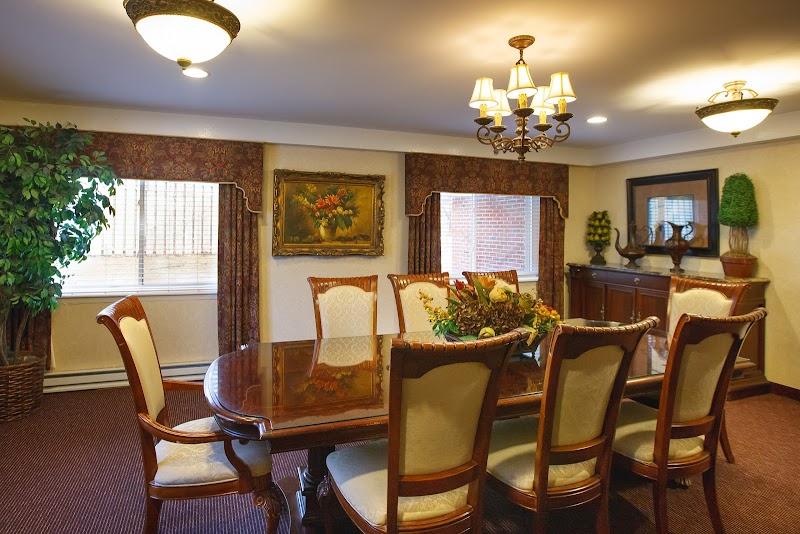
How is Life Of Leominster Staffed?

CMS rates LIFE CARE CENTER OF LEOMINSTER's staffing level at 2 out of 5 stars, which is below average compared to other nursing homes. Staff turnover is 42%, compared to the Massachusetts average of 46%. This relatively stable workforce can support continuity of care. RN turnover specifically is 65%, which is notably high. RNs provide skilled clinical oversight, so turnover in this role can affect medical care quality.

What Have Inspectors Found at Life Of Leominster?

State health inspectors documented 16 deficiencies at LIFE CARE CENTER OF LEOMINSTER during 2022 to 2024. These included: 3 that caused actual resident harm and 13 with potential for harm. Deficiencies causing actual harm indicate documented cases where residents experienced negative health consequences.

Who Owns and Operates Life Of Leominster?

LIFE CARE CENTER OF LEOMINSTER is owned by a for-profit company. For-profit facilities operate as businesses with obligations to shareholders or private owners. The facility is operated by LIFE CARE CENTERS OF AMERICA, a chain that manages multiple nursing homes. With 133 certified beds and approximately 117 residents (about 88% occupancy), it is a mid-sized facility located in LEOMINSTER, Massachusetts.

How Does Life Of Leominster Compare to Other Massachusetts Nursing Homes?

Compared to the 100 nursing homes in Massachusetts, LIFE CARE CENTER OF LEOMINSTER's overall rating (3 stars) is above the state average of 2.9, staff turnover (42%) is near the state average of 46%, and health inspection rating (3 stars) is at the national benchmark.

What Should Families Ask When Visiting Life Of Leominster?

Based on this facility's data, families visiting should ask: "Can you walk me through typical staffing levels on day, evening, and night shifts?" "Can I visit during a mealtime to observe dining assistance and food quality?" "How do you handle medical emergencies, and what is your hospital transfer rate?" "Can I speak with family members of current residents about their experience?" These questions are particularly relevant given the below-average staffing rating.

Is Life Of Leominster Safe?

Based on CMS inspection data, LIFE CARE CENTER OF LEOMINSTER has a clean safety record: no substantiated abuse findings (meaning no confirmed cases of resident harm), no Immediate Jeopardy citations (the most serious violation level indicating risk of serious injury or death), and is not on the Special Focus Facility watch list (a federal program monitoring the lowest-performing 1% of nursing homes). The facility has a 3-star overall rating and ranks #1 of 100 nursing homes in Massachusetts. While no facility is perfect, families should still ask about staff-to-resident ratios and recent inspection results during their visit.

Do Nurses at Life Of Leominster Stick Around?

LIFE CARE CENTER OF LEOMINSTER has a staff turnover rate of 42%, which is about average for Massachusetts nursing homes (state average: 46%). Moderate turnover is common in nursing homes, but families should still ask about staff tenure and how the facility maintains care continuity when employees leave.

Was Life Of Leominster Ever Fined?

LIFE CARE CENTER OF LEOMINSTER has been fined $63,125 across 2 penalty actions. This is above the Massachusetts average of $33,710. Fines in this range indicate compliance issues significant enough for CMS to impose meaningful financial consequences. Common causes include delayed correction of deficiencies, repeat violations, or care failures affecting resident safety. Families should ask facility leadership what changes have been made since these penalties.

Is Life Of Leominster on Any Federal Watch List?

LIFE CARE CENTER OF LEOMINSTER is not on any federal watch list. The most significant is the Special Focus Facility (SFF) program, which identifies the bottom 1% of nursing homes nationally based on persistent, serious quality problems. Not being on this list means the facility has avoided the pattern of deficiencies that triggers enhanced federal oversight. This is a positive indicator, though families should still review the facility's inspection history directly.